Pontchartrain Health Care Center
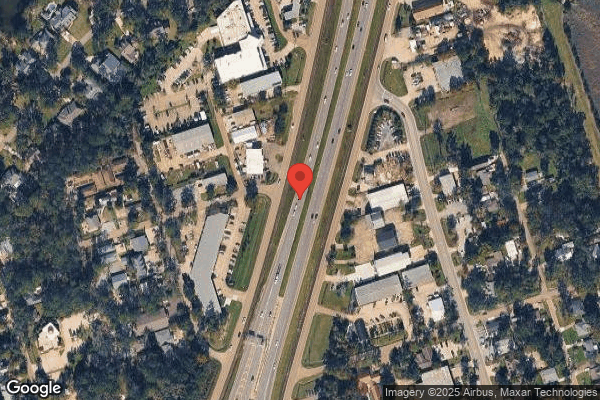

1401 Highway 190, Mandeville, LA 70448 (985) 626-8581
For profit - Corporation 182 Beds INSPIRED HEALTHCARE MANAGEMENT Data: November 2025 3 Immediate Jeopardy citations
Trust Grade
0/100
#239 of 264 in LA
Last Inspection: June 2025

Inspected within the last 6 months. Data reflects current conditions.

Overview

Pontchartrain Health Care Center has received an F grade, indicating poor performance with significant concerns about care. It ranks #239 out of 264 facilities in Louisiana, placing it in the bottom half of options available in the state, and #8 out of 8 in St. Tammany County, meaning there is no local competition that performs better. The facility's trend is improving, with a decrease in issues from 20 in 2024 to 15 in 2025. Staffing received an average rating of 3 out of 5 stars, with a turnover rate of 54%, which is close to the state average, suggesting some staff stability. However, the facility has accumulated $162,920 in fines, which is concerning and indicates ongoing compliance issues. Specific incidents of concern include failures to provide adequate supervision for a resident who had multiple unwitnessed falls despite being assessed as needing bedside supervision. This lack of oversight resulted in a serious situation where the resident ended up in the emergency room with a new subacute subdural hematoma. Additionally, the facility did not implement a comprehensive care plan for this resident, leading to further risks. While the staffing situation is relatively stable, these critical issues highlight serious weaknesses in resident safety and care management at this facility.

Trust Score
F
0/100
In Louisiana
#239/264
Bottom 10%
Safety Record
High Risk
Review needed
Inspections
Getting Better
20 → 15 violations
Staff Stability
⚠ Watch
54% turnover. Above average. Higher turnover means staff may not know residents' routines.
Penalties
✓ Good
$162,920 in fines. Lower than most Louisiana facilities. Relatively clean record.
Skilled Nurses
⚠ Watch
Each resident gets only 13 minutes of Registered Nurse (RN) attention daily — below average for Louisiana. Fewer RN minutes means fewer trained eyes watching for problems.
Violations
⚠ Watch
42 deficiencies on record. Higher than average. Multiple issues found across inspections.
★☆☆☆☆
1.0
Overall Rating
★★★☆☆
3.0
Staff Levels
★☆☆☆☆
1.0
Care Quality
★☆☆☆☆
1.0
Inspection Score
Stable
2024: 20 issues
2025: 15 issues

The Good

  • Full Sprinkler Coverage · Fire safety systems throughout facility
  • No fines on record

Facility shows strength in fire safety.

The Bad

1-Star Overall Rating

Below Louisiana average (2.4)

Significant quality concerns identified by CMS

Staff Turnover: 54%

Near Louisiana avg (46%)

Higher turnover may affect care consistency

Federal Fines: $162,920

Well above median ($33,413)

Significant penalties indicating serious issues

Chain: INSPIRED HEALTHCARE MANAGEMENT

Part of a multi-facility chain

Ask about local staffing decisions and management

The Ugly 42 deficiencies on record

3 life-threatening
Jun 2025 11 deficiencies 3 IJ (3 affecting multiple)
CRITICAL (K)

Immediate Jeopardy (IJ) - the most serious Medicare violation

Comprehensive Care Plan (Tag F0656)

Someone could have died · This affected multiple residents

**NOTE- TERMS IN BRACKETS HAVE BEEN EDITED TO PROTECT CONFIDENTIALITY** Based on record review and interviews, the provider failed to implement a comprehensive person-centered care plan to meet the ne...

Read full inspector narrative →
**NOTE- TERMS IN BRACKETS HAVE BEEN EDITED TO PROTECT CONFIDENTIALITY** Based on record review and interviews, the provider failed to implement a comprehensive person-centered care plan to meet the needs of 2 (#61 and #84) of 25 sampled residents. The facility failed to ensure: 1. Staff consistently implemented an intervention of sitters at bedside for supervision for Resident #61; and 2. Staff scheduled an order neurology consultation for Resident #84. This deficient practice resulted in an Immediate Jeopardy situation on 05/12/2025 when Resident #61, a cognitively impaired resident with a history of falls, recent brain bleed, poor safety awareness, and impulsiveness, had an unwitnessed fall when staff left him unsupervised. Resident #61 was assessed to need staff supervision at bedside on 05/03/2025. On 05/18/2025, the resident had another unwitnessed fall when S22CNA left his bedside leaving the resident unsupervised. Resident #61 was sent to the emergency room for evaluation and head CT revealed a new subacute subdural hematoma. Resident #61 was then admitted to the neurological Intensive Care Unit through 05/27/2025. When Resident #61 returned to the facility, he only received staff supervision at bedside as the staffing schedule would allow which placed the resident at a likelihood to fall again and sustain serious injury, harm, impairment, or death. The Resident had another unwitnessed fall on 05/29/2025. S1ADM was notified of the Immediate Jeopardy on 06/12/2025 at 2:51 p.m. This deficient practice continued at the potential for more than minimal harm for the current 109 residents residing in the facility whom required a comprehensive person-centered care plan to meet their needs. The Immediate Jeopardy was removed on 06/13/2025 at 4:17 p.m., as confirmed by onsite verification through record review and interviews. The facility implemented an acceptable Plan of Removal (POR) prior to survey exit. Findings: 1. Review of Resident #61's Clinical Record revealed he was admitted to the facility on [DATE] with diagnoses, which included an admitting diagnosis of Traumatic Subdural Hemorrhage with Loss of Consciousness, Repeated Falls, Fracture of Unspecified Part of Neck of Right Femur, and Cerebral Edema. Review of Resident #61's 5 Day MDS with an ARD of 06/03/2025 revealed a BIMS of 9, which indicated the resident was moderately cognitively impaired. Further review revealed he was coded for history of falls and required moderate assistance with mobility. Review of Resident #61's most recent Care Plan revealed in part, the following: Problem: I am at risk for falls related to recent fall and history of subdural hematoma. Interventions: 05/03/2025 Fall - No injuries observed. Fall mat at bedside. Bed currently against wall. Sitters at bedside. Helmet ordered for fall protection. 05/12/2025 Fall - No injuries observed. Non-skid footwear placed on resident, brought to hospital. 05/13/2025 Fall - Sitter at bedside for supervision. Educated staff on fall prevention. 05/18/2025 Fall - Send to hospital for evaluation and treatment. Bolster mattress ordered. Neurological checks every 1 hour monitoring to be initiated upon return. 05/29/2025 Fall - Neurological checks every 1 hour monitoring to be initiated upon return. 1:1 at bedside. 1:1 not present during fall, staff education on 1:1 protocol given. Staff educated on importance of notifying another care partner if leaving the hall for breaks/lunches. Helmet as per order and non-skid footwear. Review of the Incident Log revealed Resident #61 had 4 unwitnessed falls and 1 witnessed fall since admission on [DATE]. Unwitnessed falls: 05/03/2025, 05/12/2025, 05/18/2025, and 05/29/2025. Witnessed falls: 05/13/2025. Review of Resident #61's Nurse's Notes dated 05/02/2025 revealed in part, the following: 5:39 p.m., Resident discharged from a prior rehab facility because resident had a recent subdural hematoma status post craniotomy with evacuation March 2025. Review of Resident #61's Incident Reports revealed in part, the following: 05/03/2025 Resident #61 found on floor. No injuries observed. Fall mat at bedside. Bed currently against wall. Sitters at bedside. Helmet ordered for fall protection. 05/12/2025 CNA outside of room, heard thump. Resident #61 slid out of bed onto mattress. Non-skid footwear placed on resident. 05/13/2025 Resident #61 had a witnessed fall in his bathroom while getting assistance to use the toilet. Resident lost his balance, stumbled and fell backwards and hit his head. Resident was alert and noted to be bleeding from the back of his head. Resident was assessed and sent to hospital for further treatment. Neurological checks, 1 hour monitoring initiated. Fall mat placed back at bedside. Sitter at bedside for supervision. Staff educated on importance of fall prevention. 05/18/2025 S22CNA stated she had just stepped away from the room and returned less than a minute and Resident #61 was on floor. Send to hospital for evaluation and treatment. Bolster mattress ordered. Neurological checks, 1 hour monitoring to be initiated upon return. Review of hospital records for Resident #61 dated 05/18/2025 revealed in part, the following: [AGE] year old male patient with a past medical history of recent subdural hematoma (post craniotomy with subdural hematoma evacuation 03/22/2025) presented to hospital after being found down next to his bed sustaining an unwitnessed fall. Patient does have a hematoma and bruising on his right side of head. Compared to the prior study, CT of the head shows there is interval development of a subacute subdural hemorrhage with minimal acute component along the right cerebral convexity measuring 8 mm with subtle effacement of the adjacent right cerebral convexity sulci. The resident will be placed in the neurological Intensive Care Unit and admitted to neurosurgery for a higher level of care and closer neurological monitoring. Review of hospital Physical Therapy Evaluation and Treatment for Resident #61 dated 05/20/2025 revealed in part, the following: Assessment: [AGE] year old male admitted with a medical diagnosis of subdural hematoma. He presents with the following impairments/functional limitations: weakness, impaired endurance, impaired self-care skills, impaired functional mobility, gait instability, impaired balance, impaired cognition, decreased coordination, decreased safety awareness, impaired cardiopulmonary response to activity. Required consistent cueing for safety throughout session. Recommending moderate intensity therapy on discharge to increase safety and maximize functional outcomes. If patient does not discharge to moderate intensity therapy, patient will need 24/7 supervision due to frequent falls and decreased safety awareness/cognitive impairment. Review of Resident #61's Nurse Practitioner's Notes revealed in part, the following: Date of Service 05/28/2025. Evaluation status post hospital stay at local hospital. Diagnosis: subdural hematoma. Plan: Subdural hematoma with recurrent falls and history of craniotomy: Readmit for skilled nursing services. Continue with safety helmet and sitter at bedside. Fall precautions. Review of Resident #61's Incident Reports revealed in part, the following: 05/29/2025 Resident #61 discovered on floor in room. NP instructed to continue monitoring as per protocol and report any changed from baseline. 1:1 staff supervision not present during fall, staff education on 1:1 staff supervision protocol given. Neurological checks, 1 hour monitoring initiated. 1:1 staff supervision not present during fall, staff education on 1:1 staff supervision protocol given. Staff educated on importance of notifying another care partner if leaving the hall for breaks/lunches. Review of Resident #61's Nurse Practitioner's Notes revealed in part, the following: Date of Service 05/31/2025. Patient just returned back to facility from the acute setting diagnosed with subdural hematoma. Yesterday, patient sustained a fall unwitnessed. Patient was observed crawling around on the floor in his room. Plan: Recurrent falls: continue fall precautions. Monitor vital signs and neurological checks, continue safety helmet and sitter at bedside. Review of Resident #61's Nurse's Notes dated 05/29/2025 revealed in part, the following: 11:37 p.m. Resident discovered on floor in room. 1:1 staff supervision not present during fall, staff education on 1:1 protocol given. On 06/11/2025 at 10:53 a.m., an interview was conducted with S19ADON. She stated she was responsible for reviewing resident's falls, and adjusting or implementing care plan interventions after the falls. She stated Resident #61 had several falls since admission to the facility. She stated because of Resident #61's history of a subdural hematoma with craniotomy, after his fall on 05/03/2025, a helmet was ordered and sitter at bedside was initiated on his care plan. She reviewed the incident logs and confirmed for the falls dated 05/12/2025, 05/18/2025, and 05/29/2025, a sitter was not at the bedside. She stated the facility was not obligated to provide sitters at all times, only when extra staff was available. She stated the intervention added to the care plan on 05/03/2025 regarding a sitter at the bedside was an immediate intervention implemented by the nurse after the fall, and was not intended to be an ongoing intervention. She explained after a fall, she would copy the Immediate Action Taken section in the incident report and paste it into the resident's care plan as the intervention. She confirmed the sitter at bedside intervention did not have an end date or duration. She said if staff was available the facility would assign a staff member to sit with Resident #61 to assist with fall prevention. She said if an assigned staff member needed to take a break, they were entitled to their break and did not need to find a replacement to supervise Resident #61. She stated staff was doing the best they could to prevent Resident #61 from falling. On 06/11/2025 at 11:28 a.m., an interview was conducted with S20CNA. She stated she worked on Resident #61's hall on the night of 05/18/2025. She stated she did not recall anyone being assigned 1:1 staff supervision to Resident #61 when he fell that night. She stated on 05/18/2025, S22CNA walked out of Resident #61's room and he fell. She stated staff got him to his wheelchair and put him at the nurse's station. She stated he started complaining of his neck hurting, she reported it to S23LPN and he was sent out to the ER. She stated when he first admitted to the facility, she was told he had a history of a brain bleed. She stated he was very active and constantly wanted to get out of bed. She stated staff sat with him when extra staff was available, but not every shift. On 06/11/2025 at 11:35 a.m., an interview was conducted with S21CNA. She stated Resident #61 attempted to get out of bed constantly. She stated she had worked 1:1 staff supervision with him a few times. She stated when she sat with him, she had to keep eyes on him at all times as he was very impulsive and fell often. She stated she couldn't leave the room unless the resident was with her or someone else was watching him or he would try to get up and fall. On 06/11/2025 at 1:15 p.m., an interview was conducted with S2DON. She stated after a resident had a fall, she expected S19ADON to follow up with the resident or nurse to find out what happened, then enter appropriate interventions in the care plan. She stated S19ADON should not have copied and pasted part of the incident report into the resident's care plan as the interventions. She stated when 'verbiage such as sitters at bedside was placed in the care plan, there should be a duration or timeframe documented. S2DON reviewed Resident #61's care plan and confirmed sitter at bedside was listed as an intervention with no duration or end date. S2DON explained Resident #61 was never supposed to have ongoing 1:1 staff supervision and it was just something we are doing to try to prevent him from falling. She stated she did not know S19ADON and S24CNA were scheduling sitters to supervise Resident #61 when extra staff was available. She stated she was aware Resident #61 was impulsive at times. She stated since Resident #61 had not sustained a fall recently, she would be discontinuing the staff sitting with him. She stated she was not aware S25NP recommended 1:1 staff supervision for Resident #61. On 06/11/2025 at 1:48 p.m., an interview was conducted with S25NP. She stated she was familiar with Resident #61. She stated her main concerns with the resident was lack of sleep and agitation at night. She stated having sitters at bedside has been the most effective intervention for fall prevention for him. She stated Resident #61 was impulsive, unsteady, and a fall risk. She stated staff should have eyes on him at all times. She stated her concern with him being left unsupervised for any period of time would be him falling and sustaining another head injury. On 06/11/2025 at 1:57 p.m., an interview was conducted with S24CNA. He stated he was familiar with Resident #61. He stated Resident #61 would only sleep in 20 minutes increments, then wake up and try to get up. He stated Resident #61 was impulsive. He stated most nights, someone was assigned to sit with him, but not always. He stated he was sitting with Resident #61 on 05/29/2025, and stepped out of his room thinking the resident was asleep. He stated Resident #61 fell and was found right beside the mattress on the floor with no injuries. He confirmed when staff was in the room with Resident #61, it prevented him from falling. He stated the resident was sleeping when he left the room, and confirmed if he wouldn't have left the room, he could have prevented the resident from getting out of the bed and falling. On 06/13/2025 at 9:08 a.m., an interview was conducted with S23LPN. She stated she was working on 05/18/2025 when Resident #61 fell. She stated S22CNA informed her she had just stepped away from the resident's room when he fell. She stated she could not remember if someone was assigned to sit with him that night. She stated if there was extra staff, someone was assigned to him, but if there was only 1 CNA scheduled on the hall, the CNA would sit outside of his room and try to watch him and the call lights. She stated if that CNA had to assist another resident or answer a call light, no one would watch Resident #61. She stated Resident #61 slept for very short periods of time, in 10-15 minute increments, and was pretty impulsive. She stated the resident did not have an order for 1:1 staff supervision, and the facility tried to put extra staff with him to prevent falls. On 06/13/2025 at 9:27 a.m., an interview was conducted with S22CNA. She stated she was familiar with Resident #61. She stated sometimes he was oriented, but he was also forgetful and confused. She stated he constantly got up and down out of bed. She stated she had been assigned to sit with him at times, but sometimes he did not have a sitter when she worked the hall. She stated the night of 05/18/2025, he did not have 1:1 staff supervision. She stated she found the resident on the floor in front of the fall mat. She stated he complained of neck pain and was sent to the hospital. She stated the intervention of sitters at bedside was put in place to help prevent Resident #61 from falling, but sitters were not at the bedside every night. On 06/13/2025 at 9:46 a.m., an interview was conducted with S26LPN. She stated she was familiar with Resident #61. She stated Resident #61 was impulsive, and would not wait for help when he needed it. She stated she was working on 05/29/2025 when Resident #61 was found on his floor. She stated Resident #61 was found on the floor at about 11:37 p.m. She stated she was shocked the resident fell because he had an assigned sitter that night. She stated the assigned sitter, S24CNA, stepped out of his room and did not notify her. She stated the resident woke up and got out of bed during that time. She stated if the sitter needed to leave, the nurse should have been notified or the other CNA could have sat with him. She stated Resident #61 was very quiet and very fast. She stated having 1:1 staff supervision for the resident prevented him from falling. On 06/13/2025 at 3:35 p.m., staff interviews revealed Resident #61 was admitted to the hospital on [DATE] after a follow-up head CT for further evaluation. 2. Review of Resident #84's Clinical Record revealed he was admitted to the facility on [DATE] with diagnoses, which included Cerebral Palsy, Extrapyramidal and Movement Disorder, and Other Seizures. Review of Resident #84's current Physician's Orders revealed the following: Start date: 04/02/2025 Schedule neurology appointment secondary to seizure-like activity. Review of Resident #84's current Care Plan revealed in part, the following: Problem: I have a seizure diagnosis and am at risk for injury. Interventions: Follow-up with neurology related to seizure-like activity. Review of Resident #84's Nurse Practitioner's notes revealed, in part: Created By: S25NP Created Date: 04/02/2025 at 11:04 a.m. Chief Complaint / Nature of Presenting Problem: Evaluation status post ER visit for seizure-like activity. 1. Seizure-like activity: Workup per ER unremarkable. Please consult neurology for evaluation and treatment. On 06/11/2025 at 9:01 a.m., an interview was conducted with S17TS. S17TS confirmed she was responsible for scheduling follow up appointments. S17TS reviewed her files and calendar. S17TS confirmed no neurology consult appointment had been made for Resident #84 and should have been. S17TS stated she was not aware of this appointment. S17TS stated the process is for an appointment slip to be placed on her door so she would follow-up with scheduling the appointments. On 06/12/2025 at 11:28 a.m., an interview was conducted with S2DON. S2DON reviewed Resident #84's physician orders and care plan. S2DON was made aware, as of 06/11/2025, Resident #84's neurology consult from 04/02/2025 had not been scheduled. S2DON confirmed staff failed to implement the appropriate intervention per the comprehensive resident centered care plan. S2DON stated the process is for an appointment slip to be placed on S17TS's door so she would follow-up with scheduling the appointments. The facility had implemented the following actions to correct the deficient practice: 1. On 06/11/2025, the sitter at bedside/l:1 monitoring was discontinued on the fall care plan. 2. On 06/12/2025, 100% review of the current fall care plans revealed no other resident had a fall care plan with sitter at bedside/on 1:1 monitoring. 3. On 06/12/2025, Resident #61 was admitted to the hospital following a medical appointment. In the event Resident were to return to the facility, 1:1 monitoring would be initiated. Resident #61 will be reassessed by the nursing staff and NP to determine the continuation of the 1:1 monitoring based on his needs. 4. If Resident #61 returns to the facility, he will receive a fall risk assessment to determine the appropriate interventions to be implemented. 5. Regional nurse provided education on 06/12/2025 to nursing administrative team, including the ADON, regarding fall prevention including adding, implementing, and monitoring effectiveness of appropriate interventions consistent with current professional standards. 6. The clinical staff received in-servicing by nursing administration on not leaving the room without relief when scheduled for 1:1 monitoring beginning on 06/12/2025 and will be completed 06/13/2025. Clinical staff will not be scheduled until receiving this in-service. 7. On 06/13/2025, the DON/designee reviewed recent fall care plans in the daily weekday morning meetings. DON/designee will continue to monitor care plans for appropriate interventions on weekdays for 4 weeks. 8. Any findings and plan will be taken through the facilities Quality Assurance Performance Improvement (QAPI) Process for review and revision as needed. The facility asserts the likelihood for serious harm to any resident with a care plan of sitter at bedside/l:1 monitoring no longer exists as of 06/13/2025. 9. The facility will ascertain substantial compliance by 06/13/2025. Throughout the survey from 06/12/2025 to 06/13/2025, interviews and record review revealed the above listed actions were implemented. Random staff interviews revealed staff received training on proper 1:1 monitoring and how to identify what residents required monitoring while following care plan interventions.
CRITICAL (K)

Immediate Jeopardy (IJ) - the most serious Medicare violation

Accident Prevention (Tag F0689)

Someone could have died · This affected multiple residents

**NOTE- TERMS IN BRACKETS HAVE BEEN EDITED TO PROTECT CONFIDENTIALITY** Based on interviews and record review, the facility failed to ensure residents received adequate supervision to prevent avoidabl...

Read full inspector narrative →
**NOTE- TERMS IN BRACKETS HAVE BEEN EDITED TO PROTECT CONFIDENTIALITY** Based on interviews and record review, the facility failed to ensure residents received adequate supervision to prevent avoidable falls for 1 (#61) of 4 (#6, #61, #85, and #103) residents reviewed for falls. This deficient practice resulted in an Immediate Jeopardy situation on 05/12/2025 when Resident #61, a cognitively impaired resident with a history of falls, recent brain bleed, poor safety awareness, and impulsiveness, had an unwitnessed fall when staff left him unsupervised. Resident #61 was assessed to need staff supervision at bedside on 05/03/2025. On 05/18/2025, the resident had another unwitnessed fall when S22CNA left his bedside leaving the resident unsupervised. Resident #61 was sent to the emergency room for evaluation and head CT revealed a new subacute subdural hematoma. Resident #61 was then admitted to the neurological Intensive Care Unit through 05/27/2025. When Resident #61 returned to the facility, he only received staff supervision at bedside as the staffing schedule would allow which placed the resident at a likelihood to fall again and sustain serious injury, harm, impairment, or death. The Resident had another unwitnessed fall on 05/29/2025. S1ADM was notified of the Immediate Jeopardy on 06/12/2025 at 2:51 p.m. This deficient practice continued at the potential for more than minimal harm for any resident residing in the facility whom required increased supervision. The Immediate Jeopardy was removed on 06/13/2025 at 4:17 p.m., as confirmed by onsite verification through record review and interviews. The facility implemented an acceptable Plan of Removal (POR) prior to survey exit. Findings: Cross Reference F656 Review of Resident #61's Clinical Record revealed he was admitted to the facility on [DATE] with diagnoses, which included an admitting diagnosis of Traumatic Subdural Hemorrhage with Loss of Consciousness, Repeated Falls, Fracture of Unspecified Part of Neck of Right Femur, and Cerebral Edema. Review of Resident #61's 5 Day MDS with an ARD of 06/03/2025 revealed a BIMS of 9, which indicated the resident was moderately cognitively impaired. Further review revealed he was coded for history of falls and required moderate assistance with mobility. Review of Resident #61's most recent Care Plan revealed in part, the following: Problem: I am at risk for falls related to recent fall and history of subdural hematoma. Interventions: 05/03/2025 Fall - No injuries observed. Fall mat at bedside. Bed currently against wall. Sitters at bedside. Helmet ordered for fall protection. 05/12/2025 Fall - No injuries observed. Non-skid footwear placed on resident, brought to hospital. 05/13/2025 Fall - Sitter at bedside for supervision. Educated staff on fall prevention. 05/18/2025 Fall - Send to hospital for evaluation and treatment. Bolster mattress ordered. Neurological checks every 1 hour monitoring to be initiated upon return. 05/29/2025 Fall - Neurological checks every 1 hour monitoring to be initiated upon return. 1:1 at bedside. 1:1 not present during fall, staff education on 1:1 protocol given. Staff educated on importance of notifying another care partner if leaving the hall for breaks/lunches. Helmet as per order and non-skid footwear. Review of the Incident Log revealed Resident #61 had 4 unwitnessed falls since admission on [DATE]. Unwitnessed falls: 05/03/2025, 05/12/2025, 05/18/2025, and 05/29/2025. Review of Resident #61's Nurse's Notes dated 05/02/2025 revealed in part, the following: 5:39 p.m., Resident discharged from a prior rehab facility because resident had a recent subdural hematoma status post craniotomy with evacuation March 2025. Review of Resident #61's Incident Reports revealed in part, the following: 05/03/2025 Resident #61 found on floor. No injuries observed. Fall mat at bedside. Sitters initiated at bedside. 05/12/2025 CNA outside of room, heard thump. Resident #61 slid out of bed onto mattress. 05/18/2025 S22CNA stated she had just stepped away from the room and returned less than a minute and Resident #61 was on floor. Send to hospital for evaluation and treatment. Review of facility's Emergency Transfer Log revealed Resident #61 was transferred to the hospital on [DATE] and returned to the facility on [DATE]. Review of hospital records for Resident #61 dated 05/18/2025 revealed in part, the following: [AGE] year old male patient with a past medical history of recent subdural hematoma (post craniotomy with subdural hematoma evacuation 03/22/2025) presented to hospital after being found down next to his bed sustaining an unwitnessed fall. Patient does have a hematoma and bruising on his right side of head. Compared to the prior study, CT of the head shows there is interval development of a subacute subdural hemorrhage with minimal acute component along the right cerebral convexity measuring 8 mm with subtle effacement of the adjacent right cerebral convexity sulci. The resident will be placed in the neurological Intensive Care Unit and admitted to neurosurgery for a higher level of care and closer neurological monitoring. Review of hospital Physical Therapy Evaluation and Treatment for Resident #61 dated 05/20/2025 revealed in part, the following: Assessment: [AGE] year old male admitted with a medical diagnosis of subdural hematoma. Recommending moderate intensity therapy on discharge to increase safety and maximize functional outcomes. If patient does not discharge to moderate intensity therapy, patient will need 24/7 supervision due to frequent falls and decreased safety awareness/cognitive impairment. Review of Resident #61's Nurse Practitioner's Notes revealed in part, the following: Date of Service 05/28/2025. Evaluation status post hospital stay at local hospital. Diagnosis: subdural hematoma. Plan: Subdural hematoma with recurrent falls and history of craniotomy: Readmit for skilled nursing services. Continue with sitter at bedside. Fall precautions. Review of Resident #61's Incident Reports revealed in part, the following: 05/29/2025 Resident #61 discovered on floor in room. NP instructed to continue monitoring as per protocol and report any changed from baseline. 1:1 staff supervision not present during fall, staff education on 1:1 staff supervision protocol given. Staff educated on importance of notifying another care partner if leaving the hall for breaks/lunches. Review of Resident #61's Nurse Practitioner's Notes revealed in part, the following: Date of Service 05/31/2025. Patient just returned back to facility from the acute setting diagnosed with subdural hematoma. Yesterday, patient sustained a fall unwitnessed. Plan: Recurrent falls: continue sitter at bedside. Review of Resident #61's Nurse's Notes dated 05/29/2025 revealed in part, the following: 11:37 p.m. Resident discovered on floor in room. 1:1 staff supervision not present during fall, staff education on 1:1 protocol given. On 06/11/2025 at 10:53 a.m., an interview was conducted with S19ADON. She stated Resident #61 had several falls since admission to the facility. She stated because of Resident #61's history of a subdural hematoma with craniotomy, after his fall on 05/03/2025, a sitter at bedside was initiated on his care plan. She reviewed the incident logs and confirmed for the falls dated 05/12/2025, 05/18/2025, and 05/29/2025, a sitter was not present at the bedside. She said if staff was available the facility would assign a staff member to sit with Resident #61 to assist with fall prevention. She said if an assigned staff member needed to take a break, they were entitled to their break and did not need to find a replacement to supervise Resident #61. She stated the facility was not obligated to provide sitters at all times, only when extra staff was available. On 06/11/2025 at 11:28 a.m., an interview was conducted with S20CNA. She said staff were assigned to supervise Resident #61 when enough staff was available to help prevent him from falling. She stated on the night of 05/18/2025, no one was assigned 1:1 staff supervision to Resident #61. She stated S22CNA walked out of Resident #61's room and he fell. She stated he started complaining of his neck hurting, she reported it to S23LPN and he was sent out to the ER. She stated he was very active and constantly attempted to get out of bed. On 06/13/2025 at 9:27 a.m., an interview was conducted with S22CNA. She stated she was familiar with Resident #61. She stated he constantly got up and down out of bed. She stated she had been assigned to sit with him at times to prevent falls, but sometimes he did not have a sitter when she worked the hall. She stated the night of 05/18/2025, he did not have 1:1 staff supervision. She stated she found the resident on the floor in front of the fall mat. She stated he complained of neck pain and was sent to the hospital. She stated the intervention of sitters at bedside was put in place to help prevent Resident #61 from falling, but sitters were not at the bedside every night. On 06/13/2025 at 9:08 a.m., an interview was conducted with S23LPN. She stated she was working on 05/18/2025 when Resident #61 fell. She stated S22CNA informed her she had just stepped away from the resident's room when he fell. She stated Resident #61 slept for very short periods of time, in 10-15 minute increments, and was pretty impulsive. She stated if there was only 1 CNA scheduled on the hall, no one would be assigned at bedside to supervise Resident #61. On 06/11/2025 at 1:57 p.m., an interview was conducted with S24CNA. He stated he was familiar with Resident #61. He stated Resident #61 would only sleep in 20 minutes increments, then would wake up and try to get up. He stated Resident #61 was impulsive. He stated he was sitting with Resident #61 on 05/29/2025 while the assigned sitter was on break. She stated he stepped out of Resident #61's room thinking the resident was asleep. He stated Resident #61 fell and was found right beside the mattress on the floor with no injuries. He stated the resident was sleeping when he left the room, and confirmed if he wouldn't have left the room, he could have prevented the resident from getting out of the bed and falling. He stated when staff was in the room with Resident #61, it prevented him from falling. On 06/13/2025 at 9:46 a.m., an interview was conducted with S26LPN. She stated she was familiar with Resident #61. She stated Resident #61 was impulsive, and would not wait for help when he needed it. She stated she was working on 05/29/2025 when Resident #61 was found on his floor. She stated she was shocked the resident fell because he had an assigned sitter that night. She stated the assigned sitter, S24CNA, stepped out of his room and did not notify her. She stated if the sitter needed to leave, the nurse should have been notified so the other CNA could have sat with him for supervision. She stated staff should not have left him since he was 1:1. She stated Resident #61 was very quiet and very fast. She stated having 1:1 staff supervision for the resident prevented him from falling. On 06/11/2025 at 1:48 p.m., an interview was conducted with S25NP. She stated she was familiar with Resident #61. She stated she could not recall the date sitters at bedside were implemented for Resident #61, but it had been a while. She stated having sitters at bedside had been the most effective intervention for fall prevention for him. She stated Resident #61 was impulsive, unsteady, and a fall risk. She stated she expected staff to keep eyes on him at all times. She stated her concern with him being left unsupervised for any period of time would be him falling and sustaining another head injury. On 06/11/2025 at 1:15 p.m., an interview was conducted with S2DON. S2DON reviewed Resident #61's care plan and confirmed sitter at bedside was listed as an intervention for fall prevention with no duration or end date. S2DON stated Resident #61 was never supposed to have ongoing 1:1 staff supervision and stated it was just something we are doing to try to prevent him from falling when extra staff was available. She stated she was not aware S25NP recommended 1:1 staff supervision for Resident #61. She stated she was not aware S19ADON and S24CNA continued to schedule 1:1 supervision for Resident #61 when staff were available to prevent falls. On 06/13/2025 at 3:35 p.m., staff interviews revealed Resident #61 was admitted to the hospital on [DATE] after a follow-up head CT for further evaluation. The facility had implemented the following actions to correct the deficient practice: 1. On 06/11/2025, the sitter at bedside/l:1 monitoring was discontinued on the fall care plan. 2. On 06/12/2025, 100% review of the current fall care plans revealed no other resident had a fall care plan with sitter at bedside/on 1:1 monitoring. 3. On 06/12/2025, Resident #61 was admitted to the hospital following a medical appointment. In the event Resident were to return to the facility, 1:1 monitoring would be initiated. Resident #61 will be reassessed by the nursing staff and NP to determine the continuation of the 1:1 monitoring based on his needs. 4. If Resident #61 returns to the facility, he will receive a fall risk assessment to determine the appropriate interventions to be implemented. 5. Regional nurse provided education on 06/12/2025 to nursing administrative team, including the ADON, regarding fall prevention including adding, implementing, and monitoring effectiveness of appropriate interventions consistent with current professional standards. 6. The clinical staff received in-servicing by nursing administration on not leaving the room without relief when scheduled for 1:1 monitoring beginning on 06/12/2025 and will be completed 06/13/2025. Clinical staff will not be scheduled until receiving this in-service. 7. On 06/13/2025, the DON/designee reviewed recent falls in the daily weekday morning meetings. DON/designee will continue to monitor recent falls for appropriate interventions on weekdays for 4 weeks. 8. If the facility identifies a resident requiring sitter at bedside/1:1 monitoring this will be monitored by DON/designee weekly until this monitoring is no longer needed. 9. Any findings and plan will be taken through the facilities Quality Assurance Performance Improvement (QAPI) Process for review and revision as needed. 10. The facility asserts the likelihood for serious harm to any resident with a care plan of sitter at bedside/l:1 monitoring no longer exists as of 06/13/2025. 11. The facility will ascertain substantial compliance by 06/13/2025. Throughout the survey from 06/12/2025 to 06/13/2025, interviews and record review revealed the above listed actions were implemented. Random staff interviews revealed staff received training on proper 1:1 monitoring and how to identify what residents required monitoring while following care plan intervention.
CRITICAL (K)

Immediate Jeopardy (IJ) - the most serious Medicare violation

Administration (Tag F0835)

Someone could have died · This affected multiple residents

**NOTE- TERMS IN BRACKETS HAVE BEEN EDITED TO PROTECT CONFIDENTIALITY** The facility failed to ensure it was administered in a manner that effectively used its resources for 1 (#61) of 4 (#6, #61, #85...

Read full inspector narrative →
**NOTE- TERMS IN BRACKETS HAVE BEEN EDITED TO PROTECT CONFIDENTIALITY** The facility failed to ensure it was administered in a manner that effectively used its resources for 1 (#61) of 4 (#6, #61, #85, and #103) residents reviewed for falls. The facility failed to have an effective system in place to ensure a care plan intervention of sitter at bedside was continuously implemented for Resident #61 to prevent falls. This deficient practice resulted in an Immediate Jeopardy situation on 05/12/2025 when Resident #61, a cognitively impaired resident with a history of falls, recent brain bleed, poor safety awareness, and impulsiveness, had an unwitnessed fall when staff left him unsupervised. Resident #61 was assessed to need staff supervision at bedside on 05/03/2025. On 05/18/2025, the resident had another unwitnessed fall when S22CNA left his bedside leaving the resident unsupervised. Resident #61 was sent to the emergency room for evaluation and head CT revealed a new subacute subdural hematoma. Resident #61 was then admitted to the neurological Intensive Care Unit through 05/27/2025. When Resident #61 returned to the facility, he only received staff supervision at bedside as the staffing schedule would allow which placed the resident at a likelihood to fall again and sustain serious injury, harm, impairment, or death. The Resident had another unwitnessed fall on 05/29/2025. S1ADM was notified of the Immediate Jeopardy on 06/12/2025 at 2:51 p.m. This deficient practice continued at the potential for more than minimal harm for any residents residing in the facility whom required increased supervision. The Immediate Jeopardy was removed on 06/13/2025 at 4:17 p.m., as confirmed by onsite verification through record review and interviews. The facility implemented an acceptable Plan of Removal (POR) prior to survey exit. Findings: Cross Reference F656 and F689 Review of Resident #61's Clinical Record revealed he was admitted to the facility on [DATE] with diagnoses, which included an admitting diagnosis of Traumatic Subdural Hemorrhage with Loss of Consciousness, Repeated Falls, Fracture of Unspecified Part of Neck of Right Femur, and Cerebral Edema. Review of Resident #61's 5 Day MDS with an ARD of 06/03/2025 revealed a BIMS of 9, which indicated the resident was moderately cognitively impaired. Further review revealed he was coded for history of falls and required moderate assistance with mobility. Review of Resident #61's most recent Care Plan revealed in part, the following: Problem: I am at risk for falls related to recent fall and history of subdural hematoma. Interventions: 05/03/2025 Fall - No injuries observed. Fall mat at bedside. Bed currently against wall. Sitters at bedside. Helmet ordered for fall protection. 05/12/2025 Fall - No injuries observed. Non-skid footwear placed on resident, brought to hospital. 05/13/2025 Fall - Sitter at bedside for supervision. Educated staff on fall prevention. 05/18/2025 Fall - Send to hospital for evaluation and treatment. Bolster mattress ordered. Neurological checks every 1 hour monitoring to be initiated upon return. 05/29/2025 Fall - Neurological checks every 1 hour monitoring to be initiated upon return. 1:1 at bedside. 1:1 not present during fall, staff education on 1:1 protocol given. Staff educated on importance of notifying another care partner if leaving the hall for breaks/lunches. Helmet as per order and non-skid footwear. Review of the Incident Log revealed Resident #61 had 4 unwitnessed falls and 1 witnessed fall since admission on [DATE]. Unwitnessed falls: 05/03/2025, 05/12/2025, 05/18/2025, and 05/29/2025. Witnessed falls: 05/13/2025. Review of Resident #61's Nurse's Notes dated 05/02/2025 revealed in part, the following: 5:39 p.m., Resident discharged from a prior rehab facility because resident had a recent subdural hematoma status post craniotomy with evacuation March 2025. Review of Resident #61's Incident Reports revealed in part, the following: 05/03/2025 Resident #61 found on floor. No injuries observed. Fall mat at bedside. Bed currently against wall. Sitters at bedside. Helmet ordered for fall protection. 05/12/2025 CNA outside of room, heard thump. Resident #61 slid out of bed onto mattress. Non-skid footwear placed on resident. 05/13/2025 Resident #61 had a witnessed fall in his bathroom while getting assistance to use the toilet. Resident lost his balance, stumbled and fell backwards and hit his head. Resident was alert and noted to be bleeding from the back of his head. Resident was assessed and sent to hospital for further treatment. Neurological checks, 1 hour monitoring initiated. Fall mat placed back at bedside. Sitter at bedside for supervision. Staff educated on importance of fall prevention. 05/18/2025 S22CNA stated she had just stepped away from the room and returned less than a minute and Resident #61 was on floor. Send to hospital for evaluation and treatment. Bolster mattress ordered. Neurological checks, 1 hour monitoring to be initiated upon return. Review of hospital records for Resident #61 dated 05/18/2025 revealed in part, the following: [AGE] year old male patient with a past medical history of recent subdural hematoma (post craniotomy with subdural hematoma evacuation 03/22/2025) presented to hospital after being found down next to his bed sustaining an unwitnessed fall. Patient does have a hematoma and bruising on his right side of head. Compared to the prior study, CT of the head shows there is interval development of a subacute subdural hemorrhage with minimal acute component along the right cerebral convexity measuring 8 mm with subtle effacement of the adjacent right cerebral convexity sulci. The resident will be placed in the neurological Intensive Care Unit and admitted to neurosurgery for a higher level of care and closer neurological monitoring. Review of hospital Physical Therapy Evaluation and Treatment for Resident #61 dated 05/20/2025 revealed in part, the following: Assessment: [AGE] year old male admitted with a medical diagnosis of subdural hematoma. If patient does not discharge to moderate intensity therapy, patient will need 24/7 supervision due to frequent falls and decreased safety awareness/cognitive impairment. Review of Resident #61's Nurse Practitioner's Notes revealed in part, the following: Date of Service 05/28/2025. Evaluation status post hospital stay at local hospital. Diagnosis: subdural hematoma. Plan: Subdural hematoma with recurrent falls and history of craniotomy: Readmit for skilled nursing services. Continue sitter at bedside. Review of Resident #61's Incident Reports revealed in part, the following: 05/29/2025 Resident #61 discovered on floor in room. NP instructed to continue monitoring as per protocol and report any changed from baseline. 1:1 staff supervision not present during fall, staff education on 1:1 staff supervision protocol given. Neurological checks, 1 hour monitoring initiated. 1:1 staff supervision not present during fall, staff education on 1:1 staff supervision protocol given. Staff educated on importance of notifying another care partner if leaving the hall for breaks/lunches. Review of Resident #61's Nurse Practitioner's Notes revealed in part, the following: Date of Service 05/31/2025. Patient just returned back to facility from the acute setting diagnosed with subdural hematoma. Yesterday, patient sustained a fall unwitnessed. Plan: Recurrent falls: continue sitter at bedside. Review of Resident #61's Nurse's Notes dated 05/29/2025 revealed in part, the following: 11:37 p.m. Resident discovered on floor in room. 1:1 staff supervision not present during fall, staff education on 1:1 protocol given. On 06/11/2025 at 10:53 a.m., an interview was conducted with S19ADON. She stated she was responsible for reviewing resident's falls, and adjusting or implementing care plan interventions after the falls. She explained after a fall, she would copy the Immediate Action Taken section in the incident report and paste it into the resident's care plan as the intervention. She stated after Resident #61's fall on 05/03/2025, the nurse implemented an intervention immediately after of sitter at bedside. S2ADON said post fall she copied that intervention from the incident report onto the current care plan as the implemented intervention. She stated this intervention was not intended to be ongoing, but she did not put an end date or duration to indicate that it should be stopped. She reviewed the incident logs and confirmed for the falls dated 05/12/2025, 05/18/2025, and 05/29/2025, a sitter was not at the bedside. She stated the facility was not obligated to provide sitters at all times, only when extra staff was available. She said if staff was available the facility would assign a staff member to sit with Resident #61 to assist with fall prevention. She said if an assigned staff member needed to take a break, they were entitled to their break and did not need to find a replacement to supervise Resident #61. She stated staff was doing the best they could to prevent Resident #61 from falling. On 06/11/2025 at 11:28 a.m., an interview was conducted with S20CNA. She stated she worked on Resident #61's hall on the night of 05/18/2025. She stated she did not recall anyone being assigned 1:1 staff supervision to Resident #61 when he fell that night. She stated on 05/18/2025, S22CNA walked out of Resident #61's room and he fell. She stated he started complaining of his neck hurting, she reported it to S23LPN and he was sent out to the ER. She stated when he first admitted to the facility, she was told he had a history of a brain bleed. She stated he was very active and constantly wanted to get out of bed. She stated staff sat with him when extra staff was available, but not every shift. On 06/11/2025 at 11:35 a.m., an interview was conducted with S21CNA. She stated Resident #61 attempted to get out of bed constantly, was impulsive, and fell often. She stated she had worked 1:1 staff supervision with him a few times, but someone was not always assigned to sit with him. She stated he would try to get up and fall if someone wasn't watching him. On 06/11/2025 at 1:15 p.m., an interview was conducted with S2DON. She stated after a resident had a fall, she expected S19ADON to follow up with the resident or nurse to find out what happened, then enter appropriate interventions in the care plan. She stated S19ADON should not have copied and pasted part of the incident report into the resident's care plan as the interventions. She stated when 'verbiage such as sitters at bedside was placed in the care plan, there should be a duration or timeframe documented. S2DON reviewed Resident #61's care plan and confirmed sitter at bedside was listed as an intervention with no duration or end date. S2DON explained Resident #61 was never supposed to have ongoing 1:1 staff supervision and it was just something we are doing to try to prevent him from falling. She stated she did not know S19ADON and S24CNA were scheduling sitters to supervise Resident #61 when extra staff was available. She stated she was aware Resident #61 was impulsive at times. She stated she was not aware S25NP recommended 1:1 staff supervision for Resident #61. On 06/11/2025 at 1:48 p.m., an interview was conducted with S25NP. She stated she was familiar with Resident #61. She stated her main concerns with the resident was lack of sleep and agitation at night. She stated having sitters at bedside has been the most effective intervention for fall prevention for him. She stated Resident #61 was impulsive, unsteady, and a fall risk. She stated staff should have eyes on him at all times. She stated her concern with him being left unsupervised for any period of time would be him falling and sustaining another head injury. On 06/11/2025 at 1:57 p.m., an interview was conducted with S24CNA. He stated Resident #61 was impulsive and would only sleep in 20 minutes increments, then wake up and try to get up. He stated most nights, someone was assigned to sit with him, but not always. On 06/13/2025 at 9:08 a.m., an interview was conducted with S23LPN. She stated she was working on 05/18/2025 when Resident #61 fell. She stated she could not remember if someone was assigned to sit with him that night. She stated if there was extra staff, someone was assigned to him, but if there was only 1 CNA scheduled on the hall, the CNA would sit outside of his room and try to watch him and the call lights. She stated if that CNA had to assist another resident or answer a call light, no one would watch Resident #61. She stated Resident #61 slept for very short periods of time, in 10-15 minute increments, and was pretty impulsive. She stated the resident did not have an order for 1:1 staff supervision, and the facility tried to put extra staff with him to prevent falls. On 06/13/2025 at 9:27 a.m., an interview was conducted with S22CNA. She stated Resident #61 was oriented sometimes, but he was also forgetful and confused. She stated he constantly got up and down out of bed. She stated she had been assigned to sit with him at times, but sometimes he did not have a sitter when she worked the hall. She stated when the resident fell the night of 05/18/2025, he did not have 1:1 staff supervision. She stated the intervention of sitters at bedside was put in place to help prevent Resident #61 from falling, but sitters were not at the bedside every night. On 06/13/2025 at 9:46 a.m., an interview was conducted with S26LPN. She stated Resident #61 was impulsive, and would not wait for help when he needed it. She stated on 05/29/2025, Resident #61 had an assigned sitter. She stated the assigned sitter, S24CNA, stepped out of his room and the resident fell. She stated Resident #61 was very quiet and very fast. She stated having 1:1 staff supervision for the resident prevented him from falling. On 06/13/2025 at 3:35 p.m., staff interviews revealed Resident #61 was admitted to the hospital on [DATE] after a follow-up head CT for further evaluation. The facility had implemented the following actions to correct the deficient practice: 1. On 06/11/2025, the sitter at bedside/l:1 monitoring was discontinued on the fall care plan. 2. On 06/12/2025, 100% review of the current fall care plans revealed no other resident had a fall care plan with sitter at bedside/on 1:1 monitoring. 3. On 06/12/2025, Resident #61 was admitted to the hospital following a medical appointment. In the event Resident were to return to the facility, 1:1 monitoring would be initiated. Resident #61 will be reassessed by the nursing staff and NP to determine the continuation of the 1:1 monitoring based on his needs. 4. If Resident #61 returns to the facility, he will receive a fall risk assessment to determine the appropriate interventions to be implemented. 5. Regional nurse provided education on 06/12/2025 to nursing administrative team, including the DON, ADON, Infection Preventionist/QA, and MDS, regarding fall prevention including adding, implementing, and monitoring effectiveness of appropriate interventions consistent with current professional standards. 6. Regional Nurse will monitor for compliance weekly for 4 weeks. 7. Any findings and plan will be taken through the facilities Quality Assurance Performance Improvement (QAPI) Process for review and revision as needed. 8. The facility asserts the likelihood for serious harm to any resident with a care plan of sitter at bedside/l:1 monitoring no longer exists as of 06/13/2025. 9. The facility will ascertain substantial compliance by 06/13/2025. Throughout the survey from 06/12/2025 to 06/13/2025, interviews and record review revealed the above listed actions were implemented. Random staff interviews revealed staff received training on proper 1:1 monitoring and how to identify what residents required monitoring while following care plan interventions.
CONCERN (D)

Potential for Harm - no one hurt, but risky conditions existed

Assessment Accuracy (Tag F0641)

Could have caused harm · This affected 1 resident

**NOTE- TERMS IN BRACKETS HAVE BEEN EDITED TO PROTECT CONFIDENTIALITY** Based on interviews and record review, the facility failed to ensure resident's assessments accurately reflected the resident's ...

Read full inspector narrative →
**NOTE- TERMS IN BRACKETS HAVE BEEN EDITED TO PROTECT CONFIDENTIALITY** Based on interviews and record review, the facility failed to ensure resident's assessments accurately reflected the resident's status by failing to ensure a resident's Minimum Data Set (MDS) was accurately coded for Pre-admission Screening and Resident Review (PASRR) for 1 (#90) of 2 (#29 and #90) sampled residents reviewed for PASRR. Findings: Review of Resident #90's Clinical Record revealed he was admitted to the facility on [DATE] with a 142 Form Notification of Medical Certification with an approval for admission by the state Level II Authority dated 06/30/2024. Review of Resident #90's annual MDS with an Assessment Reference Date (ARD) of 01/31/2025 revealed Section A1500 PASRR: Has the resident been evaluated by Level II PASRR and determined to have a serious mental illness and/or mental retardation or a related condition, was coded as 0. No. Section A1510 Level II PASRR conditions were blank. An interview was conducted with S14MDS on 06/11/2025 at 1:55 p.m. S14MDS verified Resident #90's Form 142 indicated Resident #90 was approved for nursing home admission by Level II authority effective 06/30/2024. She reviewed Resident #90's annual MDS assessment dated [DATE]. S14MDS confirmed Section A1500 should have been coded as 1-Yes, and was not. An interview was conducted with S2DON on 06/11/2025 at 2:00 p.m. S2DON verified Resident #90's Form 142 indicated Resident #90 was approved for nursing home admission by Level II authority effective 06/30/2024. She reviewed Resident #90's annual MDS assessment dated [DATE]. S2DON confirmed Section A1500 should have been coded as 1-Yes, and was not.
CONCERN (D)

Potential for Harm - no one hurt, but risky conditions existed

PASARR Coordination (Tag F0644)

Could have caused harm · This affected 1 resident

**NOTE- TERMS IN BRACKETS HAVE BEEN EDITED TO PROTECT CONFIDENTIALITY** Based on record review and interviews, the facility failed to ensure a resident with an identified mental health diagnosis was r...

Read full inspector narrative →
**NOTE- TERMS IN BRACKETS HAVE BEEN EDITED TO PROTECT CONFIDENTIALITY** Based on record review and interviews, the facility failed to ensure a resident with an identified mental health diagnosis was referred for a Preadmission Screening Resident Review (PASRR) Level II evaluation as required for 1 (#29) of 2 (#29 and #90) sampled residents records reviewed for PASRR. Findings: Review of Resident #29's Clinical Record revealed Resident #29 was admitted to the facility on [DATE] with a diagnosis, which included Bipolar Disorder. Further review revealed additional medical diagnoses of Major Depressive Disorder (02/20/2025) and Generalized Anxiety Disorder (05/07/2025). Further review of the Clinical Record revealed no documentation of a Level II PASRR evaluation. On 06/11/2025 at 11:30 a.m., an interview was conducted with S13BOM. She stated when a resident acquired a new mental health diagnosis either S13BOM or S1ADM submitted a request to the state agency for a PASRR Level II referral. She reviewed the PASRR Level I on file for Resident #29 dated 06/09/2023. She confirmed Resident #29 had acquired the above listed diagnoses since the last Resident Review submission. She confirmed a Resident Review form should have been submitted for evaluation and determination for Level II services and was not. On 06/11/2025 at 11:35 a.m., an interview was conducted with S1ADM. She reviewed the PASRR Level I on file for Resident #29 dated 06/09/2023. She confirmed Resident #29 had acquired the above listed diagnoses since the last Resident Review submission. She confirmed a Resident Review form should have been submitted for evaluation and determination for Level II services and was not.
CONCERN (D)

Potential for Harm - no one hurt, but risky conditions existed

Deficiency F0658 (Tag F0658)

Could have caused harm · This affected 1 resident

**NOTE- TERMS IN BRACKETS HAVE BEEN EDITED TO PROTECT CONFIDENTIALITY** Based on record review, observations, and interviews, the facility failed to ensure services were provided to meet quality profe...

Read full inspector narrative →
**NOTE- TERMS IN BRACKETS HAVE BEEN EDITED TO PROTECT CONFIDENTIALITY** Based on record review, observations, and interviews, the facility failed to ensure services were provided to meet quality professional standards by failing to follow physician orders for 1 (#84) of 25 residents reviewed in the final sample. Findings: Review of Resident #84's Clinical Record revealed he was admitted to the facility on [DATE] with diagnoses, which included Cerebral Palsy, Extrapyramidal and Movement Disorder, and other Seizures. Review of Resident #84's current Physician's Orders revealed the following: Start date: 04/02/2025 - Seizure precautions. Review of Nurse Practitioner Progress notes revealed, in part: Created By: S25NP Created Date: 04/02/2025 11:04:20 Chief Complaint / Nature of Presenting Problem: Evaluation status post ER visit for seizure-like activity 1. Seizure-like activity: Workup per ER unremarkable. Seizure precautions please. On 06/10/2025 at 2:30 p.m., an observation was made of Resident #84 resting in bed. Resident noted to have two pillows behind his head and one wedge pillow under his left side. Bed noted to be in a high position. On 06/10/2025 at 3:18 p.m., an observation was made of Resident #84's bed and environment with S2DON. During the observation, S2DON confirmed Resident #84's bed was noted in a high position. On 06/10/2025 at 3:20 p.m., an interview was conducted with S2DON. S2DON stated the facility did not have a policy related to seizure precautions. S2DON confirmed seizure precautions were not in place for Resident #84 and should have been. On 06/11/2025 at 10:43 a.m., an interview was conducted with S25NP. S25NP confirmed she cared for Resident #84. S25NP confirmed she ordered seizure precautions for Resident #84. S25NP stated Resident #84's seizure precautions should have included positioning the resident's bed in the lowest position.
CONCERN (D)

Potential for Harm - no one hurt, but risky conditions existed

Medical Records (Tag F0842)

Could have caused harm · This affected 1 resident

**NOTE- TERMS IN BRACKETS HAVE BEEN EDITED TO PROTECT CONFIDENTIALITY** Based on record reviews and interviews, the facility failed to ensure a resident's Medication Administration Record (MAR) was ac...

Read full inspector narrative →
**NOTE- TERMS IN BRACKETS HAVE BEEN EDITED TO PROTECT CONFIDENTIALITY** Based on record reviews and interviews, the facility failed to ensure a resident's Medication Administration Record (MAR) was accurately documented and complete for 1 (#17) of 25 residents reviewed in the final sample. Findings: Resident #17 Review of Resident #17's Clinical Record revealed she was admitted to the facility on [DATE], with diagnoses including: Bipolar disorder, PTSD, Fibromyalgia, Major Depressive Disorder, Anxiety Disorder, Legal Blindness, Insomnia, Type 2 Diabetes, and Long Term Use of Insulin Review of Resident #17's Current Physician Orders revealed the following in part: Oxycodone-acetaminophen tablet 10-325 mg - Give 1 tablet by mouth every 8 hours as needed for severe pain Trazodone hcl tablet 100 mg - Take 1 tablet by mouth at bedtime Monitor targeted behavior of anxiety - every shift Monitor targeted behavior related to depression - every shift Monitor target behaviors related to insomnia - every shift Duloxetine hcl capsule delayed release particles 30 mg - Give 1 capsule by mouth one time a day for target behavior: refusal of care at times, related to depression. Monitor side effects of Cymbalta related to depression - every shift Review of Resident #17's MAR for April and June 2025 revealed the following, in part: 04/10/2025 - Novo Log Flex Pen Subcutaneous Solution Pen-injector 100 unit/ml - Inject as per sliding scale before meals at 4:00 p.m. - not documented as administered. 04/10/2025 - Novo Log Flex Pen Subcutaneous Solution Pen-injector 100 unit/ml - Inject 4 units subcutaneously at 4:30 p.m. - not documented as administered. 04/12/2025 Novo Log Flex Pen Subcutaneous Solution Pen-injector 100 unit/ml - Inject 4 unit subcutaneously two times a day related to Type 2 diabetes mellitus - 7:30 a.m. & 4:30 p.m. - not documented as administered. 04/12/2025 - Novo Log Flex Pen Subcutaneous Solution Pen-injector 100 unit/ml - Inject as per sliding scale before meals - 12:00 p.m. and 2:00 p.m. - not documented as administered. 04/12/2025 - Jardiance Oral tablet 10 mg - one tablet by mouth one time a day at 10:00 a.m. - not documented as administered. 04/12/2025 - Prozac Oral Capsule - Give 20MG by mouth one time a day 10:00 a.m. dose - not documented as administered. 04/12/2025 - Gabapentin Oral Capsule 100MG - Give 2 capsules two times daily at 10:00 a.m. - not documented as administered. 04/12/2025 - Promethazine HCl Tab 25 MG - give three times daily at 2:00 p.m. - not documented as administered. 04/12/2025 - Elevate Left Upper Extremity while in bed every shift - day shift not documented. 04/12/2025 - Monitor side effects of Prozac related to depression and behavior every shift - day shift not documented as being monitored. 04/12/2025 - Monitor target behaviors related to insomnia - every shift - day shift not documented as being monitored. 04/12/2025 - Monitor targeted behavior of anxiety - every shift - day shift not documented as being monitored. 04/12/2025 - Monitor targeted behavior related to depression - every shift - day shift not documented as being monitored. 04/12/2025 - Observe for signs and symptoms of abnormal bleeding/bruising - every shift - day shift not documented as observed. 04/12/2025 - Pain Monitoring - Assess for pain - every shift - day shift not documented as assessed. 04/12/2025 - Respiratory virus assessment #2 assess for signs of respiratory virus - every shift - day shift not documented as assessed. 04/12/2025 - Respiratory virus assessment #1 (cough of shortness of breath) - every shift - day shift not documented as assessed. 04/12/2025 - SPO2/temperature - every shift - day shift not documented as assessed. 06/06/2025 - Novo Log Flex Pen Subcutaneous Solution Pen-injector 100 unit/ml - Inject 4 unit subcutaneously two times a day related to Type 2 diabetes mellitus at 4:30 p.m. - not documented as administered. 06/06/2025 - Novo Log Flex Pen Subcutaneous Solution Pen-injector 100 unit/ml - Inject as per sliding scale - three times daily - 12:00 p.m. and 4:00 p.m. not documented as administered. 06/06/2025 - Promethazine Hcl Tab 25MG - three times daily - 2:00 p.m. dose not documented as administered. 06/06/2025 - Monitor side effects of Cymbalta related to depression - every shift - day shift not documented as monitored. 06/06/2025 - Monitor target behaviors related to insomnia - every shift - day shift not documented as monitored. 06/06/2025 - Monitor targeted behavior related to depression - every shift - day shift not documented as monitored. 06/06/2025 - Monitor targeted behavior of anxiety - every shift - day shift not documented as monitored. 06/06/2025 - Observe for signs and symptoms of abnormal bleeding/bruising - every shift - day shift not documented as observed. 06/06/2025 - Pain Monitoring - Assess for pain - every shift - day shift not documented as assessed. 06/06/2025 - Respiratory virus assessment #2 assess for signs of respiratory virus - every shift - day shift not documented as assessed. 06/06/2025 - Respiratory virus assessment #1 (cough of shortness of breath) - every shift - day shift not documented as assessed. 06/06/2025 - SPO2/temperature - every shift - day shift not documented as assessed. On 06/11/2025 at 10:05 a.m., an interview with review of June 2025 MAR was conducted with S10RN. S10RN confirmed she was caring for Resident #17 on 06/06/2025. S9RN stated the above for mentioned medications, assessments, and observations should have been documented, and were not. On 06/11/2025 at 2:08 p.m., an interview was conducted with S9RN. S9RN confirmed she was caring for Resident #17 on 04/10/2025 and 04/12/2025. S9RN stated the above for mentioned medications, assessments, and observations should have been documented, and were not. On 06/11/2025 at 3:15 p.m., an interview was conducted with S2DON. S2DON reviewed April 2025 and June 2025 MAR's and confirmed the above mentioned medications, assessments, and observations were not documented, and should have been.
CONCERN (D)

Potential for Harm - no one hurt, but risky conditions existed

Deficiency F0849 (Tag F0849)

Could have caused harm · This affected 1 resident

**NOTE- TERMS IN BRACKETS HAVE BEEN EDITED TO PROTECT CONFIDENTIALITY** Based on interviews and record review, the facility failed to meet the following Hospice requirements by failing to maintain a s...

Read full inspector narrative →
**NOTE- TERMS IN BRACKETS HAVE BEEN EDITED TO PROTECT CONFIDENTIALITY** Based on interviews and record review, the facility failed to meet the following Hospice requirements by failing to maintain a system to ensure a Hospice resident's Hospice Binder contained the most recent Hospice Plan of Care and a current Recertification of Terminal Illness for 1 of 1 (#56) residents reviewed for Hospice care. This deficient practice had the potential to affect any of the 10 residents receiving Hospice services in the facility. Findings: A review of the facility's signed Hospice Services Agreement with Resident #56's Hospice agency, undated, revealed, in part, the following: 4. Responsibilities of Facility 4.14.4 Obtain the following information from Hospice: 4.14.4 (a) The most recent Hospice Plan of Care specific to each Hospice Patient. 4.14.4 (c) Physician Certification and Recertification of the Terminal Illness specific to each Hospice Patient. A review of Resident #56's Clinical Record revealed she was admitted to the facility on [DATE]. Further review revealed Resident #56 was a patient of a local Hospice agency with Certification Periods of 10/01/2024 through 12/29/2024 and 03/20/2025 through 05/28/2025. A review of Resident #56's most recent Minimum Data Set (MDS) with an Assessment Reference Date (ARD) of 04/07/2025 indicated she was assessed to have a Brief Interview for Mental Status (BIMS) score of 00, which indicated Resident #56 had severe cognitive impairment. Further review revealed, in part, K1. Hospice Care - Yes. A review of Resident #56's Hospice Binder revealed, in part, the most recent Recertification of Terminal Illness (CTI) present in the Hospice Binder was for the Certification Period of 03/30/2025 through 05/28/2025. A review of Resident #56's Hospice Plan of Care, performed on 06/10/2025 at 3:50 p.m., revealed, in part, the most recent Plan of Care present in the Hospice Binder was printed on 04/07/2025 for the Certification Period of 03/30/2025 through 05/28/2025. A review of Resident #56's Hospice Plan of Care, performed on 06/12/2025 at 11:30 a.m., revealed, in part, the most recent Plan of Care present in the Hospice Binder was printed on 04/07/2025 for the Certification Period of 03/30/2025 through 05/28/2025. An interview was conducted on 06/12/2025 at 11:50 a.m. with S1ADM. S1ADM reviewed the Hospice Binder for Resident #56. S1ADM confirmed the binder did not contain the current Physician Recertification or updated Plan of Care.
CONCERN (E)

Potential for Harm - no one hurt, but risky conditions existed

Deficiency F0578 (Tag F0578)

Could have caused harm · This affected multiple residents

**NOTE- TERMS IN BRACKETS HAVE BEEN EDITED TO PROTECT CONFIDENTIALITY** Based on record reviews and interviews, the facility failed to ensure all medical records regarding the residents' code status r...

Read full inspector narrative →
**NOTE- TERMS IN BRACKETS HAVE BEEN EDITED TO PROTECT CONFIDENTIALITY** Based on record reviews and interviews, the facility failed to ensure all medical records regarding the residents' code status reflected the residents' wishes for 2 (#18 and #14) of 34 residents reviewed in the initial screening for advanced directives. Findings: Resident #18 Review of Resident #18's Clinical Record revealed she was admitted to the facility on [DATE]. Review of Resident #18's annual Minimum Data Set (MDS) with an Assessment Reference Date (ARD) of [DATE] revealed a Brief Interview for Mental Status (BIMS) of 15, indicating she was cognitively intact. Review of Resident #18's Louisiana Physician Orders for Scope of Treatment (LaPOST) in physical hard chart, dated [DATE], revealed the following, in part: Cardiopulmonary Resuscitation (CPR): Box checked-CPR/Attempt Resuscitation Signed by Resident #18. Review of Resident #18's current Physician Orders revealed: [DATE] DNR (Do Not Resuscitate) Review of Resident #18's current Care Plan revealed the following, in part: Problem: Resident #18 advanced directive Do Not Resuscitate (DNR). Intervention: Verified and confirmed code status. An interview was conducted on [DATE] at 1:55 p.m. with S27LPN. She stated in the event of a code for Resident #18 she would find the code status in her physical hard chart. After S27LPN reviewed Resident #18's physical hard chart, she confirmed Resident #18's LaPost dated [DATE] stated Full Code status, and she would start CPR. After further review of Resident #18's electronic physician orders, she confirmed a DNR order dated [DATE]. She confirmed Resident #18's DNR order did not match the LaPost and should have. An interview was conducted on [DATE] at 2:03 p.m. with S18SW. S18SW stated she was responsible for all residents' code status changes and initiated the LaPost documentation as needed. After S18SW reviewed Resident #18's current physician orders and LaPost dated [DATE], she confirmed the DNR order dated [DATE] does not match the LaPost and should have. An interview was conducted on [DATE] at 2:05 p.m. with S12WC. S12WC stated she was responsible for placing admit code status and change of code status documentation in the residents' physical hard charts and audited residents' code statuses weekly for accuracy. After S12WC reviewed Resident #18's current physician orders and LaPost dated [DATE], she confirmed the DNR order dated [DATE] does not match and should have. An interview was conducted on [DATE] at 3:28 p.m. with S2DON. After S2DON reviewed Resident #18's current physician orders and LaPost dated [DATE], she confirmed the DNR order dated [DATE] does not match the LaPost and should have. Resident #14 Review of Resident #14's Clinical Record revealed she was admitted to the facility on [DATE]. Review of Resident #18's current Physician Orders revealed: [DATE] Full Code Review of Resident #14's current Care Plan revealed the following, in part: Problem: Resident #14 had an advance directive with wishes to be a Full Code. Review of Resident #14's physical hard chart revealed a LaPost dated [DATE] indicating Resident #14 was a DNR. Further review revealed an advance directive form dated [DATE] indicating Resident #14 was a Full Code. An interview was conducted on [DATE] at 1:03 p.m. with S6LPN. She reviewed Resident #14's physical hard chart and stated there was a LaPost dated [DATE] indicating DNR code status and an advance directive form dated [DATE] indicating Full Code status. She stated during a code she would look at the advance directive form or LaPost form, whichever form was filed on top in the advance directive tabbed section of the physical hard chart. She stated based on the above mentioned documentation seen in the physical hard chart for Resident #14, Resident #14's wishes for code status would be DNR. An interview was conducted on [DATE] at 1:05 p.m. S12WC stated she was responsible for updating the residents' code status which she received from the admissions coordinator. S12WC confirmed she would take the updated code status LaPost and advanced directive form and place it in the physical hard chart and remove the old one. She confirmed only the most current code status should be in the chart. An interview was conducted on [DATE] at 3:10 p.m. with S2DON. She stated in the event of a code she expected staff to refer to the physical hard chart to determine accurate code status. She confirmed when an advance directive code status was updated or changed, she expected the new advance directive to be placed on the chart and the old advance directive to be discarded. She reviewed Resident #14's physical hard chart and confirmed the LaPost dated [DATE] indicated a DNR code status and an advance directive form dated [DATE] indicated Full Code status. S2DON stated the multiple inconsistent documentation in the physical hard chart could lead to confusion for nursing staff in the event of a code.
CONCERN (E)

Potential for Harm - no one hurt, but risky conditions existed

Infection Control (Tag F0880)

Could have caused harm · This affected multiple residents

**NOTE- TERMS IN BRACKETS HAVE BEEN EDITED TO PROTECT CONFIDENTIALITY** Based on observations, interviews, and record review, the facility failed to implement and maintain an infection prevention and ...

Read full inspector narrative →
**NOTE- TERMS IN BRACKETS HAVE BEEN EDITED TO PROTECT CONFIDENTIALITY** Based on observations, interviews, and record review, the facility failed to implement and maintain an infection prevention and control program designed to provide a safe, sanitary, and comfortable environment and to help prevent the development and transmission of communicable diseases and infections. The facility failed to ensure staff: 1. Properly utilized Enhanced Barrier Precaution (EBP) Personal Protective Equipment (PPE) during direct care with Peripherally Inserted Central Catheter (PICC) line for 1 of 1 (#206) residents whom required PICC line care; and 2. Performed appropriate Standard PPE glove precautions during incontinence care for 1 of 1 (#18) residents observed for incontinence care. Findings: 1. Review of the facility's policy with a review date of 04/2025, titled, Enhanced Barrier Precaution Policy revealed the following, in part: 1. Gown and gloves will be used during high-contact care activities for residents at increased risk (residents with indwelling medical devices). Review of Resident #206's Clinical Record revealed she was admitted to the facility on [DATE]. Further review revealed she currently had a PICC line inserted. Review of Resident #206's current Physician Orders revealed the following, in part: Start date-06/04/2025 Ertapenem 1 gram vial. Mix and infuse 1gm/100mL normal saline. Intravenously every day for 7 days. An observation was made on 06/10/2025 at 10:15 a.m. of Resident #206's door to her room. A sign was observed on the door which read EBP along with a caddy of gloves and gowns. Review of the facility's sign titled Enhanced Barrier Precautions revealed the following instructions, in part: Enhanced Barrier Precautions. Providers and staff must wear gloves and a gown for the following high contact resident care activities: device care or use: central line. An observation was made on 06/10/2025 at 10:18 a.m. of S6LPN administering Ertapenem infusion for Resident #206. S6LPN did not wear a gown during flushing or infusion of medication for Resident #206. An interview was conducted on 06/10/2025 at 10:20 a.m. with S6LPN. S6LPN confirmed Resident #206 had an EBP sign and caddy with gowns and gloves on her door. S6LPN stated she did not have to wear a gown while providing direct care to Resident #206's PICC line. 2. Review of Resident #18's Clinical Record revealed she was admitted to the facility on [DATE] with diagnoses, which included: Neuromuscular Dysfunction of Bladder. An observation was made on 06/10/2025 at 1:11 p.m. of S11CNA providing incontinence care for Resident #18. S11CNA applied gloves, changed Resident #18's urine and feces soiled brief, cleaned her perineal area with wipes and disposed the soiled brief in the trash. S11CNA then, without changing gloves or performing hand hygiene, applied skin barrier cream, retrieved a clean brief and applied it to Resident #18. S11CNA then removed soiled gloves, performed hand hygiene, and exited the room. An interview was conducted on 06/10/2025 at 4:41 p.m. with S11CNA. S11CNA confirmed the process of incontinence care included to change his soiled gloves and perform hand hygiene after he performed incontinence care and before barrier cream applied and touching a clean brief. An interview was conducted on 06/12/2025 at 1:15 p.m. with S2DON. S2DON stated she expected all staff to wear a gown and gloves when providing direct care to a resident with a PICC line and residents requiring EBP. S2DON stated after handling urine and feces soiled brief and providing perineal care for residents, she would expect the staff to remove soiled gloves and perform hand hygiene before applying skin barrier cream and handling a clean brief.
MINOR (C)

Minor Issue - procedural, no safety impact

Deficiency F0575 (Tag F0575)

Minor procedural issue · This affected most or all residents

Based on observations and interview, the facility failed to: 1. Post the names, addresses, and telephone numbers of pertinent state agencies and advocacy groups, such as the State Survey Agency, the ...

Read full inspector narrative →
Based on observations and interview, the facility failed to: 1. Post the names, addresses, and telephone numbers of pertinent state agencies and advocacy groups, such as the State Survey Agency, the State licensure office, the protection and advocacy network, home and community based service programs, and the Medicaid Fraud Control Unit; and 2. Post a statement for how a resident may file a complaint with the State Survey Agency concerning any suspected violation of state or federal nursing facility regulation for all required postings reviewed. This deficient practice had to the potential to affect all 109 residents residing in the facility. Findings: On 06/09/2025 at 8:10 a.m., an initial tour of the facility was conducted. A list of names, addresses, and telephone numbers of all pertinent State agencies and advocacy groups, such as the State Survey Agency, the State licensure office, the protection and advocacy network, home and community based service programs, and the Medicaid Fraud Control Unit was not observed to be posted in the facility. Further observation revealed a statement for how a resident may file a complaint with the State Survey Agency concerning any suspected violation of a state or federal nursing facility regulation was not observed to be posted. On 06/09/2025 at 1:20 p.m., a tour was conducted with S1ADM. She confirmed a list of names, addresses, and telephone numbers of all pertinent State agencies and advocacy groups, such as the State Survey Agency, the State licensure office, the protection and advocacy network, home and community based service programs, and the Medicaid Fraud Control Unit was not posted in a form and manner accessible to residents, or resident representatives, and should have been. She further confirmed a statement for how a resident may file a complaint with the State Survey Agency concerning any suspected violation of state or federal nursing facility regulation was not posted, and should have been.
Apr 2025 1 deficiency
CONCERN (E) 📢 Someone Reported This

A family member, employee, or ombudsman was alarmed enough to file a formal complaint

Potential for Harm - no one hurt, but risky conditions existed

Safe Environment (Tag F0921)

Could have caused harm · This affected multiple residents

Based on observations and interviews, the facility failed to ensure the facility was a functional, sanitary, and comfortable environment for residents. The facility failed to ensure: 1.) The floor til...

Read full inspector narrative →
Based on observations and interviews, the facility failed to ensure the facility was a functional, sanitary, and comfortable environment for residents. The facility failed to ensure: 1.) The floor tiles were cleaned and without debris, the wall adjacent to the bed was without chipped/missing paint, the shower was functional and sanitary, and the bed's mechanical parts were cleaned in Room a; and 2.) The air conditioner units in Room b and Room c were cleaned. This deficient practice had the potential to effect the 113 residents residing in the facility. Findings: 1. On 03/31/2025 at 12:10 p.m., an observation was made of Room a. There was a scattered brown/black substance on the floor tiles near the window and air conditioner unit. There was missing/chipped paint behind the bed. There was a dried brown substance on the bottom left foot control of the bed which was missing a cover. The shower was missing a shower head, and not functional. There was a dried orange substance along the bottom left shower tiles with chipped/missing shower tiles and no shower curtain. On 04/01/2025 at 8:35 a.m., an observation was made of Room a. The above findings were unchanged. On 04/02/2025 at 10:40 a.m., an observation was made of Room a. The above findings were unchanged. On 04/03/2025 at 12:55 p.m., an interview was conducted with S8HSK. She stated she was assigned to Room a. She stated all residents rooms should be cleaned daily. On 04/03/2025 at 1:05 p.m., an environment tour was conducted with S2MS who confirmed the following: In Room a there was a scattered brown/black substance on the floor tiles near the window, with tissue paper and other debris on the floor next to the air conditioner unit. The wall behind the bed had missing/chipped paint. The bed's mechanical parts had a dried brown substance on top of the left lower foot control without a cover at the end of the bed. A dried orange substance was on the bottom left edging of the shower tiles. The shower had no shower head and was not functional. There was chipped/cracked tiles in the shower with no shower curtain. 2. On 03/31/2025 at 12:10 p.m., an observation was made of Room b and Room c. There was a fluffy gray substance scattered on top of the air conditioner units. On 04/01/2025 at 8:25 a.m., an observation was made of Room b and Room c. The above findings were unchanged. On 04/02/2025 at 10:30 a.m., an observation was made of Room b and Room c. The above findings were unchanged. On 04/03/2025 at 1:10 p.m., an environmental tour was conducted with S2MS who confirmed the following: In Room b and Room c, there was a fluffy gray substance scattered on top of the air conditioner units. Review of the facility's maintenance log, dated March 2025, revealed there was no documented maintenance requests submitted for Rooms a, b, or c. On 04/01/2025 at 2:00 p.m., an interview was conducted with S9HSK. She stated she was assigned to Room c. She stated all residents rooms should be cleaned daily. S9HSK stated maintenance was responsible for cleaning all air conditioner units, and any concerns should be reported. On 04/03/2025 at 1:12 p.m., an interview was conducted with S2MS. He confirmed the above observations in Rooms a, b and c. He stated the facility should have been maintained in a sanitary, functional, and comfortable environment, and was not. On 04/03/2025 at 1:15 p.m., an environmental tour was conducted with S1ADM. She confirmed the above observations. She confirmed Room a's shower was not sanitary and had not been functional for some time, and should have been. S1ADM confirmed Rooms a, b, and c should have been maintained in a sanitary, functional, and comfortable environment, and was not.
Mar 2025 3 deficiencies
CONCERN (D) 📢 Someone Reported This

A family member, employee, or ombudsman was alarmed enough to file a formal complaint

Potential for Harm - no one hurt, but risky conditions existed

Report Alleged Abuse (Tag F0609)

Could have caused harm · This affected 1 resident

**NOTE- TERMS IN BRACKETS HAVE BEEN EDITED TO PROTECT CONFIDENTIALITY** Based on interviews and record review, the facility failed to ensure an allegation of physical abuse was reported to the state a...

Read full inspector narrative →
**NOTE- TERMS IN BRACKETS HAVE BEEN EDITED TO PROTECT CONFIDENTIALITY** Based on interviews and record review, the facility failed to ensure an allegation of physical abuse was reported to the state agency in the required time frame for 1 (#1) of 3 (#1, #2, and #3) residents reviewed for abuse. Findings: Review of the facility's policy titled, Abuse, Neglect and Misappropriation of Property with a revision date of 09/26/2017, revealed, in part, the following: Policy: Reporting/Response: 1.Report all alleged violations of abuse to the state agency 2.Any employee who becomes aware of an alleged abuse .shall report the incident to a supervisor, DON or Administrator immediately. 3.The facility will report all allegations of abuse to the state agency within 24 hours of discovery . Review of the clinical record for Resident #1 revealed she was admitted to the facility on [DATE]. Review of Resident #1's Quarterly Minimum Data Set (MDS) with an Assessment Reference Date (ARD) of 12/23/2024, revealed a Brief Interview for Mental Status (BIMS) of 00 which indicated Resident #1 was severely cognitively impaired. Review of the Incident Report for Resident #1, dated 02/04/2025 at 8:00 a.m., revealed S5LPN documented the following: Description: Care Partner reported bruise on resident. Upon entering the room, S5LPN noted bruising to left side of the forehead. Resident #1 was unable to give a description and the incident was not witnessed. Immediate Action Taken: Reported to the Supervisor and the Nurse Practitioner. Review of the Nurse's Notes for Resident #1 dated 02/04/2025 at 8:00 a.m., revealed S5LPN noted a bruise to the left side of the forehead. On 03/05/2025 at 11:45 a.m., an interview was conducted with Resident #1's representative. He stated on 02/04/2025 he was notified by the facility Resident #1 had sustained a large bruise to her left forehead. He stated he visited Resident #1 after the incident and she stated to him, Don't hurt me, I'll do what you say. He stated he was concerned somebody hit Resident #1 due to the size and location of the bruise and her statement to him. On 03/05/2025 at 2:30 p.m., an interview was conducted with S5LPN. S5LPN stated she worked 7:00 a.m. to 7:00 p.m. on 02/04/2025. She stated shortly after the start of the shift the Certified Nursing Assistant told her Resident #1's left forehead was bruised. S5LPN stated she assessed Resident #1 and reported the bruise to S6QAN and Resident #1's representative. She stated Resident #1's representative came to the facility and told S4ADON he was concerned Resident #1 was hit by another resident. On 03/05/2025 at 1:54 p.m., an interview was conducted with S4ADON. She stated she was responsible for incident reports. She stated on 02/04/2025, S6QAN informed her Resident #1 had a bruise to her left forehead. She stated Resident #1's representative came to the facility and told her he was concerned Resident #1 was hit by another resident. She stated she started investigating the incident immediately. She stated she reviewed the video surveillance for the evening shift which took her all day. She stated S1ADM was notified of the alleged physical abuse and bruising to Resident #1's forehead. On 03/05/2025 at 3:39 p.m., an interview was conducted with S1ADM. She confirmed staff notified her on 02/04/2025 Resident #1 had a large bruise to her left forehead. She confirmed the incident was unwitnessed and unexplained. She stated Resident #1's representative voiced concerns of another resident hitting Resident #1 to her. She confirmed she did not report this allegation of physical abuse to the state agency because she thought she could investigate the incident herself and if she found no signs of physical abuse she did not have to report it.
CONCERN (D) 📢 Someone Reported This

A family member, employee, or ombudsman was alarmed enough to file a formal complaint

Potential for Harm - no one hurt, but risky conditions existed

Comprehensive Care Plan (Tag F0656)

Could have caused harm · This affected 1 resident

**NOTE- TERMS IN BRACKETS HAVE BEEN EDITED TO PROTECT CONFIDENTIALITY** Based on interviews and record review, the facility failed to ensure a resident's comprehensive plan of care was implemented for...

Read full inspector narrative →
**NOTE- TERMS IN BRACKETS HAVE BEEN EDITED TO PROTECT CONFIDENTIALITY** Based on interviews and record review, the facility failed to ensure a resident's comprehensive plan of care was implemented for 1(#1) of 3(#1, #2 and #3) residents reviewed in the sample. The facility failed to ensure Resident #1 had daily meal intake percentage documented. Findings: Review of the Clinical Record for Resident #1 revealed she was admitted to the facility on [DATE] with diagnoses, which included Non-Alzheimer's Dementia, Malnutrition and Dysphagia. Review of Care Plan for Resident #1 revealed the following, in part: 09/24/2024- Potential for altered nutrition. I am fed by staff. Goal: I will have adequate nutrition. Intervention: Observed meal intake and document percentage. Review of Nutrition Intake for Resident #1 dated February 2025, revealed no percentage of meal intake documented on the following dates: 02/02/2025, 02/09/2025, 02/10/2025, 02/12/2025, 02/13/2025, 02/14/2025, 02/15/2025, 02/16/2025, 02/21/2025, 02/22/2025, 02/24/2025 and 02/25/2025. On 03/05/2025 at 1:19 p.m., an interview was conducted with S2DON. She reviewed Resident #1's Nutrition Intake sheet for the month of February 2025. She confirmed the aforementioned dates were left blank for Resident #1's daily percentage meal intake and should not have been. She stated if the CNA did not chart the percentage of food intake consumed by Resident #1 than it was not implemented.
CONCERN (E) 📢 Someone Reported This

A family member, employee, or ombudsman was alarmed enough to file a formal complaint

Potential for Harm - no one hurt, but risky conditions existed

Safe Environment (Tag F0921)

Could have caused harm · This affected multiple residents

Based on observations, and interviews the facility failed to ensure a safe, functional, sanitary and comfortable environment. The facility failed to ensure: 1.) Ceiling tiles were in good repair for R...

Read full inspector narrative →
Based on observations, and interviews the facility failed to ensure a safe, functional, sanitary and comfortable environment. The facility failed to ensure: 1.) Ceiling tiles were in good repair for Room b, Room c, Room d, Room f, and Hall b; 2.) The vent above the ice machine on Hall c was clean; 3.) The gutters of the building remained intact; and 4.) Hall a's bathroom toilet was maintained in a sanitary and functional condition. This deficient practice had the potential to effect the 114 residents residing in the facility. Findings: 1. On 03/03/2025 at 9:45 a.m., a tour of the facility was conducted. In Room b there were 2 ceiling tiles which had a brown substance on them. In Room c there were 18 sagging ceiling tiles, a tan substance on the ceiling tile above a resident's bed, and a tear in 1 ceiling tile. In room d there was a baseball sized brown substance on 1 ceiling tile. In room f there were 3 ceiling tiles with a brown substance on them. On Hall b there were 4 ceiling tiles with tears, and 2 ceiling tiles had a brown substance on them. 2. On 03/03/2025 at 10:00 a.m., an observation of the ice machine room on Hall c was conducted. The vent on the ceiling was completely covered in a gray fluffy substance. 3. On 03/03/2025 at 10:20 a.m., an observation of the exterior of the facility was conducted. There were 2 gutters to the right of the facility's entrance connected to a large PVC pipe going into the ground. The tops of the PVC pipes were broken off, leaving jagged edges exposed. On 03/03/2025 at 12:20 p.m., a tour of the facility was conducted with S1ADM. She confirmed the above observations. She reviewed the maintenance binder and verified none of the above observations were entered into the maintenance binder and should have been. She stated as physical environment issues arise, they should be fixed. 4. On 03/03/2025 at 12:20 p.m., a tour was conducted of the Hall a shower room with S1ADM. An observation was made of the toilet wrapped in opaque plastic bags with a black unknown substance underneath. On 03/03/2025 at 12:28 p.m., an interview was conducted with S3MS. He stated he was aware the toilet was out of order in Hall a's shower room. At that time the surveyor and S3MS walked to the shower room. S3MS removed the plastic bag and black water with black sludge was noted in the bowl of the toilet. S3MS stated the toilet had been out of order for years and should have been repaired but had not been. On 03/03/2025 at 12:34 p.m., an interview was conducted with S2DON. She stated the toilet in Hall a's shower room had been out of order for awhile. On 03/03/2025 at 12:35 p.m., an interview was conducted with S1ADM. She stated it was the responsibility of S3MS to have repaired the toilet. S1ADM confirmed she was aware the toilet had been out of order for a long time. She confirmed the toilet in Hall a's shower room had not been repaired and should have been.
Nov 2024 2 deficiencies
CONCERN (E) 📢 Someone Reported This

A family member, employee, or ombudsman was alarmed enough to file a formal complaint

Potential for Harm - no one hurt, but risky conditions existed

Safe Environment (Tag F0584)

Could have caused harm · This affected multiple residents

Based on observations and interviews, the facility failed to ensure housekeeping and maintenance services were provided and maintained a safe, clean, comfortable, and homelike environment for the resi...

Read full inspector narrative →
Based on observations and interviews, the facility failed to ensure housekeeping and maintenance services were provided and maintained a safe, clean, comfortable, and homelike environment for the residents for 3 of 3 (Hall A, Hall B, Hall C) areas observed for environmental concerns. This deficient practice had the potential to affect a census of 110 residents currently residing in the facility. Findings: Hall A An observation was conducted on 11/12/2024 at 9:00 a.m. of Hall A. Observations were conducted on Hall A near the double doors of two busted and cracked floor tiles with exposed concrete subflooring. Further observations were conducted across from the shower room and revealed a busted and cracked floor tile with exposed concrete subflooring. Hall B An observation was conducted on 11/12/2024 at 9:00 a.m. of Hall B. Observations were conducted at the beginning of Hall B of a cracked and uneven tile. Further observations were conducted on Hall B and revealed two more cracked tiles with missing parts. Hall C An observation was conducted on 11/12/2024 at 9:00 a.m. of Hall C. Observations were conducted of the middle of Hall C of a cracked tile with missing parts. Further observations were conducted and revealed a dried blue substance located on two separate walls, one brown stain on a wall, and multiple black scuffs on the bottom of the walls below the handrails throughout Hall C. A facility tour and interview was conducted on 11/13/2024 at 4:45 p.m. with S1ADM. S1ADM confirmed the aforementioned areas of concern for Hall A, Hall B and Hall C were not acceptable. S1ADM confirmed the missing and cracked tiles were a safety risk for the residents. S1ADM confirmed housekeeping and maintenance services provided should maintain the facility as a safe, clean, comfortable, and homelike environment at all times and did not.
CONCERN (E) 📢 Someone Reported This

A family member, employee, or ombudsman was alarmed enough to file a formal complaint

Potential for Harm - no one hurt, but risky conditions existed

Deficiency F0925 (Tag F0925)

Could have caused harm · This affected multiple residents

Based on observations and interviews, the facility failed to maintain an effective pest control program to ensure residents had a pest free environment. The deficient practice affected 2 (#1 and #3) o...

Read full inspector narrative →
Based on observations and interviews, the facility failed to maintain an effective pest control program to ensure residents had a pest free environment. The deficient practice affected 2 (#1 and #3) of 3 (#1, #2, and #3) sampled residents and had the potential to affect all 110 residents that resided in the facility. Findings: Observations on all days of the survey (11/12/2024 - 11/13/2024) revealed flies flying around throughout the facility, including hallways and resident rooms. On 11/12/2024 at 3:30 p.m., an observation revealed Resident #1 was in his room in bed and there were two flies flying around his room. A blue and green fly trap device was observed hanging from the left side of the curtain track near Resident #1's window, as well as a fly swatter on his bedside table. On 11/12/2024 at 3:45 p.m., an observation revealed Resident #3 was in his room in bed and there was a fly flying around his room. On 11/13/2024 at 5:55 a.m., an interview was conducted with S4CNA. He stated there were flies in and out of resident rooms and in the hallways daily. He confirmed the facility had a fly issue. He stated Room A had several flies in the room at all times. On 11/13/2024 at 6:02 a.m., an observation revealed Resident #1 was in his room in bed and there were three flies flying around his room landing on his blankets, his arms, and his bedside table. A blue and green fly trap device was observed hanging from the left side of the curtain track near Resident #1's window with several dead flies stuck to it, as well as a fly swatter on his bedside table. On 11/13/2024 at 6:04 a.m., an interview was conducted with Resident #1. Resident #1 confirmed the facility had a problem with flies and flies were constantly in his room. He reported three months ago he purchased the fly trap hanging in his room and he used his fly swatter in his room daily. He stated the flies bothered him because they constantly flew around him and landed on him no matter the time, day or night. He stated it's just dirty, and I do not like it. On 11/13/2024 at 6:17 a.m., S4CNA confirmed the three flies that were flying around Resident #1 in his room. On 11/13/2024 at 6:19 a.m., an observation revealed a fly flying around on Hall A. S4CNA confirmed this observation. On 11/13/2024 at 6:40 a.m., an interview was conducted with S6CNA. She stated there were flies in and out of resident rooms and in the hallways daily. She confirmed the facility had a fly issue. On 11/13/2024 at 8:00 a.m., an interview was conducted with S5CNA. She stated there were flies in and out of resident rooms and in the hallways daily. She confirmed the facility had a fly issue. On 11/13/2024 at 8:07 a.m., an observation revealed four flies flying around Resident #1's room while he was eating breakfast and near his trash bin. S5CNA confirmed this observation. On 11/13/2024 at 9:35 a.m., an interview was conducted with S3LPN. She stated there were flies in and out of resident rooms and in the hall ways daily. She confirmed the facility had a fly issue. During the interview with S3LPN, a fly was observed flying between Hall A and Hall C. S3LPN confirmed this observation. On 11/13/2024 at 10:15 a.m., an interview was conducted with Resident #3. Resident #3 confirmed the facility had a problem with flies and flies were constantly flying in and out of his room and in the hallways. On 11/13/2024 at 2:30 p.m., an interview was conducted with S2MAD. He confirmed the facility had an issue with flies. On 11/13/2024 at 3:00 p.m., a walkthrough of the facility hallways was conducted with S2MAD. During the walkthrough, a fly was observed flying around two residents in their wheelchair near Hall B. On 11/13/2024 at 4:30 p.m., a walkthrough of the facility hallways was conducted with S1ADM. During the walkthrough, two flies were observed flying around Hall C and another fly flying around Hall A. S1ADM confirmed the observations. On 11/13/2024 at 4:35 p.m., an interview was conducted with S1ADM. She was made aware of the observations made throughout the survey process of flies flying around hallways and in resident rooms. S1ADM confirmed it was not appropriate for flies to be flying in the hallways or resident rooms and confirmed the facility failed to ensure the resident's environment was free from pest.
Oct 2024 5 deficiencies
CONCERN (D) 📢 Someone Reported This

A family member, employee, or ombudsman was alarmed enough to file a formal complaint

Potential for Harm - no one hurt, but risky conditions existed

Assessment Accuracy (Tag F0641)

Could have caused harm · This affected 1 resident

**NOTE- TERMS IN BRACKETS HAVE BEEN EDITED TO PROTECT CONFIDENTIALITY** Based on interviews and record review, the facility failed to ensure a resident's assessment accurately reflected the resident's...

Read full inspector narrative →
**NOTE- TERMS IN BRACKETS HAVE BEEN EDITED TO PROTECT CONFIDENTIALITY** Based on interviews and record review, the facility failed to ensure a resident's assessment accurately reflected the resident's status for 1 (#3) of 3 (#1, #2, and #3) residents reviewed for resident assessment. The facility failed to code the resident's Minimum Data Set (MDS) correctly for antipsychotic and antidepressant use. Findings: Review of Resident #3's Clinical Record revealed she was admitted to the facility on [DATE] with diagnoses, which included Depression and Hallucinations. Review of Resident #3's Physician's Orders revealed: Start date: 07/01/2024, Quetiapine Fumarate Tablet 25 mg Give one tablet by mouth at bedtime. Start date: 08/03/2024, Venlafaxine Extended Release Tablet 150 mg Give one tablet by mouth one time a day. Review of Resident #3's Medication Administration Record (MAR) dated 08/01/2024 to 10/11/2024 revealed Resident #3 received Quetiapine Fumarate and Venlafaxine in accordance with Physician's Orders for the dates reviewed. Review of Resident #3's Quarterly MDS with an Assessment Reference Date (ARD) of 09/24/2024 revealed she was not coded for antipsychotic and antidepressant use. On 10/11/2024 at 3:45 p.m., an interview was conducted with S8MDS. S8MDS confirmed Resident #3 was taking an antipsychotic and antidepressant and they were not coded on Resident #3's Quarterly MDS with ARD of 09/24/2024. S8MDS stated the MDS was not coded correctly. On 10/11/2024 at 3:47 p.m., an interview was conducted with S2DON. S2DON confirmed Resident #3 should have been coded for antipsychotic and antidepressant use and was not.
CONCERN (D) 📢 Someone Reported This

A family member, employee, or ombudsman was alarmed enough to file a formal complaint

Potential for Harm - no one hurt, but risky conditions existed

Deficiency F0658 (Tag F0658)

Could have caused harm · This affected 1 resident

**NOTE- TERMS IN BRACKETS HAVE BEEN EDITED TO PROTECT CONFIDENTIALITY** Based on record review and interviews, the facility failed to ensure services were provided to meet quality professional standar...

Read full inspector narrative →
**NOTE- TERMS IN BRACKETS HAVE BEEN EDITED TO PROTECT CONFIDENTIALITY** Based on record review and interviews, the facility failed to ensure services were provided to meet quality professional standards by failing to ensure physician's orders were accurately transcribed for 1 (#2) of 3 (#1, #2 and #3) residents reviewed for physician's orders. Findings: Review of Resident #2's Clinical Record revealed she was re-admitted to the facility on [DATE] with diagnoses, which included Gastrostomy Status and Colostomy Status. Review of Resident #2's Physician's Orders dated October 2024 revealed there were no orders for Gastrostomy Care. Further review revealed an order for Colostomy Care, dated 09/19/2024, had no start date. Review of Resident #2's MAR dated October 2024 revealed no Gastrostomy Care and no Colostomy Care. On 10/11/2024 at 3:05 p.m., an interview was conducted with S7QAN. S7QAN reviewed Resident #2's current October 2024 Physician's Orders and October 2024 MAR, and confirmed there were no orders for Gastrostomy care or Colostomy care written after Resident #2 was readmitted to the facility on [DATE]. S7QAN confirmed Resident #2's 10/09/2024 Physician's orders were transcribed incorrectly. On 10/11/2024 at 2:30 p.m., an interview was conducted with the S2DON. S2DON reviewed Resident #2s current October 2024 Physician's Orders and October 2024 MAR. S2DON confirmed there were no orders for Gastrostomy Care or Colostomy Care written after Resident #2 was readmitted to the facility on [DATE], and should have been. S2DON confirmed Resident #2's 10/09/2024 Physician's orders were transcribed incorrectly.
CONCERN (D) 📢 Someone Reported This

A family member, employee, or ombudsman was alarmed enough to file a formal complaint

Potential for Harm - no one hurt, but risky conditions existed

Respiratory Care (Tag F0695)

Could have caused harm · This affected 1 resident

**NOTE- TERMS IN BRACKETS HAVE BEEN EDITED TO PROTECT CONFIDENTIALITY** Based on observations, interviews, and record review, the facility failed to provide necessary care and services for the provisi...

Read full inspector narrative →
**NOTE- TERMS IN BRACKETS HAVE BEEN EDITED TO PROTECT CONFIDENTIALITY** Based on observations, interviews, and record review, the facility failed to provide necessary care and services for the provision of respiratory care in accordance with professional standards. The facility failed to ensure: 1. Oxygen tubing and humidifier bottle were properly labeled for 1 of 1 (#3) resident; and 2. Oxygen was administered at the ordered rate for 1 of 1 (#3) resident reviewed for oxygen therapy. Findings: 1. Review of Resident #3's Clinical Record revealed she was admitted to the facility on [DATE] with diagnoses, which included Dyspnea. Review of Resident #3's Physician's Orders revealed the following, in part: Start date: 07/01/2024: Oxygen at 2 Liters per nasal cannula. On 10/11/2024 at 9:45 a.m., an observation was made of Resident #3's oxygen tubing and humidifier bottle which were not properly labeled with date of last changed. On 10/11/2024 at 10:03 a.m., an observation was made of Resident #3's oxygen tubing with S4LPN. S4LPN confirmed the oxygen tubing was not labeled with the date last changed. On 10/11/2024 at 2:20 p.m., an interview was conducted with S2DON. She was made aware of the observations regarding Resident #3's oxygen tubing and humidifier bottle. She stated the facility's policy was for the oxygen tubing and humidifier bottles to be changed weekly by night shift nursing staff. S2DON confirmed all oxygen tubing and/or humidifier bottles should be labeled with the date it was changed. 2. On 10/11/2024 at 9:45 a.m., an observation was made of Resident #3 receiving oxygen at 4 liters per minute via nasal cannula. On 10/11/2024 at 3:50 p.m., an observation was made of Resident #3 receiving oxygen at 4 liters per minute via nasal cannula with S2DON. S2DON confirmed Resident #3's oxygen was not being administered at the ordered rate of 2 liters per minute and should have been.
CONCERN (E) 📢 Someone Reported This

A family member, employee, or ombudsman was alarmed enough to file a formal complaint

Potential for Harm - no one hurt, but risky conditions existed

Medical Records (Tag F0842)

Could have caused harm · This affected multiple residents

**NOTE- TERMS IN BRACKETS HAVE BEEN EDITED TO PROTECT CONFIDENTIALITY** Based on record reviews and interviews, the facility failed to maintain accurate records in accordance with accepted professiona...

Read full inspector narrative →
**NOTE- TERMS IN BRACKETS HAVE BEEN EDITED TO PROTECT CONFIDENTIALITY** Based on record reviews and interviews, the facility failed to maintain accurate records in accordance with accepted professional standards for 2 (#2 and #3) of 3 (#1, #2, and #3) sampled residents reviewed for baths. Findings: Resident #2 Review of Resident #2's Clinical Record revealed the resident was admitted to the facility on [DATE]. Review of Resident#2's Bath/Shower Logs revealed Resident #2 should receive a bath three days a week. Review of Resident #2's September 2024 and October 2024 Bath/Shower Logs revealed no documentation for a bath or shower given on 09/21/2024, 09/24/2024, and 10/10/2024. Resident #3 Review of Resident #3's clinical record revealed the resident was admitted to the facility on [DATE]. Review of Resident #3's Bath/Shower Logs revealed Resident #3 should receive a bath three days a week. Review of Resident #3's September 2024 Bath/Shower Logs revealed no documentation for a bath or shower given on 09/07/2024, 09/10/2024, 09/12/2024, 09/14/2024, 09/19/2024, 09/19/2024, 09/21/2024, and 09/28/2024. An interview was conducted on 10/11/2024 at 2:00 p.m. with S3ADON. S3ADON confirmed there was no documentation for the aforementioned dates for baths or showers for Resident #2 and Resident #3 and there should have been. An interview was conducted on 10/11/2024 at 2:13 p.m. with S2DON. S2DON confirmed there was no documentation for the aforementioned dates for baths or showers for Resident #2 and Resident #3 and there should have been.
CONCERN (E) 📢 Someone Reported This

A family member, employee, or ombudsman was alarmed enough to file a formal complaint

Potential for Harm - no one hurt, but risky conditions existed

Infection Control (Tag F0880)

Could have caused harm · This affected multiple residents

**NOTE- TERMS IN BRACKETS HAVE BEEN EDITED TO PROTECT CONFIDENTIALITY** Based on observations, interviews, and record reviews, the facility failed to maintain an infection prevention and control progr...

Read full inspector narrative →
**NOTE- TERMS IN BRACKETS HAVE BEEN EDITED TO PROTECT CONFIDENTIALITY** Based on observations, interviews, and record reviews, the facility failed to maintain an infection prevention and control program designed to provide a safe, sanitary environment to help prevent the development and transmission of infection for 2 ( #2 and #3) of 2(#2 and #3) residents reviewed for infection control. The facility failed to ensure staff wore proper Personal Protective Equipment (PPE) while providing peri-care and catheter care to residents who were on Enhanced Barrier Precautions (EBP). Findings: Review of the facility's policy titled Enhanced Barrier Precautions, dated 04/01/2024, revealed the following, in part: Guideline: 1. Gown and gloves will be used during high-contact resident care activities for residents .who are at increased risk of multidrug-resistant organisms acquisition (e.g., residents with wounds or indwelling medical devices). Resident #2 Review of Resident #2's Clinical Record revealed she was re-admitted to the facility on [DATE]. A review of Resident 2#'s admission MDS (Minimum Data Set) with an ARD (Assessment Reference Date) 09/24/2024 revealed Resident 2# had an Indwelling Urinary Catheter, Colostomy, Percutaneous Endoscopic Gastrostomy Tube and a Stage 4 Sacral Pressure Ulcer. On 10/11/2024 at 11:15 a.m., an observation was made of an Enhanced Barrier Precautions sign posted on the outside of Resident #2's door including gowns available for use. On 10/11/2024 at 11:40 a.m., an observation was made of S5CNA performing peri-care and catheter care for Resident #2 without wearing a gown. On 10/11/2024 at 11:50 a.m., an interview was conducted with S5CNA. S5CNA confirmed Resident #2 was on EBPs and she did not wear a gown while performing peri-care and catheter care on Resident #2 and should have. Resident #3 Review of Resident #3's Clinical record revealed she was admitted to the facility on [DATE]. A review of Resident #3's Quarterly MDS with an ARD of 09/24/2024 revealed Resident #3 had an Indwelling Urinary Catheter and an Ostomy. On 10/11/2024 at 9:44 a.m., an observation was made of an Enhanced Barrier Precautions sign posted on the outside of Resident #3's door including gowns were available for use. On 10/11/2024 at 10:25 a.m., an observation was made of S6CNA performing catheter care for Resident #3. S6CNA did not wear a gown while providing catheter care for Resident #3. On 10/11/2024 at 2:28 p.m., an interview was conducted with S6CNA. S6CNA verified Resident #3 was on EBPs. She confirmed she did not wear a gown while providing catheter care for Resident #3 and should have. On 10/11/2024 at 2:31 p.m., an interview was conducted with S2DON. S2DON stated Resident #2 was on EPB due to her Colostomy, Gastrostomy Tube, Urinary Catheter and wounds. S2DON stated Resident #3 was on EBPs due to her Urinary Catheter and Ostomy. S2DON confirmed staff should wear a gown while providing care to Resident #2 and Resident #3.
Jul 2024 1 deficiency
CONCERN (E) 📢 Someone Reported This

A family member, employee, or ombudsman was alarmed enough to file a formal complaint

Potential for Harm - no one hurt, but risky conditions existed

Medical Records (Tag F0842)

Could have caused harm · This affected multiple residents

**NOTE- TERMS IN BRACKETS HAVE BEEN EDITED TO PROTECT CONFIDENTIALITY** Based on interviews and record reviews, the facility failed to maintain accurate records in accordance with accepted professiona...

Read full inspector narrative →
**NOTE- TERMS IN BRACKETS HAVE BEEN EDITED TO PROTECT CONFIDENTIALITY** Based on interviews and record reviews, the facility failed to maintain accurate records in accordance with accepted professional standards and practices for 3 of 3 (#1, #2 and #3) sampled residents reviewed for activities of daily living. The facility failed to ensure staff documented completed baths or showers in the Residents' record. Findings: Resident #1 Review of Resident #1's current Clinical Record revealed the resident was re-admitted to the facility on [DATE]. Review of Resident #1's July 2024 Tuesday, Thursday, and Saturday Shower Lists revealed no documentation of a completed bath or shower for the resident on 07/18/2024 and 07/20/2024. An interview was conducted on 07/31/2024 at 4:00 p.m. with S3CNA. S3CNA stated on 07/18/2024 and 07/20/2024 she was the shower aide for Resident #1. S3CNA stated on the aforementioned dates she completed a bath or shower for Resident #1 but did not document and should have. Resident #2 Review of Resident #2's current Clinical Record revealed the resident was admitted to the facility on [DATE]. Review of Resident #2's June and July 2024 Shower Lists revealed no documentation of a completed bath or shower for the resident from 06/25/2024 to 07/01/2024. An interview was conducted on 07/31/2024 at 3:49 p.m. with S4CNA. S4CNA stated from 06/25/2024 to 07/01/2024 she was the shower aide for Resident #2. S4CNA stated between the aforementioned dates she completed multiple showers for Resident #2 on scheduled and non-scheduled shower days but did not document and should have. Resident #3 Review of Resident #3's current Clinical Record revealed the resident was admitted to the facility on [DATE]. Review of Resident #3's July 2024 Monday, Wednesday, and Friday Shower Lists revealed no documentation of a completed bath or shower for the resident on 07/17/2024, 07/19/2024 and 07/22/2024. An interview was conducted on 07/31/2024 at 4:10 p.m. with S5CNA. S5CNA stated on 07/17/2024, 07/19/2024, and 07/22/2024 she was the shower aide for Resident #3. S5CNA stated she completed baths for Resident #3 on the aforementioned dates but did not document and should have. An interview was conducted on 07/31/2024 at 3:30 p.m. with S2CNAS. S2CNAS stated shower aides were responsible for completing baths or showers for the residents and documenting completion of baths and showers on the shower list. S2CNAS reviewed Resident #1, Resident #2 and Resident #3's shower lists and confirmed no documentation of completed baths or showers for the aforementioned dates and should have. An interview was conducted on 07/31/2024 at 4:55 p.m. with S1ADON. She stated she expected all staff to document the completion of resident baths or showers on the appropriate shower list.
May 2024 10 deficiencies
CONCERN (D) 📢 Someone Reported This

A family member, employee, or ombudsman was alarmed enough to file a formal complaint

Potential for Harm - no one hurt, but risky conditions existed

PASARR Coordination (Tag F0644)

Could have caused harm · This affected 1 resident

**NOTE- TERMS IN BRACKETS HAVE BEEN EDITED TO PROTECT CONFIDENTIALITY** Based on record review and interviews, the facility failed to ensure a resident with an identified mental health diagnosis was r...

Read full inspector narrative →
**NOTE- TERMS IN BRACKETS HAVE BEEN EDITED TO PROTECT CONFIDENTIALITY** Based on record review and interviews, the facility failed to ensure a resident with an identified mental health diagnosis was referred for a PASARR Level II evaluation as required for 1 (#72) of 4 (#34, #49, #72, and #114) sampled residents records reviewed for PASARR Level II. Findings: Review of the Clinical Record revealed Resident #72 was admitted to the facility on [DATE]. Further review of the Clinical Record revealed Resident #72 was diagnosed with Schizoaffective Disorder, Bipolar Type on 10/23/2023. An interview was conducted on 05/08/2024 at 2:50 p.m. with S6BOM. She stated she was responsible for submitting Resident Reviews for all residents in the facility. She confirmed Resident #72 acquired a new diagnosis of Schizoaffective Disorder, Bipolar Type on 10/23/2023. She stated a Resident Review for PASARR Level II was not submitted after Resident #72 received the new diagnosis. An interview was conducted on 05/08/2024 at 3:00 p.m. with S2DON. She confirmed a Resident Review for PASARR Level II should have been submitted Resident #72 received the new diagnosis of Schizoaffective Disorder, Bipolar Type on 10/23/2023. An interview was conducted on 05/08/2024 at 3:02 p.m. with S1ADM. She confirmed a Resident Review for PASARR Level II should have been submitted Resident #72 received the new diagnosis of Schizoaffective Disorder, Bipolar Type on 10/23/2023.
CONCERN (D) 📢 Someone Reported This

A family member, employee, or ombudsman was alarmed enough to file a formal complaint

Potential for Harm - no one hurt, but risky conditions existed

Medication Errors (Tag F0758)

Could have caused harm · This affected 1 resident

**NOTE- TERMS IN BRACKETS HAVE BEEN EDITED TO PROTECT CONFIDENTIALITY** Based on interviews and record reviews, the facility failed to ensure residents' drug regimens were free from unnecessary psycho...

Read full inspector narrative →
**NOTE- TERMS IN BRACKETS HAVE BEEN EDITED TO PROTECT CONFIDENTIALITY** Based on interviews and record reviews, the facility failed to ensure residents' drug regimens were free from unnecessary psychotropic medications for 2 (#19 and #51) of 6 (#9, #12, #19, #34, #51 and #58) residents reviewed for unnecessary psychotropic medications. The facility failed to ensure PRN orders for psychotropic drugs were limited to 14 days. Findings: Resident #19 Review of the Clinical Record revealed Resident #19 was admitted to the facility on [DATE] with diagnoses which included Anxiety Disorders, Hallucinations and Senile Degeneration of the Brain. Review of Resident #19's active Physician Orders revealed the following, in part: Start Date: 04/29/2024 -Lorazepam 2mg/ml oral concentration, 0.25ml by mouth/sublingual every 4 hours PRN for anxiety/agitation until death for standard of hospice care. Further review revealed the order did not have a documented stop date. Resident #51 Review of Resident #51's clinical record revealed she was admitted to the facility on [DATE] with diagnoses which included Bipolar Disorder and Schizoaffective disorder. Review of Resident #51's active Physician Orders revealed the following: Start Date: 06/04/2023-Lorazepam 2mg/ml oral concentration by mouth every 4 hours PRN for anxiety/agitation until death for standard of hospice care. Further review revealed the order did not have a documented stop date. On 05/08/2024 at 12:30 p.m., an interview was conducted with the hospice nurse. She confirmed the Lorazepam medication is a PRN standing order for every hospice resident and does not have a stop date. On 05/08/2024 at 12:48 p.m., an interview was conducted with the hospice company's administrator. She confirmed the hospice doctor had PRN standing orders that included Lorazepam, and the order frequency stated to give Lorazepam PRN until death and does not have a stop date. On 05/08/2024 at 3:58 p.m., an interview was conducted with S2DON. She confirmed the Lorazepam medication for Resident #19 and #51 did not have a stop date. She confirmed she was responsible for assessing all PRN psychotropic medications must have a stop date, and she overlooked Resident #19 and #51's Lorazepam orders. On 05/08/2024 at 4:00 p.m., an interview was conducted with S1ADM. She confirmed all PRN psychotropic medications must have a stop date and can only be ordered for 14 days at a time.
CONCERN (D) 📢 Someone Reported This

A family member, employee, or ombudsman was alarmed enough to file a formal complaint

Potential for Harm - no one hurt, but risky conditions existed

Infection Control (Tag F0880)

Could have caused harm · This affected 1 resident

**NOTE- TERMS IN BRACKETS HAVE BEEN EDITED TO PROTECT CONFIDENTIALITY** Based on observations, interviews and record review, the facility failed to maintain an infection prevention and control program...

Read full inspector narrative →
**NOTE- TERMS IN BRACKETS HAVE BEEN EDITED TO PROTECT CONFIDENTIALITY** Based on observations, interviews and record review, the facility failed to maintain an infection prevention and control program designed to provide a safe and sanitary environment to help prevent the development and transmission of infection. The facility failed to ensure staff used appropriate hand hygiene after incontinent care for 1 (#101) of 1 (#101) residents observed for incontinent care. Findings: Review of the facility's policy revised on 08/2015 titled, Handwashing/Hand Hygiene, revealed, in part: This facility considers hand hygiene the primary means to prevent the spread of infections. 7. Use an alcohol-based hand rub . or alternatively, soap and water for the following situations: b. Before and after direct contact with residents. j. After contact with .bodily fluids. m. After removing gloves. 8. Hand hygiene is the final step after removing and disposing of personal protective equipment. 9. The use of gloves does not replace hand washing/hand hygiene. Integration of glove use along with routine hand hygiene is recognized as the best practice for preventing healthcare-associated infections. Review of the Clinical Record revealed Resident #101 was admitted to the facility on [DATE]. On 05/08/2024 at 10:03 a.m., an observation was made of incontinent care for Resident #101 with S10CNA. S10CNA donned gloves and removed Resident #101's urine soiled brief, cleaned Resident #101's soiled perineal area and removed her gloves. Then, S10CNA left resident's room and retrieved a sheet from the clean linen cart and returned to Resident #101's room. Observed no hand washing or hand sanitizer use after her gloves were removed in resident's room and in the hallway before she touched the sheet from the clean linen cart. On 05/08/2024 at 10:10 a.m., an interview was conducted with S10CNA. She confirmed she did not use hand sanitizer or wash her hands with soap and water after removing her gloves, before leaving the room or touching linen from the clean linen cart in the hallway and should have. On 05/08/2024 at 11:30 a.m., an interview was conducted with S2DON. She stated she would expect staff to wash hands or use hand sanitizer immediately after direct contact care of resident.
CONCERN (E) 📢 Someone Reported This

A family member, employee, or ombudsman was alarmed enough to file a formal complaint

Potential for Harm - no one hurt, but risky conditions existed

Assessment Accuracy (Tag F0641)

Could have caused harm · This affected multiple residents

**NOTE- TERMS IN BRACKETS HAVE BEEN EDITED TO PROTECT CONFIDENTIALITY** Based on interviews and record review, the facility failed to ensure resident assessments accurately reflected the resident's st...

Read full inspector narrative →
**NOTE- TERMS IN BRACKETS HAVE BEEN EDITED TO PROTECT CONFIDENTIALITY** Based on interviews and record review, the facility failed to ensure resident assessments accurately reflected the resident's status for 3 (#50, #54, and #78) of 22 sampled residents reviewed for MDS. Findings: Resident #50 Review of Resident #50's Clinical Record revealed she was admitted to the facility on [DATE]. Further review revealed Resident #50 was diagnosed with Alzheimer's. Review of Resident #50's admission MDS with an ARD of 03/11/2024 revealed Alzheimer's was not coded as an active diagnosis in Section I. Resident #54 Review of Resident #54's Clinical Record revealed he was admitted to the facility on [DATE]. Further review revealed Resident #54 was diagnosed with Depression. Review of Resident #54's quarterly MDS with an ARD of 04/29/2024 revealed Depression was not coded as an active diagnosis in Section I. Resident #78 Review of Resident #78's Clinical Record revealed she was admitted to the facility on [DATE]. Further review revealed Resident #78 was diagnosed with Post Traumatic Stress Disorder. Review of Resident #78's annual MDS with an ARD of 03/05/2024 revealed Post Traumatic Stress Disorder was not coded as an active diagnosis in Section I. An interview was conducted on 05/08/2024 at 2:38 p.m. with S8MDS. She stated she was responsible for residents' MDS assessments. She reviewed the above residents' MDS assessments and confirmed the above findings. She confirmed if a resident had an active diagnosis, the MDS assessment should have been coded accurately with those diagnoses. An interview was conducted on 05/08/2024 at 4:00 p.m. with S2DON. She confirmed if a resident had an active diagnosis, the MDS assessment should have been coded accurately with those diagnoses.
CONCERN (E)

Potential for Harm - no one hurt, but risky conditions existed

Deficiency F0847 (Tag F0847)

Could have caused harm · This affected multiple residents

**NOTE- TERMS IN BRACKETS HAVE BEEN EDITED TO PROTECT CONFIDENTIALITY** Based on interviews and record review, the facility failed to ensure residents were given the right to rescind the arbitration a...

Read full inspector narrative →
**NOTE- TERMS IN BRACKETS HAVE BEEN EDITED TO PROTECT CONFIDENTIALITY** Based on interviews and record review, the facility failed to ensure residents were given the right to rescind the arbitration agreement within 30 calendar days for 3 (#50, #109, and #114) of 3 (#50, #109, and #114) residents reviewed for arbitration. Findings: Review of the facility's form titled Resident [NAME] of Rights on page 5 of 5 revealed an arbitration agreement was included in the admission packet. Further review revealed no documentation of the resident's right to rescind the agreement within 30 calendar days. Resident #50 Review of Resident #50's Clinical Record revealed she was admitted to the facility on [DATE]. Further review of Resident #50's Clinical Record revealed a signed form titled, Resident [NAME] of Rights. Resident #109 Review of Resident #109's Clinical Record revealed she was admitted to the facility on [DATE]. Further review of Resident #109's Clinical Record revealed a signed form titled, Resident [NAME] of Rights. Resident #114 Review of Resident #114's Clinical Record revealed she was admitted to the facility on [DATE]. Further review of Resident #114's Clinical Record revealed a signed form titled, Resident [NAME] of Rights. An interview was conducted on 05/08/2024 at 9:43 a.m. with S1ADM. She reviewed the facility's admission packet. She confirmed the admission packet included an arbitration agreement on the form titled, Resident [NAME] of Rights, which did not include the right to rescind the arbitration agreement within 30 days.
CONCERN (F) 📢 Someone Reported This

A family member, employee, or ombudsman was alarmed enough to file a formal complaint

Potential for Harm - no one hurt, but risky conditions existed

Food Safety (Tag F0812)

Could have caused harm · This affected most or all residents

Based on observations and interview, the facility failed to store food under sanitary conditions by failing to do the following: 1. Ensure food was properly labelled and stored in unit refrigerators;...

Read full inspector narrative →
Based on observations and interview, the facility failed to store food under sanitary conditions by failing to do the following: 1. Ensure food was properly labelled and stored in unit refrigerators; and 2. Ensure kitchen equipment was maintained in safe operating condition. This deficient practice had the potential to affect 101 residents who were capable of storing and consuming food in the facility's unit refrigerators. Findings: 1. On 05/06/2024 at 3:25 p.m., a tour was conducted of Medication Storage Room A. An observation wad made of a sign posted to the front of the refrigerator stating, STOP- all items must be labeled and dated. Further observations revealed the following: Unit Refrigerator - 3- to-go boxes with no label and date; Unit Freezer - 1- frozen coffee drink with no label and date; and 1- frozen fast food ice cream with no label and date. On 05/07/2024 at 9:29 a.m., a tour was conducted of Medication Storage Room B. An observation was made of a sign posted to the front of the refrigerator stating, Before putting anything in this refrigerator make sure it's labeled and dated. Further observations revealed the following: Unit Refrigerator - 1 pitcher of cranberry juice with no label and date; Unit Freezer - 5-plastic containers of frozen food with no and date; and 1- frozen, open plastic cup with pink liquid with no label and date. On 05/07/2024 at 9:29 a.m. an interview and observation was conducted with S4CN. She confirmed the above observations. She stated all food stored in the unit refrigerator/freezers should be labeled with a date. On 05/07/2024 at 9:45 a.m., an interview was conducted with S4DON. She stated the refrigerators in the medication storage rooms were used for residents and staff. S4DON agreed all food located in the unit refrigerators/freezers needed to be labeled and dated and were not. On 05/07/2024 at 9:43 a.m., an interview was conducted with S1ADM. She stated she would expect staff to label all food in the unit refrigerators/freezers. She confirmed above findings should have been labeled with dates. 2. On 05/06/2024 at 8:40 a.m., an observation and interview was conducted with S5DM. An observation of the kitchen revealed black sludge on the ground leading into the entrance of the standalone freezer door, a buildup of ice surrounding the freezer door frame, and a buildup of ice covering the plastic flaps in the entryway of the freezer. She stated the sludge and buildup of ice had been present for a week and needed to be addressed and cleaned. 05/06/2024 at 9:06 a.m., a tour of the kitchen was made with S1ADM. S1ADM observed the above aforementioned findings, and confirmed all finding were unsanitary and should be addressed and cleaned.
CONCERN (F) 📢 Someone Reported This

A family member, employee, or ombudsman was alarmed enough to file a formal complaint

Potential for Harm - no one hurt, but risky conditions existed

Deficiency F0813 (Tag F0813)

Could have caused harm · This affected most or all residents

**NOTE- TERMS IN BRACKETS HAVE BEEN EDITED TO PROTECT CONFIDENTIALITY** Based on record review and interviews, the facility failed to have a policy regarding use and storage of foods brought to reside...

Read full inspector narrative →
**NOTE- TERMS IN BRACKETS HAVE BEEN EDITED TO PROTECT CONFIDENTIALITY** Based on record review and interviews, the facility failed to have a policy regarding use and storage of foods brought to residents by family and other visitors to ensure safe and sanitary storage, handling, and consumption. This deficient practice had the potential to affect 101 residents who were capable of storing and consuming food in the facility. Findings: Review of the facility's policies revealed no policy on ensuring safe and sanitary storage, handling, and consumption of foods brought to residents by family and other visitors. On 05/07/2024 at 11:00 a.m., an interview was conducted with R. [NAME], S2ADON. She stated the facility did not have a policy regarding use and storage of foods brought to residents by family and other visitors to ensure safe and sanitary storage, handling, and consumption. On 05/07/2024 at 11:40 a.m., an interview was conducted with S2DON. She confirmed the facility did not have a policy regarding use and storage of foods brought to residents by family and other visitors to ensure safe and sanitary storage, handling, and consumption.
CONCERN (F) 📢 Someone Reported This

A family member, employee, or ombudsman was alarmed enough to file a formal complaint

Potential for Harm - no one hurt, but risky conditions existed

Garbage Disposal (Tag F0814)

Could have caused harm · This affected most or all residents

Based on observation and interviews, the facility failed to dispose of garbage and ensure waste was properly contained in the outdoor dumpster Findings: On 05/06/2024 at 8:40 a.m., an observation and...

Read full inspector narrative →
Based on observation and interviews, the facility failed to dispose of garbage and ensure waste was properly contained in the outdoor dumpster Findings: On 05/06/2024 at 8:40 a.m., an observation and interview was conducted with S5DM. An observation was made of the outside area immediately to the left of the entrance/exit door of the kitchen which revealed a pool of grey stagnant water containing loose trash and one deteriorating mop head. Further observation revealed one metal cooking pan filled with black water and spoiled food. S5DM verified the entryway was used for food deliveries and was unsanitary. On 05/06/2024 at 8:45 a.m., an observation and interview was conducted with S5DM. An observation of the area surrounding the facility's two dumpsters revealed multiple bedframes and mattresses. S5DM stated the bedframes and mattresses were trash and were waiting to be disposed of. he stated the trash company came once this week and did not pick up the bedframes and mattresses. On 05/06/2024 at 9:45 a.m., an observation and interview was conducted with S1ADM. S1ADM confirmed all of the above observations were unsanitary and needed to be addressed and cleaned.
MINOR (B) 📢 Someone Reported This

A family member, employee, or ombudsman was alarmed enough to file a formal complaint

Minor Issue - procedural, no safety impact

Staffing Information (Tag F0732)

Minor procedural issue · This affected multiple residents

Based on observations and interview, the facility failed to ensure nurse staffing data, including resident census, and total number and actual hours worked for licensed and unlicensed nursing staff, w...

Read full inspector narrative →
Based on observations and interview, the facility failed to ensure nurse staffing data, including resident census, and total number and actual hours worked for licensed and unlicensed nursing staff, was posted in a prominent location readily accessible to residents and visitors. This deficient practice had the potential to affect any of the 110 residents residing in the facility. Findings: An observation was made on 05/06/2024 at 8:30 a.m. of the staffing data sheet dated 05/06/2024. Further review revealed no documentation of the resident census, no total number and actual hours worked by registered nurses, licensed practical nurses or licensed vocational nurses, and certified nurse aides. An observation was made on 05/07/2024 at 8:30 a.m. of the staffing data sheet dated 05/07/2024. Further review revealed no documentation of the resident census, no total number and actual hours worked by registered nurses, licensed practical nurses or licensed vocational nurses, and certified nurse aides. An interview was conducted on 05/07/2024 at 11:00 a.m. with S1ADM. She reviewed the nurse staffing data sheet dated 05/07/2024. She confirmed the staffing data sheet should include the resident census and the total number and actual hours worked by registered nurses, licensed practical nurses or licensed vocational nurses, and certified nurse aides, and it did not.
MINOR (C) 📢 Someone Reported This

A family member, employee, or ombudsman was alarmed enough to file a formal complaint

Minor Issue - procedural, no safety impact

Deficiency F0577 (Tag F0577)

Minor procedural issue · This affected most or all residents

Based on observation, record review, and interview, the facility failed to ensure all complaint surveys since the last annual survey were available for resident review. Findings: An observation was ma...

Read full inspector narrative →
Based on observation, record review, and interview, the facility failed to ensure all complaint surveys since the last annual survey were available for resident review. Findings: An observation was made on 05/06/2024 at 8:35 a.m. of the facility's binder Survey results located near the entrance of the facility. Review of the survey results binder revealed the last survey posted in the binder was dated 04/27/2023. Further review revealed no documented evidence of the survey results from complaint surveys dated 08/24/2023, 08/30/2023, 11/15/2023, and 02/15/2024 having been available for review. Review of the documents included in this binder revealed the annual recertification survey results dated 04/27/2023. No other survey results were available for resident viewing. An interview was conducted on 05/06/2024 at 8:40 a.m. with S1ADM. She reviewed the facility's binder Survey results. She confirmed the only survey results located in the binder was the annual recertification survey dated 04/27/2023. She confirmed the complaint surveys since the annual recertification survey should have been in the binder.
Feb 2024 2 deficiencies
CONCERN (E) 📢 Someone Reported This

A family member, employee, or ombudsman was alarmed enough to file a formal complaint

Potential for Harm - no one hurt, but risky conditions existed

ADL Care (Tag F0677)

Could have caused harm · This affected multiple residents

**NOTE- TERMS IN BRACKETS HAVE BEEN EDITED TO PROTECT CONFIDENTIALITY** Based on interviews and record reviews, the facility failed to ensure residents, who were unable to carry out ADLs, received the...

Read full inspector narrative →
**NOTE- TERMS IN BRACKETS HAVE BEEN EDITED TO PROTECT CONFIDENTIALITY** Based on interviews and record reviews, the facility failed to ensure residents, who were unable to carry out ADLs, received the necessary services to maintain personal hygiene for 2 (#1 and #3) of 3 (#1, #2, and #3) residents reviewed for ADLs. Findings: Resident #1 Review of the clinical record for Resident #1 revealed she was admitted to the facility on [DATE] with diagnoses, which included Unspecified Fracture of Second Lumbar Vertebra, Subsequent encounter for Fracture with Routine Healing, Muscle Weakness, Difficulty in Walking, Unspecified Lack of Coordination, Cognitive Communication Deficit, Ankylosing Spondylitis Lumbar Region, Dementia in Other Diseases Classified Elsewhere, Unspecified Intellectual Disabilities, Bilateral Primary Osteoarthritis of Knee, and Legal Blindness. Review of Resident #1's admission MDS with an ARD of 12/29/2023 revealed she had a BIMS of 1 indicating she was severely cognitively impaired. Further review revealed she required maximal assistance to complete the activity of a shower/bath. Review of Residents #1's Care Plan dated 12/22/2023 revealed the following: Problem: Decreased vision related to clinical eye complications- blind Approaches: Assist with all tasks dependent on vision Review of Resident #1's Nurses Notes from 12/22/2023 to 01/02/2024 revealed no documentation of Resident #1 refusing baths or showers. Review of Resident #1's Shower Logs from December 2023 to January 2024 revealed no documentation of showers given. Review of Resident #1's ADL Assistance and Support Log dated December 2023 and January 2024 revealed the following: Shower/Bath Task: 12/22/2023-12/24/2023-blank 12/25/2023- no shower given, signed S13MDS. 12/26/2023- blank 12/27/2023- no shower given, signed S13MDS. 12/28/2023-01/01/2024- activity itself did not occur, signed S9CNA. 01/02/2024- activity itself did not occur, signed S12CNA. On 02/14/2024 at 2:12 p.m., an interview was conducted with S8CNA. She stated she occasionally provided care to Resident #1. S8CNA stated baths were given three times a week. She stated even room numbers were bathed on Monday, Wednesday, and Friday and the odd numbers were bathed on Tuesday, Thursday, and Saturday. S8CNA stated she never gave Resident #1 a bath. She stated baths were documented by the shower aids or CNA on the paper bath log, and should be documented in the computer as well. She stated if she did not document it, then she did not do it. S8CNA confirmed if any baths were given to Resident #1, they should have been documented. On 02/14/2024 at 3:50 p.m., an interview was conducted with S3LPN. She stated it was the shower aid and CNAs responsibility to perform showers or baths on residents, and to document them when given. She confirmed if a resident refused a bath, then she had to sign off on it in the logs or computer along with the CNA. S3LPN stated she wasn't notified of Resident #1 refusing a bath. On 02/15/2024 at 8:25 a.m., an interview was conducted with S7CNA. She stated she vaguely remembered Resident #1. She stated she could not recall giving Resident #1 a bath, and the shower aids normally gave showers to the residents on their scheduled day. She stated if the shower aid could not give the bath, then she would offer a bed bath to the resident. She stated when a bath or shower was given, she was to document it on the bath or shower log and in the computer also. She stated if a shower or bath was refused, she would notify the nurse, and she would go back later in the day and offer a bath again to that resident. She stated if they still refused she was to sign off on a bath log, and the nurse also to sign off on the refusal as well. S7CNA confirmed if it was not documented, then she did not perform the bath. On 02/15/2024 at 9:15 a.m., an interview was conducted with S4CNASUP. She stated she was responsible for overseeing CNA's. She stated CNA's gave bed baths on the halls and the shower aids gave showers. She stated she expected the CNA's to document in the computer under ADL care when bed baths were given or not given. She stated Resident #1's bath schedule was Tuesday, Thursday, and Saturday. She stated S15CNA called her last week, and told her Resident #1's family member had told her he had not received a bath. S4CNASUP stated she asked if she had bathed Resident #1, and S15CNA stated she did not bathe him. She stated she contacted S6CNA who worked that week, and S6CNA told her she could not remember if she bathed Resident #1, but if they did it would be documented on the bath logs. S4CNASUP stated when she went in the shower room to look for the bath logs, there were none in any shower room, nor in the folder where they were to be turned into. S4CNASUP stated S6CNA told her she had not documented anything in the computer. S4CNASUP stated when she was made aware Resident #1 had not received a bath, she told the CNA on duty to bathe him, but did not verify or witness him getting a bath. She stated Resident #1 was at the facility for 11 days, he should have at least received or been offered 5 showers or baths. S4CNASUP stated she was unable to provide documentation stating Resident #1 or Resident #3 received showers/baths or bed bath. S4CNASUP confirmed there were no paper bath or shower logs indicating Resident #1 received a bath the duration of his stay at the facility. She stated according to records, Resident #1 did not receive a bath. Resident #3 Review of the clinical record for Resident #3 revealed she was admitted to the facility on [DATE] with diagnoses, which included Osteomyelitis of Vertebra, Sacral and Sacrococcygeal Region, Pressure Ulcer of Sacral Region, Stage 4, Pain, Lack of Coordination, Contracture of Muscle, Multiple Sites, Spinal Stenosis, and Intervertebral Disc Degeneration, Lumbar Region. Review of Resident #3's admission MDS with an ARD of 02/13/2024 revealed she had a BIMS of 15 indicating she was cognitively intact. Further review revealed she required maximal assistance to complete the activity of a shower/bath. Review of Resident #3's Nurses Notes from 02/01/2024 to 02/14/2024 revealed no documentation of Resident #3 refusing baths or showers. Review of Resident #3's Shower Logs dated February 2024 revealed no documentation of showers given. Review of Resident #3's ADL Assistance and Support Log dated February 2024 revealed the following: Shower/Bath Task: 02/07/2024- no shower given, signed S13MDS. 02/08/2024- blank. 02/09/2024- no shower given, signed S13MDS. 02/10/2024- blank 02/11/2024- blank. 02/12/2024- no shower given, signed S13MDS. 02/13/2024- no shower given, signed S12CNA. On 02/14/2024 at 2:05 p.m., an interview was conducted with Resident #3. Resident #3 stated today she had to request a bed bath because she had not been bathed or offered a bath since her arrival on 02/06/2024. She stated today was her first bath since she had arrived at the facility. On 02/15/2024 at 11:35 a.m., an interview was conducted with C11CNA. She stated she worked 02/07/2024 with Resident #3, and did not offer or give her a shower/bath. On 02/15/2024 at 12:25 p.m., an interview was conducted with S14LPN. She stated it was never reported to her of Resident #3 refusing baths. She stated if a bath/shower was refused and reported to her, she would have charted it in the nurse's notes. On 02/15/2024 at 12:15 p.m., an interview was conducted with S12CNA. She stated she did not offer a shower/bed bath to Resident #3 on 02/12/2024 or 02/13/2024. She stated the shower aid was responsible for all baths/showers, not the CNA's. On 02/15/2024 at 12:58 p.m., an interview was conducted with S5CNA. S5CNA stated she worked 02/12/2024 on Resident #3's hall, and did not give her a bed bath. S5CNA stated if she bathed a resident, she charted it under ADL care in the computer. She stated the shower aids are responsible for all baths/showers, not the CNA's. She stated if it wasn't charted on 02/12/2024 under ADL care, the bed bath/shower was not given or offered to Resident #3. On 02/15/2024 at 1:12 p.m., an interview was conducted with S6CNA. She stated she worked as a shower aid. She stated it was the shower aids responsibility to give showers/baths. She stated she was pulled to work the floor as a CNA often and did not give showers/baths if she worked the hall. She stated she was scheduled 02/07/2024 through 02/09/2024 and 02/11/2024 and she had not given a bed bath/bath/shower to Resident #3. She stated if she gave a bed bath/bath/shower she would have documented on the Shower Log paper sheet. She stated if she did not document it meant she did not do it. On 02/15/2024 at 2:15 p.m., an interview was conducted with S13MDS. She confirmed she documented *10 on the ADL Assistance and Support Log in the computer on 02/07/2024, 02/09/2024 and 02/12/2024, which indicated the bathing task was not completed for Resident #3. On 02/15/2024 at 2:00 p.m., an interview was conducted with S1DON. She stated, when a shower or bed bath was completed, she expected the shower aid to document it under ADL care in the computer or on the printed out shower schedule. She stated if a resident would refuse a shower/bed bath, the aid was to inform the LPN, and sign the shower log along with the LPN. She stated if it was a reoccurring problem, she would expect the nurse to document in the nurse's notes, and for the care plan to be updated for the resident. She stated she expected every resident to be offered a bath. She confirmed if the bed bath/shower was not documented, it indicated the bath/shower was not given. S1DON confirmed there was no documentation Resident #1 and Resident #3 had received a bath/shower and if completed should have been.
CONCERN (E) 📢 Someone Reported This

A family member, employee, or ombudsman was alarmed enough to file a formal complaint

Potential for Harm - no one hurt, but risky conditions existed

Infection Control (Tag F0880)

Could have caused harm · This affected multiple residents

**NOTE- TERMS IN BRACKETS HAVE BEEN EDITED TO PROTECT CONFIDENTIALITY** Based on observations, interviews, and record review, the facility failed to maintain an infection control program designed to p...

Read full inspector narrative →
**NOTE- TERMS IN BRACKETS HAVE BEEN EDITED TO PROTECT CONFIDENTIALITY** Based on observations, interviews, and record review, the facility failed to maintain an infection control program designed to provide a safe and sanitary environment to help prevent the development and transmission of communicable diseases and infection. The facility failed to ensure staff practiced proper hand hygiene and cleaning techniques during incontinence care for 2 (Resident #2, Resident #3) of 3 (Resident #2, Resident #3 and R2) residents reviewed for incontinent care. Finding: A review of the policy labeled Handwashing/Hand Hygiene revealed the following: Policy Statement: The facility considers hand hygiene the primary means to prevent the spread of infections. Policy Interpretation and Implementation 2. All personnel shall follow the handwashing/ hand hygiene procedures to help prevent the spread of infections to other personnel, residents, and visitors. 7. Use an alcohol based hand rub containing at least 62% alcohol; or, alternatively, soap (antimicrobial or non-antimicrobial) and water for the following situations: b. Before and after direct contact with residents g. Before handling clean or soiled dressings, gauze pads, etc; h. Before moving from a contaminated body site to clean a body site during resident care; i. After contact with a resident's intact skin; j. After contact with blood or bodily fluids k. After handling used dressings, contaminated equipment, etc; l. After contact with objects (e.g., medical equipment) in the immediate vicinity of the resident Resident #2 A review of Resident #2's Clinical Record revealed she was admitted to the facility on [DATE] with diagnoses which included, Generalized Muscle Weakness, Osteomyelitis, Pressure Ulcer of Sacral Region Stage 4, Malignant Neoplasm of the Vulva and Hemiplegia Affecting Right Dominant Side. On 02/14/2024 at 2:47 p.m., an observation was made of S6CNA performing incontinence care on Resident #2 with the assistance of S2LPN. S6CNA donned 2 pairs of clean gloves, removed Resident #2's feces soiled brief, and cleansed Resident #2's perineal area. S6CNA then, without removing soiled gloves or performing hand hygiene, performed Foley catheter care. S6CNA then rolled Resident #2 to her back. S6CNA removed outer soiled gloves and proceeded with incontinence care with gloves that were applied underneath. S6CNA wiped Resident #2 in a back to front motion with brown discoloration noted to wipe. Without removing soiled gloves or performing hand hygiene, S6CNA applied a clean brief, repositioned Resident #2, removed the soiled gloves and performed hand hygiene for the first time during incontinence care. On 02/14/2024 at 2:52 p.m., an interview was conducted with S2LPN. She confirmed while assisting S6CNA with incontinence care she observed S6CNA wipe Resident #2 in a back to front motion. She stated the correct way to wipe a female was to wipe in a front to back motion to prevent infections. On 02/14/2024 at 2:54 p.m. an interview was conducted with S6CNA. She confirmed the above observations. She stated when she provided incontinence care for Resident #2 she applied 2 pairs of gloves to her hands prior to starting incontinence care. She confirmed when the gloves were soiled, she only removed the top pair of gloves and continued providing incontinence care. She stated she should have removed both pairs of gloves and performed hand hygiene. S6CNA confirmed when she cleansed Resident #2's perineal area she wiped in a back to front motion and should not have. She confirmed after she cleansed Resident #2 perineal area she should have removed her gloves and performed hand hygiene before proceeding with incontinence care. On 02/15/2024 at 8:22 a.m. an interview was conducted with S4CNASUP. She stated certified nursing assistants should not use 2 pairs of gloves instead of hand hygiene when performing incontinence care for a resident. She confirmed the proper wiping technique was to wipe from front to back to prevent infections. She confirmed after handling soiled linen or soiled briefs, gloves should be removed and hand hygiene should be performed. Resident #3 A review of Resident #3's Clinical Record revealed she was admitted to the facility on [DATE] with diagnoses which included, Osteomyelitis of vertebra, sacral and sacrococcygeal region, Pressure Ulcer of Sacral Region, Stage 4, Pain, Irritable Bowel Syndrome with Diarrhea, Lack of Coordination, Contracture of Muscle, Multiple Sites, Spinal Stenosis, Intervertebral Disc Degeneration, Lumbar Region, Pain. On 02/14/2024 8:35 a.m., an observation was conducted of S7CNA performing incontinence care on Resident #3. Without removing the gloves or performing hand hygiene, S7CNA removed Resident #3's gown, soiled with urine, applied a new clean gown, and completed catheter care. S7CNA then removed the soiled gloves, performed hand hygiene, donned a new pair of gloves and turned the resident on her left side. S7CNA rolled the urine soiled pad and soiled brief under the resident and wiped her backside. S7CNA then, without removing soiled gloves or performing hand hygiene, placed the clean pad under Resident #3, covered the resident with her blankets and touched the resident's bed remote. An interview was conducted immediately following the above observation. S7CNA confirmed after handling Resident #3's soiled linens and soiled brief, she should have removed her soiled gloves and performed hand hygiene prior to applying clean linens and clean pad but did not. She confirmed she touched Resident #3's remote with soiled gloves and should not have. On 02/15/2024 at 9:54 a.m., an interview was conducted with S1DON. She was made aware of the above observations during incontinence care on 02/14/2024 and 02/15/2024 as listed above. She confirmed it was not standard procedure to apply 2 pairs of gloves instead of completing hand hygiene when providing care. She confirmed when incontinence care was provided gloves should always be removed after handling soiled items and hand hygiene should be performed in between dirty and clean care. She confirmed the proper wiping technique was front to back for all females. She confirmed the above practices could result in an increased risk for transmissions of infections.
Apr 2023 7 deficiencies
CONCERN (D)

Potential for Harm - no one hurt, but risky conditions existed

Deficiency F0578 (Tag F0578)

Could have caused harm · This affected 1 resident

**NOTE- TERMS IN BRACKETS HAVE BEEN EDITED TO PROTECT CONFIDENTIALITY** Based on record review and interviews, the facility failed to ensure all medical records regarding the resident's code status co...

Read full inspector narrative →
**NOTE- TERMS IN BRACKETS HAVE BEEN EDITED TO PROTECT CONFIDENTIALITY** Based on record review and interviews, the facility failed to ensure all medical records regarding the resident's code status consistently reflected the resident's wishes for 1 (#66) of 32 residents reviewed in the initial screening for advanced directives. Findings: Review of Resident #66's clinical record revealed he was admitted to the facility on [DATE]. His diagnoses included Cerebral Infarction and Metabolic Encephalopathy. Review of the Significant Change MDS with an ARD of [DATE] revealed Resident #66 was unable to complete the BIMS due to an inability to be interviewed. Review of Resident #66's [DATE] Physician Orders revealed: [DATE] Code Status: CPR [DATE] Admit to hospice Diagnosis: CVA; DNR Code Status Review of Resident #66's Advance Directive dated [DATE] revealed the following, in part: 4. Does the resident have a DNR (no code)? Box checked: No 5. Do you have a LaPost? Box checked: No Document signed by Resident #66's Health Care Representative on [DATE]. Review of Resident #66's current Louisiana Physician Orders for Scope of Treatment (LaPOST) revealed Resident #66's Health Care Representative checked DNR/Do Not Attempt Resuscitation (Allow Natural Death). Further review revealed the signatures of Resident #66's Healthcare Representative and Physician on [DATE]. On [DATE] at 3:00 p.m., an observation was made of Resident #66's hard medical chart. There was a neon green sticker on the front cover and on the side of the chart that read, Full Code. Review of the hard chart revealed an Advanced Directive dated [DATE], which indicated Resident #66 was a full code. Further review revealed no additional documents related to code status or Advanced Directives. On [DATE] at 3:05 p.m., an observation was made of S3LPN. S3LPN reviewed Resident #66's Advance Directive dated [DATE] with no DNR noted. S3LPN stated, that's not supposed to be in there. S3LPN looked in Resident #66's hospice folder and reviewed Resident #66's LaPOST dated [DATE], which indicated Resident #66 was a DNR. S3LPN removed the Full Code stickers from Resident #66's hard chart and placed the LaPOST dated [DATE] in Resident #66's hard chart. On [DATE] at 3:08 p.m., an interview was conducted with S3LPN. She confirmed Resident #66's Advanced Directive in his hard medical chart did not match the LaPOST in his hospice folder. She stated the Advanced Directive in Resident #66's hard medical chart should have been replaced with the LaPOST dated [DATE] when his code status changed to DNR. On [DATE] at 3:14 p.m., an interview was conducted with S2LPN. She stated she looked in a resident's hard medical chart to obtain their code status. She stated when a resident had a change in code status, she was not sure whose responsibility it was to change the Advanced Directive in the hard medical chart and in the electronic medical record. On [DATE] at 12:54 p.m., an interview was conducted with S4LPN. She stated she would check a resident's hard medical chart under the Advanced Directive tab to identify their code status. She stated Admissions should make the corrections in the hard medical chart and electronic medical record when an order for code status changed. She stated new Advanced Directives should be placed in the resident's hard medical chart and the old Advanced Directive removed. On [DATE] at 12:40 p.m., an interview was conducted with S10DON. She stated when a code status changed, it was the nurse's responsibility who was taking care of the resident to change the orders in the electronic medical record and in the hard medical chart. She verified Resident #66's Advanced Directive should have been taken out of his hard medical chart and replaced with the new LaPOST the day the Physician's Order was placed for a DNR. She stated the charge nurse was responsible for checking to make sure the hard chart was correct after a change in code status occurred. She confirmed the code status for Resident #66 should have matched on his hard medical chart, electronic medical record, and hospice folder.
CONCERN (D)

Potential for Harm - no one hurt, but risky conditions existed

Assessment Accuracy (Tag F0641)

Could have caused harm · This affected 1 resident

**NOTE- TERMS IN BRACKETS HAVE BEEN EDITED TO PROTECT CONFIDENTIALITY** Based on interviews and record review, the facility failed to ensure resident assessments accurately reflected the resident's st...

Read full inspector narrative →
**NOTE- TERMS IN BRACKETS HAVE BEEN EDITED TO PROTECT CONFIDENTIALITY** Based on interviews and record review, the facility failed to ensure resident assessments accurately reflected the resident's status. The facility failed to ensure 1 (#66) of 4 (#14, #48, #66 and #82) residents reviewed for resident assessment had an accurate MDS (Minimum Data Set) that reflected the resident's active treatment of hospice. Findings: A review of Resident #66's Clinical Record revealed he was admitted to the facility on [DATE] and had diagnoses which included Cerebral Infarction and Metabolic Encephalopathy. Review of the Significant Change MDS with an ARD of 04/10/2023 revealed Resident #66 was unable to complete the BIMS due to an inability to be interviewed. Further review of Resident #66's MDS revealed the following: Section O-Special Treatments, Procedures, and Programs K. Hospice care: Unchecked A review of Resident #66's Physician Orders dated April 2023 revealed the following, in part: 04/06/2023-Admit to hospice Diagnosis: CVA (Cerebral Vascular Accident); DNR (Do Not Resuscitate) Code Status A review of Resident #66's most recent Care Plan revealed the following, in part: Problem: Resident receiving hospice services secondary to diagnosis of CVA. Interventions: hospice as per order A review of Nurses Notes revealed the following, in part: 04/06/2023-Resident admitted to hospice today . Signed, S4LPN. On 04/25/2023 at 3:20 p.m., an interview was conducted with Resident #66's sister. She stated Resident #66 was placed on hospice three weeks ago. On 04/27/2023 at 12:04 p.m., an interview was conducted with S6MDS. She verified Resident #66 was receiving hospice care. S6MDS reviewed Resident #66's Significant Change MDS. She confirmed hospice care was not checked on Resident #66's Significant Change MDS and should have been. On 04/27/2023 at 12:40 p.m., an interview was conducted with S10DON. She stated Resident #66 was placed on hospice three weeks ago. She reviewed Resident #66's Significant Change MDS and confirmed hospice care was not checked and should have been.
CONCERN (D)

Potential for Harm - no one hurt, but risky conditions existed

Comprehensive Care Plan (Tag F0656)

Could have caused harm · This affected 1 resident

**NOTE- TERMS IN BRACKETS HAVE BEEN EDITED TO PROTECT CONFIDENTIALITY** Based on record review and interviews, the facility failed to implement a comprehensive care plan for 1 (#51) of 4 (#15, #46, #5...

Read full inspector narrative →
**NOTE- TERMS IN BRACKETS HAVE BEEN EDITED TO PROTECT CONFIDENTIALITY** Based on record review and interviews, the facility failed to implement a comprehensive care plan for 1 (#51) of 4 (#15, #46, #50 and #51) residents reviewed for nutrition. The facility failed to ensure Resident #51 was weighed on a monthly basis as ordered by the physician. Findings: Review of the facility's Weight Management Policy revealed, in part: 2. New admits and readmits will be weighed for the first four weeks to establish baseline weights, after which they will be placed on the monthly weight schedule, if there is not a significant weight loss or gain. Review of the medical record for Resident #51 revealed she was admitted on [DATE] with the following diagnosis, in part: Congestive Heart Failure and Chronic Obstructive Pulmonary Disease. Review of the Care plan for Resident #51 revealed the following, in part: Problem onset 10/02/2022: I am at risk for altered nutrition. I will be free from significant weight loss/gain. Interventions: Monitor my weights per MD (Medical Doctor) orders. Review of Resident #51's January, February, and March 2023 Physician Orders revealed: Weigh Monthly. Review of Resident #51's weights in the medical record revealed no documented weights for the months of January 2023, February 2023 and March 2023. Review of Resident #51's Weight Change History revealed: 10/26/2022 Weight 135.0 11/07/2022 Weight 135.7 11/21/2022 Weight 136.2 11/28/2022 Weight 134.4 12/05/2022 Weight 135.8 12/12/2022 Weight 133.0 12/19/2022 Weight 133.6 04/05/2023 Weight 123.0 On 04/26/2023 at 9:50 a.m., an interview was conducted with S9ADON. She confirmed Resident #51 had an order for monthly weights and had not been weighed the months of January, February, and March 2023. On 04/26/2023 at 1:15 p.m., an interview was conducted with S7MDS Nurse. S7MDS confirmed Resident #51 had an order and was care planned for monthly weights and was not weighed in the months of January, February and March 2023. On 04/26/23 at 01:29 p.m., an interview was conducted with S10DON. S10DON stated residents with physician's orders for monthly weights should be weighed monthly, and care planned accordingly. S10DON confirmed Resident #51's care plan and physician orders revealed an order for monthly weights, and no monthly weights for Resident #51 had been obtained or reported in January, February, or March 2023 and should have been.
CONCERN (D)

Potential for Harm - no one hurt, but risky conditions existed

Medication Errors (Tag F0758)

Could have caused harm · This affected 1 resident

**NOTE- TERMS IN BRACKETS HAVE BEEN EDITED TO PROTECT CONFIDENTIALITY** Based on record review and interviews, the facility failed to ensure PRN orders for psychotropic drugs were limited to 14 days a...

Read full inspector narrative →
**NOTE- TERMS IN BRACKETS HAVE BEEN EDITED TO PROTECT CONFIDENTIALITY** Based on record review and interviews, the facility failed to ensure PRN orders for psychotropic drugs were limited to 14 days and indicate the duration for PRN orders for 2 (#66 and #82) of 6 (#11, #12, #15, #60, #66 and #82) residents reviewed for unnecessary medications. Findings: Review of the facility's policy titled Psychotropic Medication Use revealed the following: Policy Statement: Residents will not receive medications that are not clinically indicated to treat a specific condition. 12. Psychotropic medications are not prescribed or given on a PRN basis unless that medication is necessary to treat a diagnosis specific condition that is documented in the clinical record. a. PRN orders psychotropic medications are limited to 14 days. (1) For psychotropic medications that are not antipsychotics: If the prescriber or attending physician believes it is appropriate to extend the PRN order beyond 14 days, he or she will document the rationale for extending the use and include the duration for the PRN order. Resident #66 Review of Resident #66's clinical record revealed he was admitted to the facility on [DATE] with diagnoses which included Cerebral Infarction and Metabolic Encephalopathy. Review of the Significant Change MDS with an ARD of 04/10/2023 revealed Resident #66 was unable to complete the BIMS due to an inability to be interviewed. Review of the current Physicians Orders for Resident #66 revealed the following: Start date 04/06/2023: Lorazepam 2mg/ml oral concentrate. Give 0.25ml po/SL Q4 hours PRN anxiety/agitation. There was no documented duration or discontinue date for the PRN Lorazepam. Review of Resident 66's Medication Administration Record dated April 2023 revealed the following: Start date 04/06/2023: Lorazepam 2mg/ml oral concentrate. Give 0.25ml po/SL Q4 hours PRN anxiety/agitation. No discontinue date was noted. Resident #82 Review of the clinical record for Resident #82 revealed she was admitted to the facility on [DATE] with diagnoses which included: Vascular Dementia, Altered Mental Status, Metabolic Encephalopathy, Psychotic Disorder with Hallucinations, Major Depressive Disorder and Dementia Disorder with Other Behavioral Disturbances. Review of the Significant Change MDS with an ARD of 03/27/2023 revealed Resident #82 had a BIMS of 0, which indicated severe cognitive impairment. Review of the current Physicians Orders for Resident #82 revealed the following: Start date: 03/24/2023: Lorazepam 0.5 mg by mouth every four hours as needed for anxiety. There was no documented duration or discontinue date for the PRN Lorazepam. Review of Resident #82's current Medication Administration Record dated March 2023 and April 2023 revealed the following: Start Date: 03/23/2023: Lorazepam 0.5mg by mouth every four hours as needed for anxiety. No discontinue date was noted. Review of the Medication Regimen Review dated 04/07/2023 revealed: This Hospice patient has a PRN order for Lorazepam 0.5 mg every four hours PRN for anxiety. Review of the Gradual Dose Reduction dated 04/07/2023 revealed to continue PRN Lorazepam per Hospice. There was no Physician signature nor was the duration and rationale indicated. On 04/27/2023 at 12:40 p.m., an interview was conducted with S10DON. S10DON reviewed the aforementioned findings for Resident #66 and Resident #82. She confirmed all PRN Psychotropic Medications needed to be re ordered every 14 days by the physician in order to be continued as a PRN order. She reviewed the Gradual Dose Reduction for Resident #82 and confirmed the Physician did not sign the Gradual Dose Reduction sheet or indicate the duration or rationale for the PRN medication ordered.
CONCERN (D)

Potential for Harm - no one hurt, but risky conditions existed

Infection Control (Tag F0880)

Could have caused harm · This affected 1 resident

**NOTE- TERMS IN BRACKETS HAVE BEEN EDITED TO PROTECT CONFIDENTIALITY** Based on observations and interviews, the facility failed to implement appropriate infection control practices by failing to ens...

Read full inspector narrative →
**NOTE- TERMS IN BRACKETS HAVE BEEN EDITED TO PROTECT CONFIDENTIALITY** Based on observations and interviews, the facility failed to implement appropriate infection control practices by failing to ensure staff appropriately changed gloves and performed hand hygiene for 1 (#108) of 2 (#30 and #108) residents reviewed in the final sample for incontinence care. Findings: Review of the Clinical Record for Resident #108 revealed she was admitted to the facility on [DATE], with diagnoses which included: Pressure Ulcer of Left Buttocks-Stage 4, Difficulty Walking, Diarrhea, Ulcerative Colitis, and Chronic Cystitis Without Hematuria. Review of the Admit MDS with an ARD of 03/28/2023 revealed Resident #108 had a BIMS of 6, which indicated she was severely cognitively impaired. Further review revealed Resident #108 was always incontinent of bowel and had an indwelling catheter. On 04/27/2023 at 2:00 p.m., an observation/interview was conducted with S1LPN performing incontinence care for Resident # 108. S1LPN washed her hands with soap and water, then applied gloves. S1LPN then set up a basin with warm water and a wet wash cloth on Resident #108's bedside table. An observation was made of Resident #108's bedside table which included her meal tray, drink and other cleansing material for incontinence care. S1LPN cleansed the resident's perineal area using a cleanser spray and the damp washcloth. S1LPN then brought the basin to the resident's restroom, added soap to the basin, and touched the faucet and soap bottle with soiled gloves. Using the same soiled gloves, S1LPN returned to Resident #108's bedside, placed the basin back on the bedside table, and cleansed Resident #108's perineal area with soapy water and soiled gloves. At that time, the resident became incontinent of brown watery stool. S1LPN returned the soiled washcloth to the basin, and rinsed out the stool, then re-used the same soiled washcloth and cleansed stool from Resident #108's perineal area. S1LPN then picked up a bag of disposable wipes on the bedside table and continued to cleanse Resident #108 of stool with same soiled gloves. S1LPN then removed a soiled sacral wound dressing, and placed a clean pad and diaper under the resident. S1LPN was then observed obtaining the resident's barrier cream from the bedside table, applying barrier cream to the resident's buttocks, and touching Resident #108's clean diaper with same soiled gloves. S1LPN removed the basin from the bedside table, went to the resident's restroom to flush the basin's contents, and then removed the soiled gloves without performing hand hygiene. S1LPN then touched the resident's bedside table, and walked outside of Resident #108's room. S1LPN confirmed she should have performed hand hygiene and glove changes after incontinence care, before/after entering the resident's restroom, before applying clean diaper, and before touching clean items in the resident's room. On 04/28/2023 at 2:45 p.m., an interview was conducted with S10DON. S10DON confirmed S1LPN should have performed hand hygiene and glove changes after incontinence care, before/after entering the resident's restroom, before applying barrier cream, clean diaper, and before touching clean items in the resident's room. She confirmed S1LPN's gloves should have been removed, along with proper hand hygiene performed prior to leaving the resident's room.
CONCERN (E)

Potential for Harm - no one hurt, but risky conditions existed

Deficiency F0761 (Tag F0761)

Could have caused harm · This affected multiple residents

Based on observations, record review, and interviews, the facility failed to ensure medications were properly stored in 2 (a and b) of 3 (a, b, and c) Medication Carts observed for medication storage....

Read full inspector narrative →
Based on observations, record review, and interviews, the facility failed to ensure medications were properly stored in 2 (a and b) of 3 (a, b, and c) Medication Carts observed for medication storage. Findings: Review of the facility's policy titled Storage of Medications revealed in part, the following: 2. The nursing staff shall be responsible for maintaining medication storage. 9. Medications requiring refrigeration must be stored in a refrigerator located in the drug room at the nurses' station or other secured location. Medication Cart a An observation was made on 04/24/2023 at 9:55 a.m. of Medication Cart a. One bottle of Lorazepam 2mg/mL for Resident #66 was observed in the narcotic lock box drawer of the medication cart. The Lorazepam bottle revealed a label which read Refrigerate. An interview was conducted on 04/24/2023 at 9:56 a.m. with S4LPN. S4LPN confirmed the bottle of Lorazepam's label read Refrigerate and should have been placed back into the refrigerator after each dose. She stated the bottle of Lorazepam for Resident #66 was in the medication cart for an unknown amount of time. Medication Cart b An observation was made on 04/24/2023 at 10:25 a.m. of Medication Cart b. One bottle of Atropine 1% oral drops for Resident #39 was observed in the narcotic lock box drawer of the medication cart. The Atropine bottle revealed a label which read Refrigerate. Three bottles of Morphine Sulfate Elixir 20mg/mL were observed in the narcotic lock box on the medication cart. The Morphine Sulfate Elixir bottles revealed labels which read Refrigerate. Two of the Morphine Sulfate Elixir bottles were for Resident #39 and one was for Resident #84. An interview was conducted on 04/24/2023 at 10:26 a.m. with S5LPN. She confirmed the three Morphine solution bottles and the Atropine oral drops read Refrigerate and should have been placed back into the refrigerator after each dose. She stated she was unsure how long these medications had been stored in the medication cart. An interview was conducted on 04/26/2023 at 1:00 p.m. with S10DON. She confirmed all medications requiring refrigeration, as indicated on the label of the medication, should be returned back into the medication refrigerator after each use. She confirmed medications requiring refrigeration should not be used if a nurse is unsure of how long it had been out of refrigeration.
CONCERN (E)

Potential for Harm - no one hurt, but risky conditions existed

Food Safety (Tag F0812)

Could have caused harm · This affected multiple residents

Based on observations and interviews, the facility failed to store and prepare food under sanitary conditions by failing to ensure food was properly stored in the refrigerator of the facility's kitche...

Read full inspector narrative →
Based on observations and interviews, the facility failed to store and prepare food under sanitary conditions by failing to ensure food was properly stored in the refrigerator of the facility's kitchen. This had the potential to effect all residents served out of the kitchen. This had the potential to effect 95 residents served out of the kitchen. Review of the facility's policy entitled Preventing Foodborne Illness-Food Handling revealed in part, the following: Food will be stored, prepared, handled and served so that the risk of foodborne illness is minimized. 1. This facility recognizes that the critical factors implicated in foodborne illness are: d. Unsafe food sources. Observations were made on 04/24/2023 at 9:20 a.m. of the facility's walk-in cooler with S8DM. The following observations were made: 1. 1 opened ten pound box of unsealed smoked ham located on the 4th shelf, directly above a box of sliced cheese and a crate of skim milk. 2. 1 opened twelve pound box of unsealed roast beef located on the 4th shelf, directly above a box of dinner rolls and a crate of skim milk. 3. 1 opened nineteen pound box of unsealed buffet ham located on the 3rd shelf, directly above a box of dinner rolls and a crate of skim milk. An interview was conducted on 04/24/2023 at 9:21 a.m. with S8DM. She confirmed the unsealed boxes could leak juices and should not be located above any other food items. An interview was conducted on 04/24/2023 at 9:35 a.m. with S10DON. She confirmed unsealed meats should not be located above any other food items.
Understanding Severity Codes (click to expand)
Life-Threatening (Immediate Jeopardy)
J - Isolated K - Pattern L - Widespread
Actual Harm
G - Isolated H - Pattern I - Widespread
Potential for Harm
D - Isolated E - Pattern F - Widespread
No Harm (Minor)
A - Isolated B - Pattern C - Widespread

Questions to Ask on Your Visit

  • "What changes have you made since the serious inspection findings?"
  • "Can I speak with families of current residents?"
  • "What's your RN coverage like on weekends and overnight?"

Our Honest Assessment

Strengths
  • • Licensed and certified facility. Meets minimum state requirements.
Concerns
  • • Multiple safety concerns identified: 3 life-threatening violation(s), $162,920 in fines. Review inspection reports carefully.
  • • 42 deficiencies on record, including 3 critical (life-threatening) violations. These warrant careful review before choosing this facility.
  • • $162,920 in fines. Extremely high, among the most fined facilities in Louisiana. Major compliance failures.
  • • Grade F (0/100). Below average facility with significant concerns.
Bottom line: This facility has 3 Immediate Jeopardy findings. Serious concerns require careful evaluation.

About This Facility

What is Pontchartrain Health Care Center's CMS Rating?

CMS assigns Pontchartrain Health Care Center an overall rating of 1 out of 5 stars, which is considered much below average nationally. Within Louisiana, this rating places the facility higher than 0% of the state's 100 nursing homes. A rating at this level reflects concerns identified through health inspections, staffing assessments, or quality measures that families should carefully consider.

How is Pontchartrain Health Care Center Staffed?

CMS rates Pontchartrain Health Care Center's staffing level at 3 out of 5 stars, which is average compared to other nursing homes. Staff turnover is 54%, compared to the Louisiana average of 46%.

What Have Inspectors Found at Pontchartrain Health Care Center?

State health inspectors documented 42 deficiencies at Pontchartrain Health Care Center during 2023 to 2025. These included: 3 Immediate Jeopardy (the most serious level, indicating potential for serious harm or death), 36 with potential for harm, and 3 minor or isolated issues. Immediate Jeopardy findings are rare and represent the most serious regulatory concerns. They require immediate corrective action.

Who Owns and Operates Pontchartrain Health Care Center?

Pontchartrain Health Care Center is owned by a for-profit company. For-profit facilities operate as businesses with obligations to shareholders or private owners. The facility is operated by INSPIRED HEALTHCARE MANAGEMENT, a chain that manages multiple nursing homes. With 182 certified beds and approximately 109 residents (about 60% occupancy), it is a mid-sized facility located in Mandeville, Louisiana.

How Does Pontchartrain Health Care Center Compare to Other Louisiana Nursing Homes?

Compared to the 100 nursing homes in Louisiana, Pontchartrain Health Care Center's overall rating (1 stars) is below the state average of 2.4, staff turnover (54%) is near the state average of 46%, and health inspection rating (1 stars) is much below the national benchmark.

What Should Families Ask When Visiting Pontchartrain Health Care Center?

Based on this facility's data, families visiting should ask: "What changes have been made since the serious inspection findings, and how are you preventing similar issues?" "Can I visit during a mealtime to observe dining assistance and food quality?" "How do you handle medical emergencies, and what is your hospital transfer rate?" "Can I speak with family members of current residents about their experience?" These questions are particularly relevant given the facility's Immediate Jeopardy citations.

Is Pontchartrain Health Care Center Safe?

Based on CMS inspection data, Pontchartrain Health Care Center has documented safety concerns. Inspectors have issued 3 Immediate Jeopardy citations (the most serious violation level indicating risk of serious injury or death). The facility has a 1-star overall rating and ranks #100 of 100 nursing homes in Louisiana. Families considering this facility should ask detailed questions about what corrective actions have been taken since these incidents.

Do Nurses at Pontchartrain Health Care Center Stick Around?

Pontchartrain Health Care Center has a staff turnover rate of 54%, which is 8 percentage points above the Louisiana average of 46%. Moderate turnover is common in nursing homes, but families should still ask about staff tenure and how the facility maintains care continuity when employees leave.

Was Pontchartrain Health Care Center Ever Fined?

Pontchartrain Health Care Center has been fined $162,920 across 1 penalty action. This is 4.7x the Louisiana average of $34,708. Fines at this level are uncommon and typically indicate a pattern of serious deficiencies, repeated violations, or failure to correct problems promptly. CMS reserves penalties of this magnitude for facilities that pose significant, documented risk to resident health or safety. Families should request specific documentation of what issues led to these fines and what systemic changes have been implemented.

Is Pontchartrain Health Care Center on Any Federal Watch List?

Pontchartrain Health Care Center is not on any federal watch list. The most significant is the Special Focus Facility (SFF) program, which identifies the bottom 1% of nursing homes nationally based on persistent, serious quality problems. Not being on this list means the facility has avoided the pattern of deficiencies that triggers enhanced federal oversight. This is a positive indicator, though families should still review the facility's inspection history directly.