DELTA GRANDE SKILLED NURSING AND REHABILITATION


3001 SOUTH GRANDE STREET, MONROE, LA 71202 (318) 322-3100
For profit - Partnership 74 Beds PARAMOUNT HEALTHCARE CONSULTANTS Data: November 2025
Trust Grade
55/100
#125 of 264 in LA
Last Inspection: February 2025

Within standard 12-15 month inspection cycle. Federal law requires annual inspections.

Overview

Delta Grande Skilled Nursing and Rehabilitation has a Trust Grade of C, which means it is average and sits in the middle of the pack among facilities. It ranks #125 out of 264 in Louisiana, placing it in the top half, and #4 out of 10 in Ouachita County, indicating only three local options are better. Unfortunately, the facility is worsening, with the number of issues increasing from 5 in 2024 to 9 in 2025. Staffing is a concern, with a 2 out of 5-star rating and less RN coverage than 92% of Louisiana facilities, meaning residents may not receive the timely care they need. There have been concerning incidents, such as a resident not being monitored for oxygen saturation as ordered and another not having edema checked as required, which could lead to serious health risks. On a positive note, the facility has no fines on record, which suggests a lack of compliance problems.

Trust Score
C
55/100
In Louisiana
#125/264
Top 47%
Safety Record
Low Risk
No red flags
Inspections
Getting Worse
5 → 9 violations
Staff Stability
○ Average
43% turnover. Near Louisiana's 48% average. Typical for the industry.
Penalties
✓ Good
No fines on record. Clean compliance history, better than most Louisiana facilities.
Skilled Nurses
⚠ Watch
Each resident gets only 7 minutes of Registered Nurse (RN) attention daily — below average for Louisiana. Fewer RN minutes means fewer trained eyes watching for problems.
Violations
⚠ Watch
18 deficiencies on record. Higher than average. Multiple issues found across inspections.
★★☆☆☆
2.0
Overall Rating
★★☆☆☆
2.0
Staff Levels
★☆☆☆☆
1.0
Care Quality
★★★☆☆
3.0
Inspection Score
Stable
2024: 5 issues
2025: 9 issues

The Good

  • Full Sprinkler Coverage · Fire safety systems throughout facility
  • No fines on record
  • Staff turnover below average (43%)

    5 points below Louisiana average of 48%

Facility shows strength in fire safety.

The Bad

2-Star Overall Rating

Near Louisiana average (2.4)

Below average - review inspection findings carefully

Staff Turnover: 43%

Near Louisiana avg (46%)

Typical for the industry

Chain: PARAMOUNT HEALTHCARE CONSULTANTS

Part of a multi-facility chain

Ask about local staffing decisions and management

The Ugly 18 deficiencies on record

Feb 2025 7 deficiencies
CONCERN (D)

Potential for Harm - no one hurt, but risky conditions existed

Deficiency F0676 (Tag F0676)

Could have caused harm · This affected 1 resident

**NOTE- TERMS IN BRACKETS HAVE BEEN EDITED TO PROTECT CONFIDENTIALITY** Based on record review, observations, and interviews, the facility failed to ensure activities of daily living (ADL) were perfor...

Read full inspector narrative →
**NOTE- TERMS IN BRACKETS HAVE BEEN EDITED TO PROTECT CONFIDENTIALITY** Based on record review, observations, and interviews, the facility failed to ensure activities of daily living (ADL) were performed for 1 (#53) of 1 residents reviewed for activities of daily living. The facility failed to ensure resident #53 received nail care. Findings: Record review revealed resident #53 was admitted to the facility on [DATE] with diagnoses that included cerebral infarction, diabetes, and heart failure. Review of most recent quarterly minimum data set (MDS) assessment dated [DATE] revealed a brief interview of mental status (BIMS) score of 7 which indicated severe cognitive impairment. Further review of the MDS data revealed (section GG- functional abilities)resident #53 was dependent on staff for ADL care. On 02/17/2025 at 10:02 a.m., an observation/interview with resident #53 revealed he had long fingernails to both hands. Resident #53 reported his toenails were also long and in need of trimming. Resident #53 reported he asked staff to trim his nails but no one trimmed his nails. On 02/18/2025 at 8:27 a.m., an observation of resident of #53`s fingernails revealed they were long and in need of trimming. Resident #53 reported his toe nails were longer than his fingernails. On 02/18/2025 at 2:02 p.m., an observation was conducted with S3Assistant Director of Nurses (ADON) in resident #53`s room. S3ADON removed resident#53`s left sock and confirmed his toe nails and finger nails needed to be trimmed.
CONCERN (D)

Potential for Harm - no one hurt, but risky conditions existed

Drug Regimen Review (Tag F0756)

Could have caused harm · This affected 1 resident

Based on record reviews and interviews, the Pharmacist failed to identify and report irregularities to the attending Physician, the facility's Medical Director and Director of Nursing (DON) for 1 (#40...

Read full inspector narrative →
Based on record reviews and interviews, the Pharmacist failed to identify and report irregularities to the attending Physician, the facility's Medical Director and Director of Nursing (DON) for 1 (#40) of 5 (#15, #20, #40, #38 and #43) residents reviewed for unnecessary medications. Findings: Resident #40 Review of the record for resident #40 revealed an admission date of 05/11/2023 with diagnoses including acute respiratory failure, diverticulitis, dorsalgia, anxiety disorder, idiopathic peripheral autonomic neuropathy, depression, chronic viral hepatitis C, chronic combined systolic and diastolic congestive heart failure, emphysema and spinal stenosis. Review of resident #40's February 2025 Physician orders revealed an order dated 08/03/2024 for Cymbalta 60 milligrams (mg) - Give 60 mg orally one time a day related to Depression, give with 30 mg dose Cymbalta to equal 90 mg. Review of resident #40's Consultant Pharmacist Communication to Physician dated 10/23/2024 revealed a request for a dosage reduction of Cymbalta 90 mg every day. Further review of the Consultant Pharmacist Communication to Physician letter revealed it was not addressed by the Nurse Practitioner until 12/26/2024. The Nurse Practitioner documented Cymbalta has been reduced to 30 mg. Review of the Physician orders for December 2024, January 2024, and February 2024 revealed the order for Cymbalta remained as Cymbalta give 60 mg orally one time a day related to Depression, give with 30 mg dose Cymbalta to equal 90 mg and was never decreased to 30 mg. Review of the monthly drug regimen review revealed the pharmacist did not address the Consultant Pharmacist Communication to Physician letter for a dosage reduction had not been addressed when the pharmacist conducted a review on November 29, 2024 and review of the December 31, 2024 Pharmacist drug regimen review revealed the Pharmacist still did not address that the Cymbalta order was not decreased to 30 mg as per the Nurse Practitioner documentation on 12/26/2024 and documented in the pharmacist monthly drug regiment review that the Cymbalta was still ordered for 90mg every day. On 02/19/2025 at 1:45 p.m., a review of the drug regimen review with S3Assistant Director of Nursing (ADON) revealed she agreed the Consultant Pharmacist Communication to Physician letter dated 10/23/2024 requesting a dosage reduction for Cymbalta 90 mg every day was not addressed until the nurse practitioner signed the form on 12/26/2024 and documented Cymbalta has been reduced to 30 mg. S3ADON further agreed the consultant Pharmacist requested a dosage reduction on 10/23/2024 for a dosage reduction of Cymbalta 90 mg every day, and the Pharmacist failed to address the letter to Physician had not been addressed in November 2024 and in December 2024 after the Nurse Practitioner documented the Cymbalta had been decreased to 30 mg the Pharmacist did not address that the dosage for Cymbalta remained at 90 mg.
CONCERN (E)

Potential for Harm - no one hurt, but risky conditions existed

Deficiency F0604 (Tag F0604)

Could have caused harm · This affected multiple residents

**NOTE- TERMS IN BRACKETS HAVE BEEN EDITED TO PROTECT CONFIDENTIALITY** Resident #61 Review of the medical record revealed sample resident #61 was admitted to the facility on [DATE] with diagnosis of ...

Read full inspector narrative →
**NOTE- TERMS IN BRACKETS HAVE BEEN EDITED TO PROTECT CONFIDENTIALITY** Resident #61 Review of the medical record revealed sample resident #61 was admitted to the facility on [DATE] with diagnosis of Alzheimer's disease, heart disease, agitation, pacemaker, and dementia. The resident resided in the locked unit. Review of the quarterly Minimum Data Set assessment dated [DATE] revealed the resident was cognitively impaired and needed assistance with all activities of daily living. Review of the physical restraint section revealed no restraints documented as being used for the resident. Review of the February 2025 physician's orders revealed no order for a lap tray to the wheelchair to aide in trunk control or the monitoring of the lap tray release every two hours. On 02/17/2025 at 1:45 p.m., observation revealed resident #61 had a lap tray on the wheelchair. On 02/18/2025 at 8:05 a.m., observation revealed resident #61 was sitting in the dining room in the unit with a lap tray to his wheelchair. On 02/19/2025 at 7:50 a.m., resident #61was sitting up in his wheelchair with the lap tray on. During an interview on 02/18/2025 at 10:10 a.m., S8CNA stated resident #61 always had the lap tray in place when he was up in his wheelchair and he cannot remove it himself. Review of the Informed Consent for the use of the physical restraint dated 12/23/2024 revealed a lap tray to be used for resident #61. Review of the Pre-restraining Evaluation completed and signed 12/23/2024 for resident #61 revealed the use of a lap tray. Further review of the record revealed no documentation of monitoring the release of the lap tray for resident #61. During an interview on 02/19/2025 at 2:55p.m., S3ADON confirmed the resident did not have monitoring every two hours for the removal of the lap tray. Resident #38 Review of the medical record for resident #38 revealed an admission date of 11/22/2024 with diagnosis of Alzheimer's, anxiety disorder, major depressive disorder, dementia, Acute Kidney failure, and history of urinary tract infection. Review of the admission Minimum Data Set (MDS) assessment dated [DATE] revealed resident #38 had a Brief Interview for Mental Status (BIM) score of 00 which indicated severely impaired cognitive skills for daily decision making and the resident required assistance with all activities of daily living (ADLs). Review of the verbal order written on 02/17/2025 revealed an order for a lap tray to the wheelchair to aid in truck control and to release every two hours times 15 minutes then reapply. On 02/17/2024 at 10:00 a.m. and 2:10 p.m., observations of resident #38 revealed he was sitting in his wheelchair with a lap tray in place. During an interview on 02/18/2025 at 10:10 a.m., S8CNA stated resident #38 must have the lap tray in place when he is up in his wheelchair, due to him trying to ambulate without assistance and he cannot remove the lay tray himself. Review of the Informed Consent for the use of the physical restraint dated on 02/17/2025 revealed a lap tray to be used for resident # 38 while in his wheelchair. Review of the Pre-restraining Evaluation completed and signed 02/17/2025 for resident #38 revealed the use of a lap tray while up in his wheelchair. Further review of the record revealed no documentation of monitoring the release of the lap tray for resident #38. During an interview on 02/19/2025 at 2:55 p.m., S3ADON confirmed the physician order for the lap tray was not written until 02/17/2025 and there was no documented evidence of monitoring every two hours for the release of the lap tray. Based on observations, record reviews, and interviews, the facility failed to ensure residents were free from physical restraints imposed for the purpose of discipline or convenience for 3 (#23, #38 and #61) of 3 residents reviewed for restraints. The facility failed to have physician orders for the lap trays for residents #23 and #61 and failed to have documented evidence of monitoring the release of the lap trays for residents #23, #38 and #61. Findings: Review of the facility's Use of Restraints policy, revised January 2025, revealed the following, in part: 1. Physical Restraints are defined as any manual method or physical or mechanical device, material or equipment attached or adjacent to the resident's body that the individual cannot remove easily, which restricts freedom of movement or restricts normal access to one's body. 2. The definition of a restraint is based on the functional status of the resident and not the device. If the resident cannot remove a device in the same manner in which staff applied it given that resident's physical condition (i.e., side rails put back down, rather than climbed over), and this restricts his/her typical ability to change position or place, that device is considered a restraint. 3. Examples of devices that are/may be considered physical restraints include leg restraints, arm restraints, hand mitts, soft ties or vest, wheelchair safety bars, geri-chairs, and lap cushions and trays that the resident cannot remove. 9. Restraints shall only be used upon the written order of a physician and after obtaining consent from the resident and/or representative (sponsor). The order shall include the following: a. The specific reason for the restraint (as it relates to the resident's medical symptom) b. How the restraint will be used to benefit the resident's medical condition; and c. The type of restraint, and period of time for the use of the restraint. 12. The following safety guidelines shall be implemented and documented while a resident is in restraints: d. The opportunity for motion and exercise is provided for a period of not less than ten (10) minutes during each two (2) hours in which restraints are employed. e. Restrained residents must be repositioned at least every two (2) hours on all shifts. 18. Care plans shall also include the measures taken to systematically reduce or eliminate the need for restraint use. 19. Documentation regarding the use of restraints shall include: f. Observation, range of motion and repositioning flow sheets. Review of the facility's undated Informed Consent for Use of Physical Restraint revealed the following, in part: a staff member shall assess restrained residents every 30 minutes, for physical needs and comfort, and release the restraint for 10 minutes at least every 2 hours, changing position, toileting, and performing range of motion exercises to all extremities, as part of the resident's plan of care. Resident #23 Review of the medical record for resident #23 revealed an admission date of 06/27/2024 with a diagnosis of parkinson's disease with dyskinesia, urinary tract infection, eosinophilic asthma, mood disorder due to known physiological condition with depressive features, and pseudobulbar affect Review of the quarterly Minimum Data Set (MDS) assessment dated [DATE] revealed resident # 23 had a Brief Interview for Mental status (BIMS) score of 1 which indicates congnitive impairment for daily decision making and that the resident required assistance with activities of daily living (ADLs). A record review of resident #23's physician's orders on 02/18/2025 revealed no order for use of lap tray. On 02/18/2025 at 11:30 a.m., 1:20 p.m. and 4:20 p.m., observations of resident #23 revealed she was sitting in a reclined geri-chair with lap tray attached. On 02/18/2025 at 2:10 p.m., an Interview with S6 certified nursing assistant (CNA) revealed that staff assists resident #23 out of bed daily and places her in a geri-chair. Further interview with S6 CNA revealed that everytime resident #23 is placed in the chair, a lap tray is attached. On 02/18/2025 at 2:25 p.m., an interview with S4 licened practical nurse (LPN) confirmed that resident #23 is assisted to a geri-chair daily with a lap tray attached by staff. S4 LPN also states that she is not sure if Resident #23 is released from lap tray every 2 hours for range of motion (ROM). On 02/19/2025 at 9:45 a.m., resident #23 was observed sitting in her room in a reclined geri-chair with a lap tray attached. On 02/19/2025 at 10:00 a.m., an interview with S3 Assistant Director of Nursing (ADON) confirmed that Resident #23 did not have an active physician's order for lap tray and monitoring of lap tray
CONCERN (E)

Potential for Harm - no one hurt, but risky conditions existed

Respiratory Care (Tag F0695)

Could have caused harm · This affected multiple residents

Based on observation, record review and interview the facility failed to ensure the nurse monitored the resident's oxygen saturation as ordered for 1 (#7) of 1 resident's reviewed with an order to mon...

Read full inspector narrative →
Based on observation, record review and interview the facility failed to ensure the nurse monitored the resident's oxygen saturation as ordered for 1 (#7) of 1 resident's reviewed with an order to monitor the oxygen saturation every shift. Resident #7 Review of the record for resident #7 revealed diagnoses in part of non-traumatic acute subdural hemorrhage, chronic pain, acute upper respiratory infection, chronic respiratory failure, tracheostomy status, muscle spasm, conversion disorder with seizures or convulsions, flaccid hemiplegia, hemiplegia affecting the left dominant side, and aphasia. Review of the physician orders revealed an order date 08/13/2024 to monitor for signs and symptoms of respiratory distress every shift; if signs and symptoms are positive then notify respiratory therapist and Physician. Oxygen at 2 liters per minute per trach mask, monitor oxygen saturation every shift; if oxygen saturation is less than 92% notify the Physician and respiratory therapist. Review of the quarterly MDS (minimum data set) dated 12/16/2024 revealed resident#7 had a BIMS (Brief Interview Mental Status) which was unable to be assessed. Functional Abilities revealed resident#7 was dependent on staff for all activities of daily living care, incontinent of bowel and bladder, had tracheostomy and peg tube. Review of the current plan of care revealed an order to monitor oxygen saturation and respirations every shift. Review of the January and February 2025 medication administration record revealed no documentation of the nurse checking the oxygen saturation every shift as ordered. On 02/19/2025 at 2:20 p.m. and interview with S3Assistant Director of Nurses confirmed the nurses had not been monitoring the resident's oxygen saturation every shift as ordered.
CONCERN (E)

Potential for Harm - no one hurt, but risky conditions existed

Deficiency F0726 (Tag F0726)

Could have caused harm · This affected multiple residents

**NOTE- TERMS IN BRACKETS HAVE BEEN EDITED TO PROTECT CONFIDENTIALITY** Resident #41 Record review revealed resident # 41 was admitted to the facility on [DATE] with diagnoses that included hemiplegia...

Read full inspector narrative →
**NOTE- TERMS IN BRACKETS HAVE BEEN EDITED TO PROTECT CONFIDENTIALITY** Resident #41 Record review revealed resident # 41 was admitted to the facility on [DATE] with diagnoses that included hemiplegia following cerebral infarct, hypertensive heart disease with heart failure, diabetes mellitus, and chronic kidney disease. Review of resident #41's active physician orders for February 2025 revealed an order to monitor for edema every shift. Review of the resident #41's medication administration record for February 2025 revealed edema monitoring had not been recorded 14 times. On 02/17/2025 at 10:18 a.m., an observation/interview was conducted with resident # 41 in his room. Resident #41 pointed to his right lower leg when asked if he had any problems, and an observation revealed he had 2 plus edema to his right lower leg. On 02/18/2025 at 7:30 a.m., observation revealed resident #41 had 2 plus edema to his right lower leg. On 02/19/25 at 12:10 p.m., an interview with S3ADON confirmed edema monitoring for resident #41 had not been recorded 14 times during February 2025. S3ADON confirmed edema should have been monitored every shift as ordered by the physician for resident #41. Based on record review and interviews, the facility failed to ensure that nursing staff were able to demonstrate competencies and skills necessary to care for residents needs for 2 (#2 and #41) of 2 sampled residents. The facility failed to have documentation of peg site care and foley catheter care for resident #2, and failed to have documentation of edema monitoring for resident #41. Findings: Resident #2 Review of the record revealed an admission date of 04/11/2005 with diagnoses including Parkinson's disease with dyskinesia, vascular dementia, urinary retention, chronic kidney disease, unspecified protein-calorie malnutrition, schizophrenia, profound intellectual disabilities, urinary tract infection, and acute cystitis without hematuria. Review of resident #2's Annual Minimum Data Set (MDS) assessment dated [DATE] revealed a Brief Interview of Mental Status (BIMS) score of 1 indicating severe cognitive impairment. Further review of the MDS revealed resident requires partial/moderate assistance with activities of daily living. Review of resident #2's February 2025 Physician's Orders revealed an order dated 08/13/2024 for Foley catheter care every shift and record output every shift. Further review of physician's orders revealed there was no order for peg site care on resident #2. Review of resident #2's January 2025 Medication Administration Record (MAR) revealed no documented evidence of Foley catheter care 10 times, and no documented evidence of peg site care 87 times. Review of resident #2's February 2025 MAR revealed no documented evidence of Foley catheter care 4 times and no documented evidence of peg site care 55 times. Observations of resident #2 on 02/17/2025 at 9:00 a.m. and 02/18/2025 at 10:00 a.m. revealed resident had an indwelling urinary catheter and a peg tube in place. Review of the record revealed resident #2's peg tube was placed on 01/02/2025 and tube feedings were started on 01/03/2025. An interview on 02/19/2025 at 2:20 p.m. with S4Licensed Practical Nurse (LPN) revealed that resident #2 had a Foley catheter and a peg tube. S4LPN confirmed that resident #2 does not have an order for peg site care, and no documentation of peg site care provided. An interview on 02/19/2025 at 2:35 p.m. with S3Assistant Director of Nursing (ADON) revealed peg site care and catheter care should be performed every shift on resident #2. S3ADON further confirmed that resident #2's peg site care was not documented 87 times in January 2025, and 55 times in February 2025. S3ADON further confirmed that Foley catheter care was not documented 10 times in January 2025, and 4 times in February 2025.
CONCERN (E)

Potential for Harm - no one hurt, but risky conditions existed

Medication Errors (Tag F0758)

Could have caused harm · This affected multiple residents

Based on record review and interview the facility failed to ensure a dosage reduction was carried out for 1 (#40) of 5 (#15, #20, #40, #38, #43) residents review for unnecessary medication review. Re...

Read full inspector narrative →
Based on record review and interview the facility failed to ensure a dosage reduction was carried out for 1 (#40) of 5 (#15, #20, #40, #38, #43) residents review for unnecessary medication review. Resident #40 Review of the record for resident#40 revealed diagnoses in part of acute respiratory failure, diverticulitis, dorsalgia, anxiety disorder, idiopathic peripheral autonomic neuropathy, depression, chronic viral hepatitis C, chronic combined systolic and diastolic congestive heart failure, emphysema and spinal stenosis. Review of the February 2025 Physician orders in part revealed an order dated 08/03/2024 for Cymbalta 60 milligrams (mg) - Give 60 mg orally one time a day related to depression, give with 30 mg dose Cymbalta to equal 90 mg. Observation: antidepressant medication- Observe for behavior, observe for side effects: gastrointestinal upset, insomnia, fatigue, dizziness, dry mouth, headache. Document Y if resident is free of side effects. Document N if the resident is not free from side effects. If N document side effects in the progress notes. Review of Consultant Pharmacist Communication to Physician dated 10/23/2024 revealed a request for dosage reduction of Cymbalta 90 mg every day. Review of the Consultant Pharmacist Communication to Physician letter revealed it was not addressed by the Nurse Practitioner until 12/26/2024. The Nurse Practitioner documented Cymbalta had been reduced to 30 mg. Review of the physician orders for December 2024, January 2024 and February 2024 revealed the order for Cymbalta remained as Cymbalta give 60 mg orally one time a day related to Depression, give with 30 mg dose Cymbalta to equal 90 mg and was never decreased to 30 mg. On 02/19/2025 at 1:45 p.m. review of the drug regimen review and Physician orders with S2Assistant Director of Nurses (ADON) revealed she agreed the Consultant Pharmacist Communication to Physician letter dated 10/23/2024 requested a dosage reduction for Cymbalta 90 mg every day. S2ADON further confirmed the Nurse Practitioner signed the form on 12/26/2024 and documented the Cymbalta has been reduced to 30 mg. S2ADON further confirmed the Cymbalta remained at 90 mg a day and was never decreased to 30 mg a day.
CONCERN (E)

Potential for Harm - no one hurt, but risky conditions existed

Infection Control (Tag F0880)

Could have caused harm · This affected multiple residents

**NOTE- TERMS IN BRACKETS HAVE BEEN EDITED TO PROTECT CONFIDENTIALITY** Based on record reviews, observations, policy review, and interviews, the facility failed to implement policies and procedures f...

Read full inspector narrative →
**NOTE- TERMS IN BRACKETS HAVE BEEN EDITED TO PROTECT CONFIDENTIALITY** Based on record reviews, observations, policy review, and interviews, the facility failed to implement policies and procedures for enhanced barrier precautions (EBP) for 6 (#7, #19, #21, #25, #42, and #60) of 6 residents reviewed for enhanced barrier precautions. Findings: Review of the facility's Enhanced Barrier Precautions policy and procedure dated 04/01/2024 revealed the following, in part: Enhanced Barrier Precautions: Enhanced Barrier Precautions EBP refer to an infection control intervention designed to reduce transmission of multidrug-resistant organisms that employ targeted gown and glove use during high contact resident care activities. EBP are used in conjunction with standard precautions and expand the use of personal protective equipment (PPE) to donning of gown and gloves during high-contact resident care activities that provide opportunities for transfers of multidrug-resistant organism (MDRO) to staff hands and clothing. A single set of PPE cannot be used for more than 1 patient. EBP are indicated for residents with any of the following: -Colonization with a Center for Disease Control targeted MDRO when Contact Precautions do not otherwise apply, and -Wounds and/or indwelling medical devices even if the resident is not known to be infected or colonized with a MDRO. Indwelling medical devices examples include central lines, urinary catheters, feeding tubes, and tracheostomies. Donning PPE for Resident on EBP Based on Activity Provided/Assistance while in Resident Room: device care or use: central line, urinary catheter, feeding tube, tracheostomy/ventilator- use alcohol based hand rub before and after and don gloves and gown. Communication to Staff: The facility will utilize postings outside the room and employee shift change report (word of mouth) to communicate to staff if a resident requires Enhanced Barrier Precautions (EBP). Resident #7 Review of the record for resident #7 revealed diagnoses in part of non-traumatic acute subdural hemorrhage, chronic pain, acute upper respiratory infection, chronic respiratory failure, tracheostomy status, muscle spasm, conversion disorder with seizures or convulsions, flaccid hemiplegia, hemiplegia affecting the left dominant side, and aphasia. Review of the Physician orders revealed in part EBP during high contact resident care activities every shift, change suction canister every Thursday 11-7 shift and as needed, change aerosol tracheostomy mask every Thursday 11-7 shift, change oxygen tubing every week on Thursdays 11-7 shift and as needed, change tracheostomy collar every other day and as needed on night shift, change disposable inner tracheostomy cannula, apply gauze every day on night shift, tracheal suction as needed and document the number of times per shift, clean peg site with soap and water every night may apply dry dressing if needed. Review of the quarterly Mininimum Data Set (MDS) assessmentdated 12/16/2024 revealed resident #7 had a Brief Interview Mental Status (BIMS) which was unable to be assessed. Functional Abilities revealed residentm #7 was dependent on staff for all activities of daily living care, incontinent of bowel and bladder, had tracheostomy and peg tube. Review of the plan of care revealed airway clearance, impaired related to tracheostomy-excessive salivation- tracheal suction as needed, document the number of times every shift, oxygen as ordered, monitor oxygen saturations and respirations as ordered, potential for infection related to peg tube placement chronic drainage and history of infected peg sit. On 02/18/2025 at 1:38 p.m. observation of S4LPN and S6CNA revealed they changed the resident's dressing to the peg tube. Further observation revealed both S4LPN and S6CNA only wore gloves during the procedure and did not donn a gown as per the EBP policy and procedure. On 02/18/2025 at 1:55 p.m., observation again of S4LPN and S6CNA while changing resident#7 brief revealed S4LPN and S6CNA only wore gloves and no other PPE. On 02/18/2025 at 2:15 p.m. observation of resident #7 door revealed the resident was supposed to be on EBP. On 02/18/2025 at 4:10 p.m., observation of S4LPN and S6CNA were again in the room and preparing to suction the resident. Observation of S4LPN and S6CNA again revealed the only PPE used were gloves. At that time S4LPN confirmed they only used gloves when they cleaned and changed the resident's peg tube and when they changed the resident's brief earlier today. On 02/18/2025 at 4:26 p.m., an interview with S4LPN revealed if a resident is on EBP there would be an order and a sign on the door. The PPE supplies were on another hall and also confirmed there is a cart in the room that is supposed to be for PPE and confirmed there was no PPE in the cart in resident#7 room. Resident # 19 Record review revealed resident #19 was admitted to the facility on [DATE] with diagnoses that included acute kidney failure, hypertension and unspecified symptoms and signs of the genitourinary system. Active February 2025 physician orders included the following: Monitor Foley catheter urine for color and clarity q shift; chart Color: (A) clear (B) cloudy; Color chart (1) yellow (normal) (2) white or milky (3) amber (4) pink or red (5) orange or brown (6) blue or green every shift. On 02/17/25 at 8:15 a.m., an observation revealed no signage outside of room to acknowledge the need for EBP related to resident #19 having a Foley catheter. On 02/18/25 at 7:26 a.m., an observation revealed no signage outside of room to acknowledge the need for enhanced barrier precautions related to resident #19 having a foley catheter. Resident #21 Record review revealed resident #21 was admitted to the facility on [DATE] with diagnoses that included [NAME]-Danlos syndrome (connective tissue disorder), colostomy status, type 2 diabetes, and psychotic disorder. Review of the active February 2025 orders for resident #21 revealed the following: Change colostomy bag every 5 days Monitor Foley catheter urine for color and clarity Enteral feed- every 6 hours, flush percutaneous endoscopic gastrostomy (PEG) tube with 200 milliliters of water every 6 hours On 02/17/25 at 8:15 a.m., an observation revealed no signage outside of resident #21`s room to acknowledge the need for enhanced barrier precautions (EBP) related to her having a colostomy, Foley catheter and PEG tube. On 02/18/25 at 7:26 a.m., an observation revealed no signage outside of room to acknowledging the need for enhanced barrier precautions (EBP) related to resident # 21 having a colostomy, Foley catheter and PEG tube. On 02/18/25 at 04:20 p.m., an observation/interview with S2 Director of Nurses (DON) confirmed resident #21, #19, #25, #60, and #42 should have had signage outside their room indicating enhanced barrier precautions signage should have been outside their rooms. Resident #25 Review of the record revealed an admission date of 08/29/2018 with diagnoses including end stage renal disease, chronic kidney disease, type 2 diabetes mellitus, and congestive heart failure. Review of the quarterly MDSassessment dated [DATE] revealed a BIMS score of 5 indicating severe cognitive impairment. Review of the February 2025 Physician's Orders revealed the following: 02/19/2025- hemodialysis 2 times per week on Monday and Friday (Wednesdays as needed per nephrologist) 09/17/2024- Enhanced barrier precautions during high-contact resident care activities every shift, and 08/15/2024- Monitor right chest was tessio catheter for signs and symptoms of infection every shift. Observations on 02/17/2025 at 9:15 a.m., 02/17/2025 at 1:15 p.m., and 02/18/2025 at 11:20 a.m. revealed resident #25 had a tessio catheter to her right chest wall, and no signage on her door for EBP. Resident 42 Review of the record for resident 42 revealed admit date d of 11/27/2024 with diagnoses in part of cerebral infarction, unspecified dementia with behavioral disturbance, type 2 diabetes, and arterial ulcer to right lower leg. Review of the Medicare 5 day MDS dated [DATE] revealed a BIMS of 2 indicating severe cognitive impairment. functional abilities, eating- supervision, oral hygiene- partial/moderate assist, toileting- substantial/maximum assist, shower/bath- substantial/maximum assist, upper body dressing- partial/moderate assist lower body dressing- substantial/maximum assist, sit to stand- partial/moderate assist, chair/bed to chair- partial/moderate assist, Walk 10, 50, 150 feet- partial/moderate assist, uses a manual wheelchair independently. Skin condition- 1 venous and arterial ulcers. Review of current plan of care- at risk for frequent infections, pressure/venous/stasis ulcers, vision impairment, hyper/hypoglycemia, renal failure, cognitive/ physical impairment/ skin desensitized to pain or pressure, slow healing process related to diagnoses of diabetes. Review of the February 2025 Physician orders: Mupirocin External Ointment 2 % (Mupirocin) Apply to right 4th digit topically three times a day related to disorder of the skin and subcutaneous tissue until healed. Mupirocin External Ointment 2 % (Mupirocin) Apply to left thumb topically three times a day related to disorder of the skin and subcutaneous tissue untiled healed. Review of the wound treatment order dated 01/28/20255- Santyl External Ointment 250 unit/gram (Collagenase) - Apply to right lower leg topically one time a day related to non-pressure chronic ulcer of other part of right lower leg with fat layer exposed: cleanse with wound cleanser, pat dry, apply santyl, cover with blue foam dressing, ABD, wrap in rolling gauze, and secure with tape. Change daily and prn soilage/dislodgement. On 02/17/25 at 10:33 a.m., observation of resident 42 right lower leg and foot revealed there was a dressing in place. Resident 42 stated he had a wound on his foot that went to the bone. Observation of resident 42 door revealed no indication resident was on EBP due to the wound. On 02/18/2025 at 8:34 a.m., observation of the door to resident 42 room revealed no EBP sign or PPE available in the room or near the vicinity of the room. On 02/18/25 at 4:06 p.m., an interview with S7LPN revealed if a resident is on EBP a sign would be on the door and it would be in the computer as an order and would show up on the MAR. S7LPN said there should be a cart in the room with the PPE supplies. Review of the orders and MAR for resident 42 revealed the resident was not on EBP. S7LPN confirmed resident 42 has a wound to his right lower leg and should have been on EBP. Resident # 60 Review of the record revealed an admission date of 06/04/2024 with diagnoses including convulsions, dementia, depressive disorder, schizophrenia, major depressive disorder, impulse disorder, muscle weakness, osteoporosis, non- traumatic brain dysfunction, and aphasia. Review of the Quarterly MDS dated [DATE] revealed the resident had a BIMS score of 00 indicating severe cognitive impairment. Further review revealed the resident is dependent on staff for all activities of daily living, and had an indwelling urinary catheter and peg tube. Review of resident # 60's February 2025 Physician's Orders revealed orders for monitoring the foley catheter urine for color and clarity every shift and cleanse peg tube with dermal wound cleanser, pat dry, cover with gauze, secure with tape on night shift and as needed. Observations on 02/17/2025 9:15 a.m., 02/17/2025 at 1:15 p.m., and 02/18/2025 at 11:20 a.m. revealed resident #60 had an indwelling urinary catheter and a peg tube and did not have an EBP sign posted on her door.
Jan 2025 2 deficiencies
CONCERN (D) 📢 Someone Reported This

A family member, employee, or ombudsman was alarmed enough to file a formal complaint

Potential for Harm - no one hurt, but risky conditions existed

Notification of Changes (Tag F0580)

Could have caused harm · This affected 1 resident

**NOTE- TERMS IN BRACKETS HAVE BEEN EDITED TO PROTECT CONFIDENTIALITY** Based on record review and interview the facility failed to ensure nursing staff communicated a change in status to the responsi...

Read full inspector narrative →
**NOTE- TERMS IN BRACKETS HAVE BEEN EDITED TO PROTECT CONFIDENTIALITY** Based on record review and interview the facility failed to ensure nursing staff communicated a change in status to the responsible party for 1 (#1) of 5 (#1,#2,#3,#4,#5) residents reviewed for notification of change. Findings: Sample Resident #1 was admitted to the facility on [DATE] with diagnosis that include type 2 diabetes mellitus with foot ulcer, Chronic Obstructive Pulmonary disease, history of urinary tract infection, Heart disease, Cerebral Infarction, disorder of the urinary system, Peripheral Autonomic neuropathy, muscle wasting, over active bladder, Anemia, Dysphagia and pressure ulcer of the sacral region. Review of the significant change in status Minimum Data Set Assessment (MDS) dated [DATE] revealed the resident had a Brief Interview for Mental Status (BIMS) score of 02, which indicates the resident is severely cognitively impaired. Review of the functional abilities revealed the resident needed assistance with all activities of daily living. Review of the wound care documentation for resident #1 dated: 11/28/2024 wound care orders changed by the physician and no documentation that the responsible party was notified of the changes. 11/26/2024 wound deteriorated and new orders for wound care and no documentation that the responsible party was notified of the changes or new orders. 11/19/2024 wound deteriorated and no documentation that the responsible party was notified of the changes to the wound. 11/15/2024 resident refused wound care treatment and no documentation that the responsible party was notified. 11/13/2024 resident refused wound care treatment and no documentation that the responsible party was notified. Interview on 01/09/2025 at 11:10 a.m., with S4Wound Care Nurse confirmed the responsible party for resident 1 was not notified of the changes to the wound or the resident's refusal to have wound care completed if it was not documented. Interview on 01/28/2025 at 2:45 p.m., with S2DON confirmed the responsible party should have been notified of the changes in the wound and the resident's refusal to have wound care completed.
CONCERN (E) 📢 Someone Reported This

A family member, employee, or ombudsman was alarmed enough to file a formal complaint

Potential for Harm - no one hurt, but risky conditions existed

Comprehensive Care Plan (Tag F0656)

Could have caused harm · This affected multiple residents

**NOTE- TERMS IN BRACKETS HAVE BEEN EDITED TO PROTECT CONFIDENTIALITY** Based on observation, record review and interview the facility failed to develop and implement a comprehensive-centered plan of ...

Read full inspector narrative →
**NOTE- TERMS IN BRACKETS HAVE BEEN EDITED TO PROTECT CONFIDENTIALITY** Based on observation, record review and interview the facility failed to develop and implement a comprehensive-centered plan of care for 2 (#1, #4) of 2 (#1, #4) residents with indwelling urinary catheters. Findings: Sample Resident #1 was admitted to the facility on [DATE] with diagnosis that include type 2 diabetes mellitus with foot ulcer, Chronic Obstructive Pulmonary disease, history of urinary tract infection, Heart disease, Cerebral Infarction, disorder of the urinary system, Peripheral Autonomic neuropathy, muscle wasting, over active bladder, Anemia, Dysphagia and pressure ulcer of the sacral region. Review of the significant change in status Minimum Data Set Assessment (MDS) dated [DATE] revealed the resident had a Brief Interview for Mental Status (BIMS) score of 02, which indicates the resident is severely cognitively impaired. Review of the functional abilities revealed the resident needed assistance with all activities of daily living. Review of the Bladder and Bowel section revealed the resident has an indwelling catheter for urine output. Review of the medical record revealed there was not a comprehensive centered care plan for the indwelling urinary catheter. Interview on 01/28/2025 at 10:50 a.m., S3Assistant Director of Nurses confirmed resident #1 did not have a comprehensive centered care plan for the indwelling urinary catheter. Sample Resident #4 was admitted to the facility on [DATE] with diagnosis of convulsions, dementia, depressive disorder, schizophrenia, major depressive disorder, impulse disorder, muscle weakness, osteoporosis, Non traumatic brain dysfunction and aphasia. Review of the Minimum Data Set assessment dated [DATE] revealed the resident had a Brief Interview for Mental Status score of 00 which indicates severe cognitive impairment. Further review revealed the resident is dependent on staff for all activities of daily living. Review of the Bladder and Bowel section revealed the resident has an indwelling catheter for urine output. Review of the medical record revealed there was not a comprehensive centered care plan for the indwelling urinary catheter. Interview on 01/28/2025 at 10:50 a.m., S3Assistant Director of Nurses confirmed resident #4 did not have a comprehensive centered care plan for the indwelling urinary catheter.
Mar 2024 5 deficiencies
CONCERN (D)

Potential for Harm - no one hurt, but risky conditions existed

Pressure Ulcer Prevention (Tag F0686)

Could have caused harm · This affected 1 resident

Based on observations, record reviews, and interviews, the facility failed to ensure a resident with pressure ulcers received necessary treatment and services, consistent with professional standards o...

Read full inspector narrative →
Based on observations, record reviews, and interviews, the facility failed to ensure a resident with pressure ulcers received necessary treatment and services, consistent with professional standards of practice, to promote healing and prevent infection for 1 (#13) of 2 (#13 and #18) residents reviewed for pressure ulcers. S4Assistant Director of Nursing (ADON) failed to ensure a disposable cloth to establish a clean field and to serve as a barrier was provided for a resident (#13) with a pressure ulcer during wound care. Findings: Review of the facility's Wound Care Policy and Procedure which was reviewed and approved by administration on 01/05/2024 revealed the following, in part: Steps in the Procedure - 1. Use disposable cloth (paper towel) to establish clean field on resident's overbed table. Place all items to be used during procedure on the clean field and 3. Position resident. Place a disposable cloth next to resident (under the wound) to serve as a barrier to protect the bed linen and other body sites. Review of resident #13's medical record revealed an admission date of 02/07/2020 with diagnoses including, hemiplegia following unspecified cerebrovascular disease affecting right dominant side, dementia with behavioral disturbance, and stage 2 pressure ulcer right, proximal, lateral foot. Review of the physician order dated 03/26/2024 revealed right proximal, lateral foot, clean with wound cleanser, pat dry, apply Santyl ointment and cover with Calcium Alginate and ABD (Abdominal) pad and Kerlix and change daily, PRN (as needed) soilage/dislodgement. Review of the Wound and Skin Report revealed resident #13 had a stage 2 pressure wound to her right heel that was identified on 05/06/2023. Further review of the Wound and Skin Report revealed that the pressure wound was not present upon resident #13's admission to the facility. Review of the wound assessment notes dated 03/25/2024 included the following note: received wound assessment notes from wound management specialist, right, proximal, lateral foot is an acute stage 3 pressure injury and had received a status of not healed. Further review of the note revealed the wound was deteriorating. On 03/27/2024 at 8:15 a.m., an observation revealed S4ADON preparing to provide wound care for resident #13. During the observation, S4ADON confirmed that she was also serving as the facility's wound care nurse. S4ADON gathered clean supplies from the wound care cart and proceeded into the resident's room. S4ADON placed the clean wound care supplies on resident #13's over bed table. S4ADON did not sanitize the overbed table and she did not use a disposable cloth of any kind to establish a clean field on the resident's overbed table. During the wound care procedure, S4ADON removed resident #13's dirty dressing. She retrieved a bottle of wound cleanser and sprayed the cleanser onto a stack of gauze. She then placed the gauze to wipe/clean the pressure wound bed. After she had cleaned the wound, she placed the resident's right foot down onto and in direct contact with the bedsheet. S4ADON did not place any type of clean barrier between the bottom bedsheet and the resident's right foot pressure wound. S4ADON then retrieved a tube of Santyl and a tongue depressor from the overbed table. She squeezed some of the Santyl medication onto one of the tongue depressor and applied the medication directly onto the pressure wound bed. The tongue depressor had been opened and lying on and in direct contact with resident #13's over bed table. After she finished applying the medication, S4ADON then placed the resident's right foot back down onto the resident's bedsheet. There was still no type of clean barrier and the foot/wound bed was in direct contact with the bedsheet. Further observation revealed S4ADON retrieved a Calcium Alginate dressing and placed it over the top of Santyl/wound bed. After she finished applying the Calcium Alginate, she then placed the resident's right foot down and in direct contact with resident 13's bedsheet. During an interview with S4ADON on 03/27/2024 at 12:50 p.m., she was notified of the findings during the wound care procedure with resident #13. S4ADON confirmed that she did not sanitize the resident's overbed table and she did not place a disposable cloth of any kind on the resident's overbed table prior to placing the clean wound care supplies on the overbed table. S4ADON further confirmed that she should not have placed resident #13's right foot pressure wound onto and in direct contact the resident's bedsheet. During an interview with S2Director of Nursing (DON) on 03/24/2024 at 2:05 p.m., she was notified of the findings during the wound care. S2DON confirmed that S4ADON did not perform wound care in accordance with the facility's policy and procedure for wound care.
CONCERN (D)

Potential for Harm - no one hurt, but risky conditions existed

Deficiency F0688 (Tag F0688)

Could have caused harm · This affected 1 resident

**NOTE- TERMS IN BRACKETS HAVE BEEN EDITED TO PROTECT CONFIDENTIALITY** Based on observations, record review and interviews, the facility failed to ensure a resident with limited range of motion recei...

Read full inspector narrative →
**NOTE- TERMS IN BRACKETS HAVE BEEN EDITED TO PROTECT CONFIDENTIALITY** Based on observations, record review and interviews, the facility failed to ensure a resident with limited range of motion received appropriate treatment and services to increase range of motion and/or to prevent further decrease in range of motion for 1 (#9) of 1 (#9) residents reviewed for limited range of motion. The facility failed to ensure staff placed a hand roll in both of resident #9's hands as directed by the plan of care. Findings: Record review revealed resident #9 was admitted to the facility on [DATE] with diagnoses that included traumatic brain injury, tracheostomy status, aphasia, chronic respiratory failure, hypothyroidism, malnutrition, and flaccid hemiplegia affecting dominant left side. Review of the most recent Minimum Data Set (MDS) assessment dated [DATE] under section G - Functional Status revealed resident #9 required 2 person assistance for activities of daily activity which included bed mobility, transfers, and toilet use. Review of the active physician orders for March 2024 revealed an order for hand rolls to be in both hands at all times except during bathing. Resident #9 had an active care plan for impaired mobility related to his head injury. Bilateral hand rolls were an intervention related to his immobility. On 03/25/2024 at 8:50 a.m., an observation revealed resident #9 had no hand rolls in his left or right hand. On 03/26/2024 8:08 a.m., an observation revealed resident # 9 had a hand roll in his left hand. Further observation revealed there was not a hand roll in resident #9's right hand. On 03/27/2024 at 10:03 a.m., an observation revealed resident #9 had no hand rolls in his left or right hand. On 03/27/2024 at 10:07 a.m., an observation of resident #9 with S3Licensed Practical Nurse (LPN) was conducted in resident # 9`s room. S3LPN confirmed resident #9 did not have a hand roll in his right or left hand. On 03/27/2024 at 10:30 a.m., an interview with S2Director of Nursing (DON) confirmed resident # 9 should have bilateral hand rolls in place as directed by the plan of care.
CONCERN (E)

Potential for Harm - no one hurt, but risky conditions existed

Incontinence Care (Tag F0690)

Could have caused harm · This affected multiple residents

**NOTE- TERMS IN BRACKETS HAVE BEEN EDITED TO PROTECT CONFIDENTIALITY** Based on record review, interviews, and observations, the facility failed to ensure a resident, with an indwelling catheter, rec...

Read full inspector narrative →
**NOTE- TERMS IN BRACKETS HAVE BEEN EDITED TO PROTECT CONFIDENTIALITY** Based on record review, interviews, and observations, the facility failed to ensure a resident, with an indwelling catheter, received the appropriate care and services to prevent urinary tract infections for 1 (#35) of 1 sampled residents reviewed for urinary catheters. The facility failed to ensure resident #35's urinary catheter tubing was positioned off the floor and the facility failed to obtain complete urinary output documentation. Findings: Observations on 03/25/2024 at 11:27 a.m. and 12:00 a.m. revealed resident #35 was up in her wheelchair in the dining room. Her urinary catheter tubing was on the floor. There were staff present. Observation on 03/25/2024 at 3:08 p.m. revealed resident #35 was up in her wheelchair in an activity in the dining room. Her urinary catheter tubing was on the floor. There were staff present. Observation on 03/26/2024 at 11:38 a.m. revealed resident #35 was up in her wheelchair in the dining room. Her urinary catheter tubing was on the floor. There were staff present. Review of the medical record for resident #35 revealed the resident was admitted on [DATE] with diagnoses including disorder of urinary system, urinary tract infection - 02/19/2024, diabetes, cerebral infarction, and atherosclerotic heart disease. Review of the quarterly Minimum Data Set (MDS) assessment dated [DATE] revealed the resident had moderately impaired cognitive skills for daily decision making. The resident was dependent with toileting hygiene. The resident was incontinent of bowel and had a urinary catheter. Review of the physician orders dated 01/24/2024 revealed to place a 16 French urinary catheter - 10 milliliter bulb, hold Mybetriq (used to treat an overactive bladder) x 3 days, monitor intake & output, complete blood count, and comprehensive metabolic panel - diagnosis of urinary retention and dysuria. Review of the care plan revealed alteration in elimination related to incontinent bowel and bladder. Further review of the interventions revealed to monitor intake and output as ordered. Review of the facility's urinary catheter care policy reviewed and approved by administration on 01/05/2024 revealed in part: input/output, 2. maintain an accurate record of the resident's daily output, per facility policy and procedure. Review of the record for resident #35 revealed there was no documented evidence of complete urinary output records for February and March 2024. An interview with S5Licensed Practical Nurse on 3/26/2024 at 1:50 p.m. revealed there was no documentation of an intake and output record for resident #35. Review of the record revealed resident #35 was diagnosed with a urinary tract infection on 02/19/2024. An interview with S2Director of Nursing (DON) on 03/27/2024 at 1:50 p.m. confirmed resident #35's urinary catheter tubing should not touch the floor. S2DON further confirmed resident #35 should have complete documentation of urinary output per the facility's policy.
CONCERN (E)

Potential for Harm - no one hurt, but risky conditions existed

Respiratory Care (Tag F0695)

Could have caused harm · This affected multiple residents

**NOTE- TERMS IN BRACKETS HAVE BEEN EDITED TO PROTECT CONFIDENTIALITY** Resident #6 Record review revealed resident #6 was admitted to the facility on [DATE] with diagnoses that included Parkinson`s d...

Read full inspector narrative →
**NOTE- TERMS IN BRACKETS HAVE BEEN EDITED TO PROTECT CONFIDENTIALITY** Resident #6 Record review revealed resident #6 was admitted to the facility on [DATE] with diagnoses that included Parkinson`s disease, hypertension, chronic obstructive pulmonary disease (COPD), and generalized anxiety. Review of the most recent Minimum Data Set assessment dated [DATE] revealed a Brief Interview of Mental Status (BIMS) assessment score of 12 which indicated moderate cognitive impairment. Review of the active physician orders for March 2024 revealed an order for resident #6 to receive oxygen at 2 Liters via nasal cannula to maintain an oxygen saturation above 92 percent. On 03/25/2024 at 12:53 p.m., resident #6 was observed sitting in chair at the bedside. An oxygen concentrator was at the bedside with oxygen tubing stored in a clear storage bag hanging off the side of the oxygen concentrator with a date of 03/14/2024 on the tubing. There was a humidification canister on the concentrator dated 03/14/2024 attached to the oxygen tubing. An interview with resident #6 revealed she used supplemental oxygen as needed. On 03/25/2024 at 4:01p.m., an observation and interview was conducted with S3 Licensed Practical Nurse (LPN) in the room of resident #6. S3LPN confirmed the oxygen tubing and humidification container was dated 03/14/2024 and needed to be changed. On 03/26/2024 at 4:40 p.m., an interview with S2 Director of Nursing (DON) confirmed the oxygen tubing and humidification canister for resident #6 should have been changed weekly according to their policy and procedure. Resident #23 Review of the medical record for resident #23 revealed an admission date of 04/17/2023 with diagnoses including chronic obstructive pulmonary disease, and chronic systolic congestive heart failure. Review of the quarterly Minimum Data Set (MDS) assessment dated [DATE] revealed the resident was moderately cognitively impaired and the resident required assistance with activities of daily living. Review of the physician's orders revealed orders for the following: 03/20/2024 - change O2 tubing every week on Thursday and as needed (prn) usage 10/10/2023 - O2 at 2 liters per nasal cannula 01/04/2024 - Ipratropium-Albuterol 0.5-3milligrams (mg)/3 milliliters (ml) administer 1 vial per nebulizer twice daily Review of resident #23's current care plan revealed he had the potential for altered breathing pattern. The interventions included in part: to change any O2 tubing or nebulizer tubing/mask per facility protocol and as needed. On 03/25/2024 at 10:10 a.m., an observation of resident #23's O2 nasal cannula tubing revealed it was dated 02/27/2024. Also, his nebulizer mask/tubing was placed on the bed side table not stored properly in a bag and was dated 02/27/2024. An interview with resident #23 revealed he used O2 and had breathing treatments every day. On 03/25/2024 at 3:05 p.m., an observation of resident # 23's respiratory equipment with S4 Assistant Director of Nursing (ADON) revealed the resident's O2 nasal cannula tubing and nebulizer mask/tubing were both dated 02/27/2024 and the nebulizer mask was not in a bag. S4ADON confirmed the O2 nasal cannula tubing and the nebulizer mask/tubing should have been changed weekly and the nebulizer mask should have been stored in a bag while not in use. Based on observations, record reviews and interviews, the facility failed to ensure that a resident who needs respiratory care was provided such care, consistent with professional standards of practice for 3 (#6, #23, and #37) of 6 (#6, #9, #15, #18, #23, and #37) sampled residents reviewed for respiratory care. The facility failed to ensure: 1.) oxygen (O2) nasal cannula tubing and nebulizer masks/tubing were changed weekly and stored properly for resident #23 & resident #37 and 2.) O2 nasal cannula tubing and humidifier canister were changed weekly for resident #6. Findings: Review of the facility's Oxygen Administration Policy revealed, in part: Prefilled humidifier bottles and nasal cannulas/masks will be changed every week and as needed. The policy was reviewed and approved by administration on 01/05/2024. Resident #37 Review of the medical record for resident #37 revealed the resident was admitted on [DATE] with diagnoses including hypertension, chronic obstructive pulmonary disease, acute respiratory failure with hypoxia, anxiety, depression, bipolar, reflux, emphysema, and pain. Review of the quarterly Minimum Data Set assessment dated [DATE] revealed the resident had independent cognitive skills for daily decision making. Review of the physician orders revealed an order dated 06/08/2023 for oxygen at 2 Liters per nasal cannula when necessary for shortness of breath or oxygen saturations < 92% and an order dated 05/11/2023 for Ipratropium 0.5 milligrams - Albuterol 3 milligrams (2.5 mg base)/3 milliliters nebulization solution, every 6 hours as needed for wheezing. Review of the record revealed resident #37 was care planned for potential for altered breathing pattern related to chronic obstructive pulmonary disease. The interventions included in part: administer medications and treatments as ordered and change any oxygen tubing or nebulizer mask/tubing per facility protocol and when necessary. Observations on 03/25/2024 at 10:43 a.m. and 3:00 p.m. revealed resident #37's oxygen nasal cannula tubing was dated 02/29/2024 and was hanging on his oxygen concentrator and not stored properly. Further observation revealed his nebulizer mask/tubing was on a shelf not dated and not stored properly. An interview with resident #37 on 03/25/2024 at 10:43 a.m. revealed he uses his oxygen when he is short of breath. An interview on 03/26/2024 at 9:23 a.m. with S4Assistant Director of Nursing (ADON) confirmed the oxygen nasal cannula tubing was dated 02/29/2024 and she changed the nasal cannula tubing and nebulizer mask/tubing yesterday. An interview on 03/27/2024 at 1:50 p.m. with S2Director of Nursing (DON) confirmed the oxygen tubing and nebulizer mask/tubing for resident #37 should have been changed weekly according to their policy and procedure. S2DON further confirmed the oxygen tubing and nebulizer mask should have been stored in a bag while not in use.
CONCERN (E)

Potential for Harm - no one hurt, but risky conditions existed

Infection Control (Tag F0880)

Could have caused harm · This affected multiple residents

Based on observations, record reviews, and interviews, the facility failed to maintain an infection prevention and control program designed to provide a sanitary environment and to help prevent the de...

Read full inspector narrative →
Based on observations, record reviews, and interviews, the facility failed to maintain an infection prevention and control program designed to provide a sanitary environment and to help prevent the development and transmission of communicable diseases and infections. The facility failed to 1) ensure personal items belonging to staff were not stored in the laundry room and available for resident use and 2) ensure that residents on isolation precautions are served meals in disposable containers. Findings: On 03/25/2024 at 2:50 p.m., observation of the laundry room with S6Laundry Worker and S7Laundry Supervisor revealed the following: there was one large laundry basket that contained clothing items, socks, a roll of trash bags, and blankets. The basket was stored underneath the clean folding shelf with the basket sitting on and in direct contact with the floor. Observation further revealed the a large black tote-type bag and a plastic bottle of Dr. Pepper lying on top of and in direct contact with the items that were inside the basket. There was also a cell phone that was lying on the shelf that was designed for the folding of clean laundry items. S6Laundry Worker confirmed the tote bag, the bottle of Dr. Pepper, and the cell phone were her own personnel items. Further observation of the clean laundry room revealed a disposable plastic glass with approximately ¼ amount water in it. The glass was sitting on a shelf that was designated for clean resident items. In addition to the water glass, there were paperback puzzle and word search books stored on the shelf with some of the books stored in direct contact with pillow cases, a soft splint device, a remote control, and other resident items. S7Laundry Supervisor confirmed that the S6Laundry Worker's personal belongings, the paperback puzzle and work find books, and glass of water should not have been stored in the clean laundry room with items that were available for resident use. After the observation of the clean laundry room was completed, an observation of the designated dirty portion of the laundry room revealed one large inflatable egg crate type mattress for bed use and one large square foam egg crate mattress for wheel chair and other chair use. The items were lying on the floor, in between two large washing machines. S6Laundry Worker reported the items had been cleaned and she was waiting for someone to claim them. S7Laundry Supervisor confirmed the inflatable egg crate and foam egg crate pressure relieving devices were dirty and they should not have been stored on the floor and available for resident use. On 03/25/2025 at 4:15 p.m., S1Administrator was notified of the findings regarding the observation of the laundry room. Resident #15 Review of the medical record revealed resident #15 had been diagnoses with COVID-19 on 03/24/2024. On 03/26/2024 at approximately 12:10 p.m., observation revealed resident #15 had been placed in isolation. Further observation revealed a storage container that held personal protective equipment (PPE), located in the hallway, outside of the resident's room. Further observation revealed S8Certified Nursing Assistant (CNA) walked into resident #15's room. She was carrying a non-disposable tray that had disposable containers placed on the top of the tray. S8CNA placed the tray down and in direct contact with the storage compartment that contained the PPE. She later retrieved the tray and entered the resident's room to delivery his lunch meal. S8CNA later exited resident #15's room and placed the non-disposable tray back down onto and in direct contact with the storage container that held the PPE. S8CNA was observed leaving the non-disposable meal tray on the container as she left the hall. She reported that she would pick the tray back up later. During an interview with S2Director of Nursing (DON) on 03/26/2024 at 12:20 p.m., she was notified of the observations regarding S8CNA exiting the isolation room with the non-disposable tray, placing the tray on the container that held the PPE, and S8CNA reporting that she would pick the tray up later. S2DON confirmed that S8CNA should not have taken a non-disposable meal tray into an isolation room. During an interview with S1Administrator on 03/26/2024 at 1:38 p.m., she was notified of the above observation.
Mar 2023 4 deficiencies
CONCERN (D)

Potential for Harm - no one hurt, but risky conditions existed

Respiratory Care (Tag F0695)

Could have caused harm · This affected 1 resident

**NOTE- TERMS IN BRACKETS HAVE BEEN EDITED TO PROTECT CONFIDENTIALITY** Based on observations, record reviews, and interviews, the facility failed to provide necessary care and services that is in acc...

Read full inspector narrative →
**NOTE- TERMS IN BRACKETS HAVE BEEN EDITED TO PROTECT CONFIDENTIALITY** Based on observations, record reviews, and interviews, the facility failed to provide necessary care and services that is in accordance with professional standards of practice for 1 (#15) of 3 (#8,#15, and #162) residents reviewed for respiratory care. The facility failed to 1) properly change the nasal cannula and the nebulizer facemask (#15) and label them with the date it was changed, 2) store the nasal cannula and the nebulizer face mask properly when not in use, and 3) ensure that resident #15 receives oxygen therapy as ordered. Findings: Review of the record revealed resident #15 was admitted to the facility on [DATE] with diagnoses of hypertension, heart Failure; COPD (Chronic Obstructive Pulmonary Disease) and Type II Diabetes. Review of the MDS (Minimal Data Set) dated 01/02/2023 revealed a BIMS (Brief Interview of Mental Status) score of 9 indicating moderate cognitive impairment for daily decision making. Review of the physician's orders for March 2023 revealed the following medications: Duoneb every 6 hours, prn (as needed) per nebulizer, Oxygen tubing to be changed weekly and prn, and Oxygen at 2 liters/nasal cannula continuously. Review of the care plan for resident #15 revealed potential for altered breathing pattern related to SOB (Shortness of Breath) with approaches to administer meds and treatments, Oxygen tubing to be changed weekly and as needed, and Oxygen at 2 liters/NC (nasal cannula) continuously. Review of the facility policy and procedure for oxygen administration revealed that oxygen shall only be administered by physician order and all safety precautions and care of equipment shall be performed according to recommended state and federal guidelines and facility procedures. Nasal cannulas will be changed every week and prn. Review of the March 2023 MAR (Medication Administration Record) revealed the Oxygen tubing was changed 1 time during the month of March on 03/18/2023. Observation of the resident #15 on 03/26/2023 at 10:37 a.m. revealed the resident was sitting in wheelchair in her room. Further observation revealed the resident was not using oxygen and that oxygen tubing (labeled 03/18/2023) and nebulizer tubing (not dated) were lying on floor. Observation of resident #15 room on 03/27/2023 at 11:00 a.m. revealed oxygen tubing and nebulizer tubing were on the floor. The floor was observed to have tacky substance where oxygen tubing was lying. Further observation revealed resident #15 was in wheelchair in front of nursing station with no oxygen being utilized. Observation of resident #15 room on 03/28/2023 at 2:00 p.m. revealed oxygen tubing was on the floor (dated 03/18/2023). The nebulizer tubing was on the floor and not dated. Further observation revealed the floor to be unclean with a tacky substance observed. Resident #15 was in sitting in a wheelchair outside her room in hallway with no oxygen in use. Interview with S4LPN (Licensed Practical Nurse) on 03/26/2023 at 10:45 a.m. revealed that resident #15 was confused at times and did not use oxygen continuously as ordered. Further interview with #S4LPN revealed resident #15 tubing for nebulizer and oxygen was on the floor. Further interview with #S4LPN revealed that oxygen tubing should to be dated weekly and that it was last dated on 03/18/2023 and the nebulizer tubing was not dated.
CONCERN (E)

Potential for Harm - no one hurt, but risky conditions existed

ADL Care (Tag F0677)

Could have caused harm · This affected multiple residents

Based on observation, record review, and interview, the facility failed to ensure a resident who is unable to carry out activities of daily living receives the necessary services to maintain good pers...

Read full inspector narrative →
Based on observation, record review, and interview, the facility failed to ensure a resident who is unable to carry out activities of daily living receives the necessary services to maintain good personal hygiene by failing to ensure that residents' fingernails or toenails were clean and trimmed, or beard was trimmed in a timely manner for 2 (#12, #31) of 4 (#12, #15, #16, #31) residents investigated for activities of daily living. Findings: On 03/26/2023 at 8:10 a.m. an observation of Resident #12 revealed fingernails on both hands were long with a dark brown substance under fingernails. On 03/27/2023 at 9:35 a.m. an observation of Resident #12 revealed fingernails on both hands were long with a dark brown substance under fingernails. Record review revealed Resident #12 was admitted to the facility 06/26/2006 and readmitted to the facility 02/28/2017. Resident #12 diagnosis included essential hypertension, paranoid schizophrenia, bipolar disease, pseudobulbar affect, conversion disorder with seizures or convulsions, Alzheimer's disease, and type 2 diabetes mellitus. Review of quarterly MDS (Minimum Data Set) dated 02/06/2023 revealed BIMS (Brief Interview for Mental Status) score 5 which represents severe cognitive impairment. Review of the active care plan with target date 04/13/2023 revealed Resident #12 had bathing/hygiene deficit related to bipolar disorder and schizophrenia. Interventions included cleaning fingernails daily and trim as needed. On 03/27/2023 at 10:42 a.m. interview and observation with S2 DON (Director of Nursing) in Resident #12 room revealed his fingernails on both hands were long with a dark brown substance noted under fingernails. S2 DON confirmed Resident #12 fingernails needed to be cleaned and trimmed. Resident #31 On 03/26/2023 at 11:00 a.m. an interview and observation with Resident #31 revealed he likes to keep his beard trimmed up and neat. Resident # 31 reported it has been a long time since anyone has trimmed his fingernails or toenails. Observation of Resident #31 revealed his beard was long and unkempt. Further observation revealed his fingernails on both hands were long with brownish substance under fingernails and his toenails were long and starting to curve over. On 03/27/2023 at 9:30 a.m. an observation of Resident #31 revealed fingernails on both hand were long and had a brown substance noted under fingernails. His toenails on both feet were long and starting to curve over. Resident #31's beard was long and unkempt. Record review revealed Resident #31 was admitted to the facility 01/31/2023 with diagnosis that included fracture of unspecified part of neck of right femur, type 2 diabetes mellitus with hyperglycemia, atrial fibrillation and flutter, and essential hypertension. Review of the 5 day admission assessment MDS (Minimum Data Assessment) dated 02/07/2023 revealed a BIMS (Brief Interview for Mental Status) score of 10 which represents moderate cognitive impairment. Further review revealed he required extensive one person physical assistance with dressing, bathing, and personal hygiene. Review of the active care plan with a target date of 04/30/2023 revealed a bathing/hygiene deficit and requires assistance with performing daily. Interventions included fingernail and toenail care weekly and as needed. On 03/27/2023 at 10:12 a.m an interview and observation with S2DON (Director of Nursing) in Resident #31's room revealed his fingernails on both hands were long with a small amount of brown substance under fingernails. His toenails were long and curving over. His beard was long and unkempt. S2 DON revealed the beautician has been off due to medical issues since 03/15/2023. S2DON confirmed that Resident #31's beard was unkempt and needed to be trimmed. S2DON further confirmed Resident #31's fingernails and toenails needed to be cleaned and trimmed.
CONCERN (E)

Potential for Harm - no one hurt, but risky conditions existed

Drug Regimen Review (Tag F0756)

Could have caused harm · This affected multiple residents

**NOTE- TERMS IN BRACKETS HAVE BEEN EDITED TO PROTECT CONFIDENTIALITY** Based on interviews, and record reviews, the pharmacist failed to report irregularities to the attending physician, and facility...

Read full inspector narrative →
**NOTE- TERMS IN BRACKETS HAVE BEEN EDITED TO PROTECT CONFIDENTIALITY** Based on interviews, and record reviews, the pharmacist failed to report irregularities to the attending physician, and facility's medical director, and director of nursing for 1 (#16) of 6 (#8, #15, #16, #21, #31, and #48) residents investigated for unnecessary medications. The facility failed to act on the pharmacy reported irregularities for 1 (#15) of 6 (#8, #15, #16, #21, #31, and #48) residents investigated for unnecessary medications. Findings: Resident #16 Review of the record revealed resident #16 was admitted to the facility on [DATE] with a diagnosis of edema. Review of the March 2023 Physician's orders revealed an order dated 12/29/2022 for Furosemide 20 mg (milligrams) tablet by mouth every morning. Review of the February 2023 and March 2023 MAR (Medication Administration Record) revealed that resident #16 received Furosemide 20 mg tablet by mouth every morning. Further review revealed there was no documented evidence of monitoring for edema while taking a diuretic medication. Review of the Pharmaceutical Consultant Report for February 24, 2023 revealed there was no irregularity reported to the facility for resident #16 requiring monitoring for edema due to being on a diuretic medication. An interview on 03/28/2023 at 12:45 p.m. with S2DON (Director of Nursing) confirmed the pharmacist did not identify the need for monitoring of edema for resident #16 while taking a diuretic. Resident #15 Review of the record for resident #15 revealed an admission date of 12/20/2022 with diagnoses of hypertension, heart failure, and Type II Diabetes. Review of the physician's orders for March 2023 revealed the following medication: Furosemide (Lasix) 20 milligrams, give 2 tablets every morning. Review of the pharmacist drug regimen review recommendation dated 02/24/2023 revealed the following in regard to the medication Lasix since the above is ordered, it is recommended that edema be monitored and documented on the MAR (Medication Administration Record). Please make sure edema is being monitored. Review of the March 2023 MAR for resident #15 revealed no documentation that edema checks were being performed. Interview with S5LPN (Licensed Practical Nurse) on 03/28/2023 at 10:35 a.m. revealed that she had administered medications to resident #15 this morning. S5LPN further stated that she did not perform an edema check on resident #15 and confirmed that is was not on the MAR. Interview with S3ADON (Assistant Director of Nursing) on 03/28/2023 at 10:55 a.m. confirmed that resident #15 was on Lasix and that the nurses were not monitoring for edema as recommended by the pharmacist on the monthly drug regimen review.
CONCERN (E)

Potential for Harm - no one hurt, but risky conditions existed

Deficiency F0757 (Tag F0757)

Could have caused harm · This affected multiple residents

**NOTE- TERMS IN BRACKETS HAVE BEEN EDITED TO PROTECT CONFIDENTIALITY** Based on interviews and record reviews, the facility failed to ensure that each resident's drug regimen was free from unnecessar...

Read full inspector narrative →
**NOTE- TERMS IN BRACKETS HAVE BEEN EDITED TO PROTECT CONFIDENTIALITY** Based on interviews and record reviews, the facility failed to ensure that each resident's drug regimen was free from unnecessary drugs for 2 (#15 and #16) of 6 (#8, #15, #16, #21, #31, and #48) residents invesitigated for unnecessary medications. The facility failed to monitor resident #15 and resident #16 for edema while receiving a diuretic medication. Findings: Resident #16 Review of the record revealed resident #16 was admitted to the facility on [DATE] with diagnosis of edema. Review of the March 2023 Physician's Orders revealed an order dated 12/29/2022 for Furosemide 20 mg (milligrams) tablet by mouth every morning. Review of the February 2023 and March 2023 MAR (Medication Administration Record) revealed no documented evidence of monitoring for edema for resident #16 while taking a diuretic medication. An interview on 03/28/2023 at 12:45 p.m. with S2DON (Director of Nursing) revealed that resident #16 was not monitored for edema and should have been monitored for edema while taking a diuretic medication. An interview on 03/28/2023 at 12:45 p.m. with S6Corporate Administrator confirmed that resident #16 should have been monitored for edema while taking a diuretic medication. Resident #15 Review of the record for resident #15 revealed an admission date of 12/20/2022 with diagnoses of hypertension, heart failure, and Type II Diabetes. Review of the physician's orders for March 2023 revealed the following medication: Furosemide (Lasix) 20 milligrams, give 2 tablets every morning. Review of the March 2023 MAR (Medication Administration Record) for resident #15 revealed no documentation that edema checks were being performed. Interview with S5LPN (Licensed Practical Nurse) on 03/28/2023 at 10:35 a.m. revealed that she had administered medications to resident #15 this morning. S5 LPN further stated that she did not perform an edema check on resident #15 and confirmed that is was not on the MAR. Interview with S3ADON (Assistant Director of Nursing) on 03/28/2023 at 10:55 a.m. confirmed that resident #15 was on Lasix and that the nurses were not monitoring for edema.
Understanding Severity Codes (click to expand)
Life-Threatening (Immediate Jeopardy)
J - Isolated K - Pattern L - Widespread
Actual Harm
G - Isolated H - Pattern I - Widespread
Potential for Harm
D - Isolated E - Pattern F - Widespread
No Harm (Minor)
A - Isolated B - Pattern C - Widespread

Questions to Ask on Your Visit

  • "Can I speak with families of current residents?"
  • "What's your RN coverage like on weekends and overnight?"

Our Honest Assessment

Strengths
  • • No major safety red flags. No abuse findings, life-threatening violations, or SFF status.
  • • No fines on record. Clean compliance history, better than most Louisiana facilities.
  • • 43% turnover. Below Louisiana's 48% average. Good staff retention means consistent care.
Concerns
  • • 18 deficiencies on record. Higher than average. Multiple issues found across inspections.
  • • Grade C (55/100). Below average facility with significant concerns.
Bottom line: Mixed indicators with Trust Score of 55/100. Visit in person and ask pointed questions.

About This Facility

What is Delta Grande Skilled Nursing And Rehabilitation's CMS Rating?

CMS assigns DELTA GRANDE SKILLED NURSING AND REHABILITATION an overall rating of 2 out of 5 stars, which is considered below average nationally. Within Louisiana, this rating places the facility higher than 0% of the state's 100 nursing homes. A rating at this level reflects concerns identified through health inspections, staffing assessments, or quality measures that families should carefully consider.
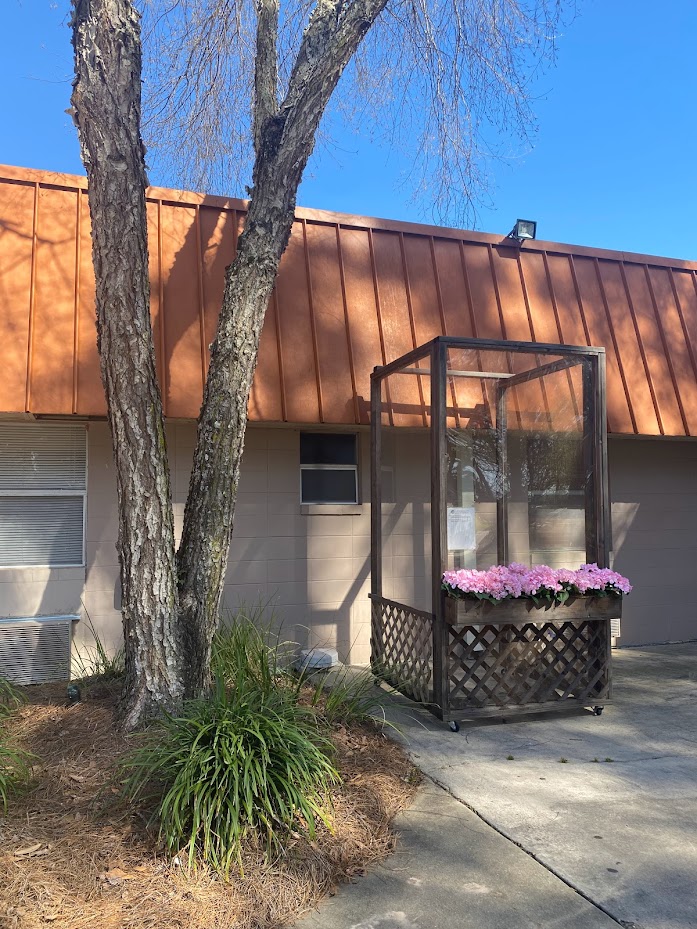
How is Delta Grande Skilled Nursing And Rehabilitation Staffed?

CMS rates DELTA GRANDE SKILLED NURSING AND REHABILITATION's staffing level at 2 out of 5 stars, which is below average compared to other nursing homes. Staff turnover is 43%, compared to the Louisiana average of 46%. This relatively stable workforce can support continuity of care.

What Have Inspectors Found at Delta Grande Skilled Nursing And Rehabilitation?

State health inspectors documented 18 deficiencies at DELTA GRANDE SKILLED NURSING AND REHABILITATION during 2023 to 2025. These included: 18 with potential for harm.

Who Owns and Operates Delta Grande Skilled Nursing And Rehabilitation?

DELTA GRANDE SKILLED NURSING AND REHABILITATION is owned by a for-profit company. For-profit facilities operate as businesses with obligations to shareholders or private owners. The facility is operated by PARAMOUNT HEALTHCARE CONSULTANTS, a chain that manages multiple nursing homes. With 74 certified beds and approximately 66 residents (about 89% occupancy), it is a smaller facility located in MONROE, Louisiana.
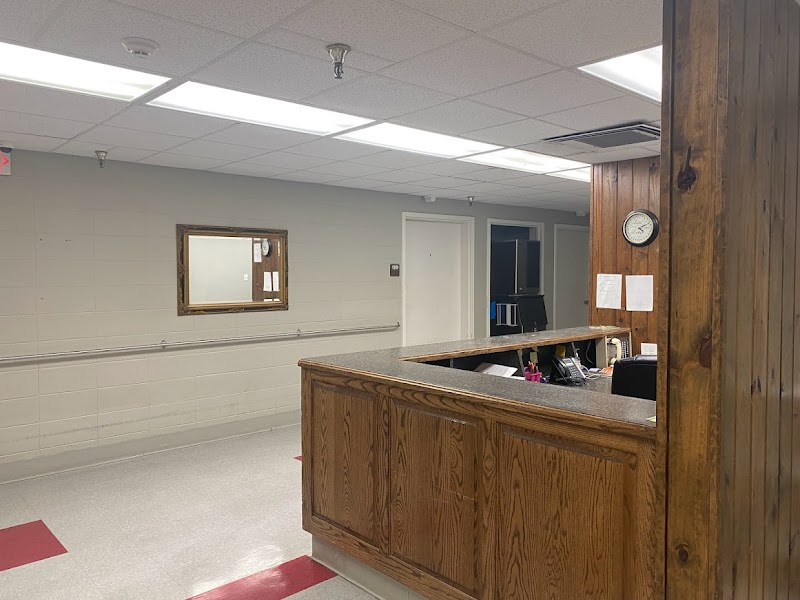
How Does Delta Grande Skilled Nursing And Rehabilitation Compare to Other Louisiana Nursing Homes?

Compared to the 100 nursing homes in Louisiana, DELTA GRANDE SKILLED NURSING AND REHABILITATION's overall rating (2 stars) is below the state average of 2.4, staff turnover (43%) is near the state average of 46%, and health inspection rating (3 stars) is at the national benchmark.

What Should Families Ask When Visiting Delta Grande Skilled Nursing And Rehabilitation?

Based on this facility's data, families visiting should ask: "Can you walk me through typical staffing levels on day, evening, and night shifts?" "Can I visit during a mealtime to observe dining assistance and food quality?" "How do you handle medical emergencies, and what is your hospital transfer rate?" "Can I speak with family members of current residents about their experience?" These questions are particularly relevant given the below-average staffing rating.

Is Delta Grande Skilled Nursing And Rehabilitation Safe?

Based on CMS inspection data, DELTA GRANDE SKILLED NURSING AND REHABILITATION has a clean safety record: no substantiated abuse findings (meaning no confirmed cases of resident harm), no Immediate Jeopardy citations (the most serious violation level indicating risk of serious injury or death), and is not on the Special Focus Facility watch list (a federal program monitoring the lowest-performing 1% of nursing homes). The facility has a 2-star overall rating and ranks #100 of 100 nursing homes in Louisiana. While no facility is perfect, families should still ask about staff-to-resident ratios and recent inspection results during their visit.

Do Nurses at Delta Grande Skilled Nursing And Rehabilitation Stick Around?

DELTA GRANDE SKILLED NURSING AND REHABILITATION has a staff turnover rate of 43%, which is about average for Louisiana nursing homes (state average: 46%). Moderate turnover is common in nursing homes, but families should still ask about staff tenure and how the facility maintains care continuity when employees leave.

Was Delta Grande Skilled Nursing And Rehabilitation Ever Fined?

DELTA GRANDE SKILLED NURSING AND REHABILITATION has no federal fines on record. CMS issues fines when nursing homes fail to meet care standards or don't correct problems found during inspections. The absence of fines suggests the facility has either maintained compliance or corrected any issues before penalties were assessed. This is a positive indicator, though families should still review recent inspection reports for the full picture.

Is Delta Grande Skilled Nursing And Rehabilitation on Any Federal Watch List?

DELTA GRANDE SKILLED NURSING AND REHABILITATION is not on any federal watch list. The most significant is the Special Focus Facility (SFF) program, which identifies the bottom 1% of nursing homes nationally based on persistent, serious quality problems. Not being on this list means the facility has avoided the pattern of deficiencies that triggers enhanced federal oversight. This is a positive indicator, though families should still review the facility's inspection history directly.