St. Joseph Continuing Care Center
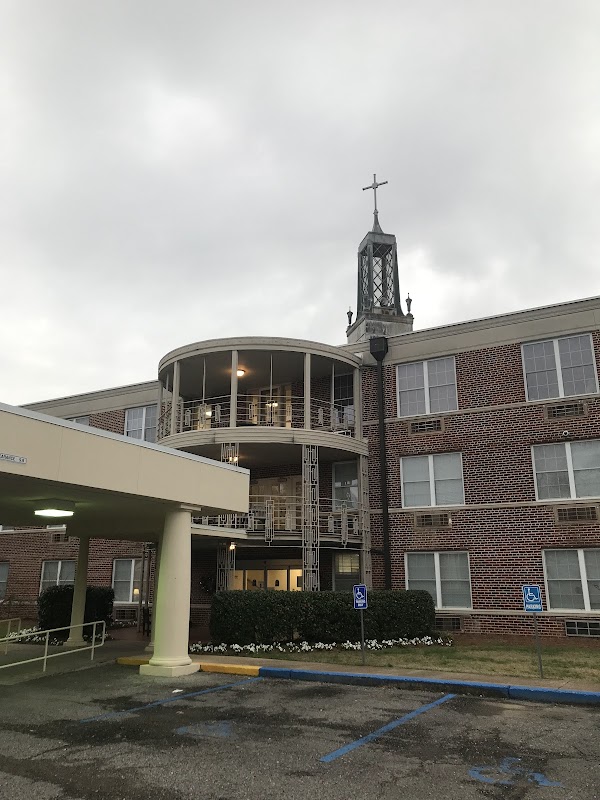
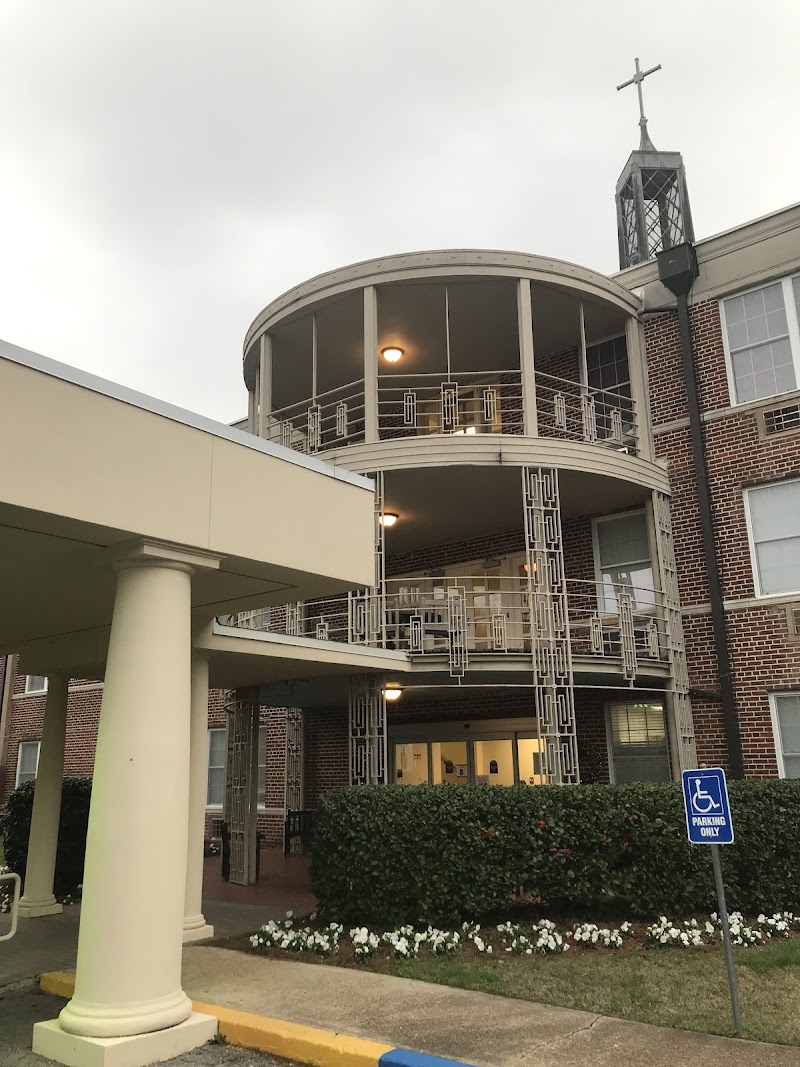
2301 STERLINGTON ROAD, MONROE, LA 71203 (318) 323-3426
For profit - Corporation 130 Beds CANTEX CONTINUING CARE Data: November 2025
Trust Grade
50/100
#162 of 264 in LA
Last Inspection: October 2024

Within standard 12-15 month inspection cycle. Federal law requires annual inspections.

Overview

St. Joseph Continuing Care Center in Monroe, Louisiana has a Trust Grade of C, which means it is average and falls into the middle of the pack among nursing homes. It ranks #162 out of 264 facilities in the state, placing it in the bottom half, and #6 out of 10 in Ouachita County, indicating that only a few local options are better. The facility is showing improvement, as the number of issues decreased from 20 in 2024 to 5 in 2025. Staffing is rated at 2 out of 5 stars, with a turnover rate of 49%, which is around the state average, suggesting some staff stability but room for improvement. Notably, there have been no fines recorded, which is a positive sign. However, there are some concerning incidents. For example, the facility failed to investigate a resident's grievance promptly, which is a violation of resident rights. Additionally, a Foley catheter bag was improperly stored on the floor, increasing the risk of infection. There was also a failure to start a prescribed medication for a resident, which suggests issues with medication management. Overall, while there are some strengths, families should be aware of these weaknesses when considering this facility.
Trust Score
C
50/100
In Louisiana
#162/264
Bottom 39%
Safety Record
Low Risk
No red flags
Inspections
Getting Better
20 → 5 violations
Staff Stability
⚠ Watch
49% turnover. Above average. Higher turnover means staff may not know residents' routines.
Penalties
✓ Good
No fines on record. Clean compliance history, better than most Louisiana facilities.
Skilled Nurses
⚠ Watch
Each resident gets only 16 minutes of Registered Nurse (RN) attention daily — below average for Louisiana. Fewer RN minutes means fewer trained eyes watching for problems.
Violations
⚠ Watch
55 deficiencies on record. Higher than average. Multiple issues found across inspections.
★★☆☆☆
2.0
Overall Rating
★★☆☆☆
2.0
Staff Levels
★★☆☆☆
2.0
Care Quality
★★☆☆☆
2.0
Inspection Score
Stable
2024: 20 issues
2025: 5 issues

The Good

  • Full Sprinkler Coverage · Fire safety systems throughout facility
  • No fines on record

Facility shows strength in fire safety.

The Bad

2-Star Overall Rating

Near Louisiana average (2.4)

Below average - review inspection findings carefully

Staff Turnover: 49%

Near Louisiana avg (46%)

Higher turnover may affect care consistency

Chain: CANTEX CONTINUING CARE

Part of a multi-facility chain

Ask about local staffing decisions and management

The Ugly 55 deficiencies on record

Jul 2025 3 deficiencies
CONCERN (E) 📢 Someone Reported This

A family member, employee, or ombudsman was alarmed enough to file a formal complaint

Potential for Harm - no one hurt, but risky conditions existed

Grievances (Tag F0585)

Could have caused harm · This affected multiple residents

Based on record review and interview the facility failed to ensure grievances were investigated for 1 (#1) of 3 (#1, #2, #3) sampled residents. The facility failed to investigate a grievance by Reside...

Read full inspector narrative →
Based on record review and interview the facility failed to ensure grievances were investigated for 1 (#1) of 3 (#1, #2, #3) sampled residents. The facility failed to investigate a grievance by Resident #1's RP (responsible party) promptly.Findings:Review of the facility's grievance policy dated November 2017 revealed in part:The patient or patient representative has a right to voice grievances to the facility or other entity that hears grievances without fear of discrimination or reprisal. Grievances include those with respect to care and treatment, the behavior of staff and other concerns.Guidelines:3. When the facility is made aware of a problem or concern voiced by a Patient or on behalf of the Patient, the facility must make every effort for prompt resolution of all grievances regarding the residents' rights.4. The following steps should be taken for concern resolution:a. Attempt to solve the problem yourself and check back with the Patient to see if they are satisfied with the outcome.b. Involve your Executive Director or Director of Nursing Services.5. A grievance form must be completed and turned in to the department head supervisor.Review of Resident #1's medical record revealed an initial admit date of 06/17/2021 and a readmission date of 06/20/2024 with a diagnosis of but not limited to, schizophrenia, chronic kidney disease, depression, anxiety, dysphagia and schizoaffective disorder.Review of Resident #1's most recent quarterly MDS (Minimum Data Set) dated 07/05/2025 revealed Resident #1 had a BIMS (Brief Interview Mental Status) of 7 indicating severely impaired cognition. During a phone interview on 07/30/2025 at 10:00 a.m. Resident #1's responsible party stated he reported the theft of Resident #1's phone charger to S2 ADON (assistant director of nurses) when visiting about two weeks ago. Resident #1's RP further reported no one at the facility had followed-up with him about this theft. Review of the facility grievance and complaint logs failed to reveal an entry related to Resident #1.During an interview on 07/30/2025 at 10:30 a.m. S2 ADON confirmed Resident #1's RP had reported the theft of Resident #1's phone charger to her about a week ago S2 ADON also confirmed a grievance investigation was not done. S2 ADON stated, I did not follow up with Resident #1's RP and should have.
CONCERN (E) 📢 Someone Reported This

A family member, employee, or ombudsman was alarmed enough to file a formal complaint

Potential for Harm - no one hurt, but risky conditions existed

Incontinence Care (Tag F0690)

Could have caused harm · This affected multiple residents

Based on observations, interview and record review the facility failed to use infection control standards of practice for 1(#2) of 3 (#1, #2 and #3) sampled residents by not properly storing a residen...

Read full inspector narrative →
Based on observations, interview and record review the facility failed to use infection control standards of practice for 1(#2) of 3 (#1, #2 and #3) sampled residents by not properly storing a resident's Foley catheter bag preventing an increased risk of contamination and infection. Resident #2's Foley catheter bag was improperly stored on the floor. Findings:Review of the facility's Catheter Care, Urinary policy (revised September 2014) presented by S1 DON (Director of Nursing) revealed in part:Purpose: The purpose of this procedure is to prevent catheter-associated UTI (urinary tract infections).Infection Control: Be sure the catheter tubing and drainage bag is kept off the floorObservation on 7/29/2025 at 11:25 a.m. with S2 ADON (Assistant Director of Nursing) revealed resident #2's Foley catheter noted to be lying on the floor. Resident #2 noted to be on enhanced barrier precautions according to the sign on her door.Observation on 07/30/2025 at 10:30 a.m. revealed resident #2's Foley catheter bag positioned on the floor at the side of the bed. Review of resident #2's medical record revealed diagnoses including but not limited to unstable dementia, severe, with psychotic disturbance, posterior reversible encephalopathy, gastrostomy status, folate deficiency anemia, essential hypertension, cognitive communication deficit, and urinary tract infection.Review of resident #2's most recent Quarterly MDS (minimum data set) dated 06/11/2025 section H bladder and bowel, revealed the use of an indwelling catheter.Review of resident #2's Comprehensive Plan of Care revealed resident #2 had a Foley catheter. Some of the interventions was to position the Foley catheter bag and tubing below the level of the bladder and away from entrance room door. Check tubing for kinks each shift.Review of resident #2's Physician Progress notes dated 07/02/2025 revealed in part.Reason for visit:Follow up visit. Nursing request, familyAssessment and Plan: Urinary tract infection, site unspecified with E. coli. Augment 875/125 mg (milligram) BID (twice a day) times 10 days. Seen 06/13/2025 and evaluated. Nurse had reported some increased agitation, and a urinalysis obtained. Has urinary tract infection with E. coli and plan to start on Augmentin 875/125 mg BID times 10 days. Neuromuscular dysfunction of bladder, unspecified. Foley.During an interview on 7/29/2025 at 112:25 a.m. S2 ADON confirmed resident #2's Foley catheter bag was on the floor and should not have been. Reported residents' bed was in the lowest position and confirmed the catheter should not be on the floor. Further review of resident #2's records revealed she had received treatment for a urinary tract infection on 04/18/2025 and 07/15/2025.
CONCERN (E) 📢 Someone Reported This

A family member, employee, or ombudsman was alarmed enough to file a formal complaint

Potential for Harm - no one hurt, but risky conditions existed

Deficiency F0726 (Tag F0726)

Could have caused harm · This affected multiple residents

Based on record reviews and interview the facility failed to ensure nurses started a medication that had been ordered by the physician for 1(#2) of 3 (#1, #2 and #3) sampled residents. The facility fa...

Read full inspector narrative →
Based on record reviews and interview the facility failed to ensure nurses started a medication that had been ordered by the physician for 1(#2) of 3 (#1, #2 and #3) sampled residents. The facility failed to start the medication Naltrexone for resident #2. Findings: Review of resident #2's record revealed in part, a Psych Evaluation, date of service July 3, 2025. Chief complaint and history of present illness, history of dementia and insomnia.Case Conceptualization: Speech unintelligible. Information obtained from staff. They describe resident #2 as being 'hypersexual' and gave examples on behavior. Resident #2 is not aggressive. Resident #2 has a PEG (percutaneous endoscopic gastrostomy) tube for nutrition. Resident #2 does sleep well. Will make recommendations below and will re-assess in 1 month, sooner if needed. -Recommendations: Start trial of Naltrexone 25 mg (milligram) daily. Rationale: Naltrexone shown to reduce inappropriate behavior.Review of resident #2's July 2025 MAR (medication administration record) failed to reveal the medication Naltrexone had been started as ordered.Review of resident #2's records revealed diagnoses that included but not limited to unstable dementia, severe, with psychotic disturbance, posterior reversible encephalopathy, acute neurologic view, gastrostomy status, essential hypertension, and cognitive communication deficit. During an interview on 07/30/2025 at 12:40 p.m. with S1 DON (Director of Nursing) reported the medication Naltrexone was never started and it should have been.
Apr 2025 2 deficiencies
CONCERN (D) 📢 Someone Reported This

A family member, employee, or ombudsman was alarmed enough to file a formal complaint

Potential for Harm - no one hurt, but risky conditions existed

Deficiency F0572 (Tag F0572)

Could have caused harm · This affected 1 resident

**NOTE- TERMS IN BRACKETS HAVE BEEN EDITED TO PROTECT CONFIDENTIALITY** Based on record review and interview, the facility failed to have documentation a resident received information on resident righ...

Read full inspector narrative →
**NOTE- TERMS IN BRACKETS HAVE BEEN EDITED TO PROTECT CONFIDENTIALITY** Based on record review and interview, the facility failed to have documentation a resident received information on resident rights and the temporary leave-bed hold policy for 1 (#2) of 3 (#1, #2, #3) residents reviewed for resident rights. Findings: Record review revealed resident #2 was admitted to the facility on [DATE]. Further review of the medical records revealed there was no documentation resident #2 or his responsible party received information on resident rights and all regulations governing the resident conduct and responsibilities during his stay. On 04/30/2025 at 12:25 p.m. an interview with S1Administrator revealed he was not able to locate resident #2's admission packet. S1Administrator confirmed they did not have documentation resident #2 or his responsible party received information on resident rights and the temporary leave-bed hold policy.
CONCERN (E) 📢 Someone Reported This

A family member, employee, or ombudsman was alarmed enough to file a formal complaint

Potential for Harm - no one hurt, but risky conditions existed

Deficiency F0627 (Tag F0627)

Could have caused harm · This affected multiple residents

**NOTE- TERMS IN BRACKETS HAVE BEEN EDITED TO PROTECT CONFIDENTIALITY** Based on record reviews and interviews, the facility failed to: 1) ensure a resident was permitted return to the facility after ...

Read full inspector narrative →
**NOTE- TERMS IN BRACKETS HAVE BEEN EDITED TO PROTECT CONFIDENTIALITY** Based on record reviews and interviews, the facility failed to: 1) ensure a resident was permitted return to the facility after hospitalization for 3 (#1, #2, #3) of 3 (#1, #2, #3) residents reviewed for transfer and discharge and; 2) have documentation a resident or resident's responsible party and the Ombudsman being notified in writing of the transfer/discharge and appeals right for 3 (#1, #2, #3) of 3 (#1, #2, #3) residents reviewed for transfer and discharge. Review of the facility's Transfer or Discharge, Facility-Initiated policy dated 2022 revealed the following in-part: Transfer and discharge includes movement of a resident from a certified bed in the facility to a non-certified bed in another part of the facility, or to a non-certified bed outside the facility. Transfer and discharge does not refer to movement of a resident to a bed within the same certified facility. Specifically: a. transfer refers to the movement of a resident from a bed in one certified facility to a bed in another certified facility when the resident expects to return to the original facility; and b. discharge refers to the movement of a resident from a bed in one certified facility to a bed in another certified facility or other location in the community, when return to the original facility is not expected. Facility-Initiated Transfer or Discharge 1. Facility-initiated transfer or discharge means a transfer or discharge which the resident objects to, or did not originate through a resident's verbal or written request, and/or is not in alignment with the resident's stated goals for care and preferences. Notice of Transfer or Discharge (Emergent or Therapeutic Leave) 1. When residents who are sent emergently to an acute care setting, these scenarios are considered facility-initiated transfers, NOT discharges, because the resident's return is generally expected. 2. Residents who are sent emergently to an acute care setting, such as a hospital, are permitted to return to the facility. Residents who are sent to the acute care setting for routine treatment/planned procedures are also allowed to return to the facility. 3. Under the following circumstances, the notice is given as soon as it is practicable but before the transfer or discharge: a. The health and/or safety of individuals in the facility would be endangered due to the clinical or behavioral status of the resident; b. The resident's health improves sufficiently to allow a more immediate transfer or discharge; c. An immediate transfer or discharge is required by the resident's urgent medical needs; or d. A resident has not resided in the facility for 30 days. 4. Notice of Transfer is provided to the resident and representative as soon as practicable before the transfer and to the long-term care (LTC) ombudsman when practicable (e.g., in a monthly list of residents that includes all notice content requirements). 5. Notice of Facility Bed-Hold and Return policies are provided to the resident and representative within 24 hours of emergency transfer. Notice of Discharge after Transfer 1. If discharge is initiated by the facility after an emergency transfer to the hospital, the reason for discharge is based on the resident's status at the time the resident seeks return to the facility (not at the time the resident was transferred to acute care). 2. If the facility does not permit a resident's return to the facility (i.e., initiates a discharge) based on inability to meet the resident's needs, the facility will notify the resident, and/or his or her representative in writing of the discharge, including notification of appeal rights. 3. The facility will send a copy of the discharge notice to a representative of the Office of the State LTC Ombudsman. 4. Notice to the Office of the State LTC Ombudsman will occur at the same time the notice of discharge is provided to the resident and resident representative. Findings: Resident 1 Record review revealed resident #1 was admitted to the facility 02/04/2025 and was to receive skilled services. Resident #1 had diagnoses including acute kidney failure, altered mental status, essential hypertension, hypothyroidism, acute cystitis with hematuria, retention of urine, constipation, unspecified dementia severe with psychotic disturbance, insomnia, and diabetes mellitus. Further record review revealed resident #1 was transferred to an acute care hospital to receive a psychiatric evaluation on 03/13/2025 related to resident #1's behavior (refusing care, pulling out Foley catheter, crying, yelling and making suicidal threats. Resident #1 was discharged from the nursing facility on 03/13/2025. On 04/29/2025 at 10:45 a.m. an interview with the social worker at the local behavioral health inpatient facility revealed the facility would not accept resident #1 back after the doctor had deemed the resident was stable to be discharged and return to the facility. The social worker reported resident #1 was still admitted at the behavioral health facility because she had not been able to find an accepting long term care facility. 04/29/2025 at 1:25 p.m. an interview with S3Communications Relations Coordinator revealed she was responsible for resident admissions to the facility. S3Communications Relations Coordinator reported on 03/13/2025 resident #1 was sent out to the hospital was admitted to the behavioral health unit. S3Communications Relations Coordinator revealed resident #1 was discharged from nursing facility skilled services on 03/13/2025. Further interview with S3Communications Relations Coordinator revealed she received a call on 04/01/2025 from the social worker (from the local behavioral unit) informing that resident #1 was going to be discharged back to the facility on [DATE]. S3Communications Relations Coordinator reported she informed the social worker she needed progress notes, nurse's notes, occupational therapy evaluation, physical therapy evaluation and a physician's order for skilled services for resident #1 in order for insurance to authorize resident #1 to be re-admitted to skilled services. S3Communications Relations Coordinator revealed she received the progress notes and nurse's notes, but never received the occupational therapy evaluation, physical therapy evaluations, or the physician's order for skilled services. S3Communications Relations Coordinator revealed she had notified S1Administrator they were still waiting on an authorization for resident #1 for skilled services before she could be re-admitted the resident to the facility. Resident 2 Record review revealed resident #2 was admitted to the facility on [DATE] with diagnoses that included essential hypertension, unspecified convulsions, thyrotoxicosis without thyroid storm, depression, and schizophrenia. Further record review revealed resident #2 was transferred to an acute care hospital to receive a psychiatric evaluation on 01/23/2025 related to behaviors (refusing medications, hallucinating ,and post-traumatic stress disorder symptoms). Resident #2 was discharged from the nursing facility on 01/30/2025. On 04/29/2025 at 10:45 a.m. an interview with the social worker at the local behavioral health inpatient facility revealed the facility would not accept resident #2 back after the doctor had deemed the resident was stable to be discharged and return to the facility. The social worker reported resident #2 was finally transferred to another long term facility on 03/20/2025 because the facility would not take him back. Resident 3 Record review revealed resident #3 was admitted to the facility on [DATE] and was to receive skilled services. Resident #3's diagnoses included metabolic encephalopathy, essential hypertension, urinary tract infection, stage 2 sacral pressure ulcer, hypothyroidism, muscle weakness, difficulty in walking, need assistance with personal care, and cognitive communication deficit. Further record review revealed resident #3 was transferred to local acute care hospital for psychiatric evaluation on 02/07/2025 related to her behaviors (anxious, wandering, and confusion). Resident #3 was discharged from the nursing facility skilled services on 02/07/2025. On 04/29/2025 at 10:45 a.m. an interview with the social worker at the local behavioral health inpatient facility revealed the provider would not accept resident #3 back after the doctor had deemed the resident was stable to be discharged and return to the facility. The social worker reported resident #3 was finally transferred to another facility on 02/25/2025 because the facility would not take her back. On 04/30/2025 at 11:10 a.m. an interview with S2Director of Nursing (DON) with S1Administrator present. S2DON confirmed there was no documentation in resident #1, resident #2, and resident #3's medical records that the facility was not able to meet their needs. S2DON further revealed there was no documentation resident #1, resident #2, resident #3 or their responsible party, and the Ombudsman being notified in writing of their transfer/discharge including notification of the appeals rights. On 04/30/2025 at 11:18 a.m. an interview with S1Administrator revealed he was instructed by S4Vice President of Operations that they were not to re-admit skilled residents who were sent out to the hospital or behavioral health until they had an authorization from the insurance company.
Oct 2024 14 deficiencies
CONCERN (D) 📢 Someone Reported This

A family member, employee, or ombudsman was alarmed enough to file a formal complaint

Potential for Harm - no one hurt, but risky conditions existed

Deficiency F0557 (Tag F0557)

Could have caused harm · This affected 1 resident

**NOTE- TERMS IN BRACKETS HAVE BEEN EDITED TO PROTECT CONFIDENTIALITY** Based on record review and interview, the facility failed to retain the resident's personal possessions, including clothing, by ...

Read full inspector narrative →
**NOTE- TERMS IN BRACKETS HAVE BEEN EDITED TO PROTECT CONFIDENTIALITY** Based on record review and interview, the facility failed to retain the resident's personal possessions, including clothing, by not having a system in place to record residents' personal belongings. The facility failed to have an inventory record of the resident's personal belongings for 1 (#62) of 2 (#42 and #62) residents reviewed for personal property. Findings: Review of the medical record for resident #62 revealed an admission date of 06/14/2024 with diagnoses including encephalopathy, hypertension, epilepsy, insomnia, acute kidney failure, insomnia, atrial fibrillation, malignant neoplasm, protein calorie malnutrition, dehydration, and chronic pain. Review of the significant change Minimum Data Set (MDS) assessment dated [DATE] revealed resident #62's Brief Interview for Mental Status (BIMS) score was 99 which indicated the resident was unable to complete the interview. Resident #62 was dependent on staff for activities of daily living. Review of the record revealed resident #62 did not have an inventory record of his personal belongings. On 10/02/2024 at 9:30 a.m., an interview with S7Assistant Director of Nursing (ADON) revealed she was unable to find an inventory sheet for resident #62 that kept a list of the personal items the resident brought or obtained during his stay at the facility. On 10/02/2024 at 2:30 p.m., an interview with S2Director of Nursing (DON) revealed she was unable to find an inventory sheet for resident #62's personal items. S2DON further revealed the staff should have completed an inventory sheet of the personal items that resident #62 was admitted with and acquired during his stay at the nursing facility.
CONCERN (D) 📢 Someone Reported This

A family member, employee, or ombudsman was alarmed enough to file a formal complaint

Potential for Harm - no one hurt, but risky conditions existed

Deficiency F0577 (Tag F0577)

Could have caused harm · This affected 1 resident

**NOTE- TERMS IN BRACKETS HAVE BEEN EDITED TO PROTECT CONFIDENTIALITY** Based on observation and interview, the facility failed to ensure the most recent state inspection results since the last annual...

Read full inspector narrative →
**NOTE- TERMS IN BRACKETS HAVE BEEN EDITED TO PROTECT CONFIDENTIALITY** Based on observation and interview, the facility failed to ensure the most recent state inspection results since the last annual survey were available for resident or family review. Findings: An observation upon entrance to the facility on [DATE] at 7:35 a.m. revealed the results of the last survey in the facility's survey binder was the last annual survey dated 09/13/2023. Further review of the survey binder revealed the last complaint survey results dated 08/16/2024 were not in the binder. An interview on 09/30/2024 at 7:40 a.m. with S2Director of Nursing (DON) confirmed the facility's survey binder did not have the most recent survey results for the complaint dated 08/16/2024.
CONCERN (D) 📢 Someone Reported This

A family member, employee, or ombudsman was alarmed enough to file a formal complaint

Potential for Harm - no one hurt, but risky conditions existed

Quality of Care (Tag F0684)

Could have caused harm · This affected 1 resident

**NOTE- TERMS IN BRACKETS HAVE BEEN EDITED TO PROTECT CONFIDENTIALITY** Based on record review and interview, the facility failed to ensure that residents receive treatment and care in accordance with...

Read full inspector narrative →
**NOTE- TERMS IN BRACKETS HAVE BEEN EDITED TO PROTECT CONFIDENTIALITY** Based on record review and interview, the facility failed to ensure that residents receive treatment and care in accordance with professional standards of practice for 1 (#3) of 3 (#3, #62, and #222) residents reviewed for quality of life. The facility failed to transport resident #3 to her appointment in a timely manner to ensure she was seen by the physician. Findings: A telephone interview on 10/01/2024 at 11:53 a.m. with resident #3's son revealed that resident was taken to an appointment out of town today by the facility, and the appointment had to be rescheduled for 10/25/2024 due to resident #3 arrived late for her appointment. Review of the transportation appointments for 10/01/2024 revealed resident #3 had an appointment with a psychiatrist out of town at 9:00 a.m. Review of the current care plan revealed resident #3 currently takes psychotropic medications as evidenced by depression, anxiety, and insomnia and to obtain a psychiatric consult as needed. An interview on 10/01/2024 at 12:15 p.m. with S2Director of Nursing (DON) revealed resident #3 had an appointment today out of town with her psychiatrist. S2DON reported resident #3's son had notified her that resident #3 was unable to see the psychiatrist today due to the facility's transportation did not have the resident at her appointment in time. S2DON reported the transportation driver left the facility with resident #3 at 7:36 a.m. on 10/01/2024 for an out of town appointment at 9:30 a.m. S2DON reported due to traffic, parking, and the preadmission process, resident #3 was late for her appointment and was unable to see the psychiatrist today and the appointment had to be rescheduled. A confirmation interview with S2DON on 10/01/2024 at 3:30 p.m. revealed resident #3 should not have been late for her appointment today. An interview on 10/01/2024 at 4:38 p.m. with S11Transportation Driver revealed resident #3 had an out of town appointment with her psychiatrist today at 9:00 a.m. S11Transportation Driver reported when she came to work at 6:45 a.m. that resident #3 was not dressed and ready for her appointment. S11Transportation Driver reported she left the faciity on [DATE] at 7:36 a.m. and when she checked resident #3 in for her appointment, she was told by the receptionist that the appointment would have to be rescheduled.
CONCERN (D) 📢 Someone Reported This

A family member, employee, or ombudsman was alarmed enough to file a formal complaint

Potential for Harm - no one hurt, but risky conditions existed

Deficiency F0757 (Tag F0757)

Could have caused harm · This affected 1 resident

**NOTE- TERMS IN BRACKETS HAVE BEEN EDITED TO PROTECT CONFIDENTIALITY** Based on record review and interviews the facility failed to ensure each resident's medication regimen was free from unnecessary...

Read full inspector narrative →
**NOTE- TERMS IN BRACKETS HAVE BEEN EDITED TO PROTECT CONFIDENTIALITY** Based on record review and interviews the facility failed to ensure each resident's medication regimen was free from unnecessary medications by failing to obtain a hemoglobin A1C and lipid panel for 1 (#49) of 5 (#3, #37, #43, #49, #51) residents reviewed for unnecessary medications. Findings: Record review revealed resident #49 was admitted to the facility on [DATE] with diagnoses that included type 2 diabetes mellitus with diabetic polyneuropathy, insomnia, anemia, essential hypertension, anxiety disorder, bipolar disorder, depression, arthritis, pain unspecified, unspecified dementia without behavioral disturbance, psychotic disturbance, and mood disturbance. Review of the Consultant Pharmacist Communication to Nursing letter dated 08/29/2024 revealed the following recommendation: I did not find any labs ordered routinely. Please verify we are monitoring labs (lithium, hemoglobin A1C, Complete Blood Count (CBC), Complete Metabolic Profile (CMP) and Lipid levels), if not please follow up with the prescriber to obtain orders. Further review of the letter revealed a verbal order per the Nurse Practitioner obtained by S2Director of Nursing (DON) dated 09/13/2024 at 12:30 p.m. for a hemoglobin A1C, CBC, and CMP every 3 months and lipid panel and lithium level every 6 months. Further record review revealed documentation resident #49 had the following lab completed on 09/19/2024: CBC with differential, CMP and lithium level. There was no documented evidence of a hemoglobin A1C or lipid profile being completed. On 10/02/2024 at 1:45 p.m. an interview with S2DON revealed she received a verbal order from the Nurse Practitioner on 09/13/2024 at 12:30 p.m. for resident #49 to have a hemoglobin A1C, CBC, and CMP every 3 months, and a lipid panel and lithium level every 6 months. S2DON revealed the hemoglobin A1C and lipid panel were not collected. S2DON confirmed the hemoglobin A1C and lipid panel should have been completed as ordered.
CONCERN (E)

Potential for Harm - no one hurt, but risky conditions existed

Deficiency F0554 (Tag F0554)

Could have caused harm · This affected multiple residents

**NOTE- TERMS IN BRACKETS HAVE BEEN EDITED TO PROTECT CONFIDENTIALITY** Based on observations, record review and interviews the facility failed to assess a resident for self-administration of medicati...

Read full inspector narrative →
**NOTE- TERMS IN BRACKETS HAVE BEEN EDITED TO PROTECT CONFIDENTIALITY** Based on observations, record review and interviews the facility failed to assess a resident for self-administration of medications for 1 (#323) of 1 sampled residents. Findings: Review of the facility's Self -Administration of Medications policy and procedure dated 06/14/2006 revealed: A patient may self-administer medications if the patient is determined safe for the patient and other patients of the facility by the facility's interdisciplinary team. Procedure: An assessment for Self-Administration of Medications must be competed on each Patient requesting to self-administer medications and quarterly thereafter. An assessment for self-administration of Medications is kept with the Patient's medical record under the Assessment tab. If it has been determined the Patient is capable of self-administering his/her medications, a physician order must be obtained, a care plan formulated, and staff in-serviced. The nursing staff must interview the Patient on every shift to verify that all self-administered doses on the Patient's Medication Administration Record. If the shift interview indicates any question as to the continued safety of self-administration, then the nurse will initiate the re-assessment process outlined above. All medications for self-administration must be stored in a locked storage area in the Patients room. Narcotics must be under double lock. Review of the medical record for sampled resident #323 revealed an admission date of 09/19/2024 with diagnoses including acute respiratory failure, disorder of the lungs, hypertension and depression. Review of the admission Minimum Data Set (MDS) assessment dated [DATE] revealed a Brief Interview for Mental Status (BIMS) score of 15 which indicated the resident was cognitively intact. On 09/30/2024 at 10:39 a.m., observation of resident #323's room revealed a bottle of Fluticasone Nasal (to treat allergies) spray 100 micrograms (mcg)/150 mcg in the room on the bedside table. Review of the label on the box revealed to administer 2 sprays. Resident #323 stated she sprays 2 in each nostril every day. On 10/01/2024 at 9:07 a.m., observation of resident #323's room revealed the Fluticasone nasal spray remained at the bedside. On 10/02/2024 at 7:54 a.m., observation of Resident #323's room revealed the Fluticasone nasal spray remained at the bedside. Review of the current physician orders for resident #323 revealed an order dated 09/19/2024 for Fluticasone Propionate 50 mcg/actuation nasal spray, suspension (2 sprays) both nostrils at bedtime. Further review of the record revealed there was no physician's order to allow resident #323 to keep the medication in the room at the bedside, and there was no assessment to determine if resident #323 was safe to have the medication in the room at the bedside to self administer. Observation of the bottle in the resident's room revealed the label from the pharmacy was from the hospital the resident was in prior to her admission to the nursing facility. Resident #323 said the hospital gave it to her and she actually took her own dose this morning. On 10/02/2024 at 11:20 a.m., an interview with S5Licensed Practical Nurse (LPN) revealed she was not aware resident #323 had the Fluticasone nasal spray in her room. S5LPN revealed there was a bottle on the mediation cart and she received the medication in the evening. S5LPN further revealed there was no order for resident #323 to have the medication at the bedside and there was no assessment for resident #323 to keep the medication at the bedside to self-administer the medication. On 10/02/2024 at 11:45 a.m., an interview with S2Director of Nursing (DON) revealed she was not aware the resident had the medication in her room. S2DON revealed if a resident had medications in their room and was self-administering the medication then they were supposed to have an assessment to self-administer medications.
CONCERN (E) 📢 Someone Reported This

A family member, employee, or ombudsman was alarmed enough to file a formal complaint

Potential for Harm - no one hurt, but risky conditions existed

Comprehensive Care Plan (Tag F0656)

Could have caused harm · This affected multiple residents

**NOTE- TERMS IN BRACKETS HAVE BEEN EDITED TO PROTECT CONFIDENTIALITY** Resident #16 Review of resident #16's medical record revealed she was admitted to the facility on [DATE] with diagnoses that inc...

Read full inspector narrative →
**NOTE- TERMS IN BRACKETS HAVE BEEN EDITED TO PROTECT CONFIDENTIALITY** Resident #16 Review of resident #16's medical record revealed she was admitted to the facility on [DATE] with diagnoses that included in part, obstructive sleep apnea, acute and chronic respiratory failure with hypoxia, insomnia, altered mental status, and obesity. Review of the admission minimum data set assessment dated [DATE] revealed resident #16 had a BIMS score of 15. A score of 13-15 revealed resident #16 was cognitively intact with daily decision making skills. On 09/30/2024 at 11:30 a.m., an observation revealed resident #16's fingernails were dirty with grime observed underneath the nail beds of both hands. An interview with resident #16 revealed that the staff had not offered to clean her fingernails. Further observations of resident #16 on 10/01/2024 at 12:40 p.m. and 5:00 p.m., the resident continued to have dirty fingernails. During an interview on 10/02/2024 at 11:43 a.m., S1Administrator and S2Director of Nursing were notified of the above findings. On 10/02/2024 at 11:51 a.m., an observation revealed resident #16's fingernails remained dirty. S8Assistant Director of Nursing and S4Regional Director of Clinical Services were present during the observation and interview with resident #16. After the observation and interview was finished, S8Assistant Director of Nursing and S4Regional Director of Clinical Services both confirmed that resident #16's fingernails needed to be cleaned. On 10/02/2024 at 11:55 a.m., S9Certified Nursing Assistant was notified of the above findings. She revealed that she had given resident #16 a bath earlier that morning and that she was aware of the resident's fingernails being dirty. Review of the medical record revealed there was no documented evidence of a care plan being developed to address nail care for resident #16. On 10/02/2024 at 12:00 p.m., an interview with S4Regional Director of Clinical Services reviewed the electronic health record for resident #16. She confirmed there was no documented evidence of a care plan being developed to address the cleaning of the resident's fingernails. Based on record reviews and interviews the facility failed to develop and implement a comprehensive person-centered care plan for each resident, that includes measurable objectives and timeframes to meet the resident's needs by not 1) having documentation of meal percentage intakes for 1 (#62) of 4 (#37, #43, #62, and #321) residents reviewed for nutrition. Also the failed practice was evidenced by not developing a care plan for 1 (#16) of 10 (#3, #16, #37, #40, #41, #58, #62, #221, #223, and #324) residents reviewed for Activities of Daily Living (ADL), and for 1 (#324) resident observed to have medications at the bedside. Findings: Review of the Self - Administration of Medications policy and procedure dated 06/14/2006 revealed: A patient may self-administer medications if the patient is determined safe for the patient and other patients of the facility by the facility's interdisciplinary team. Procedure: An assessment for Self-Administration of Medications must be completed on each patient requesting to self-administer medications and quarterly thereafter. An assessment for self-administration of Medications is kept with the patient's medical record under the Assessment tab. If it has been determined the patient is capable of self-administering his/her medications, a physician order must be obtained, a care plan formulated, and staff in-serviced. The nursing staff must interview the patient on every shift to verify that all self-administered doses on the patient's medication administration record. If the shift interview indicates any question as to the continued safety of self-administration, then the nurse will initiate the re-assessment process outlined above. All medications for self-administration must be stored in a locked storage area in the patient's room. Narcotics must be under double lock. Resident #323 On 09/30/2024 at 10:39 a.m., observation of resident #323's room revealed a bottle of Fluticasone Nasal spray 100 micrograms (mcg)/150mcg in the room on the bedside table. Review of the label on the box revealed to administer 2 sprays. Resident stated she sprays 2 in each nostril every day. On 10/01/2024 at 7:54 a.m. and 9:07 a.m., observations of resident #323's room revealed the Fluticasone nasal spray remained at the bedside. Review of the current Physician orders for resident #323 revealed an order dated 09/19/2024 for Fluticasone Propionate 50 mcg/actuation nasal spray, suspension (2 sprays) both nostrils at bedtime. Further review of the record revealed no Physician's order to allow resident #323 to keep medication in the room at the bedside, and there was no assessment to determine if resident #323 was safe to have medication in the room at the bedside to self-administer. Further review of the record revealed there was no plan of care developed for the self-administration of medications for resident #323. On 10/02/2024 at 11:20 a.m., an interview with S5Licensed Practical Nurse (LPN) revealed she was not aware resident #323 had the Fluticasone nasal spray in her room. S5LPN said there was a bottle of the Fluticasone Nasal spray on the medication cart and resident #323 received the medication in the evening. Observation of the bottle of Fluticasone Nasal spray in the resident's room revealed the label from the pharmacy was from the hospital the resident was in prior to admission. Resident #323 said the hospital gave it to her and she actually took her own dose this morning. Interview on 10/02/2024 at 11:20 a.m. with S5LPN revealed she was not aware of the medication in resident #323's room. She confirmed there was no order for resident #323 to have the medication at the bedside and there was no assessment for resident #323 to keep the medication at bedside and self-administer the medication. On 10/02/2024 at 11:45 a.m., an interview with S2Director of Nursing (DON) revealed she was not aware the resident had the medication in her room. S2DON said if a resident has medications in their room and is self-administering the medication then they are supposed to have a self-medication assessment, a plan of care to self-administer medications and store the medications in a secured box. S2DON confirmed there was no plan of care developed for resident #323 to self- administer medications. Resident #62 Review of the medical record for resident #62 revealed an admission date of 06/14/2024 with diagnoses including encephalopathy, epilepsy, malignant neoplasm, protein calorie malnutrition, and dehydration. Review of the significant change Minimum Data Set (MDS) assessment dated [DATE] revealed resident #62's Brief Interview for Mental Status (BIMS) score was 99 which indicated that the resident was unable to complete the interview. Resident #62 was dependent on staff for activities of daily living. Review of the current care plan revealed resident #62 required extensive assistance with eating. Further review of the care plan revealed interventions were to allow the resident adequate time to eat, monitor his food intake at each meal, and to document the meal percentage consumed. Review of the resident #62's Activities of Daily Living (ADL) Verification Worksheet for daily meal intake percentages revealed there was no documented evidence of the breakfast, lunch and dinner meal percentage intakes on 09/10/2024, 09/14/2024, 09/15/2024 and 09/26/2024. Further review of the worksheet revealed no documented evidence of the breakfast and lunch meal percentage intakes on 09/12/2024, 09/21/2024 and 09/27/2024. On 10/01/2024 at 12:45 p.m., an interview with S2DON confirmed the meal intake percentages were incomplete for the month of September 2024 for resident #62.
CONCERN (E) 📢 Someone Reported This

A family member, employee, or ombudsman was alarmed enough to file a formal complaint

Potential for Harm - no one hurt, but risky conditions existed

ADL Care (Tag F0677)

Could have caused harm · This affected multiple residents

**NOTE- TERMS IN BRACKETS HAVE BEEN EDITED TO PROTECT CONFIDENTIALITY** Resident #3 Review of resident #3's record revealed an admission date of 06/17/2021 with diagnoses including anxiety disorder, c...

Read full inspector narrative →
**NOTE- TERMS IN BRACKETS HAVE BEEN EDITED TO PROTECT CONFIDENTIALITY** Resident #3 Review of resident #3's record revealed an admission date of 06/17/2021 with diagnoses including anxiety disorder, chronic kidney disease, other schizoaffective disorders, pain unspecified, unspecified dementia with behavioral disturbance, unstageable pressure ulcer of right heel, dysphagia, and long term use of opiate analgesics. Review of the quarterly MDS assessment dated [DATE] revealed a BIMS score of 14 indicating cognitively intact. Further review of the MDS revealed resident #3 dependent on staff for toileting hygiene, shower/bathing, upper and lower body dressing, personal hygiene, bed mobility, and transfers. Review of the Bath Schedule effective 06/25/2024 revealed resident #3 should be getting a bath on Monday, Wednesday, and Fridays on the evening shift. Review of the Activities of Daily Living Verification Worksheet for 08/01/2024-09/30/2024 revealed no documented evidence that resident #3 received baths as scheduled for 5 days in August 2024 and 8 days in September 2024. An interview on 10/02/2024 at 2:15 p.m. with S2DON confirmed that resident #3 did not have documentation of baths for 5 days in August 2024 and 8 days in September 2024. Resident #41 Review of resident #41's record revealed an admission date of 12/08/2022 with diagnoses including cerebral infarction, transient ischemic attack, unspecified convulsions, age related physical debility, chronic obstructive pulmonary disease, lobar pneumonia, and peripheral vascular disease. Review of resident #41's quarterly MDS dated [DATE] revealed a BIMS of 11 indicating moderate cognitive impairment. Further review of the MDS revealed resident #41 was dependent on staff for toileting, bathing, dressing, transfers, and personal hygiene. Observations of resident #41 on 09/30/2024 at 9:05 a.m. and 10/01/2024 at 4:25 p.m. revealed resident's fingernails on bilateral hands were long. An interview on 09/30/2024 at 9:05 a.m. with resident #41 revealed he's unable to trim his own fingernails. An interview on 10/01/2024 at 4:25 p.m. with resident #41 revealed he does not like his fingernails to be this long. Review of resident #41's careplan dated 11/22/2023 revealed ADL functions for resident included nail care. An interview on 10/02/2024 at 9:45 a.m. with S3Licensed Practical Nurse (LPN) revealed Certified Nurse Aids (CNA) on the hall are responsible for trimming resident #41's fingernails, and confirmed resident #41's were long and needed to be trimmed. Resident #58 Record review revealed resident #58 was admitted to the facility on [DATE] with diagnoses that included cerebral infarction, hemiplegia and hemiparesis following cerebral infarction affecting right dominant side, aphasia, dysphagia, essential hypertension, insomnia, anemia, constipation, chronic pain syndrome, and major depressive disorder. Review of quarterly Minimum Data Set assessment dated [DATE] revealed a Brief Interview for Mental Status score of 7 which indicated severe cognitive impairment. Further review revealed resident #58 required substantial/maximal assistance with eating, oral hygiene, toileting hygiene, shower/bathing, dressing upper and lower body, and personal hygiene. Review of active care plans revealed resident #58 had a self-care deficit and required extensive assistance with bathing, hygiene, dressing, grooming. An intervention listed was to clean and manicure fingernails as needed. Observations of resident #58, on 09/30/2024 at 10:00 a.m. and on 10/01/2024 at 8:35 a.m., revealed his fingernails on both hands were very long with a dark brown grimy substance under the fingernails on both hands. On 10/01/2024 at 12:05 p.m., an observation of resident #58 with S2Director of Nursing revealed resident #58's fingernails on both hands were very long with a dark brown grimy substance under the fingernails on both hands. S2DON confirmed resident #58's fingernails needed to be cleaned and trimmed. Resident #16 Review of the resident #16's medical record revealed she was admitted to the facility on [DATE] with diagnoses that included in part, obstructive sleep apnea, acute and chronic respiratory failure with hypoxia, insomnia, altered mental status, and obesity. Review of the admission minimum data set assessment dated [DATE] revealed resident #16 had a brief interview for mental score of 15. A score of 13-15 revealed resident #16 was cognitively intact with daily decision making skills. On 09/30/2024 at 11:30 a.m., an observation revealed resident #16 in her room, sitting up in her wheelchair, and visiting with her family member. Further observation revealed resident #16's fingernails were dirty with grime observed underneath the nail beds of both hands. An interview with resident #16 revealed that the staff had not offered to clean her fingernails. Further observations of resident #16 on 10/01/2024 at 12:40 p.m. and 5:00 p.m., the resident continued to have dirty fingernails. During an interview on 10/02/2024 at 11:43 a.m., S1Administrator and S2Director of Nursing were notified of the above findings. On 10/02/2024 at 11:51 a.m., an observation revealed resident #16 in her room, sitting up in her wheelchair positioned close to her bedside table where the resident's meal tray had been placed. Further observation revealed the resident's fingernails remained dirty. S8Assistant Director of Nursing and S4Regional Director of Clinical Services were present during the observation and interview with resident #16. After the observation and interview was finished, S8Assistant Director of Nursing and S4Regional Director of Clinical Services both confirmed that resident #16's fingernails needed to be cleaned. On 10/02/2024 at 11:55 a.m., S9Certified Nursing Assistant was notified of the above findings. She revealed that she had given resident #16 a bath earlier that morning and that she was aware of the resident's fingernails being dirty. Resident #221 Review of the medical record revealed resident #221 was admitted to the facility on [DATE] and was discharged home on [DATE]. Resident #221's diagnoses included in part, cerebral infarction, essential (primary) hypertension, systolic and diastolic congestive heart failure, pain, dizziness, chronic obstructive pulmonary disease, hemiplegia and hemiparesis following cerebral infarction affecting left dominant side, facial weakness following cerebral infarction, encounter for surgical aftercare following surgery on the circulatory system, chronic pulmonary embolism, and chronic pulmonary embolism. Review of the discharge minimum data set assessment dated [DATE] revealed the resident required partial to moderate assistant with showering and bathing. Review of the medical record revealed resident #221 had a baseline care plan that revealed she required bathing support. Review of the Activities of Daily Living Verification Worksheet revealed there was no documented evidence of resident #221 having received a bath a total of twenty-two times from the dates of 07/08/2024 - 07/30/2024. On 10/02/2024 at 3:20 p.m., S1Administrator and S2Director of Nursing were notified of the findings noted above. S2Director of Nursing confirmed there was no documented evidence of resident #221 having received a bath for the 22 days. She further confirmed that there was no documented reason as to why the resident had not received a bath on those dates. Resident #45 Review of resident #45's record revealed an admission date of 02/28/2023 with diagnosis of hypertension, heart disease, atrial fibrillation, urine retention, peripheral vascular disease, bilateral amputation of legs, sepsis, and neuropathic bladder. Review of the quarterly MDS assessment dated [DATE] revealed a BIMS of 14 which indicates the resident is cognitively aware and able to make daily decisions. Further review of the MDS revealed the resident is dependent on staff for toileting, hygiene, shower/bathing, upper and lower body dressing, personal hygiene, and transfers. Interview on 09/30/2024 at 10:10 a.m. with resident #45 stated he does not get his baths three times a week and sometimes he goes a week without getting a bath. Review of the bath schedule effective 06/25/2024 revealed resident #45 should receive a bath on the evening shift on Tuesday, Thursday and Saturday. Review of the ADL verification worksheets dated 08/01/2024 through 09/30/2024 revealed no documented evidence that resident #45 received baths as scheduled for 13 days in August 2024 and 11 days in September 2024. Interview on 10/02/2024 at 7:20 a.m. with S12Certified Nursing Assistant (CNA) that works with resident #45 stated he was to receive baths on the evening shift on Tuesday, Thursday and Saturdays and she stated the resident does not refuse bathing. Interview on 10/02/2024 at 3:00 p.m. with S2DON confirmed that resident #45's documentation did not reflect him receiving baths on Tuesday, Thursdays and Saturdays in August and September 2024. Based on observations, record reviews, and interviews the facility failed to ensure a resident who is unable to carry out activities of daily living (ADL) received the necessary services to maintain good personal hygiene for 7 (#3, #16, #41, #45,#58, #62 and #221) of 11 (#3, #16, #37, #40, #41, #45, #58, #62, 221, #223, and #324) residents reviewed for Activities of Daily Living (ADL) care. The facility failed to ensure 1) residents' fingernails were kept clean and/or trimmed for #16, #41, #58 and #62, and 2) residents #3, #45 and #221 received baths as scheduled. Findings: Resident #62 Review of the medical record for resident #62 revealed an admission date of 06/14/2024 with diagnoses including encephalopathy, hypertension, epilepsy, atrial fibrillation, malignant neoplasm, protein calorie malnutrition, dehydration and chronic pain. Review of the significant change Minimum Data Set (MDS) assessment dated [DATE] revealed resident #62's Brief Interview for Mental Status (BIMS) score was 99 which indicated that the resident was unable to complete the interview. Resident #62 was dependent on staff for activities of daily living. On 09/30/2024 at 2:10 p.m., and 10/01/2024 at 9:52 a.m., observations of resident #62 revealed his fingernails were long and needed to be trimmed. On 10/01/2024 at 9:10 a.m., an interview with the S2Director of Nursing (DON) revealed the resident was dependent of staff for ADLs. On 10/01/2024 at 1:35 p.m. S2DON observed resident #62's fingernails, and S2DON confirmed resident #62's fingernails were long and needed to be trimmed.
CONCERN (E) 📢 Someone Reported This

A family member, employee, or ombudsman was alarmed enough to file a formal complaint

Potential for Harm - no one hurt, but risky conditions existed

Accident Prevention (Tag F0689)

Could have caused harm · This affected multiple residents

**NOTE- TERMS IN BRACKETS HAVE BEEN EDITED TO PROTECT CONFIDENTIALITY** Based on record review and interview, the facility failed to ensure that the resident environment remained as free of accident h...

Read full inspector narrative →
**NOTE- TERMS IN BRACKETS HAVE BEEN EDITED TO PROTECT CONFIDENTIALITY** Based on record review and interview, the facility failed to ensure that the resident environment remained as free of accident hazards as is possible by not completing an Accident/Incident report when a resident was found sitting on the floor for 1 (#62) of 3 (#51, #62, and #222) residents reviewed for falls. Findings: Review of the facility's Accident/Incidents Policy dated May 2016 revealed: 1 An Accident/Incident Report must be completed immediately upon facility staff becoming aware of the occurrence of an accident/incident (to include medication errors) involving a Patient and, if necessary, the Patient's Care Plan must be updated. Review of the facility's Fall Management Guidelines policy dated November 2022 revealed: 1. Definition Unintentional change in position coming to rest on the ground, floor or onto the next lower surface. Unless there is evidence suggesting otherwise, when a resident is found on the floor, a fall is considered to have occurred. Review of the medical record for resident #62 revealed an admission date of 06/14/2024 with diagnoses including encephalopathy, hypertension, epilepsy, atrial fibrillation, malignant neoplasm, dehydration and chronic pain. Review of the significant change Minimum Data Set (MDS) assessment dated [DATE] revealed resident #62's Brief Interview for Mental Status (BIMS) score was 99 which indicated that the resident was unable to complete the interview. Review of the careplan with an effective date of 06/14/2024 revealed resident #62 was at risk for falls related to weakness. Review of the nurses' notes dated 06/27/2024 at 11:47 a.m. revealed resident #62 was sitting on the floor in his bedroom urinating. The nurse assisted the resident with getting dressed and cleaned his room. Review of the record revealed an Accident/Incident Report was not completed on 06/27/2024 when resident #62 was sitting on the floor. On 10/01/2024 at 12:45 p.m., an interview with S2Director of Nursing (DON) confirmed on 06/27/2024 at 11:47 a.m., when resident #62 was found sitting on the floor, the nurse should have completed an Accident/Incident report.
CONCERN (E)

Potential for Harm - no one hurt, but risky conditions existed

Respiratory Care (Tag F0695)

Could have caused harm · This affected multiple residents

Based on observations, record review and interviews the facility failed to provide respiratory care consistent with professional standards of practice for 3 (#2, #323, and #325) of 3 (#2, #323, #325) ...

Read full inspector narrative →
Based on observations, record review and interviews the facility failed to provide respiratory care consistent with professional standards of practice for 3 (#2, #323, and #325) of 3 (#2, #323, #325) residents sampled for respiratory care. The facility failed to ensure 1) Resident's oxygen concentrator filters were clean for (#2, #323) and 2) The resident's nebulizer equipment and tubing were dated and stored appropriately for (#323, #325). Findings: Resident #2 On 09/30/2024 at 3:16 p.m. observation of resident #2's oxygen concentrator revealed the filter on the back of the machine was dirty. Further observation of the oxygen administration revealed resident #2 received 2 liters per minute (lpm) per nasal cannula. Observation of the oxygen tubing revealed there was no date or initial on the humidification bottle or the oxygen tubing. On 10/01/2024 at 8:57 a.m. observation of the oxygen concentrator revealed the filter remained dirty. On 10/01/2024 at 11:58 a.m. observation of the oxygen concentrator with S2Director of Nursing (DON) confirmed the filter on the back of the machine was dirty. Resident #323 On 09/30/2024 at 10:33 a.m. observation of the oxygen concentrator for resident #323 revealed the filter on the back of the machine was dirty with dust and debris. Further observation of resident #323's room revealed the nebulizer mask and tubing was not dated or covered. On 10/01/2024 at 9:06 a.m. observation of the oxygen concentrator revealed the filter remained dirty with dust and debris and the nebulizer mask remained uncovered and was not dated. On 10/01/2024 11:30 a.m. observation of the oxygen concentrator revealed it remained dirty with dust and debris and the nebulizer mask remained uncovered and not dated. On 10/01/2024 11:35 a.m., an interview with S2DON confirmed the oxygen concentrator filter needed cleaning and the nebulizer mask should have been dated and covered. Resident #325 On 09/30/2024 at 12:07 p.m. observation of resident #325's room revealed the nebulizer pipe was not dated or covered. On 10/01/2024 at 12:08 p.m. observation of resident #325's room revealed the nebulizer pipe was not dated or covered. On 10/1/2024 at 12:10p.m., an interview with S2DON confirmed the nebulizer pipe was not dated or covered.
CONCERN (E) 📢 Someone Reported This

A family member, employee, or ombudsman was alarmed enough to file a formal complaint

Potential for Harm - no one hurt, but risky conditions existed

Deficiency F0700 (Tag F0700)

Could have caused harm · This affected multiple residents

**NOTE- TERMS IN BRACKETS HAVE BEEN EDITED TO PROTECT CONFIDENTIALITY** Resident #9 Record review revealed resident # 9 was admitted to the facility 09/07/2012 with diagnoses that included gastrostomy...

Read full inspector narrative →
**NOTE- TERMS IN BRACKETS HAVE BEEN EDITED TO PROTECT CONFIDENTIALITY** Resident #9 Record review revealed resident # 9 was admitted to the facility 09/07/2012 with diagnoses that included gastrostomy status, unspecified intellectual disabilities, unspecified dementia, encephalopathy, angina pectoris unspecified, chronic pain syndrome, hyperlipidemia, gastro-esophageal reflux disease without esophagitis, constipation, unspecified glaucoma, and mild protein-calorie malnutrition. Review of quarterly MDS assessment dated [DATE] revealed a BIMS score of 13 which indicated resident #9 was cognitively intact. Resident #9 was dependent on staff for assistance with all Activities of Daily Living. On 09/30/2024 at 10:26 a.m., an observation of resident #9 revealed she was lying bed. The quarter bed rails on each side of the bed were in the upright position. On 10/01/2024 at 11:52 a.m., an observation of resident #9 revealed she was lying in bed. The quarter bed rails on each side of the bed were in the upright position. On 10/02/2024 at 9:10 a.m., an observation of resident #9 revealed she was lying in bed with the quarter bed rails on each side of the bed in the upright position. Review of active care plans revealed resident #9 required one person assistance with turning and repositioning in bed. An intervention listed included resident #9 used quarter assist rails x2 to assist with bed mobility and transfers. Further review of resident #9's medical record revealed there was no documented evidence of resident #9 being assessed for the use of bed rails or a consent for bed rails to be used. During an interview on 10/01/2024 at 3:08 p.m., with S2DON revealed there was no documentation that resident #9 was assessed for the use of bed rails. S2DON further revealed there was no documentation of a consent for bed rails to be used. S2DON confirmed resident #9 should have been assessed for bed rail use and a consent should have been obtained prior to the use of bedrails. Resident #16 Review of the resident #16's medical record revealed she was admitted to the facility on [DATE] with diagnoses that included in part, obstructive sleep apnea, acute and chronic respiratory failure with hypoxia, insomnia, altered mental status, and obesity. Review of the admission minimum data set assessment dated [DATE] revealed resident #16 had a Brief Interview for Mental Status (BIMS) score of 15. A score of 13-15 revealed resident #16 was cognitively intact with daily decision making skills. On 09/30/2024 at 11:30 a.m., an observation revealed resident #16 in her room, sitting up in her wheelchair, and visiting with her family member. Further observation revealed resident #16 had one quarter bedrails, one to each side of her bed. Both bed rails were up and in a locked position. Further observations revealed that on 10/01/2024 at 12:40 p.m., 10/01/2024 at 5:00 p.m., and 10/02/2024 at 11:51 a.m., the bed rails remained up and in a locked position. Review of the Assist Rail/Enabler device informed consent document dated 09/20/2024 revealed the name of the device as an Assist Rail x1. Further review revealed there was no documented evidence of the consent form being signed by resident #16 and /or the resident's representative. On 10/01/2024 at approximately 3:15 p.m., S2DON was notified of the above findings. S2DON reviewed resident #16's medical record and confirmed the resident should have been assessed for having two bed rails and the consent was not signed by resident #16 and /or the resident's representative prior to the bed rails being place on the bed. Resident #40 Review of resident #40's medical record revealed she was admitted to the facility on [DATE] with diagnoses including in part, acute combined systolic (congestive) and diastolic (congestive) heart failure, chronic obstructive pulmonary disease, morbid (severe) obesity, functional quadriplegia, weakness, fall from bed, and pain in joints of left hand. Review of the annual minimum data set assessment dated [DATE] revealed resident #40 had a BIMS score of 15. A score of 13-15 revealed resident #40 was cognitively intact with daily decision making skills. On 09/30/24 12:13 p.m., an observation of resident #40 revealed the resident lying in bed. Further observation revealed one-half bed rails intact to each side of the resident's bed. Both bed rails were up and in a locked position. Further observation revealed that on 10/01/2024 at 12:25 p.m., resident #40 was lying in her bed with both of the bed rails up and in a locked position. Review of the medical record revealed there was no documented evidence of resident #40 being assessed for having two, one-half bed rails and no signed consent by resident #40/ representative prior to the bed rails being placed on the bed. On 10/03/2024 at approximately 3:20 p.m., S2DON was notified of the observations of resident #40 having one-half bed rails intact, one to each side of her bed and no documented evidence of resident #40 of a signed consent for the use of the bed rails. After a review of resident #40's medical record with S2Director of Nursing, she confirmed there was no documented evidence of an assessment being completed or a signed consent being obtained prior to the use of one-half bed rails for resident #40. Based on record reviews, observations, and interviews, the facility failed to ensure residents were assessed for the risk of entrapment from bed rails and/or reviewed the risks and benefits of bed rails with the resident or resident's representative and/or obtain an informed consent prior to installation of bed rails for 5 (#9, #16, #31, #40, and #62) of 6 (#9, #16, #31, #40, #51, and #62) residents reviewed for accident hazards. Findings: Review of the facility's policy for Bed Safety and Bed Rails dated August 2022 revealed in part: Policy Statement Resident beds meet the safety specifications established by the Hospital Bed Safety Workgroup. The use of bed rails is prohibited unless the criteria for use of bed rails have been met. 7. The resident assessment also determines potential risks to the resident associated with the use of bed rails, including the following: a. Accident hazards: (1) The resident could attempt to climb over, around, between, or through the rails. Or over the foot board; and/or (2) A resident or part of his/her body could be caught between rails, the openings of the rails, or between the bed rails and mattress. 8. Before using bed rails for any reason, the staff shall inform the resident or resident's representative about the benefits and potential hazards associated with bed rails and obtain informed consent. The following information will be included in the consent. a. The assessed medical needs that will be addressed with the use of bed rails; b. The resident's risks from the use of bed rails and how these will be mitigated; c. The alternatives that were attempted but failed to meet the resident's needs; and d. The alternatives that were considered but not attempted and the reasons. Resident #62 Review of the medical record for resident #62 revealed an admission date of 06/14/2024 with diagnoses including encephalopathy, epilepsy, atrial fibrillation, malignant neoplasm, protein calorie malnutrition, dehydration and chronic pain. Review of the significant change Minimum Data Set (MDS) assessment dated [DATE] revealed resident #62's Brief Interview for Mental Status (BIMS) score was 99 which indicated that the resident was unable to complete the interview. Resident #62 was dependent on staff for activities of daily living (ADLs). Review of the Assist Rail/Enabler Device informed consent dated 06/14/2024 revealed the consent was not signed by the resident or the resident's representative. On 09/30/2024 at 7:50 a.m.,10/01/2024 at 7:45 a.m., and on 10/02/2024 at 7:30 a.m., resident #62 was observed lying in the bed with quarter bed rails raised and locked on both sides of the bed. On 10/01/2024 at 12:45 p.m., an interview with S2Director of Nursing (DON) revealed the Assist Rail/Enabler Device informed consent for resident #62 was not signed by the resident or the resident's representative. Resident #31 Review of the medical record for resident #31 revealed an admission date of 11/22/2023 with diagnoses including acute and chronic respiratory failure with hypoxia, emphysema, cachexia, malformations of cerebral vessels, and anxiety. Review of the quarterly MDS assessment dated [DATE] revealed resident #31's BIMS score was 10 which indicated the resident had moderate cognitive impairment and required assistance with ADLs. Observations of resident #31 on 09/30/2024 at 10:27 a.m., 10/01/2024 at 9:00 a.m. and 3:20 p.m., and on 10/02/2024 at 9:15 a.m. revealed he was lying in the bed with quarter bed rails raised and locked on both sides of the bed. Review of the Assist Rail/Enabler Device informed consent dated 11/22/2023 revealed the consent was not signed by the resident or the resident's representative. On 10/01/2024 at 12:45 p.m., an interview with S2DON confirmed the Assist Rail/Enabler Device informed consent for resident #31 was not signed by the resident or the resident's representative.
CONCERN (E) 📢 Someone Reported This

A family member, employee, or ombudsman was alarmed enough to file a formal complaint

Potential for Harm - no one hurt, but risky conditions existed

Staffing Information (Tag F0732)

Could have caused harm · This affected multiple residents

Deficiency Text Not Available

Read full inspector narrative →
Deficiency Text Not Available
CONCERN (E)

Potential for Harm - no one hurt, but risky conditions existed

Medication Errors (Tag F0758)

Could have caused harm · This affected multiple residents

**NOTE- TERMS IN BRACKETS HAVE BEEN EDITED TO PROTECT CONFIDENTIALITY** Based on record reviews and interviews, the facility failed to ensure that each resident was free from unnecessary medication us...

Read full inspector narrative →
**NOTE- TERMS IN BRACKETS HAVE BEEN EDITED TO PROTECT CONFIDENTIALITY** Based on record reviews and interviews, the facility failed to ensure that each resident was free from unnecessary medication use for 5 (#3, #37, #43, #49, and #51) of 5 (#3, #37, #43, #49, and #51) residents sampled for unnecessary medication review. The physician/prescriber failed to provide a rationale for continuation of psychotropic medications. Findings: Resident #3 Review of resident #3's record revealed an admission date of 06/17/2021 with diagnoses including anxiety disorder, chronic kidney disease, other schizoaffective disorders, pain unspecified, unspecified dementia with behavioral disturbance, major depressive disorder, dysphagia, and long term use of opiate analgesics. Review of resident #3's September 2024 Physician's Orders revealed orders for the following psychotropic medications which require a gradual dose reduction (GDR): Seroquel, Buspirone, Lorazepam, Fluoxetine, and Haloperidol. Review of the Note to Attending Physician/Prescriber for resident #3 dated 05/27/2024 revealed the following: resident has been taking 2 antipsychotics- Seroquel 100 milligrams (mg) 4 times per day (qid) and Haloperidol 5 mg 3 times per day (tid)- which flags as a duplicate therapy. Please consider a slow GDR of Haloperidol to 2 mg tid to prevent an increase in risk of adverse effects. Further review of the note by the pharmacist revealed the physician marked disagree under physician response, but did not provide a rationale for continuing the psychotropic medications and not attempting a GDR. Review of the Note to Attending Physician/Prescriber for resident #3 dated 06/26/2024 revealed resident has been taking Buspar 15 mg 2 times per day (bid) and Ativan 2 mg tid for anxiety. Please review and consider a GDR to Ativan 1 mg tid and increase Buspar, if needed. Further review of the note by the pharmacist revealed the physician marked disagree under the physician response, but did not provide a rationale for continuing the psychotropic medications and not attempting a GDR. An interview on 10/02/2024 at 3:15 p.m. with S2Director of Nursing (DON) confirmed the physician did not provide a rationale for the continuation of psychotropic medications for resident #3 on the pharmacy letters dated 05/27/2024 or 06/26/2024. S2DON further confirmed that the physician/prescriber should have documented a rationale if they disagreed with the GDR. Resident #43: Review of resident #43's record revealed an admission date of 05/08/2023 with diagnoses including type 2 diabetes mellitus, mild protein calorie malnutrition, hypertension, hyperlipidemia, major depressive disorder, and anxiety disorder. Review of resident #43's September 2024 Physician's Orders revealed orders for the following psychotropic medications which require a GDR: Wellbutrin XL, Mirtazapine, and Lexapro. Review of the Note to Attending Physician/Prescriber for resident #43 dated 04/26/2024 revealed the pharmacy consultant recommended a GDR for Mirtazepine 15 mg every (q) hour of sleep (hs) - 7.5 mg q hs then discontinue. Further review of the note by the pharmacist revealed the physician marked disagree under the physician response, but did not provide a rationale for continuing the psychotropic medication and not attempting a GDR. An interview on 10/02/2024 at 3:15 p.m. with S2DON confirmed the physician did not provide a rationale for the continuation of psychotropic medications for resident #3 on the pharmacy letter dated 04/26/2024. S2DON further confirmed that the physician/prescriber should have documented a rationale if they disagreed with the GDR. Resident #49 Record review revealed resident #49 was admitted to the facility on [DATE] with diagnoses that included type 2 diabetes mellitus with diabetic polyneuropathy, insomnia, anemia, essential hypertension, anxiety disorder, bipolar disorder, depression, arthritis, pain unspecified, and unspecified dementia without behavioral disturbance, psychotic disturbance, and mood disturbance. Review of the active October 2024 physician orders included Seroquel 400 mg tablet give 2 tablets by mouth (po) every hour of sleep, Hydroxyzine Pamoate 25 mg capsule give one capsule BID, lithium carbonate 300 mg capsule give one capsule po BID, and Sertraline 50 mg tablet give one table po qd. Review of the September and October 2024 Electronic Medication Administration Record (EMAR) revealed resident #49 received medications as ordered by the physician. Review of the consultant pharmacist's Note to Attending Physician/Prescriber for resident #49 dated 04/26/2024 revealed the following: 1. Resident is currently taking Seroquel 500 mg qd for insomnia which flags as unnecessary use. Please review to determine if diagnoses needs updating. Also review to determine if dose needs to be divided to BID. 2. This resident is receiving Hydroxyzine for the control of anxiety. This antihistamine is rarely considered the agent of choice due to its strong anticholinergic properties. Please review and consider alternative. Further review of the note revealed the physician marked disagree under the physician's response, but did not provide a rationale for the clarification of the diagnosis used for Seroquel or for the continuation of Hydroxyzine. Review of the consultant pharmacist's Note to Attending Physician/Prescriber for resident #49 dated 05/27/2024 revealed the following: 1. Resident is currently taking Seroquel 800 mg qd. Please review to determine if dose needs to be divided to give BID. 2. This resident is receiving Hydroxyzine for control of anxiety. This antihistamine is rarely considered the agent of choice due to its strong anticholinergic and sedative properties. Please review and consider alternatives. Further review of the noted revealed the physician marked disagree under the physician's response, but did not provide a rationale for not giving Seroquel BID or for the continuation of Hydroxyzine. An interview on 10/02/2024 at 4:00 p.m. with S2Director of Nursing (DON) confirmed the physician did not provide a rationale for the continuation of the medications as ordered or a clarification of the diagnosis used for Seroquel. S2DON further confirmed the physician should have documented the rationale when disagreeing with the consultant pharmacist recommendations regarding the Hydroxyzine. Resident #37 Review of the medical record revealed resident #37 was admitted to the facility on [DATE] with diagnoses including, hemiplegia and hemiparesis following other cerebrovascular disease affecting right dominant side and depression. Review of the September 2024 physician's orders revealed resident #37 was to receive the following psychotropic medications as follows: 12/04/2024; Aripiprazole 5 milligrams, one tablet by mouth, one time daily and Amitriptyline 10 milligrams every hours of sleep. Review of the Note to Attending Physician/Prescriber document dated 04/26/2024 revealed that resident #37 had been taking Amitriptyline 10 milligrams every hour of sleep and was due for a gradual dose reduction/review. Documentation further revealed to consider a gradual dose reduction to discontinue. Further review revealed the physician's response was documented as disagree. There was no documented rationale as to why the physician had disagreed to the gradual dose reduction for the psychotropic medication Amitriptyline. Review of the Note to attending physician/prescriber documents dated 02/29/2024, 05/23/2024 and 07/22/2024 a revealed that resident (referring to resident #37) was currently taking Aripiprazole 5 milligrams every day for anxiety which flagged as unnecessary use. Please review and consider a gradual dose reduction (2 milligrams every day for 7 days, then discontinue). Further review revealed the physician's response was documented as disagree. There was no documented rationale as to why the physician had disagreed to the gradual dose reduction for the psychotropic medication Amitriptyline. On 10/03/2024 at 9:16 a.m., S1Administrator and S2Director of Nursing were notified of there being no documented rationale as to why the psychotropic medication ordered for resident #37 had not been gradually reduced as noted by the pharmacist. Resident #51 Review of the medical record for sampled resident #51 revealed an admission date of 03/07/2023 with diagnosis that include the following right hip fracture, hypertension, anxiety disorder, dementia, and vitamin deficiency. Review of resident #51's September 2024 Physician's orders revealed orders for the following psychotropic medications which require a GDR: Donepezil 10 mg once a day with a start date of 03/07/2023, Sertraline 100 mg once a day with a start date of 03/08/2023, and Klonopin 0.5 mg tablet at bed time with a start date of 04/12/2023. Review of the Note to Attending Physician/Prescriber for resident #51 dated 03/31/2024 revealed the following: Resident has been taking Sertraline 100 mg once a day for the past year. Please consider 75 mg each day. Further review of the note by the pharmacist revealed the physician marked disagree under the physician's response, but did not provide a rationale for continuing the psychotropic medication and not attempting a GDR. Review of the Note to Attending Physician/Prescriber for resident #51 dated 04/27/2024 revealed the resident has been taking Clonazepam 0.5 mg each day for anxiety and is due for a GDR/review. Please consider half a tablet. Further review of the note by the pharmacist revealed the physician marked disagree under the physician's response, but did not provide a rationale for continuing the anxiety medication and not attempting a GDR. Review of the Note to Attending Physician/Prescriber for resident #51 dated 05/26/2024 revealed the following: Resident is currently taking Doxepin 10 mg once a day and is due for a GDR/review. Please consider PRN (as needed) for 14 days and then discontinue. Further review of the note by the pharmacist revealed the physician marked disagree under the physician's response, but did not provide a rationale for continuing the psychotropic medication and not attempting a GDR. Interview on 10/01/2024 at 3:05 p.m. with S2DON confirmed that the physician did not provide a rationale for the continuation of the psychotropic and anxiety medications for resident #51. S2DON further confirmed that the physician should have documented a rationale if he disagreed with the GDR.
CONCERN (E)

Potential for Harm - no one hurt, but risky conditions existed

Deficiency F0761 (Tag F0761)

Could have caused harm · This affected multiple residents

Based on observations, record review and interviews the facility failed to securely store medications in a resident's room per the policy and procedure when self-administering medication for 1 (#323) ...

Read full inspector narrative →
Based on observations, record review and interviews the facility failed to securely store medications in a resident's room per the policy and procedure when self-administering medication for 1 (#323) of 1 (#323) residents self-administering medications. Findings: Resident #323 Review of the faclity's Self - Administration of Medications policy and procedure dated 06/14/2006 revealed: A patient may self-administer medications if the patient is determined safe for the patient and other patients of the facility by the facility's interdisciplinary team. Procedure: An assessment for Self-Administration of Medications must be competed on each patient requesting to self-administer medications and quarterly thereafter. An assessment for self-administration of medications is kept with the patient's medical record under the Assessment tab. If it has been determined the patient is capable of self-administering his/her medications, a physician order must be obtained, a care plan formulated, and staff in-serviced. The nursing staff must interview the patient on every shift to verify that all self-administered doses on the patient's Medication Administration Record. If the shift interview indicates any question as to the continued safety of self-administration, then the nurse will initiate the re-assessment process outlined above. All medications for self-administration must be stored in a locked storage area in the Patients room. Narcotics must be under double lock. On 09/30/2024 at 10:39 a.m. observation of resident #323's room revealed a bottle of Fluticasone Nasal (to treat allergies) spray 100 micrograms (mcg)/150 mcg in the room on the bedside table. Review of the label on the box revealed to administer 2 sprays. The resident stated she sprays 2 in each nostril every day. On 10/01/2024 at 9:07 a.m. observation of resident #323's room revealed the Fluticasone nasal spray remained at the bedside. On 10/02/2024 at 7:54 a.m. observation of resident #323's room revealed the Fluticasone nasal spray remained at the bedside. Review of the current physician orders for resident #323 revealed an order dated 09/19/2024 for Fluticasone Propionate 50 micrograms (mcg)/actuation nasal spray, suspension (2 sprays) both nostrils at bedtime. Further review of the record revealed there was no physician's order to allow resident #323 to keep the medication in the room at the bedside, and there was no assessment to determine if resident #323 was safe to have the medication in the room at the bedside to self-administer. On 10/02/2024 at 11:20 a.m., an interview with S5Licensed Practical Nurse (LPN) revealed she was not aware resident #323 had the Fluticasone nasal spray in her room. S5LPN revealed there was a bottle on the mediation cart and she received the medication in the evening. S5LPN further revealed there was no order for resident #323 to have the medication at the bedside and there was no assessment for resident #323 to keep the medication at bedside to self-administer the medication. Observation of the bottle of Fluticasone in the resident's room revealed the label was from the pharmacy from the hospital the resident was in prior to her admission to the nursing facility. Resident #323 said the hospital gave it to her and she actually took her own dose this morning. On 10/02/2024 at 11:45 a.m., an interview with S2Director of Nursing (DON) revealed she was not aware resident #323 had the medication in her room. S2DON revealed if a resident had medications in their room and was self-administering the medication then they are supposed to have an assessment to self-administer the medication and the medication must be stored securely.
CONCERN (E) 📢 Someone Reported This

A family member, employee, or ombudsman was alarmed enough to file a formal complaint

Potential for Harm - no one hurt, but risky conditions existed

Infection Control (Tag F0880)

Could have caused harm · This affected multiple residents

**NOTE- TERMS IN BRACKETS HAVE BEEN EDITED TO PROTECT CONFIDENTIALITY** Resident #7 On 09/30/2024 at 3:41 p.m., an observation revealed signs on the outside of resident #7's room door regarding enhanc...

Read full inspector narrative →
**NOTE- TERMS IN BRACKETS HAVE BEEN EDITED TO PROTECT CONFIDENTIALITY** Resident #7 On 09/30/2024 at 3:41 p.m., an observation revealed signs on the outside of resident #7's room door regarding enhanced barrier precautions and personal protective equipment use. Observation of one of the posted signs revealed that providers and staff must wear gloves and a gown for the following high-contact resident care activities which included device care or use for urinary catheters. During the observation, S13Certified Nursing Assistant was present and donning a pair of disposable gloves. She entered resident #7s room, walked to the bedside, and checked resident #7's brief. S13CNA then noted that resident #7's Foley catheter needed to be emptied. After she collected the urine, she disposed of the urine in the resident's bathroom, and left the room. S13CNA did not wear a gown when emptying the Foley catheter bag. After she exited the room, S13CNA revealed that she was told she only had to wear a pair of gloves and not a gown when caring for resident #7. On 10/03/2024 at 7:36 a.m., S1Administrator and S2Director of Nursing were notified of the above findings. S2Director of Nursing confirmed it was the nursing facility's policy for staff to the wear gloves and a gown when emptying a Foley catheter. Based on observation, policy review and interviews the facility failed to implement policies and procedures for enhanced barrier precautions (EBP) for 4 (#7, #45, #321, #322,) of 4 (#7, #45, #321, #322) residents reviewed for enhanced barrier precautions. Findings: Review of the facility's Enhanced Barrier Precations (EBP) policy dated March 2024 revealed in part: EBP is an infection control intervention to reduce transmission of multidrug-resistant organisms (MDRO) that employs targeted gown and glove use during high contact resident care activities. Infections or colonization with a Centers for Disease Control and Prevention (CDC) targeted MDRO when Contact Precautions do not apply otherwise; or Chronic wounds (pressure ulcers, diabetic foot ulcers, unhealed surgical wounds and venous stasis ulcers) and/or indwelling medical devices (devices fully embedded in the body, ie central lines, hemodialysis catheters, urinary catheters, feeding tubes and trach tubes) even if the resident is not known to be infected or colonized with a CDC- targeted MDRO. EBP will be used for any resident who meet the above criteria. Procedures: 1. EBP is primarily intended to apply to care that occurs within a residents room where high contact resident care activities are performed (where there is extended contact with the resident and their environment). 2. EBP will be used when performing the following high contact resident care activities: Dressing, Bathing/showering, hygiene, changing linens, changing briefs or assisting with toileting, device care or use: central lines, urinary catheters, feeding tube, tracheostomy, wound care (chronic): pressure ulcer, diabetic foot ulcer, unhealed surgical wounds, and venous stasis ulcers. 3. If splashes and sprays are anticipated during the high contact activity, face protections should be used in addition to the gown and gloves. 4. Outside resident room EBP should be followed when performing transfers or assisting during bathing in a shared/common shower room. 10. Residents who are on EBP will have signage placed outside their room to alert staff of those residents who require the use of EBP prior to providing high contact care activities. Resident #45 Review of the medical record for sampled resident #45 revealed an admission date of 02/28/2023 with diagnoses of hypertension, heart disease, atrial fibrillation, urine retention, peripheral vascular disease, bilateral amputation of the legs, sepsis, and neuropathic bladder. Review of the quarterly Minimum Data Set (MDS) assessment dated [DATE] revealed resident #45 had a Brief Interview for Mental Status (BIMS) score of 14 which indicated the resident was cognitively aware and able to make daily decisions. Observation on 09/30/2024 at 10:10 a.m. of resident #45's door revealed no signs posted to ensure staff were aware the resident was on Enhanced Barrier Precautions procedures when providing care. Interview on 09/30/2024 at 10:15 a.m.with resident #45 revealed staff only wear gloves and do not wear gowns when they empty the foley catheter bag. Interview on 10/02/2024 at 7:20 a.m. with S12Certified Nursing Assistant (CNA) reported resident #45 was not on EBP. Interview on 10/02/2024 at 3:00 pm. with S2Director of Nursing (DON) confirmed resident #45 should be on enhanced barrier precautions due the resident having a foley catheter. S2DON further confirmed there should have been signage indicating EBP posted on resident #45's door. Resident #321 On 09/30/2024 during initial tour of the facility observation of resident #321's room revealed no indication resident #321 was on EBP. Review of the record for resident #321 revealed an admit date of 09/26/2024 with diagnoses of End Stage Renal Disease and had a hemodialysis line to the right groin area. Resident 322 On 09/30/2024 during initial tour observation of resident #322's room revealed no indication the resident had been placed on EBP. Review of the record revealed an admit date of 09/24/2024. Further observation revealed resident #322 had tube feeding infusing. On 10/01/2024 at 11:15 a.m. observation of resident #321, and #322's door revealed there was no EBP signs posted. On 10/01/2024 at 11:20 a.m., an interview with S6MDS nurse revealed she had been given a list of residents to place EBP signage on the doors. S6MDS nurse confirmed there were no signs for EBP on resident #321 and #322's door. On 10/01/2024 at 11:45 a.m., an interview with S2DON revealed she was not aware the residents' rooms did not have EBP signs placed on the door when the residents were admitted .
Aug 2024 1 deficiency
CONCERN (E) 📢 Someone Reported This

A family member, employee, or ombudsman was alarmed enough to file a formal complaint

Potential for Harm - no one hurt, but risky conditions existed

Quality of Care (Tag F0684)

Could have caused harm · This affected multiple residents

**NOTE- TERMS IN BRACKETS HAVE BEEN EDITED TO PROTECT CONFIDENTIALITY** Based on record review and interview, the facility failed to ensure a resident admitted to the facility with a surgical wound w...

Read full inspector narrative →
**NOTE- TERMS IN BRACKETS HAVE BEEN EDITED TO PROTECT CONFIDENTIALITY** Based on record review and interview, the facility failed to ensure a resident admitted to the facility with a surgical wound was provided care and treatment to the wound for 1 (#4) of 5 (#1 - #5) sampled residents reviewed. Findings: Review of the resident #4's medical record revealed an admission date of 12/15/2023 with diagnoses that included gross hematuria, chronic obstructive pulmonary disease, rheumatoid arthritis, cachexia, left hip fracture, hypertension, and anemia. Review of the admission Minimum Data Set (MDS) assessment dated [DATE] revealed a Brief Interview of Mental Status (BIMS) score of 13 which indicated the resident was cognitively aware and able to make daily decisions. Further review revealed he needed assistance with bed mobility, transfers, and toileting. Further review revealed under skin conditions the surgical wound was noted. Review of the nursing admission assessment completed on 12/15/2023 revealed no documentation of the surgical wound to the left hip. Review of the admission orders dated 12/15/2023 revealed no documentation for the care and treatment of the surgical wound to the left hip. Interview on 08/13/2024 at 11:45 a.m. with S2DON (Director of Nursing) confirmed the resident's left hip surgical site had not been assessed during the resident's admission and there were no physician's orders for the care of the surgical site. Resident #4's staples to the left hip were not removed until 02/15/2024 and his first orthopedic follow up since admission in December 2023 was on 02/21/2024. S2DON reported usually a follow-up appointment after having surgery for a broken hip is 4 to 6 weeks after surgery. S2DON confirmed resident #4's follow up appointment was 10 weeks after admission.
Jun 2024 4 deficiencies
CONCERN (D) 📢 Someone Reported This

A family member, employee, or ombudsman was alarmed enough to file a formal complaint

Potential for Harm - no one hurt, but risky conditions existed

Notification of Changes (Tag F0580)

Could have caused harm · This affected 1 resident

**NOTE- TERMS IN BRACKETS HAVE BEEN EDITED TO PROTECT CONFIDENTIALITY** Based on record reviews and interviews the facility failed to inform the resident's responsible party of a resident's change in ...

Read full inspector narrative →
**NOTE- TERMS IN BRACKETS HAVE BEEN EDITED TO PROTECT CONFIDENTIALITY** Based on record reviews and interviews the facility failed to inform the resident's responsible party of a resident's change in condition for 2 (#5 and #6) of 4 (#4, #5, #6 and #7) records reviewed for resident rights. The facility failed to notify 1) resident #5's responsible party when she expired on [DATE], and 2) resident #6's responsible party when the facility had to reschedule 2 psychiatric appointments. Findings: Review of the facility's Change in Condition Policy and Procedure with a revised date of [DATE] revealed: Policy: To identify and evaluate a change in condition and notify the Physician and Responsible Party when indicated. A significant change in Resident's status is any sign or symptom that is: Acute or sudden onset A marked change (i.e., more severe) in relation to usual signs and symptoms New or worsening symptom Examples include but are not limited to the following: cardiovascular, respiratory, behavioral, fall with major injury, infection, dehydration, altered mental status, pressure injury, and any other condition based on professional judgment. Procedures: When a change in condition occurs, the Licensed Nurse will: 3. Document date, time, Physician, Responsible Party was notified of findings from the evaluation and any new orders obtained. Resident #5 Review of the medical record for resident #5 revealed an admission date of [DATE] with diagnoses of heart disease, chronic kidney disease, atrial fibrillation, anxiety, polyneuropathy, thyrotoxicosis, gout, hypertension, pain, edema, and depression. Further review of the medical record revealed resident #5 had a Do Not Resuscitate code status. Review of the admission Minimum Data Set (MDS) assessment dated [DATE] revealed the resident had a BIMS score of 14 which indicated the resident was cognitively intact and required assistance with activities of daily living. Review of the nurses' notes dated [DATE] revealed at approximately 9:20 a.m. the Certified Nursing Assistant (CNA) called the floor nurse to come into the resident's room immediately. Upon entering the room, the resident had blue appearance around her mouth. The resident was lying flat in the bed. The nurse raised the head of the bed and her oxygen saturation was 85%, and oxygen at 2 liters per nasal cannula was started. Resident #5's radial pulse was still detectable, sternal rub administered, and the resident did not respond. No audible heart beat noted and at 9:22 a.m., the hospice company was notified. At approximately 10:00 a.m. the hospice nurse and hospice chaplain arrived to the resident's room and the physician was notified at 10:24 a.m. On [DATE] at 7:45 a.m., interview with S6Licensed Practical Nurse (LPN) revealed she took care of resident #5 on [DATE]. She revealed she wasn't sure if she called the responsible party to inform her of her mother's change in condition but if she did notify the responsible party, she probably did not document it in the medical record. On [DATE] at 9:40 a.m., interview with S2Director of Nursing (DON) revealed the LPNs should notify the family with a change in the resident's condition even if the resident receives hospice. S2DON revealed there was no documented evidence of the responsible party being notified of resident #5's change in condition. Resident #6 Review of the medical record for resident #6 revealed an admission date of [DATE] with diagnoses including anemia, acute bronchitis, edema, anxiety, chronic kidney disease, schizoaffective disorder, dementia, and dysphagia. Review of the quarterly Minimum Data Set (MDS) assessment dated [DATE] revealed the resident had a Brief Interview for Mental Status (BIMS) score of 13 which indicated the resident was cognitively intact for daily decision making. Further review of the MDS revealed the resident required assistance with activities of daily living. Review of the care plan revealed resident #6 currently takes psychotropic medications as evidenced by depression, anxiety and insomnia, and to obtain a psychiatric consult as needed. Review of the facility's appointment calendar revealed resident #6 had an appointment on [DATE] at 8:00 a.m. at a psychiatric clinic. Further review of the calendar revealed on [DATE] resident #6 had a psychiatric appointment and an ambulance company was to take resident #6 to the appointment. On [DATE] at 12:00 p.m., interview with S5Transportation Driver revealed she drove resident #6 to an appointment out of town on [DATE]. S5Transporatation Driver revealed she was given an incorrect address, she was late arriving to the appointment, and the office informed her they had to reschedule resident #6's appointment. On [DATE] at 1:30 p.m., S2DON confirmed she did not notify resident #6's responsible party that the resident missed her appointment on [DATE] and they rescheduled the appointment for [DATE]. On [DATE] at 11:35 a.m., interview with S1Administrator revealed on [DATE] one of the facility's vans was out of commission for a couple of days. S1Administrator revealed the facility was unable to transport resident #6 to the appointment. The facility contacted the ambulance company to transport the resident and they were unable to transport and the facility had to reschedule the appointment again. On [DATE] at 4:00 p.m., interview with S1Administrator revealed there was no documented evidence regarding the responsible party being notified that resident #6's appointment on [DATE] had to be reschedule.
CONCERN (D) 📢 Someone Reported This

A family member, employee, or ombudsman was alarmed enough to file a formal complaint

Potential for Harm - no one hurt, but risky conditions existed

ADL Care (Tag F0677)

Could have caused harm · This affected 1 resident

**NOTE- TERMS IN BRACKETS HAVE BEEN EDITED TO PROTECT CONFIDENTIALITY** Based on record review and interviews the facility failed to ensure a resident who is unable to carry out activities of daily li...

Read full inspector narrative →
**NOTE- TERMS IN BRACKETS HAVE BEEN EDITED TO PROTECT CONFIDENTIALITY** Based on record review and interviews the facility failed to ensure a resident who is unable to carry out activities of daily living receives the necessary services to maintain good grooming and personal hygiene by, not having documented evidence that residents received baths as scheduled for 1 (#6) of 3 (#5, #6 and #7) records reviewed for Activities of Daily Living (ADLs). Findings: Review of the medical record for resident #6 revealed an admission date of 06/17/2021 with diagnoses including anemia, acute bronchitis, edema, anxiety, chronic kidney disease, schizoaffective disorder, dementia, and dysphagia. Review of the quarterly Minimum Data Set (MDS) assessment dated [DATE] revealed the resident had a Brief Interview for Mental Status (BIMS) score of 13 which indicated the resident was cognitively intact for daily decision making. Further review of the MDS revealed the resident required extensive assistance with personal hygiene. Review of the care plan revealed a problem regarding ADL functions with interventions to encourage independence, praise when attempts are made and set up assistance with showers, shaving, oral, hair, and nail care per schedule and as needed. Review of the ADL Verification Worksheet for May 1, 2024 - May 21, 2024 revealed no documented evidence that the resident received baths as scheduled. On 06/17/2024 at 12:10 p.m., interview with S3Certified Nursing Assistant (CNA) revealed resident #6 is scheduled to receive a bed bath every Monday, Wednesday, Friday and on the other days they give resident #6 a partial bath. On 06/18/2024 at 11:25 a.m., interview S2DON revealed on the days the residents are not scheduled for full bath the CNAs should perform a partial bath and document the type of bath the resident received on the computer system. S2DON confirmed there was no documented evidence that resident #6 received baths as scheduled.
CONCERN (D) 📢 Someone Reported This

A family member, employee, or ombudsman was alarmed enough to file a formal complaint

Potential for Harm - no one hurt, but risky conditions existed

Deficiency F0688 (Tag F0688)

Could have caused harm · This affected 1 resident

**NOTE- TERMS IN BRACKETS HAVE BEEN EDITED TO PROTECT CONFIDENTIALITY** Based on observation, record review, and interviews, the facility failed to ensure a resident with limited range of motion recei...

Read full inspector narrative →
**NOTE- TERMS IN BRACKETS HAVE BEEN EDITED TO PROTECT CONFIDENTIALITY** Based on observation, record review, and interviews, the facility failed to ensure a resident with limited range of motion received appropriate treatment and services to increase range of motion and/or to prevent further decrease in range of motion for 1 (#6) of 3 (#4, #6 and #7) residents reviewed for limited range of motion. Findings: Review of the medical record for resident #6 revealed an admission date of 06/17/2021 with diagnoses including anemia, acute bronchitis, edema, anxiety, chronic kidney disease, schizoaffective disorder, dementia, and dysphagia. Review of the Quarterly Minimum Data Set (MDS) assessment dated [DATE] revealed the resident had a Brief Interview for Mental Status (BIMS) score of 13 which indicated the resident was cognitively intact for daily decision making. Further review of the MDS revealed the resident required assistance with activities of daily living. Review of the care plan revealed resident #6 was at risk for skin integrity and for a soft brace to be worn while in the bed. Review of the physician orders revealed an order dated 11/08/2022 to place a brace on every evening and remove when out of the bed. Review of the therapy department notes revealed a date of service for 04/26/2024 to place Multi Podus boots on bilateral feet. On 06/18/24 at 8:20 a.m., observation of resident #6 revealed she was in the bed and with the resident's approval, S3CNA removed the covers from resident #6's feet. Further observation revealed resident #6 had foot drop to bilateral feet and she was not wearing the soft braces to her bilateral feet while in the bed. At that time, interview with S3CNA revealed the resident should have been wearing soft braces to bilateral feet when in the bed. On 06/18/2024 at 8:30 a.m., observation of resident #6 with S2Director of Nursing (DON) revealed the resident was in the bed. S2DON removed the covers from resident #6's feet and noticed the braces were not on her bilateral feet while in the bed. On 06/18/2024 at 8:40 a.m., interview with S4Therapy Director revealed resident #6 should have been currently wearing the soft braces while in the bed and the metal braces when she is in a wheelchair. On 06/18/2024 at 11:25 a.m., interview with S2DON confirmed on 06/18/2024 at 8:30 a.m. resident #6 should have been wearing the soft boots on her bilateral feet while she was in the bed.
CONCERN (E) 📢 Someone Reported This

A family member, employee, or ombudsman was alarmed enough to file a formal complaint

Potential for Harm - no one hurt, but risky conditions existed

Free from Abuse/Neglect (Tag F0600)

Could have caused harm · This affected multiple residents

**NOTE- TERMS IN BRACKETS HAVE BEEN EDITED TO PROTECT CONFIDENTIALITY** Based on record reviews and interviews the facility failed to protect the resident's right to be free from sexual abuse by a res...

Read full inspector narrative →
**NOTE- TERMS IN BRACKETS HAVE BEEN EDITED TO PROTECT CONFIDENTIALITY** Based on record reviews and interviews the facility failed to protect the resident's right to be free from sexual abuse by a resident for 2 (#2 and #3) of 3 (#1, #2, #3) residents reviewed for abuse. The facility failed to protect Resident #2 and Resident #3 from inappropriate sexual advances by Resident #1. Findings: Review of the facility's Abuse Prohibition Protocol dated April 2019 revealed the following, in part: 1. The Patient has the right to be free from abuse, neglect, mistreatment of resident property, and exploitation. This includes but is not limited to freedom from corporal punishment, involuntary seclusion, and any physical or chemical restraint not required in treating the Patient's symptoms. 7. e. Sexual abuse is defined as, but is not limited to, sexual harassment, sexual coercion, or sexual assault, or any nonconsensual sexual contact of any type with the Patient. Resident #1 A review of Resident #1's medical record revealed an admission date of 11/01/2023 with diagnoses of acute kidney failure, COPD (Chronic Obstructive Pulmonary Disease), type II diabetes, emphysema, and insomnia. Review of Resident #1's MDS (Minimum Data Set) dated 05/31/2024 revealed a BIMS (brief interview of mental status) score of 14 which would indicate Resident #1 was cognitively intact. Review of a nurse's note from 04/11/2024 revealed the following: Resident #1 is being monitored as one on one for incident with previous roommate (Resident #2). Accusation of this resident (Resident #1) of sexual misconduct, taking his penis and masturbating in front of his roommate (Resident #2), asking his roommate how big is his penis and do he let men suck it. This resident denies this behavior. S2 DON (Director of Nursing) is aware . The review of the facility's incident investigation report dated 04/11/2024 revealed Resident #2 was immediately removed from the shared room with Resident #1. Resident #1 was placed on one on one monitoring. Resident #2 was placed a new room per his request. Review of a nurse's note from 06/05/2024 revealed the following: CNA (certified nursing assistant) reported to this nurse that resident's roommate (Resident #3) reported to her that this resident (Resident #1) ask him if he would suck his penis. His roommate (Resident #3) told him no, and he does not engage in such activity, he (Resident #1) in turn ask if he could suck his (Resident #3) penis instead, upon investigation and talking to patient's roommate (Resident #3), he (Resident #3) explained the same story to this nurse . Resident #1 was discharged from the facility on 06/06/2024 after a resident initiated discharge. An attempt to contact Resident #1 on 06/13/2024 at 4:25 p.m. was unsuccessful. Resident #2 A review of Resident #2's medical record revealed an admission date of 12/23/2019 with diagnoses of COPD, hypertension, hyperlipidemia, pain, and dysphagia. Review of the Quarterly MDS assessment, for Resident #2, dated 04/10/2024 revealed the resident scored a 14 on the BIMS which indicated the resident was cognitively intact. The resident had no behaviors noted. Review of the nurse's note dated 04/11/2024 at 9:26 p.m. revealed the following: 6:30 p.m.: incident: writer in to give resident (Resident #2) his medication this evening and resident stated, I'm going to knock the hell out of that son of a b____. Writer asked resident what's the matter? What's going on? Resident replied: He (Resident #1) took his penis out and was jerking off in front of me and asked me how big is mine and do I let men suck mine? Resident seemed very upset, resident was in room by his self when telling this to writer. During an interview on 06/13/2024 at 9:00 a.m., Resident #2 reported Resident #1 came into the room and said that he could give good blow jobs. Resident #2 indicated he didn't go that way to Resident #1. Then Resident #1 pulled his penis out and started choking it (masturbating). Surveyor asked where Resident #1 was when he (Resident #1) did that and he said where you are standing. Surveyor was approximately three feet away from Resident #2's bed. Surveyor then asked if Resident #1 ejaculated and Resident #2 said yes. Surveyor asked where the ejaculate went and Resident #2 said Resident #1 put it in his own hand. Surveyor asked Resident #2 how he felt after Resident #1 masturbated in front of him and Resident #2 said he wanted to whoop Resident #1's a__. Resident #3 A review of Resident #3's medical record revealed an admission date of 05/09/2024 with diagnoses of dementia, pneumonia, atherosclerotic heart disease, heart failure, end stage renal disease, dialysis, hypertension, and anemia. Review of the 5 day MDS assessment for Resident #3 dated 06/05/2024 revealed the resident scored an 11 on the BIMS which indicated the resident had moderately impaired cognitive skills for daily decision making. The resident had no behaviors noted. Review of the nurses note dated 06/05/2024 at 6:30 p.m. revealed the following: Certified Nursing Assistant (CNA) reported to this nurse that this resident (Resident #3) reported to her that his roommate (Resident #1) asked him if he would suck his d___, he told him no that he does not engage in such activity, he (Resident #1) in turned asked if he could suck his (Resident #3) instead . During an interview on 06/13/2024 at 4:00 p.m. Resident #3 was asked if he was propositioned by Resident #1. Resident #3 did not remember right away and then he said yes that guy (Resident #1) said let me see your d___ and then Resident #1 asked Resident #3 if he wanted him to suck his d___. Resident #3 indicated he told Resident #1 that he did not do stuff like that. Then Resident #3 told Resident #1 that he would bust his a__ if he didn't quit. During an interview on 06/13/2024 at 10:05 a.m. S2 DON confirmed the first incident of sexual abuse with Resident #1 was on 04/11/2024 when Resident #2 reported Resident #1 pulled his penis out and started masturbating in front of him. The second event was on 06/05/2024 when Resident #3 told staff that Resident #1 asked Resident #3 if he would suck his penis. Resident #3 said no and then Resident #1 then asked Resident #3 if he wanted his penis sucked. During an interview with S2 DON and S1 Administrator on 06/13/2024 at 2:20 p.m. S2 DON verified Resident #1 was immediately separated from Resident #2 after the first incident. Resident #1 was removed from Resident #3's room after the second incident. Resident #1 was discharge on [DATE] due to a resident initiated discharge.
Apr 2024 1 deficiency
CONCERN (E) 📢 Someone Reported This

A family member, employee, or ombudsman was alarmed enough to file a formal complaint

Potential for Harm - no one hurt, but risky conditions existed

Quality of Care (Tag F0684)

Could have caused harm · This affected multiple residents

**NOTE- TERMS IN BRACKETS HAVE BEEN EDITED TO PROTECT CONFIDENTIALITY** Based on record reviews and interviews the facility failed to ensure residents received treatment and care in accordance with pr...

Read full inspector narrative →
**NOTE- TERMS IN BRACKETS HAVE BEEN EDITED TO PROTECT CONFIDENTIALITY** Based on record reviews and interviews the facility failed to ensure residents received treatment and care in accordance with professional standards of practice and the comprehensive person-centered care plan. The facility failed to ensure 1) resident #1 was administered medications per physician orders, and 2) the nurses documented the amount of sliding scale insulin administered to resident #2 in a total of 3 residents reviewed for medications. Findings: Resident 1 Review of the medical record for sampled resident #1 revealed an admission date of 11/03/2023 and a discharge date of 11/30/2023. Resident #1 had diagnoses including cellulitis of the umbilicus, transient ischemic attack, Alzheimer's disease, hyperlipidemia, hypertension, acute kidney failure, anemia, diabetes mellitus and epilepsy. Review of the admission Minimum Data Set (MDS) assessment dated [DATE] revealed the resident had intact cognition for daily decision making and required assistance with activities of daily living. Review of the physician orders dated 11/03/2023 revealed an order for blood sugar checks four times a day at 6:00 a.m., 11:00 a.m., 4:30 p.m., and 9:00 p.m. Further review of the 11/03/2023 physician orders revealed to administer Glipizide (medication to treat diabetes) 5 milligrams (mg) to be given two times a day (6:00 a.m. and 4:00 p.m.) before meals. Hold if the blood sugar is less than 110 mg/deciliter (dL). Review of the November 2023 treatment record revealed 13 times during the month the resident's blood sugar was less than 110 mg/dL at 6:00 a.m., and 2 times at 4:30 p.m. Review of the November 2023 Medication Administration Record (MAR) revealed Glipizide 5 mg was given a total of 15 times during November 2023 when the resident's blood sugar was less than 110 mg/dL. On 04/16/2024 at 11:15 a.m., an interview with S2Director of Nursing (DON) confirmed the resident received Glipizide 5 mg when her blood sugar was less than 110 mg/dL, and the medication should not have been administered. Resident 2 Review of the medical record revealed resident #2 was admitted on [DATE] with diagnoses including acute respiratory failure, hypertension, dementia, insomnia, and hyperglycemia. Review of the admission MDS assessment dated [DATE] revealed the resident had moderate impaired cognition with daily decision making and required assistance with activities of daily living. Review of the care plan revealed the resident was at risk for hypoglycemia or hyperglycemia. Further review of the care plan revealed to provide medications as ordered and obtain labs as ordered. Review of the physician orders dated 04/01/2024 revealed an order to obtain blood sugar checks four times a day. Further review of the physician orders revealed an order dated 04/02/2024 for Humalog insulin 100 units/milliliters to be given per sliding scale. For a blood sugar between 151 -200 give 1 unit, 201 - 250 give 2 units, 251- 300 give 3 units, and 301 - 350 - 4 units, and to contact the physician for a blood sugar less than 70 or greater than 400. Review of the blood sugar report revealed the following: 04/02/2024 at 7:22 a.m. blood sugar was 181, 04/14/2024 at 4:56 p.m. blood sugar was 184, and on 04/14/2024 at 9:15 a.m. blood sugar was 194. Review of the April 2023 MAR revealed no documented evidence of the amount of insulin administered to the resident when the resident was to receive sliding scale insulin. On 04/16/2024 at 3:50 p.m., an interview with S2DON confirmed on the above dates the amount of sliding scale insulin administered was not documented for the increased blood sugar readings.
Sept 2023 11 deficiencies
CONCERN (E) 📢 Someone Reported This

A family member, employee, or ombudsman was alarmed enough to file a formal complaint

Potential for Harm - no one hurt, but risky conditions existed

Resident Rights (Tag F0550)

Could have caused harm · This affected multiple residents

Deficiency Text Not Available

Read full inspector narrative →
Deficiency Text Not Available
CONCERN (E) 📢 Someone Reported This

A family member, employee, or ombudsman was alarmed enough to file a formal complaint

Potential for Harm - no one hurt, but risky conditions existed

Deficiency F0552 (Tag F0552)

Could have caused harm · This affected multiple residents

Deficiency Text Not Available

Read full inspector narrative →
Deficiency Text Not Available
CONCERN (E) 📢 Someone Reported This

A family member, employee, or ombudsman was alarmed enough to file a formal complaint

Potential for Harm - no one hurt, but risky conditions existed

Comprehensive Assessments (Tag F0636)

Could have caused harm · This affected multiple residents

**NOTE- TERMS IN BRACKETS HAVE BEEN EDITED TO PROTECT CONFIDENTIALITY** Based on record review and interviews, the facility failed to conduct a comprehensive assessment which included the resident's d...

Read full inspector narrative →
**NOTE- TERMS IN BRACKETS HAVE BEEN EDITED TO PROTECT CONFIDENTIALITY** Based on record review and interviews, the facility failed to conduct a comprehensive assessment which included the resident's dental assessment for 1 (#6) of 1 (#6) residents reviewed for dental care. Findings: Record review for resident #6 revealed she was admitted to the facility on [DATE] with diagnoses including chronic obstructive pulmonary disorder, type 2 diabetes, and morbid obesity. On 09/12/2023 at 4:25 p.m., resident # 6 was in her room in bed. Resident reported that she would like to have her front teeth removed. An observation revealed she had missing and broken front upper teeth. Review of resident #6's Quarterly Minimum Data Set (MDS) dated [DATE] revealed she had a Brief Interview for Mental Status (BIMS) score of 14 which indicated no cognitive impairment. Further review of Section L (Oral/Dental Status) revealed the facility failed to identify that resident #6 had broken natural teeth. On 09/13/2023 at 3:30 p.m., an interview with S7Licensed Practical Nurse/Minimum Data Set Nurse (LPN/MDS Nurse) confirmed the above MDS Assessment should have included that resident #6 had broken natural teeth. Further review of the medical record revealed there was no documentation that resident #6 had a dental assessment since her admit to the facility. On 09/13/2023 at 2:35 p.m., an interview with S6Certified Nursing Assistant (CNA) Supervisor revealed resident #6 had missing/broken teeth when she was admitted to the facility on [DATE]. On 09/13/2023 at 10:30 a.m., an interview with S2Director of Nursing (DON) confirmed that the facility failed to provide a current dental assessment for resident #6. She revealed there had been no dental assessment for resident #6 since her admit on 10/13/2020.
CONCERN (E) 📢 Someone Reported This

A family member, employee, or ombudsman was alarmed enough to file a formal complaint

Potential for Harm - no one hurt, but risky conditions existed

Comprehensive Care Plan (Tag F0656)

Could have caused harm · This affected multiple residents

**NOTE- TERMS IN BRACKETS HAVE BEEN EDITED TO PROTECT CONFIDENTIALITY** Resident #74 On 09/11/2023 at 10:25 a.m. an interview with Resident #74 revealed staff were not turning him every 2 hours and he...

Read full inspector narrative →
**NOTE- TERMS IN BRACKETS HAVE BEEN EDITED TO PROTECT CONFIDENTIALITY** Resident #74 On 09/11/2023 at 10:25 a.m. an interview with Resident #74 revealed staff were not turning him every 2 hours and he was not getting changed in a timely manner when he called for assistance due to an incontinent episode. Resident #74 confirmed he had 2 bed sores on his bottom because staff had not turned and changed him as needed. Record Review revealed Resident #74 was admitted to the facility on [DATE] with diagnoses that included cervical spinal stenosis, hemiplegia following cerebrovascular accident, muscle weakness, pain, and skin damage. Review of the most recent Minimum Data Set (MDS) dated [DATE] revealed the following: A Brief interview of mental status (BIMS) score of 13 which indicated he was cognitively intact. Review of Section G - Mobility revealed Resident #74 was dependent on staff with at least one person assistance for bed mobility, transferring, locomotion on the unit, locomotion off the unit, dressing, eating, toilet use, and personal hygiene. Review of section GG - functional abilities revealed Resident #74 was dependent on staff for toileting, showering, dressing, putting on footwear, sit-lying position and lying to sitting position. Review of section H revealed Resident #74 was always incontinent of bowel and bladder. Review of Section I revealed an active diagnosis of traumatic spinal cord dysfunction Review of Section M Skin Conditions-at risk of developing pressure ulcers, and Review of Section M1040 revealed moisture associated skin damage with non-surgical dressing to sacrum. Review of the active care plan revealed Resident # 4 was always incontinent of bowel and bladder with an intervention written for staff to check his adult brief every 2 hours for incontinent episodes. Further review of the care plan revealed Resident #74 was dependent on staff for bed mobility and at risk to develop pressure ulcers. An intervention was written for staff to reposition Resident #74 every 2 hours and as needed to prevent pressure ulcers. Review of the record revealed no documentation of Resident #74 being turned or checked for incontinent episodes every 2 hours as directed by the plan of care. Review of the wound care assessments revealed on admission Resident #74 only had non pressure-moisture associated skin damage to the sacrum. Further review of the weekly wound assessments revealed a pressure ulcer to the left gluteal and another pressure ulcer to the right gluteal was identified as a facility acquired pressure ulcer on 08/24/2023. On 09/13/2023 at 10:45 a.m. an interview with S16Licensed Practical nurse/Minimum Data Set Coordinator (LPN/MDS) confirmed nursing staff had not recorded turning or repositioning or checking for incontinence every 2 hours as directed per Resident #74`s plan of care. On 09/13/2023 at 08:30 a.m. an interview with S2Director of Nursing (DON) confirmed Resident #74 did not have a written record of being turned every 2 hours or record of incontinent checks every 2 hours by nursing staff. Based on record reviews and interviews, the facility failed to implement a comprehensive person centered plan of care to attain or maintain a resident's highest practicable physical well-being for 2 (#74, #131) of 4 (#60, #70, #74, #131) sampled residents reviewed for pressure ulcers. The facility failed to have evidence that the residents were turned and repositioned every 2 hours and received incontinent care as stated in the careplan for resident #74 and resident #131. Findings: Resident 131 Review of the medical record for sampled resident #131 revealed an admission date of 01/13/2014 with diagnoses that include dementia, acute cystitis with hematuria, coronary artery disease, cerebral vascular accident (CVA) with right side paralysis, blindness, hypertension, chronic obstructive pulmonary disease and coronary artery disease. Review of the quarterly Minimum Data Set, dated [DATE] revealed the resident has a Brief Interview for Mental Status (BIMS) score of 4 which indicates the resident is cognitively impaired and unable to make daily decisions. Further review revealed the resident needs assistance with all activities of daily living, including incontinence of both bowel and bladder. Review of the functional status revealed the resident needs one person assistance with dressing, eating, toileting, hygiene and partial/moderate assistance with rolling left and right. Review of the nurses note dated 08/31/2023 revealed it was reported by the Certified Nursing Assistant (CNA), the resident had a red spot on his left hip, upon assessment an abrasion was noted to the left hip, 100% epithelial tissue noted, cleaned with Dakin's Wound Cleanser (DWC), dried, applied foam dressing to site, and notified the resident's daughter. Review of the wound assessment completed on 09/06/2023 revealed the area to the left hip was a stage II pressure injury, size is 0.0 centimeters (cm) x 0 cm, the resident continues to favor his left hip while sleeping, encouraged to change sides, the CNA will assist with turning during sleeping hours, foam dressing applied to the left hip, resident tolerated well. Review of the care plan revealed the resident was at risk for pressure ulcers and the interventions included to turn and reposition every two hours. Further review of the care plan revealed the resident had bowel incontence and the interventions were to apply moisture barrier to buttocks, check for incontinence and use pads/briefs to manage incontinence. Review of resident #131's medical record revealed no documented evidence the resident was turned every two hours while in the bed and no documented evidence of the resident was being checked for incontinence. Interview on 09/13/2023 at 8:30 a.m., with the S2Director of Nursing (DON) confirmed there was no documentation by the CNAs that the resident was turned every two hours, or when incontinent care was performed. Interview on 09/13/2023 at 10:30 p.m., with S7Licensed Practical Nurse/Minimum Data Set (LPN/MDS) nurse confirmed there was no documentation in the computer system of care provided by the CNAs for the resident on a daily basis.
CONCERN (E) 📢 Someone Reported This

A family member, employee, or ombudsman was alarmed enough to file a formal complaint

Potential for Harm - no one hurt, but risky conditions existed

ADL Care (Tag F0677)

Could have caused harm · This affected multiple residents

**NOTE- TERMS IN BRACKETS HAVE BEEN EDITED TO PROTECT CONFIDENTIALITY** Resident #13 Review of the record for resident #13 revealed an admission date of 05/03/2012 with diagnoses including displaced c...

Read full inspector narrative →
**NOTE- TERMS IN BRACKETS HAVE BEEN EDITED TO PROTECT CONFIDENTIALITY** Resident #13 Review of the record for resident #13 revealed an admission date of 05/03/2012 with diagnoses including displaced comminuted fracture of shaft of right tibia, low back pain, vascular dementia, cerebrovascular disease, anxiety disorder, and polyosteoarthritis. Review of the Quarterly Minimum Data Set (MDS) dated [DATE] revealed a Brief Interview of Mental Status (BIMS) score of 12 indicating moderate cognitive impairment. Further review of the MDS revealed resident #13 required assistance with activities of daily living including bathing, toileting, personal hygiene, bed mobility, and transfers. Observations of resident #13 on 09/11/2023 at 10:05 a.m. and 09/13/2023 at 7:50 a.m. revealed the resident's fingernails were long, dirty, and jagged. An interview on 09/13/2023 at 8:15 a.m. with S6Certified Nurse Aide (CNA) Supervisor revealed resident #13 required assistance with activities of daily living including nail care. An interview on 09/13/2023 at 2:40 p.m. with S2Director of Nurses (DON) confirmed resident #13's fingernails were long, jagged, and dirty and needed to be trimmed. Resident #67 Review of the record for resident #67 revealed an admit date of 04/29/2023 with diagnoses including unspecified sequelae of unspecified cerebrovascular disease, polyneuropathy, unspecified convulsions, other paralytic syndrome following cerebral infarction, and cerebral infarction. Review of the Quarterly Minimum Data Set (MDS) dated [DATE] revealed a Brief Interview of Mental Status (BIMS) score of 11 indicating moderate cognitive impairment. Further review revealed resident #67 required assistance with Activities of Daily Living (ADL) including transfers, bathing, and personal hygiene, and limitation in range of motion (ROM) of lower extremity on one side. An observation and interview on 09/11/2023 at 9:00 a.m. revealed resident #67's fingernails very long on both hands, and he reported he cannot cut his own nails. An observation on 09/13/2023 at 7:50 a.m. revealed resident #67's fingernails were very long on both hands. An interview on 09/13/2023 at 8:10 a.m. with S11Certified Nurse Aide (CNA) revealed she trims resident #67's fingernails during bath as needed. An interview on 09/13/2023 at 8:15 a.m. with S6Certified Nursing Assistant Supervisor (CNA Supervisor) confirmed that resident #67 was unable to trim his nails and the staff should trim his nails during his bath. An interview on 09/13/2023 at 2:40 p.m. with S2DON (Director of Nurses) confirmed resident #67's fingernails were long and needed to be trimmed. S2DON confirmed resident #67 requires assistance with Activities of Daily Living. Resident #281 On 09/11/2023 at 08:43 a.m. an interview and observation of Resident #281 revealed he has worn the same black T shirt and green pants since he was admitted . Resident #281's hair was greasy and he reported he only had one shower since he had been admitted . On 09/12/2023 at 12:45 p.m. an observation and interview revealed Resident #281 was lying in bed and his hair was oily and uncombed. Resident #281 was wearing a black T shirt and green pajama pants. Resident #281 reported that he has only had one shower and has been wearing the same clothes since admit. Resident#281 revealed he did not have any other clothes available. Resident #281 reported that he tried to give himself a bed bath, but he was not strong enough to give himself a bath. Resident #281 reported no one has offered to bathe him. Record review revealed Resident #281 was admitted to the facility on [DATE] with diagnoses that include but not limited to the following: pneumonia, malignant neoplasm of unspecified part of unspecified bronchitis or lung, pain unspecified, encephalopathy unspecified, altered mental status, acute kidney failure, cough unspecified, chronic obstructive pulmonary disease, pruritus unspecified, insomnia, and generalized anxiety disorder. Review of the admission Minimum Data Set (MDS) assessment dated [DATE] revealed a Brief Interview for Mental Status (BIMS) score of 13 which indicated Resident #281 was cognitively intact. The functional status section had not been completed and was still in progress. Review of the base line care plan effective date 09/01/2023 revealed Activities of Daily Living (ADL) functions: Goal maintain a sense of dignity by being clean, dry, and well-groomed over the next 90 days. Further review of the careplan revealed an intervention to assist with ADL's as needed. On 09/13/2023 at 08:35 a.m. an interview with S2Director of Nursing (DON) reported Resident #281 was scheduled to receive a bath on Tuesdays, Thursdays, and Saturdays. S2DON revealed Resident #281 only received one bath since he was admitted to the facility on [DATE]. S2DON revealed Resident #281 needed assistance from staff with bathing, and there was no documentation of Resident #281 refusing care. S2DON confirmed Resident #281 should have been provided with a bath and a hospital gown or clean donated clothes to wear on his scheduled bath days. Based on observations, interviews, and record reviews, the facility failed to provide assistance for residents who were unable to carry out activities of daily living (ADL) by failing to maintain good grooming and personal hygiene for 3 (#13, #36, and #281) of 7 (#13, #36, #45, #67, #74, #131, and #281) residents reviewed for activities of daily living. Findings: Resident #36 Review of the medical record for resident #36 revealed the resident was admitted on [DATE] with diagnoses, in part of osteomyelitis, diabetes, hypertension, and bilaterally below the knee amputation. Review of the admission Minimum Data Set, dated [DATE] revealed the resident had independent cognitive skills for daily decision making. The resident required one person extensive assistance with bed mobility, dressing, toilet use, and personal hygiene and the resident was totally dependent on staff for bathing. Review of the care plan revealed: personal hygiene - resident requires extensive assistance. Further review of the interventions revealed: set up items for personal hygiene, allow resident to complete as much of the task as possible, and assist as needed. Observation on 09/11/2023 at 10:15 a.m. revealed the resident's facial hair was unkempt and he needed to be shaved. Further observation revealed the resident had long jagged, dirty fingernails. The resident also had small abrasions on the forehead and left cheek. Interview at this time revealed the resident likes his face clean shaven. Further interview revealed his face was dry and he had been scratching his face. Observation on 09/12/2023 at 10:00 a.m. revealed the resident's facial hair was unkempt and he needed to be shaved. Further observation revealed the resident had long jagged, dirty fingernails. The resident had a small abrasion on the forehead. Further interview at this time revealed the staff have not offered to shave him or trim his fingernails. Observation on 09/13/2023 at 11:14 a.m. revealed the sides of his face were shaved and his fingernails were long, jagged and dirty. Interview with the resident at this time revealed S11Certified Nursing Assistant performed part 1 of what he wanted with his face because it was going to take more time to shave his whole face. Further interview revealed he wanted to be clean shaven and he would like a haircut. An interview with S2Director of Nursing (DON) on 09/13/2023 at 1:00 p.m. confirmed resident #36 should be provided good grooming and personal hygiene.
CONCERN (E) 📢 Someone Reported This

A family member, employee, or ombudsman was alarmed enough to file a formal complaint

Potential for Harm - no one hurt, but risky conditions existed

Quality of Care (Tag F0684)

Could have caused harm · This affected multiple residents

**NOTE- TERMS IN BRACKETS HAVE BEEN EDITED TO PROTECT CONFIDENTIALITY** Based on record reviews, observations, and interviews, the facility failed to ensure that residents received treatment and care ...

Read full inspector narrative →
**NOTE- TERMS IN BRACKETS HAVE BEEN EDITED TO PROTECT CONFIDENTIALITY** Based on record reviews, observations, and interviews, the facility failed to ensure that residents received treatment and care in accordance with professional standards of practice and the comprehensive person-centered care plan for 1 (#35) of 1 resident reviewed for nonpressure related wound care and for 1 (#54) of 1 resident reviewed for positioning. The facility failed to provide wound care for resident #35 as ordered by the physician and failed to provide appropriate positioning while feeding resident #54. Findings: Resident #35 Review of the medical record revealed the resident was admitted on [DATE]. The resident had diagnoses, in part: nutritional deficiency, pain, wound on right great toe, cerebral infarction, multiple sclerosis, and epileptic seizures related to external causes. Review of the Quarterly Minimum Data Set, dated [DATE] revealed the resident had severely impaired cognitive skills for daily decision making. The resident was totally dependent on staff for bed mobility, dressing, toilet use and personal hygiene. Review of the physician orders revealed an order dated 08/08/2023 to cleanse the right great toe with Wound Cleanser, dry, apply Adaptic then Calcium Alginate, cover with gauze then secure with tape, change daily and as needed until resolved. Review of the wound assessment dated [DATE] revealed an ingrown toenail of the right great toe with onset date of 08/08/2023 with the wound decreasing in size and improving. Further review of the wound assessment revealed: the dressing was not changed from 08/31/2023, unable to assess adequate treatment, continue with current orders. Observation on 09/11/2023 at 9:15 a.m. revealed the dressing on the resident's right foot was dated 09/08/2023. An interview with S3Licensed Practical Nurse/Treatment nurse on 09/12/2023 at 11:53 a.m. revealed she works Monday through Friday and the weekend Registered Nurse or floor Licensed Practical Nurse is responsible for the treatments on the weekends. An interview with S2Director of Nursing on 09/13/2023 at 1:00 p.m. confirmed resident #35's treatment should have been performed daily as ordered by the physician. Resident #54 Review of the medical record for resident #54 revealed the resident was admitted on [DATE] with diagnoses of cerebral infarction, hypertension, encephalopathy, hemiplegia and hemiparesis right side, reflux, blindness right eye, hyperlipidemia, constipation, depression, and anxiety. Review of the Quarterly Minimum Data Set, dated [DATE] revealed the resident had severely impaired cognitive skills for daily decision making skills. The resident required one person extensive assist with bed mobility and dressing and he was totally dependent with toilet use and personal hygiene. Review of the Significant Change Minimum Data Set, dated [DATE] revealed the resident required one person extensive assistance. Review of the care plan revealed: eating - resident required extensive assistance. Review of the interventions revealed staff is to feed resident for all meals, monitor food intake at each meal and document percentage eaten. Observation on 09/11/2023 at 11:55 a.m. revealed S5Certified Nursing Assistant (CNA) feeding the resident while he was in the bed. The head of bed is elevated and the resident was slumped down in the bed. Further observation at 12:05PM revealed the resident was still slumped down in bed while S5CNA was feeding the resident. An interview with S2Director of Nursing on 09/13/2023 at 1:00 p.m. confirmed resident #54 should have been positioned appropriately while he was provided assistance with eating.
CONCERN (E) 📢 Someone Reported This

A family member, employee, or ombudsman was alarmed enough to file a formal complaint

Potential for Harm - no one hurt, but risky conditions existed

Pressure Ulcer Prevention (Tag F0686)

Could have caused harm · This affected multiple residents

**NOTE- TERMS IN BRACKETS HAVE BEEN EDITED TO PROTECT CONFIDENTIALITY** Resident #74 On 09/11/2023 at 10:25 a.m. an interview with Resident #74 revealed staff were not turning him every 2 hours and he...

Read full inspector narrative →
**NOTE- TERMS IN BRACKETS HAVE BEEN EDITED TO PROTECT CONFIDENTIALITY** Resident #74 On 09/11/2023 at 10:25 a.m. an interview with Resident #74 revealed staff were not turning him every 2 hours and he was not getting changed in a timely manner when he called for assistance due to an incontinent episode. Resident #74 confirmed he had 2 bed sores on his bottom because staff had not turned and changed him as needed. Record Review revealed Resident #74 was admitted to the facility on [DATE] with diagnoses that included cervical spinal stenosis, hemiplegia following cerebrovascular accident, muscle weakness, pain, and skin damage. Review of the most recent Minimum Data Set (MDS) dated [DATE] revealed the following: A Brief interview of mental status (BIMS) score of 13 which indicated he was cognitively intact. Review of Section G - Mobility revealed Resident #74 was dependent on staff with at least one person assistance for bed mobility, transferring, locomotion on the unit, locomotion off the unit, dressing, eating, toilet use, and personal hygiene. Review of section GG - functional abilities revealed Resident #74 was dependent on staff for toileting, showering, dressing, putting on footwear, sit-lying position and lying to sitting position. Review of section H revealed Resident #74 was always incontinent of bowel and bladder. Review of Section I revealed an active diagnosis of traumatic spinal cord dysfunction Review of Section M Skin Conditions-at risk of developing pressure ulcers, and Review of Section M1040 revealed moisture associated skin damage with non-surgical dressing to sacrum. Review of the active care plan revealed Resident # 4 was always incontinent of bowel and bladder with an intervention written for staff to check his adult brief every 2 hours for incontinent episodes. Further review of the care plan revealed Resident #74 was dependent on staff for bed mobility and at risk to develop pressure ulcers. An intervention was written for staff to reposition Resident #74 every 2 hours and as needed to prevent pressure ulcers. Review of the record revealed no documentation of Resident #74 being turned or checked for incontinent episodes every 2 hours as directed by the plan of care. Review of the wound care assessments revealed on admission Resident #74 only had non pressure-moisture associated skin damage to the sacrum. Further review of the weekly wound assessments revealed a pressure ulcer to the left gluteal and another pressure ulcer to the right gluteal was identified as a facility acquired pressure ulcer on 08/24/2023. Review of the wound care order dated 08/24/2023 revealed the following order: Cleanse wounds to right and left buttocks with normal saline wound cleanser, pat dry, apply Hydraferra Blue Classic to wound bed, cut to fit, cover with dry dressing, change every other day and as needed when dislodged or soiled. On 09/13/2023 at 10:45 a.m. an interview with S16Licensed Practical nurse/Minimum Data Set Coordinator (LPN/MDS) confirmed nursing staff had not recorded turning or repositioning or checking for incontinence every 2 hours as directed per Resident #74 `s plan of care. On 09/13/2023 at 08:30 a.m. an interview with S2Director of Nursing (DON) confirmed Resident #74 did not have a written record of being turned every 2 hours or record of incontinent checks every 2 hours by nursing staff. S2DON agreed the 2 facility acquired pressure ulcers would have been less likely to have developed if the plan of care had been implemented. Based on record reviews and interviews the facility failed to ensure a resident receives care, consistent with professional standards of practice to prevent the development of pressure ulcers by failing to have evidence that the residents were turned and repositioned every 2 hours, and received incontinent care for 2 (#74, #131) of 4 (#60, #70, #74, #131) residents at risk for developing pressure ulcers. Findings: Resident 131 Review of the medical record for sampled resident #131 revealed an admission date of 01/13/2014 with diagnoses that include dementia, acute cystitis with hematuria, coronary artery disease, cerebral vascular accident (CVA) with right side paralysis, blindness, hypertension, chronic obstructive pulmonary disease and coronary artery disease. Review of the quarterly Minimum Data Set, dated [DATE] revealed the resident has a Brief Interview for Mental Status (BIMS) score of 4 which indicates the resident is cognitively impaired and unable to make daily decisions. Further review revealed the resident needs assistance with all activities of daily living, including incontinence of both bowel and bladder. Review of the functional status revealed the resident needs one person assistance with dressing, eating, toileting, hygiene and partial/moderate assistance with rolling left and right. Review of the nurses note dated 08/31/2023 revealed it was reported by the Certified Nursing Assistant (CNA), the resident had a red spot on his left hip, upon assessment an abrasion was noted to the left hip, 100% epithelial tissue noted, cleaned with Dakin's Wound Cleanser (DWC), dried, applied foam dressing to site, and notified the resident's daughter. Review of the wound assessment completed on 09/06/2023 revealed the area to the left hip was a stage II pressure injury, size is 0.0 centimeters (cm) x 0 cm, the resident continues to favor his left hip while sleeping, encouraged to change sides, the CNA will assist with turning during sleeping hours, foam dressing applied to the left hip, resident tolerated well. Review of the care plan revealed the resident was at risk for pressure ulcers and the interventions included to turn and reposition every two hours. Further review of the care plan revealed the resident had bowel incontence and the interventions were to apply moisture barrier to buttocks, check for incontinence and use pads/briefs to manage incontinence. Review of resident #131's medical record revealed no documented evidence the resident was turned every two hours while in the bed and no documented evidence of the resident was being checked for incontinence. Interview on 09/13/2023 at 8:30 a.m., with the S2Director of Nursing (DON) confirmed there was no documentation by the CNA's that the resident was turned every two hours, or when incontinent care was performed. Interview on 09/13/2023 at 10:30 p.m., with S7Licensed Practical Nurse/Minimum Data Set (LPN/MDS) nurse confirmed there was no documentation in the computer system of care provided by the CNA's for the resident on a daily basis.
CONCERN (E) 📢 Someone Reported This

A family member, employee, or ombudsman was alarmed enough to file a formal complaint

Potential for Harm - no one hurt, but risky conditions existed

Deficiency F0697 (Tag F0697)

Could have caused harm · This affected multiple residents

**NOTE- TERMS IN BRACKETS HAVE BEEN EDITED TO PROTECT CONFIDENTIALITY** Based on record review and interviews, the facility failed to ensure that pain management was provided to a resident who require...

Read full inspector narrative →
**NOTE- TERMS IN BRACKETS HAVE BEEN EDITED TO PROTECT CONFIDENTIALITY** Based on record review and interviews, the facility failed to ensure that pain management was provided to a resident who requires such services, consistent with professional standards of practice and resident's preference by failing to administer pain medication for 1 (#281) of 2 (#17, #281) residents reviewed for pain management. Findings: On 09/11/2023 at 8:39 a.m. an interview with Resident #281 revealed both hands were numb and he had knots all over his back that are very painful. Resident #281 revealed he has pain all the time. He reported he only gets some Tylenol and Aspirin. Resident #281 reported he received hospice services at home and thought he was supposed to receive hospice services at the facility. He reported he was getting Morphine at home. Resident #281 reported he had a terminal illness and he didn`t understand why he had to be in pain if he was not going to survives. On 09/12/2023 at 9:20 a.m. an interview with Resident #281 revealed he got some pain medicine last night and early this morning but he did not get any relief. Resident #281 reported he did not understand how he could be taking morphine at home for pain and when he came here, he only gets Tylenol and Aspirin. He reported the medicine he got last night and this morning was ineffective. Record review revealed Resident #281 was admitted to the facility on [DATE] with diagnoses that include but not limited to the following: pneumonia, malignant neoplasm of unspecified part of unspecified bronchitis or lung, pain unspecified, encephalopathy unspecified, altered mental status, acute kidney failure, cough unspecified, chronic obstructive pulmonary disease, pruritus unspecified, insomnia, and generalized anxiety disorder. Review of admission Minimum Data Set (MDS) assessment dated [DATE] revealed a Brief Interview Mental status (BIMS) score of 13 which indicated Resident #281 was cognitively intact. Review of September 2023 Physician orders included but not limited to the following: Aspirin 81 milligrams (mg) delayed release tablet give one tablet by mouth every day ordered 09/01/2023, Benadryl 25 mg capsule give one capsule by mouth twice a day ordered 09/01/2023, Trazadone 100 mg tablet give one tablet by mouth every hour of sleep ordered 09/08/2023, Buspirone 7.5 mg tablet give one tablet by mouth three times a day for 21 days ordered 09/08/2023, and Hydrocodone 5mg-acetaminophen 325 mg tablet give one tablet by mouth every 6 hours as needed for pain ordered on 09/11/2023. Review of base line care plan with an effective date 09/01/2023 did not address Resident #281's pain and there were no approaches to address his pain. Review of the September 2023 Electronic Medication Administration Record (EMAR) revealed documentation Resident#281 received Aspirin 81 mg delayed release tablet daily. There was no documentation of Resident #281 receiving any pain medication until 09/11/2023 when he received the first dose of Hydrocodone 5 mg-acetaminophen 325 mg tablet for pain. Review of nurse's note dated 09/03/2023 at 10:54 a.m. by S4Licensed Practical Nurse (LPN) revealed the following: Resident resting in bed with eyes open. No distress noted. Vitals within normal limits. Resident keeps making references to pain medication but has not complained of pain. Resident stating pill is like a fake Tylenol and keeps trying to describe the pill to this nurse. This nurse explained to resident that we cannot administer anything for pain unless we have orders to do so. Resident does not understand that we only have the medication he is ordered for each individual patient. Resident insist that he has taken the pill since being here. This nurse explained to patient again that the only med for pain he could receive would be over the counter. Resident called this nurse to room again to state that the med is called Norco. Resident told that we do not have Norco ordered or med to give him. He then said that is what they gave me before I got here. This nurse told Resident that the doctor will be made aware of his request. Will continue to monitor. Review of nurse's note dated 09/11/2023 at 10:48 a.m. by S13LPN revealed the following inpart: Resident continues to complain of back pain and general body pain. This nurse to consult with doctor regarding pain management. On 09/13/2023 at 8:15 a.m. an interview with S4LPN revealed she provided care for Resident #281 the last two weekends and he complained of generalized body pain. S4LPN confirmed she did not provide Resident #281 any pain medication for his generalized body pain during that time. On 09/13/2023 at 8:20 a.m. an interview with S2Director of Nursing (DON) reported that Resident #281 had chronic pain. S2DON confirmed there was no documentation of Resident #281 receiving any pain medication, other than Aspirin, prior to 09/11/2023.
CONCERN (E) 📢 Someone Reported This

A family member, employee, or ombudsman was alarmed enough to file a formal complaint

Potential for Harm - no one hurt, but risky conditions existed

Deficiency F0726 (Tag F0726)

Could have caused harm · This affected multiple residents

**NOTE- TERMS IN BRACKETS HAVE BEEN EDITED TO PROTECT CONFIDENTIALITY** Resident #60 Review of the record for resident #60 revealed an admission date of 02/28/2023 with diagnoses including osteomyelit...

Read full inspector narrative →
**NOTE- TERMS IN BRACKETS HAVE BEEN EDITED TO PROTECT CONFIDENTIALITY** Resident #60 Review of the record for resident #60 revealed an admission date of 02/28/2023 with diagnoses including osteomyelitis of vertebra, sacral, and sacrococcygeal region, epididymo-orchitis, and urinary tract infection. Review of the September 2023 physician's orders dated 08/17/2023 for the Peripherally Inserted Central Catheter (PICC) line dressing revealed to change 1 time weekly for 4 weeks. Further review revealed the attached notes dated 08/17/2023: Registered Nurse to change PICC line dressing using the intravenous (IV) dressing change kit with a biopatch, initial and date each change. An interview with S2DON (Director of Nurses) on 09/12/2023 at 11:00 a.m. revealed that Registered Nurses were responsible for changing the dressing to the PICC line weekly and the Licensed Practical Nurses (LPNs) were not allowed to perform the dressing change to the PICC line. Review of the August 2023 Treatment Administration Record (TAR) and September 2023 TAR revealed there was documented evidence that S10Licensed Practical Nurse (LPN) performed the dressing changes to the PICC line on the following dates: 08/17/2023, 08/24/2023, 08/31/2023, and 09/07/2023. Review of the record revealed there was no documentation that a Registered Nurse provided the PICC line dressing changes weekly to resident #60. An interview on 09/13/2023 at 2:40 p.m. with S2Director of Nursing confirmed that there was no documented evidence that a Registered Nurse performed the weekly PICC line dressing changes for resident #60 in August 2023 and September 2023. Based on observations, record reviews, and interviews, the facility failed to ensure that licensed nurses have the specific competencies and skill sets necessary to care for a resident's needs by: 1.) nurses failing to respond to a resident's call light in a timely manner for 1 (#131) of 1 (#131) resident's call lights observed, and 2.) having a Licensed Practical Nurse change the Peripherally Inserted Central Catheter (PICC) line dressings instead of a Registered Nurse for 1 (#60) of 1 (#60) resident that had a PICC line. Findings: Resident #131 Record review for sampled resident #131 revealed an admission date of 01/13/2014 with diagnoses that include dementia, coronary artery disease, cerebrovascular accident with right side paralysis, blindness, and chronic obstructive pulmonary disease. Review of the quarterly Minimum Data Set, dated [DATE] revealed the resident had a Brief Interview for Mental Status (BIMS) score of 4 which indicated the resident was cognitively impaired and was unable to make daily decisions. Further review revealed the resident required one person assistance with dressing, eating, toileting and hygiene. On 09/11/2023 at 9:20 a.m., resident #131 was in bed and his oxygen (O2) nasal cannula was not positioned in his nose, it was displaced to the left side of his face. The surveyor activated his call light at 9:25 a.m. to inform staff that his O2 nasal cannula needed to be repositioned. The call light over resident #131's door was on. At 9:31a.m., the call system monitor screen at the north nurses' station indicated that resident 131's call light had been activated for 6 minutes. Further observation revealed that S9Licensed Practical Nurse (LPN) walked past resident #131's room, not noticing his call light was on above his door. At 9:41a.m., S9LPN again walked past resident #131's room, not noticing his call light was on above his door. At 9:43a.m., S10LPN, walked past resident #131's room, not noticing his call light was on above his door. At 9:51a.m., observation revealed the call system monitor screen at the north nurses' station indicated that resident #131's call light had been activated for 26 minutes. On 09/11/2023 at 10:00 a.m., an interview with S9LPN revealed the facility call system procedure was as follows: the call system monitor is at the north nurses' station and that's the only monitor on the hall that shows which residents' call light has been activated. S9LPN revealed the call light over the resident's door lights up to let staff know their call light has been activated. S9LPN confirmed she was not aware that resident #131's call light was recently on and she had not checked on him. On 09/12/2023 at 9:15 a.m., an interview with S2Director of Nursing (DON) revealed if there is no staff at the nurses' station to see the call system monitor, then staff should check on resident's needs when they see the call light on over the resident's door. S2DON revealed S9LPN and S10LPN should have answered resident #131's call light in a timely manner. She also revealed the nurses are trained to check on residents when their light is on.
CONCERN (E) 📢 Someone Reported This

A family member, employee, or ombudsman was alarmed enough to file a formal complaint

Potential for Harm - no one hurt, but risky conditions existed

Deficiency F0729 (Tag F0729)

Could have caused harm · This affected multiple residents

Based on record reviews and interviews the facility failed to ensure State Registry verifications were obtained prior to hire for 4 (S5Certified Nursing Assistant (CNA), S11CNA, S12CNA, S14CNA) and al...

Read full inspector narrative →
Based on record reviews and interviews the facility failed to ensure State Registry verifications were obtained prior to hire for 4 (S5Certified Nursing Assistant (CNA), S11CNA, S12CNA, S14CNA) and also failed to ensure they were obtained monthly for 5 (S5CNA, S6CNA, S11CNA, S12CNA, S14CNA) of 5 (S5CNA, S6CNA, S11CNA, S12CNA, S14CNA) personnel records reviewed. Findings: Review of the personnel file for S5Certified Nursing Assistant (CNA) revealed a hire date of 07/20/2023. Further review of the personnel file revealed no documented evidence of a CNA state registry verification that was obtained upon hire or monthly thereafter. Review of the personnel file for S6CNA Supervisor revealed a hire date of 05/07/2007. Further review of the personnel file revealed no documented evidence that a CNA state registry verification was obtained monthly. Review of the personnel file for S11CNA revealed a hire date of 03/02/2022. Further review of the personnel file revealed no documented evidence of a CNA state registry verification that was obtained upon hire or monthly thereafter. Review of the personnel file for S12CNA revealed a hire date of 08/08/2023. Further review of the personnel file revealed no documented evidence of a CNA state registry verification that was obtained upon hire or monthly thereafter. Review of the personnel file for S14CNA revealed a hire date of 02/14/2023. Further review of the personnel file revealed no documented evidence of a CNA state registry verification that was obtained upon hire or monthly thereafter. On 09/13/2023 at 2:10 p.m., an interview with S8Human Resources Coordinator confirmed there was no documented evidence of CNA state registry checks for S5 CNA, S11CNA, S12CNA, and S14CNA obtained prior to the CNAs being hired or monthly thereafter. Also, S8Human Resources Coordinator confirmed no monthly CNA state registry checks for S6CNA Supervisor. On 09/13/2023 at 4:45 p.m., S1Administrator was notified there were no monthly CNA state registry checks for all of the above CNAs and no CNA state registry checks upon hire for S5 CNA, S11CNA, S12CNA, and S14CNA.
CONCERN (E) 📢 Someone Reported This

A family member, employee, or ombudsman was alarmed enough to file a formal complaint

Potential for Harm - no one hurt, but risky conditions existed

Deficiency F0757 (Tag F0757)

Could have caused harm · This affected multiple residents

**NOTE- TERMS IN BRACKETS HAVE BEEN EDITED TO PROTECT CONFIDENTIALITY** Based on record reviews and interviews, the facility failed to ensure that resident's drug regimen was free from unnecessary dru...

Read full inspector narrative →
**NOTE- TERMS IN BRACKETS HAVE BEEN EDITED TO PROTECT CONFIDENTIALITY** Based on record reviews and interviews, the facility failed to ensure that resident's drug regimen was free from unnecessary drugs for 3 (#62, #70, and #74) of 6 (#6, #7, #22 #62, #70, and #74) sampled resident reviewed for unnecessary medications. The facility failed to follow parameters for the administration of a blood pressure medication for resident #62 and failed to monitor resident #70 and #74 for edema while receiving a diuretic. Findings: Resident #62 Review of the record revealed resident #62 revealed the resident was admitted on [DATE] with diagnoses including Human Immunodeficiency Virus, atherosclerotic heart disease of native coronary artery without angina pectoris, heart failure, and hypertension. Review of the September 2023 physician's orders revealed an order dated 08/12/2023 for Lisinopril 5 milligrams (mg) 1 tablet by mouth (PO) daily. Review of the August 2023 and September 2023 Medication Administration Records (MAR) revealed parameters for administering blood pressure medication (Lisinopril) included blood pressure and/or pulse as follows: hold: systolic blood pressure< 110; or hold: diastolic blood pressure<60; or hold: pulse <60. Further review of the August 2023 and September 2023 MAR revealed the systolic blood pressure was less than 110 on the following dates: 08/14/2023, 08/20/2023, 08/26/2023, 08/31/2023, 09/01/2023, 09/02/2023, 09/07/2023, 09/08/2023, 09/09/2023, 09/10/2023, and 09/12/2023. Further review revealed blood pressure medication (Lisinopril) was administered on the days listed above, indicating the blood pressure parameters were not followed. An interview on 09/13/2023 at 8:40 a.m. with S2Director of Nurses (DON) confirmed resident #62's systolic blood pressure was less than 110 on the following dates: 08/14/2023, 08/20/2023, 08/26/2023, 08/31/2023, 09/01/2023, 09/02/2023, 09/07/2023, 09/08/2023, 09/09/2023, 09/10/2023, and 09/12/2023. S2DON also confirmed that blood pressure medication (Lisinopril) should not have been administered on these days due to the parameters listed. Resident # 70 Record review revealed resident #70 was admitted to the facility 06/20/2023 with diagnoses that include but not limited to the following: acute post hemorrhagic anemia, gastrointestinal hemorrhage, gastric ulcer, chronic obstructive pulmonary disease, other chronic pain, unspecified dementia, anxiety, heart murmur, depression, bipolar disorder, unstageable pressure ulcer sacral region, essential hypertension, localized edema, and unspecified atrial fibrillation. Review of the active September 2023 physician orders included but not limited to the following: Lasix 40 mg (milligram) tablet give one tablet by mouth every day that was ordered and started on 08/16/2023. Review of the August and September 2023 Electronic Medication Administration Record (EMAR) and the Electronic Treatment Administration Record (ETAR) revealed documentation resident #70 received Lasix 40 mg tablet one tablet by mouth daily as order which started on 08/16/2023. Further review revealed there was no documentation that resident #70 was being monitored for edema while receiving his daily Lasix. On 09/13/2023 at 08:40 a.m. an interview with S2Director of Nursing (DON) confirmed there was no documentation of the monitoring of edema for resident #70 while receiving Lasix daily. S2DON confirmed resident #70 should have been monitored for edema while receiving Lasix daily. Resident#74 Review of the medical record revealed resident #74 was admitted to the facility on [DATE] with diagnoses that included cerebrovascular accident, muscle weakness and skin damage. Review of the active physician orders revealed an order for Lasix (a diuretic) 40 milligrams to be given by mouth daily since admission on [DATE]. Review of Medication Administration Record (MAR) revealed the Lasix was given as ordered per the physician. Review of the record revealed there was no documentation of edema checks for resident #74 every shift from 08/09/2023 - 09/12/2023. On 09/13/2023 at 3:04 p.m., an interview with S2 Director of Nursing (DON) confirmed resident #74 had received Lasix as ordered since 08/09/2023 and he should have edema checks every shift while receiving Lasix.
May 2023 1 deficiency
CONCERN (E) 📢 Someone Reported This

A family member, employee, or ombudsman was alarmed enough to file a formal complaint

Potential for Harm - no one hurt, but risky conditions existed

Deficiency F0553 (Tag F0553)

Could have caused harm · This affected multiple residents

**NOTE- TERMS IN BRACKETS HAVE BEEN EDITED TO PROTECT CONFIDENTIALITY** Based on record reviews and interviews, the facility failed to ensure the residents had the right to participate in the developm...

Read full inspector narrative →
**NOTE- TERMS IN BRACKETS HAVE BEEN EDITED TO PROTECT CONFIDENTIALITY** Based on record reviews and interviews, the facility failed to ensure the residents had the right to participate in the development and implementation of their person-centered plan of care by not inviting the resident and/or responsible party to care plan meetings for 4 (#1, #2, #4, #5) of 5 (#1-#5) sampled residents. Findings: Resident #1: Review of the medical record revealed resident #1 had diagnoses including but not limited to the following: acute kidney failure, congestive heart failure (CHF), personal history of UTIs (urinary tract infections), history of bladder cancer, overactive bladder, and paranoid personality disorder. Review of resident #1's MDS (Minimum Data Set) assessment dated [DATE] revealed she had a BIMS (Brief Interview for Mental Status) score of 13, which indicated she had mild cognitve impairment. Further review revealed she was extensive to total assistance for most ADLs (Activities of Daily Living) On 05/17/2023 at 3:30 p.m., an interview with S3Social Services Director confirmed she was unaware that she was supposed to conduct a care plan meeting for resident #1. On 05/17/2023 at 4:45 p.m., an interview with S2DON confirmed the facility failed to conduct a care plan meeting for resident #1. Resident #2: Review of the medical record revealed resident #2 had diagnoses including but not limited to the following: hemiplegia and hemiparesis following a cerebral infarction affecting his left non-dominant side, type 2 diabetes mellitus, seizures, dementia, and bipolar disorder. Review of resident #2's MDS assessment dated [DATE] revealed he had a BIMS score of 14 which indicated he had mild cognitive impairment. Further review revealed he required extensive assistance for most ADLs. On 05/17/2023 at 9:15 a.m., an interview with resident #2's family member revealed they were not contacted regarding attending a care plan meeting for the resident. On 05/17/2023 at 3:30 p.m., an interview with S3Social Services Director confirmed she was unaware that she was supposed to conduct a care plan meeting for resident #2. On 05/17/2023 at 4:45 p.m., an interview with S2DON confirmed the facility failed to conduct a care plan meeting for resident #2. Resident #4: Review of the medical record revealed resident #4 had diagnoses including but not limited to the following: human immunodeficiency virus, CHF, Non-Hodgkin's lymphoma, chronic obstructive pulmonary disease, bipolar disorder, and major depressive disorder Review of resident #4's 04/27/2023 Annual MDS, revealed he had a BIMS score of 13, which indicated he was cognitively intact. Further review revealed he was totally dependent on staff with 1-2 person assistance for most ADLs. On 05/16/2023 at 12:35 p.m., an interview with resident #4 revealed the facility had not conducted a care plan meeting with him. On 05/17/2023 at 3:30 p.m., an interview with S3Social Services Director confirmed she was unaware that she was supposed to conduct a care plan meeting for resident #4. On 05/17/2023 at 4:45 p.m., an interview with S2DON confirmed the facility failed to conduct a care plan meeting for resident #4. Resident #5: Review of the medical record revealed resident #5 had diagnoses including but not limited to the following: dementia, psychotic disturbance, mood disturbance, anxiety disorder, depressive disorder, hypertension, and respiratory disorder. Review of resident #5's 04/14/2023 Annual MDS, revealed she had a BIMS of 5, which indicated she was severely cognitively impaired. Further review revealed she was totally dependent on staff and required 1 person assistance for most ADLs. On 05/17/2023 at 3:30 p.m., an interview with S3Social Services Director confirmed she was unaware that she was supposed to conduct a care plan meeting for resident #5. On 05/17/2023 at 4:45 p.m., an interview with S2DON confirmed the facility failed to conduct a care plan meeting for resident #5.
Jan 2023 1 deficiency
CONCERN (E) 📢 Someone Reported This

A family member, employee, or ombudsman was alarmed enough to file a formal complaint

Potential for Harm - no one hurt, but risky conditions existed

Deficiency F0836 (Tag F0836)

Could have caused harm · This affected multiple residents

Based on record reviews and interview, the facility failed to ensure it complied with state laws by failing to ensure it obtained criminal history checks through a state police approved agency for 1 (...

Read full inspector narrative →
Based on record reviews and interview, the facility failed to ensure it complied with state laws by failing to ensure it obtained criminal history checks through a state police approved agency for 1 (S7CNA) of 5 (S3CNA, S4CNA, S5CNA, S6CNA, S7CNA) sampled certified nurse aides whose personnel records were reviewed. Findings: Review of the personnel record for #S7CNA revealed the criminal history check was not conducted using an agency authorized by the Louisiana State Police. On 01/31/2023 at 10:00 a.m., Interview with #S8Human Resources revealed the facility began using a different provider to obtain criminal history checks. On 01/31/2023 at 10:30 a.m., interview with #S1Administrator confirmed the background check was not obtained through an authorized agency.
Oct 2022 17 deficiencies
CONCERN (D)

Potential for Harm - no one hurt, but risky conditions existed

Deficiency F0638 (Tag F0638)

Could have caused harm · This affected 1 resident

Based on interviews and record reviews, the facility failed to assess residents using the quarterly review instrument specified by the State and approved by CMS (Centers for Medicare and Medicaid Serv...

Read full inspector narrative →
Based on interviews and record reviews, the facility failed to assess residents using the quarterly review instrument specified by the State and approved by CMS (Centers for Medicare and Medicaid Services) not less frequently than once every 3 months for 1 (#5) of 6 (#1, #2, #3, #4, #5, and #7) residents sampled for MDS (Minimum Data Set) Assessments. Findings: Resident #5 Record review for resident #5 revealed the last MDS quarterly assessment was completed on 06/11/2022. The next MDS quarterly assessment was dated 10/07/2022. An interview on 10/19/2022 at 9:00 a.m. with S12Licensed Practical Nurse/Patient Care Coordinator confirmed that the MDS quarterly assessment for resident #5 was not completed within 3 months of the previous quarterly assessment.
CONCERN (D)

Potential for Harm - no one hurt, but risky conditions existed

Assessment Accuracy (Tag F0641)

Could have caused harm · This affected 1 resident

**NOTE- TERMS IN BRACKETS HAVE BEEN EDITED TO PROTECT CONFIDENTIALITY** Based on observations, interviews, and record reviews, the facility failed to ensure the assessments accurately reflect the resi...

Read full inspector narrative →
**NOTE- TERMS IN BRACKETS HAVE BEEN EDITED TO PROTECT CONFIDENTIALITY** Based on observations, interviews, and record reviews, the facility failed to ensure the assessments accurately reflect the resident's status by failing to assess residents for falls and failed to perform skin/wound assessments for 1 (#393) of 1 (#393) residents. Findings: Review of the record for resident #393 revealed admission to the facility on [DATE] from a local hospital with diagnoses of unspecified open wound, dysuria, hypertension, dementia, pacemaker, and atrial fibrillation. Further review revealed resident #393 was incontinent of bowel and bladder, ambulates per self with an unsteady gait, needs assist per one person, and had a history of falls. Further review of the record revealed no documented evidence of a fall risk assessment for resident #393. Observation on 10/17/2022 at 2:19 p.m. of resident #393 revealed the resident ambulated without assistance with an unsteady gait. Further observation revealed resident #393 attempted to hold onto walls and furnishings for balance. Observation on 10/18/2022 at 8:15 a.m. of resident #393 revealed the resident ambulated without assistance with an unsteady gait and attempted to enter other residents' rooms. Interview on 10/19/2022 at 9:30 a.m. with S4 Nurse Consultant confirmed no fall risk assessment had been completed for resident #393. Interview on 10/19/2022 at 11:00 a.m. with resident #393's family member revealed that the resident was admitted to facility from local hospital on [DATE]. The family member stated that the resident had fallen and had an unsteady gait at home and sustained an open skin tear wound to the left forearm. The family member revealed the dressing to the left forearm had not been changed since the resident was at the hospital and that it appeared to have an odor. Interview on 10/19/2022 at 11:20 a.m. with S7 Licensed Practical Nurse (LPN) revealed that she was unaware of the wound to the resident's left forearm and that is had not been documented or assessed. Further interview with S7 LPN revealed resident #393 had no orders regarding the wound to the left forearm. Interview on 10/19/2022 at 11:21 a.m. with S9 LPN Wound Care Nurse revealed that she was unaware that resident #393 had a wound on the left forearm. Review of the wound assessment dated [DATE] per S9 LPN Wound Care Nurse revealed the following: Date of wound 10/13/2022 Non pressure-skin tear to left forearm Size- 9cm (centimeters) x 5.5 cm with purulent exudate and slight odor. Interview on 10/19/2022 at 2:50 p.m. with S4 Nurse Consultant confirmed no body audits were performed for resident #393 as per policy.
CONCERN (D)

Potential for Harm - no one hurt, but risky conditions existed

Deficiency F0655 (Tag F0655)

Could have caused harm · This affected 1 resident

**NOTE- TERMS IN BRACKETS HAVE BEEN EDITED TO PROTECT CONFIDENTIALITY** Based on observations, interviews, and record reviews, the facility failed to develop and implement a baseline care plan for 1 (...

Read full inspector narrative →
**NOTE- TERMS IN BRACKETS HAVE BEEN EDITED TO PROTECT CONFIDENTIALITY** Based on observations, interviews, and record reviews, the facility failed to develop and implement a baseline care plan for 1 (#393) of 2 (#393, and #88) residents for falls and failed to develop and implement a baseline care plan for 1 (#393) of 3 (#393, #10, and #71) residents with non-pressure skin wounds. Findings: Review of the record for resident #393 revealed admission to the facility on [DATE] from a local hospital with diagnoses of unspecified open wound, dysuria, hypertension, dementia, pacemaker, and atrial fibrillation. Further review revealed resident #393 was incontinent of bowel and bladder, ambulates per self with an unsteady gait, needs assist per one person, and had a history of falls. Further review of the record revealed no documented evidence of a fall risk assessment for resident #393. Observation on 10/17/2022 at 2:19 p.m. of resident #393 revealed the resident ambulated without assistance with an unsteady gait. Further observation revealed resident #393 attempted to hold onto walls and furnishings for balance. Observation on 10/18/2022 at 8:15 a.m. of resident #393 revealed the resident ambulated without assistance with an unsteady gait and attempted to enter other residents' rooms. Interview on 10/19/2022 at 9:30 a.m. with S4 Nurse Consultant confirmed no baseline care plan was developed regarding fall risk. Interview on 10/19/2022 at 11:00 a.m. with resident #393's family member revealed that the resident was admitted to facility from local hospital on [DATE]. The family member stated that the resident had fallen and had an unsteady gait at home and sustained an open skin tear wound to the left forearm. The family member revealed the dressing to the left forearm had not been changed since the resident was at the hospital and that it appeared to have an odor. Interview on 10/19/2022 at 11:20 a.m. with S7 Licensed Practical Nurse (LPN) revealed that she was unaware of the wound to the resident's left forearm and that is had not been documented or assessed. Further interview with S7 LPN revealed resident #393 had no orders regarding the wound to the left forearm. Interview on 10/19/2022 at 11:21 a.m. with S9 LPN Wound Care Nurse revealed that she was unaware that resident #393 had a wound on the left forearm. Review of the wound assessment dated [DATE] per S9 LPN Wound Care Nurse revealed the following: Date of wound 10/13/2022 Non pressure-skin tear to left forearm Size- 9cm (centimeters) x 5.5 cm with purulent exudate and slight odor. Interview on 10/19/2022 at 2:50 p.m. with S4 Nurse Consultant confirmed no baseline care plan had been completed for non- pressure wounds for resident #393.
CONCERN (D)

Potential for Harm - no one hurt, but risky conditions existed

Deficiency F0660 (Tag F0660)

Could have caused harm · This affected 1 resident

Based on record review and interview the facility failed to develop and implement an effective discharge planning process that focuses on resident's discharge goals, and effectively transition them to...

Read full inspector narrative →
Based on record review and interview the facility failed to develop and implement an effective discharge planning process that focuses on resident's discharge goals, and effectively transition them to post-discharge care by failing to develop a discharge summary/plan for 1 (#94) of 3 (#57, #93, #94) closed records reviewed. Findings: Review of the closed record for resident #94 revealed an admission date of 08/05/2022 with discharge date of 08/07/2022. Diagnoses upon admission included acute systolic heart failure and hypertension. Review of nurse's note dated 08/07/2022 at 4:12 p.m. revealed resident #94's wife left with him AMA (against medical advice). Further review of the closed record for resident #94 revealed no documented evidence that a discharge summary was completed. Interview with nurse consultant on 10/19/2022 at 4:50 p.m. confirmed that no discharge summary was completed for resident #94. She confirmed the Interdisciplinary/discharge summary was to be completed on all residents that are discharged .
CONCERN (D)

Potential for Harm - no one hurt, but risky conditions existed

Infection Control (Tag F0880)

Could have caused harm · This affected 1 resident

Based on observation of the medication pass and interview, the facility failed to ensure that staff administer medication using appropriate infection prevention and control practices by administering ...

Read full inspector narrative →
Based on observation of the medication pass and interview, the facility failed to ensure that staff administer medication using appropriate infection prevention and control practices by administering a medication that was observed to fall on an unclean surface for 1 (#37) out of 3 (#62, #37, and #23) residents observed for medication administration. Findings: Observation on 10/18/2022 at 7:28 a.m. revealed S6 LPN (Licensed Practical Nurse) prepared medications for resident #37. Further observation revealed S6 LPN removed an Aspirin 81mg (milligrams) 1 tablet from the container and dropped the tablet on top of the medication cart which had not been cleaned. S6 LPN proceeded to pick up the pill and place it in a medication cup. S6 LPN administered the contaminated medication along with the other medications to resident #37. Interview with S4 Nurse Consultant on 10/18/2022 at 2:45 p.m. confirmed that the contaminated medication should not have been administered to resident #37.
CONCERN (E)

Potential for Harm - no one hurt, but risky conditions existed

Deficiency F0554 (Tag F0554)

Could have caused harm · This affected multiple residents

**NOTE- TERMS IN BRACKETS HAVE BEEN EDITED TO PROTECT CONFIDENTIALITY** Based on observation, interviews and record review the facility failed to ensure the Interdisciplinary Team assessed and determi...

Read full inspector narrative →
**NOTE- TERMS IN BRACKETS HAVE BEEN EDITED TO PROTECT CONFIDENTIALITY** Based on observation, interviews and record review the facility failed to ensure the Interdisciplinary Team assessed and determined a resident was clinically appropriate to self-administer medications for 1 (#29) of 22 sampled residents. Review of the facilities policy and procedure for Self-Administration of Medications revealed the following: A patient may self-administer medications if the Patient is determined safe for the Patient and other Patients of the Facility's by the Facility's Procedure * An assessment for self-administration of medications (se [NAME] Form CFS 1-14HH) must be completed on each patient requesting to self-administer medications and quarterly thereafter. An assessment for self-administration of medications is kept with the patient's medical record under the Assessments tab. * If it has been determined the Patient is capable of self-administering his/her medications, a physician order must be obtained, a care plan formulated, and staff inserviced. * The nursing staff must interview the Patient on every shift to verify that all self-administered doses were accomplished. The nurse must then record the self-administered doses on the Patients' Medication Administration Record. If the shift interview indicates any questions as to the continued safety of self-administration, then the nurse will initiate the re-assessment process outlined above. * All medications for self-administration must be stored in a locked storage area in the Patient's room. Narcotics must be under double lock. Findings: On 10/17/2022 at 11:00 a.m. an observation and interview with Resident #29 revealed he was sitting in manual wheel chair in his room watching television. He was receiving humidified 02(oxygen) at 2.5 LPM (liters per minute) via nasal cannula. His respirations were even and unlabored. Resident #29 reported that he self-administers his albuterol treatment generally 5 times a day. Resident #29 reported that the albuterol nebulizer medication was stored in the second drawer of the desk beside his bed. An observation of the second drawer of the desk revealed 92 Ipratropium Bromide-Albuterol 0.5mg/3mg/3ml plastic ampules. Record review revealed Resident #29 was admitted to the facility on [DATE]. Diagnoses include but not limited to the following: chronic obstructive pulmonary disease, acute and chronic respiratory failure with hypoxia, acute and chronic respiratory failure with hypercapnia, chronic kidney disease stage 3, pain unspecified, adjustment disorder with anxiety, acute pulmonary edema, long term use of opiate analgesic Review of active October 2022 physician orders include but not limited to the following: Ipratropium 0.5 mg(milligram)-albuterol 3mg (2.5 mg base)/3ml(milliliter) nebulization solution every 6 hours prn that ordered 05/23/2021. Further review of the physician orders revealed there was no order for Resident #29 to self-administer Ipratropium 0.5 mg-albuterol 3mg (2.5 mg base) /3ml nebulization solution every 6 hours prn via nebulizer. Review of Resident #29's quarterly MDS (Minimum Data Set) dated 07/06/2022 revealed BIMS (Brief Interview Mental Status) score 15 which represents being cognitively intact. Review of Resident #29's comprehensive care plan revealed there was not active care plan related to self-administering medication. On 10/17/2022 at 03:55 p.m. an interview and observation was conducted with S4Corporate Nurse and S5ADON (Assistant Director of Nursing) in Resident #29's room. Resident #29 was not in his room at this time. Surveyor informed S4Corporate Nurse and S5ADON that Resident #29 had revealed that he self-administers his albuterol breathing treatments and that the medication is located in the second drawer of his desk. An observation of the second drawer revealed there were 92 Ipratropium Bromide-Albuterol 0.5mg/3mg/3ml plastic ampules. On 10/18/22 at 3:00 PM an interview conducted with S4Corporate Nurse and S5ADON confirmed that Resident #29 was not assessed by the Interdisciplinary Team for self-administration of medications, did not have a physician order for self-administering his medications, a care plan had not been formulated, and staff had not been in serviced per their policy and procedure. S4Corporate Nurse and S5ADON further confirmed that Resident #29 should not be self-administering his Ipratropium Bromide-Albuterol breathing treatment and the medication should not have been stored in the draw in his room.
CONCERN (E)

Potential for Harm - no one hurt, but risky conditions existed

MDS Data Transmission (Tag F0640)

Could have caused harm · This affected multiple residents

Based on record reviews and interviews, the facility failed to complete a resident's discharge assessment and electronically transmit encoded, accurate, and complete MDS (Minimum Data Set) data to CMS...

Read full inspector narrative →
Based on record reviews and interviews, the facility failed to complete a resident's discharge assessment and electronically transmit encoded, accurate, and complete MDS (Minimum Data Set) data to CMS (Centers for Medicare and Medicare Services) System within 14 days for 2 (#2 and #3) of 6 (#1, #2, #3, #4, #5, and #7) residents sampled for Resident Assessments. Findings: Resident #2 Review of resident #2's MDS revealed that the discharge assessment with ARD (Assessment Reference Date) of 04/25/2022 was still open. An interview on 10/19/2022 at 9:00 a.m. with S12Licensed Practical Nurse/Patient Care Coordinator confirmed that resident #2's discharge assessment was not completed and electronically transmitted to CMS within 14 days. Resident #3 Review of resident #3's MDS revealed that the discharge assessment with ARD (Assessment Reference Date) of 06/192022 was still open. An interview on 10/19/2022 at 9:00 a.m. with S12Licensed Practical Nurse/Patient Care Coordinator confirmed that resident #3's discharge assessment was not completed and electronically transmitted to CMS within 14 days.
CONCERN (E)

Potential for Harm - no one hurt, but risky conditions existed

Comprehensive Care Plan (Tag F0656)

Could have caused harm · This affected multiple residents

**NOTE- TERMS IN BRACKETS HAVE BEEN EDITED TO PROTECT CONFIDENTIALITY** Findings: Resident #52 Review of Resident #52's quarterly Minimum Data Set (MDS) with an Assessment Reference Date (ARD) of 09/0...

Read full inspector narrative →
**NOTE- TERMS IN BRACKETS HAVE BEEN EDITED TO PROTECT CONFIDENTIALITY** Findings: Resident #52 Review of Resident #52's quarterly Minimum Data Set (MDS) with an Assessment Reference Date (ARD) of 09/03/2022 revealed resident #52 has a Brief Interview for Mental Status (BIMS) score of 15, no signs of dementia or cognitive impairment. Active Diagnoses include, in part, End Stage Renal Disease (ESRD), Diabetes mellitus, hypertension, and heart failure. Review of Resident #52's Electronic Medical Record (EMR) Care Plan created on 06/09/2022 revealed no goal dates for any of the care plans. Further review revealed no care plan specific to Resident # 52 receiving dialysis. In an interview on 10/19/2022 at 10:15 a.m., S11LPN (Licensed Practival Nurse)/Charge Nurse indicated she was not aware of any care plan tasks or interventions for Resident #52 pertaining to dialysis. In an interview on 10/19/2022 at 11:30 a.m., S4Corporate Nurse confirmed that there was no care plan specific to Resident # 52 receiving dialysis. S4Corporate further confirmed that Resident #52 should have been care planned for dialysis. Resident #89 Review of Resident #89's Minimum Date Set (MDS) with an Assessment Reference Date (ARD) of 10/03/2022 revealed a Brief Interview for Mental Status (BIMS) score of 07, which represents severe cognitive impairment. Function Status is as follows: Bed Mobility- extensive assistance with one person physical assist. Transfer and movement- total dependence with one person physical assist. Toilet, bathing, and personal hygiene- extensive assistance with one person physical assist. Review of the Electronic Medical Record (EMR) Care Plan shows a created and effective date of 03/22/2021, with no updated evaluation dates or goal dates. There was no care plan for infection related to recent admission to hospital for sepsis secondary to an unspecified Methicillin-resistant Staphylococcus aureus (MRSA) infection. Further review revealed no care plan related to Activities of Daily Living (ADL). In an interview on 10/19/2022 at 01:55 p.m., S4Corporate Nurse confirmed that there was no care plan for infection related to recent admission to hospital or ADL. S4Corporate further confirmed that Resident #89 should have been care planned for infection prevention and ADL. Findings: Resident #24 Record review revealed Resident #24 was admitted to the facility 04/11/2011 with diagnoses that include but not limited to: congenital malformation of the brain, unspecified intellectual disability, pressure ulcer of sacrum stage 3, mild protein-calorie malnutrition, and PEG (percutaneous endoscopic gastrostomy) tube. Review of the active October 2022 physician orders include but not limited to the following: NPO (Nothing by Mouth), fibersource HN 0.05 gram-1.2 kcal (calories)/ml(milliliter) liquid for tube feed at 30 cc (cubic centimeter/hour) per peg tube for 22 hours daily, water flush 40 cc every 4 hours per peg tube. Review of Resident #24's comprehensive care plan revealed it did not address the resident had a peg tube and received all nutrition and medications via peg tube. On 10/19/2022 at 10:00 a.m. an interview conducted with S4Corporate Nurse confirmed that there was not an active care plan for Resident #24 having a peg tube. S4Coroperate Nurse further confirmed that there should have been an active care plan addressing Resident #24's peg tube status. Resident #243 Review of medical record revealed Resident #243 was admitted to the facility on [DATE] with diagnoses that include but not limited to the following: Malignant neoplasm of rectum, hypertension, vascular dementia, cerebral infarction, dysphagia following cerebral vascular disease, gastrostomy status, aphasia, constipation unspecified, other chronic pain, ataxia unspecified, type one diabetes, and gastrostomy status. Review of active October 2022 Physician orders include but not limited to the following: NPO (nothing by mouth), Diabeta source AC 0.06 gram-1.2 Kcal(calories)/ml(milliliter) liquid (60 ml per hour) per peg tube, water flush 125 mls every 6 hours per peg tube. Review of Resident #243's comprehensive care plan revealed it did not address the resident had a peg tube and received all nutrition and medications via peg tube. On 10/19/2022 at 10:00 a.m. an interview conducted with S4Corporate Nurse confirmed that there was not an active care plan for Resident #243 having a peg tube. S4Corporate Nurse further confirmed that there should have been an active care plan addressing Resident #243's peg tube status. Based on record review and interview the facility failed to develop and implement a comprehensive person-centered care plan for the 3 (#24, #48, and #243) of 3 (#24, #48, and #243) residents that received PEG (Percutaneous Endoscopic Gastrostomy) feedings; 1 (#52) of 1 (#52) sampled residents reviewed that received dialysis treatment; and 1 (#89) of 22 sampled residents that lacked a care plan for acitivties of daily living and infection control. Findings: Resident #48 Review of the record for resident #48 revealed admission date of 09/26/2020 with diagnoses of diabetes, congestive heart failure, and PEG tube feeding. Review of the comprehensive care plan revealed the plan did not address that the resident had a PEG tube. Observation on 10/17/2022 at 9:40 a.m. revealed PEG tube feeding hanging on a pole next to the bedside of resident #48. The feeding was identified as Diabetic Source AC. No specific instructions regarding rate and duration were observed on the bag. Interview on 10/17/2022 at 9:45 a.m. with resident #48 revealed that he had been refusing PEG tube feeding since he returned from an emergency room visit on 10/12/2022. He stated that his had increased loose stools and pain at insertion site of PEG tube. Interview on 10/17/2022 at 10:02 a.m. with resident #48's family revealed they were concerned about the PEG tube care and the feedings he received. Interview on 10/18/2022 at 3:00 p.m. with S5 ADON (Assistant Director of Nursing) confirmed that resident #48 did not have a care plan for PEG tube care.
CONCERN (E)

Potential for Harm - no one hurt, but risky conditions existed

Accident Prevention (Tag F0689)

Could have caused harm · This affected multiple residents

**NOTE- TERMS IN BRACKETS HAVE BEEN EDITED TO PROTECT CONFIDENTIALITY** Based on interviews, observations, and record reviews, the facility failed to ensure the resident's environment remains as free ...

Read full inspector narrative →
**NOTE- TERMS IN BRACKETS HAVE BEEN EDITED TO PROTECT CONFIDENTIALITY** Based on interviews, observations, and record reviews, the facility failed to ensure the resident's environment remains as free of accident hazards as is possible by not assessing the resident's capabilities and deficits to determine whether or not supervision is required for smoking for 2 (#29 and # 87) of 2 (#29 and #87) residents sampled for smoking. Findings: Resident #87 Resident #87 was admitted to the facility on [DATE] with diagnoses of unspecified fracture of right femur, unspecified convulsions, heart failure, and long term use of opiate analgesic. On 10/17/2022 at 4:01 p.m. resident #87 was observed sitting in wheelchair on back lobby entrance smoking a cigarette. Review of the MDS (Minimum Data Set) for resident #87 revealed a BIMS (Brief Interview of Mental Status) score of 14 indicating resident was cognitively intact. Further review revealed the resident required extensive assistance with ADL's (Activities of Daily Living). Review of resident #87's record revealed no documented evidence of a smoking assessment. An interview on 10/19/2022 at 1:15 p.m. with S4Corporate Nurse confirmed that resident #87 did not have a smoking assessment in his record. Interview on 10/19/2022 at 3:20 p.m. with S4Corporate Nurse confirmed that nurses on the hall complete the risks assessments upon admit. Resident #87 should have had a smoking assessment on admission. Resident #29 Record review revealed Resident #29 was admitted to the facility on [DATE] with diagnoses that include but not limited to the following: chronic obstructive pulmonary disease, acute and chronic respiratory failure with hypoxia, acute and chronic respiratory failure with hypercapnia, chronic kidney disease stage 3, pain unspecified, adjustment disorder with anxiety, acute pulmonary edema, and long term use of opiate analgesic. Review of quarterly MDS (Minimum Data Set) dated 07/06/2022 for Resident #29 revealed BIMS (Brief Interview Mental Status) score 15 indicating resident was cognitively intact. Review of Resident #29's medical record revealed there was no documentation of a smoking assessment being done in the year of 2022. On 10/17/2022 at 11:00 a.m. an interview and observation of Resident #29 revealed he was sitting in manual wheel chair in his room watching television. He was receiving humidified 02 (Oxygen) at 2.5 LPM (liters per minute) via nasal cannula. Observation of his left distal thumb revealed there was a callus blister with black/yellowish discoloration of the skin distal thumb and left distal pointer finger. He denies any pain. He reported that he is able to keep his cigarettes and lighter with him. He has to go outside to the designated smoking area to smoke. He does not smoke when he is on oxygen. On 10/18/2022 at 2:00 p.m. an observation of Resident #29 smoking in the designated smoking area on the patio located on 2 north, he was not receiving any oxygen when he smoked. On 10/18/2022 at 2:30 p.m. an interview conducted with S4Corporate Nurse confirmed that Resident #29 did not have documentation of a smoking assessment in his medical record being completed in 2022. S4 Corporate Nurse further confirmed that Resident #29 should have had a smoking assessment done at least quarterly.
CONCERN (E)

Potential for Harm - no one hurt, but risky conditions existed

Tube Feeding (Tag F0693)

Could have caused harm · This affected multiple residents

**NOTE- TERMS IN BRACKETS HAVE BEEN EDITED TO PROTECT CONFIDENTIALITY** Resident #24 Record review revealed Resident #24 was admitted to the facility 04/11/2011 with diagnoses that include but not lim...

Read full inspector narrative →
**NOTE- TERMS IN BRACKETS HAVE BEEN EDITED TO PROTECT CONFIDENTIALITY** Resident #24 Record review revealed Resident #24 was admitted to the facility 04/11/2011 with diagnoses that include but not limited to: congenital malformation of the brain, unspecified intellectual disability, pressure ulcer of sacrum stage 3, mild protein-calorie malnutrition, and PEG (percutaneous endoscopic gastrostomy) tube. Review of the active October 2022 physician orders include but not limited to the following: NPO (Nothing by Mouth), fibersource HN 0.05 gram-1.2 kcal (calories)/ml(milliliter) liquid for tube feed at 30 cc (cubic centimeter/hour) per peg tube for 22 hours daily, water flush 40 cc every 4 hours per peg tube. Further review of the medical revealed weight has been stable. On 10/17/2022 at 09:18 a.m. an observation of Resident #24 revealed she was lying in bed with head of bed elevated up 40 degrees. The tube feeding pump was off. The fibersource HN bag approximately 1/2 full was hanging on tube feeding pole and was labeled with 10/16/2022 at 12PM 30 ml/hr, but not initialed. The water bag was approximately 1/3 full and not labeled with a date or initials. The peg tub feeding tubing was hanging on the feeding pump and not connected to Resident #24's peg tube. On 10/17/2022 03:15 p.m. an observation and interview conducted with S4Corperate Nurse and S5ADON (Assistant Director of Nursing) in Resident #24's room revealed the peg tube machine was off. The peg tube feeding tubing was not connected to Resident #24's peg tube and was hanging on the feeding pump. The fibersource HN bag, approximately 1/2 full, was hanging on tube feeding pole and was labeled 10/16/2022 at 12PM 30 ml/hr, but not initialed. The water bag was approximately 1/3 full and not labeled with a date or initials. S5 DON confirmed that Resident # 24 should be receiving continuous peg tube feeding for 22 hours a day. S4Corperate Nurse and S5 DON further confirmed that the peg tube feeding bag and water bag should be labeled with date, time and the nurse's initials when it its administered. Resident #243 Review of medical record revealed Resident #243 was admitted to the facility on [DATE] with diagnoses that include but not limited to the following: Malignant neoplasm of rectum, hypertension, vascular dementia, cerebral infarction, dysphagia following cerebral vascular disease, gastrostomy status, aphasia, constipation unspecified, other chronic pain, ataxia unspecified, type one diabetes, and gastrostomy status. Review of active October 2022 Physician orders include but not limited to the following: NPO (nothing by mouth), Diabeta source AC 0.06 gram-1.2 Kcal(calories)/ml(milliliter) liquid (60 ml per hour) per peg tube, water flush 125 mls every 6 hours per peg tube. Further review of medical records revealed no weight loss. On 10/17/22 09:15 a.m. an observation of Resident #243 revealed he was lying in hospital with head of bed up 30 degrees. Tube feeding infusion pump located on the right side of bed was off. Diabeta source AC bag was not labeled with dated, time, or initials and was almost empty. The tube feeding bag containing water was 1/3 full and dated 10/15/2022. The tube feeding tubing was hanging on the tube feeding pump and not connected to Resident #243. On 10/17/22 at 2:45 PM an interview and observation conducted with S4Corperate Nurse and S4 ADON (Assistant Director of Nursing) in Resident #243's room revealed Diabeta source AC bag was date 10/17/2022, 7A, with no nurse initials and the water bag was dated 10/17/2022 7A with no nurse initials. Surveyor informed S4Corporate Nurse and S5ADON of my findings this morning at 09:15 a.m. of Diabeta source AC bag was not labeled with date, time, or initials and was almost empty. The tube feeding bag containing water was 1/3 full and dated 10/15/2022. The tube feeding tubing was hanging on the tube feeding pump and not connected to Resident #243. S5ADON confirmed that Resident #243 should receive continuous peg tube feedings. S4Corperate Nurse and S5 DON further confirmed that the peg tube feeding bag and water bag should be labeled with date, time and the nurse's initials when it its administered. Based on observations, record reviews, and interviews, the facility failed to provide appropriate treatment and services for 4 (#13, #24, #72, #243) of 6 (#13, #24, #48, #72, #74, #243) residents reviewed for tube feeding. The facility failed to 1). ensure the residents' tube feeding bags were labeled per policy (#13, #24, #72, #243) and 2). ensure resident's tube feeding was being administered per the physician orders for (#24 and #243). Review of the provider's policy and procedure for Adminitration of Formula via Feeding Tube Gravity, Bolus, Pump in part: *Pump bags, syringes, and tubing are to be changed every 24 hours and properly dated, labeled and initialed. Findings: Resident #13 Review of the medical record for resident #13 revealed she was admitted to the facility on [DATE] with diagnoses including but not limited to dementia, PEG (percutaneous endoscopic gastrostomy) tube, and mild protein-calorie malnutrition. Review of the Quarterly MDS (Minimum Data Set) dated 07/01/2022 revealed a BIMS (Brief Interview for Mental Status) of 13, which indicated she was cognitively intact. Further review revealed resident #13 required extensive to total assistance for most activities of daily living. Review of resident #13's October 2022 Physician's Orders and Medication Administration Record (MAR) revealed an order for Isosource 1.5 calorie tube feeding (TF) one time daily every 12 hours from 6:00 p.m. to 6:00 a.m. On 10/17/2022 at 9:26 a.m. resident # 13 was in bed in her room. There was an Isosource 1.5 TF bag, water infusion bag, and tubing hanging on a pole near her bed and the TF was not connected to the resident's PEG tube. Further observation revealed the following information was not on resident #13's TF or water bags: resident' name, date of administration, and initials of nurse. On 10/17/2022 at 1:15 p.m., an observation with S9LPN/Wound Care Nurse revealed the above TF and water bags remained in resident #13's room hanging on the pole near her bed. An interview at this time with S9LPN/Wound Care Nurse revealed she worked last night and reported she administered the Isosource TF for resident #13 from 6:00 p.m. - 6:00 a.m. S9LPN/Wound Care Nurse confirmed she failed to label, date, and initial the resident's TF and water bags On 10/17/2022 at 2:25 p.m., an observation with S4Corporate Nurse revealed resident #13's TF and water bags from the previous night remained in resident #13's room hanging on the pole near her bed. S4Corporate Nurse confirmed the resident's TF and water bags were not labeled with the resident's name, date of administration, nor the nurses' initials. She confirmed S9LPN/Wound Care Nurse should have placed the resident's name, date of administration, and initialed both the TF and water bags. Resident #72 Review of the medical record for resident #72 revealed she was admitted to the facility on [DATE] with diagnoses including in but not limited to PEG (percutaneous endoscopic gastrostomy) tube, moderate protein-calorie malnutrition and dysphagia. Review of the Quarterly MDS dated [DATE] revealed a BIMS of 13, which indicated she was cognitively intact. Further review revealed resident #13 required extensive to total assistance for most activities of daily living. Review of resident #72's October 2022 Physician's Orders and MAR revealed an order for Isosource 1.5 calorie TF one time daily every 12 hours from 6:00 p.m. to 6:00 a.m. On 10/17/2022 at 9:28 a.m. resident # 72 was in bed in her room. There was an Isosource 1.5 TF (tube feeding) bag, water infusion bag, and tubing hanging on a pole near her bed and the TF was not connected to the resident's PEG (percutaneous endoscopic gastrostomy) tube. Further observation revealed the following information was not on resident #72's TF or water bags: resident' name, date of administration, and initials of nurse. On 10/17/2022 at 1:15 p.m., an observation with S9LPN/Wound Care Nurse revealed the above TF and water bags remained in resident #72's room hanging on the pole near her bed. An interview at this time with S9LPN/Wound Care Nurse revealed she worked last night and reported she administered the Isosource TF for resident #72 from 6:00 p.m. - 6:00 a.m. S9LPN/Wound Care Nurse confirmed she failed to label, date, and initial the resident's TF and water bags On 10/17/2022 at 2:30 p.m., an observation with S4Corporate Nurse revealed resident #72's TF and water bags from the previous night remained in resident #72's room hanging on the pole near her bed. S4Corporate Nurse confirmed the resident's TF and water bags were not labeled with the resident's name, date of administration, nor the nurse's initials. She confirmed S9LPN/Wound Care Nurse should have placed the resident's name, date of administration, and initials on both the TF and water bags.
CONCERN (E)

Potential for Harm - no one hurt, but risky conditions existed

Respiratory Care (Tag F0695)

Could have caused harm · This affected multiple residents

**NOTE- TERMS IN BRACKETS HAVE BEEN EDITED TO PROTECT CONFIDENTIALITY** Based on observations, recorded reviews, and interviews the facility failed to provide necessary care and services that is in ac...

Read full inspector narrative →
**NOTE- TERMS IN BRACKETS HAVE BEEN EDITED TO PROTECT CONFIDENTIALITY** Based on observations, recorded reviews, and interviews the facility failed to provide necessary care and services that is in accordance with professional standards of practice for 2 (#24, #29) of 2 (#24, #29) residents reviewed for respiratory care. The facility failed to 1) properly change nasal cannula and nebulizer facemask and label with the date it was changed 2) store nasal cannula and nebulizer face mask in plastic bag when not in use per there policy. Review of facilities policy procedure for oxygen administration revealed in part: * Oxygen tubing, cannulas, nebulizer tubing's, and face mask will be changed weekly and dated/initialed when dispensed. * When not in use, Oxygen cannula and face mask will be stored in plastic bag attached to oxygen concentrator or tank. Findings: Resident #24 Resident # 24 was admitted to the facility 04/11/2011. Diagnoses include but not limited to the following: Congenital malformation of the brain, unspecified intellectual disability, unspecified asthma, psoriasis, unspecified pain, pressure ulcer of sacrum stage 3, mild protein-calorie malnutrition, chronic idiopathic constipation, and long term use of opiate analgesics. Review of the active October 2022 physician order include but not limited to the following: Oxygen at 5 LPM (Liters Per Minute)per nasal cannula, ipratropium 0.5 mg(milligram)-albuterol 3 mg (2.5mg base) /3 ml(milliliter) nebulization solution (1) ampule nebulization inhalation every six hours for three hundred sixty five days starting 10/11/2022. On 10/17/2022 at 09:18 a.m. an observation of Resident #24's revealed she was receiving O2 (Oxygen) at 5 LPM via nasal cannula. The humidification bottle was empty and sitting on the floor next to oxygen concentrator. The humidification bottle was dated 10/15/2022. The nasal cannula was not dated. There was a nebulizer machine sitting on a cabinet next the bed. There was a nebulizer face mask sitting on cabinet that was not covered in a plastic bag. The nebulizer face mask was dated 05/18/2022. On 10/17/22 at 03:15 p.m. an interview and observation conducted in Resident #24's room with S4 Corporate Nurse in Resident # 24's. Resident #24 was receiving Oxygen at 5 LPM via nasal cannula. The humidification bottle was empty and was sitting on the floor next to the oxygen concentrator. The nebulizer face mask was sitting on cabinet beside bed and was not covered with a plastic bag. The nebulizer face mask was dated was 5/18/2022. There was not a plastic bag noted in Resident #24's room to store the nasal cannula or nebulizer face mask when it was not being used. S4 Corporate Nurse confirmed that the nebulizer face mask should be stored in a plastic bag when not in use and be labeled with the date when it is changed weekly. S4 Corporate Nurse further confirmed that nasal cannula should be dated when it is changed weekly and the humidification bottle should not be empty and sitting on the floor. Resident #29 Record review revealed Resident #29 was admitted to the facility on [DATE]. Diagnoses include but not limited to the following: chronic obstructive pulmonary disease, acute and chronic respiratory failure with hypoxia, acute and chronic respiratory failure with hypercapnia, chronic kidney disease stage 3, pain unspecified, adjustment disorder with anxiety, acute pulmonary edema, long term use of opiate analgesic Review of active October 2022 physician orders include but not limited to the following: Ipratropium 0.5 mg(milligram)-albuterol 3mg (2.5 mg base)/3ml(milliliter) nebulization solution every 6 hours prn that ordered 05/23/2021, Oxygen at 2 LPM (Liters Per Minute) via nasal cannula, Oxygen tubing change weekly. On 10/17/2022 at 10:30 a.m. an observation of Resident #29 room revealed a nasal cannula laying across oxygen concentrator that was located beside the bed. Resident #29 was not in room at this time. The nasal cannula was not dated or stored in a plastic bag. The humidification bottle was about 1/2 full and dated 10/13. Oxygen concentrator was on and set at 2.5 LPM. There was a nebulizer machine sitting on top of dresser beside bed. The nebulizer face mask was, dated 9/26, not covered in a plastic bag and was secured on the handle of the nebulizer machine. There was no plastic bag noted in room to store nasal cannula or nebulizer face mask when it was not in use. On 10/17/22 at 02:50 p.m. an observation and interview was conducted conduct with S4 Corporate Nurse and S5 ADON (Assist Director of Nursing) in Resident #29's room revealed the nasal cannula was laying across his bed. Resident #29 was not in his room at this time. The nasal cannula was not dated or stored in a plastic bag. There was a nebulizer face mask secured to the handle of the nebulizer machine that was sitting on dresser by bed. The nebulizer face mask was dated 9/26. The nebulizer face mask was not stored in a plastic bag. There was not plastic bag available in room to store the nasal cannula or nebulizer face mask when it was not in use. S4 Corporate Nurse and S5ADON confirmed the nasal cannula and nebulizer face mask should be stored in a plastic bag when not in use. They further confirmed the nasal cannula and nebulizer face mask should be date when they are changed out weekly.
CONCERN (E)

Potential for Harm - no one hurt, but risky conditions existed

Deficiency F0698 (Tag F0698)

Could have caused harm · This affected multiple residents

Based on record review, interview, and observation the facility failed to ensure a resident received care and services for the provision of hemodialysis consistent with professional standards of pract...

Read full inspector narrative →
Based on record review, interview, and observation the facility failed to ensure a resident received care and services for the provision of hemodialysis consistent with professional standards of practice to include the ongoing assessment of the resident's condition and monitoring for complications after dialysis treatments received at a certified dialysis facility. This deficient practice was identified for 1 (#52) of 1 sampled residents reviewed for dialysis treatment, but had the potential to affect any of the 5 residents who currently receive dialysis treatments as identified on the facility matrix for providers report. Findings: Review of Resident #52's quarterly Minimum Data Set (MDS) with an Assessment Reference Date (ARD) of 09/03/2022 revealed resident #52 has a Brief Interview for Mental Status (BIMS) score of 15, no signs of dementia or cognitive impairment. Active Diagnoses include, in part, End Stage Renal Disease (ESRD), Diabetes mellitus, hypertension, and heart failure. Review of October 2022 active Physician orders revealed an order dated 06/07/2022 to check dialysis access site every shift for thrill, bruit, bleeding, and sign and symptoms of infection at dialysis access site in left arm. Review of facility Dialysis Protocols from Nursing Policy and Procedure Special Needs Section 13 revealed, in part, the Cantex Community nurse will complete the Post Dialysis Assessment Section of the Dialysis Communication Report, and the Charge Nurse will check the patient's skin condition before and after each dialysis visit. In an interview on 10/17/2022 at 02:53 p.m., Resident # 52 indicated that he is sent to offsite dialysis treatment Tuesday, Thursday, and Saturdays for 4-5 hours. Resident # 52 indicated that no staff member at this facility has assessed his dialysis site in at least 3 weeks. Resident further indicated that no assessment for bleeding, bruit, or thrill has been performed. Resident # 52 further indicated that he removes the bandage from this arterioventral shunt site himself after dialysis treatment. In an interview on 10/18/2022 at 02:45 p.m., Resident # 52 indicated that no facility staff has come to assess him or his dialysis site since he returned. In an interview on 10/18/2022 at 03:00 p.m., S10LPN (Licensed Practcal Nurse) indicated that Resident #52's dialysis communication record was completed and accurate. S10LPN further indicated that while the dialysis communication record shows dialysis site assessment was completed and signed by her for the completed dialysis today, she has not actually gone into the resident's room to assess the resident's dialysis site at the time of this interview. S10LPN further stated, I guess I should probably go in and do that. In an interview on 10/18/2022 at 04:15 p.m., S4Corporate Nurse indicated that it was the facility's policy that a nurse perform an assessment on a dialysis resident upon their return from dialysis treatment. S4Corporate further indicated that the bedside nurse should have assessed Resident # 52 upon his arrival from dialysis treatment and completed the Post Dialysis Assessment on the Dialysis Communication Record. In an interview on 10/18/2022 at 04:16 p.m., S3DON (Director of Nursing) indicated that it was the facility's policy that a nurse perform an assessment on a dialysis resident upon their return from dialysis treatment. S3DON further indicated that the bedside nurse should have assessed Resident # 52 upon his arrival from dialysis treatment and completed the Post Dialysis Assessment on the Dialysis Communication Record. Observation on 10/18/2022 at 02:35 p.m. revealed Resident # 52 returning from offsite dialysis treatment. Resident self-ambulated to room using his walker. Resident #52's arteriovenous fistula site was covered with gauze and tape. No nursing staff entered room from the time of Resident's arrival at 02:35 PM to time of S10LPN interview at 03:00 PM. Observation on 10/18/2022 at 03:07 p.m. revealed S10LPN walking out of Resident # 52's room. S10LPN indicated that she had just assessed Resident #52's dialysis site. This surveyor requested an observation of her site assessment. Observation on 10/18/2022 at 03:09 p.m. revealed S10LPN performing Resident # 52's ordered dialysis site assessment. S10LPN assessed site visually for bleeding. S10LPN then felt below the dialysis site and indicated that she was feeling for both the thrill and the bruit. When asked by this surveyor how to assess for a bruit, she responded that she should feel for one. Then asked this surveyor if that was correct. S10LPN then asked how to assess for a bruit. S10LPN could not answer what the difference between a bruit and a thrill was.
CONCERN (E)

Potential for Harm - no one hurt, but risky conditions existed

Drug Regimen Review (Tag F0756)

Could have caused harm · This affected multiple residents

**NOTE- TERMS IN BRACKETS HAVE BEEN EDITED TO PROTECT CONFIDENTIALITY** Based on interview and record review, the facility failed to ensure the drug regimen review was reviewed by a licensed pharmacis...

Read full inspector narrative →
**NOTE- TERMS IN BRACKETS HAVE BEEN EDITED TO PROTECT CONFIDENTIALITY** Based on interview and record review, the facility failed to ensure the drug regimen review was reviewed by a licensed pharmacist monthly for 1 (#71) of 5 (#48, #51, #53, #71, #143 ) residents reviewed for unnecessary medications. Findings: Resident #71 Resident #71 was admitted to the facility on [DATE] with diagnosis of chronic systolic (congestive) heart failure, morbid obesity, atrial fibrillation, and acute embolism and thrombosis of unspecified deep veins of left lower extremity. Review of the Pharmacy Consultant Binder for 2022 provided by S3DON (Director of Nurses) and S4Corporate Nurse revealed no documention of the monthly medication regimen reviews for resident #71 for January 2022 through July 2022. An interview on 10/19/2022 at 3:30 p.m. with S3DON (Director of Nurses) confirmed that they are unable to provide the monthly medication regimen review for resident #71 from January 2022 through July 2022.
CONCERN (E)

Potential for Harm - no one hurt, but risky conditions existed

Deficiency F0757 (Tag F0757)

Could have caused harm · This affected multiple residents

**NOTE- TERMS IN BRACKETS HAVE BEEN EDITED TO PROTECT CONFIDENTIALITY** Based on interview and record review, the facility failed to ensure each resident's drug regimen was free from unnecessary drugs...

Read full inspector narrative →
**NOTE- TERMS IN BRACKETS HAVE BEEN EDITED TO PROTECT CONFIDENTIALITY** Based on interview and record review, the facility failed to ensure each resident's drug regimen was free from unnecessary drugs for 1 (#71) of 5 (#48, #51, #53, #71, and #143) residents reviewed for unnecessary medications, by failing to ensure resident was monitored for edema while on a diuretic. Findings: Resident #71 Resident #71 was admitted to the facility on [DATE] with diagnosis of chronic systolic congestive heart failure, morbid obesity, unspecified atrial fibrillation, and acute embolism and thrombosis of unspec deep veins of left lower extremity. Review of the October 2022 Physician Orders revealed an order dated 07/16/2022 for Lasix (diuretic) 40 mg (milligrams) 1 tablet by mouth daily. Review of the September 2022 and October 2022 MAR (Medication Administration Record) for resident #71 revealed no documentation of monitoring for edema while taking Lasix. An interview on 10/19/2022 at 11:45 a.m. with S3DON (Director of Nurses) confirmed that there was no documentation for monitoring edema for resident #71 while on Lasix .
CONCERN (E)

Potential for Harm - no one hurt, but risky conditions existed

Unnecessary Medications (Tag F0759)

Could have caused harm · This affected multiple residents

Based on observation of the medication pass, interviews, and record reviews the facility failed to ensure that medications are administered without error by omitting 9 medications out of 37 opportunit...

Read full inspector narrative →
Based on observation of the medication pass, interviews, and record reviews the facility failed to ensure that medications are administered without error by omitting 9 medications out of 37 opportunities for a medication error rate of 24.3%. Medications were omitted for the following residents: #62, #37, and #23. Findings: Resident #62 Observation of the medication pass for resident #62 on 10/18/2022 at 7:20 a.m. performed by S6 LPN (Licensed Practical Nurse) revealed the nurse administered 7 medications with a total of 8 pills. Review of the record for resident #62 revealed an omission of 6 medications. The following medications were not administered: Pantoprazole 40mg (milligrams) tablet delayed release one tablet daily; Amiodarone 200mg one tablet daily; Azelastine 137mcg (micrograms) (0.1%) nasal spray aerosol two sprays with pump intranasal two times daily; Gabapentin 300mg one capsule three times daily; Cinacalcet 60mg one tablet twice daily; and Flonase Allergy Release 50mcg/actuation nasal spray suspension 1 spray intranasal one time daily. Review of the Medication Administration Record (MAR) revealed S6 LPN documented that the medications had been administered. Interview with S4 Nurse Consultant on 10/18/2022 at 2:45 p.m. confirmed that the above 6 medications were documented on the MAR by S6 LPN and were not administered. Interview with S3 DON (Director of Nursing) on 10/19/2022 at 10:30 a.m. confirmed that she talked with S6 LPN. S6 LPN revealed she did not administer the above medications. Resident #37 Observation of the medication pass for resident #37 on 10/18/2022 at 7:28 a.m. revealed that 8 medications were observed as being administered by S6 LPN. Review of the record for resident #37 revealed an omission of one medication. The medication Miralax 17 grams oral powder every morning was not administered. The Miralax medication was documented on the MAR as having been administered. Interview with S3 DON on 10/19/2022 at 10:30 a.m. confirmed with S6 LPN that the medication was not administered. Resident #23 Observation of the medication pass for resident #23 on 10/18/2022 at 8:05 a.m. revealed 8 medications were administered by S7 LPN. Interview on 10/18/2022 at 8:10 a.m. with S7 LPN confirmed that Amiodarone 200mg 1 tablet twice daily was not administered. Further interview revealed that Namenda 10mg 1 tablet was not available and was not administered. Interview with S4 Nurse Consultant on 10/18/2022 at 2:45 p.m. revealed that the medications Amiodarone 200mg and Namenda 10mg should had been administered.
CONCERN (E)

Potential for Harm - no one hurt, but risky conditions existed

Deficiency F0761 (Tag F0761)

Could have caused harm · This affected multiple residents

Findings: Resident #29 On 10/17/2022 at 11:00 a.m. an observation and interview with Resident #29 revealed he was sitting in manual wheel chair in his room watching television. He was receiving humidi...

Read full inspector narrative →
Findings: Resident #29 On 10/17/2022 at 11:00 a.m. an observation and interview with Resident #29 revealed he was sitting in manual wheel chair in his room watching television. He was receiving humidified 02(oxygen) at 2.5 LPM (liters per minute) via nasal cannula. His respirations were even and unlabored. Resident #29 reported that he self-administers his albuterol treatment generally 5 times a day. Resident #29 reported that the albuterol nebulizer medication was stored in the second drawer of the desk beside his bed. An observation of the second drawer of the desk revealed 92 Ipratropium Bromide-Albuterol 0.5mg/3mg/3ml plastic ampules. On 10/17/2022 at 03:55 p.m. an interview and observation was conducted with S4Corporate Nurse and S5ADON (Assistant Director of Nursing) in Resident #29's room. Resident #29 was not in his room at this time. Surveyor informed S4Corporate Nurse and S5ADON that Resident #29 had revealed that he self-administers his albuterol breathing treatments and that the medication is located in the second drawer of his desk. An observation of the second drawer revealed there were 92 Ipratropium Bromide-Albuterol 0.5mg/3mg/3ml plastic ampules. On 10/18/22 at 3:00 PM an interview conducted with S4Corporate Nurse and S5ADON confirmed that Interdisciplinary Team had not assessed and determined Resident #29 was clinically appropriate to self-administer medication. S4Corporate Nurse and S5ADON further confirmed that Resident #29 should not be self-administering his Ipratropium Bromide-Albuterol breathing treatment and the medication should not be stored in the draw in his room. Based on observations and interviews, the facility failed to ensure that all drugs and biologicals are stored in locked compartments by 1) having medications on top of unlocked medication carts, and the carts were not under direct observation of authorized staff. The medication carts were in an area where residents and unauthorized staff could access the medication carts 2) Resident #29 having medications stored in the second draw of his desk in his room. Findings: Observation on 10/17/2022 at 7:30 a.m. of the first floor medication cart revealed 6 unidentifiable pills in a medication cup and 3 blister pack cards with medications on top of the medication cart. Further observation revealed the cart was unlocked and accessible to residents whom were ambulating on the hall and unauthorized contract workers who were in close proximity of the medication cart. Observation revealed a nurse was not in view of the unlocked cart. The Surveyor then knocked on the nursing station door and alerted S8 LPN (Licensed Practical Nurse) that medications were on top of the cart and accessible to residents and unauthorized personnel. S8 LPN confirmed that the medication cart was unlocked and the medications were unattended and out of view. She proceeded to put the medications back into the cart, locked the cart and then returned to the nursing station. Observation on 10/18/2022 at 7:20 a.m. of the second floor south medication cart revealed S6 LPN prepared medications for resident #62. S6 LPN placed the medications on top of the unlocked medication cart and then left the cart unattended and entered the medication room. The unlocked medication cart was not in view or being monitored by a nurse. Further observation revealed residents were ambulating on the hall at this time. Interview on 10/18/2022 at 2:45 p.m. with S4 Nurse Consultant confirmed that all medications must be locked at all times when out of view from authorized staff.
CONCERN (E)

Potential for Harm - no one hurt, but risky conditions existed

Deficiency F0868 (Tag F0868)

Could have caused harm · This affected multiple residents

Based on record review and interview, the facility failed to provide appropriate documentation that the Quality Assessment and Assurance (QAA) and Quality Assurance and Performance Improvement (QAPI) ...

Read full inspector narrative →
Based on record review and interview, the facility failed to provide appropriate documentation that the Quality Assessment and Assurance (QAA) and Quality Assurance and Performance Improvement (QAPI) committee quarterly meetings were attended by the required committee members. This deficient practice was identified to have the potential to affect all residents. Facility census was 69 residents. Findings: In an interview on 10/19/2022 at 03:30 p.m., S1administrator indicated, that the facility had been using a hybrid meeting method, with some staff attending in person and other staff attending via zoom. S1administrator further indicated that he was unable to provide a sign in sheet, and therefore unable to provide evidence of attendance by required personnel. S1administrator provided the email that was sent to staff requesting their attendance, but no documentation of actual attendance either in person or via zoom, topics discussed, or dates of meetings. Review of QAA/QAPI binder provided by S1administrator revealed, no quarterly meeting documentation form for 2022. Review of binder further revealed no sign in sheet for required members or meeting documentation for 2022.
Understanding Severity Codes (click to expand)
Life-Threatening (Immediate Jeopardy)
J - Isolated K - Pattern L - Widespread
Actual Harm
G - Isolated H - Pattern I - Widespread
Potential for Harm
D - Isolated E - Pattern F - Widespread
No Harm (Minor)
A - Isolated B - Pattern C - Widespread

Questions to Ask on Your Visit

  • "Can I speak with families of current residents?"
  • "What's your RN coverage like on weekends and overnight?"

Our Honest Assessment

Strengths
  • • No major safety red flags. No abuse findings, life-threatening violations, or SFF status.
  • • No fines on record. Clean compliance history, better than most Louisiana facilities.
Concerns
  • • 55 deficiencies on record. Higher than average. Multiple issues found across inspections.
  • • Grade C (50/100). Below average facility with significant concerns.
Bottom line: Mixed indicators with Trust Score of 50/100. Visit in person and ask pointed questions.

About This Facility

What is St. Joseph Continuing Care Center's CMS Rating?

CMS assigns St. Joseph Continuing Care Center an overall rating of 2 out of 5 stars, which is considered below average nationally. Within Louisiana, this rating places the facility higher than 0% of the state's 100 nursing homes. A rating at this level reflects concerns identified through health inspections, staffing assessments, or quality measures that families should carefully consider.
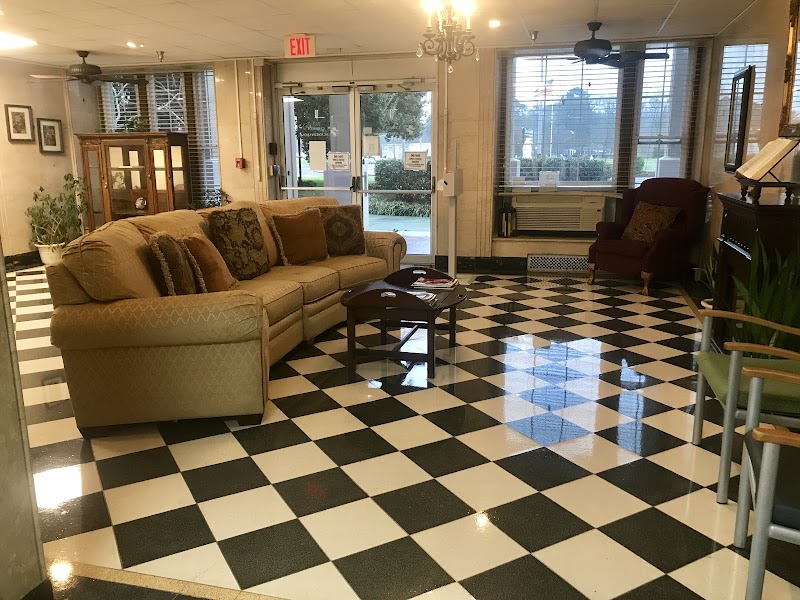
How is St. Joseph Continuing Care Center Staffed?
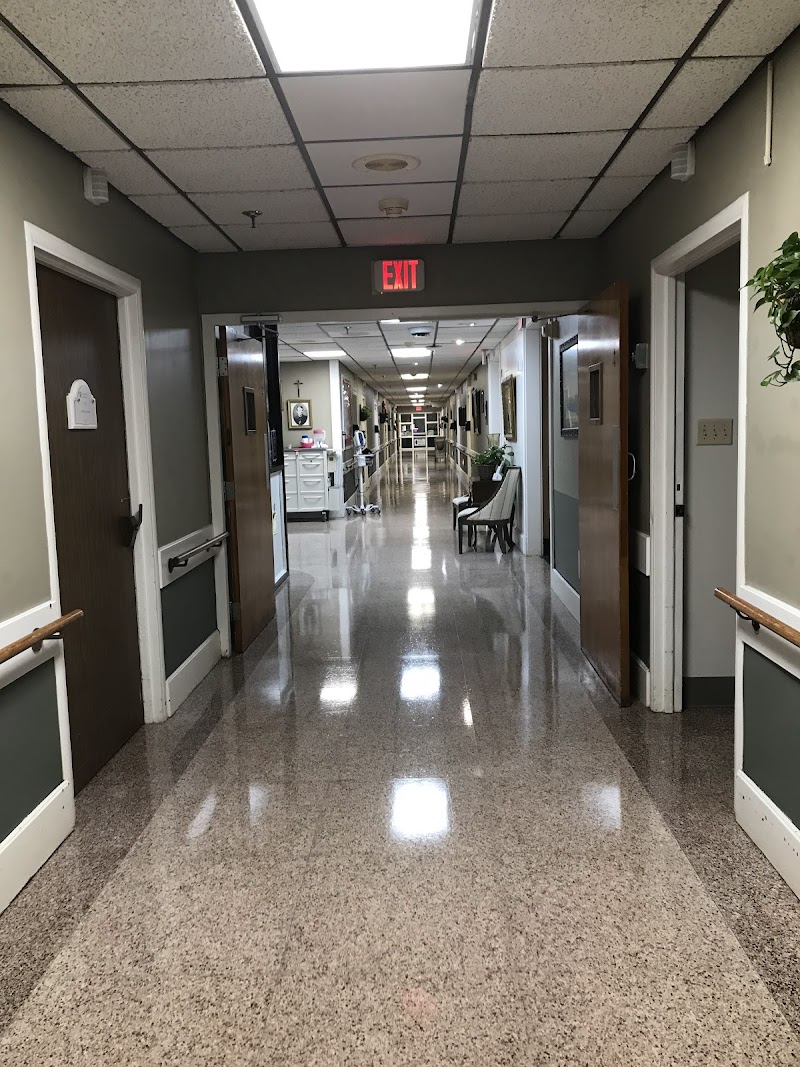
CMS rates St. Joseph Continuing Care Center's staffing level at 2 out of 5 stars, which is below average compared to other nursing homes. Staff turnover is 49%, compared to the Louisiana average of 46%. RN turnover specifically is 73%, which is notably high. RNs provide skilled clinical oversight, so turnover in this role can affect medical care quality.

What Have Inspectors Found at St. Joseph Continuing Care Center?

State health inspectors documented 55 deficiencies at St. Joseph Continuing Care Center during 2022 to 2025. These included: 55 with potential for harm. While no single deficiency reached the most serious levels, the total volume warrants attention from prospective families.

Who Owns and Operates St. Joseph Continuing Care Center?

St. Joseph Continuing Care Center is owned by a for-profit company. For-profit facilities operate as businesses with obligations to shareholders or private owners. The facility is operated by CANTEX CONTINUING CARE, a chain that manages multiple nursing homes. With 130 certified beds and approximately 79 residents (about 61% occupancy), it is a mid-sized facility located in MONROE, Louisiana.

How Does St. Joseph Continuing Care Center Compare to Other Louisiana Nursing Homes?

Compared to the 100 nursing homes in Louisiana, St. Joseph Continuing Care Center's overall rating (2 stars) is below the state average of 2.4, staff turnover (49%) is near the state average of 46%, and health inspection rating (2 stars) is below the national benchmark.

What Should Families Ask When Visiting St. Joseph Continuing Care Center?

Based on this facility's data, families visiting should ask: "Can you walk me through typical staffing levels on day, evening, and night shifts?" "Can I visit during a mealtime to observe dining assistance and food quality?" "How do you handle medical emergencies, and what is your hospital transfer rate?" "Can I speak with family members of current residents about their experience?" These questions are particularly relevant given the below-average staffing rating.

Is St. Joseph Continuing Care Center Safe?

Based on CMS inspection data, St. Joseph Continuing Care Center has a clean safety record: no substantiated abuse findings (meaning no confirmed cases of resident harm), no Immediate Jeopardy citations (the most serious violation level indicating risk of serious injury or death), and is not on the Special Focus Facility watch list (a federal program monitoring the lowest-performing 1% of nursing homes). The facility has a 2-star overall rating and ranks #100 of 100 nursing homes in Louisiana. While no facility is perfect, families should still ask about staff-to-resident ratios and recent inspection results during their visit.

Do Nurses at St. Joseph Continuing Care Center Stick Around?

St. Joseph Continuing Care Center has a staff turnover rate of 49%, which is about average for Louisiana nursing homes (state average: 46%). Moderate turnover is common in nursing homes, but families should still ask about staff tenure and how the facility maintains care continuity when employees leave.

Was St. Joseph Continuing Care Center Ever Fined?

St. Joseph Continuing Care Center has no federal fines on record. CMS issues fines when nursing homes fail to meet care standards or don't correct problems found during inspections. The absence of fines suggests the facility has either maintained compliance or corrected any issues before penalties were assessed. This is a positive indicator, though families should still review recent inspection reports for the full picture.

Is St. Joseph Continuing Care Center on Any Federal Watch List?

St. Joseph Continuing Care Center is not on any federal watch list. The most significant is the Special Focus Facility (SFF) program, which identifies the bottom 1% of nursing homes nationally based on persistent, serious quality problems. Not being on this list means the facility has avoided the pattern of deficiencies that triggers enhanced federal oversight. This is a positive indicator, though families should still review the facility's inspection history directly.