Belle Teche Nursing & Rehab Center
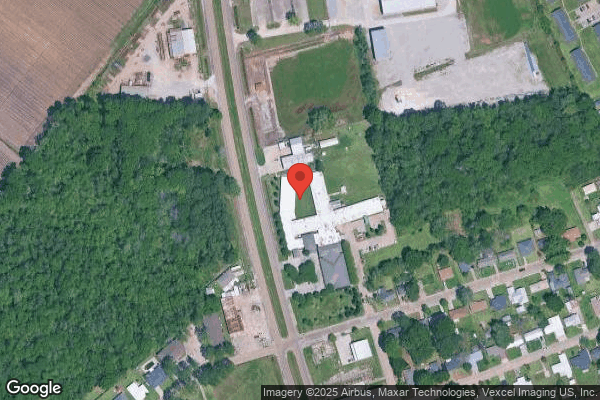
1306 W ADMIRAL DOYLE DR, NEW IBERIA, LA 70560 (337) 364-5472
For profit - Limited Liability company 150 Beds CENTRAL MANAGEMENT COMPANY Data: November 2025
Trust Grade
50/100
#64 of 264 in LA
Last Inspection: May 2025

Inspected within the last 6 months. Data reflects current conditions.

Overview

Belle Teche Nursing & Rehab Center has received a Trust Grade of C, which means it is average compared to other facilities, sitting in the middle of the pack. It ranks #64 out of 264 nursing homes in Louisiana, placing it in the top half of the state, and is #1 out of 5 in Iberia County, indicating it is the best local option. However, the facility is worsening, with the number of issues increasing from 6 in 2024 to 12 in 2025. Staffing is rated at 2 out of 5 stars, which is below average, and the turnover rate is 53%, close to the state average. Additionally, there have been concerning findings, including a resident being unsupervised when the care plan required checks, and failures in food safety practices in the kitchen, as well as lapses in hand hygiene protocols, which could pose risks for infection. While the nursing home has some strengths, such as being the top-rated facility in the county, it also has significant areas needing improvement.

Trust Score
C
50/100
In Louisiana
#64/264
Top 24%
Safety Record
Moderate
Needs review
Inspections
Getting Worse
6 → 12 violations
Staff Stability
⚠ Watch
53% turnover. Above average. Higher turnover means staff may not know residents' routines.
Penalties
✓ Good
$42,007 in fines. Lower than most Louisiana facilities. Relatively clean record.
Skilled Nurses
⚠ Watch
Each resident gets only 12 minutes of Registered Nurse (RN) attention daily — below average for Louisiana. Fewer RN minutes means fewer trained eyes watching for problems.
Violations
⚠ Watch
40 deficiencies on record. Higher than average. Multiple issues found across inspections.
★★★☆☆
3.0
Overall Rating
★★☆☆☆
2.0
Staff Levels
★★☆☆☆
2.0
Care Quality
★★★☆☆
3.0
Inspection Score
Stable
2024: 6 issues
2025: 12 issues

The Good

  • Full Sprinkler Coverage · Fire safety systems throughout facility
  • No fines on record

Facility shows strength in fire safety.

The Bad

3-Star Overall Rating

Above Louisiana average (2.4)

Meets federal standards, typical of most facilities

Staff Turnover: 53%

Near Louisiana avg (46%)

Higher turnover may affect care consistency

Federal Fines: $42,007

Above median ($33,413)

Moderate penalties - review what triggered them

Chain: CENTRAL MANAGEMENT COMPANY

Part of a multi-facility chain

Ask about local staffing decisions and management

The Ugly 40 deficiencies on record

1 actual harm
May 2025 12 deficiencies
CONCERN (D)

Potential for Harm - no one hurt, but risky conditions existed

PASARR Coordination (Tag F0644)

Could have caused harm · This affected 1 resident

**NOTE- TERMS IN BRACKETS HAVE BEEN EDITED TO PROTECT CONFIDENTIALITY** Based on record review and interview, the facility failed to refer a resident with a diagnosed mental disorder to the appropriat...

Read full inspector narrative →
**NOTE- TERMS IN BRACKETS HAVE BEEN EDITED TO PROTECT CONFIDENTIALITY** Based on record review and interview, the facility failed to refer a resident with a diagnosed mental disorder to the appropriate state-designated authority for Level II PASARR (Preadmission Screening and Resident Review) evaluation and determination for 1 (#15) of 3 (#15, #32, #49) residents investigated for PASARR in a final sample of 47 residents. Findings: Review of Resident #15's electronic medical record (EMR) revealed she was admitted to the facility on [DATE] with diagnoses that included in part, bipolar disorder and major depressive disorder. Review of Resident #15's Level I PASARR dated 10/07/2022 revealed in part Section III: Mental illness, Question #1 Do you suspect the applicant has, or has the applicant been diagnosed as having a mental illness? Including mental disorders that may lead to chronic disability . schizophrenia, schizoaffective disorder, delusional disorder, other psychotic disorder, bipolar disorder, major depressive disorder .Bipolar disorder was not checked. Further review of Resident #15's records revealed no evidence that a Level II PASARR had been submitted to the appropriate state-designated authority after Resident #15 had a newly identified mental disorder of bipolar disorder, with an onset date of 10/10/2022. On 05/20/2025 at 3:10 p.m., an interview and record review was conduct with S5SSD. After review of a psychiatric progress note dated 10/09/2022 for Resident #15, S5SSD confirmed the resident had a qualifying Level II diagnosis of bipolar psychosis. S5SSD confirmed a request for a Level II screening was not submitted for Resident #15. She stated the request for a Level II screening should have been submitted.
CONCERN (D)

Potential for Harm - no one hurt, but risky conditions existed

Deficiency F0657 (Tag F0657)

Could have caused harm · This affected 1 resident

**NOTE- TERMS IN BRACKETS HAVE BEEN EDITED TO PROTECT CONFIDENTIALITY** 2. Resident # 68 On 05/22/2025, a review of the facility's policy titled Comprehensive Resident Care Plans with a review date of...

Read full inspector narrative →
**NOTE- TERMS IN BRACKETS HAVE BEEN EDITED TO PROTECT CONFIDENTIALITY** 2. Resident # 68 On 05/22/2025, a review of the facility's policy titled Comprehensive Resident Care Plans with a review date of 01/15/2025, read in part: Purpose: The resident's comprehensive care plan will be developed utilizing the results of the comprehensive resident assessment instrument (RAI) plus information gained from resident and family interviews, care conferencing and health care professional data to determine daily care needs, and to attain, or maintain the resident's highest functional capacity. Resident # 68 was admitted to the facility on [DATE] with diagnoses which included, but were not limited to, polymyalgia rheumatica, osteoarthritis, and fibromyalgia, dependent to wheelchair. A review of Resident #68's quarterly MDS (Minimum Data Set) with an ARD (Assessment Reference Date) of 05/08/2025 revealed he had a BIMS (Brief Interview for Mental Status) score of 15, suggesting her cognition was intact. On 05/19/2025 at 11:30 a.m., an interview was conducted with Resident #68. The resident stated she has not been invited to a care plan meeting. On 05/20/2025 at 1:34 p.m., an interview was conducted with S5SSD (Social Service Director), she confirmed that she was responsible for notifying the RP (Resident Representative) or resident, if they were their own RP, of scheduled care plan meetings. S5SSD stated if the resident was their own RP, then they were given a hand delivered letter inviting them to attend. She confirmed she was unable to provide documentation to confirm that a letter was given to Resident #68 inviting the resident to a care plan meeting. On 05/20/2025 at 1:55 p.m., an interview was conducted with S6CCC/LPN (Clinical Care Coordinator/Licensed Practical Nurse), she confirmed she was responsible for Resident #68's care plan. S6CCC/LPN confirmed she was unable to provide documentation at this time identifying who attended or the finding of the care plan meeting for Resident #68 that was held on 05/06/2025. She stated there was not a sign-in sheet for staff, residents and RP to sign that they had attended the care plan meeting. Based on record review, interviews, and policy review, the facility failed to ensure a resident's comprehensive care plan was revised for 1 resident (#49) and included 1 resident (#68) in reviewing the care plan out of 47 sampled residents. This deficient practice was evidenced by: 1. resident #49's care plan was not revised to reflect the resident no longer required CBG (Capillary Blood Glucose) checks, and 2. resident #68 was not involved in a care plan meeting with the facility's interdisciplinary team Findings: 1. Resident #49 Review of Resident #49's electronic medical record revealed the resident was admitted to the facility on [DATE] with the following pertinent diagnosis Type 2 Diabetes Mellitus with hyperglycemia. Review of Resident #49's May 2025 physician's orders revealed an order dated 02/21/2025 for Regular Insulin per sliding scale for two weeks with an end date of 03/07/2025. Review of Resident #49's electronic medical record included a follow-up provider note dated 02/28/2025 per S17NP (Nurse Practitioner) revealed in part: Resident #49 being seen for fu (follow up) after started on CBG checks to ss (sliding scale) for elevated hga1c (blood test for type 2 diabetes that measures an individual's average blood sugar over the past 3 months) through 03/07/2025. Blood sugar checked reviewed .Resident #49 does not like his finger stuck .will continue blood sugar checks through 03/07/2025. Review of Resident #49's May 2025 care plan revealed the Resident has Diabetes Mellitus with an intervention to monitor blood glucose tid (three times a day) x 1 week initiated on 10/02/2024. On 05/21/2025 at 1:47 p.m., an interview and record review were conducted with S3ADON (Assistant Director of Nursing). S3ADON stated Resident #49's blood sugar checks were discontinued on 02/21/2025. When questioned about Resident #49's care plan including blood sugar checks, S3ADON stated S6CCC/LPN (Clinical Care Coordinator/Licensed Practical Nurse) was responsible for revising a resident's care plan. On 05/21/2025 at 1:58 p.m., an interview was conducted with S6CCC/LPN who stated she completed Resident #49's care plan. S6CCC/LPN verified Resident #49's blood sugar checks were discontinued on 03/07/2025. S6CCC/LPN confirmed Resident #49's care plan had not been revised to reflect the resident no longer required blood sugar checks.
CONCERN (D)

Potential for Harm - no one hurt, but risky conditions existed

Deficiency F0692 (Tag F0692)

Could have caused harm · This affected 1 resident

**NOTE- TERMS IN BRACKETS HAVE BEEN EDITED TO PROTECT CONFIDENTIALITY** Based on record reviews and interviews, the facility failed to assess/reassess a resident's nutritional needs, monitor for effec...

Read full inspector narrative →
**NOTE- TERMS IN BRACKETS HAVE BEEN EDITED TO PROTECT CONFIDENTIALITY** Based on record reviews and interviews, the facility failed to assess/reassess a resident's nutritional needs, monitor for effectiveness of interventions, and ensure coordination of care among the interdisciplinary team for 1 resident (#71) of 4 (#45, #65, #71, #94) residents investigated for nutrition as evidence by: 1. Failing to weigh Resident #71 weekly as ordered, 2. The RD (Registered Dietician) failing to accurately reassess resident #71's nutritional interventions, and 3. Failure of the RD and the facility to coordinate care in response to Resident #71's significant weight loss. Findings: A review of the facility's policy titled, Weight Variance Protocol with a last reviewed date of 01/15/2025 read in part, Policy: All resident weights will be monitored monthly or more often as indicated by the resident's condition or physician orders. Procedure: 1. Gross weight gains or losses will prompt an immediate re-weighing of resident. If weight is confirmed, the MD (Medical Doctor) will be notified immediately. The nurse will also notify the DON (Director of Nursing) and Food Service Director of weight variances. The Registered Dietician will be notified of significant variances as well. 3. Weight Variance-Calculate weight loss or gain every time a resident is weighed. Significant weight loss must be brought to the attention of the DON, FSD (Food Service Director) and Registered Dietitian. Significant weight loss is 5% in one month or 10% in six months. 4. The Registered Dietitian will review the weight information upon her next monthly visit and document recommendations in the medical record. 5. The physician will be called by the nurse regarding Registered Dietitian's recommendations in a timely manner. 7. Before recording each weight in the medical record the nurse will double check that: b. If gross gain or loss had indeed occurred, a Dietitian consult has been requested and the physician and family have been notified. Essential Points: Any weight variations as stated above are to be brought to the attention of the IDT (Interdisciplinary Team), RD (Registered Dietician), Family and Physician. Resident #71 was admitted to the facility on [DATE] with diagnoses which included, but were not limited to unspecified severe protein-calorie nutrition, dysphagia, muscle wasting and atrophy, cognitive communication deficit, chronic obstructive pulmonary disease, and major depressive disorder. 1. A review of Resident #71's care plan read in part: Potential for altered nutrition and dehydration with interventions in part: weekly weights. A review of Resident #71's current Order Summary Report, revealed an order, Weekly weights every day shift every Tuesday with a start date of 01/14/2025. A review of Resident #71's Weights and Vitals Exceptions report, revealed the following weights were not obtained as ordered by the physician: a. January 2025- 01/14/2025, 01/21/2025, and 01/28/2025. b. February 2025- 02/25/2025 c. March 2025- 03/11/2025. d. April 2025- 04/15/2025, and 04/29/2025. e. May 2025- 05/13/2025. On 05/20/2025 at 4:40 p.m., a review of Resident #71's Weights and Vitals Exceptions report and physician orders was conducted with S3ADON (Assistant Director of Nursing). S3ADON confirmed that the resident should have been weighed weekly and had not been. 2. A review of Resident #71's MAR (Medication Administration Record), revealed that he had an order for Boost two times a day for 60 days give 8oz (ounces) by mouth, started 02/03/2025 with and end date of 04/04/2025. A review of a Progress Note dated 04/08/2025 by S16RD (Registered Dietician) for Resident #71 read in part. 3. Continue providing Boost 8oz BID (twice daily) x (times) 60 days due to weight loss as well as Might Shake TID (three times a day). Resident does receive Boost tid and consumes 100%. On 05/21/2025 at 9:18 a.m., a record review and interview was conducted with S2DON (Director of Nursing) and S3ADON. Both confirmed that Resident #71's Boost had been discontinued on 04/04/2025 due to completing 60 days. Both confirmed that the resident was not taking Boost at the time of the RD's assessment on 04/08/2025. On 05/20/2025 at 4:25 p.m., a phone interview was conducted with S16RD. She confirmed that she last assessed Resident #71's nutritional status on 04/08/2025. She stated that on 04/08/2025 she assessed Resident #17 with the thought that Resident #17 remained on Boost. She stated that she was not aware that the Boost had already been administered for the 60 day interval and inaccurately noted on his assessment that he continued to receive Boost. 3. A review of Resident #71's Weights and Vitals Exceptions report, revealed on 05/05/2025, Resident #71 had a weight of 168.4 pounds. The report revealed that the resident had a weight of 217 pounds on 11/04/2024 indicating that the resident had a loss of 49 pounds in 180 days. This is was a 22.6% weight loss. A review of Resident #17's medical record revealed a Progress Note dated 04/08/2025 by S16RD. A review of Referral Form for Consultant Dietician for May 2025 revealed that Resident #71's name was not present on the list of residents to be seen by the Dietician. On 05/20/2025 at 2:51 p.m., an interview was conducted with S3ADON and S4DM (Dietary Manager). S4DM and S3ADON confirmed that the last assessment from S16RD for Resident #17 was on 04/08/2025. S4DM stated that she was unsure of why S16RD had not assessed the resident's significant weight loss for May of 2025 because S16RD accesses the significant weight losses herself. S4DM stated that she provided the RD with a Referral Form for Consultant Dietitian, which is composed of names of residents needing to be assessed in addition to those on the weight report for May of 2025. S4DM confirmed that Resident #71's name was not present on this form for May of 2025. On 05/20/2025 at 4:25 p.m., a phone interview was conducted with S16RD. She confirmed that she last assessed Resident #71's nutritional status on 04/08/2025. S16RD stated that she assesses residents for weight loss based on the report given to her by S4DM. S16RD stated that she does not access a weight report herself. She stated she was not aware of the resident's significant weight loss at her last visit to the facility on 5/13/2025, and would have reassessed the resident had she been aware of it.
CONCERN (D)

Potential for Harm - no one hurt, but risky conditions existed

Respiratory Care (Tag F0695)

Could have caused harm · This affected 1 resident

**NOTE- TERMS IN BRACKETS HAVE BEEN EDITED TO PROTECT CONFIDENTIALITY** Based on record review and interviews, the facility failed to perform laryngectomy care for 1(#14) of 2(#14 and, # 298) resident...

Read full inspector narrative →
**NOTE- TERMS IN BRACKETS HAVE BEEN EDITED TO PROTECT CONFIDENTIALITY** Based on record review and interviews, the facility failed to perform laryngectomy care for 1(#14) of 2(#14 and, # 298) residents investigated for Respiratory Care. This had the potential to affect the 1(#14) resident with a laryngectomy in the facility. Findings: Resident #14 was admitted to the facility on [DATE] with diagnoses which included, but were not limited to personal history of malignant neoplasm of larynx and acquired absence of larynx. Review of Resident #14's Quarterly MDS (Minimum Data Set) dated 03/01/2025, revealed the resident had a BIMS (Basic Interview for Mental Status) of 13, indicating her cognition was intact. A review of Resident #14's Order Summary Report, revealed the following orders: 1. Laryngectomy Site: Cleanse laryngectomy site with peroxide daily. Every day shift. Start date of 07/09/2024. 2. Laryngectomy Site: Monitor site for s/s (Signs/Symptoms) of increased leaking and secretions. Notify MD (Medical Doctor)/NP (Nurse Practitioner) if s/s of increased leaking and secretions occur. Every day shift. Start date of 07/09/2024. 3. Laryngectomy Tube: Change adhesive dressing to laryngectomy tube every day shift every Friday. Start date of 07/12/2024. 4. Laryngectomy Tube: Change filter to laryngectomy tube every day shift. Start date of 07/09/2024 A Review of Resident #14's MARS (Medication Administration Records) for the months of February 2025, March 2025, and May 2025 revealed missing signatures for the following orders: 1. Laryngectomy Site: Cleanse laryngectomy site with peroxide daily. Every day shift Missing signatures: a. February 2025: 6th, 7th, 12th, and 20th b. March 2025: 5th, 10th 17th, and 31st c. May 2025: 2nd 2. Laryngectomy Site: Monitor site for s/s (Signs/Symptoms) of increased leaking and secretions. Notify MD (Medical Doctor)/NP (Nurse Practitioner) if s/s of increased leaking and secretions occur. Every day shift. Missing signatures: a. February 2025: 6th, 7th, 12th, and 20th b. March 2025: 5th, 10th 17th, and 31st c. May 2025: 2nd 3. Laryngectomy Tube: Change adhesive dressing to laryngectomy tube every day shift every Friday. Missing signatures: a. May 2025: 2nd 4. Laryngectomy Tube: Change filter to laryngectomy tube every day shift. Missing signatures: a. March 2025: 5th, 10th, and 17th b. May 2025: 2nd On 05/21/2025 at 1:25 p.m., a record review and interview was conducted with S2DON (Director of Nursing). She confirmed that the signatures were missing for Resident #14's laryngectomy care on the MAR for the above stated dates for the months of February 2025, March 2025, and May 2025. She stated that she assumed the care was not completed with the signatures missing for these dates. On 05/21/2025 at 1:51 p.m., an interview was conducted with Resident #14. She communicated that some days her laryngectomy care is not performed by staff.
CONCERN (D)

Potential for Harm - no one hurt, but risky conditions existed

Food Safety (Tag F0812)

Could have caused harm · This affected 1 resident

Based on observations, interviews and policy review, the facility failed to ensure dietary staff prepared, distributed and served food in accordance with professional standards for food service safety...

Read full inspector narrative →
Based on observations, interviews and policy review, the facility failed to ensure dietary staff prepared, distributed and served food in accordance with professional standards for food service safety as evidenced by 2 dietary assistants (S13DA and S14DA) without a beard restraint. Findings: On 05/21/2025 a review of facility's policy titled, Employee Sanitation Practices reviewed on 01/15/2025, revealed in part: 3. Proper Work Attire .b. The food service employee observes the following dress standards: i. Wears a clean hat or other hair restraint. Employees with facial hair wear a beard restraint . On 05/19/2025 at 8:44 a.m., an initial observation was made of S13DA (Dietary Assistant) assisting with prepping sandwiches with his facial hair not covered. On 05/19/2025 at 10:35 a.m., a follow up visit in the kitchen was made. S13DA was observed assisting with food preparation for the lunch meal service with his facial hair not covered. On 05/19/2025 at 10:56 a.m., an observations was made of S14DA assisting with the lunch meal service preparation with his facial hair exposed and not covered. On 05/19/2025 at 11:30 a.m., an observation was made of S13DA and S14DA assisting with preparing the residents' lunch meal on individual plates. S13DA was observed distributing food from the steam table to each resident's plate and S14DA was observed placing the fixed lunch meal individual plates in an insulated rolling cart to be distributed to residents. S13DA and S14DA failed to cover their beards while preparing and distributing food to residents. On 05/19/2025 at 12:20 p.m., an interview was conducted with S4DM (Dietary Manager). S4DM stated male staff should have beard coverings over their facial hair when working in the facility's kitchen.
CONCERN (D)

Potential for Harm - no one hurt, but risky conditions existed

Deficiency F0849 (Tag F0849)

Could have caused harm · This affected 1 resident

**NOTE- TERMS IN BRACKETS HAVE BEEN EDITED TO PROTECT CONFIDENTIALITY** Based on record reviews and interview, the facility failed to obtain the most recent recertification of terminal illness and mos...

Read full inspector narrative →
**NOTE- TERMS IN BRACKETS HAVE BEEN EDITED TO PROTECT CONFIDENTIALITY** Based on record reviews and interview, the facility failed to obtain the most recent recertification of terminal illness and most recent hospice POC (plan of care) for 1 (#31) out of 1 (#31) resident reviewed for hospice care. Findings: A review of the facility's agreement with the Contracted Hospice Agency dated 08/26/2015 read in the part, the following, Compilation of Records: Nursing facility and hospice shall each prepare and maintain complete and detailed clinical records concerning each Residential Hospice Patient . Each clinical record shall completely, promptly and accurately document all services provided to, and events concerning, each Resident Hospice Patient . Each such record shall be readily accessible and systematically organized to facilitate retrieval by either party. A review of Resident #31's record revealed he was admitted to the facility on [DATE] with diagnoses which included but were not limited to, Encounter for Palliative Care and Parkinson's disease with Dyskinesia. A review of Resident #31's Quarterly MDS (Minimum Data Set) dated 02/12/2025 revealed Section O: Special Treatments revealed the resident was admitted to hospice care. A review of Resident #31's physician's orders revealed an order entry with a start date of 04/18/2024 read in part, Admit to Contracted Hospice for dx (diagnosis): Parkinson's disease. A review of Resident #31's person-centered plan of care, revealed in part, a focus on required hospice services with Contracted Hospice Parkinson's initiated on 04/18/2024. A review of Resident #31's hospice documents in his contracted hospice binder revealed, in part, that the most recent certification of terminal illness by the Contracted Hospice Agency's physician was signed on 04/16/2024 for the certification period of 04/09/2024 through 07/07/2024. A review of Resident #31's hospice documents in his contracted hospice binder revealed, in part, that the most recent POC was dated 04/18/2025 for the certification period of 03/05/2025 through 05/03/2025. On 05/20/2025 at 2:00 p.m. a record review and interview was conducted with S2DON (Director of Nursing). S2DON stated she is responsible for maintaining Resident #31's contracted hospice binder. She stated Resident #31' most recent POC was dated 04/18/2025 for the certification period of 03/05/2025 through 05/03/2025, and his most recent certification was from 04/09/2024 through 0707/2024. She confirmed there was not an updated recertification of terminal illness and POC in Resident #31's contracted hospice binder and should have been.
CONCERN (D)

Potential for Harm - no one hurt, but risky conditions existed

Social Worker (Tag F0850)

Could have caused harm · This affected 1 resident

Based on interviews and record reviews, the facility failed to ensure it employed a qualified social worker on a full-time basis. The facility had 150 licensed beds. Findings: Record review of S5SSD'...

Read full inspector narrative →
Based on interviews and record reviews, the facility failed to ensure it employed a qualified social worker on a full-time basis. The facility had 150 licensed beds. Findings: Record review of S5SSD's resume revealed, in part, education: Bachelors of Science in health Studies (Marketing/Management), Associate of Science and Certificate of General Studies (Health Care Management). S5SSD's resume failed to show a bachelor's degree in social work or a bachelor's degree in a human services field including, but not limited to, sociology, gerontology, special education, rehabilitation counseling, and psychology; and one year of supervised social work experience in a health care setting working directly with individuals. On 05/20/2025 at 1:30 p.m., an interview was conduct with S5SSD, she confirmed she was serving as the facility social service director, with a BS (Bachelor of Science) degree in business health administration. S5SSD also confirmed she did not have a bachelor degree related to sociology, gerontology, special education, rehabilitation counseling, and psychology. On 05/21/2025 at 8:46 a.m., an interview was conducted with S1ADM/RN, he confirmed the facility had 150 licensed beds. He stated he was unaware it was the licensed bed number that determined the social service qualifications of the facility. S1ADM/RN confirmed S5SSD had a BS in health science and less than one (1) year of supervised social work experience working directly with residents in a health care setting.
CONCERN (D)

Potential for Harm - no one hurt, but risky conditions existed

Infection Control (Tag F0880)

Could have caused harm · This affected 1 resident

Based on observation, interview and policy review, the facility failed to maintain an effective infection and control program, by failing to ensure laundry staff wore appropriate personal protective e...

Read full inspector narrative →
Based on observation, interview and policy review, the facility failed to maintain an effective infection and control program, by failing to ensure laundry staff wore appropriate personal protective equipment (PPE) while sorting soiled laundry. Findings: On 05/21/2025, a review of the facility's policy titled Infection Control, with a last reviewed date of 01/15/2025, indicated, Policy: To establish and maintain an infection control program designed to provide a safe, sanitary, and comfortable environment and to help prevent the development and transmission of disease and infection .Procedure .14. linens must be handled .to prevent the spread of infection. a. Soiled linens must be handled to contain and minimize aerosolization and exposure to any waste products. During a tour of the facility's laundry room on 05/21/2025 at 9:00 a.m., S12LS (Laundry Staff) was observed removing laundry from a large yellow barrel and placing the laundry in the washing machine. S12LS was wearing only a pair of gloves during the procedure. She stated the laundry came from resident's rooms and was soiled. S12LS confirmed she should have worn a gown while sorting and loading the soiled laundry in the washer, but did not. During an interview with S1ADM/RN (Administrator/Registered Nurse), he stated the facility had an infection preventionist but she was off for the day. S1ADM/RN stated S12LS should have worn a gown to handle the soiled laundry.
CONCERN (D)

Potential for Harm - no one hurt, but risky conditions existed

Room Equipment (Tag F0908)

Could have caused harm · This affected 1 resident

Based on observations and interviews, the facility failed to maintain electrical patient care equipment in safe operating condition by failing to replace an electrical outlet plate for 1 (Resident #7)...

Read full inspector narrative →
Based on observations and interviews, the facility failed to maintain electrical patient care equipment in safe operating condition by failing to replace an electrical outlet plate for 1 (Resident #7) out of a finalized sample of 47 residents. Findings: On 05/19/2025 at 12:30 p.m., an observation of resident #7's room revealed an electrical outlet near the resident's bed, and within arm's reach of the resident. The outlet did not have a safety plate. On 05/20/2025 at 9:21 a.m., a second observation of resident #7's room revealed the outlet was still without a safety plate. On 05/20/2025 at 3:30 p.m., an observation and interview was conducted with S7LPN (Licensed Practical Nurse) who stated that a work order had been submitted to maintenance to have the plate replaced. On 05/20/2025 at 3:31 p.m., review of the maintenance log was conducted with S11M (Maintenance), S10CN (Charge Nurse) and S7LPN from present day to 01/2025. The log revealed that a no work order had been submitted for the electrical plate to be replaced. S7LPN and S10CN confirmed that a work order had not been submitted to S11M for replacement of the outlet plate.
CONCERN (E)

Potential for Harm - no one hurt, but risky conditions existed

Comprehensive Care Plan (Tag F0656)

Could have caused harm · This affected multiple residents

**NOTE- TERMS IN BRACKETS HAVE BEEN EDITED TO PROTECT CONFIDENTIALITY** Based on observations, record reviews, and interviews, the facility failed to implement a person-centered care plan for 3 (#11, ...

Read full inspector narrative →
**NOTE- TERMS IN BRACKETS HAVE BEEN EDITED TO PROTECT CONFIDENTIALITY** Based on observations, record reviews, and interviews, the facility failed to implement a person-centered care plan for 3 (#11, #65, and #86) out of a total sample of 47 residents as evidenced by: 1. Failing to ensure Resident #11 and #86 wore the appropriate footwear while out of bed. 2. Failing to ensure Resident #65 was provided a [NAME] No Spill 360 Grip and Sip cup at the bedside. Findings: Resident #11 Review of Resident #11's record revealed an admission date of 06/21/2019 with diagnoses that included hemiplegia and hemiparesis following cerebral infarction affecting right dominant side. Review of Resident #11's Minimum Data Set (MDS) Annual assessment dated [DATE] revealed a Brief Interview of Mental Status (BIMS) score of 07, suggesting the resident's cognition was severely impaired. Review of Resident #11's care plan dated 03/21/2025 read in part .at high risk for falls related to personal history of falls. Intervention - ensure appropriate footwear is worn. On 05/19/2025 at 9:00 a.m., an observation of the resident in the dining room revealed she was wearing white socks, which were not non-skid socks. On 05/20/2025 at 2:48 p.m., an observation and interview was conducted with S7LPN (Licensed Practical Nurse) who was the nurse on the unit where the resident resided. She confirmed that staff should have ensured the resident had appropriate footwear on at all times. Did she confirm that the resident did not have the appropriate footwear? Resident #86 Review of Resident #86's record revealed an admission date of 01/17/2024 and had diagnoses with diagnoses that included, but not limited to, of flaccid hemiplegia affecting left non-dominant side, hemiplegia and hemiparesis following cerebral infarction affecting left non-dominant side. Review of Resident's 86's MDS Quarterly assessment dated [DATE] revealed a Brief Interview of Mental Status (BIMS) score of 07, suggesting the resident's cognition was severely impaired. Review of Resident #86's care plan dated 3/20/2025 read in part at high risk for falls related to personal history of falls. Intervention - ensure appropriate footwear was worn. On 05/19/2025 at 10:18 a.m., resident was observed in the dining room with white socks on both feet, which were not non-skid socks. On 05/20/2025 at 8:10 a.m., a follow-up observation of the resident was conducted during breakfast meal, which revealed the resident still had non-skid socks on both feet. On 05/20/2025 at 2:48 p.m., an observation and interview was conducted with S7LPN who was the nurse on the unit where the resident resided. She confirmed that the staff should have ensured the resident had appropriate footwear on at all times. Resident #65 A review of Resident #65's record revealed she was admitted to the facility on [DATE] with diagnoses which included but were not limited to, Cerebral Palsy, Other Lack of Coordination, Spastic Hemiplegia affecting Right Dominant Side, and Contracture Right Wrist. A review of Resident #65's Quarterly MDS (Minimum Data Set) dated 03/28/2025 revealed a BIMS (Brief Interview for Mental Status) of 8, indicating her cognition was moderately impaired. Under Section GG: Functional Abilities revealed the resident had impairment one side of her upper extremities, and required partial/moderate assistance for eating. A review of Resident #65's physician's orders revealed an order entry with a start date of 08/21/2024 read in part, resident to use [NAME] No Spill 360 Grip and Sip cup at all times while drinking. A review of Resident #65's person-centered plan of care, revealed in part, a focus of altered nutrition and dehydration r/t (related to) vitamin deficiency, moderate PCM (protein-calorie malnutrition) with an intervention of . resident to use [NAME] No Spill 360 Grip and Sip cup at all times while drinking. A review of Resident #65's EHR (Electronic Health Record) header read in part, special instructions: right-sided weakness, resident to use [NAME] No Spill 360 Grip and Sip cup at all times while drinking. On 05/19/2025 at1:38 p.m., an observation and interview were conducted with Resident #65 in her room. Resident #65 does not have a [NAME] No Spill 360 Grip and Sip cup at the bedside. The resident stated it is only kept in the dining room. On 05/20/2025 at 11:16 a.m., a second observation was conducted of the resident's room. There was a gray drinking cup noted at the bedside with a straw in it. Resident #65 does not have a [NAME] No Spill 360 Grip and Sip cup at the bedside. On 05/20/2025 at 2:26 p.m., a third observation was conducted of Resident #65 in her room. There was a gray drinking cup noted at the bedside with a straw in it. Resident #65 was sitting in her wheelchair and contracture to her right wrist was noted. Resident #65 does not have a [NAME] No Spill 360 Grip and Sip cup at the bedside. An interview was conducted with Resident #65 at this time, and she stated the [NAME] Grip and Sip cup was only given to her during meals and she was told the [NAME] Grip and Sip cup cannot leave the dining room. She stated while she was in her room she had to use the gray drinking cup, and sometimes it was hard to use. On 05/21/2025 at 12:26 p.m., a fourth observation was conducted of the resident's room. There was a gray drinking cup noted at the bedside with a straw in it. Resident #65 does not have a [NAME] No Spill 360 Grip and Sip cup at the bedside. On 05/21/2025 at 12:34 p.m., an interview and observation of Resident #65's room was conducted with S9CN (Certified Nursing Assistant). She stated while the resident was in her room she drank out of the gray drinking cup. She then reviewed a pink sheet above the resident's bed. She stated these listed all of the resident's needs. She stated the pink sheet read the resident is to use [NAME] No Spill 360 Grip and Sip cup at all times while drinking. She confirmed the resident did not have the appropriate drinking cup in her room to drink water out of. On 05/21/2025 at 12:40 p.m., an interview and observation were conducted with S7LPN (Licensed Practical Nurse). She reviewed Resident #65's physician's orders and confirmed the resident should have a [NAME] No Spill 360 Grip and Sip cup, and she does not. She confirmed the resident only has a gray drinking cup in her room to drink out of. On 05/21/2025 at 12:42 p.m., an interview and observation were conducted with S4DM (Dietary Manager). She stated Resident #65 should have a [NAME] No Spill 360 Grip and Sip cup in her room at all times with her to drink out of. She observed her entire room to look for her [NAME] No Spill 360 Grip and Sip cup and stated it was not in the room, and only her gray drinking cup was in her room. On 05/21/2025 at 12:59 p.m., an interview was conducted with S8OT (Occupational Therapist). She stated that Resident #65 was ordered to have a [NAME] No Spill 360 Grip and Sip cup at all times to drink out of due to the spasticity in the arm from her diagnosis of Cerebral Palsy. She stated the [NAME] No Spill 360 Grip and Sip cup allowed better control of drinking water by controlling the rate of flow and preventing the resident from spilling on herself.
CONCERN (E)

Potential for Harm - no one hurt, but risky conditions existed

ADL Care (Tag F0677)

Could have caused harm · This affected multiple residents

**NOTE- TERMS IN BRACKETS HAVE BEEN EDITED TO PROTECT CONFIDENTIALITY** Based on record review, observation, and interview, the facility failed to ensure a resident who was unable to carry out Activit...

Read full inspector narrative →
**NOTE- TERMS IN BRACKETS HAVE BEEN EDITED TO PROTECT CONFIDENTIALITY** Based on record review, observation, and interview, the facility failed to ensure a resident who was unable to carry out Activities of Daily Living (ADLs) received the necessary services to maintain good grooming and personal hygiene for 5 (#11, #52, #64, #67, #86) of 5 (#11, #52, #64, #67 and #86) residents reviewed for ADLs. The facility failed to comb resident's hair. Findings: Resident #11: Review of Resident #11's clinical record revealed she was admitted to the facility on [DATE] and had diagnoses with diagnoses that included, but not limited to, of hemiplegia and hemiparesis following cerebral infarction affecting right dominant side. Review of Resident # 11's care plan dated 03/21/2025 read in part, resident will receive person centered care; needs assist with hygiene, and grooming. Provide set-up assist with ADLs as needed. On 05/19/2025 at 8:07 a.m., an observation of Resident #11 in the dining room during breakfast meal revealed her hair was uncombed, matted, and she had facial hair on her chin. On 05/19/0225 at 2:02 p.m., a follow up observation was conducted which revealed the resident's hair remained uncombed, matted, and she still had facial hair on her chin area. On 05/20/2025 at 8:08 a.m., an observation of Resident #11 in the dining room during breakfast meal revealed her hair still remained uncombed, matted, and had facial hair on her chin area. On 05/20/2025 at 11:50 a.m., a follow up observation of the resident in the dining room revealed her hair was still uncombed, matted, and facial hair on her chin area. On 05/20/2025 at 2:48 p.m., an observation and interview was conducted with S7LPN (Licensed Practical Nurse) who was the nurse on the unit where Resident #11 resided. She confirmed that the staff had not been combing the resident's hair, and they should have. Resident #52: Review of Resident #52's clinical record revealed she was admitted to the facility on [DATE] and had diagnoses with diagnoses that included, but not limited to, of muscle wasting and atrophy right and left shoulder, left and right hand, and dementia severe with agitation. Review of Resident 52's care plan dated 03/17/2025 read in part, resident will receive person centered care; needs assist with hygiene, and grooming. Provide set-up assist with ADLs as needed. On 05/19/2025 at 12:11p.m., an observation of Resident #52 in the dining room revealed her hair was uncombed. On 05/20/2025 at 2:48 p.m., an observation and interview was conducted with S7LPN who was the nurse on the unit where Resident #52 resided. She confirmed that the staff had not been combing the resident's hair, and they should have. Resident #64: Review of Resident #64's clinical record revealed she was admitted to the facility on [DATE] and had diagnoses with diagnoses that included, but not limited to, of Alzheimer's disease and, dementia. Review of Resident #64's care plan dated 04/02/2025 read in part, resident will receive person centered care; needs assist with hygiene, and grooming. Provide set-up assist with ADLs as needed. On 05/20/2025 at 7:34 a.m., the resident was observed in the dining room with her hair uncombed. On 05/20/2025 at 7:52 a.m., a follow up observation of the resident in the dining room during breakfast meal revealed, and her hair remained uncombed. On 05/20/2025 at 11:39 a.m., another observation of the resident sitting in the dining room revealed her hair still remained uncombed. On 05/20/2025 at 2:48 p.m., an observation and interview was conducted with S7LPN who was the nurse on the unit where the resident resided. She confirmed that staff had not been combing the resident's hair, and they should have. Resident #67 Review of Resident #67's clinical record revealed she was admitted to the facility on [DATE] and had diagnoses with diagnoses that included, but not limited to, of Dementia mild with other behavioral disturbance, muscle wasting and atrophy to right shoulder, left shoulder, right hand, left hand, hemiplegia and hemiparesis following cerebral infarction affecting left non-dominant side. Review of Resident #67's care plan dated 03/26/2024 read in part, resident will receive person centered care; needs assist with hygiene, and grooming. Assist with hygiene, and grooming as needed. On 05/19/2025 at 10:22 a.m., Resident # 67 was observed in the dining room with her hair uncombed, and facial hair on her chin. On 05/19/2025 at 12:11 p.m., a follow up observation of the resident revealed her hair remained uncombed, and facial hairs on her chin. On 05/20/2025 at 11:48 a.m., an observation of resident in the dining room revealed her hair still remained uncombed. On 05/20/2025 at 2:48 p.m., an observation and interview was conducted with S7LPN who was the nurse on the unit where the resident resided. She confirmed that the staff had not been combing the resident's hair, and they should have. Resident #86 Review of Resident #86's clinical record revealed she was admitted to the facility on [DATE] and had diagnoses with diagnoses that included, but not limited to, of flaccid hemiplegia affecting left non-dominant side, hemiplegia and hemiparesis following cerebral infarction affecting left non-dominant side. Review of Resident #86's care plan dated 01/17/2024 read in part, resident will receive person centered care; needs assist with hygiene, and grooming. On 05/19/2025 at 12:11 p.m., an observation of the resident in the dining room revealed her hair was uncombed. On 05/19/2025 at 2:15 p.m., a follow-up observation of the resident in the dining room revealed her hair remained uncombed. On 05/20/2025 at 2:39 p.m., an observation of the resident was conducted in her room, which revealed her hair remained uncombed. On 05/20/2025 at 2:48 p.m., an observation and interview was conducted with S7LPN who was the nurse on the unit where the resident resided. She confirmed that the staff had not been combing the resident's hair, and they should have.
CONCERN (E)

Potential for Harm - no one hurt, but risky conditions existed

Accident Prevention (Tag F0689)

Could have caused harm · This affected multiple residents

**NOTE- TERMS IN BRACKETS HAVE BEEN EDITED TO PROTECT CONFIDENTIALITY** Based on interviews and record reviews, the facility failed to implement appropriate interventions to prevent falls for 1(#56) o...

Read full inspector narrative →
**NOTE- TERMS IN BRACKETS HAVE BEEN EDITED TO PROTECT CONFIDENTIALITY** Based on interviews and record reviews, the facility failed to implement appropriate interventions to prevent falls for 1(#56) of 3 (#11, #56, #86) residents investigated for falls. Findings: Review of Resident #56's Electronic Health Record (EHR) revealed an admission date of 02/24/2025, with diagnoses which included, but were not limited to cognitive social or emotional deficit following other cerebrovascular disease, repeated falls, unsteadiness on feet, other lack of coordination, restlessness and agitation, delirium due to known physiological condition. During an interview with Resident #56's representative (RP), she stated that the resident had many falls since his admission to the facility. Review of Resident #56's admission Minimum Data Set (MDS) assessment with an assessment reference date of 02/28/2025, revealed a Brief Interview for Mental Status (BIMS) of 9, suggesting moderate cognitive impairment. Further review revealed the resident had a history of a fall with fracture on admission in section J1700 and was coded yes for having falls since admission in section J1800. Review of Resident #56's Fall Risk assessment dated [DATE] revealed a total score of 21 which indicated the resident was a high risk for falls. The resident had a fall on the following dates: 02/26/2025; 03/01/2025; 03/06/2025; 03/18/2025; 03/19/2025; 03/25/2025; 03/28/2025; 03/31/2025; 04/25/2025; 05/07/2025; 05/13/2025; 05/16/2025; 05/20/2025; and 05/21/25 Review of the facility's investigative reports and plan of care for Resident #56 revealed appropriate interventions were not implemented after the following falls: On 03/25/2025 at 6:23 p.m., the resident had a witnessed fall without injury. Resident was pushing himself around in a slouched position and slid off the seat onto the wheelchair footrests. Review of care plan revealed no intervention was placed to address the fall. On 03/28/2025 at 3:50 p.m., the resident had an unwitnessed fall with no injury. Review of investigative report revealed the resident's roommate notified staff of resident's fall. Immediate action was for fall mat at open side of bed. Review of care plan revealed no intervention to address the fall On 03/31/2025 at 1:45 p.m., the resident had a fall without injury. S15LPN (Licensed practical Nurse) wrote that she was walking down the hallway at 1:45 p.m., and decided to check in on the resident knowing that he was put in bed. She found resident sitting on the floor at his bedside, legs crossed. Review of care plan revealed an intervention was implemented for a fall mat to open side of bed dated 03/31/2025. On 04/25/2025 at 3:11p.m., the resident had an unwitnessed fall. Action taken was were neuro checks and continue plan of care. Review of Care plan revealed no interventions implemented to address the fall. On 05/07/2025 at 12:45 a.m., the resident had an unwitnessed fall. Review of investigative report revealed the resident was found sitting on his left side on the floor with his back towards the back door on Hall W and his wheelchair in front of him. Review of Care plan revealed no interventions to address the fall. On 05/21/2025 at 1:40 p.m., an interview and review of the resident's care plan was conducted with S6CCC/LPN (Clinical Care Coordinator/Licensed practical Nurse) and S19CCC/LPN. S6CCC/LPN was asked about the interventions implemented after the falls. S6CCC/LPN stated that S3ADON (Assistant Director of Nursing) is responsible for conducting the investigations and discussing with the clinical care coordinators through a phone call or morning meeting. S6CCC/LPN and S19CCC/LPN confirmed that for each fall an intervention should have been implemented and was not. On 05/21/2025 at 3:00 p.m., an interview and review of Resident #56's care plan was conducted with S2DON (Director of Nursing). She presented a handwritten report of interventions implemented after the resident's falls. S2DON explained the following hand written report which included the following, in part: 03/25/2025 - continue plan of care 03/28/2025 - no intervention 04/25/2025 - continue plan of care 05/07/2025 - continue plan of care S2DON stated CCCs were responsible for updating care plans. S2DON was unable to provide evidence of appropriate interventions placed after the above falls.
Apr 2024 4 deficiencies
CONCERN (D)

Potential for Harm - no one hurt, but risky conditions existed

Accident Prevention (Tag F0689)

Could have caused harm · This affected 1 resident

**NOTE- TERMS IN BRACKETS HAVE BEEN EDITED TO PROTECT CONFIDENTIALITY** Based on observation, interviews and record review, the facility failed to ensure residents who smoked were free from accident h...

Read full inspector narrative →
**NOTE- TERMS IN BRACKETS HAVE BEEN EDITED TO PROTECT CONFIDENTIALITY** Based on observation, interviews and record review, the facility failed to ensure residents who smoked were free from accident hazards, by failing to ensure that 1 (#23) resident who was assessed as an unsafe smoker received a protective device. The total sample size was 34 residents. Findings: On 04/16/2024, a review of the facility's smoking policy, with a revision date of 02/07/2024, read in part .The intent of this policy is to establish fair and equitable smoking policies that are in the best interest of the employee and facility alike. However, restrictions within the facility will apply . Furthermore, it may be necessary to place smoking restrictions on individual residents because of safety and medical reasons. Should this become necessary, such information will be noted on the resident's Care Plan . Resident #23 was admitted to the facility on [DATE] with diagnoses that included, but were not limited to, Chronic Obstructive Pulmonary Disease; Shortness of Breath; Chronic Cough; Peripheral Vascular Disease; Bipolar Disorder; Tobacco Use; and History of Falling. Review of Resident #23's smoking assessment on 02/05/2024 revealed the resident was an unsafe smoker and only able to smoke outside with staff supervision . Review of Resident #23's Physician's Orders revealed the following: 08/03/2021 at 6:46 a.m., Resident is an unsafe smoker: Cigarettes are to be kept in locked box at Nurses' station. Resident is to smoke outside in designated areas with staff supervision. 04/12/2024 at 11:48 a.m., Resident to wear smoking apron when outside smoking. Review of the resident's care plan revealed the following: On 07/26/2021: Potential for injury related to smoking .Care Plan Goal: Resident will have no incidents related to smoking. On 04/12/2024: Reported by staff that resident had burn holes in clothing and on wheelchair. Interventions include resident to wear smoking apron when outside smoking. Review of Resident #23's nurse progress notes revealed on 04/12/2024 at 11:49 a.m., S8LPN (Licensed Practical Nurse) wrote in part, another administrative nurse wrote that resident was noted with burn holes in her clothing and parts of her wheelchair. A new order was received for a smoking apron when outside smoking. On 04/16/2024 at 9:42 a.m., an observation was made of the resident in the smoking area. S4SA (Smoke Aide) was observed monitoring the residents in the area. She walked over to Resident #23 and lit a cigarette for the resident. The resident was not wearing a smoking apron and S4SA did not put one on her. At 9:48 a.m., the resident continued to smoke without an apron. On 04/16/2024 at 9:46 a.m., an interview was conducted with S4SA. She confirmed that the resident is an unsafe smoker. S4SA stated the resident was discovered with burn holes in her clothes and wheelchair. S4SA confirmed the resident should be wearing a smoker's apron and stated she forgot to put one on her On 04/16/2024 at 9:49 a.m. an observation was made of S3ADON (Assistant Director of nursing) approaching. She looked outside at the residents in the smoking area and she walked outside and placed a smoker's apron on resident #23. On 04/16/2024 at 9:49 a.m., an interview was conducted with S3ADON. She stated that the resident is an unsafe smoker because staff found burn holes in her clothing and wheelchair. S3ADON confirmed that the resident was smoking outside without a smoke apron, and should have been wearing one for protection. On 04/16/2024 at 10:01 a.m., an interview was conducted with S1ADM (Administrator). S1ADM confirmed that the resident was an unsafe smoker and should not have been outside without a smoke apron.
CONCERN (E)

Potential for Harm - no one hurt, but risky conditions existed

Deficiency F0604 (Tag F0604)

Could have caused harm · This affected multiple residents

**NOTE- TERMS IN BRACKETS HAVE BEEN EDITED TO PROTECT CONFIDENTIALITY** Based on observations, interviews, record and policy and procedure reviews, the facility failed to ensure residents were free fr...

Read full inspector narrative →
**NOTE- TERMS IN BRACKETS HAVE BEEN EDITED TO PROTECT CONFIDENTIALITY** Based on observations, interviews, record and policy and procedure reviews, the facility failed to ensure residents were free from unnecessary physical restraint for 3 (Resident #22, #36 and #97) out of 4 (Resident #22, #36, #51, and #97) sampled residents reviewed for restraints. Findings: On 04/16/2024, a review of the facility's policy titled Restraints: Physical, with a last reviewed date of 02/07/2024, revealed a physical restraint is defined as any manual method or mechanical, physical device, material, or equipment attached or adjacent to the resident's body that the individual cannot remove easily which restricts freedom or movement or normal access to one's body. Resident #22: Review of Resident #22's clinical record revealed she was admitted to the facility on [DATE] with diagnoses which included, but were not limited to Spinal Stenosis, Diabetes Mellitus, Mild Protein Calorie Malnutrition, and Repeated Falls. Review of Resident #22's most recent Yearly Minimum Data Set (MDS) dated [DATE], revealed the resident had a Brief Interview for Mental Status (BIMS) of 09, indicating her cognition was moderately impaired. Review of Resident #22's physician's orders revealed an order dated 07/27/2023 that read: pressure reducing mattress to bed at all times (geomat 80 with moxi covering) Review of Resident #22's comprehensive care plan revealed a focus that read: - At risk for falls: Interventions: Pressure reducing mattress to bed at all times (geomat 80 with moxi covering). On 04/15/2024 at 9:50 a.m., an observation was conducted of Resident #22 in her bed. There were two bolsters that were the length of her bed attached to the mattress with a small opening that the resident would not be able to get through On 04/16/2024 at 11:03 a.m., a second observation was conducted of the resident. She was observed in her bed, and bolsters were attached to the mattress. On 04/16/2024 at 11:04 a.m., an interview was conducted with S6LPN (Licensed Practical Nurse). She stated a geo mat 80 is was a standard mattress and moxi covering is was another name they used for bolsters. She said they were used to prevent falls and prevent Resident f#22 from getting out of the bed. Resident #36: Review of Resident #36's clinical record revealed she was admitted to the facility on [DATE] with diagnoses which included, but were not limited to, Alzheimer Disease, Schizoaffective Disorder, Major Depressive Disorder, Bipolar Disorder, and Repeated Falls. Review of Resident #36's most recent Quarterly Minimum Data Set (MDS) dated [DATE], revealed the resident had a Brief Interview for Mental Status (BIMS) of 99. Review of Resident #36's physician's orders revealed an order dated 12/11/2023 that read: pressure reducing mattress to bed at all times (geomat80 scoop with moxi protective covering) Review of Resident #36's comprehensive care plan revealed a focus that read: At high risk for falls related to personal hx (history) of falls. Interventions: Pressure reducing mattress to bed at all times (geomat 80 scoop) with moxi protective coverings). On 04/15/2024 at 12:36 p.m., Resident #36's room was observed with findings of a scoop concave mattress along with bolsters along the side of her mattress. On 04/16/2024 at 11:08 a.m., an interview was conducted with S6LPN. S6LPN stated the order that read geomat 80 scoop was for a scoop concave mattress. She stated the resident had a scoop concave mattress and bolsters because they were used to prevent Resident #36 from falling. Resident #97: Review of Resident #97's clinical record revealed she was admitted to the facility on [DATE] with diagnoses which included, but were not limited to , Vascular Dementia, Hypertension, and Repeated Falls. Review of Resident #97's admission MDS assessment dated [DATE], revealed the resident had a BIMS score of 99. Review of Resident #97's physician's orders revealed an order dated 01/17/2024 that read: pressure reducing mattress to bed at all times (geomat80 scoop) Review of Resident #97's comprehensive care plan revealed a focus that read: At high risk for falls related to personal hx of falls. Interventions: Pressure reducing mattress to bed at all times (geomat 80 scoop). On 04/15/2024 at 10:40 a.m., an observation was conducted of Resident #97's room. Her bed had a scoop mattress. On 04/16/2024 at 11:07 a.m., an interview was conducted with S6LPN. She stated the scoop mattress that was used for Resident #97 was to prevent her from getting out of the bed and falling. On 04/16/2024 at 11:27 a.m., an interview was conducted with S2DON (Director of Nursing) regarding Residents #22, #36, and #97. She stated a geo scoop mattress was a concave mattress used to prevent the Residents from rolling and falling off of the bed. If the Resident continue to fall with the concave mattress they then added bolsters to prevent falls. S2DON could not provide restraint risk assessments for the use of the bed bolsters or concave mattresses for Residents #22, #36, and #97.
CONCERN (E)

Potential for Harm - no one hurt, but risky conditions existed

Deficiency F0698 (Tag F0698)

Could have caused harm · This affected multiple residents

Based on interview and record review, the facility failed to ensure that residents who required dialysis received such services consistent with professional standards of practice for 1 (#93) out of 1 ...

Read full inspector narrative →
Based on interview and record review, the facility failed to ensure that residents who required dialysis received such services consistent with professional standards of practice for 1 (#93) out of 1 (#93) residents sampled for dialysis services as evidenced by: 1. Failing to conduct comprehensive post dialysis assessments; and 2. Failing to ensure that communications were received from the dialysis provider. Findings: Review of the facility's policy titled, Fistula Maintenance: Post Dialysis Care, with a last reviewed date of 02/07/2024, read in part .A. 2. Check for signs of infection: a. Redness b. Warmth c. Pain/tenderness d Swollen e. Drainage of pus B. Documentation: 1. Documentation in the medical record regarding the fistula site may occur on the medication administration record, flowsheets, in the nurses' notes or any other part of the medical record. The following are examples of items to include in the documentation: b. condition of site c. presence /absence of bleeding and/or any other abnormalities noted. d. complaints from resident regarding site. The facility did not provide a policy regarding communication with entities prior to survey exit. Review of Resident #93's medical record revealed an admission date of 09/15/2023 with diagnoses that included, in part but not limited to; Chronic Kidney Disease Stage 3 and Dependence on Renal Dialysis. Review of Resident #93's care plan revealed an intervention to monitor dialysis access site for signs and symptoms of infection. Review of Resident #93's MAR (Medication Administration Record) for April 2024 revealed no documented evidence that the resident's dialysis access site was monitored for signs and symptoms of infection. Review of Resident #93's nurses' notes from 03/21/2024 to 04/16/2024 revealed no documentation of that the nurses monitored the resident's dialysis access site for signs and symptoms of infection upon return from dialysis. Review of Resident #93's dialysis communication binder revealed a blank Dialysis Communication Form. On 04/16/2024 at 2:00 p.m., an interview was conducted with S3ADON (Assistant Director of Nursing). She reviewed the nurses' progress notes and confirmed there was no documentation of communication between the dialysis center and nursing facility nurse. S2DON also reported the staff should check the access site dressing and the resident upon return from dialysis and document the findings on the MAR or in the nurses' notes. She reviewed the resident's MARs from January 2024 to April 2024 and confirmed there was no documented evidence of resident assessment or monitoring of the dialysis catheter upon the resident's return from dialysis. On 04/16/2024 at 2:30 p.m., an interview was conducted with S2DON (Director of Nursing). She confirmed the nurse assigned to the resident after dialysis should obtain a report from the dialysis center, assess the resident, and document an assessment of the dressing and resident status in the EMR (Electronic Medical Record).
CONCERN (F)

Potential for Harm - no one hurt, but risky conditions existed

Food Safety (Tag F0812)

Could have caused harm · This affected most or all residents

Based on observations, and interviews, the facility failed maintain professional standards for food service safety by failing to follow appropriate food handling practices as evidenced by: 1. Rust alo...

Read full inspector narrative →
Based on observations, and interviews, the facility failed maintain professional standards for food service safety by failing to follow appropriate food handling practices as evidenced by: 1. Rust along the wall in the dishwashing area 2. Food residue on the ledge and front of the stove. 3. Two dented cans of Cream of Mushroom in the dry foods storage room 4. Build-up of grease and residue on the lids of storage bins in the dry foods storage room 5. Thick layer of dust along the ceiling tiles. 94 residents receive food and beverages from the kitchen. Findings: On 04/15/2024 at 8:44 a.m., an initial tour of the facility's kitchen was conducted with S7CDMLPN (Certified Dietary Manager, Licensed Practical Nurse). S7CDMLPN confirmed the two cans of Cream of Mushroom were dented at the rim and should not have been. S7CDMLPN confirmed the findings of rust along the wall in the dishwashing area, food residue on the ledge and front of the stove, build-up of grease and residue on the lids of storage bins in the dry foods storage room, and thick layer of dust along the ceiling tiles. She stated they should have been cleaned to maintain sanitary conditions in the kitchen.
Apr 2024 1 deficiency
CONCERN (D) 📢 Someone Reported This

A family member, employee, or ombudsman was alarmed enough to file a formal complaint

Potential for Harm - no one hurt, but risky conditions existed

Comprehensive Care Plan (Tag F0656)

Could have caused harm · This affected 1 resident

**NOTE- TERMS IN BRACKETS HAVE BEEN EDITED TO PROTECT CONFIDENTIALITY** Based on record review and interviews the facility failed to develop a person centered care plan for 1 (#2) of 3 (#1, #2, #3) sa...

Read full inspector narrative →
**NOTE- TERMS IN BRACKETS HAVE BEEN EDITED TO PROTECT CONFIDENTIALITY** Based on record review and interviews the facility failed to develop a person centered care plan for 1 (#2) of 3 (#1, #2, #3) sampled residents assessed for wandering that resided on the Dementia Unit in the facility. Findings: Record review revealed Resident #2 was admitted to the facility on [DATE] to the Dementia Unit (Long term memory care). Her diagnoses were as follows: Alzheimer 's disease, Dementia, Alcohol dependence, Opioid dependence, History of repeated falls, Major Depressive Disorder, Anxiety Disorder. She had a BIMS (Brief Interview for Mental Status) of 9, indicating moderate cognitive impairment. Record review of Resident #2's assessment document titled, Wander Data Collection, dated for 05/26/2023 (Admission), 09/07/2023, and 12/07/2023 revealed six yes's on the evaluation factors, meaning Resident #2 was a Definite Risk for wandering and/or elopement. Record review of Resident #2's care plan with a start dated of 5/26/2024 (admission Date) under the category of Cognition and Psychosocial Well-Being revealed there was no goal to monitor the resident for wandering or elopement. On 04/01/2024 at 2:22 p.m., a record review of Resident #2's Wander Data Collection Tools and care plan was conducted with S1CCC (Clinical Care Coordinator). She confirmed the resident was assessed for wandering on her admission date of 5/26/2023, quarterly on 9/07/2023 and agian on 12/07/2023. She also confirmed she did not care plan the resident for wandering. She stated she should have care planned Resident #2 for wandering. On 04/01/2024 at 4:03 p.m., S2ADON (Assistant Director of Nursing) confirmed that if a resident was assessed as a wanderer, they should be care planned for wandering.
Mar 2024 1 deficiency
CONCERN (E) 📢 Someone Reported This

A family member, employee, or ombudsman was alarmed enough to file a formal complaint

Potential for Harm - no one hurt, but risky conditions existed

Deficiency F0838 (Tag F0838)

Could have caused harm · This affected multiple residents

**NOTE- TERMS IN BRACKETS HAVE BEEN EDITED TO PROTECT CONFIDENTIALITY** Based on record reviews and interviews, the facility failed to ensure the facility-wide assessment included an accurate evaluati...

Read full inspector narrative →
**NOTE- TERMS IN BRACKETS HAVE BEEN EDITED TO PROTECT CONFIDENTIALITY** Based on record reviews and interviews, the facility failed to ensure the facility-wide assessment included an accurate evaluation of its resident population the resources required to provide care and services for those residents who resided on the secured special care unit. This deficient practice affected 1 resident (#3) with a potential to affect the 21 residents who currently resided on the secured special care unit. Findings: A record review of the facility's undated policy and procedure titled, Facility Assessment Policy, was conducted on 03/19/2024 and read in part .This assessment will be used to make decisions about direct care staff needs, as well as, the facility's capabilities to provide services to the residents in the facility .The intent of the facility assessment is for the facility to evaluate its' resident population and identify the resources needed to provide the necessary person-centered care and services the residents require .The facility has adopted a Facility Assessment Tool to assist in compiling the information required to be included .The tool is organized in three parts: 1. Resident profile including numbers, diseases/conditions, physical and cognitive disabilities, acuity, .that impact care. 2. Services and care offered based on resident needs (includes types of care your resident population requires . 3. Facility resources needed to provide competent care for residents, including staff, staffing plan .physical environment and building needs and other resources, a facility-based and community-based risk assessment . Review of Resident # 3's clinical record revealed the resident was initially admitted to the facility on [DATE] with the following pertinent diagnoses: Other Alzheimer's Disease, Dementia-Severe, Major Depressive Disorder. Review of Resident # 3's July 2023 physician's orders revealed the following orders dated 04/21/2023: Admit to the Dementia and other related disorders special care unit for the diagnosis of Alzheimer's, Dementia Review of the Resident Incident Report dated 07/16/2023 at 6:08 p.m. revealed the report was prepared by S2LPN (Licensed Practical Nurse) and that S3HskLndry (Housekeeper & Laundry) made S2LPN aware that Resident # 3 was on the floor in the dining room. S2LPN entered room and resident was noted lying on left side of body in front of w/c (wheelchair). S3HskLndry states she entered the bathroom while resident was sitting in the w/c and once she exited resident was noted on the floor. Review of Resident # 3's clinical record failed to include evidence that the resident received adequate supervision. Review of the facility's assessment tool dated 02/26/2024 failed to address the resident population that required care and services on the secured special care unit and address the staffing plan and needs required to provide care on the secured special care unit. On 03/19/2024 at 3:00 p.m., an interview was conducted with S1AADM (Assistant Administrator). He reviewed the facility's assessment tool, and he confirmed the facility's secured special care unit was not addressed to reflect the resident population that required care and services on the secured special care unit. He further confirmed, according to the current resident census, that the secured special care unit currently included 21 residents.
Mar 2023 19 deficiencies
CONCERN (D)

Potential for Harm - no one hurt, but risky conditions existed

Notification of Changes (Tag F0580)

Could have caused harm · This affected 1 resident

**NOTE- TERMS IN BRACKETS HAVE BEEN EDITED TO PROTECT CONFIDENTIALITY** Based on record review and interview, the facility failed to notify the resident's physician when there was a 5 pound weight gai...

Read full inspector narrative →
**NOTE- TERMS IN BRACKETS HAVE BEEN EDITED TO PROTECT CONFIDENTIALITY** Based on record review and interview, the facility failed to notify the resident's physician when there was a 5 pound weight gain of 1 (#16) of 42 sampled residents out of a total census of 91 residents. Findings: Review of Resident #16's medical record revealed she was admitted to the facility on [DATE]. She had diagnoses including Other Specified Nutritional Anemias, Mild Protein Calorie Malnutrition, Hypertension, Cellulitis, Heart Failure, Aphasia, Aphonia, and Hypoxemia. Review of Resident # 16's physician orders revealed an order dated on 12/18/22 notify MD (Medical Director) or NP (Nurse Practitioner) of weight gain 5 pounds or greater. Review of the weight and vital signs grid revealed a weight on 03/12/23 of 165 pounds, and on 03/13/23 170 pounds. On 03/14/23 at 11:14 a.m., S2DON confirmed the resident had a 5 pound weight gain. S2DON stated the nurse should have followed the physician's orders to notify the provider of the weight gain of 5 pounds or greater. She stated she does not see that the nurse notified the MD (Medical Director) or NP (Nurse Practitioner) of the weight changes.
CONCERN (D)

Potential for Harm - no one hurt, but risky conditions existed

Assessment Accuracy (Tag F0641)

Could have caused harm · This affected 1 resident

**NOTE- TERMS IN BRACKETS HAVE BEEN EDITED TO PROTECT CONFIDENTIALITY** Based on observations, records reviewed and interviews the provider failed to ensure that a resident's assessment accurately ref...

Read full inspector narrative →
**NOTE- TERMS IN BRACKETS HAVE BEEN EDITED TO PROTECT CONFIDENTIALITY** Based on observations, records reviewed and interviews the provider failed to ensure that a resident's assessment accurately reflected the resident's status by failing to ensure that the resident's MDS (Minimum Data Set) included that the resident was on an antipsychotic medication for 1(#85) of 1 sampled resident investigated for Resident Assessment out of a total sample of 42. The total facility census was 91. Findings: Resident #85 was admitted to the facility on [DATE] with diagnoses of Psychotic Disorder With Hallucinations Due To Known Physiological Condition, Visual Hallucinations, Dementia In Other Disorder Classified Elsewhere, Mild, With Agitation. Review of the resident's Physician Orders List revealed an order with a start date of 02/14/2023 for Nuplazid, an antipsychotic medication, to be administered daily at bedtime. Review of the resident's admission MDS (Minimum Data Set) dated 02/21/2023 revealed under Section N: Medications, the resident was not assessed that he received an antipsychotic medication. On 03/15/23 at 1:10 p.m., an interview and record review was conducted with S22CCC. A review of the Resident #85's Physician Orders List was conducted and she confirmed that the resident was ordered Nuplazid, which was an antipsychotic medication. A review of the resident's admission MDS dated [DATE] was conducted and she confirmed that the resident was not assessed for receiving an antipsychotic medication. She confirmed that the resident was not accurately assessed.
CONCERN (D)

Potential for Harm - no one hurt, but risky conditions existed

PASARR Coordination (Tag F0644)

Could have caused harm · This affected 1 resident

**NOTE- TERMS IN BRACKETS HAVE BEEN EDITED TO PROTECT CONFIDENTIALITY** Based on record review and interview, the facility failed to obtain a Level II PASARR (Pre-admission Screening And Resident Revi...

Read full inspector narrative →
**NOTE- TERMS IN BRACKETS HAVE BEEN EDITED TO PROTECT CONFIDENTIALITY** Based on record review and interview, the facility failed to obtain a Level II PASARR (Pre-admission Screening And Resident Review) screening after a new diagnosis of Psychotic Disorder With Hallucinations was added to the resident's list of diagnoses for 1(#85) of 1 (#85) sampled resident reviewed for PASARR out of a total census of 91. Findings: The resident was admitted to the facility on [DATE] with diagnoses of Psychotic Disorder With Hallucinations Due To Known Physiological Condition, Visual Hallucinations, Dementia In Other Disorder Classified Elsewhere, Mild, With Agitation. Review of Resident #85's admission MDS (Minimum Data Set) dated 02/21/23 revealed a BIMS (Brief Interview of Mental Status) of 3, severe cognitive impairment. Further review of the MDS revealed under Section E- Behavior that the resident exhibited the following behaviors: Physical and verbal behavior symptoms directed towards others. Behavioral symptoms that put resident at risk for illness/injury, interfered with the resident's care, interfered with social activities and behaviors that put others at risk for injury. His behaviors disrupted care and/or the living environment. Review of the Resident #85's Level I PASARR dated 02/08/2023 under Section III: Mental Illness indicated that the resident had never been diagnosed with a serious mental illness. Based on the above findings, it was determined that there was no documentation found in the resident's clinical record that the facility obtained a Level II PASARR screening after the resident was diagnosed with Psychotic Disorder With Hallucinations on 02/14/2023. On 03/15/2023 at 10:30 a.m., an interview was conducted with S21SSD. She confirmed that the resident was diagnosed with Psychotic Disorder with Hallucinations on 02/14/2023. She stated that based on the diagnosis, the resident should have been referred for a Level II PASARR (Pre-admission Screening And Resident Review). She stated that she had spoken with someone from OBH (Office Of Behavioral Health) but did not recall the person name or when she had spoken with that person. On 03/15/2023 at 11:10 a.m., a phone call interview was conducted with a staff from OBH who stated their office received a Level II PASARR referral for Resident #85 from the facility on 03/13/2023.
CONCERN (D)

Potential for Harm - no one hurt, but risky conditions existed

Deficiency F0692 (Tag F0692)

Could have caused harm · This affected 1 resident

**NOTE- TERMS IN BRACKETS HAVE BEEN EDITED TO PROTECT CONFIDENTIALITY** Based on observations, interviews, and record review, the facility failed to ensure that a resident was offered sufficient fluid...

Read full inspector narrative →
**NOTE- TERMS IN BRACKETS HAVE BEEN EDITED TO PROTECT CONFIDENTIALITY** Based on observations, interviews, and record review, the facility failed to ensure that a resident was offered sufficient fluid intake to maintain proper hydration for 1 (Resident #35) out of 1 (Resident #35) residents investigated for hydration out of a total of 42 sampled residents. Findings: Record review revealed Resident #35 was admitted to the facility on [DATE] and had diagnoses that included in part: Urinary Tract Infection, Hemiplegia, Anemia, Traumatic Brain Injury and Constipation. Review of Resident #35's quarterly Minimum Data Set (MDS) dated [DATE] revealed Section C- Brief Interview for Mental Status (BIMS) score of 15 meaning she was cognitively intact. Review of Resident #35's plan of care revealed she was at risk for Urinary Tract Infections, Potential for Fluid Volume Deficit and Potential for Constipation with interventions to offer fluids every 2 hours while awake, water pitcher in reach and resident has personal cup in room that she prefers her ice to be put in. Review of the resident's current physician orders revealed an order to offer/push oral fluids every hour while awake with a start date of 11/18/2022. Further review of the resident's physician orders revealed an order entry with a start date of 01/19/2015 for a hydration program. The staff were to offer fluids every 2 hours while awake to aid in nutritional status. On 03/13/2023 at 9:41 a.m., Resident #35 was observed in bed and stated she couldn't get out of bed to get her cup which was never in reach. Resident #35 further stated she was thirsty at this time. Her water pitcher was observed on a small dresser on the opposite side of the privacy curtain that was approximately 4 feet away from her bed. On 03/14/2023 at 11:12 a.m., Resident #35 was observed sitting in her wheelchair with her pitcher located on her bedside table. The Residents pitcher was empty. A follow up observation was conducted on 03/14/2023 at 3:30 p.m. of Resident #35 sitting in her wheelchair with her water pitcher on her bedside table. Resident #35 stated, staff have not refilled my (water pitcher) today; The Resident also stated, I am thirsty. On 03/14/2023 at 4:00 p.m., an interview was conducted with S27SA (Sunshine Aide) who reported she was fixing to pass water and ice and that she started her shift at 2:00 p.m. S27SA accompanied surveyor to Resident #35's room and confirmed the resident's water pitcher was located on her bedside table, removed the lid and confirmed the water pitcher was empty. S27SA reported Resident #35 should have had her water pitcher filled. An interview was conducted with S2DON (Director of Nursing on 03/15/2023 at 2:34 p.m. confirmed Resident #35 currently had an order to encourage hydration every 2 hours while awake. She stated the CNAs (Certified Nursing Assistant) were the designated staff to ensure Resident #35 had her water pitcher within reach at all times.
CONCERN (D)

Potential for Harm - no one hurt, but risky conditions existed

Tube Feeding (Tag F0693)

Could have caused harm · This affected 1 resident

**NOTE- TERMS IN BRACKETS HAVE BEEN EDITED TO PROTECT CONFIDENTIALITY** Based on observations, record review and interview, the facility failed to ensure nursing staff labeled the resident's tube feed...

Read full inspector narrative →
**NOTE- TERMS IN BRACKETS HAVE BEEN EDITED TO PROTECT CONFIDENTIALITY** Based on observations, record review and interview, the facility failed to ensure nursing staff labeled the resident's tube feeding per the facility's policy and administered the resident's water flushes per the physician's order for 1 (#2) of 2 (#2, #37) residents investigated for tube feeding in a final sample of 42 residents. This deficient practice had the potential to affect a total of 4 residents in the facility receiving tube feedings according to the facility's Resident Census and Conditions form. Findings: Review of the facility's policy titled, Nasogastric/Gastrostomy Tube Feedings read in part: Purpose: to provide nourishment and hydration through intermittent or continuous feedings directly into the stomach as prescribed by MD (Medical Doctor) through a nasogastric or gastrostomy tube. Labels should be completed with resident's name, date, start time, initials of nurse and rate. Review of Resident #2's record revealed she was admitted to the facility on [DATE] and had diagnoses and conditions including moderate protein-calorie malnutrition, Dysphagia, gastro-esophageal reflux disease, and a percutaneous endoscopic gastrostomy tube (PEG tube). Review of Resident #2's physician's orders revealed: 10/18/22 Flush PEG tube with 300 cc (cubic centimeter which is the same as millimeter or ml) of water q shift (every shift) per syringe. 11/28/22 Glucerna 1.5 at 49 cc/hr (hour) continuously per PEG via pump. Review of Resident #2's care plan revealed: MD orders will be followed .high risk for malnutrition and dehydration. Flush peg tube with 300 cc of water q shift per syringe. On 03/13/23 at 11:33 a.m., an observation of Resident #2 revealed the resident lying in her bed with her tube feeding in progress. An observation of the bottle of formula infusing revealed it was labeled with the date of 03/12/23 and resident's name. The time the feeding started was not labeled. On 03/13/23 at 11:47 a.m., an observation of Resident #2's tube feeding setup was conducted S20LPN. She confirmed the formula that was infusing was dated 03/12/23, but was not labeled with the time the feeding began. S20LPN stated the formula should have been labeled with the date, time the feeding was started, infusion rate, resident's name, room number, and the nurses' initials. She further stated that since the formula was not labeled with a start time, she was not sure what time the resident's feeding began. She stated that tube feeding formula should not be hung/infused longer than 24 hours. She further stated she was not sure if the feeding had been infusing longer than 24 hours. On 03/13/23 at 11:53 a.m., S20LPN entered Resident #2's room to change Resident #2's tube feeding formula and administer the scheduled water flush. S20LPN filled two styrofoam cups with tap water from the sink in the resident's room then placed it on the resident's bedside table. One cup was observed 3/4 full and the other 1/2 full. S20LPN stated that each styrofoam cup's capacity was 250 cc. She confirmed there were no markings or graduations on the cups to determine how much water was in each cup. When asked how she ensures the resident gets the prescribed amount of water, she replied that she had been doing this for 13 years and measured the cups back then. Therefore, she knows how much water she has by looking at the cups. S20LPN confirmed she had not measured the water for accuracy, but proceeded to remove the resident's sheets and exposing her abdomen. A dressing was not observed on the PEG tube site. S20LPN stated she was not made aware by the CNAs (Certified Nursing Assistants) that the resident's dressing was not in place and that she was not sure how long the dressing had been off. S20LPN confirmed the dressing should be in place at all times. S20LPN connected a 60 cc syringe to the feeding tube then poured the water from the styrofoam cups into the syringe. She was observed filling the syringe to the 60 ml mark three times then once half full for a total of 210 cc's. S20LPN was asked how many cc's of water she administered through the resident's peg tube. S20LPN replied that she gave 300 cc of water that was in the cup. S20LPN was then asked how many times she would need to fill the 60 cc syringe to equal 300 cc. She replied, I think three, I would have to calculate that but I already measured it in the cup. S20LPN confirmed it would take 5 full 60 cc syringes to equal 300 cc's. Review of the resident's MAR (Medication Administration Record) entries for 03/12/23 and progress notes for 03/12/23 revealed no documentation of when the feeding was started. On 03/14/23 at 11:48 a.m., an interview conducted with S2DON who stated that tube feeding formula should be labeled with the resident's name, date, and time feeding was started. Nurses should follow the physician's order for water flushes. S2DON stated that if the resident was ordered to have 300 cc's of water administered, the nurse should use the 60ml syringe to accurately measure 300 cc of water. She confirmed S20LPN did not follow the physician's order or policy for labeling tube feeding formula.
CONCERN (D)

Potential for Harm - no one hurt, but risky conditions existed

Respiratory Care (Tag F0695)

Could have caused harm · This affected 1 resident

**NOTE- TERMS IN BRACKETS HAVE BEEN EDITED TO PROTECT CONFIDENTIALITY** Based on observation, record review, and interview, the facility failed to ensure respiratory equipment was properly stored and ...

Read full inspector narrative →
**NOTE- TERMS IN BRACKETS HAVE BEEN EDITED TO PROTECT CONFIDENTIALITY** Based on observation, record review, and interview, the facility failed to ensure respiratory equipment was properly stored and labeled per the facility's policy for 2 (#9 and #80) of 4 (#9, #16, #52 and #80) residents investigated for respiratory care out of a total sample of 42 residents. Findings: Review of the facility's policy titled, Oxygen Administration (Concentrator or Tank) read in part, .Humidifier bottles, cannulas and O2 (oxygen) tubing will be changed at least once weekly and dated. Concentrator filter should be cleaned weekly or as needed as well. When not in use, cannula or mask should be placed in a plastic bag . Resident #9 Review of Resident #9's record revealed she was admitted to the facility on [DATE] with diagnoses including Acute Bronchitis, Obstructive Sleep Apnea, and Dependence of Supplemental Oxygen. Review of Resident #9's current physician's orders read in part, 10/21/2022 Oxygen 2 lpm (Liters Per Minute) via nasal cannula PRN (As Needed) SOB (Shortness of Breath) or to keep Oxygen Saturations above 93%. On 03/13/23 at 10:23 a.m., an observation was conducted of Resident #9's nasal cannula tubing on the floor. S8LPN confirmed the nasal cannula was not labeled with date or time and was on the floor. She stated the nasal cannula should be in a bag when not in use and the bag should be labeled. Resident #80 Review of Resident #80's record revealed she was admitted to the facility on [DATE] with diagnoses including Chronic Obstructive Pulmonary Disease, Shortness of Breath, Dependence on Supplemental Oxygen, Acute and Chronic Respiratory Failure with Hypoxia and Pulmonary Embolism. Review of Resident #80's current physician's orders read in part, 05/13/22 O2 at 3 Liters/ Nasal Cannula continuously and Change O2 tubing/humidifier bottle and clean filter Q (every) week on Saturday. BiPap (Bi-level Positive Airway Pressure) q HS (every night at bedtime) was ordered with a start date of 02/18/23. On 03/13/23 at 9:32 a.m., Resident #80 was observed in bed with oxygen in place at 3 Liters/ Nasal Cannula. The oxygen tubing and humidifier bottle were both observed without a label or date present. The BiPap face mask was not in use and observed resting on top of the resident's bedside table uncovered. A follow up observation was conducted on 03/13/23 at 11:47 a.m. of Resident #80 resting in bed with oxygen in place at 3Liters/Nasal Cannula and the oxygen tubing and humidifier bottle remained without a date or labeling. The resident's BiPap face mask was observed on top of the BiPap machine not in use and uncovered. On 03/13/23 at 12:25 p.m., an interview was conducted with S20LPN who reported she was the designated nurse for Resident #80. S20LPN explained that the nightshift was supposed to change the resident's oxygen tubing, humidifier bottle and BiPap face mask. She further explained that when respiratory equipment was changed, the nurse should label and date the equipment. On 03/13/23 at 12:35 p.m., S20LPN accompanied surveyor to Resident #80's room and confirmed the resident's oxygen tubing and humidifier bottle were not labeled or dated. She also observed the resident's BiPap face mask uncovered, not in use and confirmed it should have been stored in a plastic bag.
CONCERN (D)

Potential for Harm - no one hurt, but risky conditions existed

Food Safety (Tag F0812)

Could have caused harm · This affected 1 resident

Based on observations and interviews, the facility failed to ensure food items were stored in accordance with professional standards for food service safety. The facility failed to maintain the integr...

Read full inspector narrative →
Based on observations and interviews, the facility failed to ensure food items were stored in accordance with professional standards for food service safety. The facility failed to maintain the integrity and cleanliness of the walk-in food storage refrigeration and freezer units. This deficient practice had the potential to affect a total of 90 residents who consumed food prepared and served from the kitchen in a facility with a census of 91. Findings: Review of the facility's policy and procedure titled Storage of Refrigerated Food revealed in part, Policy: The facility ensures the quality and safety of refrigerated foods through accepted storage practices. Procedures: .4. All non-hazardous, opened foods are labeled with name of food and date stored. 5. All hazardous foods are labeled with name of food and date to be discarded or the date stored. Cooked foods not to be held longer than 48 hours . Review of the facility's policy and procedure titled Storage of Frozen Food revealed in part, Policy: The facility ensures the quality and safety of frozen food through accepted storage practices. Procedure: .5. Food taken out of original containers is put in a clean, sanitized container with a tight fitting lid. No food is left uncovered. 6. Frozen foods that are stored per #5 above, are labeled with name of food and date stored. 7. Opened boxes with liners should be closed and sealed tightly with packaging tape, dated when opened .9. Frozen foods are used or discarded on or before the expiration date. On 03/13/23 at 8:50 a.m., an initial kitchen tour was conducted with S28DM (Dietary Manager). The facility's walk in refrigerator was observed with 1 bottle of chocolate syrup, 1 bottle of caramel syrup and 1 bottle maple syrup that had been opened and there were no dates noted on bottles. S28DM confirmed the bottles were not dated or labeled and should have been. Further investigation revealed 1 bag of lettuce dated 03/05/22 and appeared brown. S28DM confirmed the bag of lettuce should have been disposed of on 03/07/22. S28DM accompanied surveyor in the facility's walk in freezer. There was 1 large bag of chicken nuggets that was opened and freezer burnt, 1 blue bag that was opened and contained sausage patties that were freezer burnt and 1 bag of pepperoni opened and freezer burnt. S28DM confirmed the opened bags were not secured properly and were freezer burnt. An observation was made of a bag dated 02/06/23 that contents were discolored brown. S28DM reported the bag appeared to be carrots and should have been discarded.
CONCERN (D)

Potential for Harm - no one hurt, but risky conditions existed

Garbage Disposal (Tag F0814)

Could have caused harm · This affected 1 resident

Based on observation and interview, the facility failed to store garbage and refuse properly as evidenced by debris scattered outside of the 3 dumpsters on the ground. The facility had a census of 92 ...

Read full inspector narrative →
Based on observation and interview, the facility failed to store garbage and refuse properly as evidenced by debris scattered outside of the 3 dumpsters on the ground. The facility had a census of 92 residents. Findings Review of the facility's policy and procedure titled Waste Disposal revealed in part, Policy: Garbage and trash is removed from the food preparation area to prevent contamination of food. Procedure: .4. Outside storage areas are: .d. kept clean of garbage and debris. On 03/13/2023 at 9:10 a.m., a joint observation and interview was conducted with S28DM (Dietary Manager) of the facility's 3 dumpsters located outside near the back parking lot. On the ground, scattered amongst the 3 dumpsters, were remains of boiled crawfish which S28DM stated the facility had not boiled crawfish at all. Further observation revealed paper straw wrappers and other unidentifiable paper items scattered on the ground. S28DM confirmed that the items were not disposed of properly and the crawfish remains increased the risks of rodents.
CONCERN (D)

Potential for Harm - no one hurt, but risky conditions existed

Medical Records (Tag F0842)

Could have caused harm · This affected 1 resident

**NOTE- TERMS IN BRACKETS HAVE BEEN EDITED TO PROTECT CONFIDENTIALITY** Based on staff interview and record review the facility failed to ensure the accuracy of a resident's clinical record when the n...

Read full inspector narrative →
**NOTE- TERMS IN BRACKETS HAVE BEEN EDITED TO PROTECT CONFIDENTIALITY** Based on staff interview and record review the facility failed to ensure the accuracy of a resident's clinical record when the nurse administered an enteral feeding before its scheduled time and inaccurately documented in the record the time she administered the feeding for 1 (#37) of 2(#2, #37) sampled residents investigated for tube feeding out of total sample of 42. The facility census was 91. Findings Review of the facility's policy titled Pharmacy read in part, Only the licensed or legally authorized personnel who prepares a medication may administer to it. This individual records the administration on the resident's MAR at the time the medication is given. Medications are administered within 60 minutes of scheduled time. Review of Resident #36 record revealed she was admitted to the facility on [DATE] with following diagnoses, but not limited to, Unspecified Severe Protein-Calorie Malnutrition, Other Cerebrovascular Disease, Dysphagia Following Other Cerebrovascular Disease, Encounter For Attention To Gastrostomy, Gastro-Esophageal Reflux Disease, and Dementia. Review of the resident's comprehensive care plan revealed under the category Nutrition included an intervention for Nutren 2.0 bolus 1 carton per PEG four times every day via syringe. Start date: 02/28/2023 Review of the resident's Quarterly MDS (Minimum Data Set) dated 01/04/2023 under Section K-Swallowing/Nutritional revealed the resident required nutrients via feeding tube. Review of the resident's current physician's orders list revealed an order on 02/28/2023 for Nutren 2.0 bolus 1 carton per PEG (percutaneous endoscopic gastrostomy) four times every day via syringe. Review of the resident's March 2023 MAR (Medication Administration Record) revealed the following order for Nutren 2.0 bolus 1 carton per PEG scheduled for 4:00 a.m., 10:00 a.m., 4:00 p.m., and 10:00 p.m. Review of the resident's medication administration history record revealed that on 03/13/2023, the nurse documented that a Nutren 2.0 bolus was administered at 1:19 p.m., which was not a scheduled time for the bolus to be given. On 03/13/23 at 1:35 p.m., an interview was conducted with S20LPN (Licensed Practical Nurse). S20LPN stated she administered the resident's 10 a.m. enteral feeding at 8:45 a.m. S20LPN confirmed that this was too early to administer the resident's enteral feeding. She stated that the enteral feeding formula could be administered 1 hour before or 1 hour after the scheduled time. S20LPN confirmed that the time frame she should have administered the resident's enteral feeding formula was between 9 a.m. to11 a.m. S20LPN stated that after she administered the enteral feeding she should have immediately documented on the MAR. On 03/14/23 at 12:15 a.m., an interview was conducted with S2DON (Director of Nursing). S2DON stated that the nurses are to follow the Pharmacy policy when administering any enteral feedings. S2DON confirmed that the nurses have 1 hour before and 1 hour after to administer enteral feedings. On 03/15/23 at 12:39 p.m., an interview was conducted with S20LPN. S20LPN confirmed that on 03/13/2023 she administered the resident's 10 a.m. scheduled enteral feeding at 8:45 a.m. and did not document it on the MAR immediately after. S20LPN confirmed that she did not documented the administration of the resident's feeding on the MAR until 1:19 p.m. On 03/15/23 at 12:44 p.m., an interview was conducted with S2DON. Surveyor informed her that S20LPN stated that she had administered Resident #37's enteral feeding at 8:45 a.m. and documented it on the MAR at 1:19 p.m. S2DON confirmed that S20LPN administered Resident #37's Nutren (enteral feeding) too early and documented the enteral feeding as being administered too late. S2DON confirmed that S20LPN should have documented the administration time on the MAR immediately after the resident's enteral feeding was administered.
CONCERN (D)

Potential for Harm - no one hurt, but risky conditions existed

Deficiency F0885 (Tag F0885)

Could have caused harm · This affected 1 resident

Based on record review and interview, the facility failed to notify 11 (#2, #15, #16, #18, #32, #52, #60, #62, #80, #84, #89) of 11 residents, representatives and families of the facility's staff that...

Read full inspector narrative →
Based on record review and interview, the facility failed to notify 11 (#2, #15, #16, #18, #32, #52, #60, #62, #80, #84, #89) of 11 residents, representatives and families of the facility's staff that were positive for COVID-19 infections of the records reviewed for notification. This deficient practice had the potential to affect a census of 91 residents. Findings: A review of the facility's log of Employee COVID-19 Test Tracking Log revealed that on 01/16/2023, the facility received positive COVID-19 test results for1 employee. Further review revealed that on 01/31/2023, positive COVID-19 test results were received for 1 additional employee. On 02/06/2023 1 employee received positive COVID-19 results. 02/14/2023 1 employee received positive COVID-19 test results, and on 03/11/2023 1 employee received positive COVID-19 results. A review of 11 (Residents #2, #15, #16, #18, #32, #52, #60, #62, #80, #84, #89) randomly selected resident departmental notes were reviewed and failed to reveal documentation on or around the dates of 01/16/2023, 01/31/2023, 02/06/2023, 02/14/2023, and 03/11/2023 that their representatives and families were notified of the positive COVID-19 cases in the facility. On 03/14/2023 at 11:01 a.m., an interview was conducted with S1ADM (Administrator) stated the facility uses American Health Tech (AHT) phone system. He stated that when the facility verify a positive case either staff or resident, the message goes out to all the resident's and Responsible Parties (RP's). S1ADM was not able to provide evidence that a notification had been sent out to RP's, families and residents for staff COVID-19 positive cases on 01/16/2023, 01/31/2023, 02/06/2023, 02/14/2023, and 03/11/2023. On 03/14/2023 at 1:57 p.m., a phone interview was conducted with Resident #89's RP who stated that his mother has been in the facility since October 2022, and he had not received a notification on 01/16/2023, 01/31/2023, 02/06/2023, 02/14/2023, and 03/11/2023 that Staff were positive for COVID-19 . On 03/15/2023 at 2:44 p.m., an interview was conducted with S21SSD who stated that she is responsible for notifying residents of COVID-19 positive cases. S21SSD confirmed that she did not inform residents on 01/16/2023, 01/31/2023, 02/6/2023, and 02/14/2023 and, 03/11/2023, of COVID-19 positive cases, and she should have.
CONCERN (E)

Potential for Harm - no one hurt, but risky conditions existed

Deficiency F0571 (Tag F0571)

Could have caused harm · This affected multiple residents

**NOTE- TERMS IN BRACKETS HAVE BEEN EDITED TO PROTECT CONFIDENTIALITY** Based on record reviews and interviews, the facility failed to ensure that charges were not imposed against the personal funds o...

Read full inspector narrative →
**NOTE- TERMS IN BRACKETS HAVE BEEN EDITED TO PROTECT CONFIDENTIALITY** Based on record reviews and interviews, the facility failed to ensure that charges were not imposed against the personal funds of a resident for any items or services no longer needed by failing to discontinue the charges for disposable brief for 1 (#64) out of 42 sampled residents. Findings: Review of Resident #64's record revealed he was admitted to the facility on [DATE] with diagnoses including Alcoholic Hepatic Failure Without Coma, Generalized Anxiety Disorder, and Diabetes Mellitus Type 2. Review of the resident's Quarterly MDS (Minimum Data Set) assessment dated [DATE] revealed the resident had a BIMS (Brief Interview for Mental Status) score of 15, indicating his cognition was intact. Toilet use score of 2, indicating limited assistance resident highly involved in activity; staff provide guided maneuvering of limbs or other non-weight bearing assistance. Reviewed a document titled Statement Register from 03/15/2022 to 03/15/2023. Resident #64 was charged for disposable briefs on the following dates: 03/16/2022 $49.65, 04/22/2022 $25.36, 05/09/2022 $25.36, 07/18/2022 $25.36, 07/19/2022 $50.72, 08/17/2022 $27.13, 10/26/2022 $31.13, 11/28/2022 $31.13, and 01/13/2023 $31.13. Totaling of $296.97. On 03/13/2023 at 11:34 a.m., Resident #64 stated he was charged for diapers a few months back and he had not worn diapers in a year. He noticed it on his quarterly report from January 2023 and brought it up to with S1ADM. Resident stated S1ADM stated he would get back with him and had yet to get back with him. On 03/15/2023 at 12:39 p.m., an interview was conducted with S29CNA who stated she usually works on the resident's hall three times a week and was familiar with the residents. She stated that the resident was independent going to the bathroom and he does not wear any diapers. He only wears boxers and underwear that his mom brings to him. She stated that the last time she remembered the resident wearing diapers was in 2021 and she had not seen any diapers in his room or closet. On 03/15/2023 at 12:44 p.m., a second interview was conducted with Resident #64. He stated he spoke to S1ADM around the end of January 2023 regarding why he was being charged for disposable briefs. He stated that he provided S1ADM a quarterly statement from 2022 showing that he was charged for disposable briefs. He stated that S1ADM stated he would get back with him but had not returned. Resident #64 also stated he asked S1ADM about this issue again last week. S1ADM stated he would get back with him. On 03/15/2023 at 12:50 p.m., an interview was conducted with S1ADM. He stated the Resident #64 brought him his quarterly statement questioning the charges for disposable brief charges in the beginning of February 2023. S1ADM stated he told the resident he would get back with him about it. He then stated Resident #64 asked him about the charges again on Friday, March 10, 2023. Statement register was reviewed with S1ADM. S1ADM confirmed the charges for the disposable briefs should not have been charged to the resident's account every month for the last year.
CONCERN (E) 📢 Someone Reported This

A family member, employee, or ombudsman was alarmed enough to file a formal complaint

Potential for Harm - no one hurt, but risky conditions existed

Safe Environment (Tag F0584)

Could have caused harm · This affected multiple residents

**NOTE- TERMS IN BRACKETS HAVE BEEN EDITED TO PROTECT CONFIDENTIALITY** Resident #14 Review of Resident #14's record revealed she was admitted to the facility on [DATE] with diagnoses which included,...

Read full inspector narrative →
**NOTE- TERMS IN BRACKETS HAVE BEEN EDITED TO PROTECT CONFIDENTIALITY** Resident #14 Review of Resident #14's record revealed she was admitted to the facility on [DATE] with diagnoses which included, but were not limited to, bilateral osteoarthritis of knee, valgus deformity of right knee, bilateral osteoarthritis of hip, history of falling, age-related osteoporosis, acute pain, other specified arthritis, other malaise, overactive bladder, and dementia. Review of resident's comprehensive care plan revealed on 08/02/2018 intervention included allow resident as much privacy as possible for toileting. On 12/04/2018 intervention included toileting - assist as needed with 1 person. Review of resident's MDS (Minimum Data Set), dated 12/29/2022, in Section G Functional Status revealed I. Toilet Use: ADL (Activities of Daily Living) Self Performance = 3 (Extensive Assistance - resident involved in activity, staff provide weight bearing support). ADL Support Provided = 3 (Two+ person's physical assist). In Section GG Functional Abilities and Goals revealed F. Toilet Transfer = 2 (Needed some help - resident needed partial assistance from another person to complete activities). Record review of maintenance log from November 2022 to present revealed no report of resident #14's toilet easily moveable and coming off the floor. Observation on 03/13/23 at 12:50 p.m., revealed resident #14's toilet in resident's bathroom moved around very easily and was coming off of the floor. On 03/13/23 at 12:53 p.m., an interview was conducted with S23CNA (Certified Nursing Assistant) who stated that resident #14 used the toilet in the resident's bathroom and is transferred to the toilet with assistance from staff. S23CNA confirmed that the toilet moved around very easily and was coming off of the floor. S23CNA confirmed that the toilet had been moving around easily and coming off of the floor for approximately 1 month now. A follow up observation, on 03/14/23 at 12:52 p.m., revealed resident #14's toilet in resident's bathroom moved around very easily and was coming off of the floor. On 03/14/23 at 01:00 p.m., an interview was conducted with S1ADM (Nursing Facility Administrator) and S10MAINT (Maintenance Supervisor) confirmed that the toilet in resident's bathroom is easily moveable and coming off of the floor. S1ADM and S10MAINT confirmed that the toilet should have been secured to the ground and not moveable. Based on observation, interview, and record review, the facility failed to provide a safe, clean, and homelike environment as evidenced by: 1. Failing to ensure the bathroom was in good repair for Resident # 3 2. Failing to ensure resident rooms were clean and in good repair for Residents #5, #12, #35 3. Failing to ensure Wing C was clean and in good repair 4. Failing to ensure the toilet was in good repair for Resident #14 and Findings: Review of the facility's policy titled Maintenance Services read in part .a. The maintenance designee shall be responsible for maintaining a schedule of maintenance service to assure that our building, grounds, and equipment are maintained in a safe and operable manner.The following functions will be provided by maintenance but are not limited to: 2. Maintaining building in good repair and free from hazards. Monitors the heat/cooling system, plumbing fixtures, wiring, etc. Review of housekeeping weekly schedule revealed in part: Monday- mop all rooms; sweep ceiling for webs; check and wipe side rails in hallways. Tuesday- mop all rooms; move all furniture in room. Wednesday- mop all rooms; check all borders; dust all furniture. Thursday- mop all rooms; clean down all beds-half hall. Friday- clean down beds- other half hall. Saturday- mop all rooms. Sunday- clean all rooms; mop down hallways and buff; dust top of all doors. Resident #3 Resident #3 was admitted to the facility on [DATE] with diagnoses in part: Hypertension, Cerebral Infarction, and Peripheral Vascular Disease. Review of Resident #3's quarterly MDS (Minimum Data Set ) dated 01/14/2023 revealed the Resident had a BIMS (Brief Interview for Mental Status) of 9, indicating he had moderately impaired cognition. Review of the facility's maintenance log from November 2022 to present revealed there were no maintenance repairs performed in the room or bathroom for Resident #3's room. On 03/13/2023 at 02:23 p.m., an initial observation was made of Resident #3's bathroom. There was a hole near the bottom of the wall, with visible light coming through a small portion of a shared wall. Further observation revealed that on the other side of the shared wall was HSKStorage (Housekeeping Storage). There was a mop sink and chemicals attached to the shared wall. On 03/15/2023 at 08:05 a.m., an interview was conducted with Resident #3 who stated that the hole in his bathroom wall had been there for over 2 weeks. He stated that he saw roaches that came through the hole which bothered him when he used the bathroom. On 03/15/2023 at 08:07 a.m., an observation was made of HSKStorage with S19HSKP (Housekeeper) who confirmed that the storage closet shared a wall with Resident #3's bathroom. S19HSKP observed a hole near the mop sink and stated that it had been there for a few days. She confirmed she had not informed maintenance of the hole and should have. On 03/15/2023 at 08:15 a.m., an interview was conducted with S10MAINT (Maintenance Supervisor).S10MAINT and surveyor reviewed his maintenance log which failed to identify maintenance requests or repairs for Resident #3's bathroom. He stated that he does not do weekly observations of rooms in the facility, and only did the jobs that were listed in the maintenance log book. An observation was made of both HSKStorage and Resident #3's bathroom with S10MAINT. He observed the missing baseboard and hole in the wall of the Resident's bathroom. He stated he was not aware of the hole, and that there was no baseboard on that wall. On 03/15/2023 08:45 a.m., an observation and interview was conducted with S1ADM. Both HSKStorage and Resident #3's bathroom were observed. He confirmed that the shared wall had obvious damage that included a hole where pests could come through and that it was unacceptable. He stated that he was not made aware that Resident #3 observed roaches coming through the hole of the shared wall. He confirmed that S10MAINT failed to maintain a schedule to ensure all residents' rooms were in good repair, and that the housekeepers should have reported the hole in HSKStorage when it was identified. On 03/13/23 at 09:15 a.m., a small brown roach was observed crawling on the baseboard in the activity room where surveyors were setup for the survey. S13AIT was summoned to observe roach. S13AIT confirmed the crawling roach then smashed it with his foot. On 03/13/23 at 10:36 a.m., S31AD (Activity Director) stated that the activity room was currently used for small events like dominoes and family visits on occasion. Observations on Wing C revealed: On 03/13/23 at 09:44 a.m., an observation of Resident #35's room revealed the rolling bedside table frame was rusty and corroded. The wheels of the table had dust and brown debris on it. The bed frame and foot control pedals had areas of rust, dust, and crumbs. Crumbs were also observed under the bed. The room door did not completely close shut. It got stuck on the frame due to cracked portion of raised tile at the door frame. A missing section of baseboard was observed under the AC unit. The handwashing sink in the room did not paper towel dispenser. On 03/13/23 09:58 a.m., an observation was conducted in the room occupied by Residents #5 and #12. Resident #12 was not observed in her room. Resident #5 was observed lying in her bed positioned low, less than a foot from the floor. At this time, a large cockroach was observed crawling on the floor between the residents' beds. S33CNA was called to the residents' room to observe the roach. S33CNA observed the cockroach and yelped. She stamped on the cockroach and stated that every now and then she observed 1-2 roaches during her shift. She stated that when she saw a roach, she would just smash them. At the end of the interview, S33CNA exited the residents' room. Pieces of the dead cockroach was observed smeared on Resident #12's floor mat beside her bed. Further observations of the residents' room was conducted. Resident #5 had full sized mattress on floor beside her bed that had brown dirt on its surface. The floor was dirty with debris and crumbs moved with a brush of the foot. The floor had a thick brown buildup along the perimeter of the floor. Papers straw wrappers, gloves flipped inside out, a straw, and a hair clip was observed on the floor. A dried, thick, brown milky substance was observed on floor at foot Resident #5's bed. Both bedside tables had rusty frames. The wall behind Resident #12's bed had chipped paint peeling off wall. The debris from the wall was observed on a section of her bed's headboard. A section of baseboard was missing under AC (Air Conditioning) unit. Ceiling tiles were observed with cracks and water stains throughout the room. An observation of hallway on Wing C was conducted and revealed: a missing section of the handrail missing on the hall. An observation of ceiling in hallway revealed thick brown dust on call lights and ceiling tile in front Resident #12's. Water stains and dust noted throughout ceiling tile on Wing C especially near HVAC (Heating, Ventilation, Air Conditioning) vents in the ceiling. The back exit door was observed with chipped paint with rust areas at bottom and middle section of door. On 03/13/23 at 12:35 p.m., another observation of Residents #5 and #12's room revealed the room had not been cleaned. The floors were still dirty with roach remains still on floor on Resident #12's floor mat. On 03/13/23 at 12:28 p.m., S34HSKP entered Wing C. He confirmed Resident #35 did not have paper towels in the room. He stated that maintenance staff needed to put a dispenser in her room. S34HSKP stated that the housekeeping department was short staffed today, so a housekeeper was not assigned to Wing C. On 03/13/23 at 12:43 p.m., S11HSKP entered Wing C and was interviewed with S34HSKP present. S11HSKP stated that housekeeping staff were teaming up to clean one wing at a time. There was no one specific staff assigned to Wing C because three staff were out sick with COVID-19. A housekeeper cleaned Wing C earlier today. Housekeepers cleaned resident rooms daily according to the daily task list which included daily mopping and moving resident furniture to clean under it. Any areas needing repair are reported to maintenance department and recorded in maintenance log book for repairs. On 03/14/23 at 10:39 a.m., follow-up observations were conducted on Wing C. The unit was observed in the same condition as yesterday. Roach remains were still smeared on Resident #12's mat. Paint chippings from the wall by Resident #12's bed was still observed on the headboard. Resident #35's bed frame was still dirty. On 03/14/23 at 02:24 p.m., S24LPN stated that housekeeping came in this morning to clean. She stated that normally they came again in the afternoon to clean up once more if anything needed cleaning. At this time an unidentified housekeeper entered Wing C and sprayed aerosol disinfectant in the air. She stated to S24LPN that she was not assigned to clean Wing C, was about to clock out for the day, and had only came by to check the unit before leaving. The housekeeper walked ¾ of the way down the hall while spraying the disinfectant then exited the unit. On 03/14/23 at 02:27 p.m., observations were conducted of Wing C and Residents' #5, #12 and #35 room with S35HSKP. S35HSKP stated that she and S11HSKP had cleaned Wing C and each residents' room on the wing today. S35HSKP stated that they mopped all of the rooms, dining room, emptied trash, and wiped down in rooms and the hall around 6:00 a.m. She then came back to Wing C after lunch to make rounds and clean any areas that needed a touch-up. She observed Resident #35's bed frame and confirmed it was dirty. She could not state when it was last cleaned, but confirmed it looked like it had not been cleaned daily due to the amount of dust build up. S35HSKP stated housekeeping staff should also dust surfaces. She confirmed the areas of the ceiling near the HVAC vents and call light near Resident #35's room was very dusty. She observed the areas of disrepair on the Wing C and in Residents' #12 and #5's room. S35HSKP stated she did not report any of these areas as needing repair to the maintenance department. She observed Resident #12's floor mat and stated that she noticed pieces of a roach on resident's mat this morning when she came in to clean. She was informed that the roach remains were observed since yesterday. S35HSKP confirmed that the roach remains had been there through the night until she arrived this morning. S35HSKP stated she swept the remains off the mat, but did not wipe mat clean. She confirmed build-up of debris on floors and that rooms were dirty. She further stated that housekeeping staff had not clean as thoroughly as they should have and that cleanliness was an issue throughout the building. On 03/14/23 at 02:42 p.m. - 02:55 p.m., observations of Wing C and Residents' #5, #12 and #35 rooms was conducted with S1ADM. S1ADM stated that he was in charge of housekeeping staff since their supervisor was out. He observed the findings observed on 03/13/23 and 03/14/23. He confirmed Wing C was dirty and in disrepair. He confirmed the residents' rooms were dirty and looked like it had not been being cleaned on a daily basis due to the amount of dust/debris build up. S1ADM stated that housekeeping staff should have cleaned daily and was not aware the unit was not being cleaned appropriately and was in this condition. During observations, a mechanical lifter machine was observed the hall with a thick film of dust coated on the flat surfaces. S1ADM confirmed it was very dirty and should have been cleaned by staff. He observed the missing section of the hand rail and stated that he was not aware of it. S1ADM stated the he and maintenance staff had just made building rounds this past Friday, but had not seen this. He stated that maintenance staff should be rounding in the facility and resident rooms weekly. He stated that there was no documentation of the weekly rounding. S1ADM stated that based on the observations, housekeeping staff had not been properly cleaning any of the rooms. The floors needed to be stripped and waxed to remove the buildup. The housekeepers should have wiped Resident #12's floor mat clean. He confirmed Resident #12 wall was in disrepair with chippings of paint from the wall on the resident's headboard. S1ADM stated that he was not aware of the conditions and that maintenance staff should have noticed these areas on their rounds and made repairs. He observed the water marks on the ceiling tiles in Residents #5 and #12's room and stated that maintenance should have seen this and replaced them. He confirmed missing sections of base boards, dust on call lights and ceilings in hall near the HVAC vents. He confirmed resident rooms should be equipped with paper towels and the rusty bedside tables should have been replaced. S1ADM stated that he would not like his own home in this condition. On 03/15/23 at 11:00 a.m., an interview was conducted with S10MAINT who stated that he was the Maintenance Supervisor. He stated that was not aware of the conditions on Wing C despite having said maintenance staff conducted weekly rounds throughout the building and resident rooms. He stated that he did not maintain any documentation that the rounds had been conducted. He stated he was not aware of the missing hand rail; ceiling tiles that needed replacing; holes in walls; chipped wall paint; missing sections of base boards under AC units; broken tiles on floor; or doors that didn't close properly because staff did not report this to him. On 03/15/23 at 01:57 p.m., S1ADM stated that housekeepers did not complete a daily cleaning log and could not provide evidence of tasks completed by the housekeepers.
CONCERN (E)

Potential for Harm - no one hurt, but risky conditions existed

Comprehensive Care Plan (Tag F0656)

Could have caused harm · This affected multiple residents

**NOTE- TERMS IN BRACKETS HAVE BEEN EDITED TO PROTECT CONFIDENTIALITY** Resident #3. Review of Resident #3's medical record revealed he was admitted to the facility on [DATE]. The resident's diagnoses...

Read full inspector narrative →
**NOTE- TERMS IN BRACKETS HAVE BEEN EDITED TO PROTECT CONFIDENTIALITY** Resident #3. Review of Resident #3's medical record revealed he was admitted to the facility on [DATE]. The resident's diagnoses included Chronic Obstructive Pulmonary Disease with Acute Exacerbation, Pneumonitis, Gastroesophageal Reflux Disease, Anxiety Disorder, Unilateral Primary Osteoarthritis Left Hip, Cerebral Infarction, Iron Deficiency Anemias, and Hyperlipidemia. Review of the resident's physician orders revealed anti-slip strips to floor in front of toilet. On 03/13/23 at 02:29 p.m., an observation was made in resident's bathroom. Resident did not have anti-slip strips in front of his toilet as ordered. On 03/14/23 at 01:32 p.m., an observation done was made of the resident's bathroom. There were no anti-slip strips observed in front of the toilet area. On 03/14/23 at 01:36 p.m., an interview was conducted with S32LPN. She confirmed there was no anti-slip strips in front of the toilet. Resident #62 Review of Resident #62's record revealed she was admitted to the facility on [DATE] and had diagnoses and conditions including Stroke with Right and Left Hemiplegia and Malnutrition. Review of Resident #62's quarterly Minimum Data Set (MDS) dated [DATE] revealed she had impairments of range of motion to her bilateral lower extremities and one side of her upper extremities. Review of Resident #62's physician's orders dated March 2023 revealed an order to maintain heel lift boots to bilateral lower ext (extremities) at all times except while bathing and maintain palm protector/hand roll/ towel roll to left hand at all times except while bathing. Review of Resident #62's Medication Administration Record (MAR) revealed the order to maintain heel lift boots to bilateral lower extremities at all times except while bathing and maintain palm protector/hand roll/ towel roll to left hand at all times except while bathing with check marks indicating the order was completed for March 13-14, 2023 at 5:00 a.m. and 5:00 p.m. On 03/13/23 at 9:15 a.m., Resident #62 was observed with a contracture to her left lower leg and no heel lift boots were in place to her bilateral lower extremities. On 03/13/23 at 10:00 a.m., Resident #62 was observed in the facility's main communal dining room sitting in her Geri Chair without heel boots in place nor a hand roll to her left hand. On 03/14/23 at 10:40 a.m., Resident #62 was observed in bed and bilateral heel boots were not worn. Resident was observed without a hand roll to her left hand. Her heel boots were observed on the floor near the foot of her bed. A follow up observation was made on 03/14/23 at 4:00 p.m. of Resident #62 in bed with one heel boot to her right foot. The second heel boot was observed in her Geri Chair. There was no hand roll observed in her left hand. On 03/14/23 at 4:09 p.m. an interview was conducted with S14LPN who reported she was familiar with Resident #62 and that the resident was admitted with contractures. S14LPN reported the nurses documented once a shift on Resident #62's MAR that her heel boots and left hand roll were in place. She confirmed there was a check mark for 03/13/23 and 03/14/23 for 5:00 a.m. and 5:00 p.m. S14LPN confirmed Resident #62's orders were not being followed. Based on observations, record review and interview, the facility failed to follow the physician's orders and residents' plan of care for 4 (#2, #3, #62, and #82) 42 sampled residents. This deficient practice is evidenced by failing to: 1. Failing to check the resident's blood sugar timely for Resident #82 as ordered; 2. Failing to have an abdominal binder in place for Resident #2; 3. Have anit-slip strips in front of the toilet for Resident #3; and 4. Failing to ensure heel boots were in place and hand roll applied to the left hand for Resident #62. Findings: Resident #82 Review of the resident's record revealed he was admitted to the facility on [DATE] with diagnoses including Type 2 Diabetes Mellitus. Review of the resident's physician orders revealed Novolin R Regular U-100 Insluin 100 unit/mL (milliliter) injection solution subcutaneous before each meal and at bedtime every day. Special requirements of the order indicated the medication should be administered per a sliding scale dependent on the resident's blood sugar result. Review of the administration order revealed this order was scheduled for 06:30 a.m., 11:00 a.m., 4:00 p.m., and 8:00 p.m. On 03/15/23 at 08:20 a.m., S16LPN stated that she needed to check Resident #82's blood pressure. Review of the MAR on S16LPN's computer screen revealed the order for Novolin R which had a red tab next to it with the word late. On 03/15/23 at 08:37 a.m., an observation of S16LPN checking the resident's blood sugar was completed with a result of 89. On 03/15/23 at 09:06 a.m., S2DON stated that Resident #82 was administered insulin per sliding scale. She confirmed the resident's blood sugar check was scheduled for 06:30 a.m. She confirmed S16LPN was late checking the resident's blood sugar. She further stated that S16LPN should have checked the resident's blood sugar no later than 07:30 a.m. S2DON stated that nurses must administer medications and check blood sugar per the scheduled time either 1 hour before or 1 hour after its scheduled time per the facility's policy. On 03/15/23 at 01:52 p.m., a followup interview was conducted with S16LPN who confirmed Resident #82's blood sugar check was scheduled for 06:30 a.m. this morning. She confirmed she did not check Resident #82's blood sugar on time as scheduled because she couldn't find the resident. Resident #2 Review of Resident #2's record revealed she was admitted to the facility on [DATE] and had diagnoses and conditions including moderate protein-calorie malnutrition, Dysphagia, gastro-esophageal reflux disease, and a percutaneous endoscopic gastrostomy tube (PEG tube). Review of Resident #2's physician's orders revealed: 11/30/20 maintain abdominal binder at all times except during bath time Review of Resident #2's care plan revealed 11/30/20 maintain abdominal binder at all times except during bath time. Further review revealed no documentation of refusals. Review of the resident's MAR (Medication Administration Record) for March 2023 revealed the resident's abdominal binder was administered daily on each shift at 5:00 a.m. and 5:00 p.m. There was no documentation of refusals. Review of the resident's progress notes for March 2023 revealed no evidence the resident refused to wear the abdominal binder. On 03/13/23 at 11:53 a.m., S20LPN (Licensed Practical Nurse) entered Resident #2's room to change Resident #2's tube feeding formula and administer the scheduled water bolus. An abdominal binder was not observed on the resident. On 03/14/23 at 10:37 a.m., S24LPN stated that she was Resident #2's nurse today. She stated that nurses should ensure the resident's abdominal binder is in place and document if it is applied or if resident refused. An observation of Resident #2 was conducted with S24LPN at this time. Resident #2 was observed without an abdominal binder in place. S24LPN stated that resident often refused to wear the abdominal binder. S24LPN was asked where the resident's binder was. She replied she was not sure. S24LPN then began looking inside the drawers of the resident's dresser. She confirmed the binder was not in the room. She stated that the CNAs (Certified Nursing Assistants) had not notified her that the resident refused the binder today. Nurses should document refusals on the MAR and enter a note. She stated that she was not sure if the resident's physician was notified of the ongoing refusals and stated that she did not have to call the MD unless the resident refused her medications. On 03/14/23 at 10:53 a.m., an interview and review of Resident #2's record was conducted with S22CCC (Clinical Care Coordinator) who stated that floor nurses and aides should notify her if the resident refuses care so the resident could be care planned for refusals. She reviewed the resident's care plan and confirmed the resident was not care planned for refusals. She stated she was not made aware that Resident #2 was refusing her abdominal binder. S22CCC further stated that Resident #2 had the abdominal binder ordered in 2020 because resident had a history of pulling her peg tube out and disconnecting feedings. The resident disconnected her PEG tube from the pump on 1/24/23. The abdominal binder was ordered to deter this behavior. On 03/14/23 at 11:48 a.m., in an interview conducted with S2DON, she stated that nurses should follow physician orders and document refusals when indicated.
CONCERN (E) 📢 Someone Reported This

A family member, employee, or ombudsman was alarmed enough to file a formal complaint

Potential for Harm - no one hurt, but risky conditions existed

Deficiency F0726 (Tag F0726)

Could have caused harm · This affected multiple residents

**NOTE- TERMS IN BRACKETS HAVE BEEN EDITED TO PROTECT CONFIDENTIALITY** Resident #16. Review of Resident #16's medical record revealed she was admitted to the facility on [DATE]. She had diagnoses inc...

Read full inspector narrative →
**NOTE- TERMS IN BRACKETS HAVE BEEN EDITED TO PROTECT CONFIDENTIALITY** Resident #16. Review of Resident #16's medical record revealed she was admitted to the facility on [DATE]. She had diagnoses including Other Specified Nutritional Anemias, Mild Protein Calorie Malnutrition, Hypertension, Cellulitis, Heart Failure, Aphasia, Aphonia and Hypoxemia. Review of the MAR (Medication Administration Record) revealed NPO (Nothing By Mouth) after midnight. Angiogram on [DATE]. On [DATE] at10:38 a.m., an interview was conducted with S14LPN (Licensed Practical Nurse), S2DON (Director of Nursing), and S13AIT (Administrator In Training). S2DON stated resident was out for a doctor's appointment and stated she did not know for what reason. Surveyor asked S14LPN if the Resident #16 was NPO today [DATE], she stated Resident #16 was NPO and she did not receive her medications this morning. S2DON, and S13AIT reviewed the Electronic Medical Record and confirmed there was no order for the Resident to be NPO on [DATE], the order was to be NPO on [DATE]. Resident #42. Review of the facility's document titled, Consultant Pharmacists Report dated [DATE] read in part: Please remind all nurses: f. all multiple dose injection vials including insulins and lidocaines, must be dated upon first puncture and expire 28 days after first puncture per manufacturer guidelines. On [DATE] at 03:43 p.m., an inspection of MedCartA was conducted with S14LPN with S6CNASUP present. S14LPN stated that insulin pens are good for 28 days after opening then must be discarded. The pens are labeled with the date they are first used. Resident #42's Novolin R flex pen was observed with hand written date of [DATE]. S14LPN observed the date on Resident #42's insulin pen and confirmed this was the date the pen was first used. She confirmed the insulin had been expired since [DATE]. She confirmed should have been discarded. She further stated that she had administered Resident #42's insulin from this pen earlier today. Review of Resident #42's record revealed he was admitted to the facility on [DATE]. He had diagnoses including Chronic Kidney Disease and Type 2 Diabetes Mellitus. Review of the resident's physician orders revealed an order dated [DATE] Accu Checks AC (before meals) TID (three times a day) with Humulin R Sliding Scale. Review of the resident's MAR (Medication Administration Record) revealed he was administered insulin on: [DATE] at 10:00 a.m.; [DATE] at 10:00 a.m. and 4:00 p.m.; [DATE] at 4:00 a.m. and 10:00 a.m.; [DATE] at 10:00 a.m.; [DATE] at 4:00 p.m.; [DATE] at 4:00 a.m., 10:00 a.m. and 4:00 p.m.; and on [DATE] at 10:00 a.m. On [DATE] at 05:08 p.m., another interview was conducted with S16LPN. She reviewed Resident #42's MAR and stated that the resident was administered Novolin R pen in place of Hummulin R for physician's order Accu Checks with Humulin R sliding scale. She confirmed the resident had been administered expired insulin for several days. On [DATE] at 05:15 p.m., an interview was conducted with S2DON who was informed of the findings. She stated that according to the facility's protocol, insulin pens should be discarded after 28 days of opening. S2DON stated that if the resident's insulin pen was opened on [DATE], it expired on [DATE] and should have been discarded after the expiration date. She reviewed Resident #42's MAR and confirmed the resident had been administered multiple doses of expired insulin 7 days past the expiration date. Based on record reviews and interviews the facility failed to ensure nursing staff had appropriate competencies and skill sets to provide nursing and related services to assure resident safety and attain or maintain the highest practicable physical, mental, and psychosocial well-being of each resident for 3 (#16, #42, and #80) residents in a final sample of 42 residents. The facility failed to ensure: 1. nurse's medication administration documentation was accurate for Resident #80 2. nurses did not administer expired insulin to Resident #42 3. resident was not NPO (nothing by mouth) without an order for Resident #16 Findings: Review of Resident #80's Electronic Medical Record (EMR) revealed that she was admitted to the facility on [DATE] with diagnoses of Chronic Obstructive Pulmonary Disease, Chronic Respiratory Failure, Herpes Zoster, Acute and Chronic Respiratory Failure with Hypoxia, Acute and Chronic Respiratory Failure with Hypercapnia, Respiratory Failure, Dependence on upplemental oxygen, and Shortness of Breath. Review of Medication Administration Record (MAR) dated 03/2023 revealed an order for Advair Diskus 250 mcg-50 mcg/dose powder two times a day every day. Review of the facility document titled Consolidated Delivery Sheets read, in part, that the medication for Resident #80 was delivered on [DATE]. Review of Nurses Notes, dated [DATE] at 3:08 p.m., S16LPN (License Practical Nurse) documented that the medication was held due to pending provider clarification. Review of Resident #80's Medication Administration Record (MAR) revealed that on [DATE], S24LPN, and S25LPN documented that the medication was administered. On [DATE], S20LPN and S25LPN documented that the medication was administered. On [DATE], S17LPN documented that the medication was administered. On [DATE] at 9:25 a.m., an interview was conducted with S2DON (Director of Nursing) who stated that on [DATE] she discarded Resident #80's Advair due to it being expired. S2DON confirmed that on [DATE] the facility did not have the medication available for administration. S2DON stated that the medication was sent to the facility on [DATE], and confirmed that the medication was not expired. On [DATE] at 3:05 p.m., an interview was conducted with S16LPN who stated that on [DATE] she documented that provider clarification was needed. She stated that this meant that the medication had not yet arrived at the facility. On [DATE] at 3:41 p.m., an interview was conducted with S20LPN who confirmed that she did document that the medication was given, but in fact did not administer the medication on [DATE] at 8:00 a.m. because the medication was not available.
CONCERN (E)

Potential for Harm - no one hurt, but risky conditions existed

Unnecessary Medications (Tag F0759)

Could have caused harm · This affected multiple residents

**NOTE- TERMS IN BRACKETS HAVE BEEN EDITED TO PROTECT CONFIDENTIALITY** Based on observation, record review and interview, the facility failed to ensure its medication rate was not 5 percent or greate...

Read full inspector narrative →
**NOTE- TERMS IN BRACKETS HAVE BEEN EDITED TO PROTECT CONFIDENTIALITY** Based on observation, record review and interview, the facility failed to ensure its medication rate was not 5 percent or greater as evidenced by a calculated medication error rate of 63.33%. Findings: Review of the facility's medication administration policy titled General Guidelines read in part: Medications are administered within 60 minutes of scheduled time. Resident #16 Resident #16 was admitted to the facility on [DATE] with diagnoses in part: Heart Failure, Major Depressive Disorder, Dysphagia, and Acquired Absence of Larynx. Review of Resident #16's March 2023 physician's orders revealed an order that read: Crush all crushable meds and open capsules. Mix with a small amount of applesauce or pudding. Further review of Resident #16's March 2023 physician's orders and March 2023 eMAR revealed the following medications were scheduled to be administered at 8:00 p.m ., but were administered at the following times: -Trazadone 50 mg tablet (milligram): 10:55 p.m. -Zoloft 50 mg tablet: 11:01 p.m. -Amitiza 8 mcg capsule (microgram): 11:02 p.m. -Melatonin 3 mg tablet: 11:02 p.m. -Ferrous gluconate 324 tablet: 11:04 p.m. -Vitamin C 500 mg tablet 11:05 p.m. -Remeron 30 mg tablet: 11:06 p.m. -Neurontin 300 mg capsule: 11:05 p.m. -Glipizide 10 mg tablet: 11:06 p.m. On 03/13/2023 at 11:10 p.m., an observation was made of S7LPN (Licensed Practical Nurse). S7LPN was outside of Resident #16's room with a medication cup in her left hand, and she clicked on the computer screen with her right hand. Further observation was made of S7LPN's computer screen which had Resident #16's eMAR (Electronic Medication Administration Record) on the screen. 9 medications read Due in orange, indicating that they had not been administered. S7LPN stated that the medication cup contained all of Resident #16's night time medication that she crushed to administer to the Resident. She went into Resident #16's room and administered her medication to her in applesauce. S7LPN then exited the room, cleaned the glucometer, sanitized her hands, put on gloves, and checked the Resident's blood sugar. She then exited the room and documented on Resident #16's eMAR to reflect that the medications were administered to her. At 11:18 p.m., an interview and record review was conducted with S7LPN who stated that she was responsible for the residents on Wing E. She stated that she administered the medications late because she stopped to pass ice and snacks to the residents. A review of Resident #16's eMAR was conducted with S7LPN. She confirmed the initials on the eMAR were her initials, which indicated that she administered the medications. S7LPN further stated that Resident #16's night time medications were due at 8:00 p.m., and she can give the medications 1 hour before or 1 hour after the time they are due. She confirmed that she should have given Resident #16 her medications by 9:00 p.m. but did not. On 03/13/2023 at 11:50 p.m., an interview and record review was conducted with S2DON(Director of Nursing) who stated that the nurses have 1 hour before medications are due and 1 hour after they are due to administer them. A review of Resident #16's eMAR was conducted with S2DON. She confirmed that Resident #16's medications were due at 8:00 p.m., and that the initials on the Resident's eMAR was S7LPN. S2DON further stated that if a resident wanted their medications administered at a different time, there would have to be an approval and order from the physician but there was not. S2DON confirmed that S7LPN signed that she administered medications to Resident #16 after 11:00 p.m., and those medications were late. On 03/15/2023 at 09:56 a.m., S14LPN was observed at a medication cart on Wing E. Upon observation of her computer screen, a list of Resident #50's medications showed red tab with late next to each listed medication. S14LPN stated Resident #50's medications were scheduled for 08:00 a.m., but she was administering them late. She stated that according to facility policy, medications should be given either an hour before or an hour after the scheduled time. S14LPN stated that she was often late with administering resident medications because she had so many tasks. She went on to say it was difficult to administer residents' medications on time on Wing E because it was a heavy med-pass hall. She had to stop passing medications to attend to residents' needs or answer the phone. She confirmed she was late passing meds stating that she had to answer the phone and stop to attend to other resident needs as the reason why she was so behind. S14LPLN further stated that she had more medications to pass, but was unsure of Resident #42's whereabouts. Review of Resident #50's physician orders was conducted at this time with S14LPN. The orders revealed the following medications were due at 08:00 a.m.: amlodopine besylate 2.5 mg tablet 1 tablet po (by mouth) qd (every day) azo cranberry table 1 po q (every) day benztropine mes 0.5 mg tab 1 po bid (twice daily) cymbalta 60 mg capsule 1 po q day dexilant dr 60 mg capsule 1 po q day anastrozole 1 mg tablet 1 po q day levothyroxine 25 mcg tablet 1 tab po q am (morning) tylenol arthritis ER 650 mg po bid colace 100 mg capsule oral two times every day miralax 17 gram/dose oral powder oral one time a day every day S14LPN was observed administering Resident #50's these medications at 09:59 a.m. On 03/15/2023 at 10:57 a.m., an interview with S2DON who stated that she was aware nurses were not administering medications on time was a problem throughout the facility on occasion. She confirmed the nurses were not following the facility's policy. Thirty observations conducted of nursing staff administering medications during medication pass. A total of 19 errors were counted. The facility had a medication error rate of 63.33%.
CONCERN (E)

Potential for Harm - no one hurt, but risky conditions existed

Deficiency F0761 (Tag F0761)

Could have caused harm · This affected multiple residents

**NOTE- TERMS IN BRACKETS HAVE BEEN EDITED TO PROTECT CONFIDENTIALITY** Based on observation, record review and interview, the facility failed to ensure safe and secure storage of all medications as e...

Read full inspector narrative →
**NOTE- TERMS IN BRACKETS HAVE BEEN EDITED TO PROTECT CONFIDENTIALITY** Based on observation, record review and interview, the facility failed to ensure safe and secure storage of all medications as evidenced by: 1. medication cart observed unlocked and unattended; and 2. expired insulin in 1 (MedCart A) of 3 medication carts reviewed. Findings: 1. Review of the facility's policy titled, Medication Storage in the Facility read in part: Medication rooms, carts, and medication supplies are locked or attended by persons with authorized access. On [DATE] at 08:38 a.m., S16LPN (Licensed Practical Nurse) was observed administering Resident #82's medications and checking his blood sugar. S16LPN exited the resident's room at 08:45 a.m., walked over to the medication cart, then cleaned and put away supplies. She walked away from the medication cart to the nurses' station to wash her hands. At this time, the medication cart was observed parked in front Resident #82's room with the locking mechanism disengaged. After some time, she was paged to return to her medication cart for interview. By 09:06 a.m., S16LPN had still not returned to her cart and the medication cart still remained unlocked as several staff and residents were observed walking up and down the hall. On [DATE] at 09:06 a.m., S2DON (Director of Nursing) arrived on the hall. She observed the medication cart and confirmed it was left unlocked unattended by the nurse. She confirmed the nurse failed to lock the cart before leaving the cart. 2. Review of the facility's policy titled, Medication Storage in the Facility read in part: Outdated, contaminated, or deteriorated medications and those in containers that are cracked, coiled, or without secure closures are immediately removed from stock, disposed of according to procedures for medication destruction . Review of the facility's document titled, Consultant Pharmacists Report dated [DATE] read in part: Please remind all nurses: f. all multiple dose injection vials including insulins and lidocaines, must be dated upon first puncture and expire 28 days after first puncture per manufacturer guidelines. On [DATE] at 03:43 p.m., an inspection of MedCartA was conducted with S14LPN. S14LPN stated that insulin pens are good for 28 days after opening then must be discarded. The pens are labeled with the date they are first used. Resident #42's Novolin R flex pen was observed inside the medication cart with a hand written date of [DATE]. S14LPN observed the date on Resident #42's insulin pen and confirmed this was the date the pen was first used. She confirmed the insulin had been expired since [DATE] and should have been discarded. On [DATE] at 04:43 p.m., S2DON stated that insulin pens should be discarded after 28 days of opening. On [DATE] at 04:53 p.m., S2DON stated facility did not have a specific policy on expiration of insulin pens. She that the facility should handle insulin pens according to what was stated the Consultant Pharmacist Report.
CONCERN (E)

Potential for Harm - no one hurt, but risky conditions existed

Administration (Tag F0835)

Could have caused harm · This affected multiple residents

Based on observation, record review and interview, the facility failed to be administered in a manner that enable it to use its resources effectively and efficiently to attain or maintain the highest ...

Read full inspector narrative →
Based on observation, record review and interview, the facility failed to be administered in a manner that enable it to use its resources effectively and efficiently to attain or maintain the highest practicable physical, mental, and psychosocial well-being of each resident by failing to ensure its medication rate was not 5 percent or greater as evidenced by a calculated medication error rate of 63.33%. The facility's administration failed to put measures in place to prevent medication errors. Findings: Cross reference F759 Review of the facility's medication administration policy titled, General Guidelines read in part: Medications are administered within 60 minutes of scheduled time. Thirty observations conducted of nursing staff administering medications during medication pass. A total of 19 errors were counted. The facility had a medication error rate of 63.33%. On 03/15/23 at 10:57 a.m., an interview was conducted with S2DON (Director of Nursing) who stated that she was aware nurses were not administering medications on time. She stated that it had been a problem with nurses throughout the facility occasionally on both the 06:00 a.m.-06:00 p.m. and 06:00 p.m.- 06:00 a.m. shift. She stated that of the 5 Wings in the facility, the issues in the past occurred mostly on Wings B, D, and E. She became aware of the issue when she assumed her position as the DON around July/August 2022. The floor nurses verbalized to her that they were too busy and were late administering medications. The nursing staff complained of being too busy assessing residents after a fall, getting residents ready for their appointments and answering the phone. S2DON stated that in response to this, she and the administrative nurses began assisting the floor nurses with tasks and/or passing medications. The facility's ADON (Assistant Director of Nursing) would often assist the nurses, but she had been out on leave for a month. S2DON stated that she had been very busy herself. When asked who was available to help on the night shift nurses, she stated she would have the admission nurse come in at 05:00 a.m. When asked if there were any other interventions the facility implemented to ensure nurses administered medications on time, S2DON replied no. S2DON further stated that aside from assisting the nurses, the facility had not done anything else to ensure residents received their medications on time. On 03/15/23 at 12:46 p.m., a phone interview was conducted with S15CP (Consultant Pharmacist) who stated that his responsibilities included advisement on the facility's policies and procedures. He stated that he did not attend all of the facility's QA (Quality Assurance) meetings, but is appraised of what was discussed in the meetings. S15CP stated that nurses should administer medications timely according the facility policy which is 1 hour before and 1 hour after the scheduled time unless otherwise specifically prescribed for a specific time. He stated that he was aware the facility's nurses were occasionally late administering medications due to extenuating circumstances like dealing with a resident's fall, but that it had not been brought to his attention by administration that it was an ongoing issue in the facility. He stated that he was made aware nurses were late during his monthly rounds when he speaking with the floor nurses. He explained that the last time the floor nurses reported to him they were late passing medications was approximately 3-4 months ago, but was not aware there was any current or ongoing issue. He further stated that he was not aware of any actions S2DON took to resolve the issue and had not been consulted to see what actions the facility could take to fix it. S2DON and administration could consult him if needed. He further stated that S2DON could have staggered the medication times or extended the medication times to 10:00 a.m. for some residents or redistribute staff work load. S15CP stated that he was not aware if S2DON took any of these actions. On 03/15/23 at 01:05 p.m., S1ADM stated that facility has daily morning meetings in which S2DON will present any issues with staff or facility wide issues. He stated that floor nursing staff should report to himself, S2DON, or any of the administrative nurses when they need help or if late with medication administration to get assistance. Nurses being late with medication pass had not been discussed in any of the morning meetings. S1ADM stated that he was unaware this was an issue until survey began.
CONCERN (E)

Potential for Harm - no one hurt, but risky conditions existed

QAPI Program (Tag F0867)

Could have caused harm · This affected multiple residents

Based on record review and interview, the facility failed to develop and implement appropriate plans of action after multiple medications were administered late. This deficient practice had the potent...

Read full inspector narrative →
Based on record review and interview, the facility failed to develop and implement appropriate plans of action after multiple medications were administered late. This deficient practice had the potential to affect a census of 91 residents that receive medications. Findings: Review of the facility's QAPI (Quality Assurance Performance Improvement) Program Policy and Overview read in part, .The QAPI program includes evaluating clinical care issues, adverse resident events, the residents' quality of life, and residents' choices in the ongoing program .Once issues are identified, corrective actions are implemented to address problems or gaps in current systems. Clear expectations are to be stated in the corrective action plans to reflect safety, quality, resident rights, resident choice, and respect of the residents as priorities in solving or managing identified issues . Definitions: Adverse Event is an untoward, undesirable and usually unanticipated event that causes death or serious injury, or the risk thereof, including near misses . Review of facility's QAPI meeting dated 1/23/2023 revealed the following topics were discussed and reviewed: resident infection control, resident incidents/accidents, pressure ulcer review, restraint review, RAI (Resident Assessment Instrument) and Care plan review, and LSU (Louisiana State University) provided in-service training for all staffs in all departments on fall prevention and pressure injury prevention. The meeting minutes failed to reveal medication errors due to being administered late. On 03/15/2023 at 12:46 p.m. S15CP that he does not attend all of the QAPI meetings but is of what is discussed in the meeting. He stated that he was aware the facility nurses were occasionally late with their meds due to extenuating circumstances like dealing with a resident's fall but that it had not been brought to his attention by administration that it was an issue in the facility. He stated that he was made aware nurses were late during his rounds when he speaks with staff and check their med carts. The nurses reported to him they were late approximately 3-4 months ago, but was not aware there was any current or ongoing issue. He stated that he was not aware of any actions the Director of Nursing took to resolve the issue and had not been consulted to see what actions they could take to fix it. On 03/15/2023 at 01:05 p.m., S1ADM stated that the facility has daily morning meetings in which the Director of Nursing will present any issues with staff or facility wide issues. He stated yesterday a meeting was held with staff to discuss the problem of late medications being passed and the problem was not previously identified in QAPI. On 03/15/2023 at 02:57 p.m., an interview was conducted with S13AIT (Administrator in Training) he stated he was aware of the medication errors due to medicines being passed late, They are aware of the late medications being passed and S13AIT stated he is unsure why it has not been discussed in the QAPI meetings and stated should have been discussed.
CONCERN (F)

Potential for Harm - no one hurt, but risky conditions existed

Infection Control (Tag F0880)

Could have caused harm · This affected most or all residents

**NOTE- TERMS IN BRACKETS HAVE BEEN EDITED TO PROTECT CONFIDENTIALITY** 4. Review of the facility's document titled, Lippincott procedures - Hand Hygiene revised May 14, 2020 revealed in part: alcohol...

Read full inspector narrative →
**NOTE- TERMS IN BRACKETS HAVE BEEN EDITED TO PROTECT CONFIDENTIALITY** 4. Review of the facility's document titled, Lippincott procedures - Hand Hygiene revised May 14, 2020 revealed in part: alcohol-based hand rub is appropriate for decontaminating the hands before direct patient contact; before putting on gloves .after removing gloves; and after contact with inanimate objects in the patient's environment. Avoid splashing water on yourself and the floor because microorganisms spread more easily on wet surfaces and because slippery floors are dangerous. Pat your hands and wrists dry with a paper towel .turn off faucets by gripping them with a paper towel to avoid re-contaminating your hands. CDC (Centers for Disease Control) recommends that patients perform hand hygiene with soap and water or an alcohol-based hand sanitizer after touching any surfaces in the health care facility to decrease the spread of infection. Glove use does not eliminate the need for hand hygiene. Review of the facility's policy titled, Hand Washing Technique revealed in part: proper hand washing is the single most important means of preventing the spread of infections. Hands must be washed: during performance of duties . Procedure: .dry hands with paper towels .if hand controlled faucet was used, the faucet handle is considered contaminated. Turn off the water by using a paper towel to cover the faucet handle. Resident #2 Review of Resident #2's record revealed she was admitted to the facility on [DATE] and had diagnoses and conditions including moderate protein-calorie malnutrition, Dysphagia, gastro-esophageal reflux disease, and a percutaneous endoscopic gastrostomy tube (PEG tube). Review of Resident #2's physician's orders revealed: 10/18/2022 Flush PEG tube with 300 cc (cubic centimeter which is the same as millimeter or ml) of water q shift (every shift) per syringe. 11/28/2022 Glucerna 1.5 at 49 cc/hr. (hour) continuously per PEG via pump 2/20/2018 clonidine 0.3 mg (milligrams)/day patch apply one patch to chest wall weekly and rotate sites (Tuesday) On 03/13/2023 at 11:53 a.m., S20LPN entered Resident #2's room to change Resident #2's tube feeding formula and administer the scheduled water bolus. During preparations, S20LPN exited the room stating she needed to ask the CNAs (Certified Nursing Assistants) a question. At this time a sticky patch with initials and 3/7 written on it was observed on the floor near Resident #2's bed. S20LPN was asked about the patch upon returning to the room at 12:00 p.m. S20LPN observed the patch stuck on the floor and stated that it was Resident #2's blood pressure medication patch and 3/7 was the date. She then obtained a loose glove and without putting the glove on her hand, she used the outside of the glove and her bare fingernail to peel the patch off of the floor. She discarded the patch and glove into the trash then stated, Let me change my gloves because I touched that floor. S20LPN did not wash her hands or use hand sanitizer before she proceeded to put on a clean pair of gloves. She connected the resident's tube feeding and administered the water flush. When she was done, S20LPN exited the room then entered the nurse's station. She was observed fumbling through binders then stated she was going to eat lunch. S20LPN then entered Resident #35's room across the hall from Resident #2's room and washed her hands at the sink. S20LPN turned the faucet off with her bare hands then shook her hands dry with drops of water flinging about in the room. S20LPN exited the room and was interviewed at this time. S20LPN stated that there were no paper towels in Resident #35's room. She stated that she should not have dried her hands in that manner and should have used paper towels. S20LPN observed and confirmed there were no hand sanitizer dispensers mounted in the halls or resident rooms. She stated that the CNAs have pocket sized hand sanitizer in their pockets at all times. S20LPN was asked if she had a pocket hand sanitizer and she replied, no. S20LPN was questioned about the facility's policy on hand hygiene. She confirmed that she did not put the glove on her hand before peeling the medication patch off of the floor which was dirty and contaminated. She confirmed she did not perform hand hygiene after discarding the patch and before putting on clean gloves to administer Resident #2's PEG tube feeding and flush. S20LPN further stated that she did not have to perform hand hygiene after removing gloves and that she specifically did not have to perform hand hygiene after touching the dirty medication patch and floor. She insisted she did not do anything wrong. When asked about if she followed the facility's policy on hand hygiene she stated that she needed to ask the DON (Director of Nursing). On 03/14/2023 11:48 a.m., an interview was conducted with S2DON who stated that nurses should perform hand hygiene before and after removing gloves; after patient care; and after performing tasks. S2DON stated that S20LPN should have put the glove on her hand prior to peeling the medication patch on the floor. S2DON stated that S20LPN should have performed hand hygiene after touching the floor and the dirty medication patch before she continued with the resident's peg feeding. S2DON stated that it was not appropriate for the nurse to exit one resident's room then go to the nurse's station and touch objects then enter another residents room to wash her hands. S2DON stated that the nurse should have washed her hands inside Resident #2's room or at least used hand sanitizer immediately after exiting Resident #2's room. She further stated that the nurse should have dried her hands with paper towels and used paper towel to turn off the faucet. S2DON confirmed the nurse did not follow the facility's policy for hand washing. Resident #82 Review of the resident's record revealed he was admitted to the facility on [DATE] with diagnoses including Type 2 Diabetes Mellitus. Review of the resident's physician orders revealed Novolin R Regular U-100 Insluin 100 unit/mL (milliliter) injection solution subcutaneous before each meal and at bedtime every day. Special requirements of the order indicated the medication should be administered per a sliding scale dependent on the resident's blood sugar result. Review of the administration order revealed this order was scheduled for 06:30 a.m. On 03/15/2023 at 08:37 a.m., an observation was conducted of S16LPN checking Resident #82's blood sugar. S16LPN removed her gloves after checking the resident's blood sugar then exited room. She did not perform hand hygiene after she removed the gloves and then proceeded to put on a pair of gloves to clean the glucometer. After she cleaned the glucometer, she discarded the gloves but did not perform hand hygiene after removing the gloves. S16LPN re-entered the resident's room with a medicine cup of pill and a pill cutter. She went back to Resident #82's bedside, put on clean gloves and began cutting the resident's pills in half. S16LPN was asked if she should have performed hand hygiene before proceeding. She confirmed should have used hand sanitizer after cleaning the glucometer before proceeding, but continued with cutting the pills then administered the resident's medicine. On 03/15/2023 at 01:03 p.m., an interview was conducted with S5IP (Infection Preventionist) who stated that nurses should follow the facility's policy on hand hygiene. She stated that S16LPN should have performed hand hygiene after wiping the glucometer off with a sanitizing wipe before donning clean gloves to proceed with administering the resident's oral medications because her gloves came in contact with blood and chemicals in the sanitizing wipe. She stated that S20LPN should have dried her hands with paper towel and use the paper towel to turn off the faucet. Shaking her hands dry was not proper technique. She stated that S20LPN should have put the glove on her hand before touching the floor to get the medication patch. After removing glove and discarding patch, she should have performed hand hygiene then apply clean gloves before proceeding with Resident #2's tube feeding. S20LPN should not have entered another resident's room to wash her hands after providing care to Resident #2. She stated S20LPN should have used hand sanitizer or washed her hands in Resident #2's room before exiting the room. Based on policy review, observations, and interviews the facility failed to ensure infection control measures were practiced to provide a safe, sanitary environment and prevent the development and transmission of communicable diseases, COVID-19, and infections by failing to ensure: 1. Required chemicals were being added to laundry water while washing residents' clothing. 2. Appropriate PPE (Personal Protective Equipment) was available and utilized by staff while handling soiled linens in the laundry facility. 3. Laundry staff transported soiled isolation linen appropriately to the laundry room, and removed dirty gloves prior to exiting an isolation room. 4. nursing staff performed hand hygiene when indicated when providing care. There were 91 residents in the facility. Findings: 1. Review of facility document titled Soiled Laundry and Linen Pick up Operational Procedures read in part. Operational Procedures: b. soiled laundry and linens are placed in laundry hampers. Hampers are kept covered at all times. Miscellaneous: f. Keep laundry storage area clean and unobstructed. Review of facility document titled Isolation Management read in part. Dispose of items based on type of item: 8. B. articles in contact with resident considered contaminated. On 03/14/2023 at 9:30 a.m., an observation was conducted in the laundry room. The exterior of the laundry room was observed with dirty soiled linen hanging out of three separate yellow bins, a small blue basket with soiled linen placed on the ground, and soiled linen was on the ground. Upon entrance of the laundry room, soiled linen and three plastic bags were observed on the floor in front of the washing machine. Observation of the washing machine revealed clothing being tossed around in water, with no visible soap. Further observation of the washing machine revealed several empty buckets of chemicals with a white corroded film noted on the top of the buckets. Observation of the lines leading to the washing machine revealed that one clear tubing was placed inside a white bucket that read detergent, however the bucket was empty. Door of dryer was not latched and was opening as clothes pushes against door. Dryer door opened and clean clothing fell to floor, which at that time, S12LAUNDRY replaced clothing and restarted dryer. This occurred 3 times. Clothing was noted on a chair next to the folding table. Chair was stained and soiled with brown and white spots. S12LAUNDRY confirmed the clothing was clean, and that he separated them for folding. S12LAUNDRY confirmed that the clothing observed on the floor was clean. S12LAUNDRY was observed picking up the clothing from the floor and putting them into the clean clothes bin. On 03/14/2023 at 9:32 a.m., an interview was conducted with S12LAUNDRY who was in the laundry room alone. He stated that he just started working at the facility on 03/11/2023 and was still in training. He stated that the person training him was out sick. S12LAUNDRY stated that he was not taught to check the buckets to ensure that they were not empty. He confirmed that the clothing that was currently being washed did not have any detergent in it. On 3/14/2023 at 9:35 a.m., an interview was conducted with S11HSKP (Housekeeper) who stated that while the housekeeping supervisor was out, she was responsible for training S12LAUNDRY. S11HSKP confirmed that the clothing was in the washing machine did not have the required chemicals in it and that the detergent bucket was empty with no visible soap in the machine. S11HSKP stated that the clothing would have to be rewashed along with the previous clothing and linen washed before them. On 03/14/2023 at 11:30 a.m., an observation and interview was conducted with S5IP (Infection Preventionist) who stated that S12LAUNDRY was a new employee and that soiled laundry should not have been hanging out over the edge of the bin and left on the ground. S5IP confirmed that the facility are in outbreak testing, that chemicals should have gone into the machine for proper cleaning of the clothing and linens, and that laundry staff should have Personal Protective Equipment (PPE) available for use in the laundry area at all times. On 3/15/2023 at 9:05 a.m., an interview was conducted with S26LAUNDRY who stated that she has been working at the facility for 5 years. She stated that the person who delivered the chemicals for the washer, taught her how to set up the chemicals for washing the clothing. S26LAUNDRY stated that there were 4 lines, and each line goes into a specific bucket of chemicals. She added that one line was for the detergent, the second for bleach, the third was for the softener, and the fourth line was for Break. She stated that Break was a chemical used for the smell and stains. S26LAUNDRY confirmed that the chemicals were not set up properly. 2. On 03/14/2023 at 11:30 a.m., an observation and immediate interview was conducted with S5IP of the laundry room clean and dirty area. Upon observation of the clean area of the laundry room, it was revealed that the staff did not have any PPE available to them inside the laundry room. S5IP confirmed that PPE should be available to the laundry room staff at all times and especially since the facility was in outbreak status. 3. Review of facility document titled Isolation Operational Procedures read in part. Operational Procedures: c. All laundry and linen (to include the resident's personal clothing) shall be placed in isolation bags and marked Biohazard to assure that it is easily identifiable and that appropriate measures are taken. Miscellaneous: c. Keep soiled laundry away from your clothing. Wear protective clothing as required. On 03/15/2023 at 2:17 p.m., an observation of S12LAUNDRY was conducted on Wing4. S12LAUNDRY was observed exiting an isolation room with a clear plastic bag that was partially opened, and soiled gloves still on. He proceeded to walk down the hallway with the plastic bag in both hands with gloves and exited the building. He was then observed placing the plastic bag into the washing machine. On 03/15/2023 at 2:20 p.m., an interview was conducted with S18LAUNDRY who stated that S12LAUNDRY should have had a bin to place the isolation bag into prior to walking down the hall and exiting the building. On 3/15/2023 at 2:30 p.m., an interview was conducted with S5IP who stated that S12LAUNDRY should not have gone inside of an isolation room. She confirmed that S12LAUNDRY should have removed his dirty gloves before he left the isolation room, and placed the soiled linen inside a bin for transport.
Jan 2023 3 deficiencies 1 Harm
SERIOUS (G) 📢 Someone Reported This

A family member, employee, or ombudsman was alarmed enough to file a formal complaint

Actual Harm - a resident was hurt due to facility failures

Free from Abuse/Neglect (Tag F0600)

A resident was harmed · This affected 1 resident

**NOTE- TERMS IN BRACKETS HAVE BEEN EDITED TO PROTECT CONFIDENTIALITY** Resident #2 Review of Resident #2's medical record revealed he was admitted on [DATE]. Resident #2's diagnoses included: Alcohol...

Read full inspector narrative →
**NOTE- TERMS IN BRACKETS HAVE BEEN EDITED TO PROTECT CONFIDENTIALITY** Resident #2 Review of Resident #2's medical record revealed he was admitted on [DATE]. Resident #2's diagnoses included: Alcohol Abuse with Alcohol-induced Psychotic Disorder Schizoaffective Disorder-Bipolar Type, Vascular Dementia, and Chronic Respiratory Failure. Review of the resident's most recent MDS (Minimum Data Set) dated 11/02/2022 revealed the resident had a BIMS (Brief Interview for Mental Status) score of 99, indicating the resident had been unable to complete the interview. Review of Resident #2's care plan with a start date of 07/21/2022 revealed he was care planned for impaired cognition related to dementia with behaviors with interventions that included approach in a calm manner and provide reorientation if needed. The care plan also reflected that he wandered with a potential for elopement with interventions that included do not argue with resident; do not challenge content of behaviors; and visual checks of resident's location every hour. Further review revealed he was care planned for mood disorder and behaviors with interventions that included assess for changes in mood status; assess for effectiveness of medication therapy; monitor behaviors; enjoys following maintenance man; and send medical records to other facilities with a male locked unit. Review of form titled Resident Incident Report dated 10/15/2023 revealed Resident # 2 had an incident type of alleged resident to resident physical altercation that occurred on Hallway B. It was reported to supervisor on 10/15/2022 at 12:46 p.m. Further review of the incident report dated 10/15/2022 revealed the section titled Narrative of incident and description of injuries read: Writer- S3LPN was called to Hall B. S3LPN (Licensed Practical Nurse) found Resident #2 with blood dripping around his mouth. The resident was in an irate mood, and did not allow nurses to assess his lip or injury. The cause of the blood was unknown. Review of nurse's progress notes dated 10/15/2022 at 5:20 p.m. revealed that S1ADM (Administrator) viewed video footage, and observed Resident #3 hitting Resident #2. Review of S5WC's (Ward Clerk) handwritten witness statement read in part .On 10/15/2022, working the front lobby desk today around lunch, I heard a ruckus, and Resident #3 hollering 'swing again'. So I went to see what was going on. I saw Resident #3 and Resident #2 bucked up to each other. When I called Resident #2's name, he turned and I saw his face was bloody. On 01/03/2023 at 11:00 a.m., Resident #2 observed lying in bed. Resident was lying at the bottom half of the bed and stated he was okay. Resident then began speaking and was noted to be confused and his speech was incomprehensible. On 01/04/2023 at 9:15 a.m., an interview with S3LPN. She stated that the resident was very combative, restless, and refused care most days. When he was hit by Resident #3, she was unsure of what escalated the situation, but it is not uncommon for the resident to have negative interactions with others but they occurred mainly with staff. Resident liked to pace the hall and did not like to be in the room. She stated he has been combative with another resident and staff as well. He was recently discharged from a behavior health center with several medication changes. He still continues to have screaming episodes, but his behavior has since improved and he has not had any resident to resident or resident to staff concerns since he returned 2 weeks ago. On 01/04/2023 at 3:00 p.m., an interview was conducted with S5WC. S5WC stated that she was sitting at the desk as she overheard explicit language and Resident #3 saying swing again. She went to Hall B and saw that Resident #2's face was covered in blood. S5WC stated that she notified the nurse immediately. She further stated that the two residents were separated and the administrator was also notified of the incident. On 01/04/2023 at 4:00 p.m., an interview was conducted with S1ADM. He stated that the resident has a history of being combative with staff and was involved in the 2 incidents with the residents, but has not had any other resident to resident altercations. He also stated that they have taken actions such as allowing the resident to be with the maintenance man throughout the day and rounded on him as much as possible. He stated the facility has exhausted all options for Resident #2. He stated the resident needed to be on a locked or supervised unit but they were having difficulty finding placement. He stated that there is a locked unit at the facility, but it was for female residents. He further stated that there is a CNA that sat on the hallway that monitored the smokers and the resident as well that informs staff if Resident #2 required assistance. Resident #6 Review of Resident #6's medical record revealed he was admitted on [DATE]. Resident #6's diagnoses included: Anxiety Disorder, Cognitive communication Deficit, Chronic pain due to Trauma, Muscle Wasting and Atrophy. Review of the resident's most recent MDS dated [DATE] revealed the resident had a BIMS score of 9, indicating the resident had mildly impaired cognition. Review of the form titled Resident Incident Report dated 11/20/2022 at 4:42 p.m. revealed Resident #6 with incident type of alleged resident to resident physical altercation that occurred in Dining Room A. It was reported supervisor on 11/20/2022 at 4:42 p.m. Further review of the incident report dated 11/20/2022 at 4:42 p.m. revealed the section titled Narrative of incident and description of injuries read: Writer- S10LPN was summoned by CNA to Dining Room A, stating Resident #2 punched Resident #6 in the face a few times. The CNA separated both residents stated that Resident #6 was hit by another resident. Resident #6 stated He just stood up and started punching me. S10LPN asked the resident if he was in pain and he stated yes. An order was received to send Resident #6 to the hospital for further evaluation and treatment. Review of S6CNA's handwritten statement signed on 11/20/2022 read in part .On 11/20/2022, Resident #2 and Resident #6 were sitting at the table in Dining Room A. All I saw was Resident #2 saying the word huh and started punching Resident #6 in his face. That is when I jumped across the table and stopped Resident #2 from fighting Resident #6. On 01/04/2023 at 11:30 a.m., an interview with S4LPN was conducted. She stated that the resident was sent to the hospital because he had a history of Traumatic Brain Injury but he did not have any injuries or changes. On 01/04/2023 at 12:30 p.m., an interview was conducted with S6CNA. S6CNA stated that she witnessed Resident #2 punch Resident #6 in the face. S6CNA stated that Resident #2 paced around Dining Room A and then sat at the table where Resident #6 was sitting. S6CNA further stated that she was unsure if Resident #6 said something to Resident #2 because he speaks in a monotone voice. Resident #2 stood up and said What?! and punched Resident #6. Resident #6 told her that he did not say anything Resident #2. She further stated that she separated the residents, notified the nurse, and escorted Resident #2 to the nurse's station. On 01/04/2023 at 12:45 p.m., Resident #6 was observed in the therapeutic dining area. An interview was attempted at this time but the resident could not be heard due to the noise in the dining area. He was observed seated in wheelchair while he waited for his food and did not interact with other residents. On 01/04/2023 at 3:40 p.m., an interview and observation was conducted with Resident #6. He stated that he was doing okay and had a good day. When asked about the incident with Resident #2, he stated that he did not remember anyone hitting him. Based on observations, interviews, and record reviews; the facility failed to protect the residents' right to be free from abuse for 3 (#1, #2, #6) of 6 (#1, #2, #3, #4, #5, #6) sampled residents. The facility failed to protect: 1. Resident #1 from physical, verbal, and psychosocial abuse by S8CNA. 2. Resident #2 from physical and psychosocial abuse by Resident #3. 3. Resident #6 from physical and psychosocial abuse by Resident #2. This deficient practice resulted in physical, verbal, and psychosocial harm for Resident #1 on 11/09/2022 at 1:15 pm when S8CNA yelled expletives at him and grabbed him by the shirt collar. Resident #1's face turned red and stated he was choking. Resident #1 was observed crying by staff after the incident. This deficient practice resulted in physical and psychosocial harm for Resident #2 when the resident was hit by Resident #3 on 10/15/2022 near lunch time. Resident #2 was observed by S5WC with a bloody mouth after the incident. This deficient practice resulted in physical and psychosocial harm for Resident #6 on 11/20/2022 at 4:45 p.m. when Resident #2 punched Resident #6 more than once in his face. Resident #6 complained of pain after the incident and was sent to the hospital for evaluation. Findings: A review of the facility's Abuse/Neglect Policy statement read in part: This facility will not condone any form of resident abuse .Each resident residing in the facility has the right to be free from verbal, sexual, mental and physical abuse .Residents must not be subjected to abuse by anyone, including, but not limited to, facility staff, other residents . Resident # 1 A record review of Resident #1's EHR (Electronic Health Record) revealed he was admitted to the facility on [DATE] with diagnoses in part: Parkinson's Disease, Vascular Dementia, with other Behavioral Disturbance, MDD (Major Depressive Disorder) Recurrent Severe with Psychotic Symptoms, Presence of Cardiac Pacemaker and Generalized Anxiety Disorder. A record review of Resident # 1's quarterly MDS (Minimum Data Set) dated 10/18/2022 revealed that the resident had a Brief Interview for Mental Status (BIMS) of 08 which indicated he had a moderate cognitive impairment. A review of Resident #1 care plan, with a start date of 02/27/2020, revealed he was care planned for socially inappropriate and disruptive behavior, history of aggression, and threatening to hit another patient. Care planned interventions included to talk in calm voice when behavior is disruptive, do not argue with resident and discuss options for appropriate channeling of anger. Review of form titled Resident Incident Report, dated 11/09/2022 at 1:15 p.m., revealed Resident #1 with incident type of alleged physical abuse-staff that occurred in Resident #1's room involving S8CNA (Certified Nursing Assistant) reported to supervisor on 11/09/2022 at 1:15 p.m. Further review of the incident report, dated 11/09/2022 at 1:15 p.m., revealed section titled Narrative of incident and description of injuries read: Writer-S3LPN (Licensed Practical Nurse) made aware per S7CNA that she witnessed S8CNA holding his hands back behind his head and pulling on his shirt collar where it was choking resident was cursing at resident Writer immediately notified S2DON (Director of Nursing) and S1ADM (Administrator) of what was reported; no injuries noted .Immediate actions taken: Investigation pending per S1ADM. Review of S7CNA's handwritten statement read in part .On 11/09/2022 right before lunch me and S9CNA was getting Resident #1 and his roommate up for their shower and the two residents started fighting. I got the residents to calm down and was going to shower Resident # 1's roommate and then I heard Resident #1 hollering, so I went back in to Resident #1's room and he was swinging at S9CNA. I told him to calm down and he said ok but then he started swinging and I started walking away and he said don't walk away I will get up for you and I told him ok but you can't fight, he said ok and then he started to fight again. S8CNA came running into Resident #1's room to help but she grabbed him by his shirt from the back and he started hollering you're choking and I said no don't do that, he said 'stop' and S8CNA told him to 'shut the f*** up' and he said let me go now b****. On 01/04/2023 at 9:25 a.m., an interview was conducted with S7CNA. S7CNA reported on 11/09/2022 before lunch she was the designated staff for assisting with residents' showers. S7CNA reported she and S9CNA were attempting to get Resident # 1 from his room to the shower, but Resident #1 kept refusing and started swinging at S9CNA. Then S7CNA reported she was asking Resident #1 to calm down and he did but then started swinging again and that's when S8CNA came out of nowhere and grabbed Resident #1 by his shirt collar from behind and was very aggressive with him. S7CNA explained Resident #1 kept saying he was choking and his face was red, so I told S8CNA to stop now and she told Resident #1 to shut the f*** up and let him go and left the room. Resident #1 was upset and crying and wanted me to tell someone about what happened, so I told S1ADM immediately and then I told S2DON and S3LPN. S7CNA further stated that S8CNA quit on 11/09/2022 and S9CNA no longer worked at the facility. On 01/04/2023 at 11:04 a.m., Resident #1 was observed participating in therapy and was observed to be cooperating with the therapy staff. During an observation and attempted interview with Resident #1, on 01/04/2023 at 2:05 p.m., Resident was alert to person and place only. He was observed to be alert and friendly. Resident was unable to recall the incident that occurred when S8CNA grabbed him by his shirt collar on 11/09/2022. Phone calls made to S8CNA on 01/03/2023 at 5:15 p.m., 01/04/2023 at 7:00 a.m., and 01/04/2023 at 12:25 p.m. were not returned and therefore was unable to be interviewed. On 01/04/2023 at 3:04 p.m., an interview was conducted with S3LPN who explained what was reported to her was that S7CNA witnessed S8CNA grab Resident #1's shirt from behind by his collar choking him. S3LPN further stated that on 11/09/2022 around 1:30 pm after S7CNA informed her of what happened, S3LPN filled out an incident report and S1ADM started an investigation. S3LPN denied witnessing Resident #1 crying after the incident and explained that he was a little frustrated but that was about it. On 01/04/2023 at 9:47 a.m., an interview was conducted with Resident #1's responsible party who stated that the resident was okay after the incident. He confirmed that S8CNA resigned and no longer had contact with the resident. He further stated that the resident's dementia was getting really bad and he may not even remember the incident. On 01/04/2023 at 4:00 p.m., S1ADM confirmed he contacted the local police department regarding the alleged physical abuse that happened on 11/09/2022 between Resident #1 and S8CNA. S1ADM reported that S8CNA resigned on the day of the incident on 11/09/2022.
CONCERN (D) 📢 Someone Reported This

A family member, employee, or ombudsman was alarmed enough to file a formal complaint

Potential for Harm - no one hurt, but risky conditions existed

Report Alleged Abuse (Tag F0609)

Could have caused harm · This affected 1 resident

Resident #2 Review of form titled Resident Incident Report revealed Resident #2 with an incident type of alleged resident to resident physical altercation that occured on Hallway B. It was reported to...

Read full inspector narrative →
Resident #2 Review of form titled Resident Incident Report revealed Resident #2 with an incident type of alleged resident to resident physical altercation that occured on Hallway B. It was reported to supervisor on 10/15/2022 at 12:46 p.m. Further review of the incident report revealed the section titled Narrative of incident and description of injuries read: Writer- S3LPN was called to Hall B. S3LPN found Resident #2 with blood dripping around his mouth. The resident was in an irate mood, and did not allow nurses to assess his lip or injury. The cause of the blood was unknown. Review of nurse's progress notes revealed that S1ADM viewed video footage, and observed Resident #3 hitting Resident #2. Review of the facility's state mandated incident report revealed the event occurred on 10/15/2022 at 12:45 p.m. and was reported to the state agency on 10/17/2022 at 10:30 a.m. Resident #6 Review of the form titled Resident Incident Report revealed Resident #6 with an incident type of alleged resident to resident physical altercation that occurred in Dining Room A. It was reported to supervisor on 11/20/2022 at 4:42 p.m. Further review of the incident report revealed the section titled Narrative of incident and description of injuries read: Writer- S10LPN was summoned by CNA to Dining Room A, stating Resident #2 punched Resident #6 in the face a few times. The CNA separated both residents stated that Resident #6 was hit by another resident. Resident #6 stated He just stood up and started punching me. Review of the facility's state mandated incident report revealed the event was discovered on 11/20/2022 at 5:01 pm and was reported to the state agency on 11/21/22 at 2:58 p.m. On 01/03/2022 at 3:45 p.m., an interview was conducted with S1ADM. S1ADM reported he was the designated facility staff who handled state mandated reporting and confirmed he was responsible for reporting the resident to resident physical abuse incidents for Resident #2 and #6 and responsible for the staff to resident physical abuse involving Resident #1. S1ADM reported he was not aware that abuse allegations were required to be reported within 2 hours and he further stated he thought he was required to report within 2 hours only if there was evidence of serious bodily harm. The facility's policy was reviewed with S1ADM and he confirmed that he should have reported the cases of physical abuse within 2 hours and did not. Based on observation, interview and record review, the facility failed to ensure alleged violations of abuse were reported immediately, but not later than 2 hours after the allegation was made to the State Survey Agency for 3 (#1, #2, #6) out of 6 (#1, #2, #3, #4, #5, #6) residents sampled for abuse. This deficient practice had the potential to affect a census of 90 residents. Findings: Review of the facility's Abuse/Neglect Policy read in part .IV. Reporting Requirements: NF (Nursing Facility) must report to the (state agency) any incident and allegations of abuse, neglect, exploitation, misappropriation of resident property and/or injuries of unknown origin immediately, but no later than 2 hours after the allegation is made, if the event that caused the allegation involves abuse or results in bodily harm or injury. Resident #1 Review of form titled Resident Incident Report revealed Resident #1 with incident type of alleged physical abuse-staff that occurred in Resident #1's room involving S8CNA (Certified Nursing Assistant)reported to supervisor on 11/09/2022 at 1:15 p.m. Further review of the incident report revealed section titled Narrative of incident and description of injuries read: Writer-S3LPN (Licensed Practical Nurse) made aware per S7CNA that she witnessed S8CNA holding his hands back behind his head and pulling on his shirt collar where it was choking resident was cursing at resident Writer immediately notified S2DON (Director of Nursing) and S1ADM (Administrator) of what was reported; no injuries noted .Immediate actions taken: Investigation pending per S1ADM. Review of the facility's state mandated incident report revealed the event occurred on 11/09/2022 at 1:28 p.m. and was reported to the state agency on 11/09/2022 at 5:08 p.m.
CONCERN (D) 📢 Someone Reported This

A family member, employee, or ombudsman was alarmed enough to file a formal complaint

Potential for Harm - no one hurt, but risky conditions existed

Deficiency F0868 (Tag F0868)

Could have caused harm · This affected 1 resident

Based on record review and interview, the facility failed to conduct Quality Assessment and Assurance meetings at least quarterly. This deficient practice has the potential to affect a census of 90 re...

Read full inspector narrative →
Based on record review and interview, the facility failed to conduct Quality Assessment and Assurance meetings at least quarterly. This deficient practice has the potential to affect a census of 90 residents. Findings: A review of the facility's Quarterly Quality Assurance Report revealed meeting date of 08/17/2022 for the second quarter. There was no documented evidence the committee had met for the third quarter as of this date. During an interview on 01/04/2023 at 5:30 p.m., S1ADM (Administrator) confirmed the last committee meeting was held on 08/17/2022.
Understanding Severity Codes (click to expand)
Life-Threatening (Immediate Jeopardy)
J - Isolated K - Pattern L - Widespread
Actual Harm
G - Isolated H - Pattern I - Widespread
Potential for Harm
D - Isolated E - Pattern F - Widespread
No Harm (Minor)
A - Isolated B - Pattern C - Widespread

Questions to Ask on Your Visit

  • "Can I speak with families of current residents?"
  • "What's your RN coverage like on weekends and overnight?"

Our Honest Assessment

Strengths
  • • Licensed and certified facility. Meets minimum state requirements.
Concerns
  • • 40 deficiencies on record, including 1 serious (caused harm) violation. Ask about corrective actions taken.
  • • $42,007 in fines. Higher than 94% of Louisiana facilities, suggesting repeated compliance issues.
  • • Grade C (50/100). Below average facility with significant concerns.
Bottom line: Mixed indicators with Trust Score of 50/100. Visit in person and ask pointed questions.

About This Facility

What is Belle Teche Nursing & Rehab Center's CMS Rating?

CMS assigns Belle Teche Nursing & Rehab Center an overall rating of 3 out of 5 stars, which is considered average nationally. Within Louisiana, this rating places the facility higher than 99% of the state's 100 nursing homes. This mid-range rating indicates the facility meets federal standards but may have areas for improvement.
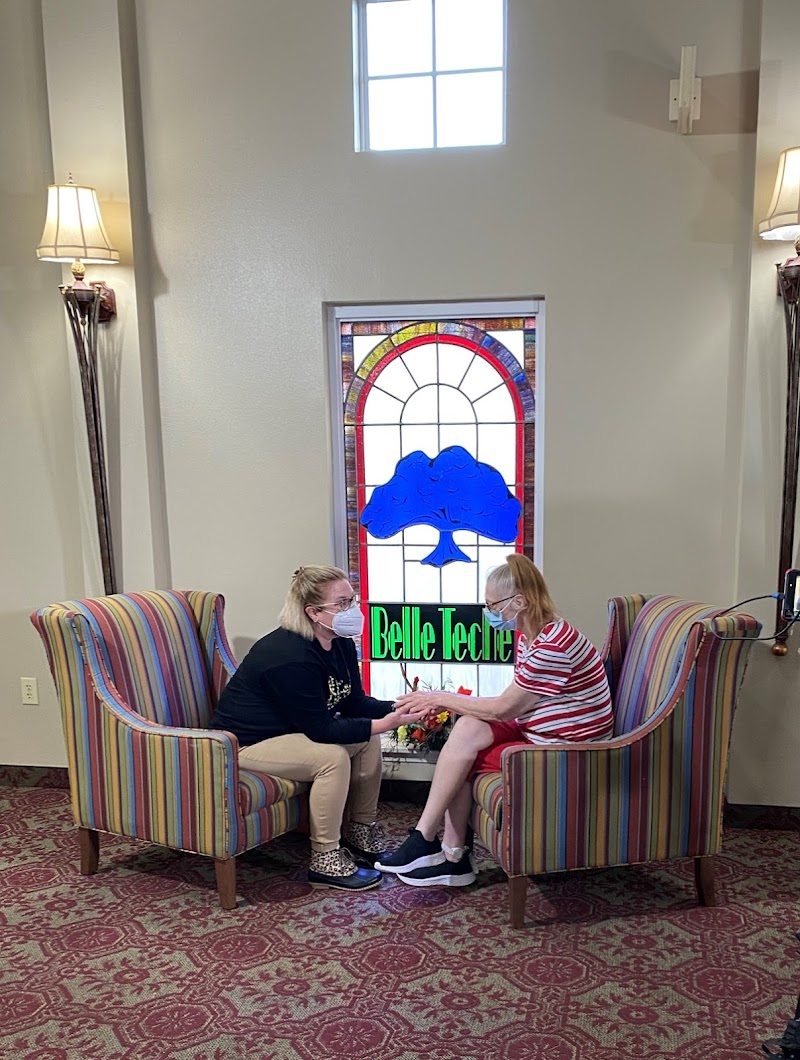
How is Belle Teche Nursing & Rehab Center Staffed?
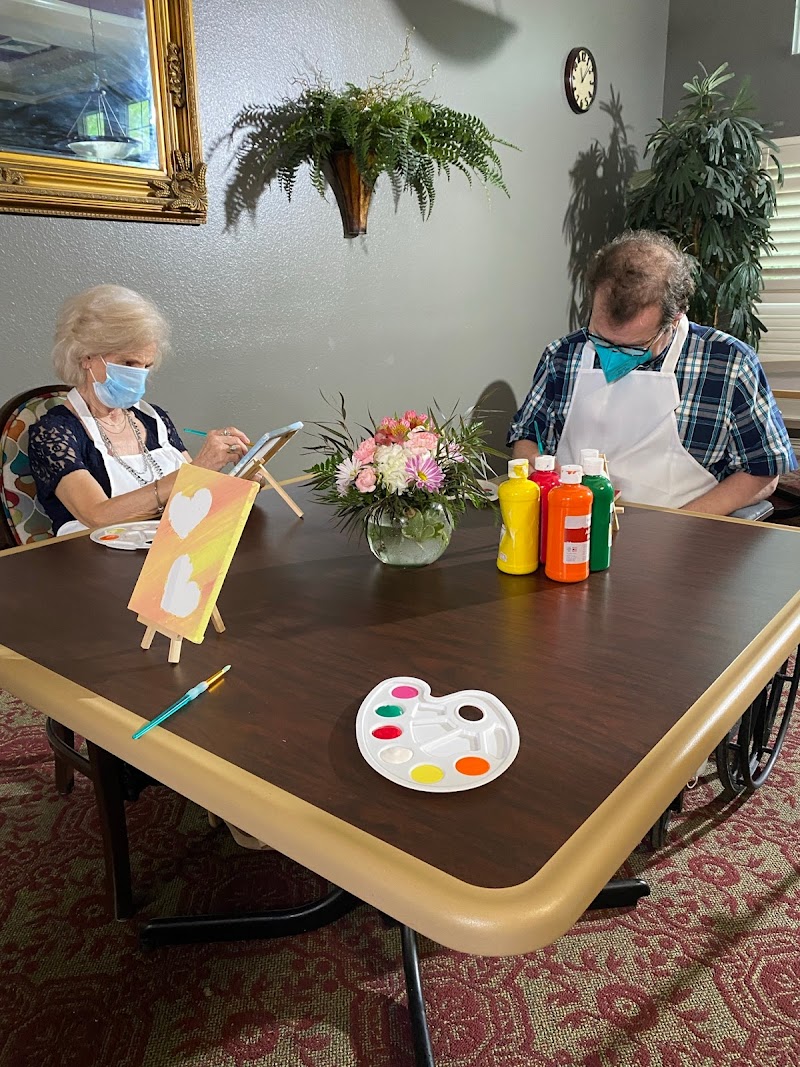
CMS rates Belle Teche Nursing & Rehab Center's staffing level at 2 out of 5 stars, which is below average compared to other nursing homes. Staff turnover is 53%, compared to the Louisiana average of 46%.

What Have Inspectors Found at Belle Teche Nursing & Rehab Center?

State health inspectors documented 40 deficiencies at Belle Teche Nursing & Rehab Center during 2023 to 2025. These included: 1 that caused actual resident harm and 39 with potential for harm. Deficiencies causing actual harm indicate documented cases where residents experienced negative health consequences.

Who Owns and Operates Belle Teche Nursing & Rehab Center?

Belle Teche Nursing & Rehab Center is owned by a for-profit company. For-profit facilities operate as businesses with obligations to shareholders or private owners. The facility is operated by CENTRAL MANAGEMENT COMPANY, a chain that manages multiple nursing homes. With 150 certified beds and approximately 99 residents (about 66% occupancy), it is a mid-sized facility located in NEW IBERIA, Louisiana.

How Does Belle Teche Nursing & Rehab Center Compare to Other Louisiana Nursing Homes?

Compared to the 100 nursing homes in Louisiana, Belle Teche Nursing & Rehab Center's overall rating (3 stars) is above the state average of 2.4, staff turnover (53%) is near the state average of 46%, and health inspection rating (3 stars) is at the national benchmark.

What Should Families Ask When Visiting Belle Teche Nursing & Rehab Center?

Based on this facility's data, families visiting should ask: "Can you walk me through typical staffing levels on day, evening, and night shifts?" "Can I visit during a mealtime to observe dining assistance and food quality?" "How do you handle medical emergencies, and what is your hospital transfer rate?" "Can I speak with family members of current residents about their experience?" These questions are particularly relevant given the below-average staffing rating.

Is Belle Teche Nursing & Rehab Center Safe?

Based on CMS inspection data, Belle Teche Nursing & Rehab Center has a clean safety record: no substantiated abuse findings (meaning no confirmed cases of resident harm), no Immediate Jeopardy citations (the most serious violation level indicating risk of serious injury or death), and is not on the Special Focus Facility watch list (a federal program monitoring the lowest-performing 1% of nursing homes). The facility has a 3-star overall rating and ranks #1 of 100 nursing homes in Louisiana. While no facility is perfect, families should still ask about staff-to-resident ratios and recent inspection results during their visit.

Do Nurses at Belle Teche Nursing & Rehab Center Stick Around?

Belle Teche Nursing & Rehab Center has a staff turnover rate of 53%, which is 7 percentage points above the Louisiana average of 46%. Moderate turnover is common in nursing homes, but families should still ask about staff tenure and how the facility maintains care continuity when employees leave.

Was Belle Teche Nursing & Rehab Center Ever Fined?

Belle Teche Nursing & Rehab Center has been fined $42,007 across 2 penalty actions. The Louisiana average is $33,499. While any fine indicates a compliance issue, fines under $50,000 are relatively common and typically reflect isolated problems that were subsequently corrected. Families should ask what specific issues led to these fines and confirm they've been resolved.

Is Belle Teche Nursing & Rehab Center on Any Federal Watch List?

Belle Teche Nursing & Rehab Center is not on any federal watch list. The most significant is the Special Focus Facility (SFF) program, which identifies the bottom 1% of nursing homes nationally based on persistent, serious quality problems. Not being on this list means the facility has avoided the pattern of deficiencies that triggers enhanced federal oversight. This is a positive indicator, though families should still review the facility's inspection history directly.