CONSOLATA REHAB AND WELLNESS CENTER ON THE TECHE
2319 EAST MAIN STREET, NEW IBERIA, LA 70560 (337) 365-8226
For profit - Corporation 114 Beds PARAMOUNT HEALTHCARE CONSULTANTS Data: November 2025
Trust Grade
40/100
#120 of 264 in LA
Last Inspection: April 2025

Within standard 12-15 month inspection cycle. Federal law requires annual inspections.

Overview

Consolata Rehab and Wellness Center on the Teche has a Trust Grade of D, meaning it is below average and has some concerning issues. It ranks #120 out of 264 facilities in Louisiana, placing it in the top half, and #2 out of 5 in Iberia County, indicating only one local option is better. The facility is improving, as it has reduced its issues from 23 in 2024 to 14 in 2025, but it still has significant concerns, including a staffing turnover rate of 71%, which is much higher than the state average. While there have been no fines recorded, the RN coverage is below average, being less than that of 89% of facilities in the state, which can impact the quality of care. Specific incidents have raised alarms, such as the failure to maintain proper infection control practices during a COVID-19 outbreak and not addressing residents' grievances raised in council meetings, which could affect overall resident satisfaction.

Trust Score
D
40/100
In Louisiana
#120/264
Top 45%
Safety Record
Low Risk
No red flags
Inspections
Getting Better
23 → 14 violations
Staff Stability
⚠ Watch
71% turnover. Very high, 23 points above average. Constant new faces learning your loved one's needs.
Penalties
✓ Good
No fines on record. Clean compliance history, better than most Louisiana facilities.
Skilled Nurses
⚠ Watch
Each resident gets only 9 minutes of Registered Nurse (RN) attention daily — below average for Louisiana. Fewer RN minutes means fewer trained eyes watching for problems.
Violations
⚠ Watch
48 deficiencies on record. Higher than average. Multiple issues found across inspections.
★★☆☆☆
2.0
Overall Rating
★★☆☆☆
2.0
Staff Levels
★★☆☆☆
2.0
Care Quality
★★☆☆☆
2.0
Inspection Score
Stable
2024: 23 issues
2025: 14 issues

The Good

  • Full Sprinkler Coverage · Fire safety systems throughout facility
  • No fines on record

Facility shows strength in fire safety.

The Bad

2-Star Overall Rating

Near Louisiana average (2.4)

Below average - review inspection findings carefully

Staff Turnover: 71%

25pts above Louisiana avg (46%)

Frequent staff changes - ask about care continuity

Chain: PARAMOUNT HEALTHCARE CONSULTANTS

Part of a multi-facility chain

Ask about local staffing decisions and management

Staff turnover is very high (71%)

23 points above Louisiana average of 48%

The Ugly 48 deficiencies on record

Apr 2025 14 deficiencies
CONCERN (D)

Potential for Harm - no one hurt, but risky conditions existed

Deficiency F0553 (Tag F0553)

Could have caused harm · This affected 1 resident

**NOTE- TERMS IN BRACKETS HAVE BEEN EDITED TO PROTECT CONFIDENTIALITY** Based on interviews and record review, the facility failed to ensure that resident or resident's RP (Responsible Party) were inv...

Read full inspector narrative →
**NOTE- TERMS IN BRACKETS HAVE BEEN EDITED TO PROTECT CONFIDENTIALITY** Based on interviews and record review, the facility failed to ensure that resident or resident's RP (Responsible Party) were invited to, attended, or participated in quarterly care plan meetings for 1 (Resident #47) resident out of 28 sampled residents. Findings: Review of facility document titled admission Agreement, dated 01/15/2025 revealed in part, family members are encouraged to visit often and participate in the resident's plan of care. Each quarter the Responsible Party will be invited to attend the resident's care plan conference. Review of Resident # 47's admission Record revealed she was admitted to the facility on [DATE] and had diagnoses which included, but were not limited to, congestive heart failure, dementia and cognitive communication deficit. Review of Resident #47's Quarterly MDS (Minimum Data Set) with an ARD (Assessment Reference Date) of 03/13/2025 revealed the resident had a BIMS (Brief Interview for Mental Status) score of 2, indicating Resident #47's cognition was severely impaired. On 03/31/2025 at 12:18 p.m., a telephone interview was conducted with Resident #47's RP. He stated he was invited to and attended a care plan meeting when Resident #47 was first admitted to the facility. He stated he has not received another invitation or attended a care plan meeting since December of 2024. On 04/01/2025 at 4:20 p.m., an interview was conducted with S3ADON (Assistant Director of Nursing). S3ADON presented documentation of Resident #47's last care plan meeting which was conducted on 12/24/2024. Resident #47's RP was in attendance at this care plan meeting. S3ADON confirmed care plan meetings should be conducted quarterly and as needed. S3ADON stated there was no staff member at the facility in charge of or conducting care plan meetings in March of 2025. No documentation was provided of Resident #47 having a care plan meeting in March of 2025. On 04/02/2025 at 1:05 p.m., an interview was conducted with S17AD (Activities Director), She stated she compiles the facility's monthly newsletter. She stated she would receive a list of the names of residents who had care plan meetings for the month and she would put the names of the residents in the newsletter. S17AD confirmed that she did not put any names of residents on the March 2025 newsletter because the facility did not conduct any care plan meetings in March of 2025. On 04/02/2025 at 2:07 p.m., an interview was conducted with S2DON/FormerNFA (Director of Nursing/Former Nursing Facility Administrator) and S1Adm (Administrator). S2DON/FormerNFA stated the Social Services Director is in charge of scheduling care plan meetings. S2DON/FormerNFA stated the facility did not have a Social Services Director from 02/21/2025 to 03/24/2025. S2DON/FormerNFA confirmed no care plan meetings were conducted with residents, resident's RP, and with Interdisciplinary Team (IDT) members from 02/21/2025 to 03/24/2025. S1Adm confirmed that Resident #47 did not have quarterly care plan meeting in March of 2025 and should have.
CONCERN (D)

Potential for Harm - no one hurt, but risky conditions existed

Deficiency F0577 (Tag F0577)

Could have caused harm · This affected 1 resident

Deficiency Text Not Available

Read full inspector narrative →
Deficiency Text Not Available
CONCERN (D)

Potential for Harm - no one hurt, but risky conditions existed

Safe Environment (Tag F0584)

Could have caused harm · This affected 1 resident

Based on observation, interviews, and maintenance log review, the facility failed to provide a homelike environment, by failing to address a concern regarding bed repairs for 1 (#11) of 4 (#11, #13, #...

Read full inspector narrative →
Based on observation, interviews, and maintenance log review, the facility failed to provide a homelike environment, by failing to address a concern regarding bed repairs for 1 (#11) of 4 (#11, #13, #27, and #260) residents investigated for environment. Findings: On 04/01/2025, a review of the facility's policy titled Resident equipment with a reviewed date of 01/14/2025, read in part, Purpose: The purpose of this policy is to ensure resident equipment is properly maintained. Procedures .2. Maintenance director will assess any repairs needed and will report any equipment that is inoperable to the nursing facility administrator. On 03/31/2025 at 10:30 a.m., an observation was made of Resident #11 in her room. She stated the button on the head of her bed had not been working for over 2 months, and she had reported it to maintenance. She stated she could not lower or lift her head making it uncomfortable to sleep. During an interview on 03/31/2025 at 10:30 a.m., S9CNA Certified Nursing Assistant), stated she worked two weeks ago and the remote wasn't picking the resident's head up and she had reported it to maintenance. During an interview with S10Maint (Maintenance) on 03/31/25 at 12:56 p.m., he confirmed he was aware the resident's bed wasn't working but he needed her to get out of bed to fix it. S10Maint was asked if he reported to anyone that the resident needed to get up to repair the bed and he stated he told Resident #11 and the CNA. When asked which CNA he reported the incident to, S10Maint stated he did not remember because they come and go. On 04/01/2025 at 2:29 p.m., an interview and review of maintenance log was conducted with S11Maint (Maintenance.), who stated he was aware the resident's bed was not working three or four weeks ago. S11Maint stated that the bed could have been changed out at the time the resident reported it because they had spare beds on Hall D. On 04/02/2025 at 3:12 p.m., an interview was conducted with S2DON/FormerNFA (Director of Nursing/Former Administrator), who stated the facility had daily morning meetings and maintenance had not reported to her that the resident was having a problem with her bed.
CONCERN (D)

Potential for Harm - no one hurt, but risky conditions existed

Assessment Accuracy (Tag F0641)

Could have caused harm · This affected 1 resident

Based on interview and record review, the facility failed to ensure that the Minimum Data Set (MDS) assessment accurately reflected the resident's status, for 1(#7) of 28 sampled residents. Findings: ...

Read full inspector narrative →
Based on interview and record review, the facility failed to ensure that the Minimum Data Set (MDS) assessment accurately reflected the resident's status, for 1(#7) of 28 sampled residents. Findings: A review of Resident #7's medical records revealed an admission date of 02/14/2024 with diagnoses which included but were not limited to schizoaffective disorder. A review of Resident #7's Pre admission Screening and Assessment Resident Review (PASRR) revealed a Level 11 determination that read, The individual has a serious mental illness . A review of Resident #7's annual MDS with an Assessment Reference date of 02/12/2025, revealed the following in section A1500: Is the resident currently considered by the state level 11 PASRR process to have serious mental illness and/or intellectual disability or a related condition? The answer was coded 0 for no. On 04/02/2025 at 1:37 p.m., an interview and review of Resident #7's MDS was conducted with S4MDS/LPN (Minimum Data Set/Licensed Practical Nurse). She confirmed that the PASRR was incorrectly coded and did not reflect that the resident was considered by the state level 11 PASRR process to have serious mental illness, and should have.
CONCERN (D)

Potential for Harm - no one hurt, but risky conditions existed

Comprehensive Care Plan (Tag F0656)

Could have caused harm · This affected 1 resident

**NOTE- TERMS IN BRACKETS HAVE BEEN EDITED TO PROTECT CONFIDENTIALITY** Based on interview and record review, the facility failed to ensure that a resident received services according to the person-ce...

Read full inspector narrative →
**NOTE- TERMS IN BRACKETS HAVE BEEN EDITED TO PROTECT CONFIDENTIALITY** Based on interview and record review, the facility failed to ensure that a resident received services according to the person-centered plan of care for 1 (#14) of 28 sampled residents. Findings: Review of Resident #14's Electronic Health Record (EHR) revealed the resident was admitted to the facility on [DATE] with diagnoses which included but were not limited to Asthma, acute respiratory failure with hypoxia, acute ischemic heart disease, obstructive sleep apnea and chronic systolic (congestive) heart failure. Review of Resident #14's care plan revealed a focus area indicating the resident was at risk for falls, r/t (related to) decrease mobility, depression, respiratory failure and history of falls. Interventions included in part, refer to therapy dept (department) as needed, and refer to restorative program as needed . Review of S19PT (Physical Therapy) notes revealed Resident #14's discharge summary for dates of services 02/28/2024- 03/08/2024 with discharge reason maximum Potential achieved. Referred for RNP (Restorative Nursing Program) .Discharge status and recommendations: Prognosis to Maintain Resident's Level of Function=Excellent with consistent staff support . During an interview on 03/31/2025 at 11:35 a.m., Resident #14 stated she was supposed to have therapy. The resident further stated that insurance denied her when she was admitted but the facility was supposed to start restorative but it hasn't been consistent. During an interview on 04/02/2025 at 9:39 a.m. with S18RCNA (Restorative Certified Nursing Assistant) she stated she had been working at the facility for three weeks. S18RCNA stated she was unsure if restorative nursing was being done prior to her. During an interview on 04/02/2025 at 11:03 a.m., S19PT (Physical Therapy) stated restorative program just restarted again because all the department heads resigned 02/2025. S19PT stated the previous department heads were not ensuring that restorative services were being done as ordered. S19PT explained Resident #14 had managed care insurance which did not cover physical therapy and the facility's corporation preferred resident have restorative because the facility does not get reimbursed financially if Resident #14 had PT services.
CONCERN (D)

Potential for Harm - no one hurt, but risky conditions existed

ADL Care (Tag F0677)

Could have caused harm · This affected 1 resident

**NOTE- TERMS IN BRACKETS HAVE BEEN EDITED TO PROTECT CONFIDENTIALITY** Based on observations, record review, and interviews, the facility failed to ensure a resident who was unable to carry out activ...

Read full inspector narrative →
**NOTE- TERMS IN BRACKETS HAVE BEEN EDITED TO PROTECT CONFIDENTIALITY** Based on observations, record review, and interviews, the facility failed to ensure a resident who was unable to carry out activities of daily living received the necessary services to maintain good grooming by failing to trim and clean a resident's fingernails for 1 (Resident #39) of 28 sampled residents. The deficient practice had the potential to affect a census of 60. Findings: A review of the facility's policy titled, Care of Fingernails/Toenails with a last review date of 02/03/2025, read in part, The purpose of this procedure are to clean the nail bed, to keep nails trimmed, and to prevent infections. The policy also indicated general guidelines, Nail care includes daily cleaning and regular trimming. A review of Resident #39's electronic medical record revealed he was admitted to the facility on [DATE] with diagnoses that included in part, Type 2 Diabetes Mellitus without Complications and Vitamin D Deficiency. A review of Resident #39's Annual MDS (Minimum Data Set) dated 02/25/2025 revealed he had a BIMS (Brief Interview for Mental Status) of 11, indicating his cognition was moderately impaired. Section GG: Functional Abilities revealed personal hygiene 2. Substantial/maximal assistance. A review of Resident #39's Comprehensive Care Plan revealed a focus that read, Requires assistance for ADL's (Activities of Daily Living). A review of Resident #39's physician orders revealed an order date of 02/21/2024 that read, Diabetic Nail Care Q (every) Wednesday. On 03/31/2025 at 12:42 p.m., an observation was made of Resident #39's fingernails. His fingernails were long with brown debris noted underneath the nails. Resident #39 stated that he would like his fingernails cut and cleaned, and the last time they were cut and cleaned was approximately 2 - 3 months ago. On 04/01/2025 at 11:47 a.m., a second observation was made of Resident #39's fingernails and they remained long with brown debris noted underneath the nails. On 04/02/2025 at 8:29 a.m., a third observation was made of Resident #39's fingernails and they remained long with brown debris noted underneath the nails. On 04/02/2025 at 9:03 a.m., an interview was conducted with S8TXLPN (Treatment Licensed Practical Nurse). She stated all nail care for residents including diabetic residents are to be completed weekly by her. On 04/02/2025 at 10:03 a.m., an interview and observation of Resident #39's fingernails was made with S8TXLPN. She confirmed that Resident #39's fingernails were long, not cleaned, and needed to be trimmed.
CONCERN (D)

Potential for Harm - no one hurt, but risky conditions existed

Tube Feeding (Tag F0693)

Could have caused harm · This affected 1 resident

**NOTE- TERMS IN BRACKETS HAVE BEEN EDITED TO PROTECT CONFIDENTIALITY** Based on observations, interview and record review, the facility failed to ensure a resident received enteral feedings as ordere...

Read full inspector narrative →
**NOTE- TERMS IN BRACKETS HAVE BEEN EDITED TO PROTECT CONFIDENTIALITY** Based on observations, interview and record review, the facility failed to ensure a resident received enteral feedings as ordered by the physician for 1 (Resident #51) out of 28 sampled residents. Findings: Review of Resident #51's admission Record revealed she was admitted to the facility on [DATE] and had diagnoses which included, but were not limited to, dysphagia, adult failure to thrive, and cachexia. Review of Resident #51's Quarterly MDS (Minimum Data Set) with an ARD (Assessment Reference Date) of 03/20/2025 revealed the resident had a BIMS (Brief Interview for Mental Status) score of 0, which indicated the resident had a severe cognitive impairment. Further review revealed in Section K: Swallowing/Nutritional Status Resident #51 had a feeding tube. Review of Resident #51's Order Summary Report revealed an order dated 03/27/2025 that read: Enteral feed order every shift, Jevity 1.2 70 ml/hr (milliliters per hour) with water flushes of 100 ml (milliliters) every four hours free flushes with pump. Review of Resident #51's Care Plan Report revealed the resident was at risk for inadequate nutritional intake, weight loss/gain related to depression, dementia, adult failure to thrive, and dysphagia. Further review revealed resident required a PEG (Percutaneous Endoscopic Gastrostomy) tube for supplemental nutrition. On 04/01/2025 at 8:52 a.m., an observation of Resident #51's enteral feeding delivery system revealed the enteral feeding pump was noted to be turned off at this time. On 04/01/2025 at 9:57 a.m., an observation of Resident #51's enteral feeding delivery system revealed the enteral feeding pump was noted to be turned off at this time. On 04/01/2025 at 11:32 a.m., an observation of Resident #51's enteral feeding delivery system revealed the enteral feeding pump was noted to be turned off at this time. On 04/01/2025 at 12:36 p.m., a concurrent observation of Resident #51's enteral feeding delivery system and interview was conducted with S6LPN (Licensed Practical Nurse). S6LPN confirmed that the enteral feeding pump is turned off at this time and it should not have been.
CONCERN (D)

Potential for Harm - no one hurt, but risky conditions existed

Deficiency F0698 (Tag F0698)

Could have caused harm · This affected 1 resident

**NOTE- TERMS IN BRACKETS HAVE BEEN EDITED TO PROTECT CONFIDENTIALITY** Based on interviews and record review, the facility failed to ensure that a resident receiving dialysis received services consis...

Read full inspector narrative →
**NOTE- TERMS IN BRACKETS HAVE BEEN EDITED TO PROTECT CONFIDENTIALITY** Based on interviews and record review, the facility failed to ensure that a resident receiving dialysis received services consistent with professional standards of practice and the comprehensive person-centered care plan for 1 (#260) of 1 (#260) resident receiving dialysis out of a total sample size of 28 residents. Findings: On 04/02/2025, a review of the facility's policy titled Weight Assessment and Intervention with a last reviewed date of 01/15/2025, read in part, Policy statement: Resident weights are monitored for undesirable or unintended weight loss or gain: Policy Interpretation and implementation: Weight assessment: 1. Residents are weighed upon admission and at intervals established by the interdisciplinary team or the resident's physician. Resident #260 was admitted on [DATE] with diagnoses which included but were not limited to end stage renal dialysis and dependence on renal dialysis. A review of Resident #260's physician's orders revealed an order written on 03/20/2025 which read, Weights - Daily x 3, then weekly every day shift for 3 days and every shift every 7 day(s). During an interview with Resident #260 and his wife on 04/01/2025 at 12:13 p.m., the resident stated he had his weight checked two times, on admission and a week later. A review of Resident #260's weight log revealed two weights were documented. On 03/21/2025 the resident weighed 174.5 pounds, and on 03/28/2025 the resident weighed 174.6 pounds. During an interview and review of Resident #260's medical records with S3ADON (Assistant Director of Nursing) on 04/01/2025 at 1:00 p.m., she confirmed the weights were not done as ordered by the resident's physician. She stated the resident should have weights measured and documented on 03/22/2025 and 03/23/2025 and were not.
CONCERN (E)

Potential for Harm - no one hurt, but risky conditions existed

Deficiency F0561 (Tag F0561)

Could have caused harm · This affected multiple residents

Deficiency Text Not Available

Read full inspector narrative →
Deficiency Text Not Available
CONCERN (E)

Potential for Harm - no one hurt, but risky conditions existed

Deficiency F0565 (Tag F0565)

Could have caused harm · This affected multiple residents

Based on observations, interviews, and record reviews, the facility failed to ensure the residents' right to participate in the facility's residents group, Resident Council, as evidenced by administra...

Read full inspector narrative →
Based on observations, interviews, and record reviews, the facility failed to ensure the residents' right to participate in the facility's residents group, Resident Council, as evidenced by administrative staff failing to consider and act upon voiced grievances during monthly Resident Council meetings for 3 of 3 residents (#2, #6 and #16) actively involved in the facility's Resident Council. This deficient practice had the potential to affect the 60 residents who resided in the facility. Findings: Review of the facility's resident council meeting minutes from October 2024 through March2025 revealed: Dated 10/03/2024 per S17AD (Activity Director) revealed Resident #16 accepted the President position and Resident #6 accepted the [NAME] President position. New issues voiced by one of the 13 residents in attendance was to please make sure the CNAs (Certified Nursing Assistants) make sure the lifter battery is on charge correct, so they can be charged for when needed the next day. There was no evidence that the voiced concern was neither addressed nor was a rationale provided by facility staff to the residents during the following five monthly meetings. Dated 11/05/2024 per S17AD revealed a guest was also present during the meeting. The old issues voiced by the residents during the previous meeting on 10/03/2024 were reviewed. There was no evidence facility staff addressed the voiced concern at the previous month's meeting. There was no rationale or response from the facility staff as to why the concern was not addressed. Further review of the minutes from meeting dated 11/05/2024 per S17AD revealed new issues voiced by 4 of the 12 residents in attendance, including Residents #2 and #16: the food is not good, request to meet with the guest after meeting, CNAs not picking up dirty clothes-it has not gotten any better, CNAs on their cell phones and don't get off, whirlpool issues, and smoking on the weekend. New issues given to S20FormerDON (Former Director of Nursing). Late entry: S17AD attempted to notify S2DON/FormerNFA (Director of Nursing/Former Nursing Facility Administrator) but was unsuccessful due to S2DON/FormerNFA being on a phone call. There was no evidence of the facility addressing or rationale for not addressing the residents' voiced concerns regarding whirlpool issues and smoking on the weekend. Dated 12/03/2024 at 2:15 p.m. per S17AD revealed 11 residents in attendance, including Residents #2, #6 and #16. Old issues reviewed- picking up clothes is still not any better, phone issues are not any better. New issues voiced included staff parking in handicap spaces Will follow up with Department Heads and S20FormerDON concerning old and new issues. Attached was an in-service training for facility staff dated 12/04/2024 including phone use in resident care areas and handicap parking was for visitors not for facility staff. There was no evidence of S2DON/FormerNFA addressing the resident council's request to be present nor was there evidence of rationale as to why there was no response from S2DON/FormerNFA. Dated 01/07/2025 at 2:01 p.m. per S17AD revealed a guest was present in addition to othe 17 residents in attendance, including Residents #2, #6 and #16. Old issues were reviewed and handicap parking issues was not resolved. New issues voiced by residents included: beds are not being stripped, what time does whirlpool start, they feel that whirlpool should not be cancelled because they are short; there should be a replacement. Dietary issues voiced by residents of why there is not enough coffee in the morning, why is milk not given at supper time. Housekeeping issues with trash not being emptied. Maintenance concerns were voiced regarding not having a maintenance staff in the facility on the weekends, inquired if maintenance was on call on the weekends. Resident council president, Resident #16, requested S2DON/FormerNFA be present at the next meeting. Response from S20FormerDON revealed whirlpool is cancelled when CNA is needed to cover the floor with explanation of using agency staff to help assist with the staffing. Response from dietary department failed to include rationale as to why consumption of coffee was being monitored and why it was restricted to one canister of coffee at 7:00 a.m. and one at 2:00 p.m. Maintenance department's response included a maintenance staff is on call on the weekends. Response from maintenance failed to include rationale as to why maintenance staff is not present in the building on the weekend. Dated 02/04/2025 at 2:00 p.m. per S17AD revealed a guest was present. A total of 20 residents were in attendance, including Residents #2, #6 and #16, as well as S2DON/FormerNFA. Old issues were reviewed of cell phone issue has not improved and input from residents for facility to let the whole area in the front parking lot where handicap sign is be used for handicap parking. There was only evidence of S2DON/FormerNFA addressing the coffee and residents said ok. There was no response to the old issues nor was there a rationale for the response addressing the coffee. Dated 03/05/2025 at 2:10 p.m. per S17AD revealed 12 residents in attendance, including Residents #2, #6 and #16. Old issues were reviewed of staff still using their cell phones-not gotten any better and would one side of circle be used for visitor handicap parking. Attached was response from housekeeping department. There was no evidence of a facility addressing the old issues of staff cell phone use or consideration of handicap parking for visitors. On 04/01/2025 at 11:15 a.m., surveyor conducted a resident council meeting with Residents #2, #6, and #16. Residents voiced complaints with the facility's call bell system. They reported that when corporate took over on July 1, 2022 that the previous call bell system that was working was removed and replaced with a cheaper call bell system. They explained the old call bell system had the audio capability where when they pressed their call bell, staff at the nursing desk would answer and ask what type of assistance was needed. The current call bell system does not have audio capability to speak to the desk. The residents also voiced frustration with whirlpool as they were supposed to have whirlpool three times a week but now only have it one day a week if the staff showed up. They also reported a guest had to come to some of their meetings. Review of the facility's policy and procedure titled, Answering the Call Light with a revised date of 02/03/2025 revealed: The purpose of this procedure is to ensure timely responses to the resident's requests and needs. Steps in the procedure 1. Answer the resident call system immediately. When answering an auditory request for assistance, identify yourself and politely respond to the resident by his/her name . On 03/31/2025 at 01:00 p.m., an interview was conducted with Resident #46, who stated there are times when I push the button and it takes a few hours for someone to reply. They are out on the side smoking and I can hear them. On 04/01/2025 12:50 p.m., Resident #260's call bell was triggered by pressing the button and a light was activated, there was no audio capability nor was there any noise indicating the call bell was activated. Call bell response time was at 1:22 p.m. Resident stated it takes staff approximately 30 minutes to answer his call light, sometimes they do not answer the call light at all. Resident stated one night he was on the toilet using the restroom, he pulled the call bell string and after he received no answer from the staff, he called his wife and she called the facility to ask someone to please go and assist him off the toilet. Resident #260 stated the facility's call light system was not a system where it alerted the nurse's station or made any type of noises when pressed. He stated the call light system only displayed a light on the outside of his door when activated. Resident #260 further stated the facility staff does not sit at the nurse's station down Hall D so they are not able to always see when the call bell has been activated. On 04/02/2025 at 09:39 a.m., an interview was conducted with S18RCNA (Restorative Certified Nursing Assistant) who stated she had been staffed at the facility for approximately three weeks. She explained that when a resident's call light went off, the ward clerk announced overhead which room number needed to be seen at that moment. S18RCNA verified the resident's call light system did not have audio capability nor did the call bell make noise when activated. She state that there was simply the light activated above the resident's door to signal activation. On 04/02/2025 at 2:45 p.m., an interview was conducted with S21CNA who stated she really wished the facility's corporation would bring back the old call light system because the current call light system was not effective. The current call light system doesn't make any noise so if working on a separate wing, she sometimes was unable to hear the overhead page. S21CNA explained if she was assisting a resident in their room and needed additional help then she called staff from her personal cell phone due to the inability to speak through the call light system. On 04/02/2025 at 2:55 p.m., an interview was conducted with S22CNA who stated she preferred the old call light system because it had the audio capability. S22CNA added the current call bell system was not effective and she was not sure why the old call bell system was replaced. S22CNA stated sometimes the overhead page was not heard if working on a separate wing. On 04/02/2025 at 3:04 p.m., an interview was conducted with S17AD who has been working at the facility for approximately 40 years. S17AD explained she was the secretary maintaining the Resident Council's monthly meeting minutes by handwriting old issues and new issues voiced by the residents and guest(s) in attendance and after the meeting she shared her notes with the designated department heads. S17AD confirmed a guest was present during the monthly meetings that took place on 11/05/2024, 01/05/2025 and on 02/04/2025. S17AD stated at the January 2025 meeting, she was instructed to use a specific form titled, Resident Council Meeting Minutes, moving forward. S17AD verified there was not a process in place when voiced concerns were not addressed or a response failed to include a rationale to the voiced concerns. On 04/02/2025 at 3:45 p.m., an interview was conducted with S2DON/FormerNFA. She explained that she started working at the facility in August 2024 as the facility's administrator until February 2025 she then became the facility's DON. S2DON/Former NFA explained multiple nursing department heads were terminated or resigned and she was in the process of hiring new nursing department head staff. She explained S3ADON (Assistant Director of Nursing), S4MDS/LPN (Minimum Data Set Licensed Practical Nurse) and S5SSD (Social Services Director) were all new to the facility. She stated she identified problems with the previous staff and was currently investigating how to educate staff to perform duties correctly and efficiently. However, she verified due to nursing and CNA staff not showing up to work, she had to pull S3ADON and S4MDS/LPN to work on the floor to care for the residents. S2DON/FormerNFA explained she identified the ward clerk's position included other duties besides monitoring the call light system and paging the need for assistance overhead; therefore leaving the call light system unwatched at times. S2DON/FormerNFA was monitoring the call light system earlier in the shift because the system was unattended. She also stated that it was impossible to correct a year's worth of issues in six weeks. S2DON/FormerNFA was not made aware by staff or residents that the current call light system was not working effectively nor that the system was not audio capable.
CONCERN (E)

Potential for Harm - no one hurt, but risky conditions existed

Deficiency F0583 (Tag F0583)

Could have caused harm · This affected multiple residents

Based on observations and interviews, the facility failed to maintain privacy and confidentiality of 4 Residents (#13, #23, #27, and #39) medical records. This deficient practice had the potential to ...

Read full inspector narrative →
Based on observations and interviews, the facility failed to maintain privacy and confidentiality of 4 Residents (#13, #23, #27, and #39) medical records. This deficient practice had the potential to affect all of the 60 residents in the facility. Findings: A review of the facility's policy titled, Confidentiality of Information and Personal Privacy with a last review date of 01/15/2025, read in part, Our facility will protect and safeguard resident confidentiality and personal privacy. The policy also indicated general guidelines, The facility will safeguard the personal privacy and confidentiality of all resident personal and medical records. Computer screens will be closed or in locked position when not in use or in the presence of a nurse or unauthorized personnel. On 04/01/2025 at 8:14 a.m., an observation on Hall W revealed that the laptop on top of Med Cart A was unattended. Further observation revealed Resident #13, #23, #27, and #39's first and last name, their picture, room number, and MRN (Medical Record Number) was visible on the laptop screen. On 04/01/2025 at 8:22 a.m., an observation and interview was conducted with S3ADON (Assistant Director of Nursing). She confirmed that S13LPN (Licensed Practical Nurse) should have initiated the privacy screen before she left Hall W to protect the resident's private medical information.
CONCERN (E)

Potential for Harm - no one hurt, but risky conditions existed

Respiratory Care (Tag F0695)

Could have caused harm · This affected multiple residents

**NOTE- TERMS IN BRACKETS HAVE BEEN EDITED TO PROTECT CONFIDENTIALITY** 3. Review of Resident #14's Electronic Health Record (EHR) revealed the resident was admitted to the facility on [DATE] with dia...

Read full inspector narrative →
**NOTE- TERMS IN BRACKETS HAVE BEEN EDITED TO PROTECT CONFIDENTIALITY** 3. Review of Resident #14's Electronic Health Record (EHR) revealed the resident was admitted to the facility on [DATE] with diagnoses which included but were not limited to Asthma, acute respiratory failure with hypoxia, acute ischemic heart disease, obstructive sleep apnea and chronic systolic (congestive) heart failure. Review of the physician's orders revealed an order written on [DATE] for O2 (Oxygen) @ (at) 2L (liter) via (through) NC (nasal cannula) continuous every shift. Review of Resident #14's person-centered care plan revealed the following: At risk for SOB (shortness of breath) r/t (related to) respiratory failure. Interventions included, provide with humidification, change O2 humidifier and tubing every week on Wednesday and prn as need, and administer oxygen therapy as ordered 2L /NC. On [DATE] at 11:35 a.m., Resident #14 was observed in his wheelchair receiving oxygen at 4L via NC. The tubing and humidifier bottle were not labeled or dated. On [DATE] at 8:44 a.m., Resident #14 was observed in bed receiving Oxygen at 4L via NC and the tubing and humidifier bottle remained undated and not labeled. On [DATE] at 8:50 AM S13LPN (Licensed Practical Nurse) confirmed Resident #14 was receiving 4L oxygen via NC. She also confirmed the tubing and humidifier bottle were not labeled or dated. S13LPN stated night shift was responsible for changing tubing on Wednesdays. On [DATE] at 8:52 a.m., S3ADON confirmed that oxygen tubing should be labeled and dated and O2 delivered according the physician's orders. Based on observations, interviews and record reviews, the facility failed to ensure that residents received respiratory care according to professional standards of practice, the physician's order, and the comprehensive person-centered care plan for 3 (#11, #14, and #19) of 3 (#11, #14, and #19) residents investigated for respiratory care, as evidenced by failing to: 1. Ensure Resident #11's humidifier bottle was changed when it was empty, and Oxygen tubing changed weekly; 2. ensure Resident #19's oxygen nebulizer mask, nasal cannula, and suction cannula were stored in a bag when not used; and 3. date and label oxygen tubing and ensuring oxygen was delivered at the ordered rate for Resident #14. Findings: On [DATE], a review of the facility's policy titled Oxygen Administration, read in part, Policy: Oxygen shall only be administered by physician order .All safety precautions and care of equipment shall be performed according to recommended State and Federal guidelines and facility procedures. Prefilled humidifier bottles and nasal cannulas/masks will be changed every week and prn. All tubing and bottles are to be labeled each week when changed. When the tubing is not being used, it should be stored properly in a zip lock bag .Oxygen equipment .humidifier bottles and other related items should be checked prn for proper functions. 1. Resident #11 was admitted to the facility on [DATE] with diagnoses which included, but were not limited to chronic respiratory failure with hypoxia, chronic obstructive pulmonary disease, and morbid obesity with alveolar hypoventilation. A review of Resident #11's care plan revealed a focus area dated [DATE]: COPD/SOB (chronic obstructive pulmonary disease/shortness of breath) (Albuterol, O2 (oxygen) therapy. Goal: Exhibits no shortness of breath. Interventions included, but were not limited to: Provide humidification, ensure that supply is available at all times, and change tubing per facility protocol. On [DATE] at 10:30 a.m., an observation was made of Resident #11 in her room. The resident was receiving oxygen via nasal cannula with the tubing attached to an empty humidifier bottle on an oxygen compressor. On [DATE] at 10:30 a.m., an interview was conducted with S9CNA (Certified Nursing Assistant). She confirmed the humidifier bottle was empty and tubing was labeled 03/22. On [DATE] at 10:32 a.m., an interview was conducted with S8TXLPN, (Treatment Licensed Practical Nurse). S8TXLPN stated she was not responsible for oxygen care. She also stated the night nurse handled the changing of tubes and humidifiers. On [DATE] at 9:25 a.m., an interview was conducted with S3ADON (Assistant Director of Nursing), who stated that she was made aware of the outdated oxygen tubing and empty humidifier bottle on [DATE]. S3ADON stated that the night nurse is responsible for making any changes that need to be done on Wednesdays, but if the tubing is expired and the humidifier bottle is empty, anyone can change it, and that includes the treatment nurse and the resident's hall nurse. 2. Resident #19 was admitted to the facility on [DATE], with diagnoses which included but were not limited to, atherosclerotic heart disease of native coronary artery without angina pectoris and Hemiplegia and hemiparesis following cerebral infarction affecting left dominant side. A review of physician orders revealed an order written on [DATE] for Xopenex Nebulization Solution 0.63 MG (milligram)/3 ML (milliliter) (Levalbuterol HCL [hydrochloride]) 1 vial inhale orally via nebulizer as needed for wheezing. A review of the facility's standing orders revealed the following: Oxygen: O2 at 2L (liter) via nasal cannula prn (as needed) for dyspnea, hypoxia (O2 saturation < (less than) 90% [percent]) or acute angina to keep O2 saturations > (greater than) 90% . On [DATE] at 11:34 a.m., an observation was made of Resident #19 in his room. The resident was lying in his bed. The resident's O2 nasal cannula is observed on his over bed table which is pushed up against the wall. The resident's shoes were on top of the tubing on his over bed table. Further observation revealed a nebulizer mask on the floor underneath the resident's rolling table, and a suction tube connected to a portable suction machine on the floor. The nasal cannula, nebulizer mask, and suction cannula were not stored in a bag. During an interview with S12LPN (Licensed Practical Nurse) on [DATE] at 11:41 a.m., she confirmed the above findings and stated the nasal cannula, the nebulizer mask, and the suction cannula were used by the resident and should have been stored in a bag.
CONCERN (E)

Potential for Harm - no one hurt, but risky conditions existed

Deficiency F0761 (Tag F0761)

Could have caused harm · This affected multiple residents

Based on observations and interviews, the facility failed to ensure drugs and biologicals used in the facility were stored in accordance with currently accepted professional principles. The facility f...

Read full inspector narrative →
Based on observations and interviews, the facility failed to ensure drugs and biologicals used in the facility were stored in accordance with currently accepted professional principles. The facility failed to ensure: 1. Medication carts were locked when unattended for 1 (Med Cart A and Med Cart B) out of 2 (Med Cart A and Med Cart B) medication carts reviewed; 2. Medication carts were free of loose pills for 2 (Med Cart A and Med Cart B) out of 2 (Med Cart A and Med Cart B) medication carts reviewed; 3. Medication carts were free of expired medications for 2 (Med Cart A and Med Cart B) out of 2 (Med Cart A and Med Cart B) medication carts reviewed; and 4. One Ozempic Syringe (medication that helps lower blood sugar) was stored appropriately. This deficient practice had the potential to affect all of the 60 residents in the facility. Findings: A review of the facility's policy titled, Storage of Medications with a last review date of 01/15/2025, read in part, The facility stores all drugs and biologicals in a safe, secure, and orderly manner. The policy also indicated general guidelines, Unlocked medication carts are not left unattended. Medications requiring refrigeration are stored in a refrigerator located in the drug room at the nurses' station or other secured location. On 03/31/2025 at 10:29 a.m., an observation was conducted of Med Cart A in Hall E. Med Cart A was parked in Hall E against the wall with the doors and drawers facing the hall. Med Cart A was unlocked and left unattended. On 03/31/2025 at 10:45 a.m., an interview and observation of Med Cart A was conducted with S7RN (Registered Nurse). S7RN confirmed that she was responsible for Med Cart A and it was unlocked and left unattended. She confirmed that she did not lock Med Cart A because she was notified by the night staff to not lock Med Cart A due to the lock malfunctioning. On 04/01/2025 at 9:30 a.m., an interview was with S3ADON (Assistant Director of Nursing). S3ADON confirmed that medication carts are to be locked at all times when left unattended. She stated if the lock was malfunctioning on Med Cart A it should have been placed in the locked medication room. On 03/31/2025 at 10:50 a.m., observation was conducted of Med Cart A with S7RN which revealed the following: 1. 55 loose pills; 2. 1 Saline Nasal Spray with an expiration date of 01/2025; and 3. 1 Ozempic 2 mg (milligram)/3 mL (milliliter) in a sealed package with Refrigerate on the packaging noted. An interview with S7RN was conducted at this time and confirmed the findings above. She stated there should not be loose pills or expired medication in Med Cart A, and Ozempic was unused and should be stored in the medications refrigerator. On 04/01/2025 at 9:00 a.m., observation was conducted of Med Cart B with S6LPN (Licensed Practical Nurse) which revealed the following: 1. 10 loose pills; 2. 1 Refresh Relieva with an expiration date of 2023 (unable to see month on the label due to it being faded); 3. 1 Refresh Relieva with an expiration date of 07/2022; 4. 1 Retaine Ointment with an expiration date of 02/2023; 5. 1 Systane Lubricant with an expiration date of 02/2023; and 6. 1 Refresh Relieva with an expiration date of 08/2022. An interview with S6LPN was conducted at this time who confirmed the findings above. She stated there should not be loose pills or expired medications in Med Cart B. On 04/01/25 at 9:30 a.m., an interview was conducted with S3ADON. S3ADON stated medication carts should be checked daily by the nurse, loose pills should not be in the medication carts, all expired medications should have been discarded, not left in the medication carts, and Ozempic should have been refrigerated at all times.
CONCERN (E)

Potential for Harm - no one hurt, but risky conditions existed

Food Safety (Tag F0812)

Could have caused harm · This affected multiple residents

Based on observations and record review, the facility failed to maintain the kitchen in accordance with professional standards for food service safety as evidenced by: 1. Failing to ensure food items...

Read full inspector narrative →
Based on observations and record review, the facility failed to maintain the kitchen in accordance with professional standards for food service safety as evidenced by: 1. Failing to ensure food items were covered in the walk in cooler; 2. Failing to ensure expired food items were removed from the dry goods storage room; 3. Failing to ensure the dishwasher reached 120 degrees Fahrenheit during the wash cycle; and 4. Failing to ensure clean dishes were not stored in the dishwashing area. This deficient practice had the potential to effect the 62 residents that received nourishment from the kitchen: Findings: Review of the facility's policy titled Food Receiving and Storage, with a last revised date of 02/13/2025, read in part; Policy Statement; Foods shall be received and stored in a manner that complies with safe food handling practices .8. All foods stored in the refrigerator or freezer will be covered, labeled, and dated 'use by date'. Review of the facility's policy titled Cleaning Policies and Procedures, with a last reviwed date of 02/13/2025 read in part; Once utensils and equipment and utensils have been sanitized, they should be handled and stored to protect the equipment and utensils from re-contamination .Procedures . 3. Equipment and supplies will be available for proper cleaning and sanitizing of dishes. a. wash temperature ; 1. 120 degrees manual 2. 140 degrees mechanical. On 03/31/2025 9:00 a.m., an observation of the kitchen's walk-in cooler was conducted with S14DM (Dietary Manager). Ten bowls of fruit cocktail were observed uncovered in the cooler. S14DM confirmed the bowls should have been covered. An observation was then made of dry goods storage room with S14DM. Three packages of cheesecake mix were observed with expiration dates of 02/01/2025. S14DM confirmed they were expired. On 03/31/2025 at 9:27 a.m. an observation was made of the dishwashing area. S14DM was asked to run a dishwashing cycle. She stated that it was a low temperature dishwasher with chemical sanitization. Observation was made of the temperature gauge during the dish washing cycle. The temperature gauge read 100 degrees Fahrenheit. She confirmed that the temperature was not at 120 degrees Fahrenheit during the wash cycle, and stated the water booster that helped to maintain the dishwasher at the appropriate temperature was broken. She further stated the water booster had been broken for two weeks, however they still continued to use the dishwasher. Further observation of the dishwashing area revealed a tray of clean coffee mugs and a two trays of clear drinking glasses stored on a rack across from the dishwasher, where soiled dishes were being washed. S14DM stated she was not aware that the clean dishes could not be stored in the dishwashing area. On 03/31/2025 at 11:04 a.m., a follow up observation was made of the kitchen. A tray of glasses filled with water and ice was observed in the dishwashing area. S15Dietary confirmed that she prepared the glasses of water and was unaware they could not be placed in the dishwashing area. On 03/31/2025 at 1:15 p.m., an observation was made of S15Dietary washing dishes using the dishwasher. At 1:30 p.m., an observation was made of the dishwasher with S14DM and S2DON (Director of Nursing). S14DM confirmed that the dishwasher continued to be used even though the water booster was broken and was not reaching 120 degrees Fahrenheit during the wash cycle. When asked why the dishwasher was still being used although it was not reaching the minimum wash temperature of 120 degrees, S16Cook stated that the dishwasher could get to the appropriate temperature, however the dishwasher had to be ran constantly. She further stated that it had to be ran for three cycles prior to using it to wash dishes so that it could heat up. S16Cook proceeded to run the dishwasher three times. On the fourth cycle, S2DON and S14DM confirmed that the temperature gauge was at 115 degrees Fahrenheit and did not read at 120 degrees. S14DM confirmed that she had no way of ensuring that all of her staff were running the dishwasher for multiple cycles prior to using it to ensure the temperature was up to 120 degrees and confirmed that she had no way to ensure that the staff were checking to make sure it reached 120 degrees Fahrenheit.
Nov 2024 4 deficiencies
CONCERN (D) 📢 Someone Reported This

A family member, employee, or ombudsman was alarmed enough to file a formal complaint

Potential for Harm - no one hurt, but risky conditions existed

Report Alleged Abuse (Tag F0609)

Could have caused harm · This affected 1 resident

**NOTE- TERMS IN BRACKETS HAVE BEEN EDITED TO PROTECT CONFIDENTIALITY** Based on record review and interviews, the facility failed to ensure all allegations of injuries of unknown source that resulted...

Read full inspector narrative →
**NOTE- TERMS IN BRACKETS HAVE BEEN EDITED TO PROTECT CONFIDENTIALITY** Based on record review and interviews, the facility failed to ensure all allegations of injuries of unknown source that resulted in serious bodily injury was reported immediately, or within 2 hours of the allegation to the state survey agency for 1 (#1) out of 2 (#1 and #2) residents sampled with incidents. Findings: On 11/25/2024, a review of the facility's policy titled, Abuse Investigation and Reporting with a last revision date of 01/15/2024, read in part, Reporting: 1. All alleged violations involving abuse, neglect exploitation, or mistreatment, including injuries of unknown source and misappropriation of property will be reported by the facility Administrator, or his/her designee, to the following persons or agencies: a. The State licensing/certification agency responsible for surveying/licensing the facility; The policy also indicated that the following information 2. An alleged violation of abuse, neflect, exploitation or mistreatment (including injuries of unknown source and misappropriation of resident property) will be reported immediately, but not later than: a. Two (2) hours if the alleged violation involves abuse or has resulted in serious bodily injury. Review of Resident #1's medical record revealed she was admitted to the facility on [DATE] with diagnoses that included, but were not limited to, Muscle Wasting and Atrophy, Osteoporosis, Osteoarthritis, and Alzheimer's disease. Review of Resident #1's Quarterly Minimum Data Set (MDS) dated [DATE], revealed the resident had a Brief Interview for Mental Status (BIMS) of 00 indicating her cognition was severely impaired. Review of Resident #1's progress notes documented by S3LPN (Licensed Practical Nurse) revealed the following in part: 10/23/2024 at 7:25 PM, Call to res (Resident #1) room per S4CNA (Certified Nursing Assistant). She stated that I needed to come take a look at res right lower leg that it look abnormal. When entering Res room res lying in bed on back. Res right lower leg swollen blue and pink pigment noted to extremity. Right foot appears to be misaligned. Unable to move or flex foot Res in severe pain . Review of Resident #1's Tibia Fibula RT (right) AP LAT (two standard X-RAY views) results revealed the following in part: examination date 10/23/2024 at 9:42 PM; . Impression: 1. Comminuted displaced fractures of the distal diaphysis of the tibia and fibula . Review Resident #1's Facility's Grievance/Complaint completed on 10/23/2024 by S2DON (Director of Nursing), read in part: . Per resident's family, resident is noted to have a fracture of her lower leg . signed by S1ADM (Administrator). On 11/25/2024 at 12:35 PM, an interview was conducted with S2DON. She stated she received a call in the evening on 10/23/2024 notifying her of Resident #1's deformity to her right leg by S3LPN. She stated this was an injury of unknown origin and she did not have access to report incidents to the state survey agency. S2DON confirmed she notified S1ADM of the incident right away on 10/23/2024. On 11/25/2024 at 1:00 PM, an interview was conducted with S1ADM. She stated she was notified about the incident on 10/23/2024 by the S2DON. S1ADM confirmed the resident was sent to the hospital for an injury of unknown origin. She confirmed she did not report this incident to the state survey agency, but should have.
CONCERN (D) 📢 Someone Reported This

A family member, employee, or ombudsman was alarmed enough to file a formal complaint

Potential for Harm - no one hurt, but risky conditions existed

Comprehensive Care Plan (Tag F0656)

Could have caused harm · This affected 1 resident

Based on observation, record reviews and interviews, the facility failed to develop and implement a person centered care plan for 1(Resident #2) out of 3 (Resident#1, Resident #2, and Resident #3) sam...

Read full inspector narrative →
Based on observation, record reviews and interviews, the facility failed to develop and implement a person centered care plan for 1(Resident #2) out of 3 (Resident#1, Resident #2, and Resident #3) sampled residents by failing to ensure that the use of side rails was included in the Plan of Care for Resident #2. Findings: A review of the facility's policy Physical Restraints, Side Rails, with a last review date of 01/15/2024, revealed in part: Purpose: The purposes of these guidelines are to ensure the safe use of side rails as resident mobility aids and to prohibit the use of side rails as restraints unless necessary to treat a resident's medical symptoms. General Guidelines: 4.The use of side rails as an assistive device will be addressed in the resident care plan. Review of Resident #2's medical record revealed an admission date of 8/16/2023 with diagnosis including, but were not limited to, Hemiplegia and Hemiparesis Following Cerebral Infarction Affecting Left Non-Dominant Side, Bipolar Disorder, and Major Depressive Disorder. Review of Resident #2's Plan of Care contained no documentation regarding the use of side rails. On 11/21/2024 at 2:23 p.m., an observation was made of Resident #2 in bed. Resident #2's bed was observed to have the left upper side rail in the upward position and the right upper side rail was in the downward position, with the bed's right side positioned against the wall. On 11/21/2024 at 3:09 p.m., an interview was conducted with S6CNA (Certified Nursing Assistant). She stated that Resident #2 has had side rails used in the upward position since she started working at the facility approximately a month ago. On 11/21/2024 at 3:26 p.m., a record review and interview was conducted with S2DON (Director of Nursing). S2DON confirmed that the use of side rails for Resident #2 was not documented in the Plan of Care. .
CONCERN (D) 📢 Someone Reported This

A family member, employee, or ombudsman was alarmed enough to file a formal complaint

Potential for Harm - no one hurt, but risky conditions existed

Medical Records (Tag F0842)

Could have caused harm · This affected 1 resident

**NOTE- TERMS IN BRACKETS HAVE BEEN EDITED TO PROTECT CONFIDENTIALITY** Based on record reviews and interviews, the facility failed to maintain accurate medical records in accordance with accepted pro...

Read full inspector narrative →
**NOTE- TERMS IN BRACKETS HAVE BEEN EDITED TO PROTECT CONFIDENTIALITY** Based on record reviews and interviews, the facility failed to maintain accurate medical records in accordance with accepted professional standards and practices for 1 (#1) out of 3 (#1, #2, and #3) sampled residents by failing to ensure the EMAR (Electronic Medication Administration Record) was complete and/or accurately documented for Resident #1. On 11/25/2024, a review of the facility's policy titled, Charting and Documentation with a last revision date of 01/15/2024, read in part, Policy Statement: All services provided to the resident, progress toward the care plan goals, or any change in the resident's medical, physical, functional or psychosocial condition, shall be documented in the resident's medical record. The policy also indicated that the following information is to be documented in the resident medical record: Medication administered, treatments or services performed, events, incidents or accidents involving the resident and progress toward or changed in the care plan goals and objectives. Review of Resident #1's record revealed she was admitted to the facility on [DATE] with diagnoses which included, but were not limited to, Muscle Wasting and Atrophy, Osteoporosis, Osteoarthritis, and Chronic Pain Syndrome. Review of Resident #1's physician orders revealed in part, start date: 09/01/2024 Tylenol Oral Tablet 325 MG (milligram) (Acetaminophen) Give 2 tablets by mouth every 4 hours as needed for pain. Review of Resident #1's progress notes documented by S3LPN (Licensed Practical Nurse) indicated on 10/23/2024 at 7:25 PM, S4CNA notified S3LPN to come take a look at Resident #1. S3LPN assessed the resident and observed the resident was unable to move or flex right foot and was in pain . Review of Resident #1's October 2024 EMAR reviewed and failed to reveal documentation that Tylenol Oral Tablet 325 MG was administered on 10/23/2024 at 7:25 PM by S3LPN. On 11/25/2024 at 12:35 PM an interview was conducted with S2DON (Director of Nursing). A review of S3LPN's progress note from 10/23/2024 at 7:25 PM and October 2024 EMAR was conducted with S2DON. S2DON stated nurses were supposed to document all medications that are were administered in the EMAR. S2DON confirmed there was no documentation on Resident #1's October 2024 EMAR of S3LPN administering Tylenol and it should have been documented in the EMAR.
CONCERN (E) 📢 Someone Reported This

A family member, employee, or ombudsman was alarmed enough to file a formal complaint

Potential for Harm - no one hurt, but risky conditions existed

Deficiency F0700 (Tag F0700)

Could have caused harm · This affected multiple residents

**NOTE- TERMS IN BRACKETS HAVE BEEN EDITED TO PROTECT CONFIDENTIALITY** Based on record reviews, observations, and interviews, the facility failed to ensure: 1. Resident #2 and Resident #3 were asse...

Read full inspector narrative →
**NOTE- TERMS IN BRACKETS HAVE BEEN EDITED TO PROTECT CONFIDENTIALITY** Based on record reviews, observations, and interviews, the facility failed to ensure: 1. Resident #2 and Resident #3 were assessed for the risk of entrapment from side rails. 2. Informed consent was obtained from the resident or resident's representative prior to installation of side rails for Resident #2 and Resident #3. 3. Ongoing monitoring and supervision were provided for Resident #2's use of side rails. This deficient practice occurred for 2 (Resident #2, and Resident #3) of 3 (Resident #1, Resident #2, and Resident #3) sampled residents. Findings: Review of the facility's policy, Physical Restraints, Side Rails, with a last review date of 01/15/2024, revealed in part: Purpose: The purposes of these guidelines are to ensure the safe use of side rails as resident mobility aids and to prohibit the use of side rails as restraints unless necessary to treat a resident's medical symptoms. General Guidelines: 3. An assessment will be made to determine the resident's symptoms, risk of entrapment and reason for using side rails. 8. The risks and benefits of side rails will be considered for each resident. 9. Consent for side rail use will be obtained from the resident or legal representative, after presenting potential benefits and risks. 11. The resident will be checked periodically for safety relative to side rail use. Resident #2 Review of Resident #2's medical record revealed an admission date of 08/16/2023 with diagnosis including, which were not limited to, Hemiplegia and Hemiparesis Following Cerebral Infarction Affecting Left Non-Dominant Side, Bipolar Disorder, and Major Depressive Disorder. Review of Resident #2's Annual MDS (Minimum Data Set) assessment dated [DATE] revealed a BIMS (Brief Interview of Mental Status) score of 9, which indicated the resident's cognition was moderately impaired. Resident #2 was independent with rolling left to right. He required supervison or touching assistance with sit to lying; lying to sitting on side of bed; sit to stand; and chair/bed-to-chair transfer. Review of Resident #2's medical record revealed no evidence of assessment for the risk of entrapment from side rails, consent from the resident or resident's responsible party for the use of side rails, nor evidence of ongoing monitoring and supervision of side rails. Review of S5LPN (Licensed Practical Nurse) nurse's notes dated 09/09/2024 at 5:56 a.m., revealed in part Summoned to room per S7CNA (Certified Nursing Assistant). Resident #2 had his left leg stuck between the side railing and the mattress causing an indention in his leg. Cleaned wound with wound cleanser and applied (antibiotic) ointment and a dressing. Voices no complaints of pain or discomfort. On 11/21/2024 at 2:23 p.m., an observation and interview was conducted with Resident #2 in bed. The left upper side rail was in the up position, while the right upper side rail was in the down position with the bed's right side against the wall. The resident reported that he had no memory of becoming entrapped in the side rails on his bed. Resident #2 reported that he was able to reposition himself in the bed independently without difficulty using the left upper side rail. He demonstrated sitting up independently in the bed with his feet on the floor without difficulty. On 11/21/2024 at 3:09 p.m., an interview was conducted with S6CNA. She stated that Resident #2 has had side rails in use since she started working at the facility about a month ago. She stated that Resident #2 often transferred out of his bed independently with the side rails were in the up position. On 11/25/2024 at 11:09 a.m., a phone interview was conducted with S7CNA. She stated that on 09/09/2024, she observed Resident #2 with his left leg entrapped between the left, upper side rail and the mattress of his bed. She stated that his left leg was red and had a small skin tear as a result of the incident. On 11/25/2024 at 11:22 a.m., a phone interview was conducted with S5LPN. S5LPN stated that he observed Resident #2 with his left leg entrapped between the left, upper side rail and the mattress of his bed on 09/09/2024. He confirmed that the left upper side rail was in the upward position at the time of the incident. He stated that Resident #2 had a small skin tear on his left leg as a result of the incident. On 11/21/2024 at 3:26 p.m., a record review and interview was conducted with S2DON (Director of Nursing). S2DON confirmed Resident #2 had not been assessed for the risk of entrapment prior to the use of side rails; an informed consent had not been obtained from Resident #2 nor his responsible party prior to the use of side rails; and Resident #2 side rails remained in use despite the entrapment incident involving the left upper side rail and mattress on 09/09/2024. On 11/25/2024 at 12:25 p.m., an additional interview was conducted with S2DON. S2DON confirmed that ongoing monitoring or supervision of Resident #2's side rails had not been conducted and should have been. Resident #3 Review of Resident #3's medical record revealed an admission date of 07/01/2022 with diagnosis including, which were not limited to, Vascular Dementia, and Hemiplegia and Hemiparesis Following Cerebral Infarction Affecting Right Dominant Side. Review of Resident #3's Physicians Orders, in part, revealed an order dated 09/29/2023 for 1/2 (one-half) Side Rails for Bed Mobility and Repositioning. Review of Resident #3's Quarterly MDS (Minimum Data Set) assessment dated [DATE] revealed that a BIMS (Brief Interview of Mental Status) was unable to be completed due to Resident #3's inability to participate in an interview. Resident #3 was dependent on staff for all mobility areas. Review of Resident #3's care plan revealed the following: Care plan description: I require assistance with ADL's (Activities of Daily Living) r/t (related to) Cerebral Infraction, R (right) Hemiplegia/hemiparesis, Aphasia, Contractures, Foot Drop, Vascular Dementia, Impaired cognitive status. Interventions: 1/2 side rails for bed mobility/repositioning. On 11/21/2024 at 2:16 p.m., Resident #3 was observed in bed with both upper half side rails (left and right) in the upward position. On 11/21/2024 at 3:26 p.m., a record review and interview was conducted with S2DON (Director of Nursing). S2DON confirmed Resident #2 had not been assessed for the risk of entrapment prior to the use of side rails; an informed consent had not been obtained from Resident #2 nor his responsible party prior to the use of side rails; and Resident #2 side rails remained in use despite the entrapment incident involving the left upper side rail and mattress on 09/09/2024. On 11/21/2024 at 4:02 p.m., an interview and record review was conducted with S2DON. S2DON confirmed that Resident #3 had not been assessed for the risk of entrapment prior to the use of side rails, and an informed consent was not obtained from Resident #3's responsible party nor the resident prior to use of side rails.
Nov 2024 6 deficiencies
CONCERN (D) 📢 Someone Reported This

A family member, employee, or ombudsman was alarmed enough to file a formal complaint

Potential for Harm - no one hurt, but risky conditions existed

Deficiency F0554 (Tag F0554)

Could have caused harm · This affected 1 resident

Based on observation, interviews and record review, the facility failed to ensure 1 (#1) of 3 (#1, #2, and #3) sampled residents was safe to perform self-administration of medication. The right to sel...

Read full inspector narrative →
Based on observation, interviews and record review, the facility failed to ensure 1 (#1) of 3 (#1, #2, and #3) sampled residents was safe to perform self-administration of medication. The right to self-administer medications is the responsibility of the interdisciplinary team to assess and determine if this practice is clinically appropriate and safe. Findings: On 11/13/2024 a review of the facility's undated policy titled Self-Administration of Medications, read in part, Policy Statement: Residents have the right to self-administer medications if the interdisciplinary team has determined that it is clinically appropriate and safe for the resident to do so. Policy Interpretation and Implementation 1. As part of their overall evaluation, the staff and practitioner will assess each resident's mental and physical abilities to determine whether self-administering medications is clinically appropriate for the resident. Review of Resident #1's electronic health record revealed an admission date of 02/27/2024 with Diagnoses which included, but were not limited to Urinary Tract Infection, Chronic Kidney Disease, Schizophrenia, and Bipolar Disorder. Review of Resident #1's 5 day MDS (Minimum Data Set) assessment with ARD (Assessment Reference Date) of 10/28/2024 revealed the resident had a BIMS (Brief Interview for Mental Status) score of 15, indicating Resident #1's cognition was intact. Review of Resident #1 Physician Orders revealed an order written on 10/29/2024 for Magic Mouthwash 1 part Diphenhydramine 12.5mg (milligrams)/5ml (milliliter), 1 part Maalox, 1 part 2% Viscous Lidocaine. Swish, gargle, and spit 10 ml every 4 hours PRN (as needed) for 14 days. Further review of Resident #1's Physician's Orders failed to reveal an order to self-administer medications. Review of Resident's #1 medical records failed to reveal an assessment for the determination that it was clinically appropriate for the resident to self-administer medications. Review of Resident #1's plan of care failed to reveal goals or interventions for self-administration of medications. On 11/13/2024 at 7:58 a.m., an observation was made of two clear medicine cups on Resident #1's night stand with 1/3 each of white creamy pink tint liquid. The resident stated it was the medicine for her sore mouth which the nurse left there. On 11/13/2024 at 2:18 p.m., an interview was conducted with S3LPN (Licensed Practical Nurse). She confirmed that there were two clear medicine cups with creamy white pink tint liquid at Resident #1's bedside this morning. S3LPN confirmed that the resident was on swish and swallow magic mouthwash with Lidocaine. She denied leaving the cups there and stated she was not sure who did. She confirmed that medications should not have been left at the resident's bedside. On 11/13/2024 at 2:43 p.m., an interview was conducted with S2DON (Director of Nursing). She confirmed the resident had no order to self-administer medications. She re-confirmed that medications should not have been left at the resident's bedside.
CONCERN (D) 📢 Someone Reported This

A family member, employee, or ombudsman was alarmed enough to file a formal complaint

Potential for Harm - no one hurt, but risky conditions existed

Deficiency F0561 (Tag F0561)

Could have caused harm · This affected 1 resident

Based on record review, and interview, the facility failed to promote and facilitate resident self-determination through support of resident choice about aspects of his or her life in the facility tha...

Read full inspector narrative →
Based on record review, and interview, the facility failed to promote and facilitate resident self-determination through support of resident choice about aspects of his or her life in the facility that were significant to the resident for 1 (#2) of 3 sampled residents. The facility failed to accommodate Resident #2's choice to refuse care. Findings: Review of the facility's policy titled Residents' Rights with a review date of 01/22/2024 read in part .Policy Statement: Employees shall treat all residents with kindness, respect, and dignity. Federal and state laws guarantee certain basic rights to all residents of this facility. These rights include the resident's right to: B. be treated with respect, kindness, and dignity H. be supported by the facility in exercising his or her rights. Review of Resident #2's clinical record revealed an admit date of 05/09/2024 with diagnoses that included: Chronic Obstructive Pulmonary Disease (COPD), Coronary Artery Disease, Heart Failure, Peripheral Vascular Disease, Cerebrovascular Accident, and Depression. Review of Resident #2's Quarterly (Minimum Data Set) MDS of 11/13/2024 revealed a Brief Interview for Mental Status (BIMS) of 11 indicating moderate cognition impairment. Review of Resident #2's Care Plan dated 05/09/2024 revealed resident required assistance for Activities of Daily Living (ADL) related to decrease mobility, COPD, Depression, and Anxiety. On 11/12/2024 at 2:58 p.m., an interview was conducted with Resident #2 who stated that she was not allowed to refuse a bed bath. She stated she received a bed bath daily, but sometimes she did not want to be bothered. She stated that on some days she does not feel well and does not want to be touched. She stated S9CNA (Certified Nursing Assistant) would not allow her to refuse a bath or honor her request for a bath at a later time during the day. On 11/12/2024 at 3:40 p.m., an interview was conducted with S9CNA who stated that the female residents who do not go to whirlpool received a bed bath daily. When S9CNA was asked if the resident does not want to bathe on any given day, what her response is, she stated they get a bath every day. She stated everyone wants to feel clean. When asked again if a hospice resident does not want to bathe, what does she do, and she responded that the resident would get a bath. On 11/13/2024 at 2:05 p.m., a follow up interview was conducted with Resident #2 who repeated that S9CNA stated she allowed her to refuse a bath one time, and one time is all she could refuse. The resident stated S9CNA will not allow her to refuse bed baths.
CONCERN (D) 📢 Someone Reported This

A family member, employee, or ombudsman was alarmed enough to file a formal complaint

Potential for Harm - no one hurt, but risky conditions existed

Deficiency F0583 (Tag F0583)

Could have caused harm · This affected 1 resident

Based on observations and interviews, the facility failed to maintain privacy and confidentiality of residents' medical records for 1 (#R1) out of 4 sampled residents. The facility had a total census ...

Read full inspector narrative →
Based on observations and interviews, the facility failed to maintain privacy and confidentiality of residents' medical records for 1 (#R1) out of 4 sampled residents. The facility had a total census of 61 residents. Findings: Review of the facility's document titled, Resident Rights with a review date of 01/22/2024, and read in part .Policy Interpretation and Implementation: Federal and state laws guarantee certain basic rights to all residents of this facility. These rights include the resident's right to: T. privacy and confidentiality. Review of the facility's document titled Security of Medication Cart with a review date of 01/15/2024, read in part the nurse must initiate the computer privacy screen when the computer is out of the nurse's view. On 11/13/2024 at 8:00 a.m., an observation of the dining room area was conducted. Further observation revealed that Medication Cart B was parked outside the dining room area. The medication cart was observed unattended and unlocked with #R1's personal information being visible for visitors/residents in the facility. On 11/13/2024 at 8:01 a.m., an interview was conducted with S5LPN who confirmed that she should have initiated the privacy screen prior to leaving her cart unattended.
CONCERN (D) 📢 Someone Reported This

A family member, employee, or ombudsman was alarmed enough to file a formal complaint

Potential for Harm - no one hurt, but risky conditions existed

Deficiency F0657 (Tag F0657)

Could have caused harm · This affected 1 resident

**NOTE- TERMS IN BRACKETS HAVE BEEN EDITED TO PROTECT CONFIDENTIALITY** Based on interview and record review, the facility failed to ensure a resident's person centered care plan was reviewed and revi...

Read full inspector narrative →
**NOTE- TERMS IN BRACKETS HAVE BEEN EDITED TO PROTECT CONFIDENTIALITY** Based on interview and record review, the facility failed to ensure a resident's person centered care plan was reviewed and revised by the interdisciplinary team after each assessment for 1(#1) of 3 (#1, #2, and #3) sampled residents as evidenced by Resident #1's care plan not reflecting the resident's wish to transfer to another facility. Findings: Review of Resident #1's Electronic Health Record revealed she was admitted to the facility on [DATE] with Diagnoses which included, but were not limited to Urinary Tract Infection, Chronic Kidney Disease, Schizophrenia, and Bipolar Disorder. Review of Resident #1's 5 day MDS (Minimum Data Set) with an ARD (Assessment Reference Date) of 10/28/2024 revealed in Section Q, Participation in Assessment and Goal Setting, that her goal was to remain in the facility. Review of Resident #1's current care plan revealed an entry with onset date of 02/27/2024, I wish to remain in facility/No plans to D/C (discharge) at this time. Review of a grievance dated 10/01/2024 revealed the resident complained SSD (Social Service Department) is refusing to submit referral packet for transfer to another facility. Review of S11SSD's (Social Service Director) discharge referrals for Resident #1 revealed faxed communication with referral facilities on 04/16/2024, 07/29/2024 and 07/30/2024 and emails on 10/03/2024 and 10/08/2024. During an observation and interview with Resident #1 on 11/12/2024 at 3:46 p.m., she stated that she had been trying to transfer to another facility. On 11/13/2024 at 10:51 a.m., an interview was conducted with S11SSD who stated that the resident requested to be transferred multiple times and she tried to place her but her requests have been denied. On 11/13/2024 at 11:08 a.m., an interview was conducted with S8MDS (Minimum Data Set) who stated she was responsible for revising the resident's care plan. S8MDS confirmed that she was aware that the resident wished to be transferred elsewhere. She also confirmed that the resident's care plan did not reflect her wish to be transferred and should have.
CONCERN (D) 📢 Someone Reported This

A family member, employee, or ombudsman was alarmed enough to file a formal complaint

Potential for Harm - no one hurt, but risky conditions existed

Deficiency F0761 (Tag F0761)

Could have caused harm · This affected 1 resident

Based on observation and interview the facility failed to ensure medication Carts were locked when unattended for 2 (Cart A, Cart B) of 3 (Cart A, Cart B, Cart C) medication carts observed. Findings:...

Read full inspector narrative →
Based on observation and interview the facility failed to ensure medication Carts were locked when unattended for 2 (Cart A, Cart B) of 3 (Cart A, Cart B, Cart C) medication carts observed. Findings: Review of the facility's document titled Security of Medication Cart with a review date of 01/15/2024, read in part when the medication cart is not being used, it must be locked and parked at the nurses station or inside the medication room. On 11/12/2024 at 3:00 p.m., an observation of on Hall A was conducted. Further observation revealed Medication Cart A was unlocked and unattended. S4LPN (Licensed Practical Nurse) was observed sitting in the nurses station talking on her cell phone. On 11/12/2024 at 3:01 p.m., an interview was conducted with S4LPN. S4LPN confirmed that she should have locked her medication cart prior to leaving the cart unattended. On 11/12/2024 at 3:40 p.m., an observation of Hall B was conducted. Further observation revealed Medication Cart B was against the wall near the nurse's station, unattended and unlocked. A visitor was observed in the hallway near the nurse's station. On 11/12/2024 at 3:41 p.m., an interview conducted with S10ADON (Assistant Director of Nursing) confirmed the medication cart B was unlocked and unattended. S10ADON verified the cart should have been locked prior to the nurse leaving the cart unattended. On 11/12/2024 at 3:45 p.m., an interview was conducted with S3LPN. S3LPN confirmed that she left her medication cart unlocked, and she should have locked it prior to leaving it unattended. On 11/13/2024 at 8:00 a.m., an observation revealed Medication Cart B was parked outside the dining room area, unattended and unlocked. On 11/13/2024 at 8:01 a.m., an interview was conducted with S5LPN. S5LPN confirmed she should have locked the medication cart prior to leaving it unattended.
CONCERN (E) 📢 Someone Reported This

A family member, employee, or ombudsman was alarmed enough to file a formal complaint

Potential for Harm - no one hurt, but risky conditions existed

Deficiency F0726 (Tag F0726)

Could have caused harm · This affected multiple residents

**NOTE- TERMS IN BRACKETS HAVE BEEN EDITED TO PROTECT CONFIDENTIALITY** Based on observation, record review, and interview, the facility failed to ensure that nurse aides are able to demonstrate compe...

Read full inspector narrative →
**NOTE- TERMS IN BRACKETS HAVE BEEN EDITED TO PROTECT CONFIDENTIALITY** Based on observation, record review, and interview, the facility failed to ensure that nurse aides are able to demonstrate competency in skills necessary to care for residents' needs, as identified through observation of pleasure feedings for 1 (#3) of 4 (#1, #2, #3, R1) sampled residents. Findings: Review of Resident #3's clinical record revealed an admit date of 08/01/2023, with diagnoses which included Malnutrition, Vitamin D Deficiency, Type 2 Diabetes, Chronic Kidney Disease. Resident#3 received continuous PEG (Percutaneous endoscopic Gastrostomy) tube feedings with pleasure feedings. A further review of Resident #3's clinical record revealed a Speech Therapy Discharge summary dated [DATE] that read in part . Requires cueing to utilize strategy. The summary included interventions provided: swallow treatment facilitation of liquid delivery using small controlled sips/intake, facilitation of small bites/sips (1/2 to 1/3 tsp), facilitation of body positioning to increase safety with intake, training in use of double swallow to facilitate pharyngeal clearance and analysis of type/amount of cueing to complete a task. Swallow treatment: facilitate of chin tuck to chest to increase airway protection during intake and training in use of upright posture during meals. Care giver training to facilitate pleasure feedings using compensatory strategy to decrease risk of aspiration and penetration. Review of a facility document Restorative Nursing Program Recommendations dated 08/21/2024 read in part .resident currently tolerates pleasure feedings of puree consistency foods and honey thickened liquids: 1. Sit resident at 90 degree angle to consume oral diet 2. Small bites/sips (teaspoon size amounts) 3. Cue resident to chin tuck with swallow; double swallow On 11/13/2024 at 8:35 a.m., an observation was made of Resident #3 as she received a pleasure feeding from S6CNA (Certified Nursing Assistant). S6CNA gave Resident #3 puree eggs, oatmeal, and a brown substance that S6CNA was unable to identify. Further observation revealed the resident was also given honey thickened water through a straw and orange juice. S6CNA did not cue the resident to tuck his chin with swallowing or to double swallow. S6CNA then gave the resident a tablespoon full of puree eggs. She then gave the resident the remainder of the honey thickened water through a straw. S6CNA gave another tablespoon full of puree eggs. She followed that with giving the resident honey thick orange juice through a straw. The resident completed the orange juice, and S6CNA gave the resident the remaining puree eggs. At 8:37 a.m., S6CNA had completed feeding Resident #3 and began to remove the food tray from the resident's room. Resident #3 was observed lowering the head of his bed on his own immediately after eating. S6CNA did not cue the resident to remain elevated for at least thirty minutes. On 11/13/2024 at 8:45 a.m., an interview was conducted with S7ST who stated Resident #3's restorative plan was given to S2DON (Director of Nursing). She stated S12RCNA (Restorative Certified Nursing Assistant) was trained on the proper way to administer pleasure feedings for Resident #3 and assumed S12RCNA would be the one to feed the resident. S7ST further stated, Resident #3 was not to use a straw to drink his fluids and was to remain in an elevated position for at least thirty minutes after eating. S7ST was not aware that untrained floor staff had administered the pleasure feedings. On 11/13/2024 at 9:05 a.m., an interview was conducted with S6CNA who confirmed that she was not aware the Resident #3 was to be cued to chin tuck with swallowing and double swallow. S6CNA also confirmed she was not aware the resident was to have teaspoon bite sizes and not allowed to drink through a straw. She was not aware the resident was to remain sitting up thirty minutes after his pleasure feedings. S12RCNA confirmed she was not trained on how to administer Resident #3's pleasure feedings. On 11/13/2024 at 11:17 a.m., an interview was conducted with S2DON who confirmed she received Resident #3's restorative plan from S7ST further stated that the facility had one restorative aid who was S12RCNA. She stated she assumed S7ST only wanted S12RCNA to administer the resident's feedings. S2DON confirmed she did not clarify with S7ST who could administer the feedings since S12RCNA could not feed the resident all three meals, and she did not have any other staff trained when S12RCNA was not available. S2DON confirmed that she did not train any other staff on how to administer pleasure feedings to the resident. On 11/13/2024 at 11:18 a.m., an interview was conducted with S1ADM (Administrator) who stated restorative is a specific program and it would not be feasible to have other CNA's trained on restorative tasks.
Jul 2024 1 deficiency
CONCERN (D) 📢 Someone Reported This

A family member, employee, or ombudsman was alarmed enough to file a formal complaint

Potential for Harm - no one hurt, but risky conditions existed

Deficiency F0919 (Tag F0919)

Could have caused harm · This affected 1 resident

**NOTE- TERMS IN BRACKETS HAVE BEEN EDITED TO PROTECT CONFIDENTIALITY** Based on interviews and observations, the facility failed to ensure the residents call system was functioning for 1 (#1) out of ...

Read full inspector narrative →
**NOTE- TERMS IN BRACKETS HAVE BEEN EDITED TO PROTECT CONFIDENTIALITY** Based on interviews and observations, the facility failed to ensure the residents call system was functioning for 1 (#1) out of 3 (#1, #2, #3) sampled residents. Findings: On 07/09/2024, a review of the facility's policy titled, Answering the Call Light, with review date of 01/01/2024, revealed in part: Purpose: the purpose of this procedure is to ensure timely responses to the resident's requests and needs. General Guidelines .4. Be sure that the call light is plugged in and functioning at all times .6. Report all defective call lights to the nurse supervisor promptly. Review of Resident #1's record revealed he was admitted to the facility on [DATE] with diagnoses that included, but were not limited to, Chronic Systolic Heart Failure, Chronic Venous Insufficiency, Chronic Kidney Disease Stage 3, and Type 2 Diabetes Mellitus. A review of Resident #1's MDS (Minimum Data Set) assessment with an ARD (Assessment Reference Date) of 06/15/2024, revealed Resident #1 had a BIMS (Brief Interview of Mental Status) score of 11, indicating his cognition was moderately impaired. On 07/08/2024 at 2:25 p.m., an interview was conducted with Resident #1 and his RP (Resident Representative). Resident # 1 stated on Sunday (07/07/2024) he was in the bathroom trying to call for staff for help because he had an accident on himself. Resident #1 stated he tried to press the emergency call light in his bathroom, but it did not work. His RP stated Resident #1 had then called her from his cellphone to report he needed help. The RP stated she had to call the facility's main line to get someone in the bathroom to help him. On 07/08/2024 at 2:30 p.m., surveyor pressed the call light in Resident #1's bathroom. Observations of the call light indicator outside of the room revealed it did not blink on, nor did the call light trigger the front desk to call for help. On 07/08/2024 at 4:12 p.m., an interview was conducted with Resident #1 in his room along with S1ADM (Administrator). Resident #1 stated his call light button in his bathroom had not worked for quite some time now. Resident #1 stated he informed a nurse his bathroom call light was not working on 07/07/2024. S1ADM pressed the call light in Resident #1's bathroom and confirmed it did not work. On 07/08/2024 at 4:14p.m., an interview and observation was conducted with S3MS (Maintenance Supervisor). He entered Resident #1's bathroom, pressed the call light button, and confirmed it did not work. He stated he was unaware that the call bell did not work. On 07/09/2024 at 11:23 a.m., an interview was conducted with S2DON (Director of Nursing). She stated she was not made aware of Resident #1's call light in his bathroom was not functioning properly. S2DON stated she should have been notified so other accommodations could have been implemented until the resident's call light was repaired.
Jun 2024 2 deficiencies
CONCERN (D) 📢 Someone Reported This

A family member, employee, or ombudsman was alarmed enough to file a formal complaint

Potential for Harm - no one hurt, but risky conditions existed

Notification of Changes (Tag F0580)

Could have caused harm · This affected 1 resident

**NOTE- TERMS IN BRACKETS HAVE BEEN EDITED TO PROTECT CONFIDENTIALITY** Based on record review and interview, the facility failed to ensure that a resident's physician was consulted when there was a c...

Read full inspector narrative →
**NOTE- TERMS IN BRACKETS HAVE BEEN EDITED TO PROTECT CONFIDENTIALITY** Based on record review and interview, the facility failed to ensure that a resident's physician was consulted when there was a change in the plan of care for 1(#1) of 3 (#1, #2, and #3) sampled residents. The facility failed to notify Resident #1's physician that his smoking privileges were revoked, and that staff were administering a nicotine replacement that had not been ordered by a physician. This deficient practice had the potential to affect the 9 residents who smoked. Findings: Resident #1 was admitted to the facility on [DATE], with diagnoses which included, but were not limited to Anxiety disorder, Major depressive disorder, Quadriplegia and Mood disorder. A review of the Resident's MDS (Minimum Data Set) with an ARD (Assessment Reference Date) of 04/29/2024 revealed in section C that he had a BIMS (Brief Interview for Mental Status) score of 14, indicating his cognition was intact. Section GG revealed the resident was impaired on both sides and was dependent on staff for eating, care, and transfer. A review of the resident's safe smoking evaluation dated 04/19/2024, revealed that he used cigarettes, lighter, and vape pen. Review of the resident's care plan revealed that on 04/19/2024, the resident's smoking privileges were discontinued d/t (due to) noncompliance of facility smoking policies. There was no mention of nicotine mints being used by the resident. Further review of the resident's electronic medical record revealed no documented evidence that the resident's physician was notified of this change in the resident's plan of care. On 06/06/2024 at 10:52 a.m., an interview was conducted with S2SSD (Social Service Director). She stated Resident #1's grandmother reported she had bought the resident nicotine mints and she had reimbursed her for the purchase. They were in a bottle in his room and he was asking the CNAs to give to him. She stated that when she discovered that the resident was getting nicotine mints, she told him he could not have it without a doctor's order. She stated that a nurse was supposed to inform the doctor and get a doctor's order for the nicotine mints. S2SSD was asked to provide the reimbursement receipt to verify the date this was done and she stated that she did not have it and the business manager was not in the facility today. The reimbursement receipt was not provided before the survey team exited the facility. On 06/06/2024 at 11:20 a.m., an interview was conducted with S4NP (Nurse Practitioner). She stated that she had been caring for the resident since he was admitted to the facility. S4NP stated she was not notified of the resident losing his smoking privilege until this week. She further stated that she was not made aware by the nursing staff that Resident #1 needed an order for nicotine replacement mints that he was taking. She confirmed that she did not write any orders for a nicotine replacement or mints. On 06/06/2024 at 11:50 a.m., an interview was conducted with S1ADM (Administrator). He stated that he became aware in a morning meeting that it was discovered by S2SSD that the resident had nicotine mints in his room and that staff was giving them to him. S1ADM stated he expected the Director of Nursing (DON) and/or the Assistant Director of Nursing (ADON) to follow up with Resident #1's physician/NP of any changes in the resident's plan of care and if an order was needed for the resident to continue taking the Nicotine mints. He confirmed that this had not been done. On 06/06/2024 at 12:52 p.m., an interview was conducted with S3ADON. She stated that she was in the IDT (Interdisciplinary Team) meeting when they discussed Resident #1 being banned from smoking and having nicotine mints in his room. S3ADON stated that either she or the interim DON should have notified the physician of the changes in the resident's plan of care and the need for an order for the Nicotine mints, but neither of them did.
CONCERN (D) 📢 Someone Reported This

A family member, employee, or ombudsman was alarmed enough to file a formal complaint

Potential for Harm - no one hurt, but risky conditions existed

Deficiency F0645 (Tag F0645)

Could have caused harm · This affected 1 resident

**NOTE- TERMS IN BRACKETS HAVE BEEN EDITED TO PROTECT CONFIDENTIALITY** Based on record reviews and interview, the facility failed to ensure that a resident with a qualifying mental disorder, was not ...

Read full inspector narrative →
**NOTE- TERMS IN BRACKETS HAVE BEEN EDITED TO PROTECT CONFIDENTIALITY** Based on record reviews and interview, the facility failed to ensure that a resident with a qualifying mental disorder, was not admitted to the facility before a preadmission screening by the State Office of Behavioral Health (OBH) was completed or obtained for 1 (#1) of 3 (#1, #2, and #3) sampled residents investigated for a complaint. Findings: On 06/06/2024, a review of the facility's policy titled PASRR (Pre-admission Screening and Resident Review) with a revision date of 12/10/2020, read in part, Purpose: The purpose of this policy is to ensure facility is following state guidelines regarding PASRR. Resident #1 was admitted to the facility on [DATE] with diagnoses which included, but were not limited to Anxiety Disorder, Unspecified Mood Disorder, and Major Depressive Disorder. A review of the resident's clinical records revealed a level 1 PASRR dated 08/17/2023. In Section 111: Mental illness, an answer of no was selected for suspected or diagnosed mental illness. Further review revealed no level 2 PASRR. On 06/05/2024 at 9:40 a.m., an interview and review of the resident's level 1 PASRR was conducted with S2SSD (Social Services Director). She confirmed that the resident was admitted with the diagnosis of Major Depressive Disorder from another facility. She also confirmed that the level 1 screening did not include his diagnosis of Major Depressive Disorder and stated that it should have been included.
Apr 2024 10 deficiencies
CONCERN (D)

Potential for Harm - no one hurt, but risky conditions existed

Safe Environment (Tag F0584)

Could have caused harm · This affected 1 resident

**NOTE- TERMS IN BRACKETS HAVE BEEN EDITED TO PROTECT CONFIDENTIALITY** Based on observation and interview, the facility failed to provide a homelike environment for 1 (#30) out of 2(#17, #30) residen...

Read full inspector narrative →
**NOTE- TERMS IN BRACKETS HAVE BEEN EDITED TO PROTECT CONFIDENTIALITY** Based on observation and interview, the facility failed to provide a homelike environment for 1 (#30) out of 2(#17, #30) residents investigated for environment, out of a total sample of 31 residents. Findings: Resident #30 was admitted to the facility on [DATE] with diagnoses that included, but were not limited to, Acute Embolism and Thrombosis of Unspecified Deep Veins of Left Lower Extremity, and Moderate Protein Calorie Malnutrition. On 04/01/2024 at 9:15 a.m., an observation was made of Resident #30's bathroom. A copper colored stain was observed from the base of the left faucet into the left side of the bathroom sink. There was also a copper colored stain around the knob on the right base of the toilet spreading outward, and a large paint blister on the wall on the left side of the toilet. Further observation revealed a moderate build-up of dust on the vent in the ceiling of the bathroom. On 04/02/2024 at 3:31 p.m., a second observation was made of the resident's bathroom. The copper colored stains remained on the sink and toilet. The large paint blister and dust covered vent were also still present. On 04/02/2024 at 3:40 p.m., an interview and observation of the resident's bathroom was conducted with S9HMS (Housekeeping/Maintenance Supervisor). She confirmed the findings of the copper colored stain on the bathroom sink and around the knob on the right base of the toilet. She also confirmed the large paint blister on the wall beside the resident's toilet and dust build-up on the vent in the ceiling. S9HMS stated it was unacceptable and should not be like that.
CONCERN (D)

Potential for Harm - no one hurt, but risky conditions existed

Comprehensive Care Plan (Tag F0656)

Could have caused harm · This affected 1 resident

**NOTE- TERMS IN BRACKETS HAVE BEEN EDITED TO PROTECT CONFIDENTIALITY** Resident #17 Resident #17 was admitted to the facility on [DATE] with diagnoses including, but were not limited to, Parkinson's ...

Read full inspector narrative →
**NOTE- TERMS IN BRACKETS HAVE BEEN EDITED TO PROTECT CONFIDENTIALITY** Resident #17 Resident #17 was admitted to the facility on [DATE] with diagnoses including, but were not limited to, Parkinson's Disease, Muscle Weakness, Repeated Falls, and Contracture Right Hand. A review of Resident #17's quarterly MDS (Minimum Data Set) with an ARD (Assessment Reference Date) of 01/24/2024, revealed in section GG in part, Functional limitation in range of motion - upper extremity. Functional limitation in range of motion - lower extremity. A review of the resident's current plan of care revealed that she was not care planned for limited range of motion. On 04/02/2024 at 8:45 a.m., an observation was made of resident #17 in her bed. The resident's right hand was clenched in a fist without a hand roll. The resident was asked if she could open her hand and she attempted but was only able to move her right index finger. The resident stated she did not have a hand roll and no one came in to exercise her hand. On 04/02/2024 at 8:50 a.m., an interview was conducted with S19CNA (Certified Nursing Assistant). She stated that she has been working at the facility since July of 2023. She further stated that she has never seen a hand roll in the resident's hand. On 04/02/2024 at 2:58 p.m., an interview was conducted with S4MDSC (Minimum Data Set Coordinator). She confirmed that the resident was not care planned for limited range of motion, and should have been because the problem existed at the time the comprehensive care plan was completed. Based on observations, record reviews and interviews, the facility failed to develop a comprehensive plan of care for 2 (#13 and #17) out of 3 (#13, #15, #17) residents investigated for care planning out of a total sample of 31 residents, by failing to: 1. Address Resident #13 family's refusal for use of a proper positioning device. 2. Address Resident #17's limited range of motion. Findings: Resident #13. Review of the resident's electronic clinical record revealed the resident was admitted to the facility on [DATE]. The resident's diagnosis included Alzheimer's disease. Review of the resident's care plan revealed the resident used a wheelchair for mobility. On 04/01/24 9:45 a.m., the resident was observed slouched down in her high back wheelchair in the dining room. On 04/01/2024 at 11:57 a.m., S10CNA (Certified Nursing Assistant) began feeding the resident lunch at the dining room table. The resident was observed slouched down in her high back wheelchair while the CNA was feeding the resident. On 04/02/2024 at 8:20 a.m., the resident was observed in her high back wheelchair. The resident was observed positioned slouched down in the wheelchair at the dining room table. S11CNA was observed feeding the resident breakfast. An interview was conducted with S11CNA during this observation. She stated the resident was low and slouched down in the wheelchair. She stated that they try to sit her up higher but the resident continues to slide down in the wheelchair. On 04/02/2024 at 8:30 a.m., an interview was conducted with S2DON (Director of Nursing). She observed the resident sitting up in her high back wheelchair at the dining room table for breakfast. She stated that she was aware the resident sits low and slouched down in the high back wheelchair. She stated that the wheelchair was too big for the resident and that the resident's family insists that the resident sit in the high back wheelchair. On 04/02/2024 at 9:10 a.m., an interview was conducted with S4MDSC (Minimum Data Set Coordinator). She stated that the high back wheelchair was not the appropriate size for the resident but that the resident's family wants the resident to use it. Review of the resident's care plan revealed that there was no evidence the family insisted the oversized high back wheelchair be used for the resident. S4MDSC reviewed the resident's care plan and confirmed that the family insistence on using the oversized high back wheelchair was not in the care plan. On 04/02/2024 at 9:15 a.m., an interview was conducted with S2DON (Director of Nursing). She confirmed that the resident's family insistence on using the oversized high back wheelchair was not addressed in the care plan.
CONCERN (D)

Potential for Harm - no one hurt, but risky conditions existed

Pressure Ulcer Prevention (Tag F0686)

Could have caused harm · This affected 1 resident

**NOTE- TERMS IN BRACKETS HAVE BEEN EDITED TO PROTECT CONFIDENTIALITY** Based on record review and interview, the facility failed to ensure each resident with pressure ulcers received the necessary tr...

Read full inspector narrative →
**NOTE- TERMS IN BRACKETS HAVE BEEN EDITED TO PROTECT CONFIDENTIALITY** Based on record review and interview, the facility failed to ensure each resident with pressure ulcers received the necessary treatment and services to promote healing as evidenced by the staff failing to assess and provide treatment for an identified pressure ulcer for 1 (#13) out of 31 sampled residents. Findings: Resident #13. Review of the resident's electronic clinical record revealed the resident was admitted to the facility on [DATE]. The resident's diagnosis included Alzheimer's Disease. Review of the resident's Braden Risk assessment dated [DATE] revealed the resident was assessed as a high risk for pressure ulcer development. Review of the resident's weekly skin inspection on 01/15/2024 revealed the resident's skin was intact. Review of the resident's weekly skin inspection on 01/22/2024 revealed the resident's skin was not intact. Review of the resident's electronic clinical record revealed that there was no evidence that an assessment of a pressure ulcer or wound was done on 01/22/2024. Review of the resident's Wound Assessment note dated 01/25/2024 revealed a pressure ulcer was identified to left medial malleolus stage 3. It was documented as a new wound. Measurements were 2.90 cm (centimeter) x 2.10 cm x 0.10 cm. There was serosanguineous moderate drainage. The wound bed was noted with granulation tissue 70% and slough 30% and surrounding tissue pink with slight edema. On 04/02/2024 at 11:10 a.m., an interview was conducted with S3ADONIP (Assistant Director of Nursing Infection Preventionist). She stated that she identified the pressure ulcer to the resident's left medial malleolus on 01/22/2024. She confirmed that she could not provide evidence that an assessment of the pressure ulcer was done on 01/22/2024. S3ADONIP confirmed that an assessment of the pressure ulcer was done on 01/25/2024 and it was a stage 3, which was 3 days after it was identified by S3ADONIP. On 04/02/2024 at 12:25 p.m., an interview was conducted with S2DON (Director of Nursing). She stated that she does not remember if S3ADONIP informed her of the resident's stage 3 pressure ulcer on 01/22/2024. She confirmed that there was no evidence that an assessment of the pressure ulcer was done on 01/22/2024. S2DON stated that an assessment should have been done when the pressure ulcer was identified and not 3 days later.
CONCERN (D)

Potential for Harm - no one hurt, but risky conditions existed

Accident Prevention (Tag F0689)

Could have caused harm · This affected 1 resident

**NOTE- TERMS IN BRACKETS HAVE BEEN EDITED TO PROTECT CONFIDENTIALITY** Based on observation, record review and interview, the facility failed to ensure each resident receives adequate supervision and...

Read full inspector narrative →
**NOTE- TERMS IN BRACKETS HAVE BEEN EDITED TO PROTECT CONFIDENTIALITY** Based on observation, record review and interview, the facility failed to ensure each resident receives adequate supervision and assistance to prevent falls for 1 (#42) out of 2 (#40, #42) sampled residents investigated for falls out of a total sample of 31 residents. Findings: Resident #42. Review of the resident's electronic clinical record revealed the resident was admitted to the facility on [DATE]. The resident's diagnosis included Unspecified Dementia with other Behavioral Disturbance. Review of the resident's quarterly MDS (Minimum Data Set) dated 01/31/2024 revealed the resident's BIMS (Brief Interview Mental Status) score was 3 for severely impaired for cognition. Also, the quarterly MDS revealed the resident was coded for bed and chair alarm daily. Review of the resident's care plan revealed that it addressed falls. Bed and chair alarms were both interventions to prevent falls. On 04/02/2024 at 2:00 p.m., the resident was observed sitting up in wheelchair at dining room table. The resident was observed not to have a chair alarm attached to the wheelchair during this observation. On 04/02/2024 at 2:10 p.m., an interview was conducted with S12CNA (Certified Nursing Assistant). She stated the resident has had falls and that the chair alarm was used to help prevent the resident from having falls. She confirmed the resident did not have the chair alarm attached to the wheelchair during this observation. On 04/02/2024 at 2:15 p.m., an interview and observation was conducted with S13CNA. She stated the resident has had falls and that the chair alarm was used to help prevent the resident from having falls. She confirmed the resident did not have the chair alarm attached to the wheelchair during this observation. Review of the resident's progress note dated 01/06/2024 at 12:27 a.m. revealed, Writer summoned to resident's room. Resident found lying on left side with LE (lower extremity) flexed, pillow under LE and blanket underneath resident's head . When asked, resident reports that she was just trying to get out of the bed and ended up on the floor . Review of the resident's Incident Investigation dated 01/06/2024 at 12:27 a.m. revealed, Upon investigation, resident was in bed and rolled out found lying on left side . Alarm found to be malfunctioning and did not sound . Review of the resident's progress note dated 01/29/2024 at 7:57 a.m. revealed, Resident found on the floor on side of her bed. Resident present with skin tear to right forearm treated with basic first aid . Review of the resident's Incident Report dated 01/29/2024 at 7:05 a.m. revealed, Resident was discovered on the floor. Resident stated she was trying to go to the restroom. Resident present with a skin tear to the right forearm. There was no documentation the bed alarm was in place when resident was found on the floor. On 04/03/2024 at 9:05 a.m., an interview was conducted with S2DON (Director of Nursing). She reviewed the resident's investigation report for the fall that occurred on 1/6/2024 and confirmed that the resident's bed alarm was not functioning at the time of fall. On 04/03/2024 at 1:00 p.m., an interview was conducted with S3ADONIP (Assistant Director of Nursing Infection Preventionist). She reviewed the resident's investigation report for the fall that occurred on 01/29/2024 and confirmed that there was no evidence that the bed alarm was attached to the bed at the time of fall.
CONCERN (D)

Potential for Harm - no one hurt, but risky conditions existed

Pharmacy Services (Tag F0755)

Could have caused harm · This affected 1 resident

**NOTE- TERMS IN BRACKETS HAVE BEEN EDITED TO PROTECT CONFIDENTIALITY** Based on observations, interviews, and record reviews, the facility failed to ensure that medications and pharmaceutical service...

Read full inspector narrative →
**NOTE- TERMS IN BRACKETS HAVE BEEN EDITED TO PROTECT CONFIDENTIALITY** Based on observations, interviews, and record reviews, the facility failed to ensure that medications and pharmaceutical services were provided to meet the needs of 2 (#25, #31) out of a total sample of 31 residents, by failing to: 1. Ensure that Resident #25's Plavix (blood thinner) was re-ordered and administered; 2. Maintain a system to account for the usage and reconciliation of all controlled medications. Findings: On 04/03/2024 at 10:30 a.m., a review of a policy titled Pharmacy Services-Ordering Medications with a revision date of 01/05/2024, revealed in part, Purpose: To ensure all medications are ordered in a timely manner. Policy .3. Drugs and Biologicals that are required to be refilled must be reordered from the issuing pharmacy not less than five days prior to the last dosage being administered to ensure that refills are readily available. 1. Review of Resident #25's clinical record revealed the resident was admitted to the facility on [DATE] with diagnoses including, but were not limited to, Peripheral Vascular Disease, and Atherosclerosis of Native Arteries of Extremities with Intermittent Claudication, Bilateral Legs. A review of Resident #25's physician's orders revealed an order for Plavix 75 mg (milligram) one PO (by mouth) QOD (every other day). On 04/02/2024 at 7:38 a.m., an observation was made of S14LPN (Licensed Practical Nurse) during D1 (morning medication pass) on Hall W. She discovered that she did not have Plavix in her cart for Resident #25. S14LPN went to the medication storage room and returned without the Plavix. She stated that the medication was not in the resident's box so she called pharmacy to order it. On 04/03/2024 at 8:30 a.m., an observation was made with S16LPN of the medication cart on Hall W. Resident #25's stocked medications were reviewed with S16LPN, and the resident's Plavix was not in the cart. Further review revealed that the medication was not given on 04/02/2024. On 04/03/2024 at 8:35 a.m., an interview was conducted with S2DON (Director of Nursing) and S3ADONIP (Assistant Director of Nursing, Infection Preventionist). S3ADONIP stated that after the first pill was removed from the refill row on the blister packet, the nurse was responsible for pulling the re-order tab and faxing it to the pharmacy. She further stated that the pharmacy should refill the order the same day, and if the medication was not received, the nurse should conduct a follow-up phone call with the pharmacy and also notify administration. S2DON stated that the procedure was not followed because she was not made aware that Resident #25 had not received her Plavix. 2. On 04/03/2024 at 12:40 p.m., an observation was made of the medication cart on Hall X with S17LPN and S18RN (Registered Nurse). A random narcotic check for Resident #31 revealed 76 Percocet (Oxycodone-Acetaminophen 10mg-325 mg tablet) pills in the blister pack and 77 on the narcotic reconciliation sheet. A review of the electronic medication administration (MAR) record revealed an order for oxycodone-acetaminophen 10mg-325 mg tablet: oral PRN (as needed) Q (every) 4 hours which was not signed as given. On 04/03/2024 at 12:40 p.m., an interview was conducted with S17LPN and S18RN. S17LPN confirmed the number of Percocet pills in the blister pack and the reconciliation sheet did not match, and stated she gave the medication to Resident #31 but had not reconciled the count. S18RN confirmed that the Percocet count and reconciliation sheet did not match. She also confirmed that the Percocet was not signed as given on the MAR. S18RN stated that the Percocet should have been reconciled on the narcotic sheet at the time it was given and also signed off on the MAR.
CONCERN (D)

Potential for Harm - no one hurt, but risky conditions existed

Infection Control (Tag F0880)

Could have caused harm · This affected 1 resident

Based on observations and interviews, the facility failed to maintain an effective infection control and prevention program by failing to perform hand hygiene before preparing medications and after re...

Read full inspector narrative →
Based on observations and interviews, the facility failed to maintain an effective infection control and prevention program by failing to perform hand hygiene before preparing medications and after removing gloves after patient contact. This deficient practice had the potential to affect the 70 residents residing in the facility. Findings: On 04/03/2024, a review of the facility's policy titled Handwashing/Hand Hygiene with a revision date of 01/05/2024, revealed in part, Policy Statement. This facility considers hand hygiene the primary means to prevent the spread of infections .2. All personnel shall follow the handwashing/hand hygiene procedures to help prevent the spread of infections .7 .b. Before and after direct contact with residents; c. Before preparing or handling medications .m. after removing gloves. On 04/02/2024 at 7:52 a.m., S14LPN (Licensed Practical Nurse) was observed during D1. She donned a pair of gloves, drew up insulin and walked into Resident #25's room to administer the medication. S14LPN returned to the cart, removed her gloves and did not perform hand hygiene. She proceeded to pour medications. On 04/02/2024 at 7:55 a.m., an interview was conducted with S14LPN. She confirmed that she did not perform hand hygiene after removing her gloves. She stated that she should have performed hand hygiene after contact with the resident and removing her gloves. On 04/02/2024 at 8:02 a.m., an observation was made of S15LPN during morning D1 on Hall Y. She parked her medication cart in the hallway and removed a Hoyer lift that was parked in the hallway close to her cart. S15LPN returned to her cart and started to prepare medications before performing hand hygiene. On 04/02/2024 at 8:20 a.m., an interview was conducted with S15LPN. She confirmed that she did not perform hand hygiene before she started preparing medications and stated that she should have. On 04/02/2024 at 8:35 a.m., an interview was conducted with S3ADONIP (Assistant Director of Nursing, Infection Preventionist). She stated that she is responsible for infection control and prevention in the facility. S3ADONIP stated that hand hygiene should be performed before and after patient contact and before donning and after removing gloves.
CONCERN (E)

Potential for Harm - no one hurt, but risky conditions existed

Deficiency F0657 (Tag F0657)

Could have caused harm · This affected multiple residents

**NOTE- TERMS IN BRACKETS HAVE BEEN EDITED TO PROTECT CONFIDENTIALITY** Based on record review, review of the facility's policy and procedure, and interviews, the facility failed to develop a comprehe...

Read full inspector narrative →
**NOTE- TERMS IN BRACKETS HAVE BEEN EDITED TO PROTECT CONFIDENTIALITY** Based on record review, review of the facility's policy and procedure, and interviews, the facility failed to develop a comprehensive person-centered care plan within 7 days of the completion of the required comprehensive assessment MDS (Minimum Data Set) for 5 (Resident #4, 12, 16, 21, and 31) out of 5 (Resident #4, 12, 16, 21, and 31). The final sample size was 31. Findings: Resident #4 Review of Resident #4's record revealed he was admitted to the facility on [DATE] with diagnoses which included, but were not limited to, Hepatitis A Without Hepatic Coma, Type 2 Diabetes Mellitus, Chronic Atrial Fibrillation, and Chronic Obstructive Pulmonary Disease. Review of Resident #4's Annual MDS with an ARD (Assessment Reference Data) of 03/05/2024. Further review of Resident #4's EHR (Electronic Health Record) failed to reveal a compressive person-centered care plan. Resident #12 Review of Resident #12's record revealed she was admitted to the facility on [DATE] with diagnoses which included, but were not limited to, Type 2 Diabetes Mellitus, Heart Failure, and Schizoaffective Disorder, and Acute Kidney Failure. Review of Resident #12's Annual MDS with an ARD of 02/21/2024. Further review of Resident #12's EHR failed to reveal a compressive person-centered care plan. Resident #16 Review of Resident #16's record revealed he was admitted to the facility on [DATE] with diagnoses which included, but were not limited to, Chronic Obstructive Pulmonary Disease, Type 2 Diabetes Mellitus, and Anxiety Disorder. Review of Resident #16's Annual MDS with an ARD of 02/23/2024. Further review of Resident #16's EHR failed to reveal a compressive person-centered care plan. Resident #31 Review of Resident #31's record revealed she was admitted to the facility on [DATE] with diagnoses which included, but were not limited to, Depression, Chronic Pain Syndrome, and Hypertension. Review of Resident #31's Annual MDS with an ARD of 03/15/2024. Further review of Resident #31's EHR failed to reveal a compressive person-centered care plan. Resident #21 Review of Resident #21's clinical record revealed she was admitted to the facility on [DATE] with diagnoses which included Depression, Spinal Stenosis, Tachycardia, Type 2 Diabetes Mellitus, Hypertension, Dementia, and Congestive Heart Failure. Review of Resident #21's admission MDS assessment with an ARD of 03/01/2024, revealed a completion date of 03/05/2024. Further review of Resident #21's EHR failed to reveal a comprehensive person-centered care plan. On 04/02/2024 at 1:18 p.m., an interview was conducted with S4MDSC (Minimum Data Set Coordinator). S4MDSC confirmed that Resident #4, 12, 16, 21, and 31's comprehensive care plan was not developed and it supposed to be completed. She stated she has not had the time to develop the comprehensive care plans and is months behind.
CONCERN (E)

Potential for Harm - no one hurt, but risky conditions existed

Respiratory Care (Tag F0695)

Could have caused harm · This affected multiple residents

**NOTE- TERMS IN BRACKETS HAVE BEEN EDITED TO PROTECT CONFIDENTIALITY** Based on observations, record review and interviews the facility failed to properly store and label respiratory equipment for 2 ...

Read full inspector narrative →
**NOTE- TERMS IN BRACKETS HAVE BEEN EDITED TO PROTECT CONFIDENTIALITY** Based on observations, record review and interviews the facility failed to properly store and label respiratory equipment for 2 (#9 and #16) out of 2 (#9 and #16) residents investigated for respiratory care. Findings: On 04/02/2024, a review of the facility's policy, Oxygen Administration, with a last reviewed date of 01/05/2024, revealed in part, the following, Policy: . All safety precautions and care of equipment shall be performed accord to recommended State and Federal guidelines and facility procedures. Prefilled humidifier bottles and nasal cannulas/mask will be changed every week and prn (as needed). All tubing and bottles are to be labeled each week when changed. When the tubing is not being used, it should be stored properly in a zip lock bag . Essential Points: There are multiple state and federal codes that address the storage, handling, and administration of oxygen. Procedures must be adhered to assure compliance with these codes . Resident #9 Review of Resident #9's health record revealed that he was admitted to the facility on [DATE] with diagnoses which included, but were not limited to, Acute and Chronic Respiratory Failure With Hypoxia, Metabolic Encephalopathy, and Personal History of Malignant Neoplasm of Prostate. Review of Resident #9's most recent Annual Minimum Data Set (MDS) dated [DATE], revealed the resident had a Brief Interview for Mental Status (BIMS) of 5, indicating his cognition was severely impaired. Section O: Special Treatments, Procedures and Programs checked for oxygen therapy. Review of Resident #9's physician's orders revealed an order dated 02/23/2024 that read, O2 (Oxygen) at 3 liters per NC (Nasal Cannula) PRN as needed below 90% and O2 sat (saturation) every shift keep O2 sat above 90% please on O2 PRN. Review of Resident #9's care plan revealed, at risk for SOB (Shortness of Breath) r/t (related to) Cancer, Respiratory Failure (receiving oxygen therapy prn). On 04/01/2024 at 8:50 a.m., an observation was conducted in Resident #9's room. Resident #9's oxygen tubing and humidifier was on the floor open to air and not labeled. On 04/01/2024 at 8:55 a.m., an observation and interview was conducted with S6LPN (Licensed Practical Nurse). S6LPN confirmed that Resident #9's oxygen tubing and humidifier was on the floor open to air and not labeled. She stated the oxygen tubing and humidifier should not be on the floor and should have been in a bag and labeled with the date. Resident #16 Review of Resident #16's health record revealed that he was admitted to the facility on [DATE] with diagnoses which included, but were not limited to, Other Specified Cough, Chronic Obstructive Pulmonary Disease, and Atherosclerotic Heart Disease Of Native Coronary Artery Without Angina pectoris. Review of Resident #16's most recent Annual Minimum Data Set (MDS) dated [DATE], revealed the resident had a Brief Interview for Mental Status (BIMS) of 9, indicating his cognition was moderately impaired. Section O: Special Treatments, Procedures and Programs checked for oxygen therapy. Review of Resident #16's physician's orders revealed an order dated 02/16/2024 that read, O2 (Oxygen) at 2.5 liters/min (minute) via NC (Nasal Cannula) frequency continuous. Further review revealed an order dated 02/26/2024 that read, Xopenex nebulizer one vial TID (three times a day) for Chronic Obstructive Pulmonary Disease. On 04/01/2024 at 9:10 a.m., an observation and interview was conducted with Resident #16 in her room. A nebulizer with mouthpiece and tubing attached to the nebulizer machine was observed on the resident's dresser open to air and without a date. The resident stated the nurse gave him the nebulizer treatment and stored the nebulizer with mouthpiece and tubing on the dresser open to air. Resident #16's oxygen tubing and humidifier was in use and not labeled with the date. On 04/01/2024 at 9:15 a.m., an observation was made of S7CNA (Certified Nursing Assistant). S7CNA labeled Resident #16's oxygen tubing and humidifier. On 04/01/2024 at 9:20 a.m., an interview was conducted with S7CNA. S7CNA confirmed that Resident #16's oxygen tubing and humidifier was not labeled with the date. She also confirmed that his nebulizer with mouthpiece and tubing was open to air on his dresser and it should be in a bag and labeled. On 04/02/2024 at 3:20 p.m., an interview was conducted with S3ADONIP (Assistant Director of Nursing, Infection Preventionist). S3ADONIP confirmed Resident #9's oxygen tubing and humidifier should not have been on the floor and should be in a bag labeled with the date. She also confirmed Resident #16's nebulizer with mouthpiece and tubing should be stored in a bag labeled with the date and his oxygen tubing and humidifier should have been labeled with the date.
CONCERN (E)

Potential for Harm - no one hurt, but risky conditions existed

Deficiency F0761 (Tag F0761)

Could have caused harm · This affected multiple residents

**NOTE- TERMS IN BRACKETS HAVE BEEN EDITED TO PROTECT CONFIDENTIALITY** 2. 04/02/2024 at 7:20 a.m., an observation was made of S14LPN during D1 (Morning med pass) on Hall W. She poured the following m...

Read full inspector narrative →
**NOTE- TERMS IN BRACKETS HAVE BEEN EDITED TO PROTECT CONFIDENTIALITY** 2. 04/02/2024 at 7:20 a.m., an observation was made of S14LPN during D1 (Morning med pass) on Hall W. She poured the following medications in a clear plastic medicine cup: Losartan Potassium 50 mg (milligram) one tablet; Zoloft 25 mg, one tablet; Buspar 10 mg, one tablet; Docusate calcium 240 mg one tablet; and Cinnamon 1000 mg two capsules She then discovered her narcotics binder was not on her cart and walked back to the nurses' station to retrieve it, leaving all the medications she had poured on top of the medication cart in Hall W unattended. On 04/02/2024 at 7:55 a.m., an interview was conducted with S14LPN. She confirmed that she had left the medications on top of the medication cart while she went to the nurses' station and stated that she should not have. 3. On 04/03/2024 at 12:40 p.m., an observation was conducted with S17LPN and S18RN (Registered nurse) on Hall X . A random narcotic check for Resident #67 revealed a Percocet tablet taped back in a punctured pill pocket of the blister pack. S17LPN and S18RN confirmed the pill pocket had been punctured and re-taped. S18RN stated that the medication was not supposed to be taped back in the blister pack. 4. On 04/03/2024 at 8:36 a.m., a tour was conducted of Room A with S3ADONIP (Assistant Director of Nursing, Infection Preventionist) and S2DON (Director of Nursing). An observation was made of the residents' supplement refrigerator. There were 2 snack pack puddings and 4 Nepro Therapeutic Shakes. S3ADONIP stated that the shakes and puddings were residents' supplements. The following items were noted on the shelves in the refrigerator and were not labeled to signify who they belonged to: an open box of Aztrazeneca (a medication) 1 16 oz (ounce) bottle unopened cola 1 polar pop drink cup 1 pepsi can 2 open bottles of pickles 1 container soup 2 plastic bags with food On 04/03/2024 at 8:36 a.m., an interview was conducted with S2ADON and S3ADONIP. They both confirmed the items in the refrigerator and stated that the supplement refrigerator should not contain medications. They also stated that the Aztrazeneca should have been labeled with the name of the resident it belonged to. They also agreed that the other food items should not be in the supplement refrigerator. Based on interview, observations and record review the facility failed to ensure that pharmaceutical services provided to meet the needs of each resident were consistent with state and federal requirements and reflect current standards of practice as evidenced by: 1. Failing to ensure medication was not left at Resident #31's bedside; 2. Failing to ensure medications were not left unattended on top of the medication cart; 3. Failing to ensure controlled medication was not taped back in the blister pack; 4. Failing to ensure medications were stored separately from food and labeled with the resident's name. Findings: On 04/02/2024, a review of the facility's policy, Medications Storage, with a last reviewed date of 01/05/2024, revealed in part, the following, Policy Statement: The facility shall store all drugs and biologicals in a safe, secure, and orderly manner. Policy Interpretation and Implementation: . 2. The nursing staff shall be responsible for maintaining medication storage . 9. Medications must be stored separately from food and must be labeled accordingly . On 04/02/2024, a review of the facility's policy, Administering Medications, with a last reviewed date of 01/05/2024, revealed in part, the following, Policy Interpretation and Implementation: . 19. No medications are kept on top of the cart . Resident #31 Review of Resident #31's health record revealed that he was admitted to the facility on [DATE] with diagnoses which included, but were not limited to, Acute Sinusitis. Review of Resident #31's most recent Annual Minimum Data Set (MDS) assessment dated [DATE], revealed the resident had a Brief Interview for Mental Status (BIMS) of 15, indicating her cognition was intact. Review of Resident #31's physician's orders revealed an order dated 03/27/2024 that read, Flonase allergy 50 mcg (microgram) spray one spray each nostril QDAY (every day) X (for) 7 days. Review of Resident #31's health record revealed no documented evidence that Resident #31 requested to self-administer medications. Further review of Resident #31's health record revealed no evidence that the resident was assessed and care-planned to have medications at the bedside. On 04/01/2024 at 8:55 a.m., an observation and interview was conducted in Resident #31's room. An observation was made of Flonase allergy spray on the resident's bedside table. Resident #31 stated the Flonase has been on my bedside table since last night. On 04/01/2024 at 9:00 a.m. an interview was conducted with S6LPN (Licensed Practical Nurse). S6LPN confirmed that there was Flonase allergy spray on Resident #31's bedside table that was left unattended, and it should have been securely stored after the resident used it. On 04/02/2024 at 3:15 p.m. an interview was conducted with S2DON (Director of Nursing). S2DON stated that Resident #31 could not self-administer her own medications. She confirmed that Flonase should not have been left unattended at her bedside and should have been stored appropriately by the nurse after administration.
MINOR (B)

Minor Issue - procedural, no safety impact

Deficiency F0577 (Tag F0577)

Minor procedural issue · This affected multiple residents

Based on observation and interview, the facility failed to ensure the most recent survey results of the facility were posted in a place readily accessible to residents, family members, and legal repre...

Read full inspector narrative →
Based on observation and interview, the facility failed to ensure the most recent survey results of the facility were posted in a place readily accessible to residents, family members, and legal representatives of residents. Findings: A review of the previous surveys conducted in the facility during the last 3 years revealed the following: Complaint survey had been conducted on 04/11/2023 and Recertification surveys had been conducted on 03/22/2023 and 02/23/2022. On 04/02/2024 at 10:58 a.m., an observation was made of a clear plastic file holder mounted to the wall outside of a closed office door near the facility's main entrance. A brown colored binder folder labeled LDH (Louisiana Department of Health) DHH (Department of Health and Hospitals) Licensing survey was observed inside the plastic file holder and inside the binder were survey results and plan of correction from the annual surveys conducted on 03/22/2023 and 02/23/2022. There was no evidence of the most recent survey results which was a complaint survey conducted on 04/11/2023. On 04/02/2024 at 1:05 p.m., S1ADM (Administrator) accompanied surveyor to the facility's designated area to post survey results, near the front entrance and The Director of Nurses Office. S1ADM stated the brown binder folder labeled LDH DHH Licensing survey was available for the public to review and contained the results from the most recent surveys. S1ADM confirmed the only survey results present in the binder were from the annual surveys conducted on 03/22/2023 and 02/23/2022. S1ADM further confirmed there was no results of the most recent survey, which was a complaint survey, conducted on 04/11/2023.
Apr 2023 3 deficiencies
CONCERN (D) 📢 Someone Reported This

A family member, employee, or ombudsman was alarmed enough to file a formal complaint

Potential for Harm - no one hurt, but risky conditions existed

Comprehensive Care Plan (Tag F0656)

Could have caused harm · This affected 1 resident

**NOTE- TERMS IN BRACKETS HAVE BEEN EDITED TO PROTECT CONFIDENTIALITY** Based on observation, interview, and record review, the facility failed to ensure that services were provided as outlined in the...

Read full inspector narrative →
**NOTE- TERMS IN BRACKETS HAVE BEEN EDITED TO PROTECT CONFIDENTIALITY** Based on observation, interview, and record review, the facility failed to ensure that services were provided as outlined in the comprehensive plan of care by failing to ensure that a bed sensor alarm was placed on the Resident's bed for 2 (#2 and #3) of 5 (#1, #2, #3, #4 and #5) sampled residents. The total facility census was 55. Findings: Review of the facility's policy subject Bed and Chair Alarms read in part .The alarms are checked by staff every shift for placement and proper functioning .Before removing alarms, incidents/fall history is reviewed and discussed with staff/MD/and or Np .Physician's order must be obtained to discontinue bed or chair alarm. Resident #2 Resident #2 was admitted to the facility on [DATE] with diagnoses in part: Unspecified Dementia Without Behavioral Disturbance, Restlessness And Agitation, Persistent Mood Disorder (affective), Fatigue and Arthritis. Review of Resident #2's Plan of Care revealed the resident was care planned for falls r/t (related to) Hx (history of) Falls, Dementia, Restlessness/Agitation, Decrease Mobility and Arthritis. The interventions included in part . bed sensor alarm. Review of Resident #2's April 2023 Physician's Orders revealed an order dated 11/01/2022 for a bed sensor alarm every day. On 04/10/2023 at 3:11 p.m., an observation and interview was conducted with S3CNA (Certified Nursing Assistant). S3CNA removed the bed covering from Resident #2's bed and verified that there was no bed sensor alarm present. She confirmed that Resident #2 should have a bed sensor alarm on her bed. On 04/10/2023 at 3:17 p.m., an observation and interview was conducted with S2LPN (Licensed Practical Nurse). S2LPN removed the resident's bed covering and verified there was no bed sensor alarm present. S2LPN stated that Resident #2 has an order for a bed sensor alarm, and she should have it on her bed. On 04/10/2023 at 3:21 p.m., an observation and interview was conducted with S1DON. S1DON verified that there was no bed sensor alarm on Resident #2's bed and stated that Resident #2 should have a sensor alarm on her bed. Resident #3 Review of Resident #3's clinical record revealed she was admitted on [DATE]. Her diagnoses included in part, Depression, Alzheimer's Disease, Muscle Wasting and Atrophy and Cognitive Communication Deficit. Further review of the clinical record revealed a physician order dated 03/17/2023 to admit to hospice. Review of Resident #3's plan of care revealed she was care planned for at risk for falls related to a history of falls, decreased mobility, and abnormality of gait and mobility. Further review of the plan of care revealed that she had a fall on 12/16/2022 and 01/27/2023. The interventions included in part, .bed alarm with a start date of 11/28/2022. On 04/10/2023 at 3:20 p.m., an observation and interview was conducted with S4CNA. S4CNA (Certified Nursing Assistant) assisted with removing the resident's bed covering and confirmed that there was no bed alarm on Resident #3's bed. She also confirmed that the resident's bed should have a bed alarm. On 04/10/2023 at 3:35 p.m., an observation and interview was conducted with S2LPN (Licensed Practical Nurse). S2LPN removed the bed covering on Resident #3's bed and confirmed that there was no bed alarm present. He stated that the resident's bed should have a bed alarm. On 04/10/2023 at 3:40 p.m., an interview was conducted with S1DON (Director of Nursing). S1DON stated the reason that Resident #3 did not have a bed alarm on her bed because she discontinued the resident's bed alarm last week. She stated that Resident #3 did not have any other falls since she was moved to a new room near the nurse's station. S1DON was asked to provide a copy of the order to discontinue the resident's bed alarm. She stated that she had not written the order yet, but she would. 0n 04/11/2023 at 9:30 a.m., an observation was conducted with S2LPN. S2LPN assisted with verifying that Resident #3's bed had a bed alarm. S1DON did not provide the order to remove Resident #3's bed alarm before the survey exit.
CONCERN (D) 📢 Someone Reported This

A family member, employee, or ombudsman was alarmed enough to file a formal complaint

Potential for Harm - no one hurt, but risky conditions existed

Medical Records (Tag F0842)

Could have caused harm · This affected 1 resident

**NOTE- TERMS IN BRACKETS HAVE BEEN EDITED TO PROTECT CONFIDENTIALITY** Based on interview and record review, the facility failed to ensure the accuracy of a resident's clinical record by the nursing ...

Read full inspector narrative →
**NOTE- TERMS IN BRACKETS HAVE BEEN EDITED TO PROTECT CONFIDENTIALITY** Based on interview and record review, the facility failed to ensure the accuracy of a resident's clinical record by the nursing staff failing to document every shift on the eMAR (Electronic Medication Administration Record) that the bed sensor alarm was checked for placement and proper functioning for 1 Resident (#2) of 5 sampled residents. The total census was 55. Findings: Review of the facility's policy subject Bed and Chair Alarms read in part .The alarms are checked by staff every shift for placement and proper functioning. Resident #2 was admitted to the facility on [DATE] with diagnoses in part: Unspecified Dementia Without Behavioral Disturbance, Restlessness and Agitation, Persistent Mood Disorder (affective), Fatigue and Arthritis Review of Resident #2's annual MDS (Minimum Data Set) dated 02/02/2023 revealed the resident had a BIMS (Brief Interview for Mental status) of 99, meaning the resident was unable to complete the interview. Further review of the MDS revealed that the resident had falls since she was admitted . Review of Resident #2's Plan of Care revealed the resident was care planned for falls r/t (related to) Hx (history of) Falls, Dementia, Restlessness/Agitation, Decrease Mobility and Arthritis. The interventions included in part . bed sensor alarm. Review of Resident #2's April 2023 Physician's Orders revealed an order dated 11/01/2022 for a bed sensor alarm every day. Review of Resident #2's March and April 2023 eMARs (Electronic Medical Administration Records) revealed there was no order on the eMARs for the nurses to check the resident's bed sensor alarm. On 04/11/2023 at 10:32 a.m., an interview was conducted with S1DON. S1DON stated that the when the nurse put an order in the computer, the order automatically populates the eMAR. A review of Resident #2's March and April eMAR was conducted with S1DON. S1DON confirmed that the resident's eMAR did not have the order for Resident #2's bed sensor alarm. She stated that the order should be on Resident #2's eMAR and the nurses should have documented that they checked the resident's bed sensor alarm every shift.
CONCERN (D) 📢 Someone Reported This

A family member, employee, or ombudsman was alarmed enough to file a formal complaint

Potential for Harm - no one hurt, but risky conditions existed

Deficiency F0849 (Tag F0849)

Could have caused harm · This affected 1 resident

**NOTE- TERMS IN BRACKETS HAVE BEEN EDITED TO PROTECT CONFIDENTIALITY** Based on interview and record review, the facility failed to collaborate with a hospice agency to ensure a resident had a Hospic...

Read full inspector narrative →
**NOTE- TERMS IN BRACKETS HAVE BEEN EDITED TO PROTECT CONFIDENTIALITY** Based on interview and record review, the facility failed to collaborate with a hospice agency to ensure a resident had a Hospice Plan of Care for 1 (Resident #3) out of 5 (#1, #2, #3, #4 and #5) sampled residents. The deficient practice had the potential to affect any of the 4 residents receiving hospice services in the facility. Findings: Review of the facility and hospice agency's contract titled Hospice Routine Care Services Agreement dated 07/08/2022 read in part: IV. Services And Responsibilities Of Hospice: Hospice will provide the Nursing Center: most recent Hospice Plan of Care that is patient specific . V. Initiation And Coordination Of Services: 5.2 Hospice and Nursing Center shall coordinate, establish, and agree upon a coordinated plan of care for Hospice patients residing in Nursing Facility . Review of Resident #3's clinical record revealed she was admitted on [DATE]. Her diagnoses included in part, Depression, Alzheimer's Disease, Muscle Wasting and Atrophy and Cognitive Communication Deficit. Further review of the clinical record revealed a physician order dated 03/17/2023 to admit to hospice. Review of Resident #3's clinical record revealed there was no Hospice plan of care. On 04/11/2023 at 9:40 a.m., an interview was conducted with S2LPN (Licensed Practical Nurse). S2LPN stated that the DON (Director Of Nursing) or the ADON (Assistant Director Of Nursing) were responsible for putting the hospice POC (Plan of Care) in a resident's hospice binder. He stated that the POC is received either the same day a resident is admitted on hospice services or no later than the next day. On 04/11/2023 at 11:55 a.m., an interview and a review of Resident #3's hospice record was conducted with S1DON. S1DON confirmed that the resident's hospice record did not and should have a hospice plan of care.
Mar 2023 8 deficiencies
CONCERN (D)

Potential for Harm - no one hurt, but risky conditions existed

Pressure Ulcer Prevention (Tag F0686)

Could have caused harm · This affected 1 resident

**NOTE- TERMS IN BRACKETS HAVE BEEN EDITED TO PROTECT CONFIDENTIALITY** Based on record review and interview, the facility failed to ensure residents received necessary treatment and services consiste...

Read full inspector narrative →
**NOTE- TERMS IN BRACKETS HAVE BEEN EDITED TO PROTECT CONFIDENTIALITY** Based on record review and interview, the facility failed to ensure residents received necessary treatment and services consistent with professional standards of practice and to promote healing for 1 (#45) of 3 (#1, #14, #45) sampled residents. The facility had 4 residents with pressure ulcers. Findings: Review of Resident #45's medical record revealed he was admitted to the facility on [DATE] and had diagnoses that included, in part, Chronic Kidney Disease, Creutzfeldt-[NAME] Disease, and Left Heel Unstageable Pressure Ulcer Review of Resident #45's March 2023 physician orders revealed the following orders: -An order dated 01/24/2023 for Wound care to left heel: clean area with wound cleanser and pat dry. Apply medihoney to wound bed, cover with calcium alginate, secure with covering dressing daily. Review of Resident #45's Weekly Wound Assessment reports indicated his wounds were measured in centimeters and presented in length x width x depth. Resident #45's Weekly Wound Assessments revealed only the following wound assessments: -Report dated 02/23/2023 - 3.5 x 3.7 x 0.2 -Report dated 03/02/2023 - 4.0 x 4.0 x 0.2 -Report dated 03/09/2023 - 3.5 x 3.5 x 0.2 -Report dated 3/16/2023 - 3.3 x 3.0 x 0.2 Review of Resident #45's Electronic Treatment Administration Record (ETAR) dated 03/2023 revealed that wound care was completed on 03/17/2023 by S16TXN (Treatment Nurse) On 03/20/2023 at 2:46 p.m. an interview was conducted with Resident #45's wife, who stated that she visited the resident daily. She added that she observed that the initial and date on the dressing to his left foot was labeled 03/16/2023 DG (S16TX- Treatment). She stated that she thought the dressing was supposed to be changed daily. On 03/21/2023 at 2:38 p.m., an interview and review of a document that did not have a title was conducted with S16TXN. S16TXN stated that she printed out this particular sheet and as she completed wound care on the residents, she put a check mark beside their names. Review of the document did not reveal a check mark beside Resident #45's name. S16TXN confirmed that she did not complete wound care on the resident, and documented that it was completed in error on 03/17/2023.
CONCERN (D)

Potential for Harm - no one hurt, but risky conditions existed

Accident Prevention (Tag F0689)

Could have caused harm · This affected 1 resident

**NOTE- TERMS IN BRACKETS HAVE BEEN EDITED TO PROTECT CONFIDENTIALITY** Based on interview and record reviews, the facility failed to ensure there was adequate supervision and monitoring for 1 (#40) o...

Read full inspector narrative →
**NOTE- TERMS IN BRACKETS HAVE BEEN EDITED TO PROTECT CONFIDENTIALITY** Based on interview and record reviews, the facility failed to ensure there was adequate supervision and monitoring for 1 (#40) of 3 (#9, #40, #45) residents who were reviewed for falls. Findings: Resident #40 was admitted to the facility on [DATE] with diagnoses that included Alzheimer's disease, Dementia with Other Behavioral Disturbances and Anxiety. Review of Resident #40's quarterly MDS (Minimum Data Set) dated 02/13/2023 revealed the resident had a BIMS (Brief Interview for Mental Status) score of 07, which suggested severe cognitive impairment. Review of Resident #40's physician orders dated 03/2023 read in part, an order entry dated 01/31/2023: close monitoring every 1 hour for 7 days, then reevaluate. Review of a document titled Close Monitoring revealed that close monitoring was initiated on 01/31/2023 at 3:00 p.m. Further review revealed that on 02/01/2023 monitoring was not completed from 7:00 a.m. - 2:00 p.m. and from 5:00 p.m. to 10:00 p.m. On 02/02/2023, there was no documented monitoring from 5:00 a.m. to 10:00 p.m. On 02/04/2023 no documented monitoring was done from 7:00 a.m. to 10:00 p.m. nor on 02/05/2023 from 8:00 a.m. to 9:00 p.m. Monitoring was supposed to end on 02/06/2023 at 3:00 p.m. yet was stopped on 02/05/2023 at 11:00 p.m. On 03/22/2023 at 11:28 a.m., an interview was conducted with S2ADON (Assistant Director of Nursing) who confirmed that she had seen that the forms titled Close Monitoring for Resident #40 were not filled out and that they should have been. S2DON also confirmed Resident #40's monitoring should have been discontinued on 02/06/2023 at 3:00 p.m.
CONCERN (D)

Potential for Harm - no one hurt, but risky conditions existed

Respiratory Care (Tag F0695)

Could have caused harm · This affected 1 resident

**NOTE- TERMS IN BRACKETS HAVE BEEN EDITED TO PROTECT CONFIDENTIALITY** Based on observation, interview, and record review, the facility failed to ensure respiratory equipment was properly stored when...

Read full inspector narrative →
**NOTE- TERMS IN BRACKETS HAVE BEEN EDITED TO PROTECT CONFIDENTIALITY** Based on observation, interview, and record review, the facility failed to ensure respiratory equipment was properly stored when not in use for 1(#38) out of 1 residents investigated for respiratory care out of a total sample of 32 residents. Findings: Review of the facility's policy titled Oxygen Administration read in part: .When .CPAP (Continuous Positive Airway Pressure) masks, are not in use, they should be stored in plastic bags. Resident #38 was admitted to the facility on [DATE] with diagnoses in part: Acute Respiratory Failure with Hypoxia, Primary Insomnia, and Obstructive Sleep Apnea. Review of Resident #38's March 2023 Physician's Orders revealed an order that read: Home CPAP at hours of sleep and with naps. Review of Resident #38's Plan of Care revealed an intervention for Sleep Apnea: assist with CPAP equipment as needed. Review of Resident #38's eMAR (Electronic Medical Administration Record) revealed that he wore a CPAP nightly and with naps. On 03/20/2023 at 1:45 p.m., an observation was made of Resident #38's room. A CPAP mask was on a nightstand to the right of the Resident's bed. The CPAP mask was not in a bag. On 03/21/2023 at 8:18 a.m., a second observation was made of Resident #38 in his room. Resident #38 stated that he took his CPAP mask off himself and placed it on the pillow. He further stated that he always puts his CPAP mask on the nightstand, and the staff don't put it in a bag. On 03/21/2023 at 12:48 p.m., a third observation was made of Resident #38's room. The Resident's CPAP mask was on his pillow and not in a bag. On 03/21/2023 at 12:54 p.m., an interview and observation was conducted of Resident #38's room with S15LPN (Licensed Practical Nurse). S15LPN stated that Resident #38's CPAP mask should be placed in a plastic bag when not in use. An observation of Resident #38's room was then conducted with S15LPN. Resident #38's CPAP mask was observed on his pillow and not in a plastic bag. S15LPN then looked around the Resident's room, checked the drawers of the nightstand, and did not find a plastic bag. S15LPN confirmed Resident #38's CPAP mask should have been in a plastic bag because it was not in use.
CONCERN (D)

Potential for Harm - no one hurt, but risky conditions existed

Deficiency F0888 (Tag F0888)

Could have caused harm · This affected 1 resident

Based on record review and interview, the facility failed to implement its process/policy for COVID-19 vaccination policy by failing to approve or deny an employee's request for COVID-19 vaccination e...

Read full inspector narrative →
Based on record review and interview, the facility failed to implement its process/policy for COVID-19 vaccination policy by failing to approve or deny an employee's request for COVID-19 vaccination exemption. Findings: Review of the facility's policy for COVID-19 vaccination policy titled Mandatory COVID-19 Vaccination/Booster Policy reads, in part, Determination of religious accommodation .The facility administrator will make an initial recommendation on accommodation, with final approval by facility ownership and/or corporate designee. Review of the facility's COVID-19 Staff COVID-19 Vaccination Status for Providers form revealed S13CNA (Certified Nurse Assistant) was listed as pending or granted non-medical exemption. Review of S13CNA Request Form for COVID-19 Vaccination Requirement revealed the date of request for religious exemption was 08/12/2022. Further review of the document revealed that the facility and S13CNA failed to complete the following question: Describe the religious belief or practice that necessitates this request for accommodation. No approval or denial was documented on the exemption request form. An interview was conducted on 03/21/2023 at 10:38 a.m. with S3ADON (Assistant Director of Nursing). S3ADON confirmed that S13CNA was still employed by the facility and had been providing direct patient care since the submission of the exemption. An interview was conducted on 03/21/2023 at 10:38 a.m. with S2ADON (Assistant Director of Nursing). She confirmed the COVID-19 vaccination exemption form is incomplete and invalid.
CONCERN (E)

Potential for Harm - no one hurt, but risky conditions existed

Transfer Notice (Tag F0623)

Could have caused harm · This affected multiple residents

**NOTE- TERMS IN BRACKETS HAVE BEEN EDITED TO PROTECT CONFIDENTIALITY** Based on record reviews, policy review, and interviews, the facility failed to notify the Office of the State Long-Term Care Omb...

Read full inspector narrative →
**NOTE- TERMS IN BRACKETS HAVE BEEN EDITED TO PROTECT CONFIDENTIALITY** Based on record reviews, policy review, and interviews, the facility failed to notify the Office of the State Long-Term Care Ombudsman of facility initiated discharges for 1 (#1) of 1 (#1) residents investigated for hospitalization. The deficient practice had the potential to affect a total census of 57 residents. Findings: A review of the policy titled Transfer or Discharge Notice revealed the following in part: 4. A copy of the notice will be sent to the Office of the State Long-Term Care Ombudsman. A review of the record revealed that Resident #1 admitted to the facility on [DATE] with diagnoses that included Quadraplegia, Neurogenic Bladder and Bowel, Chronic Urinary Tract Infections. A review of Resident #1's clinical record revealed a Physician's order dated for 02/14/2023 that read Send to emergency room upon family request. A review of Resident #1's clinical record included a hospital Discharge Summary report that revealed Resident #1 had been admitted to the hospital on [DATE]. Further review of the Discharge Summary report revealed Resident #1 required hospital admission for the diagnoses including Sepsis, Community Acquired Pneumonia, Left Lung Pneumonia, Urinary Tract Infection due to Indwelling Foley and Acute Hypoxic Respiratory Failure due to Pneumonia. On 03/22/2023 a review of the facility's Emergency Transfer Log for February 2023 revealed Resident #1 discharged from the facility to the hospital on [DATE] and was treat for Respiratory Distress, Pneumonia, and Urinary Tract Infection. Resident #1 returned to the facility on [DATE]. On 03/22/2023 at 8:39 a.m., the facility's Emergency Transfer Logs for the months of December 2022, January 2023 and February 2023 were reviewed during a joint interview with S1ADM and S5SSD. S5SSD stated she faxed the Emergency Transfer Log to the Ombudsman. Surveyor requested fax confirmation but S5SSD stated she did not have fax confirmations. S1ADM and S5SSD confirmed the Emergency Transfer Logs were to be emailed to the Office of the State Ombudsman by the 15th of each month for preceding month as stated on the bottom of the Emergency Transfer Log form. S5SSD confirmed the Ombudsman was not notified of Resident #1's discharge on [DATE]. S5SSD confirmed she had not notified the Ombudsman of discharges from the facility for the months of December 2022, January 2023 and February 2023.
CONCERN (E)

Potential for Harm - no one hurt, but risky conditions existed

Deficiency F0642 (Tag F0642)

Could have caused harm · This affected multiple residents

Based on record review and interview, the facility failed to have an RN (Registered Nurse) conduct/coordinate each assessment with other health care professionals; certify that assessments are complet...

Read full inspector narrative →
Based on record review and interview, the facility failed to have an RN (Registered Nurse) conduct/coordinate each assessment with other health care professionals; certify that assessments are complete; sign and certify the accuracy of the assessment for 6 (Resident #8, Resident #19, Resident #22, Resident #23, Resident #31, and Resident #308) residents of 32 total sampled residents. Findings: Review of the facility's policy titled MDS (Minimum Data Set) Policy and Procedure read in part .8. Compliance: The policy should stress the importance of complying with all relevant laws, regulations and organizational policies related to the Minimum Data Set and patient care. Review of Resident #8's MDS with an ARD(Assessment Reference Date) of 01/12/2023, revealed a status of Accepted , indicating that the Resident's assessment was completed and signed by an RN. Further review of Resident #8's MDS assessment revealed section Z500-Signature of RN Assessment, was completed and signed by an LPN (Licensed Practical Nurse). Review of Resident #19's MDS with ARD of 12/15/2022, revealed a status of Accepted indicating that the Resident's assessment was completed and signed by an RN. Further review of Resident #8's MDS assessment revealed section Z500-Signature of RN Assessment, was completed and signed by an LPN. Review of Resident #22's MDS with ARD of 01/26/2023, revealed a status of Accepted indicating that the Resident's assessment was completed and signed by an RN. Further review of Resident #8's MDS assessment revealed section Z500-Signature of RN Assessment, was completed and signed by an LPN. Review of Resident #31's MDS with ARD of 02/14/2023, revealed a status of Accepted indicating that the Resident's assessment was completed and signed by an RN. Further review of Resident #8's MDS assessment revealed section Z500-Signature of RN Assessment, was completed and signed by an LPN. Review of Resident #308's MDS with ARD of 11/02/2022, revealed a status of Accepted indicating that the Resident's assessment was completed and signed by an RN. Further review of Resident #8's MDS assessment revealed section Z500-Signature of RN Assessment, was completed and signed by an LPN. On 03/21/2023 at 2:00 p.m., a phone interview was conducted with S9MDS. She stated she was an LPN, and helped the facility complete MDS assessments. She confirmed she signed section Z0005 although and RN signature was required. On 03/21/2023 at 2:22 p.m., an interview and record review was conducted with S1ADM. A review of Resident # 8, 19, 22, 31, and 308's comprehensive MDS assessments was conducted with S1ADM which revealed S9MDS signed and transmitted the Residents' MDS assessments. She stated that an RN was supposed to sign MDS assessments prior to transmitting them. She confirmed the facility did not ensure an RN signed the Residents' MDS assessments prior to transmission.
CONCERN (E)

Potential for Harm - no one hurt, but risky conditions existed

Food Safety (Tag F0812)

Could have caused harm · This affected multiple residents

Based on observation, interview and record review, the facility failed to store food in accordance with professional standards for food service by failing to: 1. Remove scoops from dried food storage...

Read full inspector narrative →
Based on observation, interview and record review, the facility failed to store food in accordance with professional standards for food service by failing to: 1. Remove scoops from dried food storage bins 2. Ensure an expired food item was removed from the dry goods storage room 3. Ensure an opened and used food item was labeled with the date and time. This deficient practice had the potential to affect 40 residents who consumed meals and/or beverages prepared and/or served from the facility's kitchen. Findings: Review of the facility's policy titled Food Receiving and Storage read in part .7. Dry goods that are stored in bins will be removed from original packaging, labeled and dated. On 03/20/2023 at 9:30 a.m., the following observations of the facility's kitchen were conducted with S4DS (Dietary Supervisor): An observation was made of the food preparation counter. There were 2 bins on the preparation counter, one with flour, and another with powdered cream potatoes. Both bins contained 1 cup scoops. S4DS confirmed that the scoops were in the bins and should not have been. An observation was made of the dry goods storage room with S4DS and S14CK (Cook) which revealed a 1 gallon jug of vanilla flavoring. The jug was opened, used, and had an expiration date of 02/11/2022. S14CK confirmed that the jug had an expiration date of 02/11/2022 and that it should have been removed from the dry goods storage room. Further observation was made of the dry goods storage cabinet which revealed a 32 ounce bottle of opened and used lemon juice. The bottle was not labeled with the date or time that it was received or opened. S14CK confirmed that the bottle should have been labeled with the date and time that it was opened.
CONCERN (F)

Potential for Harm - no one hurt, but risky conditions existed

Infection Control (Tag F0880)

Could have caused harm · This affected most or all residents

**NOTE- TERMS IN BRACKETS HAVE BEEN EDITED TO PROTECT CONFIDENTIALITY** Based on record review, observations, and interviews, the facility failed to maintain an effective infection control and prevent...

Read full inspector narrative →
**NOTE- TERMS IN BRACKETS HAVE BEEN EDITED TO PROTECT CONFIDENTIALITY** Based on record review, observations, and interviews, the facility failed to maintain an effective infection control and prevention program and implement accepted infection control practices to help prevent and/or contain the spread of infectious communicable disease, COVID-19, as evidenced by failing to: 1. ensure staff wore masks that covered their mouth and nose while the facility was in outbreak status and prior to entering isolation rooms; 2. appropriately discard used PPE (personal protective equipment) after exiting a COVID-19 isolation room; 3. properly handle and transport contaminated linens; 4. use nationally recognized surveillance criteria to define infections; 5. ensure contracted hospice personnel did not place potentially contaminated items on a resident's bed; 6. ensure staff put on PPE when entering an isolation room for terminal cleaning; and 7. perform hand hygiene when indicated during wound care for Resident #14. The facility had a census of 57 residents. Findings: Review of the facility's policy for standard precautions revealed the following: .6. Handwashing - Hands must be thoroughly washed with soap and water when visibly soiled. If running water and soap are not immediately available, hand antisepsis may be accomplished with alcohol-based rubs .after contact with a source of microorganisms (body fluids and substances, mucous membranes, non-intact skin .after removing gloves. 7. Linen - linen should be handled as little as possible with minimum agitation. Contaminated laundry should be bagged at location where it was used .Droplet precautions should be used for residents with infections that can be transmitted by large particle droplets .Procedure: [NAME] a mask upon entry into the resident's room or cubicle Review of the facility's list of COVID positive residents revealed there were 6 resident positive for COVID from 02/27/23 to 03/16/23. 1. An observation was made on 03/20/23 at 10:42 a.m. of S11HSK (Housekeeper) mopping floor in foyer area with her mask below her nose and mouth. The mask covered only her chin. S11HSK confirmed that she was aware there were COVID-19 positive cases in the facility. S11HSK also confirmed that she had received continuing education on COVID-19; specifically wearing mask appropriately. She also confirmed she was aware she was wearing the mask incorrectly. Two unmasked residents were noted within 6 feet of S11HSK as she was mopping. On 03/21/23 at 1:05 p.m., an observation was conducted on the Hall B where S12CNA was observed putting on PPE prior to entering Resident #5's isolation room. A sign on Resident #5's exterior door, who was in isolation due to COVID-19, stated that the resident was on contact and droplet precautions. Upon closer observation S12CNA's N-95 mask was not being worn properly. The silver pliable metal part of the N-95 which goes across the bridge of the nose was under her chin. An immediate interview was conducted with S12CNA who confirmed that she knew she was not wearing it properly, because she found it hard to breath when worn correctly. On 03/21/23 at 1:07 p.m., further observation on Hall B revealed that S17CNA was also wearing her N-95 mask with the silver pliable metal part under her chin. S17CNA confirmed that she was not wearing the mask correctly. 2. An observation was made on 03/20/23 at 12:41 p.m. of S11CNA (Certified Nursing Assistant) putting on disposable gown, face shield and gloves to enter COVID-19 Isolation Room A. When exiting the room, she removed the contaminated gown and gloves but failed to remove her contaminated face shield and mask and walked down to the opposite end of hallway and stood outside of isolation Room B where she prepared to enter. She removed the contaminated face shield and placed it on Room B's isolation cart and proceeded to put on a clean gown, gloves and face shield after she discarded the contaminated face shield. However, she did not disinfect the surface of the isolation cart after she discarded the contaminated face shield. S11CNA then entered room B. After exiting Room B, she threw away all PPE except her N95 mask and face shield. She wiped the face shield using disinfectant wipes and placed the clean face shield on the contaminated isolation cart. After gathering the items she needed, S11CNA again put on a clean gown and gloves, and the face shield taken from contaminated isolation cart and entered isolation Room B again. When leaving room for the last time, she removed her gown and gloves appropriately and discarded them in a red biohazard bag. She then cleaned the face shield with disinfecting wipes and again placed the face shield on the contaminated isolation cart and changed N95 mask. S11CNA interviewed upon exit from Room B. She confirmed that she failed to appropriately discard face shield and mask after leaving Room A and before entering Room B. She acknowledged and confirmed she did not disinfect surface once soiled PPE touched the surface. She also confirmed that she should have replaced or discarded the face shield and mask before walking down the hallway. 3. An observation was made on 03/20/23 at 10:10 a.m. of S12CNA with bed linens balled up in her hands. She carried the linens close to her body which touched her scrubs. She also had a clear bag of linen in her hand. She was observed entering a room door marked soiled linen only. S12CNA was interviewed upon exiting the room. She stated that the linens she was carrying were from a bed she had stripped. She also confirmed that the soiled linen should be bagged in a clear bag and transported. She stated she forgot to put them in a bag and confirmed she should have. An interview was conducted on 03/20/23 at 12:08 p.m. with S18CNASUP, (Certified Nursing Assistant Supervisor). She stated that CNA's should transport soiled linens to soiled linen room in clear plastic bags. She confirmed that linen should not be transported without being contained in a bag. She also stated that soiled linen should be transported away from the body and not come in contact with staff clothing because it is an avenue to harbor and transport infection. She reported that S12CNA was floating and assigned to rooms on 3 different halls today. 4. Record review of facility's infection surveillance revealed monthly monitoring and tracking of infections but no tool for defining infections based on nationally recognized surveillance criteria. An interview was conducted on 03/21/23 at 11:04 a.m. with S2ADON and S3ADON. Both confirmed that they have not implemented use of a nationally recognized surveillance criteria (McGeer's-surveillance criteria for infections) for defining infections. 5. On 03/20/23 at 10:20 a.m., an observation was conducted in Resident #35's room. S17HN (Hospice Nurse) was observed in the resident's room. Upon further observation it was revealed that S17HN had placed her personal back pack at the foot of the resident's bed. An immediate interview was conducted with S17HN who confirmed that she should not have placed her personal items on the resident's bed. On 03/21/23 at 8:40 a.m., S2ADON (Assistant Director of Nursing) confirmed that the hospice nurse who made a visit on Resident #35 should not have put her personal bag on the resident's bed. 6. On 03/21/23 at 8:35 a.m., an observation was conducted on the Hall A. S11CNA (Certified Nursing Assistant) was observed in Resident #42's room who was on contact and droplet precautions. The resident was discharged on 03/20/23, and tested positive for COVID-19 on 03/14/23. Contact and droplet isolation precautions were to continue while at home until 03/23/23. Upon further observation, S11CNA was observed inside of the resident's room with the door opened, wearing an N-95 mask and gloves. S11CNA did not have on a gown. She was observed removing the bed linen and placing them on the floor at the door entrance. An interview ensued, and S11CNA stated that the resident was no longer positive for COVID-19. She added that she was cleaning the room because the resident went home yesterday. On 03/21/23 at 8:40 a.m., an observation on Hall A was conducted with S2ADON who stated that S11CNA should have put on Personal Protective Equipment (PPE) prior to entering Resident #42's room. S11CNA had mask and gloves on but not a gown and handled isolation linen. An observation of Hall A was also conducted with S2ADON who confirmed that Resident #42's room door should remain closed at all times, and that soiled linen should not be on the floor. 7. Resident #14 was admitted to the facility on [DATE] with diagnoses that included Dementia, Pressure ulcer, and Osteoarthritis. On 03/21/23 at 1:31 p.m., a wound care observation was conducted with S16TXN (Treatment Nurse). S16TXN was observed putting on clean gloves and removing the old dressing from Resident #14's right hip. S16TXN then removed her dirty gloves, and then put on new gloves without performing hand hygiene. S16TXN then cleaned the area with wound cleanser and removed her dirty gloves. She then put on new gloves without performing hand hygiene and applied a dressing to the right hip. On 03/21/23 at 1:33 p.m., an interview was conducted with S16TXN who confirmed that she should have performed hand hygiene in between each glove change.
Understanding Severity Codes (click to expand)
Life-Threatening (Immediate Jeopardy)
J - Isolated K - Pattern L - Widespread
Actual Harm
G - Isolated H - Pattern I - Widespread
Potential for Harm
D - Isolated E - Pattern F - Widespread
No Harm (Minor)
A - Isolated B - Pattern C - Widespread

Questions to Ask on Your Visit

  • "Why is there high staff turnover? How do you retain staff?"
  • "Can I speak with families of current residents?"
  • "What's your RN coverage like on weekends and overnight?"

Our Honest Assessment

Strengths
  • • No major safety red flags. No abuse findings, life-threatening violations, or SFF status.
  • • No fines on record. Clean compliance history, better than most Louisiana facilities.
Concerns
  • • 48 deficiencies on record. Higher than average. Multiple issues found across inspections.
  • • Grade D (40/100). Below average facility with significant concerns.
  • • 71% turnover. Very high, 23 points above average. Constant new faces learning your loved one's needs.
Bottom line: Trust Score of 40/100 indicates significant concerns. Thoroughly evaluate alternatives.

About This Facility

What is Consolata Rehab And Wellness Center On The Teche's CMS Rating?

CMS assigns CONSOLATA REHAB AND WELLNESS CENTER ON THE TECHE an overall rating of 2 out of 5 stars, which is considered below average nationally. Within Louisiana, this rating places the facility higher than 0% of the state's 100 nursing homes. A rating at this level reflects concerns identified through health inspections, staffing assessments, or quality measures that families should carefully consider.
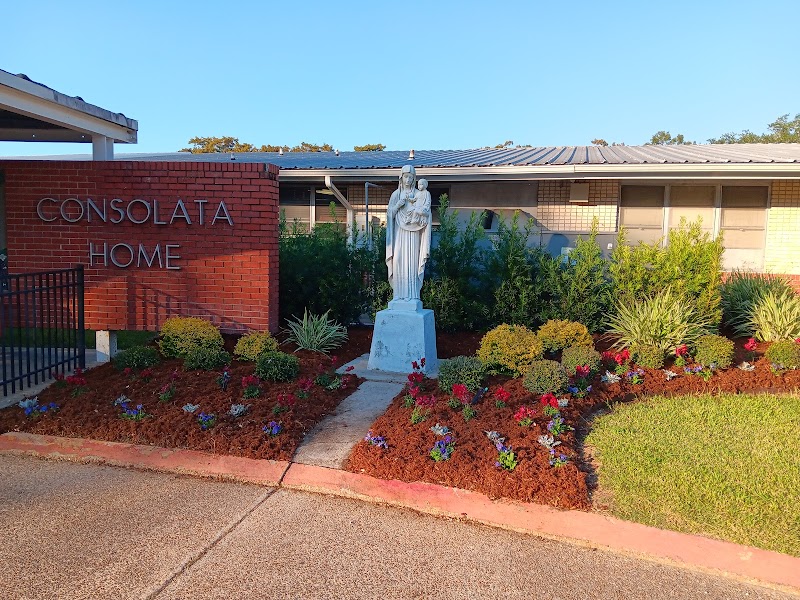
How is Consolata Rehab And Wellness Center On The Teche Staffed?

CMS rates CONSOLATA REHAB AND WELLNESS CENTER ON THE TECHE's staffing level at 2 out of 5 stars, which is below average compared to other nursing homes. Staff turnover is 71%, which is 25 percentage points above the Louisiana average of 46%. High turnover can affect care consistency as new staff learn residents' individual needs.

What Have Inspectors Found at Consolata Rehab And Wellness Center On The Teche?

State health inspectors documented 48 deficiencies at CONSOLATA REHAB AND WELLNESS CENTER ON THE TECHE during 2023 to 2025. These included: 47 with potential for harm and 1 minor or isolated issues.
Who Owns and Operates Consolata Rehab And Wellness Center On The Teche?

CONSOLATA REHAB AND WELLNESS CENTER ON THE TECHE is owned by a for-profit company. For-profit facilities operate as businesses with obligations to shareholders or private owners. The facility is operated by PARAMOUNT HEALTHCARE CONSULTANTS, a chain that manages multiple nursing homes. With 114 certified beds and approximately 57 residents (about 50% occupancy), it is a mid-sized facility located in NEW IBERIA, Louisiana.
How Does Consolata Rehab And Wellness Center On The Teche Compare to Other Louisiana Nursing Homes?

Compared to the 100 nursing homes in Louisiana, CONSOLATA REHAB AND WELLNESS CENTER ON THE TECHE's overall rating (2 stars) is below the state average of 2.4, staff turnover (71%) is significantly higher than the state average of 46%, and health inspection rating (2 stars) is below the national benchmark.

What Should Families Ask When Visiting Consolata Rehab And Wellness Center On The Teche?

Based on this facility's data, families visiting should ask: "How do you ensure continuity of care given staff turnover, and what is your staff retention strategy?" "Can you walk me through typical staffing levels on day, evening, and night shifts?" "Can I visit during a mealtime to observe dining assistance and food quality?" "How do you handle medical emergencies, and what is your hospital transfer rate?" These questions are particularly relevant given the facility's high staff turnover rate and the below-average staffing rating.

Is Consolata Rehab And Wellness Center On The Teche Safe?

Based on CMS inspection data, CONSOLATA REHAB AND WELLNESS CENTER ON THE TECHE has a clean safety record: no substantiated abuse findings (meaning no confirmed cases of resident harm), no Immediate Jeopardy citations (the most serious violation level indicating risk of serious injury or death), and is not on the Special Focus Facility watch list (a federal program monitoring the lowest-performing 1% of nursing homes). The facility has a 2-star overall rating and ranks #100 of 100 nursing homes in Louisiana. While no facility is perfect, families should still ask about staff-to-resident ratios and recent inspection results during their visit.

Do Nurses at Consolata Rehab And Wellness Center On The Teche Stick Around?

Staff turnover at CONSOLATA REHAB AND WELLNESS CENTER ON THE TECHE is high. At 71%, the facility is 25 percentage points above the Louisiana average of 46%. High turnover means new staff may not know residents' individual needs, medications, or preferences. It can also be disorienting for residents, especially those with dementia who rely on familiar faces. Families should ask: What is causing the turnover? What retention programs are in place? How do you ensure care continuity during staff transitions?

Was Consolata Rehab And Wellness Center On The Teche Ever Fined?

CONSOLATA REHAB AND WELLNESS CENTER ON THE TECHE has no federal fines on record. CMS issues fines when nursing homes fail to meet care standards or don't correct problems found during inspections. The absence of fines suggests the facility has either maintained compliance or corrected any issues before penalties were assessed. This is a positive indicator, though families should still review recent inspection reports for the full picture.

Is Consolata Rehab And Wellness Center On The Teche on Any Federal Watch List?

CONSOLATA REHAB AND WELLNESS CENTER ON THE TECHE is not on any federal watch list. The most significant is the Special Focus Facility (SFF) program, which identifies the bottom 1% of nursing homes nationally based on persistent, serious quality problems. Not being on this list means the facility has avoided the pattern of deficiencies that triggers enhanced federal oversight. This is a positive indicator, though families should still review the facility's inspection history directly.