LAKEVIEW MANOR NURSING AND REHABILITATION CENTER
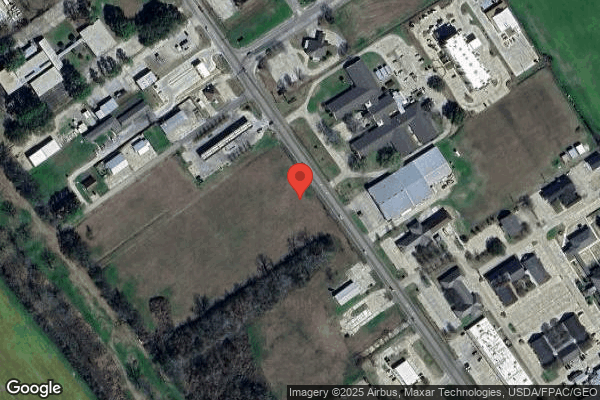

400 HOSPITAL ROAD, NEW ROADS, LA 70760 (225) 638-4404
For profit - Limited Liability company 122 Beds RIGHTCARE HEALTH SERVICES Data: November 2025
Trust Grade
60/100
#82 of 264 in LA
Last Inspection: March 2025

Within standard 12-15 month inspection cycle. Federal law requires annual inspections.

Overview

Lakeview Manor Nursing and Rehabilitation Center has a Trust Grade of C+, which means it is slightly above average but not without its concerns. It ranks #82 out of 264 facilities in Louisiana, placing it in the top half, and is the best option in Pointe Coupee County. Unfortunately, the facility is worsening in quality, with issues increasing from 7 in 2024 to 13 in 2025. Staffing is a moderate strength, rated 3 out of 5 stars with a turnover rate of 43%, which is slightly better than the state average. While there have been no fines recorded, which is a positive sign, recent inspections showed concerning incidents, such as failing to administer enteral feeding as ordered for a resident, potentially risking their nutritional health. Overall, while Lakeview Manor has some strengths, families should be aware of the increasing issues and specific care failures.

Trust Score
C+
60/100
In Louisiana
#82/264
Top 31%
Safety Record
Low Risk
No red flags
Inspections
Getting Worse
7 → 13 violations
Staff Stability
○ Average
43% turnover. Near Louisiana's 48% average. Typical for the industry.
Penalties
✓ Good
No fines on record. Clean compliance history, better than most Louisiana facilities.
Skilled Nurses
⚠ Watch
Each resident gets only 15 minutes of Registered Nurse (RN) attention daily — below average for Louisiana. Fewer RN minutes means fewer trained eyes watching for problems.
Violations
⚠ Watch
22 deficiencies on record. Higher than average. Multiple issues found across inspections.
★★★☆☆
3.0
Overall Rating
★★★☆☆
3.0
Staff Levels
★★☆☆☆
2.0
Care Quality
★★★☆☆
3.0
Inspection Score
Stable
2024: 7 issues
2025: 13 issues

The Good

  • Full Sprinkler Coverage · Fire safety systems throughout facility
  • No fines on record
  • Staff turnover below average (43%)

    5 points below Louisiana average of 48%

Facility shows strength in fire safety.

The Bad

3-Star Overall Rating

Above Louisiana average (2.4)

Meets federal standards, typical of most facilities

Staff Turnover: 43%

Near Louisiana avg (46%)

Typical for the industry

Chain: RIGHTCARE HEALTH SERVICES

Part of a multi-facility chain

Ask about local staffing decisions and management

The Ugly 22 deficiencies on record

Mar 2025 13 deficiencies
CONCERN (D)

Potential for Harm - no one hurt, but risky conditions existed

Report Alleged Abuse (Tag F0609)

Could have caused harm · This affected 1 resident

**NOTE- TERMS IN BRACKETS HAVE BEEN EDITED TO PROTECT CONFIDENTIALITY** Based on record reviews and interviews, the facility failed to report allegations of verbal abuse to the State Survey Agency imm...

Read full inspector narrative →
**NOTE- TERMS IN BRACKETS HAVE BEEN EDITED TO PROTECT CONFIDENTIALITY** Based on record reviews and interviews, the facility failed to report allegations of verbal abuse to the State Survey Agency immediately, but no later than 2 hours, for 1 (#195) of 3 (#5, #36 and #195) residents reviewed for abuse. Findings: Review of the undated facility policy titled, Abuse Prevention and Investigation revealed the following: Definitions: Verbal Abuse: means the use of oral, written or gestured communication or sounds that willfully includes disparaging and derogatory terms to resident or their families, or within their hearing distance regardless of their age, ability to comprehend, or disability. Alleged Violation: is a situation or occurrence that is observed or reported by staff, resident, relative, visitor or others but has not yet been investigated and, if verified, could be indication of noncompliance with the Federal requirements related to mistreatment, exploitation, neglect, or abuse, including injuries of unknown source, and misappropriation of resident property. Identification of Abuse B. Possible indicators of abuse include, but are not limited to: 10. Sudden or unexplained changes in behaviors and/or activities such as fear of a person or place, or feelings of guilt or shame. Reporting/Response 1. Reporting of all alleged violations to the administrator, state agency . within specified timeframes: a. Immediately, but not later than 2 hours after the allegation is made, if the events that cause the allegation involve abuse or result in serious bodily injury . Resident #195 Review of Resident #195's Clinical Record revealed she was admitted to the facility on [DATE] with diagnoses, which included Unspecified Mood Disorder and Cognitive Communication Deficit. Review of Resident #195's admission MDS assessment, with an Assessment Reference Date (ARD) of 02/25/2025, indicated the resident was assessed by the facility to have a Brief Interview of Mental Status (BIMS) of 15, which indicated she was cognitively intact. Resident #5 Review of Resident #5's Clinical Record revealed she was admitted to the facility on [DATE] with diagnoses, which included Cognitive Communication Deficit and Major Depressive Disorder. Review of Resident #5's MDS, with an ARD of 12/19/2024, indicated the resident was assessed by the facility to have a BIMS of 11, which indicated moderate cognitive impairment. Review of Resident #5's most recent Care Plan revealed Resident #5 had a history of physical and verbal aggressive behaviors with interventions implemented on 05/13/2020. On 03/10/2025 at 1:10 p.m., an interview was conducted with Resident #195. She stated Resident #5, her current roommate, scared her. She reported Resident #5 told her, I'll shoot you with a gun. Resident #195 stated because of this, she slept in the hallway. On 03/10/2025 at 4:15 p.m., an interview was conducted with S14LPN. She stated Resident #5 was confused at times and had a history of cursing at other residents and staff. She stated Resident #195 did not tell her she was afraid of Resident #5. She stated during the day shift, Resident #5 sat outside the nurse's station with other residents, and told other residents and staff, I will cut you with a knife. She confirmed it was not reported to administration because Resident #5 could not physically harm any other residents. On 03/11/2025 at 10:05 a.m., an interview was conducted with S15CNA. She stated when Resident #5 got upset she talked to herself, cursed, and said I will kill you. She stated she did not report the behaviors because the nurse was aware of the behaviors. She stated she was assigned to Resident #195 and she did not tell her she was afraid of Resident #5. On 03/11/2025 at 11:17 a.m., an interview was conducted with S16CNA. She stated Resident #5 told her, they don't know me but I will cut her neck off. She stated she did not report the behaviors because the nurse was aware of the behaviors. She stated she was assigned to Resident #195 and she did not tell her she was afraid of Resident #5. On 03/12/2025 at 2:03 p.m., an interview was conducted with S1ADM. He confirmed cursing and making threats at another resident would be considered abuse. He stated he was not aware of Resident #5 making threats to any other residents. He confirmed he was made aware on 03/11/2025 at 2:04 p.m., Resident #195 was fearful of Resident #5. He stated on 03/11/2025 at 2:30 p.m., he spoke with Resident #195 and Resident #195 reported she was scared of Resident #5 because of the way she talked and cursed. He stated in this case, Resident #5 did not know what she was doing and therefore it was not abuse, and he did not report to the state agency.
CONCERN (D)

Potential for Harm - no one hurt, but risky conditions existed

Comprehensive Assessments (Tag F0636)

Could have caused harm · This affected 1 resident

**NOTE- TERMS IN BRACKETS HAVE BEEN EDITED TO PROTECT CONFIDENTIALITY** Based on record reviews and interviews, the facility failed to ensure that each resident's comprehensive Minimum Data Set (MDS) ...

Read full inspector narrative →
**NOTE- TERMS IN BRACKETS HAVE BEEN EDITED TO PROTECT CONFIDENTIALITY** Based on record reviews and interviews, the facility failed to ensure that each resident's comprehensive Minimum Data Set (MDS) assessments were completed in a timely manner for 1 (#195) of 5 (#9, #31, #65, #195, and #295) newly admitted residents reviewed for comprehensive assessments. The facility failed to ensure that the resident admission assessment was completed within the 14-day requirement. Findings: Review of Resident #195's admission MDS assessment with an Assessment Reference Date (ARD) of 02/25/2025, revealed an admit date of 02/20/2025. Further review of the Admit MDS revealed the MDS had a status of in progress. On 03/12/2025 at 8:58 a.m., an interview was conducted with S3MDS. S3MDS reviewed Resident #195's admission MDS and confirmed Resident #195 was admitted to the facility on [DATE]. She further confirmed Resident #195's admission MDS was still in progress on 03/10/2025, and was not completed in the required timeframe. On 03/12/2025 at 4:42 p.m., an interview was conducted with S2DON. S2DON confirmed the MDS should be completed in the required timeframe.
CONCERN (D)

Potential for Harm - no one hurt, but risky conditions existed

Assessment Accuracy (Tag F0641)

Could have caused harm · This affected 1 resident

**NOTE- TERMS IN BRACKETS HAVE BEEN EDITED TO PROTECT CONFIDENTIALITY** Based on observations, interviews and record review, the facility failed to ensure resident assessments accurately reflected the...

Read full inspector narrative →
**NOTE- TERMS IN BRACKETS HAVE BEEN EDITED TO PROTECT CONFIDENTIALITY** Based on observations, interviews and record review, the facility failed to ensure resident assessments accurately reflected the residents' status. The facility failed to ensure staff accurately coded: 1. The discharge status for 1 (#94) of 2 (#93 and #94) residents reviewed for discharge; and 2. The ostomy status for 1 (#22) of 2 (#22 and #81) residents reviewed for appliances. Findings: 1. Resident #94 Review of Resident #94's clinical record revealed he was admitted to the facility on [DATE] and discharged from the facility on 02/15/2025. Review of Resident #94's MDS Discharge Assessment with an ARD of 02/15/2025, revealed resident was discharged to an acute hospital. Review of Resident #94's Nurses Notes revealed the following, in part: 02/15/2025 at 9:48 a.m., Resident #94 discharged home with family. On 03/11/2025 at 3:20 p.m., an interview was conducted with S7MDS. She reviewed Resident #94's MDS Discharge Assessment with an ARD of 02/15/2025, and confirmed it indicated Resident #94 discharged to an acute hospital. She further reviewed Resident #94's medical record and confirmed the resident was discharged home. She confirmed Resident #94's MDS Discharge Assessment was not coded accurately and should have been coded discharge to home. 2. Resident #22 Review of Resident #22's clinical record revealed she was admitted to the facility on [DATE] with a medical diagnoses of Colostomy Status. Review of Resident #22's MDS Quarterly Assessment with an ARD of 01/15/2025, revealed Resident #22 was coded as none of the above under section H0100 for bowel and bladder appliances, which pertained to Ostomy, including Colostomy. On 03/11/2025 at 12:44 p.m., an observation was made of Colostomy care for Resident #22. On 03/11/2025 at 3:15 p.m., an interview was conducted with S7MDS. She reviewed Resident #22's MDS Quarterly Assessment with an ARD of 01/15/2025, and confirmed it indicated none of the above under section H0100 for bowel and bladder, which pertained to Colostomy. She confirmed Resident #22 had a Colostomy. She confirmed Resident #22's MDS Quarterly Assessment was not coded correctly and should have been coded as present for ostomy. On 03/11/2025 at 4:33 p.m., an interview was conducted with S2DON. She confirmed all MDS assessments should have been coded accurately.
CONCERN (D)

Potential for Harm - no one hurt, but risky conditions existed

Deficiency F0657 (Tag F0657)

Could have caused harm · This affected 1 resident

**NOTE- TERMS IN BRACKETS HAVE BEEN EDITED TO PROTECT CONFIDENTIALITY** Based on record reviews and interviews, the facility failed to ensure the residents care plan was reviewed and revised for 1(#5)...

Read full inspector narrative →
**NOTE- TERMS IN BRACKETS HAVE BEEN EDITED TO PROTECT CONFIDENTIALITY** Based on record reviews and interviews, the facility failed to ensure the residents care plan was reviewed and revised for 1(#5) of 4 (#5, #12, #47, and #195) residents reviewed for accidents. The facility failed to update Resident #5's care plan when she exhibited new aggressive behaviors. This deficient practice had the potential to affect a current census of 96 residents. Findings: Review of Resident #5's Clinical Record revealed she was admitted to the facility on [DATE] with diagnoses, which included Cognitive Communication Deficit and Major Depressive Disorder. Review of Resident #5's Minimum Data Set (MDS), with an Assessment Reference Date (ARD) of 12/19/2024, indicated the resident was assessed by the facility to have a Brief Interview of Mental Status (BIMS) of 11, which indicated she was moderately cognitively impaired. Further review revealed the resident did not have any behaviors. Review of Resident #5's most recent Care Plan revealed Resident #5 had a history of physical and verbal aggressive behaviors with interventions implemented on 05/13/2020. Further review revealed no documented evidence of any current aggressive behaviors. Review of Resident #5's Nurses Notes from January 2025 to March 2025 revealed no documented evidence Resident #5 had any aggressive behaviors. On 03/10/2025 at 4:15 p.m., an interview was conducted with S14LPN. She stated Resident #5 was confused at times and cursed at other residents and staff. She stated during the day shift, Resident #5 sat outside the nurse's station with other residents. She stated Resident #5 told other residents and staff, I will cut you with a knife. She confirmed it was not reported to administration or documented in the nurse's notes. On 03/11/2025 at 10:05 a.m., an interview was conducted with S15CNA. She stated when Resident #5 got upset she talked to herself, cursed, and said I will kill you. She stated Resident #5 was easily redirected when she had behaviors. She stated she did not report the behaviors because the nurse was aware of the behaviors. On 03/11/2025 at 11:17 a.m., an interview was conducted with S16CNA. She stated Resident #5 told her, they don't know me but I will cut her neck off. She stated she did not report the behaviors because the nurse was aware of the behaviors. On 03/12/2025 at 10:14 a.m., an interview was conducted with Resident #14. He stated he sat outside of the nurse's station during the day. He stated Resident # 5 cursed and made threats of using a gun or knife but he knew Resident #5 could not physically do those things. On 03/12/2025 at 10:16 a.m., an interview was conducted with Resident #19. He stated he sat outside of the nurse's station during the day. He stated Resident # 5 cursed and made threats of using a gun or knife but he knew Resident #5 could not physically do those things. On 03/12/2025 at 9:17 a.m., an interview was conducted with S3MDS. She stated they were notified of new behaviors or incidents by the 24 hour report, incident reports, nurse's notes or verbal notification. She stated once notified, the care plan was updated with new interventions. She confirmed she was not aware Resident #5 threatened staff or other residents by stating she would use a gun or knife, this was a new behavior, and the care plan should have been updated. On 03/12/2025 at 2:23 p.m., an interview was conducted with S2DON. She stated Resident #5 had verbal outburst and cursed but was easily redirected. She confirmed she was not aware Resident #5 made threats of using a gun or knife, this was a new behavior, and staff should have reported the new behavior and her care plan should have been updated.
CONCERN (D)

Potential for Harm - no one hurt, but risky conditions existed

ADL Care (Tag F0677)

Could have caused harm · This affected 1 resident

**NOTE- TERMS IN BRACKETS HAVE BEEN EDITED TO PROTECT CONFIDENTIALITY** Based on interviews and record review, the facility failed to ensure each resident who was unable to carry out activities of dai...

Read full inspector narrative →
**NOTE- TERMS IN BRACKETS HAVE BEEN EDITED TO PROTECT CONFIDENTIALITY** Based on interviews and record review, the facility failed to ensure each resident who was unable to carry out activities of daily living (ADLs) received the necessary services to maintain good personal hygiene by failing to ensure each resident received scheduled bed baths for 1 (#47) of 3 (#22, #45, and #47) residents reviewed for ADLs. Findings: Review of Resident #47's Clinical Record revealed she was admitted to the facility on [DATE] and had diagnoses, which included Cerebral Infarction, Hemiplegia and Hemiparesis on Left Non-Dominant Side. Review of Resident #47's Quarterly MDS with ARD of 12/10/2024 revealed a BIMS of 14, which indicated she was cognitively intact. Further review of the MDS Section GG revealed she was dependent upon staff for showering/bathing. Review of Resident #47's Current Care Plan revealed the following, in part: Focus: The resident has an ADL self-care performance deficit. Interventions: Assist with all ADLs as ordered. Review of Resident #47's ADL Documentation revealed she was scheduled to receive bed baths every day. Further review of ADL Documentation dated March 2025 revealed she did not receive her scheduled bed bath on 03/04/2025, 03/05/2025, 03/06/2025, and 03/07/2025. Review of Women Shower List located within the Facility's Nursing Assignment Binder revealed the following: Resident #47 was scheduled for daily, morning bed baths. On 03/10/25 at 10:35 a.m., an interview was conducted with Resident #47. She stated she did not receive consistent bed baths. On 03/11/2024 at 10:45 a.m., an interview was conducted with S10CNA. She stated she was assigned to Resident #47's care on day shift. She stated Resident #47 was dependent on staff for ADLs. She stated Resident #47 received bed baths. She stated night shift CNAs were responsible for completing bed baths. On 03/12/2025 at 8:08 a.m., an interview was conducted with S9CNA. She stated she was consistently assigned to Resident #47's care on night shift. She stated she was not responsible for providing bed baths to Resident #47 since she was scheduled for daily, morning bed baths. She stated CNAs referenced the Nursing Assignment binder for each resident's shower/bath schedule. She stated S5CS was responsible for creating the shower/bed bath schedules. On 03/12/2025 at 8:20 a.m., an interview was conducted with S11CNA. She stated she was assigned to Resident #47's care on day shift. She stated day shift CNAs were responsible for completing showers, and night shift CNAs were responsible for completing bed baths. She stated Resident #47 should be provided bed baths every evening by night shift staff. She confirmed she did not provide Resident #47 with baths. On 03/12/2025 at 9:00 a.m., an interview was conducted with S5CS. She stated CNAs were notified of each resident's shower/bed bath schedule through the Nursing Assignment Binder located at each nurses' station. She referenced the document titled Women's shower list within the Nursing Assignment Binder, and confirmed Resident #47 was scheduled to receive a daily, morning bed bath. She stated she expected all CNAs to check the shower/bath schedule before their shift. She confirmed S10CNA and S11CNA were responsible for Resident #47's baths. On 03/12/2025 at 10:30 a.m., an interview was conducted with S2DON. She stated CNAs utilized the shower/bath schedule within the Nursing Assignment Binder to know which residents should be bathed/showered on their shift. She reviewed the document titled Women Shower List, and confirmed Resident #47 should have received daily, morning bed baths. She reviewed Resident #47's ADL documentation dated March 2025, and confirmed a bed bath was not provided from 03/04/2025 through 03/07/2025 and should have been.
CONCERN (D)

Potential for Harm - no one hurt, but risky conditions existed

Accident Prevention (Tag F0689)

Could have caused harm · This affected 1 resident

**NOTE- TERMS IN BRACKETS HAVE BEEN EDITED TO PROTECT CONFIDENTIALITY** Based on observations, interviews and record review, the facility failed to implement effective fall interventions for 1 (#47) o...

Read full inspector narrative →
**NOTE- TERMS IN BRACKETS HAVE BEEN EDITED TO PROTECT CONFIDENTIALITY** Based on observations, interviews and record review, the facility failed to implement effective fall interventions for 1 (#47) of 4 (#5, #12, #47, and #195) residents reviewed for accident hazards. Findings: Review of Resident #47's Clinical Record revealed she was admitted to the facility on [DATE] with diagnoses, which included Cerebral Infarction, Hemiplegia and Hemiparesis Affecting Left Non-Dominant Side. Review of Resident #47's Quarterly Minimum Data Set (MDS), with an Assessment Reference Date (ARD) of 12/10/2024, revealed Resident #47 had a BIMS of 14, which indicated she was cognitively intact. Further review of MDS Section GG revealed Resident #47 required max assistance for bed mobility. Review of Resident #47's Care Plan revealed in part, the following: Focus: The resident is at risk for falls. Interventions: Resident had fall from bed on 02/04/2025. Staff educated on fall interventions that are in place. New, firmer wedge to be placed to left side of bed. Review of Resident #47's current Physician Orders revealed in part, the following: 08/29/2024: Place wedge on left side of bed due to recent fall. Review of Resident #47's Incident Report dated 02/04/2025 revealed in part, the following: Nursing Description: Resident #47 found on all fours between bed and wall. Resident Description: Resident #47 stated she was on her side, and felt herself slipping off the bed. She attempted to put her arm out to stop from slipping, but fell onto the floor and hit her head. Review of Resident #47's Fall Root Cause Analysis Report completed by S2DON revealed the following: Date of Fall: 02/04/2025 Time: 5:00 a.m. Possible reasons for fall: Rolled out of bed. Interventions: New, firmer wedge placed. On 03/11/2025 at 8:02 a.m., an observation was made of Resident #47's room. Resident #47's bed was observed in a diagonal position in the corner of the room with a space on the right side between the wall and bed. On 03/11/2024 at 11:05 a.m., an interview was conducted with Resident #47. She stated she fell when she was turned toward her right side. She stated she fell between her bed and the wall on the right side. She stated she was fearful of falling into the space between the wall and bed again. On 03/11/2025 at 2:50 p.m., an observation was made of Resident #47 in her room. Resident #47 was lying in bed. There was a wedge in place under Resident #47's left side. Resident #47's bed remained in a diagonal position with a space on right side between the wall and the bed. An interview was conducted with Resident #47, and she stated the current position of the bed was how the bed was positioned when she fell on [DATE]. On 03/11/2024 at 10:45 a.m., an interview was conducted with S10CNA. She stated Resident #47 had a history of falls. She stated during Resident #47's fall on 02/04/2025, she fell off the right side in between the wall and bed. She stated Resident #47's bed was diagonal to the corner in the room. She explained there was a bar behind the headboard of the bed, which prevented it from fitting against the wall. She stated alternate bed positions had not been attempted. On 03/11/2025 at 1:38 p.m., an interview was conducted with S8LPN. She stated Resident #47 had a history of falls. She stated fall interventions in place included a fall mat and 30 minute checks. She confirmed that the bed's current, diagonal, position was an accident hazard. On 03/11/2025 at 3:22 p.m., an interview was conducted with S2DON. She stated she was responsible for investigating falls and establishing appropriate interventions. She stated she investigated Resident #47's fall that occurred on 02/04/2025. She stated Resident #47 fell out the right side of the bed between the bed and the wall. She stated, as a result of the fall on 02/04/2025, the new intervention was to place a firm wedge under Resident #47's left side. She confirmed placing a wedge under Resident #47's left side would cause her to roll to the right, which was not an appropriate intervention to prevent Resident #47 from falling out the right side of the bed. On 03/11/2025 at 3:30 p.m., an interview was conducted with S1ADM. He stated he was unaware of Resident #47's current bed position. He confirmed Resident #47's fall intervention would not prevent future falls out of the right side of bed. He further confirmed an appropriate fall intervention should have been put into place after her fall on 02/04/2025.
CONCERN (D)

Potential for Harm - no one hurt, but risky conditions existed

Deficiency F0726 (Tag F0726)

Could have caused harm · This affected 1 resident

**NOTE- TERMS IN BRACKETS HAVE BEEN EDITED TO PROTECT CONFIDENTIALITY** Based on observations, interviews, and record review, the facility failed to ensure S6RN had the specific competencies and skill...

Read full inspector narrative →
**NOTE- TERMS IN BRACKETS HAVE BEEN EDITED TO PROTECT CONFIDENTIALITY** Based on observations, interviews, and record review, the facility failed to ensure S6RN had the specific competencies and skill sets necessary to care for residents' needs as identified in the plan of care. The facility failed to ensure S6RN was competent to: 1. Verify and administer enteral feedings as ordered by the Physician for 1 (#53) of 2 (#53 and #71) residents reviewed with enteral feeding; and 2. Identify Enhanced Barrier Precautions and don necessary PPE to provide care for 1 (#53) of 5 (#22, #53, #71, #81, and #195) residents reviewed on Enhanced Barrier Precautions. Findings: Review of the facility's undated policy titled, Sufficient and Competent Staff revealed the following, in part: Policy: It is the policy of this facility to provide sufficient staff with appropriate competencies and skill sets to assure resident safety and attain and maintain the highest practicable physical, mental, and psychosocial wellbeing of each resident. Policy Explanation and Compliance Guidelines: 4. The facility must ensure that licensed nurses have the specific competencies and skill sets necessary to care for resident's needs as identified through resident assessment and described in the plan of care. Review of S6RN's Personnel File revealed a hire date of 09/03/2024. Review of S6RN's Nurse Competency Checklist dated 09/09/2024 revealed the following, in part: Infection Control: Standard and Transmission Based Precautions/PPE with assessment method with no checks and dated 09/09/2024 with initials by S2DON. Nursing Skills: Documentation with assessment method with no checks and dated 09/09/2024 with initials by S2DON. Nutrition/Hydration Management (dietary orders/therapeutic diets; snack/supplement administration) with no checks, assessment method with no checks, and dated 09/09/2024 with initials by S2DON. 1. Review of Resident #53's Clinical Record revealed he was admitted to the facility on [DATE] and had diagnoses, which included Neurocognitive Disorder with Lewy Bodies, Gastrostomy Status, and Dysphagia. Review of Resident #53's current Care Plan revealed the following, in part: Problem: At risk for malnutrition related to PEG (Percutaneous Endoscopic Gastrostomy) tube feedings; NPO status. Review of Resident #53's Physician Orders dated 01/03/2025 through 03/11/2025 revealed he was always prescribed more than one can of Diabetisource per PEG tube at breakfast, lunch, and dinner. Review of Resident #53's MAR dated 01/03/2025 through 03/10/2025 revealed S6RN documented administration of tube feedings as ordered on the following dates and times: From 01/03/2025 to 01/10/2025 - Enteral Feeding 360 mL four times daily: 01/03/2025 at 4:00 p.m.; 01/04/2025 at 10:00 a.m. and 4:00 p.m.; 01/08/2025 at 10:00 a.m. and 4:00 p.m.; 01/09/2025 at 10:00 a.m. and 4:00 p.m.; and 01/10/2025 at 10:00 a.m. From 01/10/2025 to 02/17/2025 - Enteral feeding Diabetisource 1.5 cans four times daily: 01/10/2025 at 4:00 p.m.; 01/13/2025 at 9:00 a.m., 1:00 p.m., and 5:00 p.m.; 01/14/2025 at 9:00 a.m., 1:00 p.m., and 5:00 p.m.; 01/17/2025 at 9:00 a.m., 1:00 p.m., and 5:00 p.m.; 01/18/2025 at 9:00 a.m., 1:00 p.m., and 5:00 p.m.; 01/19/2025 at 9:00 a.m., 1:00 p.m., and 5:00 p.m.; 01/23/2025 at 9:00 a.m., 1:00 p.m., and 5:00 p.m.; 01/27/2025 at 9:00 a.m., 1:00 p.m., and 5:00 p.m.; 01/28/2025 at 9:00 a.m., 1:00 p.m., and 5:00 p.m.; 02/01/2025 at 9:00 a.m., 1:00 p.m., and 5:00 p.m.; 02/02/2025 at 9:00 a.m., 1:00 p.m., and 5:00 p.m.; 02/05/2025 at 9:00 a.m., 1:00 p.m., and 5:00 p.m.; 02/06/2025 at 9:00 a.m., 1:00 p.m., and 5:00 p.m.; 02/10/2025 at 9:00 a.m., 1:00 p.m., and 5:00 p.m.; 02/14/2025 at 9:00 a.m., 1:00 p.m., and 5:00 p.m.; 02/15/2025 at 9:00 a.m., 1:00 p.m., and 5:00 p.m.; and 02/16/2025 at 9:00 a.m., 1:00 p.m., and 5:00 p.m. From 02/17/2025 to 02/18/2025 - Enteral Feeding Diabetisource 2 cans breakfast, 2 cans lunch, 2 cans dinner, 1 can at night: 02/18/2025 at 9:00 a.m. From 02/18/2025 to 02/20/2025 - Enteral Feeding Diabetisource 360 mL four times daily: 02/18/2025 at 1:00 p.m. and 5:00 p.m. From 02/20/2025 to 03/11/2025 - Enteral Feeding Diabetisource AC 2 cans at breakfast, 2 cans at lunch, 2 cans at dinner, and 1 can at night: 02/24/2025 at 9:00 a.m., 1:00 p.m., and 5:00 p.m.; 02/25/2025 at 9:00 a.m., 1:00 p.m., and 5:00 p.m.; 02/26/2025 at 9:00 a.m., 1:00 p.m., and 5:00 p.m.; 03/01/2025 at 9:00 a.m., 1:00 p.m., and 5:00 p.m.; 03/02/2025 at 9:00 a.m., 1:00 p.m., and 5:00 p.m.; 03/05/2025 at 9:00 a.m., 1:00 p.m., and 5:00 p.m.; 03/06/2025 at 9:00 a.m., 1:00 p.m., and 5:00 p.m.; and 03/10/2025 at 9:00 a.m., 1:00 p.m., and 5:00 p.m. Review of the Diabetisource AC (1.2 kilocalorie/mL) can used by the facility revealed it contained 250 mL. An observation was made of S6RN providing tube feeding for Resident #53 on 03/11/2025 at 9:58 a.m. She administered one can of Diabetisource AC via PEG tube by gravity without verifying the tube feeding order. An interview was conducted with S6RN on 03/11/2025 at 10:09 a.m. She confirmed the above observation. She stated she worked twelve hour shifts, on two days, off two days, and every other weekend. She reviewed Resident #53's tube feeding order after administration and confirmed Resident #53 should have received 2 cans of Diabetisource. S6RN confirmed Resident #53 should have received 2 cans of Diabetisource at breakfast, lunch, and dinner since 02/20/2025, and 1.5 cans prior to that beginning on 01/03/2025. She confirmed the first time she had administered more than one can of tube feeding to Resident #53 was this morning after reviewing the tube feeding orders with the surveyor. An interview was conducted with S6RN on 03/11/2025 at 4:48 p.m. She reviewed Resident #53's MARs dated January, February, and March 2025. She confirmed all of the above listed documentation for administering tube feeding to Resident #53 was inaccurate. She confirmed, since Resident #53 began receiving tube feeding, she had never administered more than one can of tube feeding at a feeding. She confirmed she should have verified the tube feeding order prior to administration of the tube feeding. An interview was conducted with S2DON on 03/11/2025 at 1:00 p.m. She stated Resident #53's tube feeding orders changed frequently. She confirmed at no point had Resident #53 been ordered one can of tube feeding formula at breakfast, lunch, or supper. She stated nurses should have administered the amount of tube feeding ordered. She confirmed nurses should have verified the tube feeding order prior to administration. 2. Review of Resident #53's Clinical Record revealed he was admitted to the facility on [DATE] and had diagnoses, which included Gastrostomy Status. Review of Resident #53's current Physician Orders revealed he was on Enhanced Barrier Precautions. An observation was made of Resident #53's door on 03/11/2025 at 8:07 a.m. He had a sign on the door, which revealed the following: STOP - Enhanced Barrier Precautions Everyone must: Clean their hands, including before entering and when the leaving the room Providers and staff must also: Wear gloves and a gown for the following high-contact resident care activities Device care or use: feeding tube An observation was made of S6RN administering tube feeding for Resident #53 on 03/11/2025 at 9:58 a.m. She did not don a gown to perform the feeding. An interview was conducted with S6RN on 03/11/2025 at 10:07 a.m. She stated Resident #53 was on Enhanced Barrier Precautions related to his PEG tube. She stated Enhanced Barrier Precautions meant to perform hand hygiene and wear gloves when necessary. She stated a gown was not required for Enhanced Barrier Precautions. She stated she did not have to don a gown to administer tube feeding or perform care of the PEG tube. An interview was conducted with S2DON on 03/12/2025 at 9:24 a.m. S2DON stated she was responsible to ensure each nurse was competent. She confirmed S6RN was not observed by anyone in the facility to ensure she was competent in performing nursing tasks. S2DON stated she performed verbal communication with S6RN but very minimal observation. She confirmed she did not ensure S6RN was competent in verifying tube feeding orders and administration of tube feedings as ordered and should have. She stated she expected the staff to wear a gown when providing a PEG tube feeding or any care of the PEG tube. She stated S6RN should have been aware of Enhanced Barrier Precautions and the appropriate PPE to don. She stated she conducted an in-service training on Enhanced Barrier Precautions, which S6RN was present. She stated she did not assess any of the staffs' knowledge or retention of the Enhanced Barrier Precautions training. She stated nine times out of ten, orientation training was verbal and there were no competency evaluations. She stated she did not currently have a process to track nursing skills she had observed and had not observed each nurse to ensure competency. Cross Reference F-656. Cross Reference F-658. Cross Reference F-692. Cross Reference F-880.
CONCERN (D)

Potential for Harm - no one hurt, but risky conditions existed

Infection Control (Tag F0880)

Could have caused harm · This affected 1 resident

**NOTE- TERMS IN BRACKETS HAVE BEEN EDITED TO PROTECT CONFIDENTIALITY** Based on observations, interviews, and record review, the facility failed to ensure staff utilized appropriate PPE during care w...

Read full inspector narrative →
**NOTE- TERMS IN BRACKETS HAVE BEEN EDITED TO PROTECT CONFIDENTIALITY** Based on observations, interviews, and record review, the facility failed to ensure staff utilized appropriate PPE during care with residents who required Enhanced Barrier Precautions for 1 (#53) of 5 (#22, #53, #71, #81, and #195) residents observed during chronic wound care and/or use of indwelling medical devices. Findings: Review of the facility's policy dated January 2025 and titled, Enhanced Barrier Precautions revealed the following, in part: Policy: It is the policy of this facility to implement Enhanced Barrier Precautions for the Prevention of transmission of multidrug-resistant organisms (MDRO). Definitions: Enhanced Barrier Precautions refer to the use of gown and gloves for use during high-contact resident care activities for residents known to be colonized or infected with MDRO as well as those at increased risk of MDRO acquisition (eg. Residents with wounds or indwelling medical devices). Policy Explanation and Compliance Guidelines: 48. High-contact resident care activities include: g. Device care or use: .feeding tubes . Review of Resident #53's Clinical Record revealed he admitted to the facility on [DATE] and had diagnoses, which included Gastrostomy Status. Review of Resident #53's current Physician Orders revealed the following, in part: Enhanced Barrier Precautions Enteral Feeding Diabetisource AC 2 cans at breakfast, 2 cans at lunch, 2 cans at dinner, and 2 cans at night. An observation was made of Resident #53's door on 03/11/2025 at 8:07 a.m. He had a sign on the door, which revealed the following: STOP - Enhanced Barrier Precautions Everyone must: Clean their hands, including before entering and when the leaving the room Providers and staff must also: Wear gloves and a gown for the following high-contact resident care activities Device care or use: feeding tube An observation was made of S6RN providing tube feeding for Resident #53 on 03/11/2025 at 9:58 a.m. She did not don a gown to perform the feeding. An interview was conducted with S6RN on 03/11/2025 at 10:07 a.m. She stated Resident #53 was on Enhanced Barrier Precautions related to his PEG tube. She stated Enhanced Barrier Precautions meant to perform hand hygiene and wear gloves when necessary. She stated a gown was not required for Enhanced Barrier Precautions. She stated she did not have to don a gown to perform tube feeding or care of the PEG tube. An interview was conducted with S2DON on 03/12/2025 at 9:24 a.m. She confirmed she was the facility's Infection Preventionist. She stated Enhanced Barrier Precautions were implemented for indwelling medical devices and chronic wounds. She stated the expectation was for staff to don a gown and gloves anytime they provided care for a resident with an indwelling medical device or chronic wound. She confirmed Resident #53 was on Enhanced Barrier Precautions for his PEG tube. She stated she expected staff to wear a gown and gloves when providing a PEG tube feeding or any care of the PEG tube.
CONCERN (E)

Potential for Harm - no one hurt, but risky conditions existed

Comprehensive Care Plan (Tag F0656)

Could have caused harm · This affected multiple residents

**NOTE- TERMS IN BRACKETS HAVE BEEN EDITED TO PROTECT CONFIDENTIALITY** Based on observation, interviews, and record review, the facility failed to ensure a resident's comprehensive person-centered ca...

Read full inspector narrative →
**NOTE- TERMS IN BRACKETS HAVE BEEN EDITED TO PROTECT CONFIDENTIALITY** Based on observation, interviews, and record review, the facility failed to ensure a resident's comprehensive person-centered care plan was implemented by failing to administer enteral feeding as ordered for 1 (#53) of 2 (#53 and #71) residents reviewed with enteral feeding. Findings: Review of Resident #53's Clinical Record revealed he admitted to the facility on [DATE] and had diagnoses, which included Neurocognitive Disorder with Lewy Bodies, Gastrostomy Status, and Dysphagia. Review of Resident #53's Significant Change MDS with an ARD of 01/08/2025 revealed a BIMS interview was not conducted related to the resident was rarely/never understood. Review of Resident #53's current Care Plan revealed the following, in part: Problem: At risk for malnutrition related to PEG tube feedings; NPO (nothing by mouth) status. Goal: The resident will maintain weight through review date Interventions: 01/03/2025 - Diet changed to PEG tube feedings. Resident is now NPO. Review of Resident #53's Physician Orders dated 01/03/2025 through 03/11/2025 revealed the resident was NPO beginning 01/03/2025. Further review revealed Resident #53 was always ordered to receive more than one can of Diabetisource AC at breakfast, lunch, and dinner. An observation was made of S6RN providing tube feeding for Resident #53 on 03/11/2025 at 9:58 a.m. She administered one can of Diabetisource AC via PEG tube by gravity. An interview was conducted with S6RN on 03/11/2025 at 10:09 a.m. She confirmed the above observation. She stated she worked twelve hour shifts, on two days, off two days, and every other weekend. She reviewed Resident #53's tube feeding order after administration and confirmed Resident #53 should have received 2 cans of Diabetisource. S6RN confirmed Resident #53 should have received 2 cans of Diabetisource at breakfast, lunch, and dinner since 02/20/2025, and 1.5 cans prior to that beginning on 01/03/2025. She confirmed the first time she had administered more than one can of tube feeding to Resident #53 was this morning after reviewing the tube feeding orders with the surveyor. An interview was conducted with S2DON on 03/11/2025 at 1:00 p.m. She stated Resident #53's tube feeding orders changed frequently. She stated he was receiving 1.5 cans of Diabetisource four times a day, then it went to two cans at breakfast, lunch, and supper and one can at night. She stated, on 03/11/2025, Resident #53's tube feeding order changed to two cans at breakfast, lunch, supper, and at night. She confirmed at no point had Resident #53 been ordered one can of tube feeding formula. She stated the nurses should have administered the amount of tube feeding ordered. An interview was conducted with S13NP on 03/11/2025 at 1:22 p.m. He stated he expected the nurses to administer Resident #53's tube feeding as ordered.
CONCERN (E)

Potential for Harm - no one hurt, but risky conditions existed

Deficiency F0658 (Tag F0658)

Could have caused harm · This affected multiple residents

**NOTE- TERMS IN BRACKETS HAVE BEEN EDITED TO PROTECT CONFIDENTIALITY** Based on observation, interviews, and record review, the facility failed to ensure each resident received services as outlined i...

Read full inspector narrative →
**NOTE- TERMS IN BRACKETS HAVE BEEN EDITED TO PROTECT CONFIDENTIALITY** Based on observation, interviews, and record review, the facility failed to ensure each resident received services as outlined in the comprehensive care plan which met professional standards of quality for 1 (#53) of 2 (#53 and #71) residents reviewed with enteral feeding. The facility failed to ensure S6RN: 1. Verified Resident #53's physician orders prior to enteral feeding administration; and 2. Accurately documented administration of Resident #53's enteral feeding. Findings: Review of the facility's undated policy titled, Enteral Tube Feeding via Gravity revealed the following, in part: Purpose: The purpose of this procedure is to provide nourishment to the resident who is unable to obtain nourishment orally. Preparation: 1. Verify that there is a physician's order for this procedure. 2. Review the resident's care plan and provide for any special needs of the resident. General Guidelines: 3. Check the enteral nutrition label against the order before administration. Review of the facility's undated policy titled, Documentation revealed the following, in part: The purpose of charting and documentation is to provide: 1. A complete account of the resident's care, treatment . Purpose: 12. Personnel will be expected to document .accurately . Review of Resident #53's Clinical Record revealed he admitted to the facility on [DATE] and had diagnoses, which included Neurocognitive Disorder with Lewy Bodies, Gastrostomy Status, and Dysphagia. Review of Resident #53's Significant Change MDS with an ARD of 01/08/2025 revealed a BIMS interview was not conducted related to the resident was rarely/never understood. Review of Resident #53's current Care Plan revealed the following, in part: Problem: At risk for malnutrition related to PEG (Percutaneous Endoscopic Gastrostomy) tube feedings; NPO (nothing by mouth) status. Goal: The resident will maintain weight through review date Interventions: 01/03/2025 - Diet changed to PEG tube feedings. Resident is now NPO. Review of Resident #53's Physician Orders dated 01/03/2025 through 03/11/2025 revealed the following, in part: Beginning 01/03/2025 to current - NPO From 01/03/2025 to 01/10/2025 - Enteral Feeding 360 mL four times daily; From 01/10/2025 to 02/17/2025 - Diabetisource 1.5 cans four times daily; From 02/17/2025 to 02/18/2025 - Diabetisource 2 cans at breakfast, 2 cans at lunch, 2 cans at dinner, and 1 can at night; From 02/18/2025 to 02/20/2025 - Diabetisource 360 mL four times daily From 02/20/2025 to 03/11/2025 - Diabetisource AC 2 cans at breakfast, 2 cans at lunch, 2 cans at dinner, and 1 can at night; and From 03/11/2025 to current - Diabetisource AC 2 cans at breakfast, 2 cans at lunch, 2 cans at dinner, and 2 cans at night. Review of Resident #53's MAR dated 01/03/2025 through 03/10/2025 revealed S6RN documented administration of tube feedings as ordered on the following dates and times: From 01/03/2025 to 01/10/2025 - Enteral Feeding 360 mL four times daily: 01/03/2025 at 4:00 p.m.; 01/04/2025 at 10:00 a.m. and 4:00 p.m.; 01/08/2025 at 10:00 a.m. and 4:00 p.m.; 01/09/2025 at 10:00 a.m. and 4:00 p.m.; and 01/10/2025 at 10:00 a.m. From 01/10/2025 to 02/17/2025 - Enteral feeding Diabetisource 1.5 cans four times daily: 01/10/2025 at 4:00 p.m.; 01/13/2025 at 9:00 a.m., 1:00 p.m., and 5:00 p.m.; 01/14/2025 at 9:00 a.m., 1:00 p.m., and 5:00 p.m.; 01/17/2025 at 9:00 a.m., 1:00 p.m., and 5:00 p.m.; 01/18/2025 at 9:00 a.m., 1:00 p.m., and 5:00 p.m.; 01/19/2025 at 9:00 a.m., 1:00 p.m., and 5:00 p.m.; 01/23/2025 at 9:00 a.m., 1:00 p.m., and 5:00 p.m.; 01/27/2025 at 9:00 a.m., 1:00 p.m., and 5:00 p.m.; 01/28/2025 at 9:00 a.m., 1:00 p.m., and 5:00 p.m.; 02/01/2025 at 9:00 a.m., 1:00 p.m., and 5:00 p.m.; 02/02/2025 at 9:00 a.m., 1:00 p.m., and 5:00 p.m.; 02/05/2025 at 9:00 a.m., 1:00 p.m., and 5:00 p.m.; 02/06/2025 at 9:00 a.m., 1:00 p.m., and 5:00 p.m.; 02/10/2025 at 9:00 a.m., 1:00 p.m., and 5:00 p.m.; 02/14/2025 at 9:00 a.m., 1:00 p.m., and 5:00 p.m.; 02/15/2025 at 9:00 a.m., 1:00 p.m., and 5:00 p.m.; and 02/16/2025 at 9:00 a.m., 1:00 p.m., and 5:00 p.m. From 02/17/2025 to 02/18/2025 - Enteral Feeding Diabetisource 2 cans breakfast, 2 cans lunch, 2 cans dinner, 1 can at night: 02/18/2025 at 9:00 a.m. From 02/18/2025 to 02/20/2025 - Enteral Feeding Diabetisource 360 mL four times daily: 02/18/2025 at 1:00 p.m. and 5:00 p.m. From 02/20/2025 to 03/11/2025 - Enteral Feeding Diabetisource AC 2 cans at breakfast, 2 cans at Lunch, 2 cans at dinner, and 1 can at night: 02/24/2025 at 9:00 a.m., 1:00 p.m., and 5:00 p.m.; 02/25/2025 at 9:00 a.m., 1:00 p.m., and 5:00 p.m.; 02/26/2025 at 9:00 a.m., 1:00 p.m., and 5:00 p.m.; 03/01/2025 at 9:00 a.m., 1:00 p.m., and 5:00 p.m.; 03/02/2025 at 9:00 a.m., 1:00 p.m., and 5:00 p.m.; 03/05/2025 at 9:00 a.m., 1:00 p.m., and 5:00 p.m.; 03/06/2025 at 9:00 a.m., 1:00 p.m., and 5:00 p.m.; and 03/10/2025 at 9:00 a.m., 1:00 p.m., and 5:00 p.m. Review of the Diabetisource AC (1.2 kilocalories/mL) can used by the facility revealed it contained 250 mL. An observation was made of S6RN providing tube feeding for Resident #53 on 03/11/2025 at 9:58 a.m. She administered one can of Diabetisource AC via PEG tube by gravity. An interview was conducted with S6RN on 03/11/2025 at 10:09 a.m. She confirmed the above observation. She stated she worked twelve hour shifts, on two days, off two days, and every other weekend. She reviewed Resident #53's tube feeding order after administration and confirmed Resident #53 should have received 2 cans of Diabetisource. S6RN confirmed Resident #53 should have received 2 cans of Diabetisource at breakfast, lunch, and dinner since 02/20/2025, and 1.5 cans prior to that beginning on 01/03/2025. She confirmed the first time she had administered more than one can of tube feeding to Resident #53 was this morning after reviewing the tube feeding orders with the surveyor. An interview was conducted with S6RN on 03/11/2025 at 4:48 p.m. She reviewed Resident #53's MARs dated January, February, and March 2025. She confirmed all of the above listed documentation for administering tube feeding to Resident #53 was inaccurate. She confirmed, since Resident #53 began receiving tube feeding, she had never administered more than one can of tube feeding at a feeding. She confirmed she should have verified the tube feeding order prior to administration of the tube feeding. An interview was conducted with S2DON on 03/11/2025 at 1:00 p.m. She confirmed Resident #53 was always ordered to receive more than one can of Diabetisource at breakfast, lunch, and dinner. She stated the nurses should have administered the amount of tube feeding ordered. She confirmed S6RN should have verified the tube feeding order prior to administration. She reviewed Resident #53's January, February, and March 2025 MARs and confirmed S6RN should not have documented administration of the tube feeding as ordered if she did not administer the tube feeding as ordered.
CONCERN (E)

Potential for Harm - no one hurt, but risky conditions existed

Deficiency F0692 (Tag F0692)

Could have caused harm · This affected multiple residents

**NOTE- TERMS IN BRACKETS HAVE BEEN EDITED TO PROTECT CONFIDENTIALITY** Based on observation, interviews, and record review, the facility failed to ensure a resident received enteral feedings as order...

Read full inspector narrative →
**NOTE- TERMS IN BRACKETS HAVE BEEN EDITED TO PROTECT CONFIDENTIALITY** Based on observation, interviews, and record review, the facility failed to ensure a resident received enteral feedings as ordered to maintain acceptable parameters of nutritional status for 1 (#53) of 4 (#37, #53, #65, and #71) residents reviewed for nutrition and/or enteral feeding. Findings: Review of Resident #53's Clinical Record revealed he was admitted to the facility on [DATE] and had diagnoses, which included Neurocognitive Disorder with Lewy Bodies, Gastrostomy Status, and Dysphagia. Further review of the Clinical Record revealed Resident #53's ideal body weight was 166 pounds. Review of Resident #53's Significant Change MDS with an ARD of 01/08/2025 revealed a BIMS interview was not conducted related to resident was rarely/never understood. Further review of the MDS revealed Resident #53 had lost 5% or more in the last month or 10% or more in the last six months of body weight and was not on a physician-prescribed weight loss regimen. Resident #53 received 51% or more of nutrition through tube feeding. Review of Resident #53's Physician Orders dated 01/03/2025 through 03/11/2025 revealed he was always prescribed more than one can of Diabetisource per PEG tube at breakfast, lunch, and dinner. Review of Resident #53's current Care Plan revealed the following, in part: Problem: At risk for malnutrition related to PEG (Percutaneous Endoscopic Gastrostomy) tube feedings; NPO status. Goal: The resident will maintain weight through review date. Interventions: 01/03/2025 - Diet changed to PEG tube feedings. Resident is now NPO 01/03/2025 - Triggered in 10% for a loss. Further review revealed weekly interventions beginning on 01/17/2025 through 02/27/2025 noted the resident triggered in 7.5/10% for a loss Review of Resident #53's Weight History dated January 2025 through March 2025 revealed the following, in part: 01/03/2025 - 203.5 pounds; 01/08/2025 - 204.7 pounds; 01/10/2025 - 204.7 pounds; 01/17/2025 - 190.5 pounds; 01/24/2025 - 188.4 pounds; 01/31/2025 - 189.5 pounds; 02/07/2025 - 185.6 pounds; 02/14/2025 - 184.6 pounds; 02/27/2025 - 180.5 pounds; 03/07/2025 - 184.8 pounds; and 03/11/2025 - 184.7 pounds. An observation was made of S6RN providing tube feeding for Resident #53 on 03/11/2025 at 9:58 a.m. She administered one can of Diabetisource AC via PEG tube by gravity. An interview was conducted with S6RN on 03/11/2025 at 10:09 a.m. She confirmed the above observation. She stated she worked twelve hour shifts, on two days, off two days, and every other weekend. She reviewed Resident #53's tube feeding order after administration and confirmed Resident #53 should have received 2 cans of Diabetisource. S6RN confirmed Resident #53 should have received 2 cans of Diabetisource at breakfast, lunch, and dinner since 02/20/2025, and 1.5 cans prior to that beginning on 01/03/2025. She confirmed the first time she had administered more than one can of tube feeding to Resident #53 was this morning after reviewing the tube feeding orders with surveyor. An interview was conducted with S12RD on 03/11/2025 at 12:38 p.m. She stated Resident #53 had significant weight loss since his PEG tube placement in January 2024. She stated Resident #53 was initially on 1.5 cans of Diabetisource at breakfast, lunch, and dinner. She stated, on 02/20/2025, his PEG tube feedings were increased to two cans at breakfast, lunch, and dinner. She stated, on 03/06/2025, she recommended increasing his feeding to 2 cans of Diabetisource AC at breakfast, lunch, supper, and at night, which was implemented by the Nurse Practitioner on 03/11/2025. She confirmed Resident #53 had never been ordered to receive one can of Diabetisource at breakfast, lunch, or dinner. She confirmed since Resident #53 returned with the PEG tube in January 2025, all of her recommendations were due to his continued weight loss. She stated she intended for the resident to receive tube feedings as recommended and ordered by the Physician to maintain his nutritional status. She stated incorrect feeding amounts could have contributed to increased weight loss. She stated Resident #53 received 900 kilocalories less than recommended if he only received one can per feeding of Diabetisource AC for three feedings in a 24 hour period. She confirmed his current weight loss could have been from not receiving the ordered amount of tube feeding. An interview was conducted with S2DON on 03/11/2025 at 1:00 p.m. She stated Resident #53's tube feeding orders had changed frequently. She confirmed at no point had Resident #53 been ordered only one can of tube feeding formula at breakfast, lunch, or dinner. She stated the nurses should have administered the amount of tube feeding ordered. She stated if Resident #53 did not receive his ordered tube feedings, it could have contributed to further weight loss. A telephone interview was conducted with S13NP on 03/11/2025 at 1:22 p.m. He stated Resident #53 returned to the facility on [DATE] with a PEG tube. He stated he had been working with facility staff and S12RD to get Resident #53's weights stable. He stated Resident #53's tube feeding volume had to be changed multiple times. He stated he expected the nurses to administer Resident #53's tube feeding as ordered. He stated if Resident #53 had not received the correct amount of feeding, or calories, it could have contributed to his weight loss.
CONCERN (E)

Potential for Harm - no one hurt, but risky conditions existed

Deficiency F0761 (Tag F0761)

Could have caused harm · This affected multiple residents

**NOTE- TERMS IN BRACKETS HAVE BEEN EDITED TO PROTECT CONFIDENTIALITY** Based on observations, record review, and interviews, the facility failed to ensure drugs and biologicals used in the facility w...

Read full inspector narrative →
**NOTE- TERMS IN BRACKETS HAVE BEEN EDITED TO PROTECT CONFIDENTIALITY** Based on observations, record review, and interviews, the facility failed to ensure drugs and biologicals used in the facility were stored in accordance with currently accepted professional principles. The facility failed to ensure: 1. Medication rooms were free of expired supplements for 1 (MR3) of 2 (MR2 and MR3) medication rooms reviewed; 2. Medication carts were free of expired supplements for 1 (MC3) of 2 (MC1 and MC3) medication carts reviewed; 3. Medication carts were free of loose pills for 1 (MC1) of 2 (MC1 and MC3) medication carts reviewed; and 4. Insulin pens were labeled with an opened date on 1 (MC1) of 2 (MC1 and MC3) medication carts reviewed. This deficient practice had the potential to affect all of the 97 residents residing in the facility. Findings: Review of the undated facility policy titled Medications - Storage revealed the following, in part: The facility shall store drugs and biologicals in a safe, secure, and orderly manner. Policy Interpretation and Implementation 2. The nursing staff shall be responsible for maintaining medication storage and preparation areas in a clean, safe, and sanitary manner. 4. The facility shall not use discontinues, outdated, or deteriorated drugs or biologicals. 8. Drugs shall be stored in an orderly manner in cabinets, drawers, carts, or automatic dispensing systems. On [DATE] at 12:29 p.m., an observation was made of MR3 with S8LPN, which revealed the following: 8 containers of liquid supplements with an expiration date of [DATE]. On [DATE] at 12:29 p.m., an interview was conducted with S8LPN. S8LPN confirmed the liquid supplements was expired and should have been discarded. On [DATE] at 12:39 p.m., an observation was made of the MC3 cart with S8LPN, which revealed the following: 1 bottle Thiamin Vitamin B-1 100 milligram (mg) with an expiration date of 05/2024; 1 bottle Aspirin Regular Strength Enteric Coated 325 mg with an expiration date of 09/2023; 1 bottle Melatonin 3 mg with an expiration date of 01/2025; 1 bottle Magnesium Oxide 400 mg with an expiration date of 01/2025; and 2 containers/bottles of liquid supplements with an expiration date of [DATE]. On [DATE] at 12:39 p.m., an interview was conducted with S8LPN. S8LPN confirmed the above listed items were expired and should not be on the medication cart. On [DATE] at 12:58 p.m., an observation was made of the MC1 cart with S6RN, which revealed the following: Resident #46's multi dose Insulin Aspart bottle was open and had no open date; Resident #295's Lantus Solostar 100 pen and Insulin Lispro pen were open and had no open date; Resident #39's Tresiba Flextouch pen was open and had no open date. The drawers of the cart revealed the following: 2 loose round white pills; 5 loose oblong white tablets; 1 loose oblong green tablet; and 1 loose round gold pill. On [DATE] at 12:58 p.m., an interview was conducted with S6RN. S6RN confirmed the multi dose Insulin Aspart vial, Lantus Solostar pen, Insulin Lispro pen, and Tresiba Flextouch pens had no open date. S6RN confirmed she could not tell what date they were opened. S6RN confirmed when insulins are opened they should be marked with an opened date. S6RN confirmed there should not be loose pills on the medication cart. On [DATE] at 11:58 a.m., an interview was conducted with S2DON. S2DON stated she expected nurses to put an open date or a discard date on insulin pens and multi dose vials. S2DON confirmed expired supplements should be discarded. SS2DON confirmed over the counter drugs/vitamins should be discarded by the expiration date. S2DON confirmed there should be no loose pills on the medication cart.
CONCERN (E)

Potential for Harm - no one hurt, but risky conditions existed

Food Safety (Tag F0812)

Could have caused harm · This affected multiple residents

Based on observations, interviews, and policy review, the facility failed to prepare, distribute, and serve food in accordance with professional standards for food service safety by failing to ensure:...

Read full inspector narrative →
Based on observations, interviews, and policy review, the facility failed to prepare, distribute, and serve food in accordance with professional standards for food service safety by failing to ensure: 1. food was dated after opening; 2. food was properly sealed and stored; and 3. staff with facial hair wore a beard restraint. This deficient practice had the potential to affect any of the 97 residents who received nourishment from the facility's kitchen. Findings: Review of the undated facility policy titled Storage: Dry Food revealed the following, in part: Procedure: 2. Keep all containers tightly closed from insects, rodents, and dust. Dry foods can be contaminated, even if they do not need refrigeration. Review of the undated facility policy titled Storage: Freezer revealed the following, in part: 2. Keep all frozen foods tightly wrapped or packaged to prevent freezer burn. 3. Label and date all items Review of the undated facility policy titled Storage: Refrigerator revealed the following, in part: 5. Store raw items separately if possible. 6. If raw foods must be kept in the same refrigerator keep cooked foods above raw foods. If cooked foods are kept below raw foods, they can become contaminated by drips and spills. Then, if they are not to be cooked again before serving, they may be hazardous. 7. Keep refrigerated foods wrapped or covered in sanitary containers. On 03/10/2025 at 8:37 a.m., an initial tour of the kitchen was conducted with S17CK. S17CK confirmed the following observations: Small reach in freezer -1 Ziplock bag of hot dogs with no opened date. Large dietary cooler - 1 opened gallon container of mustard with no opened date; - 1 opened gallon container of mayonnaise with no opened date; - 1 opened gallon container of sliced dill pickles with no opened date; - 1 opened gallon container of sweet relish with no opened date; - 1 opened gallon container of ranch with no opened date; - 1 container of sandwiches partially covered by torn aluminum foil; and - 8 cups of beverages with lids dated 03/02/2025. On 03/10/2025 at 8:37 a.m., an interview was conducted with S17CK. S17CK confirmed there was no opened date on the hotdogs, mustard, mayonnaise, sweet dill pickles, sweet relish, and ranch. S17CK confirmed the aluminum foil on the container of sandwiches was torn and was not sealed. S17CK confirmed the 8 drink cups were labeled for 03/02/2025 and should have been discarded after 3 days. On 03/10/2025 at 8:49 a.m., an observation was made of the Walk-in cooler and freezer with S4DM. S4DM confirmed the following observations: Walk-In cooler - 3 cases of 15 dozen raw eggs were stored on a wire shelf above 5 cases of 1 pound butter and 2 cases of heavy whipping cream. Walk-In freezer -1 case of chicken stored on the floor; -1 case of pork loin was stored on the floor; -1 bag of mixed vegetables opened/unsealed, with no opened date and stored in an open unsealed box; -1 bag of crinkled sliced yellow squash opened/unsealed, with no opened date and stored in an open unsealed box; and -1 bag of mixed vegetables opened/unsealed, with no opened date and stored in an open unsealed box. On 03/10/2025 at 9:00 a.m., an observation was made of the dry storage area with S4DM. S4DM confirmed the following observations: -3 Bulk plastic containers with no identification labels or opened dates; -1 partially used bag of spaghetti noodles with no opened date; -1 partially used bag of macaroni noodles with no opened date; -1 partially used gallon of sweet and sour sauce with no opened date; -1 partially used gallon of vanilla with no opened date; and -1 opened box of Thickening Powder with the internal bag opened, unsealed and with no opened date. On 03/10/2025 at 9:03 a.m., an interview was conducted with S4DM. S4DM confirmed there were 97 residents who ate out of the kitchen. S4DM confirmed lidded drinks should only be held in the refrigerator for one day. S4DM confirmed the lidded drinks should have been thrown away. S4DM confirmed the bulk containers should have been labeled. S4DM confirmed all opened items should be sealed in a ziplock bag and labeled with an opened date. S4DM confirmed the raw eggs could bust or leak on the butter and contaminate it. On 03/10/2025 at 10:54 a.m., an observation was made S4DM walking past the food preparation area and serving line to the dishwasher without a facial hair restraint over his beard. S4DM confirmed he was not wearing a facial hair restraint over his beard and should have. On 03/11/25 at 1:04 p.m., an interview was conducted with S1ADM. S1ADM confirmed open containers of food should be dated with the date it was opened. S1ADM confirmed when a box was opened it should contain the date the box is open. S1ADM confirmed food should not be stored on the floor of the walk-in freezer. S1ADM confirmed lidded beverages should be held no longer than a day in the refrigerator. S1ADM confirmed facial hair restraints should be worn by everyone with a beard in the kitchen.
Sept 2024 3 deficiencies
CONCERN (D) 📢 Someone Reported This

A family member, employee, or ombudsman was alarmed enough to file a formal complaint

Potential for Harm - no one hurt, but risky conditions existed

Notification of Changes (Tag F0580)

Could have caused harm · This affected 1 resident

**NOTE- TERMS IN BRACKETS HAVE BEEN EDITED TO PROTECT CONFIDENTIALITY** Based on record review and interviews, the facility failed to ensure nursing staff notified the resident representative when a r...

Read full inspector narrative →
**NOTE- TERMS IN BRACKETS HAVE BEEN EDITED TO PROTECT CONFIDENTIALITY** Based on record review and interviews, the facility failed to ensure nursing staff notified the resident representative when a resident had a significant change in condition for 1 (#1) of 3 (#1, #2, #3) sampled residents reviewed. Findings: Review of the facility's undated policy titled, Change in a Resident's Condition or Status revealed the following, in part: Policy Statement: Our facility shall promptly notify the .representative of changes in the resident's medical/mental condition and/or status. Policy Interpretation and Implementation: 3. Unless otherwise instructed by the resident, the Nurse Supervisor/Charge Nurse will notify the resident's family or representative when: b. There is a significant change in the resident's physical, mental, or psychosocial status. Review of Resident #1's Clinical Record revealed the resident was admitted to the facility on [DATE] with diagnoses of Cerebral Infarction Due To Embolism of Right Middle Cerebral Artery and Cardiomegaly. Review of Resident #1's Annual MDS (Minimum Data Set) with an ARD (Assessment Reference Date) of 07/29/2024 revealed the resident had a BIMS (Brief Interview for Mental Status) of 04, which indicated the resident had severe cognitive impairment. Review of Resident #1's Nurses' Notes dated August 2024 revealed no documentation the residents' representative was notified of Resident #1's change in condition on 08/27/2024. On 09/24/2024 at 1:25 p.m., an interview was conducted with S4LPN. She confirmed she was assigned to Resident #1 on 08/27/2024. She stated during her shift on 08/27/2024, Resident #1 vomited after breakfast and lunch and reported not feeling well. She stated she could not recall if she notified Resident #1's representative of the resident's change in condition on 08/27/2024. She stated she should notify the responsible party (RP) any time a resident demonstrated a change in condition. She reviewed the August 2024 Nurses' Notes for Resident #1 and confirmed there was no documentation to indicate she notified Resident #1's representative of the change in condition. On 09/24/2024 at 2:20 p.m., an interview was conducted with S5CNA. She confirmed she was assigned to Resident #1 on 08/27/2024. She stated during her shift on 08/27/2024, Resident #1 vomited after breakfast and lunch and reported her stomach was hurting. She reported Resident #1's change in condition to S4LPN. On 09/25/2024 at 8:50 a.m., a telephone interview was conducted with Resident #1's representative. The representative confirmed she was not notified of a change in Resident #1's condition on 08/27/2024. On 09/25/2024 at 9:05 a.m., a telephone interview was conducted with Resident #1's family member. The family member confirmed she was not notified of a change in Resident #1's condition on 08/27/2024. On 09/25/2024 at 10:55 a.m., an interview was conducted with S2DON. She stated S4LPN notified her on 08/27/2024 Resident #1 had a decreased appetite and had vomited. She reviewed Resident #1's Nurse's Notes and confirmed there was no documentation to indicate Resident #1's representative or family was notified of her change in condition on 08/27/2024. She stated she expected the nurses to notify a residents' representative of any changes in condition.
CONCERN (D) 📢 Someone Reported This

A family member, employee, or ombudsman was alarmed enough to file a formal complaint

Potential for Harm - no one hurt, but risky conditions existed

Medical Records (Tag F0842)

Could have caused harm · This affected 1 resident

**NOTE- TERMS IN BRACKETS HAVE BEEN EDITED TO PROTECT CONFIDENTIALITY** Based on record review and interviews, the facility failed to maintain complete and accurate records in accordance with accepted...

Read full inspector narrative →
**NOTE- TERMS IN BRACKETS HAVE BEEN EDITED TO PROTECT CONFIDENTIALITY** Based on record review and interviews, the facility failed to maintain complete and accurate records in accordance with accepted professional standards and practices for 1 (#1) of 3 (#1, #2, #3) sampled residents reviewed. The facility failed to ensure nursing staff documented a resident's change in condition, provider notification of a resident's change in condition, and administration of Zofran. Findings: Review of the facility's undated policy titled, Documentation revealed the following, in part: The purpose of charting and documentation is to provide: 1. A complete account of the resident's care, treatment, response to the care, signs, symptoms, etc., for continuity of care, treatment decisions . Procedure: 1. Chart all pertinent changes in the resident's condition, reaction to treatments, medications, etc . 2. Document all notifications of resident status to physicians .Document all responses to notifications. 6. Document medication administration, treatments, vital signs, etc. Review of the facility's undated policy titled, Routine Standing Orders revealed the following, in part: 7. Standing orders are utilized by licensed nurses who must use professional judgement in the initiation and administration of standing orders. 10. Documentation of the situation requiring the use of standing order is placed in the Nursing Notes section of the resident's medical record prior to initiation of the order. Resident response, i.e. whether the medication was effective, is documented following the procedure for prn orders. Review of the facility's Hospital Medicine Group Nursing Home Standing Orders with a revision date of 01/10/2020, revealed the following, in part: Common Symptoms/Complaints 4. Nausea/Vomiting a. Zofran 4mg by mouth every 4 hours prn x 24 hours. Review of Resident #1's Clinical Record revealed the resident was admitted to the facility on [DATE] with diagnoses of Cerebral Infarction Due To Embolism of Right Middle Cerebral Artery and Cardiomegaly. Review of Resident #1's Annual MDS (Minimum Data Set) with an ARD (Assessment Reference Date) of 07/29/2024 revealed the resident had a BIMS (Brief Interview for Mental Status) of 04, which indicated the resident had severe cognitive impairment. Review of Resident #1's MAR (Medication Administration Record) dated August 2024 revealed no evidence Resident #1 received Zofran on 08/27/2024. Review of Resident #1's Nurses' Notes dated August 2024 revealed no documentation of the following: Resident #1's change in condition on 08/27/2024; the nurse practitioner was notified of Resident #1's change in condition on 08/27/2024; or evidence Resident #1 was administered Zofran on 08/27/2024. On 09/24/2024 at 1:25 p.m., an interview was conducted with S4LPN. She confirmed she was assigned to Resident #1 on 08/27/2024. She stated during her shift on 08/27/2024, Resident #1 vomited after breakfast and lunch and reported not feeling well. She stated she notified S6NP of Resident #1's change in condition who ordered a onetime dose of Zofran. She confirmed she administered a dose of Zofran to Resident #1 on 08/27/2024. She reviewed the August 2024 MAR and Nurses Notes for Resident #1 and confirmed she did not document the administration of Zofran to Resident #1 on 08/27/2024 and should have. She confirmed there was no documentation to indicate Resident #1's change in condition or notification of the resident's change in condition to S6NP and there should have been. On 09/25/2024 at 10:55 a.m., an interview was conducted with S2DON. She stated S4LPN notified her on 08/27/2024, Resident #1 had a decreased appetite and had vomited. She stated S4LPN reported she notified S6NP of Resident #1's change in condition. She stated each resident had standing orders which included Zofran. She stated when a nurse administered a onetime dose of an as needed medication on the standing orders, she expected the nurses to document the medication was administered in the nurses' notes. She stated when a resident had a change in condition the expectation was for the nurses to document the residents change in condition and notification to the provider in a nurses' note. She reviewed Resident #1's August 2024 Nurses' Notes and MAR and confirmed there was no documentation to indicate the Resident #1's change in condition, notification to the physician or nurse practitioner, or administration of Zofran to Resident #1 on 08/27/2024 and there should have been.
CONCERN (D) 📢 Someone Reported This

A family member, employee, or ombudsman was alarmed enough to file a formal complaint

Potential for Harm - no one hurt, but risky conditions existed

Infection Control (Tag F0880)

Could have caused harm · This affected 1 resident

**NOTE- TERMS IN BRACKETS HAVE BEEN EDITED TO PROTECT CONFIDENTIALITY** Based on a record review, observations, and interviews, the facility failed to maintain an infection prevention and control prog...

Read full inspector narrative →
**NOTE- TERMS IN BRACKETS HAVE BEEN EDITED TO PROTECT CONFIDENTIALITY** Based on a record review, observations, and interviews, the facility failed to maintain an infection prevention and control program designed to provide a safe and sanitary environment to help prevent the development and transmission of infection. The facility failed to ensure staff wore proper Personal Protective Equipment (PPE) for 1(#2) resident who was on Enhanced Barrier Precautions (EBP). Findings: Review of the undated facility policy titled Enhanced Barrier Precautions, revealed the following: It is the policy of this facility to implement enhanced barrier precautions (EBP) for the prevention of transmission of multidrug-resistant organisms (MDRO). 3. Implementation of Enhanced Barrier Precautions a. Gowns and gloves will be available 4. High Contact resident care activities include: g. device care or use: urinary catheters. Review of Resident #2's Clinical Record revealed he was admitted to the facility on [DATE] with diagnoses of Urinary Tract Infection and Retention of Urine. Review of Resident #2's admission MDS with ARD 08/13/2024 revealed Resident #2 had a BIMS of 3. Review of Section 6. Urinary Incontinence and Indwelling Catheter is checked yes. An observation was made on 09/24/2024 at 11:00 a.m. of the Enhanced Barrier Precautions sign posted on Resident #2's door. Signage indicated the following: Wear gloves and a gown for the following High-Contact Resident Care Activities. Device Care or use: Urinary Catheter. An observation was made on 09/24/2024 at 12:20 p.m. of S3LPN, without a gown, as she performed urinary catheter care and dressing change. An interview was conducted with S3LPN on 09/24/2024 at 12:25 p.m. S3LPN stated she was unclear if she should wear a gown for catheter care. After review of the Enhanced Barrier Precautions posted on Resident #2's door, S3LPN confirmed that the directions included catheter care. S3LPN confirmed she did not wear a gown when providing urinary catheter care and dressing change to Resident #2, and should have. An interview was conducted on 09/25/2024 at 8:45 a.m. with S2DON. S2DON confirmed Resident #2 was on EBP and S3LPN should have worn a gown when she performed Resident #2's catheter care and dressing change.
Apr 2024 4 deficiencies
CONCERN (D)

Potential for Harm - no one hurt, but risky conditions existed

Deficiency F0645 (Tag F0645)

Could have caused harm · This affected 1 resident

**NOTE- TERMS IN BRACKETS HAVE BEEN EDITED TO PROTECT CONFIDENTIALITY** Based on record review and interviews, the facility failed to ensure a record of the Level 1 Preadmission Screening Resident Rev...

Read full inspector narrative →
**NOTE- TERMS IN BRACKETS HAVE BEEN EDITED TO PROTECT CONFIDENTIALITY** Based on record review and interviews, the facility failed to ensure a record of the Level 1 Preadmission Screening Resident Review (PASRR) form was maintained in the resident's record for 1 (#6) of 4 (#6, #15, #28, and #80) residents reviewed for PASRR. Findings: Review of the facility's policy Resident Assessment-Coordination with PASRR Program, with no effective date, revealed the following, in part: Policy: This facility coordinates assessments with the Preadmission Screening and Resident Review (PASRR) program under Medicaid to ensure that individuals with a mental disorder, intellectual disability, or a related condition receives care and services in the most integrated setting appropriate to their needs. Policy Explanation and Compliance Guidelines: 3. A record of the pre-screening shall be maintained in the resident's medical record. Resident #6 Review of Resident #6's Clinical Record revealed she was admitted to the facility on [DATE] with diagnoses, which included Unspecified Dementia Unspecified Severity with Mood Disturbance, Schizophrenia, Major Depressive Disorder, Anxiety Disorder, and Schizoaffective Disorder. Review of Resident #6's OBH-PASRR Level 1 Pre-admission Screening and Resident Review Form was attempted with no documentation available from the facility. An interview was conducted on 04/25/2024 at 11:45 a.m. with S10SW. She stated Resident #6 was admitted from a non-local facility. She stated the facility's corporate outreach team completed the preadmission packet, including the Level 1 PASRR screening form for non-local admissions and forwarded the information to her via email. She stated Resident #6's Level 1 pre-admission screening and resident review form was not included in the preadmission packet she received. She confirmed she did not request the Level 1 pre-admission screening and resident review form to ensure the resident was accurately screened prior to admission and should have. An interview was conducted on 04/25/2024 at 11:55 a.m. with S3MDS. She stated Resident #6 was admitted from a non-local facility and the corporate outreach team completed the preadmission paperwork and approved Resident #6 for admission. She reviewed the electronic PASRR forms and the clinical record for Resident #6 and confirmed there was no documentation of the Level 1 pre-admission screening and resident review form. She stated without the Level 1 pre-admission screening and resident review form there was no way to ensure the resident was accurately screened. An interview was conducted on 04/25/2024 at 1:45 p.m. with S2DON. She stated the facility's corporate outreach team and the discharging hospital were responsible for Level 1 PASSR's for any non-local new admission residents. She stated the facility relied on the corporate team to ensure the residents were accurately screened prior to admission. She stated Resident #6 was admitted from a non-local facility. She reviewed the provided documentation for Resident #6 and confirmed the Level 1 pre-admission screening and resident review form was not provided. She stated the Level 1 pre-admission screening and resident review form should have been requested to ensure the resident was screened accurately prior to admission.
CONCERN (D)

Potential for Harm - no one hurt, but risky conditions existed

Accident Prevention (Tag F0689)

Could have caused harm · This affected 1 resident

**NOTE- TERMS IN BRACKETS HAVE BEEN EDITED TO PROTECT CONFIDENTIALITY** Based on observation, interviews, and record review, the facility failed to ensure residents received adequate supervision for 1...

Read full inspector narrative →
**NOTE- TERMS IN BRACKETS HAVE BEEN EDITED TO PROTECT CONFIDENTIALITY** Based on observation, interviews, and record review, the facility failed to ensure residents received adequate supervision for 1 (#15) of 3 (#15, #56, and #59) residents reviewed for falls. The facility failed to ensure staff rounded on Resident #15 every 2 hours to prevent falls. Findings: Review of the facility's policy titled, Routine Resident Checks, with no effective date, revealed the following, in part: Policy: Staff shall make routine resident checks to help maintain resident safety and well-being. Policy Interpretation and Implementation: 1. CNA's will check each resident at least every 2 hours. 2. Routine resident checks involve entering the resident's room and/or identifying the resident elsewhere on the unit to determine if the resident's needs are being met, identify any change in the resident's condition, identify whether the resident has any concerns, and see if the resident is sleeping, needs toileting assistance, etc. Review of the facility's policy titled, Fall Prevention, with no effective date, revealed the following, in part: Assessment and Care Planning Process: Individualized interventions will be planned as needed based on root cause analysis. 7. Increased monitoring by staff. Review of Resident #15's Clinical Record revealed she was admitted to the facility on [DATE] with diagnoses, which included Unspecified Dementia Unspecified Severity with Anxiety, Generalized Anxiety Disorder, Insomnia, Delusional Disorders, Cognitive Communication Deficit, Unsteadiness of Feet, and Difficulty in Walking. Review of Resident #15's most recent Quarterly MDS with an ARD of 03/28/2024, revealed she had a BIMS of 5, which indicated she was severely cognitively impaired. Further review of the MDS revealed she required staff assistance with toileting and transfers. Review of Resident #15's current Care Plan revealed the following, in part: Problem onset of 02/15/2023 Problem: Falls: At risk for falls Intervention: Start date: 04/10/2023 Resident noted to have a fall in her room. Resident states she was attempting to go to the bathroom. Intervention is to toilet every 2 hours. Review of the incident log dated November 2023-April 2024 revealed the following, in part: Resident #15 had falls on the following dates: 11/06/2023, 11/18/2023, 12/21/2023, 12/24/2023, 12/28/2023, 02/29/2024, 03/02/2024, 03/16/2024, 03/20/2024, 03/27/2024, and 04/01/2024. Review of Resident #15's Grievance Form dated 04/23/2024 revealed the following, in part: Grievance/Concern details: Resident #15 was not attended to within a reasonable time frame. Action taken: Reviewed surveillance and showed S8CNA making rounds on Resident #15 at 1:00 a.m. and 4:23 a.m. An interview was conducted on 04/24/2024 at 9:04 a.m. with S6CNA. She stated she was assigned to Resident #15, who was a fall risk and required staff assistance with transfers and toileting. She stated Resident #15 had dementia and frequent falls when she got up unassisted to go to the bathroom. She stated the staff should round on Resident #15 at least every 2 hours to prevent falls. An interview was conducted on 04/24/2024 at 9:33 a.m. with S7LPN. She stated she was assigned to Resident #15, who had dementia and required staff assistance with transfers and toileting. She stated Resident #15 had frequent falls. She stated the CNAs should round at least every 2 hours on Resident #15 to prevent falls. A telephone interview was conducted on 04/24/2024 at 4:30 p.m. with S8CNA. She stated Resident #15 was a fall risk and required assistance with toileting and transfers. She stated Resident #15 had frequent falls and should be rounded on at least every 2 hours to prevent falls. She verified she worked on 04/22/2024 from 6:00 p.m. and 6:00 a.m. and was assigned to Resident #15. She stated during her shift on 04/22/2024, she was busy providing care to other residents and confirmed she did not round every 2 hours on Resident #15. She stated she did not ask any of the other staff on the hall to assist her with rounding on Resident #15 and should have. Review of video footage without audio was conducted with S1ADM and S9CNAS on 04/24/2024 at 1:30 p.m. and revealed the following: Location: Hall A 04/22/2024 from 5:00 p.m. until 6:00 a.m. No staff were observed entering Resident #15's room from 6:48 p.m. - 9:02 p.m. and from 1:00 a.m. - 4:18 a.m. An interview was conducted on 04/24/2024 at 2:08 p.m. with S9CNAS. She verified S8CNA was assigned to Resident #15 on 04/22/2024 from 6:00 p.m. to 6:00 a.m. She stated Resident #15 was a fall risk and the CNAs should round every 2 hours on Resident #15 to prevent falls. She confirmed Resident #15 was not rounded on every 2 hours by S8CNA on 04/22/2024 from 6:48 p.m. until 9:02 p.m. and from 1:00 a.m. until 4:18 a.m., and should have been. An interview was conducted on 04/24/2024 at 2:10 p.m. with S1ADM. She stated Resident #15 was a fall risk. She stated her expectation was for the CNAs to round at least every 2 hours on Resident #15 to prevent falls. She confirmed Resident #15 was not rounded on every 2 hours by S8CNA on 04/22/2024 from 6:48 p.m. until 9:02 p.m. and from 1:00 a.m. until 4:18 a.m., and should have been. She stated if S8CNA was busy providing care to other residents and was unable to round every 2 hours she should have asked one of the other staff on the hall to round on Resident #15. An interview was conducted on 04/24/2024 at 2:30 p.m. with S2DON. She stated Resident #15 was a fall risk and had multiple falls since her admission to the facility. She stated most of Resident #15's falls were at night when she tried to go to the bathroom unassisted. She stated she expected staff to round on Resident #15 no less than every 2 hours to prevent falls. She stated Resident #15's family member reported to her on 04/23/2024, the staff were not making rounds on Resident #15 at night. She stated S8CNA was assigned to Resident #15 on 04/22/2024 from 6:00 p.m. to 6:00 a.m. She stated she reviewed the facility's video footage from 12:00 a.m. to 6:00 a.m. during S8CNAs shift on 04/22/2024. She confirmed S8CNA did not round on Resident #15 every 2 hours during her shift on 04/22/2024 from 1:00 a.m. until 4:23 a.m., and should have.
CONCERN (D)

Potential for Harm - no one hurt, but risky conditions existed

Infection Control (Tag F0880)

Could have caused harm · This affected 1 resident

**NOTE- TERMS IN BRACKETS HAVE BEEN EDITED TO PROTECT CONFIDENTIALITY** Based on observations, interviews, and record review, the facility failed to maintain an infection prevention and control progra...

Read full inspector narrative →
**NOTE- TERMS IN BRACKETS HAVE BEEN EDITED TO PROTECT CONFIDENTIALITY** Based on observations, interviews, and record review, the facility failed to maintain an infection prevention and control program designed to provide a safe and sanitary environment to help prevent the development and transmission of infection. The facility failed to ensure S5CNA wore proper Personal Protective Equipment (PPE) while providing care for 1 (#42) of 8 (#21,#24, #33, #42, #61, #69, #193 and #194) residents on Enhanced Barrier Precautions (EBPs). Findings: Review of the facility's undated policy Enhanced Barrier Precautions revealed: Policy: It is the policy of this facility to implement enhanced barrier precautions for the prevention of transmissions of multidrug-resistant organisms. Definitions: Enhanced barrier precautions refer to the use of gown and gloves for use during high-contact resident care activities for residents known to be colonized or infected with a MDRO as well as those at increased risk of MDRO acquisition (e.g., resident with wounds or indwelling medical devices. 4. High-contact Resident Care activities include: f. Changing briefs or assisting with toileting. Review of the Clinical Record revealed Resident #42 was admitted to the facility on [DATE] with diagnoses which included Congenital Stenosis and Stricture of Esophagus. Review of the current care plan revealed Resident #42 was care planned for Peg Tube feeding related to esophageal stricture. On 04/25/24 at11:35 a.m., an observation was conducted of Resident #42's Peg tube. On 04/25/2024 at 09:18 a.m., an observation was conducted of incontinent care performed by S5CNA. S5CNA performed incontinent care without wearing a gown. On 04/25/2024 at 09:18 a.m., an interview was conducted with S5CNA immediately following the above observations. S5CNA stated Resident #42 was on Enhanced Barrier Precautions. She confirmed she did not wear a gown during incontinent care on a resident with a peg tube. 04/25/2024 09:38 a.m., an interview was conducted with S2DON. She stated Resident #42 had a peg tube and was on EBPs for direct contact care of the resident. She stated direct care staff should wear the appropriate PPE including a gown when preforming incontinent care on a resident with a peg tube.
CONCERN (E)

Potential for Harm - no one hurt, but risky conditions existed

Assessment Accuracy (Tag F0641)

Could have caused harm · This affected multiple residents

**NOTE- TERMS IN BRACKETS HAVE BEEN EDITED TO PROTECT CONFIDENTIALITY** Based on observation, interviews, and record review, the facility failed to ensure a resident's assessment accurately reflected ...

Read full inspector narrative →
**NOTE- TERMS IN BRACKETS HAVE BEEN EDITED TO PROTECT CONFIDENTIALITY** Based on observation, interviews, and record review, the facility failed to ensure a resident's assessment accurately reflected the residents' status. The facility failed to ensure: 1. A resident's Minimum Data Set yearly assessment was accurately coded in regards to PASRR Level II for 1 (#28) of 4 (#6, #15, #28, and #80) residents reviewed for PASRR; and 2. A resident's Minimum Data Set yearly and quarterly assessments accurately reflected the use of a bed alarm for 1 (#15) of 3 (#15, #56, and #59) residents reviewed for falls. Findings: Review of the facility's policy MDS 3.0 Completion, with no effective date, revealed, in part, the following: Policy: Residents are assessed, using a comprehensive assessment process, in order to identify care needs and to develop an interdisciplinary care plan. Care Plan Team Responsibility for Assessment Completion: 1. Interdisciplinary Responsibility for Completion of MDS Sections: c. Persons completing part of the assessment must attest to the accuracy of the section they completed. Review of the facility's policy MDS - Conducting an Accurate Resident Assessment, with no effective date, revealed, in part, the following: Policy: The purpose of this policy is to assure that all residents receive an accurate assessment of relevant care areas. Policy Explanation and Compliance Guidelines: 1. Accurate assessments addressing each resident's status, needs, strengths and areas of decline must be conducted by a qualified staff that are knowledgeable about the resident and correctly documented in the medical record. 2. The appropriate, qualified health professional correctly documents the resident's . psychosocial problems and identifies resident strengths to maintain or improve . psychosocial status. 5. The physical, mental and psychosocial condition of the resident determines the appropriate level of involvement of physicians, nurses, rehabilitation therapists, activities professionals, medical social workers, dieticians and other professionals, such as developmental disabilities specialists, in assessing the resident and in correcting resident assessments. Involvement of other disciplines is dependent upon individual resident status and needs. 1. Resident #28 Review of Resident #28's Clinical Record revealed he was admitted to the facility on [DATE] with diagnoses, which included Schizophrenia (onset 03/08/2023) and Paranoid Schizophrenia (onset 03/28/2023). Review of Resident #28's most recent Annual Minimum Data Set (MDS), with an Assessment Reference Date (ARD) of 03/05/2024, revealed the following: A1500: Resident Evaluated by PASRR - 0. No. A15010A: Serious Mental Illness - Blank. Review of Resident #28's BHSF Form 142, dated 09/27/2023, revealed, in part, the following: Section II: Approved for admission by Level II Authority, effective 10/02/2023 through 09/30/2024. An interview was conducted on 04/25/2024 at 11:55 a.m. with S3MDS. She confirmed Resident #28 was not coded for PASRR Level II or for having a serious mental illness on the most recent yearly MDS, dated [DATE], and should have been. An interview was conducted on 04/25/2024 at 11:58 a.m. with S4MDS. She confirmed Resident #28 was not coded for PASRR Level II or for having a serious mental illness on the most recent yearly MDS, dated [DATE], and should have been. An interview was conducted on 04/25/2024 at 1:20 p.m. with S2DON. She confirmed Resident #28 was not coded for PASRR Level II or for having a serious mental illness on the most recent yearly MDS, dated [DATE], and should have been. She confirmed she would expect all residents to be coded correctly in their MDS Assessments. 2. Review of the Centers for Medicare & Medicaid Services Long-Term Care Facility Assessment Instrument 3.0 User's Manual dated October 2023 revealed the following in part: Section P0200 Alarms Coding Instructions Identify all alarms that were used at any time (day or night) during the 7-day look-back period. After determining whether or not an item listed in P0200 was used during the 7-day look-back period, code the frequency of use: o Code 0, not used: if the device was not used during the 7-day look-back period. o Code 1, used less than daily: if the device was used less than daily. o Code 2, used daily: if the device was used on a daily basis during the look-back period. Resident #15 Review of Resident #15's Clinical Record revealed she was admitted to the facility on [DATE] with diagnoses, which included Unspecified Dementia Unspecified Severity with Anxiety, Generalized Anxiety Disorder, Insomnia, Delusional Disorders, Cognitive Communication Deficit, Unsteadiness of Feet, and Difficulty in Walking. Review of Resident #15's most recent Annual MDS, with an ARD of 12/29/2023, revealed the following: P0200A: Bed alarm-0. Not used. Review of Resident #15's most recent Quarterly MDS, with an ARD of 03/28/2024, revealed the following: P0200A: Bed alarm-0. Not used. Review of Resident #15's current Physician Orders revealed the following: Start date: 10/18/2023: Bed alarm to bed on while resident is in bed. An observation was made on 04/23/2024 at 9:07 a.m. of Resident #15's room. A bed alarm was observed on the mattress. An interview was conducted on 04/23/2024 at 9:08 a.m. with Resident #15's family member. She stated Resident #15 had frequent falls due to getting out of bed without calling staff for assistance. She stated sometime last year, a bed alarm was added and used nightly to prevent Resident #15 from falling. An interview was conducted on 04/24/2024 at 9:04 a.m. with S6CNA. She stated she was assigned to Resident #15, who was a fall risk. She stated Resident #15 would get out of bed unassisted and had a bed alarm for months. She stated anytime Resident #15 was in bed, the bed alarm should be used to prevent falls. An interview was conducted on 04/24/2024 at 9:33 a.m. with S7LPN. She stated she was assigned to Resident #15, who had dementia and was a fall risk. She stated since last year, when Resident #15 was in bed the staff used a bed alarm to prevent falls. A telephone interview was conducted on 04/24/2024 at 4:30 p.m. with S8CNA. She stated she was assigned to Resident #15 on the 6:00 p.m. to 6:00 a.m. shift for the last 2 months. She stated Resident #15 was a fall risk. She stated anytime Resident #15 was in bed, she used a bed alarm to prevent her from falling. An interview was conducted on 04/25/2024 at 11:55 a.m. with S3MDS. She reviewed the MDS assessments with an ARD of 12/29/2023 and 03/28/2024 for Resident #15 and confirmed under Section P Restraints, bed alarm was not checked. She confirmed Resident #15 had a bed alarm in use during both MDS assessments. She stated the corporate office directed her not to code the bed alarm under Section P for Resident #15, since the bed alarm was not used as a restraint. An interview was conducted on 04/25/2024 at 1:40 p.m. with S2DON. She stated a bed alarm was used nightly for Resident #15 since it was ordered on 10/18/2023. She reviewed the MDS assessments with an ARD of 12/29/2023 and 03/28/2024 for Resident #15 and confirmed under Section P Restraints, bed alarm was not checked. She stated the corporate office directed S3MDS to not code the bed alarm on Section P, because it was not used as a restraint for Resident #15.
May 2023 2 deficiencies
CONCERN (D)

Potential for Harm - no one hurt, but risky conditions existed

Deficiency F0578 (Tag F0578)

Could have caused harm · This affected 1 resident

**NOTE- TERMS IN BRACKETS HAVE BEEN EDITED TO PROTECT CONFIDENTIALITY** Based on observations, interviews and record review, the facility failed to ensure all medical records regarding the resident's ...

Read full inspector narrative →
**NOTE- TERMS IN BRACKETS HAVE BEEN EDITED TO PROTECT CONFIDENTIALITY** Based on observations, interviews and record review, the facility failed to ensure all medical records regarding the resident's code status consistently reflected the resident's wishes for 1 (#149) of 32 residents reviewed in the initial pool for Advanced Directives. Findings: Review of the facility's policy for Advanced Directives revealed, in part, the following: Policy Explanation and Compliance Guidelines: 1. On admission, the facility will determine if the resident has executed an Advance Directive and if not, determine whether the resident would like to formulate an Advance Directive. 2. Upon admission, should the resident have an Advance Directive, copies will be made and placed on the chart as well as communicated to the staff. Review of Resident #149's Clinical Record revealed she was admitted to the facility on [DATE]. Review of Resident #149's Minimum Data Set, with an Assessment Reference Date of 05/02/2023, revealed a Brief Interview of Mental Status score of 15, which indicated she was cognitively intact. Review of Resident #149's Hard Chart: Advanced Directive Section revealed a signed form, dated 04/19/2023, which indicated Full Code. No DNR (Do Not Resuscitate) on chart at this time. Review of Resident #149's Physician's Orders revealed an order written on 04/19/2023 at 4:04 p.m. for Code Status: DNR. On 05/15/2023 at 11:00 a.m., an observation of Resident #149's Hard Chart revealed an orange sticker on the outside spine indicating Code Status: DNR. On 05/15/2023 at 4:00 p.m., an observation of Resident #149's Hard Chart revealed an orange sticker on the outside spine indicating Code Status: DNR. On 05/16/2023 at 09:00 a.m., an observation of Resident #149's Hard Chart revealed an orange sticker on the outside spine indicating Code Status: DNR. On 05/16/2023 at 4:10 p.m., an observation of Resident #149's Hard Chart revealed an orange sticker on the outside spine indicating Code Status: DNR. On 05/17/2023 at 11:40 a.m., an interview was conducted with Resident #149. She confirmed she would like to be a Full Code, not a DNR. She also confirmed she made her wishes known at her time of admit. On 05/16/2023 at 4:10 p.m., an interview was conducted with S3LPN. She stated there was a sticker located on the outside spine of each chart to indicate the resident's code status. She then looked over to the chart rack and stated Resident #149 was a DNR. On 05/17/2023 at 9:20 a.m., an interview was conducted with S2DON. She confirmed Resident #149 wished to be a Full Code, not a DNR. She confirmed Resident #149's wishes for her code status were inaccurately documented in her physician's orders and on the outer spine of her hard chart upon admission. On 05/17/2023 at 12:40 p.m., an interview was conducted with S1ADM. She confirmed Resident #149 wished to be a Full Code, not a DNR. She confirmed she would expect the documentation of a resident's code status to accurately reflect their wishes.
CONCERN (E)

Potential for Harm - no one hurt, but risky conditions existed

Food Safety (Tag F0812)

Could have caused harm · This affected multiple residents

Based on observations, interviews, and policy review, the facility failed to store and prepare food under sanitary conditions by failing to ensure: 1. Food was properly stored and labeled in the walk...

Read full inspector narrative →
Based on observations, interviews, and policy review, the facility failed to store and prepare food under sanitary conditions by failing to ensure: 1. Food was properly stored and labeled in the walk in freezer of the facility's kitchen; 2. Food was properly stored and labeled in the walk in refrigerator of the facility's kitchen; and 3. Food was properly stored and labeled in the walk-in food storage room of the facility's kitchen. This deficient practice had the potential to affect 96 residents who were served meals from the facility's kitchen. Findings: Review of the facility's policy titled Food Receiving and Storage revealed the following: 8. All foods stored in the refrigerator or freezer will be covered, labeled and dated (use by) 13. Uncooked and raw animal products will be stored separately in drip-proof containers and below other ready-to-eat foods. During the initial tour of the facility's kitchen with S4DM on 05/15/2023 at 8:47 a.m., the following observations were made: Freezer: 1 uncooked whole chicken package on top shelf leaking juice content onto shelf it was sitting on and the shelf beneath it. 1 uncooked whole turkey package noted on second shelf from the top. Refrigerator: 1 large plastic container of mustard opened and missing open date 1 Large gallon of milk opened and missing open date 1 Large plastic container of coleslaw dressing opened and missing open date 1 Large container of buttermilk ranch dressing opened and missing open date 6 (8 oz) cartons of chocolate milk was expired in walk in cooler Dry Storage Room: -1 large bag of oatmeal opened and not dated. -1 bag of bread crumbs opened and not dated. On 05/15/2023 at 9:20 a.m., S4DM verified the above observations and acknowledged the facility failed to store foods under sanitary conditions. She confirmed all opened food products should be sealed and labeled with the date it was opened and securely covered. She further stated she was responsible for making sure staff complied with policy.
Understanding Severity Codes (click to expand)
Life-Threatening (Immediate Jeopardy)
J - Isolated K - Pattern L - Widespread
Actual Harm
G - Isolated H - Pattern I - Widespread
Potential for Harm
D - Isolated E - Pattern F - Widespread
No Harm (Minor)
A - Isolated B - Pattern C - Widespread

Questions to Ask on Your Visit

  • "Can I speak with families of current residents?"
  • "What's your RN coverage like on weekends and overnight?"

Our Honest Assessment

Strengths
  • • No major safety red flags. No abuse findings, life-threatening violations, or SFF status.
  • • No fines on record. Clean compliance history, better than most Louisiana facilities.
  • • 43% turnover. Below Louisiana's 48% average. Good staff retention means consistent care.
Concerns
  • • 22 deficiencies on record. Higher than average. Multiple issues found across inspections.
Bottom line: Mixed indicators with Trust Score of 60/100. Visit in person and ask pointed questions.

About This Facility

What is Lakeview Manor's CMS Rating?

CMS assigns LAKEVIEW MANOR NURSING AND REHABILITATION CENTER an overall rating of 3 out of 5 stars, which is considered average nationally. Within Louisiana, this rating places the facility higher than 99% of the state's 100 nursing homes. This mid-range rating indicates the facility meets federal standards but may have areas for improvement.

How is Lakeview Manor Staffed?

CMS rates LAKEVIEW MANOR NURSING AND REHABILITATION CENTER's staffing level at 3 out of 5 stars, which is average compared to other nursing homes. Staff turnover is 43%, compared to the Louisiana average of 46%. This relatively stable workforce can support continuity of care.

What Have Inspectors Found at Lakeview Manor?

State health inspectors documented 22 deficiencies at LAKEVIEW MANOR NURSING AND REHABILITATION CENTER during 2023 to 2025. These included: 22 with potential for harm.

Who Owns and Operates Lakeview Manor?

LAKEVIEW MANOR NURSING AND REHABILITATION CENTER is owned by a for-profit company. For-profit facilities operate as businesses with obligations to shareholders or private owners. The facility is operated by RIGHTCARE HEALTH SERVICES, a chain that manages multiple nursing homes. With 122 certified beds and approximately 92 residents (about 75% occupancy), it is a mid-sized facility located in NEW ROADS, Louisiana.

How Does Lakeview Manor Compare to Other Louisiana Nursing Homes?

Compared to the 100 nursing homes in Louisiana, LAKEVIEW MANOR NURSING AND REHABILITATION CENTER's overall rating (3 stars) is above the state average of 2.4, staff turnover (43%) is near the state average of 46%, and health inspection rating (3 stars) is at the national benchmark.

What Should Families Ask When Visiting Lakeview Manor?

Based on this facility's data, families visiting should ask: "Can I visit during a mealtime to observe dining assistance and food quality?" "How do you handle medical emergencies, and what is your hospital transfer rate?" "Can I speak with family members of current residents about their experience?"

Is Lakeview Manor Safe?

Based on CMS inspection data, LAKEVIEW MANOR NURSING AND REHABILITATION CENTER has a clean safety record: no substantiated abuse findings (meaning no confirmed cases of resident harm), no Immediate Jeopardy citations (the most serious violation level indicating risk of serious injury or death), and is not on the Special Focus Facility watch list (a federal program monitoring the lowest-performing 1% of nursing homes). The facility has a 3-star overall rating and ranks #1 of 100 nursing homes in Louisiana. While no facility is perfect, families should still ask about staff-to-resident ratios and recent inspection results during their visit.

Do Nurses at Lakeview Manor Stick Around?

LAKEVIEW MANOR NURSING AND REHABILITATION CENTER has a staff turnover rate of 43%, which is about average for Louisiana nursing homes (state average: 46%). Moderate turnover is common in nursing homes, but families should still ask about staff tenure and how the facility maintains care continuity when employees leave.

Was Lakeview Manor Ever Fined?

LAKEVIEW MANOR NURSING AND REHABILITATION CENTER has no federal fines on record. CMS issues fines when nursing homes fail to meet care standards or don't correct problems found during inspections. The absence of fines suggests the facility has either maintained compliance or corrected any issues before penalties were assessed. This is a positive indicator, though families should still review recent inspection reports for the full picture.

Is Lakeview Manor on Any Federal Watch List?

LAKEVIEW MANOR NURSING AND REHABILITATION CENTER is not on any federal watch list. The most significant is the Special Focus Facility (SFF) program, which identifies the bottom 1% of nursing homes nationally based on persistent, serious quality problems. Not being on this list means the facility has avoided the pattern of deficiencies that triggers enhanced federal oversight. This is a positive indicator, though families should still review the facility's inspection history directly.