WEST CARROLL CARE CENTER, INC
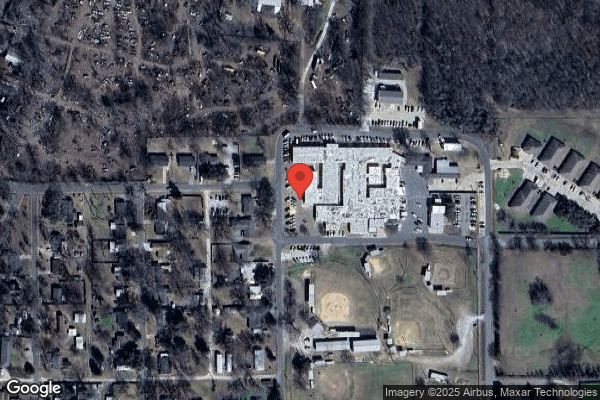
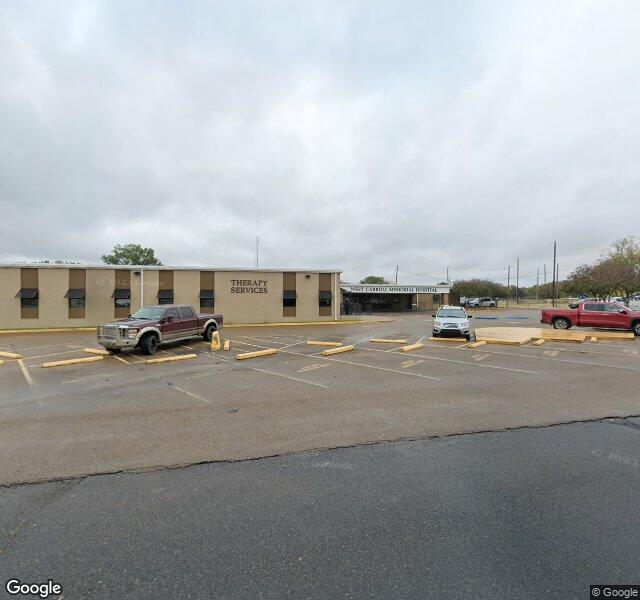
706 ROSS STREET, OAK GROVE, LA 71263 (318) 428-9612
For profit - Corporation 80 Beds Independent Data: November 2025 4 Immediate Jeopardy citations
Trust Grade
0/100
#171 of 264 in LA
Last Inspection: August 2024

Within standard 12-15 month inspection cycle. Federal law requires annual inspections.

Overview

West Carroll Care Center, Inc. has received a Trust Grade of F, indicating significant concerns about its quality of care. Ranked #171 out of 264 facilities in Louisiana, it falls within the bottom half, although it is the top-ranked option in West Carroll County. The facility's trend is improving, with issues decreasing from 7 in 2024 to just 1 in 2025, but it still faces serious challenges. Staffing ratings are average with a turnover rate of 41%, which is below the state average, suggesting some stability among staff. However, the center has incurred $54,806 in fines, which is concerning and higher than 76% of other facilities in Louisiana, indicating repeated compliance issues. Specific incidents reveal critical lapses in care; for example, a resident suffered a femoral neck fracture due to a failure to assess and document their condition after a fall. Another resident who was not properly secured in a lift chair fell and sustained multiple serious injuries, including a skull fracture. Additionally, a cognitively impaired resident managed to elope from the facility without adequate supervision, highlighting ongoing safety risks. While the facility has made some improvements, these serious incidents underscore the need for families to carefully consider the level of care provided.

Trust Score
F
0/100
In Louisiana
#171/264
Bottom 36%
Safety Record
High Risk
Review needed
Inspections
Getting Better
7 → 1 violations
Staff Stability
○ Average
41% turnover. Near Louisiana's 48% average. Typical for the industry.
Penalties
✓ Good
$54,806 in fines. Lower than most Louisiana facilities. Relatively clean record.
Skilled Nurses
⚠ Watch
Each resident gets only 11 minutes of Registered Nurse (RN) attention daily — below average for Louisiana. Fewer RN minutes means fewer trained eyes watching for problems.
Violations
⚠ Watch
13 deficiencies on record. Higher than average. Multiple issues found across inspections.
★★☆☆☆
2.0
Overall Rating
★★★☆☆
3.0
Staff Levels
★☆☆☆☆
1.0
Care Quality
★★★☆☆
3.0
Inspection Score
Stable
2024: 7 issues
2025: 1 issues

The Good

  • Full Sprinkler Coverage · Fire safety systems throughout facility
  • No fines on record
  • Staff turnover below average (41%)

    7 points below Louisiana average of 48%

Facility shows strength in fire safety.

The Bad

2-Star Overall Rating

Near Louisiana average (2.4)

Below average - review inspection findings carefully

Staff Turnover: 41%

Near Louisiana avg (46%)

Typical for the industry

Federal Fines: $54,806

Above median ($33,413)

Moderate penalties - review what triggered them

The Ugly 13 deficiencies on record

4 life-threatening
Feb 2025 1 deficiency 1 IJ
CRITICAL (J) 📢 Someone Reported This

A family member, employee, or ombudsman was alarmed enough to file a formal complaint

Immediate Jeopardy (IJ) - the most serious Medicare violation

Quality of Care (Tag F0684)

Someone could have died · This affected 1 resident

**NOTE- TERMS IN BRACKETS HAVE BEEN EDITED TO PROTECT CONFIDENTIALITY** Based on interviews and record reviews, the facility failed to ensure a resident received treatment and care in accordance with ...

Read full inspector narrative →
**NOTE- TERMS IN BRACKETS HAVE BEEN EDITED TO PROTECT CONFIDENTIALITY** Based on interviews and record reviews, the facility failed to ensure a resident received treatment and care in accordance with professional standards of practice when the nursing staff failed to recognize, assess, intervene, and document a resident's condition after a fall to avoid delayed treatment for 1 (#1) of 3 (#1, #2, and #3) residents reviewed for falls. This deficient practice resulted in an Immediate Jeopardy situation on 01/24/2025 at approximately 3:15 p.m., when resident #1 had a fall in his room. The resident's nurse failed to assess the resident after the fall, document the incident, and report the incident to the resident's physician and the director of nursing. On 01/28/2025, it was determined that the resident had obtained a left displaced femoral neck fracture, which required surgical repair on 01/29/2025. This deficient practice resulted in a delay of treatment for resident #1. The facility implemented corrective actions which were completed prior to the State Agency's investigation entry on 02/11/2025. It was determined to be a Past Noncompliance Citation. Findings: Review of the facility policy, Falls-Clinical Protocol (no date noted), revealed in part: Assessment and Recognition: 2. The nurse shall assess and document/report the following: recent injury, especially fracture or head injury; musculoskeletal function, observing for change in normal range of motion, weight bearing, etc.; pain; precipitating factors, and details on how fall occurred. 4. The staff will evaluate and document falls that occur while the individual is in the facility. 6. Falls should also be identified as witnessed or unwitnessed events. Monitoring and Follow-up: 1. The staff will follow up on any fall with associated injury until the resident is stable and delayed complications such as late fracture have been ruled out or resolved. Delayed complications such as late fracture and major bruising may occur hours or several days after a fall. Review of the facility policy, Accidents and Incidents-Investigating and Reporting (no date noted), revealed in part: All accidents or incidents involving residents occurring on the premises shall be investigated and reported to the administrator. Policy Interpretation and Implementation: 1. The nurse supervisor and/or nurse shall promptly initiate and document an investigation of the accident or incident. 2. The following data shall be included on the Report of Incident/Accident form in part: date and time of incident; nature of the injury/illness; notification of attending physician and family; the condition of the injured person; any corrective action taken; follow-up information; and the signature and title of the person completing the report. 6. Incident/Accident reports will be reviewed for trends related to accident or safety hazards in the facility and to analyze any individual resident vulnerabilities. Review of the record for resident #1 revealed a [AGE] year old with an admit date of 05/21/2024. Diagnoses included but not limited to the following: unspecified dementia with other behavioral disturbance, major depressive disorder, coronary atherosclerosis, atrial fibrillation, weakness, and left displaced femoral neck fracture. Further review revealed resident #1 was unable to verbally communicate his needs effectively. He also had behaviors (i.e. yelling out, resisting care, combative with staff) and he had increased muscle tone which cause his legs to be stiff. Review of resident #1's quarterly Minimal Data Set (MDS) assessment dated [DATE] revealed a Brief Interview for Mental Status (BIMS) score of 3 which indicated severely impaired cognitive skills for daily decision making. Resident #1 was unable to walk and used a wheel chair for locomotion. He also required substantial/maximal assistance for toileting, personal hygiene, chair to bed transfer, and lying to sitting on the side of the bed. Review of the Fall Risk assessment dated [DATE] revealed resident #1 had a score of 10 which indicated he was at a high risk for falls. Review of resident #1's current care plan revealed on 05/24/2024 he was totally dependent on 1 staff for assistance with toileting, personal hygiene, and for transfers. Further review revealed he was at risk for falls. Review of the Electronic Health Record (EHR) Progress Notes dated 01/28/2025 at 6:40 a.m. revealed Certified Nursing Assistants (CNAs) informed this nurse (S5Licensed Practical Nurse [LPN]) that resident #1 had a bruise to left hip and was complaining of pain. When S5LPN assessed resident, there was a small purple bruise noted to his left hip. Resident #1 complained of pain even when not being touched, and kept his left hand at side. S5LPN notified S2Director of Nursing (DON) and the resident's physician assistant. Further review of the resident #1's EHR Progress Notes dated 01/28/2025 at 9:40 a.m. revealed the facility received the resident's left hip x-ray results and he had a displaced femoral neck fracture. The resident's physician was notified and at 10:40 a.m., the resident was transferred to the emergency room. On 01/29/2024 at 11:30 a.m., S2DON was informed by hospital nurse that the resident was supposed to have surgery for his hip today. Review of the S2DON's investigation summary for the resident's incident of unknown injury revealed after interviews were conducted with staff regarding the resident's left hip bruise, initially there was no known incident or cause of the bruise. However, on 01/30/2025, S2DON conducted an interview with S4CNA and she informed S2DON that she was providing care for the resident when he had a fall from his bed on 01/24/2025. S4CNA reported she had asked S6CNA to assist her with transferring the resident. After that, resident #1 was aggravated and he had unplugged the bed, attempting to poke her with the plug. The resident jumped at her and fell out of the bed hitting the floor. Further review of S2DON's notes revealed camera footage was reviewed from 01/24/2025 and the footage supported S4CNA's statement. S4CNA was observed leaving to go to the nurses' station and then she and S3LPN went back into the resident's room. After S2DON further interviewed S4CNA and S6CNA they revealed resident #1 had no apparent injuries and no complaint of pain with transfer or during care. Immediate action taken by facility on 01/28/2025: -A body audit of resident #1 was completed by the S2DON with no other significant findings discovered. -Resident #1 was placed in the dayroom so he could be observed by nursing staff and when the CNA's provided personal care, a management nurse was in attendance. -An investigation regarding the injury of unknown origin was initiated. -Initially, staff interviews initiated with no significant findings noted. -Interviews with residents that resided on resident #1's hall were initiated with no significant findings noted. -Left hip x-ray results received and indicated a displaced femoral neck fracture and resident #1 was transferred to the emergency room for evaluation and transfer for orthopedic care. Review of resident #1's medical record revealed there was no documentation of resident #1's fall on 01/24/2025. Further review revealed there was no documentation the resident was assessed after the 01/24/2025 fall, and the fall was not reported to the resident's physician nor the director of nursing. On 02/12/2025 at 12:15 p.m., an interview with S2DON revealed she interviewed S3LPN regarding the above incident and S3LPN told her she could not remember S4CNA reporting to her that resident #1 had a fall on 01/24/2025. She confirmed S3LPN viewed video footage from 01/24/2025 with her. They watched as she entered resident #1's room with S4CNA, but S3LPN still could not recall that the resident had a fall on 01/24/2025 or if she had assessed him after the fall. S2DON confirmed S3LPN failed to report the resident's fall to her and there was no documentation in the nurse's notes and no incident report was completed regarding resident #1's fall. S2DON revealed the last day that S3LPN worked at the facility was on 01/30/2025 and after the investigation into the incident, she was terminated on 02/07/2025. On 02/12/2025 at 2:12 p.m., a phone interview was conducted with S3LPN and she was unable to recall S4CNA reporting to her that the resident had a fall on the evening on 01/24/2025. She confirmed she worked on 01/24/25 but could not remember any details regarding resident # 1's fall or if she had assessed him after the fall. On 02/12/2025 at 3:58 pm, a phone interview with S4CNA revealed she was trying to change resident #1 and he unplugged the bed and he was trying to poke her or hit her with the plug. He lunged at her with the plug and this caused him to fall out of his bed (that was in low position) onto his left side on the floor. She yelled for S6CNA to come stay with the resident while she went to get his nurse. S4CNA revealed she informed the nurse at the nurse's station that she needed the resident's nurse. She reported that S3LPN came quickly to the room and instructed S4CNA and S6CNA to transfer resident #1 back to bed. S4CNA reported she did not observe S3LPN assess the resident but she had left the room soon after the resident was transferred back to bed. During the survey, in-service records and Quality Assurance (QA) monitoring records were reviewed and it was determined that the facility had implemented the following corrective actions to correct the deficient practice prior to entering the facility. On 01/28/2025, the facility implemented the following actions to correct the deficient practice with a completion date of 01/31/2025: 01/28/2025 - Weekly body audits reviewed for 01/27/2025 to determine if there were any unknown injuries or significant findings. Body audits will continue until full facility body audits are completed. Statewide Incident Management System (SIMS) report opened. 01/28/2025- Staff education initiated: Abuse and neglect, staff rounding requirements: CNA even hours/nurses odd hours, ensure staff using proper transfer techniques, report changes in condition, change in behavior, change in skin condition to the nurse in a timely manner and any issues identified with a resident should be assessed immediately and addressed in a timely manner. 01/29/2025- Investigation continues regarding resident #1's injury of unknown origin, and full facility body audits continued. 01/30/2025- Video footage was reviewed by S1Administrator and S2DON. The video footage supported S4 CNA's statement. S3LPN was witnessed entering the resident's room after being notified of the incident. There were no issues identified with review of the footage and routine care rounds were being provided. 01/30/2025- S3LPN was suspended pending investigation. 01/30/2025- Incidents and accidents for resident #1's hall reviewed, no injuries of unknown origin noted; no additional incidents/accidents were noted. 01/30/2025- QA started on reviewing nurse's notes and 24-hr report to ensure that incidents/accidents are reported, processed, and completed. QA will be done 5x a week x 8 weeks then 3x a week x 4 weeks then as needed. 01/30/2025- Residents that resided on resident #1's hall were assessed to identify any potential significant changes, any recent hospitalizations, or other abnormal findings and there were no concerns noted. 01/30/2025 - Staff members who worked with resident #1 through the weekend were re-interviewed in order to gain more details regarding his care, complaints, and activity level. No signs or report of distress or pain was noted. Resident appeared to continue normal activities, including being out of bed, in day room watching television, interacting with others and meal intake was normal. 01/30/2025 - Safety measures were assessed and found to be functioning properly. Included in these were the following: 1) Resident #1's call light was activated, the light lit up in the hall and at the switchboard (the clerk at the desk and nurse in the room could clearly hear each other speaking). 2) Wedge cushion was in place and properly fit the resident's wheelchair. 3) Assist bar was properly attached to resident #1's bed and raised/lowered correctly. 4) Functions of the bed were checked. The head and foot of the bed raised and lowered properly. The bed raised and lowered also with no issues. 5) The mattress fit was checked and was correct. There was no physical damage noted to the exterior of the mattress (no rips, tears or sunken spots). 01/30/2025- Resident #1's incidents were reviewed for the last six months and all prior interventions were assessed and found to be in place. 01/31/2025- Staff in-service for CNAs: Reporting any incident or accidents that occur with a resident. If unsure if something is new or if you should report, always report to the nurse or supervisor. If you feel like an additional assessment may need to be done then report to a management nurse. 01/31/2025- Staff in-service for nurses: An incident report should be done for any of the following (bruises, skin tears, falls, unintentional change in plane, setting a resident in the floor from getting weak, sliding out of bed or wheelchair, etc). Physician, responsible party, and DON should all be made aware. Proper documentation should be done and include any new orders or treatment. If any immediate actions should be put into place, then make sure those are done (increase supervision, increase monitoring, etc.). 01/31/2025- Staff in-service: Abuse & Neglect, reporting any change in condition or change in status to nurse/nurses station. 01/31/2025- QA initiated to ensure nurse competency and return demonstration for incident/accident reporting and completion of appropriate documentation. 01/31/2025- Resident #1 returned to the facility with orders for non-weight bearing status and hip rehab exercises. He is a two person assist with lift transfer. Nursing assessment completed. 01/31/2025- As an immediate protective action, S6CNA sat near the resident's door providing additional supervision due to him having had a fall and behaviors. On 01/30/2025, once the facility was aware of resident #1's fall, corrective action was initiated immediately, staff was suspended with subsequent termination, and all staff education and QA was initiated. Compliance was met on 01/31/2025 after the determination was made that no other residents were affected and the QA process was in place. Date facility asserts the likelihood for serious harm to any recipient no longer exists: 01/31/2025.
Aug 2024 3 deficiencies
CONCERN (E)

Potential for Harm - no one hurt, but risky conditions existed

Comprehensive Care Plan (Tag F0656)

Could have caused harm · This affected multiple residents

**NOTE- TERMS IN BRACKETS HAVE BEEN EDITED TO PROTECT CONFIDENTIALITY** Based on record review and interview the facility failed to develop and implement a comprehensive person-centered care plan for ...

Read full inspector narrative →
**NOTE- TERMS IN BRACKETS HAVE BEEN EDITED TO PROTECT CONFIDENTIALITY** Based on record review and interview the facility failed to develop and implement a comprehensive person-centered care plan for each resident, that includes measurable objectives and timeframes to meet a resident's medical, nursing, mental, and psychosocial needs that are identified in the comprehensive assessment for 1 (#5) of 3 (#5, #6, and #61) residents reviewed for nutrition. The facility failed to document the supper meal intake percentages daily for resident #5. Findings: Review of the medical record for resident #5 revealed an admission date of 03/07/2024 with diagnoses including hypertension, diabetes mellitus, hypokalemia, insomnia, gout, polyneuropathy, reflux, dementia, anorexia, hyperlipidemia, and vitamin deficiency. Review of the quarterly Minimum Data Set (MDS) assessment dated [DATE] revealed the resident had severe cognitive impairment with daily decision making skills and required assistance with activities of daily living. Review of the current care plan revealed resident #5 had a potential for weight loss related to leaving 25% or more of food uneaten at most meals. Further review of the care plan revealed an intervention to document the resident's food intake with each meal. Review of the Meal Roster form for July 2024 and August 2024 revealed no documented evidence of the supper meal intake percentage daily for resident #5. On 08/14/2024 at 9:15 a.m., an interview with S2Director of Nursing (DON) confirmed the supper meal intake percentages were not documented on the Meal Roster form.
CONCERN (E)

Potential for Harm - no one hurt, but risky conditions existed

Deficiency F0726 (Tag F0726)

Could have caused harm · This affected multiple residents

**NOTE- TERMS IN BRACKETS HAVE BEEN EDITED TO PROTECT CONFIDENTIALITY** Based on record review, and interview, the facility failed to ensure that nursing staff are able to demonstrate competency in sk...

Read full inspector narrative →
**NOTE- TERMS IN BRACKETS HAVE BEEN EDITED TO PROTECT CONFIDENTIALITY** Based on record review, and interview, the facility failed to ensure that nursing staff are able to demonstrate competency in skills necessary to care for resident needs for 1 (#5) of 5 (#3, #5, #15, #40 and #62) residents records reviewed. The facility failed by not having documentation of sites for administration of insulin. Findings: Review of the medical record for resident #5 revealed an admission date of 03/07/2024 with diagnoses including hypertension, diabetes mellitus, hypokalemia, insomnia, gout, polyneuropathy, reflux, dementia, anorexia, hyperlipidemia, and vitamin deficiency. Review of the quarterly Minimum Data Set (MDS) assessment dated [DATE] revealed the resident had severe cognitive impairment with daily decision making skills and required assistance with activities of daily living. Review of the current care plan dated 03/14/2024 revealed resident #5 had labile blood sugars related to diabetes. Further review of the care plan revealed an intervention to obtain finger stick blood sugars as ordered before meals and at bedtime. Review of the August 2024 physician orders revealed an order dated 05/22/2024 for finger stick blood sugars before meals and at bedtime and give sliding scale insulin with Novolog sliding scale 0-200 give 0 units, 201-250 give 4 units, 251-300 give 6 units, 301-350 give 8 units, 351-400 give 10 units, and if blood sugar level is greater than 401 call the physician. Review of the Medication Administration Record (MAR) revealed no documented evidence of the sites of administration for sliding scale insulin injections 47 times during the month of July 2024 and 6 times during the month of August 2024. On 08/14/2024 at 9:15 a.m., an interview with S2Director of Nursing (DON) confirmed the nurses failed to document the sites of administration for sliding scale insulin injections for July 2024 and August 2024.
CONCERN (E)

Potential for Harm - no one hurt, but risky conditions existed

Infection Control (Tag F0880)

Could have caused harm · This affected multiple residents

**NOTE- TERMS IN BRACKETS HAVE BEEN EDITED TO PROTECT CONFIDENTIALITY** Based on observations, record reviews and interviews, the facility failed to maintain an infection prevention and control progra...

Read full inspector narrative →
**NOTE- TERMS IN BRACKETS HAVE BEEN EDITED TO PROTECT CONFIDENTIALITY** Based on observations, record reviews and interviews, the facility failed to maintain an infection prevention and control program designed to provide a safe and sanitary environment to help prevent the development and transmission of infection for 1 (#3) of 4 (#3, #37, #62, #68) residents on Enhanced Barrier Precautions (EBP). The facility failed to ensure staff wore proper Personal Protective Equipment (PPE) while providing incontinent care to Resident #3 who was on Enhanced Barrier Precautions. Findings: On 08/13/2024 at 11:19 a.m., record review for Resident #3 revealed an admit date of 08/04/2016. Further review of the record revealed Resident #3 had diagnoses of hypertension, urinary tract infection, herpes viral vesicular dermatitis (fever blister), anorexia, anxiety disorder, disorder of urinary system, type 2 diabetes, chronic kidney disease (stage 3), depressive episodes, urgency of urination, Alzheimer's disease, and herpes zoster. Review of the quarterly Minimum Data Set, dated [DATE] revealed a Brief Interview of Mental Status (BIMS) score of 99 (unable to assess). Review of the plan of care in part revealed: Chronic kidney disease- monitor for declining urine output, assess peripheral edema, Placed on contact precautions due to Multi Drug Resistant Organisms (MDRO), Chronic urinary tract infections (UTI) - will be free of negative effects of incomplete bladder emptying. Review of the record revealed on 07/27/2024 an order for a urinalysis with culture and sensitivity was ordered. The culture and sensitivity results showed Methicillin Resistant Staphylococcus Aureus (MRSA) and was susceptible to Vancomycin. On 08/14/2024 at 9:59 a.m., observation of resident #3's door revealed a sign was posted that the resident was on Enhanced Barrier Precautions (EBP). The EBP sign read: Everyone must: Cleanse their hands, including before entering and when leaving the room. Providers and staff must also: Wear gloves and gown for the following High-Contact Resident Care Activities. Dressing Bathing/Showering Transferring Changing Linens Providing Hygiene Changing briefs or assisting with toileting Device Care or use: Central line, urinary catheter, feeding tube, tracheostomy Wound Care: any skin opening requiring a dressing. Do not wear the same gown and gloves for the care of more than one person. Further observation of the hallway revealed there was PPE such as gown and gloves on the hallway in close proximity to Resident #3's room. On 08/14/2024 at 10:00 a.m., observation of incontinent care to resident #3 performed by S4Certified Nurses Assistant (CNA) revealed she was already in resident #3's room. Further observation revealed S4CNA was not wearing any PPE. Observation of S4CNA revealed she transferred resident #3 from the geri chair to bed without wearing PPE. Further observation revealed S4CNA then donned gloves without washing her hands, opened resident #3's brief, and touched the container of wipes with same gloves. S4CNA proceeded to wipe resident #3 front to back, turn resident #3 on the right side, retrieve more wipes from the package, wipe the resident's buttocks and then apply a new brief all with the same gloves. Further observation of S4CNA revealed she proceeded to move the geri chair with the same gloves (that were worn to clean the resident with), transfer the resident into the chair, put the soft neck pillow behind the resident's neck, place pillows on the right and left side of resident #3 and place a blanket over resident #3 without ever changing the gloves she used to clean resident #3 with. Further observation revealed S4CNA then picked up the trash bag that contained the dirty brief and the container of wipes with the dirty gloves and proceeded to open the door. S4CNA placed the wipes on the hall cart with the same gloves. S4CNA confirmed at that time the wipes would be used on another resident. Interview with S4CNA at the end of the care confirmed the sign on the door said resident #3 was on EBP and she should have cleaned her hands before and after the procedure. She further confirmed she was supposed to wear gloves and a gown for the incontinent care. On 08/14/2024 at 10:20 a.m., review of the EBH policy and procedure dated March 2024 revealed in part: EBP are utilized to prevent the spread of multi-drug resistant organisms (MDROs). 1. EBP are used as an infection prevention and control intervention to reduce the spread of MDROs to residents. 2. EBP employ targeted gown and glove use during high contact resident care activities when contact precautions do not otherwise apply. a. Gloves and gown are applied prior to performing the high contact care activity. b. PPE is changed before caring for another resident. 3. Examples of high contact resident care activities requiring the use of gown and gloves for EBP include: a. dressing b. bathing/showering c. transferring d. providing hygiene e. changing linens f. changing briefs or assisting with toileting 4. EBP are indicated (when contact precautions do not otherwise apply) for residents infected or colonized with the following: f. MRSA 6. EBP remain in place for the duration of the residents' stay or until resolution of the wound or discontinuation of the indwelling medical device that places them at risk. 9. Staff are trained prior to caring for residents on EBP. 10. Signs are posted on the door or wall outside the resident room indicating the type of precautions and PPE required. 11. PPE is available outside of the resident rooms. 12. Resident, families and visitors are notified of the implementation of EBP throughout the facility. Review of the EBP tracking revealed resident #3 was placed on EBP on 08/13/2024 related to MRSA of the urine. On 08/14/2024 at 10:17 a.m., an interview with S3 Infection Control Nurse confirmed resident #3 had been on contact isolation due to a UTI, came off of contact isolation on 08/13/2024 and was immediately placed on EBP. S3 Infection Control Nurse further confirmed S4CNA should have worn a gown while performing incontinent care and she should have washed her hands and changed her gloves after providing the care. S3Infection Control Nurse further confirmed the wipes should not have been taken into the resident's room to provide the care and should have stayed on the hall cart.
May 2024 1 deficiency 1 IJ
CRITICAL (J) 📢 Someone Reported This

A family member, employee, or ombudsman was alarmed enough to file a formal complaint

Immediate Jeopardy (IJ) - the most serious Medicare violation

Accident Prevention (Tag F0689)

Someone could have died · This affected 1 resident

**NOTE- TERMS IN BRACKETS HAVE BEEN EDITED TO PROTECT CONFIDENTIALITY** Based on record reviews and interviews, the facility failed to ensure each resident received adequate supervision and assistive ...

Read full inspector narrative →
**NOTE- TERMS IN BRACKETS HAVE BEEN EDITED TO PROTECT CONFIDENTIALITY** Based on record reviews and interviews, the facility failed to ensure each resident received adequate supervision and assistive devices to prevent accidents for 1 (#1) of 5 (#1, 2, 3, 4, 5) sampled residents by failing to ensure resident #1 was safely secured in a lift chair while bathing in the whirlpool room. This deficient practice resulted in an Immediate Jeopardy situation that began on 04/30/2024 at 9:15 a.m., when resident #1 was not properly secured with the seat belt in a lift chair while receiving a whirlpool bath. The resident fell from the chair to the floor and sustained a fractured skull, fractured left arm, laceration to the left side of the head and a brain bleed. The facility implemented corrective actions which were completed prior to the State Agency's investigation entry on 05/06/2024. It was determined to be a Past Noncompliance Citation. Findings: Review of the facility's current Bath, Shower/Tub policy, which was last revised February 2018 revealed When using the lift system, be sure whirlpool lift is firmly positioned and locked. Assist the resident into the whirlpool chair lift. Secure the safety belts. Review of the resident #1's medical record revealed she was admitted to the facility on [DATE] and had diagnoses which included chronic obstructive pulmonary disease, hypothyroidism, hypertensive heart disease and hyperlipidemia. Review of the annual Minimum Data Set (MDS) assessment dated [DATE] revealed resident #1's Brief Interview for Mental Status (BIMS) score was 11. A score of 11 indicated moderate cognitive impairment. The MDS also indicated the resident required partial to moderate assistance with bathing. Review of the care plan for resident #1 revealed she had impaired mobility and required 1 person assistance with bathing. The resident's care plan also indicated she was at high risk for falls. Review of the nurse's notes dated 04/30/2024 indicated resident #1 fell and was lying face down on the floor with blood around her head when the nurse entered the WP (whirlpool) room. The resident's respirations were shallow at 6-8 beats per minute and her heart rate was slow at 10 beats per minute. She did not respond verbally and S2DON (Director of Nurses) initiated deep sternal stimulation. After being stimulated her respirations and heart rate increased. The resident had a 5-6 centimeter laceration to her left forehead. The resident was placed on a stretcher and taken to the emergency room, which was connected to the facility. Review of the facility's incident report revealed on 04/30/2024 at 9:15 a.m., S3CNA (Certified Nurse Aid) was assisting resident #1 with a whirlpool bath which included using the lift chair attached to the bath. S3CNA failed to properly secure the seat belt and the resident fell to the floor. Nursing staff were called to the whirlpool room. They found the resident was unresponsive. S2DON opened resident #1's airway and applied oxygen. The resident was placed on a stretcher and taken to the local hospital's emergency room. Review of the facility's investigation which began on 04/30/2024 revealed S3CNA failed to use the lift seat belt and while she was looking down to lock the lifts wheels the resident fell to the floor. The investigation also indicated S3CNA was suspended while the investigation was ongoing. On 05/06/2024 at 9:10 a.m., an interview with S2DON revealed S3CNA failed to use the seat belt on the lift chair that was attached to the whirlpool bath, to properly secure resident #1 while bathing. S2DON reported the resident fell from the whirlpool lift chair on 04/30/2024 and sustained a laceration to the left side of the head. S2DON stated she was contacted on 04/30/2024 by the emergency room nurse at the local hospital with an update on the resident's status which included a brain bleed, a fractured skull, and a fractured arm. S2DON reported resident #1 was airlifted to another hospital from the local hospital's emergency room. On 05/06/24 at 10:00a.m., an interview with resident #1 revealed that she thought she passed out. Resident #1 reported the last thing she remembered was seeing the last of the water drain from the tub. The next thing she remembered she was on a stretcher on her way to the emergency room. Resident #1 reported her arm was broken and she had been experiencing pain. Observations at this time revealed resident #1 had a heavily bruised face and she was wearing a cervical neck collar. On 05/07/2024 at 10:25 a.m., an interview with S3CNA was conducted via telephone. S3CNA was upset that she forgot to apply the seat belt. S3CNA reported that resident #1 had been wheeled out of the whirlpool. S3CNA was talking to the resident and she walked to the back of the lift to lock the wheels. As she was looking down to lock the wheels resident #1 fell from the chair landing on the floor. S3CNA reported she immediately called for help. On 05/06/2024 at 11:30 a.m., an observation was made of resident #2 receiving a whirlpool bath using the lift. S5CNA and S6CNA were observed properly applying the seat belt of the lift. Interviews with the CNAs revealed whirlpool baths had recently been suspended. The CNAs reported only after they were retrained and performed competency demonstrations, were they able to resume using the lift to give whirlpool baths. The CNAs also reported a nurse has been supervising seat belt use during whirlpools. On 04/30/2024 the facility implemented the following actions to correct the deficient practice. 1. The facility immediately suspended use of the lifts used for whirlpools. 2. Signage was placed at the whirlpool instructing staff not to use it until they had received additional training. 3. A whirlpool safety assessment was completed for every resident in the facility, even if they did not require a lift or use the whirlpool. The assessments were completed on 05/01/2024. 4. All CNAs were trained on: belt safety when using the whirlpool lift chair, locking the lift wheels, keep lift chair in lowest position, proper disinfecting, do not exceed 105 degrees and making sure lift seat is locked when the resident is placed back on the lift. The final in-service was completed on 05/02/2024. 5. The CNAs were retrained and performed a demonstration of the proper use of the whirlpool lift chair x 3. Only after each CNA was reeducated and successfully completed the demonstrations were they allowed to resume use of the lift. The first in-service was conducted on 05/01/2024 and the final in-service was completed. 6. As part of the facility QA (Quality Assurance), S4RN (Registered Nurse), the person responsible for staff development, monitored for proper lift use by the CNAs when they were using the lift in the whirlpool. Review of the QA checkoff sheet developed to review CNAs' compliance to proper lift use showed there had been no issues found. The facility began using the Safety Belt Usage Log on 05/01/2024. 7. Review of the Quality Assurance monitoring logs revealed the monitoring was ongoing and will continue at present time. 8. The above actions were all completed as of 05/02/2024.
Apr 2024 1 deficiency 1 IJ
CRITICAL (J) 📢 Someone Reported This

A family member, employee, or ombudsman was alarmed enough to file a formal complaint

Immediate Jeopardy (IJ) - the most serious Medicare violation

Accident Prevention (Tag F0689)

Someone could have died · This affected 1 resident

**NOTE- TERMS IN BRACKETS HAVE BEEN EDITED TO PROTECT CONFIDENTIALITY** Based on observations, record reviews and interviews, the facility failed to ensure 1 (#1) of 5 (#1, #2, #3, #4 and #5) resident...

Read full inspector narrative →
**NOTE- TERMS IN BRACKETS HAVE BEEN EDITED TO PROTECT CONFIDENTIALITY** Based on observations, record reviews and interviews, the facility failed to ensure 1 (#1) of 5 (#1, #2, #3, #4 and #5) residents who was assessed at risk for elopement, was adequately supervised to prevent her from eloping from the facility. This deficient practice resulted in an Immediate Jeopardy situation on 04/19/2024 at approximately 6:20 p.m. when resident #1 (a severely cognitively impaired resident identified as an elopement risk) was found approximately 300 yards outside of the facility by a staff member. Resident #1 was located 10 minutes after she eloped on 04/19/2024 through a facility door and was returned to the facility at approximately 6:32 p.m. The facility implemented corrective actions which were completed prior to the State Agency's investigation entry on 04/24/2024. It was determined to be a Past Noncompliance Citation. Findings: Review of the facility's Emergency Procedure for Missing Resident Policy revised August 2018 revealed: Policy Interpretation and Implementation Residents at risk for wandering and/or elopement will be monitored and staff will take necessary precautions to ensure their safety. Review of the medical record revealed resident #1 was admitted to the facility on [DATE] with diagnoses including depressive disorder, macular degeneration, dementia, and hypothyroidism. Review of the Minimum Data Set (MDS) assessment dated [DATE] revealed resident #1 had a brief interview for mental status of 3 which indicated that resident #1 had severe cognitive impairment with daily decision making. The assessment also indicated the resident was independent with transfers, and did not require mobility devices. Review of the current care plan revealed resident #1 was at risk for elopement. The interventions for elopement included: determine the resident's walking pattern, encourage the resident to participate in activities, staff should attempt to keep the resident occupied, assess cognitive abilities. The care plan also noted to monitor the resident for possible risk factors such as history of elopement, wandering, and making statements regarding wanting to go home. Additional interventions were to monitor the resident for potential triggers of elopement such as visual/hearing impairment, hunger, pain or thirst, and educate staff on the resident's potential for elopement. Review of the facility's investigation report revealed on 04/19/2024 at approximately 6:32 p.m. resident #1 was brought back to the facility by a staff member. The resident was found walking approximately 300 yards outside of the facility. Further review of the investigation report documented the facility's camera footage revealed on 04/19/2024 at 6:20 p.m. resident #1 exited the building out of the exit door by the activity room. Review of the Elopement Risk assessment dated [DATE] revealed resident #1 had confusion and was disoriented. The resident had diagnoses of dementia and depression. The resident ambulated independently and verbally expressed the desire to go home during the assessment. Further review of the assessment revealed the facility assessed resident #1 to be at high risk for elopement. Review of the nurse notes dated 04/19/2024 at 6:45 p.m. revealed resident #1 was found about two blocks from the facility by an employee of the nursing facility. The employee brought the resident back to the facility, and a body audit revealed no apparent injuries noted. The resident stated, I just went out the back door. When asked if she put a code in to get out the door she replied, If I did I don't remember it. Resident tearful saying I didn't mean to cause all this trouble. If ya'll would have left me alone I'd be home now. Review of the Resident Incident Report dated 04/19/2024 at 6:45 p.m. revealed resident #1 was found outside, about two blocks from the nursing facility. A staff member found resident #1 and brought the resident back to the facility. During the survey observations of resident #1 revealed she ambulated independently in the hallways. On 04/24/2024 at 10:30 a.m. interview with S3Licensed Practical Nurse (LPN) revealed resident #1 walks by herself in the halls. On 04/24/2024 at 11:00 a.m. interview with S4LPN revealed resident #1 ambulates independently. On 04/24/2024 at 12:50 p.m. interview with S5Certified Nursing Assistant (CNA) revealed resident #1 walks by herself in the halls and the resident goes all over the building. On 04/24/2024 at 1:00 p.m. interview with S6CNA revealed resident #1 walks in the halls independently. On 04/24/2024 at 1:10 p.m. interview with S7CNA revealed she has seen resident #1 walk in the halls by herself. On 04/25/2024 at 1:30 p.m. interview with S2Director of Nursing (DON) revealed resident #1 eloped from the building on 04/19/2024. S2DON revealed she assumed resident #1 entered the code to the locked door and exited the building on 04/19/2024 at approximately 6:20 p.m. On 04/25/2024 at 2:07 p.m. interview with S1Administrator confirmed resident #1 was at risk for elopement. On 04/19/2024 resident #1 eloped from the building, and it was assumed she entered the code and exited the building at approximately 6:20 p.m. On 04/19/2024, the facility implemented the following actions to correct the deficient practice with completion on 04/21/2024: 1. Resident #1 was placed on 1:1 supervision until 04/22/2024 at 2:30 p.m. Resident #1 was then monitored every 30 minutes for 24 hours and then placed on hourly monitoring. 2. All other residents were placed on every 30 minute monitoring until 04/21/2024, and then placed on hourly monitoring. 3. A census check for all residents was done immediately. 4. All exit doors were checked immediately for proper functioning. 5. All residents were reassessed for elopement risk on 04/19/2024. 6. All exit door keypad codes were covered with thick paper and tape on 04/19/2024. 7. Extra staff were called to work to monitor the exit doors. 8. On 04/19/2024 the staff were in-serviced regarding: Resident #1 placed on 1:1 monitoring and all other residents were placed on every 30 minute monitoring. The staff were in-serviced on monitoring the exit doors to ensure resident safety and a review of the missing resident protocol was presented. On 04/20/2024 an in-service for missing resident protocol, abuse and neglect policy was presented, and 1:1 care and supervision for the resident who eloped until it is discontinued by the Administrator and/or DON. 9. Staff were educated on residents at risk for elopement. 10. On 04/20/2024 exit doors functioning was checked to ensure proper functioning. 11. An additional camera was installed on the door in which the resident eloped. 12. On 04/22/2024 the plaques above the keypad with the exit code displayed were removed from every exit door and replaced with a small label with the exit code. 13. On 04/22/2024 part of the facility's action list provided by S2DON indicated that the door locks/keypad company would be changing the codes on the exit doors. The door alarm company was in the process of changing all of the door codes upon the surveyor's entrance to the facility on [DATE]. The keypad codes to all exit doors were changed on 04/24/2024. 14.Quality Assurance was conducted with the Administrator, DON and staff immediately following the incident and continues to evolve identifying areas of improvement including but not limited to daily door checks for proper functioning every day for two weeks and then three times a week for two week and then as needed. The hourly monitoring of all residents will continue until further notice.
Jan 2024 2 deficiencies 1 IJ
CRITICAL (J) 📢 Someone Reported This

A family member, employee, or ombudsman was alarmed enough to file a formal complaint

Immediate Jeopardy (IJ) - the most serious Medicare violation

Free from Abuse/Neglect (Tag F0600)

Someone could have died · This affected 1 resident

**NOTE- TERMS IN BRACKETS HAVE BEEN EDITED TO PROTECT CONFIDENTIALITY** Based on interviews and record reviews, the facility failed to protect the residents' right to be free from neglect by staff fai...

Read full inspector narrative →
**NOTE- TERMS IN BRACKETS HAVE BEEN EDITED TO PROTECT CONFIDENTIALITY** Based on interviews and record reviews, the facility failed to protect the residents' right to be free from neglect by staff failing to provide the care needs every two hours as indicated in the care plan for 3 (#1, #2, and #3) of 3 (#1, #2, and #3) residents reviewed for neglect. This deficient practice resulted in an immediate jeopardy situation on [DATE] at 10:13 p.m. (two hours after resident #1 was last seen) when staff failed to make rounds every two hours on resident #1, who was on oxygen and was dependent on staff for transfers, toileting, and bed mobility. Video surveillance revealed the resident was administered medications on [DATE] at 8:13 p.m. by S3LPN (Licensed Practical Nurse) and no staff rounded on the resident or entered the resident's room until [DATE] at 5:57 a.m. (9 hours and 44 minutes). On [DATE] at 5:57 a.m., resident #1 was found in his room, lying on the floor, and deceased . S3LPN failed to perform rounds every two hours for resident #1 during his shift from 8:13 p.m. on [DATE] to 5:57 a.m. on [DATE]. S4CNA (Certified Nursing Assistant) failed to perform rounds on resident #1 every two hours during her shift from 11:00 p.m. on [DATE] to 7:00 a.m. on [DATE]. The facility implemented corrective actions which were completed prior to the State Agency's investigation, thus it was determined to be a Past Noncompliance Citation. Findings: Review of the facility's policy titled, Activities of Daily Living (ADLs), Supporting revealed the following: 1. Appropriate care and services will be provided for residents who are unable to carry out ADLs independently, with the consent of the resident and in accordance with the plan of care, including appropriate support and assistance with: a. Hygiene (bathing, dressing, grooming, and oral care); b. Mobility (transfer and ambulation, including walking); and, c. Elimination (toileting). An interview with S2DON (Director of Nursing) on [DATE] at 12:45 p.m. revealed the facility's expectations for nurses and CNAs was to make rounds on each resident residing in the facility at least every two hours and according to the residents' plan of care. Resident #1 Review of the electronic health record revealed resident #1 was admitted to the facility on [DATE]. Further review revealed the date of discharge as [DATE] with a discharge status of death in the facility. The resident's diagnoses included in part, chronic obstructive pulmonary disease with (acute) exacerbation, dependence on supplemental oxygen, epilepsy, dementia, unspecified severity, anxiety disorder, major depressive disorder, viral hepatitis C without hepatic coma, and diverticulitis of large intestine with perforation and abscess without bleeding. Review of the annual minimum data set assessment dated [DATE] revealed in part, that resident #1 had a brief interview for mental status score of 15, indicating that he was cognitively intact with daily decision making. Further review revealed that resident #1 required set up/clean up assistance with toileting, dressing, personal hygiene, roll left to right, sit to lying, lying to sitting up in bed, transfer to toilet, and eating. Review of resident #1's care plan revealed the following: Problem Onset: [DATE]: I am high risk for pressure ulcers/altered skin integrity and impaired mobility. Documented approaches included, in part: assist me turning and repositioning every two hours and as needed. Review of the [DATE] physician's orders for resident #1 revealed an order dated [DATE]; O2 (oxygen) at 3 Liters per minute via nasal cannula to be used continuously. Review of the resident #1's AM/PM Care Roster revealed, in part, that on the date of [DATE] at 11:17 p.m. S4CNA documented that pericare was provided for resident #1, he was continent and had voided two times, resident was continent of stool and had two medium sized soft bowel movements during the shift. Further documentation revealed that S4CNA had performed a skin check on resident #1 with no new skin concerns. Review of the departmental/nursing note dated [DATE] at 6:51 a.m. revealed: Resident found deceased on floor in room next to bed during morning medication pass. Resident was lying face down. Body was lying straight. Slightly cold to touch. Skin color still intact. Bedside table sitting next to bathroom door and it's belonging all over the floor. Urine from urinal and tea spilled all over the floor. The note was signed by S3LPN. Review of the facility's incident report dated [DATE] and completed by S2DON revealed the following: Incident Occurred on [DATE]. Investigation Findings included: On the morning of [DATE], around 6:00 a.m., S3LPN walked into resident #1's room for morning med pass and found him face down on the floor. Further documentation on the incident report revealed that S3LPN stated that resident #1 had been seen last around 2 am and had no complaints during his shift, which had started at 7:00 p.m. on the night of [DATE]. S3LPN further assessed resident #1 and found him to be deceased . Additional documentation from the incident report completed by S2DON revealed that S4CNA was the aide on the hall at the time of resident #1's death and her (S4CNA) witness statement said Around 2 o'clock I proceeded to do my rounds and check on the residents as I should. I entered resident #1's room to check on him and he was sound sleep with his oxygen on. Further review of the facility incident report revealed that a review of the video surveillance from [DATE] had revealed that the last time that staff entered the resident's room was at 8:13 p.m. on the night of [DATE], when S3LPN was in the room during night time medication pass. On [DATE] at 12:40 p.m., an interview with S1Administrator revealed that S3LPN had notified S2DON that he was doing his med pass on Sunday morning ([DATE]) at approximately 5:45 a.m. to 6:00 a.m. and he had found that resident #1 was found on the floor and had passed away. She further reported that S4CNA had wrote (Referring to a witness statement) that she had last been in resident #1's room around 2:00 a.m. S1Administrator further reported that an in-house investigation was conducted. S1Administrator reported that she and S2DON had reviewed the facility's video camera footage and found that both S4CNA and S3LPN had not been in resident #1's room since the nighttime med pass at approximately 8:30 p.m. on [DATE]. On [DATE] at 2:46 p.m. an interview with S2DON revealed that she had received a telephone call from S3LPN on the morning of [DATE], informing her that he had found resident #1 on the floor and deceased around 5:57 a.m. She further reported that S3LPN had told her (S2DON) that resident #1 had been seen at 2:00 a.m. on the morning of [DATE], but he had not said which employee had seen the resident. S2DON revealed that S4CNA had reported that on [DATE] at 2:00 a.m., she had seen resident #1 in his room, in bed, and with his oxygen on. Further interview revealed that upon S2DON's return to work on [DATE], she viewed the facility's video camera footage from the date of [DATE] to [DATE] and confirmed that no staff made rounds or had seen resident #1 from approximately 8:15 to 8:30 p.m. on [DATE], when S3LPN had passed medications to resident #1, until [DATE] at approximately 5:57 a.m. when S3LPN found resident #1 in his room, on the floor, and deceased . During the telephone interview on [DATE] at 8:13 p.m., S4CNA was notified of the findings regarding her documentation on the AM/PM Care Roster of care being provided for resident #1 on [DATE] at 11:17 p.m. S4CNA reported that she had documented the ADLs for resident #1. She stated I was tired, but that is not an excuse, it was a big mistake, and that was dumb on my part. S4CNA confirmed that she had not checked on resident #1 at any time during her shift on [DATE] from 11:00 p.m. to approximately 5:57 a.m. when S3LPN had found resident #1 on the floor, in his room, and deceased . S4CNA confirmed that she had initially lied to S2DON about making rounds on resident #1 on the date of [DATE] at 2:00 a.m. During a telephone interview on [DATE] at 10:59 a.m., S3LPN reported that he had worked on [DATE] from 7:00 p.m. - 7:00 a.m. Further interview revealed that he had administered resident #1's medications during medication pass at approximately 8:50 p.m. to 9:00 p.m. S3LPN confirmed that he had not performed rounds on resident #1 after approximately 9:00 p.m. until he found resident #1 in his room, on the floor, and deceased on [DATE] at approximately 6:00 a.m. Resident #2 Review of the electronic heath record revealed resident #2 was admitted to the facility on [DATE]. Further review revealed the resident's diagnoses included, in part, transient cerebral ischemic attack, dementia, and unspecified severity with behavioral disturbance, weakness, and acute bronchitis. Review of the quarterly minimum data set assessment dated [DATE] revealed resident #2 had a brief interview for mental status of 13 which indicated that resident #2 was cognitively intact with daily decision making. Further review revealed that resident #2 had a function limitation in range of motion to one of her upper extremities with impairment on one side. Review of the [DATE] Physician Orders for resident #2 revealed an order dated [DATE] to assist to turn and reposition every two hours and as needed. Review of resident #2's care plan revealed, in part an onset date of [DATE]: resident #2 required staff assistance with her mobility/ADL's, diagnoses were dementia, TIA (Transient Ischemic Attack), weakness, lower upper extremity weakness, she required staff assistance for all ADLs secondary to weakness due to her diagnoses of cardiovascular accident, and was at risk for contractures. Documented approaches included, in part: Resident #2 required one person extensive assistance with all ambulation, bed mobility, and transfers, her primary mode of locomotion was her wheelchair, and she required assistance to turn and reposition every two hours and as needed. Review of the AM/PM Care Roster dated [DATE] at 11:15 p.m. revealed documentation of resident #2 being provided with pericare and her skin was checked with no new skin conditions. Further review revealed the on [DATE] at 11:16 p.m., resident #2 was continent of urine, had voided two times, had one medium sized soft bowel movement, and was provided pericare. During the telephone interview on [DATE] at 8:13 p.m., S4CNA was notified of the findings regarding her documentation on the AM/PM Care Roster of care being provided for resident #2 on [DATE] at 11:15 p.m. and 11:16 p.m. S4CNA reported that she had documented the ADLs for resident #2. S4CNA confirmed that she had not checked on resident #2 at any time during her shift on [DATE] from 11:00 p.m. - 7:00 a.m. Resident #3 Review of the electronic heath record revealed resident #3 was readmitted to the facility on [DATE]. Further review revealed the resident's diagnoses included, in part: wheezing, unspecified dementia, unspecified severity with other behavioral disturbance, mild, with anxiety, and respiratory syncytial virus causing diseases. Review of the quarterly Minimum Data Set, dated [DATE] revealed resident #3 had a brief interview for mental status of 13 which indicated that resident #3 was cognitively intact with daily decision making. Further review revealed that resident #3 had a function limitation in range of motion. Review of the 5 day minimum data set assessment dated [DATE] revealed resident #3 had a brief interview for mental status score of 10. Further review revealed resident #3 was dependent on staff assistance with toileting, she required partial/moderate assistance with roll left and right, sit to lying, and was dependent with chair-to-bed transfer. Review of the [DATE] physician's orders for resident #3 revealed an order date [DATE]: May assist to turn and reposition every two hours and as needed. Review of resident #3's care plan revealed, in part an onset date of [DATE]: Resident #3 was totally incontinent of bowel and bladder with a history of urinary tract infection, she required one person extensive assistance with bed mobility, she required staff assistance with ADLs, and was at risk for harm due to may require two person assistance with transfers with a two person assistance with turning, repositioning, and transfer. Documented approaches included, in part: provide perineal care after each incontinent episode; require extensive to total dependent with all transfers, she required one person extensive assistance with bed mobility, and may assist to turn and reposition every two hours and as needed. Review of AM/PM Care Roster revealed documentation of resident #3 being incontinent of urine and he had voided three time [DATE] at 11:19 p.m. Further review revealed he was incontinent of bowel, he had two soft consistency medium bowel movements, his skin was checked with no new skin concerns on [DATE]/23 at 11:20 p.m. During the telephone interview on [DATE] at 8:13 p.m., S4CNA was notified of the findings regarding her documentation on the AM/PM Care Roster of care being provided for resident #3 on [DATE] at 11:19 p.m. and 11:20 p.m. S4CNA reported that she had documented the ADLs for resident #3. S4CNA confirmed that she had not checked on resident #3 at any time during her shift on [DATE] from 11:00 p.m. - 7:00 a.m. During an interview on [DATE] at 12:23 p.m., S2DON was notified of the interview with S4CNA confirming that she had documented ADLs tasks as being provided on the AM/PM Care Roster at the beginning of her shift. S2DON was further notified of S4CNA confirming the tasks not been completed, as she had not performed rounds on residents #1, #2 and #3 during her shift on [DATE] from 11:00 p.m. to 7:00 a.m. on [DATE]. S2DON confirmed that S4CNA had not performed the ADL tasks as per a review of the facility's video camera footage and per S4CNA's confirmation interview with S2DON on [DATE]. An interview with S1Administrator on [DATE] at 1:15 p.m. revealed that S3LPN and S4CNA had not rounded on residents #1, #2, and #3 every two hours on [DATE] - [DATE] in accordance with the facility's expectations and in accordance with the residents' plan of care. During the survey, multiple observations were made of staff rounding on residents, resident and staff interviews were conducted, in-service records, and QA (Quality Assurance) monitoring records were reviewed, and it was determined that the facility had implemented the following actions to correct the deficient practice: On [DATE] it was discovered that S3LPN and S4CNA had not been performing routine rounds during the night shift on [DATE] - [DATE]. They were both placed on suspension pending the investigation and later terminated when it was determined by the facility that the two staff members had not performed the necessary every two hour checks on three of their assigned residents (#1, #2, and #3), per the resident's individual plans of care. A state generated report was opened and staff education was initiated on performing routine care rounds for each resident with nurses to complete rounds on odd hours and CNAs on even hours. S1Administrator and S2DON initiated a new QA monitoring plan to ensure that routine care rounds were being provided with focus on nights and weekends via remote access at a minimum of 5 times per week for at least 8 weeks and then as needed. Resident care interviews were reviewed in the morning QA meetings along with the corrective action. The MDS (Minimum Data Set) nurse and ICP (Infection Control Preventionist) nurse were assigned to continue interviews and follow-up; and to provide staff education to the nurses at the beginning of each shift with no concerns reported. The corrective action with documenting and monitoring care rounds (nurse and aides) daily will continue until further notice from S2DON or S1Administrator. The completing, addressing, and documenting resident interviews weekly will continue until further notice and QA for care rounds for all shifts for at least 5 times per week for 8 weeks continued. The MDS and ICP nurses completed resident interviews with all residents who were interviewable in order to continue to identify any care issues. No additional complaints have been noted. Staff education was provided on abuse and neglect, reporting, investigating, immediate action, notification requirements to the state regulatory agency, licensing/Certification boards, and law enforcement per the ICP Nurse. The Louisiana State Board of Nurse Examiners was notified of the findings and the CNA Registry was contacted and stated that the State agency would notify the Registry of any negative findings. Education was provided to the LPNs and CNAs regarding timely, accurate, and complete documentation for resident care including voiding, intake, meal consumption, bowel movements, etc. During an interview on [DATE] at 4:33 p.m., S1 Administrator reported the deficient practice had been corrected with a completion date of [DATE].
CONCERN (E) 📢 Someone Reported This

A family member, employee, or ombudsman was alarmed enough to file a formal complaint

Potential for Harm - no one hurt, but risky conditions existed

Medical Records (Tag F0842)

Could have caused harm · This affected multiple residents

**NOTE- TERMS IN BRACKETS HAVE BEEN EDITED TO PROTECT CONFIDENTIALITY** Based on record reviews and interviews the facility failed to ensure residents' medical records contained accurate documentation...

Read full inspector narrative →
**NOTE- TERMS IN BRACKETS HAVE BEEN EDITED TO PROTECT CONFIDENTIALITY** Based on record reviews and interviews the facility failed to ensure residents' medical records contained accurate documentation of care provided in accordance with accepted professional standards and practices for 3 (#1, #2, and #3) of 3 sampled residents. Findings: Resident #1 Review of the electronic health record revealed resident #1 was admitted to the facility on [DATE]. Further review revealed the date of discharge as [DATE] with a discharge status of death in the facility. The resident's diagnoses included in part, chronic obstructive pulmonary disease with (acute) exacerbation, dependence on supplemental oxygen, epilepsy, dementia, unspecified severity, anxiety disorder, major depressive disorder, viral hepatitis C without hepatic coma, and diverticulitis of large intestine with perforation and abscess without bleeding. Review of the annual minimum data set assessment dated [DATE] revealed in part, that resident #1 had a brief interview for mental status score of 15, indicating that he was cognitively intact with daily decision making. Further review revealed that resident #1 required set up/clean up assistance with toileting, dressing, personal hygiene, roll left to right, sit to lying, lying to sitting up in bed, transfer to toilet, and eating. Review of resident #1's care plan revealed the following: Problem Onset: [DATE]: I am high risk for pressure ulcers/altered skin integrity and impaired mobility. Documented approaches included, in part: assist me turning and repositioning every two hours and as needed. Review of the resident #1's AM/PM Care Roster revealed, in part, that on the date of [DATE] at 11:17 p.m. S4CNA (Certified Nursing Assistant) documented that pericare was provided for resident #1, he was continent and had voided two times, resident was continent of stool and had two medium sized soft bowel movements during the shift. Further documentation revealed that S4CNA had performed a skin check on resident #1 with no new skin concerns. Review of the departmental/nursing note dated [DATE] at 6:51 a.m. revealed: Resident found deceased on floor in room next to bed during morning medication pass. The note was signed by S3LPN (Licensed Practical Nurse). Review of the facility's incident report dated [DATE] and completed by S2DON (Director of Nursing) revealed the following: Incident Occurred on [DATE]. Investigation Findings included: On the morning of [DATE], around 6:00 a.m., S3LPN walked into resident #1's room for morning med pass and found him face down on the floor. Further documentation on the incident report revealed that S3LPN stated that resident #1 had been seen last around 2 am and had no complaints during his shift, which had started at 7:00 p.m. on the night of [DATE]. S3LPN further assessed resident #1 and found him to be deceased . Additional documentation from the incident report completed by S2DON revealed that S4CNA was the aide on the hall at the time of resident #1's death and her (S4CNA) witness statement said Around 2 o'clock I proceeded to do my rounds and check on the residents as I should. I entered resident #1's room to check on him and he was sound sleep with his oxygen on. Further review of the facility incident report revealed that a review of the video surveillance from [DATE] had revealed that the last time that staff entered the resident's room was at 8:13 p.m. on the night of [DATE], when S3LPN was in the room during night time medication pass. On [DATE] at 12:40 p.m., an interview with S1Administrator revealed that S3LPN had notified S2DON that he was doing his med pass on Sunday morning ([DATE]) at approximately 5:45 a.m. to 6:00 a.m. and he had found that resident #1 was found on the floor and had passed away. She further reported that S4CNA had wrote (Referring to a witness statement) that she had last been in resident #1's room around 2:00 a.m. S1Administrator further reported that an in-house investigation was conducted. S1Administrator reported that she and S2DON had reviewed the facility's video camera footage and found that both S4CNA and S3LPN had not been in resident #1's room since the nighttime med pass at approximately 8:30 p.m. on [DATE]. On [DATE] at 2:46 p.m. an interview with S2DON revealed that she had received a telephone call from S3LPN on the morning of [DATE], informing her that he had found resident #1 on the floor and deceased around 5:57 a.m. She further reported that S3LPN had told her (S2DON) that resident #1 had been seen at 2:00 a.m. on the morning of [DATE], but he had not said which employee had seen the resident. S2DON revealed that S4CNA had reported that on [DATE] at 2:00 a.m., she had seen resident #1 in his room, in bed. Further interview revealed that upon S2DON's return to work on [DATE], she viewed the facility's video camera footage from the date of [DATE] to [DATE] and confirmed that no staff made rounds or had seen resident #1 from approximately 8:15 to 8:30 p.m. on [DATE], when S3LPN had passed medications to resident #1, until [DATE] at approximately 5:57 a.m. when S3LPN found resident #1 in his room, on the floor, and deceased . During the telephone interview on [DATE] at 8:13 p.m., S4CNA was notified of the findings regarding her documentation on the AM/PM Care Roster of care being provided for resident #1 on [DATE] at 11:17 p.m. S4CNA reported that she had documented the ADLs (Activities of Daily Living) for resident #1. She stated I was tired, but that is not an excuse, it was a big mistake, and that was dumb on my part. S4CNA confirmed that she had not checked on resident #1 at any time during her shift on [DATE] from 11:00 p.m. to approximately 5:57 a.m. when S3LPN had found resident #1 on the floor, in his room, and deceased . S4CNA confirmed that she had initially lied to S2DON about making rounds on resident #1 on the date of [DATE] at 2:00 a.m. Resident #2 Review of the electronic heath record revealed resident #2 was admitted to the facility on [DATE]. Further review revealed the resident's diagnoses included, in part, transient cerebral ischemic attack, dementia, and unspecified severity with behavioral disturbance, weakness, and acute bronchitis. Review of the quarterly minimum data set assessment dated [DATE] revealed resident #2 had a brief interview for mental status of 13 which indicated that resident #2 was cognitively intact with daily decision making. Further review revealed that resident #2 had a function limitation in range of motion to one of her upper extremities with impairment on one side. Review of the [DATE] Physician Orders for resident #2 revealed an order dated [DATE] to assist to turn and reposition every two hours and as needed. Review of resident #2's care plan revealed, in part an onset date of [DATE]: resident #2 required staff assistance with her mobility/ADL's, diagnoses were dementia, TIA (Transient Ischemic Attack), weakness, lower upper extremity weakness, she required staff assistance for all ADLs secondary to weakness due to her diagnoses of cardiovascular accident, and was at risk for contractures. Documented approaches included, in part: Resident #2 required one person extensive assistance with all ambulation, bed mobility, and transfers, her primary mode of locomotion was her wheelchair, and she required assistance to turn and reposition every two hours and as needed. Review of the AM/PM Care Roster dated [DATE] at 11:15 p.m. revealed S4CNA's documentation of resident #2 being provided with pericare and her skin was checked with no new skin conditions. Further review revealed the on [DATE] at 11:16 p.m., resident #2 was continent of urine, had voided two times, had one medium sized soft bowel movement, and was provided pericare. During the telephone interview on [DATE] at 8:13 p.m., S4CNA was notified of the findings regarding her documentation on the AM/PM Care Roster of care being provided for resident #2 on [DATE] at 11:15 p.m. and 11:16 p.m. S4CNA reported that she had documented the ADLs for resident #2. S4CNA confirmed that she had not checked on resident #2 at any time during her shift on [DATE] from 11:00 p.m. - 7:00 a.m. Resident #3 Review of the electronic heath record revealed resident #3 was readmitted to the facility on [DATE]. Further review revealed the resident's diagnoses included, in part: wheezing, unspecified dementia, unspecified severity with other behavioral disturbance, mild, with anxiety, and respiratory syncytial virus causing diseases. Review of the quarterly Minimum Data Set, dated [DATE] revealed resident #3 had a brief interview for mental status of 13 which indicated that resident #3 was cognitively intact with daily decision making. Further review revealed that resident #3 had a function limitation in range of motion. Review of the 5 day minimum data set assessment dated [DATE] revealed resident #3 had a brief interview for mental status score of 10. Further review revealed resident #3 was dependent on staff assistance with toileting, she required partial/moderate assistance with roll left and right, sit to lying, and was dependent with chair-to-bed transfer. Review of the [DATE] physician's orders for resident #3 revealed an order date [DATE]: May assist to turn and reposition every two hours and as needed. Review of resident #3's care plan revealed, in part an onset date of [DATE]: Resident #3 was totally incontinent of bowel and bladder with a history of urinary tract infection, she required one person extensive assistance with bed mobility, she required staff assistance with ADLs, and was at risk for harm due to may require two person assistance with transfers with a two person assistance with turning, repositioning, and transfer. Documented approaches included, in part: provide perineal care after each incontinent episode; require extensive to total dependent with all transfers, she required one person extensive assistance with bed mobility, and may assist to turn and reposition every two hours and as needed. Review of AM/PM Care Roster revealed S4CNA's documentation of resident #3 being incontinent of urine and he had voided three time [DATE] at 11:19 p.m. Further review revealed he was incontinent of bowel, he had two soft consistency medium bowel movements, his skin was checked with no new skin concerns on [DATE]/23 at 11:20 p.m. During the telephone interview on [DATE] at 8:13 p.m., S4CNA was notified of the findings regarding her documentation on the AM/PM Care Roster of care being provided for resident #3 on [DATE] at 11:19 p.m. and 11:20 p.m. S4CNA reported that she had documented the ADLs for resident #3. S4CNA confirmed that she had not checked on resident #3 at any time during her shift on [DATE] from 11:00 p.m. - 7:00 a.m. During an interview on [DATE] at 12:23 p.m., S2DON was notified of the interview with S4CNA confirming that she had documented ADLs tasks as being provided on the AM/PM Care Roster at the beginning of her shift. S2DON was further notified of S4CNA confirming the tasks not been completed, as she had not performed rounds on residents #1, #2 and #3 during her shift on [DATE] from 11:00 p.m. to 7:00 a.m. on [DATE]. S2DON confirmed that S4CNA had not performed the documented ADL tasks that were in the residents' medical records noted above.
Aug 2023 4 deficiencies
CONCERN (D)

Potential for Harm - no one hurt, but risky conditions existed

Abuse Prevention Policies (Tag F0607)

Could have caused harm · This affected 1 resident

**NOTE- TERMS IN BRACKETS HAVE BEEN EDITED TO PROTECT CONFIDENTIALITY** Based on record review and interview, the facility failed to implement the facility's abuse policy by not suspending S4 Certifie...

Read full inspector narrative →
**NOTE- TERMS IN BRACKETS HAVE BEEN EDITED TO PROTECT CONFIDENTIALITY** Based on record review and interview, the facility failed to implement the facility's abuse policy by not suspending S4 Certified Nurse Assistant (CNA) immediately following an allegation of physical abuse for 1 (#52) of 4 (#7, #43, #52, and #54) sampled residents reviewed for abuse. Findings: Review of the facility's current Abuse Investigation and Reporting Policy and Procedure revealed the following: - Administrator will suspend immediately any employee who has been accused of resident abuse, pending the outcome of the investigation. Review of the record revealed resident #52 was admitted to the facility on [DATE] with diagnoses including malignant neoplasm of unspecified kidney except renal pelvis, hypertension, morbid obesity, polyneuropathy, heart failure, leukemia, acute kidney failure, type 2 diabetes mellitus, anxiety disorder, major depressive disorder, atrial flutter, and secondary malignant neoplasm of other specified sites. Review of the quarterly Minimum Data Set (MDS) dated [DATE] revealed a Brief Interview of Mental Status (BIMS) score of 15 indicating cognitively intact. Further review of the MDS revealed resident required 2 person physical assist with bed mobility, transfers, and toileting and the resident had functional limitation in range of motion to upper and lower extremities on both sides. An interview on 08/07/2023 at 10:50 a.m. with resident #52 revealed that S4CNA was rough with him about a month ago. Resident #52 reported that S4CNA was changing his brief and he reported that he asked S4CNA to remove a pillow under his left shoulder while she was performing pericare. He reported S4CNA cussed at him and said she would not remove the pillow, then the CNA grabbed his right arm forcefully causing severe pain to his right shoulder. He reported that he had bone cancer in his right shoulder and had to have surgery on his arm years ago due to the bone shattering. He reported he had frequent pain in that right shoulder. He reported that he notified S3 Licensed Practical Nurse (LPN) a short time after it happened. Resident #52 reported that S4CNA has not worked with him since this incident occurred. Review of the Incident Report for resident #52 dated 07/22/2023 at 2:30 p.m. revealed the resident stated the CNA was providing pericare and he asked her to move the pillow under his left arm, the CNA stated I don't have to move the damn pillow. CNA then jerked on the resident's right shoulder forcefully causing severe pain to the resident's right shoulder. Resident was provided pain medication and had portable x-ray of right shoulder. An interview on 08/08/2023 at 2:46 p.m. with S3LPN revealed that on 07/22/2023 at 3:05 p.m., resident #52 reported that S4CNA was changing his brief and when he asked her to remove the pillow from under his left shoulder, she stated she didn't have to move the damn pillow. Resident reported that S4CNA then jerked on his right shoulder forcefully causing severe pain to the resident's right shoulder. S3LPN reported that she immediately notified S2 Director of Nursing (DON) regarding the incident. S3LPN was told by S2DON that S4CNA would be removed from providing care to the resident. An interview on 08/08/2023 at 3:10 p.m. with S2DON revealed she was notified by S3LPN on 07/22/2023 regarding incident involving resident #52 accusing S4CNA of cussing at resident and grabbing his right shoulder causing pain. She instructed S3LPN that S4CNA would be removed from providing care to resident #52. S2DON reported she notified S1Administrator immediately regarding incident and both decided to allow S4CNA to continue working but would not provide care to resident #52. S2DON notified S4CNA that she would not be allowed to work with this resident and that the incident would be investigated. S2DON reported that S4CNA worked at the facility on 07/22/2023 and 07/23/2023 on the 11PM-7AM shift. S2DON confirmed that the facility did not follow their abuse investigation and reporting policy and procedure by not immediately suspending S4CNA immediately on 07/22/2023 when an allegation of physical abuse was reported by resident #52. An interview on 08/09/2023 at 9:47 a.m. with S4CNA revealed that she did work the 11PM-7AM shifts on 07/22/2023 and 07/23/2023 and then she was suspended on 07/24/2023. S4CNA reported she has not worked with resident #52 since this incident occurred on 07/22/2023. An interview on 08/09/2023 at 9:30 a.m. with S1Administrator confirmed that the facility did not follow their abuse investigation and reporting policy and procedure by failing to immediately suspend S4CNA on 07/22/2023 when the allegation of abuse was reported.
CONCERN (D)

Potential for Harm - no one hurt, but risky conditions existed

Quality of Care (Tag F0684)

Could have caused harm · This affected 1 resident

**NOTE- TERMS IN BRACKETS HAVE BEEN EDITED TO PROTECT CONFIDENTIALITY** Based on observations, record review, and interviews, the facility failed to ensure that residents received treatment and care i...

Read full inspector narrative →
**NOTE- TERMS IN BRACKETS HAVE BEEN EDITED TO PROTECT CONFIDENTIALITY** Based on observations, record review, and interviews, the facility failed to ensure that residents received treatment and care in accordance with professional standards of practice and the comprehensive person-centered care plan for 1 (#10) of 1 residents reviewed for skin conditions. The facility failed to assess and treat skin conditions for resident #10. Findings: Observation on 08/07/2023 at 2:51 p.m. revealed resident #10 was lying in bed watching television. The resident was scratching his arms. He had 2 sores on his right forearm and a sore and scratches on the left forearm. He also had scratches on bilateral inner thighs. His fingernails were short but had dried blood under them. An interview with S7Certifiied Nursing Assistant (CNA) on 08/08/2023 at 1:40 p.m. revealed the resident has reported itching all over in the past. S7CNA reported when he does report itching, she greases him up and he will stop for awhile. An interview on 08/09/2023 at 9:00 a.m. was conducted with S8Licensed Practical Nurse (LPN), S8LPN was notified that resident #10 had complained of itching and had 2 sores on his right forearm, a sore with scratches on the left forearm, and scratches on bilateral inner thighs. S8LPN reported the resident had a history of itching and received Triamcinolone 0.1% cream to relieve the itching. S8LPN reported that she will notify the nurse practitioner. Observation on 08/09/2023 at 10:40 a.m. of resident 10`s skin was conducted with S2DON and S8LPN in resident #10`s room. S2DON and S8LPN confirmed there were 2 sores on his right forearm, a sore and scratches on the left forearm and scratches on bilateral inner thighs. Review of the medical record for resident #10 revealed the resident was admitted on [DATE]. The resident's diagnoses were, in part: tremor, disorder of the skin and subcutaneous tissue, pain in shoulder, diabetes, dementia with behavior disturbances, osteoarthritis, psychosis, and hypertensive heart disease. Review of physician orders for August 2023 revealed an order dated 04/24/23 for Triamcinolone 0.1% cream to be applied to itchy areas of skin when necessary twice a day. Review of the Medication Administration Record for August 2023 revealed the Triamcinolone 0.1% cream was not applied in August 2023. Review of the Quarterly Minimum Data Set for 07/12/2023 revealed the resident had moderately impaired cognitive skills for daily decision making. The resident required two person extensive assistance with bed mobility, dressing, toilet use, and personal hygiene. The resident was incontinent of bowel and bladder. Review of the care plan revealed potential skin breakdown/altered skin integrity - history seborrheic dermatitis, 05/26/2023 - skin and subcutaneous tissue disorder. Review of the approaches revealed Triamcinolone 0.1% cream was to be applied to itchy areas of skin when necessary twice a day. The plan of care also directed staff to monitor skin integrity every week per body audit, and document results. Review of the record revealed there was no documented evidence that the areas on the skin were identified and being treated at this time. An interview with S2DON on 08/09/2023 at 12:10 p.m. confirmed the resident #10's skin issues should have been identified and treated as directed in the plan of care.
CONCERN (E)

Potential for Harm - no one hurt, but risky conditions existed

Comprehensive Care Plan (Tag F0656)

Could have caused harm · This affected multiple residents

**NOTE- TERMS IN BRACKETS HAVE BEEN EDITED TO PROTECT CONFIDENTIALITY** Resident #52 Review of the record for resident #52 revealed an admit date of 10/28/2021 with diagnoses including malignant neopl...

Read full inspector narrative →
**NOTE- TERMS IN BRACKETS HAVE BEEN EDITED TO PROTECT CONFIDENTIALITY** Resident #52 Review of the record for resident #52 revealed an admit date of 10/28/2021 with diagnoses including malignant neoplasm of unspecified kidney except renal pelvis, hypertension, morbid obesity, heart failure, leukemia, type 2 diabetes mellitus, anxiety disorder, major depressive disorder, atrial flutter, secondary malignant neoplasm of other specified sites, and gastrostomy. Review of the current care plan for resident #52 revealed the resident required assistance with all Activities of Daily Living (ADLs). Further review revealed the resident required 2 person physical assist with bed mobility, transfers, and toileting, and 2 person assist with transfers and turning and repositioning in bed. Review of the quarterly Minimum Data Set (MDS) dated [DATE] revealed a Brief Interview of Mental Status (BIMS) score of 15 indicating cognitively intact. Further review of the MDS revealed resident required 2 person physical assist with bed mobility, transfers, and toileting, and has functional limitation in range of motion to upper and lower extremities on both sides. An interview on 08/07/2023 at 10:50 a.m. with resident #52 revealed he had an incident about a month ago involving S4CNA grabbing his right shoulder while performing pericare. An interview on 08/08/2023 at 2:46 p.m. with S 3Licensed Practical Nurse (LPN) revealed that resident #52 had notified her on 07/22/2023 that S4CNA had forcefully jerked on his right shoulder causing severe pain while performing pericare. An interview on 08/08/2023 at 3:10 p.m. with S2 Director of Nursing (DON) revealed that resident #52 was a 2 person assist with ADLs. S2DON confirmed that S4CNA should not have provided pericare to resident #52 without assistance on 07/22/2023. An interview on 08/09/2023 at 9:47 a.m. with S4CNA revealed that resident #52 was a 2 person assist with all of his ADLs. S4CNA confirmed that she did perform pericare for resident #52 on 07/22/2023 without the assistance of another staff member. An interview on 08/09/2023 at 9:30 a.m. with Administrator confirmed that the facility did not follow the resident's plan of care by not providing 2 person assist with Activities of Daily Living on 07/22/2023. Based on observations, interviews and record reviews, the facility failed to revise and implement a comprehensive person-centered care plan for 2 (#1 & #52) of 20 sampled residents. The facility failed to revise the plan of care for resident #1 related to edema. The facility failed to provide 2 person assistance with activities of daily living for resident #52. Findings: Resident #1 On 08/07/2023 at 10:43 a.m., Resident #1 was observed in the day area sitting upright in her wheelchair with both feet on the footrests. Resident #1 was observed having a minimum of two+ edema to her left lower leg and at least one+ edema to her right lower leg. On 08/07/2023 at 12:16 p.m., Resident #1 was observed in the dining room with her feet on the footrest of her wheelchair. Nonskid socks were on both feet. Both feet appeared to be swollen based on the tightness of the socks. On 08/08/2023 at 09:44 a.m., Resident #1 was observed in common area sitting in wheelchair with eyes closed. Both feet were on the foot rest of the wheelchair. Both feet were in socks with the top of the socks observed to be sinking into her skin due to the edema. On 08/08/2023 at 12:10 p.m., Resident #1 was observed in the dining room with her feet on the footrest of her wheelchair. Socks were on both of her feet. Both feet appeared to be swollen based on the tightness of the socks. Record review revealed Resident #1 was admitted to the facility on [DATE] with diagnosis that included dementia, muscle weakness, stage 3 kidney disease, coronary artery disease and edema. Review of most recent Minimum Data Set (MDS) dated [DATE] revealed a Brief Interview of Mental Status (BIMS) score of 3 which indicated severe cognitive impairment. Review of the physician progress notes for the past 6 months revealed documentation of chronic 2+ edema with no new orders written directly related to the edema. Further record review revealed there were no new interventions in the plan of care to elevate lower extremities or attempt the use of compression stockings in order to reduce the edema to the lower extremities in the past 6 months. On 08/09/2023 at 10:11 a.m., an observation was conducted in Resident #1`s room with S3 Licensed Practical Nurse (LPN). Resident #1 was observed sitting up in her wheelchair at the bedside. Both feet were on the footrest with socks on both feet. Both socks were tight and both feet appear to be swollen. S3 Licensed Practical Nurse (LPN) removed the socks and confirmed both feet had edema. Resident #1 acknowledged her feet hurt when S3LPN pressed on her shin to assess the edema. S3LPN agreed other measures, such as elevating her legs, should have been implemented in an attempt to reduce the edema. S3LPN confirmed Resident #1 sat in her wheelchair most days from breakfast until after lunch with her feet resting dependently on the foot rests of the wheelchair without her feet elevated. On 08/09/2023 at 11:11 a.m, an interview with S2 Director of Nursing (DON) was conducted. S2DON agreed Resident #1 needed new interventions in the plan of care to address the edema to her lower extremities.
CONCERN (E)

Potential for Harm - no one hurt, but risky conditions existed

Deficiency F0688 (Tag F0688)

Could have caused harm · This affected multiple residents

**NOTE- TERMS IN BRACKETS HAVE BEEN EDITED TO PROTECT CONFIDENTIALITY** Based on observations, interviews and record review, the facility failed to ensure a resident with limited range of motion recei...

Read full inspector narrative →
**NOTE- TERMS IN BRACKETS HAVE BEEN EDITED TO PROTECT CONFIDENTIALITY** Based on observations, interviews and record review, the facility failed to ensure a resident with limited range of motion receives appropriate treatment and services to increase range of motion and/or to prevent further decrease in range of motion for 1 (#32) of 1 (#32) sampled resident reviewed for positioning and mobility. The facility failed to provide maintenance or restorative therapy for Resident #32's left hand contracture. Findings: Resident #32 On 08/07/2023 at 1:09 p.m., an observation of Resident #32 was conducted in her room. Observation revealed her left hand was contracted and she was unable to open her left hand. No brace or corrective device was applied to the left hand. On 08/08/2023 at 1:35 p.m., an observation of Resident #32 was conducted in her room with S4 Licensed Practical Nurse (LPN). S4LPN confirmed Resident #32`s left hand was contracted and there was no order for a splint or corrective device to be placed on the contracted left hand. Record review revealed Resident #32 was admitted to the facility on [DATE] with diagnosis that included bipolar disorder, multiple sclerosis, dementia, and major depressive disorder. The most recent quarterly minimum data set (MDS) dated [DATE] revealed a brief interview of mental status (BIMS) score of 10 which indicated moderate cognitive impairment. The MDS also revealed therapy had not provided services for Resident #32. Further record review revealed there was no physician orders or plan of care intervention to provide a splint, brace or corrective device to the contracture of Resident #32`s left hand. Review of the medical record also revealed no documentation of a therapy consultation or therapy services being rendered for Resident #32 in the past year. On 08/08/23 at 3:10 p.m., an interview with S6 Occupational Therapist (OT) confirmed Resident #32 had not received services from the therapy department in the last year. S6 OT revealed the last therapy evaluation was completed in 2021. On 08/08/23 at 3:27 p.m., an interview with S2 Director of Nursing (DON) confirmed there had not been a revision in the plan of care related to Resident #32` s left hand contracture in the past year. S2 DON also confirmed revisions to the plan of care should have been made to address the contracture to Resident #32`s left hand.
Dec 2022 1 deficiency
CONCERN (E) 📢 Someone Reported This

A family member, employee, or ombudsman was alarmed enough to file a formal complaint

Potential for Harm - no one hurt, but risky conditions existed

Deficiency F0726 (Tag F0726)

Could have caused harm · This affected multiple residents

**NOTE- TERMS IN BRACKETS HAVE BEEN EDITED TO PROTECT CONFIDENTIALITY** Based on record review, observation, and interview the facility failed to ensure the nursing staff was competent in providing nu...

Read full inspector narrative →
**NOTE- TERMS IN BRACKETS HAVE BEEN EDITED TO PROTECT CONFIDENTIALITY** Based on record review, observation, and interview the facility failed to ensure the nursing staff was competent in providing nursing care that assures resident safety and helps maintain the resident's highest practicable physical, mental and psychosocial well-being. The facility failed to ensure their accident/incident policy was followed when nurses failed to complete an incident/accident report for 2 (#1 and #5) of 5 (#1, #2, #3, #4, and #5) sampled residents reviewed. Findings: Review of the facility's current Policy and Procedures for Accident and Incidents- Investigating and Reporting revealed the following: 1.) All accidents or incidents involving residents, employees, vendors, etc., occurring on our premises shall be investigated and reported to the Administrator. 2.) The Nurse Supervisor/Charge Nurse and/or department director or supervisor shall promptly inititiate and document investigation of the accident or incident; and 3.) The Nurse Supervisor/Charge Nurse and/or the department director or supervisor shall complete a Report of Incident/Accident form and submit the original to the DON within 24 hours of the incident or accident. Resident #1 Review of the record revealed client #1 was admitted on [DATE] with diagnoses of COVID-19, rheumatoid arthritis, major depressive disorder, anxiety disorder, hypothyroidism, unspecified dementia, and hypertension. Review of the quarterly MDS (Minimum Data Set) dated 11/01/2022 revealed BIMS (Brief Interview of Mental Status) score of 3 indicating severe cognitive impairment. Functional mobility section revealed requires extensive assist with 2 person physical assist for bed mobility, transfers, toileting, and personal hygiene. On 12/05/2022 at 1:40 p.m. observed resident #1 sitting up in wheelchair in dayroom by nurse's station, noted large reddish, purple bruise to the right upper forearm. An interview on 12/05/2022 at 1:45 p.m. with S5LPN (Licensed Practical Nurse) revealed she did not see an incident report for resident #1 for bruise to right forearm. There was no documented evidence of a Report of Incident/Accident Form being completed. An interview on 12/06/2022 at 1:30 p.m. with S3DON confirmed that she was unaware of the incident involving resident #1 until 12/05/2022. S3DON confirmed S8LPN did not follow the facility's policy and procedures for the reporting of incidents and accidents. Interview on 12/06/2022 at 2:10 p.m. with S3DON confirmed that S8LPN should have done an incident/accident report form on 12/03/2022, and S8LPN should have notified DON/ADON (Assistant Director of Nurses) of incident/accident of unknown origin immediately. An interview on 12/06/2022 at 2:34 p.m. with S8LPN, revealed that resident #1's daughter reported a bruise to right upper arm on resident #1 on 12/03/2022. S8LPN confirmed she did not complete incident/accident report form on resident #1 on 12/03/2022, and she should have reported to DON/ADON this incident of unknown origin. S8LPN confirmed incident/accident report form should have been done on 12/03/2022 for the bruise found on right upper arm for resident #1. S1Administrator informed of issues concerning incident/accident reporting. Resident #5 Review of the medical record revealed resident #5 was admitted on [DATE] with diagnoses including Alzheimer's disease. Review of the yearly Minimum Data Set, dated [DATE] revealed resident #5 had a brief interview for mental status score of 13. A score of 13-15 indicated the resident was cognitively intact at that time. Review of the nurses' notes dated 11/12/2022 at 11:45 p.m. revealed in part, resident #5 was noted with some blood on his shirt and a cut on his left forearm. Further review revealed the resident reported to S9LPN (Licensed Practical Nurse) that he came out of his room too fast and hit his arm against the wall. Review revealed the wound was cleaned with normal saline, TAO (referring to Triple-antibiotic ointment), and steri-strips were applied. The note was signed by S9LPN. There was no documented evidence of a Report of Incident/Accident Form being completed. During a telephone interview on 12/06/2022 at 3:06 p.m., S9LPN was notified of the findings regarding resident #5. She confirmed she had not completed a Report of Incident/Accident Form and had not notified S3DON of S9LPN's observation of resident #5 having blood on his shirt and a cut on his left forearm which required cleaning of the wound, the application of Triple-antibiotic ointment, and steri-strips. On 12/06/2022 at 3:36 p.m. S3DON was notified of the findings regarding S9LPN having noted resident #5 with blood on his shirt and a cut to the resident's left forearm on 11/12/2022. S3DON was further notified of S9LPN reporting that she had not completed a Report of Incident/Accident Form. S3DON confirmed that she was unaware of the incident involving resident #5. S3DON further confirmed SLPN did not follow the facility's policy and procedures for the reporting of incidents and accidents. After completing the interview with S3DON, S1Administrator was notified of the findings.
Understanding Severity Codes (click to expand)
Life-Threatening (Immediate Jeopardy)
J - Isolated K - Pattern L - Widespread
Actual Harm
G - Isolated H - Pattern I - Widespread
Potential for Harm
D - Isolated E - Pattern F - Widespread
No Harm (Minor)
A - Isolated B - Pattern C - Widespread

Questions to Ask on Your Visit

  • "What changes have you made since the serious inspection findings?"
  • "Can I speak with families of current residents?"
  • "What's your RN coverage like on weekends and overnight?"

Our Honest Assessment

Strengths
  • • 41% turnover. Below Louisiana's 48% average. Good staff retention means consistent care.
Concerns
  • • Multiple safety concerns identified: 4 life-threatening violation(s), $54,806 in fines. Review inspection reports carefully.
  • • 13 deficiencies on record, including 4 critical (life-threatening) violations. These warrant careful review before choosing this facility.
  • • $54,806 in fines. Extremely high, among the most fined facilities in Louisiana. Major compliance failures.
  • • Grade F (0/100). Below average facility with significant concerns.
Bottom line: This facility has 4 Immediate Jeopardy findings. Serious concerns require careful evaluation.

About This Facility

What is West Carroll, Inc's CMS Rating?

CMS assigns WEST CARROLL CARE CENTER, INC an overall rating of 2 out of 5 stars, which is considered below average nationally. Within Louisiana, this rating places the facility higher than 0% of the state's 100 nursing homes. A rating at this level reflects concerns identified through health inspections, staffing assessments, or quality measures that families should carefully consider.

How is West Carroll, Inc Staffed?

CMS rates WEST CARROLL CARE CENTER, INC's staffing level at 3 out of 5 stars, which is average compared to other nursing homes. Staff turnover is 41%, compared to the Louisiana average of 46%. This relatively stable workforce can support continuity of care.

What Have Inspectors Found at West Carroll, Inc?

State health inspectors documented 13 deficiencies at WEST CARROLL CARE CENTER, INC during 2022 to 2025. These included: 4 Immediate Jeopardy (the most serious level, indicating potential for serious harm or death) and 9 with potential for harm. Immediate Jeopardy findings are rare and represent the most serious regulatory concerns. They require immediate corrective action.

Who Owns and Operates West Carroll, Inc?

WEST CARROLL CARE CENTER, INC is owned by a for-profit company. For-profit facilities operate as businesses with obligations to shareholders or private owners. The facility operates independently rather than as part of a larger chain. With 80 certified beds and approximately 71 residents (about 89% occupancy), it is a smaller facility located in OAK GROVE, Louisiana.

How Does West Carroll, Inc Compare to Other Louisiana Nursing Homes?

Compared to the 100 nursing homes in Louisiana, WEST CARROLL CARE CENTER, INC's overall rating (2 stars) is below the state average of 2.4, staff turnover (41%) is near the state average of 46%, and health inspection rating (3 stars) is at the national benchmark.

What Should Families Ask When Visiting West Carroll, Inc?

Based on this facility's data, families visiting should ask: "What changes have been made since the serious inspection findings, and how are you preventing similar issues?" "Can I visit during a mealtime to observe dining assistance and food quality?" "How do you handle medical emergencies, and what is your hospital transfer rate?" "Can I speak with family members of current residents about their experience?" These questions are particularly relevant given the facility's Immediate Jeopardy citations.

Is West Carroll, Inc Safe?

Based on CMS inspection data, WEST CARROLL CARE CENTER, INC has documented safety concerns. Inspectors have issued 4 Immediate Jeopardy citations (the most serious violation level indicating risk of serious injury or death). The facility has a 2-star overall rating and ranks #100 of 100 nursing homes in Louisiana. Families considering this facility should ask detailed questions about what corrective actions have been taken since these incidents.

Do Nurses at West Carroll, Inc Stick Around?

WEST CARROLL CARE CENTER, INC has a staff turnover rate of 41%, which is about average for Louisiana nursing homes (state average: 46%). Moderate turnover is common in nursing homes, but families should still ask about staff tenure and how the facility maintains care continuity when employees leave.

Was West Carroll, Inc Ever Fined?

WEST CARROLL CARE CENTER, INC has been fined $54,806 across 4 penalty actions. This is above the Louisiana average of $33,627. Fines in this range indicate compliance issues significant enough for CMS to impose meaningful financial consequences. Common causes include delayed correction of deficiencies, repeat violations, or care failures affecting resident safety. Families should ask facility leadership what changes have been made since these penalties.

Is West Carroll, Inc on Any Federal Watch List?

WEST CARROLL CARE CENTER, INC is not on any federal watch list. The most significant is the Special Focus Facility (SFF) program, which identifies the bottom 1% of nursing homes nationally based on persistent, serious quality problems. Not being on this list means the facility has avoided the pattern of deficiencies that triggers enhanced federal oversight. This is a positive indicator, though families should still review the facility's inspection history directly.