LEGACY NURSING AND REHABILITATION OF PORT ALLEN
403 15TH STREET, PORT ALLEN, LA 70767 (225) 346-8815
For profit - Limited Liability company 125 Beds LEGACY NURSING & REHABILITATION Data: November 2025 5 Immediate Jeopardy citations
Trust Grade
0/100
#220 of 264 in LA
Last Inspection: August 2025

Inspected within the last 6 months. Data reflects current conditions.

Overview

Legacy Nursing and Rehabilitation of Port Allen has received a Trust Grade of F, indicating a poor standing with significant concerns about the quality of care provided. They rank #220 out of 264 nursing homes in Louisiana, placing them in the bottom half of facilities statewide, but they are the only option in West Baton Rouge County. While the facility is showing signs of improvement, having reduced identified issues from 15 in 2024 to 6 in 2025, they still have a concerning track record, including $356,931 in fines, which is higher than 97% of Louisiana facilities. Staffing is a strength with a turnover rate of 39%, below the state average, but the overall staffing rating is only 1 out of 5 stars. Specific incidents of concern include a critical failure to ensure supervision for residents using the outdoor smoker's patio, which led to a resident's death, and a lack of communication regarding a significant change in another resident's medical status, indicating serious oversight in resident care.

Trust Score
F
0/100
In Louisiana
#220/264
Bottom 17%
Safety Record
High Risk
Review needed
Inspections
Getting Better
15 → 6 violations
Staff Stability
○ Average
39% turnover. Near Louisiana's 48% average. Typical for the industry.
Penalties
⚠ Watch
$356,931 in fines. Higher than 86% of Louisiana facilities, suggesting repeated compliance issues.
Skilled Nurses
⚠ Watch
Each resident gets only 14 minutes of Registered Nurse (RN) attention daily — below average for Louisiana. Fewer RN minutes means fewer trained eyes watching for problems.
Violations
⚠ Watch
36 deficiencies on record. Higher than average. Multiple issues found across inspections.
★☆☆☆☆
1.0
Overall Rating
★☆☆☆☆
1.0
Staff Levels
☆☆☆☆☆
0.0
Care Quality
★☆☆☆☆
1.0
Inspection Score
Stable
2024: 15 issues
2025: 6 issues

The Good

  • Full Sprinkler Coverage · Fire safety systems throughout facility
  • No fines on record
  • Staff turnover below average (39%)

    9 points below Louisiana average of 48%

Facility shows strength in fire safety.

The Bad

1-Star Overall Rating

Below Louisiana average (2.4)

Significant quality concerns identified by CMS

Staff Turnover: 39%

Near Louisiana avg (46%)

Typical for the industry

Federal Fines: $356,931

Well above median ($33,413)

Significant penalties indicating serious issues

Chain: LEGACY NURSING & REHABILITATION

Part of a multi-facility chain

Ask about local staffing decisions and management

The Ugly 36 deficiencies on record

5 life-threatening
Jun 2025 5 deficiencies
CONCERN (D) 📢 Someone Reported This

A family member, employee, or ombudsman was alarmed enough to file a formal complaint

Potential for Harm - no one hurt, but risky conditions existed

Deficiency F0658 (Tag F0658)

Could have caused harm · This affected 1 resident

**NOTE- TERMS IN BRACKETS HAVE BEEN EDITED TO PROTECT CONFIDENTIALITY** Based on observations, interviews, and record review, the facility failed to ensure services were provided by the facility to me...

Read full inspector narrative →
**NOTE- TERMS IN BRACKETS HAVE BEEN EDITED TO PROTECT CONFIDENTIALITY** Based on observations, interviews, and record review, the facility failed to ensure services were provided by the facility to meet quality professional standards for 1 (#R2) of 3 (#1, #2, and #R2) sampled residents reviewed with oxygen therapy. The facility failed to ensure Physician Orders for oxygen therapy were obtained for Resident #R2 prior to administration. Findings: Review of the facility's undated policy titled, Oxygen Administration Policy and Procedure revealed the following, in part: Procedure: 1. Check Physician's Order for liter flow and method of administration. Review of Resident #R2's Clinical Record revealed she admitted to the facility on [DATE] with diagnoses, which included Acute Respiratory Failure with Hypoxia, Emphysema, and Unspecified Heart Failure. Review of Resident #R2's admission BIMS (Brief Interview for Mental Status) assessment dated [DATE] revealed a BIMS of 13, which indicated intact cognition. Review of Resident #R2's Physician Orders dated June 2025 revealed no orders for oxygen therapy. On 06/16/2025 at 8:13 a.m., an observation was made of Resident #R2's room. An oxygen concentrator with a humidifier bottle and nasal cannula tubing was observed on at 2 liters per minute next to Resident #R2's bed. On 06/16/2025 at 9:10 a.m., an interview was conducted with S4LPN. She reviewed Resident #R2's Physician's Orders and confirmed there was no order for oxygen for Resident #R2. S4LPN observed the oxygen concentrator with humidifier bottle and nasal cannula tubing in Resident #R2's room and confirmed oxygen was not ordered for Resident #R2 and should not have been in the resident's room. On 06/16/2025 at 11:15 a.m., an interview was conducted with Resident #R2. She stated used oxygen at night as needed. She stated she had oxygen in her room to use as needed since she admitted to the facility. She stated she used oxygen last night, on 06/15/2025. On 06/16/2025 at 12:00 p.m., an interview was conducted with S5LPN. She verified she worked on 06/15/2025, from 6:00 p.m. to 6:00 a.m. and was assigned to Resident #R2. She stated Resident #R2 wore oxygen as needed. She confirmed Resident #R2 wore oxygen last night, on 06/15/2025 during her shift. On 06/16/2025 at 12:10 p.m., an interview was conducted with S2DON. He reviewed Resident #R2's clinical record and confirmed there were no Physician's Orders for oxygen. He confirmed a Physician's Order for oxygen was needed for it to be administered to Resident #R2.
CONCERN (D) 📢 Someone Reported This

A family member, employee, or ombudsman was alarmed enough to file a formal complaint

Potential for Harm - no one hurt, but risky conditions existed

Medical Records (Tag F0842)

Could have caused harm · This affected 1 resident

**NOTE- TERMS IN BRACKETS HAVE BEEN EDITED TO PROTECT CONFIDENTIALITY** Based on interviews and record review, the facility failed to ensure a resident's medical record was complete and accurate by fa...

Read full inspector narrative →
**NOTE- TERMS IN BRACKETS HAVE BEEN EDITED TO PROTECT CONFIDENTIALITY** Based on interviews and record review, the facility failed to ensure a resident's medical record was complete and accurate by failing to ensure baths were documented as provided for 1 (#1) of 4 (#1, #2, #3, and #4) residents reviewed for activities of daily living. Findings: Review of the facility's undated policy titled, Documentation and Charting Guidelines revealed the following, in part: Purpose: The purpose of charting and documentation is to provide the following: A complete account to the resident's care . Review of Resident #1's Clinical Record revealed he was admitted to the facility on [DATE] with diagnoses, which included Polyneuropathy, Type 2 Diabetes Mellitus, Morbid Obesity, Chronic Congestive Heart Failure, and Cardiomegaly. Review of Resident #1's Significant Change MDS with an ARD of 05/20/2025 revealed he was dependent on staff for bathing. Review of Resident #1's Day Shift CNA Assignments dated 05/05/2025, 05/14/2025, 05/19/2025, and 05/23/2025 revealed S13CNA was assigned to Resident #1. Review of Resident #1's Bath Documentation dated May 2025 revealed he was scheduled to receive a bath on Mondays, Wednesdays, and Fridays. Further review revealed no documented bath on 05/05/2025, 05/14/2025, 05/19/2025, and 05/23/2025, which indicated he did not receive a bath. An interview was conducted with S13CNA on 06/17/2025 at 11:56 a.m. He stated Resident #1 was scheduled to receive bed baths every Monday, Wednesday, and Friday. He confirmed he was assigned to give Resident #1 baths on 05/05/2025, 05/14/2025, 05/19/2025, and 05/23/2025. He stated he provided baths to Resident #1 on 05/05/2025, 05/14/2025, 05/19/2025, and 05/23/2025. He reviewed Resident #1's Bath Documentation dated 05/05/2025, 05/14/2025, 05/19/2025, and 05/23/2025 and confirmed there was no bath documented. He confirmed the baths he provided to Resident #1 should have been documented. An interview was conducted with S1CNO on 06/17/2025 at 1:48 p.m. He stated if a bath was provided, it should have been documented on the resident's Bath Documentation.
CONCERN (D) 📢 Someone Reported This

A family member, employee, or ombudsman was alarmed enough to file a formal complaint

Potential for Harm - no one hurt, but risky conditions existed

Deficiency F0919 (Tag F0919)

Could have caused harm · This affected 1 resident

**NOTE- TERMS IN BRACKETS HAVE BEEN EDITED TO PROTECT CONFIDENTIALITY** Based on observations, interviews, and record review, the facility failed to ensure there was a functioning call system to allow...

Read full inspector narrative →
**NOTE- TERMS IN BRACKETS HAVE BEEN EDITED TO PROTECT CONFIDENTIALITY** Based on observations, interviews, and record review, the facility failed to ensure there was a functioning call system to allow residents to call for staff assistance for 1 (#R1) of 7 (#1, #2, #3, #4, #R1, #R2 and #R3) residents reviewed for environment. This deficient practice had the potential to affect any of the 122 residents residing in the facility. Findings: Review of the facility's undated policy titled, Call Light, Use of Policy and Procedure revealed the following, in part: Policy: 2. To assure call system is in proper working order. Procedure: 3. For bedside call lights, a light and a sound will appear and be heard over the door of the resident's room . 14. Notify the maintenance department and enter defective call light location(s) in the maintenance log. Review of Resident #R1's Clinical Record revealed he was admitted to the facility on [DATE] with diagnoses, which included Paraplegia, Other Reduced Mobility, and Other Chronic Pain. Review of Resident #R1's admission MDS with an ARD of 04/15/2025 revealed a BIMS of 15, which indicated he was cognitively intact. Review of Resident #R1's current Care Plan revealed the following, in part: Date Initiated: 07/01/2024 Problem: I am at risk for falls related to Paraplegia. Intervention: Educate me on use of my call light. Review of the facility's Maintenance Log dated 03/26/2025 to 06/15/2025 revealed no entries for Resident #R1's call light not functioning. On 06/16/2025 at 8:40 a.m., an interview was conducted with Resident #R1. He stated his call light had not worked since he moved into his current room in April 2025. He stated he told staff, could not recall who, when he first moved to his current room his call light did not work, but it was never fixed. He stated if he needed staff assistance he would self-transfer out of bed to his wheelchair, wheel down the hall and go find a staff member. Resident #R1 pressed his call light and it was observed not to function or illuminate outside of the room. On 06/16/2025 at 8:43 a.m., an observation was made of Resident #R1's call light with S7CNA. She stated Resident #R1 was oriented and able to use his call light. She tested the call light and confirmed the call light did not function or illuminate outside of the room for Resident #R1 and should have. On 06/16/2025 at 8:52 a.m., an observation was made of Resident #R1's call light with S4LPN. She stated Resident #R1 was oriented and could use the call light. She tested the call light and confirmed the call light did not function or illuminate outside of the room for Resident #R1 and should have. On 06/16/2025 at 8:55 a.m., an observation was made of Resident #R1's call light with S3MS. He tested the call light and confirmed the call light did not function or illuminate outside of the room for Resident #R1 and should have. He stated no staff had notified him of Resident #R1's call light not functioning. On 06/16/2025 at 12:20 p.m., an interview was conducted with S2DON. He stated when a resident's call light was not functioning, staff should document the issue in the maintenance log book and notify maintenance staff. He was made aware of the above findings. He stated Resident #R1 was cognitive and could use his call light. He confirmed Resident #R1 should have a functioning call light.
CONCERN (E) 📢 Someone Reported This

A family member, employee, or ombudsman was alarmed enough to file a formal complaint

Potential for Harm - no one hurt, but risky conditions existed

Respiratory Care (Tag F0695)

Could have caused harm · This affected multiple residents

**NOTE- TERMS IN BRACKETS HAVE BEEN EDITED TO PROTECT CONFIDENTIALITY** Based on observations, interviews, and record reviews, the facility failed to ensure each resident received necessary respirator...

Read full inspector narrative →
**NOTE- TERMS IN BRACKETS HAVE BEEN EDITED TO PROTECT CONFIDENTIALITY** Based on observations, interviews, and record reviews, the facility failed to ensure each resident received necessary respiratory care consistent with professional standards of practice for 3 of 3 (#1, #2, and #R2) residents reviewed for respiratory care. The facility failed to ensure: 1. A protocol was implemented for cleaning and/or replacing Resident #1's non-invasive ventilation tubing and mask; and 2. Oxygen tubing and humidification bottles were changed in a timely manner for 2 (#2 and #R2) of 3 (#1, #2, and #R2) residents reviewed for oxygen therapy. Findings: Review of the facility's undated policy titled, Nebulizer CPAP Machine Cleaning Policy and Procedure revealed the following, in part: Purpose: To keep nebulizer or CPAP machine and equipment clean. Policy: Resident's Nebulizer or CPAP will be kept clean when in resident room. Procedure: 3. Tubing, mouthpiece, and mask to be changed out weekly and as needed. Review of the Trilogy clinical manual revealed the following, in part: Cleaning the Patient Circuit: Cleaning the reusable circuit is important. Circuits infected with bacteria may infect the user's lungs. Clean the respiratory circuit on a regular basis. Follow your institution's protocol for cleaning the circuit. This company recommends that you perform the cleaning twice a week under normal conditions and more frequently as required. Reusable circuit cleaning instructions: Clean the patient circuit twice a week, or follow your institution's protocol. Review of the facility's undated Policy titled, Oxygen Administration Policy and Procedure revealed the following, in part: Procedure: 5. Prefilled, sealed, disposable humidifiers may be changed per facility policy. g. Label humidifier with date and time opened. Change humidifier and tubing per facility procedure. 9. At regular intervals, check and clean oxygen equipment, masks, tubing, and cannula. 1. Resident #1 Review of Resident #1's Clinical Record revealed he was admitted to the facility on [DATE] with diagnoses, which included Morbid Obesity, Acute Pulmonary Edema, Chronic Congestive Heart Failure, Cardiomegaly, and Sleep Apnea. Review of Resident #1's current Physician Orders revealed the following, in part: Start Date: 05/05/2025 - Non-invasive ventilation support in use while lying in bed/asleep. Further review of Resident #1's Physician Orders revealed no orders to clean or replace the non-invasive ventilation support tubing and/or mask. Review of Resident #1's current care plan revealed the following, in part: Problem: I have Sleep Apnea Interventions: Non-invasive ventilation support in use while lying in bed/asleep. Further review of Resident #1's Care Plan revealed no indication to clean or replace the non-invasive ventilation support tubing and/or mask. Review of Resident #1's MARs and TARs dated May through June 2025 revealed Resident #1 utilized his non-invasive ventilation support machine twenty days in the month of May 2025 and 16 days in the month of June 2025. Further review revealed no documentation the tubing and/or mask were cleaned or replaced. Review of Resident #1's Nurses Notes dated May through June 2025 revealed no documentation his non-invasive ventilation support tubing and/or mask were cleaned or replaced. A telephone interview was conducted with S9LPN on 06/17/2025 at 1:25 p.m. She stated she was regularly assigned to Resident #1. She stated Resident #1 utilized a non-invasive ventilation support machine. She stated there was no order or process to clean or replace Resident #1's non-invasive ventilation support mask or tubing. She stated she was unsure of the facility's protocol for cleaning the non-invasive ventilation support tubing and mask. She explained she cleaned the mask if it was visibly soiled but never cleaned or replaced the tubing. An interview was conducted with S10LPN on 06/18/2025 at 9:30 a.m. She stated she was regularly assigned to Resident #1. She stated Resident #1 utilized a non-invasive ventilation support machine. She stated she was unable to recall if there were orders to clean or replace Resident #1's non-invasive ventilation support mask or tubing. She stated she would have cleaned the non-invasive ventilation support mask and tubing when visibly soiled. An interview was conducted with S11LPN on 06/18/2025 at 10:56 a.m. She stated she was regularly assigned to Resident #1. She stated Resident #1 utilized a non-invasive ventilation support machine. She stated there was no order or process to clean or replace Resident #1's non-invasive ventilation support mask or tubing. She stated she would have cleaned the mask when visibly soiled. She stated she had never cleaned or replaced the tubing. She confirmed there was no documentation of cleaning or replacing Resident #1's non-invasive ventilation support mask or tubing. An interview was conducted with S2DON on 06/18/2025 at 9:59 a.m. He reviewed Resident #1's Clinical Record. He confirmed there was no order to clean or replace the tubing and/or mask for Resident #1's non-invasive ventilation support machine and there should have been. He further confirmed there should have been documentation the tubing and mask were cleaned and/or replaced and there was not. An interview was conducted with S1CNO on 06/18/2025 at 10:40 a.m. He stated he expected the nurses to follow the facility's policy and procedure titled, Nebulizer CPAP Machine Cleaning Policy and Procedure for cleaning non-invasive ventilation support masks and tubing. A telephone interview was conducted with S8NP on 06/18/2025 at 9:15 a.m. She confirmed Resident #1 utilized a non-invasive ventilation support machine for breathing assistance. She confirmed the facility should have implemented a protocol to clean the tubing and mask. 2. Resident #2 Review of Resident #2's Clinical Record revealed he was admitted to the facility on [DATE] with diagnoses, which included Congestive Heart Failure and Asthma. Review of Resident #2's MDS with an ARD of 05/13/2025 revealed he had a BIMS of 15, which indicated he was cognitively intact. Review of Resident #2's current Physician Orders revealed the following, in part: Start Date: 05/13/2025- Oxygen at 2 to 3 Liters via Nasal Cannula as needed every shift. An observation was made of Resident #2's oxygen concentrator on 06/16/2025 at 11:54 a.m. The oxygen humidifier bottle was observed dated 06/09/2025. An interview was conducted with Resident #2 on 06/17/2025 at 10:35 a.m. The resident's oxygen humidifier bottle was observed dated 06/09/2025. He stated he wore his oxygen as needed, mostly at night. An interview was conducted with S4LPN on 06/17/2025 at 1:40 p.m. She stated resident's oxygen tubing and humidifier bottles should be changed every week. She verified Resident #2 wore oxygen daily as needed. S4LPN observed Resident #2's oxygen humidifier bottle and confirmed it was dated 06/09/2025 and should have been changed prior to 06/17/2025. An interview was conducted with S2DON on 06/18/2025 at 10:59 a.m. He reviewed Resident #2's Clinical Record and verified the oxygen humidifier bottle was ordered to be changed once weekly, on Wednesdays, during the night shift. He was made aware of the above observations. He confirmed Resident #2's oxygen humidifier bottle should have been changed prior to 06/17/2025. Resident #R2 Review of Resident #R2's Clinical Record revealed she was admitted to the facility on [DATE] with diagnoses, which included Acute Respiratory Failure with Hypoxia, Emphysema, and Unspecified Heart Failure. Review of Resident #R2's admission BIMS assessment dated [DATE] revealed a BIMS of 13, which indicated she was cognitively intact. An observation was made of Resident #R2's oxygen concentrator on 06/16/2025 at 8:13 a.m. An empty humidifier bottle and nasal cannula tubing was observed with no date. An interview was conducted with S4LPN on 06/16/2025 at 9:10 a.m. She observed and confirmed Resident #R2's oxygen humidifier bottle was empty and not dated, and the oxygen tubing was not dated and should have been. She stated oxygen tubing and humidifier bottles should be changed weekly. An interview was conducted with Resident #R2 on 06/16/2025 at 11:15 a.m. She stated she used her oxygen at night as needed. She stated she wore her oxygen last night, on 06/15/2025. An interview was conducted with S2DON on 06/16/2025 at 12:10 p.m. He stated resident's oxygen tubing and humidifier bottles should be changed weekly and labeled with the date. He was notified of the above observations. He confirmed Resident #R2's humidifier bottle and oxygen tubing should have been labeled with the date.
CONCERN (E) 📢 Someone Reported This

A family member, employee, or ombudsman was alarmed enough to file a formal complaint

Potential for Harm - no one hurt, but risky conditions existed

Deficiency F0700 (Tag F0700)

Could have caused harm · This affected multiple residents

**NOTE- TERMS IN BRACKETS HAVE BEEN EDITED TO PROTECT CONFIDENTIALITY** Based on observations, interviews, and record reviews, the facility failed to ensure correct installation, use, and maintenance ...

Read full inspector narrative →
**NOTE- TERMS IN BRACKETS HAVE BEEN EDITED TO PROTECT CONFIDENTIALITY** Based on observations, interviews, and record reviews, the facility failed to ensure correct installation, use, and maintenance of bed rails. The facility failed to ensure: 1. The risks and benefits were reviewed with the resident and/or resident representative, and informed consent was obtained prior to bed rail installation for 1 (#1) of 4 (#1, #3, #R1, and #R3) residents reviewed with bed rails; and 2. Each resident was assessed for risk for entrapment prior to bed rail installation for 4 of 4 (#1, #3, #R1, and #R3) residents reviewed with bed rails. Findings: 1. Resident #1 Review of Resident #1's Clinical Record revealed he was admitted to the facility on [DATE] and had diagnoses, which included Polyneuropathy, Type 2 Diabetes Mellitus, Morbid Obesity, Acute Pulmonary Edema, Chronic Congestive Heart Failure, Cardiomegaly, Essential Hypertension, and Sleep Apnea. Further review of the Clinical Record revealed no documentation pertaining to bed rails, including an entrapment risk assessment, the risks and benefits of bed rails were reviewed with the resident and/or resident representative, and/or informed consent was obtained for bed rails. An observation was made of Resident #1 on 06/16/2025 at 8:14 a.m. He was lying in his bed. He had bilateral one-quarter bed rails on the top of his bed. An interview was conducted with S12CNA on 06/17/2025 at 10:30 a.m. She confirmed Resident #1 had bilateral bed rails on the top of his bed. An observation was made of Resident #1's bed with S1CNO on 06/17/2025 at 2:15 p.m. S1CNO confirmed there were bilateral bed rails on Resident #1's bed. An interview was conducted with S2DON on 06/17/2025 at 3:30 p.m. He confirmed Resident #1 had bilateral bed rails on his bed. He confirmed there was no documentation an entrapment risk assessment was completed, the risks and benefits of bed rails were reviewed with the resident and/or resident representative, or informed consent was obtained for Resident #1's bed rails. 2. Resident #3 Review of Resident #3's Clinical Record revealed she was admitted to the facility on [DATE] and had a diagnosis, which included Hemiplegia and Hemiparesis Following Cerebral Infarction Affecting Left Dominant Side. Further review revealed no documentation of an entrapment risk assessment for bed rails. An observation was made of Resident #3 on 06/17/2025 from 11:10 a.m. She was lying in her bed. She had bilateral one-quarter bed rails raised on the top of her bed. An interview was conducted with S14CNA on 06/18/2025 at 10:00 a.m. She observed and confirmed Resident #3 had bilateral bed rails raised on the top of her bed. She stated when Resident #3 was in bed, the bed rails were raised. Resident #R1 Review of Resident #R1's Clinical Record revealed he was admitted to the facility on [DATE] with diagnoses, which included Paraplegia, Other Reduced Mobility, and Other Chronic Pain. Further review revealed no documentation of an entrapment risk assessment for bed rails. An observation was made of Resident #R1 on 06/16/2025 at 8:40 a.m. He had a left one-quarter bed rail raised on top of his bed. An interview was conducted with S15CNA on 06/18/2025 at 10:10 a.m. She observed and confirmed Resident #R1 had a left bed rail on the top of his bed. She stated when Resident #R1 was in bed, the bed rail was raised. Resident #R3 Review of Resident #R3's Clinical Record revealed she was admitted to the facility on [DATE] and had a diagnosis, which included Cerebral Infarction. Further review revealed no documentation of an entrapment risk assessment for bed rails. An observation was made of Resident #R3 on 06/17/2025 at 11:20 a.m. She was lying in her bed. She had a right one-quarter bed rail raised on the top of her bed. An interview was conducted with S14CNA on 06/18/2025 at 10:02 a.m. She observed and confirmed Resident #R3 had a right bed rail on the top of her bed. She stated when Resident #R3 was in bed, the bed rail was raised. An interview was conducted with S2DON on 06/18/2025 at 10:45 a.m. He confirmed Resident #3, #R1 and #R3 had bed rails on their beds. He confirmed there was no documentation an entrapment risk assessment was completed for Resident #3, #R1 and #R3's bed rails.
Jan 2025 1 deficiency
CONCERN (D) 📢 Someone Reported This

A family member, employee, or ombudsman was alarmed enough to file a formal complaint

Potential for Harm - no one hurt, but risky conditions existed

Report Alleged Abuse (Tag F0609)

Could have caused harm · This affected 1 resident

**NOTE- TERMS IN BRACKETS HAVE BEEN EDITED TO PROTECT CONFIDENTIALITY** Based on record reviews and interviews, the facility failed to ensure alleged violations involving verbal abuse were reported to...

Read full inspector narrative →
**NOTE- TERMS IN BRACKETS HAVE BEEN EDITED TO PROTECT CONFIDENTIALITY** Based on record reviews and interviews, the facility failed to ensure alleged violations involving verbal abuse were reported to the state agency within 2 hours after the allegations were made for 1 (#2) of 3 (#1, #2, and #3) residents reviewed for abuse. Findings: Review of the facility's undated policy, Abuse Reporting and Investigation Policy and Procedure revealed, in part, the following: Policy: 1. All reports of resident abuse shall be promptly reported to the local, state, and federal agencies as defined by current regulations. Review of Resident #2's Clinical Record revealed he was admitted to the facility on [DATE] with diagnosis, which included Cerebral Vascular Accident with Hemiplegia and Hemiparesis and Contracture of Muscle. Review of Resident #2's Quarterly MDS (Minimum Data Set), with an ARD (Assessment Reference Date) of 10/08/2024, indicated the resident had a BIMS of 12, which indicated the resident was moderately cognitively impaired. Review of the facility's Grievance Report dated 01/08/2025 revealed, in part, the following: On 01/08/2025 at 1:30 p.m., a telephone call was received by S1ADM from Resident #2's representative. Resident #2's representative stated she was on the phone with Resident #2 on 01/01/2025 and she heard him ask an unknown CNA (Certified Nursing Assistant) to get him up for breakfast. She further stated he was told he was sh***y and she would not get him up. An interview was conducted on 01/29/2025 at 11:30 a.m. with S2DON. S2DON confirmed Resident #2's allegation of being told he was sh***y would be considered an allegation of verbal abuse, and should have been reported to the state agency within the required 2 hour timeframe. An interview was conducted on 01/27/2025 at 12:45 p.m. with S1ADM. S1ADM stated she received a report from Resident #2's representative who stated she was on the phone with Resident #2 on 01/01/2025 and he asked an unknown CNA to get him up for breakfast. She further stated he was told he was sh***y and she would not get him up. S1ADM confirmed the incident met the definition of verbal abuse. S1ADM confirmed the allegation of verbal abuse was not reported to the state agency within the 2 hour timeframe, and should have been.
Aug 2024 9 deficiencies
CONCERN (D)

Potential for Harm - no one hurt, but risky conditions existed

Resident Rights (Tag F0550)

Could have caused harm · This affected 1 resident

**NOTE- TERMS IN BRACKETS HAVE BEEN EDITED TO PROTECT CONFIDENTIALITY** Based on observation, interviews, and record review, the facility failed to ensure each resident was treated with respect and di...

Read full inspector narrative →
**NOTE- TERMS IN BRACKETS HAVE BEEN EDITED TO PROTECT CONFIDENTIALITY** Based on observation, interviews, and record review, the facility failed to ensure each resident was treated with respect and dignity in a manner and in an environment that promotes maintenance or enhancement of his or her quality of life for 1 (#61) of 33 residents reviewed in the initial pool for dignity. The facility failed to ensure staff treated Resident #61 with respect and dignity. Findings: Review of the Medical Record for Resident #64 revealed the resident was admitted to the facility on [DATE] with diagnosis, which included Left Sided Hemiplegia following Cerebral Vascular Accident (CVA). Review of the most recent MDS (Minimum Data Set) for Resident #61 with an ARD (Assessment Reference Date) of 06/25/2024 revealed Resident #61 had a BIMS (Brief Interview for Mental Status) of 14, which indicated the resident was cognitively intact. Further review revealed Resident #61 required substantial assistance for ADLs. Review of the most current Care Plan for Resident #61 revealed the following: Problem: I require staff assistance for all transfers related to Left Sided Hemiplegia following CVA. Goal: Resident will have needs met by staff through next review date. On 08/13/2024 at 10:30 a.m., an interview was conducted with Resident #61. He reported he pressed his call light last night for assistance to get back in the bed, and S13CNA came into his room and stated, Do not press the call light again. On 08/13/2024 at 10:35 a.m., an interview was conducted with Resident #61's roommate. He reported Resident #61 pressed the call light last night for assistance to get back in the bed, and S13CNA came into the room and stated, Do not press the call light again. On 08/14/2024 at 2:04 p.m., an interview was conducted with S13CNA. She stated she worked the night shift and was assigned to Resident #61. She stated this week, he pressed the light when she was passing ice and she told him she had to finish her job first before she could put him back in bed. She stated before she finished passing ice for the hall, Resident #61 pressed the call light again. She stated, I just told you, let me finish my work and don't press the call light again. She further stated Resident #61 did understand directions and was not forgetful. On 08/14/2024 at 2:15 p.m., an interview with the S2DON. She confirmed CNA's should wrap up what they are doing and tend to residents when the call light was pressed. She further confirmed staff should never tell residents, do not press the call light again.
CONCERN (D)

Potential for Harm - no one hurt, but risky conditions existed

Deficiency F0558 (Tag F0558)

Could have caused harm · This affected 1 resident

**NOTE- TERMS IN BRACKETS HAVE BEEN EDITED TO PROTECT CONFIDENTIALITY** Based on observations, interviews and record reviews, the facility failed to ensure residents call lights were within reach for ...

Read full inspector narrative →
**NOTE- TERMS IN BRACKETS HAVE BEEN EDITED TO PROTECT CONFIDENTIALITY** Based on observations, interviews and record reviews, the facility failed to ensure residents call lights were within reach for 2 of 2 (#1 and #16) residents reviewed for accommodation of needs. Findings: Review of the facility's undated policy titled, Use of Call Light, revealed, in part, the following: Procedure: 10. When providing care to residents be sure to position the call light conveniently for the resident to use. 11. Tell the resident where the call light is and show him/her how to use the call light. Resident #1 Review of Resident #1's Clinical Record revealed an admission date of 03/08/2011. Review of Resident #1's most recent MDS, with an ARD of 06/25/2024, revealed a BIMS of 3, which indicated resident was severely cognitively impaired. Further review revealed Resident #1 was highly visually impaired and required moderate to maximum physical assist for transfers, repositioning and ADLs. Review of Resident #1's current Care Plan revealed, in part, the following: Focus: Resident has impaired Visual Function. Goal: I will maintain optimal quality of life within limitation imposed by visual function. Interventions/Tasks: Tell the resident where you are placing their items. Be consistent. On 08/13/2024 at 3:56 p.m., Resident #1 was observed lying in bed with her call light located out of reach at the foot of her bed. Resident #1 attempted to locate her call light but was unable to, stating she couldn't see to find it. Resident #1 stated she was hungry and wanted a snack but couldn't find her call light so she had been waiting for someone to come ask her if she needed anything. When asked what she does if she is unable to locate her call light, Resident #1 stated I just pray someone comes to check on me eventually. On 08/13/2024 at 4:00 p.m., an interview was conducted with S6CNA. She confirmed she was Resident #1's regular CNA. She confirmed Resident #1 was blind. She confirmed Resident #1's call light was not within reach and Resident #1 could not see to locate it. S6CNA confirmed call lights should always be within reach and easily accessible for residents. On 08/14/2023 at 10:48 a.m., Resident #1 was observed lying in bed with her call light located out of reach at the foot of her bed. Resident #1 attempted to locate her call light but was unable to. On 08/14/2024 at 10:50 a.m., an interview was conducted with S7CNA. She confirmed she was Resident #1's regular CNA. She confirmed Resident #1 was blind. She confirmed Resident #1's call light was not within reach and Resident #1 could not see to locate it. She confirmed Resident #1's call light should always be within her reach and clipped to her sheet next to her pillow so she could find it easily and it had not been. Resident #16 Review of Resident #16's Clinical Record revealed an admission date of 03/25/2019. Review of Resident #16's most recent quarterly MDS, dated [DATE], revealed a BIMS of 15, which indicated resident was cognitively intact. Further review revealed Resident #16 had bilateral upper and lower limb impairment for range of motion; required a wheelchair for mobility, and was totally dependent on staff for transfers, repositioning, and ADLs. On 08/13/2024 at 3:30 p.m., an observation was conducted of Resident #16 seated in a chair across the room from his bed. Resident #16's call light was observed lying on his bed 8 feet away from the resident. Resident #16 confirmed he was unable to get up and get his call light. Resident stated he had not been able to let anyone know he needed assistance to get in his wheelchair. On 08/13/2024 at 3:50 p.m., an interview was conducted with S2DON. She confirmed Resident #16's call light was not within his reach and should be. She confirmed she would expect call lights to be within reach and easily accessible to all residents at all times.
CONCERN (D)

Potential for Harm - no one hurt, but risky conditions existed

Deficiency F0561 (Tag F0561)

Could have caused harm · This affected 1 resident

**NOTE- TERMS IN BRACKETS HAVE BEEN EDITED TO PROTECT CONFIDENTIALITY** Based on interviews and record reviews, the facility failed to promote and facilitate residents' self-determination through supp...

Read full inspector narrative →
**NOTE- TERMS IN BRACKETS HAVE BEEN EDITED TO PROTECT CONFIDENTIALITY** Based on interviews and record reviews, the facility failed to promote and facilitate residents' self-determination through support of the residents' choice about aspects of his or her life in the facility that were significant to the resident for 1 (#61) of 33 residents in the initial pool. The facility failed to ensure Resident #61 had a choice of when to go to bed. Findings: Review of the facility's policy titled Resident Rights and Quality of Life Policy and Procedure, with no review date, revealed the following, in part; Policy: All residents have the right to a dignified existence, self-determination, and communication with and access to people and services inside and outside the facility. A resident has the right: 22. To be treated with .individuality . Review of the Medical Record for Resident #64 revealed the resident was admitted to the facility on [DATE] with diagnosis, which included Left Sided Hemiplegia following Cerebral Vascular Accident (CVA). Review of the most recent MDS (Minimum Data Set) for Resident #61 with an ARD (Assessment Reference Date) of 06/25/2024 revealed Resident #61 had a BIMS (Brief Interview for Mental Status) of 14, which indicated the resident was cognitively intact. Further review revealed Resident #61 required substantial assistance for ADLs. Review of the most current Care Plan for Resident #61 revealed the following: Problem: I require staff assistance for all transfers related to Left Sided Hemiplegia following CVA. Goal: Resident will have needs met by staff through next review date. On 08/13/2024 at 10:30 a.m., an interview was conducted with Resident #61. He reported last night he pressed his call light for assistance to get back in the bed at about 7:00 p.m., and he had to wait 45 minutes to an hour to get into the bed. He stated staff told him she had to finish her job first. On 08/14/2024 at 2:04 p.m., an interview was conducted with S13CNA. She stated she worked the night shift and was assigned to Resident #61. She stated this week, he pressed the light when she was passing ice and she told him she had to finish her job first before she could put him back in bed. She further stated Resident #61 had to wait for his snack before he went back to bed. On 08/14/2024 at 2:15 p.m., an interview with S2DON. She confirmed residents had the right to go to bed when they wanted.
CONCERN (D)

Potential for Harm - no one hurt, but risky conditions existed

ADL Care (Tag F0677)

Could have caused harm · This affected 1 resident

**NOTE- TERMS IN BRACKETS HAVE BEEN EDITED TO PROTECT CONFIDENTIALITY** Based on observations, interviews, and record review, the facility failed to ensure a resident who was unable to carry out ADLs...

Read full inspector narrative →
**NOTE- TERMS IN BRACKETS HAVE BEEN EDITED TO PROTECT CONFIDENTIALITY** Based on observations, interviews, and record review, the facility failed to ensure a resident who was unable to carry out ADLs received the necessary services to maintain good grooming and personal hygiene for 1 (#61) of 2 (#61 and #99) residents reviewed for ADL's. The facility failed to trim and clean fingernails for Resident #61. Findings: Review of the facility's policy, Nail Care Policy and Procedure, with no review date, revealed the following, in part: Policy: To promote cleanliness Procedure: 1. Care of fingernails and toenails is part of the bath 2. Be certain nails are clean 4. Nails are to be clipped and filed smoothly Review of the Medical Record for Resident #64 revealed the resident was admitted to the facility on [DATE] with a diagnosis, which included Left Sided Hemiplegia following Cerebral Vascular Accident. Review of the most recent MDS (Minimum Data Set) for Resident #61 with an ARD (Assessment Reference Date) of 06/25/2024 revealed Resident #61 had a BIMS (Brief Interview for Mental Status) of 14, which indicated the resident was cognitively intact. Further review revealed Resident #61 required substantial assistance for ADLs. Review of the current Physician Orders for Resident #61 revealed no orders for nail care. Review of the current TAR (Treatment Assessment Record) for Resident #61 revealed no entry for nail care. On 08/12/2024 at 10:48 a.m., an observation was conducted of Resident #61. His fingernails were long, jagged with a black substance underneath 4 fingernails and approximately 0.5 cm past the tip of all 10 fingers. On 08/13/2024 at 10:29 a.m., an observation and interview was conducted of Resident #61. His fingernails were long, jagged with a black substance underneath 4 fingernails and approximately 0.5 cm past the tip of all 10 fingers. Resident #61 stated he would like his fingernails trimmed and cleaned, and they were not done when he went to the shower room yesterday. On 08/13/2024 at 12:01 p.m., an interview was conducted with S10CNA. She stated Resident #61 did get a shower on 08/12/2024, but she did not clean his fingernails. She further stated the wound care nurse was responsible for nail care for the residents. On 08/13/2024 at 1:34 p.m., an interview was conducted with S9RN. She stated the wound care nurse was responsible for nail care, all residents should have an order for monthly nail care, and it should be on the TAR. She reviewed Resident #61's current Physician Orders and TAR and confirmed Resident #61 did not have any nail care orders. An observation was made at this time of Resident #61 with S9RN. S9RN confirmed Resident #61's nails had a black substance underneath 4 fingernails. On 08/13/2024 at 1:20 p.m., an interview was conducted with S2DON. She stated the wound care nurse was responsible for all nail care and it should be on the TAR. She further stated the CNAs cleaned under the fingernails during the morning care. She confirmed all residents should have monthly nail care orders, and if the resident wanted his nails trimmed and cleaned, they should be.
CONCERN (D)

Potential for Harm - no one hurt, but risky conditions existed

Accident Prevention (Tag F0689)

Could have caused harm · This affected 1 resident

Based on observations, interviews, and record review, the facility failed to ensure a resident's environment remained as free of accident hazards as possible by failing to ensure a padded wall was pro...

Read full inspector narrative →
Based on observations, interviews, and record review, the facility failed to ensure a resident's environment remained as free of accident hazards as possible by failing to ensure a padded wall was properly secured for 1 (#26) of 3 (#26, #40, #109) residents reviewed for accidents. Findings: Review of Resident #26's Clinical Record revealed an admission date of 09/01/2021 and diagnoses, which included Unspecified Dementia, Dysphagia Following Cerebrovascular Disease, Aphasia Following Cerebrovascular Disease, Alzheimer's Disease, Functional Quadriplegia, Contracture of Muscle - Multiple Sites, Impulsiveness, Tremor, Unspecified Convulsions, Anoxic Brain Damage, and Epilepsy. Review of Resident #26's Quarterly MDS with an ARD of 04/16/2024 revealed he had a BIMS of 03, which indicated severe cognitive impairment. Review of Resident #26's current Care Plan revealed the following, in part: Problem: High Risk for falls and injury related to history of Cerebrovascular Accident, Transient. Ischemic Attack, Anoxic Brain Injury, and Epilepsy diagnoses. Interventions: Padding added to wall by resident bed for safety measures. An observation was made of Resident #26 on 08/12/2024 at 11:30 a.m. He was lying in bed. His bed was pushed against the wall with the wall padded. The padding was secured to the wall with screws. Some of the screws were extending out from the padding and wall with the screw heads exposed. An observation was made of Resident #26 on 08/12/2024 at 3:48 p.m. He was lying in bed. The wall next to his bed was padded with screws securing it to the wall. Four of the screws were partially hanging out of the padding and wall with the screw heads exposed. An observation was made of Resident #26 on 08/12/2024 at 3:50 p.m. with S8LPN present. An interview was conducted with S8LPN at that time. Resident #26 was positioned with his head on the edge of the bed opposite the wall and knees toward the padded wall and extended screws. S8LPN confirmed Resident #26's padded wall was secured to the wall with screws and some of them were extending away from the padding. S8LPN confirmed this was a safety hazard for Resident #26. She stated Resident #26 had a lot of voluntary and involuntary movements. S8LPN stated the screws should not have been extending from the padding and it posed a risk for injury to Resident #26. An observation was made of S11CNA performing incontinence care on Resident #26 on 08/12/2024 at 3:56 p.m. During incontinence care, Resident #26 was moving his knees back and forth from left to right, his left knee making contact with the padding and screws extending from the padding. Resident #26 was also swinging his arms making contact with the padding. An interview was conducted with S11CNA at that time. She confirmed there were screws extending out from the padding next to Resident #26's bed and Resident #26 was making contact with them during incontinence care. An observation was made of Resident #26's room with S12MS present on 08/12/2024 at 4:06 p.m. An interview was conducted with S12MS during the observation. S12MS confirmed Resident #26 had a padded wall with his bed pushed up against the padded wall. S12MS confirmed there were a total of seven screws securing the padding to the wall with four of them extending away from the wall and padding. S12MS confirmed two of the screws extended from the padding approximately 1 and 1/2 inches. S12MS confirmed two of the screws extended from the padding approximately 1/2 inch. He confirmed the screws extending from the padding posed a risk for injury to Resident #26. An observation was made of Resident #26 with S2DON present on 08/12/2024 at 4:11 p.m. An interview was conducted with S2DON during the observation. S2DON stated the padding was for Resident #26's safety because he moved around so much and flailed his extremities. S2DON confirmed there were screws extending out from Resident #26's padding for his wall and should not have been. S2DON confirmed the extended screws could have injured Resident #26.
CONCERN (E)

Potential for Harm - no one hurt, but risky conditions existed

Safe Environment (Tag F0584)

Could have caused harm · This affected multiple residents

Based on observations, interviews, and record reviews, the facility failed to ensure each resident was provided a safe, clean, and comfortable interior by failing to ensure necessary housekeeping and ...

Read full inspector narrative →
Based on observations, interviews, and record reviews, the facility failed to ensure each resident was provided a safe, clean, and comfortable interior by failing to ensure necessary housekeeping and maintenance services were maintained for 2 (Room A and Room C) of 6 rooms reviewed for environment. Findings: Review of the facility's policy Titled, Safety and Supervision of Residents effective February 2020 revealed the following, in part: Purpose and/or Policy Statement: Residents are provided with a safe, clean, comfortable and homelike environment . Definitions and Interpretation: 2. The facility staff and management shall maximize, to the extent possible, the characteristics of the facility that reflect a personalized, homelike setting. These characteristics include: a. Clean, sanitary and orderly environment Room A On 08/12/2024 at 10:34 a.m., an observation was made of Room A. The window unit cover was lying on the floor with the filter exposed. On 08/14/2024 at 9:04 a.m., and observation was made of Room A. The window unit cover was missing with the filter exposed. On 08/14/2024 at 9:19 a.m., an observation was made of Room A with S1ADM present. An interview was conducted with S1ADM at that time. S1ADM confirmed the window unit cover was missing with the filter exposed. S1ADM stated there should have been a cover over the window unit filter. Room C Review of the Maintenance Log revealed the following, in part: 07/04/2024 - Fix door on Room C, side to the bathroom. The entry was noted to not be signed off by maintenance. On 08/12/2024 at 10:42 a.m., an interview was conducted with Resident #111. He stated the bathroom door to Room C had a 1 inch gap noted when the door was closed. On 08/13/2024 at 8:00 a.m., an observation was made of Room C's bathroom door. The door was noted to hit the top of the framing, not close completely, and leave a 1 inch gap from the bottom to midway of the door. There was also a 4 inch by 4 inch piece of tile lifted up in the corner of Room C next to the closet dresser. On 08/13/2024 at 4:00 p.m., an observation was made of Room C with S1ADM present. An interview was conducted with S1ADM at that time. S1ADM confirmed the bathroom door did not close and had a 1 inch gap from the bottom to midway of the door. He further confirmed a 4 inch x 4 inch tile lifted up in the corner next to the closer dresser. S1ADM stated the door should close and the tile should not be lifted up.
CONCERN (E)

Potential for Harm - no one hurt, but risky conditions existed

MDS Data Transmission (Tag F0640)

Could have caused harm · This affected multiple residents

Based on interviews and record reviews, the facility failed to transmit MDS assessments in the required timeframe for 8 of 8 (#11, #12, #22, #24, #34, #45, #53, #110) residents reviewed for resident a...

Read full inspector narrative →
Based on interviews and record reviews, the facility failed to transmit MDS assessments in the required timeframe for 8 of 8 (#11, #12, #22, #24, #34, #45, #53, #110) residents reviewed for resident assessment. Findings: Resident #11 Review of Resident #11's Clinical Record revealed an admission date of 09/13/2023. On 08/13/2024 at 9:40 a.m., review of Resident #11's most recent Annual MDS revealed the assessment was opened on 07/09/2024 with a current status of In Progress. Resident #12 Review of Resident #12's Clinical Record revealed an admission date of 10/01/2021. On 08/13/2024 at 9:43 a.m., review of Resident #12's most recent Annual MDS revealed the assessment was opened on 07/09/2024 with a current status of In Progress. Resident #22 Review of Resident #22's Clinical Record revealed an admission date of 11/01/2021. On 08/13/2024 at 9:46 a.m., review of Resident #22's most recent Quarterly MDS revealed the assessment was opened on 07/09/2024 with a current status of In Progress. Resident #24 Review of Resident #24's Clinical Record revealed an admission date of 09/30/2009. On 08/13/2024 at 9:48 a.m., review of Resident #24's most recent Quarterly MDS revealed the assessment was opened on 07/02/2024 with a current status of In Progress. Resident #34 Review of Resident #34's Clinical Record revealed an admission date of 02/10/2016. On 08/13/2024 at 9:55 a.m., review of Resident #34's most recent Annual MDS revealed the assessment was opened on 07/09/2024 with a current status of In Progress. Resident #45 Review of Resident #45's Clinical Record revealed an admission date of 03/10/2017. On 08/13/2024 at 9:50 a.m., review of Resident #45's most recent Quarterly MDS revealed the assessment was opened on 07/02/2024 with a current status of In Progress. Resident #53 Review of Resident #53's Clinical Record revealed an admission date of 10/25/2019. On 08/13/2024 at 9:53 a.m., review of Resident #53's most recent Annual MDS revealed the assessment was opened on 07/09/2024 with a current status of In Progress. Resident #110 Review of Resident #110's Clinical Record revealed an admission date of 02/28/2024. On 08/13/2024 at 9:58 a.m., review of Resident #110's most recent Quarterly MDS revealed the assessment was opened on 07/02/2024 with a current status of In Progress. An interview was conducted on 08/13/2024 at 10:45 a.m. with S4MDSN. She confirmed she was responsible for entering MDS Assessments and they should be transmitted within 14 days of the assessment completion. She reviewed and confirmed the following: Resident #11 - Annual MDS Assessment was opened on 07/09/2024 and was not transmitted by the due date of 07/30/2024; Resident #12 - Annual MDS Assessment was opened on 07/09/2024 and was not transmitted by the due date of 07/30/2024; Resident #22 - Quarterly MDS Assessment was opened on 07/09/2024 and was not transmitted by the due date of 07/30/2024; Resident #24 - Quarterly MDS Assessment was opened on 07/02/2024 and was not transmitted by the due date of 07/16/2024; Resident #34 - Annual MDS Assessment was opened on 07/09/2024 and was not transmitted by the due date of 07/30/2024; Resident #45 - Quarterly MDS Assessment was opened on 07/02/2024 and was not transmitted by the due date of 07/16/2024; Resident #53 - Annual MDS Assessment was opened on 07/09/2024 and was not transmitted by the due date of 07/30/2024; and Resident #110 - Quarterly MDS Assessment was opened on 07/02/2024 and was not transmitted by the due date of 07/16/2024. An interview was conducted on 08/13/2024 at 10:45 a.m. with S5MDSN. She confirmed she was responsible for entering MDS Assessments and they should be transmitted within 14 days of the assessment completion. She reviewed and confirmed the following: Resident #11 - Annual MDS Assessment was opened on 07/09/2024 and was not transmitted by the due date of 07/30/2024; Resident #12 - Annual MDS Assessment was opened on 07/09/2024 and was not transmitted by the due date of 07/30/2024; Resident #22 - Quarterly MDS Assessment was opened on 07/09/2024 and was not transmitted by the due date of 07/30/2024; Resident #24 - Quarterly MDS Assessment was opened on 07/02/2024 and was not transmitted by the due date of 07/16/2024; Resident #34 - Annual MDS Assessment was opened on 07/09/2024 and was not transmitted by the due date of 07/30/2024; Resident #45 - Quarterly MDS Assessment was opened on 07/02/2024 and was not transmitted by the due date of 07/16/2024; Resident #53 - Annual MDS Assessment was opened on 07/09/2024 and was not transmitted by the due date of 07/30/2024; and Resident #110 - Quarterly MDS Assessment was opened on 07/02/2024 and was not transmitted by the due date of 07/16/2024. On 08/13/2024 at 10:55 a.m., an interview was conducted with S2DON. She was made aware of the above findings. She confirmed she would expect all resident assessments to be transmitted on time.
CONCERN (E)

Potential for Harm - no one hurt, but risky conditions existed

Assessment Accuracy (Tag F0641)

Could have caused harm · This affected multiple residents

Based on interviews and record reviews, the facility failed to ensure resident's MDS assessments accurately reflected the resident's Pre-admission Screening and Resident Review (PASARR) status for 2 (...

Read full inspector narrative →
Based on interviews and record reviews, the facility failed to ensure resident's MDS assessments accurately reflected the resident's Pre-admission Screening and Resident Review (PASARR) status for 2 (#22 and #108) of 8 (#13, #22, #24, #55, #61, #99, #108, and #111) residents reviewed for PASARR. Findings: Resident #22 Review of Resident #22's Clinical Record revealed an admission date of 11/01/2021 and diagnoses, which included Schizoaffective Disorder - Bipolar Type, Psychotic Disorder with Hallucinations, and Mild Intellectual Disabilities. Review of Resident #22's BHSF Form 142 revealed she was approved for admission by Level II PASARR effective 06/08/2023. Review of Resident #22's Annual MDS with an ARD of 10/31/2023 revealed question A1500, Resident evaluated for PASARR, was answered as no. An interview was conducted with S4MDSN on 08/13/2024 at 1:14 p.m. S4MDSN reviewed Resident #22's yearly MDS with an ARD of 10/31/2023, and confirmed it was coded Resident #22 did not have a Level II PASARR. She confirmed Resident #22 had a Level II PASARR at the time of the assessment, and the assessment was inaccurate. S4MDSN confirmed residents' plans of care were created based on the coding on the MDS assessment. Resident #108 Review of Resident #108's Clinical Record revealed an admission date of 01/03/2024 and diagnoses, which included Unspecified Psychosis, Schizoaffective Disorder, Generalized Anxiety Disorder, and Major Depressive Disorder. Review of Resident #108's BHSF Form 142 revealed she was approved for admission by Level II PASARR effective 12/28/2023. Review of Resident #108's Annual MDS with ARD of 01/16/2024 revealed question A1500, Resident evaluated for PASARR, was answered as no. An interview was conducted on 08/14/2024 at 1:35 p.m. with S4MDSN. S4MDSN stated she and S5MDSN were both responsible for entering MDS assessments, and they should be entered accurately. S4MDSN reviewed Resident #108's admission Assessment, dated 01/16/2024, and confirmed it was not coded for a Level II PASARR and should have been. An interview was conducted with S2DON on 08/13/2024 at 1:51 p.m. She confirmed Level II PASARRs should have been coded on each resident's MDS assessment.
CONCERN (E)

Potential for Harm - no one hurt, but risky conditions existed

PASARR Coordination (Tag F0644)

Could have caused harm · This affected multiple residents

Based on record reviews and interviews, the facility failed to coordinate assessments with the resident's Pre-admission Screening and Resident Review (PASARR) Level II by failing to incorporate PASARR...

Read full inspector narrative →
Based on record reviews and interviews, the facility failed to coordinate assessments with the resident's Pre-admission Screening and Resident Review (PASARR) Level II by failing to incorporate PASARR Level II determinations and recommendations into each resident's assessment and care plan for 4 (#13, #22, #24, and #108) of 8 (#13, #22, #24, #55, #61, #99, #108, #111) residents reviewed for PASARR. Findings: Review of the facility's policy, PASARR Policy and Procedure, approved 11/29/2022, revealed the following, in part: Policy: This facility shall coordinate assessments with the PASARR program under Medicaid to the maximum extent practicable to avoid duplicative testing and effort. Purpose: PASARR is a federal requirement to help ensure that individuals who have a mental disorder or intellectual disabilities are not inappropriately placed in nursing homes for long term care. PASARR requires that: 1. All applicants to Medicaid certified nursing facility be evaluated for a serious mental disorder and/or intellectual disability; 3. Receive the services they need in those settings. Procedure: Coordination shall include: 1. Incorporating the recommendations from the PASARR Level II determination and the PASARR Evaluation Report into the resident's assessment, care planning and transitions of care. 4. The state is required to provide a copy of the PASARR report to the facility. This report must list the specialized services that the individual requires and that are the responsibility of the state to provide. All other needed services are the responsibility of the facility to provide. Resident #13 Review of Resident #13's Clinical Record revealed an admission date of 08/23/2016 and diagnoses which included Major Depressive Disorder, Bipolar Disorder, Anxiety Disorder, Unspecified Psychosis, and Schizoaffective Disorder. Review of Resident #13's BHSF Form 142 revealed he was approved for Level II Authority for a temporary period effective 06/17/2024 through 06/16/2025. Review of Resident #13's OBH-PASARR Level II Evaluation Summary and Determination Notice, dated 06/17/2024, revealed the following, in part: Recommendations for Lesser Services: Short term counseling to adjust to the nursing facility Crisis intervention plan/safety plan Occupational therapy evaluation Physical therapy evaluation Specialized Services Recommendations: Outpatient therapy - individual, family, and group Review of Resident #13's current Care Plan revealed no documentation of a Level II PASARR and/or recommendations. Review of Resident #13's Clinical Record revealed no documentation the OBH recommendations for services were implemented and/or offered. Resident #22 Review of Resident #22's Clinical Record revealed an admission date of 11/01/2021 and diagnoses which included Schizoaffective Disorder - Bipolar Type, Psychotic Disorder with Hallucinations, and Mild Intellectual Disabilities. Review of Resident #22's BHSF Form 142 revealed she was approved for admission by Level II Authority for a temporary period effective 06/07/2024 through 06/06/2025. Review of Resident #22's OBH-PASARR Level II Evaluation Summary and Determination Notice dated 05/17/2024 revealed the following, in part: Recommendations for Lesser Services: Crisis intervention plan/safety plan Recommendations for Specialized Services: CPST PSR-Group Review of Resident #22's current Care Plan revealed no documentation of a Level II PASARR and/or recommendations. Review of Resident #22's Clinical Record revealed no documentation the OBH recommendations for services were implemented and/or offered. Resident #24 Review of Resident #24's Clinical Record revealed an admission date of 02/23/2024 and diagnoses which included Schizoaffective Disorder, Major Depressive Disorder, Anxiety Disorder, and Unspecified Mood Disorder. Review of Resident #24's BHSF Form 142 revealed he was approved for admission by Level II Authority for a temporary period effective 06/10/2024 through 06/09/2025. Review of Resident #24's OBH-PASARR Level II Evaluation Summary and Determination Notice dated 06/10/2024 revealed the following, in part: Recommendations for lesser services: Crisis intervention plan/safety plan Occupational Therapy Evaluation Physical Therapy Evaluation Recommended specialized services (MH services): Outpatient Therapy (Individual) Outpatient Therapy (Family) Review of Resident #24's current Care Plan revealed no documentation of a Level II PASARR and/or recommendations. Review of Resident #24's Clinical Record revealed no documentation the OBH recommendations for services were implemented and/or offered. Resident #108 Review of Resident #108's Clinical Record revealed an admission date of 01/03/2024 and diagnoses which included Unspecified Psychosis, Schizoaffective Disorder, Generalized Anxiety Disorder, and Major Depressive Disorder. Review of Resident #108's BHSF Form 142, dated 12/28/2023, revealed she was originally approved for admission by Level II Authority for a temporary period effective 12/28/2023 through 04/05/2024. Review of Resident #108's original OBH-PASARR Level II Evaluation Summary and Determination Notice, dated 12/28/2023, revealed the following, in part: Recommendations for Lesser Services: Crisis intervention plan/safety plan Specialized Services Recommendations: PSR - Individual Outpatient therapy - individual Review of Resident #108's BHSF Form 142, dated 03/27/2024, revealed her approval for Level II Authority was renewed for a temporary period effective 04/06/2024 through 04/05/2025. Review of Resident #108's renewed OBH-PASARR Level II Evaluation Summary and Determination Notice, dated 03/27/2024, revealed the following, in part: Specialized Services Recommendations: Outpatient therapy - individual and group Review of Resident #108's current Care Plan revealed no documentation of a Level II PASARR and/or recommendations. Review of Resident #108's Clinical Record revealed no documentation the OBH recommendations for services were implemented and/or offered from either Level II PASRR. An interview was conducted with S3SW on 08/13/2024 at 1:02 p.m. S3SW stated she was responsible to review and implement PASARR Level II recommendations. She stated she did not usually review the recommended lesser services or the recommended specialized services. S3SW reviewed Resident #13's PASARR Level II determination dated 06/17/2024. She confirmed a crisis intervention/safety plan was not developed for Resident #13. She confirmed OT and PT evaluations had not been conducted in a timely manner for Resident #13. She confirmed there was no documentation in Resident #13's Clinical Record of him being offered short term counseling or outpatient services. She reviewed Resident #22's Level II PASARR effective 06/07/2024 through 06/06/2025 and confirmed the recommended lesser services included a crisis intervention plan. She stated a crisis intervention plan had not been developed for Resident #22. She reviewed Resident #22's Specialized Services recommendations and confirmed CPST and PSR-group were checked. She stated CPST and/or PSR-group was not offered and/or implemented for Resident #22. She stated she was unsure what CPST was. She reviewed Resident #24's PASARR Level II determination dated 06/10/2024 and confirmed the recommendations for lesser services included a crisis intervention/safety plan, an Occupational Therapy evaluation, and a Physical Therapy evaluation. She confirmed a crisis intervention/safety plan was not developed for Resident #24. She further confirmed an OT evaluation and/or PT evaluation had not been conducted on Resident #24. She confirmed there was no documentation in Resident #24's Clinical Record he had been offered outpatient services. S3SW reviewed Resident #108's PASARR Level II determinations, dated 12/28/2023 and 03/27/2024. She confirmed a crisis intervention/safety plan was not developed for Resident #108. She confirmed there was no documentation in Resident #108's Clinical Record of her being offered PSR or outpatient services. She confirmed there was not currently a process in place to ensure lesser and specialized recommendations on PASARR Levels IIs were implemented and/or offered. An interview was conducted with S4MDSN and S5MDSN on 08/13/2024 at 1:14 p.m. S4MDSN stated she and S5MDSN were both responsible for care planning Level II PASARRs. S4MDSN and S5MDSN both confirmed prior to today, they had not been incorporating Level II PASARRs into the residents' care plan. S4MDSN reviewed Resident #13, #22, #24 and #108's care plans and confirmed their care plan did not incorporate their Level II PASARR and their recommended services. S4MDSN confirmed Level II PASARRs and recommendations should have been incorporated in the residents' care plans. S4MDSN stated S3SW was responsible to implement PASARR Level II recommendations. An interview was conducted with S2DON on 08/13/2024 at 1:51 p.m. She stated she expected Level II PASARR recommendations for lesser services and specialized services to be implemented and/or offered. She stated she expected a residents' care plan to reflect their PASARR status and to include Level II PASARR recommended services offered and/or implemented.
Jun 2024 6 deficiencies 3 IJ
CRITICAL (J) 📢 Someone Reported This

A family member, employee, or ombudsman was alarmed enough to file a formal complaint

Immediate Jeopardy (IJ) - the most serious Medicare violation

Notification of Changes (Tag F0580)

Someone could have died · This affected 1 resident

**NOTE- TERMS IN BRACKETS HAVE BEEN EDITED TO PROTECT CONFIDENTIALITY** Based on interviews and record reviews, the facility failed to ensure nursing staff communicated a significant change in status ...

Read full inspector narrative →
**NOTE- TERMS IN BRACKETS HAVE BEEN EDITED TO PROTECT CONFIDENTIALITY** Based on interviews and record reviews, the facility failed to ensure nursing staff communicated a significant change in status to the resident's physician for 2 (#3 and #R4) of 8 (#1, #2, #3, #R1, #R2, #R3, #R4, and #R5) residents reviewed for notification of change. This deficient practice resulted in an Immediate Jeopardy situation on 05/31/2024 at 4:00 a.m. when S4LPN failed to notify Resident #3's physician when the resident had no urine output. On 05/30/2024 at 2:56 p.m., Resident #3 was observed to be lethargic and weak, which resulted in S6NP ordering 500 cc normal saline via intravenous infusion and lab work in the morning. On 05/31/2024 at 4:00 a.m., S4LPN attempted to collect urine from Resident #3 with an in and out catheter which resulted in no urine. The resident's brief was also observed to be dry at that time. S4LPN did not notify the resident's physician or nurse practitioner that Resident #3 had no urine output. On 05/31/2024 at 7:00 a.m., Resident #3 was lethargic, his body was rigid, and extremities were twitching. On 05/31/2024 at 8:30 a.m., Resident #3 was transferred to the hospital. Resident #3 was diagnosed with Acute Metabolic Encephalopathy, Hypernatremia, and Acute Cystitis with Hematuria. Resident #3 was admitted to the hospital on [DATE] and discharged back to the facility on [DATE]. S1ADM and S2DON were notified of the Immediate Jeopardy situation on 06/21/2024 at 2:41 p.m. The Immediate Jeopardy was removed on 06/23/2024 at 2:53 p.m., as confirmed by onsite verification through observations, interviews, and record reviews. The facility implemented an acceptable Plan of Removal (POR) prior to the survey exit. The deficient practice continued at more than minimal harm for any resident residing in the facility. Findings: Review of the facility's undated Resident Rights and Quality of Life Policy and Procedure revealed, in part: Policy: A resident has the right: 11. To be notified, and his or her physician notified of significant changes in condition, of a need to significantly alter treatment, or of a decision to be transferred. Resident #3 Review of Resident #3's medical record revealed Resident #3 was admitted to the facility on [DATE] with the following diagnoses, in part, Unspecified Dementia, Schizophrenia, Benign Prostatic Hyperplasia with lower urinary tract symptoms, Metabolic Encephalopathy, Sepsis, Acute Embolism and Thrombosis of left Peroneal Vein. Review of Resident #3's Progress Note dated 05/30/2024 by S6NP revealed, in part, vital signs: P 99, BP 178/91, T 98, R 18, O2 sat 95% RA. Staff reports that resident stayed in bed most of the day yesterday; today he is weak and required help with eating. BP elevated prior to medications, looks comfortable. Staff reports Resident #3 was weak, requiring assistance with feeding, not talking but tracks people and follows command, poor intake yesterday. Give IV bolus 500cc NS today, check CBC, CMP, UA. Review of Resident #3's Physician Orders dated May 2024 revealed, in part, the following: An order dated 05/30/2024 CBC, CMP, and UA in the morning for diagnoses: lethargy; An order dated 05/30/2024 for 500 cc Normal Saline IV one time only for dehydration for 1 day; An order dated 05/31/2024 for send to emergency room for evaluation. Review of Resident #3's Administration Note dated 05/31/2024 at 4:00 a.m. by S4LPN revealed, in part, Resident #3 was in bed and alert to nurse's voice. Resident #3's adult brief was dry. In and Out catheter attempted, no urine output, abdomen soft and non-tender, resident weak and fatigued more than normal. Report given to oncoming nurse of resident status. Further review revealed the NP and/or physician were not notified that the resident had no urine output. Review of Resident #3's Nurse's Note dated 05/31/2024 at 7:00 a.m. by S3LPN revealed, in part, Resident #3 was in bed with eyes closed, lethargic, body rigid, extremities twitching, refusing any oral fluids, 0.9% sodium chloride infusing at 20 ml/hr in IV noted to right arm. Night shift reported he had no urine output during the night shift and was unable to obtain urine when attempted to catheterize him this a.m. S6NP was informed of resident's condition. Received orders to send to hospital. Review of Resident #3's emergency provider note dated 05/31/2024 revealed, in part, Resident #3's chief complaint was weakness, increased weakness for 2 days, normally walking. Further review revealed, apparently on 05/28/2024 Resident #3 began to become more weak and less talkative, resident is non-communicative, so history was provided through EMS. Further review revealed, diagnoses included encephalopathy, weakness, and acute cystitis with hematuria. Review of Resident #3's hospital history and physical dated 05/31/2024 revealed, in part, acute metabolic encephalopathy-suspect from volume depletion and acute cystitis; hypernatremia- sodium elevated at 148, suspect volume depletion; acute cystitis with hematuria-UA consistent with acute cystitis and patient grossly encephalopathic. Review of Resident #3's hospital Discharge summary dated [DATE] revealed, in part, Resident #3 was admitted to the hospital on [DATE] and discharged back to the facility on [DATE]. On 06/20/2024 at 8:10 a.m., an interview was conducted with S6NP. She stated on 05/30/2024 the nurse notified her Resident #3 was weak and lethargic, so she ordered a normal saline bolus via IV with labs to be completed in the morning. She stated she instructed the staff to notify her if there was no improvement or any decline. She stated she was not notified Resident #3 had no urine output, on 05/31/2024 at 4:00 a.m., when the nurse attempted to collect urine for the urinalysis. She stated she should have been notified of no urine output immediately. On 06/20/2024 at 9:20 p.m., an interview was conducted with S4LPN. She stated the provider should be notified of any changes in a resident's status. She stated on 05/31/2024 at 4:00 a.m. Resident #3's brief was dry, and there was no urine output noted when an In and Out catheter was used to collect the urine specimen. She stated she didn't notify the NP of no urine output at 4:00 a.m. on 05/31/2024, and should have. On 06/20/2024 at 11:25 a.m., an interview was conducted with S3LPN. She stated when she arrived to work on 05/31/2024 for the 6:00 a.m. to 6:00 p.m. shift, S4LPN asked her to assess Resident #3 during report since he had no urine output during the night shift. She stated Resident #3 was walking on Tuesday, 05/28/2024 and on 05/31/2024 he was lethargic. She stated Resident #3's blood pressure and heart rate were elevated so she called the S6NP and received orders to send him out. Resident #R4 Review of Resident #R4's medical record revealed Resident #R4 was admitted to the facility on [DATE] with diagnoses of Type 2 Diabetes Mellitus with Diabetic Nephropathy, Morbid Obesity, and Chronic Obstructive Pulmonary Disease. Review of Resident #R4's MAR dated May 2024 revealed, in part, the following: Normal Saline Intravenous Solution 1000 ml/hr with a note to see progress note dated 05/02/2024. Review of Resident #R4's Progress Note dated 05/02/2024 by S6NP revealed, in part, Resident #R4 was confused and lethargic. Further review revealed, start IV NS; infuse 1 liter over 4 hours and encourage fluid intake. Review of Resident #R4's Nurse's Note dated 05/02/2024 at 7:03 p.m. by S7LPN revealed, in part, unable to start IV, could not access vein, attempted three times. On 06/21/2024 at 6:00 p.m., an interview was conducted with S7LPN. She stated she confirmed she was not able to obtain IV access on 05/02/2024 and she did not administer the IV fluids as ordered on 05/02/2024. She also stated she did not notify the NP and should have. On 06/21/2024 at 6:15 p.m., an interview was conducted with S6NP. She stated she ordered IV fluids for Resident #R4 on 05/02/2024. She confirmed was not notified of the IV not being able to be obtained and she should have been. On 06/24/2024 at 10:30 a.m., an interview was conducted with S2DON. She confirmed providers should be notified immediately when orders are not able to be followed or for any significant change in a resident's condition.
CRITICAL (J) 📢 Someone Reported This

A family member, employee, or ombudsman was alarmed enough to file a formal complaint

Immediate Jeopardy (IJ) - the most serious Medicare violation

Quality of Care (Tag F0684)

Someone could have died · This affected 1 resident

**NOTE- TERMS IN BRACKETS HAVE BEEN EDITED TO PROTECT CONFIDENTIALITY** Based on interviews and record reviews, the facility failed to a resident received treatment and care in accordance with profess...

Read full inspector narrative →
**NOTE- TERMS IN BRACKETS HAVE BEEN EDITED TO PROTECT CONFIDENTIALITY** Based on interviews and record reviews, the facility failed to a resident received treatment and care in accordance with professional standards of practice and each resident's physical needs including assess, monitor, and record accurate intake/output for a resident receiving IV therapy for 1 (#3) of 5 (#3, #R1, #R2, #R3, and #R5) residents reviewed for IV therapy. This deficient practice resulted in an Immediate Jeopardy situation on 05/30/2024 at 2:56 p.m., when Resident #3 began receiving IV fluids as ordered for lethargy and weakness. On 05/31/2024 at 4:00 a.m., S4LPN attempted to collect urine from Resident #3 with an in and out catheter which resulted in no urine. The resident's brief was also observed to be dry at that time. There was no documentation of each shift's total intake and output. On 05/31/2024 at 7:00 a.m., Resident #3 was lethargic, his body was rigid, and extremities were twitching. On 05/31/2024 at 8:30 a.m., Resident #3 was transferred to the hospital. Resident #3 was diagnosed with Acute Metabolic Encephalopathy, Hypernatremia, and Acute Cystitis with Hematuria. Resident #3 was admitted to the hospital on [DATE] and discharged back to the facility on [DATE]. S1ADM and S2DON were notified of the Immediate Jeopardy situation on 06/21/2024 at 2:39 p.m. The Immediate Jeopardy was removed on 06/23/2024 at 2:53 p.m., as confirmed by onsite verification through observations, interviews, and record reviews. The facility implemented an acceptable Plan of Removal (POR) prior to the survey exit. The deficient practice continued at more than minimal harm for any resident residing in the facility requiring IV therapy residing in the facility. Findings: Review of the facility's undated Documentation and Charting Guidelines Policy revealed, in part, Purpose: The purpose of charting and documentation is to provide the following: A complete account to the resident's care, treatment, response to the care, signs, symptoms, and progress of resident care. Guidance to the physician in prescribing appropriate medication and treatment, assistance in the development of a plan of care for the resident. Procedure: 6. Intake and Output: a. consistent and accurate documentation and measurement of the resident's intake/output. b. each shift's total intake c. each shift's total output d. The 24-hour total intake/output for all shifts. e. Intake/output documentation shall be recorded when a resident has an IV. 7. IV therapy: d. 24-hour intake/output record. Review of Resident #3's medical record revealed Resident #3 was admitted to the facility on [DATE] with diagnoses, in part, Unspecified Dementia, Benign Prostatic Hyperplasia with Lower Urinary Tract Symptoms, Metabolic Encephalopathy, and Sepsis. Review of Resident #3's Physician Orders dated May 2024 revealed, in part, the following: An order dated 05/30/2024 for labs: CBC, CMP, and UA in the morning for diagnosis: Lethargy; An order dated 05/30/2024 for 500 cc Normal Saline IV one time only for Dehydration for 1 day; An order dated 05/31/2024 to send emergency room for evaluation. Review of Resident #3's MAR dated May 2024 revealed, in part, 500 cc normal saline IV one time only for dehydration for 1 day administered on 05/30/2024 at 10:13 a.m. Review of Resident #3's Nurse's Note dated 05/30/2024 by S6NP revealed, in part, Staff reports Resident #3 was weak, requiring assistance with feeding, not talking but tracks people and follows command, poor intake yesterday. Give IV bolus 500cc NS today, check CBC, CMP, UA. Review of Resident #3's Administration Note dated 05/31/2024 at 4:00 a.m. by S4LPN revealed, in part, adult brief dry, In an Out catheter attempted, no urine output, resident weak and fatigued more than normal. Report given to oncoming nurse of resident status. Further review revealed the NP was not notified. Review of Resident #3's medical record failed to reveal documentation of each shift's total intake and output on 05/30/2024 and the facility failed to provide any documentation of each shift's total intake and output. On 06/20/2024 at 9:20 p.m., an interview was conducted with S4LPN. She stated on 05/31/2024 at 4:00 a.m. Resident #3's brief was dry, and there was no urine output noted when an In and Out catheter was used to collect the urine specimen. She stated she was not monitoring intake/output of Resident #3 and should have been. On 06/20/2024 at 11:25 a.m., an interview was conducted with S3LPN. She stated when she arrived to work on 05/31/2024 for the 6:00 a.m. to 6:00 p.m. shift, S4LPN asked her to assess Resident #3 during report since he had no urine output during the night shift. She stated Resident #3 was walking on 05/28/2024 and on 05/31/2024 he was lethargic and not walking. She stated Resident #3's blood pressure and heart rate were elevated, so she called the S6NP and received orders to send him out. Review of Resident #3's Nurse's Note dated 05/31/2024 at 7:00 a.m. by S3LPN revealed, in part, Resident #3 was in bed with eyes closed, lethargic, body rigid, extremities twitching, refusing any oral fluids, 0.9% sodium chloride infusing at 20 ml/hr in IV noted to right arm. Night shift reported he had no urine output during the night shift and was unable to obtain urine when attempted to catheterize him this a.m. S6NP was informed of resident's condition. Received orders to send to hospital. Review of Resident #3's emergency provider note dated 05/31/2024 revealed, in part, Resident #3's chief complaint was weakness, increased weakness for 2 days. Further review revealed, on 05/28/2024 Resident #3 began to become more weak and less talkative, resident was non-communicative. Review of Resident #3's history and physical dated 05/31/2024 revealed, in part, Acute Metabolic Encephalopathy-suspect from volume depletion and Acute Cystitis; Hypernatremia- sodium elevated at 148, suspect volume depletion; Acute Cystitis with Hematuria-UA consistent with Acute Cystitis and patient grossly Encephalopathic. On 06/21/2024 at 10:20 a.m., an interview was conducted with S10CNA. She stated she did not monitor or document intake & output amounts. She stated she did not document how many times a resident had gone to the bathroom. She was only required to document incontinence once a shift. She stated she was not instructed to monitor intake/output for any residents. On 06/21/2024 at 10:35 a.m., an interview was conducted with S8LPN. She stated supplemental fluid with meals was not tracked. She stated the CNAs monitored how many times the resident urinated and was unsure if that was documented. On 06/21/2024 at 10:37 a.m., an interview was conducted with S9LPN. She stated she was not tracking intake/output for residents who may have been dehydrated. She stated she didn't know how urine output was measured for incontinent residents. On 06/21/2024 at 10:50 a.m., an interview was conducted with S5LPN. She stated she did not monitor intake or output for residents receiving IV fluids. On 06/20/2024 at 8:10 a.m., an interview was conducted with S6NP. She stated on 05/30/2024 the nurse notified her Resident #3 was weak and lethargic; she ordered a normal saline bolus via IV with labs to be completed on 05/31/2024 in the morning. She stated she instructed the staff to notify her if there was no improvement or any decline. She stated she expected nursing staff to document and assess a resident's fluid intake and output if she ordered IV fluids for dehydration or if the resident had decreased intake. On 06/21/2024 at 11:40 a.m., an interview was conducted with S2DON. She confirmed the documenting and charting policy indicated to track intake and output for residents receiving IV therapy. On 06/24/2024 at 10:30 a.m., an interview was conducted with S2DON. She stated Resident #3 should have had accurate intake and output monitoring while receiving IV fluids. She also stated the nurse practitioner should have been notified immediately when Resident #3 had no urine output from the in an out catheter attempt.
CRITICAL (J) 📢 Someone Reported This

A family member, employee, or ombudsman was alarmed enough to file a formal complaint

Immediate Jeopardy (IJ) - the most serious Medicare violation

Administration (Tag F0835)

Someone could have died · This affected 1 resident

**NOTE- TERMS IN BRACKETS HAVE BEEN EDITED TO PROTECT CONFIDENTIALITY** Based on interviews and record review the facility failed to be administered in a manner that enabled it use its resources effec...

Read full inspector narrative →
**NOTE- TERMS IN BRACKETS HAVE BEEN EDITED TO PROTECT CONFIDENTIALITY** Based on interviews and record review the facility failed to be administered in a manner that enabled it use its resources effectively and efficiently by failing to implement a system to provide quality care to meet the needs of each resident by failing to: 1. Ensure nursing staff communicated a resident's significant change in condition to the physician after having no urine output while receiving IV therapy for 1 (#3) of 5 (#3, #R1, #R2, #R3, and #R5) residents reviewed for receiving IV therapy; and 2. Ensure a resident received treatment and care in accordance with professional standards of practice and each resident's physical needs including assess, monitor, and record accurate intake/output for a resident receiving IV therapy for 1 (#3) of 5 (#3, #R1, #R2, #R3, and #R5) residents reviewed for IV therapy. This deficient practice resulted in an Immediate Jeopardy situation on 05/30/2024 at 2:56 p.m., Resident #3 was observed to be lethargic and weak, which resulted in S6NP ordering 500 cc normal saline via intravenous infusion and lab work in the morning. On 05/31/2024 at 4:00 a.m., S4LPN attempted to collect urine from Resident #3 with an in and out catheter which resulted in no urine. The resident's brief was also observed to be dry at that time. S4LPN did not notify the physician of this significant change in status for Resident #3. There was no documentation of each shift's total intake and output. On 05/31/2024 at 7:00 a.m., Resident #3 was lethargic, his body was rigid, and extremities were twitching. On 05/31/2024 at 8:30 a.m., Resident #3 was transferred to the hospital. Resident #3 was diagnosed with Acute Metabolic Encephalopathy, Hypernatremia, and Acute Cystitis with Hematuria. Resident #3 was admitted to the hospital on [DATE] and discharged back to the facility on [DATE]. S1ADM and S2DON were notified of the Immediate Jeopardy situation on 06/21/2024 at 2:42 p.m. The Immediate Jeopardy was removed on 06/23/2024 at 2:53 p.m., as confirmed by onsite verification through observations, interviews, and record reviews. The facility implemented an acceptable Plan of Removal (POR) prior to the survey exit. The deficient practice continued at more than minimal harm for any resident residing in the facility. Findings: Cross Reference F580 and F684 Review of the facility's In-service Training Record Documentation revealed, in part, the following: Names of Person giving the training: S2DON Date of Training: 01/01/2024 Purpose of Training: Educating nursing staff on notifying physician/nurse practitioner of incident. Attachment: Documentation and Charting Guidelines Name of Person giving the training: S3ADON Date of Training: 04/09/2024 Purpose of Training: Hydration Attachment: Hydration Policy and Procedure Review of the facility's undated Documentation and Charting Guidelines Policy revealed, in part, the following: Purpose: The purpose of charting and documentation is to provide the following: A complete account to the resident's care, treatment, response to the care, signs, symptoms, and progress of resident care. Guidance to the physician in prescribing appropriate medication and treatment, assistance in the development of a plan of care for the resident. Procedure: 6. Intake and Output: a. consistent and accurate documentation and measurement of the resident's intake/output. b. each shift's total intake c. each shift's total output d. The 24-hour total intake/output for all shifts. e. Intake/output documentation shall be recorded when a resident has an IV. 7. IV therapy: d. 24-hour intake/output record. Review of the facility's undated Hydration Policy and Procedure revealed, in part, the following: Purpose: To assure that the resident receives sufficient amount of fluid based on individual needs to prevent dehydration. Procedure: 3. Intake and Output will be done every shift on residents that have: e. Any other condition that warrant possible dehydration or as ordered by the physician. Review of Resident #3's medical record revealed Resident #3 was admitted to the facility on [DATE] with diagnoses, in part, Unspecified Dementia, Benign Prostatic Hyperplasia with Lower Urinary Tract Symptoms, Metabolic Encephalopathy, and Sepsis. Review of Resident #3's Physician Orders dated May 2024 revealed, in part, the following: An order dated 05/30/2024 for labs: CBC, CMP, and UA in the morning for diagnosis: Lethargy; An order dated 05/30/2024 for 500 cc Normal Saline IV one time only for Dehydration for one day; An order dated 05/31/2024 to send emergency room for evaluation. Review of Resident #3's Nurse's Note dated 05/30/2024 by S6NP revealed, in part, Staff reports Resident #3 was weak, requiring assistance with feeding, not talking but tracks people and follows command, poor intake yesterday. Give IV bolus 500cc NS today, check CBC, CMP, UA. Review of Resident #3's Administration Note dated 05/31/2024 at 4:00 a.m. by S4LPN revealed, in part, adult brief dry, In and Out catheter attempted, no urine output, resident weak and fatigue more than normal. Report given to oncoming nurse of resident status. Review of Resident #3's Nurse's Note dated 05/31/2024 at 7:00 a.m. by S3LPN revealed, in part, Resident #3 was in bed with eyes closed, lethargic, body rigid, extremities twitching, refusing any oral fluids, 0.9% sodium chloride infusing at 20 ml/hr in IV noted to right arm. Night shift reported he had no urine output during the night shift and was unable to obtain urine when attempted to catheterize him this a.m. S6NP was informed of resident's condition. Received orders to send to hospital. Review of Resident #3's emergency provider note dated 05/31/2024 revealed, in part, Resident #3's chief complaint was weakness, increased weakness for 2 days. Further review revealed, on 05/28/2024 Resident #3 began to become more weak and less talkative, resident was non-communicative. Review of Resident #3's history and physical dated 05/31/2024 revealed, in part, Acute Metabolic Encephalopathy-suspect from volume depletion and Acute Cystitis; Hypernatremia- sodium elevated at 148, suspect volume depletion; Acute Cystitis with Hematuria-UA consistent with Acute Cystitis and patient grossly encephalopathic. On 06/20/2024 at 9:20 p.m., an interview was conducted with S4LPN. She stated the provider should be notified of any changes in a resident's status. She stated on 05/31/2024 at 4:00 a.m. Resident #3's brief was dry, and there was no urine output noted when an In and Out catheter was used to collect the urine specimen. She stated she didn't notify the NP of no urine output at 4:00 a.m. on 05/31/2024, and should have. On 06/20/2024 at 8:10 a.m., an interview was conducted with S6NP. She stated on 05/30/2024 the nurse notified her Resident #3 was weak and lethargic; she ordered a normal saline bolus via IV with labs to be completed on 05/31/2024 in the morning. She stated she instructed the staff to notify her if there was no improvement or any decline. She stated she expected nursing staff to document and assess a resident's fluid intake and output if she ordered IV fluids for dehydration or if the resident had decreased intake. She stated she was not notified Resident #3 had no urine output, on 05/31/2024 at 4:00 a.m., when the nurse attempted to collect urine for the urinalysis. She stated she should have been notified of no urine output immediately. On 06/21/2024 at 11:40 a.m., an interview was conducted with S2DON. She stated intake and output was only tracked if there was an order from the provider. She confirmed the facility's documenting and charting policy indicated to track intake and output for all residents receiving IV therapy. She stated she expected nursing staff to contact the provider for any change in condition. She confirmed she conducted an in-service for nursing staff to notify the physician/nurse practitioner of any resident incidents which included the Documentation and Charting Guidelines Policy on 01/01/2024 and ADON conducted an in-service on the Hydration Policy on 04/09/2024. She stated she was not monitoring compliance of the in-services conducted on 01/01/2024 and 04/09/2024. On 06/24/2024 at 10:30 a.m., an interview was conducted with S2DON. She stated Resident #3 should have had accurate intake and output monitoring while receiving IV fluids. She also stated the nurse practitioner should have been notified immediately when Resident #3 had no urine output from the in an out catheter attempt.
CONCERN (E) 📢 Someone Reported This

A family member, employee, or ombudsman was alarmed enough to file a formal complaint

Potential for Harm - no one hurt, but risky conditions existed

Comprehensive Care Plan (Tag F0656)

Could have caused harm · This affected multiple residents

**NOTE- TERMS IN BRACKETS HAVE BEEN EDITED TO PROTECT CONFIDENTIALITY** Based on record reviews and interviews the facility failed to ensure a plan of care was developed and implemented for 5 (#3, #R1...

Read full inspector narrative →
**NOTE- TERMS IN BRACKETS HAVE BEEN EDITED TO PROTECT CONFIDENTIALITY** Based on record reviews and interviews the facility failed to ensure a plan of care was developed and implemented for 5 (#3, #R1 #R2, #R3, and #R4) of 8 (#1, #2, #3, #R1 #R2, #R3, #R4, and #R5) residents who had intravenous fluids ordered for hydration purposes. Findings: Resident #3 Review of Resident #3's Clinical Record revealed Resident #3 was admitted to the facility on [DATE] with the following diagnoses, in part: Unspecified Dementia, Benign Prostatic Hyperplasia with Lower Urinary Tract Symptoms, Metabolic Encephalopathy, and Sepsis. Review of Resident #3's Physician's Orders revealed an order dated 05/30/2024 for Normal Saline 500 cc IV one time only for 1 day for Dehydration. Review of Resident #3's Comprehensive Plan of Care failed to reveal a problem or approach related to Resident #3's diagnosis of Dehydration. Resident #R1 Review of Resident Clinical Record revealed Resident #R1 was admitted to the facility on [DATE] with the following diagnoses, in part: Type 2 Diabetes Mellitus with Diabetic Neuropathy, and Aphasia. Review of Resident #R1's Physician's Orders revealed an order dated 06/17/2024 for Sodium Chloride Solution 0.9%- Use 100 ml/hr intravenously x 24 hours for poor intake related to Dehydration for 1 day. Review of resident #R1's Comprehensive Plan of Care failed to reveal a problem or approach related to Resident #R1's diagnosis of Dehydration. Resident #R2 Review of Resident #R2's Clinical Record revealed Resident #R2 was admitted to the facility on [DATE] with the following diagnosis, in part: Dysphagia. Review of Resident #R2's Physician's Orders revealed an order dated 05/02/2024 for Sodium Chloride Solution 0.9%- Use 500cc intravenously one time only for Dehydration for 1 day. Review of resident #R2's Comprehensive Plan of Care failed to reveal a problem or approach related to Resident #R2's diagnosis of Dehydration. Resident #R3 Review of Resident #R3's Clinical Record revealed Resident #R3 was admitted to the facility on [DATE] with the following diagnoses, in part: Type 2 Diabetes Mellitus with Hyperglycemia and Unspecified Protein-Calorie Malnutrition. Review of Resident #R3's Physician's Orders revealed an order dated 05/20/2024 for Dextrose -NaCl Solution 5-0.45%- Use 100 ml/hr intravenously continuous for diagnoses of Hypotension and fluid depletion for 2 days. Review of resident #R3's Comprehensive Plan of Care failed to reveal a problem or approach related to Resident #R3's diagnosis of fluid depletion. Resident #R4 Review of Resident #R4's Clinical Record revealed, in part, resident was admitted to the facility on [DATE] with diagnosis of Type 2 Diabetes Mellitus with Diabetic Nephropathy. Review of Resident #R4's Physician's Orders revealed an order dated 05/02/2024 for Normal Saline- Use 1000 ml/hr intravenously one time only for infection; urinary for 4 hours. Review of resident #R4's Comprehensive Plan of Care failed to reveal a problem or approach related to Resident #R4's need for hydration related to a urinary infection. On 06/24/2024 at 9:20 a.m., an interview was conducted with S12MDS. S12MDS stated care plans should be updated as needed with any new diagnoses or changes in condition. She stated residents who had IV fluids ordered for hydration should have a dehydration care plan developed. She confirmed Residents #3, #R1 #R2, #R3, and #R4 did not have dehydration care plans, and should have. On 06/24/2024 at 10:30 a.m., an interview was conducted with S2DON. S2DON confirmed residents who had IV fluids ordered for hydration should have a dehydration care plan developed.
CONCERN (E) 📢 Someone Reported This

A family member, employee, or ombudsman was alarmed enough to file a formal complaint

Potential for Harm - no one hurt, but risky conditions existed

Medical Records (Tag F0842)

Could have caused harm · This affected multiple residents

**NOTE- TERMS IN BRACKETS HAVE BEEN EDITED TO PROTECT CONFIDENTIALITY** Based on interviews and record reviews, the facility failed to ensure completed care was documented correctly in resident's reco...

Read full inspector narrative →
**NOTE- TERMS IN BRACKETS HAVE BEEN EDITED TO PROTECT CONFIDENTIALITY** Based on interviews and record reviews, the facility failed to ensure completed care was documented correctly in resident's records for 3 (#3, #R1, and #R2) of 8 (#1, #2, #3, #R1, #R2, #R3, #R4, and #R5) sampled residents. Findings: Resident #3 Review of Resident #3's Medical Record revealed, in part, Resident #3 was admitted to the facility on [DATE] with diagnoses which included Unspecified Dementia, Schizophrenia, Benign Prostatic Hyperplasia, Metabolic Encephalopathy, Sepsis, and Acute Embolism and Thrombosis of Left peroneal vein. Review of Resident #3's MDS with an ARD of 05/07/2024 revealed, in part, Resident #3 was dependent with toileting hygiene. Review of Resident #3's Late Loss ADL document dated 04/30/2024 through 05/31/2024 revealed, in part, only one shift documented toileting on 04/30/2024, 05/03/2024, 05/04/2024, 05/05/2024, 05/08/2024, 05/11/2024, 05/15/2024, 05/16/2024, 05/17/2024, 05/18/2024, 05/21/2024, 05/23/2024, 05/24/2024, 05/26/2024, 05/27/2024, and 05/29/2024. Resident #R1 Review of Resident #R1's Medical Record revealed, in part, Resident #R1 was admitted to the facility on [DATE] with diagnoses which included Cerebral Infarction, Type 2 Diabetes Mellitus with Diabetic Neuropathy, and Aphasia. Review of Resident #R1's MDS with an ARD of 04/02/2024 revealed, in part, Resident #R1 was dependent with toileting hygiene. Review of Resident #R1's Late Loss ADL documentation dated 06/06/2024 through 06/20/2024 revealed, in part, only 1 shift documented toileting on 06/08/2024, 06/11/2024, and 06/17/2024. Resident #R2 Review of Resident #R2's Medical Record revealed, in part, Resident #R2 was admitted to the facility on [DATE] with diagnoses which included Unspecified Psychosis, Schizoaffective disorder, Hyperlipidemia, Major Depressive Disorder, and Dysphagia. Review of Resident #R2's MDS with an ARD of 05/02/2024 revealed, in part, Resident #R2 required partial/moderate assistance with toileting hygiene. Review of Resident #R2's Late Loss ADL Documentation dated 05/01/2024 through 06/16/2024 revealed, in part, one shift documented toileting on 05/06/2024, 05/10/2024, 05/15/2024, 05/20/2024, 05/24/2024, 05/25/2024, 05/29/2024, 06/03/2024, 06/07/2024, 06/12/2024, and 06/13/2024. On 06/21/2024 at 7:39 p.m., an interview was conducted with S12MDS. She stated the staff was required to document ADLs every shift. She stated the days where toileting was documented once meant the staff did not document on each shift, and the documentation was missing. On 06/21/2024 at 8:37 p.m., an interview was conducted with S11ADON. She stated CNAs were required to document toileting once a shift and each day included two shifts. S11ADON confirmed the above days were missing documentation. On 06/21/2024 at 8:40 p.m., an interview was conducted with S2DON. She stated CNAs were required to document toileting on each shift and each day included two shifts. S2DON confirmed there was missing documentation on the toileting documentation for Resident #3, Resident #R1, and Resident #R2.
CONCERN (F) 📢 Someone Reported This

A family member, employee, or ombudsman was alarmed enough to file a formal complaint

Potential for Harm - no one hurt, but risky conditions existed

Staffing Information (Tag F0732)

Could have caused harm · This affected most or all residents

Based on observations and interviews, the facility failed to ensure nurse staffing data, including resident census, and total number and actual hours worked for licensed and unlicensed nursing staff, ...

Read full inspector narrative →
Based on observations and interviews, the facility failed to ensure nurse staffing data, including resident census, and total number and actual hours worked for licensed and unlicensed nursing staff, was posted on a daily basis in a prominent location readily accessible to residents and visitors. This deficient practice had the potential to affect any of the 118 residents residing in the facility. Findings: On 06/18/2024 at 8:00 a.m., an observation revealed there was no nurse staffing data posted. On 06/20/2024 at 8:10 a.m., an observation revealed there was no nurse staffing data posted. On 06/22/2024 at 10:15 a.m., an observation revealed the nurse staffing data posted was dated 06/21/2024. On 06/23/2024 at 8:45 a.m., an observation revealed the nurse staffing data posted was dated 06/21/2024. On 06/24/2024 at 10:30 a.m., an interview was conducted with S2DON. S2DON confirmed the daily nurse staffing sheet should be updated and posted daily. On 06/24/2024 at 10:41 a.m. an interview was conducted with S1ADM. S1ADM confirmed the staffing data should have been updated and posted daily.
Nov 2023 1 deficiency
CONCERN (D) 📢 Someone Reported This

A family member, employee, or ombudsman was alarmed enough to file a formal complaint

Potential for Harm - no one hurt, but risky conditions existed

Notification of Changes (Tag F0580)

Could have caused harm · This affected 1 resident

**NOTE- TERMS IN BRACKETS HAVE BEEN EDITED TO PROTECT CONFIDENTIALITY** Based on interviews and record review, the facility failed to ensure a resident's physician and responsible party were notified ...

Read full inspector narrative →
**NOTE- TERMS IN BRACKETS HAVE BEEN EDITED TO PROTECT CONFIDENTIALITY** Based on interviews and record review, the facility failed to ensure a resident's physician and responsible party were notified after a fall for 1 (#1) of 3 (#1, #2, and #3) residents reviewed for falls. Findings: Review of the facility's Policy titled, Incident and Accident Policy and Procedure revealed the following, in part: Policy: Incident and accidents are to be reported, investigated and followed up in a timely manner. b. Notify family/ responsible party c. Notify MD Review of the clinical record revealed Resident #1 was admitted to the facility on [DATE] with diagnoses which included Unspecified Dementia Without Behavioral Disturbance. Review of Resident #1's nurse's notes dated November 2023 revealed the following, in part: 11/12/2023 at 4:25 p.m. by S3RN: Resident #1 noted on the floor beside bed. Review of Incident Report dated 11/12/2023 at 4:25 p.m., and filed by S3RN revealed neither the physician or representative were notified of fall. Review of Resident #1's NP progress note dated 11/13/2023 revealed the staff reported no fall or injury. An interview was conducted with S3RN on 11/28/2023 at 11:50 a.m. He stated on 11/12/2023, he found Resident #1 on the floor next to his bed. He stated his process after a resident falls was to ensure resident was not injured, assist them to bed, and notify administration, the physician and patient representative. He stated he only notified S5LPN of the fall. He stated he did not notify Resident #1's Physician or Responsible Party following the fall and should have. An interview was conducted with Resident #1's RP on 11/29/2023 at 9:00 a.m. She reported no one at the facility made her aware of Resident #1's fall on 11/12/2023. An interview was conducted with S4NP on 11/29/2023 at 8:25 a.m. She confirmed she was not made aware of Resident #1's fall on 11/12/2023 and would expect to be notified if a resident had a fall. S4NP stated if staff notified her of any changes she would make interventions if needed. An interview was conducted with S2ADON on 11/29/2023 at 9:52 a.m. She confirmed the process of when a resident has a fall, the staff should notify the resident's physician, and representative. An interview was conducted with S7LPN on 11/29/2023 at 9:55 a.m. She reported she came onto her shift at 6:00 a.m. on 11/13/2023 and she was unaware of Resident #1's fall on 11/12/2023. An interview was conducted with S1DON on 11/29/2023 at 11:17 a.m. She confirmed she was unaware of Resident #1's fall on 11/12/2023. She further confirmed she expected staff to notify the resident's physician and representative of any fall. She reviewed Resident #1's clinical record and confirmed there was no documentation Resident #1's physician or representative were notified of his fall. An interview was conducted with S6ADM on 11/19/2023 at 12:20 p.m. She confirmed she expected staff to notify a resident's physician and representative of any fall regardless of injury status. She confirmed S3RN did not notify Resident #1's physician or representative of the fall that occurred on 11/12/2023, and should have.
Aug 2023 1 deficiency
CONCERN (D) 📢 Someone Reported This

A family member, employee, or ombudsman was alarmed enough to file a formal complaint

Potential for Harm - no one hurt, but risky conditions existed

Report Alleged Abuse (Tag F0609)

Could have caused harm · This affected 1 resident

**NOTE- TERMS IN BRACKETS HAVE BEEN EDITED TO PROTECT CONFIDENTIALITY** Based on interview and record review, the facility failed to ensure an allegation of sexual abuse was reported to the administra...

Read full inspector narrative →
**NOTE- TERMS IN BRACKETS HAVE BEEN EDITED TO PROTECT CONFIDENTIALITY** Based on interview and record review, the facility failed to ensure an allegation of sexual abuse was reported to the administrator, and to the State Agency, within two hours for 1 (#3) of 5 (#1, #2, #3, #4, and #5) residents investigated for sexual abuse. Findings: Review of the facility's policy titled, Abuse Reporting and Investigation Policy and Procedure revealed the following, in part: Policy: 1. All reports of resident abuse, neglect, exploitation, misappropriation of resident property, mistreatment and/or injuries of unknown source (abuse) shall be promptly reported to local, state and federal agencies (as defined by current regulations) and thoroughly investigated by facility management. Role of the Administrator 1. If an incident or suspected incident of resident abuse, mistreatment, neglect , or injury of unknown source is reported the Administrator will assign the investigation to an appropriate individual. 2. The Administrator will provide any supporting documents relative to the person in charge of the investigation. 5. The Administrator will ensure that any further potential abuse, neglect exploitation or mistreatment is prevented. I. Abuse Defined Abuse means the willful infliction of injury, unreasonable confinement, intimidation, or punishment with resulting physical harm, pain, or mental anguish. Instances of abuse of all residents, irrespective of any mental or physical condition, cause physical harm, pain or mental anguish. It includes verbal abuse, sexual abuse, physical abuse, and mental abuse including facilitated or enabled through use of technology. III. Types of Abuse: B. Sexual Abuse includes but is not limited to, sexual harassment, sexual coercion, or sexual assault. Examples: Non-consensual sexual intrusion or penetrations. Review of Resident #3's Annual MDS with an ARD of 05/16/2023 revealed a BIMS of 05 which indicated the resident had severe cognitive impairment. Review of Resident #3's Clinical Record revealed an admission date of 12/16/2020. Further review revealed Resident #3 had diagnoses which included Hemiplegia and Hemiparesis Following Cerebral Infarction Affecting Right Dominant Side, Schizophrenia, Unspecified, and Bipolar Disorder, Unspecified. Review of Resident #3's current care plan revealed the following, in part: Risk for mood/behavior problems related to schizophrenia disorder, hallucinate/delusional at times - States that his wife had people to rape him to get back at him and accuses the staff and others of raping/attempting or wanting to rape him at the facility. States he is a genius, a [NAME]/pastor, family is outside to pick him up, believes a phone is sewn in his neck and will begin speaking like he is on the phone. Gets in and out of bed, places self on ground/floor. Noted to dig BM out of anus, gets feces on hands, floor and sheets. Refuse meals, medications, care at times. Voiced that staff try to poison him. Review of Resident #3's Nurse's Notes from 04/01/2023 to 08/13/2023 revealed no documentation of the resident have alleged being raped. Review of the Incident/Accident Log from 04/01/2023 to 08/14/2023 revealed Resident #3 had no documented incidents/accidents. On 08/14/2023 at 10:20 a.m., an interview was conducted with Resident #3. Resident #3 stated he had been raped in the facility 27 times. Resident #3 stated he was penetrated in his anus. Resident #3 stated he has reported he was raped to everyone in the facility. On 08/14/2023 at 2:54 p.m., an interview was conducted with S6CNA. S6CNA stated Resident #3 frequently alleged he had been raped. S6CNA stated the last time Resident #3 alleged he was raped at the end of July 2023. S6CNA stated she reported this to S5LPN. On 08/15/2023 at 9:25 a.m., an interview was conducted with S5LPN. S5LPN stated Resident #3 frequently alleged he was raped. S5LPN stated the last time Resident #3 alleged he was raped was probably a month ago in July. S5LPN stated the last time she reported Resident #3's allegations, it was reported to S3ADON. On 08/15/2023 at 12:50 p.m., an interview was conducted with S7CNA. S7CNA stated Resident #3 alleged he was sexually abused. S7CNA was unable to provide a timeframe for Resident #3's allegation but stated it was reported to S3ADON. On 08/15/2023 at 5:00 p.m., an interview was conducted with S5LPN. S5LPN stated Resident #3 would frequently tell her he had been raped along with several other bizarre comments. S5LPN stated Resident #3 made comments like this several times to her and she did not think he was reporting it to her. S5LPN stated the last time Resident #3 alleged he was raped was around the end of July 2023. S5LPN stated he was having bizarre behaviors and was refusing his medication. S5LPN stated she reported Resident #3 refusing his medications and having delusions to administrative staff but did not report Resident #3 mentioning sexual abuse. S5LPN stated Resident #3 had delusional behaviors and thought the allegations of rape were part of his delusions. On 08/15/2023 at 11:29 a.m., an interview was conducted with S8RN. S8RN confirmed she was the former DON. S8RN confirmed she did not receive reports of Resident #3 alleging sexual abuse while she was the DON for the facility. On 08/15/2023 at 12:37 p.m., an interview was conducted with S4ADON. S4ADON stated she began working in the facility on 09/30/2022 and had not received report of Resident #3 alleging sexual abuse/rape since she started. S4ADON stated staff were expected to report any allegations of abuse to the administrator. On 08/15/2023 at 10:14 a.m., an interview was conducted with S2DON. S2DON stated he started in this position sometime this month. S2DON stated he had not received reports that Resident #3 alleged sexual abuse and expected floor staff report it to him. On 08/15/2023 at 4:18 p.m., an interview was conducted with S1ADM. S1ADM was made aware of the aforementioned findings. S1ADM confirmed staff had not reported Resident #3 made allegations of rape during July 2023 or in the last year. S1ADM stated she expected staff to report Resident #3's allegations immediately and not try to interpret the allegation. S1ADM stated on 06/27/2023 staff were in-serviced to report any allegation of abuse to the administrator immediately.
Jun 2023 9 deficiencies
CONCERN (D)

Potential for Harm - no one hurt, but risky conditions existed

Report Alleged Abuse (Tag F0609)

Could have caused harm · This affected 1 resident

**NOTE- TERMS IN BRACKETS HAVE BEEN EDITED TO PROTECT CONFIDENTIALITY** Based on interviews and record review, the facility failed to ensure an allegation of physical abuse was reported to the adminis...

Read full inspector narrative →
**NOTE- TERMS IN BRACKETS HAVE BEEN EDITED TO PROTECT CONFIDENTIALITY** Based on interviews and record review, the facility failed to ensure an allegation of physical abuse was reported to the administrator, and to the State Agency within two hours for 1 (#113) of 32 residents reviewed for abuse in the initial pool process. Findings: Review of the facility's policy titled Abuse Prevention and Prohibition revealed in part: III. Abuse Prohibition Practice 7. Reporting/Response The facility employee or agent, who becomes aware of abuse or neglect, including injuries of unknown source or alleged misappropriation of resident property, shall immediately report the matter to the facility administrator or director of nurses. An alleged violation of abuse, neglect, exploitation or mistreatment (including injuries of unknown source and misappropriation of resident property) will be reported immediately, but not later than: Two (2) hours if the alleged violation involves abuse or has resulted in serious bodily injury. Review of Resident #113's Medical Records revealed Resident #113 was admitted to the facility on [DATE]. Resident #113 had diagnoses which included Absence of Right and Left Leg Below the Knee, Restlessness and Agitation, and PTSD. Review of Resident #113's admission MDS with an ARD of 04/25/2023 revealed a BIMS of 15 which indicated intact cognition. Review of facility reported incidents revealed no documentation of resident to resident altercation related to Resident #113's allegations. Review of all progress notes since admission date revealed no mention of resident to resident altercation related to Resident #113's allegations. An interview was conducted on 05/30/2023 at 11:03 a.m. with Resident #113. Resident #113 stated 3 to 4 weeks ago, another resident put him in a choke hold in the dining room. Resident #113 stated he was almost lifted out of his scooter. He reported his PTSD was worsened and his neck burned from the stretching. Resident #113 stated staff were present in the dining room, but he was unable to identify which staff due to him being new to the facility. An interview was conducted on 05/31/2023 at 1:54 p.m. with S11LPN. S11LPN stated Resident #113 got upset with Resident #37 and staff separated them. She stated Resident #113 reported to her that Resident #37 hit him. She stated she does think staff saw him get hit. She stated she did not report the allegation to anyone. An interview was conducted 06/02/2023 at 8:19 a.m. with S1ADMIN. S1ADMIN stated she was unaware of the allegation of abuse made by Resident #113. She confirmed this was an allegation of resident to resident abuse and would expect staff to report it to her. An interview was conducted 06/02/2023 9:57 a.m. with S2DON. S2DON stated she was unaware of the allegation of abuse made by Resident #113 which occurred 3-4 weeks prior. She confirmed any staff aware of the issue should have reported it to administrative staff.
CONCERN (E)

Potential for Harm - no one hurt, but risky conditions existed

Resident Rights (Tag F0550)

Could have caused harm · This affected multiple residents

**NOTE- TERMS IN BRACKETS HAVE BEEN EDITED TO PROTECT CONFIDENTIALITY** Based on observation, interviews, and record review, the facility failed to ensure each resident was treated with dignity and re...

Read full inspector narrative →
**NOTE- TERMS IN BRACKETS HAVE BEEN EDITED TO PROTECT CONFIDENTIALITY** Based on observation, interviews, and record review, the facility failed to ensure each resident was treated with dignity and respect and in an environment which promoted maintenance and enhancement of his/her quality of life for 1(#32) of 32 residents reviewed in the initial pool. The facility failed to ensure Resident #32 was not left lying in bed unclothed with no bed linen on his mattress and the door and privacy curtain opened for others to see him when passing by his room. Findings: Review of the facility's policy titled Quality of Life-Dignity Policy and Procedure revealed: Purpose: To ensure each resident shall be cared for in a manner that promotes and enhances quality of life, dignity, respect, and individuality. Procedure: 1. Residents shall be always treated with dignity and respect. Review of the clinical record revealed Resident #32 was admitted to the facility on [DATE] with diagnoses which included, Unspecified Dementia without Behavioral Disturbance, Unspecified Alzheimer's Disease, Functional Quadriplegia, Contracture of Muscle Multiple Sites, and Anoxic Brain Damage. Review of the Quarterly MDS with an ARD of 05/02/2023 revealed Resident #32 had a BIMS of 1, which indicated the resident had severe cognitive impairment. Further review revealed Resident #32 required total dependence with one person physical assist for dressing, toileting, bathing, and personal hygiene. Review of Resident #32's current care plan revealed he had an ADL self-care performance deficit related to impaired cognition. Resident #32's interventions included monitoring and assisting the resident with toileting, dressing, and personal hygiene. An observation was made of Resident #32 on 05/30/2023 at 8:55 a.m. Resident #32's room door and privacy curtain were open and the resident was visible from the hallway. Resident #32 was in bed, wearing only a brief, with his arms crossed over his bare body, and on a mattress with no bed linens. An interview was conducted with S13CNA on 05/30/2023 at 10:23 a.m. He verified he was assigned to provide care to Resident #32. He said after he relieved S25CNA at 6:00 a.m., he observed Resident #32 lying on his mattress with no bed linens and wearing only a brief. He verified Resident #32's room door and privacy curtain were open and he was visible to anyone that passed by in the hallway. He said he did not get to Resident #32 until after 9:00 a.m. to apply linens on his bed and dress him. He said Resident #32 laid in the bed with no bed linen or clothes until after 9:00 a.m. A telephone interview was conducted with S25CNA on 06/01/2023 at 7:40 p.m. He verified he provided care to Resident #32 on 05/29/2023 from 6:00 p.m. to 6:00 a.m. He said Resident #32 did not follow commands and was mostly nonverbal. He said Resident #32 was contracted, incontinent, and required total assistance with ADL's. He said Resident #32 was heavily soiled after a bowel movement on the morning of his shift on 06/01/2023. He said he gave Resident #32 a bed bath and did not place clean bed linens on his bed. He said he left the resident unclothed to let his skin air dry. He confirmed when he left at the end of his shift on 06/01/2023 at 6:00 a.m., Resident #32 was unclothed, wearing only a brief with no bed linens. An interview was conducted with S2DON on 06/02/2023 at 9:18 a.m. She said Resident #32 required total assistance with ADL's and was unable to make his needs known. She said S25CNA informed her and S1ADMIN that he left Resident #32 unclothed, in only a brief, without bed linens, with the room door and privacy curtain open at the end of his shift on 06/01/2023 at 6:00 a.m. She said this was a dignity issue and she would expect staff to not leave a resident this way. An interview was conducted with S1ADMIN on 06/02/2023 at 9:30 a.m. She said S25CNA informed administrative staff he left Resident #32 unclothed, in only a brief, without bed linens, with the room door and privacy curtain open at the end of his shift on 06/01/2023 at 6:00 a.m. She said she would not have expected S25CNA to leave Resident #32 this way for dignity reasons. She said S25CNA should have dressed Resident #32, placed linens on his bed and had his privacy curtain drawn. She said S25CNA should have left Resident #32 in a dignified way and did not.
CONCERN (E)

Potential for Harm - no one hurt, but risky conditions existed

Notification of Changes (Tag F0580)

Could have caused harm · This affected multiple residents

**NOTE- TERMS IN BRACKETS HAVE BEEN EDITED TO PROTECT CONFIDENTIALITY** Based on record review and interviews, the facility failed to ensure: 1. CNA staff notified the nurse of a resident's change in ...

Read full inspector narrative →
**NOTE- TERMS IN BRACKETS HAVE BEEN EDITED TO PROTECT CONFIDENTIALITY** Based on record review and interviews, the facility failed to ensure: 1. CNA staff notified the nurse of a resident's change in condition for 1 (#114) of 26 residents investigated; and 2. Nursing staff notified the practitioner of a significant decline in 1 (#114) of 26 residents investigated. Findings: Review of the facility's policy titled, Change of Condition Policy and Procedure revealed the following, in part: Purpose: To ensure that person's involved in the residents care are made of aware of any changes to the resident. Policy: Physician's . shall be notified as soon as possible of any changes in the resident's condition. Procedure: 1. The Charge Nurse shall be responsible for notifying the attending physician when a change occurs in the resident's condition. 2. These changes shall include significant changes in physical, mental, or psychosocial status . Review of the Clinical Record for Resident #114 revealed he was admitted to the facility on [DATE]. The resident had diagnoses that included Unspecified Systolic Congestive Heart Failure, Unspecified Stage 3 Chronic Kidney Disease, Bipolar Disorder, Paranoid Schizophrenia, Moderate Intellectual Disabilities, Subsequent Non-ST Elevation Myocardial Infarction, Unspecified Epilepsy without Status Epilepticus, and Chronic Atrial Fibrillation. Review of the Minimum Data Set (MDS) for Resident #114 with an Assessment Reference Date (ARD) of 02/08/2023 revealed the resident had a Brief Interview for Mental Status (BIMS) of 04, which indicated the resident had severe cognitive impairment. Review of Nurses' Notes dated 03/01/2023 to 03/11/2023 revealed the following: 03/11/2023 at 9:21 a.m. This nurse received in report from night nurse, Resident #114's oxygen saturation had fallen during the night and oxygen was started at 2 liters per nasal cannula. Resident #114 assessed per this nurse to be in distress. Nurse talked to Resident #114. Resident #114 did not respond to nurse. Resident #114 was unable to communicate with nurse to let her know how he was feeling. Night nurse reported, Resident #114 had no urine output per her shift. Call placed to S8NP, report given on Resident #114's condition. Order was to send Resident #114 out to the emergency room for evaluation and treatment. S27LPN Further review revealed no notifications of Resident #114's change in condition on the night shift on 03/10/2023. On 06/02/2023 at 10:46 a.m., an interview was conducted with S28LPN. She verified she was assigned to Resident #114 from 6 a.m. to 6 p.m. on 03/10/2023. She stated when Resident #114 spoke with her and S8NP on 03/10/2023 he was weak but in no distress. She stated on 03/11/2023, S27LPN was assigned to Resident #114 and was not familiar with the resident. S27LPN asked her to assess Resident #114. She stated upon her assessment, Resident #114 had a major decline overnight. On 06/02/2023 at 11:43 a.m., a telephone interview was conducted with S29CNA. She verified she worked 6 p.m. to 6 a.m. on 03/10/2023 and was assigned to Resident #114. She stated Resident #114 was not at his baseline and required frequent rounding. She stated oxygen was placed on Resident #114 by nursing staff during the night. She stated at the end of the shift she notified S24LPN that Resident #114 had not urinated. On 06/02/2023 at 12:20 p.m., a telephone interview was conducted with S8NP. She stated when she assessed Resident #114 on 03/10/2023, he was weak but close to his baseline. She stated she did not recall if S24LPN notified her during the night shift of Resident #114's change in condition. The nurse's note dated 03/09/2023 to 03/11/2023 were discussed with S8NP. She stated when Resident #114's oxygen saturation decreased and he had no urine output, she would have expected to be notified. On 06/02/2023 at 1:34 p.m., an interview was conducted with S2DON. She reviewed Resident #114's electronic clinical record including the nurse's notes dated 03/09/2023 through 03/11/2023. She verified there was no documentation of Resident #114's change in condition on 03/10/2023. She confirmed when a resident had a change in condition, she would have expected the nurse to notify the resident's practitioner. She confirmed she would have expected the CNA to report any changes in a resident's condition to the nurse, including no urine output prior to the end of the shift. She confirmed she would have expected the nurse to document the resident's change in condition in the nurse's notes.
CONCERN (E)

Potential for Harm - no one hurt, but risky conditions existed

Safe Environment (Tag F0584)

Could have caused harm · This affected multiple residents

**NOTE- TERMS IN BRACKETS HAVE BEEN EDITED TO PROTECT CONFIDENTIALITY** Based on observations, interviews and record reviews, the facility failed to maintain a safe, functional, and sanitary environme...

Read full inspector narrative →
**NOTE- TERMS IN BRACKETS HAVE BEEN EDITED TO PROTECT CONFIDENTIALITY** Based on observations, interviews and record reviews, the facility failed to maintain a safe, functional, and sanitary environment for 13 (#8, #15, #17, #28, #32, #34, #35, #62, #66, #75, #82, #104, and #516) of 32 residents included in the initial pool, as evidenced by: 1. a loose toilet and missing baseboard behind the toilet in the bathroom adjoining Rooms b and d for Residents #35 and #82; and 2. a stained mattress and stained wall in Room l for Resident #32; and 3. a loose sink, a loose baseboard, a cracked sink faucet, a cracked non-functioning hot water knob, 1 non-functioning light bulb, and no paper towels in the bathroom adjoining Rooms m and o for Residents #15, #62, #66, and #75; and 4. a soiled privacy curtain in Room k for Resident #516; and 5. a soiled privacy curtain in Room l for Resident #32; and 6. a soiled privacy curtain in Room n for Resident #8, and 7. a missing paper towel dispenser, a missing soap dispenser, a missing mirror, a missing handrail/grab bar, and a missing light fixture cover in the bathroom adjoining Rooms i and j for Resident's #17, #28, #34, and #104. Findings: Review of the Maintenance Log dated April 2023 to May 2023 revealed no entries related to the above work repairs for the 13 (#8, #15, #17, #28, #32, #34, #35, #62, #66, #75, #82, #104, and #516) residents. 1. On 05/30/2023 at 10:30 a.m., an observation was made of the bathroom adjoining Rooms b and d for Residents #35 and #82. The toilet was observed loose and moved on the floor when touched. A baseboard was missing on the wall behind the toilet. On 05/31/2023 at 8:43 a.m., an observation was made of the bathroom adjoining Rooms b and d for Residents #35 and #82. The toilet was observed loose and moved on the floor when touched. A baseboard was missing on the wall behind the toilet. On 06/01/2023 at 9:15 a.m., an observation was made of the bathroom adjoining Rooms b and d for Residents #35 and #82. The toilet was observed loose and moved on the floor when touched. A baseboard was missing on the wall behind the toilet. On 06/01/2023 at 9:20 a.m., an observation was made of the bathroom adjoining Rooms b and d with S19CNA. She confirmed the toilet was loose and a baseboard was missing on the wall behind the toilet. She said she was not aware the toilet was loose. She confirmed Resident #35 and Resident #82 used the toilet in the bathroom adjoining Rooms b and d daily. 2. On 05/30/2023 8:55 a.m., an observation was made of Room l. Resident #32 was lying in bed. A dried brown substance was noted on the side of the mattress underneath him. A dried scattered reddish brown substance was noted on the mattress underneath Resident #32 and the mattress on the floor next to his bed. On 05/30/2023 at 10:23 a.m., an interview was conducted with S13CNA. He was asked to observe the side of Resident #32's mattress. S13CNA pulled up the fitted sheet on the mattress on the bed. The dried brown substance was observed under the clean bed sheets. He said the mattress was dirty and should not be. On 05/31/23 at 8:37 a.m., an observation was made of Room l. Resident #32 was lying in bed. A large amount of a dried scattered brown substance was noted on the padded wall and the wall above the padding. On 06/01/2023 at 11:05 a.m., an observation was made of Room l with S10LPN. Resident #32 was lying in bed. She confirmed the wall Resident # 32's bed was against was noted with a large amount of a dried scattered brown substance on the padding and wall above the padding. On 06/01/2023 at 11:06 a.m., an interview was conducted with S20HOUSEKEEPING. She verified Resident #32's padded wall, wall above the padding and the privacy curtain were soiled and needed to be cleaned. 3. Resident #66 Review of the clinical record revealed Resident #66 was admitted to the facility on [DATE]. Review of Resident #66's MDS with an ARD of 03/21/2023 revealed a BIMS of 15 which indicated intact cognition. On 05/30/2023 at 12:30 p.m., an observation was made of the bathroom adjoining Rooms m and o for Residents #15, #62, #66, and #75. The sink was noted unhooked from the wall and moved when touched, no paper towels in the paper towel dispenser, one light bulb non-functioning above the sink, loose baseboard behind the toilet, both faucet handles cracked and the hot water handle was non-functioning with no water return when placed in the on position. On 05/31/2023 at 8:45 a.m., an observation was made of the bathroom adjoining Rooms m and o for Residents #15, #62, #66, and #75. The sink was noted unhooked from the wall and moved when touched, no paper towels in the paper towel dispenser, one light bulb non-functioning above the sink, loose baseboard behind the toilet, both faucet handles cracked and the hot water handle was nonfunctioning with no water return when placed in the on position. On 06/01/2023 at 9:06 a.m., an interview was conducted with Resident #66. He said he used the adjoining bathroom daily. He was observed ambulating to the bathroom stating he never had paper towels and used the toilet paper to dry his hands He said the hot water handle did not work. He said he had to manually turn on the hot water for the sink by turning the valve underneath the sink. He confirmed the sink was loose and moved when he touched it. On 06/01/2023 at 9:38 a.m., an interview was conducted with S17CNA. She verified Resident #66, Resident #75, Resident #15, and Resident #62 shared a bathroom. She confirmed Residents #15, #62, #66, and #75 used the sink. She said housekeeping was responsible for refilling the paper towels. She confirmed the above observations and stated maintenance was aware of the issues. 4. On 05/30/2023 at 8:48 a.m., an observation was made of Room k. Resident #516 was lying in bed. The privacy curtain was soiled with a moderate amount of a scattered dried red substance. On 05/31/2023 at 8:39 a.m., an observation was made of Room k. Resident #516 was lying in bed. The privacy curtain was soiled with a moderate amount of a scattered dried red substance. On 06/01/2023 at 8:42 a.m., an observation was made of Room k. Resident #516 was lying in bed. The privacy curtain was soiled with a moderate amount of a scattered dried red substance. On 06/01/2023 at 11:00 a.m., an observation was made of Room k with S10LPN. Resident #516 was lying in bed. S10LPN confirmed the privacy curtain was soiled with a moderate amount of a scattered dried red substance. 5. On 05/30/2023 8:55 a.m., an observation was made of Room l for Resident #32. The privacy curtain was soiled with dried scattered light brown and black substances. On 05/31/23 at 8:37 a.m., an observation was made of Room l. Resident #32 was lying in bed. The privacy curtain was soiled with dried scattered light brown and black substances. On 06/01/2023 at 11:05 a.m., an observation was made of Room l with S10LPN. Resident #32 was lying in bed. S10LPN confirmed the privacy curtain was soiled with dried scattered light brown and black substances. 6. On 05/31/2023 at 10:42 a.m., an observation was made of Room n. Resident #8 was lying in bed. A brown substance was noted on the privacy curtain. On 06/01/2023 at 11:15 a.m., an observation was made of Room n. Resident #8 was lying in bed. A brown substance was noted on the privacy curtain. On 06/02/2023 at 10:46 a.m., an observation was made of Room n. Resident #8 was lying in bed. A brown substance was noted on the privacy curtain. 7. On 05/30/2023 at 10:09 a.m., an observation was made of the bathroom adjoining Rooms i and j. The bathroom was missing a paper towel dispenser, a soap dispenser, a mirror, a handrail / grab bar near the toilet, and a cover on the light fixture. On 06/01/2023 at 2:43 p.m., an interview was conducted with S4MDS. S4MDS confirmed the residents in Room i (Residents #104 and #17) and Room j (Residents #28 and #34) could use the restroom and do so frequently. On 06/01/2023 at 11:34 a.m., an interview was conducted with S21HOUSEKEEPING. She said privacy curtains should be assessed daily by housekeeping staff. She said housekeeping was responsible for refilling the soap and paper towels in a resident's bathroom daily. She said she would expect housekeeping to clean a resident's walls when soiled and notify her if there was a soiled privacy curtain. She confirmed the privacy curtain, wall, and padding on the wall in Resident #32's room was soiled and needed to be cleaned. On 06/01/2023 at 11: 45 a.m., an environmental tour was conducted with S21HOUSEKEEPING. She confirmed there were no paper towels in the bathroom adjoining Rooms m and o and should have been. She said maintenance was supposed to put up the soap and paper towel dispenser but did not. She said as of now there was no way for Resident's #17, #28, #34, and #104 to perform hand hygiene. She confirmed Resident #8's privacy curtain was heavily soiled with a scattered white substance and needed to be changed. She observed and confirmed Room k's privacy curtain was soiled with brown and red scattered substance. On 06/01/2023 at 12:30 p.m., an interview was conducted with S22MAINTENANCE. He said housekeeping was responsible for changing soiled privacy curtains and refilling the soap and paper towel dispensers in the resident's bathrooms. He said he was aware of multiple bathrooms in the facility needing repair. On 06/01/2023 at 12:35 p.m., an environmental tour was conducted with S22MAINTENANCE. The following resident rooms were observed: Room b, d, i, k, l, m, n, o. He confirmed the items observed were present and needed cleaning and or repair. On 06/01/2023 at 3:20 p.m., an interview was conducted with S1ADMIN. She said all staff were responsible for making environmental rounds. She said housekeeping was responsible for cleaning and changing soiled privacy curtains. She said housekeeping was responsible for refilling soap and paper towel dispensers in the resident's bathrooms daily. She was notified of the above observations made on 05/30/2023, 05/31/2023, and 06/01/2023. She said she would have expected housekeeping to change the soiled privacy curtains. She said the facility had identified the maintenance repairs that needed to be addressed in the resident's bathrooms and should have already been addressed for the resident's safety.
CONCERN (E)

Potential for Harm - no one hurt, but risky conditions existed

Comprehensive Care Plan (Tag F0656)

Could have caused harm · This affected multiple residents

**NOTE- TERMS IN BRACKETS HAVE BEEN EDITED TO PROTECT CONFIDENTIALITY** Based on record review, observation, and interview the facility failed to develop comprehensive care plan and furnish services t...

Read full inspector narrative →
**NOTE- TERMS IN BRACKETS HAVE BEEN EDITED TO PROTECT CONFIDENTIALITY** Based on record review, observation, and interview the facility failed to develop comprehensive care plan and furnish services to attain or maintain the resident's highest practicable physical, mental, and psychosocial well-being. The facility failed to implement physicians orders for 1(#56) of 3 (#51, #56, and #95) residents reviewed for contractures/range of motion. Findings: A review of the facility's policy titled Policy: Care Planning and Procedure revealed, in part: Purpose: To provide a comprehensive plan of care addressing resident's needs. Policy: Each resident's care plan will remain current. A review of Resident #56's Medical Records revealed, in part: Resident was admitted to the facility on [DATE], with diagnosis of Right Hand Contracture, Right Knee Contracture, and Left Knee Contracture. A review of Resident #56's Quarterly MDS, with an ARD of 03/27/2023 revealed a BIMS score of 9 which indicated he was mildly cognitively impaired. A review of Resident #56's current Care Plan revealed there was no indication for a right hand splint. A review of Resident #56's Physician's Orders revealed an order dated 03/10/2020 for a hand splint at all times, even when sleeping. The splint may be removed for short amount of time, 2-3 times a day, if needed for relief. A review of Resident #56's OT Plan of Treatment dated 01/26/2022 revealed Resident #56 has a contracture of the right hand. Short term goal for 01/26/2022-03/26/2022 stated Resident #56 will wear a resting hand splint on right hand for up to 5 hours. OT evaluation indicated he had hand splints prior to initiation of therapy and had functional limitations due to contractures. Further review revealed without skilled therapeutic intervention, resident was at risk for muscle atrophy, falls, contractures, and further decline in function. On 05/30/2023 at 9:30 a.m., an observation of Resident #56 revealed a contracture to his right hand without a splint in place. On 05/31/2023 at 12:27 p.m., an observation of Resident #56 revealed a contracture to his right hand without a splint in place. On 05/31/2023 at 12:54 p.m., an interview was conducted with S15CNA, stated that Resident #56 does not have splints, but used to have them a long time ago. On 05/31/2023 at 1:15 p.m., an observation of Resident #56 revealed a contracture to his right hand without a splint in place. On 06/01/2023 at 8:23 a.m., an observation of Resident #56 revealed a contracture to his right hand without a splint in place. On 06/01/23 at 9:30 a.m., an interview was conducted with S30PT. S30PT stated Resident #56's OT treatment plan and services had been discontinued as of 02/24/2022. On 06/01/23 at 10:27 a.m., an interview was conducted with Resident #56. He stated he has not worn a splint for more than a year. On 06/01/23 at 10:36 a.m., an interview was conducted with S9LPN. She stated Resident #56 did have a splint in the past, but has not had a splint in a long time. She confirmed splint application was not indicated on Resident #56's MAR or treatment orders. On 06/01/23 at 11:02 a.m., an interview was conducted with S3ADON. She confirmed the 03/10/2020 order for a hand splint was still an active order for Resident # 56.
CONCERN (E)

Potential for Harm - no one hurt, but risky conditions existed

ADL Care (Tag F0677)

Could have caused harm · This affected multiple residents

**NOTE- TERMS IN BRACKETS HAVE BEEN EDITED TO PROTECT CONFIDENTIALITY** Resident #35 Review of the clinical record revealed Resident #35 was admitted to the facility on [DATE] with diagnoses which inc...

Read full inspector narrative →
**NOTE- TERMS IN BRACKETS HAVE BEEN EDITED TO PROTECT CONFIDENTIALITY** Resident #35 Review of the clinical record revealed Resident #35 was admitted to the facility on [DATE] with diagnoses which included, Unspecified Cerebral Infarction, Hemiplegia and Hemiparesis following Cerebral Infarction affecting Left Non-Dominant Side, Unspecified Dementia without Behavioral Disturbance, and Paranoid Schizophrenia. Review of the quarterly MDS with an ARD of 03/21/2023 revealed Resident #35 had a BIMS of 6, which indicated the resident was severely cognitively impaired. Further review revealed Resident #35 required limited assistance with one person physical assist for personal hygiene. Review of Resident #35's current care plan revealed the resident had an ADL self-care performance deficit related to Cerebrovascular Accident and Dementia. Resident #35's interventions included assisting the resident as needed with personal hygiene. An observation was made of Resident #35 on 05/30/2023 at 1:17 p.m. All ten of the resident's fingernails were observed with a brown and black substance underneath each nail. An observation was made of Resident #35 on 05/31/2023 at 8:42 a.m. All ten of the resident's fingernails were observed with a brown and black substance underneath each nail. An observation was made of Resident #35 on 05/31/2023 at 11:45 a.m. with S19CNA. Resident #35 was seated in the dining room for lunch. She confirmed Resident #35's fingernails were dirty and needed to be cleaned. She said the CNAs and the nurses were responsible for cleaning underneath a resident's fingernails. An interview was conducted with S10LPN on 05/31/2023 at 11:57 a.m. She said Resident #35 required assistance with activities of daily living to include nail care. She said she had not observed Resident #35's fingernails and was not notified by a CNA they needed to be cleaned. An observation was made of Resident #35 on 05/31/2023 at 12:03 p.m. with S10LPN in the dining room. She confirmed all ten of Resident #35's fingernails had brown and black substances underneath each nail. She said the CNA's were responsible for cleaning a residents nails daily and as needed. An interview was conducted with S6WC on 05/31/2023 at 12:31 p.m. She said the CNAs should clean a residents fingernails daily with hand hygiene and ADL care. She said she was not aware of Resident #35 refusing to have his nails cleaned. An observation was made of Resident #35 on 05/31/2023 at 12:35 p.m. with S6WC. She confirmed Resident #35's fingernails had a black and brown substance underneath each nail. She said she would not expect his nails to be dirty. She was observed removing a thick layer of a black and brown substances from underneath each of his fingernails. An interview was conducted with S2DON on 06/01/2023 at 2:36 p.m. She said the CNAs were responsible for cleaning a resident's fingernails during their baths and during hand hygiene. She was made aware of multiple observations of Resident #35's fingernails with a brown and black substance underneath each nail. She said she would have expected the CNAs to clean Resident #35's fingernails during his bath, with hand hygiene, and as needed. Based on observations, interviews and record review, the facility failed to ensure 3 (#20, #27, and #35) of 3 (#20, #27, and #35) residents reviewed for activities of daily living received the necessary services to maintain personal hygiene for nail care. Findings: Review of the Nail Care Policy and Procedure policy revealed: Policy: 1. To prevent infection 5. To promote cleanliness Procedure: 2. Be certain nails are clean Resident #20 Review of the clinical record revealed Resident #20 was admitted to the facility on [DATE] with diagnoses which included, Paranoid Schizophrenia, Parkinson's disease, Major Depressive Disorder, and Pain. Review of the quarterly MDS with an ARD of 03/07/2023 revealed Resident #20 had a BIMS of 3, which indicated the resident was severely cognitively impaired. Further review revealed Resident #20 required supervision and set up only help with personal hygiene. Review of Resident #20's current care plan revealed the resident had an ADL self care performance deficit related to impaired cognition. Resident #20's interventions included monitoring and assisting the resident with personal hygiene. An interview was conducted with Resident #20 on 05/30/2023 at 9:59 a.m. Resident #20 asked surveyor to cut her toenails. The resident then pulled the cover off her feet and said look, and pointed to her toes. All toenails on both the resident's feet were observed to be at least 0.25 inches over the nailbed. The second and third toes on both feet were observed to curl over into the skin. An interview was conducted with Resident #20 on 05/31/2023 at 10:38 a.m. Resident #20 stated her toenails had not been cut in a long time, and she wanted them cut. The toenails were observed on both feet. Both the resident's great toes toenail length was greater than 0.25 inches past the tip of the toe. The toenails on the second and 3rd toes on both feet were curved and imbedding into the skin. The 4th and 5th toenails on both feet were greater than 0.25 inches past the end of the toes. An interview was conducted with S18CNA on 05/31/2023 at 10:55 a.m. She said the nurses were responsible for trimming Resident #20's toenails. She stated she did not look at the residents toenails when she provided care, because she was not responsible for trimming them. She said she did not know if the toenails were long or not. An interview was conducted with S9LPN on 05/31/2023 at 11:10 a.m. She stated the floor nurse was responsible for cutting Resident #20's toenails. She stated she assessed the resident's nails when she conducted weekly skin assessments. She said she did not know when the last time Resident #20's toenails were cut. She explained Resident #20 was very combative when she tried to cut her toenails. She stated the resident would grab and punch her when she attempted to cut her toenails. She said it had been at least two weeks since the last time she attempted to cut the resident's toenails. She stated the resident was not safe to clip her toenails independently. An observation was made of Resident #20's toenails on 05/31/2023 at 11:15 a.m. with S9LPN. She confirmed both the resident's great toenails were 0.5 inches past the tip of the toe. She confirmed the second and third toes toenails were curled over and growing into the skin. She confirmed the 4th and 5th toenails on both feet were greater than 0.25 inches past the nail bed. She confirmed the resident's toenails were too long and needed to be cut. S9LPN was observed to ask Resident #20 if she could cut her toenails. Resident #20 stated yes. Resident #27 Review of the clinical record revealed Resident #27 was admitted to the facility on [DATE]. The resident's diagnoses included Cerebral Infarction, Hemiplegia and Hemiparesis of the Left Non Dominant Side. Review of the 5 Day MDS with an ARD of 05/05/2023 revealed Resident #27 had a BIMS of 4, which indicated the resident was severely cognitively impaired. Further review revealed the resident required extensive assistance of one person for personal hygiene. Review of Resident #27's current care plan revealed a problem of an ADL self-care performance deficit related to a diagnosis of cerebral infarction. Interventions included monitor and assist with personal hygiene and nail care during bath/shower and report all changes to the LPN. An interview was conducted with S18CNA on 05/31/2023 at 10:59 a.m. She said the nurses were responsible for trimming Resident #27's toenails. She stated she did not look at the residents toenails when she provided care, because she was not responsible for trimming them. She said she did not know if the toenails were long or not. An observation was made of Resident #27 on 05/31/2023 at 11:07 a.m. All the resident's toenails were observed to be greater than 0.25 inches past the tip of the toe. An interview was conducted with S9LPN on 05/31 /2023 at 11:12 a.m. She stated the floor nurse was responsible for cutting Resident #27's toenails. She stated she assessed the resident's nails when she conducted weekly skin assessments. She said she did not know when the last time Resident #27's toenails were cut. She stated she attempted to cut her toenails about 2 weeks ago. She explained Resident #27 would curl up tightly when she attempted to cut her toenails, which made it difficult. An observation was made of Resident #27 on 05/31/2023 at 11:20 a.m. with S9LPN. S9LPN confirmed Resident #27's toenails on the great toes, second and third toes were all greater than 0.25 inches past the top of the toe. She confirmed the toenails were too long and needed to be trimmed. She asked Resident #27 if she could clip her toenails and the resident nodded her head, indicated yes. S9LPN stated the great toes would be filed and the second and third toes would be cut. An interview was conducted with S2DON on 06/01/2023 at 2:37 p.m. She reported residents toenails should not grow longer than over the top of the skin on the tip of the toes. She stated CNAs could trim the resident nails, but it was ultimately the floor nurse's responsibility. She said the nurses should look at the residents nails at least weekly and trim the nails as needed. She confirmed the resident's toenails should not be greater than 0.25 inches past the tip of the toenail. She also confirmed the resident's toenails should never be so long they curve over into the skin.
CONCERN (E)

Potential for Harm - no one hurt, but risky conditions existed

Deficiency F0688 (Tag F0688)

Could have caused harm · This affected multiple residents

**NOTE- TERMS IN BRACKETS HAVE BEEN EDITED TO PROTECT CONFIDENTIALITY** Based on observations, interviews and record review, the facility failed to ensure 1 (#51) of 3 (#51, #56, and #95) residents re...

Read full inspector narrative →
**NOTE- TERMS IN BRACKETS HAVE BEEN EDITED TO PROTECT CONFIDENTIALITY** Based on observations, interviews and record review, the facility failed to ensure 1 (#51) of 3 (#51, #56, and #95) residents reviewed for range of motion received services and assistance to maintain or improve mobility. Findings: Review of the facility's Range of Motion Exercises Policy and Procedure revealed the following, in part: Purpose: To move the resident's joints through as full a range of motion as possible. To improve or maintain joint mobility and muscles strength. To prevent pain. To prevent complications of immobility. Resident #51 was admitted to the facility on [DATE] with diagnosis which included, Cerebral Infarction, Hemiplegia and Hemiparesis Affecting Left Non-Dominant Side. Review of the Quarterly MDS with an ARD of 05/16/2023 revealed Resident #51 had a BIMS of 5, which indicated the resident was severely cognitively impaired. Further review revealed, in part, the resident had limited range of motion in the upper extremity on one side. Review of Resident #51's active physician's orders revealed no orders related to range of motion. Reviewed of Resident #51's active Medication and Treatment Administration Records revealed no notation the resident was to receive passive range of motion. Review of Resident #51's current Care Plan revealed the resident had a problem of CVA with left sided hemiparesis. There was no notation of an intervention related to range of motion for the left hand. Review of the active therapy list revealed Resident #51 was not receiving therapy services. An observation was made of Resident #51 on 05/31/2023 at 12:23 p.m. Resident #51's left arm was hanging down and the hand was in a dependent position, closed into a fist and resting on the seat of the wheelchair next to the resident's body. An interview was conducted with Resident #51 on 05/31/2023 at 1:27 p.m. The resident's left hand was observed to be in a dependent position resting directly on the wheelchair seat next to her body. The resident's left hand was in a closed fist position. The resident was unable to open her left hand. The resident said no one comes and opens the hand for her. She said her hand hurts sometimes and pointed to where her fingers connect to the hand, indicating that was where the pain was. She stated someone did talk to her about using a roll or device to keep her left hand open, but no one ever gave her one. She stated if she had one she would use it. An interview was conducted with S14CNA on 05/31/2023 at 1:37 p.m. She stated the resident's left hand remained in a closed fist position and sat next to her in the wheelchair. She said the resident's hand had been like that since she was admitted . She said the resident did not have a hand roll or any other device that would keep the hand open. She said she was not responsible for performing range of motion on the resident's left hand. She confirmed did not open the Resident #51's left hand during adl care. An observation was made of Resident #51 on 06/01/2023 at 8:40 a.m. Resident #51's left arm was hanging down and the hand was in a dependent position, closed into a fist and resting on the seat of the wheelchair next to the resident's body. An interview was conducted with S30PT on 06/01/2023 at 9:50 a.m. She confirmed Resident #51's left hand had limited range of motion and remained in a dependent closed fist position. She reviewed Resident #51's record and stated the resident had not received therapy services since 05/12/2023. She stated the facility did not have a restorative program. She stated the CNAs should be opening the residents hand during adl care. She confirmed the resident would benefit from a hand roll or range of motion exercises to prevent contracture. An interview was conducted with S10LPN on 06/01/2023 at 11:28 a.m. She confirmed Resident #51's left hand stayed in a dependent position with a closed fist position. She explained the resident had a CVA and her hand had been like that since admission. She confirmed Resident #51 was at risk for contractures in the left hand. She said therapy had never asked nursing staff to implement interventions for the resident's left hand. She said she did not perform range of motion on the resident's left hand. She confirmed she did not know of any interventions in place to prevent contracture of the resident's left hand. An observation was made of Resident #51 on 06/02/2023 at 8:30 a.m. Resident #51's left arm was hanging down and the hand was in a dependent position, closed into a fist and resting on the seat of the wheelchair next to the resident's body. An interview was conducted with S16CNA on 06/02/2023 at 9:17 a.m. She stated Resident #51 had a stroke and her left hand was weak. She confirmed the resident's left hand stayed in a closed fist position at her side. She said she did not perform range of motion exercises with the resident. She stated she did not know if the resident could open the left hand or not because she had not seen the resident try. She confirmed she had not opened Resident #51's left hand during adl care. An interview was conducted with S4MDS 06/02/2023 at 9:30 a.m. She stated the CNA's and nurses were responsible for completing passive range of motion with Resident #51 each day. She confirmed the resident had left hemiparesis and the left hand remained in a closed fist position. She said the resident had a task in her care plan that would prompt the aides to perform range of motion during adl care. An interview was conducted with S6WC on 06/02/2023 at 9:34 a.m. She said Resident #51 had a stroke and left sided weakness. She said the resident's left hand remained closed in a fist. She stated she was not responsible for performing range of motion with the resident. She said she did not know if anyone was assigned to complete passive range of motion with Resident #51. She confirmed she did not open the resident's left hand during care. An interview was conducted with S8NP on 06/02/2023 at 10:24 a.m. She confirmed Resident #51's left hand stayed in a closed fist position. She stated the resident was admitted due to a stroke and had limited range of motion in the left hand. She stated the resident was dependent on staff with adls and the staff should be opening the resident's hand during care. An interview was conducted with S3ADON on 06/02/2023 at 10:52 a.m. She reviewed Resident #51's task list located in the echart. She stated the CNA staff had an active task for ADL care, which indicated it was ok to perform passive range of motion exercises on the resident. She confirmed the task did not direct the CNAs to perform range of motion with the resident, only that they could. She acknowledge Resident #51's left hand remained in a dependent position with the hand in a closed fist. She confirmed there were no interventions in place that directed staff to perform range of motion with the resident. S3ADON confirmed the resident should receive passive range of motion to the left hand to prevent further decrease in range of motion and contracture. Review of the Task list screen for the resident revealed on 11/22/2022 - ADL - Transferring: Staff Assist as needed related to one sided hemiparesis. Ok to perform passive range of motion. Assigned to CNA staff on the ADL flow sheet. An interview was conducted with S2DON on 06/02/2023 at 10:55 a.m. She nodded her head up and down, which indicated yes, when asked if she was aware Resident #51's hand was in a closed fist position with limited ROM. She confirmed staff should perform passive range of motion on the resident during adl care to prevent the left hand from becoming contracted.
CONCERN (E)

Potential for Harm - no one hurt, but risky conditions existed

Accident Prevention (Tag F0689)

Could have caused harm · This affected multiple residents

Based on observations, interviews, and record review, the facility failed to ensure the resident environment remained as free of accident hazards as possible for 11 (#22, #24, #35, #40, #41, #52, #60,...

Read full inspector narrative →
Based on observations, interviews, and record review, the facility failed to ensure the resident environment remained as free of accident hazards as possible for 11 (#22, #24, #35, #40, #41, #52, #60, #73, #82, #89, #102) of 27 ( #8, #15, #17, #21, #22, #24, #28, #32, #34, #35, #37, #40, #41, #44, #52, #59, #60, #66, #73, #75, #82, #89, #102, #104, #107, #113, #516 ) residents reviewed for accident hazards as evidenced by failing to ensure the water temperature in resident sinks remained under 120 degrees Fahrenheit. Findings: Review of the facility policy titled, Water Temperature, Safety of Policy and Procedure revealed the following, in part: Policy: Tap water in the facility shall be kept within a temperature range to prevent scalding of residents. Resident #22 Review of Resident #22's Face Sheet revealed an admission date of 10/01/2010. Review of Resident #22's Annual MDS with an ARD of 03/28/2023 revealed a BIMS of 8, which indicated moderate cognitive impairment. Resident #22 resided in Room f. Resident #24 Review of Resident #24's Face Sheet revealed an admission date of 11/26/2007. Review of Resident #24's Quarterly MDS with an ARD of 02/28/2023 revealed a BIMS 15, which indicated intact cognition. Resident #24 resided in Room f. Resident #35 Review of Resident #35's Face Sheet revealed an admission date of 01/23/2019. Review of Resident #35's Quarterly MDS with an ARD of 03/21/2023 revealed a BIMS of 6, which indicated severe cognitive impairment. Resident #35 resided in Room b. Resident #40 Review of Resident #40's Face Sheet revealed an admission date of 06/21/2016. Review of Resident #40's Quarterly MDS with an ARD of 04/06/2023 revealed a BIMS of 5, which indicated severe cognitive impairment. Resident #40 resided in Room c. Resident #41 Review of Resident #41's Face Sheet revealed an admission date of 08/12/2022. Review of Resident #41's Quarterly MDS with an ARD of 04/04/2023 revealed a BIMS of 3, which indicated severe cognitive impairment. Resident #41 resided in Room e. Resident #52 Review of Resident #52's Face Sheet revealed an admission date of 09/20/2021. Review of Resident #52's Quarterly MDS with an ARD of 04/18/2023 revealed a BIMS of 15, which indicated intact cognition. Resident #52 resided in Room g. Resident #60 Review of Resident #60's Face Sheet revealed an admission date of 08/23/2021. Review of Resident #60's Quarterly MDS with an ARD of 03/03/2023 revealed a BIMS of 4, which indicated severe cognitive impairment. Resident #60 resided in Room e. Resident #73 Review of Resident #73's Face Sheet revealed an admission date of 08/01/2019. Review of Resident #73's Quarterly MDS with an ARD of 04/04/2023 revealed a BIMS of 3, which indicated severe cognitive impairment. Resident #73 resided in Room a. Resident #82 Review of Resident #82's Face Sheet revealed an admission date of 07/10/2020. Review of Resident #82's Annual MDS with an ARD of 04/04/2023 revealed a BIMS of 5, which indicated severe cognitive impairment. Resident #82 resided in Room d. Resident #89 Review of Resident #89's Face Sheet revealed an admission date of 07/12/2021. Review of Resident #89's Quarterly MDS with an ARD of 04/11/2023 revealed a BIMS of 9, which indicated moderate cognitive impairment. Resident #89 resided in Room d. Resident #102 Review of Resident #102's Face Sheet revealed an admission date of 09/29/2022. Review of Resident #102's Quarterly MDS with an ARD of 04/20/2023 revealed a BIMS of 3, which indicated severe cognitive impairment. Resident #102 resided in Room a. On 05/30/2023 at 12:50 p.m., water temperatures were measured in the bathroom sinks and confirmed with S23MAINTENANCE. Water temperatures were as followed: Bathroom in Room a - 121.3F Bathroom adjoining Room b and d - 122.1F Bathroom adjoining Room c and e - 122F Bathroom adjoining Room f and g - 120.6F On 05/30/2023 at 1:10 p.m., an interview was conducted with S22MAINTENANCE. He stated the water temperatures should not go over 120F but will occasionally go up to 122F. On 05/30/2023 at 2:29 p.m., an interview was conducted with S31CNA. S31CNA confirmed Residents #22, #24, #40, #41, #52, #60, #73, #82, and #102 could wash their hands in the bathroom sink. S31CNA confirmed Residents #35 and #89 could wash their hands in the bathroom sink with queuing. On 06/01/2023 at 3:19 p.m., an interview was conducted with S1ADMIN. S1ADMIN was notified of the aforementioned findings. S1ADMIN confirmed the water temperature in the resident bathrooms should not go over 120F. S1ADMIN stated the water temperature should be adjusted if it exceeded 120F. On 06/02/2023 at 10:08 a.m., water temperatures were measured in the bathroom sinks and confirmed with S22MAINTENANCE. Water temperatures were as followed: Bathroom in Room a - 123.3F Bathroom adjoining Room b and d - 123.1F Bathroom adjoining Room c and e - 122.3F S22MAINTENANCE stated he never adjusted the water temperatures. He stated the water temperatures were adjusted by his supervisor who was on vacation. He stated he would notify his supervisor if water temperatures exceeded 120F. He stated he would find out what to do.
CONCERN (E)

Potential for Harm - no one hurt, but risky conditions existed

Food Safety (Tag F0812)

Could have caused harm · This affected multiple residents

Based on observations, interview, and record review, the facility failed to store and prepare food under sanitary conditions by failing to ensure: 1. Food was properly stored in the walk-in cooler and...

Read full inspector narrative →
Based on observations, interview, and record review, the facility failed to store and prepare food under sanitary conditions by failing to ensure: 1. Food was properly stored in the walk-in cooler and walk-in freezer; 2. Food was properly stored in the dry food storage room; 3. A ceiling vent was clean and free from debris; 4. Two wall vents were clean and free from debris; 5. Exposed pipes were clean and free from debris; and 6. A hanging pot rack was clean and free from debris. Findings: Review of the facility's policy titled, Food Safety and Sanitation Policy and Procedure revealed the following, in part: Procedure: Food Storage 5. Foods are protected from contamination (dust). 9. All time and temperature control for safety (TCS) leftovers are labeled, covered, and dated when stored. a. They are used within 72 hours (or discarded). Review of the facility's policy titled, Cleaning and Sanitation of Dining and Food Service Areas Policy and Procedure revealed the following, in part: Policy: The food service staff will maintain the cleanliness and sanitation of the dining and food service areas . On 05/30/2023 at 9:10 a.m., the initial tour of the kitchen was conducted with S7DIETARY. The following observations were made in the presence of S7DIETARY during the initial tour: The walk-in cooler revealed the following: One and a half gallon tea container dated 05/22/2023. The walk-in freezer revealed the following: One box containing 48 individual cups of vanilla ice cream with a large amount of a yellow sticky substance on each of the individual cups and inside the box. The dry storage room revealed the following: One bag of cake mix opened and not dated. On 05/30/2023 at 9:30 a.m., an observation was made of the hanging pot rack in the kitchen with a large amount of a fluffy grey substance. On 05/30/2023 at 9:32 a.m., an observation was made of an exposed yellow pipe near the ceiling in the middle of the kitchen between the stove and prep table. The exposed yellow pipe was covered in a large amount of a white and grey fluffy substance. On 05/30/2023 at 9:35 a.m., an observation was made of the dishwasher area. Two wall vents were covered in a large amount of a dark grey and black substance. An exposed yellow pipe near the ceiling was covered in a large amount of a white and grey fluffy substance. On 05/30/2023 at 11:35 a.m., an observation was made of the ceiling vent above the steam table with a large amount of a dark grey fluffy substance. On 05/30/2023 at 11:45 a.m., an interview was conducted with S7DIETARY. She confirmed the above observations. She stated the one and a half gallon container of tea should have been discarded two days after it was made. She stated 115 residents were served meals from the kitchen.
Dec 2022 3 deficiencies 2 IJ (2 affecting multiple)
CRITICAL (K) 📢 Someone Reported This

A family member, employee, or ombudsman was alarmed enough to file a formal complaint

Immediate Jeopardy (IJ) - the most serious Medicare violation

Free from Abuse/Neglect (Tag F0600)

Someone could have died · This affected multiple residents

**NOTE- TERMS IN BRACKETS HAVE BEEN EDITED TO PROTECT CONFIDENTIALITY** Based on observations, interviews, and record reviews, the facility neglected to provide needed services to residents by failing...

Read full inspector narrative →
**NOTE- TERMS IN BRACKETS HAVE BEEN EDITED TO PROTECT CONFIDENTIALITY** Based on observations, interviews, and record reviews, the facility neglected to provide needed services to residents by failing to ensure: 1. Nursing staff supervised and monitored residents who utilized the outdoor smoker's patio to ensure their safety in accordance with the residents care plan for 9 (#1, #3, #4, #5, R1, R2, R3, R4, R5) of 10 (#1, #2, #3, #4, #5, R1, R2, R3, R4, R5) residents reviewed for supervision; and 2. Staff (S6CNA and S7CNA) did not sleep when responsible for caring for residents during their shift. The deficient practice resulted in an Immediate Jeopardy on [DATE] at approximately 2:00 a.m., when Resident #1, who was moderately cognitively impaired and care planned as requiring supervision when smoking, was last seen by staff (S5CNA). Resident #1 was later found outside behind a storage shed near the smoker's patio on Hall A by another facility resident (R6). R6 notified S5CNA who then found Resident #1 to be lying face down on the ground with no pulse at 5:46 a.m. Resident #1 was pronounced dead at 6:51 a.m. with causes of death listed as Dilated Cardiomyopathy and Hypothermia. On [DATE] at 10:36 p.m. video surveillance revealed 8 residents (#3, #5, #4, R1, R2, R3, R4, R5), who were care planned as requiring staff supervision while smoking, were seen outside smoking without staff supervision on the smoker's patio between the times of 9:00 p.m. and 10:36 p.m. Further review of the video revealed Resident #5, who was severely cognitively impaired, remained outside unsupervised on the smoker's patio on [DATE] from 11:50 p.m. through 2:27 a.m., when the resident independently ambulated into the facility. S1ADM was notified of the Immediate Jeopardy on [DATE] at 5:10 p.m. The Immediate Jeopardy Plan of Removal included the following: 1. Residents identified as having the potential to be affected or have been affected will be monitored and observed every 2 hours to ensure safety by the assigned nurse for every shift for 30 days, and rounds will be documented on a monitoring form, re-evaluated after receipt of the 2567, review of the policies and procedures, review of the smoking risk assessments, and QA identified issues. a. Monitoring forms were observed by surveyors as completed for each hall and resident. 2. DON/designee will review all smoking resident care plans to ensure residents are monitored base on risk assessments as determined by the IDT and residents' needs. 3. Care plan will be updated as needed. 4. Nurses educated by DON/ADON on rounding on residents and monitoring for safety every 2 hours for every shift, beginning [DATE] at 6:00 p.m. for 30 days. Reevaluation will occur when facility receives the 2567. a. In-services/Education started on [DATE] at 6:00 p.m. and will have an expected completed dated of [DATE]. i. In-services started reviewed by surveyors. b. Nurses will be educated before working scheduled assignments. 5. Nurses/CNAs educated by DON/ADON on observing residents while smoking, and to report any resident with cigarettes and/or smoking paraphernalia to administration. Reevaluation will occur when facility receives the 2567. a. In-services/Education started on [DATE] at 6:00 p.m. and will have an expected completed dated of [DATE]. b. In-services started reviewed by surveyors. c. Nurses will be educated before working scheduled assignments. 6. Nurses/CNAs educated by DON/ADON on observing video monitors at nurses station and observing residents to ensure safety. a. Video monitoring initiated [DATE] at 6:00 p.m. and will continue until the receipt of the 2567 when reevaluation will occur. b. Additional rounding documentation by CNAs beginning [DATE] at 6:00 p.m. until [DATE] at 6:00 p.m. c. In-services/Education started on [DATE] at 6:00 p.m. and will have an expected completed dated of [DATE]. In-services started reviewed by surveyors. d. Nurses will be educated before working scheduled assignments. 7. Nurses/CNAs are to document monitoring form when round is complete, and residents are accounted for. a. Nurses will sign the monitoring form next to the time/monitoring complete. b. If any resident is not accounted for, nurses and CNA/designee will make rounds outside the perimeter of the facility. c. In-services/Education started on [DATE] at 6:00 p.m. and will have an expected completed dated of [DATE]. d. Nurses will be educated before working scheduled assignments. 8. Monitoring/documentation of monitoring of resident every 2 hours will be initiated [DATE] at 6:00 p.m. and will continue to for 30 days, and as deemed necessary by the QAPI team after receipt of the 2567. The Immediate Jeopardy was removed on [DATE] at 1:10 p.m., when the facility submitted an acceptable Plan of Removal. Through observations, interviews and record reviews, the surveyors confirmed the Plan of Removal had been initiated and/or implemented prior to exit. The deficient practice continued at more than minimal harm for the 18 residents identified by the facility as ambulatory and requiring supervision when smoking. Findings: Review of the facility's Abuse Prevention and Prohibition policy revealed the following, in part: Neglect is defined as the failure of the facility, its employees or services providers to provide goods and services to a resident that are necessary to avoid physical harm, pain, mental anguish, or emotional distress. Neglect may include, but is not limited to: Failure to provide adequate supervision and staffing Resident #1 Review of the clinical record revealed Resident #1 was admitted to the facility on [DATE] with diagnoses, which included Multiple Subsegmental Pulmonary Emboli without Acute Coronary Pulmonale, Other Symptoms and Signs Involving Cognitive Functions Following Cerebral Infarction, Chronic Obstructive Pulmonary Disease, Chronic Respiratory Failure, Cardiac Arrest due to Underlying Cardiac Conditions, Acute and Chronic Combined Systolic and Diastolic Congestive Heart Failure, Chest Pain, Unspecified Convulsions, Paranoid Schizophrenia, Bipolar Disorder, Major Depressive Disorder Recurrent Moderate, Vascular Dementia Moderate with Other Behavioral Disturbances, Generalized Anxiety Disorder, Impulse Disorder, Unspecified Intellectual Disabilities, Other Seizures, Mild Cognitive Impairment of Uncertain or Unknown Etiology, Cardiomyopathy due to Drug and External Agent, and Cerebral Infarction. Review of the Quarterly MDS with an ARD of [DATE] revealed Resident #1 had a BIMS of 12, which indicated the resident was moderately cognitively impaired. Further review revealed Resident #1 was ambulatory without assistive devices. Review of the current Care Plan for Resident #1 revealed the following, in part: Date Initiated: [DATE] Problem: Resident was a smoker. Safe to smoke with staff supervision. At risk for injuries and issues related to smoking. Interventions: Supervise and assist with smoking as needed. Date Initiated: [DATE] Problem: Resident had impaired cognitive functions or impaired thought processes related to vascular dementia, mild neurocognitive disorder. Interventions: Cue, reorient and supervise as needed. Review of Resident #1's smoking assessment dated [DATE] revealed Resident #1 was a smoker and required staff supervision with all smoke breaks. Review of Resident #1 nurse's notes dated [DATE] at 5:34 a.m. revealed the following, in part: Nurse on Hall A doing morning rounds and noticed Resident #1 was not in his room. Staff found the resident lying outside behind a shed unresponsive. Staff initiated CPR and called 911. Response team arrived at 5:59 a.m., CPR was continued. Resident #1's time of death was 6:44 a.m. Signed by S4LPN Review of the Coroner's Fact of Death Letter for Resident #1 revealed the following, in part: Decedent: Resident #1 date of death : [DATE] Time of death: 6:51 a.m. Cause of death: Dilated Cardiomyopathy and Hypothermia. Review of the weather app, Accuweather, revealed the following: [DATE] - Low of 45 degrees Fahrenheit [DATE] - Low of 53 degrees Fahrenheit Review of the police detective's investigation notes of video surveillance from [DATE] revealed the following, in part: 2:18 a.m. Resident #1 was noted to go outside on Hall A smoker's patio and smoke a cigarette. 2:27 a.m. Resident #1 was noted to go behind a storage shed and was no longer seen on camera. 5:41 a.m. R6 was noted to go outside on Hall A smoker's patio. 5:45 a.m. R6 was noted to go inside the facility. 5:46 a.m. R6 was noted to go outside with staff member, S5CNA. They were noted to walk around the storage shed. An interview was conducted on [DATE] at 4:10 p.m. with S3ADON. S3ADON stated the doors to the outside smoking areas stay unlocked at all times to allow residents freedom to go in and out, as they please. She stated Resident #1 was a smoker and was allowed to go outside at all times of the day and night. She stated he did not need to be supervised unless he was smoking, but staff was expected to round on him every 2 hours. An observation was made of Hall A's smoker's patio on [DATE] at 3:45 p.m. The door leading to the smoker's patio was solid with a small rectangular window. It was noted that only a small portion of the patio was visible through the window from inside the facility. About 20 feet and directly in front of the smoker's patio was a storage shed. Immediately outside of the door, the smoker's patio was noted to extend into a large fenced-in perimeter that enclosed all the facility halls smoker's patios. Surveyor was unable to visualize the entirety of the area, including the gazebo area, to see residents from inside the building. An observation was made of Hall B's smoker's patio on [DATE] at 3:50 p.m. The door leading to the smoker's patio was solid with a small rectangular window. It was noted that only a small portion of the patio was visible through the window from inside the facility. About 100 feet to the right of the smoker's patio was a gazebo area. Surveyor was unable to visualize the entirety of the area, including the gazebo area, to see residents from inside the building. An interview was conducted on [DATE] at 12:08 p.m. with the local police detective. He stated dispatch was called at 5:59 a.m. on [DATE]. He confirmed he reviewed the facility's video surveillance from [DATE], which revealed Resident #1 smoking outside unsupervised multiple times prior to 2:18 a.m. He stated at 2:27 a.m. Resident #1 was observed to walk behind the storage shed and out of site of the camera. He said the resident remained behind the shed from 2:27 a.m. to 5:46 a.m. He confirmed staff were not seen on the surveillance video until 5:46 a.m., when R6 and S5CNA walked into view and found Resident #1 behind the shed. He stated the coroner report revealed the resident died of Dilated Cardiomyopathy and Hypothermia. An interview was conducted on [DATE] at 9:45 a.m. with S4LPN. She confirmed being responsible to care for Resident #1 the night of [DATE]. She said Resident #1 was cognitive, could walk on his own with no assistive devices, had no behaviors, was a smoker, and needed supervision when smoking. She stated the facility expected the staff to lay eyes on each resident about every 2 hours during their shift. She stated the last time she saw Resident #1 was approximately 2:00 a.m. on [DATE]. She stated at that time he was in bed. She stated she did not make rounds on Resident #1 until around 5:30 a.m. when she realized he was not in his bed. She stated she began looking for Resident #1 when R6 found her. She stated R6 told her a body was outside. S4LPN said she went outside onto Hall As smoker's patio and walked around the storage shed where saw Resident #1 face down on the ground. She stated Resident #1 did not have a pulse. She explained 2 other nurses helped flip the resident over and began CPR while she called 911. She confirmed she did not make rounds on Resident #1 between the hours of 2:00 a.m. to 5:30 a.m. She said she assumed S5CNA had made rounds and checked on him. An interview was conducted on [DATE] at 9:00 a.m. with R6. R6 stated early every morning he walked outside onto the smoker's patio to see how the weather was. He said on [DATE] around 5:40 a.m., he walked outside and noticed something on the ground behind the storage shed that was located near Hall A's smoking patio. He stated he walked inside and told S5CNA there was something on the ground. He stated they walked outside together and S5CNA said, That's a body. He said he then went inside and told S4LPN there was a body on the ground. He stated S4LPN went outside after that. An interview was conducted on [DATE] at 9:12 a.m. with S5CNA. She confirmed being responsible to care for Resident #1 on the night of [DATE]. She described Resident #1 as polite and cognitive. She stated he was a smoker, which needed supervision when smoking. She stated the facility expected the staff to make rounds on each resident about every 2 hours during their shift. She stated the last time she saw Resident #1 on [DATE] was at 2:00 a.m. and Resident #1 was standing in his bedroom doorway. She stated she did not see Resident #1 again until about 5:46 a.m. when he was found outside on the ground. She explained R6 found her and said something was outside on the ground so she walked outside to see what it was. She stated she saw Resident #1 was on his stomach face down on the ground behind the storage shed. She said she and asked R6 to go get help. She stated S4LPN came outside shortly after and then two other nurses. She stated the nurses began CPR and called 911. An interview was conducted on [DATE] at 11:45 a.m. with the coroner. She confirmed she completed the Fact of Death Letter for Resident #1 dated [DATE]. She stated Resident #1's autopsy showed the causes of death as Dilated Cardiomyopathy with Hypothermia being a contributing factor to his demise. She confirmed the time of death for Resident #1 was 6:51 a.m. on [DATE]. An interview was conducted on [DATE] at 1:48 p.m. with S3ADON. She confirmed she reviewed the video surveillance dated [DATE] with the local police detective. She confirmed Resident #1 exited the building from Hall A onto the smoker's patio at 2:18 a.m. and smoked a cigarette unsupervised. She said Resident #1 then walked behind the shed and out of sight of the surveillance camera at 2:27 a.m. She confirmed no staff were seen to go out of the building to round on Resident #1 from 2:18 a.m. to 5:46 a.m. She confirmed the staff went out at 5:46 a.m. and found the resident on the ground. She confirmed Resident #1 died from Dilated Cardiomyopathy and Hypothermia. She stated the facility encouraged staff to round on residents at least every 2 hours and confirmed on [DATE] the staff did not round on Resident #1 for over 3 hours. She stated staff were in-serviced regarding making rounds on residents every 2 hours after this incident. She stated no new policies, procedures, or monitoring was implemented after Resident #1 died because he died of natural causes. She stated Resident #1 should not have had access to cigarettes or a lighter without supervision. An interview was conducted on [DATE] at 2:11 p.m. with S2DON. He stated the nurses and CNAs were encouraged to round on residents every 2 hours. He stated early on [DATE] he was notified Resident #1 was found outside on the ground. He stated staff reported CPR was started, 911 was called and the time Resident #1 was pronounced dead. He stated he reviewed the video surveillance with the local police detective. He confirmed Resident #1 was outside smoking unsupervised at 2:18 a.m. He verified Resident #1 should have been supervised while smoking. He confirmed at 2:27 a.m., the resident went behind the storage shed and out of sight. He confirmed no staff rounded on the resident until after R6 alerted S5CNA. He confirmed Resident #1 was found outside at 5:46 a.m., over 3 hours later. He stated staff were in-serviced regarding rounding on residents every 2 hours, but nothing new was implemented. He stated he did not investigate the circumstances surrounding the resident's death because this resident was very sick and it was not surprising he had passed. He confirmed nothing new was implemented because the resident had died of natural causes. He confirmed the coroner's report said the cause of death was Dilated Cardiomyopathy and Hypothermia. An interview was conducted on [DATE] at 2:34 p.m. with S1ADM. She stated she encouraged staff to put their eyes on the residents at a minimum of every 2 hours. She stated on [DATE] staff notified her prior to 8 a.m. that Resident #1 was found outside on the ground, behind the storage shed near Hall As smoker's patio. She said staff reported CPR was initiated, the paramedics were called, and staff continued CPR for 45 minutes until Resident #1 was pronounced dead. She stated she did not watch the video surveillance dated [DATE]. She stated she spoke with the nurses and CNAs on duty the night of [DATE] about the series of events, but did not find anything that would make her think the facility did anything wrong. She confirmed there was no further investigation into this event. She stated she did not know Resident #1 was smoking outside and unsupervised at 2:18 a.m. She confirmed he should have been supervised while smoking. She stated during her investigation, she did not specifically ask staff what times they had last seen Resident #1 and did not know none of the staff had laid eyes on him from 2:18 a.m. to 5:46 a.m. She confirmed had she known this she would have considered this as potential neglect. She explained S3ADON in-serviced all staff to round on the residents at least every 2 hours, but there were no new interventions or changes to policies. She denied increasing supervision of residents outside on the smoker's patio or rounding. Resident #5 Review of the Clinical Record revealed Resident #5 was admitted to the facility on [DATE] with diagnoses, which included Type 2 Diabetes Mellitus without Complications, Schizophrenia, Major Depressive Disorder, and Multiple Fractures of Ribs on Left Side. Review of the Quarterly MDS with an ARD of [DATE] revealed Resident #5 had a BIMS of 8, which indicated the resident was moderately cognitively impaired. Further review revealed Resident #5 was able to independently propel when in the wheelchair. Review of the current Care Plan for Resident #5 revealed the following, in part: Date Initiated: [DATE] Problem: The resident was a tobacco smoker and was at risk for complications. Refuses to come inside after smoking at times. Resident requires supervision at all smoke breaks. Date Initiated: [DATE] Problem: At risk for wandering and elopement related to anxiety disorder, schizophrenia, depression. Intervention: monitor behavior/behavior changes, redirect as appropriate Date Initiated: [DATE] Problem: Resident has impaired cognitive function or impaired thought processes related to BIMS 8 Intervention: cue, reorient, and supervise as needed, monitor for change in cognition function. Review of Resident #5's smoking assessment dated [DATE] revealed Resident #5 was a smoker and required staff supervision with all smoke breaks. The facility's video surveillance of Hall B's outdoor smoker's patio dated [DATE] to [DATE] was observed with S3ADON on [DATE] at 1:45 p.m. The following was confirmed by S3ADON. 10:17 p.m. Resident #5 was observed on the patio watching tv. 10:36 p.m. Resident #5 was observed smoking a cigarette on the patio with no supervision. 10:53 p.m. Resident #5 was observed going back into the facility. 11:50 p.m. Resident #5 was observed going back out onto the smoker's patio, and watching tv. 2:27 a.m. Resident #5 was observed going back into the facility. It is noted from 11:50 p.m. to 2:27 a.m. no staff were observed supervising or monitoring Resident #5. An interview was conducted on [DATE] at 4:00 a.m. with S15CNA. She stated was assigned to care for Resident #5 on the night shift of [DATE]. She stated Resident #5 should not be smoking outside alone, nor should he have access to cigarettes without a CNA giving them to him. She stated she was unaware this resident was outside smoking unsupervised on [DATE] and should not had been. She confirmed Resident #5 should not be outside smoking without supervision. Resident #3 Review of the clinical record revealed Resident #3 was admitted to the facility on [DATE] with diagnoses, which included Chronic Obstructive Pulmonary Disease, Asthma, Bradycardia, Major Depressive Disorder, Disease of Upper Respiratory Tract, Old Myocardial Infarction, and Tobacco Use Review of the Quarterly MDS with an ARD of [DATE] revealed Resident #3 had a BIMS of 11, which indicated the resident was moderately cognitively impaired. Further review revealed Resident #3 was ambulatory without assistive devices. Review of the current Care Plan for Resident #3 revealed the following, in part: Date Initiated: [DATE] Problem: The resident was a tobacco smoker. Safe to smoke with supervision. Interventions: Resident requires supervision when smoking Date Initiated: [DATE] Problem: The resident has impaired cognitive function and though processes related to Dementia. Interventions: Cue, reorient and supervise as needed Date Initiated: [DATE] Problem: the Resident was at risk for mood and behavior episodes related to diagnosis of bipolar schizoaffective disorder, OCD, anxiety and behavior issues; picks up cigarette butts off of the ground and look for people to light them for him Intervention: staff will encourage resident to not pick up cigarette butts off the ground Review of Resident #3's smoking assessment dated [DATE] revealed Resident #3 was a smoker, and required staff supervision while smoking. The facility's video surveillance of Hall B's outdoor smoker's patio dated [DATE] to [DATE] was observed with S3ADON on [DATE] at 1:45 p.m. S3ADON confirmed Resident #3 was outside smoking without staff supervision at 9:09 p.m. and should not have been. An interview was conducted on [DATE] at 10:56 a.m. with S12CNA. She stated Resident #3 was a smoker and had to be supervised when smoking. Resident #4 Review of the clinical record revealed Resident #4 was admitted to the facility on [DATE] with diagnoses, which included Unspecified Dementia, Unspecified Severity without Behavioral Disturbance, Psychotic Disturbance, Mood Disturbance, Anxiety, Tobacco Use, Major Depressive Disorder, Bipolar Disorder, Atherosclerotic Heart Disease of Native Coronary Artery With Unspecified Angina Pectoris, Angina Pectoris, Schizoaffective Disorder, Unspecified Psychosis not due to a Substance or Known Physiological Condition, and Unspecified Convulsions. Review of the Quarterly MDS with an ARD of [DATE] revealed Resident #4 had a BIMS of 13, which indicated the resident was cognitively intact. Further review revealed Resident #4 was ambulatory without assistive devices. Review of the current Care Plan for Resident #4 revealed the following, in part: Date Initiated: [DATE] Problem; Resident smokes daily. Resident requires staff supervision. Chews on cigarette butts at times. Resident had periods where he quit smoking and then start back again. At risk for injury related to smoking. Interventions: supervise and assist with smoking Date Initiated: [DATE] Problem: Nurse informed MD of my complaint of frequent nausea related to eating cigarette butts. Interventions: staff will encourage not to chew cigarette butts, staff will counsel resident on effects of eating cigarette butts when needed. Date Initiated: [DATE] Problem: At risk for mood and behavioral problems related to Depression, Schizoaffective Disorder, Mood Disorder, Anxiety, Bipolar disorder, and Psychosis; Eats cigarette butts out of ashtray and off ground; Interventions: supervise resident during smoke breaks to ensure resident was not eating cigarette butts. Review of Resident #4's smoking assessment dated [DATE] revealed Resident #4 was a smoker and required staff supervision while smoking. The facility's video surveillance of Hall B's outdoor smoker's patio dated [DATE] to [DATE] was observed with S3ADON on [DATE] at 1:45 p.m. S3ADON confirmed Resident #4 was outside smoking without staff supervision at 9:09 p.m. and should not have been. An interview was conducted on [DATE] at 12:30 p.m. with S13LPN. She stated Resident #4 had a habit of eating cigarette butts. She stated he should be supervised when outside because he has pica and would eat strange things. An interview was conducted on [DATE] at 11:30 a.m. with S14CNA. She stated when Resident #4 goes outside during smoking times; he would pick up cigarette butts and eat them. She confirmed the resident required supervision when smoking. R1 Review of the clinical record revealed R1 was admitted to the facility on [DATE] with diagnoses, which included Venous Insufficiency Chronic Peripheral, Osteonecrosis, Idiopathic Aseptic Necrosis of Right and Left Femur, Idiopathic Aseptic Necrosis of Bone in Multiple Sites, Anxiety Disorder, Borderline Intellectual Functioning, Other Fracture of Upper and Lower End of Right Fibula, Subsequent Encounter for Closed Fracture with Routine Healing, Tobacco Use, Bipolar Disorder, in Partial Remission, Most Recent Manic Episode, Other Schizophrenia, Other Psychoactive Substance Abuse with Psychoactive Substance Induced Mood Disorder, Major Depressive Disorder, Borderline Personality Disorder, Extrapyramidal and Movement Disorder, Peripheral Vascular Disease, Osteoarthritis, and Epilepsy. Review of the Quarterly MDS with an ARD of [DATE] revealed R1 had a BIMS of 15, which indicated the resident was cognitively intact. Further review revealed R1 was able to self-propel with the assistance of a wheelchair. Review of R1's care plan revealed the following, in part: Date Initiated: [DATE] Problem: Resident smokes daily. Intervention: supervise and assist with smoking as needed Date Initiated: [DATE] Problem: The resident has impaired cognitive function or impaired thought processes related to Schizophrenia, borderline intellectual functioning, & Borderline personality disorder. At risk for complications. Interventions: cue, reorient, and supervise as needed Review of R1's smoking assessment dated [DATE] revealed R1 was a smoker and required staff supervision while smoking. The facility's video surveillance of Hall As outdoor smoker's patio dated [DATE] to [DATE] was observed with S3ADON on [DATE] at 1:45 p.m. S3ADON confirmed R1 was outside smoking without staff supervision at 9:00 p.m. and should not have been. R2 Review of the clinical record revealed R2 was admitted to the facility on [DATE] with diagnoses, which included Rheumatic Tricuspid Valve Disease, Opioid Dependence, Other Psychoactive Substance Abuse, Major Depressive Disorder, Biventricular Heart Failure, Dysphagia, Tobacco Use, and Critical Illness Myopathy Review of the Quarterly MDS with an ARD of [DATE] revealed R2 had a BIMS of 13, which indicated the resident was cognitively intact. Further review revealed R2 was ambulatory without assistive devices. Review of the current Care Plan for R2 revealed the following, in part: Date Initiated: [DATE] Problem: The resident was a tobacco smoker. Safe to smoke with supervision. Interventions: the resident required supervision while smoking. Review of R2's smoking assessment dated [DATE] revealed R2 was a smoker and required staff supervision while smoking. The facility's video surveillance of Hall Bs outdoor smoker's patio dated [DATE] to [DATE] was observed with S3ADON on [DATE] at 1:45 p.m. S3ADON confirmed R2 was outside smoking without staff supervision at 9:10 p.m. and should not have been. R3 Review of the Clinical Record revealed R3 was admitted to the facility on [DATE] with diagnoses, which included Hypertensive Heart Disease without Heart Failure, Schizoaffective Disorder, Generalized Anxiety Disorder, Unspecified symptoms and signs involving cognitive functions and awareness, Encephalopathy, Nicotine Dependence, Cigarettes, Other Psychoactive Substance Abuse with Intoxication Delirium, and Stridor. Review of the Quarterly MDS with an ARD of [DATE] revealed R3 had a BIMS of 15, which indicated the resident was cognitively intact. Further review revealed R3 was ambulatory without assistive devices. Review of the current Care Plan for R3 revealed the following, in part: Date Initiated: [DATE] Problem: Resident was active cigarette smoker. Safe to smoke with supervision. Interventions: Supervise and assist with smoking as needed. Date Initiated: [DATE] Problem: The resident has potential for mood and behavioral episodes and issues related to diagnosis of restlessness and agitation, history of psychoactive substance abuse, and brief psychotic disorder. Interventions: intervene as necessary to protect the rights and safety of others. Monitor behavior episodes. Cue, reorient and supervise as needed. Review of R3's smoking assessment dated [DATE] revealed R3 was a smoker and required staff supervision while smoking. The facility's video surveillance of Hall As outdoor smoker's patio dated [DATE] to [DATE] was observed with S3ADON on [DATE] at 1:45 p.m. S3ADON confirmed R3 was outside smoking without staff supervision at 9:15 p.m. and should not have been. R4 Review of the Clinical Record revealed R4 was admitted to the facility on [DATE] with diagnoses, which included Unspecified Psychosis not due to a Substance or Known Physiological Condition, Tobacco Use, Schizophrenia, Anxiety Disorder, Mental Disorder, and Borderline Intellectual Functioning. Review of the Quarterly MDS with an ARD of [DATE] revealed R4 had a BIMS of 4, which indicated the resident was severely cognitively impaired. Further review revealed R4 was ambulatory without assistive devices. Review of the current Care Plan for R4 revealed the following, in part: Date Initiated: [DATE] Problem: Resident request to smoke at facility. Safe to smoke with supervision. Interventions: the resident requires supervision when smoking. Date Initiated: [DATE] Problem: The resident has impaired cognition/thought process related to borderline intellectual functioning, autism, and schizophrenia. Resident was easily distracted at times. Interventions: cue reorient and supervise as needed. Review of R4's smoking assessment dated [DATE] revealed R4 was a smoker and required staff supervision while smoking. The facility's video surveillance[TRUNCATED]
CRITICAL (K) 📢 Someone Reported This

A family member, employee, or ombudsman was alarmed enough to file a formal complaint

Immediate Jeopardy (IJ) - the most serious Medicare violation

Administration (Tag F0835)

Someone could have died · This affected multiple residents

**NOTE- TERMS IN BRACKETS HAVE BEEN EDITED TO PROTECT CONFIDENTIALITY** Based on observations, record reviews and interviews, the facility failed to be administered in a manner, which enabled it to us...

Read full inspector narrative →
**NOTE- TERMS IN BRACKETS HAVE BEEN EDITED TO PROTECT CONFIDENTIALITY** Based on observations, record reviews and interviews, the facility failed to be administered in a manner, which enabled it to use its resources effectively and efficiently by failing to ensure administrative staff had systems in place to identify, prevent and monitor resident neglect for 9 (#1, #3, #4, #5, R1, R2, R3, R4, R5) of 10 (#1, #2, #3, #4, #5, R1, R2, R3, R4, R5) residents reviewed for supervision. The deficient practice resulted in an Immediate Jeopardy on [DATE] at approximately 2:00 a.m., when Resident #1, who was moderately cognitively impaired and care planned as requiring supervision when smoking, was last seen by staff (S5CNA). Resident #1 was later found outside behind a storage shed near the smoker's patio on Hall A by another facility resident (R6). R6 notified S5CNA who then found Resident #1 to be lying face down on the ground with no pulse at 5:46 a.m. Resident #1 was pronounced dead at 6:51 a.m. with causes of death listed as Dilated Cardiomyopathy and Hypothermia. On [DATE] at 10:36 p.m. video surveillance revealed 8 residents (#3, #5, #4, R1, R2, R3, R4, R5), who were care planned as requiring staff supervision while smoking, were seen outside smoking without staff supervision on the smoker's patio between the times of 9:00 p.m. and 10:36 p.m. Further review of the video revealed Resident #5, who was severely cognitively impaired, remained outside unsupervised on the smoker's patio on [DATE] from 11:50 p.m. through 2:27 a.m., when the resident independently ambulated into the facility. S1ADM was notified of the Immediate Jeopardy on [DATE] at 5:10 p.m. 1. Residents #1 and #5, Residents #3, #4, #5, R1, R2, R3, R4, R5 and all resident who smoke outside have the potential to be adversely impacted by the result of the noncompliance. 2. Rounding/monitoring every 2 hours initiated on [DATE] at 6:00 p.m. 3. DON/Designee will monitor all documentation to ensure compliance is maintained. 4. Administration will randomly visit facility monthly during the night shift to ensure compliance. 5. Any identified issues will be addressed with re-education and/or progressive discipline. 6. Corporate Compliance will monitor administration monthly to ensure compliance is maintained. 7. Administrator educated Nursing Administration on monitoring documentation to ensure compliance. a. In-service/Education started on [DATE]; expected completion date Thursday, [DATE]. 8. Administrator educated Nursing Administration on random monthly facility visits during night shift to ensure compliance. a. In-service/Education started on [DATE]; expected completion date Thursday, [DATE]. 9. Chief Operating Office educated administrator on monitoring nursing administration and random monthly facility visits during night shift to ensure compliance. a. In-service/Education completed on [DATE]. 10. Monitoring of administration initiated [DATE] by NFA and will continue for 30 days, and as deemed necessary by the QAPI team. The Immediate Jeopardy was removed on [DATE] at 1:10 p.m., when the facility submitted an acceptable Plan of Removal. Through observations, interviews and record reviews, the surveyors confirmed the Plan of Removal had been initiated and/or implemented prior to exit. The deficient practice continued at more than minimal harm for the 18 residents identified by the facility as unsafe smokers and ambulatory. Findings: Cross Reference F600 Review of the facility's policy titled Safety and Supervision of Residents Policy and Procedure revealed the following, in part: Facility Oriented Approach to Safety 3. When accident hazards are identified, the ID team shall evaluate and analyze the cause(s) of the hazards and develop strategies to mitigate or remove the hazards to the extent possible. 5. The facility staff shall monitor interventions to mitigate accident hazards in the facility and modify, as necessary. Individualized, Resident Centered Approach to Safety c. Ensuing that interventions are implemented; and 5. Monitoring the effectiveness of interventions shall include the following a. Ensuring that interventions are implemented correctly and consistently b. Evaluating the effectiveness of interventions c. Modifying or replacing interventions as needed d. Evaluating the effectiveness of new or revised interventions Systems Approach to Safety 2. Resident supervision is a core component of the systems approach to safety. Review of the facility's Abuse Prevention and Prohibition policy revealed the following, in part: Neglect is defined as the failure of the facility, its employees or services providers to provide goods and services to a resident that are necessary to avoid physical harm, pain, mental anguish, or emotional distress. A facility must report incidents of alleged neglect and all situations in which the facility has cause to believe that the physical or mental health and/or welfare or a resident has been or may be adversely affected by neglect by another person. Neglect may include, but is not limited to: Failure to provide adequate supervision and staffing. Resident #1 Review of the Quarterly MDS with an ARD of [DATE] revealed Resident #1 had a BIMS of 12, which indicated the resident was moderately cognitively impaired. Further review revealed Resident #1 was ambulatory without assistive devices. Review of Resident #1's smoking assessment dated [DATE] revealed Resident #1 was a smoker and required staff supervision with all smoke breaks. Review of the current Care Plan for Resident #1 revealed the following, in part: Date Initiated: [DATE] Problem: Resident was a smoker. Safe to smoke with staff supervision. At risk for injuries and issues related to smoking. Interventions: Supervise and assist with smoking as needed. Date Initiated: [DATE] Problem: Resident had impaired cognitive functions or impaired thought processes related to vascular dementia, mild neurocognitive disorder. Interventions: Cue, reorient and supervise as needed. Review of Resident #1 nurse's notes dated [DATE] at 5:34 a.m. revealed the following, in part: Nurse on Hall A doing morning rounds and noticed Resident #1 was not in his room. Staff found the resident lying outside behind a shed unresponsive. Staff initiated CPR and called 911. Response team arrived at 5:59 a.m., CPR was continued. Resident #1's time of death was 6:44 a.m. Signed by S4LPN Review of the Coroner's Fact of Death Letter for Resident #1 revealed the following, in part: Decedent: Resident #1 date of death : [DATE] Time of death: 6:51 a.m. Cause of death: Dilated Cardiomyopathy and Hypothermia. Review of the weather app, Accuweather, revealed the following: [DATE] - Low of 45 degrees Fahrenheit [DATE] - Low of 53 degrees Fahrenheit An interview was conducted on [DATE] at 12:08 p.m. with the local police detective. He confirmed he reviewed the facility's video surveillance from [DATE], which revealed Resident #1 smoking outside unsupervised multiple times prior to 2:18 a.m. He stated at 2:27 a.m. Resident #1 was observed to walk behind the storage shed and out of site of the camera. He said the resident remained behind the shed from 2:27 a.m. to 5:46 a.m. He confirmed staff were not seen on the surveillance video until 5:46 a.m., when R6 and S5CNA walked into view and found Resident #1 behind the shed. He stated the coroner report revealed the resident died of Dilated Cardiomyopathy and Hypothermia. Review of the most recent care plans and smoking assessments for Residents #3, #4, #5, R1, R2, R3, R4, and R5 revealed each resident required supervision while smoking. The facility's video surveillance of Hall A and Bs outdoor smoker's patio dated [DATE] to [DATE] was observed with S3ADON on [DATE] at 1:45 p.m. The video revealed the following, in part: 9:00 p.m. R1 was observed on Hall A's smoker's patio smoking with no supervision. 9:09 p.m. Resident #4 and Resident #3 were observed on Hall B's smoker's patio smoking with no supervision. 9:10 p.m. R2 was observed on Hall B's smoker's patio smoking with no supervision. 9:15 p.m. R3 was observed on Hall A's smoker's patio smoking with no supervision. 9:19 p.m. R4 was observed on Hall B's smoker's patio smoking with no supervision. 10:30 p.m. R4 and R5 were observed on Hall B's smoker's patio smoking with no supervision. 10:36 p.m. Resident #5 was observed on Hall B's smoker's patio smoking a cigarette with no supervision. 11:50 p.m. - 2:27 a.m. Resident #5 was observed on Hall B's smoker's patio watching tv on the patio with no supervision. Review of the CNA assignment sheet revealed Hall A was assigned 2 CNAs, S6CNA and S7CNA, on [DATE] at 4:00 a.m. An observation was made on [DATE] at 4:00 a.m. of S6CNA and S7CNA. Both CNAs were observed sitting in chairs midway down Hall A, outside of resident rooms. Both CNAs were observed to be sleeping. Surveyor woke both CNAs. S7CNA and S6CNA both immediately stated they should not have been sleeping during their shift. An interview was conducted on [DATE] at 1:48 p.m. with S3ADON. She confirmed she observed the video surveillance dated [DATE] with the local police detective. She stated in the video, Resident #1 exited the building from Hall A onto the smoker's patio at 2:18 a.m. and smoked a cigarette unsupervised. She said Resident #1 then walked behind the shed and out of sight at 2:27 a.m. She confirmed no staff were seen to go out of the building to round on Resident #1 from 2:18 a.m. to 5:46 a.m. She confirmed the staff went out at 5:46 a.m. and found Resident #1 on the ground and initiated CPR. She confirmed Resident #1 was care planned as requiring supervision with smoking and should not have been smoking alone. She further confirmed staff did not round on Resident #1 for over 3 hours on the night of [DATE]. She stated after the incident, staff were in-serviced to round on the residents at least every 2 hours. She stated the facility did not implement any new interventions or monitoring due to Resident #1 dying of natural causes. She confirmed Resident #1 expired from Dilated Cardiomyopathy and Hypothermia. S3ADON stated during the video surveillance dated the night of [DATE] to [DATE] 8 residents (#3, #4, #5, R1, R2, R3, R4, and R5) were observed outside on the smoker' patio smoking unsupervised. She confirmed all 8 of the residents were care planned as requiring supervision while smoking and should not have been unsupervised. She stated Resident #5 was outside alone from 11:50 p.m. to 2:27 a.m. unsupervised by staff. She confirmed no staff rounded on Resident #5 during that time frame and should have. S3ADON confirmed being notified of 2 (S6CNA and S7CNA) found sleeping during the night shift on [DATE]. She verified staff should not be sleeping while responsible for caring for residents. S3ADON stated no new interventions or monitoring were implemented after the above findings dated the night of [DATE] to [DATE] and [DATE]. An interview was conducted on [DATE] at 2:11 p.m. with S2DON. He stated the nurses and CNAs should round on residents every 2 hours. He stated early on [DATE] he was notified Resident #1 was found outside on the ground. He confirmed Resident #1 was outside smoking unsupervised at 2:18 a.m. He verified Resident #1 should have been supervised while smoking. He confirmed Resident #1 was found outside at 5:46 a.m., over 3 hours later. He stated staff were in-serviced regarding rounding on residents every 2 hours, but nothing new was implemented. He confirmed nothing new was implemented because the resident had died of natural causes. He stated S3ADON reported the findings of the video surveillance dated the night of [DATE] to [DATE] revealed Residents #3, #4, #5, R1, R2, R3, R4 and R5 were outside smoking unsupervised. He confirmed all residents in the facility required supervision while smoking at all times. He also stated he was informed the video revealed Resident #5 outside from 11:50 p.m. to 2:27 a.m. unsupervised. He stated staff were not expected to sit outside with the residents, but they were supposed to be aware of where they were. He confirmed S3ADON told him S6CNA and S7CNA were found sleeping on their shift on [DATE]. He confirmed the facility did not implement new interventions, processes or monitoring in regards to Resident #1's death on [DATE], the video findings on [DATE] to [DATE], nor on [DATE] when the 2 CNAs were sleeping on duty. He stated no overnight monitoring had been implemented by administrative staff, and the last time he was in the building during the night shift was 2 months ago. An interview was conducted on [DATE] at 2:34 p.m. with S1ADM. She stated she encouraged staff to put their eyes on the residents at a minimum of every 2 hours. She stated on [DATE] staff notified her prior to 8 a.m. that Resident #1 was found outside on the ground, behind the storage shed near Hall As smoker's patio. She stated she spoke with the nurses and CNAs on duty the night of [DATE] about the series of events, but did not find anything that would make her think the facility did anything wrong. She stated she did not know Resident #1 was smoking outside and unsupervised at 2:18 a.m. She confirmed he should have been supervised while smoking. She stated during her investigation, she did not specifically ask staff what times they had last seen Resident #1 and did not know none of the staff had laid eyes on him from 2:18 a.m. to 5:46 a.m. She confirmed had she known this she would have considered this as potential neglect. She explained S3ADON in-serviced all staff to round on the residents at least every 2 hours, but there were no new interventions or changes to policies. She denied increasing supervision of residents outside on the smoker's patio or rounding. She reported being aware of the findings from the video dated the night of [DATE] to [DATE] where Residents #3, #4, #5, R1, R2, R3, R4 and R5 were outside smoking unsupervised. She confirmed all residents should be supervised while smoking. She confirmed Resident #5 should have been rounded on while he was outside on [DATE]. She stated she was informed of S6CNA and S7CNA sleeping during their shift on [DATE]. She stated as a result, S6CNA and S7CNA were sent home with suspension. She confirmed the facility did not implement new interventions, processes or monitoring in regards to Resident #1's death on [DATE], the video findings on [DATE] to [DATE], nor on [DATE] when the 2 CNAs were sleeping on duty. She denied any current administrative monitoring in the facility at night.
CONCERN (D) 📢 Someone Reported This

A family member, employee, or ombudsman was alarmed enough to file a formal complaint

Potential for Harm - no one hurt, but risky conditions existed

Report Alleged Abuse (Tag F0609)

Could have caused harm · This affected 1 resident

**NOTE- TERMS IN BRACKETS HAVE BEEN EDITED TO PROTECT CONFIDENTIALITY** Based on interviews and record review, the facility failed to ensure alleged violations of neglect were reported immediately to ...

Read full inspector narrative →
**NOTE- TERMS IN BRACKETS HAVE BEEN EDITED TO PROTECT CONFIDENTIALITY** Based on interviews and record review, the facility failed to ensure alleged violations of neglect were reported immediately to the Administrator and within 2 hours after the allegations were made to the state survey agency for 1 (#1) of 10 (#1, #2, #3, #4, #5, R1, R2, R3, R4, R5) residents reviewed for neglect. Findings: Review of the facility's Abuse Reporting and Investigating Policy and Procedure revealed the following, in part Reporting 1. All alleged violations involving neglect will be reported by the facility Administrator, or designee, and in turn they will notify to the following persons or agencies, as applicable: a. The state licensing/certification agency responsible for surveying/licensing facility. 2. An alleged violation of neglect will be reported immediately, but no later than: Two hours if the alleged violation involves abuse or has resulted in serious bodily injury. Review of the clinical record revealed Resident #1 was admitted to the facility on [DATE]. with diagnoses, which included Multiple Subsegmental Pulmonary Emboli without Acute Coronary Pulmonale, Other Symptoms and Signs Involving Cognitive Functions Following Cerebral Infarction, Chronic Obstructive Pulmonary Disease, Chronic Respiratory Failure, Cardiac Arrest due to Underlying Cardiac Conditions, Acute and Chronic Combined Systolic and Diastolic Congestive Heart Failure, Chest Pain, Unspecified Convulsions, Paranoid Schizophrenia, Bipolar Disorder, Major Depressive Disorder Recurrent Moderate, Vascular Dementia Moderate with Other Behavioral Disturbances, Generalized Anxiety Disorder, Impulse Disorder, Unspecified Intellectual Disabilities, Other Seizures, Mild Cognitive Impairment of Uncertain or Unknown Etiology, Cardiomyopathy due to Drug and External Agent, and Cerebral Infarction. Review of the Quarterly MDS with an ARD of [DATE] revealed Resident #1 had a BIMS of 12, which indicated the resident was moderately cognitively impaired. Further review revealed the resident was to be supervised when on and off the unit, and not steady, but able to stabilize without staff assistance with no mobility devices. Review of Resident #1's smoking assessment dated [DATE] revealed Resident #1 was a smoker and required staff supervision with all smoke breaks. Review of Resident #1 nurse's notes dated [DATE] at 5:34 a.m. revealed the following, in part: Nurse on Hall A doing morning rounds and noticed Resident #1 was not in his room. Staff found the resident lying outside behind a shed unresponsive. Staff initiated CPR and called 911. Response team arrived at 5:59 a.m., CPR was continued. Resident #1's time of death was 6:44 a.m. Signed by S4LPN Review of the Coroner's Fact of Death Letter for Resident #1 revealed the following, in part: Decedent: Resident #1 date of death : [DATE] Time of death: 6:51 a.m. Cause of death: Dilated Cardiomyopathy and Hypothermia. Review of the police detective's investigation notes of video surveillance from [DATE] revealed the following, in part: 2:18 a.m. Resident #1 was noted to go outside on Hall A smoker's patio and smoke a cigarette unsupervised. 2:27 a.m. Resident #1 was noted to go behind a storage shed and was no longer seen on camera. 5:41 a.m. R6 was noted to go outside on Hall A smoker's patio. 5:45 a.m. R6 was noted to go inside the facility. 5:46 a.m. R6 was noted to go outside with staff member, S5CNA. They were noted to walk around the storage shed. An observation was made of Hall A's smoker's patio on [DATE] at 3:45 p.m. The door leading to the smoker's patio was solid with a small rectangular window. It was noted that only a small portion of the patio was visible through the window from inside the facility. About 20 feet and directly in front of the smoker's patio was a storage shed. Immediately outside of the door, the smoker's patio was noted to extend into a large fenced-in perimeter that enclosed all the facility halls smoker's patios. Staff would be unable to visualize the entirety of the area to supervise residents from inside the building. An interview was conducted on [DATE] at 12:08 p.m. with the local police detective. He confirmed he reviewed the facility's video surveillance from [DATE]. He stated at 2:27 a.m. Resident #1 was observed to walk behind the storage shed and out of sight of the camera. He said the resident remained behind the shed from 2:27 a.m. to 5:46 a.m. He confirmed staff were not seen on the surveillance video until 5:46 a.m., when R6 and S5CNA walked into view and found Resident #1 behind the shed. He stated the coroner report revealed the resident died of Dilated Cardiomyopathy and Hypothermia. An interview was conducted on [DATE] at 9:45 a.m. with S4LPN. She stated the last time she saw Resident #1 was approximately 2:00 a.m. on [DATE]. She confirmed she did not make rounds on Resident #1 between the hours of 2:00 a.m. to 5:30 a.m. She said she assumed S5CNA had made rounds and checked on him. An interview was conducted on [DATE] at 9:12 a.m. with S5CNA. She stated the last time she saw Resident #1 on [DATE] was at 2:00 a.m. She stated she did not see Resident #1 again until about 5:46 a.m. when he was found outside on the ground. An interview was conducted on [DATE] at 1:48 p.m. with S3ADON. She confirmed she reviewed the video surveillance dated [DATE] with the local police detective. She said Resident #1 walked behind the shed and out of sight at 2:27 a.m. She confirmed no staff were seen to go out of the building to round on Resident #1 from 2:18 a.m. to 5:46 a.m. She confirmed the staff went out at 5:46 a.m. and found the resident on the ground. She confirmed Resident #1 died from Dilated Cardiomyopathy and Hypothermia. She stated the incident was not reported to the state survey agency because Resident #1 died because he died of natural causes. An interview was conducted on [DATE] at 2:11 p.m. with S2DON. He stated early on [DATE] he was notified Resident #1 was found outside on the ground. He stated staff reported CPR was started, 911 was called and the time Resident #1 was pronounced dead. He confirmed she reviewed the video surveillance dated [DATE] with the local police detective. He confirmed at 2:27 a.m., the resident walked behind the storage shed and out of sight. He confirmed no staff rounded on the resident until after R6 alerted S5CNA at 5:46 a.m., over 3 hours later. He stated he did not investigate the circumstances surrounding the resident's death because this resident was very sick and it was not surprising he had passed. He confirmed the coroner's report said the cause of death was Dilated Cardiomyopathy and Hypothermia. He stated the facility did not think Resident's #1 death should have been reported to the state survey agency. He stated it could have been potential neglect when staff failed to round on Resident #1 from 2:00 a.m. to 5:46 a.m., when he was found pulseless. An interview was conducted on [DATE] at 2:34 p.m. with S1ADM. She stated on [DATE] staff notified her prior to 8 a.m. that Resident #1 was found outside on the ground, behind the storage shed near Hall A smoker's patio. She said staff reported CPR was initiated, the paramedics were called, and staff continued CPR for 45 minutes until Resident #1 was pronounced dead. She stated this incident was not reported to the state survey agency because Resident #1 died of natural causes. She stated she did not watch the video surveillance dated [DATE]. She stated during her investigation into the events, she did not specifically ask staff what times they had last seen Resident #1. She stated she did not know none of the staff had laid eyes on him from 2:18 a.m. to 5:46 a.m. She confirmed had she known this, she would have considered this as potential neglect.
Dec 2022 1 deficiency
CONCERN (E) 📢 Someone Reported This

A family member, employee, or ombudsman was alarmed enough to file a formal complaint

Potential for Harm - no one hurt, but risky conditions existed

Abuse Prevention Policies (Tag F0607)

Could have caused harm · This affected multiple residents

Based on interviews and record review, the facility failed to develop and implement written policies and procedures to establish how staff would communicate and coordinate situations of abuse, neglect...

Read full inspector narrative →
Based on interviews and record review, the facility failed to develop and implement written policies and procedures to establish how staff would communicate and coordinate situations of abuse, neglect, misappropriation of resident property, and exploitation with the QAPI program. This deficient practice had the potential to affect any of the 113 residents residing in the facility. Findings: Review of the facility's policy entitled Abuse Reporting and Investigation and QAPI Policies and Procedures revealed the facility had not developed written policies and procedures, which defined how staff would communicate and coordinate situations of abuse, neglect, misappropriation of resident property, and exploitation with the QAPI program. On 12/02/2022 at 12:30 p.m., an interview was conducted with S2QALPN. She confirmed there was no written policy or procedure in place which defined how staff would communicate and coordinate situations of abuse, neglect, misappropriation of resident property, and exploitation with the QAPI program. On 12/02/2022 at 12:45 p.m. an interview was conducted with S1ADM. She stated she was unfamiliar with the update to the regulations and confirmed there was no written policy or procedure in place which defined how staff would communicate and coordinate situations of abuse, neglect, misappropriation of resident property, and exploitation with the QAPI program.
Understanding Severity Codes (click to expand)
Life-Threatening (Immediate Jeopardy)
J - Isolated K - Pattern L - Widespread
Actual Harm
G - Isolated H - Pattern I - Widespread
Potential for Harm
D - Isolated E - Pattern F - Widespread
No Harm (Minor)
A - Isolated B - Pattern C - Widespread

Questions to Ask on Your Visit

  • "What changes have you made since the serious inspection findings?"
  • "Can I speak with families of current residents?"
  • "What's your RN coverage like on weekends and overnight?"

Our Honest Assessment

Strengths
  • • 39% turnover. Below Louisiana's 48% average. Good staff retention means consistent care.
Concerns
  • • Multiple safety concerns identified: 5 life-threatening violation(s), $356,931 in fines. Review inspection reports carefully.
  • • 36 deficiencies on record, including 5 critical (life-threatening) violations. These warrant careful review before choosing this facility.
  • • $356,931 in fines. Extremely high, among the most fined facilities in Louisiana. Major compliance failures.
  • • Grade F (0/100). Below average facility with significant concerns.
Bottom line: This facility has 5 Immediate Jeopardy findings. Serious concerns require careful evaluation.

About This Facility

What is Legacy Nursing And Rehabilitation Of Port Allen's CMS Rating?

CMS assigns LEGACY NURSING AND REHABILITATION OF PORT ALLEN an overall rating of 1 out of 5 stars, which is considered much below average nationally. Within Louisiana, this rating places the facility higher than 0% of the state's 100 nursing homes. A rating at this level reflects concerns identified through health inspections, staffing assessments, or quality measures that families should carefully consider.
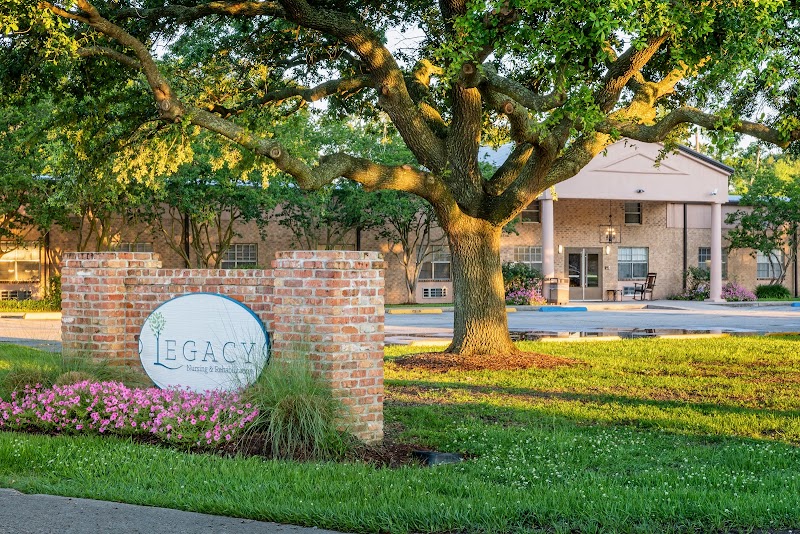
How is Legacy Nursing And Rehabilitation Of Port Allen Staffed?

CMS rates LEGACY NURSING AND REHABILITATION OF PORT ALLEN's staffing level at 1 out of 5 stars, which is much below average compared to other nursing homes. Staff turnover is 39%, compared to the Louisiana average of 46%. This relatively stable workforce can support continuity of care. RN turnover specifically is 60%, which is notably high. RNs provide skilled clinical oversight, so turnover in this role can affect medical care quality.

What Have Inspectors Found at Legacy Nursing And Rehabilitation Of Port Allen?

State health inspectors documented 36 deficiencies at LEGACY NURSING AND REHABILITATION OF PORT ALLEN during 2022 to 2025. These included: 5 Immediate Jeopardy (the most serious level, indicating potential for serious harm or death) and 31 with potential for harm. Immediate Jeopardy findings are rare and represent the most serious regulatory concerns. They require immediate corrective action.
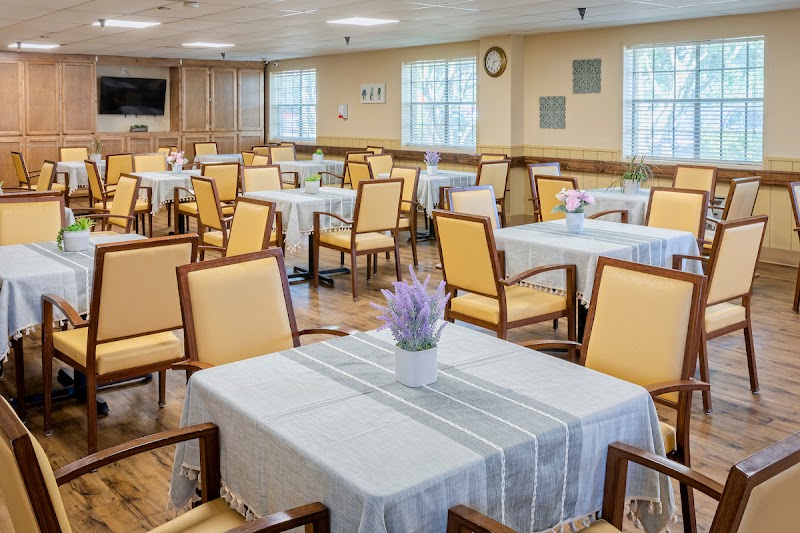
Who Owns and Operates Legacy Nursing And Rehabilitation Of Port Allen?

LEGACY NURSING AND REHABILITATION OF PORT ALLEN is owned by a for-profit company. For-profit facilities operate as businesses with obligations to shareholders or private owners. The facility is operated by LEGACY NURSING & REHABILITATION, a chain that manages multiple nursing homes. With 125 certified beds and approximately 115 residents (about 92% occupancy), it is a mid-sized facility located in PORT ALLEN, Louisiana.
How Does Legacy Nursing And Rehabilitation Of Port Allen Compare to Other Louisiana Nursing Homes?

Compared to the 100 nursing homes in Louisiana, LEGACY NURSING AND REHABILITATION OF PORT ALLEN's overall rating (1 stars) is below the state average of 2.4, staff turnover (39%) is near the state average of 46%, and health inspection rating (1 stars) is much below the national benchmark.

What Should Families Ask When Visiting Legacy Nursing And Rehabilitation Of Port Allen?

Based on this facility's data, families visiting should ask: "What changes have been made since the serious inspection findings, and how are you preventing similar issues?" "Can you walk me through typical staffing levels on day, evening, and night shifts?" "Can I visit during a mealtime to observe dining assistance and food quality?" "How do you handle medical emergencies, and what is your hospital transfer rate?" These questions are particularly relevant given the facility's Immediate Jeopardy citations and the below-average staffing rating.

Is Legacy Nursing And Rehabilitation Of Port Allen Safe?

Based on CMS inspection data, LEGACY NURSING AND REHABILITATION OF PORT ALLEN has documented safety concerns. Inspectors have issued 5 Immediate Jeopardy citations (the most serious violation level indicating risk of serious injury or death). The facility has a 1-star overall rating and ranks #100 of 100 nursing homes in Louisiana. Families considering this facility should ask detailed questions about what corrective actions have been taken since these incidents.

Do Nurses at Legacy Nursing And Rehabilitation Of Port Allen Stick Around?

LEGACY NURSING AND REHABILITATION OF PORT ALLEN has a staff turnover rate of 39%, which is about average for Louisiana nursing homes (state average: 46%). Moderate turnover is common in nursing homes, but families should still ask about staff tenure and how the facility maintains care continuity when employees leave.

Was Legacy Nursing And Rehabilitation Of Port Allen Ever Fined?

LEGACY NURSING AND REHABILITATION OF PORT ALLEN has been fined $356,931 across 2 penalty actions. This is 9.7x the Louisiana average of $36,648. Fines at this level are uncommon and typically indicate a pattern of serious deficiencies, repeated violations, or failure to correct problems promptly. CMS reserves penalties of this magnitude for facilities that pose significant, documented risk to resident health or safety. Families should request specific documentation of what issues led to these fines and what systemic changes have been implemented.

Is Legacy Nursing And Rehabilitation Of Port Allen on Any Federal Watch List?

LEGACY NURSING AND REHABILITATION OF PORT ALLEN is not on any federal watch list. The most significant is the Special Focus Facility (SFF) program, which identifies the bottom 1% of nursing homes nationally based on persistent, serious quality problems. Not being on this list means the facility has avoided the pattern of deficiencies that triggers enhanced federal oversight. This is a positive indicator, though families should still review the facility's inspection history directly.