Ruston Nursing and Rehabilitation Center, LLC
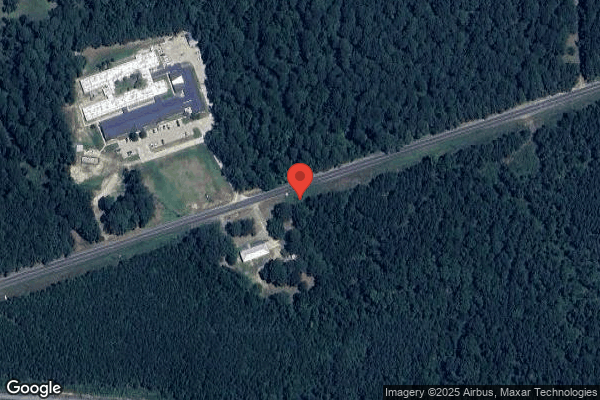

3720 Hwy 80 East, Ruston, LA 71270 (318) 255-5001
For profit - Limited Liability company 157 Beds NORBERT BENNETT & DONALD DENZ Data: November 2025 4 Immediate Jeopardy citations
Trust Grade
0/100
#242 of 264 in LA
Last Inspection: April 2025

Within standard 12-15 month inspection cycle. Federal law requires annual inspections.

Overview

Ruston Nursing and Rehabilitation Center has received a Trust Grade of F, indicating significant concerns and poor quality of care. Ranking #242 out of 264 facilities in Louisiana places it in the bottom half of nursing homes in the state, and it is last among the three facilities in Lincoln County. The trend is worsening, with issues increasing from 7 in 2024 to 11 in 2025. Staffing is a weak point here, earning only 2 out of 5 stars with a turnover rate of 51%, which is around the state average. Additionally, the facility has accumulated fines totaling $50,270, which raises concerns about compliance issues. While there is some RN coverage, it is below that of 81% of Louisiana facilities, meaning residents may not receive adequate medical oversight. Specific incidents include a resident who fell out of bed during a bath due to lack of supervision, and another resident with dementia who was able to leave the secured unit through a malfunctioning door. These incidents highlight significant safety risks that families should consider when evaluating this facility. Overall, while there are some staff members who care for residents, the facility's concerning deficiencies and poor ranking suggest families may want to explore other options.

Trust Score
F
0/100
In Louisiana
#242/264
Bottom 9%
Safety Record
High Risk
Review needed
Inspections
Getting Worse
7 → 11 violations
Staff Stability
⚠ Watch
51% turnover. Above average. Higher turnover means staff may not know residents' routines.
Penalties
○ Average
$50,270 in fines. Higher than 58% of Louisiana facilities. Some compliance issues.
Skilled Nurses
⚠ Watch
Each resident gets only 9 minutes of Registered Nurse (RN) attention daily — below average for Louisiana. Fewer RN minutes means fewer trained eyes watching for problems.
Violations
⚠ Watch
24 deficiencies on record. Higher than average. Multiple issues found across inspections.
★☆☆☆☆
1.0
Overall Rating
★★☆☆☆
2.0
Staff Levels
★☆☆☆☆
1.0
Care Quality
★★☆☆☆
2.0
Inspection Score
Stable
2024: 7 issues
2025: 11 issues

The Good

  • Full Sprinkler Coverage · Fire safety systems throughout facility
  • No fines on record

Facility shows strength in fire safety.

The Bad

1-Star Overall Rating

Below Louisiana average (2.4)

Significant quality concerns identified by CMS

Staff Turnover: 51%

Near Louisiana avg (46%)

Higher turnover may affect care consistency

Federal Fines: $50,270

Above median ($33,413)

Moderate penalties - review what triggered them

Chain: NORBERT BENNETT & DONALD DENZ

Part of a multi-facility chain

Ask about local staffing decisions and management

The Ugly 24 deficiencies on record

4 life-threatening
Jun 2025 1 deficiency 1 IJ
CRITICAL (J) 📢 Someone Reported This

A family member, employee, or ombudsman was alarmed enough to file a formal complaint

Immediate Jeopardy (IJ) - the most serious Medicare violation

Accident Prevention (Tag F0689)

Someone could have died · This affected 1 resident

**NOTE- TERMS IN BRACKETS HAVE BEEN EDITED TO PROTECT CONFIDENTIALITY** Based on record review and interviews, the facility failed to maintain the door locking mechanism on an exterior door in the sec...

Read full inspector narrative →
**NOTE- TERMS IN BRACKETS HAVE BEEN EDITED TO PROTECT CONFIDENTIALITY** Based on record review and interviews, the facility failed to maintain the door locking mechanism on an exterior door in the secured unit to prevent elopement from the secured unit for 1 (#1) of 3 (#1, #2, #3) residents reviewed. The deficient practice resulted in an immediate jeopardy for Resident #1 on 05/23/2025 at 11:07 a.m. when Resident #1 who was an elopement risk was able to exit the secured unit to the outside of the building through a door with a malfunctioning locking mechanism. Resident #1 was picked up on the two lane highway with a speed limit of 55 miles per hour approximately 0.2 miles from the facility by S8Housekeeper. The facility implemented corrective actions which were completed prior to the State Agency's investigation entry on 05/29/2025, thus it was determined to be a past noncompliance citation. Findings: Review of the record revealed Resident #1 was admitted to the facility on [DATE] from an inpatient psychiatric facility to the secured unit with diagnoses of unspecified dementia unspecified severity with other behavioral disturbances, depression, anxiety, auditory hallucinations, visual hallucinations, and unspecified psychosis. Review of the progress note from the inpatient psychiatric facility dated 02/11/2025 revealed in part: hyperreligious, trying to get everyone to exit the building thinking God was going to put the building on fire. Patient was labile and potentially aggressive. Patient was agitated, anxious and irritable. Patient was experiencing confusion, cognitive deficit, hallucinations, and delusional thinking. Criteria for continued stay: titrating medications, psychosis, danger to self/others, and gravely disabled: unable to support functional life skills. Review of Resident #1's admission MDS (Minimum Data Set) assessment dated [DATE] revealed in part, Resident #1 had a BIMS (Brief Interview of Mental Status) score of 12 indicating Resident #1 had moderate cognitive impairment. Resident #1 was independent with mobility. Review of the plan of care in part revealed: ADLs (Activities of Daily Living) - Ambulates independently, continent of bowel and bladder, supervised bathing, supervision for wandering. Updated 03/06/2025 elopement risk wander guard to left ankle, 03/18/2025 resides on secure unit. The resident is an elopement risk/wanderer related to diagnosis of dementia. Interventions- census checks every hour, elopement assessment per policy and as needed, 03/06/2025 - wander guard bracelet to left ankle. Review of the elopement assessment completed 02/25/2025 revealed Resident #1 was scored not at high risk for elopement. Review of the elopement assessment completed 03/06/2025 revealed Resident #1 scored at high risk for elopement. Review of the nurses' notes dated 03/06/2025 and 03/07/2025 revealed Resident #1 followed a staff member out of the secured unit and was brought back to the secured unit by another staff member. Further review of the nurses' notes revealed Resident #1 had exit seeking behaviors on 03/11/2025, 03/23/2025, 03/25/2025, 03/27/2025, 04/14/2025, 04/28/2025, 04/30/2025, 05/02/2025, 05/19/2025, and 05/20/2025. Review of the nurses' notes dated 03/06/2025 revealed the resident said police have his family outside and says he can hear it through the wire. Further review of the nurses' notes revealed on 03/07/2025 the resident was self-talking and resident stated, If the police came in here, I'm going to knock them out. I don't swing to hit, I swing to hurt something. Resident continues to self-talk throughout the shift. Review of the nurses' notes dated 03/23/2025 revealed the resident had visual and auditory hallucinations, hearing voices and talking back to them. The resident was sent to the emergency room per ambulance. Review of the nurses' noted dated 03/26/2025 revealed the resident had increased confusion and agitation and talking to self. Review of the nurses' notes dated 04/30/2025 revealed the resident had increase agitation, talking and arguing with self. Review of the nurses' notes dated 05/23/2025 at 11:07 a.m. - Resident reported per staff to have exited facility via door on the secured unit and was walking fast. Staff member stated she attempted to call resident's name while gardening and he kept walking. She stated that other members of staff were running across yard and he was insistent on leaving. Housekeeper was able to get resident in her car, picked resident up, and returned to facility. Resident stated Oh, she brought me back here. Resident was placed on 1:1 for the remainder of the day shift and every 30 minutes from 2:30 p.m. -10:30 p.m. and every 1 hour to continue from 10:30 p.m. - 6:30 a.m. On 05/29/2025 at 10:30 a.m., an interview with S8Housekeeper confirmed she was working on 05/23/2025 when Resident #1 was able to get out of the facility. S8Housekeeper said she was going to her car for something and a CNA (Certified Nursing Assistant) told her a resident got out of the facility. S8Housekeeper said she got in her car to go and find the resident. S8Housekeepr confirmed she located Resident #1 on the two lane highway, up the road to the right of the facility at the dirt road. S8Housekeeper confirmed no staff would have been able to see Resident #1 from the facility from where she picked him up. Further interview with S8Housekeeper revealed she said she was able to get Resident #1 in the car and he asked her to take him to another town. S8Housekeeper said she drove up the highway, turned around and came back to the facility. On 05/29/2025 at 10:45 a.m., an interview with S9Maintenance Director revealed he was not at the facility when Resident #1 exited the building. He arrived and checked the door Resident #1 exited through and it was not broken. S9Maintenance Director further said he called the company that installed the doors with the secure locking features to come and inspect the door. Further interview with S9Maintenance Director revealed he said that if you push on any of these doors hard enough you can get them to open. On 05/29/2025 at 10:50 a.m. while inspecting the door that Resident #1 exited through with S9Maintenance Director, S10Housekeeping Director was also present. Interview at that time with S10Housekeeping Director revealed he was working on 05/23/2025 when Resident #1 exited the facility. S10Housekeeping Director said Resident #1 just pushed on the handle of the door, it opened and he walked out. S9Maintenance Director used the code pad to unlock the door and S10Housekeeping Director demonstrated how the metal bar at the top of the door which created a magnet and secured the door shut was loose and hanging down at an angle when Resident #1 opened the door. Further interview with S9Maintenance Director revealed the door did not have a wander guard locking mechanism. On 05/29/2025 at 1:25 p.m., an interview with S5Rehab Director revealed she was outside at the therapy garden and all of a sudden she saw a man running down the tree line. She said she did not know he was a resident and thought he was maintenance personnel. S5Rehab Director said she was not able to catch Resident #1 because he was running so fast and he was very tall and big. S5Rehab Director confirmed Resident #1 did get out to the 2 lane highway and down the road out of sight of the facility. On 06/02/2025 at 8:15 a.m., an interview with Resident #1 revealed he pushed the door and it opened. Resident #1 further revealed when he opened the door, no alarm sounded and the door shut right behind him. Resident #1 said he was going to an apartment in town. He said he made it to the highway and up the road about a quarter of a mile. On 06/02/2025 at 3:00 p.m., an interview with S7LPN (Licensed Practical Nurse) revealed she was working on 05/23/2025 when Resident #1 eloped from the secured unit. S7LPN revealed S6CNA came running into the secured unit and said she thought she saw Resident #1 running outside. S7LPN said she and S6CNA went out the facility's front door and ran through the grassy field in front of the facility all the way to the two lane highway and only at that point where they able to visually see Resident #1 being picked up by S8Housekeeper. S7LPN confirmed Resident #1 was not at the end of the driveway or even at the facility's tree line and was not visible from the facility. On 06/02/2025 at 3:40 p.m., an interview with S6CNA revealed on 05/23/2025 she was returning to the facility on an ambulance with another resident from a medical appointment. S6CNA said she saw someone walking very fast over by the tree line of the facility. She further said she tried to call into the facility to alert them of the resident being out but her phone would not work. S6CNA said she ran in the facility and alerted the staff in the front of the building that there was a resident out of the facility. She continued to run back to the secured unit and asked S7LPN if Resident #1 was still in the facility. S6CNA said they determined Resident #1 was not in the secured unit and ran back out to the front of the building. S6CNA said she and S7LPN ran all the way through the grass to the highway and only then were they able to see Resident #1 being picked up by S8Housekeeper. S6CNA confirmed Resident #1 made it to the two lane highway and up the highway to the dirt road. S6CNA said you could not see the resident from the front of the facility or even while in the grassy area. S6CNA said she was only able to visually see Resident #1 once they got to the end of the property and on the two lane highway. On 06/03/2025 at 10:50 a.m., an interview with S1Administrator and S2DON (Director of Nursing) confirmed the facility immediately closed off the doors to the area that Resident #1 eloped from and further corrective actions were put into place on 05/23/2025. During the survey, in-service records and Quality Assurance (QA) monitoring records were reviewed and it was determined that the facility had implemented the following corrective actions to correct the deficient practice prior to entering the facility on 05/29/2025. On 05/23/2025 the facility implemented the following actions to correct the deficient practice: 1. On 05/23/2025, the door allowing access to the outside from the secured unit was immediately closed off from any resident access. 3. On 05/23/2025, Resident #1 was assessed for any injuries or ill effects. 2. Resident #1 was placed 1 on 1 supervision for the remainder of the day shift on 05/23/2025, then placed on every 30 minute observation from 2:30 p.m.-10:30 p.m. and then every 1 hour observation thereafter. 2. On 05/23/2025 after Resident #1 was returned to the facility, 100 % of building was checked for resident census. 3. On 05/23/2025 after Resident #1 was returned to facility the company that installed the doors with security code locking mechanism was contacted to have them come and inspect the door. 4. On 05/23/2025 after Resident #1 was returned to the facility 100% inspection of all doors within the facility were checked to ensure working properly. 5. In-service initiated on 05/23/2025 for all staff: Title: Wander guards/monitoring residents/checking alarms. Subject: Please monitor all residents especially those with wander guards. They are in place for safety and to prevent the resident from exiting the facility. When an alarm is going off, please check the alarm no matter where it is. Door by ice room will be left unlocked and doors by nurses' station will be locked. Do not leave door until verifying it is locked. 6. Monitoring of 5 doors 5 days per week for 4 weeks was initiated on 05/26/2025 to ensure it is locked and wander guard was working adequately. Date facility asserts the likelihood for serious harm to any recipient no longer exists: 05/26/2025.
May 2025 1 deficiency 1 IJ (1 affecting multiple)
CRITICAL (K) 📢 Someone Reported This

A family member, employee, or ombudsman was alarmed enough to file a formal complaint

Immediate Jeopardy (IJ) - the most serious Medicare violation

Accident Prevention (Tag F0689)

Someone could have died · This affected multiple residents

**NOTE- TERMS IN BRACKETS HAVE BEEN EDITED TO PROTECT CONFIDENTIALITY** Based on record review, observation, and interviews, the facility failed to ensure a resident received adequate supervision to p...

Read full inspector narrative →
**NOTE- TERMS IN BRACKETS HAVE BEEN EDITED TO PROTECT CONFIDENTIALITY** Based on record review, observation, and interviews, the facility failed to ensure a resident received adequate supervision to prevent incidents and accidents. The facility failed ensure a resident received supervision during a bed bath for 1 (#1) of 3 (#1, #2, #3) residents reviewed for falls. The deficient practice resulted in an immediate jeopardy for Resident #1 on 04/15/2025 at 10:00 a.m. when Resident #1 fell out of the left side of the bed during a bed bath when S3CNA (Certified Nursing Assistant) failed to ensure the resident was secured and safe in the bed to prevent him from falling before she turned away to retrieve Resident #1's clothing from the closet. S3CNA had removed Resident #1's fall mat from the left side of the bed to provide ADL (Activities of Daily Living) care and Resident #1 landed on the floor on his right side. Resident #1 was transferred to a local emergency room (ER) related to a laceration to Resident #1's forehead. Resident #1's laceration was sutured closed and Resident #1 returned to the facility on [DATE]. Resident #1 was sent to a local hospital on [DATE] after Resident #1's RP (Responsible Party) noted swelling to Resident #1's right leg. Review of Resident #1's hospital record dated 04/21/2025 revealed, Resident #1 was diagnosed to have a right humerus fracture and a right hip fracture. Resident #1 was discharged back to the facility on [DATE] as a non-operative patient, unable to undergo physical therapy or any other intervention other than pain control. The facility implemented corrective actions which were completed prior to the State Agency's investigation, thus it was determined to be a past noncompliance citation. Findings: Resident #1 was admitted to the facility on [DATE] with diagnoses, which included in part, other sequelae of other non-traumatic intracranial hemorrhage, aphasia following cerebral infarction, functional quadriplegia, anxiety disorder and joint derangement. Review of Resident #1's Annual MDS (Minimum Data Set) assessment dated [DATE] revealed in part, Resident #1 had a BIMS (Brief Interview of Mental Status) score of 99. Further review indicated Resident #1 was rarely or never understood. Resident #1 was always incontinent of bowel and bladder and dependent on staff for ADL care. Review of Resident #1's comprehensive care plan revealed in part, Resident #1 was at risk for falls related to impaired mobility, uncontrolled movements and impaired communication with approaches in place for 1 person assist with bath, bed bolsters to bed, and fall mats to bilateral sides of the bed. Resident #1 was care planned for impaired cognition and communication deficits related to diagnosis of aphasia and rarely-never able to make himself understood. Review of Resident #1's physician orders revealed in part: 03/17/2025 Fall mats x 2 every shift for falls. 03/17/2025 Bed bolster to bed x 2, every shift for falls. Review of the facility's Incident Log for the past 3 months revealed Resident #1 had a witnessed fall on 04/15/2025 with no other incidents or accidents related to a fall after 04/15/2025. Review of the Incident Report dated 04/15/2025 at 10:00 a.m., revealed in part, S3CNA stated during Resident #1's bed bath, she (S3CNA) turned to get something out of Resident #1's closet right behind her and Resident #1 slid out of bed . Resident #1 had an abrasion on the right of his head. Resident #1 was not removed from floor until the arrival of EMS (Emergency Medical Services). Review of S3CNA's signed witness statement dated 04/15/2025 revealed, at approximately 9:30 a.m. to 10:00 a.m., I (S3CNA) had just finished giving Resident #1 a bed bath. I (S3CNA) proceeded to turn around to get his clothes out of the closet and he (Resident #1) rolled out of the bed onto the floor which caused Resident #1 to hit his head on the floor. Review of Resident #1's interdisciplinary notes revealed a nursing note dated 04/14/2025 at 10:55 a.m. by S4LPN (Licensed Practical Nurse), which read in part: 10:00 a.m., summoned to Resident #1's room; Resident #1 on floor on his right side; an abrasion noted . Resident #1 was never moved from the floor; EMS transferred Resident #1 from the floor to stretcher then to ER to evaluate and treat . Further review of Resident #1's interdisciplinary notes revealed Resident #1 returned to the facility on [DATE] with staples in place to Resident #1's head. Resident #1 was sent to the hospital on [DATE] at the request of Resident #1's RP (Responsible Party) who had concerns of Resident #1's right great toe and facial swelling from his past fall and decline. Resident #1 returned to the facility on [DATE] at 8:00 p.m. with a diagnosed right humerus fracture and right hip fracture. Review of Resident #1's hospital records with a visit date of 04/21/2025 revealed in part, a chief complaint of a fall that occurred 1 week ago and Resident #1's feet having become discolored since the fall. An x-ray of Resident #1's right hip dated 04/21/2025 revealed an acute right femoral neck trans-cervical fracture. An x-ray of Resident #1's right humerus dated 04/21/2025 revealed an acute comminuted humeral head and greater tuberosity fracture. Resident #1 was discharged back to the facility on [DATE] as a non-operative patient, unable to undergo physical therapy or any other intervention other than pain control. An observation on 05/05/2025 at 11:30 a.m. revealed Resident #1 was asleep in bed with a sling to his right arm. Further observation revealed bed bolsters in place bilaterally and fall mats to both sides of bed with a safety mat on top of each fall mat. Further observation revealed Resident #1's left side of the bed sat parallel to his closet and was approximately 4 feet away in distance. During an interview on 05/05/2025 at 4:00 p.m., S4LPN reported she was the nurse who entered Resident #1's room immediately after his fall out of the bed on 04/15/2025. S4LPN reported Resident #1 was lying on his right side on the floor at the left side of his bed. S4LPN reported Resident #1's fall mat had been removed from the left side of the bed. S4LPN further reported S3CNA told her she had just finished Resident #1's bed bath and when she turned to get something out of the closet, Resident #1 slipped off of the bed. During an interview on 05/06/2025 at 9:15 a.m., S2DON (Director of Nursing) reported S3CNA had removed the safety mat to provide ADL care on 04/15/2025 and when Resident #1 fell out of the bed he landed on the floor. S2DON acknowledged S3CNA had turned away during Resident #1's bed bath and should not have. During an interview on 05/06/2025 at 10:00 a.m., S3CNA reported on 04/15/2025 she gave Resident #1 a bed bath and when she entered the room, she removed the fall mat that was positioned at the left side of his bed and raised the bed. S3CNA reported after she had completed the bath, she removed the wet sheets and moisturized Resident #1 with a mixture of baby oil and baby lotion. S3CNA further reported she then turned away in a right direction to get Resident #1's clothes from his closet and Resident #1 turned over the bolster and fell to the floor. S3 CNA confirmed Resident #1 fell out of the left side of the bed and landed on the floor on his right side. S3CNA stated, Resident #1 was too slick; I put too much baby oil and lotion on him. S3CNA acknowledged she should have had Resident #1's clothes within reach prior to the bed bath and should not have turned away during care. During an interview on 05/06/2025 at 12:00 p.m. Resident #1's RP reported on 04/21/2025, Resident #1's toes on his right foot looked bruised and Resident #1 had swelling to his right leg. Resident #1's RP further reported, she requested the facility to send Resident #1 to his primary hospital. During an interview on 05/07/2025 at 2:00 p.m., S1Administrator reported S3CNA turned her back during the bath to grab Resident #1's clothes. S1Administrator acknowledged Resident #1 was not supervised in a safe manner during the bed bath and S3CNA should not have turned away. During an interview on 05/08/2025 at 2:25 p.m., S1Administrator confirmed the corrective actions put into place were completed on 04/28/2025. During the survey, in-service records and Quality Assurance (QA) monitoring records were reviewed and it was determined that the facility had implemented the following corrective actions to correct the deficient practice prior to entering the facility. The facility implemented the following actions to correct the deficient practice beginning on 04/15/2025 with a completion date of 04/28/2025: 1. On 04/15/2025, Resident #1 was made a 2 person assist with bathing. 2. Bed bath competency completed with S3CNA on 04/15/2025. 3. Upon notification of fractures, on 04/21/2025 all residents with BIMS score 10 or lower had skin assessments initiated and completed to rule out any signs or symptoms of abuse. 4. On 04/21/2025 all residents with BIMS score higher than 10 were interviewed regarding seeing any abuse, being abused and if they felt safe in the facility. 5. On 04/22/2025, auditing of 5 residents to ensure proper assistance is being used for bathing and tools are at bedside initiated, 5 days per week x 4 weeks and ongoing as deemed necessary by the QA committee. 6. On 04/22/2025, in-servicing of nursing staff initiated regarding provided care to keep needed items at beside; in-servicing completed on 04/28/2025. 7. On 04/22/2025 in-servicing of staff initiated regarding abuse prevention, bed bolsters and ensuring the thin landing mat stays in place at all time; in-servicing completed on 04/28/2025.
Apr 2025 9 deficiencies
CONCERN (D)

Potential for Harm - no one hurt, but risky conditions existed

Deficiency F0558 (Tag F0558)

Could have caused harm · This affected 1 resident

**NOTE- TERMS IN BRACKETS HAVE BEEN EDITED TO PROTECT CONFIDENTIALITY** Based on observations, record reviews, and interviews, the facility failed to ensure residents received services for reasonable ...

Read full inspector narrative →
**NOTE- TERMS IN BRACKETS HAVE BEEN EDITED TO PROTECT CONFIDENTIALITY** Based on observations, record reviews, and interviews, the facility failed to ensure residents received services for reasonable accommodation of needs by failing to provide set-up assistance with meals for 1 (#26) of 1 residents reviewed for positioning and mobility. Findings: Review of the record for resident #26 revealed an admission date of 04/13/2012. Resident #26 had diagnoses that included flaccid hemiplegia affecting right dominant side, right hand contracture, sequelae of cerebrovascular disease, and hypertension. Review of the annual Minimum Data Set (MDS) assessment dated [DATE] revealed a Brief Interview of Mental Status (BIMS) score of 12 which indicated that resident #26 had moderate cognitive impairment. Additionally, the MDS documented that resident #26 had a one sided functional limitation in range of motion and required set-up or clean-up assistance with meals. Review of resident #26's current plan of care revealed an intervention dated 12/20/2024, per occupational therapy, staff is to assist with meal tray set-up. On 04/14/2025 at 12:15 p.m., resident #26's lunch tray was observed being delivered to his bedside table. It was observed that S9Certified Nursing Assistant (CNA) did not provide set-up assistance for resident #26 which included not opening seasoning packets or beverages. S9CNA then exited the room. Resident #26 turned his bedside table to reposition his tray in front of him. Interview at that time with resident #26 revealed staff do not assist him with opening items such as milk cartons or pepper packets. Resident #26 was observed opening a pepper packet with his teeth. Resident #26 confirmed that he does have difficulty chopping his meat and revealed that it would be helpful if staff would chop his meat. On 04/16/2025 at 8:07 a.m., resident #26 was observed in his room with his breakfast tray delivered and he had consumed approximately 50% of his meal. Further observation revealed that resident #26's milk carton had not been opened and additional fluids on the tray were still covered. S7LicensedPracticalNurse (LPN) was notified that resident #26's milk carton and fluids were not opened. On 04/16/2025 at 7:55 a.m., an interview was conducted with S7LPN regarding resident #26's requirement for assistance with meals. S7LPN confirmed that resident #26 was independent with feeding himself but staff open his drinks. On 04/16/2025 at 2:15 p.m., S1ExecutiveDirector was notified of the findings related to the facility's failure to provide reasonable accommodation of needs for resident #26 who required set-up assistance with meals.
CONCERN (D)

Potential for Harm - no one hurt, but risky conditions existed

Safe Environment (Tag F0584)

Could have caused harm · This affected 1 resident

**NOTE- TERMS IN BRACKETS HAVE BEEN EDITED TO PROTECT CONFIDENTIALITY** Based on observation and interviews, the facility failed to maintain a safe, clean, comfortable and homelike environment for 1 (...

Read full inspector narrative →
**NOTE- TERMS IN BRACKETS HAVE BEEN EDITED TO PROTECT CONFIDENTIALITY** Based on observation and interviews, the facility failed to maintain a safe, clean, comfortable and homelike environment for 1 (#29) of 9 (#6, #7, #19, #22, #29, #32, #33, #80, #133) residents reviewed for environment. The failed practice was evidenced by resident #29 not having bed linen on the bed. Findings: Review of the record for resident #29 revealed an admission of 01/16/2024 with diagnoses of type 2 diabetes, cerebral vascular disease and chronic obstructive pulmonary disease. Review of the quarterly Minimum Data Set (MDS) assessment dated [DATE] revealed resident #29 was cognitively intact for daily decision making. Resident #29 required two person physical assistance with bed mobility, transfers, and toilet use. On 04/14/2025 at 3:19 p.m., observation of resident #29's bed revealed there was no linen on the bed and the resident was observed lying on a draw sheet. Interview with resident #29 at that time revealed this was a frequent problem with staff failing to put linen on the bed. Resident #29 stated she had reported not having linen to the nurses and nothing had changed. Interview with S9Certified Nursing Assistant on 04/14/2025 at 4:40 p.m. confirmed that no bed linen was currently on the bed for resident #29. She revealed that this frequently occurs with residents who have a bariatric bed. On 04/16/2025 at 2:15 p.m. S1Executive Director was notified resident #29 did not have linens on her bed and she was in the bed lying on a draw sheet.
CONCERN (D)

Potential for Harm - no one hurt, but risky conditions existed

Deficiency F0604 (Tag F0604)

Could have caused harm · This affected 1 resident

**NOTE- TERMS IN BRACKETS HAVE BEEN EDITED TO PROTECT CONFIDENTIALITY** Based on observations, record reviews, and interviews, the facility failed to ensure a resident was free from physical restraint...

Read full inspector narrative →
**NOTE- TERMS IN BRACKETS HAVE BEEN EDITED TO PROTECT CONFIDENTIALITY** Based on observations, record reviews, and interviews, the facility failed to ensure a resident was free from physical restraints imposed for the purpose of discipline or convenience for 1 (#31) of 3 (#31, #53, and #96) residents reviewed for restraints. The facility failed to ensure that resident #31 was able to self-release his wheelchair seatbelt upon request which resulted in the failure to identify the seatbelt as a restraint. Findings: Review of the facility's Restraint Evaluation and Restraint Reduction Policy dated 08/2013 revealed: Restraints should be used only as a last alternative and only when other less restrictive measures have been tried and rejected. The policy states that individuals responsible for restraints include all members of the interdisciplinary team (as appropriate to individual resident needs) and the Director of Nursing (DON) monitors restraints. Seatbelts that are front-fastened and can be easily unfastened by the alert and somewhat oriented resident are not included if the resident can demonstrate self-release upon request. Review of the medical record for resident #31 revealed an admission date of 08/14/2019 with diagnoses that included chronic obstructive pulmonary disease, history of falling, age related osteoporosis, and nicotine dependence. Review of the quarterly Minimum Data Set (MDS) assessment dated [DATE] revealed a Brief Interview of Mental Status (BIMS) score of 9 which indicated moderate impaired cognition. Review of the Physician's Orders dated 01/04/2025 specified resident #31's seatbelt as: self-releasing alarming seatbelt (non-restraint) due to unawareness of physical limitations with a diagnosis of schizoaffective disorder. Review of resident #31's current plan of care revealed the self-releasing alarming seatbelt to wheelchair was a fall intervention. On 04/14/2025 at 3:47 p.m., resident #31 was observed in his wheelchair and it was noted that the wheelchair seatbelt was secured. On 04/16/2025 at 10:57 a.m., an observation of resident #31 with S3Director of Nursing Services (DNS) was conducted. Resident #31 was seated in his wheelchair with his seatbelt in place. S3DNS asked resident #31 to unbuckle his seatbelt. Resident #31 did attempt to release the seatbelt but was unable to complete the act. Resident #31 stated to S3DNS that he could not complete the task. On 04/16/2025 at 11:15 a.m., an interview with S3DNS revealed there was no supporting documentation regarding restraint reduction attempts or reassessments for resident #31. On 04/16/2025 at 2:15 p.m., S1ExecutiveDirector was notified of the findings related to the facility's failure to identify that resident #31's wheelchair seatbelt was a restraint.
CONCERN (D)

Potential for Harm - no one hurt, but risky conditions existed

Deficiency F0657 (Tag F0657)

Could have caused harm · This affected 1 resident

**NOTE- TERMS IN BRACKETS HAVE BEEN EDITED TO PROTECT CONFIDENTIALITY** Based on observations, record reviews, and interviews, the facility failed to ensure a care plan had been revised for 1 (#31) of...

Read full inspector narrative →
**NOTE- TERMS IN BRACKETS HAVE BEEN EDITED TO PROTECT CONFIDENTIALITY** Based on observations, record reviews, and interviews, the facility failed to ensure a care plan had been revised for 1 (#31) of 3 (#31, #53, and #96) residents reviewed for restraints. Findings: Review of the facility's Restraint Evaluation and Restraint Reduction Policy dated 08/2013 revealed: Restraints should be used only as a last alternative and only when other less restrictive measures have been tried and rejected. The policy states that individuals responsible for restraints include all members of the interdisciplinary team (as appropriate to individual resident needs) and the Director of Nursing (DON) monitors restraints. The policy procedure states that all residents using a restraint are to be evaluated and re-evaluated approximately every quarter. The policy procedure states that care plan updates are to occur approximately every quarter and/or as a goal or approach direction changes. Review of the medical record for resident #31 revealed an admission date of 08/14/2019 with diagnoses that included chronic obstructive pulmonary disease, history of falling, age related osteoporosis, and nicotine dependence. Review of the quarterly Minimum Data Set (MDS) assessment dated [DATE] revealed a Brief Interview of Mental Status (BIMS) score of 9 which indicated moderate impaired cognition. The MDS indicated a chair alarm in use daily, however, there was no documentation that indicated a wheelchair seatbelt was in place. Review of the Physician's Orders dated 01/04/2025 specified resident #31's seatbelt as: self-releasing alarming seatbelt (non-restraint) due to unawareness of physical limitations with a diagnosis of schizoaffective disorder. Review of resident #31's current plan of care revealed the self-releasing alarming seatbelt to wheelchair was a fall intervention. The current plan of care did not address the use of a restraint. On 04/16/2025 at 11:15 a.m., S3Director of Nursing Services confirmed that there was no supporting documentation available regarding reassessing resident #31 for restraints.
CONCERN (D) 📢 Someone Reported This

A family member, employee, or ombudsman was alarmed enough to file a formal complaint

Potential for Harm - no one hurt, but risky conditions existed

ADL Care (Tag F0677)

Could have caused harm · This affected 1 resident

**NOTE- TERMS IN BRACKETS HAVE BEEN EDITED TO PROTECT CONFIDENTIALITY** Based on observations, record reviews, and interviews, the facility failed to ensure a resident who is unable to carry out activ...

Read full inspector narrative →
**NOTE- TERMS IN BRACKETS HAVE BEEN EDITED TO PROTECT CONFIDENTIALITY** Based on observations, record reviews, and interviews, the facility failed to ensure a resident who is unable to carry out activities of daily living (ADL) received the necessary services to maintain good personal hygiene for 1 (#20) of 2 (#20, #104) residents reviewed for ADL care. The facility failed to ensure that resident #20 had neatly groomed and shaved facial hair. Findings: Review of resident #20's record revealed an admission date of 07/26/2024 with diagnoses that included unspecified psychosis, end stage renal disease, right hand contracture, type 2 diabetes mellitus, and dependence on renal dialysis. Review of the quarterly Minimum Data Set (MDS) assessment dated [DATE] revealed a Brief Interview of Mental Status (BIMS) score of 4 which indicated that resident #20 had severe cognitive impairment. Resident #20 required substantial/maximal assistance with bathing and grooming. On 04/14/2025 at 4:10 p.m., resident #20 was observed seated in a wheelchair at the nurses station and it was noted that his facial hair was poorly groomed and unshaven. On 04/15/2025 at 1:10 pm, resident #20 was observed lying in bed with his head of bed elevated. His facial hair was poorly groomed and unshaven. On 04/16/2025 at 7:44 a.m., resident #20 was observed lying in bed with his head of bed elevated. His facial hair was poorly groomed and unshaven. On 04/16/2025 at 8:01 a.m., an interview was conducted with S7LicensedPracticalNurse (LPN) who confirmed that resident #20 received a bed bath daily. S7LPN confirmed that the bed bath included a shave. On 04/16/2025 at 10:36 a.m., an interview was conducted with S8CertifiedNursingAssistant (CNA) who confirmed that resident #20 received a bath on the night shift. S8CNA confirmed that resident #20 should have been shaved. On 04/16/2025 at 2:15 p.m. S1ExecutiveDirector were notified of the findings related to the facility's failure to provide ADL care to resident #20 who was dependent for ADL care.
CONCERN (D) 📢 Someone Reported This

A family member, employee, or ombudsman was alarmed enough to file a formal complaint

Potential for Harm - no one hurt, but risky conditions existed

Deficiency F0726 (Tag F0726)

Could have caused harm · This affected 1 resident

**NOTE- TERMS IN BRACKETS HAVE BEEN EDITED TO PROTECT CONFIDENTIALITY** Based on observation, record review, and interviews the facility failed to ensure that nursing staff had the appropriate compete...

Read full inspector narrative →
**NOTE- TERMS IN BRACKETS HAVE BEEN EDITED TO PROTECT CONFIDENTIALITY** Based on observation, record review, and interviews the facility failed to ensure that nursing staff had the appropriate competencies and skills necessary to care for resident needs. The facility failed to obtain orders and document treatment performed to a tracheostomy stoma for 1 (#34) of 2 (#34 and #60) residents reviewed for wound care. Findings: Review of the medical record revealed resident #34 was admitted to the facility on [DATE] with diagnoses that included in part, depression, schizoaffective disorder, depressive type, type 2 diabetes mellitus without complications, chronic cough, artificial opening status, and personal history of non-Hodgkin lymphoma. Review of Resident #34's significant change Minimum Data Set (MDS) assessment dated [DATE] revealed a Brief Interview of Mental Status (BIMS) score of 7 which indicated resident #34 had severe cognitive impairment for daily decision making. Review of Resident #34's care plan revealed the resident had a neck stoma related to an old tracheostomy and dressing to stoma was to be changed per treatment order. Review of resident #34's April 2025 physician's orders revealed the resident did not have an active wound care order for the tracheostomy stoma. On 04/15/2025 at 2:20 p.m. resident #34 was observed sitting in the day area with a dressing over his anterior throat, and the dressing was dated 04/15/2025. On 04/16/2025 at 8:10 a.m. interview with resident #34 stated the facility staff change his stoma dressing daily. On 04/16/2025 at 9:00 a.m. a review of resident #34's electronic medical records revealed no documentation of the trach stoma care being performed. On 04/16/2025 at 10:10 a.m. an interview with S1Exective Director and S2Project Manager/Regional Support confirmed the order for the tracheostomy stoma wound care was removed from the active orders and electronic treatment administration record (ETAR) on 02/27/2025 and the wound care had not been documented. On 04/16/2025 at 10:20 a.m. an interview with S4Respiratory Therapist revealed she provided tracheostomy stoma care to resident #34; however, S4 Respiratory Therapist confirmed she failed to document the treatments.
CONCERN (D) 📢 Someone Reported This

A family member, employee, or ombudsman was alarmed enough to file a formal complaint

Potential for Harm - no one hurt, but risky conditions existed

Deficiency F0804 (Tag F0804)

Could have caused harm · This affected 1 resident

**NOTE- TERMS IN BRACKETS HAVE BEEN EDITED TO PROTECT CONFIDENTIALITY** Based on observation, record review, and interview, the facility failed to ensure food was palatable, and served at an appetizin...

Read full inspector narrative →
**NOTE- TERMS IN BRACKETS HAVE BEEN EDITED TO PROTECT CONFIDENTIALITY** Based on observation, record review, and interview, the facility failed to ensure food was palatable, and served at an appetizing temperature. Findings: Review of the record for resident #29 revealed an admission date of 01/16/2024 with diagnoses of type 2 diabetes, cerebral vascular disease and chronic obstructive pulmonary disease. Review of the quarterly Minimum Data Set (MDS) assessment dated [DATE] revealed resident #29 was cognitively intact for daily decision making. Interview on 04/14/2025 at 10:00 a.m. with resident #29 revealed the food was terrible. Resident #29 stated that the taste, texture, and choices of food was poor and that no substitutions were offered. A lunch test tray was requested from S10 Dietary Manager (DM) on 04/14/2025. The test tray was placed on the hall meal cart and was observed to leave the kitchen at 12:02 p.m. Further observation revealed that the test tray was given to the surveyor by S9 Certified Nursing Assistant at 12:23 p.m. The test tray meal consisted of BBQ pork loin, beans, vegetable medley, corn bread and cake. The pork loin was tough and the vegetable medley consisted of broccoli, cauliflower and carrots. The vegetable medley was overcooked, had a mushy consistency, had no flavor or seasoning, and the food was cool to taste. On 04/15/2025 at 2:15 p.m., S10 DM was notified of the results of the test tray. On 04/16/2025 at 1:50 p.m., the Executive Director was notified of the results of the test tray.
CONCERN (E)

Potential for Harm - no one hurt, but risky conditions existed

Deficiency F0757 (Tag F0757)

Could have caused harm · This affected multiple residents

**NOTE- TERMS IN BRACKETS HAVE BEEN EDITED TO PROTECT CONFIDENTIALITY** Based on record review and interview, the facility failed to ensure each resident's medication regimen was free from unnecessary...

Read full inspector narrative →
**NOTE- TERMS IN BRACKETS HAVE BEEN EDITED TO PROTECT CONFIDENTIALITY** Based on record review and interview, the facility failed to ensure each resident's medication regimen was free from unnecessary medications by failing to monitor for any active bleeding or bruising for a resident who received an anticoagulant for 1 (#104) of 5 (#20, #33, #60, #96, and #104) residents reviewed for unnecessary medications. Findings: Review of the medical record for resident #104 revealed an admit date of 12/29/2023 with diagnoses including chronic kidney disease, chronic diastolic congestive heart failure, and atrial fibrillation. Review of the quarterly Minimum Data Set (MDS) assessment dated [DATE] revealed resident #104's Brief Interview for Mental Status (BIMS) score was 14 which indicated intact cognition for daily decision making. Resident #104 was independent or required set up help only with activities of daily living. Review of the current care plan revealed resident #104 was at risk for abnormal bleeding and/or bruising related to the use of an anticoagulant. The interventions were to monitor for active bleeding/bruising or for symptoms of internal bleeding and if noted to notify the resident's physician. Review of the April 2025 physician's orders revealed an order dated 08/29/2025 for Apixaban (Eliquis, anticoagulant) 5 milligrams, give 1 tablet orally twice daily related to atrial fibrillation. Further review revealed an order dated 08/29/2025 to monitor for active bleeding or for symptoms of internal bleeding such as: abnormal bruising, black tarry stools, or bright red vomit and to notify the resident's physician if any of the above is noted. Review of the record for resident #104 revealed no documented evidence of monitoring for active bleeding/bruising or for any sign or symptoms of internal bleeding. On 04/16/2025 at 1:25 p.m., an interview with S5Clinical Operations/Regional Support confirmed there was no documentation regarding monitoring for active bleeding or for any symptoms of internal bleeding for resident #104.
CONCERN (E) 📢 Someone Reported This

A family member, employee, or ombudsman was alarmed enough to file a formal complaint

Potential for Harm - no one hurt, but risky conditions existed

Room Equipment (Tag F0908)

Could have caused harm · This affected multiple residents

**NOTE- TERMS IN BRACKETS HAVE BEEN EDITED TO PROTECT CONFIDENTIALITY** Based on observations, record reviews and interviews the facility failed to maintain all mechanical, electrical, and patient car...

Read full inspector narrative →
**NOTE- TERMS IN BRACKETS HAVE BEEN EDITED TO PROTECT CONFIDENTIALITY** Based on observations, record reviews and interviews the facility failed to maintain all mechanical, electrical, and patient care equipment in safe operating condition by having wheelchairs in need of repair for 5 (#6, #7, #22, #32, #33) of 9 (#6, #7, #19, #22, #29, #32, #33, #80, #133) residents reviewed for environment. Findings: Resident 32 Review of the medical record for resident #32 revealed an admission date of 12/8/2015. Resident #32 had diagnoses of Parkinson's disease, diabetes mellitus, heart disease, Alzheimer's disease, vascular dementia, anxiety and bipolar disorder. Review of the quarterly Minimum Data Set (MDS) assessment dated [DATE] revealed the resident was cognitively intact for daily decision making. Resident #32 required extensive assistance with bed mobility, transfers and toilet use. On 04/14/2025 at 8:30 a.m. an observation of resident #32 revealed she was in a wheelchair and the armrest on the right side was missing. On 04/16/2025 at 9:15 a.m. an interview with S6Licensed Practical Nurse (LPN) confirmed the armrest on the right side of the wheelchair was missing on resident #32's wheelchair. On 04/16/2025 at 1:00 p.m. S3Director of Nursing Services (DNS) observed resident #32's wheelchair and confirmed the armrest on the right side of the wheelchair was missing on the wheelchair. Resident 22 Review of the medical record revealed resident #22 was admitted on [DATE] with diagnoses of Alzheimer's disease, respiratory failure, muscle weakness, cognitive communication deficit, atrial fibrillation, and dementia. Review of the quarterly MDS dated [DATE] revealed resident #22 was cognitively impaired for daily decision making and required extensive assistance with bed mobility, transfers and toileting. On 04/14/2025 at 8:10 a.m., 04/15/2025 at 9:33 a.m., and on 04/16/2025 at 9:00 a.m. observations of resident #22 revealed the bilateral armrests were missing on the wheelchair. On 04/16/2025 at 9:15 a.m. an interview with S6LPN confirmed bilateral armrests were missing on the wheelchair. On 04/16/2025 at 1:00 p.m. S3DNS observed resident #22's wheelchair and confirmed bilateral armrests were missing from the wheelchair. Resident 6: Review of the medical record for resident #6 revealed an admit date of 12/27/2024 with diagnoses including end stage renal disease, chronic kidney disease, and unspecified dementia. Review of the annual MDS assessment dated [DATE] revealed resident #6 was cognitively intact for daily decision making. Further review revealed resident #6 was independent and/or required supervision for activities of daily living (ADL). On 04/14/2025 at 8:25 a.m. an observation of resident # 6 revealed she was in her room in her wheelchair. The resident's right wheelchair armrest pad was missing and her arm was directly on top of the metal portion of the armrest. Resident #6 reported that her wheelchair brakes do not work very well. On 04/15/2025 at 2:45 p.m. an observation of resident # 6's right wheelchair armrest revealed the padding was missing. Also at this time, resident #6 demonstrated that her brakes were in the locked position but she was still able to roll backwards. On 04/16/2025 at 3:00 p.m. the surveyor informed S2Project Manager/Regional Support that resident #6's right wheelchair armrest was missing and her wheelchair brakes were not working properly. Resident 7: Review of the medical record for resident #7 revealed an admit date of 03/26/2019 with diagnoses including quadriplegia, hemiplegia and hemiparesis following unspecified cerebrovascular disease affecting left dominant side, seizures and Type 2 diabetes. Review of the quarterly MDS assessment dated [DATE] revealed resident #7 was cognitively intact for daily decision making. Further review revealed resident #7 was totally dependently on staff for ADLs. On 04/14/2025 9:42 a.m. and 04/15/2025 at 9:00 a.m. observations of resident #7's wheelchair revealed his right wheelchair armrest was cracked and was in need of repair. On 04/16/2025 at 3:00 p.m. the surveyor and S2Project Manager/Regional Support observed resident #7's right wheelchair armrest and she confirmed his right wheelchair armrest was cracked and needed to be repaired. Resident 33: Review of the medical record for resident #33 revealed an admission date of 01/10/2022 with diagnoses that included spinal stenosis, type 2 diabetes mellitus, acquired absence of right leg below knee, acquired absence of other left toe, bipolar disorder, and depression. Review of the quarterly MDS assessment dated [DATE] revealed a Brief Interview of Mental Status (BIMS) score of 15 which indicated that resident #33 was cognitively intact. Resident #33 required partial/moderate assistance with bed mobility and transfers. On 04/14/2025 at 1:41 p.m., and 04/15/2025 at 3:53 p.m. observations of resident #33's scooter revealed the seat cushion was torn. On 04/16/2025 at 3:00 p.m., the surveyor and S2Project Manager/Regional Support observed resident #33's electric scooter cushion was torn and she confirmed that the cushion needed to be repaired.
Jun 2024 2 deficiencies
CONCERN (E) 📢 Someone Reported This

A family member, employee, or ombudsman was alarmed enough to file a formal complaint

Potential for Harm - no one hurt, but risky conditions existed

Deficiency F0602 (Tag F0602)

Could have caused harm · This affected multiple residents

**NOTE- TERMS IN BRACKETS HAVE BEEN EDITED TO PROTECT CONFIDENTIALITY** Based on record reviews and interviews, the facility failed to ensure residents were free from misappropriation of resident prop...

Read full inspector narrative →
**NOTE- TERMS IN BRACKETS HAVE BEEN EDITED TO PROTECT CONFIDENTIALITY** Based on record reviews and interviews, the facility failed to ensure residents were free from misappropriation of resident property for 32 (#1-#32) of 32 representative sampled residents of 132 total residents identified with an active trust fund account since [DATE]. Findings: Review of the facility's policy and procedure on Resident Trust Fund, with a revision date of 02/2024, revealed the following, in part: Disbursements: All disbursements must be authorized by the resident and/or designated representative on any one of the following: 1) Petty Cash Disbursement slip, 2) Disbursement Voucher, 3) Trust Fund Disbursement Log, or 4) Monthly Disbursement Authorization Form. Small dollar disbursement amounts can be requested from the Resident Trust Fund petty cash fund maintained by the business office. Cash Withdrawals- Petty Cash Fund: Cash withdraws made by the resident and/or designated representative or power of attorney from available individual funds (resident account balance on deposit). They are limited to fifty dollar ($50.00) increments, or $49.00 in Louisiana. Should additional funds over the fifty dollars ($50.00) or $49.00 in Louisiana limit be requested, the resident will be required to accept a check. 1) A petty cash box designated exclusively for Resident Trust Fund shall be maintained by the facility Business Office in the amount of between three hundred dollars ($300.00) and six hundred dollars ($600.00). 2) Each transaction is recorded on a Petty Cash Disbursement slip or Disbursement Log for withdrawals. The Petty Cash Disbursement or Disbursement Log should be signed by the resident and/or designated representative receiving the cash withdrawal. The signed original is retained in the petty cash box to substantiate weekly replenishments to the cash box from the Resident Trust Fund bank account, and provide support for posting to the individual resident trust account. 3) The Petty Cash box balance is maintained and replenished via a withdrawal from the Resident Trust Fund checking account as required. Trust Fund Disbursement Log revealed the following, in part: H) Have the person authorizing the disbursement sign, if resident marks with X, have this mark witnessed by 2 witnesses. Resident #1 Review of record revealed resident #1 was admitted to the facility on [DATE]. Review of resident #1's most recent quarterly Minimum Data Set assessment dated [DATE] revealed a Brief Interview of Mental Status score of 15 indicating he was cognitively intact. Review of the petty cash receipt investigation by the facility revealed the following discrepancies for resident #1`s trust fund account for petty cash-vending totaling $490.00 as follows: [DATE] - $49.00 [DATE] - $49.00 [DATE] - $49.00 [DATE] - $49.00 [DATE] - $49.00 [DATE] - $49.00 [DATE] - $49.00 [DATE] - $49.00 [DATE] - $49.00 [DATE] - $49.00 Review of the residents statement register from [DATE] through [DATE] revealed the following petty cash-vending withdrawals for resident #1: [DATE] - $49.00 [DATE] - $49.00 [DATE] - $49.00 [DATE] - $49.00 [DATE] - $49.00 [DATE] - $49.00 [DATE] - $49.00 [DATE] - $49.00 [DATE] - $49.00 [DATE] - $49.00 On [DATE] at 2:30pm an interview with resident #1 confirmed he went to S3 Business Office Manager (BOM) on [DATE] and was told he did not have enough money in his account to honor his withdrawal request. Resident #1 reviewed his records and discovered there was a discrepancy in his money so he reported it to the administrator on [DATE]. Resident #1 reported his account was $490.00 short and he knew someone took his money. On [DATE] at 1:26 p.m. an interview with S2Regional Financial Consultant confirmed the discrepancies were identified by review of the trust fund receipt book showing suspected forged signatures of resident #1. Resident #2 Review of record revealed resident #2 was admitted to the facility on [DATE]. Review of resident #2's admission Minimum Data Set assessment dated [DATE] revealed a Brief Interview of Mental Status score of 15 indicating no cognitive impairment. Review of the petty cash receipt investigation by the facility revealed a discrepancy for resident #2's trust account for petty cash-vending totaling $49.00 on [DATE]. Review of the resident #2's statement register from [DATE] through [DATE] revealed a transaction on [DATE] from petty cash-vending in the amount of $49.00. On [DATE] at 9:07 a.m., an interview with resident #2 revealed she was not aware of missing funds until S1Administrator came to her with the news. Resident #2 reported she could get a balance any time at her request but never really worried about it because there was not very much money in the account. On [DATE] at 1:28 p.m., an interview with S2Regional Financial Consultant confirmed the discrepancies were identified by review of the trust fund receipt book showing suspected forged signatures of resident #2. Resident #3 Review of record revealed resident #3 was admitted to the facility on [DATE]. Review of resident #3's most recent quarterly Minimum Data Set assessment dated [DATE] revealed a Brief Interview of Mental Status score of 15 indicating no cognitive impairment. Review of the petty cash receipt investigation by the facility revealed the following discrepancies for resident #3 trust account for petty cash-vending totaling $972.00 as follows: [DATE] - $49.00 [DATE] - $49.00 [DATE] - $49.00 [DATE] - $49.00 [DATE] - $49.00 [DATE] - $49.00 [DATE] - $49.00 [DATE] - $49.00 [DATE] - $49.00 [DATE] - $49.00 [DATE] - $49.00 [DATE] - $49.00 [DATE] - $26.00 [DATE] - $49.00 [DATE] - $49.00 [DATE] - $15.00 [DATE] - $49.00 [DATE] - $49.00 [DATE] - $49.00 [DATE] - $49.00 [DATE] - $49.00 Review of the residents statement register from [DATE] through [DATE] revealed the following petty cash-vending withdrawals for resident #3: [DATE] - $49.00 [DATE] - $49.00 [DATE] - $49.00 [DATE] - $49.00 [DATE] - $49.00 [DATE] - $49.00 [DATE] - $49.00 [DATE] - $49.00 [DATE] - $49.00 [DATE] - $49.00 [DATE] - $49.00 [DATE] - $49.00 [DATE] - $26.00 [DATE] - $49.00 [DATE] - $49.00 [DATE] - $15.00 [DATE] - $49.00 [DATE] - $49.00 [DATE] - $49.00 [DATE] - $49.00 [DATE] - $49.00 On [DATE] at 1:29 p.m., an interview with S2Regional Financial Consultant confirmed resident #3's discrepancies were identified by review of the trust fund receipt book showing alleged forged witness's signatures because the witnesses claimed they did not sign the receipts. Resident #3 signed with an X thus requiring 2 witnesses to sign the trust fund receipt book. Resident #4 Review of record revealed resident #4 was admitted to the facility on [DATE]. Review of resident #4's most recent quarterly Minimum Data Set assessment dated [DATE] revealed a Brief Interview of Mental Status score of 15 indicating no cognitive impairment. Review of the petty cash receipt investigation by the facility revealed a discrepancy for resident #4 trust account for petty cash-vending totaling $5.00 on [DATE]. Review of resident #4's statement register from [DATE] through [DATE] revealed a transaction on [DATE] from petty cash-vending in the amount of $5.00. On [DATE] at 1:37 p.m., an interview with S2Regional Financial Consultant confirmed the discrepancies were identified by review of the trust fund receipt book showing suspected forged signatures of resident #4. Resident #5 Review of record revealed resident #5 was admitted to the facility on [DATE]. Review of resident #5's most recent quarterly Minimum Data Set assessment dated [DATE] revealed a Brief Interview of Mental Status score of 13 indicating no cognitive impairment. Review of the petty cash receipt investigation by the facility revealed the following discrepancies for resident #5's trust account for petty cash-vending totaling $98.00 as follows: [DATE] - $49.00 [DATE] - $49.00 Review of the residents statement register from [DATE] through [DATE] revealed the following petty cash-vending withdrawals for resident #5: [DATE] - $49.00 [DATE] - $49.00 On [DATE] at 1:38 p.m., an interview with S2Regional Financial Consultant confirmed the discrepancies were identified by review of the trust fund receipt book showing suspected forged signatures of resident #5. Resident #6 Review of record revealed resident #6 was admitted to the facility on [DATE]. Review of resident #6's most recent quarterly Minimum Data Set assessment dated [DATE] revealed a Brief Interview of Mental Status score of 10 indicating moderate cognitive impairment. Review of the petty cash receipt investigation by the facility revealed the following discrepancies for resident #6's trust account for petty cash-vending totaling $234.00 as follows: [DATE] - $49.00 [DATE] - $49.00 [DATE] - $49.00 [DATE] - $49.00 [DATE] - $38.00 Review of the residents statement register from [DATE] through [DATE] revealed the following petty cash-vending withdrawals for resident #6: [DATE] - $49.00 [DATE] - $49.00 [DATE] - $49.00 [DATE] - $49.00 [DATE] - $38.00 On [DATE] at 1:39 p.m., an interview with S2Regional Financial Consultant confirmed the discrepancies were identified by review of the trust fund receipt book showing suspected forged signatures of resident #6. Resident #7 Review of record revealed resident #7 was admitted to the facility on [DATE]. Review of resident #7's most recent quarterly Minimum Data Set assessment dated [DATE] revealed a Brief Interview of Mental Status score of 15 indicating no cognitive impairment. Review of the petty cash receipt investigation by the facility revealed a discrepancy for resident #7's trust account for petty cash-vending totaling $8.00 on [DATE]. Review of resident #7's statement register from [DATE] through [DATE] revealed a transaction on [DATE] from petty cash-vending in the amount of $8.00. On [DATE] at 1:40 p.m., an interview with S2Regional Financial Consultant confirmed the discrepancies were identified by review of the trust fund receipt books showing suspected forged signatures of Resident #7. Resident #8 Review of record revealed resident #8 was admitted to the facility on [DATE]. Review of resident #8's most recent quarterly Minimum Data Set assessment dated [DATE] revealed a Brief Interview of Mental Status score of 15 indicating no cognitive impairment. Review of the petty cash receipt investigation by the facility revealed the following discrepancies for resident #8's trust account for petty cash-vending totaling $236.00 as follows: [DATE] - $20.00 [DATE] - $20.00 [DATE] - $49.00 [DATE] - $49.00 [DATE] - $34.00 [DATE] - $49.00 [DATE] - $15.00 Review of the residents statement register from [DATE] through [DATE] revealed the following petty cash-vending withdrawals for resident #8: [DATE] - $20.00 [DATE] - $20.00 [DATE] - $49.00 [DATE] - $49.00 [DATE] - $34.00 [DATE] - $49.00 [DATE] - $15.00 On [DATE] at 1:42 p.m., an interview with S2Regional Financial Consultant confirmed the discrepancies were identified by review of the trust fund receipt book showing suspected forged signatures of resident #8. Resident #9 Review of the record revealed resident #9 was admitted to the facility on [DATE]. Review of resident #9's most recent significant change Minimum Data Set assessment dated [DATE] revealed a Brief Interview of Mental Status score of 9 indicating moderate cognitive impairment. Review of the petty cash receipt investigation by the facility revealed a discrepancy for resident #9's trust account for petty cash-vending totaling $49.00 on [DATE]. Review of resident #9's statement register from [DATE] through [DATE] revealed a transaction on [DATE] from petty cash-vending in the amount of $49.00. On [DATE] at 1:42 p.m., an interview with S2Regional Financial Consultant confirmed the discrepancies were identified by review of the trust fund receipt book showing suspected forged signatures of resident #9. Resident #10 Review of record revealed resident #10 was admitted to the facility on [DATE]. Review of resident #10's most recent quarterly Minimum Data Set assessment dated [DATE] revealed a Brief Interview of Mental Status score of 5 indicating severe cognitive impairment. Review of the petty cash receipt investigation by the facility revealed a discrepancy for resident #10's trust account for petty cash-vending totaling $49.00 on [DATE]. Review of resident #10's statement register from [DATE] through [DATE] revealed a transaction on [DATE] for petty cash-vending in the amount of $49.00. On [DATE] at 1:43 p.m., an interview with S2Regional Financial Consultant confirmed the discrepancy was identified by review of the trust fund receipt book showing a forged witness signature with misspelled resident name. Resident #11 Review of record revealed resident #11 was admitted to the facility on [DATE]. Review of resident #11's most recent quarterly Minimum Data Set assessment dated [DATE] revealed a Brief Interview of Mental Status score of 99 indicating the assessment could not be completed. Review of the petty cash receipt investigation by the facility revealed the following discrepancies for resident #11's trust account for petty cash-vending totaling $114.00 as follows: [DATE] - $20.00 [DATE] - $20.00 [DATE] - $20.00 [DATE] - $20.00 [DATE] - $14.00 [DATE] - $20.00 Review of the residents statement register from [DATE] through [DATE] revealed the following petty cash-vending withdrawals for resident #11 totaling $114.00: [DATE] - $20.00 [DATE] - $20.00 [DATE] - $20.00 [DATE] - $20.00 [DATE] - $14.00 [DATE] - $20.00 On [DATE] at 1:43p.m., an interview with S2Regional Financial Consultant confirmed the discrepancies were identified by review of the trust fund receipt book showing suspected forged signatures of resident #11. Resident #12 Review of record revealed resident #12 was admitted to the facility on [DATE]. Review of resident #12's quarterly Minimum Data Set assessment dated [DATE] revealed a Brief Interview of Mental Status score of 7 indicating severe cognitive impairment. Review of the petty receipt investigation by the facility revealed a discrepancy for resident #12's trust account dated [DATE] for petty cash-vending in the amount of $10.00. Review of resident #12's statement register from [DATE] through [DATE] revealed a transaction on [DATE] for petty cash-vending in the amount of $10.00. On [DATE] at 1:45 p.m. an interview with S2Regional Financial Consultant revealed the discrepancy was identified by review of the trust fund receipt book showing an inconsistent (forged) resident signature and was confirmed by the family member for resident #12. Resident #13 Review of record revealed resident #13 was admitted to the facility on [DATE]. Review of resident #13's quarterly Minimum Data Set assessment dated [DATE] revealed a Brief Interview of Mental Status score of 12 indicating moderate cognitive impairment. Review of the petty receipt investigation by the facility revealed the following discrepancies for resident #13's trust account for petty cash-vending totaling $78.00 as follows: [DATE]- $15.00 [DATE]- $9.00 [DATE]- $10.00 [DATE]- $10.00 [DATE]- $10.00 [DATE]- $5.00 [DATE]-$9.00 [DATE]- $10.00 Review of the resident's statement register from [DATE] through [DATE] revealed the following petty cash-vending withdrawals for resident #13: [DATE]- $15.00 [DATE]- $9.00 [DATE]- $10.00 [DATE]- $10.00 [DATE]- $10.00 [DATE]- $5.00 [DATE]-$9.00 [DATE]- $10.00 An interview on [DATE] at 9:18 a.m. with resident #13 revealed she got a statement from the business office when she wanted it. Resident #13 reported when she needed money she would go to the business office and sign for the money. Resident #13 reported the facility notified her of money missing from her trust fund account. On [DATE] at 1:45 p.m. an interview with S2Regional Financial Consultant revealed the discrepancies were identified by review of the trust fund receipt book as follows: 1 receipt with no signature, 2 receipts with unauthorized signature by the resident's daughter, and several inconsistent (forged) resident signatures for resident #13. Resident #14 Review of record revealed resident #14 was admitted to the facility on [DATE]. Review of resident #14's quarterly Minimum Data Set assessment dated [DATE] revealed a Brief Interview of Mental Status score of 15 indicating cognitively intact. Review of the petty receipt investigation by the facility revealed a discrepancy for resident #14's trust account dated [DATE] for petty cash-vending in the amount of $20.00. Review of the resident's statement register from [DATE] through [DATE] revealed a transaction on [DATE] for petty cash-vending in the amount of $20.00 for resident #14. On [DATE] at 1:45 p.m. an interview with S2Regional Financial Consultant revealed the discrepancy was identified by review of the trust fund receipt book showing forged resident signature with the name misspelled for resident #14. Resident #15 Review of record revealed resident #15 was admitted to the facility on [DATE]. Review of resident #15's quarterly Minimum Data Set assessment dated [DATE] revealed a Brief Interview of Mental Status score of 9 indicating moderate cognitive impairment. Review of the petty receipt investigation by the facility revealed the following discrepancies for resident #15's trust account for petty cash-vending totaling $58.00 as follows: [DATE]- $20.00 [DATE]- $38.00 Review of the resident's statement register from [DATE] through [DATE] revealed the following petty cash-vending withdrawals for resident #15: [DATE]- $20.00 [DATE]- $38.00 On [DATE] at 1:45 p.m. an interview with S2Regional Financial Consultant revealed the discrepancies were identified by review of the trust fund receipt book showing 2 inconsistent (forged) resident signatures compared to her prior signatures for resident #15. Resident #16 Review of record revealed resident #16 was admitted to the facility on [DATE]. Review of resident #16's quarterly Minimum Data Set assessment dated [DATE] revealed a Brief Interview of Mental Status score of 15 indicating cognitively intact. Review of the petty receipt investigation by the facility revealed a discrepancy for resident #16's trust account dated [DATE] for petty cash-vending in the amount of $14.00. Review of the resident's statement register from [DATE] through [DATE] revealed a transaction on [DATE] for petty cash-vending in the amount of $14.00 for resident #16. On [DATE] at 1:45 p.m. an interview with S2Regional Financial Consultant revealed the discrepancy was identified by review of the trust fund receipt book showing S5Business Manager Assistant signed as a witness to her own signature with no other witness signature. S2Regional Financial Consultant confirmed resident #16 was unable to sign receipt physically, and required 2 witness signatures to obtain money from petty cash. Resident #17 Review of record revealed resident #17 was admitted to the facility on [DATE]. Review of resident #17's quarterly Minimum Data Set assessment dated [DATE] revealed a Brief Interview of Mental Status score of 15 indicating cognitively intact. Review of the petty receipt investigation by the facility revealed the following discrepancies for resident #17's trust account for petty cash-vending totaling $368.00 as follows: [DATE]- $49.00 [DATE]- $44.00 [DATE]- $49.00 [DATE]- $49.00 [DATE]- $49.00 [DATE]- $49.00 [DATE]- $49.00 [DATE]- $30.00 Review of the resident's statement register from [DATE] through [DATE] revealed the following petty cash-vending withdrawals for resident #17: [DATE]- $49.00 [DATE]- $44.00 [DATE]- $49.00 [DATE]- $49.00 [DATE]- $49.00 [DATE]- $49.00 [DATE]- $49.00 [DATE]- $30.00 An interview on [DATE] at 9:10 a.m. with resident #17 revealed he received his account balance monthly, and he signed when he got his money from the business office. Resident #17 reported the facility notified him that over $300 had been taken out of his account. On [DATE] at 1:45 p.m. an interview with S2Regional Financial Consultant revealed the discrepancies were identified by review of the trust fund receipt book showing the date was changed on the [DATE] receipt, 1 receipt with an odd amount for this resident, and multiple misspelled resident signatures on the receipts for resident #17. Resident #18 Review of record revealed resident #18 was admitted to the facility on [DATE]. Review of resident #18's quarterly Minimum Data Set assessment dated [DATE] revealed a Brief Interview of Mental Status score of 9 indicating moderate cognitive impairment. Review of the petty receipt investigation by the facility revealed the following discrepancies for resident #18's trust account for petty cash-vending totaling $37.00 as follows: [DATE]- $5.00 [DATE]- $5.00 [DATE]- $5.00 [DATE]- $5.00 [DATE]- $5.00 [DATE]- $5.00 [DATE]- $2.00 [DATE]- $5.00 Review of the resident's statement register from [DATE] through [DATE] revealed the following petty cash-vending withdrawals for resident #18: [DATE]- $5.00 [DATE]- $5.00 [DATE]- $5.00 [DATE]- $5.00 [DATE]- $5.00 [DATE]- $5.00 [DATE]- $2.00 [DATE]- $5.00 On [DATE] at 1:45 p.m. an interview with S2Regional Financial Consultant revealed the discrepancies were identified by review of the trust fund receipt book showing inconsistent (forged) resident signatures on all receipts, and a change was made to the amount on 1 of the boxes on the receipt for resident #18. Resident #19 Review of record revealed resident #19 was admitted to the facility on [DATE] and expired at the facility on [DATE]. Review of resident #19's significant change Minimum Data Set assessment dated [DATE] revealed a Brief Interview of Mental Status score of 15 indicating cognitively intact. Review of the petty receipt investigation by the facility revealed the following discrepancies for resident #19's trust account for petty cash-vending totaling $83.00 as follows: [DATE]- $49.00 [DATE]- $34.00 Review of the resident's statement register from [DATE] through [DATE] revealed the following petty cash-vending withdrawals for resident #19: [DATE]- $49.00 [DATE]- $34.00 On [DATE] at 1:45 p.m. an interview with S2Regional Financial Consultant revealed the discrepancies were identified by review of the trust fund receipt book showing 2 receipts had forged resident signatures for resident #19. Resident #20 Review of record revealed resident #20 was admitted to the facility on [DATE]. Review of resident #20's quarterly Minimum Data Set assessment dated [DATE] revealed a Brief Interview of Mental Status score of 9 indicating moderate cognitive impairment. Review of the petty receipt investigation by the facility revealed the following discrepancies for resident #20's trust account for petty cash-vending totaling $35.00 as follows: [DATE]- $10.00 [DATE]- $10.00 [DATE]- $5.00 [DATE]- $5.00 [DATE]- $5.00 Review of the resident's statement register from [DATE] through [DATE] revealed the following petty cash-vending withdrawals for resident #20: [DATE]- $10.00 [DATE]- $10.00 [DATE]- $5.00 [DATE]- $5.00 [DATE]- $5.00 On [DATE] at 1:45 p.m. an interview with S2Regional Financial Consultant revealed the discrepancies were identified by review of the trust fund receipt book showing inconsistent (forged) resident signatures for the above receipts for resident #20. Resident #21 Review of record revealed resident #21 was admitted to the facility on [DATE]. Review of resident #21's quarterly Minimum Data Set assessment dated [DATE] revealed a Brief Interview of Mental Status score of 10 indicating moderate cognitive impairment. Review of the petty receipt investigation by the facility revealed the following discrepancies for resident #21's trust account for petty cash-vending totaling $25.00 as follows: [DATE]- $6.00 [DATE]- $2.00 [DATE]- $17.00 Review of the resident's statement register from [DATE] through [DATE] revealed the following petty cash-vending withdrawals for resident #21: [DATE]- $6.00 [DATE]- $2.00 [DATE]- $17.00 On [DATE] at 1:45 p.m. an interview with S2Regional Financial Consultant revealed the discrepancies were identified by review of the trust fund receipt book showing 2 receipts with no signatures and 1 receipt with a forged resident signature for resident #21. Resident #22 Review of record revealed resident #22 was admitted to the facility on [DATE]. Review of resident #22's quarterly Minimum Data Set assessment dated [DATE] revealed a Brief Interview of Mental Status assessment score of 15 indicating no cognitive impairment. Review of the petty cash receipt investigation by the facility revealed a discrepancy for resident #22's trust account dated [DATE] for petty cash-vending in the amount of $20.00. Review of resident #22's statement register from [DATE] to [DATE] revealed a transaction on [DATE] for petty cash-vending in the amount of $20.00. On [DATE] at 1:58 p.m. an interview with S2Regional Financial Consultant confirmed the discrepancy was identified by review of the trust fund receipt book which showed the receipt amount had been changed in the top box, and it was an irregular amount from what he would normally receive out of his account. S2Regional Financial Consultant revealed resident #22 signed for himself. Resident #23 Review of record revealed resident #23 was admitted to the facility on [DATE]. Review of resident #23's quarterly Minimum Data Set assessment dated [DATE] revealed a Brief Interview of Mental Status score of 15 indicating no cognitive impairment. Review of the petty cash receipt investigation by the facility revealed a discrepancy for resident #23's trust account dated [DATE] for petty cash-vending in the amount of $38.00. Review of resident #23's statement register from [DATE] to [DATE] revealed a transaction on [DATE] for petty cash-vending in the amount of $38.00. On [DATE] at 2:03 p.m. an interview with S2Regional Financial Consultant confirmed the discrepancy was identified by review of the trust fund receipt book showing the amount was changed on the receipt and the amount not consistent with the amount resident #23 normally received from her trust account. S2Regional Financial Consultant reported the receipt was not to be modified. If an error was made on the receipt it was voided and the correct information put on a new receipt. S2Regional Financial Consultant reported resident #23 signed for herself. Resident #24 Review of record revealed resident #24 was admitted to the facility on [DATE]. Review of resident #24's quarterly Minimum Data Set assessment dated [DATE] revealed a Brief Interview of Mental Status score of 15 indicating no cognitive impairment. Review of the petty cash receipt investigation by the facility revealed the following discrepancies for resident #24's trust account for petty cash-vending totaling $977.00 as follows: [DATE]- $49.00 [DATE]- $46.00 [DATE]- $49.00 [DATE]- $49.00 [DATE]- $49.00 [DATE]- $49.00 [DATE]- $49.00 [DATE]- $49.00 [DATE]- $49.00 [DATE]- $49.00 [DATE]- $49.00 [DATE]- $49.00 [DATE]- $49.00 [DATE]- $49.00 [DATE]- $49.00 [DATE]- $49.00 [DATE]- $49.00 [DATE]- $49.00 [DATE]- $49.00 [DATE]- $49.00 Review of resident #24's statement register from [DATE] to [DATE] revealed the following transactions for petty cash-vending withdraws: [DATE]- $49.00 [DATE]- $46.00 [DATE]- $49.00 [DATE]- $49.00 [DATE]- $49.00 [DATE]- $49.00 [DATE]- $49.00 [DATE]- $49.00 [DATE]- $49.00 [DATE]- $49.00 [DATE]- $49.00 [DATE]- $49.00 [DATE]- $49.00 [DATE]- $49.00 [DATE]- $49.00 [DATE]- $49.00 [DATE]- $49.00 [DATE]- $49.00 [DATE]- $49.00 [DATE]- $49.00 On [DATE] at 9:00 a.m. an interview with resident #24 revealed a lady in the office (unknown to resident) had informed her that $977.00 was stolen out of her trust fund account and S5Business Office Assistant had been fired. Resident #24 reported she was not aware of any money missing from her trust fund account until it was brought to her attention by the lady in the office. Resident #24 reported she was told they would be refunding her $977.00 but she had not received it yet. On [DATE] at 2:03 p.m. an interview with S2Regional Financial Consultant confirmed the discrepancies were identified by review of the trust fund receipt book showing forged resident signatures and an irregular amount was taken out. S2Regional Financial Consultant revealed resident #24 signed for herself. Resident #25 Review of record revealed resident #25 was admitted to the facility on [DATE]. Review of resident #25's quarterly Minimum Data Set assessment dated [DATE] revealed a Brief Interview of Mental Status score of 15 indicating no cognitive impairment. Review of the petty cash receipt investigation by the facility revealed the following discrepancies for resident #25's trust account for petty cash-vending totaling $147.00 as follows: [DATE]- $49.00 [DATE]- $49.00 [DATE]- $49.00 Review of resident #25's statement register from [DATE] to [DATE] revealed the following transactions for petty cash-vending withdraws: [DATE]- $49.00 [DATE]- $49.00 [DATE]- $49.00 On [DATE] at 9:16 a.m. an interview with resident #25 revealed he was made aware there was $147 missing from his account. Resident #25 revealed he received a receipt whenever he got
CONCERN (E) 📢 Someone Reported This

A family member, employee, or ombudsman was alarmed enough to file a formal complaint

Potential for Harm - no one hurt, but risky conditions existed

Report Alleged Abuse (Tag F0609)

Could have caused harm · This affected multiple residents

**NOTE- TERMS IN BRACKETS HAVE BEEN EDITED TO PROTECT CONFIDENTIALITY** Based on record review and interview, the facility failed to develop and implement policies and procedures for ensuring the repo...

Read full inspector narrative →
**NOTE- TERMS IN BRACKETS HAVE BEEN EDITED TO PROTECT CONFIDENTIALITY** Based on record review and interview, the facility failed to develop and implement policies and procedures for ensuring the reporting of a reasonable suspicion of a crime in accordance with section 1150B of the Act within 24 hours to one or more law enforcement entities for 1 (#1) of 1 sampled residents reviewed for misappropriation of resident funds. Findings: Review of the facility`s abuse prevention policy revealed the latest revision was made in August 2017. Review of the Reporting section of the policy contained the following requirement: Report the results of all investigations to the administrator or designated representative and other officials in accordance with state law including State Survey Agency within 5 working days of the incident. Review of record revealed resident #1 was admitted to the facility on [DATE]. Review of resident #1's most recent quarterly Minimum Data Set assessment dated [DATE] revealed a Brief Interview of Mental Status score of 15 indicating he was cognitively intact. On 06/17/2024 at 2:30 p.m., an interview with resident #1 confirmed he went to S3Business Office Manager (BOM) on 05/30/2024 and was told he did not have enough money in his account to honor his withdrawal request. Resident #1 reviewed his records and discovered there was a discrepancy in his money so he reported it to the administrator on 05/31/2024. Resident #1 reported his account was $490.00 short and he knew someone took his money. On 06/18/2024 at 9:55 a.m., an interview with S3BOM revealed on 05/30/2024 resident #1 came to her office to check his resident trust fund account balance. Resident #1 informed S3BOM that he should have more money in his account than the balance he was given. Resident#1 and S3BOM reviewed the petty cash receipt book and resident #1 informed S3BOM some of the signatures in the petty cash receipt book were not signed by him. S3BOM informed resident #1 that S1Aministrator was out of the facility that day and they would review the questionable withdrawals. On 06/18/2024 at 11:45 a.m., an interview with S1Administrator revealed resident #1 met with her on 05/31/2024 with copies of resident trust fund receipts. Resident #1 claimed his signature was forged on several receipts on days he did not receive money according to his receipts. S1Administrator reported allegations of misappropriation of resident property to the state survey agency, but did not report the allegations to a law enforcement entity within 24 hours of becoming aware of the misappropriation of funds allegation. S1Administrator reported the facility notified the Attorney General's office on 06/13/2024 and the local sheriff`s department on 06/14/2024 after they completed their internal investigation.
Mar 2024 5 deficiencies
CONCERN (D)

Potential for Harm - no one hurt, but risky conditions existed

Deficiency F0578 (Tag F0578)

Could have caused harm · This affected 1 resident

**NOTE- TERMS IN BRACKETS HAVE BEEN EDITED TO PROTECT CONFIDENTIALITY** Based on record review and interview, the facility failed to ensure all medical records regarding the resident's code status con...

Read full inspector narrative →
**NOTE- TERMS IN BRACKETS HAVE BEEN EDITED TO PROTECT CONFIDENTIALITY** Based on record review and interview, the facility failed to ensure all medical records regarding the resident's code status consistently reflected the resident's wishes for 1 (#123) of 41 residents reviewed in the initial pool screening for advanced directives. Findings: Review of resident #123's medical record revealed she was admitted to the facility on [DATE] with a diagnosis of sepsis and was receiving hospice care. Review of resident #123's Quarterly Minimum Data Set, dated [DATE] revealed she had a Brief Interview for Mental Status score of 15, which indicated she was cognitively intact. Further review revealed she required extensive 1 to 2 person assistance for most activities of daily living. Review of resident #123's Louisiana Physician Orders for Scope of Treatment (LaPost) dated [DATE] revealed the following in part: Do Not Attempt Resuscitation (DNR) was selected and the form was signed by resident #123's physician and family member on [DATE]. Review of resident #123's electronic medical record revealed under the Advance Directive section, the resident's Cardiopulmonary Resuscitation (CPR) Status indicated attempt CPR. On [DATE] at 1:30 p.m. an interview with resident #123's nurse, S3Licensed Practical Nurse confirmed she was not aware that resident #123's LaPost code status and her electronic record code status did not match. On [DATE] at 11:25 a.m. an interview with S2Director of Nursing (DON) revealed she was not aware of the discrepancy in resident #123's LaPost code status and her electronic record code status. S2DON confirmed resident #123's LaPost revealed she was a DNR and her electronic medical revealed to attempt CPR.
CONCERN (D) 📢 Someone Reported This

A family member, employee, or ombudsman was alarmed enough to file a formal complaint

Potential for Harm - no one hurt, but risky conditions existed

Deficiency F0583 (Tag F0583)

Could have caused harm · This affected 1 resident

Based on observation and interview the facility failed to provide personal privacy during incontinent care for 1 (#76) of 7 (#36, #38, #63, #76, #81, #88, #108) residents observed for incontinent care...

Read full inspector narrative →
Based on observation and interview the facility failed to provide personal privacy during incontinent care for 1 (#76) of 7 (#36, #38, #63, #76, #81, #88, #108) residents observed for incontinent care. Findings: On 03/05/2024 at 2:08 p.m., observation from the hallway into resident #76's room on the secured memory care unit revealed the room door was open. Further observation revealed S6Certified Nursing Assistant (CNA) and S7CNA had resident #76 standing up with no brief on and his buttocks was facing the open doorway to the hall. Resident #76 was exposed from the waist down allowing anyone that walked by the resident's room to observe the resident unclothed. As S6CNA and S7CNA exited the room the surveyor attempted to explain what was observed and both S6CNA and S7CNA just walked away without speaking to the surveyor regarding the observation. On 03/05/2024 at 2:30 p.m., an interview with S1Admininstrator confirmed the door should have been closed during care to provide privacy to resident #76.
CONCERN (D) 📢 Someone Reported This

A family member, employee, or ombudsman was alarmed enough to file a formal complaint

Potential for Harm - no one hurt, but risky conditions existed

Deficiency F0697 (Tag F0697)

Could have caused harm · This affected 1 resident

**NOTE- TERMS IN BRACKETS HAVE BEEN EDITED TO PROTECT CONFIDENTIALITY** Based on record review and interviews, the facility failed to ensure that pain management was provided to residents who required...

Read full inspector narrative →
**NOTE- TERMS IN BRACKETS HAVE BEEN EDITED TO PROTECT CONFIDENTIALITY** Based on record review and interviews, the facility failed to ensure that pain management was provided to residents who required such services, consistent with professional standards of practice, the comprehensive person-centered care plan and the residents' goals and preferences. The facility failed to administer pain medication as needed to 1 (#437) of 1 (#437) sampled resident's reviewed for pain management. Findings: Interview conducted with resident #437 on 03/04/2024 at 9:41 a.m. revealed that she is currently experiencing back pain and back spasms. Further interview revealed that she was in a lot of pain this past weekend (03/02/2024 and 03/03/2024). Resident #437 stated she reported her pain to nursing staff and they did not administer any pain medication because they stated she did not have any pain medication available. Record review revealed resident #437 was admitted to the facility on [DATE] with diagnoses that included but not limited to the following: spinal stenosis, neurogenic claudication; spondylolisthesis, history of falling, pain, and spinal surgery which included a lumbar 2 to pelvis posterior spinal fusion with L5-S1 transforaminal lumbar interbody fusion and L2-L4 bilateral laminectomy on 02/14/2024. Review of the baseline care plan for resident #437 revealed the following: pain in lower back related to recent spinal fusion surgery. Further review revealed interventions to administer pain medication, check pain scale, and check for pain medication effectiveness. Review of the March 2024 physician orders for resident #437 revealed the following pain medications were ordered: oxycodone-acetaminophen 7.5 milligrams (mg)-325mg tablet: give 1 tablet by mouth every 4 hours as needed for pain; Fioricet 50mg-300mg-40mg capsule: give 1 by mouth every 6 hours as needed for headaches; and Hydrocodone 7.5mg-acetaminophen 325mg: give 1 tablet by mouth every 6 hours as needed. Further review revealed to record the resident's pain level (0-10). Review of the March 2024 Medication Administration Record (MAR) for resident #437 revealed no evidence that any pain medication had been administered for following days: March 1st, 2nd, and 3rd. Further review of the March 2024 MAR revealed S5Licensed Practical Nurse (LPN) documented on 03/03/2024 that resident #437's pain level was a 7 which indicated severe pain. Review of the facility's policy for pain evaluation/management dated 01/2015 revealed the following: Policy: All residents will be elevated for pain at the time of admission, re-admission and as needed. Procedure: A. Routine Pain Evaluations: 1. Upon admission/readmission the pharmacy/facility will provide a pain scale on the MAR for the resident. 2. If a new episode of pain is noted report to the nurse and/or Executive Director. 3. Implement non-pharmacological interventions as appropriate. 4. If no relief or if the resident finds pain above acceptable levels notify the physician. 5. Notify physician if resident's response to their medication or treatment is not satisfactory to develop further interventions for relief of pain. B. Completing Pain Management Evaluation Tool: When to Evaluate: Upon admission and re-admission to the facility for all residents. Upon all new complaints of pain/discomfort from resident or resident's family. Upon a change of condition when indicated. 1. For residents cognitively intact, complete Section A of the tool. 2. After the evaluation is completed and if pain is identified, nursing will establish the problem on the resident's Plan of Care. 3. The physician will be called and the results of the pain evaluation reviewed in order to develop further interventions for relief of pain. 4. Update Care Plan. Interview with S4LPN on 03/06/2024 at 9:20 a.m. revealed resident #437 had pain medication available for 03/01/2024, 03/02/2024 and 03/03/2024 and that pain medication should have been administered when requested by resident #437. Further interview with S4LPN revealed that nursing can call the physician if pain medications are needed over the weekend and that it will be ordered promptly. Interview with S2DON on 03/06/2024 at 10:00 a.m. revealed that pain medication was not administered to resident #437. Further interview with S2DON revealed that nursing staff are able to contact her on weekends if needed and staff can contact the resident's physician for pain medication management.
CONCERN (E) 📢 Someone Reported This

A family member, employee, or ombudsman was alarmed enough to file a formal complaint

Potential for Harm - no one hurt, but risky conditions existed

Deficiency F0726 (Tag F0726)

Could have caused harm · This affected multiple residents

**NOTE- TERMS IN BRACKETS HAVE BEEN EDITED TO PROTECT CONFIDENTIALITY** Based on record review and interview the facility failed to ensure that licensed nurses have the specific competencies and skill...

Read full inspector narrative →
**NOTE- TERMS IN BRACKETS HAVE BEEN EDITED TO PROTECT CONFIDENTIALITY** Based on record review and interview the facility failed to ensure that licensed nurses have the specific competencies and skill sets necessary to care for residents' needs for 1 (#120) of 4 (#21, #63, #87 and #120) records reviewed for competent staff. The facility failed to ensure resident #120 received medications as ordered by the physician. Findings: Medication Administration General Guidelines (undated) revealed Responsibility: All Licensed Nursing Personnel/Certified Medication Technician (CMT) Procedure: 1. Medications are administered in accordance with written orders of attending physicians, taking into consideration manufacturer's specifications, and professional standards of practice. Review of the medical record for resident #120 revealed diagnoses of dementia, pain, seizures, Alzheimer's disease, schizophrenia, and insomnia. Review of the Minimum Data Set (MDS) assessment dated [DATE] revealed the Brief Interview for Mental Status (BIMS) was unable to be determined. Resident #120 required assistance with activities of daily living. Review of the physician's orders dated 02/09/2024 revealed an order for Trileptal 300 milligrams (mg)/5milliliters (ml) oral suspension give 5 ml via percutaneous endoscopic gastrostomy (PEG) tube three times daily. Review of the February 2024 Medication Administration Record (MAR) revealed the Trileptal 300 mg/5ml oral suspension, give 5 ml via PEG tube three times a day was not administered at 4:00 a.m. on 02/21/2024, 02/22/2024, 02/23/2024, 02/24/2024, and 02/29/2024. Review of the March 2024 MAR revealed Trileptal 300 mg/5ml oral suspension, give 5 ml via PEG tube three times a day was not administered at 4:00 a.m. on 03/01/2024, 03/02/2024 and 03/05/2024. Review of the medical record revealed no documented evidence of the reason the medication was not administered to resident #120. On 03/06/2024 at 2:50 p.m., an interview S2Director of Nursing (DON) and S1Administrator revealed the medication was not administered to resident #120 according to the physician's order. On 03/06/2024 at 3:00 p.m., an interview with S3Licensed Practical Nurse (LPN) revealed the facility had plenty of resident #120's medication and she was not sure of the reason why the medication was not given.
CONCERN (E)

Potential for Harm - no one hurt, but risky conditions existed

Infection Control (Tag F0880)

Could have caused harm · This affected multiple residents

On 03/05/2024 at 2:08 p.m., an observation from the hallway into Resident # 76's room on the secured memory care unit revealed the room door was open. Further observation revealed S6Certified Nursing ...

Read full inspector narrative →
On 03/05/2024 at 2:08 p.m., an observation from the hallway into Resident # 76's room on the secured memory care unit revealed the room door was open. Further observation revealed S6Certified Nursing Assistant (CNA) and S7CNA had Resident #76 standing up with no brief on and his buttocks was facing the open doorway to the hall. Further observation revealed a dirty brief was noted on the floor and S6CNA picked up the dirty brief and placed it in a trash can with a liner. Further observation revealed S7CNA was wiping Resident #76 with multiple incontinent wipes and throwing away the dirty wipes in a trash can with no liner. A new brief was placed on Resident #76 by both S6CNA and S7CNA and Resident #76's pants were pulled up and Resident #76 walked out of the room into the hallway. At that time S6CNA picked up the trash can with the dirty wipes and dumped them into the trash can with the liner in it. As S6CNA and S7CNA exited the room the surveyor attempted to explain what was observed and both S6CNA and S7CNA just walked away without speaking to the surveyor regarding the observation. On 03/05/2024 at 2:30 p.m. an interview with S1Administrator revealed the door should have been closed and the dirty wipes should not have been placed in the trash can without a liner and the dirty brief should not have been placed on the floor. Based on observations and interviews the facility failed to establish and maintain an infection prevention and control program designed to provide a safe, sanitary and comfortable environment by failing 1) to ensure the whirlpool room on the secured unit was clean, and 2) to ensure staff discarded contaminated items in a sanitary manner. Findings: On 03/06/2024 at 10:20 a.m., an observation with S2Director of Nursing (DON) of the whirlpool room on the secured unit revealed a Hoyer lift and a sit to stand lift in the whirlpool room contained dirt and grime on the legs and handles of the lifts. Further observation of the whirlpool room revealed the floors had dirt, and grime on the floors. A dirty towel was observed on the floor by the whirlpool tub, pieces of paper were noted on the floor, and hair was noted in the sink and on the whirlpool tub. A storage shelf was noted against the wall that had two pairs of shoes on the bottom self, and a three tiered storage unit had dirt and grime on the outside of the storage unit. On 03/06/2024 at 10:20 a.m., an interview with S2Director of Nursing (DON) revealed the whirlpool room was in need of cleaning.
Nov 2023 2 deficiencies 2 IJ
CRITICAL (J) 📢 Someone Reported This

A family member, employee, or ombudsman was alarmed enough to file a formal complaint

Immediate Jeopardy (IJ) - the most serious Medicare violation

Accident Prevention (Tag F0689)

Someone could have died · This affected 1 resident

**NOTE- TERMS IN BRACKETS HAVE BEEN EDITED TO PROTECT CONFIDENTIALITY** Based on observations, record reviews and interviews the facility failed to provide an environment free of accident hazards for ...

Read full inspector narrative →
**NOTE- TERMS IN BRACKETS HAVE BEEN EDITED TO PROTECT CONFIDENTIALITY** Based on observations, record reviews and interviews the facility failed to provide an environment free of accident hazards for 1 (#2) of 5 (#2, #4, #5, #6 and #7) residents identified at high risk for elopement. The facility failed to ensure all exit doors were secured to prevent residents at high risk for elopement from exiting the facility unsupervised. This deficient practice resulted in an Immediate Jeopardy situation on 10/22/2023 at approximately 1:15 a.m. when resident #2 (a severely cognitively impaired resident identified as an elopement risk) was found across the street in a neighbor's yard by a staff member. Resident #2 was located 50 minutes after she eloped on 10/22/2023 through an unsecured door and was returned to the facility at approximately 2:00 a.m. S1Administrator was notified of the Immediate Jeopardy on 10/30/2023 at 5:30 p.m. The Immediate Jeopardy was removed on 10/31/2023 at 2:35 p.m., as confirmed by onsite verification through observations, interviews, and record reviews that the facility implemented an acceptable Plan of Removal (POR) prior to the survey exit. This deficient practice continued at a potential for more than minimal harm for resident #2. Findings: Review of the facility's Missing Resident/Elopements Policy dated 05/2022 revealed there was no guidance in the policy on placing a resident that had eloped on any type of supervision or monitoring. Review of the medical record for resident #2 revealed an admission date of 12/18/2011 with diagnoses including diabetes mellitus, atrioventricular block, and cognitive communication deficit, abnormality of gait, delirium, major depressive disorder, pain, cardiac pacemaker, dementia, and Alzheimer's disease. Review of the quarterly Minimum Data Set (MDS) dated [DATE] revealed resident #2 had severe cognition for daily decision making and required extensive assistance with one person assist for bed mobility and supervision with one person assist for transfers. The resident used a wander/elopement alarm daily. During all days of the survey on 10/30/2023 to 11/02/2023 resident #2 was observed ambulating independently in the hallways. Review of the care plan dated 10/14/2020 revealed resident #2 was at risk for elopement related to wandering. The approaches for resident #2 included: having a Wanderguard in place (on her left ankle) and the staff will check placement of the Wanderguard every shift, monitoring the whereabouts of the resident every hour, and checking the Wanderguard batteries every Wednesday. On 10/30/2203 at 1:00 p.m. interview with S3Licensed Practical Nurse (LPN) revealed on 10/22/2023 at 12:45 a.m. resident #2 came to the nurses' station and informed S3LPN that she had to get out of here. Further interview with S3LPN revealed she redirected resident #2 to her room, gave her a snack and walked with her to the nurse assigned to care for her and the resident sat on the sofa in the lobby. Review of the Risk of Elopement Evaluation dated 08/14/2023 revealed resident #2 had confusion, ambulated independently and wore a monitoring bracelet. Further review of the Risk of Elopement Evaluation revealed resident #2 was identified at high risk for elopement. Review of the facility's investigation report dated 10/22/2023 revealed it was discovered at approximately 1:15 a.m. that resident #2 was not in the facility. Staff immediately began to look for the resident. It was identified that resident #2 exited the facility through an unlocked door leading to the outside in room (d). She was located at approximately 2:00 a.m. in the yard of the house across the street from the facility. She was placed on 1:1 supervision until an alarm could be placed on all exit doors in the facility. On 10/30/2023 at 10:30 a.m. interview with S1Administrator revealed the resident that resided in room d sometimes kept the chain on the door unlatched because he would sit outside on pretty days. Review of the Incident/Accident Report dated 10/22/2023 at 1:20 a.m. revealed resident #2 wandered from the grounds. Resident #2 left the facility via another resident's room (room d) that had a door leading to the outside. Further review of the Incident/Accident Report revealed the immediate action taken revealed all rooms that have a door leading to the outside (not the courtyard area) have alarms installed to indicate any potential for wandering from facility. During the survey review of the medical record revealed the 1:1 monitoring was discontinued on 10/25/2023 and the facility started monitoring the resident every hour as ordered before the elopement on 10/22/2023. On 10/30/2023 at 10:00 a.m. observations of resident rooms' e, f, g, and h revealed the rooms had a door that led to an enclosed outside courtyard. Further observations of the door revealed the doors had a safety chain at the top of the door and a doorknob that could be locked; however, the door could be opened by the residents by unfastening the safety chair and turning the doorknob with easy access to the outside of the facility, and into an internal courtyard; that had a concrete sidewalk and a bird feeder on a metal hook. On 10/30/2023 at 10:30 a.m. an interview with S1Administrator revealed prior to the resident eloping the doorknobs in rooms a, b, c, and d were like the doorknobs in rooms' e, f, g and h in which someone could open them and exit if the chain was unlatched. On 10/30/2023 at 10:10 a.m., observation of room g (room resident #2 was moved to after the 10/22/2023 elopement incident). There was a door in Resident #2's room located on the back wall, and the surveyor was able to open the door which lead to the enclosed, internal courtyard. On 10/30/2023 at 9:20 a.m. interview with S5LPN revealed resident #2 ambulated independently and wandered in the halls. On 10/30/2023 at 9:40 a.m. interview with S6Ceritified Nursing Assistant (CNA) revealed resident #2 can walk by herself and she would walk in the halls. On 10/30/2023 at 10:30 a.m. interview with S1Administrator revealed resident #2 ambulated independently and would walk in the halls. On 10/30/2023 at 12:20 p.m. interview with S7Receptionist revealed resident #2 ambulated by herself and wandered in the hallways. On 10/31/2023 at 8:50 a.m. interview with S8CNA revealed resident #2 can walk by herself and would walk in the hallways. On 10/31/2023 at 9:30 a.m. interviews with S9CNA and S10CNA revealed resident #2 was able to walk by herself and would walk in the halls. On 10/30/2023 at 1:35 p.m. interview with S4LPN revealed she was taking care of resident #2 on 10/22/2023 (the night of the incident). S4LPN revealed resident #2 was able to walk independently and walked in the hallways. S4LPN revealed resident #2 stated earlier that she had to go check on the children. S4LPN revealed she had just seen resident #2 sitting on the sofa at 1:00 a.m., after the S3LPN brought resident #2 back to the hall in which she resided. The resident fell asleep and S4LPN and a Certified Nursing Assistant went into a room to assist another resident. S4LPN revealed when she returned at approximately 1:15 a.m., to the area in which resident #2 was previously on the sofa asleep, she revealed the resident was no longer there. On 10/30/2023 at 11:00 a.m. S1Administrator revealed they did not change out the doorknobs in rooms' e, f, g, and h due to they led to an enclosed courtyard. S1Administrator confirmed she did not identify the enclosed courtyard as a potential accident hazard for residents. Further interview with S1Administrator revealed the facility did not attempt anything new for monitoring to prevent resident #2 from eloping, such as replacing the locks on the doorknobs on rooms' e, f, g, and h. S1Administrator further stated after the 1:1 monitoring was stopped on 10/25/2023 they did not increase any type of monitoring after resident #2's elopement.
CRITICAL (J) 📢 Someone Reported This

A family member, employee, or ombudsman was alarmed enough to file a formal complaint

Immediate Jeopardy (IJ) - the most serious Medicare violation

Administration (Tag F0835)

Someone could have died · This affected 1 resident

Based on observations, record reviews and interviews the facility failed to administer its resources effectively to attain or maintain the highest practicable physical, mental, and psychosocial well-b...

Read full inspector narrative →
Based on observations, record reviews and interviews the facility failed to administer its resources effectively to attain or maintain the highest practicable physical, mental, and psychosocial well-being for 1 (#2) of 5 (#2, #4, #5, #6 and #7) residents reviewed for elopement. The facility failed to: Have an effective system in place to ensure resident #2 (whom was at high risk for elopement, and wore a wander alert bracelet) was adequately supervised to prevent resident #2 from exiting the building through an unsecured door. The Administrator failed to ensure the facility's environment was free of accident hazards and resident #2 had increased monitoring after she eloped from the facility on 10/22/2023. This deficient practice resulted in an Immediate Jeopardy situation on 10/22/2023 at approximately 1:15 a.m. when resident #2, a severely cognitively impaired resident identified as an elopement risk was found across the street in a neighbor's yard by a staff member. Resident #2 was located 50 minutes after she eloped on 10/22/2023 and was returned to the facility at approximately 2:00 a.m. The failure to provide an environment free of accident hazards and adequate supervision for resident #2 resulted in an immediate jeopardy. S1Administrator was notified of the Immediate Jeopardy on 10/30/2023 at 5:30 p.m. The Immediate Jeopardy was removed on 10/31/2023 at 2:35 p.m., as confirmed by onsite verification through observations, interviews, and record reviews that the facility implemented an acceptable Plan of Removal (POR) prior to the survey exit. This deficient practice continued at a potential for more than minimal harm for resident #2. Findings: Cross Reference F689 Review of the facility's Missing Resident/Elopements Policy dated 05/2022 revealed there was no guidance in the policy on placing a resident that had eloped on any type of supervision or monitoring. Review of the facility's investigation report dated 10/22/2023 that resident #2 exited the facility through an unlocked door leading to the outside in room d. Review of the Incident/Accident Report dated 10/22/2023 revealed the immediate action taken would be all rooms that have a door leading to the outside (not the courtyard area) have alarms to indicate any potential for wandering from facility. Review of the medical record for resident #2 revealed the 10/22/2023 increased monitoring was discontinued after three days. The resident was then placed back on the monitoring she was on when she eloped. On 10/30/2023 at 10:00 a.m. observations of resident rooms' e, f, g, and h revealed the rooms had a door that led to an enclosed outside courtyard. Further observations of the door revealed the doors had a safety chain at the top of the door and a doorknob that could be locked; however, the door could be opened by the residents by unfastening the safety chair and turning the doorknob with easy access to the outside of the facility. On 10/30/2023 at 11:00 a.m. S1Administrator revealed they did not change out the doorknobs in rooms' e, f, g, and h due to they led to an enclosed courtyard. S1Administrator confirmed she did not identify the enclosed courtyard as a potential accident hazard for residents. Further interview with S1Administrator revealed the facility did not attempt anything new for monitoring to prevent resident #2 from eloping, such as replacing the locks on the doorknobs on rooms' e, f, g, and h. S1Administrator further stated after the 1:1 monitoring was stopped on 10/25/2023 they did not increase any type of monitoring after resident #2's elopement.
Oct 2023 1 deficiency
CONCERN (D) 📢 Someone Reported This

A family member, employee, or ombudsman was alarmed enough to file a formal complaint

Potential for Harm - no one hurt, but risky conditions existed

Deficiency F0558 (Tag F0558)

Could have caused harm · This affected 1 resident

Based on record reviews and interview, the facility failed to ensure resident received accommodation of needs for 1 (#5) out of 5 (#1, #2, #3, #4, #5) sampled residents. The facility failed to ensure ...

Read full inspector narrative →
Based on record reviews and interview, the facility failed to ensure resident received accommodation of needs for 1 (#5) out of 5 (#1, #2, #3, #4, #5) sampled residents. The facility failed to ensure Resident #5 was transported to a scheduled doctor's appointment. Findings: Review of Resident #5's Medical Records revealed an admit date of 06/21/2023 and a discharge date of 10/07/2023 with the following diagnoses, in part: essential (primary) hypertension, disorder of urinary system/unspecified, pain/unspecified, End Stage Renal Disease, heart failure/unspecified, morbid (severe) obesity due to excess calories, Chronic Obstructive Pulmonary Disease/unspecified, anemia/unspecified and Type 2 diabetes mellitus with diabetic chronic kidney disease. Review of Facility's Transportation Log revealed an appointment for Resident #5 dated October 03, 2023 - 7:00 am slot. Review of Resident #5's Day Surgery Instructions revealed in part, a date of surgery of 10/03/2023 - Tuesday. During an interview on 10/19/2023 at 9:05 a.m. S1 Administrator reported the van driver was new and did not tell the facility that a sitter was required to be with Resident #5 on 10/03/2023. S1 Administrator further reported she will coordinate the sitters, but the van driver did not let her know and the appointment was missed because of this.
Mar 2023 3 deficiencies
CONCERN (D)

Potential for Harm - no one hurt, but risky conditions existed

Deficiency F0692 (Tag F0692)

Could have caused harm · This affected 1 resident

**NOTE- TERMS IN BRACKETS HAVE BEEN EDITED TO PROTECT CONFIDENTIALITY** Based on observations, record reviews, and interviews, the facility failed to ensure a resident maintained acceptable parameters...

Read full inspector narrative →
**NOTE- TERMS IN BRACKETS HAVE BEEN EDITED TO PROTECT CONFIDENTIALITY** Based on observations, record reviews, and interviews, the facility failed to ensure a resident maintained acceptable parameters of nutritional status by failing to provide ordered supplements for a resident with significant weight loss for 1 (#116) of 4 (#28, #47, #97, #116) residents reviewed for nutrition. Findings: Review of the medical record revealed the resident was admitted on [DATE] with diagnoses of metabolic encephalopathy, dementia, pain, and gas pain. Review of the physician orders for March 2023 revealed an order dated 10/28/2022 for a regular diet with thin liquids small sips/no straw, ice cream with lunch. Review of the Minimum Data Set, dated [DATE] revealed the resident had severely impaired cognitive skills for daily decision making. The resident required supervision for eating. Review of the weights revealed: 08/31/2022 - 137 09/28/2022 - 126.6 10/26/2022 - 120.8 11/30/2022 - 117.2 12/28/2022 - 117.4 01/25/2023 - 121 02/01/2023 - 119 03/10/2023 - 120 03/15/2023 - 119.7 On 08/31/2022, the resident weighed 137 pounds. On 03/15/2023, the resident weighed 119.7 pounds which is a -12.63% loss. Review of the care plan revealed: on regular diet with small sips, no straw, ice cream at lunch and staff to monitor at meal time, routine use of diuretic meds, I do not always eat my meal tray when delivered. Further review of the care plan revealed the following intervention: regular diet with ice cream at lunch. Observations on 03/20/2023 at 12:30 p.m., 03/21/2023 at 12:05 p.m., and 03/22/2023 at 12:00 p.m. revealed the resident was sitting in her wheelchair in the dining room. The resident did not receive her ice cream with her lunch trays. An interview with S6CNA (Certified Nursing Assistant) on 03/22/2023 at 1:38 p.m., confirmed the ice cream was not on her diet card or on her lunch tray. An interview with S5Dietary Manager on 03/22/2023 at 12:35 p.m., revealed she did not receive a communication form from the nurse to add the ice cream to the diet card; therefore, the ice cream was not provided on the lunch tray for the resident. An interview with the S2DON (Director of Nursing) on 03/22/2023 at 2:00 p.m., confirmed the resident should have received her ice cream on her lunch trays on 03/20/2023, 03/21/2023, and 03/22/2023.
CONCERN (E)

Potential for Harm - no one hurt, but risky conditions existed

Comprehensive Care Plan (Tag F0656)

Could have caused harm · This affected multiple residents

**NOTE- TERMS IN BRACKETS HAVE BEEN EDITED TO PROTECT CONFIDENTIALITY** Based on record reviews and interview, the facility failed to implement a comprehensive person-centered care plan for 1 (#97) of...

Read full inspector narrative →
**NOTE- TERMS IN BRACKETS HAVE BEEN EDITED TO PROTECT CONFIDENTIALITY** Based on record reviews and interview, the facility failed to implement a comprehensive person-centered care plan for 1 (#97) of 4 (#28, #47, #97, #116) residents reviewed for nutrition. The facility had no documented evidence of the resident's meal intake percentages. Findings: Record review revealed Resident #97 was readmitted on [DATE]. Further record review revealed, in part, diagnoses of gastroesophageal reflux disease, major depressive disorder, schizophrenia, dementia, dysphagia (11/10/2022) and peg (percutaneous endoscopic gastrostomy) tube. Review of the monthly weights revealed: 08/08/2022 - 194.40 09/07/2022 - 189 10/05/2022 - 189.80 11/02/2022 - 189.40 12/20/2022 - 171.90 01/04/2023 - 177.80 02/01/2023 - 184.20 02/08/2023 - 184.20 02/15/2023 - 185.00 02/22/2023 - 181.80 02/28/2023 - 180.60 03/08/2023 - 184.80 Review of the record revealed that while resident was hospitalized from [DATE]-[DATE], resident #97 experienced significant weight loss and a peg tube was placed. Review of the monthly physician orders for March 2023 revealed an order on 01/11/2023 for a regular diet and an order on 02/01/2023 to discontinue the bolus gastrostomy tube feedings. Review of the dietary note on 02/24/2023 revealed the peg tube was removed on 02/15/2023. Review of care plan, in part, revealed problem onset 01/04/2023 - I am on a mechanical soft diet; Goal date of 03/29/2023. Interventions included: provide diet as ordered, monitor and document percentage of intake. Review of the nursing notes from 03/01/2023-03/21/2023 revealed there was no documented evidence of meal intake percentages. Interview on 03/21/2023 at 1:00 p.m. with S1Administrator confirmed there was no documented evidence of meal intake percentages for Resident #97 from 03/01/2023-03/21/2023.
CONCERN (E)

Potential for Harm - no one hurt, but risky conditions existed

Deficiency F0757 (Tag F0757)

Could have caused harm · This affected multiple residents

**NOTE- TERMS IN BRACKETS HAVE BEEN EDITED TO PROTECT CONFIDENTIALITY** Resident #59 Review of the medical record for resident #59 revealed the resident was admitted on [DATE] with diagnoses of dement...

Read full inspector narrative →
**NOTE- TERMS IN BRACKETS HAVE BEEN EDITED TO PROTECT CONFIDENTIALITY** Resident #59 Review of the medical record for resident #59 revealed the resident was admitted on [DATE] with diagnoses of dementia, depression, pain, schizoaffective disorder, bipolar disorder, muscle spasm, and insomnia. Review of the Minimum Data Set, dated [DATE] revealed the resident was independent with cognitive skills for daily decision making. The resident required one person extensive assistance with bed mobility and toilet use and one person limited assistance with transfers, dressing, and personal hygiene. Review of the physician orders for March 2023 revealed orders dated 01/26/2023 for Norco 10-325 mg (milligrams) - give 1 tablet by mouth every 8 hours prn (as needed) for pain and Tylenol extra strength 500 mg - give 2 tablets by mouth every 8 hours prn pain. Review of the Medication Administration Record for March 2023 revealed the resident received Norco 10-325 mg 23 times. Further review revealed there was no documented evidence of the effectiveness of the pain medication for 22 administrations. Review of the MAR (Medication Administration Record) for March 2023 revealed the resident received Tylenol extra strength 500 mg 7 times. Further review revealed there was no documented evidence of the effectiveness of the pain medication for 7 administrations. Review of the care plan revealed the resident was at risk for altered levels of comfort related to pain. Further review of the care plan revealed the following interventions: 1.) resident is prescribed Tylenol extra strength when, document pain scale every shift, 0 none, 1-3 mild pain, 4-5 moderate pain, 6-7 severe pain, 8-10 very severe pain, 2.) resident is prescribed Voltaren arthritis pain, 3.) resident is prescribed Norco, 4.) attempt non pharmacological interventions for pain relief when appropriate, such as changing body positions, 5.) pain/assessment/evaluation per policy, 6.) administer pain med as ordered. Review of the facility's Medication Administration - General Guidelines Policy revealed the following: 13. when PRN (when necessary) medications are administered, the following documentation is provided: a. date and time of administration, dose, route of administration (if other than oral), and, if applicable, the injection site. b. complaints or symptoms for which the medication was given. c. results observed from giving the dose and the time results were noted. d. resident pain evaluation per facility policy, if applicable. e. signature or initials of person recording administration and signature or initials of person recording effects, if different person administering. An interview with S4RN (Registered Nurse) on 03/22/2023 at 1:20PM revealed she did not document the effectiveness of Norco following administering the pain medication. S4RN confirmed the effectiveness should be documented on the prn sheet or the MAR or the nurses notes. An interview with S2 Director of Nursing on 03/22/2023 at 2:00PM confirmed the nurses should document effectiveness following administration of a pain medication. Based on record reviews and interviews, the facility failed to ensure each resident's drug regimen was free from unnecessary drugs for 3 (17, 27 and 59) of 6 (17, 27, 59, 77, 91, and 95) residents reviewed for unnecessary medications. The facility failed to 1) obtain a Depakote level and Vitamin D level as ordered for resident #27, 2) monitor blood pressure for resident #17, and 3) failed to monitor the effectiveness of pain medicine given to resident #59. Findings: Resident 17 Review of the medical record for sampled resident #17 revealed an admission date of 04/09/2019 with diagnoses of chronic kidney disease, depression, dementia, hypertension, atrial fibrillation, edema, and hypokalemia. Review of the March 2023 physician orders revealed an order dated 04/09/2019 for Catapres TTS-3 patch - apply 1 patch transdermal every week on Wednesday. Review of the care plan revealed the resident was at risk for decreased cardiac output related to diagnoses of hypertension, atrial fibrillation and edema. The care plan goal was to maintain blood pressure within individual acceptable range, monitor response to medications. Review of the quarterly Minimum Data Set, dated [DATE] revealed the resident had severe cognitive impairment for daily decision making and required assistance with activities of daily living. Review of the medical record revealed no documented evidence of the resident's blood pressure was monitored. On 03/21/2023 at 4:15 p.m., an interview with S3LPN (Licensed Practical Nurse) revealed they are not checking resident #17's blood pressure. S3LPN further revealed the resident is receiving an antihypertensive medication and his blood pressure should be monitored. On 03/22/2023 at 11:30 a.m., an interview with S2DON (Director of Nursing) confirmed resident #17's blood pressure was not being monitored and that the resident receives an antihypertensive medication. On 03/23/2023 at 1:00 p.m., S1Administrator was notified of no documented evidence of resident #17's blood pressure being monitored. Resident 27 Review of the medical record for sampled resident #27 revealed an admission date of 11/11/2021 with diagnoses of asthma, vitamin deficiency, dementia, depression, diabetes mellitus, hyperlipidemia, osteoarthritis, delusional disorder and rheumatoid arthritis. Review of the March 2023 physician orders revealed an order dated 01/04/2023 for calcium 600 with Vitamin D3 400 caplet at hour of sleep, and 03/17/2022 for Divalproex Sodium ER 500 milligrams at hour of sleep. Further review of the physician orders revealed an order dated 03/17/2022 to obtain a Depakote level and Vitamin D level in February, March, August and November. Review of the care plan revealed resident #27 was at risk for behaviors related to diagnoses of dementia with behaviors and depression. The resident routinely takes antipsychotic and antidepressant medications. The resident is on a regular diet and to monitor labs, and provide Calcium with Vitamin D3 as ordered by the physician. Review of the quarterly Minimum Data Set, dated [DATE] revealed the resident was cognitively intact for daily decision making and required assistance with activities of daily living. Review of the laboratory results revealed no documented evidence of a Depakote level and Vitamin D level obtained for February 2023 as ordered. On 03/21/2023 at 2:30 p.m., an interview with S2DON confirmed a Depakote level and vitamin D level was not obtained for February 2023. On 03/22/2023 at 1:00 p.m., S1Administrator was notified of the Depakote level and a vitamin D level was not obtained in February for sampled resident #27.
Understanding Severity Codes (click to expand)
Life-Threatening (Immediate Jeopardy)
J - Isolated K - Pattern L - Widespread
Actual Harm
G - Isolated H - Pattern I - Widespread
Potential for Harm
D - Isolated E - Pattern F - Widespread
No Harm (Minor)
A - Isolated B - Pattern C - Widespread

Questions to Ask on Your Visit

  • "What changes have you made since the serious inspection findings?"
  • "Can I speak with families of current residents?"
  • "What's your RN coverage like on weekends and overnight?"

Our Honest Assessment

Strengths
  • • Licensed and certified facility. Meets minimum state requirements.
Concerns
  • • Multiple safety concerns identified: 4 life-threatening violation(s), $50,270 in fines, Payment denial on record. Review inspection reports carefully.
  • • 24 deficiencies on record, including 4 critical (life-threatening) violations. These warrant careful review before choosing this facility.
  • • $50,270 in fines. Extremely high, among the most fined facilities in Louisiana. Major compliance failures.
  • • Grade F (0/100). Below average facility with significant concerns.
Bottom line: This facility has 4 Immediate Jeopardy findings. Serious concerns require careful evaluation.

About This Facility

What is Ruston Nursing And Rehabilitation Center, Llc's CMS Rating?

CMS assigns Ruston Nursing and Rehabilitation Center, LLC an overall rating of 1 out of 5 stars, which is considered much below average nationally. Within Louisiana, this rating places the facility higher than 0% of the state's 100 nursing homes. A rating at this level reflects concerns identified through health inspections, staffing assessments, or quality measures that families should carefully consider.

How is Ruston Nursing And Rehabilitation Center, Llc Staffed?

CMS rates Ruston Nursing and Rehabilitation Center, LLC's staffing level at 2 out of 5 stars, which is below average compared to other nursing homes. Staff turnover is 51%, compared to the Louisiana average of 46%. RN turnover specifically is 56%, which is notably high. RNs provide skilled clinical oversight, so turnover in this role can affect medical care quality.

What Have Inspectors Found at Ruston Nursing And Rehabilitation Center, Llc?

State health inspectors documented 24 deficiencies at Ruston Nursing and Rehabilitation Center, LLC during 2023 to 2025. These included: 4 Immediate Jeopardy (the most serious level, indicating potential for serious harm or death) and 20 with potential for harm. Immediate Jeopardy findings are rare and represent the most serious regulatory concerns. They require immediate corrective action.

Who Owns and Operates Ruston Nursing And Rehabilitation Center, Llc?

Ruston Nursing and Rehabilitation Center, LLC is owned by a for-profit company. For-profit facilities operate as businesses with obligations to shareholders or private owners. The facility is operated by NORBERT BENNETT & DONALD DENZ, a chain that manages multiple nursing homes. With 157 certified beds and approximately 128 residents (about 82% occupancy), it is a mid-sized facility located in Ruston, Louisiana.

How Does Ruston Nursing And Rehabilitation Center, Llc Compare to Other Louisiana Nursing Homes?

Compared to the 100 nursing homes in Louisiana, Ruston Nursing and Rehabilitation Center, LLC's overall rating (1 stars) is below the state average of 2.4, staff turnover (51%) is near the state average of 46%, and health inspection rating (2 stars) is below the national benchmark.

What Should Families Ask When Visiting Ruston Nursing And Rehabilitation Center, Llc?

Based on this facility's data, families visiting should ask: "What changes have been made since the serious inspection findings, and how are you preventing similar issues?" "Can you walk me through typical staffing levels on day, evening, and night shifts?" "Can I visit during a mealtime to observe dining assistance and food quality?" "How do you handle medical emergencies, and what is your hospital transfer rate?" These questions are particularly relevant given the facility's Immediate Jeopardy citations and the below-average staffing rating.

Is Ruston Nursing And Rehabilitation Center, Llc Safe?

Based on CMS inspection data, Ruston Nursing and Rehabilitation Center, LLC has documented safety concerns. Inspectors have issued 4 Immediate Jeopardy citations (the most serious violation level indicating risk of serious injury or death). The facility has a 1-star overall rating and ranks #100 of 100 nursing homes in Louisiana. Families considering this facility should ask detailed questions about what corrective actions have been taken since these incidents.

Do Nurses at Ruston Nursing And Rehabilitation Center, Llc Stick Around?

Ruston Nursing and Rehabilitation Center, LLC has a staff turnover rate of 51%, which is about average for Louisiana nursing homes (state average: 46%). Moderate turnover is common in nursing homes, but families should still ask about staff tenure and how the facility maintains care continuity when employees leave.

Was Ruston Nursing And Rehabilitation Center, Llc Ever Fined?

Ruston Nursing and Rehabilitation Center, LLC has been fined $50,270 across 3 penalty actions. This is above the Louisiana average of $33,582. Fines in this range indicate compliance issues significant enough for CMS to impose meaningful financial consequences. Common causes include delayed correction of deficiencies, repeat violations, or care failures affecting resident safety. Families should ask facility leadership what changes have been made since these penalties.

Is Ruston Nursing And Rehabilitation Center, Llc on Any Federal Watch List?

Ruston Nursing and Rehabilitation Center, LLC is not on any federal watch list. The most significant is the Special Focus Facility (SFF) program, which identifies the bottom 1% of nursing homes nationally based on persistent, serious quality problems. Not being on this list means the facility has avoided the pattern of deficiencies that triggers enhanced federal oversight. This is a positive indicator, though families should still review the facility's inspection history directly.