

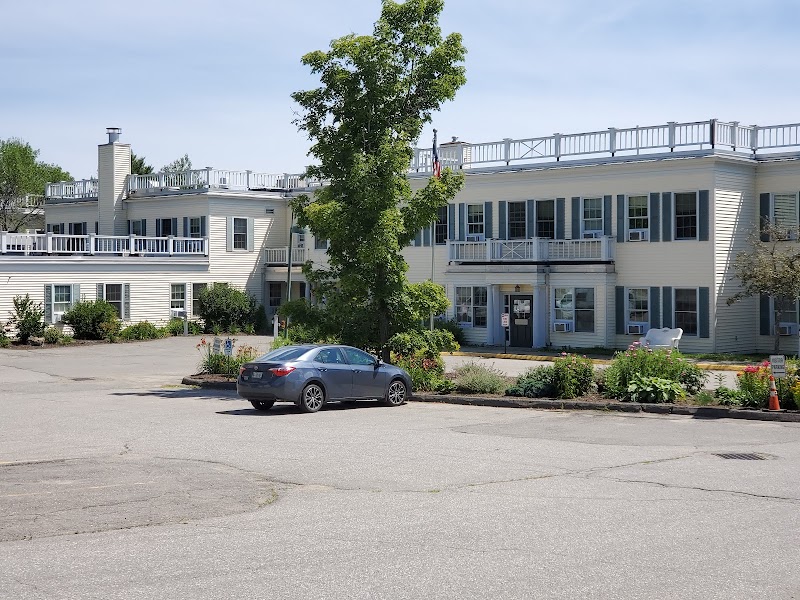
HARBOR HILL CENTER

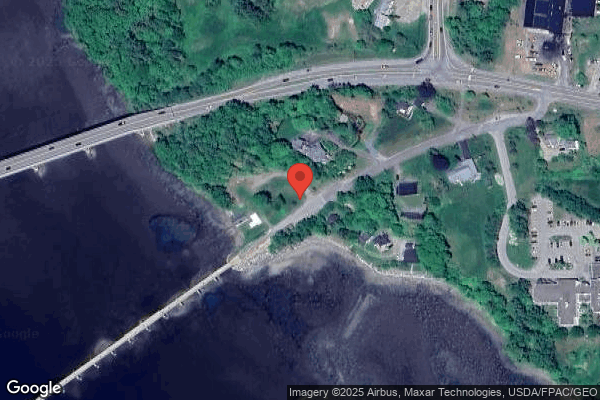
2 FOOTBRIDGE RD, BELFAST, ME 04915 (207) 338-5307
For profit - Corporation 40 Beds GENESIS HEALTHCARE Data: November 2025
Trust Grade
40/100
#67 of 77 in ME
Last Inspection: December 2024

Within standard 12-15 month inspection cycle. Federal law requires annual inspections.

Overview

Harbor Hill Center in Belfast, Maine has a Trust Grade of D, indicating below average performance with several concerns. It ranks #67 out of 77 nursing homes in Maine, placing it in the bottom half of facilities state-wide, but it is the only option in Waldo County. While the facility is showing improvement, with issues decreasing from 8 in 2024 to 5 in 2025, there are still significant weaknesses. Staffing is a strength, with a 4 out of 5 rating and a turnover rate of 38%, which is better than the state average. However, inspector findings revealed that clinical records were incomplete for several residents and care plans did not adequately address critical medical needs, raising concerns about the quality of care provided.

Trust Score
D
40/100
In Maine
#67/77
Bottom 13%
Safety Record
Low Risk
No red flags
Inspections
Getting Better
8 → 5 violations
Staff Stability
○ Average
38% turnover. Near Maine's 48% average. Typical for the industry.
Penalties
✓ Good
No fines on record. Clean compliance history, better than most Maine facilities.
Skilled Nurses
✓ Good
Each resident gets 88 minutes of Registered Nurse (RN) attention daily — more than 97% of Maine nursing homes. RNs are the most trained staff who catch health problems before they become serious.
Violations
⚠ Watch
29 deficiencies on record. Higher than average. Multiple issues found across inspections.
★☆☆☆☆
1.0
Overall Rating
★★★★☆
4.0
Staff Levels
★☆☆☆☆
1.0
Care Quality
★★☆☆☆
2.0
Inspection Score
Stable
2024: 8 issues
2025: 5 issues

The Good

  • 4-Star Staffing Rating · Above-average nurse staffing levels
  • Full Sprinkler Coverage · Fire safety systems throughout facility
  • No fines on record
  • Staff turnover below average (38%)

    10 points below Maine average of 48%

Facility shows strength in staffing levels, fire safety.

The Bad

1-Star Overall Rating

Below Maine average (3.0)

Significant quality concerns identified by CMS

Staff Turnover: 38%

Near Maine avg (46%)

Typical for the industry

Chain: GENESIS HEALTHCARE

Part of a multi-facility chain

Ask about local staffing decisions and management

The Ugly 29 deficiencies on record

Jul 2025 5 deficiencies
CONCERN (D) 📢 Someone Reported This

A family member, employee, or ombudsman was alarmed enough to file a formal complaint

Potential for Harm - no one hurt, but risky conditions existed

Deficiency F0558 (Tag F0558)

Could have caused harm · This affected 1 resident

Based on observations and interviews, the facility failed to ensure that a call bell was accessible for 1 of 3 residents reviewed during a complaint investigation (Resident [R]1). Review of policy Cal...

Read full inspector narrative →
Based on observations and interviews, the facility failed to ensure that a call bell was accessible for 1 of 3 residents reviewed during a complaint investigation (Resident [R]1). Review of policy Call Lights dated 7/15/25 states Patients will have a call light or alternative communication device at each personas bedside, toilet and bathing room to allow patients to call for assistance when attended. Staff will respond to call lights and communication devices promptly. Each patient will be evaluated for unique needs and preferences to determine any special accommodation's that may be needed in order for the patient to use the call system. Special accommodations will be identified on the patients person-centered care plan of care and provided accordingly (examples include touch pads, larger buttons, bright colors etc.). Staff will ensure the call light is within reach of the patient and secured as needed. The call system will be accessible to patients while in their beds or other sleeping accommodations withing the patient's room.During observations of Resident [R1] on 7/22/25 at 8:35 a.m., R1 was observed lying in bed. A red call bell string observed attached to the wall behind the bed and draped over box of popcorn and two photo frames located on top of R1's refrigerator next to the bed and not in reach. At this time R1 was asked how he/she would call for help if needed. R1 then used [his/her] right arm to reach over [his/her] left side of the bed and felt around, was unsuccessful and then used [his/her] left hand to reach over the side of the bed and was observed feeling around.Review of R1's care plan updated 2/5/25 states When [R1] if in bed or bed-side chair place the call light and desired personal items within reach.On 7/22/25 at 8:45 a.m. 8:51 a.m., and 10:09 a.m., Certified Nursing Assistant (CNA1) was observed entering R1's room. After CNA1 left R1's room each time, the call bell was observed attached to the wall behind the bed and draped over box of popcorn and two photo frames located on top of R1's refrigerator next to the bed and not in reach.During an observation of R1 with Registered Nurse (RN)1 on 7/22/25 at 10:17 a.m. RN1 removed the call bell from the top of refrigerator and tied it to R1's bed, within reach. RN1 stated R1's has never been known to use his/her call bell. At this time a surveyor asked if another accommodation was in place for R1 to use when assistance was needed. RN1 stated she did not know.During a follow up observation of R1 on 7/22/25 at 10:30 a.m., a surveyor asked R1 how [he/she] would call for help if [he/she] needed it. R1 used [his/her] right hand to pull the call bell appropriately.During an interview on 7/22/25 at approximately 12:09 p.m., The Director of Nursing stated she had just come out of R1's room and he/she was able to demonstrate using the call bell independently.
CONCERN (D) 📢 Someone Reported This

A family member, employee, or ombudsman was alarmed enough to file a formal complaint

Potential for Harm - no one hurt, but risky conditions existed

Comprehensive Care Plan (Tag F0656)

Could have caused harm · This affected 1 resident

Based on record review and interviews, the facility failed to update/implement a care plan in the area of communication for 1 of 1 resident reviewed for falls (Resident [R]1).Review of policy Person-C...

Read full inspector narrative →
Based on record review and interviews, the facility failed to update/implement a care plan in the area of communication for 1 of 1 resident reviewed for falls (Resident [R]1).Review of policy Person-Centered Care plan dated 10/24/22 states .The care plan must be customized to each individual patient's preferences and needs.Care plans will be: communicated to appropriate staff, patient, patient representative, family; Reviewed and revised by the interdisciplinary team after each assessment, including both the comprehensive and quarterly review assessment's, and as needed to reflect the response to care and changing needs and goals.Resident [R]1was admitted with diagnoses to include anoxic brain damage (brain damage caused by lack of oxygen) and is considered a fall risk.During an observation of Resident [R1] on 7/22/25 at 8:35 a.m. R1 was observed lying in bed. A fall mat was observed on the floor on the left side of the bed.Review of R1's care plan updated 2/5/25 states [R1] is at risk for falls: cognitive loss, lack of safety awareness; Goal: [R1] will have no falls with major injury through the next review, Interventions: When [R1] is in bed or bed-side chair place the call light and desired personal items within reach. Further review of R1'scare plan lacked evidence of fall mat use.On 7/22/25 at 9:54 a.m., the above was disused with the Director of Nursing.
CONCERN (D) 📢 Someone Reported This

A family member, employee, or ombudsman was alarmed enough to file a formal complaint

Potential for Harm - no one hurt, but risky conditions existed

Accident Prevention (Tag F0689)

Could have caused harm · This affected 1 resident

**NOTE- TERMS IN BRACKETS HAVE BEEN EDITED TO PROTECT CONFIDENTIALITY** Based on observations and interviews, the facility failed to ensure the resident environment remained as free of accident hazard...

Read full inspector narrative →
**NOTE- TERMS IN BRACKETS HAVE BEEN EDITED TO PROTECT CONFIDENTIALITY** Based on observations and interviews, the facility failed to ensure the resident environment remained as free of accident hazards, as is possible, related to side rail use for 1 of 3 complaint investigations (Resident [R]5).The Department of Licensing received a complaint indicating bed 107-B side rail was broken during the previous residents' stay from 7/2/25 through 7/15/25.Review of Tels work order #8718 dated 7/2/25 states Left grab rail needs to be fixed to lick Comments Checked both beds and they are locking.Observation of room [ROOM NUMBER]-B, currently occupied by R5 revealed side rail on left of bed is not attached appropriately to bed causing it to extend outward when grabbed. The resident currently occupying the bed states he/she gets out of the bed on the left side. At this time a surveyor asked R5 how he/she would use the bed rail to assist him/her. R5 stated that staff help him/her get out of bed, but he/she uses the side rail to get support. At this time R5 used his/her left hand to grab the side rail and it extended outward.Observation of R5's side rail on 7/22/25 at 10:17 a.m., Registered Nurse [RN]1 confirmed side rail was not attached to the bed properly and made an attempt to reattach it to the side of the bed but was unsuccessful. RN1 stated she was going to let maintenance know.During observation of bed 107-B with the Clinical Marketing Director (CMD) on 7/22/25 at 3:20 p.m., the above finding was confirmed.
CONCERN (D) 📢 Someone Reported This

A family member, employee, or ombudsman was alarmed enough to file a formal complaint

Potential for Harm - no one hurt, but risky conditions existed

Infection Control (Tag F0880)

Could have caused harm · This affected 1 resident

Based on observations and interviews and record review the facility failed to follow professional standards of practice to provide a sanitary environment to help prevent the development and transmissi...

Read full inspector narrative →
Based on observations and interviews and record review the facility failed to follow professional standards of practice to provide a sanitary environment to help prevent the development and transmission of disease and infection related to bed pan storage, and failed to maintain equipment in a sanitary manner related to a ripped floor mat (Resident [R]1).1. During an observation of Resident [R1] on 7/22/25 at 8:35 a.m., a fall mat was observed on the floor of R1's left side with two tears in it, making it an uncleanable surface.2. Observations of R1's bathroom r on 7/22/25 at 8:35 a.m., 10:17 a.m., revealed an unwrapped bed pan leaning on side of wall next to toilet available for use.During an observation of R1 10:17 a.m., with Registered Nurse (RN)1 observed the unbagged bed pan and stated it should be wrapped. At this time RN1 put the bed pan in a bag and stored it.On 7/22/25 at approximately 9:53 a.m., the above was discussed with The Director of Nursing.
CONCERN (E) 📢 Someone Reported This

A family member, employee, or ombudsman was alarmed enough to file a formal complaint

Potential for Harm - no one hurt, but risky conditions existed

Medical Records (Tag F0842)

Could have caused harm · This affected multiple residents

Based on record reviews and interviews, the facility failed to ensure that clinical records were complete and contained accurate information for 3 of 4 sampled residents reviewed during a complaint in...

Read full inspector narrative →
Based on record reviews and interviews, the facility failed to ensure that clinical records were complete and contained accurate information for 3 of 4 sampled residents reviewed during a complaint investigation (Resident [R] 1, R3 and R4).1.Review of R1's care plan updated 2/5/25 states It is important for me to be offered a shower Mon Wed Fri but can choose an alternate form of bathing at any time. Review of R1's tub/shower schedule: Monday 7-3 and Wednesday 7-3 and Friday 7-3. Review of R1's GG Bathing task revealed R1 has only received bed baths from 7/1/25 through 7/22/25.During a follow up interview on 7/22/25 at 10:13 a.m., Certified Nursing Assistant (CNA)1 states she was not aware R1 preferred showers because it's not on her task sheet and always gives him/her bed baths because [he's/she's] unable to stand on [his/her] own. CNA1 further states she does not know how to find bathing preferences in the Electronic Medical Record.During an interview on 7/22/25 at 9:53 a.m. Director of Nursing reviewed R1's care plan with this writer and stated R1 should be offered a shower first, if [he/she] refuses then a bed bath can be offered, but there should be documentation in a progress note that it was offered and refused. Review of R1's clinical record lacked evidence this was done. 2. Review of R1's care plan revealed R1 is at nutritional risk: related to Hospice care, varied intake, wound healing.Monitor intake at all meals .Review of task GG Intake lacked evidence of the following meal intakes:-Breakfast meals on 7/9/25, 7/18/25, 7/11/25 and 7/18/25, noon meals on 6/24/25, 6/26/25, 7/2/25, 7/3/25, 7/3/25, 7/3/25, and 7/8/25, and 7/15/25, and evening meals on 6/30/25 and 7/2/25.During an interview on 7/22/25 at 10:13 a.m., CNA1stated all meal intakes are supposed to be documented every shift.3. R3 was admitted with diagnoses to include a recent hip fracture, and dental issues indicating the need for 2 staff for assistance with toileting.Review of R3's care plan updated 7/10/25 states Resident exhibit or is at risk for oral health or dental care problems as evidenced by broken, loose and carious teeth.Encourage resident to brush teeth and gums twice daily and as needed.Provide resident/patient with partial of 1 for personal hygiene (grooming).Review of Task: GG: Hygiene: Oral Hygiene lacked evidence R3 was offered or refused oral hygiene twice daily on 7/2/25, 7/4/25, 7/6/25, 7/11/25, 7/12/25, or 7/13/25.During an interview on 7/22/25 at approximately 3:05 p.m., the above was discussed with Director of Nursing and Regional Clinical Coordinator.4. R4 has diagnoses to include Parkinson's and anxiety disorder and was receiving end of life care.Review of R4'clincial record revealed GG-Eating lacked evidence R4 was offered or refused noon meals on 6/28/25, 6/29/25, 7/2/25, and 7/6/25, and breakfast meal on 6/24/25.During an interview on 7/22/25 at 10:20 a.m., CNA1stated that all meals needed to be document evening if they are receiving hospice care.During an interview on 7/22/25 at 9:55 a.m., the above was discussed with Director of Nursing.5.Review of R3's care plan initiated 7/2/25 states [R3] is at risk for decreased ability to perform ADL(s) .and toileting related to: Right hip fracture and Recent fall .with activity intolerance, and confusion. Provide resident/patient with Dependent assistance of 2 using bed side commode (sit to stand lift for transfer)(specify #) for toileting.Review of R3's GG-Toileting task lacked documented evidence that R3 received appropriate toileting assistance during his/her admission.Interview with the Director of Nursing on 7/22/25 at 2:55 p.m. stated that the staff are trained to document toiling as it happens, but most of them are continuing to do it at the end of the shift Review of provided in-service documentation dated 7/15/25 revealed mandatory in-service regarding timely ADL documentation.
Dec 2024 8 deficiencies
CONCERN (D) 📢 Someone Reported This

A family member, employee, or ombudsman was alarmed enough to file a formal complaint

Potential for Harm - no one hurt, but risky conditions existed

Deficiency F0558 (Tag F0558)

Could have caused harm · This affected 1 resident

**NOTE- TERMS IN BRACKETS HAVE BEEN EDITED TO PROTECT CONFIDENTIALITY** Based on interview and record review, the facility failed to ensure accommodations were made for a resident, to include the faci...

Read full inspector narrative →
**NOTE- TERMS IN BRACKETS HAVE BEEN EDITED TO PROTECT CONFIDENTIALITY** Based on interview and record review, the facility failed to ensure accommodations were made for a resident, to include the facility's bathing schedule and resident preferences for 1 of 1 resident reviewed for bathing (Resident #295). Findings: On 1/11/24, the state agency received a facility reported incident stating that Resident #295 did not receive a shower for over a week after admission. Clinical record review indicated Resident #295 was admitted on [DATE] and discharged on 1/10/24. The admission minimum data set (MDS) dated [DATE], under section F preferences for customary routine and activities states it is very important for him/her to choose their bathing options. On 12/4/24, review of Certified Nurse's Assistant(CNA) bathing documentation noted Resident #295 received showers on 12/25/24 and 12/31/24 on the day shift and there had been no refusals documented during the resident's stay. The documentation lacked evidence that Resident #295 received showers the week of December 17th-23rd and January 7th-10th. On 12/4/24 at 9:20 a.m., in an interview, the Market Clinical Advisor confirmed that residents are to receive at least one bath/shower a week and that the CNA bathing documentation lacked evidence that Resident #295 received showers the week of December 17th-23rd and January 7th-10th.
CONCERN (D)

Potential for Harm - no one hurt, but risky conditions existed

Accident Prevention (Tag F0689)

Could have caused harm · This affected 1 resident

Based on observation, interview, and a review of Safety Data Sheets (SDS), the facility failed to ensure that the resident's environment was free of accident hazards relating to the storage of chemica...

Read full inspector narrative →
Based on observation, interview, and a review of Safety Data Sheets (SDS), the facility failed to ensure that the resident's environment was free of accident hazards relating to the storage of chemicals being properly secured for 1 of 3 days of survey (12/2/24). Findings: On 12/2/24 at 11:15 a.m., during a tour of the Harbor House, a surveyor observed a hallway storage area containing personal protective equipment (PPE) supply bins and oxygen concentrators that had a 1 pound 2.94 ounce container of Micro-Kill Bleach Germicidal Bleach Wipes stored in it at wheelchair height. The Safety Data Sheet for Micro-Kill Bleach Germicidal Bleach Wipes noted the following: 4. First Aid Measures General advice: Never give anything by mouth to an unconscious person. If you feel unwell, seek medical advice (show the label where possible). Inhalation: Assure fresh air breathing period allow victim to rest. Eye contact: If In Eyes: Rinse cautiously with water for several minutes. Remove contact lenses, if present and easy to do. Continue rinsing. Skin contact: If irritation occurs, remove affected clothing and wash all exposed skin area with mild soap and water, followed by warm water rinse. Ingestion: rinse mouth. Do not induce vomiting. Obtain emergency medical attention. On 12/2/24 at 11:23 a.m., in an interview, Registered Nurse (RN #1) confirmed that the bleach wipes should not be kept out where residents and visitors had access to them and that there were residents that can ambulate and use a wheelchair to move down the hallway. On 12/2/24 at 11:55 a.m., a surveyor discussed the finding with the Director of Nursing (DON).
CONCERN (D)

Potential for Harm - no one hurt, but risky conditions existed

Deficiency F0865 (Tag F0865)

Could have caused harm · This affected 1 resident

Based on observations, review of the plan of correction, and interview, the facility's quality assurance committee failed to ensure that the plan of correction for identified deficiencies from the Rec...

Read full inspector narrative →
Based on observations, review of the plan of correction, and interview, the facility's quality assurance committee failed to ensure that the plan of correction for identified deficiencies from the Recertification Survey, dated 12/4/24, were effective. The deficiency F584 (Safe/ clean/ comfortable/ homelike Environment) was again identified during the 1/28/25 Re-visit Survey. Findings: During the Recertification Survey, dated 12/4/24, a deficiency was cited at F584 (Safe/ clean/ comfortable/ homelike Environment for the failure to maintain adequate housekeeping and maintenance services to maintain a sanitary, orderly, and comfortable interior in 2 of 2 units. The facility's Plan of Correction, with a completion date of 1/14/25, for F584 indicated that they would correct the deficiencies in all cited rooms and all rooms through auditing, repairing of flooring, walls, bathrooms, divider curtains unpainted surfaces and caulking around toilets in the cited rooms. Additionally, the facility indicated that they would perform weekly audits x 4 of the environment to ensure that all areas meet the requirements of being safe, clean, comfortable and Homelike. Then the facility indicated that they would have monthly audits done by the Maintenance Director or designee and would bring the audit results to Quality Assurance and Performance Improvement. During the Re-visit survey observations on 1/28/25, F584 was re-cited for failure to follow their Plan of Correction to have a Safe/ clean/ comfortable/ homelike Environment on 2 of the 2 units cited. In addition, there were new environmental findings on Harbor House, a shower chair was observed in the hallway and the seat was observed soiled with a white unknown substance in the seams of the chair cushion. On Fort Point upon entering this unit, a heavy smell of urine was noted on the entire unit. It was noted that the handrails in the hallway were unfinished leaving exposed wood creating uncleanable surfaces. And the walls were noted to have black scuff marks along the bases. On 1/28/25 at 12:15 p.m. during an interview with the Administrator it was discussed that the areas cited during the previous survey have not been corrected as indicated on the facilities Plan of Correction with a correction date of 1/14/24. It was stated that the areas had not been completed yet due to the facility not having the matching paint for those areas. The surveyor confirmed the above findings at this time.
CONCERN (D)

Potential for Harm - no one hurt, but risky conditions existed

Deficiency F0868 (Tag F0868)

Could have caused harm · This affected 1 resident

Based on review of the facility's Quality Performance Improvement (QAPI) Committee meeting attendance sheets and interview, the facility failed to provide evidence that a quarterly meeting was held fo...

Read full inspector narrative →
Based on review of the facility's Quality Performance Improvement (QAPI) Committee meeting attendance sheets and interview, the facility failed to provide evidence that a quarterly meeting was held for 1 of 4 quarters. Finding: On 12/4/24 at 10:00 a.m., a review of the facility's QAPI attendance sheets was completed. The facility held quarterly meetings on 9/27/24, 6/18/24, and on 3/5/24. The facility was unable to provide evidence that a quarterly meeting was held in 12/23 or 1/23. On 12/4/24 at 10:10 a.m., in an interview with the surveyor, the Marketing Clinical Advisor confirmed that the facility did not hold a quarterly QAPI meeting in 12/23 or 1/23, for the fourth quarter meeting, and that the last documented meeting she could find was dated 10/24/23.
CONCERN (E)

Potential for Harm - no one hurt, but risky conditions existed

Safe Environment (Tag F0584)

Could have caused harm · This affected multiple residents

**NOTE- TERMS IN BRACKETS HAVE BEEN EDITED TO PROTECT CONFIDENTIALITY** 2. Harbor House -The kitchenette and dining areas had floor seams which were split and unsealed, containing dirt and debris. The...

Read full inspector narrative →
**NOTE- TERMS IN BRACKETS HAVE BEEN EDITED TO PROTECT CONFIDENTIALITY** 2. Harbor House -The kitchenette and dining areas had floor seams which were split and unsealed, containing dirt and debris. The cabinets around the kitchen were marked and marred with black marks. The wall paper to the right of the sink was ripped/peeled exposing sheetrock. -There were 4 hallway ceiling tiles, by the admission Director's office, that had large brown stains on them. -The whirlpool room had ripped/chipped paint next to the whirlpool creating an uncleanable surface. -The cabinet by the sink had missing and worn treatment on the wood surface creating an uncleanable surface. -The Sit-to-stand patient lift had chipped/missing paint on the base and legs. -The Reliant 600 patient lift, in the hallway by room [ROOM NUMBER], had chipped/missing paint on legs. -room [ROOM NUMBER]- The caulking around the base of the toilet was dirty, the room entrance and bathroom doors and door frames were marred with black marks. -The restroom, across from room [ROOM NUMBER], had caulking around the base of the toilet which was dirty. -room [ROOM NUMBER] - The caulking around the base of the toilet was dirty and the seam between the room and bathroom floor was split open and built up with dirt. There was a bedpan stored on floor by the toilet. -room [ROOM NUMBER] - The caulking around the base of the toilet was dirty and the ceiling vent was rusty and had dried liquid residue on it. -room [ROOM NUMBER] - The floor around the base of the toilet was dirty and there was a commode bucket stored on the floor. -room [ROOM NUMBER] - The floor around the base of the toilet was dirty. The cove base was ripped/broken off by the bathroom door. The bathroom door and door frame had chipped/missing paint and the ceiling exhaust vent was dusty/dirty. -room [ROOM NUMBER] - Both privacy curtains were missing hooks, hanging down and in disrepair. -room [ROOM NUMBER] - Both privacy curtains were missing hooks, hanging down and in disrepair. -The television area had 3 ceiling tiles with dark brown stains on them and the ceiling vent near the television was dirty and rusty. 3. Laundry Room The cement floor had chipped/missing paint creating an uncleanable surface. There was 1 ceiling tile above the washing machines that had black and brown stains on it. The ceiling vent near the washing machines was heavily soiled with dust/dirt. Based on observations and interviews, the facility failed to adequately provide housekeeping and maintenance services necessary to maintain the building in a sanitary condition for 2 of 2 environmental tours, both on 12/3/24, on 2 of 2 units[Harbor Hill and Fort Point]. Findings: On 12/3/24 at 8:00 a.m. through 8:45 a.m., an environmental tour was conducted with the Senior Maintenance Supervisor and Maintenance Supervisor. Findings were confirmed at the time of the observations. 1. Fort Point room [ROOM NUMBER], bathroom walls are gauged and scuffed with black marks. The cover of the safety fall mats next to bed 1 have cracks and torn areas creating an uncleanable surface. Next to bed 2, the wall is gauged and has several black scuff marks. room [ROOM NUMBER], the room divider curtains are soiled and stained. The wall behind bed 2 has areas of missing paint. room [ROOM NUMBER], bathroom walls have scuffed marks and areas with unpainted patches of putty. room [ROOM NUMBER], bathroom walls have scuffed marks and areas with unpainted patches of putty. room [ROOM NUMBER], bathroom walls have scuffed marks and areas with unpainted patches of putty. The dining room wooden thresh-holds are scuffed and gouged. The wooden kitchenette cabinets are marred and have scuff marks.
CONCERN (E)

Potential for Harm - no one hurt, but risky conditions existed

Comprehensive Care Plan (Tag F0656)

Could have caused harm · This affected multiple residents

**NOTE- TERMS IN BRACKETS HAVE BEEN EDITED TO PROTECT CONFIDENTIALITY** Based on record reviews and interview, the facility failed to develop a Comprehensive Care Plan that addressed the physical need...

Read full inspector narrative →
**NOTE- TERMS IN BRACKETS HAVE BEEN EDITED TO PROTECT CONFIDENTIALITY** Based on record reviews and interview, the facility failed to develop a Comprehensive Care Plan that addressed the physical needs of 2 of 4 sampled residents (Resident #26 [R26] and [R29]). Findings: 1. On 12/4/24, clinical record review indicated R26 was admitted on [DATE]. Admitting diagnoses included Type 2 Diabetes. Orders for this diagnosis include administering 15 units of Insulin Glargine subcutaneously, at bedtime. The surveyor was unable to locate a care plan for the management of diabetes and/or insulin. On 12/4/24 at 12:02 p.m., during an interview with the Marketing Clinical Advisor, a surveyor confirmed R26's care plan does not address the diagnosis of diabetes or the use of insulin. 2. Resident #29 was admitted on [DATE] with a current physician order dated 10/16/24 noting Wander Guard/Wander Elopement Device due to poor safety awareness. Review of Resident #29's current care plan indicated there were no Focus, Goals and Interventions addressing wandering/elopement. On 12/4/24 at 12:25 p.m., in an interview, the Market Clinical Advisor confirmed the Resident's #29's current care plan was not updated to include wandering/elopement.
CONCERN (E)

Potential for Harm - no one hurt, but risky conditions existed

Respiratory Care (Tag F0695)

Could have caused harm · This affected multiple residents

Based on observation, record review, and interview, the facility failed to maintain respiratory equipment in a sanitary manner to help prevent the development and transmission of disease and infection...

Read full inspector narrative →
Based on observation, record review, and interview, the facility failed to maintain respiratory equipment in a sanitary manner to help prevent the development and transmission of disease and infection related to respiratory care for 2 of 4 residents reviewed for respiratory care (Resident #4 [R4] and [R26]). Findings: 1. On 12/2/24 at 11:12 a.m., a surveyor observed R4's oxygen concentrator to have dust / debris accumulations over the filter vents. R4's nebulizer was observed on the bedside table, exposed to the environment. On 12/4/24, a surveyor observed R4's oxygen concentrator to have dust / debris accumulations over the filter vents. R4's nebulizer mask was hanging from a hook on the wall and exposed to the environment. 2. Record review for R26 indicated the resident was admitted with acute and chronic respiratory failure and dependence on supplemental oxygen, for which R26 receives 1-2 liters of oxygen via nasal cannula continuously. On 12/2/24 at 11:16 a.m., a surveyor observed R26's oxygen concentrator to be heavily soiled with dust / debris. On 12/4/24, a surveyor observed R26's oxygen concentrator to be heavily soiled with dust / debris. Review of the facility's NEBULIZER: SMALL VOLUME procedure, revised on 11/01/23, indicated the nebulizer should be placed in a treatment bag labeled with patient name and date after use. On 12/4/24 at 11:08 a.m., during an interview with a surveyor, the Director of Nursing stated Maintenance was responsible for cleaning the concentrator equipment. At this time the Director of Nursing and a surveyor observed and confirmed the above findings.
MINOR (B)

Minor Issue - procedural, no safety impact

Deficiency F0582 (Tag F0582)

Minor procedural issue · This affected multiple residents

Based on interview and Beneficiary form review, the facility failed to ensure that a Skilled Nursing Facility Advance Beneficiary Notice (SNFABN) was provided to 1 of 3 residents whose Medicare Part A...

Read full inspector narrative →
Based on interview and Beneficiary form review, the facility failed to ensure that a Skilled Nursing Facility Advance Beneficiary Notice (SNFABN) was provided to 1 of 3 residents whose Medicare Part A services were discontinued (Residents #22 [R22]). Finding: On 12/3/24, R22's Skilled Beneficiary Notification Review form was reviewed. The Beneficiary Notification form that was completed on 12/3/24 by the Minimum Data Set (MDS) Coordinator indicated R22 received Medicare Part A services that ended on 10/30/24, but there was no evidence that the required Skilled Nursing Facility Advance Beneficiary Notice (SNFABN) was provided to R22 so that he/she could make an informed decision to continue receiving the skilled services that may not be paid for by Medicare and assume financial responsibility. On 12/3/24 at 11:45 a.m., in an interview with the surveyor, the MDS Coordinator confirmed that a SNFABN was not issued to R22.
Oct 2023 9 deficiencies
CONCERN (D)

Potential for Harm - no one hurt, but risky conditions existed

Transfer Requirements (Tag F0622)

Could have caused harm · This affected 1 resident

**NOTE- TERMS IN BRACKETS HAVE BEEN EDITED TO PROTECT CONFIDENTIALITY** Based on interviews, and record reviews the facility failed to meet the requirements for a facility-initiated discharge for 1 of...

Read full inspector narrative →
**NOTE- TERMS IN BRACKETS HAVE BEEN EDITED TO PROTECT CONFIDENTIALITY** Based on interviews, and record reviews the facility failed to meet the requirements for a facility-initiated discharge for 1 of 1 resident reviewed for facility-initiated discharge (Resident 35 [R35]). Finding: On 10/16/23 at 2:00 p.m., during a resident interview, R35 stated he/she was told he/she had to leave the facility tomorrow because he/she was no longer skilled and his/her needs are long-term care (LTC) needs, R35 asked to stay and was told the facility didn't have any LTC beds available and there were two people waiting to get in. Medical record indicated R35 was admitted on [DATE] for skilled services after a partial amputation of his/her right foot, the initial plan was to gain strength and go to a lower level of care (assisted living). During his/her skilled rehabilitation R35 was not able to complete the rehab program due to a decline in his/her health status and was subsequently discharged from skilled services on 10/15/23. Once discharged from skilled services the facility set a discharge date of 10/17/23. R35 was not given the choice to stay in this facility for his/her LTC needs. The facility initiated a facility-initiated discharge. On 10/16/23 at 2:30 p.m., during an interview with the Clinical Licensed Social Worker (CLSW), she stated R35 is scheduled to go to Bayview Manor, a residential organization, and R35 will be transported by ambulance as he/she is not able to sit in a wheelchair to be able to go by facility van, and discharge is set for 10/17/23. She stated R35 is leaving because he/she is no longer skilled, and he/she needs a long-term care bed. On 10/16/23 at approximately 2:45 p.m., during an interview with the Administrator, she stated that Corporate wants the skilled beds to be open, so because the resident is no longer skilled, they must be discharged . The surveyor confirmed with the Administrator that the facility has dually certified beds. The Adminsitrator stated that the resident could not stay as he/she was no longer skilled. Review of the facility's discharge policy with a revision date of 11/15/22 documents on page 1 of 5 that The Center must permit each patient to remain in the Center and not transfer or discharge the patient from the Center unless: o The transfer or discharge is necessary for the patient's welfare and the patient's needs cannot be met by the Center. o The transfer or discharge is appropriate because the patient's health has improved sufficiently so the patient no longer needs the services provided by the Center. o The safety of individuals in the Center is endangered due to the clinical or behavioral status of the patient. o The patient's clinical or behavioral status endangers the health of individuals in the Center. o The patient has failed, after reasonable and appropriate notice, to pay for (or to have paid under Medicare or Medicaid) a stay at the Center. Non-payment applies if the patient. does not submit the necessary paperwork for third party payment or after the third party, including Medicare or Medicaid, denies the claim and the patient refuses to pay for their stay. For a patient who becomes eligible for Medicaid after admission to a Center, the Center may charge a patient only allowable charges under Medicaid; or o The Center ceases to operate. Upon review of the residents clinical record there is no evidence to support that he/she met the requirements for a facility-initiated discharge. On 10/17/23 at approximately 8:15 a.m. the Administrator spoke to R35 and was made aware by resident that he/she had asked to stay at this facility resulting in the discharge/transfer being stopped allowing R35 to stay at this facility.
CONCERN (D)

Potential for Harm - no one hurt, but risky conditions existed

Drug Regimen Review (Tag F0756)

Could have caused harm · This affected 1 resident

**NOTE- TERMS IN BRACKETS HAVE BEEN EDITED TO PROTECT CONFIDENTIALITY** Based on record reviews and interviews, the facility failed to respond to the consultant pharmacist's recommendations in a timel...

Read full inspector narrative →
**NOTE- TERMS IN BRACKETS HAVE BEEN EDITED TO PROTECT CONFIDENTIALITY** Based on record reviews and interviews, the facility failed to respond to the consultant pharmacist's recommendations in a timely manner for 1 of 5 sampled residents reviewed for unnecessary medications (Resident #34 [R34]). Findings: The medical record indicated R34 was originally admitted to the facility on [DATE] and has diagnoses to include unspecified depression, unspecified mood disorder and anxiety. Review of R34's Omnicare Consultation report dated 8/13/23 states: This resident has been receiving an antipsychotic, risperidone without documentation of diagnosis and adequate indication for use, in the medical record. Recommendation from the consultant Pharmacist: If the antipsychotic order is to continue, please update the medical record to include the specific diagnosis/indication requiring treatment that is based upon an assessment of the resident's condition and therapeutic goals, a list of symptoms or target behaviors including their impact on the resident and documentation that the other causes and medications have been considered, that individualized nonpharmacological interventions are in place, and that ongoing monitoring has been ordered. Provider documented on 8/15/23 for diagnosis to be depression with psychotic features, not in remission. Review of R34's clinical record lacked evidence that the new diagnosis was included in R34's clinical record. Review of R34's Omnicare Consultation report dated 9/15/23 through 9/18/23 states this resident receives Risperidone which may cause involuntary movements including tardive dyskinesia (TD) but an abnormal involuntary movement scale (AIMS) or other appropriate assessment was not documented in the medical record within the previous 6 months Recommendation from the consultant Pharmacist: please monitor for involuntary movements now and at least every 6 months or per facility protocol. If involuntary movements are present, it is recommended that a risk/benefit assessment be competed, and Risperidone be considered for discontinuation. Review of Resident #34's clinical record lacked evidence that this recommendation was addressed. On 10/18/23 at 11:15 a.m. the surveyor confirmed with the Regional Clinical Lead that the pharmacy recommendations had not been addressed.
CONCERN (E)

Potential for Harm - no one hurt, but risky conditions existed

Safe Environment (Tag F0584)

Could have caused harm · This affected multiple residents

**NOTE- TERMS IN BRACKETS HAVE BEEN EDITED TO PROTECT CONFIDENTIALITY** Based on observations, interview and review of facility Safety Data Sheets, the facility failed to adequately provide housekeepi...

Read full inspector narrative →
**NOTE- TERMS IN BRACKETS HAVE BEEN EDITED TO PROTECT CONFIDENTIALITY** Based on observations, interview and review of facility Safety Data Sheets, the facility failed to adequately provide housekeeping and maintenance services necessary to maintain the building in a sanitary, orderly, and comfortable interior for the 2 of 2 units(Harbor House and Fort Point), a common area and the laundry room for 1 of 1 facility tours (10/19/23). Findings: On 10/19/23 from 8:20 a.m. to 9:20 a.m., an environmental tour was conducted with the Administrator, the Maintenance Supervisor and the Health Care Services District Manager in which the following findings were observed: Common Area: > There were three(3) ceiling tiles near the reception desk that had brown stains on them. Harbor House Unit: > There were two(2) ceiling tiles above the Menu sign that had brown stains on them. > The shower room had an inflatable hair wash tray that was observed dirty and soiled. > The low ceiling near resident room [ROOM NUMBER] had dark black markings on it. > Resident room [ROOM NUMBER] - The floor had dirt, debris and dried liquid spots on it. The wall behind a chair had unpainted drywall paste creating an uncleanable surface. The bathroom floor and around the base of the toilet was dirty, the ceiling exhaust vent was dusty/dirty and there was one(1) ceiling tile with a large brown stain on it. > Resident room [ROOM NUMBER] - The floor had dirt, debris and dried liquid spots on it, the air conditioning unit in the window was not sealed leaving large gaps to the outside, and there were unpainted drywall patches creating uncleanable surfaces. The bathroom floor and around the base of the toilet was dirty and the ceiling exhaust vent was dirty/dusty. > Resident room [ROOM NUMBER] - The entrance door had a nail sticking out of it and a trim piece was coming off. The room entrance flooring was lifted/gapped creating an uncleanable surface. The wall behind the right side bed and chair was marred/scuffed with black marks. The bathroom ceiling exhaust vent was dusty/dirty and there was a bedpan stored on the floor. > Resident room [ROOM NUMBER] - The floor had dirt, debris and dried liquid spots on it. > The 1st dining room floor had dirt, debris and dried liquid spots on it, and left entrance doorway had floor seams that were separated and unsealed creating uncleanable surfaces. > The kitchenette area floors were dirty with spillage and crumbs and the floor seam is gapped and unsealed creating an uncleanable surface. > The kitchenette area exhaust vent is dusty/dirty. > The 2nd dining room had floor seams that were separated and unsealed creating uncleanable surfaces. > The wheelchair scale had ripped/missing non-skid tape creating uncleanable surfaces. Laundry Room: > The wood base under the laundry chemicals was untreated creating an uncleanable surface. > The cement floor by the washing machines had chipped/missing paint creating an unsealed and uncleanable surface. > 0ne(1) ceiling tile had a large brown stain on it. > A ceiling light was missing the lens cover. Fort Point Unit > A Reliant 600 patient lift had a dirty/stained swing bar cover. > A Reliant RPS 350 patient sit-to-stand lift had dirt/debris in the foot base area and had chipped/missing paint on the legs creating uncleanable surfaces. > The exhaust vent in the kitchenette was dusty/dirty and the floor had dirt/debris on it. > Resident room [ROOM NUMBER] - The bathroom walls had unpainted drywall patches creating uncleanable surfaces. The floor around the base of the toilet was dirty and the bathroom ceiling exhaust vent was dusty/dirty. > The bottom of the door frame to the entrance of the dining room was marred/ scuffed and the wood is chipped/gouged and had pieces missing. > Resident room [ROOM NUMBER] - The bathroom walls were marked/marred, the floor around the base of the toilet was dirty, the bathroom ceiling exhaust vent was dusty/dirty and the toilet seat was split open creating an uncleanable surface. > Resident room [ROOM NUMBER] - Resident #22's wheelchair had dried liquid residue and food particles on it. > There were five(5) ceiling tiles in hall by resident room [ROOM NUMBER] that had brown stains on them. > Resident room [ROOM NUMBER] - The room entrance door frame had marred/chipped paint and pieces of the door frame were missing creating uncleanable surfaces. > Resident room [ROOM NUMBER] - The floor mat was dirty and soiled. > Resident room [ROOM NUMBER] - The privacy curtain was missing hooks, ripped and in disrepair. The window was open and missing the screen. The bathroom had a wash basin on the floor, the floor was dirty around the base of the toilet and the bathroom exhaust vent was dusty/dirty. > The shower room was missing the grout on the floor in front of the shower creating an uncleanable surface. On 10/19/23 at 9:20 a.m., in an interview, the Administrator, the Maintenance Supervisor and the Health Care Services District Manager confirmed the findings.
CONCERN (E) 📢 Someone Reported This

A family member, employee, or ombudsman was alarmed enough to file a formal complaint

Potential for Harm - no one hurt, but risky conditions existed

Quality of Care (Tag F0684)

Could have caused harm · This affected multiple residents

4. On 10/18/23, the facility Falls Management policy and procedure was reviewed. Under Section 5-#5.3-any patient who sustains an injury to the head from a fall and/or has an unwitnessed fall will be ...

Read full inspector narrative →
4. On 10/18/23, the facility Falls Management policy and procedure was reviewed. Under Section 5-#5.3-any patient who sustains an injury to the head from a fall and/or has an unwitnessed fall will be observed for neurological abnormalities by performing neurological check, per policy. R16's clinical record was reviewed for neurological checks post the 4/21/23 unwitnessed fall. There was no evidence that neurological checks were completed per facility post fall management policy and procedure. On 10/18/23 at 1:30 p.m., in an interview, the RCL confirmed that the facility was unable to locate any neurological checks post the resident's unwitnessed fall on 4/21/23.
CONCERN (E)

Potential for Harm - no one hurt, but risky conditions existed

Deficiency F0730 (Tag F0730)

Could have caused harm · This affected multiple residents

Based on performance evaluations and interviews, the facility failed to complete annual performance evaluations at least every 12 months for 3 of 5 sampled Certified Nursing Assistants (CNA1, CNA2, an...

Read full inspector narrative →
Based on performance evaluations and interviews, the facility failed to complete annual performance evaluations at least every 12 months for 3 of 5 sampled Certified Nursing Assistants (CNA1, CNA2, and CNA3). Findings: 1. CNA1 was hired on 1/18/07. The last performance evaluation was completed on 2/12/21. The facility was unable to provide evidence of a completed annual performance evaluation for 2022 and 2023. 2. CNA2 was hired on 1/20/21. The facility was unable to provide evidence that any annual performance evaluations were completed. 3. CNA3 was hired on 8/19/20. The facility was unable to provide evidence that any annual performance evaluations were completed. On 10/19/23 at 12:13 p.m., in an interview with a surveyor, the Director of Nursing and Regional Clinical Lead confirmed the above findings.
CONCERN (E)

Potential for Harm - no one hurt, but risky conditions existed

Food Safety (Tag F0812)

Could have caused harm · This affected multiple residents

2. On 10/16/23 from 10:50 a.m. to 11:30 a.m., an initial kitchen tour was conducted with the Food Service Director in which the following findings were observed: > The food slicer had dried food pa...

Read full inspector narrative →
2. On 10/16/23 from 10:50 a.m. to 11:30 a.m., an initial kitchen tour was conducted with the Food Service Director in which the following findings were observed: > The food slicer had dried food particles on the shroud and the base. > Three(3) ceiling vents, above food preparation areas, were dusty and dirty. > The low temperature dish machine had heavy scale build up the outside on top, the outside on the sides and on the inside of it. > The food disposal unit and electrical line from control box was heavily soiled with dried liquid residue. > The walk-in freezer had a buildup of ice on a large bag of unopened cheese. > The Harbor House unit kitchenette refrigerator had dried liquid residue on the bottom inside shelf edge. > The multipurpose storage area, where the kitchen keeps emergency food supplies, was also used to store four(4)- 8 ounce bottles of remedy skin repair cream, six(6)- 5 ounce bottles of Antiperspirant/Deodorant, ten(10) - 8 ounce bottles of No Rinse Body Wash and twenty(20) -16 oz bottles of 3% hydrogen peroxide. Safety Data Sheets: 1. Remedy Olivamine Skin Repair Cream - Section 4. First aid measures. Eye contact wash with copious amounts of water. If discomfort continues, get medical attention. Skin contact: If irritation occurs, wash with soap and water. Get medical attention if irritation develops or persists. Ingestion: Do not ingest. If large amount is swallowed seek medical attention. Inhalation: Remove to fresh air. If not breathing, give artificial respiration. Get immediate medical attention. 2. Medspa Aerosol Antiperspirant/Deodorant - Section 2. Hazards Identification - Acute Toxicity Section 4. First aid measures. Eye contact: Avoid rubbing eyes. Immediately flush eyes with large amounts of water, occasionally lifting upper and lower lids, until no evidence of product remains (minimum 15 minutes is typically recommended). Remove contact lenses, if present and easy to do. Get medical attention if pain or irritation persists. Skin contact: If irritation develops wash area with water. Get medical attention if irritation persists. Inhalation: Remove to fresh air. If not breathing, give artificial respiration. If breathing is difficult, give oxygen. Get immediate medical attention. Ingestion: If swallowed, call a physician immediately. Rinse mouth and throat thoroughly with water. Do not induce vomiting unless directed to do so by a physician. Never give anything by mouth to an unconscious person. If vomiting occurs spontaneously, keep head below hips to prevent aspiration of liquid into lungs. If patient is conscious and alert, give large amounts of water. Get medical attention. 3. No Rinse Body Wash - Section 4. First aid measures. Ingestion: Rinse mouth thoroughly. Get medical attention if any discomfort continues. Eye contact: Make sure to remove any contact lenses from the eyes before rinsing. Promptly wash eyes with plenty of water while lifting the eyelids. Get medical attention promptly if symptoms occur after washing. 4. Aplicare hydrogen peroxide 3% - Section 2. Hazards Identification - Serious eye damage/Eye irritation. Section 4. First aid measures. Eye contact: Rinse immediately with plenty of water, also under the eyelids, for at least 15 minutes. Remove contact lenses, if present and easy to do. Continue rinsing. Keep eye wide open while rinsing. Do not rub affected area. Get medical attention if irritation develops and persists. Skin contact: Wash with soap and water. Inhalation: Remove to fresh air. Ingestion: Rinse mouth immediately and drink plenty of water. Never give anything by mouth to an unconscious person. Do Not induce vomiting. Call a physician. On 10/16/23 at 11:30 a.m. in an interview with the Food Service Director, a surveyor confirmed the findings. Based on observations, the facility failed to ensure that proper hand sanitizing and proper food handling during lunch service was followed for 1 of 2 lunch observations (10/16/23) on the Fort Point Unit. The facility also failed to ensure the kitchen was maintained in a clean, sanitary and safe manner for a food slicer, ceiling vents, the dish machine, the food disposal unit and wiring, the walk-in freezer, and a kitchenette refrigerator; and failed to ensure that chemicals were not stored openly in a multipurpose storage room with food for 1 of 1 kitchen tour (10/16/23). Findings: 1. On 10/16/23 at approximately 12:20 p.m., the meal server pushed the steam cart onto the Fort Pine Unit and set it up for lunch service. The meal server did not sanitize his hands before starting to serve up plates. At 12:35 p.m., the surveyor observed the meal server contaminate his hands by touching a transport handle on the steam cart and wiping his hands on his pant legs while dishing food onto meal plates from the steam cart. The meal server did not wash his hands after contaminating them. The meal server then was observed touching the inside of the resident's meal plates with his contaminated thumb and fingers. The surveyor discussed this finding at the time of observation with the meal server.
CONCERN (E)

Potential for Harm - no one hurt, but risky conditions existed

Garbage Disposal (Tag F0814)

Could have caused harm · This affected multiple residents

Based on observations and interviews, the facility failed to maintain garbage storage areas in a sanitary condition to prevent the harborage and feeding of pests for 1 trash dumpster and the surroundi...

Read full inspector narrative →
Based on observations and interviews, the facility failed to maintain garbage storage areas in a sanitary condition to prevent the harborage and feeding of pests for 1 trash dumpster and the surrounding grounds for 2 of 4 days of survey. (10/16/23, and 10/19/23) Findings: 1. On 10/16/23 at 10:50 a.m., a surveyor and the Food Service Director (FSD) observed paper trash, plastic, used disposable gloves and a large cardboard box on the ground around the dumpsters. At this time, in an interview, the FSD confirmed the finding. 2. On 10/19/23 at 8:15 a.m., a surveyor observed the right side door of trash dumpster open, exposing trash. On 10/19/23 at 8:20 a.m., in an interview, the surveyor discussed the finding with the Administrator.
CONCERN (E)

Potential for Harm - no one hurt, but risky conditions existed

Deficiency F0882 (Tag F0882)

Could have caused harm · This affected multiple residents

Based on interview, the facility failed to ensure that the facility Infection Preventionist (IP) had completed specialized training prior to starting the IP position. Finding: On 10/18/23 at 1:00 p.m....

Read full inspector narrative →
Based on interview, the facility failed to ensure that the facility Infection Preventionist (IP) had completed specialized training prior to starting the IP position. Finding: On 10/18/23 at 1:00 p.m., in an interview with the surveyor, the Registered Nurse-Infection Preventionist (RN-IP) stated she started this position in September and has enrolled in an on-line training for Infection Control and Prevention. She stated she has not been consistently trained or been overseen by another IP. On 10/19/23 at 1:00 p.m., in an interview with the Regional Clinical Lead, the surveyor discussed that there was no IP overseeing and training the current IP and that the IP has not completed the specialized training-Certificate in Infection Prevention and Control.
MINOR (C)

Minor Issue - procedural, no safety impact

Infection Control (Tag F0880)

Minor procedural issue · This affected most or all residents

Based on review of the facility's Infection Prevention and Control Program (IPCP) and interview, the facility failed to ensure that the IPCP was reviewed annually. Finding: On 10/18/23 at 1:00 p.m., t...

Read full inspector narrative →
Based on review of the facility's Infection Prevention and Control Program (IPCP) and interview, the facility failed to ensure that the IPCP was reviewed annually. Finding: On 10/18/23 at 1:00 p.m., the facility's IPCP was reviewed. Documentation indicated the last annual review was completed on 5/22/22. The Infection Preventionist stated she has only been in the position for a month and did not know that the IPCP needed to be reviewed annually. On 10/18/23 at approximately 2:30 p.m., the surveyor discussed this finding with the Director of Nursing and the Regional Clinical Lead.
Feb 2022 7 deficiencies
CONCERN (D)

Potential for Harm - no one hurt, but risky conditions existed

Deficiency F0561 (Tag F0561)

Could have caused harm · This affected 1 resident

Based on record review and interviews, the facility failed to ensure that a resident's choice in bathing was being followed for 2 of 3 sampled residents (Resident #2 and #18). Findings: 1. On 2/13/22...

Read full inspector narrative →
Based on record review and interviews, the facility failed to ensure that a resident's choice in bathing was being followed for 2 of 3 sampled residents (Resident #2 and #18). Findings: 1. On 2/13/22, during an interview with a surveyor, Resident #2 stated that he/she does not get their hair washed every week. Surveyor observed at this time that the resident's hair was oily on the crown of the head and on the sides. Resident #2 stated they do not go into the shower or whirlpool per their choice but are supposed to have their hair washed every week using an inflatable hair wash tray. Surveyor then asked the resident if he/she had ever refused to have a hair shampoo done? Resident #2 replied Oh No, I wouldn't refuse. I get them so infrequently, I am not on the list for a shampoo, so I try to find the Certified Nursing Assistant (C.N.A.) and ask her to fit me in her list. Upon review of the scheduled shower/whirlpool list Resident #2 was scheduled for showers/hair wash on Thursdays on the 7-3 shift. C.N.A. documentation lacks evidence of the last time Resident #2 received a hair wash/shampoo. Per Resident #2 it has been over 2 weeks since their last shampoo. 2. On 2/14/22 during an interview with surveyor, Resident #18 stated that he/she does not go in the whirlpool or shower for safety reasons, but staff are supposed to wash their hair every week. He/she stated this has not been done for over 2 weeks. At this time the surveyor observed that Resident #18 had oily/unwashed hair. C.N.A. documentation lacks evidence of the last time Resident #18 received a hair wash/shampoo. On 2/14/22 at 2:13 p.m., a surveyor confirmed the above findings during an interview and resident observations with the Chief Nurse Executor.
CONCERN (D)

Potential for Harm - no one hurt, but risky conditions existed

PASARR Coordination (Tag F0644)

Could have caused harm · This affected 1 resident

Based on record review and interview, the facility failed to ensure that the State mental health authority for Pre-admission Screening and Resident Review (PASRR) was notified after a resident was new...

Read full inspector narrative →
Based on record review and interview, the facility failed to ensure that the State mental health authority for Pre-admission Screening and Resident Review (PASRR) was notified after a resident was newly diagnosed with a mental disorder to determine from a PASRR Level I screen if a change in level of service is required for 1 of 2 sampled residents reviewed for PASRR (Resident #15). Finding: Documentation in Resident #15's PASRR level I screen, dated 12/1/2017, stated the resident did not have a diagnosis of dementia, or a diagnosis or suspicion of a mental illness. Resident #15's Diagnosis Information sheet dated 6/14/2021 states a diagnosis of major depressive disorder, single episode, unspecified and psychophysiologic insomnia was present on 12/1/2017, a diagnosis of delusional disorders was made on 9/1/2020, a diagnosis of cognitive communication deficit was made on 1/7/2021, and a diagnosis of sedative, hypnotic or anxiolytic dependence, uncomplicated, dementia in other diseases classified elsewhere with behavioral disturbance, and emotional lability was made on 3/1/2021. The surveyor could not locate evidence in Resident #15's clinical record that a new PASRR Level I screen had been completed for the diagnoses listed above to determine if a Level II PASRR evaluation and determination was recommended. In an interview with a surveyor on 2/15/2022 at 2:32 p.m., the Director of Social Services stated that in November, 2021 she was aware that a new PASRR Level I screen needed to be completed because of Resident #15's diagnoses but did not complete one. The surveyor confirmed at this time that a PASRR Level 1 was not submitted to the State mental health authority when Resident #15 had a diagnosis of dementia and newly diagnosed mental disorders.
CONCERN (D)

Potential for Harm - no one hurt, but risky conditions existed

Quality of Care (Tag F0684)

Could have caused harm · This affected 1 resident

Based on record review and interviews the facility failed to follow a written telephone order for lab work for 1 of 3 residents reviewed (# 18). Finding: Resident #18 had a written telephone order, d...

Read full inspector narrative →
Based on record review and interviews the facility failed to follow a written telephone order for lab work for 1 of 3 residents reviewed (# 18). Finding: Resident #18 had a written telephone order, dated 1/24/22, to obtain blood work for a Complete Blood Count (CBC), Comprehensive Metabolic Panel (CMP) and a Thyroid-Stimulating Hormone (TSH) in 1 week for diagnosis of Congested Heart Failure (CHF) and Anemia. There was no evidence in the clinical record that the blood work was completed as ordered. On 2/15/22 at 10:00 a.m., during an interview with the charge nurse, the surveyor confirmed that the lab work (blood work) for Resident #18 had not been completed.
CONCERN (D)

Potential for Harm - no one hurt, but risky conditions existed

Deficiency F0761 (Tag F0761)

Could have caused harm · This affected 1 resident

Based on observations and interview, the facility failed to ensure expired medications were removed from the supply available for use in 1 of 2 medication supply rooms (Medication Supply Room on Harbo...

Read full inspector narrative →
Based on observations and interview, the facility failed to ensure expired medications were removed from the supply available for use in 1 of 2 medication supply rooms (Medication Supply Room on Harbor House Unit). Findings: On 2/13/22 between 12:03 p.m. and 12:15 p.m., during a medication supply review with the Infection Preventionist, a surveyor observed in the medication supply room on Harbor House Unit the following: - One 16 ounce bottle of Acetaminophen (liquid pain relief medication) that was available for use with an expiration date of November, 2021 - Two 10 fluid ounce bottles of Magnesium Citrate (laxative medication) that was available for use with an expiration date of May, 2021 and December, 2021. On 2/13/21 at 12:15 p.m., a surveyor confirmed the above findings with the Infection Preventionist (IP). The IP removed the bottles from use at time of finding.
CONCERN (E)

Potential for Harm - no one hurt, but risky conditions existed

Deficiency F0655 (Tag F0655)

Could have caused harm · This affected multiple residents

Based on record reviews and interviews, the facility failed to provide a written copy of the baseline care plan to the resident and/or the resident's Representative for 4 of 12 care plans reviewed (Re...

Read full inspector narrative →
Based on record reviews and interviews, the facility failed to provide a written copy of the baseline care plan to the resident and/or the resident's Representative for 4 of 12 care plans reviewed (Resident #36, #42, #96, #102). Findings: 1. Documentation in Resident #36's care plan stated it was developed on 1/23/22. There was no documentation in the resident's clinical record that stated Resident #36 and his/her Representative was provided with a written copy of the Resident's baseline care plan. 2. Documentation in Resident #42's care plan stated it was developed on 1/23/22. Documentation in the Licensed Social Workers note stated a post admission care plan meeting was held on 2/15/22. There was no documentation in the resident's clinical record that stated Resident #42 and his/her Representative was provided with a written copy of the Resident's baseline care plan. On 2/15/22 at 2:30 p.m., in an interview with Resident #42 and family Representative, they both stated they had just gotten done with a post admission care plan meeting. Resident #42 and Representative both stated that they did not receive a copy of his/her baseline care plan. At 2:40 p.m., the Unit manager provided Resident #42 and Representative a copy of the baseline care plan. 3. Documentation in Resident #96's care plan stated it was developed on 1/17/22. Documentation in the Licensed Social Workers note stated a post admission care plan meeting was held on 1/20/22. There was no documentation in the resident's clinical record that stated Resident #96 and his/her Representative was provided with a written copy of the Resident's baseline care plan. 4. Documentation in Resident #102's care plan stated it was developed on 2/9/22. There was no documentation in the resident's clinical record that stated Resident #102 and his/her Representative was provided with a written copy of the Resident's baseline care plan. On 2/13/22 at 12:15 p.m., in an interview with Resident #102's Representative, she stated that she did go over Resident #102's care needs with a nurse, but did not receive a written copy of his/her baseline care plan. On 2/15/22 at 2:10 p.m., in an interview with the Licensed Social Worker (LSW), the LSW confirmed with the surveyor that she has never given a resident or a resident representative a written copy of the baseline care plan. On 2/15/22 at 2:20 p.m., in an interview with the Registered Nurse-Unit Manager, she stated she does all the care plans for the Skilled and Long Term Care residents. She confirmed with the surveyor that she has not given families a copy of the baseline care plan.
CONCERN (E)

Potential for Harm - no one hurt, but risky conditions existed

Deficiency F0657 (Tag F0657)

Could have caused harm · This affected multiple residents

**NOTE- TERMS IN BRACKETS HAVE BEEN EDITED TO PROTECT CONFIDENTIALITY** 5. On review of Resident #15's clinical record, the surveyor noted a Minimum Data Set (MDS) 4.0 Quarterly assessment dated [DATE...

Read full inspector narrative →
**NOTE- TERMS IN BRACKETS HAVE BEEN EDITED TO PROTECT CONFIDENTIALITY** 5. On review of Resident #15's clinical record, the surveyor noted a Minimum Data Set (MDS) 4.0 Quarterly assessment dated [DATE], and 11/28/21. The clinical record lacked evidence of a review of the care plan by the resident, and resident's representative after the 8/28/21 and 11/28/21 Quarterly MDS assessment. During an interview with Resident #15's representative they could not recall the last time they had a meeting and stated it has been a long time since a care plan meeting. On 2/15/22 at 10:47 a.m., a surveyor confirmed the above finding with the Director of Social Services. The Director of Social Services stated the facility was not having any care plan meetings with the residents or the family members. 6. On review of Resident #26's clinical record, the surveyor noted a Minimum Data Set (MDS) 4.0 annual assessment, dated 9/23/21. Also noted was MDS Quarterly assessment dated [DATE]. The clinical record lacked evidence of a review of the care plan by the IDT, resident, and resident's representative after the 9/23/21 annual MDS assessment. On 2/15/22 at 10:47 a.m., a surveyor confirmed the above finding with the Director of Social Services. The Director of Social Services stated the facility was not having any care plan meetings with the residents or the family members. 7. On review of Resident #20's clinical record, the surveyor noted a Minimum Data Set (MDS) 4.0 annual assessment, dated 12/11/21. Also noted was MDS Quarterly assessment dated [DATE]. The clinical record lacked evidence of a review of the care plan by the IDT, resident, and resident's representative after the 12/11/2021 annual MDS assessment. On 2/15/22 at 10:47 a.m., a surveyor confirmed the above finding with the Director of Social Services. The Director of Social Services stated the facility was not having any care plan meetings with the residents or the family members. Based on interviews and record reviews, the facility failed to document reviews and revisions of the care plans by an interdisciplinary team (IDT), which included the participation of the resident and resident's representative, after each assessment, for 7 of 12 residents whose care plans were reviewed. (Residents #2, #7, #8, #18, #15, #26, #20) Findings: 1. On review of Resident #2's clinical record, the surveyor noted a Minimum Data Set (MDS) 4.0 annual assessment, dated 7/18/21. Also noted were MDS Quarterly assessment dated [DATE] and had a Quarterly MDS Assessment due in 1/2022. The clinical record lacked evidence of a review of the care plan by the IDT, resident, and resident's representative after the 7/18/21 annual MDS assessment. During an interview with Resident #2, he/she stated they could not remember the last time they were invited to participate in the care plan meeting. 2. On review of Resident #7's clinical record, the surveyor noted a Minimum Data Set (MDS) 4.0 quarterly assessment, dated 8/26/21. Also noted were MDS Quarterly Assessments dated 10/28/21 and had a Quarterly Assessment due in 1/22. The clinical record lacked evidence of a review of the care plan by the IDT, resident, and resident's representative after the 8/26/21 quarterly MDS assessment. During an interview with Resident #7 and his/her representative, they could not recall the last time they had a meeting and were not aware of how often they should be meeting. 3. On review of Resident #8's clinical record, the surveyor noted a Minimum Data Set (MDS) 4.0 quarterly assessment, dated 3/24/21. Also noted were MDS significant change assessments dated 4/30/21, a quarterly MDS dated [DATE], a Quarterly MDS dated [DATE] and had a Quarterly MDS assessment due in 1/22. The clinical record lacked evidence of a review of the care plan by the IDT, resident, and resident's representative after the 3/24/21 quarterly MDS assessment. 4. On review of Resident #18's clinical record, the surveyor noted a Minimum Data Set (MDS) 4.0 annual assessment, dated 6/9/21. Also noted were MDS Quarterly assessment dated [DATE] and a Quarterly assessment dated [DATE]. The clinical record lacked evidence of a review of the care plan by the IDT, resident, and resident's representative after the 6/9/21 annual MDS assessment. During an interview with Resident #18 he/she said it has been a long time since he/she was invited to go to a meeting. On 12/15/22 at 11:30 a.m. during an interview with the social worker, who was hired in October, she stated that she had found that the facility was not having any care plan meetings with the residents or the family members. The above findings were confirmed as the last care plan meeting dates. On 2/15/22 at 12:10 p.m. during an interview with the Chief Nurse Executive (CNE), the surveyor confirmed that during that time frame the facility was not having care plan meetings, they could not find evidence that care plan meetings were being held or that residents or representatives were being invited to attend or participate in the IDT meetings.
CONCERN (E)

Potential for Harm - no one hurt, but risky conditions existed

Medical Records (Tag F0842)

Could have caused harm · This affected multiple residents

Based on record reviews and interviews, the facility failed to ensure that clinical records were complete and contained accurate information for 4 of 12 care plan meetings reviewed (Resident #36, #42...

Read full inspector narrative →
Based on record reviews and interviews, the facility failed to ensure that clinical records were complete and contained accurate information for 4 of 12 care plan meetings reviewed (Resident #36, #42, #96, #102). Findings: 1. Documentation in Resident #36's Licensed Social Worker's (LSW's) note, stated the resident had post admission care plan meeting on 1/24/22. The care plan note contained resident care needs and discharge plan. At the end of the LSW's note was an additional comment: Additional Comments: This baseline, Person-Centered Care Plan is developed within 48 hours and is reviewed at the Post admission Patient/Family Conference and given to the resident and/or resident representative, and updated as indicated. There was no documentation in the resident's clinical record that stated Resident #36 and his/her Representative was provided with a written copy of the Resident's baseline care plan. 2. Documentation in Resident #42's, in the Licensed Social Worker's (LSW's) note, stated the resident had post admission care plan on 2/12/22. The care plan note contained resident care needs and discharge plan. At the end of the LSW's note was an additional comment: Additional Comments: This baseline, Person-Centered Care Plan is developed within 48 hours and is reviewed at the Post admission Patient/Family Conference and given to the resident and/or resident representative, and updated as indicated. On 2/15/22 at 2:30 p.m., in an interview with Resident #42 and family Representative, they both stated they had just gotten done with a care plan meeting. Resident #42 and Representative both stated that they did not receive a copy of his/her baseline care plan. 3. Documentation in Resident #96's, in the Licensed Social Worker's (LSW's) note, stated the resident had post admission care plan on 1/20/22. The care plan note contained resident care needs and discharge plan. At the end of the LSW's note was an additional comment: Additional Comments: This baseline, Person-Centered Care Plan is developed within 48 hours and is reviewed at the Post admission Patient/Family Conference and given to the resident and/or resident representative, and updated as indicated. There was no documentation in the resident's clinical record that stated Resident #96 and his/her Representative was provided with a written copy of the Resident's baseline care plan. 4. Documentation in Resident #102's, in the Licensed Social Worker's (LSW's) note, stated the resident had post admission care plan on 2/12/22. The care plan note contained resident care needs and discharge plan. At the end of the LSW's note was an additional comment: Additional Comments: This baseline, Person-Centered Care Plan is developed within 48 hours and is reviewed at the Post admission Patient/Family Conference and given to the resident and/or resident representative,and updated as indicated. On 2/13/22 at 12:15 p.m., in an interview with Resident #102's Representative, she stated that she did go over Resident #102's care needs with a nurse, but did not receive a written copy of his/her baseline care plan. On 2/16/22 at 9:30 a.m., in an interview with the LSW, she confirmed with the surveyor that the last paragraph (Additional Comment) of her notes were automated and the resident and Representatives had not received a copy of the baseline care plan. The Social Worker stated that the 'Additional Comment' section was inaccurately documented.
Understanding Severity Codes (click to expand)
Life-Threatening (Immediate Jeopardy)
J - Isolated K - Pattern L - Widespread
Actual Harm
G - Isolated H - Pattern I - Widespread
Potential for Harm
D - Isolated E - Pattern F - Widespread
No Harm (Minor)
A - Isolated B - Pattern C - Widespread

Questions to Ask on Your Visit

  • "Can I speak with families of current residents?"
  • "What's your RN coverage like on weekends and overnight?"

Our Honest Assessment

Strengths
  • • No major safety red flags. No abuse findings, life-threatening violations, or SFF status.
  • • No fines on record. Clean compliance history, better than most Maine facilities.
  • • 38% turnover. Below Maine's 48% average. Good staff retention means consistent care.
Concerns
  • • 29 deficiencies on record. Higher than average. Multiple issues found across inspections.
  • • Grade D (40/100). Below average facility with significant concerns.
Bottom line: Trust Score of 40/100 indicates significant concerns. Thoroughly evaluate alternatives.

About This Facility

What is Harbor Hill Center's CMS Rating?

CMS assigns HARBOR HILL CENTER an overall rating of 1 out of 5 stars, which is considered much below average nationally. Within Maine, this rating places the facility higher than 0% of the state's 100 nursing homes. A rating at this level reflects concerns identified through health inspections, staffing assessments, or quality measures that families should carefully consider.

How is Harbor Hill Center Staffed?

CMS rates HARBOR HILL CENTER's staffing level at 4 out of 5 stars, which is above average compared to other nursing homes. Staff turnover is 38%, compared to the Maine average of 46%. This relatively stable workforce can support continuity of care.

What Have Inspectors Found at Harbor Hill Center?

State health inspectors documented 29 deficiencies at HARBOR HILL CENTER during 2022 to 2025. These included: 27 with potential for harm and 2 minor or isolated issues.

Who Owns and Operates Harbor Hill Center?

HARBOR HILL CENTER is owned by a for-profit company. For-profit facilities operate as businesses with obligations to shareholders or private owners. The facility is operated by GENESIS HEALTHCARE, a chain that manages multiple nursing homes. With 40 certified beds and approximately 38 residents (about 95% occupancy), it is a smaller facility located in BELFAST, Maine.

How Does Harbor Hill Center Compare to Other Maine Nursing Homes?

Compared to the 100 nursing homes in Maine, HARBOR HILL CENTER's overall rating (1 stars) is below the state average of 3.0, staff turnover (38%) is near the state average of 46%, and health inspection rating (2 stars) is below the national benchmark.

What Should Families Ask When Visiting Harbor Hill Center?

Based on this facility's data, families visiting should ask: "Can I visit during a mealtime to observe dining assistance and food quality?" "How do you handle medical emergencies, and what is your hospital transfer rate?" "Can I speak with family members of current residents about their experience?"

Is Harbor Hill Center Safe?

Based on CMS inspection data, HARBOR HILL CENTER has a clean safety record: no substantiated abuse findings (meaning no confirmed cases of resident harm), no Immediate Jeopardy citations (the most serious violation level indicating risk of serious injury or death), and is not on the Special Focus Facility watch list (a federal program monitoring the lowest-performing 1% of nursing homes). The facility has a 1-star overall rating and ranks #100 of 100 nursing homes in Maine. While no facility is perfect, families should still ask about staff-to-resident ratios and recent inspection results during their visit.

Do Nurses at Harbor Hill Center Stick Around?

HARBOR HILL CENTER has a staff turnover rate of 38%, which is about average for Maine nursing homes (state average: 46%). Moderate turnover is common in nursing homes, but families should still ask about staff tenure and how the facility maintains care continuity when employees leave.

Was Harbor Hill Center Ever Fined?

HARBOR HILL CENTER has no federal fines on record. CMS issues fines when nursing homes fail to meet care standards or don't correct problems found during inspections. The absence of fines suggests the facility has either maintained compliance or corrected any issues before penalties were assessed. This is a positive indicator, though families should still review recent inspection reports for the full picture.

Is Harbor Hill Center on Any Federal Watch List?

HARBOR HILL CENTER is not on any federal watch list. The most significant is the Special Focus Facility (SFF) program, which identifies the bottom 1% of nursing homes nationally based on persistent, serious quality problems. Not being on this list means the facility has avoided the pattern of deficiencies that triggers enhanced federal oversight. This is a positive indicator, though families should still review the facility's inspection history directly.