ORCHARD PARK REHAB & LIVING
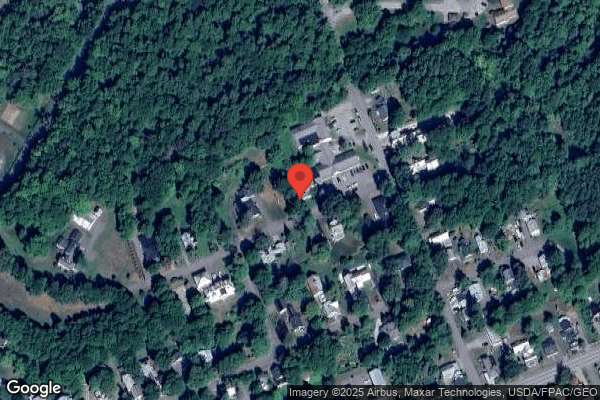
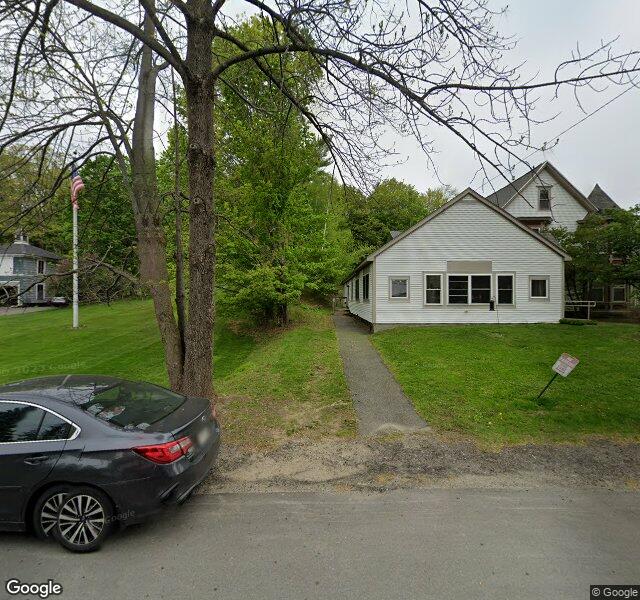
107 ORCHARD ST, FARMINGTON, ME 04938 (207) 778-4416
For profit - Corporation 38 Beds NORTH COUNTRY ASSOCIATES Data: November 2025
Trust Grade
30/100
#71 of 77 in ME
Last Inspection: December 2024

Within standard 12-15 month inspection cycle. Federal law requires annual inspections.

Overview

Orchard Park Rehab & Living has received a Trust Grade of F, indicating poor performance with significant concerns about care quality. Ranking #71 out of 77 nursing homes in Maine puts it in the bottom half, and #2 out of 3 in Franklin County suggests that only one nearby facility is better. While the facility is trending toward improvement, with issues decreasing from 13 in 2024 to 3 in 2025, there are still serious concerns, such as staff not receiving education on COVID-19 vaccinations and inadequate measures to prevent Legionella growth, which could pose health risks to residents. Staffing is relatively stable with a 4/5 star rating, but a high turnover rate of 71% raises concerns about consistency in care. On a positive note, the facility has not incurred any fines, indicating compliance with many regulations, and it offers more RN coverage than 75% of Maine facilities, which is beneficial for resident care.

Trust Score
F
30/100
In Maine
#71/77
Bottom 8%
Safety Record
Low Risk
No red flags
Inspections
Getting Better
13 → 3 violations
Staff Stability
⚠ Watch
71% turnover. Very high, 23 points above average. Constant new faces learning your loved one's needs.
Penalties
✓ Good
No fines on record. Clean compliance history, better than most Maine facilities.
Skilled Nurses
✓ Good
Each resident gets 72 minutes of Registered Nurse (RN) attention daily — more than 97% of Maine nursing homes. RNs are the most trained staff who catch health problems before they become serious.
Violations
⚠ Watch
24 deficiencies on record. Higher than average. Multiple issues found across inspections.
★☆☆☆☆
1.0
Overall Rating
★★★★☆
4.0
Staff Levels
★☆☆☆☆
1.0
Care Quality
★★☆☆☆
2.0
Inspection Score
Stable
2024: 13 issues
2025: 3 issues

The Good

  • 4-Star Staffing Rating · Above-average nurse staffing levels
  • Full Sprinkler Coverage · Fire safety systems throughout facility
  • No fines on record

Facility shows strength in staffing levels, fire safety.

The Bad

1-Star Overall Rating

Below Maine average (3.0)

Significant quality concerns identified by CMS

Staff Turnover: 71%

25pts above Maine avg (46%)

Frequent staff changes - ask about care continuity

Chain: NORTH COUNTRY ASSOCIATES

Part of a multi-facility chain

Ask about local staffing decisions and management

Staff turnover is very high (71%)

23 points above Maine average of 48%

The Ugly 24 deficiencies on record

Aug 2025 3 deficiencies
CONCERN (D) 📢 Someone Reported This

A family member, employee, or ombudsman was alarmed enough to file a formal complaint

Potential for Harm - no one hurt, but risky conditions existed

Resident Rights (Tag F0550)

Could have caused harm · This affected 1 resident

Based on record review, interview and review of the facility's internal investigation, the facility failed to ensure that 1 of 1 resident reviewed for dignity was provided care in a manner that mainta...

Read full inspector narrative →
Based on record review, interview and review of the facility's internal investigation, the facility failed to ensure that 1 of 1 resident reviewed for dignity was provided care in a manner that maintained and respected his/her dignity. (Resident #1) The Division of Licensing and Certification received the facility reported incident regarding Resident #1 related to mistreatment on 8/4/25.Review of the facilities 5-day follow-up investigation dated 8/7/25 indicated that 8/4/25, Resident #1 was observed seated in a wheelchair wearing johnny pants that had been applied backwards, with the ties positioned in the back and secured in a double knot. The resident was also seated on a sheet that had been tied in front of him/her around the waist and secured in a double knot. On 8/27/25 at approximately 2:18 p.m., during a telephone interview with a surveyor, Certified Nurse's Assistant #6, (CNA) confirmed these actions, stating that he had tied a sheet around Resident #1's waist and secured it in a double knot as he/she was sitting in his/her wheelchair and applied johnny pants backwards, with the ties positioned in the back and secured in a double knot to deter Resident #1 from accessing his/her brief because he was unable to locate a belt. CNA #6 further explained that Resident #1 was noted to shred and remove her brief. CNA #6 confirmed these interventions were not included in Resident 1's plan of care and acknowledged that he had previously received training on abuse, neglect, restraints and resident rights. CNA #6 further stated he did not recognize his actions of applying the johnny pants backwards with the ties positioned in the back in a double knot and secured in a double knot as inappropriate and that this intervention had been explained to him during orientation to prevent the resident from shredding and removing his/her brief. The facilities investigation concluded that CNA #6's actions were considered abuse and use of a restraint even though there were no malicious intent. The facilities internal investigation through interviews and written statements determined that the residents' rights were violated when he/she was inappropriately tied with a sheet in a double knot and johnny pants were put backwards and secured with a double knot which restrained his/her ability to access his/her brief. All of which constituted resident abuse. CNA #6's contract was terminated immediately. The facility also immediately educated all staff on abuse, neglect, restraint, use, dignity and respect. On 8/26/25 at 1:00 p.m., during an exit interview with the Director of Nursing, (DON) the above findings were discussed, including concerns related to dignity, respect, abuse and restraint. The Director of Nursing acknowledged the findings and confirmed understanding of the cited concerns.
CONCERN (D) 📢 Someone Reported This

A family member, employee, or ombudsman was alarmed enough to file a formal complaint

Potential for Harm - no one hurt, but risky conditions existed

Free from Abuse/Neglect (Tag F0600)

Could have caused harm · This affected 1 resident

Based on record review, interviews and review of the facility's Abuse, Neglect, Exploitation, Mistreatment and Misappropriation of Resident Property policy, the facility failed to ensure that 1 of 1 r...

Read full inspector narrative →
Based on record review, interviews and review of the facility's Abuse, Neglect, Exploitation, Mistreatment and Misappropriation of Resident Property policy, the facility failed to ensure that 1 of 1 resident reviewed was free from abuse when the resident was found with a sheet double knotted in front of her waist and a pair of johnny pants applied backwards with the ties double knotted behind him/her. (Resident #1) The Division of Licensing and Certification received the facility reported incident regarding Resident #1 related to mistreatment on 8/4/25.The facilities policy, Abuse, Neglect, Exploitation, Mistreatment and Misappropriation of Resident Property indicates: It is the policy of this facility that each resident will be free from abuse. Abused can include verbal, mental, sexual or physical abuse, misappropriation of resident property and exploitation, corporal punishment, or involuntary seclusion. The resident will also be free from physical or chemical restraints imposed for purposes of discipline or convenience and that are not required to treat the residents' medical symptoms. Additionally, residents will be protected from abuse, neglect, and harm while they are residing at the facility. A. Abuse is defined as 483.5 as the willful infliction of injury, unreasonable confinement, intimidation, or punishment with resulting physical harm pain or mental anguish. Abuse also includes deprivation by an individual, including a caretaker of goods or services that are necessary to attain or maintain physical, mental, and psychosocial well-being, physical harm, pain or mental anguish. It includes verbal abuse. sexual abuse, physical abuse and mental abuse, including abuse facilitated or enabled through the use of technology. Willful, as used in this definition of abuse, means the individual must have acted deliberately not that the individual must have intended to inflict injury or harm. The facility policy further indicates the following: E. Convenience is defined as the result of any action that has the effect of altering a resident's behavior such that the resident requires a lesser amount of effort or care and is not in the resident's best interest. H. Freedom of movement means any change in place or position for the body or any part of the body that the person is physically able to control. N. Manual method means to hold or limit a resident's voluntary movement by using body contact as method of physical restraint. T. Physical restraint is defined as any manual method, physical or mechanical device, equipment, or material that meets all of the following criteria: Is attached or adjacent to the residence body, cannot be removed easily by the resident and restricts the resident's freedom of movement or normal access to his or her body. U. Removes easily means the manual method, physical or mechanical device, equipment or material can be removed intentionally by the resident in the same manner as it was applied.Review of the facilities 5-day follow-up investigation dated 8/7/25 indicated that 8/4/25, Resident #1 was observed seated in a wheelchair wearing johnny pants that had been applied backwards, with the ties positioned in the back and secured in a double knot. The resident was also seated on a sheet that had been tied in front of him/her around the waist and secured in a double knot. On 8/27/25 at approximately 2:18 p.m., during a telephone interview with a surveyor, Certified Nurse's Assistant #6, (CNA) confirmed these actions, stating that he had tied a sheet around Resident #1's waist and secured it in a double knot as he/she was sitting in his/her wheelchair and applied johnny pants backwards, with the ties positioned in the back and secured in a double knot to deter Resident #1 from accessing his/her brief because he was unable to locate a belt. CNA #6 further explained that Resident #1 was noted to shred and remove her brief. CNA #6 confirmed these interventions were not included in Resident 1's plan of care and acknowledged that he had previously received training on abuse, neglect, restraints and resident rights. CNA #6 further stated he did not recognize his actions of applying the johnny pants backwards with the ties positioned in the back in a double knot and secured in a double knot as inappropriate and that this intervention had been explained to him during orientation to prevent the resident from shredding and removing his/her brief. The facilities investigation concluded that CNA #6's actions were considered abuse and use of a restraint even though there were no malicious intent. The facilities internal investigation through interviews and written statements determined that the residents' rights were violated when he/she was inappropriately tied with a sheet in a double knot and johnny pants were put backwards and secured with a double knot which restrained his/her ability to access his/her brief. All of which constituted resident abuse. CNA #6's contract was terminated immediately. The facility also immediately educated all staff on abuse, neglect, restraint, use, dignity and respect. On 8/26/25 at 1:00 p.m., during an exit interview with the Director of Nursing, (DON) the above findings were discussed, including concerns related to dignity, respect, abuse and restraint. The Director of Nursing acknowledged the findings and confirmed understanding of the cited concerns.
CONCERN (D) 📢 Someone Reported This

A family member, employee, or ombudsman was alarmed enough to file a formal complaint

Potential for Harm - no one hurt, but risky conditions existed

Deficiency F0604 (Tag F0604)

Could have caused harm · This affected 1 resident

Based on record review, interview, facility's internal investigation and Restraint Policy, the facility failed to ensure that 1 of 1 resident was free from the use of restraints. (Resident #1 The Divi...

Read full inspector narrative →
Based on record review, interview, facility's internal investigation and Restraint Policy, the facility failed to ensure that 1 of 1 resident was free from the use of restraints. (Resident #1 The Division of Licensing and Certification received the facility reported incident regarding Resident #1 related to mistreatment on 8/4/25.Review of the facilities 5-day follow-up investigation dated 8/7/25 indicated that 8/4/25, Resident #1 was observed seated in a wheelchair wearing johnny pants that had been applied backwards, with the ties positioned in the back and secured in a double knot. The resident was also seated on a sheet that had been tied in front of him/her around the waist and secured in a double knot. The facilities restraint use policy indicates: The facility must ensure the resident is free from physical or chemical restraints imposed for purposes of discipline or convenience and are not required to treat the residents' medical symptoms. II. Procedure Examples of facility practices and meeting the definition of a physical restraint include but are not limited to: C. Tucking in a sheet tightly so the resident cannot get out of bed or fastening fabric or clothing, so a resident's freedom of movement is restricted. On 8/27/25 at approximately 2:18 p.m., during a telephone interview with a surveyor, Certified Nurse's Assistant #6, (CNA) confirmed these actions, stating that he had tied a sheet around Resident #1's waist and secured it in a double knot as he/she was sitting in his/her wheelchair and applied johnny pants backwards, with the ties positioned in the back and secured in a double knot to deter Resident #1 from accessing his/her brief because he was unable to locate a belt. CNA #6 further explained that Resident #1 was noted to shred and remove her brief. CNA #6 confirmed these interventions were not included in Resident 1's plan of care and acknowledged that he had previously received training on abuse, neglect, restraints and resident rights. CNA #6 further stated he did not recognize his actions of applying the johnny pants backwards with the ties positioned in the back in a double knot and secured in a double knot as inappropriate and that this intervention had been explained to him during orientation to prevent the resident from shredding and removing his/her brief. The facilities investigation concluded that CNA #6's actions were considered abuse and use of a restraint even though there were no malicious intent. The facilities internal investigation through interviews and written statements determined that the residents' rights were violated when he/she was inappropriately tied with a sheet in a double knot and johnny pants were put backwards and secured with a double knot which restrained his/her ability to access his/her brief. All of which constituted resident abuse. CNA #6's contract was terminated immediately. The facility also immediately educated all staff on abuse, neglect, restraint, use, dignity and respect. On 8/26/25 at 1:00 p.m., during an exit interview with the Director of Nursing, (DON) the above findings were discussed, including concerns related to dignity, respect, abuse and restraint. The Director of Nursing acknowledged the findings and confirmed understanding of the cited concerns.
Dec 2024 13 deficiencies
CONCERN (D)

Potential for Harm - no one hurt, but risky conditions existed

Notification of Changes (Tag F0580)

Could have caused harm · This affected 1 resident

Based on record review and interview, the facility failed to ensure that a medical provider and the resident's representative were notified timely of a significant change and/or incident for 1 of 3 re...

Read full inspector narrative →
Based on record review and interview, the facility failed to ensure that a medical provider and the resident's representative were notified timely of a significant change and/or incident for 1 of 3 residents reviewed for falls (Resident #1). Findings: Resident #1 has a history of lumbar vertebra fracture and a bone density disorder with a most recent Brief Interview for Mental Status score of 6 out of 15 indicating severe cognitive impairment. Review of the facilities incident report stated Resident #1 had fallen on 2/2/25 at 5:00 p.m. and the medical provider was notified of the fall on 2/3/25 at 1 p.m. (20 hours after the fall), the incident report lacked any further description, resident assessment or resident representative notification after the fall. Review of the nursing documentation shows a Post Fall Observation completed on 2/3/25 at 4:06 p.m., stating the resident obtained a fall in the dining room while ambulating using a walker and there were no abnormalities in his/her neurological status. The report lacked resident representative notification of the fall. In addition, the post fall nursing documentation lacked evidence of the resident representative being notified of the fall. On 2/5/25 at 2:28 p.m., during an interview, the Director of Nursing stated, she notified the family on Monday, the day after the fall.
CONCERN (D)

Potential for Harm - no one hurt, but risky conditions existed

ADL Care (Tag F0677)

Could have caused harm · This affected 1 resident

**NOTE- TERMS IN BRACKETS HAVE BEEN EDITED TO PROTECT CONFIDENTIALITY** Based on observation, interview and family interview, the facility failed to provide dental care and dress a resident in clean c...

Read full inspector narrative →
**NOTE- TERMS IN BRACKETS HAVE BEEN EDITED TO PROTECT CONFIDENTIALITY** Based on observation, interview and family interview, the facility failed to provide dental care and dress a resident in clean clothes for 2 of 2 residents sampled for activities of daily living (ADL) (Resident's #7 & # 10). Findings: 1. Resident 10 was admitted on [DATE] and has diagnoses to include dementia. Review of Minimum Data Set (MDS) dated revealed Resident #10 had a Brief Interview for Mental Status (BIMS) of 0 of 10 indicating he/she is not cognitively intact. During an initial tour of facility on 12/9/24 at 10:15 a.m., Resident #10 was observed walking down the hall with a family member, passing 4 other residents with an excessive amount of what appeared to be food/tartar build up on his/her teeth. At this time the family member indicated that he was bringing his mother/father to the dentist to have his/her teeth cleaned because they were really bad. Resident #10 returned to facility at approximately 12:25 p.m. Review of Resident 10 care plan updated 8/23/24 states: Problem: [Resident 10] requires extensive assistance with self-care secondary to dementia . Review of Resident 10's Activities of Daily Living (ADL) documentation from 12/1/24 through 12/10/24 on 12/10/24 at 2:55 p.m., Quality Improvement Specialist (QIP) confirmed Resident 10 was not receiving mouth care at least twice a day. During an interview on 12/10/24 at 1:11 p.m., Certified Nursing Assistant (CNA)2 indicated staff were supposed to do mouth care twice a day and document it in the Electronic Medical Record (EMR) CNA 2 further indicated Resident #10 never re fuses care but is confused. During an observation on 12/11/24 at 8:30 a.m., Resident 10 was observed sitting in a chair across from the nursing station, with obvious food build up visible on the right side of his/her teeth. During an interview on 12/11/24 at 8:43 a.m., CNA3 indicated she was responsible for Resident 10 today and mouthcare is part of daily care, and it would be done when they get up and before they go to bed. At this time CNA 3 indicated that she did not brush Resident 10's teeth this morning, but did rinse his/her mouth out. During an observation on 12/11/24 at 8:54 a.m., a surveyor and QIS observed Resident 10's teeth and confirmed they were not brushed. At this time QIS assisted Resident 10 to his/her room to assist him/her with mouth care. During a follow-up interview at 9:09 a.m., QIS indicated that all she had to do was set up the toothbrush and toothpaste and Resident 10 was able to brush his/her teeth independently. 2. Resident #7 was admitted on [DATE] and has diagnoses to include dementia. Review of Minimum Data Set (MDS) dated revealed Resident #7 had a Brief Interview for Mental Status (BIMS) of 3 of 10 indicating severe cognitive impairment. Review of Resident #7's current care plan states: Problem: [Resident 7] requires extensive assistance with self-care secondary to dementia . On 12/9/24 at 9:56 a.m., a surveyor observed Resident #7 sitting in his/her wheelchair in her room. Resident #7 had black pants on and a red full sleeve sweater on which had dried food particles on the residence shirt and pants. On 12/9/24 at 11:48 a.m., a surveyor and CNA #1 observed Resident #7 lying in bed and CNA #1 stated Resident #7 refused to go to the dining room for lunch. A surveyor and CNA #1 observed dried food particles and on Resident #7's shirt and pants. When asked about the dirty clothes on Resident #7, CNA #1 confirmed at this time that it was a dignity issue and her clothes should have been changed in the morning after breakfast before she was laid down. On 12/10/24 at 10:20 a.m., the surveyor discussed the finding with the Quality Improvement Specialist who confirmed this was a dignity issue and Resident #7 shouldn't have been left in dirty clothes and put in bed.
CONCERN (D)

Potential for Harm - no one hurt, but risky conditions existed

Deficiency F0757 (Tag F0757)

Could have caused harm · This affected 1 resident

Based on medical record review and interview the facility failed to ensure that a resident's drug regimen was free from unnecessary drugs by administering doses of Insulin outside of the physician ord...

Read full inspector narrative →
Based on medical record review and interview the facility failed to ensure that a resident's drug regimen was free from unnecessary drugs by administering doses of Insulin outside of the physician order parameters and failed to follow the care plan in the area of nutrition for 1 of 5 reviewed for unnecessary medications (#5). Finding: Resident #5's current Physician orders contained an order, dated 9/7/23 for Novolog Insulin 100 unit/mL (milliliter) give 6 units subcutaneous three times daily for type 2 Diabetes Mellitus with Diabetic Polyneuropathy with Instructions to Hold for Blood sugar less than 110. Review of the Electronic Medication Administration Record (EMAR) for October 2024 states, nursing administered Novolog insulin, 6 units on 10/13/24 with a documented blood sugar of 100 and on 10/16/24 with a blood sugar of 98. The EMAR for November 2024 states, nursing administered Novolog insulin, 6 units on 11/9/24 with documented blood sugar of 109. In December 2024, nursing administered Novolog insulin, 6 units on 12/1/24 with a blood sugar of 108 and on 12/7/24 with a blood sugar of 96. Resident #5's nutrition care plan initiated on 7/1/24 with a goal of [resident] will not experience any complications related to Diabetes over the next 90 days, with an intervention instructing nursing to Medications and treatments per physician orders On 12/10/24 at 10:52 a.m., during an interview, the Quality Improvement Specialists reviewed the EMAR for October, November and December and confirmed nursing failed to follow physician orders and the care plan by administering excessive doses of NovoLog insulin outside of parameters.
CONCERN (D)

Potential for Harm - no one hurt, but risky conditions existed

QAPI Program (Tag F0867)

Could have caused harm · This affected 1 resident

Based on record review and interviews, the facility's Quality Assurance Committee failed to ensure that the Plan of Correction for identified deficiencies from the Annual Long Term Care Survey Process...

Read full inspector narrative →
Based on record review and interviews, the facility's Quality Assurance Committee failed to ensure that the Plan of Correction for identified deficiencies from the Annual Long Term Care Survey Process for Federal Recertification dated 12/11/24, were effective. The Federal citations F684, and F757 were cited again during the re-visit to the annual Long Term Care Recertification Survey, dated 2/5/25. Finding: 1. During the follow-up survey on 2/5/25, it was determined that F684 and F757 would be recited for the same reasons: F684 for failure to document and adequately monitor a resident after an unwitnessed fall and F757 for failure to ensure that a resident's drug regimen was free from unnecessary medications (see F684 and F747). On 2/5/25 at 3:20 p.m., during and interview, the above was confirmed with the [NAME] President of Quality Improvement and Nursing Services and the Director of Nursing.
CONCERN (D)

Potential for Harm - no one hurt, but risky conditions existed

Infection Control (Tag F0880)

Could have caused harm · This affected 1 resident

**NOTE- TERMS IN BRACKETS HAVE BEEN EDITED TO PROTECT CONFIDENTIALITY** Based on observation and interview the facility failed to ensure food was served under sanitary conditions during 1 of 3 units o...

Read full inspector narrative →
**NOTE- TERMS IN BRACKETS HAVE BEEN EDITED TO PROTECT CONFIDENTIALITY** Based on observation and interview the facility failed to ensure food was served under sanitary conditions during 1 of 3 units observed during lunch meal (Cortland Unit). Findings: Review of Infection Control: Standard Transmission Based Precautions Policy dated 9/18 states: Hand washing is the single most important seep in infection control. Hands must be washed before and after all resident contact . On 12/9/24 at 12:00 p.m., Licensed Practical Nurse (LPN) was observed coming out of room [ROOM NUMBER] holding a lunch tray. LPN was observed walking down the hall to kitchen utility cart located outside of room [ROOM NUMBER]. LPN then removed trash from the top of the lunch tray with bare hands and placed it in trash can. LPN then placed the lunch tray on the kitchen utility cart, walked past hand sanitizer located outside room [ROOM NUMBER], and proceeded to walk across the hall and into room [ROOM NUMBER] where she was observed to place her right bare hand on a resident's shoulder, and her left bare hand on the side table located over the bed. LPN then walked out of the room and directly to the lunch cart located outside of the room, opened it with her left hand and reached in to obtain another lunch tray. At this time a surveyor intervened, and LPN confirmed she did not sanitize her hands in between resident contact. During an interview on 12/9/24 at 12:05 p.m., Acting Director of Nursing/Infection Preventionist (DON/IP) stated it was her expectation that staff sanitize their hands before and after resident contact. At this time the above was discussed with DON/IP.
CONCERN (E)

Potential for Harm - no one hurt, but risky conditions existed

Safe Environment (Tag F0584)

Could have caused harm · This affected multiple residents

**NOTE- TERMS IN BRACKETS HAVE BEEN EDITED TO PROTECT CONFIDENTIALITY** 2. On 12/9/24 at 9:54 a.m. and on 12/10/24 at 10:12 a.m., observation of a strong smelling urine odor coming from Resident #21's...

Read full inspector narrative →
**NOTE- TERMS IN BRACKETS HAVE BEEN EDITED TO PROTECT CONFIDENTIALITY** 2. On 12/9/24 at 9:54 a.m. and on 12/10/24 at 10:12 a.m., observation of a strong smelling urine odor coming from Resident #21's room. On 12/10/24 at 10:20 a.m., during an interview, the above information was confirmed with the Director of Nursing (DON). The DON states that Resident #21's foley bag is frequently not screwed on all the way causing it leaks on the floor. The DON believes that the urine has absorbed into the flooring. When follow up question about what they are doing to counteract the odor, the DON states that housekeeping is cleaning the room daily but it is not helping. 3. On 12/9/24 at 9:45 a.m. and on12/10/24 at 10:12 a.m., observation of 2 wash basins on the bathroom floor, under the sink. On 12/10/24 at 10:27 a.m., the above information was confirmed with the DON. Based on observations and interviews, the facility failed to adequately maintain maintenance and housekeeping services necessary to maintain the facility in good repair and sanitary conditions for 3 of 3 units (Northern Spy, Cortland and [NAME]) and the laundry room for 1 of 1 environmental tour (12/11/24). Findings: 1. On 11/19/24, from 10:05 a.m. to 10:30 a.m., an environmental tour was conducted with the Administrator, the Maintenance Director and the Housekeeping Account Manager, in which the following findings were observed: - The shower room across her nursing station had a missing ceiling tile and a broken shelf which was missing laminate on the edge exposing bare wood. - -The whirlpool room had ripped/torn flooring at the corners of the sink cabinet and had a large split-apart seam in the middle of the floor which was full of dirt. The bottom edge of the sink cabinet was broke and missing laminate. The walls had chipped/missing paint and holes in them. - Resident room [ROOM NUMBER] - On 12/09/24 at 9:54 a.m., a surveyor tested the hot water and found it to be cool to the touch and at 86 degrees Fahrenheit (F). The surveyor let the water run until 10:00 a.m. and the water was still cool to the touch On 12/9/24 at 10:49 a.m., in an interview, the Maintenance Director stated that the furnace was acting up after being looked at a while ago. He stated that the water temperature fluctuates hot to cold. It never goes above 120 (F). - Resident room [ROOM NUMBER]- The baseboard heater had chipped/missing paint, was broken apart lying on the floor and in disrepair. The bathroom floor was soiled with dirt and the caulking around the base of the toilet was dirty. - Resident room [ROOM NUMBER] - The baseboard heater had chipped/missing paint and was rusting. The bathroom floor dirty around the edges. The caulking around the base of the toilet was dirty. The cold water faucet was broken and ran all the time. The toilet fill water line escutcheon was rusty. - Resident room [ROOM NUMBER] - The room walls were marked/marred with black marks. The baseboard heater was broken apart and rusty. - Resident room [ROOM NUMBER] - On 12/09/24 at 9:52 a.m., a surveyor tested the hot water. After running for 5 minutes the water was not over 100 (F). The baseboard heater in room had chipped/missing paint and was rusty. - Resident room [ROOM NUMBER] - Resident #16 Broda chair was dirty with dried foods. The baseboard heater was broken apart and had chipped/missing paint. The bathroom door had chipped/missing laminate on the bottom left corner creating an uncleanable surface. - Resident room [ROOM NUMBER] - The room walls were marked/marred with black marks and had chipped/missing paint exposing sheetrock and a metal corner. The paint was missing from above the baseboard heater exposing sheetrock and the heater was broken exposing fins and pipes. The bathroom had a dusty/dirty fan on the floor. - There was a broken hallway ceiling tile outside of resident room [ROOM NUMBER]. - Resident room [ROOM NUMBER] - The room walls were marked/marred with black marks and there was unpainted spackle behind and around the book shelf. There was missing paint above baseboard heater exposing sheetrock. - Resident room [ROOM NUMBER]- The bathroom baseboard heater had chipped/missing paint and was rusty. The room baseboard heater was broken, lying on the floor and in disrepair. - Therapy/Rehab Room - The floor is heavily soiled with dirt. - The Northern Spy Unit hallway floor had 35 cracked/broken floor tiles. - The laundry room wall air conditioning unit was dusty/dirty. 2 of the 3 dryers were not operational. #1 has been inoperable for 2 years and #3 broke down a week ago with no timeframe on getting it fixed. On 12/10/24 at 1:19 p.m., observation of laundry rooms with the Housekeeping Account Manager. Dryer #3 has sign do not use and the Housekeeping Account Manager stated laundry sometimes needs to be prioritized due to having one dryer. She stated Dryer #3 has been out of order since about last Friday. On 12/10/24 at 1:28 p.m., in an interview with the Maintenance Director, he stated Dryer #1 has been out of order for over 2 years. Dryer #3 drum is slightly off balance due to a bearing. He had a company come out for a quote but is now having [NAME] equipment come to take a look for a second opinion. A surveyor requested the initial quote and no quote was made available the surveyor. On 11/19/24 at 10:30 a.m., in an interview, the Administrator, the Maintenance Director and the Housekeeping Account Manager confirmed the findings.
CONCERN (E)

Potential for Harm - no one hurt, but risky conditions existed

Deficiency F0655 (Tag F0655)

Could have caused harm · This affected multiple residents

**NOTE- TERMS IN BRACKETS HAVE BEEN EDITED TO PROTECT CONFIDENTIALITY** 4. Resident #27 was admitted to the facility on [DATE] with the diagnosis' of Chronic heart failure, Chronic respiratory failure...

Read full inspector narrative →
**NOTE- TERMS IN BRACKETS HAVE BEEN EDITED TO PROTECT CONFIDENTIALITY** 4. Resident #27 was admitted to the facility on [DATE] with the diagnosis' of Chronic heart failure, Chronic respiratory failure, hypertension, and Chronic obstructive pulmonary disease. Review of his/her clinical record lacked evidence of a baseline care plan being initiated. On 12/11/24 at 9:26 a.m., during an interview, the above information was confirmed with the Quality Improvement Specialist. Based on interviews, record reviews, and facility policy, the facility failed to ensure a baseline care plan was developed and implemented within 48 hours that included the problems, interventions, and initial goals needed to provide minimum healthcare information necessary to properly care for 4 of 4 residents reviewed for baseline care plans. (Resident's #23, #27, #80 & #181). Findings: Review of policy 48 Hour Baseline Care Plan dated 10/18 sates .A baseline care plan will be created within 48 hours of admission ., the Care Plan will contain the following 6 key elements: initial goals based on admission orders, all physician orders, including medications and administration schedule; dietary orders, therapy services to be provided; social service needs' PASRR recommendations (if any). 1. Resident #180 was admitted on [DATE] with diagnoses to include chronic obstructive pulmonary disease (COPD), Respiratory failure, anxiety, and shortness of breath. Review of Resident 180's clinical record revealed active order dated 11/20/24 for 'Trelegy Ellipta 200 mcg-62.5 mcg-25 mcg powder for inhalation 1 Time Daily for COPD, and order dated 12/2/24 for Oxygen - see notes Continuous: Oxygen (O2) at 3 L/min per nasal cannula Continuous. Review of Resident #180's care plan initiated 11/20/24 lacked evidence that goals and interventions were put into place for his/her respiratory needs. During an interview in presence of 4 surveyors on 12/9/24 at 2:21 p.m., with the Infection Preventionist (IP) indicated that she does care plans on date of admission, and she includes necessary documentation, states that the Minimum Data Set Coordinator (MDS) will let her know if she forgot something. At this time IP confirmed above findings. 3. Resident #23 was admitted on [DATE] with diagnosis of dementia with behavioral disturbance. Physician History and physical states resident has diagnosis of dementia with behavioral disturbances. Review of Residents #23's care plan initiated on 10/10/24 lacked evidence of goals and interventions were put into place for his/her dementia needs. On 12/9/24 at 2:01 p.m., the above was discussed with the [NAME] Presisent of Clinical Operations. 2. Resident #80 was admitted on [DATE] with diagnoses to include sleep apnea. Review of Resident #80's clinical record revealed active order dated 11/30/24 for CPAP (Continuous Positive Airway Pressure) 2 Times Daily 11/30/2024. If refuses CPAP, may use PRN order for oxygen at 2 LPM (Liters Per Minute) via nasal cannula. Oxygen - see notes PRN. If refuses CPAP use 2 LPM oxygen via nasal cannula during night time sleep hours. Review of Resident #80's baseline care plan, initiated 11/22/24, lacked evidence that goals and interventions were put into place for his/her respiratory needs. On 12/10/24 at 10:12 a.m., in an interview, the Quality Improvement Specialist confirmed that the baseline care plan lacked evidence that goals and interventions were put into place for his/her respiratory needs.
CONCERN (E)

Potential for Harm - no one hurt, but risky conditions existed

Quality of Care (Tag F0684)

Could have caused harm · This affected multiple residents

**NOTE- TERMS IN BRACKETS HAVE BEEN EDITED TO PROTECT CONFIDENTIALITY** Based on facility policy, record review and interviews, the facility failed to adequately monitor a resident after an unwitnesse...

Read full inspector narrative →
**NOTE- TERMS IN BRACKETS HAVE BEEN EDITED TO PROTECT CONFIDENTIALITY** Based on facility policy, record review and interviews, the facility failed to adequately monitor a resident after an unwitnessed fall for 1 of 2 residents reviewed for falls (#5). Findings: The facilities Fall Management Policy, last revised 7/19 subsection D states, A fall incident report will be completed after a resident has had a fall, whether it is a witnessed or not, subsection E states, Complete Post Fall Observation tool, following a fall, to help identify if the cause of the fall is related to mental status changes, physical limitations or environmental factors and subsection F states, Documentation must be completed in the nurse's note on each shift X3 following the fall. The 'Neurological Assessment Policy, last revised 1/2019 states, Residents with suspected neurological compromise will have a neurological sign monitored and recorded for a minimum of 12 hours. Subsection III Procedures states A neurological assessment following resident head injury will be completed for all residents sustaining head trauma or suspected head trauma. In EMR: Neuro Checks will be conducted-every 15 minutes x4, every 30 minutes x4, every 1 hr. x4, every 4 hr. x2, and every 8 hr. x1. Frequency of neuro checks after 24 hours is determined by resident's observed signs and symptoms of neurological compromise. Resident #5 was admitted on [DATE] with a diagnosis of Dementia and has a Brief Interview of Mental Status (BIMS) score of 4, indicating severe cognitive impairment. Nurse documentation on 9/25/24 at 3:18 a.m., states, At approximately 2130 resident came to the nurses station in [his/her] wheelchair to self-report I fell in my bathroom, when asked how [he/she] got up resident states 'I pulled myself up with the bar', reported incident was unwitnessed and it's unknown if resident actually fell or not, resident is often confused at baseline related to dementia . resident states [he/she] has mild pain in her left knee . Further review of Resident #5's medical record lacked evidence of the facility completing a fall incident report, a post fall observation tool or continued monitoring of him/her for further injuries and/or neurological changes after the unwitnessed fall. On 12/10/24 at 10:08 a.m., during an interview, the Quality improvement Specialists confirmed the facility failed to complete the required documentation and further monitoring of Resident #5's unwitnessed fall.
CONCERN (E)

Potential for Harm - no one hurt, but risky conditions existed

Accident Prevention (Tag F0689)

Could have caused harm · This affected multiple residents

Based on observations, interviews, and a review of Safety Data Sheets (SDS), the facility failed to ensure that the resident's environment was free of accident hazards relating to the storage of chemi...

Read full inspector narrative →
Based on observations, interviews, and a review of Safety Data Sheets (SDS), the facility failed to ensure that the resident's environment was free of accident hazards relating to the storage of chemicals being properly secured for 2 of 3 days of survey (12/9/24 and 12/11/24). Findings: The Safety Data Sheet for Rapid Multi Surface Disinfectant Cleaner noted the following: 4. First Aid Measures In case of eye contact: Rinse immediately with plenty of water, also under the eyelids, for at least 15 minutes. Remove contact lenses, if present and easy to do. Continue rinsing. Get medical attention immediately. In case of skin contact: Wash off immediately with plenty of water for at least 15 minutes. Wash clothing before reuse. Thoroughly clean shoes before reuse. Get medical attention immediately. If swallowed: Rinse mouth with water. Do not induce vomiting. Never give anything by mouth to an unconscious person. Get medical attention immediately. If inhaled: Remove to fresh air. Treat symptomatically. Get medical attention. The Safety Data Sheet for Enzymatic Foul Odor Digester noted the following: 4. First Aid Measures Eyes: Rinse with water for a few minutes. Consult physician if symptoms occur. Skin: Rinse with water. Consult physician if symptoms occur. Ingestion: Get medical attention if symptoms occur. Inhalation: Treat symptomatically. The Safety Data Sheet for Germs Be Gone Hand Sanitizer Gel noted the following: 4. First Aid Measures Danger. Flammable. May be harmful if swallowed. Causes serious eye irritation. Eyes: rinse cautiously with water for several minutes. Remove contact lenses if present and easy to do. Continue rinsing. If irritation persists, get medical attention. Skin: rinse with water. Ingestion: may be harmful if swallowed. Seek medical attention immediately. Inhalation: remove person to fresh air and keep comfortable for breathing. Call a poison center or a doctor if you feel unwell The Safety Data Sheet for GelRite Instant Hand Sanitizer (with vitamin E) noted the following: 4. First Aid Measures Skin contact: If skin irritation develops, stop use and consult a physician. Skin absorption: If exposed to large quantities as in a spill, removed clothing and wash skin with soap and water. Eye Contact: Flush eyes with clear running water for 15 minutes. If irritation persists, seek medical attention. Inhalation: If exposed to large amounts of vapor as in large spills, watch for signs of intoxication and move to fresh air. Ingestion: If swallowed, rinse mouth with water, get medical attention. On 12/9/24 at 10:00 a.m., a surveyor observed in the unlocked soiled utility room a 12 fluid ounce bottle of Rapid Multi Surface Disinfectant Cleaner, a 12 fluid ounce bottle of Enzymatic Foul Odor Digester, a 16 fluid ounce bottle of Germs Be Gone Hand Sanitizer Gel and two 16 fluid ounce bottles of GelRite Instant Hand Sanitizer with vitamin E. On 12/9/24 at 10:14 a.m., in an interview with the Acting Director of Nursing and Infection Preventionist confirmed the chemicals were not stored safely behind a locked door. When asked if the facility had confused, compromised and vulnerable residents that can move around the facility, she answered yes. On 12/11/24 at 10:00 a.m., a surveyor observed in the unlocked soiled utility room a 12 fluid ounce bottle of Rapid Multi Surface Disinfectant Cleaner. On 12/11/24 at 10:05 a.m., in an interview, the Quality Improvement Specialist confirmed the finding.
CONCERN (E)

Potential for Harm - no one hurt, but risky conditions existed

Respiratory Care (Tag F0695)

Could have caused harm · This affected multiple residents

**NOTE- TERMS IN BRACKETS HAVE BEEN EDITED TO PROTECT CONFIDENTIALITY** 2. Resident #14 was admitted has diagnoses to include chronic obstructive pulmonary disease (COPD), asthma, heart failure, chest...

Read full inspector narrative →
**NOTE- TERMS IN BRACKETS HAVE BEEN EDITED TO PROTECT CONFIDENTIALITY** 2. Resident #14 was admitted has diagnoses to include chronic obstructive pulmonary disease (COPD), asthma, heart failure, chest pain, hypoxemia, obstructive sleep apnea, and wheezing. A review of Resident #14's clinical record revealed an active order, dated 5/31/24, for Oxygen (O2) at 3L/min per nasal cannula continuous. A review of Resident #14's care plan, updated 9/19/24, revealed, Problems: HOSPICE/PAIN/RESPIRATORY DISTRESS: .Dx end stage COPD w/ oxygen dependence .Interventions: Oxygen will be delivered via nasal cannula .Oxygen per MD orders . On 12/9/24 at 9:43 a.m. and on 12/10/24 at 10:32 a.m., Resident #14 was observed lying in bed receiving continuous oxygen via a nasal cannula that was connected to an oxygen concentrator, with the oxygen flow rate set to 2.5 liters (L) per minute. During an observation with a surveyor on 12/10/24 at 10:39 a.m., the Quality Improvement Specialist (QIS) confirmed that Resident #14's oxygen concentrator was set at 2.5 liters per minute. Based on observations, record reviews, and interviews, policy review, the facility failed to provide a sanitary environment to help prevent the development and transmission of disease and infection related to respiratory care for 2 of 3 residents reviewed for respiratory care (Resident's #14, and #180). In addition, the facility failed to follow provider orders for 2 of 3 residents reviewed for respiratory care. (Resident 's #80 & #180) Findings: Review of facilty policy CPAP/BIPAP/AVAP Management dated 8/6/24 states .keep out of direct sunlight. Store in clean zip lock or string-tie plastic bag. The storage bag should be changed weekly . 1. Resident 180 was admitted on [DATE] with diagnoses to include chronic obstructive pulmonary disease (COPD), respiratory failure, anxiety, and shortness of breath. Observations of Resident #180 on 12/9/24 at 10:20 a.m., and 2:28 p.m., and 12/10/24 at 10:25 a.m., a nebulizer was observed on bedside table with tubing connected to mask lying on top of table not bagged. Resident #180 states he/she has not used it in a couple of days. Review of Resident 180's clinical record revealed active order dated 11/20/24 for Trelegy Ellipta 200 mcg-62.5 mcg-25 mcg powder for inhalation 1 Time Daily for COPD. On 12/9/24 10:40 a.m., During an observation of Resident #180 with Acting Director of Nursing/Infection Preventionist (DON/IP) confirmed nebulizer tubing should be bagged when not in use. At this time IP retrieved a bag and was observed placing nebulizer tubing in bag. At this time DON/IP indicated the facility follows the same policy for all respirtory equipment. During an observation with 2 surveyors on 12/10/24 at 10:27 a.m., Quality Improvement Specialist (QIP) confirmed Resident #180's nebulizer was not bagged. On 12/9/24 at 10:20 a.m., and 2:28 p.m., and 12/10/24 at 10:25 a.m., Resident #180 was observed in a wheelchair with oxygen concentrator running continuous at 1.5 liters per minute (lpm) via nasal canula. Review of Resident #180's clinical record revealed order dated 12/2/24 for Oxygen - see notes Continuous: Oxygen (O2) at 3 L/min per nasal cannula Continuous. During an observation with 2 surveyors on 12/10/24 at 10:27 a.m., Quality Improvement Specialist (QIP) confirmed Resident #180's oxygen was set at 1.5 liters per minute. 3. Resident #80 was admitted on [DATE] with diagnoses to include sleep apnea. Review of Resident #80's clinical record revealed active order dated 11/30/24 for CPAP (Continuous Positive Airway Pressure) 2 Times Daily 11/30/2024. If refuses CPAP, may use PRN order for oxygen at 2 LPM (Liters Per Minute) via nasal cannula. Oxygen - see notes PRN. If refuses CPAP use 2 LPM oxygen via nasal cannula during night time sleep hours. On 12/9/24 at 10:28 a.m., a surveyor observed Resident #80's CPAP machine stored on the nightstand and the face mask was stored in the open top drawer of the nightstand and was not bagged. On 12/9/24 at 10:40 a.m., in an observation with a surveyor and interview, the Acting Director of Nursing/Infection Preventionist (DON/IP) confirmed that Resident #80's CPAP face mask was stored inappropriately and should be bagged when not in use.
CONCERN (E)

Potential for Harm - no one hurt, but risky conditions existed

Food Safety (Tag F0812)

Could have caused harm · This affected multiple residents

Based on observation and interview the facility failed to ensure the kitchen was maintained in a clean and sanitary manner for the hood system, 2 wall air conditioning units, a floor fan, a grease tra...

Read full inspector narrative →
Based on observation and interview the facility failed to ensure the kitchen was maintained in a clean and sanitary manner for the hood system, 2 wall air conditioning units, a floor fan, a grease trap cover and the ceiling grid hangers for 1 of 1 tour. On 12/9/24 from 9:05 a.m. to 9:35 a.m., an initial kitchen tour was completed with the Food Service Director in which the following findings were observed: - The hood system filers was dusty/dirty. - The wall air conditioning unit and the wall above it, by the 3-bay pot sink, were dusty/dirty. Also, the wall below the air conditioning unit was soiled with dried liquid residue. - The wall air conditioning unit and the wall above it, in the dish room, was dusty/dirty. - The ceiling grid hangers were rusty and stained a yellowish color throughout the kitchen. - The floor fan was dusty/dirty. -The grease trap lid had chipped/missing paint creating an uncleanable surface. On 12/9/24 at 9:35 a.m., in an interview, the Food Service Director confirmed the findings.
CONCERN (E)

Potential for Harm - no one hurt, but risky conditions existed

Antibiotic Stewardship (Tag F0881)

Could have caused harm · This affected multiple residents

Based on facility policy, record reviews, and interviews, the facility failed to implement its Antibiotic Stewardship Program (ASP) that includes antibiotic use protocols and a system to monitor antib...

Read full inspector narrative →
Based on facility policy, record reviews, and interviews, the facility failed to implement its Antibiotic Stewardship Program (ASP) that includes antibiotic use protocols and a system to monitor antibiotic use. This has the potential to affect all residents receiving an antibiotic. Findings: Review of the facility policy Antibiotic Stewardship Program last revised on 8/24 states .To improve antibiotic use are expected to reduce adverse events, prevent emergence of resistance and lead to better outcomes for residents . Infection Preventionist: Monitors and supports antibiotic activities through rounds, review of providers orders, documentation, and available reports. Tracks antibiotic therapy through use of line listings and pharmacy report. Reviews antibiotic resistance patterns: Monitors HAI (Heath care Acquired Infections) and MDRO's (multi-drug resistant organisms) on Monthly Line listings and Infection Control Report looking for increased rates or trends and under Tracking/Reporting: Monitoring measures of antibiotics use by auditing available reports and resident medical records, monitoring if cultures are obtained before antibiotics are initiated . and monitor rates of new antibiotic starts/1,000 resident days through use of line list or [pharmacy report. 1. Review of the facility provided Safety Meeting, Infection Control Report revealed the following: -During the month of 9/12/2024, there were 5 documented facility acquired infections that were prescribed antibiotics. -During the month of 10/10/2024, there were 6 documented facility acquired infections that were prescribed antibiotics. -During the month of 11/21/2024, there were 4 documented facility acquired infections that were prescribed antibiotics. 2. Review of the facility provided Quality Assurance & Performance Improvement Pharmacy quarterly reports for Quarter #4 dated 12/23, Quarter #1 dated 3/24, and Quarter #2 dated 6/24, and Quarter #3 dated 9/24, section VIII is the Antibiotic/Antimicrobial Stewardship Discussion. Further review showed the quarterly reports lacked a section VIII failing to provide evidence that the pharmacist/facility reviewed antibiotic use and/or Antibiotic Stewardship program during these meetings. On 12/10/24 at 2:38 p.m., during an interview, the Infection Preventionist, Acting Director of Nursing confirmed the facility does have a lot of frequent urinary track infection's which required antibiotics and that for the most part the physician would review culture results to ensure the correct antibiotic was being prescribed but she has not implemented any tracking systems to identify trends and antibiotic use. In addition, she stated she does not review the monthly pharmacy antibiotic report.
CONCERN (F)

Potential for Harm - no one hurt, but risky conditions existed

Deficiency F0887 (Tag F0887)

Could have caused harm · This affected most or all residents

2. On 12/11/24 at 7:50 a.m., during an interview with the Maintenance Director, he states that he has not recieved education on the COVID Spikevax within the past year. 3. On 12/11/24 at 7:55 a.m., du...

Read full inspector narrative →
2. On 12/11/24 at 7:50 a.m., during an interview with the Maintenance Director, he states that he has not recieved education on the COVID Spikevax within the past year. 3. On 12/11/24 at 7:55 a.m., during an interview with the Licensed Pratical Nurse, who states she has not received education on the COVID spikevax within the past year. 4. On 12/11/24 at 8:00 a.m., during an interview with the facilities [NAME] Clerk, she discussd that she has never received education on the COVID spikevax. Based on review of the facility's Infection Control Immunizations - Influenza, Pneumococcal, COVID and Employee Immunization/Vaccination Requirements policy and procedures and interviews the facility failed to develop and implement policy and procedure to ensure all staff were provided education regarding the benefits and potential risks associated with COVID-19 vaccine or information on obtaining COVID-19 vaccine. This has the potential to effect all employees. Findings: Review of the Infection Control Immunizations - Influenza, Pneumococcal, COVID policy, last revised on 12/24, and the Employee Immunization/Vaccination Requirements policy, last revised on 9/5/23 failed to include procedures relating to staff education regarding the benefits and potential risks associated with COVID-19 vaccine or information on obtaining COVID-19 vaccine. 1. On 12/10/24 at 2:38 p.m., during an interview, the Infection Preventionist confirmed that staff are not provided education regarding the benefits and potential risks associated with COVID-19 vaccine, stating, No, I haven't since last year, In addition, she confirmed that there is no information relating to COVID-19 in the new employee packet.
Oct 2023 5 deficiencies
CONCERN (E)

Potential for Harm - no one hurt, but risky conditions existed

Deficiency F0558 (Tag F0558)

Could have caused harm · This affected multiple residents

Based on observations and interviews, the facility failed to ensure that a call bell was accessible to 3 of 26 sampled residents observed for 1 of 3 days of survey (Residents #8, 5, and 18). Findings...

Read full inspector narrative →
Based on observations and interviews, the facility failed to ensure that a call bell was accessible to 3 of 26 sampled residents observed for 1 of 3 days of survey (Residents #8, 5, and 18). Findings: On 10/10/23 at 10:18 a.m., a surveyor observed Resident #8 sitting in his/her wheelchair. Resident #8's call bell was wrapped around the siderails of his/her bed. The resident was not able to reach the call bell. On 10/10/23 at 10:42 a.m., a surveyor observed Resident #5 lying in bed and his/her call bell was laying on the floor. The Resident was not able to reach the call bell. On 10/10/23 at 10:42 a.m. a surveyor observed Resident #18 sitting in his/her wheelchair. Resident #18's bed was pushed against the wall and the call bell was wrapped around the side rail closest to the wall. The resident was not able to reach the call bell. On 10/10/23 at 11:32 a.m. the above findings were confirmed with Registered Nurse #1. At this time Registered Nurse #1 placed the call bells within reach of these three residents. On 10/10/23 at 11:44 a.m. the above findings were discussed with the Director of Nursing/Acting Administrator.
CONCERN (E)

Potential for Harm - no one hurt, but risky conditions existed

Safe Environment (Tag F0584)

Could have caused harm · This affected multiple residents

**NOTE- TERMS IN BRACKETS HAVE BEEN EDITED TO PROTECT CONFIDENTIALITY** Based on observations and interview, the facility failed to adequately provide housekeeping and maintenance services necessary t...

Read full inspector narrative →
**NOTE- TERMS IN BRACKETS HAVE BEEN EDITED TO PROTECT CONFIDENTIALITY** Based on observations and interview, the facility failed to adequately provide housekeeping and maintenance services necessary to maintain the building in a sanitary, orderly, and comfortable interior for the laundry rooms, the basement floors, the ice machine, doors and door frames, ceiling tiles, privacy curtains and patient lifts for 1 of 1 environmental tours. Findings: On 10/12/23 from 8:15 a.m. to 8:50 a.m., an environmental our was conducted with the Maintenance Director, in which the following findings were observed: > The laundry room had a washing machine base that had chipped/missing paint and wash rusty creating an uncleanable surface. The cement floor behind the washing machines had chipped/missing paint creating an uncleanable surface. > The dryer room had two wall vents that were rusty and dusty/dirty. The floor mat was ripped open in many places creating an uncleanable surface. The wall mounted air conditioning unit was dirty/dusty. > The basement ramp, the basement floor, the basement nursing storage floor and the basement kitchen storage floor had chipped/missing paint creating uncleanable surfaces. > There were eight(8) untreated cement blocks under the ice machine holding it off the floor. >The kitchen door had chipped/missing paint creating an uncleanable surface. >The dining room floor had dirt and food debris around all the edges. > There were two(2) ceiling tiles by the Nurse's station that had brown stains on them. > The Reliant 350 patient sit-to-stand lift had food debris and dirt in the foot base area. > The Reliant 600 patient lift was missing the leg protectors and the legs had chipped/missing paint creating uncleanable surfaces. > Resident room [ROOM NUMBER] - The privacy curtains were missing hooks and sections were hanging down and in disrepair. > Resident room [ROOM NUMBER] - The bathroom wall had ripped/torn surfaces exposing sheetrock by the sink. The bathroom baseboard heater had chipped/missing paint and was rusty. The privacy curtains were missing hooks and sections were hanging down and in disrepair. There was a small section of laminate floor missing in the middle of the room. Bed 1 had a mattress pad extension that was ripped in many locations creating an uncleanable surface. > The linen closet by Resident room [ROOM NUMBER] had trash and debris on the floor. > The storage closet by Resident room [ROOM NUMBER] had dirty gloves on the floor. > Resident room [ROOM NUMBER] - The privacy curtains were missing hooks and sections were hanging down and in disrepair. > Resident room [ROOM NUMBER] - The privacy curtains were missing hooks and sections were hanging down and in disrepair. The bathroom door frame had chipped/missing paint creating an uncleanable surface. > Resident room [ROOM NUMBER] - The privacy curtains were missing hooks and sections were hanging down and in disrepair. > Resident room [ROOM NUMBER] - The bathroom wall had ripped/torn surfaces exposing sheetrock by the sink. The baseboard heater had chipped/missing paint creating an uncleanable surface. > There were ten(10) cracked/broken hallway floor tiles by the beauty parlor. > There were sixteen(16) cracked/broken hallway floor tiles by Resident room [ROOM NUMBER]. > There were twenty(20) cracked/broken hallway floor tiles by the shower room. > Resident room [ROOM NUMBER] - The privacy curtains were missing hooks and sections were hanging down and in disrepair. > Resident room [ROOM NUMBER] - The privacy curtains were missing hooks and sections were hanging down and in disrepair. > Resident room [ROOM NUMBER] - The bathroom door frame had chipped/missing paint creating an uncleanable surface. The bathroom wall had ripped/torn surfaces exposing sheetrock. The bathroom baseboard heater had chipped/missing paint and was rusty creating an uncleanable surface. On 10/12/23 at 8:50 a.m., in an interview, the Maintenance Director confirmed the findings.
CONCERN (E)

Potential for Harm - no one hurt, but risky conditions existed

Accident Prevention (Tag F0689)

Could have caused harm · This affected multiple residents

Based on observations, interviews, and review of Safety Data Sheets (SDS), the facility failed to ensure that the residents environment was free from the potential risk of accident relating to a patie...

Read full inspector narrative →
Based on observations, interviews, and review of Safety Data Sheets (SDS), the facility failed to ensure that the residents environment was free from the potential risk of accident relating to a patient lift and missing safety clips. In addition, the facility failed to ensure that a chemical was properly secured for 3 of 3 observations for 1 of 3 days of survey (10/10/23) Findings: 1. On 10/10/23 at 11:10 a.m., a surveyor observed the unlocked linen closet which had a bottle of 100% Acetone Nail Polish Remover Onyx Brand on a shelf inside the closet. Safety Data Sheet for 100% Acetone Nail Polish Remover Onyx Brand noted: Section 2: Hazard Identification. 2.1. Hazard Classification - Flammable Liquid and Vapor Irritating to eyes Vapors may be irritating to eyes, nose, throat, and lungs May cause central nervous system depression. Section 4: First aid measures Eye contact: In case of contact with substance, immediately flush skin or eyes with running water for at least 20 minutes. If symptoms persist, call a physician. Skin contact: Wash skin with soap and water. Remove and wash contaminated clothing before re-use. If symptoms persist, call a physician. Inhalation: Move person to fresh air. If symptoms persist, call a physician. Ingestion: Rinse mouth. Drink plenty of water. Do not induce vomiting. Consult a physician. On 10/10/23 at 11:12 a.m., in an interview, Registered Nurse #1 confirmed that the bottle of 100% Acetone Nail Polish Remover Onyx Brand was left accessible to residents and was an accident/hazard. 2. On 10/10/23 at 12:05 p.m., a surveyor observed a Reliant 450 patient lift that was missing two (2) of six(6) safety clips on the lift/swing arm which is used to secure the lift sling/pads on the lift/swing arm when in use. On 10/10/23 at 12:05 p.m., in an interview, the Interim Director of Nursing confirmed that the patient left was missing two (2) of six(6) safety clips and this was an accident hazard. 3. On 10/10/23 at 12:50 p.m., a surveyor observed the unlocked soiled utility room which had a quart bottle of 3M Neutral Cleaner on the counter top. Safety Data Sheet for 3M Neutral Cleaner Concentrate noted: Section 2: Hazard Identification. 2.1. Hazard Classification - Serious eye damage/irritation. Prevention: Wear eye/face protection. Wash thoroughly after handling. Section 4: First aid measures Inhalation: Remove person to fresh air. If you feel unwell, get medical attention. Skin contact: Wash with soap and water. If signs/symptoms develop, get medical attention. Eye contact: Immediately flush with large amounts of water. Remove contact lenses if easy to do. Continue rinsing. Get medical attention. If swallowed: Rinse mouth. If you feel unwell, get medical attention. On 10/10/23 at 12:50 p.m., in an interview, the Interim Director of Nursing confirmed that the quart bottle of 3M Neutral Cleaner Concentrate was left accessible to residents in the unlocked soiled utility room and this was an accident hazard. On 10/10/23 at 1:10 p.m., the above findings were discussed with the Administrator.
CONCERN (E)

Potential for Harm - no one hurt, but risky conditions existed

Food Safety (Tag F0812)

Could have caused harm · This affected multiple residents

Based on observations and interview, the facility failed to ensure the kitchen was maintained in a clean and sanitary manner for ceiling lights, ceiling tiles, ceiling vents, the hood exhaust system, ...

Read full inspector narrative →
Based on observations and interview, the facility failed to ensure the kitchen was maintained in a clean and sanitary manner for ceiling lights, ceiling tiles, ceiling vents, the hood exhaust system, wall mounted air conditioning units, the food mixer, shelving, the walk-in cooling unit, the walk-in freezer and the ice machine for 1 of 3 days of survey. (10/10/23) Findings: On 10/10/23 from 9:00 a.m. to 9:45 a.m., an initial kitchen tour was conducted with the Food Service Director in which the following findings were observed: > The cart storage area had three ceiling tiles with dried liquid spatter on them. The exhaust vent was dusty/dirty. > The utility closet had a dusty/dirty ceiling exhaust vent. The ceiling light lens cover had large amount of dust/debris in it. > The kitchen office ceiling light lens cover was heavily soiled with dust/dirt. > The exhaust hood filters were dusty/dirty. > There were eleven(11) ceiling tiles above a food preparation area that had dried liquid spatter and dust on them. > There were two(2) wall mounted air conditioners, one(1) over a clean dish area and one(1) over a food preparation area, that were heavily soiled with dust/dirt. > The food mixer had dried liquid residue and food debris on the base. > The air handler room had a ceiling light lens cover that was cracked/broken. > The kitchen dry storage room had shelving that had chipped/missing paint, exposing wood, which created uncleanable surfaces. > The walk-in refrigerator cooling unit fan was dusty/dirty. > The walk-in freezer had large amounts of ice build-up on an opened box of food, on an electrical heater cord, on the floor by the door and on the door. > The inside of the ice machine storage bin had a black residue build-up on it. On 10/10/23 at 9:45 a.m., in an interview, the Food Service Director confirmed the findings.
CONCERN (F)

Potential for Harm - no one hurt, but risky conditions existed

Infection Control (Tag F0880)

Could have caused harm · This affected most or all residents

Based on interviews, and record review, the facility failed to assess and have measures in place to monitor and prevent the growth of Legionella and other opportunistic waterborne pathogens in the fac...

Read full inspector narrative →
Based on interviews, and record review, the facility failed to assess and have measures in place to monitor and prevent the growth of Legionella and other opportunistic waterborne pathogens in the facility resulting in the potential for harm to all residents in the facility. Finding: On 10/12/23, the facility's Legionella Prevention Program policy developed July 2019 was reviewed. Under procedure - The following employees will be on the Water Management Team: The Administrator, the Infection Control Specialist, the Maintenance Director and the Corporate Plant Manager. The policy indicates to 1. Describe your building water systems. 2. Describe your building water systems using a flow diagram. 3. Identify areas where Legionella could grow & spread on the flow diagram. 4. Decide where Control Measures should be applied & how to monitor them. 5. The elements of the program will be reviewed at least once per year. There was no evidence of a description and diagram of the water management system that identified areas of potential growth and spread of Legionella or other opportunistic waterborne bacteria. There was no evidence that the Water Management Program was reviewed by the water management team annually. On 10/12/23 at 10:00 a.m. during an interview with a surveyor, the Maintenance Director stated when asked about the facility's Water Management Program and Legionella Prevention Program, I do not know what Legionella is and I have no knowledge of that system check here and I have no knowledge that there is any policy or procedure in the facility. I have had nothing to do with that at this facility. On 10/12/23 at 10:27 a.m., the Administrator confirmed the facility does not have a water management program and prevention in place.
Jul 2021 3 deficiencies
CONCERN (D)

Potential for Harm - no one hurt, but risky conditions existed

Drug Regimen Review (Tag F0756)

Could have caused harm · This affected 1 resident

Based on interview and record review, the facility failed to ensure that the licensed pharmacist identify and recommend a gradual dose reduction (GDR) for an antidepressant medication, unless clinical...

Read full inspector narrative →
Based on interview and record review, the facility failed to ensure that the licensed pharmacist identify and recommend a gradual dose reduction (GDR) for an antidepressant medication, unless clinically contraindicated, for 1 of 5 sampled residents reviewed for unnecessary medications (#19). Finding: Resident #19's Physician Order Sheet signed by the physician on 7/13/2021 indicated that Resident #19 had been receiving the antidepressant medication Sertraline 50 milligrams (mg) once daily, since 10/15/2020. A Pharmacy GDR Tracking Report dated 6/10/2021 indicated Resident #19's next GDR eval is due on 11/3/2021. Between 10/15/2020 and 4/28/20, there was no documentation in the clinical record that a gradual dose reduction was attempted or that a gradual dose reduction was clinically contraindicated for this resident. The surveyor discussed this finding in an interview with the Director of Nursing on 7/28/2021 at 1:40 p.m.
CONCERN (D)

Potential for Harm - no one hurt, but risky conditions existed

Medication Errors (Tag F0758)

Could have caused harm · This affected 1 resident

Based on record review and interview, the facility failed to show evidence of an attempt of a gradual dose reduction (GDR) and lacked documentation to justify the continued use of an antidepressant me...

Read full inspector narrative →
Based on record review and interview, the facility failed to show evidence of an attempt of a gradual dose reduction (GDR) and lacked documentation to justify the continued use of an antidepressant medication for 1 of 5 residents reviewed for unnecessary medications (#19). Finding: Resident #19's Physician Order Sheet signed by the physician on 7/13/2021 indicated that Resident #19 had been receiving the antidepressant medication Sertraline 50 milligrams (mg) once daily, since 10/15/2020. A Pharmacy GDR Tracking Report dated 6/10/2021 indicated Resident #19's next GDR eval is due on 11/3/2021. The clinical record lacked evidence that a gradual dose reduction was attempted or that a gradual dose reduction was clinically contraindicated for this resident between the dates of 10/15/2020 and 7/28/2021. The surveyor discussed this finding in an interview with the Director of Nursing on 7/28/2021 at 1:40 p.m.
CONCERN (E)

Potential for Harm - no one hurt, but risky conditions existed

Safe Environment (Tag F0584)

Could have caused harm · This affected multiple residents

**NOTE- TERMS IN BRACKETS HAVE BEEN EDITED TO PROTECT CONFIDENTIALITY** Based on observations and interviews, the facility failed to maintain adequate housekeeping and maintenance services to maintain...

Read full inspector narrative →
**NOTE- TERMS IN BRACKETS HAVE BEEN EDITED TO PROTECT CONFIDENTIALITY** Based on observations and interviews, the facility failed to maintain adequate housekeeping and maintenance services to maintain a sanitary, orderly, and comfortable interior on 3 of 3 units (Cortland, [NAME], and Northern [NAME]) for 1 of 1 environmental tours. Findings: On 7/29/2021, during a facility tour at 9:30 a.m., with the Administrator, and the Physical Plant Engineering Director, the following findings were confirmed: - room [ROOM NUMBER] - Bed #1 - The surface of the overbed table was observed to be bubbled up with the edge of the laminate chipped, creating an uncleanable surface. The foot board of Bed #2 was observed with a large area of torn and missing laminate creating a sharp and uncleanable surface. - room [ROOM NUMBER] - The foot board of Bed #1 was observed with the laminate edge gouged and cracked, creating an uncleanable surface. The baseboard heater cover was observed to be broken. The wall was observed to be gouged behind the entrance door to the room, exposing the sheetrock. - room [ROOM NUMBER] - The wall next to the bathroom was noted to be gouged and marred. The baseboard heater cover was observed to be dented, rusted, and the heater contained debris. - room [ROOM NUMBER] - The foot board of Bed #1 was observed with a cracked and broken edge of the laminate, creating a sharp surface. The wall behind Bed #1 was observed to be gouged and marred. The foot board of Bed #2 was noted to be missing a large piece of the laminate surface, creating an uncleanable surface. - room [ROOM NUMBER] - The escutcheon flange for the toilet and the surrounding floor was observed to be rusted. The wall behind the bathroom soap dispenser was observed to be marred and gouged. The wall behind Bed A was noted to be marred and gouged. - room [ROOM NUMBER] - The linoleum flooring was observed with several small holes. Multiple areas on the walls were observed to be gouged and marred. The baseboard heater cover in the bedroom and bathroom was observed to be broken. - room [ROOM NUMBER] - The baseboard heater cover was observed to be broken, exposing sharp edges. - room [ROOM NUMBER] - The wall next to the bed was observed with a gouge, exposing the sheetrock. The footboard and headboard of the bed were observed to be gouged and missing edges of laminate, creating a sharp and uncleanable surface. The baseboard heater in the bathroom was observed to be rusted. - room [ROOM NUMBER] - The laminate surface of the overbed table was observed to be chipped and bubbled, creating an uncleanable surface. The baseboard heater cover was observed to be broken and rusted, with sharp edges exposed. The wall behind the bed was observed to be gouged, exposing the sheetrock. - room [ROOM NUMBER] - The baseboard heater was observed to be missing a piece of its cover. The edges of the headboard and footboard were observed with gouged and missing laminate, creating a sharp and uncleanable surface. - The carpeted areas on the walls in all hallways and on the nurses station were observed to be heavily soiled. Additionally, areas of worn wood finish at the nurses station created an uncleanable surface. Two dirty fans were observed at the nurses station. Multiple ceiling tiles throughout all hallways were observed to be stained and cracked or broken.
Understanding Severity Codes (click to expand)
Life-Threatening (Immediate Jeopardy)
J - Isolated K - Pattern L - Widespread
Actual Harm
G - Isolated H - Pattern I - Widespread
Potential for Harm
D - Isolated E - Pattern F - Widespread
No Harm (Minor)
A - Isolated B - Pattern C - Widespread

Questions to Ask on Your Visit

  • "Why is there high staff turnover? How do you retain staff?"
  • "Can I speak with families of current residents?"
  • "What's your RN coverage like on weekends and overnight?"

Our Honest Assessment

Strengths
  • • No major safety red flags. No abuse findings, life-threatening violations, or SFF status.
  • • No fines on record. Clean compliance history, better than most Maine facilities.
Concerns
  • • 24 deficiencies on record. Higher than average. Multiple issues found across inspections.
  • • Grade F (30/100). Below average facility with significant concerns.
  • • 71% turnover. Very high, 23 points above average. Constant new faces learning your loved one's needs.
Bottom line: Trust Score of 30/100 indicates significant concerns. Thoroughly evaluate alternatives.

About This Facility

What is Orchard Park Rehab & Living's CMS Rating?

CMS assigns ORCHARD PARK REHAB & LIVING an overall rating of 1 out of 5 stars, which is considered much below average nationally. Within Maine, this rating places the facility higher than 0% of the state's 100 nursing homes. A rating at this level reflects concerns identified through health inspections, staffing assessments, or quality measures that families should carefully consider.

How is Orchard Park Rehab & Living Staffed?

CMS rates ORCHARD PARK REHAB & LIVING's staffing level at 4 out of 5 stars, which is above average compared to other nursing homes. Staff turnover is 71%, which is 25 percentage points above the Maine average of 46%. High turnover can affect care consistency as new staff learn residents' individual needs. RN turnover specifically is 75%, which is notably high. RNs provide skilled clinical oversight, so turnover in this role can affect medical care quality.

What Have Inspectors Found at Orchard Park Rehab & Living?

State health inspectors documented 24 deficiencies at ORCHARD PARK REHAB & LIVING during 2021 to 2025. These included: 24 with potential for harm.

Who Owns and Operates Orchard Park Rehab & Living?

ORCHARD PARK REHAB & LIVING is owned by a for-profit company. For-profit facilities operate as businesses with obligations to shareholders or private owners. The facility is operated by NORTH COUNTRY ASSOCIATES, a chain that manages multiple nursing homes. With 38 certified beds and approximately 28 residents (about 74% occupancy), it is a smaller facility located in FARMINGTON, Maine.

How Does Orchard Park Rehab & Living Compare to Other Maine Nursing Homes?

Compared to the 100 nursing homes in Maine, ORCHARD PARK REHAB & LIVING's overall rating (1 stars) is below the state average of 3.0, staff turnover (71%) is significantly higher than the state average of 46%, and health inspection rating (2 stars) is below the national benchmark.

What Should Families Ask When Visiting Orchard Park Rehab & Living?

Based on this facility's data, families visiting should ask: "How do you ensure continuity of care given staff turnover, and what is your staff retention strategy?" "Can I visit during a mealtime to observe dining assistance and food quality?" "How do you handle medical emergencies, and what is your hospital transfer rate?" "Can I speak with family members of current residents about their experience?" These questions are particularly relevant given the facility's high staff turnover rate.

Is Orchard Park Rehab & Living Safe?

Based on CMS inspection data, ORCHARD PARK REHAB & LIVING has a clean safety record: no substantiated abuse findings (meaning no confirmed cases of resident harm), no Immediate Jeopardy citations (the most serious violation level indicating risk of serious injury or death), and is not on the Special Focus Facility watch list (a federal program monitoring the lowest-performing 1% of nursing homes). The facility has a 1-star overall rating and ranks #100 of 100 nursing homes in Maine. While no facility is perfect, families should still ask about staff-to-resident ratios and recent inspection results during their visit.

Do Nurses at Orchard Park Rehab & Living Stick Around?

Staff turnover at ORCHARD PARK REHAB & LIVING is high. At 71%, the facility is 25 percentage points above the Maine average of 46%. Registered Nurse turnover is particularly concerning at 75%. RNs handle complex medical decisions and coordinate care — frequent RN changes can directly impact care quality. High turnover means new staff may not know residents' individual needs, medications, or preferences. It can also be disorienting for residents, especially those with dementia who rely on familiar faces. Families should ask: What is causing the turnover? What retention programs are in place? How do you ensure care continuity during staff transitions?

Was Orchard Park Rehab & Living Ever Fined?

ORCHARD PARK REHAB & LIVING has no federal fines on record. CMS issues fines when nursing homes fail to meet care standards or don't correct problems found during inspections. The absence of fines suggests the facility has either maintained compliance or corrected any issues before penalties were assessed. This is a positive indicator, though families should still review recent inspection reports for the full picture.

Is Orchard Park Rehab & Living on Any Federal Watch List?

ORCHARD PARK REHAB & LIVING is not on any federal watch list. The most significant is the Special Focus Facility (SFF) program, which identifies the bottom 1% of nursing homes nationally based on persistent, serious quality problems. Not being on this list means the facility has avoided the pattern of deficiencies that triggers enhanced federal oversight. This is a positive indicator, though families should still review the facility's inspection history directly.