WOODLAWN REHABILITATION & NURSING CENTER
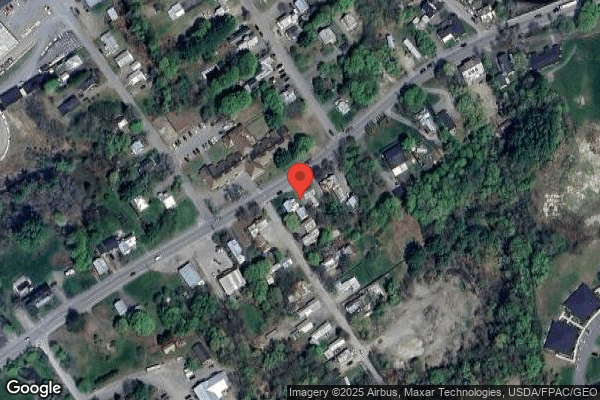

59 WEST FRONT ST, SKOWHEGAN, ME 04976 (207) 474-9300
For profit - Corporation 46 Beds FIRST ATLANTIC HEALTHCARE Data: November 2025
Trust Grade
43/100
#61 of 77 in ME
Last Inspection: August 2024

Within standard 12-15 month inspection cycle. Federal law requires annual inspections.

Overview

Woodlawn Rehabilitation & Nursing Center in Skowhegan, Maine, has received a Trust Grade of D, indicating below-average quality and some serious concerns regarding care. Ranking #61 out of 77 facilities in the state places it in the bottom half, and it is last among the four nursing homes in Somerset County. Although the facility has shown improvement in its issues over the past year, with problems decreasing from 15 to just 2, it still has concerning aspects such as $8,018 in fines, which is higher than 76% of Maine facilities. On a positive note, staffing is a strength with a rating of 4/5 stars and a turnover rate of 42%, which is below the state average. However, there have been troubling incidents, including a serious case where a resident fell during a transfer due to improper procedures, resulting in a head injury, and concerns regarding unqualified food service management and inadequate bed safety inspections.

Trust Score
D
43/100
In Maine
#61/77
Bottom 21%
Safety Record
Moderate
Needs review
Inspections
Getting Better
15 → 2 violations
Staff Stability
○ Average
42% turnover. Near Maine's 48% average. Typical for the industry.
Penalties
⚠ Watch
$8,018 in fines. Higher than 83% of Maine facilities, suggesting repeated compliance issues.
Skilled Nurses
○ Average
Each resident gets 34 minutes of Registered Nurse (RN) attention daily — about average for Maine. RNs are the most trained staff who monitor for health changes.
Violations
⚠ Watch
41 deficiencies on record. Higher than average. Multiple issues found across inspections.
★★☆☆☆
2.0
Overall Rating
★★★★☆
4.0
Staff Levels
★★★☆☆
3.0
Care Quality
★★☆☆☆
2.0
Inspection Score
Stable
2024: 15 issues
2025: 2 issues

The Good

  • 4-Star Staffing Rating · Above-average nurse staffing levels
  • Full Sprinkler Coverage · Fire safety systems throughout facility
  • No fines on record
  • Staff turnover below average (42%)

    6 points below Maine average of 48%

Facility shows strength in staffing levels, fire safety.

The Bad

2-Star Overall Rating

Below Maine average (3.0)

Below average - review inspection findings carefully

Staff Turnover: 42%

Near Maine avg (46%)

Typical for the industry

Federal Fines: $8,018

Below median ($33,413)

Minor penalties assessed

Chain: FIRST ATLANTIC HEALTHCARE

Part of a multi-facility chain

Ask about local staffing decisions and management

The Ugly 41 deficiencies on record

1 actual harm
Jul 2025 2 deficiencies
CONCERN (E) 📢 Someone Reported This

A family member, employee, or ombudsman was alarmed enough to file a formal complaint

Potential for Harm - no one hurt, but risky conditions existed

Safe Environment (Tag F0584)

Could have caused harm · This affected multiple residents

**NOTE- TERMS IN BRACKETS HAVE BEEN EDITED TO PROTECT CONFIDENTIALITY** Based on observations and interview, the facility failed to provide a safe and comfortable environment for 1 of 6 residents revi...

Read full inspector narrative →
**NOTE- TERMS IN BRACKETS HAVE BEEN EDITED TO PROTECT CONFIDENTIALITY** Based on observations and interview, the facility failed to provide a safe and comfortable environment for 1 of 6 residents reviewed for accidents (Resident #24 [R24]). In addition, the facility failed to adequately provide housekeeping and maintenance services necessary to maintain the building in a safe, sanitary, orderly, and comfortable environment on 2 of 2 units (East and West) and the main lobby for 1 of 1 facility tour (7/31/25). 1. On 7/28/25 at 2:30 p.m., during an interview with two surveyors and the Maintenance Director, R24's bed chord was observed crossing the floor from the foot of the bed to the opposite wall and confirmed to be a trip hazard. On 7/29/25 at 3:30 p.m., during an observation with two surveyors, the Licensed Practical Nurse (LPN1) and the Maintenance Director, the following was observed and confirmed in room [ROOM NUMBER]: The television cable was running along the floor at the foot end of R24's bed creating a trip hazard. The cable for the bed remote was on the floor at the foot end of the bed creating a trip hazard. The power cord for R24's bed was observed unplugged and resting on the floor creating a trip hazard. On 7/29/25 at 3:32 p.m., LPN1 stated the bed is unplugged because R24 walked around the bed and unplugged the bed to plug in his/her fan. LPN1 stated there are not enough outlets to accommodate R24's appliances (including the bed, nebulizer machine, cell phone charger, oxygen concentrator, and fan) without running them across the floor. On 7/29/25 at 3:35 p.m., during an interview with the two surveyors, the Maintenance Director stated he addressed these concerns with management, but they declined the installation of additional electrical outlets. At this time two surveyors confirmed the environment was unsafe when cords and cables were crossing the floor in an area where the resident ambulates, and R24 wants his/her fan to stay running to maintain a comfortable environment temperature. 2. On 7/31/25 from 9:45 a.m. to 10:10 a.m., an Environment Tour was completed with the Maintenance Director and a surveyor in which the following findings were observed: East Wing Shower Room/Bathroom - The floor was dirty around the base of the toilet. The ceiling was cracked and stained around the shower exhaust vent. Resident room [ROOM NUMBER] - The wooden windowsills were chipped/gouged and missing sealant exposing untreated wood. Main lobby- The lower part of the corner wall, in the main lobby headed toward the [NAME] Wing, was chipped/gouged and missing sealant exposing untreated wood. West Wing Shower room The patient sit-to-stand lift had dirt and food debris on the foot base area. The ceiling vent was hanging down, missing a screw and in disrepair. The inside of the entrance door had laminate that was ripped/torn creating an uncleanable surface. On 7/31/25 at 10:10 a.m., in an interview with a surveyor, the Maintenance Director confirmed the findings.
CONCERN (E) 📢 Someone Reported This

A family member, employee, or ombudsman was alarmed enough to file a formal complaint

Potential for Harm - no one hurt, but risky conditions existed

Food Safety (Tag F0812)

Could have caused harm · This affected multiple residents

Based on observations, interviews, and review of the facility's Food Storage policy/procedure, the facility failed to ensure the kitchen was maintained in a clean and sanitary manner for the three-bay...

Read full inspector narrative →
Based on observations, interviews, and review of the facility's Food Storage policy/procedure, the facility failed to ensure the kitchen was maintained in a clean and sanitary manner for the three-bay pot sink and the walk-in freezer. Additionally, the facility failed to ensure foods were dated and/or discarded after best used by date in the walk-in refrigerator and on a beverage cart on a unit for 2 of 2 tours (7/28/25, and 7/29/25). The facility's Food Storage policy/procedure, dated 3/4/25, noted under Procedure: …All containers or storage bags must be legible and accurately labeled and dated. Refrigerated Food Storage: All foods must be covered, labeled, dated and routinely monitored to assure foods are used by their use by dates or discarded. 1.On 07/28/25 from 11:10 a.m. to 11:55 a.m., two surveyors completed an initial kitchen tour in which the following findings were observed: - The maintenance man was observed in the kitchen with no hair or face protection for his facial and head hair. - The three bay pot sink had 2 chemical hoses hanging down in the sinks. - The dry storage room had two 46-ounce containers of thickened water that had best use date of May 26, 2025, available for use. - The walk-in refrigerator has a 16-ounce package of whipped topping with no thaw date. The manufacturer's directions noted the product was only good for 2 weeks after thawing. - The walk-in freezer had a large open box of hamburger buns on the floor and a package of bread sticks on a shelf, stored under the freezer compressor, that had ice buildup on and/or in them. On 07/28/2025 at 11:55 a.m., in an interview with the surveyor, the Food Service Director confirmed the findings. 2. On 7/29/25 at 8:08 a.m., a surveyor and the Director of Nursing [DON], observed an open container of thickened water with a best used by date of “MAY 26,2025”, on the beverage cart in the East Wing hallway, and available for use. At this time, the DON confirmed the finding.
Aug 2024 14 deficiencies
CONCERN (D)

Potential for Harm - no one hurt, but risky conditions existed

Deficiency F0578 (Tag F0578)

Could have caused harm · This affected 1 resident

**NOTE- TERMS IN BRACKETS HAVE BEEN EDITED TO PROTECT CONFIDENTIALITY** Based on record reviews and interviews the facility failed to provide residents/representatives written information concerning t...

Read full inspector narrative →
**NOTE- TERMS IN BRACKETS HAVE BEEN EDITED TO PROTECT CONFIDENTIALITY** Based on record reviews and interviews the facility failed to provide residents/representatives written information concerning the right to accept or refuse medical or surgical treatment and/or formulate an advance directive for 2 of 3 residents reviewed for advanced directives (Resident #20 [R20] and R31). Findings: 1. Review of R20's entire clinical record lacked evidence that [he/she] was offered/refused the opportunity to formulate an advanced directive upon [his/her] admission on [DATE]. 2. Review of R31's entire clinical record lacked evidence that [he/she] was offered/refused the opportunity to formulate an advanced directive upon [his/her] admission on [DATE]. During an interview on 8/27/24 at 9:53 a.m. with a surveyor, the Social Worker confirmed that she has not asked/offered advanced directive information for R20 and R31 upon their admission.
CONCERN (D) 📢 Someone Reported This

A family member, employee, or ombudsman was alarmed enough to file a formal complaint

Potential for Harm - no one hurt, but risky conditions existed

Investigate Abuse (Tag F0610)

Could have caused harm · This affected 1 resident

Based on record review, interviews, and facility policy, the facility failed to ensure an injury of unknown origin was investigated and reported to appropriate state agencies timely for 1 of 3 facilit...

Read full inspector narrative →
Based on record review, interviews, and facility policy, the facility failed to ensure an injury of unknown origin was investigated and reported to appropriate state agencies timely for 1 of 3 facility reported incidents reviewed (Resident #12 [R12]). Findings: On 7/8/24 at 8:40 a.m. the Division of Licensing and Certification for the State of Maine (DLC) received an initial Facility Incident or Complaint report, from the facility, that R12 was found to have injuries of unknown origin with small bruise on left temple area, date incident 7/4/24, time of incident 16:00 (4:00 p.m.). R12 has dementia and unable to say what happened. On 7/10/24 at 9:21 a.m. DLC received a follow-up Facility Incident or Complaint report, from the facility, that R12 was noted to have a small spot, nickel sized on 7/3(/24) on the left temple area that developed into a bruise noted on 7/4(/24). Bruise initially was size of quarter. During review of R12's clinical record, nursing note on 7/4/24 at 4:22 p.m. by Registered Nurse #2 [RN2] states R12 presents with large bruising on the left side of his/her head/face. Nursing note on 7/4/24 at 4:27 p.m. by RN2 states R12 was discovered to have bruising on left side of his/her face. Origins are unknown and resident cannot recall due to dementia. Nursing note on 7/4/24 at 4:28 p.m. by RN2 states R12 left side of face - date of incident unknown, possible fall. On 8/28/24 at 11:45 a.m. in an interview with a surveyor, RN2 stated that she was told by other staff, certified nursing assistants, that R12's bruising happened a couple of days prior to her nursing notes of 7/4/24 and didn't report it because she thought it was already reported. The Director of Nursing was not made aware. During R12's clinical record review, there is no evidence that the incident noted on 7/4/24 was investigated and reported until 7/8/24. On 8/28/24 at 11:31 a.m. in an interview with the Administrator, a surveyor confirmed that R12's injury of unknown origin wasn't investigated or reported until 7/8/24.
CONCERN (D)

Potential for Harm - no one hurt, but risky conditions existed

Comprehensive Care Plan (Tag F0656)

Could have caused harm · This affected 1 resident

**NOTE- TERMS IN BRACKETS HAVE BEEN EDITED TO PROTECT CONFIDENTIALITY** Based on interviews, observations and record reviews, the facility failed to update/implement care plans for a resident diagnose...

Read full inspector narrative →
**NOTE- TERMS IN BRACKETS HAVE BEEN EDITED TO PROTECT CONFIDENTIALITY** Based on interviews, observations and record reviews, the facility failed to update/implement care plans for a resident diagnosed with Coronavirus (COVID-19) (Resident #191 [R191]). Findings: R191 was admitted on [DATE] and tested positive for Coronavirus (COVID-19) on 8/24/24 requiring quarantine isolation precautions. Observation of R191 on 8/27/24 at 11:01 a.m., self-propelling down [NAME] Unit, unmasked and passing 3 residents and 1 staff member in the hall. During an interview on 8/27/24 at 11:01 a.m., Certified Nursing Assistant #1 indicated that R191 won't stay in the room, and she doesn't know what to do with him/her because he/she comes out of his/her room all the time, and no one has given her any direction on what to do if he/she is not following quarantine precautions. Review of R191's care plan updated 8/16/24 lacked evidence that goals and interventions were put into place for infection COVID-19 or for his/her noncompliance with isolation precautions. During an interview on 8/27/24 at 2:13 p.m., with 2 surveyors, Senior Director of Nursing indicated it was her expectation that care plans would be updated to indicate goals and interventions for a diagnosis of COVID-19 as well as non-compliant behaviors.
CONCERN (D)

Potential for Harm - no one hurt, but risky conditions existed

Deficiency F0657 (Tag F0657)

Could have caused harm · This affected 1 resident

**NOTE- TERMS IN BRACKETS HAVE BEEN EDITED TO PROTECT CONFIDENTIALITY** Based on observation, interviews, and record review, the facility failed to update/implement care plans for isolation precaution...

Read full inspector narrative →
**NOTE- TERMS IN BRACKETS HAVE BEEN EDITED TO PROTECT CONFIDENTIALITY** Based on observation, interviews, and record review, the facility failed to update/implement care plans for isolation precautions for 1 of 1 care plans reviewed for isolation precautions (Resident #26 [R26]). In addition, the facility failed to update/implement goals and interventions for 1 of 1 resident reviewed for a cardiac pacemaker (R37). Findings: R26 was admitted on [DATE] and tested positive for Coronavirus (COVID-19) on 8/10/24 and was placed on isolation precautions. Observation of R26 on 8/26/24 at 11:30 a.m., in hallway outside room [ROOM NUMBER]. There were no precaution signs or personal protective equipment (PPE) observed outside of room [ROOM NUMBER]. During an interview on 8/28/24 at 7:14 a.m. Registered Nurse #1 [RN1] confirmed that R26 had been off quarantine precautions quite a while. Review of R26's care plan updated 8/12/24 states COVID 19 I have tested positive . Maintain my isolation with droplet and contact precautions administer oxygen as needed turn, cough and deep breath administer antipyretics as ordered evaluate me for dehydration (moist mucous membranes, urine color, skin turgor etc.) I need my aides to maintain my isolation with droplet and contact precautions. Report s/s [signs/symptoms] of pain to my nurse Provide or assist me with oral care, I need everyone to maintain my isolation with droplet and contact precautions. My goal is to: my airway and oxygen exchange will be maintained Goal time: two weeks. Further review of R26's care plan lacked evidence that the care plan was updated after he/she was taken off isolation precautions. During an interview on 8/27/24 at 2:13 p.m., with 2 surveyors the Senior Director of Nursing (SDNS) indicated once a resident tests positive for COVID-19 they are tested again on day 5 and on day 7, and after a negative test on day 7 they can come off precautions. SDNS further indicated that COVID-19 precautions should be care planned when a resident tests positive and should be taken off as soon as the precautions end. At this time SDNS confirmed R26's care plan was not updated appropriately. 2. R37 was admitted on [DATE] and has diagnoses to include chronic obstructive pulmonary disease, and chronic heart failure with presence of cardiac pacemaker placed 3/11/24. Observation of R37 on 8/26/27 at 11:31 a.m., revealed a pacemaker monitor at bedside. During an interview on 8/28/24 at 2:34 p.m., in presence of 2 surveyors the Minimum Data Set (MDS) indicated R37 was admitted with the pacemaker and did not come with any orders for its use. MDS further indicated they do not have the serial number or expiration date on file because he/she sees the cardiologist every 2 months or so and didn't know they needed to have it. At this time MDS Coordinator confirmed R37's care plan lacked goals and interventions for R37's pacemaker.
CONCERN (D)

Potential for Harm - no one hurt, but risky conditions existed

Quality of Care (Tag F0684)

Could have caused harm · This affected 1 resident

Based on record review, and interview, the facility failed to ensure that physician's orders were followed for 1 of 3 sampled residents receiving insulin coverage (Resident #19 [R19]). Findings: 1. O...

Read full inspector narrative →
Based on record review, and interview, the facility failed to ensure that physician's orders were followed for 1 of 3 sampled residents receiving insulin coverage (Resident #19 [R19]). Findings: 1. On 8/28/24, R19's clinical record was reviewed and included a physician order, dated 5/11/24, to administer Insulin Aspart FlexPen 100UNIT/ML Solution Pen-injector, 10 units subcutaneous to [inject medication between skin and muscle, under the skin] daily at 7:30 a.m The instructions state, Hold for blood sugar less than 170. On 8/3/24, R19's blood sugar result at 7:30 a.m. was 119. Documentation indicated that R19 received 10 units and should have been held (not given). On 8/5/24 R19's blood sugar result at 7:30 a.m. was 165. Documentation indicated that R19 received 10 units and should have been held (not given). On 8/25/24 R19's blood sugar result at 7:30 a.m. was 166. Documentation indicated that R19 received 10 units and should have been held (not given). 2. On 8/28/24, R19's clinical record was review and included a physician order, dated 5/11/24, to administer Insulin Aspart FlexPen 100UNIT/ML Solution Pen-injector, 10 units subcutaneous daily at 11:30 a.m The instructions state Hold for blood sugar less than 170. On 8/25/24 R19's blood sugar result at 11:30 a.m. was 161. Documentation indicated that R19 received 10 units and should have been held (not given). 3. On 8/28/24, R19's clinical record was review and included a physician order, dated 3/15/24, to administer Insulin Aspart FlexPen 100UNIT/ML Solution Pen-injector, variable dose subcutaneous q.i.d. (four times per day) 7:30 a.m., 11:30 a.m., 16:30 (4:30 p.m.), 20:30 (8:30 p.m.) for Type 1 Diabetes, Insulin Directions: 131-180 = 6 units; 181-240 = 8 units; 241-300 = 10 units; 301-350 = 12 units; >400 = 16 units; . On 8/8/24 R19's blood sugar result at 4:30 p.m. was 162. Documentation indicated that R19 received 0 (no) units and should have been given 6 units. On 8/10/24 R19's blood sugar result at 4:30 p.m. was 192. Documentation indicated that R19 received 6 units and should have been given 8 units. On 8/22/24 R19's blood sugar result at 4:30 p.m. was 150. Documentation indicated that R19 received 5 units and should have been given 6 units. 4. On 8/28/24, R19's clinical record was review and included a physician order, dated 5/11/24, to administer Insulin Aspart FlexPen 100UNIT/ML Solution Pen-injector, 4 units subcutaneous daily at 1630 (4:30 p.m.). The instructions state Hold for blood sugar less than 170. On 8/2/24 R19's blood sugar result at 4:30 p.m. was 144. Documentation indicated that R19 received 4 units and should have been held (not given). On 8/15/24 R19's blood sugar result at 4:30 p.m. was 115. Documentation indicated that R19 received 4 units and should have been held (not given). On 8/28/24 at approximately 5:15 p.m. in an interview with the Quality Improvement Manager, a surveyor confirmed the above findings.
CONCERN (D)

Potential for Harm - no one hurt, but risky conditions existed

Tube Feeding (Tag F0693)

Could have caused harm · This affected 1 resident

**NOTE- TERMS IN BRACKETS HAVE BEEN EDITED TO PROTECT CONFIDENTIALITY** Based on observation, interview, and record review, the facility failed to ensure that tube feedings were administered according...

Read full inspector narrative →
**NOTE- TERMS IN BRACKETS HAVE BEEN EDITED TO PROTECT CONFIDENTIALITY** Based on observation, interview, and record review, the facility failed to ensure that tube feedings were administered according to provider orders for 1 of 1 resident observed for tube feeding (Resident #9 [R9]). Findings: R9 was admitted on [DATE] with diagnose to include failure to thrive. Review of R9 Minimum Data Set, dated [DATE] revealed a Basic Interview for Mental Status (BIMS) score of 4 of 15 indicating he/she is not cognitively intact. Review of R9's active orders August 2024 revealed order for Osmolyte 1.2 Cal/Nutritional Supplements. Liquid (1430ml [milliliter]) at 89 ml per hour enteral tube continuous rate for 16 hours 1400 (2:00 p.m.-6:00 a.m.) for nutritional support. Give 200 ml of water prior to feeding, pause feeding at 10 p.m. to give 200 ml of water. Give 200 ml of water after feeding. During an observation on 8/27/24 at 7:00 a.m., R9 was observed sitting in a wheelchair. IV (intravenous) pole/machine was noted next to bed with a bag hanging from the pole containing 300 ml's of an unlabeled/undated liquid substance. The machine was off and connected to R9's abdomen. During a follow up observation on 8/27/24 at 7:09 a.m., Registered Nurse #1 (RN1) indicated she had hung the bag yesterday (8/26/24) at approximately 2-2:30 p.m., and it is supposed to run continuously until 10 p.m., when a water flush is supposed to be done and it should have immediately been started again. At this time RN1 confirmed she did not date or label the tube feed and R9 did not get the entire nutritional support as ordered. During an interview on 8/27/24 at 3:39 p.m., the above concern was discussed with Senior Director of Nursing Services.
CONCERN (D)

Potential for Harm - no one hurt, but risky conditions existed

Respiratory Care (Tag F0695)

Could have caused harm · This affected 1 resident

**NOTE- TERMS IN BRACKETS HAVE BEEN EDITED TO PROTECT CONFIDENTIALITY** Based on observations, record reviews, and interviews, the facility failed to provide a sanitary environment to help prevent the...

Read full inspector narrative →
**NOTE- TERMS IN BRACKETS HAVE BEEN EDITED TO PROTECT CONFIDENTIALITY** Based on observations, record reviews, and interviews, the facility failed to provide a sanitary environment to help prevent the development and transmission of disease and infection related to respiratory care for 1 of 1 resident reviewed for respiratory care (Resident #38 [R38]). Findings: R38 was admitted on [DATE] and has diagnoses to include chronic obstructive pulmonary disease. Review of facility Coronavirus (COVID-19) line list revealed R38 tested positive for COVID 19 on 8/9/24. Observations of room [ROOM NUMBER]-1 on 8/19/24 at 9:22 a.m., 8/20/24 at 2:45 p.m., and 8/21/24 at 10:02 a.m., revealed an oxygen concentrator at bedside with tubing tucked in concentrator handle, dated 8/11/24 and not bagged. A nebulizer machine was observed on the armchair of a recliner with tubing connected to nebulizer pipe, hanging off the side of the recliner. Tubing was not bagged and dated 8/11/24. Review of R38 clinical record revealed nursing note dated 7/13/24 states, Respirations labored, can't take full breath. SOB [short of breath] w [with] /exertion SOB when sitting at rest HOB [head of bed] needs raising. Oxygen [O2]: 2.0 liter/min [minute] in room via nose to keep 02 sat [saturation] > or equal to 90% tolerating well. No new orders continue to observe[,] Encouraged to rest[,] head of bed elevated. Resident states prior to use of oxygen at home only at bedtime and throughout the night. During an observation of room [ROOM NUMBER]-1 on 8/28/24 at 7:10 a.m., with a surveyor, Registered Nurse #1 (RN1) indicated that she doesn't know why the oxygen and nebulizer are still in the room as he/she has not used them in a really long time. During a review of R38's clinical record with RN1 on 8/28/24 at 9:54 a.m., RN1 confirmed R38 last used his/her oxygen on 7/13/24 and last used the nebulizer on 7/13/24. During an interview on 8/28/26 at 8:26 a.m., the above concerns were discussed with Administrator in presence of 2 surveyors. Administrator stated that she had no idea why they would still be in there because he/she did have COVID-19, but it was very mild and didn't think he/she required oxygen or his/her nebulizer.
CONCERN (D)

Potential for Harm - no one hurt, but risky conditions existed

Staffing Information (Tag F0732)

Could have caused harm · This affected 1 resident

Based on observation and interview, the facility failed to post the nurse staffing information in a prominent place, readily accessible and visible to all residents, for 1 of 3 days of survey (8/26/24...

Read full inspector narrative →
Based on observation and interview, the facility failed to post the nurse staffing information in a prominent place, readily accessible and visible to all residents, for 1 of 3 days of survey (8/26/24). Finding: On 8/26/24, surveyors observed that the nurse staffing information was not posted in an area visible to residents and visitors. On 8/27/24 at 1:08 p.m., in an interview, the Administrator confirmed that the nurse staffing information was not posted in an area visible to residents and visitors on 8/26/24.
CONCERN (D)

Potential for Harm - no one hurt, but risky conditions existed

Deficiency F0947 (Tag F0947)

Could have caused harm · This affected 1 resident

Based on Certified Nurse's Aide (CNA) employee education record reviews and interview, the facility failed to monitor and ensure that a CNA attended the required 12 hours of annual in-service educatio...

Read full inspector narrative →
Based on Certified Nurse's Aide (CNA) employee education record reviews and interview, the facility failed to monitor and ensure that a CNA attended the required 12 hours of annual in-service education, for 1 of 5 randomly selected CNA's employed greater than 1 year. (CNA2) Findings: CNA2 was hired on 4/11/23. Review of provided in-service training dated 4/11/23 through 4/11/24 lacked evidence that CNA2 received required in-service training for abuse or resident rights. During an interview on 8/28/24 at 6:24 p.m. with 2 surveyors, the Administrator confirmed CNA2 is missing education on abuse and resident rights for 2023-2024.
CONCERN (E) 📢 Someone Reported This

A family member, employee, or ombudsman was alarmed enough to file a formal complaint

Potential for Harm - no one hurt, but risky conditions existed

Deficiency F0725 (Tag F0725)

Could have caused harm · This affected multiple residents

Based on record review and interviews, the facility failed to ensure sufficient direct care staff were scheduled and on duty to meet the needs of residents that reside in the facility. This has the po...

Read full inspector narrative →
Based on record review and interviews, the facility failed to ensure sufficient direct care staff were scheduled and on duty to meet the needs of residents that reside in the facility. This has the potential to affect all residents needing assistance with Activities of Daily Living (ADL's). Findings: Review of Payroll Based Journal staffing report revealed the facility triggered for low weekend staffing during the second quarter (January1 through March 31, 2024). On 8/28/24 at 6:15 p.m., review of weekend staffing for January 1 through March 31, 2024, the Administrator confirmed the facility did not have enough staff to meet resident needs on the weekends.
CONCERN (E)

Potential for Harm - no one hurt, but risky conditions existed

Deficiency F0757 (Tag F0757)

Could have caused harm · This affected multiple residents

**NOTE- TERMS IN BRACKETS HAVE BEEN EDITED TO PROTECT CONFIDENTIALITY** Based on record review and interviews, the facility failed to monitor and document targeted behaviors to support the use of psyc...

Read full inspector narrative →
**NOTE- TERMS IN BRACKETS HAVE BEEN EDITED TO PROTECT CONFIDENTIALITY** Based on record review and interviews, the facility failed to monitor and document targeted behaviors to support the use of psychotropic medications for 1 of 5 residents reviewed for unnecessary medications (Resident #37 [R37]). Findings: R37 was admitted on [DATE] and has diagnoses to include depression. Review of R37's active orders for August 2024 revealed order with start date of 3/12/24 for Escitalopram oxalate 10 mg [milligram] tablet 1 tablet by mouth daily for depressed mood. Further review of R37's clinical record lacked evidence that he/she was being monitored for side effects of this medication. During an interview on 8/27/24 12:02 p.m., Registered Nurse #1 confirmed that the facility does not monitor for side effects of psychotropic medication. During an interview on 8/27/24 at 2:12 p.m. Senior Director of Nursing indicated that the facility documents for side effects of psychotropic in nursing notes only by exception.
CONCERN (E)

Potential for Harm - no one hurt, but risky conditions existed

Infection Control (Tag F0880)

Could have caused harm · This affected multiple residents

Based on record review, interviews and observations the facility failed to maintain an infection prevention and control program designed to provide a safe, sanitary and comfortable environment, and to...

Read full inspector narrative →
Based on record review, interviews and observations the facility failed to maintain an infection prevention and control program designed to provide a safe, sanitary and comfortable environment, and to help prevent the development and transmission of communicable diseases and infections. The facility failed to provide enhanced barrier precautions (EBP's) pertaining to Resident's with urinary Foley catheters, and multi drug resistant organisms [MDRO] for 2 of 3 days of survey (8/26/24, and 8/27/24). Findings: 1. Review of facility provided Coronavirus (COVID-19) line list revealed the first resident tested positive for Coronavirus (COVID-19) on 8/9/24. As of 8/24/24 there were a total of 17 residents and 13 staff members tested positive for Coronavirus. Observation of Resident #191 [R191] on 8/27/24 at 11:01 a.m., unmasked and self-propelling down [NAME] Unit passing 3 residents. Review of COVID-19 line list revealed R191 tested positive for COVID-19 on 8/9/24. During an interview on 8/27/24 at 11:03 a.m., Certified Nursing Assistant #1 [CNA1] indicated R191 won't stay in his/her room, and she did not offer him/her a mask to wear when in the hall. During an interview on 8/27/24 at 9:12 a.m., Licensed Practical Nurse (LPN) (designated infection preventionist) confirmed the first resident tested positive for COVID-19 on 8/9/24. LPN indicated that she finds out who tested positive when she comes in and runs the infection report but is unaware of how to track/trace how it come into the building because no ones ever shown her how to. During an interview in presence of 4 surveyors on 8/27/24 at 2:44 p.m., Quality Improvement Manager indicated she understands infection control needs some improvement as survey has pointed out and they will be making improvements but feels that the facility has a very low infection rate regardless. 2. On 8/26/24, from 10:30 a.m. to 3:45 p.m., a surveyor observed no signage or personal protective equipment (PPE) notifying of EBP's for R13 who had an MDRO or R19 who had a Foley catheter. On 8/27/24, from 7:30 a.m. to 3:45 p.m., a surveyor observed no signage or personal protective equipment (PPE) notifying of EBP's for R13 who had an MDRO or R19 who had a Foley catheter. On 8/28/24 at 8:24 a.m., a surveyor could not find any documentation pertaining to the use of EBP's. On 8/28/24 at 8:24 a.m., a surveyor observed EBP signage and PPE equipment outside of the rooms of R13 and R19. At this time, in an interview with the Administrator, a surveyor confirmed that EBP's including signage and PPE equipment was not being used for R13 and R19 and should have been due to Foley catheter with MDRO and MDRO.
CONCERN (E)

Potential for Harm - no one hurt, but risky conditions existed

Antibiotic Stewardship (Tag F0881)

Could have caused harm · This affected multiple residents

Based on interviews, and record review the facility failed to implement its Antibiotic Stewardship Program (ASP) that includes antibiotic use protocols and a system to monitor antibiotic use. This has...

Read full inspector narrative →
Based on interviews, and record review the facility failed to implement its Antibiotic Stewardship Program (ASP) that includes antibiotic use protocols and a system to monitor antibiotic use. This has the potential to affect all residents receiving an antibiotic. Findings: Review of facility provided Infection Report revealed the following: -During the month of April 2024, there were 3 documented antibiotics prescribed. -During the month of May 2024, there were 7 documented antibiotics prescribed. -During the month of June 2024, there were 7 antibiotics prescribed. -During the month of July 2024, there were 11 antibiotics prescribed. Review of facility provided RX Quality Pharmacy Report dated 1/26/24, 4/26/24 and 7/2/24 lacked evidence of antibiotic use/discussion on these forms. During an interview on 8/27/24 at 9:12 a.m., Licensed Practical Nurse (LPN) (Infection Preventionist) indicated she is currently halfway through the infection Preventionist program and does not know how to track the infections and what to do with the orders she prints out. She does not check for culture and sensitivity results for urinary tract infections and believes the nurses take care of all that stuff. LPN does not receive a quarterly antibiotic use report from pharmacy and doesn't review them at Quality Assurance and Performance Improvement (QAPI) meetings. LPN confirmed the provided pharmacy reports contain everything that is discussed in QAPI, and antibiotic stewardship has not been discussed. During an interview on 8/22/24 at 9:18 a.m., with 4 surveyors the Administrator confirmed the provided RX Quality Assurance Report's provided are what is discussed in QAPI meetings. During an interview in presence of 4 surveyors on 8/27/24 at 2:44 p.m., Quality Improvement Manager (QIM) was asked to provide evidence that the facility was implementing its antibiotic stewardship plan. At this time QIM indicated the facility is consistently using McGuire's criteria for antibiotic stewardship and refused to produce supporting documents to indicate their use and was unable to provide supporting evidence indicating review of antibiotic use during its QAPI meetings. At this time QIM indicated she understands infection control needs some improvement as survey has pointed out and they will be making improvements but feels that the facility has a very low infection rate regardless.
CONCERN (E)

Potential for Harm - no one hurt, but risky conditions existed

Deficiency F0882 (Tag F0882)

Could have caused harm · This affected multiple residents

Based on interview, the facility failed to ensure that the facility's Infection Preventionist (IP) had completed specialized training prior to starting the IP position. Findings: During an interview o...

Read full inspector narrative →
Based on interview, the facility failed to ensure that the facility's Infection Preventionist (IP) had completed specialized training prior to starting the IP position. Findings: During an interview on 8/27/24 at 9:12 a.m., with 3 surveyors, Licensed Practical Nurse (LPN) indicated she started with the facility in October 2024 for the purpose of becoming the Infection Preventionist but did not start the IP class until February 2024. LPN is currently halfway through the course and has not had any training by anyone and is unsure of what to do. During an interview on 8/27/24 at 2:21 p.m., Senior Director of Nursing Services confirmed that LPN was the facilities designated Infection Preventionist. During an interview on 8/27/24 at 10:27 a.m., with 3 surveyors, Regional Quality Improvement Manager confirmed LPN has been acting as IP since October of 2023 and was not enrolled in IP class until February 2024 and has not yet been completed it.
Apr 2024 1 deficiency 1 Harm
SERIOUS (G) 📢 Someone Reported This

A family member, employee, or ombudsman was alarmed enough to file a formal complaint

Actual Harm - a resident was hurt due to facility failures

Accident Prevention (Tag F0689)

A resident was harmed · This affected 1 resident

Based on review of the Nursing Facility Reportable Incident Form, the facility's internal investigation, the facility transfers policy and procedure, and interviews, the facility failed to ensure a re...

Read full inspector narrative →
Based on review of the Nursing Facility Reportable Incident Form, the facility's internal investigation, the facility transfers policy and procedure, and interviews, the facility failed to ensure a resident's safety during a Hoyer lift transfer which caused harm to the resident. The facility failed to follow their Hoyer lift policy and procedure which resulted in the resident falling to the floor from the Hoyer lift. From this fall, the resident sustained a closed head injury for 1 of 1 resident. Finding: On 4/12/24, The Division of Licensing and Certification received a facility Reportable Incident Form indicating that on 4/9/24 at 10:30 a.m. Certified Nursing Assistant #1 (CNA) transferred Resident #1 alone in the Hoyer lift. (mechanical lift) Resident #1 became restless during the transfer and slipped out of the Hoyer pad onto the floor and hit his/her head. Resident #1 sustained swelling in the back of his/her head. A review of the Incident Report dated 4/9/24 at 11:17 a.m. indicates that Resident #1 had a fall and hit his/her head while the CNA was transferring the resident with a Hoyer lift. In addition, the Incident Report also indicates that the CNA was transferring the resident with a Hoyer lift without the assistance of a second CNA. Emergency Department notes, dated 4/9/24, indicate Resident #1 bumped the back of his/her head after falling during a Hoyer lift transfer. Resident #1 was diagnosed with a closed head injury and sent back to the facility the same day. Resident #1's Care plan, dated 3/2/24, indicates that the resident requires extensive assists with bathing, dressing, grooming, personal hygiene and bed mobility. The care plan instructs staff to assist the resident with transfers using a mechanical lift and two people. A review of the facility's 'Lifting Machine-Using a Portable' stated: Under General Guidelines, Page 1, number 1, stated, At least two (2) nursing assistants are needed to safely move a resident with a mechanical lift. On 4/23/24 at 11:00 a.m., during an interview with a surveyor, CNA #1 states that she was unable to find another CNA to assist her with transferring Resident #1 from the chair to the bed using a Hoyer lift. CNA #1 stated that Resident #1 became restless and his/her shoulders slipped out of the Hoyer pad during the transfer. Resident #1 hit the back of his/her head. CNA #1 acknowledged that the facility policy indicates At least two (2) nursing assistants are needed to safely move a resident with a mechanical lift. The Root Cause Analysis indicates under Contributing Factors lift policy not followed. On 4/23/24 at 3:00 p.m., a surveyor confirmed with the Administrator that the facility failed to follow their Hoyer lift policy and procedure which resulted in the resident falling to the floor from the Hoyer lift. As a result of this isolated incident, the following corrective actions were initiated with a completion date of 4/12/24 - One on One training with CNA #1 on the Lifting Machine policy and procedure that indicates At least two (2) nursing assistants are needed to safely move a resident with a mechanical lift. CNA #1 demonstrated competence. - Mandatory re-education on Hoyer Safety was initiated with all nursing staff. - Newly hired CNA's will demonstrate competency with Hoyer lift transfers. .
Mar 2023 18 deficiencies
CONCERN (D)

Potential for Harm - no one hurt, but risky conditions existed

Resident Rights (Tag F0550)

Could have caused harm · This affected 1 resident

**NOTE- TERMS IN BRACKETS HAVE BEEN EDITED TO PROTECT CONFIDENTIALITY** Based on observations and interviews, the facility failed to maintain the dignity of 1 of 2 resident's during a dressing change ...

Read full inspector narrative →
**NOTE- TERMS IN BRACKETS HAVE BEEN EDITED TO PROTECT CONFIDENTIALITY** Based on observations and interviews, the facility failed to maintain the dignity of 1 of 2 resident's during a dressing change observation (Resident #6). Findings: Resident #6 was admitted to the facility on [DATE] and had diagnoses to include quadriplegia and a facility acquired stage 4 pressure ulcer on his/her left buttock/sacral area. Review of quarterly Minimum Data Set (MDS) dated [DATE] revealed Resident #6 had a Brief Interview for Mental Status of 14 of 15, indicating he/she was cognitively intact. Further review revealed Resident #6 needs extensive assist with Activities of Daily Living. On 3/15/23 at 10:47 a.m., 2 surveyors observed Licensed Practical Nurse (LPN)#1 during a dressing change for Resident #6. While LPN#1 was applying tape to secure the dressing to residents left buttock/sacral area, Resident #6 repeatedly stated Fuck this place, Fuck this place. LPN#1 was observed to complete securing the dressing and then turned away from Resident #6 towards the wall. LPN#1 was then overheard by 2 surveyors saying, Fuck this place and shaking his head in a mocking manner in presence of Resident #6 and Certified Nursing Assistants (CNA) #2 and #3 who were also present in room. During an interview on 3/15/23 at 11:30 a.m., 2 surveyors met with the Director of Nursing (DON) and LPN #1 to discuss the above concern. At this time, LPN#1 confirmed the above findings.
CONCERN (D)

Potential for Harm - no one hurt, but risky conditions existed

Deficiency F0582 (Tag F0582)

Could have caused harm · This affected 1 resident

Based on record review and interview, the facility was unable to provide evidence that a Skilled Nursing Facility Advance Beneficiary Notice (SNFABN) Form 10055, which included appeal rights and liabi...

Read full inspector narrative →
Based on record review and interview, the facility was unable to provide evidence that a Skilled Nursing Facility Advance Beneficiary Notice (SNFABN) Form 10055, which included appeal rights and liability of payment was provided at least 2 days prior to the resident's last covered day for 1 of 2 residents whose Medicare Part A services were discontinued, and the resident remained in the facility (#39). Finding: On 3/13/23 at 8:47 a.m., surveyor requested a form, Beneficiary Notice - Residents discharged Within the Last Six Months; this form stated that Resident #39 was discharged from skilled services on 1/16/23 to Long Term Care. On 3/13/23 during review of Resident #39's clinical record, he/she received Medicare Part A services that ended on 1/16/23 and remained in the facility after services ended. On 3/15/23 the facility provided the ABN for Medicare D form with handwritten documentation on the form stating the notice was verbally reviewed with the resident representative on 1/16/23, day of discharge from skilled services. This form was signed by the resident representative on 3/13/23. The facility did not provide a SNF ABN notice to the resident representative. On 3/15/23 at 9:18 a.m., during an interview, the Director of Nursing confirmed a SNF ABN notice was not given 2 days prior to the last covered day of skilled services.
CONCERN (D) 📢 Someone Reported This

A family member, employee, or ombudsman was alarmed enough to file a formal complaint

Potential for Harm - no one hurt, but risky conditions existed

Investigate Abuse (Tag F0610)

Could have caused harm · This affected 1 resident

Based on interviews, record review, and facility policy, the facility failed to ensure an injury of unknown origin was investigated timely for 1 of 2 facility reported incidents reviewed. (#193). Find...

Read full inspector narrative →
Based on interviews, record review, and facility policy, the facility failed to ensure an injury of unknown origin was investigated timely for 1 of 2 facility reported incidents reviewed. (#193). Findings: Review of the facility policy Resident Abuse Prevention Policy & Procedure states; Identification: Incidents, which might be considered abuse, neglect or exploitation, will be referred to investigation and reporting as appropriate. Reporting/response: Reports will be made to the Department of Human Services (DHS) licensing and certification in Adult Protective Services as required. Investigation: Any incident which may in fact be abuse, neglect or exploitation will be logged, assigned to the director of nursing or the social services director to investigate . a copy of the written report will also be sent to DHS licensing and certification within 5 business days. Review of facility policy Accident & Incidents investigating and Reporting, revised 2/2022 states, All accidents or incidents involving residents, employees, visitors, vendors etc., occurring on our premises shall be investigated and reported to the Administrator. 1. The nurse Supervisor/Charge Nurse and/or department director or supervisor shall promptly initiate and document investigation of the accident or incident. 2. The following data, as applicable, shall be included on the Report of Incident/Accident form: the date and time accident or incident took place, the nature of the injury/illness (e.g., bruise, fall, nausea, etc.) .time the injured person attending physician was notified .date and time the injured person's family was notified. 5. The Nurse Supervisor/Charge nurse and/or the department director or supervisor shall complete a Repot of incident/Accident form and submit the original to the Director of Nursing Services within 24 hours of the incident or accident. On 9/29/22 the Division of Licensing and Certification received, from the facility, a Reportable Incident Form which indicated Resident #193 obtained an injury of unknown origin. (bruise to left upper thigh .Bruise size of golf ball brought to attention of staff by husband). Review of Resident #193's clinical record revealed a Nurse's skin check note dated 9/20/22 at 11:50 p.m., stating, 8 cm (centimeter) x 3 cm bruise noted on left thigh medial aspect, non tender to touch. Further review, the clinical record lacked evidence that this identified bruise was reported, investigated and that Physician and the resident representative was notified at the time of the observation. On 3/16/23 at 1:11 p.m., during an interview with the Director of Nursing (DON), the above concern of the bruise being identified during the skin check on 9/20/22 and was not investigated until 9 days later when the resident representative notified the staff of the bruise. The DON stated she was unaware of the skin check with the bruise on 9/20/22.
CONCERN (D)

Potential for Harm - no one hurt, but risky conditions existed

Deficiency F0645 (Tag F0645)

Could have caused harm · This affected 1 resident

**NOTE- TERMS IN BRACKETS HAVE BEEN EDITED TO PROTECT CONFIDENTIALITY** Based on record review and interview, the facility failed to ensure a Pre-admission Screening and Resident Review (PASRR) Level ...

Read full inspector narrative →
**NOTE- TERMS IN BRACKETS HAVE BEEN EDITED TO PROTECT CONFIDENTIALITY** Based on record review and interview, the facility failed to ensure a Pre-admission Screening and Resident Review (PASRR) Level 1 was accurately completed for 1 of 1 sampled resident reviewed for PASRR (#5). Finding: On 3/15/23 during record review for Resident #5, it was noted that he/she was admitted to the facility on [DATE]; the clinical record included a diagnosis of bipolar disorder at the time of admission. The PASRR Level 1 screen in the clinical record lacked evidence of this mental health diagnosis on the Level I screening. On 3/16/23 at 9:53 a.m., during an interview with the Director of Nursing (DON) both the surveyor and the DON reviewed Resident #5's PASRR Level I, there is no evidence that the facility updated or submitted a new PASRR to include his/her bipolar disorder diagnosis. The surveyor confirmed with the DON that the diagnosis of bipolar disorder should have been included on Resident #5's PASRR.
CONCERN (D)

Potential for Harm - no one hurt, but risky conditions existed

Quality of Care (Tag F0684)

Could have caused harm · This affected 1 resident

2. On 3/15/23, a review of Resident #12's nursing home electronic clinical record indicated that Resident #12 had a current active physician's order dated 3/7/17 that stated to NOTIFY DR. IF WEIGH <...

Read full inspector narrative →
2. On 3/15/23, a review of Resident #12's nursing home electronic clinical record indicated that Resident #12 had a current active physician's order dated 3/7/17 that stated to NOTIFY DR. IF WEIGH < 95 POUNDS. Staff Documentation, dated 3/6/23, noted that Resident #12's weight was 87.5 pounds. Resident #12's clinical record lacked evidence that the physician was notified of the weight. On 3/15/23 at 10:30 a.m., in an interview, the Director of Nursing confirmed that the physician was not notified of Resident #12's weight from 3/6/23. Based on clinical record reviews (electronic and paper) and interviews, the facility failed to ensure Physician orders were followed and clarified for 1 of 1 sampled resident receiving antibiotics (Resident # 5). In addition, the facility failed to ensure a Physician order for weights were followed for 1 of 1 resident reviewed for Nutrition (Resident #12). Findings: 1. During record review Resident #5 was noted to have a suprapubic catheter that was plugged with mucus. The Doctor and the Power of Attorney for Resident #5 was made aware, a decision for no invasive treatment was desired and a treatment for urinary tract infection (UTI) was started. On 3/7/23 an order for Ceftriaxone Sodium (Rocephin) 1 gram intramuscular (IM) daily for 7 days first dose due on 3/7/23 was received. On 3/10/23, the culture and sensitivity report (report used to identify which antibiotic will work best for treatment of the infection) for the UTI was received. An order dated 3/10/23 for Ceftriaxone 1 milligram (mg) IM daily for 5 days was received. The facility got a clarification order for the dose of the antibiotic for Ceftriaxone 1 gram IM daily for 5 days. Resident #5's Electronic Medication Administration Record documents that he/she received the antibiotic for 3 of the 5 daily doses as ordered on 3/10/23. On 3/16/23 at 1:05 p.m., during an interview with the Director of Nursing and the Charge Nurse, the surveyor confirmed that Resident #5 should have had a clarification order for the use of the medication Ceftriaxone, and that he/she received 3 doses of the 5 daily doses ordered on 3/10/23.
CONCERN (D)

Potential for Harm - no one hurt, but risky conditions existed

Respiratory Care (Tag F0695)

Could have caused harm · This affected 1 resident

Based on observation and interview, the facility failed to maintain respiratory equipment consistent with the facilities Respiratory Therapy - Infection Control policy and procedure for 1 of 2 residen...

Read full inspector narrative →
Based on observation and interview, the facility failed to maintain respiratory equipment consistent with the facilities Respiratory Therapy - Infection Control policy and procedure for 1 of 2 residents reviewed for respiratory care. (#8) Findings: Facilities Respiratory Therapy policy and procedure, revised 2/22, under Infection control considerations related to Oxygen administration, instructs nursing to Keep the oxygen cannula and tubing used PRN (as needed) in a plastic bag when not in use On 3/13/23 at 9:47 a.m., observation of the oxygen nasal cannula wrapped up and stored under the handle of the oxygen concentrator. At this time, Resident #8, stated he/she uses oxygen only during the night. On 3/15/23 at 10:00 a.m., and on 3/16/23 at 8:45 a.m., additional observations were made of Resident #8's oxygen cannula wrapped up and stored under the handle of the oxygen concentrator. On 3/16/23 at 8:48 a.m., during an interview with the Director of Nursing, she confirmed the nasal cannula was not stored correctly stating, nasal cannulas should be stored in a plastic baggie to protect the nasal cannula from getting dirty.
CONCERN (D)

Potential for Harm - no one hurt, but risky conditions existed

Deficiency F0761 (Tag F0761)

Could have caused harm · This affected 1 resident

Based on observations and interviews, the facility failed to label both an Insulin pen and a Insulin vial that was available for use, with an open date, in 1 of 2 medication storage refrigerators. (Un...

Read full inspector narrative →
Based on observations and interviews, the facility failed to label both an Insulin pen and a Insulin vial that was available for use, with an open date, in 1 of 2 medication storage refrigerators. (Unit 200's) Finding: On 3/13/23 at 9:34 a.m., during review of the medication room on the 200 unit, the surveyor and the Registered Nurse (RN) observed the following: - An opened, unlabeled Tresiba insulin flex pen with manufactures directions, After opening: use within 8 weeks - An opened, unlabeled Insulin Admelog with manufactures directions, Discard open vial after 28 days. At this time, the RN stated both insulins should be dated with the date they were opened.
CONCERN (D) 📢 Someone Reported This

A family member, employee, or ombudsman was alarmed enough to file a formal complaint

Potential for Harm - no one hurt, but risky conditions existed

Garbage Disposal (Tag F0814)

Could have caused harm · This affected 1 resident

Based on observations and interviews, the facility failed to maintain garbage storage areas in a sanitary condition to prevent the harborage and feeding of pests for 1 of 2 dumpsters for 1 of 3 days o...

Read full inspector narrative →
Based on observations and interviews, the facility failed to maintain garbage storage areas in a sanitary condition to prevent the harborage and feeding of pests for 1 of 2 dumpsters for 1 of 3 days of survey. (3/13/23) Findings: On 3/13/23 at 8:35 a.m., the surveyor observed 1 of 2 dumpsters with the left side door opened with a full trash bag hanging out of it. Additionally, there was cigarette butts, plastic, papers, and used purple gloves on the ground around the two dumpsters. On 3/13/23 at 9:00 a.m. in an interview, the Food Service Director confirmed the findings.
CONCERN (E) 📢 Someone Reported This

A family member, employee, or ombudsman was alarmed enough to file a formal complaint

Potential for Harm - no one hurt, but risky conditions existed

Deficiency F0558 (Tag F0558)

Could have caused harm · This affected multiple residents

**NOTE- TERMS IN BRACKETS HAVE BEEN EDITED TO PROTECT CONFIDENTIALITY** Based on interviews and observations, the facility failed to ensure that accommodations were made for residents that included ca...

Read full inspector narrative →
**NOTE- TERMS IN BRACKETS HAVE BEEN EDITED TO PROTECT CONFIDENTIALITY** Based on interviews and observations, the facility failed to ensure that accommodations were made for residents that included call bells being within reach for 1 of 4 resident's (Resident #14), failed to ensure a bed was maintained and in working condition for 1 of 1 resident (Resident #15), and failed to ensure that accommodations were made to include the use of grab bars/side rails for a residents capable of using them for bed mobility and transfer assistance for 2 of 2 sampled residents accommodation of needs (Resident #16 and #25). Findings: 1. Resident #14 was admitted to facility on 5/21/21 with diagnoses to include Huntington's disease (an inherited condition in which nerve cells in the brain break down over time), right and left knee and hip contractures, and dystonia (involuntary muscle contractures that cause repetitive or twisting movements and poor posture). Review of Resident #14's quarterly Minimum Data Set (MDS) dated [DATE] revealed a Brief Interview for Mental Status (BIMS) of 12 indicating moderate cognitive impairment. Further review revealed he/she is dependent on staff for all needs. Review of Resident #14' care plan initiated 5/21/21 most recently updated on 2/2/23 states: .I need my aides to make sure important items are within my reach. Encourage me to use assistance/keep the call light in reach Review of Resident #14's rehab note dated 3/14/23 stated Problem: . [Resident #14]is at a very high risk of pneumonia due to aspiration . During an observation on 3/15/23 at 2:22 p.m., 2 surveyors observed Resident #14 with severe contractures of his/her bilateral hips and legs in an electric wheelchair with a side table separating him/her from the bed where a call bell was noted attached to a teddy bear and not within reach. At this time Resident #14 was asked how he/she would call for help if he/she needed it in case of an emergency. Resident #14 responded in very soft-spoken voice, that he/she hoped that he/she didn't need any help because he/she would not be able to move the wheelchair to get to the bed to reach the call bell. At this time Resident #14 confirmed he/she could use the call bell if it was in reach and was unable to remember how long the call bell had been on the bed and not in reach. At 2:24 p.m., Director of Nursing Services (DON) was asked to come into Resident #14's room and confirmed the call bell was not in reach of the resident in case of emergency. DON then unwrapped the call bell string from around teddy bear and placed it on the side table in front of Resident #14. Resident #14 was then observed picking up the teddy bear with his/her left-hand confirming ability to use it. During an interview on 3/15/23 at 2:30 p.m., Certified Nursing Assistant (CNA)#2 indicated that Resident #14 was able to independently use a call bell as long as it was within reach. During an interview on 3/16/23 at 2:52 p.m., Licensed Practical Nurse (LPN)#2 indicated that Resident #14 is able to use the call bell independently as long as he/she can reach it. 2. Resident #15 was admitted to the facility on [DATE] with diagnoses to include atrial fibrillation, morbid severe obesity, Chronic Obstructive Pulmonary Disease (COPD), left leg above knee amputation, and esophageal dysmotility [condition in which foods and liquids do not easily pass down the esophagus causing problems with swallowing]. Review of Resident #15's Swallow evaluation, dated 9/27/22, states patient referred for swallow education due to likelihood of aspiration pneumonia, following diet upgrade. patient confused lacking insight. very prolonged mastication. pt presents with symptoms of dysphagia. recommendation thin liquids, pureed solids, medications crushed with puree, general supervision. special aspiration/dysphagia precautions apply. During an initial observation on 3/13/23 at 9:03 a.m., Resident #15 was observed lying flat in the bed indicting that he/she is upset because his/her bed has been broken since Friday and staff have not done anything about it. Resident #15 further indicated that he/she had to eat his/her meals lying flat and if his/her bed was working he/she could use the control to sit up. During an interview on 3/13/23 at 9:15 a.m., DON indicated that she was made aware of the broken bed when she came in this morning and maintenance was informed this morning and is going to switch it out for another. When asked why maintenance did not come in over the weekend to fix the bed, DON responded because he didn't know. When asked if a bed could have been switched out to replace it as there are empty beds available. DON indicated that Resident #15 would not have wanted to switch beds anyway because he/she needs handrails and the nursing staff couldn't have put the rails on, and maintenance would have to do that. During an interview on 3/13/23 at 9:20 a.m. Maintenance Director (MD) indicated that he was not informed of Resident #15's broken bed until this morning and he will have to switch it out. MD further indicated that he is waiting for nursing staff to get Resident #15 out of bed as he/she is a Hoyer lift, and they need 2 staff to do it, and that he would have come in over the weekend to fix the bed if he had been called in. MD then indicated that there are empty beds that nursing staff could have switched out if they wanted to. During an interview on 3/13/23 at 9:30 a.m., Licensed Practical Nurse (LPN) indicated that he was not informed that Resident's bed was broken during shift change at 6:00 a.m., LPN#1 confirmed that Resident #6 could independently use bed controls to sit up. During follow up observations on 3/13/23 at 10:36 a.m. and 11:03 a.m., Resident #15 was observed lying flat in bed and indicated no one has come in to fix the bed. Resident #15 further indicated that he/she ate breakfast lying flat in bed. On 3/13/23 at 11:45 a.m., a surveyor observed MD moving tables from cafeteria. At this time surveyor inquired if Resident #15's bed was fixed or exchanged. MD indicated that he was still waiting for the nursing staff to Hoyer him/her out of bed so he could get the broken bed out of the room. On 3/13/23 at 11:50 a.m. Resident #15 was observed lying flat in bed indicated that no one has come in to talk to him/her about the plan for the bed. Resident indicated that he/she is able to use bed controls to raise or lower bed if he/she has shortness of breath and that he/she ate lunch lying flat in bed. On 3/13/23 at 12:30 p.m., Certified Nursing Assistant (CNA)#2 indicated that she was not informed her that Resident #15's bed needed to be switched out and that Resident #15 could independently use the bed controls to sit up. During a follow up interview on 3/13/23 at 1:45 p.m., MD indicated that he has still not changed bed out still waiting for staff to move [Resident #15]. At 3/13/23 at 1:50 p.m., MD was observed sitting on the floor across from room [ROOM NUMBER] next to a bed with no mattress on it. On 3/13/23 at 2:10 p.m., a surveyor confirmed Resident #15's broken bed was switched out for a working one. During a follow up interview on 3/13/23 at 2:15 p.m., DON indicated that she did not know that Resident #15's bed hadn't been switched out earlier and had she known she would have made sure it was done earlier as it should have been done first thing in the morning. 4. A review of Resident #25's clinical record revealed that Resident #25 received and signed an Informed Consent Regarding Side Rail Usage on 4/29/19. Additionally, a nurse's note dated 1/18/23 noted: Side rail evaluation comments--no side rail. Bed canes on both sides of bed. On 3/15/23 at 8:10 a.m., in an interview about the bed grab bars/side rails with Resident #25, he/she stated the following. I had them up until a couple of weeks ago and the facility took them off because the facility said the state said we can't use them. I used them for support when I was tipped up on my side for care being done, to help me move around in bed and to help with moving from bed to the sit-to-stand lift. I have nothing to grab onto now and I am scared and anxious that I will fall out of bed. I almost fell out of bed before because the grab bars were removed. The facility never had me sign a grab bar/side rail consent form because the side rails were already on the bed when I was admitted . I had always had them until recently. The surveyor asked if he/she could use his/her hands and grab onto and squeeze the surveyors two fingers that were stuck out together. Resident #25 was able to grab both surveyor fingers, with both his/her left and right hands and squeeze with a considerable amount of force. Review of Resident #25's clinical record lacked evidence that the facility notified the resident or the resident representative of the removal of the siderails before the removal of the siderails which would have given them the option to keep the siderails. On 3/15/23 at 8:20 a.m., in an interview, CNA #1 stated that he/she does do care for Resident #25 which involves rolling him/her to his/her sides to complete care and that Resident #25 used to have grab bars/side rails up until a few weeks ago but can't remember the exact date they were removed or why they were removed. CNA #1 stated that Resident #25 would use the side rails to steady and hold himself/herself when care was being done when he/she was rolled from side to side. CNA #1 went on to state that Resident #25 was able to grab onto the bars with both hands with no problems. Resident #25 does express concern of falling out of bed now that he/she does not have grab bars. Resident #25 is very anxious about being rolled up on his/her side now that he/she does not have grab bars/side rails. On 3/15/23 at 9:10 a.m., in an interview, the DON stated the facility removed all the side rails with-in the last couple of months, slowly during that time and was told to do so by corporate. The DON stated that the facility had never completed bed gap measurements for mattresses or side rails and she was not aware that they needed to be done. 3. A review of the facility's Bed Safety Policy with a revision date of 2/2022 this policy was in place and active when the siderails were removed in January 2023. On 3/13/23 at 11:47 a.m., during an interview with Resident #16, he/she stated my siderail that I used to get in and out of bed was removed because the State told them they had to. I always have a Certified Nursing Assistant (CNA) with me for safety, but I would really like the siderail back, and now has to reach for the headboard and doesn't feel that is safe for him/her during transfers and needs staff assistance for repositioning when in bed because he/she doesn't have the siderail. On 3/15/23 at approximately 8:00 a.m., the clinical record was reviewed for Resident #16. The diagnosis included but were not limited to hemiplegia, hemiparesis, weakness, and depression following a cerebral infarction (stroke) affecting left non-dominant side. The clinical record had an informed consent regarding siderail usage (which included risks associated in the use of siderails) that was signed and dated by Resident #16 on 10/14/21. Resident #16 has had 2 side rail evaluations prior to the removal of the siderails, these evaluations are dated 7/22/22 and 10/28/22 with both evaluations documenting that the siderails will treat the cause of the medical symptom and assist the resident in reaching his/her highest level of physical and psycho-social well-being. Review of Resident #16's clinical record lacked evidence that the facility notified the resident or the resident representative of the removal of the siderails before the removal of the siderails which would have given them the option to keep the siderails. On 3/15/23 at 9:14 a.m., during an interview with the Director of Nursing (DON) she stated, they looked at everyone that had siderails and we didn't' have a bed measurement tool, so we removed all the siderails and they have a plan to work with therapy to see if there is an alternative to use in place of the siderails. I have transferred with Resident #16, and he/she is one that therapy will be working with to see if he/she needs the siderail or if there is anything else he/she could use. On 3/15/23 at 12:30 p.m., during an interview with Occupational therapist (OT) she stated, we were told that we needed to evaluate to find an alternative way for transfers without using the siderails. They had all the siderails removed and now we are working with residents who have had declines due to the siderails being removed. Some of the siderails were being used to assist residents with bed mobility and transfers. OT stated that they were told that the new regulation the State has, was to remove the siderails and to find alternatives for them to use. She stated she works with a lot of residents that would benefit from the use of the siderails and want them back. Resident #16 is one that would benefit from the use of his/her siderails. On 3/16/23 during a review of Resident #16's OT initial assessment dated [DATE], (after the removal of his/her siderails) documents his/her diagnosis of but were not limited to; hemiplegia, hemiparesis, weakness, and depression. Documents the reason for referral is for a [male/female] with diagnosis of Right Cerebral Vascular Accident (RCVA) with left hemiparesis, left inattention, impulsivity with episodes of multiple OT referrals to address self-care/transfer needs with changes in his/her environment. Resident #16 was referred to OT by Provider due to a decline in independence with self-care following removal of bedrails in accordance with regulation changes, placing him/her at increased risk of falls during transfers, injury and dependence upon care givers. Under the section labeled findings: the following impairments were noted but not limited to; impaired strength, abnormal muscle tone, impaired balance, postural imbalance limited range of motion resulting in increased risk of falls, injury, increased dependence upon care givers. On 3/16/23 at 10:16 a.m., during an interview with the DON, Administrator and 2 surveyors, it was stated that because they had not done assessments on all beds that had siderails and did not have the tool required for bed measurements and they had the siderails removed. It was stated that they had been working with Resident #16 before his/her siderails were removed (this was proven to be incorrect, see OT initial assessment dated [DATE]). The facility was unable to provide evidence that residents and/or representatives and the Medical Director were made aware of the removal of the siderails prior to them being removed, thus preventing the residents and/or representatives the option to keep the siderails. On 3/16/23 at 12:55 p.m. during anonymous staff interviews, stated that Resident #16 during transfers, grabs ahold of their arms and holds on until they assist him/her to turn around and sit either on the bed or the chair. When he/she had the siderail he/she would almost transfer him/herself. They stated they were told the State told the corporation that the siderails had to be removed and they just went through the facility and removed them all. On 3/16/23 at 10:16 a.m. two surveyors confirmed with the DON and Administrator that the facility failed to ensure they accommodated the residents need for the siderails which resulted in a decline in Resident #16's self-care.
CONCERN (E)

Potential for Harm - no one hurt, but risky conditions existed

Safe Environment (Tag F0584)

Could have caused harm · This affected multiple residents

**NOTE- TERMS IN BRACKETS HAVE BEEN EDITED TO PROTECT CONFIDENTIALITY** Based on observations and interviews, the facility failed to maintain adequate housekeeping and maintenance services to maintain...

Read full inspector narrative →
**NOTE- TERMS IN BRACKETS HAVE BEEN EDITED TO PROTECT CONFIDENTIALITY** Based on observations and interviews, the facility failed to maintain adequate housekeeping and maintenance services to maintain a sanitary, orderly, and comfortable interior on 2 of 2 units (100's and 200's) for 2 of 2 environmental tours (3/15/23 and 3/16/23). Findings: 1. On 3/15/23 at 10:00 a.m., a facility tour to review bed mattresses was completed with the Director of Nursing (DON) in which the following findings were observed: > Resident room [ROOM NUMBER] (single bed room) was observed to have a peeling mattress creating an uncleanable surface. > Resident room [ROOM NUMBER] (bed 1 by the wall) was observed to have a peeling mattress creating an uncleanable surface. > Resident room [ROOM NUMBER] (single bed room) was observed to have a mattress that was peeling creating an uncleanable surface and was noted to have a strong odor of urine, along with peeled and cracked pillows. On 3/15/23 at 10:00 a.m., in an interview, the DON confirmed that these mattresses were uncleanable. 2. On 3/16/23, from 8:28 a.m. to 8:55 a.m., an Environmental Tour was conducted with the Maintenance Director in which the following findings were observed: 100's Unit: > Two ceiling fans in the main dining room were heavily soiled with dust/dirt. > Two ceiling vents in the hallway were heavily soiled with dust/dirt. > One ceiling tile in the hallway of the 100s unit by resident room [ROOM NUMBER] had a large brown stain on it. > Resident room [ROOM NUMBER] had an open window and was missing the screen. 200's Unit: > Two ceiling vents in the hallway were heavily soiled with dust/dirt. > > Resident room [ROOM NUMBER]: The room had an open window and was missing the screen. The bathroom call bell cord was resting on the floor. The caulking around the base of the toilet was dirty and stained brown. > Resident room [ROOM NUMBER]: The bathroom call bell cord was resting on the floor. > Resident room [ROOM NUMBER]: The room had an open window and was missing the screen. A call bell cord/clip attached to a snoopy stuffed animal was resting on the floor. The caulking around the base of the toilet was dirty and stained orange. The right side window sill was splintered and missing an approximately 10 inch section. The wall phone jack cover was broken and missing. Two 3 draw dressers had chipped/missing laminate creating uncleanable surfaces. > Resident room [ROOM NUMBER]: The room had an open window and was missing the screen. > Resident room [ROOM NUMBER]: The bathroom call bell cord was resting on the floor. > Resident room [ROOM NUMBER]: The room had an open window and was missing the screen. The bathroom call bell cord was resting on the floor. On 3/16/23 at 8:55 a.m., in an interview, the Maintenance Director confirmed the above findings.
CONCERN (E)

Potential for Harm - no one hurt, but risky conditions existed

Comprehensive Care Plan (Tag F0656)

Could have caused harm · This affected multiple residents

**NOTE- TERMS IN BRACKETS HAVE BEEN EDITED TO PROTECT CONFIDENTIALITY** Based on record reviews and interviews, the facility failed to provide interventions outlined in the resident's care plan in the...

Read full inspector narrative →
**NOTE- TERMS IN BRACKETS HAVE BEEN EDITED TO PROTECT CONFIDENTIALITY** Based on record reviews and interviews, the facility failed to provide interventions outlined in the resident's care plan in the area of weights (Resident #12), in the areas of nutrition and safety (Resident #14), and in the area of respiratory for (Resident #15), Findings: Review of facility policy Comprehensive Care Plan dated 6/23 states A comprehensive, person-centered care plan that includes measurable objectives and timetables to meet the resident's physical, psychosocial and functional needs is developed and implemented for each resident .includes measurable objectives and timeframe's . 1. On 3/15/23, a review of Resident #12's nursing home electronic clinical record indicated in the resident's current care plan to weigh me every week initiated on 1/17/23. Staff documentation noted that weights were only done on 2/3/23 and 3/6/23. On 3/15/23 at 11:13 a.m., in an interview, the Director of Nursing confirmed that Resident #12's current care plan for weights was not being followed. 2. Resident #14 was admitted to facility on 5/21/21 with diagnoses to include Huntington's disease (an inherited condition in which nerve cells in the brain break down over time), right and left knee and hip contractures, and dystonia (involuntary muscle contractures that cause repetitive or twisting movements) and major depressive disorder. Review of Resident #14's quarterly Minimum Data Set (MDS) dated [DATE] revealed a Brief Interview for Mental Status (BIMS) of 12 indicating moderate cognitive impairment. Further review revealed he/she is dependent on staff for all needs. Review of Resident #14' care plan initiated 5/21/21 most recently updated on 2/2/23 states: Nutrition: I may experience unintended weight loss. because I have a history of not eating enough. I need my aides to .weigh me every week. Review of Resident #14's clinical record revealed February 2023 weight: dated 2/5/23 at 75 pounds. Further review of Resident #14's clinical record lacked evidence that further weights were obtained for the remainder of February and March of 2023. During an interview on 3/16/23 at 1:20 p.m., the Food Service Director indicated that it was his responsibility to update nutrition care plans and that it should say weights as ordered. During an interview on 3/15/23 at 1:37 p.m., in presence of 4 surveyors, the Director of Nursing (DON) indicated that she normally looks at weights at the beginning of the month and all weights would be in Electronic Medical Record (EMR). DON then reviewed Resident #14's care plan indicating she does not know why the care plan states weekly weights because they are done monthly unless a doctor writes an order to have them more often. At this time, the DON confirmed Resident #14's clinical record lacked evidence of above weights being completed. 3. Resident #15 was admitted to the facility on [DATE] with diagnoses to include morbid severe obesity, and Chronic Obstructive Pulmonary Disorder (COPD). Review of Resident #15's quarterly MDS dated [DATE] revealed BIMS of 14 of 15 indicating he/she is cognitively intact. Further review revealed he/she needs extensive assist with Activities of Daily Living (ADL's). Review of Resident #15's signed provider orders dated 2/11/23 revealed order with start date of 11/3/23 to apply oxygen (per nasal cannula) 1.0 liter/min to 2.0 liter/min [minute] equal to or greater than 90% and notify physician, check O2 [oxygen]stats every shift am & pm. Review of Resident #15's care plan initiated 3/21/22, updated 2/22/23, states at risk for alteration in respiratory status to be able to breathe and need continuous O2 because I have COPD, approach: I need my nurses to administer my oxygen per my physician orders ., I need my aides to make sure I am wearing my oxygen . During an observation of Resident #15 on 3/13/23 at 9:04 a.m., an oxygen concentrator was noted by nightstand with nasal canula tubing connected and lying on floor. At this time Resident #15 indicated that he/she has not used the oxygen in a while and was unable to remember the last time is was used. During an interview on 3/15/23 at 2:20 p.m., Minimum Data Set (MDS) Coordinator indicated that she is responsible to update care plans. At this time confirmed that Residents #15's care plan was not updated to accurately reflect Resident #15's current oxygen needs appropriately indicating I inadvertently forgot to take it off. During an interview on 3/16/23 at 2:51 p.m., Licensed Practical Nurse (LPN) #2 confirmed Resident #15 has an active order to keep oxygen (O2) greater than 90% on 1 liter via nasal cannula and has not used it continuously for approximately 1 year. During an interview on 3/16/23 at 9:31 a.m., a surveyor and Director of Nursing (DON) reviewed Resident #15's current oxygen order and care plan. At this time, DON confirmed that the care plan was not updated appropriately.
CONCERN (E)

Potential for Harm - no one hurt, but risky conditions existed

Deficiency F0725 (Tag F0725)

Could have caused harm · This affected multiple residents

Based on observations, interviews, and Payroll-Based Journal (PBJ) review, the facility failed to ensure sufficient direct care staff were scheduled and on duty to meet the needs of residents that res...

Read full inspector narrative →
Based on observations, interviews, and Payroll-Based Journal (PBJ) review, the facility failed to ensure sufficient direct care staff were scheduled and on duty to meet the needs of residents that reside in the facility. This has the potential to affect all residents needing assistance with Activities of Daily Living (ADL)'s. Findings: Review of facility PBJ staffing data report for quarter 1 (October-December 31, 2022) revealed the facility triggered for excessively low weekend staffing. A review of facility provided staffing from 3/1/23 through 3/15/23 (15 days) revealed the staffing sheets were not updated to include call outs or late entries. Review of Resident Council Meeting Minutes dated 1/24/23 revealed. Sometimes waiting half an hour for bell to be answered. Further review of Resident Council Minutes lacked evidence this concern was followed up on. During an interview on 3/13/23 at 9:03 a.m,. Resident #15 indicted that his/her bed has been broken since Friday and he/she is unable to raise the head of the bed. During an interview on 3/13/23 at 9:15 a.m. the Director of Nursing (DON) indicated that she was notified that morning of the broken bed and maintenance was going to switch the bed that morning. During an interview on 3/13/23 at 9:20 a.m., Maintenance Director (MD) indicated that he wasn't informed of the broken bed until this am and he will have to switch it out but can't do it until nursing staff remove Resident #15 from the bed so he can remove it. Resident #15's bed was not switched out until 2:10 p.m. (approximately 5 hours) after the initial conversation with Resident #15. MD indicated that the reason it took so long to switch out the bed because they needed 2 staff to use the Hoyer to get the resident out of the bed. During an interview on 3/13/23 at 11:34 a.m., Resident #7 indicated the facility was not always fully staffed on all shifts and one day last week his/her call bell rang for 45 minutes-1 hour before it was answered. Resident #7 was not able to remember what day this occurred. During an interview on 3/13/23 at 1:45 p.m., the facility scheduler indicated that she posts the schedule behind the glass at the staff entrance and has not had time to update the schedule for call outs/late entry because they had a COVID [Coronavirus] outbreak. Scheduler confirmed there was a staff member called out today (3/13/23). At this time was asked to provide call out and late entry slips for the last two weeks. During an interview on 3/15/23 at 9:03 a.m. Licensed Practical Nurse (LPN)#1 indicated that he does not have a daily staffing list, but there is one behind the glass at the staff entrance. When asked how he knows if there is a no call no show or if someone comes in late, LPN#1 indicated, oh, someone will tell me. During an interview on 3/15/23 at 9:33 a.m., Activity Director indicated that she very rarely gets asked to work on the floor. During an interview on 3/15/23 at 1:52 p.m., Licensed Practical Nurse (LPN)#2 indicated that there has been call outs over the last 2 weeks and when there is a no call/no show/call out/late there is a form to fill out and the nurse notifies the scheduler as well as attempt to call staff and agencies to try to find someone to come in. The facility failed to provide no call/no show/call out/late forms by the end of survey on 3/16/23 at 5:30 p.m. During an interview on 3/16/23 at 12:45 p.m., Director of Nursing (DON) confirmed she was aware that the facility triggered on the PBJ report for low weekend staffing and there were no staffing waivers in place, and the facility has not initiated Emergency Staffing protocol. DON further indicated that the scheduler and Activity Director do help on the floor but was unable to provide documentation of this being done on all the above days. DON stated that the facility staffing is linked directly to Corporate, and they are the ones that update the staffing report. At this time, DON was asked how the PBJ report could be accurate as the daily staffing sheets have not been updated to reflect call outs/no shows and late entries. DON responded that they would not be.
CONCERN (E) 📢 Someone Reported This

A family member, employee, or ombudsman was alarmed enough to file a formal complaint

Potential for Harm - no one hurt, but risky conditions existed

Food Safety (Tag F0812)

Could have caused harm · This affected multiple residents

Based on observations and interviews, the facility failed to ensure the kitchen was maintained in a clean and sanitary manner for a ceiling vent and the ceiling. Additionally, the facility failed to e...

Read full inspector narrative →
Based on observations and interviews, the facility failed to ensure the kitchen was maintained in a clean and sanitary manner for a ceiling vent and the ceiling. Additionally, the facility failed to ensure products in the walk-in refrigerator and walk-in freezer were labeled and dated, and failed to label whipped topping with a thaw date. Findings: On 3/13/23 from 8:35 a.m. to 9:00 a.m., a kitchen tour was conducted with the Food Service Director in which the following findings were observed: - The ceiling exhaust vent and ceiling above the dishwasher was dusty/dirty. - The Walk-in Refrigerator had one (1) 16 ounce whipped topping package with no thaw date. The package states good for 14 days when thawed. - The Walk-in Freezer had 4 packages of bagels, 2 packages of cookie dough and 1 package of bread sticks that were unlabeled and undated, and a box of pie shells with large chunks of ice built up on the box. On 3/13/23 at 9:00 a.m., in an interview, the Food Service Director confirmed the findings.
CONCERN (E)

Potential for Harm - no one hurt, but risky conditions existed

Infection Control (Tag F0880)

Could have caused harm · This affected multiple residents

**NOTE- TERMS IN BRACKETS HAVE BEEN EDITED TO PROTECT CONFIDENTIALITY** Based on facility policy, observations, and interviews, the facility failed to follow their own policy and failed to provide an ...

Read full inspector narrative →
**NOTE- TERMS IN BRACKETS HAVE BEEN EDITED TO PROTECT CONFIDENTIALITY** Based on facility policy, observations, and interviews, the facility failed to follow their own policy and failed to provide an environment to help prevent the development and transmission of disease and infection related to wound care (Resident #6). In addition, the facility failed to implement Infection Control Contact Precautions for a resident (Resident #6) diagnosed with Methicillin-resistant Staphylococcus aureus (MRSA) for 1 of 3 days of survey. (3/16/23). This has the potential to affect all 18 residents on the 100 unit. Findings: Review of facility policy titled Wound Care dated 2/22 states: .1. Use disposable cloth (paper towel) to establish clean field on resident's overhead table. Place all items to be used during procedure on the clean field. Arrange the supplies so they can be easily reached. 2. Wash and dry your hands thoroughly 3. Position resident. Place disposable cloth next to resident (under the wound) to serve as a barrier to protect the bed linen and body sites. 4. Put on exam glove. Loosen tape and remove dressing. 5. Pull gloves over dressing and discard into appropriate receptacle. Wash and dry your hands thoroughly. 6. Put on gloves 7. Use no-touch technique 13.Be certain all clean items are on clean field . 15. Remove the disposable cloth next to the resident and discard into the designated container 21. Wipe reusable supplies with alcohol as indicated (i.e., Outsides of containers that were touched by unclean hands, scissor blades, etc.) . 1. Resident #6 was admitted to the facility on [DATE] and had diagnoses to include quadriplegia, multiple sclerosis, presence of suprapubic catheter due to neurogenic bladder and facility acquired stage IV pressure ulcer on left buttock/ischium. Review of quarterly Minimum Data Set, dated [DATE] revealed Resident #6 had a Brief Interview for Mental Status of 14 of 15, indicating he/she was cognitively intact. Further review revealed Resident #6 needs extensive assist with Activities of Daily Living. Review of Resident #6's active orders for March 2023 revealed the following: -Order with start date 1/3/23 to apply dressing over the left ischial wound, cover with aquacel (cut to size). Use triad paste to surrounding skin to protect it. Cover with sacral mepilex border dressing and change as needed daily . -Order with start date 11/9/22 to apply triad cream to right scrotal crease frontal and posterior area of skin excoriation. cleanse thoroughly daily. -Order with start date 11/9/22 to cleanse and apply triad to reddened skin on sacral area. cover with sacral mepilex boarder. Change every other day or sooner if dressing is soiled apply interdry at posterior end of scrotal creases (left and right) . During a dressing change observation on 3/15/23 at 10:47 a.m., 2 surveyors observed Licensed Practical Nurse (LPN)#1 placing a clean towel on top of Resident #1's side table who indicated it was for use as a clean field. LPN#1 then reached into Resident #6's dedicated treatment tote containing treatment supplies, and removed a sleeve of gauze and placed it on resident's bed sheets and not on the clean field. LPN#1 then donned [put on] gloves without using hand sanitizer, used left gloved hand to remove gauze from gauze sleeve, sprayed the gauze with wound cleanser and used left hand to wipe wound with the gauze and dropped used gauze in the trash bin located next to the bed. LPN#1 then used same left dirty gloved hand to retrieve more gauze from the gauze sleeve, sprayed it with wound cleanser, used the gauze to wipe the wound, and placed it in the trash bin on the floor. LPN#1 again used same dirty gloved left hand to retrieve another gauze from the sleeve, sprayed it with wound cleanser, wiped the wound and threw it in the trash bin. LPN#1 then used same left dirty gloved hand to pick up gauze sleeve and placed it into clean field located on side table. At this time LPN#1 doffed [removed] his gloves and immediately donned new clean gloves without performing hand hygiene, then he put his hand into t the treatment tote and removed an opened package of aquacel dressing [primary dressing for use in wounds that are infected or at risk of infection] and placed it on resident's bed sheet, not on the clean field. LPN#1 picked up aquacel package from the bed sheet, and cut a small piece of the aquacel dressing, dropping the scissors and the remaining aqualcel dressing on the bed sheet, not on the clean field. Then placed the cut piece of aquacel dressing on wound, patted it with both his left and right gloved hands. He again picked up the scissors and the aquacel from bed sheet and proceeded to cut another piece of the aquacel dressing, then dropped and the scissors and remaining aquacel dressing package on bed sheet, and placed the aquacel cut piece on wound, again patted it with both his right and left gloved hands. LPN#1 proceeded the same process again with the third piece of aqualcel dressing. LPN#1 with the same gloved hands, was looking for something in the treatment tote and removed an ABD [abdominal] dressing and placed the package on the bed sheet. Again went back to the tote and removed tape and placed that on bed sheet. He then doffed his gloves and immediately donned new clean gloves without using hand hygiene. LPN#1 then dressed the wound, used same dirty gloves gather supplies in treatment tote removing triad cream. He then opened the triad cream and squeezed a small amount onto his dirty gloved index finger and smeared it in the residents bilateral [left and right] groin creases. He then doffed gloves and immediately donned new clean gloves without performing hand hygiene and went back into the tote and removed box of Interdry [wicking gauze], cut 4 pieces and placied them in the residents bilateral groin areas. With the same gloved hands, he picked up the remaining dressing supplies placed them in treatment tote containing other clean treatment supplies. He then removed the trash from the residents bed sheets and placed it in trash bin on floor. At this time, the resident was positioned lying flat, while LPN#1 using same gloved hands removed gauze from previously used gauze sleeve, sprayed the gauze with saline wash and while holding suprapubic tubing with one hand he wiped around the suprapubic catheter with the gauze and placed a split sponge around the catheter. Then with the same gloved hands, he pick up a towel off floor, walked to the bedroom door, turn doorknob, walked down the main hallway to the utility room, opened that door, placed the towel in a laundry cart and doffed his gloves. LPN#1 then used hand sanitizer located in hall to sanitize his hands. During an interview on 3/15/23 at 11:30 a.m., in Director of Nursings office, two surveyors meet with LPN#1 and the Director of Nursing to discuss the above findings, the breaks in infection control during the dressing change and 3 missed opportunities to sanitize his hands. LPN#1 confirmed above. 2. Review of Resident #6 physician order dated 3/2/23 stated .aerobic culture to discharge of penis if you are able. On 3/16/23 at 8:09 a.m., during a review of Resident #6's chart revealed bacteria wound culture indicating Results received: 3/15/23 at 2:00 p.m., collection date: 3/6/23; Site: penis. Results revealed Resident #6 tested positive for Methicillin Resistant Staph Aureus (MRSA). At this time, a surveyor immediately went to Resident #6's room (room [ROOM NUMBER]), confirming there was no personal Protective Equipment (PPE) or precautions signs to indicate need for PPE at or around room [ROOM NUMBER]. On 3/16/23 at 8:10 a.m., a surveyor presented DON with a copy of wound culture results. At this time DON indicated that on 3/6/23 there was a green substance noted leaking from Resident #6's penis and a culture was obtained and sent to the lab. DON further indicated she had received the results yesterday afternoon (3/15/23) at approximately 2:00 p.m. DON indicated she was so busy discussing antibiotics with the provider she forgot to notify staff of Resident #6's MRSA infection and failed to ensure contact precaution signs and PPE were at room [ROOM NUMBER]'s door entrance. At 8:15 a.m., DON notified staff members of Resident #6's need for contact precautions and asked for PPE to be placed at the entrance. (approximately 18.5 hours later). During an interview on 3/16/23 at 9:00 a.m., Certified Nursing Assistant (CNA) #2 confirmed she gave a.m. direct care to Resident #6 earlier in the morning and did not find out that he/she needed contact precautions until approximately 8:15 a.m. During an interview on 3/16/23 at 9:05 a.m., CNA #3 indicated she did not find out Resident #6 was on contact precautions until approximately 8:15 a.m. and had helped give him/her direct care earlier in the day. During an interview on 3/16/23 at 3:10 p.m., Licensed Practical Nurse (LPN) #2 indicated she was not informed of the need for Resident #6 to be on contact precautions until she and the CNA's were told between 8:15 and 8:30 a.m.
CONCERN (F) 📢 Someone Reported This

A family member, employee, or ombudsman was alarmed enough to file a formal complaint

Potential for Harm - no one hurt, but risky conditions existed

Deficiency F0801 (Tag F0801)

Could have caused harm · This affected most or all residents

Based on interviews, the facility failed to ensure the facility's Food Services Supervisor met the qualifications of a Certified Food Service Director(FSD). This has the potential to affect all the re...

Read full inspector narrative →
Based on interviews, the facility failed to ensure the facility's Food Services Supervisor met the qualifications of a Certified Food Service Director(FSD). This has the potential to affect all the residents. Findings: On 3/13/23 at 9:00 a.m., in an interview, the Food Service Director (FSD) indicated that he has been the Food Service Director since December 2022. At this time, the FSD stated that he has no current qualifications for the job and that he is not currently enrolled in any qualifying course or a manager ServSafe course. On 3/13/23 at 9:50 a.m., in an interview, the surveyor discussed the finding with the Administrator. The surveyor asked for qualifications and dates of hire for the last two FSDs. None were provided as of the end of survey. On 3/17/23 at 11:34 a.m., the surveyor emailed the Administrator with a request of dates of employment for Food Service Directors in and received an email from the Administrator confirming that the current FSD was hired on 4/5/22 in the kitchen but did not take over the FSD position until December 2022. The Administrator confirmed that the current FSD does not have qualifications of a Certified Food Service Director.
CONCERN (F)

Potential for Harm - no one hurt, but risky conditions existed

Deficiency F0909 (Tag F0909)

Could have caused harm · This affected most or all residents

Based on interviews and records review, the facility failed to conduct regular inspection of all bed frames, mattresses, and bed rails, if any, as part of a regular maintenance program to identify are...

Read full inspector narrative →
Based on interviews and records review, the facility failed to conduct regular inspection of all bed frames, mattresses, and bed rails, if any, as part of a regular maintenance program to identify areas of possible entrapment for 46 of 46 beds. Findings: The facility's policy and procedure for Bed Safety, effective 06/2016 and Revised 02/2022 noted: Policy Interpretation and Implementation: 2. Try to prevent deaths/injuries from the beds and related equipment (including the frame, mattress, side rails, headboard, footboard, and bed accessories), the facility shall promote the following approaches: a. Inspection by maintenance staff of all beds and related equipment as part of our regular bed safety program to identify risk and problems including potential entrapment risks. b. Review that gaps within the bed system are within the dimensions established by the FDA (the review shall consider situations that could be caused by the resident's weight, movement or bed position.): c. Ensure that when bed system components are worn and need to be replaced, components meat manufacturer specifications. d. Ensure that bed side rails are properly installed using the manufacturer's instructions and other pertinent safety guidance to ensure proper fit (e.g., avoid bowing, ensure proper distance from the headboard and footboard, etc.) e. Identify additional safety measures for residents who have been identified as having higher than usual risk for injury including entrapment (e.g., altered mental status, restlessness, etc.) 3. The maintenance department shall provide a copy of inspections to the Administrator and report results to the QA Committee for appropriate action. Copies of the inspection results and QA Committee recommendations shall be maintained by the Administrator and/or Safety Committee. 4. The facilities education and training activities will include instruction about risk factors for resident injury due to beds, and strategies for reducing risks factors for injury, including entrapment. 5. If side rails are used, there shall be an interdisciplinary assessment of the resident, consultation with the Attending Physician, and input from the resident and/or legal representative. 6. The staff shall obtain consent for the use of side rails from the resident or resident's legal representative prior to their use. 7. After appropriate review and consent has specified above, side rails may be used at the resident's request to increase the residence sense of security (e.g., if he/she has a fear of falling, his/her movement is compromised, or he/she is used to sleeping in a larger bed.) 8. Side rails may be used if assessment and consultation with the Attending Physician has determined that they are needed to help manage a medical symptom or condition, or to help the resident reposition or move in bed and transfer, and no other reasonable alternatives can be identified. 9. Before using side rails for any reason, the staff shall inform the resident and family about the benefits and potential hazards associated with side rails. 10. When using side rails for any reason, the staff shall take measures to reduce related risk. The facility's policy and procedure for Bed Safety and Bed Rails effective 06/2016 and Revised 02/2023 noted: Policy Interpretation and Implementation: 1. The resident's sleeping environment is evaluated by the interdisciplinary team. 2. Consideration is given to the resident's safety, medical conditions, comfort, and freedom of movement, as well as input from the resident and family regarding previous sleeping habits and bed environment. 3. Bed frames, mattresses and bed rails are checked for compatibility and size prior to use. 4. Bed dimensions are appropriate for the resident's size. 5. Regardless of mattress type, width, length, and/or depth, the bed frame, bed rail and mattress will leave no gap wide enough to entrap a resident's head or body. Any gaps in the bed system are within the safety dimensions established by the FDA. 6. Maintenance staff routinely inspects all beds and related equipment to identify risks and problems including potential entrapment risk. 7. The maintenance department provides a copy of inspections to the administrator and reports results to the QAPI committee for appropriate action. Copies of the inspection results and QAPI committee recommendations are maintained by the Administrator and or safety committee. 8. Any worn or malfunctioning bed system components are repaired or replaced using components that meet manufacturer specifications. 9. Bed rails are properly installed and used according to the manufacturer's instructions, specifications and other pertinent safety guidance to ensure proper fit (e.g., avoid bowing, insure proper distance from the headboard and footboard, etc.) 10. Additional safety measures are implemented for residents who have been identified as having a higher than usual risk for injury including bed entrapment (e.g., altered mental status, restlessness, etc.) 11. The facility's education and training activities will include instruction about risk factors for resident injury due to beds, and strategies for reducing risk factors for injury, including entrapment. On 3/15/23 at 9:14 a.m., in an interview with the surveyor, the Director of Nursing stated, We looked at everyone that had rails and we didn't' have a bed measurement tool. So we removed all the bed rails in the last couple of months. The facility was told by corporate to do this. We have never done bed gap measurements for mattresses or side rails. On 3/15/23 at 11:35 a.m., in an interview with the surveyor, the Maintenance Director stated that he has never done bed gap measurements for mattresses and only has done 1 bed gap measurement for a side rail since February 2023. He stated he was not aware that the mattresses needed to have the gaps measured. He stated that he was instructed to take all he side rails off the beds in February 2023 and only 1 was put back on. He bought the $3000 tool with instructions to do the bed gap/bed rail measurements. He confirmed at this time that before February 2023, he had never done any bed gap measurements for mattresses or side rails to identify areas of possible entrapment. He stated he was not aware that the mattresses or side rails needed to have the gaps measured.
MINOR (B)

Minor Issue - procedural, no safety impact

Deficiency F0565 (Tag F0565)

Minor procedural issue · This affected multiple residents

Based on interviews and record review the facility failed to assist residents to organize and hold monthly Resident Council meetings for 17 of 17 residents reviewed for Resident Council. Findings: Re...

Read full inspector narrative →
Based on interviews and record review the facility failed to assist residents to organize and hold monthly Resident Council meetings for 17 of 17 residents reviewed for Resident Council. Findings: Review of facility provided Resident Council Minutes binder lacked evidence that Resident Council Meetings were held during the months of November 2022, and February 2023. Review of March 2023 Activity Calendar lacked evidence that a Resident Council Meeting was scheduled. During an interview on 3/13/23 at 3:13 p.m., Activity Director (AD) indicated that she did not hold a council meeting in November of 2022 due to a COVID [Coronavirus] outbreak. AD was unable to provide dates of the outbreak for November 2022 or evidence that this meeting was rescheduled. AD further indicated that she did not hold the 2/28/23 meeting because she was out of the facility due to illness the last week of the month and she does not have an assistant. When asked if the Social Worker could have held the meeting in her place, AD indicated that she did not know. During an interview on 3/13/23 at 2:15 p.m., the Director of Nursing confirmed above findings.
MINOR (B)

Minor Issue - procedural, no safety impact

Staffing Information (Tag F0732)

Minor procedural issue · This affected multiple residents

Based on observation, interview, and record review the facility failed to post nurse staffing information on a daily basis including: the current date, resident census, and the total number and the ac...

Read full inspector narrative →
Based on observation, interview, and record review the facility failed to post nurse staffing information on a daily basis including: the current date, resident census, and the total number and the actual hours worked by licensed and unlicensed nursing staff directly responsible for resident care per shift for 3 of 3 survey days. Findings: 1. Observation of the facility's posted staffing on 3/13/23 at 11:15 a.m., showed staffing dated 2/27/23. 2. Observation of the facility's posted staffing on 3/15/23 at 11:45 a.m., showed staffing dated for 3/14/23. 3. Observation of the facility's posted staffing on 3/16/23 at 8:07 a.m., showed staffing dated for 3/14/23. During an interview on 3/16/23 at 8:07 a.m., the Director of Nursing confirmed the posted staffing was dated 3/14/23.
Oct 2021 6 deficiencies
CONCERN (D)

Potential for Harm - no one hurt, but risky conditions existed

Accident Prevention (Tag F0689)

Could have caused harm · This affected 1 resident

Based on observation and interview the facility failed to provide a resident with safe access to a call bell (#7). On 10/25/21 at approximately 9:30 a.m., a surveyor observed the cord of a call bell ...

Read full inspector narrative →
Based on observation and interview the facility failed to provide a resident with safe access to a call bell (#7). On 10/25/21 at approximately 9:30 a.m., a surveyor observed the cord of a call bell in the resident's mouth. This method appears to allow the resident to pull the cord by using his/her mouth when assistance is needed. The resident has a diagnosis of Multiple Sclerosis (MS) and Quadriplegia. Because of the severity of the resident's disease, he/she does not have the ability to use his/her hands. This prevents the resident from pulling the call bell for assistance. At this time the resident is primarily confined to bed as prescribed by the Wound Clinic for the treatment of Pressure Ulcers. In a discussion with the Director of Nurses (DON) on 10/25/21 at approximately 10:15 a.m., the DON stated 'this practice (cord of call bell in resident's mouth) has been in place long before he/she came to this facility. Because there is a question of the resident's range of motion (ROM) in the neck region and a question if the resident has the ability to effectively turn his/her head in order to apply pressure by using his/her chin to activate a touch pad, the DON will arrange a consult with physical therapy (PT). The surveyor discussed this finding in an interview with the DON and the Administrator on 10/25/21 at approximately 2:15 p.m.
CONCERN (D)

Potential for Harm - no one hurt, but risky conditions existed

Deficiency F0761 (Tag F0761)

Could have caused harm · This affected 1 resident

Based on observation and interview, the facility failed to follow manufacturer's instructions to ensure proper storage of medication (Insulin) in a dormitory style refrigerator with a freezer compartm...

Read full inspector narrative →
Based on observation and interview, the facility failed to follow manufacturer's instructions to ensure proper storage of medication (Insulin) in a dormitory style refrigerator with a freezer compartment containing excessive ice build-up (East Wing). Finding: On 10/26/21 at 9:45 a.m., a surveyor and a Registered Nurse (RN) observed in the medication storage room a dormitory style refrigerator. The RN agreed the freezer compartment had excessive ice build-up. A dormitory style refrigerator is a small combination freezer/refrigerator with an external door and an evaporator plate (cooling coil), which is usually located in the icemaker compartment (freezer). The accumulation of excess ice on the coils in the freezer compartment can affect the temperature of the refrigerator. The temperature change can cause a change in the potency by comprising the integrity of insulin. The surveyor discussed this finding in an interview with the Director of Nurses (DON) on 10/26/21 at approximately 10:50 a.m.
CONCERN (E)

Potential for Harm - no one hurt, but risky conditions existed

Safe Environment (Tag F0584)

Could have caused harm · This affected multiple residents

**NOTE- TERMS IN BRACKETS HAVE BEEN EDITED TO PROTECT CONFIDENTIALITY** Based on observations and interviews, the facility failed to adequately provide housekeeping and maintenance services necessary ...

Read full inspector narrative →
**NOTE- TERMS IN BRACKETS HAVE BEEN EDITED TO PROTECT CONFIDENTIALITY** Based on observations and interviews, the facility failed to adequately provide housekeeping and maintenance services necessary to maintain the building in good repair and sanitary condition, on 2 of 2 units (Blue Spruce and Hemlock) for 1 of 1 environmental tours. Findings: On 10/27/21 from 9:55 a.m. to 10:30 a.m., an Environmental Tour was conducted with the Director of Maintenance in which the following findings were observed. East Wing (Hemlock) - The hallway carpet was heavily soiled and stained. - The whirlpool room has a ceiling light that had a large amount of dirt/debris in it. The stored sit-to-stand lift had treads that were ripped/torn off creating an uncleanable surface. The entrance door has a ripped door protector on the inside lower left corner which was coming off the door. There were missing sections of floor tiles in the doorway. The floor around base of toilet was dirty. - The shower room exhaust vents were dirty/dusty. The caulking around edges of the floor was dirty. - Resident room [ROOM NUMBER]: The bathroom floor was dirty around the base of the toilet. 2 bath room floor tiles, by the sink, were stained an orange/brown color. - Resident room [ROOM NUMBER]: The bathroom floor was dirty around the base of the toilet. 1 bath room floor tile, by the sink, was stained an orange/brown color. The bathroom exhaust vent was dusty/dirty. - Resident room [ROOM NUMBER]: The bathroom floor was dirty around the base of the toilet. The bathroom exhaust vent was dusty/dirty. West Wing (Blue Spruce) - The hallway carpet was heavily soiled and stained. - Resident room [ROOM NUMBER]: The bathroom floor was dirty around the base of the toilet. The bathroom floor had 10 floor tiles that were cracked/broken. 1 bath room floor tile, by the sink, was stained an orange/brown color. The bathroom exhaust vent was dusty/dirty. Both wheelchair armrests, for bed 1, were ripped/torn creating uncleanable surfaces. The standing floor fan in the room was dirty/dusty. - Resident room [ROOM NUMBER]: The call bell activation light, next to bed 1, did not work. The bathroom floor was dirty around the base of the toilet. The bathroom floor had 10 cracked/broken tiles. 1 bath room floor tile, by the sink, was stained an orange/brown color. The bathroom exhaust vent was dusty/dirty. - Resident room [ROOM NUMBER]: The window shade, by bed 1, was broken. The bathroom floor was dirty around the base of the toilet. 1 bath room floor tile, by the sink, was stained an orange/brown color. The bathroom exhaust vent was dusty/dirty. - The clean linen closet door latch was broken, in disrepair and had duct tape on it creating an uncleanable surface. - Resident room [ROOM NUMBER]: The bathroom floor was dirty around the base of the toilet. The bathroom floor was dirty and had 5 tiles that were cracked/broken. 1 bath room floor tile, by the sink, was stained an orange/brown color. The bathroom exhaust vent was dusty/dirty. - The whirlpool was broken and in disrepair. - The shower room had dirty caulking around the entire edge of shower room. There were 18 broken/cracked floor tiles in the toilet/sink area. - Resident room [ROOM NUMBER]: The bathroom floor was dirty around the base of the toilet. 1 bath room floor tile, by the sink, was stained an orange/brown color. The bathroom exhaust vent was dusty/dirty. - Resident room [ROOM NUMBER]: The bathroom floor was dirty around the base of the toilet. 1 bath room floor tile, by the sink, was stained an orange/brown color. The bathroom exhaust vent was dusty/dirty. - The public bathroom floor was dirty and the floor was dirty around base of toilet. 4 bath room floor tiles, by the sink, were stained an orange/brown color. On 10/27/21 at 10:30 a.m., during an interview, the Director of Maintenance confirmed the findings.
CONCERN (E)

Potential for Harm - no one hurt, but risky conditions existed

Garbage Disposal (Tag F0814)

Could have caused harm · This affected multiple residents

Based on observations and interviews, the facility failed to maintain the garbage storage area in a condition to prevent the harborage and feeding of pests for 3 of 3 observations on 2 of 3 days of su...

Read full inspector narrative →
Based on observations and interviews, the facility failed to maintain the garbage storage area in a condition to prevent the harborage and feeding of pests for 3 of 3 observations on 2 of 3 days of survey. (10/25/21 and 10/26/21) Findings: 1. On 10/25/21 at 9:07 a.m., a surveyor and the day cook observed 1 of 3 dumpsters open. One trash dumpster had 2 of 4 top lids open exposing trash. Additionally, there were also cigarette butts, used face masks, plastic and paper on the ground around the dumpster. On 10/25/21 at 9:07 a.m., in an interview, the day cook confirmed the finding. 2. On 10/25/21 at 2:40 p.m., a surveyor and the Food Service Director observed 2 of 3 dumpsters open. One cardboard dumpster had a right side door open and 1 of 2 trash dumpsters had 2 of 4 top lids open and the left side door open exposing trash. On 10/25/21 at 2:40 p.m., in an interview, the Food Service Director confirmed the findings. 3. On 10/26/21 at 8:30 a.m., a surveyor and the Food Service Director observed 2 of 3 dumpsters open. One cardboard dumpster had the right side door open and one trash dumpster had the left side door open exposing trash. On 10/26/21 at 8:30 a.m., in an interview, the Food Service Director confirmed the findings.
CONCERN (E)

Potential for Harm - no one hurt, but risky conditions existed

Room Equipment (Tag F0908)

Could have caused harm · This affected multiple residents

Based on observations and interviews, the facility failed to ensure that the kitchen low temperature dish washing machine was maintained in good repair and in safe operating condition for 3 of 3 kitch...

Read full inspector narrative →
Based on observations and interviews, the facility failed to ensure that the kitchen low temperature dish washing machine was maintained in good repair and in safe operating condition for 3 of 3 kitchen tours (10/25/21, 10/26/21 and 10/27/21). From January 2021 to 10/27/21, the kitchen low temperature dish washing machine was reported by staff to have been leaking. Findings: The facility's Policy and Procedure Manual: Dish Machine Temperature Log reveals: Policy: Dishwashing staff will monitor and record dish machine temperatures to assure proper sanitizing of dishes. Procedure: The director of food and nutrition services will post a log near the dish machine for the staff to document temperatures. 1. Staff will monitor dish machine temperatures throughout the dishwashing process. 2. Staff will record dish machine temperatures for the wash and rinse cycles at each meal. a. The director of food and nutrition services will spot check this log to assure temperatures are appropriate and staff is correctly monitoring dish machine temperatures. 3. Staff will be trained to report any problems with the dish machine to the director of food and nutrition services as soon as they occur. 4. The director of food and nutrition services will promptly assess any dish machine problems and take action immediately to assure proper sanitation of dishes. Dish washing sanitation is to be between 200-400 parts per million. 1. On 10/25/21 at 9:05 a.m., during an initial kitchen tour, a surveyor observed that the low temperature dish washing machine had 2 large bus buckets underneath it, each half full of dirty water. The surveyor also observed a large amount of water on the floor around and under the dish washing machine. There was a black mat on the floor for the staff to stand on and when lifted by the surveyor, water covered the floor under the mat. On 10/25/21 at 9:15 a.m., in an interview, the day cook stated that he had been at the facility for years and the dish washing machine has leaked for many, many months . He believed since January 2021. He stated that it had been reported many times and that his supervisors were aware of it and Administration was aware of it. On 10/25/21 at 2:10 p.m., in an interview, the Food Service Director stated that he was newly hired to the position on 10/18/21 and he had observed the leaking dish washing machine. He stated that he was told it had leaked for many months and the facility was looking into replacing it but had not ordered one yet. 2. On 10/26/21 at 8:25 a.m., during a kitchen tour, a surveyor observed that the low temperature dish washing machine had 2 large bus buckets underneath it, each half full of dirty water. The surveyor also observed a large amount of water on the floor around and under the dish washing machine. There was a black mat on the floor for the staff to stand on and when lifted by the surveyor, water covered the floor under the mat. On 10/26/21 at 1:52 p.m., in an interview, the Administrator stated that the dish washing machine had been leaking since she had arrived in January 2021. She went on to state that the dish washing machine had been leaking long before she came to the facility. She stated that it had been looked at in the past by a contractor but had not been fixed. At this time, the Administrator confirmed the dish washing machine had leaked for many, many months and had not been fixed or replaced. 3. On 10/27/21 at 8:40 a.m., during a kitchen tour, a surveyor observed that the low temperature dish washing machine had 2 large bus buckets underneath it, each half full of dirty water. The surveyor also observed a large amount of water on the floor around and under the dish washing machine. There was a black mat on the floor for the staff to stand on and when lifted by the surveyor, water covered the floor under the mat.
CONCERN (F)

Potential for Harm - no one hurt, but risky conditions existed

Food Safety (Tag F0812)

Could have caused harm · This affected most or all residents

**NOTE- TERMS IN BRACKETS HAVE BEEN EDITED TO PROTECT CONFIDENTIALITY** Based on observations, interviews, sanitizing and temperature log reviews and facility policy, the facility failed to ensure the...

Read full inspector narrative →
**NOTE- TERMS IN BRACKETS HAVE BEEN EDITED TO PROTECT CONFIDENTIALITY** Based on observations, interviews, sanitizing and temperature log reviews and facility policy, the facility failed to ensure the kitchen was maintained in a clean and sanitary manner for the dishwasher, a ceiling vent, the ice machine, the use of the sanitizing sink and sanitizing buckets, the food mixer, a trash can, the floors, and the cook stove. The facility also failed to remove expired foods and failed to date, label and/or seal foods in the dry storage room , in the walk-in freezer, in the walk-in refrigerator, and in the standard refrigerator. Additionally, the facility failed to monitor the temperatures of the walk-in freezer, the walk-in refrigerator, and the standard refrigerator. Further, the facility failed to monitor the dishwasher wash and rinse cycle temperatures as well as the chemical sanitizer levels for the dishwasher, the sanitizing sink, and the sanitizing bucket for 1 of 1 survey days (10/25/21) in the kitchen and on 1 of 2 units(Blue Spruce). This has the potential to affect all residents. Findings: The facility Policy and Procedure for Food Storage and Protection reveals: All foods, whether they are raw of prepared, if they are removed from their original package or container, shall be stored in a clean and sanitized container and be labeled and dated. The facility Policy & Procedure Manual: Food Storage reveals: Policy: Foods will be stored at appropriate temperatures and by methods designed to prevent contamination or cross contamination. 7. b. Food should be dated as it is placed on the shelves if required by state regulation. 7. c. Date marking will be visible on all high-risk food to indicate the date by which a ready-to-eat, Time/Temperature Control for Safety(TCS) food should be consumed, sold, or discarded. 7. d. Foods will be stored and handled to maintain the integrity of the packaging until ready for use. The facility's Policy and Procedure Manual: Dish Machine Temperature Log reveals: Policy: Dishwashing staff will monitor and record dish machine temperatures to assure proper sanitizing of dishes. Sanitizing is to be between 200-400 parts per million(ppm). Procedure: The director of food and nutrition services will post a log near the dish machine for the staff to document temperatures. 1. Staff will monitor dish machine temperatures throughout the dishwashing process. 2. Staff will record dish machine temperatures for the wash and rinse cycles at each meal. a. The director of food and nutrition services will spot check this log to assure temperatures are appropriate and staff is correctly monitoring dish machine temperatures. 3. Staff will be trained to report any problems with the dish machine to the director of food and nutrition services as soon as they occur. 4. The director of food and nutrition services will promptly assess any dish machine problems and take action immediately to assure proper sanitation of dishes. Dish washing sanitation is to be between 200-400 parts per million. BS([NAME] Sachs) The facility Sanitizer- Red Bucket and Testing Policy reveals: Policy- Red sanitizer buckets shall be filled with a quat sanitizer which will be dispensed from the sink/station in the dishwashing area. The bucket will be replenished every 90 minutes if below 200 ppm. The employee shall match the test strip color after immersion with the 200-400 ppm color on the test strip case. The sanitizer will be tested after each replenishment and logged. The facility Policy and Procedure: Refrigerator/Freezer Temperature reveals: Refrigerater and freezer temperatures shall be taken twice per day. AM/PM. The temperatures shall be taken from a thermometer(s) on the interior of the refrigerator and freezer. The temperatures shall be recorded in the temperature log posted in close proximty to the refrigerator and freezer. On 10/25/21 from 9:05 a.m. to 10:00 a.m., a surveyor conducted the initial tour of the kitchen with the day cook at which time the following were observed: - The dish washing machine was leaking water from underneath, into bus buckets and onto the floor. - The exhaust vent above the dish washing machine was heavily soiled with dust/dirt. - The ice machine had a black soiled build-up on the inside top of the ice bin unit. - The sanitizing bucket chemical level was checked by cook and was below 50 parts per million(PPM). - The large floor standing mixer had dried food debris on it and was visibly soiled. - The kitchen floor had trash and food debris under the kitchen equipment, behind the stove, under shelving and around all the edges. - The cook stove had food debris and dried liquid spills on the top and front of it. - The walk-in cooler floor had food debris and trash on it as well as rust colored soiled areas at the back and under the shelves. Additionally, there were two(2) 16 ounce whipped topping pouches that had no thaw date and stated that its shelf life was 2 weeks refrigerated. - The walk-in freezer had a large case of biscuits that were open to the air and a bag of meat nuggets that were not labeled or dated. - The floor, outside the walk-ins, had eight(8) cracked/broken floor tiles. Also, the ceiling light above that floor, had debris and dead bugs in it. - There was a 2 quart pitcher, at a food preparation area, that had a white powdery substance in it that was not labeled or dated. - There was a 50 pound bag of all-purpose flour which was not sealed and open to the air and had no open date. - The trash can, next to the standard refrigerator, had dried liquid spills on it. - The standard refrigerator, next to the juice machine, had a 32 ounce Med Plus vanilla drink with a use by date of 10/7/21 - The dry storage room had six(6) 32 ounce Med Plus vanilla drinks with a use by date of 10/7/21. There were also four(4) 32 ounce thickened orange juice drinks with a use by date of 9/12/21. On 10/25/21 at 10:00 a.m., during an interview, the day cook confirmed the findings. On 10/25/21 at 10:05 a.m., the surveyor discussed the findings with the Administrator. - The facility Dish Machine Temperature & Sanitizer Logs: The facility lacked evidence that dish machine temperatures and sanitizer checks for appropriate parts per million(ppm) were monitored and documented for the following dates: July 3rd ,2021- July 31st,2021 August 2021 September 2021: September 1st- September 2nd , September 4th - September 13th, September 20th, and for September 25th - September 26th October 2021: October 1st- October 24thand for October 25th breakfast and dinner. Documented low ppm for breakfast, lunch, and dinner on October 26th and breakfast on October 27th - The Facility Sanitation Buckets and Three Bay Pot Sink Sanitation Logs: The facility lacked evidence that the sanitizer checks for appropriate parts per million(ppm) were monitored and documented for the following dates: July 3rd , 2021 - July 31st ,2021 August 2021 September 1st-3rd 2021, September 6th -30th 2021 October 1st ,2021 - October 25th ,2021: - The facility Freezer and Refrigerator Temperatures Logs: The facility lacked evidence that the Walk-in refrigerator and walk-in freezer temperatures were monitored and documented for the following dates: July 2021 August 1st-August 3rd 2021, August 8th -August 13th 2021, August 15th , August 19th and 20th September 1st- 2nd 2021, September 5th - 13th 2021, September 21st, September 25th - 27th 2021, and September 30th October 1st ,2021 - October 25th ,2021. - The Facility Standing Refrigerator Logs: The facility lacked evidence that the Standing Refrigerator temperature was monitored and documented for the following dates: July 2021, August 2021, September 2021, and October 1st ,2021 - October 25th , 2021. - The facility Ice Scoop Cleaning Logs: The facility lacked evidence that ice scoop cleaning was done for the following dates: July 2021, August 2021, September 2021, and October 1st ,2021 - October 25th,2021 On 10/27/21 at 12:05 p.m., during an interview, the Food Service Director confirmed that the Dish Machine Temperature & Sanitizer Logs, the Sanitation Buckets and Three Bay Pot Sink Sanitation Logs, the Freezer and Refrigerator Temperatures Logs, the Standing Refrigerator Logs, and the Ice Scoop Cleaning Logs were not consistently monitored and documented. On 10/25/21 at 11:45 a.m., the surveyor observed a 32 ounce thickened lime juice water on the beverage cart on the Blue Spruce unit with an expiration date of 9/12/21. The Director of Nursing confirmed the finding at the time of the finding.
Understanding Severity Codes (click to expand)
Life-Threatening (Immediate Jeopardy)
J - Isolated K - Pattern L - Widespread
Actual Harm
G - Isolated H - Pattern I - Widespread
Potential for Harm
D - Isolated E - Pattern F - Widespread
No Harm (Minor)
A - Isolated B - Pattern C - Widespread

Questions to Ask on Your Visit

  • "Can I speak with families of current residents?"
  • "What's your RN coverage like on weekends and overnight?"

Our Honest Assessment

Strengths
  • • 42% turnover. Below Maine's 48% average. Good staff retention means consistent care.
Concerns
  • • 41 deficiencies on record, including 1 serious (caused harm) violation. Ask about corrective actions taken.
  • • Grade D (43/100). Below average facility with significant concerns.
Bottom line: Trust Score of 43/100 indicates significant concerns. Thoroughly evaluate alternatives.

About This Facility

What is Woodlawn Rehabilitation & Nursing Center's CMS Rating?

CMS assigns WOODLAWN REHABILITATION & NURSING CENTER an overall rating of 2 out of 5 stars, which is considered below average nationally. Within Maine, this rating places the facility higher than 0% of the state's 100 nursing homes. A rating at this level reflects concerns identified through health inspections, staffing assessments, or quality measures that families should carefully consider.

How is Woodlawn Rehabilitation & Nursing Center Staffed?

CMS rates WOODLAWN REHABILITATION & NURSING CENTER's staffing level at 4 out of 5 stars, which is above average compared to other nursing homes. Staff turnover is 42%, compared to the Maine average of 46%. This relatively stable workforce can support continuity of care.

What Have Inspectors Found at Woodlawn Rehabilitation & Nursing Center?

State health inspectors documented 41 deficiencies at WOODLAWN REHABILITATION & NURSING CENTER during 2021 to 2025. These included: 1 that caused actual resident harm, 38 with potential for harm, and 2 minor or isolated issues. Deficiencies causing actual harm indicate documented cases where residents experienced negative health consequences.

Who Owns and Operates Woodlawn Rehabilitation & Nursing Center?

WOODLAWN REHABILITATION & NURSING CENTER is owned by a for-profit company. For-profit facilities operate as businesses with obligations to shareholders or private owners. The facility is operated by FIRST ATLANTIC HEALTHCARE, a chain that manages multiple nursing homes. With 46 certified beds and approximately 37 residents (about 80% occupancy), it is a smaller facility located in SKOWHEGAN, Maine.

How Does Woodlawn Rehabilitation & Nursing Center Compare to Other Maine Nursing Homes?

Compared to the 100 nursing homes in Maine, WOODLAWN REHABILITATION & NURSING CENTER's overall rating (2 stars) is below the state average of 3.0, staff turnover (42%) is near the state average of 46%, and health inspection rating (2 stars) is below the national benchmark.

What Should Families Ask When Visiting Woodlawn Rehabilitation & Nursing Center?

Based on this facility's data, families visiting should ask: "Can I visit during a mealtime to observe dining assistance and food quality?" "How do you handle medical emergencies, and what is your hospital transfer rate?" "Can I speak with family members of current residents about their experience?"

Is Woodlawn Rehabilitation & Nursing Center Safe?

Based on CMS inspection data, WOODLAWN REHABILITATION & NURSING CENTER has a clean safety record: no substantiated abuse findings (meaning no confirmed cases of resident harm), no Immediate Jeopardy citations (the most serious violation level indicating risk of serious injury or death), and is not on the Special Focus Facility watch list (a federal program monitoring the lowest-performing 1% of nursing homes). The facility has a 2-star overall rating and ranks #100 of 100 nursing homes in Maine. While no facility is perfect, families should still ask about staff-to-resident ratios and recent inspection results during their visit.

Do Nurses at Woodlawn Rehabilitation & Nursing Center Stick Around?

WOODLAWN REHABILITATION & NURSING CENTER has a staff turnover rate of 42%, which is about average for Maine nursing homes (state average: 46%). Moderate turnover is common in nursing homes, but families should still ask about staff tenure and how the facility maintains care continuity when employees leave.

Was Woodlawn Rehabilitation & Nursing Center Ever Fined?

WOODLAWN REHABILITATION & NURSING CENTER has been fined $8,018 across 1 penalty action. This is below the Maine average of $33,159. While any fine indicates a compliance issue, fines under $50,000 are relatively common and typically reflect isolated problems that were subsequently corrected. Families should ask what specific issues led to these fines and confirm they've been resolved.

Is Woodlawn Rehabilitation & Nursing Center on Any Federal Watch List?

WOODLAWN REHABILITATION & NURSING CENTER is not on any federal watch list. The most significant is the Special Focus Facility (SFF) program, which identifies the bottom 1% of nursing homes nationally based on persistent, serious quality problems. Not being on this list means the facility has avoided the pattern of deficiencies that triggers enhanced federal oversight. This is a positive indicator, though families should still review the facility's inspection history directly.