ADELPHI NURSING AND REHABILITATION CENTER
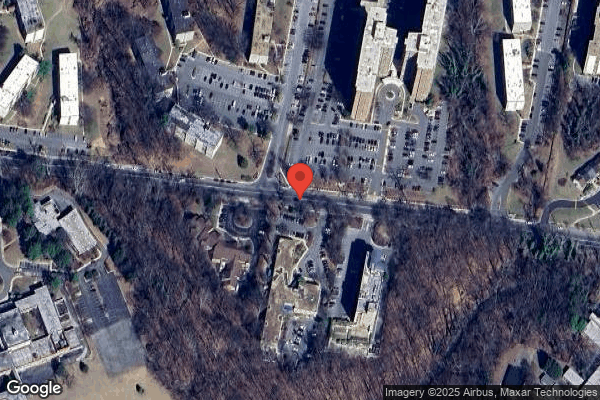
1801 METZEROTT ROAD, ADELPHI, MD 20783 (301) 434-0500
For profit - Limited Liability company 170 Beds Independent Data: November 2025
Trust Grade
53/100
#133 of 219 in MD
Last Inspection: February 2025

Within standard 12-15 month inspection cycle. Federal law requires annual inspections.

Overview

Adelphi Nursing and Rehabilitation Center has a Trust Grade of C, which means it is average and falls in the middle of the pack compared to other facilities. It ranks #133 out of 219 in Maryland, placing it in the bottom half, and #13 out of 19 in Prince Georges County, indicating limited local options that are better. The facility's trend is improving, with the number of issues decreasing from 25 in 2023 to 22 in 2025. Staffing is considered a strength, with a turnover rate of 27%, which is well below the state average, although overall staffing received a 3 out of 5 rating. There have been no fines, which is a positive sign, but there are concerns regarding sanitary practices, such as the dishwasher not maintaining proper temperatures and food service equipment not being kept in a sanitary condition. Additionally, there was a lapse in monitoring antidepressant medication for a resident, which raises some safety concerns. Overall, while there are positive aspects like low turnover and no fines, families should be aware of the facility's struggles with cleanliness and medication management.

Trust Score
C
53/100
In Maryland
#133/219
Bottom 40%
Safety Record
Low Risk
No red flags
Inspections
Getting Better
25 → 22 violations
Staff Stability
✓ Good
27% annual turnover. Excellent stability, 21 points below Maryland's 48% average. Staff who stay learn residents' needs.
Penalties
✓ Good
No fines on record. Clean compliance history, better than most Maryland facilities.
Skilled Nurses
○ Average
Each resident gets 38 minutes of Registered Nurse (RN) attention daily — about average for Maryland. RNs are the most trained staff who monitor for health changes.
Violations
⚠ Watch
73 deficiencies on record. Higher than average. Multiple issues found across inspections.
★★☆☆☆
2.0
Overall Rating
★★★☆☆
3.0
Staff Levels
★★★☆☆
3.0
Care Quality
★★☆☆☆
2.0
Inspection Score
Stable
2023: 25 issues
2025: 22 issues

The Good

  • Low Staff Turnover (27%) · Staff stability means consistent care
  • Full Sprinkler Coverage · Fire safety systems throughout facility
  • No fines on record
  • Staff turnover is low (27%)

    21 points below Maryland average of 48%

Facility shows strength in staff retention, fire safety.

The Bad

2-Star Overall Rating

Below Maryland average (3.0)

Below average - review inspection findings carefully

The Ugly 73 deficiencies on record

Feb 2025 22 deficiencies
CONCERN (D) 📢 Someone Reported This

A family member, employee, or ombudsman was alarmed enough to file a formal complaint

Potential for Harm - no one hurt, but risky conditions existed

Deficiency F0551 (Tag F0551)

Could have caused harm · This affected 1 resident

**NOTE- TERMS IN BRACKETS HAVE BEEN EDITED TO PROTECT CONFIDENTIALITY** Based on record reviews and interviews it was determined that the facility failed to notify the resident's health care Responsib...

Read full inspector narrative →
**NOTE- TERMS IN BRACKETS HAVE BEEN EDITED TO PROTECT CONFIDENTIALITY** Based on record reviews and interviews it was determined that the facility failed to notify the resident's health care Responsible Party (RP) of a change to the resident's plan of care. This was found evident in 3 (Resident #4, #50 and #69) of 70 residents reviewed during the survey. The findings include: 1a) On [DATE] at 11:53 AM, the surveyor reviewed Resident #4's medical record. The review revealed that Resident #4 had a Guardian established in July of 2023. On [DATE] at 6:55 AM, the surveyor reviewed the Skilled Nursing Facility Advance Beneficiary Notice of Non-Coverage (SNF-ABN) form and the Notice of Medicare Non-Coverage (NOMNC) form that was given to Resident #4. Both of these forms are required to be provided after a resident is determined to no longer be eligible to receive Medicare Part A skilled services. The beneficiaries have the right and protections related to financial liability and the right to appeal a denial of Medicare service under the Medicare program. The providers are responsible for communicating these notices. Resident #4 signed the NOMNC form on [DATE] and it was documented that he/she refused to sign the SNF-ABN form on [DATE]. On [DATE] at 7:03 AM, the surveyor interviewed the Nursing Home Administrator (NHA). During the interview the surveyor reviewed the concern that Resident #4's guardian, the representative that legally makes decisions on behalf of Resident #4, was not notified of the non coverage and liability notices. The NHA stated she would look into the issue. On [DATE] at 7:31 AM, the surveyor interviewed the Social Service Director #13. During the interview SW #13 stated that she had reached out to Resident #4's guardian and she was okay with having Resident #4 sign the paper. The surveyor reviewed the concern that there was no documentation that the guardian was aware or acknowledged the notices. 1b) On [DATE] at 10:25 AM, the surveyor reviewed Resident #50's medical record. The review revealed that Resident #50 was admitted to the facility in late August of 2020. On further review it was discovered that Resident #50 was deemed unable to make a rational evaluation of the burdens and risks, and benefits of treatment or course of treatment by two providers. A temporary/90 day guardian was established for Resident #50 in October of 2020. Resident #50's guardian started the application for Long-Term Care Medicaid for Resident #50 to remain in a Long-Term Care nursing facility. On further review Resident #50 had a psychoactive medication informed consent form that was marked as, I do desire to use the medication indicated above. On the consent line it was written Resident is unable to sign but consented to meds. The Unit Manager (UM) #16 signed the document as the person completing the form. The surveyor reviewed the care plan sign in logs. Resident #50 had a care plan done on [DATE]. The area that designates the Resident's Representative or Responsible Party (RP) had the temporary guardian's name but it was documented he was unavailable. The next care plan meeting attendance log was dated, [DATE] and Resident #50 was designated to be his/her own Responsible Party (RP). An X was marked through the signature. Next the surveyor reviewed the discharge planning psychosocial assessment completed on [DATE] by Social Worker Coordinator (SW) #9. The topic for discharge planning was marked extended care stay as stated by the Legal Representative. However, on [DATE] that same question was answered, extended care stay as stated by other. On the next line that asked to clarify other, facility was written. On [DATE] at 11:20 AM, the surveyor conducted an interview with the Nursing Home Administrator (NHA). The surveyor relayed the concern that Resident #50 was established to be unable to make decisions for himself/herself and at one time had a guardian yet some of the documentation was that Resident #50 was his/her own decision maker. The NHA stated she would look into the concern and follow-up. On [DATE] at 2:30 PM, the surveyor conducted a follow-up interview with the NHA. During the interview the NHA explained that the guardian Resident #50's had when he/she was admitted had expired and that she was looking into who would be the guardian now. At the time of exit no additional documents were provided. 1c) On [DATE] at 7:16 AM, the surveyor reviewed Resident #69's medical record. The review revealed that Resident #60 had guardianship that was established in September of 2022. On further review a progress note was written on [DATE] by Unit Manager (UM) #59 stated that Resident #69 declined to keep his/her appointment and that the Responsible Party (RP) was made aware. Further in the note it was noted that the Physician's Assistant (PA) from the vascular office spoke to the resident's daughter about the plan of care. On [DATE] a note written by Provider #60 stated, I spoke with the Resident regarding prognosis and plan of care. No one else was mentioned as updated or to be updated. Additionally, a note written on [DATE] by Provider #61 stated, I discussed the plan of care with nursing. It further documented, Discussed with: Responsible Party,; Staff. On [DATE] at 1:19 PM, the surveyor conducted an interview with the Nursing Home Administrator (NHA). During the interview the surveyor relayed the concern that the facility was not consistent with identifying who the Responsible Party (PR) is and then updated that individual on all changes to the plan of care.
CONCERN (D) 📢 Someone Reported This

A family member, employee, or ombudsman was alarmed enough to file a formal complaint

Potential for Harm - no one hurt, but risky conditions existed

Deficiency F0558 (Tag F0558)

Could have caused harm · This affected 1 resident

**NOTE- TERMS IN BRACKETS HAVE BEEN EDITED TO PROTECT CONFIDENTIALITY** Based on observation and staff interview it was determined facility staff failed to ensure a resident assessed to need a mobilit...

Read full inspector narrative →
**NOTE- TERMS IN BRACKETS HAVE BEEN EDITED TO PROTECT CONFIDENTIALITY** Based on observation and staff interview it was determined facility staff failed to ensure a resident assessed to need a mobility device had access to the device. This was evident for 1 (Resident #69) of 5 residents reviewed for accidents during the survey. The findings include: On 1/30/25 at 9:44 AM, the surveyor observed Resident #69 resting in bed and noted a triangle shaped wedge sitting alongside Resident #69's right upper body. The wedge was not under the Resident. Resident #69 stated he/she used the wedge under his/her head sometimes. On 2/10/25 at 8:16 PM, the surveyor reviewed Resident #69's medical record. The review revealed that on 1/14/25 a care plan was initiated that stated Resident #69's daughter and guardian prefer to have side rails. No order was written, however Resident #69 was transferred out on 1/15/25 and readmitted on [DATE]. On further review a bed side rail tool was completed on 1/21/25 that documented Resident 69's family and Resident Representative (RP) consent to bed side rails to serve as an enabler to help with mobility. The note stated see care plan. Next the surveyor reviewed the side rail care plan and noted a new care plan initiated on 1/27/25 that stated Resident 69's daughter and RP requested side rails as an enabler. One of the interventions for this care plan was to provide side rails as ordered. On 1/29/25 an order was placed for Resident #69 to have two half side rails up to promote bed mobility and transfers. This order was discontinued on 1/31/25 due to Resident #69 being transferred out on 1/30/25. On 2/5/25 at 1:21 PM, the surveyor observed Resident # 69 in bed. Resident #69 had two pillows behind his/her head, however no side rails were present. On 2/10/25 at 1:47 PM the surveyor reviewed Resident #69's most recent orders. An order was placed on 2/7/25 that stated 2 half side rails up to promote bed mobility and transfers per family request. On 2/10/25 at 11:26 AM, the surveyor conducted an interview with the Nursing Home Administrator (NHA). During the interview the surveyor relayed the concern that Resident #69 had been assessed to need side rails on 1/21/25 and an order was not written until 1/29/25 for side rails. The surveyor also relayed the concern that Resident #69 returned to that facility on 2/4/25, had a care plan for side rails, a known need for them, and the Resident did not have an order for them until 2/7/25.
CONCERN (D)

Potential for Harm - no one hurt, but risky conditions existed

Deficiency F0578 (Tag F0578)

Could have caused harm · This affected 1 resident

Based on interviews and record reviews it was determined that the facility failed to inform residents of their right to formulate advanced directives. This was found evident of 2 (Resident #160 & #121...

Read full inspector narrative →
Based on interviews and record reviews it was determined that the facility failed to inform residents of their right to formulate advanced directives. This was found evident of 2 (Resident #160 & #121) out of 10 residents reviewed for advanced directives during the survey. The findings include: 1a) On 1/29/25 at 1:05 PM, the surveyor reviewed Resident #160's medical record. The review revealed that on 1/10/25 Social Work Director (SW) #13 documented a discharge planning psychosocial assessment. SW #13 documented Resident #160 did not have Advanced Directives (AD)'s. The area below that stated, Patient was offered information on initiated Advanced Directives, was left blank. On 2/7/25 at 7:40 AM, the surveyor conducted an interview with the Nursing Home Administration (NHA). During the interview the NHA confirmed there was no documentation to show that Resident #160 was offered information to formulate an Advanced Directives. 1b) On 1/31/25 at 8:04 AM, the surveyor reviewed Resident #121's medical record. The review revealed a discharge planning note written by Social Work Coordinator (SW) #9 on 10/23/24 documented Resident #121 had Advanced Directives. On further review a discharge planning note written by Social Work Director (SW) #13 on 11/10/24 documented that Resident # 121 did not have Advanced Directives. On 2/6/25 at 12:27 PM, the surveyor conducted an interview with SW #9. During the interview SW#9 stated she had marked that Resident #121 had Advanced Directive in error and he/she did not have any. On 2/7/25 at 7:40 AM, the surveyor conducted an interview with the Nursing Home Administration (NHA). During the interview the NHA confirmed there was no documentation to show that Resident #121 was offered information to formulate advanced directives.
CONCERN (D) 📢 Someone Reported This

A family member, employee, or ombudsman was alarmed enough to file a formal complaint

Potential for Harm - no one hurt, but risky conditions existed

Safe Transfer (Tag F0626)

Could have caused harm · This affected 1 resident

**NOTE- TERMS IN BRACKETS HAVE BEEN EDITED TO PROTECT CONFIDENTIALITY** Based on complaint, resident medical record reviews, interviews with staff, and a review of the facility's policies and procedur...

Read full inspector narrative →
**NOTE- TERMS IN BRACKETS HAVE BEEN EDITED TO PROTECT CONFIDENTIALITY** Based on complaint, resident medical record reviews, interviews with staff, and a review of the facility's policies and procedures, it was determined that the facility failed to immediately permit 1 (Resident #165) of 3 residents investigated for discharge, to return to the facility after a therapeutic service and a visit to the emergency room. This resulted in the resident returning to the hospital's emergency department for an additional 8 days. The findings include: On 2/3/25 at 9 AM, the surveyor reviewed a complaint, MD00198820, that alleged the facility did not allow Resident #165 to return to the facility after an emergency room visit. The complaint also revealed that Resident #165 was taken to the hospital by ambulance on 9/27/23, then discharged from the hospital's emergency department on 9/28/2023 and attempted to return to the facility on 9/28/23 by transport ambulance. A review of Resident #165's record was reviewed on 2/4/25 at 11:30 AM. The record review revealed that the resident's MDS Discharge Assessment on 9/27/23 was coded as discharge- return anticipated. A change in condition nurse's note dated 9/27/23 at 10:26 PM was reviewed which revealed the resident's representative requested the nurse to come to the resident's bedside and the nurse noted that Resident #165 was bleeding from the stoma at the colostomy site, with moderate amount of bleeding-resident exited building via 911. An interview was held on 2/6/25 at 11 AM with the Nursing Home Administrator (NHA). The surveyor asked the NHA what the reason was for not permitting Resident #165 to return to the facility on 9/28/2023, and the NHA responded I'm not sure, but I will research the payor source authorizations, because the resident may have needed to have authorization from their insurance company in order to return to the facility. On 2/6/25 at 1 PM the NHA submitted documentation of insurance authorizations which revealed that the resident was authorized to be admitted to the facility on [DATE]. The NHA gave verbal confirmation that Resident #165 should have been allowed to return to the facility after a therapeutic leave. On 2/7/25 11:30 AM the surveyor reviewed Resident #165's discharge summary from the hospital dated 9/28/23. The discharge summary showed that the resident was treated for ostomy care and discharged on 9/28/23 in stable condition. During an interview with the Nursing Home Administrator (NHA) on 2/7/25 at 12:40 PM, the surveyor made it known that there was a concern that Resident #165 was not permitted to return to the facility after a therapeutic leave.
CONCERN (D)

Potential for Harm - no one hurt, but risky conditions existed

Assessment Accuracy (Tag F0641)

Could have caused harm · This affected 1 resident

**NOTE- TERMS IN BRACKETS HAVE BEEN EDITED TO PROTECT CONFIDENTIALITY** Upon record review and facility staff interviews it was determined that the facility failed to code resident medication accurate...

Read full inspector narrative →
**NOTE- TERMS IN BRACKETS HAVE BEEN EDITED TO PROTECT CONFIDENTIALITY** Upon record review and facility staff interviews it was determined that the facility failed to code resident medication accurately on the Minimum Data Set (MDS) assessment. This was true for 1(Resident #61) of 32 residents reviewed during the annual survey. The findings include: Surveyors conducted a review of Resident #61's medical record on 1/30/25 at 10:43 AM. Review of the quarterly MDS dated [DATE] revealed that the resident received 1 injection of an insulin for 1 day. Further record review revealed the Medication Administration Record (MAR) for the month of November 2024 showed that Trulicity was administered on 11/25/24 at 12:00 PM by injection. On 1/30/2025 at 12:30 PM surveyors held an interview with the MDS Coordinator, Staff # 6. Staff #6 reviewed the MDS data and the November MAR with surveyors and determined that Trulicity was coded as an insulin in error. It should have been coded as a hypoglycemic.
CONCERN (D)

Potential for Harm - no one hurt, but risky conditions existed

Comprehensive Care Plan (Tag F0656)

Could have caused harm · This affected 1 resident

Based on record review and interviews it was determined that the facility failed to develop a comprehensive person-centered care plan. This was found evident of 2 (Resident #5 & #160) of 5 residents r...

Read full inspector narrative →
Based on record review and interviews it was determined that the facility failed to develop a comprehensive person-centered care plan. This was found evident of 2 (Resident #5 & #160) of 5 residents reviewed for care planning. The findings include: 1a) On 2/4/25 at 10:23 AM, the surveyor reviewed Resident #5's medical record. The review revealed that Resident #5 was readmitted to the facility in November of 2024. Further review of the hospital transfer records revealed that Resident #5 had a past surgical history that consisted of an ileostomy (a surgical procedure in which the ileum (small intestine) is diverted to an artificial opening in the abdominal wall). It also revealed that Resident #5 reported no longer producing any urine and was on hemodialysis (a treatment to filter wastes and water from your blood). Next the surveyor reviewed Resident #5's care plan. A care plan was created on 10/30/24 that stated Resident #5 is incontinent of bladder and/or bowels related to medication use and impaired mobility. On 2/5/25 at 7:01 AM, the surveyor conducted an interview with the Director of Nursing (DON). During the interview the surveyor reviewed the concern that Resident #5's care plan was not person centered and that Resident #5 was not incontinent of bladder or bowels. The DON confirmed that the care plan was inaccurate. 1b) On 1/29/25 at 11:40 AM, the surveyor conducted an interview with Resident #160. During the interview Resident #160 reported having a new pain in his/her left foot after returning from a treatment. The surveyor observed the nurse acknowledge the new complaint. On 2/3/25 at 9:24 AM, the surveyor reviewed Resident #160's medical record. The review revealed a care plan initiated on 1/10/25 that stated, Resident #160 has a risk for pain related to. On further review an additional care plan was created on 1/10/25 that stated, Resident #160 is at risk for constipation related to. On 2/3/25 at 11:20 AM, the surveyor conducted an interview with the Nursing Home Administrator (NHA). During the interview the surveyor reviewed the concern that the care plan was not complete, or resident centered.
CONCERN (D)

Potential for Harm - no one hurt, but risky conditions existed

Deficiency F0657 (Tag F0657)

Could have caused harm · This affected 1 resident

**NOTE- TERMS IN BRACKETS HAVE BEEN EDITED TO PROTECT CONFIDENTIALITY** Based on record review, and interview it was determined that the facility failed to invite a resident to participate in their ca...

Read full inspector narrative →
**NOTE- TERMS IN BRACKETS HAVE BEEN EDITED TO PROTECT CONFIDENTIALITY** Based on record review, and interview it was determined that the facility failed to invite a resident to participate in their care plan meeting and conduct care plan meetings after each resident's Minimum Data Set (MDS) assessment. This was found evident in 2 (Resident #134 & #90) out of 5 residents reviewed for care planning. The findings include: 1) On 1/30/25 at 10:42 AM, the surveyor interviewed Resident #134. During the interview Resident #134 stated he/she had never been to a care plan meeting. On 1/31/25 at 12:48 PM, the surveyor reviewed Resident #134's medical record. The review revealed that Resident #134 was admitted to the facility in late December of 2024 and had a Minimum Data Set (MDS) assessment dated [DATE]. In section C Cognitive Patterns the resident scored a 15 on his/her Brief Interview for Mental Status (BIMS), which indicated that Resident #134 was cognitively intact. On further review the surveyor noted two care plan meeting logs. One dated 1/2/25 and another dated 1/9/25. Neither care plan meeting logged had Resident #134 attending. Also noted was an invitation to the care plan meeting that was held on 1/2/25. Resident #134's guardian was the only person invited to the meeting on the invitation. On 2/3/25 at 10:05 AM, the surveyor conducted an interview with the Nursing Home Administrator (NHA). During the interview the NHA confirmed that a residents should be able to participate in their care plan meeting. She further stated she would talk to the Social Worker and find out why the resident was not there. On 2/3/25 at 10:30 AM, the surveyor conducted an interview with the Social Work Coordinator (SW) #9. During the interview SW #9 stated she conducted the care plan meeting on 1/2/25 for Resident #134. She further stated she normally invites the residents and their representatives to care plan meetings. The surveyor asked why Resident #134 was not part of the care plan meeting on 1/2/25 or why he/she had no written invitation to attend. SW #9 stated she spoke with Resident #134 multiple times and he/she stated he/she did not want to attend. SW #9 stated she did not have a note in the medical record that he/she was invited and/or declined and confirmed she missed documenting that. SW #9 was not able to explain why the Unit Manager #59 also did not invite Resident #134 to the additional care plan meeting held on 2/9/25. No where in the medical record explained why Resident #134 was not present at the 2/9/25 care plan meeting. 2) On 1/30/25 at 10:12 AM, the surveyor interviewed Resident #90. During the interview Resident #90 stated he/she had not had a care plan meeting but was that he/she was supposed to have one today. On 2/4/25 at 12:50 AM, the surveyor reviewed Resident # 90's medical records. The review revealed that Resident # 90 was admitted to the facility in fall of 2022. The surveyor reviewed Resident #90's Minimum Data Set (MDS) assessment for 2024. Resident #90 had a MDS assessment completed on 3/19/24, 6/19/24, 9/17/24 and 12/18/24. On further review it was noted that there was no documentation that any care plan meetings were conducted after the MDS assessment for 2024. In 2025 there was only one invitation to a care plan meeting that was scheduled on 1/22/25. There was, however, no care plan meeting logs to indicate that the care plan meeting was conducted. The surveyor next reviewed Resident #90's progress notes. The Unit Manager (UM) #24 documented Resident #90's care conference was scheduled for 1/22/25 at 10:30 AM. Further review of the progress notes reveal that Resident #90 was off the unit during this time. On 2/5/25 at 8:03 AM, the surveyor conducted an interview with the Nursing Home Administrator (NHA). During the interview with the NHA the surveyor reviewed the concern that there was no documentation to indicate that Resident #90 had care plan meetings after his/her MDS assessments. The surveyor also reviewed the concern that Resident #90 was not able to attend the care plan meeting scheduled on 1/22/25 at 10:30 AM and there was no indication as to who attended the care plan meeting. The NHA stated she would look into the issue and follow-up. On 2/5/25 at 12:13 PM, the surveyor conducted a follow-up interview with the NHA. She confirmed the care plan meeting for Resident #90 did not happen on 1/22/25. The surveyor was provided with documentation that Resident #90 had a care plan meeting on 2/4/25. The surveyor reviewed the concern that Resident 90 had multiple MDS assessments and there was no documentation until yesterday that he/she had a care plan meeting after any of the MDS assessments for 2024.
CONCERN (D) 📢 Someone Reported This

A family member, employee, or ombudsman was alarmed enough to file a formal complaint

Potential for Harm - no one hurt, but risky conditions existed

Deficiency F0660 (Tag F0660)

Could have caused harm · This affected 1 resident

**NOTE- TERMS IN BRACKETS HAVE BEEN EDITED TO PROTECT CONFIDENTIALITY** Based on resident clinical record review and facility staff interview, it was determined that the facility failed to develop and...

Read full inspector narrative →
**NOTE- TERMS IN BRACKETS HAVE BEEN EDITED TO PROTECT CONFIDENTIALITY** Based on resident clinical record review and facility staff interview, it was determined that the facility failed to develop and implement a discharge plan focused on the discharge goals for Resident # 166. This was evident for 1 (Resident #166) of 3 residents investigated for discharge during the annual survey. The findings include: On 2/7/25 at 10 AM the surveyor reviewed a complaint, MD00198854 that alleged Resident #166 was held at the facility against their will. The complainant also alleged that facility staff were not working with them to plan their discharge goals. Review of Resident #166's medical record on 2/7/25 at 11:45 AM revealed that Resident #166 was admitted to the facility on [DATE] for rehabilitation following acute cellulitis of the genital area with additional diagnosis including dementia and bipolar disorder. Further review of the medical record revealed a care plan initiated on 8/24/23 that stated, the resident's discharge plans are uncertain at this time and are yet to be determined. During an interview on 2/11/25 at 10:30 AM with the Social Work Coordinator, Staff #9, the surveyor asked if there were any discharge planning notes or discharge assessments that involved identifying Resident #166's discharge goals. Staff #6 replied, no, I do not have any other documentation that shows Resident #166's discharge plans were identified and implemented. No further documentation was provided to the surveyors regarding Resident #166's discharge plan.
CONCERN (D)

Potential for Harm - no one hurt, but risky conditions existed

ADL Care (Tag F0677)

Could have caused harm · This affected 1 resident

**NOTE- TERMS IN BRACKETS HAVE BEEN EDITED TO PROTECT CONFIDENTIALITY** Based on record review and interview, it was determined that the facility failed to provide necessary services to maintain good ...

Read full inspector narrative →
**NOTE- TERMS IN BRACKETS HAVE BEEN EDITED TO PROTECT CONFIDENTIALITY** Based on record review and interview, it was determined that the facility failed to provide necessary services to maintain good personal hygiene for dependent residents. This was found evident in 1 (Resident #134) out of 2 residents reviewed for Activity of Daily Living (ADL) cares. The findings include: On 1/30/25 at 10:44 AM, the surveyor interviewed Resident #134. During the interview Resident 134 stated that he/she only received bed baths and was not offered the chance to take a shower. On 1/31/25 at 12:48 PM, the surveyor reviewed Resident #134's medical record. The review revealed that Resident #134 was admitted to the facility in late December of 2024 and had a Minimum Data Set (MDS) assessment dated [DATE]. In section C Cognitive Patterns Resident scored a 15 on his/her Brief Interview for Mental Status (BIMS) which indicated that Resident #134 was cognitively intact. On further review it was noted that Resident #134 had an order, written on 1/24/24, that stated, validate shower schedule twice a week on Monday and Thursday on the evening shift. On 2/3/25 at 11 AM, the surveyor reviewed Resident #134's shower point of care documentation provided by the Nursing Home Administrator (NHA) for January of 2025. On review of Task documentation, a shower was first documented as given on 1/13/25, and then again on 1/15/25 and 1/18/25. On 2/3/25 at 11:23 AM, the surveyor conducted an interview with the NHA. During the interview the surveyor reviewed the concern that only 3 showers were documented in the point of care documentation for showers for Resident #134. The NHA stated she would obtain shower sheets that are completed when a shower is done. The NHA returned with shower sheets for Resident 134. On 12/26/24 a bed bath was documented as completed with no indication as to why a shower was not given. The next shower sheet was dated 1/27/25 and it was documented that Resident #134 refused. The last shower sheet given was dated 1/30/25 and again Resident #134 was documented as refusing. Additionally, documentation provided by the NHA was a nurse progress note dated 1/17/25 that documented Resident #134 refused a shower. The surveyor next reviewed Resident #134's Treatment Administration Record (TAR) for January 2025. On 1/2/25,1/6/25, 1/9/25, 1/13/25, 1/16/25, 1/16/25, 1/20/25, 1/23/25, 1/27/25 and 1/30/25 showers were documented as given with a check mark. These dates were every Monday and Thursday in January. No refusals were documented, however, even on the days of 1/27/25 and 1/30/25, where it was checked that Resident #134's received a shower the shower sheets that were provided documented Resident #134 refused a shower. No shower sheets were provided for the other marked days a shower was given. The surveyor reviewed the concern with the NHA that the resident reported he/she was not given showers as well as multiple areas in Resident #134's medical record that indicated that Resident #134 was not being offered or provided showers as ordered in his/her plan of care.
CONCERN (D)

Potential for Harm - no one hurt, but risky conditions existed

Respiratory Care (Tag F0695)

Could have caused harm · This affected 1 resident

Based on interviews, and record review, and facility policy, it was determined that the facility failed to provide respiratory care consistent with professional standards for oxygen administration. Th...

Read full inspector narrative →
Based on interviews, and record review, and facility policy, it was determined that the facility failed to provide respiratory care consistent with professional standards for oxygen administration. This was found evident of 2 (Resident #108 & #5) out of 4 residents reviewed for respiratory care during the survey. The findings include: Pulse oximeter - a device that uses a light source to analyze the light that passes through a finger and can determine the percentage of oxygen saturation in the red blood cells, referred to as a pulse ox. Nasal cannula- a medical device used to provide supplemental oxygen therapy to people who have lower oxygen levels. 1a) On 1/30/25 at 10:38 AM, the surveyor observed Resident #108 being pushed in a recliner chair by Geriatric Nursing Assistant (GNA) #22 through the Terrace level hallway. Resident #22 had a nasal cannula (NC) in his/her nose but the NC was not hooked up to any supplemental oxygen. The surveyor observed Unit Manager (UM) #24 assist GNA #22 push Resident #108 to the elevator. On 1/30/25 at 10:47 AM, the surveyor observed GNA #22 return to the Terrace level and noticed that GNA #22 was pushing Resident #108's oxygen concentrator (an oxygen concentrator is a device that produces high levels of oxygen from room air by removing nitrogen, providing an alternative to using compressed gas cylinders also known as oxygen tanks) through the hallway to the elevator. When the surveyor asked if Resident #108 needed to be on oxygen GNA #22 stated, yes and that was why she had came back so she could bring the concentrator up to Resident #108 who was currently in dialysis. On 2/5/25 at 11:46 AM, the surveyor reviewed Resident #108's orders. Oxygen was ordered on 12/6/24 through 2/3/25 as oxygen at 2 liters per minute via nasal cannula and to monitor every shift. On 2/3/25 the same 2 liters per minute was ordered, however, the monitoring was changed to every night shift for monitoring. On further review a note written by Licensed Practical Nurse (LPN) #51 on 2/1/25 stated, Resident #108 was assisted into bed and remains on continuous oxygen for shortness of breath. Additionally a note written on 1/27/25 by Nurse Practitioner (NP) #61 wrote, Resident #108 continues on supplemental oxygen at a goal of oxygen saturations above 92% The surveyor next reviewed Resident #108's care plan titled, Respiratory. It stated Resident #108 had a risk for respiratory complications secondary to supplemental oxygen requirements. One of the interventions was to administer oxygen as ordered. On 2/6/25 at 8 AM, the surveyor reviewed the facility's Respiratory Care & Oxygen Equipment policy. Two types of oxygen therapy were described. Continuous and as needed oxygen therapy. In the safety guidelines, the first statement says, oxygen support is not to be initiated or adjusted without a provider's order. On 2/6/25 at 11:19 AM, the surveyor conducted an interview with the Nursing Home Administrator (NHA). During the interview the surveyor reviewed the observations of a resident, who was ordered to be on continuous oxygen, being transported without oxygen to dialysis. The NHA agreed that residents who have an order for continuous oxygen therapy should not be taken off for transport convenience. 1b) On 1/29/25 at 11:55 AM, the surveyor observed Resident #5 lying in bed with a nasal cannula in his/her nose, however the tube was not hooked up to any supplemental oxygen. Resident #5 then stated that he/she was supposed to be hooked back up to oxygen and he/she believed that the concentrator must have been left in dialysis. On 1/29/25 at 11:57 AM the surveyor observed Geriatric Nursing Assistant (GNA) #23 walk into Resident #5s room. The surveyor asked GNA #23 if Resident #5 was supposed to be on oxygen. GNA #23 stated that the concentrator is normally brought back with him/her and that she would go to dialysis to get it. The surveyor next observed the GNA return with Resident #5's concentrator and connected the nasal cannula to the oxygen concentrator. On 2/4/25 at 10:29 AM, the surveyor reviewed Resident #5's orders. An order was written on 11/21/24 for oxygen therapy, continuous oxygen at 2 liters per minute via nasal cannula for Chronic Obstructive Pulmonary Disease (COPD). On 2/6/25 at 8 AM, the surveyor reviewed the facility's Respiratory Care & Oxygen Equipment policy. Two types of oxygen therapy were described. Continuous and as needed oxygen therapy. In the safety guidelines, the first statement says, oxygen support is not to be initiated or adjusted without a provider's order. On 2/6/25 at 11:19 AM, the surveyor conducted an interview with the Nursing Home Administrator (NHA). During the interview the surveyor reviewed the observation of a resident who was ordered to be on continuous oxygen being transported without oxygen to dialysis. The NHA agreed that residents who have an order for continuous oxygen therapy should not be taken off for transport convenience.
CONCERN (D) 📢 Someone Reported This

A family member, employee, or ombudsman was alarmed enough to file a formal complaint

Potential for Harm - no one hurt, but risky conditions existed

Deficiency F0698 (Tag F0698)

Could have caused harm · This affected 1 resident

Based on record review, observations, and interviews, it was determined that the facility failed to ensure a resident received dialysis treatment as ordered by the provider. This was found to be evide...

Read full inspector narrative →
Based on record review, observations, and interviews, it was determined that the facility failed to ensure a resident received dialysis treatment as ordered by the provider. This was found to be evident for 1 (#183) of 2 residents reviewed for dialysis care during the annual survey. The findings include: According to Centers for Medicare/Medicaid Services (CMS), dialysis is a treatment that removes waste from the body when the kidneys aren't working. During a review of complaint #MD00213507 on 2/11/25 at 7:30 AM, it was noted that Resident #183 had missed dialysis treatments during his/her stay at the facility. Review of the record revealed an order for Dialysis on Tuesday, Thursday, and Saturdays however, review of the record did not reveal treatment notes for 1/4/25. During an interview on 2/11/25 at 07:55 AM, the Dialysis Clinical Manager (DCM) informed the surveyors that Resident #183 missed her dialysis treatment on 1/4/25 and when she was notified on 1/5/25 around 07:00 PM, it was too late to do a dialysis treatment. Dialysis was closed on 1/6/25 due to weather. She further stated the treatment was missed by the dialysis and facility staff but Resident #183 had no problems related to the missing treatment. During an interview with the Director of Nurses (DON) on 2/11/25 at 08:02 AM, the DON stated the facility found out that Resident #183 missed dialysis from a phone call on behalf of the resident to Unit Manager #16 on 2/5/25. Unit Manager #16 spoke with dialysis and confirmed they missed Resident #183's dialysis treatment on 1/4/25. The DON further stated, Resident #183 was not on the dialysis schedule so my staff did not realize dialysis was missed, however she was monitored and if she had symptoms from the missed dialysis we would have sent the resident to the hospital.
CONCERN (D)

Potential for Harm - no one hurt, but risky conditions existed

Pharmacy Services (Tag F0755)

Could have caused harm · This affected 1 resident

Based on record review and interviews, it was determined that facility staff failed to appropriately document pro re nata (PRN) narcotic medication in the facility's medication administration record (...

Read full inspector narrative →
Based on record review and interviews, it was determined that facility staff failed to appropriately document pro re nata (PRN) narcotic medication in the facility's medication administration record (MAR). This was found to be evident in 3 (Residents #4, #11, #53) of 3 residents reviewed for PRN medication administration during the recertification survey. The findings include: PRN medication stands for pro re nata, which is a Latin term meaning as needed or as the situation arises. It refers to medication that is taken only when necessary, rather than on a regular schedule. A MAR is a document used in healthcare settings to track and record the medications given to patients, including details like dosage, time, and the person administering the medication. It is important because it ensures accurate medication administration, helps prevent errors, and provides a legal record of treatment. It also supports continuity of care by informing healthcare providers of a patient's medication history. A Controlled Substance Log Book is a record used in healthcare settings to track the use, distribution, and administration of controlled substances, which are drugs that have a higher potential for abuse or addiction. It is important because it helps prevent misuse, theft, and diversion of these substances, ensures compliance with legal and regulatory requirements, and provides an accurate and traceable record of their handling for accountability and safety. On 2/4/2025 at 8:56 AM, a record review of Resident #53's medical chart revealed they were on 10 milligrams of oxycodone every 6 hours as needed for pain. Further review of the resident's MAR for January 2025 revealed multiple dates of no documented oxycodone administration. At 9:11 AM, Registered Nurse (RN) #18 was interviewed by surveyors. She stated that it is the facility's expectation that all medications administered to residents are documented in the MAR. At 9:58 AM, surveyors reviewed the controlled substance sign out log for Resident #53 for January 2025. The review revealed that staff had signed out PRN narcotic medication for Resident #53 on the controlled substance sign out log but had not documented the administration in the resident's MAR. This occurred 30 times in the month of January 2025. On 2/6/2025 at 11:31 AM, surveyors interviewed RN #31. They stated that residents are assessed for pain when they request narcotics, then the resident's orders are checked, and the MAR is checked to see when the last dose was given. The medication is then pulled from the medication cart and signed out in the narcotic log, and it is the facility's expectation that the medication is documented in the MAR. RN #31 stated she had not noticed any discrepancies between narcotic log and MAR documentation. Surveyors requested copies of the controlled substance sign out log for Residents #4 and #11. On 2/6/2025 at 12:35 PM, surveyors compared the controlled substance sign out log versus the MAR for both Residents #4 and #11 for the month of January in 2025. It revealed that on multiple dates in January, staff documented the controlled substances in the sign-out log book for both residents but failed to record the medication administration in the residents' MAR. On 2/6/2025 at 1:43 PM, surveyors addressed concerns about PRN narcotic medication documentation with the Director of Nursing (DON). The DON stated that it is the facility ' s expectation that medications administered to residents are documented in the MAR, and that they would make a list of the nurses who failed to do this for Resident's #53, #4, and #11. The facility's policy for medication administration was reviewed by surveyors on 2/7/2025 at 11:29 AM. Under Section IV Subsection 7 it stated, After administration, return to cart, replace medications container (if multi-dose and doses remain), and document administration in the MAR and the controlled substance sign out record, if necessary. The DON was interviewed on 2/10/2025 at 10:27 AM and provided surveyors with a list of facility nurses who pulled PRN narcotics for Residents #53, #4, and #11 and did not document in the MAR. The DON stated that she would be providing an in-service to educate these nurses about following facility policies. She also stated that she interviewed those nurses, and they stated they administered the PRN narcotic medications but did not document in the MAR. On 2/10/2025 at 1:22 PM, the Quality Assurance/Staff Development RN provided surveyors with the In-service/Training competency on PRN narcotics with signatures from facility nursing staff that were identified who did not document PRN narcotics in the MAR.
CONCERN (D) 📢 Someone Reported This

A family member, employee, or ombudsman was alarmed enough to file a formal complaint

Potential for Harm - no one hurt, but risky conditions existed

Medical Records (Tag F0842)

Could have caused harm · This affected 1 resident

**NOTE- TERMS IN BRACKETS HAVE BEEN EDITED TO PROTECT CONFIDENTIALITY** 1b) Review of a complaint MD00198820 on 2/3/25 at 9 AM revealed, an allegation that Resident #165 complained of pain in her/his ...

Read full inspector narrative →
**NOTE- TERMS IN BRACKETS HAVE BEEN EDITED TO PROTECT CONFIDENTIALITY** 1b) Review of a complaint MD00198820 on 2/3/25 at 9 AM revealed, an allegation that Resident #165 complained of pain in her/his right wrist, to her/his nurse while residing at the facility on 10/20/23. Review into Resident #165's medical record showed the resident was admitted to the facility on [DATE] for rehabilitation following a hospital stay due to altered mental status and colostomy care. A colostomy is a surgical procedure that brings one end of the large intestine out through an opening (stoma) made in the abdominal wall. Stools moving through the intestine drain through the stoma into a bag attached to the skin of the abdomen. A colostomy bag, also called a stoma bag or ostomy bag, is a small, waterproof pouch used to collect waste from the body. Additional review of the medical record revealed a change in condition note written by licensed practical nurse (LPN) #14 on 10/20/23. LPN #14 noted that Resident #165 complained of pain in her/his right wrist upon assessment. Review of the medical record showed an order from the doctor to give Tylenol 500mg two tabs every 8 hours by mouth as needed for pain and an order to do a STAT (immediate) X- Ray to the wrist to rule out a fracture. LPN#14 also noted, Tylenol administered. Resident #165's medication administration record (MAR) was reviewed on 2/3/25 at 12:14 PM. The documentation on the as needed 500 mg Tylenol order did not have any days noted as Tylenol given to Resident #165 for the month of October 2023. The surveyor reviewed the medical record for evidence of the October 20, 2023 X-ray results of the resident's right wrist. There were no X- ray results of the X-ray of the right wrist found. An interview held with the Director of Nursing (DON) was held on 2/5/25 at 7 AM. The surveyors requested documentation showing Resident #165 ' s X-ray results of the right wrist and reviewed the lack of documentation on the MAR for the as needed dose of Tylenol given to Resident #165 on 10/20/23 for right wrist pain. 2/7/25 at 1 PM the DON submitted a hard copy of the Resident #165's X-ray of her/his right wrist. At which time the DON confirmed that the X-ray results were not in the resident's medical chart and that she had to request them from the imaging facility on 2/7/25. The DON and the surveyor also reviewed the resident's medication administration record which did not reveal any Tylenol given to the resident on 10/20/23. Based on interviews and record review it was determined that the facility failed to maintain medical records in accordance with acceptable professional standards and practices. This was found evident in 2 records of (Resident #5 & #165) out of 70 residents reviewed during the survey. The findings include: 1a) On 2/4/25 at 10:23 AM, the surveyor reviewed Resident #5's medical record. The review revealed that Resident #5 was readmitted to the facility in November of 2024. Further review of the hospital transfer records revealed that Resident #5 had a past surgical history that consisted of an ileostomy (a surgical procedure in which the ileum (small intestine) is diverted to an artificial opening in the abdominal wall). It also, revealed that Resident #5 reported no longer producing any urine and was on hemodialysis (a treatment to filter wastes and water from your blood). Next the surveyor reviewed Resident #5's care plan. A care plan was created on 10/30/24 that stated Resident #5 was incontinent of bladder and/or bowels related to medication use and impaired mobility. On further review a note written by wound Nurse Practitioner (NP) #53 on 11/4/24 documented in physical exam section Resident #5 had fecal incontinence in the gastrointestinal section and urinary incontinence in the genitourinary system. Further in the note NP #53 documented Resident #5 was incontinent of urine and stool and was at an increased risk of skin breakdown. She further stated that she recommended ongoing interventions and protocol for incontinence management. On 2/5/25 at 7:01 AM, the surveyor conducted an interview with the Director of Nursing (DON). During the interview the surveyor reviewed the concern the Resident #5's medical record had multiple areas of inaccuracy. The DON confirmed that the area that described incontinence for Resident #5 were inaccurate.
CONCERN (D)

Potential for Harm - no one hurt, but risky conditions existed

Infection Control (Tag F0880)

Could have caused harm · This affected 1 resident

Based on observation, record review and interview, it was determined that the facility staff failed to maintain an infection prevention/control program i.e. standard of care of an enteral feeding tube...

Read full inspector narrative →
Based on observation, record review and interview, it was determined that the facility staff failed to maintain an infection prevention/control program i.e. standard of care of an enteral feeding tube. This was evident for 1 (Resident #17) out of 2 residents reviewed for feeding tubes during the annual survey. The findings include: Observation, on 1/30/25 at 7:59 AM, found that Resident # 17's tube feeding water flash bag was dated 1/29/25 still hanging on a pole. 2 Jevity unopened bottles were sitting on a draw table unlabeled. Record review, on 2/03/25 at 11:54 AM, indicated that tube feed order was through a tube feed pump for Jevity 1.5 via the Percutaneous Endoscopic Gastrostomy (PEG) tube five times a day and cleanse PEG tube site with soap and water, cover with split gauze dry dressing and dated every day shift. A Percutaneous Endoscopic Gastrostomy (PEG) tube is inserted through the wall of the abdomen directly into the stomach. It allows air and fluid to leave the stomach and can be used to give drugs and liquids, including liquid food, to the patient. Giving food through a PEG tube is a type of enteral nutrition. During a bedside observation of Resident #17's PEG tube site dressing change, on 2/03/25 at 1:06 PM, revealed that nursing Staff #15 found no split gauze cover the PEG's insertion site from the day before. She started cleaning the external fixation plate and intended to cover it with a new split gauze. After the surveyor's intervention, an old Xeroform strip was discovered under the PEG's external fixation plate. Noted the xeroform stripe had already turned black with an odor, nursing Staff #15 was unable to explain why the Xeroform was present and how long it was left there (it was not part of the order). Unit Manager Staff #16 was notified and she examined the old xeroform strip which she agreed that nursing staff omitted to remove it. A PEG tube fixation plate is a device that holds a PEG tube in place against the skin. Xeroform is a non-adherent gauze that minimizes pain during dressing changes and promotes healing. Impregnated with medical-grade petroleum, Xeroform allows the wound to stay moist and warm so cells can heal more quickly. The gauze also reduces the amount of air that reaches the wound. During an interview, on 2/03/25 at 1:38 PM, the Administrator and the Preventive Infectionist, Staff #4, agreed with the above findings that the tube feeding water flash bag had a wrong date and PEG's tube site found an old Xeroform strip which were not meeting the infection prevention/facility's standard of care.
CONCERN (D)

Potential for Harm - no one hurt, but risky conditions existed

Deficiency F0907 (Tag F0907)

Could have caused harm · This affected 1 resident

Based on observations and interviews it was determined that the facility failed to maintain all patient care equipment in safe operating condition. This was found evident on 2 random observations on t...

Read full inspector narrative →
Based on observations and interviews it was determined that the facility failed to maintain all patient care equipment in safe operating condition. This was found evident on 2 random observations on the Terrace level. The findings include: On 1/30/25 at 10:38 AM, the surveyor observed Resident #108 being pushed in a recliner chair by Geriatric Nursing Assistant (GNA) #22 through the Terrace level hallway. The surveyor observed the chair was not steering straight and the reclining setting was not able to be maintained. It was noted that the head of the chair would lose the reclining position abruptly and the foot of the recliner would fall synchronously. The surveyor observed Unit Manager (UM) #24 assist GNA #22 to push Resident #108 to the elevator. UM #24 asked GNA #22 why she wasn't using the other chair and GNA #22 stated, they are all like this. On 2/6/25 at 11:03 AM, the surveyor again observed Resident #108 in a reclining chair being transported down the hallway. When the GNA stopped at the nursing station, the surveyor observed the head of the chair come up and the feet drop abruptly. On 2/6/25 at 11:10 AM, the surveyor asks the Unit Manager (UM) #24 if the chair was supposed to work like that. UM #24 acknowledged that the chair was not working correctly.
CONCERN (D)

Potential for Harm - no one hurt, but risky conditions existed

Deficiency F0909 (Tag F0909)

Could have caused harm · This affected 1 resident

Based on observations and interviews it was determined that the facility failed to ensure that a resident's bed mattress properly fit the bed frame and that annual inspections were performed. This was...

Read full inspector narrative →
Based on observations and interviews it was determined that the facility failed to ensure that a resident's bed mattress properly fit the bed frame and that annual inspections were performed. This was found evident of 1 Resident (Resident #108) out of 160 beds. The findings include: On 2/5/25 at 1:30 PM, the surveyor observed that Resident #108's call light was on. Next the surveyor conducted an interview with Resident #108. During the interview Resident #108 stated he/she was calling to follow-up from his/her earlier call where he/she reported the bed was not working. The surveyor observed that the mattress on Resident #108's bed was hanging over the bed frame on both sides of the bed. It appeared that the mattress was too big for the bed frame. The sheets were noted to be pulling the corners of the mattress up and the mattress was not able to lay flat. On 2/5/25 at 1:31 AM, a Geriatric Nursing Assistant (GNA) came to the room and asked what Resident # 108 needed. After Resident #108 explained his/her request the GNA stated she would follow-up with Resident #108's nurse who was already aware of the bed not working. On 2/5/25 at 1:40 PM, Registered Nurse RN #21 walked into Resident #108's room and stated she had called maintenance to come to fix the bed but would make a follow-up phone call. The surveyor asked the nurse if repairs or requests were entered into a system or if calling was the way to notify maintenance. RN #21 stated she was unaware of how to use the computer system to request a repair and would call maintenance to let them know. On 2/5/25 at 1:57 PM, the surveyor observed two maintenance staff, Staff #62 and Staff #63, enter into Resident #108's room. The surveyor observed Staff #62 reconnect a wire under Resident #108's bed and the head of the bed motor began to work properly. On 2/5/25 at 2 PM the surveyor conducted an interview with Staff #63 and asked if Resident #108's mattress was the right size for Resident #108's bed frame. Staff #63 stated it appeared that the mattress was too big for the bed frame and would follow-up with the maintenance department. On 2/6/25 at 10:56 AM, the surveyor conducted a follow-up interview with Resident #108. During the interview Resident #108 confirmed that the mattress had been switched out and that the new mattress fit the bed appropriately. On 2/6/25 at 1:22 PM, the surveyor conducted an interview with Director of Maintenance Staff #25. During the interview Staff #25 stated he was not sure where the mattress came from that was on Resident #108's bed frame. Staff #25 stated the facility has regular beds and bariatric beds and that mattress was for neither of them. The surveyor asked if regular annual inspection of the beds were completed. Staff #25 stated he would look to see what was done on a regular schedule and that a computer software the facility utilized scheduled preventive maintenance and inspections. On 2/7/25 at 6:34 AM, the surveyor reviewed an example of a bed audit tool the Nursing Home Administered (NHA) provided. However, no audits that the facility performed accompanied the audit tool. On 2/7/25 at 6:34 AM, the surveyor conducted an interview with the NHA. During the interview the surveyor asked if the facility could provide documentation that the facility performed bed audits. The NHA stated she would have to follow-up with maintenance. At the time of exit no documentation that bed audits were performed was provided to the surveyor.
CONCERN (D)

Potential for Harm - no one hurt, but risky conditions existed

Safe Environment (Tag F0921)

Could have caused harm · This affected 1 resident

**NOTE- TERMS IN BRACKETS HAVE BEEN EDITED TO PROTECT CONFIDENTIALITY** Based on observation and interviews it was determined that the facility failed to keep a sanitary environment in the common hall...

Read full inspector narrative →
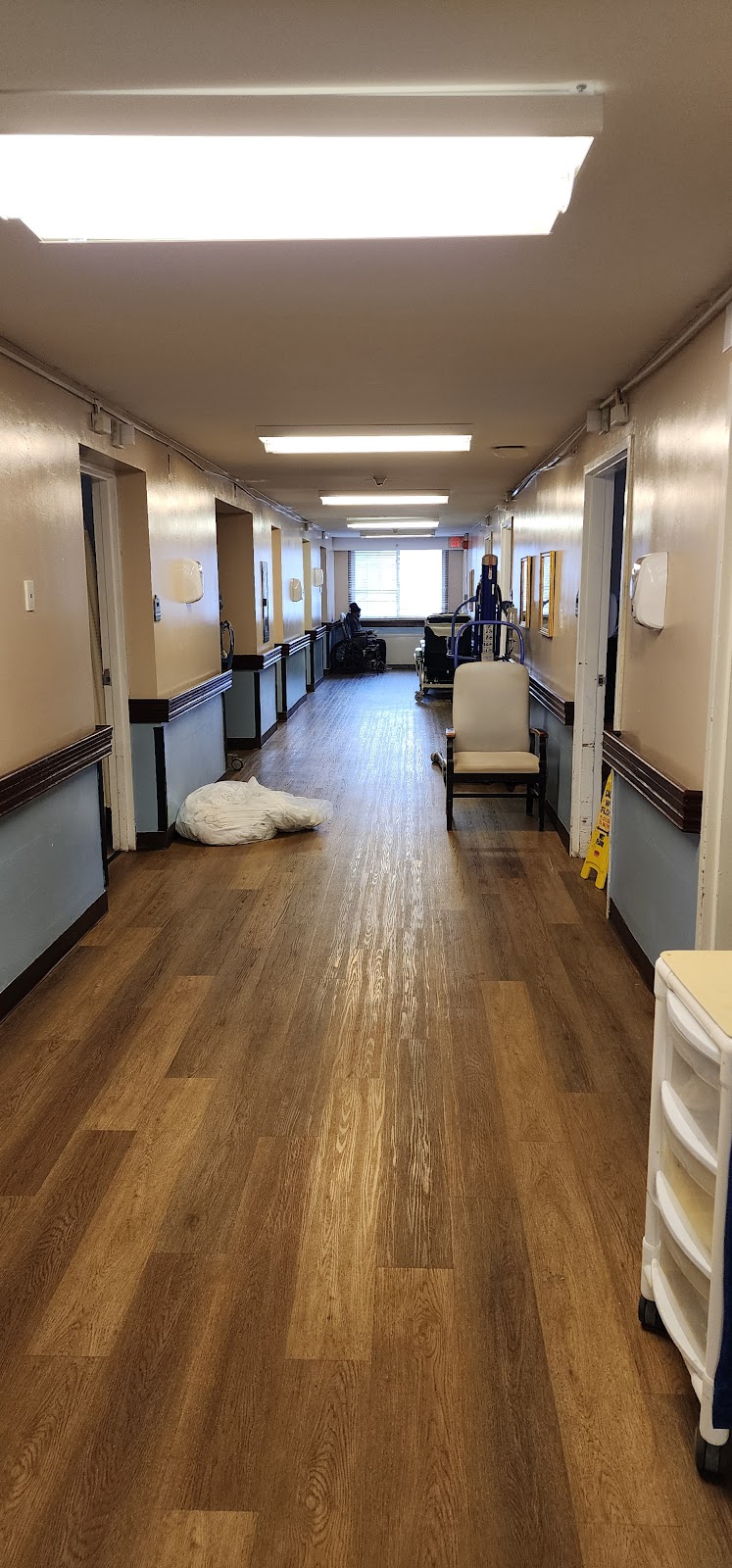
**NOTE- TERMS IN BRACKETS HAVE BEEN EDITED TO PROTECT CONFIDENTIALITY** Based on observation and interviews it was determined that the facility failed to keep a sanitary environment in the common hallway. This was found in one random observation on the East Wing. The findings include: On 2/5/25 at 6:42 AM, the surveyor observed three garbage bags full of garbage placed in the hallway of the East wing. No staff were present. On 2/5/25 at 6:45 AM, the surveyor observed Geriatric Nursing Assistant (GNA) #56 walk out of room [ROOM NUMBER] with a garbage bag in her hand. The surveyor asked GNA #56 why there were garbage bags left outside of resident rooms in the hallway. GNA #56 stated after she was done completing her rounds she had placed the garbage outside the door. At this time the surveyor observed two staff members come to the hallway and pick up the garbage and state they were taking the garbage to the dirty utility room. On 2/5/25 at 7:01 AM, the surveyor interviewed the Director of Nursing (DON). During the interview the DON confirmed that garbage should not be left outside a resident's room and when a resident's garbage is emptied it should be taken to the dirty utility room.
CONCERN (D) 📢 Someone Reported This

A family member, employee, or ombudsman was alarmed enough to file a formal complaint

Potential for Harm - no one hurt, but risky conditions existed

Deficiency F0925 (Tag F0925)

Could have caused harm · This affected 1 resident

**NOTE- TERMS IN BRACKETS HAVE BEEN EDITED TO PROTECT CONFIDENTIALITY** Based on record review and interviews it was determined that the facility failed to have an effective pest control program. This...

Read full inspector narrative →
**NOTE- TERMS IN BRACKETS HAVE BEEN EDITED TO PROTECT CONFIDENTIALITY** Based on record review and interviews it was determined that the facility failed to have an effective pest control program. This was found evident on 2 observations (Resident 121's room and the elevator) and during one of three observations during kitchen tours on the annual survey. The findings include: 1a) On 1/31/25 at 8:26 AM, the surveyor interviewed Resident #121 in his/her room on the Terrace level. During the interview Resident #121 stated he/she could not see very well but could feel things crawling on him/her at times. During the interview the surveyor observed a bug crawling on the floor and another bug crawling on the wall next to Resident #121's bed. Next the surveyor notified Unit Manager (UM) #24 of the observations. UM #24 stated she would address the issue. On 2/4/25 at 11:41 AM, the surveyor conducted an interview with the Nursing Home Administrator (NHA). During the meeting the surveyor confirmed that the NHA was aware of the observation of bugs in Resident #121's room. She stated that a pest management company came out that same day. The surveyor asked for the pest management records On 2/5/25 at 9:24 AM, the surveyor reviewed the pest management records. The review revealed that on 1/31/25 a pest management company came and treated several rooms including Resident 121's room for roaches and general insects. They also inspected room [ROOM NUMBER]-117 on the first floor. On further review of the pest management records, a report identified the need for treatment in room [ROOM NUMBER]-117 in September of 2024. A note from the pest management company stated the room was very filled with fruit flies noted from trash that contained food. It further stated the room was treated for roaches in the closet. The note then stated roaches were noted in clothes and could not be treated by company but that the facility should bag the clothes carefully and put them into the drier right away to kill the roaches. On further review that same room was specifically written as treated on 10/13/24 and 1/2/25. The surveyor next reviewed Resident #121's room census. It was noted that Resident #121 resided in that room starting in October of 2023 and transferred to Terrace level at the end of December 2024. On 2/5/25 at 12:13 PM, the surveyor conducted an interview with the Nursing Home Administrator (NHA). During the interview the surveyor reviewed the concern that roaches were noted in the room where Resident #121 resided and after Resident #121's room change there was no preventative treatment or evaluation to Resident #121's new room and currently bugs were noted in that room. On 2/5/25 at 2:06 PM, the surveyor entered one of the elevators on the 2nd floor. Upon entering, the surveyor noticed a bug crawling on the wall of the elevator. At this time the surveyor exited the elevator and asked that the Director of Nursing come and note what was seen. The DON was able to confirm the bug crawling in the elevator. The bug was similar to the bug seen in Resident #121's room. 1b) During the kitchen tour on 02/06/25 at 11:15 AM surveyors and the kitchen manager observed debris, dark colored spots, and dead insects on multiple kitchen windowsills. The windowsills were located near the triple sink dish wash area, the ice machine, and storage of clean kitchen utensils. The kitchen manager confirmed that he would schedule cleaning to be done by housekeeping staff. On 2/6/25 at 12:37 PM an interview was performed with the Nursing Home Administrator (NHA). The NHA stated that housekeeping is expected to go to kitchen once a month from 8pm-12am, to keep kitchen cleanliness and confirmed housekeeping was currently in the process of cleaning the windows.
CONCERN (E) 📢 Someone Reported This

A family member, employee, or ombudsman was alarmed enough to file a formal complaint

Potential for Harm - no one hurt, but risky conditions existed

Safe Environment (Tag F0584)

Could have caused harm · This affected multiple residents

**NOTE- TERMS IN BRACKETS HAVE BEEN EDITED TO PROTECT CONFIDENTIALITY** 2) During a floor rounding of the facility on 1/31/25 at 10:58 AM, the surveyor noticed the interior wall paint peeling off in r...

Read full inspector narrative →
**NOTE- TERMS IN BRACKETS HAVE BEEN EDITED TO PROTECT CONFIDENTIALITY** 2) During a floor rounding of the facility on 1/31/25 at 10:58 AM, the surveyor noticed the interior wall paint peeling off in residents' rooms and in the hallway visibly. This was evident for 19 of the 2nd floor rooms numbered 200 to 233. Especially behind the bed broads and chairs. Per floor staff #15, it had been going for a while. Interview, on 2/05/25 at 11:22 AM, the Unit Manager Staff #16 stated that there was an ongoing re-paint project of the interior wall plan for the whole building. However, she was not sure how long it could be done. Interview with the Maintenance Director Staff #25 on 2/06/25 at 12:14 PM, he stated that there were many peeling paint requests from different floor staff and he was aware that paint peeling debris can be a health hazard issue as well. He was unable to come up with a completion date for re-paint at this time. Further interview, the Administrator reviewed the above findings and she agreed that this ongoing issue was a concern. Based on observations and staff interviews, it was determined that the facility failed to provide maintenance services necessary to maintain a clean, comfortable, and homelike environment. This was observed in 1) 4 resident rooms (#125, #128, #201, and #204) of 68 rooms and 2) 19 (2nd floor room [ROOM NUMBER] to 233) rooms identified with poor interior wall paint integrity out of 29 residents' room reviewed. The findings include: 1) On 1/29/2025 at 12:04 PM, surveyors observed room [ROOM NUMBER] which had numerous stains on the ceiling tiles. The packaged terminal air conditioning (PVAC) unit in room [ROOM NUMBER] was dirty and debris was noted to be collecting inside the unit underneath the vents. On 1/30/2025 at 12:04 PM, surveyors observed an open window in room [ROOM NUMBER] with a screen that had multiple tears and holes. At 12:03 PM, surveyors observed a hole in the ceiling of room [ROOM NUMBER] that had been patched with a piece of drywall, with stains surrounding the patched area. On 2/3/2025 at 2:20 PM, surveyors observed stains on ceiling tiles in room [ROOM NUMBER]. On 2/6/2025 at 12:34 PM, the facility ' s progress report was reviewed by surveyors that listed current and upcoming maintenance needs. room [ROOM NUMBER] ceiling was on the list to be repaired but there was no mention of Rooms #128, #201, and #204. The Maintenance Director and Nursing Home Administrator were interviewed on 2/6/2025 at 1:20 PM. Surveyors addressed the environmental concerns with multiple resident rooms. The Maintenance Director verified that room [ROOM NUMBER] was on their maintenance list and would address concerns with Rooms #128, #201, and #204. The Maintenance Director stated that the facility building is older and has a problem with leaks from the roof. He also stated that Spring is when the facility will work on repairing broken window screens. The Nursing Home Administrator stated it is the facility's expectation that staff should be making the Maintenance Director aware of maintenance concerns.
CONCERN (E)

Potential for Harm - no one hurt, but risky conditions existed

Quality of Care (Tag F0684)

Could have caused harm · This affected multiple residents

Based on observations, interviews and record review, it was determined that the facility failed to provide treatments according to a resident's plan of care. This was found evident of 4 (Resident #134...

Read full inspector narrative →
Based on observations, interviews and record review, it was determined that the facility failed to provide treatments according to a resident's plan of care. This was found evident of 4 (Resident #134, #34, #121, & #69) out of 5 residents reviewed for skin care. The findings include: 1a) On 1/30/25 at 10:46 AM, the surveyor interviewed Resident #134. During the interview Resident #134 stated he/she believed that his/her wounds were not being treated as often as they were supposed to be done. On 1/31/24 at 12:48 AM, the surveyor reviewed Resident #134's medical record. The review revealed that on 12/26/24 wound Nurse Practitioner (NP) #53 wrote a progress note related to Resident #134's initial wound assessment. The note stated that Resident #134 had a history of a chronic right foot wound. The note further stated that Resident #134 was seen for bilateral (both) lower extremity severe dryness and venous stasis. NP #53 identified two wounds 1. Right leg and 2. Left foot. Both wounds were recommended to have the same treatment; cleanse with soap and water, pat dry, apply AD ointment to the wound, leave open to air and change: twice per day. The note further stated for preventive measure Resident #134 should have emollient (a substance that helps soothe, soften, and increase moisture levels) applied twice a day and for intermittent leg elevation to help with the edema (swelling). Next the surveyor reviewed Resident #134's January Treatment Administration record (TAR). An order was written on 12/26/24 for Resident #134 to have his/her left and right lower extremity washed with soap and water, patted dry and A&D ointment applied daily with the instructions to leave open to air. This was documented as completed 1/1/25-1/31/25, however, this treatment was done once per day even though the wound care recommendation by NP #53 stated this treatment should be done twice per day. On further review on 1/7/25 an order was placed for Resident #134 to have Aquaphor external ointment (Emollient) to be applied to both lower legs two times per day for xerosis cutis (a condition characterized by excessive dryness, tightness, and scaling of the skin) This was 11 days after NP #53 had recommended the treatment. On 2/3/25 at 2:30 PM, the surveyor conducted an interview with the Nursing Home Administrator (NHA). During the interview the surveyor reviewed the concern that Resident #134 was not receiving the treatments that the wound NP was recommending. 1b) On 1/29/25 at 12:23 PM, the surveyor observed Resident #34's legs and noted multiple scabbed areas and dry flaky skin. No dressing were noted on Resident #34's legs Again on 2/5/25 at 1:38 PM, the surveyor noted no dressings applied to Resident #34's legs. On 2/6/25 at 7:18 AM, the surveyor reviewed Resident #34's medical record. The review revealed that on 1/27/25 a wound Nurse Practitioner (NP) #53 wrote a progress note for Resident #34. A new treatment was recommended and stated, apply clobetasol ointment (a topical corticosteroid medication used to treat various skin conditions) twice a day Monday- Friday to all blisters and open wounds, except on weekends. It further stated coat legs with a thick layer of Vaseline and then cover with gauze and ACE/kerlix wrap. On further review Resident #34 had two skin care plans written. One titled skin impairment to bilateral (both) legs and feet and the other that stated Resident #34 had chronic wounds and ulcers to the bilateral legs, feet and that the resident was at risk for worsening wound(s), or the development of additional wounds related to chronic health conditions, dry fragile skin, and immobility. The surveyor next reviewed Resident #34's Treatment Administration Record (TAR) for January 2025 and February 2025. Clobetasol ointment was applied twice a day every day from January 27th through February 5th. There was no break on the weekend and no Vaseline or ACE/Kerlix wraps documented as completed. On 2/3/25 at 2:30 PM, the surveyor conducted an interview with the Nursing Home Administrator (NHA). During the interview the surveyor reviewed the concern that Resident #34 was not receiving the treatments that the wound NP was recommending. 1c) On 1/31/25 at 8:33 AM, the surveyor observed Resident #121 in bed and observed that Resident #121 had a dry left lower leg that had lines that appeared to thick cracked skin. On 2/7/25 at 8:18 AM, the surveyor reviewed Resident #121's medical record. The review revealed that on 12/6/24 a wound Nurse Practitioner (NP) #53 wrote a progress note for Resident #121. NP #53 wrote, Resident was noted to have dry skin to lower extremities, and feet. NP #53 recommended the use of emollient (a substance that helps soothe, soften, and increase moisture levels) daily, oral hydration and podiatry evaluation for management of nails. On further review Resident #121 had a skin care plan written that stated, Resident #121 had a skin impairment related to itching. Next the surveyor reviewed Resident #121's Treatment Administration Record (TAR) for December 2024. There was no documentation that Resident #121 received the recommended treatment for his/her identified skin needs. On 2/3/25 at 2:30 PM, the surveyor conducted an interview with the Nursing Home Administrator (NHA). During the interview the surveyor reviewed the concern that Resident #121 was not receiving the treatments that the wound NP was recommending. 1d) 1/30/25 at 9:42 AM, the surveyor observed Resident #69's lower legs and noted that they were both dry and flaky and were both in protective boots. On 2/10/25 at 9:14 AM, the surveyor reviewed Resident #69's medical record. The review revealed that on 1/23/25 a wound Nurse Practitioner (NP) #53 wrote a progress note for Resident #69. The note described that Resident #69 had a history of wounds to the left lower extremity and foot. NP #53 documented that Resident #69 had dry, flaky intact skin. She further noted that Resident #69's bilateral (both) lower extremities had edema (swelling). NP #53 wrote that Resident #69 was at moderate to high risk for skin breakdown and recommended use of emollient (a substance that helps soothe, soften, and increase moisture levels) daily. She further recommended intermittent leg elevation. On further review Resident #69 had a care plan titled skin impairment and stated Resident #69 was at risk due to impaired mobility and incontinence. On 2/10/25 at 1:19 PM, the surveyor reviewed Resident #69's December 2024 and January 2025 Treatment Administration Recorded (TAR). The TARs revealed no documentation that the treatments recommended by the wound NP#53 were written to be done or completed. On 2/3/25 at 2:30 PM, the surveyor conducted an interview with the Nursing Home Administrator (NHA). During the interview the surveyor reviewed the concern that Resident #69 was not receiving the treatments that the wound NP was recommending.
CONCERN (E)

Potential for Harm - no one hurt, but risky conditions existed

Deficiency F0726 (Tag F0726)

Could have caused harm · This affected multiple residents

Based on record review and staff interviews, it was determined that the facility failed to ensure nursing staff were competent in medication administration. This was found to be evident in 21 (LPN 19,...

Read full inspector narrative →
Based on record review and staff interviews, it was determined that the facility failed to ensure nursing staff were competent in medication administration. This was found to be evident in 21 (LPN 19, LPN 33, LPN 34, LPN 35, RN 36, LPN 37, LPN 38, LPN 39, RN 40, LPN 41, LPN 42, LPN 43, RN 44, LPN 45, LPN 46, LPN 47, RN 48, RN 49, LPN 50, LPN 51, LPN 52) of 59 licensed nursing staff employees reviewed for medication administration record (MAR) documentation during the recertification survey. The findings include: A MAR is a document used in healthcare settings to track and record the medications given to patients, including details like dosage, time, and the person administering the medication. It is important because it ensures accurate medication administration, helps prevent errors, and provides a legal record of treatment. It also supports continuity of care by informing healthcare providers of a patient's medication history. A Controlled Substance Log Book is a record used in healthcare settings to track the use, distribution, and administration of controlled substances, which are drugs that have a higher potential for abuse or addiction. It is important because it helps prevent misuse, theft, and diversion of these substances, ensures compliance with legal and regulatory requirements, and provides an accurate and traceable record of their handling for accountability and safety. PRN medication stands for pro re nata, which is a Latin term meaning as needed or as the situation arises. It refers to medication that is taken only when necessary, rather than on a regular schedule. During an observation on 2/4/2025 at 9:58 AM of the controlled substance log book on the facility's first floor medication cart, surveyors identified a discrepancy between PRN narcotic medication being signed out of the controlled substance log but not being documented in the MAR. On 2/6/2025 at 1:43 PM, surveyors addressed concerns about the PRN medication documentation with the Director of Nursing (DON). The DON stated that it is the facility's expectation that medications given to residents are documented in the MAR and that she would provide a list of licensed facility nurses who failed to document PRN medication administration in the MAR for Residents #4, #11, #53 identified by surveyors for having discrepancies between controlled substance log book and MAR. The DON stated they would provide an immediate In-service with licensed nursing staff on documentation of PRN medication. The facility ' s policy for medication administration was reviewed by surveyors on 2/7/2025 at 11:29 AM. Under Section IV Subsection 7 it stated, After administration, return to cart, replace medications container (if multi-dose and doses remain), and document administration in the MAR or TAR and the controlled substance sign out record, if necessary. On 2/10/2025 at 10:55 AM, the Quality Assurance/Staff Development (QA/SD) Registered Nurse (RN) was interviewed by surveyors. During the interview, the QA/SD RN stated that he observes nurses passing medications monthly or more frequently if necessary to make sure they are competent in medication administration. At 12:47 PM, surveyors spoke with both the DON and QA/SD RN and addressed concern about PRN narcotics not being documented in the MAR and overall staff competency. They stated the facility will change how they address medication competencies in regard to this issue. The QA/SD RN presented previous competencies for nursing staff which surveyors reviewed. On 2/10/2025 at 1:22 PM, the QA/SD Registered Nurse provided surveyors with the In-service/Training competency form on PRN narcotics with signatures from facility nursing staff that were identified who did not document PRN narcotics in the MAR. Cross Reference Ftag 0755.
CONCERN (E)

Potential for Harm - no one hurt, but risky conditions existed

Food Safety (Tag F0812)

Could have caused harm · This affected multiple residents

Based on observations of the facility's kitchen, and staff interviews, it was determined that the facility failed to store items properly to maintain the integrity of specific food items and utensils ...

Read full inspector narrative →
Based on observations of the facility's kitchen, and staff interviews, it was determined that the facility failed to store items properly to maintain the integrity of specific food items and utensils under sanitary conditions. This was evident for one of three observations during kitchen tours on the annual survey. The findings include: During the follow-up visit to the Kitchen on 2/6/25 at 11:15 AM, the surveyors observed the following: - An undetermined delivery date and expiration date for nine 100 oz cans of green peas, which showed production date of 8/23 - One opened bag of 16oz cornstarch - One 25lb bag of uncooked parboiled rice, unsealed, and without a label - One unsealed 10lb bag of Orzo pasta - An opened bulk sugar container (observed kitchen manager closing lid upon entrance of dry storage room). The kitchen manager accompanied surveyors during further observations which revealed seven stacked dish racks containing 112 cleaned red cereal bowls faced up. The kitchen manager confirmed that the cereal bowls were to be placed faced down to prevent water nesting. Wet nesting is when wet dishes are stacked on top of each other, preventing them from drying. This can lead to bacteria growth, which can affect food quality. Also, during the kitchen tour on 2/6/25 surveyors and the kitchen manager observed debris, dark colored spots, and dead insects on multiple kitchen windowsills. The windowsills were located near the triple sink dish wash area, the ice machine, and storage of clean kitchen utensils. The kitchen manager confirmed that he would schedule cleaning to be done by housekeeping staff. On 2/6/25 at 1:30PM surveyors conducted tours of the terrace nourishment room. Surveyors observed: In refrigerator - No thermometer - One gallon bottle with unknown liquid dated 1/30/25 - 16oz bottle of French dressing dated 2/2/25 - 64oz bottle of prune juice date 2/2/25 - 12oz can of Canada dry ginger ale opened no date label - 56 oz bottle of sunny D opened no date label In freezer - Four 16oz Styrofoam cups with frozen liquid no date label On 2/6/25 at 2:15 PM surveyors and the Maintenance Director conducted a tour of the second-floor nourishment room which revealed the ice machine (for residence use) had black substance on the dispensing flap and rusty edges around the storage bin. The maintenance director confirmed that he would have the ice machine serviced right away.
Oct 2023 25 deficiencies
CONCERN (D) 📢 Someone Reported This

A family member, employee, or ombudsman was alarmed enough to file a formal complaint

Potential for Harm - no one hurt, but risky conditions existed

Deficiency F0551 (Tag F0551)

Could have caused harm · This affected 1 resident

**NOTE- TERMS IN BRACKETS HAVE BEEN EDITED TO PROTECT CONFIDENTIALITY** Based on medical record review and interviews, it was determined the facility staff failed to include a resident's Power of Atto...

Read full inspector narrative →
**NOTE- TERMS IN BRACKETS HAVE BEEN EDITED TO PROTECT CONFIDENTIALITY** Based on medical record review and interviews, it was determined the facility staff failed to include a resident's Power of Attorney representative in the care of a resident (Resident #50). This was evident for 1 of 19 residents reviewed during a complaint survey. The findings include: On 10/12/23 at 10:30 AM a review of complaint MD00175715 and electronic medical record revealed Resident #50 was admitted to the facility on [DATE] from the hospital with a diagnosis to include Amyotrophic lateral sclerosis (ALS). ALS is a fatal type of motor neuron disease. It is characterized by progressive degeneration of nerve cells in the spinal cord and brain. Further medical record review revealed a Durable Power of Attorney that becomes effective immediately granting Resident #50's Agent the ability to make decisions and act with respect to Resident #50's property, prepare applications, provide information, and perform any other act requested by any government or its agencies in connection with governmental benefits including my Agent to act as my Representative Payee for the purpose of receiving Social Security Benefits. This document was signed by Resident #50 and Resident #50's Agent on 4th of May 2021. On 3/12/22, complaint MD00175715 revealed that Resident #50 did not receive Social Security for March 2022 and after the resident called Social Security found that the payee was changed to the facility. Resident #50's Agent (POA) was never informed or involved with the change. On 2/15/23 Resident signed a promissory note to pay on the outstanding balance. Resident #50's Agent was never informed/or involved with the transaction. On 10/12/23 at 10 am an interview with the Assistant Business Office Manager revealed on 2/15/23 that she /he had Resident #50 sign and agreed to the promissory note and did not inform Resident #50's Agent of the process. The Assistant Business Office Manager was unaware of Resident #50's Agent.
CONCERN (D) 📢 Someone Reported This

A family member, employee, or ombudsman was alarmed enough to file a formal complaint

Potential for Harm - no one hurt, but risky conditions existed

Deficiency F0558 (Tag F0558)

Could have caused harm · This affected 1 resident

**NOTE- TERMS IN BRACKETS HAVE BEEN EDITED TO PROTECT CONFIDENTIALITY** 2) Review of Resident #35's medical records on 10/19/23 at 12:00 PM revealed the resident was admitted to the facility on [DATE]...

Read full inspector narrative →
**NOTE- TERMS IN BRACKETS HAVE BEEN EDITED TO PROTECT CONFIDENTIALITY** 2) Review of Resident #35's medical records on 10/19/23 at 12:00 PM revealed the resident was admitted to the facility on [DATE] for rehabilitation after injury of the right thigh muscles. The medical record also revealed the resident's weight at admission was 776 pounds. Continued review of Resident #35's medical records on 10/19/23 at 12:10 PM revealed an order for a bariatric bed on 10/2/22. The surveyor conducted an interview with the Administrator on 10/19/23 at 12:30 PM. The surveyor indicated the order for Resident #35's bariatric bed on 10/2/22 and asked the Administrator if the facility had proof that Resident #35 had a bariatric bed when he/she admitted on [DATE]. The Administrator stated that he/she would review facility records to determine if Resident #35 had a bariatric bed at admission and if not why Resident #35 needed a new bed on 10/2/22. The surveyor interviewed the Administrator on 10/20/23 at 12:00 PM regarding the results of the research on Resident #35's bariatric bed order. The Administrator admitted that he/she was unable to prove that Resident #33 had a bariatric bed when he/she was admitted to the facility on [DATE]. The surveyor expressed concern that the facility failed to provide Resident #35 with a bariatric bed when he/she was admitted to the facility. Based on medical record review, observation and interview, the facility failed to ensure call bells are within reach and failed to ensure a bariatric bed was available for a resident. This was evident for 2 (#12, #35) of 96 residents reviewed during a complaint survey. The findings include: 1) Review of Resident #12's medical record on 10/11/23 revealed the Resident was admitted to the facility from the hospital on 7/3/19 with a diagnosis to include legal blindness. During an interview with Resident #12's representative on 10/12/23 at 11:45 AM, he/she stated the Resident is blind and cannot always reach his/her call bell to alert staff when he/she needs assistance. The representative also stated often when he/she visits the call bell is under the Resident's bed. Observation of the Resident on 10/12/23 at 11:55 AM revealed the Resident was in bed and his/her call bell was on the floor under the bed and out of reach. The Surveyor asked the Resident if he/she knew where his/her call bell was and the Resident stated no. Staff #46 was called to the Resident's bedside at that time and confirmed the call bell was lying on the floor and out of the Resident's reach. Observation of the Resident on 10/16/23 at 1:30 PM revealed the Resident was in bed and his/her call bell was hanging on the Resident's wall behind his/her bed and out of reach. The Director of Nursing (DON) was called to the Resident's bedside at that time and confirmed the call bell was out of the Resident's reach. The Director of Nursing gave the Resident the call bell and stated she would educate the nursing staff to ensure the Resident's call bell is always in the Resident's reach. Interview with the Director of Nursing on 10/16/23 at 1:30 PM confirmed the facility staff failed to ensure Resident #12's call bell was in reach.
CONCERN (D) 📢 Someone Reported This

A family member, employee, or ombudsman was alarmed enough to file a formal complaint

Potential for Harm - no one hurt, but risky conditions existed

Notification of Changes (Tag F0580)

Could have caused harm · This affected 1 resident

**NOTE- TERMS IN BRACKETS HAVE BEEN EDITED TO PROTECT CONFIDENTIALITY** Based on medical record review and interview, the facility staff failed to notify a resident's representative (RP) in a timely m...

Read full inspector narrative →
**NOTE- TERMS IN BRACKETS HAVE BEEN EDITED TO PROTECT CONFIDENTIALITY** Based on medical record review and interview, the facility staff failed to notify a resident's representative (RP) in a timely manner of a resident's death (Resident #5). This was evident for 1 of 3 residents reviewed for notification of death during a complaint survey. The findings include: Review of Resident #5's medical record on [DATE] revealed the Resident was admitted to the facility on [DATE] from the hospital with diagnosis to include heart failure. Further review of Resident #5's medical record revealed a nurse's note (Staff #28) on [DATE] at 2:32 AM that stated, on shift change this writer was making rounds with off duty nurse checking on all patients, when we got to the residents room he/she was laying quietly and unresponsive. Patient is a No CPR (cardiopulmonary resuscitation). Physician #1 times 3 could not be reached, call made to Medical Director could not be reached awaiting call back. Further review of Resident #5's medical record revealed Staff #7's (nurse supervisor) note on [DATE] at 3:07 AM that Physician #1 was paged followed by a call to Medial Director. Awaiting response. Staff #28 wrote on [DATE] at 3:08 AM Medical Director returned call this writer gave him report on the resident, Medical Director gave orders to call the DON (Director of Nursing). Supervisor is trying to reach the DON. Further review of Resident #5's medical record revealed Physician #1's note that stated the time of death is 11:30 PM on [DATE]. Family could not be reached. Further review of Resident #5's medical record revealed Staff #45 note on [DATE] at 3:16 PM stated deceased was picked up Anatomy Board of Maryland at about 10 am this shift. RP (responsible party) called back and spoke with social worker and gave social services his/her phone number. Writer called Physician #1 and gave RP's number for notification. During interview with Staff #7 on [DATE] at 2:00 PM, he stated notification of death to a resident's RP is always by the physician and not the nursing staff. During interview with Resident #5's RP on [DATE] at 8:45 AM, the RP stated he/she had talked to the nursing home after the Resident was admitted on [DATE] to ask about the visitation guidelines and talked to the Resident's nurse who said the Resident would be evaluated by therapy in the morning and they would call me with the plan. I called the Resident on [DATE] about 10:00 AM and he/she didn't answer so I called back to the nurse's station and they put me on hold for a long time. Some man got on the phone and told me sorry the Resident is not with us anymore, he told me I am the doctor and your brother passed away. Some lady from the nursing home had called me the day before on my cell phone and the hospital always called me on my cell phone so I can't understand how they couldn't get in touch with me. They sent the Resident to the Anatomy Board before I even knew he/she died. Interview with the Director of Nursing on [DATE] at 10:40 AM confirmed the facility staff failed to notify Resident #5's RP in a timely manner of the Resident's death.
CONCERN (D) 📢 Someone Reported This

A family member, employee, or ombudsman was alarmed enough to file a formal complaint

Potential for Harm - no one hurt, but risky conditions existed

Report Alleged Abuse (Tag F0609)

Could have caused harm · This affected 1 resident

2) On 10/11/23 at 12:42 PM a review of complaint MD00180154 was conducted. Resident # 94 was interviewed on 10/11/23 at 1:29 PM and stated, On 3/21/23 at 11:45 AM, my roommate was in pain and needed t...

Read full inspector narrative →
2) On 10/11/23 at 12:42 PM a review of complaint MD00180154 was conducted. Resident # 94 was interviewed on 10/11/23 at 1:29 PM and stated, On 3/21/23 at 11:45 AM, my roommate was in pain and needed to be turned and repositioned. Resident # 94 stated, I was cold, so I asked for another blanket. Staff # 15 GNA (geriatric nursing assistant) came to the room and threw the blanket in my face and then turned and positioned my roommate. I asked staff #15 why he/she threw the blanket in my face and he/she called me a nasty name and stated, I remember you from downstairs and you always have the call bell on. On 10/12/23 at 8:23 AM, the surveyor interviewed the unit manager, staff # 13, and asked her/him if she/he was aware of this incident involving Resident # 94. The unit Manager stated yes, the Nurse Practioner mentioned that the resident reported this to her/him. Staff # 13 went to resident # 94 and asked what happened. Resident # 94 explained the entire incident. Resident # 94 did not say she/he was abused so staff # 13 did not do an incident report and instead did a concern form. Staff # 13 wrote up the concern form and called the GNA involved, staff # 15. GNA denied anything happened. He/she denied throwing a blanket at resident # 95's face and calling her/him a nasty name. The Unit Manager was unable to produce the concern form upon request at the time of the survey. Interviews: GNA (geriatric Nursing assistant) # Staff 15 was interviewed on 10/12/23 at 12:27 PM. Staff # 15 stated he had never worked with resident # 94 upstairs or downstairs. Staff # 15 stated another GNA asked if he had an extra blanket and could give it to Resident # 94. He stated yes and went to the resident's room, gave her/him a blanket and left. He stated he had not adjusted the roommate or turned and repositioned the resident in bed. DON (Director of Nursing) #2 was interviewed on 10/12/23 at 9:16 AM and stated the Unit Manager, staff # 13 should have created an incident report instead of a concern form and reported this to the Director of Nursing. Administrator # 3 was interviewed on 10/12/23 at 9:16 AM and stated they would have put staff # 15 on suspension pending an investigation had they been aware. Based on review of complaints and interview, it was determined the facility failed to report allegations of abuse within 2 hours of the allegation to the regulatory agency, the Office of Health Care Quality (OHCQ) for Resident #89 and failed to report abuse for Resident #94. This was evident for 2 of 21 residents reviewed for abuse during a complaint survey. The findings include: 1) On 10/12/23 at 3:16 PM a review of complaint MD00197454 revealed the family member alleged that Resident #89 was being handled roughly by the CNA (certified nursing assistant) on duty. On 10/13/23 at 9:01 AM an interview was conducted with the Nursing Home Administrator (NHA) who stated she came to the facility that Sunday night around 8 PM and spoke to the daughter. The NHA stated the daughter did complain to her about Resident #89 being handled roughly by staff. The surveyor asked the NHA if that was reported to OHCQ and if she did an investigation. The NHA stated she did not do an investigation and it was not reported.
CONCERN (D) 📢 Someone Reported This

A family member, employee, or ombudsman was alarmed enough to file a formal complaint

Potential for Harm - no one hurt, but risky conditions existed

Investigate Abuse (Tag F0610)

Could have caused harm · This affected 1 resident

3) On 10/11/23 at 12:42 PM a review of complaint MD00180154 was conducted. Resident # 94 was interviewed on 10/11/23 at 1:29 PM. On 3/21/23 at 11:45 AM Resident #94 stated their roommate was in pain a...

Read full inspector narrative →
3) On 10/11/23 at 12:42 PM a review of complaint MD00180154 was conducted. Resident # 94 was interviewed on 10/11/23 at 1:29 PM. On 3/21/23 at 11:45 AM Resident #94 stated their roommate was in pain and needed to be turned and repositioned. Resident # 94 stated, I was cold, so I asked for another blanket. Staff # 15 GNA(geriatric nursing assistant) came to the room and threw the blanket in my face and then turned and positioned my roommate. I asked staff #15 why he/she threw the blanket in my face and he/she called me a nasty name. Staff #15 told Resident #94, I remember you from downstairs and you always have the call bell on. On 10/12/23 at 8:23 AM, this surveyor spoke with the unit manager staff # 13 and asked her/him if she/he was aware of this incident involving Resident #94. Unit Manager stated yes the Nurse Practioner mentioned that the resident reported this to her/him. Staff # 13 went to resident # 94 and asked what happened. Resident # 94 explained the entire incident. Resident # 94 did not say she/he was abused so staff # 13 did not do an incident report and instead did a concern form. Staff # 13 wrote up the concern form and called the GNA involved, staff # 15. GNA, staff # 15 denied anything happened. He/she denied throwing a blanket at resident # 94's face and calling her/him a nasty name. The Unit Manager was unable to produce the concern form upon request at the time of survey. Interviews: GNA (geriatric Nursing assistant) # Staff 15 was interviewed on 10/12/23 at 12:27 PM. Staff # 15 stated, I had never worked with resident # 94 upstairs or downstairs. Staff # 15 stated another GNA asked for an extra blanket so they could give it to Resident # 94. He stated yes, and went to resident's room and gave her/him a blanket and left. He stated he had not adjusted the roommate or turned and repositioned the resident in bed. DON (Director of Nursing) #2 was interviewed on 10/12/23 at 9:16 AM and stated the Unit Manager, staff # 13 should have created an incident report instead of concern form and reported this to the Director of Nursing. Administrator # 3 was interviewed on 10/12/23 at 9:16 AM and stated they would have put staff # 15 on suspension pending an investigation had they been aware. 2) Review of a facility reported incident MD00180887 on 10/10/23 revealed the facility reported to the Office of Health Care Quality (OHCQ) on 1/6/22 Resident #39 reported alleged abuse by Resident #40 to the facility staff. During interview with the Administrator on 10/10/23 at 9:00 AM, the Administrator stated she and the Director of Nursing were not employed at the facility at the time of the incident. Interview with the Administrator on 10/16/23 at 2:11 PM confirmed the facility staff has no record of a complete investigation to include interviews of the residents involved, other residents and facility staff. Based on review of facility administrative records, facility investigations, and staff interview, it was determined the facility failed to thoroughly investigate incidents of alleged abuse. This was evident for 1 (#85, #39, #94) of 21 residents reviewed for abuse during a complaint survey. The findings include: 1) On 10/11/23 at 8:43 AM a review of facility reported incident MD00194555 revealed on 7/14/23 Resident #85 was transferred to the hospital for a medical condition. The facility received a report from the hospital on 7/19/23 that Resident #85 alleged that he/she had been sexually assaulted while in the nursing facility. The facility reported incident documented that the facility was not aware of the alleged allegation and that they immediately did an investigation. Review of the facility's investigative packet that was given to the surveyor documented that the police were notified, 6 staff and 6 residents were interviewed, skin checks were done for non-interviewable residents, and 73 staff members were given abuse training. Review of the staff schedule for 72 hours prior to the resident being sent out to the hospital documented out of the 15 staff members that worked on unit 1A, only 5 staff members were interviewed during the alleged abuse investigation. For the 1 B hallway on the first floor, there were other staff members that were not interviewed. The facility documented they were going to interview other department staff, however, did not supply the surveyor with any additional interviews. The facility stated in their report that they performed skin checks on non-interviewable residents, however they did not provide those skin checks to the surveyor. On 10/11/23 at 9:45 AM an interview was conducted with the Director of Nursing (DON). The surveyor went over what paperwork was included in the investigative packet and that it did not include other staff interviews and there was no evidence of skin checks. When asked about all staff that worked on the unit as per what the facility documented they said they did, the DON said she only did staff interviews on the 1A hallway and did not include the 1B hallway. The DON confirmed that all staff that worked on both hallways were not interviewed.
CONCERN (D) 📢 Someone Reported This

A family member, employee, or ombudsman was alarmed enough to file a formal complaint

Potential for Harm - no one hurt, but risky conditions existed

Comprehensive Care Plan (Tag F0656)

Could have caused harm · This affected 1 resident

4) On 10/20/23 a review of complaint MD00183657 was conducted. The complainant expressed concern that resident # 61 was not being treated for lymphedema and cellulitis. The CRNP (Nurse Practioner) did...

Read full inspector narrative →
4) On 10/20/23 a review of complaint MD00183657 was conducted. The complainant expressed concern that resident # 61 was not being treated for lymphedema and cellulitis. The CRNP (Nurse Practioner) did give resident ABT for cellulitis and lymphedema however, no care plan was written stating resident had cellulitis, or the interventions being done for resident # 61. DON (Director of Nursing) was made aware on 10/2023 at 11:37 AM and stated, OK. An interview was held with the unit manager, staff #13 on 10/20/23 at 11:22 AM and the unit manager had no response as to why a care plan had not been written for cellulitis. Based on complaint review, medical record review, and interview, it was determined that the facility staff failed to create and implement care plans related to resident's specific needs. This was evident for 4 (#79, #55, #76, #61) of 96 residents reviewed during a complaint survey. The findings include: A care plan is a guide that addresses the unique needs of each resident. It is used to plan, assess, and evaluate the effectiveness of the resident's care. The MDS is part of the Resident Assessment Instrument that was Federally mandated in legislation passed in 1986. The MDS is a set of assessment screening items employed as part of a standardized, reproducible, and comprehensive assessment process that ensures each resident's individual needs are identified, that care is planned based on those individualized needs, and that the care is provided as planned to meet the needs of each resident. 1) On 10/12/23 at 8:50 AM a review of complaint MD00192801 documented since February 2023 Resident #79 had requested to be discharged home from the facility to be with family and a therapist who could provide services to help the resident regain mobility. Review of Resident #79's medical record revealed a care plan, Discharge Potential that was created on 10/21/22. There was only 1 intervention on the care plan that stated, Establish a pre-discharge plan with the resident/family/caregivers and evaluate progress and revise plan. The care plan was not comprehensive and was not resident centered and specific to Resident #79. On 10/19/23 at 11:01 AM an interview was conducted with the Director of Nursing (DON) who confirmed the care plan was not comprehensive. 2) On 10/13/23 at 11:42 AM a review of complaint MD00178316 alleged that the facility canceled all appointments that Resident #55 had at a facility with a retinal specialist/ophthalmologist. Review of Resident #55's medical record revealed Resident #55 had diabetes with uncontrolled blood glucose levels. Resident #55 had a follow-up consultation report from an ophthalmologist/retinal specialist dated 12/7/20 and 5/3/21 that documented Resident #55 had diabetic macular edema in the left eye and also had a history of nonproliferative macular edema in both eyes. The 5/3/21 consultation note documented that an intravitreal injection was attempted on 5/3/21, however the resident had a persistent cough, and a recommendation was made to return when the cough resolved in order to avoid risk of injury. Continued review of Resident #55's medical record failed to produce further retinal or ophthalmologist appointments. There were optometry visits found dated 6/30/21, 10/17/22, and 5/2/23 but no retinal or ophthalmology appointments to follow-up on the retinal edema and proliferative diabetic retinopathy. Review of Resident #55's care plan, impaired visual function r/t Diabetes had the intervention, Arrange consultation with eye care practitioner as required. The care plan was not implemented. On 10/24/23 at 11:53 AM the DON stated that the person that was previously responsible for arranging the transportation (who no longer works at the facility) stated there was always a problem with Resident #55's insurance and he would call for transportation 24 hours ahead of time. The DON also stated that the previous employee shredded everything because that was what he was told to do, therefore they have no documentation about the transportation and if that played a part in why the retinal visits were not followed up on. The DON confirmed the care plan was not implemented. Cross Reference F774 3a) On 10/16/23 at 9:12 AM a review of Resident #76's medical record revealed a 3/9/23 skin/wound note that Resident #76 was admitted to the facility with multiple wounds and multiple comorbidities that hindered the ability for wound healing. Review of the care plan, has actual skin impairment related to multiple wounds had the interventions, heel protectors on while in bed as resident allows treatment per TAR (treatment administration record), and weekly measurement and documentation of wound. The care plan did not have anything about a turning and repositioning program as documented in the MDS. The admission wound plan of care recommended an air mattress and offloading boots, to turn and reposition and prompt incontinence care and pressure reduction to bony prominences. These items were not included in the care plan. The care plan was not comprehensive for Resident #76 who came in with extensive wounds. 3b) Review of Resident #76's care plan, risk for pain related to wounds documented only 1 intervention which was, notify MD as indicated. The care plan was not comprehensive, and resident centered. There were no interventions as to what to do for the resident to help in alleviating the pain. Review of Resident #76's Medication Administration Record (MAR) documented the resident received the opioid Oxycodone on 3/16/23 and 3/17/23 for pain levels of 6 and 8. Cross Reference F686 The Nursing Home Administrator was informed of the concerns on 10/24/23 at 1:30 PM.
CONCERN (D) 📢 Someone Reported This

A family member, employee, or ombudsman was alarmed enough to file a formal complaint

Potential for Harm - no one hurt, but risky conditions existed

Deficiency F0657 (Tag F0657)

Could have caused harm · This affected 1 resident

Based on a review of resident medical records and interviews with facility staff, it was determined that the facility failed to hold care plan meetings of the interdisciplinary team for residents at t...

Read full inspector narrative →
Based on a review of resident medical records and interviews with facility staff, it was determined that the facility failed to hold care plan meetings of the interdisciplinary team for residents at the time of the quarterly revision of their care plan and failed to evaluate and update a resident's care plan. This was evident for 4 (#83, #86, #65, #22) of 96 residents reviewed during a complaint survey. The findings include: 1) On 10/16/23 at 12:10 PM Resident #83's medical record was reviewed and revealed that care plan meetings were held on 7/7/22, 11/16/22, and 5/16/23. There was no other evidence of care plan meetings. On 10/19/23 at 12:57 PM the social work assistant, Staff #10 stated that she was the only one doing care plan meetings for 3 floors since the other social worker left. 2) On 10/17/23 at 12:17 PM Resident #86's medical record was reviewed and revealed that care plan meetings were held on 6/4/21, 12/14/21, 6/7/22, and 6/8/23 as evidenced by care plan meeting sign-in sheets. On 10/19/23 at 12:57 PM an interview was conducted with Staff #10 who stated, I am the only one for the whole building so the meetings have fallen by the wayside. 3) On 10/17/23 at 2:11 PM a review of complaints MD00193282 and MD00197451 alleged that the facility failed to assist Resident #65 in returning to the community. The resident alleged that he/she has been trying to leave the facility since 2021 to the present. The resident alleged that the social worker has not assisted in returning to the community. Review of Resident #65's medical record revealed a 6/13/23 at 12:15 PM Care Plan Meeting note that documented, Resident will like to transition to the community however, social services is assisting to find a place that fits [his/her] income. There was no further documentation found in the medical record about discharge planning. On 10/17/23 at 1:26 PM an interview was conducted with Resident #65. Resident #65 stated, I was only supposed to be here 164 days. I was applying for a waiver. I should have had a community option waiver. Review of Resident #65's medical record revealed a care plan, Discharge Potential that was created on 5/3/21. The goal of the care plan was, the resident will be able to communicate required assistance post-discharge and the services required to meet needs before discharge. The interventions on the care plan were encourage the resident to discuss feelings and concerns with impending discharge. Monitor for and address episodes of anxiety, fear, distress; and evaluate the resident's motivation to return to the community. There was no evidence in the medical record that the care plan was evaluated or updated. The care plan was not individualized for Resident #65. Review of care plan meeting sign-in sheets that were provided to the surveyor by Staff #10 documented the only meetings that were held were on 8/19/21, 5/20/21 and 6/9/22. The 6/13/23 care plan meeting did not have a sign-in sheet. On 10/18/23 at 12:43 PM Staff #10, the social work assistant was interviewed and stated that she was the only one in the social work department and that the social worker left a couple of months ago and was only at the facility for 3 months. Staff #10 stated, I was only doing the second floor initially, so right now I am doing both units, essentially the whole building. Staff #10 confirmed that care plan meetings were not held except for high priority cases. On 10/19/23 at 8:00 AM the Nursing Home Administrator (NHA) confirmed that Staff #10 was the only person in the social work department. The NHA was informed that care plan meetings were not being held and there was no documentation that care plans were evaluated and updated to reflect current needs.4a) Review of the medical record for Resident #22 on 10/20/23 at 1:00 PM revealed diagnosis including left ankle and foot gout (a form of arthritis characterized by severe pain, redness, and tenderness in joints) affecting his/her mobility and intervertebral disc degeneration (Osteoarthritis of the spine, usually in the neck or lower back) again affecting his/her mobility. On admission in November 2020, Resident #22 was assessed as being at risk for falls related to [r/t] deconditioning and a care plan was implemented. However, there were no interventions added until an actual fall occurred on 1/1/21. There was only a goal identified as 'I will be free from injury through the review day.' 4b). Continued review of the medical record for Resident #22 noted a documentation in the nursing progress note where the resident reported that s/he fell from the hoyer lift on the 3-11 shift. Surveyor review of the fall care plan noted an update from the 1/1/21 fall with an intervention for; education to the resident to ensure that s/he 1. ensure call light is within reach and encourage [resident] to use it for assistance as needed. 2. Educate [resident], family and caregivers about safety reminders and what to do if a fall occurs. According to the progress notes in the electronic health record the fall that occurred on 1/1/21 was the result of a fall from the hoyer lift, not from failure to call for assistance. There was no update on the care plan related to anything surrounding the actual cause or incidence surrounding the fall from the hoyer. Cross reference F658, F689 5) Review of the medical record for Resident #22 on 10/10/23 revealed an admission assessment for smoking completed on 11/24/20 and a quarterly assessment on 2/27/21 that both noted Resident #22 as a 'nonsmoker.' Nursing progress notes during the residents stay however, noted that s/he independently would mobilize self out to the patio to smoke specifically on 1/31/2021. Review of Resident #22's care plans failed to reveal a care plan for smoking until 3/3/21. This identified interventions for Resident #22 to include that s/he can smoke supervised, and staff needs to check all drawers/closet in room and remove all smoking paraphernalia weekly. The concerns related to the care plans for Resident #22 was reviewed with the facility Director of Nursing and the Administrator throughout the survey and again during exit on 10/24/23. No additional information was provided to the surveyor prior to exit. Cross reference F842
CONCERN (D) 📢 Someone Reported This

A family member, employee, or ombudsman was alarmed enough to file a formal complaint

Potential for Harm - no one hurt, but risky conditions existed

ADL Care (Tag F0677)

Could have caused harm · This affected 1 resident

**NOTE- TERMS IN BRACKETS HAVE BEEN EDITED TO PROTECT CONFIDENTIALITY** Based on complaint # MD00169194, Medical Record Review of MDS, and GNA [NAME], the facility failed to toilet residents on a regu...

Read full inspector narrative →
**NOTE- TERMS IN BRACKETS HAVE BEEN EDITED TO PROTECT CONFIDENTIALITY** Based on complaint # MD00169194, Medical Record Review of MDS, and GNA [NAME], the facility failed to toilet residents on a regular basis. This was evident for 1 (Resident #4) of 1 resident reviewed for toileting. Findings include: On 10/10/23 at 8:35 AM a medical record review was conducted and revealed Resident # 4 is dependent for most ADLs (activities of daily living) according to the MDS sec. G. Resident also requires 2 people to transfer in and out of bed and in and out of the wheelchair. (MDS, The Minimum Data Set (MDS) is part of the federally mandated process for clinical assessment of all residents in Medicare and Medicaid-certified nursing homes. This process provides a comprehensive assessment of each resident's functional capabilities and helps nursing home staff identify health problems.) Resident gets up in the morning and is placed in his electric chair and he is off and around in the building. When he returns and wants to be changed the staff of 2 people is not always available to transfer back in bed to change him/her. Further review of the resident chart indicated the GNA [NAME] was not filled out for June, July, and August of 2021. In June 2021 there was no documentation for all ADLs on 6/15/21 and 6/2521. In July 2021 there was no documentation for 7/25/21 for most ADLs including toileting In Aug. 2021, resident # 4 was not toileted, or the [NAME] was not signed off on the night shift. Aug. 17, 20, 21, 23 and 29. DON was made aware on 10/10/23 and said, OK.
CONCERN (D) 📢 Someone Reported This

A family member, employee, or ombudsman was alarmed enough to file a formal complaint

Potential for Harm - no one hurt, but risky conditions existed

Quality of Care (Tag F0684)

Could have caused harm · This affected 1 resident

**NOTE- TERMS IN BRACKETS HAVE BEEN EDITED TO PROTECT CONFIDENTIALITY** Based on medical record review and interview, it was determined the facility failed to assess, document, and treat a surgical si...

Read full inspector narrative →
**NOTE- TERMS IN BRACKETS HAVE BEEN EDITED TO PROTECT CONFIDENTIALITY** Based on medical record review and interview, it was determined the facility failed to assess, document, and treat a surgical site and failed to ensure that the facility staff were able to administer a medication before admitting a resident to the facility. This was evident for 2 (#46, #60) of 96 residents reviewed during a complaint survey. The findings include: 1. The facility staff failed to a) assess and document Resident #46's surgical site and b) failed to provide treatment to that site timely. Review of Resident #46's medical record on 10/18/23 revealed the Resident was admitted to the facility on [DATE] with diagnosis to include benign prostatic hyperplasia. Benign prostatic hyperplasia (BPH) is a condition in which the prostate gland is enlarged. Further review of the Resident's medical record revealed the Resident was transferred to the hospital on 1/11/22 and returned to the facility on 1/17/22 after undergoing a partial penectomy. a) Review of the Resident's Admission/readmission skin check and Clinical admission Evaluation documented on 1/17/22 revealed no assessment and documentation of the surgical wound. b) Review of the Resident's hospital after visit summary on 1/17/22 revealed an order for Bacitracin one time a day to ulceration on penis. Review of the Resident's January 2022 Treatment Administration Record revealed no treatment was provided until 1/20/22, 3 days after readmission to the facility. Interview with the Director of Nursing interview on 10/23/23 at 10:56 AM confirmed the facility staff failed to assess and document a Resident's surgical wound on readmission and failed to provide care to the surgical site on 1/18 and 1/19/22. 2. The facility staff failed ensure they could provide the administration of medication for Resident #60 prior to admission. Review of Resident #60's medical record on 10/12/23 revealed the Resident was admitted to the facility on [DATE] and discharged on 8/23/22 with a diagnosis to include congestive heart failure. Congestive heart failure is a long-term condition in which your heart can't pump blood well enough to meet your body's needs. Review of Resident #60's hospital Discharge summary dated [DATE] revealed the Resident was ordered furosemide (Lasix) 80 mg IV (intravenous) two times daily. Lasix is a diuretic medication that can be used to treat fluid retention and swelling caused by congestive heart failure. Further review of a nurse's note dated 8/23/22 at 10:25 PM stated: Resident back to hospital via nonemergency 911 because he/she had IV Lasix order which could not be given at nursing home level. Interview with the Administrator on 10/13/23 at 8:49 AM confirmed the facility staff can not administer IV Lasix.
CONCERN (D) 📢 Someone Reported This

A family member, employee, or ombudsman was alarmed enough to file a formal complaint

Potential for Harm - no one hurt, but risky conditions existed

Deficiency F0685 (Tag F0685)

Could have caused harm · This affected 1 resident

**NOTE- TERMS IN BRACKETS HAVE BEEN EDITED TO PROTECT CONFIDENTIALITY** Based on complaint review, medical record review, and interview, it was determined the facility failed to ensure a resident cont...

Read full inspector narrative →
**NOTE- TERMS IN BRACKETS HAVE BEEN EDITED TO PROTECT CONFIDENTIALITY** Based on complaint review, medical record review, and interview, it was determined the facility failed to ensure a resident continued to have access to a retinal specialist and/or ophthalmologist for follow-up for a retinal problem. This was evident for 1 (#55) of 96 residents reviewed during a complaint survey. The findings include: On 10/13/23 at 11:42 AM a review of complaint MD00178316 alleged that the facility cancelled all appointments that Resident #55 had at a facility with a retinal specialist/ophthalmologist. Review of Resident #55's medical record revealed a hospital Discharge summary dated [DATE] that documented the resident had diabetes mellitus with hyperglycemia (high blood sugar) and the blood sugars were uncontrolled. Continued review of Resident #55's medical record revealed a follow-up consultation report dated 12/7/20 that documented Resident #55 had diabetic macular edema in the left eye. A 5/3/21 consultation report documented the resident had a follow-up for diabetic macular edema in both eyes and also had a history of nonproliferative macular edema in both eyes. The resident was diagnosed with progression of macular edema in both eyes and an intravitreal injection was recommended. The note documented that the injection was attempted on 5/3/21, however the resident had a persistent cough, and a recommendation was made to return when the cough resolved in order to avoid risk of injury. According to the National Institute of Health (NH) macular edema is a collection of localized swelling in the macular area, leading to increased central retinal thickness. Diabetic Retinopathy is a condition where retinal blood vessels become weak due to high blood sugar and leak from microanalyses. Continued review of Resident #55's medical record failed to produce further retinal or ophthalmologist appointments. There were optometry visits found dated 6/30/21, 10/17/22, and 5/2/23. On 10/24/23 at 11:00 AM the Assistant Director of Nursing and the Director of Nursing (DON) were asked why the appointments were stopped. They both stated they would look through the medical record. On 10/24/23 at 11:53 AM the DON stated that the person that was previously responsible for arranging the transportation (who no longer works at the facility) stated there was always a problem with Resident #55's insurance and he would call for transportation 24 hours ahead of time. The DON also stated that the previous employee shredded everything because that was what he was told to do, therefore they have no documentation about the transportation and if that played a part in why the retinal visits were not followed up on. The DON confirmed the surveyor's concern was valid and she stated she would follow-up to have the resident seen by a retinal specialist or ophthalmologist.
CONCERN (D) 📢 Someone Reported This

A family member, employee, or ombudsman was alarmed enough to file a formal complaint

Potential for Harm - no one hurt, but risky conditions existed

Pressure Ulcer Prevention (Tag F0686)

Could have caused harm · This affected 1 resident

**NOTE- TERMS IN BRACKETS HAVE BEEN EDITED TO PROTECT CONFIDENTIALITY** 3) Review of resident #58's medical record on 10/16/23 at 8:00 am revealed the resident was admitted to the facility on [DATE] f...

Read full inspector narrative →
**NOTE- TERMS IN BRACKETS HAVE BEEN EDITED TO PROTECT CONFIDENTIALITY** 3) Review of resident #58's medical record on 10/16/23 at 8:00 am revealed the resident was admitted to the facility on [DATE] for rehabilitation after a stroke. The resident was admitted with pressure wounds on both heels and on his/her lower back (sacral area). A review of resident #58's medical record on 10/16/23 at 9:56 am revealed the resident was assessed by his/her primary physician on 4/29/22 and was ordered treatments for the resident's lower back pressure wound. Continued review of resident #58's treatment administration record for April and May 2022 on 10/16/23 at 10:30 am. The physician's order for treatments for the resident's lower back pressure wound was not ordered until 5/2/22. During an interview with the Assistant Director of Nursing (ADON) on 10/16/23 at 11:00 am, the surveyor pointed out the facility's failure to order the treatments for pressure wounds as requested by the resident's primary care physician on 4/29/22. The treatments for the resident's pressure wounds were not ordered until 5/2/22. The ADON confirmed the facility failed to order the treatment for the resident. Based on medical record review and interviews it was determined the facility staff failed to provide appropriate treatment and services to promote healing of pressure ulcers. This was evident for 3 (#82,#76, #58) of 96 residents reviewed during a complaint survey. The findings include: A pressure ulcer, also known as pressure sore or decubitus ulcer, is any lesion caused by unrelieved pressure that results in damage to the underlying tissue. Pressure ulcers are staged according the their severity from Stage I (area of persistent redness), Stage II ( superficial loss of skin such as an abrasion, blister or shallow crater), Stage III ( full thickness skin loss involving damage to subcutaneous tissue presenting as a deep crater), Stage IV (full thickness skin loss with extensive damage to muscle, bone or tendon) or Unstageable Pressure Ulcer (full thickness tissue loss in which the base of the ulcer is covered by slough and/or eschar in the wound bed). 1) On 10/11/23 at 1:57 PM Resident #82's medical record was reviewed and revealed Resident #82 was readmitted to the facility on [DATE] following hospitalization for diagnoses that included left foot osteomyelitis related to peripheral artery disease, an unstageable sacral decubitus ulcer, and other acute medical conditions. Review of the 6/27/23 hospital discharge summary documented to use collagenase 250 unit/gram ointment, commonly known as Santyl, to be applied topically 1 time each day. The order did not state where to apply the Santyl. Collagenase SANTYL Ointment is used to remove damaged tissue from chronic skin ulcers and severely burned areas. Review of the June 2023 Treatment Administration Record (TAR) documented that the Santyl was applied to the sacrum on 6/28, 6/29, and 6/30. There were no treatments to the other wounds that the resident was admitted with. There was no documentation that the wound care physician or attending physician were asked about treatments to those areas. On 6/30/23 the wound care nurse practitioner saw Resident #82 and documented a skin/wound note dated 6/30/23 that Resident #82 had multiple wounds and ordered the following treatments: Wound # 1 left great toe Diabetic Foot Ulcer (DFU): Cleanse with normal saline, apply Betadine to base of the wound, secure with leave open to air, and change daily. Wound # 2 left lateral foot pressure: cleanse with normal saline, apply Skin Prep to base of the wound, secure with leave open to air, and change TID (3 times per day). Wound # 3 left heel pressure: Cleanse with normal saline, apply Betadine to base of the wound, secure with leave open to air, and change daily. Wound # 4 sacrum pressure: Cleanse with normal saline, apply medical grade honey to base of the wound, secure with bordered gauze, and change daily. Wound # 5 right buttock pressure: Cleanse with normal saline, apply medical grade honey to base of the wound, secure with ordered gauze, and change daily. Review of Resident #82's July 2023 TAR revealed the treatments were not started until 7/4/23. Additionally, the treatment for the Santyl was not discontinued, so the nurses were signing off that the Santyl was applied along with the Medi-honey. On 10/13/23 at 8:29 AM an interview was conducted with Staff #19 (wound care nurse practitioner) and LPN #20. Staff #19 stated that the treatments were put into the computer by the wound care nurse. Staff #19 stated, I send a report of all the treatments and the wound nurse is supposed to put the orders in. I was not aware that the orders were not put in. I usually come here twice a week. At that time, I was coming Mondays and Thursdays. At the end of the week everyone gets a weekly wound report. On Mondays I send to the wound nurse and at the end of the week I send to everyone in the building for what we did the whole week. Staff #19 was informed by the surveyor that the nurses were applying Santyl along with the treatment for the Medi-honey. Staff #19 stated that the Santyl should not have been applied with the Medi-honey. Staff #20 stated, I sent my report on June 30th to the facility, however the resident should have started treatment on admission. 2) On 10/16/23 at 9:12 AM a review of Resident #76's medical record revealed Resident #76 was admitted to the facility on [DATE] with multiple wounds. Resident #76 was seen by the facility's wound care provider on 3/9/23 and the following wounds were observed by the provider and treatments were ordered. The right heel was classified as a diabetic ulcer. The order was to float heels, apply heel boots, apply Medi honey and wrap in Kling/Kerlex. The sacrum was classified as a DTI (deep tissue injury) and the order was to apply Medi honey, air mattress, and clean with a wound cleanser. The right dorsal foot was classified as a diabetic ulcer and the order was to apply Medi honey. The left Hand was classified as arterial, and the order was to apply skin prep 3 times a day. The left dorsal foot was classified as a diabetic ulcer and the order was to apply Medi honey. The left heel was classified as a DTI and the order was to apply skin prep. Review of Resident #76's March 2023 TAR revealed the orders were not put into the system until 3/10/23 during the 11:00 PM to 7:00 AM shift and the treatments were not started until 3/11/23. Furthermore, the resident went from 3/7/23 until 3/11/23 without treatment to the areas above. Additionally, there was a treatment on the TAR, Cleanse right lower extremity wound area with NSS (Normal Saline Solution) and apply Santyl Collagenase daily and cover with DSD (dry sterile dressing) every day shift for wound care. The order was put into the system on 3/7/23. Review of the hospital Discharge summary dated [DATE] did not have an order for the lower extremity and for Santyl. Further review of the TAR documented the Collagenase Santyl was signed off as used every day, even though the wound care provider did not order the treatment and said in example 1 that she would not use Santyl while using Medi honey. On 10/17/23 at 10:37 AM Staff #20 was asked about the wound care orders and late transcription along with the order for the Santyl. Staff #20 came back and confirmed the orders were not entered the day the wound care provider gave them, and he had no explanation about the Santyl. On 10/20/23 at 1:30 PM the Nursing Home Administrator and Director of Nursing were informed of the concerns.
CONCERN (D) 📢 Someone Reported This

A family member, employee, or ombudsman was alarmed enough to file a formal complaint

Potential for Harm - no one hurt, but risky conditions existed

Accident Prevention (Tag F0689)

Could have caused harm · This affected 1 resident

Based on medical record review, interview with facility staff and the review of a complaint, it was determined that the facility failed to adequately investigate the cause of an alleged fall and there...

Read full inspector narrative →
Based on medical record review, interview with facility staff and the review of a complaint, it was determined that the facility failed to adequately investigate the cause of an alleged fall and thereby prevent further occurrences. This was evident during the review of 1 of (3) falls reviewed during a complaint survey. The findings include. 1. a. Review of the medical record for Resident #22 on 10/20/23 at 1:00 PM revealed diagnosis including left ankle and foot gout (a form of arthritis characterized by severe pain, redness, and tenderness in joints) affecting his/her mobility and intervertebral disc degeneration (Osteoarthritis of the spine, usually in the neck or lower back) again affecting his/her mobility. On admission, Resident #22 was assessed as a 35 on the 'Morse Fall scale.' The scored levels are low, medium, and high and Resident #22 ranged in the medium 25-44 range. Additionally on the admission 'Morse Fall scale' noted that Resident #22 had a history of falls just prior to admission. An activity of daily living care plan was initiated on admission that documented s/he required the Mechanical lift (hoyer) with 3 staff assistance for transfers. This was also noted on the geriatric nursing assistant Task sheet. Further review on 10/21/23 at 12:45 PM revealed that at some time on the 3-11 shift Resident #22 ended up inappropriately out of the hoyer according to the resident. A progress note completed on 1/2/21 at 2:26 AM documented that at 11:45 PM, Resident #22 stated that he had a fall while been transferred with a Hoyer lift by 3-11pm shift. At that time Resident #22 had some complaints of pain of 5/10 and was treated with Tylenol. On 10/23/23 at 11:25 AM Surveyor requested any fall investigations or reports from that time frame from the Administrator. On 10/23/23 at 1:50 PM this Surveyor followed up with the DON and reviewed the concerns related to Resident #22 and again asked for any fall investigation reports. Continued review on 10/24/23 at 8:43 AM and follow up with the facility failed to reveal any further information from the facility about the alleged fall. Surveyor met with the DON on 10/24/23 at 9:04 AM to discuss the concerns. The facility was unable to determine or report if Resident #22 fell or what was the cause of the fall. These concerns were reviewed with the facility prior to exit on 10/24/23. cross reference F657
CONCERN (D) 📢 Someone Reported This

A family member, employee, or ombudsman was alarmed enough to file a formal complaint

Potential for Harm - no one hurt, but risky conditions existed

Deficiency F0697 (Tag F0697)

Could have caused harm · This affected 1 resident

**NOTE- TERMS IN BRACKETS HAVE BEEN EDITED TO PROTECT CONFIDENTIALITY** Based on medical record review and staff interview, it was determined that the facility failed to provide adequate management of...

Read full inspector narrative →
**NOTE- TERMS IN BRACKETS HAVE BEEN EDITED TO PROTECT CONFIDENTIALITY** Based on medical record review and staff interview, it was determined that the facility failed to provide adequate management of a resident's pain medication (resident #36) resulting in the resident being denied pain medication when they requested it. The findings include: A Medication Administration Record (MAR) - a document that records when and how much medication a resident is administered. For as-needed pain medication, it also documents what pain score a resident is reporting and whether the pain medication was effective at easing that pain. Failure to maintain an accurate MARs prevents members of the healthcare team from knowing when and why medication has been given. This can result in medication mistakes, overdose, or denying practitioners information on how much medication a resident receives. On 10/10/23 at 12:30 pm, the surveyor reviewed a facility investigation dated 11/14/21 regarding the facility's failure to provide resident #36 with his/her Hydromorphone medication leading to the resident altercation with facility nursing staff. A review of resident #36's medical records on 10/10/23 at 12:45 pm revealed the resident was admitted to the facility on [DATE] for rehabilitation after a stroke. Further review of resident #36's medical orders revealed the resident was ordered 4mg hydromorphone every 4 hours as needed from 11/8/21 to 11/11/21. An interview with the Director of Nursing (DON) on 10/10/23 at 1:33 pm revealed facility nursing staff are expected to monitor pain medications to ensure a resident's pain medications are available for administration. Facility nursing staff should begin to reorder pain medications when the resident has 4 days of medication doses remaining. The surveyor pointed out that on 11/11/21, resident #36 hydromorphone medication had run out before the facility reordered the medication. The DON stated that he/she would research the medication order to determine why facility nursing staff failed to have the resident's pain medication available upon the resident's request. On 10/11/23 at 8:30 am, the surveyor interviewed the DON regarding the results of the research on the facility's failure to monitor resident #36's hydromorphone supply on 11/11/21. The DON stated the facility sent an order for the resident's hydromorphone with all necessary paperwork on 11/8/23. On 10/12/23 at 8:41am, the surveyor made telephone contact with Partners Pharmacy. The pharmacy revealed the facility faxed resident #36's hydromorphone 4mg order to the pharmacy on 11/10/21 at 8:57 pm requesting the medication be sent to the facility as quickly as possible. The pharmacy stated that the order was labeled as stat which means the pharmacy would process and have the medication out for delivery in 4 hours. The medication was packaged for delivery by 11:15 pm on 11/10/21. The pharmacy was unable to tell the surveyor when the medication was delivered to the facility. On 10/12/23 at 11:00 am, the surveyor expressed concern about the facility's failure to provide adequate management of resident #36's hydromorphone order. The DON confirmed the surveyor's concerns.
CONCERN (D) 📢 Someone Reported This

A family member, employee, or ombudsman was alarmed enough to file a formal complaint

Potential for Harm - no one hurt, but risky conditions existed

Deficiency F0698 (Tag F0698)

Could have caused harm · This affected 1 resident

**NOTE- TERMS IN BRACKETS HAVE BEEN EDITED TO PROTECT CONFIDENTIALITY** Based on medical record review and interview, it was determined that the facility staff failed to obtain post dialysis treatment...

Read full inspector narrative →
**NOTE- TERMS IN BRACKETS HAVE BEEN EDITED TO PROTECT CONFIDENTIALITY** Based on medical record review and interview, it was determined that the facility staff failed to obtain post dialysis treatment records for Resident #18. This is evident for 1 out of 3 residents reviewed for dialysis services during a complaint survey. The findings include: Review of Resident #18's medical record on 10/18/23 revealed the Resident was admitted to the facility on [DATE] with a diagnosis to include dependence on renal dialysis. Dialysis is a treatment that filters and purifies the blood using a machine. This helps keep your fluids and electrolytes in balance when the kidneys can't do their job. Further review of Resident #18's medical record revealed the Resident was ordered to receive dialysis treatments three times a week or 8 times from the Resident admission to discharge on [DATE]. Further review of the Resident's medical record revealed only 2 of 8 dialysis communication forms on 12/5 and 12/7/20. The facility's dialysis communication form contains pre and post dialysis vital signs and weights. The dialysis communication form also contains any medications given, labs obtained or complications during dialysis. Failure to do so could prevent the facility staff from effectively assessing and managing the resident's care. Interview with the Administrator on 10/19/23 at 8:30 AM confirmed the facility staff failed to obtain dialysis communication forms for Resident #18 for 6 of 8 dialysis sessions during the Resident's admission to the facility.
CONCERN (D) 📢 Someone Reported This

A family member, employee, or ombudsman was alarmed enough to file a formal complaint

Potential for Harm - no one hurt, but risky conditions existed

Deficiency F0725 (Tag F0725)

Could have caused harm · This affected 1 resident

Based on review of complaint MD00187110, facility documentation, medical record review and interview, it was determined that the facility failed to have sufficient nursing staff to provide care in a m...

Read full inspector narrative →
Based on review of complaint MD00187110, facility documentation, medical record review and interview, it was determined that the facility failed to have sufficient nursing staff to provide care in a manner to provide nursing care needs to residents. This was evident for 2 of 2 days reviewed for sufficient staff during a complaint survey. The findings include: 1) On 10/16/23 at 8:41 AM a review of complaint MD00187110 alleged that on Christmas Day 2022 and the day after the staff did not report to work leaving residents without food, medication, and left to sit in their own soil. Review of the actual worked nursing schedule for 12/25/22 and the staffing assignment sheets did not match. Employee time clock punches were reviewed and did not entirely match the staffing schedule or assignment sheets. The PPD sheet provided to the surveyor revealed on 12/25/22 the PPD was 1.97 for a census of 165 residents and on 12/26/22 the PPD was 2.66. PPD is the nursing care hours per resident per day. Review of Resident #69's December 2022 Medication Administration Record (MAR) and Treatment Administration Record (TAR) for 12/25/22 was void of nurse's initials for the evening shift for medications and treatments administered. There were no nurse's notes written on 12/25/22 and 12/26/22 and there were no assessments done. Review of the geriatric nursing assistant (GNA) documentation for 12/25/22 was void of 7:00 AM to 3:00 PM shift for documentation of activities of daily living (ADL) bed bath, bed mobility, dressing, eating, personal hygiene, toilet use, bowel/bladder elimination, head of bed elevated, and meal intake. There was no documentation on 12/26/22 on the 3:00 PM to 11:00 PM shift. On 10/20/23 at 9:13 AM an interview was conducted with GNA #37 who stated she called out on Christmas Day. On 10/20/23 at 9:16 AM an interview was conducted with GNA #36 who stated she was off on Christmas Day. When asked if they worked short staffed, she said, Oh, we used to work very short. On 10/20/23 at 10:30 AM an interview was conducted with Staff #34, the scheduling coordinator for nursing. Staff #34 stated, back in December 2022, holidays and weekends were a challenge. It is so so now. Around that time, it was challenging. It is still but we are managing. It was a lot of agency previously. On 10/20/23 at 1:20 PM an interview was conducted with the Nursing Home Administrator (NHA) who had been looking for staffing for that time period. The NHA stated, what I found as far as minimal staff on 12/25/22 is what is. The NHA confirmed that the schedule, assignment sheets, and time clock punches did not match. The NHA was not employed at the facility during that time and just recently started working at the facility.
CONCERN (D) 📢 Someone Reported This

A family member, employee, or ombudsman was alarmed enough to file a formal complaint

Potential for Harm - no one hurt, but risky conditions existed

Deficiency F0774 (Tag F0774)

Could have caused harm · This affected 1 resident

Based on review of complaint, interview, and documentation review, it was determined the facility failed to have a process in place to assure resident transportation arrangements were made timely. Thi...

Read full inspector narrative →
Based on review of complaint, interview, and documentation review, it was determined the facility failed to have a process in place to assure resident transportation arrangements were made timely. This was evident for 1 (#68) of 19 residents reviewed during a complaint survey that were currently residing in the facility. The findings include: On 10/10/23 at 12:30 PM a review of complaint MD0019012 and MD00186749 alleged that Resident #68 missed outside provider appointments due to transportation issues. On 10/10/23 at 12:49 PM an interview was conducted with Resident #68 who stated he/she has missed appointments. Resident #68 stated, I tell them when I'm going to an appointment. They said the transportation people had it wrong. Stated my insurance doesn't cover. They did not write it up right. On 10/10/23 at 1:08 PM an interview was conducted with the Director of Nursing (DON). When asked about transportation issues she stated that the transportation company did not bring the right stretcher or wheelchair. She said she would have expected the person making the transportation arrangements to order the correct equipment. On 10/10/23 at 1:11 PM an interview was conducted with unit secretary, Staff #18 She stated that sometimes the unit manager on the units will make the transportation arrangements and sometimes she will do it. Staff #18 was asked to show the surveyor all of the transportation arrangements that had been made for Resident #68. Staff #18 stated, I had a package but was told everything was in the system. I shredded everything I had. Staff #18 stated, I give the transportation set-up to the unit manager, and they document it in the system and have it scanned into the medical record. I usually have the appointment transportation application, fare sheet, if approved they send back. Each floor should have a transportation book. Staff #18 stated that Resident #68's insurance was, different, tricky, and that the problem was on their end. Staff #18 stated that the resident's insurance will say they don't have transportation availability and then the resident gets involved and messes up things too. On 10/11/23 at 9:04 AM Staff #9, LPN unit manager was interviewed about Resident #68's GI (gastrointestinal) appointments. Staff #9 stated that there were 2 occasions where the transportation company did not have a stretcher to take the resident to an appointment. Staff #9 stated it was the transportation company's issue. On 10/11/23 at 9:26 AM Staff #10, social work assistant was interviewed and stated, there has been an issue with wheelchair transportation being a no call or no show. We have discussed with transportation person, but it is mainly the insurance or the company that picks up the patient. Sometimes they will switch vendors, but they don't let us know. They don't call us back to tell us they switched vendors and then the second vendor may not show up. They are looking into getting a contract with a non-emergency ambulance due to these issues. On 10/11/23 at 9:45 AM the DON stated, sometimes we don't know until the day of the appointment, and they don't show up. Sometimes the insurance is an issue too. On 10/12/23 the surveyor received an email from the member advocate with the transportation company as the surveyor inquired about Resident #68's transportation issues. The advocate provided a breakdown of the past year of trips requested for Resident #68. The surveyor was advised that a minimum of 3 days' notice was required for transportation to be set up. On 2/8/23 the trip was cancelled due to no provider assignment and the trip was not called in within the 3 days required. On 3/6/23 the trip was pending prior authorization form due to the pickup being in a county that required a prior authorization and there was no physician information provided by the facility. In total, 20 trips were scheduled, 11 trips were successful, 6 trips were either cancelled due to the resident being hospitalized or denied for not following procedures, and there were 3 trip failures on the part of the transportation company. The surveyor requested from the facility a list of all appointments. The facility documented on 3/6/23 that the transportation company failed to show up which contradicted what the transportation company provided to the surveyor. On 10/23/23 a discussion was held with the Nursing Home Administrator about the transportation issues and how previous papers related to transportation were shredded and there was no documentation to prove that the facility followed proper procedures.
CONCERN (D) 📢 Someone Reported This

A family member, employee, or ombudsman was alarmed enough to file a formal complaint

Potential for Harm - no one hurt, but risky conditions existed

Deficiency F0805 (Tag F0805)

Could have caused harm · This affected 1 resident

Based on review of complaint MD00197454, medical record review, and interview with facility staff, it was determined that the facility failed to ensure a resident received their prescribed diet with t...

Read full inspector narrative →
Based on review of complaint MD00197454, medical record review, and interview with facility staff, it was determined that the facility failed to ensure a resident received their prescribed diet with the prescribed consistency. This was evident for 1 (#89) of 96 residents reviewed during a complaint survey. The findings include: On 10/12/23 at 3:16 PM a review of complaint MD00197454 was conducted and revealed an allegation from the complainant that she observed the food on Resident #89's meal tray. The complainant alleged that the food was solid and not pureed as Resident #89 required. The complainant stated that she explained to the nurse that Resident #89 was at risk of aspirating. Review of Resident #89's medical record revealed a physician's order, Regular diet, Dysphagia Pureed texture, Thin Liquids consistency. Review of a health status note dated 8/25/23 documented, Regular diet, Dysphagia Pureed texture, Thin Liquids consistency. On 10/13/23 at 9:01 AM an interview was conducted with the Nursing Home Administator (NHA) as she came to the facility that evening that the complainant was visiting Resident #89. The NHA stated that while she was home the complainant called her and she came to the facility because the daughter stated that Resident #89 did not eat dinner. The NHA stated she spoke to the roommate, the daughter, the GNA (geriatric nursing assistant) and the nurse. She stated that they told her they gave the resident the dinner tray and and that the resident did not eat. The GNA left the tray and went back to try again to get the resident to eat. They took the tray and when the daughter came, she thought the resident didn't have anything to eat. The nurse brought the tray in, and it wasn't pureed. The mashed potatoes were but the meat wasn't pureed. The NHA stated she told the nurse she needed to verify the diet. The NHA confirmed from the picture that the daughter took that the food tray did not have pureed meat and the only thing on the tray that Resident #89 could eat was mashed potatoes.
CONCERN (D) 📢 Someone Reported This

A family member, employee, or ombudsman was alarmed enough to file a formal complaint

Potential for Harm - no one hurt, but risky conditions existed

Garbage Disposal (Tag F0814)

Could have caused harm · This affected 1 resident

Based on observation during tour of the facility's dumpster area, it was determined the facility staff failed to dispose of garbage and refuse properly. This deficient practice has the potential to af...

Read full inspector narrative →
Based on observation during tour of the facility's dumpster area, it was determined the facility staff failed to dispose of garbage and refuse properly. This deficient practice has the potential to affect all residents. The findings include: On 10/11/23 at 1:30PM 2 of the facility's dumpsters were observed with open side doors and lids. All doors and lids on dumpsters should remain closed to maintain cleanliness and reduce the risk of pests. Multiple pieces of trash and debris were present on the ground including a clear plastic bag filled with trash, and grocery cart and furniture such as a shelving unit. The findings were reviewed with the Administrator on 10/24/23 at 12 PM.
CONCERN (E) 📢 Someone Reported This

A family member, employee, or ombudsman was alarmed enough to file a formal complaint

Potential for Harm - no one hurt, but risky conditions existed

Safe Environment (Tag F0584)

Could have caused harm · This affected multiple residents

**NOTE- TERMS IN BRACKETS HAVE BEEN EDITED TO PROTECT CONFIDENTIALITY** Based on complaint # MD00189766, observation, and interviews, the facility failed to keep the facility in good repair. This was ...

Read full inspector narrative →
**NOTE- TERMS IN BRACKETS HAVE BEEN EDITED TO PROTECT CONFIDENTIALITY** Based on complaint # MD00189766, observation, and interviews, the facility failed to keep the facility in good repair. This was evident in all rooms and hallways in the facility. Findings include: Observation of the 2nd floor outside the conference room revealed all the pictures were taken down off the wall. The area was painted by an outside vendor according to the maintenance director staff # 16. There were holes in the dry wall and nails all over the walls. On the first floor room [ROOM NUMBER], Beds 1 and 2 room were very cluttered and would hinder egress in an emergency. room [ROOM NUMBER]; The bathroom revealed a leak above the toilet. The leak had been fixed and patched but due to rain over the weekend, the ceiling leaked again. On the left side of the floor by the doorway in the bathroom, molding was coming away from the wall. There was a black substance seen between the wall and molding and spackle on the wall, it had not been painted. There was a rough area that had not been painted above the paper towel holder. The door needed painting. room [ROOM NUMBER]; Bed 1 under over bed light needs painting. There is blue paint on the wall and the bathroom door needed painting. room [ROOM NUMBER]; large scrape on the right wall near the TV that needs spackle and paint, the baseboard near the Bathroom door was coming off the wall. In the hallway next to room [ROOM NUMBER], there is a hole in the wall from pictures that once hung which needed spackle and wallpaper. There is a rough area that had not been painted above the paper towel holder and 2 Holes in the wall beneath the over-the-bed light fixture. room [ROOM NUMBER] revealed spackle on the bedroom wall which had not been painted, spackle in the bathroom had not been painted, spackle on the right side of the heating unit had not been painted and the door needed painting. Elevator # 2 Paneling was coming off the back wall of the elevator. Administrator # 3 was interviewed on 10/15/23 at 10:00 AM and stated, The walls on the 2nd floor had started to be painted this past weekend. The paintings have been down for a week. Nothing will be done on the basement and 1st floor. The facility appears clean. The area that was painted this past weekend was not finished properly. There are still some holes in the wall where pictures or sanitizers were previously hung. Maintenance Staff # 16 was interviewed on 10/16/23 at 12:33 PM. Staff # 16 stated, I work with 2 other men. I have been working here for 2 1/2 years. Staff # 16 stated he/she has been trying to fix and repair things that have not been repaired since he had been working at the facility. He/She knows he/she has to paint some walls that have spackle on them and fix the baseboard molding that is coming off. However, when he/she tries to repair something, he/she is called to take care of something else. The water that is leaking in room [ROOM NUMBER] is coming from the roof. The roofers came in last week and gave an estimate of the cost to repair. That estimate was sent to corporate for review and approval.
CONCERN (E) 📢 Someone Reported This

A family member, employee, or ombudsman was alarmed enough to file a formal complaint

Potential for Harm - no one hurt, but risky conditions existed

Assessment Accuracy (Tag F0641)

Could have caused harm · This affected multiple residents

Based on medical record review and staff interview, it was determined the facility staff failed to ensure Minimum Data Set (MDS) assessments were accurately coded. This was evident for 4 (#82, #79, #8...

Read full inspector narrative →
Based on medical record review and staff interview, it was determined the facility staff failed to ensure Minimum Data Set (MDS) assessments were accurately coded. This was evident for 4 (#82, #79, #89, #76) of 96 residents reviewed during a complaint survey. The findings include: The MDS is part of the Resident Assessment Instrument that was Federally mandated in legislation passed in 1986. The MDS is a set of assessment screening items employed as part of a standardized, reproducible, and comprehensive assessment process that ensures each resident's individual needs are identified, that care is planned based on those individualized needs, and that the care is provided as planned to meet the needs of each resident. 1) On 10/11/23 at 1:57 PM Resident #82's medical record was reviewed and revealed a 5/18/23 wound care note that documented, patient is seen today for a Sacral pressure ulcer, Left great toe Diabetic foot ulcer. Review of Resident #82's MDS with an assessment reference date (ARD) of 5/19/23, Section M1040B, failed to capture the diabetic foot ulcer. On 10/17/23 at 10:00 AM an interview was conducted with the MDS coordinator. The MDS was reviewed with her, and she confirmed the findings and stated that she was not the one that did that MDS. 2) On 10/12/23 at 8:50 AM Resident #79's medical record was reviewed and revealed a 1/6/23 at 11:17 AM change in condition note that documented Resident #79 had a fall. Resident #79 was sent to the emergency room, and it was reported Resident #79 was admitted to the hospital for a clavicle fracture and hematoma of the left eye. Review of Resident #79's MDS with an ARD of 1/6/23 coded J1900B fall with injury, but not major injury. On 1/7/23 it was determined that the resident had a clavicle fracture. An amended MDS should have been completed and submitted. Review of the RAI (Resident Assessment Instrument) Manual documented, If the level of injury directly related to a fall that occurred during the look-back period is identified after the ARD and is at a different injury level than what was originally coded on an assessment that was submitted to the Internet Quality Improvement and Evaluation System (iQIES), the assessment must be modified to update the level of injury that occurred with that fall. On 10/17/23 at 10:00 AM an interview was conducted with the MDS coordinator. The MDS was reviewed with her, and she confirmed the findings and stated that she was not the one that did that MDS. 3) On 10/12/23 at 3:16 PM Resident #89's medical record was reviewed and revealed an August 2023 Medication Administration Record (MAR) that documented Resident #89 received an intradermal injection for Tuberculin PPD on 8/31/23. Review of Resident #89's admission MDS with an assessment reference date (ARD) of 8/31/23, Section N, Medications, failed to capture the administration of the injection. 4) On 10/16/23 at 9:12 AM Resident #76's medical record was reviewed and revealed an MDS admission assessment with an ARD of 3/12/23. Review of Section I, Diagnosis, failed to capture the diagnosis of glaucoma, anemia, and thrush. Review of Resident #76's March 2023 MAR documented Resident #76 received Dorzolamide HCl-Timolol drops that were administered in both eyes twice per day and Brimonidine Tartrate drops in both eyes 3 times a day for glaucoma. Resident #76 received ferrous sulfate 325 mg. every day for anemia and received Nystatin Suspension 4 times a day for thrush. Review of Section J, pain management documented Resident #76 received scheduled and PRN (when necessary) pain medication. Review of the March 2023 MAR failed to produce documentation that any pain medication was given. Review of Section M1200 Skin and ulcer/injury treatment documented that the resident was on a turning/repositioning program. Review of the RAI Manual documented, Includes a consistent program for changing the resident ' s position and realigning the body. Program is defined as a specific approach that is organized, planned, documented, monitored, and evaluated based on an assessment of the resident ' s needs. There was no documentation in the medical record to support the coding of turning and repositioning. Review of Section N, Medications, failed to capture injections. Review of the March 2023 MAR documented Resident #76 received a tuberculin PPD injection on 3/7/23 and received Humalog insulin on 3/8/23 and 3/12.23. Review of the 5-day Medicare MDS assessment with an ARD of 3/17/23 failed to capture glaucoma, anemia, and thrush in Section I, diagnosis. Review of Section J, pain management captured that Resident #76 received PRN pain medication on 3/16 and 3/17, however it was coded that the resident received routine pain medication. The March 2023 did not document that routine pain medication was given. Section M, pressure injury treatment documented a turning & positioning program, however there was no evaluation done. Review of Section N, medications failed to capture that Resident #76 received opioids. Review of the March 2023 MAR documented Resident #76 received Oxycodone on 3/16 and 3/17. Additionally, Resident #76 received a tuberculin injection on 3/14 and the facility failed to capture the injection. Resident #76 also received Humalog insulin on 3/15 and that injection was not captured. On 10/17/23 at 10:00 AM an interview was conducted with the MDS coordinator. The MDS was reviewed with her, and she confirmed the findings and stated that she was not the one that did that MDS. The Nursing Home Administrator and the Director of Nursing were informed of the concerns on 10/24/23 at 1:30 PM.
CONCERN (E) 📢 Someone Reported This

A family member, employee, or ombudsman was alarmed enough to file a formal complaint

Potential for Harm - no one hurt, but risky conditions existed

Deficiency F0660 (Tag F0660)

Could have caused harm · This affected multiple residents

**NOTE- TERMS IN BRACKETS HAVE BEEN EDITED TO PROTECT CONFIDENTIALITY** 5) The facility staff failed to provide instructions at discharge for the care of Resident #7's pressure ulcer. Review of Reside...

Read full inspector narrative →
**NOTE- TERMS IN BRACKETS HAVE BEEN EDITED TO PROTECT CONFIDENTIALITY** 5) The facility staff failed to provide instructions at discharge for the care of Resident #7's pressure ulcer. Review of Resident #7's medical record on 10/16/23 revealed the Resident was admitted to the facility on [DATE] and discharged from the facility on 5/15/20. Further review of Resident #7's medical record revealed the Resident was assessed on 5/14/20 to have 3 pressure ulcers. Review of the Resident's discharge instructions with an effective date of 5/15/20 and prescriptions revealed no documentation of the pressure ulcers or physician orders to care for the pressure ulcers. Interview with the Director of Nursing on 10/17/23 at 10:40 AM confirmed the facility staff failed to document on Resident #7's discharge instructions how to care for the Resident's pressure ulcers. Based on review of complaints, interview, and medical record review it was determined the facility failed to implement effective discharge planning by failing to follow a resident's wishes for discharge to another facility and/or home and failed to document care to be continued on a discharge summary. This was evident for 5 (#68, #79, #65, #21, #7) of 96 residents reviewed during a complaint survey. The findings include: 1) On 10/10/23 at 12:30 PM a review of complaint MD0019012 and MD00186749 alleged that Resident #68 had requested several times to be transferred to another facility. On 10/10/23 at 12:49 PM an interview was conducted with Resident #68 who stated, they won't help me get out of here. Review of Resident #68's medical record revealed a 2/14/23 care plan meeting note that documented that IDT (interdisciplinary team) met with Resident #68 for a care plan meeting and the resident expressed the desire to transfer to another facility. The note documented that the facility would begin the process for the transfer. A 3/30/23 care plan meeting note documented, resident and RP (responsible party) would like for resident to transfer to a provided list of facilities. The note continued, Resident will need to be accepted in transferring facilities in order to transition. Social services to follow up with this. An 8/10/23 discharge planning progress note documented, writer was made aware of the resident wanting to possibly be transferred to [name of facility] which writer was able to fax the residents clinicals to the admissions department. The note continued, writer will follow up with the possible transfer. An 8/15/23 discharge planning progress note documented, Writer placed a call to [name of facility]to follow up with the referral that has been sent which writer had to leave a VM and await a return call. Writer was also able to fax the resident referral to [name of facility] which writer will also follow up with the referral for possible transfer. On 10/11/23 at 9:26 AM an interview was conducted with the social services assistant #10 who stated that in August she was made aware that the resident wanted to be transferred to another facility. She stated that the first facility did not have any long-term beds. She stated, I have not been actively working on that, but I will definitely follow-up. I did not follow back up with the [facility name]. We do not have a social work director and I am doing social work for all units. On 10/11/23 at 9:45 AM the Director of Nursing (DON) was informed of the concern that there was nothing done from March to August to help facilitate a discharge and then there has been no follow-up for the past 2 months. 2) On 10/12/23 at 8:50 AM a review of complaint MD00192801 documented since February 2023 Resident #79 had requested to be discharged home from the facility to be with family and a therapist who could provide services to help the resident regain mobility. Review of Resident #79's medical record revealed a discharge planning progress note dated 11/10/22 that documented the resident was STC (short term care) and would be care planned for discharge planning. A 11/16/22 at 11:43 AM care plan meeting note documented that the resident remains STC and will be returning back home with the spouse and family. A 5/17/23 at 11:47 AM care plan meeting note documented that social services informed the RP (resident representative), the [outside vendor] assessment still has not been conducted and SS will continue to reach out to them to complete the assessment. The note documented that Resident #79's RP would like for the resident to transition back to the community. A 6/15/23 at 11:51 AM care plan meeting note documented that the resident would remain in the facility long term care until the resident could transition back into the community. An 8/16/2023 11:15 AM discharge planning process note documented, writer has been made aware of the resident's daughter would like to start the residents discharge process. The note documented that the resident would be assessed for home health services on 8/21/23. There was no documentation related to discharge planning prior to May 2023 about having the outside vendor come out to the facility to assess discharge needs for Resident #79 even though the 5/17/23 care plan note documented they still had not been out and a referral was not submitted until 7/25/23. On 10/12/23 at 10:37 AM Staff #10, the social work assistant, stated that the outside vendor required that the facility submit online, and they review the assessment, and the nurse will call and give a date that they will come and assess the resident to determine how many hours and days the resident will qualify for nursing care at home. Staff #10 stated that it could take a month or a couple of months to review their paperwork. On 10/19/23 at 11:01 AM an interview was conducted with the DON who stated the daughter would come to her all the time and wanted Resident #79 to be discharged home. The DON stated she thought the previous social worker already sent the outside vendor assessment in, but she did not. The DON stated that once she became aware of it, she informed Staff #10 to do it right away. The DON stated that once they do the vendor assessment, they will come to assess the resident. The DON stated the daughter informed her that the former social worker delayed putting in for the assessment. The DON stated, the former social worker was gone already, and I could not verify because she wasn't working here, so when I found out I put it in right away. The Nursing Home Administrator was informed at the exit conference on 10/24/23 at 1:30 PM of the concerns related to discharge planning. 3) On 10/17/23 at 2:11 PM a review of complaints MD00193282 and MD00197451 alleged that the facility failed to assist Resident #65 in returning to the community. The resident alleged that he/she has been trying to leave the facility since 2021 to the present. The resident alleged that the social worker has not assisted in returning to the community. Review of Resident #65's medical record revealed a 6/13/23 at 12:15 PM Care Plan Meeting note that documented, Resident will like to transition to the community however, social services is assisting to find a place that fits [his/her] income. There was no further documentation found in the medical record about discharge planning. On 10/17/23 at 1:26 PM an interview was conducted with Resident #65. Resident #65 stated, I was only supposed to be here 164 days. I was applying for a waiver. I should have had a community option waiver. I can leave but I'll be on the streets. They don't like that I walk and talk. I'm catholic and walk to the church. I wash my own clothes. The nurse came in and did an assessment and said I was independent. They are stopping me from getting housing and help. On 10/18/23 at 12:43 PM Staff #10, the social work assistant was interviewed and stated that she was the only one in the social work department and that the social worker left a couple of months ago and was only at the facility for 3 months. Staff #10 stated, I was only doing the second floor initially, so right now I am doing both units, essentially the whole building. Staff #10 stated there was no discharge planning for Resident #65. Staff #10 stated initially the resident was supposed to be long term care according to the siblings. Staff #10 stated that she knew that Resident #65 wanted to be discharged in the community. Staff #10 stated, I was not aware of the 6/13/23 note that stated she wanted to discharge to the community. There was no follow-up, and the ball was dropped. On 10/18/23 at 12:45 PM the DON was interviewed and stated that she knew that they had started a process for Resident #65 to go back into the community but was not sure of the status. On 10/19/23 at 8:00 AM the Nursing Home Administrator (NHA) brought the surveyor paperwork from a support planner in the community dated 9/1/23 stating, the discharge meeting scheduled for today is canceled. We could not identify housing for [Resident #95] yet. I will notify you on progress. Another documented email was given to the surveyor dated 8/10/23 from the coordinating center that documented that they were reaching out to schedule a meeting to discuss discharge planning for Resident #65. The NHA was informed that the facility failed to follow-up on discharge planning after the 6/13/23 care plan meeting. 4) Review of the medical record for Resident #21 on 10/19/23 revealed multiple comorbidities including hypertension, stroke with hemiplegia on his/her dominant side and seizures. Resident #21's hospital discharge record from 11/2020 included recommendations for a follow up with a cardiologist secondary to the finding of a cardiac aneurysm and follow up with a neurologist. Resident #21 was interviewed on 10/23/23 at 9:54 AM. Surveyor inquired about his/her discharge process and any follow up appointments that s/he was given or told to make. S/he stated that they were unaware of any. Surveyor reviewed the discharge summary completed on 3/2/21, under section M. scheduled appointments and tests it stated, follow up with your primary doctor in 2 weeks. A comprehensive review of Resident #21's medical record on 10/24/23 at 11:03 AM noted that Resident #21 on 1/8/21 saw the facility Nurse Practitioner (NP) for complaints of right sided numbness. The NP documented that this was not the first time she saw him/her for this issue and recommended that s/he follow up with a Cardiologist and Neurologist. She further noted his/her cardiac diagnosis from the hospital discharge on 11/2020 of the cardiac aneurysm and that 's/he was asked to follow up with cardiologist per his transfer summary which he has not. On exam, s/he is asking for the appointments to be scheduled because s/he will be discharging from facility shortly.' A general progress note completed on 1/13/21 documented that the attending stated that Resident #21 could follow up with a cardiologist upon discharge and does not need to while in the facility. On 2/24/21 The NP again saw Resident #21 for complaints of right sided weakness. According to the NP's notes Resident #21 was to follow up with a cardiologist and neurologist the following month. On 3/2/21 Resident #21 was discharged from the facility without any further directions to follow up with any specialists. The instructions noted to follow up with his/her primary care physician. A discharge care plan was developed on admission, however failed to identify Specialists needed for Resident #21. The concern related to follow up care after discharge was discussed throughout the complaint survey and again during exit on 10/24/23.
CONCERN (E) 📢 Someone Reported This

A family member, employee, or ombudsman was alarmed enough to file a formal complaint

Potential for Harm - no one hurt, but risky conditions existed

Deficiency F0760 (Tag F0760)

Could have caused harm · This affected multiple residents

**NOTE- TERMS IN BRACKETS HAVE BEEN EDITED TO PROTECT CONFIDENTIALITY** 4) Medication Administration Record (MAR) - a document that records when and how much medication a resident is administered. For...

Read full inspector narrative →
**NOTE- TERMS IN BRACKETS HAVE BEEN EDITED TO PROTECT CONFIDENTIALITY** 4) Medication Administration Record (MAR) - a document that records when and how much medication a resident is administered. For as-needed pain medication, it also documents what pain score a resident is reporting and whether the pain medication was effective at easing that pain. Failure to maintain an accurate MARs prevents members of the healthcare team from knowing when and why medication has been given. This can result in medication mistakes, overdose, or denying practitioners information on how much medication a resident receives. The surveyor reviewed a complaint issued on behalf of resident #33 regarding the facilities failure to timely administer the resident's insulin doses. Review of resident #33 medical records on 10/20/23 at 11:00 am revealed the resident was admitted on [DATE] for treatment of infections because of unmanaged Type 1 Diabetes. Continued review of resident #33 orders on 10/20/23 at 11:30 am revealed the resident was ordered to receive insulin in the morning, bedtime and after meals to treat his/her diabetic condition. Further review of September 2021 MAR on 10/20/23 at 12:23 pm revealed the resident failed to receive the following ordered doses of insulin: 9/18/21 - 25 units of Lantus 100/ml at 6:30 am, 9/20/21- 25 units of Lantus 100/ml at 6:30 am, 9/23/21 - 25 units of Lantus 100/ml at 6:30am, 9/23/21 - 30 units at bedtime of Lantus 100/ml, and 9/24/21 - 30 units of Lantus 100/ml. On 10/20/23 at 12:45 pm, the surveyor interviewed the Assistant Director of Nursing (ADON) regarding the facility's failure to administer resident #33's insulin as ordered in September 2021. The surveyor and the ADON reviewed the September 2021 MAR to verify the dates and times of the missing insulin doses. The ADON stated that he/she needed to research if the insulin doses were missing or documented in another location. On 10/20/23 at 1;15pm, the ADON admitted that the facility failed to administer resident #33's insulin as ordered. 2) Resident # 72 was admitted to the facility due to a car accident. Resident # 72 only has movement in the left arm/ hand. Resident # 72 is unable to walk but can communicate. Resident # 72 complained she/he is not receiving her/his medication. A request was made for DON (Director of Nursing) to retrieve the medication administration record for the months of November 2022, December 2022, and January 2023. In November 2022, Prevastatin 120 mg tab was not signed off for 11/12/22. Lasix 40 mg was not signed off for 11/12/22 and 11/28/22. Cyclosporine Emulsion 5% 1 drop in both eyes 2 times per day; not signed off on 11/12 and 11/28/22. apixaban 5 mg not signed off 11/12/222. Metformin 500 mg not signed off 11/12/22. Metoprolol 25 mg was not given on 11/12 and 28 2022, and no BP was done. Morphine sulfate 15 mg was not given on 11/12/22. Baclofen 10 mg tab not given 11/12/22 and 11/28/22. In [DATE] an order was written for Pravastatin Sodium tablet 40 mg, 1 tab at bedtime for hyperlipidemia. The medication administration record shows no med was given in December 2022. All other meds were given as ordered for the month of December 2022. In [DATE], the medication administration record shows a Pravastatin 10 mg order, 1 tab at bedtime; not signed off 1/6/23. Famotidine 20 mg 1 tab PO Q Day ordered 12/22/22 was not given 1/9/23. Docusate sodium was not given on 1/6/23. Liquid Protein was not given 1/6/23. Cyclosporine Emulsion 5% 1 drop in both eyes 2 times per day; was not given 1/6/23. Apixaban 1 tab 2 times per day; was not signed on 1/6/23. Flonase Suspension 50 MCG/ACT 1 spray in each nostril 2 times per day not signed off. DON (Director of Nursing) was made aware on 10/19/23 at 10:04 AM, no response was given. 3) Resident # 70 was admitted to the facility on [DATE] and discharged on 1/21/23. The resident has a history of cancer and receives chemotherapy. Resident # 70's cancer is not in remission. DON was contacted on 10/18/23 at 1:57 PM and requested medication administration records for December 2022 and January 2023. The medication administration record indicated resident either did not receive medication for the following: or nursing did not sign off on the medication record. record. In [DATE] an order was written for Pravastatin Sodium tablet 40 mg, 1 tab at bedtime for hyperlipidemia. The medication administration record shows no med was given in December 2022. All other meds were given as ordered for the month of December 2022. In [DATE], Pravastatin 10 mg order, 1 tab at bedtime; was not signed off 1/6/23. Famotidine 20 mg 1 tab PO Q Day ordered 12/22/22 was not given 1/9/23. Docusate sodium was not given on 1/6/23. Liquid Protein was not given 1/6/23. Cyclosporine Emulsion 5% 1 drop in both eyes 2 times per day; was not given 1/6/23. Apixaban 1 tab 2 times per day; was not signed on 1/6/23. Flonase Suspension 50 MCG/ACT 1 spray in each nostril 2 times per day was not signed off. DON was made aware on 10/19/23 at 10:04 AM, but no resonse was given. Based on observation, interviews, and record review, it was determined that the facility failed to ensure that resident's medications were administered as ordered. This was evident for 4 (# 63, #72, #70, #33) of 96 resident reviewed during a complaint survey. The findings include: Documentation is an integral part of medication administration. Documentation communicates the timing, dosing, and effect of any medications received by a patient. In the setting of skilled nursing care, residents are often prescribed multiple medications for significant medical conditions. They are also often more vulnerable to medication error and more prone to changes in condition that require review and adjustment of their medication regimen. Inaccurate medication documentation has the potential to place residents at significant risk of medication error, provide incomplete or inaccurate information for providers and care givers to evaluate, and represents a failure of basic medication administration principles. Late documentation is a form of inaccurate documentation and is worsened if the documentation does not document when medications were given. 'Late administration' is defined as giving medication greater than 1 hour after a medication is due. 'Late documentation' is defined as not documenting immediately after administration. 1) Review on 10/13/2023 at 11:00 AM of the facility reported incident #MD00186183 revealed a concern that the resident #63 was not receiving his/her antibiotics as prescribed. Continued review of the medical record for Resident #63 revealed diagnosis of left ventricular assist device (LVAD) and Infection of vascular devices/implants and graft. LVAD is a pump that we use for patients who have reached end-stage heart failure. Further record review revealed a physician ordered on 11/5/23 ceftazidime-avibactam 2.5GM intravenously three times a day and on 11/7/23 for micafungin sodium solution 100 mg intravenously one time a day for fungal infection. Ceftazidime-avibactam is used for treatment of serious gram-negative bacterial infection. Mycamine (micafungin sodium) is an antifungal medication used to treat infections caused by fungus. A review of Resident #63's medication administration record (MAR) for a period covering 11/1/23 to 11/23/23 revealed a significant pattern of late documentation for antibiotics medication that the resident was prescribed. 1. Ceftazidime-avibactam 2.5GM intravenously (antibiotic). The medication was administered late for 25 out of 50 opportunities. 2. Micafungin sodium solution 100 mg intravenously (antifungal medication) The medication was administered late for 12 out of 21 opportunities. The failure of the nursing staff to follow physician orders reviewed with the Administrator on 10/16/23 at 12PM.
CONCERN (E) 📢 Someone Reported This

A family member, employee, or ombudsman was alarmed enough to file a formal complaint

Potential for Harm - no one hurt, but risky conditions existed

Medical Records (Tag F0842)

Could have caused harm · This affected multiple residents

**NOTE- TERMS IN BRACKETS HAVE BEEN EDITED TO PROTECT CONFIDENTIALITY** 7) AV Fistula - A connection, made by a vascular surgeon, of an artery to a vein. Provides good blood flow for dialysis. Review ...

Read full inspector narrative →
**NOTE- TERMS IN BRACKETS HAVE BEEN EDITED TO PROTECT CONFIDENTIALITY** 7) AV Fistula - A connection, made by a vascular surgeon, of an artery to a vein. Provides good blood flow for dialysis. Review of resident #17's medical records on 10/20/23 at 8:30 am revealed was admitted to the facility on [DATE] for rehabilitation of a fractured right kneecap. The medical records also revealed the resident required dialysis three (3) times weekly to supplement declined kidney function. Review of resident #17's medical records on 10/20/23 at 11:33 am revealed the facility failed to document that facility nursing staff monitored the resident's AV fistula after a dialysis session on 9/9/20. The surveyor interviewed the Director of Nursing (DON) on 10/20/23 at 12:45 pm. The surveyor informed the DON of the missing documentation on 9/9/20. The DON confirmed facility nursing staff failed to document the monitoring of resident #17's AV fistula on 9/9/20. 6) Resident #4 was admitted to the facility in July 2019 and discharged Nov. of 2021. Resident #4 needs assistance with all personal care including toileting. The GNA [NAME] is a computer where the GNAs (Geriatric nursing assistants) document what care they have given to the residents on a daily basis. If there is no documentation, it either means care was not provided or the GNA forgot to sign off that the care was given. There was no documentation for the month of June for toileting: Day shift: 6/14/21, 6/15/21, 6/25/21. July 2021: Day shift 7/25/21 Eve shift 7/9/21, 7/15/21, 7/24/21, 7/28/21 and 7/29/21. Night shift 7/1/21, 7/2/21, 7/6/21, 7/14 and 7/15/21, 7/24/21, 7/25, 7/29/21 According to an interview with Unit Manager staff # 13 on 10/10/23 at 1:12 PM, resident #4 gets out of bed in the morning and is all over the facility in his electric wheelchair and when it comes time to change the resident, the resident is somewhere in the facility. 8) On 10/11/23 at 11 AM a review of complaint reported MD00178323 documented Resident #47 was admitted from acute care facility on 3/22/23. On 10/11/23 at 11:30 AM a review of the electronic medical revealed there was no documentation in Resident #47's medical record that indicated the resident had been admitted . The census section that documents the date of admission, the assessment section, the vital sign section, and the progress notes assessment were void of any documentation. On 10/11/23 at 11:30 AM an interview with the DON revealed that there was no nursing admission assessment, vital signs, or progress note documenting what happened to the resident. The nurse did not do initial assessment or vitals, no progress notes, and no general note. The DON stated the resident was in the facility for 1 hour and 45 minutes before being transferred out. 5) The facility staff failed to have a resident's urology consults in the medical record Review of Resident #46's medical record on 10/19/23 revealed the Resident was admitted to the facility on [DATE] with diagnosis to include benign prostatic hyperplasia. Benign prostatic hyperplasia (BPH) is a condition in which the prostate gland is enlarged. Further review of the Resident's medical record revealed the Resident went to urology consults on 12/16/21, 2/17/22 and 3/14/22. Review of Resident #46's electronic and closed paper medical record on 10/19/23 revealed no documentation from the Urologist's office on 12/16/21, 2/17/22 and 3/14/22. Interview with the Director of Nursing on 10/23/23 at 8:30 AM confirmed the facility staff failed to obtain the urology consult notes for Resident #46's medical record at the time of the visits.Based on medical record review, interview, and observation, it was determined the facility failed to maintain complete and accurate medical records in accordance with accepted professional standards. This was evident for 8 (#69 #42, #55, #22, #46, #4, #17, #47) of 96 residents reviewed during a complaint survey. The findings include. A medical record is the official documentation of a healthcare organization. As such, it must be maintained in a manner that follows applicable regulations, accreditation standards, professional practice standards, and legal standards. All entries to the record should be legible and accurate. 1) On 10/16/23 at 8:41 AM a review of complaint MD00187110 alleged that Resident #69 did not receive care on 12/25/22 and 12/26/22. On 10/16/23 at 8:41 AM a review of Resident #69's medical record revealed a December 2022 Medication Administration Record (MAR) and Treatment Administration Record (TAR) that documented the medications and treatments Resident #69 received as evidenced by nurse's initials in the boxes on the MAR and TAR. For 12/25/22, evening shift, all of the medications and treatment spaces were blank which would indicate the medications and treatments were not administered. Continued review of Resident #69's medical record revealed a record for geriatric nursing assistant (GNA) tasks and interventions. Review of the documentation for 12/25/22 was void of 7:00 AM to 3:00 PM documentation for activities of daily living (ADL), bed bath, bed mobility, dressing, eating, personal hygiene, toilet use, bowel/bladder elimination, head of bed elevated, and meal intake. There was no documentation on 12/26/22 for the 3:00 PM to 11:00 PM shift. Further review revealed there were voids in documentation on 12/12, 7:00 AM to 3:00 PM shift, 12/24, 3:00 PM to 11:00 PM shift, and on 12/8, 12/12, 12/18, 12/19, and 12/23, 11:00 PM to 7:00 AM shift. On 10/20/23 at 11:50 AM the Nursing Home Administrator was shown the blank documentation, and she confirmed the findings. 2) On 10/23/23 at 10:18 AM a review of complaint MD00187643, that was received in January 2023, alleged that a GNA did not wash Resident #42 and it was a recurring problem. Review of Resident #42's GNA care record for January 2023 had many blank spaces in bed bath, bed mobility, toilet use, transferring, bowel/bladder elimination, and head of bed elevated. GNAs will put their initials in the areas during their shift that indicate that the intervention was completed or not complete with a reason. There were blanks on day shift for 1/1/23, 1/2, 1/4, 1/7, 1/8, 1/9, 1/14, 1/18, 1/21, 1/23, 1/24, 1/29, 1/30, and 1/31/23. There were blanks on evening shift for 1/29/23 and for night shift for 1/3, 1/6, 1/14, 1/24, and 1/31/23. Dressing, eating, and personal hygiene were blank on day shift for 1/1/23, 1/2, 1/4, 1/7, 1/8, 1/9, 1/14, 1/18, 1/21, 1/23, 1/24, 1/29, 1/30, and 1/31. Evening shift for 1/29/23. Receiving a shower was blank for 1/9/23, 1/23/23, and 1/30/23. On 10/23/23 at 12:36 PM an interview was conducted with the Director of Nursing (DON) about the blank spaces on the GNA documentation record. The DON confirmed that they were blank, however stated the resident was very verbal and would have complained. The DON agreed that if the documentation was not signed off, it was considered not done. 3) On 10/13/23 at 11:42 AM a review of complaint MD00178316 alleged that the facility cancelled all appointments that Resident #55 had at a facility with a retinal specialist/ophthalmologist due to transportation issues. Review of Resident #55's medical record revealed a follow-up consultation report dated 12/7/20 that documented Resident #55 had diabetic macular edema in the left eye. A 5/3/21 consultation report documented the resident had a follow-up for diabetic macular edema in both eyes and also had a history of nonproliferative macular edema in both eyes. The resident was diagnosed with progression of macular edema in both eyes and an intravitreal injection was recommended. The note documented that the injection was attempted on 5/3/21, however the resident had a persistent cough, and a recommendation was made to return when the cough resolved in order to avoid risk of injury. Continued review of Resident #55's medical record failed to produce further retinal or ophthalmologist appointments. On 10/24/23 at 11:53 AM the DON, who has only been at the facility for a couple of months, stated that the person that was previously responsible for arranging the transportation (who no longer works at the facility) stated there was always a problem with Resident #55's insurance and he would call for transportation 24 hours a head of time. The DON stated that the previous employee shredded all paperwork related to transportation because that was what he was told to do, therefore they have no documentation about the transportation and if that played a part in why the retinal visits were not followed up on. The DON stated she called the employee, and he could not remember. On 10/24/23 at 1:30 PM the Nursing Home Administrator was made aware of the concerns.4) The facility failed to appropriately assess and identify a resident as a smoker. Review of the medical record for Resident #22 on 10/10/23 revealed an admission assessment for smoking completed on 11/24/20 and quarterly on 2/27/21 both noted and assessed Resident #22 as a 'nonsmoker.' Nursing progress notes during the residents stay note that s/he independently mobilizes self out to the patio to smoke specifically on 1/31/2021. Although Resident #22 was observed smoking and it was documented on 1/31/21, a 'Smoking Safety Evaluation' was completed on 2/27/21 noting s/he was a 'nonsmoker.' It was not until 3/3/21 that s/he was documented and assessed on the 'Smoking Safety Evaluation' as a smoker. Surveyor reviewed the concerns with the current Director of Nursing on 10/23/23 at 1:40 PM and again during exit on 10/24/23. Cross reference F657
CONCERN (E) 📢 Someone Reported This

A family member, employee, or ombudsman was alarmed enough to file a formal complaint

Potential for Harm - no one hurt, but risky conditions existed

Safe Environment (Tag F0921)

Could have caused harm · This affected multiple residents

**NOTE- TERMS IN BRACKETS HAVE BEEN EDITED TO PROTECT CONFIDENTIALITY** Based on observations during an environmental tour and interviews, it was determined that the facility failed to maintain a safe...

Read full inspector narrative →
**NOTE- TERMS IN BRACKETS HAVE BEEN EDITED TO PROTECT CONFIDENTIALITY** Based on observations during an environmental tour and interviews, it was determined that the facility failed to maintain a safe, sanitary, comfortable, and functional environment for the residents, staff, and visitors. The findings include: On 10/12/23 at 10:30 AM, a tour and observation of the facility revealed that there was evidence of unattended maintenance needs: 1. room [ROOM NUMBER] has a hand washing sink with a large hole under the sink exposing the pipes. 2. The first-floor activities room door was missing the handle and was propped open by a trash can. 3. The shower door on the second floor was peeling at the bottom and had missing pieces of wood. The bottom of the door was discolored with brown and blackened areas. 4. The second-floor shower room [ROOM NUMBER] had a missing shower head and was used for storage of housekeeping supplies. 5. Other concerns included the storage of excess miscellaneous equipment inside the shower rooms in such a manner as to obstruct the entry of staff and residents. All nursing homes must ensure that adequate housekeeping and maintenance services are provided as necessary to maintain a sanitary, orderly, and comfortable environment of care. During an interview on 10/24/23 at 12 PM with the Administrator, the Administrator was made aware of these concerns and confirmed the findings.
CONCERN (F) 📢 Someone Reported This

A family member, employee, or ombudsman was alarmed enough to file a formal complaint

Potential for Harm - no one hurt, but risky conditions existed

Food Safety (Tag F0812)

Could have caused harm · This affected most or all residents

Based on observation, interview of facility staff, and documentation review, it was determined that food service employees failed to ensure that sanitary practices were followed such as keeping equipm...

Read full inspector narrative →
Based on observation, interview of facility staff, and documentation review, it was determined that food service employees failed to ensure that sanitary practices were followed such as keeping equipment in the kitchen maintained, keeping a sanitary environment, and reporting when dishwasher final rinse temperatures were out of range. This was evident during the initial and follow-up tours of the facility kitchen during a complaint survey. The findings include: 1) On 10/10/23 at 10:21 AM an environmental tour was taken of the kitchen. Observation was made of the dishwasher machine in the kitchen washing dishes following breakfast service. The temperature of the dishwasher was fluctuating between 177 and 178 degrees Fahrenheit during the final rinse cycle. The water temperature during the rinse cycle should be at a minimum 180 degrees Fahrenheit. There also was water spewing out of the dishwasher pipe on the side of the dishwasher where the water should have been going in the drain. The water was draining across the floor and under the ice machine. There also was water on the floor in front of the dishwasher. Other observations in the kitchen included the ceramic tile floor that had at least 20 cracked ceramic floor tiles between the dishwashing area and the cooking area. There was 1 area that was approximately 3 feet by 3 feet that had 9 tiles of which 3 were cracked and not set and grouted. There was another area 4 feet by 4 feet where 4 tiles were not grouted. There were 6 tiles that were cracked. The 2 areas were in the middle of the dishwashing area. Observation was made of a gap by the corner/end of wall across from the dishwashing area that were missing 2 ceramic base tiles on 2 sides and there was also a 1-inch gap to the next floor tile. There were 2 florescent plastic light covers that were cracked/broken and missing a section of covers. There were other ceiling light covers that were dirty with debris. Mold type material was observed on the ceiling from the middle of the kitchen where the storage room was extending to the end where the dishwashing area was located. On 10/10/23 at 10:30 AM an interview was conducted with the dietary manager, Staff #5. Staff #5 was shown the water spewing out of the pipe and that the dishwasher temperature was not reaching 180 degrees. She stated she would have to call to have it looked at and and have the pipe repaired. On 10/10/23 at 10:43 AM the surveyor asked the Nursing Home Administrator (NHA) to come into the kitchen. The NHA was shown the dishwasher with the water all over the floor, the ceiling, the light fixtures, and the cracked tiles on the floor. On 10/11/23 at 10:38 AM a second tour of the kitchen was conducted. The ceramic tiles were fixed in the dishwasher area. There was a plastic elbow put where the drain was to divert the water. There were staff that were wiping down the ceiling with Clorox. On 10/11/23 at 10:44 AM the Dietary Regional Manager, Staff #14 came into the kitchen. Gnats were observed by the dishwasher that the surveyor point out. Staff #14 stated they had a plumbing issue with the pipe. Staff #5 walked over and the surveyor showed her the temperature log for October and on 10/1/23 the dishwasher rinse temperature was documented as 165 degrees Fahrenheit at dinner time and 179 degrees on 10/10 after breakfast which was when the surveyor observed on 10/10/23. Since it was below 180 degrees Staff #5 was asked if staff let her know about the temperature being out of range. Staff #5 stated, no. On 10/11/23 at 10:54 AM the dishwasher repair service arrived and the surveyor stood there with the regional manager and repair service and watched the dishwasher run. While watching the wash, the temperature ranged from 134 to 144 degrees and the final rinse temperature ranged from 167 to 177 degrees. Both stated it was because the dishwasher had to fill up with water. They ran test trays through the dishwasher at least 12 times from 10:54 AM until 11:06 AM. The rinse temperature reached 180 degrees by 11:06 AM. The repair service representative stated the booster feeder may not be keeping up. The surveyor informed him of the observation the previous day when the temperature did not reach 180 degrees by the end of dishwashing service for breakfast. Review of the invoice from the service call revealed a curtain splash 6 units were ordered. The technician had also stated that the sensor was at the end by the splash curtains. He documented that after running several cycles everything checked out and temperatures reached 155 degrees for wash and 180 degrees for the final rinse. On 10/11/23 at 12:02 PM review of the monthly dishwasher temperature logs revealed on 8/9/23 and 8/26/23 the final rinse temperature was not recorded at lunch. On 7/4/23, 7/27/23, and 7/31/23 the final rinse temperature was not recorded at lunch. On 6/2/23 the final rinse temperature was not recorded at lunch and on 6/1, 6/10, 6/20, 6/23, 6/25, 6/27, 6/28, and 6/29 the final rinse temperature was not recorded at dinner. On 5/4, 5/9, 5/12, and 5/28 the final rinse temperature was not recorded at dinner. On 5/27 the final rinse temperature was not recorded at breakfast. On 5/16, 5/27, 5/29, and 5/30 the final rinse temperature was not recorded at lunch. On 4/17, 4/18, and 4/21 the final rinse temperature was not recorded at dinner and on 4/24 the final rinse temperature was not recorded at breakfast. In July 2023 final rinse temperatures were below the minimum 180 degree temperature for the rinse cycle. On 7/2 - 160, 7/3 - 158, 7/6 - 178, and 7/9 - 178 at dinner. On 7/17/23 the final rinse temperature was 172 at lunch. In June 2023 final rinse temperatures were below the minimum 180 degree temperature for the rinse cycle. On 6/4 - 177, 6/19 - 179, and 6/20 - 179 at breakfast and on 6/17 - 178 and 6/28 - 179 at dinner. Reviewed with the NHA that the staff were not reporting the temperatures to the dietary manager.
Mar 2020 22 deficiencies
CONCERN (D)

Potential for Harm - no one hurt, but risky conditions existed

Deficiency F0557 (Tag F0557)

Could have caused harm · This affected 1 resident

**NOTE- TERMS IN BRACKETS HAVE BEEN EDITED TO PROTECT CONFIDENTIALITY** Based on observation, resident and staff interview it was determined that facility staff failed to ensure that all residents wer...

Read full inspector narrative →
**NOTE- TERMS IN BRACKETS HAVE BEEN EDITED TO PROTECT CONFIDENTIALITY** Based on observation, resident and staff interview it was determined that facility staff failed to ensure that all residents were treated with respect and dignity by receiving permission from residents before entering resident's rooms. This was evident for 1 out of 10 residents who were interviewed involving (R#8) observed during the survey process. The findings include: On 03/11/20 at 11:37 A.M. during a bedside interview with Resident #8 the Surveyor observed and witnessed staff member #2 Geriatric Nursing Assistant (GNA) knock on room [ROOM NUMBER]'s door and just walk into the room without time for the resident's response or giving permission to enter the room. Staff member #2 apologized and stated to Resident #8, I didn't know the surveyor was in the room with you. Resident #8 replied, I'm in my interview with the State, I don't need anything right now. After the staff member left the room Resident #8 replied to this writer, the staff always just walk into your room and you can be unpresentable. On 3/11/20 at 11:40 A.M. an interview was conducted with staff member #2 who shared facilities policy on dignity all facility staff are to wait for permission from the resident before entering their rooms. I didn't wait this time. On 3/11/20 at 1:30 P.M. during staff interview with Director of Nursing (DON) the surveyor was informed that all staff must knock before entering any resident's room. It's in the policy. The finding was discussed with the Administrator and the Director of Nursing who were made aware of the dignity concerns prior to and during the survey exit.
CONCERN (D)

Potential for Harm - no one hurt, but risky conditions existed

Deficiency F0561 (Tag F0561)

Could have caused harm · This affected 1 resident

**NOTE- TERMS IN BRACKETS HAVE BEEN EDITED TO PROTECT CONFIDENTIALITY** 2) On 3/16/20 at 12:34 PM an interview was held with Resident # 16. He /she stated that residents do not get a choice of meals o...

Read full inspector narrative →
**NOTE- TERMS IN BRACKETS HAVE BEEN EDITED TO PROTECT CONFIDENTIALITY** 2) On 3/16/20 at 12:34 PM an interview was held with Resident # 16. He /she stated that residents do not get a choice of meals or alternative selections. He/she stated that the meals are sent up to the units on trays and he/she gets what is on the tray and cannot order an alternative, because the phone # provided to residents to call the kitchen does not work. This surveyor spoke with the Director of the kitchen, staff # 5, who stated, his phone does not work and the facility is in the process of putting a new phone line in. This was also confirmed by Staff #7 the Maintenance Director. On 3/16/20 this surveyor spoke with staff # 5, Director of Dietary, who stated that every morning the resident receives a menu of what is being served for breakfast, lunch and dinner and what the substitutes are. There is, also, a menu that is always available. In the morning the resident makes their choices and tells the aid or nurse what they want. They call it down to the kitchen. The phone system is not working properly and at this time residents cannot call down to the kitchen themselves. Nurses and GNAs (Geriatric Nursing Assistants) must check to see if residents want a different meal. This surveyor also spoke with the Director of Activities, Staff # 9, who stated that every morning she gives out a paper to all residents that have information about the activities of the day and also has the alternative menus for the day and to call extension 3617. Resident # 16 called extension 3617 and the phone did not work. Activity Staff # 9 then said that residents are to notify nursing staff to get alternative meals. This surveyor stated that residents who eat in their rooms do not understand this new policy, because the old policy was given out to the residents. On 3/16/2020 activity staff gave all residents a new menu containing the new policy to notify GNA (Geriatric Nursing Assistant) or the Nurse for food alternatives and they will contact the kitchen. The Director of Nursing made aware. 3) On 03/10/20 12:42 PM an interview was held with Resident # 35. The resident stated that prior to March 2020, when Resident # 35 needed to go out for an appointment, he/she always had an escort. Now Resident # 35 stated that he does not get an escort and the resident wants an escort when out on an appointment. On 3/10/20 at 12:30 PM the Administrator stated, if a resident is alert and oriented, he/she may go out on an appointment on their own without an escort. If the resident is alert and oriented with a Brief Interview for Mental Status (BIMS) score of 15/15. According to the Minimum Data Set (MDS) and nursing staff, Resident # 35 is an (needs) extensive assistance. Resident #35 stated that he/she is able to get around in his/her wheelchair on the unit. But, it is very difficult to get around in a hospital setting and it takes him/her a long time to get to where he/she needs to go for appointments. Based on observation, interviews and medical record review it was determined that the facility staff failed to: 1) bathe a resident according to his/her preference, 2) to have a process in place to make meal choices available to those residents who ate in their room and wanted a different meal, and 3) to provide an escort for those individuals who need extensive assistance when out on an appointment. This was evident for 3 (#46, #35, #16) of 5 residents reviewed for Choices during the facility's annual Medicare/Medicaid Survey. The findings include: 1) On 3/10/20 at 2:28 PM, during an interview with Resident #46 when asked, do you choose how many times a week you take a bath or a shower? Resident #46 indicated that he/she has only had four showers the whole time he/she has been living at the facility. Resident #46 indicated that he/she would prefer to get showers routinely. When asked if he/she has discussed that concern at care plan meetings, Resident #46 responded that he/she has not been to any care plan meetings. Review of Resident #46's medical record on 3/16/20, revealed that the resident was admitted to the facility in June of 2018. Review of bathing documentation for the past 4 months ([DATE] to March 20) did not reveal any documentation related to the resident getting/receiving a shower. Review of the care plan progress notes revealed that there has only been two care plan meetings during this admission to the facility (7/6/18 and 2/23/20). The documented care meeting on 2/23/20 revealed that a meeting was held without the resident and did not explain why the resident was not in attendance. A discussion was held with Resident # 46 on 03/17/20 at 09:41 AM. The resident indicated that he/she could not remember the last time he/she had a shower, just that it was a long time ago. Resident #46 acknowledged that the assigned GNA was preparing to provide a bed bath. Resident #46 again shared his/hers wishes to get showers routinely. The facility lacked documentation of providing person centered care, as evident of not having care plan meetings. Resident #46 has the right to make choices about aspects of his or her life while at the facility. The facility must promote and facilitate residents self-determination.
CONCERN (D)

Potential for Harm - no one hurt, but risky conditions existed

Deficiency F0578 (Tag F0578)

Could have caused harm · This affected 1 resident

**NOTE- TERMS IN BRACKETS HAVE BEEN EDITED TO PROTECT CONFIDENTIALITY** Based on medical record review and staff interview it was determined that the facility failed to obtain incapacity certification...

Read full inspector narrative →
**NOTE- TERMS IN BRACKETS HAVE BEEN EDITED TO PROTECT CONFIDENTIALITY** Based on medical record review and staff interview it was determined that the facility failed to obtain incapacity certifications and medical condition certifications prior to allowing a surrogate decision maker to withhold life sustaining treatments. This was evident for 1 (#124) of 1 resident reviewed for advanced directives. The findings include: Resident #124 was admitted to the facility on [DATE]. Resident #124's medical record was reviewed on [DATE]. Review of the Maryland Medical Orders for Life Sustaining Treatment (MOLST) form revealed that a no CPR order was written by the Certified Registered Nurse Practitioner on [DATE]. The MOLST form revealed that the decision to withhold CPR (Cardiac Pulmonary Resuscitation) was based on the informed consent of Resident #124's surrogate decision maker. Review of the admission comprehensive assessment (dated [DATE]) revealed that Resident #124 had severely impaired cognition. There were not any physician certifications of incapacity and there were not any physician certifications of condition. In order for a surrogate decision maker to be legally adjudicated to withhold life-saving treatment (CPR) the resident must be certified to not have capacity to make an informed decision and there must be two physician certifications that the resident is in one of three conditions as; end stage, terminal, or persistent and vegetative state. The Social Service Director was interviewed on [DATE] at 10:20 AM. She indicated that there were not any physician certifications related to Resident #124's status. The Social Service Director revealed that she should have notified the physicians to make them aware that Resident #124 required an assessment of capacity and condition.
CONCERN (D)

Potential for Harm - no one hurt, but risky conditions existed

Safe Environment (Tag F0584)

Could have caused harm · This affected 1 resident

**NOTE- TERMS IN BRACKETS HAVE BEEN EDITED TO PROTECT CONFIDENTIALITY** Based on surveyor observation and staff interview it was determined the facility staff failed to provide housekeeping and mainte...

Read full inspector narrative →
**NOTE- TERMS IN BRACKETS HAVE BEEN EDITED TO PROTECT CONFIDENTIALITY** Based on surveyor observation and staff interview it was determined the facility staff failed to provide housekeeping and maintenance services necessary to keep the building clean, neat, attractive and in good repair. This was evident throughout the survey and on multi-levels of the facility. The findings include: The following environmental concerns were observed during the survey and a tour was conducted with the Maintenance Director on 3/18/20 at 12:30 PM: room [ROOM NUMBER] there was a large section of missing wallpaper on the left-hand side of the window and heating unit. room [ROOM NUMBER] noticeable from the hallway door entrance were multiple areas with wallpaper seam separations. room [ROOM NUMBER] was discussed as another surveyor had previously informed him the wallpaper was peeling off the wall. On the 1B Unit one of the shower rooms was utilized as storage for a mechanical lift. The handle to the shower was broken and there was not a shower head on the handheld water line. The Director of Maintenance indicated that he did not know that this shower room was not operational. room [ROOM NUMBER] (first noted on 3/9/20) an approximately 8 x 10-inch missing section of wall board observed in the toilet room with exposed plumbing. Maintenance Director indicated this was related to a water leak from the floor above. Additionally, there was markings and indentations in the wall above the head of the first bed. The first-floor utility room was found to have a broken faucet handle. The Maintenance Director indicated that he was not made aware of the broken handle. We had discussed that hand sinks in the clean and dirty utility rooms are to have paddle blades and a goose neck faucet. There was an inoperative refrigerator stored in the utility room. On the 1A side of the first floor one of the two shower rooms was noted with dark discolorations along the bottom of the back tiled wall (along the grout line between floor and wall and on the tiled surfaces). On the second floor the room identified as #250 central bath was shown to have a chipped and broken tiled threshold on the floor surface of the shower room. Upon entrance there was noted discolorations and missing tiles on the right-hand side adjacent to the door frame. room [ROOM NUMBER] was reviewed with the Maintenance Director as he was informed of the observed condition behind the 1st bed on 3/9/20 related to discoloration and chipping of the wall surface. Multiple worn finished areas and some with irregular grooves and gashes were observed in the wooden handrails that line the 2nd floor corridors. Most noticeable at the corner junctions with rough exposed areas of the wood and/or misaligned junctions. The Maintenance Director revealed that another 2nd floor shower room has been out of service for months with additional repair delays related to the new ownership. In room [ROOM NUMBER] the wall behind the empty bed was noted in disrepair with water stains on the wall border.
CONCERN (D)

Potential for Harm - no one hurt, but risky conditions existed

Assessment Accuracy (Tag F0641)

Could have caused harm · This affected 1 resident

**NOTE- TERMS IN BRACKETS HAVE BEEN EDITED TO PROTECT CONFIDENTIALITY** Based on medical record review and staff interview, it was determined the facility staff failed to ensure that Minimum Data Set ...

Read full inspector narrative →
**NOTE- TERMS IN BRACKETS HAVE BEEN EDITED TO PROTECT CONFIDENTIALITY** Based on medical record review and staff interview, it was determined the facility staff failed to ensure that Minimum Data Set (MDS) assessments were accurately coded. This was evident for 2(#132) and (# 90) of 2 residents reviewed for MDS accuracy. The findings include: The MDS (minimum data set) is part of the Resident Assessment Instrument (RAI) that was federally mandated in legislation passed in 1986. The MDS is a set of assessment screening items employed as part of a standardized, reproducible, and comprehensive assessment process that ensures each resident's individual needs are identified, that care is planned based on those individualized needs, and that the care is provided as planned to meet the needs of each resident. 1. On 03/18/20 09:58 AM a review of resident medical records was conducted. Resident # 132 was admitted to this facility in December of 2019. 0n 12/29/19 nursing note states resident scheduled to discharge to his/her friend home today 12/29/19, alert and verbally responsive with no acute distress noted. The MDS, dated [DATE], stated the resident went to the hospital not home/community. The Director of Nursing (DON) was made aware. 2. On 03/12/20 at 10:35 AM a record review was conducted for Resident # 90 who has VRE (Vancomycin-resistant Enterococcus) of wound and is on isolation, the MDS dated on 2/11/20 under active diagnosis noted the resident has no wound, however resident returned from the hospital with VRE (Vancomycin-resistant Enterococcus) of right inner buttocks abscess. The Director of Nursing was made aware.
CONCERN (D)

Potential for Harm - no one hurt, but risky conditions existed

Deficiency F0655 (Tag F0655)

Could have caused harm · This affected 1 resident

Based on record review, the facility failed to develop a baseline care plan for Resident #90 who had C-diff and went to dialysis 3 times per week. This was evident for 1 out of 1 residents that did no...

Read full inspector narrative →
Based on record review, the facility failed to develop a baseline care plan for Resident #90 who had C-diff and went to dialysis 3 times per week. This was evident for 1 out of 1 residents that did not have a baseline care plan. The findings include: On 3/12/20 a medical record review was conducted for Resident # 90. Resident # 90 was admitted to this facility on 1/9/2020. He/she has a history of , C- Diff. On 1/10/20 the resident was placed on Imodium 2 mg 1 now for loose stools with an order to collect stool for C-diff. On 1/11/20 the culture came back positive for C-diff. Resident # 90 was placed on contact isolation. There was no baseline care plan for the C-Diff diagnosis on file in the medical record for Resident #90. On 3/12/20 at 2:14 PM a medical record review was conducted for Resident # 90. Resident # 90 was admitted to this facility on 1/9/2020. He/she has a history of Renal dialysis and end stage renal disease. Resident #90 goes to dialysis 3 times per week. All dialysis communication paperwork had been filled out. There is no baseline care plan for dialysis.
CONCERN (D)

Potential for Harm - no one hurt, but risky conditions existed

Deficiency F0676 (Tag F0676)

Could have caused harm · This affected 1 resident

2) A record review was conducted for Resident # 7 on 3/12/2020 at 8:51 AM. Resident #7 was admitted to the facility in the winter of 2013. She/he has a history of Dementia without behaviors, Contractu...

Read full inspector narrative →
2) A record review was conducted for Resident # 7 on 3/12/2020 at 8:51 AM. Resident #7 was admitted to the facility in the winter of 2013. She/he has a history of Dementia without behaviors, Contracture of left foot, Short of breath, Hypertension, Anemia, Chronic kidney disease, Multiple Sclerosis, altered mental status, and muscle weakness. On 03/12/20 at 08:35 AM this surveyor went into Resident # 7's room and there was no splint on the resident's left ankle. There had not been a splint on the resident at this facility on 3/9/20 when the surveyor first saw the resident. Record review revealed that the Splint was listed on the care plan starting on 9/25/18 and revised again on 2/29/20. The Care Plan documented that the left ankle splint was to be applied/worn twice a day, 4 hours in the AM and 4 hours in the PM. Monitor for skin alteration and discomfort. ROM (Range of Motion) to be done during AM activities of daily living. This surveyor spoke with the LPN (Licensed Practical Nurse), staff # 15, to ask her about the splint. There was no order for a splint on the order sheet for March 2020. LPN staff # 15 looked at the Care Plan with this surveyor. The surveyor pointed out that the splint was in the care plan. The LPN left without saying anything. She made no mention that she would check this out. The surveyor spoke with Unit Manager, Staff # 8, who stated that a splint was ordered on 9/13/18. Also, that the splint was ordered by therapy for Resident #7 to be applied to the left lower extremity 4 hours on and 4 hours off 2 times per day. Record review revealed that the order was never discontinued; however, the leg splint was unavailable and not on Resident #7. Nursing staff failed to review and implement Resident #7's Care Plan, as ordered. Based on medical record and staff interview, it was determined that the facility staff failed, 1) to perform a routine 2 hour turning and 2) failed to apply splint to left lower extremity for resident who had a contracture of left ankle. This was evident for 2 (#9, #7) out of 3 residents investigated for activities of daily living. The findings include: 1) On 3/16/20 a complaint regarding the daily care of Resident # 9 was being investigated. The complaint alleged that on the morning of 11/23/19, the resident's daughter went to the facility to visit her mother and found the resident in her bed covered in urine and feces. The daughter alleged that the resident had been left lying in her stool for a long period of time. On 3/18/20 at 10:30 AM Geriatric Nursing Assistant, GNA #10, who was assigned to the resident the morning of 11/23/19 was interviewed. The GNA stated that on that morning in question the GNA was doing morning rounds and observed the resident in bed, covered up. The GNA stated that there was no odor in the room to suggest the resident needed cleaning. The GNA stated that around 10:30 AM the GNA was working with the resident's roommate when Resident #9's daughter came in. The daughter pulled the covers back and saw the stool on the Resident. According to the GNA there was a lot of stool. Due to the GNA stating that the resident was seen at 7:00 AM, and the GNA was in the resident's room at 10:30 AM, this writer asked the GNA if the resident had been turned (repositioned) as ordered every 2 hours; the GNA stated, No. The resident had not been turned in 3 and ½ hours.
CONCERN (D)

Potential for Harm - no one hurt, but risky conditions existed

Quality of Care (Tag F0684)

Could have caused harm · This affected 1 resident

Based on resident and staff interview, the facility staff failed to follow up and treat Resident #60 for a change in bowel status. This was evident for 1 out of 41 residents investigated during the su...

Read full inspector narrative →
Based on resident and staff interview, the facility staff failed to follow up and treat Resident #60 for a change in bowel status. This was evident for 1 out of 41 residents investigated during the survey process. The findings include: On 3/12/20 when interviewing Resident #60 about any concerns, the resident stated that the resident was having a problem with constipation. When the writer asked if anything was being done about it, Resident #60 stated, no. The GNA's (geriatric nursing assistants) are responsible for documenting the residents bowel and bladder functioning on a daily basis. On 03/13/20 08:39 AM a review of the resident's continence records (whether the resident voluntarily controlled emptying the bladder and bowels) revealed that since 3/4/20 through 3/12/20 the resident had been having loose diarrhea. The writer interviewed the resident to clarify what was going on. When interviewed the same morning, the resident stated that he was confused. He was not constipated; he was having loose stools. Interview with the resident's nurse after speaking to Resident #60 revealed that the GNAs did not inform the resident's nurse that the resident was having diarrhea. The resident had not been treated for the diarrhea. The writer informed the second -floor Unit Manager, staff # 10, who began to investigate the issue and verified the writer's findings.
CONCERN (D)

Potential for Harm - no one hurt, but risky conditions existed

Accident Prevention (Tag F0689)

Could have caused harm · This affected 1 resident

**NOTE- TERMS IN BRACKETS HAVE BEEN EDITED TO PROTECT CONFIDENTIALITY** Based on review of medical records and staff interviews, it was determined the facility staff failed to provide adequate supervi...

Read full inspector narrative →
**NOTE- TERMS IN BRACKETS HAVE BEEN EDITED TO PROTECT CONFIDENTIALITY** Based on review of medical records and staff interviews, it was determined the facility staff failed to provide adequate supervision to ensure the safety of Residents #20 ,#71 and #117 , who smoke. This was evident for 3 out of 4 residents investigated while smoking during the survey process. The findings include: A) On 3/11/20 during the 8:00 A.M. smoke time, Resident #20 and Resident #71 lit their own cigarettes with lighters in their own possession. At the 10:00 A.Mm smoke time, Resident #71 again, had his own lighter. Per the facility's smoking policy, retention, storage and distribution of smoking accessories are to be kept under the control of the facility staff when not in use . Staff #12, from the business office, informed the writer that staff number 12 is the one who takes the residents out for their smoke breaks. Staff stated the staff is trying to encourage the resident to turn in their cigarettes and lighter after each smoke break. From smoke break at 8:00 A.M. to smoke break at 10:00 A.M. it was not successful. B) The facility staff failed to assess Resident #117 for the ability to smoke safely, in a timely manner. The survey team entered the facility on 3/9/20 at 9:00 A.M. Resident #117 was admitted to the facility on [DATE]. On 03/11/20 at 01:31 P.M. a review of Resident #117's medical record by the writer revealed that the resident's smoking assessment was completed on 3/10/20. On 3/12/20, the resident was observed smoking during the 8:00 A.M. smoke break. On 03/13/20 at 08:35 A.M. during an interview with Resident #117, the resident was asked how long the resident has been smoking, the resident stated, a long time. When asked if the resident had been smoking since admission, the resident stated, yes.
CONCERN (D)

Potential for Harm - no one hurt, but risky conditions existed

Respiratory Care (Tag F0695)

Could have caused harm · This affected 1 resident

**NOTE- TERMS IN BRACKETS HAVE BEEN EDITED TO PROTECT CONFIDENTIALITY** Based on observation and record review, the nursing department failed to review orders and administer the correct liters of oxyg...

Read full inspector narrative →
**NOTE- TERMS IN BRACKETS HAVE BEEN EDITED TO PROTECT CONFIDENTIALITY** Based on observation and record review, the nursing department failed to review orders and administer the correct liters of oxygen according to Doctors orders provided for Resident # 105 who receives oxygen. This was evident for 1 out of 41 residents. The findings include: On 3/9/2020, this surveyor went to room [ROOM NUMBER]-1 to interview the resident. Resident # 105 was sitting in the hallway outside her room because her/his room was being deep cleaned. Resident #105 was sitting in a geri chair reclined and appeared comfortable. There was an oxygen concentrator next to his/her chair with a humidifier attached and a nasal canula placed on the resident. The oxygen tank was set on 5 liters on O2. The resident was unable to speak and all activities of daily living must be done for him/her. A chart review was conducted on 3/11/20 at 1:20 PM. Resident # 105 has a history of Alzheimer's Disease, Peripheral Vascular Disease, Hyperlipidemia, Hypertension, Antiphospholipid Syndrome, Acidosis, Chronic Pulmonary Embolism, Hyperemia, Dysphasia Diabetes Type 2 and many other diagnoses. This surveyor checked the monthly physician order sheet and found no order for oxygen. There was no order for 02 in January and February of 2020 either. A discussion was held with the DON (Director of Nursing) and she was unable to find a progress note or order for the oxygen. The following day this surveyor spoke with the Unit Manager, staff # 8, at aprox. 10:20 AM. Staff # 8 got back to the surveyor later in the day and stated AN order was written for Resident # 105 on 10/26/18 for the resident to discontinue oxygen 5 liters and start oxygen 2 liters, as needed, via a nasal canula for shortness of breath. Another order was written on 11/6/19 by the Doctor, oxygen 2 litters as needed for shortness of breath. The order was never changed or carried over since 10/26/18 to present. Unit Manager, staff # 8, corrected the order and notified the Doctor. This surveyor stated this should be noted on the plan of correction.
CONCERN (D)

Potential for Harm - no one hurt, but risky conditions existed

Deficiency F0711 (Tag F0711)

Could have caused harm · This affected 1 resident

Based on the medical record review, it was determined that the facility staff failed to document an assessment of Resident #9 in a timely manner. This was evident for 1 out of 41 residents investigate...

Read full inspector narrative →
Based on the medical record review, it was determined that the facility staff failed to document an assessment of Resident #9 in a timely manner. This was evident for 1 out of 41 residents investigated during the survey process. The findings include: On 3/17/20 while investigating a complaint regarding Resident #9, this writer was reviewing the progress notes in the resident's chart surrounding the dates of concern related to the complaint. The chart revealed a Medical Professional's note from MD #11 that was written as a Late Entry. The effective date of the note read 11/21/19 at 10:58. Further review of the progress note revealed that the initiation of the note for 11/21/19 was written on 1/14/20, fifty-four (54) days after the assessment was completed on the resident, during that 21st day in November 2019.
CONCERN (D)

Potential for Harm - no one hurt, but risky conditions existed

Deficiency F0744 (Tag F0744)

Could have caused harm · This affected 1 resident

Based on observation and staff interviews it was determined that the facility staff failed to develop a care plan that is specific enough for Resident #55, with a diagnosis of dementia. This was evide...

Read full inspector narrative →
Based on observation and staff interviews it was determined that the facility staff failed to develop a care plan that is specific enough for Resident #55, with a diagnosis of dementia. This was evident for 1 out of 5 Residents reviewed for unnecessary medications. The findings include: On 03/11/20 around 011:19 AM, this surveyor was reviewing Resident #55's medical record. It was noted that the resident has a diagnosis of dementia. Further review of the record revealed that there was no care plan that was specific for this resident with cognitive difficulties. A Care Plan is a formal process that includes correctly identifying existing needs, as well as recognizing potential needs or risks. This allows nursing to identify interventions to assist the resident with any barriers that interferes with the resident's optimal level of health. On 03/13/20 at 11:24 AM, staff #14, Licensed Practical Nurse (LPN) was interviewed about the resident's plan of care. Staff #14 was asked how staff provided dementia care for this particular resident. Staff #14 explained that the nurses have the same resident and they know when they change or act out of character. When they begin acting out, nurses then have to call the doctor. Per the LPN, the resident is able to make needs known. There was no documentation related to what particular symptoms or behaviors staff should be looking for.
CONCERN (D)

Potential for Harm - no one hurt, but risky conditions existed

Deficiency F0806 (Tag F0806)

Could have caused harm · This affected 1 resident

**NOTE- TERMS IN BRACKETS HAVE BEEN EDITED TO PROTECT CONFIDENTIALITY** Based on resident interview, observations, medical record review and staff interview it was determined that the facility failed ...

Read full inspector narrative →
**NOTE- TERMS IN BRACKETS HAVE BEEN EDITED TO PROTECT CONFIDENTIALITY** Based on resident interview, observations, medical record review and staff interview it was determined that the facility failed to provide meals and food items that were high in fiber. This was evident for 1 (#181) of 2 residents reviewed for nutrition. The findings include. Resident # 181 was admitted to the facility on [DATE]. On 3/10/20 at 9:35 AM Resident #181 indicated that there was a communication issue with the kitchen. Resident #181 explained that s/he had gotten constipated while in the hospital and s/he received salads, and prune juice with no starch, rice, or potatoes. The resident stated; The facility here knew s/he was to be on a special diet, and they did not provide it. Resident #181 further indicated that the facility is giving her/him eggs and sausage and not oatmeal. The resident shared that she/he had an issue with bad hemorrhoids and was constipated and was recently given a laxative. Resident #181's lunch meal tray was observed on 3/11/20 at 12:25 PM. The meal/tray ticket indicated that the resident was prescribed a low sodium cardiac diet and prune juice three times per day. Upon receiving her/his lunch tray Resident #181 indicted that s/he could not eat the pork that was offered as it wound bound her/him up. Upon request, the resident's assigned geriatric nursing assistant (GNA) had a salad brought to the resident. The resident showed that s/he was disgusted with the salad, as the salad had cheese on it and the resident indicated that cheese binds her/him up. Resident #181's medical record was reviewed on 3/11/20 at 1 PM. Review of the hospital summary revealed that Resident #181 had become severely constipated while in the hospital requiring digital disimpaction. The resident's care plan had a focus area for constipation initiated on 2/25/20. The goal was written as the resident will pass stools comfortable through the review date. One of the interventions to meet the goal was written as Teach the resident/family/caregivers relationship of constipation to food, medicine, diet treatment regimen, disease process and psychosocial factors. Teach the resident /family/caregivers to identify and avoid causative factors (specify; lack of exercise, not enough fiber). The plan of care included another focus area as; Nutritional status as evidenced by therapeutic diet. Interventions were written as; honor food preferences and provide diet as ordered: Low sodium cardiac diet. As of 3/11/20 the resident was not prescribed a diet that was high in fiber. The resident was prescribed a low sodium cardiac diet. On 3/12/20 at 9:45 AM review of the Dietitian's nutritional assessment dated [DATE] indicated will continue with current diet order with foods high in fiber due to diagnosis of constipation-receives prune juice with meals. The Food Service Director (staff #5) was interviewed on 3/12/20 at 1:40 PM. Staff #5 was asked what high fiber foods does the facility have to offer. He indicated that they have figs as in fig-newtons, but the facility would get what ever they needed. The Food Service Director asked who was the resident that the surveyor was asking about? The Food Service Director looked the resident up on the computer and acknowledged that Resident #181 was not listed to receive foods high in fiber. Staff #5 continued to explore on the computer and revealed that the resident's milk should be limited, as well as, indicating that menu adjustments will need to be made. A follow up with the resident was conducted on 3/12/20 at 2:33 PM. Resident #181 was eating lunch. S/he revealed that s/he had received breakfast late as the original breakfast tray had eggs and sausage. Resident #181 had to complain and was provided oatmeal and turkey sausage. The Registered Dietitian (staff # 15) re-approached the surveyor on 3/13/20 at 9:50 AM. She indicated that she has written another note that the resident is requesting two servings of oatmeal for breakfast. She was asked as to; what high fiber items does the facility have to offer? She had responded beans, wheat bread, salads, and greens. Prior to surveyor intervention the resident was not receiving foods that were high in fiber.
CONCERN (D)

Potential for Harm - no one hurt, but risky conditions existed

Medical Records (Tag F0842)

Could have caused harm · This affected 1 resident

**NOTE- TERMS IN BRACKETS HAVE BEEN EDITED TO PROTECT CONFIDENTIALITY** 2) On 03/11/20 at 08:47 AM a review of Resident # 26's medical record was conducted. Resident # 26 had a history and physical co...

Read full inspector narrative →
**NOTE- TERMS IN BRACKETS HAVE BEEN EDITED TO PROTECT CONFIDENTIALITY** 2) On 03/11/20 at 08:47 AM a review of Resident # 26's medical record was conducted. Resident # 26 had a history and physical completed on 12/21/2019. The Resident has a history of Diabetes, Hypertension, Peripheral Vascular Disease, Gerd, Anemia, Deep Vein Thrombosis of Left extremity and is on chronic anticoagulants. The Resident has a Right Below Knee Amputation. A Pharmacy Review was done on 1/14/2020 and there was a pharmacy recommendation to start new order for Vit D3 50,000 units for low Vit D level. Dr. responded on 1/14/20 stating resident is on Vit D. An order was written in December 24, 2019 for Vitamin D3 50, 000 units every 2 weeks Vit. D3 was given on 1/8/2020 and 1/22/20. The order was not carried over to February 2020. This surveyor spoke with the DON (Director of Nursing) who was made aware. 3) On 3/9/2020, this surveyor went to room [ROOM NUMBER]-1 to interview the resident. Resident #105 was sitting in the hallway outside her room because her/his room was being deep cleaned. The resident was sitting in a geri chair reclined and appeared comfortable. There was an oxygen concentrator next to his/her chair with a humidifier attached and a nasal canula placed on the resident. Oxygen tank was set on 5 liters on O2. The resident was unable to speak, and all activities of daily living must be done for him/her. A chart review was conducted on 3/11/20 at 1:20 PM. Resident # 105 has a history of Alzheimer's Disease, Peripheral Vascular Disease, Hyperlipidemia, Hypertension, Antiphospholipid Syndrome, Acidosis, Chronic Pulmonary Embolism, Hyperemia, Dysphasia Diabetes Type 2 and many other diagnoses. She/he was admitted to this facility in 12/22/07. This surveyor checked the monthly physician order sheet and found no order for oxygen. There was no order for 02 in January and February of 2020 either. A discussion was held with the DON (Director of Nursing) and she was unable to find a progress note or order for the oxygen. The following day this surveyor spoke with the Unit Manager staff # 8 at approx. 10:20 AM. Staff # 8 got back to me later in the day and stated AN order was written for Resident # 105 on 10/26/18 for the resident to discontinue oxygen 5 liters and start oxygen 2 liters as needed via a nasal canula for shortness of breath. Another order was written on 11/6/19 by the Doctor, oxygen 2 litters as needed for shortness of breath. The Order was never changed or carried over since 10/26/18 to present. The Unit Manager staff # 8 corrected the order and notified the Doctor. This surveyor stated this should be noted on the plan of correction. Based on medical record review and staff interviews it was determined that the facility failed to have medical records readily available. This was evident with all medical records reviewed for multiple days of the survey. Additionally, the facility failed to carry over physician orders (4) for Resident # 26, Resident # 105, Resident 127 and Resident 181. This is evident for 2 out of 41 residents reviewed during the survey. The findings include. 1) Upon initiation of the survey on 3/9/20, the facility is requested to provide each surveyor with access to all resident electronic health records - do not exclude any information that should be part of the resident's medical record. It was noted by the survey team on 3/10/20 that there was not access to discharged residents. The Nursing Home Administrator (NHA) was informed of the surveyor lack of access to discharged residents. On 3/11/20 at 1:10 PM interview of the Dietitian (staff #15) revealed that she could not see her own dietary assessments for Resident #181. Resident #181 was admitted to the facility on [DATE]. Upon further medical record review and discussions with the NHA, revealed that there was not full access to current residents' data in the medical records prior to March 3, 2020. The NHA was informed repeatedly that the surveyors need to have access to the full record. The survey team was provided with access to the full medical record by the morning of 3/12/20. The survey team required two access codes to review all the records of the current residents (for medical data prior to 3/3/20) and for residents that were discharged prior to 3/3/20. The impediment of access to the full medical record for 4 days caused considerable delay in the survey process. On 3/16/20 at 11:05 AM an interview was conducted with the facility's wound nurse (staff #16), to discuss Resident # 127's chronic wounds. Resident #127 is seen weekly by a consultant wound physician. Review of the medical record did not reveal any of the weekly documentation. The wound nurse revealed that all of the consultants weekly wound documentation is kept in the wound nurse's office. The wound nurse indicated that all resident's seen by the wound physician, their medical documentation is kept in his office. The surveyor requested to review Resident #127's ongoing wound documentation sheets. The wound nurse revealed that the wound binder is also kept in his office. The wound documentation is not readily accessible to other members of the interdisciplinary team.
CONCERN (D)

Potential for Harm - no one hurt, but risky conditions existed

Deficiency F0924 (Tag F0924)

Could have caused harm · This affected 1 resident

**NOTE- TERMS IN BRACKETS HAVE BEEN EDITED TO PROTECT CONFIDENTIALITY** Based on observation and staff interview it was determined the facility failed to equip corridors with firmly secured handrails....

Read full inspector narrative →
**NOTE- TERMS IN BRACKETS HAVE BEEN EDITED TO PROTECT CONFIDENTIALITY** Based on observation and staff interview it was determined the facility failed to equip corridors with firmly secured handrails. This was evident on 1 of 3 nursing units observed. The findings include: Observation was made during the survey of missing handrail after room [ROOM NUMBER] in the 2nd floor corridor. An approximately 10-foot section of wooden handrail was noted missing at the initiation of the survey. Interview of the Maintenance Director on 3/17/20 at 12:45 PM revealed that he was awaiting a pex card so that he could buy the supplies required to fix the missing section of handrail.
CONCERN (E)

Potential for Harm - no one hurt, but risky conditions existed

Transfer Notice (Tag F0623)

Could have caused harm · This affected multiple residents

2) Review of the medical record on 3/10/20 at 11:47AM for Resident #90 revealed documentation, that Resident # 90 was sent out to an acute care facility on 1/29/20 for abnormal labs. There was no docu...

Read full inspector narrative →
2) Review of the medical record on 3/10/20 at 11:47AM for Resident #90 revealed documentation, that Resident # 90 was sent out to an acute care facility on 1/29/20 for abnormal labs. There was no documentation found in the medical record that indicated that the resident's responsible party was notified in writing of the transfer. Interview with the DON (Director of Nursing) on 3/11/20 confirmed the findings that the facility did not notify the resident or family in writing when the facility initiates a transfer or discharge to an acute care facility. 3) Resident #81's medical record was reviewed on 3/17/20 at 2:35 PM. During the review, it was found that the resident was transferred out at the beginning of March, 2020. Although evidence could be found that the resident's responsible party was notified by phone that the resident was admitted to the hospital, the review of the medical record failed to reveal that the resident's responsible party was notified of this transfer in writing. During an interview that took place on 3/18/20 at 11:00 AM, the Director of Nursing (DON) and the Administrator stated, as staff protocol, the facility does not send any documentation of transfer to family members for residents. Based on medical record review and staff interview it was determined the facility failed to notify the resident/resident representative in writing of a transfer/discharge of a resident to an acute care facility along with the reason for the transfer. This was evident for 3 (#15, #90, #81) of 5 residents reviewed for transfer to an acute care facility. The findings include: 1) Review of the medical record for Resident #15 on 3/16/20 revealed documentation that the resident was sent out to an acute care facility on 5/28/19 due to having a seizure. There was no documentation found in the medical record that indicated the resident's responsible party was notified in writing of the transfer. Interview of the Director of Nursing on 3/18/19 confirmed the findings that the facility did not notify the resident or family in writing when the facility had initiated the discharge to the hospital.
CONCERN (E)

Potential for Harm - no one hurt, but risky conditions existed

Comprehensive Care Plan (Tag F0656)

Could have caused harm · This affected multiple residents

**NOTE- TERMS IN BRACKETS HAVE BEEN EDITED TO PROTECT CONFIDENTIALITY** 5) On 3/12/20 a record review was conducted for Resident # 90. Resident # 90 was admitted to this facility in January 2020. He/s...

Read full inspector narrative →
**NOTE- TERMS IN BRACKETS HAVE BEEN EDITED TO PROTECT CONFIDENTIALITY** 5) On 3/12/20 a record review was conducted for Resident # 90. Resident # 90 was admitted to this facility in January 2020. He/she has a history of abscess of buttocks (VRE), C-Diff, and end stage renal disease. Resident #90 goes to dialysis 3 times per week. All dialysis communication paperwork had been filled out. There was no comprehensive care plan for Resident # 90 who is on dialysis, has c-diff and VRE of the wound. The Director of Nursing was made aware. 6) Resident# 105 was originally admitted to this facility in December of 2007 and readmitted from the hospital on 8/15/19. A record review was conducted for Resident # 105 on 3/10/20. Resident # 105 has a history of Alzheimer's, Peripheral Vascular Disease, Hyperlipidemia, Hypertension Chronic Pulmonary Embolism, Hypoxemia and other diagnosis. On 3/9/20 at 11:55AM, this surveyor went into room [ROOM NUMBER]-1 to interview Resident # 105. Resident # 105 was not in the room but outside the doorway sitting in a geri chair resting. The resident had an O2 concentrator (An oxygen concentrator is a device that concentrates the oxygen from a gas supply (typically ambient air) by selectively removing nitrogen to supply an oxygen-enriched product gas stream.) next to her and there was 5 liters of O2 (oxygen) that was infusing via a nasal cannula. There was no oxygen order on the Physician's Order Sheet for the month of March, yet the resident had oxygen on. There was a care plan in the medical record/chart but there were no interventions for the use of oxygen. This was confirmed by the DON (Director of Nursing) on 3/10/20. 3) Resident #52's medical record was reviewed on 3/17/20 at 11:20 AM. During the review, it was noted that Resident #52's care plan did not include any topic regarding recreational preferences the resident had regarding activities and engagements while at the facility. The Activities Director was interviewed on 3/18/20 at 10:38 AM. During the interview, the Activities Director noted that activity documentation is done on a flowsheet that tracks what activities are provided to a resident in a given period as well as the resident's response to those activities. Those activity logs were provided by the facility to the surveyor. The Activities Director was asked to provide evidence that a care plan was prepared for Resident #52 regarding activity preferences. On 3/18/20 at 11:55 AM, the Activities Director informed the survey team that there was no activities care plan for Resident #52. She noted that she was responsible for making those care plans and that she would make one for Resident #52. 4) On 03/17/20 at 08:33 AM Resident #60's medical record was reviewed for pressure ulcers. In the medical chart It was documented that the resident was noted to have an unstageable (full thickness skin or tissue loss with unknown depth) pressure wound to the left heel on 2/1/19. The wound measured 4.5x5 cm at that time and advanced up to as much as 12.6x1 cm at one point. Healing of the pressure ulcer was complicated with multiple hospitalizations. The resident went in and out of the hospital in July, September, and December. Further review of the medical record revealed that there was no care plan with interventions for managing this resident's wound while the resident is in the facility. The Director of Nursing (DON) was notified of the problem prior to the exit. Based on resident and staff interview and medical record review it was determined that the facility failed to develop and implement comprehensive person-centered care plans. This was evident/exemplified for 6 (#127, #181, #52, #60, #90, #105) of 41 residents reviewed. The findings include: A care plan is a guide that addresses the unique needs of each resident. It is used to plan, assess and evaluate the effectiveness of the resident's care. 1) Resident #127 was interviewed on 3/10/20. When asked, the resident acknowledged that Resident #127 was incontinent of bowel and bladder and briefs were utilized. Resident #127's medical record was reviewed on 3/16/20. The resident was sent out to an acute care facility on 1/17/20 and returned to the facility on 1/24/20. A 5-day comprehensive admission MDS (minimum data set) assessment was dated 1/30/20 and another MDS assessment was dated 2/25/20. Review of the resident's current care plans revealed that all the plans of care had an initiation date of 1/27/20 or 1/28/20. On both MDS assessments of 1/30/20 and 2/25/20 assessed the resident to be incontinent of both bowel and urine. A care plan with a focus of bowel incontinence related to impaired mobility was developed. An intervention written as toilet at established times was not person centered for Resident #127. There was not any indication in the medical record of what were the established times as the resident did not utilize the toilet. There were only three interventions for this focus area and none of the interventions include the use of briefs for incontinent care. The MDS assessments indicate that the resident requires extensive assistance with the assist of one person for eating. There was a care focus area for nutritional status as evidenced by actual/potential weight loss/gain related to end Stage renal disease, therapeutic diet, Underweight, and low albumin, weight loss in December 2019, weight loss in January 2020. None of the written interventions for this care area included assisting and/or feeding the resident based on the assessment. Per the MDS assessments of 1/30/20 and 2/25/20 the resident is dependent on staff for bed mobility and transfers. Per the compressive assessment Resident #127 requires the assistance of two staff. (On 3/10/20 Resident #127 was observed being transferred by two staff into bed via the use of a Maxi lift). A care area focus was written as at risk for falls due to impaired balance/poor coordination. The goal for the care area was Minimize risk for falls. There were three written interventions as; 1) Bed in low position, 2) Encourage to transfer and change positions slowly and 3) Have commonly used articles within easy reach. This plan of care was not resident centered as this plan of care did not indicate the need for a mechanical lift with two staff for transfers. 2) Resident #181 was admitted to the facility on [DATE]. The resident was admitted with a Foley catheter. (A Foley catheter is a flexible tube passed through the urethra and into the bladder to drain urine. ) Review of Resident #181's plans of care on 3/11/20 revealed that the facility had failed to develop a plan of care for the use of the Foley catheter.
CONCERN (E)

Potential for Harm - no one hurt, but risky conditions existed

Deficiency F0657 (Tag F0657)

Could have caused harm · This affected multiple residents

**NOTE- TERMS IN BRACKETS HAVE BEEN EDITED TO PROTECT CONFIDENTIALITY** 7) The care plan is a guide that addresses the unique needs of each resident. It is used to plan, assess and evaluate the effect...

Read full inspector narrative →
**NOTE- TERMS IN BRACKETS HAVE BEEN EDITED TO PROTECT CONFIDENTIALITY** 7) The care plan is a guide that addresses the unique needs of each resident. It is used to plan, assess and evaluate the effectiveness of the resident's care. Medical record review revealed that Resident #10 was admitted to the facility with diagnosis which included but not limited to surgical aftercare with muscle weakness and other chronic health condition which requires ongoing treatment. On 03/09/20 at 12:49 P.M. during interview with (R#10) the surveyro observed the resident wiping his/her watery eyes. The resident stated that he/she was recently diagnosed with a new eye infection today. On 03/09/20 at 1:15 P.M. a review of Resident #10's medical record revealed impaired vision on the care plan created on 01/18/17 which was revised on 03/07/17 for post eye surgery which included nursing goals and interventions related to the vision care. On 03/09/20 at 1:30 P.M. further medical record review revealed the facility failed to revise the impaired vision care plan that addressed the resident's new eye infection which occurred on 03/09/20 with new medication and treatment of care ordered my MD (Medical Doctor)/NP (Nurse Practioner). On 03/12/20 at 11:40 A.M. during staff interviews the nursing Unit Manager and Director of Nursing verified the vision care plan was not revised for Resident #10. All findings were discussed with the Administrator and Director of Nursing prior and during the survey exit. 5) A record review was conducted for Resident # 7 on 3/12/2020 at 8:51 AM. The resident was admitted on [DATE]. She/he has a history of Dementia without behaviors, Contracture of left foot, Short of breath, Hypertension, Anemia, Chronic kidney disease, Multiple Sclerosis, altered mental status, and muscle weakness. On 03/12/20 08:35 AM this surveyor went into Resident # 7's room and there was no splint on the left ankle and there had not been a splint on since arriving to this facility on 3/9/20, when the surveyor first saw the resident. The Splint was listed on the care plan starting on 9/25/18 and revised again on 2/29/20. The Care Plan stated that the left ankle splint was to be applied and worn twice a day for 4 hours in the AM and 4 hours in the PM. Monitor for skin alteration and discomfort. ROM (Range of Motion) to be done during AM activities of daily living. This surveyor spoke with Licensed Practical Nurse (LPN) staff # 15 to ask her about the splint and found that there was no order for a splint on the order sheet for March 2019. LPN staff # 15 looked at the Care Plan with this surveyor who pointed out the splint was in the care plan. The LPN left without saying anything. She made no mention that she would check this out. The surveyor spoke with Unit Manager, Staff # 8, who stated that a splint was ordered on 9/13/18 by therapy for the splint to be applied to the left lower extremity 4 hours on and 4 hours off 2 times per day. The order was never discontinued; however, the splint was unavailable and not on Resident #7. The Care Plan was not reviewed. The DON (Director of Nursing) was made aware of this deficient practice on 3/16/20 at 12:15PM. 6) On 03/16/20 12:00 PM a review of Resident # 16's medical record was conducted. It was found that Resident # 16 did not have a care plan meeting since 2/27/19. This was confirmed by the DON (Director of Nursing) on 3/16/20 at 12:15 PM. 4) Resident #52's medical record was reviewed on 3/17/20 at 11:20 AM. During the review, it was noted that none of the care plan topics in the resident's care plan had been updated since March, 2019, when they had been initiated for the resident. Further review of the resident's medical record indicated that two care plan meetings had been held for the resident in 2019: in July and in October. One care plan meeting had been held in February, 2020. Review of care plan notes in the electronic health record revealed that multiple care plan topics had been addressed in the meeting and recommendations were made. However, none of the care plan topics in the actual care plan had been revised. During an interview that took place on 3/16/20 at 3:06 PM, the Director of Nursing (DON) indicated that social work services were in a catch up mode for care plans. The DON stated that a Quality Assurance and Improvement Plan meeting had developed a Performance Improvement Project (PIP) regarding care plans not being updated. There was no evidence of Resident #52's care plan being revised or provided by the facility by the end of the survey. Based on medical record review, and staff interview it was determined that the facility failed to have an effective system in place to ensure that a care plan meeting was held after each resident assessment, failed to ensure that care plans were thoroughly evaluated and revised by the interdisciplinary team after each assessment, and failed to ensure the documentation of why the resident or responsible party was unable to attend a care plan meeting. This is exemplified for 7 residents (#46, #127, #15, #52, #7, #16 and #10). The findings include: A care plan is a guide that addresses the unique needs of each resident. It is used to plan, assess and evaluate the effectiveness of the resident's care. 1) An interview was conducted with Resident #46 on 3/10/20 at 2:28 PM. The resident was asked; if s/he attends care plan meetings? The resident responded that s/he has not been to any care plan meetings. Review of Resident #46's medical record on 3/16/20, revealed that the resident was admitted to the facility in June of 2018. Review of the care plan progress notes revealed that there have only been two care plan meetings during this admission to the facility (7/6/18 and 2/23/20). The documented care meeting of 2/23/20 revealed a meeting was held without the resident and did not explain why the resident was not in attendance. Review of the residents written plan of care revealed 29 pages of care plans. In addition to the facility not having any care plan meetings for over 1 ½ years, there was not any documentation to indicate that the care plans were evaluated on the resident's progress or lack of progress toward achieving his/her written goals. The care plans were not accurate as exemplified in the following two plans of care. A focus area written as Patient does not show potential for discharge to the community due to physical care needs Date initiated: 10/23/19 Revision on: 10/23/19. The goal was written as Care needs will continue to be met at facility Date initiated: 10/23/19 Target date: 6/8/20. The written goal was not measurable and there was only one intervention written on 10/23/19 as Support patient family and/or representative as needed. The second care plan was initiated on 12/24/19 with indication of Revision on 12/7/19. This focus area was written as Will be discharged to home when clinical and rehabilitation goals are met Date initiated 6/28/18. Revision on 12/7/19. Target date 6/8/20. There was not any indication of what the clinical and rehabilitation goals are to be met. The interventions did address the resident involvement with rehabilitation. These two plans of care contradict the other. There is two different goals and no statement/evaluation of the resident's progress toward either one. A follow up interview was held with the resident on 3/17/20. The resident had acknowledged receiving a notice for a care plan meeting in February 2020. The resident indicated her/his lack of attendance related to not feeling well on the day of the care plan meeting. 2) An initial interview of Resident #127 was held on 3/10/20 at 11:22 AM. Resident #127 was asked if s/he was invited to care plan meetings and did s/he attend? Resident #127 was unsure about having care plan meetings as s/he could not remember having a care plan meeting. Review of Resident #127's medical record on 3/16/20 revealed that an annual MDS (minimum data set) assessment was dated 12/15/19. A 5-day assessment was dated for 1/30/20 and a quarterly assessment was dated for 2/25/20. There was not any indication in the medical record that a care plan meeting was held after each assessment. The last care plan conference held was dated 1/29/19. There was not any indication that the care plans were evaluated and revised by the interdisciplinary team after each assessment. On 316/20 the Director of Nursing (DON) was asked about care plan documentation and where are the care plan evaluations documented? The DON indicated that the Social Service Director is trying to catch up as she indicated that she found that the care plan meetings were not happening. She could not concretely answer the question as to where the care plan evaluations were documented. She indicated that the Unit Managers are to evaluate the plans of resident care. 3) Resident #15's medical record was reviewed on 3/17/20. The resident was originally admitted to the facility in July of 2018. The resident was admitted to an acute care facility in August 2019 and returned to the facility on 9/4/19. An admission MDS assessment was dated 9/11/19 and a quarterly assessment was dated 12/12/19. Documentation of care plan meetings following these assessments were not found in the medical record. The last documented care plan meeting was dated 8/21/19. Additionally, there was not any documented evidence of care plan evaluations after the two MDS assessments.
CONCERN (F)

Potential for Harm - no one hurt, but risky conditions existed

Drug Regimen Review (Tag F0756)

Could have caused harm · This affected most or all residents

Based on medical record review and staff interviews, it was determined that the consultant pharmacist failed to identify and/or ensure that the facility staff established perimeters for the continued ...

Read full inspector narrative →
Based on medical record review and staff interviews, it was determined that the consultant pharmacist failed to identify and/or ensure that the facility staff established perimeters for the continued use of anti-depression medication for Resident (#10). This was evident for 1 (R#10) out of 5 sampled residents reviewed for medication regimen review during the investigative portion of the survey process. The findings include: 1) Wellbutrin is anti-depressant medication used to treat depression, which is a serious disorder of the brain. There are a variety of causes, including genetic, biological, environmental and psychological factors. Depression can happen at any age. On 3/11/20 at 9:30 A.M. a record review was conducted for Resident (#10) who was admitted with a medical diagnosis of depression. The medical record review revealed that in November 2019 a Pharmacist completed the required monthly medication review. On that same date and time the record revealed a physician's order for Wellbutrin (anti-depressant) XL 150MG tablet give 1 tab by mouth every day for Depression with medication perimeters which include but not limited to monthly medication regiment review to be performed monthly by registered Pharmacist. Continued record review revealed a Maryland medication regimen review by the facility's licensed pharmacy consultant. A follow up medication regimen review, as indicated with written comments to the physician's last review, was conducted in Novemeber 2019 by that Pharmacist. However, the record failed to include evidence for the medication regimen reviews conducted for the months of December 2019 nor for, January, February and March of 2020. On 3/11/20 at 10:30 A.M., during an interview with staff member Registered Nurse, RN#1, who stated that the nursing home has new ownership who now uses a different Pharmacy Consultant contracted for monthly medication regimen reviews. The surveyor was informed that there has not been a medication review of any medication orders as of today, 3/11/20, for any residents. The Nursing Home Administrator and Director of Nursing were made aware of these findings during and prior to the survey exit. 2) The Licensed Nursing Home Administrator (NHA) was repeatedly asked for the facility's policies and procedures for the monthly medication regimen review throughout the survey. The NHA was asked again for Medication regimen review policy on 3/13/20 while in the conference room with the survey team. Follow up interview with the NHA on 3/17/20 at 11 AM revealed that the facility did not have policies and procedures for the monthly medication regimen review. The facility failed to have a medication regimen review policy that minimally should have address time frames for steps in the medication regimen review process, with steps the Pharmacist must take when an irregularity requires urgent action.
CONCERN (F)

Potential for Harm - no one hurt, but risky conditions existed

Food Safety (Tag F0812)

Could have caused harm · This affected most or all residents

Based on staff observations of the facility's kitchen/ food services and staff interview, it was determined that the facility failed to maintain food service equipment in a manner that ensures sanitar...

Read full inspector narrative →
Based on staff observations of the facility's kitchen/ food services and staff interview, it was determined that the facility failed to maintain food service equipment in a manner that ensures sanitary food service operations. This was identified during an initial inspection of the facility's dish washing machine and dishwasher temperature logs. The proper dishwashing temperature was not maintained for 3 of 3 months of temperature logs reviewed. The findings include: An initial Tour of the kitchen was conducted on 3/9/20 at 9:35 AM. Review of the current dishwasher temperature log for March 2020 revealed multiple occasions when the wash temperature was below 160 degrees Fahrenheit. Inspection of the dishwashing machine did not have a data plate containing manufacturers specification. The Food Service Director (staff #5) was asked to provide the specifications for the dish washing machine. Review of the manufacture's specifications on 3/11/20 revealed that the dishwashing machine was a Holbert CL44e single tank model. The minimum temperatures for using high-temperature sanitizing was listed as 160 degrees Fahrenheit. Re-review of the dishwasher temperature log for March 2020 on 3/11/20 revealed instructions on the top of the log as; To assure sanitary eating utensils, check temperatures each meal if you notice temperatures lower than standards for the dish machine stop using the dish machine and notify your manager immediately. The unit standard temperatures for the water cycle and final rinse cycle was left blank. There was not any temperature recording the dinner meal of 3/9/20, Lunch of 3/10/20, and for breakfast on 3/11/20. Wash temperatures were recorded 18 times in March below the minimal temperature of 160 degrees Fahrenheit. Review of the dishwashing temperature log for February 2020 did list the minimum water cycle to be 160 degrees but there was at least 46 times when the temperature was recorded less than 160 degrees Fahrenheit. Noted for breakfast of 2/17/20, the wash temperature was recorded as 154 and the final rinse was less than the minimum 180 degrees Fahrenheit recorded at 176 degrees Fahrenheit. Additionally, the staff failed to record any temperatures for dinner time of 2/4/20. January's Dishwasher temperature logs revealed multiple occasions that the wash temperature was not meeting the minimum 160 degrees Fahrenheit. The staff had failed to stop using the dish machine and notify the manager as instructed on the dishwasher temperature logs. Interview of the Food Service Director on 3/13/20 at 1:15 PM revealed that the dishwasher temperature was not consistently maintaining a wash level of 160 degrees Fahrenheit or above. The facility was using disposable dishware (Styrofoam) and plastic utensils until an outside vendor serviced the dish machine. The dishwasher repair service was scheduled to come on the afternoon of 3/13/20. Follow up with the Food Service Director on 3/16/20 revealed that the dish washing machine repair service did not come on 3/13/20 and the facility was still using disposable dishware for the delivery of meals.
CONCERN (F)

Potential for Harm - no one hurt, but risky conditions existed

Infection Control (Tag F0880)

Could have caused harm · This affected most or all residents

Based on the review of the facilities infection control program, it was determined that the facility staff failed to ensure that a surveillance plan was established/ implemented in place. This was evi...

Read full inspector narrative →
Based on the review of the facilities infection control program, it was determined that the facility staff failed to ensure that a surveillance plan was established/ implemented in place. This was evident during the investigation of the facilities infection control program review during the survey process. The findings include: Long-term care facilities are required by federal and state agencies to have in place an infection control program following the Centers for Disease Control and Prevention (CDC) infection control guidance. The gap analysis for the prevention of healthcare-acquired infections in long-tern care facilities is an assessment tool used by facilities to guide them through the evaluation for the presence of best practice recommendations in the prevention of healthcare-acquired respiratory illnesses. On 3/12/20 at 9:29 A.M. during review of the facilities gap analysis for the prevention of healthcare-acquired Infection in long-term Care assessment tool revealed under the category's: Standard and transmission-based precautions: Question: 6). Do staff receive job-specific training and competency validation on proper use of PPE (personal protective equipment) at the time of employment? Answer=No. Question: 7). Do staff at your facility receive job-specific training and competency validation on proper use of PPE within the past 12 months? Answer=No. Question: 10). Does your facility routinely audit (monitor and document) compliance to standard and transmission-based precaution? Answer=No. Hand hygiene: Question: 2). Do staff receive training and competency validation on hand hygiene at the time of employment and yearly? Answer=Yes/No. No verification of Hand Hygiene training practices was documented by the facility. a). When to perform hand hygiene? Answer=No. b). How to perform hand hygiene, including when to use soap and water hand washing verses an alcohol-based hand rub (ABHR)? Answer=No. 3). Facility has a program for the auditing (monitoring and documenting) and feedback of hand hygiene practices? Answer=No. Environmental & Equipment Cleaning: Question: 1). Does your facility have written cleaning/disinfection policies which include daily, discharge, and terminal cleaning/disinfection of residents' rooms? Answer=No. a). Checklist of high-touch surfaces that should be regularly disinfected? Answer=No. Antibiotic Stewardship: Question: 5). The facility has implemented practices in place to improve antibiotic use. Answer=No. Question: 8). The facility provides clinical prescriber with feedback about their antibiotic prescribing practices. Answer=No. Question: 10). The facility has provided training on antibiotic use to all prescribers within the last 12 months. Answer=NO. On 3/12/20 at 9:29 A.M. during staff interview the CMS Regional Office surveyor asked the Nursing Home Administrator (NHA) and Director of Nursing (DON) what type of training the temperature takers received due to abnormally low temps not being recognized as abnormal. The NHA and DON were unable to provide evidence of staff training re: temperature taking. The NHA acknowledged that she/he received CMS policy of COVID-19 visitation restrictions. During the same date and time the DON was unable to find line listing requested by the Regional Office surveyor. The line listing was never provided to the survey team during the survey. The NHA with the DON was made aware of all findings during and prior to the survey team exit. Facilities are to ensure that an infection control program is in place with monitoring and evaluation of best practice recommendations for the prevention of micro-organism transmission to its resident's, staff and visitors.
MINOR (C)

Minor Issue - procedural, no safety impact

Staffing Information (Tag F0732)

Minor procedural issue · This affected most or all residents

Based on observations, review of daily staffing records, and staff interview it was determined the facility failed to post the total number and actual hours worked by categories of Registered nurses, ...

Read full inspector narrative →
Based on observations, review of daily staffing records, and staff interview it was determined the facility failed to post the total number and actual hours worked by categories of Registered nurses, Licensed practical nurses, and Certified nursing aides per shift and failed to have the staff data requirements available in an accurate, clear and readable format. It was identified that the facility did not have staffing information readily available in a readable format for residents and visitors for 8 out of 8 days of the survey. The findings include:. Initial tour of the facility on 3/9/20 did not reveal a facility wide staff posting indicating the total number and actual hours worked by categories of Registered nurses (RN), Licensed practical nurses (LPN), and Certified nursing aides (CNA) per shift. The Federal requirements for the posting of staff was not observed on any subsequent day of the survey. On 3/18/20 upon request, the staff scheduler (staff #13) was asked to bring the historical staff postings for 1/1/20 and 3/3/20. The scheduler originally provided nine sheets of staff postings for 1/1/20 (1 for each shift for all three units). When asked for the total staffing by category a staffing sheet was provided indicating the total hours worked by categories of RNs, LPNs, and CNA's. The staffing sheet for 1/1/20 was printed on 12/31/19. This staffing sheet was not accurate as it indicated staff as a fraction of a person as number of scheduled RNs = 2.06, Number of Scheduled employees LPNs = 5.19 and Number of scheduled Aides = 11.73 for day shift. The Scheduler indicated that she was unable to provide the Federal staff posting requirements for 3/3/20 as asked. She revealed that the new ownership was unable to provide the required information. She indicated that she was unable to make this form available to the residents and visitors as the new company had not developed the capability to post the staff with the total number and actual hours worked by categories.
Nov 2018 4 deficiencies
CONCERN (D)

Potential for Harm - no one hurt, but risky conditions existed

Deficiency F0558 (Tag F0558)

Could have caused harm · This affected 1 resident

**NOTE- TERMS IN BRACKETS HAVE BEEN EDITED TO PROTECT CONFIDENTIALITY** Based on surveyor observation and environmental rounds it was determined that the facility failed to maintain clean, intact wall...

Read full inspector narrative →
**NOTE- TERMS IN BRACKETS HAVE BEEN EDITED TO PROTECT CONFIDENTIALITY** Based on surveyor observation and environmental rounds it was determined that the facility failed to maintain clean, intact walls in resident rooms. The findings include: On 11/16/2018 surveyors observed the following damage in resident's rooms: 1. In room [ROOM NUMBER]-2, the bathroom door was chipped near the door knob with wood missing. One interior wall in that bathroom was in disrepair. 2. In room [ROOM NUMBER]-2, the interior wall near bed 1 was in disrepair with plaster and wood particals scraping off the walls. The molding around the sink was detached from the wall with exposed nails. The bathroom interior wall was in disrepair with visible black plaster patches.
CONCERN (D)

Potential for Harm - no one hurt, but risky conditions existed

Safe Environment (Tag F0584)

Could have caused harm · This affected 1 resident

**NOTE- TERMS IN BRACKETS HAVE BEEN EDITED TO PROTECT CONFIDENTIALITY** Based on surveyor observation and environmental rounds it was determined that the facility failed to maintain clean, intact wall...

Read full inspector narrative →
**NOTE- TERMS IN BRACKETS HAVE BEEN EDITED TO PROTECT CONFIDENTIALITY** Based on surveyor observation and environmental rounds it was determined that the facility failed to maintain clean, intact walls in the resident rooms. The findings include: On 11/16/2018 at 12:30 P.M.the surveyors observed the following damage in residents rooms: 1. In room [ROOM NUMBER]-2, the bathroom door, near the door knob, was chipped with wood missing. One interior wall in that bathroom was in disrepair. 2. In room [ROOM NUMBER]-2, the interior wall near bed 1 was in disrepair with plaster and wood scraping off the walls. The molding around the sink was detached from the wall with exposed nails. The Bathroom interior wall was in disrepair with visible black plaster patches. On 11/16/18 the nurse on the unit verified the environmental concerns in resident rooms [ROOM NUMBERS] during the survey process. The Administrator with the Director of Nursing were notified prior and during the survey exit.
CONCERN (D)

Potential for Harm - no one hurt, but risky conditions existed

Deficiency F0761 (Tag F0761)

Could have caused harm · This affected 1 resident

**NOTE- TERMS IN BRACKETS HAVE BEEN EDITED TO PROTECT CONFIDENTIALITY** Based on observation and staff interview it was determined the facility failed to ensure that 2 vacutainers used to draw blood w...

Read full inspector narrative →
**NOTE- TERMS IN BRACKETS HAVE BEEN EDITED TO PROTECT CONFIDENTIALITY** Based on observation and staff interview it was determined the facility failed to ensure that 2 vacutainers used to draw blood were not expired in 1 of 7 storage areas inspected during the survey. The findings include: On [DATE] at 10:57 AM while inspecting the Terrace medication storage room, 2 purple top vacutainers were found to have expired. One expired on [DATE] and the other on [DATE]. Vacutainers are special containers used when drawing blood. The findings were confirmed by staff Nurse #4.
CONCERN (D)

Potential for Harm - no one hurt, but risky conditions existed

Infection Control (Tag F0880)

Could have caused harm · This affected 1 resident

Based on observation and staff interview, it was determined the facility failed to ensure personal hygiene equipment items meant for individual use were labeled and stored according to standard nursin...

Read full inspector narrative →
Based on observation and staff interview, it was determined the facility failed to ensure personal hygiene equipment items meant for individual use were labeled and stored according to standard nursing infection control practice for roommates/residents #131 and #71 and roommates/residents #124 and #183. This was evident for 4 of 38 residents investigated during the survey. The findings include: On 11/19/18 at 9:00 A.M. while observing the morning medication administration, an unlabeled bedpan was found on the floor in a bathroom shared by Residents #131; #71; #124 and #183. Also, an unlabeled basin used for giving baths was sitting on the sink with unlabeled items inside of it: emesis basin, toothpaste, toothbrush and denture cup. It is standard nursing practice to ensure that these types of items are labeled with the resident's name or room and bed number when used in shared rooms or bathrooms. Bedpans are not to be stored directly on the floor. The findings were confirmed during an interview with staff nurse #1.
Understanding Severity Codes (click to expand)
Life-Threatening (Immediate Jeopardy)
J - Isolated K - Pattern L - Widespread
Actual Harm
G - Isolated H - Pattern I - Widespread
Potential for Harm
D - Isolated E - Pattern F - Widespread
No Harm (Minor)
A - Isolated B - Pattern C - Widespread

Questions to Ask on Your Visit

  • "Can I speak with families of current residents?"
  • "What's your RN coverage like on weekends and overnight?"

Our Honest Assessment

Strengths
  • • No major safety red flags. No abuse findings, life-threatening violations, or SFF status.
  • • No fines on record. Clean compliance history, better than most Maryland facilities.
  • • 27% annual turnover. Excellent stability, 21 points below Maryland's 48% average. Staff who stay learn residents' needs.
Concerns
  • • 73 deficiencies on record. Higher than average. Multiple issues found across inspections.
  • • Grade C (53/100). Below average facility with significant concerns.
Bottom line: Mixed indicators with Trust Score of 53/100. Visit in person and ask pointed questions.

About This Facility

What is Adelphi's CMS Rating?

CMS assigns ADELPHI NURSING AND REHABILITATION CENTER an overall rating of 2 out of 5 stars, which is considered below average nationally. Within Maryland, this rating places the facility higher than 0% of the state's 100 nursing homes. A rating at this level reflects concerns identified through health inspections, staffing assessments, or quality measures that families should carefully consider.
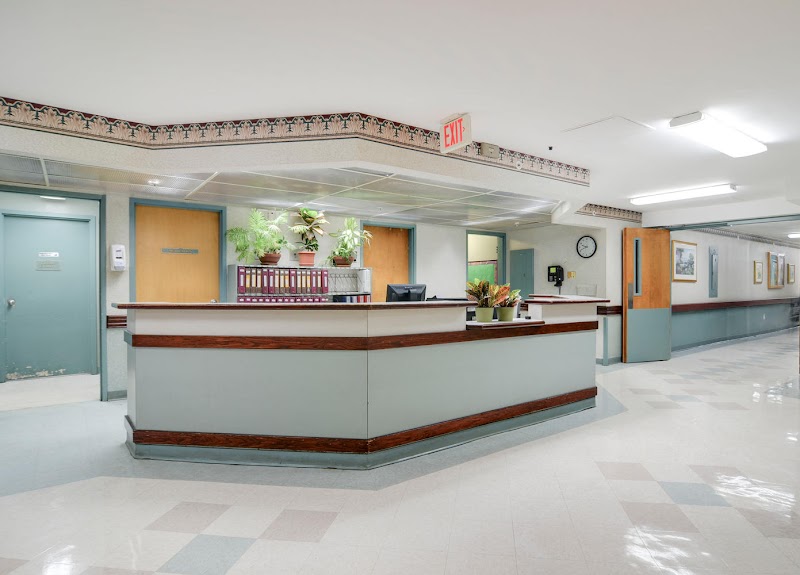
How is Adelphi Staffed?

CMS rates ADELPHI NURSING AND REHABILITATION CENTER's staffing level at 3 out of 5 stars, which is average compared to other nursing homes. Staff turnover is 27%, compared to the Maryland average of 46%. This relatively stable workforce can support continuity of care.

What Have Inspectors Found at Adelphi?

State health inspectors documented 73 deficiencies at ADELPHI NURSING AND REHABILITATION CENTER during 2018 to 2025. These included: 72 with potential for harm and 1 minor or isolated issues. While no single deficiency reached the most serious levels, the total volume warrants attention from prospective families.
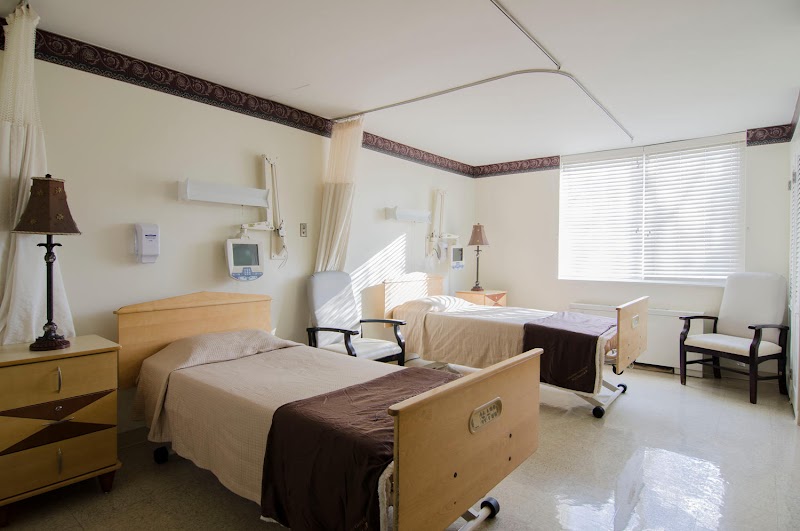
Who Owns and Operates Adelphi?

ADELPHI NURSING AND REHABILITATION CENTER is owned by a for-profit company. For-profit facilities operate as businesses with obligations to shareholders or private owners. The facility operates independently rather than as part of a larger chain. With 170 certified beds and approximately 160 residents (about 94% occupancy), it is a mid-sized facility located in ADELPHI, Maryland.
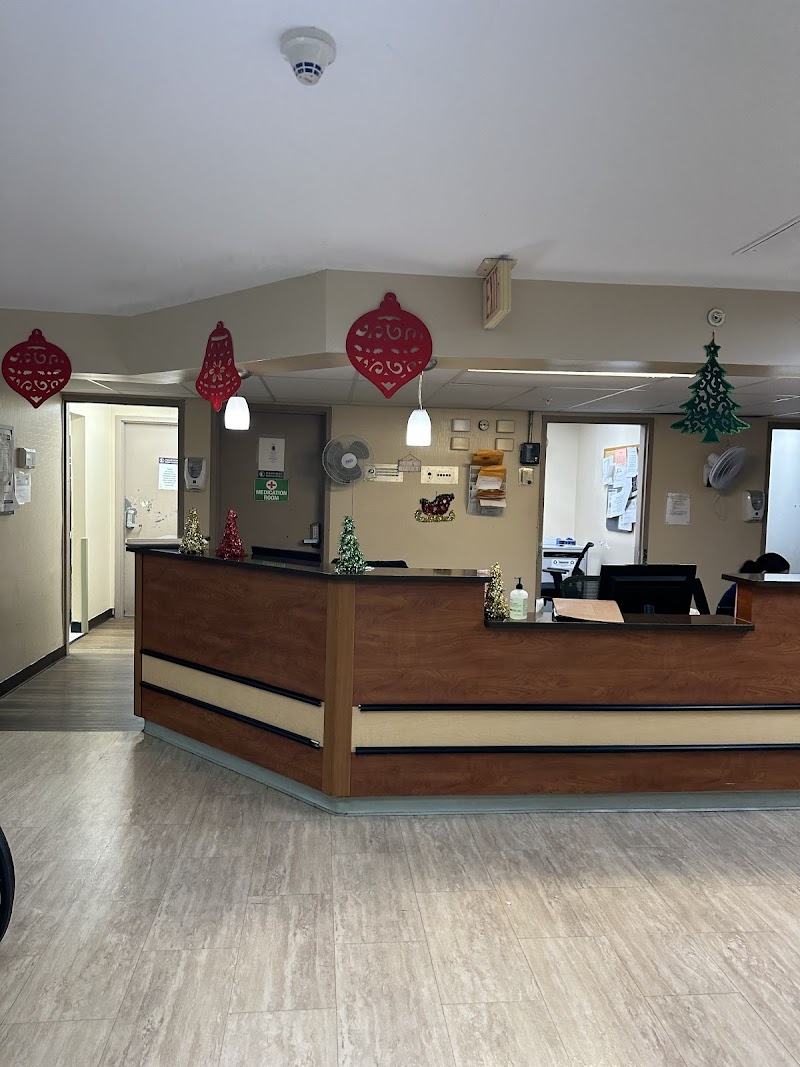
How Does Adelphi Compare to Other Maryland Nursing Homes?

Compared to the 100 nursing homes in Maryland, ADELPHI NURSING AND REHABILITATION CENTER's overall rating (2 stars) is below the state average of 3.0, staff turnover (27%) is significantly lower than the state average of 46%, and health inspection rating (2 stars) is below the national benchmark.

What Should Families Ask When Visiting Adelphi?

Based on this facility's data, families visiting should ask: "Can I visit during a mealtime to observe dining assistance and food quality?" "How do you handle medical emergencies, and what is your hospital transfer rate?" "Can I speak with family members of current residents about their experience?"

Is Adelphi Safe?

Based on CMS inspection data, ADELPHI NURSING AND REHABILITATION CENTER has a clean safety record: no substantiated abuse findings (meaning no confirmed cases of resident harm), no Immediate Jeopardy citations (the most serious violation level indicating risk of serious injury or death), and is not on the Special Focus Facility watch list (a federal program monitoring the lowest-performing 1% of nursing homes). The facility has a 2-star overall rating and ranks #100 of 100 nursing homes in Maryland. While no facility is perfect, families should still ask about staff-to-resident ratios and recent inspection results during their visit.

Do Nurses at Adelphi Stick Around?

Staff at ADELPHI NURSING AND REHABILITATION CENTER tend to stick around. With a turnover rate of 27%, the facility is 19 percentage points below the Maryland average of 46%. Low turnover is a positive sign. It means caregivers have time to learn each resident's needs, medications, and personal preferences. Consistent staff also notice subtle changes in a resident's condition more quickly. Registered Nurse turnover is also low at 26%, meaning experienced RNs are available to handle complex medical needs.

Was Adelphi Ever Fined?

ADELPHI NURSING AND REHABILITATION CENTER has no federal fines on record. CMS issues fines when nursing homes fail to meet care standards or don't correct problems found during inspections. The absence of fines suggests the facility has either maintained compliance or corrected any issues before penalties were assessed. This is a positive indicator, though families should still review recent inspection reports for the full picture.

Is Adelphi on Any Federal Watch List?

ADELPHI NURSING AND REHABILITATION CENTER is not on any federal watch list. The most significant is the Special Focus Facility (SFF) program, which identifies the bottom 1% of nursing homes nationally based on persistent, serious quality problems. Not being on this list means the facility has avoided the pattern of deficiencies that triggers enhanced federal oversight. This is a positive indicator, though families should still review the facility's inspection history directly.