STERLING CARE HILLHAVEN
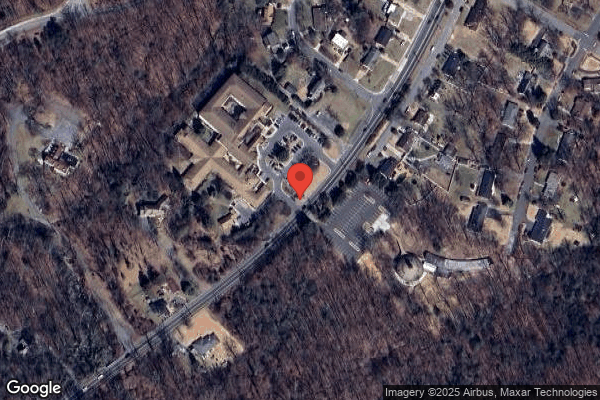
3210 POWDER MILL ROAD, ADELPHI, MD 20783 (301) 937-3939
For profit - Limited Liability company 66 Beds STERLING CARE Data: November 2025
Trust Grade
75/100
#81 of 219 in MD
Last Inspection: June 2025

Inspected within the last 6 months. Data reflects current conditions.

Overview

Sterling Care Hillhaven has a Trust Grade of B, indicating it is a good choice for families considering nursing homes. It ranks #81 out of 219 facilities in Maryland, placing it in the top half, and #9 of 19 in Prince George's County, meaning only eight local options are better. The facility's trend is stable, with eight issues reported in both 2022 and 2025. While staffing has a poor rating of 1 out of 5 stars, it boasts an impressive turnover rate of 0%, meaning staff stays long-term and likely knows the residents well. There have been no fines, which is a positive sign of compliance. However, some concerns have been noted. For instance, five Geriatric Nursing Assistants had not received performance reviews in several years, which could impact the quality of care. Additionally, there was a documented incident where a resident did not receive the correct oxygen flow as prescribed, reflecting issues in medication management. Another finding indicated that a resident was not offered the necessary paperwork to create an advance directive, highlighting potential gaps in communication and planning. Overall, while there are strengths in staff retention and compliance, families should be aware of these care-related weaknesses.

Trust Score
B
75/100
In Maryland
#81/219
Top 36%
Safety Record
Low Risk
No red flags
Inspections
Holding Steady
8 → 8 violations
Staff Stability
○ Average
Turnover data not reported for this facility.
Penalties
✓ Good
No fines on record. Clean compliance history, better than most Maryland facilities.
Skilled Nurses
○ Average
RN staffing data not reported for this facility.
Violations
⚠ Watch
18 deficiencies on record. Higher than average. Multiple issues found across inspections.
★★★★☆
4.0
Overall Rating
★☆☆☆☆
1.0
Staff Levels
★★★★☆
4.0
Care Quality
★★★★★
5.0
Inspection Score
Stable
2022: 8 issues
2025: 8 issues

The Good

  • 4-Star Quality Measures · Strong clinical quality outcomes
  • Full Sprinkler Coverage · Fire safety systems throughout facility
  • No fines on record

Facility shows strength in quality measures, fire safety.

The Bad

Chain: STERLING CARE

Part of a multi-facility chain

Ask about local staffing decisions and management

The Ugly 18 deficiencies on record

Jun 2025 8 deficiencies
CONCERN (D)

Potential for Harm - no one hurt, but risky conditions existed

Deficiency F0578 (Tag F0578)

Could have caused harm · This affected 1 resident

Based on facility staff interview and surveyor record review it was determined that the facility failed to offer and provide a Resident and/or Resident Representative with educational information and ...

Read full inspector narrative →
Based on facility staff interview and surveyor record review it was determined that the facility failed to offer and provide a Resident and/or Resident Representative with educational information and forms on advance directives. This finding was found to be evident in 1(Resident #302) of 2 Residents reviewed for advance directives. The findings include: An advance directive is a legal document that specifies a person's wishes for end-of-life healthcare. It also specifies who should make healthcare decisions on your behalf if they were unable to do so themselves. On 06/04/2025 at 8:47 AM the surveyor conducted a review of Resident #302's medical record. The record review revealed that Resident #302 did not have an advance directive in the medical record. Further review of Resident #302's medical record revealed that there was a Social History assessment completed on 05/12/2025 at 14:27 PM which indicated that Resident #302 did not have an advance directive not checked, paperwork offered checked no and forms given not checked. In an interview with the Social Services Director (SSD) at 12:40 PM on 06/06/2025 the surveyor asked what the expectation was for advance directive documentation and the SSD stated that the advance directive documentation would be in the Social History assessment and progress notes. The SSD further stated that documentation would include asking Resident or Resident Representative if Resident had an advance directive, providing education on advance directives and offering the forms for the formulation of an advance directive. The surveyor conveyed to the SSD that Resident #302's Social History dated 05/12/2025 indicated that Resident did not have an advance directive and was not offered paperwork or provided the forms to formulate an advance directive. The SSD reviewed Resident #302's Social History and acknowledged the surveyor and stated that she was not the SSD at the time of this Social History assessment but was aware of the process for advance directives. No additional documentation was provided by the facility at the time of exit.
CONCERN (D)

Potential for Harm - no one hurt, but risky conditions existed

Deficiency F0655 (Tag F0655)

Could have caused harm · This affected 1 resident

Based on record review and interview, it was determined that the facility failed to develop a baseline care plan within 48 hours of admission. This was found to be evident for 1 (Resident #26) of 1 re...

Read full inspector narrative →
Based on record review and interview, it was determined that the facility failed to develop a baseline care plan within 48 hours of admission. This was found to be evident for 1 (Resident #26) of 1 resident reviewed for baseline care plans. The findings include: According to Centers for Medicare and Medicaid Services (CMS), long term care facilities must develop and implement a baseline care plan for each resident within 48 hours of admission. The guidelines state the 48-hour baseline care plan must include ' the instructions needed to provide effective and person-centered care of the resident that meet professional standards of quality care, ' including, but not limited to: initial goals based on admission orders, physician orders, dietary orders, therapy services, social services, and PASARR recommendation, if applicable. On 06/09/2025 at approximately 10:00 AM, a review of Resident #26 ' s electronic health record revealed no documentation of a baseline care plan. On 06/09/2025 at approximately 11:30 AM, this surveyor requested a copy of the baseline care plan for Resident #26 from Staff #20. On 06/09/2025 at 12:04 PM, an interview was conducted with Staff #20. She reported that there was no baseline care plan that she could find for Resident #26. She acknowledged this as a concern and requested additional time to search for the documentation. On 06/09/2025 at 12:45 PM, Staff #20 provided documentation of a nursing assessment note which was completed on the date of Resident #26 ' s admission. On 06/09/2025 at 12:50 PM, an interview was conducted with the Director of Nursing (DON) and Staff #20. During the interview, it was clarified that the nursing assessment note did not meet the requirements for a baseline care plan, nor did it serve as documentation that a baseline care plan had been developed or provided. Both the DON and Staff #20 acknowledged the concern and confirmed their understanding.
CONCERN (D)

Potential for Harm - no one hurt, but risky conditions existed

Deficiency F0685 (Tag F0685)

Could have caused harm · This affected 1 resident

Based on observations, interviews with the resident and facility staff, it was determined that the facility failed to provide treatment and services to maintain hearing function. This was evident for ...

Read full inspector narrative →
Based on observations, interviews with the resident and facility staff, it was determined that the facility failed to provide treatment and services to maintain hearing function. This was evident for 1 (Resident #27) out of 1 resident reviewed for hearing-related treatment and devices during the recertification survey process. The findings include: Hearing aids are medical devices used to assist individuals with hearing loss by amplifying sound. They are typically prescribed and fitted by a licensed audiologist and customized to meet the user ' s specific hearing needs. Hearing aids improve the ability to hear speech, environmental sounds, and alarms, thereby enhancing safety, communication, and quality of life. In healthcare and long-term care settings, it is the responsibility of staff to ensure residents' hearing aids are functioning properly, assist residents with placement and removal as needed, keep devices clean, charged, and stored appropriately, document usage and report any issues or concerns related to hearing aid function or resident access. Failure to ensure access to hearing aids may lead to communication barriers, social isolation, increased risk of confusion or behavioral issues, and a potential decline in overall well-being. On 06/05/2025 at 09:20 AM during an interview, Resident #27 stated, I am hard of hearing and use hearing aids. I always have to ask for my hearing aids. The surveyor observed the Resident ' s hearing aids on a charger on the counter in the room. On 06/05/2025 at 09:51 AM the Surveyor observed Resident #27 in a wheelchair without his/her hearing aids in place. Resident #27 stated, I am waiting for someone to help me, and added, this happens all the time. On 06/05/2025 at 10:43 AM the Surveyor interviewed the Assistant Director of Nursing (ADON) regarding the facility's process for residents who use hearing aids. The ADON stated that staff are expected to ensure hearing aids are properly charged and to assist residents with applying them as needed. When asked who is responsible for ensuring hearing aids are in place, she explained that both nurses and Geriatric Nursing Assistants (GNAs) share this responsibility. The ADON further stated that documentation is completed by GNAs in the Point of Care (POC) system, and by nurses in the Treatment Administration Record (TAR). The observations of Resident #27 were discussed with the ADON and the staff's failure to ensure that the Resident ' s hearing aids were applied daily. The ADON acknowledged the concern. On 06/09/2025 09:15AM the Surveyor observed Resident #27 seated in a wheelchair in his/her room without hearing aids in place. The hearing aids were observed in the case on the counter. When interviewed, the resident stated, I am waiting for my GNA to assist me, it happens all the time. On 06/09/2025 at 10:50 AM the surveyor went to Resident #27 ' s room and observed the Resident ' s hearing aids on the counter. The surveyor asked the Director of Nursing (DON) about the facility ' s expectations for residents who use hearing aids. The DON stated, It depends; if a resident is not able to put the hearing aids in, it is the staff ' s responsibility (GNA) to assist the resident during care. The DON further confirmed that the charge nurse is responsible for ensuring the assigned GNA applies the hearing aids. On 06/09/2025 at 11:15 AM the surveyor and the Director of Nursing (DON) entered Resident #27 ' s room and observed the resident ' s hearing aids placed on the counter. At the time of the observation, the Resident was not in the room. The DON confirmed that the Resident was attending an activity without his/her hearing aids. The surveyor brought the concern to DON ' s attention, and she acknowledged the concern.
CONCERN (D)

Potential for Harm - no one hurt, but risky conditions existed

Pressure Ulcer Prevention (Tag F0686)

Could have caused harm · This affected 1 resident

Based on surveyor observation, facility staff interview and surveyor record review, it was determined that the facility staff failed to document the delivery of daily wound care for a Resident with a ...

Read full inspector narrative →
Based on surveyor observation, facility staff interview and surveyor record review, it was determined that the facility staff failed to document the delivery of daily wound care for a Resident with a pressure ulcer. This finding was found to be evident in 1 (Resident #45) of 1 Resident reviewed for treatment and services of pressure ulcers. The findings include: During the initial tour of the facility on 06/03/2025 at 12:30 PM Resident #45 was lying in bed asleep with an air mattress pump on the footboard of the bed. The Medication and Treatment Administration Record (MAR/TAR) is a record used to keep track of every dose of medication or treatment that a Resident is administered. The MAR and TAR includes key information about the Resident's medication and treatment including the name, dose taken/given, special instructions and date and time. The surveyor conducted a record review of Resident #45's medical record on 06/05/2025 at 7:55 AM. The review of the medical record revealed that Resident #45 had a physician order for daily treatment for wound care to the left heel. Further review of the medical record, specifically the May 2025 treatment administration record (TAR), revealed that there was no documentation that the daily wound treatment to the left heel ulcer was provided to Resident #45 by the nursing staff on the following dates 05/01/2025, 05/06/2025, 05/08/2025 and 05/22/2025. At 10:20 AM on 06/05/2025 the surveyor interviewed Nursing Administration, Registered Nurse (RN) #20. During this interview the surveyor conveyed to RN #20 that Resident #45 had a left heel pressure ulcer on admission to facility. In addition, the Resident had a physician order for daily treatment of the left heel wound but there was no documentation on the May 2025 treatment administration record (TAR) that wound care was provided on 05/01/2025, 05/06/2025, 05/08/2025 and 05/22/2025. Registered Nurse (RN) #20 reviewed the TAR for Resident #45 and acknowledged that there was no documentation on the May 2025 TAR for the daily treatment of the left heel wound for 05/01/2025, 05/06/2025, 05/08/2025 and 05/22/2025 and confirmed that the wound care treatment should have been signed/initialed when it was done by the nursing staff. No additional documentation was provided by the facility at the time of exit.
CONCERN (D)

Potential for Harm - no one hurt, but risky conditions existed

Food Safety (Tag F0812)

Could have caused harm · This affected 1 resident

Based on observation, interview, and record review, it was determined that the facility failed to ensure (1) that the freezer was functional in the kitchen and (2) failed to label food/drink items in ...

Read full inspector narrative →
Based on observation, interview, and record review, it was determined that the facility failed to ensure (1) that the freezer was functional in the kitchen and (2) failed to label food/drink items in the nourishment refrigerators. This was found to be evident during the Kitchen Observations and for 2 of 2 nourishment room refrigerators. The findings include: (1) TELS (Total Equipment Logging System) is the facility ' s computerized system used to document, track, and manage maintenance work orders and service requests. On 06/03/2025 at 08:21 AM, this surveyor began the initial brief tour of the kitchen. During this tour, it was observed that Walk-In Freezer #1 did not have any icicle formation within the freezer. At 09:45 AM, the surveyor and the Dietary Services Director (Staff #9) continued the kitchen tour. During this time, Walk-In Freezer #2 was observed to have multiple icicles formed on both the front and back sections of the ceiling. Additional ice buildup was noted around the poles of the storage shelving, along the refrigeration tubing components, around the interior door frame, and on multiple boxes of stored food. Photographic documentation of these findings was taken at the time of observation. On 06/03/2025 at 09:47 AM, following the observation of Walk-In Freezer #2, an interview was conducted with the Dietary Services Director (Staff #9). She stated that the freezer has had ongoing issues and that maintenance has previously attempted repairs, although she could not recall the specifics of what was fixed. She reported that while the freezer is maintaining appropriate temperatures (according to the temperature logs), it continues to produce icicles. When asked, she was unsure why the icicles were forming. Staff #9 also stated that during a corporate walkthrough approximately two months ago, she was informed there was a possibility the freezer would be replaced. However, she has not received any further updates since that time. On 06/06/2025 at 9:23 AM, temperature logs for Walk-In Freezer #2 were received for the months of December 2024 through June 2025. Record review of the logs showed temperatures were recorded twice daily-once in the early morning (around 5:30 AM) and once in the evening (between 6:00 and 7:30 PM). At this time, service invoices from the facility ' s refrigeration contractor, were also received for review. On 06/06/2025 at approximately 09:30 AM, a record review of service invoices from the facility ' s external service refrigeration contractor, showed multiple work orders for walk-in freezer repairs between May 2024 and March 2025. While only one work order specifically referenced the walk-in freezer on the right side of the kitchen (identified as Walk-In Freezer #2), the remaining work orders did not indicate which freezer was serviced. Documented repairs included defrosting the evaporator coil, replacing fan blades and a motor, adjusting the thermostat, addressing refrigerant levels, and repairing heat tape and piping. On 06/06/2025 at 12:05 PM, an interview was conducted with Staff #9 regarding the work order documents from the facility ' s eternal service refrigeration contractor (reviewed above). Staff #9 was unable to confirm whether the work orders for the walk-in freezer pertained to Walk-In Freezer #1 or #2 but confirmed that Walk-In Freezer #1 rarely had issues. Documentation was then requested for TELS records specific to work orders related only to Walk-In Freezer #2. On 06/06/2025 at approximately 12:20 PM, Staff #9 provided documentation of a TELS work order for Walk-In Freezer #2. The work order noted Heavy ice buildup around freezer door, needs knocking off. May affect temperature and indicated it was filed by Staff #9 on 05/08/2025. On 06/06/2025 at 12:27 PM, an interview was conducted with the Administrator. When asked if he was aware of any current issues in the kitchen, he stated that Walk-In Freezer #2 had experienced ice buildup, but that it had recently been removed. He confirmed awareness of the ongoing issues with Walk-In Freezer #2, noting that he approves all maintenance requests, and stated no additional work orders had been submitted since the most recent service addressing the ice buildup. It was also explained to the Administrator at this time that Walk-In Freezer #1 did not have any icicle formation. Therefore, there is a clear issue with Walk-In Freezer #2 related to the formation of icicles. When asked about his expectations for addressing a freezer with recurring problems, he stated that ice buildup does not necessarily indicate a temperature issue. When asked why the ice may be forming, he suggested the possibility of a leak or drip from a pipe, but noted he would need to review maintenance records to confirm. On 06/06/2025 at 02:10 PM, a follow-up interview was conducted with the Administrator. During this interview, the surveyor presented photos taken of Walk-In Freezer #2 during the initial kitchen tour. The extent of the ice formation was discussed as a concern. It was noted that icicles were observed in multiple areas, including along the ceiling, on storage shelves, on the door, and on various boxes of food. The surveyor explained that the widespread formation of icicles was unlikely to be the result of a single leak or drip, and instead appeared consistent with a pattern of temperature fluctuations - suggesting that the freezer may not have consistently maintained proper temperatures, allowing defrosting and refreezing to occur. Although temperature logs for Walk-In Freezer #2 showed recorded temperatures between -15°F and 0°F, the logs only reflected two readings per day. It was explained that, due to the limited frequency of temperature checks, it cannot be verified that the freezer consistently maintained proper temperatures throughout the day. The Administrator confirmed understanding. (2) On 06/06/2025 at 1:09 PM, this surveyor observed the first nourishment refrigerator used for resident food items. A posted sign on the door instructed staff to label food with a 3-day expiration date (If placed in refrigeration on October 1, label October 3. Food will be thrown out on the evening of the expiration date.) At this time, an opened container of apple juice was observed inside the refrigerator. It was labeled with a resident ' s room number but lacked a discard date. Photographs were taken of both the sign and the apple juice. On 06/06/2025 at approximately 1:58 PM, this surveyor observed the second nourishment refrigerator with the Dietary Services Manager (Staff #9). An opened container of cream cheese was labeled with a resident ' s room number but did not have an expiration date. The concern was brought to the attention of Staff #9, who acknowledged the issue and removed the cream cheese from the refrigerator. On 06/06/2025 at 2:10 PM, this surveyor reported the concern regarding undated open food items to the facility Administrator and showed the photographs taken earlier. The Administrator confirmed understanding of the concern.
CONCERN (D)

Potential for Harm - no one hurt, but risky conditions existed

Medical Records (Tag F0842)

Could have caused harm · This affected 1 resident

Based on record review and interview, it was determined that the facility failed to ensure that the residents' medical records were complete and accurate. This was evident for 1 (Resident# 34) of 24 r...

Read full inspector narrative →
Based on record review and interview, it was determined that the facility failed to ensure that the residents' medical records were complete and accurate. This was evident for 1 (Resident# 34) of 24 residents reviewed during the annual recertification survey. The findings include: Resident #34 diagnoses included Strain of right Quadriceps Muscle, Fascia and Tendon; Muscle Weakness and Difficulty walking. On 06/05/2025 at 08:00AM a review of Resident #34's clinical record revealed an active physician's order dated 03/29/2024 and revised on 03/29/2024 as follows: Treatment Therapy-Right Knee Immobilizer every shift - To maintain alignment. On 06/05/2025 at 12:30 PM the Surveyor observed Resident #34 lying in bed, not wearing a Right Knee Immobilizer. When asked, the resident stated that he/she did not remember ever wearing one. Further review of Resident #34's clinical record failed to reveal a care plan with interventions for a Right Knee Immobilizer and documentation relating to the resident's non-use of the Immobilizer. On 06/06/2025 at 09:00 AM the surveyor inquired about Resident #34's use of a Right Knee Immobilizer. LPN Staff #10 responded He/she does not wear one. He/she used to have one a long time ago, but he/she was non-compliant. The surveyor asked LPN Staff #10 to check the resident's clinical record to confirm whether the resident had a physician's order for a Right Knee Immobilizer and whether a care plan was in place with interventions. LPN Staff#10 confirmed that there was an active physician's order but no care plan in place. I will ask the Nurse Practitioner about the order since the resident refuses to wear the Immobilizer. On 06/06/2025 at 09:19 AM the Director of Nursing was notified of the surveyor's findings.
CONCERN (D)

Potential for Harm - no one hurt, but risky conditions existed

Deficiency F0883 (Tag F0883)

Could have caused harm · This affected 1 resident

**NOTE- TERMS IN BRACKETS HAVE BEEN EDITED TO PROTECT CONFIDENTIALITY** Based on facility staff interview and surveyor record review it was determined that the facility failed to provide documentation...

Read full inspector narrative →
**NOTE- TERMS IN BRACKETS HAVE BEEN EDITED TO PROTECT CONFIDENTIALITY** Based on facility staff interview and surveyor record review it was determined that the facility failed to provide documentation that a Resident was offered the pneumococcal vaccination. This finding was found to be evident in 1 (Resident #302) of 5 Residents reviewed for pneumococcal immunization. The findings include: The surveyor conducted a record review of Resident #302 medical record on 06/05/2025 at 8:10 AM. Review of Resident #302's medical record revealed lack of documentation of the pneumococcal immunization. Resident #302 was admitted to the facility on [DATE] for short term rehabilitation. The MDS (Minimum Data Set) assessment is a standardized tool used to evaluate the health and functional status of Residents in skilled nursing homes (SNFs) in the United States. The purpose is to provide a comprehensive picture of the Resident's physical, cognitive, social and emotional needs; to guide care planning and ensure that Residents receive appropriate services; and to collect data for quality improvement, research and policymaking. Further review of the Resident #302's medical record on 06/05/2025 at 8:45 AM revealed that the Resident had a recent MDS (Minimum Data Set) assessment completed on May 15, 2025, which indicated that the pneumococcal vaccination was not up to date, not received and not offered. In addition, the immunization section of Resident #302's electronic medical record did not indicate that Resident had received the pneumococcal vaccination. The surveyor interviewed the Director of Nursing (DON) on 06/06/2025 at 9:15 AM. The surveyor asked the DON what the expectation was for the pneumococcal (PNA) vaccination, and she stated that Resident's vaccination history was to be assessed and the PNA vaccination was to be offered to Residents. The surveyor conveyed to the DON that Resident #302's immunization record did not indicate that Resident had received a pneumococcal vaccination and that the recent MDS dated [DATE], indicated that the pneumococcal vaccination was not up to date, not received and not offered. The DON acknowledged the surveyor and did not provide any additional information. At the time of survey exit no additional documentation was provided by the facility.
CONCERN (E)

Potential for Harm - no one hurt, but risky conditions existed

Deficiency F0730 (Tag F0730)

Could have caused harm · This affected multiple residents

Based on facility staff interviews and surveyor record review of employee personnel files, it was determined that the facility failed to conduct performance reviews of Geriatric Nursing Assistants (GN...

Read full inspector narrative →
Based on facility staff interviews and surveyor record review of employee personnel files, it was determined that the facility failed to conduct performance reviews of Geriatric Nursing Assistants (GNAs) at least once every 12 months. This finding was found to be evident for 5 (GNA #15, 16, 17, 18 and 19) of 5 GNAs randomly selected nursing staff personnel files reviewed for nurse aide performance review. The findings include: On 06/06/2025 at 12:35 PM a review of the randomly selected Geriatric Nursing Assistant (GNA) personnel files revealed that GNAs #15,16,17,18 and 19 did not have current annual performance reviews. Further review of the 5 GNA personnel files failed to produce a record of an annual performance evaluation for GNAs #16 and #17. GNA #15's last documented performance review was done in 2018 and GNA #18's last documented performance review was done in 2019. GNA #19 was hired on 02/27/2024 and there was no documented performance evaluation for 2025. At the time of this record review, there were no current documented performance evaluations for these 5 Geriatric Nursing Assistants (GNAs). In an interview with Nursing Administration, Registered Nurse (RN) #20 at 2:15 PM on 06/06/2025, the surveyor conveyed to RN #20 that there were no current performance evaluations in the 5 GNA personnel files that were reviewed. Additionally, the last documented performance review was from 2019. RN #20 acknowledged the surveyor and stated that she would follow-up on this. In a follow-up interview with RN #20 with the Director of Nursing (DON) in attendance at 7:39 AM on 06/09/2025, RN #20 and DON confirmed that there were no current documented performance evaluations for the 5 Geriatric Nursing Assistants (GNAs) #15, 16, 17, 18 and 19 at the time of this record review. No additional documentation was provided by the facility at the time of survey exit.
May 2022 8 deficiencies
CONCERN (D)

Potential for Harm - no one hurt, but risky conditions existed

Resident Rights (Tag F0550)

Could have caused harm · This affected 1 resident

Based on observation, interviews, and record review it was determined that the facility staff failed to ensure the dignity of a resident as evidenced by the resident's left breast exposed. This was fo...

Read full inspector narrative →
Based on observation, interviews, and record review it was determined that the facility staff failed to ensure the dignity of a resident as evidenced by the resident's left breast exposed. This was found to be evident for 1 (Resident #30) out of 8 residents observed during a tour of the nursing unit. The findings include: During a tour conducted on 05/16/2022 at 10:05 AM, the surveyor observed from the hallway Resident #30's left breast exposed. The surveyor observed Geriatric Nursing Aide (GNA) #2 enter and exit the resident's room. An observation conducted on 05/16/2022 at 10:12 AM in Resident #30's room, the surveyor observed Charge Nurse License Practical Nurse (LPN) #3 enter the resident's room, he/she walked pass Resident #30 with his/her left breast exposed and began to provide care for Resident #30's roommate, Resident #37. During an interview conducted on 05/16/2022 at 10:13 AM, GNA #2 stated that he\she did not see the resident's left breast exposed. The GNA further stated that Resident #30 tended to disrobe, the GNA pulled down the resident's shirt and pulled the sheet over the resident. During an interview conducted on 05/16/2022 at 10:15 AM, Charge Nurse Licensed Practical Nurse (LPN) #3 stated that she did not understand the surveyor's questions, GNA #2 explained to the Charge Nurse that the resident's breast was exposed and asked if he/she noticed the resident's breast was exposed. The Charge Nurse stated she was with the roommate, Resident #37. Record review of Resident # 30's care plan on 05/16/2022 at 10:50 AM, revealed a behavior problem for disrobing related to dementia with an intervention that stated, cover resident for privacy when noted disrobing. During an interview conducted on 05/16/2022 at 11:35 AM, the surveyor advised the Director of Nursing (DON) of the findings. On 05/17/2022 at 9:45 AM the DON provided the surveyor with an in-service conducted on 05/16/2022 for dignity.
CONCERN (D)

Potential for Harm - no one hurt, but risky conditions existed

Investigate Abuse (Tag F0610)

Could have caused harm · This affected 1 resident

Based on the review of a facility reported incident (FRI) and interview with facility staff, it was determined that the facility failed to provide the survey team with a thorough investigation into a ...

Read full inspector narrative →
Based on the review of a facility reported incident (FRI) and interview with facility staff, it was determined that the facility failed to provide the survey team with a thorough investigation into a facility reported incident. This was evident in the review of 1 of 4 facility reported incidents. The findings include: On 5/19/2022 at 12:06 PM surveyor requested the investigation into an abuse allegation for FRI #MD00137149, regarding lack of call bell assistance and the handling of Resident #310 by a Geriatric Nursing Assistant (GNA) reportedly occurring on 2/21/2019. The Director of Nursing (DON) stated that although she did not work at the facility at that time, she would look for the investigation. Regarding the FRI, surveyor was able to access the electronic medical record (EHR) for Resident #310. This review revealed no nursing notes or progress notes that alluded to the FRI such as concerns related to abuse or neglect. On 5/20/2022 at 8:57 AM Surveyor spoke with the DON, and she reported that they are unable to locate any investigation for the FRI #MD00137149. The concern that they currently did not have proof that an investigation was completed was reviewed at this time. On 5/25/2022 at the time of the survey exit, the facility was still unable to locate an investigation into the FRI occurring around 2/26/2019.
CONCERN (D)

Potential for Harm - no one hurt, but risky conditions existed

Deficiency F0637 (Tag F0637)

Could have caused harm · This affected 1 resident

Based on Medical Record review and interview the facility failed to complete a change of condition form for Resident # 56 who was sent to the hospital in respiratory distress. This was evident for 1 o...

Read full inspector narrative →
Based on Medical Record review and interview the facility failed to complete a change of condition form for Resident # 56 who was sent to the hospital in respiratory distress. This was evident for 1 out of 1 person reviewed. The findings include: On 5/16/22 at 9:11 AM an interview was held with Resident #52. Resident was admitted to this facility on 4/27/22 with a history of Major infection, Depression, Parkinson, Alzheimer's/Dementia and Respiratory issues. A medical chart review was conducted on 5/17/22 at 9:41 AM. It was noted in the medical record that the resident was sent out to the hospital on 5/16/22 about 2 PM in the afternoon with shortness of breath. Resident #52 was on Oxygen 2 liters via nasal cannula. The resident was admitted to the hospital. Record review revealed that there was no change of condition noted in the chart. The medical record noted that Family was made aware in writing on 5/18/22 and the Doctor saw Resident #52 on 5/16/22 before she was sent to the hospital. The DON (Director of Nursing) was made aware of this finding on 5/25/22 at 10 AM.
CONCERN (D)

Potential for Harm - no one hurt, but risky conditions existed

Pressure Ulcer Prevention (Tag F0686)

Could have caused harm · This affected 1 resident

Based on observations, interviews, and record reviews it was determined the facility failed to provide treatment of a pressure injury to promote healing. This was found to be evident for 1 (resident #...

Read full inspector narrative →
Based on observations, interviews, and record reviews it was determined the facility failed to provide treatment of a pressure injury to promote healing. This was found to be evident for 1 (resident #19) of 2 residents observed for pressure injuries. The findings include: Pressure injuries are sores (ulcers) that happen on areas of the skin that are under pressure. The pressure can come from lying in bed, sitting in a wheelchair, or wearing a cast for a long time. Pressure injuries are also called bedsores, pressure sores, or decubitus ulcers. The severity of the pressure injury is identified by four stages from the least to the worse. Stage 1 sores are not open wounds. The skin may be painful, but it has no breaks or tears. Stage 2 the skin usually breaks open, wears away, or forms an ulcer, which is usually tender and painful. The sore expands into deeper layers of the skin. It can look like a scrape (abrasion) or a shallow crater in the skin. Sometimes this stage looks like a blister filled with clear fluid. At this stage, some skin may be damaged beyond repair or may die. Stage 3, the sore gets worse and extends into the tissue beneath the skin, forming a small crater. Fat may show in the sore, but not muscle, tendon, or bone. Stage 4, the pressure injury is very deep, reaching into muscle and bone and causing extensive damage. Damage to deeper tissues, tendons, and joints may occur. Offloading is described as lifting or pushing an area of high pressure away from the cause of the pressure. To offload is to distribute the load (the weight) to other areas which are not susceptible to pressure areas. Both the calf and foot can help with the offloading. Heel pressure is redistributed to both the calf, a soft muscle belly which can change shape to fit a supportive device as well as the foot. Examples of offloading is to place a pillow under the calves causing the heels of the feet to float off the bed or a specialty boot that will redistribute the weight off the heels. On 05/17/2022 at 11:55 AM review of Resident #19's wound care physician note revealed the resident had a stage 3 pressure injury on the left heel. The assessment plan was to continue to offload. On 05/17/2022 at 12:10 PM review of Resident #19's physician order stated to float heels when in bed. During multiple observations conducted on 05/16/2022, 05/17/2022 and 05/18/2022, the surveyor observed Resident #19 in bed without his/her heels offloaded. On 05/18/2022 at 11:44 AM the surveyor and Charge Nurse #3 observed Resident # 19 in bed with his/her knees bent and both feet planted directly on the bed. The Charge Nurse #3 stated he/she was assigned to the resident and confirmed the resident heels were not floated. The Charge Nurse stated he/she floated the resident heels on a pillow, but the resident moved a lot and would not keep the pillow under the resident legs. The Charge Nurse further stated the pillow was found on the floor by a GNA who placed the pillow in the resident's closet. The Charge Nurse stated he/she was unaware of which GNA placed the pillow in the closet. During an interview conducted on 05/18/2022 at 11:46 AM, the Unit Manager (UM) #16 stated that the resident moved a lot. The Unit Manager further stated residents that don't keep their feet on a pillow to offload the facility will discontinue the order to float heels. On 05/18/2022 11:50 AM an interview conducted with the Director of Nursing (DON) revealed the facility's policy is to notify the physician if the resident is not compliant and implement alternative devices such as a boot, rehab etc . The surveyor advised the DON of the observations conducted. On 05/19/2022 at 9:12 AM the DON provided the surveyor with an in-service conducted for floating of the heels for nursing staff.
CONCERN (D)

Potential for Harm - no one hurt, but risky conditions existed

Accident Prevention (Tag F0689)

Could have caused harm · This affected 1 resident

**NOTE- TERMS IN BRACKETS HAVE BEEN EDITED TO PROTECT CONFIDENTIALITY** Based on medical record review and staff interview, it was determined that the facility staff failed to consistently monitor and...

Read full inspector narrative →
**NOTE- TERMS IN BRACKETS HAVE BEEN EDITED TO PROTECT CONFIDENTIALITY** Based on medical record review and staff interview, it was determined that the facility staff failed to consistently monitor and identify the location of a resident's resident guard (wander guard device). This was evident for 1 of 2 residents (Resident #51) reviewed for accidents. A care plan is a guide that addresses the needs of each resident. It is used to plan, assess, and evaluate the effectiveness of the resident's care. A Resident Guard (Wander Guard) is a wearable device worn to help protect residents against elopement. It is designed to detect when a resident is near a protected exit and alert staff. The findings include: On 5/17/2022 1:00 PM a review of Resident #51's medical record revealed that Resident #51 was diagnosed with panic disorder, cerebellar ataxia, dystonia, hereditary ataxia, and generalized muscle weakness. Further review of Resident #51's medical record revealed an Elopement Risk assessment dated [DATE] which noted that Resident #51 displayed exit seeking behaviors. On 5/17/2022 1:10 PM a review of the resident's physician orders revealed an order for a {resident guard bracelet} to reduce risk of elopement. Daily function check, every day shift. Further review of Resident #51's medical record revealed a care plan identifying Resident #51 as an elopement risk and wanderer. On the care plan it states, WANDER ALERT: Wander guard device applied to left wrist to decrease elopement risk. During a tour of the unit on 5/18/2022 11:45 AM surveyors observed Resident #51 sitting in a wheelchair located on the hallway outside of his/her room without a wander guard on his/her person or applied to his/her wheelchair. 05/18/22 12:00 PM surveyors interviewed the assigned Unit Manager, Staff #16, who stated, daily checks are performed, by nursing staff, to identify and monitor residents who are identified as an elopement risk and wear a wander guard device. On 5/19/2022 at 7:40 AM surveyors conducted a tour of the hallway where Resident #51's room was located, and Resident #51 was found laying in bed without a wander guard applied to his/her person or to his/her wheelchair. On 5/19/2022 at 8:15 AM Surveyors interviewed Resident #51's assigned Licensed Practical Nurse ( LPN), Staff #3, about the location of Resident #51's wander guard. Staff #3 stated, the wander guard is placed on the resident's wheelchair because the resident has exit seeking behaviors and s/he removed it off his/her wrist multiple times in the past. Staff #3 was present in room with Resident # 51 and no wander guard was found. On 5/19/2022 at 9 AM Staff # 16 was present with surveyors during a subsequent inspection of Resident # 51's room. The wander guard was not found by Staff #16. On 5/19/2022 at 1:15 PM the identified concerns were reviewed with the Director of Nursing (DON) and the Administrator throughout the survey and again during the exit.
CONCERN (D)

Potential for Harm - no one hurt, but risky conditions existed

Deficiency F0692 (Tag F0692)

Could have caused harm · This affected 1 resident

Based on observation, interviews, and record review it was determined the facility failed to ensurethat a resident was fed in a timely manner. This was found or evident for 1 (Resident #53) out of 8 r...

Read full inspector narrative →
Based on observation, interviews, and record review it was determined the facility failed to ensurethat a resident was fed in a timely manner. This was found or evident for 1 (Resident #53) out of 8 residents observed during a nursing unit tour. The findings include: According to the National Institute of Health (NIH), the Activities of Daily Living (ADLs) is a term used to collectively describe fundamental skills required to independently care for oneself, such as eating, bathing, and mobility. On 05/16/2022 at 9:42 AM a tour of the 100 Nursing Unit was conducted. The surveyor observed Resident #53 in bed and awake. The resident's breakfast tray sat on the tray table next to the resident's bed. The breakfast tray food appeared untouched, thickened liquid containers had not been opened and the silverware was clean and wrapped up in a napkin. During an interview conducted on 05/16/2022 at 10:45 AM, the Unit Manager # 8 confirmed that Resident #53 required to be fed by a staff member and had not been fed breakfast. The Unit Manager stated, breakfast is delivered to the nursing unit daily at 8:00 AM. During an interview conducted on 05/16/2022 at 11:05 AM the Unit Manager #8 stated that GNA # 11 was assigned to the resident and failed to feed him/her. The Unit Manager stated that GNA #11 would be educated. Record review of Resident #53's care plan conducted on 05/16/2022 at 11:33 AM revealed that the resident had an Activities of Daily Living goal for self-care performance deficit related to dementia, limited mobility, and musculoskeletal impairment. The intervention stated that Resident #53 was to be provided with extensive assistance for hygiene, eating, dressing & bed mobility. An interview was conducted on 05/16/2022 at 11:47 AM with the Director of Nursing (DON). The surveyor advised the DON of the findings. On 05/17/2022 at 10:17 AM the DON provided the Surveyor with an corrective action form for GNA #11 for the timeliness to feed Resident #53. The DON also provided the surveyor with an in-service conducted on 05/16/2022 for resident feeding.
CONCERN (D)

Potential for Harm - no one hurt, but risky conditions existed

Deficiency F0761 (Tag F0761)

Could have caused harm · This affected 1 resident

Based on observation, record review and staff interview, it was determined that the facility staff failed to ensure that: 1) Resident nasal cannula (oxygen tubing) was accurately labeled. This was evi...

Read full inspector narrative →
Based on observation, record review and staff interview, it was determined that the facility staff failed to ensure that: 1) Resident nasal cannula (oxygen tubing) was accurately labeled. This was evident for 4 out of 4 residents (#20, #38, #11,and #50); and 2) Resident urinary catheter was accurately labeled. This was evident for 1 out of 2 (Resident #50) residents reviewed during the investigative portion of the survey. The findings include: Nasal cannula, (oxygen tubing) is a small, flexible tube that contains two open prongs intended to sit just inside of the nostrils. The other end of the tubing attaches to an oxygen source and delivers a steady stream of medical-grade oxygen to the nose. 1. Observations made on 5/17/2022 at 7:40 AM, revealed Resident #20 lying in bed wearing an oxygen tube without a label on the oxygen tubing. On 5/19/2022 at 7:47 AM Licensed Practical Nurse (LPN), staff #16, assigned to care for Resident #20, was present with the surveyor in the resident's room and was unable to find the label for Resident #20's oxygen tubing. On 5/19/2022 at 8:45 AM the Unit Manager, Staff #3, assigned to the unit was notified of the surveyor's findings. On 5/20/2022 at 9:50 AM a review of Resident # 20's medical record revealed an order to change oxygen tubing and clean filter weekly every night shift every Thursday and date and initial tubing. 2. Observations made on 5/17/2022 at 7:43 AM revealed that Resident #38 was lying in bed wearing an oxygen tube without a label on the oxygen tubing. On 5/19/2022 at 7:50 AM Staff #16 assigned to care for Resident #38, was present with the surveyor in the resident's room. Staff #16 was unable to find Resident # 38's oxygen tube label. On 5/19/2022 at 8:45 AM the Unit Manager, Staff #3, assigned to the Unit was notified of the surveyor findings. On 5/20/2022 at 9:55 AM a review of Resident # 38's medical record revealed an order to change oxygen tubing and clean filter weekly every night shift every Tuesday, Thursday and date and initial tubing. On 5/20/2022 at 11 AM further review of a document provided by the facility titled, Oxygen Therapy Policy revealed a resident's oxygen tubing is to be labeled with a date and the initials of the staff member who completed the task. On 5/19/2022 at 11:45 AM the Director of Nursing was notified of the surveyor's findings. 3) On 5/18/2022 at 10:45 AM, Resident # 11 was observed sitting up on the side of the bed. Resident #11 has a history of Respiratory Failure, Hypoxia, Heart Failure Pulmonary Edema Sleep Apnea, Chronic Kidney disease and other diagnosis. The resident has an order for oxygen 2 liters with humidified water via nasal canula. The order also included: date and initial tubing and water bottle weekly. Resident # 11 did not have the oxygen tubing dated. 4) On 5/16/2022 at 9:39 AM Resident # 50 was observed lying in bed getting his wound dressing changed. The resident has a history of multiple wounds, diabetes mellitus 2, protein calorie malnutrition, hypoxia, obstructive uropathy and other diagnosis. Also, Resident #50 had an order for oxygen 2 liters via nasal canula with humidified water. The order stated to change the tubing and clean the filter weekly every Tuesday: Date and initial tubing. The prefilled humidified water bottle is to be changed on Tuesday and Friday, Date and initial water bottle. Resident also has a urinary catheter for obstructive uropathy. Both the oxygen and urinary catheter did not have a date.
CONCERN (D)

Potential for Harm - no one hurt, but risky conditions existed

Infection Control (Tag F0880)

Could have caused harm · This affected 1 resident

**NOTE- TERMS IN BRACKETS HAVE BEEN EDITED TO PROTECT CONFIDENTIALITY** Based on observations and interviews it was determined that the facility failed to provide a safe, sanitary environment to preve...

Read full inspector narrative →
**NOTE- TERMS IN BRACKETS HAVE BEEN EDITED TO PROTECT CONFIDENTIALITY** Based on observations and interviews it was determined that the facility failed to provide a safe, sanitary environment to prevent the development and transmission of a disease and infection as evidenced by: 1) staff did not practice hand hygiene, 2) staff failed to properly handle linen, and 3) staff did not wear face mask appropriately. This was found to be evident for 3 out of 3 staff members observed during a facility tour. The findings include: COVID-19 spreads when an infected person breathes out droplets and very small particles that contain the virus. These droplets and particles can be breathed in by other people or land on their eyes, noses, or mouth. In some circumstances, they may contaminate surfaces they touch. Wearing a well-fitting mask that covers your nose and mouth will help protect yourself and others. According to the Centers of Disease Control and Prevention (CDC) staff members should never carry clean linen cradled in arms or against body because pathogens may be transferred from the skin to the textiles (linen). 1) On 05/16/2022 at 10:04 AM a tour was conducted on the 100-Nursing Unit. The Surveyor observed Geriatric Nursing Aide (GNA) #2 exit resident room [ROOM NUMBER] and enter resident room [ROOM NUMBER]. The GNA retrieved linen and exited room [ROOM NUMBER] and re-entered room [ROOM NUMBER]. The GNA did not practice hand hygiene upon entry and exit of resident rooms #104 and #105. During an interview conducted on 05/16/2022 at 10:05 AM, GNA #2 stated that the facility's policy required him/her to practice hand hygiene prior to entry and exit of each resident's room. The GNA acknowledged he/she did not practice hand hygiene at entry and exit of resident rooms #104 and #105. 2) On 05/16/2022 at 10:04 AM a tour was conducted on the 100-Nursing Unit. The Surveyor observed Geriatric Nursing Aide (GNA) #2 exit resident room [ROOM NUMBER] and enter resident room [ROOM NUMBER]. The GNA retrieved linen and exited room [ROOM NUMBER], the linen was carried up against the GNA's chest. The GNA re-entered resident room [ROOM NUMBER]. During an interview conducted on 05/16/2022 at 10:15 AM, the GNA #2 stated he/she was aware of the facility's policy and should not have carried the linen against his/her chest. On 05/16/2022 at 11:23 AM an interview was conducted with the Director of Nursing (DON), the DON confirmed the infection control policy required staff to practice hand hygiene when a staff member provided care, anytime when hands are soiled, at entry, and exit of a resident's room. The surveyor advised the DON of the observations. 3) During a tour of the kitchen on 05/18/22 12:05 PM, the surveyors observed Dietary Aide #14 on the tray line with his/her face mask worn under their nose and mouth. An interview was conducted on 05/18/2022 at 12:06 PM, the Dietary Aide # 14 stated that he/she was aware of the facility's policy and was expected to wear his/her face mask above the nose and mouth. The Surveyors observed the Dietary Aide pull the face mask up above the nose and mouth with a napkin. During an interview conducted on 05/16/2022 at 12:07 PM, the dietary supervisor confirmed that the Dietary Aide was expected to wear the face mask above the nose and mouth. On 05/16/2022 at 1:35 PM an interview was conducted; the Director of Nursing (DON) stated that the facility's infection control policy was to properly wear a face mask at all times. The surveyor advised the DON of the observation.
Nov 2018 2 deficiencies
CONCERN (E)

Potential for Harm - no one hurt, but risky conditions existed

Medical Records (Tag F0842)

Could have caused harm · This affected multiple residents

2) On 11/13/18 at 3:30 PM the surveyor reviewed Resident #28's medical record. On June 8, 2018 the Physician ordered the resident to receive O2 (oxygen), continuously via nasal cannula (in the nose)....

Read full inspector narrative →
2) On 11/13/18 at 3:30 PM the surveyor reviewed Resident #28's medical record. On June 8, 2018 the Physician ordered the resident to receive O2 (oxygen), continuously via nasal cannula (in the nose). The oxygen was to flow at a rate of 3 liters per minute. Review of the nursing documentation revealed that for the month of October, Nurses # 2, 3, 4, and 5 documented on at least 6 occasions; 10/17, 10/18, 10/19, 10/20, 10/21 and 10/22/18, across various shifts, that the resident was receiving the O2 at a rate of 2 liters per minute which was not what the doctor ordered. Based on medical record review and staff interview is was determined the facility failed to ensure that: 1) medications in a consultant's report were documented accurately for Resident #50; and 2) the amount of oxygen given to Resident #28 was accurately documented. This was evident for 2 of 32 resident's investigated during the survey. The findings include: 1) Based on medical record review, it was determined that the facility staff failed to accurately document the amount of oxygen given to Resident # 28. This was evident for 1 out of 31 Residents investigated during the survey process. On 11/13/18 at 12:00 P.M. during a review of the medical record for Resident #50, it was noted that documentation regarding medications in a consultant's report was not accurate. In a Psychiatry Progress Note written by a Certified Registered Nurse Practitioner (CRNP) for a visit on 11/5/18, it stated on page 1 that the resident's Current Medications included Depakote, Lexapro, Ativan, and Gabapentin. On page 2 of the report listed under Medications & Allergies, Current Medication & Dosages, the list also included Seroquel. Seroquel is an antipsychotic used to treat schizophrenia, bipolar disorder and major depression. A review of the physician orders for November 2018 revealed that the resident was not on Seroquel. At 12:26 P.M., staff Nurse#1 was interviewed. She found and provided documentation which demonstrated that the resident had been started on Seroquel on 3/26/18 but the medication was discontinued on 7/9/18 by another CRNP. The reason given for discontinuing the medication was that it was not making a difference in overall behavioral patterns. A review of Psychiatry Progress Notes from a visit on 10/1/18 listed the same discrepancies found in the November report.
MINOR (B)

Minor Issue - procedural, no safety impact

Transfer Notice (Tag F0623)

Minor procedural issue · This affected multiple residents

Based on medical record review and staff interview it was determined the facility failed to ensure that a Maryland Long Term Care (LTC) Ombudsman for Prince George's County was notified regarding the ...

Read full inspector narrative →
Based on medical record review and staff interview it was determined the facility failed to ensure that a Maryland Long Term Care (LTC) Ombudsman for Prince George's County was notified regarding the discharge of Resident #54 to the hospital. This was evident for 1 of 32 residents reviewed during the survey. The findings include: When a resident is transferred or discharged from a LTC facility, the resident and the resident's representative must be notified in writing and a copy of the notice must be sent to the Maryland LTC Ombudsman. The LTC Ombudsman functions as an advocate for nursing home residents and assists in resolving problems regarding individual care and quality of life issues. Each county in Maryland has one or more Ombudsmen that serve the residents in specific facilities. On 11/13/18 at 2:02 P.M. during a review of the medical record for Resident #54, it was noted that the resident was transferred and discharged to a hospital on 9/8/18. On 11/13/18 at around 2:40 P.M. during an interview with the Director of Nursing (DON), she was asked if a notice of transfer/discharge had been sent. She provided documentation to demonstrate that the resident and the resident's representative had been sent a copy of the notice, but found that the notice had not been sent to the facility's Ombudsman. The facility is responsible to ensure that the Ombudsman is notified of transfers and discharges from the facility.
Understanding Severity Codes (click to expand)
Life-Threatening (Immediate Jeopardy)
J - Isolated K - Pattern L - Widespread
Actual Harm
G - Isolated H - Pattern I - Widespread
Potential for Harm
D - Isolated E - Pattern F - Widespread
No Harm (Minor)
A - Isolated B - Pattern C - Widespread

Questions to Ask on Your Visit

  • "Can I speak with families of current residents?"
  • "What's your RN coverage like on weekends and overnight?"

Our Honest Assessment

Strengths
  • • No major safety red flags. No abuse findings, life-threatening violations, or SFF status.
  • • No fines on record. Clean compliance history, better than most Maryland facilities.
Concerns
  • • 18 deficiencies on record. Higher than average. Multiple issues found across inspections.
Bottom line: Generally positive indicators. Standard due diligence and a personal visit recommended.

About This Facility

What is Sterling Care Hillhaven's CMS Rating?

CMS assigns STERLING CARE HILLHAVEN an overall rating of 4 out of 5 stars, which is considered above average nationally. Within Maryland, this rating places the facility higher than 99% of the state's 100 nursing homes. This rating reflects solid performance across the metrics CMS uses to evaluate nursing home quality.
How is Sterling Care Hillhaven Staffed?

CMS rates STERLING CARE HILLHAVEN's staffing level at 1 out of 5 stars, which is much below average compared to other nursing homes.

What Have Inspectors Found at Sterling Care Hillhaven?

State health inspectors documented 18 deficiencies at STERLING CARE HILLHAVEN during 2018 to 2025. These included: 17 with potential for harm and 1 minor or isolated issues.
Who Owns and Operates Sterling Care Hillhaven?

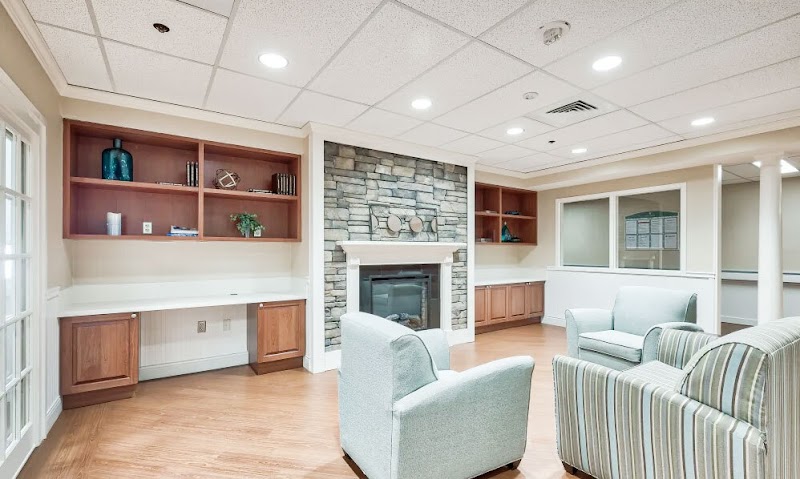
STERLING CARE HILLHAVEN is owned by a for-profit company. For-profit facilities operate as businesses with obligations to shareholders or private owners. The facility is operated by STERLING CARE, a chain that manages multiple nursing homes. With 66 certified beds and approximately 58 residents (about 88% occupancy), it is a smaller facility located in ADELPHI, Maryland.
How Does Sterling Care Hillhaven Compare to Other Maryland Nursing Homes?

Compared to the 100 nursing homes in Maryland, STERLING CARE HILLHAVEN's overall rating (4 stars) is above the state average of 3.0 and health inspection rating (5 stars) is much above the national benchmark.

What Should Families Ask When Visiting Sterling Care Hillhaven?

Based on this facility's data, families visiting should ask: "Can you walk me through typical staffing levels on day, evening, and night shifts?" "Can I visit during a mealtime to observe dining assistance and food quality?" "How do you handle medical emergencies, and what is your hospital transfer rate?" "Can I speak with family members of current residents about their experience?" These questions are particularly relevant given the below-average staffing rating.

Is Sterling Care Hillhaven Safe?

Based on CMS inspection data, STERLING CARE HILLHAVEN has a clean safety record: no substantiated abuse findings (meaning no confirmed cases of resident harm), no Immediate Jeopardy citations (the most serious violation level indicating risk of serious injury or death), and is not on the Special Focus Facility watch list (a federal program monitoring the lowest-performing 1% of nursing homes). The facility has a 4-star overall rating and ranks #1 of 100 nursing homes in Maryland. While no facility is perfect, families should still ask about staff-to-resident ratios and recent inspection results during their visit.

Do Nurses at Sterling Care Hillhaven Stick Around?

STERLING CARE HILLHAVEN has not reported staff turnover data to CMS. Staff turnover matters because consistent caregivers learn residents' individual needs, medications, and preferences. When staff frequently change, this institutional knowledge is lost. Families should ask the facility directly about their staff retention rates and average employee tenure.

Was Sterling Care Hillhaven Ever Fined?

STERLING CARE HILLHAVEN has no federal fines on record. CMS issues fines when nursing homes fail to meet care standards or don't correct problems found during inspections. The absence of fines suggests the facility has either maintained compliance or corrected any issues before penalties were assessed. This is a positive indicator, though families should still review recent inspection reports for the full picture.

Is Sterling Care Hillhaven on Any Federal Watch List?

STERLING CARE HILLHAVEN is not on any federal watch list. The most significant is the Special Focus Facility (SFF) program, which identifies the bottom 1% of nursing homes nationally based on persistent, serious quality problems. Not being on this list means the facility has avoided the pattern of deficiencies that triggers enhanced federal oversight. This is a positive indicator, though families should still review the facility's inspection history directly.