BERLIN NURSING AND REHABILITATION CENTER
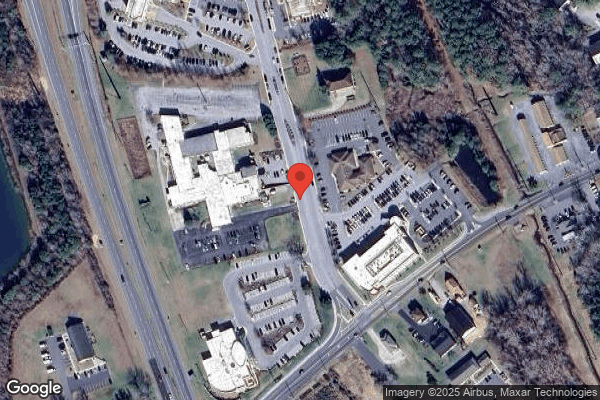
9715 HEALTHWAY DRIVE, BERLIN, MD 21811 (410) 641-4400
For profit - Limited Liability company 165 Beds FUNDAMENTAL HEALTHCARE Data: November 2025 1 Immediate Jeopardy citation
Trust Grade
13/100
#146 of 219 in MD
Last Inspection: July 2025

Inspected within the last 6 months. Data reflects current conditions.

Overview

Berlin Nursing and Rehabilitation Center has received a Trust Grade of F, indicating significant concerns about the quality of care provided there. With a state rank of #146 out of 219 facilities, they fall in the bottom half of Maryland nursing homes. However, the facility is showing some improvement, with a decrease in reported issues from 27 in 2023 to 20 in 2025. Staffing is relatively stable, with a turnover rate of 39%, which is slightly better than the state average, but the overall staffing rating is below average at 2 out of 5 stars. That said, the facility has incurred fines totaling $231,402, which is higher than 97% of nursing homes in Maryland and suggests ongoing compliance issues. While the RN coverage is average, there have been serious incidents, such as a resident falling from a wheelchair and another receiving incorrect medications, highlighting potential risks in resident safety and care. Families should weigh these strengths and weaknesses carefully when considering Berlin Nursing and Rehabilitation Center for their loved ones.

Trust Score
F
13/100
In Maryland
#146/219
Bottom 34%
Safety Record
High Risk
Review needed
Inspections
Getting Better
27 → 20 violations
Staff Stability
○ Average
39% turnover. Near Maryland's 48% average. Typical for the industry.
Penalties
✓ Good
$231,402 in fines. Lower than most Maryland facilities. Relatively clean record.
Skilled Nurses
○ Average
Each resident gets 32 minutes of Registered Nurse (RN) attention daily — about average for Maryland. RNs are the most trained staff who monitor for health changes.
Violations
⚠ Watch
72 deficiencies on record. Higher than average. Multiple issues found across inspections.
★★☆☆☆
2.0
Overall Rating
★★☆☆☆
2.0
Staff Levels
★★☆☆☆
2.0
Care Quality
★★☆☆☆
2.0
Inspection Score
Stable
2023: 27 issues
2025: 20 issues

The Good

  • Full Sprinkler Coverage · Fire safety systems throughout facility
  • No fines on record
  • Staff turnover below average (39%)

    9 points below Maryland average of 48%

Facility shows strength in fire safety.

The Bad

2-Star Overall Rating

Below Maryland average (3.0)

Below average - review inspection findings carefully

Staff Turnover: 39%

Near Maryland avg (46%)

Typical for the industry

Federal Fines: $231,402

Well above median ($33,413)

Significant penalties indicating serious issues

Chain: FUNDAMENTAL HEALTHCARE

Part of a multi-facility chain

Ask about local staffing decisions and management

The Ugly 72 deficiencies on record

1 life-threatening 2 actual harm
Jul 2025 20 deficiencies 1 Harm
SERIOUS (G) 📢 Someone Reported This

A family member, employee, or ombudsman was alarmed enough to file a formal complaint

Actual Harm - a resident was hurt due to facility failures

Deficiency F0760 (Tag F0760)

A resident was harmed · This affected 1 resident

**NOTE- TERMS IN BRACKETS HAVE BEEN EDITED TO PROTECT CONFIDENTIALITY** Based on record reviews and interviews it was determined that the facility failed to ensure medications were administered as ord...

Read full inspector narrative →
**NOTE- TERMS IN BRACKETS HAVE BEEN EDITED TO PROTECT CONFIDENTIALITY** Based on record reviews and interviews it was determined that the facility failed to ensure medications were administered as ordered. This was found to be evident for 1 (Resident #102) out of 1 Resident reviewed for a significant medication error during the re-certification survey. This deficient practice resulted in an actual harm cited as past compliance. The findings include: On 07/20/25 at 5:32 PM a review of the Facility Reported Incident (FRI) #348424 revealed a report that advised Resident #102 was mistakenly administered all of Resident #115's morning medications. As a result, the Resident experienced a significant adverse event and was admitted to the local hospital's Intensive Care Unit (ICU) for treatment. A review of Resident #115's Medication Administration Record (MAR) was conducted on 07/20/25 at 5:35 PM. The review of the MAR showed the following morning medications were scheduled to be administered on the day of the incident (8/19/24): Cyanocobalamin (vitamin B-12), Gabapentin capsule 900 mg, Ibuprofen tablet; 800 mg, MiraLAX (polyethylene glycol 3350) 17 gram/dose; MS Contin (morphine) extended release 30 mg, Nubeqa (darolutamide) tablet 300 mg (cancer medication), Senna - S (8.6- 50 mg), and Tamsulosin capsule; 0.4 mg. During an interview conducted on 07/20/25 at 5:49 PM, the Director of Nursing (DON) confirmed that Registered Nurse (RN) 16 administered Resident #115's morning medications to Resident #102. The DON reviewed the MAR with this Surveyor and confirmed that Resident #102 received the following medications: Cyanocobalamin (vitamin B-12), Gabapentin capsule 900 mg, Ibuprofen tablet; 800 mg, MiraLAX (polyethylene glycol 3350) 17 gram/dose; MS Contin (morphine) extended release 30 mg, Nubeqa (darolutamide) tablet 300 mg (cancer medication), Senna - S (8.6- 50 mg), and Tamsulosin capsule; 0.4 mg. A review of Resident #102's progress note dated 08/19/24 from the DON was conducted on 07/20/25 at 6:56PM. The note reported that RN #16 immediately reported her oversight that she administered Resident #102 incorrect medications during the AM (before noon) medication pass. The DON stated, this writer was called to the resident room approximately 0930, immediately after medication was given, resident was noted alert and verbal, and oriented x 2-3.The DON further stated that the Resident was able to follow commands, speech was clear, continued with O2 (oxygen) via nasal cannula for treatment of COPD, bilateral strong hand grasp, pushes, pulls, bilateral strong pedal pushes and pulls. The Physician was notified, gave new orders for neuro checks every 15 minutes, administer Narcan and send to the emergency room for decreased/change in mental status. The Physician also stated that he would be in today to assess the Resident.According to the World Health Organization (WHO) Chronic Obstructive Pulmonary Disease (COPD) is a common lung disease causing restricted airflow and breathing problems. It is sometimes called emphysema or chronic bronchitis. In people with COPD, the lungs can get damaged or clogged with phlegm.According to the National Institute of Drug Abuse Naloxone (Narcan) is a medicine that rapidly reverses an opioid overdose. It is an opioid antagonist. This means that it attaches to opioid receptors and reverses and blocks the effects of other opioids. Naloxone can quickly restore normal breathing to a person if their breathing has slowed or stopped because of an opioid overdose. The DON reported that at approximately 12:45 PM, Resident #102 was noted with decreased mentation, hard to arouse, 911 was called and arrived, Narcan was administered, and the Resident was transported to the local hospital emergency room. A review of Resident #102's hospital discharge summary was conducted on 07/20/25 at 7:04 PM. The discharge summary reported that in the ED (emergency department) the Resident was started on 1 milligram of Narcan infusion and placed on a BiPAP. The Resident was arousable to moderate sternal rub and was able to follow simple commands like moving legs and squeezing hand. The Resident was admitted to the ICU (Intensive Care Unit) for management of unintentional/accidental overdose, acute on chronic hypoxic hypercapnic respiratory failure due to drug overdose as well as hypotension/shock. The report showed that the resident was admitted to the hospital on [DATE] and discharged back to [NAME] Nursing and Rehabilitation on 08/24/24. Biphasic Positive Airway Pressure (BiPAP) is a type of noninvasive ventilation that helps you breathe. Providers can use it to treat you if you're not getting enough oxygen or can't get rid of carbon dioxide. A machine delivers air through a mask on your face.Acute on chronic hypoxic hypercapnic respiratory failure is a serious condition where a patient with an existing chronic respiratory problem experiences a sudden worsening of their breathing, leading to dangerously low oxygen levels (hypoxia) and high carbon dioxide levels (hypercapnia) in the blood. This means the lungs are not effectively exchanging gases, and the body's organs are not getting enough oxygen while accumulating excess carbon dioxide. Hypotension, or low blood pressure, can lead to shock when it becomes severe enough to prevent the body's organs from receiving adequate oxygen and nutrients. Shock is a life-threatening condition characterized by circulatory failure and inadequate tissue perfusion. A review of the facility's mitigation plan was conducted on 07/20/25 at 7:49 PM. The plan consisted of an in-service to all permanent and agency licensed nurses and certified medication assistants (CMA) on education of medication administration on 08/20/24. Staff who were not present on 08/20/24 to receive the in-service could not start their shift until they received the medication administration in-service. The facility also conducted observations of all staff that administered medications on 08/20/24. Ongoing medication administration observations were conducted weekly for 6 weeks. The results of the 6 weeks of observations were reviewed at the monthly Quality Assurance and Performance Improvement (QAPI) meeting. This deficient practice was cited as past noncompliance with corrective measures completed on 08/20/24.
CONCERN (D)

Potential for Harm - no one hurt, but risky conditions existed

Resident Rights (Tag F0550)

Could have caused harm · This affected 1 resident

**NOTE- TERMS IN BRACKETS HAVE BEEN EDITED TO PROTECT CONFIDENTIALITY** Based on surveyor observation, facility staff interview and surveyor record review it was determined that the facility staff fai...

Read full inspector narrative →
**NOTE- TERMS IN BRACKETS HAVE BEEN EDITED TO PROTECT CONFIDENTIALITY** Based on surveyor observation, facility staff interview and surveyor record review it was determined that the facility staff failed to ensure the dignity of a Resident. This finding was found to be evident for 1 (Resident #68) out of 1 Resident reviewed for Resident Rights.The findings include:An indwelling Foley catheter is a flexible tube inserted through the urethra (the tube that carries urine from the urinary bladder to the outside of the body) into the bladder to drain urine. A small balloon inflated with sterile water secures it in place. The indwelling Foley catheter is connected to a drainage bag for urine collection.On the initial tour of the facility at 8:25 AM on 7/15/2025 the surveyor observed Resident #68 in bed. It was observed that a Foley catheter drainage bag was attached to the Resident's bed frame. The Foley catheter drainage bag was not covered with a privacy barrier and urine was visible in the Foley catheter drainage bag.The surveyor conducted a record review of Resident #68's electronic medical record on 7/17/2025 at 7:35 AM and the review revealed that Resident #68 had a physician order dated 7/9/2025 for an indwelling Foley catheter. Additionally, there was a physician order for a privacy bag in place every shift for Resident #68.In an interview with the Director of Nursing (DON) on 7/22/2025 at 11:00 AM that surveyor asked what the expectation was for Foley catheter drainage bags to be covered with a privacy barrier. The DON stated that the facility had Foley catheter drainage bags that had a grayish-blue color privacy barrier that covered the Foley catheter drainage bag. The surveyor conveyed to the DON that Resident #68 (who was admitted to the facility on [DATE]) did not have a privacy barrier cover on the Foley catheter drainage bag on the initial tour of the facility. The DON stated that it was the responsibility of the nursing staff to change the Foley catheter drainage bags to the bags that the facility provided when Residents were admitted to the facility. Additionally, the surveyor conveyed that Resident #68 was observed earlier today and had a privacy barrier cover on the Foley catheter drainage bag.
CONCERN (D)

Potential for Harm - no one hurt, but risky conditions existed

Deficiency F0561 (Tag F0561)

Could have caused harm · This affected 1 resident

Based on interviews and record reviews it was determined that the facility failed to ensure showers were provided to a Resident as scheduled. This was found to be evident for 1 (Resident #65) out of 1...

Read full inspector narrative →
Based on interviews and record reviews it was determined that the facility failed to ensure showers were provided to a Resident as scheduled. This was found to be evident for 1 (Resident #65) out of 1 Resident reviewed for self-determination during the recertification survey.The findings include:During an in-person interview with Resident #65's Power of Attorney (POA) conducted on 07/15/25 at 2:51 PM, the POA expressed concern that the Resident had not received routine showers.On 07/17/25 at 3:12 PM, a review of Resident #65's physician orders revealed an order for Bathing (Bath/Shower/Days/Shift): Tues./Fri. 7-3 Shift. During a review of Resident #65's POC (Point of Care) conducted on 07/17/25 at 3:19 PM, it was discovered that the Resident had not received a shower from 04/01/25 - 07/17/25 with the exception of 1 day on 04/14/25.On 07/18/2025 at 5:50 AM a review was conducted of Resident #65's care plan. The review did not reveal that the Resident refused care or showers. During an interview conducted on 07/18/2025 at 7:08 am, the DON stated that showers are documented in the POC as well as refusals. The DON reviewed the Resident #65's POC with this Surveyor and confirmed that the Resident had 1 shower during the period of 04/01/25 through 07/17/25 and that there was no documentation that the Resident had refused showers. The DON also reviewed the Resident's care pan with this Surveyor and confirmed that the Resident did not have a care plan for refusal of care or showers.
CONCERN (D)

Potential for Harm - no one hurt, but risky conditions existed

Deficiency F0573 (Tag F0573)

Could have caused harm · This affected 1 resident

Based on record reviews and interviews it was determined that the facility failed to ensure complete medical records were provided in a timely manner. This was found to be evident for 1 (Resident # 10...

Read full inspector narrative →
Based on record reviews and interviews it was determined that the facility failed to ensure complete medical records were provided in a timely manner. This was found to be evident for 1 (Resident # 107) out of 1 Resident reviewed for medical records during the re-certification survey. The findings include: A review of complaint #348368 reported to the Office of Health Care Quality (OHCQ) was conducted on 07/21/25 at 11:22 AM. The complainant reported that we have attempted on many occasions to obtain the medical records for Resident #107. We received 8 pages not including the cover page on 01/17/23 and 13 pages on 09/20/23 not including the cover page. We have requested to receive the complete medical records for Resident #107 multiple times since 12/22.On 07/21/25 at 11:30 AM a review of the medical records request confirmed that on 1/17/23 the facility faxed 9 pages that included the cover page and faxed 14 pages on 09/20/23 that included the cover page. These dates and number of pages faxed confirmed the complainant's concerns. No other fax confirmations were present that showed the complete medical records packet had been provided to the complainant. A further review of the medical record requests revealed a letter from the complainant that requested all medical records from the patient chart on 10/08/23 which was 10 months after the initial request. During an interview conducted on 07/21/25 at 11:33 AM, the medical record staff #7 provided this Surveyor with a complete packet of Resident #107's medical records. This Surveyor asked Medical Record staff #7 when the packet was sent to the complainant. The Medical Records Staff member stated that she was unsure, but she thought she emailed the complete packet of medical records. She stated that she would reach out to her IT department to retrieve her emails to show when she emailed the Resident's complete medical records to the complainant. The Medical Records Staff #7 stated that it would take a couple of days for IT to retrieve her emails. During an interview with the Nursing Home Administrator (NHA) conducted on 07/21/25 at 11:37 AM, the NHA stated that she would work on getting IT to retrieve the Medical Record Staff #7 emails. During an interview conducted on 07/22/25 and 07/23/25, the Director of Nursing (DON) stated that IT retrieved Medical Records Staff #7's incoming emails but had not retrieved the outgoing emails and therefore was unable to provide confirmation that complete medical records were provided to the complainant. This Surveyor expressed concern based on what was provided that the facility failed to provide a complete medical record for the complainant.
CONCERN (D) 📢 Someone Reported This

A family member, employee, or ombudsman was alarmed enough to file a formal complaint

Potential for Harm - no one hurt, but risky conditions existed

Free from Abuse/Neglect (Tag F0600)

Could have caused harm · This affected 1 resident

**NOTE- TERMS IN BRACKETS HAVE BEEN EDITED TO PROTECT CONFIDENTIALITY** Based on review of the facility's records and interview, it was determined that the facility failed to ensure Residents were fre...

Read full inspector narrative →
**NOTE- TERMS IN BRACKETS HAVE BEEN EDITED TO PROTECT CONFIDENTIALITY** Based on review of the facility's records and interview, it was determined that the facility failed to ensure Residents were free from abuse. This was found to be evident for 2 (Resident #108 & #7) out of 4 Residents reviewed for abuse during the re-certification survey.The findings include: 1) A review of the Facility’s Reported Incident (FRI) #348430 was conducted on 07/17/25 at 11:48 AM. The FRI’s investigation stated that the Resident reported that Geriatric Nursing Assistant (GNA) # 6 pushed him/her by the back of the neck, shoved him/her onto the bed and injured the Resident’s arm. The facility investigated the complaint, suspended GNA #7 on 09/13/24 (the day of the incident) pending the investigation and then terminated her for the allegation of abuse on 09/19/24. During an interview conducted on 07/17/25 at 12:09 PM, the Staff Educator /Infection Control Preventionist stated during the time of the incident she was the acting Director of Nursing (DON) and had conducted the investigation. She advised that she concluded that the GNA abused the Resident and observed a red bruise on the Resident’s arm that was consistent with the Resident’s statement. As a result, GNA #7 was terminated. 2) On 7/22/2025 at 2:30 PM the surveyor conducted a record of the facility’s investigation file for the Facility Reported Incident (FRI) MD#00209510/348428 dated 9/5/2024 that was submitted to the Office of Healthcare Quality (OHCQ). Review of the facility’s investigation file revealed that on 9/5/2024 Geriatric Nursing Assistant (GNA) #24 was accused of hitting Resident #108 on the finger for pointing at the meal tray. According to the facility report, the Resident put his/her right hand in GNA’s face and GNA pushed Resident’s hand out of GNA’s face. Additionally, the facility report indicated that the GNA stated “I did not hit him/her, if I had hit him/her, he/she would know it; no one puts their hand in my face”. Further review of the facility’s investigation file revealed that based on the interviews, the facility verified/substantiated that there was direct contact between GNA #24’s hand and Resident #108’s right hand. The review of the investigation file and the facility reported incident (FRI) form did not reveal that a complaint was filed with the Maryland Board of Nursing (MBON) on GNA #24 for the allegation of physical abuse. The facility suspended GNA #24 immediately for Resident #108’s allegation of physical abuse. Local Law Enforcement was notified of the allegation of physical abuse and Resident #108 was interviewed by an officer from the [NAME] Police Department. The interview revealed that Resident #108 was physically abused by GNA #24. Review of the facility’s Leadership Policies and Procedures for Abuse, Neglect and Exploitation, or Mistreatment on 7/22/2025 revealed that all alleged violations concerning abuse, neglect, or misappropriation of property are reported verbally immediately to the Facility Abuse Coordinator, the Administrator and to other officials in accordance with state law including the State Survey and Certification Agency (nurse aide registry or licensing authorities). The surveyor conducted a review on 7/23/20254 of GNA #24’s Human Resources personnel file. Review of the personnel file revealed that the facility terminated GNA #24 on 9/11/2024; however, there was no documentation in the personnel file that the facility filed a complaint with the Maryland Board of Nursing (MBON). In an interview with the Licensed Nursing Home Administrator (LNHA) on 7/23/2025 at 9:15 AM the surveyor confirmed that the facility verified/substantiated that physical abuse had occurred to Resident #108 by GNA #24 as concluded on the facility reported incident (FRI) that was submitted to the OHCQ. The LNHA acknowledged the surveyor. During the interview, the surveyor asked the LNHA if the facility filed a complaint on GNA #24 with the Maryland Board of Nursing (MBON) since an allegation of physical abuse was verified and the GNA was terminated by the facility. The LNHA stated that the facility did not file a complaint on GNA #24 with the Maryland Board of Nursing (MBON), but going forward allegations of abuse on licensed staff will be reported to the appropriate licensing board.
CONCERN (D)

Potential for Harm - no one hurt, but risky conditions existed

Deficiency F0655 (Tag F0655)

Could have caused harm · This affected 1 resident

Based on record reviews, and interview, it was determined that the facility failed to develop and implement a Baseline care plan for a resident requiring hemodialysis treatments. This was evident for ...

Read full inspector narrative →
Based on record reviews, and interview, it was determined that the facility failed to develop and implement a Baseline care plan for a resident requiring hemodialysis treatments. This was evident for 1 (Resident #69) out of 2 residents requiring hemodialysis treatments reviewed during the annual recertification survey.The findings include:A Baseline care plan must be completed within 48 hours of a resident's admission to the facility and must include the initial goals based on admission orders, physician orders, dietary orders, therapy services, and social services. A summary of the baseline care plan as well as a list of the resident's current medications must be provided to the resident and their responsible party.On 07/17/25 at 8:55 AM the surveyor conducted a review of Resident #69' s clinical records. The records revealed that Resident # 69 was admitted to the facility in February 2024 with Diagnoses which included Atherosclerotic Heart Disease, Dementia and End Stage Renal Disease. The resident receives hemodialysis treatments three days a week. Further review of Resident #69's clinical record failed to reveal any evidence that a Baseline care plan was completed and provided to the resident and their responsible party. During an interview on 07/22/25 at 10:35 AM the Director of Nursing (DON) stated that Baseline care plans are created by the Admitting Nurse within 48 hours of a resident's admission to the facility and that residents and /or their responsible parties are given copies of the care plan after signing them. The DON reviewed the clinical record of Resident #69 and confirmed that a Baseline care plan was not completed for that resident. The DON stated, I do not know why a Baseline care plan was not completed, I will provide education to the nurses and do chart audits on new admissions.
CONCERN (D)

Potential for Harm - no one hurt, but risky conditions existed

Deficiency F0657 (Tag F0657)

Could have caused harm · This affected 1 resident

**NOTE- TERMS IN BRACKETS HAVE BEEN EDITED TO PROTECT CONFIDENTIALITY** Based on record reviews and interviews, it was determined that the facility failed to review and revise the Interdisciplinary Ca...

Read full inspector narrative →
**NOTE- TERMS IN BRACKETS HAVE BEEN EDITED TO PROTECT CONFIDENTIALITY** Based on record reviews and interviews, it was determined that the facility failed to review and revise the Interdisciplinary Care Plans to reveal accurate interventions for Residents. This was evident for 2 (Resident #69 & #5) out of 19 Residents reviewed for care plan timing and revision.The findings include: 1) On 07/15/2025 at 11:19 AM Resident #69 informed the surveyor that he /she had a wound on their bottom. On 07/18/25 at 11:30 AM a review of Resident #69’s clinical record revealed that the resident had been receiving daily dressing changes to the Right Thigh from 05/09/25. The physician’s order stated Cleanse Posterior Right Thigh with Soap and water, pat dry apply border gauze daily - Order Date 05/09/25. According to CMS (Centers for Medicare and Medicaid Services), a care plan meeting is a structured, interdisciplinary conference where staff, residents, and families discuss and review the resident's care plan, ensuring needs are met and goals are achieved. In long-term care facilities, a care plan meeting should occur within 7 days of completing the comprehensive assessment. Further review of Resident #69’s clinical record failed to reveal a care plan related to the resident’s actual skin impairment with specific interventions and approaches to manage the affected area on the Right Thigh. A review of the documentation dated 6/20/25 written by a Licensed Nurse who performed a skin check on that date, stated “(Resident’s Name) has a wound on inner R thigh that has a treatment ordered. (Resident’s Name) has no new alteration of skin integrity.” The clinical records also failed to reveal the measurements or description of the wound. On 07/20/25 at 07:35AM in an interview with the surveyor, the Director of Nursing confirmed, the resident’s care plan was not revised to include Resident #69’s actual skin impairment. She also confirmed that there was no description in the clinical record of the affected area at the Right Thigh. The DON stated that she would do an in-service on wound documentation with the nurses and would ask the wound team to do an assessment of the resident’s wound. On 07/21/2025 at 02:15 PM the surveyor was informed by Director of Nursing that Resident #69 was assessed by the wound team and that the area affected on the Right Thigh was diagnosed as Dermatitis. Further, the care plan and clinical records were updated in keeping with the resident’s condition. 2) On 7/21/2025 at 12:00 PM, Resident #5's significant other expressed frustration about not being invited to a care plan meeting. He/she stated that Resident #5 was admitted on [DATE], and he/she had not received any calls or notices from the Social Worker regarding a meeting. On 7/21/2025 at 2:18 PM, in an interview with the Social Worker, she confirmed that no care plan meeting had been scheduled for Resident #5. She stated that while she typically scheduled meetings within 2 weeks of admission, she would schedule one sooner if requested by the family. He/she added that invitations were sent via email, phone calls, or notices. On 7/21/25 at 3:05 PM, the Social Worker provided a copy of a care plan meeting invitation dated June 22, 2025, at 3:00 PM. However, there was no documentation in the medical record to indicate that the Responsible Party declined the invitation or a meeting occurred. On 7/22/2025 at 7:50 AM, the Director of Nursing (DON) was informed and acknowledged the concern, stating that a care plan meeting was scheduled for that day. On 7/23/2025 at 7:44 AM, following surveyor intervention, the Social Worker confirmed that a care plan meeting was held on 7/22/25 at 3:00 PM, attended by the Interdisciplinary Team (IDT). A sign in sheet for this meeting was also provided to the surveyor.
CONCERN (D)

Potential for Harm - no one hurt, but risky conditions existed

Deficiency F0658 (Tag F0658)

Could have caused harm · This affected 1 resident

**NOTE- TERMS IN BRACKETS HAVE BEEN EDITED TO PROTECT CONFIDENTIALITY** Based on observation and interviews it was determined that the facility failed to ensure care provided to a Resident met the pro...

Read full inspector narrative →
**NOTE- TERMS IN BRACKETS HAVE BEEN EDITED TO PROTECT CONFIDENTIALITY** Based on observation and interviews it was determined that the facility failed to ensure care provided to a Resident met the professional standards of practice. This was found to be evident for 2 (Resident #65 & #55) out of 2 Residents reviewed for Services Provided Meet Professional Standards during the re-certification survey.The findings include: 1) The Surveyor observed Resident #55 in bed on 7/15/2025 at 9:00 AM during the initial tour of the facility. Resident #55 was observed with a soft cast to his/her left arm and dried blood and sutures to left forehead laceration. On 7/17/2025 at 12:30 PM the surveyor reviewed the facility’s investigation file for the facility reported incident (FRI) MD#00219326/348447 dated 7/1/2025 that the facility submitted to the Office of Healthcare Quality (OHCQ) for an unwitnessed fall with injury. Additionally, the surveyor conducted a record review of Resident #55’s electronic medical record. Review of these records revealed that Resident #55 had an unwitnessed fall (found lying on the floor in room) on 7/1/2025 resulting in an emergent 911 transfer to the local hospital for evaluation of forehead laceration and open area on left wrist. Resident #55 returned from the hospital emergency room (ER) on 7/2/2025 with a fracture of the left wrist and dissolvable sutures to the left forehead. Further review of Resident #55’s medical record revealed that there was lack of evidence of follow-up documentation of nursing care for Resident. Resident #55’s medical record lacked documentation that neurological checks for the forehead laceration and circulation checks for the left arm fracture were performed by nursing staff and lacked documentation of follow-up progress notes for the Resident’s condition related to the fall and injuries. In an interview with the Director of Nursing (DON) at 3:00 PM on 7/17/2025 the surveyor conveyed to DON that there was lack of documentation of follow-up nursing care in the medical record for Resident #55 related to the unwitnessed fall, forehead laceration and fracture of left wrist. The DON acknowledged the surveyor and confirmed that there was lack of documentation of the nursing care related to the Resident #55’s fall which included lack of neurological checks, circulation checks and follow-up progress notes on Resident’s condition after a fall with major injury. No additional information was provided by the facility at the time of exit. 2) During a random observation conducted on 07/18/2025 at 10:00 AM, this surveyor observed Resident #65 lying in a bed in a high position from the floor. The Resident was yelling, please help me. The Resident was completely naked lying on his/her right side and holding on to the right bed side rail. This Surveyor observed a soiled disposable diaper on the floor next to the Resident's bed. In the bathroom the water was running on feces soiled wash cloth that laid at the bottom of the sink. At the time of the observation the privacy curtain had not been pulled and there were no staff in the room. A continued observation of the unattended Resident was conducted from 10:00 AM to 10:10 AM. During this time no staff returned to Resident #65’s room. On 07/18/25 at 10:11 AM, this Surveyor observed the assignment board and learned that Geriatric Nursing Assistant (GNA) #15 was assigned to care for Resident #65. During an interview conducted on 07/18/26 at 10:12 AM, Unit Manager (UM) #14 confirmed that GNA #15 was assigned to Resident #65. When asked where the GNA was at the time the Unit Manager stated that the GNA was assisting another GNA in Resident room [ROOM NUMBER]. This Surveyor expressed concern for the condition Resident #65 was left in. On 07/18/2025 at 10:13 AM both this Surveyor and the Unit Manager returned to Resident #65’s room. The Unit Manager was visibly upset and immediately assisted the Resident. The UM lowered the bed, covered the resident and attempted to calm him/her. The UM observed the soiled disposable diaper on the floor and the water running on the feces soiled wash cloth in the Resident’s bathroom sink. On 07/18/2025 at 10:16 AM this Surveyor asked the Regional Clinical Services Director to come and observe the condition Resident #65 was left in. When the Surveyor and Regional Clinical Service Director returned to the room GNA #15 and the Unit Manager were in the room. The GNA explained that the Resident had refused care and became combative, so she left the Resident. Both the Unit Manager and Regional Clinical Service Director provided education to the GNA for safety, privacy, dignity, infection control, and proper handling of a resident who refused care or was combative. On 07/20/25 at 7:32 PM the Director of Nursing (DON) reported that an in-service was in progress for all nursing staff on safety, privacy, dignity, infection control, and caring for a resident who refused care or combative. She also stated that GNA #15 had been suspended for the lack of care provided to Resident #65.
CONCERN (D)

Potential for Harm - no one hurt, but risky conditions existed

ADL Care (Tag F0677)

Could have caused harm · This affected 1 resident

Based on observation, record review and interviews, it was determined that the facility failed to ensure that dependent residents' grooming needs were met in accordance with the residents' plan of car...

Read full inspector narrative →
Based on observation, record review and interviews, it was determined that the facility failed to ensure that dependent residents' grooming needs were met in accordance with the residents' plan of care. This was evident in 1 (Resident# 69) of 1 resident reviewed for Activities of Daily Living (ADL).The findings include: Resident # 69 was admitted to the facility in February 2024 with Diagnoses which included Atherosclerotic Heart Disease, Dementia and End Stage Renal Disease. On 07/15/2025 at 10:25 AM and on 07/18/25 at 7:40 AM the surveyor observed Resident #69 lying in bed with unshaven facial hair. On 07/20/25 at 06:30 PM the surveyor again observed the resident with unshaven facial hair approximately I/8 inch long sitting in a wheelchair in his/her room. During an interview on 07/20/2025 at 06:30 PM the Resident #69 stated I need assistance with shaving because I cannot do it myselfOn 07/17/25 at 08:55 AM a review of Resident 69's clinical record revealed a care plan initiated on 08/06/24 which stated Resident #69 had limited ability to maintain grooming/personal hygiene. The Goal was that the resident would be well groomed, and the approach was Provide (assistance/full staff performance) for facial hair.On 07/20/25 at 5:21PM in an interview, GNA Staff #22 was asked if she helps Resident #69 with shaving. GNA Staff#22 seemed unaware of the resident's needs and stated that the resident was independent, and assistance would be provided when requested by the resident.During an interview on 07/21/2025 at 8:22 AM Staff Infection Preventionist/Staff Educator (IP/SE) confirmed Resident # 69 had a care plan for grooming with an intervention for assistance with facial hair. The surveyor informed Staff IP/SE that in an interview, the Geriatric Nursing Assistant (GNA) seemed unaware of the needs of the resident as regards shaving. Upon reviewing the clinical record, Staff IP/SE stated that the person who created the care plan did not check the box to transfer the data to the resident's profile. As such, the GNA was unaware of the resident's grooming needs. Staff # IP/SE immediately checked the box and provided the surveyor with a copy of the updated record. On 07/21/2025 at 9:07 AM in an interview, the Director of Nursing was notified of the surveyor's findings. The DON reviewed the clinical record and confirmed the findings.On 07/23/25 the surveyor observed Resident #69 in a wheelchair sitting at the receptionist's desk clean shaven with no facial hair.
CONCERN (D)

Potential for Harm - no one hurt, but risky conditions existed

Quality of Care (Tag F0684)

Could have caused harm · This affected 1 resident

**NOTE- TERMS IN BRACKETS HAVE BEEN EDITED TO PROTECT CONFIDENTIALITY** Based on observation, record review and interview, it was determined that the facility failed to 1) obtain an order for the use ...

Read full inspector narrative →
**NOTE- TERMS IN BRACKETS HAVE BEEN EDITED TO PROTECT CONFIDENTIALITY** Based on observation, record review and interview, it was determined that the facility failed to 1) obtain an order for the use of a splint and 2) properly assess and address the resident's condition prior to hospital transfer. This was evident for 2 (Resident #44 and #96) of 2 resident reviewed for position and mobility and 1 resident reviewed for hospitalization during the recertification survey.The findings include:1) According to the Mayo Clinic, a contracture is a condition where muscles, tendons ligaments, or skin tighten, restricting the normal movement of the body part. This can lead to a joint being stuck in a bent or flexed position.A splint is a device that supports or immobilizes a joint to prevent or correct the tightening and shortening of soft tissues (like muscles, tendons and ligaments) that restricts movements.On 7/15/2025 at 9:50 AM, during the initial facility tour, Resident #44 was observed in bed with contractures of the left elbow, left hand and right hand and was not wearing any splints on either hand.On 7/21/2025 at 8:19 AM, a review of the Resident #44's medical records confirmed an admission on [DATE], with diagnoses including but not limited to: Contracture, left elbow Contracture, right hand Contracture, left handThe Minimum Data Set (MDS) with an Assessment Reference Date (ARD) of 5/15/2025 also confirmed upper extremity impairment on both sides.A review of the Evaluation & Plan of Treatment notes signed by Occupational Therapist (OT #18) on 3/14/2025 revealed: contractures of left hand and left elbow, recommending Orthotics Splint/ Orthotic recommendation: towel rolls. However, no splint order was written on the Physician orders.On 7/21/2025 at 8:45 AM, a follow-up observation of Resident #44 showed no splints or braces on his/her bilateral hands. On 7/21/2025 at 9:26 AM, in an interview with the Director of Nursing (DON), she confirmed the absence splint orders to address contractures. The DON stated that the Therapy department was expected to share their recommendations in their meetings. The DON acknowledged the concern.On 7/21/2025 at 12:50 PM, during an interview with OT #18, he/she confirmed recommending the continued use of towel rolls for Resident #44's right and left hand in her OT discharge summary (dates of service 2/26/24- 4/26/24, with the note was signed on 4/26/2024 at 9:20 AM. He/she indicated that he/she verbally educated the Geriatric Nurse Assistants (GNAs) and notified the charge nurse of the recommendation. 2) On 7/16/2025 at 8:41 AM, a review of Resident #96's medical records indicated that he/she was admitted on [DATE] and discharged to the hospital on 6/2/25. On 7/16/2025 at 10:39 AM, the Nursing Home Administrator (NHA) confirmed that only one progress note for Resident #96 was written between 6/1/25 and 6/2/25. On 7/16/2025 at 10:59 AM, the surveyor received a copy of the progress note from the Director of Nursing (DON) dated 6/2/2025 for Resident #114, Resident #96's spouse, who initiated the transfer to the hospital. Further review of documents provided by the Director of Nursing (DON) revealed the following: The Nurse's note written on 6/2/25 at 10:43 AM, indicated that Resident #114 called 911 for his/her spouse, whom he/she shared a room with. He/she reported that Resident #96 was having pain and experiencing trouble with breathing. The Nurse indicated that he/she assessed Resident #96's vital signs which were normal. However, no vital signs have been recorded from 6/1/ 25- 6/2/25. The DON confirmed the finding and stated that vital signs were expected to be obtained and documented in the medical record. The Medication Administration Record (MAR) indicated that Tylenol (Acetaminophen) 325 mg tablet, every 6 hours as needed was administered on 6/2/2025 at 6:12 AM for pain. However, there was no documentation to indicate that the complaint of trouble breathing was addressed. On 6/2/25 at 5:02 PM, Occupational Therapist (OT #18) conducted a Brief Interview of Mental Status (BIMS) assessment of Resident #96, who scored 14 out of 15, indicating intact cognition. Brief Interview for Mental Status (BIMS) is a screening tool used to assess basic cognitive function in patients in long-term care facilities. On 7/16/2025 at 1:15 PM, the Nursing Home Administrator (NHA) was informed of the concern.
CONCERN (D)

Potential for Harm - no one hurt, but risky conditions existed

Deficiency F0685 (Tag F0685)

Could have caused harm · This affected 1 resident

**NOTE- TERMS IN BRACKETS HAVE BEEN EDITED TO PROTECT CONFIDENTIALITY** Based on observation, interviews and record reviews it was determined that the facility failed to ensure a Resident received aud...

Read full inspector narrative →
**NOTE- TERMS IN BRACKETS HAVE BEEN EDITED TO PROTECT CONFIDENTIALITY** Based on observation, interviews and record reviews it was determined that the facility failed to ensure a Resident received audiology services. This was found to be evident for 1 (Resident #74) out of 1 Resident reviewed for treatment to maintain hearing during the annual recertification survey. The findings include: During an observation and interviews conducted on 07/15/2025 at 2:19 PM, it was discovered Resident # 74 was hard of hearing. When this Surveyor asked Resident #74 a question the Resident responded, you must use the whiteboard on the table because I cannot hear. When asked if the Resident had hearing aids by writing my question on the whiteboard, Resident #74 read the question and responded no. When asked if he/she had seen an Audiologist for the loss of hearing via the whiteboard, the Resident responded no, not since he/she had been at the facility. A review of Resident #74's medical records was conducted on 07/18/2025 at 6:16 AM. The medical records revealed a diagnosis for Unspecified Hearing Loss, bilateral. A review of Resident 74's care plan stated that the Resident had hearing loss and as the intervention the Resident would utilize a whiteboard with a marker to communicate with staff. According to the Centers of Medicare and Medicaid Services (CMS) the Minimum Data Set (MDS) is part of the federally mandated process for clinical assessment of all residents in Medicare and Medicaid certified nursing homes. This process provides a comprehensive assessment of each resident's functional capabilities and helps nursing home staff identify health problems. Care Area Assessments (CAAs) are part of this process and provide the foundation upon which a resident's individual care plan is formulated. A review of Resident 74's MDS quarterly assessment was conducted on 07/18/2025 at 6:23 AM. The MDS assessment dated [DATE] revealed that the Resident's hearing was assessed as having moderate difficulty. During a review of Resident #74's medical records conducted on 07/18/25 at 6:27 AM it was discovered that the Resident had not received an Audiology consultation since admission of 11/21/23. During an interview conducted on 07/18/25 at 9:22 AM, the Clinical Service Director stated that the facility had not ordered an audiology consult to have the Resident hearing assessed. The Clinical Service Director stated that an appointment would be scheduled for audiology.
CONCERN (D)

Potential for Harm - no one hurt, but risky conditions existed

Deficiency F0698 (Tag F0698)

Could have caused harm · This affected 1 resident

**NOTE- TERMS IN BRACKETS HAVE BEEN EDITED TO PROTECT CONFIDENTIALITY** Based on record reviews and interviews it was determined that the facility failed to ensure Residents received proper dialysis c...

Read full inspector narrative →
**NOTE- TERMS IN BRACKETS HAVE BEEN EDITED TO PROTECT CONFIDENTIALITY** Based on record reviews and interviews it was determined that the facility failed to ensure Residents received proper dialysis care. This was found to be evident for 2 (Resident #6 & #69) out of 2 Residents observed for dialysis care during the recertification survey. The findings include: 1) Hemodialysis is a treatment that filters waste and excess fluid from the blood when kidneys are not functioning properly. During an interview with Resident #6 on 7/15/25 at 3:09 PM it was discovered that the Resident has dialysis three times a week. During a review of the Treatment Administration Record (TAR) for Resident #6 on 07/21/2025 at 8:25 AM it was discovered that the Resident had several orders pertaining to dialysis care and monitoring. There was an order for “Dialysis three times per week”, “Once a Day on Monday, Wednesday, Friday.” Dialysis visits for July included 7/02/25, 7/04/25, 7/07/25, 7/09/25, 7/11/25, 7/14/25, 7/16/25, 7/18/25 and 7/21/25. There was an order for “Dialysis Communication Sheet Returned with Resident? Yes/No” and “Nurse must scan Dialysis Communication Sheet into matrix after Dialysis. If the Dialysis Communication sheet was not returned, notify Dialysis Center Supervisor sheet was not returned and to fax communication sheet to facility.” It was documented that the Dialysis Communication Sheet was not returned on 7/02/25, 7/04/25, 7/11/25, 7/14/25, 7/18/25 and 7/21/25. There were no Dialysis Communication Sheets found scanned into the matrix electronic medical record. There was an order for “Document Vital Signs post-dialysis treatment” and vital signs were not obtained on the following dates. On 7/2/25 - it was documented “Not Administered: Due to condition.” On 7/07/25 - it was documented as “Due to Condition, not taken.” On 7/18/25 - there were no vital signs documented, no note written. On 7/21/25 - it was documented, “Not Administered, Resident here when nurse came on, unable to find post dialysis papers.” There was an order for “Document Vital Signs pre-dialysis treatment” and vital signs were not obtained on the following dates. On 7/4/25 it was documented “Not Administered: Leave of absence – Dialysis” On 7/16/25 it was documented “Not Administered: Due to Condition” On 7/18/25 it was documented “Not Administered: Due to Condition” On 7/21/25 it was documented “Not Administered: At Dialysis” There was an order for “Weight Pre/Post Dialysis Treatment” and weights were not documented on the following dates. On 7/02/25 it was documented “Not Administered: Due to condition”, “Await Dialysis weights” On 7/04/25 it was documented “Not Administered:”, “Leave of Absence Dialysis” On 7/07/25 it was documented “Not Administered:”, “Leave of Absence Dialysis” On 7/09/25 it was documented “Not Administered:”, “Await Dialysis Paperwork” On 7/11/25 it was documented “Not Administered:”, “Await Dialysis Paperwork” On 7/14/25 it was documented “Not Administered:”, “Await Dialysis Paperwork” On 7/16/25 it was documented “Not Administered:”, “Due to Condition” On 7/18/25 it was documented “Not Administered:”, “Discontinued” On 7/21/25 it was documented “Not Administered:”, “Discontinued” During a review of the Care Plan for Resident #6 on 07/21/25 at 8:32 AM it was revealed that the “Resident is receiving Hemodialysis” was added to the Care Plan on 7/16/25 and “Monitor vital signs as ordered’ and “Weigh Resident as ordered” was added to the approaches to be taken for care provided for the Resident. During an interview with Licensed Practical Nurse (LPN) #20 on 7/22/25 at 7:34 AM she reported the completed Dialysis Communication Logs would be sent with the Resident when he/she goes to dialysis. The completed Logs would be put into the “Provider Communication Book” when the Resident returns. After reviewed by the doctor the Dialysis Communication Log is placed into another file to be sent to Medical Records to be scanned into Matrix. During a search of the “Provider Communication Log” on 7/22/25 at 7:22 AM it was found to contain the following Dialysis Communication Logs for Resident #6. On 7/18/25 the Dialysis Communication Log had no pre or post dialysis weights or blood pressures documented. On 7/16/25 the Dialysis Communication Log had no pre or post dialysis weights or blood pressures documented. On 7/14/25 the Dialysis Communication Log had no post dialysis weights, or blood pressures documented. On 6/27/25 the Dialysis Communication Log had no pre dialysis weights or pre/post blood pressure documented. On 6/20/25 the Dialysis Communication Log had no pre or post dialysis weights or blood pressures documented. On 6/16/25 the Dialysis Communication Log had no post dialysis weights documented. During an interview with the Director of Nursing (DON) on 7/23/25 at 6:02 AM she reported that the facility should be getting vital signs and weights if not provided by dialysis. She confirmed there were missing Dialysis Communication Logs and that the nursing staff should attempt to obtain any missing logs from the dialysis center. She advised she would have to look into the order referring to nurses downloading the reports into the electronic chart because medical records would need to upload them into Matrix. 2) A dialysis shunt, also known as a dialysis fistula, is a surgically created connection between an artery and a vein, used to provide access for hemodialysis in patients with kidney failure. This connection allows for efficient blood flow to and from the dialysis machine during treatment. On 07/15/25 at 9:10: AM the surveyor conducted a review of Resident #69’ s clinical records. The records revealed that Resident # 69 was admitted to the facility in February 2024 with diagnoses which included Atherosclerotic Heart Disease, Dementia and End Stage Renal Disease. The resident receives hemodialysis treatments three days a week. Further review of Resident #69’s clinical record failed to reveal: 1. The type of Shunt and where the resident’s Shunt site was located 2. A physician’s order to monitor the Shunt site for signs and symptoms of infection 3. Documentation by the nursing staff regarding monitoring of the Shunt site and 4. A care plan with interventions and approaches relating to the Shunt site A review of the facility’s policy on “Shunt Care - Arteriovenous,” Complete Revision Date May 5, 2023, stated Routine Shunt Care - Item D “Inspect shunt sites every shift for color, warmth, redness and edema and drainage.” During an interview on 07/16/25 at 01:25 PM the Staff Infection Preventionist/Staff Educator (IP/SE) stated that the resident’s Shunt site was monitored daily for redness, swelling and other signs of infection. Staff (IP/SE) reviewed the resident’s clinical record and was unable to identify where the resident’s Shunt was located. Staff (IP/SE) stated that there should have been a physician’s order to monitor the Shunt site but there was none on the record. The surveyor informed Staff (IP/SE) of the concerns regarding Resident #69’s Shunt care and reported the findings. Staff (IP/SE) reviewed the resident’s clinical record and confirmed the surveyor’s findings. On 07/17/2025 at 07:00 AM after the surveyor's intervention, a review of Resident #69’s clinical record revealed as follows: Physician Order: “Monitor R chest dialysis port for s/s (signs and symptoms) of infection or bleeding Every Shift: Order Date 07/16/2025 - Open Ended.” Care Plan: Dialysis Care Plan Goal: (Resident’s Name) will not develop complications from Dialysis. Approach - Monitor R chest port q shift per orders. Start Date: 07/16/25 On 07/17/2025 at 8:59 AM in an interview, the Director of Nursing (DON) was made aware of the surveyor's findings. The DON stated that she was already notified by Staff (IP/SE) and that physician’s orders were obtained. Later, around 01:00PM on 07/17/25 the DON stated that she received a document from [NAME] Dialysis Center which she provided to the surveyor. The document stated that the resident had a Central Venous Catheter to the Right Chest, and it was last used on 07/16/25. The document was printed on 07/17/25 at 09:49 AM
CONCERN (D)

Potential for Harm - no one hurt, but risky conditions existed

Deficiency F0730 (Tag F0730)

Could have caused harm · This affected 1 resident

Based on review of Geriatric Nursing Assistant personnel files and staff interview, it was determined that the facility staff failed to conduct yearly performance reviews at least every 12 months for ...

Read full inspector narrative →
Based on review of Geriatric Nursing Assistant personnel files and staff interview, it was determined that the facility staff failed to conduct yearly performance reviews at least every 12 months for 1 (Staff#21) of 5 staff members reviewed. The findings included:Performance reviews are to be completed at least every 12 months to identify what in-service education the geriatric nursing assistants need to address their competencies. On 07/16/25 at 2:30 PM the surveyor conducted a review of 5 Geriatric Nursing Assistants' personnel files. The records revealed that the facility failed to conduct a performance review for the calendar year 2023 for Staff #21 who had been employed by the facility for over 8 years.During an interview with the surveyor on 07/17/25 at 8:34 AM, the Director of Nursing (DON) stated that annual performance reviews for geriatric nursing assistants were conducted annually in keeping with the facility's policy. The DON reviewed the records and confirmed the surveyor's findings.
CONCERN (D)

Potential for Harm - no one hurt, but risky conditions existed

Drug Regimen Review (Tag F0756)

Could have caused harm · This affected 1 resident

Based on staff interview and surveyor record review it was determined that the facility failed to act on recommendations from pharmacist drug regimen review reports. This finding was found to be evide...

Read full inspector narrative →
Based on staff interview and surveyor record review it was determined that the facility failed to act on recommendations from pharmacist drug regimen review reports. This finding was found to be evident in 1 (Resident #12) out of 1 Resident reviewed for unnecessary medication.The findings include:A pharmacist drug regimen review (DRR), also known as a medication regimen review (MRR), is a comprehensive evaluation of all medications a Resident is currently using. This includes prescribed medications, over the counter drugs, herbal products, dietary supplements, and even total parenteral ((intravenous) nutrition and oxygen therapy. The primary purpose of a DRR is to promote positive outcomes and minimize adverse consequences associated with medication use. A pain scale is a tool used to measure and describe the intensity of pain, which is a subjective experience. The pain scale helps individuals communicate their pain levels to healthcare professionals and can be used to track pain over time.The surveyor conducted a record review of Resident #12's electronic medical record on 7/16/2025 at 1:50 PM. The review of the medical record revealed that Resident #12 had a pharmacist drug regimen review (DRR) report dated 3/15/2025 that was not addressed by the Resident's physician. The pharmacist DRR report indicated that Tylenol and Tramadol (narcotic pain medication) were prescribed for pain PRN (as needed). Tylenol was ordered every 6 hours PRN for chronic pain and Tramadol was ordered three times a day PRN for chronic pain; however, the physician orders did not indicate what pain scale rating the nurses would use to administer Tylenol versus Tramadol. According to the pharmacist DRR report, the pharmacist made a recommendation for clarification of the physician orders to include the pain scale rating that nurses would use to administer Tylenol vs Tramadol.Further review of Resident #12's medical record on 7/16/2025 revealed that there was an additional pharmacist drug regimen review (DRR) report dated 6/14/2025 that was not addressed by the Resident's physician. The pharmacist DRR report indicated that Resident #12 was ordered Tramadol PRN for pain. According to the pharmacist DRR report, the medication had not been utilized in the past 60 days, and the pharmacist made a recommendation to discontinue the medication to save costs, reduce nursing time needed to maintain drug storage and decrease the possibility for outdated drugs being stored in the nursing facility.Review of Resident #12's physician orders on 7/17/2025 indicated that Resident still had orders for both Tylenol PRN and Tramadol PRN for pain without a pain scale rating.In an interview with the Director of Nursing (DON) on 7/17/2025 at 11:05 AM the surveyor conveyed that Resident #12 had a pharmacist DRR report dated 3/15/2025 that indicated that there were two physician orders for different PRN pain medications (Tylenol and Tramadol), but neither physician order included the pain scale rating. The pharmacist recommended a clarification of these physician orders to include the pain scale rating that nurses would use to administer Tylenol PRN vs Tramadol PRN. The DON acknowledged the surveyor. Additionally, the surveyor conveyed to the DON that Resident #12 had another pharmacist DRR report dated 6/14/2025 that indicated that the pharmacist recommended that Tramadol PRN be discontinued as the medication had not been utilized in the last 60 days. The DON acknowledged the surveyor. During the interview the DON confirmed that both pharmacist DRR reports dated 3/15/2025 and 6/14/2025 had not been acted on by the physician for Resident #12. The DON provided the surveyor with a copy of the pharmacist DRR reports dated 3/15/2025 and 6/14/2025, but there was no response or signature from Resident #12's physician indicating whether he/she agreed or disagreed with the pharmacist recommendations. No additional information was provided by the facility at the time of exit.
CONCERN (D)

Potential for Harm - no one hurt, but risky conditions existed

Deficiency F0761 (Tag F0761)

Could have caused harm · This affected 1 resident

**NOTE- TERMS IN BRACKETS HAVE BEEN EDITED TO PROTECT CONFIDENTIALITY** Based on surveyor observation and facility staff interview it was determined that the facility failed to 1) label/store drugs an...

Read full inspector narrative →
**NOTE- TERMS IN BRACKETS HAVE BEEN EDITED TO PROTECT CONFIDENTIALITY** Based on surveyor observation and facility staff interview it was determined that the facility failed to 1) label/store drugs and biologicals appropriately and 2) properly secure medications. This finding was found to be evident during the review of medication administration and storage during the annual recertification survey.The findings include: 1) A Certified Medication Aide (CMA) is a healthcare professional who has completed additional training to administer medications in specific settings. They are responsible for ensuring Residents receive the correct medications at the right time and dosage, while also documenting the administration and reporting any adverse reactions or changes in Resident condition. CMAs complete a state-approved training program which included classroom instruction and practical experience in medication administration. After completing the training, CMAs must pass a certification exam. Senna Plus (sennosides-docusate sodium) is in the drug classification of a laxative. The medication is used for constipation and is administered by mouth usually at bedtime. On 7/16/2025 at 7:58 AM the surveyor observed the Certified Medication Aide (CMA) administer medications to Residents on the 300 unit of the facility. During this observation, it was revealed that the bottle of the medication Senna Plus (sennosides-docusate sodium) tablet 8.6-50 mg was not labeled with the date when the medication bottle was opened. The seal of the bottle was observed broken and the bottle was approximately ½ empty. In an interview with the CMA at 8:55 AM on 7/16/2025 the surveyor asked what the expectation was for dating bottles of medication when the bottles were opened. The CMA stated that the practice at the facility was that the medication bottles should be dated when the bottles were opened. The CMA proceeded to date the Senna Plus medication bottle. At 2:30 PM on 7/16/2025 the surveyor conveyed to the Regional Nurse Consultant (RNC) that during the observation of the CMA during medication administration on the 300 unit, that a bottle of Senna Plus which was opened and ½ empty was observed not labeled with a date. The RNC acknowledged the surveyor. Additionally, the surveyor notified the Licensed Nursing Home Administrator (LNHA) and the Director of Nursing (DON) of the finding at time of exit. No additional information was provided by the facility. 2) During an observation on 7/16/25 at 6:17 AM a medication cart was found unlocked in the hallway between rooms [ROOM NUMBERS], each drawer was able to be opened. There were no staff near the cart or in the hallway containing the cart. During a continued observation on 7/16/25 at 6:21 AM GNA #17 was seen coming from the locked unit, Station 3, and he locked the medication cart as he walked by the cart. During an interview with GNA #17 on 7/16/25 at 6:21 AM he reported the nurse responsible for the medication cart was “on the other side assessing a patient” and he pointed towards the pair of secured doors for Station 3. During an observation on 7/16/24 at 6:23 AM inside the locked unit, Station 3, Registered Nurse (RN) #19) was found sitting in front of a computer at the nursing station. During an interview with RN #19 on 7/16/25 at 6:23 AM she reported the med carts are supposed to be locked when not in use and stated, “I left that one unlocked because I was going right back.” During an interview with the Director of Nursing (DON) on 07/16/2025 at 8:09 AM she reported the med cart should be locked when not in the nurse’s view and confirmed the medication cart found should’ve been locked. During a review of the Medication Management Program Policy on 7/21/25 at 1:26 PM it was revealed that the medication cart should be “Locked when not in use and in direct line of sight.”
CONCERN (D)

Potential for Harm - no one hurt, but risky conditions existed

Infection Control (Tag F0880)

Could have caused harm · This affected 1 resident

Based on observations, interviews, and record reviews, it was determined that the facility failed to ensure policies and procedures were followed to reduce the risk of infection. This was evident for ...

Read full inspector narrative →
Based on observations, interviews, and record reviews, it was determined that the facility failed to ensure policies and procedures were followed to reduce the risk of infection. This was evident for 2 (Resident #6, #2) out of 4 residents reviewed for infection control procedures. The findings include: A dialysis catheter in the chest is a type of access used for hemodialysis, a treatment that filters waste and excess fluid from the blood when kidneys are not functioning properly. The catheter, a flexible tube, is inserted into a large vein in the neck or chest and is used to connect the patient's blood to the dialysis machine. The dialysis catheter is also known as a Central Line or a Central Venous Catheter. During an interview with Resident #6 on 7/15/25 at 9:43 AM he/she reported having wounds and a lot of problems with his/her right foot. He/she also stated it is infected to a degree. I'm supposedly on an antibiotic. Resident #6 also reported having a catheter in his/her right chest for dialysis. During an observation of the entryway to the room for Resident #6 on 7/15/25 at 3:28 PM it was discovered that there were no signs for Enhanced Barrier Precautions (EBP) and there were no infection control supplies located near the doorway of the room. During a review of medical records for Resident #6 on 7/16/25 at 11:31 AM, it was discovered that the Resident had a wound to his/her right foot. He/she was diagnosed with cellulitis on 7/14/25 and was currently taking an antibiotic for treatment. It was also discovered that the Resident had several wounds to the right foot prior to 7/14/25, a progress note dated 06/26/2025 reported wounds to the right heel, top of the right foot, two wounds to the side of the foot, three toes with wounds and a surgical amputation to the middle toe. Further review of the medical records for Resident #6 revealed that the Resident had a catheter in his/her right chest to be used for dialysis and there was no order for EBP to be followed. During an interview with the Infection Control Preventionist on 7/17/2025 at 9:17 AM she advised anyone with wounds, urinary catheters and dialysis catheters should be on EBP. She reported Resident #6 does have a dialysis catheter and a wound and he/she should be on EBP. During an additional record review on 7/17/25 at 10:32 AM it was discovered that Resident #6 now had an order for Enhanced Barrier Precautions placed on 7/17/25 at 9:21 AM. During an interview with the Director of Nursing (DON) on 7/17/25 at 11:04 AM she agreed that Resident #6 should have been on EBP and reported it had been corrected, the Resident now has EBP in effect. During a review of the Infection Prevention and Control Policies and Procedures: Transmission Based/Standard Precautions, and Enhanced Barrier Precautions Policy on 07/18/2025 at 6:25 AM it was discovered that EBP would be implemented for all residents with the following: wounds and/or indwelling medical devices (central lines, urinary catheter, feeding tube, tracheostomy/ventilator). The Policy continued with, The facility will post clear signage on the door or wall outside of the room indicating the type of precautions and required PPE (gowns and gloves) and The Facility will provide gowns and gloves immediately outside of the resident's room. 2. A urinary catheter is a tube placed in the body to drain and collect urine from the bladder. An indwelling urinary catheter is one that is left in the bladder. An indwelling catheter collects urine in a drainage bag. A Foley catheter is a type of indwelling urinary catheter. During a review of medical records for Resident #2 on 7/17/25 at 11:04 AM it was discovered that the resident had a urinary catheter in place and had a history of Urinary Tract Infections.During an observation of Resident #2 lying in bed on 7/18/25 at 6:45 AM it was discovered that his/her urinary catheter drainage bag was lying flat, face down on the floor.During an observation with the Director of Nursing (DON) on 7/18/25 at 07:02 AM she observed the urinary catheter drainage bag lying on the floor and reported the bag should not be on the floor, it should be hanging on the bed.During an interview with the DON on 7/18/25 at 9:32 AM she reported she had changed out the drainage bag for Resident #2. She also reported she had created education for staff titled infection control and the objectives were Foley catheter bag must have a cover over the urine, Foley catheter drainage bag must be clipped to bed or chair below the height of the bladder and Foley catheter bags cannot be on the floor. She also reported the Lippincott Nursing Procedures book is used as a resource when there is not a specific policy and there is one on each unit.CAUTI stands for Catheter-Associated Urinary Tract Infection. During a review on 7/18/25 at 10:46 AM of the Indwelling Urinary Catheter Care and Removal section from Lippincott Nursing Procedures 9th Edition provided by the DON it was discovered that when caring for the catheter collection bag, Don't place the drainage bag on the floor, to reduce the risk of contamination and subsequent CAUTI.
CONCERN (E) 📢 Someone Reported This

A family member, employee, or ombudsman was alarmed enough to file a formal complaint

Potential for Harm - no one hurt, but risky conditions existed

Assessment Accuracy (Tag F0641)

Could have caused harm · This affected multiple residents

**NOTE- TERMS IN BRACKETS HAVE BEEN EDITED TO PROTECT CONFIDENTIALITY** Based on interviews and record reviews it was determined that the facility failed to ensure Residents received accurate comprehe...

Read full inspector narrative →
**NOTE- TERMS IN BRACKETS HAVE BEEN EDITED TO PROTECT CONFIDENTIALITY** Based on interviews and record reviews it was determined that the facility failed to ensure Residents received accurate comprehensive assessments. This was found to be evident for 4 (Resident #74, #83,#100 & #11) out of 19 Residents reviewed for accuracy of assessment during the re-certification survey.The findings include: 1) During the interview conducted on 07/15/2025 at 2:19 PM, it was discovered that Resident #74 was hard of hearing and could communicate only using a whiteboard. The Resident stated that he/she could not hear and did not have hearing aids. On 07/18/2025 at 6:16 AM a review of Resident #74’s medical records revealed a diagnosis for unspecified hearing loss, bilateral. The Care Plan is a document that outlines the care and support a Resident needs, often created for individuals receiving healthcare, personal care or other types of support. It’s a personalized roadmap for managing a Resident’s health and well-being, ensuring consistent and coordinated care. Care Plans are not just for nurses; they can be used by various healthcare professionals, caregivers and even the individuals receiving care themselves. Care plans are tailored to the individual’s specific needs, goals and preferences. During a continued review of the resident's medical records, it was discovered that the Resident had a care plan for hearing loss. The care plan stated that Resident #74 will “compensate for hearing loss by utilizing a whiteboard with marker to communicate with staff.” According to the Centers of Medicare and Medicaid Services (CMS) the Minimum Data Set (MDS) is part of the federally mandated process for clinical assessment of all residents in Medicare and Medicaid certified nursing homes. This process provides a comprehensive assessment of each resident's functional capabilities and helps nursing home staff identify health problems. Care Area Assessments (CAAs) are part of this process and provide the foundation upon which a resident's individual care plan is formulated. During an interview conducted on 07/18/23 at 6:49 AM, the Director of Nursing (DON) stated that the Resident hearing was severely impaired and required the use of a white board to communicate with the Resident. This Surveyor questioned why Resident #74’s MDS assessment for hearing assessed the Resident with moderate hearing loss. The DON reviewed the MDS assessment dated [DATE] and confirmed the assessment was not accurate. During an interview conducted on 07/18/25 at 8:42 AM, the DON advised that Resident #74’s MDS hearing assessment was corrected and now showed that the resident’s hearing was highly impaired. 2) The surveyor conducted a record review of Resident #83 electronic medical record on 7/18/2025 at 11:45 AM. Review of the medical record revealed documentation in the progress notes that Resident #83 had a fall (observed sitting on the floor in room on buttock) on 9/29/2024 at 1:03 PM. Further review of the medical record revealed that Resident had a care plan for history of falling related to decreased strength and mobility, but the quarterly MDS assessment dated [DATE] was coded that Resident #83 had no falls. In an interview with the Director of Nursing (DON) at 12:50 PM on 7/18/2025 the surveyor conveyed to DON that Resident #83 had an unwitnessed fall (found on the floor in room on buttock) on 9/29/2024 at 1:03 PM, but the quarterly MDS assessment dated [DATE] indicated that Resident #83 did not have any falls. The DON acknowledged the surveyor and confirmed that Resident had a fall, and it was not coded accurately on the quarterly MDS assessment. DON stated that she would review with the MDS Coordinator. An indwelling Foley catheter is a flexible tube inserted through the urethra (the tube that carries urine from the urinary bladder to the outside of the body) into the bladder to drain urine. A small balloon inflated with sterile water secures it in place. The indwelling Foley catheter is connected to a drainage bag for urine collection. 3) On 7/21/2025 at 3:15 PM the surveyor conducted a record review of Resident #100’s electronic medical record. The medical record review revealed that Resident #100 had a physician order for an indwelling Foley catheter dated 10/9/2023 and a care plan for an indwelling urinary catheter. Further review of the medical record revealed that Resident #100’s discharge MDS dated [DATE] was coded that Resident had an indwelling catheter, but urinary continence was coded as “occasionally incontinent”. The surveyor conveyed to the Licensed Nursing Home Administrator (LNHA) at 8:10 AM on 7/22/2025 that Resident #100 had a Foley catheter on discharge to the hospital on [DATE], but the discharge MDS assessment dated [DATE] was coded that Resident had an indwelling catheter and coded that Resident was “occasionally incontinent”. The surveyor stated that if the MDS assessment was coded that the Resident had an indwelling catheter then urinary continence should be coded as “Not rated” on the MDS assessment. The LNHA acknowledged the surveyor. In an interview with the Director of Nursing (DON) at 9:00 AM on 7/22/2025 the surveyor conveyed that Resident #100 had an indwelling Foley catheter on discharge11/12/2023 to the hospital, and the discharge MDS assessment dated [DATE] was coded that Resident #100 had an indwelling catheter, but urinary continence was coded as “occasionally incontinent”. Urinary continence should have been coded as “Not rated”. The DON acknowledged and confirmed that Resident #100 had a Foley catheter on discharge and that the discharge MDS dated [DATE] was coded inaccurately for urinary continence and should have been coded as “Not rated”. DON stated that she would review with the MDS Coordinator. No additional information was provided by the facility at the time of exit. 4) Resident #11 was admitted to the facility with diagnoses which included Dementia and Diabetes Mellitus. On 07/16/25 at 8:00 AM the surveyor reviewed Resident #11’s clinical record. The review revealed that the resident fell on [DATE] and complained of pain at the back of the head. Resident #11 was sent to the Hospital emergency room and returned to the facility on [DATE]. Further review of the resident’s clinical record revealed that a quarterly MDS was completed on 09/13/24. The MDS coded the resident under Section J1800 (Falls) as not having any falls since re-entry or the prior assessment. The prior MDS assessment was completed on 06/13/24. On 07/16/25 at 9:20 AM the surveyor interviewed the MDS Coordinator and enquired about the fall which occurred on 07/03/24 not being coded on the quarterly MDS dated [DATE]. The MDS coordinator reviewed the clinical records during the interview, confirmed the surveyor’s findings and stated that the fall should have been coded. “I will speak with my supervisor and make a correction if that is possible” On 07/17/2025 at 9:05 AM the DON was notified of the surveyor's findings and stated that she was already aware of them.
CONCERN (E)

Potential for Harm - no one hurt, but risky conditions existed

Comprehensive Care Plan (Tag F0656)

Could have caused harm · This affected multiple residents

**NOTE- TERMS IN BRACKETS HAVE BEEN EDITED TO PROTECT CONFIDENTIALITY** Based on record reviews and interviews, it was determined that the facility failed to develop and implement comprehensive care p...

Read full inspector narrative →
**NOTE- TERMS IN BRACKETS HAVE BEEN EDITED TO PROTECT CONFIDENTIALITY** Based on record reviews and interviews, it was determined that the facility failed to develop and implement comprehensive care plans. This was found to be evident for 3 (Resident #6, #8, & #44) out of 19 Residents reviewed for Care Plans during the re-certification survey.The findings include: 1) During an interview with Resident #6 on 7/15/25 at 3:09 PM it was revealed that the Resident was on dialysis, and he/she also reported having concerns with continuous constipation. During a review of Resident #6’s medical records conducted on 7/16/25 at 11:30 AM it was discovered that the Resident had a history of constipation and was receiving dialysis three days a week. A review of a progress note dated 5/22/25 at 5:37 PM reported that the Resident had complained of constipation and Lactulose was given. The note also stated that the Resident was scheduled for “hemodialysis in the morning.” A review of the Medication Administration Record (MAR) for Resident #6 revealed a physician’s order for Senna and Bisacodyl tablets for constipation which had been administered daily. There was an additional order for a Dulcolax suppository to be taken when needed. A Care Plan is used in nursing facilities to summarize a resident’s health conditions and care needs. It is used to ensure resident’s needs are met and consistent care is provided to the resident based on those needs. During a continued review of medical records for Resident #6 it was determined that constipation and dialysis was not included in the Care Plan. During an interview with the Director of Nursing (DON) on 7/17/25 at 11:04 AM, she reported she would have expected constipation and dialysis to have been included in Resident #6’s Care plan. She reported his/her Care Plan was audited yesterday after discussing other Care Plan issues with another Surveyor. An additional review of the Care Plan on for Resident #6 on 7/17/25 at 11:12 AM revealed the Care Plan was updated on 7/16/25 to include; Resident is receiving Hemodialysis, Due to End Stage Renal Disease” and “Bowel and Bladder – Ensure adequate bowel elimination”. 2) During an interview with Resident #8 on 7/15/25 at 11:30 AM he/she reported having concerns with constipation and reported that it has not improved with treatment. The Resident also reported “I’m always in pain, they say it’s arthritis.” During a review of Resident #8’s medical records conducted on 7/17/25 at 8:23 AM it was discovered that he/she was admitted [DATE] and had a history of Type II Diabetes, Constipation, Major Depressive Disorder and Chronic Pain Syndrome. During a review of the Medication Administration Record (MAR) for Resident #8 it was discovered that the Resident had an order for Lactulose and Sennosides-docusate sodium for constipation which had been administered daily, Eliquis an anticoagulant which had been administered daily, Venlafaxine for Major Depressive Disorder and an order for Humalog KwikPen Insulin for Diabetes when needed for a blood sugar of 200. During a continued review of Resident #8’s medical records it was determined Constipation, Anticoagulant medication, Depression, Diabetes and Chronic Pain were not included in the Care Plan. During an interview with the DON on 7/18/25 at 9:51 AM she reported Constipation, Anticoagulant due to Eliquis, Depression, Diabetes and pain would be expected to be included in Resident #8’s Care Plan. During an additional review of Resident #8’s Care plan on 7/22/25 at 7:11 AM it was revealed it had been updated on 7/21/25 and the following was added, “constipation related to mobility.” Diabetes, Anticoagulant and pain were not included in the Care Plan update. 3) According to the Mayo Clinic, a contracture is a condition where muscles, tendons ligaments, or skin tighten, restricting the normal movement of the body part. This can lead to a joint being stuck in a bent or flexed position. A splint is a device that supports or immobilizes a joint to prevent or correct the tightening and shortening of soft tissues (like muscles, tendons and ligaments) that restricts movements. On 7/15/2025 at 9:50 AM, during the initial facility tour, Resident #44 was observed in bed with contractures of the left elbow, left hand and right hand and was not wearing any splints on either hand. On 7/21/2025 at 8:19 AM, a review of the Resident #44’s medical records confirmed an admission on [DATE], with diagnoses including but not limited to: · Contracture, left elbow; Contracture, right hand; Contracture, left hand. A Minimum Data Set (MDS) is a standardized set of data elements used in healthcare to ensure consistent and comprehensive assessment of individuals, particularly in nursing homes. It provides a foundation for care planning and quality improvement by capturing key information about a resident's functional status, health conditions, and other relevant factors. · The Minimum Data Set (MDS) with an Assessment Reference Date (ARD) of 5/15/2025 also confirmed upper extremity impairment on both sides. A review of the Evaluation & Plan of Treatment notes signed by Occupational Therapist (OT #18) signed on 3/14/2025 revealed: contractures of left hand and left elbow, recommending “Orthotics Splint/ Orthotic recommendation: towel rolls. A review of Resident #44’s care plan revealed no evidence that a care plan was formulated to address contractures since the resident’s admission. A care plan meeting note written by the Social Worker on 4/10/2025 indicated “Resident is seen by occupational therapy for bracing and splinting of hand.” On 7/21/2025 at 9:26 AM, the Director of Nursing (DON) confirmed the absence of a care plan to address contractures. The DON stated that it was expected that if the Therapy department had recommendations, they were supposed to discuss it in our meetings. The DON acknowledged the concern.
CONCERN (E)

Potential for Harm - no one hurt, but risky conditions existed

Medical Records (Tag F0842)

Could have caused harm · This affected multiple residents

**NOTE- TERMS IN BRACKETS HAVE BEEN EDITED TO PROTECT CONFIDENTIALITY** Based on interviews and record reviews it was determined that the facility failed to ensure timely and accurate documentation of...

Read full inspector narrative →
**NOTE- TERMS IN BRACKETS HAVE BEEN EDITED TO PROTECT CONFIDENTIALITY** Based on interviews and record reviews it was determined that the facility failed to ensure timely and accurate documentation of medical records. This was found to be evident for 3 (#42, #2, #6, & #96) out of 5 residents reviewed for record documentation during the annual survey.The findings include: 1) During an interview with Resident #42 on 7/21/25 at 08:46 AM he/she reported often receiving medications late at night and stated medications were received “sometimes almost at midnight”. During a review of the Medication Administration Record (MAR) for Resident #42 on 7/22/25 at 6:32 AM it was discovered that there were medication documentations past 11 PM. The documentation in the MAR revealed the following medication administration notes. On 7/03/25 - The following medications were due at 9 PM: Xarelto, Trazadone, Tamsulosin, Simvastatin, Senna, Remeron, Pregabalin and Guaifenesin. The medications were signed off as complete at 11:44 PM with a note stating “Charted late, administered on time” by LPN #26. On 7/04/25 – The following medications were due at 9 PM: Xarelto, Trazadone, Tamsulosin, Simvastatin, Senna, Remeron, Pregabalin and Guaifenesin. The medication were signed off as complete at 11:17 PM with a note stating “Charted late, administered on time” by LPN #26 On 7/12/25 - The following medications were due at 9 PM: Xarelto, Trazadone, Tamsulosin, Simvastatin, Senna, Remeron, Pregabalin and Guaifenesin. The medications were signed off as complete at 11:43 PM with a note stating “Charted late, administered on time” by LPN #26. On 7/13/25 - The following medications were due at 9 PM: Xarelto, Trazadone, Tamsulosin, Simvastatin, Senna, Remeron, Pregabalin and Guaifenesin. The medications were signed off as complete at 11:49 PM with a note stating “Charted late, administered on time” by LPN #26. During an interview with the Director of Nursing (DON) on 07/22/2025 at 6:58 AM she reported medications are supposed to be administered within the timeframe of one hour before to one hour after the scheduled administration times. Nighttime medications are expected to be administered between 8PM and 10PM. She reported medications should be documented immediately after being administered. She reviewed the MAR of Resident #42 and agreed that the medications were not being documented at the time they were administered. Additional reviews of MAR’s were completed on Residents #2 and #6 which showed additional documentations of late charting for administered medications. 2) During a review of the Medication Administration Record (MAR) for Resident #2 on 7/22/25 at 7:06 AM it was discovered that there were late documentations. The documentation in the MAR revealed the following medication administration notes. 7/03/25 - The following medications were due at 4:30 PM: Humalog Kwik Pen Insulin and Lantus Solostar Insulin. The medications were signed off as complete at 11:35 PM with a note stating “Charted late, administered on time” by LPN #26. The following medications were due at 9 PM: Tamsulosin, Potassium Chloride, Famotidine, Carvedilol and Atorvastatin. The medications were signed off as complete at 11:35 PM with a note stating “Charted late, administered on time” by LPN #26. 7/04/25 - The following medications were due at 4:30 PM: Humalog KwikPen Insulin and Lantus Solostar Insulin. The medications were signed off as complete at 11:06 PM with a note stating “Charted late, administered on time” by LPN #26. The following medications were due at 9 PM: Tamsulosin capsule, Potassium Chloride, Famotidine, Carvedilol and Atorvastatin. The medications were signed off as complete at 11:06 PM with a note stating “Charted late, administered on time” by LPN #26. 7/12/25 – The following medications were due at 4:30 PM: Humalog KwikPen Insulin and Lantus Solostar Insulin. The medications were signed off as complete at 11:37 PM with a note stating “Charted late, administered on time” by LPN #26. The following medications were due at 9 PM: Tamsulosin, Potassium Chloride, Famotidine, Carvedilol and Atorvastatin. The medications were signed off as complete at 11:37 PM with a note stating “Charted late, administered on time” by LPN #26. 7/13/25 – The following medications were due at 4:30 PM: Humalog KwikPen Insulin and Lantus Solostar Insulin. The medications signed off as complete at 11:44 PM with a note stating “Charted late, administered on time” by LPN #26 – The following medications were due at 9 PM Tamsulosin, Potassium Chloride, Famotidine, Carvedilol and Atorvastatin, The medications were signed off as complete at 11:44 PM with a note stating “Charted late, administered on time” by LPN #26. 3) During a review of the Medication Administration Record (MAR) for Resident #6 on 7/22/25 at 7:06 AM it was discovered that there were delayed documentations. The documentation in the MAR revealed the following medication administration notes. 7/15/25 - The following medication was due at 6 PM: Cephalexin and it was signed off as complete at 10:12 PM with a note stating, “Charted late, given on time” by LPN #27. 7/21/25 - The following medication was due at 6 PM: Cephalexin and it was signed off as complete at 8:46 PM with a note stating “Charted late, given on time” by LPN #26. During a review of the Medication Management Program Policy, it was discovered that “Medications are administered no more than one hour before to one hour after the designated medication pass time” and “Immediately after administering the medication to the Resident, the authorized staff or licensed nurse will return to the medication cart and document medication administration with initials on the MAR.” 4) On 7/16/2025 at 8:41 AM, a review of Resident #96's medical records indicated that he/she was admitted on [DATE] and discharged to the hospital on 6/2/25. On 7/16/2025 at 10:39 AM, the Nursing Home Administrator (NHA) confirmed that only one progress note was written for Resident #96 between 6/1/25 and 6/2/25. On 7/16/2025 at 10:59 AM, the Director of Nursing also confirmed that there was no nursing note for Resident #96. Instead, a note dated 6/2/2025 for Resident #114 was provided. The DON explained that Resident #114 is the spouse of Resident #96 and initiated the transfer to the hospital. The DON acknowledged this as a concern, stating that the nurse should have documented in the right resident’s medical record. The Nurse’s note indicated that on 6/2/25 at 10:43 AM, Resident #114 called 911 for his/her spouse, whom he/she shared a room with. He/she stated that Resident #96 reportedly was in pain and was experiencing trouble breathing. The Nurse indicated that he/she assessed Resident #96’s vital signs which were normal. On 7/16/2025 at 1:15 PM, the Nursing Home Administrator (NHA) was informed of the concern.
CONCERN (F)

Potential for Harm - no one hurt, but risky conditions existed

Food Safety (Tag F0812)

Could have caused harm · This affected most or all residents

Based on observation and staff interview, it was determined that the facility failed to store and label food items to maintain the integrity of the specific items. This was evident during the initial ...

Read full inspector narrative →
Based on observation and staff interview, it was determined that the facility failed to store and label food items to maintain the integrity of the specific items. This was evident during the initial tour of the kitchen. This deficient practice has the potential to affect all residents. The findings include: On 7/17/2025, at 8:21 AM, during an initial kitchen tour with the Dietary Manager, the surveyor observed three opened, unlabeled bags of bread on a steel cart located in the corner of the room. The Dietary Manager confirmed that opened bags of bread were expected to be labeled. Further observations in the kitchen revealed three 14-ounce containers of Beef flavored base that were unlabeled and located on a cart with other seasonings. According to the Dietary Manager, two of these containers actually held Chicken flavored base, which had been transferred from a 24-pound container stored in the cooler. The Dietary Manager acknowledged these concerns and stated that she would address them immediately. On 7/17/2025 at 4:09 PM, the Nursing Home Administrator (NHA) was made aware of these findings.
Sept 2023 27 deficiencies 1 IJ
CRITICAL (J) 📢 Someone Reported This

A family member, employee, or ombudsman was alarmed enough to file a formal complaint

Immediate Jeopardy (IJ) - the most serious Medicare violation

Accident Prevention (Tag F0689)

Someone could have died · This affected 1 resident

**NOTE- TERMS IN BRACKETS HAVE BEEN EDITED TO PROTECT CONFIDENTIALITY** 2. On 9/20/23 review of facility reported incident MD00182923 revealed on 8/26/22 Resident #4 fell out of his/her wheelchair. Re...

Read full inspector narrative →
**NOTE- TERMS IN BRACKETS HAVE BEEN EDITED TO PROTECT CONFIDENTIALITY** 2. On 9/20/23 review of facility reported incident MD00182923 revealed on 8/26/22 Resident #4 fell out of his/her wheelchair. Review of Resident #4 ' s medical record on 9/20/23 revealed the The Resident had diagnoses to include altered mental status, cognitive communication deficit and disorientation. Further review of Resident #4 ' s medical record revealed a nurse ' s note dated 7/11/22 that stated, Elopement attempts made by resident today starting at approximately 9:00 AM. Resident confused of time and place where [he/she] was. Resident stated [he/she] was looking for a little boy that he/she needed to help at a fire department. Resident typically goes onto outside porch without supervision. Today resident attempting to go off the porch. Resident was re-directed into the building by staff. Writer called and notified in house NP [Nurse Practitioner]. Per NP, okay to order wander guard for safety and order to check placement of wander guard daily on each shift. Writer notified DON. Unit manager obtained working wander guard and brought to writer. Writer applied wander guard to resident's right ankle without any issues or complaints. Review of an elopement assessment completed on 7/11/22 revealed an elopement assessment completed that stated to proceed with a new order for wander guard for safety and to check placement everyday on every shift. On 8/25/22 the Social Worker documented; Resident scored 5 on BIMS. BIMS is a Brief Interview for Mental Status. A score of 5 of 15 indicates a severe cognitive impairment. Further review of Resident #4 ' s medical record revealed a nurse ' s note on 8/26/22 that stated, Resident was outside unattended and rolled out of porch like area onto the driveway when according to resident the wind made [his/her] wheelchair start to go down the driveway hill and he/she couldn ' t stop. Resident rolled down driveway until [he/she] stopped due to wheelchair hitting side of driveway making resident fall forward out of wheelchair landing on left side on his/her head and left arm underneath his/her body. Back was against the curb. Review of a facility statement on 8/26/22 from the Former Receptionist stated the resident was in wheelchair and tried to go out so I held the door open and turned off the alarm. There was a bunch of activities outside and the Activities Aide was bringing people in. During interview with Activities Aide on 9/20/23 at 12:00 PM, she remembered seeing Resident #4 in a wheelchair self-propelling down the hallway towards the front lobby when she was taking another resident back to their room. The Activities Aide stated Resident #4 was alone at the time. During interview with MDS Coordinator on 9/20/23 at 12:26 PM, she stated on 8/26/22 she was in her office and saw a wheelchair empty by the curb and something on ground and immediately went outside and saw Resident #4 laying on the ground against the curb. She stated Resident #4 was moaning and bleeding from the head, 911 was called and the Resident was sent to the Emergency Room. During interview with Staff #23 on 9/20/23 at 3:41 PM, Staff #23 stated she was the nurse caring for Resident #4 on 8/26/22 and the Resident was an elopement risk and was wearing a Wander Guard. Staff #23 stated the Resident was able to self-propel in his/her wheelchair and would go to the front lobby. During interview with Staff #20 (Former Receptionist) on 9/20/23 at 4:00 PM, Staff #20 stated she worked here about a month and half prior to the incident on 8/26/22. Staff #20 stated Resident #4 was pushing the front lobby door open and the alarm was going off. Staff #20 stated I got up and turned off the alarm so the Resident could go outside. Staff #20 stated she remembered seeing the Activities Aide outside with other residents so didn ' t think anything of it. Staff #20 was asked if the Activities Aide was made aware Resident #4 was outside and Staff #20 said, no. Review on 9/21/23 of the Resident #4 ' s hospital record from 8/26/22 revealed the Resident had a diagnosis of scalp laceration with sutures. Further review of Resident #4 ' s medical record revealed a nurse ' s note on 8/27/22 that stated, Resident returned to facility at approximately 8:00 AM via EMS (Emergency Medical Services) by stretcher. Resident sent back with 2 liters of oxygen via nasal cannula related to hypoxemia. [Hypoxemia is a low level of oxygen in the blood.] Writer observed large bandage on residents left side of his/her forehead that are covering sutures for a scalp laceration, dried blood in resident ' s hair to left side of [his/her head], large dark blue-purple bruises to bilateral knees, contusion to left forearm and left hand and left finger bruised. Further review of Resident #4 ' s medical record revealed the Resident was sent back to the ER on 8/30/22 and received a diagnosis of left ring finger fracture and rupture of tendon of finger. On 9/1/22 a nurse ' s note revealed the nurse documented when picking up both legs, the resident would scream in pain, the doctor was notified and the Resident was sent back to hospital via 911. Review of Resident #4 ' s hospital record on 9/21/23 revealed the Resident was admitted to the hospital on 9/1/22 and discharged back to the facility on 9/16/22. The hospital record stated the patient presented back to ER on [DATE] due to persistent left lower extremity pain. At that time the patient underwent CT scan which showed a comminuted left distal femur fracture which was not seen on imaging [Xray] done on 8/26/22. A family meeting was held and due to patient ' s declining functionality, poor mentation, worsening renal function and poor quality of life they elected to pursue comfort care measures. Further review of Resident #4 ' s medical record revealed a nurse ' s note on 9/26/22, Resident readmitted on [DATE] under hospice services. [He/she] discharged to Hospice by the Lake on 9/17/22 and passed away the next day. The provisions of the plan to remove the immediacy for the Immediate Jeopardy identified on 9/19/23 at 4:20 PM for Resident #41 and 9/21/23 at 10:50 AM for Resident #4 with a completion date of 9/25/23 include the following: 1. Facility staff will be posted at the front desk at all times until doors are secured with a mag lock keypad system by an outside vendor 9/19/23. 2. Maintenance did a security check of all exit doors and they are functioning appropriately locked and secured 9/19/23. 3. All residents will be assessed for elopement risk by 9/21/23. If any resident is determined to be an elopement risk, interventions will be put in place immediately, which may include but not limited to activities, toileting, snacks, redirection, increased supervision, or wander guard. Residents will be monitored for exit seeking behaviors and care planned with individual interventions based on resident needs. 4. Residents who are at risk for elopement have the potential to be affected by the alleged deficient practice. 9/19/23. 5. Clinical consultant educated Director of Nursing and licensed nurses regarding the expectation that all change in resident mental status, wandering and exit seeking behaviors will be documented, investigated immediately and Director of Nursing will be notified immediately and interventions will immediately be put in place. Any resident with a change in condition will be reassessed immediately for elopement risk and front desk will be verbally notified. 9/21/23. 6.The Department heads will be educated by the Clinical consultant and the Director of Nursing regarding the expectation that there be front desk coverage at all times to validate that a resident cannot go out the front door unattended. A schedule has been put in place to provide coverage at all times at the front desk. 9/19/23 7. This education will be completed by 9/21/23 by midnight for all staff. Any staff member not completing this education will be done by Director of Nursing 8. An ad hoc Quality Assurance Performance Improvement meeting will be held 9/19/23 to discuss the contents of this plan. 9. The medical director was notified of the immediate jeopardy and the contents of the plan of removal on 9/19/23 at 6:05 PM. 10. Facility staff posted at front desk will be educated by Director of Nursing on residents who wear wanderguards are not permitted to be outside by themselves. The front desk staff should immediately call the Director of nursing or Administrator to alert them of resident who is wearing a wander guard wanting to go outside so supervision can be provided for resident during the week and the manager on duty on the weekends. Those residents who like to go outside that wear a wander guard will be taken outside by activity staff daily if weather permits. 9/25/23 11. Education with staff on residents with wander guards needing supervision when going outside will be completed by 9/25/23 by the Director of Nursing. 12. Department heads will be educated by Director of Nursing that all residents with wander guards will be supervised when going to sit outside on the porch and will need to assist covering this activity. 9/25/23 13. This education for example #2 will be completed by 9/25/23 by midnight for all staff. Any staff member not completing this education will complete prior to the next scheduled shift. Validation of completed education will be done by Director of Nursing. 14. An ad hoc Quality Assurance Performance Improvement meeting to discuss the second example added to IJ will be held 9/21/23 to discuss the contents of this plan. 15. The medical director was notified of the Immediate Jeopardy second example and the contents of the plan of removal on 9/21/23 at 12:00 PM. The Immediate Jeopardy was removed on 9/26/23 at 1:00 PM after on-site confirmation of the completion of the facility & #39's plan of removal. Based on review of facility investigation documentation and medical records; interviews and observations, it was determined the facility failed to have an effective system in place to prevent residents with cognitive impairment from leaving the facility (Resident #41) and failed to supervise a resident outside who had been assessed to be an elopement risk (Resident #4). This failure lead to Resident #41 eloping from the facility on 8/16/23 and Resident #4 self- propelling down the facility driveway on 8/26/22 causing the Resident harm. This deficient practice was evident for 2 of 9 residents reviewed for elopement/wandering during a complaint survey. These actions resulted in the finding of an Immediate Jeopardy (IJ) which was identified on 9/19/23 at 4:20 PM for Resident #41 and 9/21/23 at 10:50 AM for Resident #4. For Resident #41, an IJ summary tool was provided to the facility on 9/19/23 at 4:44 PM. The facility submitted their plan to remove the immediacy on 9/19/23 at 6:09 PM and it was not accepted. The facility submitted a second plan to remove the immediacy on 9/19/23 at 7:01 PM and it was not accepted. The facility submitted a third plan on 9/19/23 at 7:20 PM and a fourth plan on 9/19/23 at 8:20 PM that were not accepted. The facility submitted a fifth plan on 9/19/23 at 8:46 PM that was accepted. The immediacy was removed on 9/19/23 at 9:15 PM. For Resident #4, an IJ summary tool was provided to the facility on 9/21/23 at 10:55 AM. The facility submitted a draft of their plan to remove the immediacy on 9/21/23 at 12:21 PM and it was not accepted. The facility submitted a second draft of their plan to remove the immediacy on 9/21/23 at 12:47 PM and it was not accepted. The facility submitted a third plan on 9/21/23 at 12:55 PM and it was accepted at 2:44 PM. After removal of the immediacy, the deficient practice remained with a scope and severity of G. An extended survey was completed on 9/25/23 and 9/26/23. The Immediate Jeopardy was removed on 9/26/23 at 1:00 PM after on-site confirmation of the completion of the facility's plan of removal. The findings include: 1. On 9/18/23 at 7:40 PM a review of facility-reported incident MD00195646 revealed on 8/16/23 at approximately 3:00 PM a geriatric nursing assistant (GNA) was unable to locate Resident #41 and a code yellow was announced. Resident #41 was subsequently found across the street at the Crisis Center and brought back to the facility. On 9/18/23 at 7:42 PM a review of Resident #41's medical record revealed a hospital discharge summary dated 8/10/23 that documented Resident #41 was admitted to the hospital for a change in mental status and due to the resident ' s history of alcohol use, Resident #41 was suspected to have [NAME] ' s encephalopathy. According to the National Institute of Neurological Disorders and Stroke, [NAME] ' s encephalopathy is a degenerative brain disorder caused by the lack of vitamin B1 which may result from alcohol abuse, dietary deficiencies, prolonged vomiting, eating disorders or the effects of chemotherapy. An Elopement Risk Evaluation dated, 8/10/23 at 7:41 PM, identified the resident was not at risk for elopement, however answered the question, does the patient/resident have safe decision- making capabilities? as no. The question, is the patient/resident easily re-directed? was answered, no. The question, does the patient/resident have a diagnosis that requires supervision? was answered, no. Review of progress notes in Resident #41 ' s medical record dated 8/11/23 at 1:42 AM documented the resident was alert and oriented times 3. An 8/12/23 at 10:33 PM nursing note documented, intermittent confusion noted during shift. During morning med pass, resident confused about knowing why [he/she] is here. Redirection effective. After breakfast, resident ambulating on unit. An 8/13/23 at 3:47 AM nursing note documented, [Resident #41] is confused to time, situation and occasionally to place. [Resident #41] has been up and walking up and down the halls. [Resident #41] is exit seeking and asking staff to let [him/her] out. At one point [Resident #41] thought [he/she] had reported to duty and wanted a sign-in sheet. [Resident #41] asked writer to check the computer to make sure [he/she] was logged in to ensure payment. Patient generally pleasant and polite, easily redirected. Patient is a risk for elopement. An 8/14/23 at 1:09 PM note documented, is confused at times of what is going on. Stated, hopes [he/she] will not be in trouble but [he/she] did not punch in for work today. The note continued, also does not want to be in trouble with the military for having [his/her] tube in. An 8/16/23 at 7:58 PM nursing note documented, GNA approached writer at approx. 3 PM stating that she came up to bring [Resident #41] back to the unit and she could not find [him/her]. Writer immediately began to announce Code yellow to staff and began searching for the patient. The note continued, while writer was attempting to call police, facility received a call from crisis center that the patient had went there and was banging on the back door. The note documented that staff members retrieved the resident, and a head-to-toe assessment was done, and the resident was found to have a small open area to nose, which was new. Patient was started on neuro checks upon return. On 9/19/23 at 7:13 AM an interview was conducted with the receptionist, Staff #12 who stated that he was here that day that Resident #41 eloped. Staff #12 stated that Resident #41 walked out somehow. Staff #12 stated the front door was unlocked when staff exit in the morning. He stated the doors are locked at night at 7:00 PM. He stated that day Resident #41 was walking around but did not have a wander guard on so the alarm would not have gone off. On 9/19/23 at 7:22 AM an interview was conducted with RN #13, the nurse that wrote the 8/14/23 at 3:47 AM nurse ' s note. RN #13 stated the resident, was confused, especially in the evening. Would walk up and down the hall and sometimes thought was working and on duty and wanted to sign in and off at night. RN #13 stated that Resident #41 would wander, and she would follow the resident. RN #13 stated that the resident thought he/she was at work. RN #13 stated Resident #41 would go through the double doors to the hallway where the elevator was. She would have to follow the resident so he/she would not get on the elevator. RN #13 stated, at that time I felt [he/she] was an elopement risk if we were not watching. I felt Resident #41 should have a wander guard on. RN #13 was asked if she reported her concerns to anyone and she said she told the oncoming nurse, LPN #14. RN #13 stated, we don ' t have the wander guards available so I would just do a one to one and followed the resident. RN #13 was not aware that Resident #41 had eloped and stated, I do know that [he/she] should have had a wander guard and I should have had access to one. On 9/19/23 at 8:33 AM LPN #14 was interviewed and stated what RN #13 had told her in report. LPN #14 stated, I passed it on to the powers to be, my supervisors, Assistant Director of Nursing (ADON) and Director of Nursing (DON). We told them [Resident #41] was exit seeking and we caught [him/her] down the hallway towards station 4, past medical records. We recommended a wander guard and they said they would consider it. We told the Nurse Practitioner (NP) that morning. She knew [Resident #41] was a problem and was trying to exit seek and was asking staff if [he/she] could leave and wanted to go upstairs. LPN #14 stated, She (NP) just can ' t order, it has to go through a process. We have to get permission through the family and go through the proper channels. We always knew where [Resident #41] was unless [he/she] slipped by us. [Resident #41] got down that hall prior to that day. We also told them prior to that incident. When asked if LPN #14 documented her observations she responded that she did not document but she told the ADON and DON her concerns, however did not document that either. LPN #14 was asked since she was the nurse that day how Resident #41 got out of the unit. LPN #14 thought Resident #41 was taken to activities upstairs. LPN #14 stated she did not know how the resident got out of the building. LPN #14 stated that if you saw the resident, you would not think anything but if you got to know the resident, the resident was very paranoid. When asked if there was education afterwards LPN #14 stated only about elopement procedures and protocols and what to know about what the resident was wearing. They did not educate on how to prevent an elopement, just what to do if there was an elopement. LPN #14 stated that the front door was the only door the resident would be able to get out and if the resident had a wander guard on the alarm would have sounded. On 9/19/23 at 8:54 AM NP #15 was interviewed and stated she had never seen the resident and only found out about the resident on the day of the elopement. The nurses never called me prior to the elopement. I did not know any concerns about elopement. If I would have known about it that morning, I would have seen the resident and then would have put a plan in place to prevent exit seeking. I never gave an order for a wander guard. I always thought it was a nursing judgment. I think the issue was how [Resident #41] scored on the assessment. They went off [his/her] BIMS score even though [Resident #41] had the [NAME] ' s and short-term memory loss because of how tested on [his/her] admission. NP #15 stated, I would have considered [him/her] a risk considering what the history was. On 9/19/23 at 9:08 AM an interview was conducted with the Activities Director, Staff #16 who stated she walked Resident #41 up to activities hand in hand. Staff #16 stated she did have concerns about the resident because he/she was asking where he/she was and how far was he/she from a specific city. Staff #16 stated Resident #41 was good for about 15-20 minutes and then wanted to start wandering. Staff #16 stated she took the resident back to the unit and informed the GNA that she brought the resident back. Staff #16 stated she and the GNA were discussing the resident because the GNA had a concern too. Staff #16 stated she went to the DON and informed her that she had some concerns about the resident. Staff #16 stated the DON stated she would call the social worker and get the resident ' s BIMS score. Staff #16 stated, I am very vocal. I let it be known about my concerns for this resident. On 9/19/23 at 8:55 AM GNA #8 was interviewed and stated Resident #41 walked constantly. She stated Resident #41 was oriented and sometimes [he/she] knew what [he/she] was talking about and sometimes not. Always wanted to go to the store and try to get out and would walk to the double doors. Always wanted to leave, go to store. The nurse told us to keep an eye on [him/her]. GNA #8 stated Resident #41 must have gone up on the elevator. GNA #8 stated Resident #41 should have had a wander guard on. On 9/19/23 at 9:40 AM the DON was interviewed and asked if Staff #16 informed her of the concerns related to Resident #41 ' s wandering and exit seeking. The DON stated that Staff #16 did tell her and that she looked up the resident ' s BIMS and it was a 15 which meant the resident was alert and oriented. The DON stated that she called the social worker and informed her and stated she was under the impression that we could not put a wander guard on an alert and oriented patient. The DON stated, I was just under that impression. When the DON was asked if RN #13 or LPN #14 told her about the change in Resident #41 ' s behavior, the DON stated, I think they did come to me the day before and just that [Resident #41] was wandering up and down the hallway. They seemed concerned but as far as I knew [he/she] was on the unit and was just wandering on the unit. I think someone said [Resident #41] wanted tobacco chew and I had talked to the social worker which was prior to, and I double-checked the BIMS and according to the BIMS [he/she] was alert and oriented. Review of the Elopement Risk Assessment Policy, Procedure Number 2 documented, all residents are re-assessed for elopement potential by the MDS Nurse/Social Service or designee periodically throughout a patient ' s/resident ' s stay and with a significant change. Number four documented, the licensed nurse or social service designee completes an elopement risk assessment and presents the information to the Interdisciplinary Team for further interventions. Further review of Resident #41 ' s medical record revealed there was no re-assessment of the resident ' s elopement risk after documentation of a change in mental status and exit seeking/ wandering behaviors. The DON stated on 9/19/23 at 9:43 AM that because Resident #41 had a BIMS of 15 and was assessed as being alert and oriented and their own responsible party that they could not put a wander guard on the resident. When asked if the staff were educated after the elopement, the DON stated, we educated the people that day and educated as they worked. We educated them on the policy of elopement, and I gave a copy of the policy to the staff. The surveyor reviewed the 1-page signature sheet with the DON and the policy that was attached that stated, Subject: Elopement Drill. Policy: All staff will be trained on practice guidelines for elopements through periodic drills. The facility will determine an overhead page to signal an elopement drill. The DON confirmed that staff was educated on what was attached to the signature page. The DON was asked if a QAPI meeting was held, and she said she was out for the August meeting and was not sure if the ADON did one. The ADON was currently out for the week. On 9/19/23 at 10:35 AM the surveyor walked over to the crisis center and interviewed the intake staff who stated, we were back here in the office and a crisis client came in by foot. He/she was very disoriented, confused and thought they were in an airport terminal. We noticed a lot of confusion, disorientation. We suspected a memory issue. Stated [Resident #41] got here driving a truck from the airport and there was aircraft in the parking lot. Mission was from NASA. The staff stated that they did a test on the resident and the resident scored a 0 out of 5 for season, date and month and a mini-mental exam which the resident scored a 15 out of 30. They stated the resident appeared scared and did know what was going on. The triage nurse looked for belongings and the resident let them have access to the cell phone. At that time, they found a lunch menu from the nursing facility, and they called the facility, and they came down right away. It was noted that on 9/18/23 around 1:00 PM the surveyor was walking up the hallway and a male and female visitor were standing at the receptionist desk. There were no staff present and the visitors mistook the surveyor for a staff member. Staff eventually came back to the receptionist area. Observation was made on 9/19/23 at 11:11 AM of no one at the receptionist desk for approximately 2 minutes. The doors to the entrance were unlocked.
SERIOUS (G) 📢 Someone Reported This

A family member, employee, or ombudsman was alarmed enough to file a formal complaint

Actual Harm - a resident was hurt due to facility failures

Pressure Ulcer Prevention (Tag F0686)

A resident was harmed · This affected 1 resident

**NOTE- TERMS IN BRACKETS HAVE BEEN EDITED TO PROTECT CONFIDENTIALITY** Based on a review of complaints MD00196300, MD00194233, facility-reported incidents MD00196345, MD00193981, hospital records, me...

Read full inspector narrative →
**NOTE- TERMS IN BRACKETS HAVE BEEN EDITED TO PROTECT CONFIDENTIALITY** Based on a review of complaints MD00196300, MD00194233, facility-reported incidents MD00196345, MD00193981, hospital records, medical record, facility documentation and interviews, it was determined the facility failed to protect a vulnerable resident ' s skin from injury resulting in harm to Resident #44, and failed to put measures in place to prevent further skin breakdown (Resident #38, #39, #23, #13). This was evident for 5 ( #44, #38, #39, #23, #13) of 43 residents reviewed during a complaint survey. The findings include: 1.) On 9/14/23 at 12:30 PM a review of facility-reported incident MD00196345 revealed that Resident #44 obtained a wound under the trach collar that was located on the back of the neck. The report documented that Resident #44 was sent to the hospital and was subsequently admitted for other symptoms not related to the area on the neck, but other preexisting conditions that the facility had been managing. On 9/14/23 at 12:30 PM a review of complaint MD00196300 revealed Resident #44 was taken to the emergency room for evaluation of a posterior (back) neck laceration due to a trach (tracheostomy) collar tie. On 9/14/23 at 12:35 PM a review of Resident #44 ' s medical record revealed a 4/20/23 physician ' s note which documented Resident #44, who was in their 30 ' s, was admitted to the facility for care following a cardiac arrest which resulted in an anoxic brain injury and was deemed unable to recover brain function. Resident #44 had a tracheostomy placed and was sent to the facility for further care. Review of an 8/26/23 at 11:00 PM nursing note documented that the nurse was called to the resident ' s room by a geriatric nursing assistant (GNA) for a wound on the back of the resident ' s neck. The note documented the resident was observed with an approximate 15 cm. (centimeter) laceration along the back of the neck. The respiratory therapist removed the trach collar, and the nurse applied a dressing over the area. The resident was sent to the emergency room. Review of the emergency room ' s triage note dated 8/26/23 at 23:36 (11:36 PM) documented chief complaint, pt presents to ED (emergency department) from facility due to laceration to back of pts. neck from trach collar strap. The patient ' s temperature was 99.1, blood pressure 97/62, and a heart rate of 142 beats per minute. The note documented the presenting problem as, positive for laceration, fever, redness and swelling. The ED disposition documented in the following order, diagnosis: pressure injury of skin, posterior neck, infected wound, tachycardia (rapid heart rate), hypotension (low blood pressure), leukocytosis (high white blood cell count), dehydration, and symptomatic anemia. The disposition was, admitted . Review of the ED provider disposition note dated 8/27/23 at 1:25 AM documented, medical decision making and included, Trach collar is in place. Patient with open wound posterior neck at the level the trach collar stye. Malodorous serous discharge. Macerated skin at the edges of wound. No bleeding no warmth no erythema. Appears to be approximately 1 centimeter at its deepest. Review of the hospital general admission note dated 8/27/23 at 4:16 AM documented, reason for admission: sepsis, cellulitis of the back of the neck, laceration back of neck, symptomatic anemia. The note documented, the patient has a tracheostomy collar and where it ties in the back there is now a deep laceration which is why the nursing home sent [him/her] here. The note continued, when [he/she] present to the ER [his/her] heart rate was found to be high at 142 and bp low at 97/62. The note documented a temperature of 99.1 and a white blood cell count at 14.31 and a hemoglobin of 6.8 with a hematocrit of 22.1. A central line was inserted, and the resident received IV (intravenous) fluids and IV vancomycin (antibiotic). Further review of the 9/5/23 at 6:40 AM hospital note documented, discharge - wound care active orders: type: pressure posterior neck, Schedule: Routine, Frequency: 3 times per week, as ordered, Additional instructions: wash with soap and water. Apply wound gel/hydrogel to wound bed, Aquacel Ag to wound bed, and secure with ABD. On 9/14/23 at 1:17 PM an interview was conducted with the respiratory program manager, Staff #11. Staff #11 was asked how often the straps were changed prior to the laceration. He stated weekly and prn (when necessary) if wet or dirty. Staff #11 stated they were changed out the Wednesday or Thursday before the laceration was found. Staff #11 stated, when they do trach are they release the trach collar and inspect. Staff #11 stated, the collar has a green strap, and we think when pulling it tight it caused a laceration. When asked how a strap could cause a laceration, he stated that sometimes there are rough edges from pulling and tightening up. Staff #11 stated that they removed all the green straps from the trachs and now put a soft collar on to provide cushioning, a softer gray collar. Staff #11 stated that they are now changed every 2 days and there was someone with the therapist to look at the back of the neck. Staff #11 was informed that documentation could not be found of the therapists signing off that the trach ties were changed. Staff #11 stated, they don ' t document changing the straps, that it is part of the respiratory protocol. Some do document for certain patients. On 9/14/23 at 1:29 PM an interview was conducted with respiratory therapist (RT) #10. Staff #10 stated, I worked with the resident that day and I did not change the trach ties. I look under as best as I can. I did not change the ties that day. They were not due to be changed that day. Originally the ties were changed weekly and as needed. Always on Monday and PRN. Now we change every 2 days. Now we do skin assessment every shift which are 12-hour shifts. Staff #10 was asked if there was any documentation that the ties were changed and she stated, it was not an outright order before so there was no documentation unless it was put in a note, but now it is an order, and we document. Staff #10 stated, the laceration was like a half-moon scar. I really did not look hard because the straps were not due to be changed. Staff #10 was asked if she would normally check the back of the neck. Staff #10 stated, when in school we were not taught specific skin conditions except for around the stoma. It was not on my radar before this happened and I have never seen it before. On 9/14/23 at 2:57 PM an interview was conducted with geriatric nursing assistant (GNA) #9. GNA #9 was asked if she typically would bathe the back of the neck when giving a bed bath. GNA #9 stated, I don ' t wash the neck. I wash the resident ' s back. We check to see if there are scratches under the straps. When asked if she lifted the trach straps, GNA #9 stated, I do not lift the strap up. When you turn the patient, you can see the back of the neck. On 9/14/23 at 4:23 PM GNA #8 was interviewed and stated that she always worked on the ventilator unit. GNA #8 was asked how she washed Resident #44, and she stated, I give a bed bath and I wash the whole body. When asked if she ever lifted the trach collar straps to wash, GNA #8 said, no. GNA stated that she washed the resident ' s hair a couple of weeks before and braided the hair, but it wasn ' t that day. GNA #8 stated, we change the sheets every other day and the pillowcases. I change the sheets frequently. There was nothing on the sheets or pillowcases. On 9/14/23 at 4:00 PM a review of the August 2023 Treatment Administration Record (TAR) was conducted. There was an order, weekly skin check by licensed nurse. The nurses initialed on the TAR when a skin check was done. A skin check was initialed on 8/3/23, 8/10/23 and 8/17/23. On 8/24/23 there were initials, however they were in parenthesis. On 9/14/23 at 4:35 PM an interview was conducted with Licensed Practical Nurse (LPN) #7. The TAR was shown to LPN #7, and she was asked if those initials were her initials on 8/24/23 and what did the parenthesis mean. LPN #7 stated they were her initials and the parenthesis meant that she did not do the skin check. When asked why she did not do the skin check, LPN #7 stated, because I only had 1 GNA that night and had multiple admissions and I was on the floor by myself. I was the only nurse. I got 2 admissions that night. There were about 17 residents because I had to do both hallways. I had to do the vent hallway and the rehab hallway. When asked if they worked short-staffed, LPN #7 stated, we do work short often, sometimes we have 1 GNA and sometimes we have 2 GNAs. LPN #7 was asked when she did a skin assessment to describe how she did it. LPN #7 stated, a weekly skin check is a whole assessment head to toe. The GNAs help me roll the patient. I don ' t look under gauze, respiratory does that. When asked if respiratory was with her when she did a skin assessment, she said, no, the GNA is. On 9/14/23 at 4:48 PM an interview was conducted with the Assistant Director of Nursing (ADON) #6 who stated that she helped with the nursing scheduling. Staff #6 stated on the 500 unit, which was the ventilator and rehab unit, they have 1 nurse, 1 respiratory therapist and 2 GNAs for each shift, except the overnight shift has 1 GNA. Staff #6 stated she was working that evening and said, I became aware of the laceration about a half hour before we sent [him/her] out. It looked like a cut; no drainage and it was not bleeding. It did not smell. It did look kind of fresh, there was no drainage. The trach collar was clean, so I wasn ' t sure if it was fresh or had been there since there was no blood or drainage. Until you pushed [his/her] head forward you could not see it. If the head was kept back, you couldn ' t see it. It was red and beefy, was not actively bleeding. I was not the nurse on the unit. The GNA came and got me and asked me to look at it. The nurse on the unit was not certain if he should put a bandage on it and he was on the fence as to sending [Resident #44] out. I looked at it and I felt [he/she] should be sent out. Just eyeballing it about half a centimeter or more. You had to bend the head down to see it and I didn ' t want to do that and make it worse. Staff #6 continued, I would have expected the nurses to inspect the neck and look under the trach cover. [Resident #44] didn ' t have folds on [his/her] neck. I don ' t know if I would push the neck down because it would make [him/her] uncomfortable, but I would take the trach collar off. Respiratory therapy does it as far as changing. I would assume they do that. But during a skin check I would expect it and I would expect the GNA ' s to wash the neck. Staff #6 stated that since the incident, the respiratory therapist is doing more skin checks when doing the trach ties and when they put a new tie on. On 9/15/23 at 7:16 AM an interview was conducted with the Director of Nursing (DON), and she was asked if they did any education with the staff. The DON said, respiratory did their education and I know some nurses had skin education. When asked if they did any kind of QAPI (Quality Assurance and Performance Improvement), she stated, no, we did not do an AD hoc meeting. The DON provided the surveyor with a sign-in sheet for the 6 respiratory therapists that were educated. The DON stated they educated all the nurses verbally but did not have documentation of the education. The DON stated they did a whole building skin audit. On 9/15/23 at 7:43 AM an interview with the ADON revealed that an action plan was typed up but the only thing that had been started was the facility-wide skin sweep. The ADON said they verbally educated the nursing staff, especially on that unit, but there was no documentation of the education. 2) On 9/14/23 at 8:13 PM a review of facility-reported incident MD00193981 for Resident #38 revealed an allegation that the resident, who resided on the dementia unit, was found by a family member on 6/28/23 laying in urine and feces and also had sores. Review of a 6/30/23 at 4:43 PM note documented that the resident had an old discolored blister to the left heel measuring 6 x 4, a popped blister area to the left calf measuring 3 x 2 and also had a stage 2 to the sacral area. Review of wound notes dated 7/3/23 to 9/18/23 documented that Resident #38 had an unstageable pressure ulcer to the left heel. Further review of the 9/18/23 wound notes documented Resident #38 had a stage 3 pressure ulcer to the right medial ankle that was acquired in house on 9/18/23, a deep tissue injury (DTI) pressure area to the right lateral foot that was acquired in house on 9/18/23, and a stage 2 pressure ulcer to the left lateral foot acquired in house on 9/4/23. On 9/21/23 at 1:16 PM, Resident #38 was observed lying in bed on his/her back with legs and knees facing the side wall. On 9/21/23 at 4:07 PM the surveyor walked into Resident #38 ' s room and asked GNA #30 if she could lift Resident #38 ' s sheet so the surveyor could see Resident #38 ' s feet. GNA #30 walked over and lifted Resident #38 ' s sheet and said, look at the way [he/she] was left. Resident #38 ' s diaper was saturated, and Resident #38 had bowel movement on the buttocks. Resident #38 ' s legs were contracted sideways. The resident ' s heels were not floated on pillows. There was no pillow between the knees. There was no padding around the ankle area as both legs and feet were touching each other. The resident was not on an air mattress. Resident #38 had been in the same position as when the surveyor observed the resident at 1:16 PM. Review of Resident #38 ' s care plan, resident is at risk for skin breakdown r/t decline in cognition, decline in mobility and ADL function documented interventions, Keep clean and dry as possible. Minimize skin exposure to moisture, Use under pads/briefs. Check q 2 hrs. and change prn for soiling. There were no interventions on the care plan about applying an air mattress to the bed, floating heels, placing a pillow between the knees to keep them from rubbing together or pillows between the ankles to keep them from rubbing together and having pressure on them. On 9/20/23 at 4:58 PM LPN # 31 was interviewed and said the resident was total care. LPN #31 stated that Resident #38 got changed at least twice per shift, maybe 3 times per shift if a heavy wetter. On 9/21/23 at 3:47 PM the DON was interviewed and stated when the family complained on 6/30/23 she immediately did a full body assessment. The DON stated that the spouse stated the resident had some sores and one on the heel and leg from when the resident fell before admission. The DON stated, during my assessment [Resident #38] did have the wounds and had a stage 2 on [his/her] sacrum. The one on the bottom was new. The DON stated, during a shift they should be checked and turned every 2 hours. Approximately every 2 to 2 ½ hours they should be checked. It should be 3 to 4 times. They should be checked more than twice. On 9/25/23 at 3:01 PM an interview was done with the wound care NP, Staff #36 who stated that the resident had multiple areas on the feet and heel that had resolved as of 9/25/23. Staff #36 stated that they classified the pressure ulcers as unavoidable as the resident has had a decline in general condition, was made palliative care and had overall weight loss. Staff #36 was asked if there was an air mattress on the bed and she said, no air mattress prior to now. When asked if there were pillows between the resident ' s contracted knees, Staff #36 stated, normally I do not see with pillows between the knees. Sometimes I do and sometimes I don ' t. Staff #36 stated she would expect the resident to be turned every 2 hours and the heels elevated. The surveyor asked Staff #36 if she would expect nursing measures for a susceptible resident to have pillows between the heels and ankles and to be on an air mattress and turned and repositioned every 2 hours. Staff #36 stated, yes. Staff #36 was asked how she could determine the pressure ulcers were unavoidable if nursing measures were observed not in place. Staff #36 did not answer. On 9/26/23 at 2:40 PM an interview was conducted with LPN #35. LPN #35 was asked about staffing on the dementia unit and her response was, we are usually short. The other day I had 1 GNA. We do as best as our ability allows, especially dealing with behaviors. Residents are supposed to be turned and repositioned every 2 hours, but if we don ' t have the staff, it is 2 times per shift. On 9/26/23 at 2:42 PM GNA #32 was interviewed and asked how often they check and change residents on the unit. GNA #2 stated, twice per shift. Staffing is awful. We have baths, rounding, charting, behaviors, and feeders. We try our best. 3) On 9/18/23 at 10:30 AM a review of complaint MD00194233 revealed an allegation that Resident #39 obtained a stage 4 pressure sore on the buttocks while in the facility. On 9/18/23 at 10:30 AM a review of Resident #39 ' s medical record revealed that the resident was initially admitted to the facility on [DATE] for rehabilitation. A 5/1/23 at 12:10 PM nursing note documented a new admission skin check was done from the wound care Nurse Practitioner (NP) which documented the resident had 2 scabs to the upper abdomen that were dry. There were no other noted skin alterations. The MDS is part of the Resident Assessment Instrument that was Federally mandated in legislation passed in 1986. The MDS is a set of assessment screening items employed as part of a standardized, reproducible, and comprehensive assessment process that ensures each resident''s individual needs are identified, that care is planned based on those individualized needs, and that the care is provided as planned to meet the needs of each resident. Review of a 5/2/23 MDS note documented Resident #39 was extensive assistance with the help of 2 people for bed mobility on more than 1 or 2 occasions. According to the National Library of Medicine, The Braden Scale for Predicting Pressure Sore Risk was developed to foster early identification of patients at risk for forming pressure sores. The scale is composed of six subscales that reflect sensory perception, skin moisture, activity, mobility, friction and shear, and nutritional status. A score of 19 or higher is not at risk. A score of 15-18 is at risk, 13-14 is moderate risk, 10-12 is high risk and 9 or less is very high risk. A Braden scale was done on 5/8/23 and documented a score of 10 which indicated Resident #39 was at high risk to develop a pressure ulcer. A 6/7/23 note documented that Resident #39 was sent out to the hospital and a 6/9/23 note documented the resident returned on 6/9/23. There was no readmission assessment of the resident in the progress notes or under the assessments section of the medical record. There were no nursing notes after 6/9/23 until the next assessment which was on 6/11/23. There were no skin issues documented in that assessment. A review of the hospital Discharge summary dated [DATE] did not have any documentation of active skin issues. On 6/12/23 at 4:51 PM a wound assessment was done and revealed a Stage III pressure ulcer was discovered and it documented, present on admission. The pressure ulcer was 1.7 cm (centimeters) in length, 1.5 cm in width and 0.5 cm in depth. The note was documented by the Assistant Director of Nursing (ADON). Review of the June 2023 Treatment Administration Record (TAR) documented that a treatment to the pressure ulcer was not started until 6/15/23, 3 days after the pressure ulcer was found. On 6/19/23 at 3:37 PM the ADON documented the pressure ulcer was larger and the wound healing status was declining. The pressure ulcer was 5 cm. in length, 4 cm. in width. And 0.5 cm in depth. On 6/26/23 at 3:39 PM the ADON documented the pressure ulcer was now 9 cm. in length, 14 cm. in width and 0.5 cm in depth. The pressure ulcer was unstageable due to slough and necrotic tissue. On 6/26/23 at 10:28 AM a progress note documented, resident seen by wound NP (nurse practitioner) this morning. Sacrum wound worsening; area debrided at bedside by NP. Resident noted to feel warm to touch. VS (vital signs) taken by GNA, Temp 99.7. The resident was sent to the hospital and was admitted for sepsis. According to the Centers for Disease Control (CDC) sepsis is a life-threatening infection when an infection that someone already has triggers a chain reaction throughout the body. Continued review of the medical record revealed Resident #39 had precipitating risk factors for breakdown such as immobility, incontinence of bowel and bladder, albumin level of 1.9 (5/21/23 dietary note) (albumin is the most common protein found in the blood and is used by the body for growth and tissue repair. A normal albumin level is 3.4 to 5.4), chronic anemia, and frequent transfers to the hospital and physician ' s office via ambulance. Further review of the medical record demonstrated that the facility failed to put preventive measures in place to help reduce the risk of developing a pressure ulcer. The only intervention that was found was to elevate the heels. There was no turning and repositioning every 2 hours, no air mattress, no timing for changing of incontinence products. There was no altered skin/pressure ulcer care plan in place. On 9/26/23 at 7:22 AM the DON was interviewed and stated that Resident #39, eventually did get a pressure ulcer and I think it was in-house acquired initially but [he/she] was transferred back and forth to the hospital. Our wound team was seeing [him/her] and it was progressively getting worse. On 9/26/23 at 9:31 AM the ADON was interviewed and asked about the wound found on 6/12/23 as she was the one that documented on it in the medical record. The ADON stated she did not remember and that she just puts in what the wound nurse states. The ADON was asked about how they determined it was not a facility acquired pressure ulcer when there was no documentation that the resident was assessed on readmission to the facility on 6/9/23. When asked if there should have been a re-admission assessment, the ADON said yes. It was pointed out to the ADON that the treatment was not started on 6/12/23 when the pressure ulcer was found. The ADON stated, we would do the treatment that day but not do anything else until the wound NP would email the orders and that may be a couple of days. The ADON stated, she (NP) is on top of it now because she did wound rounds on Monday, and they received the orders by the end of day on Monday. On 9/26/23 at 12:40 PM the DON was asked about the nurses not doing a re-admission assessment when a resident comes back from the hospital. The DON stated, we have an admission checklist and admission observation which is a total history and complete physical. The DON acknowledged that it was not done. The DON stated, a lot of documentation stuff that has been missing that we are trying to improve on. The DON acknowledged there was no care plan for skin/pressure ulcer prevention and there was no documentation of turning and repositioning every 2 hours and any other preventive measures. The DON was also informed that physician documentation could not be found for the pressure ulcer. When asked if she expected the wound care provider or nurse to notify the attending physician, the DON stated, yes. 4) On 9/20/23 at 8:16 AM a review of Resident #23 ' s medical record revealed a 8/26/22 progress note that documented that Resident #23 had a history of a sacral ulcer. Review of Resident #23 's admission MDS with an assessment reference date of 8/26/22 documented that Resident #23 was extensive assistance for bed mobility and total dependence on staff for personal hygiene and bathing. The MDS also documented that there was impairment on the upper and lower extremities on one side. Review of the Braden Scale Risk Assessment for Resident #23 on 8/19/22 at 7:07 PM documented Resident #23 ' s score was 10 which put the resident in a high-risk category. Review of a 9/15/22 at 6:56 PM dietician note documented Resident #23 had lost 9.6 pounds in 1 month since admission. Review of a 10/9/22 at 12:17 PM progress note documented that an approximate 4 centimeter (cm) crescent shaped open area was noted to the resident ' s left buttocks area by the GNA during morning care. The note documented, wound bed noted to be red/white in color. Review of a 10/10/22 at 6:50 PM dietician note documented, nurse reported today that open skin area on buttock is pressure ulcer. Review of Resident #23 ' s care plans failed to produce a care plan for prevention of pressure ulcers even though it was documented that the resident had a history of a sacral ulcer. A care plan was not developed until 10/10/22, after a pressure ulcer was found. There was no evidence in the medical record that Resident #23 was turned and repositioned every 2 hours or that any interventions were put into place to prevent the development of pressure ulcers. On 9/26/23 at 2:42 PM an interview was conducted with GNA #32 who stated that the resident would scream when turned, did not roll, and pretty much laid in bed. When asked how often Resident #23 was turned and checked on she said that the resident was rounded on twice per shift. GNA #32 stated that staffing was a problem, and with only 2 GNAs on the unit they could not get to baths, rounding, and charting. 5) The facility staff failed to provide treatment for Resident #13 ' s sacral pressure ulcer and failed to complete a weekly skin assessment with measurements. Review of Resident #13 ' s medical record on 9/19/23 revealed the resident's admission assessment conducted on 5/19/22 revealed the Resident had a sacral pressure ulcer measuring 2.1 cm by .2 cm by .1 cm and was coded on the Resident's MDS (Minimum Data Set) admission assessment on 5/24/22 as a Stage III pressure ulcer. Review of the Resident #13 's May 2022 Treatment Administration Record revealed the facility staff failed to document any treatment provided to the sacral pressure ulcer until 5/26/22, 7 days after the Resident was admitted . Further review of Resident #13& #39's medical record revealed no weekly assessment of the Resident & #39's sacral pressure ulcer on 5/26/23. Weekly assessments of pressure ulcers allow the facility staff to determine if the treatment needs to be changed. Interview with the Director of Nursing on 9/19/23 at 1:45 PM confirmed the facility staff failed to document if the facility staff provided treatment to Resident #13''s sacral pressure ulcer from 5/19/22 until 5/26/22 and failed to do a weekly assessment of the pressure ulcer on 5/26/22. On 9/26/23 at 5:15 PM the surveyors expressed their concerns to the Nursing Home Administrator, Director of Nursing, and the Director of Clinical Services.
CONCERN (D) 📢 Someone Reported This

A family member, employee, or ombudsman was alarmed enough to file a formal complaint

Potential for Harm - no one hurt, but risky conditions existed

Notification of Changes (Tag F0580)

Could have caused harm · This affected 1 resident

**NOTE- TERMS IN BRACKETS HAVE BEEN EDITED TO PROTECT CONFIDENTIALITY** 3) The facility staff failed to notify Resident #13's physician of abnormal blood pressures. Review of Resident #13's medical re...

Read full inspector narrative →
**NOTE- TERMS IN BRACKETS HAVE BEEN EDITED TO PROTECT CONFIDENTIALITY** 3) The facility staff failed to notify Resident #13's physician of abnormal blood pressures. Review of Resident #13's medical record on 9/19/23 revealed the Resident was admitted to the facility on [DATE] from the hospital with a diagnosis to include anoxic brain damage. Anoxic brain injuries are caused by complete lack of oxygen to the brain. Review of Resident #13's documented blood pressures from 5/19/22 until 6/4/22 revealed 2 blood pressures below normal. The facility staff documented the Resident's blood pressure was 86/56 on 5/30/22 at 12:53 AM and 86/50 on 6/14/22 at 5:34 PM. Further review of the Resident's medical record revealed no notification to the Resident's physician on 5/30/22 and 6/14/22 of the abnormal blood pressures. Interview with the Director of Nursing on 9/19/23 at 1:45 PM confirmed the facility staff failed to notify Resident #13's physician on 5/30/22 and 6/14/22 for abnormal blood pressures. Based on a review of a complaint and facility reported incident, medical record review, and interview, it was determined the facility staff failed to notify the physician in a timely manner for a resident's acquisition of pressure ulcers, a change in condition, and abnormal vital signs. This was evident for 3 (#39, #41, #13) of 48 residents reviewed during a complaint survey. The findings include: 1) On 9/18/23 at 10:30 AM a review of complaint MD00194233 revealed an allegation that Resident #39 obtained a stage 4 pressure sore on the buttocks while in the facility. On 9/18/23 Resident #39's medical record was reviewed and revealed a 6/12/23 at 4:51 PM wound assessment that documented a Stage III pressure ulcer was discovered and it documented, present on admission. The pressure ulcer was 1.7 cm (centimeters) in length, 1.5 cm in width and 0.5 cm in depth. The note was documented by the Assistant Director of Nursing (ADON). On 6/19/23 at 3:37 PM the ADON documented the pressure ulcer was larger and the wound healing status was declining. The pressure ulcer was 5 cm. in length, 4 cm. in width. And 0.5 cm in depth. On 6/26/23 at 3:39 PM the ADON documented the pressure ulcer was now 9 cm. in length, 14 cm. in width and 0.5 cm in depth. The pressure ulcer was unstageable due to slough and necrotic tissue. On 6/26/23 at 10:28 AM a progress note documented, resident seen by wound NP (nurse practitioner) this morning. Sacrum wound worsening; area debrided at bedside by NP. Resident noted to feel warm to touch. VS (vital signs) taken by GNA, Temp 99.7. The resident was sent to the hospital and was admitted for sepsis. According to the Centers for Disease Control (CDC) sepsis is a life-threatening infection when an infection that someone already has triggers a chain reaction throughout the body. On 9/26/23 at 7:22 AM the Director of Nursing (DON) was interviewed and stated that Resident #39, eventually did get a pressure ulcer and I think it was in house acquired initially but [he/she] was transferred back and forth to the hospital. Our wound team was seeing [him/her] and it was progressively getting worse. On 9/26/23 at 12:40 PM the DON was informed that physician documentation in physician's progress notes could not be found acknowledging the pressure ulcer. When asked if she expected the wound care nurse practitioner or staff nurse to notify the attending physician of the pressure ulcer and the worsening status, the DON stated, yes. 2) On 9/18/23 at 7:40 PM a review of facility reported incident MD00195646 revealed on 8/16/23 at approximately 3:00 PM a geriatric nursing assistant (GNA) was unable to locate Resident #41 and a code yellow was announced. Resident #41 was subsequently found across the street at the Crisis Center and brought back to the facility. Review of Resident #41's medical record revealed an 8/13/23 at 3:47 AM nursing note that documented, [he/she] is confused to time, situation and occasionally to place. [he/she] has been up and walking up and down the halls. [he/she] is exit seeking and asking staff to let [him/her] out. At one point [he/she] thought [he/she] had reported to duty and wanted a sign in sheet. [he/she] asked writer to check the computer to make sure [he/she] was logged in to ensure payment. Patient generally pleasant and polite, easily redirected. Patient is a risk for elopement. An 8/14/23 at 1:09 PM note documented, is confused at times of what is going on. Stated, hopes [he/she] will not be in trouble but [he/she] did not punch in for work today. The note continued, also does not want to be in trouble with the military for having [his/her] tube in. Further review of the medical record failed to produce documentation that the physician was made aware of the increased confusion and exit seeking behavior. On 9/19/23 at 8:33 AM LPN #14 was interviewed and stated, we told the Nurse Practitioner (NP) that morning. She knew [he/she] was a problem and was trying to exit seek and was asking staff if [he/she] could leave and wanted to go upstairs. When asked if LPN #14 documented her observations she responded that she did not document but she told the ADON and DON her concerns, however she said she did not document that in the medical record.
CONCERN (D) 📢 Someone Reported This

A family member, employee, or ombudsman was alarmed enough to file a formal complaint

Potential for Harm - no one hurt, but risky conditions existed

Safe Environment (Tag F0584)

Could have caused harm · This affected 1 resident

**NOTE- TERMS IN BRACKETS HAVE BEEN EDITED TO PROTECT CONFIDENTIALITY** Based on review of a complaint, observation of resident rooms and equipment, and interviews, it was determined the facility staf...

Read full inspector narrative →
**NOTE- TERMS IN BRACKETS HAVE BEEN EDITED TO PROTECT CONFIDENTIALITY** Based on review of a complaint, observation of resident rooms and equipment, and interviews, it was determined the facility staff failed to provide housekeeping and maintenance services necessary to maintain a sanitary, orderly, and comfortable interior. This was evident on 1 of 3 nursing units observed. The findings include: On 9/18/23 at 11:59 AM a review of complaint MD00194719 for Resident #40 was reviewed and alleged the facility did not have safe equipment for transfers and the facility was dirty and in disrepair. The complainant alleged Resident #40, who was admitted for rehabilitation following hip surgery, was placed in a room without grab bars on both sides of the toilet and that the bathroom sink was in deplorable condition. On 9/18/23 at 3:54 PM a tour was taken of the facility. The following observations were made: In room [ROOM NUMBER], the room Resident #40 was in, there was a small chip on the front side of the sink in the bathroom. There were 3 grab bars in which 1 grab bar appeared newly installed. There was one grab bar on each side of the toilet and one grab bar in the back of the toilet. In room [ROOM NUMBER] the front of the sink was cracked and rusted. In room [ROOM NUMBER] the front of the sink counter was hanging down off the cork backing. In room [ROOM NUMBER] there were spackled patches on the walls where the grab bar was located next to the toilet and was not painted over. There was a toilet riser over the toilet that was rusted in the front on both sides. The sink caulking was pulled away in front of the sink and on the inside of the sink the trap was rusted. In room [ROOM NUMBER] the right front of the sink was torn away with the cork board exposed. In room [ROOM NUMBER] the right front green particle board on the front of sink was bowed out approximately 1 inch with the corkboard exposed. On 9/18/23 at 2:31 PM the Director of Nursing (DON) was asked why Resident #40 was in room [ROOM NUMBER] when that was not the rehabilitation unit. The DON stated the resident started out upstairs and it was the overflow from the downstairs rehabilitation unit. The bathrooms were not equipped for rehabilitation patients. On 9/19/23 at 11:32 AM an interview was conducted with the Director of Maintenance, Staff #46. Staff #46 was asked how she knew about the repairs that needed to be done in the facility. Staff #46 stated, the repairs should go in TELS (electronic system) and if they see us in the hallway, they will tell us. We do inspections of the rooms on a monthly basis and/or if we get a new admission, they deep clean the room and we go in and make sure everything is ok, working properly. We do 5 rooms a month. We had started auditing down on the 100 hallway. We did an audit for grab bars. We will take a section at a time. Right now, I am trying to get quotes as far as the sinks are concerned to replace the ones that have issues with them. I am in the process of getting bids and trying to get a contractor that can get all of the work done. On 9/26/23 at 5:07 PM the DON, Nursing Home Administrator, and the Director of Clinical Services were informed of the concerns.
CONCERN (D) 📢 Someone Reported This

A family member, employee, or ombudsman was alarmed enough to file a formal complaint

Potential for Harm - no one hurt, but risky conditions existed

Deficiency F0602 (Tag F0602)

Could have caused harm · This affected 1 resident

Based on review of facility reported incidents, record review and interview with facility staff, it was determined that the facility failed to provide the residents with an environment that was free o...

Read full inspector narrative →
Based on review of facility reported incidents, record review and interview with facility staff, it was determined that the facility failed to provide the residents with an environment that was free of misappropriation of property. This was evident for 1 (#29) of 48 residents reviewed during a complaint survey. The findings include: On 9/15/23 at 9:31 AM a review of facility reported incident MD00186992 and MD00187053 revealed Resident #29's spouse reported to staff on 12/21/22 that Resident #29 was missing a small red tablet that was brought into the facility on Thanksgiving Day in 2022 by the spouse and the resident's daughter. It was documented that staff called the daughter who confirmed she brought the tablet in on Thanksgiving Day from the community home where Resident #29 had resided, and there were games downloaded on the tablet. The facility's investigation documented that Resident #29 was interviewed and had last seen the tablet 2 days prior on the dresser, plugged into the charger. A staff interview that was included in the investigative packet provided to the surveyor documented, charger is still plugged in. There were 2 other written statements from staff that documented they had seen the tablet in the resident's room. The facility's investigation documented on their report, the facility substantiated the tablet was in the resident's possession and now unable to locate the tablet. Review of the resident's paper chart revealed an inventory sheet in the back of the chart that was blank. Staff #28 was in the charting room at the time and the surveyor asked her to confirm that the sheet was blank, which she did confirm the finding. On 9/21/23 at 3:56 PM the Director of Nursing (DON) was interviewed and stated it was the responsibility of the admitting geriatric Nursing Assistant (GNA) to fill out the personal inventory sheet. On 9/25/23 at 1:56 PM an interview was conducted with the Nursing Home Administrator (NHA) and the NHA was asked if the tablet was replaced. The NHA stated, no, we did not replace. We offered for the resident to use what we have. The NHA was informed at that time that the inventory sheet was blank. On 9/26/23 at 9:04 AM a second interview was conducted with the NHA, and she stated that she had a conversation with the spouse and had offered tablets from the facility for the resident to use. The NHA stated, we are not really sure what happened to the tablet. The surveyor asked if the resident slept and if the tablet could have gone missing while the resident was sleeping. The NHA stated, yes. The NHA was asked, if there was a tablet that was plugged into the wall, and the charger was still plugged into the wall, and it was confirmed by the resident, family, and staff as being seen 2 days prior and then went missing, could it have been taken? The NHA stated, yes. On 9/26/23 at 5:07 PM the concern was discussed with the DON, NHA, and the Director of Clinical Services.
CONCERN (D) 📢 Someone Reported This

A family member, employee, or ombudsman was alarmed enough to file a formal complaint

Potential for Harm - no one hurt, but risky conditions existed

Investigate Abuse (Tag F0610)

Could have caused harm · This affected 1 resident

**NOTE- TERMS IN BRACKETS HAVE BEEN EDITED TO PROTECT CONFIDENTIALITY** 3. The facility staff failed to fully investigate injuries of unknown origin for Resident #1. Review of Resident #1's medical re...

Read full inspector narrative →
**NOTE- TERMS IN BRACKETS HAVE BEEN EDITED TO PROTECT CONFIDENTIALITY** 3. The facility staff failed to fully investigate injuries of unknown origin for Resident #1. Review of Resident #1's medical record revealed the Resident was admitted to the facility on [DATE] with diagnosis to include history of falling and dementia. Dementia is a general term for loss of memory, language, problem-solving and other thinking abilities that are severe enough to interfere with daily life. A) Investigation on 9/20/23 of a facility reported incident MD00182647 that Resident #1 had an unwitnessed fall on 8/20/22 revealed the facility staff heard someone yelling for help and found Resident #1 on the floor in his/her room. Review of the facility investigation revealed no statements from Resident #1 or facility staff. Interview with the Director of Nursing on 9/21/23 at 9:15 AM confirmed the facility investigation included no interviews of the Resident or staff and was an incomplete investigation for Resident #1's injury of unknown origin on 8/20/22. B) Investigation on 9/20/23 of a facility reported incident MD00183290 that Resident #1 had an unwitnessed fall on 9/8/22 revealed the facility staff found the Resident on the floor in his/her room. Review of the facility investigation revealed no statements from Resident #1 or facility staff. Interview with the Director of Nursing on 9/21/23 at 9:15 AM confirmed the facility investigation included no interviews of the Resident or staff and was an incomplete investigation for Resident #1's injury of unknown origin on 9/8/22. Based on review of facility administrative records, facility investigations, and staff interview, it was determined the facility failed to thoroughly investigate incidents of alleged abuse and neglect. This was evident for 3 (#34, #23, #1) of 48 residents reviewed during a complaint survey. The findings include: 1) On 9/19/23 at 8:49 PM a review of facility reported incident MD00193218 revealed the family member of Resident #34 alleged that Resident #34 stated that another resident grabbed the resident's left arm and tried to pull the resident into the shower room. Review of the facility's investigation revealed the family member reported the incident to staff on Sunday, 6/4/23. Further review of the facility's investigation revealed 2 geriatric nursing assistants (GNAS) and 1 Licensed Practical Nurse (LPN) were interviewed about the alleged incident. Review of the 6/2/23 and 6/3/23 actual worked nursing scheduled revealed there was 1 other LPN and 4 other GNAs that worked during that time that were not interviewed. The investigation was incomplete. On 9/21/23 at 3:55 PM an interview was conducted with the DON who confirmed the findings. 2) On 9/20/23 at 8:06 AM a review of facility reported incident MD00184684 documented on 10/18/22 that Resident #23's daughter reported care concerns such as call bell placed away from resident's reach, old water cup, lack in ADL (activities of daily living) care and status of wound care. The report documented that an investigation was initiated and staff interviews were conducted. The report documented that rounds were done by nursing management weekly for four weeks to monitor proper placement of call bell and water cup checks. Review of the documentation submitted with the report consisted of the resident's demographic sheet (face sheet), 6 staff interviews related to an acute episode the resident had on 10/17/22, and an interview with the resident's roommate. There was no documentation of any investigation related to the expressed concerns from the daughter. On 9/26/23 at 12:48 PM an interview was conducted with the Director of Nursing (DON) who stated she did not work with the resident, and it was before she was the DON. When asked if she had any other documentation related to the care concerns, she said that was all she had.
CONCERN (D) 📢 Someone Reported This

A family member, employee, or ombudsman was alarmed enough to file a formal complaint

Potential for Harm - no one hurt, but risky conditions existed

Deficiency F0657 (Tag F0657)

Could have caused harm · This affected 1 resident

**NOTE- TERMS IN BRACKETS HAVE BEEN EDITED TO PROTECT CONFIDENTIALITY** Based on medical record review, observation and staff interview, it was determined the facility staff failed to accurately revis...

Read full inspector narrative →
**NOTE- TERMS IN BRACKETS HAVE BEEN EDITED TO PROTECT CONFIDENTIALITY** Based on medical record review, observation and staff interview, it was determined the facility staff failed to accurately revise a resident's care plan for wandering (Resident #7). This was evident for 1 of 5 residents reviewed during a complaint survey. The findings include: Review of Resident #7's medical record on 9/19/23 revealed the Resident was admitted to the facility on [DATE] from the hospital for rehabilitation with the plan for the Resident to return home. Further review of the Resident's record revealed a care plan entitled: Resident experiences wandering (moves with no rational purpose, seemingly oblivious to needs or safety) and has a wanderguard on. The care plan had a last revision date of 8/24/23. A Wanderguard is used when a resident is at risk of wandering, a monitoring device such as a Wanderguard bracelet may be used to help ensure safety. Observation of Resident #7 on 9/19/23 at 9:00 AM revealed the Resident does not have a wanderguard in place. During interview of the Resident at that time, Resident #7 stated they took off the Wanderguard because I wasn't trying to leave the facility I was just testing out my motorized wheelchair. The Resident also stated they finally listened to me and took it off. Further review of Resident's medical record revealed on 8/21/23 the Resident was assessed not to be an elopement risk and had a physician order to discontinue the wanderguard. Interview with the Director of Nursing on 9/19/23 at 10:00 AM confirmed the facility staff failed to accurately revise Resident #7's wandering care plan on 8/24/23 and remove the Resident has a wanderguard on when it was discontinued on 8/21/23.
CONCERN (D) 📢 Someone Reported This

A family member, employee, or ombudsman was alarmed enough to file a formal complaint

Potential for Harm - no one hurt, but risky conditions existed

ADL Care (Tag F0677)

Could have caused harm · This affected 1 resident

**NOTE- TERMS IN BRACKETS HAVE BEEN EDITED TO PROTECT CONFIDENTIALITY** Based on medical record review, observation and interview, the facility staff failed to perform activities of daily living for a...

Read full inspector narrative →
**NOTE- TERMS IN BRACKETS HAVE BEEN EDITED TO PROTECT CONFIDENTIALITY** Based on medical record review, observation and interview, the facility staff failed to perform activities of daily living for a dependent resident (Resident #12). This was evident for 1 of 3 residents reviewed during a complaint survey. The findings include: Observation of Resident #12 on 9/21/23 at 12:00 PM revealed the Resident to be unshaven. During interview of the Resident at that time, the Resident was asked if he/she wanted to be shaved and showered. The Resident stated sure. Review of Resident #12's medical record on 9/21/23 revealed the Resident was admitted to the facility on [DATE] with a diagnosis to include dementia. Dementia is a general term for loss of memory, language, problem-solving and other thinking abilities that are severe enough to interfere with daily life. Review of the Resident #12's MDS (Minimum Date Set) Assessment conducted on 8/25/23 revealed the facility staff coded the Resident in Section G0120 Bathing as total dependence. Further review of the Resident's medical record revealed the Resident had a physician order on 6/7/22 for showers on Wednesdays and Saturdays 7 AM - 3 PM shift. Review of Resident's point of care history from 8/21/23 until 9/20/23 revealed no documentation the Resident had showers during that time. Interview with the Director of Nursing on 9/21/23 at 2:10 PM confirmed the facility staff failed to document the Resident had any showers from 8/21/23 until 9/20/23.
CONCERN (D) 📢 Someone Reported This

A family member, employee, or ombudsman was alarmed enough to file a formal complaint

Potential for Harm - no one hurt, but risky conditions existed

Quality of Care (Tag F0684)

Could have caused harm · This affected 1 resident

**NOTE- TERMS IN BRACKETS HAVE BEEN EDITED TO PROTECT CONFIDENTIALITY** Based on medical record review and staff interview it was determined the facility failed to follow the hospital discharge summar...

Read full inspector narrative →
**NOTE- TERMS IN BRACKETS HAVE BEEN EDITED TO PROTECT CONFIDENTIALITY** Based on medical record review and staff interview it was determined the facility failed to follow the hospital discharge summary and obtain blood work when ordered and apply an ice pack as ordered to a resident's surgical site. This was evident for 2 (#39, #45) of 48 residents reviewed during a complaint survey. The findings include: 1) On 9/18/23 at 10:30 AM a review of Resident #39's medical record revealed a 6/7/23 at 11:25 AM nursing note that documented the emergency room was called to give report on Resident #39. The Nurse Practitioner wanted the resident sent out to the hospital to receive a blood transfusion. Review of the hospital Discharge summary dated [DATE] documented, Problem 1: hemoglobin 6.5 and patient found to be light brown heme-positive (blood positive) stool. The summary continued, admitting diagnosis to hospital on 6/7/23 was hypokalemia, anemia, and GI bleed. The summary documented Resident #39 had chronic anemia. According to the National Institute of Health (NIH) anemia is a condition that develops when the blood produces a lower-than-normal amount of healthy red blood cells. The body does not get enough oxygen-rich blood. Hematocrit measures the volume of packed red blood cells (RBC) relative to whole blood. It is a simple test to identify conditions like anemia. Hemoglobin is the protein contained in red blood cells that is responsible for delivery of oxygen to the tissues. Normal levels for hemoglobin are 11.6 to 15 grams/dl. Normal levels of hematocrit are 35.5% to 44.9%. The 6/9/23 hospital discharge summary also documented that Resident #39 previously had a hemoglobin of 6.8 with no signs of active bleeding and was transfused 1 unit of blood during the previous hospital stay in which the resident was in the intensive care unit. The 6/9/23 discharge instructions from the hospital to the facility included getting a CBC (complete blood count) in 3 days which would have been on Monday, 6/12/23. Review of the medical record revealed the facility did not get the blood draw until 6/14/23. The result was a hemoglobin of 8.6 with a hematocrit of 26.8. Review of the lab orders in Resident #39's medical record documented that the Director of Nursing (DON) had created the order in the medical record on 6/10/23 and had put them in to be done on 6/14/23. On 9/26/23 at 1:47 PM the surveyor requested to see the laboratory results of 6/12/23. The DON brought back the CBC results. The DON was asked who did lab draws. She said they have the lab come in once a week on Wednesdays. If blood needs to be drawn any other day the nurse on the unit will do it. On 9/26/23 at 3:20 PM the DON was asked how the order was put in the system. The DON stated she was not sure, so the surveyor pulled up the order. The DON was asked why the order was not put in for the lab draw to be done on 6/12/23 per the hospital discharge instructions. The DON said, maybe the doctor said we could do it on the normal lab day, I don't remember. The DON confirmed there was no documentation in the medical record that the physician said to delay the blood draw. 2) On 9/21/23 at 11:07 AM a review of Resident #45's medical record revealed Resident #45 was admitted to the facility on [DATE] for rehabilitation after a hospital stay for a total hip replacement. Review of the 7/6/23 hospital discharge instructions stated, use ice pack at least 1 hour 3 times a day. May use more often. Please place towel on skin prior to application of ice pack. Review of Resident #45's medical record failed to produce documentation that an ice pack was used 3 times a day post-surgery. On 9/26/23 at 1:47 PM the DON was asked if she could produce any evidence that an ice pack was used. On 9/26/23 at 2:45 PM an interview was conducted with LPN #4. LPN #4 was asked if ice packs were used on Resident #45 when he/she was admitted to the facility, and she said no. LPN #4 was asked about how she processes an admission from the hospital. She stated that she reviews the discharge summary and then calls the attending physician to get confirmation. She was asked if anyone did a 24-hour chart check, and she said 11-7 staff did that. On 9/26/23 at 5:07 PM the DON confirmed that an ice pack was not used. The concern was discussed with the DON, Nursing Home Administrator, and the Director of Clinical Services.
CONCERN (D) 📢 Someone Reported This

A family member, employee, or ombudsman was alarmed enough to file a formal complaint

Potential for Harm - no one hurt, but risky conditions existed

Deficiency F0697 (Tag F0697)

Could have caused harm · This affected 1 resident

Based on review of a complaint, a closed medical record, and staff interviews, it was determined that the facility staff failed to timely obtain pain medication and failed to perform pain assessments ...

Read full inspector narrative →
Based on review of a complaint, a closed medical record, and staff interviews, it was determined that the facility staff failed to timely obtain pain medication and failed to perform pain assessments for a newly admitted resident after having surgery. This was evident for 1 (#40) of 48 residents reviewed during a complaint survey. The findings include: On 9/18/23 at 11:59 AM a review of complaint MD00194719 revealed an allegation that pain medication was not available for Resident #40 upon admission to the facility and that the resident was not assessed for pain while in the facility. On 9/18/23 at 11:59 AM a review of Resident #40's medical record revealed a 7/13/23 at 2:05 PM nursing note that documented Resident #40 was admitted to the facility from an acute care facility where Resident #40 underwent surgery for a fractured right hip with trochanter repair following a fall. The note documented that Resident #40 received Percocet for pain per the hospital. Review of the 7/13/23 hospital discharge summary documented that Resident #40 was to have Oxycodone-acetaminophen (Endocet) 5-325 mg. 1 tablet by mouth every 4 to 6 hrs. prn (when necessary) for moderate pain with a quantity of 14. The hospital course documented, pain is controlled with Percocet. A 7/13/23 at 10:32 PM nursing note documented that Resident #40 received Percocet at 4:51 PM and at 8:50 PM. The 7/13/23 at 10:32 PM note was the last note and assessment of Resident #40 in the medical record until the next morning, 7/14/23 at 10:05 AM. There were no pain assessments on the 11:00 PM to 7:00 AM shift. On 7/14/23 at 10:05 AM, 20 hours after admission to the facility, Licensed Practical Nurse (LPN) #3 documented Resident #40 was in pain and had to call the pharmacy to get authorization to pull a Percocet from the emergency supply (Pixis) because Resident #40's Percocet had not been delivered to the facility. Review of the July 2023 Medication Administration Record (MAR) documented a place where pain assessments were to be done each shift with the initials of the nurses doing the assessments. There was no documentation of pain assessments until 7/14/23 at 2:00 PM. Review of nursing assessments in the electronic medical record were void of any daily skilled nursing assessments that would have included pain after the admission assessment until 7/18/23. On 9/18/23 at 2:31 PM an interview was conducted with the Director of Nursing (DON), and she was asked how often skilled residents at the facility for rehabilitation were assessed. The DON stated, our skilled residents get focused observations done daily. The DON was asked if the skilled residents that had surgery received pain assessments. The DON stated, initially in the initial focused observation and daily and with their pain assessment every shift. The nurses should also be documenting in their note. The DON was informed that there were no pain assessments after the admission pain assessment until 7/14/23 at 2:00 PM. On 9/20/23 at 11:43 PM an interview was conducted with Resident #40 who stated that the hospital had sent 2 doses of pain medication with the resident. Resident #40 stated he/she took those pills on 7/13/23 at 4:51 PM and 8:50 PM. Resident #40 stated the facility failed to put the pain medication request in the system so when the resident became eligible to receive the medication again the facility did not have any pain medication to administer. Resident #40 stated that when he/she asked at midnight for the next 4 hours, they have nothing for me, and it has to come out of Baltimore. I am just out of surgery and have no medication. They did offer me Tylenol and it didn't make a dent in the pain I was experiencing. It was in the 6-7 range, maybe higher. I was absolutely miserable. They never came in with a pain scale. They said they didn't do that here. That was never discussed. You just got what they gave you. Resident #40 did say that he/she did not realize that he/she had to ask for pain medication and that he/she thought it was scheduled around the clock. On 9/21/23 at 10:21 AM an interview was conducted with Licensed Practical Nurse (LPN) #3 who stated that Resident #40's pain medication was not available. LPN #40 stated, the night nurse never gave me a report. I didn't know I had [him/her] as a patient until someone was checking the rooms. When I first met [him/her] he was not in severe pain or hollering and screaming. I was talking to [him/her] and introducing myself and as the hours went past [he/she] started complaining of pain. LPN #3 stated Resident #40 didn't have the meds and the resident was trying to take something before the pain got out of control. Further review of Resident #40's medical record revealed a discharge summary that stated the resident should use an ice bag for 20 minutes every 2 to 3 hours. There was no documentation in the medical record that Resident #40 received ice. Continued review of the medical record revealed there was no baseline care plan that would have addressed pain management and there was no evidence that non-pharmacological interventions were put into place to help alleviate the resident's pain. On 9/26/23 at 5:07 PM the concerns were discussed with the DON, the Nursing Home Administrator, and the Clinical Services Director.
CONCERN (D) 📢 Someone Reported This

A family member, employee, or ombudsman was alarmed enough to file a formal complaint

Potential for Harm - no one hurt, but risky conditions existed

Pharmacy Services (Tag F0755)

Could have caused harm · This affected 1 resident

Based on review of complaint MD00194719, medical record review, and interviews, it was determined the facility failed to ensure that pain medications were available to a resident upon admission to the...

Read full inspector narrative →
Based on review of complaint MD00194719, medical record review, and interviews, it was determined the facility failed to ensure that pain medications were available to a resident upon admission to the facility. This was evident for 1 (#40) of 6 residents reviewed for a complaint during a complaint survey. The findings include: 1) A review of complaint MD00194719 on 9/18/23 at 11:59 AM revealed an allegation that Resident #40's pain medications were not given timely and were not available upon admission. On 9/18/23 at 11:59 AM a review of Resident #40's medical record revealed a 7/13/23 at 2:05 PM nursing note that documented Resident #40 was admitted to the facility from an acute care facility where Resident #40 underwent surgery for a fractured right hip with trochanter repair following a fall. The note documented that Resident #40 received Percocet for pain per the hospital. Review of the 7/13/23 hospital discharge summary documented that Resident #40 was to have Oxycodone-acetaminophen (Endocet) 5-325 mg. 1 tablet by mouth every 4 to 6 hrs. prn (when necessary) for moderate pain with a quantity of 14. The hospital course documented, pain is controlled with Percocet. A 7/13/23 at 10:32 PM nursing note documented that Resident #40 received Percocet at 4:51 PM and at 8:50 PM. On 7/14/23 at 10:05 AM, 20 hours after admission to the facility, Licensed Practical Nurse (LPN) #3 documented Resident #40 was in pain and had to call the pharmacy to get authorization to pull a Percocet from the emergency supply (Pixis) because Resident #40's Percocet had not been delivered to the facility. On 9/20/23 at 11:43 PM an interview was conducted with Resident #40 who stated that the hospital had sent 2 doses of pain medication with the resident. Resident #40 stated he/she took those pills on 7/13/23 at 4:51 PM and 8:50 PM. Resident #40 stated the facility failed to put the pain medication request in the system so when the resident became eligible to receive the medication again the facility did not have any pain medication to administer. Resident #40 stated that when he/she asked at midnight for the next 4 hours, they have nothing for me, and it has to come out of Baltimore. I am just out of surgery and have no medication. They did offer me Tylenol and it didn't make a dent in the pain I was experiencing. It was in the 6-7 range, maybe higher. I was absolutely miserable. On 9/21/23 at 10:21 AM an interview was conducted with LPN #3 who stated Resident #40's pain medication was not available on 7/14/23 at 10:05 AM and that she had to request for it to be delivered. On 9/26/23 at 5:07 PM the concern was discussed with the Director of Nursing, the Nursing Home Administrator, and the Director of Clinical Services.
CONCERN (D) 📢 Someone Reported This

A family member, employee, or ombudsman was alarmed enough to file a formal complaint

Potential for Harm - no one hurt, but risky conditions existed

Deficiency F0761 (Tag F0761)

Could have caused harm · This affected 1 resident

Based on observation, staff interview, and documentation review it was determined that facility staff failed to keep medication and treatment carts locked when unattended. This was evident on 1 of 4 n...

Read full inspector narrative →
Based on observation, staff interview, and documentation review it was determined that facility staff failed to keep medication and treatment carts locked when unattended. This was evident on 1 of 4 nursing units observed during random observations made during a complaint survey. The findings include: On 9/18/23 at 4:30 PM observation was made on the dementia unit of a treatment cart and a medication cart sitting in the hallway near the shower room that was unlocked and unattended. The surveyor opened the top drawer of the treatment cart and observed prescription ointments. The surveyor then opened the top drawer of the medication cart and observed 2 insulin pens, a pair of scissors, eye drops, and other miscellaneous items. The remaining drawers were opened and contained resident medications. The surveyor stood at the carts for 4 minutes until Licensed Practical Nurse (LPN) #4 looked up and the surveyor asked her if she realized that she left the carts unlocked. She said, oh. LPN #4 sat at the nurse's station until the surveyor informed LPN #4 that there was a resident walking in the hallway and the carts were unlocked. At that time she got up to lock the carts. Review of the Medication Storage Policy that was given to the surveyor from the Director of Nursing (DON) documented, 2. The medication and biological supply is only accessible to licensed nursing personnel, pharmacy personnel or authorized staff members. The Director of Nursing (DON) was informed of the observation on 9/18/23 at 4:36 PM. The DON stated she would talk to the nurse.
CONCERN (D) 📢 Someone Reported This

A family member, employee, or ombudsman was alarmed enough to file a formal complaint

Potential for Harm - no one hurt, but risky conditions existed

Laboratory Services (Tag F0770)

Could have caused harm · This affected 1 resident

Based on medical record review and staff interview it was determined the facility failed to perform laboratory blood testing as ordered by the physician. This was evident for 1 (#7) of 3 residents rev...

Read full inspector narrative →
Based on medical record review and staff interview it was determined the facility failed to perform laboratory blood testing as ordered by the physician. This was evident for 1 (#7) of 3 residents reviewed for laboratory testing during a revisit survey. The findings include. A doctor analyzes the laboratory blood test to see if results fall within the normal range. The doctor may also compare the results to results from previous tests. Laboratory tests are often part of a routine checkup to look for changes in patient health. They also help doctors diagnose medical conditions, plan, or evaluate treatments, and monitor diseases. On 11/28/23 at 5:10 PM Resident #22's medical record was reviewed and revealed an order that was put into the electronic medical record system on 11/3/23 for a serum calcium level to be obtained. The start and completion date on the order was documented as 11/8/23. Further review of the medical record failed to produce the results of the serum calcium level. On 11/28/23 at 5:13 PM Staff #8 gave the surveyor a paper copy of the blood results and stated they were in her office waiting to be uploaded into the medical record. Review of the results revealed the blood was not obtained until 11/15/23. There was no documentation in the medical record as to why the blood was not drawn on 11/8/23 as ordered. On 11/28/23 at 5:30 PM the Director of Nursing (DON) stated that it could have been because it was changed until the following week's lab draw day. The DON confirmed there was no documentation as to why the calcium level was not drawn when ordered.
CONCERN (D) 📢 Someone Reported This

A family member, employee, or ombudsman was alarmed enough to file a formal complaint

Potential for Harm - no one hurt, but risky conditions existed

Deficiency F0773 (Tag F0773)

Could have caused harm · This affected 1 resident

**NOTE- TERMS IN BRACKETS HAVE BEEN EDITED TO PROTECT CONFIDENTIALITY** Based on medical record review and staff interview it was determined the facility failed to notify the physician with the labora...

Read full inspector narrative →
**NOTE- TERMS IN BRACKETS HAVE BEEN EDITED TO PROTECT CONFIDENTIALITY** Based on medical record review and staff interview it was determined the facility failed to notify the physician with the laboratory results of a CBC (complete blood count) that were outside of clinical reference ranges. This was evident for 1 (#39) of 6 residents reviewed for a complaint during a complaint survey. The findings include: On 9/18/23 at 10:30 AM a review of Resident #39's medical record revealed a hospital Discharge summary dated [DATE] that had discharge instructions for the facility to obtain a CBC (complete blood count) in 3 days which would have been on Monday, 6/12/23. Review of the medical record revealed the facility did not get the blood draw until 6/14/23. The result was a hemoglobin of 8.6 with a hematocrit of 26.8. Review of the lab orders in Resident #39's medical record documented that the Director of Nursing (DON) had created the order in the medical record on 6/10/23 and had put them in to be done on 6/14/23. Further review of the medical record failed to produce documentation that the physician was notified of the results that were documented as low and out of normal range. Review of the Laboratory Testing Policy Lab Test Results #2 documented, the attending physician or physician extender shall be promptly notified of abnormal, critical, or stat test results. Number 3 documented, the charge nurse receiving the test results shall be responsible for notifying the physician or physician extender of such test results in a timely manner. Number 4 documented, signed and dated reports of all diagnostic services shall be made a part of the resident's medical record. On 9/26/23 at 2:30 PM an interview was conducted with Licensed Practical Nurse (LPN) #45 who stated, I notify the doctor if the lab results are normal and abnormal. I also document in a progress note that I notified the doctor. On 9/26/23 at 2:46 PM an interview was conducted with LPN #4 who stated about the lab results, if critical or abnormal, I immediately notify the physician. On 9/26/23 at 3:20 PM the Director of Nursing (DON) was informed that there was no documentation in the medical record that the physician was notified of the abnormal results. The DON confirmed there was no documentation in the medical record, however the DON showed the surveyor a paper copy of the results with the physician's initials. The surveyor asked when the physician reviewed the results as there was no date next to the physician's initials. The DON stated she did not know when the physician reviewed the results. On 9/26/23 at 5:07 PM the concerns were reviewed with the Nursing Home Administrator, DON, and Corporate Director of Clinical Services.
CONCERN (E) 📢 Someone Reported This

A family member, employee, or ombudsman was alarmed enough to file a formal complaint

Potential for Harm - no one hurt, but risky conditions existed

Report Alleged Abuse (Tag F0609)

Could have caused harm · This affected multiple residents

**NOTE- TERMS IN BRACKETS HAVE BEEN EDITED TO PROTECT CONFIDENTIALITY** 9) On 9/14/23 a review of facility reported incident MD00177968 revealed the facility reported on 6/1/22 Resident #9 had an inju...

Read full inspector narrative →
**NOTE- TERMS IN BRACKETS HAVE BEEN EDITED TO PROTECT CONFIDENTIALITY** 9) On 9/14/23 a review of facility reported incident MD00177968 revealed the facility reported on 6/1/22 Resident #9 had an injury of unknown origin. Review of Resident #9's medical record on 9/14/23 revealed the Resident was admitted to the facility on [DATE] with diagnosis to include dementia. Dementia is a general term for loss of memory, language, problem-solving and other thinking abilities that are severe enough to interfere with daily life. Further review of the Resident's medical record revealed a nurse's note dated 5/31/22 at 7:00 PM that stated, Resident has a knot on his/her forehead from an unknown cause. Unknown if resident fell or just hit their head on something. Review of the Comprehensive and Extended Care Facilities Self-Report Form documented that the initial report was sent to OHCQ on 6/2/22 at 12:30 PM and stated the incident occurred on 6/1/22 at 7:00 PM. Review of Resident #9's medical record revealed the incident actually occurred on 5/31/22 at 7:00 PM. On 9/14/23 at 1:50 PM an interview with the Nursing Home Administrator and Director of Nursing confirmed the Comprehensive and Extended Care Facilities Self-Report Form was inaccurate and the day the injury was discovered for Resident #9 was 5/31/22. The Nursing Home Administrator confirmed at that time the injury was not reported accurately and on time as required to the Office of Health Care Quality. Based on record review and interview it was determined the facility failed to report allegations of abuse within 2 hours of the allegation and an injury of unknown origin within 24 hours to the regulatory agency, the Office of Health Care Quality (OHCQ). This was evident for 9 (#44, #16, #28, #43, #42, #34, #22, #26, #9) of 43 facility reported incidents reviewed during a complaint survey. The findings include: 1) On 9/14/23 at 12:30 PM a review of facility reported incident MD00196345 revealed on 8/26/23, during routine trach care, the respiratory therapist noticed a wound under the trach collar to the back of Resident #44's neck. The wound/injury of unknown origin was not reported to OHCQ until 8/30/23 at 3:32 PM which was not within 24 hours of finding the injury. On 9/15/23 at 7:30 AM the Director of Nursing (DON) was interviewed about the timely reporting. The DON stated she did not have any further information and confirmed it was not reported within 24 hours. 2) On 9/15/23 at 10:57 AM a review of facility reported incident MD00184685 revealed on 10/17/22 at 4:50 PM, while being interviewed, Resident #16 stated, several weeks ago one of the girls came along and pushed me out of the bed and slammed me into the ____. The facility initiated an investigation. The Comprehensive and Extended Care Facilities Self-Report Form documented the initial report was sent to OHCQ on 10/18/22 at 4:45 PM which was not within 2 hours of reporting the alleged abuse. There were no email confirmations of the date and time submitted to OHCQ that were provided to the surveyor. 3) On 9/15/23 at 11:20 AM a review of facility reported incident MD00186929 revealed a nursing note written on 12/10/22 at 8:48 AM that documented, nursing staff noticed bruising on right hand and left forearm on Resident #28. A 12/12/22 at 1:51 PM nursing noted documented it was reported that Resident #28 had multiple bruising to the upper extremities. The Comprehensive and Extended Care Facilities Self-Report Form documented the initial report was sent to OHCQ on 12/12/22 at 11:30 AM. Bruising was initially noted on 12/10/22. The report was not submitted within 2 hours of reporting the alleged abuse. On 9/15/23 at 11:41 AM the DON was interviewed and asked what the process was for when bruising was found on a resident. The DON stated that the nurse needs to notify her immediately to see if a self-report should be done, do an SBAR (Change in condition), and then do a skin check. The DON was informed that the bruising was not reported within the 2 hours of suspected abuse. The DON confirmed the finding. 4) On 9/15/23 at 11:52 AM a review of facility reported incident MD00196122 revealed Resident #43 stated to a staff member that a respiratory therapist told Resident #43, if I rang the bell again, he would kill me. Review of the facility's investigation revealed the alleged incident happened on 8/25/23 at 2:00 AM. Facility administration became aware of the incident on 8/25/23 at 10:30 AM. The facility sent the initial self-report to OHCQ on 8/25/23 at 5:00 PM which was not within the 2-hour timeframe to submit for alleged abuse. An interview was conducted with the DON on 9/21/23 at 3:55 PM and she confirmed the report was not submitted within 2 hours. 5) On 9/15/23 at 12:52 PM a review of facility reported incident MD00196023 revealed on 8/17/23 Resident #42 was assessed for a red, tender area on the tip of the fourth finger on the right hand. On 8/22/23 an x-ray was ordered, and the results showed a displaced fourth finger distal phalanx fracture with atrophy of the fracture fragment. The Comprehensive and Extended Care Facilities Self-Report Form documented the initial report was sent to OHCQ on 8/24/23 at 2:00 PM and an email confirmation provided to the surveyor from the Nursing Home Administrator (NHA) documented the initial report was sent in on 8/24/23 at 3:24 PM, which was not within 24 hours of an injury with unknown origin. 6) On 9/19/23 at 8:49 PM a review of facility reported incident MD00193218 revealed the family member of Resident #34 alleged that Resident #34 stated that another resident grabbed the resident's left arm and tried to pull the resident into the shower room. Review of the facility's investigation revealed the family member reported the incident to staff on Sunday, 6/4/23. Review of the Comprehensive and Extended Care Facilities Self-Report Form documented the date of the alleged incident was 6/3/23 at 9:12 PM. The date that the facility first reported the incident to OHCQ was on 6/6/23 at 4:51 PM, which was not within 2 hours of alleged abuse being reported. On 9/21/23 at 3:55 PM an interview was conducted with the DON who confirmed the initial report was not sent in within the 2-hour time frame. 7) On 9/20/23 at 5:00 PM a review of facility reported incident MD00184686 revealed on 10/19/22 Resident #22 was observed with bruising to the left outer forearm with warmth and redness. There was a bruise that was purple in color and a bruise to the left ankle and left hip. The Comprehensive and Extended Care Facilities Self-Report Form documented the report was sent to OHCQ on 10/19/22 at 3:40 PM. On 9/20/23 at 5:00 PM a review of Resident #22's medical record revealed a 10/18/22 at 1:58 PM nursing note that documented the nurse was called into the resident's room during morning care where the geriatric nursing assistant (GNA) made the nurse aware of several bruises to the resident's left ankle, a small bruise to the left hip and a large bruise to the left arm that was warm and tender to the touch. On 9/21/23 at 3:55 PM an interview was conducted with the DON. The DON stated she had no further documentation to give to the surveyor. The DON confirmed that the report was not submitted within 2 hours. The facility failed to submit the initial report within 24 hours of the injury of unknown origin being found. 8) On 9/20/23 at 9:40 PM a review of facility reported incident MD00190342 revealed on 3/19/23 at 7:00 PM Resident #26 was observed with two small, bruised areas on the face. The Comprehensive and Extended Care Facilities Self-Report Form documented numbers on the date portion of the form that were 0323492023. There was no other documentation provided to the surveyor as to when the initial and the 5-day report were submitted. On 9/21/23 at 3:55 PM the Director of Nursing stated she did not have any other documentation in the file.
CONCERN (E) 📢 Someone Reported This

A family member, employee, or ombudsman was alarmed enough to file a formal complaint

Potential for Harm - no one hurt, but risky conditions existed

Deficiency F0655 (Tag F0655)

Could have caused harm · This affected multiple residents

**NOTE- TERMS IN BRACKETS HAVE BEEN EDITED TO PROTECT CONFIDENTIALITY** Based on record review and interview it was determined that the facility failed to provide residents and or resident's responsib...

Read full inspector narrative →
**NOTE- TERMS IN BRACKETS HAVE BEEN EDITED TO PROTECT CONFIDENTIALITY** Based on record review and interview it was determined that the facility failed to provide residents and or resident's responsible party (RP) a copy of their baseline care plan along with a copy of their admission medications. This was evident for 6 (#38, #40, #41, #23, #33, #45) of 48 residents reviewed during a complaint survey. The findings include: The baseline care plan is given to residents within 48 hours of their admission and details a variety of components of the care that the facility intends to provide to that resident. In addition to the baseline care plan, residents are also expected to receive a list of their admission medications. This allows residents and their representatives to be more informed about the care that they receive. 1) On 9/14/23 at 8:13 PM a review of Resident #38's medical record revealed Resident #38 was admitted to the facility in June 2023 with diagnoses that included Alzheimer's Disease and adult failure to thrive. Resident #38 required total care. There was no baseline care plan found in Resident #38's medical record except for an activities care plan. There was no documentation that a complete baseline care plan was done and that a list of medications was given to the responsible party. On 9/21/23 at 3:47 PM the Director of Nursing (DON) was interviewed and stated that a baseline care plan was not done for Resident #38. 2) On 9/18/23 at 11:59 AM a review of Resident #40's medical record revealed Resident #40 was admitted to the facility on [DATE] from an acute care hospital following surgery for a displaced intertrochanteric fracture of right femur. There was no baseline care plan found in Resident #40's medical record. On 9/18/23 at 2:31 PM the DON confirmed there was no baseline care plan but stated, I do have a new unit manager and things are improving. 3) On 9/18/23 at 7:40 PM a review of Resident #41's medical record revealed Resident #41 was admitted to the facility on [DATE] from an acute care hospital for rehabilitation. There was no baseline care plan found in Resident #41's medical record. On 9/19/23 at 10:00 AM the DON was asked for a copy of Resident #41's baseline care plan. On 9/19/23 at 10:40 AM the DON informed the surveyor that a baseline care plan was not done. 4) On 9/20/23 at 8:06 AM a review of Resident #23's medical record revealed Resident #23 was admitted to the facility in August 2020 with diagnoses that included hemiplegia and hemiparesis following a cerebral infarction (stroke) that affected the right dominant side. There was no baseline care plan found in Resident #23's medical record. On 9/26/23 at 12:48 PM the DON was interviewed and stated that a baseline care plan was not done. 5) On 9/20/23 at 4:31 PM a review of Resident #33's medical record documented that Resident #33 was admitted to the facility on [DATE] from an acute care hospital for rehabilitation following a left knee replacement with extensor mechanism reconstruction. There was no baseline care plan found in Resident #33's medical record. On 9/21/23 at 3:15 PM the DON was interviewed and stated that a baseline care plan was not done. 6) On 9/21/23 at 11:07 AM a review of Resident #45's medical record documented that Resident #45 was admitted to the facility on [DATE] for rehabilitation after a hospital stay for a total hip replacement. There was no baseline care plan found in Resident #45's medical record. On 9/25/23 at 11:37 AM the DON told the surveyor that a baseline care plan was not done. On 9/26/23 at 5:07 PM the concerns related to the baseline care plans not being developed or implemented were discussed with the DON, the Nursing Home Administrator, and the Director of Clinical Services.
CONCERN (E) 📢 Someone Reported This

A family member, employee, or ombudsman was alarmed enough to file a formal complaint

Potential for Harm - no one hurt, but risky conditions existed

Comprehensive Care Plan (Tag F0656)

Could have caused harm · This affected multiple residents

**NOTE- TERMS IN BRACKETS HAVE BEEN EDITED TO PROTECT CONFIDENTIALITY** Based on medical record review, interview, and observation, it was determined that the facility staff failed to create and imple...

Read full inspector narrative →
**NOTE- TERMS IN BRACKETS HAVE BEEN EDITED TO PROTECT CONFIDENTIALITY** Based on medical record review, interview, and observation, it was determined that the facility staff failed to create and implement care plans related to resident's specific needs. This was evident for 6 (#38, #37, #28, #39, #23, #45) of 48 residents reviewed during a complaint survey. The findings include: A care plan is a guide that addresses the unique needs of each resident. It is used to plan, assess, and evaluate the effectiveness of the resident's care. The MDS is part of the Resident Assessment Instrument that was Federally mandated in legislation passed in 1986. The MDS is a set of assessment screening items employed as part of a standardized, reproducible, and comprehensive assessment process that ensures each resident's individual needs are identified, that care is planned based on those individualized needs, and that the care is provided as planned to meet the needs of each resident. BIMS stands for Brief Interview for Mental Status. It is a screening tool used to assist with identifying a resident's current cognition and to help determine if any interventions need to occur. A series of standardized questions in the BIMS are scored and when added result in a total score between 0-15. The numeric value falls into one of three cognitive categories: Intact which is 13 to 15 points, Moderate which is 8 to 12 points or Severe cognitive impairment which is 0 to 7 points. A pressure ulcer, also known as pressure sore or decubitus ulcer, is any lesion caused by unrelieved pressure that results in damage to the underlying tissue. Pressure ulcers are staged according the their severity from Stage I (area of persistent redness), Stage II ( superficial loss of skin such as an abrasion, blister or shallow crater), Stage III ( full thickness skin loss involving damage to subcutaneous tissue presenting as a deep crater), Stage IV (full thickness skin loss with extensive damage to muscle, bone or tendon) or Unstageable Pressure Ulcer (full thickness tissue loss in which the base of the ulcer is covered by slough and/or eschar in the wound bed). 1) On 9/14/23 at 8:13 PM Resident #38's medical record was reviewed and revealed a 6/30/23 progress note that documented Resident #38 had a stage 2 pressure ulcer to the sacral area. A 7/3/23 wound care note documented Resident #38 had an unstageable pressure ulcer to the left heel. A 9/18/23 wound care note documented Resident #38 had a stage 3 pressure ulcer to the right medial ankle, a deep tissue injury on the right lateral foot and a stage 2 pressure ulcer to the left lateral foot. Review of Resident #38 ' s care plan, resident is at risk for skin breakdown r/t decline in cognition, decline in mobility and ADL function documented interventions, Keep clean and dry as possible. Minimize skin exposure to moisture Use under pads/briefs. Check q (every) 2 hrs. and change prn for soiling. There were no interventions on the care plan about applying an air mattress to the bed, floating heels, placing a pillow between the knees to keep them from rubbing together or pillows between the ankles to keep them from rubbing together and having increased pressure on them. On 9/21/23 at 3:47 PM the Director of Nursing (DON) was interviewed and confirmed that the care plan was not comprehensive and specific to Resident #38's needs. Cross Reference F686 2a) On 9/14/23 at 8:46 PM a review of facility reported incident MD00193528 revealed on 6/16/23 at 7:00 AM Resident #37 was asked to roll over in bed during care and the resident rolled too fast and fell off the side of the bed. Review of September 2023 physician's orders documented the order, floor mats to side of bed for patient safety. Review of Resident #37's care plan, at risk for falling and has actual falls had 3 interventions; call bell in reach at all times, fall risk assessment on admission, quarterly, and prn (when necessary), and floor mats in place to side of bed for safety. On 9/22/23 at 7:56 AM observation was made of Resident #37 lying in bed. There were no fall mats on the floor. On 9/22/23 at 8:25 AM a second surveyor went in the resident's room and confirmed there were no fall mats on floor. On 9/25/23 at 10:21 AM Resident #37 was observed sleeping in bed. There were no floor mats next to the bed. The care plan was not implemented. On 9/25/23 at 2:54 PM, with the DON, a tour was taken on the unit and to the resident's room. The DON was shown that the floor mats were nowhere in the room. The DON confirmed the finding and stated she had never seen floor mats in the resident's room. 2b) Continued review of the fall that Resident #37 had on 6/16/23 at 7:00 AM revealed that the geriatric nursing assistant (GNA) was by herself when care was provided. Further review of the care plans failed to produce a care plan for ADLs (activities of daily living), therefore it was unknown how many caregivers were required for care. On 9/25/23 at 2:54 PM the DON was informed about the care plans and confirmed the findings. 3) On 9/15/23 at 11:20 AM Resident #28's medical record was reviewed and revealed a care plan, resident is at dehydration risk related to: confusion and dementia. One of the approaches on the care plan was, provide water pitcher at bedside. On 9/21/23 at 1:16 PM observed resident in bed, wearing a hospital gown, feeding self. There was no water in the resident's room. The care plan was not implemented. On 9/26/23 at 12:40 PM an interview was conducted with the DON. The DON acknowledged that the care plan was not followed. 4) On 9/18/23 at 10:30 AM a review of Resident #39's medical record was reviewed and revealed Resident #39 was initially admitted to the facility on [DATE] for rehabilitation and aftercare following a fall which resulted in a traumatic hemorrhage (bleeding) of the right cerebrum (brain) and a craniotomy. A craniotomy is the surgical removal of part of the bone from the skull to expose the brain. According to a 4/27/23 hospital discharge summary, Resident #39 had a history of falls. Review of a nursing note dated 5/11/23 at 7:50 AM documented that Resident #39 was noted by staff to be on the floor when passing by the resident's room and the resident was heard screaming out. The resident stated that his/her head was hurt. The resident was sent out to the hospital due to the history of cranial bleed from the previous fall. Review of care plans for Resident #39 revealed a care plan, at risk for falling that was not initiated until after the resident's fall on 5/11/23. There were only 2 interventions on the care plan; call bell in reach at all times and fall risk assessment on admission, quarterly, and prn (when necessary). For a resident that had a major fall with a major operation prior to admission, the care plan was not complete and comprehensive to prevent further falls. The evaluation on 5/11/23 documented bed bolsters were in place; however, they were not on the care plan. There were no further interventions or preventative measures to minimize the risk of falling. Additionally, the resident had a BIMS of zero, so the call bell intervention would not have pertained to this resident. 5) On 9/18/23 at 10:30 AM a review of complaint MD00194233 revealed an allegation that Resident #39 obtained a stage 4 pressure sore on the buttocks while in the facility. A 5/1/23 at 12:10 PM nursing note documented that a new admission skin check was done from the wound care Nurse Practitioner (NP) which documented the resident had 2 scabs to the upper abdomen that were dry. There were no other noted skin alterations. According to the National Library of Medicine, The Braden Scale for Predicting Pressure Sore Risk was developed to foster early identification of patients at risk for forming pressure sores. The scale is composed of six subscales that reflect sensory perception, skin moisture, activity, mobility, friction and shear, and nutritional status. A score of 19 or higher is not at risk. A score of 15-18 is at risk, 13-14 is moderate risk, 10-12 is high risk and 9 or less is very high risk. A Braden scale was done on 5/8/23 and documented a score of 10 which indicated Resident #39 was at high risk to develop a pressure ulcer. Review of all care plans for Resident #39 failed to produce a care plan to prevent Resident #39 from developing skin breakdown. Further review of Resident #39's medical record revealed a 6/12/23 progress note which documented Resident #39 had obtained a Stage III pressure ulcer. On 9/26/23 at 12:40 PM an interview was conducted with the DON. The DON acknowledged there was no care plan for skin/pressure ulcer prevention. The DON stated, there is a lot of documentation stuff that has been missing that we are trying to improve. Cross Reference F686 6) On 9/20/23 at 8:06 AM a review of Resident #23's medical record revealed Resident #23 was admitted to the facility in August 2020 with diagnoses that included hemiplegia and hemiparesis following a cerebral infarction (stroke) that affected the right dominant side. Review of an 8/26/22 progress note documented that Resident #23 had a history of a sacral ulcer. Review of Resident #23's admission MDS with an assessment reference date of 8/26/22 documented that Resident #23 was extensive assistance for bed mobility and total dependence on staff for personal hygiene and bathing. The MDS also documented that there was impairment on the upper and lower extremities on one side. Review of Resident #23's care plans failed to produce a care plan for prevention of pressure ulcers even though it was documented that the resident had a history of a sacral ulcer. A care plan was not developed until 10/10/22, after a pressure ulcer was found. On 9/26/23 at 12:48 PM an interview was conducted with the DON who confirmed that a care plan was not developed until 10/10/22. Cross Reference F686 7) On 9/21/23 at 11:07 AM a review of Resident #45's medical record revealed Resident #45 was admitted to the facility on [DATE] for rehabilitation after a hospital stay for a total hip replacement. Review of the 7/6/23 hospital discharge instructions stated, use ice pack at least 1 hour 3 times a day. May use more often. Please place towel on skin prior to application of ice pack. Review of Resident #45's care plan, has a surgical wound to right hip surgery failed to have, apply ice per the hospital discharge summary. On 9/26/23 at 5:07 PM the DON confirmed that an ice pack was not used and not on the care plan. On 9/26/23 at 5:15 PM the surveyors expressed their concerns to the Nursing Home Administrator, Director of Nursing, and the Director of Clinical Services that the facility's care plans either did not exist or were not implemented.
CONCERN (E) 📢 Someone Reported This

A family member, employee, or ombudsman was alarmed enough to file a formal complaint

Potential for Harm - no one hurt, but risky conditions existed

Deficiency F0711 (Tag F0711)

Could have caused harm · This affected multiple residents

Based on medical record review and interview, it was determined the facility staff failed to ensure the physician wrote, dated, and signed progress notes at each resident's visit. This was evident for...

Read full inspector narrative →
Based on medical record review and interview, it was determined the facility staff failed to ensure the physician wrote, dated, and signed progress notes at each resident's visit. This was evident for 7 (#38, #42, #31, #32, #39, #41, #23) of 48 residents reviewed during a complaint survey. The findings include: 1) On 9/14/23 at 8:13 PM a review of Resident #38's medical record revealed a physician's history and physical dated 6/12/23 that was not signed and uploaded into the medical record until 6/23/23. Further review revealed physician visits dated 6/19/23, 6/26/23, and 7/3/23 that were not signed and uploaded into the medical record until 7/18/23. Physician visits dated 7/10/23, 7/17/23, 7/24/23, 7/31/23, and 8/14/23 were not signed and uploaded to the medical record until 8/23/23. On 9/25/23 at 12:54 PM an interview of the DON regarding physician's visits. The DON acknowledged that the visits were not put in the medical record timely and stated, when I get the visits, I upload them in the computer. 2) On 9/15/23 at 12:52 PM a review of facility reported incident MD00196023 revealed on 8/17/23 Resident #42 was assessed for a red, tender area on the top of the fourth finger, right hand. A treatment was put in place. On 8/22/23 an x-ray was ordered, and the results indicated, displaced fourth finger distal phalanx fracture with atrophy of the fracture fragment. Review of physician's progress notes in the medical record revealed the resident was seen by the physician on 8/21/23 and 8/28/23, however the physician notes were not electronically signed until 9/15/23 at 12:09 PM and uploaded in the electronic medical record until 9/15/23. On 9/26/23 at 12:48 PM an interview was conducted with the DON who confirmed that the physician notes were not put in the system when the resident was seen. 3) On 9/18/23 at 8:35 AM a review of Resident #31's medical record revealed a 9/1/22 physician's visit was not signed and uploaded into the medical record until 10/3/22. A 9/26/22 physician's visit was not signed and uploaded into the medical record until 10/17/22. A 11/27/22 physician's visit was not signed and uploaded into the medical record until 1/7/23. A 1/23/23 physician's history and physical, and a 2/6/23, 2/13/23, and 2/20/23 physician visit was not signed and uploaded into the medical record until 3/15/23. On 9/25/23 at 12:54 PM an interview of the DON regarding physician's visits. The DON acknowledged that the visits were not put in the medical record timely and stated, when I get the visits, I upload them in the computer. 4) On 9/18/23 at 9:35 AM a review of Resident #32's medical record was reviewed and revealed physician visits dated 12/26/23, 1/2/23, 1/9/23, and 1/16/23 that were not electronically signed and uploaded into the medical record until 3/15/23. A 12/5/22 physician's history and physical and a 12/19/22 note was not electronically signed and uploaded into the medical record until 1/7/23 and a 12/12/22 physician's note was not electronically signed and uploaded into the medical record until 1/6/23. On 9/25/23 at 12:54 PM an interview of the DON regarding physician's visits. The DON acknowledged that the visits were not put in the medical record timely and stated, when I get the visits, I upload them in the computer. 5) On 9/18/23 at 10:30 AM a review of Resident #39's medical record was reviewed and revealed a physician's history and physical dated 5/1/23 and a 5/8/23 physician's note dated 5/8/23 that were not electronically signed and uploaded into the medical record until 5/19/23. A 5/22/23 physician's note was not electronically signed and uploaded into the medical record until 6/1/23. A 5/28/23 physician's note was not electronically signed and uploaded into the medical record until 6/13/23. A 6/5/23 physician's note was not electronically signed and uploaded into the medical record until 6/23/23 and a 6/12/23 physician's note was not electronically signed and uploaded into the medical record until 6/23/23. On 9/25/23 at 12:54 PM an interview was conducted with the DON regarding physician's visits. The DON stated, when I get the visits, I upload them in the computer. When asked if she has had conversations with the physicians about the timeliness. She stated that one physician writes them out and the other physician emails them and as soon as she receives the note, she gets it uploaded into the system. When asked if she had a medical records person, she said yes, but she says she doesn't have time. She is a geriatric nursing assistant (GNA), and she does get pulled to the floor. When asked if medical records had any other jobs to do the DON stated, she does medical records and supply orders. 6) On 9/18/23 at 7:40 PM a review of Resident #41's medical record revealed an 8/14/23 physician's history and physical that was not signed and uploaded into the medical record until 8/23/23 at 1:24 PM. On 9/25/23 at 12:54 PM an interview of the DON regarding physician's visits. The DON acknowledged that the visits were not put in the medical record timely and stated, when I get the visits, I upload them in the computer. 7) On 9/20/23 at 8:06 AM a review of Resident #23's medical record revealed a physician visit dated 8/4/22 that was not electronically signed and uploaded into the medical record until 9/3/22. A 9/5/22 physician's note that was not electronically signed and uploaded into the medical record until 9/18/22, a 9/19/22 note that was not electronically signed and uploaded into the medical record until 10/4/22, a 9/26/22 note that was not electronically signed and uploaded into the medical record until 10/16/22, a 10/3/22 note that was not electronically signed and uploaded into the medical record until 10/27/22, and a 10/17/22 and 10/17/22 note that was not electronically signed and uploaded into the medical record until 11/18/22. On 9/26/23 at 12:48 PM an interview was conducted with the DON who confirmed that the physician notes were not put in the system when the resident was seen.
CONCERN (E) 📢 Someone Reported This

A family member, employee, or ombudsman was alarmed enough to file a formal complaint

Potential for Harm - no one hurt, but risky conditions existed

Deficiency F0730 (Tag F0730)

Could have caused harm · This affected multiple residents

Based on review of Geriatric Nursing Assistant (GNA) personnel files and staff interview, it was determined the facility failed to conduct yearly performance reviews at least every 12 months for 5 out...

Read full inspector narrative →
Based on review of Geriatric Nursing Assistant (GNA) personnel files and staff interview, it was determined the facility failed to conduct yearly performance reviews at least every 12 months for 5 out of 5 personnel files (GNA #9, #35, #40, #41 and #42) reviewed during a complaint survey. The findings include: The outcome of performance reviews are used to provide regular in-service education to GNAs. A review was conducted of GNA personnel files on 9/25/23: 1. A review of GNA #9's personnel file revealed GNA #9 was hired on 9/2/2008 with a last performance review on 4/13/2020. 2. A review of GNA #35's personnel file revealed GNA #35 was hired on 4/22/1991 with a last performance review of 4/15/2021. 3. A review of GNA #40's personnel file revealed GNA #40 was hired on 7/2/2009 with a last performance review of 7/2/2021. 4. A review of GNA #41's personnel file revealed GNA #41 was hired on 4/23/1988 with a last performance review on 4/5/2021. 5. A review of GNA #42's personnel file revealed GNA #42 was hired on 11/11/1992 and did not have a performance review. Interview with the Director of Nursing on 9/25/23 at 12:50 PM confirmed the facility staff failed to conduct yearly performance reviews at least every 12 months for geriatric nursing assistants. See F 940
CONCERN (E) 📢 Someone Reported This

A family member, employee, or ombudsman was alarmed enough to file a formal complaint

Potential for Harm - no one hurt, but risky conditions existed

Medical Records (Tag F0842)

Could have caused harm · This affected multiple residents

**NOTE- TERMS IN BRACKETS HAVE BEEN EDITED TO PROTECT CONFIDENTIALITY** 4) Investigation on 9/20/23 of a facility reported incident MD00183290 revealed Resident #1 had an unwitnessed fall on 9/8/22 an...

Read full inspector narrative →
**NOTE- TERMS IN BRACKETS HAVE BEEN EDITED TO PROTECT CONFIDENTIALITY** 4) Investigation on 9/20/23 of a facility reported incident MD00183290 revealed Resident #1 had an unwitnessed fall on 9/8/22 and the facility staff found the Resident on the floor in his/her room. Review of Resident #1's medical record revealed the Resident was admitted to the facility on [DATE] with diagnosis to include history of falling and dementia. Dementia is a general term for loss of memory, language, problem-solving and other thinking abilities that are severe enough to interfere with daily life. Further review of Resident #1's medical record revealed no documentation in the medical record regarding the fall on 9/8/22, including no nurse's note or assessment at the time of the fall until the Resident returned from the hospital on 9/9/22 at 1:00 AM. Interview with the Director of Nursing on 9/21/23 at 9:15 AM confirmed no documentation in Resident #1's medical record of the fall on 9/8/22. Based on medical record review and interview, it was determined the facility failed to maintain complete and accurate medical records in accordance with accepted professional standards. This was evident for 4 (#37, #41, #39, #1) of 48 residents reviewed during a complaint survey. The findings include. A medical record is the official documentation of a healthcare organization. As such, it must be maintained in a manner that follows applicable regulations, accreditation standards, professional practice standards, and legal standards. All entries to the record should be legible and accurate. 1) On 9/14/23 at 8:46 PM a review of facility reported incident MD00193528 revealed Resident #37 was asked to roll over in bed during care and the resident rolled too fast and fell off the side of the bed. Review of September 2023 physician's orders documented the order, floor mats to side of bed for patient safety. Review of Resident #37's Treatment Administration Record (TAR) documented the order and there were places on each shift for the nurses to initial that the fall mats were in place. On 9/22/23 at 7:56 AM observation was made of Resident #37 lying in bed. There were no fall mats on the floor. On 9/22/23 at 8:25 AM a second surveyor went in the resident's room and confirmed there were no fall mats on the floor. On 9/25/23 at 10:21 AM Resident #37 was observed sleeping in bed. There were no floor mats on the floor next to the bed. Review of Resident #37's September 2023 TAR revealed on 9/22/23 the nurses initialed on all 3 shifts that fall mats were on the floor next to the side of the bed. On 9/23/23 it was initialed on day shift and night shift that fall mats were on the floor. The evening shift was blank. On 9/24/23 the day shift was initialed that the floor mats were in place, but the evening and night shift were blank. On 9/25/23 the day shift nurse documented that the floor mats were in place, but observation proved they were not in place. Continued review of the September 2023 TAR revealed from 9/1/23 to 9/25/23 floor mats had been initialed every day that they were in place. On 9/25/23 at 2:54 PM, with the Director of Nursing (DON), a tour was taken on the unit and to the resident's room. The DON was shown that the floor mats were nowhere in the room, but the nurses had been signing off that they were in place. The DON confirmed the finding and stated she had never seen floor mats in the resident's room. 2) On 9/18/23 at 7:40 PM a review of facility reported incident MD00195646 revealed Resident #41 eloped from the facility on 8/16/23. A nursing note on 8/14/23 documented that Resident #41 was exit seeking. On 9/19/23 at 8:33 AM an interview was conducted with Licensed Practical nurse (LPN) #14 who was asked about Resident #41's wandering and if the resident was exit seeking. LPN #14 stated Resident #41 was exit seeking and said, I passed it on to the powers to be, my supervisors. We told them that [he/she] was exit seeking. LPN #14 stated that they caught Resident #41 down the hallway towards station 4 past medical records. LPN #14 stated, we recommended a wanderguard and they said they would consider it. We told the nurse practitioner that morning. She knew [he/she] was a problem, and [he/she] was going to try to exit seek and was asking staff about going upstairs and wanted to leave. LPN #14 stated that Resident #41 got down that hall prior to that day and that they also told nursing management prior to that incident. The surveyor asked where all the information was documented because it could not be found in the medical record. LPN #14 stated, I did not document about it because if something wasn't done it comes back to us and we get into trouble for it. 3a) On 9/18/23 at 10:45 AM while reviewing Resident #39's closed paper medical record, Resident #33's face sheet was found in the middle of Resident #39's paper chart. Resident #33's face sheet contained information such as personal demographics, Medicare and Medicaid numbers, date of birth , social security number, previous address, other insurance information, and diagnoses. On 9/26/23 at 1:47 PM the surveyor showed the Director of Nursing (DON) Resident #33's face sheet in the middle of the closed medical record. The DON confirmed the finding. 3b) On 9/26/23 at 1:47 PM the DON brought the surveyor laboratory test results for Resident #39. The physician had initialed the results but failed to document the date he reviewed the results and there was no documentation in the medical record of when the physician became aware of the results. At that time the DON confirmed the finding and stated that typically he did date the results when reviewed.
CONCERN (E) 📢 Someone Reported This

A family member, employee, or ombudsman was alarmed enough to file a formal complaint

Potential for Harm - no one hurt, but risky conditions existed

Infection Control (Tag F0880)

Could have caused harm · This affected multiple residents

**NOTE- TERMS IN BRACKETS HAVE BEEN EDITED TO PROTECT CONFIDENTIALITY** Based on review of a complaint, observation of resident rooms, and interviews, it was determined that the facility staff failed ...

Read full inspector narrative →
**NOTE- TERMS IN BRACKETS HAVE BEEN EDITED TO PROTECT CONFIDENTIALITY** Based on review of a complaint, observation of resident rooms, and interviews, it was determined that the facility staff failed to follow infection control practices and guidelines to prevent the development and transmission of infection and disease. This was evident on 2 of 3 nursing units observed. The findings include: On 9/18/23 at 11:59 AM a review of complaint MD00194719 for Resident #40 was reviewed and alleged the resident was in a room with two other people, using the same bathing tools and basin. The complainant alleged the geriatric nursing assistant (GNA) left a basin for Resident #40 to use for bathing and noticed the basin was not Resident #40's, it was the roommates. The complaint alleged that despite labeling Resident #40's basin, the GNA did the same thing the next day. On 9/18/23 at 3:54 PM a tour was taken of the facility. The following observations were made: In room [ROOM NUMBER], the room Resident #40 was in, there were 2 gray basins, one on each side of the sink bowl that were not labeled. There was a urinal on the back of the toilet grab bar even though the room was occupied by 2 females. The was a fracture bed pan on the grab bar that was not labeled or in plastic. Additional rooms in the 200 hallway were observed. In room [ROOM NUMBER], #209, #203, #202, and #201 there were basins that were not labeled. During the tour there were barrier precaution signs on the doors of Rooms #110, #111, #112, and #113, yet in room [ROOM NUMBER] a urine collection hat was sitting on the floor halfway under the sink that was not in plastic and not labeled. There were gray basins on both sides of the sink that were not labeled. In room [ROOM NUMBER] there was 1 basin that was not labeled. In room [ROOM NUMBER] there was a fracture pan on the floor on the right side of the toilet, that was not labeled or in plastic. In room [ROOM NUMBER] there were 2 basins on the left side of the sink that were inside of each other and 1 basin on the right side of the sink. They were not labeled. In room [ROOM NUMBER] there was a urinal on the grab bar that was not covered or labeled. There was a soiled diaper on the floor by the sink. There was a basin and bed pan on the floor to the right side of the toilet that was not covered. There was a fracture pan on the second white shelf next to the toilet. A soiled piece of toilet paper was on the floor in front of the toilet. There were no items labeled or covered in plastic. There were also 2 gray basins on the sink top that were not labeled. In room [ROOM NUMBER] there was a white urine collection hat sitting on the grab bar and a gray bed pan on the floor. One of the basins on the sink was not labeled. In Room # 102 there was a gray fracture pan on the left grab bar that was not labeled or in plastic. The basin was not labeled and in room [ROOM NUMBER] the basin was not labeled. In room [ROOM NUMBER] there was a urinal on the left grab bar for a female occupied room. There were 2 gray basins on the sink that were not labeled. In room [ROOM NUMBER] there were 2 basins on each side of the sink bowl not labeled and one basin on the floor to the left under the sink that was not labeled or in plastic. In room [ROOM NUMBER] there were 2 basins on the sink that were not labeled. On 9/25/23 at 1:41 PM observation was made of Resident #48 sitting in the room wearing oxygen tubing. The oxygen tubing was not dated, and the oxygen humidification water bottle was not dated. On 9/18/23 at 4:40 PM the Director of Nursing (DON) was asked to come on tour with the surveyor to see the bathrooms and basins that were not labeled and stored appropriately. The DON confirmed the findings while on tour and stated that the basins, bed pans, and fracture pans were stored improperly. The DON provided the surveyor with a copy of Infection Control policies and procedures for the resident/patient care area, however the policies mainly pertained to the beauty shop. On 9/26/23 at 5:07 PM the Nursing Home Administrator, DON, and the Director of Clinical Services were informed of the infection control concerns.
CONCERN (E) 📢 Someone Reported This

A family member, employee, or ombudsman was alarmed enough to file a formal complaint

Potential for Harm - no one hurt, but risky conditions existed

Deficiency F0925 (Tag F0925)

Could have caused harm · This affected multiple residents

Based on observations, interviews, and documentation review, it was determined the facility failed to have an effective pest control program as evidenced by numerous flies seen throughout the facility...

Read full inspector narrative →
Based on observations, interviews, and documentation review, it was determined the facility failed to have an effective pest control program as evidenced by numerous flies seen throughout the facility. This was evident on 2 of 3 nursing units observed during a complaint survey. The findings include: On 9/21/23 at 4:07 PM observation was made of Geriatric Nursing Assistant (GNA) #30 washing Resident #49. The surveyor walked over to Resident #49 and observed him/her lying in bed on a urine soaked sheet. The surveyor observed a fly crawling on Resident #49's face by the resident's mouth. The surveyor pointed that out to GNA #30 who stated, isn't that disgusting. GNA #30 then swatted at the fly. On 9/22/23 at 7:56 AM observation was made of Resident #37 lying in bed on his/her left side. Resident #37 was sleeping. Observation was made of a fly on Resident #37's forehead. Also observed was a green fly swatter sitting on the resident's dresser. Resident #37's roommate was awake at the time and stated, the flies are bad when food is out. Resident #37 had a yellow fly swatter that was hanging off the bulletin board. On 9/25/23 at 1:41 PM the surveyor walked in to visit with Resident #47. There was a blue fly swatter sitting on the heat register. Resident #47 was asked if there were problems with flies in his/her room and Resident #47 stated, yes, all the time. The surveyor then walked into the hallway and observation was made of a fly on the housekeeping cart. The housekeeper was standing at the next doorway at the time and said, yep, there is another one. On 9/25/23 at 1:55 PM an interview was conducted with the Director of Maintenance. The Director of Maintenance provided the surveyor with invoices from the pest control company. The Director of Maintenance also told the surveyor there were log books at each nurse's station. Review of the pest control invoices revealed the last treatment day was 9/15/23 and the facility was treated twice per month for cockroaches, ants, mice and flies. On 9/25/23 at 2:30 PM the Nursing Home Administrator was informed of the concern with the flies. The NHA stated, I guess we will have to figure out something else to do. They do seem to come around when the resident's have food out.
CONCERN (E) 📢 Someone Reported This

A family member, employee, or ombudsman was alarmed enough to file a formal complaint

Potential for Harm - no one hurt, but risky conditions existed

Deficiency F0940 (Tag F0940)

Could have caused harm · This affected multiple residents

Based on facility documentation review and interview, it was determined the facility failed to develop, implement and maintain an effective training program for all new and existing staff. This has th...

Read full inspector narrative →
Based on facility documentation review and interview, it was determined the facility failed to develop, implement and maintain an effective training program for all new and existing staff. This has the potential to affect all residents in the facility. The findings include: During interview with the Director of Nursing (DON) on 9/26/23 at 12:30 PM, the DON stated the Assistant Director of Nursing (ADON) is in charge of nursing staff education. The DON stated at that time the facility has not held any yearly in person competencies for the nursing staff but does use an online education system. During interview with the ADON on 9/26/23 at 12:45 PM, the ADON states the facility uses an online education system but she doesn't have access to track the nursing staff's education only Human Resources does. The ADON states doesn't keep record of the nursing staff's yearly education and the facility hasn't held any yearly in person competencies for the nursing staff. During interview with Human Resources (HR) on 9/26/23 at 1:00 PM, HR stated she began working at the facility in March 2023 but didn't have access to the online education system until August 2023. She stated she is currently trying to catch up all the staff on their mandatory yearly education. During interview with the Nursing Home Administrator on 9/26/23 at 5:06 PM, she stated she does have access to the online education system but does not run reports to monitor facility staff education and does not keep track of nursing staff yearly education. At that time the Administrator was asked why a nursing staff member doesn't have access to monitor nursing staff yearly education, the Administrator failed to respond. On 9/26/23 at 5:15 PM the surveyors expressed their concerns to the Nursing Home Administrator, Director of Nursing, and the Director of Clinical Services that the facility does not have an effective training program for all nursing staff. See CMS 2567 F 730
CONCERN (F) 📢 Someone Reported This

A family member, employee, or ombudsman was alarmed enough to file a formal complaint

Potential for Harm - no one hurt, but risky conditions existed

Deficiency F0725 (Tag F0725)

Could have caused harm · This affected most or all residents

**NOTE- TERMS IN BRACKETS HAVE BEEN EDITED TO PROTECT CONFIDENTIALITY** Based on observation, interviews, medical record review and review of facility documents, it was determined that the facility fa...

Read full inspector narrative →
**NOTE- TERMS IN BRACKETS HAVE BEEN EDITED TO PROTECT CONFIDENTIALITY** Based on observation, interviews, medical record review and review of facility documents, it was determined that the facility failed to have sufficient nursing staff to meet the needs of the residents. This has the potential to affect all the residents in the facility. The findings include: 1) On 9/19/23 at 9:00 AM Staff #26 stated to Staff #25 there is no way she can bathe 20 residents. Review of the staffing board on Unit 1 at that time revealed there were 38 residents with 2 geriatric nursing assistants (GNAs). 2) On 9/20/23 at 7:00 AM tour of the dementia unit with 28 residents revealed one nurse (Staff #29) on the unit and one geriatric nursing assistant (Staff #34) standing at the locked door with her coat on and belongings in hand. Staff #29 was asked if there were any other staff on the unit at that time and they stated no. 3) On 9/21/23 at 11:55 AM on the dementia unit a resident was observed at the nurse's station trying to stand up, Staff #27 was standing next to the resident trying to prevent the resident from falling. During interview with Staff #27 at the time she stated she was unable to get her work done due to the supervision needed for the resident at the desk. Review of the staffing board on Unit 3 at that time revealed 28 residents with 1 nurse and 2 geriatric nursing assistants. 4) On 9/21/23 at 12:00 PM observation of Resident #12 on the dementia unit revealed the Resident to be unshaven. During interview of the Resident at that time, the Resident was asked if he/she wanted to be shaved and showered. The Resident stated sure. Review of Resident's point of care history from 8/21/23 until 9/20/23 revealed no documentation the Resident had showers during that time. 5) On 9/21/23 at 1:55 PM during interview with the Director of Nursing (DON), the DON stated the staffing goal for the dementia unit is one nurse and 3 GNAs for 7-3 and 3-11 and one nurse and 2 GNAs for 11-7 shift. Review of the staffing sheets for the dementia unit from 9/14/23 until 9/20/23 revealed the dementia unit didn't meet the staffing goal on 9/14/23 3-11; 9/15/23 7-3 and 11-7; 9/16/23 3-11; 9/17/23 7-3 and 3-11, 9/18/23 3-11 and 11-7; 9/19/23 7-3 and 11-7; 9/20/23 3-11 and 11-7. 6) On 9/22/23 at 8:00 AM the Surveyor observed every occupied room on the dementia unit due to multiple complaints of residents not receiving water. The following rooms with residents did not have any water: room [ROOM NUMBER], 301, 303A, 312, 314B, 315A, 317B, 319, 321A, 401A, 401B, 403, 407A, 411. The Residents in room [ROOM NUMBER]A and 409A had water dated 9/19/23. 7) On 9/25/23 at 11:00 AM the Surveyor toured random rooms on the dementia unit with the DON and observed the following rooms with residents that did not have water: room [ROOM NUMBER], 312, 315A and 315B, 319, 321B, 403, 406, 407A and 411. The DON confirmed the Surveyor's observations at that time. On 9/26/23 at 5:15 PM the surveyors expressed their concerns to the Nursing Home Administrator, Director of Nursing, and the Director of Clinical Services that the facility does not have an adequate staff to meet the needs of the residents. Refer to S670, F677, F6868) On 9/14/23 at 11:36 AM an interview with Resident #39's family member was conducted and he stated, we were there every day. I stayed every night for 8 days. At nighttime there are not enough nurses on the floor. Forty people for 1 nurse at nighttime. There is a lack of nursing and a lack of not giving a crap. 9) On 9/18/23 at 12:34 PM an interview was conducted with Staff #48, #49, and #50 and they were asked about staffing. They said there were not enough staff at times. They stated staffing fluctuated. They stated, depending on how many aides are on the floor, station 1 on a good day has 3 aides, some call outs, sometimes there is only 1 aide. Station 5 and 6 only have 1 GNA sometimes. We feel you can see it on the people that are here working, feel how stressed they are and how many patients they have to cover. The dementia unit is the worst with the number of feeders they have. We have mentioned it to the social worker because comments will come out during care plan meetings, and she will ask if we see this, and it will be thin 1 day to the next. 10) On 9/19/23 at 7:22 AM RN #13 was interviewed and stated, staffing wise, we have a nurse on each unit every shift. We do have call outs with GNAs and most of the time they are replaced but sometimes they are not. I work with 1 GNA at night. Typically, we have 15 to 20 patients. With the rehab unit and if we have people that are confused and wander, it becomes troublesome, and when we have patients that are sizeable and have to be pulled back and forth, it is a lot. 11) On 9/20/23 at 12:18 PM an interview was conducted with LPN #31 who stated, there are 3 of us back here (dementia unit) in addition to everything else we have to do. We are always short staffed consistently. The other day I had 1 GNA. We do as best as our ability allows, especially dealing with behaviors. Residents are supposed to be turned and repositioned every 2 hours, but if we don't have the staff, it is 2 times per shift. 12) On 9/21/23 at 1:20 PM an interview was conducted with GNA #27 who stated, I have 9 feeders. We need help. There are behaviors on this unit that keep us busy. 13) On 9/21/23 at 1:29 PM an interview was conducted with LPN #47 who stated, I have 2 GNAS and it is hard to do care in a timely fashion. I cannot help feed. I have a sick patient right now. 14) On 9/21/23 at 1:16 PM a tour of dementia unit was conducted related to a complaint related about care and residents not receiving water. Observations included the following: room [ROOM NUMBER]A - there was a water cup on the nightstand dated 9/19 and was 8 feet from the bed. In B bed there was a water cup on the windowsill dated 9/19 and the lunch tray was on the table out of reach of the resident. The breakfast tray from room [ROOM NUMBER] was on the dresser in room [ROOM NUMBER]. room [ROOM NUMBER] - the lunch tray was against the wall and out of reach of the resident. There was no water in the room. room [ROOM NUMBER]B- Resident's #12 family member stated, I had to cut up the meat. No one will cut it up. [He/She] doesn't get proper bathing and cleaning. I put dates on the water cups. There is never water. [He/she] had to have a blood test and was too dehydrated so it had to be delayed. Just in the last couple of weeks they started cleaning and waxing the floors. They are short staffed, and the weekend is the worst. Sometimes it is 1 person for the whole section. room [ROOM NUMBER]A the water cup was dated 9/19 and was sitting on the nightstand. room [ROOM NUMBER]: the food tray was not touched, and the lid was still on at 1:25 PM. In Rooms #403, #401, #315, #317, and #312 there were no water cups for either bed. In Rooms #321 A and B, room [ROOM NUMBER] A and B, and room [ROOM NUMBER] there were residents in bed and wearing hospital gowns. There was no water in those rooms. In room [ROOM NUMBER] A and B there were plastic water cups/jugs from the hospital that had no date and 1 was empty and 1 had a quarter of an inch of water. In room [ROOM NUMBER] A there was no water, the resident was in a hospital gown, there was a warm iced tea with a straw sitting on the dresser, and there was a lunch tray sitting on the tray table not touched. In room [ROOM NUMBER] B there was a warm water cup on the tray table with no straw. There was warm apple juice on the dresser unopened, and a lunch tray sitting on the table untouched. On 9/21/23 at 1:29 PM an interview was conducted with LPN #47 who stated that lunch trays came up at 12:30 PM. 15) On 9/21/23 at 4:07 PM the surveyor walked in the room and GNA #30 was washing Resident#49 and told the surveyor to look at the condition the resident was left in from day shift. The bottom fitted sheet was saturated with a large circular area that was wet with a saturated diaper. The surveyor asked GNA #30 if she could lift up the other resident in the room, Resident #38's sheet so the resident's feet could be observed. GNA #30 said, yeah, look at the way [he/she] was left. The diaper was saturated, and the resident had bowel movement on the buttocks. Resident #38's legs were contracted and bent to the side. The heels were not floated. There was no pillow between the knees. No padding around the ankle area as both legs and feet were touching each other. Resident #38 had been in the same position as when the surveyor observed the resident at 1:16 PM. 16) On 9/26/23 at 2:42 PM an interview of GNA #32 related to the care that Resident #23 received revealed the resident was total care, but she would do rounds on the resident twice per shift. GNA #32 stated, Staffing is a problem. We cannot get to baths, rounding, charting. On 9/25/23 at 2:30 PM the Nursing Home Administrator was informed about feeding 1 hour late, soiled sheets, residents still in gowns, and pillows not between the knees and ankles for someone with pressure ulcers.
CONCERN (F) 📢 Someone Reported This

A family member, employee, or ombudsman was alarmed enough to file a formal complaint

Potential for Harm - no one hurt, but risky conditions existed

Administration (Tag F0835)

Could have caused harm · This affected most or all residents

Based on interview, observation and record review, it was determined that the facility administration failed to provide effective oversight activities for the facility to ensure that resources were us...

Read full inspector narrative →
Based on interview, observation and record review, it was determined that the facility administration failed to provide effective oversight activities for the facility to ensure that resources were used effectively in order to meet the health and safety needs of each resident and identify and correct inappropriate care processes/standards, as evidenced by failing to 1) ensure that the facility had sufficient nursing staff with the appropriate competencies and skill sets to provide nursing and related services to assure resident safety and attain or maintain the highest practicable physical, mental, and psychosocial well-being of each resident, and 2) failing to prevent elopement from the facility by recognizing, analyzing and developing a plan to ensuring all staff are educated on appropriate supervision of a resident and prevent future elopement. The findings include: 1) During interview with the Director of Nursing (DON) on 9/26/23 at 12:30 PM, the DON stated the Assistant Director of Nursing (ADON) is in charge of nursing staff education. The DON stated at that time the facility has not held any yearly in person competencies for the nursing staff but does use an online education system. During interview with the ADON on 9/26/23 at 12:45 PM, the ADON states the facility uses an online education system but she doesn't have access to track the nursing staff's education only Human Resources does. The ADON states doesn't keep record of the nursing staff's yearly education and the facility hasn't held any yearly in person competencies for the nursing staff. During interview with Human Resources (HR) on 9/26/23 at 1:00 PM, HR stated she began working at the facility in March 2023 but didn't have access to the online education system until August 2023. She stated she is currently trying to catch up all the staff on their mandatory yearly education. During interview with the Nursing Home Administrator on 9/26/23 at 5:06 PM, she stated she does have access to the online education system but does not run reports to monitor facility staff education and does not keep track of nursing staff yearly education. At that time the Administrator was asked why a nursing staff member doesn't have access to monitor nursing staff yearly education, the Administrator failed to respond. 2) After 2 elopements from the facility on 8/26/22 and 8/16/23 the Administrator failed to recognize and analyze the potential risk for residents to elope from the facility, develop a plan to ensure all residents are probably assessed for elopement on admission and change in condition, all staff are educated on supervision of residents and put in place a plan to provide supervision to prevent elopement from the facility. A. On 9/18/23 at 7:40 PM a review of facility reported incident MD00195646 revealed on 8/16/23 at approximately 3:00 PM a geriatric nursing assistant (GNA) was unable to locate Resident #41 and a code yellow was announced. Resident #41 was subsequently found across the street at the Crisis Center and brought back to the facility. Review of facility provided documentation on 9/19/23 revealed no house wide education on elopement and no audit of residents at risk to ensure measures had been put place to prevent elopement for all residents. B. On 9/20/23 review of facility reported incident MD00182923 revealed on 8/26/22 Resident #4, who was assessed to be at risk for elopement, fell out of his/her wheelchair outside unattended and was bleeding from the head and sent to the hospital. Review of facility provided documentation on 9/21/23 revealed no house wide education on supervision of residents outside who were assessed to be at risk for elopement or a plan put in place to prevent future elopement. On 9/26/23 at 5:15 PM the surveyors expressed their concerns to the Nursing Home Administrator, Director of Nursing, and the Director of Clinical Services. Refer to F 689, F 725, F 940
CONCERN (F) 📢 Someone Reported This

A family member, employee, or ombudsman was alarmed enough to file a formal complaint

Potential for Harm - no one hurt, but risky conditions existed

Deficiency F0838 (Tag F0838)

Could have caused harm · This affected most or all residents

**NOTE- TERMS IN BRACKETS HAVE BEEN EDITED TO PROTECT CONFIDENTIALITY** Based on review of facility records and interview with staff, it was determined the facility failed to conduct and document an a...

Read full inspector narrative →
**NOTE- TERMS IN BRACKETS HAVE BEEN EDITED TO PROTECT CONFIDENTIALITY** Based on review of facility records and interview with staff, it was determined the facility failed to conduct and document an accurate facility-wide assessment. This was evident during the review of the Staff training, education and competencies, staffing and all-hazard assessment during the complaint and the extended survey. This has the potential to affect all residents within the facility. The findings include: A facility-wide assessment is conducted to determine what resources are necessary to care for its residents competently during both day-to-day operations and emergencies. The assessment is to include the care required by the resident population considering the types of diseases, conditions, physical and cognitive disabilities, overall acuity, and other pertinent facts that are present within that population. A copy of the Facility Assessment was provided to the Survey team by the Administrator on 9/25/23. The assessment had a review date of 1/30/23. The Facility Assessment listed the persons involved in completed the assessment were the Administrator, Governing Body Representative, Director of Nursing, Medical Director, Facility Maintenance, Dietary Manger, Therapy Director, Infection Preventionist, Social Services Director, Activities Coordinator and MDS Coordinator. The Facility Assessment review failed to include signatures of the facility staff. The Survey team noted the following inaccuracies in the Facility Assessment: 1. The facility failed to ensure education and competencies were completed as stated in the Facility Assessment. On page 5 of the Facility Assessment, the plan documented under education and competencies that the process for identifying and presenting education and competencies may be achieved in various ways. During the extended survey it was identified through documentation review and interview the facility was not doing hands on competencies, yearly evaluations, or ensuring all staff were up to date on education. The Assistant Director of Nursing who was in charge of staff education did not have access to the online education system, was not tracking staff's yearly education or ensuring competencies were completed. Interview with the Assistant Director of Nursing on 9/26/23 at 12:45 PM confirmed she is unable to determine the last time the facility had annual competencies for staff or a date that is scheduled for annual competencies to be conducted. 2. The facility failed to include staffing needed to care for residents and the steps the facility was using to combat the staffing shortage in the Facility Assessment. The facility has both a locked dementia unit and a ventilator unit. The facility assessment failed to include the necessary staffing ratios for all units of the facility. The facility assessment on page 2 states the vent unit is staffed with license nurse but fails to include that nurse is also responsible for residents in another unit of the facility. During the complaint survey the facility failed to have enough staff to meet the needs of the residents based on observation, staff interview, medical record review and facility documentation of daily staffing. The facility assessment failed to include specific means the facility was using to combat the staffing shortage. 3. The facility failed to identify their elopement risk in the facility's All Hazards assessment dated [DATE] that is part of the Facility Assessment. Review of page 1 of Hazard Vulnerability Assessment-Human Events the facility documented they were at low probability for elopement, however the facility had a resident elope from the facility on 8/26/22 that caused harm to the resident (Resident #4). The facility assessment failed to include the facility had a locked dementia unit and address residents' elopement risk. Interview with the Administrator on 9/26/23 at 5:06 PM confirmed the facility failed to ensure staff received yearly reviews and competencies, failed to include staffing ratios, failed to specifically address the staffing shortage and failed to identify the risk for elopement in the Facility assessment dated [DATE]. Refer to CMS 2567 F 725 F 689 F 940
MINOR (C) 📢 Someone Reported This

A family member, employee, or ombudsman was alarmed enough to file a formal complaint

Minor Issue - procedural, no safety impact

Staffing Information (Tag F0732)

Minor procedural issue · This affected most or all residents

Based on observation, staff interview, and documentation review, it was determined that the facility failed to post the the resident census and total number and actual hours worked by categories of Re...

Read full inspector narrative →
Based on observation, staff interview, and documentation review, it was determined that the facility failed to post the the resident census and total number and actual hours worked by categories of Registered nurses, Licensed practical nurses, and Certified nursing aides at the beginning of the shift. This was evident for the facility and on 2 of 3 nursing units during a complaint survey. The findings include: On 9/25/23 at 9:30 AM, observation was made of the facility lobby and entrance hallways. There was no nursing daily staffing schedule and resident census posted for the public or residents. During interview with Staff #44 (Receptionist) on 9/25/23 at 9:35 AM, Staff #44 was asked where the staffing assignments were for the day. At that time Staff #44 was able to show the Surveyor staffing sheets that were kept behind the lobby desk counter but not posted to be visible to the public or residents. A tour of the nursing units was conducted on 9/25/23 at 10:00 AM. Review of the staffing board on Station 1 had the census (total number of residents on the unit), the 1 nurse name, 1 certified medicine aide and 3 geriatric nursing assistants (GNA) names posted on the dry erase board. No nursing hours were posted. Observation was made on Station 3 on 9/25/23 at 10:04 AM. The census was posted along with 1 nurse name and 0 GNA names. Interview with Staff #31 at the time, whose name was not on the board stated that information is not accurate. No nursing hours were posted or any names of GNAs. There was no other staffing posted on the units. The white, dry erase board did not list the total number of nursing hours for each job classification. A tour of the nursing units on 9/25/23 at 11:00 AM with the Director of Nursing confirmed there was no posting of the nursing schedule with the hours worked for each job classification on Station 1 and 3. During interview with the Director of Nursing and Administrator on 9/26/23 at 5:15 PM confirmed there is no positing of the facility census and the nursing schedule with the hours worked for each job classification posted for the public and residents.
Jun 2022 20 deficiencies
CONCERN (D)

Potential for Harm - no one hurt, but risky conditions existed

Deficiency F0561 (Tag F0561)

Could have caused harm · This affected 1 resident

**NOTE- TERMS IN BRACKETS HAVE BEEN EDITED TO PROTECT CONFIDENTIALITY** Based on clinical record review, resident review, and staff interview it was determined that the facility staff failed to ensure...

Read full inspector narrative →
**NOTE- TERMS IN BRACKETS HAVE BEEN EDITED TO PROTECT CONFIDENTIALITY** Based on clinical record review, resident review, and staff interview it was determined that the facility staff failed to ensure resident wishes for showers were honored (#6 and #52). This was evident for 2 out of 71 residents in the survey sample. The findings are: 1. Resident #6 was interviewed on 5/31/22 at 4:28 PM. The resident said that he/she has only received one shower since admission on [DATE]. The clinical record was reviewed on 6/2/22 at 1:22 PM. It was revealed that the resident received bed baths on: 5/9/22, 5/12/22, 5/15/22, 5/18/22, 5/22/23, 5/24/22, 5/26/22, 5/28/22, 5/31/22, 6/1/22, and 6/2/22. There was an absence of evidence that the resident received any showers. The Administrator was informed of the lack of showers on 6/6/22 at 12:30 PM. Evidence of showers was not provided prior to the exit conference. 2. This surveyor interviewed Resident #52 on 5/31/22 at 4:11 PM. The resident said he/she has not had a shower since admission on [DATE]. The resident's clinical record was reviewed and there was only evidence that bed baths were offered. The Administrator and Director of Nursing were interviewed on 6/2/22 at 9:00 AM. They said the showers should be listed in the POC section of the electronic record. They attempted to find evidence that showers were offered but they could only show that the resident was refusing bed baths. The Administrator was interviewed on 6/6/22 at 12:30 PM regarding the absence of showers. No evidence of showers was presented prior to exit.
CONCERN (D)

Potential for Harm - no one hurt, but risky conditions existed

Deficiency F0567 (Tag F0567)

Could have caused harm · This affected 1 resident

Based on resident and staff interview, it was determined the facility staff failed to have petty cash available to Resident #40. This was evident for 1 of 1 resident selected for review of Personal Fu...

Read full inspector narrative →
Based on resident and staff interview, it was determined the facility staff failed to have petty cash available to Resident #40. This was evident for 1 of 1 resident selected for review of Personal Funds and 1 of 71 resident selected for review during an annual survey. The findings include: Surveyor interview with Resident #40 on 6/1/22 at 3:00 PM revealed the resident stated that he/she wanted to order a pizza. The resident stated that he/she was notified that there was $10.00 in the petty cash in the facility for the resident to access. The resident stated that no pizza would cost $10.00 and forfeited the pizza. Interview with the Nursing Home Administrator (NHA) on 6/2/22 at 11:45 AM revealed that there is $500.00 in the facility for petty cash, separated by departments. $100.00 is up front and the other $400.00 is locked up. Further interview with the NHA and [NAME] President of Regulatory Compliance on 6/8/22 at 10:45 AM revealed access to petty cash is only available while there is staff in the facility from administration (NHA, Director of Nursing). Once the administrative staff leaves, there is no access to petty cash. The NHA also revealed that there is no access to petty cash on the weekends. (Of note, the resident's financial record revealed the resident has over $800.00 in a resident funds account). Interview with the [NAME] President of Regulatory Compliance and Nursing Home Administrator on 6/10/22 at 9:45 AM were notified that the facility staff failed to provide Resident #40 with petty cash when requested for a pizza.
CONCERN (D)

Potential for Harm - no one hurt, but risky conditions existed

Deficiency F0577 (Tag F0577)

Could have caused harm · This affected 1 resident

Based on resident council meeting, tour of the facility, and staff interviews it was determined that the facility staff failed to ensure residents are informed of the results to the state surveys as w...

Read full inspector narrative →
Based on resident council meeting, tour of the facility, and staff interviews it was determined that the facility staff failed to ensure residents are informed of the results to the state surveys as well as signage to inform the residents of the location of the state survey results. The findings are: This surveyor met with members of the resident council on 6/2/22 at 2:10 PM. The residents stated that they were unaware of where the state survey book was located. They also stated that they were unaware of any signage that would inform them of the location(s) of the state survey book. Tour of the facility on 6/2/22 at 4:29 PM revealed that none of the units had a survey book located in plain sight and in easy access. There were also no signs telling residents where the survey books are located. This surveyor toured the facility with the Administrator on 6/3/22 at 11:00 AM. Survey books were found behind each of the nursing stations. Being behind the nursing stations would require the residents ask the nursing staff to see the results.
CONCERN (D)

Potential for Harm - no one hurt, but risky conditions existed

MDS Data Transmission (Tag F0640)

Could have caused harm · This affected 1 resident

Based on medical record review it was determined the facility staff failed to transmit a MDS assessment to the Centers of Medicare/Medicaid (CMS) within 14 days of completion for Resident #1. This was...

Read full inspector narrative →
Based on medical record review it was determined the facility staff failed to transmit a MDS assessment to the Centers of Medicare/Medicaid (CMS) within 14 days of completion for Resident #1. This was evident for 1 of 71 residents selected for review during the annual survey process. The findings include: The Minimum Data Set (MDS) is part of the federally mandated process for clinical assessment of all residents in Medicare and Medicaid certified nursing homes. This process provides a comprehensive assessment of each resident's functional capabilities and helps nursing home staff identify health problem. MDS information is transmitted electronically by nursing homes to the national MDS database at CMS. Medical record review on 6/1/22 at 3:30 PM revealed the facility staff completed a Minimum Data Set (MDS) for Resident #1 on 4/14/22; however, failed to transmit the MDS to CMS within the 14-day time frame. Transmittal requirements. Within 14 days after a facility completes a resident's assessment, a facility must electronically transmit encoded, accurate, and complete MDS data to the CMS System, Automated Data Processing Requirementhttps://www.licamedman.com. Interview with the DON on 6/2/22 at 11:50 AM revealed the MDS was completed; however, was not sent, the MDS has been revised as needed and was submitted. Interview with the [NAME] President of Regulatory Compliance and Nursing Home Administrator on 6/10/22 at 9:45 AM were notified of the facility staff failure to transmit a MDS for Resident #1 within the 14-day time frame to CMS.
CONCERN (D)

Potential for Harm - no one hurt, but risky conditions existed

Comprehensive Care Plan (Tag F0656)

Could have caused harm · This affected 1 resident

Based on medical record review it was determined that the facility staff failed to initiate care plan for Resident #70 for communication. This was evident for 1 of 71 residents selected for review dur...

Read full inspector narrative →
Based on medical record review it was determined that the facility staff failed to initiate care plan for Resident #70 for communication. This was evident for 1 of 71 residents selected for review during the annual survey. The findings include: The Minimum Data Set (MDS) is part of the federally mandated process for clinical assessment of all residents in Medicare and Medicaid certified nursing homes. This process provides a comprehensive assessment of each resident's functional capabilities and helps nursing home staff identify health problems A nursing care plan (NCP) is a formal process that correctly identifies existing needs and recognizes potential needs or risks. Care plans provide communication among nurses, their patients, and other healthcare providers to achieve health care outcomes. Without the nursing care planning process, the quality and consistency of patient care would be lost. Nursing care planning begins when the client is admitted to the agency and is continuously updated throughout in response to the client's changes in condition and evaluation of goal achievement. Medical record review for Resident #70 on 6/2/22 at 3:00 PM revealed on 1/20/22 the facility staff assessed the resident and documented on the MDS: Section B- Hearing, Speech and Vision; B 0200- the resident was moderately hard of hearing-speaker needed to increase volume and speak directly to the resident. It was also determined at that time; the resident did not have a hearing aid. The facility staff assessed the resident and documented on the MDS: B1000: Vision that the resident had impaired vision: not able to see newspaper headlines but could identify objects and the resident did not have glasses. At that time, the facility staff indicated that a communication care plan would be initiated to address the residents' vision and hearing deficits; however, record review on 6/2/22 revealed that the facility staff failed to initiate the care plan as indicated. Interviews with [NAME] President of Regulatory Compliance on 6/7/22 at 9:30 AM confirmed the facility staff failed to initiate a plan for Resident #70 to address communication as indicated on the MDS for 1/20/22. Interview with the [NAME] President of Regulatory Compliance and Nursing Home Administrator on 6/10/22 at 9:45 AM were notified of that the facility staff failed to initiate a care plan to address communication for Resident #70 as indicated on the MDS.
CONCERN (D)

Potential for Harm - no one hurt, but risky conditions existed

Deficiency F0658 (Tag F0658)

Could have caused harm · This affected 1 resident

Based on medical record review and interview, it was determined the facility staff failed to administer medications to Resident #5 in accordance with the standard of nursing practice. This was evident...

Read full inspector narrative →
Based on medical record review and interview, it was determined the facility staff failed to administer medications to Resident #5 in accordance with the standard of nursing practice. This was evident for 1 of 3 residents selected for review during medication administration observation during the annual survey. The findings include: Medical record review for Resident #5 on 6/1/22 at 10:00 AM (for drug reconciliation) revealed the physician ordered the following medications for Resident #5: On 6/24/21 the physician ordered: MVI (Multi-vitamin) 1 tablet by mouth every day-(supplement), 6/24/21 Fish oil 1000 milligrams, 2 capsules a day (supplement), 6/26/21 Magnesium oxide 400 mgs by mouth 1 tablet, 1 time a day (supplement), 6/28/21 Vitamin D3, 5000 units 1 tablet, 1 time a day (vitamin supplement), 7/26/21 Tylenol 325 mgs, 2 tablets by mouth every 8 hours as needed for pain (pain medication) and, 7/28/21 Letrozole 2.5 mg 1 tablet, 1 time a day for breast cancer (estrogen blocker). Observation of medication pass on 6/1/22 at 8:18 AM revealed CMA (Certified Medicine Aide) #1 failed to administer the medications according to the professional standard of practice. All the above medications were in multi-dose bottles. The CMA put her finger in the bottles and obtained the medication for administration. The standard of practice is: do not touch the pills to keep from putting germs back into the pill bottle and/or change the consistency of the medication. Pour pills from the multiple dose medication bottle into the lid of the bottle, then into the soufflé, (paper medication cup) or plastic cup without touching the pills. Interview with the VP of Regulatory Compliance on 6/7/22 at 10:00 AM confirmed the standard of medication administration from a multi-dose bottle is to invert the bottle into the medication cap and obtain the medication into to cap and not obtain the medication using the finger into the bottle. Interview with the [NAME] President of Regulatory Compliance and Nursing Home Administrator on 6/10/22 at 9:45 AM were notified of the facility staff failure to administer medications according to the standard of practice for Resident #5. Refer to F 880
CONCERN (D)

Potential for Harm - no one hurt, but risky conditions existed

Deficiency F0675 (Tag F0675)

Could have caused harm · This affected 1 resident

Based on observation and interview, it was determined the facility staff failed to provide Residents #59 and Resident #37 in a position conducive to eating. This was evident for 2 of 20 residents obse...

Read full inspector narrative →
Based on observation and interview, it was determined the facility staff failed to provide Residents #59 and Resident #37 in a position conducive to eating. This was evident for 2 of 20 residents observed during tour of station during delivery of food trays on Station 1. The findings include: One of the most important steps in preparing to assist a resident at meal or snack time is assuring proper positioning, making it easier for the resident to eat as independently as possible. Residents require individual strategies for positioning, but this usually includes keeping the upper body securely in an upright position. Poor positioning leads to a higher risk for choking or aspirating food or liquid into the lungs. 1. The facility staff failed to provide Resident #59 in the most conducive position for eating. Observation of Resident #59 on 5/31/22 at 12:15 PM revealed the resident noted in bed eating lunch. It was also noted the resident was noted with an extreme lean to the left side and not fully in a high fowlers position ( high fowler's position, the resident is usually seated upright with their spine straight. The upper body is between 60 degrees and 90 degrees. The legs of the patient may be straight or bent. This Position is commonly used when the resident, eating or swallowing). The resident was noted to be eating mashed potatoes. The facility staff nurse Licensed Practical Nurse #1 (LPN) was notified of the resident's position to eat. Interview with LPN #1 at that time revealed that she tries to make sure all residents are pulled up in the bed and positioned properly to eat. At that the nurse with the assistance of another staff asked the resident if he/she was comfortable and the resident stated no. The staff pulled the resident up in the bed and properly positioned the resident at that time to a higher fowlers position. Once the resident was pulled up in the bed it was noted the resident's chest covered with mashed potatoes. Observation of the resident on 6/1/22 revealed facility staff Geriatric Nursing Assistant #1 feeding the resident breakfast; however, the facility staff failed to position the resident up in the bed to accommodate the most conducive position for eating. Further observation of Resident #59 eating breakfast on 6/3/22 at 7:40 AM revealed the resident in bed eating; however, the facility staff failed to re-position the resident to accommodate the most position to eat- the resident was noted to be in a low, cramped position in bed, with an extreme lean to the left, a position not conducive for eating. 2. The facility staff failed to provide Resident #37 in the most conducive position for eating and failed to thoroughly set the residents lunch tray. Observation of Resident #37 on 6/1/22 at 12:20 PM revealed the resident eating lunch; however, the facility staff failed to position the resident in a position conducive to eating. Observation of the resident at that time revealed the resident with an extreme lean to the left side and not in the highest position in bed to accommodate the most ease with eating. It was also noted the facility staff failed to thoroughly set the resident's food tray up for ease of eating. It was noted the resident with a polish sausage, black coffee with the lid on and milk not opened. Licensed Practical Nurse (LPN #1) was notified at that time. LPN#1 cut the sausage for the resident, prepared the coffee with cream and sugar as requested by the resident and opened the milk and provided a straw for the resident. Interview with the [NAME] President of Regulatory Compliance and Nursing Home Administrator on 6/10/22 at 9:45 AM were notified of the facility staff failed to provide position for Residents #59 and #37 conducive to eating.
CONCERN (D)

Potential for Harm - no one hurt, but risky conditions existed

Deficiency F0676 (Tag F0676)

Could have caused harm · This affected 1 resident

Based on medical record review, it was determined the facility staff failed to provide restorative nursing services that would allow Resident #31 the ability to achieve the greatest independence with ...

Read full inspector narrative →
Based on medical record review, it was determined the facility staff failed to provide restorative nursing services that would allow Resident #31 the ability to achieve the greatest independence with performing Activities of Daily Living. This was evident for 1 of 2 residents selected for ADL decline and 1 of 2 residents selected for review of Range of Motion and 1 of 71 residents selected for review during the annual survey process. The findings include: Activities of daily living are routine activities people do every day without assistance. There are six basic ADLs: eating, bathing, getting dressed, toileting, transferring and continence. It is the expectation the facility staff will provide all ADL services to residents as the resident can tolerate. 1 A. The facility staff failed to provide Resident #31 with Restorative Nursing (RNP) for Range of Motion (ROM) as ordered by Physical Therapy (PT) in collaboration with the physician. Medical record review for Resident #31 on 6/33/22 at 9:00 AM revealed on 3/8/21 the PT ordered: Restorative Nursing: Active range of motion exercise to all planes of motion upper and lower extremities with 2lbs weights 3 x 10 reps 6-7 times per week x 15 minutes, once A Day. Range of motion is the capability of a joint to go through its complete spectrum of movements. Further record review revealed the facility staff documented the RNP for ROM did not occur on: 6/6/22, 6/2/22 and 6/1/22. 1 B. The facility staff failed to provide Resident #31 with Restorative Nursing (RNP) for all grooming and hygiene task with stand by assistance as ordered by Physical Therapy (PT) in collaboration with the physician. Medical record review for Resident #31 on 6/3/22 at 9:00 AM revealed on 3/8/21 the PT ordered: Restorative Nursing: Resident to complete all grooming and hygiene tasks with stand by assistance 6-7 days per week x 15 minutes. Personal grooming is important for a positive self-image and every effort should be made to encourage and assist the resident to maintain a pleasing and attractive appearance. Daily hygiene needs include bathing, skin care, oral hygiene, and dressing and undressing. Further record review revealed the facility staff documented the RNP activity for daily hygiene for Resident #31 did not occur on: 6/6/22, 6/2/22 and 6/1/22. It was also revealed the facility staff failed to document the assistance of daily hygiene on 7-3 shift during the survey process of 5/31/22 to 6/3/22 and 6/6/22 to 6/9/22 as ordered by the physician. Interview with the [NAME] President of Regulatory Compliance on 6/8/22 at 2:00 PM confirmed the facility staff failed to provide RNP for ROM and daily hygiene for Resident #31 as ordered. Interview with the [NAME] President of Regulatory Compliance and Nursing Home Administrator on 6/10/22 at 9:45 AM of the facility staff failure to provide RNP services to Resident #31 for ROM and daily hygiene.
CONCERN (D)

Potential for Harm - no one hurt, but risky conditions existed

ADL Care (Tag F0677)

Could have caused harm · This affected 1 resident

Based on observation and medical record review it was determined the facility staff failed to provide grooming and personal hygiene services (Resident #27). This is evident for 1 of 3 residents select...

Read full inspector narrative →
Based on observation and medical record review it was determined the facility staff failed to provide grooming and personal hygiene services (Resident #27). This is evident for 1 of 3 residents selected for review of ADL care and 1 of 71 residents selected for review during the annual survey process. The findings include: The activities of daily living (ADLs) are a term used to collectively describe fundamental skills required to independently care for oneself, such as eating, bathing, and mobility. The basic ADL include the following categories: Ambulating: The extent of an individual's ability to move from one position to another and walk independently. Feeding: The ability of a person to feed oneself. Dressing: The ability to select appropriate clothes and to put the clothes on. Personal hygiene: The ability to bathe and groom oneself and maintain dental hygiene, nail, and hair care. Continence: The ability to control bladder and bowel function Toileting: The ability to get to and from the toilet, using it appropriately, and cleaning oneself. Surveyor observation of Resident #27 on 6/1/22 at 9:30 AM revealed Resident #27 to have long, thick, and discolored fingernails. The facility staff was made aware of the observation at that time. Further surveyor observation of the resident on 6/6/22 at 8:30 AM revealed the facility staff cut the fingernails of Resident #27. Review of Resident #27's medical record revealed the facility staff assessed and determined that the resident is an extensive assist from the facility staff for his/her Hygiene and Bathing which would incorporate nail care and needed the assistance of at least 1 staff person. Interview with the [NAME] President of Regulatory Compliance and Nursing Home Administrator. on 6/10/22 at 9:45 AM were notified of the facility staff failure to provide nail care for Resident #27.
CONCERN (D)

Potential for Harm - no one hurt, but risky conditions existed

Pressure Ulcer Prevention (Tag F0686)

Could have caused harm · This affected 1 resident

**NOTE- TERMS IN BRACKETS HAVE BEEN EDITED TO PROTECT CONFIDENTIALITY** Based on medical record review and interview, the facility staff failed to provide treatment/services to prevent/heal pressures ...

Read full inspector narrative →
**NOTE- TERMS IN BRACKETS HAVE BEEN EDITED TO PROTECT CONFIDENTIALITY** Based on medical record review and interview, the facility staff failed to provide treatment/services to prevent/heal pressures ulcers (Resident #6). This is evident for 1 of 3 residents reviewed during a annual survey. A pressure ulcer also known as pressure sore or decubitus ulcer is any lesion caused by unrelieved pressure that results in damage to the underlying tissue. Pressure ulcers are staged according the their severity from Stage I (area of persistent redness), Stage II ( superficial loss of skin such as an abrasion, blister or shallow crater), Stage III ( full thickness skin loss involving damage to subcutaneous tissue presenting as a deep crater), Stage IV (full thickness skin loss with extensive damage to muscle, bone or tendon) or Unstageable Pressure Ulcer (full thickness tissue loss in which the base of the ulcer is covered by slough and / or eschar in the wound bed). The findings included: Review of Resident #6's medical record on 6/8/22 revealed the Resident was admitted to the facility on [DATE]. On 4/7/22 the facility staff assessed the Resident to have an unstageable pressure ulcer to the right heel. Medical record review also revealed the facility staff failed perform a weekly skin assessment on 4/15/22, 4/28/22, 5/16/22, 5/23/22 and 5/30/22 to monitor the pressure ulcer and determine whether the current treatment needed to be changed. Interview with [NAME] President of Regulatory Compliance on 6/9/22 at 8:22 AM confirmed the facility staff failed to preform weekly skin assessments for Resident #6.
CONCERN (D)

Potential for Harm - no one hurt, but risky conditions existed

Accident Prevention (Tag F0689)

Could have caused harm · This affected 1 resident

Based on medical record review and observations, it was determined the facility staff failed to provide fall mats next to the bed of Residents #22 and Resident #59. This was evident for 2 of 71 reside...

Read full inspector narrative →
Based on medical record review and observations, it was determined the facility staff failed to provide fall mats next to the bed of Residents #22 and Resident #59. This was evident for 2 of 71 residents selected for review during the annual survey process. The findings include: Fall mats are made from high-impact foam and are designed to help prevent injury from potential falls and are usually placed next to the bed where most falls occur. 1. The facility staff failed to place fall mats next to the bed of Resident #22 as ordered by the physician. Medical record review for Resident #22 on 6/1/22 at 9:30 AM revealed on 4/16/21 the physician ordered: bilateral fall matt while in bed. Surveyor observation of the resident on 6/1/22 at 11:00 AM, 6/2/22 at 8:29 AM, 6/3/22 at 7:40 AM, revealed the resident in bed; however, the facility staff failed to apply the bilateral fall mats as ordered. 2. The facility staff failed to provide fall mats next to the bed of Resident #59 as ordered by the physician. Medical record review for Resident #59 on 5/31/22 at 10:45 AM revealed on 6/28/20 the physician ordered: fall mat, both side of the bed, when in bed. Surveyor observation of the Resident #59 on 6/1/22 at 10:45 AM, 6/2/22 at 8:29 AM and 11:20 and 6/3/22 at 7:40 AM revealed the resident in bed; however, the facility staff failed to apply fall mat on either side of the as ordered by the physician. Interview with [NAME] President of Regulatory Compliance on 6/8/22 at 8:45 AM revealed the fall mats beside the bed of Residents #22 and #59 were not needed; however, the facility staff failed to clarify the need of the fall mats till the concern was identified by the surveyor. Interview with the [NAME] President of Regulatory Compliance and Nursing Home Administrator on 6/10/22 at 9:45 AM were notified of the facility staff failure to provide fall mats next to the bed of Residents # #22 and #59 as ordered by the physician.
CONCERN (D)

Potential for Harm - no one hurt, but risky conditions existed

Deficiency F0692 (Tag F0692)

Could have caused harm · This affected 1 resident

**NOTE- TERMS IN BRACKETS HAVE BEEN EDITED TO PROTECT CONFIDENTIALITY** Based on medical record review and interview, the facility staff failed to obtain monthly weights as ordered, conduct an accurat...

Read full inspector narrative →
**NOTE- TERMS IN BRACKETS HAVE BEEN EDITED TO PROTECT CONFIDENTIALITY** Based on medical record review and interview, the facility staff failed to obtain monthly weights as ordered, conduct an accurate readmission nutrition assessment and conduct all quarterly nutritional assessment by a licensed dietitian for a resident (Resident #41). This was evident for 1 out of 3 residents reviewed during the annual survey. The findings include: Review of Resident #41's medical record on 6/2/22 revealed the Resident was admitted to the facility on [DATE]. Review of the Resident's care plans revealed the Resident had a care plan entitled Resident has risk for weight loss due to inadequate meal intakes with a start date of 12/14/21. A. Further review of the medical record revealed a physician order on 9/1/21 for monthly weights, the first Monday of the month. Review of the Resident's weights in the medical record revealed the Resident had no monthly weight documented for November 2021 and no monthly weight documented 12/6/21 (the first Monday of the month). B. Further review of the Resident's medical record revealed the Resident was transferred to the hospital on [DATE] and returned on 12/13/21. The Dietitian completed an readmission nutrition assessment on 12/14/21 using a weight from October 2021 therefore the assessment was not accurate for the Resident's current status at readmission on [DATE]. C. Review of the Resident's quarterly nutritional assessments completed by the facility staff beginning June 2021 through March 2022 revealed the Dietary Manger completed the 9/17/21 and 3/17/22 nutritional assessments. A dietary manger does not have the qualifications to complete an accurate national assessment. Interview with the Dietitian on 6/3/22 at 9:45 AM confirmed the A. the facility staff did not obtain monthly weight for the Resident on the first Monday of the month in November and December 2021; B. the nutritional assessment completed on 12/14/21 was not accurate using a weight from October 2021 and C. the Dietary Manger did complete the nutritional assessments in September 2021 and March 2022. Interview with the [NAME] President of Regulatory Compliance on 6/7/22 at 12:50 PM confirmed the surveyor's findings.
CONCERN (D)

Potential for Harm - no one hurt, but risky conditions existed

Deficiency F0698 (Tag F0698)

Could have caused harm · This affected 1 resident

Based on medical record review and interview, it was determined the facility staff failed to obtain pre and post dialysis weights and vital signs for Resident (#27). This was evident for 1 of 1 reside...

Read full inspector narrative →
Based on medical record review and interview, it was determined the facility staff failed to obtain pre and post dialysis weights and vital signs for Resident (#27). This was evident for 1 of 1 resident selected for review of Hemodialysis and 1 of 71 selected for review during the annual survey process. The findings include: Medical record review for Resident #27 on 6/2/22 at 11:30 AM revealed on 10/9/18 the physician ordered: Hemodialysis, MWF. Healthy kidneys clean the blood and remove extra fluid in the form of urine. They also make substances that keep the body healthy. Dialysis replaces some of these functions when the kidneys no longer work. In hemodialysis, a dialysis machine and a special filter are used to clean the blood. Weights and vital signs are generally the numeric measures of life that typically include a patient's temperature, heart rate, respiratory rate, and blood pressure. The main reason why these signs need to be monitored is basically to establish a baseline before, during, and after a dialysis treatment. Review of the facility staff documentation revealed the resident attended dialysis sessions on: 5/6/22, 4/8/22, 4/15/22, 3/30/22 and 11/8/21; however, failed to document pre and post weights and vital signs. Interview with the Director of Nursing on 6/2/22 at 2:30 PM and 6/3/22 at 10:00 AM confirmed the facility staff failed to obtain Hemodialysis pre and post weights and vital signs for Resident #27 consistently. Interview with the [NAME] President of Regulatory Compliance and Nursing Home Administrator on 6/10/22 at 9:45 AM were notified of that the facility staff failed to document pre and post dialysis vital signs and weights for Resident #27.
CONCERN (D)

Potential for Harm - no one hurt, but risky conditions existed

Deficiency F0761 (Tag F0761)

Could have caused harm · This affected 1 resident

Based on observation and staff interview it was determined that the facility staff failed to ensure the medication carts are locked and secured. This was evident for 1 unit out of the 6 units in the f...

Read full inspector narrative →
Based on observation and staff interview it was determined that the facility staff failed to ensure the medication carts are locked and secured. This was evident for 1 unit out of the 6 units in the facility. The findings are: This surveyor was at the nursing station for rooms in the 300's and 400's. While at the desk this surveyor observed an unlocked medication cart on 5/31/22 at 3:45 PM. The drawers were able to be opened. There was one resident in the hallway about 10 feet away, but the resident did not react to the drawers being opened. Another resident went past the unlocked medication cart in their wheelchair. Staff RN #11 was made aware at 4:03 PM and he locked the cart. The Director of Nursing was made aware on 6/1/22 at 2:12 PM.
CONCERN (D)

Potential for Harm - no one hurt, but risky conditions existed

Dental Services (Tag F0791)

Could have caused harm · This affected 1 resident

**NOTE- TERMS IN BRACKETS HAVE BEEN EDITED TO PROTECT CONFIDENTIALITY** Based on medical record review, observation and interview, the facility staff failed to obtain dental services for a resident (R...

Read full inspector narrative →
**NOTE- TERMS IN BRACKETS HAVE BEEN EDITED TO PROTECT CONFIDENTIALITY** Based on medical record review, observation and interview, the facility staff failed to obtain dental services for a resident (Resident #68). This was evident for 1 out of 20 residents reviewed for dental services during an annual survey. The findings include: Observation of Resident #68 on 5/31/22 at 1:45 PM revealed the Resident to have no upper teeth and 10 lower teeth that were broken with obvious decay. During interview with the Resident at that time, the Resident stated he/she would like to have his/her lower teeth pulled and to be evaluated for dentures. At that time the Resident denied any pain. Review of the Resident's medical record revealed the Resident was admitted to the facility on [DATE] from the hospital. On 3/21/22 the facility staff conducted an annual MDS (Minimum Data Set) assessment and coded the Resident in Section L0200 Dental as Obvious or likely cavity or broken natural teeth. Further review of Resident #68's medical record revealed on 10/2/21 the Resident was seen by the dentist. At that time the Dentist documented, Recommend referral to oral surgeon for surgical extraction of all remaining decayed teeth and retained roots. Recommend fabrication of full upper and lower dentures once extractions are completed at oral surgeon. On 4/22/22 the Resident was seen by the Registered Dental Hygienist (RDH). On 4/22/22 the RDH documented, Patient has not been set up to see oral surgeon yet, doesn't have right wheelchair to go and insurance won't pay for it. Interview on 6/2/22 at 8:45 AM with the Director of Nursing and Administrator confirmed the Resident has not been scheduled to be seen by an oral surgeon.
CONCERN (D)

Potential for Harm - no one hurt, but risky conditions existed

Medical Records (Tag F0842)

Could have caused harm · This affected 1 resident

**NOTE- TERMS IN BRACKETS HAVE BEEN EDITED TO PROTECT CONFIDENTIALITY** Based on medical record review and interview, it was determined that the facility staff failed to maintain clinical records in t...

Read full inspector narrative →
**NOTE- TERMS IN BRACKETS HAVE BEEN EDITED TO PROTECT CONFIDENTIALITY** Based on medical record review and interview, it was determined that the facility staff failed to maintain clinical records in the most complete and accurate form for residents (#48, #27 and #78). This was evident for 3 out of 71 residents reviewed during an annual survey. The findings include: A medical record is the official documentation for a healthcare organization. As such, it must be maintained in a manner that follows applicable regulations, accreditation standards, professional practice standards, and legal standards. All entries to the record should be legible and accurate. 1.Review of Resident #48's medical record on 6/1/22 revealed the Resident was admitted to the facility on [DATE]. Review of the Resident's physician's orders revealed a physician order dated 5/21/21 for wanderguard check 3 times a day. Observation of Resident #48 on 5/31/22 and 6/1/22 revealed the Resident to self propel him/herself from his/her room to the patio outside the front of the facility. During interview of the Resident on 6/2/22 at 7:58 AM, the Resident states he/she has a bracelet but it keeps falling off so he/she put it in his/her bedside table. Observation of the inside of the Resident's bedside table revealed a black wanderguard bracelet. Review of the Resident's MDS (Minimum Data Set) assessments Section E0900 Wandering for 10/5/21, 1/5/22 and 4/5/22 revealed the facility staff answered the question Has the resident wandered? as Behavior not exhibited. Interview on 6/2/22 at 3:10 PM with the Administrator confirmed Resident #48 does not meet the criteria for a wanderguard and the facility staff failed to discontinue a physician's order that is no longer accurate. 2. The facility staff failed to maintain the medical record for Resident #27 in the most accurate form. Medical record review for Resident #27 on 6/1/22 at 11:30 AM revealed on 1/28/19 the physician ordered: Wanderguard placed regarding resident being transferred off of closed-unit. Wanderguard to be checked by nursing every shift for patency of said wanderguard. Continue with plan of care and monitoring. Further record review revealed the physical ordered: Inspect Wanderguard every shift to make sure it is in good working condition, If not, replace immediatley, every shift. The Minimum Data Set (MDS) is part of the federally mandated process for clinical assessment of all residents in Medicare and Medicaid certified nursing homes. This process provides a comprehensive assessment of each resident's functional capabilities and helps nursing home staff identify health problems. Review of the MDS completed by the facility staff on 9/14/21, 12/4/21, 2/14/22 and documented Section E- 0900- Wandering- Prescence and Frequency that Resident #27 did not exhibit the behavior of wandering. On 3/16/22 the facility staff assessed the resident and documented on an Elopement/Wandering form: does the resident attempt to leave his/her home- NO does the resident express a desire to leave- NO has the resident attempted to leave- NO any history of wandering --- NO Observation of Resident #27 on 6/1/22 at 9:45 AM revealed the resident in bed. Further observation of the resident at that time and with LPN #1 revealed the resident's wandergaurd off the resident and placed in the residents over bed table. LPN #1 had no explanation as to why the wandergaurd was off the resident and in the over bed table. (Surveyor observations of the resident during the survey process failed to reveal the resident out of bed and no wandering was noted). Interview with the Director of Nursing and Nursing Home Administrator on 6/3/22 at 12:30 PM revealed that Resident #27 did meet the criteria for the wandergaurd that the resident tends to get out of bed at night and wander throughout the facility. Interview with [NAME] President of Regulatory Compliance and Nursing Home Administrator on 6/10/22 at 9:45 AM were notified of the facility staff failure to maintain the medical record for Resident #27 in the most accurate form for the assessment of wandering. 3. The facility staff failed to maintain the medical record (tray ticket) in the most accurate form for Resident #78. Surveyor observation of Resident #78's lunch on 5/31/22 at 12:10 PM AM revealed the resident's tray ticket that indicated Resident #78 was not to have straws. Basic tray ticket prints a meal ticket with the resident's specific items (drinks, food, allergies, adaptive equipment, and special requests) and a list of all their dislikes. Further observation of Resident #78 at that time revealed the resident was noted with a water pitcher with a straw. The Director of Nursing (DON) was made aware of the observation of Resident #78 with straw and the meal ticket indicating no straws. Surveyor observation of Resident #78's breakfast on 6/1/22 at 7:45 AM revealed the resident again with a water pitcher and a straw. Further interview with the DON on 6/1/22 at 11:45 AM revealed that the tray ticket was not correct and that Resident #78 at 1 time could not have straws; however, that is no longer the case and Resident #78 is now allowed to have straws. Interview with the [NAME] President of Regulatory Compliance and Nursing Home Administrator on 6/10/22 at 9:45 AM were notified that the facility staff failed to maintain the medical record for Resident #78 in the most accurate form.
CONCERN (D)

Potential for Harm - no one hurt, but risky conditions existed

Infection Control (Tag F0880)

Could have caused harm · This affected 1 resident

**NOTE- TERMS IN BRACKETS HAVE BEEN EDITED TO PROTECT CONFIDENTIALITY** Based on observation, medical record review and staff interviews; It was determined that the facility staff failed to maintain a...

Read full inspector narrative →
**NOTE- TERMS IN BRACKETS HAVE BEEN EDITED TO PROTECT CONFIDENTIALITY** Based on observation, medical record review and staff interviews; It was determined that the facility staff failed to maintain a sanitary environment to prevent the development and transmission of infection in 1. storing and transporting of linen and 2. in the administration of medication (Resident #5). This was evident in 1 out of 2 clean linen carts observations and 1 out of 3 residents during medication administration during the annual survey. The findings include: 1. On 6/1/22 at 8:35 AM during facility tour observed on station-6 the observation nursing unit observed unattended uncovered linen cart standing between residents' rooms [ROOM NUMBERS]. Surveyor was able to count all the clean linen on linen cart which included: On the 1st shelve of linen cart 1-television remote, 1-8fl.oz bottle of smooth and cool cleaner shampoo and body wash, 4-hospital gowns, 3-bed pads, 8-bath towels, 2-flat sheets, 8-fitted sheets, and 20-pillow cases. After surveyor completed counting the clean linen on the linen cart surveyor observed RN staff #10 pull down linen cart cover. On 6/1/22 at 8:45 AM during interview with RN staff# 10 verified surveyors' observation and replied according to facility infection control policy all linen carts are to be covered when not in use by staff. The Administrator, Director of Nursing and [NAME] President of Regulatory Compliance was informed of infection control concerns during and prior to survey exit on 6/10/22. 2. The facility staff failed to administer medications to Resident #5 in a manner which promoted the optimal infection control practices. Medical record review for Resident #5 on 6/1/22 at 10:00 AM (for drug reconciliation) revealed the physician ordered the following medications for Resident #5: On 6/24/21 the physician ordered: MVI (Multi-vitamin) 1 tablet by mouth every day-(supplement) 6/24/21 Fish oil 1000 milligrams, 2 capsules a day (supplement) 6/26/21 Magnesium oxide 400 mgs by mouth 1 tablet, 1 time a day (supplement) 6/28/21 Vitamin D3, 5000 units 1 tablet, 1 time a day (vitamin supplement) 7/26/21 Tylenol 325 mgs, 2 tablets by mouth every 8 hours as needed for pain (pain medication) and 7/28/21 Letrozole 2.5 mg 1 tablet, 1 time a day for breast cancer (estrogen blocker). Observation of medication pass on 6/1/22 at 8:18 AM revealed CMA (Certified Medicine Aide) #1 failed to administer the medications according to the professional standard of practice which promoted the optimal infection control practice for the facility, Resident #5, and other residents in the facility. All the above medications were in multi-dose bottles. The CMA put her finger in the bottles and obtained the medication for administration. Do not touch or handle medications but pour medication from the original medication container into a new, appropriate medication container; give the new container to resident. Never use your own hands to administer medications and never require the resident to have to use his/her own hands to receive medications-https://aplmed.com. Interview with the VP of Regulatory Services on 6/7/22 at 10:00 AM confirmed the standard of medication administration from a multi-dose bottle is to invert the bottle into the medication cap and obtain the medication into to cap and not obtain the medication using the finger into the bottle. Interview with the [NAME] President of Regulatory Compliance and Nursing Home Administrator on 6/10/22 at 9:45 AM were notified of the facility staff failure to administer medications according to the standard of practice for Resident #5 to promote the optimal infection control practices. Refer to F 658
CONCERN (E)

Potential for Harm - no one hurt, but risky conditions existed

Transfer Notice (Tag F0623)

Could have caused harm · This affected multiple residents

Based on medical record review and interview with staff it was determined that the facility failed to have a system in place to ensure that the residents or resident's representatives were notified in...

Read full inspector narrative →
Based on medical record review and interview with staff it was determined that the facility failed to have a system in place to ensure that the residents or resident's representatives were notified in writing of reason residents are being transferred out of the facility to an acute care hospital. This was found to be evident for 4 out of 4 residents records reviewed for hospitalization involving Resident's (R#72), (R#74), (R#284) and (R#287) reviewed during the investigative portion of the survey process. The finding includes: 1). On 06/01/22 at 9:30 AM closed medical record review involving R#72 revealed resident was transferred out of facility to acute care hospital for unplanned change in condition with transfer note written on 8/24/19 and 01/05/22 for further medical evaluation. Resident returned to the facility after each hospital course. 2). On 06/06/22 at 4:00 PM reviewed intake MD00151033 revealed a concern that resident #284 was transferred to acute care hospital for a change of physical condition on 01/26/20 from facility for medical evaluation after experiencing an unwitnessed fall with injury. Resident returned to facility after hospital evaluation. 3). On 06/06/22 at 4:00 PM reviewed intake MD00170736 revealed a concern that resident #74 was transferred to acute care hospital for a change of physical condition on 08/13/21 from facility for medical evaluation after experiencing an unwitnessed fall with injury. Resident returned to facility after hospital evaluation. 4). On 06/03/22 at 10:30 AM reviewed complaint MD00152031 revealed a concern that resident #287 was transferred to acute care hospital for a change of physical condition on 03/01/20 from facility for medical evaluation. Resident was admitted to hospital. On the same dates and times review of the nurse's transfer progress note revealed that resident's (R#72), (R#74), (R#284), and (R#287) primary care clinician and family health care agent responsible person (RP) were notified the resident's had experienced a change in condition and were being transferred out of the facility to an acute care hospital for medical evaluation. Further review of the medical records failed to reveal any documentation that written notification was given to the resident's or their (RP) family health care agents were notifying him/her of the hospital transfer and the rationale for the transfer in writing. On 06/06/22 at 4:30 PM during an interview with [NAME] President of Regulatory Compliance informed writer the social worker is involved in resident's discharges and there was no written letter generated and given to the resident's or their health care agents providing the reason of hospital transfer. All findings discussed in detail with the Administrator, Director of Nursing and [NAME] President of Regulatory Compliance were made aware prior and during the survey exit on 06/10/22.
CONCERN (E)

Potential for Harm - no one hurt, but risky conditions existed

Deficiency F0657 (Tag F0657)

Could have caused harm · This affected multiple residents

**NOTE- TERMS IN BRACKETS HAVE BEEN EDITED TO PROTECT CONFIDENTIALITY** Based on observation, medical record review and interviews it was determined that the facility failed to revise and update care ...

Read full inspector narrative →
**NOTE- TERMS IN BRACKETS HAVE BEEN EDITED TO PROTECT CONFIDENTIALITY** Based on observation, medical record review and interviews it was determined that the facility failed to revise and update care plan that addressed residents after change in condition (Resident #72, #284, #74, #6 and #48). This was evident 5 out of 31 residents reviewed during an annual survey. The finding includes: The care plan is a guide that addresses the unique needs of each resident. It is used to plan, assess and evaluate the effectiveness of the resident's care. Medical record review revealed residents (R#72), (R#74) and (R#284) was admitted to the facility with diagnosis which included but not limited to chronic respiratory failure, cerebral infarction, dementia and other chronic health condition which requires ongoing medical monitoring and treatment. 1). On 06/01/22 at 9:30 AM closed medical record review involving R#72 revealed resident was transferred out of facility to acute care hospital for unplanned change in condition with transfer note written on 01/05/22 for further medical evaluation. Resident returned to the facility after each hospital course. Surveyor review nurses progress note on 06/01/22, revealed that on 08/24/2019 and 01/05/22 resident #72 had experienced change in condition was transferred to acute care hospital for medical evaluation. Medial record review revealed a fall care plan with initiation date of 09/21/2021 which included goals and approach interventions for fall prevent. Further review of medical record revealed the facility failed to update revise the care plan that addressed the resident's falls which occurred on 08/24/2019. 2). On 06/06/22 at 4:00 PM reviewed intake MD00151083 revealed a concern that resident #284 was transferred to acute care hospital for a change of physical condition on 01/26/20 from facility for medical evaluation after experiencing an unwitnessed fall with injury. Resident returned to facility after hospital evaluation. Medial record review revealed a fall care plan with initiation date of 01/03/2020 which included goals and approach interventions for fall prevent. Further review of medical record revealed the facility failed to update revise the care plan that addressed the resident's falls which occurred on 01/26/2020. 3). On 06/06/22 at 4:00 PM reviewed intake MD00170736 revealed a concern that resident #74 was transferred to acute care hospital for a change of physical condition on 08/13/21 from facility for medical evaluation after experiencing an unwitnessed fall with injury. Resident returned to facility after hospital evaluation. Medial record review revealed a fall care plan with initiation date of 11/16/2021 which included goals and approach interventions for fall prevent. Further review of medical record revealed the facility failed to update revise the care plan that addressed the resident's falls which occurred on 08/13/2021. On 06/06/22 at 4:30 PM during an interview with [NAME] President of Regulatory Compliance verified and confirmed that nursing staff failed to revise the resident's care plans. All findings discussed in detail with the Administrator, Director of Nursing and [NAME] President of Regulatory Compliance were made aware prior and during the survey exit on 06/10/22. 4. Facility staff failed to review and revise Resident #6's care plan for pressure ulcers. Review of Resident #6's medical record on 6/8/22 revealed the Resident was admitted to the facility on [DATE]. On 4/7/22 the facility staff assessed the Resident to have an unstageable pressure ulcer to the right heel. A pressure ulcer also known as pressure sore or decubitus ulcer is any lesion caused by unrelieved pressure that results in damage to the underlying tissue. Review of the Resident's care plans revealed the Resident had a care plan titled, at risk for developing pressure ulcers related to decreased mobility and incontinence. Further review of the Resident's care plans revealed the facility staff failed to revise the care plan for the Resident having an actual pressure ulcer. Interview with [NAME] President of Regulatory Compliance on 6/9/22 at 8:22 AM confirmed the facility staff failed to revise Resident #6's care plan for pressure ulcers. 5. Facility staff failed to review and revise Resident #48's care plan for wandering. Review of Resident #48's medical record on 6/1/22 revealed the Resident was admitted to the facility on [DATE]. Review of the Resident's care plans revealed the Resident had a care plan for wandering initiated on 5/12/21 and last documented as reviewed/revised on 2/22/22. Observation of Resident #48 on 5/31/22 and 6/1/22 revealed the Resident to self propel him/herself from his/her room to the patio outside the front of the facility. During interview of the Resident on 6/2/22 at 7:58 AM, the Resident states he/she has a bracelet but it keeps falling off so he/she put it in his/her bedside table. Observation of the inside of the Resident's bedside table revealed a black wanderguard bracelet. Review of the Resident's MDS (Minimum Data Set) assessments Section E0900 Wandering for 10/5/21, 1/5/22 and 4/5/22 revealed the facility staff answered the question Has the resident wandered? as Behavior not exhibited. Interview on 6/2/22 at 3:10 PM with the Administrator confirmed Resident #48 does not meet the criteria for a wanderguard and the facility staff failed to review and revise the care plan for wandering.
CONCERN (E)

Potential for Harm - no one hurt, but risky conditions existed

Quality of Care (Tag F0684)

Could have caused harm · This affected multiple residents

**NOTE- TERMS IN BRACKETS HAVE BEEN EDITED TO PROTECT CONFIDENTIALITY** Based on observation, medical record review and interview, the facility staff failed to ensure residents receive treatment and s...

Read full inspector narrative →
**NOTE- TERMS IN BRACKETS HAVE BEEN EDITED TO PROTECT CONFIDENTIALITY** Based on observation, medical record review and interview, the facility staff failed to ensure residents receive treatment and services in accordance with professional standards of practice (Resident #26, #48, #443, #22, #70, #9 and #389). This was evident for 7 out of 71 residents reviewed during an annual survey. The findings include: 1. The facility staff failed to order a medication for Resident #26. Review of Resident #26's medical record on 6/1/22 revealed the Resident was admitted to the facility on [DATE] with diagnosis to include urinary tract infection. Further medical record review revealed the Resident was seen by a urologist on 2/23/22 and ordered for the Resident to continue Methamine 1 mg twice a day. A urologist is a medical doctor specializing in conditions that affect the urinary tract. Methamine is an antibiotic that eliminates bacteria that cause urinary tract infections. It usually is used on a long-term basis to treat chronic infections and to prevent recurrence of infections. Review of Resident #26's Medication Administration records for February, March, April and May 2022 revealed the Resident was not ordered or receiving Methamine. Interview with the [NAME] President of Regulatory Compliance on 6/7/22 at 1:20 PM confirmed the Resident has not received Methamine per the Urologist recommendation on 2/23/22. 2. The facility staff failed to order a consult in a timely manner. During interview with Resident #48 on 5/31/22 at 1:26 PM, the Resident stated he/she would like to go to the orthopedist to have her/his right knee looked at because he/she could barely bend his/her right knee. Observation of Resident #48 at that time revealed the Resident had a swollen right knee and the swelling extended to the Resident's right foot. Review of Resident #48's medical record on 6/2/22 revealed the Resident was admitted to the facility on [DATE] with a history of right knee replacement in October of 2020. Further review of the Resident's medical record revealed the Resident was receiving physical therapy. Review of the physical therapy notes from 6/1/22 revealed no mention of the Resident's swelling to the right knee. During interview with the Director of Rehabilitation (DOR) on 6/2/22 at 10:50 AM the Surveyor shared the observation of the Resident's swelling of right knee and the Resident's desire to see an orthopedist. The Surveyor noted the physical therapy notes did not reflect the Resident's swelling in right knee to foot. After Surveyor intervention, the physical therapy notes were amended for 6/2/22 on 6/3/22 to include Patient complaining of right knee pain and swelling, reported to nursing staff for MD (medical doctor) consult. Further review of the medical record revealed on 6/3/22 the facility staff ordered an Orthopedic consult for right knee. Interview with the [NAME] President of Regulatory Compliance on 6/7/22 at 12:50 PM confirmed the Surveyor's findings. 3. The facility staff failed to reconcile additional discharge documents for Resident #443. Review of Resident #443's medical record revealed the Resident was admitted to the facility on [DATE] at approximately 3:00 PM from the hospital. Further review of the Resident's medical record revealed the hospital faxed a document entitled Discharge Reconciliation to the facility on 2/22/22 at 1:01 PM that contained All Active Home Medications at the time of Discharge Reconciliation: 2/22/22 1:01 PM. Included in that list was Lantus 20 units once a day at bedtime. Lantus is an insulin used to treat diabetes. Further review of the Resident's medical record revealed the hospital faxed an additional document entitled Discharge Summary on 2/22/22 at 2:15 PM that stated stop taking Lantus. Review of the Resident's Medication Administration Record for February 2022 revealed the facility staff obtained an order and administered Lantus 20 units on 2/22/22 at 9:00 PM. Interview with [NAME] President of Regulatory Compliance on 6/7/22 at 12:50 PM confirmed the facility staff failed to reconcile the Discharge Summary from the hospital and therefore the facility staff administered Lantus. 4. The facility staff failed to obtain a pacemaker check for Resident #22 and failed to clarify the time frame for pacemaker check from the physician. A pacemaker is a small device that's placed (implanted) in the chest to help control the heartbeat. It's used to prevent the heart from beating too slowly. Regular checkups are vital once you have a pacemaker fitted to regulate the beating of the heart. The doctor will advise you on how often you should have your pacemaker checked. In most cases, you will need a checkup every six to 12 months. Medical record review for Resident #22 on 6/2/22 at 1:00 PM revealed on 4/19/19 the physician ordered: pacemaker checks, yes. Further record review revealed the facility staff failed to obtain the pacemaker check as ordered by the physician and the facility staff also failed to thoroughly clarify with the physician how often the physician wanted the pacemaker check to be obtained. 5. The facility staff failed to obtain a pacemaker check for Resident #70 and failed to clarify the time frame for the pacemaker check from the physician. Medical record review for Resident #70 on 6/3/22 at 12:00 PM revealed on 5/1/19 the physician ordered: pacemaker checks, yes. Further record review revealed the facility staff failed to obtain the pacemaker check as ordered by the physician and the facility staff also failed to thoroughly clarify with the physician how often the physician wanted the pacemaker check to be obtained. Interview with [NAME] President of Regulatory Compliance on 6/8/22 at 8:30 AM confirmed the facility staff failed to obtain pacemaker checks for Residents #22 and #70 and failed to clarify the time frame the physician wanted for those pacemaker checks. 6. The facility staff failed to obtain daily weights and failed to clarify the daily weight order with the physician. Medical record review for Resident #9 on 6/8/22 at 11:45 AM revealed on 5/20/21 the physician ordered daily weights. Further record review revealed the facility staff failed to obtain daily weights for Resident #9 and failed to clarify the order with the physician. It is not usual practice for long term care residents to have a long-term standing order for daily weights. The order for daily weights would encompass a week or so. Interview with [NAME] President of Regulatory Compliance on 6/9/22 at 9:30 AM confirmed the facility staff failed to obtain daily weights for Resident #9 and failed to clarify the order for daily weights with the physician. 7. The facility staff failed to obtain abdominal girth for resident #31. Medical record review for Resident #31 on 6/6/22 at 1:00 PM revealed on 6/19/20 the physician ordered: abdominal girth every week on Monday and chart in nurses' notes. Abdominal girth is the measurement of the distance around the abdomen at a specific point. Measurement is most often made at the level of the belly button (navel). Further review of the documented abdominal girths revealed the facility staff failed to obtain girths on: 5/9/22, 5/23/22, 4/11/22, 4/24/22 and 3/28/22. Interview on 6/7/22 at 9:00 AM with the [NAME] President of Regulatory Compliance confirmed the facility staff failed to obtain abdominal girths on Resident #31 as ordered by the physician. Interview with [NAME] President of Regulatory Compliance and Nursing Home Administrator on 6/10/22 at 9:45 AM were notified the facility staff failed to obtain abdominal girths for Resident #31 as ordered by the physician. 8. The facility staff failed to clarify a physician's order for Resident #389. Medical record review for Resident #389 on 6/7/22 at 10:45 AM the resident was admitted to the facility with diagnosis that include but not limited to: Congestive Heart Failure (CHF). Congestive heart failure (CHF) is a chronic progressive condition that affects the pumping power of the heart muscle. CHF specifically refers to the stage in which fluid builds up within the heart and causes it to pump inefficiently. Further record review revealed on 1/9/20 the physician ordered: monthly weight, notify the physician for 3 pound or more weight gain in 2 days or 5 pounds in 1 week. Many people are first alerted to worsening heart failure when they notice a weight gain of more than two or three pounds in a 24-hour period or more than five pounds in a week; however, the physician's order for weights with parameters was for a weight every month. The usual weight standard for residents in CHF with parameters is a weekly weight with notification of weight gain- not monthly; however, the facility staff failed to thoroughly clarify the order with the physician. Interview with the [NAME] President of Regulatory Compliance on 6/8/22 at 12:00 PM confirmed the facility staff failed to clarify a monthly weight order for Resident # 389 with the physician. Interview with the Nursing Home Administrator and [NAME] President of Regulatory Compliance on 6/10/22 at 9:45 AM were notified that the facility staff failed to obtain pacemaker checks and failed the clarify the time frame with the physician for Residents #9 and #70; failed to clarify weight orders with the physician for Residents #9 and #389 and failed to obtain abdominal girths as ordered for Resident #31. 9. This surveyor reviewed Resident #334's clinical record on 6/6/22. The resident needed possible surgical intervention while in the hospital, but the appropriate surgeon was not available, so the resident was discharged to the nursing home. The resident was admitted from the hospital on 7/3/21. The resident's family informed the facility nursing staff on admission that the resident had an appointment to see a surgeon on 7/6/21. The resident was not taken to this appointment. The nursing staff rescheduled the appointment upon learning of it being missed and the resident was taken later the same month. The surgeon was delayed in providing an assessment and possible interventions. The Director of Nursing was interviewed on 6/3/22. Evidence of the appointment being done when originally scheduled was not provided prior to exit.
Sept 2018 5 deficiencies
CONCERN (D)

Potential for Harm - no one hurt, but risky conditions existed

Deficiency F0561 (Tag F0561)

Could have caused harm · This affected 1 resident

Based on record review, observation and interview it was determined the facility staff failed to provide Resident #113 with the preferred flavor of dietary supplement. This was evident for 1 of 41 res...

Read full inspector narrative →
Based on record review, observation and interview it was determined the facility staff failed to provide Resident #113 with the preferred flavor of dietary supplement. This was evident for 1 of 41 residents selected for review during the annual survey process. The findings include: Review of the Resident 113's meal ticket on 9/19/18 at 8:00 AM revealed Resident #113 was to have vanilla or strawberry ensure. Ensure is a source of complete, balanced nutrition for supplemental use with or between meals. It may benefit residents who have malnutrition, are at nutritional risk, are experiencing involuntary weight loss, or on modified diets. Observation of the resident's breakfast tray at that time revealed the facility staff failed to provide Resident #113 with vanilla or strawberry ensure; however, provided Resident #113 with milk chocolate ensure. Interview with Resident #113 at that time also revealed he/she did not like chocolate ensure and failed to ice or cool the Ensure. Interview with the Director of Nursing on 9/19/18 at 1:00 PM confirmed the facility staff failed to provide Resident #113 with flavors of Ensure supplement of choice.
CONCERN (D)

Potential for Harm - no one hurt, but risky conditions existed

Safe Environment (Tag F0584)

Could have caused harm · This affected 1 resident

**NOTE- TERMS IN BRACKETS HAVE BEEN EDITED TO PROTECT CONFIDENTIALITY** Based on resident interview, staff interview, and observation it was determined that the facility staff failed to ensure furnit...

Read full inspector narrative →
**NOTE- TERMS IN BRACKETS HAVE BEEN EDITED TO PROTECT CONFIDENTIALITY** Based on resident interview, staff interview, and observation it was determined that the facility staff failed to ensure furniture was maintained in a clean fashion. The findings include: An observation of room [ROOM NUMBER] on [DATE] at 10:32 AM revealed that a maroon recliner situated next to the A bed had multiple white stains on the seat and foot rest. The recliner was observed again on [DATE] at 9:20 AM to still be in the room. The resident in the B bed was interviewed. The resident said the roommate had expired about three weeks ago and the roommate's family had donated it to the facility. According to the resident maintenance was supposed to move it but had not as of this date. The Environmental Services Director was interviewed on [DATE] at 1:29 PM. He stated that donated furniture is normally removed immediately, stored, and cleaned. He told two members of the maintenance department within fifteen minutes of this interview to move the recliner.
CONCERN (D)

Potential for Harm - no one hurt, but risky conditions existed

Quality of Care (Tag F0684)

Could have caused harm · This affected 1 resident

Based on medical record review and interviews, it was determined the facility staff failed to administer pain medication as ordered by the physician and failed to evaluate the effectiveness of that pa...

Read full inspector narrative →
Based on medical record review and interviews, it was determined the facility staff failed to administer pain medication as ordered by the physician and failed to evaluate the effectiveness of that pain medication in a timely manner for Resident #376. This was evident for 1 of 41 residents reviewed during the survey process and 1 of 7 residents reviewed during a complaint survey (MD 00127697). The findings include: Pain has been identified as the fifth vital sign. Assessment of a resident's experience of pain is a crucial component in providing effective pain management. A systematic process of pain assessment, measurement and re-assessment (re-evaluation), enhances the health care teams' ability to achieve pain management. Pain should be measured using an assessment tool that identifies the quantity and/or quality of one or more of the dimensions of the resident's experience of pain. Measuring pain enables the nurse to assess the amount of pain the resident is experiencing. Resident's self-reporting (expression) of their pain is regarded as the gold standard of pain assessment measurement as it provides the most valid measurement of pain. Pain should be reassessed after each pain management intervention, once enough time has elapsed for the treatment to reach peak effect (1 hour after oral medication or a nonpharmacologic intervention). It is the expectation that all residents be assessed every shift for pain. If the resident indicated pain is present, the resident is asked to rate the pain from 0 (none) to 10 (the worse pain imaginable). Once the resident is administered the medications as ordered by the physician, it is the expectation the nurse re-assess the resident to determine if the pain medication was effective. 1 A. The facility staff failed to administer pain medication as ordered by the physician. Medical record review for Resident #376 revealed on 5/30/18 the physician ordered: Norco (hydrocodone/acetaminophen) 5-325, 1 tablet for moderate pain- 4-6 pain level. At that time, the physician also ordered Norco, 2 tabs for pain level of 7-10. Norco (hydrocodone and acetaminophen) is composed of a narcotic pain reliever (hydrocodone) that is classified as a full opioid agonist. Hydrocodone is an opioid pain medication. An opioid is sometimes called a narcotic. It also contains acetaminophen, the main active ingredient in Tylenol and many other nonprescription painkillers. Acetaminophen is a less potent pain reliever that increases the effects of hydrocodone. Norco is used to relieve moderate to moderately severe pain and people with serious chronic pain or post-operative pain. Record review revealed the facility staff assessed the resident on 6/1/8 at 2:18 AM and documented the resident's pain level as an 8 out of 10; however, documented the administration of 1 tablet of the Norco. On 6/1/18 at 1:29 PM the facility staff assessed the resident and documented the resident's pain level as 7 out of 10; however, documented the administration of 1 tablet of Norco. On 6/2/18 at 12:15 PM the facility staff assessed and documented the resident's pain level as 8 out of 10; however, documented the administration of 1 tablet of Norco. Interview with the resident on 9/20/18 at 8:27 AM revealed the resident stated he/she never requested just 1 pain pill. Interview with the Director of Nursing on 9/21/18 at 12:00 PM confirmed the facility staff failed to administer pain medication to Resident #376 as ordered by the physician. 1 B. The facility staff failed to re-assess the effectiveness of pain medication for Resident #376 in a timely manner. As noted above, medical record review for Resident #376 revealed the physician ordered Norco 1 tablet for moderate pain of 4-6 and 2 tablets for severe pain rated 7-10. Review of the Medication Administration Record revealed the facility staff assessed the resident and documented administration of Norco on: 5/30/18-pain level assessed as 6 out of 10. Medicated with 1 tablet Norco at 3:56 AM; however, the facility staff failed to thoroughly assess or evaluate the effectiveness of the pain medication. The facility staff failed to document or rate the resident's pain level to determine the effectiveness of the pain medication. 5/31/18-pain level assessed as 5 out of 10. Medicated with 1 tablet of Norco at 10:33 AM; however, documented the re-assessment of pain at 11:17 PM. 6/1/8-pain level assessment of 8 out of 10. Medicated with 1 tablet of Norco at 2:19 AM; however, failed to document any re-assessment of pain. 6/1/18- pain level 7 out of 10. Medicated with 1 tablet of Norco at 8:30 AM; however, failed to document the re-assessment level of pain until 7:39 PM. 6/1/18-pain level 6 out of 10. Medicated with 1 tablet of Norco at 7:39 PM; however, failed to document re-assessment of pain level until 11:57 PM. 6/2/18-pain level 8 out of 10. Medicated with 1 tablet of Norco at 12:15 PM; however, failed to document a re-assessment of the resident's pain prior to the resident leaving the facility. Interview with the Director of Nursing on 9/21/18 at 12:00 PM confirmed the facility staff failed to document the re-assessment of Resident #376's pain level in a timely manner after pain medication. 2. A review of Resident #13's clinical record revealed that on 8/15/18 the physician telephoned an order for PA -Lateral chest x-ray @ [initials of hospital]- fax results to [name of physician and physician's phone number]. Staff #2 was interviewed on 8/15/18 at 9:55 AM. She stated that the results were not in the chart because the x-ray was done at the hospital. She suggested it was in the Doctors' book. She searched, and it was not there. She said she would call the hospital and get the results. The Director of Nursing was interviewed on 9/21/18 at 10:27 AM. She said that sometimes the physician writes an order for an x-ray to be obtained just prior to the appointment. She requested the opportunity to find the last consult to see what the physician may have written at that time. No evidence that the x-ray was obtained prior to surveyor intervention was presented to the survey team prior to the exit conference.
CONCERN (D)

Potential for Harm - no one hurt, but risky conditions existed

Unnecessary Medications (Tag F0759)

Could have caused harm · This affected 1 resident

Based on medical record review, observation and interview, it was determined the facility staff failed to obtain a medication error rate below 5%. Based on observation of medication pass, it was deter...

Read full inspector narrative →
Based on medical record review, observation and interview, it was determined the facility staff failed to obtain a medication error rate below 5%. Based on observation of medication pass, it was determined the medication error rate was 5.88%. This was evident for 1 of 3 residents observed and 2 out of 34 opportunities (Resident #116). The findings include: 1. The facility staff failed to administer medication to Resident #116 as ordered by the physician. Medical record review for Resident #116 revealed on 11/19/16 the physician ordered: Vitamin D 5000 IU (international unit) every day. Having enough vitamin D is important for several reasons, including maintaining healthy bones and teeth; it may also protect against a range of conditions such as cancer, type 1 diabetes, and multiple sclerosis. Vitamin D is essential for strong bones, because it helps the body use calcium from the diet. Observation of medication pass on 9/19/18 at 8:30 AM revealed facility nurse #3 staff failed to administer the Vitamin D as ordered by the physician. 2. The facility staff failed to administer medication to Resident #116 as ordered by the physician. Medical record review for Resident #116 revealed on 9/12/18 the physician ordered: Calcium 600 milligrams by mouth 2 times a day. Observation of medication pass on 9/19/18 at 8:30 AM revealed facility staff nurse #3 failed to administer the Calcium as ordered by the physician. Interview with the Director of Nursing on 9/19/18 at 2:00 PM confirmed the facility staff failed to administer medications to Resident #116 as ordered by the physician. Of note, the errors were noted during medication reconciliation of the medication pass.
CONCERN (D)

Potential for Harm - no one hurt, but risky conditions existed

Room Equipment (Tag F0908)

Could have caused harm · This affected 1 resident

Based on observation, and interview with staff it was determined that the facility failed to maintain all essential mechanical, electrical, equipment in safe operating condition on the lower level of ...

Read full inspector narrative →
Based on observation, and interview with staff it was determined that the facility failed to maintain all essential mechanical, electrical, equipment in safe operating condition on the lower level of the facility. The findings include: 9/19/2018 at 8:58AM, during the tour of the lower level of the facility with the Maintenance Director the following observation was made: The tour of the lower Unit level revealed Power strips in the patient's rooms. Six of the patient's rooms had Haier portable air conditioners connected to a powder strip. The manual for the Haier portable air conditioner revealed safety precautions that read do not use an adapter or an extension cord and a warning that read Following theses basic precautions will reduce the risk of fire, electrical shock, injury or death when using your air conditioners. The Surveyor informed the Office of Health Care on 9/19/2018, and a Life Safety inspector was sent out to tour the Facility on 9/20/2018. At that time the power cords were removed, and the Haier portable air conditioners were connected to the electrical supply as required by the manufactory's recommendations.
Understanding Severity Codes (click to expand)
Life-Threatening (Immediate Jeopardy)
J - Isolated K - Pattern L - Widespread
Actual Harm
G - Isolated H - Pattern I - Widespread
Potential for Harm
D - Isolated E - Pattern F - Widespread
No Harm (Minor)
A - Isolated B - Pattern C - Widespread

Questions to Ask on Your Visit

  • "What changes have you made since the serious inspection findings?"
  • "Can I speak with families of current residents?"
  • "What's your RN coverage like on weekends and overnight?"

Our Honest Assessment

Strengths
  • • 39% turnover. Below Maryland's 48% average. Good staff retention means consistent care.
Concerns
  • • Multiple safety concerns identified: 1 life-threatening violation(s), 2 harm violation(s), $231,402 in fines. Review inspection reports carefully.
  • • 72 deficiencies on record, including 1 critical (life-threatening) violation. These warrant careful review before choosing this facility.
  • • $231,402 in fines. Extremely high, among the most fined facilities in Maryland. Major compliance failures.
  • • Grade F (13/100). Below average facility with significant concerns.
Bottom line: Trust Score of 13/100 indicates significant concerns. Thoroughly evaluate alternatives.

About This Facility

What is Berlin's CMS Rating?

CMS assigns BERLIN NURSING AND REHABILITATION CENTER an overall rating of 2 out of 5 stars, which is considered below average nationally. Within Maryland, this rating places the facility higher than 0% of the state's 100 nursing homes. A rating at this level reflects concerns identified through health inspections, staffing assessments, or quality measures that families should carefully consider.
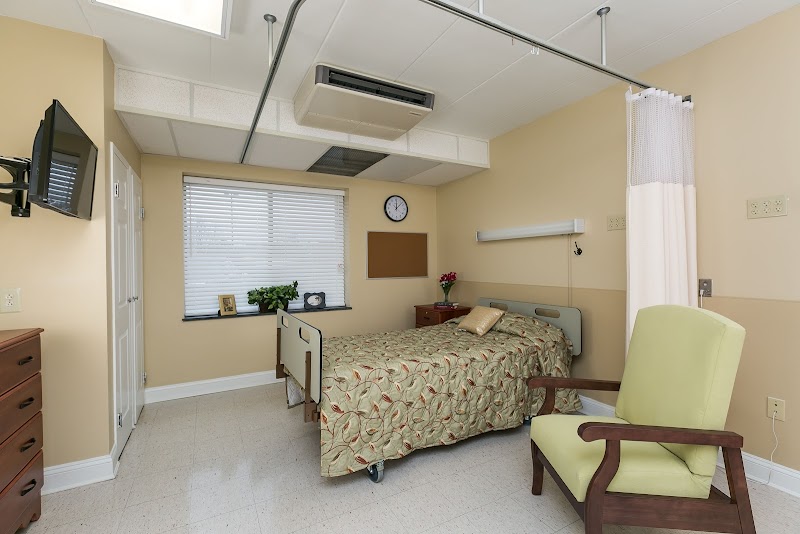
How is Berlin Staffed?

CMS rates BERLIN NURSING AND REHABILITATION CENTER's staffing level at 2 out of 5 stars, which is below average compared to other nursing homes. Staff turnover is 39%, compared to the Maryland average of 46%. This relatively stable workforce can support continuity of care.

What Have Inspectors Found at Berlin?

State health inspectors documented 72 deficiencies at BERLIN NURSING AND REHABILITATION CENTER during 2018 to 2025. These included: 1 Immediate Jeopardy (the most serious level, indicating potential for serious harm or death), 2 that caused actual resident harm, 68 with potential for harm, and 1 minor or isolated issues. Immediate Jeopardy findings are rare and represent the most serious regulatory concerns. They require immediate corrective action.
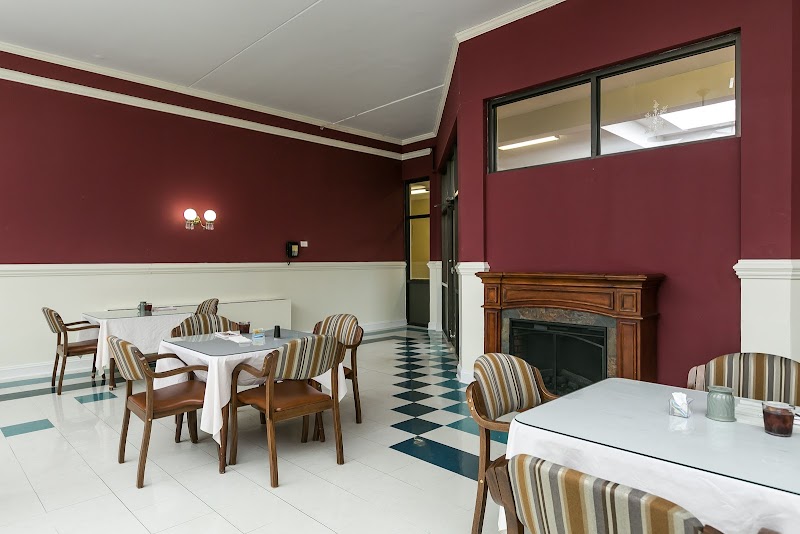
Who Owns and Operates Berlin?

BERLIN NURSING AND REHABILITATION CENTER is owned by a for-profit company. For-profit facilities operate as businesses with obligations to shareholders or private owners. The facility is operated by FUNDAMENTAL HEALTHCARE, a chain that manages multiple nursing homes. With 165 certified beds and approximately 89 residents (about 54% occupancy), it is a mid-sized facility located in BERLIN, Maryland.

How Does Berlin Compare to Other Maryland Nursing Homes?

Compared to the 100 nursing homes in Maryland, BERLIN NURSING AND REHABILITATION CENTER's overall rating (2 stars) is below the state average of 3.0, staff turnover (39%) is near the state average of 46%, and health inspection rating (2 stars) is below the national benchmark.

What Should Families Ask When Visiting Berlin?

Based on this facility's data, families visiting should ask: "What changes have been made since the serious inspection findings, and how are you preventing similar issues?" "Can you walk me through typical staffing levels on day, evening, and night shifts?" "Can I visit during a mealtime to observe dining assistance and food quality?" "How do you handle medical emergencies, and what is your hospital transfer rate?" These questions are particularly relevant given the facility's Immediate Jeopardy citations and the below-average staffing rating.

Is Berlin Safe?

Based on CMS inspection data, BERLIN NURSING AND REHABILITATION CENTER has documented safety concerns. Inspectors have issued 1 Immediate Jeopardy citation (the most serious violation level indicating risk of serious injury or death). The facility has a 2-star overall rating and ranks #100 of 100 nursing homes in Maryland. Families considering this facility should ask detailed questions about what corrective actions have been taken since these incidents.

Do Nurses at Berlin Stick Around?

BERLIN NURSING AND REHABILITATION CENTER has a staff turnover rate of 39%, which is about average for Maryland nursing homes (state average: 46%). Moderate turnover is common in nursing homes, but families should still ask about staff tenure and how the facility maintains care continuity when employees leave.

Was Berlin Ever Fined?

BERLIN NURSING AND REHABILITATION CENTER has been fined $231,402 across 2 penalty actions. This is 6.5x the Maryland average of $35,393. Fines at this level are uncommon and typically indicate a pattern of serious deficiencies, repeated violations, or failure to correct problems promptly. CMS reserves penalties of this magnitude for facilities that pose significant, documented risk to resident health or safety. Families should request specific documentation of what issues led to these fines and what systemic changes have been implemented.

Is Berlin on Any Federal Watch List?

BERLIN NURSING AND REHABILITATION CENTER is not on any federal watch list. The most significant is the Special Focus Facility (SFF) program, which identifies the bottom 1% of nursing homes nationally based on persistent, serious quality problems. Not being on this list means the facility has avoided the pattern of deficiencies that triggers enhanced federal oversight. This is a positive indicator, though families should still review the facility's inspection history directly.