AUTUMN LAKE HEALTHCARE AT CHESAPEAKE WOODS
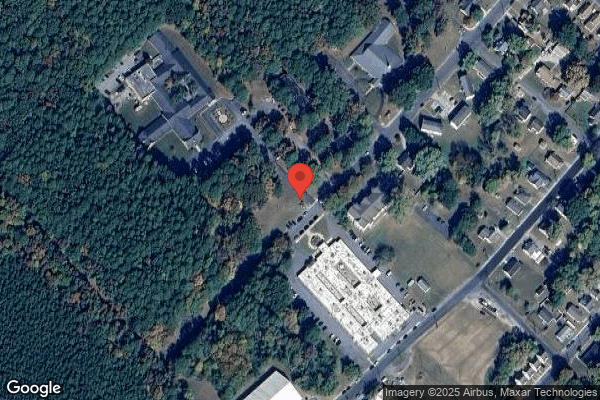
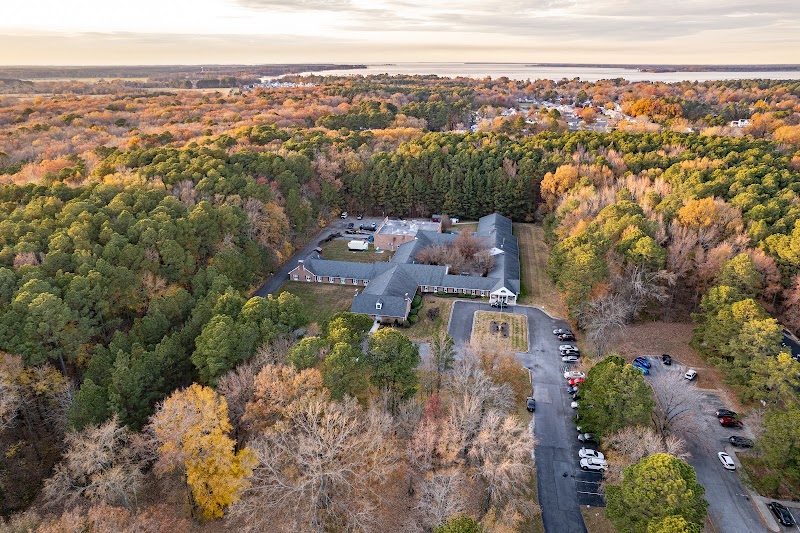
525 GLENBURN AVENUE, CAMBRIDGE, MD 21613 (410) 221-1400
For profit - Limited Liability company 98 Beds AUTUMN LAKE HEALTHCARE Data: November 2025
Trust Grade
65/100
#55 of 219 in MD
Last Inspection: March 2024

Within standard 12-15 month inspection cycle. Federal law requires annual inspections.

Overview

Autumn Lake Healthcare at Chesapeake Woods has a Trust Grade of C+, indicating it is decent and slightly above average compared to other facilities. It ranks #55 out of 219 in Maryland, putting it in the top half of nursing homes in the state, and is the top facility out of two in Dorchester County. However, the facility is experiencing a worsening trend, with issues increasing from 15 in 2019 to 17 in 2024. Staffing is rated at 4 out of 5 stars, but the turnover rate is 47%, which is average for the state. There are concerning fines of $36,797, which are higher than 81% of facilities in Maryland, and RN coverage is below average, being less than 78% of state facilities. Recent inspections revealed some issues, such as a staff member failing to wash their hands before feeding a resident, which raises infection control concerns. Additionally, the facility was noted to have damaged walls in resident rooms, compromising the homelike environment. There were also issues with the training of Geriatric Nursing Assistants, who were assigned to serve meals without adequate training on portion sizes. Overall, while there are strengths in staffing ratings, the facility faces significant weaknesses that potential residents and families should consider.

Trust Score
C+
65/100
In Maryland
#55/219
Top 25%
Safety Record
Low Risk
No red flags
Inspections
Getting Worse
15 → 17 violations
Staff Stability
⚠ Watch
47% turnover. Above average. Higher turnover means staff may not know residents' routines.
Penalties
○ Average
$36,797 in fines. Higher than 57% of Maryland facilities. Some compliance issues.
Skilled Nurses
○ Average
Each resident gets 37 minutes of Registered Nurse (RN) attention daily — about average for Maryland. RNs are the most trained staff who monitor for health changes.
Violations
⚠ Watch
40 deficiencies on record. Higher than average. Multiple issues found across inspections.
★★★★☆
4.0
Overall Rating
★★★★☆
4.0
Staff Levels
★★☆☆☆
2.0
Care Quality
★★★★☆
4.0
Inspection Score
Stable
2019: 15 issues
2024: 17 issues

The Good

  • 4-Star Staffing Rating · Above-average nurse staffing levels
  • Full Sprinkler Coverage · Fire safety systems throughout facility
  • No fines on record

Facility shows strength in staffing levels, fire safety.

The Bad

Staff Turnover: 47%

Near Maryland avg (46%)

Higher turnover may affect care consistency

Federal Fines: $36,797

Above median ($33,413)

Moderate penalties - review what triggered them

Chain: AUTUMN LAKE HEALTHCARE

Part of a multi-facility chain

Ask about local staffing decisions and management

The Ugly 40 deficiencies on record

Mar 2024 17 deficiencies
CONCERN (D) 📢 Someone Reported This

A family member, employee, or ombudsman was alarmed enough to file a formal complaint

Potential for Harm - no one hurt, but risky conditions existed

Deficiency F0552 (Tag F0552)

Could have caused harm · This affected 1 resident

Based on clinical record review and staff interview it was determined that the facility staff failed to ensure a resident's responsible party (RP) was informed of a change in the medical regimen. This...

Read full inspector narrative →
Based on clinical record review and staff interview it was determined that the facility staff failed to ensure a resident's responsible party (RP) was informed of a change in the medical regimen. This was evident for 1 (#89) out of 53 residents that were part of the survey sample. The findings include: An investigation into intake #MD00178510 revealed Resident #89's primary physician prescribed Seroquel (an antipsychotic) on 4/8/21, Haldol (an antipsychotic) on 3/4/22 and Depakote (an anticonvulsant used to treat epilepsy and bipolar disorder) on 3/4/22. The resident's RP was not informed of the medications being ordered for the resident and the medications were administered before the RP was aware of the orders per the complaint. A review of Resident #89's clinical record revealed the RP was not informed of the medications being ordered. The Director of Nursing (DON) was interviewed on 3/4/24 at 1:25 PM. She was informed of the three medications that were ordered and started without informing the RP. She said she would check the Electronic Health Record because she thought it may have been noted in there. The DON was interviewed on 3/4/24 at 2:00 PM. She said she could not find in the electronic health record but would have the medical records person check the hard (paper) chart. The DON was able to show on 3/5/24 at 8:53 AM that the RP was informed of the Depakote being ordered. She was asked what the policy was on notifying a resident's RP when a medication is started. She replied when a medication is started or changed in any way, we are supposed to call the RP if the resident is not capable. These changes occurred with the prior nursing home company. She reviewed all of the progress notes and every single one of those nurses no longer works for the nursing home.
CONCERN (D) 📢 Someone Reported This

A family member, employee, or ombudsman was alarmed enough to file a formal complaint

Potential for Harm - no one hurt, but risky conditions existed

Notification of Changes (Tag F0580)

Could have caused harm · This affected 1 resident

Based on clinical record review it was determined that the facility staff failed to ensure a resident's responsible party (RP) was informed of a fall. This was evident for 1 (#88) out of 53 residents ...

Read full inspector narrative →
Based on clinical record review it was determined that the facility staff failed to ensure a resident's responsible party (RP) was informed of a fall. This was evident for 1 (#88) out of 53 residents in the survey sample. The findings include: An investigation into intake #MD00178237 revealed Resident #88 had a fall in April of 2022. The resident informed their cardiologist on 4/9/22 that they fell a couple of nights ago. The cardiologist assessed the resident for signs of an injury but did not observe any injury. The resident complained of left side pain along the ribcage. Cardiologist collaborated with primary physician regarding care and an x-ray was ordered for a chest x-ray. The x-ray was obtained the next day. Further review of the clinical record revealed that the resident's RP was not notified of the fall.
CONCERN (D) 📢 Someone Reported This

A family member, employee, or ombudsman was alarmed enough to file a formal complaint

Potential for Harm - no one hurt, but risky conditions existed

Free from Abuse/Neglect (Tag F0600)

Could have caused harm · This affected 1 resident

Based on interviews, and record review, it was determined that the facility failed to protect a Resident from abuse from a staff member. This was found evident of 1 of 17 (Resident #37) Residents revi...

Read full inspector narrative →
Based on interviews, and record review, it was determined that the facility failed to protect a Resident from abuse from a staff member. This was found evident of 1 of 17 (Resident #37) Residents reviewed for abuse allegations during an annual and complaint survey. The findings include: On 2/12/24 at 12:01 PM, the surveyor interviewed Resident #37. During this interview Resident #37 described an event in which Geriatric Nursing Assistant (GNA) Staff #26, responded to his/her call for assistance. After Resident #37 requested assistance with an incontinent incident, Staff #26 laughed at him/her and walked out of the room without responding to the request for assistance. Resident #37 reported this incident to the facility. On 2/22/24 at 10:19 AM, the surveyor reviewed the report of the investigation the facility conducted on the incident Resident #37 alleged about Staff #26. The report contained a copy of the Facility Reported Incident investigation that was submitted to the Office of Health Care Quality on 1/3/24. The report stated the facility suspended Staff #26 pending the conclusion of the investigation. Further in the report the surveyor reviewed Staff #26 written statement, which stated that Resident #37 refused to be changed. However, the conclusion of the facility' investigation stated the allegation was verified by evidence collected during the investigation. If further stated that Staff #26 was terminated on 1/9/24. On 2/29/24 at 9:50 AM, the surveyor conducted an interview with the Director of Nursing (DON). During the interview the DON was asked how she verified the abuse allegation. The DON stated she conducted an interview with Staff #26. During that interview Staff #26 told the DON she did not assist Resident #37 after knowing he/she needed incontinence care. Staff #26 reported to the DON she was having a bad day. The DON stated she didn't review Staff #26 written statement before she conducted an interview with Staff #26 to notice the discrepancy. The DON confirmed Staff #26 was terminated after the interview and the allegation was verified.
CONCERN (D) 📢 Someone Reported This

A family member, employee, or ombudsman was alarmed enough to file a formal complaint

Potential for Harm - no one hurt, but risky conditions existed

Report Alleged Abuse (Tag F0609)

Could have caused harm · This affected 1 resident

Based on interview, and record review, it was determined that the facility failed to immediately report an allegation of abuse to the State Office of Health Care Quality. This was found evident in 1 o...

Read full inspector narrative →
Based on interview, and record review, it was determined that the facility failed to immediately report an allegation of abuse to the State Office of Health Care Quality. This was found evident in 1 out of 17 (Resident #189) Residents reviewed for abuse allegations during an annual and complaint survey. The findings include: On 3/04/24 at 1:05 PM, the surveyor reviewed an investigation report the facility conducted regarding an allegation of abuse of Resident #3. The surveyor reviewed 8 questionnaires titled, 'Resident Interviews'. All 8 questionnaires were conducted on 10/2/23. Each questionnaire had the name of the resident being interviewed but did not indicate who conducted the interview. The last question on the form stated; Has anyone hurt or harmed you? One resident (Resident #189's) response to the question was, Only verbal abuse by Aids. On 3/4/24 at 1:26 PM, the surveyor interviewed the Director of Nursing (DON). During the interview the DON stated she along with the Administer In Training (AIT) conducted the investigation regarding Resident #3. She further stated she was not the one who conducted the interviews and was not aware of Resident #189's responses. The DON stated she would look into the matter and speak with the Unit Manager on the Chesapeake Wing as she sometimes conducts the interviews. On 3/5/24 at 9:01 AM, the surveyor conducted an interview with Unit Manager Staff #6. During the interview Staff #6 stated she does conduct interview questionnaires when assisting with investigations, however, Staff #6 denied conducting the interview for this investigation. On 3/5/24 at 9:23 AM, the surveyor conducted a follow-up interview with the DON. In this follow-up interview the DON stated, before the follow-up investigation report is submitted a review of the entire investigation should be completed. She further stated this allegation was reported to the facility by the staff member taking the interviews but was not addressed. The DON stated an investigation into this allegation would be started now. Following the interview the surveyor received an initial investigation form that the DON submitted to the Office of Health Care Quality dated 3/5/2024 at 10:15 AM.
CONCERN (D) 📢 Someone Reported This

A family member, employee, or ombudsman was alarmed enough to file a formal complaint

Potential for Harm - no one hurt, but risky conditions existed

Investigate Abuse (Tag F0610)

Could have caused harm · This affected 1 resident

**NOTE- TERMS IN BRACKETS HAVE BEEN EDITED TO PROTECT CONFIDENTIALITY** 1b) On 2/20/2024 at 9:45 AM surveyor conducted a review of Resident #90s electronic and paper chart medical records which reveal...

Read full inspector narrative →
**NOTE- TERMS IN BRACKETS HAVE BEEN EDITED TO PROTECT CONFIDENTIALITY** 1b) On 2/20/2024 at 9:45 AM surveyor conducted a review of Resident #90s electronic and paper chart medical records which revealed that Resident #90 was admitted to the facility on [DATE] with diagnoses including heart disease and stroke requiring rehabilitation. The facility determined on 3/11/2024 that Resident #90 had severe cognitive impairments and was unable to make decisions for his/her well-being. A review of the facility's self-report revealed that Resident #90 reported to facility staff that on 3/21/2022, a Geriatric Nursing Assistant (GNA), Staff #14, grabbed Resident #90's wrist and shoved Resident #90 into the bed. Continued review of Resident #90's medical records revealed a skin evaluation conducted by the Director of Nursing, DON, on 03/22/2022 at 3:35 PM. The assessment revealed a nursing narrative that stated, Skin intact, bruised area on right wrist, not open. On 2/20/2022 at 9:30 AM the current Director of Human Resources, Staff #9, provided the surveyors with a personnel file for Staff #14. On 2/20/2024 at 12:30 PM surveyors held an interview with the DON and the Administrator. Surveyors asked if the file provided to surveyors was their complete employee record for Staff #14. The DON replied, Unfortunately, Yes, it is. The surveyor reviewed the file with the DON and identified that there is no evidence of a completed criminal background check, abuse/neglect trainings nor the GNAs license verification. On 2/21/2024 at 5:20 PM surveyors conducted an interview with the DON. The surveyor asked the DON how the allegation of physical abuse was substantiated. The DON replied that on 3/22/2022 she interviewed Resident #90 and asked what happened. During the interview, the DON stated that she completed a skin assessment for Resident #90 and saw a circular bruise on the resident's right wrist. The DON went on to say that Resident #90 told her that Staff #14 grabbed his/her wrist and shoved him/her in the bed. The DON stated that she believed Resident #90 because he/she knew what they were talking about, and he/she identified the GNA as Staff #14. The DON also stated that Resident #90 was a believable and credible source and substantiated the abuse. The DON further stated that the GNA was suspended from working at the facility during the investigation on 3/22/2022 and subsequently terminated from employment on 3/25/2022. On 2/23/2024 at 8:30 AM surveyors held an interview with the DON at which time the surveyor asked if all the documentation submitted was the complete investigation conducted for the allegation of staff to resident abuse related to Resident #90. The DON verified that all the information submitted was their complete file and no other documents were missing from their investigation file. The DON confirmed their investigation did not include documentation of interviews with Staff #14, other staff on the unit that worked with Resident #90, other residents that Staff #14 provided care for, or skin assessments of other residents on the units where Staff #14 was assigned. The DON further stated, I do know that after that incident, I have made sure to conduct skin assessments and interviews for every resident that could've been harmed. Based on clinical record review and staff interview it was determined that the facility staff failed to ensure a thorough investigation was conducted and maintain documentation of the investigation. This was evident for 2 (Resident # 88 and #90) out of the 53 residents that were part of the survey sample. The findings include: 1a) An investigation into intake #MD00178237 revealed Resident #88 had a fall in April of 2022. The resident informed their cardiologist on 4/9/22 that they fell a couple of nights ago. The cardiologist assessed the resident for signs of an injury but did not observe any injury. The resident complained of left side pain along the ribcage. Cardiologist collaborated with primary physician regarding care and an x-ray was ordered for a chest x-ray. The x-ray was obtained the next day. A review of the facility's investigation of the fall revealed that the nurse conducting the investigation completed a checklist of tasks that needed to be completed for a thorough investigation. One of the items was staff interviews. Interviewing staff is mandatory because it not only helps to determine a possible cause but also to rule out abuse. A review of the investigation folder revealed that there were no interviews inside the folder which suggested that interviews were not conducted and, therefore, abuse could not be definitively ruled out. The Director of Nursing (DON) was interviewed on 3/1/24 at 9:46 AM. She was shown the fall investigation folder on 5/19/22 and confirmed that there were no staff interviews present. She looked at the name of the nurse who allegedly conducted the interviews and said she was an agency nurse. DON said she is aware that they have had issues with investigations in the past and is trying to fix it. She said she would look for the interviews in case they were filed elsewhere. She agreed that interviews should have been conducted and does not understand why the Manager's checklist listed that the witness statements reviewed. The DON was interviewed on 3/1/24 at 11:00 AM. She confirmed that they do not have any witness statements.
CONCERN (D)

Potential for Harm - no one hurt, but risky conditions existed

Assessment Accuracy (Tag F0641)

Could have caused harm · This affected 1 resident

**NOTE- TERMS IN BRACKETS HAVE BEEN EDITED TO PROTECT CONFIDENTIALITY** Based on record review, and interviews, it was determined that the facility failed to accurately document wound assessments in a...

Read full inspector narrative →
**NOTE- TERMS IN BRACKETS HAVE BEEN EDITED TO PROTECT CONFIDENTIALITY** Based on record review, and interviews, it was determined that the facility failed to accurately document wound assessments in a resident 's medical record. This was found evident for 1 (Resident #17) of 2 Residents reviewed for pressure ulcers. The findings include: The MDS is a federally mandated assessment tool that helps nursing home staff gather information on each resident's strengths and needs. Information collected drives resident care planning decisions. MDS assessments need to be accurate to ensure each resident receives the care they need. On 2/20/24 at 10:28 AM, the surveyor reviewed Resident #17's medical record. The review revealed a wound note from Wound Nurse Practitioner Staff #31. The note revealed that on 3/30/23, Staff #31 evaluated Resident #17 and documented the resident had a stage 3 pressure ulcer (classification of wound; stage 3 is a full -thickness wound, where the wound is through the top two layers of the skin and into the fatty tissue below). Further review revealed an assessment dated [DATE] in section M, skin, of the Minimum Data Set (MDS) assessment documented yes to Resident #17 having a pressure ulcer but coded zero to the staging of the wound. The MDS assessment completed on 10/9/23 in section M, skin, the assessment documented no to pressure wound. Pressure wounds documentation on the MDS allows the facility to monitor pressure wound progression. Once a stage 3 wound is documented on the MDS assessment it is to always be classified as a stage 3 with a notation that that the wound is healing to lower to a lower stage or if the wound deepened, it would move to a stage 4. On 2/20/24 at 11:34 AM, the surveyor interviewed Minimum Data Set (MDS) Coordinator Staff #28. During this interview the Staff #28 stated when she codes pressure ulcer and documents their stages she reviews the wound care teams documentation. Staff #28 stated she was out on leave for some of Resident 17's MDS assessments and that Resident #17's MDS wound assessment is currently accurate. On 2/20/24 at 12:27 PM, the surveyor interviewed the Director of Nursing. During this interview the DON stated that when the MDS Coordinator was out on leave a corporate MDS nurse was completing the MDS assessments. The DON confirmed that the coding for Resident #17's pressure ulcer on 3/30/23 and 10/9/23 was incorrect.
CONCERN (D)

Potential for Harm - no one hurt, but risky conditions existed

Deficiency F0657 (Tag F0657)

Could have caused harm · This affected 1 resident

Based on record review, and interviews, it was determined that the facility failed to hold care plan meetings with an interdisciplinary team for residents at the time of the Minimum Data Set (MDS) ass...

Read full inspector narrative →
Based on record review, and interviews, it was determined that the facility failed to hold care plan meetings with an interdisciplinary team for residents at the time of the Minimum Data Set (MDS) assessment. This was found evident for 1 (Resident #17) of 5 residents reviewed for care planning. The finding include: Care plans are developed for residents to guide the care that residents receive in the facility. They are required to be developed within 7 days of completion of a resident's admission comprehensive Minimum Data Set (MDS) assessment and revised at least every quarter (or more often as needed). The facility is required to have care plans developed and revised by an interdisciplinary team. On 2/12/24 at 10:56 AM, the surveyor interviewed Resident #17. In this interview Resident #17 stated he/she had not been to a care plan recently. On 2/16/24 at 9:27 AM, the surveyor interviewed Social Worker, Staff #8. During the interview Staff #8 described how care plan meetings are set up. She stated when a care plan is scheduled a letter is sent to either the Resident or the Resident's Representative as appropriate. The letter gives the date and time and also asks for confirmation from the Resident or Representative if they are planning to attend. She further stated if a resident is unable to get notified this way other measures are taken to inform them about the meeting. Staff #8 stated she writes a progress note on the meeting and keeps a copy of the invitation letter. Staff #8 Stated she would produce the letter that was recently sent for Resident #17. On 2/15/24 at 10:07 AM, the surveyor reviewed the documents with Staff #8. A letter was given to Resident #17 inviting him/her to the most recent care plan meeting scheduled for 12/21/23. The surveyor then asked the Staff #8 for the care plan notes written from the meeting. On 2/16/24 10:07 AM, the surveyor conducted a follow-up interview with the Staff #8. In this interview Staff #8 stated there were no notes from the 12/21/23 care plan meeting and reported she was on leave when the care plan was scheduled. She further stated it would be the responsibility of the Unit Manager or the nurse to document the results of the care plan meeting. On 2/26/24 at 11:09 AM, the surveyor interviewed the Director of Nursing (DON). During this interview the DON stated she was unable to find documentation from the care plan meeting on 12/21/23 and believes that the care plan meeting was missed.
CONCERN (D) 📢 Someone Reported This

A family member, employee, or ombudsman was alarmed enough to file a formal complaint

Potential for Harm - no one hurt, but risky conditions existed

ADL Care (Tag F0677)

Could have caused harm · This affected 1 resident

**NOTE- TERMS IN BRACKETS HAVE BEEN EDITED TO PROTECT CONFIDENTIALITY** Based on review of resident's medical records, and interviews, it was determined that the facility staff failed to provide activ...

Read full inspector narrative →
**NOTE- TERMS IN BRACKETS HAVE BEEN EDITED TO PROTECT CONFIDENTIALITY** Based on review of resident's medical records, and interviews, it was determined that the facility staff failed to provide activities of daily living (ADL) care in accordance with the resident's plan of care. This was found to be evident for 2 of 4 (Resident #188 and #17) residents reviewed for ADLs during an annual and complaint survey. The findings include: Activities of Daily Living (ADLs) is a term used collectively to describe fundamental skills required to independently care for oneself, such as eating, bathing, and mobility. 1a) On 2/28/24 at 9:25 AM, the surveyor reviewed Resident #188's medical record. The review revealed that Resident #188 was admitted to the facility in June of 2022. Further review revealed that Resident #188 had a baseline care plan initiated shortly after being admitted . The care plan indicated that Resident #188 preferred to receive showers. On 3/5/24 at approximately 10:30 AM, the surveyor asked for shower documentation for Resident #188 for the month of September of 2022. On 3/5/24 at 11:15 AM, the surveyor reviewed the documentation with the Director of Nursing (DON). The documentation was for bathing and there were two places each day where bathing could be documented as given. One labeled day and the other evening. Bathing was documented 34 out of the 39 opportunities offered. Two places were blank and 3 were documented as not applicable (NA). The surveyor asked the DON if showers were given to Resident #188. The DON stated there was no documentation of showers given to Resident #188. She further stated that the shower scheduled was not triggered for Resident #188 on the [NAME] (a tool used by Geriatric Nursing Assistants for tasks that need to be completed for each Resident). The DON stated Resident #188 would have had two scheduled shower days but could not provide the documentation they were provided. 1b) On 2/12/24 at 10:58 AM, the surveyor interviewed Resident #17. During this interview Resident #17 stated he/she had not been getting showers consistently. On 2/20/24 at 9:55 AM, the surveyor reviewed Resident #17's care plan. The review revealed that Resident #17 had a care plan initiated on 11/6/23 stating, Resident #17 has an Activities of Daily Living performance deficit related to hemiplegia (loss of movement on one side). One of the interventions listed was, assist resident in completing ADL tasks as needed. On 2/20/24 at 11:03 AM, the surveyor interviewed Geriatric Nursing Assistant (GNA) Staff #27. During the interview Staff #27 described how to identify the residents that were scheduled for a shower that day. She further stated that residents are scheduled for two showers a week and would get baths on the days they were not on the schedule for a shower. Staff #27 stated showers are documented and if a resident refuses a shower she would documents the refusal and notify the nurse. Staff # 27 reviewed the book and stated that Resident # 17 was scheduled for showers on Tuesdays and Fridays. On 2/26/24 at 11:49 AM, the surveyor reviewed the shower log documentation for the months of January and February of 2024 with the Director of Nursing (DON). On review the DON stated that Resident #17's showers were changed to Wednesday and Saturday and that the updated schedule was in the shower binder but was behind the old schedule. In January Resident #17 did not have a shower documented until Monday January 8th. The next shower documented was Thursday 1/11/24. No, was documented on Monday 1/15/24, NA on Thursday, 1/18/24, and Resident Refused documented on both Monday 1/22/24 & Thursday 1/25/24. On Monday 1/29/24 a shower was documented, yes. Twice in the month of January Resident #17 went over 7 days without a shower without any refusals. Next February 2024 shower schedule was reviewed. One time Resident #17 refused a shower, two showers were documented as given, three times NA was documented. Resident #17 went 9 days without a shower being documented without any refusals in-between. On 2/28/24 at 8:42 AM, the surveyor conducted a follow up interview with the DON. During this interview the DON stated she was unsure why NA was documented for showers and why Resident #17 scheduled shower days were not entered in as Wednesday and Thursdays. The DON further stated education was being done about documentation and communication of showers.
CONCERN (D)

Potential for Harm - no one hurt, but risky conditions existed

Respiratory Care (Tag F0695)

Could have caused harm · This affected 1 resident

Based on interviews, record review, and facility policy, it was determined that the facility failed to provide respiratory care consistent with the professional standards for oxygen administration. Th...

Read full inspector narrative →
Based on interviews, record review, and facility policy, it was determined that the facility failed to provide respiratory care consistent with the professional standards for oxygen administration. This was found evident of 1 out of 3 (Resident #17) residents reviewed for respiratory care during an annual and complaint survey. The findings include: Pulse oximeter - a device that uses a light source to analyze the light that passes through a finger and can determine the percentage of oxygen saturation in the red blood cells, referred to as a pulse ox. Nasal cannula- a medical device used to provide supplemental oxygen therapy to people who have lower oxygen levels. On February /2024 at 9:55 AM, the surveyor reviewed Resident #17's medical record. The review revealed that Resident #17 had a care plan initiated on 11/6/23 related to the resident's emphysema (a lung condition that causes shortness of breath) and Chronic Obstructive Pulmonary Disease (COPD) (condition involving constriction of the airways and difficulty or discomfort in breathing). One of the interventions listed was, give oxygen therapy as ordered by the physician. Further review revealed an order written on 12/8/23 for oxygen to be given at 4 Liters (unit of measurement for oxygen administration) via nasal cannula. An additional order written on 12/8/23 stated to obtain pulse ox every shift to keep oxygenation saturations greater than or equal to 90 (percent) every shift. On 2/26/24 at 9:35 AM, the surveyor reviewed the pulse ox readings along with the Treatment Administration Record (TAR) for December 2023. There were no pulse ox readings recorded on 12/15/23, 12/19/23, 12/24/23, 12/25/23, however oxygen was checked off as administered on all three shifts for those days. On 2/26/24 at 11:30 AM, the surveyor reviewed the facility's policy on oxygen administration. The policy states: The resident's care plan shall identify the interventions for oxygen therapy, based upon the resident's assessment and orders. The policy further stated: Monitoring of oxygen saturation levels and/or vital signs, as ordered. On 2/26/24 at 12:18 PM, the surveyor reviewed the order and missing pulse ox reading with the Director of Nursing (DON). The DON stated, the pulse ox readings should have been recorded and were necessary to evaluate if Resident #17's pulse ox was greater than 90 as described in his/her order for monitoring of oxygen.
CONCERN (D) 📢 Someone Reported This

A family member, employee, or ombudsman was alarmed enough to file a formal complaint

Potential for Harm - no one hurt, but risky conditions existed

Deficiency F0710 (Tag F0710)

Could have caused harm · This affected 1 resident

**NOTE- TERMS IN BRACKETS HAVE BEEN EDITED TO PROTECT CONFIDENTIALITY** 2) According to the Centers of Medicare and Medicaid (CMS) a significant weight loss is a weight loss of: 5% in one month; 7.5% ...

Read full inspector narrative →
**NOTE- TERMS IN BRACKETS HAVE BEEN EDITED TO PROTECT CONFIDENTIALITY** 2) According to the Centers of Medicare and Medicaid (CMS) a significant weight loss is a weight loss of: 5% in one month; 7.5% in 3 months; or 10% in 6 months. During a phone interview conducted on [DATE] at 10:26 AM, the complainant stated Resident #96 lost a lot of weight and the facility had not addressed it. During a review of Resident #96 weights on [DATE] at 09:42 AM, it was determined that Resident #96 weighed 134.4 pounds on [DATE], 124 pounds on [DATE], and 121.3 pounds on [DATE], which was a 9.75 % weight loss over a three-month period. Weight change alerts were noted in the electronic record on [DATE], and [DATE], however the physician progress notes from [DATE], [DATE], [DATE], [DATE], [DATE], and [DATE] reported no weight changes and the Physician Assistant, Certified (PA-C) notes written on [DATE], [DATE], and [DATE], reported no weight changes. During an interview on [DATE] at 12:27 PM, the Director of Nursing (DON) was informed of the concern that no weight loss or changes were addressed in Resident # 96's medical record by the physician or PA-C. The DON stated that she would look for documentation. The DON reported back on [DATE] at 1:22 PM that although the facility Dietician documented the weight changes and implemented dietary changes, the lack of physician supervision was a concern and the current providers have been requested to focus on weight changes more precisely. Based on clinical record review and staff interview it was determined that the facility staff failed: 1) to ensure that a physician sent a death certificate to a funeral home and 2) failed to ensure the physician provided supervision for a resident with significant weight loss. This was evident for 1 (#337) out 3 residents reviewed for death and 1 (Resident # 96) out of 1 resident reviewed for weight loss. The findings include: The investigation into intake #MD00198914 revealed Resident #337 died on [DATE]. The funeral home handling the funeral did not receive the resident's death certificate. A review of the resident's clinical record revealed that there was no evidence that the facility sent the death certificate to the funeral home that picked up the body or to the funeral home that received the body. Staff #21 was interviewed on [DATE] at 9:09 AM. She said the second funeral home called her to ask for the death certificate. She didn't realize they didn't have it, so she called the Director of Nursing and got the death certificate. She was not sure which day she sent the death certificate but was sure it was one or two days prior to the funeral. Staff #21 was interviewed again on [DATE] at 12:35 PM. She spoke with the first funeral home. They said that 99% of deaths involve the doctor sending the funeral home an electronic death certificate. If they don't get a death certificate, then they contact the doctor. The funeral home did not get a death certificate and then reached out to the doctor. Evidence was not presented prior to the exit conference that the physician sent the death certificate to either funeral home.
CONCERN (D)

Potential for Harm - no one hurt, but risky conditions existed

Drug Regimen Review (Tag F0756)

Could have caused harm · This affected 1 resident

Based on record review, interviews and facility policy, it was determined that the facility failed to have a process in place that ensured a resident's medication irregularity report was reviewed by t...

Read full inspector narrative →
Based on record review, interviews and facility policy, it was determined that the facility failed to have a process in place that ensured a resident's medication irregularity report was reviewed by the primary care physician and that the recommendations were addressed timely. This was found evident of 1 (#17) of 5 residents reviewed for medication regimen review. Then findings include: Medication Regimen Review (MRR) or Drug Regimen Review is a thorough evaluation of the medication regimen of a resident, with the goal of promoting positive outcomes and minimizing adverse consequences and potential risks associated with medication. The MRR includes review of the medical record in order to prevent, identify, report, and resolve medication-related problems, medication errors, or other irregularities. The MRR also involves collaborating with other members of the Inter-Disciplinary Team (IDT), including the resident, their family, and/or resident representative. On 2/26/24 at 12:25 PM the surveyor reviewed the Medication Regimen Review (MRR) for Resident #17. During the review it was noted that Resident #17 had reviews done monthly and on 8/16/23, 9/18/23, 10/11/23, 11/20/23, 12/4/23 and 12/11/23 the reviews had a comment, recommendation noted, see report. On 2/26/24 at 12:45 PM, the surveyor conducted an interview with the Director of Nursing (DON). The DON stated that the MMR were completed every month by the Pharmacist and if an irregularity was identified a report would be emailed to the Unit Manager and DON. She further stated that the reports were printed and placed in a binder for the physician to review. The surveyor asked the DON for the reports that were generated for Resident #17 by the Pharmacist. On 2/27/24 at 9:51 AM, the surveyor conducted a follow-up interview with the DON. In this interview the DON stated that the reports were not being kept in the binder, however she was able to request the reports from that pharmacy. The DON stated the reports did not contain the required physician's acknowledgement of irregularity or the action taken to address the irregularity. She further stated education was started with the Unit Managers on expectations of the pharmacy recommendation/irregularity report process. On 2/27/24 at 10 AM, the surveyor reviewed the policy Titled; Addressing Medication Regimen Review Irregularities. The policy states: Any irregularities noted by the pharmacist during this review must be documented on a separate written report which may be in paper or electronic form. The report will be sent to the attending physician, the facility's medical director and the director of nursing and list, at a minimum, the resident's name, the relevant drug, and the irregularity the pharmacist identified. The attending physician must document in the resident's medical record that the identified irregularity has been reviewed and what, if any, action has been taken to address it. If there is to be no change in the medication, the attending physician should document his or her rationale in the resident's medical record.
CONCERN (D)

Potential for Harm - no one hurt, but risky conditions existed

Deficiency F0757 (Tag F0757)

Could have caused harm · This affected 1 resident

Based on medical record review and staff interview, it was determined that the facility staff failed to ensure that a resident's medication regimen was free from unnecessary drugs. This was evident fo...

Read full inspector narrative →
Based on medical record review and staff interview, it was determined that the facility staff failed to ensure that a resident's medication regimen was free from unnecessary drugs. This was evident for 1 (Resident #17) or 5 residents reviewed for unnecessary medications. The findings include: On 2/26/24 at 12:25 PM the surveyor reviewed Resident #17's medical record. The review revealed a Medication Regimen Review (MRR) for Resident #17 completed on 12/11/23. The report stated Resident #17 was ordered two vitamin D3 oral medications. One dose every 7 days and the other one to be given every day. The Pharmacist recommended the provider evaluate if both agents were needed and consider discontinuing one of them. On 2/27/24 at 9:45 AM, the surveyor reviewed the Vitamin D3 orders. Both orders were written on 12/8/23. The order for the Vitamin D3 to be given every 7 days was discontinued on 2/27/24 at 8:34 AM, one day after the recommendations were requested by the surveyor. On 2/27/24 at 9:51 AM, the surveyor conducted an interview with the DON. In this interview the DON stated she acknowledged that there was some lack of action taken to address the irregularity reports from the pharmacy. She further stated education was started with the unit managers on expectations of the pharmacy recommendation/irregularity report process.
CONCERN (D)

Potential for Harm - no one hurt, but risky conditions existed

Medication Errors (Tag F0758)

Could have caused harm · This affected 1 resident

Based on interview, and medical record review, it was determined that the facility failed to limit a as needed psychotropic medication from being prescribed for less than 14 days. This was found evide...

Read full inspector narrative →
Based on interview, and medical record review, it was determined that the facility failed to limit a as needed psychotropic medication from being prescribed for less than 14 days. This was found evident in 1 (Resident #17) out of 5 residents reviewed for unnecessary medications. The finding include: On 2/26/24 at 12:25 PM the surveyor reviewed Resident #17's medical record. The review revealed a Medication Regimen Review (MRR) irregularity report was completed for Resident #17 on 11/20/23 and 12/4/23, both for the same medication alprazolam (prescribed to treat anxiety). On 11/20/23 the Pharmacist recommended a 14-day stop date with the as needed alprazolam order. On 12/4/23 the Pharmacist recommended discontinuing alprazolam order and stated; if the medication cannot be discontinued then the provider should document the indication for use, intended duration and rationale for the extended time period. On 2/27/24 at 9:45 AM, the surveyor reviewed the alprazolam order written for Resident #17. The order was written on 11/1/23 and was written to be given as needed. The order was not discontinued until 12/4/23. The psychotropic medication was available as needed over 30 days. On 2/27/24 at 9:51 AM, the surveyor conducted an interview with the DON. In this interview the DON stated she acknowledged that there was some lack of action taken to address the irregularity reports from the pharmacy. She further stated education was started with the unit managers on expectations of the pharmacy recommendation/irregularity report process.
CONCERN (D)

Potential for Harm - no one hurt, but risky conditions existed

Deficiency F0761 (Tag F0761)

Could have caused harm · This affected 1 resident

1b) On 2/12/24 at 12:16 PM, the surveyor observed a medication cart that was unattended and unlocked located on Chesapeake Unit across from the B hallway. At this time no staff were observed managing ...

Read full inspector narrative →
1b) On 2/12/24 at 12:16 PM, the surveyor observed a medication cart that was unattended and unlocked located on Chesapeake Unit across from the B hallway. At this time no staff were observed managing the medication cart. On 2/12/24 at 12:18 PM, the surveyor interviewed Licensed Practical Nurse (LPN) Staff #29. During the interview Staff #29 locked the medication cart and confirmed that the medication cart should not be left unlocked. She identified that the cart belonged to the nurse working in the B hallway, LPN Staff #30. On 2/12/24 at 12:21 PM, the surveyor interviewed LPN Staff #30. During the interview Staff #30 stated she was responsible for the medication cart and had walked away to get water. She further stated she was aware of the expectations to lock the cart before walking away. On 2/12/24 at 1:05 PM, the surveyor interviewed the Chesapeake Unit Manager Staff #6. During the interview Staff #6 stated she would initiate education on the expectation that medication carts need to be locked when unattended. Based on observations and interviews, it was determined that the facility failed to store medications appropriately according to standards of practice. This was evident for 1 of 30 medications observed during medication administration and 1 of 1 random floor observations. The findings include: Gout- a type of inflammatory arthritis that causes pain and swelling in the joints. On 03/01/2024 at 10:02 AM the surveyor observed a Licensed Practical Nurse (LPN), Staff #34, prepare and administer medications for Resident # 26. The Infection Preventionist/ Staff Educator, Staff #2, was present and stood opposite the surveyor and Staff # 34 for the duration of the observation. During preparation, the surveyor observed Staff #34 retrieve a blister pack with Allopurinol tablets, a medication prescribed to treat gout. Staff #34 reviewed the expiration date printed on the package and it was listed as 2/29/2024. Staff #34 pulled then retrieved another blister pack of Allopurinol from the medication cart prescribed for Resident #26 and the expiration date was 12/23/2023. Staff #34 retrieved another blister pack of Allopurinol prescribed for Resident #26 and the expiration date was listed as 7/31/2024. Staff #34 dispensed the Allopurinol tablets as prescribed. On 3/01/2024 at 10:17 AM the surveyor asked Staff #2 who was responsible for medication cart audits. Staff #2 replied that the Certified Medication Aides (CMA) restock resident medications that are stored in the medication carts and that nurses are ultimately responsible for reviewing the medication expiration dates before administering medications to residents. On 03/01/24 at 11:06 AM surveyor observed LPN, Staff #35, prepare and administer medications for Resident #3. Staff # 35 retrieved a blister pack of Paroxetine tablets labelled, 20 mg tablets, give one tablet every day. The medication order in Resident # 3's chart read, Paroxetine 10 mg, give one 10mg tablet every day. Staff #35 did not pour the medication. Staff #35 located another blister pack of Paroxetine tablets prescribed for Resident #3 that read: Paroxetine 10 mg, give one 10mg tablet every day. Staff #35 reviewed the medication order for Paroxetine and identified that the medication dosage was changed and active on 2/2/2024 by Physician's Assistant, Staff # 18. Resident #3's chart and dispensed the medication as ordered. 03/01/24 at 11:45 AM Staff #35 and surveyor met with the Unit Manager, Staff #6. Staff #35 with surveyor present, explains to Staff #6 what was identified during preparing Resident #3's medications. Surveyor asked Staff #6, how are resident specific medications restocked in medication carts? Staff #6 stated that what should have happened was it should have been pulled out once the new order was placed and the new dosage of said medication was received. Staff #6 also stated that she will initiate an immediate all nursing staff education on medication storage policies. On 03/01/24 at 12:10 PM surveyor conducted an interview with the Director of Nursing (DON) and discussed the observations during medication administration and the conversation held with Unit Manager, Staff #6. The surveyor requested the facility's Medication Storage Policy. Upon exit on 3/5/2024, the policy was not received.
CONCERN (D) 📢 Someone Reported This

A family member, employee, or ombudsman was alarmed enough to file a formal complaint

Potential for Harm - no one hurt, but risky conditions existed

Medical Records (Tag F0842)

Could have caused harm · This affected 1 resident

Based on observation, interviews, facility policy review, and record review, it was determined that the facility failed to maintain medical records in accordance with acceptable professional standards...

Read full inspector narrative →
Based on observation, interviews, facility policy review, and record review, it was determined that the facility failed to maintain medical records in accordance with acceptable professional standards and practices by 1) safeguarding Resident identifiable information from the public and 2) Keeping accurate documentation. This was found evident in 3 (Resident #17, #21 and #188) of 53 Residents reviewed during the survey. The findings include: 1. On 2/12/24 at 12:16 PM, the surveyor observed a medication cart with a computer on top of the cart. The computer screen was facing the B hallway on the Chesapeake wing. On further observations, the computer screen had Resident #17's medication profile displayed and the surveyor could see a list of medications. On 2/12/24 at 12:18 PM, the surveyor interviewed Licensed Practical Nurse (LPN) Staff #29. During the interview Staff #29 locks the computer screen and confirms that the computer screen should not be displaying the Resident ' s health care information. She also identifies the cart belong to the nurse that is working in the B hallway LPN Staff #30. On 2/12/24 at 12:21 PM, the surveyor interviewed LPN Staff #30. During the interview Staff #30 stated she was responsible for the medication cart and had walked away to get water. She further stated she was aware of the expectations not to leave the computer screen with Resident ' s healthcare information left up and visible to others before walking away. On 2/12/24 at 1:05 PM, the surveyor interviewed the Chesapeake Unit Manager Staff #6. During the interview Staff #6 stated she would initiate education on the expectation that computer screens should be locked out when left unattended. 2a. On 2/16/24 at 9:05 AM, the surveyor reviewed Resident #21's electronic medical record. During the review a consult note written on 2/13/24 was reviewed. The note was hand written and had been scanned into Resident #21 ' s electronic medical record, however only the first name was the same as Resident #21 ' s. The last name was different as well as the room number identified on the consult note. On 2/16/24 at 10:11 AM, the surveyor interviewed the Medical Records Personnel Staff #21. During the interview, Staff #21 described when Residents return from consults she scans the documents they bring back to an email account and then uploads the document into Point Click Care (PCC)(a cloud-based healthcare software) which becomes part of the Resident ' s electronic health care record. She stated the paper copy goes into the Resident ' s paper chart. She further stated she reviews the Residents ' entire name to evaluate where to place the record in the correct medical record. After the surveyor showed Staff #21 the consult document in Resident #21's electronic record with the incorrect Resident Staff #21 stated she must have made an error. 2b. On 2/28/24 at 9:25 AM, the surveyor reviewed Resident #188 ' s medical record. The review revealed Resident #188 ' s profile which stated Resident #188 ' s daughter was his/her substitute decision maker. Further review revealed a Social Worker Assessment that was completed on 6/22/22 for Resident #188. In this assessment a health care decision making evaluation was done. Resident #188 had no advanced directives on file. On 2/29/24 at 12:27 PM, the surveyor interviewed the Social Worker Staff #8. During the interview Staff #8 stated in order for someone to be the substitute decision maker there would be documentation that the resident gave the authorization and that she follows orders of the Health Care Decision Act. She further stated the facility's admission department enters the profile information into PCC. The surveyor asked Staff #8 if Resident #188 had any advanced directive or decision-making paperwork in his/her medical record. Staff #8 stated she would look. On 2/29/24 at 12:47 PM, the surveyor conducted a follow-up interview with the Staff #8. In this interview the social worker confirmed that Resident #188 did not have an advanced directive or decision-making declarations and was his/her own decision maker. On 2/29/24 at 1 PM, the surveyor interviewed the Director of Nursing (DON). The DON stated the previous Admissions Director was in charge of updating the profile page and must have not verified nor updated the profile when Resident #188 was admitted . 2c) On 3/4/24 at 9:05 AM, the surveyor reviewed a nursing note in Resident #188's medical record. The note was written by Registered Nurse Staff #32 on 8/1/22 at 2:08 PM. The note stated Resident #188 had an area of open skin located at the sacrum (bony structure that is located at the base of the lumbar vertebrae and that is connected to the pelvis). Staff #32 stated the area looks to be healed/healing and to continue monitoring. Further review revealed a Weekly Skin Evaluation completed on that same day at 10:06 AM by Nurse #33 and signed on 8/16/22. The evaluation identified no skin area of concern even though Staff #32 identified an open skin that same day. On 2/4/24 at 10:48 AM, the surveyor reviewed the facility's skin evaluation policy which stated; A full body, or head-to-toe, skin evaluations will be conducted by a licensed or registered nurse upon admission/re-admission then weekly thereafter. The evaluation may also be performed after a change of condition or after a newly identified pressure injury. On 2/4/24 at 12:55 PM, the surveyor conducted an interview with the DON. During the interview the surveyor asked about the inconsistent documentation of Resident #188's skin evaluation done on the same day. The DON stated Staff #33 no longer worked at the facility after poor documentation was identified.
CONCERN (D)

Potential for Harm - no one hurt, but risky conditions existed

Infection Control (Tag F0880)

Could have caused harm · This affected 1 resident

**NOTE- TERMS IN BRACKETS HAVE BEEN EDITED TO PROTECT CONFIDENTIALITY** Based on observations, interviews, and review of policies and procedures, the facility failed to ensure that staff performed han...

Read full inspector narrative →
**NOTE- TERMS IN BRACKETS HAVE BEEN EDITED TO PROTECT CONFIDENTIALITY** Based on observations, interviews, and review of policies and procedures, the facility failed to ensure that staff performed hand hygiene. This was evident for 2 (# 28 and # 29) out of 7 staff observed for hand hygiene. The findings include: On 02/20/24 at 08:18 AM, the surveyor observed Geriatric Nursing Assistant (GNA) #23 go into room [ROOM NUMBER] to serve breakfast, touch the resident environment, then proceed to the juice cart and return to room to finish helping the resident. She then went into room [ROOM NUMBER] and assisted the resident, touching the resident environment and exited the room towards the breakfast cart. When asked what the facility hand hygiene policy was GNA #23 stated we perform hand hygiene after touching a patient. She further stated I haven't touched a pt, but I can find hand sanitizer on the medication cart. The surveyor observed GNA #24 on 02/20/24 at 08:20 AM, enter room [ROOM NUMBER]. GNA #24 helped the resident set up breakfast, touching the resident environment and exited. GNA #24 then entered room [ROOM NUMBER], touched the bed, went back to the breakfast cart, picked up food, and returned to room [ROOM NUMBER] and helped with the food and exited without performing hand hygiene. When asked about the facility hand hygiene policy GNA #24 replied that the policy was to perform hand hygiene after every 2 rooms. On 02/20/24 at 08:27 AM, the surveyor asked CMA/GNA # 25 what the facility hand hygiene policy was? She responded, we sanitize with hand sanitizer before and after each patient and wash with soap and water every few times. During an interview on 02/20/24 at 08:29 AM, the Choptank Unit Manager stated she would educate staff immediately and investigate obtaining hand sanitizers for staff to carry in their pockets. During an interview on 02/28/24 at 12:29 PM the Director of Nursing stated she was aware of the missed hand hygiene opportunities observed on 2/20/23. She further stated, we ordered pocket sanitizers, hand hygiene would be discussed in the Quality Assurance Performance Improvement meeting that day and education would be provided.
CONCERN (E)

Potential for Harm - no one hurt, but risky conditions existed

Safe Environment (Tag F0584)

Could have caused harm · This affected multiple residents

Based on observations and interviews, it was determined that the facility failed to provide residents with a homelike environment. This was found to be evident for 15 residents (#11, #20, #24, #35, #3...

Read full inspector narrative →
Based on observations and interviews, it was determined that the facility failed to provide residents with a homelike environment. This was found to be evident for 15 residents (#11, #20, #24, #35, #39, #52, #58, #60, #61, #62, #65, #68, #70, #79, #238) out of 94 resident environments observed by the surveyors during the survey. The findings include: During the initial screening on 02/12/24 at 10:04 AM, the surveyor observed that walls above the sink were damaged in rooms 73, 75, 80, 83, 84, 85, 87, and 89 on the Choptank Unit. The Corporate Maintenance Director was informed of the wall damage in the bathroom walls on the Choptank Unit on 02/15/24 at 09:38 AM. He stated he would investigate it and get back to the surveyor with his observations. On 02/15/24 at 11:03 AM, the Corporate Maintenance Director told the surveyor that he observed that the walls above the sinks were damaged from water splashing and the walls would be repaired and covered with fiberglass to protect the walls from future damage. During an interview with the Administrator and Director of Nursing on 2/23/24 at 11:10 AM, the surveyor was informed that they were aware of the damaged walls and that repairs were in progress.
Mar 2019 15 deficiencies
CONCERN (D)

Potential for Harm - no one hurt, but risky conditions existed

Resident Rights (Tag F0550)

Could have caused harm · This affected 1 resident

Based on observations it was determined the facility failed to enhance and promote a resident's dignity and respect while providing feeding assistance to a resident during lunch. This was found to be ...

Read full inspector narrative →
Based on observations it was determined the facility failed to enhance and promote a resident's dignity and respect while providing feeding assistance to a resident during lunch. This was found to be evident for 1 resident (Resident # 70) when a dining experience was observed during the facility's annual Medicare/Medicaid survey. The findings include: A lunch dining experience was observed on 3/25/19 at 12:30 PM. A Geriatric Nursing Assistant (GNA), Staff #4 entered the C-Wing dining room at 12:30 PM. Upon entering the room from the unit, Staff #4 did not wash or sanitize his/her hands. At 12:32 PM, Staff #4 went over and stood above Resident #70 and fed him/her their lunch. Staff #4 finished feeding the resident at 12:43 PM. The Nurse on the unit, Staff #21 was made aware of all concerns on 3/25/19 at 12:48 PM. The Director of Nursing was made aware of concerns on 3/25/19 at 1:20 PM.
CONCERN (D)

Potential for Harm - no one hurt, but risky conditions existed

Investigate Abuse (Tag F0610)

Could have caused harm · This affected 1 resident

Based on review of the facility reported incident MD00128582, investigative information, medical records and interview with staff it was determined that the facility failed to keep a resident free fro...

Read full inspector narrative →
Based on review of the facility reported incident MD00128582, investigative information, medical records and interview with staff it was determined that the facility failed to keep a resident free from abuse. This was evident for 1 out of 3 residents (Resident #81) reviewed for abuse. The findings include: On 3/26/19 Resident #81's medical records were reviewed. This review revealed a Brief Interview for Mental Status completed on November 2018 with a score of 8 out of 15, the scores between 8 and 12, indicate moderate cognitive impairment. Review of the facility self-reported incident on 3/26/19 revealed that on 7/3/18 when the geriatric nursing assistant (GNA) entered the resident's room the GNA noted that the resident was undressed and had thrown the sheet and adult briefs in the trash and had urinated in the bed. The GNA also revealed she noted that the resident's finger was crooked. The investigating report revealed the GNA left the room and went a got the resident's nurse. When the nurse and the GNA entered the resident's room the resident stated She punched me and broke my finger pointing to the GNA. Further review of the investigation, and the GNA time punch card revealed the GNA remained on duty and provided care to the resident even though the resident had accused the GNA of hurting her. Review of the facility Abuse Prohibition policy revealed that any employee alleged to have committed the act of abuse will immediately be removed from duty pending investigation. During an interview the Director of Nursing (DON) on 3/29/19 she acknowledged that the GNA was not immediately removed from duty and that the employee continued to perform care. All findings discussed with the acting Administrator and the DON during the survey exit on 3/29/19.
CONCERN (D)

Potential for Harm - no one hurt, but risky conditions existed

Transfer Notice (Tag F0623)

Could have caused harm · This affected 1 resident

2. On 3/27/19 review of Resident # 73's medical record revealed the resident was transferred to the hospital in February 2019. Review of the medical records revealed a Notice of Hospital Transfer whic...

Read full inspector narrative →
2. On 3/27/19 review of Resident # 73's medical record revealed the resident was transferred to the hospital in February 2019. Review of the medical records revealed a Notice of Hospital Transfer which only revealed notification for the reason of transfer to the hospital. Further review of the medical records failed to reveal any additional information given to the resident or the responsible party (RP). During an interview with the Director of Nursing on 3/27/19 the surveyor asked if she knew if the letters had been mailed or just put in the medical records, she revealed since it was the administrator who wrote the letter, she was not sure if the letters went out to the resident or RP. During an interview with the covering Administrator on 3/28/19 he revealed that this is the only notification that is given to the resident. All findings discussed with the Director of Nursing and the Administrator during the survey exit on 3/29/19. Based on medical record review and interview it was determined that the facility failed to include the required statement of the resident's appeal rights and ombudsman contact information in the written notice of transfer. This was found to be evident for 2 out of 2 residents (Residents #90 and #73), reviewed for hospitalization during the investigative stage of the survey. The findings include: 1. On 3/28/19 review of Resident #90's medical record revealed the resident had been discharged to the hospital on 2/15/19. Further review of the medical record revealed a letter sent to the responsible family member regarding the Notice of Hospital Transfer. Review of this letter failed to reveal any documentation regarding the resident's appeal rights or the contact information for the ombudsman. On 3/28/19 at 3:37 PM surveyor discussed the concern with the Director of Nursing that the letter does not include the required information regarding appeal rights. The concern regarding the failure to include required information in the Notice of Hospital Transfer was again reviewed at time of exit on 3/29/19 with the Director of Nursing and the acting Administrator.
CONCERN (D)

Potential for Harm - no one hurt, but risky conditions existed

Assessment Accuracy (Tag F0641)

Could have caused harm · This affected 1 resident

**NOTE- TERMS IN BRACKETS HAVE BEEN EDITED TO PROTECT CONFIDENTIALITY** Based on medical record review and interview with the facility staff it was determined that the facility failed to ensure Minimu...

Read full inspector narrative →
**NOTE- TERMS IN BRACKETS HAVE BEEN EDITED TO PROTECT CONFIDENTIALITY** Based on medical record review and interview with the facility staff it was determined that the facility failed to ensure Minimum Data Set (MDS) assessments accurately reflected the resident's status as evidenced by failure to: 1. assess medication usage and 2. assess the resident's dental condition. This was found to be evident for 2 out of 6 residents (Resident #82 and Resident #1) reviewed during the investigative stage of the survey. The findings include: The MDS is a federally-mandated assessment tool used by nursing home staff to gather information on each resident's strengths and needs. Information collected drives resident care planning decisions. MDS assessments need to be accurate to ensure each resident receives the care they need. 1. On 3/27/19 Resident #82's medical records revealed an MDS with an assessment reference date (ARD) of 3/4/19 which documented that the resident had not received any psychotropic medication during the 7 day look back period and it was documented that the resident received 7 days of a hypnotic medication. Review of the physician orders reveals an order for Abilify 10 milligram to be administered every day. Further review of the Medication Administration Records (MAR) revealed that Abilify was administered 5 times during the assessment period. Further review of the physician orders failed to reveal any medications for hypnotics. During an interview with the Staff #11 on 3/27/19 while reviewing the MDS and the MAR she acknowledged that the MDS was coded inaccurately and that the psychotropic medication was missed and the hypnotic medication should not have been coded. All findings discussed during the survey exit on 3/29/19 with the Director of Nursing and Nursing Home Administrator, and both acknowledged understanding of the concern with the MDS inaccuracy. 2. During an interview with Resident #1 on 3/26/19 the resident revealed that his/her teeth are missing, the resident opened his/her mouth to show the surveyor the remaining 7 teeth on the bottom. The resident also reported that it used to bother him/her chewing food but now it doesn't. Review of the MDS dated [DATE] and 11/14/18 section L Oral/Dental status check all that apply; section Z was checked indicating the resident did not have any issues with his/her teeth and that they were all present. Review of the nurse's notes dated 11/11/18 reveal that the resident complained of tooth pain and the facility medicated the resident for tooth pain. Further review of the October and November 2018 MDS assessments revealed that tooth pain was not coded on the MDS. During an interview with Staff #11 the surveyor asked her to assess the resident dental status, upon return to the conference room, Staff #11 reviewed the nursing notes from November 2018 where the resident had pain. Staff #11 acknowledged that the October and November 2018 MDS assessments were inaccurate. All findings discussed with the Director of Nursing and the Administrator during the survey exit on 3/29/19.
CONCERN (D)

Potential for Harm - no one hurt, but risky conditions existed

Comprehensive Care Plan (Tag F0656)

Could have caused harm · This affected 1 resident

**NOTE- TERMS IN BRACKETS HAVE BEEN EDITED TO PROTECT CONFIDENTIALITY** Based on medical record review, observation and interview with facility staff, if was determined that the facility failed to fol...

Read full inspector narrative →
**NOTE- TERMS IN BRACKETS HAVE BEEN EDITED TO PROTECT CONFIDENTIALITY** Based on medical record review, observation and interview with facility staff, if was determined that the facility failed to follow a resident's care plan related to nutritional intervention needs. This was evident during the review of 1 of 25 residents (Resident #13) reviewed for care planning during the annual survey. The findings include: Resident #13 was observed from 12:25-12:55 PM attempting to eat lunch on 3/25/19. Resident #13 was noted struggling to complete the task of eating; getting his/her hand from the plate to his/her mouth. The resident was observed repeatedly picking up food with his/her fork and staring at it. S/he would repeat the motion of putting food on the fork without completing the motion of getting the fork to his/her mouth. This continued for 30 minutes as staff walked back and forth past the resident. The Director of Nursing (DON) and the Homestead Director Staff #2 were notified of the observations at 1:06 PM on 3/25/19. Review of the resident's medical record on 3/25/19 revealed that s/he had a diagnoses of dysphagia (difficulty swallowing), dementia, need for assistance with personal care, abnormal posture and generalized muscle weakness. In addition, Resident #13 had a care plan in place initiated 9/7/17 for nutrition, revised by the dietitian on 1/31/19 for interventions including: extensive assistance with feeding, supervision/cue/ assist as needed with meals. On 3/26/19 at 8:10 AM Staff #13 was interviewed and asked if she was familiar with Resident #13. She said no. When asked how staff are aware of what a resident's needs are, she stated that it is in the computer and there is a book that the nurse practice educator keeps in her office, but she is not in yet for us to review. Resident #13 was observed again on 3/26/19 from 8:16 AM to 8:36 AM, breakfast time. S/he was observed in his/her room alone for this time period with a breakfast plate in front of him/her. At 8:36 AM Staff #13 walked past Resident #13's room and confirmed that s/he was in there alone with his/her breakfast tray. Staff #13 entered the resident's room and asked, if anyone knew if Resident #13 required assistance with feeding. The other staff around stated no they did not believe that Resident #13 required assistance, including Staff #14 who was assigned to Resident #13. Staff #13 proceeded to raise Resident #13's head of bed and left the resident to his/her breakfast. The residents assigned GNA, Staff #14 was assigned to the hot cart and was serving food on the floor on 3/26/19 and was not at Resident #13's bedside during the meal. The Homestead director and the DON were notified of the observations on 3/26/19 at 8:55 AM and that this was the second time this was observed for Resident #13. Further review of the Resident #13's GNA's [NAME] on 3/26/19 revealed that for eating staff were to provide hand over hand cueing to total assist for meals per patient needs. According to the resident's Minimum Data Set (MDS) assessment completed on 12/21/18, s/he required extensive one person assist with feeding. The Unit Manager Staff #25 was interviewed on 3/29/19 at 9:13 AM regarding where the information on the GNA [NAME] comes from. She stated that she puts the information on there from the care plans and doctors' orders. The guideline for eating for Resident #13 was discussed as there was no physician order. Staff #25 stated that there was never an order it was just an observation and you put in for dementia residents that need initial assistance to get them started. The concern that Resident #13 had an ongoing care plan and GNA [NAME] intervention for eating that was not followed by staff was reviewed throughout the survey and again during exit on 3/29/19.
CONCERN (D)

Potential for Harm - no one hurt, but risky conditions existed

Quality of Care (Tag F0684)

Could have caused harm · This affected 1 resident

Based on medical record review and interview with facility staff, it was determined that the facility failed to have an effective system in place to ensure that the hand off communication regarding re...

Read full inspector narrative →
Based on medical record review and interview with facility staff, it was determined that the facility failed to have an effective system in place to ensure that the hand off communication regarding resident consultations and prescriptions were clearly and effectively communicated with staff. This was evident for 1 out of 9 residents (Resident #1) reviewed during the investigative stage of the annual survey. The findings include: On 3/28/19 Resident #1's medical records were reviewed. This review revealed that the resident was admitted to the facility in October 2018 for rehabilitation and with diagnosis that includes Multiple sclerosis (MS) (an unpredictable, often disabling disease of the central nervous system that disrupts the flow of information within the brain, and between the brain and body). Review of the physician orders failed to have Tecfidera listed as a medication ordered. Medical records review revealed that the resident had a neurology appointment in November 2018 and returned to the facility with a copy of the consultation report. Review of the neurology consultation report revealed the following: Continue with Tecfidera 240 milligram (mg) two times a day (BID) for MS. Tecfidera is an oral therapy taken two times per day. Tecfidera, was developed specifically for use by people with multiple sclerosis. Review of the nursing notes dated November 15-16, 2018 failed to reveal any documentation acknowledging the consultation report to continue Tecfidera 240 mg BID for MS even though the medication was not prescribed. Further review of the medical records revealed the resident had a neurology appointment in March 2019 and returned to the facility with a consultation report which revealed the following: Findings: Patient with MS on Tecfidera and Recommendations: Continue Tecfidera 240 mg BID. Review of the nursing note dated 3/19/19 revealed a note acknowledging the consultation report with the findings and recommendation of the Tecfidera 240 mg BID. The note also addressed the consultation reports from November 2018. Further review of the nursing note reveal Staff #12 called the consulting doctor to clarify the order. The nursing notes further revealed that the resident should be taking the medication, and once the facility physician completed the application form it would be faxed to the specialty pharmacy for delivery. During an interview with Staff #12 on 3/28/19 she revealed that the normal process is when a resident returns from their appointment the nurse reviews the notes and informs the physician of the report. She further revealed when the resident returned in November 2018 from the appointment and if the nurse reviewed the note and medication the nurse should have followed up with the physician. Staff #12 acknowledged she is not sure why it was not followed-up in November 2018 when the resident return from the appointment. The surveyor asked about the status of the medication since it was still not available. Staff #12 revealed that she would check on it today, 3/28/19. All concerns discussed with the Director of Nursing and Nursing Home Administration during the survey exit on 3/29/19.
CONCERN (D)

Potential for Harm - no one hurt, but risky conditions existed

Deficiency F0726 (Tag F0726)

Could have caused harm · This affected 1 resident

Based on review of employee files and interview it was determined that the facility failed to have an effective system in place to ensure newly hired Geriatric Nursing Assistants (GNA's) had skills as...

Read full inspector narrative →
Based on review of employee files and interview it was determined that the facility failed to have an effective system in place to ensure newly hired Geriatric Nursing Assistants (GNA's) had skills assessments completed prior to being allowed to work independently with residents. This was found to be evident for 2 out of the 4 employee files (GNA #20 and #17) reviewed for new hire competencies. The findings include: On 3/29/19 at 9:52 AM, Nurse Educator #8 reported that she assesses new hires for competency with hand hygiene. She went on to report that there is a check off list that the person orienting them will check off that the new hires have accomplished and that when this check off is completed it should go to human resources to be included in the employee file. On 3/29/19 review of GNA #20's employee file revealed a hire date in March 2018. No documentation was found that a new hire skills assessment had been completed. On 3/29/19 review of GNA #17's employee file revealed the GNA started working at the facility as a GNA in March of 2018. Review of the Inservice Record revealed competencies for hand hygiene and personal protective equipment that were completed on 3/30/18. Documentation titled GNA Competencies on 6/27/18 was also included on this Inservice Record, however it did not specify what skills had actually been evaluated. No documentation was found of a new hire skills assessment having been completed. The other two employee files reviewed revealed one had never come in for orientation and the other was currently in orientation on the floor. 03/29/19 11:00 AM, the Director of Nursing (DON) reported that for newly hired GNA's the nurse educator completes some competency assessments for skills set and that they are then assigned a mentor while first working on the units. The DON confirmed that the facility utilizes a skills checklist. Surveyor discussed the concern that review of employee files failed to reveal any competency skills check lists for GNA #20 or #17. The facility staff later provided copies of Clinical Competency Validation forms for Hand Hygiene and Personal Protective Equipment for GNA #20 which was dated 3/30/18. Further review of these sheets revealed blanks in the section for Validated by. The only signature found on the sheets was that of GNA #20. There were additional Clinical Competency Validation forms provided, signed by the GNA on 6/30/18, that failed to include any additional documentation other than the GNA name and unit and shift. The sections Not Met and Met for the individual components of the skills were noted to be blank for the forms dated in June 2018. Review of additional Clinical Competency Validation forms provided by the facility staff for GNA #17 revealed 8 forms, all of which were dated 6/30/18, and only included the GNA's name and GNA signature. The sections Not Met and Met for the individual components of the skills were noted to be blank for these 8 forms dated in June 2018. The concern regarding failure to complete new hire skills competency assessments was reviewed with DON and the acting Administrator at time of exit on 3/29/19.
CONCERN (D)

Potential for Harm - no one hurt, but risky conditions existed

Deficiency F0730 (Tag F0730)

Could have caused harm · This affected 1 resident

Based on review of employee files and interview it was determined that the facility failed to complete annual performance reviews for Geriatric Nursing Assistants (GNA's) for a more than a one year pe...

Read full inspector narrative →
Based on review of employee files and interview it was determined that the facility failed to complete annual performance reviews for Geriatric Nursing Assistants (GNA's) for a more than a one year period of time. This was found to be evident for 2 out of the 2 GNA's (GNA #14 and #16) reviewed for annual evaluation and education. The findings include: On 3/29/19 review of GNA #16's employee file revealed a hire date in May of 2010. Further review of the file failed to reveal documentation of an annual performance evaluation since 2017. On 3/29/19 review of GNA #14's employee file revealed a hire date in December of 1994. Further review of the file failed to reveal documentation of an annual performance evaluation. On 3/29/19 at 9:31 AM the Director of Nursing (DON) reported that the previous DON had not done evaluations due to raises not being merit based but that she had started re-implementing annual evaluations starting in January 2019. She went on to state that the evaluations were being conducted based on month of hire and confirmed that GNA #14 would not be scheduled for an annual evaluation until December 2019. On 3/29/19 at 10:27 AM the Human Resource Director reported that some evaluations had been completed in March of 2017 but that once the annual increases stopped so did the evaluations. At time of exit surveyor reviewed the concern with the DON and the acting Administrator regarding the failure to conduct annual evaluations for GNA's.
CONCERN (D)

Potential for Harm - no one hurt, but risky conditions existed

Pharmacy Services (Tag F0755)

Could have caused harm · This affected 1 resident

**NOTE- TERMS IN BRACKETS HAVE BEEN EDITED TO PROTECT CONFIDENTIALITY** Based on medical record review, observation and interview it was determined that the facility failed to ensure anti-anxiety medi...

Read full inspector narrative →
**NOTE- TERMS IN BRACKETS HAVE BEEN EDITED TO PROTECT CONFIDENTIALITY** Based on medical record review, observation and interview it was determined that the facility failed to ensure anti-anxiety medication was destroyed after a resident expired and that narcotics that remained in the facility were included in the shift to shift narcotic count. This was found to be evident during observation of 1 of the 2 medication storage rooms. The findings include: On [DATE] at 11:30 AM observation of the medication room, with Nurse #23, on the Chesapeake unit revealed a container of liquid lorazepam (also known as Ativan, an anti-anxiety medication) in the locked compartment of the medication refrigerator. The medication was labeled as belonging to Resident #139 and Nurse #23 reported that the resident had died. Review of Resident #139's medical record revealed the resident had expired in late [DATE]. Review of the unit's narcotic count book revealed the medication had been received at the facility on [DATE], one dose had been administered to the resident and that 29.75 ml of the medication remained. A line had been drawn across the control sheet. On [DATE] at 2:34 PM the Director of Nursing (DON) reported that the line indicated the medication had been discontinued but there was no documentation that it had been destroyed. Nurse #10, who was responsible for the narcotics in the book being reviewed, confirmed that staff had not been including the lorazepam during the change of shift narcotic count. The concern regarding the medication storage was reviewed with the DON and the acting Administrator at time of exit on [DATE].
CONCERN (D)

Potential for Harm - no one hurt, but risky conditions existed

Unnecessary Medications (Tag F0759)

Could have caused harm · This affected 1 resident

Based on observation, interview and review of medical records and facility policies it was determined that the facility failed to ensure a less than 5% error rate during medication administration as e...

Read full inspector narrative →
Based on observation, interview and review of medical records and facility policies it was determined that the facility failed to ensure a less than 5% error rate during medication administration as evidenced by: 1) Staff crushing medications that were on the facility Do Not Crush list, including extended release and 2) staff failing to take blood pressure prior to administering blood pressure medications. These errors were identified based on observation of 3 out of 3 residents (Residents #5, #27 and #81) observed during medication pass observation with 1 nurse on 1 unit. The findings include: On 3/28/19 between 9:30 AM and 10:30 AM surveyor observed the medication preparation and administration. There were 28 opportunities for error and 3 medication errors. 1) Observation of medication preparation for Resident #27 included 12 medications. Included in the observation were: Guaifenesin ER (extended release) 600 mg give 1 tablet by mouth two times a day. All 12 of the medications were observed to be crushed by the nurse (Staff #13) and mixed with applesauce. Prior to administration surveyor asked the nurse how she knew that it was ok to crush the resident's medications. The nurse responded: we normally crush his/her medications. The nurse then proceeded to administer the medications to the resident. Most extended release products should not be crushed. 2) Surveyor observed the medication preparation and administration of 7 medications for Resident #5, all were crushed and mixed with applesauce prior to administration. Included in the observation was Mucinex DM tablet Extended Release 12-hour tablet give 2 tablets by mouth for cough. 3) Surveyor observed the medication preparation and administration of 8 medications for Resident #81. Prior to medication administration Staff #13 did not take the resident's blood pressure prior to administering any medication. Review of Resident #81's physician orders revealed an order for Norvasc 5 mg 1 tablet by mouth hold for systolic blood pressure of less than 130. On 3/28/19 the Director of Nursing (DON) supplied the surveyor with the facility's Do Not Crush list. Review of this list revealed Guaifenesin ER extended release and Mucinex DM extended release were all on the facility's Do Not Crush list. On 3/28/19 During an interview with the DON the surveyor discussed the concerns with the medication administrator, she acknowledged that the 2 medications should not have been crushed and that the blood pressure should have been taken prior to given the blood pressure medication. All findings discussed during the survey exit on 3/29/19.
CONCERN (D)

Potential for Harm - no one hurt, but risky conditions existed

Deficiency F0808 (Tag F0808)

Could have caused harm · This affected 1 resident

Based on observation and record review and interview, the facility failed to ensure that the resident was served a therapeutic diet as prescribed by the physician. This was observed of 1 out of 14 res...

Read full inspector narrative →
Based on observation and record review and interview, the facility failed to ensure that the resident was served a therapeutic diet as prescribed by the physician. This was observed of 1 out of 14 residents (Resident #37) during the annual survey. The findings include: Therapeutic Diet means a diet ordered by a physician or delegated registered or licensed dietitian as part of treatment for a disease or clinical condition, or to eliminate or decrease specific nutrients in the diet. Review of the physician's order sheet on 3/25/19 at 2:25 PM revealed a diet change to dysphagia (difficulty in swallowing) puree texture diet (smooth and lump free, which requires no chewing). This order went into effect on 3/25/19. Observation of the lunch time meal on 3/26/19 at 12:16 PM revealed that Resident #37 was not given a puree diet. The resident was served macaroni and cheese and stewed tomatoes with chunks of tomatoes and a slice of bread. The resident was observed coughing several times while ingesting the meal. Interview on 3/26/19 at 12:21 PM with Geriatric Nursing Assistant (GNA) #14 who was plating the food from the steam cart for the residents, revealed s/he was not aware of the diet change. Upon review of the diets notebook where the resident's special diets were kept, it was noted that the diet change to puree which occurred on 3/25/2019 at 11:10 AM was in the book. The speech therapist did a functional study on 3/28/2019 and concluded the resident was also at risk for aspiration and concurred with the physician to have the residents diet changed to a puree diet. Interview with the Chop Tank Unit Director (Staff #2) on 3/26/2019 12:33 PM revealed s/he was not aware of the diet change and did not give Resident #37 a puree diet, but in fact did gave him/her a regular diet. Interview with the Director of Nursing and the Chop Tank Unit Director (Staff #2) on 3/26/2019 at 1:55 PM verified that Geriatric Nursing Assistant (GNA) #14 that was plating the food at lunch on 3/26/2019 at 12:12 PM and was not aware of the diet change.
CONCERN (D)

Potential for Harm - no one hurt, but risky conditions existed

Medical Records (Tag F0842)

Could have caused harm · This affected 1 resident

**NOTE- TERMS IN BRACKETS HAVE BEEN EDITED TO PROTECT CONFIDENTIALITY** Based on medical record review and interviews with residents and facility staff it was determined the facility failed to have a ...

Read full inspector narrative →
**NOTE- TERMS IN BRACKETS HAVE BEEN EDITED TO PROTECT CONFIDENTIALITY** Based on medical record review and interviews with residents and facility staff it was determined the facility failed to have a resident's physician assessment as part of the resident medical record. This was found to be evident for 1 of 25 residents, (Resident # 88) reviewed during the facility's annual Medicare/Medicaid survey. The findings include: An interview was conducted with Resident #88 on 3/25/19 at 10:06 AM and s/he stated that the physician came in to visit one time since being admitted to the facility. The resident went on to say the physician visited her/him in the hallway a month ago. Medical record review on 3/27/19 revealed Resident #88 was admitted to the facility on [DATE]. A physician progress notes for 2/20/19 and 3/17/19 was inside of the resident medical record. There was not an initial assessment in the medical record. An interview was conducted with the Unit Manager, Staff # 12 on 3/27/19 at 11:10 AM and s/he was asked when a resident is first admitted to the facility, when does the physician do the initial assessment. The Unit Manager stated the physician does an initial assessment within 30 days, however, this may vary. An interview was conducted with the Director of Nursing (DON) on 3/27/19 at 11:30 AM and s/he was asked if the physician did an admission assessment on the resident and the DON responded: if so, it would be in the resident medical record. The DON was made aware that there were only 2 physician progress notes in the medical record dated 2/20/19 and 3/17/19. The DON stated that s/he would research to see if the initial assessment was completed. On 3/27/19 at 2:45 PM the DON brought a copy of the initial assessment to the survey team. The DON stated that although the document was not in the medical record, s/he was able to get a copy of the document.
CONCERN (D)

Potential for Harm - no one hurt, but risky conditions existed

Room Equipment (Tag F0908)

Could have caused harm · This affected 1 resident

Based on observation, interview and review of complaint and maintenance documentation it was determined that the facility failed to have an effective system in place to ensure batteries for electronic...

Read full inspector narrative →
Based on observation, interview and review of complaint and maintenance documentation it was determined that the facility failed to have an effective system in place to ensure batteries for electronic lifts were charged and available for use and failed to have documentation of preventative maintenance of the lifts. This was found to be evident on 1 of the 2 nursing units. The findings include: Review of complaint MD00134906 revealed a concern regarding the batteries for the electronic lifts not being charged. Electronic lifts are used to assist staff with safely transferring residents. Review of the facility documentation revealed an inventory of 3 sling lifts and 3 sit to stand devices. All six of these pieces of equipment require the use of a portable battery in order to function. On 3/27/19 at 12:43 PM surveyor observed a sling lift in a resident's room, GNA #18 reported it had been working slow so the battery needs to be changed out. GNA #18 was then observed replacing the battery with a fully charged battery from the utility room. Afterwards, observation of the charging station for Chesapeake Unit revealed spaces for two batteries to be charging. At this time, one battery was charging and the other space was noted to be empty. On 3/27/19 at 2:21 PM GNA #24 reported that there should be a battery in each charging station. At 2:27 PM surveyor observed one sit-to-stand device in the shower room of the Chesapeake unit to be without a battery. Observation of the utility room charging station revealed one battery charging (not ready for use) and one empty charging station. GNA #24 reported she would follow-up and find out if there is another battery. Surveyor reviewed the concern with the GNA that there was a sit-to-stand device on the unit without a battery and there was no available battery on the unit. On 3/27/19 at 2:41 PM GNA #24 reported that she found another battery on the other (secured) unit laying on the counter in the utility room. GNA stated that she did not know how it got over there and that night shift is suppose to change them out so they stay consistently charged. On 3/29/19 review of the preventative maintenance documentation for the lifts failed to reveal documentation that each specific lift was checked each month. Only one lift, located on the secured unit, was included in the monthly maintenance documentation. On 3/29/19 at 9:49 AM the Maintenance Director #9 reported that he checks all the lifts and sit-to-stand devices each month. Surveyor then reviewed the concern regarding lack of documentation of these checks. On 3/29/19 the concern regarding the failure to have effective system for ensuring lift batteries were kept charged and available, as well as failure to document monthly preventative maintenance, was reviewed with the Director of Nursing and the acting Administrator at the time of exit.
CONCERN (E)

Potential for Harm - no one hurt, but risky conditions existed

Deficiency F0802 (Tag F0802)

Could have caused harm · This affected multiple residents

Based on observation, interview and review of pertinent information it was determined that the facility failed to adequately train their Geriatric Nursing Assistants (GNA's) to serve as dietary person...

Read full inspector narrative →
Based on observation, interview and review of pertinent information it was determined that the facility failed to adequately train their Geriatric Nursing Assistants (GNA's) to serve as dietary personal during meal services. The findings include: Observation on 3/25/19 through 3/28/19 revealed GNA staff that were assigned to residents and responsible for providing care throughout the day however, were also observed assigned to the hot cart and serving breakfast and lunch during the breakfast and lunch meal services on the Homestead Unit. Staff #3, the Dietary Manager, was interviewed multiple times throughout the survey and asked for documentation to be provided to the survey team that the GNA's that are responsible for serving food from the hot cart are trained in the different meal consistencies and portion sizes. On 3/28/19 Staff #3 provided the survey team with a list of staff that were identified as in-serviced on 2/27/19 but there was no attached training. He stated that he could type something up but did not have anything at this moment in writing for the survey team. He stated we need to talk to Staff #2. After clarifying with Staff #2 what the survey team was looking for, Staff #2 stated on 3/28/19 at 12:54 PM that I don't have what you are looking for. The concern that staff are removed from patient care and are serving the residents without any training in dietary services was reviewed with the Director of Nursing and Administrator during the survey and again at exit on 3/29/19.
CONCERN (F)

Potential for Harm - no one hurt, but risky conditions existed

Infection Control (Tag F0880)

Could have caused harm · This affected most or all residents

2. A lunch dining experience was observed on 3/25/19 at 12:30 PM. A GNA, Staff #4 entered the C-Wing dining room at 12:30 PM. Upon entering the room from the unit, Staff #4 did not wash or sanitize hi...

Read full inspector narrative →
2. A lunch dining experience was observed on 3/25/19 at 12:30 PM. A GNA, Staff #4 entered the C-Wing dining room at 12:30 PM. Upon entering the room from the unit, Staff #4 did not wash or sanitize his/her hands. At 12:32 PM, Staff #4 went over and stood above Resident #70 and fed him/her their lunch. Staff #4 finished feeding the resident at 12:43 PM. The Nurse on the unit, Staff #21 was made aware of all concerns on 3/25/19 at 12:48 PM. The DON was made aware of concerns on 3/25/19 at 1:20 PM. Based on observation, interview and review of pertinent facility documentation it was determined that the facility failed to 1) maintain proper infection control and sanitation procedures and 2) promote a resident's dignity and respect while providing feeding assistance to a resident during lunch. This was found to be evident during observations on both units and individual observations for 1 (Resident #70) when a dining experience was observed during the facility's annual Medicare/Medicaid survey. The findings include: 1) Observation of meal service on 3/26/19 at 8:30 AM on the Homestead unit Staff # 14 was observed serving meals from the hot cart. H/she did not have a hairnet on or a mask. The Dietary Director was notified at 8:45 Am of the observations of Staff #14 not having a hairnet on while serving breakfast. Observation of lunch on 3/26/19 at 11:30 AM on the Homestead unit Staff #14 was observed serving lunch with a hairnet on and a mask on. She was asked by the surveyor why she had a mask on now and she stated that she had not received her flu shot. Interview on 3/28/19 at 1:47 PM with Staff #8 the infection preventionist revealed that any staff that did not have the flu shot according to the facility policy was to wear a mask while on duty. According to her listing of staff that received the flu shot Staff #14 was not on there and therefore should of had a mask on while serving breakfast on 3/26/19 at 8:30 AM. This was unknown to the surveyor at the time of the observation on 3/26/19. Review of the facility policy on Universal Influenza Vaccination revealed that according to #3 Infection control procedures, 3.1.2.2 Employees who declined vaccination for any reason were required to wear masks. The concerns regarding staff not wearing hairnets and masks during meal service were reviewed with the infection preventionist on 3/28/19 at 2:43 PM and the Director of Nursing (DON) prior to exit on 3/29/19.
Nov 2017 8 deficiencies
CONCERN (D)

Potential for Harm - no one hurt, but risky conditions existed

Deficiency F0278 (Tag F0278)

Could have caused harm · This affected 1 resident

Based on medical record review and interview with facility staff it was determined that the facility failed to 1. accurately assess a resident's medication usage on the Minimum Data Set (MDS) assessme...

Read full inspector narrative →
Based on medical record review and interview with facility staff it was determined that the facility failed to 1. accurately assess a resident's medication usage on the Minimum Data Set (MDS) assessment as evidenced by erroneously documenting that a resident had received as needed pain medication and an anti-anxiety medication during the assessment period when the resident had not received any pain or anti-anxiety medication, and 2. accurately assess the use of an antibiotic medication for the full seven days of the assessment period. This was found to be evident for one out of the five residents (#120) reviewed for medications during stage two of the survey. The findings include: On 11/1/17 review of Resident #120's medical record revealed a MDS with an assessment reference date (ARD) of 9/21/17 which documented that the resident had received an as needed pain medication during the 7 day look back time period. Further review of the medical record did reveal an order for Oxycodone to be administered as needed every 6 hours for pain, however no documentation was found that the resident was administered any of this pain medication during the assessment period. The MDS is a federally-mandated assessment tool used by nursing home staff to gather information on each resident's strengths and needs. Information collected drives resident care planning decisions. Further review of the 9/21/17 MDS revealed documentation that the resident had received an anti-anxiety medication on one day during the assessment period. Further review of the medical record did reveal an order for Xanax to be administered every 6 hours as needed for anxiety, however no documentation was found that the resident was administered this medication during the assessment period. Further review of the 9/21/17 MDS revealed documentation that the resident had received an antibiotic for 3 out of the 7 days of the assessment period. Further review of the medical record revealed that the resident had received intravenous antibiotics during each of the 7 days of the assessment period. On 11/1/17 at approximately 1:30 PM this information was reviewed with the Director of Nursing. At 2:34 PM the MDS Nurse #6 confirmed that the 9/21/17 MDS had errors regarding antibiotic and pain medication usage. The MDS nurse went on to report that there was documentation on the Medication Administration Record (MAR) that the anti-anxiety medication had been administered to the resident on 9/17/17. Further review of the copy of the MAR previously provided to the surveyor revealed a small mark on the MAR for the anti-anxiety medication for 9/17/17 but no documentation on the back of the form to explain why the medication was needed. Review with the MDS nurse of the controlled drug sheet for the Xanax failed to reveal any documentation that the medication was pulled from the supply on 9/17/17.
CONCERN (D)

Potential for Harm - no one hurt, but risky conditions existed

Deficiency F0282 (Tag F0282)

Could have caused harm · This affected 1 resident

Based on medical record review and interview with staff it was determined that the facility failed to complete an Abnormal Involuntary Movement Scale (AIMS) assessment as included in the interventions...

Read full inspector narrative →
Based on medical record review and interview with staff it was determined that the facility failed to complete an Abnormal Involuntary Movement Scale (AIMS) assessment as included in the interventions section of the resident's care plan addressing the risks for complications related to the use of psychotropic drugs. This was found to be evident for one out of the five resident's (Resident #163) reviewed for medication usage during stage two of the survey. The findings include: On 11/2/17 review of Resident #163's medical record revealed that the resident had orders for Risperdal (an antipsychotic medication) for psychosis since the resident's admission in October. Review of the care plan, initiated 10/26/17, addressing the risks for complications related to the use of psychotropic drugs revealed the following intervention: AIMS testing per protocol. The resident was still residing in the facility on 10/31/17. Further review of the medical record failed to reveal any documentation that an AIMS assessment had been completed for this resident. Review of the Behaviors: Management of Symptoms policy revealed: 6. Complete the Abnormal Involuntary Movement Scale (AIMS) for patients receiving antipsychotic medications per the Nursing Assessment Schedule. On 11/3/17 at 11:18 AM the Director of Nursing reported that the expectation is that an AIMS should be completed on admission if the resident was on an antipsychotic medication. She went on to report that the use of the antipsychotic had not been assessed on the initial nursing assessment which would have triggered the AIMS, but that the antipsychotic had been included on the 10/19/17 assessment. Surveyor then reviewed the concern that no AIMS had been completed at all during the resident's stay at the facility. On 11/3/17 at time of exit, surveyor reviewed with the Administrator and the Director of Nursing the concern that the facility failed to follow the care plan in regard to the the AIMS assessment.
CONCERN (D)

Potential for Harm - no one hurt, but risky conditions existed

Deficiency F0309 (Tag F0309)

Could have caused harm · This affected 1 resident

2) Review of the physician order sheet for Resident #4 revealed an order dated 10/23/17 to check the resident for the presence of a Wander Guard bracelet every shift and to ensure that the device was ...

Read full inspector narrative →
2) Review of the physician order sheet for Resident #4 revealed an order dated 10/23/17 to check the resident for the presence of a Wander Guard bracelet every shift and to ensure that the device was functioning correctly every day. A Wander Guard is a brand name for a device that is worn as part of a system that would alert staff if a resident nears any exit or area to prevent them from an unwanted entry/exit. Review of the October and November Behavior Monitoring and Interventions records revealed the lists of behaviors did not include wandering. As a result, no documentation of wandering was recorded for this resident. Interview with the Chesapeake unit manager (Staff #2) revealed it was expected that the night shift (11 PM to 7 AM) nurse is responsible for checking residents' charts to ensure that any new orders written during the previous shifts are added and correctly written onto the Medication and Treatment Administration records (MAR /TAR). The night shift staff are also responsible for ensuring that all current/active orders are accurately recorded on the MARs and TARs for each new month. The Unit Manager (Staff #2) acknowledged that the list of behaviors for October and November did not include wandering for Resident #4. The MARs, TARs, and the Behavior Monitoring and Intervention records were corrected after surveyor's intervention. The Director of Nursing (DON) was made aware of surveyor's concerns at prior to survey exit. Based on medical record review and interview with staff it was determined that the facility failed to 1) have an effective system in place to ensure that the psychiatric provider's recommendations were reviewed by the physician, 2) have a system in place to ensure that physician treatment orders were transferred from month to month and failed to monitor wandering behaviors of residents. This was found to be evident for two out of the 32 resident's (#128 and resident #4) reviewed during stage two of the survey. The findings include: 1) On 11/2/17 review of Resident #128's medical record revealed that in August the resident had a change in condition and according to the 8/18/17 physician note the resident's, prognosis is now grave and orders were updated to reflect comfort care status. On 9/15/17 the resident was seen by the psychiatric provider. Review of this note revealed that the resident was currently receiving an antidepressant medication Venlafaxine 37.5 mg daily and the Recommendation/Plan: Consider increasing Venlafaxine to 75mg daily. On 11/2/17 further review of the medical record failed to reveal a physician's order to increase the Venlafaxine to 75mg or any documentation that this recommendation had been reviewed by the primary care physician. Further review of the medical record revealed that on 9/19/17 there was a Psychotropic/Therapeutic Medication Use Evaluation completed which failed to address the 9/15/17 recommendation for an increase in the antidepressant. Further review of this evaluation revealed that the unit nurse manager (Staff #2) and the dementia unit manager (Staff #4) participated in the evaluation but no physician was documented as having participated in this evaluation. On 11/02/17 at 11:48 AM the Director of Nurses (DON) reported that Social Work handles the psychiatric consults. Social Work prints the reports and then the nurses contact the physicians. She went on to report that there should be documentation in the nurse's notes or an order on the order sheet. Surveyor then reviewed the concern with the DON that the psychiatric provider had made a recommendation for increasing the antidepressant on 9/15/17, and there was no documentation to indicate the physician had been made aware of the recommendation and no change in the order was found. It was also reviewed with the DON that a Psychotropic Medication Use Evaluation form was completed on 9/19/17 that failed to address the recommendation from 4 days prior. On 11/03/17 at 11:12 AM, unit nurse manager reported that the facility may not have physically had the report from the 9/15/17 psychiatric evaluation when the Psychotropic Medication Use Evaluation was completed on 9/19/17. On 11/03/17 at 11:40 AM, review with the unit nurse manager of a 9/21/17 primary care provider's progress note revealed a diagnosis of depression but failed to reveal any documentation regarding the 9/15/17 evaluation and recommendation for an increase in the antidepressant medication. Surveyor then reviewed the concern with the unit manager that there was no evidence that the primary care physician had been made aware of the recommendation by the psychiatric provider to increase the antidepressant
CONCERN (D)

Potential for Harm - no one hurt, but risky conditions existed

Deficiency F0329 (Tag F0329)

Could have caused harm · This affected 1 resident

Based on medical record review and interview with staff it was determined that the facility failed to ensure that a resident's drug regimen was free from unnecessary drugs as evidenced by 1) a delay i...

Read full inspector narrative →
Based on medical record review and interview with staff it was determined that the facility failed to ensure that a resident's drug regimen was free from unnecessary drugs as evidenced by 1) a delay in review and implementation of a pharmacy recommended dose reduction resulting in a continued higher than required dose of an antidepressant medication, and 2) failure to document the need for as needed anxiety and pain medications prior to these medications administration. This was found to be evident for one out of the five resident's (#120) reviewed for medication usage during stage two of the survey. The findings include: 1) On 11/1/17 review of Resident #120's medical record revealed that the resident had an order, in effect from 5/2/17 until 10/5/17, for Trazodone (an antidepressant) 50 mg to be given at bedtime for insomnia. Review of the pharmacy Consultation Report, dated 9/21/17 revealed the following: [resident] is receiving Trazodone 50 mg at bedtime for insomnia since 3/2017 Recommendation: Please consider a gradual dose reduction, perhaps decreasing to 25 mg at bedtime for insomnia while concurrently monitoring of re-emergence of target and/or withdrawal symptoms. Further review of the medical record revealed that on 9/28/17 the resident was seen by the primary care physician for what was documented as a regular visit. Review of the progress note for this visit failed to reveal any documentation regarding the pharmacist recommendation regarding the dose reduction. On 10/2/17 the nurse practitioner responded to the pharmacist recommendation and checked: I accept recommendations above, please implement as written. Further review of the medical record revealed a corresponding order changing the dose to 25 mg, but it was not written or implemented until 3 days later on 10/5/17. On 11/01/17 at 12:58 PM the Director of Nursing (DON) reported that the pharmacy recommendations are usually called or faxed to the providers by the nurses, the report is then placed on a clipboard for the providers to review and if the provider agrees with a recommendation they would write the order, or the nurse would write it if the response was faxed back to the facility. She went on to report that the physicians are present at the facility at least weekly. On 11/01/17 at 1:15 PM surveyor reviewed the concern that the pharmacist review had been completed on 9/21/17, the physician had visited on 9/28/17 but that the recommendation not been addressed until 10/2/17 by the nurse practitioner who agreed with the recommendation but the order to reduce the antidepressant was not written or implemented until 10/5/17. 2) On 11/2/17 review of Resident #120's medical record revealed that for the month of September the resident had active orders for: Xanax (an antianxiety) medication to be given every 6 hours as needed for anxiety, Oxycodone 5 mg one table every 6 hours as needed for pain, and Oxycodone 5 mg two tablets every 6 hours as needed for severe pain. Review of the September medication administration record (MAR) revealed that Xanax and two tablets of Oxycodone were administered to the resident on 9/4/17 at 7:45. Review of the controlled substance sheets confirmed that one Xanax and two Oxycodone were removed from the resident's supply on 9/4/17. Further review of the MAR and the nursing notes failed to reveal any documentation regarding the need for or the effectiveness of these two medications. Further review of the September MAR and the controlled drug sheets revealed that on 9/6/17 at 8:15 PM two Oxycodone and one Xanax were administered to the resident. Review of the nursing notes revealed the following dated 9/6/17 at 8:54 PM: rocephin given as ordered. vanco given on other shift. no adv. effects. picc line intact and patent. oxy and Xanax given this shift. No documentation was found in the medical record regarding the need for or the effectiveness of the the Oxycodone and Xanax that were administered at 8:15 PM. Further review of the September MAR and the controlled drug sheet revealed that on 9/7/17 one Xanax was administered to the resident. Further review of the medical record failed to reveal any documentation regarding the need for or the effectiveness of this antianxiety medication. On 11/02/17 at 8:55 AM surveyor reviewed with the Director of Nursing and the Administrator the concern regarding antianxiety and the pain medication being administered without adequate indication for the medications use.
CONCERN (D)

Potential for Harm - no one hurt, but risky conditions existed

Deficiency F0371 (Tag F0371)

Could have caused harm · This affected 1 resident

Based on observation and interview it was determined that the facility failed to ensure food items were stored in accordance with professional standards for food safety. This was found to be evident i...

Read full inspector narrative →
Based on observation and interview it was determined that the facility failed to ensure food items were stored in accordance with professional standards for food safety. This was found to be evident in the main kitchen of the facility and has the potential to affect any resident who consumes food provided by the kitchen. The findings include: On 10/30/17 at 11:30 AM during the initial tour of the kitchen with the Certified Dietary Manager (CDM) surveyor observed the following in the walk-in refrigerator: uncovered peppers and cucumbers that had dime sized round bluish spots, an unidentified black substance on the ceiling of approximately 3 cm in length and several black spots noted on the ceiling and the wall. The CDM reported that the vegetables would be thrown out. The CDM was unable to identify the black substance on the ceiling stating it looked like goop. Observation of the dry storage area during the initial kitchen tour revealed an open glass container of jelly with approximately half the contents remaining. The CDM reported that the container of jelly would be going in the garbage and removed the container. Several dry storage items were noted to not be labeled or labeled incorrectly. On 11/2/17 at 3:45 PM observation of the dry storage area observed an unlabeled container with what CDM identified as bread crumbs, and another container which was labeled bread crumbs but was identified by the CDM as rice. On 11/2/17 surveyor reviewed the observations and concerns regarding food storage with the Administrator.
CONCERN (D)

Potential for Harm - no one hurt, but risky conditions existed

Deficiency F0441 (Tag F0441)

Could have caused harm · This affected 1 resident

Based on review of medical record and other pertinent documentation and interview with staff it was determined that the facility failed to have an effective system in place to ensure residents receive...

Read full inspector narrative →
Based on review of medical record and other pertinent documentation and interview with staff it was determined that the facility failed to have an effective system in place to ensure residents received the two step screening test for tuberculosis (TB) after initial admission to the facility. This was found to be evident for one out of three residents (Resident #163) reviewed for TB screening during the survey. The findings include: Review of the facility's Tuberculosis Management policy revealed: Procedure: 2. Perform Tuberculin Skin Test (TST)/Mantoux Skin Test upon admission unless the patient has documentation of a previous positive reaction for all NEW admissions. 2.3.1 If result is negative, repeat test in one to three weeks after first TST result was read. If second result is negative no further evaluation is needed. On 11/1/17 review of Resident #163's medical record revealed that the resident had been admitted in October 2017. Review of the Medication Administration Record (MAR) revealed the 1st PPD had been administered on 10/12/17 and had been negative. Further review of the October MAR failed to reveal any documentation that the 2nd PPD had been administered to the resident, although the test had been written on the MAR and the date it was due had been outlined. On 11/1/17 at 12:58 PM the Director of Nursing confirmed that the expectation at the facility is to complete a two step PPD. Surveyor reviewed the concern that there was no documentation that the resident had received the second PPD test. On 11/2/17 the staff provided the surveyor with the following nursing note, dated 11/1/17 at 3:13 PM: Second PPD not administer post seven days from first step, [name of physician] made aware, advised to contact PCP in community. [community physician] notified that second PPD was not given, [community physician] stated that [resident] had negative chest x-ray in the hospital and indicated that he would not be giving and additional PPD based on the chest x-ray findings. On 11/3/17 at 10:16 AM the infection control nurse reported that residents are set up for the 2 step PPD on admission and that the second step goes on the MAR for the 3-11 shift to complete. When asked if there was any auditing of this, the infection control nurse responded: not that I am aware of. The Director of Nursing reported that this information should be in the electronic health record in the immunization section. Review of the electronic health record Immunization section for Resident #163, with the DON, failed to reveal any information about the PPD at all. At 10:42 AM the DON confirmed that this resident's PPD information had not been entered into the electronic health record in the first place so it was not showing up on the computer dashboard as an alert [that the second PPD was past due].
CONCERN (D)

Potential for Harm - no one hurt, but risky conditions existed

Deficiency F0456 (Tag F0456)

Could have caused harm · This affected 1 resident

Based on observation, interviews and review of pertinent documentation it was determined that the facility failed to ensure the walk-in freezer was maintained in good working order. This was found to ...

Read full inspector narrative →
Based on observation, interviews and review of pertinent documentation it was determined that the facility failed to ensure the walk-in freezer was maintained in good working order. This was found to be evident in the main kitchen of the facility and has the potential to affect any resident who consumes food provided by the kitchen. The findings include: Review of the local health department's Food Service Monitoring and Observation Report, dated 8/10/17, revealed the following: ice build up in walk-in freezer. On 10/30/17 at 11:30 AM during the initial tour of the kitchen with the Certified Dietary Manager (CDM) surveyor observed in the walk-in freezer large amounts of frozen droplets on the ceiling, an approximately 6 inch deep frozen block of ice in the right hand corner of the freezer and ice on the floor. The CDM reported that the freezer may have gone through a defrost cycle in regard to the ice on the floor. On 10/31/17 at 1:00 PM the maintenance director provided a copy of a Service Order Invoice, dated 9/19/17, which revealed the following: Found door seal was damaged in freezer and vent was not working properly causing condensation inside the box; Recommendation: Replace Door Seals and Vent. The Maintenance Director reported the service company did not have correct size sweeps and that he had not heard back from the company. Surveyor reviewed concern that this issue was identified 6 weeks ago with no follow up. Maintenance Director later provided a copy of an email, dated 10/31/17 at 2:00 PM from the service company stating the repair work was now scheduled for 11/2/17. On 11/02/17 at 8:56 AM facility provided copy of a Service Order Invoice, dated 11/1/17, which documented that the door sweeps were changed on the cooler [refrigerator] and freezer. Surveyor discussed the concern with the Administrator that the issue had been identified more than six weeks prior and had not been followed up until surveyor had asked about it. On 11/02/17 at 3:45 PM surveyor observed the walk-in freezer with small amounts of frozen ice on the ceiling of the freezer. The CDM reported that these froze up during the defrost cycle. Further review of the Service Order Invoices failed to reveal any documentation that the freezer vent had been replaced as was recommended on the 9/19/17 invoice.
CONCERN (D)

Potential for Harm - no one hurt, but risky conditions existed

Deficiency F0514 (Tag F0514)

Could have caused harm · This affected 1 resident

Based on medical record review and interview with resident and staff, it was determined that the facility failed to maintain complete and accurate medical records for a resident. This was evident for ...

Read full inspector narrative →
Based on medical record review and interview with resident and staff, it was determined that the facility failed to maintain complete and accurate medical records for a resident. This was evident for 1 of 3 residents (#40) reviewed during the stage 2 of survey. The findings include: A review of the medical record for Resident #4 was conducted on 11/01/17 at 10:15 AM. Review of the resident's physician order sheet revealed an order dated 10/23/17 to check the resident for the presence of the WanderGuard bracelet every shift and to ensure that the device is functioning correctly every day. However, review of the Treatment Administration Record (TAR) revealed that from October 23 - 31, 2017, signatures indicating the device was present were missing for 7 shifts and signatures indicating the device was functional were missing for 2 days. In addition the October Physician order sheet (POS) and TAR were not reconciled (a system to transfer orders and treatments from one month to the next) and November's POS and TAR did not include the orders and treatments regarding the WanderGuard Interview with the Director of Nursing (DON) at 11:30 AM revealed that it is expected that the unit managers check treatment administration records daily for missing documentation, acknowledging surveyor's findings.
Understanding Severity Codes (click to expand)
Life-Threatening (Immediate Jeopardy)
J - Isolated K - Pattern L - Widespread
Actual Harm
G - Isolated H - Pattern I - Widespread
Potential for Harm
D - Isolated E - Pattern F - Widespread
No Harm (Minor)
A - Isolated B - Pattern C - Widespread

Questions to Ask on Your Visit

  • "Can I speak with families of current residents?"
  • "What's your RN coverage like on weekends and overnight?"

Our Honest Assessment

Strengths
  • • No major safety red flags. No abuse findings, life-threatening violations, or SFF status.
Concerns
  • • 40 deficiencies on record. Higher than average. Multiple issues found across inspections.
  • • $36,797 in fines. Higher than 94% of Maryland facilities, suggesting repeated compliance issues.
Bottom line: Mixed indicators with Trust Score of 65/100. Visit in person and ask pointed questions.

About This Facility

What is Autumn Lake Healthcare At Chesapeake Woods's CMS Rating?

CMS assigns AUTUMN LAKE HEALTHCARE AT CHESAPEAKE WOODS an overall rating of 4 out of 5 stars, which is considered above average nationally. Within Maryland, this rating places the facility higher than 99% of the state's 100 nursing homes. This rating reflects solid performance across the metrics CMS uses to evaluate nursing home quality.
How is Autumn Lake Healthcare At Chesapeake Woods Staffed?

CMS rates AUTUMN LAKE HEALTHCARE AT CHESAPEAKE WOODS's staffing level at 4 out of 5 stars, which is above average compared to other nursing homes. Staff turnover is 47%, compared to the Maryland average of 46%.

What Have Inspectors Found at Autumn Lake Healthcare At Chesapeake Woods?

State health inspectors documented 40 deficiencies at AUTUMN LAKE HEALTHCARE AT CHESAPEAKE WOODS during 2017 to 2024. These included: 40 with potential for harm.
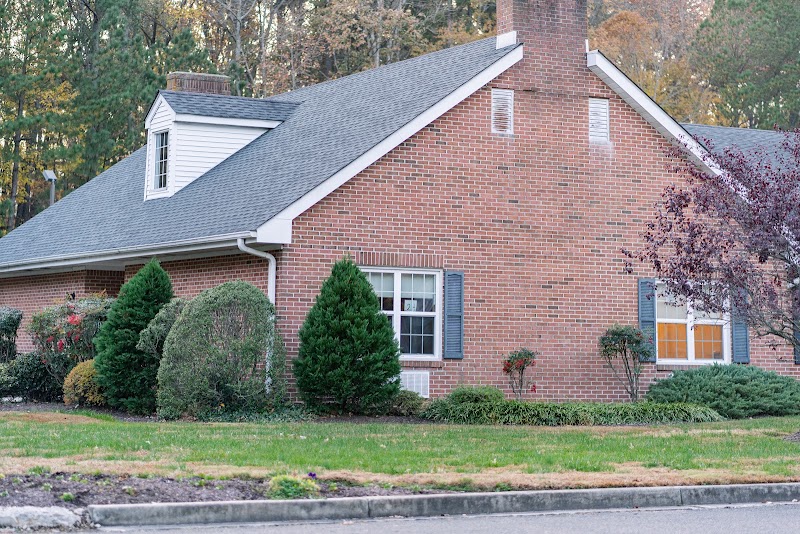
Who Owns and Operates Autumn Lake Healthcare At Chesapeake Woods?

AUTUMN LAKE HEALTHCARE AT CHESAPEAKE WOODS is owned by a for-profit company. For-profit facilities operate as businesses with obligations to shareholders or private owners. The facility is operated by AUTUMN LAKE HEALTHCARE, a chain that manages multiple nursing homes. With 98 certified beds and approximately 94 residents (about 96% occupancy), it is a smaller facility located in CAMBRIDGE, Maryland.
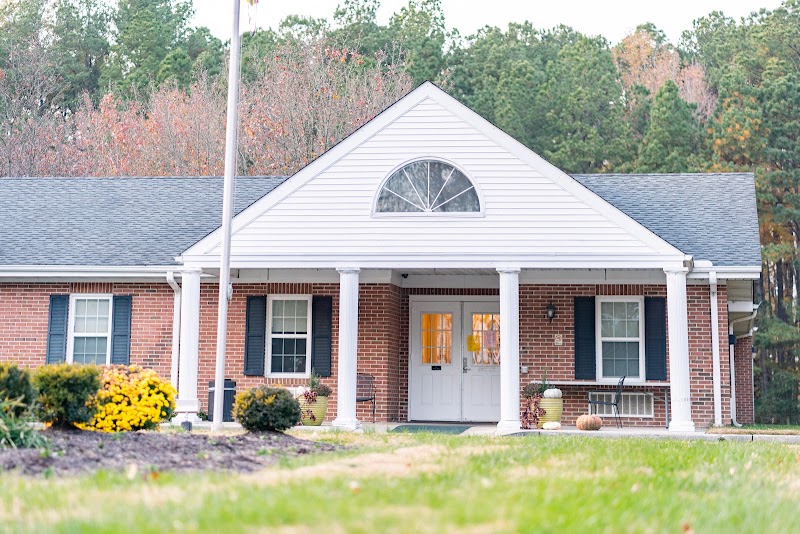
How Does Autumn Lake Healthcare At Chesapeake Woods Compare to Other Maryland Nursing Homes?

Compared to the 100 nursing homes in Maryland, AUTUMN LAKE HEALTHCARE AT CHESAPEAKE WOODS's overall rating (4 stars) is above the state average of 3.0, staff turnover (47%) is near the state average of 46%, and health inspection rating (4 stars) is above the national benchmark.

What Should Families Ask When Visiting Autumn Lake Healthcare At Chesapeake Woods?

Based on this facility's data, families visiting should ask: "Can I visit during a mealtime to observe dining assistance and food quality?" "How do you handle medical emergencies, and what is your hospital transfer rate?" "Can I speak with family members of current residents about their experience?"

Is Autumn Lake Healthcare At Chesapeake Woods Safe?

Based on CMS inspection data, AUTUMN LAKE HEALTHCARE AT CHESAPEAKE WOODS has a clean safety record: no substantiated abuse findings (meaning no confirmed cases of resident harm), no Immediate Jeopardy citations (the most serious violation level indicating risk of serious injury or death), and is not on the Special Focus Facility watch list (a federal program monitoring the lowest-performing 1% of nursing homes). The facility has a 4-star overall rating and ranks #1 of 100 nursing homes in Maryland. While no facility is perfect, families should still ask about staff-to-resident ratios and recent inspection results during their visit.

Do Nurses at Autumn Lake Healthcare At Chesapeake Woods Stick Around?

AUTUMN LAKE HEALTHCARE AT CHESAPEAKE WOODS has a staff turnover rate of 47%, which is about average for Maryland nursing homes (state average: 46%). Moderate turnover is common in nursing homes, but families should still ask about staff tenure and how the facility maintains care continuity when employees leave.

Was Autumn Lake Healthcare At Chesapeake Woods Ever Fined?

AUTUMN LAKE HEALTHCARE AT CHESAPEAKE WOODS has been fined $36,797 across 1 penalty action. The Maryland average is $33,447. While any fine indicates a compliance issue, fines under $50,000 are relatively common and typically reflect isolated problems that were subsequently corrected. Families should ask what specific issues led to these fines and confirm they've been resolved.

Is Autumn Lake Healthcare At Chesapeake Woods on Any Federal Watch List?

AUTUMN LAKE HEALTHCARE AT CHESAPEAKE WOODS is not on any federal watch list. The most significant is the Special Focus Facility (SFF) program, which identifies the bottom 1% of nursing homes nationally based on persistent, serious quality problems. Not being on this list means the facility has avoided the pattern of deficiencies that triggers enhanced federal oversight. This is a positive indicator, though families should still review the facility's inspection history directly.