MALLARD BAY NURSING AND REHAB
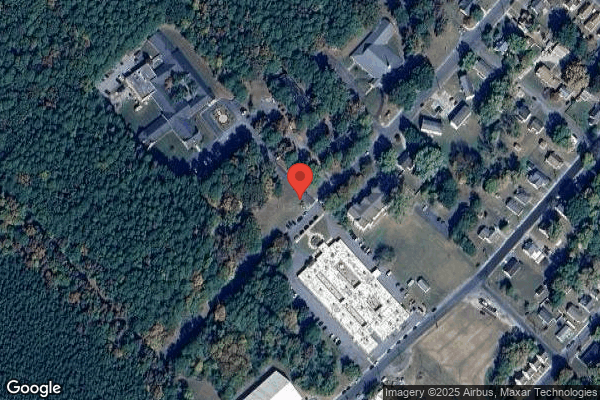

520 GLENBURN AVENUE, CAMBRIDGE, MD 21613 (410) 228-9191
For profit - Limited Liability company 160 Beds KEY HEALTH MANAGEMENT Data: November 2025
Trust Grade
35/100
#210 of 219 in MD
Last Inspection: August 2022

Over 2 years since last inspection. Current conditions may differ from available data.

Overview

Mallard Bay Nursing and Rehab has received a Trust Grade of F, indicating significant concerns about the quality of care provided. They rank #210 out of 219 in Maryland, placing them in the bottom half of all nursing facilities in the state and #2 out of 2 in Dorchester County, meaning there is only one other option available locally. The facility is worsening, with issues increasing from 6 in 2022 to 25 in 2025. Staffing is a major concern, with a low rating of 1 out of 5 stars and a high turnover rate of 62%, much higher than the state average of 40%. While they have not incurred any fines, which is a positive aspect, the RN coverage is low, being less than that of 84% of Maryland facilities, which raises concerns about the quality of medical oversight. Specific incidents noted include a failure to ensure that residents' call lights were accessible, putting them at risk for not receiving timely assistance, and a lack of performance reviews for nursing assistants, which can hinder staff training and quality of care. Overall, the facility has significant weaknesses in care quality and staffing, despite lacking financial penalties.

Trust Score
F
35/100
In Maryland
#210/219
Bottom 5%
Safety Record
Low Risk
No red flags
Inspections
Getting Worse
6 → 25 violations
Staff Stability
⚠ Watch
62% turnover. Above average. Higher turnover means staff may not know residents' routines.
Penalties
✓ Good
No fines on record. Clean compliance history, better than most Maryland facilities.
Skilled Nurses
⚠ Watch
Each resident gets only 28 minutes of Registered Nurse (RN) attention daily — below average for Maryland. Fewer RN minutes means fewer trained eyes watching for problems.
Violations
⚠ Watch
52 deficiencies on record. Higher than average. Multiple issues found across inspections.
★☆☆☆☆
1.0
Overall Rating
★☆☆☆☆
1.0
Staff Levels
★★★☆☆
3.0
Care Quality
★★☆☆☆
2.0
Inspection Score
Stable
2022: 6 issues
2025: 25 issues

The Good

  • Full Sprinkler Coverage · Fire safety systems throughout facility
  • No fines on record

Facility shows strength in fire safety.

The Bad

1-Star Overall Rating

Below Maryland average (3.0)

Significant quality concerns identified by CMS

Staff Turnover: 62%

16pts above Maryland avg (46%)

Frequent staff changes - ask about care continuity

Chain: KEY HEALTH MANAGEMENT

Part of a multi-facility chain

Ask about local staffing decisions and management

Staff turnover is elevated (62%)

14 points above Maryland average of 48%

The Ugly 52 deficiencies on record

Sept 2025 1 deficiency
CONCERN (D) 📢 Someone Reported This

A family member, employee, or ombudsman was alarmed enough to file a formal complaint

Potential for Harm - no one hurt, but risky conditions existed

Quality of Care (Tag F0684)

Could have caused harm · This affected 1 resident

Based on observations, record review, and staff and resident interviews, it was determined that the facility failed to ensure that residents received treatment and care in accordance with professional...

Read full inspector narrative →
Based on observations, record review, and staff and resident interviews, it was determined that the facility failed to ensure that residents received treatment and care in accordance with professional standards of practice. This was evident for 1 (Resident #59) out of 40 residents reviewed during the survey.The findings include: On 9/02/2025 at 8:52 AM, the surveyor began their initial observation of Resident #59 who was sleeping at this time. Later that day, around 1 PM, the surveyor returned and discussed in detail with Resident #59, their wound care and having maggots in their wound 2 times. The first time occurred about a week after he/she arrived at the facility. Resident #59 stated that it wasn't that many, I didn't even know they were there until the nurse was doing the dressing change. But the second time was last week, and there were more; I could feel them moving around. Resident #59 was asked if this was reported. Their reply was, Yes, there was a nurse and the unit manager. On 9/04/2025 at 10:20 AM, the surveyor spoke with the Unit Manager #3 for Unit 3, who was also the ADON, and asked her if she was aware that Resident #59 had maggots in their wound. She stated that she was informed. Then she was asked if she had any documentation in reference to this happening. The Unit Manager #3 stated that she would look into it and get back with the surveyor. On 9/04/2025 at 10:35 AM, the surveyor spoke with the DON #2 and asked if she was aware of a resident having maggots in their wound and if she had any documentation for it. DON #2 stated that she would have to follow up with the surveyor regarding this matter. During record review on 9/4/25, the surveyor was unable to locate any documentation in progress notes that the incidents with wound care occurred, looking all the way back to when Resident #59 first arrived, to the present. Resident #59 had orders written on 7/30/25, which state to Cleanse with VASHE. Apply Xeroform to the base of the wound. Secure with ABD, Kerlix, and Ace bandage. Change daily and PRN. Please date and time dressing every day and night shift. When reviewing the Treatment Administration Record for August and September 2025, it revealed that the nurses were signing off every day and night shift that the dressing was being changed. On 9/4/25 at 1:03 PM, the facility failed to provide any documentation of when Resident #59 stated and showed that he/she had maggots in their wound on the 2 occasions. The Unit Manager #3 stated that she was aware of the situation; however, she was unable to find any documentation of when the incidents occurred. On 9/04/2025 1:25 PM, the surveyor followed up with the DON #2 and the ADON #3 about their knowledge of Resident #59 having maggots in their wound and not having any documentation of the incidents. Both the DON #2 and the ADON #3 stated that there was no documentation, and they were unable to provide a reason or solution. On 9/04/2025 at 3:18 PM, during a wound dressing change for Resident #59, it was noted that the present dressing was dated and timed, 9/1/25 at 7:30 PM, and had been initialed (which was unreadable). The surveyor made the nurse doing the dressing change aware that it was the last change on 9/1/25. The nurse did not reply. There was a GNA (GNA #33) present to assist with the dressing change also witnessed the date and time of the dressing. On 9/5/2025 at 9:30 AM, the surveyor spoke with the ADON #3 and with the nurse (RN #21) who did the dressing change on 9/4/25, to inform her that the dressing was dated 9/1/25 at 7:30 PM as the last time the dressing had been changed, before RN #21 did the dressing change on 9/4/25. The ADON #3 stated that she understood.
Apr 2025 24 deficiencies
CONCERN (D) 📢 Someone Reported This

A family member, employee, or ombudsman was alarmed enough to file a formal complaint

Potential for Harm - no one hurt, but risky conditions existed

Deficiency F0583 (Tag F0583)

Could have caused harm · This affected 1 resident

Based on medical record review and interview, the facility staff failed to respect a resident's privacy (Resident #8). This was evident for 1 of 52 residents reviewed during a complaint survey. The fi...

Read full inspector narrative →
Based on medical record review and interview, the facility staff failed to respect a resident's privacy (Resident #8). This was evident for 1 of 52 residents reviewed during a complaint survey. The findings include: Review of Resident #8's medical record on 4/24/25 revealed the Resident was admitted to the facility in July 2024 and was assessed by the facility staff on 1/17/25 to have a BIMS (Brief Interview for Mental Status) of 15 out of 15, fully alert and oriented. During interview with Resident #8 on 4/24/25 at 8:07 AM, the Resident stated he/she recently had a visitor who is a friend of the Resident in his/her room. Resident #8 stated during the visit a housekeeper (Staff #12) approached the visitor and told the visitor that they couldn't use his/her phone. The Resident stated he/she used to work with the visitor's mother and when the visitor would come in to visit she would bring me snacks and we would facetime the visitor's mom. The Resident stated we had done this many times and that he/she didn't believe Staff #12 should have done that. Interview with Staff #12 on 4/24/25 at 9:30 AM, Staff #12 stated she was coming through the dining room and was going past Resident #12's room when she saw the visitor with her phone out and filming around the room and then hovered over the Resident. Staff #12 stated she told the visitor at that time they are not allowed to have their phone out, the visitor told me to mind my own business so I left and got the Director of Nursing. Further interview with the Resident on 4/25/25 at 10:59 AM, the Resident was asked if Staff #12 came in his/her room, the Resident stated Staff #12 was standing in the doorway or just inside the doorway at the time. Resident #8 stated I guess she (Staff #12) thought the visitor was doing something wrong but she has been here multiple times and whenever she comes to visit we facetime her mom and she also shows me pictures of her family. Resident #8 said I didn't see any problem with that, that is what we normally do. Further interview with Staff #12 on 4/29/25 at 10:15 AM, Staff #12 stated she saw the visitor in the Resident's room with her phone out and told her she couldn't have her phone out. Staff #12 asked if she saw the visitor taking pictures outside the Resident's room and Staff #12 stated no. Staff #12 stated I tell everyone that they can't have their cell phone out. Interview with the Administrator on 4/29/25 at 10:23 AM the Administrator was asked if residents are allowed to facetime while in their rooms. The Administrator confirmed yes a resident has a right to facetime whoever they want with a visitor at any time in their room. Further interview with Resident #8 on 4/29/25 at 10:40 AM, Resident #8 confirmed he/she was in his/her room with the visitor alone and there were no other residents in his/her room at the time of the incident with Staff #12.
CONCERN (D) 📢 Someone Reported This

A family member, employee, or ombudsman was alarmed enough to file a formal complaint

Potential for Harm - no one hurt, but risky conditions existed

Free from Abuse/Neglect (Tag F0600)

Could have caused harm · This affected 1 resident

**NOTE- TERMS IN BRACKETS HAVE BEEN EDITED TO PROTECT CONFIDENTIALITY** Based on review of facility documentation, medical record, and staff interview, it was determined the facility failed to ensure ...

Read full inspector narrative →
**NOTE- TERMS IN BRACKETS HAVE BEEN EDITED TO PROTECT CONFIDENTIALITY** Based on review of facility documentation, medical record, and staff interview, it was determined the facility failed to ensure that a resident was free from neglect when the facility failed to provide the required services to meet the needs of the resident. This was evident for 1 (#46) of 52 residents reviewed during a complaint survey. The findings include: On 4/24/25 at 2:46 PM a review of an anonymous complaint alleged the facility needed to be investigated as they were doing illegal things. A review of the grievance log for November 2024 documented a grievance filed on 11/25/24 for substandard quality of care for Resident #46. Review of the grievance investigation revealed a witness statement from Staff #9 that documented that on the morning of 11/25/24 at 8:10 AM Staff #54 went to Staff #9's office and stated that Resident #46 was visibly upset this morning when she entered the resident's room and disclosed to her that he/she was left sitting in a soiled brief from 10:30 PM until 8:00 AM when Staff #54 entered the room. Staff #54 immediately had Staff #31 get Resident #46 cleaned up. The witness statement documented that Staff #9 went down and spoke to Resident #46 who relayed that he/she was changed around 10:30 PM by the 3-11 GNA (geriatric nursing assistant) and then was not changed at all the rest of the evening. Resident #46 stated he/she rang the call bell several times and the night shift GNA, Staff #55 came in and just turned the call bell off and did not provide care. It was documented Resident #46 was alert and oriented times 4 with a BIMS (Brief interview of mental status) was 15 which was the highest score for mental acuity. A witness statement for an interview conducted with Staff #55 revealed that evening was the first night ever having Resident #46 or the unit and she said she didn't know the resident. Staff #55 stated that she and the other GNA, Staff #30, took the entire unit together. Staff #55 could not remember how many rounds she did during the night and stated that she did not answer any call bells. A witness statement for an interview conducted with Staff #30, she stated that her and Staff #55 worked together on the unit and that Staff #30 did not answer any call bells for Resident #46. Staff #30 was asked if she changed Resident #46 or completed a round on the resident at any time in the shift, Staff #30 stated that Staff #55 handled that end of the hall, and they met up at room [ROOM NUMBER] and proceeded to do care together on other rooms. Review of Resident #46's medical record revealed the resident was admitted to the facility on [DATE] after a diving accident in August 2024 that left the resident with quadriplegia, depression, anxiety disorder, and chronic pain. Quadriplegia is a condition characterized by partial or complete paralysis of all four limbs (both arms and legs) and the torso, typically caused by damage to the spinal cord, usually in the cervical (neck) region. Resident #46 was totally dependent on staff for all aspects of activities of daily living. On 4/24/25 at 3:05 PM Staff #31 was interviewed and stated Resident #46 was total care. Staff #31 stated that the particular morning he came in and was trying to figure out his group. Resident #46 rang the bell and was extremely upset, crying and said night shift didn't change him/her. Staff #31 stated when he came in the facility the resident's call bell was ringing and he was not sure how long it was ringing before he got there. Staff #31 stated Resident #46 was wet, and the bed was soaked with all urine. Resident #46 was laying in it and it was way more urine that it should have been. Staff #31 stated he got the resident cleaned up and changed the sheets. Staff #31 stated he did not get report from the night shift GNAs and there used to be a problem with the aides sleeping at night. On 4/29/25 at 1:04 PM an interview was conducted with the Director of Nursing (DON) and the Medical Director. The case was reviewed with both of them, and both agreed it was neglect. The DON provided documentation that Staff #55 was written up for unsatisfactory work and failure to follow company policy. Review of Staff #55's corrective action notice dated 11/26/24 documented, failure to follow company policy with assigned care groups, substandard care, and falsifying documentation. Resident reported not change or checked on for employee's entire shift.
CONCERN (D) 📢 Someone Reported This

A family member, employee, or ombudsman was alarmed enough to file a formal complaint

Potential for Harm - no one hurt, but risky conditions existed

Comprehensive Assessments (Tag F0636)

Could have caused harm · This affected 1 resident

Based on record review and staff interview it was determined that the facility failed to complete the Comprehensive Minimum Data Set (MDS) assessments which should have included the resident's partici...

Read full inspector narrative →
Based on record review and staff interview it was determined that the facility failed to complete the Comprehensive Minimum Data Set (MDS) assessments which should have included the resident's participation in the resident interviews and failed to complete MDS assessments timely. This was evident for 1 (#18) of 52 residents reviewed for assessment reviews during a complaint survey. The findings Include: The Resident Assessment Instrument (RAI) delineates the process that long term care facilities follow to screen residents, assess resident strengths and needs, plan for resident care delivery, and evaluate the residents' progress and needs on an ongoing basis by returning to additional, periodic screening, assessment and planning throughout a resident admission. The Minimum Data Set (MDS) assessments are an integral part of RAI and include completion of standardized assessment questions. There are comprehensive MDS assessments and periodic non-comprehensive MDS assessments which facilities conduct to maintain an accurate understanding of each resident's most current needs and strengths, and to ensure care planning remains current and effective. The Annual assessment is a comprehensive assessment for a resident that must be completed on an annual basis (at least every 366 days) unless a Significant Change in Assessment has been completed since the most recent comprehensive assessment was completed. Completion of the Comprehensive Annual MDS assessment including the Care Area Assessments (CAA) must be completed no later than 14 days after the Assessment Reference Date (ARD) (ARD + 14 calendar days). Resident interviews should be conducted within the look-back period of the ARD of the MDS assessment. Information obtained directly from residents allows for the incorporation of the resident's voice in the individualized care plan. In Appendix D of the RAI Manual, CMS notes the critical importance of the assessment interview by documenting that All residents capable of any communication should be asked to provide information regarding what they consider to be the most important facets of their lives. There are several MDS 3.0 sections that require direct interview of the resident as the primary source of information (e.g., mood, preferences, pain). Self-report is the single most reliable indicator of these topics. Staff should actively seek information from the resident regarding these specific topic areas; however, resident interview/inquiry should become part of a supportive care environment that helps residents fulfill their choices over aspects of their lives. The resident interviews in each comprehensive MDS assessment include interviews assessing mental/cognitive status, resident preferences, mood, and pain. The Brief Interview for Mental Status (BIMS) is a screening tool used to assist with identifying a resident's current cognition. CMS notes that it is a brief screening tool that aids in detecting potential cognitive impairment but does not assess all possible aspects of cognitive impairment. A series of standardized questions are scored with the total screening score falling into one of three cognitive categories: Intact which is 13 to 15 points, Moderate which is 8 to 12 points or Severe cognitive impairment which is 0 to 7 points. The Resident Mood Interview is a validated interview that screens for symptoms of depression. It provides a standardized severity score and a rating for evidence of a depressive disorder. The numeric value falls into one of five categories: 1 to 4 minimal depression, 5 to 9 mild depression, 10 to14 moderate depression, 15 to 19 moderately severe depression, and 20 to 27 severe depression. 1a) On 4/23/25 at 3:24 PM a review of Resident #18's medical record was conducted and revealed an annual MDS with an ARD of 10/12/24. Review of Section C, Cognitive Patterns that included a BIMS, Staff assessment for short and long-term memory recall, cognitive skills for daily decision making, signs of delirium, and acute onset of mental status changes was not completed. Review of Section D, Mood was not completed as noted with dashes. On 4/29/25 at 8:29 AM an interview was conducted with the MDS Director who sated, social work is responsible for that section. The MDS Director confirmed the section was not done. 1b) Review of Resident #18's annual MDS with an ARD of 10/12/24, Section Z, Assessment Administration, documented that the RN Assessment Coordinator verified assessment completion on 11/27/24. According to the RAI, the MDS completion date must be no later than 14 days after the ARD. Additionally, all other sections of the MDS, with the exception of Section F, Activities, were all completed greater than 2 weeks after the ARD which was 10/12/24. Section K was completed on 11/6/24, Section C, D, S0509 was completed on 11/27/24, and all other sections of the MDS were completed on 11/15/24. On 4/29/25 at 8:29 AM the MDS Director confirmed that the MDS was not submitted timely.
CONCERN (D) 📢 Someone Reported This

A family member, employee, or ombudsman was alarmed enough to file a formal complaint

Potential for Harm - no one hurt, but risky conditions existed

Comprehensive Care Plan (Tag F0656)

Could have caused harm · This affected 1 resident

Based on observation, medical record review, and staff interview, it was determined that facility staff failed to develop a comprehensive, resident centered care plan for nutrition. This was evident f...

Read full inspector narrative →
Based on observation, medical record review, and staff interview, it was determined that facility staff failed to develop a comprehensive, resident centered care plan for nutrition. This was evident for 1 (#17) of 52 residents reviewed during a complaint survey. The findings include: A care plan is a guide that addresses the unique needs of each resident. It is used to plan, assess, and evaluate the effectiveness of the resident's care. On 4/28/25 at 8:00 AM a review of Resident #17's medical record was conducted. Review of the weight section of the medical revealed on 2/3/25 the resident had a documented weight of 183.8 pounds (lbs.). There was no weight in March 2025. A weight was taken on 4/1/25, 4/2/25, and 4/3/25, which was documented as 166.6 lbs. which was a 17.2 lb. weight loss which was a 9.4 % weight loss. Resident #17 was currently on a No salt packet, finger food, thin liquid diet with ice cream and pudding twice per day. Review of the care plan section of Resident #17's medical record failed to produce a nutritional care plan. On 4/28/25 at 2:48 PM the dietician was interviewed and stated that she was at the facility on Thursdays for 12 hours a week. She stated, I try to do notes but given the time limitations I look at weight loss, wounds, and risk. The surveyor asked her if she was responsible for a nutritional care plan and she stated that she should have had a care plan. The dietician kept saying that she has been there for a long time and doesn't have an answer for why a nutritional care plan was not in the medical record, but she was the one that did the care plan. The dietician stated, 12 hours is all I am offered a week based on my contract. I try to hit the high priority areas. I can't get to everything. On 4/29/25 at 9:40 AM the Medical Director informed the surveyor that he reviewed the medical record in its entirety and confirmed the surveyor's findings.
CONCERN (D) 📢 Someone Reported This

A family member, employee, or ombudsman was alarmed enough to file a formal complaint

Potential for Harm - no one hurt, but risky conditions existed

Deficiency F0657 (Tag F0657)

Could have caused harm · This affected 1 resident

2) On 4/24/25 at 9:01 PM a review of facility reported MD00216113 documented that Resident #3 had an unwitnessed fall on 3/24/25 and on 3/25/25 an x-ray was performed, and the resident was found to ha...

Read full inspector narrative →
2) On 4/24/25 at 9:01 PM a review of facility reported MD00216113 documented that Resident #3 had an unwitnessed fall on 3/24/25 and on 3/25/25 an x-ray was performed, and the resident was found to have a fracture to the left humerus. The humerus is the long bone located in the upper arm, connecting the shoulder to the elbow. Review of a 3/23/25 at 15:31 (3:31 PM) nursing note documented, patient is confused and constantly trying to edge [his/her] way out of bed as [she/he] has slid into the floor prior to today. Patient was caught this afternoon with [his/her] legs off the bed. Aids and nurses has replaced [him/her] in the bed multiple times. A 3/24/25 at 8:45 PM nurse practitioner note documented, Pt. has had 2 falls in last 24 hours. Review of Resident #3's at risk for falls related to weakness and limited mobility care plan that was created on 9/1/23 had 8 interventions. The care plan was not updated since 10/1/23 for new interventions after the multiple falls. On 4/25/25 at 11:05 AM an interview was conducted with the Director of Nursing (DON). The DON was informed that the care plan was not updated after the fall. The DON confirmed that the care plan should have been updated for fall mats. 3) On 4/28/25 at 8:00 AM a review complaint MD00200383 was conducted and revealed an allegation that in September 2023 Resident #17's responsible party had complained that they had not received any communication from the social worker since May 2023. The complaint alleged that no one had reached out until December 2023. Review of social work notes in Resident #17's medical record revealed there were no social work notes from 5/30/23 until 12/8/23. Review of care plan meetings for Resident #17 revealed a care plan meeting was held on 12/5/23, however only 2 facility staff attended which were the social services assistant and 1 unknown titled person. There was no documentation that family or the resident was invited to the care plan meeting. On 3/21/24 it was documented that only social services and activities personnel attended the care plan meeting with the daughter. No nursing personnel were present. There was no meeting in June 2024. There was a 9/4/24 care plan meeting. There was no care plan meeting in December 2024. On 4/23/25 at 10:06 AM an interview was conducted with the Social Work Assistant (Staff #4) who stated she has been at the facility almost 3 weeks. Staff #4 stated, we do not have a full-time social worker here. I do care plan meetings and take notes and put them in chart. The assistant is here to help the director. Cross Reference F 850 On 4/28/25 at 3:25 PM an interview was conducted with the DON who confirmed the surveyor's findings that there were no care plan meetings from 5/30/23 to 12/8/23, 6/2024, and 12/2024. Based on medical record review and interview, the facility staff failed to have quarterly care plan meetings for residents and failed to update a care plan after a change in condition. This was evident for 3 (#12, #3, #17) of 52 residents reviewed during a complaint survey. The findings include: Once the facility staff completes an in-depth assessment (MDS) of the resident, the interdisciplinary team meet and develop care plans. Care plans provide direction for individualized care of the resident. A care plan flows from each resident's unique list of diagnoses and should be organized by the resident's specific needs. The care plan is a means of communicating and organizing the actions and assure the resident's needs are attended to. The care plan is to be reviewed and revised at each assessment time of the resident to ensure the interventions on the care plan is accurate and appropriate for the resident. Care plan meetings are held each quarter and as needed. 1. Review of Resident #12's medical record on 4/23/25 revealed the Resident was admitted to the facility in June 2024. Interview with the Resident #12 on 4/30/25 at 10:25 AM the Resident was asked if he/she has been having care plan meetings, the Resident stated did have one recently but can't remember having one since admission in June 2024. Further review of Resident #12's medical record revealed the facility staff completed a quarterly MDS assessment 9/25/24 and 11/22/24. Review of Resident's medical record revealed the only documented care plan meeting was on 4/23/25. Interview with the Director of Nursing on 4/30/25 at 12:15 PM confirmed the facility staff failed to have a quarterly care plan meeting for Resident #12 since admission in June 2024 until 4/30/25.
CONCERN (D) 📢 Someone Reported This

A family member, employee, or ombudsman was alarmed enough to file a formal complaint

Potential for Harm - no one hurt, but risky conditions existed

Pressure Ulcer Prevention (Tag F0686)

Could have caused harm · This affected 1 resident

Based on record review and incident review of wound care, the facility failed to change a wound dressing. This was evident for 1 (#31) out of 7 residents. Findings include: On 4/24/25 at 2:19 PM a med...

Read full inspector narrative →
Based on record review and incident review of wound care, the facility failed to change a wound dressing. This was evident for 1 (#31) out of 7 residents. Findings include: On 4/24/25 at 2:19 PM a medical record review was conducted for Resident #31. On 9/24/23 daughter went to visit Resident # 31 who has wounds on his/her right foot. The date on the dressing stated 9/23/23 with the initials of Staff #36. Mother went to the unit manager and stated the dressing was not changed on resident right foot as the dressing change indicated it was changed on 9/23/23. It was not changed on 9/22/23. Unit manager at the time Staff #35 stated they must have put the wrong date on the dressing. Mother then stated Don't try that because the nurse stated yesterday that Nurse #39 said she did not have the time to change the dressing because she was the only nurse for 40 residents with no medication aid. Nurse advised the evening nurse to change the dressing which evening nurse failed to do. On 9/18/23 daughter went to visit Resident #31 again., and dressing on the right foot was dated 9/16/23 by Staff #51. Staff #51 was interviewed on 4/24/24 at 11:28AM and stated she did not work on 9/16/23, she worked on 9/17/23 but dated the dressing 9/16/23 instead of 9/17/23. Staff 51 stated she does not remember the resident, but knows she did every dressing change due. She stated I probably put the wrong date on dressing change.
CONCERN (D) 📢 Someone Reported This

A family member, employee, or ombudsman was alarmed enough to file a formal complaint

Potential for Harm - no one hurt, but risky conditions existed

Accident Prevention (Tag F0689)

Could have caused harm · This affected 1 resident

Based on interview and record review, it was determined the facility failed to keep a resident with decreased cognition from exiting the building unsupervised. This was evident for 1 (#47) of 52 resid...

Read full inspector narrative →
Based on interview and record review, it was determined the facility failed to keep a resident with decreased cognition from exiting the building unsupervised. This was evident for 1 (#47) of 52 residents reviewed during a complaint survey. The findings include: On 4/23/25 at 1:14 PM a review of an anonymous complaint alleged the facility needed to be investigated as they were doing illegal things. On 4/24/25 at 8:39 AM the surveyor received a call from a complainant stating that a resident got out of the building, eloped, and no one knew where the resident was for several hours, that the police were called and brought the resident back to the facility. Review of Resident #47's medical record revealed a 5/25/24 at 13:40 health status note that documented, Resident was not in room during rounds. Building and grounds checked by staff. 911 called. Resident found by staff in the community across the street. 911 returned call, stated found patient (no officer responded.). The resident told the staff he/she was fine and was just out walking. According to the Centers for Medicare and Medicaid Services (CMS), an Elopement occurs when a resident leaves the premises or a safe area without authorization. A resident who leaves a safe area may be at risk of (or has the potential to experience) heat or cold exposure, dehydration and/or other medical complications, drowning, or being struck by a motor vehicle. The resident at risk should have interventions in their comprehensive plan of care to address the potential for elopement. Review of Resident #47's medical record revealed the resident was admitted to the facility in July 2023 along with his/her spouse. Resident #47 was admitted with diagnoses that included but were not limited to Alzheimer's Disease, depression, and anxiety. BIMS stands for Brief Interview for Mental Status. It is a screening tool used to assist with identifying a resident's current cognition and to help determine if any interventions need to occur. There is a series of questions that are asked to the resident. These questions have a score value attached to them. The total score of all the questions ranges from 0-15. The numeric value falls into one of three cognitive categories: Intact which is 13 to 15 points, Moderate which is 8 to 12 points or Severe cognitive impairment which is 0 to 7 points. The MDS is part of the Resident Assessment Instrument that was Federally mandated in legislation passed in 1986. The MDS is a set of assessment screening items employed as part of a standardized, reproducible, and comprehensive assessment process that ensures each resident's individual needs are identified, that care is planned based on those individualized needs, and that the care is provided as planned to meet the needs of each resident. A review of Resident #47's admission Minimum Data Set (MDS) assessment, with an assessment reference date of 7/20/23, coded that Resident #9 had a BIMS score of 8 under Section C, cognition. Section E, wandering, coded no wandering occurred during the lookback period. The resident was assessed to have moderate cognitive impairment. The 10/20/23 BIMS score was 5 which indicated severe cognitive impairment. The 1/20/24 BIMS score was 10 and the 4/21/24 BIMS score was 12. The resident's BIMS scores fluctuated. Continued review of Resident #47's medical record failed to produce an elopement risk evaluation until after 5/25/24. Review of the 5/28/24 elopement risk assessment asked if the following was present: new admission who has made statements questioning the need to be here; Resident is cognitively impaired, with poor decision-making skills or with pertinent diagnoses (dementia, hallucinations); resident alert but non-compliant with facility protocols for leaving unit; or none of the above. The facility checked off none of the above. This was incorrect as the resident was assessed to be cognitively impaired with pertinent diagnosis of Alzheimer's disease. The next question on the elopement risk evaluation asked the question, does the resident exhibit any of the following behaviors which included, opening doors to the outside or elopement. The facility checked off, none of the above. This was incorrect as the resident was able to open the door, go outside and go across the street without being supervised. Furthermore, the 10/22/24 elopement risk assessment documented the same answers. The 4/22/25 elopement risk evaluation asked the question, does the resident have a history of attempting to leave the facility without alerting staff and the response was, no. That was incorrect as the resident left the premises without telling staff. A care plan is a guide that addresses the unique needs of each resident. It is used to plan, assess, and evaluate the effectiveness of the resident's care. Review of care plans for Resident #47 revealed a care plan, is an elopement risk/wanderer r/t resident wanders aimlessly, dementia that was initiated on 11/14/24. The care plan was not initiated until 6 months after the resident eloped. On 4/29/25 at 3:34 PM the Director of Nursing, the Medical Director, and the interim Nursing Home Administrator (NHA) were interviewed. They confirmed a facility reported incident was not sent in to the regulatory agency reporting an unusual occurrence. They stated that the front door was always locked and requires either a code to be entered to go in or out or someone has to buzz the person in or out. (The surveyor corroborated that the front entrance door was coded and all doors in the facility had door codes). They stated that the residents need permission to go out front. We send staff out front when residents are out front. The receptionist knows who are elopement risks and there are pictures. The door is locked, and they are required to open the door. The NHA stated he was not here during that time period, and he said they should have reported the incident.
CONCERN (D) 📢 Someone Reported This

A family member, employee, or ombudsman was alarmed enough to file a formal complaint

Potential for Harm - no one hurt, but risky conditions existed

Deficiency F0710 (Tag F0710)

Could have caused harm · This affected 1 resident

Based on medical record review and staff interview, it was determined that the facility failed to ensure a physician supervised the care of a resident, as evidenced by the physician failing to evaluat...

Read full inspector narrative →
Based on medical record review and staff interview, it was determined that the facility failed to ensure a physician supervised the care of a resident, as evidenced by the physician failing to evaluate a resident's weight loss. This was evident for 2 (#17, #21) residents reviewed for 42 complaints reviewed during a complaint survey. The findings include: 1) On 4/28/25 at 8:00 AM a review of Resident #17's medical record was conducted. Resident #17 was admitted to the facility in November 2022 with diagnoses that included unspecified dementia, obsessive-compulsive disorder, schizophrenia, delusional disorders, and major depressive disorder. A review of the weight section of Resident #17's medical record revealed on 1/2/25 the documented weight was 183.8 pounds (lbs.). On 2/3/25 the resident weight was documented 183.8 lbs. but had the wording, no weights ordered. See last weight obtained. There was no weight documented in March 2025. A weight was taken on 4/1/25, 4/2/25, and 4/3/25, which was documented as 166.6 lbs. which was a 17.2 lb. weight loss which was a 9.4 percent weight loss. Review of a physician's progress note dated 4/17/25 revealed Physician #52 used the January 2025 weight of 183.8 lbs. instead of the 4/3/25 weight of 166.6 lbs. Without reviewing the weight section of the medical record, the physician missed an opportunity to address the 9.4 percent weight loss. Further review of the medical record revealed Resident #17 was seen by the Nurse Practitioner (NP) #53 on 4/21/25, NP #38 on 4/10/25, 4/12/25, and 4/7/25. There was no mention of Resident #17's weight, therefore the weight loss was not addressed, and interventions were not put in place. On 4/28/25 at 1:57 PM an interview was conducted with the Medical Director (MD) and the Director of Nursing (DON). They were informed that the attending physician had seen Resident #17 on 4/17/25 and had used the 1/2/25 weight in his notes instead of the 4/1/25, 4/2/25, or 4/3/25 weight, therefore the weight loss was not addressed. The nurse practitioners had seen the resident 4/21/25, 4/10/25, 4/12/25, and 4/7/25, and there was no mention about the weight loss. The MD stated, I expect them to look at weights and any other information in the medical record that is pertinent in the medical record, and I expect them to address them. Cross Reference F692 2) On 4/24/25 at 8:25 AM a review of Resident #21's medical record revealed Resident #21 was admitted to the facility in February 2023 with diagnoses that included Cerebral infarction due to thrombosis of right posterior cerebral artery, major depressive disorder that was recurrent, and repeated falls. Review of the weight section of Resident #21's medical record revealed on 5/5/24 Resident #21's documented weight was 129.2 lbs. There were no weights documented from 5/5/24 until 9/5/24 when the weight was documented as 121.4 lbs. Resident #21 had gradual weight gain monthly until 1/2/25 when the documented weight was 126.6 lbs. The 2/5/25 weight was 117.6 lbs., which was a 9 lb./7.1 percent weight loss in 1 month. Further review of the medical record failed to produce documentation that the dietician and the physician were notified of the weight loss on 2/5/25. Review of a 2/10/25 physician's note documented the weight as, 117.6 pounds (Warnings: -5.0% change, False) on 2/5/25. There was no mention of the resident's weight loss and Physician #52 did not address the weight loss. A 3/5/25 Nurse Practitioner #56 note documented, has not been eating well per staff the past few days. The assessment was, FTT (failure to thrive) unclear etiology. There was nothing about a nutritional consult. A 4/8/25 physician's note documented the weight as, 109.6 pounds (Warnings: -5.0% change, False. -7.5% change, False. -10.0% change, False). Physician #52 did not address or mention the weight loss. On 4/28/25 at 1:57 PM an interview was conducted with the Medical Director who stated, I expect them to look at weights and any other information in the medical record that is pertinent in the medical record, and I expect them to address them. On 4/29/25 at 9:44 AM the Medical Director stated he concurred with the surveyor's findings. Cross Reference F692
CONCERN (D) 📢 Someone Reported This

A family member, employee, or ombudsman was alarmed enough to file a formal complaint

Potential for Harm - no one hurt, but risky conditions existed

Pharmacy Services (Tag F0755)

Could have caused harm · This affected 1 resident

**NOTE- TERMS IN BRACKETS HAVE BEEN EDITED TO PROTECT CONFIDENTIALITY** Based on review of complaints, medical record review, and interview, it was determined the facility failed to provide timely med...

Read full inspector narrative →
**NOTE- TERMS IN BRACKETS HAVE BEEN EDITED TO PROTECT CONFIDENTIALITY** Based on review of complaints, medical record review, and interview, it was determined the facility failed to provide timely medication to meet the needs of the residents. This was evident for 1 (#1) of 42 residents reviewed for complaints during a complaint survey. The findings include: 1) On 4/23/25 at 2:37 PM a review of complaint MD00216820 alleged that Resident #1 had not received his/her medications as ordered. Review of Resident #1's medical record revealed Resident #1 was admitted to the facility on [DATE] with diagnoses that included Ankylosing spondylitis (AS), which is a chronic inflammatory disease that primarily affects the spine, causing inflammation and potentially leading to the fusion of vertebrae, resulting in stiffness and reduced flexibility and visual loss. Review of Resident #1's 4/16 /25 hospital discharge summary documented the medication Biolle Gel Tears Ophthalmic Gel 1%, 1 drop in both eyes was to be administered 3 times a day for dry eyes. Review of Resident #1's April 2025 Medication Administration Record (MAR) documented the eye drops were not available on 4/17/25, 4/18/25, 4/19/25, 4/20/25, 4/21/25, and 4/22/25. Nursing notes written on 4/17/25, 4/18/25, and 4/19/25 documented 3 times per day that the drops were unavailable and they were waiting pharmacy delivery. On 4/19/25 a nurse's note wrote that the drops were out of stock. It was after the resident did not receive the drops for 3 days that the Nurse Practitioner was made aware. The nurses continued to document 3 times per day that the drops were unavailable until a note written on 4/22/25 documented, Printed request sent to pharmacy, awaiting arrival and sent printed request to pharmacy to please send medication. The medication was delivered, and Resident received the first dose on 4/23/25 which was 7 days after admission. On 4/28/25 at 10:05 AM discussed with the Director of Nursing (DON) the concern related to all medications and their availability from pharmacy. The DON confirmed the findings.
CONCERN (D) 📢 Someone Reported This

A family member, employee, or ombudsman was alarmed enough to file a formal complaint

Potential for Harm - no one hurt, but risky conditions existed

Deficiency F0757 (Tag F0757)

Could have caused harm · This affected 1 resident

Based on medical record review and staff interview it was determined the facility failed to keep a resident's drug regimen free from unnecessary drugs by failing to monitor the blood pressure prior to...

Read full inspector narrative →
Based on medical record review and staff interview it was determined the facility failed to keep a resident's drug regimen free from unnecessary drugs by failing to monitor the blood pressure prior to administering a blood pressure medication per physician's orders. This was evident for 2 (#7, #21) of 52 residents reviewed during a complaint survey. The findings include: 1) On 4/23/25 at 12:05 PM a review of complaint MD00214363 alleged that Resident #7 was not receiving medication as prescribed. A review of Resident #7's medical record was conducted and revealed a physician's order for Losartan Potassium 50 mg. one time a day for hypertension. The order stated to hold the medication for a SBP (systolic blood pressure) less than 110. The top number of the blood pressure refers to the amount of pressure in the arteries during the contraction of the heart muscle. This is called systolic pressure. Review of Resident #7's January 2025 Medication Administration Record (MAR) documented that the SBP was not within physician ordered parameters on 1/19/25 and 1/21/25 and the medication was given as evidenced by a check mark and the nurse's initials in the box corresponding to the medication and date. The b/p on 1/19/25 was 104/78 and the b/p on 1/21/25 was 104/68. There were no nursing or emar (electronic) MAR notes that documented the medication was held. A 1/21/25 at 20:07 PM NP (nurse practitioner) note documented to stop the Losartan secondary to hypotension (low blood pressure) and to monitor the vital signs. On 4/30/25 at 11:26 AM discussed with the Director of Nursing (DON) who confirmed that the medication should have been held. Discussed that it was given by registered nurses. The DON stated, I will need to do in-services. 2) On 4/24/25 at 8:25 AM a review of Resident #21's medical record was conducted. Review of Resident #21's January, February, March, and April 2025 MAR documented the blood pressure medication Metoprolol Tartrate 25 mg., give 0.5 tablet two times per day. Hold for SBP less than 110 or heart rate less than 60. There was no place next to the medication on the MAR where the blood pressure was documented prior to the medication being administered. Review of the vital sign section of the medical record revealed Resident #21's blood pressure was only monitored 5 times out of 62 times the medication was given in January 2025. Continued review revealed in February 2025 the blood pressure was only monitored 7 times out of 56 times the medication was given, and the medication was given on 2/11/25 when the blood pressure was 105/70, which was outside of physician ordered parameters. In March 2025 the blood pressure was only monitored 5 times out of 62 times the medication was given and in April 2025 the blood pressure was only monitored 3 times out of 56 times the medication was given up until 4/28/25. On 4/29/25 at 2:00 PM an interview was conducted with Certified Medicine Aide (CMA) #57. CMA #57 stated that she checks the blood pressure, and the system will mark yes when you initial that the meds were given. CMA #57 stated she would leave a note and let the nurse know if the blood pressure was outside of parameters. On 4/29/25 at 8:53 AM the DON confirmed the issue with the blood pressure parameters and the blood pressure not being documented prior to giving the medication. On 4/29/25 at 9:44 AM the issue was reviewed with the Medical Director, and he concurred with the surveyor's findings.
CONCERN (D) 📢 Someone Reported This

A family member, employee, or ombudsman was alarmed enough to file a formal complaint

Potential for Harm - no one hurt, but risky conditions existed

Dental Services (Tag F0791)

Could have caused harm · This affected 1 resident

Based on medical record review, observation, and interview, it was determined the facility staff failed to provide dental care for a resident with a missing tooth. This was evident for 1 (#17) of 42 r...

Read full inspector narrative →
Based on medical record review, observation, and interview, it was determined the facility staff failed to provide dental care for a resident with a missing tooth. This was evident for 1 (#17) of 42 residents reviewed for complaints during a complaint survey. The findings include: On 4/28/25 at 8:00 AM a review complaint MD00200383 was conducted and alleged that in December 2023 Resident #17 had a missing front tooth, that it could have been a crown or veneer, but it was noticeable. A review of Resident #17's medical record was conducted. A social service note dated 12/8/23, that was not entered into the medical record until 1/30/24, documented that the social worker received a call from the Ombudsman stating Resident #17's daughter had called to complain, stating that she thought there was a communication problem with the facility. The Ombudsman also stated she received a call from Resident #17's grandson stating Resident #17 had a missing front tooth and apparently the family was not notified. Further review of Resident #17's medical record failed to produce any further documentation about Resident #17's missing front tooth. Review of the electronic and paper medical record failed to produce documentation that the resident had been seen by a dentist. There were no nutritional assessments found in the medical record that would have included information about the resident's mouth/teeth status. Resident #17 has been a resident of the facility since November 2022 and continues to reside in the facility. On 4/28/25 at 11:50 AM Resident #17 was observed lying in bed. Resident #17 was asked if he/she had a missing front tooth. Resident #17 opened his/her mouth and there was a missing front tooth. On 4/28/25 at 1:57 PM an interview was conducted with the Medical Director and the Director of Nursing (DON). They were informed that there was no documentation about the missing tooth and there were no nutritional assessments where the teeth would have been evaluated. The Medical Director stated, yes, that concerns me. I expect them to look at weights and any other information in the medical record that is pertinent in the medical record, and I expect them to address them. They should be offered dental services. I feel everyone should be screened and evaluated for dental treatment. If they have teeth that need to be attended to. The Medical Director stated they have quarterly dental assessments and then if a problem is found they should be seen by the dentist.
CONCERN (D) 📢 Someone Reported This

A family member, employee, or ombudsman was alarmed enough to file a formal complaint

Potential for Harm - no one hurt, but risky conditions existed

Deficiency F0840 (Tag F0840)

Could have caused harm · This affected 1 resident

**NOTE- TERMS IN BRACKETS HAVE BEEN EDITED TO PROTECT CONFIDENTIALITY** Based on medical record review and interview, the facility staff failed to obtain outside services for a resident in a timely ma...

Read full inspector narrative →
**NOTE- TERMS IN BRACKETS HAVE BEEN EDITED TO PROTECT CONFIDENTIALITY** Based on medical record review and interview, the facility staff failed to obtain outside services for a resident in a timely manner (Resident #12). This was evident for 1 of 52 residents reviewed during a complaint survey. The findings include: Review of Resident #12's medical record on 4/23/25 the Resident was admitted to the facility in June 2024 and was readmitted to the facility on [DATE] following a hospitalization with a diagnosis to include infection and inflammatory reaction due to internal joint prosthesis. Review of the Resident's hospital discharge summary revealed the Resident needs a follow up with Infectious Disease physician. Further review of the medical record revealed the Resident has not been seen by the Infectious Disease physician or has an appointment scheduled. Interview with the Director of Nursing on 4/30/25 at 9:40 AM confirmed the facility staff failed to schedule an appointment for Resident #12 to see the Infectious Disease physician.
CONCERN (D) 📢 Someone Reported This

A family member, employee, or ombudsman was alarmed enough to file a formal complaint

Potential for Harm - no one hurt, but risky conditions existed

Medical Records (Tag F0842)

Could have caused harm · This affected 1 resident

Based on medical record review and interview, it was determined the facility failed to maintain complete and accurate medical records in accordance with accepted professional standards (Resident #30)....

Read full inspector narrative →
Based on medical record review and interview, it was determined the facility failed to maintain complete and accurate medical records in accordance with accepted professional standards (Resident #30). This was evident for 1 of 52 residents reviewed during a complaint survey. The findings include. A medical record is the official documentation of a healthcare organization. As such, it must be maintained in a manner that follows applicable regulations, accreditation standards, professional practice standards, and legal standards. All entries to the record should be legible and accurate. Review of Resident #30's medical record on 4/23/25 revealed the Resident was admitted to the facility 6/10/23 to following orthopedic surgery for rehabilitation and was discharged from the facility on 6/29/23. During interview with Resident #30's representative (RP) on 4/23/25 at 1:38 PM, the RP stated he/she received a call from the facility on the morning of 6/29/23 that the Resident had fallen and they were sending him/her to the hospital. The RP stated he/she would like to have more information regarding the Resident's fall. Further review of the Resident's medical record revealed the last nurse's note and evaluation prior to the Resident's fall on 6/29/23 was on 6/28/23 at 4:41 PM. The only nurse's note on 6/29/23 was at 10:50 AM that states the Resident's RP called stating the Resident was being transferred to shock trauma. Interview with the Director of Nursing on 4/25/25 at 11:40 AM confirmed the facility staff failed to maintain a complete medical record for Resident #30 to include nurse's notes, assessments and discharge information related to the Resident's fall on 6/29/23 and transfer to the hospital.
CONCERN (E) 📢 Someone Reported This

A family member, employee, or ombudsman was alarmed enough to file a formal complaint

Potential for Harm - no one hurt, but risky conditions existed

Deficiency F0558 (Tag F0558)

Could have caused harm · This affected multiple residents

Based on observations, medical record review, and interview, it was determined the facility failed to ensure that the resident's call light was within reach, per the individualized care plans, to allo...

Read full inspector narrative →
Based on observations, medical record review, and interview, it was determined the facility failed to ensure that the resident's call light was within reach, per the individualized care plans, to allow access to assistance when needed and failed to position a resident comfortably in a chair. This was evident for 6 (#9, #3, #44, #40, #45, #29) residents observed on 2 of 3 nursing units during a random tour during a complaint survey. The findings include: A tour of the facility was conducted on 4/29/25 at 10:28 AM along with the Director of Nursing (DON). 1) Observation was made of Resident #9 lying in bed. Resident #9's call bell was observed hanging down the wall and the call bell button was lying under the bed on the floor. The DON stated, that is not supposed to be hanging there like that. The DON placed the call bell on top of the resident. Review of Resident #9's care plan, has an ADL (activities of daily living) self-care performance deficit r/t (related to) muscle weakness, had the intervention, encourage the resident to use bell to call for assistance. A second care plan, at risk for falls r/t weakness, had the intervention, Be sure the resident's call light is within reach and encourage the resident to use it for assistance as needed. The resident needs prompt response to all requests for assistance. 2) Observation was made of Resident #3 lying in bed. Resident #3's call bell was observed on the floor underneath the privacy curtain. The DON was shown the call bell and she immediately picked up the call bell and placed in next to Resident #3. Review of Resident #3's care plan, has an ADL self-care performance deficit, with the intervention, Encourage the resident to use bell to call for assistance. A second care plan, is at risk for falls r/t weakness and limited mobility, had the intervention, be sure the resident's call light is within reach and encourage the resident to use it for assistance as needed. The resident needs prompt response to all requests for assistance. 3) Observation was made of Resident #44 in the room. The call bell was not within reach. The DON picked up the call bell and gave it the Resident #44. Review of Resident #44's care plan, has an ADL self-care performance deficit r/t deconditioning, had the intervention, Encourage the resident to use bell to call for assistance. A second care plan, is high risk for falls r/t deconditioning, confusion, gait/balance problems, unaware of safety needs, and frequent falls had the intervention, be sure the resident's call light is within reach and encourage the resident to use it for assistance as needed. The resident needs prompt response to all requests for assistance. 4) Observation was made of Resident #40 sitting in a semi-reclining wheelchair with his/her legs bent and hanging in the air. The resident had a reclining chair in the room that she/he could have been sitting in where the legs would have had something to rest on. Resident #40 was stretching his/her leg and had nothing to rest the leg on. Additionally, Resident #40's call bell was found hanging down the wall and the call button was under the privacy curtain. At that time the DON placed the call bell next to the resident and informed a geriatric nursing assistant (GNA) to put the resident in the reclining chair. Review of Resident #40's care plan for at risk for falls had the intervention, Be sure the resident's call light is within reach and encourage the resident to use it for assistance as needed. The resident needs prompt response to all requests for assistance. 5) Observation was made of Resident #45 lying in bed. Resident #45's call bell was draped over the lights on the wall that was to the left of the bed and out of reach of the resident. The DON was shown the call bell on the wall light and said, why is that wrapped around the light? The DON unwound the call bell cord and placed it on top of the resident. Review of Resident #45's care plan, is at risk for falling r/t unsteady balance, had the intervention, keep call light in reach at all times when in room. 6) Observation was made of Resident #29 sitting in his/her room with the call bell on the floor. The DON picked up the call bell and placed it next to Resident #29. Review of Resident #29's care plan, has an ADL self-care performance deficit r/t cognitive deficit, dementia, had the intervention, Encourage the resident to use bell to call for assistance. After the tour concluded on 4/29/25 at 10:45 AM an interview was conducted with the DON about the call bells. The DON, who corrected the issues on tour, stated she would need to be doing some in-services on call bells.
CONCERN (E) 📢 Someone Reported This

A family member, employee, or ombudsman was alarmed enough to file a formal complaint

Potential for Harm - no one hurt, but risky conditions existed

Notification of Changes (Tag F0580)

Could have caused harm · This affected multiple residents

**NOTE- TERMS IN BRACKETS HAVE BEEN EDITED TO PROTECT CONFIDENTIALITY** 2) On 4/23/25 at 11:07 AM a review of complaint MD00215433 alleged that 4 days after admission Resident #5's blood sugar dropped...

Read full inspector narrative →
**NOTE- TERMS IN BRACKETS HAVE BEEN EDITED TO PROTECT CONFIDENTIALITY** 2) On 4/23/25 at 11:07 AM a review of complaint MD00215433 alleged that 4 days after admission Resident #5's blood sugar dropped in the 30's after 2 incidents of hypoglycemia (low blood sugar) and the resident was transferred to the emergency room. The complainant alleges she was not notified of the initial incident of low blood sugar. Review of Resident #5's medical record revealed the resident was admitted to the facility on [DATE] from an acute care hospital with diagnoses that included cerebral infarction (stroke) and type 2 diabetes mellitus. Review of February 2025 physician's orders revealed the resident was prescribed Jardiance 10 mg. every day for diabetes, Tirzepatide 2.5 mg/0.5 ml injection every Wednesday for diabetes, and glipizide 10 mg. twice per day for diabetes. The physician also ordered to check blood sugar in the morning related to diabetes. A blood sugar level below 70 mg/dL (3.9 mmol/L) is considered low. A blood sugar level below 54 mg/dL (3.0 mmol/L) is a cause for immediate action. Review of the February 2025 Medication Administration Record (MAR) documented on 2/26/26 at 6:00 AM the blood sugar reading was 59. A blood sugar reading on 2/27/25 at 6:00 AM was 53. There was no documentation that the physician was notified. There was no documentation that the RP was notified. Review of a 2/28/25 at 20:39 health status note documented the resident's blood sugar reading was 36 and the resident went into respiratory distress and was unstable and had to be transported to the emergency room. Prompt notification to the physician of the previous low blood sugars would have allowed for timely intervention and adjustment to the medication. On 4/25/25 at 8:40 AM the Director of Nursing (DON) was interviewed and confirmed that there was no physician or RP notification related to the low blood sugars. 3a) On 4/28/25 at 8:00 AM a review complaint MD00200383 was conducted, and it alleged that in December 2023 Resident #17 had a missing front tooth, that it could have been a crown or veneer, but it was noticeable. A review of Resident #17's medical record was conducted. A social service note dated 12/8/23, that was not entered into the medical record until 1/30/24, documented that the social worker received a call from the Ombudsman stating Resident #17's daughter had called to complain, stating that she thought there was a communication problem with the facility. The Ombudsman also stated she received a call from Resident #17's grandson stating Resident #17 had a missing front tooth and apparently the family was not notified. Further review of Resident #17's medical record failed to produce any further documentation about Resident #17's missing front tooth. There was no documentation in the medical record that the responsible party was notified of the missing tooth. On 4/28/25 at 11:50 AM Resident #17 was observed lying in bed. Resident #17 was asked if he/she had a missing front tooth. Resident #17 opened his/her mouth and there was a missing front tooth. On 4/28/25 at 1:57 PM an interview was conducted with the Medical Director and the Director of Nursing (DON). Both stated they could not find any documentation that the family was notified about the missing tooth and that nothing had been done about the tooth since. Cross Reference F791 3b) A continued review of Resident #17's medical record revealed on 2/3/25 that the resident had a documented weight of 183.8 pounds (lbs.). There was no weight in March 2025. A weight was taken on 4/1/25, 4/2/25, and 4/3/25, which was documented as 166.6 lbs. which was a 17.2 lb. weight loss which was a 9.4 % weight loss. There was no documentation found in the medical record that the dietician, physician, and responsible party were notified. On 4/28/25 at 12:26 PM an interview was conducted with LPN #22. LPN #22 was asked about the weight process, and she stated, the GNAs (geriatric nursing assistants) weigh and the nurse puts the weight in the system. The Director of Nursing is then alerted. The surveyor asked LPN #22 who notified the dietician, and her response was, I don't know who is notifying the dietician. Do we have one. On 4/28/25 at 1:57 PM an interview was conducted with the Medical Director and the DON. They both stated they would have expected to be notified about the weight loss. Cross Reference F692. 4) On 4/24/25 at 8:25 AM a review of Resident #21's medical record revealed Resident #21 was admitted to the facility in February 2023 with diagnoses that included Cerebral infarction due to thrombosis of right posterior cerebral artery, major depressive disorder that was recurrent, and repeated falls. Review of the weight section of Resident #21's medical record revealed on 5/5/24 Resident #21's documented weight was 129.2 lbs. There were no weights documented from 5/5/24 until 9/5/24 when the weight was documented as 121.4 lbs. Resident #21 had gradual weight gain monthly until 1/2/25 when the documented weight was 126.6 lbs. The 2/5/25 weight was 117.6 lbs. which was a 9 lb./7.1 percent weight loss in 1 month. Further review of the medical record failed to produce documentation that the dietician and the physician were notified of the weight loss on 2/5/25. On 4/28/25 at 1:57 PM an interview was conducted with the Medical Director and the DON. They both stated they would have expected to be notified about the weight loss. Cross Reference F692 Based on medical record review and interview, the facility staff failed to notify a resident's physician and/or representative for a change in condition. This was evident for 4 (#6, #5, #17, #21) of 52 residents reviewed during a complaint survey. The findings include: 1) Review of Resident #6's medical record on 4/23/25 revealed the Resident was admitted to the facility in November 2024 and was transferred to the hospital on [DATE]. Review of the Resident's vital signs on the following dates and times prior to the Resident's transfer to the hospital revealed the Resident had an elevated heart rate on: 12/13/24 at 8:19 AM heart rate of 121, 12/13/24 at 10:03 PM heart rate of 110, 12/17/24 at 7:34 AM heart rate of 114. The Resident's heart rate on 12/18/24 at 9:38 AM was 135 and the Resident was transferred to the hospital. Further review of the Resident's medical record revealed the facility staff failed to notify Resident #6's physician of the elevated heart rates on 12/13/24 at 8:19 AM, 12/13/24 at 10:03 PM and 12/17/24 at 7:34 AM. Interview with the Medical Director on 4/25/25 at 12:30 PM confirmed the facility staff failed to notify the Resident's physician on 12/13/24 and 12/17/24 when the Resident had an elevated heart rate.
CONCERN (E) 📢 Someone Reported This

A family member, employee, or ombudsman was alarmed enough to file a formal complaint

Potential for Harm - no one hurt, but risky conditions existed

Report Alleged Abuse (Tag F0609)

Could have caused harm · This affected multiple residents

Based on reviews of facility reported incidents and interview, it was determined the facility failed to report allegations of abuse to the regulatory agency, the Office of Health Care Quality (OHCQ) w...

Read full inspector narrative →
Based on reviews of facility reported incidents and interview, it was determined the facility failed to report allegations of abuse to the regulatory agency, the Office of Health Care Quality (OHCQ) within 2 hours of the allegation. This was evident for 4 (#9, #19, #18, #17) of 13 residents reviewed for facility reported incidents during a complaint survey. The findings include: 1) On 4/24/25 at 7:17 AM a review of facility reported incident MD00213274 was conducted and revealed Resident #9 reported to his/her daughter that a nurse hurt his/her arm. There was swelling to the right hand. The date of injury was unknown. Resident #9's daughter reported the incident via text message to Staff #9, the Assistant Director of Nursing (ADON) on 1/5/25 at 11:45 AM. The ADON then reported it to the Director of Nursing (DON) on 1/5/25 at 11:50 AM and the Nursing Home Administrator (NHA) was notified on 1/5/25 at noon. Review of the email confirmation of when the initial report was sent to OHCQ was dated 1/6/25 at 2:40 PM which was not within 2 hours of an injury of unknown origin of suspected abuse. On 4/24/25 at 8:34 AM an interview was conducted with the Director of Nursing (DON). The timeline of when the report was submitted to OHCQ was discussed and the DON confirmed it was reported late. 2) On 4/25/25 at 6:55 PM a review of facility reported incident MD00205553 was conducted and revealed an allegation that the administrator played a voice note of the staff meeting, the description, and Resident #19 stated it was [him/her] but when showed a picture the resident said it was not [him/her]. Review of the intake form that was received at OHCQ documented the date of the incident was 4/25/24. Review of the email confirmation that was given to the surveyor documented the initial report was submitted to OHCQ on 5/9/24 at 4:29 PM. There was no email confirmation as to when the final report was sent to OHCQ. 3) On 4/23/25 at 3:24 PM a review of complaint MD00205813 was conducted and revealed Resident #18 was sent to the emergency room on 5/19/24. While in the emergency room bruising was noted to the resident's left side of the face and it appeared to be in different stages of healing as bruising was red, yellow, and purple. Resident #18 was unable to state what happened or caused the swelling and bruising. Resident #18 was unable to recall if he/she fell or was hit. It was alleged that a nurse from the emergency room called the facility to inquire about the bruising and swelling and was informed by the on-duty nurse that it was being investigated by management. Review of a 5/15/24 at 9:15 AM nursing note documented, I noticed bruising to resident left eye down to [his/her] cheek bone. Resident denied any discomfort at that time. Resident denies falling or anyone coming into the room and striking [him/her] in the eye. The note documented the Certified Registered Nurse Practitioner (CRNP) was aware of the bruising noted to the resident's left eye/cheek and an x-ray was ordered for the left eye. On 4/29/25 at 10:25 AM the Director of Nursing (DON) was asked if the bruising to the left eye and cheek, an injury of unknown origin, was submitted to OHCQ. The DON stated that the reportable incident of injury of unknown origin was not submitted to OHCQ, and an investigation was not done. 4) On 4/29/25 at 9:00 AM a review of facility reported incident MD00205865 was conducted. Resident #17 alleged that a male came into the room on 5/9/24 to give the resident medications. After the resident took the medications from the aide, the aide threw water in the resident's face. Review of the investigative packet given to the surveyor documented the incident was reported on 5/17/24 at 4:53 PM which was not within 2 hours of alleged abuse. On 4/29/25 at 9:01 AM the DON confirmed she could not find any further information. She was not employed at the facility during that time.
CONCERN (E) 📢 Someone Reported This

A family member, employee, or ombudsman was alarmed enough to file a formal complaint

Potential for Harm - no one hurt, but risky conditions existed

Investigate Abuse (Tag F0610)

Could have caused harm · This affected multiple residents

Based on review of facility reported incidents and staff interview, it was determined the facility failed to provide documentation that allegations of abuse were thoroughly investigated. This was evid...

Read full inspector narrative →
Based on review of facility reported incidents and staff interview, it was determined the facility failed to provide documentation that allegations of abuse were thoroughly investigated. This was evident for 7 (#18, #21, #40,#19, #17, #20, #39) residents of 13 facility reported incidents reviewed during a complaint survey. The findings include: 1) On 4/23/25 at 3:24 PM a review of complaint MD00205813 was conducted and revealed Resident #18 was sent to the emergency room on 5/19/24. While in the emergency room bruising was noted to the resident's left side of the face and it appeared to be in different stages of healing as bruising was red, yellow, and purple. Resident #18 was unable to state what happened or caused the swelling and bruising. Resident #18 was unable to recall if he/she fell or was hit. It was alleged that a nurse from the emergency room called the facility to inquire about the bruising and swelling and was informed by the on-duty nurse that it was being investigated by management. Review of a 5/15/24 at 9:15 AM nursing note documented, I noticed bruising to resident left eye down to [his/her] cheek bone. Resident denied any discomfort at that time. Resident denies falling or anyone coming into the room and striking [him/her] in the eye. The note documented the Certified Registered Nurse Practitioner (CRNP) was aware of the bruising noted to the resident's left eye/cheek and an x-ray was ordered for the left eye. On 4/29/25 at 10:25 AM the Director of Nursing (DON) was asked if the bruising to the left eye and cheek, an injury of unknown origin, was investigated by the facility and submitted to OHCQ. The DON stated that the reportable incident of injury of unknown origin was not formally investigated as she did not have any documentation to give to the surveyor. 2) On 4/24/25 at 8:42 AM a review of facility reported incident MD00205016 was conducted and revealed Resident #21 alleged that during the 11-7 shift on 4/23/24, one of the geriatric nursing assistants (GNAs) placed the resident's hearing aids in the ear and smacked the resident on the ear and then proceeded to poke the resident in the arm. Review of the facility's investigation packet that was given to the surveyor on 4/23/25 consisted of statements from Resident #21, statements from 2 registered nurses, the accused GNA and 5 other GNAs. There were no statements from residents on the accused GNA's assignment for the evening of 4/23/24 or assessments of residents that were cognitively impaired. On 4/24/25 at 9:11 AM an interview was conducted with the Director of Nursing (DON). The DON was asked what the investigation should consist of. The DON stated that she would interview all staff that worked and/or took care of the resident. She would interview the resident and the resident's roommate if the resident was cognitively intact. She would interview or assess all residents on the alleged GNA's assignment. The DON was informed that there were no other residents interviewed. The DON stated she was not employed at the facility during that time. 3) On 4/24/25 at 6:41 PM a review of facility reported incident MD00189330 was conducted and revealed an allegation that a scream was heard from Resident #40's room and the resident was noted on the floor with a contusion to the forehead and laceration to the left middle finger and index finger. Review of the packet that was given to the surveyor was void of an investigation or staff interviews. On 4/29/25 at 8:59 AM the DON confirmed there was no investigation in the packet. 4) On 4/25/25 at 6:55 PM a review of facility reported incident MD00205553 was conducted and revealed an allegation that the administrator played a voice note of the staff meeting, the description, and Resident #19 stated it was [him/her] but when showed a picture the resident said it was not [him/her]. Review of the documentation that was given to the surveyor from Staff #13 was the initial report form that had an x next to mental/verbal abuse. It documented the incident occurred in room, other agencies were notified which was the Ombudsman, and the name of the person submitting the report. Staff #13 stated that was all she had and there was no other documentation of an investigation. 5) On 4/29/25 at 9:00 AM a review of facility reported incident MD00205865 was conducted. Resident #17 alleged that a male came into the room on 5/9/24 to give the resident medications. After the resident took the medications from the aide, the aide threw water in the resident's face. Review of the investigative packet given to the surveyor was void of an investigation. On 4/29/25 at 9:01 AM the DON confirmed she could not find any further information. She was not employed at the facility during that time.6) Review of MD00205047 revealed Resident #20 reported that on 4/24/24 Staff #45 took his/her remote, call bell and moved his/her bedside table away from him/her. Resident #20 stated he/she didn't fell safe asking Staff #45 for anything throughout the night. Review of the facility documentation related to the investigation revealed the facility staff conducted interviews of facility staff working with Staff #45 on 4/24/24 and could not substantiate abuse had occurred. Further review of the facility investigation revealed the facility staff failed to conduct any interviews with residents that were also assigned to Staff #45 to determine if any other residents had concerns regarding abuse by Staff #45. Interview with the Director of Nursing on 4/25/25 at 9:00 AM confirmed the facility staff failed to complete a thorough investigation of Resident #20's allegation of abuse by Staff #45 on 4/24/24. 7) On 3/11/23 the primary nurse notified the administrator and Director of Nursing that Resident #39 had been found sitting on Resident's #38 right arm while sitting on the bed. Resident #39 had no clothing or incontinent products on from the waist down. Both residents have dementia. The BIMS for Resident #39 was 0 taken on 3/7/23 meaning he/she has severe Dementia (BIMS is a mini mental exam The Mini Mental State Examination (MMSE) is a tool that can be used to systematically and thoroughly assess mental status. It is an 11-question measure that tests five areas of cognitive function:orientation, registration, attention and calculation, recall, and language. The maximum score is 30. A score of 23 or lower is indicative of cognitive impairment. The MMSE takes only 5-10 minutes to administer and is therefore practical to use repeatedly and routinely.) Both residents share a bathroom. Resident #39 was redirected back to his/her room. Resident #38 has a BIMS score of 5/15. On 3/13/23 a staff member placed a note in the (DON's) mailbox that stated Resident #38 who was sitting on Resident #39's bed had the brief half way down and Resident #39 was touching Resident #38 inappropriately. Resident #39 was placed on 1-1 for safety. Local law enforcement was contacted and responded on 3/13/23 at 1:30 PM. There was no case number mentioned or name of the officer responding. There were no interviews taken from any staff member. R.P. was made aware. Nurse Practioner also made aware. Former director of Nursing wrote report. There was also no date when incident report was sent in to OHCQ.
CONCERN (E) 📢 Someone Reported This

A family member, employee, or ombudsman was alarmed enough to file a formal complaint

Potential for Harm - no one hurt, but risky conditions existed

Assessment Accuracy (Tag F0641)

Could have caused harm · This affected multiple residents

Based on medical record review and staff interview, it was determined the facility staff failed to ensure Minimum Data Set (MDS) assessments were accurately coded. This was evident for 6 (#5, #3, #46,...

Read full inspector narrative →
Based on medical record review and staff interview, it was determined the facility staff failed to ensure Minimum Data Set (MDS) assessments were accurately coded. This was evident for 6 (#5, #3, #46, #40, #7, #21) of 52 residents reviewed for complaints during a complaint survey. The findings include: The MDS is part of the Resident Assessment Instrument that was Federally mandated in legislation passed in 1986. The MDS is a set of assessment screening items employed as part of a standardized, reproducible, and comprehensive assessment process that ensures each resident's individual needs are identified, that care is planned based on those individualized needs, and that the care is provided as planned to meet the needs of each resident. 1) On 4/23/25 at 11:07 AM a review of Resident #5's medical record was conducted and revealed Resident #5 was prescribed Tirzepatide Subcutaneous Solution Auto-injector 2.5 MG/0.5ML (Tirzepatide) Inject 0.5 ml subcutaneously one time a day every Wednesday for type 2 Diabetes Mellitus. Review of Resident #5's admission MDS with an assessment reference date (ARD) of 2/27/25, Section N0300, record the number of days that injections of any type were received during the last 7 days was coded 0. Review of Resident #5's February 2025 Medication Administration Record (MAR) documented the resident received an injection on 2/26/25. The facility failed to capture the injection. On 4/25/25 at 9:20 AM an interview of MDS Coordinator #17 revealed she was new to doing MDS assessments. Reviewed Section N related to the injection for Tirzepatide with Staff #17 who confirmed the error. 2) On 4/24/25 at 9:01 PM a review of facility reported MD00216113 documented that Resident #3 had an unwitnessed fall on 3/24/25 and on 3/25/25 an x-ray was performed, and the resident was found to have a fracture to the left humerus. The humerus is the long bone located in the upper arm, connecting the shoulder to the elbow. Review of the MDS with an ARD of 4/5/25, Section I800, additional active diagnoses, failed to document the fracture. Review of Section J1800, any falls since admission/entry or reentry or prior assessment documented, 0. The facility failed to capture the fall with major injury, bone fracture. Review of the MDS with an ARD of 4/14/25, Section J1700 Fall history on admission/entry or reentry: A. Did the resident have a fall any time in the last month prior to admission/entry or reentry? Was coded 0 and should have been coded yes. C. Did the resident have any fracture related to a fall in the 6 months prior to admission was coded, unable to determine. It should have been coded yes. On 4/25/25 at 9:20 AM an interview was conducted with the MDS Coordinator. She confirmed that she should have captured the fall on both MDS assessments. 3) On 4/24/25 at 2:46 PM Resident #46's medical record was reviewed and revealed on 12/2/24 Resident #46 had a fall. Review of the MDS assessment with an ARD of 12/11/24 MDS, Section J1800 falls since admission, entry or reentry or prior assessment, was coded, no. This was incorrect as the resident had a fall on 12/2/24. Review of Resident #46's December 2024 Medication Administration Record (MAR) documented the medication Lyrica (anti-convulsant) was administered for 7 days prior to the ARD date of 12/11/24. Resident #46 also was administered Oxycodone 15 mg. on 12/10/24. Oxycodone is an opioid medication. Review of Section N, Medications, failed to capture the anti-convulsant and the opioid. On 4/29/25 at 3:22 PM the MDS coordinator confirmed the errors. 4) On 4/24/24 at 6:41 PM a review of Resident #40's medical record revealed several falls were not captured on MDS assessments. Review of the annual MDS assessment with an ARD of 5/3/23, Section J1800 falls since admission, entry or reentry or prior assessment, was coded, no. Review of the medical record revealed on 2/22/23 Resident #40 had a fall in which a finger was broken finger and the resident had to have sutures to fingers. The facility failed to capture the fall with injury. Review of the annual MDS assessment with an ARD of 4/20/24, Section J1800, documented no falls. Review of Resident #40's medical record revealed a 4/20/24 at 16:51 nursing note that documented the resident was found on the floor. Facility staff failed to capture the fall. Review of Section O0110 K1, Special treatments, procedures, and programs, Hospice; failed to capture that Resident #40 was on Hospice. Review of the quarterly MDS assessment with an ARD of 7/20/24, Section O0110 K1, Special treatments, procedures, and programs, Hospice; failed to capture the resident was on Hospice. Review of the quarterly MDS assessment with an ARD of 10/21/24, Section J1800 captured 1 fall. The MDS assessment was incorrect as the resident had 2 falls. One fall on 8/26/24 and one fall on 9/20/24. Review of the quarterly MDS assessment with an ARD of 1/21/25 quarterly MDS, Section J1800, coded no falls. Review of Resident #40's medical record revealed a change in condition note dated 12/22/44 at 15:11 that documented, fall. On 4/29/25 at 8:32 AM the MDS coordinator confirmed the errors. 5) On 4/23/25 at 12:05 PM a review of Resident #7's medical record was conducted. Review of Resident #7's Discharge Assessment - return not anticipated, with an ARD of 2/2/25, Section J, Health Conditions, J0100 Pain management A. received scheduled pain medication regimen, coded the resident as not receiving pain medication regularly. Review of Resident #7's January 2025 and February 2025 Medication Administration Record (MAR) documented Voltaren Arthritis Pain External Gel 1 % (Diclofenac Sodium (Topical) was administered to bilateral knees topically one time a day for arthritis. The facility failed to capture the use of the analgesic. On 4/30/25 at 12:01 PM the MDS Coordinator was interviewed and confirmed the error. 6) On 4/24/25 at 8:25 AM a review of Resident #21's medical record was conducted. Review of the MDS assessment with an ARD of 3/14/25, Section J0100B pain management, received PRN (when necessary) pain medications or was offered and declined was coded 0 which indicated the resident did not receive any PRN pain medications. Review of Resident #21's March 2025 MAR documented Resident #21 received Extra Strength Tylenol 500 mg. (2) on 3/14/25 for a pain level of 3. On 4/29/25 at 8:27 AM an interview was conducted with the MDS Coordinator, and she confirmed the error.
CONCERN (E) 📢 Someone Reported This

A family member, employee, or ombudsman was alarmed enough to file a formal complaint

Potential for Harm - no one hurt, but risky conditions existed

ADL Care (Tag F0677)

Could have caused harm · This affected multiple residents

Based on complaint, record review, and interview, it was determined the facility failed to have documentation that residents were offered and/or received a shower on the resident's assigned shower day...

Read full inspector narrative →
Based on complaint, record review, and interview, it was determined the facility failed to have documentation that residents were offered and/or received a shower on the resident's assigned shower day. This was evident for 6 (#16, #27, #52, #50, #51, #41) of 52 residents reviewed for complaints during a complaint survey. The findings include: 1) On 4/23/25 at 3:55 PM a review of complaint MD00206200 alleged the facility was short staffed and residents were laying in their urine and feces and not receiving proper care. Review of Resident #16's medical record revealed the resident was admitted to the facility in February 2023 as the resident required 24 hour a day nursing care. On 4/24/25 at 10:10 AM an interview was conducted with Resident #16 who stated that there was not enough staff and that showers were not being given and that he/she has not had a shower in a year. Resident #16 stated he/she has only had bed baths. Resident #16 stated, I never refuse a shower. Review of Resident #16's care plan documented Resident #16 had a self-care deficit related to paraplegia and impaired mobility. Paraplegia is a condition characterized by the loss of movement and sensation in the lower body. Review of geriatric nursing assistant (GNA) activities of daily living (ADL) documentation for showers for May 2024 documented the resident did not receive any showers for the month. Resident #16 received bed baths on 15 of the 31 days in May. There was no documentation that Resident #16 was offered and refused a shower. Review of GNA ADL documentation for February 2025 documented Resident #16's shower days were Tuesdays and Fridays. Review of the GNA shower day documentation revealed the resident refused a shower on 2/4/25 and 2/25/25. The other Tuesdays and Fridays, 2/7/25, 2/11/25, 2/14/25, 2/18/25, 2/21/25, and 2/18/25 documented not applicable (N/A). Review of February 2025 bathing documentation documented bed baths were given daily except 2/1/25, 2/2/25, 2/22/25, and 2/23/25. Review of GNA ADL documentation for March 2025 documented that on Resident #16's assigned shower days the resident refused on 3/4/25, 3/11/25, 3/18/25, and 3/25/25. The other days, 3/7/25, 3/21/25 and 3/28/25 was documented, not applicable. It was documented on 3/14/25 a shower was given. Review of GNA ADL documentation for April 2025 documented that on Resident #16's assigned shower days the resident refused a shower on 4/1/25 and 4/15/25. On 4/4/25, 4/11/25, 4/18/25, and 4/22/25 were documented, not applicable. On 4/8/25 it was documented a partial bath was given. On 4/23/25 at 11:10 AM an interview was conducted with RN #7 who stated that she documents in PCC (electronic medical record) when a resident refuses a shower under behaviors. On 4/29/25 at 9:08 AM an interview was conducted with the Director of Nursing (DON). The DON stated she identified the shower issue when she first started at the facility in July 2024. The DON stated she was trying to cross over the shower schedule into PCC to make staff aware and that they need to document if a resident refuses. If a resident refuses then the staff need to try reapproaching the resident at a later time. 2) On 4/28/25 at 3:29 PM review of complaint MD00199437 alleged all residents at the nursing facility were not given showers like scheduled dating back to 2023. Review of complaint MD00214363 alleged neglect along with other residents. Complaint MD00197946 alleged the level of care was horrendous. Complaint MD00213182 alleged that their loved one never got a shower. Complaint MD00203182 alleged that staff was not able to provide appropriate care to residents like showers. Complaint MD00190955 alleged major basic hygiene was not being met. 2a) Review of Resident #27's GNA documentation for bathing for September 2023, November 2023, March 2024, and April 2024 documented the resident received a bed bath daily, however, did not receive a shower. Review of April 2025 GNA documentation revealed 1 documented shower on 4/28/25. All other days were bed baths. There was no documentation provided to the surveyor to support the resident received a shower or refused a shower in the previous months. 2b) On 4/30/25 at 8:50 AM Resident #52 was interviewed and stated, I don't get help with my bath. Unless I specify directly I don't get help. I am supposed to get a shower on Tuesday and Fridays. I did not get one yesterday, but I got one last Friday. They don't tell me why. Review of Resident #52's April 2025 GNA documentation for the type of bath performed documented no showers for the month of April. Resident #52 refused once on 4/16/25. The other shower days were documented as non-applicable. 2c) On 4/30/25 at 8:54 AM Resident #50 was interviewed and stated, I would like a shower every week. I never refuse showers. I love showers. Review of Resident #50's April 2025 GNA documentation for the type of bath performed documented bed baths. There were no showers given or documentation of showers refused from 4/1/25 to 4/30/25. 2d) On 4/30/25 at 8:56 AM Resident #51 was interviewed and stated, I have had no showers. They say they don't have time. Review of Resident #51's April 2025 GNA documentation for the type of bath performed documented bed baths and 3 showers that were given on 4/2/25, 4/8/25, and 4/16/25. All other days were bed baths. The DON stated all residents are scheduled for at least 2 shower days a week. On 4/30/25 at 8:52 AM Staff #40 stated if they have 4 GNAs on the shift then showers can be given. If there are 3 GNAs it depends on the work load and if there are only 2 GNAs that means they each have 18 residents on day shift and showers are not given. Staff #40 stated that some residents require the assistance of 2 GNAs and if they don't have enough GNAs on the unit then the showers can't be given. On 4/30/25 at 11:08 AM the concerns regarding showers were again reiterated to the DON who stated she was aware of the issue and working to correct the problem.3) On 2/23/23 daughter reported that Resident #41 would be soaked with urine and feces every time she came to visit which she stated was every day. A review of Resident #41's bowel and bladder records indicated the resident was not given incontinent care on the following days. Bowel 1/28 and 1/29/23 night shift 1/30/23 eve shift 1/31/23 night shift 2/5/23 day shift 2/2/23 eve. shift and night shift 2/3/23 night shift 2/4/23 night shift 2/5/23 day shift Toileting 1/30/23 eve shift 1/31/23 eve shift 2/2/23 eve. shift 2/3/23 eve. shift 2/4/23 day shift 2/5/23 day shift 2/7/23 night shift
CONCERN (E) 📢 Someone Reported This

A family member, employee, or ombudsman was alarmed enough to file a formal complaint

Potential for Harm - no one hurt, but risky conditions existed

Quality of Care (Tag F0684)

Could have caused harm · This affected multiple residents

**NOTE- TERMS IN BRACKETS HAVE BEEN EDITED TO PROTECT CONFIDENTIALITY** 6) On [DATE] at 4:00 PM a review of complaint MD00190955 alleged that the medication schedule for Resident #42 was not being met...

Read full inspector narrative →
**NOTE- TERMS IN BRACKETS HAVE BEEN EDITED TO PROTECT CONFIDENTIALITY** 6) On [DATE] at 4:00 PM a review of complaint MD00190955 alleged that the medication schedule for Resident #42 was not being met. Review of Resident #42's medical record revealed the resident was admitted to the facility on [DATE] with diagnoses that included a complicated urinary tract infection and obstructive nephropathy status post nephrostomy tube placement. Review of the hospital discharge summary documented that Infectious Disease staff had started intravenous (IV) Imipenem 500 mg., and it was to be administered every 12 hours for a 7-day course until [DATE]. Review of Resident #42's [DATE] Medication Administration Record (MAR) documented, Imipenem-Cilastatin Intravenous Solution 500 mg. intravenously every 12 hours for 6 days, however, it was put on the MAR only to be given one time per day at 8:00 AM. The medication was given at 8:00 AM on [DATE] and [DATE]. Review of Resident #42's [DATE] MAR documented the medication was given on [DATE] and [DATE] at 8:00 AM. The IV medication was not administered as ordered. The [DATE] 8:00 AM dose was not given. The medication was given at 6:00 PM on [DATE], at 6:00 AM and 6:00 PM on [DATE] and at 6:00 AM on [DATE]. The medication was not administered on [DATE] at 6:00 PM and there was no administration on [DATE]. A [DATE] at 12:04 PM note documented that the times of administration were changed to 6:00 AM and 6:00 PM and the end of the doses was to end after 6:00 AM on [DATE]. On [DATE] at 11:08 AM a nursing note documented that the IV antibiotic was extended to [DATE] to make up for the 2 missed doses. Additionally, on [DATE] at 1:35 PM an interview was conducted with the complainant who stated that Resident #42 received the wrong medication and was deathly ill for 48 hours. The complainant stated that Resident #42 received his/her roommate's medications. Review of a nursing note dated [DATE] documented Resident #42 received Vit D, probiotics, bupropion, loratadine, this morning. Those were not the medications Resident #42 were supposed to receive. The note documented the nurse immediately notified the physician and received orders to monitor the resident. The resident was assessed and monitored throughout the shift and did not have any adverse or side effects from any of the medications. On [DATE] at 10:20 AM the Director of Nursing (DON) confirmed the findings. 7) On [DATE] at 2:37 PM a review of complaint MD00216820 alleged that Resident #1 had not received his/her medication Enbrel and that the facility lowered the dosage of Naproxen without informing the resident first. Review of Resident #1's medical record revealed Resident #1 was admitted to the facility on [DATE] with diagnoses that included Ankylosing spondylitis (AS), which is a chronic inflammatory disease that primarily affects the spine, causing inflammation and potentially leading to the fusion of vertebrae, resulting in stiffness and reduced flexibility. Review of the 4/16 /25 hospital discharge summary documented the Naproxen 250 mg. was discontinued in the hospital and increased to 500 mg. twice per day. Review of Resident #1's [DATE] MAR documented Naproxen 250 mg. by mouth two times a day for pain. On the evening shift of [DATE] the medication was not available. A [DATE] at 22:35 PM nurse's note documented the resident refused the medication stating the medications were incorrect. A [DATE] at 8:48 AM a nurse's note documented the resident called the nursing station complaining that the staff changed the medications and that his/her rights had been violated because no one told the resident that the dosage had been reduced to 250 mg. The nurse then reviewed the medication list sent by the hospital and discussed it with the resident and the Naproxen was changed to 500 mg. twice per day and the resident received the correct dosage on [DATE] in the evening. The dosage of the medication was not transcribed correctly from the hospital discharge summary to the resident's orders; therefore, the dosage was initially incorrect. Further review of Resident #1's [DATE] MAR documented the Enbrel injection for arthritis every Thursday was not available. Enbrel is a prescription medication that belongs to a class of drugs called tumor necrosis factor (TNF) inhibitors. It is used to treat autoimmune conditions such as Rheumatoid arthritis (RA), Psoriatic arthritis (PsA), Ankylosing spondylitis, and Plaque psoriasis. Enbrel works by blocking the action of TNF, a protein that plays a role in inflammation. By inhibiting TNF, Enbrel can reduce inflammation and improve symptoms in autoimmune conditions. On [DATE] at 12:30 PM an interview was conducted with the Medical Director who knew of Resident #1's medication issues with receiving Enbrel from the sister facility that Resident #1 was residing at prior to admission to this facility. The Medical Director stated that Resident #1 should have been on the Naproxen 500 mg. because that was what he/she was on at the sister facility. On [DATE] at 9:20 AM a second interview was conducted with the Medical Director. He stated that Resident #1 should have been on Naproxen 500 mg. and that it was an error. He also stated that the facility could have reached out to the sister facility to get the Enbrel. 8) On [DATE] at 11:07 AM a review of complaint MD00215433 alleged that 4 days after admission Resident #5's blood sugar dropped in the 30's after 2 incidents of hypoglycemia (low blood sugar) and the resident was transferred to the emergency room. The complainant alleges she was not notified of the initial incident of low blood sugar. Review of Resident #5's medical record revealed the resident was admitted to the facility on [DATE] from an acute care hospital with diagnoses that included cerebral infarction (stroke) and type 2 diabetes mellitus. Review of the medical record was void of any nursing assessments the 5 days the resident was in the facility. There were no assessments on [DATE], [DATE], [DATE], [DATE], and [DATE]. Review of February 2025 physician's orders revealed the resident was prescribed Jardiance 10 mg. every day for diabetes, Tirzepatide 2.5 mg/0.5 ml injection every Wednesday for diabetes, and glipizide 10 mg. twice per day for diabetes. The physician also ordered to check blood sugar in the morning related to diabetes. A blood sugar level below 70 mg/dL (3.9 mmol/L) is considered low. A blood sugar level below 54 mg/dL (3.0 mmol/L) is a cause for immediate action. Review of the February 2025 MAR documented on [DATE] at 6:00 AM the blood sugar reading was 59. A blood sugar reading on [DATE] at 6:00 AM was 53. There was no documentation that the physician was notified. Review of a [DATE] at 20:39 health status note documented the resident went into respiratory distress and the blood sugar reading was 36, the resident was given glucagon, vitals were unstable and 911 was called and the resident was sent out via 911 to the hospital. The note was written by Licensed Practical Nurse (LPN) #8. Glucagon is a hormone produced by the pancreas that raises blood sugar levels. There was no change in condition note found in the medical record. The note documented that the resident went into respiratory distress, however there were no vital signs such as blood pressure, heart rate, respiratory rate, and oxygen saturation rate. There was no documentation whether the resident received oxygen prior to transport and what the rate of oxygen that was given. There was no documentation that a status report was given to the hospital. There were no physician's orders found to administer glucagon. On [DATE] at 10:58 AM a discussion with the DON confirmed there were no daily skilled assessments, no vital signs, no order for glucagon to be given, and no physician notification of decreased blood sugars. On [DATE] at 11:15 AM an interview was conducted with LPN #8. LPN #8 stated Resident #5 was her patient the last day he/she was at the facility. LPN #8 stated it was the beginning of her second shift for the day, and she went to the bathroom which was a long way down the hall. LPN #8 stated when she came back up the hall there was a lot of commotion in Resident #5's room, so she went in and there were 3 to 4 nurses in there and they said the resident's feeding tube was overflowing and then the resident went into respiratory distress. LPN #8 stated the DON was called and she said to give the resident glucagon because of blood sugar in the 30's. LPN #8 stated Resident #5 appeared sick, and his/her breathing was not better, so the resident was sent out. LPN #8 stated it was chaotic because the blood sugar was so low, and the tube feeding was all over and not going in. LPN #8 stated she did not document anything in the medical record because she was not in the room initially when the incident happened. Based on review of complaint, medical record review, and staff interview, it was determined the facility failed to provide care to meet the needs of a resident's physical, mental, and psychosocial health. This was evident for 8 (#6, #11, #12, #30, #37, #42, #1, #5) of 52 residents reviewed during a complaint survey. The findings include: 1) Review of Resident #6's medical record on [DATE] revealed the Resident was admitted to the facility in [DATE] with a diagnosis to include disorders of the bladder. Further review of the Resident's medical record revealed on [DATE] the physician ordered the Resident to have Macrobid 100 mg two times a day for UTI (urinary tract infection). Macrobid is a antibiotic medication that can be used to treat urinary tract infections. Review of the Resident [DATE]'s Medication Administration Record revealed the Resident only received Macrobid for 4 days (12/2, 12/3, 12/4 and [DATE]). The facility staff failed to administer Macrobid on [DATE] even though it is in the facility's medication stock. The Inventory Summary List of the facility's in house medications provided by the Director of Nursing on [DATE] included Macrobid. Also the facility staff failed to recognize the Resident only received Macrobid for 4 days and administer the medication for a 5th day. Interview with the Director of Nursing on [DATE] at 1:17 PM confirmed the facility staff failed to administer Macrobid to Resident #6 for 5 days as ordered by the physician. 2) A neuro check after a fall refers to a neurological assessment performed by a healthcare professional to evaluate potential brain injuries by checking a person's level of consciousness, orientation, pupil response, muscle strength, sensation, and coordination. Review of Resident #11's medical record on [DATE] revealed the Resident was admitted to the facility in 2017 with a diagnosis to include muscle weakness. a) Further review of the Resident's medical record revealed a nurse's note on [DATE] at 3:30 PM that states, Patient was lying on the floor in front of wheelchair. Patient stated he/she was trying to grab snacks off his/her bed when he/she slid out of wheelchair. Neuro checks and vital signs within normal limits. Primary Care Provider responded with the following feedback: Recommendations: Neuro checks and vital signs. Further review of the Resident's medical record revealed no neuro checks documented after the fall on [DATE] at 3:30 PM. b) Further review of Resident #11's medical record revealed on a nurse's note [DATE] at 11:50 PM that stated Resident slid from wheelchair to floor at approximately 7:50 PM. Unwitnessed fall. Further review of Resident #11's medical record revealed a nurse practitioner note on [DATE] at 10:57 PM that stated the Resident slid from wheelchair to floor. He/she was helped back into bed. Vital signs within normal limits. Found in room unresponsive and expired 9:28 PM per Emergency Medical Services (EMS). Assessment and Plan: Fall-neuro checked initiated, Vital signs within normal limits, no evidence of injury to head. Further review of the Resident's medical record revealed no neuro checks documented after the fall on [DATE] at 7:50 PM until found at 9:28 PM. Interview of the Director of Nursing on [DATE] at 1:00 PM confirmed there is no evidence in the medical record that facility staff performed neuro checks and documented for Resident #11 for 2 unwitnessed falls on [DATE]. 3) Review of Resident #12's medical record on [DATE] the Resident was admitted to the facility in [DATE] and was readmitted to the facility on [DATE] following a hospitalization with a diagnosis to include infection and inflammatory reaction due to internal joint prosthesis. During interview with Resident #12 on [DATE] at 10:25 AM, with the Resident's nurse (Staff #37) at the bedside, the Resident was showing the Surveyor a list of medications the Resident was previously on and has not been reordered. The Surveyor asked Staff #37 is she had seen the list and Staff #37 stated yes the Nurse Practitioner had reviewed the list in detail and documented in the Resident's medical record why the Resident had not been restarted on medications. Further review of Resident #12's medical record revealed a Nurse Practitioner's (Staff #38) note on [DATE] that stated, Patient was seen due to the patient's significant other requesting another review of the patient's medications. Extensive review of chart performed. Medications are appropriate as ordered. Check Vitamin D, Iron and Magnesium levels as these medications were previously discontinued. Do not restart flomax secondary to renal function. All other medications accounted for. Further review of Resident #12's medical record revealed as of [DATE] no orders were placed to check Vitamin D, Iron and Magnesium levels. During interview with the Medical Director on [DATE] at 10:52 AM, the Surveyor shared Resident's concerns of medications he/she was on prior to hospitalization and still not receiving. Further review of Resident #12's medical record revealed the Medical Director's note on [DATE] at 11:38 AM that stated: I performed a medication reconciliation, reviewing patient's list, current medications, and the last transfer summary. After Surveyor intervention and Medical Director review, Resident #12 was ordered iron, magnesium, Vit D and BNP laboratory tests. The Resident's pantoprazole was increased, zoloft was restarted, flomax was restarted, and nonformulary Uloric medication was changed to allopurinol. Interview with the Medical Director on [DATE] at 11:50 AM confirmed Resident #12 did not receive laboratory tests as noted in Staff #38's [DATE] note and all the Resident's medications had not been reconciled since last readmission on [DATE]. 4) The facility staff failed to perform neuro checks and document after Resident #30's fall on [DATE]. Review of Resident #30's medical record on [DATE] revealed the Resident was admitted to the facility [DATE] to following orthopedic surgery for rehabilitation and was discharged from the facility on [DATE]. During interview with Resident #30's representative (RP) on [DATE] at 1:38 PM, the RP stated he/she received a call from the facility on the morning of [DATE] that the Resident had fallen and they were sending him/her to the hospital. The RP stated he/she would like to have more information regarding the Resident's fall. Further review of Resident #30's medical record revealed no evidence neuro checks were performed or documented after the Resident's fall on [DATE]. The only nurse's note on [DATE] was at 10:50 AM that states the Resident's RP called stating the Resident was being transferred to shock trauma. Interview with the Director of Nursing on [DATE] at 11:40 AM confirmed the facility staff failed to perform and document Resident #30's neuro checks from the time of the fall on [DATE] until EMS arrival. 5) Review of Resident #37's medical record on [DATE] revealed the Resident was admitted to the facility on [DATE] with a diagnosis to include vascular dementia. Vascular dementia is a decline in thinking skills caused by conditions that block or reduce blood flow to various regions of the brain, depriving them of oxygen and nutrients. Review of Resident #37's [DATE] Medication Administration Record (MAR) revealed the Resident did not receive his/her Simvastatin and Tamsulosin until [DATE]. The Resident did not receive his/her Bupropion, Clopidogrel, Finasteride, Meloxicam, Protonix and Trospium until [DATE]. The Resident did not receive his/her Vitamin D until [DATE]. Review of Resident #37's hospital discharge summary revealed the Resident was ordered to receive Levaquin daily for 5 days. Review of Resident #37's [DATE] MAR revealed the Resident did not receive Levaquin. Levaquin is an antibiotic that the Resident was receiving in the hospital for pneumonia. Review of Resident #37's [DATE] MAR revealed the Resident did not receive Meloxicam on 12/25, 12/26 and [DATE]. Meloxicam is a medication used to reduce pain and inflammation. Interview with the Director of Nursing on [DATE] at 4:10 PM confirmed the facility staff failed to administer Resident #37's medications as ordered by the physician on admission in [DATE] and in [DATE].
CONCERN (E) 📢 Someone Reported This

A family member, employee, or ombudsman was alarmed enough to file a formal complaint

Potential for Harm - no one hurt, but risky conditions existed

Deficiency F0692 (Tag F0692)

Could have caused harm · This affected multiple residents

**NOTE- TERMS IN BRACKETS HAVE BEEN EDITED TO PROTECT CONFIDENTIALITY** 2) On 4/28/25 at 8:00 AM a review of Resident #17's medical record was conducted. Resident #17 was admitted to the facility in N...

Read full inspector narrative →
**NOTE- TERMS IN BRACKETS HAVE BEEN EDITED TO PROTECT CONFIDENTIALITY** 2) On 4/28/25 at 8:00 AM a review of Resident #17's medical record was conducted. Resident #17 was admitted to the facility in November 2022 with diagnoses that included unspecified dementia, obsessive-compulsive disorder, schizophrenia, delusional disorders, and major depressive disorder. Review of physician's orders revealed Resident #17 was ordered a No salt packet, finger food, thin liquid diet with ice cream and pudding twice per day. A review of the weight section of Resident #17's medical record revealed on 1/2/25 the documented weight was 183.8 pounds (lbs.). On 2/3/25 the resident weight was documented 183.8 lbs. but had the wording, no weights ordered. See last weight obtained. There was no weight documented in March 2025. A weight was taken on 4/1/25, 4/2/25, and 4/3/25, which was documented as 166.6 lbs. which was a 17.2 lb. weight loss which was a 9.4 % weight loss. Further review of evaluations and notes in Resident #17's medical record failed to produce evidence that the dietician, physician, and responsible party were notified. Review of Resident #17's medical record failed to produce nutritional evaluations/assessments or progress notes. Review of the care plan section of Resident #17's medical record failed to produce a nutritional care plan. On 4/28/25 at 12:26 PM an interview was conducted with LPN #22. LPN #22 was asked about the weight process, and she stated, the GNAs (geriatric nursing assistants) weigh and the nurse puts the weight in the system. The Director of Nursing is then alerted. The surveyor asked LPN #22 who notified the dietician, and her response was, I don't know who is notifying the dietician. Do we have one. On 4/28/25 at 1:57 PM an interview was conducted with the Medical Director (MD) and the Director of Nursing (DON). They were informed that there was nothing in the medical to indicate Resident #17 had been followed by the dietician and that the resident had a 9.4% weight loss. They both stated they would have expected to be notified about the weight loss. They both stated that the dietician participated in weekly risk meetings. The MD stated he saw dietary assessments in other resident medical records. The MD stated, yes, that concerns me that there are not any dietary assessments or notes in the record. The DON stated that she puts out the weight list on Monday and by Tuesday or Wednesday, if there is a weight loss, they do a reweight on Wednesday and have a risk meeting on Thursday. The MD and the DON were also informed that the attending physician had seen Resident #17 on 4/17/25 and had used the 1/2/25 weight in his notes instead of the 4/1/25, 4/2/25, or 4/3/25 weight, therefore the weight loss was not addressed. The nurse practitioners had seen the resident 4/21/25, 4/10/25, 4/12/25, and 4/7/25, and there was no mention about the weight loss. The MD stated, I expect them to look at weights and any other information in the medical record that is pertinent in the medical record, and I expect them to address them. On 4/28/25 at 2:48 the dietician was interviewed and stated, I am there on Thursdays, 12 hours a week. I try to do notes but given the time limitations I look at weight loss, wounds and risk. Twice a week I update the weights because Thursday is risk meeting. The dietician stated she became aware of the weight loss and stated it would be discussed at the 4/10/25 risk meeting. The dietician stated, I usually don't document unless we are going to do something like adding a supplement. The dietician stated, I guess I should have documented a nutritional assessment. Twice a week I send out an updated weight list to the DON and unit manager. The dietician confirmed that she should have had a care plan and that she was responsible for the care plan. The dietician stated, I should be doing annual assessments but with only working 12 hours a week I should be hitting my priority. Twelve hours is all I am offered based on my contract. On 4/29/25 at 9:40 AM the MD came in to say that he reviewed the medical record in its entirety and confirmed the surveyor's findings. 3) On 4/24/25 at 8:25 AM a review of complaint MD00197946 alleged, the food and level of care is horrendous. Review of Resident #21's medical record revealed Resident #21 was admitted to the facility in February 2023 with diagnoses that included Cerebral infarction due to thrombosis of right posterior cerebral artery, major depressive disorder that was recurrent, and repeated falls. Review of the weight section of Resident #21's medical record revealed on 5/5/24 Resident #21's documented weight was 129.2 lbs. There were no weights documented from 5/5/24 until 9/5/24 when the weight was documented as 121.4 lbs. Resident #21 had gradual weight gain monthly until 1/2/25 when the documented weight was 126.6 lbs. The 2/5/25 weight was 117.6 lbs., which was a 9 lb./7.1 percent weight loss in 1 month. Further review of the medical record failed to produce documentation that the dietician and the physician were notified of the weight loss on 2/5/25. Review of a 2/10/25 physician's note documented the weight as, 117.6 pounds (Warnings: -5.0% change, False) on 2/5/25. There was no mention of the resident's weight loss and Physician #52 did not address the weight loss. A 3/5/25 Nurse Practitioner #56 note documented, has not been eating well per staff the past few days. The assessment was, FTT (failure to thrive) unclear etiology. There was nothing about a nutritional consult. A 4/8/25 physician's note documented the weight as, 109.6 pounds (Warnings: -5.0% change, False. -7.5% change, False. -10.0% change, False). Physician #52 did not address or mention the weight loss. On 4/29/25 at 8:53 AM an interview was conducted with the DON who stated there was an issue with the dental clinic and the resident was waiting to be fitted for dentures which was attributing to the weight loss. The DON confirmed that there was no notification of any weight losses. On 4/29/25 at 9:44 AM the issues found were reviewed with the Medical Director who concurred with the findings. Based on medical record review and interview, the facility staff failed to do quarterly nutrition assessments for residents and failed to recognize a resident's weight loss and notify the physician and dietician. This was evident for 3 (#15, #17, #21) of 52 residents reviewed during a complaint survey. The findings include: 1) Review of Resident #15's medical record on 4/24/25 revealed the Resident was admitted to the facility in 2019 and had a diagnosis to include malnutrition. The Resident was discharged from the facility on 8/17/24. Further review of the Resident's medical record revealed the last nutritional assessment completed on the Resident was 3/2/23 and there were no notes from the Dietitian after 3/2/23. Interview with the Dietitian on 4/25/25 at 9:54 AM, the Dietitian stated she is consulted to work at the facility 12 hours a week. At that time the Dietitian also reviewed Resident #15's medical record and confirmed there is no nutritional assessment or note after 3/2/23 until discharge on [DATE]. The Dietitian stated she does what she can in the 12 hours she is contracted but can not complete everything. The findings were reviewed with the Director of Nursing on 4/25/25 at 10:17 AM that the Dietitian confirmed there is no quarterly nutritional assessments from 3/2/23 through discharge on [DATE] for Resident #15.
CONCERN (E) 📢 Someone Reported This

A family member, employee, or ombudsman was alarmed enough to file a formal complaint

Potential for Harm - no one hurt, but risky conditions existed

Deficiency F0725 (Tag F0725)

Could have caused harm · This affected multiple residents

**NOTE- TERMS IN BRACKETS HAVE BEEN EDITED TO PROTECT CONFIDENTIALITY** Based on review of complaints, documentation review, and interview, it was determined that the facility failed to have sufficien...

Read full inspector narrative →
**NOTE- TERMS IN BRACKETS HAVE BEEN EDITED TO PROTECT CONFIDENTIALITY** Based on review of complaints, documentation review, and interview, it was determined that the facility failed to have sufficient nursing staff to meet the needs of the residents. This was evident for 16 of 42 complaints submitted to the Office of Health Care Quality (OHCQ), the regulatory agency, multiple staff interviews, and review of staffing schedules. This deficient practice had the potential to affect all residents. The findings include: 1) Sixteen out of forty-two complaints that the Office of Health Care Quality (OHCQ) received and reviewed on this survey alleged the facility did not have sufficient nursing staff to provide essential care to the residents that resided at the facility. Complaints consisted of geriatric nursing assistants (GNAs) not having enough time to give resident showers and toilet and change residents. 2) Five of the 16 complaints were related to residents not receiving showers. a) On 4/23/25 at 3:55 PM a review of complaint MD00206200 alleged the facility was short staffed and residents were laying in their urine and feces and not receiving proper care. On 4/24/25 at 10:10 AM an interview was conducted with Resident #16 who stated that there was not enough staff and that showers were not being given and that he/she has not had a shower in a year. Resident #16 stated he/she has only had bed baths. Resident #16 stated, I never refuse a shower. Review of geriatric nursing assistant (GNA) activities of daily living (ADL) documentation for showers for May 2024 documented the resident did not receive any showers for the month. Resident #16 received bed baths on 15 of the 31 days in May. Further review of GNA ADL documentation for February 2025, March 2025, and April 2025 documented Resident #16's missed showers or was not offered. Cross Reference F677 b) On 4/28/25 at 3:29 PM review of complaint MD00199437 alleged all residents at the nursing facility were not given showers like scheduled dating back to 2023. Review of complaint MD00214363 alleged neglect along with other residents. Complaint MD00197946 alleged the level of care was horrendous. Complaint MD00213182 alleged that their loved one never got a shower. Complaint MD00203182 alleged that staff was not able to provide appropriate care to residents like showers. Complaint MD00190955 alleged major basic hygiene was not being met. c) Review of Resident #27's GNA documentation for bathing for September 2023, November 2023, March 2024, and April 2024 documented the resident received a bed bath daily, however, did not receive a shower. Review of April 2025 GNA documentation revealed 1 documented shower on 4/28/25. Cross Reference F677 d) On 4/30/25 at 8:50 AM Resident #52 was interviewed and stated, I don't get help with my bath. Unless I specify directly I don't get help. I am supposed to get a shower on Tuesday and Fridays. I did not get one yesterday, but I got one last Friday. They don't tell me why. Review of Resident #52's April 2025 GNA documentation for the type of bath performed documented no showers for the month of April. Resident #52 refused once on 4/16/25. The other shower days were documented as non-applicable. Cross Reference F677 e) On 4/30/25 at 8:54 AM Resident #50 was interviewed and stated, I would like a shower every week. I never refuse showers. I love showers. Review of Resident #50's April 2025 GNA documentation for the type of bath performed documented bed baths. There were no showers given or documentation of showers refused from 4/1/25 to 4/30/25. Cross Reference F677 f) On 4/30/25 at 8:56 AM Resident #51 was interviewed and stated, I have had no showers. They say they don't have time. Review of Resident #51's April 2025 GNA documentation for the type of bath performed documented bed baths and 3 showers that were given on 4/2/25, 4/8/25, and 4/16/25. All other days were bed baths. The DON stated all residents are scheduled for at least 2 shower days a week. On 4/30/25 at 8:52 AM Staff #40 stated if they have 4 GNAs on the shift then showers can be given. If there are 3 GNAs it depends on the work load and if there are only 2 GNAs that means they each have 18 residents on day shift and showers are not given. Staff #40 stated that some residents require the assistance of 2 GNAs and if they don't have enough GNAs on the unit then the showers can't be given. On 4/30/25 at 11:08 AM the concerns regarding showers were again reiterated to the DON who stated she was aware of the issue and working to correct the problem. Cross Reference F677 3) Review of complaint MD00197499 alleged that the nurse was too busy to change Resident #31's dressing on the right foot. On 4/24/25 at 2:19 PM a medical record review was conducted for Resident #31. On 9/24/23 the daughter went to visit Resident #31 who had wounds on the right foot. The date on the dressing stated 9/23/23 with the initials of Staff #36. The unit manager was informed that the dressing on the foot had not been changed on 9/23/23 and the unit manager stated they must have put the wrong date on the dressing. The unit manager was informed that Staff #39, the nurse from the previous day stated she did not have the time to change the dressing because she was the only nurse for 40 residents with no medication aid and she requested night shift/evening shift to do the dressing change. There were no notes on 9/24/23 that stated the dressing was changed. On 4/30/25 at 11:48 AM Staff #39 was interviewed and stated she was too busy to do the dressing change for Resident #31. 4) On 4/24/25 at 2:46 PM a review of an anonymous complaint alleged the facility needed to be investigated as they were doing illegal things. A review of the grievance log for November 2024 documented a grievance filed on 11/25/24 for substandard quality of care for Resident #46. Review of the grievance investigation revealed a witness statement from Staff #9 that documented that on the morning of 11/25/24 at 8:10 AM Staff #54 went to Staff #9's office and stated that Resident #46 was visibly upset this morning when she entered the resident's room and disclosed to her that he/she was left sitting in a soiled brief from 10:30 PM until 8:00 AM when Staff #54 entered the room. A witness statement for an interview conducted with Staff #55 revealed that evening was the first night ever having Resident #46 or the unit and she said she didn't know the resident. Staff #55 stated that she and the other GNA, Staff #30, took the entire unit together. Staff #55 could not remember how many rounds she did during the night and stated that she did not answer any call bells. A witness statement for an interview conducted with Staff #30, she stated that her and Staff #55 worked together on the unit and that Staff #30 did not answer any call bells for Resident #46. Staff #30 was asked if she changed Resident #46 or completed a round on the resident at any time in the shift, Staff #30 stated that Staff #55 handled that end of the hall and they met up at room [ROOM NUMBER] and proceeded to do care together on other rooms. On 4/24/25 at 3:05 PM Staff #31 was interviewed and stated Resident #46 was total care. Staff #31 stated Resident #46 rang the bell and was extremely upset, crying and said night shift didn't change him/her. Staff #31 stated Resident #46 was wet and the bed was soaked with all urine. Resident #46 was laying in it and it was way more urine that it should have been. Staff #31 was asked if they were short staffed and his response was, on a regular day I have 8 to 12 patients. When there are call outs I can get up to 16 people on day shift. Sometimes there are 2 GNAs (geriatric nursing assistants) for 30-40 residents. We can't give showers and serve 3 meals on day shift plus do documentation. On 4/24/25 at 3:15 PM Staff #32 was interviewed and stated she normally has 12 residents on day shift. She said she would have 14 to 15 residents if they only had 3 GNAs. We can't get showers done when we work like that. On 4/24/25 at 4:00 PM Staff #9 was interviewed and that, the GNAs did not change the resident. There were 2 GNAs and they split the floor and they team worked it. I no longer work there because they were unwilling to correct the staffing issues. They would know we were short and they would not be willing to staff with more people and they knew it was bad. 5) On 4/29/25 at 4:36 PM Staff #58 stated, Corporate always had control of staffing. 6) On 4/30/25 at 7:09 AM an interview was conducted with Staff #30 who stated, staff was bad about 6 months ago. There were call outs and they tried to get replacements but what can you do for no call no show or say they are coming in and don't come. We need a couple of more good aides and nurses in case there are call outs. 7) On 4/30/25 at 9:18 AM an interview was conducted with the staffing coordinator. He stated, we can go up above a little bit to 3.1 PPD but we are still not supposed to go over 3.1 PPD. There are some days that are hard to staff. We stopped using agency in August 2024. They gave us a deadline and that's it. There are a lot of days where we can't get an RN at night. Maybe 4 out of 7 nights we don't have an RN. 8) Review of staffing sheets and schedules revealed the facility failed to provide staffing at a level to provide a minimum of 3.0 hours of bedside care (PPD) per resident per day per state law. Review of the staffing schedule from 2/14/24 to 3/1/24 documented for 16 of the 17 days reviewed the facility staffing hours were below 3.0 PPD and had the lowest PPD of 2.31 on 2/28/24. Review of complaint MD00213182 alleged that staff did not get patients up; residents would be soiled for hours; residents did not receive showers. Review of the actual worked nursing schedule for 12/22/24 to 1/3/25 revealed for 9 of 13 days the facility staff hours were below 3.0 PPD and had the lowest PPD of 2.32 on 12/25/24. Review of the nursing staffing schedule for 2/24/25 to 3/1/25 revealed for 6 of the 6 days the facility staffing hours were below 3.0 PPD and had the lowest PPD of 2.64 on 2/24/25.
CONCERN (E) 📢 Someone Reported This

A family member, employee, or ombudsman was alarmed enough to file a formal complaint

Potential for Harm - no one hurt, but risky conditions existed

Deficiency F0839 (Tag F0839)

Could have caused harm · This affected multiple residents

Based on facility record review and interview, it was determined the facility failed to have a full time licensed Nursing Home Administrator (NHA) authorized by the State of Maryland from 11/9/22 unti...

Read full inspector narrative →
Based on facility record review and interview, it was determined the facility failed to have a full time licensed Nursing Home Administrator (NHA) authorized by the State of Maryland from 11/9/22 until 11/15/23 and 2/4/24 until 3/4/24. This is being cited as past noncompliance since the facility currently has had a licensed administrator in place that was verified by the Surveyor on 4/24/25. The findings include: On 4/24/25 the Surveyor asked the Administrator to provide a timeline of the NHAs for the facility since November 2022 to investigate an anonymous complaint the facility had been operating without a full time licensed Nursing Home Administrator. Review of the timeline list of the facility's NHAs provided by the current Administrator on 4/24/25 revealed Staff #46 was the Administrator 11/9/22-1/1/23, Staff #47 was the Administrator 12/12/22-6/30/23, Staff #48 was the Administrator 7/3/23-9/29/23, Staff #49 was the Administrator 11/15/23-2/4/24, Staff #50 was the Administrator 3/4/24-8/18/24, and Staff #1, the current Administrator, has been at the facility since 8/19/24. During interview with the Administrator on 4/24/25 at 2:10 PM the Surveyor reviewed the list provided by the Administrator advised the Administrator the Surveyor could not verify Staff #46, #47 and #48 had NHA license in Maryland. During interview with the Administrator on 4/24/25 at 2:20 PM, the Administrator confirmed the facility did not have a licensed Nursing Home Administrator authorized by the State of Maryland from 11/9/22 until 11/15/23 and again from 2/4/24 until 3/4/24.
CONCERN (E) 📢 Someone Reported This

A family member, employee, or ombudsman was alarmed enough to file a formal complaint

Potential for Harm - no one hurt, but risky conditions existed

Social Worker (Tag F0850)

Could have caused harm · This affected multiple residents

Based on staff interview, it was determined the facility failed to obtain a full-time social worker when the certified number of beds exceeded 120 in the facility. Currently the facility was licensed ...

Read full inspector narrative →
Based on staff interview, it was determined the facility failed to obtain a full-time social worker when the certified number of beds exceeded 120 in the facility. Currently the facility was licensed for 160 certified beds. This was evident for 1 out of 1 required personnel and had the potential to affect all residents. The findings include: On 4/23/25 at 10:06 AM Staff 4, the Social Work Assistant was interviewed and stated she had been employed at the facility for almost 3 weeks and was full-time. Staff #4 stated, we do not have a full-time social worker here. Staff #4 described her duties and stated, I have a check off list that I have to do. The assistant is here to help the Director. Staff #4 stated she had an administration degree for the medical front and back desk and was a certified medical assistant and had a certification in activities. Staff #4 stated she was previously an activities director. Staff #4 stated she was trained by the Regional Social Services Director and that the Regional Director was always on call. On 4/24/25 at 2:50 PM an interview was conducted with the interim Nursing Home Administrator (NHA). The NHA confirmed Staff #4 was not a licensed certified social worker and the facility did not currently have a full time qualified social worker on staff.
Aug 2022 6 deficiencies
CONCERN (D)

Potential for Harm - no one hurt, but risky conditions existed

Notification of Changes (Tag F0580)

Could have caused harm · This affected 1 resident

Based on medical record review and interview, it was determined the facility staff failed to notify a resident's physician when a treatment plan had changed (Resident #187). This was evident for 1 out...

Read full inspector narrative →
Based on medical record review and interview, it was determined the facility staff failed to notify a resident's physician when a treatment plan had changed (Resident #187). This was evident for 1 out of 59 residents reviewed during an annual survey. The findings include: Review of Resident #187's medical record on 8/22/22 revealed the Resident #187 was admitted to the facility in February 2022 from the hospital for surgical aftercare following surgery of digestive system. Further review of the Resident's medical record revealed the facility staff completed a SBAR (Situation-Background-Assessment-Recommendation) Communication form on 3/25/22 that stated, The change in condition, symptoms, or signs observed and evaluated is/are quarter size blood clots and the Medical Director was notified at 11:00 PM. Further review of Resident #187's medical record revealed a nurse's note on 3/26/22 at 8:01 AM that stated, new order for ultrasound pelvis with [name of body part] at diagnostic center. On 3/31/22 at 6:48 AM a nurse's note stated Resident continues with [name of body part] bleeding and large clots. On 4/1/22 at 4:09 AM a nurse's note stated, Late note 3/31/22 Resident to be picked up by [name of ambulance company]at 3:00 PM did not arrive. Pelvic ultrasound and [name of body party] ultrasound not done. To be rescheduled. Review of nurse's notes on 3/31/22 and 4/1/22 revealed no notification to the physician the Resident did not receive the ultrasound as order by the physician. On 4/2/22 at 8:24 PM a nurse's note states, [name of body party] bleeding continues. MD aware. New order for CBC, CMP, MG in am. Interview with Director of Nursing on 8/22/22 at 3:00 PM confirmed the facility staff failed to notify the Resident's physician in a timely manner when the Resident did not receive the ultrasound as ordered.
CONCERN (D)

Potential for Harm - no one hurt, but risky conditions existed

Transfer Notice (Tag F0623)

Could have caused harm · This affected 1 resident

Based on medical record review and interview with staff it was determined the facility staff failed to provide written notice for emergency transfers to the Ombudsman. This was found to be evident for...

Read full inspector narrative →
Based on medical record review and interview with staff it was determined the facility staff failed to provide written notice for emergency transfers to the Ombudsman. This was found to be evident for 1 out of 1 (#71) resident reviewed for a facility-initiated transfer during the investigation of the survey. The findings include: A review of Resident #71's clinical record revealed that on 7/16/22, the resident was sent to the hospital for treatment and evaluation. The review also revealed that the facility staff failed to provide written notice for emergency transfer to the Ombudsman. The Administrator was informed of the regulatory concern on 08/17/22 at 2:30 PM, and the Administrator stated he/she is unaware of the regulation.
CONCERN (D)

Potential for Harm - no one hurt, but risky conditions existed

Pressure Ulcer Prevention (Tag F0686)

Could have caused harm · This affected 1 resident

**NOTE- TERMS IN BRACKETS HAVE BEEN EDITED TO PROTECT CONFIDENTIALITY** Based on medical record review and interview, the facility staff failed to provide treatment/services to prevent/heal pressures ...

Read full inspector narrative →
**NOTE- TERMS IN BRACKETS HAVE BEEN EDITED TO PROTECT CONFIDENTIALITY** Based on medical record review and interview, the facility staff failed to provide treatment/services to prevent/heal pressures ulcers (Resident #14 and #70). This is evident for 2 of 6 residents reviewed for pressure ulcers during the annual survey. The findings included: A pressure ulcer also known as pressure sore or decubitus ulcer is any lesion caused by unrelieved pressure that results in damage to the underlying tissue. Pressure ulcers are staged according the their severity from Stage I (area of persistent redness), Stage II (superficial loss of skin such as an abrasion, blister or shallow crater), Stage III (full thickness skin loss involving damage to subcutaneous tissue presenting as a deep crater), Stage IV (full thickness skin loss with extensive damage to muscle, bone or tendon) or Unstageable Pressure Ulcer (full thickness tissue loss in which the base of the ulcer is covered by slough and/or eschar in the wound bed). 1. Review of Resident #14's medical record on 8/18/22 revealed the Resident was admitted to the facility on [DATE]. Further review of the medical record revealed the Resident #14 was assessed by the Wound NP (Nurse Practitioner) to have a Stage III pressure ulcer to the sacrum and a Stage II pressure ulcer to the left ischium on 6/2/22. The Wound NP continued to assess the Resident and document wound measurements and recommended treatment weekly. On 6/2/22, Resident #14 was reassessed by the Wound NP who documented to apply Duoderm three times a week to the sacrum. Review of Resident #14's June 2022 Medication Administration History revealed the facility staff failed to begin duoderm treatment to the sacrum until 6/9/22 and only administered the treatment one time a week and not three time per week through the month of June 2022. On 6/9/22 Resident #14 was reassessed by the Wound NP who documented to apply Duoderm three times a week to the left ischium. Review of Resident #14's June 2022 Medication Administration History revealed the facility staff only administered the treatment one time a week and not three times a week until 6/23/22 when the pressure ulcer healed. On 7/14/22 Resident #14 was reassessed by the Wound NP who documented to apply Venelex ointment twice daily to the left ischium pressure ulcer. Review of Resident #14's July and August 2022 Medication Administration History revealed the facility staff failed to begin the Venelex ointment treatment until 8/4/22. On 8/11/22 the Resident was reassessed by the Wound NP who documented to apply Duoderm two times a week. Review of Resident #14's August 2022 Medication Administration History revealed the Duoderm treatment was not administered until 8/18/22. 2. Review of Resident #70's medical record on 8/18/22 revealed Resident #70 was admitted to the facility on [DATE]. Further review of the medical record revealed the Resident was assessed by the Wound NP (Nurse Practitioner) to have a Stage IV pressure ulcer to the sacrum and a Stage IV pressure ulcer to the left hip on 6/2/22. The Wound NP continued to assess the Resident and document wound measurements and recommended treatment weekly. On 6/30/22 Resident #70 was reassessed by the Wound NP who documented the Resident had a reopened Stage III to the right ischium and documented to apply Duoderm two times a week. Review of Resident #70's June and July 2022 Medication Administration History revealed the Duoderm treatment was not administered to the right ischium the week of 6/30/22 through 7/6/22. On 7/21/22 Resident #70 was reassessed by the Wound NP who documented to change the treatment from a Santyl dressing to a Santyl and calcium alginate dressing daily to the Resident's right ischium pressure ulcer. Review of Resident #70's July and August 2022 Medication Administration History revealed the facility staff failed to administer the Santyl and calcium alginate dressing until 8/17/22. Interview with the Director of Nursing on 8/24/22 at 12:00 PM confirmed the facility staff failed to follow the Wound NP's treatments in a timely manner.
CONCERN (D)

Potential for Harm - no one hurt, but risky conditions existed

Deficiency F0692 (Tag F0692)

Could have caused harm · This affected 1 resident

Based on a review of the medical record and interview with staff it was determined that the facility failed to ensure that the physician addressed a resident's significant weight gain. This was eviden...

Read full inspector narrative →
Based on a review of the medical record and interview with staff it was determined that the facility failed to ensure that the physician addressed a resident's significant weight gain. This was evident for 1 (#51) of 7 residents reviewed for weight gain or loss during the annual survey. The findings include: On 8/14/22 at 2 PM, a review of Resident #51's medical record revealed, in a weight tracking system report, Resident #51's weight was documented as 216 lbs. (pounds) on 07/05/2022 and on 08/02/2022, Resident #51's weight was documented as 241.0 lbs., which was an 11.57% weight gain in 1 month. Further review of Resident's #51 medical record revealed no documentation from the dietitian, nurse, or physician that they were aware of Resident #51's weight gain. On 8/16/22 at 11 AM the DON provided an At Risk meeting LOG dated 8/3/22 that included Resident #51's 11.6 % weight gain with the recommendation to reweigh the Resident. The monthly Quality report dated 8/9/22 on weight variance was also provided and Resident #51 was noted with a weight gain of 11.6%. No intervention was noted in the report. Continued medical record review failed to reveal that the physician and/or CRNP evaluated and addressed the resident's significant weight gain when it was identified on 8/2/22. On 8/16/22 at 2:14 PM, during an interview, the Director of Nurses confirmed that no documentation was present to indicate that the physician or nurse practitioner had addressed Resident #51's significant weight gain and the reweigh was overlooked until survey intervention on 8/16/22.
CONCERN (D)

Potential for Harm - no one hurt, but risky conditions existed

Menu Adequacy (Tag F0803)

Could have caused harm · This affected 1 resident

Based on observation, interview and review of medical record, the facility staff failed to serve meals as requested by residents (Resident #33 and #62). This was evident for 2 out of 24 residents revi...

Read full inspector narrative →
Based on observation, interview and review of medical record, the facility staff failed to serve meals as requested by residents (Resident #33 and #62). This was evident for 2 out of 24 residents reviewed for dining during an annual survey. The findings include: 1. Review of Resident #33's medical record on 8/17/22 revealed the Resident was admitted to the facility in December 2019 and has a diagnosis to include dementia. Dementia is the loss of cognitive functioning to such an extent that it interferes with a person's daily life and activities. Interview with Resident #33's responsible party on 8/17/22 at 12:45 PM revealed he/she was concerned when he/she visits Resident #33 as they are not receiving all the food as indicated on the Resident's meal ticket. Observation of Resident #33's lunch meal ticket on 8/17/22 revealed the Resident was supposed to receive chicken soup and there was no chicken soup on the tray. After surveyor intervention, the Resident was served chicken soup. Interview with the Director of Nursing on 8/18/22 at 9:00 AM confirmed the Surveyor's findings. 2. Review of Resident #62's medical record on 8/16/22 revealed the Resident was admitted to the facility in July 2019. During interview with Resident #62 on 8/16/22 at 7:39 PM, the Resident stated he/she can not have pork due to religious reasons and the facility staff continue to serve him/her pork. Observation of Resident #62's breakfast tray on 8/18/22 at 8:20 AM revealed Resident #62 had 2 sausage patties on his/her tray. At the time, Resident #62 stated, he/she can't eat the sausage for religious reasons but they keep serving it to him/her. Review of the Resident's physician orders on 8/18/22 revealed a diet order written on 5/2/22 with special instructions: NO PORK (Resident preference/religious). Interview with the Director of Nursing on 8/18/22 at 9:00 AM confirmed the facility staff failed to honor Resident #62's meal preferences.
CONCERN (D)

Potential for Harm - no one hurt, but risky conditions existed

Medical Records (Tag F0842)

Could have caused harm · This affected 1 resident

Based on medical record review and interview it was determined the facility staff failed to maintain the medical record in the most complete and accurate form for preventive health care immunization f...

Read full inspector narrative →
Based on medical record review and interview it was determined the facility staff failed to maintain the medical record in the most complete and accurate form for preventive health care immunization for Residents (#25, #51, and #73). This was evident for 3 of 5 residents selected for review of immunizations during the annual survey. The findings include: A medical record is official documentation for a healthcare organization. As such, it must be maintained in a manner that follows applicable regulations, accreditation standards, professional practice standards, and legal standards. All entries to the record should be legible and accurate. 1. On 8/17/22, a medical record review for Resident #25, revealed it was unknown if the resident was immunized for influenza and Pneumococcal. The Director of Nursing then provided a copy from Maryland's Immunization information system documentation to show that Resident #25 received the influenza vaccine on 9/10/21 and the Pneumococcal vaccine on 11/25/13 and indicated the medical record would be updated. 2. On 8/17/22 Medical record review for Resident #51, revealed it was unknown if the resident was immunized for Pneumococcal. The Director of Nursing provided the Surveyor a copy of informed consent for the pneumococcal vaccine for Resident #51 that was obtained after Surveyor's intervention. 3. On 8/17/22 Medical record review for Resident #73, revealed it was unknown if the resident was immunized for Pneumococcal. Interview with the Director of Nursing on 8/17/22 at 2:30 PM confirmed the facility staff failed to maintain the medical record in the most complete form for residents.
Dec 2018 16 deficiencies
CONCERN (D)

Potential for Harm - no one hurt, but risky conditions existed

Deficiency F0552 (Tag F0552)

Could have caused harm · This affected 1 resident

Based on record review and staff and resident interview it was determined that the facility failed to inform a resident of a change in his/her medication dosage. This was evident for 1 of 9 residents ...

Read full inspector narrative →
Based on record review and staff and resident interview it was determined that the facility failed to inform a resident of a change in his/her medication dosage. This was evident for 1 of 9 residents (Resident #84) investigated for unnecessary medications. Findings include: An interview with Resident #84 was conducted on 11/26/18 at 8:00 AM. When asked if s/he had any concerns about his/her current medications, Resident #84 stated that s/he hadn't been informed about what medications s/he was prescribed. A record review conducted on 11/26/18 at 10:00 AM revealed that Resident #84 had a BIMS score (Brief Interview for Mental Status) of 15/15, which indicates that the resident was cognitively intact, and was responsible for making decisions regarding his/her own care. A record review on 11/27/18 at 9:30 AM revealed a physician order for Resident #84 dated 11/6/18 for an antipsychotic medication 25 mg by mouth once daily. Further record review conducted on 11/28/18 at 10:30 AM revealed a physician order dated 11/23/18 that increased Resident #84's antipsychotic medication dose from 25 mg by mouth once daily to 50 mg by mouth twice a day. A record review conducted on 11/28/18 revealed a summary of the care plan meeting dated 11/27/18 for Resident #84. The summary of the meeting listed Resident #84's current dosage of his/her antipsychotic medication as 25 mg by mouth once a day even though the dose had been changed by the physician on 11/23/2018. An interview was conducted with Physician #16 on 11/29/18 at 10:15 am. Physician #16 stated he/she did not have a discussion with Resident #84 regarding the antipsychotic medication dose increase. Physician #16 also stated that he/she had only seen the patient one time since he/she was admitted to the facility. A record review of physicians' orders was conducted on 12/4/18 at 8:00 AM for Resident #84. No reduction in the dose of the antipsychotic medication was noted and the order was still active for 50 mg twice a day. The Administrator and the Director of Nursing were made aware of concerns on 11/30/18 at 2:30 PM.
CONCERN (D)

Potential for Harm - no one hurt, but risky conditions existed

Deficiency F0558 (Tag F0558)

Could have caused harm · This affected 1 resident

Based on observation and interview with facility staff and residents' families, it was determined that the facility failed to accommodate the preferences of a nonverbal resident as expressed through h...

Read full inspector narrative →
Based on observation and interview with facility staff and residents' families, it was determined that the facility failed to accommodate the preferences of a nonverbal resident as expressed through his/her family regarding the storage of tube feeding equipment. This was true for 1 of 2 residents (Resident #27) reviewed for tube feeding. The evidence includes: During an observation of Resident #27 that took place on 11/26/2018 at 2:08 PM, Resident #27 was found to be non verbal and not able to respond meaningfully to surveyor questions. The resident's medical record was reviewed concurrently and indicated that the resident was unable to make decisions for him/herself. It was also found that the resident had a feeding tube and received all nutrition and oral medication through the feeding tube. During a phone conversation with Resident #27's responsible party (RP) that took place on 11/27/18 at 2:45 PM, Resident #27's RP stated that the facility stored the syringe used to administer medication and water flushes to Resident #27 in a Styrofoam cup with the resident's name on it. Resident #27's RP also stated that s/he did not feel that this was a hygienic practice and had purchased a small, blue plastic bin that s/he wanted the facility to use instead of the Styrofoam cup. The RP stated that s/he had made almost all of the nursing staff aware of the plastic bin but that, upon visiting Resident #27, s/he would regularly find the syringe stored in the Styrofoam cup. Resident #27's RP said that s/he had also made other facility staff, including the previous Director of Nursing, aware of his/her wishes during care plan conferences. Resident #27's RP expressed concern that his/her wishes were not being followed by facility nursing staff. During an observation that took place on 11/28/2018 at 11:15 AM, a Styrofoam cup with Resident #27's name on it was found at the bedside with the resident's feeding tube syringe being stored in the opened original packaging inside the Styrofoam cup. The blue plastic container that Resident #27's RP had referred to was also identified and was empty. Licensed Practical Nurse (LPN) #9 was asked where a resident's feeding tube syringe was kept in general, and LPN #9 stated that they are kept in the Styrofoam cup. LPN #9 confirmed that this was how Resident #27's feeding tube syringe was also stored. When asked if s/he had ever been told by Resident #27's RP that the RP's preference was to keep the syringe in the blue plastic container, LPN #27 stated that s/he did recall hearing that once. These concerns were reviewed with the Director of Nursing and the Administrator during survey exit.
CONCERN (D)

Potential for Harm - no one hurt, but risky conditions existed

Notification of Changes (Tag F0580)

Could have caused harm · This affected 1 resident

Based on medical record review and interview with facility staff, it was determined that the facility failed to: 1) notify the physician of a resident's ongoing change in condition, and 2) notify the ...

Read full inspector narrative →
Based on medical record review and interview with facility staff, it was determined that the facility failed to: 1) notify the physician of a resident's ongoing change in condition, and 2) notify the physician when a resident's blood sugar values were above 400. This was evident during the review of 1 of 2 deaths (Resident #93) and 1 out of 9 residents (Resident #35) reviewed for unnecessary medications during the survey. The findings include: 1) Review of the medical record for Resident #93 on 11/29/18 at 12:05 PM revealed admitting diagnosis including pneumonia and treatment plan to include rehab with plan to return home. Care plans occurring on 11/4/18 and 11/14/18 that included the resident, documented that the resident was short-term rehab to home and that the resident was his/her own representative. Further review of the resident's medical record revealed an admission order for Oxygen 2-4 Liters (L) to maintain oxygen saturations over 92%. The next day on 11/3/18 a new order was written on the interim physician order sheet for Oxygen 2L to maintain saturations over 92%. Physician Staff #6 that ordered the 2L of oxygen on 11/3/18, was interviewed on 11/30/18 at 10:59 AM. She stated that she could not recall the reason for the order and change but that it's possible I said to start at 2L and if the resident needed more to notify the physician for an increase. The Nurse Staff #32 that received the telephone order on 11/3/18 for the new oxygen order was interviewed on 11/30/18 at 11:26 AM. She stated that she was not sure why she got the new order. Review of Resident #93's medication administration record (MAR) for November 2018 revealed documentation that the resident was receiving 2-4L of oxygen throughout the month of November 2018. On 11/12/18, according to a daily nursing note, Resident #93 was noted with saturations at 89% on 3L of oxygen. Staff#32 increased the flow of oxygen to 4L to get the resident's saturations to an acceptable parameter. The resident was noted to be short of breath, with decreased tolerance and ability noted in therapy. No documentation was available that the physician was notified of this change in the resident. Review of Resident #93's Physical Therapy notes for 11/12/18 also documented that the resident was on 4L at 76% and needed to be educated on deep breathing and after 5 minutes saturations returned above 92%. Further staff documented on the treatment encounter note that during the therapeutic exercise the resident's saturations fluctuated from 78%-96% on the 4L of oxygen. Interview with Physical Therapist Staff #31 on 11/30/18 at 10:44 AM revealed that regarding Resident #93 if a resident can recover it was not necessarily reported to nursing, and further it had been reported to her that day that the resident was having drops in his/her saturations requiring him/her to return to bed. Staff #31 was asked if there was a change of an occurrence who she would report to and she stated the nurse caring for the resident or the Rehab Director (Staff #23). Staff #23 was interviewed regarding Resident #93 on 11/30/18 at 10:00 AM and notification of change and reporting of those changes. She stated that there is a 24-hour report sheet that is communicated in the morning meeting, otherwise staff will report a change to the nurse that is caring for the resident. She further stated that there is a stop and watch form that is used but that they do not use it consistently. Staff #23 provided a 24-hour report sheet from 11/14/18 that had Resident #93 listed under concerns related to antibiotic use and respiratory concerns. Staff #16, the residents attending physician, completed a sick visit on 11/14/18 but no changes were made. There was also no documentation in the physician note regarding awareness of the resident's increased oxygen need and decreased therapy tolerance. Interview with Staff #16 on 11/30/18 at 2:15 PM revealed that the he had discussed with the resident that he assessed him as being very ill. He further stated to the survey team that his assessment was that Resident #93 was doing poorly and didn't feel that there were any therapies that he could employ here, and the problem was he came in, in that kind of condition. Staff #16 further documented regarding the resident's diagnosis that; prognosis grave. Staff #16 stated that when he writes that, the resident usually dies the next day. Staff #16 was also asked if he was aware of the increased oxygen needs of the resident and the changes in his status and he said that he knew Resident #93's saturations had dropped to 90% but nothing below that. He was asked if there was any documentation that he was made aware when the resident had increased oxygen needs and he stated no. Therapeutic activities for 11/15/18 documented attempts at facilitation at postural control and patient was given cues for deep breathing. Resident #93 was noted with saturations dropping to 82-84% with recovery to 90-92% when sitting. Again, there was no available documentation that this was effectively communicated to nursing or to the physician regarding the resident's decreased respiratory tolerance in therapy with saturations dropping during changes in position from laying to seated to a standing position. Review of the resident's physical therapy encounter note for 11/16/18 noted that the resident's saturations dropped to the low 80's while attempting to sit on the edge of the bed and that s/he demonstrated increased shortness of breath, recovering to 90% in the supine (laying down, face upward) position at rest. A nursing daily note on 11/17/18 noted that the resident was on palliative care. Staff #32 was interviewed on 11/30/18 at 11:26 AM as to why she wrote palliative care continues. She said that she had heard Resident #93 was having difficulty and that they had told the family to come and see him and she 'guesses' that is where it came from. When asked who 'they' were she said that she had just heard. However, there was no order for palliative care, no care plan meeting or Interdisciplinary meeting as required according to the facility policy on palliative care. This was also never discussed with the resident. Staff #32 was asked if there is any change in nursing care when a patient is palliative, and she stated no it is just more focused on comfort for the resident. She was also asked if notification to the physician regarding change in status stops and she stated no. Review of Resident #93's MAR on 11/29/18 at 1:58 PM revealed documentation of saturations of 90% on 11/17 at 7 AM, 11/18 at 7 AM and 7 PM. Further review of the medical record failed to reveal any documentation that the physician was notified that the resident had an increased need in oxygen over 2L with saturations below the 92% ordered parameters. A daily nursing note on 11/18/18 documented that the resident was on 4L at 90% with rhonchi (low pitched wheezes) scattered throughout, before and after respiratory treatment was administered. There was no documentation to the physician that the resident was on 4L and saturating at 90% below the ordered parameters. On 11/19/18 an Occupational Therapy encounter note documented that during a visit in the resident room, the resident's saturations were 90% in the supine position and 84% when the resident was seated. The resident verbalized that s/he was fatigued and declined to stand. Resident had stated that s/he did not feel well enough to participate in therapy. There was no documentation that the physician was notified of the resident's complaints. On 11/20/18 at 3:05 AM Resident #93 was noted without respirations and pulse and was documented as noted to appear to have passed. The concern that Resident #93 was showing changes and variations in saturations below the ordered parameters and there was no available documentation that the physician was notified of the variations and increased need of oxygen throughout the resident's stay was reviewed with the DON, Administrator and Regional Nurse on 11/29/18 at 3:37 PM. 2) On 11/28/18 review of Resident #35's medical record revealed a diagnosis of diabetes with orders for regularly scheduled long and short acting insulin, as well as an additional non-insulin medication to treat diabetes. There was an order, in effect since January 2018, to monitor finger sticks [blood sugar level] before meals and at bedtime. On 11/28/18 at 11:59 AM the Primary Care Physician #6 confirmed that if a blood sugar level was above 400 the nursing staff should call to inform her. Review of the Treatment Administration Record (TAR) for November 2018 revealed the blood sugar levels were being obtained and recorded as ordered 4 times a day. Further review of the November TAR revealed the blood sugar level to be above 400 on 25 occasions. Of these 25 occasions the level was documented as above 550 on at least 3 occasions. Further review of the medical record failed to reveal any documentation that the primary care physician had been made aware of these elevated blood sugar levels. On 11/28/18 at 3:37 PM surveyor reviewed the concern with the Director of Nursing regarding blood sugar values over 400, including some values above 500, without any documentation of the physician having been notified. As of time of exit on 12/4/18 no additional documentation had been provided that the physician had been notified by nursing of the blood sugars above 400 at the time they were obtained.
CONCERN (D)

Potential for Harm - no one hurt, but risky conditions existed

Grievances (Tag F0585)

Could have caused harm · This affected 1 resident

Based on interview and review of pertinent documentation it was determined that the facility failed to follow-up on grievances. This was found to be evident for 2 out of the 4 resident's (Resident #50...

Read full inspector narrative →
Based on interview and review of pertinent documentation it was determined that the facility failed to follow-up on grievances. This was found to be evident for 2 out of the 4 resident's (Resident #50 and # 94) reviewed for personal property during the survey. The findings include: 1) On 11/27/18 Resident #50 reported a concern regarding missing clothes and that the staff had been informed of the missing items. On 11/29/18 at 9:19 AM surveyor requested any reports of missing items for the resident from the Administrator. Review of the Complaint/Grievance Report, provided by the Administrator, revealed the concern was reported in March 2018 regarding several missing shirts. The concern was assigned to the Laundry Department/Housekeeping on 3/22/18. The remainder of the Complaint/Grievance Report, including the section for Findings of investigation and Resolution were noted to be blank. On 11/29/18 at 10:14 AM the Administrator reported the social worker had the resolution information. At 10:16 AM the Social Worker #17 reported that she filtered the concern out to the laundry department but confirmed she had no follow up information regarding the investigation. The concern regarding the lack of follow-up for a complaint was addressed with the Administrator at time of exit. 2) On 11/29/18 Resident #94's responsible party reported a concern regarding missing laundry and staff continuing to remove resident's clothes from the room despite having informed them that responsible party will do the laundry. On 11/29/18 at 9:18 AM when asked what should occur when clothing items are missing the Administrator reported that staff are suppose to complete a grievance [form] and try to find the items. Surveyor then requested any reports of missing items for Resident #94. On 11/29/18 at 4:54 PM Administrator reported she had no Complaint/Grievance Reports for this resident. Surveyor then reviewed the responsible party's concern regarding the laundry with the Administrator. On 11/30/18 at 9:46 AM the Geriatric Nursing Assistant (GNA) #25 revealed that she was aware that the responsible party does the resident's laundry and that there was a concern that the clothes were being sent to the laundry. GNA #25 reported that she had gone to the laundry herself to look for the resident's clothes but they were not with the clean laundry when she checked. On 11/30/18 the unit nurse manager reported that if clothes are missing they do a report and make the laundry aware. She went on to report that she had been made aware of Resident #94's responsible party's concern on 11/29/18, by the Administrator. On 12/4/18 at 10:48 AM surveyor reviewed the concern, with the Administrator, that staff had been aware of the concern regarding the laundry but no grievance form had been completed prior to surveyor bringing the issue to the Administrator's attention.
CONCERN (D)

Potential for Harm - no one hurt, but risky conditions existed

Investigate Abuse (Tag F0610)

Could have caused harm · This affected 1 resident

Based on review of a facility reported abuse allegation and interview it was determined that the facility failed to ensure accused staff member was removed from patient care immediately following an a...

Read full inspector narrative →
Based on review of a facility reported abuse allegation and interview it was determined that the facility failed to ensure accused staff member was removed from patient care immediately following an allegation of abuse. This was found to be evident for 1 out of 5 residents (Resident #4) reviewed for abuse during the survey. The findings include: Review of a facility report revealed that on 2/2/18 at 3:30 AM Resident #4 accused GNA #19 of hitting the resident. Review of the statement written by GNA #19 revealed that when trying to wake the resident up the resident started to swing at the GNA and said that I hit [him/her], the GNA left the room and reported the incident to the charge nurse. Review of the Charge Nurse #36's statement revealed the GNA reported the resident had hit the GNA and the nurse went to speak with the resident, and the nurse informed the GNA not to go back in the resident's room. No documentation was found that the GNA #19 was immediately removed from resident care after the allegation of abuse was initially made by the resident. On 11/30/18 at 2:01 PM surveyor discussed with the Administrator that based on review of the investigation documentation the concern regarding failure of staff to remove the accused GNA #19 from resident care when allegation was first made. Review of the statements revealed allegation was made at 3:30 AM on 2/2/18. Review of GNA #19's time sheet, with the Administrator, revealed the GNA #19 was working from 10:23 PM to 4:45 AM break then 5:13 AM until clocked out at 7:00 AM at the end of the shift. The concern regarding failure to remove accused staff member from resident care at the time of an abuse allegation was reviewed with Administrator and Director of Nursing at time of exit on 12/4/18.
CONCERN (D)

Potential for Harm - no one hurt, but risky conditions existed

Comprehensive Assessments (Tag F0636)

Could have caused harm · This affected 1 resident

Based on record review, resident and staff interview it was determined that the facility failed to accurately report intake information in the Minimum Data Set (MDS) for resident #84. This was evident...

Read full inspector narrative →
Based on record review, resident and staff interview it was determined that the facility failed to accurately report intake information in the Minimum Data Set (MDS) for resident #84. This was evident for 1 of 28 residents (Resident #84) reviewed during the investigation phase of the survey. Findings include: The MDS is a federally mandated assessment tool that helps nursing home staff gather information on each resident's strengths and needs. Information collected drives resident care planning decisions. MDS assessments need to be accurate to ensure each resident receives the care they need. An interview with Resident #84 was conducted on 11/26/18 at 8:30 AM. During the interview, the resident stated that he/she entered the facility in November 2018 from home. During a review of Resident #84's medical record that took place on 11/27/18, it was noted that Section A of the resident's Minimum Data Set (MDS) assessment with an Assessment Review Date (ARD) of 11/27/18 indicated that the resident entered the facility from a subacute hospital. During a staff interview on 11/28/18 with the MDS Coordinator (Staff #12), he/she indicated that Resident #84 was living at his/her home at the time of admission. S/he stated that the resident was referred to their facility by the local health department. These concerns were reviewed with the Administrator and Director of Nursing during the exit conference.
CONCERN (D)

Potential for Harm - no one hurt, but risky conditions existed

Assessment Accuracy (Tag F0641)

Could have caused harm · This affected 1 resident

Based on medical record review and staff interview, it was determined that the facility staff failed to ensure that a Minimum Data Set (MDS) Assessment inaccurately reflected a residents' status. This...

Read full inspector narrative →
Based on medical record review and staff interview, it was determined that the facility staff failed to ensure that a Minimum Data Set (MDS) Assessment inaccurately reflected a residents' status. This was evident for 1 of 9 residents (Resident #46) reviewed for pressure ulcers during the annual survey. The findings include: The MDS is a federally mandated assessment tool that helps nursing home staff gather information on each resident's strengths and needs. Information collected drives resident care planning decisions. MDS assessments need to be accurate to ensure each resident receives the care they need. A pressure ulcer (also known as pressure sore or decubitus ulcer) is any lesion caused by unrelieved pressure that results in damage to the underlying tissue. Pressure ulcers are described according to their severity from Stage I (area of persistent redness); Stage II (superficial loss of skin such as an abrasion, blister, or shallow crater); Stage III (full thickness skin loss involving damage to subcutaneous tissue presenting as a deep crater); or Stage IV (full thickness skin loss with extensive damage to muscle, bone, or tendon). Review of the medical record revealed Resident #46's admission nursing assessment on 9-22-18 by Staff #11 documented one pressure ulcer on the back that was acquired elsewhere. On 9-23-18 Staff #13 documented a second back pressure ulcer that Resident #46 also had on admission. On 10-18-18 Staff #35 documented two back pressure ulcers on the weekly skin assessment record. To complete the 10-22-18 MDS 30-day assessment Staff #15 used the 10-18-18 weekly assessment and reported the second back pressure ulcer as facility acquired. During an interview on 11-29-18 at 8:18 AM Staff #13 stated the 9-23-18 and 10-18-18 pressure ulcer documentation sheets were incorrect because the second back pressure ulcer was just a red and irritated area from the dressing used to treat the one back pressure ulcer that was documented on the admission nursing assessment of 9-22-18. Resident #46's second back pressure ulcer was inaccurately coded as a pressure ulcer and facility acquired due to inaccurate nursing documentation. On 11-28-18 at 1:45 PM the Director of Nursing confirmed that the inaccurate documentation lead to inaccurate reporting of Resident #46's pressure ulcer on the 10-22-18 MDS 30-day assessment. Cross Reference F 842
CONCERN (D)

Potential for Harm - no one hurt, but risky conditions existed

Comprehensive Care Plan (Tag F0656)

Could have caused harm · This affected 1 resident

Based on record review and interview with facility staff, it was determined that the facility failed to follow the interventions identified in a minimally-responsive resident's activity care plan. Thi...

Read full inspector narrative →
Based on record review and interview with facility staff, it was determined that the facility failed to follow the interventions identified in a minimally-responsive resident's activity care plan. This was true for 1 of 1 resident (Resident #26) reviewed for activities. The evidence includes: Resident #26 is minimally responsive with an untestable Brief Interview of Mental Status (BIMS). The resident is entirely reliant on staff for quality of life and cannot expressly refuse a provided activity. The Activity Director was interviewed on 11/28/2018 at 10:39 AM. During the interview, the Activity Director stated that Resident #26 is up for activities several days a week and goes to group activities several days per month. The resident's activity log was requested for the previous two months, which indicated that the resident had been taken to group activities 3 times in the previous 9 weeks. Resident #26's care plan for activities was reviewed on 11/28/2018 at 1:40 PM. The review identified the goal of Resident will attend group activity of interest once weekly as desired through next review date. Documented activities did not support the completion of this goal for Resident #26. These concerns were reviewed with the Director of Nursing and Administrator during survey exit.
CONCERN (D)

Potential for Harm - no one hurt, but risky conditions existed

Quality of Care (Tag F0684)

Could have caused harm · This affected 1 resident

Based on record review and staff interviews it was determined that the staff failed to follow the physician treatment order for Resident #13 to keep the patient's right foot elevated to reduce the ris...

Read full inspector narrative →
Based on record review and staff interviews it was determined that the staff failed to follow the physician treatment order for Resident #13 to keep the patient's right foot elevated to reduce the risk of acquiring a pressure ulcer. This was evident for 1 of 9 residents investigated for skin conditions. Findings include: Review of Resident #13's medical record on 11/30/18 revealed a physician order dated 5/16/2016 to elevate the resident's right foot and float the heel (i.e., have it not in contact with the bed) while in bed. Upon observation on 11/30/18 at 08:30 AM, Resident #13 was in bed and his/her right leg did not appear to be elevated. During an interview with Geriatric Nursing Assistant (GNA) #25 at 8:32 AM, the staff member stated that he/she was unaware of the order. The surveyor requested to see resident's right foot and heel which were noted to be in contact with the bed and not elevated at that time. During an interview and observation on 11/30/18 at 11:00 AM, the surveyor asked Registered Nurse (RN) #30 to observe Resident #13's right foot and heel with the surveyor. RN #30 was asked if he/she was aware of an order for the resident's right foot and heel to be floated while in bed and he/she stated he/she was not sure. When asked what floating means when ordered by a physician, RN #30 stated that it means to be elevated by a rolled up towel/small blanket or a pillow. RN #30 reported he/she would get a pillow to elevate the foot. Observation of Resident #13 on 11/30/18 at 1:38 PM surveyor found the Resident with his/her right foot and heel on the bed with nothing elevating them. During an observation of Resident #13 on 12/4/18 at 08:12 AM, the surveyor and RN #34 noted that the resident's right foot and heel were on the bed with nothing elevating them. RN #34 stated he/she would elevate it as soon as possible. Review of the resident's Treatment Administration Record (TAR) completed on 12/4/18 revealed that the physician order to elevate the resident's right foot was signed off as being completed on 11/30/18 and 12/4/18 during the 7 am -7 pm shifts. Administrator and DON (Director of Nursing) made aware of these concerns on 11/30/18 at 2:30 PM. The staff failed to ensure that resident #13 maintained his/her right foot and heel elevated which placed the resident at increased risk for a pressure ulcer (a wound that occurs as a result of prolonged pressure on a specific area of the body).
CONCERN (D)

Potential for Harm - no one hurt, but risky conditions existed

Respiratory Care (Tag F0695)

Could have caused harm · This affected 1 resident

Based on observation, record review, and interview with facility staff, it was determined that the facility failed to ensure that a resident only received oxygen with a physician's order. This was tru...

Read full inspector narrative →
Based on observation, record review, and interview with facility staff, it was determined that the facility failed to ensure that a resident only received oxygen with a physician's order. This was true for 1 of 4 residents (Resident #27) reviewed for Respiratory Care. The findings include: During an observation that took place on 11/27/2018 at 11:00 AM, it was noted that Resident #27 was receiving oxygen through a nasal cannula at a rate of 2 liters (L)/hour (hr). A concurrent record review did not reveal any active oxygen order. On 11/27/2018 at 11:48 AM, the Corporate Registered Nurse (RN # 33) stated that an oxygen order of 3 L/hr had originally been written but had since not been carried over to new monthly physician order sheets. The Corporate RN indicated that this was most likely a nursing mistake. Later on 11/27/18 at 2:00 PM, the Corporate RN stated that Resident #27's physician had been contacted and that there was now an active order for 2 L/hr of oxygen via nasal cannula. This was confirmed by the survey team at 2:30 PM. These concerns were reviewed with the Administrator and Director of Nursing at survey exit.
CONCERN (D)

Potential for Harm - no one hurt, but risky conditions existed

Drug Regimen Review (Tag F0756)

Could have caused harm · This affected 1 resident

Based on medical record review and interview it was determined that the facility 1) failed to ensure monthly medication regimen reviews were completed by the pharmacist; and 2) failed to ensure the ph...

Read full inspector narrative →
Based on medical record review and interview it was determined that the facility 1) failed to ensure monthly medication regimen reviews were completed by the pharmacist; and 2) failed to ensure the pharmacist identified the continuation an order for the use of an as needed antianxiety medication, in the absence of documentation of its continued need, as an irregularity. This was found to be evident for 2 out of the 9 residents (Resident #35 and #50) reviewed for unnecessary medication during the survey. The finding include: 1) On 11/28/18 review of Resident #35's medical record revealed the resident had resided at the facility for more than 6 months. Review of the Medication Regimen Review form failed to reveal any documentation that a review had been conducted during the month of October 2018. On 11/28/18 at 1:40 PM surveyor reviewed the concern with Director of Nursing that no documentation was found in the medical record that a pharmacy review occurred in October 2018 for Resident #35 resident. Review of the Consultant Pharmacist Services Provider Requirements policy revealed the following: 4g. Submit a monthly summary report to the nursing care center outlining specific findings based on the consultant pharmacist's Medication Regimen Review following the completion of the review. On 11/30/18 at 1:25 PM the Administrator reported that there was no report available regarding the pharmacy reviews for October 2018. The concern regarding the failure to have documentation of a pharmacy review for October 2018 was reviewed with the Director of Nursing and the Administrator at time of exit on 12/4/18. 2) On 11/29/18 review of Resident #50's medical record revealed an order, in effect since June 2018, for an antianxiety medication to be given at bedtime as needed for anxiety. Review of the November 2018 Medication Administration Record (MAR) revealed the as needed antianxiety medication had been administered on seven occasions in November 2018. Further review of the medical record failed to reveal any documentation regarding the physician's rationale for the continuation of the as needed antianxiety medication order for more than four months. On 11/29/18 at 2:00 PM the surveyor reviewed the concern with the Director of Nursing (DON) regarding no documentation regarding the continued use of the as needed antianxiety medication. At 2:49 PM the DON confirmed that there was no physician documentation regarding the continued use of the as needed antianxiety medication. Further review of the medical record revealed the pharmacist was completing monthly Medication Regimen Reviews, however, review of the irregularities identified since June 2018 failed to reveal any concerns regarding the continuation of the order for the as needed use of the antianxiety medication. The concern regarding the failure of the pharmacist to identify the continuation of the as needed antianxiety medication order was addressed with the Director of Nursing and the Administrator at time of exit on 12/4/18.
CONCERN (D)

Potential for Harm - no one hurt, but risky conditions existed

Infection Control (Tag F0880)

Could have caused harm · This affected 1 resident

2) For residents unable to pass their urine a catheter is sometimes placed in the bladder and the urine is drained through tubing and collected in a drainage collection bag. This is a closed system an...

Read full inspector narrative →
2) For residents unable to pass their urine a catheter is sometimes placed in the bladder and the urine is drained through tubing and collected in a drainage collection bag. This is a closed system and must not be contaminated, including lying the collection bag on the floor, due to potential for bladder infections. On 11-26-18 at 11:00 AM Resident #79's urinary catheter drainage collection bag was noted to be lying on the floor under his/her bed. This finding of unsanitary storage of the urine collection bag was confirmed by Staff #13 on 11-26-18 at 11:10 AM. 3) On 11-30-18 at 8:30 AM Resident #82's urinary catheter drainage collection bag was noted to be lying on the floor under his/her bed. This finding of unsanitary storage of the urine collection bag was confirmed by Staff #21 on 11-30-18 at 8:40 AM. Based on general observation, wound care observation, and staff interview, it was determined that the facility failed to 1) maintain standard precautions while providing wound care, and 2) & 3) failed to maintain resident care equipment in a manner to prevent the spread of infection and cross contamination. This was evident during the observation of 1 of 2 wound care procedures (Resident #43) and 2 of 2 residents (Residents #79 and #82) reviewed for urinary catheter use. The findings include: 1) During the observation of wound care for Resident #43 on 11/29/18 at 9:39 AM, completed by Staff #8 in the presence of the DON with assistance by Staff #13 a bedside commode was noted next to the bed. The bedside commode was noted to have a brown substance smeared on the lid. In addition, the bed side commode was within arms reach of Staff #8 while completing wound care and in close proximity to Resident #43's leg the location where the wound care was being completed. The DON and Staff #8 were interviewed at 11:20 am on 11/29/18 after the wound care was completed. They were asked if they noticed the bedside commode and they stated no. The DON was notified at that time of the concern that wound care field included the bedside commode with the brown substance on the lid.
CONCERN (E)

Potential for Harm - no one hurt, but risky conditions existed

Medication Errors (Tag F0758)

Could have caused harm · This affected multiple residents

3) Resident #84 was admitted to facility from home in November 2018 with diagnoses of a psychiatric illness characterized by both manic and depressive episodes. A review of Resident #84's record that...

Read full inspector narrative →
3) Resident #84 was admitted to facility from home in November 2018 with diagnoses of a psychiatric illness characterized by both manic and depressive episodes. A review of Resident #84's record that was conducted on 11/27/18 revealed a physician order for Resident # 84 dated 11/6/18 for Seroquel 25 mg PO (by mouth) once daily for bipolar disorder. Further record review that was conducted on 11/28/18 revealed a physician order dated 11/23/18 that increased Resident #84's Seroquel dose from 25 mg once daily to 50 mg twice a day. Nursing notes dated 11/5/18 to 11/23/18 did not record any observed psychiatric behaviors or document any non-pharmacological interventions (ways to treat diagnosis other than medication) that may have been offered to Resident #84. During an interview with Physician #16 on 11/29/18 at 10:15 AM, the physician stated Resident #84 was very needy, complained a lot and requested a lot of assistance. Physician #16 reported that he was unsure of Resident #84's psychiatric history prior to coming to the facility and had only seen him/her one time. Physician #16 denies having observed Resident #84 exhibiting any behavior issues since the resident came to the facility. He stated that the increase in Seroquel from 25 mg daily to 100 mg daily was most likely a mistake and that he would review the medication order for a possible discrepancy, revising the order if needed. During a subsequent record review of physician orders on 12/4/18 at 8:00 AM, it was noted that the order for Seroquel 50 mg twice a day remained. No new physician progress note could be found. No reduction or change in dose had been made. The Administrator and Director of Nursing were made aware of these concerns on 11/30/18 at 2:30 PM. 2) Medical record review revealed Resident #80 was ordered an antipsychotic medication for a delusional disorder with hallucinations and agitation. Further record review revealed the facility staff failed to identify specific target behaviors to monitor and to justify the continued use of the antipsychotic medication. On 11-28-18 at 11:00 AM Staff #14 confirmed that Resident #80's behaviors had not been identified and were not monitored to justify continued use of the antipsychotic medication. Based on medical record review and interview it was determined that the facility failed to 1) ensure the physician re-evaluated the use of an as needed antianxiety medication every 14 days, and 2) & 3) failed to monitor behaviors for residents prescribed antipsychotic medication. This was found to be evident for 3 (Residents #50, #80, and #84) out of 9 residents reviewed for unnecessary medication during the survey. The findings include: 1) On 11/29/18 review of Resident #50's medical record revealed an order, in effect since June 2018, for an antianxiety medication to be given at bedtime as needed for anxiety. Review of the November 2018 Medication Administration Record (MAR) revealed the as needed antianxiety medication had been administered on seven occasions in November 2018. Further review of the medical record failed to reveal any documentation regarding the physician's rationale for the continuation of the as needed antianxiety order for more than four months. On 11/29/18 at 2:00 PM the surveyor reviewed the concern with the Director of Nursing (DON) regarding no documentation regarding the continued use of the as needed antianxiety medication. At 2:49 PM the DON confirmed that there was no physician documentation regarding the continued use of the as needed antianxiety medication.
CONCERN (E)

Potential for Harm - no one hurt, but risky conditions existed

Medical Records (Tag F0842)

Could have caused harm · This affected multiple residents

2) A pressure ulcer (also known as pressure sore or decubitus ulcer) is any lesion caused by unrelieved pressure that results in damage to the underlying tissue. Pressure ulcers are described accordin...

Read full inspector narrative →
2) A pressure ulcer (also known as pressure sore or decubitus ulcer) is any lesion caused by unrelieved pressure that results in damage to the underlying tissue. Pressure ulcers are described according to their severity from Stage I (area of persistent redness); Stage II (superficial loss of skin such as an abrasion, blister, or shallow crater); Stage III (full thickness skin loss involving damage to subcutaneous tissue presenting as a deep crater) or Stage IV (full thickness skin loss with extensive damage to muscle, bone, or tendon). Medical record review revealed Resident #46's admission nursing assessment of 9-22-18 stated one pressure ulcer was present on the back. On 9-23-18 and 10-18-18 Staff #13 and #35 respectively documented a second back pressure ulcer. On 11-28-18 at 1:45 PM Staff #13 stated the second back pressure ulcer was not a pressure ulcer but a red and irritated area caused by the dressing placed on the only back pressure ulcer. On 11-29-18 at 8:18 AM Staff #13 confirmed that the pressure ulcer documentation of the second back pressure ulcer was incorrect. The reddened area was from the dressing irritating the skin around the single back pressure ulcer. Cross Reference F 641 Based on medical record review and interview with facility staff, it was determined that the facility failed to accurately 1) document the location of a wound, and 2) maintain a medical record in the most accurate form for a resident. This was evident in the review of 2 of 34 residents (Residents #43 and #46) reviewed during the investigation phase of the survey. The findings include: A medical record is the official documentation for a healthcare organization. As such, it must be maintained in a manner that follows applicable regulations, accreditation standards, professional practice standards, and legal standards. All entries to the record should be legible and accurate. 1) Review of the medical record on 11/28/18 at 11:07 AM for Resident #43 revealed the diagnosis and presence of cellulitis (bacterial skin infection) and venous insufficiency (improper functioning of the vein valves in the leg, causing swelling and skin changes) of the right leg. This was documented on the non-pressure skin condition record on 10/12/18 and documented as first observed on 8/23/18. Further review of the non-pressure skin condition records for Resident #43 revealed documentation on 10/26/18, 11/2/18 and 11/15/18 referring to cellulitis of the right leg with venous insufficiency. On 11/21/18 on the non-pressure skin condition record, nursing documented that the previous documentation for the right leg was incorrect and the wound is on the left leg. In addition, the wound was still documented as first observed on 8/23/18. Interview with Staff #11 on 11/28/18 at 1:58 PM revealed that there was an error in the documentation of the wound and there was no wound on the right leg. The wound documentation was of the left leg but documented as the right leg. In addition, Staff #11 stated the documentation of 8/23/18 as the date first observed' was incorrect on all of the non-pressure skin condition records. This concern was reviewed with the DON and Administrator during the survey and again during exit from the facility on 12/4/18.
CONCERN (F)

Potential for Harm - no one hurt, but risky conditions existed

Deficiency F0730 (Tag F0730)

Could have caused harm · This affected most or all residents

Based on review of staff records and interview with facility staff, it was determined that the facility failed to ensure Geriatric Nursing Assistants (GNAs) received a performance review in 2018. This...

Read full inspector narrative →
Based on review of staff records and interview with facility staff, it was determined that the facility failed to ensure Geriatric Nursing Assistants (GNAs) received a performance review in 2018. This was true for all nursing aids who were eligible for a performance review in 2018. Failure to perform performance reviews prevents the facility from providing regular in-service education that is based on the outcome of these reviews. The evidence includes: The employee files of six GNAs were reviewed on 11/29/2018 at 10:40 AM. During the review, no performance evaluations could be found that had been performed in the calendar year 2018. The facility Administrator was interviewed concurrently regarding performance evaluations for all of the GNA staff members and confirmed that no reviews had been performed or were planned to be performed in 2018.
CONCERN (F)

Potential for Harm - no one hurt, but risky conditions existed

Food Safety (Tag F0812)

Could have caused harm · This affected most or all residents

Based on observations and interviews with facility staff it was determined the facility failed to 1) properly date label food that was stored in the main kitchen and 2) store clean dishes in an area t...

Read full inspector narrative →
Based on observations and interviews with facility staff it was determined the facility failed to 1) properly date label food that was stored in the main kitchen and 2) store clean dishes in an area that was free from dust and dirt particles landing on top of them and ensure that staff does not place visibly soiled gloves on the same cart with clean dishes. This was found to be evident during an initial tour of the facility during the facility's annual Medicare/Medicaid survey. Findings include: An initial tour was conducted on 11/26/18 at 9:05 AM with the Director of Dining Services (DDS) present. The following concerns were identified: 1) Inside of the walk-in refrigerator was a large jug of diced peaches, a gallon container of Italian dressing, a gallon of California French dressing with a third remaining in each container. There was no date label on any of the containers. 2) There was a cart that contained clean dishes that was sitting underneath a large wall fan that had dust particles on the blades that was turned on. On the second shelf of the cart there was a pair of visible soiled gloves sitting next to a tray of dishes. The DDS stated that the fan is there to help with circulation because the kitchen does not have air conditioning. The DDS went on to say that no one has ever had a problem with the cart being located underneath the fan. The DDS removed the soiled gloves, but left the cart and dishes underneath the fan. The Nursing Home Administrator (NHA) was made aware of all the concerns at exit on 12/4/18.
Aug 2017 5 deficiencies
CONCERN (D)

Potential for Harm - no one hurt, but risky conditions existed

Deficiency F0156 (Tag F0156)

Could have caused harm · This affected 1 resident

Based on medical record review and interview with the facility staff, it was determined that the facility 1.) failed to document timely notification to a resident or representative (RP) regarding noti...

Read full inspector narrative →
Based on medical record review and interview with the facility staff, it was determined that the facility 1.) failed to document timely notification to a resident or representative (RP) regarding notification and explanation of their rights regarding a pending discharge from Medicare. This was evident in 1 of 3 (#6), residents reviewed regarding liability notices. The findings include: Review of the medical record for Resident #6 on 8/3/17 at 2:30 PM, revealed notification regarding pending completion of coverage from Medicare for skilled nursing and rehab services on 2/28/17. The notification was not dated as to when the resident was notified of the completion of coverage. Interview on 8/2/17 at 3:00 PM with the business office manager revealed that 'they,' either her or her assistant, do not always get dates on the notices and additionally, do not always sign as to who is the person that gave the notice. The business office manager was asked if there would be any documentation in the residents chart by her or the anyone regarding the distribution of the notification letters and she stated no. The findings were reviewed with the Administrator and Director of Nursing during exit from the facility on 8/4/17.
CONCERN (D)

Potential for Harm - no one hurt, but risky conditions existed

Deficiency F0356 (Tag F0356)

Could have caused harm · This affected 1 resident

Based on observations during an initial tour of the facility and staff interview, it was determined the facility failed to document a daily nurse staffing form reflecting the total number of hours wor...

Read full inspector narrative →
Based on observations during an initial tour of the facility and staff interview, it was determined the facility failed to document a daily nurse staffing form reflecting the total number of hours worked by registered nurses, licensed practical nurses and certified nursing aides on the daily nursing assignment sheet for 4 of 4 units observed and additionally, 1 of the 4 unit staff assignments board was noted as not reflecting the current shift. The findings includes: On 7/30/17 at 9:20 PM, during the initial tour of the building, the daily nursing staff assignment boards were observed. The assignment board on the Riverside Unit had 7 AM - 3 PM shift written on the top and the staff assignments were not of the current staff working in the facility. An interview was conducted with Licensed Practical Nurse (LPN) #1 at 9:25 PM on the same date, and he stated the assignment board was not updated to reflect the current shift and staff. LPN #1 submitted a copy of the current staff assignment sheets for the building, to the surveyor on 7/30/17 at 9:30 PM. The assignment sheets contained the current staff observed in the building but it did not reflect the total number of hours worked by licensed and unlicensed nursing staff, such as registered nurses, licensed practical nurses and certified nurse aides. The Director of Nursing (DON) was made aware on 7/30/17 at 10:30 PM.
CONCERN (D)

Potential for Harm - no one hurt, but risky conditions existed

Deficiency F0371 (Tag F0371)

Could have caused harm · This affected 1 resident

Based on observation of the kitchen, the facility failed to make sure the kitchen area was clean and free of debris before leaving for the evening. The findings include: On Sunday, July 30, 2017 at 11...

Read full inspector narrative →
Based on observation of the kitchen, the facility failed to make sure the kitchen area was clean and free of debris before leaving for the evening. The findings include: On Sunday, July 30, 2017 at 11:30 PM this surveyor asked the maintenance director to open the kitchen. Upon entering the kitchen, it was noted that the floor was dirty and covered with crumbs and paper on the floor. The 3 part sink was also dirty. The sink had left over debris and was not rinsed out. The following day, this surveyor spoke with the Dietary Manager regarding the observation, and the kitchen manager said she would speak with the employee who closed the kitchen on 7/30/17. The administrator was made aware.
CONCERN (D)

Potential for Harm - no one hurt, but risky conditions existed

Deficiency F0431 (Tag F0431)

Could have caused harm · This affected 1 resident

**NOTE- TERMS IN BRACKETS HAVE BEEN EDITED TO PROTECT CONFIDENTIALITY** Based on observations it was determined the facility failed to properly store medications as evidenced by failing to date medica...

Read full inspector narrative →
**NOTE- TERMS IN BRACKETS HAVE BEEN EDITED TO PROTECT CONFIDENTIALITY** Based on observations it was determined the facility failed to properly store medications as evidenced by failing to date medications upon opening them, discarding of expired medications and ensuring that temperature logs were maintained for the medication refrigerators. This was evident for 2 of 4 medication rooms observed during an initial tour of the facility. The findings include: An initial tour of the facility was conducted on 7/30/17 at 9:20 PM and the following concerns were identified: -On the Riverside Unit inside the medication refrigerator was 1 bottle of Tuberculin Purified Protein Derivative 5 tu/0.1 ml (milliliter) with no date when opened, One (10 ml) bottle of Levemir for Resident #29, One (10 ml) bottle of Novolog for Resident #86, and One (5 fluid ounce) bottle of Lansoprazole suspension for Resident #10. Licensed Practical Nurse (LPN) #1 was made aware on 7/30/17 at 9:45 PM and removed the items. -On the Bridge Unit inside of the medication storage room there was One (8 ounce) can of ensure (vanilla) with an expiration date of 4/1/17. -The temperature log for the medication refrigerator was reviewed and had missing entries for the following dates in July: 4, 5, 6, 9, 10, 15, 16, 24, 25, 26 and 27, 2017. LPN #2 was made aware on 7/30/17 at 11:10 PM. -The temperature log for the medication refrigerator on the Light House/[NAME] Unit was reviewed and had missing entries for the following dates in July: 7, 8, 15, 20, 21 and 24, 2017. LPN #3 was made aware on 7/30/17 at 11:15 PM. The Director of Nursing (DON) was made aware on 7/30/17 at 11:30 PM.
CONCERN (D)

Potential for Harm - no one hurt, but risky conditions existed

Deficiency F0508 (Tag F0508)

Could have caused harm · This affected 1 resident

**NOTE- TERMS IN BRACKETS HAVE BEEN EDITED TO PROTECT CONFIDENTIALITY** Based on observations it was determined the facility failed to discard of expired laboratory supplies. This was evident for 1 of...

Read full inspector narrative →
**NOTE- TERMS IN BRACKETS HAVE BEEN EDITED TO PROTECT CONFIDENTIALITY** Based on observations it was determined the facility failed to discard of expired laboratory supplies. This was evident for 1 of 4 medication storage rooms observed during an initial tour of the facility. The findings include: An initial tour was conducted on [DATE] at 10:50 PM and an observation was made of the medication storage room on the Bridge Unit. There were (2) BD red top Vacutainers with an expiration date of 06/2017 and (1) BD lavender top Vacutainer with an expiration date of 02/2017. Licensed Practical Nurse (LPN) #2 was made aware on [DATE] at 11:10 PM and removed the items. The Director of Nursing (DON) was made aware on [DATE] at 11:30 PM
Understanding Severity Codes (click to expand)
Life-Threatening (Immediate Jeopardy)
J - Isolated K - Pattern L - Widespread
Actual Harm
G - Isolated H - Pattern I - Widespread
Potential for Harm
D - Isolated E - Pattern F - Widespread
No Harm (Minor)
A - Isolated B - Pattern C - Widespread

Questions to Ask on Your Visit

  • "Why is there high staff turnover? How do you retain staff?"
  • "Can I speak with families of current residents?"
  • "What's your RN coverage like on weekends and overnight?"

Our Honest Assessment

Strengths
  • • No major safety red flags. No abuse findings, life-threatening violations, or SFF status.
  • • No fines on record. Clean compliance history, better than most Maryland facilities.
Concerns
  • • 52 deficiencies on record. Higher than average. Multiple issues found across inspections.
  • • Grade F (35/100). Below average facility with significant concerns.
  • • 62% turnover. Above average. Higher turnover means staff may not know residents' routines.
Bottom line: Trust Score of 35/100 indicates significant concerns. Thoroughly evaluate alternatives.

About This Facility

What is Mallard Bay Nursing And Rehab's CMS Rating?

CMS assigns MALLARD BAY NURSING AND REHAB an overall rating of 1 out of 5 stars, which is considered much below average nationally. Within Maryland, this rating places the facility higher than 0% of the state's 100 nursing homes. A rating at this level reflects concerns identified through health inspections, staffing assessments, or quality measures that families should carefully consider.
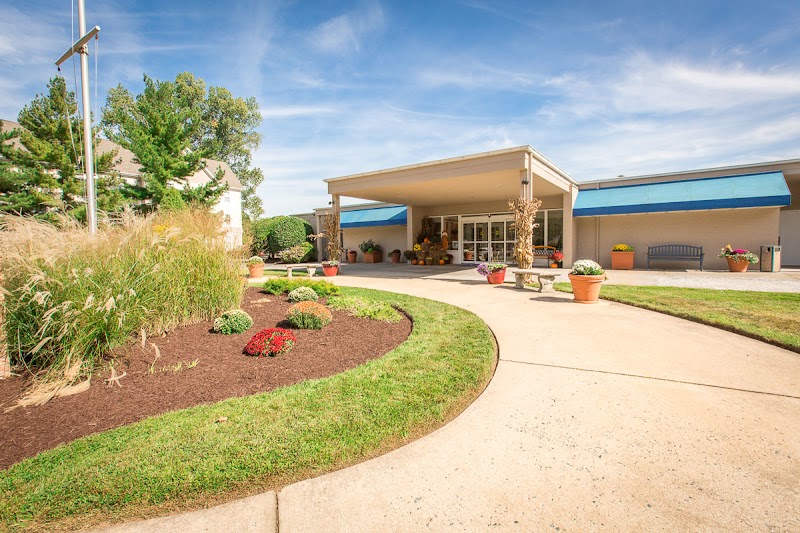
How is Mallard Bay Nursing And Rehab Staffed?

CMS rates MALLARD BAY NURSING AND REHAB's staffing level at 1 out of 5 stars, which is much below average compared to other nursing homes. Staff turnover is 62%, which is 16 percentage points above the Maryland average of 46%. High turnover can affect care consistency as new staff learn residents' individual needs. RN turnover specifically is 76%, which is notably high. RNs provide skilled clinical oversight, so turnover in this role can affect medical care quality.

What Have Inspectors Found at Mallard Bay Nursing And Rehab?

State health inspectors documented 52 deficiencies at MALLARD BAY NURSING AND REHAB during 2017 to 2025. These included: 52 with potential for harm. While no single deficiency reached the most serious levels, the total volume warrants attention from prospective families.

Who Owns and Operates Mallard Bay Nursing And Rehab?

MALLARD BAY NURSING AND REHAB is owned by a for-profit company. For-profit facilities operate as businesses with obligations to shareholders or private owners. The facility is operated by KEY HEALTH MANAGEMENT, a chain that manages multiple nursing homes. With 160 certified beds and approximately 110 residents (about 69% occupancy), it is a mid-sized facility located in CAMBRIDGE, Maryland.

How Does Mallard Bay Nursing And Rehab Compare to Other Maryland Nursing Homes?

Compared to the 100 nursing homes in Maryland, MALLARD BAY NURSING AND REHAB's overall rating (1 stars) is below the state average of 3.0, staff turnover (62%) is significantly higher than the state average of 46%, and health inspection rating (2 stars) is below the national benchmark.

What Should Families Ask When Visiting Mallard Bay Nursing And Rehab?

Based on this facility's data, families visiting should ask: "How do you ensure continuity of care given staff turnover, and what is your staff retention strategy?" "Can you walk me through typical staffing levels on day, evening, and night shifts?" "Can I visit during a mealtime to observe dining assistance and food quality?" "How do you handle medical emergencies, and what is your hospital transfer rate?" These questions are particularly relevant given the facility's high staff turnover rate and the below-average staffing rating.

Is Mallard Bay Nursing And Rehab Safe?

Based on CMS inspection data, MALLARD BAY NURSING AND REHAB has a clean safety record: no substantiated abuse findings (meaning no confirmed cases of resident harm), no Immediate Jeopardy citations (the most serious violation level indicating risk of serious injury or death), and is not on the Special Focus Facility watch list (a federal program monitoring the lowest-performing 1% of nursing homes). The facility has a 1-star overall rating and ranks #100 of 100 nursing homes in Maryland. While no facility is perfect, families should still ask about staff-to-resident ratios and recent inspection results during their visit.

Do Nurses at Mallard Bay Nursing And Rehab Stick Around?

Staff turnover at MALLARD BAY NURSING AND REHAB is high. At 62%, the facility is 16 percentage points above the Maryland average of 46%. Registered Nurse turnover is particularly concerning at 76%. RNs handle complex medical decisions and coordinate care — frequent RN changes can directly impact care quality. High turnover means new staff may not know residents' individual needs, medications, or preferences. It can also be disorienting for residents, especially those with dementia who rely on familiar faces. Families should ask: What is causing the turnover? What retention programs are in place? How do you ensure care continuity during staff transitions?

Was Mallard Bay Nursing And Rehab Ever Fined?

MALLARD BAY NURSING AND REHAB has no federal fines on record. CMS issues fines when nursing homes fail to meet care standards or don't correct problems found during inspections. The absence of fines suggests the facility has either maintained compliance or corrected any issues before penalties were assessed. This is a positive indicator, though families should still review recent inspection reports for the full picture.

Is Mallard Bay Nursing And Rehab on Any Federal Watch List?

MALLARD BAY NURSING AND REHAB is not on any federal watch list. The most significant is the Special Focus Facility (SFF) program, which identifies the bottom 1% of nursing homes nationally based on persistent, serious quality problems. Not being on this list means the facility has avoided the pattern of deficiencies that triggers enhanced federal oversight. This is a positive indicator, though families should still review the facility's inspection history directly.