WILLOW BROOKE CT SKILLED CARE CTR AT HERON POINT
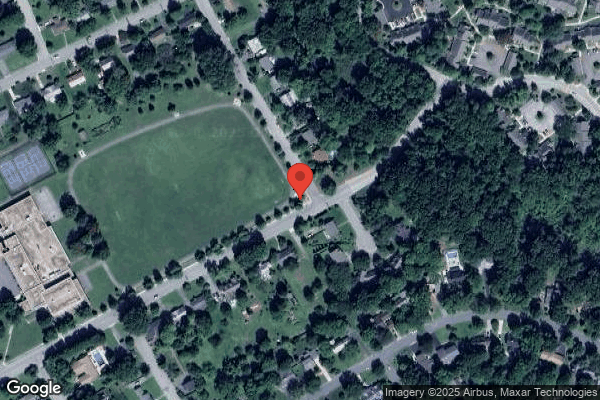
501 CAMPUS AVENUE, CHESTERTOWN, MD 21620 (410) 778-7300
Non profit - Corporation 38 Beds ACTS RETIREMENT-LIFE COMMUNITIES Data: November 2025 1 Immediate Jeopardy citation
Trust Grade
66/100
#47 of 219 in MD
Last Inspection: February 2024

Within standard 12-15 month inspection cycle. Federal law requires annual inspections.

Overview

Willow Brooke CT Skilled Care Center at Heron Point has a Trust Grade of C+, indicating that it is slightly above average but not exceptional. It ranks #47 out of 219 nursing homes in Maryland, placing it in the top half of facilities statewide, and it is the best option among the three facilities in Kent County. The trend is improving, with the number of issues reported decreasing from 15 in 2019 to 10 in 2024. Staffing is a strong point, earning a rating of 4 out of 5 stars and a turnover rate of 37%, which is below the state average of 40%. However, $15,440 in fines is concerning, as it is higher than 83% of Maryland facilities, indicating past compliance issues. While the facility has good RN coverage-more than 95% of state facilities-recent inspections revealed troubling incidents. For example, a resident was found attempting self-harm with a knife, which suggests a need for better mental health monitoring. Additionally, there were issues with unexplained injuries on multiple residents, indicating that investigations may not have been thorough. Overall, while there are strengths in staffing and care quality, families should be aware of these significant concerns.

Trust Score
C+
66/100
In Maryland
#47/219
Top 21%
Safety Record
High Risk
Review needed
Inspections
Getting Better
15 → 10 violations
Staff Stability
○ Average
37% turnover. Near Maryland's 48% average. Typical for the industry.
Penalties
○ Average
$15,440 in fines. Higher than 63% of Maryland facilities. Some compliance issues.
Skilled Nurses
✓ Good
Each resident gets 55 minutes of Registered Nurse (RN) attention daily — more than average for Maryland. RNs are trained to catch health problems early.
Violations
⚠ Watch
31 deficiencies on record. Higher than average. Multiple issues found across inspections.
★★★★★
5.0
Overall Rating
★★★★☆
4.0
Staff Levels
★★★★★
5.0
Care Quality
★★★★☆
4.0
Inspection Score
Stable
2019: 15 issues
2024: 10 issues

The Good

  • 4-Star Staffing Rating · Above-average nurse staffing levels
  • 5-Star Quality Measures · Strong clinical quality outcomes
  • Full Sprinkler Coverage · Fire safety systems throughout facility
  • No fines on record
  • Staff turnover below average (37%)

    11 points below Maryland average of 48%

Facility shows strength in staffing levels, quality measures, fire safety.

The Bad

Staff Turnover: 37%

Near Maryland avg (46%)

Typical for the industry

Federal Fines: $15,440

Below median ($33,413)

Minor penalties assessed

Chain: ACTS RETIREMENT-LIFE COMMUNITIES

Part of a multi-facility chain

Ask about local staffing decisions and management

The Ugly 31 deficiencies on record

1 life-threatening
Feb 2024 10 deficiencies 1 IJ
CRITICAL (J) 📢 Someone Reported This

A family member, employee, or ombudsman was alarmed enough to file a formal complaint

Immediate Jeopardy (IJ) - the most serious Medicare violation

Accident Prevention (Tag F0689)

Someone could have died · This affected 1 resident

**NOTE- TERMS IN BRACKETS HAVE BEEN EDITED TO PROTECT CONFIDENTIALITY** Based on record reviews and interviews it was determined that the facility failed to ensure a safe environment for a resident di...

Read full inspector narrative →
**NOTE- TERMS IN BRACKETS HAVE BEEN EDITED TO PROTECT CONFIDENTIALITY** Based on record reviews and interviews it was determined that the facility failed to ensure a safe environment for a resident diagnosed with a major depressive disorder. This was found to be evident for 1 (Resident #178) out of 1 resident reviewed for accidents. The Maryland Office of Health Care Quality (OHCQ) determined that this concern met the Federal definition of Immediate Jeopardy Past Non-compliance. The findings include: According to the National Institute of Health depression (also known as major depression, major depressive disorder, or clinical depression) is a common but serious mood disorder. It causes severe symptoms that affect how a person feels, thinks, and handles daily activities, such as sleeping, eating, or working. During a review of a Facility Reported Incident (FRI) investigation conducted on 02/16/2024 at 8:44 AM, it was revealed that Resident #178, with a diagnosis of a major depressive disorder, was found with a knife attempting to cut his/her wrist. On 02/16/2024 at 9:00 AM a review of Certified Registered Nurse Practitioner #19 ' s (CRNP) progress note stated, the resident [resident #178] was admitted to the facility on [DATE] for observation and monitoring due to confusion, and severe anxiety/paranoia. The CRNP further stated that the Resident's POA (power of attorney) was aware of the situation, and agreed with the CRNP that the resident required a higher level of care for safety. A review of Resident #178 ' s hospital discharge summary conducted on 02/16/2024 at 9:12 AM revealed the resident was brought to the hospital on [DATE] for behavioral changes that had worsened over the past 2 weeks. The behaviors consisted of increased confusion, paranoia, and strange behavior. The Resident was admitted to the hospital for a psychiatric evaluation and then discharged on 07/08/2023 from the hospital to the facility. On 02/16/2024 at 9:46 AM a review of Resident #178 ' s progress notes revealed a nurse ' s note dated 07/10/2024 at 6:45 AM. The nurse documented that the resident appeared to be nervous, looking for exits to go back to his/her apartment and for someone to address the technology issues. The nurse further documented that the resident was difficult to redirect and was not willing to engage in conversation with staff and refused to allow the nurse to obtain vital signs. Further review of the resident ' s progress note revealed another nurse ' s note dated 07/10/2024 at 13:48 PM. The nurse documented that Resident #178 was anxious throughout the shift. A record review conducted on 02/16/2024 at 10:15 AM revealed CRNP #19 ' s progress noted ated 07/12/2023 at 2:22 PM that documented a phone call with Resident #178 ' s POA. The POA told the CRNP that the resident was very agitated, more than he/she had ever seen in his/her life. The POA also told the CRNP that the resident was delusional about National Security and feared for the POA ' s safety. A review of Resident #178 ' s progress note conducted on 02/16/2024 at 10:45 AM revealed a nurse ' s note dated 07/13/2023. Registered Nurse (RN) #14 documented that Resident #178 walked into the kitchen area at 5:35 AM and retrieved a knife from a drawer in the kitchen. The nResident walked to the sink and attempted to cut his/her wrist. RN# 14 and Geriatric Nurse Assistant (GNA) #15 ran to the kitchen and stopped the resident from cutting himself/herself. The RN performed a full body assessment and identified several superficial lacerations to both wrist and neck. During a search of the resident ' s room the RN located a bloody razor blade. The RN notified the physician who ordered the resident be sent to the Emergency Room. The RN also notified the POA who stated the resident had been suicidal for days. During an interview conducted on 02/16/2024 at 11:04 AM, Medical Dietary Aide #17 confirmed that knives were stored in an unlocked drawer underneath the microwave until there was an incident that occurred with a resident. The Medical Dietary Aide further advised the surveyor that since then all utensils are placed in a bin and stored in the locked dish room. During an interview conducted on 02/16/2024 at 11:12 AM, the Nutrition Service Manager #16 stated that she implemented a policy to store all utensils in a bin that is locked in the dish room on 7/13/2023 after an incident that occurred with resident #178. During an interview conducted on 02/16/2024 at 11:49 AM, the Director of Building Services #13 stated he installed numbered padlocks to the half door that leads to the auxiliary service kitchen area and the back door to the dish room. The cabinets and drawers located in the auxiliary service kitchen had locks installed on them as well. On 02/16/2024 at 1:30 PM, the Director of Building Services #13 provided this surveyor with a copy of the work order. The work order showed locks were installed on the cabinets and drawers on 07/13/2023. Another work order showed that the numbered padlocks were installed on the entry door (a half door) and back door to the dish room on 08/03/2023. A review of the facility records revealed that the facility completed corrective measures on 07/13/2023. The corrective measures consisted of the implementation of the policy to lock all utensils in a locked room and locks installed on all cabinet doors and drawers in the auxiliary service kitchen. In-services were conducted on 07/13/20203 and 07/14/2023 for kitchen safety and education for baseline care plans, welcoming residents to the facility, admission process, documentation, charting, and progress notes. On 08/03/2023 the facility installed numbered padlocks on the entry door (half door) of the auxiliary kitchen and the back door of the dish room. This deficient practice was identified and cited as past noncompliance with Federal and State requirements with a compliance date of 07/13/2023.
CONCERN (D)

Potential for Harm - no one hurt, but risky conditions existed

Deficiency F0625 (Tag F0625)

Could have caused harm · This affected 1 resident

Based on record review and interview with staff, it was determined that the facility failed to have an effective system in place to ensure that residents and resident representatives are notified in w...

Read full inspector narrative →
Based on record review and interview with staff, it was determined that the facility failed to have an effective system in place to ensure that residents and resident representatives are notified in writing of the bed hold policy at the time of discharge/transfer to the hospital. This was found to be evident for 2 (Resident #14 and Resident #183) of 3 residents reviewed for hospitalizations during the investigative portion of the annual survey. The findings include: A Bed Hold is the act of holding or reserving a resident ' s bed while the resident is absent from the facility for therapeutic leave or hospitalization. It must be provided to all facility residents regardless of payment source. Bed Hold policy should be disclosed in the admission packet during initial admission to the facility and it should be disclosed to resident and, if applicable, resident representatives at the time of transfer; if emergency transfer, within 24 hours. On 2/16/2024 at 9:00 AM, a review of Resident #14's electronic medical records revealed that the resident had been transferred to the hospital on 3 different occasions; 3/26/2023 for nausea and vomiting, 4/23/2023 for nausea, vomiting, and right-side abdominal pain, and 5/19/2023 for a fall and blood in stool; returning to the facility each time for ongoing care. During further review of Resident #14's electronic and paper medical record, the Surveyor confirmed that Resident #14 had moderately impaired cognition with a resident representative/power of attorney appointed to make his/her healthcare decisions. His/her medical record failed to reveal documentation to indicate that the resident or the resident representative was provided a written copy of a bed hold policy form when transferred to the hospital on 3/26/2023, 4/23/2023, and 5/19/2023. During an interview with the Director of Nursing (DON) on 2/16/2024 at 10:47 AM, the DON confirmed that a copy of the bed hold policy form should be in the resident's medical record to show that the nurse reviewed the reason for transfer and the bed hold policy with the resident and/or resident representative. QAPI is Quality Assurance/Performance Improvement. QAPI is a systematic, comprehensive, and data-driven approach to maintaining and improving safety and quality in nursing homes. During an interview with the Social Worker Staff #24 on 2/16/2024 at 11:45 AM, the Surveyor was informed that the nursing staff should provide the resident with a copy of the bed hold policy form when they leave the facility to go to the hospital and then she is responsible for following up with the hospital providing a written a copy of the bed hold policy form to the resident representative and/or POA (power of attorney) , then placing a copy in the residents paper chart. The Social Worker could not provide the Surveyor with a copy of Resident #14's bed holds policy forms for 3/26/2023, 4/23/2023, and 5/19/2023. The Social Worker stated that during a QAPI meeting in October 2023, the staff identified that the facility did not adhere to their bed hold policy. On 2/16/2024 at 12:20PM, the Surveyor reviewed the facility's bed hold policy. The policy stated that at the time of transfer of a resident for hospitalization or therapeutic leave, the social service coordinator or designee shall provide to the resident and resident representative, if applicable, written notice which specifies the duration of the bed hold, if any and the reserve bed payment policy,and if there is an emergency transfer, there should be a Bed Hold Authorization letter mailed to the resident representative within 24 hours. On 2/21/2024 at 11:00AM, Surveyor reviewed the medical record of Resident #183. The Surveyor discovered that Resident #183 had an emergency transfer to the hospital on 2/13/2024. His/her electronic and paper medical record failed to reveal documentation that he/she or his/her resident representative was provided a written copy of the bed hold policy when transferred to the hospital on 2/13/2024. During an interview with the Administrator on 2/21/2024 at 2:45PM, the Surveyor was informed that Resident #183 was never given a bed hold policy form for her transfer 2/13/2024.
CONCERN (D) 📢 Someone Reported This

A family member, employee, or ombudsman was alarmed enough to file a formal complaint

Potential for Harm - no one hurt, but risky conditions existed

Comprehensive Care Plan (Tag F0656)

Could have caused harm · This affected 1 resident

Based on clinical record review, observation, and staff interview it was determined that the facility staff failed to ensure residents' care plans were followed. This was evident for 1 (#16) out of 29...

Read full inspector narrative →
Based on clinical record review, observation, and staff interview it was determined that the facility staff failed to ensure residents' care plans were followed. This was evident for 1 (#16) out of 29 residents who were part of the survey sample. The findings include: A review of Resident #16's clinical record on 2/15/24 and 2/16/24 revealed that the interdisciplinary team (IDT) developed a care plan on 5/14/21 to address the identified concern that the resident is a risk for wandering. A care plan is a guide that addresses the unique needs of each resident. It is used to plan, assess, and evaluate the effectiveness of the resident's care. One of the interventions the IDT developed and planned to implement was: My Wander Alert device will be checked for function, placement and expiration regularly. A review of the resident's Treatment Administration Records (TAR) for the months of May, June, and July of 2021 revealed that the facility did not check for function, placement, and expiration until 7/8/21 at 7:32 PM when a nurse wrote a note: Wander guard location left walker, functioning well exp[expiration] date 4/14/22. Nursing staff did not start documenting until night shift of 7/9/21 that they were checking the alert device. The Administrator was informed of the findings prior to the exit conference. She did not provide evidence that nursing staff were regularly checking the wander alert device during those two and a half months. She said she understood the need for checking and documenting the placement and function of the device and why that was important.
CONCERN (D) 📢 Someone Reported This

A family member, employee, or ombudsman was alarmed enough to file a formal complaint

Potential for Harm - no one hurt, but risky conditions existed

Deficiency F0740 (Tag F0740)

Could have caused harm · This affected 1 resident

**NOTE- TERMS IN BRACKETS HAVE BEEN EDITED TO PROTECT CONFIDENTIALITY** Based on record reviews and interviews it was determined that the facility failed to ensure a resident with major depressive dis...

Read full inspector narrative →
**NOTE- TERMS IN BRACKETS HAVE BEEN EDITED TO PROTECT CONFIDENTIALITY** Based on record reviews and interviews it was determined that the facility failed to ensure a resident with major depressive disorder receive proper care and treatment. This was found to be evident for 1 (resident #178) out of 1 resident reviewed for behavioral health. The findings include: According to the National Institute of Health depression (also known as major depression, major depressive disorder, or clinical depression) is a common but serious mood disorder. It causes severe symptoms that affect how a person feels, thinks, and handles daily activities, such as sleeping, eating, or working. On 02/16/2024 at 8:40 AM a review of Resident #178's medical record revealed the resident had the following diagnoses: major depressive disorder and anxiety disorder due to known physiological condition. Further review of the resident's medical record revealed a hospital discharge summary that stated the resident was brought to the hospital on [DATE] for worsened behavioral changes. The behavioral changes consisted of increased confusion, paranoia, and strange behaviors that had worsened over the past 2 weeks. The resident was admitted to the hospital for a psychiatric evaluation and then discharged on 07/08/2023 from the hospital. The resident was then admitted to the long-term care facility on 07/08/2023. On 02/16/2024 at 9:00 AM a review of Certified Registered Nurse Practioner #19's (CRNP) progress note for Resident #178 stated the resident was admitted to the facility on [DATE] for observation and monitoring due to confusion, and severe anxiety/paranoia. The CRNP further documented that the resident's POA (power of attorney) was aware of the situation, and agreed with the CRNP that the resident required a higher level of care for safety. The CRNP's plan for Resident #178 was to continue a safe environment while arranging for psychiatric care. She noted she had encouraged the resident to utilize Counter Point behavioral health however the resident had declined to consent. On 02/16/2024 at 9:46 AM a review of Resident #178's progress notes revealed a nurse's note dated 07/10/2024 at 6:45 AM. The nurse documented that the resident appeared to be nervous and looking for exits to go back to his/her apartment and looking for someone to address the technology issues. The nurse further documented that the resident was difficult to redirect and was not willing to engage in conversation with staff and refused to allow the nurse to obtain vital signs. Further review of the resident's progress note revealed another nurse's note dated 07/10/2024 at 13:48 PM that stated, Resident anxious throughout the shift, visited by [CRNP's name] twice. Resident declined to take all medications with exception of Mirtazapine. Discussed counterpoint referral with resident [CRNP's name] and I, declined to sign consent. Taken back to apartment by wellness nurse to get cell phone and computer. Provided, reassurance throughout shift when resident stated [resident's gender] wanted to leave. Wanderguard in place. Denies any pain, good appetite this shift. Independent with ADLS [Activities of Daily Living]. On 02/16/2024 at 9:57 AM a review of the resident's medical record did not reveal a behavior monitoring tool or a psychiatric consult to address the change in behavior for Resident #178. A record review conducted on 02/16/2024 at 10:15 AM revealed a CRNP's progress note dated 07/12/2023 at 2:22 PM. The CRNP documented a phone call from Resident #178's Power of Attorney (POA). The POA told the CRNP that the resident was very agitated, more than he/she had ever seen in his/her life. The resident was delusional about National Security and did not want the POA to come because he/she feared for the POA's safety. The POA requested medication to calm the resident. On 07/12/2023 at 1:55 PM, the CRNP documented an order for 0.25 Alprazolam every 8 hours as needed for anxiety and agitation. A review of the resident's Medication Administration Record (MAR) on 02/16/2024 at 10:20 AM revealed the order for 0.25 Alprazolam was effective on 07/13/2023 at 12:07 AM. Review of the administration record revealed Resident #178 never received the medication. On 02/16/2024 at 10:33 AM, a review of Resident #178's medical record revealed that on 07/13/2023 at approximately 05:30 AM the resident was found attempting to cut himself/herself with a knife. A search of the resident's room revealed a bloody razor blade. The resident was assessed and was found to have had superficial wounds on his/her wrist and neck. During an interview conducted on 02/20/2024 at 12:14 PM, the CRNP stated she did not assess the resident after she was told by the POA on 07/12/2023 that the resident was very agitated more than he/she had ever seen in his/her life and that resident was delusional and feared for the POA's safety. The CRNP stated that she had ordered 0.25 mg of Alprazolam as needed for anxiety and agitation at the request of the POA. When asked why the order was not effective until the next day on 07/13/2023 the CRNP stated she was unsure but that she places the order and nurse inputs her order into the electronic health record. When asked how the resident's behavior was monitored the CNRP stated there was no reason to think the resident would have attempted to harm himself/herself. The CRNP further stated this was the first time the facility had experienced providing care for a resident with this type of mental illness and did not have monitoring tools in place. During an interview conducted on 02/21/2024 at approximately 11:15 AM, the Administrator confirmed the facility is equipped to provide care for resident's with psychological and behavioral disorders. The Administrator further stated that the facility does have a tool to monitor behaviors and provided this surveyor with a list of residents whose behaviors were currently monitored. During a phone interview conducted on 02/23/2024 at 11:34 AM, the Medical Director stated that it is expected of the physician staff to assess a resident once they have been notified that the resident has displayed concerning behaviors or any other change in condition.
CONCERN (D)

Potential for Harm - no one hurt, but risky conditions existed

Medication Errors (Tag F0758)

Could have caused harm · This affected 1 resident

**NOTE- TERMS IN BRACKETS HAVE BEEN EDITED TO PROTECT CONFIDENTIALITY** Based on record review and interview with staff, it was determined that the facility failed to limit the timeframe for a PRN (as...

Read full inspector narrative →
**NOTE- TERMS IN BRACKETS HAVE BEEN EDITED TO PROTECT CONFIDENTIALITY** Based on record review and interview with staff, it was determined that the facility failed to limit the timeframe for a PRN (as needed) psychotropic medications to 14 days. This was evident for 1 resident (Resident #11) out of 5 residents investigated for medication regimen review during the annual survey. The findings include: Psychotropic drug is defined as any drug that affects brain activities associated with mental processes and behavior. Psychotropic drugs include, but are not limited to the following categories: anti-psychotics, anti-depressants, anti-anxiety, and hypnotics. On 2/22/2024 at 1:00 PM during a review of Resident #11's electronic medical record, the Surveyor discovered that the resident was admitted to the facility on [DATE] with diagnoses of but not limited to anxiety disorder, major depressive disorder, neurocognitive disorder with lewy bodies, and cognitive impairment. Resident #11 had a psychiatric assessment on 6/29/2022 with a recommendation to add a psychotropic drug, Ativan every 12 hours PRN. The recommendation was reviewed and signed by the attending physician. On 2/22/2024 at approximately 1:30 PM, during an interview with the Director of Nursing (DON), the surveyors were informed that the monthly medication regimen review reports are emailed by the pharmacist to the DON. The DON prints out the reports and they are reviewed and signed by the attending physician, especially the reports with recommendations. On 2/23/2024 at 9:30AM, the Surveyor reviewed the Medication Administration Record (MAR) of Resident #11 which revealed that the resident had a standing order for Ativan to be given at 11:00 AM daily for anxiety and a PRN Ativan order to be given in the evening as needed for anxiety beginning 7/19/2022 through 1/03/2023. During further review of Resident #11's electronic medical record, the Surveyor discovered a medication consultation report for October 1, 2022 through October 31, 2022 stating that Resident #11 has an order for Ativan in place for greater than 14 days without a stop date and that Resident #11 also receives a routine dose of Ativan. The Pharmacist recommended to discontinue the PRN Ativan. The consultation report was signed on 10/4/2022 by the Pharmacist. The Physician did not review or sign the consultation report until 12/14/2022, at which time the physician agreed to discontinue the PRN Ativan. On 2/23/2024 at 10:00AM, a continued review of Resident #11's electronic medical record revealed a medication consultation report dated January 3, 2023. The Pharmacist stated that Resident #11's prescriber accepted a pharmacy recommendation to discontinue PRN Ativan on 12/14/2022, but the order had not yet been processed. The Pharmacist recommended to update the medical record accordingly. The Ativan order was discontinued on 1/03/2023. According to the facility's [Medication]Drug Regimen Review policy, section 5. the physician/prescribing practitioner's recommended actions, in response to the medication issue, must be carried out by midnight of the next calendar day.
CONCERN (D)

Potential for Harm - no one hurt, but risky conditions existed

Unnecessary Medications (Tag F0759)

Could have caused harm · This affected 1 resident

Based on observations, record reviews and interviews it was determined that the facility failed to ensure the medication error rate was 5% or less. This was found to be evident for the medication admi...

Read full inspector narrative →
Based on observations, record reviews and interviews it was determined that the facility failed to ensure the medication error rate was 5% or less. This was found to be evident for the medication administration observation during the annual survey. The findings include: MiraLAX is a laxative powder made for providing gentle constipation relief. On Thursday 02/15/2024 at 7:36 AM, the surveyor observed Registered Nurse (RN) #11 administer medications for Resident #21. The RN mixed 17 GM (grams) of MiraLax Oral powder in an unknown amount of water. The RN poured the packet of 17 gms of MiraLAX powder into a white plastic cup and filled the cup to the top rim with water. During an interview conducted on 02/15/2024 at 7:35 AM, the surveyor asked the RN how many fluid ounces were poured into the cup, the RN stated she was unsure. A review of Resident #11's Medication Administration Record (MAR) revealed an order that stated MiraLax Oral Packet 17 GM (Polyethylene Glycol 3350). Give 1 packet by mouth one time a day every Mon, Wed, Fri for Constipation administer in 6- 8oz of water. This medication was given on Thursday with an unknown amount of water. Losartan is used to treat high blood pressure (hypertension) and to help protect the kidneys from damage due to diabetes. Systolic measures the pressure in your arteries when your heartbeat. During the continued observations, the RN administered 1 tablet of Losartan Potassium Oral tablet 100 mg to Resident #11 without obtaining a Blood Pressure. The surveyor reviewed the blister pack that housed the medication which said to hold the medication if the systolic was less than 110 bpm. An interview conducted on 02/15/2024 at 7:42 AM, RN #11 stated she does not obtain Blood Pressure readings because she was trained it was not necessary at this facility because there were no parameters set and no place to document the Blood Pressure readings in the electronic record. During an interview conducted on 02/15/2024 at 11:17 AM the surveyor advised the Administrator of the observed medication administration errors, and that the facility error rate is 12%.
CONCERN (D)

Potential for Harm - no one hurt, but risky conditions existed

Deficiency F0761 (Tag F0761)

Could have caused harm · This affected 1 resident

Based on observations, record reviews and interviews it was determined that the facility failed to ensure medication was stored properly. This was found to be evident for 1 out of 2 medication carts o...

Read full inspector narrative →
Based on observations, record reviews and interviews it was determined that the facility failed to ensure medication was stored properly. This was found to be evident for 1 out of 2 medication carts observed during the annual survey. The findings include: Prosource provides nutrients necessary for the dietary management of protein-energy for protein malnutrition and protein deficiency. On 02/15/2024 at 8:02 AM the surveyor observed an opened bottle of Resident #16's Prosource stored in the bottom drawer of RN #11's medication cart. The Prosource bottle was opened and undated. During an interview conducted on 02/15/2024 at 8:06 AM, RN #11 stated she would discuss with the Director of Nursing on how to handle the opened and undated bottle of Prosource for Resident #16. During an interview conducted on 02/15/2024 at 11:17 AM the surveyor advised the Administrator of the observed medication storage finding.
CONCERN (E) 📢 Someone Reported This

A family member, employee, or ombudsman was alarmed enough to file a formal complaint

Potential for Harm - no one hurt, but risky conditions existed

Report Alleged Abuse (Tag F0609)

Could have caused harm · This affected multiple residents

**NOTE- TERMS IN BRACKETS HAVE BEEN EDITED TO PROTECT CONFIDENTIALITY** On 2/23/2024 at 8:30AM, the Surveyor reviewed Resident #11's electronic medical record that revealed that on 1/11/2024 at 9:50AM...

Read full inspector narrative →
**NOTE- TERMS IN BRACKETS HAVE BEEN EDITED TO PROTECT CONFIDENTIALITY** On 2/23/2024 at 8:30AM, the Surveyor reviewed Resident #11's electronic medical record that revealed that on 1/11/2024 at 9:50AM, a GNA (Geriatric Nursing Assistant) Staff #9 notified the Care Coordinator, Registered Nurse(RN) #22 of an area located above the left temple that wasn't there yesterday. The Surveyors located a progress note written by RN #22 on 1/11/2024 at 9:53AM which stated that a GNA [Staff #9] made this nurse aware of discoloration to the resident left temple(face). Area assessed and noted to have discoloration measure at 5cm x 3cm and a red circular area at the hairline measuring 0.2cm x 0.2cm. Resident did not appear to have any pain when evaluating area. Resident could not recall how it happen. A review of the facility's investigative file on 2/23/2024 at 9:00AM revealed that the facility began an investigation into an injury of unknown origin for Resident #11 on 1/11/2024 and reported it to the Office of Health Care Quality 1/11/2024 at 12:00PM. During further review, the Facility Reported Incident Initial Report Form revealed that the injury of unknown origin was not reported to law enforcement. The facility's Abuse, Neglect, Involuntary Seclusion, Exploitation, and Misappropriation of Property Prevention Policy was reviewed by the Surveyor on 2/23/2024 at 9:12 AM. Within the Reporting section #4 b. regarding injuries of unknown source, the policy states that the facility is to notify the appropriate state agency and law enforcement for a crime or allegation of a crime. During additional review, the Surveyor discovered that the facility concluded the investigation into an injury of unknown origin for Resident #11 on 1/15/2024 at 5:40 PM. According to the Administrator, law enforcement was never contacted during the investigation. Based on the facility's documentation review and staff interview, it was determined the facility failed to report allegations of abuse and injury of an unknown source to the local enforcement agency. This was found to be evident for 4 (residents # 7, #13, #181, & #11) out of 5 residents reviewed for abuse. The findings include: A review of the facility reported incident investigations conducted on 02/15/2024 at 11:29 AM revealed Resident #181 reported to the facility that Geriatric Nursing Assistant (GNA) #27 would not let the resident pass by, the resident pushed the GNA and the GNA pushed the resident and the resident fell back onto the floor. Further review of facility reported incident investigation revealed the facility failed to report the allegation of abuse to the local law enforcement agency. A review of the facility reported incident investigations conducted on 2/22/2024 at 9:25 AM revealed Geriatric Nursing Assistant (GNA) #10 called Licensed Practical (LPN) #25 into resident's room [ROOM NUMBER] after she noticed a purple discoloration to the resident's left shin. Area noted to measure 6cm x 2cm. Further review of facility reported incident investigation revealed the facility failed to report the allegation of an injury of unknown source to the local law enforcement agency. On 02/23/2024 at 8:49 AM, a review of the facility reported incident investigation revealed that while performing care GNA #8 discovered a 9.5cmx 7cm purple discoloration on residents lower left arm just above wrist where watch sits. The GNA reported the bruise to LPN #21. Further review of facility reported incident investigation revealed the facility failed to report the allegation of an injury of unknown source to the local law enforcement agency. A review of the facility's Abuse, Neglect, Involuntary Seclusion, Exploitation, and Misappropriation of Property Prevention Policy was conducted on 02/23/2024 at 9:12 AM. Section #4 b. stated that the facility is to notify the appropriate state agency and law enforcement for a crime or allegation of a crime. During an interview conducted on 02/23/2024 at 12:02 PM the surveyor advised the Administrator that the facility failed to report allegations of abuse and injury of an unknown source to the local law enforcement agency. The Administrator reviewed the investigation files and confirmed that the facility had not reported the allegations of abuse and injury of an unknown source to the local law enforcement agency.
CONCERN (E) 📢 Someone Reported This

A family member, employee, or ombudsman was alarmed enough to file a formal complaint

Potential for Harm - no one hurt, but risky conditions existed

Investigate Abuse (Tag F0610)

Could have caused harm · This affected multiple residents

Based on review of Facility Reported Incidents (FRI) and interview with staff, it was determined that the facility failed to complete a thorough investigation. This was evident for 6 (Resident #3, #4,...

Read full inspector narrative →
Based on review of Facility Reported Incidents (FRI) and interview with staff, it was determined that the facility failed to complete a thorough investigation. This was evident for 6 (Resident #3, #4, #5, #21, #7, and #13) out of 13 residents investigated for Facility Reported Incidents. The findings include: Geri sleeves protect the arms and legs from skin tears, abrasions, and light bruising caused by friction and shearing in the bed and wheelchair. On 2/20/2024 at 1:30 PM, the Surveyor reviewed Resident #3's electronic and paper medical record which revealed that on 5/9/2023 at 7:37 PM, Geriatric Nursing Assistant (GNA) #28 reported to a nurse that when she got the resident up from the bed to the chair, she noticed a patch of blood on the resident's upper left sleeve. Resident #3 stated that he/she did not know how it happened. During further review, the Surveyor located a progress note written by Licensed Practical Nurse (LPN) Staff # 26 on 5/9/2023 at 7:41 PM. The note stated that a GNA [#28] notified this nurse about resident had a skin tear to [resident #3] left upper arm, area measured 7.5com x 3cm area was cleanse steri strip apply and cover with ABD [abdominal] pad and geri sleeve apply, family and [medical director] notify. A review of the facility's investigative file on 2/21/2024 at 10:00 AM revealed that the facility began an investigation into an injury of unknown origin for Resident #3 on 5/10/2023 and reported it to the Office of Health Care Quality on 5/10/2023 at 8:33 AM. During additional review of Resident #3's investigative file, the Surveyor confirmed that the facility completed their investigation on 5/15/2023 at 8:33 AM and that the facility did not include the name of the GNA who initially observed the resident's injury of unknown origin, did not include documentation of GNA #28 or LPN #26 written statement of events, or the full body assessment conducted by LPN #26 after she was made aware of the injury. On 2/21/2024 at 12:00 PM, the Administrator provided the Surveyor with the name of the GNA, #28, who observed the injury of unknown origin and reported it to LPN #26 on 5/9/2023 at 7:37 PM. The Administrator confirmed an incomplete investigation. On 2/21/2024 at 10:45 AM, the Surveyor reviewed Resident #4's electronic and paper medical record which revealed that on 4/25/2023 at 9:21 AM, while getting a blood pressure on the resident, a staff nurse observed a 3cm x 3cm purple discoloration to the resident's left forearm. Resident #4 was unable to recall how they received the discoloration. During further review, the Surveyor located a Health Status note written by Registered Nurse (RN) #22 on 4/25/2023 at 10:31AM, which stated that this nurse notices a discoloration-(purple) to resident left FA [forearm] measure 3cm x 3cm. while doing Blood pressure [vital signs] and given medication. resident does not appear to be in pain. resident unsure how it happened. A review of the facility's investigative file on 2/21/2024 at 10:55 AM revealed that the facility began an investigation into an injury of unknown origin for Resident #4 on 4/25/2023 and reported it to the Office of Health Care Quality on 4/25/2023 at 9:50 AM. During continued review of Resident #4's investigative file, the Surveyor confirmed that the facility completed their investigation on 4/28/2023 at 12:43 PM and it did not include the name of the nurse (RN #22) who took the resident's blood pressure and noticed the injury of unknown origin, progress notes written by RN #22, and a written statement from RN #22. On 2/23/2024 at 10:09 AM, the Surveyor reviewed Resident #5's electronic and paper medical record which revealed that the resident sustained an unwitnessed fall in his/her room on 9/8/2023, which resulted in left fracture of the 9th and 10th rib. During further review, the Surveyor noted an incident report prepared by RN #22 on 9/8/2023 at 7:32 AM, which stated dietary aid called this nurse to resident room after entering room with breakfast tray [at 7:30 AM], finding resident on the floor. Resident #5 was able to describe how he/she fell to RN #22. A review of the facility's investigative file on 2/23/2024 at 10:20AM revealed that the facility began an investigation into a fall with significant injury for Resident #5 on 9/11/2023 and reported it to the Office of Health Care Quality on 9/11/2023 at 9:07 AM. During additional review of Resident #5's investigative file, the Surveyor confirmed the facility completed the investigation on 9/15/2023 at 4:34 PM and that there was no documentation of a head to toe assessment sheet or vital signs at the time of fall, and no written statement from Resident #5 or RN #22. On 2/23/2024 at 12:00 PM, the Surveyor reviewed the facility's investigative file for Resident #21 for an incident of alleged abuse taken place in April of 2023. During review of the facility's investigation, the Surveyor discovered a letter written by Resident #21's family member on 1/29/2024, stating that his/her family member reported to them that Geriatric Nursing Assistance (GNA) #29 was rude, with bad attitude, and rough handling the resident. During further review, the Surveyor noted the letter was given to the Administrator on 2/2/2024 at 1:00 PM. The facility initiated an investigation into Employee to resident physical abuse on 2/2/2024 and submitted it to the Office of Health Care Quality on 2/2/2024 at 4:10 PM. During continued review of Resident #21's investigative file on 2/23/2024 at 12:18 PM, the Surveyor confirmed that the investigation was completed on 2/5/2024 at 3:00 PM. The investigative file did not reveal a written statement from Resident #21 and alledged perpetrator, GNA #29 regarding the alleged abuse and evidence that full body assessments were conducted for all 24 residents at that time. A review of the Facility Reported Incident (FRI) investigations conducted on 2/22/2024 at 9:25 AM revealed an allegation of injury of an unknown source. The investigation stated that a Geriatric Nursing Assistant (GNA) #10 noticed a purple discoloration to Resident #7's left shin. The GNA reported the discoloration to Licensed Practical (LPN) #25 who then assessed the area and noted the purple discoloration as a bruise and provided a measurement of 6cm x 2cm. Further review of the FRI investigation revealed that the facility failed to conduct a thorough investigation. The facility failed to obtain a statement from GNA #10 and #25. On 02/23/2024 at 8:49 AM, a review of the Facility Reported Incident (FRI) investigation revealed an investigation of an injury of an unknown source. The investigation stated while performing care GNA #8 discovered a purple discoloration on Resident #13's lower left arm just above his/her wrist where their watch sits. The GNA reported the purple discoloration to LPN #21 who assessed the resident and noted the discoloration to be a bruise that measured 9.5cmx 7cm. Further review of the Facility Reported Incident (FRI) investigation revealed the facility failed to conduct a thorough investigation. The facility failed to obtain a statement from GNA # 8 and LPN #21. On 02/23/2024 at 9:05 AM a review of a Facility Reported Incident (FRI) investigation revealed an allegation of abuse for Resident #7. The allegation stated the alleged perpetrator physically abused the resident while assisting in the care of the resident. Further review of the FRI revealed the facility failed to interview the other residents to ensure other residents had not experienced physical abuse by the alleged perpetrator. During an interview conducted on 02/23/2024 at 10:52 AM, the Administrator and Social Worker #24 confirmed that residents were not interviewed.
CONCERN (E)

Potential for Harm - no one hurt, but risky conditions existed

Deficiency F0726 (Tag F0726)

Could have caused harm · This affected multiple residents

Based on record review and interviews, it was determined that the facility failed to put a system in place to ensure Geriatric Nursing Assistants (GNAs) were competent with their skill sets. This was ...

Read full inspector narrative →
Based on record review and interviews, it was determined that the facility failed to put a system in place to ensure Geriatric Nursing Assistants (GNAs) were competent with their skill sets. This was found to be evident for 4 out of 5 GNAs (GNA #6, #7, #8, #9, & #10) reviewed for competencies skill evaluations. The findings include: On 02/14/2024 at 8:10 AM, the surveyor reviewed the employee files and was unable to locate skill competency evaluations for Geriatric Nursing Assistants (GNA) #6, #7 #8, #9 & #10. During an interview conducted on 02/14/2024 at 11:01AM, GNA #7 stated she participated in the Olympic skills competency assessment which required return demonstrations in September of 2023. During an interview conducted on 02/14/2024 at 2:00 PM, the surveyor advised the administrator that employee files did not include the competency skills evaluation. The Administrator stated she would investigate it to see if the evaluations were stored somewhere else. On 02/14/2024 at approximately 2:45 PM, the Administrator advised the surveyor that only GNA #7 attended the Olympic skill competency assessment, GNAs #6, #8, #9, & #10 had not attended the Olympic skills competency evaluations nor had they received competency skills evaluations. The Administrator stated this was a concern.
Apr 2019 15 deficiencies
CONCERN (D)

Potential for Harm - no one hurt, but risky conditions existed

Deficiency F0551 (Tag F0551)

Could have caused harm · This affected 1 resident

**NOTE- TERMS IN BRACKETS HAVE BEEN EDITED TO PROTECT CONFIDENTIALITY** Based on medical record review, observation and interview, it was determined the facility staff failed honor a resident's (#26) ...

Read full inspector narrative →
**NOTE- TERMS IN BRACKETS HAVE BEEN EDITED TO PROTECT CONFIDENTIALITY** Based on medical record review, observation and interview, it was determined the facility staff failed honor a resident's (#26) designation of a health care representative as named in their Advanced Directive. This was evident for 1 of 1 resident selected for review of choices during the annual survey process. The findings include: When admitted to the facility on [DATE] Resident #26 provided a copy of his/her Advanced Directive from 2007 which included Part A-Appointment of Health Care Agent. Resident #26 named his/her spouse to act as health care agent and if spouse not able or willing then a sibling was named. Resident #26 has dementia and is unable to make healthcare decisions. Social Worker (SW) #5 had allowed the paid caregiver to sign on 2-27-19 Resident #26's Notice of Medicare Non-Coverage. On 3-8-19 the spouse provided the facility with a paper he/she wrote designating their paid care to make any and all decisions on behalf of the care of Resident #26 in spouse's absence. The spouse's paid caregiver wrote and signed a statement agreeing to have Power of Attorney (POA) and not just as the health care agent for Resident #29. On 3-13-19 SW#5 wrote in a progress note that the paid caregiver is authorized to make healthcare decisions and sign paperwork. Interview on 4-4-19 at 11:40 AM SW#5 stated the spouse went to a local lawyer who would not complete the paperwork changing Resident #26's healthcare agent. Nurse Practitioner (NP) #7 then facilitated the change by having spouse write the 3-8-19 paper changing the healthcare agent from the sibling to his/her paid caregiver. NP #7 had 2 witnesses sign (signatures with no identifing information) the designation form on 3-20-19. SW #5 also stated he/she had not read the 2007 Advanced Directive and had not contacted the sibling. Interview with NP#7 on 4-4-19 at 11:40 AM and stated he/she had not read the 2007 Advanced Directive and had not contacted the sibling who is named as the backup health care agent. The facility changed Resident #26's contacts to have the paid caregiver be the first emergency contact in all matters. A health care agent cannot delegate someone else to make decisions for them under an advance directive. If the health care agent is unavailable or unwilling then the back-up agent from the Advanced Directive is to be contacted. On 4-4-19 at 11:40 AM NP#7, SW#5 and the Nursing Home Administrator confirmed the above finding.
CONCERN (D)

Potential for Harm - no one hurt, but risky conditions existed

Deficiency F0561 (Tag F0561)

Could have caused harm · This affected 1 resident

Based on medical record review and interview, it was determined the facility staff failed to promote Resident (#6's) self-determination. This was evident for 1 of 25 residents selected for review of s...

Read full inspector narrative →
Based on medical record review and interview, it was determined the facility staff failed to promote Resident (#6's) self-determination. This was evident for 1 of 25 residents selected for review of self-determination during the survey process. The findings include: Medical record review for Resident #6 revealed on 1/24/19 the physician ordered: discontinue weights, comfort care. Further record review revealed the facility staff weighed the resident on 4/1/19. Interview with the Director of Nursing on 4/8/19 at 12:00 PM revealed the Geriatric Nursing Assistant took the resident's weight by accident. Interview with the Director of Nursing on 4/9/19 at 1:30 PM confirmed the facility staff failed to promote self-determination for Resident #6 by obtaining a weight when there was a no weight order.
CONCERN (D)

Potential for Harm - no one hurt, but risky conditions existed

Notification of Changes (Tag F0580)

Could have caused harm · This affected 1 resident

Based on medical record review and interview, it was determined the facility staff failed to notify Resident (#5's) responsible party of a change in medication and failed to notify the CRNP/physician ...

Read full inspector narrative →
Based on medical record review and interview, it was determined the facility staff failed to notify Resident (#5's) responsible party of a change in medication and failed to notify the CRNP/physician when holding medications for Resident (#27). This was evident for 1 of 25 residents selected for review of notification of change during the annual survey process. The findings include: 1. The facility staff failed to notify the responsible party for Resident #5 of a change in medication. Medical record review for Resident #5 revealed on 3/18/19 the resident complained of not feeling well. The resident was offered ginger ale and refused. At 12:30 PM, the facility staff notified the Certified Registered Nurse Practitioner (CRNP). The CRNP ordered the resident Zofran 8 milligrams by mouth every 8 hours as needed for nausea or vomiting and ordered Loperamide 2 milligrams by mouth as needed for loose stools; however, there is no evidence of Resident #5's responsible party being notified of the new medication orders. Interview with the Director of Nursing on 4/9/19 at 1:30 PM confirmed the facility staff failed to notify the responsible party of Resident #5 of new medications as ordered by the CRNP. 2. The facility staff failed to notify the CRNP/physician when holding blood pressure medications for Resident #27. Medical record review for Resident #27 revealed on 11/7/18 the physician ordered: Lisinopril 10 milligrams by mouth in the morning for high blood pressure and Diltiazem 30 milligrams by mouth 4 times a day for high blood pressure. Lisinopril is a blood pressure medication that belongs to a class of drugs known as ACE inhibitors. It works by relaxing blood vessels so blood can flow more easily. Diltiazem is called a calcium channel blocker. It works by relaxing blood vessels in the body and heart and lowers the heart rate and blood pressure. Further record review revealed the facility staff documented the resident's blood pressure on 3/6/19 at 12:00 PM as 109/55, 3/10/19 at 12:00 PM as 126/54, 3/20/19 at 12:00 PM as 111/55, 3/22/19 at 12:00 PM as 121/56, 3/23/19 at 12:00 PM as 105/50 and 3/29/19 at 12:00 PM as 102/80. The facility staff documented the holding of the blood pressure medication; however, failed to notify the Certified Registered Nurse Practitioner or physician of the same. Interview with the Director of Nursing on 4/8/19 at 1:00 PM revealed if the facility staff obtained blood pressures on Resident #27 and held the medication and the CRNP/physician should have been notified of the same. Interview with the Director of Nursing on 4/9/19 at 1:30 PM confirmed the facility staff failed to notify the CRNP/physician of holding blood pressure medications for Resident #27.
CONCERN (D)

Potential for Harm - no one hurt, but risky conditions existed

Transfer Notice (Tag F0623)

Could have caused harm · This affected 1 resident

Based on medical record review and interview, it was determined that the facility failed to notify the responsible party in writing of a Resident's (#26) transfer to the hospital. This was evident for...

Read full inspector narrative →
Based on medical record review and interview, it was determined that the facility failed to notify the responsible party in writing of a Resident's (#26) transfer to the hospital. This was evident for 1 of 1 residents reviewed for hospitalizations. The findings include: On 1-14-19 Resident #26 fell and sustained an injury to the left leg and was transferred to the hospital for further care. The facility verbally notified the emergency contact but did not send a written notification of the hospital transfer and the reason for the transfer. This finding was confirmed with the Nursing Home Administrator and the Director of Nursing on 4-5-19 at 9:30 AM.
CONCERN (D)

Potential for Harm - no one hurt, but risky conditions existed

Quality of Care (Tag F0684)

Could have caused harm · This affected 1 resident

Based on medical record review and interview, it was determined the facility staff failed to provide an environment to promote the highest well-being for Residents (#11, #12 and #27). This was evident...

Read full inspector narrative →
Based on medical record review and interview, it was determined the facility staff failed to provide an environment to promote the highest well-being for Residents (#11, #12 and #27). This was evident for 3 of 25 residents selected for review of well-being during the annual survey process. The findings include: 1. The facility staff failed to notify the Certified Registered Nurse Practitioner (CRNP) of a urinalysis result in a timely manner. Medical record review revealed on 1/3/19 the physician ordered a urinalysis, culture and sensitivity. A urinalysis is a group of physical, chemical, and microscopic tests. The tests detect and/or measure several substances in the urine, such as byproducts of normal and abnormal metabolism, cells, cellular fragments, and bacteria. The culture and sensitivity determines if any bacteria is present and the most effective medication to treat it. Further record review revealed the facility staff received the results of the culture and sensitivity on 1/5/19 at 1:32 PM; however, failed to notify the CRNP until 1/6/19, at which time an antibiotic was ordered. Interview with the Director of Nursing on 4/9/19 at 1:30 PM confirmed the facility staff failed to notify the CRNP of the results of a urinalysis, culture and sensitivity in a timely manner in order to obtain and administer an antibiotic to Resident #11. 2. The facility staff failed to assess Resident #12 to determine the ability or safety awareness to have lotions, creams or mouthwash at the bedside. Medical record review for Resident #12 revealed on 8/1/16 the physician ordered: Over the counter lotions, creams and mouthwash may be kept in room. The Minimum Data Set (MDS) is part of the federally mandated process for clinical assessment of all residents in Medicare and Medicaid certified nursing homes. This process provides a comprehensive assessment of each resident's functional capabilities and helps nursing home staff identify health problems. Further record review revealed the facility staff assessed the resident and documented on 11/29/18, Section C: Cognitive Patterns, C0500 Summary Score- the resident had a BIMS of 2. The Brief Interview for Mental Status (BIMS) is a structured evaluation aimed at evaluating aspects of cognition in elderly patients. The three parts of the assessment look at: resident attention; level of orientation; and ability to recall information. A score of 0-7 indicates severe cognitive impact; however, the facility staff failed to assess Resident #12 to determine the ability to use the over the counter lotions, creams and mouth wash or the safety awareness of the resident to do so. Interview with the Director of Nursing on 4/9/19 at 1:30 PM confirmed the facility staff failed to assess Resident #12 on the ability or safety aware to have over the counter lotions, creams and mouthwash at the bed side when the facility staff assessed the resident and documented the resident was severely cognitively impaired. 3. The facility staff failed to assess Resident #27 for complaints of hip pain and inability to ambulate after a fall in a timely manner. Medical record review revealed Resident #27 was found on the floor by the Geriatric Nursing Assistant on 1/17/19 at 6:50 AM. At that time, the resident was alert and denied hitting his/her head. The resident complained of right knee pain upon bending. The resident was assisted back to bed by the GNA and unable to apply pressure on the right leg due to knee pain. The right knee was noted to be swollen and red. The Certified Registered Nurse Practitioner was notified and ordered an immediate x-ray of the right knee. The resident's legs were elevated, and ice applied. Resident only complained of pain when moving the right knee. Resident #27 refused the pain medication. Further note on 1/17/19 at 1:57 PM revealed: Resident has complained of hip pain all day, unable to ambulate on that leg. Tylenol given x2 this shift and effective. The knee x-ray came back negative and a new x-ray of the hip has been ordered STAT (immediately); however, there is no evidence the facility staff assessed the resident's hip in a timely manner when the resident complained of hip pain all day and was unable to ambulate on that leg. (Of note, the x-ray returned with a fracture of the hip). Interview with the Director of Nursing on 4/9/19 at 1:30 PM confirmed the facility staff failed to assess Resident #27 in a timely manner when the resident complained of hip pain all day and not able to ambulate on the affected leg.
CONCERN (D)

Potential for Harm - no one hurt, but risky conditions existed

Deficiency F0697 (Tag F0697)

Could have caused harm · This affected 1 resident

Based on medical record review and interview it was determined the facility staff failed to thoroughly assess the need for pain medication for Residents (#16). This was evident for 1 of 2 resident sel...

Read full inspector narrative →
Based on medical record review and interview it was determined the facility staff failed to thoroughly assess the need for pain medication for Residents (#16). This was evident for 1 of 2 resident selected for pain assessment and 1 of 25 residents selected for review during the annual survey. The findings include: Pain is often regarded as the fifth vital sign regarding healthcare because it is accepted now in healthcare that pain, like other vital signs, is an objective sensation rather than subjective. As a result, nurses are trained and expected to assess pain. A component of pain assessment-focusing on words to describe pain, intensity, location, duration, and aggravating or alleviating factors. It is the expectation the facility staff assess pain prior to and after the administration of pain medication to determine the need of the medication and the effectiveness of the medication. Medical record review for Resident #16 revealed on 5/4/18 the physician ordered: Hydrocodone-Acetaminophen, 5-325 milligrams by mouth every 6 hours for pain as needed. Hydrocodone-Acetaminophen is indicated for the relief of moderate to moderately severe pain. Review of the Medication Administration Record revealed the facility staff documented the resident's pain level as 0 on: 2/11/19 at 9:35 PM, 3/1/19 at 10:20 PM, 3/4/19 at 9:30 AM and 3/13/19 at 8:34 AM; however, documented the administration of the pain medication. Interview with the Director of Nursing on 4/9/19 at 1:30 PM confirmed the facility staff failed to thoroughly assess and determine the need for pain medication for Resident #16.
CONCERN (D)

Potential for Harm - no one hurt, but risky conditions existed

Drug Regimen Review (Tag F0756)

Could have caused harm · This affected 1 resident

Based on medical record review and staff interview, it was determined the facility staff failed to act upon the consultant pharmacist recommendation in a timely manner for Resident (#5). This was evid...

Read full inspector narrative →
Based on medical record review and staff interview, it was determined the facility staff failed to act upon the consultant pharmacist recommendation in a timely manner for Resident (#5). This was evident for 1 of 5 residents selected for unnecessary medication review during the annual survey process. The findings include: Medical record review for Resident #5 revealed the consultant pharmacy was in the facility and made recommendation addressed to the Director of Nursing on 3/6/19; however, the facility staff failed to address that recommendation until 4/4/19 upon surveyor inquiry. Interview with the Director of Nursing on 4/9/19 at 1:30 PM confirmed the facility staff failed to address the recommendation by consultant pharmacist for Resident #5 in a timely manner.
CONCERN (D)

Potential for Harm - no one hurt, but risky conditions existed

Deficiency F0790 (Tag F0790)

Could have caused harm · This affected 1 resident

Based on review of a medical record and staff interview, it was determined the facility staff failed to take steps to ensure that a resident received dental services as ordered by the resident's physi...

Read full inspector narrative →
Based on review of a medical record and staff interview, it was determined the facility staff failed to take steps to ensure that a resident received dental services as ordered by the resident's physician. This was evident for 1 (Resident #12) of 4 residents reviewed during an annual recertification survey for dental services and 1 out of 25 selected for review during the annual survey process. The findings include: Medical record review for Resident #12 revealed on 2/21/19 the physician ordered: dental consultation; however, there is no evidence the consultation was ordered or obtained for Resident #12. It is the expectation that nursing staff take steps to obtain physician ordered consults. Interview with the Director of Nursing on 4/9/19 at 1:30 PM confirmed the facility staff failed to obtain a dental consultation for Resident #12 as ordered by the physician.
CONCERN (D)

Potential for Harm - no one hurt, but risky conditions existed

Medical Records (Tag F0842)

Could have caused harm · This affected 1 resident

Based on medical record review and interview, it was determined the facility staff failed to maintain the medical record in the most complete and accurate form for Resident (#16). This was evident for...

Read full inspector narrative →
Based on medical record review and interview, it was determined the facility staff failed to maintain the medical record in the most complete and accurate form for Resident (#16). This was evident for 1 of 25 residents selected for medical record review during the annual survey process. The findings include: A medical record is simply a record of a resident's health and medical history. Consistent, current and complete documentation in the medical record is an essential component of quality resident care. Medical record review for Resident #16 revealed on 5/14/18 the physician ordered: Hydrocodone-Acetaminophen, 5-325 milligrams by mouth every 6 hours as needed for pain. Hydrocodone is an opioid pain medication. Acetaminophen is a less potent pain reliever that increases the effects of hydrocodone. The combination of acetaminophen and hydrocodone is used to relieve moderate to severe pain. Review of the Medication Administration Record (MAR) revealed the facility staff documented the resident's pain level as 0 on: 2/8/19 at 7:30 PM, 2/26/19 at 7:15 PM, 2/27/19 at 7:15 PM and 3/2/19 at 7:15 PM; however, documented the administration of the Hydrocodone-Acetaminophen. Further record review revealed the facility staff then documented in the medical record pain level of 5 out of 10 for those pain medication administrations; however, failed to indicate the resident's pain level on the MAR while administering the medication. Interview with the Director of Nursing on 4/9/19 at 1:30 PM confirmed the facility staff failed to maintain the medical record for Resident #16 in the most accurate and complete form.
CONCERN (E)

Potential for Harm - no one hurt, but risky conditions existed

Comprehensive Assessments (Tag F0636)

Could have caused harm · This affected multiple residents

Based on medical record review, observation, and staff interview, it was determined the facility staff failed to complete the required annual MDS assessments, admission assessment and 5 day assessment...

Read full inspector narrative →
Based on medical record review, observation, and staff interview, it was determined the facility staff failed to complete the required annual MDS assessments, admission assessment and 5 day assessments within the required timeframes. This was evident for 4 of 25 residents reviewed for MDS completion. Findings include: The Minimum Data Set (MDS) is part of the U.S. federally mandated process for clinical assessment of all residents. This process provides a comprehensive assessment of each resident's functional capabilities and helps nursing home staff identify health problems. Categories of MDS (Minimum Data Set) are: Cognitive patterns, Communication and Hearing patterns, Vision patterns, Physical functioning, and Structural problems which includes the assessment of Range of motion, Continence, Psychosocial well-being, Mood and Behavior patterns, Activity pursuit patterns, Disease diagnosis, Other health conditions, Oral/nutritional status, Oral/dental status, Skin condition, Medication use, and Treatments and procedures. At the end of the MDS assessment the interdisciplinary team develops the plan of care for the resident to obtain the optimal care for the resident. Resident #2's annual MDS assessment for 2-4-19 has not been completed. Resident #7's annual MDS 3-3-19 assessment is 22 days overdue. Resident #82's admission MDS for 3-21-19 is 17 days overdue. Resident #83's 2-8-19 admission assessment and 5 day MDS assessment are 40 days overdue. Interview with the Director of Nursing on 4-8-19 at 11;30 AM confirms that the assessments are overdue and have not been completed.
CONCERN (E)

Potential for Harm - no one hurt, but risky conditions existed

Deficiency F0638 (Tag F0638)

Could have caused harm · This affected multiple residents

Based on medical record review, observation and staff interview, it was determined the facility staff failed to complete the required quarterly MDS assessments within the required timeframes. This was...

Read full inspector narrative →
Based on medical record review, observation and staff interview, it was determined the facility staff failed to complete the required quarterly MDS assessments within the required timeframes. This was evident for 14 of 25 residents reviewed for MDS complettion. Findings include: The Minimum Data Set (MDS) is part of the U.S. federally mandated process for clinical assessment of all residents. This process provides a comprehensive assessment of each resident's functional capabilities and helps nursing home staff identify health problems. Categories of MDS (Minimum Data Set) are: Cognitive patterns, Communication and hearing patterns, Vision patterns, Physical functioning and structural problems which includes the assessment of range of motion, Continence, Psychosocial well-being, Mood and behavior patterns, Activity pursuit patterns, Disease diagnosis, Other health conditions, Oral/nutritional status, Oral/dental status, Skin condition, Medication use and Treatments and procedures. At the end of the MDS assessment the interdisciplinary team develops the plan of care for the resident to obtain the optimal care for the resident. The facility failed to complete the following quarterly assessments within the required timeframe: Resident #9 2-20-19 quarterly assessment is 32 days overdue. Resident #4's 2-8-19 quarterly MDS is 44 days overdue. Resident #8's 2-19-19 quarterly MDS is 33 days overdue. Resident #10's quarterly MDS of 2-20-19 is 32 days overdue. Resident #1's 2-2-19 quarterly MDS is 52 days overdue. Resident #7's 2-18-19 quarterly MDS is 32 days overdue. Resident #5's 2-11-19 quarterly MDS is 41 days overdue. Resident #6's 2-15-19 quarterly MDS is 37 days overdue. Resident #3's 2-8-19 quarterly MDS is 44 days overdue. Resident #16's 3-8-19 quarterly MDS is 13 days overdue. Resident #11's 2-28-19 quarterly MDS is 24 days overdue. Resident #12's 2-29-19 quarterly MDS is 3-1-19 24 days overdue. Resident #13's 2-28-19 quarterly MDS is 23 days overdue. Resident #17's 3-20-19 quarterly MDS is 16 days overdue. Interview with the Director of Nursing on 4-8-19 at 11:30 AM confirms that the above quarterly assessments are overdue and have not been completed.
CONCERN (E)

Potential for Harm - no one hurt, but risky conditions existed

Deficiency F0645 (Tag F0645)

Could have caused harm · This affected multiple residents

Based on medical record review and interview, it was determined the facility staff failed to assess Resident (#19) for PASRR. This was evident for 1 out of 1 resident selected for review of the PASRR ...

Read full inspector narrative →
Based on medical record review and interview, it was determined the facility staff failed to assess Resident (#19) for PASRR. This was evident for 1 out of 1 resident selected for review of the PASRR process and 31 out of 31 residents selected for review during the annual survey process. The findings include: The Long-Term Care Minimum Data Set (MDS) is a standardized, primary screening and assessment tool of health status which forms the foundation of the comprehensive assessment for all residents of long-term care facilities certified to participate in Medicare or Medicaid. The Minimum Data Set (MDS) 3.0 is a core set of screening, clinical, and functional status elements that support a comprehensive assessment for all residents. The Level I PASRR screen must be completed by either the nursing facility or the referring doctor for every individual who will be admitted to a nursing facility. A preliminary screen is to identify individuals who may have Mental Illness (MI), Intellectual Disability (ID), and/or Related Condition (RC). The nursing facility is responsible for ensuring a Level I screen is completed for everyone prior to admission. The Pre-admission Screening Resident Review (PASRR) unit determines whether an individual who has an active diagnosis of Mental Illness (MI) or Intellectual/Developmental Disability (ID/DD) meets the criteria for admission to a nursing facility and may require specialized services. PASRR is required for all persons seeking admission to Medicaid certified nursing facilities, regardless of whether their stay at the nursing facility will be paid for by Medicaid, Medicare or with other resources. Medical record review for Resident #19 revealed the facility staff assessed the resident and completed the Minimum Data Set (MDS) on 7/3/18. Further review of the MDS- Section A1500- Preadmission Screening and Resident Review (PASRR): Is the resident currently considered by the state level II PASRR process to have serious mental illness and/or intellectual disability or a related condition? The facility staff responded: No; however, there is no evidence the facility staff conducted the initial PASRR for Resident #19. Further interview with facility staff #5 on 4/8/19 at 9:30 AM revealed she was not instructed to perform PASRRs on her hiring at the facility and had not completed PASRRs in the 2 years of her employment at the facility. (Of note, the social worker was hired 4/10/17). Further interview with the Director of Nursing and facility staff #5 revealed all residents in the facility (31) had not had a PASRR performed either on admission to the facility, at an annual or significant change MDS assessment. Interview with the Director of Nursing on 4/9/19 at 1:30 PM confirmed the facility staff failed to conduct PASRRs on Resident #19 and all residents at the facility. Refer to F 745
CONCERN (E)

Potential for Harm - no one hurt, but risky conditions existed

Accident Prevention (Tag F0689)

Could have caused harm · This affected multiple residents

3. Resident #4 was ordered by their physician to receive Nystatin (prescription antifungal powder) to the right groin topically every morning and at bedtime. This medication was to be applied by the n...

Read full inspector narrative →
3. Resident #4 was ordered by their physician to receive Nystatin (prescription antifungal powder) to the right groin topically every morning and at bedtime. This medication was to be applied by the nursing staff. The nursing staff left the medication on Resident #4's bedside chest. On 4-5-19 at 10:30 AM Resident #4 stated the Nystation powder is applied by them twice a day but that he/she usually uses the wet wipes instead of the Nystatin powder. Resident #4 had not been assessed to self-administer the ordered medication and wet wipes were not ordered to the affected area. On 4-5-19 at 11:15 AM the Director of Nursing confirmed that the prescription medication Nystatin powder is kept at the bedside and that Resident #4 has not been assessed to self-medicate. Based on medical record review, observation and interview, it was determined the facility staff failed to provide Residents (#4, #11 and #17)an environment free from potential accidents. This was evident for 3 of 3 residents selected for review of accidents during the survey process and 3 of 25 residents selected for review during the annual survey process. The findings include: 1. The facility staff failed to provide fall interventions for Resident #11 to decrease the number of falls. Medical record review for Resident #11 revealed the following documentation related to falls for the resident: 4/3/19: fall- on floor with feet in front of her/him- slid out of bed, 2/15/19-on floor on butt with back against wall-legs in front of her/him, 2/13/19-sitting on floor in room in front of bed--back against her bed and legs and feet were in front of her/him-appears to have slid out of bed, 1/17/19 at 620 AM- resident heard yelling- entered the room to find resident sitting on bottom with her/his back against the bed, 12/27- resident noted with 2 falls in 3 days-was found on floor 5:30 AM, 12/25-found on floor. Interview with Resident #11's daughter on 4/4/19 at 9:00 AM revealed her concern about the number of falls Resident #11 experienced and the apparent lack of interventions attempted by the facility to prevent or decrease the number of falls. Interview with the Director of Nursing on 4/8/19 at 12:00 PM revealed the Resident #11 had experienced several falls and the facility staff had not attempted interventions to prevent or decrease the number of falls for Resident #11. Interview with the Director of Nursing on 4/9/19 at 1:30 PM confirmed the facility staff failed to provide interventions for Resident #11 to prevent or decreased the number of falls. 2. The facility staff failed to document the function and placement of a wanderguard for Resident #17. Medical record review for Resident #17 revealed on 8/1/16 the physician ordered: wanderguard to left ankle and check for placement 3 times a day. A wanderguard is a battery-operated bracelet applied to the resident's wrist or ankle. The wanderguard will keep residents at risk of wandering comfortable and protected. The wanderguard will trigger alarms and can lock monitored doors to prevent the resident leaving unattended. Further record review revealed the facility staff failed to document checking the placement and function of the wanderguard for 3 years. (Of note, there is no evidence this resident or any resident eloped from the facility during the time period). Interview with the Director of Nursing on 4/9/19 at 9:00 AM revealed when the original order was transcribed by the facility staff, they failed to provide an area on the Treatment Administration Record for documentation of the placement and function of the wanderguard, therefore, placement and function of the wanderguard had not been observed. Interview with the Director of Nursing on 4/9/19 at 1:30 PM confirmed the facility staff failed to check for placement and function of a wanderguard for Resident #17.
CONCERN (E)

Potential for Harm - no one hurt, but risky conditions existed

Deficiency F0745 (Tag F0745)

Could have caused harm · This affected multiple residents

Based on medical record review, observation and interview, it was determined the facility staff failed to complete Preadmission Screening and Resident Review (PASARR) for residents. The facility faile...

Read full inspector narrative →
Based on medical record review, observation and interview, it was determined the facility staff failed to complete Preadmission Screening and Resident Review (PASARR) for residents. The facility failed to complete certifications of incapacity to make medical decisions for resident before having healthcare agents make medical decisons. This was evident for 25 of 25 residents reviewed for PASARR's and 2 of 2 residents (#26 and #12) reviewed for dementia during the annual survey process. The findings include: 1. On 4-9-19 at 11:50 AM the Nursing Home Administrator and Director of Nursing confirmed that certifications of incapacity by two physicians have not been completed on the facilities residents including #26 and #12 before medical decisions are made by the surrogate decision maker. 2. The facility staff social worker failed to conduct a PASRR screening for Resident #19. The Long-Term Care Minimum Data Set (MDS) is a standardized, primary screening and assessment tool of health status which forms the foundation of the comprehensive assessment for all residents of long-term care facilities certified to participate in Medicare or Medicaid. The Minimum Data Set (MDS) 3.0 is a core set of screening, clinical, and functional status elements that support a comprehensive assessment for all residents. The Level I PASRR screen must be completed by either the nursing facility or the referring doctor for every individual who will be admitted to a nursing facility. A preliminary screen is to identify individuals who may have Mental Illness (MI), Intellectual Disability (ID), and/or Related Condition (RC). The nursing facility is responsible for ensuring a Level I screen is completed for everyone prior to admission. The Pre-admission Screening Resident Review (PASRR) unit determines whether an individual who has an active diagnosis of Mental Illness (MI) or Intellectual/Developmental Disability (ID/DD) meets the criteria for admission to a nursing facility and may require specialized services. PASRR is required for all persons seeking admission to Medicaid certified nursing facilities, regardless of whether their stay at the nursing facility will be paid for by Medicaid, Medicare or with other resources. Medical record review for Resident #19 revealed the facility staff assessed the resident and completed the Minimum Data Set (MDS) on 7/3/18. Further review of the MDS- Section A1500- Preadmission Screening and Resident Review (PASRR): Is the resident currently considered by the state level II PASRR process to have serious mental illness and/or intellectual disability or a related condition? The facility staff responded: No; however, there is no evidence the facility staff conducted the initial PASRR for Resident #19. Further interview with facility staff #5 on 4/8/19 at 9:30 AM revealed she was not instructed to perform PASRRs on her hiring at the facility and had not completed PASRRs in the 2 years of her employment at the facility. Further interview with the Director of Nursing and facility staff #5 revealed all residents in the facility (31) had not had a PASRR performed either on admission to the facility, at an annual or significant change MDS assessment. Interview with the Director of Nursing on 4/9/19 at 1:30 PM confirmed the facility staff failed to conduct PASRRs on Resident #19 and all residents at the facility. Refer to F 645
CONCERN (E)

Potential for Harm - no one hurt, but risky conditions existed

Medication Errors (Tag F0758)

Could have caused harm · This affected multiple residents

Based on medical record review and interview, it was determined the facility staff failed to conduct an AIMS assessment for Resident (#12 and #16) in a timely manner. This was evident for 2 of 5 resid...

Read full inspector narrative →
Based on medical record review and interview, it was determined the facility staff failed to conduct an AIMS assessment for Resident (#12 and #16) in a timely manner. This was evident for 2 of 5 residents selected for unnecessary medication review and 2 of 25 residents selected for review during the annual survey process. The findings include: Some people may develop muscle related side effects while taking anti-psychotic medications such Seroquel and Risperidone. The technical terms for these are extrapyramidal effects (EPS) and tardive dyskinesia (TD). Symptoms of EPS include restlessness, tremor, and stiffness. TD symptoms include slow or jerky movements that one cannot control, often starting in the mouth with tongue rolling or chewing movements. Persons taking any kind of antipsychotic medication need to be monitored for movement disorders. The AIMS (Abnormal Involuntary Movement Scale) aids in the early detection of tardive dyskinesia as well as providing a method for on-going surveillance. The Abnormal Involuntary Movement Scale (AIMS) is a rating scale that was designed in the 1970s to measure involuntary movements known as tardive dyskinesia (TD). TD is a disorder that sometimes develops as a side effect of long-term treatment with neuroleptic (antipsychotic) medications. The AIMS test is used to detect TD and to follow the severity of a patient's TD over time. The AIMS test is used not only to detect tardive dyskinesia but also to follow the severity of a patient's TD over time. The AIMS test is given every three to monitor the patient for the development of TD. For most patients, TD develops three months after the initiation of neuroleptic therapy; in elderly patients, however, TD can develop after as little as one month. 1. The facility staff failed to conduct an AIMS test on Resident #12 in a timely manner. Medical record review for Resident #12 revealed on 8/14/18 the physician ordered: Seroquel 25 milligrams by mouth every 12 hours for dementia with paranoia/aggressive behavior. This medication is used to treat certain mental/mood conditions (such as schizophrenia, bipolar disorder, sudden episodes of mania or depression associated with bipolar disorder). Seroquel is known as an anti-psychotic drug (atypical type). It works by helping to restore the balance of certain natural substances (neurotransmitters) in the brain. Further record review for Resident #12 revealed an AIMS was done 7/2/18; however, the facility staff failed to conduct an AIMS quarterly. Record review revealed the facility staff failed to conduct an AIMS in 10/2018 or 1/2019. After surveyor inquiry, the facility staff conducted an AIMS 4/5/19. 2. The facility staff failed to conduct an AIMS test on Resident #16 in a timely manner. Medical record review for Resident #16 revealed on 8/29/18 the physician ordered: Risperidone. 25 milligrams by mouth at hour of sleep for suicidal ideation. Risperidone is used to treat certain mental/mood disorders (such as schizophrenia, bipolar disorder, irritability associated with autistic disorder). This medication can help you to think clearly and take part in everyday life. Risperidone belongs to a class of drugs called atypical antipsychotics. It works by helping to restore the balance of certain natural substances in the brain. Further record review revealed the facility staff conducted an AIMS 9/8/18; however, failed to conduct an AIMS in 12/2018 or 3/2019. Upon surveyor inquiry, the facility staff conducted an AIMS on 4/5/19. Interview with the Director of Nursing on 4/9/19 at 1:30 PM confirmed the facility staff failed to conduct AIMS testing for Residents #12 and #16 in timely manner.
Nov 2017 6 deficiencies
CONCERN (D)

Potential for Harm - no one hurt, but risky conditions existed

Deficiency F0309 (Tag F0309)

Could have caused harm · This affected 1 resident

Based on medical record review, staff interviews, and observation, it was determined that the facility failed to document resident compliance with a physician order for nutritional supplements for Res...

Read full inspector narrative →
Based on medical record review, staff interviews, and observation, it was determined that the facility failed to document resident compliance with a physician order for nutritional supplements for Resident # 32. This occurred in 1 of 22 residents reviewed during the Stage II review. The findings included: Resident # 32 has an order for Boost Plus. The order was for 1 container 3 times a day for supplement to be administered with medication pass for weight loss on 5/10/17. The Boost was noted as given but Consumption of the order nutritional supplement was not monitor or recorded for compliance. Nutritional supplements are ordered to aid in wound healing and to prevent weight loss. Failure to document compliance with the nutritional supplements does not allow the dietitian or physician to determine effectiveness of the supplement or continued need. This finding was confirmed with the Director of Nursing on 11/02/17 at 1:50 PM.
CONCERN (D)

Potential for Harm - no one hurt, but risky conditions existed

Deficiency F0329 (Tag F0329)

Could have caused harm · This affected 1 resident

Based on record review and interview, it was determined that the facility staff failed to ensure that medication regimens were free from unnecessary medications for Resident # 32. This is evident for ...

Read full inspector narrative →
Based on record review and interview, it was determined that the facility staff failed to ensure that medication regimens were free from unnecessary medications for Resident # 32. This is evident for 1 of 22 residents selected for review in the stage 2 survey process. The findings included: 1. On 05/18/17, the physician ordered: Ativan tablet 0.5 mg give one tablet by mouth as needed for severe anxiety and may repeat 1 time in the evening prn for severe anxiety. Ativan is in a group of drugs called benzodiazepines. Ativan affects chemicals in the brain that may become unbalanced and cause anxiety. Ativan is used to treat anxiety disorders. Further record review revealed the facility staff failed to clearly identify target symptoms for the administration of the Ativan and establish a plan for the ongoing monitoring of those symptoms for the months of 10/17 and 11/17. 2. On 08/02/17, the physician ordered: risperidone tablet 0.25mg give one tablet by mouth at bedtime for anxiety. Risperidone is an antipsychotic medication it mainly used to treat schizophrenia, bipolar disorder, and irritability in people with autism. Persons taking any kind of antipsychotic medication need to be monitored for movement disorders. The AIMS- Abnormal Involuntary Movement Scale which aids in the early detection of tardive dyskinesia (are involuntary movements of the tongue, lips, face, trunk, and extremities that occur in residents treated with long-term anti-psychotic medications) as well as providing a method for on-going surveillance. The AIMS examination will be administered to all residents for whom psychotropic medications are prescribed. The examination will be administered at either the time of the resident's admission to the facility or when medications are initially prescribed. In addition, for residents taking psychotropic medication, AIMS examination procedures will be repeated at intervals of no less than every six (6) months. Further record review revealed the facility staff failed to conduct an AIMS after the initiation of the Risperidone. It is the expectation of the AIMS to be conducted at the start of medication therapy to determine any adverse effects from the medication in timely manner. Interview with the Director of Nursing on 11/03/17 confirmed the facility staff failed to identify specific targeted symptoms for the use of Risperidone and Ativan for Resident #32.
CONCERN (D)

Potential for Harm - no one hurt, but risky conditions existed

Deficiency F0431 (Tag F0431)

Could have caused harm · This affected 1 resident

Based on observation of the facility during the initial tour it was determined that the facility staff failed to ensure the security of residents' medications. This was true for one of the two medicat...

Read full inspector narrative →
Based on observation of the facility during the initial tour it was determined that the facility staff failed to ensure the security of residents' medications. This was true for one of the two medication carts. The findings are: This surveyor was touring the facility on 11/2/17 and at 9:24 AM observed two cards of medications on the top of a medication cart with no nursing staff present. A card of medication includes up to one complete month of a particular medication. One card was filled with levothyroxine (treats thyroid disease) with 20 doses and the other was filled with Myrbetriq (treats overactive bladder) 25 mg with 7 doses. The nurse responsible for the medication cart arrived at 9:26 AM to secure the cart. The nurse (Staff #1) was interviewed and she said she understood that the medications could not be left unattended. The Director of Nursing was interviewed on 11/2/17 and no further evidence to contradict the findings was presented to the team prior to exit.
CONCERN (D)

Potential for Harm - no one hurt, but risky conditions existed

Deficiency F0514 (Tag F0514)

Could have caused harm · This affected 1 resident

Based on clinical record review and staff interview it was determined that the facility failed to ensure its clinical records are complete and accurate (# 12 and #41). This was true for 2 out of the 5...

Read full inspector narrative →
Based on clinical record review and staff interview it was determined that the facility failed to ensure its clinical records are complete and accurate (# 12 and #41). This was true for 2 out of the 5 residents selected for unnecessary medication review in stage 2 of the survey process. The findings include A review of Resident # 12's clinical record revealed that the resident's primary physician wrote an order for Lorazepam (a medication to treat anxiety) and Depakote (a medication to treat depression). When a resident is on medications to treat anxiety and depression a Behavior Monitoring Form is also completed to monitor the effectiveness of the medication. A review of the resident's Behavior Monitoring and Interventions form for September revealed that for 14 shifts out of a possible 90 (3 shifts/30 days) the nursing staff failed to complete the behavior monitoring and interventions form. A review of the resident's Behavior Monitoring and Interventions form for October revealed that for 14 shifts out of a possible 93 (3 shifts/31 days) the nursing staff failed to complete the behavior monitoring and interventions form. A review of Resident # 41's clinical record revealed that the resident's primary physician wrote an order for Ativan (treats anxiety), buspirone (treats anxiety), and quetiapine fumarate (to treat behavioral disturbances). When a resident is on medications to treat anxiety and behavioral disturbances a Behavior Monitoring Form is also completed to monitor the effectiveness of the medication. A review of the resident's Behavior Monitoring and Interventions form for August revealed that for 21 shifts out of a possible 93 (3 shifts/31 days) the nursing staff failed to complete the behavior monitoring and interventions form. A review of the resident's Behavior Monitoring and Interventions form for September revealed that for 12 shifts out of a possible 90 (3 shifts/30 days) the nursing staff failed to complete the behavior monitoring and interventions form. The Director of Nursing was interviewed on 11/03/2017 at 12:17 PM. The findings were discussed and no evidence to contradict the findings were presented prior to exit.
MINOR (C)

Minor Issue - procedural, no safety impact

Deficiency F0441 (Tag F0441)

Minor procedural issue · This affected most or all residents

Based on observation of the kitchen on November 1, 2017, and interview of an employee with the maintenance department, this surveyor was able to determine that the hot water distribution system for th...

Read full inspector narrative →
Based on observation of the kitchen on November 1, 2017, and interview of an employee with the maintenance department, this surveyor was able to determine that the hot water distribution system for this nursing care center was not being maintained to prevent the growth of Legionella bacteria. As such, it was determined that the administration and management failed to address the potential for the spread of infection. The findings included: On November 1, 2017, during a tour of the main kitchen, it was found that the dish machine was not sanitizing kitchenware as it failed to reach a temperature of 180 degrees Fahrenheit or above as required. After this surveyor discovered that the final rinse was reaching a maximum of 161 degrees Fahrenheit, a maintenance department employee was summoned to check the function of the machine. While he was working on the dish machine, this surveyor inquired as to any recent operational issues with the dish machine. The worker replied that the booster heater (an internal hot water heater for the dish machine) was burning out internal fuses. The surveyor then asked as to the temperature of the water supplied to the dish machine. The surveyor was told that the hot water at this building complex was generated and stored at a temperature of 120 degrees Fahrenheit. Based on this surveyor's knowledge of dish machine operation, high temperature dish machines (such as the one at this complex) rely upon a water supply at a temperature of 140 degrees Fahrenheit or above. Upon asking the maintenance department employee about the function, it was determined that he believed a dish machine should be able to boost the hot water temperature by 60 to 70 degrees Fahrenheit. The reality, based on knowledge of the function of a high temperature sanitizing dish machine, would be that the internal booster heater would be capable of increasing the water temperature by 40 degrees Fahrenheit. Following the observation in the main kitchen (Refer to CMS 2567, F456), this surveyor then requested that the director of maintenance be asked to meet with this surveyor to discuss the hot water distribution system for the complex. During that interview, it was revealed that two 1,000-gallon hot water heating systems were in use in the complex. All of the water was heated to 120 degrees Fahrenheit and then held at that same temperature in storage. 1,000 gallon hot water tanks containing water at 120 degrees Fahrenheit was determined to be a potential reservoir for the growth of pathogenic bacteria inclusive of Legionella. Previous investigation of Legionella outbreaks in Maryland health care and other complexes has found that maintaining volumes of hot water at temperatures below 140 degrees Fahrenheit has allowed for the growth of bacteria in the hot water distribution system. As Maryland's public drinking water has been found to be contaminated by Legionella, and that presence being described as normal for Maryland, all facility managers must address the potential for the growth of this pathogen bacteria. Interview of the director of maintenance revealed that no effort related to detection or prevention of the growth of Legionella has even been implemented. All nursing care facilities must establish an infection prevention and control program (IPCP) that must include, at a minimum, the following elements: (1) A system for preventing, identifying, reporting, investigating, and controlling infections and communicable diseases for all residents, staff, and the general public; (2) Written standards, policies, and procedures for the program, which must include a system of surveillance designed to identify possible communicable diseases or infections before they can spread to other persons in the facility.
MINOR (C)

Minor Issue - procedural, no safety impact

Deficiency F0456 (Tag F0456)

Minor procedural issue · This affected most or all residents

Based on observation of the dish machine on November 1, 2017, and based on interview of a maintenance worker, it was determined that administration failed to assure that this piece of essential mechan...

Read full inspector narrative →
Based on observation of the dish machine on November 1, 2017, and based on interview of a maintenance worker, it was determined that administration failed to assure that this piece of essential mechanical equipment was being properly operated and maintained. The findings included: On November 1, 2017, this surveyor conducted an inspection of the main kitchen. During that tour, observation of the dish machine revealed that it did not reach a minimum temperature of 180 degree Fahrenheit during the final rinse cycle as required. Interview of a maintenance worker revealed that the machine had been experiencing issues with the booster heater and that internal fuses in the booster heater were repeatedly failing. When this surveyor inquired as to the temperature of the hot water supply to the dish machine, it was revealed that all hot water in storage was being maintain at 120 degrees Fahrenheit. The worker also explained that he had been adjusting the booster heater to its maximum capability so as to result in a final rinse cycle at 180 degrees Fahrenheit or above. This surveyor then explained to the worker that a booster heater normally only increases the water temperature by 40 degrees Fahrenheit and that the likely reason for the internal fuses failing was that the booster heater was being adjusted to the point of failure. As a result of this observation and interview, this surveyor then inquired as to how administration was working to prevent the growth of pathogen bacteria in the hot water distribution system. Interview of the director of maintenance resulted in the finding that no action was being taken to monitor for or prevent the growth of such bacteria inclusive of Legionella (Refer to CMS 2567, F441). All nursing centers must maintain all mechanical, electrical, and patient care equipment in safe operating condition.
Understanding Severity Codes (click to expand)
Life-Threatening (Immediate Jeopardy)
J - Isolated K - Pattern L - Widespread
Actual Harm
G - Isolated H - Pattern I - Widespread
Potential for Harm
D - Isolated E - Pattern F - Widespread
No Harm (Minor)
A - Isolated B - Pattern C - Widespread

Questions to Ask on Your Visit

  • "What changes have you made since the serious inspection findings?"
  • "Can I speak with families of current residents?"
  • "What's your RN coverage like on weekends and overnight?"

Our Honest Assessment

Strengths
  • • 37% turnover. Below Maryland's 48% average. Good staff retention means consistent care.
Concerns
  • • Multiple safety concerns identified: 1 life-threatening violation(s). Review inspection reports carefully.
  • • 31 deficiencies on record, including 1 critical (life-threatening) violation. These warrant careful review before choosing this facility.
  • • $15,440 in fines. Above average for Maryland. Some compliance problems on record.
Bottom line: Mixed indicators with Trust Score of 66/100. Visit in person and ask pointed questions.

About This Facility

What is Willow Brooke Ct Skilled Care Ctr At Heron Point's CMS Rating?

CMS assigns WILLOW BROOKE CT SKILLED CARE CTR AT HERON POINT an overall rating of 5 out of 5 stars, which is considered much above average nationally. Within Maryland, this rating places the facility higher than 99% of the state's 100 nursing homes. This rating reflects solid performance across the metrics CMS uses to evaluate nursing home quality.

How is Willow Brooke Ct Skilled Care Ctr At Heron Point Staffed?

CMS rates WILLOW BROOKE CT SKILLED CARE CTR AT HERON POINT's staffing level at 4 out of 5 stars, which is above average compared to other nursing homes. Staff turnover is 37%, compared to the Maryland average of 46%. This relatively stable workforce can support continuity of care.

What Have Inspectors Found at Willow Brooke Ct Skilled Care Ctr At Heron Point?

State health inspectors documented 31 deficiencies at WILLOW BROOKE CT SKILLED CARE CTR AT HERON POINT during 2017 to 2024. These included: 1 Immediate Jeopardy (the most serious level, indicating potential for serious harm or death), 28 with potential for harm, and 2 minor or isolated issues. Immediate Jeopardy findings are rare and represent the most serious regulatory concerns. They require immediate corrective action.

Who Owns and Operates Willow Brooke Ct Skilled Care Ctr At Heron Point?

WILLOW BROOKE CT SKILLED CARE CTR AT HERON POINT is owned by a non-profit organization. Non-profit facilities reinvest revenue into operations rather than distributing to shareholders. The facility is operated by ACTS RETIREMENT-LIFE COMMUNITIES, a chain that manages multiple nursing homes. With 38 certified beds and approximately 1 residents (about 3% occupancy), it is a smaller facility located in CHESTERTOWN, Maryland.

How Does Willow Brooke Ct Skilled Care Ctr At Heron Point Compare to Other Maryland Nursing Homes?

Compared to the 100 nursing homes in Maryland, WILLOW BROOKE CT SKILLED CARE CTR AT HERON POINT's overall rating (5 stars) is above the state average of 3.1, staff turnover (37%) is near the state average of 46%, and health inspection rating (4 stars) is above the national benchmark.

What Should Families Ask When Visiting Willow Brooke Ct Skilled Care Ctr At Heron Point?

Based on this facility's data, families visiting should ask: "What changes have been made since the serious inspection findings, and how are you preventing similar issues?" "Can I visit during a mealtime to observe dining assistance and food quality?" "How do you handle medical emergencies, and what is your hospital transfer rate?" "Can I speak with family members of current residents about their experience?" These questions are particularly relevant given the facility's Immediate Jeopardy citations.

Is Willow Brooke Ct Skilled Care Ctr At Heron Point Safe?

Based on CMS inspection data, WILLOW BROOKE CT SKILLED CARE CTR AT HERON POINT has documented safety concerns. Inspectors have issued 1 Immediate Jeopardy citation (the most serious violation level indicating risk of serious injury or death). The facility has a 5-star overall rating and ranks #1 of 100 nursing homes in Maryland. Families considering this facility should ask detailed questions about what corrective actions have been taken since these incidents.

Do Nurses at Willow Brooke Ct Skilled Care Ctr At Heron Point Stick Around?

WILLOW BROOKE CT SKILLED CARE CTR AT HERON POINT has a staff turnover rate of 37%, which is about average for Maryland nursing homes (state average: 46%). Moderate turnover is common in nursing homes, but families should still ask about staff tenure and how the facility maintains care continuity when employees leave.

Was Willow Brooke Ct Skilled Care Ctr At Heron Point Ever Fined?

WILLOW BROOKE CT SKILLED CARE CTR AT HERON POINT has been fined $15,440 across 1 penalty action. This is below the Maryland average of $33,233. While any fine indicates a compliance issue, fines under $50,000 are relatively common and typically reflect isolated problems that were subsequently corrected. Families should ask what specific issues led to these fines and confirm they've been resolved.

Is Willow Brooke Ct Skilled Care Ctr At Heron Point on Any Federal Watch List?

WILLOW BROOKE CT SKILLED CARE CTR AT HERON POINT is not on any federal watch list. The most significant is the Special Focus Facility (SFF) program, which identifies the bottom 1% of nursing homes nationally based on persistent, serious quality problems. Not being on this list means the facility has avoided the pattern of deficiencies that triggers enhanced federal oversight. This is a positive indicator, though families should still review the facility's inspection history directly.