CLINTON HEALTHCARE CENTER
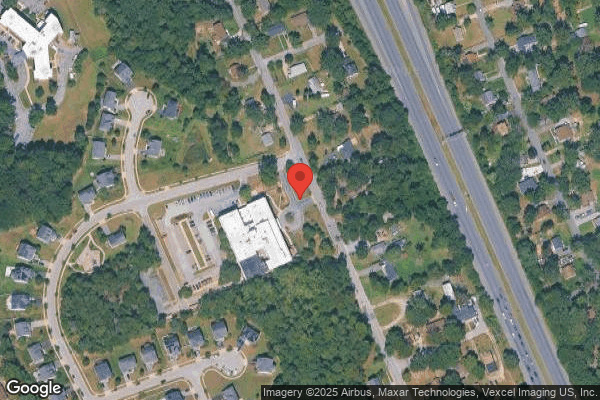
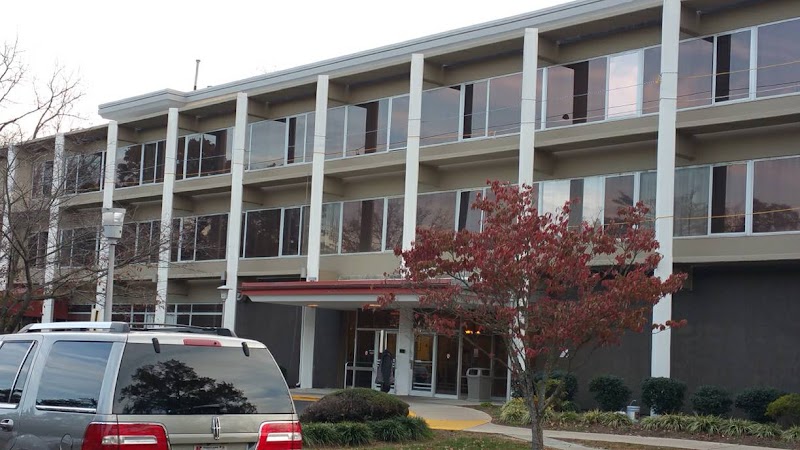
9211 STUART LANE, CLINTON, MD 20735 (301) 868-3600
For profit - Corporation 267 Beds COMMUNICARE HEALTH Data: November 2025 2 Immediate Jeopardy citations
Trust Grade
0/100
#148 of 219 in MD
Last Inspection: May 2023

Over 2 years since last inspection. Current conditions may differ from available data.

Overview

Clinton Healthcare Center has received a Trust Grade of F, indicating significant concerns about the facility's care and operations. Ranking #148 out of 219 in Maryland places it in the bottom half of nursing homes, and #15 out of 19 in Prince George's County suggests there are only a few local options that might be better. The facility is worsening, with issues increasing from 5 in 2024 to 9 in 2025. Staffing is a relative strength with a rating of 4 out of 5 stars and a turnover rate of 34%, which is below the state average, meaning staff generally remain stable. However, the facility has concerning fines totaling $82,804, indicating compliance problems, and average RN coverage, which means some critical oversight may be lacking. Specific incidents include a failure to maintain safe temperatures, resulting in residents feeling cold and needing extra clothing and blankets, and a serious incident where a resident fell due to inadequate supervision. While there are some strengths in staffing, the overall performance and safety issues present significant red flags for families considering this facility.

Trust Score
F
0/100
In Maryland
#148/219
Bottom 33%
Safety Record
High Risk
Review needed
Inspections
Getting Worse
5 → 9 violations
Staff Stability
○ Average
34% turnover. Near Maryland's 48% average. Typical for the industry.
Penalties
○ Average
$82,804 in fines. Higher than 61% of Maryland facilities. Some compliance issues.
Skilled Nurses
○ Average
Each resident gets 39 minutes of Registered Nurse (RN) attention daily — about average for Maryland. RNs are the most trained staff who monitor for health changes.
Violations
⚠ Watch
76 deficiencies on record. Higher than average. Multiple issues found across inspections.
★★☆☆☆
2.0
Overall Rating
★★★★☆
4.0
Staff Levels
★★★★★
5.0
Care Quality
★☆☆☆☆
1.0
Inspection Score
Stable
2024: 5 issues
2025: 9 issues

The Good

  • 4-Star Staffing Rating · Above-average nurse staffing levels
  • 5-Star Quality Measures · Strong clinical quality outcomes
  • Full Sprinkler Coverage · Fire safety systems throughout facility
  • No fines on record
  • Staff turnover below average (34%)

    14 points below Maryland average of 48%

Facility shows strength in staffing levels, quality measures, fire safety.

The Bad

2-Star Overall Rating

Below Maryland average (3.0)

Below average - review inspection findings carefully

Staff Turnover: 34%

12pts below Maryland avg (46%)

Typical for the industry

Federal Fines: $82,804

Well above median ($33,413)

Moderate penalties - review what triggered them

Chain: COMMUNICARE HEALTH

Part of a multi-facility chain

Ask about local staffing decisions and management

The Ugly 76 deficiencies on record

2 life-threatening 1 actual harm
Jun 2025 9 deficiencies 1 Harm
SERIOUS (G) 📢 Someone Reported This

A family member, employee, or ombudsman was alarmed enough to file a formal complaint

Actual Harm - a resident was hurt due to facility failures

Accident Prevention (Tag F0689)

A resident was harmed · This affected 1 resident

**NOTE- TERMS IN BRACKETS HAVE BEEN EDITED TO PROTECT CONFIDENTIALITY** [NAME] ' s example: Harm Based on record review and interview, it was determined that the facility failed to ensure that adequat...

Read full inspector narrative →
**NOTE- TERMS IN BRACKETS HAVE BEEN EDITED TO PROTECT CONFIDENTIALITY** [NAME] ' s example: Harm Based on record review and interview, it was determined that the facility failed to ensure that adequate supervision to prevent accidents/hazards was provided 1) during care which resulted in a fall causing harm to Resident #55. This was evident for 1 of 38 residents reviewed for complaints. The findings include: Review of complaint intake MD00212102 on 6/3/25 at 10:30am revealed that resident #55 ' s family alleged that the facility neglected to provide adequate supervision to the resident. This lack of supervision resulted in the resident having a fall incident. Review of resident #55 ' s medical record revealed a care plan that stated that the resident had ADL self-care performance deficit due to his/her immobility as of 7/3/2017. The care plan ' s interventions for the resident ' s self-care performance deficit was to have staff provide assistance with ADL care. Further review of resident #55 ' s medical record revealed an MDS assessment (Section GG) dated 10/11/24 which assessed the resident as being dependent on staff for ADL care and bed mobility which included being rolled from left to right from a lying position. On 6/4/25 at 11:00am, the DON provided the surveyor with a copy of the November 2024 GNA Kardex for resident #55. Review of the GNA Kardex for November 2024 revealed that the resident was totally dependent on nursing staff for toileting hygiene and being rolled from left to right on 11/20/24 (the day of the fall incident). Also, the resident required two person assistance for both toileting hygiene and being rolled from left to right on 11/20/24. Further review of resident #55's medical record revealed a change in condition document dated 11/20/24 which reported that the resident had a fall incident at approximately 2:30pm. The change in condition stated that GNA #18 was providing ADL care for the resident when the fall incident occurred. GNA #18 was turning the resident when he/she slid off the bed onto the floor. Another change in condition document dated 11/20/24 at 5:47pm stated that the resident complained of pain in both legs after the fall incident. The facility transferred the resident to the local hospital for further evaluation. Interview with the Director of Nursing (DON) on 6/4/25 at 9:30am confirmed that resident #55 had a fall incident on 11/20/24 that resulted in the resident being transferred to the local hospital for evaluation. The DON also confirmed that the facility did not report the fall incident because facility nursing staff witnessed the fall incident. The DON provided the surveyor with the fall incident investigation. Review of the facility fall investigation on 6/4/25 at 10:00am revealed that the fall investigation contained two witness statements from GNA #18 and RN Unit Manager #19, a copy of the resident ' s care plan, and a copy of the change in condition documents from 11/20/24. The witness statement from GNA #18 dated 11/20/24 stated that he/she was providing ADL care and asked resident #55 to assist him/her in turning the resident to his/her left side. GNA #18 was standing on the resident ' s right side and turning the resident to his/her left side when the resident slid from the bed to the floor. GNA #18 stated that he/she lowered the bed and called for help to assess the resident. The witness statement from RN Unit Manager #19 stated that GNA #18 was re-educated on how to call for help at all times during resident care. On 6/4/25 at 10:12am, the surveyor interviewed GNA #18. During the surveyor interview, GNA #18 confirmed that he/she witnessed resident #55 fall from his/her bed on 11/20/24 when GNA #18 was turning resident #55 onto his/her left side during ADL care. GNA #18 also confirmed that he/she raised the height of the resident ' s bed to his/her waist, which was at least 30 inches from the floor, to make changing the resident easier for the GNA. GNA #18 stated he/she asked the resident to use the upper bed rails (enablers) to assist with turning the resident to his/her left side. GNA #18 then stated that he/she witnessed the resident continue to roll toward the left side with the resident ' s legs sliding off the bed. GNA #18 stated that he/she tried to stop the resident from rolling off the bed but he/she was unable to stop the resident because the resident was a big person. GNA #18 then stated that he/she called for help and RN Unit Manager #19 came into the resident ' s room to assess and assist with the resident after the fall. GNA #18 then stated that RN Unit Manager #19 assessed the resident for damage. The resident complained of pain to his/her knee. GNA #18 and another staff member used the hoyer lift to transfer the resident from the floor to the bed. GNA #18 stated that he/she was later educated on how to roll a resident and that the resident was a 2 person assist. Surveyor interview with RN Unit Manger #19 on 6/4/25 at 12:10pm confirmed that resident #55 was known to require 2 person assistance when the resident needed to be turned. RN Unit Manager #19 stated, the resident is heavy .and needs to have two people assisting .when the resident needs to be turned. The other person can stop the resident from falling off the bed . Interview with MDS Coordinator #20 on 6/4/25 at 2:49pm confirmed that the resident required two personal assistance for toileting hygiene, personal hygiene and rolling left to right. On 6/4/2025 at 10:05am, the DON provided the surveyor with the emergency room report from the local hospital for resident #55 ' s visit on 11/20/24. Review of the emergency room report from the local hospital revealed that the resident was sent to the local hospital after a fall on 11/20/24 and complaining of pain to the left hip. The local hospital assessed the resident and found that the resident had a fracture to the left leg. The surveyor informed the Executive Director and the DON on 6/5/25 at 9:30am of the deficient practice of failing to provide adequate supervision that caused harm to resident #55 on 11/20/24.
CONCERN (D) 📢 Someone Reported This

A family member, employee, or ombudsman was alarmed enough to file a formal complaint

Potential for Harm - no one hurt, but risky conditions existed

Grievances (Tag F0585)

Could have caused harm · This affected 1 resident

Based on medical record review and interview, the facility failed to make prompt efforts to resolve a resident's grievance and also failed to keep the resident appropriately apprised of the progress t...

Read full inspector narrative →
Based on medical record review and interview, the facility failed to make prompt efforts to resolve a resident's grievance and also failed to keep the resident appropriately apprised of the progress toward resolution. This was evident for 1 (#25) of 55 residents reviewed in a complaint survey. The findings include: Review of a complaint MD 00217656, sent to the Maryland's Office of Health Care Quality (OHCQ), on 5/22/25 at 8:00 AM revealed that the complaint was sent by the Ombudsman alleging that the facility failed to promptly resolve resident #25's grievance of reimbursement for a missing prosthetic leg. Review of resident #25's medical record on 5/22/25 at 8:30 AM revealed no evidence that the facility misplaced the resident's prosthetic leg. Interview with the Ombudsman on 5/22/25 at 12:15 PM revealed that resident #25's prosthetic leg was missing since 1/2025. The Ombudsman stated that the resident complained to the facility that his/her prosthetic leg was missing from his/her belongings since 1/2025. The resident received no updates on the location of the prosthetic leg and decided to contact the Ombudsman for assistance in 3/2025. The Ombudsman contacted the facility in 3/2025 about the missing prosthetic leg and received no updates on the location of the prosthetic leg. The Ombudsman sent an email to the facility's social worker director on 4/29/25 about the resident's missing prosthetic leg. The facility provided no updates on the location of the missing prosthetic leg nor solutions for replacing the missing prosthetic leg as of the time of the interview. Interview with the Executive Director on 5/27/25 at 8:30 AM confirmed that the facility was aware of resident #25's missing prosthetic leg. The Executive Director admitted that the resident's prosthetic leg was possibly misplaced as of 11/2024 when the facility was evacuated due to loss of heat. As of the date of the interview, the facility had failed to find the resident's prosthetic leg. The Executive Director also admitted that no efforts were made to reimburse or replace the resident's prosthetic leg until the resident returned from medical treatment. The surveyor pointed out that the resident returned to the facility on 5/22/25. The Executive Director stated that the facility would work on replacing the missing prosthetic leg.
CONCERN (D) 📢 Someone Reported This

A family member, employee, or ombudsman was alarmed enough to file a formal complaint

Potential for Harm - no one hurt, but risky conditions existed

Free from Abuse/Neglect (Tag F0600)

Could have caused harm · This affected 1 resident

Based on record review and staff interview; it was determined that the facility failed to protect their residents from verbal abuse from a facility staff member. This was evident for 1 (#46) of 55 res...

Read full inspector narrative →
Based on record review and staff interview; it was determined that the facility failed to protect their residents from verbal abuse from a facility staff member. This was evident for 1 (#46) of 55 residents reviewed during a complaint survey. The findings include: Review of facility reported incident (FRI) MD00217347 on 5/29/25 at 8:00 AM revealed the FRI alleged that Geriatric Nursing Assistant (GNA) #13 verbally abused Resident #46 while providing ADL care. Review of Resident #46's medical record on 5/29/25 at 8:30 AM revealed a care plan for psychosocial well-being. The intervention for this psychosocial well-being was listed as encouragement for communication. The Director of Nursing (DON) provided the surveyor with the facility investigation of the alleged verbal abuse incident. Review of the facility investigation on 5/29/25 at 10:00 AM revealed the incident occurred on 5/2/25. GNA #13 made comments about the number of bowel moments being made by resident #46. The facility investigation determined that the allegation of verbal abuse was unsubstantiated. The facility's investigation also contained a statement from GNA#13 which admitted that GNA#13 told resident #46 that he/she shouldn't be in the facility but in a hospital. The facility investigation also contained a list of nursing staff that received re-education on abuse prohibition. The list of nursing staff did not contain GNA #13. Interview with the DON on 5/29/25 at 11:10 AM revealed that Resident #46's family reported that the resident was upset about the statements made by GNA #13 when she/he was providing ADL care on 5/2/25. The surveyor asked why did the facility consider the allegation of verbal abuse as unsubstantiated? The DON confirmed that GNA #13 admitted to the statements that upset resident #46 but the DON stated that GNA #13 did not mean to hurt the resident's feelings and provided adequate ADL care after the incident. The surveyor pointed out that verbal abuse is based on how the resident feels about the incident and the resident believed that he/she was verbally abused.
CONCERN (D) 📢 Someone Reported This

A family member, employee, or ombudsman was alarmed enough to file a formal complaint

Potential for Harm - no one hurt, but risky conditions existed

Report Alleged Abuse (Tag F0609)

Could have caused harm · This affected 1 resident

Based on review of facility documents and staff interview it was determined the facility failed to report an allegation of abuse immediately but not later than 2 hours after an allegation was made. T...

Read full inspector narrative →
Based on review of facility documents and staff interview it was determined the facility failed to report an allegation of abuse immediately but not later than 2 hours after an allegation was made. This was evident for 1 (#21) of 19 residents reviewed for abuse during a complaint survey. The findings include: On 5/22/25 at 1:09 PM, a review facility reported incident, MD00205036, which alleged that Resident #21 sustained a scratch to his/her face during an altercation with Resident #2, resulting in Resident #21 being transferred to the hospital emergency department for further evaluation. The facility's investigation documented the incident had occurred on 4/3/24 at 6:30 PM. The facility's investigation did not include documentation as to when the incident was sent to OHCQ or when the final report was sent. The above concern was discussed with the Director of Nurses (DON) on 5/22/25 at approximately 1:30 PM and the surveyor requested email confirmation of when facility report sent to state office. On 5/22/25 at 2:18 PM, the DON reported to the surveyor that email confirmations of when above facility reported incident was sent to OHCQ were permanently deleted and no longer available for the DON to provide to the surveyor.
CONCERN (D) 📢 Someone Reported This

A family member, employee, or ombudsman was alarmed enough to file a formal complaint

Potential for Harm - no one hurt, but risky conditions existed

Investigate Abuse (Tag F0610)

Could have caused harm · This affected 1 resident

Based on medical record review and interview with facility staff and the review of a facility reported incident (FRI), it was determined that the facility staff failed to 1. thoroughly investigate an ...

Read full inspector narrative →
Based on medical record review and interview with facility staff and the review of a facility reported incident (FRI), it was determined that the facility staff failed to 1. thoroughly investigate an injury (bruising) of unknown origin and 2. failed to thoroughly investigate allegations of abuse. This was evident during the review of 2 of 19 facility reported incidents. Residents (#20 and #21) The findings include: 1. Review of the facility reported incident #MD208608 on 6/2/25 at 12:57 PM revealed a concern related to a new discoloration observed around Resident #20's right upper eye lid. Secondary to Resident #20's diagnosed intellectual disabilities s/he was unable to give a verifiable account of what happened to cause this newly identified injury. According to an electronic medical record review, Resident #20 is also diagnosed with muscle weakness and lack of coordination. Further review at this time of the facility investigation report revealed that the facility determined that the allegation of abuse was 'unsubstantiated' after reviewing all documents and witness statements. A comparative review was completed on 6/3/25 at 12:00 PM of the staff schedules from 8/7, 8/8 and 8/9/24 to the staff that were interviewed. There were 8 identified staff that marked 'no' for all 3 questions related to the investigation into the alleged abuse of Resident #20, including 1. Did you work with [Resident #20] on 8/7, 8/8 or 8/9, that were assigned to work with Resident #20 according to the scheduled assignments provided to the surveyor by the DON on 6/3/25. Surveyor interviewed the unit manager staff LPN #16 on 6/4/25 at 8:28 AM regarding the interviews that she conducted on 8/12/24. She was asked about her process in determining who to interview during an investigation and she stated that she will look at the schedule as to who was assigned to the resident. The statements from the FRI for Resident #20 were reviewed concurrently at this time with staff #16. The concern that there were multiple staff assigned to Resident #20 between 8/7-8/9 that marked 'no' when in fact they did care for Resident #20 was discussed. She was then asked if she reviewed the acquired statements and interviews and she stated 'yes.' At this time the actual schedules of the staff for 8/7-8/9 were reviewed. The concern that there were staff assigned to Resident #20 whose statements stated 'no' regarding caring for Resident #20 during that same time frame was reviewed and shown to staff #16. Staff #16 was also asked if it was standard practice to interview yourself for an abuse investigation as she had completed an interview and signed her name as the witness and name/title of the person taking the statement, she had no response. The conclusion into the facility allegation of abuse of Resident #20 was that Resident #20 bumped his/her eye on the radiator that was located next to his/her bed as this resident, according to the investigation, nodded his/her head yes/no when asked specific questions, although the statements gathered were false and not verified. This concern was reviewed at this time with staff #16 and was previously reviewed with the facility DON on 6/3/25 and again during exit on 6/5/25. 2. On 5/22/25 at 1:09 PM, a review of the facility's investigation file for self-report MD00204541, which was an allegation of abuse related to a resident-to-resident altercation, was conducted. The initial self-report documented that on 4/3/24, staff heard a noise coming from the 2nd floor dining room and found Resident #21, and Resident #2 involved in an altercation in the dining room and separated the 2 residents. Resident #21 sustained a scratch to his/her left face, caused by Resident #2 during the altercation, 911 was called, and Resident #21 was transferred to the ER (emergency room) for evaluation of the scratch on his/her left face. The self-report further documented that Resident #21 returned to the facility after having a CT (computed tomography) scan (medical imaging procedure) and no abnormalities were seen and documented that after reviewing all documents, including statements, the allegation was substantiated The self-report documented the incident occurred on 4/3/24 at 6:30 PM, however there was no documentation found in the self-report to indicate the name of the staff who first became aware of the incident. The self-report indicated that Resident #21 and Resident #2 were not able to accurately describe what happened or caused the altercation and no one witnessed the altercation, however when staff arrived in the dining room, staff observed Resident #21 holding Resident #2's wheelchair and a scratch was visible on Resident #21's left face. Continued review of the facility's investigation revealed the facility failed to thoroughly investigate the resident-to-resident altercation. The facility's investigation included 6 Witness Statement forms which were completed by staff. On the forms, the Name And Title Of The Witness, the Name/Title Of Person Taking the Statement, and the Date of Occurrence, were printed on the forms with a space for the witness to fill in the information, followed the heading Summary of Statement', and the questions 1. Were you present during the altercation with both residents?, 2. Did you work with this resident today?, 3. Did you suspect any concerns with the two residents in question? If yes, who did you report to? What was going on?, and 4. If you heard a noise in the dining room, were residents separated?. Following each question, the potential response of Yes and No was printed Review of the witness statements revealed that 6 of the 6 staff documented the date the incident occurred was 4/4/24, which contradicted the facility's self-report which documented the resident-to-resident altercation occurred on 4/3/34. In response to the question, were you present during the altercation with both residents, 6 of 6 staff circled the response no, indicating the staff member had not witnessed the altercation. In response to the question . If you heard a noise in the dining room, were residents separated?, 5 of 6 staff circled no, and 1 staff did not answer the question. All of the witness statements documented that none of the employees were present during the alteration. with both residents. There were no statements from the staff heard the noise coming from the 2nd floor dining room, the staff who responded to the noise in the dining room or the staff that separated the residents and determined an altercation between Resident #21 and Resident #2 had occurred. The facilities investigation included Abuse Questionnaire forms that asked residents Has staff, a resident or anyone else here abused you, this includes verbal, physical or sexual abuse:? Did you tell staff? Have you seen any resident here being abused? and Did you tell staff?, The facility's investigation included 2 Abuse Questionnaire forms that indicated 50 residents were interviewed for abuse, however, there the abuse questionnaire forms failed to include any resident names, only room numbers and there was no documentation on the forms to indicate who interviewed the residents. The facility's investigation included 12 Weekly Comprehensive Head to Toe Skin Assessment Report forms which had a space to document the resident's name, room number, the employee name, the date, a place to check whether the skin was normal or abnormal, and the statement if abnormal, record site of affected area(s) followed by an outline of the back and front person to document any skin irregularities. Review of the Skin Assessment Report forms revealed the resident's name, and his/her room number were handwritten on each of the assessment forms. The statement, No Skin Issues was handwritten on 11 of the 12 assessment forms included with the facility's investigation, and one form had no documentation to indicate the status of a resident's skin. There was no date documented on 10 of the 12 assessments to indicate when the assessment had been completed, and the name of the employee(s) that completed the skin assessments was not documented on 12 of the 12 assessments A skin assessment form for the scratch on Resident #21's left face was not found with the facility's investigation. Review of Resident #21's medical record revealed, on 4/3/24 at 7:31 PM in a Skin Grid Non-Pressure note, the nurse documented Resident #21 had a new non-pressure wound, and documented the wound was a scratch to left face that was red, moist grainy, optimal granulation with no exudate. The area to document the size of the wound was blank. Continued review of the facility's self-report and the resident's medical record medical record failed to reveal documentation of the size, depth and width of the scratch on Resident #21's left face which warranted a transfer to the hospital emergency room. The above concerns were discussed with the Director of Nurses (DON) on 5/22/25 at 3:05 PM and the DON acknowledged the concerns at that time.
CONCERN (D) 📢 Someone Reported This

A family member, employee, or ombudsman was alarmed enough to file a formal complaint

Potential for Harm - no one hurt, but risky conditions existed

Deficiency F0628 (Tag F0628)

Could have caused harm · This affected 1 resident

Based on record review and interview, it was determined that facility staff failed to notify a resident in writing of a pending discharge and failed to ensure that the discharge was documented in the ...

Read full inspector narrative →
Based on record review and interview, it was determined that facility staff failed to notify a resident in writing of a pending discharge and failed to ensure that the discharge was documented in the medical record. This was evident for 1 (#27) of 1 resident reviewed for discharges. The findings include: On 5/21/25 at 1:10 PM a review of complaint #MD00213157 revealed the complainant alleged Resident #27 had not received appropriate notice of the facility's intent to discharge him/her. A medical record review for Resident #27 on 5/27/25 at 1:31 PM revealed in the progress notes that the resident was discharged from the facility, however, there was no written notice of discharge. In Addition, staff failed to document discussion with the resident regarding discharge planning, the resident's input regarding the discharge, and the reason for the discharge. On 5/22/25 at 9:46 AM an interview with Social Worker Designee Staff #23 confirmed she worked with Resident #27 regarding discharge planning. She reported she had discussions with the resident about discharge and the resident was not sure where to go upon discharge. She reported the resident was not asking to be discharged and the reason for the discharge was because the resident's insurance was ending. When asked if she had issued a 30-day discharge letter to the resident she reported that the business office would handle that. An interview with the Business Office Manager on 5/22/25 at 10:19 AM revealed she received a notice from their corporate office Social Worker that the resident's insurance was ending on 12/4/24, however they did not issue a written 30-day notice to the resident. The resident was told verbally and was given the option to appeal. She stated this was the facility's normal practice to not issue a 30-day notice in writing when the resident's insurance was ending. This was reviewed with the Nursing Home Administrator on 6/5/25 at 9:20 AM. She acknowledge the concern.
CONCERN (D) 📢 Someone Reported This

A family member, employee, or ombudsman was alarmed enough to file a formal complaint

Potential for Harm - no one hurt, but risky conditions existed

Comprehensive Care Plan (Tag F0656)

Could have caused harm · This affected 1 resident

Based on record review and staff interview, it was determined that facility staff failed to develop resident-centered comprehensive care plans for their residents. This was evident for 3 (#8, #27, and...

Read full inspector narrative →
Based on record review and staff interview, it was determined that facility staff failed to develop resident-centered comprehensive care plans for their residents. This was evident for 3 (#8, #27, and #53) of 38 residents reviewed for complaints. The findings include: A care plan is a guide that addresses the unique needs of each resident. It is used to plan, assess, and evaluate the effectiveness of the resident's care. The MDS (Minimum Data Set) is a complete assessment of the resident which provides the facility information necessary to develop a plan of care, provide the appropriate care and services to the resident, and to modify the care plan based on the resident's status. Elopement is defined as a situation in which a resident leaves the premises or a safe area without the facility's knowledge and supervision, if necessary, would be considered an elopement. 1) On 5/28/25 at 3:46 PM during a review of the facility report incident investigation file for incident #MD00206569 it was revealed that on 6/12/24, facility staff were unable to find Resident #8 and s/he was found the next day at a nearby shopping center parking lot. A review of the resident's statement revealed that s/he had paid someone to push them in their wheelchair to the nearby shopping center, however, due to the resident's physical limitations s/he was unable to get back to the facility. An electronic medical record review on 5/28/25 at 4:17 PM, for Resident #8 revealed under the assessment tab the resident was assessed for elopement risk on admission and quarterly and found to be no risk. A review of the physician's orders revealed the resident had an order dated 10/19/22 that read the resident could go on a leave of absence with supervision. The MDS with the assessment reference date of 5/31/24 revealed the resident had no cognitive impairment and was wheelchair bound. Further review revealed that after the incident on 6/12/24, the elopement risk assessment conducted on 6/21/24, the nurse documented the resident had not eloped in the past. The facility failed to develop a care plan for elopement and implement interventions to ensure this incident does not occur again. On 5/28/25 at 4:17 PM an interview with the Director of Nursing (DON) revealed he failed to recognize the incident on 6/12/25 as an elopement because of the resident cognitive status and failed to ensure that interventions were put into place to prevent further elopements. An interview with the Nursing Home Administrator (NHA) on 5/29/25 at 8:42 AM revealed she failed to recognize this incident as an elopement. 2) A medical record review for Resident #27 on 5/27/25 at 1:31 PM revealed in the progress notes that the resident was discharged from the facility, however, there was no discharge care plan included. On 5/22/25 at 9:46 AM an interview with Social Worker Designee Staff #23 revealed she initiated a care plan for each new admission that was assigned to her. She confirmed that Resident #27 was assigned to her, however, she had no rationale as to why she failed to initiate a discharge care plan for the resident. The concerns were reviewed with the Director of Nursing (DON) on 5/28/25 at 4:37 PM and he acknowledged the concerns. 3) Review of complaint MD00207518 on 6/2/25 at 10:48 AM sent to the Office of Health Care Quality (OHCQ) revealed that Resident #53 was malodorous from the facility nursing staff failing to change the resident and provide ADL care. Review of Resident #55's medical record on 6/2/25 at 11:10 AM reveal no care plan for incontinence. A document dated 6/20/24 titled bowel elimination pattern assessed the resident has being bowel incontinent. MDS assessments dated 6/19/24 and 2/10/25 assessed the resident has being frequently incontinent of bowel and bladder. During an interview with the Director of Nursing (DON) on 6/3/25 at 8:00 AM, the surveyor informed the DON that the facility failed to provide an incontinence care plan for Resident #53.
CONCERN (D) 📢 Someone Reported This

A family member, employee, or ombudsman was alarmed enough to file a formal complaint

Potential for Harm - no one hurt, but risky conditions existed

Deficiency F0761 (Tag F0761)

Could have caused harm · This affected 1 resident

Based on observation during tour and interview with facility staff, it was determined that the facility staff failed to ensure that the facility stock medications and supplies were maintained in a sec...

Read full inspector narrative →
Based on observation during tour and interview with facility staff, it was determined that the facility staff failed to ensure that the facility stock medications and supplies were maintained in a secure fashion. This was found evident during one of the random tours completed during the complaint survey on 1 of 3 units. The findings include: During the tour of the facility on 5/28/25 around 10:20 AM of the back hall that connects 3 East and 3 West, fully accessible to residents, the survey team identified an open room filled with boxes and contractor equipment. Upon closer inspection and observation, inside the numerous unorganized boxes were multiple bags of bottles and random bottles laying in the boxes of the following medications: Vitamin D 1250 milligram (mg) capsules Aspirin 81 mg Deep Sea premium nasal Spray Ferrous Sulfate 325 mg supplement Zinc 50 mg Acetaminophen extra strength 500 mg Stress Formula high potency dietary supplement Cranberry Dietary supplement Melatonin 3mg supplement Iron Tablets 325 mg supplement, Elemental Ferrous 65mg Multiple cases of Jevity 1.0 Calorie-supplemental gastrostomy tube feeding Additionally, there were multiple boxes of the following medical supplies found: Assure Platinum glucose test strips Magellan brand hypodermic safety needles Within the room there was also an unsecured contractor ladder and large spools of wire that were in use intermittently by the contractors for the repairs currently being completed in the facility. At 10:30 AM on 5/28/25 one of the contractors was interviewed regarding their access to the room. They stated that it was unlocked by 'someone' that morning at approximately 8:15 AM and the room has stayed open since then. A tour was completed with the facility Nursing Home Administrator (NHA) on 5/28/25 at 11:40 AM to show her the concerns that were observed by the survey team. She was shown the plethora of medications that were accessible in addition to the boxes of needles and unsecured contractor equipment. Staff #21 who was identified as the central supply employee who unlocked the door this morning, was interviewed at 1:06 PM on 5/28/25. He stated that 'yes' there are supplies in there and he goes in throughout the day to get what's needed and it is usually locked but was left open for the contractors. The concern about the unsecured medication was reviewed with the facility NHA on 5/28/25 and again during exit on 6/5/25.
CONCERN (D) 📢 Someone Reported This

A family member, employee, or ombudsman was alarmed enough to file a formal complaint

Potential for Harm - no one hurt, but risky conditions existed

Medical Records (Tag F0842)

Could have caused harm · This affected 1 resident

**NOTE- TERMS IN BRACKETS HAVE BEEN EDITED TO PROTECT CONFIDENTIALITY** Based on medical record review and staff interview, it was determined the facility staff failed to maintain a medical record in ...

Read full inspector narrative →
**NOTE- TERMS IN BRACKETS HAVE BEEN EDITED TO PROTECT CONFIDENTIALITY** Based on medical record review and staff interview, it was determined the facility staff failed to maintain a medical record in the most accurate form. This was evident for 1 (#47) of 17 facility reported incidents reviewed and 1 (#35) of 38 residents reviewed for complaints. The findings include: 1) A medical record is the official documentation for a healthcare organization. As such, it must be maintained in a manner that follows applicable regulations, accreditation standards, professional practice standards, and legal standards. All entries to the record should be legible and accurate. resident records. Resident #47 was admitted to the facility on [DATE]. Resident #47's closed record was reviewed on [DATE] which revealed a MOLST form was completed on [DATE] by CRNP#1. The front page of the MOLST form did not indicate what Resident #47's wishes for life sustaining care. (Full Code, No CPR) In an interview with CRNP#1 on [DATE] at 2 PM, CRNP#1 reviewed Resident #47's [DATE] MOLST form and stated that s/he did not realize that s/he had not completed the first page after speaking with Resident #47 on [DATE]. 2) A review of Resident #35's medical record on [DATE] at 9:10 AM revealed 2 progress notes written by Staff Developer #24 on [DATE]. She made a late entry note for [DATE] and [DATE], documenting Resident #35 had refused his/her shower, the resident was educated, and the resident representative and physician were notified. This indicated that the refusal, education, and notifications occurred on [DATE] and [DATE]. A review of the Geriatric Nursing Assistant (GNA) documentation there was no refusal documented for the shower, but that a bed bath was given. On [DATE] at 10:35 AM an interview with Staff Developer #24, revealed she was the Unit Manager for the unit that Resident #35 resided when these notes were created. She reported she was auditing showers and when she found the resident refused and the assigned nurse had not made a note she would create a progress note. She reported that the showers were refused on [DATE] and [DATE] based on the shower sheets, however the education and notifications occurred on another date which may have not been on [DATE] when she wrote the note. The concerns were reviewed with the Director of Nursing (DON) on [DATE] at 9:01 AM and agreed that the progress notes did not accurately reflect what had occurred.
Dec 2024 5 deficiencies 1 IJ (1 facility-wide)
CRITICAL (L) 📢 Someone Reported This

A family member, employee, or ombudsman was alarmed enough to file a formal complaint

Immediate Jeopardy (IJ) - the most serious Medicare violation

Safe Environment (Tag F0584)

Someone could have died · This affected most or all residents

⚠️ Facility-wide issue

**NOTE- TERMS IN BRACKETS HAVE BEEN EDITED TO PROTECT CONFIDENTIALITY** Based on observation, record review and staff interview, it was determined that the facility failed to maintain a safe temperatu...

Read full inspector narrative →
**NOTE- TERMS IN BRACKETS HAVE BEEN EDITED TO PROTECT CONFIDENTIALITY** Based on observation, record review and staff interview, it was determined that the facility failed to maintain a safe temperature of 71-81 degrees Fahrenheit (F). This was evident for 3 of 3 floors in the facility. The findings include: The Center for Disease Control's (CDC) Preventing Hypothermia publication on 2/7/24, read that victims of hypothermia are often: older adults with inadequate heat. www.cdc.gov. On 12/2/24 at 1:00 PM an observation in the lobby of the facility revealed it felt cold, and residents and staff were wearing coats, hats, and gloves. During an observation of the 1st floor nursing unit on 12/2/24 at 3:45 PM it felt cold on the unit. There were large heating units located sporadically in the hallways. Residents were observed wearing coats, hats, gloves, and some had extra blankets on the bed. During the observation Resident #1 was lying in bed wearing a sweatshirt with the hood pulled up and an extra fleece blanket covering them. The resident reported that they were cold. An observation in the hallway revealed there was no portable heating unit near this room. On 12/2/2024 at 4:05 PM an observation of Unit 2 revealed Resident #2 lying in bed with the covers on, but no extra blankets were on the bed. Resident #2 stated s/he was cold but was getting used to it. Furthermore, the resident reported that it was cold in the building when they were admitted to the facility before Thanksgiving Day. An observation of the hallway outside the resident ' s room revealed there was no portable heater within sight of this room. On 12/2/24 around 7:50 PM the temperature of Resident #2 ' s room was taken and found to be 50 degrees F. On 12/2/24 at 4:30 PM the temperature logs the facility provided revealed that they were taking a temperature on each floor every hour and failed to check the resident ' s room temperatures. The facility had the capacity to house 247 residents and there were 40 - 50 rooms on the 2nd and 3rd floors. The first floor had approximately 15 rooms. The surveyors conducted individual room temperatures on each unit with maintenance staff taking the temperatures on 12/2/24 at 7:50 PM. Temperatures were obtained on the 3rd floor in 51 resident rooms and 1 day room of the ceiling and the floor. The temperatures ranged from 45 - 61.1 degrees. room [ROOM NUMBER] had the coldest temperature of 45 degrees F. This room was occupied by 3 residents at the time the temperature was obtained. Temperatures were obtained on the 2nd floor in 50 rooms of the ceiling and floor. The temperatures ranged from 46.3 - 69.3 degrees. The temperatures were obtained on the 1st floor in 15 rooms of the ceiling and the floor. The temperatures ranged from 56 - 66.4 degrees. An interview with the Divisional Facility Manager Staff #3 on 12/2/24 at 1:44 PM revealed he had typed a timeline of the events. Review of the timeline was conducted during the interview. According to the timeline following occurred: facility staff determined on 11/30/24 at 8:30 PM there was a leak in the boiler system causing the heat to go out; portable heaters were installed in the facility on 11/30/24 by 11:00 PM; on 11/30/24 at 9:15 PM the first attempt was made to fix the problem; on 12/1/24 at 10:00 AM the facility identified the boiler had low pressure and was still not working; On 12/1/24 at 7:00 PM, they determined a pipe was broken and needed to be replaced ; and on 12/1/24 at 9:00 PM they scheduled contractors to come to the facility and fix the pipe. Staff #3 reported that facility staff were obtaining room temperatures starting on 11/30/24 at 8:00 PM and continued to take them hourly. However, a later review of these temperatures on 12/2/24 at 4:30 PM revealed the temperatures were not taken in each room, but on each floor. On 11/30/24 starting at 8 pm and ongoing each hour the temperature ranges were as follows: 1st floor 60- 61 degrees, 2nd floor 58 - 61 degrees, and 3rd floor 57 - 60 degrees. On 12/1/24: 1st floor 51 - 62 degrees, 55 - 64 degrees, and 3rd floor 58 - 65 degrees. He reported that the contractors had identified the issue on 12/2/24 and was onsite fixing it at the time of this interview. Included in the timeline was that the Director of Nursing (DON) had interviewed all the residents, and they declined to evacuate, however this was later found to be inaccurate as he had interviewed 8 residents. On 12/2/24 at 2:33 PM An interview with the DON and Nursing Home Administrator (NHA) revealed he had interviewed a few residents on 11/30/24 to determine if they wanted to be evacuated from the building. He stated he had not documented this information in the resident ' s medical records but had recorded it on a census sheet that had been printed. A review of the census report he provided revealed he asked 8 of 233 residents. He failed to contact any resident representatives for residents who were incapable of making decisions and/or were unable to verbalize what they wanted. When asked what interventions he initiated to keep the residents safe, he stated they offered coats, hats, gloves, and blankets to the residents. An interview with Registered Nurse (RN) #7 on 12/2/24 at 8:30 PM revealed that she was working on the day the heat went out and reported there were no blankets to offer the residents, and they had to give them extra fitted sheets. She stated she was wearing her winter jacket to work on the unit over the weekend. A subsequent interview with the NHA on 12/2/24 at 3:19 PM revealed they failed to start the evacuation process until 12/2/24 at 8:30 PM and had evacuated 11 of their 233 residents at the time of the interview. When asked her rationale for waiting to evacuate residents from a building with no heat source she reported that all the residents had been interviewed and did not want to evacuate. When asked if she had called any resident representatives to ask them about evacuating their residents, she stated she had not. Reminded the NHA that in the previous interview with the DON, he reported he had only asked a few residents and did not call any resident representatives. The NHA stated that some residents told staff they would leave if the heat was not fixed by Monday, 12/2/24, and this was why she decided to evacuate today. However, the facility was unable to provide any documentation that residents had been asked about evacuation and said they would leave on Monday. She reported the evacuation plan was to send all the residents to sister facilities. She reported the sister facility had identified 100 beds, but they were still getting responses. She reported that if their sister facilities did not have enough beds, they would start reaching out to other facilities we have contracted with. However, they had not established any contracts with other local facilities for an evacuation if needed except for sister facilities. She reported they had not secured a place close by that would allow them to immediately evacuate all the residents to one place in the case of an emergency. Furthermore, she had not reached out to the local emergency management system for assistance. She was estimating that it would be 12/3/24, 3 days after the loss of their heat source, before all residents would be transferred out. On 12/2/24 at 1:07 PM Regional Nurse Staff #1 reported they had 103 residents who had DC Medicaid and was waiting for approval from DC Medicaid to move the residents to a facility that did not accept DC Medicaid. In addition, they were reviewing the resident ' s insurance coverage to send them to a facility that accepted the insurance. These delays were later found to be because they had not set up provisions for an emergency evacuation plan as required. A review of the evacuation plan on 12/2/24 at 4:30 PM revealed that the NHA had the authority to evacuate the residents. However, the facility had failed to set up contracts with other locations to allow for immediate evacuation of their residents in case of an emergency, such as a gymnasium or community center until they could relocate each resident to another nursing care facility. Furthermore, their plan failed to include contracts with local facilities that could take their residents to provide care in the case of an emergency regardless of their payor source. As a result of these findings, a state of immediate jeopardy (IJ) was declared on 12/2/24 at 9:15 PM and an IJ summary tool was provided to the facility at that time. The facility submitted a plan to remove the immediacy on 12/3/24 at 1:00 AM and the facility ' s written plan to remove the immediacy was accepted on 12/3/24 at 1:12 AM with an alleged date of compliance of 12/3/24. The provisions of the plan to remove the immediacy included the following: 1) Residents in rooms number 247, 117 and 335 were moved to a warmer area of the facility. 2) Assessments of current residents completed by regional and divisional teams to assure residents had no signs and symptoms of vascular changes related to temperatures. 3) The Executive Director [Nursing Home Administrator] will educate all current staff (nursing, rehab, EVS, laundry, maintenance, dietary, laundry, administrative) to organization Emergency Preparedness Plan, Relocation Plan, Extreme Cold Temperature Protocol, Temperature monitoring of facility, temperature monitoring of residents, and HVAC mediation plan, Notification of change to residents, physicians, and resident representatives. Education to be completed by 12/3/24. 4) We have relocated approximately 50 residents while repairs to our heating system have been made. We now feel we can maintain proper temperatures throughout the facility. 5) Remaining residents will be located in rooms that have reached the range of 71-81 degrees Fahrenheit by 12/3/2024 at 3 a.m. Current resident temperatures will be monitored hourly and documented on the unit census sheet by Unit Managers. Facility environmental temperatures will be monitored hourly and documented on a temperature log by the Maintenance Director. If it is found that we are still experiencing temperature issues we will look to relocate our remaining residents. 6) Executive Director to review audits daily x 12 weeks to assure temperatures of facility and residents remain within acceptable temperature parameters. On 12/4/24 and 12/5/24, an onsite visit was conducted. After validation of the implementation of the facility ' s plan of removal, which included staff interviews, record reviews and direct observation, it was determined the facility met the minimum standards of compliance to remove the findings of an Immediate Jeopardy on 12/5/24 at 5:30 PM with a compliance date of 12/5/24 and not 12/3/24 as stated in the plan.
CONCERN (D) 📢 Someone Reported This

A family member, employee, or ombudsman was alarmed enough to file a formal complaint

Potential for Harm - no one hurt, but risky conditions existed

Notification of Changes (Tag F0580)

Could have caused harm · This affected 1 resident

**NOTE- TERMS IN BRACKETS HAVE BEEN EDITED TO PROTECT CONFIDENTIALITY** Based on interviews and medical record reviews, it was determined that the facility failed to inform the residents responsible p...

Read full inspector narrative →
**NOTE- TERMS IN BRACKETS HAVE BEEN EDITED TO PROTECT CONFIDENTIALITY** Based on interviews and medical record reviews, it was determined that the facility failed to inform the residents responsible party of a new medical treatment plan. This deficient practice was evident during a complaint revisit. The findings include: The Resident #4 was admitted to [NAME] Healthcare Center on 01/28/25 with multiple diagnosis, including cognitive communication deficit, and dysphagia. A review of medical records on 02/06/25 revealed a physician's progress note from 02/05/25 documenting the resident history of dementia. On 02/06/25 at 10:22 AM, during an interview with Resident #4's responsible party (RP), they stated that during a visit on 02/5/25, a staff member asked if they had been notified of the resident's order for intravenous fluids due to abnormal labs. The RP responded that they had not been informed. The staff member then explained that a peripheral line were inserted, and intravenous fluid were administered to treat dehydration. The RP stated that no one had contacted them to inform them of the new treatment orders. On 02/06/25 at 12:18 PM, review of nursing progress notes dated 02/04/25 revealed that a 20-gauge peripheral line was inserted into the left hand of Resident #4, and sodium chloride intravenous solution was administered. No documentation to support that a staff member notified the residents' RP of new medical treatment. During an interview with the DON on 02/06/25, the surveyor inquired about a lab note documented on 02/03/25 at 8:49 AM. The surveyor asked if lab personnel would contact the residents RP concerning lab requests or new treatment orders. The DON explained that the facility staff is responsible for contacting the residents RP. On 02/06/25 at 1:26 PM, during an interview with the Administrator, Director of Nursing and Nurse Unit Manager, the surveyor explained that Resident #4's RP had not been notified of new treatment orders and peripheral line insertion. The surveyor requested documentation confirming that a staff member had informed the RP of the new treatment plan. The facility was unable to provide proof of notification.
CONCERN (E) 📢 Someone Reported This

A family member, employee, or ombudsman was alarmed enough to file a formal complaint

Potential for Harm - no one hurt, but risky conditions existed

Deficiency F0838 (Tag F0838)

Could have caused harm · This affected multiple residents

Based on record review and interview, it was determined that the facility failed to address the specific resources needed for their resident population. This was evident 103 and of 233 residents. The...

Read full inspector narrative →
Based on record review and interview, it was determined that the facility failed to address the specific resources needed for their resident population. This was evident 103 and of 233 residents. The findings include: The facility assessment is a tool for the facility to evaluate its resident population and identify the resources needed to provide the necessary care and services that residents require. On 12/4/24 at 11:50 AM, review of the most updated copy of the facility assessment provided by the Nursing Home Administrator (NHA) failed to reveal they had addressed the population of residents that had DC Medicaid (DC Medicaid is a healthcare program that pays for medical services for qualified people residing in DC. It helps pay for medical services for low-income and disabled people. These residents are unique in that they do not have Medicaid in the state (Maryland) in which they are temporarily residing and not all nursing homes accept this payer source). Therefore, they had not identified resources for them in the case of an emergency and they needed to be evacuated. An interview with Regional Nurse #1 on 12/2/24 at 1:07 PM revealed the facility had 103 residents with DC Medicaid and she was waiting on approval from DC Medicaid to relocate the residents to facilities that did not accept DC Medicaid. A subsequent interview with Regional Nurse #1 12/2/24 at 5:23 PM revealed that they had received approval, however, was unable to evacuate the residents until the following day to give them time to find places for the residents. On 12/4/24 at 3:26 PM, an interview with the NHA revealed that she did not take an active part in the review of the facility assessment for 2024 and was unable to identify who was present for the review and update. She reported she had reviewed the plan and failed to recognize these residents had not been included. Furthermore, she failed to review the sections for Other and All Hazards Risk Analysis and Emergency / Disaster Plan to ensure they included all resources need in the event of an emergency.
CONCERN (F) 📢 Someone Reported This

A family member, employee, or ombudsman was alarmed enough to file a formal complaint

Potential for Harm - no one hurt, but risky conditions existed

Administration (Tag F0835)

Could have caused harm · This affected most or all residents

**NOTE- TERMS IN BRACKETS HAVE BEEN EDITED TO PROTECT CONFIDENTIALITY** 2) On 12/3/24 at 2:12 PM, review of the facility assessment titled [NAME] Healthcare Center requested by the surveyor and provid...

Read full inspector narrative →
**NOTE- TERMS IN BRACKETS HAVE BEEN EDITED TO PROTECT CONFIDENTIALITY** 2) On 12/3/24 at 2:12 PM, review of the facility assessment titled [NAME] Healthcare Center requested by the surveyor and provided by the Nursing Home Administrator (NHA) revealed section titled, Other on page 47, which read, List contracts, memoranda of understanding, or other agreements with third parties to provide services or equipment to the facility during both normal operations and emergencies. Consider including a description of your process for overseeing these services and how those services will meet resident needs and regulatory, operational, maintenance, and staff training requirements. On 12/3/24 at 2:12 PM, further review of the facility assessment titled [NAME] Healthcare Center revealed a section titled, All Hazards Risk Analysis and Emergency / Disaster Plan, which read, Provide your facility-based and community-based risk assessment, utilizing an all-hazards approach (an integrated approach focusing on capacities and capabilities critical to preparedness for a full spectrum of emergencies and natural disasters). Note that it is acceptable to refer to the risk assessment of your emergency preparedness plan (483.73), and focus on high-volume, high risk areas. On 12/3/24 at 2:20 PM, further review of both sections of the facility assessment, Other and All Hazards Risk Analysis and Emergency / Disaster Plan, failed to reveal information that was prompted nor information that would indicate it was facility specific to [NAME] Healthcare Center. On 12/4/24 at 9:46 AM, an interview with the Nursing Home Administrator (NHA) revealed when the surveyor presented the section of the facility assessment provided titled, Other and All Hazards Risk Analysis and Emergency / Disaster Plan, she indicated that it was not the correct copy of the facility assessment. She used her laptop present during the interview to look at the copy she had saved and indicated that it was the same, incorrect copy that the surveyor obtained. Further interview with the NHA at the same time on 12/4/24 revealed that she would have to reach out to corporate for the updated facility assessment which would include facility specific details completed by the interdisciplinary team under sections titled, Other and All Hazards Risk Analysis and Emergency / Disaster Plan. She further indicated that the facility is a part of a larger organization and that, it often falls on corporate. On 12/4/24 at 3:26 PM, an interview with the NHA revealed that she did not take an active part in the review of the facility assessment for 2024 and was unable to identify who was present for the review and update. During the same interview on 12/4/24, another surveyor present asked if the NHA read the facility ' s facility assessment, and she indicated that she read everything except the bottom two sections (Other and All Hazards Risk Analysis and Emergency / Disaster Plan) On 12/4/24 at 3:31 PM, an interview with Regional Nursing Home Administrator (Staff #5) revealed that the expectation was for the Nursing Home Administrator (NHA) to take part in the review and update of the facility assessment. He further indicated that the facility uses a platform called Team Link, which the NHA had access to. On 12/6/24 at 11:15 AM, the surveyor reviewed the concern with the Nursing Home Administrator (NHA). Based on observations, record review, and interview it was determined that the facility failed to 1) use their resources appropriately to ensure the safety of their residents when they lost their primary heat source in the winter and 2) ensure that their facility assessment included all populations of residents, and the resources needed in the case of an emergency. This was evident during the survey and had the potential to affect all residents. The findings include: The Center for Disease Control's (CDC) Preventing Hypothermia publication on 2/7/24 read that victims of hypothermia are often: older adults with inadequate heat. www.cdc.gov. 1) On 12/2/24 at 1:00 PM an observation in the lobby of the facility revealed it felt cold, and residents and staff were wearing coats, hats, and gloves. An observation on the 1st floor nursing unit on 12/2/24 at 3:45 PM revealed it was cold on the unit. There was large heating units located sporadically in the hallways. Residents were observed wearing coats, hats, gloves, and some had extra blankets on the bed. Resident #1 was observed lying in bed wearing a sweatshirt with the hood pulled up and an extra fleece blanket covering them. The resident reported that they were cold. An observation in the hallway revealed there was no portable heating unit near this room. On 12/2/2024 at 4:05 PM an observation of Unit 2 revealed Resident #2 lying in bed with the covers on, but no extra blankets were on the bed. An interview with Resident #2 at the time of the observation revealed that s/he was cold but was getting used to it. An observation of the hallway outside the resident's room revealed there was no portable heater within sight of this room. On 12/2/24 around 7:50 PM the temperature of Resident #2's room was taken and found to be 50 degrees F. A review of a facility reported incident #MD00212304 on 12/3/24 at 12:00 PM revealed that the facility lost their main source of heat on 11/30/24 and had not evacuated their residents. An interview with Divisional Facility Manager # on 12/2/24 at 1:44 PM, revealed they had not fixed the heating system at the time of interview. An interview with the Nursing Home Administrator (NHA) and the Director of Nursing (DON) on 12/2/24 at 2:33 PM revealed the DON had discovered the loss of heat on 11/30/24 around 7:00 PM when multiple residents complained of being cold. When asked why the facility had not been evacuated, the NHA reported she had not evacuated residents at the time of the incident because they refused to evacuate. The DON reported he had only asked a few residents and had not talk to any resident representatives of the residents who were incapable of making decisions. Review of the census sheet provided by the DON revealed he had talked with 8 of 233 residents about evacuation. A review of the evacuation plan on 12/2/24 at 4:30 PM, revealed the NHA and DON had the responsibility to determine when an evacuation was needed. However, they failed to start evacuating residents until 12/2/24 at 8:30 AM, 36 hours after the heat went out. On 12/2/24 at 7:50 PM the surveyors observed temperatures being taken of all resident's rooms in the facility and the temperatures ranged between 45 - 61 degrees Fahrenheit. The NHA reported on 12/2/24 at 9:00 PM, 72 hours after losing heat, they were able to relocate 36 of their 233 residents. 12/2/24 at 9:15 PM the concerns were reviewed with the NHA, Regional Nurse #2, Regional Nurse #2, and the DON.
CONCERN (F) 📢 Someone Reported This

A family member, employee, or ombudsman was alarmed enough to file a formal complaint

Potential for Harm - no one hurt, but risky conditions existed

Deficiency F0843 (Tag F0843)

Could have caused harm · This affected most or all residents

Based on record review and interview it was determined that the facility failed to have a transfer agreement. This was evident during the complaint survey and had the potential to affect all residents...

Read full inspector narrative →
Based on record review and interview it was determined that the facility failed to have a transfer agreement. This was evident during the complaint survey and had the potential to affect all residents. The findings include: On 12/5/24 the Nursing Home Administrator (NHA)was asked to provide a copy of their transfer agreement. On 12/5/24 at 2:44 PM a review of the documentation provided revealed they had not included the transfer agreement. On 12/6/24 at 8:16 AM an interview with the NHA, revealed she provided the agreements with facilities in the case of an evacuation. NHA was asked to bring the transfer agreement with local hospital(s) in the event a resident needed acute care services. The NHA reported on 12/6/24 at 11:05 AM, that she was unable to locate a transfer agreement and was contacting their corporate office to see if they had one on file. During the exit conference on 12/6/24 at 11:29 AM, Regional Nurse #1 reported the facility had a transfer agreement, however was unable to locate it.
May 2023 40 deficiencies 1 IJ
CRITICAL (J) 📢 Someone Reported This

A family member, employee, or ombudsman was alarmed enough to file a formal complaint

Immediate Jeopardy (IJ) - the most serious Medicare violation

Accident Prevention (Tag F0689)

Someone could have died · This affected 1 resident

**NOTE- TERMS IN BRACKETS HAVE BEEN EDITED TO PROTECT CONFIDENTIALITY** Based on the review of a facility-reported incident, record review, and interviews it was determined that the facility failed to...

Read full inspector narrative →
**NOTE- TERMS IN BRACKETS HAVE BEEN EDITED TO PROTECT CONFIDENTIALITY** Based on the review of a facility-reported incident, record review, and interviews it was determined that the facility failed to prevent a cognitively impaired resident with a history of wandering from eloping. This was evident for 1 of 6 (Resident #211) Residents reviewed for elopement risk during an annual and complaint survey. The Maryland Office of Health Care Quality (OHCQ) determined that the concern met the Federal definition of Immediate Jeopardy. However, the facility developed, initiated, and completed an acceptable plan of correction to prevent further elopements which met all elements of past noncompliance. The period of noncompliance began on 12/21/22 and ended on 12/25/22. The facility was notified verbally on 5/4/2023 at 8:29 AM that the non-compliance was determined to be an Immediate Jeopardy past non-compliance. The findings include: On 4/20/23 at 10:16 AM, the surveyor reviewed Resident #211 ' s medical record. The review revealed that resident #211 was admitted to the facility on [DATE] with a past medical history that included but is not limited to, schizoaffective disorder, bipolar, unspecified dementia, and a cognitive communication deficit. Further review of Resident 211 ' s medical record revealed a progress note from Licensed Practical Nurse (LPN) Staff #12 that documented Resident #211 was admitted at approximately 9:57 PM from a medical center. Staff #12 further described Resident #211 as self-ambulating (walking) and adjusting to the new environment. The surveyor reviewed Resident #211 ' s admission initial evaluation assessment documented by staff LPN #13. In the section labeled Cognitive Status/Orientation, Resident #211 was documented as missing the correct year by more than 5 years, missing the correct month by more than one month, and unable to identify the day of the week. In the section labeled Behavioral Status, Resident #211 was documented as having delusions (misconceptions or beliefs that are firmly held), contrary to reality. Question 4. Asked; Has the resident exhibited exit-seeking since admission? The answer; Behavior not exhibited. The surveyor further reviewed the admission initial evaluation and noted a section labeled, Elopement Wandering Evaluation. Staff #13 answered yes to; Does the resident have a history of wandering and is there a pattern tied to the resident's past? However, on the last question in the elopement section: Based on the responses above, is the resident at risk for elopement or unsafe wandering? Staff #13 documented no. On 04/20/2023 at approximately 10 AM, a surveyor review of the Facility Reported Incident that was reported to the Office of Health Care Quality on 12/21/22, revealed that Resident #211 was admitted to the facility on [DATE], placed on 1:1 supervision, and had eloped from the facility in the early morning on 12/21/22. On 04/20/2023 at 1:26 PM, the surveyor interviewed the Director of Nursing (DON). In this interview, the DON stated the nursing supervisor was the one that established the 1:1 intervention. He also stated that it was his expectation that when a Resident is on 1:1 supervision the staff always has eyes on the resident. When asked what happened with Resident #211, the DON stated that the Geriatric Nursing Assistant (GNA) did not have eyes on the resident during a short period of time and the resident was able to walk away. The DON thought the resident left around 6 AM. On 04/21/2023 at 6:06 AM, the surveyor interviewed the night supervisor Staff #10, who had been working the night of the elopement and who determined that a GNA should be assigned to Resident #211 for a 1:1 assignment. Staff #10 stated she assigned GNA Staff #14 to have the 1:1 supervisor assignment for resident #221. During the interview staff #10 stated Resident #211 was walking around and with his/her history of dementia and his/her adjusting to a new environment it was decided it would be best to have the staff monitor Resident #211 on a 1:1. Staff #10 confirmed that there was no order for a 1:1 and no documentation of 1:1 monitoring in the medical record. On 4/21/2023 at 9:55 AM, the surveyor conducted a phone interview with GNA Staff #14. During this interview staff #14 stated that when she exited the elevator to begin her shift on the 2nd floor, Staff #10 asked her to be on a 1:1 supervision assignment with Resident #221. Staff #14 stated she was instructed to go to the third floor and try to bring Resident #221 back down to 2nd floor, where Resident #221 had been admitted . Staff #14 was able to get Resident #221 onto the elevators after stating she would get him/her a snack. After getting a snack from the first floor, Staff #14 stated she and Resident #221 returned to watch a movie in the dining room on the second floor. Staff #14 reported Resident #221 was constantly getting up and moving to different chairs. Staff #14 then stated Resident #221 eventually sat behind her and about 10 minutes after Resident #221 switched chairs to behind her a coworker walked by and asked, where was Resident #221. GNA staff #14 stated she immediately searched the 3rd, 2nd, and first floors. When Resident #221 could not be found she notified Staff #10. A review of the facility investigation stated Resident #221 was found by the Prince [NAME] County (PGC) police up the street at a shopping center. An assessment was completed with no injuries noted. A new order for a wander guard was placed and a 1:1 was ordered for increased supervision. On 4/20/23 at 10:05 AM, the surveyor interviewed the DON. The DON confirmed the police found Resident #221 at the Walmart where the Resident would have had to have crossed a 4-lane highway at a busy intersection. Resident #221 was brought back to the facility around 11 AM. The DON stated after the facility found out about the elopement, they immediately addressed the issue. They conducted a complete room search, activated the missing person code including a head count, searched the parameter then the neighborhood, all doors and alarms checked, the physician called, hospitals called, and notified police of the missing Resident and attempted to call the Resident ' s family member. The DON stated they had an AD-HOC meeting (an unscheduled meeting in response to a situation that needs to be addressed timely) The DON stated he would bring the documentation of what was completed in response to the elopement. On 4/20/23 at approximately 11 AM, the surveyor reviewed the elopement documents. The documents contained an abatement plan and education documents. The abatement plan contained immediate actions as described by the DON and documentation of headcount, doors, and alarms checked. Following the immediate actions. All staff on duty were asked to fill out a statement form. The forms were attached. Elopement assessments were completed on all Residents. The assessments were provided. Education was provided to receptionists, and education was completed on wandering risk assessments. Continuity of care for residents Inservice- sign-in sheet was provided. Per the interview with DON, all education was completed by 12/25/23. The monitoring included auditing new admission for elopement risks. The audits were provided. Nurse managers review notes for behaviors. Elopement drill to be completed on each shift. Drills were provided. Audits of 1:1 documentation provided. On 4/21/23 at 6:22 AM, the surveyor interviewed the front door receptionist Staff #76. Staff #76 confirmed she received education on elopement risk residents. The surveyor reviewed the book and all current elopement risk Residents identified by the facility and confirmed they were in the book. On 4/21/23 at 9:55 AM, the surveyor confirmed the elopement education was given to GNA staff #14. On 5/4/23 at 8:29 AM, the surveyor reviewed the immediate jeopardy elopement concern with the DON. The facility identified the problem at the time it occurred, implemented corrective actions, and was compliant after completing all corrective actions and education as of 12/25/22.
CONCERN (D) 📢 Someone Reported This

A family member, employee, or ombudsman was alarmed enough to file a formal complaint

Potential for Harm - no one hurt, but risky conditions existed

Deficiency F0551 (Tag F0551)

Could have caused harm · This affected 1 resident

**NOTE- TERMS IN BRACKETS HAVE BEEN EDITED TO PROTECT CONFIDENTIALITY** 3. On 4/24/23 at 9:32 AM, the surveyor reviewed Resident #56's medical record. The review revealed that Resident #56 had a court...

Read full inspector narrative →
**NOTE- TERMS IN BRACKETS HAVE BEEN EDITED TO PROTECT CONFIDENTIALITY** 3. On 4/24/23 at 9:32 AM, the surveyor reviewed Resident #56's medical record. The review revealed that Resident #56 had a court appointed guardian to make health care decisions for Resident #56. On 4/26/23 at 9 AM, the surveyor reviewed Resident #56's court appointed guardian paperwork. General Guardian was appointed on 2/3/2021. The paperwork described; A Guardian must: Make decisions on behalf of the ward by conforming as closely as possible to a standard of substituted judgement. On 4/26/23 at 9:09 AM, the surveyor reviewed Resident #56's progress notes. A care plan progress noted dated 2/8/21, written by social services Staff #74, indicated the facility spoke with Resident # 56's guardian and the guardian stated he would be involved in Resident #56's needs. On 4/26/23 at approximately 10 AM, the surveyor reviewed the COVID-19 vaccination consent forms for Resident #56. The initial consent for the vaccination was verbally given by Resident #56's guardian. The box was checked Guardian. Further review of the vaccination consents revealed the COVID-19 booster vaccine was not consented by Resident #56's guardian. The guardian box was checked; however the name of the consenting person was not the legal guardian. On 4/27/23 at 9:12 AM, the surveyor interviewed Licensed Practical Nurse (LPN) Staff #2. During the interview Staff #2 described the process for obtaining consent for a resident who is not able to make their own decisions. Staff #2 stated, you would look up the name of the RP in the medical record and would call them, if they could not be reached you could call the next person listed. The surveyor asked if the process was different for a Resident with a guardian vs a RP and staff #2 stated, the process is the same. On 4/27/23 at 1:06 PM the surveyor interviewed the Director of Nursing (DON). The DON agreed the guardian should have consented for the vaccine and that education was needed on guardianship. Based on medical record review and interviews, it was determined the facility staff failed to include a resident's representative and/or guardian in the care of a resident (Resident #201, #657, #56) This was evident for 3 of 164 residents reviewed during an annual survey. The findings include: 1. Review of Resident #201's medical record on 4/24/23 revealed the Resident was admitted to the facility on [DATE] from the hospital with a diagnosis to include mild cognitive impairment. Review of the Resident's hospital record revealed the Resident was in the hospital from [DATE] until 3/24/23. During the hospitalization, the hospital filed a Petition for Appointment of Temporary Guardian on 2/9/23 and it was granted by the Court for the Resident to have an attorney for a guardian on 2/14/23. Review of the guardianship order revealed it stated the Resident is an incapacited person whom (1) no guardian is in place, (2) no other person appears to have authority to act under the circumstances, and (3) two certifications of incapacity have been presented to the Court. Further review of the Resident's medical record revealed a nurse's note on 3/24/23 at 5:30 PM that stated, Resident signed consent to treat. Court appointed guardian phoned and unable to reach at this time. On 3/24/23 the facility staff had the Resident sign a Consent to Treat, Covid-19 Declination Form and Telemedicine Patient Consent Form. Interview with the Director of Nursing on 4/27/23 at 8:50 AM confirmed the facility staff failed to obtain consents for Resident #201 with the Resident's guardian. 2. Review of Resident #657's medical record on 5/3/23 revealed the Resident was admitted to the facility on [DATE]. The Resident then was transferred to the hospital on 3/21/21 and returned to the facility on 4/1/21. On 4/5/21 the Physician assessed the Resident and assessed the Resident to be unable to have the ability to comprehend information and make decisions. During interview with Resident #657's responsible party (RP) on 5/8/23 at 1:15 PM, the RP stated the facility staff failed to obtain consent for the Resident's wound debridement. Debridement is the medical removal of dead, damaged, or infected tissue to improve the healing potential of the remaining healthy tissue. Further review of the Resident's medical record revealed after return from the hospital the Resident was seen by the Wound Specialist on 4/5/21 and assessed to have a Stage III pressure ulcer to the sacrum. On 4/26/21 the Wound Specialist documented he/she completed a surgical debridement to the Resident's sacral pressure ulcer. At that time the Wound Specialist documented, Patient's review of systems not completed, review of systems was attempted but unable to complete related to patient's inability to participate due to mental status. The Wound Specialist also documented on 4/26/21, Confirmed consent in chart. Further review of the Resident's medical record revealed an unsigned Consent to Treat dated 4/1/21, date of readmission to the facility. Review of the Resident's electronic medical record revealed no documentation consent was obtained for the surgical debridement for Resident #657 on 4/26/21. Interview with the Director of Nursing on 5/10/23 at 9:15 AM confirmed the facility staff failed to obtain consent from Resident #657's RP for surgical debridement of a sacral pressure ulcer.
CONCERN (D)

Potential for Harm - no one hurt, but risky conditions existed

Deficiency F0552 (Tag F0552)

Could have caused harm · This affected 1 resident

Based on record review and staff interview it was determined that the facility staff failed to ensure that a resident deemed incapable of making decisions had a responsible party or a surrogate decisi...

Read full inspector narrative →
Based on record review and staff interview it was determined that the facility staff failed to ensure that a resident deemed incapable of making decisions had a responsible party or a surrogate decision maker to act on their behalf (#167). This was evident for 1 out of 164 residents in the survey sample. The findings are: A review of Resident #167's clinical record revealed the resident had a social work history completed on 9/6/21. Section C of the assessment noted the resident to not be capable of decision making, did not request advance care planning information, and does not have a Power of Attorney, conservatorship or a court appointed guardian. The facility had the resident sign the Maryland Order for Life Sustaining Treatment (MOLST) form and a COVID vaccine declination form on 9/6/21. The resident signed the facility's Consent to Treat form on 9/7/21. The Social Work Director (Staff #11) was interviewed on 5/1/23 at 9:52 AM. He confirmed the resident is not capable of making decisions.
CONCERN (D) 📢 Someone Reported This

A family member, employee, or ombudsman was alarmed enough to file a formal complaint

Potential for Harm - no one hurt, but risky conditions existed

Deficiency F0558 (Tag F0558)

Could have caused harm · This affected 1 resident

**NOTE- TERMS IN BRACKETS HAVE BEEN EDITED TO PROTECT CONFIDENTIALITY** Based on observations, interviews, and record reviews, it was determined that the facility failed to ensure that the residents h...

Read full inspector narrative →
**NOTE- TERMS IN BRACKETS HAVE BEEN EDITED TO PROTECT CONFIDENTIALITY** Based on observations, interviews, and record reviews, it was determined that the facility failed to ensure that the residents had access to the call bell system and failed to ensure a resident's choice of bathing preferences were honored This was evident for 3 (#118, #203 and #209) out of 164 residents reviewed during an annual and complaint survey. The findings include: 1. On 04/17/23 at 08:30 AM, the surveyors observed Resident # 118's call bell placed on the light fixture above the head of the bed. On 04/18/23 at 09:30 AM, the surveyors observed Resident # 118's call bell on the floor next to the left side of the bed out of reach. On 04/19/23 at 09:00 AM, the surveyors observed the call bell on the floor next to the left side bed. During the interview conducted with Licensed Practical Nurse (LPN) # 2, the surveyors pointed out that Resident # 118's call bell was currently on the floor and shared their prior observations of the call bell not within reach. LPN # 2 placed the call bell within reach of the resident. On 4/21/2023 at 09:00 AM, Resident # 118 was observed asleep in bed with the call bell within reach. 2. On 04/17/23 at 11:55 AM, the surveyors observed Resident # 203's call bell on the floor out of the resident's reach. The surveyors asked the resident if she/he knew where their call bell was located. The resident replied no and stated she/he did not know how to use it. There were multiple observations conducted of Resident #203's call bell on the floor on 04/18/23 and 4/19/23. On 04/20/23 11:30 AM, the surveyor interviewed the Director of Nursing (DON) about the call bell observations. The DON stated he had clips and would place one on Resident # 203's call bell. On 4/21/2023 at 09:00 AM, Resident # 203 was observed asleep in bed with the call bell within reach. 3. A review of Resident #209's clinical record revealed the resident's comprehensive assessment, Minimum Data Set (MDS), completed on 9/11/22 noted that it was very important for the resident to choose how to bathe or be bathed. The resident's primary physician wrote an order on 11/21/22 for the resident to receive a shower two times a week every Tuesday and Friday. A review of the resident's electronic health records revealed that the resident was admitted on [DATE]. The resident for the month of November 2022 received 3 bed baths and 0 showers. The resident for the month of December received 8 bed baths and 0 showers. The resident for the month of January received 6 baths and 0 showers. The resident for the month of February received 5 bed baths and 2 showers. The Director of Nursing (DON) was interviewed on 5/15/23 at 10:30 AM. He confirmed that the resident's preference for bathing method as well as the frequency should be honored as much as is practical.
CONCERN (D)

Potential for Harm - no one hurt, but risky conditions existed

Deficiency F0577 (Tag F0577)

Could have caused harm · This affected 1 resident

Based on observation and interview, it was determined that the facility staff failed to display the results of the annual recertification survey and plan of correction in a place readily accessible to...

Read full inspector narrative →
Based on observation and interview, it was determined that the facility staff failed to display the results of the annual recertification survey and plan of correction in a place readily accessible to residents, family members, and legal representatives. This was evident in the 1 of 1 survey results book posted in the facility. The findings include: Surveyor observation of the lobby from 4/17/23 through 4/19/23 revealed no evidence of the State inspection results in an open and readily accessible area for residents, staff, and visitors to review. A Sign was posted telling residents where the state survey results were located behind a set of double doors on the first-floor nursing unit. The sign was posted but the survey book was not accessible. On 4/21/23 at 12:55 PM, an interview with the Nursing Home Administrator confirmed the facility staff failed to place the results of survey inspections in a place easily accessible to any persons to be reviewed.
CONCERN (D)

Potential for Harm - no one hurt, but risky conditions existed

Deficiency F0578 (Tag F0578)

Could have caused harm · This affected 1 resident

Based on record review and interview it was determined that the facility failed to offer to formulate an advanced directive. This was found evident in 2 (Resident #126 and #137) out of 13 Residents re...

Read full inspector narrative →
Based on record review and interview it was determined that the facility failed to offer to formulate an advanced directive. This was found evident in 2 (Resident #126 and #137) out of 13 Residents reviewed for advanced directives during the annual survey. The findings include: 1. A review of Resident #126's clinical record revealed that the resident did not have an Advanced Directive in their chart. Further review of the electronic health record revealed that the resident was not offered one to complete. The Director of Nursing (DON) was interviewed on 4/28/23 at 1:27 PM. The DON said he reviewed the resident's clinical record and confirmed that the resident did not have an Advanced Directive. He also confirmed that one was not offered to the resident. 2. A review of Resident #137's clinical record on 4/18/23 revealed that the resident did not have an Advanced Directive nor was the resident offered the opportunity to complete one. The DON was interviewed on 4/28/23 at 1:27 PM. He confirmed that the resident did not have an Advanced Directive and there is no evidence that one was offered to the resident at admission.
CONCERN (D)

Potential for Harm - no one hurt, but risky conditions existed

Deficiency F0583 (Tag F0583)

Could have caused harm · This affected 1 resident

Based on observation and medical record review, it was determined that the facility staff failed to protect the personal privacy and confidentiality of medical records. This was evident for 1 (2 West)...

Read full inspector narrative →
Based on observation and medical record review, it was determined that the facility staff failed to protect the personal privacy and confidentiality of medical records. This was evident for 1 (2 West) of 5 nursing stations. The findings include: On 04/27/2023 at 10:38 AM, an observation was conducted on unit 2 West. Resident #167 was observed wandering into the unattended nursing station and then he/she proceeded to handle residents ' medical records which had been left on the desk by facility staff. Resident #167 handled the records for approximately 2 minutes before the Unit Manager (staff # 29) noticed and redirected him/her. On 04/27/2023 at 12:00 PM, a review of resident #167 ' s medical record revealed that he/she had a history of dementia and that the facility recognized that he/she was prone to wander.
CONCERN (D) 📢 Someone Reported This

A family member, employee, or ombudsman was alarmed enough to file a formal complaint

Potential for Harm - no one hurt, but risky conditions existed

Investigate Abuse (Tag F0610)

Could have caused harm · This affected 1 resident

Based on review of facility reported incident (FRI) investigation documentation and interview of facility staff it was determined the facility failed to thoroughly investigate an incident of alleged n...

Read full inspector narrative →
Based on review of facility reported incident (FRI) investigation documentation and interview of facility staff it was determined the facility failed to thoroughly investigate an incident of alleged neglect. This was evident for 1 out of 7 residents (#672) reviewed for neglect/abuse allegations. The findings include: Review of facility reported incident for Resident #672 on 5/11/23 at 9:52 AM revealed the resident's daughter alleged that her mother was neglected by Staff #64, Geriatric Nursing Assistant, and Staff #60, Geriatric Nursing Assistant, by not providing activities of daily living care. The review of the facility's investigation did not include a statement from the resident, the resident's daughter, or from Staff #64 or Staff #60. The facility's self-report form dated 5/17/22, was reviewed and found to contain a date/time of alleged incident as 12/12/21, although Resident #672 was not admitted to the facility until 5/4/22. On 5/12/23 at 9:38 AM the facility's Director of Nursing (DON) verbally confirmed the complete investigation file had been provided to the surveyor. During an interview on 5/15/23 at 9:39 AM, the surveyors advised the DON that the investigation did not include documented statements from the resident, resident's daughter, or alleged perpetrators and therefore was incomplete. In response, the DON reported the expectation is for social work to have a discussion with the resident and document that they had the discussion. The DON confirmed understanding that statements must be obtained in order to direct a thorough investigation.
CONCERN (D) 📢 Someone Reported This

A family member, employee, or ombudsman was alarmed enough to file a formal complaint

Potential for Harm - no one hurt, but risky conditions existed

Comprehensive Assessments (Tag F0636)

Could have caused harm · This affected 1 resident

2. During an interview conducted on 04/17/23 at 11:51 AM, the surveyors asked Resident # 203 if he had difficulty with her/his vision. The resident responded yes, I am legally blind, but I don't requi...

Read full inspector narrative →
2. During an interview conducted on 04/17/23 at 11:51 AM, the surveyors asked Resident # 203 if he had difficulty with her/his vision. The resident responded yes, I am legally blind, but I don't require special accommodations. The Resident further stated she/he used a regular telephone at home. On 04/27/2023 at 10:10 AM, the medical record review for Resident # 203 revealed a pertinent diagnosis of legal blindness as defined in the USA. There were no physician orders or care plans related to blindness. According to Centers for Medicare and Medicaid Services (CMS), the Minimum Data Set (MDS) is part of the federally mandated process for clinical assessment of all residents in Medicare and Medicaid certified nursing homes. This process provides a comprehensive assessment of each resident's functional capabilities and helps the nursing home staff identify health problems. On 4/27/2023 at 10:12 AM, a review of the current MDS for Section B - Hearing, Speech, Vision; Section B1000 was coded 0 - adequate vision for Resident # 203. On 04/27/23 at 11:13 AM, the surveyors interviewed MDS Director # 9 who explained the process for documenting in the MDS, Section B. The MDS coordinators go to the resident room to assess the resident. If there are concerns or questions, they notify the nurse to inform the physician. On 04/27/23 at 11:15 AM, the surveyors interviewed MDS Coordinator LPN #38, who said she assessed and coded the resident for accurate vision. After the review of the Resident # 203's MDS Hearing, Speech, and Vision section, the MDS Coordinator confirmed the resident was coded incorrectly for Section B. Based on observation, medical record review, and interview of facility staff it was determined the facility failed to comprehensively and accurately assess the diagnoses of a resident. This was evident for 2 out of 164 (Resident #9 and #203) residents reviewed during an annual and complaint survey. The findings include: 1. On 4/24/23 at 10:59 AM upon review of Resident #49's medical record, a care plan was found to be in place to address Parkinson's disease. Further review of the resident's diagnoses list and medical records revealed no diagnosis of Parkinson's disease. On 5/2/23 at 9:50 AM during an interview with Staff #9, Director of MDS, the surveyor brought the concern to their attention, at which time they stated they would get back to the surveyor with clarification. On 5/2/23 at 10:13 AM, Staff #9 responded to the surveyor that Resident #49 does not have a Parkinson's diagnosis.
CONCERN (D)

Potential for Harm - no one hurt, but risky conditions existed

Comprehensive Care Plan (Tag F0656)

Could have caused harm · This affected 1 resident

**NOTE- TERMS IN BRACKETS HAVE BEEN EDITED TO PROTECT CONFIDENTIALITY** Based on observations, interviews, and record reviews, it was determined that the facility failed to develop a comprehensive car...

Read full inspector narrative →
**NOTE- TERMS IN BRACKETS HAVE BEEN EDITED TO PROTECT CONFIDENTIALITY** Based on observations, interviews, and record reviews, it was determined that the facility failed to develop a comprehensive care plan for residents. This was found to be evident for 2 (# 203 and # 738) out of 9 residents reviewed for comprehensive care plans. The findings include: A care plan is a guide that addresses the unique needs of each resident. It is used to plan, assess, and evaluate the effectiveness of the resident's care. 1. On 04/17/23 at 11:51 AM, during observation, Resident # 203 stated she/he was blind and not able to find the call bell. On 04/25/23 at 09:50 AM, the record review revealed that Resident # 203 was admitted on [DATE], the care plan was initiated on 3/21/2023, with no care plan for Blindness. 2. During an observation conducted on 4/17/2023 at 08:00, the surveyors observed oxygen via 2 liters via nasal cannula in use by Resident # 738. On 04/24/23 at 11:37 AM, during the medical record review for Resident # 738, the surveyors found a physician order for Oxygen at two liters via nasal cannula. Further review of the medical record review did not reveal a care plan for oxygen therapy. During an interview conducted on 04/25/23 at 10:15 AM, the Director of Nursing confirmed that there was no care plan in place for oxygen for Resident # 738 and he would have it revised.
CONCERN (D) 📢 Someone Reported This

A family member, employee, or ombudsman was alarmed enough to file a formal complaint

Potential for Harm - no one hurt, but risky conditions existed

ADL Care (Tag F0677)

Could have caused harm · This affected 1 resident

Based on interviews and resident record review it was determined that the facility failed to provide activities of daily living to a dependent resident. This was evident of 2 of 9 Residents (Resident ...

Read full inspector narrative →
Based on interviews and resident record review it was determined that the facility failed to provide activities of daily living to a dependent resident. This was evident of 2 of 9 Residents (Resident #682 and #189) reviewed for Activities of Daily Living (ADL) on an annual and complaint survey. The finding include: Activities of Daily Living (ADLs) are everyday routine activities that are done to take care of oneself. 1. On 5/10/23 at 8 AM, the surveyor reviewed Resident #682's electronic medical record. This review revealed that Resident #682 had a past medical history included, but not limited, unspecified muscle weakness, need for assistance with personal care, and dementia. Further review revealed an order written on 5/11/22 by Physician Staff #30, stated; Resident to receive a shower two times a week. Evening shift, every Wednesday and Saturday. On 5/10/2023 at 11 AM, the surveyor reviewed Resident #682's shower log for the month of June 2022. The June 2022 shower log documented 2 showers, 4 bed baths (on scheduled shower days), and 3 bed baths were given as needed. Non-applicable (N/A) was documented on 3 of the scheduled shower days (6/1, 6/8, & 6/18). From 6/5-6/10 (6 days) no documentation indicated a shower or bath was given. On 5/10/23 at 11:19 AM, the surveyor reviewed the shower logs with the Director of Nursing (DON). The DON stated he would look for additional shower logs and find out why Resident #682's showers were documented at N/A. On 5/11/23 at 8:29 AM, the surveyor had a follow up interview with the DON. The DON was not able to provide documentation that additional showers or baths were completed. He agreed that showers were not given per order. He stated he would re-educate the staff then N/A is not acceptable when documenting bathing and believes this was an error. 2. On 05/11/2023 at 12:05 PM, an interview with GNA (staff #58) revealed that Resident #189 should receive showers twice a week. Per staff #58, on days that the resident does not receive a shower he/she receives a daily bed bath. Staff #58 produced a shower schedule which showed that Resident #189's shower days were Wednesday and Saturday. On 05/11/2023 at 12:35 PM, a record review was conducted. The review revealed that in February 2023 Resident #189 received 1 shower and 7 bed baths. In March 2023 Resident #189 received 5 showers and 4 bed baths. In April 2023 the Resident #189 received no showers and 9 bed baths. These showers and bed baths occurred twice a week. There was no evidence in his/her medical record that the resident was receiving daily bed baths or that the resident was refusing bed baths or showers.
CONCERN (D)

Potential for Harm - no one hurt, but risky conditions existed

Deficiency F0679 (Tag F0679)

Could have caused harm · This affected 1 resident

**NOTE- TERMS IN BRACKETS HAVE BEEN EDITED TO PROTECT CONFIDENTIALITY** Based on resident interview and clinical record review it was determined that the facility staff failed to maintain an activity ...

Read full inspector narrative →
**NOTE- TERMS IN BRACKETS HAVE BEEN EDITED TO PROTECT CONFIDENTIALITY** Based on resident interview and clinical record review it was determined that the facility staff failed to maintain an activity program that meets a resident's needs (#126). This was evident for 1 out of 164 residents in the survey sample. The findings include: Resident #126 was interviewed on 4/18/23 at 9:02 AM. The Resident stated that the facility does not have group activities and they do not provide room to room activities either. The MDS is a federally mandated assessment tool that helps nursing home staff gather information on each resident's strengths and needs. Information collected drives resident care planning decisions. MDS assessments need to be accurate to ensure each resident receives the care they need. A review of the resident's annual MDS completed on 2/5/23 Section F Preference for routine and activities revealed the resident said it is very important to have access to books, to have music, to have animals, access to the news, to do things with a group, to do activities, and to go outside. The resident has a care plan that says [name] is at risk for impairment in psychosocial wellbeing and activity involvement R/T visitor restriction and social distancing requirements due to risk of COVID exposure.
CONCERN (D)

Potential for Harm - no one hurt, but risky conditions existed

Deficiency F0685 (Tag F0685)

Could have caused harm · This affected 1 resident

Based on medical record review and interviews with facility staff it was determined that the facility failed to 1.) follow up and ensure ophthalmology services recommendations were obtained for Reside...

Read full inspector narrative →
Based on medical record review and interviews with facility staff it was determined that the facility failed to 1.) follow up and ensure ophthalmology services recommendations were obtained for Resident #125, and 2.) failed to make an ophthalmology appointment for Resident #49. This was evident for 2 of 9 residents reviewed for Sensory Communication during the annual survey. The findings include: 1. During the initial tour on 4/18/23 at 11:50 AM, Resident #49 voiced concern to the surveyor that they received no assistance to make an ophthalmology (vision) appointment. On 4/21/23 at 11:15 AM, medical records for Resident #49 were reviewed revealing the resident had an active medical order beginning on 3/7/22 for medical consults including ophthalmology. During an interview with Resident #49 on 4/21/23 at 12:56 PM, the resident verbalized that s/he used to wear glasses, needed a pair of glasses, did not currently have a pair, and had requested for facility staff to schedule a vision appointment. On 4/21/23 at 12:56 PM surveyor requested all vision consult records from the facility Director of Nursing (DON). No vision consult records were provided. On 4/25/23 at 11:10 AM, an interview with the facility DON was conducted at which time the surveyor relayed that Resident #49 had expressed the need for a vision appointment. In response, the DON stated, sometimes things get missed. On 5/5/23 at 7:16 AM record review revealed no new order or scheduled appointment documentation for vision for Resident #49. On 5/8/23 at 1:12 PM, another interview was conducted with the facility DON. Surveyor inquired about Resident #49's continued need for a scheduled vision appointment, at which time the DON replied, I think it was sent to HealthDrive. After it was again brought to the attention of the DON, the surveyor was then provided on 5/8/23 at 1:26 PM, a copy of HealthDrive (company the facility uses for vision consultation) vision appointment, handwritten request dated 4/25/23. 2. A review of Resident #125's medical record on 4/21/23 at 9 AM, revealed that Resident #125 had an Audiology evaluation on 11/16/22. An audiological evaluation is a series of tests doctors use to help determine the type, degree, and configuration of your hearing loss. The tests often provide insights into what has caused your hearing loss. Your doctor can use the information to develop a treatment plan that will be most effective for you. The recommendations for Resident #125 attending MD and nursing staff at the facility included an ENT (doctors who specialize in conditions with the ears, nose, and throat.) consult for perforated left tympanic membrane also called the eardrum and bilateral hearing aids for moderate to severe hearing loss. Further review of the Resident's medical record revealed the Resident was never scheduled to go to the ENT and had no follow-up with the audiological evaluation. An interview with the Director of Nursing on 4/21/23 at 4 PM, confirmed the facility staff failed to follow up and ensure Audiology services and the ENT consult will be provided for Resident #125 in a timely manner. The ENT appointment is scheduled for June 2023 and the hearing aids cost will be discussed with the resident.
CONCERN (D)

Potential for Harm - no one hurt, but risky conditions existed

Respiratory Care (Tag F0695)

Could have caused harm · This affected 1 resident

**NOTE- TERMS IN BRACKETS HAVE BEEN EDITED TO PROTECT CONFIDENTIALITY** Based on observations, interviews, and record review, it was determined that the facility failed to provide appropriate oxygen t...

Read full inspector narrative →
**NOTE- TERMS IN BRACKETS HAVE BEEN EDITED TO PROTECT CONFIDENTIALITY** Based on observations, interviews, and record review, it was determined that the facility failed to provide appropriate oxygen therapy equipment. This was found to be evident for 1 (# 738) out of 1 resident observed on oxygen therapy. The findings include: During an observation [DATE] at 08:00 AM, the surveyors observed oxygen in use by Resident # 738. The humidifier bottle was dated [DATE] and not connected to the oxygen tubing. Resident # 738 stated that his nose was dry, and his oxygen concentrator wasn't working correctly. On [DATE] at 09:00 AM, the surveyors observed oxygen in use by Resident # 738, the oxygen tubing was not dated or connected to the humidifier bottle that was dated [DATE]. During an interview conducted on [DATE] at 11:00 AM, the DON confirmed Resident # 738's had an expired humidifier bottle that was not connected to the oxygen concentrator. The DON further stated the resident's oxygen concentrator was not equipped to connect to the humidifier bottle. He also showed the surveyors that the tubing was labeled at the end, but it was expired. He stated that he would provide additional training for staff. On [DATE] at 8:37 AM, the surveyor reviewed the facility policy and confirmed the facility had a policy in place for Oxygen Extension Tubing.
CONCERN (D) 📢 Someone Reported This

A family member, employee, or ombudsman was alarmed enough to file a formal complaint

Potential for Harm - no one hurt, but risky conditions existed

Deficiency F0698 (Tag F0698)

Could have caused harm · This affected 1 resident

**NOTE- TERMS IN BRACKETS HAVE BEEN EDITED TO PROTECT CONFIDENTIALITY** Based on a review of the resident record the facility failed to provide dialysis services for Resident # 487 on Wednesday 7/27/...

Read full inspector narrative →
**NOTE- TERMS IN BRACKETS HAVE BEEN EDITED TO PROTECT CONFIDENTIALITY** Based on a review of the resident record the facility failed to provide dialysis services for Resident # 487 on Wednesday 7/27/22 as ordered by the physician. This was evident for 1 out of 1 person reviewed for dialysis. The findings include: On 5/9/23 at 12:53 PM, Resident # 487's medical record was reviewed for dialysis. On Monday 7/25/22, the resident was admitted to the facility from a community hospital to receive dialysis and rehabilitation services. The medical record review indicated that the resident was ordered to receive dialysis on Monday, Wednesday, and Friday. There was no documentation in the record that stated that Resident #487 went to dialysis on Wednesday, as ordered, or why the resident did not go. The medical record noted that the resident went to dialysis treatment on Friday, 7/29/2022, as ordered by the physician but was only on the dialysis machine for 10 minutes when dialysis staff sent him back to the nursing department. The record revealed that the resident was too weak and lethargic to continue the dialysis treatment session. Sepsis is a serious condition resulting from the presence of harmful microorganisms in the blood or other tissues and the body's response to their presence, potentially leading to the malfunctioning of various organs, shock, and death ([NAME] Languages Dictionary). Further review of the medical record revealed that the NP (Nurse Practitioner) examined Resident # 487 on 7/29/2022 when he returned to the unit and gave an order for Blood work to be done, Stat (right away). At that time the resident was in no acute distress and his Vital Signs were within normal limits. The Friend of the resident came into the nursing facility on 7/30/22 and demanded that Resident #487 go out 911, and be emergency transferred to the hospital. Record review revealed that the resident's friend called 911 and Resident # 487 was taken to the hospital. A review of Complaint # MD00181558 reported that the Friend stated when the resident was admitted to the hospital, he had a creatine level of 10.4 and had sepsis.
CONCERN (D)

Potential for Harm - no one hurt, but risky conditions existed

Deficiency F0710 (Tag F0710)

Could have caused harm · This affected 1 resident

Based on a review of the medical record and interview with staff it was determined that the facility failed to ensure that the physician addressed a resident's significant weight loss. This was eviden...

Read full inspector narrative →
Based on a review of the medical record and interview with staff it was determined that the facility failed to ensure that the physician addressed a resident's significant weight loss. This was evident for 1 (#42) of 164 residents reviewed for weight loss. The findings include: On 2/28/23 at 9:30 AM, a review of Resident #42's medical record revealed, in a weight tracking system report, Resident #42's weight was documented as 137.4 ponds on 1/20/2023 and 152 pounds on 10/1/2022, which was a 10 % weight loss in 90 days. Further, the record review revealed the dietician documented in the medical record on 2/2/2023 that the resident had a 10% weight loss in 90 days and to continue with a regular diet double entrée, no other follow-up was noted by the dietician in the medical record. Continued review of the medical record failed to reveal that the physician and/or CRNP evaluated and addressed the resident's significant weight loss when it was identified. Progress notes were reviewed in the medical record on 4/18/23, 3/28/23, and 2/28/23, with no mention of a 10% weight loss for Resident #42. On 4/28/23 at 10 AM during an interview, the Director of Nurses confirmed that no documentation was present to indicate that the physician or nurse practitioner had addressed Resident #42's weight loss.
CONCERN (D)

Potential for Harm - no one hurt, but risky conditions existed

Staffing Information (Tag F0732)

Could have caused harm · This affected 1 resident

Based on observation and interviews it was determined that the facility failed to post accurate, up-to-date, staffing information prior to the start of each shift. This was found evident on 2 of 2 ran...

Read full inspector narrative →
Based on observation and interviews it was determined that the facility failed to post accurate, up-to-date, staffing information prior to the start of each shift. This was found evident on 2 of 2 random observations. The finding include: On 5/12/23 at 8:51 AM, the surveyor observed Staff #68 in the front lobby taking down the previous days staffing information and replacing it with the staffing information for 5/12/23. This was done well after the start of the day shift. On 5/12/23 at 11:16 AM, the surveyor conducted an interview with Staff #68. During the interview staff #68 stated he was responsible for posting the staffing information located in the lobby. He confirmed that if the staffing changes for any reason, he would reprint and post the updated staffing in the front lobby. He further stated he did not post staffing on the weekends but that the supervisors could post it. He stated that he and Human Resources Director are the two departments that print staffing reports and that he could print them ahead for the weekend. He stated the weekend supervisors would have to update the staffing information if staffing were to change. On 5/15/23 at 7 AM, the surveyor observed the posted staffing information in the front lobby titled, Staffing for Friday 12, 2023. On 5/15/23 at 10:30 AM, the surveyor interviewed the Director of Nursing (DON). The DON confirmed that staffing was not up to date with actual staffing information.
CONCERN (D)

Potential for Harm - no one hurt, but risky conditions existed

Deficiency F0760 (Tag F0760)

Could have caused harm · This affected 1 resident

Based on observation, interviews, and record review, it was determined that the facility failed to ensure that a resident medication was administered as ordered as evidenced by delayed administration ...

Read full inspector narrative →
Based on observation, interviews, and record review, it was determined that the facility failed to ensure that a resident medication was administered as ordered as evidenced by delayed administration of insulin. This was evident for 1 (# 226) out of 1 resident reviewed for sliding scale insulin coverage administration. The findings include: According to the CDC Diabetes is a chronic (long-lasting) health condition that affects how the body turns food into energy. Most of the food you eat is broken down into sugar (also called glucose) and released into your bloodstream. When your blood sugar goes up, it signals your pancreas to release insulin. Insulin acts like a key to let the blood sugar into your body's cells for use as energy. When you have diabetes your body either doesn't make enough insulin or can't use the insulin it makes as well as it should. During an interview on 4/28/23 at 11:00 AM, The Licensed Practical Nurse (LPN) # 2 stated she obtains the residents blood glucose level once the resident began to consume their meal to ensure insulin administration safety. The Medication Administration Record review conducted on 4/28/23 at 11:30 AM, revealed an order for Humalog KwikPen 100 units per milliliter solution pen-injector. Inject 8 unit subcutaneously with meals for DM [Diabetes Mellitus] Call MD [Medical Doctor] for BS [Blood Sugar] less than 70 mg (milligrams) per dl (deciliter) or 400 mg per dl (deciliter) or more. On 04/28/23 at 12:30 PM, the surveyors conducted an observation of the insulin administration for Resident # 226. LPN # 2 obtained the residents blood glucose level that had a result of 465 and administered 8 units of Humalog insulin per the sliding scale. During an interview, Resident # 226 said she/he had eaten about half his lunch in the dining room before being directed to come to his room. LPN # 2 stated it was her practice to check the blood sugar when the patient was eating and then administer coverage. During an interview conducted on 04/28/23 at 12:35 PM, with the LPN Supervisor # 5 and LPN # 2 regarding the practice of checking blood sugar after the resident began eating her/his lunch, the LPN Supervisor # 5 stated the policy is to check the blood sugar prior to the consumption of the meal. On 04/28/23 at 12:45 PM, the Director of Nursing (DON) was notified about the insulin administration for Resident # 226. The DON stated the facility practice was to check blood glucose levels before the resident meals began and additional training would be provided to staff.
CONCERN (D)

Potential for Harm - no one hurt, but risky conditions existed

Deficiency F0761 (Tag F0761)

Could have caused harm · This affected 1 resident

Based on observations, interviews, and record reviews, it was determined that the facility failed to ensure medications were stored properly. This was evident for: 1) 2 out of 2 Storage Rooms and 2) 4...

Read full inspector narrative →
Based on observations, interviews, and record reviews, it was determined that the facility failed to ensure medications were stored properly. This was evident for: 1) 2 out of 2 Storage Rooms and 2) 4 out of 5 Medication Carts inspected for proper storage. The findings include: 1. During an observation conducted with Licensed Practical Nurse (LPN) Supervisor # 29 on 04/26/23 at 08:40 AM, of the 2 [NAME] Medication Storage room, a plastic bag was found in the supply drawer that contained 3 blue top vacutainers that expired 1/30/2023. LPN Supervisor # 29 confirmed that the expiration date was 1/30/2023 and said she would remove the vacutainers and remind staff to check for expiration dates. According to the CDC Diabetes is a chronic (long-lasting) health condition that affects how the body turns food into energy. Most of the food you eat is broken down into sugar (also called glucose) and released into your bloodstream. When your blood sugar goes up, it signals your pancreas to release insulin. Insulin acts like a key to let the blood sugar into your body's cells for use as energy. When you have diabetes your body either doesn't make enough insulin or can't use the insulin it makes as well as it should. On 04/28/23 at 10:32 AM, an observation of the 1 [NAME] Medication Storage room was conducted with LPN Supervisor # 5. The medication room was dark due to a broken light. The freezer was defrosting, the refrigerator was wet inside and dripping water onto insulin pens. LPN #5 stated she would dispose of medications per facility protocol. During further observation, the surveyors found one open Lantus Insulin 100 units 3 milliliters (ml) pen for Resident # 229. LPN # 5 confirmed that the Deep Sea Nasal rinse that was found in the locked medication storage cabinet had expired on 3/2022. LPN supervisor stated the refrigerator and light would be fixed. 2) On 04/28/23 08:25 AM, the 1 [NAME] med cart had a cup with 7 green pills in the top-drawer LPN # 8 stated they were Ferrous Sulfate. An unopened insulin pen was found in the top drawer. A small, round white pill was found in bottom of 2nd drawer and discarded by LPN # 8. On 04/28/23 at 12:40 PM, the surveyors inspected the 1 [NAME] medication cart with LPN # 2, and LPN Manager # 5, the surveyors found an insulin bag that was wet with insulin pen inside. When the surveyors asked LPN # 2 why it was wet, she responded, oh it's wet. When asked if it came from the refrigerator she did not respond. A loose pill was found in the 2nd drawer. During the narcotic count, the surveyors found two discrepancies. The morphine sulphate for Resident # 735, indicated that 19.5 milliliters (ml) were remaining, but the bottle had 24 ml remaining. For Resident # 180, the Oxycodone IR 5 mg record indicated 13 doses should remain, however, 12 doses remained in package. During an interview conducted on 4/28/23 at 12:45 PM, the surveyors informed the Director of Nursing about the 1 [NAME] Medication Storage room light, refrigerator malfunctioning and medication discrepancies. He stated he would have them fixed immediately. On 05/01/23 8:20 AM, the surveyors inspected the 3 East medication cart with LPN # 26 and found a Humalog Kwik insulin pen dated that it was opened 4/23/23, but pen appeared not to have been used. Instructions are to be refrigerated until open. When LPN # 26 was questioned if pen had been used, her response was no. A total of 7 loose pills were found in the 2nd (2) and 3rd (5) drawers. LPN # 26 stated she would show them to the unit manager prior to discarding. On 05/01/23 at 8:30 AM, the surveyors inspected the 3 [NAME] medication cart with LPN # 34 and found 3 used insulin pens that did not have an open date for Resident # 199, Resident # 161, and Resident # 48 in the top drawer. LPN # 34 agreed the pens should be marked with an open date. Two loose pills were found in the 2nd drawer. LPN # 34 stated the procedure for loose pills is to crush and dispose in the needle box and did so. During the narcotic count the surveyors found a discrepancy for Resident # 166. The medication sheet said 21 pills were remaining but 20 were in the package. LPN # 34 stated that she and the night nurse, Registered Nurse (RN) # 39, did not do the narcotic count yet because RN # 39 was behind in her work and LPN # 34 did not want to give her meds late. The surveyors interviewed RN # 39 who said she did not remember giving the Oxycodone IR 5mg on her shift. During an interview on 05/1/23 at 12:45 PM, the surveyors told the DON the findings in the medication storage rooms and medication carts, who stated the staff would receive additional training.
CONCERN (D)

Potential for Harm - no one hurt, but risky conditions existed

Dental Services (Tag F0791)

Could have caused harm · This affected 1 resident

**NOTE- TERMS IN BRACKETS HAVE BEEN EDITED TO PROTECT CONFIDENTIALITY** Based on observation and clinical record review it was determined that the facility staff failed to ensure residents received ne...

Read full inspector narrative →
**NOTE- TERMS IN BRACKETS HAVE BEEN EDITED TO PROTECT CONFIDENTIALITY** Based on observation and clinical record review it was determined that the facility staff failed to ensure residents received needed dental care (#42). This was evident for 1 out of the 10 residents reviewed for dental needs during and annual and complaint survey. The findings include: 1. Resident #42 was observed on 04/18/23 09:08 AM. Resident #42 had missing and broken teeth and was not wearing dentures. A review of the resident's clinical record revealed the resident has not had a routine dental consult since being admitted to the facility on [DATE]. On 04/28/23 at 10:20 AM the DON was made aware of the findings and after a thorough review could not find any dental consults on the chart or that one was ever completed since the resident's admission. The facility must assist residents in obtaining routine and 24-hour emergency dental care.
CONCERN (D)

Potential for Harm - no one hurt, but risky conditions existed

Menu Adequacy (Tag F0803)

Could have caused harm · This affected 1 resident

Based on observation and interviews it was determined that the facility failed to accurately follow dietary menus. This was found evident in 3 out of 10 (#96, #25 & #188) Residents reviewed for nutrit...

Read full inspector narrative →
Based on observation and interviews it was determined that the facility failed to accurately follow dietary menus. This was found evident in 3 out of 10 (#96, #25 & #188) Residents reviewed for nutrition during an annual and complaint survey. The finding include: 1. On 4/17/23 at 8:57 AM, the surveyor conducted an interview with Resident #96. During the interview Resident #96 stated he/she did not get coffee, margarine, or eggs with his/her breakfast. On 7/17/23 at 9 AM, the surveyor observed Resident #96's meal ticket and breakfast tray. The ticket included coffee, margarine and eggs. There was no margarine container or coffee cup present on Resident #96. Resident #96 stated he/she did not get them. On 5/4/23 at 1:06 PM, the surveyor observed the meal pass on 2 West. The surveyor observed no beverages on any of the food trays. On 5/4/23 at 1:08 PM, the surveyor interviewed Minimum Data Set (MDS) coordinator Staff #73. Staff #73 stated they would call down to dietary and let them know they needed the beverage tray. She further stated that they deliver the beverages separately than the food trays and the beverage cart did not come up yet. 2. On 5/4/23 at 1:09 PM, the surveyor reviewed Resident#25's delivered lunch and meal ticket. The food tray did not have margarine or a tea of choice, however, these items were printed on the meal ticket. On 5/4/23 at 1:16 PM, the surveyor reviewed Resident #188's delivered lunch and meal ticket. Again, the food tray did not have margarine or a tea of choice but both items were printed on the meal ticket. A follow-up interview was conducted with Staff #73 who stated, if the item is on the meal ticket it should be on the Resident's tray. She also stated she would call down for the missing items. 3. On 5/4/23 at 1:22 PM, the surveyor interviewed Resident #248. Resident # 248 stated he/she just returned to their room and hadn't started lunch yet. He/she also stated that items on the meal ticket and the food that comes on the meal tray are sometime different. The surveyor observed Resident #248's delivered lunch tray and meal ticket. A dinner roll and margarine were on the meal ticket but not on the lunch tray. On 5/4/23 at 1:25 PM, the surveyor interviewed Licensed Practical Nurse (LPN) Staff #8. He agreed that the roll and margarine were missing, and he would get the missing items from the kitchen. On 5/4/23 at approximately 1:30 PM, the surveyor interviewed Dietitian Staff #15. During the interview Staff #15 stated what is on the meal ticket is calculated into the Resident's caloric intake and should be on the meal tray. She stated she would follow up with the kitchen staff.
CONCERN (D)

Potential for Harm - no one hurt, but risky conditions existed

Garbage Disposal (Tag F0814)

Could have caused harm · This affected 1 resident

Based on observation and interview with facility staff it was determined the facility failed to maintain cleanliness of the garbage and waste disposal area. The findings include: On 5/15/23 at 11:15 A...

Read full inspector narrative →
Based on observation and interview with facility staff it was determined the facility failed to maintain cleanliness of the garbage and waste disposal area. The findings include: On 5/15/23 at 11:15 AM, surveyors accompanied Staff #63, Dietary District Manager to the waste disposal area. Upon exiting the kitchen, a pile of spilled trash containing food waste was observed laying on the floor against the wall on the inside of the facility as surveyors were headed toward the loading dock area. On 5/15/23 at 11:17 AM surveyors observed the area around the dumpster with various uncontained trash and debris on the ground including dirty disposable undergarments and torn medical gloves. A gated and locked area near the dumpster was observed containing various debris on the ground including a dirty cloth rag and a pile of large empty water containers. Additionally, surveyors observed an overturned shopping cart, a hospital bed frame laying on its side, and a large piece of wood that appeared to be a decaying pallet was present in the dumpster area. On 5/15/23 at 11:23 AM, during an interview with Staff #63, they acknowledged surveyor concerns for the unsanitary conditions present having the potential to attract and/or harbor pests.
CONCERN (D) 📢 Someone Reported This

A family member, employee, or ombudsman was alarmed enough to file a formal complaint

Potential for Harm - no one hurt, but risky conditions existed

Deficiency F0825 (Tag F0825)

Could have caused harm · This affected 1 resident

**NOTE- TERMS IN BRACKETS HAVE BEEN EDITED TO PROTECT CONFIDENTIALITY** Based on medical record review and interview, it was determined the facility staff failed to provide rehabilitation services for...

Read full inspector narrative →
**NOTE- TERMS IN BRACKETS HAVE BEEN EDITED TO PROTECT CONFIDENTIALITY** Based on medical record review and interview, it was determined the facility staff failed to provide rehabilitation services for a resident (# 637). This was evident for 1 of 5 residents reviewed for rehabilitation services during an annual survey. The findings include: Review of Resident #637's medical record on 4/21/23 revealed the Resident was admitted to the facility on [DATE] from the hospital for rehabilitation following a surgical procedure for a fracture. The Resident received Physical Therapy (PT) and Occupational Therapy (OT) services from 7/3/19 until 7/31/19. Further review of the Resident's medical record on 5/2/23 revealed the Resident had 2 completed Referral/Screen to Rehabilitation Services for PT and OT services dated 8/22/19 and 9/4/19. Review of the Resident's medical record revealed the Resident did not receive PT and OT services after 7/31/19 until discharge on [DATE]. Interview with the Director of Rehabilitation Services on 5/3/23 at 9:45 AM confirmed the facility staff failed to provide PT and OT services for Resident #637. Interview with the Director of Nursing on 5/10/23 at 9:00 AM confirmed no evidence the facility staff provided PT and OT services for Resident #637 after 7/31/19.
CONCERN (D)

Potential for Harm - no one hurt, but risky conditions existed

Medical Records (Tag F0842)

Could have caused harm · This affected 1 resident

**NOTE- TERMS IN BRACKETS HAVE BEEN EDITED TO PROTECT CONFIDENTIALITY** 3. On [DATE] at 11:26 AM, during the record review of Resident # 203's MOLST form, the surveyors identified that the resident ha...

Read full inspector narrative →
**NOTE- TERMS IN BRACKETS HAVE BEEN EDITED TO PROTECT CONFIDENTIALITY** 3. On [DATE] at 11:26 AM, during the record review of Resident # 203's MOLST form, the surveyors identified that the resident had a court appointed guardian. The surveyors also identified on page 2 of the MOLST form, that the resident wishes for Artificial Ventilation, Blood Transfusion, Hospital Transfer, Medical Workup, Antibiotics, Artificially Administered Fluids and Nutrition, Dialysis and Other Orders were all crossed out. Further review of the resident's medical records, the surveyors were unable to locate documentation for the court appointed guardianship of the resident and found that the Physician Certification for Decision Making had one physician signature but requires two physician signatures. According to CMS, the Minimum Data Set (MDS) is part of the federally mandated process for clinical assessment of all residents in Medicare and Medicaid certified nursing homes. This process provides a comprehensive assessment of each resident's functional capabilities and helps nursing home staff identify health problems. The Brief Interview for Mental Status (BIMS) is a screening tool used to assist with identifying a resident's current cognition and to help determine if any interventions need to occur. A series of standardized questions in the BIMS are scored and when added result in a total score between 0-15. The numeric value falls into one of three cognitive categories: Intact which is 13 to 15 points, Moderate which is 8 to 12 points or Severe cognitive impairment which is 0 to 7 points. On [DATE] at 11:30 AM, a review of the resident's MDS revealed that Resident # 203 had a BIMS of 6. During an interview on [DATE] at 08:39 AM, the Social Worker # 11 stated that Resident # 203 is alert, oriented and the wife is very involved with their care. The social worker confirmed the resident does not have a court appointed guardian and therefore, the MOLST form was completed incorrectly. On [DATE] at 08:42 AM, the Director of Nursing (DON) was informed of the concerns with the inaccurate MOLST form and Physician Certification for Decision Making. The DON confirmed the resident has a BIMS of 6, is unable to make his/her own decisions, and confirmed the resident needs to have two physician certifications. The DON reviewed the documents, acknowledged that the MOLST form and the Physician Certification for Decision Making were incorrect. He further stated he would contact the physician to have the MOLST and the Physician Certification for Decision Making corrected. On [DATE] at 10:37 AM, the DON provided the surveyors with corrected copies of the MOLST and the Physician Certification for Decision Making forms. 2. On [DATE] at 9:48 AM, documentation of bathing and hygiene for Resident #672 was reviewed by surveyors. Further review of the facility ' s records revealed the resident had an admission date of [DATE], a facility transfer date of [DATE], and was only documented as being provided 6 out of 18 opportunities for daily bathing. During an interview on [DATE] at 10:37 AM, the surveyor shared the concern with the Director of Nursing, at which time they reported bathing is documented under personal hygiene on the task list (system the facility uses to document tasks completed for/with residents). The surveyors relayed to the DON that the personal hygiene task documentation clearly defines the exclusion of baths and showers. In response, the DON reported that the facility's documentation system for documenting bathing of residents will need to be changed. Based on record review and interviews it was determined that the facility failed to keep accurate medical records. This was evident in 1 of 164 (Resident #96, #672, #203, and #484) Resident's records reviewed during an annual and complaint survey. The findings include: The Medical Orders for Life-Sustaining Treatment (MOLST) form is used for documenting a resident's specific wishes related to life-sustaining treatments. The MOLST form includes medical orders for Emergency Medical Services (EMS) and other medical personnel regarding cardiopulmonary resuscitation (CPR) and other life-sustaining treatment options for a specific patient. 1. On [DATE] at 7:43 AM, the surveyor reviewed Resident #96's medical record. The review revealed Resident #96 was admitted to the facility in March of 2023 and had a Brief Interview for Medical Status (BIMS) score of 15, indicating Resident 96 was cognitively intact. Further review of the record revealed a Maryland Medical Orders for Life-Sustaining Treatment (MOLST) form filled out by Physician Staff #72. The form indicated that Resident #96's orders regarding cardiopulmonary resuscitations and other life-sustaining treatments were based off instructions in the patient's advance directive. On [DATE] at 9:53 AM, the surveyor interviewed Social Worker Staff #11. During the interview Staff #11 stated when a Resident is admitted , social services is responsible for, inquiring if a Resident has an advanced directive, obtaining the advanced directive if a Resident has one, or if a Resident does not have one, to offer to help formulate one. Staff #72 further stated this information is documented in the social history assessment. On [DATE] at 10:30 AM, the surveyor reviewed Resident #96's social history assessment. The review revealed that Resident #96 did not have advanced directives. On [DATE] at 12:43 PM, the surveyor interviewed Physician Staff #72 in the presence of Staff #11. During this interview Staff #72 stated he reviewed the MOLST order form with Residents #96 on admission. The surveyor informed Staff #72 that Resident did not have advanced directives. Staff #72 stated he must have marked it in error. 4. On [DATE] at 10:29 AM, this surveyor visited with resident # 484. This surveyor asked about the bathing schedule and if they prefer to have a bed bath or a shower. Resident stated they would love to have a shower. Resident 484 stated her/his hair has not been washed since her/his original admission into this facility. The original admission date was [DATE]. Review of the GNA (Geriatric Nursing Assistant) [NAME] for Dec. 2022, revealed she/he has not been given bed bath or shower. There is N/A on the [NAME] which indicates resident did not receive either. Resident stated, it is too difficult for 2 GNAs to get her/him out of bed and transferred to a shower chair. This surveyor spoke to the DON (Director of Nursing) on Friday [DATE] about the findings and showed him the [NAME] that was presented to the surveyor. After a conversation with the DON the resident did receive a shower later on that day. Her/his hair was also washed. DON showed this surveyor the shower sheets. Resident was given a bed bath on [DATE]. Resident refused a shower. [DATE], and a complete bed bath was given. On [DATE], [DATE], [DATE], and [DATE] resident refused a shower. On [DATE], [DATE] and [DATE] resident received complete shower. The documentation on the GNA [NAME] was incorrect and not complete.
CONCERN (D)

Potential for Harm - no one hurt, but risky conditions existed

Room Equipment (Tag F0908)

Could have caused harm · This affected 1 resident

Based on interviews and observations it was determined that the facility failed to maintain adequate conditions of a bed. This was evident during 3 of 3 observations. Then findings include: On 4/17/23...

Read full inspector narrative →
Based on interviews and observations it was determined that the facility failed to maintain adequate conditions of a bed. This was evident during 3 of 3 observations. Then findings include: On 4/17/23 at 9:20 AM, the surveyor interviewed Resident #96. During the interview Resident #96 stated his/her bed was broken when he/she was transferred to his/her current bed. Resident #96 stated the footboard made of particle board was broken along the entire side and that the facility staff tried to cover the broken side with tape and wound dressings. Resident #96 further described that the dressings and tape continued to fall off, so he/she requested that the footboard be taken off the end of the bed to prevent an injury. The surveyor observed that Resident #96 had no footboard at the end of the bed the he/she was currently occupying. The surveyor also observed the broken footboard up against the wall across from the bed. The footboard had jagged edges along the side that was broken. On 9/17/23 at 9:25 AM, the surveyor interviewed Licensed Practical Nurse (LPN) Staff #8. During the interview, staff #8 stated he was unaware of Resident # 96's broken bed. He stated the process for reporting the broken bed was to enter it into a system the facility used called TELS. He described the system and stated the system communicates the repair needs with maintenance. On 4/18/23 at 12:15 AM, the surveyor interviewed the Maintenance Director Staff #1. During the interview Staff #1 stated he was responsible for reviewing and addressing the TELs requests. Staff #1 stated he was unaware of Resident #96's broken bed but would check the TELs system. On 4/18/23 at 1:08 PM, the surveyor had a follow up interview with Staff #1. He stated that Resident #96's broken bed was not in the TELs system. On 4/26/23 at 1:12 PM, the surveyor observed Resident #96 was no longer in his/her bed. The bed was made and continued to have no footboard at the end of the bed. The surveyor further observed the broken footboard up against the wall, where it had been observed on 4/7/23. On 4/26/23 at 1:15 PM, the surveyor reviewed Resident #96's medial record where it was revealed Resident #96 had been discharged several days earlier. On 4/28/23 at 12:34 PM, the surveyor observed a new Resident located in the bed where Resident #96 had resided in. The footboard was missing from the bottom of the bed. On 4/28/23 at 12:44 PM, the surveyor interviewed supervisor LPN Staff #5. During this interview Staff #5 stated it was her expectation that on admission a resident should have a functional bed with a footboard. Staff #5 stated she would switch beds for the new resident. On 5/01/23 at 7:26 AM, the surveyor discussed the concerns with the Director of Nursing (DON) regarding the continued use of a broken bed after staff were aware of the condition.
CONCERN (D)

Potential for Harm - no one hurt, but risky conditions existed

Deficiency F0917 (Tag F0917)

Could have caused harm · This affected 1 resident

Based on observations and interviews it was determined that the facility failed to provide appropriate bedroom furniture for a resident. This was evident on 2 of 2 observations. The Findings include: ...

Read full inspector narrative →
Based on observations and interviews it was determined that the facility failed to provide appropriate bedroom furniture for a resident. This was evident on 2 of 2 observations. The Findings include: On 4/17/2023 at 12:50 PM, the surveyor observed lunch delivered for Resident #56. The meal tray was placed on Resident #56's nightstand. The nightstand was out of reach from the bed. There was no bedside table for Resident #56. On 4/17/23 at 12:56 PM, the surveyor interviewed Licensed Practical Nurse (LPN) Staff #12. Staff #12 stated he was unaware Resident #56 did not have a bedside table but would get her one. On 4/17/23 at 1:04 PM, Staff #12 returned to Resident #56's room with a bedside table. On 4/18/2023 at 10 AM, the surveyor again observed Resident #56 without a bedside table. On 4/18/23 at 10:03 AM, the surveyor interviewed Activities Director Staff #42. During this interview Staff #42 stated she would get her a bedside table. On 4/27/23 at 8:11 AM, the surveyor interviewed the Director of Nursing (DON). The DON stated he was aware of the need for more bedside tables and would look into Resident #56's missing table. The DON also stated the previous administrator had just recently ordered 20 more bedside tables and they were awaiting delivery.
CONCERN (E) 📢 Someone Reported This

A family member, employee, or ombudsman was alarmed enough to file a formal complaint

Potential for Harm - no one hurt, but risky conditions existed

Grievances (Tag F0585)

Could have caused harm · This affected multiple residents

Based on record review, staff, and Resident Representative interview, it was determined that the facility failed to ensure that resident concerns were addressed in a timely manner. This was found to b...

Read full inspector narrative →
Based on record review, staff, and Resident Representative interview, it was determined that the facility failed to ensure that resident concerns were addressed in a timely manner. This was found to be true for 1 of 1 facility Concern Forms and 6 of 6 Resident Council Meeting Minutes reviewed during the survey. Findings include: An interview was conducted with the complainant to investigate complaint report #MD00184779 on 05/04/23 at 12:45pm. The complainant shared that the multiple written and verbal concerns regarding the care of Resident # 675, their room, and the condition of the facility's environment were unanswered. On 05/05/23, at 11:15 am, an interview with the Director of Social Services (DSS) (staff #11) revealed that he was responsible for reviewing complaint reports and distributing the concerns to the responsible facility management to be addressed. The DSS added the responsible supervisor or director would follow up with the concern and submit their actions. He stated that there was no electronic documentation related to grievances filed. When asked, the DSS stated he recalled Resident #675 and the complainant but did not recall any reports received from them. He added that he will check his log and bring back what he found. At 11:33 am, the DSS submitted a facility's Concern Form dated 10/08/22 submitted by the complainant. Review of the form revealed writing on both sides of the form and two additional pages regarding care and environmental concerns. The form contained concerns of poor nursing care, missed treatments, and therapies. Further review found multiple concerns that included delay in daily activities of care such as changing soiled briefs and clothing, untreated skin conditions, disrespectful staff, dirty, foul odorous rooms, floors, and hallways. Concerns of residents wandering into rooms uninvited, cold meals, unanswered call bells and vermin sightings were also documented. Further review of the concern form revealed handwritten remarks by the DSS that indicated a skin treatment, and a consultant visit was provided for Resident #675. However, there was no documentation that the other concerns were addressed. During an interview with the Director of Nursing (DON) on 5/5/23 at 11:47 am he stated the Social Service department handled most grievances, but Administrative concerns were addressed by the Facility's Administrator. When asked the DON stated that Resident Council Concerns were given to the responsible person to follow up. Once addressed the department manager gave a summary of their actions to Social Services who then shared that with the Resident Council members during their next meeting. On 5/5/23 at 12:15 a review of the facility's Resident Council meeting minutes revealed six meetings were conducted between January 31, 2022, and April 26, 2023. Review of the residents' reported concerns revealed that during the 01/31/2022 meeting, residents reported meals were cold, and a broken toilet seat. However, the 09/27/22 meeting minutes found no documentation that the issues reported on 01/31/22 were addressed. The council meeting conducted on 09/27/22 indicated Dietary concerns of no food availability, snack bins empty, menu not updated daily, cold food, snacks not labeled, kitchen staff have an attitude when asked about food items. However, there was no documentation that the issues reported on 01/31/22 were addressed. During the 11/29/2022 meeting residents reported concerns of roaches in rooms. Missing food from refrigerators, linen shortage, no toilet paper in rooms. Hand sanitize dispensers broken. However, there was no documentation that the issues reported on 01/31/22 or 09/27/22 were addressed. On 03/29/2023, resident meeting minutes noted concerns of no condiments on residents' trays, breakfast cold, and weekend food horrible. Also concerns of residents on 3rd floor walking in and out of other residents' room at 3 am, Geriatric Nursing Assistants (GNAs) continues to leave linen and diapers on the floors in the shower rooms. The showers needed deep cleaning. However, there was no documentation that the issues reported on 01/31/22 or 09/27/22, or 11/29/22 were addressed. Meeting minutes on 04/26/2023 revealed; Shower water in hallway whenever residents take showers, 3 East mold, dirty and bathroom has odor. However, there was no documentation that the issues reported on 01/31/22 or 09/27/22, or 11/29/22, or 03/29/23 were addressed. Review of the Resident Council meeting minutes during an interview with the DON was conducted on 5/5/23 at 1:12 pm. The concern form submitted by the complainant compared with concerns from the council meetings revealed several similar unaddressed concerns. Further comparison revealed several concerns coincided with each other. The DON stated that he would investigate to find any documentation to support that the documented concerns were addressed. However, by survey exit, no further documentation was submitted to the survey team.
CONCERN (E) 📢 Someone Reported This

A family member, employee, or ombudsman was alarmed enough to file a formal complaint

Potential for Harm - no one hurt, but risky conditions existed

Free from Abuse/Neglect (Tag F0600)

Could have caused harm · This affected multiple residents

Based on record review, resident and staff interview, and witness statements, the facility failed to prevent abuse of residents. This finding was evident for 2 out of 7 residents reviewed for abuse ( ...

Read full inspector narrative →
Based on record review, resident and staff interview, and witness statements, the facility failed to prevent abuse of residents. This finding was evident for 2 out of 7 residents reviewed for abuse ( # 170 and #105). Findings include: On 4/24/23 @ 9:17 AM, an interview was conducted with resident #170 in the conference room with other surveyors present. He/she had a list of concerns he/she wanted the surveyors to know about. Resident # 107 stated he/she and resident 105 complained of being abused by staff on 3/20/23. Resident 107 stated that on 3/20/23, 11-7 shift, staff # 21 came into resident # 105 room to change him/ her. While making up the bed staff # 21 complained of having a sheet full of urine. Resident # 105 asked Staff #21 if she would change the linen on the bed. Staff # 21 proceeded to get in the face of resident # 105 and told him/her they need to stay in their lane, and that the resident was not to micromanage her. She then called resident # 105 an (expletive) and stated, 'You never liked me from day one'. Shortly after, staff # 21 walked past resident # 170 who was sitting at the doorway, and called them a fat (expletive). Surveyor review of the facility ' s investigation revealed that Staff #21 was suspended pending the investigation. Staff # 26, #27, and #28 were interviewed regarding the incident and who heard the comment made by staff # 21. These staff members reported the abuse to a supervisor. The facility substantiated that the verbal abuse occurred and terminated Staff #21. Surveyor interview with the Director of Nursing on 4/ 28/23 at approximately 10 AM provided no additional information.
CONCERN (E) 📢 Someone Reported This

A family member, employee, or ombudsman was alarmed enough to file a formal complaint

Potential for Harm - no one hurt, but risky conditions existed

Assessment Accuracy (Tag F0641)

Could have caused harm · This affected multiple residents

2. A review of Resident # 125 MDS, with an ARD of 01/23/23 revealed Section B1200 corrective Lenses was coded that the resident did not have corrective lenses. On 4/19/23 at 9:50 AM, an interview wit...

Read full inspector narrative →
2. A review of Resident # 125 MDS, with an ARD of 01/23/23 revealed Section B1200 corrective Lenses was coded that the resident did not have corrective lenses. On 4/19/23 at 9:50 AM, an interview with Resident #125 revealed that his/her glasses were missing. Further, a medical record review revealed that Resident #125 had a care plan put in place on 11/10/21 for an actual fall related to poor vision and balance problems. On 4/21/23 at 10:30 AM, the Director of Nursing confirmed that Resident #125 glasses were located, and the Resident now has his/her glasses. On 4/2123 at 2:30 PM, an interview with the MDS Coordinator confirmed the findings and will correct Section B1200 to reflect that resident #125 has corrective lenses. Based on medical record review and staff interview it was determined the facility staff failed to document accurate assessments for Resident (#189, #125, #137, and #144) on the MDS. This was evident for 6 of 164 residents selected for review during the survey process. The findings include: The MDS is a federally mandated assessment tool that helps nursing home staff gathers information on each resident's strengths and needs. Information collected drives resident care planning decisions. MDS assessments need to be accurate to ensure each resident receives the care they need. Categories of MDS (Minimum Data Set) are Cognitive patterns, Communication and hearing patterns, Vision patterns, Physical functioning, and structural problems which include the assessment of a range of motion, Continence, Psychosocial well-being, Mood and behavior patterns, Activity pursuit patterns, Disease diagnosis, other health conditions, Oral/nutritional status, Oral/dental status, Skin condition, Medication use, and Treatments and procedures. At the end of the MDS assessment, the interdisciplinary team develops a plan of care for the resident to obtain optimal care for the resident. 1. On 05/12/2023 at 8:30 AM, a record review of resident #189 ' s annual MDS with an assessment reference date (ARD) of 05/01/2023 revealed that section B (Hearing, Speech, and Vision) documented that the resident had clear speech and the ability to make him/herself understood. On 05/12/2023 at 9:30 AM, an interview with resident #189 revealed that the resident was non-verbal and responded only by shaking his/her head or by uttering uh-ha. On 05/12/2023 at 10:40 AM, an interview with staff #59 confirmed that resident #189 is difficult to understand. After reviewing the MDS section in question, staff #59 stated [he/she] is non-verbal and verified the MDS was incorrect. On 05/15/2023 at 1:05 PM, another interview was attempted with resident #189. The resident responded only with sounds and could not be understood. On 05/15/23 at 2:04 PM, during an interview with the Director of Nursing (DON) he stated that [he/she] clearly has expressive aphasia and cannot make [him/herself] understood. Expressive aphasia is a communication disorder that can make it difficult to produce speech. 3. A review of Resident #137's clinical record on 4/27/23 revealed that the resident's primary physician wrote that the resident had a diagnosis of depression. The resident was prescribed Prozac 10 mg for depression. A review of the resident's Minimum Data Sets (MDS) revealed that the assessments completed on 2/23/23, 11/23/22, and 8/23/22 did not include depression as a diagnosis. Interview with MDS coordinator (Staff #38) on 4/28/23 at 11:49 AM revealed that the facility staff review a section of the hospital discharge summaries titled Primary Diagnoses for diagnoses and not the physician's notes and/or narratives. 4. Review of Resident #144's clinical record on 4/27/23 revealed the resident was prescribed Mirtazipine 7.5 mg at bedtime for depression. A review of the resident's MDSs completed on 10/4/22, 11/21/22 and 2/21/23 revealed that the resident was not coded for depression.
CONCERN (E)

Potential for Harm - no one hurt, but risky conditions existed

Deficiency F0657 (Tag F0657)

Could have caused harm · This affected multiple residents

**NOTE- TERMS IN BRACKETS HAVE BEEN EDITED TO PROTECT CONFIDENTIALITY** 3. Review of Resident #49's medical record on [DATE] at 8:54 AM revealed they were admitted to the facility on [DATE]. The compr...

Read full inspector narrative →
**NOTE- TERMS IN BRACKETS HAVE BEEN EDITED TO PROTECT CONFIDENTIALITY** 3. Review of Resident #49's medical record on [DATE] at 8:54 AM revealed they were admitted to the facility on [DATE]. The comprehensive admission assessment was completed by the facility on [DATE], however, an interdisciplinary care planning conference was not held until [DATE]. During an interview on [DATE] at 9:32 AM with the facility Director of Nursing (DON), they reported each resident is to receive an interdisciplinary care planning conference every three months which is documented by a care conference note in which everything covered during these meetings is expected to be documented. On [DATE] at 10:34 AM all documentation that could be provided concerning care planning conferences for Resident #49 was requested by the surveyor from the facility's DON. Upon review of the documentation, a quarterly assessment was completed by the facility on [DATE] with no corresponding interdisciplinary care conference. On [DATE] another quarterly assessment was completed by the facility with the interdisciplinary care conference having been held prior to the assessment. On [DATE] a quarterly assessment was completed with the interdisciplinary care conference having been held prior to the assessment. The resident has not had an interdisciplinary care conference held since [DATE] and has since had another quarterly assessment on [DATE], an annual comprehensive assessment on [DATE], and a quarterly assessment on [DATE]. On [DATE] at 11:35 AM the DON confirmed that surveyor was provided with all available documentation of Resident #49's interdisciplinary care planning conferences which were held on the following dates: [DATE], [DATE], and [DATE]. Based on interviews and record review it was determined that the facility failed to review and revise a Resident's care plan after an assessment. This was evident for 3 of 9 (Resident #215, #56, and #49) Residents reviewed for care planning on an annual and complaint survey. These finding include: Minimum Data Set (MDS): The MDS is part of the Resident Assessment Instrument. The MDS is a set of assessment screening items employed as part of a standardized, reproducible, and comprehensive assessment process that ensures each resident's individual needs are identified, that care is planned based on those individualized needs, and that the care is provided as planned to meet the needs of each resident. 1. On [DATE] at 12:57 PM, the surveyor reviewed Resident #215's medical records. The review revealed that Resident #215 was admitted to the facility in early 2023. It further revealed that Resident #215 had an admission MDS assessment done on [DATE] and a quarterly done on [DATE]. Further review of the medical record reveals a care plan meeting note from Social Worker Staff #11 after Resident 215's admission assessment. The note described Resident #215's goals for discharge and documented the resident's representative was present during the meeting. There was however, no documentation of a care plan meeting after the MDS quarterly assessment done on [DATE]. On [DATE] at 9:44 AM, the surveyor conducted a follow-up interview with Staff #11. During this interview Staff # 11 stated, he conducts a care plan meeting within 7 days of admission and every 90 days after. He further stated the facility tries to do a care plan meeting following the MDS assessment however the facility is behind in meetings. He stated Resident #215 had an MDS completed early but did not have a care plan meeting after the assessment. 2. On [DATE] at 9:32 AM, the surveyor reviewed Resident #56's medical record. The review revealed Resident #56 was admitted to the facility in early 2021. It further revealed that Resident #56 had a court appointed guardian to make health care decisions for Resident #56. On [DATE] at 9:09 AM, the surveyor reviewed Resident # 56's progress notes. A care plan meeting noted dated, [DATE], from social service Staff #74, stated; Resident #56's guardian was present, and that Resident #56 did not attend the care plan meeting due to cognitive issues. Further review of care plan note stated; Review of Code Status: Resident wish to be a full code. On [DATE] at 9:15 AM, the surveyor reviewed the Medical Order for Life-Sustaining Treatment (MOLST) for Resident #56. The MOLST form was dated [DATE] and indicated that Resident #56 wanted cardio-pulmonary resuscitation (CPR) in case of cardiac arrest. (also known as being a full code) On [DATE] at approximately 10 AM, the surveyor reviewed Resident #56's care plan. A care plan initiated on [DATE] stated, Code Status DNR/DO NOT RESUSCITATE. On [DATE] at 8:11 AM, the surveyor interviewed the Director of Nursing (DON). During this interview the DON stated the social worker never updated the care plan and he would update Resident #56's care plan.
CONCERN (E) 📢 Someone Reported This

A family member, employee, or ombudsman was alarmed enough to file a formal complaint

Potential for Harm - no one hurt, but risky conditions existed

Quality of Care (Tag F0684)

Could have caused harm · This affected multiple residents

**NOTE- TERMS IN BRACKETS HAVE BEEN EDITED TO PROTECT CONFIDENTIALITY** Meropenem-Vaborbactam is an antibiotic used to treat serious infections. Intravenous therapy is a medical technique that adminis...

Read full inspector narrative →
**NOTE- TERMS IN BRACKETS HAVE BEEN EDITED TO PROTECT CONFIDENTIALITY** Meropenem-Vaborbactam is an antibiotic used to treat serious infections. Intravenous therapy is a medical technique that administers fluids, medications, and nutrients directly into a person's vein. 1) On 04/18/23 at 10:37 AM, the surveyors observed Resident # 118's intravenous fluid infusing with a label that read, 4 grams intravenous (IV) every 8 hours for infection of prosthetic hip. Infuse over 3 hours infuse at 167 milliliters (ml) per hour. The solution was infusing at 100 ml per hour. On 04/19/23 at 07:00 AM, the surveyors observed Resident # 118's Meropenem-Vaborbactam infusing at 100 ml per hour. The medication label read to infuse at 167 ml per hour. The Licensed Practical Nurse (LPN) Supervisor # 5 was shown the infusion. The LPN Supervisor confirmed the antibiotic had been infused at the wrong infusion rate and stated she would educate the nurse. On 04/19/23 at 08:58 AM, LPN # 2 confirmed that Resident # 118's Meropenem-Vaborbactam had to continue to be infused at 100 ml per hour because the machine would not infuse at a higher rate of 167 ml per hour for Meropenem-Vaborbactam. On 04/20/23 at 07:35 AM, the surveyors interviewed the Director of Nursing (DON) who stated that Resident # 118's IV infusion pump was from Kaiser and was programed to infuse Meropenem-Vaborbactam at 100 ml per hour, therefore the antibiotic had to be programed as an IV fluid to run at 167 ml per hour. On 4/20/2023 at 09:00 AM, the surveyors observed Resident # 118's Meropenem-Vaborbactam now infusing at 167 ml per hour. 2) During an observation conducted on 04/24/23 at 10:26 AM, the surveyors observed a yellow pill stuck to Resident # 738's shirt. The Resident stated, It might be my Nifedipine. The nurse drops off my pills. I put the cup of pills to my mouth, and it might have fallen out. Nifedipine is a medication used to treat high blood pressure (hypertension). During an interview conducted on 04/24/23 at 10:28 AM, the surveyors interviewed LPN # 2 in Resident # 738's room. When LPN # 2 was shown the yellow pill on the shirt the LPN stated. I gave the resident the medications this morning. The resident must have spat the pill out and it stuck to his/her shirt. See, it's wet, that's why it stuck. I did not see any medications drop out of their mouth. When asked what the medication administration protocol was, she did not respond and walked out of the room. LPN # 2 returned with the Blister pack of Nifedipine 60 milligrams to identify the pill was Nifedipine. During the interview conducted on 04/24/23 at 10:30 AM, the LPN Supervisor # 5 stated the facilities medication protocol is to observe the resident take all medications before leaving the room. The LPN Supervisor further stated additional training would be done. Based on medical record review and interview, it was determined the facility staff failed to provide services/treatments as ordered by the physician. This was evident for 5 of 164 residents (Resident #641, #657, #209, # 118 and # 738) reviewed during the annual survey. The findings include: 1. Review of Resident #641's medical record on 4/21/23 revealed the Resident was admitted with diagnosis to include legal blindness and glaucoma. Glaucoma is a group of eye conditions that causes blindness. A. Further review of Resident #641's medical record revealed the Resident was seen by the Optometrist on 8/4/21 and instructed for the Resident to receive Xalatan eye drop 1 time a night to the left eye. Xalatan is a medication used to treat glaucoma. Review of the Resident's August 2021 Medication Administration Record revealed the Resident did not receive the Xalatan eye drops per the Optometrist's instructions to the left eye. Interview with the Director of Nursing on 4/28/23 at 11:06 AM confirmed Resident #641 did not receive the Xalatan eye drops to the left eye. B. Further review of Resident #641's medical record revealed the Resident was transferred to the hospital on [DATE] and discharged back to the facility on [DATE] with a diagnosis of gastroparesis. Gastroparesis is a condition in which food takes longer than normal to empty from the stomach. Review of the Resident's hospital discharge instructions revealed the hospital documented the Resident discharge diet was full liquid for 24 hours then advance renal diet. Review of the Resident's orders revealed the Resident was not ordered a full liquid diet on return from the hospital on [DATE]. Interview with the Director of Nursing on 4/28/23 at 11:06 AM confirmed Resident #641 did not receive the full liquid diet per the hospital discharge instructions on 10/24/21. 2. Review of Resident #657's medical record on 5/3/23 revealed the Resident was admitted to the facility on [DATE]. The Resident then was transferred to the hospital on 3/21/21 and returned to the facility on 4/1/21. Further review of the Resident's medical record revealed the Resident was seen by a wound specialist weekly for multiple wounds on 4/12, 4/19 and 4/26/21. Review of the Wound Specialist's evaluations revealed the Resident had a left heel, right heel, and left lateral foot arterial wounds. Arterial wounds are caused by poor circulation. Review of the Wound Specialist documentation on 4/12, 4/19 and 4/25/21 revealed the Wound Specialist documented the Resident to receive a skin prep dressing three times a day. Review of the Resident's April 2021 Treatment Administration Record revealed the Resident only received the skin prep one time a day instead of three to his/her left heel, right heel and left lateral foot arterial wounds. Interview with the Director of Nursing on 5/8/23 at 12:45 PM confirmed Resident #657 did not receive wound treatment 3 times a day per the Wound Specialist. 3. A review of Resident #209's clinical record revealed that the resident used a continuous positive airway pressure (CPAP) device prior to admission. There is no mention of the CPAP in the admission assessments. The resident was noted to have a diagnosis of sleep apnea. The most common treatment for sleep apnea is CPAP. A review of the resident's progress notes revealed numerous mentions that the resident has had trouble falling/staying asleep. A review of the monthly pharmacy reviews revealed that the pharmacist did not determine that there were any irregularities with the medicinal regimen. Further review of the clinical record revealed the resident has had numerous medications ordered and administered either for insomnia or for another diagnosis but with the thought it would help the resident to sleep. The medications were: Clonazepam 0.5 mg twice a day for anxiety from 11/21/22 to 1/1/23, Seroquel 25 mg three times a day for schizoaffective disorder from 12/23/22 to 1/1/23, Trileptal 300 mg twice a day for mood 12/14/22 to 1/1/23, Trazodone 50 mg at bedtime for depression 12/7/22 to 1/1/23, Trazodone 100 mg three times a day for depression 1/4/23 to 2/3/23, Quetiapine 100 mg at bedtime for depression 1/4/23, Trazodone 100 mg one time dose on 12/31/22, Seroquel 50 mg every 8 hours 12/31/22 to 1/1/23, Trazodone 50 mg at bedtime for depression 4/13/23 to now, Melatonin 3 mg at bedtime for insomnia 3/31/23 to 4/11/23, Melatonin 5 mg at bedtime for insomnia 4/11/23 to now, Gabapentin 400 mg three times a day for neuralgia (pain caused by damaged/irritated nerves), Clonazepam 0.5 mg for spasms 1/4/23 to now, and Quetiapine 100 mg at bed time for depression 1/4/23 to now. The Director of Nursing (DON) was interviewed on 5/16/23 at 9:30 AM. The need or potential need for CPAP was discussed. He said the resident had one in the hospital and it was ordered for hospital use only. It was not part of the discharge orders. This surveyor pointed out that the resident has a diagnosis of sleep apnea, and the resident has periodically complained of sleeplessness. Medications have been added and/or increased to address sleeplessness. No evidence of a review of the resident's baseline or hospital course of care regarding sleep apnea or CPAP use could be found in the chart.
CONCERN (E)

Potential for Harm - no one hurt, but risky conditions existed

Deficiency F0692 (Tag F0692)

Could have caused harm · This affected multiple residents

Based on observations, interviews and record review it was determined that the facility failed: 1) to have water easily assessable for residents to promote hydration (#56, #3 and #188) 2) The facility...

Read full inspector narrative →
Based on observations, interviews and record review it was determined that the facility failed: 1) to have water easily assessable for residents to promote hydration (#56, #3 and #188) 2) The facility staff failed to notify the provider of a noted weight loss (#42). This was found evident of 3 of 5 reviewed residents reviewed for hydration and 1 of 10 residents reviewed for nutrition while on an annual and complaint survey. 1. On 4/17/23 at 1:03 PM, the surveyor observed Resident #56 without a bedside table or cup of water. 2. Further observation revealed Resident #56's roommate, Resident #3, had a bedside table but had no water cup at his/her bedside. On 4/17/23 at 1:05 PM, the surveyor interviewed Geriatric Nursing Assistant (GNA) in training Staff #71. During this interview Staff #71 stated that Resident 56's water cup was located by Resident #56's roommate's TV stand along with Resident #3's water cup. Staff #71 confirmed the cups were out of the reach of both Residents and stated she would wash the cups and bring both Resident's water. On 4/18/23 at 10:00 AM, the surveyor again observed no bedside table for Resident #56 and Resident #56's cup was on a night stand out of reach of the resident. On 4/18/23 at 10:03 AM, the surveyor interviewed the Director of Activities Staff #42. During this interview staff #42 stated she would get Resident #56 some water. After conducting the interview, Resident #56 was asking for water. Staff #42 told Resident #56 she would be back with some water. On 4/27/23 at 8:11 AM, the surveyor interviewed the Director of Nursing (DON) and informed him of the multiple observation of water not being easily available. The DON stated he would look into the issue. 3. On 4/18/23 at 9:27 AM, the surveyor observed a cup of water on Resident #188's bedside table. The cup was labeled with the date of 4/17/23. On 5/4/23 at 11:46 AM, the surveyor observed no cup on Resident #188's bedside table. Following the observation, the surveyor interviewed Resident #188. During the interview Resident #188 stated, occasionally they give me a cup of water. Resident #188 further stated it is more convenient to have the water at his/her bedside rather than having to go get it from the tap. On 5/4/23 at 11:46 AM, the surveyor interviewed Licensed Practical Nurse (LPN) Staff #35. During the interview, staff #35 stated there should be no reason why Resident #188 wouldn't have water at his/her bedside. Staff #35 stated, water cups should be given daily and labeled with the date; However, sometimes other wandering residents take cups out of rooms and move them. On 5/4/23 at approximately 11:50 AM, the surveyor conducted a follow-up interview with Staff #35. Staff #35 stated he found Resident #188's cup in another room and was going to wash it and return the cup with water to Resident #188. 4. On 4/26/23 at 10 AM medical record review for Resident #42 revealed the facility staff obtained and documented the resident's weight on: 6/21/22 as 152.8 pounds 9/6/22 as 152 lbs. 1/20/23 as 137.4 pounds No other weights have been obtained since 1/20/23. Further, the record review revealed the dietician documented in the medical record on 2/2/2023 that the resident had a 10% weight loss in 90 days and to continue with a regular diet double entrée, no other follow-up was noted by the dietician in the medical record. An interview with the Dietician on 4/27/23 at 10 AM revealed that the Physician/ Registered Nurse Practitioner (CRNP) was not notified of the documented 10% weight loss for Resident #42 and that no follow-up was made since 2/2/2023. On 4/28/23 at 9 AM the DON was made aware of the findings.
CONCERN (E)

Potential for Harm - no one hurt, but risky conditions existed

Deficiency F0805 (Tag F0805)

Could have caused harm · This affected multiple residents

Based on observation and interview with facility staff it was determined that the facility failed to ensure pureed bread was of appropriate consistency for residents who require a puree diet. This was...

Read full inspector narrative →
Based on observation and interview with facility staff it was determined that the facility failed to ensure pureed bread was of appropriate consistency for residents who require a puree diet. This was evident for 1 of 4 pureed meal items being served for lunch at the facility on 5/11/23. The findings include: On 5/11/23 at 11:23 AM, surveyors conducted temperature testing of foods prior to lunch service with Staff #63, Dietary District Manager, present. Pureed bread was observed being placed on the steam table and being served for residents who required a puree consistency diet. On 5/11/23 at 12:00 PM multiple surveyors sampled the facility test trays which included a puree consistency tray. Pureed bread was sampled and found to be very thick in consistency and difficult to swallow. Surveyors noted the pureed bread stuck to the roof of the mouth presenting concern for potential of resident food pocketing (food held in the mouth for a period of time without being swallowed). On 5/11/23 at 12:17 PM surveyors brought concern to the attention of Staff #63, who acknowledged the concern, and reported to surveyors that the bread could have become too thick with having been placed in the steam table.
CONCERN (E)

Potential for Harm - no one hurt, but risky conditions existed

Food Safety (Tag F0812)

Could have caused harm · This affected multiple residents

**NOTE- TERMS IN BRACKETS HAVE BEEN EDITED TO PROTECT CONFIDENTIALITY** Based on observations of the facility's kitchen, review of kitchen records and interviews of dietary staff, it was determined th...

Read full inspector narrative →
**NOTE- TERMS IN BRACKETS HAVE BEEN EDITED TO PROTECT CONFIDENTIALITY** Based on observations of the facility's kitchen, review of kitchen records and interviews of dietary staff, it was determined that the facility 1.) failed to ensure the temperature of food items maintained an acceptable serving temperature and failed to ensure timely delivery of a meal, 2.) failed to ensure the dishwashing system was properly functioning and maintaining appropriate temperatures for rinsing and washing of dishes, and 3.) failed to ensure sanitary practices were followed in accordance with professional standards for food service safety. These deficient practices have the potential to affect all residents. The findings include: 1.) On 5/8/23 at 11:25 AM, surveyors conducted observations of the facility's kitchen. Surveyors observed and reviewed the temperature logs. The temperature log for 5/8/23 was reviewed first, revealing breakfast, lunch, and dinner temperatures had been recorded. The facility was currently preparing lunch at 11:25 AM. Surveyors brought the temperature log dated 5/8/23 to the attention of Staff #69, Culinary Director, and interviewed as to why dinner temperatures had already been recorded when dinner preparation had not occurred yet. The following dinner foods had been recorded with temperatures: barbeque chicken, [NAME] steak, corn, mashed potatoes, pinto beans, and greens. Staff #69 asked Staff #70, Cook, why dinner temperatures were recorded. Staff #70 stated this was accidentally done. Surveyors observed and reviewed all logs present from 4/12/23 to 5/8/23 and verbalized a request for copies of the reviewed logs on 5/8/23 at 11:40 AM from Staff #69, who acknowledged the request. Staff #69 further stated we have a tough time getting staff to complete the logs. On 5/9/23, temperature log copies had not yet been provided and another request was made at 8:40 AM. Temperature logs were provided to surveyors, and it was noted that the 5/8/23 dinner temperatures were now crossed out and mistake was written in on the log. Further review of the temperature logs from 4/12/23 to 5/8/23 revealed no documentation (service line checklists and temperature logs) was present for the following dates: 4/20/23, 5/2/23, and 5/7/23. Continued review of the logs revealed the service line checklists (kitchen checklist the facility utilizes to ensure appropriate kitchen procedures are followed which requires initialing that temperatures were recorded for each meal) were not consistently completed for 12 out of 24 logs provided, and meal temperatures were not completed on the log for 13 of the meals that were served. On 4/13/23 a facility staff member signed off that food serving temperatures were taken and recorded on the log prior to meal service although the temperatures were not logged/recorded for both breakfast and lunch meals, and no temperatures were recorded for beverages for breakfast, lunch, and dinner. On 4/14/23 the facility failed to record breakfast and lunch temperatures and failed to complete the service line checklist. The temperature log includes a note with the following information: COOKS! Very important, complete your service line checklist. On 4/15/23 the facility failed to record temperatures for dinner foods. On 4/17/23 the facility failed to complete the service line checklist for the dinner meal. On 4/18/23 the facility failed to complete the service line checklist for the dinner meal. On 4/20/23 the facility failed to ensure the temperature log and service line checklist were completed. On 4/21/23 the facility failed to complete the service line checklist for the dinner meal and failed to record dinner temperatures. On 4/22/23 the facility failed to complete the dinner service line checklist. On 4/25/23 the facility failed to complete the service line checklist for breakfast, lunch, and dinner, failed to record breakfast and lunch temperatures, and failed to record any beverage temperatures. On 4/26/23 the facility failed to record temperatures for lunch and dinner beverages. On 4/27/23 the facility failed to record beverage temperatures for lunch and dinner. The temperature for puree meat was recorded as having been 200 degrees Fahrenheit, with no further corrective actions recorded. The facility failed to record beverage temperatures for lunch and dinner. On 4/28/23 the facility failed to record any beverage temperatures for breakfast, lunch, and dinner. On 4/29/23 the facility failed to complete the dinner service line checklist, failed to record dinner temperatures, and failed to record lunch and dinner beverage temperatures. On 4/30/23 the facility failed to complete the service line checklist for dinner, failed to record dinner temperatures, failed to record lunch or dinner beverage temperatures, and failed to record the temperature for biscuits listed as part of the breakfast meal. On 5/1/23 the facility failed to complete the service line checklist for dinner, failed to record temperatures for coffee and biscuits as listed for the breakfast meal, and failed to record beverage temperatures for lunch and dinner. On 5/3/23 the facility failed to complete the service line checklist for dinner and failed to record beverage temperatures for lunch and dinner. On 5/4/23 the facility failed to complete the service line checklist for breakfast, lunch, and dinner, failed to record temperatures for breakfast and lunch, and failed to record beverage temperatures for dinner. The temperature log includes a note with the following information: Please document! On 5/5/23 the facility failed to complete the service line checklist for dinner, failed to record beverage temperatures for lunch, and failed to record dinner temperatures. On 5/6/23 the facility failed to record beverage temperatures for lunch and dinner. 2.) On 5/8/23 at 11:25 AM, during an interview with Staff #69, Culinary Director, they stated that lunchtime food service begins at 11:30 AM and is served to the facility's residents within two hours. On 5/9/23 surveyors requested facility lunch test trays from Staff #69 who acknowledged and confirmed the request, however, as of 1:45 PM the trays had not arrived on the 3 East Unit. On 5/10/2023, surveyors placed a second request for facility lunch test trays. On 5/11/23 beginning at 11:20 AM, the temperatures of food held on the steam table were taken by Staff #63 with surveyors present. Surveyor noted that plates utilized for lunch service were cold to the touch. On 5/11/23 at 11:30 AM, the temperature of mashed potatoes was found to be 127 degrees Fahrenheit which did not meet the required minimum temperature of 135 degrees Fahrenheit. Staff #63 acknowledged the temperature concern and pulled the item from the steam table. On 5/11/23 at 11:30 AM, the temperature of mechanical soft pepper steak was found to be 132 degrees Fahrenheit which did not meet the required minimum temperature of 145 degrees Fahrenheit. Staff #63 acknowledged the temperature concern and pulled the item from the steam table. On 5/11/23 at 11:51 AM, Staff #63 performed temperature testing of the test trays on the 3 [NAME] Unit with surveyors present, after the last tray had been passed at 11:48 AM. The following food items did not meet the required minimum temperatures (in Fahrenheit): puree pepper steak 137.8 degrees (required minimum temperature of 155 degrees Fahrenheit), mashed potatoes 122.9 degrees (required minimum temperature of 135 degrees Fahrenheit), beef pepper steak 127.4 degrees (required minimum temperature of 145 degrees Fahrenheit), lima beans 124.6 degrees (required minimum temperature of 135 degrees Fahrenheit), mechanical soft pepper steak 143.1 degrees (required minimum temperature of 145 degrees Fahrenheit), rice/gravy 132.1 degrees (required minimum temperature of 135 degrees Fahrenheit), and lima beans 128 degrees (required minimum temperature of 135 degrees Fahrenheit). 3.) On 5/9/23 at 11:20 AM, surveyors observed the dishwashing system's temperature gauges were not moving or changing in temperature as dirty dishes were put through the system. Temperatures were observed remaining at 124 degrees Fahrenheit for the rinse cycle, and 132 degrees Fahrenheit for the wash cycle. The temperature gauges were observed to have stickers which prompted that the rinse cycle minimum temperature should be 180 degrees, and the wash cycle minimum temperature should be 160 degrees. On 5/9/23 at 11:20 AM, surveyors observed water running out of the side paneling of the dishwasher and pooling onto the kitchen floor. The nearest floor drain was observed to have several pipes emptying into it as well as a raised rim/edge which was preventing water on the floor from being able to utilize the drain. On 5/9/23 at 11:20 AM, a buildup of white matter was observed on the side paneling of the dishwasher, and a plumbing pipe on the rear side of the dishwasher was observed with a buildup of white and green matter. On 5/15/23 at 10:50 AM, surveyors requested Staff #63, Dietary District Manager to observe the dishwashing process. On 5/15/23 at 10:50 AM, surveyors and Staff #63 observed water to be running out of the side paneling of the dishwasher. Staff #63 attempted repair of the dishwasher curtain which failed to resolve the problem. Staff #63 acknowledged the dishwasher was not operating properly. On 5/15/23 at 10:50 AM, surveyors requested Staff #63 to observe the dishwashing system's temperature gauge. Upon observation, temperature gauges were not moving or changing in temperature. A dishwashing staff member was then observed toggling the system's cord and sensor with a wet hand, at which time the machine made an audible noise and the temperature gauges began to move. Surveyors and Staff #63 observed the gauges with temperatures that did not meet minimum standards, with the rinse cycle at 152 degrees, and the wash cycle at 177 degrees. Staff #63 acknowledged the concern and confirmed they would be calling the repair company. A large spray of water was then visualized moving toward a dishwashing employee. Staff #63 then stated, I see that there is a broken pipe. On 5/16/23 prior to surveyor's exit, Staff #63 provided the surveyor with a printout of information stating the dishwashing machine part called a booster (heats the water to a level to effectively kill microorganisms) was not working. 3.) Wet nesting occurs when wet dishes or pots and pans are stacked, preventing them from drying, and creating conditions that are ripe for microorganisms to grow. FDA guidelines mandate that all wares should be air dried. Using towels to dry dishes is never permitted. On 5/8/23 at 11:25 AM, surveyors observed several carts full of stacked meal trays that were wet. On 5/9/23 at 8:40 AM, surveyors observed a stack of wet trays that were being wiped by a kitchen staff member with a cloth towel prior to each tray being assembled on the tray line. Surveyors observed that the trays still had wet areas present after being wiped down with the cloth towel. On 5/9/23 at 11:20 AM, surveyors observed wet trays piled on a pushcart. The trays were unable to be pulled apart by surveyors due to the wetness in between the trays. On 5/9/23 at 11:20 AM, four meal trays were observed to each be stacked with maroon colored mug style cups that were turned upside down, preventing them from properly air drying. On 5/11/23 at 11:30 AM, surveyors observed a kitchen staff member wiping each meal tray down with a cloth towel. On 5/15/23 at 11:00 AM, surveyors requested Staff #63 to observe the area where dishes were set to dry. Upon observation, surveyor made Staff #63 aware of four mug style cups sitting upside down in clear liquid on top of a dish cart, making direct contact with the dish cart surface, at which time Staff #63 acknowledged the surveyor's concern and removed the mugs and placed them in an area to be re-washed. On 5/15/23 at 11:00 AM, surveyors observed wet nesting of mug style cups stacked upside down on meal trays with the cups having visible matter present with a white, crusty appearance. Staff #63 acknowledged the surveyor's concern and removed the trays of cups and placed them in an area to be re-washed. Staff #63 confirmed there was no system in place to appropriately air dry the meal trays and the trays are wiped down with a cloth.
CONCERN (E)

Potential for Harm - no one hurt, but risky conditions existed

Deficiency F0912 (Tag F0912)

Could have caused harm · This affected multiple residents

**NOTE- TERMS IN BRACKETS HAVE BEEN EDITED TO PROTECT CONFIDENTIALITY** Based on residents' bedroom observation it was determined that multiple occupancy bedrooms did not provide the minimum space per...

Read full inspector narrative →
**NOTE- TERMS IN BRACKETS HAVE BEEN EDITED TO PROTECT CONFIDENTIALITY** Based on residents' bedroom observation it was determined that multiple occupancy bedrooms did not provide the minimum space per bed as required. The findings: The following triple bedrooms (3 beds per room) did not provide the minimum of 80 square feet per bed as required: 1. room [ROOM NUMBER] provided only 79.4 square feet per bed, which is a shortage of .6 square feet. 2. room [ROOM NUMBER] provided only 79.4 square feet per bed, which is a shortage of .6 square feet. 3. room [ROOM NUMBER] provided only 78.7 square feet per bed, which is a shortage of 1.23 square feet. 4. room [ROOM NUMBER] provided only 78.8 square feet per bed, which is a shortage of 1.13 square feet. 5. room [ROOM NUMBER] provided only 78.6 square feet per bed, which is a shortage of 1.13 square feet.
CONCERN (E)

Potential for Harm - no one hurt, but risky conditions existed

Deficiency F0924 (Tag F0924)

Could have caused harm · This affected multiple residents

**NOTE- TERMS IN BRACKETS HAVE BEEN EDITED TO PROTECT CONFIDENTIALITY** Based on observations and staff interviews, it was determined that the facility staff failed to ensure that handrails were firml...

Read full inspector narrative →
**NOTE- TERMS IN BRACKETS HAVE BEEN EDITED TO PROTECT CONFIDENTIALITY** Based on observations and staff interviews, it was determined that the facility staff failed to ensure that handrails were firmly secured to corridor walls. This was evident for 3 of 3 floors reviewed for secured handrails. The findings include: On 04/24/2023 at 11:20 AM, an observation on the first floor revealed that the handrail on the left side of the entrance to the resident rooms was missing the corner piece. The missing corner piece allowed for the metal within the handrail to be exposed. This finding was verified by Assistant Maintenance Director (staff #44). On 04/28/23 at 9:15 AM, an observation on the first floor revealed that in the dining room the long handrail on the left side of the entrance was not firmly secured to the wall. The entire length was noted to be loose and the last 3 brackets were pulled out from the wall exposing the anchors. On 04/28/2023 at 9:20 AM, an observation on the first floor revealed that the handrail on the left side of the entrance to the resident rooms continued to miss the corner piece. Additionally, the end caps were missing on the handrails outside of room [ROOM NUMBER], across from room [ROOM NUMBER] (next to the shower room), and outside of the MDS office. On 04/28/2023 at 9:27 AM, an observation on the second-floor [NAME] end revealed that the handrail outside of room [ROOM NUMBER] was missing an endcap. On 04/28/2023 at 9:35 AM, an observation on the second-floor East end revealed that the handrail between rooms 240-241 was loose. On 04/28/2023 at 9:42 AM, an observation on the third-floor East end revealed that the handrail between 337-338 was loose. On 04/28/2023 at 9:48 AM, an observation on the third-floor [NAME] end revealed that the handrail at the nursing ' station was missing an end cap and that the handrail outside of room [ROOM NUMBER] was loose. On 05/01/2023 at 1:15 PM, an interview with the Director of Nursing (DON) and the Maintenance Director (staff #1) revealed that the facility was aware of the issue with the handrail in the first-floor dining room. Per Maintenance Director (staff #1), they have contacted the handrail vendor. On 05/02/2023 at 11:00 AM, an observation of the first-floor dining room revealed that the facility had wrapped the handrail in question in yellow caution tape. 05/02/23 at 12:23 PM, an interview with the Divisional Facilities Manager (staff #43) revealed that the facility reported they are aware of the loose handrails and missing endcaps.
CONCERN (E) 📢 Someone Reported This

A family member, employee, or ombudsman was alarmed enough to file a formal complaint

Potential for Harm - no one hurt, but risky conditions existed

Deficiency F0925 (Tag F0925)

Could have caused harm · This affected multiple residents

**NOTE- TERMS IN BRACKETS HAVE BEEN EDITED TO PROTECT CONFIDENTIALITY** Based on tours of the facility, observation, and staff interview it was determined that the facility staff failed to ensure they...

Read full inspector narrative →
**NOTE- TERMS IN BRACKETS HAVE BEEN EDITED TO PROTECT CONFIDENTIALITY** Based on tours of the facility, observation, and staff interview it was determined that the facility staff failed to ensure they had a working pest control program. This was evident for all three floors of the facility. The findings are: 1. The 3rd floor East wing shower room was observed on 4/17/23 at 9:16 AM. The shower room had two shower stalls. The left stall had a small trash can in the middle of the stall filled halfway with a brown liquid and a washcloth in it. Flying insects were observed flying around the trashcan. The stall on the right had a brown substance, possibly feces, on the floor near the drain. The drain near the toilet stall had a brown substance on the drain grate and numerous flying insects were observed around it. 2. On 4/21/23 at 2:09 PM the 2nd floor west wing shower room was observed. There was a roach observed in the middle of the room. 3. room [ROOM NUMBER] was observed on 4/21/23 at 2:12 PM to have roaches that were in the middle of room that then ran under the B bed. 4. On 4/27/23 at 10:36 AM the 2nd floor west wing unit manager (Staff #29) was shown the sink in room [ROOM NUMBER] which had only cold water running, and several flying insects were observed flying around the sink. On 5/11/23 at 11:30 AM, the Environmental Services district manager (Staff #65) and the Manager in Training (Staff #66) were interviewed by the survey team. Both denied being privy to any of the pest control reports. They said they have not heard about any pests for a while and that maintenance handles pest control. Environmental Services does not have access to pest control, but both agreed that having the opportunity to review the pest control reports gives the facility another set of eyes. A review of the pest control logs showed there was an issue with roaches. On 5/8/23 at 11:10 PM, Divisional Services Manager (Staff #43) went on a tour with members of the survey team. He was shown several of the identified issues and provided the opportunity to explain what he knew prior to the start of the survey.
CONCERN (F) 📢 Someone Reported This

A family member, employee, or ombudsman was alarmed enough to file a formal complaint

Potential for Harm - no one hurt, but risky conditions existed

Safe Environment (Tag F0584)

Could have caused harm · This affected most or all residents

**NOTE- TERMS IN BRACKETS HAVE BEEN EDITED TO PROTECT CONFIDENTIALITY** 10. On Monday 4/17/23 at 8 AM a tour of the facility and rooms # 308 through 332 were observed. The rooms all had paint peeling ...

Read full inspector narrative →
**NOTE- TERMS IN BRACKETS HAVE BEEN EDITED TO PROTECT CONFIDENTIALITY** 10. On Monday 4/17/23 at 8 AM a tour of the facility and rooms # 308 through 332 were observed. The rooms all had paint peeling off the walls and doors and the built in furniture used for closet space also had paint peeling. The room colors are a burnt orange color. Some rooms had no pictures or decorations to personalize rooms. The floors did not appear clean with brown colored stains around the toilet area. Other surveyors observed the same condition of the other rooms on different floors having paint peeling off in residents rooms and not personalized. This does not represent a home like environment. During interview with the DON (Director of Nursing) on 4/26/23 the DON stated we (The Facility) have been waiting a long time for the facility to be updated. Based on observation and staff interview it was determined that the facility staff failed to ensure the facility is maintained in a safe and homelike environment. This was evident for 3 out of 3 floors. The findings include: 1. The bed for the resident in 334, bed C, was observed on 4/17/23 to have cushion that was falling apart and the wall behind the bed was scraped up. 2. The 3rd floor East wing shower room was observed on 4/17/23 at 9:16 AM. The shower room had two shower stalls. The left stall had a small trash can in the middle of the stall filled halfway with a brown liquid and a washcloth in it. Flying insects were observed flying around the trashcan. The stall on the right had a brown substance, possibly feces, on the floor near the drain. There was a beside commode with a broken lid (half of it is missing) in the right stall as well. The drain near the toilet stall had a brown substance on the drain grate and numerous flying insects were observed around it. The tub in the tub stall had several brown stained paper towels in it. The shower room had an odor that smelled like feces and tobacco. On 04/18/23 at 10:00 AM Resident #59 said the 3rd floor East wing shower room is always dirty. Resident said he/she uses the shower in [NAME] wing shower room because it is cleaner. 3. On 4/21/23 at 2:09 PM the 2nd floor west wing shower room was observed. There was a roach observed in the middle of the room. The ceiling had black specks on it. 4. room [ROOM NUMBER] was observed on 4/21/23 at 2:12 PM to have roaches that were in the middle of room that then ran under the B bed. The floor was dirty with what appeared to be orange juice and other liquids. When the faucet handles to the sink in the bedroom were turned on, only the cold water came out. The hot water did not flow even when the faucet handle was turned all the way on. The water temperature was 78 degrees. The switch for the call light in the residents' bathroom had a brown substance on the switch and the switch plate. 5. The water fountain in the 2nd floor west wing hallway was observed on 4/21/23 at 2:16 PM to be separating from the wall as a gap between the fountain itself and the wall is visible. 6. On 4/24/23 at 11:21 AM the first-floor shower room was observed. The trash can contained an undetermined liquid in it and there was a wet towel on the floor in front of the left-hand shower stall. 7. On 4/25/23 at 10:13 AM the 2nd floor west wing shower room was observed to have both of the showers running but no residents in the stalls. The ceiling was observed to be peeling with exposed drywall and black specks. There was a washcloth with brown stains on it in the left shower stall. The Century tub room has one shower stall, and the water was running from the shower head. 8. On 4/25/23 at 10:17 AM room [ROOM NUMBER] was observed and the resident's sink did not have hot water. The water temperature was 72 degrees. 9. The 2nd floor east wing shower room had water running from the shower head and there was no ventilation. On 4/27/23 at 10:36 AM the 2nd floor west wing unit manager (Staff #29) was shown the sink in room [ROOM NUMBER] which had only cold water running and several flying insects were observed flying around the sink. Staff #29 said she was unaware the hot water was not working and acknowledged that there were no paper towels near the sink for the resident to use. On 4/27/23 team members interviewed the Director of Nursing who informed the team that the facility management ordered 27 new bedside tables for the residents to replace ones that are missing or in a state of disrepair. Surveyor toured the facility on 5/3/23 at 12:00 PM with Divisional Facilities Manager (Staff #43). He was shown the findings. He said the facility started to have an issue with one of the elevators sometime in June 2022. The facility is thinking about a full replacement. Both elevators need to be upgraded at the same time. He confirmed that a plumbing company comes in regularly to pump out sewage. On 5/8/23 from 11:10 AM to 11:45 AM team members toured the facility with Staff #43, and he was shown several of the identified issues including two blood samples and one dark tea colored liquid in a specimen cup stored in a refrigerator in a 1st floor soiled utility room. The temperature of the refrigerator was observed to be 24 degrees; however, the thermometer was sitting below the ice maker. One plastic cup with brown liquid and latex glove over opening was on the sink counter. Staff #43 was shown the shower rooms, the soiled utility rooms, and doors on second floor with door surface face plates that were coming off. On 5/11/23 at 11:30 AM the Environmental Services District Manager (Staff #65) and Environmental Services Manager in Training (Staff #66) were interviewed. The responsibilities of Staff #66 are: ensure staff are here and assigned an area to work, and to ensure the staff perform their assigned duties and responsibilities. They said they ensure rooms/units are kept up by rounding in morning and evening. Shower rooms are mopped after showers are done. Dayshift staff are responsible for checking every shower room each morning and each afternoon. Managers follow through with additional rounding each morning and evening. Staff are expected to walk into each room to dust and sweep floors. They then determine if it is really bad and take care of it.
CONCERN (F) 📢 Someone Reported This

A family member, employee, or ombudsman was alarmed enough to file a formal complaint

Potential for Harm - no one hurt, but risky conditions existed

Safe Environment (Tag F0921)

Could have caused harm · This affected most or all residents

**NOTE- TERMS IN BRACKETS HAVE BEEN EDITED TO PROTECT CONFIDENTIALITY** Based on observations during an environmental tour, it was determined that the facility failed to maintain a safe, sanitary, com...

Read full inspector narrative →
**NOTE- TERMS IN BRACKETS HAVE BEEN EDITED TO PROTECT CONFIDENTIALITY** Based on observations during an environmental tour, it was determined that the facility failed to maintain a safe, sanitary, comfortable, and functional environment for the residents, staff, and visitors. The findings include: On 4/17/23 at 10:30 Am, a tour and observation with the Maintenance Director of the facility revealed that there was evidence of unattended maintenance needs: 1. A tour with the Maintenance Director revealed that one of the two elevators was not functional, and it has been down for several months. 2. Upon entering the facility, a strong foul smell was in the air. The Maintenance Director revealed that the sewer injector frequently backs up due to facility staff and residents putting wash clothes, gloves, and other non-flushable items in the toilets. 3. In room [ROOM NUMBER]-C the television was unsecured on top of a dresser leading up against the wall for support. 4. A tour of the laundry room revealed the dryer room walls were found to be crumbling apart or paint was peeling off, for a large portion of the room and numerous tiles were missing from the floor exposing the concrete base. 5. A tour of the laundry room revealed the washing room with standing water in front of the washer and multiple towels on the floor absorbing the water. 6. The washer room walls were found to be crumbling apart or paint was peeling off, for a large portion of the room and numerous tiles were missing from the floor exposing the concrete base. 7. A large build-up of dust was noted on the telephone panels. 8. The only light in the washing room was noted to have multiple wires exposed hanging down with wire nuts. 9. The washing room had a puddle of water on the floor dripping from a rusted air conditioner vent. 10. A tour of the first floor revealed the shower rooms with multiple issues in evidence of unattended maintenance. The walls were found to be crumbling apart or paint was peeling off, for a large portion of the rooms. The ceiling had evidence of water damage with brown and blackened areas. The exhaust vents were not working. The tiles were cracked and missing on the walls and floors. The main door to the shower room did not close completely. 11. Other concerns included the storage of excess miscellaneous equipment inside the shower rooms in such a manner as to obstruct the entry of staff and residents. 12. The Soiled utility room was unlocked and did not have a working hand sink. 13. The water fountain in the 2nd-floor west wing hallway was observed on 4/21/23 at 2:16 PM to be separating from the wall as a gap between the fountain itself and the wall is visible. Tour with the Regional Director of Maintenance observed these findings during walking rounds with the surveyor. on 5/3/23 at 12:30 PM.
CONCERN (F) 📢 Someone Reported This

A family member, employee, or ombudsman was alarmed enough to file a formal complaint

Potential for Harm - no one hurt, but risky conditions existed

Deficiency F0923 (Tag F0923)

Could have caused harm · This affected most or all residents

**NOTE- TERMS IN BRACKETS HAVE BEEN EDITED TO PROTECT CONFIDENTIALITY** Based on observation and staff interviews, it was determined that the facility failed to have adequate ventilation in resident b...

Read full inspector narrative →
**NOTE- TERMS IN BRACKETS HAVE BEEN EDITED TO PROTECT CONFIDENTIALITY** Based on observation and staff interviews, it was determined that the facility failed to have adequate ventilation in resident bathrooms. This was evident in 13 resident bathrooms observed on the 2nd floor, 2 [NAME] of the facility. The findings include: Observation of resident rooms/bathrooms on 4/17/2019 at 10:35 AM, with the Maintenance Director revealed that exhaust fans were not operational in all 13 bathrooms on 2 West. The bathrooms had a lingering smell of feces and urine due to the lack of airflow. An interview with the Maintenance Director on 4/21/23 at 10:30 AM revealed that the lack of airflow was caused by a broken exhaust motor on the roof. The exhaust motor has been broken since the start of employment in June 2022, and the Administrator was made aware by the Maintenance Director at that time verbally. A work order has been submitted to the Heating and Air Condition company. On 4/21/23 at 3 PM the Maintenance Director stated that he fixed the exhaust fans, and they are now working. On 4/25/23 at 10:30 AM a tour of 2 [NAME] revealed that the exhaust fans are not working. On 4/25/23 the Divisional Facilities Manger presented an invoice from [NAME] Air Central dated 4/24/23, that found 3 exhaust fans that need to be replaced and 2 exhaust fans that need new motors. The Administrator was made aware of these findings on 5/16/23, during the exit conference.
Mar 2019 8 deficiencies
CONCERN (D)

Potential for Harm - no one hurt, but risky conditions existed

Transfer Notice (Tag F0623)

Could have caused harm · This affected 1 resident

Based on medical record review and interview with staff it was determined that the facility failed to have a system in place to ensure that the residents or resident's representatives were notified in...

Read full inspector narrative →
Based on medical record review and interview with staff it was determined that the facility failed to have a system in place to ensure that the residents or resident's representatives were notified in writing of reason residents are being transferred out of the facility to an acute care hospital. This was found to be evident for 3 out of 3 residents records reviewed for hospitalization involving Resident #238, R#161, and R#145 reviewed during the investigative portion of the survey process. The finding includes: 1) 0n 3/13/19 at 1:15 P.M. during hospitalization record review involving R#161 and R#238 revealed a nurse's transfer to hospital progress note written on 2/4/19 involving R #161 had an unplanned change in condition which the resident was transferred to acute care hospital for medical evaluation. On 3/13/19 at 2:00 P.M. during medical record review for R#238 revealed a nursing hospital transfer note written on 3/10/19 for unplanned change in condition involving R#238 which the resident was transferred out the facility to acute care hospital for further medical evaluation. On the same date and time review of the nurse's transfer progress note revealed that both resident's responsible person (RP) was called and given an update on the resident's status and that the resident was being transferred out of the facility to the emergency room. Further review of the medical records failed to reveal any documentation that written notification was mailed out to the resident or the RP notifying him/her of the hospital transfer and the rationale for the transfer. On 3/14/19 at 10:30 A.M. during an interview with the Director of Nursing (DON) who reviewed nurse's transfer progress note involving both R#161 and R#238 acute care hospital transfers verified and agreed with this writer that the facility staff lacked evidence of the written letter documentation for hospital transfer was generated or provided to the resident or the responsible party members. All findings discussed with the Administrator and facility leadership panel were made aware prior and during the survey exit. 2) On 03/14/19 10:47 AM, Resident #145's medical record was reviewed for a recent hospitalization. The Resident has repeated hospitalizations 2nd to frequent unresponsiveness. The Resident was sent out to the hospital on 2/7/19 for aspiration pneumonia. During further review of the medical record, it was noted that there was no documentation of a written notice regarding the hospitalization given to the Resident and the responsible party, in which the facility is required to do.
CONCERN (D)

Potential for Harm - no one hurt, but risky conditions existed

Deficiency F0624 (Tag F0624)

Could have caused harm · This affected 1 resident

Based on record review and interview with Director of Nursing , the facility failed to notify in writing to responsible party and resident on why resident was transferred to the hospital and the bed h...

Read full inspector narrative →
Based on record review and interview with Director of Nursing , the facility failed to notify in writing to responsible party and resident on why resident was transferred to the hospital and the bed hold policy. This was evident for 2 out of 4 residents transferred to the hospital. The findings include: 1. Resident #198 was transferred to the hospital on 2/21/19 for blood in the urine. All paperwork was sent with the resident to the hospital. The resident and responsible party were not notified in writing of why the resident was transferred to the hospital or the bed hold policy. Of which the Director of Nursing and Administrator were made aware. 2. Resident # 172 was sent to the hospital for a dislodged gastrostomy tube. All paperwork was sent with the resident to the hospital. The responsible party and the resident did not receive in writing notification of why the resident was sent to the hospital or the bed hold policy. The Director of Nursing and Administrator were made aware.
CONCERN (D)

Potential for Harm - no one hurt, but risky conditions existed

Deficiency F0675 (Tag F0675)

Could have caused harm · This affected 1 resident

Based on medical record review and interviews it was determined the facility failed to ensure a medical device was removed as recommended for Resident #154. This was evident for 1 of 42 residents revi...

Read full inspector narrative →
Based on medical record review and interviews it was determined the facility failed to ensure a medical device was removed as recommended for Resident #154. This was evident for 1 of 42 residents reviewed during the survey. The findings include: In February 2019 an anonymous complaint was received regarding the care of Resident #154. Resident #154 has a form of cancer and receives treatments at an infusion center. One of the treatments given to Resident #154 is through a Neulasta Onpro device. Per https://www.drugs.com/mtm/neulasta-onpro-kit.html, The Neulasta Onpro Injector is a special device placed on the skin that delivers your Neulasta Onpro Kit dose at a specific time. Per https://www.neulasta.com/onpro, Neulasta is a prescription medicine used to help reduce the chance of infection due to a low white blood cell count, in people with certain types of cancer (non-myeloid), who receive anti-cancer medicines (chemotherapy) that can cause fever and low white blood cell count. On 3/12/19 beginning at 12:30 PM the medical record for Resident #154 was reviewed. According to the Treatment Administration Record (TAR) for January 2019, an order was written on 1/31/19 stating, Resident has Neulasta on Left upper arm which will administer until 1/31/19 at 19:10 (7:10 PM). Further review of the resident's records revealed a physician note on 1/30/19 which stated the Neulasta device was to be removed on 1/31/19. However, no written physician's order was found to remove the Neulasta although Neulasta patient instructions and a manufacturer's instruction booklet were found in the medical record. The Unit Manager #1 confirmed the findings during an interview. Medical records were requested from the infusion center and reviewed on 3/20/19. Per the infusion medical records on 1/30/19 a nurse wrote, .Neulasta Onpro applied to left upper arm with approximate medication delivery of 1910 on 1/31/19. Synopsis of Care for 1/30 and literature on Neulasta Onpro given to aide to take to Regeistered Nurse (RN) at Nursing Home . On 2/25/19 a nursing note from the infusion center stated, .Onpro, Neulasta was still attached to [the resident's] left lateral upper arm that was placed on 1/30/19 and to be removed on 1/31/19. Area was very tender .Injector exit had dried discharge/flaky skin . The facility is responsible to ensure that nursing staff follow up with the primary physician in response to orders from outside consultants in order to attain or maintain the highest well-being for residents.
CONCERN (D)

Potential for Harm - no one hurt, but risky conditions existed

Incontinence Care (Tag F0690)

Could have caused harm · This affected 1 resident

Based on record review, the facility failed to provide orders for catheter care. This was evident for 1 out of 1 records reviewed for urinary catheters. The findings include: A record review was condu...

Read full inspector narrative →
Based on record review, the facility failed to provide orders for catheter care. This was evident for 1 out of 1 records reviewed for urinary catheters. The findings include: A record review was conducted for Resident # 196 on 3/11/19 at 12:14 PM. Resident 196 was admitted to this facility in 1/2019. The resident has a history of end stage renal failure, obstructive and reflux uropathy. He is dependent on renal dialysis. He also has chronic kidney disease among other diagnosis. The resident has a suprapubic cath, secondary to gun shot. He is also a paraplegic. There are no physician orders on the chart for care of his suprapubic cath. There are no orders to clean the cath area, change tubing or foley bag and how often. The Unit Manager was informed. Also, the Administrator and Director of Nursing DON) were made aware.
CONCERN (D)

Potential for Harm - no one hurt, but risky conditions existed

Deficiency F0761 (Tag F0761)

Could have caused harm · This affected 1 resident

Based on observation and staff interview, it was determined that the facility staff failed to label a medication when opened. This was evident for 1 out of 6 medication carts observed during the surve...

Read full inspector narrative →
Based on observation and staff interview, it was determined that the facility staff failed to label a medication when opened. This was evident for 1 out of 6 medication carts observed during the survey process. The findings include: On 03/14/19 around 01:03 PM, 6 medication carts were reviewed for labeling and expired medications. The carts reviewed were 2 on 2 West 2 on 1 [NAME] 1 on 3 [NAME] 1 on 3 East - On 3 east- 1 bottle of Kreppa solution (controls seizures) 100mg/ml for Resident #83, a 70-milliliter bottle was opened and not dated when opened. 1 bottle of Kreppa Solution 100 mg /ml for Resident #57, a 300-milliliter bottle was opened and not dated when opened. Without a date of opening there is no way to determine the expiration date.
CONCERN (D)

Potential for Harm - no one hurt, but risky conditions existed

Deficiency F0912 (Tag F0912)

Could have caused harm · This affected 1 resident

**NOTE- TERMS IN BRACKETS HAVE BEEN EDITED TO PROTECT CONFIDENTIALITY** Based on resident bedroom observation it was determined that all multiple occupancy bedrooms did not provide the minimum space p...

Read full inspector narrative →
**NOTE- TERMS IN BRACKETS HAVE BEEN EDITED TO PROTECT CONFIDENTIALITY** Based on resident bedroom observation it was determined that all multiple occupancy bedrooms did not provide the minimum space per bed as required. The findings include: The following triple bedrooms (3 beds per room) did not provide the minimum of 80 square feet per bed as required: room [ROOM NUMBER] provided on 79.4 square feet per bed which is a shortage of .6 square feet. room [ROOM NUMBER] provided on 79.4 square feet per bed which is a shortage of .6 square feet. room [ROOM NUMBER] provided on 78.7 square feet per bed which is shortage of 1.23 square feet. room [ROOM NUMBER] provided only 78.87 square feet which is shortage off 1.13 square feet. room [ROOM NUMBER] provided on 78.68 square feet per bed which is shortage of 1.37 square feet. Cross-reference with S 1365 for bedrooms that did not meet State of Maryland space requirement. Adminstrator was informed during and prior to the survey exit.
CONCERN (E)

Potential for Harm - no one hurt, but risky conditions existed

Deficiency F0602 (Tag F0602)

Could have caused harm · This affected multiple residents

Based on medical Records and staff interview, it was determined that the facility staff failed to secure personal property for Resident #36 and Resident #232, while both residents were in the Hospital...

Read full inspector narrative →
Based on medical Records and staff interview, it was determined that the facility staff failed to secure personal property for Resident #36 and Resident #232, while both residents were in the Hospital. This was evident for 2 out of 42 Residents investigated during the survey process. The Findings Include: 1.On 03/12/19 around 09:38 AM, Resident #32 was interviewed about the loss of personal property. Resident #32 uses a motorized wheelchair to ambulate on and off the unit. Upon return to the facility on 2/18/19, the facility was unable to locate the Resident's chair. During an interview with the Environmental Service Director (EVS) on 03/14/19 around 11:05 AM, the EVS explained the process for storing resident's belongings: when a resident goes out to the hospital, nursing bags up the Resident's property and generates a property form that goes with the property. Nursing then notifies EVS to pick up the Resident's property and store it. The property form is signed again when the property is reclaimed. The EVS went on to say that a motorized wheel chair must be stored by maintenance due to its size. The wheel chair is placed on the loading dock, staff notify maintenance, and maintenance stores the chair. When asked what happen to Resident# 36's chair, the EVS later informed the surveyor that the wheel chair was placed on the loading dock and the staff person forgot to inform maintenance, due to being ill. The motorized wheel chair was left outside on the dock. When staff looked for the wheel chair, it was gone. 2.On 03/13/19 around 10:16 AM Resident #232 was interviewed. The Resident went out to the hospital on 2/8/19. The Resident complained that upon returning from the hospital a wallet, clothes and money was missing. The Resident stated that the drawer in the room does not lock. Surveyor spoke to the Environmental Service Director about the whereabouts of this Resident's property. The EVS stated a form was never generated for this Resident's property therefore, it was never picked up. Nursing could not locate this Residents' property. The Unit Manager staff #2 acknowledged being aware of both incidents.
CONCERN (E)

Potential for Harm - no one hurt, but risky conditions existed

Medical Records (Tag F0842)

Could have caused harm · This affected multiple residents

Based on medical record review and staff interview it was determined the facility failed to clarify an unclear order for blood pressure medication for Resident #184. This was evident for 1 of 42 resid...

Read full inspector narrative →
Based on medical record review and staff interview it was determined the facility failed to clarify an unclear order for blood pressure medication for Resident #184. This was evident for 1 of 42 residents investigated during the survey. The findings include: The medical record for Resident #184 was reviewed beginning on 3/12/19 at 1:26 PM. During the review a physician order was found which stated, Hydralazine HCL (Hydrocloride) 25 mg. Give 25 mg by mouth every 8 hours for HTN (hypertension/high blood pressure). Give for SBP (systolic blood pressure) greater than 150. It is a minimal standard of nursing practice for nurses to call the physician and ask for clarification when an order is unclear. This order is unclear because it reads as though the medication is to be given routinely on every shift, but then states to give when SBP is greater than 150 (which would mean give only as needed). A review of the Medication Administration Record (MAR) (which nurses sign after administering medications) revealed that some nurses were giving the medication no matter what the blood pressure was while others were holding the medication when the SBP was greater than 150. According to the MAR, the order was initiated on the evening of November 27 and the order was not clarified until brought to the nurses' attention by the surveyor. The findings were confirmed during an interview with Unit Manager#1. The facility is responsible to ensure that nurses clarify physician orders that are unclear.
Nov 2017 14 deficiencies
CONCERN (D)

Potential for Harm - no one hurt, but risky conditions existed

Deficiency F0241 (Tag F0241)

Could have caused harm · This affected 1 resident

**NOTE- TERMS IN BRACKETS HAVE BEEN EDITED TO PROTECT CONFIDENTIALITY** Based on observation and interview, it was determined that the facility staff failed to keep Resident #351's fingernails in a co...

Read full inspector narrative →
**NOTE- TERMS IN BRACKETS HAVE BEEN EDITED TO PROTECT CONFIDENTIALITY** Based on observation and interview, it was determined that the facility staff failed to keep Resident #351's fingernails in a condition that maintained dignity. This deficient practice affected 1 resident (#351) of the 44 residents selected for review in the Stage 2 sample. The findings include: Resident #351 was admitted to the facility on [DATE]. On 10/24/2017 at 1:20 PM it was observed that Resident #351's fingernails extended approximately ¼ inch past the fingertips and had dark brown substance underneath them. The resident stated that he/she was not okay with the length of his/her fingernails and toenails and that they had not been cut for a while in the facility. The findings were brought to the attention of the 3rd floor Unit Manager and with surveyor intervention the fingernails were cut. The facility staff have a responsibility to care for residents in a manner and in an environment that maintains or enhances the resident's dignity and respect.
CONCERN (D)

Potential for Harm - no one hurt, but risky conditions existed

Deficiency F0246 (Tag F0246)

Could have caused harm · This affected 1 resident

**NOTE- TERMS IN BRACKETS HAVE BEEN EDITED TO PROTECT CONFIDENTIALITY** Based on observation and employee interview it was determined that the facility failed to ensure that staff members kept a call ...

Read full inspector narrative →
**NOTE- TERMS IN BRACKETS HAVE BEEN EDITED TO PROTECT CONFIDENTIALITY** Based on observation and employee interview it was determined that the facility failed to ensure that staff members kept a call light within reach for Resident #268. This was evident during observation of 1 of 40 residents during Stage 1 of the survey. The findings include: The Minimum Data Set (MDS) is a federally mandated process which requires all nursing homes certified in Medicare or Medicaid to report a comprehensive assessment of each resident's functional capabilities. It, also, helps staff members identify health problems. According to the most recent annual MDS, dated [DATE], Section G for Functional Status, Resident #268 needed the extensive assistance of 2 staff members to turn and reposition him/herself in bed. On 10/23/17 at 2:11 PM while interviewing a roommate, it was noted that the call light cord for Resident #268 was on the floor underneath the head of the bed. Geriatric Nursing Assistant (GNA) #4 was asked to come to the room and she confirmed the findings. She then picked up the cord and clipped it to the bed where the resident could reach it. The facility is responsible to ensure that call lights are kept within reach of residents.
CONCERN (D)

Potential for Harm - no one hurt, but risky conditions existed

Deficiency F0272 (Tag F0272)

Could have caused harm · This affected 1 resident

Based on review of medical records and staff interviews, the facility staff failed to input Resident #258's medical data correctly in the Minimum Data Set (MDS). This was evident for 1 resident out of...

Read full inspector narrative →
Based on review of medical records and staff interviews, the facility staff failed to input Resident #258's medical data correctly in the Minimum Data Set (MDS). This was evident for 1 resident out of 44 residents reviewed in Stage II of the survey process. The findings include: Review of Minimum Data Set (MDS) on 10/30/2017 indicated that there was an error on 8/19/2017. MDS quarterly review. Section E-behavior sub section behavioral symptoms was documented as, Resident #258 having physical behavioral symptoms directed towards others (e.g. hitting, kicking, pushing, scratching, grabbing, abusing others sexually). An interview was conducted with the facilities MDS Nurse (Staff # 9) on 10/30/2017 at approximately 1:00 P.M. Nurse #9 stated that Section E-Behavior Sub Section behavioral symptoms, charting was an error. Failure to correctly input the data in the MDS could lead to incorrect care plans and treatments that are not necessary for the resident.
CONCERN (D)

Potential for Harm - no one hurt, but risky conditions existed

Deficiency F0279 (Tag F0279)

Could have caused harm · This affected 1 resident

Based on interview and medical record review, it was determined that the facility staff failed to initiate a care plan that included the appropriate goals and approaches for incontinence (lack of volu...

Read full inspector narrative →
Based on interview and medical record review, it was determined that the facility staff failed to initiate a care plan that included the appropriate goals and approaches for incontinence (lack of voluntary control over urination or defecation) for 1 resident (#128) of the 44 residents selected for review in the Stage 2 sample. The findings include: A care plan is a guide that addresses the unique needs of each resident. It is valuable in preventing avoidable declines in functioning or functional levels. It must reflect immediate steps for assuring outcomes which improve the resident's status and outcomes. A medical record review conducted on 10/26/2017 revealed that it was identified in Resident #128's annual comprehensive assessment, dated 07/28/2017, that the resident was occasionally incontinent. The facility's decision was to develop a care plan for incontinence. A care plan for incontinence was never initiated. During an interview conducted on 10/31/2017 at 9:00 A.M., the Nursing Home Administrator stated that corroborated that there was no incontinence care plan in place. The facility staff must ensure that every resident has a comprehensive care plan in place.
CONCERN (D)

Potential for Harm - no one hurt, but risky conditions existed

Deficiency F0280 (Tag F0280)

Could have caused harm · This affected 1 resident

Based on resident interview, record review and staff interview, it was determined that facility staff failed to include 1 resident (# 280 ) of 44 residents in meetings concerning resident care. The fi...

Read full inspector narrative →
Based on resident interview, record review and staff interview, it was determined that facility staff failed to include 1 resident (# 280 ) of 44 residents in meetings concerning resident care. The findings include: On October 23, 2017, Resident # 280 told the surveyor that he/she was not informed about care or invited to care plan meetings, where decisions and concerns about resident care are discussed. Review of the social worker notes for the resident revealed the following: 1) The resident is capable of making decisions about care. 2) Meetings were held with the resident's family member without the resident in attendance on 9/20/2107 , 6/23/17 and 3/1/2017. There is no documentation to show that the resident was invited or declined to attend the meeting. 3) Interview of the Social Worker, Employee # 5, on October 26, 2017 at 10:00 AM, verified that there was no evidence that the resident had declined to attend the meetings. The resident has a right to participate in decisions about care and must have the opportunity to attend meetings where care is discussed, if desired.
CONCERN (D)

Potential for Harm - no one hurt, but risky conditions existed

Deficiency F0311 (Tag F0311)

Could have caused harm · This affected 1 resident

Based on observation and facility interviews it is determined that the facility staff failed to assure that Resident #311 received appropriate dental care. This was evident for 1 out of 44 residents s...

Read full inspector narrative →
Based on observation and facility interviews it is determined that the facility staff failed to assure that Resident #311 received appropriate dental care. This was evident for 1 out of 44 residents surveyed during Stage II of the survey process. The findings include: While interviewing this resident's son for a family interview during stage I of the survey, the son expressed concern that Resident #311's teeth were not being brushed. On November 1, 2017 the surveyor observed the resident's teeth with the Director of Nursing (DON). There was visible plaque along the bottom of the resident's teeth and the DON noted an unpleasant odor on the resident's breath. When the resident was asked if his/her teeth were being brushed the resident stated that the resident brushed his/her own teeth. While observing the resident's bedroom and bathroom it was noted that there was no tooth brush readily available to the resident. The surveyor, along with the DON found a tooth brush wrapped in cellophane unopened and unused toothpaste, wrapped in a plastic bag at the bottom of the resident's closet along with other items in the bag. Per the resident's Minimum Data Set (MDS), (data that provides a comprehensive assessment of each resident's functional capabilities and helps nursing home staff identify health problems) the resident was labeled extensive assist in functional capability, meaning at least a 1 person physical assist was needed to ensure that the resident's teeth were being cleaned. The facility staff failed to maintain the resident's dental needs to achieve the highest practicable outcome.
CONCERN (D)

Potential for Harm - no one hurt, but risky conditions existed

Deficiency F0428 (Tag F0428)

Could have caused harm · This affected 1 resident

Based on medical records and staff interviews, it was determined that the facility staff failed to follow through on recommendations from the pharmacist, related to concerns the pharmacist had regardi...

Read full inspector narrative →
Based on medical records and staff interviews, it was determined that the facility staff failed to follow through on recommendations from the pharmacist, related to concerns the pharmacist had regarding Resident #84's medications, as it related to the co-administration of two supplements. This was evident for 1 out of 5 resident records reviewed for unnecessary medications, during Stage II of the survey process. The findings include: On 10/25/2017 during review of Resident #84's medications and pharmacy reviews, it was noted that during the pharmacist's June 2017 medication review, the pharmacist recommendation to the nursing staff read: The patient has orders for an iron and calcium to be given at the same time. Co-administration of calcium and Iron at the same time may decrease iron absorption. The pharmacist recommended separating the dosing of oral iron preparations and calcium by 2 hours. Review of the Resident #84's medical records revealed no physician signature or any response/follow-through to the pharmacist's recommendation. The resident's orders remained as written prior to the pharmacist review, and the resident continues to receive the two supplements at the same time. This information was bought to the attention of the Director of Nursing. It is the facility's responsibility to communicate the pharmacists' response from the monthly medication reviews to the physicians. It is, also, the facility's responsibility to ensure that there is follow through on the request and/or recommendations.
CONCERN (D)

Potential for Harm - no one hurt, but risky conditions existed

Deficiency F0431 (Tag F0431)

Could have caused harm · This affected 1 resident

**NOTE- TERMS IN BRACKETS HAVE BEEN EDITED TO PROTECT CONFIDENTIALITY** Based on inspection of medication storage areas it was determined the facility failed to ensure that expired laboratory vials we...

Read full inspector narrative →
**NOTE- TERMS IN BRACKETS HAVE BEEN EDITED TO PROTECT CONFIDENTIALITY** Based on inspection of medication storage areas it was determined the facility failed to ensure that expired laboratory vials were discarded to prevent their continued use. This was evident for 2 of 6 medication storage areas inspected during Stage II of the survey. The findings include: On [DATE] around 9:45 AM during an inspection of the medication room on Unit 3 East, 2 red top vacuettes (blood collection tubes) were found to have expired on 7/2017. The findings were confirmed by Unit Manager #8. Around 10:00 AM the medication room on Unit 3 East was inspected. Thirty-nine culture transport vials were found to have expired on 6/2017 (no day of the month was given). The findings were confirmed by Unit Manager #7.
CONCERN (D)

Potential for Harm - no one hurt, but risky conditions existed

Deficiency F0458 (Tag F0458)

Could have caused harm · This affected 1 resident

**NOTE- TERMS IN BRACKETS HAVE BEEN EDITED TO PROTECT CONFIDENTIALITY** Based on resident bedroom observation it was determined that all multiple occupancy bedrooms did not provide the minimum space p...

Read full inspector narrative →
**NOTE- TERMS IN BRACKETS HAVE BEEN EDITED TO PROTECT CONFIDENTIALITY** Based on resident bedroom observation it was determined that all multiple occupancy bedrooms did not provide the minimum space per bed, as required. The findings include: The following triple bedrooms (3 beds per room) did not provide the minimum of 80 square feet per bed as required: room [ROOM NUMBER] provided only 79.4 square feet per bed which is a shortage of .6 square feet. room [ROOM NUMBER] provided only 79.4 square feet per bed which is a shortage of .6 square feet. room [ROOM NUMBER] provided only 78.77 square feet per bed which is shortage of 1.23 square feet. room [ROOM NUMBER] provided only 78.87 square feet per bed which is shortage of 1.13 square feet. room [ROOM NUMBER] provided only 78.63 square feet per bed which is shortage of 1.37 square feet. Cross-reference with S 1365 for bedrooms that did not meet State of Maryland space requirements.
CONCERN (E)

Potential for Harm - no one hurt, but risky conditions existed

Deficiency F0253 (Tag F0253)

Could have caused harm · This affected multiple residents

**NOTE- TERMS IN BRACKETS HAVE BEEN EDITED TO PROTECT CONFIDENTIALITY** Based on observation while conducting the initial tour of resident areas and verified while conducting environmental rounds, it ...

Read full inspector narrative →
**NOTE- TERMS IN BRACKETS HAVE BEEN EDITED TO PROTECT CONFIDENTIALITY** Based on observation while conducting the initial tour of resident areas and verified while conducting environmental rounds, it was determined that facility staff failed to ensure that repairs in resident areas were completed in a timely manner. The findings include: The surveyor conducted environmental rounds accompanied by the Maintenance Director and Operations Manager on October 26,2017, beginning at 10:00 AM. The following observations were made: 1) In room [ROOM NUMBER] the privacy curtain was damaged and the floor under the sink was excessively soiled. The raised toilet seat for this room was rusty and not able to be cleaned. 2 The call cord box was loose in room [ROOM NUMBER]. 3) In room [ROOM NUMBER], a brown stain was observed on the ceiling. 4) In room [ROOM NUMBER], the bathroom walls and floor were unclean. 5) In room [ROOM NUMBER], drawer fronts were missing on one dresser and one end table. 6) In room [ROOM NUMBER], a hole was observed in the wall by the sink. 7) In room [ROOM NUMBER], the raised toilet seat was rusty and not cleanable. 8) In room [ROOM NUMBER], the wall by the sink was damaged. 9) In room [ROOM NUMBER], dresser drawer fronts were missing. 10) In room [ROOM NUMBER], the heating unit was rusty. In the Shower Rooms, the following observations were made: 1) In the 3 west shower room [ROOM NUMBER] the sink was inadequately attached to the wall. 2) In the 3 west shower room, a soiled towel was observed on a wheelchair. The floor was unclean, especially at the wall floor juncture. 3) In the 3 east shower # 1, wall damage was observed by the sink. Standing water was observed at the entrance to a shower stall in shower # 2. 4) In the 2 west shower room, a soiled washcloth was observed on the grab bar for the toilet. In the 2 west shower # 2, bathroom tissue was stored on the holder.
CONCERN (E)

Potential for Harm - no one hurt, but risky conditions existed

Deficiency F0332 (Tag F0332)

Could have caused harm · This affected multiple residents

Based on observations, and interview, it was determined that the facility staff failed to ensure it maintained a medication error rate less than 5%. This was true for 8 of the 27 medications (29.63%) ...

Read full inspector narrative →
Based on observations, and interview, it was determined that the facility staff failed to ensure it maintained a medication error rate less than 5%. This was true for 8 of the 27 medications (29.63%) administered and affected 3 residents (#11, #200, and #273) of the 5 residents observed during medication administration. The findings include: On 10/27/2017 at 9:00 AM after administering medications, including loratadine (an allergy medication), to Resident #273, staff #3 was observed leaving the bottle of loratadine on the railing outside Resident #273's door. The bottle was observed sitting on the handrail from 9:05 AM to 9:35 AM when it was brought to the attention of the 2nd floor Unit Manager who removed it. On 10/27/2017 at 9:10 AM despite being prompted twice by this surveyor, staff #3 failed to check the medication labels of the 6 medications to be administered against the medication orders to make sure they matched. When questioned why he/she did not check the orders staff #3 replied; Why I do it like that is because I know him. Staff #3 verbalized that he/she should still check the orders according to standards of nursing practice. On 10/27/2017 at 9:40 AM, staff #3 was observed pouring lactulose (a medication for constipation) that had previously been measured in a medication cup into a larger drinking cup. After the remainder of the thick liquid settled back down into the medication cup approximately 25% of the medication was left indicating there was not a full dose in the larger cup. Staff #3 then was observed walking into Resident #200's room to administer medications, including the drinking cup with lactulose. The medication cup with the remainder of the lactulose was left sitting on the medication cart. On 10/27/2017 at approximately 10:15 AM these findings were presented to the Nursing Home Administrator, Director of Nursing, and 2nd floor Unit Manager. The facility staff have a responsibility to ensure that medication labels are compared against the orders to ensure that the correct medications are being administered and that medications are not accessible to residents.
CONCERN (E)

Potential for Harm - no one hurt, but risky conditions existed

Deficiency F0371 (Tag F0371)

Could have caused harm · This affected multiple residents

Based on observations, it was determined that the facility staff failed to ensure that resident food and drinks were handled in a sanitary manner. This deficient practice was observed on 1 of 3 floors...

Read full inspector narrative →
Based on observations, it was determined that the facility staff failed to ensure that resident food and drinks were handled in a sanitary manner. This deficient practice was observed on 1 of 3 floors (2nd floor), affected 4 residents (#11, #46, #273, and #276) of the 44 residents selected for review in the Stage 2 sample, and has the potential to affect any resident who is served food and drinks on the 2nd floor. The findings include: 1.) On 10/23/2017 at 12:30 PM on the 2nd floor, staff #2 was observed carrying Rresident #276's meal tray on his/her right shoulder. Staff #2's hair was observed lying on the meal tray while carrying it to the resident's room. This finding was witnessed and verified by the Assistant Administrator. On 10/25/2017 at 9:40 AM on the 2nd floor, staff #3 was observed holding a fluid-filled plastic cup by the rim with the index finger the inside of the cup. It was brought to the attention of staff #3 that this is an unsanitary manner in which to distribute drinks. On 10/27/2017 between 8:55 AM and 9:45 AM on the second floor, staff #3 was observed holding fluid-filled plastic cups by the rims with the index finger inside the cups while preparing and administering medications (separately) for resident's #11, #46, #273, and #276. It was brought to the attention of staff #3 that he/she was continuing to hold the cups in an unsanitary manner. On 10/27/2017 at approximately 10:15 AM, this finding was brought to the attention of the 2nd floor Unit Manager, the Director of Nursing, and the Nursing Home Administrator. The facility staff have a responsibility to ensure that food and drinks are served to residents in a sanitary manner. CROSS REFERENCE F TAG 441 2.) An initial kitchen tour was conducted beginning at 8:53 AM on October 23, 2017. The following observations were made: A) No paper towels were available at two of two handsinks in the main kitchen. Hand sinks must be adequately stocked for employee use while preparing food. B) Wet wiping cloths were observed on a food preparation table. Interview of the Culinary Aide, Employee number 1, revealed that there was no sanitizer bucket for wiping cloths. Wiping cloths must be stored in sanitizer solution between use to prevent the possible spread of pathogenic organisms. C) A cooked pork loin roast was observed covered with plastic wrap and foil, dated 10/20/17. The roast was whole, exceeding three inches in thickness. The surveyor requested the Dietary Manager provide information about the cooling method for the roast, and it was not available. Cooked foods must be cooled uncovered at a depth of three inches or less. The Dietary Manager voluntarily discarded the roast.
CONCERN (E)

Potential for Harm - no one hurt, but risky conditions existed

Deficiency F0441 (Tag F0441)

Could have caused harm · This affected multiple residents

Based on observations, it was determined that the facility staff failed to handle drinking cups and utilize hand hygiene practices in a manner consistent with accepted standards of practice, in order ...

Read full inspector narrative →
Based on observations, it was determined that the facility staff failed to handle drinking cups and utilize hand hygiene practices in a manner consistent with accepted standards of practice, in order to reduce the spread of infections and prevent cross-contamination. This deficient practice was observed on 1 of 3 floors (2nd floor), affected 4 residents (#11, #46, #273, and #276) of the 44 residents selected for review in the Stage 2 sample, and has the potential to affect all 2nd floor residents. The findings include: On 10/25/2017 at 9:40 AM staff #3 was observed holding a fluid-filled plastic cup by the rim with the index finger in the inside of the cup. It was brought to the attention of staff #3 that this is an unsanitary manner in which to distribute drinks. On 10/27/2017 between 8:55 AM and 9:45 AM, while preparing and administering medications for Residents #11, #46, #273, and #276, staff #3 neither washed his/her hands nor used hand sanitizer at any point. Additionally, staff #3 was observed holding fluid-filled plastic cups by the rims with the index finger inside the cups while preparing and administering medications for Residents #11, #46, #273, and #276. It was brought to the attention of staff #3 that he/she was continuing to hold the cups in an unsanitary manner. On 10/27/2017 at approximately 10:15 AM this finding was brought to the attention of the 2nd floor Unit Manager, the Director of Nursing, and the Nursing Home Administrator. The facility staff have a responsibility to ensure that infection control practices are utilized in a manner consistent with accepted standards of practice. CROSS REFERENCE F TAG 371
CONCERN (E)

Potential for Harm - no one hurt, but risky conditions existed

Deficiency F0514 (Tag F0514)

Could have caused harm · This affected multiple residents

Based on interview and medical record review, it was determined the facility staff failed to ensure that behavior monthly flowsheets (a tool for charting resident behaviors and staff interventions) we...

Read full inspector narrative →
Based on interview and medical record review, it was determined the facility staff failed to ensure that behavior monthly flowsheets (a tool for charting resident behaviors and staff interventions) were complete for 1 resident (#281) of the 44 residents selected for review in the Stage 2 sample. This deficient practice has the potential to affect any resident receiving behavioral monitoring. The findings include: A medical record review conducted on 10/27/2017 revealed that Resident #281 was being followed by psychiatric services and was taking psychiatric medications, including antipsychotics (medications that are mainly used to manage psychosis-including delusions, hallucinations, paranoia and disordered thought, but can, also, be used to manage symptoms such as agitation and unstable mood). A review of the behavior monthly flowsheets revealed that on each shift (day, evening, night) nursing staff were supposed to be monitoring for 3 specific behaviors. On the July flowsheet there were106 missing entries for the 3 behaviors. On the August flowsheet there were 25 missing entries for the 3 behaviors. There were no missing entries in September. On the October flowsheet there were154 missing entries for the 3 behaviors. During an interview conducted on 10/30/2017 at 11:00 AM, the Nursing Home Administrator (NHA) corroborated the entries were missing and stated; Any patient on an antipsychotic, staff should be monitoring those behaviors on the behavior monitoring flowsheet. Per the NHA, this is a protocol and does not need a physician order. The facility staff have a responsibility to ensure that all records are accurate and complete.
Understanding Severity Codes (click to expand)
Life-Threatening (Immediate Jeopardy)
J - Isolated K - Pattern L - Widespread
Actual Harm
G - Isolated H - Pattern I - Widespread
Potential for Harm
D - Isolated E - Pattern F - Widespread
No Harm (Minor)
A - Isolated B - Pattern C - Widespread

Questions to Ask on Your Visit

  • "What changes have you made since the serious inspection findings?"
  • "What safeguards are in place to prevent abuse and neglect?"
  • "Can I speak with families of current residents?"
  • "What's your RN coverage like on weekends and overnight?"

Our Honest Assessment

Strengths
  • • 34% turnover. Below Maryland's 48% average. Good staff retention means consistent care.
Concerns
  • • Multiple safety concerns identified: Federal abuse finding, 2 life-threatening violation(s), Special Focus Facility, 1 harm violation(s), $82,804 in fines, Payment denial on record. Review inspection reports carefully.
  • • 76 deficiencies on record, including 2 critical (life-threatening) violations. These warrant careful review before choosing this facility.
  • • $82,804 in fines. Extremely high, among the most fined facilities in Maryland. Major compliance failures.
  • • Grade F (0/100). Below average facility with significant concerns.
Bottom line: This facility has a substantiated abuse finding. Extreme caution advised. Explore alternatives.

About This Facility

What is Clinton Healthcare Center's CMS Rating?

CMS assigns CLINTON HEALTHCARE CENTER an overall rating of 2 out of 5 stars, which is considered below average nationally. Within Maryland, this rating places the facility higher than 0% of the state's 100 nursing homes. A rating at this level reflects concerns identified through health inspections, staffing assessments, or quality measures that families should carefully consider.
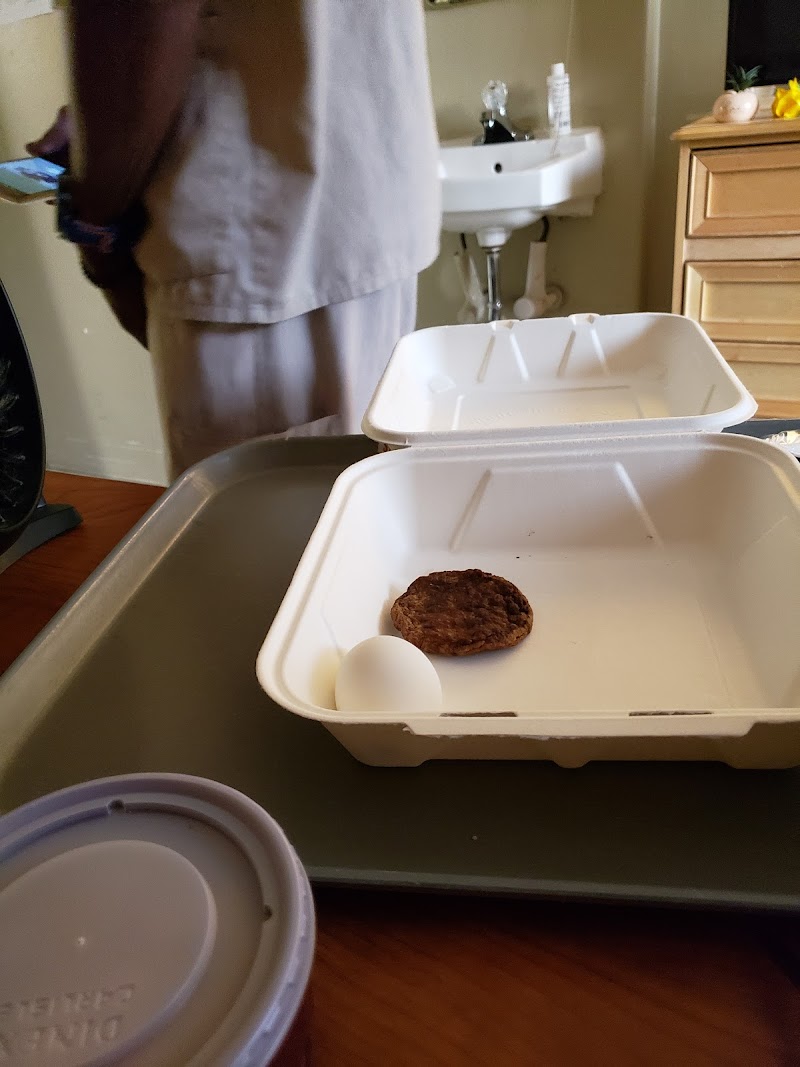
How is Clinton Healthcare Center Staffed?

CMS rates CLINTON HEALTHCARE CENTER's staffing level at 4 out of 5 stars, which is above average compared to other nursing homes. Staff turnover is 34%, compared to the Maryland average of 46%. This relatively stable workforce can support continuity of care.

What Have Inspectors Found at Clinton Healthcare Center?

State health inspectors documented 76 deficiencies at CLINTON HEALTHCARE CENTER during 2017 to 2025. These included: 2 Immediate Jeopardy (the most serious level, indicating potential for serious harm or death), 1 that caused actual resident harm, and 73 with potential for harm. Immediate Jeopardy findings are rare and represent the most serious regulatory concerns. They require immediate corrective action.

Who Owns and Operates Clinton Healthcare Center?

CLINTON HEALTHCARE CENTER is owned by a for-profit company. For-profit facilities operate as businesses with obligations to shareholders or private owners. The facility is operated by COMMUNICARE HEALTH, a chain that manages multiple nursing homes. With 267 certified beds and approximately 204 residents (about 76% occupancy), it is a large facility located in CLINTON, Maryland.
How Does Clinton Healthcare Center Compare to Other Maryland Nursing Homes?

Compared to the 100 nursing homes in Maryland, CLINTON HEALTHCARE CENTER's overall rating (2 stars) is below the state average of 3.0, staff turnover (34%) is significantly lower than the state average of 46%, and health inspection rating (1 stars) is much below the national benchmark.

What Should Families Ask When Visiting Clinton Healthcare Center?

Based on this facility's data, families visiting should ask: "What changes have been made since the serious inspection findings, and how are you preventing similar issues?" "What safeguards and monitoring systems are in place to protect residents from abuse or neglect?" "Can I visit during a mealtime to observe dining assistance and food quality?" "How do you handle medical emergencies, and what is your hospital transfer rate?" These questions are particularly relevant given the facility's Immediate Jeopardy citations and the substantiated abuse finding on record.

Is Clinton Healthcare Center Safe?

Based on CMS inspection data, CLINTON HEALTHCARE CENTER has documented safety concerns. The facility has 1 substantiated abuse finding (meaning confirmed case of resident harm by staff or other residents). Inspectors have issued 2 Immediate Jeopardy citations (the most serious violation level indicating risk of serious injury or death). The facility is currently on the Special Focus Facility watch list (a federal program monitoring the lowest-performing 1% of nursing homes nationwide). The facility has a 2-star overall rating and ranks #100 of 100 nursing homes in Maryland. Families considering this facility should ask detailed questions about what corrective actions have been taken since these incidents.

Do Nurses at Clinton Healthcare Center Stick Around?

CLINTON HEALTHCARE CENTER has a staff turnover rate of 34%, which is about average for Maryland nursing homes (state average: 46%). Moderate turnover is common in nursing homes, but families should still ask about staff tenure and how the facility maintains care continuity when employees leave.

Was Clinton Healthcare Center Ever Fined?

CLINTON HEALTHCARE CENTER has been fined $82,804 across 3 penalty actions. This is above the Maryland average of $33,907. Fines in this range indicate compliance issues significant enough for CMS to impose meaningful financial consequences. Common causes include delayed correction of deficiencies, repeat violations, or care failures affecting resident safety. Families should ask facility leadership what changes have been made since these penalties.

Is Clinton Healthcare Center on Any Federal Watch List?

CLINTON HEALTHCARE CENTER is currently an SFF Candidate, meaning CMS has identified it as potentially qualifying for the Special Focus Facility watch list. SFF Candidates have a history of serious deficiencies but haven't yet reached the threshold for full SFF designation. The facility is being monitored more closely — if problems continue, it may be added to the official watch list. Families should ask what the facility is doing to address the issues that led to this status.