FUTURE CARE PINEVIEW
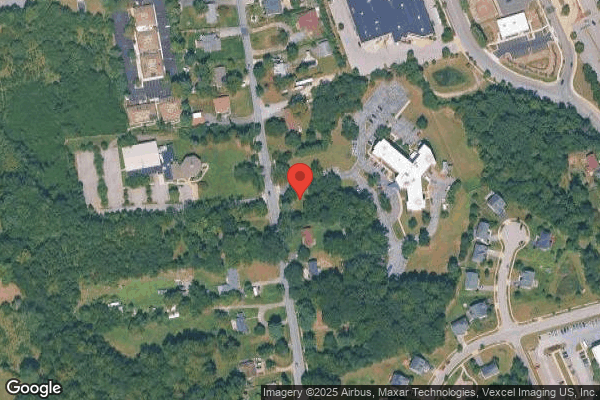
9106 PINEVIEW LANE, CLINTON, MD 20735 (410) 880-4353
For profit - Corporation 180 Beds FUTURE CARE/LIFEBRIDGE HEALTH Data: November 2025
Trust Grade
80/100
#23 of 219 in MD
Last Inspection: October 2022

Over 2 years since last inspection. Current conditions may differ from available data.

Overview

Future Care Pineview in Clinton, Maryland, has a Trust Grade of B+, indicating it is above average and recommended for families seeking care. It ranks #23 out of 219 facilities in the state, placing it comfortably in the top half, and #4 out of 19 in Prince George's County, meaning only three local options are better. The facility is improving, with issues decreasing significantly from 19 in 2022 to just 1 in 2025. Staffing is rated average with a turnover rate of 38%, which is slightly below the state average, indicating staff stability. Importantly, there have been no fines reported, which is a positive sign regarding compliance. However, the facility has faced some concerns, such as failing to implement proper COVID-19 testing protocols during an outbreak, which could have endangered residents. Another issue noted was the sanitary conditions in resident bathrooms, with dirty shower floors and broken tiles in some areas. Additionally, there were incidents of personal belongings going missing, causing frustration for residents. Overall, while Future Care Pineview has many strengths, families should be aware of these weaknesses when making their decision.

Trust Score
B+
80/100
In Maryland
#23/219
Top 10%
Safety Record
Low Risk
No red flags
Inspections
Getting Better
19 → 1 violations
Staff Stability
○ Average
38% turnover. Near Maryland's 48% average. Typical for the industry.
Penalties
✓ Good
No fines on record. Clean compliance history, better than most Maryland facilities.
Skilled Nurses
✓ Good
Each resident gets 60 minutes of Registered Nurse (RN) attention daily — more than 97% of Maryland nursing homes. RNs are the most trained staff who catch health problems before they become serious.
Violations
⚠ Watch
37 deficiencies on record. Higher than average. Multiple issues found across inspections.
★★★★★
5.0
Overall Rating
★★★☆☆
3.0
Staff Levels
★★★★★
5.0
Care Quality
★★★★☆
4.0
Inspection Score
Stable
2022: 19 issues
2025: 1 issues

The Good

  • 5-Star Quality Measures · Strong clinical quality outcomes
  • Full Sprinkler Coverage · Fire safety systems throughout facility
  • No fines on record
  • Staff turnover below average (38%)

    10 points below Maryland average of 48%

Facility shows strength in quality measures, fire safety.

The Bad

Staff Turnover: 38%

Near Maryland avg (46%)

Typical for the industry

Chain: FUTURE CARE/LIFEBRIDGE HEALTH

Part of a multi-facility chain

Ask about local staffing decisions and management

The Ugly 37 deficiencies on record

Aug 2025 1 deficiency
CONCERN (D) 📢 Someone Reported This

A family member, employee, or ombudsman was alarmed enough to file a formal complaint

Potential for Harm - no one hurt, but risky conditions existed

Deficiency F0657 (Tag F0657)

Could have caused harm · This affected 1 resident

Based on observation, record review, and interview with staff, it was determined that the facility failed to ensure a person-centered care plan was reviewed and revised for a resident. This was eviden...

Read full inspector narrative →
Based on observation, record review, and interview with staff, it was determined that the facility failed to ensure a person-centered care plan was reviewed and revised for a resident. This was evident for 1 (Resident #4) out of 37 resident care plans reviewed during the survey.The findings include:1. A care plan is used to summarize a person's health conditions, specific care needs, and current treatments and outlines what needs to be done to plan, assess, and manage care. Care plans are developed, reviewed, and/or revised by the IDT after the completion of a comprehensive MDS assessment (Admission, Annual, Quarterly, Significant Change) to help to evaluate the effectiveness of the resident's care while in the facility. Restorative Nursing Program is a program that aims to help residents in skilled nursing facilities achieve and maintain their highest possible level of independent function. The program is tailored to each resident's specific needs and abilities. Restorative interventions include range of motion exercises both active (where the resident moves their own limbs) and passive (where the staff moves the resident's limbs).Contracture is a structural change in the body's soft tissues like muscles, tendons, ligaments, or skin that causes them to stiffen and shorten.On 8/1/2025 at 8:11AM, Resident #4 was observed in bed with contractures in both hands. On 8/4/2025 at 10:00AM, a review of Resident #4's current care plan within the electronic medical record failed to reveal a care plan problem, goal, or approach to address the presence of contractures in both hands and interventions to include the use of resident specific equipment to meet the needs of the resident.On 8/6/2025 at 11:20AM, the Surveyor conducted an interview with Restorative Aide/Geriatric Nursing Assistant (GNA) #31. During the interview, the Surveyor was informed that Resident #4 was a part of the Restorative Nursing Program within the facility and GNA #31 was assigned to the resident. GNA #31 was on the way to Resident #4 to provide hand messages and to apply the resident's splints to his/her hands because his/her hands were contracted. On 8/6/2025 at 1:05PM, the Surveyor observed Resident #4 in bed with the head of the bed elevated about 30 degrees. The resident was observed with his/her arms stretched out in front of them with blue hand splints on both hands.On 8/6/2025 at 1:55PM, during an additional review of Resident#4's care plan within the electronic medical record, the Surveyor discover a care plan revision on 8/5/2025 for the use of bilateral resting hand splints for contractures in both hands to be worn daily, 4 hours on and 4 hours off as tolerated; remove during ADL care.On 8/7/2025 at 7:55AM, during an interview with the Director of Nursing (DON), the Surveyor confirmed that Resident #4's care plan should have been reviewed and revised to reflect bilateral hand contractures and the use of resting hand splints at the time these concerns were identified by staff. The Surveyor expressed the concern that the care plan was not revised timely. 2. Contact precautions refers to measures that are intended to prevent transmission of infectious agents which are spread by direct or indirect contact with the resident or resident's environment.Multidrug-resistant organisms (MDROs) refer to microorganisms, predominantly bacteria that are resistant to one or more classes of antimicrobial agents.On 8/4/2025 at 9:40AM, the Surveyor observed a sign on Resident #4's door indicating the resident was on contact precautions. The sign stated that everyone must: clean their hands before entering and when leaving the room. Providers and staff must also put on gloves before room entry and discard before room exit; put on gown before room entry and discard before room exit; do not wear the same gown and gloves for the care of more than one person; and use dedicated or disposable equipment and clean disinfect reusable equipment before use on another person.On 8/4/2025 at 10:00AM, a review of Resident #4's current care plan within the electronic medical record failed to reveal a care plan problem, goal, or approach to address the resident's current contact precautions status with proper interventions for infection control.On 8/4/2025 at 11:18AM, during an interview with the Infection Preventionist (IP) #3 and the Director of Nursing (DON), the Surveyor was informed that Resident #4 was on contact precautions due to a MDRO. During a review of Resident #4's care plan on 8/5/2025 at 7:50AM, the Surveyor discovered a care plan initiated on 8/4/2025 with a problem which stated that [Resident] is at risk for infection [related to MDRO] as evidenced by [MDRO] rectal screen.An interview was conducted with the DON and IP #3 on 8/5/2025 at 10:30AM. The Surveyor was informed that a rectal swap sample was collected on 6/3/2025 and the results released on 6/6/2025 indicated the presence of MDRO genes. Based on the results, the facility placed the resident on contact precautions. The Surveyor expressed the concern that Resident #4's care plan was not reviewed or revised to reflect the resident's current contact precaution infection control status until 8/4/2025.
Oct 2022 19 deficiencies
CONCERN (D)

Potential for Harm - no one hurt, but risky conditions existed

Grievances (Tag F0585)

Could have caused harm · This affected 1 resident

Based on record review, interview, and review of pertinent facility documents and policies it was determined that the facility failed to take appropriate actions to thoroughly investigate and follow u...

Read full inspector narrative →
Based on record review, interview, and review of pertinent facility documents and policies it was determined that the facility failed to take appropriate actions to thoroughly investigate and follow up on a reported allegation of abuse (Resident # 14). This was evident for 1 of 2 Facility Reported Incidents (FRI) reviewed. The findings include: On 10/06/22 at 09:30 AM, review of the Facility Reported Investigation (FRI) MD00173298 and complaint investigation report MD00173683 revealed the allegation that 2 Geriatric Nursing Assistants (GNA) were rough with Resident #14 while they were providing ADL care. In the report, on 10/19/21, Resident #14 reported that over the weekend while 2 GNA's were working with him/her, they were rough with her/him while providing Activities of Daily Living (ADL) care. Activities of daily living are activities related to personal care. They include bathing or showering, dressing, getting in and out of bed or a chair, walking, using the toilet, and eating. Although the FRI was not specific to a day or shift, or the identity of the accused, 4 staff members; 3 from the day shift (Staff #39, #41 and #44) and 1 member from night shift (Staff #55) were the only staff interviewed. On 10/25/22 at 2:00 PM, a review of the staffing records on the resident's unit from the evening shift of Friday, 10/15/21 through Monday morning of 10/18/21 showed additional nursing staff were assigned to the resident that weekend that were not interviewed. On 10/26/21 at 10:00 AM, a review of the interviews conducted with Staff #44 and Staff #51 on 10/19/21 revealed that Staff # 44 denied having cared for Resident #14 on Saturday 10/16/21 but washed and applied a brief on Sunday 10/17/21. GNA #51 stated s/he cleansed and dress the resident during their shift on 10/16/21 and on 10/17/21. Further review revealed both GNA's stated they had assistance of another staff member. During an interview on 10/24/22 at 10:36 AM, the Administrator told surveyors that the alleged staff was suspended, there were no injuries noted on the resident and she did not interview the resident. However no further information was found regarding the identity of the GNAs' they spoke of, or which staff was suspended. S/he added that the four staff members listed in the investigation reported received abuse in-service related to the incident. However, a review of the abuse in-services attendance records conducted related to the incident provided to the survey team failed to show Staff #44, and Staff #55 were present during the training sessions provided. A review of a Social Services note dated, 10/19/21 indicated that the alleged incident took place on Friday 10/15/2022. However, a review of the 10/19/21 Change in Condition Report completed by Staff #70 showed that the change in condition was a skin tear that occurred on the morning of Sunday, 10/17/2021. Further review of the initial and final FRI reports failed to identify the date of the alleged occurrence or evidence that Resident #14, who was capable to be interviewed was interviewed about the details of the alleged occurrence. There was no additional documentation to support that the results of the investigation were relayed to the resident. (Cross Reference F600, F607, and F610)
CONCERN (D)

Potential for Harm - no one hurt, but risky conditions existed

Free from Abuse/Neglect (Tag F0600)

Could have caused harm · This affected 1 resident

Based on record review, interview, and review of pertinent facility documents and policies it was determined that the facility failed to ensure that residents were free from abuse or create a safe env...

Read full inspector narrative →
Based on record review, interview, and review of pertinent facility documents and policies it was determined that the facility failed to ensure that residents were free from abuse or create a safe environment by failing to implement the facility policy on abuse as evidenced by failing to complete in-services on all employees after alleged incidents of abuse occurred in the facility, failing to appropriately investigate an allegation of abuse, and failing to follow-up with a resident grievance. This was found to be true in 1 (Resident #14) of 2 residents reviewed for abuse investigations. The findings include: On 10/06/22 at 09:30 AM, surveyor reviewed the Facility Reported Investigation (FRI) MD00173298 and complaint investigation report MD00173683 regarding the allegation of 2 Geriatric Nursing Assistants (GNA) were rough with Resident #14 while they were providing ADL care. In the report, on 10/19/21, Resident #14 reported that over the weekend while 2 GNAs were working with him/her, they were rough with her/him while providing Activities of Daily Living (ADL) care. Activities of daily living are activities related to personal care. They include bathing or showering, dressing, getting in and out of bed or a chair, walking, using the toilet, and eating. Although the FRI was not specific to a day or shift, or the identity of the accused, 4 staff members; 3 from the day shift (Staff #39, #41 and #44) and 1 member from night shift (Staff #55) were the only staff interviewed. On 10/25/22 at 2:00 PM, a review of the staffing records on the resident's unit from the evening shift of Friday, 10/15/21 through Monday morning of 10/18/21 showed additional nursing staff were assigned to the resident that weekend that were not interviewed. On 10/26/21 at 10:00 AM, a review of the interviews conducted with Staff #44 and Staff #51 on 10/19/21 revealed that Staff # 44 denied having cared for Resident #14 on Saturday 10/16/21 but washed and applied a brief on Sunday 10/17/21. GNA #51 stated s/he cleansed and dress the resident during their shift on 10/16/21 and on 10/17/21. Further review revealed both GNA's stated they had assistance of another staff member. During an interview on 10/24/22 at 10:36 AM, the Administrator told surveyors that the alleged staff was suspended, there were no injuries noted on the resident and she did not interview the resident. However no further information was found regarding the identity of the GNAs' assistants they spoke of, or which staff was suspended. S/he added that the four staff members listed in the investigation reported received abuse in-service related to the incident. However, a review of the abuse in-services attendance records conducted related to the incident provided to the survey team failed to show Staff #, Staff #44, and Staff #55 were present during the training sessions provided. During an interview with Director of Nursing (DON) on 10/06/2022 at 11:05 AM, she revealed that s/he did not work in the facility during the time of incident and could not state who would have been responsible to ensure that the training was conducted for the staff members. A review of a Social Services note dated, 10/19/21 indicated that the alleged incident took place on Friday 10/15/2022. However, a review of the 10/19/21 Change in Condition Report completed by Unit Manager (UM) #70 showed that the change in condition was a skin tear that occurred on the morning of Sunday, 10/17/2021. Further review of the initial and final FRI reports failed to identify the date of the alleged occurrence or evidence that Resident #14, who was capable to be interviewed was interviewed about the details of the alleged occurrence. During the 10/26/22 review of the initial FRI report it stated that a head-to-toe assessment conducted by UM #70 revealed no skin concerns noted. However, the 10/19/21 Change in Condition reported a skin tear and a review of the Skin and Wound report dated 10/19/21 also written by UM #70 indicated that the resident had an In house (facility) acquired skin tear located on their right medial thigh. The skin tear measured 3.0 cm in length, 0.5 cm in width and 0.1 cm in depth. A review of the Resident #14's plan of care showed that on 10/19/21 a care plan problem was initiated related to an open area on the resident's right medial thigh. However, further review of the initial and final investigation reports failed to indicate that a skin tear was identified. During the 10/26/22 at 10:00 AM review of GNA's #44 and #51 investigation interviews, GNA #51 stated that while she and another staff member cared for Resident #14, there was redness noted on the resident's buttocks. GNA #44 stated that s/he and another GNA cared for the resident and noted redness on the resident's abdomen and buttocks. However, review of the Staff # 41's statement revealed that during their shift on Saturday 10/16/21 they had not received notification from the GNA's that Resident #14 had any skin issues. A review of Nurse #39's statement revealed that they were not told of any skin issues noted on Resident #14's skin during their shift on Sunday, 10/17/21. An interview with the current wound nurse (staff # 50) was conducted on 10/24/22 at 2:00 PM. Staff # 50 was shown by surveyors the Skin and Wound report dated 10/19/21 written by Staff #70 that indicated Resident #14 had an In house (facility) acquired skin tear located on their right medial thigh. Staff #50 was asked to explain the description noted in the report that related to the skin tear and surrounded area. The wound nurse #50 also stated that based on her experience with this type of skin injury, (a skin tear) is caused by shearing or friction against the skin with another object such as a washcloth. S/he shared that skin can easily break resulting in a skin tear or shearing by wiping skin roughly and this was the reason s/he encouraged staff to use wipes instead of washcloths especially for residents that have fragile or weakened skin to reduce skin tears and bruising. S/he also added that due to the description of the surrounding tissue, the skin tear had not occurred the same day it was assessed (10/19/21) but as least 1 to 2 days prior. During an interview with Resident #14 on 10/21/22 at 11:05 AM, the resident told surveyors that s/he was surprised about the behavior of the GNA #41 towards her/him that day. S/he added that this was the 1st time GNA #41 ever mistreated him/her. S/he knew GNA #41 as the person that delivered their briefs to the room but never had any issues with either of them in the past and was puzzle at what provoked them to mistreat him/her that day. The Administrator also mentioned on the 10/24/22 interview that staff told her/him that the resident didn't like the 2 GNAs, s/he alleged were rough in handling Resident #14. However, no documentation was included in the FRI to support the statements staff reported to the Administrator. Further review of the care plan conducted on 10/24/22 at 1:40 PM failed to find documentation to support that Resident #14 disliked or falsely accused any of her caregivers. (Cross reference F585, F600 and F610)
CONCERN (D)

Potential for Harm - no one hurt, but risky conditions existed

Abuse Prevention Policies (Tag F0607)

Could have caused harm · This affected 1 resident

Based on medical record review, facility policy and training record review and interview with facility staff, it was determined that the facility failed to implement their policy on abuse as evidenced...

Read full inspector narrative →
Based on medical record review, facility policy and training record review and interview with facility staff, it was determined that the facility failed to implement their policy on abuse as evidenced by failing to complete in-services on all employees after alleged incidents of abuse occurred in the facility. This was evident during the review of 1 of 2 of 2 Facility Reported Incidents (FRI) on abuse. The findings include: On 10/06/2022 at 09:30 AM Surveyor reviewed an FRI MD00173298 that was reported on 10/19/21 regarding an allegation of abuse. After the facility completed their investigation, the allegation was unsubstantiated. Further review found 4 staff members (Staff#39, Staff #41, Staff #44, and Staff#55) were identified to be directly involved in the incident. During an interview with the Administrator, s/he indicated that the four staff members listed received abuse in-service related to the incident. However, a review of the abuse in-services attendance records related to the incident provided to the survey team failed to show Staff #41, Staff #44, and Staff #55 were present during the training sessions provided. During an interview with Director of Nursing (DON) on 10/06/2022 at 11:05 AM, she revealed that she did not work in the facility during the time of incident and could not state who would have been responsible to ensure that the training was conducted for the staff members. (Cross reference F600 and F610)
CONCERN (D)

Potential for Harm - no one hurt, but risky conditions existed

Investigate Abuse (Tag F0610)

Could have caused harm · This affected 1 resident

2. Review of the Facility Reported Incident (FRI) revealed that Resident #314's son called the Nursing Supervisor #56 and reported his mother had just called and said the night shift Geriatric Nursing...

Read full inspector narrative →
2. Review of the Facility Reported Incident (FRI) revealed that Resident #314's son called the Nursing Supervisor #56 and reported his mother had just called and said the night shift Geriatric Nursing Assistant (GNA) #40 handled the resident roughly while being turned and repositioned. A review of the facility's investigation file revealed the facility did not conduct a thorough investigation because Resident #314 was not interviewed. During an interview with the Administrator on 10/24/2022 at approximately 12:10 PM, the Surveyor and Administrator reviewed the investigation file and was unable to locate the Resident #314's interview. The Administrator confirmed the resident's interview was not in the file and stated the Social Worker may have documented in the electronic medical record of the facility's conducted interview. After review of Resident #314's electronic medical records the Administrator confirmed there was not documentation from the Social Worker for the facility conducted interview. However, there was documentation that the Social Worker was present during the police investigation at the request of the resident. On 10/24/2022 at 1:15 PM the Regional Corporate Registered Nurse #8 provided the surveyor a printout of a social service note that stated the Social Service Assistant (SSA) was present when the resident was interviewed by the police officer. Based on record review, interview, and review of pertinent facility documents and policies it was determined that the facility failed to thoroughly investigate an abuse allegation. This was evident for 2 of 9 Facility Reported Incidents (FRI) reviewed. The findings include: 1. On 10/06/22 at 09:30 AM, review of the facility reported investigation revealed the allegation of 2 Geriatric Nursing Assistants (GNA) were rough with Resident #14 while they were providing ADL care. In the report, on 10/19/21, Resident #14 reported that over the weekend while 2 GNA's were working with him/her, they were rough with her/him while providing Activities of Daily Living (ADL) care. Activities of daily living are activities related to personal care. They include bathing or showering, dressing, getting in and out of bed or a chair, walking, using the toilet, and eating. Although the FRI was not specific to a day or shift, or the identity of the accused, 4 staff members; 3 from the day shift (Staff #39, Staff#41 and Staff #44) and 1 member from night shift (Staff #55) were the only staff interviewed. On 10/25/22 at 2:00 PM, a review of the staffing records on the resident's unit from the evening shift of Friday, 10/15/21 through Monday morning of 10/18/21 showed additional nursing staff were assigned to the resident that weekend that were not interviewed. On 10/26/21 at 10:00 AM, a review of the interviews conducted with Staff #44 and #51 on 10/19/21 revealed that Staff # 44 denied having cared for Resident #14 on Saturday 10/16/21 but washed and applied a brief on Sunday 10/17/21. GNA #51 stated s/he cleansed and dress the resident during their shift on 10/16/21 and on 10/17/21. Further review revealed both GNA's stated they had assistance of another staff member. During an interview on 10/24/22 at 10:36 AM, the Administrator told surveyors that the alleged staff was suspended, however no further information was found regarding the identity of the GNAs' assistants they spoke of, or which staff was suspended. A review of a Social Services note dated, 10/19/21 indicated that the alleged incident took place on Friday 10/15/2022. However, a review of the 10/19/21 Change in Condition Report completed by Staff #70 showed that the change in condition was a skin tear that occurred on the morning of Sunday, 10/17/2021. Further review of the initial and final FRI reports failed to identify the date of the alleged occurrence or evidence that Resident #14, who was capable to be interviewed was interviewed about the details of the alleged occurrence. There was no documentation found to support the resident was made aware of the outcome of the investigation. (Cross reference F585, F607, F600) During the 10/26/22 review of the initial FRI report it stated that a head-to-toe assessment conducted by Unit Manager (UM #70) revealed no skin concerns noted. However, the 10/19/21 Change in Condition reported a skin tear and a review of the Skin and Wound report dated 10/19/21 also written by staff #70 indicated that the resident had an In house (facility) acquired skin tear located on their right medial thigh. The skin tear measured 3.0 cm in length, 0.5 cm in width and 0.1 cm in depth. A review of the Resident #14's plan of care showed that on 10/19/21 a care plan problem was initiated related to an open area on the resident's right medial thigh. However, further review of the initial and final investigation reports failed to indicate that a skin tear was identified. (Cross reference F 600) During the 10/26/22 at 10:00 am review of GNAs #44 and #51 investigation interviews, GNA #51 stated that while s/e and another staff member cared for Resident #14, there was redness noted on the resident's buttocks. GNA #44 stated that s/he and another cared for the resident and noted redness on the resident's abdomen and buttocks. During an interview with Resident #14 on 10/21/22 at 11:05 am the resident told surveyors that s/he was surprised about the behavior of the GNA's 41 towards her/him that day. S/he added that this was the 1st time GNA #41 ever mistreated her. S/he knew GNA as the person that delivered their briefs to the room but never had any issues with either of them in the past and was puzzle at what provoked them to mistreat him/her that day. The Administrator also mentioned on the 10/24/22 interview that staff told her/him that the resident didn't like the 2 GNAs, s/he said roughly handled him/her. However, no documentation was included in the FRI to support the statements staff reported to the Administrator. Further review of the care plan conducted on 10/24/22 at 1:40 pm failed to find documentation to support that Resident #14 disliked or falsely accused any of her caregivers. (Cross reference F 585 and F607)
CONCERN (D)

Potential for Harm - no one hurt, but risky conditions existed

Transfer Notice (Tag F0623)

Could have caused harm · This affected 1 resident

Based on medical record review and staff interviews, it was determined the facility failed to have a system in place to ensure residents or their responsible party and the local Ombudsman, received wr...

Read full inspector narrative →
Based on medical record review and staff interviews, it was determined the facility failed to have a system in place to ensure residents or their responsible party and the local Ombudsman, received written notification of a transfer to the hospital. This was evident for 2 (Resident #58 and Resident #105) of 2 residents reviewed for hospitalization during the investigative stage of the survey. The findings include: Review of Resident #58's medical record on 10/11/2022 7:21 AM revealed the resident was admitted to the facility on 7/2022 with several medical diagnoses. Further review of the medical record revealed Resident #58 was transferred to the hospital on two occasions, 9/8/2022 and on 10/1/2022. The resident was transferred to the hospital on 9/8/2022 due to a dislodged jejunal tube. The second transfer occurred on 10/1/2022 due to Altered Mental Status. During review of Resident #58's transfer documentation for both transfers, written notification of the resident transfers to the Resident #58's responsible party and the local Ombudsman were not located. Review of Resident #105's medical record on 10/11/2022 10:30 AM revealed the resident was admitted to the facility on 7/2022 and transferred to the hospital on 8/19/2022 due to Altered Mental Status and repeated seizure episodes. Further review of Resident #105's medical record revealed the transfer documentation did not include written notification to Resident #105's responsible party and the Ombudsman. On 10/11/2022 11:45 AM the surveyor requested the facility's resident transfer policy. During review of the document titled, Transfer: Resident to Acute Hospital under the Procedures section of the policy states to Notify the Resident Representative. The policy did not identify written notification of resident transfers to be sent to the resident representative or the local Ombudsman. An interview was conducted with the DON on 10/11/2022 1 PM. The DON confirmed the that the facility only notifies the resident or responsible party by phone call and do not have written notifications that are sent out to resident(s)/responsible party upon transfer of a resident. During the exit conference on 10/26/022, the concern regarding failure to notify the resident/resident representative and local Ombudsman in writing of a transfer/discharge of a resident was addressed with Administrator and DON.
CONCERN (D)

Potential for Harm - no one hurt, but risky conditions existed

Deficiency F0657 (Tag F0657)

Could have caused harm · This affected 1 resident

Based on record reviews and interviews it was determined the facility failed to ensure care plans were revised as required. This was found to be evident for 2 (Resident #28 and Resident #64) out of 33...

Read full inspector narrative →
Based on record reviews and interviews it was determined the facility failed to ensure care plans were revised as required. This was found to be evident for 2 (Resident #28 and Resident #64) out of 33 residents reviewed for care plans during the Annual Survey. The findings include: 1. According to the World Health Organization (WHO) diabetes is a chronic disease that occurs either when the pancreas does not produce enough insulin or when the body cannot effectively use the insulin it produces. Insulin is a hormone that regulates blood glucose. Hyperglycemia, also called raised blood glucose or raised blood sugar, is a common effect of uncontrolled diabetes and over time leads to serious damage to many of the body's systems, especially the nerves and blood vessels. During an interview with Resident #28 on 10/02/2022 at approximately 9:29 AM, the resident stated s/he received insulin for the treatment of diabetes. A review of resident #28's medical record confirmed the resident was diagnosed with Diabetes Mellitus. A review of resident #28's physician orders conducted on 10/06/2022 at approximately 11:35 AM confirmed the resident had an order for Lantus SoloStar (insulin) 100 Unit/ML pen injector 46 unit subcutaneously at bedtime, Humalog Kwik pen solution Pen injector 100 Unit / ML (insulin) and Lispro (insulin) 1 unit dial sliding scale before bedtime and at bedtime for diabetes. Call provider if blood glucose is less than 80 or more than 400. A review of resident #28's Medication Administration Record (MAR) conducted on 10/06/2022 at approximately 11:38 AM confirmed resident #28 received insulin as ordered. A review of resident #28's care plan conducted on 10/06/2022 at approximately 11:40 AM revealed resident #28 did not have a care plan for diabetes. During an interview conducted on 10/06/2022 at approximately 3:00 PM, the surveyor advised the Administrator, Regional Corporate Registered Nurse # 8, and Regional Clinical Services Manager #11 of the findings. The Regional Clinical Services Manager # 11 reviewed resident #28's care plan and confirmed the resident did not have a care plan for diabetes. On 10/24/2022 at approximately 11:50 AM the Regional Corporate Registered Nurse # 8 provided the surveyor with resident 28's revised care plan for diabetes. 2. Anticoagulants (blood thinners) are medications that help stop your blood from thickening or clotting. Your body does need to be able to clot to help seal wounds inside and outside your body. But unnecessary clots can cause problems that can be life-threatening. Those that travel to the brain can cause a stroke; to the heart, cardiac arrest; and to the lungs, a pulmonary embolism. During an interview conducted on 10/03/2022 at approximately 11:21 AM resident #64 stated s/he received a blood thinner (also known as an anticoagulant) for blood clots. Deep vein thrombosis (DVT) is a medical condition that occurs when a blood clot forms in a deep vein. These clots usually develop in the lower leg, thigh, or pelvis, but they can also occur in the arm. A review of resident #64's physician order conducted on 10/06/2022 at 12:05 PM revealed the resident had an order for anticoagulant: Apixaban (anticoagulant) Tablet 2.5 MG Give 1 tablet by mouth two times a day for Deep Vein Thrombosis (DVT) Prophylaxis. A review of the resident's Medication Administration Record (MAR) conducted on 10/06/2022 at approximately 12:07 PM confirmed resident #64 received Apixaban (anticoagulant) 2.5 mg as ordered. A review of the resident #64's medical records conducted on 10/06/2022 at approximately 12:10 PM did not reveal a care plan for an anticoagulant. During an interview conducted on 10/06/2022 at approximately 3:00 PM, the surveyor advised the administrator, Regional Corporate Registered Nurse # 8, and Regional Clinical Services Manager #11 of the findings. The Regional Corporate Registered Nurse # 8 reviewed the resident's care plan and confirmed the resident did not have a care plan for anticoagulant. On 10/24/2022 at approximately 11:50 AM the Regional Corporate Registered Nurse # 8 provided the surveyor with resident 64's revised care plan for an anticoagulant.
CONCERN (D)

Potential for Harm - no one hurt, but risky conditions existed

Accident Prevention (Tag F0689)

Could have caused harm · This affected 1 resident

**NOTE- TERMS IN BRACKETS HAVE BEEN EDITED TO PROTECT CONFIDENTIALITY** Based on observations, interview with staff, and record review, it was determined that the facility failed to implement an inter...

Read full inspector narrative →
**NOTE- TERMS IN BRACKETS HAVE BEEN EDITED TO PROTECT CONFIDENTIALITY** Based on observations, interview with staff, and record review, it was determined that the facility failed to implement an intervention, determined to be necessary, for a resident who was identified as a fall risk. This was evident of 1 of 2 residents (Resident #18) reviewed for accidents during the annual survey. The findings include: The surveyor reviewed Resident #18's medical record on 10/7/22 at 8:30 AM. This review revealed that resident #18 was admitted to the facility in early 2022 with diagnoses that include hyperlipidemia, cerebral infarction, hemiplegia and hemiparesis following cerebrovascular disease, and dysphagia. Review of Section B of the resident's most recent Minimum Data Set (MDS) assessment dated [DATE] revealed that the resident did not speak, was rarely or never understood, and rarely/never understood others. Further review of Resident #18's medical record revealed a progress note dated 9/23/22 that described an unwitnessed fall that the resident had sustained. The surveyor reviewed the care plan for Resident #18 and found that a fall care plan was initiated on 9/23/22 related to the resident's actual fall. One of the interventions described in the fall care plan was: Apply floor mat to bilateral (both) sides of the bed. On 10/7/22 at 12:30 the surveyor reviewed the orders for Resident #18. The orders revealed that on 9/26/22, an order was written for Resident #18 to have bilateral floor mats. The surveyor observed Resident #18's room on 10/4/22 at 2:09 PM and again on 10/11/22 at 9:32 AM. During the observations, the resident was noted to give no meaningful response to the surveyor. On both occasions there were no mats were observed on either side of Resident #18's bed. No mats were observed in the room. On 10/11/22 at 9:39 AM, the surveyor interviewed Nurse #22. During the interview, Nurse #22 stated Resident #18 was assigned to him. Nurse #22 stated he was unaware if Resident #18 had a recent fall and could not recall if there were floor mats alongside Resident #18's bed. The surveyor informed Nurse #22 there were no mats observed in the resident's room.
CONCERN (D)

Potential for Harm - no one hurt, but risky conditions existed

Deficiency F0692 (Tag F0692)

Could have caused harm · This affected 1 resident

Based on interview with staff and review of medical records and the facility's policies, it was determined that the facility failed to: 1) maintain acceptable parameters of nutrition for a resident by...

Read full inspector narrative →
Based on interview with staff and review of medical records and the facility's policies, it was determined that the facility failed to: 1) maintain acceptable parameters of nutrition for a resident by failing to implement nutritional recommendations and, 2) effectively address significant weight loss. This was evident of 1 of 11 residents (Resident #62) reviewed for nutrition during the annual survey. This deficient practice affected a resident who had consistent weight loss throughout a two-month stay. The findings include: Significant weight change is defined as a gain or loss of 5% of a person's weight within 30 days, 7.5% within 90 days or 10% within 180 days. Significant weight change requires clinical evaluation and, if the change is not beneficial, intervention. 1. On 10/12/22 at 11:22 AM, review of Resident #62's medical record revealed Resident #62 was admitted to the facility in August 2022, and resided in the facility for approximately 2 months. Further review of Resident #62's medical record revealed that Resident #62 had the following weights recorded: 8/5/22: admission weight of 142.2 lbs. 8/11/22: 136.8 lbs 8/23/22: 133 lbs 8/30/22: 131 lbs On 10/12/22 at 11:30 AM, review of the initial dietary assessment for Resident #62 that was conducted on 8/8/2022 by Registered Dietitian #21 revealed that Staff #21 identified Resident #62 as needing dietary interventions, recommending a nutritional supplement of Ensure twice a day. However, no order was placed for Ensure on 8/8/22. Further review of Resident #62's medical record revealed an order placed on 8/11/22 for Ensure twice daily, the same recommendation that was recommend three days earlier. An interview with Staff #21 conducted on 10/13/22 revealed Staff #21 completed the admission assessment for Resident #62 and recommended dietary supplements. Staff #21 also stated the registered dietitian has the ability to enter dietary supplemental orders for residents and agreed there was a delay in the order for Resident #62. 2. On 10/12/22, review of Resident #62 weights revealed that the resident lost 9.2 lbs from admission to 8/23/22, a loss of 7.4% in less than 30 days. No progress note was found that addressed this weight loss. There was also no evidence that new orders or interventions were placed on 8/23/22. Further review of the progress notes revealed a dietary progress noted dated 8/30/22 and written by Staff #21, documenting a 7.9% weight loss from admission to 8/30/22. The note indicated that no additional nutritional interventions were being implemented. This was the first progress note addressing Resident #62's significant weight loss, a week after 8/23/22 when the first weight representing significant weight loss was obtained. An interview was conducted on 10/13/22 at 12:32 PM with the dietitians, Staff #21 and Staff #16. In this interview Staff #16 reported having the responsibility of monitoring the weekly weights. Staff #16 stated that, once a resident was identified as having a significant weight loss, that weight loss would be addressed with the interdisciplinary team. On 10/18/22 at 10:43 AM, the surveyor reviewed the facility's policy entitled Weight: Obtaining with the purpose of monitoring a resident's weight and promptly assessing significant weight changes. The surveyor also reviewed the policy entitled, Change in Resident's Condition, Physician Notification. Both policies define a significant loss as 5% change in 30 days or 10% in 180 days and indicated that significant weight loss should be considered a significant change in condition and required appropriate documentation, notification, and intervention. Further review of the medical record revealed that the first-time nursing staff completed a Change in Condition evaluation related Resident #62's significant weight loss was on 9/14/22 (22 days after significant weight loss first occurred), at which point the resident had lost 10% weight in 30 days.
CONCERN (D)

Potential for Harm - no one hurt, but risky conditions existed

Tube Feeding (Tag F0693)

Could have caused harm · This affected 1 resident

Based on interview with staff and review of residents' medical records, it was determined that the facility failed to provide appropriate treatments to prevent complications for a resident who require...

Read full inspector narrative →
Based on interview with staff and review of residents' medical records, it was determined that the facility failed to provide appropriate treatments to prevent complications for a resident who required enteral nutrition. This was evident by the facility replacing a resident's gastrostomy tube without appropriate physician's orders and failing to document that gastrostomy tube placement. This was evident for 1 of 2 residents (Resident #18) reviewed for tube feeding during the annual survey. The findings include: Enteral nutrition, also known as tube feeding, is a way to deliver dietary needs directly to the stomach or small intestine. A gastrostomy tube or (g-tube) is used when nutrition is delivered to your stomach. A common g-tube placed is called a percutaneous endoscopic gastrostomy (PEG) tube. This is done by a surgical procedure. The tract of the tube can take a month to form and in some people this process can take longer. If the tube is removed or accidentally dislodged before the heeling process is finished, the medical professional should replace the tube to prevent complications such as peritonitis (inflammation of abdominal wall). Once medical professionals decided the site is healed, most people can have a g-tube replaced by trained personnel at the bedside. However, a narrow or non-straight tract can increase risks of complications and may always need to be replaced by medical providers. It is important to document the g-tube change and monitor for complications within the first few days of g-tube change. Review of Resident #18's medical record on 10/7/22 at 8:30 AM revealed that Resident #18 was admitted to the facility in early 2022 with diagnoses that include but not were not limited to hyperlipidemia, cerebra infarction, hemiplegia and hemiparesis following cerebrovascular disease, and dysphagia. On 10/12/22 at 12:05 PM, further review of Resident#18's medical record revealed a progress note dated 10/9/22 was found that indicated Resident#18's gastrostomy tube (g-tube) became dislodged. The surveyor interviewed Nurse #22 on 10/11/22 at 9:39 AM and confirmed that Resident #18's g-tube was dislodged and replaced by Nurse #22 on 10/9/22. On 10/12/22 at 8:35 AM the surveyor reviewed the October 2022 Treatment Administration Recorded (TAR) for Resident #18 and discovered an order written on 1/13/22 with instructions in the enteral food section that stated, May Not Replace Tube. Further review of the TAR revealed no documentation on 10/9/22 indicating that the g-tube was changed. The facility's policy entitled, Tube Feeding: Gastrostomy Tube Change was reviewed on 10/11/22 at 12:05 PM. The initial policy statements give several reasons why a gastric tube should not be replaced by nursing. It also states an order is required for a nurse to change or replace a gastrostomy tube. Further review of the policy describes the procedure. The first statement in the procedure section states: 1. Confirm physician's orders and that the tube is replaceable at a bedside. Continued review of the tube feeding policy describes two documentation expectations. First, the change should be documented it the progress notes with date, time, size, and confirmation of placement and secondly, the change should be documented in the TAR. On 11/12/22 the survey re-interviewed Nurse #22. The Director of Nursing was also present during the interview. The TAR, with the instruction, May Not Replace Tube, was shown to Nurse #22 as well as the lack of documentation that the gastric tube was changed on 10/9/22. Nurse #22 confirmed he did not refer to the physician's orders prior to placement of the gastric tube and failed to document the tube change in the TAR. On 10/26/22 at 12:15 PM the surveyor reviewed these concerns with the Nursing Home Administrator.
CONCERN (D)

Potential for Harm - no one hurt, but risky conditions existed

Deficiency F0700 (Tag F0700)

Could have caused harm · This affected 1 resident

Based on observation, record review and interview with facility staff it was determined that the facility failed to complete a risk assessment prior to the use of the siderails. This was evident of 1 ...

Read full inspector narrative →
Based on observation, record review and interview with facility staff it was determined that the facility failed to complete a risk assessment prior to the use of the siderails. This was evident of 1 of 2 Residents (Resident #18) reviewed for accidents during an annual survey. The findings include: Bedrails also known as side rails are adjustable bars that attach to the bed. They vary in size, including full, half, and quarter lengths depending on their intended purpose. They can be used to prevent falls, help assist residents with movement, and provide a feeling of security. Bed rails also have potential risks associated with them, such as suffocation, entrapment, and psychological risks. A risk assessment is required to evaluate the resident's risk of entrapment before the use of bedrails. Review of Resident #18's medical record on 10/7/22 at 8:30AM revealed that Resident #18 was admitted to the facility in early 2022 with diagnoses that include but not were not limited to hyperlipidemia, cerebra infarction, hemiplegia and hemiparesis following cerebrovascular disease, and dysphagia. Further review of Resident #18's medical record revealed a total of 2 siderail assessments had been completed. The siderail assessment on 4/13/22 recommended that no siderails be used for Resident #18 and that the responsible party was aware of that recommendation. The siderail assessment on 7/13/22 revealed additional risks that had been identified for Resident #18. The assessment indicated yes to the questions, Is there a possibility that the resident will climb over the siderails/assist handles? and, Is there a risk to the resident if siderails/assist handles are used? The answer to these questions included an explanation that stated, Resident can injure self. Again, no siderails were recommended. On 10/7/22 at approximately 9 AM the surveyor reviewed Resident #18's medical record and on 9/23/22 a nursing progress note revealed Resident #18 had a fall. Further review of the medical record revealed a fall care plan for Resident #18 that was initiated on 9/23/22. On 9/26/22, an intervention was initiated that stated, ¼ (bed) rails for safety. The surveyor observed Resident #18's room on 10/4/22 at 2:09 PM and again on 10/11/22 at 9:32 AM. On both occasions, ¼ siderails were noted on both sides of Resident #18's bed. On 10/11/22 at 12:05 PM, the surveyor reviewed the facility's policy entitled Bed Rails: Use Of. The policy stated, Residents will be assessed prior to the implementation of bed rails/assist handles, upon admission, quarterly, and with any significant change in condition that could impact the need for bed rails/assist handles. On 10/11/22 at 1:08 PM, the surveyor requested all siderail assessments for Resident #18 from the Director of Nursing (DON). The DON returned at 1:39 PM with the siderail assessments dated 4/13/22 and 7/13/22. During the interview with the DON, the surveyor discussed the concern that Resident #18 currently had siderails on his/her bed while the last assessment evaluating the resident for siderail use indicated that siderails would be a risk to Resident #18. The surveyor informed the DON that no new assessment was done prior to placement of the siderails. The DON stated the siderail assessment for Resident #18 would be done this date.
CONCERN (D)

Potential for Harm - no one hurt, but risky conditions existed

Deficiency F0800 (Tag F0800)

Could have caused harm · This affected 1 resident

Based on observation and interview it was determined that the facility failed to ensure food was properly prepared for residents with a diet order for pureed food. This deficient practice has the pote...

Read full inspector narrative →
Based on observation and interview it was determined that the facility failed to ensure food was properly prepared for residents with a diet order for pureed food. This deficient practice has the potential to affect all residents who received pureed food. The findings include: Pureed foods are a type of texture of food that helps with problems related to difficulty in chewing and swallowing. A pureed diet consists of foods that are blended, whipped, or mashed until they are a pudding-like texture. During an observation conducted on 10/04/2022 at approximately 11:30 AM of the steam table and tray line, the Surveyor requested a test sample of the pureed roast beef served for lunch. During an interview conducted on 10/04/2022 approximately 11:45 AM, the Dietary Manger #9 confirmed the kitchen prepared the pureed food. On 10/04/2022 at approximately 12:10 PM the pureed roast beef was tasted by a surveyor who determined the pureed roast beef was not completely pureed, it had concerning sizable pieces of meat mixed in with the pureed meat. During an interview conducted on 10/04/2022 at approximately 1:30 PM the Surveyors advised the Administrator of the findings.
CONCERN (D)

Potential for Harm - no one hurt, but risky conditions existed

Menu Adequacy (Tag F0803)

Could have caused harm · This affected 1 resident

Based on interview with Resident #76 the facility failed to deliver low carbohydrate diet recommended for a Resident #76 with diabetes. This was evident for 2 of 3 (Resident #76) residents reviewed fo...

Read full inspector narrative →
Based on interview with Resident #76 the facility failed to deliver low carbohydrate diet recommended for a Resident #76 with diabetes. This was evident for 2 of 3 (Resident #76) residents reviewed for preferences during the survey. Findings include: On 10/02/22 09:58 AM, an interview has held with Resident #76 who had food sitting on the tray table in front of him/her. Resident #76 stated the food was cold and inedible. Resident #76 also stated the carts with the trays sit outside the rooms because there were not enough staff to distribute trays and the kitchen does not serve enough green leafy vegetables and too many starches for a diabetic resident. In addition, Resident #76 indicated he/she cannot read the menu as his/her eyes are bad and he/she cannot write what she wants to eat and does not receive assistance from the staff. Interview with the facility Dietician on 10/2/22 at 9:58 AM confirmed the resident was to receive a low carbohydrate diet. The Dietician stated she would check with the kitchen to make sure Resident #76 was receiving the proper diet.
CONCERN (D)

Potential for Harm - no one hurt, but risky conditions existed

Deficiency F0804 (Tag F0804)

Could have caused harm · This affected 1 resident

Based on resident interview and observation it was determined the facility failed to provide food at a safe and appetizing temperature. This deficient practice has the potential to affect all resident...

Read full inspector narrative →
Based on resident interview and observation it was determined the facility failed to provide food at a safe and appetizing temperature. This deficient practice has the potential to affect all residents. The findings include: On 10/03/2022 the survey team requested a breakfast test tray for 10/05/2022 based on random complaints from about the taste and flavoring of the food provided by the facility. A breakfast tray was presented to the survey team on 10/04/2022 at approximately 8:50 AM. The breakfast tray consisted of an unshelled boiled egg, 2 breakfast sausage links, oatmeal, orange juice, cranberry juice and a carton of milk. The temperature of the breakfast sausage link temperature was observed at 100 degrees Fahrenheit, the oatmeal temperature was observed at 122 degrees Fahrenheit, the boiled egg temperature was observed at 98 degrees Fahrenheit, orange juice temperature was observed at 44 degrees Fahrenheit, cranberry temperature was observed at 52 degrees Fahrenheit, and milk temperature was observed at 44 degrees Fahrenheit. During an interview conducted on 10/04/2022 at approximately 9:05 AM, the Surveyor advised the Dietary Manager #9 of the findings. The Dietary Manger #9 confirmed the tray was prepared and brought directly to the survey team. One of the Surveyors tasted the food and beverages and found the food and beverages were not at an appetizing temperature. On 10/04/2022 at approximately 11:30 AM an observation was conducted of the steam table and tray line. Temperatures taken for all hot and cold food and beverages and no concerns identified. A test lunch tray for a regular meal was requested to be placed on the second meal cart for the nursing unit 4. The test lunch tray was retrieved from the cart at the time of delivery to the 4th floor nursing unit on 10/04/2022 at approximately 12:10 PM. Temperatures obtained for the hot and cold food and beverage revealed no concerns. During an interview conducted on 10/04/2022 at approximately 1:30 PM the Surveyors advised the Administrator of the findings.
CONCERN (D)

Potential for Harm - no one hurt, but risky conditions existed

Food Safety (Tag F0812)

Could have caused harm · This affected 1 resident

Based on observation and interview with facility staff, it was determined that the facility failed to store and prepare food in a manner that maintains professional standards of food service safety. T...

Read full inspector narrative →
Based on observation and interview with facility staff, it was determined that the facility failed to store and prepare food in a manner that maintains professional standards of food service safety. This practice had the potential to affect all residents eating food prepared by the facility's kitchen. The findings include: During the initial tour of the kitchen conducted on 10/03/2022 at approximately 7:30 AM, the Surveyor and Dietary Manager # 9 observed 2 Quaker Grits containers opened and undated, 1 box of Belgium waffle mix opened and undated, and 1 box of Hungry [NAME] complete pancake mix opened and undated in the walk-in refrigerator. An interview conducted on 10/03/2022 at approximately 7:32 AM, the Dietary Manager # 9 confirmed the facility's policy was to securely close packages/bags once opened, write an open date, use by date, and use a date format of month, day and year. During the continued tour of the kitchen, the Surveyor and Dietary Manager #9 observed 3 bags of unopened Raviolis laying without an expiration date on the bottom right shelf of the walk-in freezer. The Dietary Manager located a box of Raviolis in the freezer but could not identify the expiration date. An interview conducted on 10/03/2022 at approximately 7:45 AM, the Dietary Manager # 9 stated he would contact the food supplier Sysco to obtain the expiration date of the Raviolis. The Dietary Manager #9 further stated all unopened food should have an expiration date. During an interview conducted on 10/03/2022 at approximately 8:20 AM, the Surveyor advised the Administrator of the findings. On 10/03/2022 at approximately 9:10 AM the Dietary Manager #9 provided the Surveyor with a product detail printout for cheese ravioli that stated the total shelf life is 540 days. The Dietary Manager stated he would implement a policy to ensure all unopened food is labeled with an expiration date. During a kitchen tour conducted on 10/04/2022 at approximately 7:05 AM, the Surveyor and Dietary Manager #9 observed the following: 1.) a black substance inside the far back top of the ice maker machine, 2.) a black pedestal fan located at the entrance of the kitchen blowing air toward the tray line and steam table covered in a thick dark grey substance, 3.) 3 ceiling tiles located with black stains, 4.) a vent cover covered in a thick dark grey substance and 5.) a black substance on the wall and stainless steel counter in the dishwasher room. The Dietary Manager #9 stated he would have the areas cleaned. On 10/04/2022 at approximately 9:50 AM the Surveyor observed the [NAME] #13 pull meat out of one container with his bare hands and place the meat in another container. The Surveyor advised the Dietary Manager # 9 of the observation. The Dietary Manager stated the meat (roast beef) would be discarded. The Surveyor observed the [NAME] #13 place gloves on his hand. On 10/04/2022 at approximately at 8:45 AM the Surveyor advised the Administrator of the findings. The Administrator stated she would have maintenance remove the fan, replace the vent covers and ceiling tiles. During a tour on 10/05/2022 at approximately 7:30 AM the Surveyor confirmed the icemaker was clean and free of the black substance, the pedestal fan was cleaned, the vents were clean, and the stainless-steel counter and wall was cleaned and black substance removed.
CONCERN (D)

Potential for Harm - no one hurt, but risky conditions existed

Infection Control (Tag F0880)

Could have caused harm · This affected 1 resident

Based on observation and interview with facility staff, it was determined that the facility failed to ensure that facility staff wore face masks, respirators, and face shields in an appropriate manner...

Read full inspector narrative →
Based on observation and interview with facility staff, it was determined that the facility failed to ensure that facility staff wore face masks, respirators, and face shields in an appropriate manner during a COVID-19 outbreak. This was evident on 3 of 18 days of the annual survey. The findings include: The annual survey was conducted from 10/2/22 to 10/26/22, during an outbreak of COVID-19 at the facility among staff and residents. On 10/3/22 at 7:30 AM, the surveyor observed two kitchen staff working the tray line in the kitchen. They were transferring food from containers in a steam table onto resident plates. They were noted to be wearing surgical masks but, although the masks covered the staff members' mouths, the masks were below both of their noses. On 10/3/22 at 1:30 PM, the surveyor interviewed the Infection Preventionist (IP, Staff #10). During the interview, the IP stated that all staff were currently expected to wear at least a surgical mask at all times while in the facility. The IP indicated that staff who were working on nursing units with residents who recently tested positive for COVID-19 should wear N95-level respirators while providing patient care or interacting with residents. All staff on nursing units should also be wearing face shields or eye protection. On 10/4/22 at 11:30 AM, the surveyor conducted a second observation of the kitchen. During the observation, two kitchen staff working the tray line were again wearing surgical masks below their noses. The Dietary Manager was notified of the concern with kitchen staff wearing masks below their noses and corrected the two staff. On 10/5/22 at 10:23 AM, the surveyor observed Activity staff #18 leading a group of 4 residents in a morning coffee activity in the activity room of the 4th floor. It was noted that Staff #18 was not wearing a face shield when the surveyor arrived and was wearing a surgical mask instead of an N95 respirator. Another unidentified staff person in the room was noted to have on an N95 respirator but the respirator was below the staff person's chin. Staff #18 was interviewed at that time and stated that the current expectation for staff on the 4th floor nursing unit (where staff who tested positive for COVID-19 had worked) was to wear an N95 level respirator and a face shield at all times while on the units.
CONCERN (D)

Potential for Harm - no one hurt, but risky conditions existed

Deficiency F0925 (Tag F0925)

Could have caused harm · This affected 1 resident

Based on observation it was determined that the facility failed to maintain an effective pest control program as evidenced by the presence of insects. This was found to be evident for the kitchen. Th...

Read full inspector narrative →
Based on observation it was determined that the facility failed to maintain an effective pest control program as evidenced by the presence of insects. This was found to be evident for the kitchen. The findings include: During the initial tour of the kitchen on 10/04/2022 at approximately 7:30 AM, the Surveyor and Dietary Manager #9 observed a cockroach crawling up the wall above the sink in the dishwasher room. Several gnats were observed flying around all of the meal carts located in an area with puddles of standing water. The food traps observed during the tour were observed with vegetables and macaroni noodles. During an interview conducted on 10/04/2022 at approximately 7:32 AM the Dietary Manger # 9 stated the kitchen is routinely exterminated for pest, the standing puddles of water in the area where the meal carts are kept was from the staff that rinsed the floors, and the food traps should have been cleaned. The Dietary Manager #9 stated he understood standing water and unclean food traps has the potential to attract pest such as gnats and cockroaches. On 10/04/2022 at approximately 8:15 AM the Dietary Manager #9 provided the Surveyor the kitchen pest activity log. Review of the pest activity log confirmed the kitchen received extermination services every two weeks. On 10/04/2022 at approximately 8:45 AM the Surveyor advised the Administrator of the findings.
CONCERN (E)

Potential for Harm - no one hurt, but risky conditions existed

Deficiency F0886 (Tag F0886)

Could have caused harm · This affected multiple residents

**NOTE- TERMS IN BRACKETS HAVE BEEN EDITED TO PROTECT CONFIDENTIALITY** Based on review of residents medical records, facility COVID-19 testing documentation, facility policy interview with facility s...

Read full inspector narrative →
**NOTE- TERMS IN BRACKETS HAVE BEEN EDITED TO PROTECT CONFIDENTIALITY** Based on review of residents medical records, facility COVID-19 testing documentation, facility policy interview with facility staff, and interview with residents, it was determined that the facility failed to develop and follow a system of testing residents for COVID-19 according to the recommendations of the Centers for Disease Control (CDC) and the facility's own policies during an outbreak of COVID-19. This deficient practice had the potential to impact all residents. The findings include: A line listing is an infection prevention and control tool that is used to track individuals who may have actively infectious disease. It lists each potentially infectious individual and includes information such as date of symptom onset, a list of symptoms, results of testing, and treatments given to address the potentially infectious disease. It is common practice to maintain a distinct line listing for a specific infectious disease when an organization is experiencing an outbreak. The survey, which took place between 10/2/22 and 10/26/22, was conducted during an outbreak of COVID-19 at the facility. The outbreak had begun on 9/28/22 when a staff person tested positive. However, the outbreak spread to additional staff and residents throughout the facility during the course of the survey. On 10/3/22, the surveyor interviewed the Infection Preventionist (IP, Staff #10) and requested a copy of current guidance that the facility was following related to COVID-19 testing during an outbreak. The IP provided the surveyor with a document entitled, Interim Infection Prevention and Control Recommendations for Healthcare Personnel During the Coronavirus Disease 2019 (COVID-19) Pandemic. The document was last updated 9/23/22. In the Nursing Home section, the guidance stated that the facility should, perform testing for all resident and health care providers identified as close contacts or on the affected unit(s), if using a broad-based approach, regardless of vaccination status. On 10/11/22, the surveyor obtained a copy of the Future Care COVID-19 Interim Policy, last updated 9/23/22. The policy stated that, Asymptomatic residents with close contact with someone with SARS-CoV-2 infection should have a series of three viral tests for SARS-CoV-2 infection, indicating that residents should be tested on post-exposure days 1, 3 and 5. On 10/19/22 at 1:30 PM, the surveyor interviewed the Regional Corporate Nursing Manager (Staff #8) who stated that the facility maintained resident COVID-19 test results in the Evaluations section of the residents' electronic medical record (EMR). On 10/20/22, the surveyor reviewed a line listing for the 9/28/22 outbreak that had been updated that day (10/20/22). The line listing indicated that additional front line staff tested positive on 10/4/22, 10/6/22, 10/7/22, 10/10/22, 10/11/22, 10/12/22, 10/14/22, and 10/18/22. These front line staff included nurses, geriatric nursing assistants (GNAs), housekeepers, medicine aides, a wound nurse, and a dialysis technician, all staff who interact regularly with residents and who represent close contacts for residents, warranting testing for those residents based on the above CDC guidance and the facility's policy. The majority of these staff worked on the 3rd floor. For the purposes of determining what testing was performed on residents with close contact to staff who tested positive, the surveyor sampled 10 residents from all three wings of the 3rd floor. On 10/20/22 at 8:20 PM, the surveyor reviewed the residents' EMR. The surveyor found COVID-19 testing results from prior to 9/28/22, but did not find any testing results for any of the 10 residents since the current outbreak began. On 10/20/22 at 10:00 AM, the surveyor requested evidence of all close contact testing for the 10 samples residents since the outbreak began (9/28/22). At 11:00 AM, the IP (Staff #10) provided evidence of testing for all 10 residents in the form of printed single sheet forms with handwritten notations, stating that those forms were used temporarily while conducting testing and were to be transferred to residents' EMRs at the end of testing. However, she indicated that, during the outbreak, the testing volume exceeded their ability to enter that information timely, and that they were maintaining the paper records of testing for the last three weeks. The testing forms provided for the 10 sampled residents included the dates 10/4/22, 10/7/22, 10/10/22, 10/12/22, 10/18/22, although not all 10 residents were tested on each of these 5 dates. For instance, the documents indicated that only 9 of the 10 residents sampled were tested on [DATE]. The testing sheets included residents' names, room numbers, results point-of-care (POC) COVID-19 testing, whether the resident was experiencing symptoms, and was dated and signed by the staff performing the test. On 10/21/22 at 9:00 AM, the surveyor requested to see the entirety of the facility's paper COVID-19 test results that were being maintained during the outbreak. The Administrator provided additional paper test forms by 10:30 AM, stating that she believed that the surveyor then had all the paper testing forms. However, the surveyor noted that none of the provided forms included dates of 10/12/22, despite such documents being available to provide to the survey team on the previous day. And further, the documents did not demonstrate that residents were tested on any additional dates besides 10/4, 10/7, 10/10, 10/12, and 10/18. On 10/21/22 at 11:00 AM, the surveyor toured the COVID-19 testing room with the Administrator. During the tour, the Administrator indicated that all of the paper records were supposed to be maintained on designated counterspace in the room. The designated location was noted to be empty. On 10/21/22 at 11:30 AM, the surveyor reviewed the additional testing sheets that were provided. The surveyor noted inconsistencies with the testing sheets dated 10/18/22. The 9 sheets that had been provided to the surveyor on 10/20/22 were written in a darker pen and with different handwriting than the 20 new sheets provided on 10/21/22. The method of writing resident names was different, where the 20 sheets from 10/21/22 had residents' first names fully written out while the 9 sheets from 10/20/22 abbreviated the first name. And the symptomatic section of the sheet was marked no for all 9 sheets provided on 10/20/22, yet the symptomatic section was left blank on the 20 new sheets. These inconsistencies suggested that the documents were not made at the same time (i.e., not on 10/18 when the testing allegedly occurred). Because the 9 variant sheets exactly matched the residents that were randomly sampled by the surveyor, it was determined that those 9 sheets were made in response to surveyor request. The review of the additional sheets also demonstrated that residents had two sheets completed for one testing, which would not have occurred if the sheets were being completed at the time that the POC COVID-19 test results were read. The review of all testing sheets provided by the facility failed to demonstrate a pattern of testing residents with close contact exposure to COVID-19 on day 1, day 3, and day 5 after the exposure per CDC guidance and facility policy. Further, the review revealed that testing results were not being completed at the time of testing and maintained in an organized and easily reviewable/auditable manner.
MINOR (B)

Minor Issue - procedural, no safety impact

Deficiency F0883 (Tag F0883)

Minor procedural issue · This affected multiple residents

Based on review of resident medical records, it was determined that the facility failed to identify a reason for declination for influenza and pneumonia vaccinations offered to residents. This was evi...

Read full inspector narrative →
Based on review of resident medical records, it was determined that the facility failed to identify a reason for declination for influenza and pneumonia vaccinations offered to residents. This was evident for 6 of 6 declination forms reviewed during the survey. The findings include: On 10/18/22 at 1:42 PM, the surveyor sampled five resident for review of influenza (flu) and pneumonia vaccination. Of the five sampled residents, two residents (Resident #145 and #111) declined vaccinations. Both residents declined to receive the flu vaccine as well as both pneumonia vaccines (one 13-valent and another 23-valent). The forms were obtained from the residents' medical records. The forms had decline checked off but did not check any of the boxes to indicate the reason for the declination.
MINOR (C)

Minor Issue - procedural, no safety impact

Deficiency F0888 (Tag F0888)

Minor procedural issue · This affected most or all residents

Based on review of facility documentation and interview with facility staff, it was determined that the facility failed to maintain a list of all staff persons and identify their COVID-19 vaccination ...

Read full inspector narrative →
Based on review of facility documentation and interview with facility staff, it was determined that the facility failed to maintain a list of all staff persons and identify their COVID-19 vaccination status as vaccinated, exempt, non-exempt, or temporarily delayed. The findings include: On 10/14/22 at 1:59 PM, the surveyor obtained a COVID-19 Staff Vaccination Log from the Infection Preventionist (IP, staff #10), a tool required for compliance with federal regulation for determining the vaccination status of all facility employees. The vaccination log was noted to only contain a list of staff who had been vaccinated. No column on the tool allowed for documentation if a staff person was exempt from vaccination for religious or medical reasons, or if a staff person was pending vaccination. On 10/18/22, the IP provided the survey team with two religious exemptions for COVID-19 vaccination. These two staff persons were not included on the COVID-19 Staff Vaccination Log. A list of all facility staff had been obtained from the facility on 10/3/22, the second day of survey. On 10/19/22 at 8:30 AM, the surveyor sampled 25 staff randomly from that list of all staff and determined that two staff (Staff #62 & #63) were not listed on the COVID-19 Staff Vaccination Log, indicating that the COVID-19 Staff Vaccination Log was incomplete. Later at 11:10 AM, the facility provided evidence of Staff #62 and #63 being fully vaccinated for COVID-19. The Administrator was interviewed on 10/19/22 at 1:30 PM. During the interview, the Administrator confirmed that the COVID-19 Staff Vaccination Log did not include exempt staff. When asked if there was another document that listed all staff regardless of vaccination status and that addressed each staff person's vaccination status, the Administrator stated, this is the document we have.
Jan 2019 3 deficiencies
CONCERN (D)

Potential for Harm - no one hurt, but risky conditions existed

Deficiency F0692 (Tag F0692)

Could have caused harm · This affected 1 resident

Based on observations and interview with resident and responsible party, the facility failed to provide a water cup for Resident # 11 or refill his water cup consistently. This was evident for 1 out o...

Read full inspector narrative →
Based on observations and interview with resident and responsible party, the facility failed to provide a water cup for Resident # 11 or refill his water cup consistently. This was evident for 1 out of 40 residents observed during the interview and observational part of the survey process. The findings include: On 1/8/19 at 10 A.M., this surveyor met with Resident # 11 and conducted an interview. The resident was able to answer all questions. The resident stated at that time, that he wanted a glass of water to drink. The surveyor noticed there was no water cup in the room and asked the unit secretary to get him a glass of water. The resident has a history of Chronic Kidney disease among other diagnoses. A Basic Metabolic panel was done on 12/1/18 and was abnormal. The Bun (Blood Urea Nitrogen) was high at 55 and creatine was high at 2.51. The physician was aware, and no new orders were given. The resident is total care and must be fed during all meals and liquids. All ADLs (Activities of Daily Living) are done for the resident. On 1/9/18 at 3P.M., again there was no water cup in the room. During that visit the R.P. (responsible party) stated that when she comes in to visit there is no water cup in the room or it is empty. The R.P. stated that she asked one of the Geriatric Nursing Assistant's (GNAs) to get her water today. Before the surveyor left the room the GNA had brought water to the room. On 1/10/19 the surveyor went into the resident's room again at 2:00 PM and the water cup had only ¼ cup of water in it and the water was warm. Once again fresh water was requested and brought to the room. Staff member # 5 said that the policy is for water cups to be filled every shift. The Administrator and the Director of Nursing (DON) were told of these concerns.
CONCERN (D)

Potential for Harm - no one hurt, but risky conditions existed

Infection Control (Tag F0880)

Could have caused harm · This affected 1 resident

Based on observation and staff interview it was determined the facility failed to ensure that a bathroom faucet mechanism used in the room of Resident #74 was in proper working condition. This was evi...

Read full inspector narrative →
Based on observation and staff interview it was determined the facility failed to ensure that a bathroom faucet mechanism used in the room of Resident #74 was in proper working condition. This was evident in 1 of 4 rooms where handwashing was observed. The findings include: On 1/11/19 at 2:49 PM while observing staff #1 washing her hands in the room of Resident #74, it was noted the water was not shutting off properly. Staff #1 was observed pressing down on the double faucet handles and then putting her hands under the faucet to begin the handwashing process. The water ran for a few seconds and then shut itself off. Staff #1 repeatedly touched the faucets handles with her hands to turn the water back on, but the water always went off after a few seconds. On 1/16/19 at about 1:30 PM during an interview with the Director of Environmental Services, he stated the type of mechanism used on this sink was a metering sink faucet. Per Law Insider Contract database and search engine at https://www.lawinsider.com, a metering sink faucet is defined as: .a fitting that when turned on, will gradually shut itself off over a period of several seconds. Per interview with the Administrator, the number of seconds the water set was to stay on needed adjusting. According to the facility's Employee Handwashing/Hand Hygiene Procedure under the section titled Washing Hands, staff should complete the following steps: 1. Vigorously lather hands with soap and rub them together, creating friction to all surfaces, for a minimum of 20 seconds (or longer) under a moderate stream of running water, at a comfortable temperature. Hot water is unnecessarily rough on hands. 2. Rinse hands thoroughly under running water. Hold hands lower than writs. Do not touch fingertips to inside of sink. 3. Dry hands thoroughly with paper towel and then turn off faucets with a clean, dry paper towel. 4. Discard towels into trash. 5. Use lotions throughout the day to protect the integrity of the skin. This procedure is an example of standard nursing practice which includes not touching the faucet handles with bare hands after the handwashing process has begun to prevent the transmission of communicable diseases and infection.
CONCERN (E)

Potential for Harm - no one hurt, but risky conditions existed

Safe Environment (Tag F0584)

Could have caused harm · This affected multiple residents

**NOTE- TERMS IN BRACKETS HAVE BEEN EDITED TO PROTECT CONFIDENTIALITY** Based on observations, resident and staff interviews it was determined that the facility failed to provide a safe, sanitary and ...

Read full inspector narrative →
**NOTE- TERMS IN BRACKETS HAVE BEEN EDITED TO PROTECT CONFIDENTIALITY** Based on observations, resident and staff interviews it was determined that the facility failed to provide a safe, sanitary and comfortable environment. This was evident in 3 out of 40 resident's rooms with spa shower room on the 3rd floor nursing unit during the survey process. The findings include: On 01/08/19 at 9:30 A.M. the surveyor observed on the 3rd floor nursing unit within the resident's spa shower room, broken tiles with the exposed steel support panel on the interior corner wall. On that same day at 9: 40 A.M., the surveyor was accompanied by staff member #2 who measured the missing wall guard tile. It measured to 14 inches with broken off plaster on the wall corner. The guard edge separated the bathroom to the resident showers. On 01/08/19 at 10:17 A.M. during observations in room [ROOM NUMBER] the surveyor observed in the personal bathroom that the shower floor had visible red, black, and brown dirt stains covering the entire shower floor. The resident stated that the facility had not cleaned the room in over a month. On 01/08/19 at 10:30 A.M. the surveyor observed in rooms [ROOM NUMBERS], both resident rooms had a personal bath and a shower room, the staff used the residents personal shower as a storage unit containing assistive devices which included wheel chairs, leg rests and dirty urinals with urine present in used urinals, placed by staff on top of assistive device equipment. On the same day at 10:35 A.M. within room [ROOM NUMBER]'s bathroom, the surveyor observed on the ceiling 6-water stained ceiling tiles covered with brown water stains covering the entire ceiling tile area. On 01/08/19 at 10:40 A.M. staff member #3 observed and verified the environmental concerns and stated that the facility would address and clean all the personal shower rooms. The Administrator and Director of Nursing with the corporate staff were informed about the concerns prior to and during the survey exit.
Sept 2017 14 deficiencies
CONCERN (D)

Potential for Harm - no one hurt, but risky conditions existed

Deficiency F0246 (Tag F0246)

Could have caused harm · This affected 1 resident

Based on observation and verified by staff and family interviews, it was determined that facility staff failed to ensure that resident care items and rooms accommodate individual needs of residents. T...

Read full inspector narrative →
Based on observation and verified by staff and family interviews, it was determined that facility staff failed to ensure that resident care items and rooms accommodate individual needs of residents. The deficient practice affected Residents #2, #95 and #192. The findings include: On September 12, 2017, at 10:45 AM, Resident # 2 requested assistance from the surveyor. When asked about using the call cord to request assistance, the resident did not know the location of the cord, which was above the resident's head, out of sight and reach. The following observations were made while conducting a facility tour with the Administrator and Housekeeping Supervisor on September 19, 2017: 1) The pull cord for the overbed light for Resident # 95 does not work properly when the bed is in an upright position. When the bed is upright, it is too far from the wall for the chain to pull down to turn the lights on or off. 2) Family interview for Resident # 192 revealed that the roommate's belongings were encroaching space that should be shared by both residents in the room. The roommates items were stored under the chair for Resident # 192 and the area under the sink was stacked with numerous pairs of shoes, making the area impossible to access by wheelchair.
CONCERN (D)

Potential for Harm - no one hurt, but risky conditions existed

Deficiency F0272 (Tag F0272)

Could have caused harm · This affected 1 resident

**NOTE- TERMS IN BRACKETS HAVE BEEN EDITED TO PROTECT CONFIDENTIALITY** Based on medical record review, it was determined that facility staff failed to ensure that a diagnosis of anxiety was reflected...

Read full inspector narrative →
**NOTE- TERMS IN BRACKETS HAVE BEEN EDITED TO PROTECT CONFIDENTIALITY** Based on medical record review, it was determined that facility staff failed to ensure that a diagnosis of anxiety was reflected in the Minimum Data Set (MDS) for 1 resident (#20) of the 62 residents selected for review in the Stage 2 sample. The findings include: The MDS is a tool for nursing home resident assessment and care screening. A MDS assessment is done on admission, at least quarterly and upon significant changes of condition. A medical record review conducted on 09/14/2017 revealed that Resident #20 has a documented diagnosis of anxiety and is currently receiving medications and psychiatric services to treat anxiety. A review of the last comprehensive MDS, dated [DATE], revealed that the diagnosis was not identified on the MDS. This finding was brought to the attention of the Nursing Home Administrator and Director of Nursing. The facility must ensure that the MDS assessments are accurate.
CONCERN (D)

Potential for Harm - no one hurt, but risky conditions existed

Deficiency F0279 (Tag F0279)

Could have caused harm · This affected 1 resident

Based on medical record review, it was determined that the facility staff failed to initiate a care plan that included the appropriate goals and approaches for: 1) anxiety and the use of a psychotropi...

Read full inspector narrative →
Based on medical record review, it was determined that the facility staff failed to initiate a care plan that included the appropriate goals and approaches for: 1) anxiety and the use of a psychotropic medication for Resident #20 and 2) diabetes for Resident # 95. This deficient practice affected 2 of the 62 residents selected for review in the Stage 2 sample. The findings include: A care plan is a guide that addresses the unique needs of each resident. It is valuable in preventing avoidable declines in functioning or functional levels. It must reflect immediate steps for assuring outcomes which improve the resident's status and outcomes. 1) A medical record review conducted on 09/14/2017 revealed that Resident #20 was ordered the psychotropic medications (medications capable of affecting the mind, emotions, and behavior) Xanax and Remeron for an indication of anxiety. Additionally, the resident was being followed by psychiatric services for both depression and anxiety. The resident's care plan did not address anxiety or the use of Remeron. 2) A medical record review conducted on 09/15/2017 revealed that Resident #95 has a diagnosis of type 2 diabetes and has been receiving insulin therapy as treatment. The resident's care plan does not address diabetes. These findings were brought to the attention of the Director of Nursing. It is the facility's responsibility to develop a comprehensive care plan for each resident.
CONCERN (D)

Potential for Harm - no one hurt, but risky conditions existed

Deficiency F0309 (Tag F0309)

Could have caused harm · This affected 1 resident

2) Assessing pain is a necessary step in treating pain. A pain assessment according to current standards of nursing practice for a cognitively intact resident includes location, severity (pain score),...

Read full inspector narrative →
2) Assessing pain is a necessary step in treating pain. A pain assessment according to current standards of nursing practice for a cognitively intact resident includes location, severity (pain score), and quality (what it feels like) of pain. After treating pain a re-assessment should be completed to monitor for effectiveness. A medical record review conducted on 09/18/2017 revealed that Resident #95 has physician orders for acetaminophen 500mg every 8 hours for chronic pain, meloxacam 15mg daily for bilateral knee pain, 09/08/17 morphine IR 15mg daily noon pain, ibuprofen 800 mg every 12 hours as needed for moderate pain, morphine sulfate IR 15mg every 6 hours as needed for severe pain, and acetaminophen 500mg every 8 hours for chronic pain. A review of the MAR, and the pain flow sheet for September revealed that there was only one pain assessment completed (on 09/12/2017) and that there were no pain assessments performed according to current standards of nursing practice. On 09/18/2017 at 1:00 PM the findings were corroborated by the Director of Nursing (DON). 3) A tracheostomy is an incision in the windpipe made to relieve an obstruction to breathing. Suctioning a tracheostomy is performed in order to remove secretions and help maintain an open airway. An observation of tracheostomy suctioning conducted on 09/20/2017 at 9:10 AM revealed that staff #6 failed to maintain an aseptic technique (the purposeful prevention of the transfer of organisms from one person to another), as dictated by current standards of nursing practice, by contaminating the gloved right hand that is meant to stay sterile with the non-sterile gloved left hand. During an interview conducted on 09/20/2017 at 9:40 AM, staff #6 acknowledged his/her technique was not aseptic. The findings were brought to the attention of the DON. CROSS REFERENCE FTAG 441 Based on observation, interview, and medical record review, it was determined that the facility staff failed to ensure 1) that an anti-fungal medication ordered for Resident #319 was administered in a timely manner, 2) that pain was assessed for Resident #95 according to the current standards of nursing practice, and 3) that tracheostomy care for Resident #95 was provided according to current standards of nursing practice. This deficient practice affected 2 residents of the 62 residents selected for review in the Stage 2 sample. The findings include: 1) On 9/20/17 at 10:09 AM during medication administration for Resident #319, staff nurse #4 was observed administering a 500 mg tablet of Diflucan which is used to treat fungal infections. Review of the medical record revealed that the physician's order was written on 9/12/17 at 2:00 PM for Diflucan 500 mgs (milligrams) po (by mouth) to be given daily for 7 days to treat thrush. Thrush is a yeast infection that elderly people are susceptible to if they have been on antibiotics, inhaled corticosteroids or have weakened immune systems. Thrush causes white patches in the mouth and on the tongue which can be sore and contribute to difficulty swallowing. Review of the Medication Administration Record, or MAR, (a written record used by nurses to sign after they administer medication) revealed the first dose of Diflucan was not administered until 9/15/17. When staff nurse #4 was asked why there was a delay of several days between the times the Diflucan was ordered and when it was first administered, she said she did not know. After Unit Manager #5 investigated, she stated she did not know why there was a delay in administering the medication as Diflucan is available to nursing staff in the facility's emergency medication supply which is kept onsite. The facility is responsible to ensure that medications are administered in a timely manner.
CONCERN (D)

Potential for Harm - no one hurt, but risky conditions existed

Deficiency F0312 (Tag F0312)

Could have caused harm · This affected 1 resident

Based on resident and facility interviews, it was determined that the facility staff failed to honor Resident #67's desire to shower and receive assistance when bathing. This was evident for 1 out of ...

Read full inspector narrative →
Based on resident and facility interviews, it was determined that the facility staff failed to honor Resident #67's desire to shower and receive assistance when bathing. This was evident for 1 out of 62 residents surveyed during Stage 2 of the survey process. The findings include: On September 13, 2017 during the Stage 1 interview process, when Resident #67 was asked about her bathing routine, the resident stated that he/she was not given showers, that the resident was given bed baths. The resident stated that when the resident did bathe alone, no one would assist him/her with washing the back and the feet. During the Stage 2 investigative process, review of Resident #67's shower schedule revealed that the resident was to be showered on Wednesdays and Saturdays during the evening shift. In addition, review of the physician orders showed that the resident was to be showered two times a week. Further review of the resident's nursing assistant documentation for bathing from the month of July, August, and through September 16, 2017, showed that during this time the resident received a shower a total of 4 times. The guidance column printed on this documentation form shows that the resident was coded for most dependent in self performance and support. It is the facility's responsible to make sure the resident receives services for maintenance of personal hygiene, when the resident is unable to perform such services independently. The facility did not honor the resident's desire for showers and assistance with bed baths.
CONCERN (D)

Potential for Harm - no one hurt, but risky conditions existed

Deficiency F0323 (Tag F0323)

Could have caused harm · This affected 1 resident

Based on observation and interview, it was determined the facility staff failed to ensure: 1) that a saline (salt water) enema was not accessible to residents, and 2) that sharps were disposed of prop...

Read full inspector narrative →
Based on observation and interview, it was determined the facility staff failed to ensure: 1) that a saline (salt water) enema was not accessible to residents, and 2) that sharps were disposed of properly. This deficient practice has the potential to affect any resident coming into contact with the items. The findings include: 1) An observation conducted on 09/12/2017 revealed that there was an unopened saline enema (a fluid injected into the lower bowel to flush out waste) with no resident's name on the label that was sitting on the vanity in Resident #318's room. Staff #2 removed the enema and gave it to staff #3 who proceeded to attempt to find out who the enema was ordered for. Staff #3 checked the orders of the residents in the room where the enema was found and stated; I don't see any orders in the chart. Staff #3 admitted that he/she did not know who the enema was ordered for. Saline enemas not used as intended can cause harmful effects. 2) During an observation conducted on 09/14/2017 at 1:00 PM, an opened blood lancet (a device used to make punctures in order to obtain a blood specimen for blood sugar monitoring) was found on the floor in the room shared by Resident #282 and Resident #316. This finding was verified by staff #3 who disposed of the lancet in the appropriate sharps container. Lancets have the potential to nick or cut skin causing injury and are considered contaminated waste due to the potential to transmit bloodborne pathogens. Examples of bloodborne pathogens include hepatitis B, hepatitis C, and HIV (human immunodeficiency virus). These microorganisms can enter the bloodstream when mucous membranes or non-intact skin (cuts, abrasions, burns) are exposed to human blood or body fluids through blood splashes, handling contaminated items, needle sticks or cuts from contaminated sharps. The facility staff must ensure that the environment is free from potential hazards. CROSS REFERENCE F-TAG 441
CONCERN (D)

Potential for Harm - no one hurt, but risky conditions existed

Deficiency F0371 (Tag F0371)

Could have caused harm · This affected 1 resident

Based on observation while conducting a tour of the main kitchen, it was determined that facility staff failed to ensure that cooked foods are properly cooled and plumbing is installed in a manner tha...

Read full inspector narrative →
Based on observation while conducting a tour of the main kitchen, it was determined that facility staff failed to ensure that cooked foods are properly cooled and plumbing is installed in a manner that prevents contamination of ice. The findings include: 1) On September 12, 2017, the surveyor observed a large roast beef in the walk in refrigerator. The roast had been cut into four pieces, each exceeding three inches in thickness. The label on the container indicated that the roast beef had been cooked on September 11, 2017. The pan was sealed with plastic wrap. On surveyor request, the temperature of the beef was checked and found to be at 41 degrees Fahrenheit(F), which is acceptable. Review of the cooling log for the meat indicated cut into 3rds, ice bath. There was no monitoring documented after the initial cook temperature was recorded. For cooling, meats should be cut into portions less than three inches thick and left uncovered until the food reaches 41 degrees F. The Assistant Dietary Manager voluntarily discarded the beef. 2) Drains for the two compartment sink and dishwasher were not installed with air gaps, meaning the drains for these pieces of equipment extended below the flood rim of the waste drains. An air gap is required for all food contact equipment to prevent contamination in case of sewer line blockage. 3) While conducting environmental rounds with the Administrator and Housekeeping Supervisor on September 15, 2017 at 10:00 AM, the nourishment room ice machine was noted to be directly connected to the waste floor drain. An air gap is required to prevent contamination of ice in the event of a sewer line blockage.
CONCERN (D)

Potential for Harm - no one hurt, but risky conditions existed

Deficiency F0469 (Tag F0469)

Could have caused harm · This affected 1 resident

Based on observation and verified by staff and family interviews, it was determined that facility staff failed to ensure that the building is free of pests. The findings include: 1) During an initial ...

Read full inspector narrative →
Based on observation and verified by staff and family interviews, it was determined that facility staff failed to ensure that the building is free of pests. The findings include: 1) During an initial kitchen tour on September 12, 2017, a large gap was observed in the bottom of the loading dock door that services the kitchen. This gap created a possible entry point for pests near the food storage and preparation areas. The Food Service Manager verified that the door sweep was damaged. 2) During Stage one of the survey, on September 12, 2017 at 12:07 PM, while conducting a family interview for Resident # 192, the surveyors noted large numbers of gnats in the resident's room. This was validated by the family interview. 3) During environmental rounds on September 15, 2017, a gnat was observed in the nourishment room for the fourth floor. This finding was verified by the Administrator and Housekeeping Supervisor. The Housekeeping Supervisor commented that house plants brought in for a resident had gnats and that he had taken the plants to his office to treat the plants.
CONCERN (D)

Potential for Harm - no one hurt, but risky conditions existed

Deficiency F0514 (Tag F0514)

Could have caused harm · This affected 1 resident

4) On 9/15/17, Licensed Practical Nurse (LPN) #7 was interviewed at 11:00 AM regarding the care of dialysis residents whom reside at the facility. The LPN (7) was asked: How long does the dressing sta...

Read full inspector narrative →
4) On 9/15/17, Licensed Practical Nurse (LPN) #7 was interviewed at 11:00 AM regarding the care of dialysis residents whom reside at the facility. The LPN (7) was asked: How long does the dressing stay on a resident's fistula or graft after a resident returns from dialysis treatment and why should it be removed? The LPN responded: It should be removed within 6 to 8 hours; if left on longer, skin breakdown can occur. Interview with Resident # 78's family on 9/20/17 at 12:00 PM found that the dressing applied to the Resident #78's fistula (access used for dialysis), after completion of dialysis treatment on 9/15/17, was still present when the resident returned to the dialysis center for treatment on Monday, 9/18/2017. Interview of the staff # 8, patient care technician (PCT) from the dialysis center, on 9/20/17 at 2:00 PM confirmed that Resident #78 arrived for dialysis treatment on 9/18/2017 with the same dressing that was applied to the resident's fistula on 9/15/2017. The resident was unable to receive dialysis treatment through the fistula due to an increased amount of swelling at the site. Interview on 9/20/17 at 2:00 PM of the Charge Nurse for the dialysis center revealed that the fistula dressings need to be removed within 6 to 8 hours after treatment and/or, at the very latest, the morning of the next day for patients who are treated in the evening or have a history of bleeding. By not removing the pressure dressing for over 60 hours, there was the potential to cause skin breakdown from the tape used over the access site. In addition, a pressure dressing, if left on an access site too long, had the potential to cause an occlusion (blockage) to the access site rendering the access unusable and the resident may require further surgical interventions. Interview of LPN # 9 on 9/20/17 at 2:30 PM revealed that the dressing should not have been left on for 72 hours and should have been removed the evening of 9/15/2017. Interview on 9/20/17 at 2:30 PM with the second floor Unit Manager confirmed that the order for dressing change was not in the chart. On 9/20/2017 at 3:30 P.M. the Director of Nursing (DON) and Administrator were made aware of the missing dressing order in the MAR. The failure to obtain a physician's order to remove the fistula dressing, had the potential to cause harm to the resident as the resident's access site may have been permanently damaged. Facility staff must ensure that records are complete and accurate. 3) A medical record review conducted on 09/14/2017 revealed that Resident #20 had physician orders initiated on 05/05/2016 to appraise and observe resident for changes in physical or mental status. A review of the behavior monitoring flow record (a tool for charting resident behaviors and staff interventions) for Resident #20 revealed that in June 2017 there were19 missing entries, in July 2017 there were 7 missing entries, in August 2017 there were 30 missing entries, and in September there were 30 missing entries. Based on medical record review and staff interview it was determined the facility failed to prevent: 1) that physician orders for Resident #279 from being placed in the medical record for #272, 2) that nursing staff from signing that they completed treatments for Resident #279 when they did not, 3) that behavior monitoring flow sheets were completed for Resident #20, and 4) that a dressing change for Resident #78 was properly documented in the Medication Administration Record (MAR). This was evident for 4 of 62 residents selected for review during Stage 2 of the survey. The findings include: 1) On 9/18/17 at 11:31 AM during a medical record review for Resident #272, it was noted a physician Interim Order Form page (on which physician orders are written) had the name of Resident #279 at the top of the page. On this page, an order written on 5/16/17 states to cleanse staples to mid abdomen with Dermal Wound Cleanser, pat dry and leave open to air daily & prn (as needed). Since Resident #272 did not have an abdominal wound and the name on the page was different, the order was clearly not for this resident. 2) Further review revealed the order had been placed in the Treatment Administration Record (a written record used by nurses to sign after they administer medications). It revealed that nursing staff on the day shift had signed that they had completed the treatment on Resident #279 for 12 days in June, even though this resident had no abdominal wound to treat. The facility is responsible to ensure that written orders are transcribed accurately and that nursing staff do not falsify records.
CONCERN (E)

Potential for Harm - no one hurt, but risky conditions existed

Deficiency F0241 (Tag F0241)

Could have caused harm · This affected multiple residents

3) During an interview conducted on 09/12/17 at 12:30 PM, Resident #316 reported that on 09/11/2017 there were 8 juices on his/her nightstand that he/she had been saving. Per the resident, when he/she...

Read full inspector narrative →
3) During an interview conducted on 09/12/17 at 12:30 PM, Resident #316 reported that on 09/11/2017 there were 8 juices on his/her nightstand that he/she had been saving. Per the resident, when he/she was out of the room the juices were removed. In a subsequent interview conducted on 09/14/2017 at 11:30 AM, Resident #316 reported that on 09/11/2017 in addition to missing items, personal belongings were rearranged and moved into a nightstand drawer. The resident said that facility staff, including the 4th floor Unit Manager (UM), were informed on that day of his/her preference for belongings not to be touched. Resident #316 verbalized frustration that despite having spoken to facility staff, additional juices, a sandwich and 3 nutritional drink cans, had gone missing between the night of 09/13/17 and the morning of 09/14/2017. During an interview conducted on 09/14/2017 at 11:35 AM with the 4th floor UM, it was confirmed that the UM was aware that Resident #316 did not want his/her belongings touched. The UM stated; I don't know why they are taking them, I told them this morning. The facility staff must ensure that a resident's wishes regarding his/her belongings are honored. Based on observation and interview, it was determined that the facility staff failed to ensure: 1) that 3 of 7 residents (#3, #13, and #75) observed in the dining room during Stage 1 in the survey were in an environment that respects a resident's dignity, 2) that Resident #158's urine drainage bag was covered, and 3) that Resident #316's private space and belongings were respected. This deficient practice affected 5 residents of the 62 residents selected for review in the Stage 2 sample. The findings include: 1) On 9/12/2017 at 12:05 PM during observation of the lunch dining service on the 3rd floor, there were 7 residents who needed assistance with dining. The trays arrived to the floor at 12:30 PM. During this time four staff began to assist with feeding 4 of the 7 residents. Residents #3, #13 and #75 each sat at different tables with a resident being fed. The three residents were waiting for their table mates to be fed before they could be assisted with their meals. The last three residents trays arrived to the dining room at 12:50 PM, before they were assisted with their meals. 2) On 9/13/2017, while observing Resident #158's room and interviewing the resident, the surveyor observed a urine drainage bag (used to reduce the bladder's capacity) hanging on the bed of Resident #158. The drainage bag was not covered. Covering of the urine drainage bag will assist in maintaining the resident's privacy and upholds the respect of the resident. All staff must carry out activities that assist the residents in maintaining their self-worth and self-esteem.
CONCERN (E)

Potential for Harm - no one hurt, but risky conditions existed

Deficiency F0253 (Tag F0253)

Could have caused harm · This affected multiple residents

**NOTE- TERMS IN BRACKETS HAVE BEEN EDITED TO PROTECT CONFIDENTIALITY** Based on observation and verified by facility staff while conducting an environmental tour, it was determined that facility staf...

Read full inspector narrative →
**NOTE- TERMS IN BRACKETS HAVE BEEN EDITED TO PROTECT CONFIDENTIALITY** Based on observation and verified by facility staff while conducting an environmental tour, it was determined that facility staff failed to maintain resident rooms and furnishings in good repair. The findings include: On initial tour of the facility kitchen at 9:30 AM on September 12, 2017, a large hole was observed in the ceiling around plumbing pipes. In the janitor's closet for the kitchen, two light bulbs were inoperable, two were blinking and the ventilation fan was not working. On September 15, and 19, 2017, while conducting environmental rounds with the Administrator and Housekeeping Supervisor, the following observations were made: 1) In room [ROOM NUMBER], a pull chain for the overbed light fixture was missing. 2) In room [ROOM NUMBER], a hole was observed in the bathroom door. 3) In the fourth floor nourishment room, the cabinet was damaged and not cleanable. 4) In room [ROOM NUMBER], one footboard for the resident bed was not properly attached to the bed frame, so that it was crooked. 5) The exit door by room [ROOM NUMBER] was out of level, making it difficult to close properly. 6) The cover for the hand rails on the fourth floor did not fit properly, leaving gaps in the covering along the rails. These covers were unsightly and created a surface that is difficult to clean. 7) In room [ROOM NUMBER], cabinetry for resident storage was damaged. 8) In room [ROOM NUMBER], wallpaper was observed sagging along the ceiling. The sink cabinet and closet door finishes were damaged. 9) In the Shower Room for the third floor, the holder for the shower hose was broken, allowing the hose to fall off the holder. Floors in this shower room were soiled and stained, particularly the grout for the floor tile. 10) In room [ROOM NUMBER], the wall behind the bed for Resident # 2 was damaged. and the toilet room wall was damaged. 11) In room [ROOM NUMBER], the walls in the resident's room and toilet room were damaged. The countertop and closet finishes were damaged. 12) In room [ROOM NUMBER], the wall under the sink was damaged and incompletely repaired.
CONCERN (E)

Potential for Harm - no one hurt, but risky conditions existed

Deficiency F0431 (Tag F0431)

Could have caused harm · This affected multiple residents

**NOTE- TERMS IN BRACKETS HAVE BEEN EDITED TO PROTECT CONFIDENTIALITY** Based on observations and interview, it was determined that the facility staff failed to ensure: 1) that medications were stored...

Read full inspector narrative →
**NOTE- TERMS IN BRACKETS HAVE BEEN EDITED TO PROTECT CONFIDENTIALITY** Based on observations and interview, it was determined that the facility staff failed to ensure: 1) that medications were stored within the recommended temperatures of 36° F to 46°F and 2) that blood glucose (sugar) monitoring supplies were properly labeled after opening. This deficient practice was found in 1 (4th floor) of 2 medication storage refrigerators and 2 of 3 medication carts on the 4th floor and 2 of 3 medication carts on the 3rd floor. This practice has the potential to affect any resident receiving medications from the 4th floor refrigerator and any resident receiving blood glucose monitoring on the 4th and 3rd floors. The findings include: 1) Observations conducted on [DATE] at 11:40 AM revealed that the temperature in the medication storage room refrigerator on the 4th floor registered at 50°. The refrigerator contained a variety of medications including insulin vials. This finding was verified by the 4th floor Unit Manager (UM.) When rechecking the refrigerator on [DATE] at 8:50 AM the temperature registered at 28°. This finding was verified by the UM. According to insulin manufacturers, insulin should never be frozen as it loses some effectiveness when exposed to extreme temperatures. According to the product labels of insulin manufacturers, it is recommended that insulin be stored unopened in a refrigerator at approximately 36°F to 46°F to maintain potency until expiration date. 2) Observations conducted on [DATE] at 9:20 AM on the 4th floor revealed that cart #2 contained 2 opened bottle of EvenCare® G2® control solutions (a solution that mimics blood that is used to test the accuracy of both the blood glucose meter and the test strips) that were not labeled with the date opened. Cart #3 contained 1 opened bottle of EvenCare® G2® blood glucose monitoring strips that was not labeled with the date opened. These findings were verified by the 4th floor UM. Observations conducted on [DATE] at 9:45 AM on the 3rd floor revealed that cart #1 contained 1 opened bottle of EvenCare® G2® blood glucose monitoring strips and 1 opened box of EvenCare® G2® control solutions that were not labeled with the date opened. This finding was verified by staff #7. Cart #3 contained 1 opened bottle of EvenCare® G2® blood glucose monitoring strips that was not labeled with the date opened. This finding was verified by staff #11. All findings were brought to the attention of the Director of Nursing. According to manufacturer of EvenCare® G2® blood glucose monitoring supplies, the date opened should be recorded on the bottle label and the bottle and any remaining test strips should be discarded after 6 months from the date of opened. Additionally, the manufacturer instructs that after opening the control solutions the date opened should be written on the bottles and discarded 3 months after the date opened. It is important to follow the manufacturer's instructions regarding the labeling and discarding of blood glucose monitoring test strips and control solutions. By using expired control solutions verifying the accuracy of the entire blood glucose monitoring system, which includes the performance of the glucose meter, test strips, and operating techniques, may not be possible. Test strips contain an enzyme that reacts with blood. Over time the enzymes breakdown and this can lead to an inaccurate test result if expired test strips are used. Inaccurate readings could potentially compromise the safety of a diabetic resident. Facility staff must ensure that medication refrigerators are kept within specified temperature parameters. Additionally, facility staff must ensure that all blood glucose monitoring supplies are labeled with the date opened.
CONCERN (E)

Potential for Harm - no one hurt, but risky conditions existed

Deficiency F0441 (Tag F0441)

Could have caused harm · This affected multiple residents

**NOTE- TERMS IN BRACKETS HAVE BEEN EDITED TO PROTECT CONFIDENTIALITY** 3) On 09/14/17 at 9:20 AM, Resident #24 was heard yelling help me! Shortly after staff #10 was observed directly entering the ro...

Read full inspector narrative →
**NOTE- TERMS IN BRACKETS HAVE BEEN EDITED TO PROTECT CONFIDENTIALITY** 3) On 09/14/17 at 9:20 AM, Resident #24 was heard yelling help me! Shortly after staff #10 was observed directly entering the room to provide assistance. To the right of the entrance to the resident's room was a red sign with instructions to stop and see the nurse before entering the room. The sign was posted due to the resident being on isolation precautions. To the left of the entrance were the isolation gowns and the gloves that were to be worn before entering the room. Staff #10 did not put on the gown or gloves before entering the room. While providing assistance to the resident staff #10's clothing and arms came in contact with the resident's linens. At 9:25 AM the 4th floor Unit Manager (UM) was observed walking to Resident #24's room. The UM verified that the resident was on isolation precautions. The UM was then observed putting on a gown and gloves before entering the room. After entering the room the UM directed staff #10 to exit the room and put on an isolation gown and gloves before returning to assist the resident. During an interview conducted on 09/14/2017 at 11:45 AM, staff #10 stated that he/she was unaware that Resident #24 was on isolation precautions. Staff #10 admitted on ly seeing the red sign upon exiting the room and stated that he/she did not receive in the morning report information regarding the resident's isolation status. Isolation precautions such as disposable gowns and gloves create barriers between people and germs in order to help prevent the spread of germs in the hospital. Not following isolation precautions increases the risk of spreading germs putting residents, visitors, and staff at risk. 4) During an observation conducted on 09/14/2017 at 1:00 PM an opened blood lancet (a device used to make punctures in order to obtain a blood specimen for blood sugar monitoring) was found on the floor in the room shared by Resident #282 and Resident #316. This finding was verified by staff #3 who disposed of the lancet in the appropriate sharps container. Lancets have the potential to nick or cut skin causing injury and are considered contaminated waste due the potential to transmit bloodborne pathogens. Examples of bloodborne pathogens include hepatitis B, hepatitis C, and HIV (human immunodeficiency virus). These microorganisms can enter the bloodstream when mucous membranes or non-intact skin (cuts, abrasions, burns) are exposed to human blood or body fluids through blood splashes, handling contaminated items, needle sticks or cuts from contaminated sharps. 5) A tracheostomy is an incision in the windpipe made to relieve an obstruction to breathing. Suctioning a tracheostomy is performed in order to remove secretions and help maintain an open airway. An observation of tracheostomy suctioning conducted on 09/20/2017 at 9:10 AM revealed that staff #6 failed to maintain an aseptic technique (the purposeful prevention of the transfer of organisms from one person to another) by contaminating the gloved right hand that is meant to stay sterile with the non-sterile gloved left hand. During an interview conducted on 09/20/2017 at 9:40 AM staff #6 acknowledged his/her technique was not aseptic. The finding were brought to the attention of the Director of Nursing. CROSS REFERENCE F-TAG 309 AND 323 2) On 9/12/17 at 10:14 AM while inspecting bathrooms, an unlabeled fracture pan (bedpan used for residents with fractures) was found in a bathroom between 2 adjoining rooms. Residents sharing the bathroom were #162; #276; #99 and #288. Two of these residents were in isolation. At 10:18 AM a bathroom was inspected in a room shared by residents #23; #195; #194 and #55. An unlabeled commode bucket was found in the bathroom. No commode was seen in the room. At 11:32 AM Unit Manager #1 was informed of and confirmed the findings. During an interview, she stated that the fracture pain was not used in the isolation room and verified that there was no commode in the room with the commode bucket in the bathroom. The items were removed from the bathrooms by staff. The facility is responsible to ensure that personal care items are labeled to prevent cross-contamination between residents. Based on observation, interview, and medical record review, it was determined that the facility staff failed to ensure: 1) that care items were stored in a manner to prevent the spread of infection, 2) that items used for personal hygiene in two bathrooms, each shared by groups of four residents (#162; #276; #99; #288 and #23; #195; #194 and #55) were labeled. This was evident in 2 of 40 bathrooms inspected during Stage 1 of the survey, 3) that isolation precautions (precautions that are used to help stop the spread of germs from one person to another) were followed for Resident #24, 4) that sharps were disposed of properly, and 5) that tracheostomy care was provided for Resident #95 in a manner consistent with current standards of nursing practice. The findings include: 1) On Friday September 15, 2017, beginning at about 10:00 AM, and September 19, 2017, beginning at 9:30 AM, environmental rounds were conducted with the Administrator and Housekeeping Supervisor. The following observations were made: A) Bathroom tissue was stored on the back of toilets in toilet rooms 412, 416 and 417. B) In the shower room for the fourth floor, body wash was stored on the grab bar for the shower. Bathroom tissue was stored on the toilet tank. C) On September 19, 2017, in the toilet room for room [ROOM NUMBER], wipes and body wash were observed on the hand sink with no labels. A bed pan was observed hanging in a plastic bag with no label. D) In room [ROOM NUMBER], a portable urinal was stored on the grab bar for the toilet. The cabinet for the sink had a damaged finish, creating a surface that is not able to be cleaned and sanitized.
MINOR (B)

Minor Issue - procedural, no safety impact

Deficiency F0356 (Tag F0356)

Minor procedural issue · This affected multiple residents

Based on observation and staff interview it was determined the facility failed to post all required information in a prominent place readily accessible to residents and visitors. This was evident thro...

Read full inspector narrative →
Based on observation and staff interview it was determined the facility failed to post all required information in a prominent place readily accessible to residents and visitors. This was evident throughout the week of the survey. The findings include: On 9/13/17 at about 9:00 AM during an initial tour of the facility, the posting of information was observed on the second floor. A Daily Unit Staffing and Assignment Form was in a plastic stand on top of the counter at the nurses' station and included the following information: Name: Future Care Health and Management Corporation Date: 9/13/17 Shift: 7-3 RN (Registered Nurse) hours worked: 8 LPN (Licensed Practical Nurse) hours worked: 32 Geriatric Nursing Assistant (GNA) hours worked: 30 Certified Medicine Aide (CMA) hours worked: 0 ½ of Unit Clerk hours worked: 0 Total Nursing hours worked: 70 This posting did not meet the Federal requirements of the regulation because the following information was missing: A. The name of the facility. B. The licensed nursing staff posted by type of licensure (RN, LPN, GNA etc.) with the actual hours to be worked by each staff member during each shift. Also, on 9/12/17 at 10:32 AM when Unit Manager #1 was asked where staffing for the day of all floors was posted, she said she believed it was in the staffing office. This was confirmed by surveyors who did not find a posting of staffing for the whole building that was accessible to the residents and the public.
Understanding Severity Codes (click to expand)
Life-Threatening (Immediate Jeopardy)
J - Isolated K - Pattern L - Widespread
Actual Harm
G - Isolated H - Pattern I - Widespread
Potential for Harm
D - Isolated E - Pattern F - Widespread
No Harm (Minor)
A - Isolated B - Pattern C - Widespread

Questions to Ask on Your Visit

  • "Can I speak with families of current residents?"
  • "What's your RN coverage like on weekends and overnight?"

Our Honest Assessment

Strengths
  • • Grade B+ (80/100). Above average facility, better than most options in Maryland.
  • • No major safety red flags. No abuse findings, life-threatening violations, or SFF status.
  • • No fines on record. Clean compliance history, better than most Maryland facilities.
  • • 38% turnover. Below Maryland's 48% average. Good staff retention means consistent care.
Concerns
  • • 37 deficiencies on record. Higher than average. Multiple issues found across inspections.
Bottom line: Generally positive indicators. Standard due diligence and a personal visit recommended.

About This Facility

What is Future Care Pineview's CMS Rating?

CMS assigns FUTURE CARE PINEVIEW an overall rating of 5 out of 5 stars, which is considered much above average nationally. Within Maryland, this rating places the facility higher than 99% of the state's 100 nursing homes. This rating reflects solid performance across the metrics CMS uses to evaluate nursing home quality.

How is Future Care Pineview Staffed?

CMS rates FUTURE CARE PINEVIEW's staffing level at 3 out of 5 stars, which is average compared to other nursing homes. Staff turnover is 38%, compared to the Maryland average of 46%. This relatively stable workforce can support continuity of care.

What Have Inspectors Found at Future Care Pineview?

State health inspectors documented 37 deficiencies at FUTURE CARE PINEVIEW during 2017 to 2025. These included: 34 with potential for harm and 3 minor or isolated issues.

Who Owns and Operates Future Care Pineview?

FUTURE CARE PINEVIEW is owned by a for-profit company. For-profit facilities operate as businesses with obligations to shareholders or private owners. The facility is operated by FUTURE CARE/LIFEBRIDGE HEALTH, a chain that manages multiple nursing homes. With 180 certified beds and approximately 165 residents (about 92% occupancy), it is a mid-sized facility located in CLINTON, Maryland.

How Does Future Care Pineview Compare to Other Maryland Nursing Homes?

Compared to the 100 nursing homes in Maryland, FUTURE CARE PINEVIEW's overall rating (5 stars) is above the state average of 3.1, staff turnover (38%) is near the state average of 46%, and health inspection rating (4 stars) is above the national benchmark.

What Should Families Ask When Visiting Future Care Pineview?

Based on this facility's data, families visiting should ask: "Can I visit during a mealtime to observe dining assistance and food quality?" "How do you handle medical emergencies, and what is your hospital transfer rate?" "Can I speak with family members of current residents about their experience?"

Is Future Care Pineview Safe?

Based on CMS inspection data, FUTURE CARE PINEVIEW has a clean safety record: no substantiated abuse findings (meaning no confirmed cases of resident harm), no Immediate Jeopardy citations (the most serious violation level indicating risk of serious injury or death), and is not on the Special Focus Facility watch list (a federal program monitoring the lowest-performing 1% of nursing homes). The facility has a 5-star overall rating and ranks #1 of 100 nursing homes in Maryland. While no facility is perfect, families should still ask about staff-to-resident ratios and recent inspection results during their visit.

Do Nurses at Future Care Pineview Stick Around?

FUTURE CARE PINEVIEW has a staff turnover rate of 38%, which is about average for Maryland nursing homes (state average: 46%). Moderate turnover is common in nursing homes, but families should still ask about staff tenure and how the facility maintains care continuity when employees leave.

Was Future Care Pineview Ever Fined?

FUTURE CARE PINEVIEW has no federal fines on record. CMS issues fines when nursing homes fail to meet care standards or don't correct problems found during inspections. The absence of fines suggests the facility has either maintained compliance or corrected any issues before penalties were assessed. This is a positive indicator, though families should still review recent inspection reports for the full picture.

Is Future Care Pineview on Any Federal Watch List?

FUTURE CARE PINEVIEW is not on any federal watch list. The most significant is the Special Focus Facility (SFF) program, which identifies the bottom 1% of nursing homes nationally based on persistent, serious quality problems. Not being on this list means the facility has avoided the pattern of deficiencies that triggers enhanced federal oversight. This is a positive indicator, though families should still review the facility's inspection history directly.