ALICE BYRD TAWES NURSING HOME
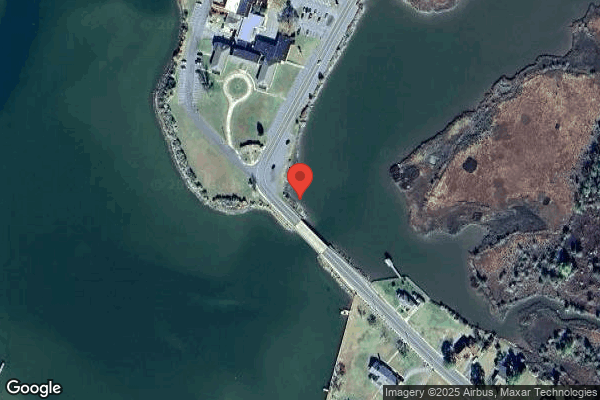
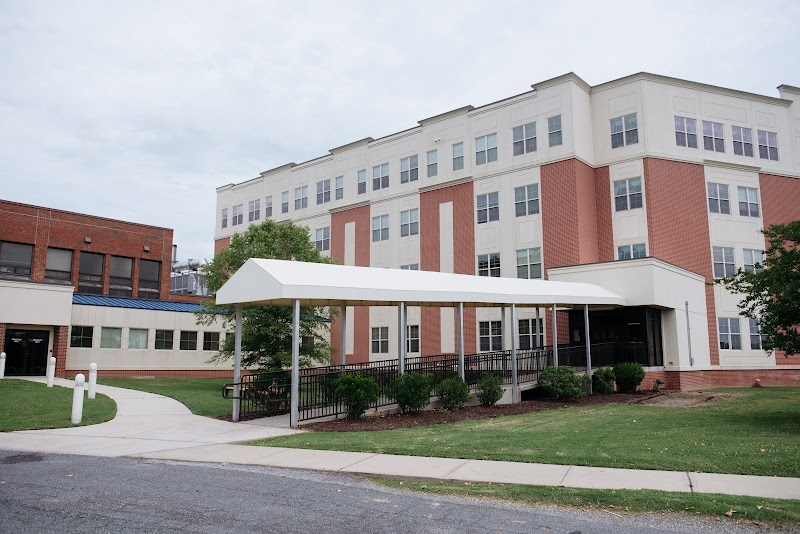
201 HALL HIGHWAY, CRISFIELD, MD 21817 (410) 968-1200
Non profit - Corporation 76 Beds Independent Data: November 2025
Trust Grade
65/100
#51 of 219 in MD
Last Inspection: November 2024

Within standard 12-15 month inspection cycle. Federal law requires annual inspections.

Overview

Alice Byrd Tawes Nursing Home holds a Trust Grade of C+, which indicates that it is slightly above average but not outstanding. It ranks #51 out of 219 facilities in Maryland, placing it in the top half, and is the best option in Somerset County. However, the facility is experiencing a worsening trend, with issues increasing from 4 in 2022 to 13 in 2024. Staffing is a positive aspect, with a 4/5 star rating and a turnover rate of 36%, which is lower than the state average, suggesting that staff members are familiar with the residents. Notably, there have been no fines, indicating good compliance with regulations, and the nursing home has more registered nurse coverage than 83% of facilities in the state, which is beneficial for resident care. On the downside, the facility has reported several concerning incidents. For example, there was a serious issue where a resident with paralysis was found on the floor and later assessed without proper follow-up, leading to a reported bruise and pain. Additionally, the nursing home failed to send required assessments to Medicare for multiple residents, which could impact their care planning. Furthermore, they did not provide baseline care plans to several residents within the mandated 48-hour timeframe after admission, which is critical for ensuring proper communication and safety. Overall, while there are some strengths in staffing and compliance, the increasing number of issues and specific incidents raise concerns about the quality of care.

Trust Score
C+
65/100
In Maryland
#51/219
Top 23%
Safety Record
Moderate
Needs review
Inspections
Getting Worse
4 → 13 violations
Staff Stability
○ Average
36% turnover. Near Maryland's 48% average. Typical for the industry.
Penalties
✓ Good
No fines on record. Clean compliance history, better than most Maryland facilities.
Skilled Nurses
✓ Good
Each resident gets 53 minutes of Registered Nurse (RN) attention daily — more than average for Maryland. RNs are trained to catch health problems early.
Violations
⚠ Watch
41 deficiencies on record. Higher than average. Multiple issues found across inspections.
★★★★☆
4.0
Overall Rating
★★★★☆
4.0
Staff Levels
★★★★☆
4.0
Care Quality
★★★★☆
4.0
Inspection Score
Stable
2022: 4 issues
2024: 13 issues

The Good

  • 4-Star Staffing Rating · Above-average nurse staffing levels
  • 4-Star Quality Measures · Strong clinical quality outcomes
  • Full Sprinkler Coverage · Fire safety systems throughout facility
  • No fines on record
  • Staff turnover below average (36%)

    12 points below Maryland average of 48%

Facility shows strength in staffing levels, quality measures, fire safety.

The Bad

Staff Turnover: 36%

Near Maryland avg (46%)

Typical for the industry

The Ugly 41 deficiencies on record

1 actual harm
Nov 2024 13 deficiencies
CONCERN (D)

Potential for Harm - no one hurt, but risky conditions existed

Deficiency F0578 (Tag F0578)

Could have caused harm · This affected 1 resident

Based on observation, interview and record review it was determined the facility failed to ensure advance directives for a resident were maintained and readily retrievable by any facility staff in the...

Read full inspector narrative →
Based on observation, interview and record review it was determined the facility failed to ensure advance directives for a resident were maintained and readily retrievable by any facility staff in their medical record. This was evident for 1 (Resident #50) out of 4 residents reviewed for advanced directives during the facility's recertification survey. The findings include: On 11/13/24 at 8:51AM the surveyor observed and reviewed the medical record which included both the hard chart and electronic health record for Resident #50 which revealed that a living will and power of attorney was documented for the resident, however, no evidence of the living will or power of attorney documents could be found within the medical record of the resident. The surveyor noted upon review of the resident's Maryland Medical Orders for Life Sustaining Treatment form that it referred to the resident as having a healthcare agent, however, no advanced directives were present within the resident's medical record. On 11/14/24 at 10:43AM the surveyor reviewed the medical record which revealed a physician's note dated 2/26/24 which notated advanced directives counseling/discussion had occurred. On 11/14/24 at 11:33AM the surveyor conducted an interview with Social Worker (SW) #6. When the surveyor inquired during the interview as to why the resident's advanced directives were not located within their medical record, SW #6 stated the following to the surveyor: It was an oversight. SW #6 confirmed with surveyors that they had checked, and the resident's advanced directive was not in their medical record. At this time, the surveyor shared their concern with SW #6 who acknowledged and confirmed understanding of the concern. On 11/20/24 at approximately 4:15PM during the exit conference, the surveyor again shared the concern.
CONCERN (D)

Potential for Harm - no one hurt, but risky conditions existed

Deficiency F0637 (Tag F0637)

Could have caused harm · This affected 1 resident

Based on review of the medical record and interview with facility staff, it was determined that the facility failed to document in the medical record when the determination was made that a resident me...

Read full inspector narrative →
Based on review of the medical record and interview with facility staff, it was determined that the facility failed to document in the medical record when the determination was made that a resident met the criteria for a Significant Change in Status Assessment (SCSA). This was evident for 1 (Resident #24) out of 33 residents reviewed during the recertification survey. The findings include: A Significant Change in Status Assessment (SCSA) is a comprehensive assessment that must be completed within 14 days after the Interdisciplinary Team (IDT) has determined that a resident meets the guidelines for significant change for either major improvement or decline. On 11/18/24 at 8:09AM review of the facility's Change in a Resident's Condition or Status policy revealed, A significant change of condition is a major decline or improvement in the resident's status that: a.Will not normally resolve itself without intervention by staff or by implementing standard disease-related clinical interventions (is not self-limiting); b.Impacts more than one area of the resident's health status; c.Requires interdisciplinary review and/or revision to the care plan; and d.Ultimately is based on the judgement of the clinical staff and the guidelines outlined in the Resident Assessment Instrument (a process to ensure residents receive the highest quality of care and can maintain the highest quality of life). The policy also indicated that, the nurse will record in the resident's medical record information relative to changes in the resident's medical/mental condition or status. On 11/18/24 at 4:38PM review of Resident #24's medical record revealed a SCSA dated 10/11/21. There was no evidence in the medical record indicating when the IDT determined that the resident met the criteria for a significant change. On 11/18/24 at 4:58PM in an interview with MDS Coordinator #11, when asked to show documentation where Resident #24 met the criteria for significant change, she asked if the surveyor was referring to the 10/11/2021 SCSA and stated she could not find anything to determine Resident #24 met the criteria for a significant change assessment. On 11/19/24 at 12:19 PM in an interview with the Director of Nursing she stated there is no documentation showing the resident met the criteria for a significant change on 10/11/2021.
CONCERN (D)

Potential for Harm - no one hurt, but risky conditions existed

Comprehensive Care Plan (Tag F0656)

Could have caused harm · This affected 1 resident

Based on observation, record review and interview it was determined the facility failed to ensure a resident's care plan was comprehensively developed and person centered. This was evident for 1 (Resi...

Read full inspector narrative →
Based on observation, record review and interview it was determined the facility failed to ensure a resident's care plan was comprehensively developed and person centered. This was evident for 1 (Resident #50) out of 1 resident reviewed for activities during the facility's recertification survey. The findings include: On 11/12/24 at 11:27AM the surveyor observed residents of the unit engaged in the community area, however, Resident #50 was observed to be in their bed awake with no activity materials observed within reach of the resident. On 11/13/24 at 9:18AM the surveyor observed Resident #50 in bed sleeping, and no activity materials were observed within reach of the resident. On 11/14/24 at 10:59AM the surveyor reviewed the medical record which revealed the resident had the following incomplete care plan intervention dated as initiated beginning on 3/14/24 for activities: Provide the resident with materials for individual activities as desired. The resident likes the following independent activities: (SPECIFY). On 11/14/24 at 11:01AM the surveyor conducted an interview with Activities Coordinator #27 who confirmed that Resident #50 prefers specific individual activities rather than participating in group activities. At this time, the surveyor shared their concern with Activities Coordinator #27 who observed the resident's incomplete care plan intervention and acknowledged and confirmed understanding of the concern and further reported that they would be revising the care plan intervention to include the resident's individualized preferences. The surveyor subsequently shared their concern with the facility's Administrator who confirmed understanding of the concern. On 11/20/24 at approximately 4:15PM during the exit conference, the surveyor again shared the concern.
CONCERN (D)

Potential for Harm - no one hurt, but risky conditions existed

Deficiency F0657 (Tag F0657)

Could have caused harm · This affected 1 resident

**NOTE- TERMS IN BRACKETS HAVE BEEN EDITED TO PROTECT CONFIDENTIALITY** Based on resident interview, review of the medical record, and interview with facility staff, it was determined that the facilit...

Read full inspector narrative →
**NOTE- TERMS IN BRACKETS HAVE BEEN EDITED TO PROTECT CONFIDENTIALITY** Based on resident interview, review of the medical record, and interview with facility staff, it was determined that the facility failed to hold care plan meetings for residents and/or their representatives at the time of their admission. This was evident for 1 (Resident #18) out of 33 residents reviewed during the recertification survey. The findings include: A care plan is a guide that addresses the unique needs of each resident. It is used to plan, assess, and evaluate the effectiveness of the resident's care. On 11/13/24 at 11:49 AM in an interview with Resident #18 she stated she had attended a care plan meeting since her admission to the facility. On 11/13/24 at 12:08PM review of the resident's paper chart did not reveal any documentation that care plan meetings had occurred. On 11/14/24 at 10:07AM review of Resident #18's medical record revealed the resident was admitted on [DATE] and that the resident had an admission MDS assessment completed on 2/12/24. Further review of the medical record revealed 2 care plan meeting notes. One was dated 5/29/24 and the other note was dated 8/29/24. There was no evidence in the medical record that a care plan meeting had been held with the resident and/or resident representative and the interdisciplinary team around the time of the admission MDS assessment. The surveyor interviewed the MDS Coordinator #11 on 11/14/24 at 11:49AM. During the interview, the MDS Coordinator #11 stated, yes, she was the staff member responsible for coordinating care plan meetings with residents and/or their resident representative. During the interview she stated, no, there was not a care plan meeting held in February 2024 for Resident #18. In addition, she stated, she looked in her calendar and saw she did not schedule it, and that it looked like it just got missed. The surveyor requested that the MDS Coordinator #11 provide the survey team with any evidence that a care plan meeting had taken place for Resident #18 around the time of the admission MDS assessment in February 2024. No such records were provided to the survey team by the time of survey exit.
CONCERN (D)

Potential for Harm - no one hurt, but risky conditions existed

Accident Prevention (Tag F0689)

Could have caused harm · This affected 1 resident

Based on observation, interview and record review it was determined the facility failed to: 1) ensure and monitor the implementation of fall interventions, and 2) monitor for effectiveness of fall int...

Read full inspector narrative →
Based on observation, interview and record review it was determined the facility failed to: 1) ensure and monitor the implementation of fall interventions, and 2) monitor for effectiveness of fall interventions. This was evident for 1(Resident #25) out of 2 residents reviewed for accidents during the facility's recertification survey. The findings include: On 11/13/24 at approximately 9:18AM the surveyor observed Resident #25, who was awake and laying in their bed. Upon interview of Resident #25 they expressed to the surveyor that they wanted to get up out of their bed and did not understand why they ate breakfast in their room instead of in the dining area. On 11/19/24 at 12:20PM the surveyor reviewed the medical record of Resident #25 which revealed they had extensive fall history, including four recent falls in October 2024. Review of the resident's care plan revealed the resident was at high risk for falls, and after a fall on 10/15/24 and a fall on 10/18/24, the following intervention was not implemented until 10/24/24 and was to currently be in place: low bed with mat when in bed. Review of the resident's medical record additionally revealed, that after 10/24/24, the resident had sustained two falls on 10/31/24 in which they were found on the floor. Observation by the surveyor of the resident's room on 11/19/24 at 12:24PM revealed there was no fall mat in place. On 11/19/24 at 12:25PM the surveyor observed the second floor nursing unit dry erase board information which documented that Registered Nurse (RN) #31 was assigned to the care of Resident #25 for the current shift. At this time, the surveyor inquired to RN #31 as to if they were familiar with Resident #25, and what fall precautions were currently supposed to be in place for them, to which they responded: I don't know the resident well, I would have to ask my supervisor. When the surveyor inquired to RN #31 as to if they were assigned to the care of Resident #25, they reported to the surveyor that they had to check and see if the resident was assigned to them. The surveyor observed RN #31 check their computer system, who then confirmed with the surveyor that they were assigned to the care of Resident #25. At this time, the surveyor shared their concern with RN #31 who observed and acknowledged the surveyor's concern, and the surveyor requested for the Director of Nursing (DON) to conduct a dual observation of the concern. On 11/19/24 at 12:30PM the surveyor conducted an interview with Licensed Practical Nurse #32 who confirmed with the surveyor that a fall mat should be in place and remain on the side of the bed that is not next to the wall, and that staff do not have to go retrieve a mat from anywhere when they put a resident who requires a fall mat into bed. On 11/19/24 at 12:33PM the surveyor conducted a dual observation with the facility's DON who observed the concern. The surveyor observed the DON look through the room to ensure there was no fall mat anywhere. At this time, the surveyor conducted an interview with the DON who acknowledged and confirmed understanding of the surveyor's concern and stated the following: There's no fall mat, it should be within the room and it's not. On 11/19/24 at 12:36PM the surveyor conducted an interview with Geriatric Nursing Assistant #33 who reported the following to the surveyor regarding fall mats: I don't usually deal with that, I think maintenance gets it for us, usually they're just on the floor. On 11/19/24 at 12:38PM the surveyor continued to observe there was no fall mat in place in the room of Resident #25. On 11/19/24 at 2:14PM, after surveyor intervention, review of the medical record revealed the pre-existing medical order dated as beginning on 10/24/24 for the fall mat was now discontinued, and a new order for a fall mat to be in place was ordered beginning 11/19/24. Additionally, a nursing note created on 11/19/24 at 12:54PM was observed documented by RN #31 which did not include information regarding intervention by the surveyor. Until surveyor intervention, sign off documentation was observed to be signed off on the October and November treatment administration records indicating the fall mat had been in place for the resident. The surveyor subsequently shared the concern with the facility's Administrator who acknowledged and confirmed understanding of the concern. On 11/20/24 at approximately 4:15PM during the exit conference, the surveyor again shared the concern.
CONCERN (D)

Potential for Harm - no one hurt, but risky conditions existed

Deficiency F0692 (Tag F0692)

Could have caused harm · This affected 1 resident

**NOTE- TERMS IN BRACKETS HAVE BEEN EDITED TO PROTECT CONFIDENTIALITY** Based on observation, interview and record review it was determined the facility failed to ensure the implementation of a nutrit...

Read full inspector narrative →
**NOTE- TERMS IN BRACKETS HAVE BEEN EDITED TO PROTECT CONFIDENTIALITY** Based on observation, interview and record review it was determined the facility failed to ensure the implementation of a nutrition intervention for a resident to prevent further weight loss. This was evident for 1 (Resident #53) out of 3 residents reviewed for nutrition during the facility's recertification survey. The findings include: On 11/12/24 at 12:07PM the surveyor observed Resident #53 to be laying in bed awake, positioned at approximately a thirty degree angle with their lunch meal on the bedside tray table which was positioned over the bed. On 11/13/24 at 11:35AM the surveyor reviewed the medical record of Resident #53 which revealed that upon admission on [DATE], they weighed 114.2 lbs. and on 11/07/2024, they weighed 103.9 lbs. indicating weight loss of the resident. Review of the physician's documentation revealed the resident had been losing weight prior to admission to the facility. On 11/15/24 at 9:31AM during review of the medical record of Resident #53 the surveyor reviewed section GG of the admission minimum data set (a standardized assessment tool used to evaluate residents) which revealed documentation dated 9/18/24 which coded the resident as needing partial/moderate assistance for eating upon admission to the facility. Review of a nutrition note dated 10/11/24 by Dietician #19 revealed they documented the following information: Nursing reports resident ate 100% when s/he was fed, Communicated with DON (Director of Nursing) and s/he will be continued to be fed by staff at mealtimes. Further review of the medical record revealed a quarterly nutrition assessment dated [DATE] which documented the following regarding the resident's feeding ability: Unable to feed self and must be assisted or supervised throughout the meal/snack. Review of the resident's care plan revealed the following intervention was documented on 9/11/24 upon their admission: S/he is dependent on staff for bathing and dressing, setup meals and assist to max intake as needed. On 11/18/24 at 12:15PM the surveyor conducted an observation of Resident #53 who was observed to be laying in bed repeatedly attempting to bring a cup and then a container (magic cup) to their mouth without eating or drinking the contents. Closer observation of the resident revealed the cup was empty and the container had a paper lid on it. Liquid was observed to be spilled adjacent to the bed. As the resident was picking up the magic cup container (nutritional supplement) they stated the following to the surveyor: Can't get it open, gosh, can't do that, I'll soon give up, it would be easier to try to get into this. The resident was observed raising their drink cup to show the surveyor and verbalized the following information: Can't get anything out of here. The surveyor observed that the resident had not yet consumed any of the lunch food items on their tray. On 11/18/24 at 12:23PM the surveyor conducted an interview with Registered Nurse (RN) #4. When the surveyor inquired as to the process of how staff ensure all residents receive feeding assistance at mealtime, they reported to the surveyor: The geriatric nursing assistants (gna's) are each assigned a group of residents, this group is heavy, they just figure it out amongst themselves, if I see somebody that needs to be fed I'll jump in today. RN #4 further reported that staff look and make sure the residents have been fed at clean up time. On 11/18/24 at 12:26PM the surveyor requested a dual observation of Resident #53 with RN #4. Upon entry to the room, RN #4 observed and verbalized that the resident's tea was spilled and was observed obtaining supplies and cleaning up the spill and retrieving another tea for the resident to drink. At 12:28PM Resident #53 was observed grabbing their magic cup and packaged cookies, however, they were unable to open the packaging. The surveyor shared their concerns with RN #4 who acknowledged and confirmed understanding of the concerns. On 11/18/24 at 12:32PM the surveyor observed Resident #53 accepting food while being provided with physical assistance for feeding by RN #4. On 11/18/24 at 12:37PM the surveyor reviewed the medical record for Resident #53 which revealed that documentation had not yet been recorded on the task list for either the breakfast or the lunch meal for 11/18/24. On 11/18/24 at 12:39PM the surveyor conducted an interview with Geriatric Nursing Assistant #28 who confirmed with the surveyor that the facility's expectation for documentation of amounts eaten and the resident's level of feeding assistance provided was expected to be documented at each meal, prior to the next meal occurring. On 11/18/24 at 12:53PM the surveyor conducted an interview of RN #4 who reported to the surveyor that Resident #53 had consumed all supplements including the ensure and magic cup, ate their cheeseburger, and some of their cookie. On 11/18/24 at 12:55PM the surveyor observed the resident's food tray in the food cart which confirmed the resident had eaten 100% of their supplements and 100% of their cheeseburger. On 11/18/24 at 12:58PM during an interview with the Director of Nursing (DON) they stated to the surveyor that the staff are provided with a paper cheat sheet that is updated by them after risk meetings are held. The DON observed the current cheat sheet and reported that it directed the staff to cue and feed as needed, but this was not the most current recommendation. The DON stated the following: I'm going to edit this right now. When the surveyor inquired as to the resident's care plan intervention which did not reflect the most current level of feeding assistance required, the DON reported the intervention should be updated on the care plan at the time of the change.
CONCERN (D)

Potential for Harm - no one hurt, but risky conditions existed

Respiratory Care (Tag F0695)

Could have caused harm · This affected 1 resident

Based on observations, interviews and medical record reviews it was determined that the facility failed to 1) label the oxygen tubing and humidifier bottle and 2) failed to follow the physician's orde...

Read full inspector narrative →
Based on observations, interviews and medical record reviews it was determined that the facility failed to 1) label the oxygen tubing and humidifier bottle and 2) failed to follow the physician's orders to label the oxygen tubing and humidifier when changed. This was evident for one (Resident #30) of one resident reviewed for respiratory care during the recertification survey. The findings include: A nasal canula is a plastic tube that delivers oxygen into a resident's nostrils. On 11/13/24 at 12:00 PM the surveyor observed Resident #30 with oxygen 2 Liters nasal cannula in her nose. It was observed that the oxygen tubing and the humidifier bottle had not been labeled with the date and time it was placed. On 11/14/24 at 11:32 AM the surveyor observed Resident #30 with oxygen 2 Liters nasal cannula in her nose. It was observed that the oxygen tubing and the humidifier bottle had not been labeled with the date or time it was placed. On 11/14/24 at 11:35 AM Staff #24, Licensed Practical Nurse (LPN), was interviewed regarding who changes the oxygen tubing and humidifier and when is it changed. LPN #24 replied that the night nurse changes the oxygen tubing and humidifier and stated, I am not sure how often the tubing is changed, but I think it is monthly. But you can ask a regular staff nurse. At the time of the interview LPN # 24 was shown that the oxygen tubing and humidifier bottle had not been labeled with the date and time. LPN #24 acknowledged that the oxygen tubing and humidifier bottle were not labeled. On 11/14/24 at 11:40 AM Staff #25, LPN Charge Nurse for the second and third floor, was interviewed about when oxygen tubing and humidifiers are changed. LPN #25 replied that the oxygen tubing gets changed every Sunday night by the night shift nurse along with the nebulizer or concentrator. When a resident is on oxygen there should be an order for the oxygen and when to change the oxygen tubing. When the tubing and humidifier have been changed by the night nurse, the nurse signs off that the oxygen tubing was changed on the Medication Administration Record (MAR) or the Treatment Administration Record (TAR). On 11/14/2024 01:00 PM the TAR was reviewed. The order on the TAR was to change oxygen tubing and humidifier every 2 weeks and PRN (as needed) on Sunday nights 7P-7A. Label O2 (oxygen) tubing and canister with the date and time. Start date of order was 8/26/24.
CONCERN (D)

Potential for Harm - no one hurt, but risky conditions existed

Drug Regimen Review (Tag F0756)

Could have caused harm · This affected 1 resident

Based on observation, record review, and interview with facility staff, it was determined that the facility 1) failed to ensure monthly Medication Regimen Reviews were completed by the pharmacist and ...

Read full inspector narrative →
Based on observation, record review, and interview with facility staff, it was determined that the facility 1) failed to ensure monthly Medication Regimen Reviews were completed by the pharmacist and 2) failed to respond to recommendations made by consulting pharmacists in a timely manner. This was evident for 1 (Resident #18) out of 5 residents reviewed for unnecessary medications during the recertification survey. The findings include: A Medication Regimen Review (MRR) is a thorough evaluation of the medication regimen (plan) of a resident, with the goal of promoting positive outcomes and minimizing adverse consequences and potential risks associated with medications. The MRR includes review of the medical record to identify, report, and resolve medication-related problems, errors, and/or other irregularities. 1) On 11/14/24 at 9:49AM, the surveyor reviewed the medical record for Resident #18 which revealed on 8/29/24, Pharmacist #17 documented in the Chronological Record of MRR in the resident's paper chart, TSH low: decrease levothyroxine. On 11/14/24 at 10:56AM the surveyor requested copies of the last three months of medication regimen reviews and pharmacy recommendations for Resident #18 from the Director of Nursing (DON.) On 11/15/24 at 8:58AM the surveyor noted the above documentation requested was not received and made a second request to the Licensed Nursing Home Administrator (LNHA). On 11/15/24 at 9:35AM in an interview with the LNHA she stated she did not see a pharmacy recommendation for August for Resident #18. On 11/15/24 at 10:12AM in an interview with the LHNA she stated we have no formal recommendations (and she clarified formal recommendation to be the document titled Note to Attending Physician/Prescriber) for Resident #18 for August 2024 from Pharmacist #17. When showed the Chronological Record of MRR and asked why there is not a formal recommendation for Resident #18 from the month of August, she stated we do not have one because she [Pharmacist #17] never sent it to us. She [Pharmacist #17] comes to the facility, reviews all the residents' medications, makes recommendations (if necessary), inputs them into her software which generates a Note to Attending Physician/Prescriber, and then emails them to myself and the DON. On 11/15/24 at 11:02AM, the DON provided the surveyor with a screenshot she said she received from Pharmacist #17 showing her history of recommendations made and sent to the facility for Resident #18. There was no recommendation for the month of August 2024. On 11/18/24 at 12:33PM in an interview with Pharmacist #17 when asked if she made any recommendations for Resident #18 in August 2024, she stated she does not have an entry for Resident #18 for August 2024. During the interview when asked for an explanation, she stated she does not know why. On 11/18/24 at 3:29PM in an interview with the LNHA, when asked what process/system was in place to ensure the facility received all the pharmacy recommendations from the consulting pharmacist for a specific month, she stated there is not currently a system for knowing which pharmacy recommendations we should be receiving monthly. During the interview she stated, starting next month and moving forward Pharmacist #17 will send a monthly summary report to ensure we are aware of all the pharmacist's recommendations we should be receiving for a given month. 2) The medical record for Resident #18 was reviewed on 11/14/24 at 9:49AM. The review revealed on 9/29/24, Symbicort dose: increase puffs. On 11/14/24 at 10:37AM in an interview the DON when asked about the facility's MRR process, she stated, the pharmacy consultant, Pharmacist #17, comes to the facility monthly, reviews residents' medications and medical records, make any necessary recommendations, emails those recommendations to the LNHA and DON, and then we print them out. The Clinical Supervisor #3 gives the recommendations to the doctors and rounds with them. The doctors either agree or disagree with Pharmacist #17's recommendations and if they disagree, they must document their reason. During the interview, she stated it is the expectation that the provider checks one of the boxes (agree, disagrees, or other) and provides a rationale if they disagree with the pharmacist's recommendations. On 11/14/24 at 10:56AM the surveyor requested copies of the last three months of medication regimen reviews and pharmacy recommendations for Resident #18 from the Director of Nursing (DON.) On 11/15/24 at 8:58AM the surveyor noted the above documentation requested was not received and made a second request to the Licensed Nursing Home Administrator (LNHA). On 11/15/24 at 9:43AM in an interview with the LNHA she stated the September 2024 pharmacy recommendation was not addressed. The surveyor made a third request for the documentation. On 11/15/24 at 10:12 AM in an interview with the LHNA she provided a copy of the Note to Attending Physician/Prescriber, for Resident #18 with a documented MRR date of 9/29/24. The note stated, Dear Dr. [Physician #15], Resident is on Symbicort Inhalation Aerosol 160-4.5mcg- 1puff orally twice daily for bronchiectasis. Manufacturer recommends administration of 2 puffs not one for appropriate therapy in both asthma and COPD. Please change to Symbicort Inhalation Aerosol 160-4.5mcg- administer 2 puffs twice daily. Under the Physician/Prescriber Response heading, none of the 3 response boxes [agree, disagree, other] were checked and the Signature and Date fields were blank. The LNHA was interviewed on 11/18/24 at 12:21PM. When asked the facility's timeline for the physician/provider to respond to the pharmacist's recommendations she stated within 7-14 days. During the interview when asked why the 9/29/24 pharmacist's recommendation to increase Resident #17's Symbicort had not been responded to, she stated she could not say but could find out now if Physician #15 wanted to act upon that recommendation. On 11/18/24 at 1:11PM in an interview with the LNHA she stated there was no documentation anywhere else in Resident #18's medical record that the 9/29/24 pharmacist recommendation was addressed by Physician #15, so he did respond, sign, and date it today, 11/18/24. During the interview the LNHA provided a copy of the pharmacy recommendation with the disagree box checked, a rationale for the disagreement, and the doctor's signature and date (11/18/24). When asked if the 9/29/24 pharmacy recommendation was responded to within the facility's timeframe, she stated, no, it was not. The 9/29/24 pharmacy recommendation was not addressed until surveyor intervention, 82 days after the recommendation was made.
CONCERN (D)

Potential for Harm - no one hurt, but risky conditions existed

Infection Control (Tag F0880)

Could have caused harm · This affected 1 resident

**NOTE- TERMS IN BRACKETS HAVE BEEN EDITED TO PROTECT CONFIDENTIALITY** Based on record review and interview with facility staff, it was determined that the facility failed to ensure all employees' re...

Read full inspector narrative →
**NOTE- TERMS IN BRACKETS HAVE BEEN EDITED TO PROTECT CONFIDENTIALITY** Based on record review and interview with facility staff, it was determined that the facility failed to ensure all employees' required immunizations and screenings were up to date, as it relates to infection prevention and control. This was evident for 2 (GNA #34 and LPN #35) of 5 employees reviewed during the recertification survey. The findings include: On 11/20/24 at 2:40PM, 5 employees' files were reviewed by the survey team. The review included TB screenings and immunizations and revealed Geriatric Nursing Assistant (GNA #34) did not have a documented TB screening on file and Licensed Practical Nurse (LPN #35) did not have a documented Tdap [tetanus, diphtheria, and pertussis (whooping cough)] immunization on file. The survey team requested documentation of these screenings and immunizations. On 11/20/24 at 3:25PM in an interview with the Licensed Nursing Home Administrator (LNHA), she stated employee health does not require Tdap for their employees, just for the pediatric unit, but she would change that now. During the interview, she stated any documentation for proof of TB screenings or immunizations we have not brought you, we do not have. On 11/20/24 at 3:58PM review of the Employee Health Procedures revealed, III. TUBERCULOSIS (TB) SURVEILLANCE AND PREVENTION Two-step TB testing is required of all new team members. Previously positive new team members must submit recent (within the last year) chest X-Ray results and symptoms questionnaire. TB assessment and/or testing is repeated annually for all team members. Team members are also re-tested after unprotected exposure to infectious TB. Further review of the facility's policy revealed, VII. TETANUS-DIPTHERIA-PERTUSSIS All new team members and those assigned to high risk areas (Mother Baby, SCN, Peds, Labor & Delivery, Child Care, ED, ICU, Respiratory, [NAME] Nursing Home) are required to have a single dose of Adult Tdap given at greater than or equal to [AGE] years of age AND after May 2005 (date of FDA licensure). Pediatric Tdap given less than [AGE] years of age or before May 2005 will not be accepted.
CONCERN (E)

Potential for Harm - no one hurt, but risky conditions existed

MDS Data Transmission (Tag F0640)

Could have caused harm · This affected multiple residents

Based on review of reporting data, clinical records and interview it was determined that the facility staff failed to ensure assessments were sent to the Centers for Medicare and Medicaid Services as ...

Read full inspector narrative →
Based on review of reporting data, clinical records and interview it was determined that the facility staff failed to ensure assessments were sent to the Centers for Medicare and Medicaid Services as required. This was evident for 4 (#11, #51, #56, and #69) out of the 7 residents reviewed for late reporting. The findings include: The Minimum Data Set (MDS) is a federally mandated assessment tool that helps nursing home staff gather information on each resident's strengths and needs. The information collected drives resident care planning decisions. MDS assessments need to be accurate to ensure each resident receives the care they need. A review of seven residents' clinical records was conducted secondary to the survey process triggering this task for missing resident assessments. Records for Residents #11, #51, #56, #62, #63, #67, and #69 were reviewed on 11/20/24. The electronic health records revealed that some of the residents had an assessment that was listed as in progress. The MDS director was interviewed on 11/20/24 at 9:39 AM. She was provided with the names of the residents and the survey team requested the validation report for the submission of the MDS assessments. She wrote down the names of the residents and said she thought most of the assessments were late then added that she knew a couple of these were definitely late. A review of the Validation report revealed that Resident #11's discharge MDS was still in Progress and not transmitted. Resident #51 had a discharge MDS that is also in Progress and not transmitted. Resident #56 had a discharge MDS that is in Progress and not transmitted. Resident #69 had a discharge MDS that was in progress but not transmitted. The facility administrative staff were informed of the deficiency at the exit conference.
CONCERN (E)

Potential for Harm - no one hurt, but risky conditions existed

Deficiency F0655 (Tag F0655)

Could have caused harm · This affected multiple residents

**NOTE- TERMS IN BRACKETS HAVE BEEN EDITED TO PROTECT CONFIDENTIALITY** Based on review of medical records and interview with facility staff, it was determined that the facility failed to provide a ba...

Read full inspector narrative →
**NOTE- TERMS IN BRACKETS HAVE BEEN EDITED TO PROTECT CONFIDENTIALITY** Based on review of medical records and interview with facility staff, it was determined that the facility failed to provide a baseline care plan summary to residents and/or resident's representative within 48 hours after admission. This was evident for 6 (#57, #8, #19, #36 # 30, and #10) out of 12 residents reviewed for baseline care plans during the recertification survey. The findings include: A baseline care plan (BLCP) must be completed within 48 hours of a resident's admission to the facility and include the initial goals based on admission orders, physician orders, dietary orders, therapy services, and social services. A summary of the BLCP as well as a list of the resident's current medications must be given to each resident and/or his/her representative. Completion and implementation of the BLCP is intended to promote continuity of care and communication among staff, increase resident safety, and safeguard against adverse events (undesirable outcomes) that can occur right after admission. 1.) On 11/18/24 at 3:15PM the DON was asked for a copy of Resident # 10's Baseline Care Plan along with Resident #30 and Resident #36. On 11/19/24 05:00PM The DON was asked to provide documentation to show that the resident/resident representative were presented with their Baseline Care Plan and given a written copy of their Baseline Care Plan within 48 hours of admission. The DON acknowledged that they do not have any documentation to verify that the resident/resident representative were presented with a written copy of their Baseline Care Plan within 48 hours of admission. On 11/19/24 at 6:00PM a paper copy of their Baseline Care Plan was reviewed and showed that Resident #36 was admitted on [DATE] and their Baseline Care Plan was completed on 8/15/2024. Further record review showed that the Baseline Care Plan had no signature for staff and no signature for the resident/resident representative that acknowledged that they had been given a written copy of their Baseline Care Plan within 48 hours after being admitted On 11/19/24 06:07PM a paper copy of the Baseline Care Plan was reviewed and showed Resident #30 was admitted on [DATE]. Further record review showed that the Baseline Care Plan had no signatures for staff or for when the Baseline Care Plan was completed and no signature for when the Baseline Care Plan was reviewed with the resident/resident representative and when the resident/resident representative received a written copy of their Baseline Care Plan. On 11/19/24 6:12PM a paper copy of the Baseline Care Plan was reviewed and showed that Resident #10 was admitted on [DATE] and the Baseline Care Plan was completed on 6/21/2018. Further record review showed that the Baseline Care Plan had no signature for staff and no signature for the resident/resident representative that acknowledged that they had been given a written copy of their Baseline Care Plan within 48 hours after being admitted . 2.) On 11/15/24 at 10:54 AM, review of Resident #57's medical record revealed an admission date of 4/23/23. Further review of the medical record revealed the first care plan initiated for this resident was dated 4/25/23, however there was no documentation that the resident received a BLCP summary including a summary of the resident's medications. The surveyor requested a BLCP summary for Resident #57. On 11/15/24 at 11:04 AM, the SW was interviewed. During the interview, she stated that all residents should be given copies of their BLCPs within 48 hours. On 11/15/24 at 12:38 PM the Director of Nursing (DON) provided a copy of Resident # 57's BLCP dated 4/25/23. The field where it stated Resident signature and date on page 8 of 9 was blank/empty. The surveyor requested documentation that the resident received a summary of his/her BLCP including a list of his/her medications. On 11/15/24 at 1:05 PM in an interview with the DON she stated, No, there is no documentation that Resident #57 received his/her BLCP, including a list of their medications. We do have residents sign their Baseline Care Plans now, but no, there is no documentation Resident #57 received his/her BLCP summary. 3.) On 11/15/24 at 12:15 PM Resident #19's medical record was reviewed. The review included an admission date of 9/30/22, however, no note or other documentation could be found that stated the resident had received a summary of his/her BLCP. The surveyor requested documentation that the resident received a summary of his/her BLCP including a list of their medications. On 11/15/24 at 1:05 PM in an interview with the DON she stated, no, there is no documentation that Resident #19 received their BLCP summary, including a list of their medications. 4.) On 11/15/24 at 11:52 AM review of Resident #8's medical record revealed an admission date of admitted [DATE]. Upon further review, there was no documentation that the resident received a BLCP summary. The surveyor requested documentation that the resident received a summary of his/her BLCP summary including a list of their medications. On 11/15/24 at 1:05 PM in an interview with the DON she stated, no, there is no documentation that Resident #8 received their BLCP summary, including a list of their medications.
CONCERN (E)

Potential for Harm - no one hurt, but risky conditions existed

Staffing Information (Tag F0732)

Could have caused harm · This affected multiple residents

Based on observation and interview it was determined the facility failed to post required staffing information. This was evident for 3 out of 3 floors of the facility during the recertification survey...

Read full inspector narrative →
Based on observation and interview it was determined the facility failed to post required staffing information. This was evident for 3 out of 3 floors of the facility during the recertification survey. The findings include: On 11/12/24 at approximately 10:15AM surveyors entered the building for the facility's recertification survey and upon entering, no staffing information was observed posted on the first floor. On 11/12/24 at 11:47AM the surveyor conducted a tour of the facility's second floor nursing unit. Observation of a dry erase board on the unit revealed there was no facility name displayed, the following date was observed: November 1, 2024, there was no total number of staff displayed, and no actual hours worked listed by category for 7 out of 11 nursing staff. No other postings of staffing information were observed to be present on the unit. On 11/12/24 at 12:04PM the surveyor conducted a tour of the facility's third floor nursing unit. Observation of a dry erase board on the unit revealed there was no facility name displayed, there was no total number of staff displayed, and no actual hours worked listed by category for 10 out of 13 nursing staff. No other postings of staffing information were observed to be present on the unit. On 11/19/24 at 3:35PM the surveyor conducted an interview of the facility's Director of Nursing (DON) who stated the following information in response to the surveyor's sharing of the concern: We have a staffing binder on the second floor nursing station that is supposed to be on the counter. At this time, the DON confirmed with the surveyor that there were no postings of staffing information in the building occurring except on the dry erase board, and one was located on each unit (2nd and 3rd floors). On 11/19/24 at 3:36PM the surveyor conducted an interview of Front Desk Receptionist #26 who confirmed that there was no staffing information that was posted on the first floor. On 11/19/24 at 3:38PM the surveyor conducted an observation of the second floor nursing station and staffing schedule sheet binders were observed to be out of reach behind the nursing counter, in the office area. At the time of the observation, the surveyor again interviewed the DON who reported the following information to the surveyor: We have these binders and the staffing board on the units, no paper copies are posted anywhere, just the boards and binders. The surveyor subsequently shared the concern with the facility Administrator who acknowledged and confirmed understanding of the concern. On 11/20/24 at approximately 4:15PM during the exit conference, the surveyor again shared the concern.
CONCERN (E)

Potential for Harm - no one hurt, but risky conditions existed

Food Safety (Tag F0812)

Could have caused harm · This affected multiple residents

Based on observations and interviews, it was determined that the facility failed to properly store, date, and label food items to prevent food from being served that may be unsafe to eat and to preven...

Read full inspector narrative →
Based on observations and interviews, it was determined that the facility failed to properly store, date, and label food items to prevent food from being served that may be unsafe to eat and to prevent cross contamination. This was evident by the initial kitchen observations of the facility's dessert freezer during the recertification survey. The findings include: On 11/12/24 at 10:55 AM during the initial kitchen observation the surveyor entered the kitchen and spoke with the Food Service Supervisor (FSS) #22. Together a walkthrough of the refrigerator and freezers was conducted. During the inspection of the freezer, which had frozen desserts inside, the surveyor noticed a large full bag of brownies in a clear Ziplock bag and a large full bag of cookies in a clear Ziplock bag. This was brought to FSS #22's attention and they removed the bags of brownies and cookies and placed them on a stainless-steel counter in front of the dessert freezer. When asked how long the brownies and cookies had been in the freezer, FSS #22 said: I am not sure. FSS #22 then called over Dietary Aide #23 in charge of desserts, and asked Dietary Aide #23 about the Ziplock bags with brownies and cookies with no date and label. Dietary Aide #23 said the cookies and brownies were from yesterday and proceeded to label and date the Ziplock bags of brownies and cookies. During the initial kitchen observation, a blue rag in a clear Ziplock bag was also observed in the dessert freezer on the middle shelf. This blue rag in the clear Ziplock bag was shown to FSS #22 and the surveyor asked them what this was, and FSS #22 stated they were not sure. FSS #22 then asked Dietary Aide #23 what the blue rag in the Ziplock bag was doing in the dessert freezer. Dietary Aide #23 stated: I do not know. FSS #22 removed the blue rag in the clear Ziplock bag from the dessert freezer. On 11/19/24 at 12:00 PM the Food Receiving and Storage policy was received from the Food Service Director #30. Their facility policy stated that all foods stored in the refrigerator or freezer are covered, labeled and dated with a (use by date).
Nov 2022 4 deficiencies
CONCERN (D) 📢 Someone Reported This

A family member, employee, or ombudsman was alarmed enough to file a formal complaint

Potential for Harm - no one hurt, but risky conditions existed

Deficiency F0637 (Tag F0637)

Could have caused harm · This affected 1 resident

Based on record review, the facility (1) failed to convert a Resident Assessment Instrument (RAI) quarterly assessment into a more comprehensive Significant Change in Status Assessment (SCSA) when the...

Read full inspector narrative →
Based on record review, the facility (1) failed to convert a Resident Assessment Instrument (RAI) quarterly assessment into a more comprehensive Significant Change in Status Assessment (SCSA) when the resident's quarterly assessment revealed declines in more than 2 areas assessed; and (2) failed to timely complete an SCSA. This was evident for 2 of 9 residents (Residents #10 and #15) reviewed during survey. The findings include: Per the RAI manual when 2 or more areas of decline are evident during completion of a noncomprehensive quarterly assessment, facilities are required to revise the quarterly assessment to a comprehensive Significant Change in Status Assessment (SCSA). Completion of the SCSA ensures a more thorough review of factors related to the identified decline(s) in condition and ensures a comprehensive review of all related care planning. 1. Review of the medical record for Resident #10 revealed that a quarterly RAI assessment was opened with an assessment reference date of 5/30/21, and a prior assessment with reference date of 3/23/21 had been completed. Comparison of the earlier March 2021 assessment, revealed that by time of the May 2021 assessment the resident's clinical condition had declined in three different areas of coding related to assistance needed and provided for Activities of Daily Living. These areas were for bed mobility (declined from limited assistance to extensive assistance), transfers (declined from limited assistance to extensive assistance), and toileting (declined from extensive assistance to total dependence). The quarterly assessment with 5/30/21 reference date was nonetheless completed without revising it to the required comprehensive SCSA. 2. Review of the RAI assessment for resident #15 revealed that an SCSA was opened with an assessment reference date of 9/26/21. The SCSA completion was due on or by 10/11/21 and completion of care planning was due on or by 10/18/21. Both the assessment and the care planning process were signed off in the SCSA late on 11/3/21.
CONCERN (D) 📢 Someone Reported This

A family member, employee, or ombudsman was alarmed enough to file a formal complaint

Potential for Harm - no one hurt, but risky conditions existed

Deficiency F0638 (Tag F0638)

Could have caused harm · This affected 1 resident

Based on medical record review, the facility failed to ensure RAI quarterly assessments were completed timely. This was evident for 1 of 9 residents (Resident #3) reviewed during complaint survey. The...

Read full inspector narrative →
Based on medical record review, the facility failed to ensure RAI quarterly assessments were completed timely. This was evident for 1 of 9 residents (Resident #3) reviewed during complaint survey. The findings include: For quarterly RAI assessments, the MDS completion date (Item Z0500B) must be no later than 14 days after the assessment reference date (ARD) (ARD + 14 calendar days). Review of RAI assessments entered for Resident #3 revealed that the facility opened a quarterly RAI assessment for Resident #3 with a reference date set for 9/16/21. Completion of the assessment was due by 10/1/21 but the assessment was not completed (sign off at assessment item Z0500B) until 11/1/21.
CONCERN (D) 📢 Someone Reported This

A family member, employee, or ombudsman was alarmed enough to file a formal complaint

Potential for Harm - no one hurt, but risky conditions existed

Assessment Accuracy (Tag F0641)

Could have caused harm · This affected 1 resident

Based on medical record review, the facility failed to ensure the accuracy of RAI assessments. This was evident for 1 of 9 residents (Resident #7) reviewed during complaint survey. The findings includ...

Read full inspector narrative →
Based on medical record review, the facility failed to ensure the accuracy of RAI assessments. This was evident for 1 of 9 residents (Resident #7) reviewed during complaint survey. The findings include: The facility failed to ensure RAI assessments were accurate. In a quarterly RAI assessment for Resident #7 with an assessment reference date of 12/21/21 the facility coded at B0600 that the resident had clear speech; at B0700 that the resident was able to make themselves understood; and at B0800 that the resident was able to understand others. However, in same RAI assessment, the resident scored 3/15 on the Brief Interview for Mental Status (BIMS) implying severe cognitive impairment. The BIMS coding in section C of the RAI assessment was inconsistent with the coding in section B.
CONCERN (D) 📢 Someone Reported This

A family member, employee, or ombudsman was alarmed enough to file a formal complaint

Potential for Harm - no one hurt, but risky conditions existed

Deficiency F0642 (Tag F0642)

Could have caused harm · This affected 1 resident

**NOTE- TERMS IN BRACKETS HAVE BEEN EDITED TO PROTECT CONFIDENTIALITY** Based on medical record review, the facility failed to ensure Resident Assessment Instrument (RAI) records were effectively coor...

Read full inspector narrative →
**NOTE- TERMS IN BRACKETS HAVE BEEN EDITED TO PROTECT CONFIDENTIALITY** Based on medical record review, the facility failed to ensure Resident Assessment Instrument (RAI) records were effectively coordinated in a manner to ensure timely completion. This was evident for RAI records for 1 of 9 residents (Resident #4) reviewed during complaint survey. The findings include: The facility failed to ensure effective coordination of RAI tracking records. Per the RAI manual, completion of the tracking record following a resident death is required 7 days after the date of death . Review of medical record documentation revealed that Resident #4 died during [DATE], but the required tracking record was not transmitted into the Federal database until [DATE].
Sept 2019 10 deficiencies 1 Harm
SERIOUS (G)

Actual Harm - a resident was hurt due to facility failures

Quality of Care (Tag F0684)

A resident was harmed · This affected 1 resident

Based on medical records review and interview with staff it was determined that the facility staff failed to notify the physician when there was an acute change in the resident's condition after a fal...

Read full inspector narrative →
Based on medical records review and interview with staff it was determined that the facility staff failed to notify the physician when there was an acute change in the resident's condition after a fall. This was found to be true for 1 out of 22 residents (Resident #4) reviewed during the investigation stage of the long-term care survey process. This failure resulted in actual harm to Resident #4. The findings include: On 9/19/19 Resident #4's medical records were reviewed. This review revealed the resident was admitted to the facility in September 2018 for rehabilitation and with diagnosis that included cerebral infarction, or stroke (a brain lesion in which a cluster of brain cells die when they don't get enough blood), right hemiplegia (paralysis of the right side) and high blood pressure. Review of the medical records revealed on 4/5/19 the resident was found on the floor beside the bed. Review of the investigative reports revealed that the resident's nurse, licensed practical nurse (LPN) #22 indicated that the resident was assessed and put back into the wheelchair. Review of LPN #22's notes revealed no injury noted, no bruising or complaints of pain and the doctor and the resident's family were notified of the fall. Review of the comprehensive evaluation note completed by LPN #24 documented the following: Resident in bed, no bruises noted at this time. Resident appears to be in pain with guarding R (right) leg and moaning. vs (vital signs) stable. Assisted geriatric nursing assistant (GNA) to change resident noticed bruise R hip, resident in pain guarding, restless, body stiffening signs. Tylenol given. Further review of the medical records failed to reveal any documentation that the physician was notified of the resident's change in condition of the bruising and increased pain. Review of the statements from the GNAs (#23, #25, #26 and #27) that provided care to the resident after the fall revealed the following: -GNA #23- when providing care to the resident I noticed a bruise on her/his right hip and that the resident was in a lot of pain than usual, just from moving the bed up for care the resident moaned and grabbed her/his right hip. -GNA #26 indicated that she noticed the resident in more pain than usual. -GNA #27's written statement revealed that the resident seemed in more pain than usual on the right side and that the resident had less movement on the lower extremity. GNA #27 also reported that the resident had more pain when he/she moved the head of the bed and that the resident winced when the head of the bed was put down. Further review of the physical therapist notes for 4/5/19 revealed that when she approached the resident to put on her/his brace, the resident presented with increased tone and hip flexion and apparent discomfort with facial grimacing. Review of the nursing notes from 4/6/19 thru 4/7/19 failed to reveal any documentation indicating that the resident was having pain. The nursing note dated 4/8/19 documented that the resident was having pain and discomfort, hurts with movement, wincing stiffening and grabbing right hip. The physician was notified and ordered an x-ray of the right hip. Review of the radiology report revealed the following: 3 days post fall, there is an acute right femoral neck fracture (hip fracture). During an interview with the Assistant Director of Nursing (ADON) on 9/17/19 while reviewing the nurses notes and the GNA statements it was presented that the GNA was saying the resident was having pain and nursing was documenting that the resident denied pain. The Assistant Director of Nursing (ADON) was asked for an explanation. The ADON stated that the pain mainly came with movement, and if the resident was still, he/she was comfortable, but any movement caused pain. During an interview with LPN #22 on 9/17/19 at 10:40 AM she reported that they put the resident back in the wheelchair after the fall. Review of the written statement from LPN #22 revealed that the resident was given Tramadol for pain the LPN #22 revealed that the resident was having a little more pain, but that the resident denied hip pain. On 9/17/19 12:13 PM during an interview with GNA #23 she stated that she provided care for the resident. She further reported that when she had to move the bed or the resident, she/he seemed to be in pain. The surveyor asked her if she told anyone, she replied, I told the nurse that the resident was having pain. During an interview with the physical therapist on 9/18/19 at 1:37 PM the therapist revealed that the resident was still on her caseload when she/he had the fall. She further reported that the resident was being seen to place a brace on the left leg. The therapist stated that when she attempted to place the brace the resident flexed her/his hip in response to being touched and that the resident also winced as if pain was present. The surveyor asked if she went to see the resident the next day she replied no, because she wanted to make sure the hip was okay before therapy proceeded. During a telephone interview with LPN #24 on 09/19/19 at 11:46 AM the surveyor asked if when the resident had a change in condition with the bruising and increased pain was the physician notified. She revealed that she did not call the doctor. She further stated that when she saw the bruising and increase in pain, she should have called the doctor. Staff #24 stated, I do not know why I did not call the doctor; I really should have. During an interview with the Medical Director (MD) on 9/19/19 at 4:30 PM the surveyor asked him if he was familiar with the resident and he indicated that he was the resident's primary physician. The surveyor asked if he was aware of the fall and he replied, yes and that he saw the resident that morning. He further revealed at that time the resident did not appear to be in any distress. The resident was sitting in her/his wheelchair. The surveyor asked if he was aware that later that evening there was a change in the resident's condition, and that the resident was complaining of increased pain, guarding the right side and that staff had noticed bruising. The MD informed the surveyor that he was not made aware of the change in the residents' condition. During the same interview with the MD, the surveyor asked him if he had known about the resident's symptoms of guarding the hip, moaning and wincing from pain and bruising and knowing that the resident had fallen, would he have done anything different. He replied he would have ordered an x-ray sooner.
CONCERN (D)

Potential for Harm - no one hurt, but risky conditions existed

Deficiency F0578 (Tag F0578)

Could have caused harm · This affected 1 resident

**NOTE- TERMS IN BRACKETS HAVE BEEN EDITED TO PROTECT CONFIDENTIALITY** Based on medical record review, family interview and interview with the facility staff it was determined that the facility faile...

Read full inspector narrative →
**NOTE- TERMS IN BRACKETS HAVE BEEN EDITED TO PROTECT CONFIDENTIALITY** Based on medical record review, family interview and interview with the facility staff it was determined that the facility failed to have a system in place to ensure that the Surrogate Decision Maker and resident wishes expressed under the Maryland Medical Orders for Life Sustaining Treatment (MOLST) was followed. This was true for 1 out of 22 residents (Resident #18) reviewed during the survey. The findings include: The MOLST is a form that provides orders for cardiopulmonary resuscitation (CPR), also known as full code or No CPR and other life sustaining treatments and options such as oxygen administration, blood draws, blood transfusions, x-rays, vital signs and hospitalizations. Review of the medical record for Resident #18 on [DATE] at 12:06 PM revealed a resident with multiple co-morbidities including: Alzheimer's disease, Dementia with behavior disturbances and high blood pressure. Further review revealed that the Electronic Medical Record (EMR) profile for Resident #18 indicated the resident was a full code. However, review of the advance directive tab in the EMR revealed a copy of a MOLST form dated [DATE] that showed the resident's healthcare agent consented to No CPR, option B, Palliative and Supportive Care. Review of a Dietary Nutritional assessment dated [DATE] also indicated that Resident #18 was DNR option B. A review of the Resident's chart found the hard copy of the [DATE] MOLST form on file that indicated the resident's code status as No CPR, Option B, Palliative and Supportive Care. An interview was conducted on [DATE] at 11:30 AM with the healthcare agent for Resident #18 who confirmed their consent for Resident #18 code status as DNR option B. Surveyors' findings were addressed with the Director of Nursing and confirmed on [DATE] at 12:15 PM and at 12:45 PM, a review of Resident #18's electronic medical profile indicated the correct code status as No CPR. The Administrator was made aware of findings during the exit meeting on [DATE].
CONCERN (D)

Potential for Harm - no one hurt, but risky conditions existed

Investigate Abuse (Tag F0610)

Could have caused harm · This affected 1 resident

Based on resident interview, observation, record review and staff interview it was determined that after a resident to resident altercation, the facility staff failed to put adequate interventions in ...

Read full inspector narrative →
Based on resident interview, observation, record review and staff interview it was determined that after a resident to resident altercation, the facility staff failed to put adequate interventions in place to prevent further potential abuse while the investigation was in progress. The facility staff also did not provide a timely and thorough investigation to evaluate the perpetrator and determine potential mitigating factors that triggered the event and application of appropriate interventions. This was found to be true in 1 of 1 facility reportable incident reviewed during the survey. Findings include; On 09/16/19 at 8:45 am during a tour of the 3rd floor, surveyor entered the room of Resident #54 and Resident #23. The residents shared that in the evening of the previous day, Resident #18 had entered their room uninvited and attempted to get in the bed of Resident #23. When Resident #54 tried to re-direct the resident, Resident #18 used their body to immobilized Resident #54 in his/her chair, then squeezed their hands around Resident #54's neck. During the interview, Resident #23 stated that Resident #18 often wanders around the unit unsupervised. The resident would enter rooms uninvited and mess with their belongings. Resident #54 added that usually Resident #18 was easily re-directed verbally, however this time Resident #18 became extremely verbal and physically aggressive. Resident #54 added that Resident #18's behavior was disturbing and shared his/her concerns with their nurse (Staff #14) and the Assistant Director of Nursing that evening and requested to have Resident #18 removed off the unit. Resident #54 said s/he was shocked to learn that Resident #18 remained on the unit and that only a stop sign on a nylon netted strip intended as a deterrent was placed at the entrance of their room. Resident #23 added that Resident #18 disregards the signs and has been observed to go under or tear down the strip to enter residents' rooms. Resident #54 became tearful and shared that when Resident #18 approached, s/he initiated the call bell, but staff did not respond right away. Resident #18's hands were so tight around their neck that Resident #54 was not able to call out loudly for help. Resident #54 added that it was the scariest situation he/she had encountered and was fearful and angry that Resident #18 remained unescorted and could potentially re-enter their room. Resident #54 also voiced a concern that s/he had not heard back from the Director of Nursing (DON) or Administrator regarding his/her concerns. Further observation of the 3rd floor unit on 9/16/19 revealed that 3 rooms had the nylon netted deterrent strip connected to their door frames however, only one nylon strip was extended to both sides of an entrance. Further observation on the 3rd floor unit at 9:15 AM on 9/16/19 revealed Resident #18 walking independently in the hallway unescorted. Medical record review was conducted for Resident #18 on 09/16/19 at 9:20 AM. The resident has diagnoses which included Alzheimer's disease, and Dementia with behavior disturbances. Review of the care plan revealed interventions that included to redirect resident from wandering behaviors when disruptive and to report any changes in behavior to the physician. Further review found no updates to the plan of care, evaluations, or assessments. Review of August through September 2018 behavior log indicated no physical behaviors. Although the resident was followed by a mental health clinician, there was no record of a post incident review. The residents' concerns were bought to the attention of the DON on 09/16/19 at 11:25 am. The DON replied that she was made aware of the incident earlier during the morning meeting. Resident #54 reported to staff that Resident #18 was intrusive and verbally abusive. She stated that she was very familiar with Resident #18 and his/her behavior was out of character that day. She added that it had been over a year since the resident had a similar event. An investigation was started immediately, and interventions were put in place. However, review of a copy of the submitted facility's self-report form indicated the following interventions: notifications were made to the residents' responsible parties and a stop sign was placed on Resident #54's doorway. When asked if any re-assessments were conducted or interventions were added based on those assessments the DON replied, no, since it was determined at the meeting that the current intervention would be enough. Further review of the investigation notes failed to indicate Resident #54's and #23's voiced concerns that Resident #18 had a noticeable change in behavior and they were fearful that the stop sign was not a suitable deterrent. In addition, there was no documentation of the concern expressed by Resident #23 for the safety of Resident #18 while wandering on the unit if confronted by a resident who had a potential to become physically defensive. Findings were given to DON and she acknowledged that although the information gathered in the investigation showed that the resident had a significant change in behavior the facility, she confirmed that staff did not investigate the cause of the change but determined it as an isolated incident with no indication that further evaluation was needed. (Cross Reference F 657)
CONCERN (D)

Potential for Harm - no one hurt, but risky conditions existed

Transfer Notice (Tag F0623)

Could have caused harm · This affected 1 resident

**NOTE- TERMS IN BRACKETS HAVE BEEN EDITED TO PROTECT CONFIDENTIALITY** 2. Review of the medical record for Resident #60 was done on 9/18/19 revealed that on 5/24/19 Resident #60 went out to the hospi...

Read full inspector narrative →
**NOTE- TERMS IN BRACKETS HAVE BEEN EDITED TO PROTECT CONFIDENTIALITY** 2. Review of the medical record for Resident #60 was done on 9/18/19 revealed that on 5/24/19 Resident #60 went out to the hospital for abnormal lab results and Jaundice (a yellow tint to the skin or eyes caused by excess of bilirubin, a substance created when red blood cells break down). The resident was diagnosed with a malignant lesion. Review of the medical record for Resident #60 revealed that there was no written documentation that the resident or the resident representative were notified in writing of the resident's hospitalization. During an interview with the DON on 9/18/19 at 3:00 PM she confirmed that a written summary was not provided to the resident and/or resident representative. Based on medical record review and interview with staff it was determined that the facility failed to have a system in place to ensure that the resident and/or resident's representative were notified in writing of the resident's transfer and the rationale for the transfer. This was found to be evident for 2 out of the 2 (Resident #24 and #60) residents reviewed for hospitalization during the investigative portion of the survey. The findings include: 1. Review of the medical records for Resident #24 on 9/17/19 at 9:16 AM revealed that s/he was hospitalized on [DATE] secondary to a fall and yelling out in pain. Further review of the medical record failed to reveal any written documentation that the family or the representative were notified in writing of the reason for the resident's hospital transfer. The Director of Nursing (DON), Assistant (ADON) and the unit manager were interviewed on 9/18/19 at 3:14 PM. They verbalized that they do speak with the resident and or family upon discharge but were unaware they needed to provide the resident or representative anything in writing about the reason for the transfer.
CONCERN (D)

Potential for Harm - no one hurt, but risky conditions existed

MDS Data Transmission (Tag F0640)

Could have caused harm · This affected 1 resident

Based on medical record review and interview with facility staff, it was determined that the facility staff failed to transmit a discharge summary timely. This was evident during the review of 1 of 1 ...

Read full inspector narrative →
Based on medical record review and interview with facility staff, it was determined that the facility staff failed to transmit a discharge summary timely. This was evident during the review of 1 of 1 resident assessments (Resident #1) The findings include: Review of the medical record, including the Minimum Data Set (MDS) assessment for Resident #1 revealed a discharge from the facility on 5/31/19. Further review of the medical record revealed that according to the MDS the resident was still in the facility. Interview with Staff #8 the facility MDS Coordinator, on 9/18/19 at 2:53 PM after her investigation into the surveyor's inquiry revealed that the assessment was rejected and did not transmit as the resident's Medicare identifier numbers were entered incorrectly. Staff #8 stated that she submits assessments on Fridays and audits the reports on Mondays to ensure that the assessments were submitted however, this one must have just slipped by. The assessment was resubmitted after it was brought to staff# 8's attention.
CONCERN (D)

Potential for Harm - no one hurt, but risky conditions existed

Comprehensive Care Plan (Tag F0656)

Could have caused harm · This affected 1 resident

Based on medical record review and interviews with facility staff it was determined the facility failed to develop a care plan that would ensure that a resident with cognitive impairment was kept safe...

Read full inspector narrative →
Based on medical record review and interviews with facility staff it was determined the facility failed to develop a care plan that would ensure that a resident with cognitive impairment was kept safe and free of an alert and oriented resident who admired and was in pursuit of the cognitively impaired resident. This was found to be evident for 1 of 22 residents (Resident #49) who was reviewed for care plans during the survey. Findings include: A medical record review was conducted for Resident #49 on 9/19/19 at 8:45 AM. A nurse note dated 4/13/19 revealed the following; [Resident #29] attempted to lure [Resident #49] out of his/her room and s/he would not leave, the [Resident #29] then entered Resident #49's room and closed the door. A Geriatric Nursing Assistant (GNA) entered the resident's room to see if the resident had finished eating dinner and found both residents kissing one another. The ADON (Assistant Director of Nursing) was made aware. An interview was conducted with the ADON on 9/19/19 at 8:55 AM and she was asked what the facility had in place to ensure that the Resident #49 was kept safe. The ADON stated that she will obtain from the Social Worker (SW) what was put in place for Resident #49 ensuring his/her safety. An interview was conducted with the SW on 9/19/19 at 9:11 AM and she was asked about the incident involving Resident #49 and Resident #29 and what was put in place to prevent further incidents from occurring with the two residents. The SW stated that the only information that she was aware of was that the Nursing Home Administrator (NHA) spoke with the Resident #29 who kissed Resident #49. The SW went on to say that she was not involved in implementation of a care plan. In another interview with the ADON on 9/19/19 at 9:20 AM, she stated that there was no care plan in place for Resident #49's safety. The ADON submitted a consultation report of a psych evaluation that was done for both residents. Resident #49's evaluation was on 4/11/19 and Resident #29 was done on 4/13/19. Review of the psych evaluation dated 4/11/19 for Resident #49 revealed the resident becomes quite upset when staff re-direct him/her away from the Resident #29. An interview was conducted with the Nursing Home Administrator (NHA) on 9/19/19 at 9:35 AM and she stated that when the incident occurred she spoke with Resident #29 who is alert and oriented and made him/her aware not to pursue Resident #49. The NHA also stated that staff were made aware that the two residents were to be kept separate and were not to have any type of physical contact. The NHA stated that this information was given to staff in report. The NHA confirmed that the facility will put a specific care plan in place to ensure Resident #49 remains safe.
CONCERN (D)

Potential for Harm - no one hurt, but risky conditions existed

Deficiency F0657 (Tag F0657)

Could have caused harm · This affected 1 resident

Based on observation, resident interview, record review, and staff interview it was determined that the facility staff failed to update and ensure the plan of care was reviewed and revised timely by a...

Read full inspector narrative →
Based on observation, resident interview, record review, and staff interview it was determined that the facility staff failed to update and ensure the plan of care was reviewed and revised timely by an interdisciplinary team for residents. This was true for 1 of 3 residents (Resident #18) reviewed for care plan revision during the survey. Findings include: During an observation of the 3rd floor unit on 09/16/19 an interview was conducted at 8:45 AM, with Resident #23 and #54. Resident #54 stated that Resident #18 had entered into the room the previous evening and after attempts to redirect him/her, Resident #18 became upset and began to choke Resident #54. Resident #54 added that Resident #18's behavior was disturbing and shared his/her concerns with the nurse (Staff #14) and the Assistant Director of Nursing and requested to have the resident removed off the unit. Resident #54 said s/he was shocked to learn that Resident #18 remained on the unit and that only a stop sign on a nylon netted strip intended as a deterrent was placed at the entrance of their room. Resident #23 added that Resident #18 has disregarded the signs in the past and has been observed to go under or tear down the strip to enter residents' rooms. Observation of the 3rd floor unit at 9:10 AM revealed that 3 rooms had the nylon netted deterrent strip connected to their door frames however, only one nylon strip was extended to both sides of an entrance. Further observation on the 3rd floor unit at 9:15 AM revealed Resident #18 walking independently in the hallway unescorted. Medical record review was conducted for Resident #18 on 09/16/19 at 9:20 AM. The resident has diagnoses which included Alzheimer's disease, and Dementia with behavior disturbances. Review of the care plan revealed interventions that included to redirect resident from wandering behaviors when disruptive and to report any changes in behavior to the physician. Further review found no updates to the plan of care, evaluations, or assessments. Review of August through September 2018 behavior log indicated no physical behaviors. Although the resident was followed by a mental health clinician, there was no record of a post incident review. The residents' concerns were bought to the attention of the Director of Nursing (DON) on 09/16/19 at 11:25 AM. The DON replied that she was made aware of the incident earlier during the interdisciplinary team meeting that morning. It was her expectation that all incidents are reviewed as a team, who would then determine if any immediate interventions were needed. The DON added that based on the morning meeting on 6/16/19, a stop sign was placed at the door of Residents # 54 and #23 and staff alerted to watched Resident #18 while they are on the unit. She stated that she was very familiar with Resident #18 and his/her behavior was out of character that day however it had been over a year since the resident had a similar event. When asked if any re-assessments were conducted or interventions were added based on those assessments the DON replied no, since it was determined at the meeting that the current intervention would be enough. Surveyor asked if the DON was aware that Residents #54 and #23 voiced concerns to members of the interdisciplinary team, that Resident #18 had a noticeable change in behavior and felt that the stop sign was not a suitable deterrent since Resident #18 have often disregarded them in the past and were fearful that Resident #18 remained unescorted on the unit with ample opportunity to re-enter Resident's #54 and #23's room unnoticed. The DON replied that she was not aware. In addition, the DON was made aware of additional concerns for the safety of Resident #18 while wandering on the unit if confronted by a resident who had a potential to become physically defensive. The DON stated that she would reach out to the residents and further discuss concerns with the interdisciplinary team. On 9/17/19 the DON submitted documentation to survey team regarding the updated care plan and interventions put in place for Resident #18 as a result of surveyor intervention. (Cross Reference F 610)
CONCERN (D)

Potential for Harm - no one hurt, but risky conditions existed

Medical Records (Tag F0842)

Could have caused harm · This affected 1 resident

**NOTE- TERMS IN BRACKETS HAVE BEEN EDITED TO PROTECT CONFIDENTIALITY** Based on medical record review and interview with facility staff, it was determined that the facility failed to: 1. have consist...

Read full inspector narrative →
**NOTE- TERMS IN BRACKETS HAVE BEEN EDITED TO PROTECT CONFIDENTIALITY** Based on medical record review and interview with facility staff, it was determined that the facility failed to: 1. have consistent documentation on the chart and the electronic medical record regarding a residents Medical Order of Life Sustaining Treatment (MOLST) forms and 2. obtain a resident consult from the pain clinic and have it on the resident's medical record. This was evident during the review of 2 of 22 residents (Resident # 24 and Resident # 40) in the investigative portion of the survey. The findings include: 1. Review of the medical record for Resident #24 on [DATE] at 9:15 AM revealed a MOLST form in the paper chart noting that on [DATE] the resident's surrogate chose for the resident to be a No Cardiopulmonary Resuscitation (CPR), Option B, Palliative and Supportive Care. Review of the resident's electronic medical record revealed another MOLST form that was scanned into the computer on admission to the facility. The MOLST form was completed on [DATE] by the resident choosing for full code status conflicting with the MOLST form that was now in the paper chart. In the electronic medical record, there was also a social work note from [DATE] that the family met and the MOLST form was changed. Surveyor interviewed the Nurse #14 who was assigned to Resident #24 on [DATE] at 9:30 AM. She stated that if a resident was found unresponsive, she would first check the resident's paper chart before performing any interventions such as CPR, in order to determine the residents code status. The facility Social Worker was interviewed on [DATE] at 11:01 AM regarding the process of entering MOLST forms into the computer, scanning and updating them. She stated that at one time the facility was scanning the MOLST forms into the computer and they stopped because it was cumbersome, and staff know to look at the paper charts. The survey team then met with the Administrator on [DATE] regarding the concerns related to the MOLST forms and the current process that is in place. She stated that the social worker had informed her of our findings, and they are working on fixing it. 2. Review of the medical record on [DATE] at 8:49 AM for Resident #40 revealed diagnoses including intervertebral disc degeneration (disease is a common condition characterized by the breakdown of one or more of the discs that separate the bones of the spine (vertebrae), causing pain in the back or neck and frequently in the legs and arms), cervicalgia (injury that occurs in the neck, causing pain). This review also revealed that the resident was diagnosed with chronic pain syndrome and had a diagnosis of opioid use, with unspecified opioid induced disorder. Further review of the medical record for Resident #40 revealed a physician order for the resident to be sent to the pain clinic. Nursing notes revealed that the resident was scheduled to go to the pain clinic the beginning of [DATE]. Surveyor reviewed the resident chart and could not find any documentation that the resident went to a pain clinic. Interview with the resident's representative on [DATE] at 12:36 PM revealed that he/she always takes the resident to the appointments and that they have never given him/her a consult report. He/she gave the survey team the card to the pain clinic to contact them for further information if needed. Surveyor contacted the pain clinic [DATE] at 1:00 PM and they stated that they gave the prescriptions for the recommended medication to the resident representative and were not aware that they needed to provide a consult to the facility as they were never asked. Surveyor also requested the consults from the visits the resident received for the past 6 months. The resident was seen 3 times and there were corresponding recommendations that the attending was not aware of related to medication administration. The Administrator was interviewed on [DATE] at 11:00 AM regarding the fact that for Resident #40, the representative was in possession of the prescriptions as they were not on the chart and there were no consults on the chart from the visits to the pain clinic for the attending physician to review. The Administrator verbalized understanding and that her and the unit manager were unaware that the consults were not on the chart until the survey team received the fax from the pain clinic.
CONCERN (D)

Potential for Harm - no one hurt, but risky conditions existed

Infection Control (Tag F0880)

Could have caused harm · This affected 1 resident

Based on observations and interviews with facility staff it was determined the facility failed to adhere to infection control practices and guidelines while administering medications. This was found t...

Read full inspector narrative →
Based on observations and interviews with facility staff it was determined the facility failed to adhere to infection control practices and guidelines while administering medications. This was found to be evident for 2 of 7 residents (Resident # 176 and Resident # 74) observed during medication administration observation. Findings include: A medication observation was conducted on 9/18/19 at 8:35 AM. Staff # 1, a Certified Medicine Aide (CMA)/Geriatric Nursing Assistant (GNA) prepared medications for Resident #176 and in doing so, he crushed each medication individually and took it into the resident room. After administering the fourth medication, Staff #1 retrieved the resident cup of water and took it to the medication cart and placed it on top and refilled the cup. Staff #1 crushed the fifth medication and returned to the resident room and administered the medication with sips of water from the cup. Staff #1 did not use another cup or clean the top of the medication cart prior to sitting the cup on the top. A medication observation was conducted on 9/18/19 at 9:25 AM and Staff #1 prepared medications for Resident #74 and took them into the resident room. While administering the medications Staff #1 retrieved an item off the floor that had fallen from the resident overbed table. Staff #1 did not wash or sanitize his hands as he continued to administer medications to Resident #74. An interview was conducted with the Director of Nursing on 9/18/19 at 11:00 AM and she was made aware of the observations. The NHA was made aware of the concerns at the time of exit.
CONCERN (E)

Potential for Harm - no one hurt, but risky conditions existed

Deficiency F0838 (Tag F0838)

Could have caused harm · This affected multiple residents

Based on medical record review, observations and interviews with facility staff it was determined the facility failed to complete the facility matrix accurately. This was found to be evident during th...

Read full inspector narrative →
Based on medical record review, observations and interviews with facility staff it was determined the facility failed to complete the facility matrix accurately. This was found to be evident during the survey and has the potential to impact all residents in the facility. Findings include: The matrix is a required tool that is part of the overall facility assessment and is used in the long term care survey process to identify pertinent care categories for newly admitted residents in the last 30 days who are still residing in the facility as well as all other residents in the facility. All information entered in the matrix tool should be verified by a staff member knowledgeable about the resident population and the information must be reflective of all residents as of the day of the survey. An entrance conference was conducted with the Nursing Home Administrator (NHA) and the Director of Nursing (DON) on 9/15/19 at 2:40 PM. Instructions for the completing the matrix tool was provided to the NHA and DON. On 9/16/19 at 8:55 AM the DON brought the matrix to the survey team and she was advised that the matrix was not completed in the proper format according to the instructions. The DON brought the matrix to the survey team on the same date at 10:55 AM completed in the proper format. On 9/18/19 while continuing the survey process the matrix tool was noted to be inaccurate. While doing medical record review, Resident #50 was noted to be on hospice and Resident #47 was noted to be on transmission based precautions. Additionally, there were residents in the facility receiving antibiotics. The matrix tool did not reflect any of these pertinent care areas. An interview was conducted with the DON on 9/18/19 at 2:00 PM and she stated that she was unsure where the facility system was pulling the information from regarding the residents. Moments later the DON returned to the survey team and stated that the matrix needed to be completed manually. The DON submitted the corrected matrix tool to the survey team on 9/18/19 at 2:33 PM. The NHA was made aware of findings prior to exit on 9/20/19.
May 2018 14 deficiencies
CONCERN (D)

Potential for Harm - no one hurt, but risky conditions existed

Deficiency F0582 (Tag F0582)

Could have caused harm · This affected 1 resident

Based on record review and staff interview it was determined that the facility failed to ensure 2 of 3 residents (Resident #13 and #47) received the liability notice for Medicare non-coverage of skill...

Read full inspector narrative →
Based on record review and staff interview it was determined that the facility failed to ensure 2 of 3 residents (Resident #13 and #47) received the liability notice for Medicare non-coverage of skilled services. The findings include: 1. On 4/26/18 Resident #13's medical records were reviewed. This review revealed that the resident was re-admitted to the facility in December for skilled services, i.e., Physical Therapy (PT) and Occupational Therapy (OT). Per clinical record review, the resident ended skilled services on March 17, 2018. Clinical record review revealed there was no documented evidence a liability notice was provided to the resident or the resident's representative prior to the end of skilled services. This notice would have provided information to the resident or the resident's representative, on the potential liability for non-covered services and the resident's right to appeal the facility's decision to end skilled services. During an interview with the Long-Term Care [NAME] Specialist on 4/26/18 she acknowledged that the liability notice for Medicare non-coverage of skilled services was not provided to the resident. She further revealed that the only notice that was given to the resident was the Advance Beneficiary Notice (ABN) which is a written notice from Medicare given to a resident before receiving skilled services notifying you that Medicare may deny payment for that specific service. She informed the surveyor that she thought there was one letter was for everything. 2. Resident #47's medical records were reviewed. This review revealed that the resident was admitted to the facility in February 2018 for rehabilitation (PT and OT). Per Beneficiary Notice, the resident was discharged from rehabilitation on 3/10/18. Further review of the clinical records failed to reveal any evidence that a liability notice was provided to the resident prior to the end of services. During an interview with the LTC [NAME] Specialist on 4/26/18 she again acknowledged that the resident had not received a liability notice for Medicare non-coverage of skilled services but received an ABN notice. All findings discussed with the Director of Nursing and the Administrator
CONCERN (D)

Potential for Harm - no one hurt, but risky conditions existed

Free from Abuse/Neglect (Tag F0600)

Could have caused harm · This affected 1 resident

Based on review of a facility report and interview it was determined that the facility failed to protect a resident from verbal abuse. This was found to be evident for 1 of 3 residents (#38) reviewed ...

Read full inspector narrative →
Based on review of a facility report and interview it was determined that the facility failed to protect a resident from verbal abuse. This was found to be evident for 1 of 3 residents (#38) reviewed for possible abuse during the investigative portion of the survey. The findings include: On 4/24/18 review of Resident #38's medical record revealed a Brief Interview for Mental Status score of 13 out of 15, indicating the resident was cognitively intact. On 4/30/18 review of a facility self-report incident revealed that on 3/25/18 the resident reported that GNA #10 had been verbally inappropriate. Further review of the facility final report revealed: The facts in this investigation support probable abuse as defined by regulations GNA was terminated on 3/29/18. Further review of the witness statements revealed that there may have been a witness (GNA #11) to the event. No statements were found from the possible witness. Interview with the Director of Nursing (DON) on 4/30/18 revealed that she had interviewed the possible witness who denied being in the room at the time of the event. DON also reported that based on her interview with the resident, there was no evidence that GNA #11 was in the room at the time of the event. As of time of exit no documentation was provided regarding the interview with GNA #11. On 4/30/18 the DON reported that they did review the way staff speak to residents at a staff meeting held after the incident. Facility provided evidence of Resident Abuse Education training for staff that occurred August 23 -25, 2017. Further review of GNA #10's employee file revealed evidence of abuse training as part of new hire orientation in January 2018, including an Elder Abuse and Neglect Post Test. A background check had been completed prior to start of employment. Employee had not been allowed to work after the allegation had been reported and prior to termination. The incident was reported to the state survey and certification agency in a timely manner and was also reported to local law enforcement on the day of the report. The facility also reported the GNA to the state board of nursing. On 4/30/18 surveyor reviewed the concern with the DON that the verbal abuse had occurred, and the facility is responsible for the actions of their employees.
CONCERN (D)

Potential for Harm - no one hurt, but risky conditions existed

Comprehensive Care Plan (Tag F0656)

Could have caused harm · This affected 1 resident

**NOTE- TERMS IN BRACKETS HAVE BEEN EDITED TO PROTECT CONFIDENTIALITY** Based on medical record review and interview with facility staff it was determined that the facility staff failed to develop a c...

Read full inspector narrative →
**NOTE- TERMS IN BRACKETS HAVE BEEN EDITED TO PROTECT CONFIDENTIALITY** Based on medical record review and interview with facility staff it was determined that the facility staff failed to develop a care plan in relation to a resident's diagnosis. This was evident for 1 out of the 21 (#70) residents reviewed during the investigation stage of the survey. The findings include: A care plan is a guide that addresses the unique needs of each resident. It is used to plan, assess and evaluate the effectiveness of the resident's care. On [DATE] Resident #70's clinical records were reviewed, this review reveal that the resident was admitted to the facility in [DATE] for rehabilitation and with a diagnosis that included throat cancer, and heart failure. Further review of the clinical records revealed that the resident was a full code, Cardiopulmonary Resuscitation (CPR). Further review of the clinical records revealed that the resident was emergently sent out to the due to an acute change in the resident's condition. The resident's CPR status had changed to a no CPR only palliative and support care, allow death to occur naturally. Upon re-admission to the facility, the physician documented that the prognosis was not good. Review of the resident's care plan failed to reveal a care plan about the residents diagnose and end of life care. During an interview with Staff #8 on [DATE] the surveyor requested an end of life care plan. The surveyor was told that an end of life care plan was not available. She did acknowledge that the resident had a change in condition upon return to the facility and was aware of the resident's illness but failed to initiate a care plan. Findings discussed with the Director of Nursing and the Administrator during the survey exit.
CONCERN (D)

Potential for Harm - no one hurt, but risky conditions existed

Deficiency F0657 (Tag F0657)

Could have caused harm · This affected 1 resident

Based on observation, medical record review and interview with staff it was determined that the facility failed to update and revise care plans that accurately reflected the resident's current assessm...

Read full inspector narrative →
Based on observation, medical record review and interview with staff it was determined that the facility failed to update and revise care plans that accurately reflected the resident's current assessment regarding, communication, cognition, impaired mobility and urinary incontinence. This was evident for 1 of 21 residents (#55) reviewed during the investigation stage of the long-term care survey. The findings include: A care plan is a guide that addresses the unique needs of each resident. It is used to plan, assess and evaluate the effectiveness of the resident's care. During the initial tours on 4/24-25/18 Resident #55 was observed in his/her room. The resident was awake non-verbal and was not responsive to verbal stimuli. On 4/30/17 Resident #55's medical records were reviewed. This review reveal that the resident was admitted in December 2015 for long term care and with diagnosis that included dementia, dysphagia (difficulty or discomfort in swallowing) and aphasia (loss of ability to understand or express speech). Review of the medical records revealed an assessment completed on 2/23/18 that documented the resident as never understood and that the cognitive skills for daily decisions was severely impaired. Further review revealed that the resident was dependent on staff for everything. Review of the resident's care plans and approaches revealed the following: 1) Inability to understand others: Approaches: Provide instructions in segments and speak to the resident in short simple sentences, offer praise when resident responds appropriately; 2) At risk for confusion and decline inability to do self-care; Approaches: Re-orient resident daily as needed, reassure resident when confusion has increased, provide verbal reminders and cues to assist resident with daily activities; 3) Impaired mobility; Approaches: Keep call bell and frequently used items within reach of resident., allow sufficient time to complete activity of daily living (bathing, combing hair), allow resident to verbalize feelings about impaired mobility; 4) Urinary Incontinence Approaches: Involve restorative program to improve bladder function, toilet every 2 hours during day, keep call light within easy reach; 5) Decreased vision; wore glasses and reported impaired vision; Approach: Provide assistance to resident with maintaining cleanliness of eyeglasses, maintain uncluttered environment free of obstacles and safety hazards, provide light for reading from lamp placed behind residents shoulder, use large print material with resident. During an interview with Staff #6 on 4/30/18, the surveyor asked if she was familiar with the resident and she replied yes. The surveyor asked Staff #6 to review the resident's care plan. After reviewing the resident's care plans, Staff #6 verbalized that the care plans did not accurately assess the resident. Staff #6 indicated that the approaches were unrealistic for this resident. She further revealed that the resident's assessment should accurately assess the resident status.
CONCERN (D)

Potential for Harm - no one hurt, but risky conditions existed

Deficiency F0697 (Tag F0697)

Could have caused harm · This affected 1 resident

**NOTE- TERMS IN BRACKETS HAVE BEEN EDITED TO PROTECT CONFIDENTIALITY** Based on medical record review and interview it was determined that the facility failed to ensure an order for a pain management...

Read full inspector narrative →
**NOTE- TERMS IN BRACKETS HAVE BEEN EDITED TO PROTECT CONFIDENTIALITY** Based on medical record review and interview it was determined that the facility failed to ensure an order for a pain management clinic had been entered into the medical record and failed to follow the care plan intervention of discussing a standing order for pain medication rather than continue use of as needed pain medication. These were found to be evident for 2 of 3 resident's (#29 and #57), reviewed for pain management. The findings include: 1) On 4/25/18, Resident #29 reported waiting on an appointment for the pain clinic. Review of the attending physician's note dated 4/17/18 revealed that the resident was complaining of pain in the lower back and was going to be seen by the nurse anesthetist that week. Further review of the medical record failed to reveal any documentation in regards to an appointment with the nurse anesthetist. On 4/26/18 at 12:58 PM the unit nurse manager (Staff #12) who reported that she had spoken with the nurse anesthetist who had reported that due to the resident's medical condition she was not comfortable giving injections to the resident. The unit manager went on to report that she had informed the primary care physician who told her to get a referral to the [name] pain management [clinic]. The unit manager confirmed that no appointment had been scheduled as of yet. Surveyor discussed the concern that there was no order, or other documentation, regarding the referral to the [name] pain management clinic with the unit manager. As of time of exit on 5/1/18 no further documentation was provided to indicate the order had been documented prior to 4/26/18. 2) On 4/30/18 at 5:21 PM Resident #57 reported experiencing pain daily, mostly related to arthritis with pain in the knees and shoulder. Resident also reported receiving medication daily for the pain. Review of the medical record failed to reveal any orders for regularly scheduled pain medication. Orders were found for Percocet 2.5 - 325mg to be given every 12 hours as needed for pain as well as Tylenol every 6 hours as needed for pain and Aspercream apply to shoulder every shift as needed for pain. Review of the April MAR revealed the resident received Percocet at least once a day for 27 out of 29 days reviewed in April. No documentation was found that the Tylenol or the Aspercream had been administered during the month of April. Review of the care plan addressing pain revealed the following intervention: Discuss with the physician that for maximum pain relief pain medications are best given around the clock with PRNs [as needed] for breakthrough pain. No documentation was found that the issue of regularly scheduled pain medication had been addressed with the physician. Further review of the medical record revealed when the physician completed the Controlled Prescription for LTCF [Long Term Care Facility] Patient on 3/15/18, 4/11/18, and 4/30/18 form he wrote the Percocet order to be administered twice a day. This was brought to the unit nurse managers (Staff #12) attention on 4/30/18. On 5/1/18 further review of the medical record revealed a 4/30/18 clarification order: Percocet 2.5/325 1 tablet twice a day for pain; discontinue previous Percocet order. On 5/01/18 at 8:52 AM the unit nurse manager (Staff #12) reported because the resident reported more pain, the physician said go on and do [pain medication] on schedule. The concern regarding the failure to document the order for the pain clinic referral and the failure to follow the care plan regarding the use of regularly scheduled pain medication was addressed with the Director of Nursing and the Administrator on 5/1/18 at 2:55 PM.
CONCERN (D)

Potential for Harm - no one hurt, but risky conditions existed

Deficiency F0698 (Tag F0698)

Could have caused harm · This affected 1 resident

Based on medical record review, resident and staff interview it was determined that the facility staff failed to put a system in place to ensure ongoing assessments of condition and monitoring for com...

Read full inspector narrative →
Based on medical record review, resident and staff interview it was determined that the facility staff failed to put a system in place to ensure ongoing assessments of condition and monitoring for complications of residents before and after dialysis treatments received at a dialysis facility. This was true for 1 of 1 resident (#42) reviewed for dialysis services during the survey. The findings include: Review of the medical record for Resident #42 was conducted on 4/26/18 at 8:30 AM. The resident's diagnoses included Diabetes, end stage renal disease with dependence on dialysis treatments. Review of Resident #42's dialysis communication book revealed that for the months of December 2017 through April 2018, there was 1 communication form dated 3/30/18. Further review revealed that there were no communication forms in the book that included any documentation from the dialysis center. Interview with the facility Administrator on 4/26/18 at 9:23 AM revealed that since admission to the facility, Resident #42 had received routine treatments at an outside dialysis center. She went on to say that although the facility did not have a written contract with the dialysis center, the facility ensured transportation to and from the dialysis center for the resident whenever needed. Review of the communication log and interview with 2nd floor staff Nurse (Staff #5) on 4/26/18 at 10:15 AM revealed that it was expected for the nurses at the facility to start a communication form that contained information about Resident #42, such as recent lab results, current weight, and any orders or concerns that may be important for the dialysis center to be aware of during their visit. The form was to be sent with the resident to the dialysis center and the center was expected to communicate information back to the facility regarding the resident's treatment that day. She went on to say that it had been quite a while since the dialysis center responded on the communication form. The surveyor asked Staff #5 who was responsible for documenting and monitoring the resident's weights. The nurse responded that the facility staff checks and records the weights before and after dialysis treatments. Surveyor asked Staff #5 if he/she was aware of any communication between the center staff and the facility staff. She responded that she was unsure and added that the resident was able to tell the nursing staff at the facility if there was any pertinent information to share. This was confirmed during an interview with Resident #42 at 3:15 PM. It was also revealed at that s/he was aware that the forms in the dialysis communication book were incomplete and or missing. Review of the Resident #42's care plan revealed that it was expected that the dialysis center would monitor the resident's weight 3 days a week. Further review of the care plan revealed that the resident had dialysis treatment 3 times a week and facility staff were expected to monitor the resident's access site for signs of infection and report negative findings. However, review of the nursing notes and Treatment Administration Records for the month of April failed to indicate that these assessments were done. In addition, there was no documentation regarding a post dialysis assessment after the resident returned from the center. Interview with the Director of Nursing on 4/26/18 at 10:20 AM revealed that it was her expectation that the dialysis center would communicate any treatments such as injections, medications administered, and weight monitoring through the communication book that was sent with the resident each visit. She went on to say that she was unaware that the dialysis center was not completing the form, stating she would investigate the matter and acknowledged surveyor concerns. During a follow-up interview with the Administrator on 4/26/18 at 10:45 AM she was updated on surveyor's current findings. The Administrator returned at 11:40 AM to confirm that the DON was in the process of locating the facility's policy and procedures. At 2:45 PM surveyor informed her the concerns regarding the lack of documentation noted for the monitoring and communication of the condition and assessments of dialysis residents. Administrator returned at 4:25 PM and stated that they were unable to locate any policies or procedures regarding residents receiving dialysis or locate any documentation to support that the facility staff conducted ongoing assessments of condition and monitoring for complications of residents before and after dialysis treatments.
CONCERN (D)

Potential for Harm - no one hurt, but risky conditions existed

Deficiency F0761 (Tag F0761)

Could have caused harm · This affected 1 resident

Based on observation, record review and staff interview it was determined that the facility staff failed to ensure safe medication storage by not providing or monitoring for consistent daily refrigera...

Read full inspector narrative →
Based on observation, record review and staff interview it was determined that the facility staff failed to ensure safe medication storage by not providing or monitoring for consistent daily refrigerator temperature recordings and not identifying and removing expired medications from inventory. This was true for 1 of 2 medication storage rooms (2nd floor), but has the potential to affect all residents on the 2nd floor unit. The findings include: Observation of 2nd floor medication storage room was conducted on 4/25/18 at 12:18 PM with the Director of Nursing (DON) present. Observation of the Intravenous fluid (IVF) cabinet revealed 4 IVF bags with pre-printed expiration dates of 3/1/18. The DON acknowledged surveyor's findings and removed the items from inventory. Surveyor noted an open case containing 23 cans of Nutritional Supplements with pre-printed expiration dates of 3/1/18. Further review of the shipping label revealed that the case was delivered to the facility on 7/23/17. The DON acknowledged surveyor's findings and removed the items from inventory. Review of the medication refrigerator logs for October 2017 through April 2018 was conducted. Review of the April 2018 log revealed 4 days with missing temperature entries. Further review of the temperature logs for October, November and December 2017 revealed 35 days without temperature entries; 8 for October, 14 in November, and 13 in December. Further review of medication refrigerator temperature logs for January, February and March 2018 revealed 20 days with missing temperature entries; 4 days in January, 8 for February and 7 days in March. During observation the DON was interviewed. She stated that it was her expectation that the day shift nurse staff would record the refrigerator temperatures and that the Unit Manager (UM) would be responsible to make sure that they were recorded. In addition, the UM was responsible to monitor for and remove expired medications in the storage room, however the DON could not state how often these tasks were to be done.
CONCERN (D)

Potential for Harm - no one hurt, but risky conditions existed

Deficiency F0773 (Tag F0773)

Could have caused harm · This affected 1 resident

Based on medical record review and interview it was determined that the facility failed to ensure that finger sticks for blood glucose monitoring were only performed when ordered as evidenced by the d...

Read full inspector narrative →
Based on medical record review and interview it was determined that the facility failed to ensure that finger sticks for blood glucose monitoring were only performed when ordered as evidenced by the documentation of blood glucose levels once daily at the time of administration of regularly scheduled long acting insulin in the absence of an order for the blood glucose monitoring. This was found to be evident for two out of the seven residents (Resident #40 and #47) reviewed for unnecessary medications. The findings include: 1) On 4/30/18 review of Resident #40's medical record revealed documentation of blood glucose levels being recorded at the time long acting insulin was administered every evening. The order for the long acting insulin was for a standard dose of 25 units and was not based on a blood glucose level. Further review of the medical record failed to reveal a physician order for daily blood glucose monitoring. On 4/30/18 at approximately 2:10 PM, the Director of Nursing reported that the blood glucose monitoring was included under special orders when the long acting insulin was entered into the electronic health record system. Review of the hand-written order, dated 3/14/18, revealed increase Lantus [long acting insulin] from 15 units qhs [at bedtime] to 25 units qhs. No order for blood glucose monitoring was found with this order or subsequently. On 4/30/18 at 3:40 PM surveyor reviewed the concern regarding obtaining blood glucose levels without an order with the Director of Nursing, who confirmed an order is needed for daily blood glucose monitoring. On 5/1/18 further review of Medication Administration Record revealed a new order had been put in place on 4/30/18 and that the blood glucose was no longer being recorded. 2) Review of Resident #47's medical record revealed documentation of blood glucose monitoring at the time of Lantus administration every evening at 9:00 PM. No order was found for the blood glucose monitoring at this time.
CONCERN (D)

Potential for Harm - no one hurt, but risky conditions existed

Medical Records (Tag F0842)

Could have caused harm · This affected 1 resident

**NOTE- TERMS IN BRACKETS HAVE BEEN EDITED TO PROTECT CONFIDENTIALITY** Based on medical record review and interview it was determined that the facility failed to ensure the Maryland Medical Orders fo...

Read full inspector narrative →
**NOTE- TERMS IN BRACKETS HAVE BEEN EDITED TO PROTECT CONFIDENTIALITY** Based on medical record review and interview it was determined that the facility failed to ensure the Maryland Medical Orders for Life-Sustaining Treatment (MOLST) included documentation as to whom the provider discussed with and obtained consent for a No CPR order. This was found to be evident for 1 of 21 residents (#38) reviewed during the investigative portion of the survey. The findings include: On [DATE] review of Resident #38's medical record revealed a Brief Interview for Mental Status score of 13 out of 15 indicating the resident was cognitively intact. Further review of the medical record revealed the resident was his/her own decision maker for health care decisions. On [DATE] review of the MOLST, which had been completed prior to the resident's admission to the facility, revealed an order for No CPR. The section of the form for the medical practitioner to document, I hereby certify that these orders are entered because of a discussion with and the informed consent of: was noted to be blank. Review of this form failed to reveal if the patient, or an another individual, had discussed the No Code order with the physician. On [DATE] at 11:56 AM surveyor reviewed the MOLST form with the Director of Nursing who identified the failure to have documentation as to whom had consented for the No Code order and reported she would take care of the issue immediately. On [DATE] further review of the medical record revealed a new MOLST had been completed on [DATE] which documented that the orders had been discussed with and consented to by the resident. All the orders on the new MOLST remained the same as the previous MOLST.
CONCERN (E)

Potential for Harm - no one hurt, but risky conditions existed

Assessment Accuracy (Tag F0641)

Could have caused harm · This affected multiple residents

6a) On 4/30/18 review of Resident #54's medical record revealed an MDS with an ARD of 3/9/18 which assessed the resident as not receiving scheduled pain medication during the 5 day look back period. R...

Read full inspector narrative →
6a) On 4/30/18 review of Resident #54's medical record revealed an MDS with an ARD of 3/9/18 which assessed the resident as not receiving scheduled pain medication during the 5 day look back period. Review of the physician orders revealed an order for Tylenol Arthritis ER 650 milligram (mg) 1 tablet by mouth every 12 hours for pain. Further review of the MAR revealed that the resident received Tylenol every 12 hours during the look back period. During an interview with the MDS nurse on 4/30/18 the surveyor discussed her findings about the missed pain assessment. After reviewing the MDS and the MAR the MDS nurse acknowledged that the regularly scheduled pain medication assessment had not been captured on the MDS. 6b) Further review of Resident #54's MDS with an ARD of 3/9/18 assessed the resident as having taken 7 days of hypnotics. Review of the physician orders revealed an order for Temazepam 7.5 milligram at bedtime for insomnia. Further review of the MAR failed to receive any documentation that the resident received a hypnotic. On 4/30/18 at 2:00 PM PM surveyor reviewed the concern with the MDS nurse regarding the inaccuracies on the MDS assessment regarding the hypnotic medications. The MDS nurse confirmed the resident did not receive any hypnotics. All findings discussed with the Director of Nursing and the Administrator during the survey exit. Based on medical record review and interview with the facility staff it was determined that the facility failed to ensure Minimum Data Set (MDS) assessments accurately reflected the resident's status as evidenced by: 1) assessing a resident as receiving insulin when they had not, 2) failing to assess the use of insulin for a resident that did receive insulin, 3) failure to assess the use of daily scheduled pain medication, 4) failure to assess the use of a diuretic and 5) assessing the resident receiving hypnotics when they had not. This was found to be evident for 6 of 21 residents (Resident #23, #47, #57, #58, #40 and #54) reviewed during the investigative portion of the survey. The findings include: The MDS is a federally-mandated assessment tool used by nursing home staff to gather information on each resident's strengths and needs. Information collected drives resident care planning decisions. MDS assessments need to be accurate to ensure each resident receives the care they need. 1) On 4/26/18 review of Resident #23's medical record revealed an MDS with an Assessment Reference Date (ARD) of 1/26/18 which assessed the resident as having received insulin injections on 7 out of the 7 days of the look back period (1/20 thru 1/26). Further review of the Medication Administration Record (MAR) and the orders failed to reveal any documentation that the resident received, or had orders for, insulin during the month of January. An order was found for insulin which had been administered in November, but there was an order to discontinue the insulin on 12/1/17. The concern regarding the inaccurate documentation of the insulin usage was reviewed with the Director of Nursing on 4/26/18 at 3:50 PM. She reported she would inform the MDS nurse. 2) On 4/26/18 review of Resident #47's medical record revealed an MDS with an ARD of 2/22/18 which assessed the resident as having received insulin injections on 0 out of 7 days of the look back period. Review of the MAR and the orders revealed that the resident had received insulin injections on 7 of the 7 days of the lookback period. On 4/26/18 at 12:07 PM the MDS nurse confirmed that she failed to capture the insulin usage on the 2/22/18 MDS but reported that she had included the insulin on an MDS completed on 2/16/18. Further review of the medical record revealed the resident's order for Lantus [a long acting insulin] was changed on 2/12/18 from 10 units to 15 units. Review of the 2/16/18 MDS revealed that staff failed to capture this change in insulin dosage as evidenced by a 0 in section N.0350 B. Orders for insulin - Record the number of days the physician changed the resident's insulin orders during the past 7 days or since admission/entry or reentry if less than 7 days. 3) On 4/30/18 review of Resident #57's medical record revealed an MDS with an ARD of 2/9/18 which assessed the resident as having received scheduled pain medication. Further review of the MAR and the orders failed to reveal any documentation that the resident had orders for or received regularly scheduled pain medication. This MDS inaccuracy was discussed with the MDS nurse on 5/1/18. 4) On 4/27/18 review of Resident #58's medical record revealed an MDS with an ARD 4/6/18 of which assessed the resident as having received as needed [prn] pain medication but had not received any scheduled pain medication. Further review of the MAR and the orders failed to reveal any documentation that the resident had orders for or received any prn pain medication. Further review of the physician orders and MARs revealed the following regularly scheduled medications used for the treatment of pain: Acetaminophen 325mg give 2 tablets every 8 hours for pain since 4/3/17 and Norco one tablet at bedtime since 11/27/17. On 4/27/18 at 1:53 PM surveyor reviewed the concern with the MDS nurse regarding the inaccuracies on the MDS assessment regarding the regularly scheduled and prn pain medications. The MDS nurse confirmed the resident did not have an order for prn pain medications. 5a) On 4/30/18 review of Resident #40's medical record revealed an MDS with an ARD of 4/13/18 which assessed the resident as not receiving scheduled pain medication during the 5 day look back period. Further review of the MAR and the orders revealed that the resident received a pain patch daily during the look back period. 5b) Further review of the MDS with an ARD of 4/13/18 assessed Resident #40 as not having received a diuretic during the 7 days look back period. Further review of the medical record revealed an order, originally ordered in February 2018, for Torsemide 20mg give two tablets every other day for edema. Torsemide is a diuretic medication which helps remove excess fluid (edema) from the body. Review of the MAR revealed the diuretic was administered as ordered on April 8,10, and 12. On 4/30/18 at 2:16 PM surveyor reviewed the concern with the MDS regarding the failure to assess the regularly scheduled pain medication as well as the use of the diuretic. The concerns regarding the inaccuracies in pain medication, insulin and diuretic usage was addressed with the DON and the Administrator on 5/1/18 at 2:55 PM.
CONCERN (E)

Potential for Harm - no one hurt, but risky conditions existed

Quality of Care (Tag F0684)

Could have caused harm · This affected multiple residents

Based on medical record review and interview it was determined that the facility failed to 1. ensure that sliding scale insulin was administered as ordered, and 2. to document the site of the administ...

Read full inspector narrative →
Based on medical record review and interview it was determined that the facility failed to 1. ensure that sliding scale insulin was administered as ordered, and 2. to document the site of the administration of insulin injections thus preventing assurance that the injections sites were rotated as indicated in the resident's care plan. This was found to be evident for 1 of 7 residents (Resident #47) reviewed for unnecessary medications during the investigative portion of the survey. The findings include: On 4/25/18 the resident confirmed that s/he receives insulin for the treatment of diabetes and that the staff checks his/her blood sugar levels. Review of the medical record revealed a care plan addressing the resident's diagnosis of diabetes. Interventions included: Follow sliding scale insulin administration if ordered, and administer medications as ordered, rotating sites per facility policy and/or resident preference. 1) On 4/26/18 review of the medical record revealed an order, in effect since 2/9/18, for sliding scale insulin before meals. A sliding scale requires nursing staff to administer a dose of insulin based on the resident's blood sugar (BS) level. The orders include the following: -BS of 0-150 administer 0 units; -BS of 151- 200 administer 2 units; -BS of 201- 250 administer 4 units; -BS of 251 - 300 administer 6 units; -BS of 301 - 350 administer 8 units; -BS of 351 - 400 administer 10 units. Review of Medication Administration Records (MAR) revealed blood sugar levels daily at 8:00 AM, 12:00 PM and 5:00 PM. No documentation was found on the MARs regarding the amount of insulin the nurse administered, if any, based on these blood sugar levels. There were check marks noted in the boxes with the BS levels, however these checks were found in boxes regardless of the blood sugar level. Occasionally an N was found in the box indicating a corresponding nursing note. Review of the Administration Records nursing notes revealed some occasions when the nurse did document the administration of the sliding scale insulin, or that the no sliding scale insulin was needed. Review of the February MAR revealed 54 occasions when the resident's blood sugar was above 150, indicating the need for the administration of insulin. Review of the nursing notes revealed only 7 out of the 54 occasions when the nurse documented the administration of the sliding scale insulin. Review of the March MAR revealed 68 occasions when the resident's blood sugar was above 150, indicating the need for the administration of insulin. Review of the nursing notes revealed only 9 out of the 68 occasions when the nurse documented the administration of the sliding scale insulin. On 3/24/18 at 12:00 PM the blood sugar was recorded as 155 which indicated 2 units of insulin should have been administered. Review of the corresponding nursing note revealed 5 units was administered. On 4/26/18 review of the April MAR revealed 28 occasions when the resident's blood sugar was above 150, indicating the need for the administration of insulin. Review of the nursing notes revealed only 7 out of the 28 occasions when the nurse documented the administration of the sliding scale insulin. For the occasions when the sliding scale insulin was documented as having been administered, no documentation was found as to the site of the administration. 2) Further review of the medical record revealed the resident received a standing dose of insulin at 9:00 PM every evening since February. No documentation was found in the medical record regarding the site of the injections. On 4/26/18 at 10:38 AM the Director of Nursing (DON) confirmed that there was not documentation of the site of administration of the insulin. Surveyor reviewed the concern regarding the failure to administer the sliding scale as ordered and failure to ensure rotation of injection sites as indicated in the care plan with the DON. At 10:58 AM the DON reported there was an entry error when the order was put into the system [computer] and that the problem would be fixed that day.
CONCERN (E)

Potential for Harm - no one hurt, but risky conditions existed

Drug Regimen Review (Tag F0756)

Could have caused harm · This affected multiple residents

Based on review of medical records and facility policy and interviews it was determined that the facility failed to have a system in place to 1. ensure each resident's medications were reviewed each m...

Read full inspector narrative →
Based on review of medical records and facility policy and interviews it was determined that the facility failed to have a system in place to 1. ensure each resident's medications were reviewed each month by a pharmacist, and 2. develop a policy for the time frames for the different steps in the medication review process. This was found to be evident for 3 out of 7 residents reviewed for unnecessary medications during the investigative portion of the survey. Additionally, the concern regarding the lack of policy on timeframe's for the medication review process has the potential to affect all residents of the facility. The findings include: 1a) On 4/26/18 review of Resident #47's medical record revealed that the resident was admitted the early part of February 2018. No documentation was found in the medical record that the pharmacist had reviewed the resident's medications in February. Review of the facility's policy for Resident Medication Regimen Reviews revealed the following: The Pharmacist shall provide the facility with documentation that he has reviewed each resident's drug regimen at least monthly. If the Pharmacist determines that there are no irregularities, he shall record in the resident's health record that he has performed the review and shall sign and date the entry. On 4/26/18 at 2:02 PM the pharmacist reported the resident was skilled from 2/9 thru 3/8 at which time the resident became long term care and that he may have missed putting this resident's review on the chronological record. Review of the facility Skilled Patients Consultant Pharmacist Overview for February 2018 report revealed the following: Reviewed all 25 Residents for February. No documentation was found as to whom the 25 residents were, nor if any irregularities had been identified. Review of the facility Skilled Patients Consultant Pharmacist Overview for March 2018 report revealed the following: Reviewed all the 21 Residents for February. No documentation was found as to whom the 21 residents were, nor if any irregularities had been identified. On 4/26/18 at 3:00 PM surveyor reviewed the concern regarding the failure to have a system in place to ensure the skilled residents medications were reviewed by the pharmacist with the Director of Nursing. 1b) On 4/30/18 review of Resident #40's medical record revealed that the resident was admitted in January 2018. Further review of the medical record failed to reveal any documentation that the pharmacist had completed a review of this resident's medications. This concern was addressed with the Director of Nursing on 5/1/18 at 9:44 AM. As of time of exit no additional documentation had been provided regarding pharmacy reviews for this resident. 1c) On 4/30/18 review of Resident #12's medical record revealed the resident was admitted to the facility during the first half of August 2017. Further review of the medical record revealed a Chronological Record of Medication Regimen Review sheet which documented that reviews had been conducted in October, November, and December of 2017. No documentation was found that a pharmacy review had been conducted prior to 10/23/17, this is two full months after the resident's admission. The failure to conduct the pharmacy reviews in August and September was addressed with the DON on 4/30/18 at 4:51 PM. Further review of the Chronological Record of Medication Regimen Review sheet failed to reveal documentation that reviews had been conducted in either January or March of 2018. A review was conducted on 2/13/18 with a notation: See Consultant Review. Review of the facility Long Term Care Residents Consultant report and the Skilled Patients Consultant Pharmacist Overview February 2018 both failed to reveal any information specific for Resident #12. Further review of the Chronological Record of Medication Regimen Review sheet, although it did reveal dates and pharmacist initials indicating reviews were completed, there was no documentation for the October, November, December, or February reviews regarding if irregularities had been identified or not. 2) Further review of the facility's policy for Resident Medication Regimen Reviews failed to reveal any time frames for the different steps in the process and steps the pharmacist must take when he or she identifies an irregularity that requires urgent action to protect the resident. The concern regarding the failure to have a system in place to ensure pharmacy reviews of individual resident were being completed monthly and failure of the policy to include time frames was reviewed with the DON and the Administrator on 5/1/18 at 2:55 PM.
CONCERN (E)

Potential for Harm - no one hurt, but risky conditions existed

Food Safety (Tag F0812)

Could have caused harm · This affected multiple residents

Based on observation, record review and staff interview it was determined that the facility staff failed to follow food safety requirements by not utilizing hygienic practices when handling food. This...

Read full inspector narrative →
Based on observation, record review and staff interview it was determined that the facility staff failed to follow food safety requirements by not utilizing hygienic practices when handling food. This deficiency has the potential to affect all residents in the facility. The findings include: On 4/24/18 at 9:24 AM Initial tour of kitchen with Food Service Director (FSD) was conducted. The following observations were made: 1. Observation in the walk-in Refrigerator revealed a package of loosely covered, undated, unlabeled sliced meat. Behind a cart on a shelf was noted 2 loosely wrapped, unlabeled and undated rolls of meat. One roll was loosely wrapped on 1 end and further observation revealed that the wrapper and the exposed portion of the meat had a whitish, greenish, wet, slimy film on them moreover, the edges of the meat were hard, and darker than the prepackaged section. The middle shelf contained opened jars of peppers and pickles unlabeled and undated. Also noted on right side of the refrigerator were 2 heads of wilted lettuce, soft to the touch with brown spots on them. In addition, the floor on the right-hand side of the refrigerator was slippery, and the height of the bottom shelving was approximately 4 inches off from the floor. These concerns were shown to the Kitchen Manager. 2. Observation of the walk-in freezer revealed a bag of meat, identified by the FSD as chicken thighs, exposed in an opened bag unlabeled and undated. A small bag identified by the FSD as breaded shrimp was unlabeled and undated. Under the shelves and around the perimeter of the freezer were several stains of various colors, loose food items, opened boxes, and crumbs on the floor. 3. Observation in the dry storage area revealed several unopened bulging soda cans on the floor under the shelves. The floor was observed with multiple stains, sticky areas, crumbs and dried foods. The same was also noted on the shelving in the area. These concerns were bought to the attention of the FSD. 4. Observation of the One-door freezer revealed a stack of unwrapped pre-shaped meat patties identified as hamburgers sitting exposed on top of a box. The items were bought to the attention of the FSD and she immediately removed them from the freezer. In addition, there were 3 bags of opened, unlabeled and undated food items noted on the shelves. The FSD was made aware of surveyor's findings. 5. In the food preparation area surveyor noted that the floors surrounding and underneath the appliances and along the perimeter of the area were soiled with numerous stains, crumbs, and loose food items. The deep fryer, stove, grill, and oven had thick dark stains on and around them. The oil in the deep fryer was dark. Interview with the FSD revealed that the oil is changed at least once a week by the person assigned to receive the weekly food shipment. However, there was no documentation of the oil change schedule to present to surveyor to verify that this occurred. She went on to say that she would begin keeping a log to track the deep fryer's oil changes. 6. Observation of food preparation and plating area was conducted on 4/25/18 in the main kitchen during lunch service. Upon entering the kitchen, surveyor noted Dietary Aide (DA) #2 walked from the food preparation area and into the dry storage room without wearing a hairnet or a beard cover. Surveyor alerted the FSD and she instructed the aide to apply hair coverings. 7. Observation of the plating station revealed a pair of eyeglasses sitting on the inner side of a plate cover that was stacked on a ledge near DA #3 and surveyor alerted her of the observation. The DA retrieved the eyeglasses off the plate cover, placed them on her face, and continued to plate residents' food. The FSD was alerted to surveyor's findings and corrective actions were made after surveyor's interventions. 8. Observation of the pureed and mechanical chop meat preparation revealed that the [NAME] (staff #4) failed to take temperatures of the prepared meats. Further review of the temperature log revealed no food temperatures were recorded for the day's lunch and breakfast service. FSD alerted to surveyor's findings. When FSD asked the cook if he had done the temperatures he admitted that he was rushed and did not have a chance to do them. Temperatures of food items on service line were taken and recorded after surveyor's intervention. The Administrator was made aware of surveyor's findings on 4/26/18 at 2: 45 PM
MINOR (B)

Minor Issue - procedural, no safety impact

Deficiency F0577 (Tag F0577)

Minor procedural issue · This affected multiple residents

Based on observation and interview it was determined that the facility failed to 1. ensure the results of the most recent survey were posted in a place readily accessible to residents and family membe...

Read full inspector narrative →
Based on observation and interview it was determined that the facility failed to 1. ensure the results of the most recent survey were posted in a place readily accessible to residents and family members, and 2. ensure a notice was posted informing residents and visitor that the results of surveys, certifications, and complaint investigations made during the 3 preceding years were available upon request. This deficient practice has the potential to affect all residents. The findings include: On 4/26/18 during an interview with resident council representatives, they reported they did not know about the availability of survey results for review. On 4/26/18 at approximately 2:30 PM observations in the main lobby failed to reveal any posted signs regarding the availability of survey results for review. An Annual Survey Results binder was noted behind the receptionist desk. Observations on the third floor did reveal a sign posted about the survey results being in the main lobby but no sign was found on the second floor. Resident rooms are located on the 2nd and 3rd floor of the building. On 5/1/18 the surveyor reviewed the concern regarding the failure to have signs posted regarding survey results and failure to have results available without having to ask for them. On 5/1/18 the Administrator reported a sign had been posted on the second floor previously.
Understanding Severity Codes (click to expand)
Life-Threatening (Immediate Jeopardy)
J - Isolated K - Pattern L - Widespread
Actual Harm
G - Isolated H - Pattern I - Widespread
Potential for Harm
D - Isolated E - Pattern F - Widespread
No Harm (Minor)
A - Isolated B - Pattern C - Widespread

Questions to Ask on Your Visit

  • "Can I speak with families of current residents?"
  • "What's your RN coverage like on weekends and overnight?"

Our Honest Assessment

Strengths
  • • No fines on record. Clean compliance history, better than most Maryland facilities.
  • • 36% turnover. Below Maryland's 48% average. Good staff retention means consistent care.
Concerns
  • • 41 deficiencies on record, including 1 serious (caused harm) violation. Ask about corrective actions taken.
Bottom line: Mixed indicators with Trust Score of 65/100. Visit in person and ask pointed questions.

About This Facility

What is Alice Byrd Tawes's CMS Rating?

CMS assigns ALICE BYRD TAWES NURSING HOME an overall rating of 4 out of 5 stars, which is considered above average nationally. Within Maryland, this rating places the facility higher than 99% of the state's 100 nursing homes. This rating reflects solid performance across the metrics CMS uses to evaluate nursing home quality.

How is Alice Byrd Tawes Staffed?

CMS rates ALICE BYRD TAWES NURSING HOME's staffing level at 4 out of 5 stars, which is above average compared to other nursing homes. Staff turnover is 36%, compared to the Maryland average of 46%. This relatively stable workforce can support continuity of care.

What Have Inspectors Found at Alice Byrd Tawes?

State health inspectors documented 41 deficiencies at ALICE BYRD TAWES NURSING HOME during 2018 to 2024. These included: 1 that caused actual resident harm, 39 with potential for harm, and 1 minor or isolated issues. Deficiencies causing actual harm indicate documented cases where residents experienced negative health consequences.

Who Owns and Operates Alice Byrd Tawes?

ALICE BYRD TAWES NURSING HOME is owned by a non-profit organization. Non-profit facilities reinvest revenue into operations rather than distributing to shareholders. The facility operates independently rather than as part of a larger chain. With 76 certified beds and approximately 70 residents (about 92% occupancy), it is a smaller facility located in CRISFIELD, Maryland.

How Does Alice Byrd Tawes Compare to Other Maryland Nursing Homes?

Compared to the 100 nursing homes in Maryland, ALICE BYRD TAWES NURSING HOME's overall rating (4 stars) is above the state average of 3.0, staff turnover (36%) is near the state average of 46%, and health inspection rating (4 stars) is above the national benchmark.

What Should Families Ask When Visiting Alice Byrd Tawes?

Based on this facility's data, families visiting should ask: "Can I visit during a mealtime to observe dining assistance and food quality?" "How do you handle medical emergencies, and what is your hospital transfer rate?" "Can I speak with family members of current residents about their experience?"

Is Alice Byrd Tawes Safe?

Based on CMS inspection data, ALICE BYRD TAWES NURSING HOME has a clean safety record: no substantiated abuse findings (meaning no confirmed cases of resident harm), no Immediate Jeopardy citations (the most serious violation level indicating risk of serious injury or death), and is not on the Special Focus Facility watch list (a federal program monitoring the lowest-performing 1% of nursing homes). The facility has a 4-star overall rating and ranks #1 of 100 nursing homes in Maryland. While no facility is perfect, families should still ask about staff-to-resident ratios and recent inspection results during their visit.

Do Nurses at Alice Byrd Tawes Stick Around?

ALICE BYRD TAWES NURSING HOME has a staff turnover rate of 36%, which is about average for Maryland nursing homes (state average: 46%). Moderate turnover is common in nursing homes, but families should still ask about staff tenure and how the facility maintains care continuity when employees leave.

Was Alice Byrd Tawes Ever Fined?

ALICE BYRD TAWES NURSING HOME has no federal fines on record. CMS issues fines when nursing homes fail to meet care standards or don't correct problems found during inspections. The absence of fines suggests the facility has either maintained compliance or corrected any issues before penalties were assessed. This is a positive indicator, though families should still review recent inspection reports for the full picture.

Is Alice Byrd Tawes on Any Federal Watch List?

ALICE BYRD TAWES NURSING HOME is not on any federal watch list. The most significant is the Special Focus Facility (SFF) program, which identifies the bottom 1% of nursing homes nationally based on persistent, serious quality problems. Not being on this list means the facility has avoided the pattern of deficiencies that triggers enhanced federal oversight. This is a positive indicator, though families should still review the facility's inspection history directly.