CAROLINE NURSING AND REHAB
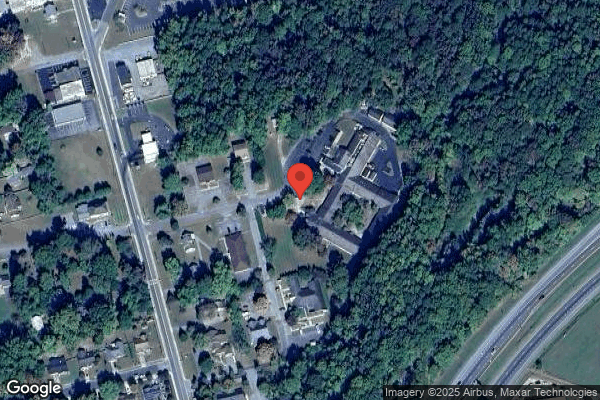
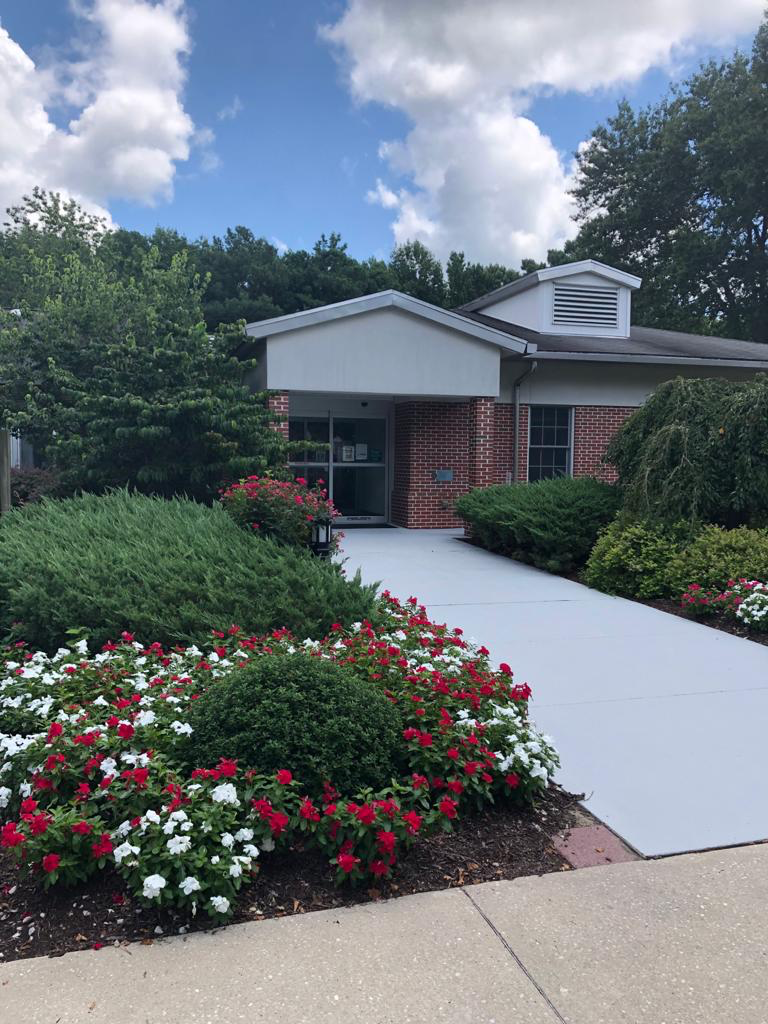
520 KERR AVENUE, DENTON, MD 21629 (410) 479-2130
For profit - Limited Liability company 87 Beds KEY HEALTH MANAGEMENT Data: November 2025
Trust Grade
60/100
#97 of 219 in MD
Last Inspection: November 2024

Within standard 12-15 month inspection cycle. Federal law requires annual inspections.

Overview

Caroline Nursing and Rehab has a Trust Grade of C+, indicating it is slightly above average, which means families can expect decent care but should remain vigilant. Ranked #97 out of 219 facilities in Maryland, it is in the top half, and it holds the #1 spot out of 2 in Caroline County, suggesting limited local options. The facility has shown improvement over time, decreasing reported issues from 18 in 2024 to just 1 in 2025, though it still has some concerning areas. Staffing received a below-average rating of 2 out of 5 stars, with a turnover rate of 48%, which is around the state average, meaning staff stability could be a concern. Notably, there have been no fines, which is a positive sign; however, recent inspections revealed issues such as failing to ensure nursing staff had proper competency evaluations and not providing diabetic snacks as scheduled, which raises questions about care reliability. Additionally, food storage practices were found lacking, with unlabelled and expired items present, highlighting a need for better oversight in kitchen management. Overall, while there are strengths, families should be aware of these weaknesses when considering Caroline Nursing and Rehab.

Trust Score
C+
60/100
In Maryland
#97/219
Top 44%
Safety Record
Low Risk
No red flags
Inspections
Getting Better
18 → 1 violations
Staff Stability
⚠ Watch
48% turnover. Above average. Higher turnover means staff may not know residents' routines.
Penalties
✓ Good
No fines on record. Clean compliance history, better than most Maryland facilities.
Skilled Nurses
○ Average
Each resident gets 38 minutes of Registered Nurse (RN) attention daily — about average for Maryland. RNs are the most trained staff who monitor for health changes.
Violations
⚠ Watch
37 deficiencies on record. Higher than average. Multiple issues found across inspections.
★★★☆☆
3.0
Overall Rating
★★☆☆☆
2.0
Staff Levels
★★☆☆☆
2.0
Care Quality
★★★☆☆
3.0
Inspection Score
Stable
2024: 18 issues
2025: 1 issues

The Good

  • Full Sprinkler Coverage · Fire safety systems throughout facility
  • No fines on record

Facility shows strength in fire safety.

The Bad

3-Star Overall Rating

Near Maryland average (3.0)

Meets federal standards, typical of most facilities

Staff Turnover: 48%

Near Maryland avg (46%)

Higher turnover may affect care consistency

Chain: KEY HEALTH MANAGEMENT

Part of a multi-facility chain

Ask about local staffing decisions and management

The Ugly 37 deficiencies on record

Jun 2025 1 deficiency
CONCERN (D) 📢 Someone Reported This

A family member, employee, or ombudsman was alarmed enough to file a formal complaint

Potential for Harm - no one hurt, but risky conditions existed

Deficiency F0757 (Tag F0757)

Could have caused harm · This affected 1 resident

**NOTE- TERMS IN BRACKETS HAVE BEEN EDITED TO PROTECT CONFIDENTIALITY** Based on closed medical record review and interview, the facility failed to ensure a resident's drug regimen was free from an un...

Read full inspector narrative →
**NOTE- TERMS IN BRACKETS HAVE BEEN EDITED TO PROTECT CONFIDENTIALITY** Based on closed medical record review and interview, the facility failed to ensure a resident's drug regimen was free from an unnecessary drug (Resident #1). This was evident for 1 of 4 residents reviewed during a complaint survey. The findings include: Review of Resident #1's closed medical record on 06/27/25 revealed that Resident #1 was admitted to the facility on [DATE] and suffers from Major Depression. On 12/05/24, Resident #1's physician instructed the nursing staff to administer the antidepressant, Lexapro, 5 mg, orally, to be given daily and to also administer Lexapro, 10 mg, orally, daily along with the 5 mg tablet to equal 15 mg daily. This was 2 different physician orders. Review of Resident #1's January, February, and March 2025 medication administration records revealed the nursing staff administer 15 mg of Lexapro daily. On 03/15/25, Resident #1's physician changed Resident #1's Lexapro order instructing the nursing staff to administer Lexapro, 20 mg, orally, every day for major depression. Further reviews of Resident #1's March, April, May, and June 2025 medication administration records revealed the nursing staff was administering Lexapro 20 mg daily to Resident #1 but also administering an additional 5 mg tablet of Lexapro (25 mg total) between 03/15/25 and 06/24/25. The 5 mg Lexapro physician order and the 20 mg Lexapro physician order were 2 separate physician orders. Review of Resident #1's psychiatric consultations for 2025 revealed the psychiatric consultant assessed Resident #1 on 04/10/25, 04/25/25, and 05/16/25 and indicated Resident #1 was receiving 15 mg of Lexapro daily. A review of Resident #1's monthly Pharmacist medication review between March 15 and June 24, 2025, revealed Resident 1's medication regimen was reviewed on 04/11/25, 05/12/25, and 06/10/25. Reviews of these individual assessments did not reveal any recommendations from the reviewing Pharmacist regarding the amount of Lexapro being administered to Resident #1. In an interview with the vice president of clinical services on 06/27/25 at 2:05 PM, the vice president of clinical services was unable to explain if Resident #1 was to receive an addition 5 mg of Lexapro after the dose was changed on 03/15/2025 from 15 mg to 20 mg daily.
Nov 2024 18 deficiencies
CONCERN (D) 📢 Someone Reported This

A family member, employee, or ombudsman was alarmed enough to file a formal complaint

Potential for Harm - no one hurt, but risky conditions existed

Notification of Changes (Tag F0580)

Could have caused harm · This affected 1 resident

Deficiency Text Not Available

Read full inspector narrative →
Deficiency Text Not Available
CONCERN (D) 📢 Someone Reported This

A family member, employee, or ombudsman was alarmed enough to file a formal complaint

Potential for Harm - no one hurt, but risky conditions existed

Free from Abuse/Neglect (Tag F0600)

Could have caused harm · This affected 1 resident

Deficiency Text Not Available

Read full inspector narrative →
Deficiency Text Not Available
CONCERN (D) 📢 Someone Reported This

A family member, employee, or ombudsman was alarmed enough to file a formal complaint

Potential for Harm - no one hurt, but risky conditions existed

Report Alleged Abuse (Tag F0609)

Could have caused harm · This affected 1 resident

Deficiency Text Not Available

Read full inspector narrative →
Deficiency Text Not Available
CONCERN (D)

Potential for Harm - no one hurt, but risky conditions existed

Comprehensive Care Plan (Tag F0656)

Could have caused harm · This affected 1 resident

Based on an interview with a resident, a record review and interview with facility staff, it was determined that the facility failed to ensure comprehensive care plans were developed and implemented. ...

Read full inspector narrative →
Based on an interview with a resident, a record review and interview with facility staff, it was determined that the facility failed to ensure comprehensive care plans were developed and implemented. This was evident for 3 residents (Resident #11, Resident # 57 and Resident # 247) out of 38 residents reviewed for developing the comprehensive care plans during the Medicaid/Medicare recertification survey. The findings include: 1)On 11/12/24 at 1:19 PM during the initial screening of the residents, Resident #11 stated that he/she does not participate in any activity within the facility and would like for activity staff to visit him/her in the room so that he/she can know about the kind of activity that he/she could be a part of. On 11/13/24 at 02:57 PM, the surveyor reviewed Resident #11's electronic records for an activity care plan. The care plan did not show any focus, goals or interventions for the resident's activity while in the facility. On 11/13/24 at 03:12 PM, in an interview with the Activities Director (Staff #6), she was asked about how activities were done with residents who were bed-bound. She stated that she does one-on-one visits. When she was asked about the activities done with Resident #11, she stated that the facility has not yet started an activity with the resident and that she stated that the resident has not been getting activities except the sunshine visits. When she was asked about what sunshine visit was, she stated it was a process where daily activities schedules were handed over to the residents. She stated that the activity at the moment favors the resident who can move about in their wheelchairs or be able to walk with little or no assistance. On 11/14/24 09:57 AM The Director of Nursing was informed about Resident #11's desire to participate in activities in the facility while in his/her room. She confirmed that the resident did not have a care plan in place for activities. 2)On 11/13/2024 at 2 pm, a record review of the Minimum data set (MDS) from 09/11/22 reflects that resident #57 had an active diagnosis of PTSD. A review of the Hospital records from 09/06/2022 confirms that the resident had a diagnosis of PTSD. The care plan for resident #57 revealed that the care plan was initiated on 09/14/2022 and revised on 07/12/2023. The facility failed to initiate the care plan with appropriate interventions to provide comprehensive care. On 11/14/24 at 09:57 AM, reviewed with the Director of Nursing, and he/she acknowledged the missing care plan to address PTSD and any interventions. 3)On 11/13/24 at 10:15 AM, interview with resident # 247 and a record review of the care plan dated 11/04/2024 revealed that the facility failed to develop care plan interventions for hemodialysis care. On 11/13/24 at 02:17 PM, the surveyor conducted an Interview with registered Nurse # 51, which revealed that the Nursing leadership did the care plan documentation. On 11/14/24 09:57 AM the surveyor reviewed the missing interventional plan with The Director of Nursing (DON). DON acknowledged that leadership initiates and updates the care plans and missing care plan interventions for hemodialysis.
CONCERN (D) 📢 Someone Reported This

A family member, employee, or ombudsman was alarmed enough to file a formal complaint

Potential for Harm - no one hurt, but risky conditions existed

Deficiency F0679 (Tag F0679)

Could have caused harm · This affected 1 resident

Based on record review and interview with the facility staff and residents, it was determined that the facility staff failed to provide an activities program to meet the needs and preferences of resid...

Read full inspector narrative →
Based on record review and interview with the facility staff and residents, it was determined that the facility staff failed to provide an activities program to meet the needs and preferences of residents. This was evident for 1 (Resident #11) of 6 residents reviewed for activities during the Medicare/Medicaid Recertification survey. The findings include: On 11/12/24 at 1:19 PM, during the initial screening of the residents, Resident #11 stated that he/ she does not participate in any activity within the facility and would like for activity staff to visit him/her in the room so that he/she can know about the kind of activity that he/she could be a part of. On 11/13/24 at 03:12 PM, in an interview with the Activities Director (Staff #6), she was asked about how activities were done with residents who were bed-bound. She stated that she does one-on-one visits. When she was asked about the activities done with Resident #11, she stated that the facility has not yet started an activity with the resident and that she stated that the resident has not been getting activities except the sunshine visits. When she was asked about what sunshine visit was, she stated it was a process where daily activities schedules were handed over to the residents. She stated that the activity at the moment favors the resident who can move about in their wheelchairs or be able to walk with little or no assistance. On the same day at 03:27 PM, Resident #11's three-month activity log was reviewed and it showed the initials of the activity staff on days that the resident read, watched the television and played puzzled games. At 03:32 PM, when she was asked about the initials on the activity dates when the activity did not take place, the Activities Director stated that activities staff document, by using their initials, whatever they saw the resident doing at each moment they pass by or dropped off the daily activity schedules. She also added that the log didn't document what activities were provided to the resident but what the resident's personal activity at the time of sunshine visits. She added that her plans going forward with residents who were bed-bound would be to have a weekly in-room activity with the resident. She stated that each weekly one-on-one visit would be maximum or 15 minutes and added that notes would be put in the binder just as the activities staff are doing for residents who can get out of their rooms. She confirmed that these activities were not currently being provided. On 11/14/24 at 09:57 AM, the surveyor informed the Director of Nursing about the concern regarding the failure to provide activities for Resident #11. She confirmed that the resident had not been participating in activities nor has he/she been doing in-room activity with staff but was not aware that a care plan was not in place. She stated that going forward, the resident would have a one-on-one visitation by the activity personnel.
CONCERN (D) 📢 Someone Reported This

A family member, employee, or ombudsman was alarmed enough to file a formal complaint

Potential for Harm - no one hurt, but risky conditions existed

Quality of Care (Tag F0684)

Could have caused harm · This affected 1 resident

**NOTE- TERMS IN BRACKETS HAVE BEEN EDITED TO PROTECT CONFIDENTIALITY** 2)During an interview with Resident #37 on 11/12/24 at 2:44 PM, the resident stated that he/she filed a grievance on 7/2024 conc...

Read full inspector narrative →
**NOTE- TERMS IN BRACKETS HAVE BEEN EDITED TO PROTECT CONFIDENTIALITY** 2)During an interview with Resident #37 on 11/12/24 at 2:44 PM, the resident stated that he/she filed a grievance on 7/2024 concerning his/her Finger sticks performing time and medication not being given on time. The medical record for resident #37 was reviewed on 11/14/2024 at 12:34 PM. The review revealed a physician's order for blood sugar to be checked before meals and bedtime and for insulin to be administered based on the parameters of the blood sugar readings. A review of the medication administration record revealed that on 7/16/2024, the blood sugar check was scheduled for 5:30 PM but was documented at 7:02 PM. Additionally, the blood sugar scheduled for 9 PM was documented at 10:57 PM and the resident's blood sugar level was documented at a high of 300. On 11/15/2024 at 10:09 AM, a review of the grievance packet outlined the investigation conducted by the Nursing Home Administrator (NHA) concluded that the nurse administrated Resident #37's medication on 7/16/24 verified that the insulin was administered late. An Interview with a nurse (staff #3) was conducted on 11/15/2024 at 10:32 AM. Staff #3 stated that he obtained Resident #37 blood glucose levels before the resident ate his/her dinner meal. Upon returning to give insulin coverage to the resident, Resident #37 was not in the room. Staff #3 stated that he did, in fact, administer the insulin late. 3) An interview was conducted on 11/14/24 at 2:55 PM with Resident #14, who stated that all his/her evening and night medications were administered earlier than scheduled. The resident stated that receiving his/her medications at that time caused him/her not to be able to sleep. A review of the medication administration records on 11/20/24 at 09:01 AM identified that on 10/11/2024, Resident #14's medication scheduled for 3:00 PM, 5:00 PM, 7:00 PM, 9:00 PM, and 10:00 PM were all administered at 3:44 PM. On 11/22/24 at 08:26 AM, an Interview was conducted with Licensed Practical Nurse (LPN #18) concerning the time periods of medication administration. LPN #18 stated that most medications were given at 10 AM and 10 PM at ½ hour before or ½ hour after the scheduled time. Based on the medical record review, resident interview, and staff interview, it was determined that the facility failed to 1) ensure that a resident (Resident #244) received appropriate care regarding dysphagia by failing to supervise and/or assist with feeding, and additionally develop a care plan for dysphagia and 2) ensure adherence to the prescribed frequency and medication administration time (Resident #37, #14). This was evident for 3 (Resident #244, #37, #14) of 38 residents reviewed during the recertification/complaint survey. The findings include: Oropharyngeal dysphagia, also known as transfer dysphagia, is a condition that makes it difficult to move food or liquids from the mouth into the esophagus. 1)On 11/21/24 at 8:50 AM, a review of complaints revealed that Resident #244's family members reported they observed the resident in August 2022 with partially chewed food on his/her lap, stuck to the side of his/her face, and food stuck in the roof of his/her mouth. They also added that they removed hardened food from the roof of Resident #244's mouth and cheek after numerous attempts. The surveyor reviewed Resident #244's medical records on 11/21/24 at 9:00 AM. The review revealed that the resident had a Speech Therapy consultation upon their admission on [DATE] for dysphagia and was discharged from Speech Therapy on 7/22/22 with the recommendation of supervision/assistance at mealtime. On 11/21/24 at 9:00 AM, a review of Resident #244's MDS (Minimum Data Set: a part of the federally mandated process for clinical assessment of all residents in Medicare and Medicaid certified nursing homes) dated 7/21/22 revealed that the resident required extensive assistance for eating. Further review of the Geriatric Nurse Aide (GNA) task for August 2022 revealed that ADL (activities of daily living) eating coded x for 8/01/22- 8/03/22, blank for 8/05/22-8/6/22, 0- independent for 6 times, 1- supervision for one time, 4- total dependence for 3 times from August 1st2022 to August 12th 2022. During an interview with the Speech therapist (Staff #29) on 11/21/24 at 10:16 AM, the surveyor reviewed Resident #244's speech therapy Discharge summary dated [DATE] with Staff #29. She said, I was not here that time, but the documentation showed that the resident required supervision or assistance for dysphagia to prevent aspirations. Also, she confirmed that the therapy team discussed residents' issues with nursing departments when they needed further care for their health condition. During an interview with Geriatric Nurse Aide (GNA #30) on 11/21/24 at 11:35 AM, she stated that if she assigned any resident who needed supervisor or assistance for feeding, she was supposed to monitor them while eating and check their appearance to make sure no left-over food around them including in the mouth for their safety. On 11/21/24 at 11:40 AM, the surveyor reviewed Resident #244's care plan. The care plan did not have anything for the resident's dysphagia. During an interview with the Director of Nursing (DON) on 11/21/24 at 11:45 AM, the DON informed that Resident #244's GNA task review revealed that the resident's eating was not supervised or assisted, which was not followed by the Speech Therapist's recommendation. Also, there was no care plan for dysphagia. The DON confirmed that the care plan should be developed for their dysphagia. She validated the concerns.
CONCERN (D) 📢 Someone Reported This

A family member, employee, or ombudsman was alarmed enough to file a formal complaint

Potential for Harm - no one hurt, but risky conditions existed

Pressure Ulcer Prevention (Tag F0686)

Could have caused harm · This affected 1 resident

Based on a complaint, observation, resident and facility staff interviews, and medical record review, the facility failed to prevent new pressure ulcers and document weekly skin and wound assessments ...

Read full inspector narrative →
Based on a complaint, observation, resident and facility staff interviews, and medical record review, the facility failed to prevent new pressure ulcers and document weekly skin and wound assessments for residents with pressure ulcers. This was evident for 1 (Resident # 246) out of 2 residents who were reviewed for pressure ulcer prevention and treatment during the recertification/complaint survey. The findings included: A pressure ulcer, also known as a pressure sore or decubitus ulcer, is any lesion caused by unrelieved pressure that results in damage to the underlying tissue. Pressure ulcers are staged according to their severity from Stage I (area of persistent redness), Stage II (superficial loss of skin such as an abrasion, blister, or shallow crater), Stage III (full-thickness skin loss involving damage to subcutaneous tissue presenting as a deep crater) or Stage IV (full thickness skin loss with extensive damage to muscle, bone or tendon). An unstageable pressure ulcer is a type of bed sore that occurs when full-thickness skin and tissue are lost, but the extent of the damage is obscured by slough or eschar. On 11/14/24 at 01:56 PM, Interview with the resident # 246 revealed that the resident was told that he/she could not get out of bed due to the wound vac treatment. On 11/14/24 at 2:10 pm, an interview with GNA #52 revealed that resident #246 had not gotten a shower since he/she has been at the facility, but the resident can wash his/her upper body. On 11/14/24 at 1:30 pm, a medical record review revealed that the weekly skin assessments for three weeks on 10/24/24, 10/31/2024, and 11/14/24 were not documented. On 11/19/24 at 9:30 am a medical record review revealed that resident #246 had physician orders to change wound vac dressing to sacrum on Tuesdays, Thursdays, Saturdays and PRN, and if unable to reapply wound vac, remove wound vac dressing and apply wet to dry dressing as needed. On 11/21/24 at 10:24 AM, an interview with the unit manager, staff #19, revealed that the wound vac dressing/sealing often came off, but only selective staff could assist with the wound vac. Most evenings and weekends, when dressing issues arise, the staff uses wet-to-dry dressing. The unit manager validated that the wound vac came off on 11/06/24 at 10 PM, and the staff had to wait until the next day to return the wound vac. On 11/21/24 at 11:26 AM, an Interview with the Registered Nurse, staff #50, stated that there were at least 3 occasions that the outgoing staff would give the report that the wound vac was off from the 3-11 shift and the 11-7 shift. On 11/21/24 at 11:26 AM, an Interview with the Nurse Practitioner, staff # 53, revealed that the resident was not seen by the wound care practitioner weekly. A new unstageable pressure ulcer developed and was noticed by the Nurse Practitioner/ wound care provider on 11/14/24. Staff # 53 had seen the resident three weeks prior to this visit. On 11/14/24 at 1:30 AM, a medical record review revealed that the weekly skin assessments for three weeks on 10/24/24, 10/31/2024, and 11/14/24 were not documented. On 11/21/24 at 12:00 PM an interview with the Director of Nursing (DON) confirmed that few nursing staff are good at managing wound vac care, and DON was planning to bring a provider to do an in-service on wound vac management and wound care.
CONCERN (D) 📢 Someone Reported This

A family member, employee, or ombudsman was alarmed enough to file a formal complaint

Potential for Harm - no one hurt, but risky conditions existed

Deficiency F0692 (Tag F0692)

Could have caused harm · This affected 1 resident

Deficiency Text Not Available

Read full inspector narrative →
Deficiency Text Not Available
CONCERN (D)

Potential for Harm - no one hurt, but risky conditions existed

Respiratory Care (Tag F0695)

Could have caused harm · This affected 1 resident

2) On 11/13/2024 at 11:14 AM, an observation of Resident #74's room revealed an opened oxygen tubing set laying on the bedside table, but it was not labeled, and the oxygen tank machine was off. The o...

Read full inspector narrative →
2) On 11/13/2024 at 11:14 AM, an observation of Resident #74's room revealed an opened oxygen tubing set laying on the bedside table, but it was not labeled, and the oxygen tank machine was off. The oxygen tubing set included a nasal cannula (a device with prongs that insert into a patient's nostrils). The prongs of the nasal cannula were in direct contact with the bedside table and was not protected from contamination. The nebulizer machine on the bedside dresser was attached to a face mask, which was also not labeled. The face mask was also out in the open, unprotected from the environment. On 11/13/2024 at 11:14 AM, in an interview with Geriatric Nursing Assistant (GNA)#25, the surveyor asked if the resident was still using oxygen, and she stated that Resident #74 was weaned off the oxygen. On 11/18/2024 at 10:42 AM, a second observation of the resident's room revealed the resident resting in bed on room air and breathing was unlabored. The oxygen tubing was now laying on top of the oxygen tank, still unprotected from contamination. The nebulizer mask (labelled 11/16/2024) was observed laying on top of the bedside dresser. The mask and tubes were still not stored in a sanitary environment. On 11/18/2024 at 10:43 AM, in an interview with Resident #74, the resident was resting in bed in room air, breathing unlabored. When asked if he/she was still using the oxygen, he/she stated occasionally. The resident stated the oxygen was last used yesterday. On 11/19/2024 at 9:48 AM, a review of the physician's order written on 9/23/2024 revealed oxygen at 3L continuously to keep O2 above 90% every shift. On 10/8/2024 a physician order stated, wean off of oxygen to try to keep sats 93% and above on RA every shift. On 11/19/2024 at 10:00 AM, a review of Resident#74's progress notes revealed that, on 11/16/2024, 3 liters of oxygen was administered due to low oxygen status; therefore, oxygen was in use intermittently. On 11/19/2024 at 11:06 AM, a third observation of the resident's room revealed that the resident's oxygen tubing was laying on the floor connected to the oxygen tank. The nebulizer mask was labeled for 11/16/2024 but the mask was laying on top of the side dresser. The surveyor's observation revealed that the respiratory care equipment was not maintained in a sanitary environment on 3 different occasions. On 11/19/2024 at 11:06 AM, in an interview with Registered Nurse (RN)#15, RN #15 was shown the oxygen and nebulizer treatment tubing and she stated that the nebulizer tubing should be in a bag and labeled. She also acknowledged that the oxygen tubing was laying on the floor. She stated that the tubes should be labeled and stored in a clean bag when not in use. She stated that the tubing should be changed weekly on the 11pm-7am shift. On 11/19/2024 at 2:55 PM, in an interview with Licensed Practical Nurse (LPN) #32, she was asked about the resident's use of oxygen. LPN #32 stated that the resident was weaned off oxygen and she was unaware that Resident #74 was still using oxygen intermittently. She stated that the resident's oxygenation status was being checked every shift and that the resident was doing well on room air. LPN #32 was in charge of the resident's care and she was made aware of concerns found with the oxygen tubes and she stated that the tubes were changed and labeled. On 11/21/24 at 12:35 PM, in an interview with the Director of Nursing (DON), the surveyor informed the DON about the above-mentioned respiratory care findings. The DON stated that the facility's policy required that the oxygen tubes were changed every Thursday on the 11pm to 7am shift. She stated that the nurses were aware of the policy, and they will all be re-educated as a result. Based on observation, medical record review, and interview, it was determined the facility staff failed to date and label oxygen administration equipment and maintain a nasal cannula in a sanitary manner to prevent potential infection . This was evident for 2 (#39, #74) of 3 residents reviewed for respiratory care during a recertification/complaint survey. The findings include: Oxygen (O2) therapy is a treatment that provides you with extra oxygen to breathe in. It is also called supplemental oxygen. It is only available through a prescription from your health care provider. A care plan is a guide that addresses the unique needs of each resident. It is used to plan, assess, and evaluate the effectiveness of the resident's care. 1) On 11/12/2024 at 10:18 AM, the surveyor observed Resident #39 lying in bed. The resident was wearing a nasal cannula (a device that delivers extra oxygen through a tube and into your nose) that was connected to a humidifier (water) bottle connected to an oxygen concentrator set at 3LPM (liters per minute). The LPM oxygen flow rate of 3 indicates that 3 liters of oxygen should flow into the resident's nose in 1 minute. However, the oxygen tubing/ nasal cannula and humidifier bottle were not dated. When asked, the resident was unable to recall when the oxygen tubing was last changed. On 11/12/2024 at 11:12 AM, Licensed Practical Nurse, LPN #14 observed and confirmed that the Oxygen tubing and humidifier bottle were not dated. On 11/12/2024 at 11:24 AM, both the Assistant Director of Nursing (ADON) and E-Wing Unit Manager (UM #15) observed and confirmed that the Oxygen tubing and humidifier bottle were not labeled with date and time they were changed. UM #15 stated that the oxygen tubing and humidifier bottle should be labelled with the date it was changed. She added that night shift (11 PM- 7 AM) nurses were responsible for changing the Oxygen tubing. However, she proceeded to change the Oxygen tubing and dated the new tubing and humidifier bottle. During a review of Resident #39's medical record conducted on 11/14/2024 at 10:26 AM, surveyor noted an active physician orders dated 11/19/2023 to: Change O2 Humidification Bottle as needed, and Change O2 and Neb tubing as needed label with time, date and initials. On 11/14/2024 at 10:40 AM, review of Treatment Administration Record (TAR) for November 2024 did not reveal staff documentation that O2 and Neb tubing were changed, labeled with time, date, and initials, and/or O2 humidification bottle was changed as needed. On 11/14/2024 at 11:01 AM, a review of Resident #39's care plan reveal no focus on Oxygen therapy with goals and interventions/tasks. On 11/14/2024 at 3:54 PM, in an interview with the Director of Nursing (DON), surveyor reviewed resident's orders for Oxygen, staff documentation on the MAR/TAR for November 2024, oxygen care plan, and surveyor's observations on 11/12/2024. DON stated that she was aware of the staff not labeling the oxygen tubing/humidifier bottles. She verified and confirmed that facility staff were not documenting whether they were changing the Oxygen tubing and humidifier bottle. She stated that she was going to write up all the night shift (11 PM-7 AM) staff as they were responsible for changing the Oxygen tubing per facility policy. DON reviewed the resident's care plan and confirmed that it failed to address oxygen therapy. However, she stated that she was going to revise the care plan to reflect Oxygen therapy with specific goals and interventions.
CONCERN (D)

Potential for Harm - no one hurt, but risky conditions existed

Deficiency F0730 (Tag F0730)

Could have caused harm · This affected 1 resident

Based on a review of employee records and interviews, it was determined that the facility staff failed to conduct performance reviews of Geriatric Nursing Assistants (GNAs) and Licensed Practical Nurs...

Read full inspector narrative →
Based on a review of employee records and interviews, it was determined that the facility staff failed to conduct performance reviews of Geriatric Nursing Assistants (GNAs) and Licensed Practical Nurses (LPN) at least once every 12 months. This was evident for 3 (GNA #42, #43, #44) and 2 Licensed Practical Nurses (#19, #41) of 6 randomly selected nursing staff records reviewed for annual training requirements during the recertification/complaint survey. The findings: On 11/19/20/24 at 9:39 AM, a review of randomly selected GNA's records revealed that GNA #42 was hired on 12/27/2017. Further review of his/her personal file failed to produce a record of his/her annual performance review. GNA #43 was hired in 2013, and GNA #44 was hired on January 2023, and their last documented evaluation was on 1/22. LPN #19 was hired on May 2023, LPN #40 on 10/9/2023, and LPN #41 in August 2022. There were no documented evaluations at the time of this record review. On 11/19/2024 at 3:47 PM, the surveyor requested copies of the annual evaluations for LPN #40, LPN#41, and GNA #44 from the Director of Nursing (DON). Without hesitation, the DON stated that she could not provide this information because the annual evaluations were not being done, and they have identified this as an issue that will be addressed at their Quality Assurance and Performance Improvement (QAPI). She was immediately made aware that this was a concern.
CONCERN (D)

Potential for Harm - no one hurt, but risky conditions existed

Deficiency F0761 (Tag F0761)

Could have caused harm · This affected 1 resident

Based on observation and interview it was determined facility staff failed to remove expired medications and patient supplies. This was evident on 2 of 4 nursing units and a central supply room observ...

Read full inspector narrative →
Based on observation and interview it was determined facility staff failed to remove expired medications and patient supplies. This was evident on 2 of 4 nursing units and a central supply room observed during a recertification/complaint survey. The findings include: On 11/19/2024 at 11:35 AM, B/C-Wing med room was reviewed for medication storage and labeling in the presence of B-Wing Unit Manager (UM #19). Surveyor found the following expired supplies in the med room: - Derma Daily Moisturizing lotion with Aloe Vera: lot #20668A, Expiration date 07/24 - Derma Daily Moisturizing lotion with Aloe Vera: lot # 20520A, Expiration date 6/24 UM #19 confirmed the findings and immediately removed the expired supplies from the med room. On 11/19/2024 at 11:50 AM, surveyor reviewed medication storage and labeling for B-Wing OMNICELL room in the presence of UM #19. OMNICELL is a smart medical storage unit equipped with sensors and technology to monitor inventory, track expiration dates, and streamline medication management. The following expired medications were found in the refrigerator in the OMNICELL room: - Basaglar Kwik Pen (Insulin): lot #D557879C, expiration date 10/18/2024 - Basaglar Kwik Pen (Insulin): lot #D534923A, expiration date 8/3/2024 UM #19 confirmed the findings and stated that the expired Insulin pens were from their old pharmacy, Pharmscript. He immediately removed the expired medications from the refrigerator and stated that he was going to notify the Director of Nursing (DON). On 11/19/2024 at 12:00 PM, observation was made of the Central Supply room, in the presence of UM #19: The following items were found expired: - Two (2) bottles of sealed/unopened bottles of Stomahesive Protective powder: lot # 1L022, expiration date 11/01/2024. UM #19 verified and confirmed that the above listed items were expired and immediately removed them from the central supply room. On 11/19/2024 at 1:40 PM, surveyor reviewed D/E Wing med room for medication storage and labeling in the presence of E-Wing Unit Manager (UM #15). The following expired medications were found in the D-Wing Nurse Cart in the med room: - Three (3) vials of sealed/unopened Midazolam 10mg/2ml for Resident #35 found in the locked drawer of the nurse cart: Expiration date 4/1/2024. - One (1) bottle of Senna Syrup 8fl oz. (237ml) floor stock: Expiration date 4/24 - Four (4) Ondansetron 4mg tablets in a blister pack for Resident #49: Use by date 6/19/2024. On 11/19/2024 at 2:05 PM, surveyor reviewed medication storage and labeling for D-Wing CMA (Certified Medicine Aide) med cart in the presence of UM #15. The following floor stock was found expired in the med cart: - One (1) bottle of sealed/unopened Acidophilus lactobacilli Probiotic 200 capsules: Lot #363491, Expiration date 09/24. UM #15 verified and confirmed surveyor's findings regarding the above expired meds. She immediately removed the expired meds and stated she was going to discard them. On 11/20/2024 at 1:04 PM, In an interview with the DON, surveyor shared concerns regarding findings of expired meds/supplies during Medication Storage and Labeling review on 11/19/2024. DON stated she was going to follow up with the staff.
CONCERN (D)

Potential for Harm - no one hurt, but risky conditions existed

Infection Control (Tag F0880)

Could have caused harm · This affected 1 resident

Based on observation, review of resident medical records, review of facility policy, and interview with facility staff, it was determined that the facility failed to ensure that 1) physician's order f...

Read full inspector narrative →
Based on observation, review of resident medical records, review of facility policy, and interview with facility staff, it was determined that the facility failed to ensure that 1) physician's order for appropriate infection control signage with a COVID-19 positive resident was implemented, 2) follow-up tests were conducted for residents exposed to COVID-19, and 3) failed to ensure that a resident known to be positive for Covid-19 was isolated upon readmission as the resident was readmitted directly into original room with roommate.This was evident for 1 resident(Resident #55) out of 2 residents reviewed for Isolation precautions during the recertification/complaint survey. The findings include: On 11/13/24 at 08:29 AM, during a tour of the facility, the Surveyor observed an Enhanced barrier precaution sign on room D-5 and observed that there were two residents in the same room. On the same day at 08:40 AM, the surveyor asked Licensed Practical Nurse (LPN #14) why the door sign was there. She stated that Resident #55 was on enhanced barrier precaution due to being positive for COVID-19. She was further asked if the roommate was also positive for COVID-19 to which he responded with, No, just Resident #55 but that roommate (Resident #49) was just exposed. On the same day at 10:56 AM, the surveyor reviewed Resident #55 orders and it stated Strict Isolation: contact and droplet precautions in place, resident remains alone in room without roommate, all services and meals brought to resident's room every shift for 10 Days from 11/4/2024 to 11/14/2024. On the same day at 11:14 AM, the surveyor reviewed the facility's Infection Prevention Control Policy which showed that: COVID-19 Testing: a) Anyone with even mild symptoms of COVID-19, regardless of vaccination status, should receive a viral test for SARS-CoV-2 as soon as possible. b) Asymptomatic residents with close contact with someone with SARS-Co V-2 infection should have a series of three viral tests for SARS-CoV-2 infection. Testing is recommended immediately (but not earlier than 24 hours after exposure) and, if negative, again 48 hours after the first negative test and, if negative, again 48 hours after the second negative test. This will typically be at day 1 (where day of exposure is day 0), day 3, and day 5. On the same day at 11:30 AM, the surveyor reviewed Resident's #49's electronic health record and discovered that he/she was only tested on the first day(day 0) that the facility was aware of Resident #55's covid-19 status and was never tested on day 3 and day 5. On 11/13/24 at 11:41 AM In an interview with the Director of Nursing (DON), she stated that Resident #55 had a headache on 11/04/2024, was sent to the hospital and returned to the facility with a COVID-19 positive status on the same day and was admitted to the same room he/she was in with /his/her roommate prior to going to the hospital. The DON explained to the surveyor that Resident #49 was tested for Covid-19, the result negative but that his/her daughter had requested for her parent and Resident #55 who was positive to Covid-19 and still in isolation to be together. When it was asked if it was a normal practice for the facility to have a covid positive resident and a covid-19 negative resident to be together in the same room, she stated the facility separates Covid-19 positive residents and exposed residents, and that it was the first time the facility did not separate such residents. When she was asked for proof of Resident's #49's request, she stated that it was not documented and that it was an oversight. When she was asked about the door sign that showed enhanced barrier precaution instead of contact and droplet precaution, she added that the Assistant Director of Nursing(ADON) should have changed the door sign to contact and droplet precaution, going by the attending physician's order and that it would be done immediately. When she was asked what the facility's standard of practice was in regards to testing a resident who was exposed to covid, she stated that such resident is tested on Day1, Day 3 and Day 5.
CONCERN (E) 📢 Someone Reported This

A family member, employee, or ombudsman was alarmed enough to file a formal complaint

Potential for Harm - no one hurt, but risky conditions existed

Investigate Abuse (Tag F0610)

Could have caused harm · This affected multiple residents

Deficiency Text Not Available

Read full inspector narrative →
Deficiency Text Not Available
CONCERN (E) 📢 Someone Reported This

A family member, employee, or ombudsman was alarmed enough to file a formal complaint

Potential for Harm - no one hurt, but risky conditions existed

Deficiency F0657 (Tag F0657)

Could have caused harm · This affected multiple residents

5)On 11/12/24 at 11:49 AM, during an interview with resident #19, the resident stated that his/her sister had phone conversations with the facility concerning his/her care but did not know how often. ...

Read full inspector narrative →
5)On 11/12/24 at 11:49 AM, during an interview with resident #19, the resident stated that his/her sister had phone conversations with the facility concerning his/her care but did not know how often. A review of the medical records on 11/14/2024 at 1:08 PM revealed that the care conferences on 4/30/24, 11/2/23, and 9/14/23 were held earlier than the MDS dates 5/18/24, 11/11/23, and 8/11/23. Furthermore, an MDS was completed on 7/24/2024, but there was no documentation of a care conference until 10/2/2024. 6)On 11/12/24 at 02:52 PM, an Interview with Resident #37 stated the resident had a care plan meeting in October and was unaware of any other care plan meetings. A review of Resident #37's medical records on 11 /18/2024 at 9:04 AM revealed that a Care Conference was documented on 1/29/2024 held at 10:30 AM, a sign-in roster on 10/22/2024 at 11:00 AM and no documentation for a care conference following MDS dates 4/20/2024 and 7/21/2024. In an interview on 11/15/2024 at 09:30 AM with the regional Social Worker (staff #20), was asked how often care plan meetings were held for residents. She stated that the MDS guides the care plan updates, which are documented 7 days after the MDS completion dates, and that care conferences are held annually, quarterly, and when there is a significant change. On 11/15/2024 at 10:20 AM, Staff #20 could not provide further documentation of care plans for residents #19 and #37. She stated that she could not locate further documentation of the care plan or care conferences in the PCC (electronic medical cloud) system. Staff # 20 was made aware that this is a concern. On 11/22/2024 at 09:00 AM, in an interview with another surveyor, the Director of Nursing (DON) stated that when the system popped up for the care plan due time, she let the department know they should do the care plan. The DON further stated that she is not sure about the MDS vs. Care plan timing. The DON was made aware of the concern then and acknowledged the issue with care plans. 3)On 11/12/24 at 1:50 PM, in an interview with Resident#63, the resident stated that he/she was not included in the care planning meeting. On 11/15/24 at 9:42 AM, a review of Resident #63 record revealed the following deficient practice: A review of the MDS/comprehensive assessments revealed a MDS was completed on 6/29/2023; however, there was no documented evidence that the facility conducted an interdisciplinary care plan within 7 days after the completion of a quarterly comprehensive assessment. The documentation provided showed that the next care plan meeting was completed on 9/12/2023. A review of the resident record revealed that the care plan meetings were conducted prior to the MDS assessments. On 9/23/2023 the MDS assessment was completed, however, the care plan meeting was completed on 9/12/2023 and on 12/27/2023 the MDS assessment was completed; however, the care plan meeting was completed on 12/19/2023. On 11/15/2024 at 10:23 AM, in an interview with the regional social worker (Staff #20), the surveyor requested documentation to support that the care plan meetings were completed within 7 days after the MDS assessment. Staff # 20 stated that the documents would be provided, if available. On 11/15/2024 at 10:56 AM, in an interview with Staff #20, she stated that there was no additional documentation found to explain why the care plan meetings on 9/12/2023 and 12/19/2023 were conducted before the MDS assessments were completed. She also confirmed that there was no documentation to support that Resident #63's care plan meeting was conducted in June 2023, after the MDS assessment. On 11/18/2024 at 02:45 PM, in an interview with the Director of Nursing (DON), she was made aware that after the MDS assessment on 6/29/23, the next care plan meeting was not completed as required. She stated that she would check with the MDS nurse. On 11/18/2024 at 3:14 PM in an interview with the regional social worker, she re-stated they were unable to locate the documents and had no clue why they were not completed. She also acknowledged that the care plan meetings were conducted early, and she was not sure why it was done before the MDS assessments. 4) On 11/12/2024 at 2:39 PM, in an interview with Resident #68, the resident stated he/she was not always included in his/her care planning. On 11/15/2024 at 9:45 AM, a review of Resident #68 records revealed that the resident or resident representative was not present for 3 of 6 care plan meetings conducted between October 2023 and October 2024. On 11/15/2024 at 10:23 AM, in an interview with the Regional Social worker (Staff #20), the surveyor requested additional care plan meeting documentation for the care plan meeting, and she stated that the information will be provided if available. On 11/21/2024 at 12:35 PM, in an interview with the DON, the surveyor asked the DON about the attendance of Resident #68's or their resident representative to each care plan meeting. The DON was informed of the findings, and she stated that the resident had a legal guardian, and the guardian should be in attendance to all the care plan meetings. She stated that the care plan meetings are not usually conducted without the residents or their representative present. The DON stated that Resident #68 sometimes will refuse to attend but the representative should be in attendance, either by phone or in person. The surveyor requested documentation that the guardian or resident participated in the meeting and the DON stated that she will check but she was not sure if the documentation was available. The documentation was never provided to the surveyor as requested. The DON was made aware of the above-mentioned concerns during the interview process. 2)On 11/20/24 at 11:50 AM, review of a complaint incident MD00202140 had that resident #241 had multiple falls and had to be sent out to the hospital for evaluation for fall injuries. Further review of the medical records on 11/20/24 at 12:00 PM revealed that resident had an unwitnessed fall on 12/25/22 with no injuries. Resident #241 fell again on 1/17/23 and had to be sent out to the hospital for evaluation due to injuries. On 1/19/23, the Resident fell again and was sent out to the hospital emergency room for evaluation. Review of the care plan with initiation date of 10/2/22 had: Resident is at risk for falls related to (r/t) Impaired safety awareness/cognitive loss due to CVA, Epileptic Seizures. Further review did not show that the resident's actual fall was captured or that the care plan was updated to include the actual falls even though the care plan was revised on 1/17/23. In an interview with Staff #19 a unit manager on 11/20/24 at 1:13 PM, he was asked who was responsible for updating the care plans and he said it was the Director of Nursing (DON) or the Assistant Director of Nursing (ADON). He said care plans are updated when there was a change in the residents' condition and that updates are implemented right away. He was asked about residents at fall risk that sustained actual falls. He stated that their care plans should have been updated to reflect the actual fall. On 11/20/24 at 1:34 PM, the DON was made aware that the fall care plan was not updated to reflect the actual falls and that this was a concern. Based on complaints, observation, record review, and interview, it was determined the facility staff: 1) failed to revise and update resident care plans to reflect accurate and current interventions, and 2) failed to have timely care plan meetings with a resident and/or resident representative. This was evident for 6 (#38, #68, #63, #19, #37, #241) of 38 residents reviewed during a recertification/complaint survey. The findings include: A care plan is a guide that addresses the unique needs of each resident. It is used to plan, assess, and evaluate the effectiveness of the resident's care. Care conferences are usually held on a regular basis, often quarterly, but can be scheduled more frequently if needed based on the resident's condition. The Minimum Data Set (MDS) is administered to all residents upon admission, quarterly, yearly, and whenever a significant change in an individual's condition occurs. It is a standardized assessment tool to comprehensively evaluate a resident's health status, functional abilities, and needs. It is the foundation for creating a personalized care plan that drives care rendered by the healthcare team within a nursing facility. 1) On 11/13/2024 at 10:51 AM, during initial pool screening, surveyor observed Resident #38 in bed with bed in low position and fall mats on the floor on both sides of the resident's bed. In an interview with the resident s/he noted that they had fallen in the last couple of months. On 11/21/2024 at 10:35 AM, a review of fall risk assessments completed using the Morse Fall scale on admission and each time the resident had a fall revealed Resident #38 was at high risk for falls (scores ranged from 80 (on 5/23/2023) to 50 (on 6/10/2024). On 11/21/2024 at 11:05 AM, review of Resident #38's care plan revealed a care plan focus for [Resident's name] is (Moderate) risk for falls r/t Impaired Cognitive impairment, CVA initiated on 4/19/2023 with revision on 11/17/2024. Goals and Interventions/Tasks included but not limited to Resident is to have a two person assist with transfers. However, the care plan was not updated/revised to include high risk for falls (based on recorded Morse fall risk assessments) and/or actual falls. The interventions were not resident centered and was not updated/revised to capture the resident's current status. The interventions did not include fall mats found in resident's room, no bed in low position, place personal items within reach, etc. On 11/21/2024 at 11:42 AM, a review of progress notes revealed the following documentation on 6/10/2024 at 8:49 AM by the IDT (Interdisciplinary Team): IDT review completed for Fall on 6/10/24-- Resident has had multiple falls due to being non-complaint with calling for assistance. Resident has no complaints of pain or discomfort, no injuries noted, resident was looking for the cat that was running loose in his room. CP in place, appropriate. Further review of progress notes revealed staff documentation that Resident #38 fell in the facility on 5/15/2024, 5/18/2024, and 5/20/2024 respectively. On 11/21/2024 at 1:15 PM, an interview was conducted with E-Wing Unit Manager (UM #15): UM #15 confirmed that Resident #38 had fallen a couple of times while in the facility. Surveyor reviewed resident's care plan with UM #15 who verified that there was no care plan focus for actual fall. Surveyor further reviewed the resident's documented Morse fall risk assessment scores with UM #15. She verified and confirmed that the lowest score was 50, which was high risk for falls. UM #15 acknowledged that the care plan did not captured the resident's high fall risk and/or actual falls. On 11/22/2024 at 8:50 AM, in an interview with the Director of Nursing (DON), she stated she was aware that the resident had fallen in the facility a couple of times. Surveyor reviewed Resident #38's care plan with DON who confirmed that Moderate risk for falls should have been changed to high risk for falls as the resident's lowest Morse fall risk score was 50. DON confirmed that the resident's Care plan should have been revised/updated to reflect a focus on actual fall with interventions. DON added that should have been done during their last IDT meeting. However, the DON stated that she was going to look at Resident #38's care plan and do a complete update and add/remove some of the interventions that were not pertinent to the resident such as two person assist with transfers.
CONCERN (F) 📢 Someone Reported This

A family member, employee, or ombudsman was alarmed enough to file a formal complaint

Potential for Harm - no one hurt, but risky conditions existed

Deficiency F0726 (Tag F0726)

Could have caused harm · This affected most or all residents

Based on record review and interviews, it was determined that the facility failed to ensure that all nursing staff had competency evaluations. This was evident for six (Licensed Practical Nurses #19, ...

Read full inspector narrative →
Based on record review and interviews, it was determined that the facility failed to ensure that all nursing staff had competency evaluations. This was evident for six (Licensed Practical Nurses #19, #40, #41, Geriatric Nursing Aides #42, #43, and #44) of the six randomly selected nursing staff reviewed for competencies. The findings include: The American Nurses Association defines nursing competence as an expected level of performance that integrates knowledge, skills, abilities, and judgment. A review of the employee training files on 11/19/2024 at 9:39 AM revealed the following: 1. Licensed Practical Nurse (LPN) #19 was hired in May 2023. No competency evaluation was found for LPN #19 for 2023. 2. LPN #40 was hired on 10/09/2023. No competency evaluation was found for LPN #40. 3. LPN #41 was hired on 8/11/2022. No competency evaluation was found for LPN #41 in 2023. 4. Geriatric Nursing Assistant (GNA) #42 was hired on 12/27/2017. There were documented competencies for 4/2021 and 3/2022, but no competencies evaluation for 2023 for GNA #42. 5. GNA #43 was hired on 1/28/2013. Competency evaluation was found for 1/2020, 3/2021, 3/2022, but no competency evaluation was documented for 2023 for GNA #43. 6. GNA #44 was hired on 1/02/2023. No competency evaluation was found for GNA #44. On 11/19/2024 at 11:48 AM, the Staffing Coordinator (staff #24) was asked about staff training and competencies. She stated that during onboarding, the staff was given a packet of training to be conducted by the Assistant Director of Nursing (ADON) or Director of Nursing (DON), who was also responsible for competencies. An interview was conducted on 11/19/2024 at 4:08 PM with the ADON, who stated that competency training was not being done. On 11/22/2024 at 08:36 AM, the DON was made aware of staff competency training concerns.
CONCERN (F) 📢 Someone Reported This

A family member, employee, or ombudsman was alarmed enough to file a formal complaint

Potential for Harm - no one hurt, but risky conditions existed

Deficiency F0800 (Tag F0800)

Could have caused harm · This affected most or all residents

2) On 11/12/24 at 02:47 PM, during an interview with an anonymous resident, the resident stated that she/he was not getting his/her diabetic snacks as scheduled. The medical record review on 11/14/202...

Read full inspector narrative →
2) On 11/12/24 at 02:47 PM, during an interview with an anonymous resident, the resident stated that she/he was not getting his/her diabetic snacks as scheduled. The medical record review on 11/14/2024 at 11:56 AM documented an order for the resident to receive a peanut butter and jelly sandwich (PBJ) and juice every evening shift related to his diabetic diagnosis. Further review of the Treatment Administration Record from August 2024 to current on 11/14/24 at 12:30 PM indicated no documentation of snacks was provided to the residents on 8/26, 9/13, 10/5, 10/10, 10/11, 10/12, and 10/20. Further review of the resident's progress note revealed that a nurse wrote a note on 11/2/2024 at 7:58 PM that no sandwiches were delivered from dietary. On 11/15/2024 at 10:30 AM, the beverage aide (staff #22) was interviewed. When the surveyor asked how the diabetic snacks were delivered to the unit, the beverage aide stated that all unit snacks were delivered to the nurse's station and put away by unit staff. She stated that snacks are delivered in the afternoon for the night and following morning and midday snacks. The beverage aide also said she was unaware of a list of residents who should get a diabetic snack and was unsure about individualized snacks. On 11/18/2024 at 10:48 AM, the Dietitian (Staff #23) was interviewed about diabetic snacks. She stated that there was a profile list of diabetic residents in the facility who got snacks. Snacks were individualized and delivered at 10 AM, 2 PM, and hours of sleep (HS). She stated that the nursing staff was responsible for documenting the administration of snacks to the residents and would notify the dietitian if snacks were not being delivered. The dietitian further stated that no tracker was in place to ensure snacks were delivered to the unit. On 11/18/2024 at 10:52 AM, the surveyor shared the concern with Staff #23, who acknowledged understanding and noted that the plan is to implement a tracking tool at the facility. On 11/22/2024 at 08:36 AM, the Director of Nursing (DON) was made aware of this concern. Based on complaint #MD00206921, complaint #MD00199493, resident interviews and staff interviews, it was determined that 1) the facility failed to provide sufficient food of adequate quality to meet residents' dietary needs and preferences which has the potential to affect all residents in the facility, and 2) the facility failed to ensure diabetic residents received snacks to meet their dietary needs which was evident in 1 (anonymous resident) of 3 Residents reviewed for meal accuracy during the recertification survey. The Findings Include: 1)On 11/12/2024 11:49 AM, in an interview with Resident#19, the resident stated that when he/she does not like the food served at the facility, he/she orders a salad or grilled cheese sandwich, but it was not always available. On 11/12/2024 01:52 PM, in an interview with an anonymous resident, the resident stated that residents were not provided with snacks. The resident also stated that some of the meals received were not the food choices on the menu that were filled out. On 11/13/2024 at 3:42 PM, in an interview with Resident #21, the resident stated that he/she was not given enough food and that the kitchen doesn't stick to the menu. Resident #21 stated that the dinner rolls were served very close to getting bad or old; they offered bread, but the edges were usually tough, and garlic bread was not available, and they will use slices of bread with garlic on them instead. She stated that the quality of food was not good. On 11/19/2024 at approximately 2:15 PM, a review of complaint #MD00206921, revealed the following statement, it is difficult to help the residents maintain a good quality of life when the corporate team will cancel food orders and we go without things like mayo, ketchup, tartar sauce, applesauce etc. They send the wrong meats and dietary has to scramble. On 11/21/2024 at approximately 9:00 AM, a review of complaint #MD0199493, revealed the following statement, my mother and the rest of the residents were being fed poor quality food. The food isn't the same as on the menus, and the cheese is hard and [moldy]. On 11/21/2024 at approximately 12:05 PM, in an interview with Staff #102, the staff revealed that the Food service department was responsible for ordering food supplies prior to the new management. The staff revealed that new management has provided the food service department with a preselected list of food items to choose from, and that the food must now be procured through an intermediate procurement company rather than straight from the food supplier. Staff #102 stated that the options being provided were bottom tier. Staff #102 stated that the food service department was unable to get certain food items; for example, if an item on the pre-selected list was not available, and a substitution was ordered from the approved substitution list, and that item was also unavailable, then the items would not be delivered to the facility, and the facility would not be notified of the issue. Subsequently, the posted menu items would be unavailable to the residents. Staff #102 stated that sometimes the food service staff members try to supply the residents' needs by going to a local grocery store; however, the local grocery stores were unable to supply the quantity of items needed for the facility and the residents' preferences were not met. On 11/22/2024 at approximately 11:30 AM, The Director of Nursing was notified of the above-mentioned findings, and she stated that the issues will be discussed with the food service department.
CONCERN (F)

Potential for Harm - no one hurt, but risky conditions existed

Food Safety (Tag F0812)

Could have caused harm · This affected most or all residents

Based on the kitchen tour and staff, it was determined that the facility failed to ensure that stored food items were labeled and were not expired. This deficient practice has the potential to affect ...

Read full inspector narrative →
Based on the kitchen tour and staff, it was determined that the facility failed to ensure that stored food items were labeled and were not expired. This deficient practice has the potential to affect all residents in the facility. The Findings Include: During the initial kitchen tour on 11/12/24 with the Food Service Director (FSD, Staff #12), the following deficient practices were revealed: On 11/12/24 at 9:23 AM, observation of the walk-in refrigerator revealed: a large open container of salsa was dated 8/12/2024 but also had a handwritten facility label of 9/28/2024; a large open container of sour cream best-by date of 10/22/2024; a 5lb bag of cubed potatoes unlabeled; a 2lbs of open pasteurized liquid eggs undated; and a bag of mixed salad open and undated. On 11/12/2024 at 9:30 AM, observation of the walk-in freezer revealed the following items that lacked labels and were not dated: a bag of frozen pork patty; a bag of frozen rib steaks; a bag of Salisbury steak; a bag of frozen meatballs; 2 open bags of hot dogs; a bag of unknown meat; a ripped open bag of potato tots; 2 corn dogs; a bag of unknown red meat; a bag frozen soup; a bag of frozen pork; 3 open bags of frozen vegetables that were stored in a 20-gallon container. On 11/12/2024 at 9:43 AM, observation of the dry storage room revealed: a large open undated bag of rice crispy treat cereal; a large undated open bag of cornflakes cereal; a large undated open bags of cheerios cereal; a 20 liter of plastic jar of rice, unlabeled and undated; an open 3lb bag of potatoes granules per Staff#12, and an unlabeled bag of croissants. During the tour, Staff #12 was interviewed about the findings in the dry storage, refrigerator, and freezer. The Staff #12 acknowledged that all items should be labeled and not expired. She removed items of concern that were identified during the tour. On 11/22/2024 at approximately 11:30 AM, The Director of Nursing was notified of the above-mentioned findings, and she stated that the issues will be discussed with the food service department.
CONCERN (F)

Potential for Harm - no one hurt, but risky conditions existed

Deficiency F0947 (Tag F0947)

Could have caused harm · This affected most or all residents

Based on record reviews and interviews, it was determined that the facility failed to ensure that all Geriatric Nursing staff had competency evaluations. This was evident for three (Geriatric Nursing ...

Read full inspector narrative →
Based on record reviews and interviews, it was determined that the facility failed to ensure that all Geriatric Nursing staff had competency evaluations. This was evident for three (Geriatric Nursing Aides #42, #43, and #44) of the three randomly selected nursing staff reviewed for competencies. The findings include: The Center for Medicare and Medicaid Services requires that nurse aides receive at least 12 hours of in-service training annually. This training should cover topics such as dementia management, resident abuse prevention, and other topics relevant to maintaining competency in their role. A review of the employee training files on 11/19/2024 at 9:39 AM revealed the following: 1. Geriatric Nursing Assistant (GNA) #42 was hired in December 2017. There were documented competencies for 4/2021 and 3/2022, but no competencies evaluation for 2023 for GNA #42. 2. GNA #43 was hired in January 2013. Competency evaluations were found for 1/2020, 3/2021, and 3/2022, but no competency evaluation was documented for 2023 for GNA #43. 3. GNA #44 was hired in January 2023. No competency evaluation was found for GNA #44. On 11/19/2024 at 11:48 AM, the Staffing Coordinator (staff #24) was asked about staff training and competencies. She stated that during onboarding, the staff was given a packet of training to be conducted by the Assistant Director of Nursing (ADON) or Director of Nursing (DON), who was also responsible for competencies. An interview was conducted on 11/19/2024 at 4:08 PM with the ADON, who stated that competency training was not being done. On 11/22/2024 at 08:36 AM, the DON was made aware of staff competency training concerns.
Oct 2019 11 deficiencies
CONCERN (D)

Potential for Harm - no one hurt, but risky conditions existed

Investigate Abuse (Tag F0610)

Could have caused harm · This affected 1 resident

Based on record review, resident interview, and staff interview, it was determined that the facility failed to keep an alleged abuser away from the resident during the investigation. This was evident ...

Read full inspector narrative →
Based on record review, resident interview, and staff interview, it was determined that the facility failed to keep an alleged abuser away from the resident during the investigation. This was evident for 1 (Resident #31) of 3 residents reviewed for abuse. The findings include: Review of the facility reported incident investigation report on 10/9/19 at 2:30 PM, revealed that Resident #31 reported to Licensed Practical Nurse (LPN) #12 on 12/14/18 at 11:25 PM, that Geriatric Nursing Assistant (GNA) #11 had punched him/her in the arm. LPN #12 reported that GNA #11 was removed from resident's care immediately, however, a statement written by GNA #11 on 12/15/18, revealed documentation that she went into Resident #31's room and asked the roommate if he/she witnessed her punch the resident at any time, after she was informed that Resident #31 accused her of punching them. During an interview with Corporate Nurse #6 on 10/10/19 at 8:32 AM, it was revealed that GNA #11 was terminated for other reports of customer services issues. Corporate Nurse #6 was made aware of concerns. The Administrator was made aware of and acknowledged concerns on 10/11/19 at 2:30 PM. Cross Reference F684
CONCERN (D)

Potential for Harm - no one hurt, but risky conditions existed

Assessment Accuracy (Tag F0641)

Could have caused harm · This affected 1 resident

Based on medical record review, observation and interview, it was determined that the facility failed to ensure that Minimum Data Set (MDS) assessments accurately reflected the residents status as evi...

Read full inspector narrative →
Based on medical record review, observation and interview, it was determined that the facility failed to ensure that Minimum Data Set (MDS) assessments accurately reflected the residents status as evidenced by the failure to assess the presence of cracked teeth and failed to assess the use of a wanderguard device. This was found to be evident for one of one resident (Resident #55) reviewed for dental and one of six residents (Resident #4) reviewed for accidents. MDS is a federally-mandated assessment tool used by nursing home staff to gather information on each resident's strengths and needs. Information collected drives resident care planning decisions. MDS assessments need to be accurate to ensure that each resident receives the care they need. The findings include: 1) On 10/9/19 at 8:56 AM, Resident #55 was observed with a broken front tooth. On 10/9/19 at 2:54 PM, review of the medical record revealed an annual MDS assessment with an assessment reference date (ARD) of 6/15/19. Review of this assessment failed to reveal any dental issues being identified in Section L Oral/Dental Status 0200 D. Obvious or likely cavity or broken natural teeth was not checked as being present. Section L0200 Dental was marked Z. None of the above were present. Further review of the medical record revealed a Dental Assessment signed as completed on 9/12/19 by licensed practical nurse (LPN) #1. In response to 12j. Broken or carious teeth? The nurse documented No. This indicated that the resident did not have any broken teeth on 9/12/19. On 10/9/19 at 3:17 PM, surveyor reviewed the concern with the unit nurse manager (LPN#2) of the discrepancy between the documented assessments of no broken teeth and the observation of a broken front tooth. The nurse manager reported she would assess the resident's dental status. On 10/10/19 at 11:42 AM, the nurse manager reported that the resident had three broken teeth. When asked about the September dental assessment, the nurse manager indicated that was an incorrect assessment. On 10/10/19, the MDS nurse (#18) reported that, for the dental section of the MDS, she uses the information from the the dental assessment as completed by the nursing staff. On 10/10/19 at 12:10 PM, corporate nurse (#6) confirmed the MDS inaccuracy and reportied that the broken tooth had been noted on the admission assessment. Further review of the medical record revealed an Admit/Readmit Screener assessment, completed in 2017, which documented broken and missing teeth on top set. On 10/10/19 at 3:15 PM, surveyor reviewed with the Director of Nursing (DON) the concern regarding nursing staff's failure to accurately assess the resident's dental status. 2) On 10/09/19 at 10:14 AM, Resident #4 was observed to be wearing a wanderguard. A wanderguard is a device that the resident wears like a bracelet on either the wrist or ankle, that alarms when the resident is within a certain distance from an exit. On 10/11/19, review of the resident's medical record revealed orders to check the Wanderguard function every morning and to check the placement every shift. Both of these orders were in effect since June 2018. Review of the October 2019 treatment administration record (TAR) revealed documentation that the wanderguard function had been checked on 10/1 thru 10/5 and it's placement had been checked at least daily for each day in October. Review of the MDS, with an ARD of 10/7/19, failed to identify the use of the wanderguard. Section P0200 Alarms E. Wander/elopement alarm was assessed as Not used. Section F. Other Alarm was also assessed as Not used. On 10/11/19 at 10:48 AM, the MDS nurse (#18) reported that information for this section of the MDS was obtained from the Device Decision Guide completed by the nursing staff. Surveyor then reviewed the concern that the use of the wanderguard had not been included on the MDS assessment. Further review of the medical record revealed a Device Decision Guide, signed as completed on 8/3/19, in response to the question Does the Resident use any one of these devices? 1. Side rails, bed against the wall, low bed, any kind of belt, shoulder harness, wanderguard, recliner, or any type of alarms? the nurse documented No. On 10/11/19, the concern regarding failure to complete accurate MDS assessments was reviewed with the Administrator and the DON.
CONCERN (D)

Potential for Harm - no one hurt, but risky conditions existed

Deficiency F0655 (Tag F0655)

Could have caused harm · This affected 1 resident

**NOTE- TERMS IN BRACKETS HAVE BEEN EDITED TO PROTECT CONFIDENTIALITY** Based on medical record review and interview, it was determined that the facility failed to ensure the baseline care plan includ...

Read full inspector narrative →
**NOTE- TERMS IN BRACKETS HAVE BEEN EDITED TO PROTECT CONFIDENTIALITY** Based on medical record review and interview, it was determined that the facility failed to ensure the baseline care plan included instructions needed to provide effective and person-centered care of the resident that meets professional standards as evidenced by failure to include interventions for actual skin breakdown in the baseline care plan. This was found to be evident for one of three residents (Resident #135) reviewed for possible pressure ulcers. The findings include: On 10/10/19 review of Resident #135's medical record revealed the resident was admitted to the facility on [DATE]. Review of the primary care physician note, dated 10/4/19, revealed the following: .Pt [patient] has been bed bound for awhile and is unable to move self about. Pt has had a sore on [his/her] bottom for at least the last 2-3 yrs that comes and goes but never completely resolved . Review of a Weekly Skin Checks assessment, dated and signed by nurse (RN #19) on 10/4/19, revealed the following documentation: 1.8 x 2.0 x u [undetermined] buttocks right over coccyx red, blanchable, with multiple open areas. Cleaned with wound cleaner covered with Optifoam. Will advised Wound Care Nurse. Review of a Skilled Progress Note, signed by the nurse (LPN #14) on 10/5/19, revealed the following under Skin/Wound Comments: Area to buttock/tailbone area covered with CDD [dressing] by day shift nurse. wound nurse to evaluate. On 10/10/19, further review of the medical record failed to reveal documentation of any treatment orders for the open areas or that the wound nurse had completed an assessment. Review of the baseline care plan revealed a care plan for potential/actual impairment to skin integrity related to incontinence, but failed to identify that the residental ready had open areas. On 10/10/19 at 5:58 PM, the wound nurse (LPN #2) confirmed that she had not been informed that the resident had open areas. On 10/10/19 at 6:00 PM, surveyor reviewed the concern with the DON that the nurses' notes indicated that the wound nurse would be advised of the open areas and this did not occur. On 10/11/19, further review of the medical record revealed several updates to the care plan completed on 10/10/19 including, but not limited to: Scattered healing MASD [moisture associated skin damage], new interventions included: Apply hydraguard (dimethicone) to buttocks, sacrum and peri-area for preventive care/barrier qs [every shift] and prn [as needed] after incontinent episodes On 10/11/19 at time of exit, surveyor reviewed the concern with the DON and Administrator regarding the failure to address the actual skin breakdown in baseline care plan.
CONCERN (D)

Potential for Harm - no one hurt, but risky conditions existed

Comprehensive Care Plan (Tag F0656)

Could have caused harm · This affected 1 resident

3) During an interview on 10/08/19 at 10:08 AM with Resident #64 revealed that he/she had numerous falls at this facility, including one occasion when s/he fell out of bed. On 10/09/19 at 9:17 AM, a r...

Read full inspector narrative →
3) During an interview on 10/08/19 at 10:08 AM with Resident #64 revealed that he/she had numerous falls at this facility, including one occasion when s/he fell out of bed. On 10/09/19 at 9:17 AM, a review of the medical record confirmed a history of falls and revealed a care plan addressing this history of falls. Review of the fall care plan revealed the following intervention, initiated on 8/29/19: fall mats to the right side of the bed only when the resident is in bed. On 10/10/19 at 8:37 AM, and on 10/11/19 at 8:52 AM, the surveyor observed Resident #64 lying asleep in bed and no fall mats next to either side of the resident's bed. On 10/11/19 at 3:18 PM, Licensed Practical Nurse (LPN) #5 stated that she was new and did not know much about the resident, but that the resident did not like the floor mats. On 10/11/19 at 3:20 PM, the Director of Nursing (DON) acknowledged that there was a care plan for fall mats on the right side of the bed while the resident was in the bed. The DON also reported that he was aware that the surveyor observed the resident in bed without the fall mat in place. The concern, regarding the facility's failure to implement the care plan intervention of a fall mat, was reviewed with the DON at that time. Based on medical record review and staff interview, it was determined the facility 1) failed to follow a resident's care plan related to activities of daily living (ADL), 2a) failed to follow a resident care plan related to monitoring for psychotropic drug side effects, 2b) failed to develop and implement comprehensive, person-centered care plans with non-pharmacological approaches to care for a resident receiving psychotropic medication, and 3) failed to implement the use of fall mats as indicated in the resident's fall care plan. This was evident for one (Resident #132) of two residents reviewed for discharge; one (Resident #17) of five resident's reviewed for unnecessary medications; and one of six residents (Resident #64) reviewed for accidents. The findings include: A care plan is a guide that addresses the unique needs of each resident. It is used to plan, assess and evaluate the effectiveness of the resident's care. 1) Resident #132's closed medical record was reviewed on 10/10/19 at 5:04 PM. Review of Resident #132's annual assessment with an assessment reference date of 1/11/19 revealed documentation that Resident #132 required assistance for bathing. Review of Resident #132's January 2019 Documentation Survey Report, which documented Resident #132's ADLs failed to reveal documentation that Resident #132 consistently received bathing assistance and failed to reveal documentation that the resident received a shower 2 times a week. There was no documentation to indicate Resident #132 received bathing assistance on 2 of 31 day shifts and no documentation to indicate the resident received bathing assistance on 11 of 31 evening shifts. There was no documentation to indicate Resident #132 received a shower on Monday, 1/7/19, Thurs. 1/17/19, and Monday 1/28/19. Review of Resident #132's care plans revealed a care plan, The resident has ADL (activities of daily living) self-care deficit had the goal of the resident will maintain or improve current level of function through the review date and included the interventions, Bathing - set up and Bathing - shower on Mon/Thurs 3-11 shift. The facility staff failed to follow the resident's ADL plan of care by failing to ensure that Resident #132 received a shower 2 times a week and failed to ensure that Resident # 132 received assistance with bathing. 2) On 10/11/19 at 12:32 PM, Resident #17's medical record was reviewed. Review of Resident #17's October 2019 MAR (medication administration record) revealed documentation that Resident #17 received the following psychotropic medications by mouth every day: 1) Remeron (Mirtazapine) (an antidepressant) by mouth every day at bedtime for other recurrent depressive disorders; insomnia every day, 2) Trazodone (antidepressant) by mouth in the evening every day for sun-downing (confusion occurring late in the day) with agitation for unspecified dementia with behavioral disturbance; delusional disorders (false beliefs; a specific symptom of psychosis, a mental disorder characterized by a disconnection from reality), 3) Seroquel (Quetiapine) (antipsychotic) by mouth 3 times a day related to delusional disorders and 4) Alprazolam (Xanax) (anxiolytic - a medication used to reduce anxiety) by mouth 3 times a day for generalized anxiety disorder. Review of Resident #17's October Behavior Monitoring Record revealed documentation that the resident was being monitored for side effects related to the resident's use of antipsychotic medication and antianxiety medication. Continued review of the medical record failed to reveal evidence that Resident #17 was being monitored for side effects related to his/her use of antidepressant medication, Trazodone and Remeron. Cross Reference F 758, Review of Resident #17's care plans revealed a care plan the resident uses antidepressant medication (Trazodone medications) r/t (related to) sun-downing (confusion occurring late in the day) with the goal The resident will be free from discomfort or adverse reactions related to antidepressant therapy through the review date, that had the target date 11/21/19 and one intervention, Monitor/document/report PRN (as needed) adverse reactions to antidepressant therapy: change in behavior/mood/cognition; hallucinations/delusions; social isolation, suicidal thoughts, withdrawal; decline in ADL (activity of daily living) ability, continence, no voiding; constipation, fecal impaction, diarrhea; gait changes, rigid muscles, balance probs, movement problems, tremors, muscle cramps, falls; dizziness/vertigo; fatigue, insomnia; appetite loss, wt (weight) loss, n/v (nausea/vomiting) dry mouth, dry eyes. The facility staff failed to follow the care plan by failing to monitor Resident #17 for side effects related to his/her use of antidepressant medication. Resident #17 had a care plan, The resident receives antipsychotic medication r/t delusional disorder, with the goal the resident will benefit from psychotropic drug use without side effects that had the interventions: 1) perform comprehensive assessment no less than quarterly including observation of frequency and intensity of behavior; patterns of behavior; changes in level of functioning, 2) AIMS (Abnormal Involuntary Movement Scale) test every 6 months, 3) review for possible reduction or elimination of medication and behavioral interventions, unless contraindicated, in an effort to decrease or discontinue the drug, 4) Administer drug as ordered, observe for side effects, 5) rule out other causes for mood or behavior disturbances prior to using drug therapy, 6) monitor monthly pharmacist drug review for recommendations and 7) notify physician of adverse effects of drug or functional decline. The care plan was not resident centered and did not address the behavior for which the antipsychotic medication, Seroquel, had been prescribed. Continued review of Resident #17's care plans failed to reveal evidence that the facility implemented a resident centered care plan with person-centered, non-pharmacological approaches to care to address the behavior for which the antipsychotic, Seroquel, had been prescribed. Resident #17 had a care plan the resident uses anti-anxiety medications (Xanax medications) r/t adjustment issues, anxiety disorder with the goal, the resident will be free from discomfort or adverse reactions related to anti-anxiety therapy through the review date and included the interventions: 1) administer anti-anxiety medications as ordered by the physician; monitor for side effects and effectiveness every shift, 2) educate the resident/family/caregivers about risks, benefits and the side effects and/or toxic symptoms of anti-anxiety medication drugs given, 3) monitor the resident for safety; the resident is taking anti-anxiety meds which are associated with an increased risk of confusion, amnesia, loss of balance, and cognitive impairment that looks like dementia and increases risks of falls, broken hips and legs, 4) monitor/document/report as needed any adverse reactions to anti-anxiety therapy: drowsiness, lack of energy, clumsiness, slow reflexes, slurred speech, confusion and disorientation, depression, dizziness, lightheadedness, impaired thinking and judgment, memory loss, forgetfulness, nausea, stomach upset, blurred or double vision; unexpected side effects: mania, hostility, rage, aggressive or impulsive behavior, hallucinations, 5) Monitor/record occurrence of for target behavior (Specify pacing, wandering, disrobing, inappropriate response to verbal communication, violence/aggression towards staff/others, etc.) and document per facility protocol. The care plan was not resident centered with person-centered non-pharmacological approaches to care to address the behavior for which antianxiety medication had been prescribed. The Corporate Registered Nurse #6 was made aware of these findings on 10/11/19 at 3:16 PM.
CONCERN (D)

Potential for Harm - no one hurt, but risky conditions existed

ADL Care (Tag F0677)

Could have caused harm · This affected 1 resident

Based on observation, record review and staff interview, it was determined that the facility failed to provide Activities of Daily Living (ADL) for a resident who required assistance from staff for ba...

Read full inspector narrative →
Based on observation, record review and staff interview, it was determined that the facility failed to provide Activities of Daily Living (ADL) for a resident who required assistance from staff for bathing. This was evident for 1 (Resident #132) of 2 residents reviewed for discharge. The findings include: ADLs are activities that people perform every day such as, getting dressed, taking showers or baths, cooking, and eating. On 10/10/19 at 5:04 PM, Resident #132's closed medical record was reviewed and revealed that the physician documented in a discharge summary that the resident had initially been admitted to the facility for rehab after a fall with fracture and eventually had an amputation after multiple infections. Resident #132's annual assessment, with an assessment reference date of 1/11/19, was reviewed and revealed documentation that Resident #132 had diagnoses that included: absence of the right leg, below the knee, repeated falls, difficulty in walking and muscle weakness and documented that Resident #132 required assistance for bathing. Review of Resident #132's care plans revealed a care plan, The resident has ADL self-care deficit with the goal the resident will maintain or improve current level of function through the review date and included the interventions, Bathing - set up and Bathing - shower on Mon/Thurs 3-11 shift. Review of Resident #132's January 2019 Documentation Survey Report, which documented Resident #132's ADLs failed to reveal documentation that Resident #132 consistently received a shower 2 times a week. There was no documentation to indicate Resident #132 received a shower on Monday, 1/7/19, Thurs. 1/17/19, and Monday 1/28/19 and there was no documentation to indicate Resident #132 received any bathing assistance on 2 of 31 day shifts and there was no documentation to indicate the resident received bathing assistance on 11 of 31 evening shifts. The Corporate Registered Nurse #6 was made aware of these findings on 10/11/19 at 3:16 PM
CONCERN (D)

Potential for Harm - no one hurt, but risky conditions existed

Deficiency F0679 (Tag F0679)

Could have caused harm · This affected 1 resident

Based on observation, family interview, record review, and staff interview, it was determined that the facility staff failed to provide activities for a resident who required individual activities in ...

Read full inspector narrative →
Based on observation, family interview, record review, and staff interview, it was determined that the facility staff failed to provide activities for a resident who required individual activities in their room. This was evident for 1 (Resident #22) of 2 residents reviewed for activities. The findings include: During multiple observations of Resident #22 on 10/8/19, 10/9/19, and 10/10/19, at varying times, the resident was lying in bed on his/her back with no television or radio on. An interview with a family member on 10/9/19 at 11:01 AM, revealed that resident was in bed for most of the time, other than to go to physical therapy. The family member reported that resident would enjoy music groups. Medical record review on 10/11/19 at 9:00 AM, revealed an Activities care plan initiated on 5/8/19, with the interventions that staff would provide 1:1 visits of interest and listed music, social, and reading 6 times a month. Another intervention documented was that staff would provide a place to visit with family and friends as desired. The Activity Director (AD) Staff #10 was interviewed on 10/10/19 at 3:39 PM, and she revealed that Resident #22 was on their 1:1 program and was scheduled to have 6 visits a month from a volunteer. She reported that, on the other days, we would play music for [the resident]. Surveyor reviewed, with the AD Staff #10, the activity logs for September and October 2018, for Resident #22 and found that the facility staff failed to provide Resident #22 activities for 12 days between 9/27/19 - 10/7/19. AD Staff # 10 stated she was the one who usually provides the music and had not seen the resident this month, but the 1:1 volunteer did visit on 10/8/19 and 10/9/19. Administrator and Corporate Nurse #6 were made aware of and acknowledged concerns on 10/11/19 at 2:30 PM.
CONCERN (D)

Potential for Harm - no one hurt, but risky conditions existed

Quality of Care (Tag F0684)

Could have caused harm · This affected 1 resident

Based on record review and staff interview, it was determined that 1) the facility staff failed to provide quality and dignified care to a resident totally dependent on staff for toileting needs. and ...

Read full inspector narrative →
Based on record review and staff interview, it was determined that 1) the facility staff failed to provide quality and dignified care to a resident totally dependent on staff for toileting needs. and 2) facility failed to ensure care in accordance with professional standards as evidenced by failure to follow a physician order to assess the functionality of a wanderguard device every day. This was evident for one (Resident #31) of three residents reviewed for abuse and one out of six residents (Resident #4) reviewed for accidents. The findings include: 1) A facility reported incident investigation report reviewed for Resident #31 on 10/9/19 at 2:30 PM, revealed that resident had a diagnosis of muscle weakness. Review of a statement written by Geriatric Nursing Assistant #11, revealed the following information: The resident had rung the call light call a couple of times when GNA #11 started her shift to request a brief change. The resident was informed by GNA #11 that she would be with him/her as soon as they filled their cart and water pitchers. The third time the resident rang the call light, GNA #11 decided she would care of the resident, so they would stop ringing the call light. GNA #11 found that the resident was not wet and stated to the resident, I have a lot of work to do and you keep ringing your light when you are not even wet. On 10/9/19 at 2:45 PM, a review of Resident #31's Minimum Data Set (MDS) with an Assessment Reference Date (ARD) of 12/21/18, revealed in section G0110 that the resident required 1 person physical assist for toileting and personal hygiene. In section H0300 it was documented he/she was frequently incontinent and in section N0410 resident was on a diuretic, which was a medication to help the resident get rid of excess fluid through urination. On 10/10/19 at 1:08 PM, surveyor attempted to interview the resident and found resident was hard of hearing which made it difficult to conduct the interview. During an interview with Corporate Nurse #6 on 10/10/19 at 8:32 AM, it was revealed that GNA #11 was terminated for other reports of customer services issues. Corporate Staff #6 was made aware of concerns. Administrator and Corporate Nurse #6 was made aware of and acknowledged concerns on 10/11/19 at 2:30 PM. Cross Reference F610 2) On 10/09/19 at 10:14 AM, Resident #4 was observed to be wearing a wanderguard. Review of the resident's medical record revealed diagnosis of dementia and delusions. A wanderguard is a device, that the resident wears like a braclet on either the writst or ankle, that alarms when the resident is within a certain distance from an exit. On 10/11/19 at 9:20 AM, review of the resident's medical record revealed orders to check the Wanderguard function every morning and to check the placement every shift. Both of these orders were in effect since June 2018. Review of the treatment administration record (TAR) revealed the order to Check Wanderguard function in the morning was scheduled for 6:00 AM indicating this check should be completed by the night shift nurse. Review of the October 2019 TAR failed to reveal documentation that the wanderguard function check had been assessed on October 6, 7 or 11, 2019. Review of the September TAR failed to reveal documentation that the wanderguard function check had occurred on September 7, 8, 22, or 23, 2019. On 10/11/19 at 10:09 AM, the nurse (LPN #1) reported that the wanderguards are checked for function once a week on Wednesday. On 10/11/19 at 4:00 PM, surveyor reviewed, with the corporate nurse #6, the concern regarding the failure of staff to follow the physician order to assess the functionality of the wanderguard once a day, as evidenced by no documentation of this having occurred, on at least 6 occassions in the past 6 weeks. As of time of exit on 10/11/19 at 5:00 PM, no additional documentation had been provided regarding the daily checks of the wanderguard functionality.
CONCERN (D)

Potential for Harm - no one hurt, but risky conditions existed

Medication Errors (Tag F0758)

Could have caused harm · This affected 1 resident

Based on medical record review and staff interviews, it was determined that the facility staff failed to ensure that a resident's medication regimen was free from unnecessary medication by failing to ...

Read full inspector narrative →
Based on medical record review and staff interviews, it was determined that the facility staff failed to ensure that a resident's medication regimen was free from unnecessary medication by failing to ensure that 1) psychotropic medication prescribed as needed included the frequency the medication could be administered and 2) that the psychotropic order was limited to 14 days or had a specific duration, with rationale for an extended time period documented in the medical record, and 3) failed to monitor a resident for side effects related to the use of antidepressant medications. This was evident for 1 (Resident #17) of 5 residents reviewed for unnecessary medications. The findings include: On 10/11/19 at 12:32 PM, Resident #17's medical record was reviewed. Review of Resident #17's October 2019 MAR (medication administration record) revealed an order, Xanax (Alprazolam) tablet 0.5 MG (milligrams) by mouth as needed for anxiety, agitation, related to delusional disorders, generalized anxiety disorder, medication is not to have a stop date, do not put a stop date onto this order per MD, medication is to be ordered indefinitely - see chart for related documentation that had an order date of 5/31/19. The order failed to indicate the frequency the medication could be administered to the resident. Though the order was as needed, the order did not indicate how many times a day the resident could receive the medication. Also, the order did not indicate a stop date. When extending an order for a psychotropic medication prescribed as needed, the prescribing practitioner should document the rationale for the extended time period in the medical record and indicate a specific duration. Continued review of Resident #17's October 2019 MAR revealed a 9/17/18 order for Remeron (Mirtazapine) (antidepressant) by mouth at bedtime for other recurrent depressive disorders; insomnia, unspecified that was documented as given every day in October and an order for Trazodone (antidepressant) by mouth in the evening for sundowning (confusion occurring late in the day) with agitation related to unspecified dementia with behavioral disturbance, delusional disorders, that was documented as given every day in October. Further review of the medical record failed to reveal evidence that the facility monitored Resident #17 for side effects related to the resident's psychotropic and antidepressant medications, Remeron and Trazodone. The Corporate Registered Nurse #6 was made aware of these findings on 10/11/19 at 3:16 PM.
CONCERN (D)

Potential for Harm - no one hurt, but risky conditions existed

Medical Records (Tag F0842)

Could have caused harm · This affected 1 resident

**NOTE- TERMS IN BRACKETS HAVE BEEN EDITED TO PROTECT CONFIDENTIALITY** Based on medical record review and staff interview, it was determined that the facility failed to keep complete and accurate med...

Read full inspector narrative →
**NOTE- TERMS IN BRACKETS HAVE BEEN EDITED TO PROTECT CONFIDENTIALITY** Based on medical record review and staff interview, it was determined that the facility failed to keep complete and accurate medical records as evidenced by having two conflicting Maryland Medical Order for Life Sustaining Treatment (MOLST) forms in the electronic health record. This was evident for 1 (Resident #83) of 3 closed records reviewed. The MOLST documents a person's wishes regarding cardiopulmonary resuscitation (CPR) and other life-sustaining treatments. The findings include: On [DATE] at 1:44 PM, review of Resident #83's closed electronic medical record revealed that Resident #83 had 2 physician signed MOLST forms. One MOLST was signed and dated [DATE] and documented Resident #83 elected Attempt CPR, indicating that, if cardiac and/or pulmonary arrest occurs, attempt CPR. The second MOLST was signed and dated [DATE] and documented that Resident #83 elected No CPR, Option B, Palliative and Supportive Care. Page 2 of the MOLST documented Resident #83's preferences that applied to other situations other than cardiopulmonary arrest. The practitioner failed to void Resident #83's previous MOLST form, dated [DATE], when a new MOLST had been created. The Director of Nurses and corporate registered nurse #3 were made aware of these findings on [DATE] at 3:14 PM.
CONCERN (E)

Potential for Harm - no one hurt, but risky conditions existed

Deficiency F0558 (Tag F0558)

Could have caused harm · This affected multiple residents

4) During an interview on 10/08/19 at 10:08 AM, Resident #64 revealed that he/she had sustained numerous falls at the facility. On 10/09/19 at 9:17 AM, a review of the medical record confirmed a histo...

Read full inspector narrative →
4) During an interview on 10/08/19 at 10:08 AM, Resident #64 revealed that he/she had sustained numerous falls at the facility. On 10/09/19 at 9:17 AM, a review of the medical record confirmed a history of falls and revealed a care plan addressing falls. Review of the fall care plan revealed the following intervention, initiated in 2015: nursing staff are to ensure that the call bell is within reach of the resident, and to encourage the resident to use of the call bell for assistance when needed. During an interview on 10/11/19 at 11:06 AM, it was revealed that he/she was unable to reach the call bell after the bed was made and when he/she was sitting in the wheelchair. Resident #64 reported that the aides wrap the call bell around the bed rail. The resident went on to say that s/he was unable to navigate the wheelchair in the narrow aisle to retrieve it. Based on observation, record review, and interview, it was determined that the facility staff failed to ensure access to the nurse call bell for residents who were totally dependent on nursing staff due to impaired mobility. This was evident for 4 (#73, #28, #22, #64) of 20 residents reviewed during the initial pool process. The findings include: 1) An observation was made of Resident #73 on 10/8/19 at 2:38 PM, the resident was sitting in a chair at the end of his/her bed, however, the call light was wrapped around the top right bed rail which was out of reach for the resident. Another observation was made of Resident #73 on 10/11/19 at 1:31 PM, the resident was sitting upright in bed and the call light was on the floor. At the time that the observation was made, Geriatric Nursing Assistant (GNA) #7 came in the room to pick up the resident's lunch tray and GNA #8 lowered the head of the bed for resident, however, neither staff person picked up the call light to place it within reach of the resident. During an interview with GNA #8, on 10/11/19 at 1:46 PM, it was revealed that s/he was aware that the call light should be within reach of the resident. S/he confirmed that Resident #73's call light was on the floor and resident was unable to reach it. 2) During an observation of Resident #28 on 10/8/19 at 11:00 AM, the resident was lying in bed and the call light was on the floor about 12 inches from the side of the bed, which was out of reach of the resident. On 10/11/19 at 1:29 PM, an observation revealed that Resident #28 was lying in bed and his/her call light was sitting on the over-the-table tray, directly in line with the top of the left bed rail, which was out of reach for the resident. During an interview with GNA #8 on 10/11/19 at 1:46 PM, s/he confirmed that Resident #28 was unable to reach the call light as it was positioned at the time of the observation. 3) Surveyor observation of Resident #22 on 10/8/19 at 2:08 PM, revealed the resident lying in bed, however, his/her call light was wrapped around the top of the left bed rail which was out of reach of the resident. Another observation of the resident on 10/11/19 at 1:29 PM, revealed the resident lying in bed with the call light on the floor which was out of reach of the resident. An interview with GNA #8 on 10/11/19 at 1:46 PM, she confirmed the call light was not within reach of the resident. The Administrator and Corporate Nurse #6 were made aware of and acknowledged these concerns on 10/11/19 at 2:30 PM.
CONCERN (E)

Potential for Harm - no one hurt, but risky conditions existed

Infection Control (Tag F0880)

Could have caused harm · This affected multiple residents

Based on record review and staff interview, it was determined that the facility failed to develop and implement infection control policies and procedures to prevent resident exposure to tuberculosis a...

Read full inspector narrative →
Based on record review and staff interview, it was determined that the facility failed to develop and implement infection control policies and procedures to prevent resident exposure to tuberculosis and childhood communicable diseases. This was evident for 5 (#13, #14, #15, #16, and #17) of 5 employee files reviewed for immunity of communicable diseases and screening for tuberculosis. The findings include: On 10/11/19 at 11:14 AM, a review of immunization records for Staff #13, #14, #15, #16, and #17 revealed that they did not provide proof of immunity to childhood communicable diseases. Review of tuberculosis screening revealed that Staff #13, #14, and #16 had two tuberculin skin test placed and read, however, there were no times to verify they were read within the 48 - 72 hour time frame as instructed on the manufactures instructions for Sanofi Pasteur Tubersol (https://www.fda.gov/files/vaccines%2C%20blood%20%26%20biologics/published/Tubersol-Package-Insert.pdf). During an interview with Infection Control Preventionist (ICP) #4, on 10/11/19 at 9:46 AM, she confirmed that the facility uses Tubersol for Tuberculosis screenings. Administrator and Corporate Nurse #6 were made aware of and acknowledged concerns on 10/11/19 at 2:30 PM.
May 2018 7 deficiencies
CONCERN (D)

Potential for Harm - no one hurt, but risky conditions existed

Comprehensive Care Plan (Tag F0656)

Could have caused harm · This affected 1 resident

Based on medical record review and staff interview, it was determined that facility staff failed to initiate a Care Plan for a bowel regimen. This was true for 1 of 1 residents (#47) reviewed for bowe...

Read full inspector narrative →
Based on medical record review and staff interview, it was determined that facility staff failed to initiate a Care Plan for a bowel regimen. This was true for 1 of 1 residents (#47) reviewed for bowel regimen. The findings include: A Care Plan is a guide that addresses the unique needs of each resident. It is used to plan, assess, and evaluate the effectiveness of the resident's care. On 5/16/18 a review of Resident #47's medical record was initiated. A review of the record indicated the Resident had not had a bowel movement on 5/12/18 or 5/13/18. On 5/14/18 there was a notation indicating that the resident's stool was small. A review of the care plans did not reveal a care plan for bowel regimen (constipation). Observation of the resident on 5/14/18 at 12:33 PM revealed he/she was in bed because he/she had been given laxatives and was told not to get out of bed. The Resident had a physician's order for a Bowel Regimen- 1. MOM Suspension, 400mgm/30ml by mouth as needed, if no bowel movement for 48 hours. 2. Bisacodyl Suppository 10mgm after MOM. 3. Fleets enema 7-19 GM/118ml if no medium or large BM after Bisacodyl. In an interview with the Director of Nursing, Administrator and Regional Director on 5/18/18, it was confirmed the Resident lacked a Care Plan related to the Bowel Regimen as ordered by the physician.
CONCERN (D)

Potential for Harm - no one hurt, but risky conditions existed

Quality of Care (Tag F0684)

Could have caused harm · This affected 1 resident

2) The facility failed to ensure that a nurse who assessed Resident #81 an hour prior to his/her death documented that assessment in the medical record. Resident #81's closed record was reviewed by t...

Read full inspector narrative →
2) The facility failed to ensure that a nurse who assessed Resident #81 an hour prior to his/her death documented that assessment in the medical record. Resident #81's closed record was reviewed by the survey team on 5/16/18 at 2:00 PM. A nurse's note written by Licensed Practical Nurse (LPN) #8 and dated 2/22/18 at 9:31 PM was found. The note stated, GNA (Geriatric Nursing Assistant) alerted this nurse that [Resident #81] was breathing strangely. [Resident #81] noted to breathe in and then heavily breathe out. No distress noted, [Resident] appeared to be resting peacefully. At 8:05 PM, GNA alerted this nurse that [Resident #81] was not breathing. This nurse assessed the resident who was noted to be without pulse or respirations. No nursing assessment was found in the medical record dated 2/22/18. LPN #8 was reached by phone on 5/17/18 at 1:22 PM. LPN #8 stated that s/he had performed an assessment on Resident #81 immediately when the GNA referenced above alerted LPN #8 that Resident #81's breathing was strange, which was about one hour prior to Resident #81 being found unresponsive and pulseless. LPN #8 confirmed that the text in the above-referenced note was the only documentation that s/he made regarding the reported change in Resident #81's breathing. LPN #8 described his/her assessment as being negative, meaning that there were no concerning findings, and that s/he found the resident lying in bed comfortably with no change in his/her breathing. LPN #8 added that, were there a change in Resident #81's breathing similar to how the GNA described it, then LPN #8 would have contacted Resident #81's physician and reported that finding. These findings were reviewed with the Administrator and Director of Nursing during survey exit. Based on observations, medical record review and interview with facility staff, it was determined the facility failed to 1. apply Geri sleeves to the Bilateral Lower Extremities as ordered by the physician (#131) and 2. document a change in condition assessment (#81). This was evident for 2 of 37 residents reviewed. The findings include: Geri Sleeves- Breathable cotton blend Lycra that protects against skin tears. Review of Resident (#131's) medical record on 5/16/18 at 11 AM revealed a physician order dated 3/5/18 to apply Geri Sleeves to the BLU (Bilateral Upper Extremities) and BLE (bilateral Lower Extremities) at all times every shift except during care. During observations on 5/14/18 at 11am, 5/15/18 at 1pm, 5/16/18 at 9am and 5/17/18 at 3pm, the resident did not have the Geri sleeves on his/her lower extremities; however, the Treatment Administration Record was signed off that the Geri sleeves were applied. During interview with the Charge Nurse of D wing and the [NAME] President of Operations the finding was verified.
CONCERN (D)

Potential for Harm - no one hurt, but risky conditions existed

Deficiency F0692 (Tag F0692)

Could have caused harm · This affected 1 resident

Based on medical record review and interview, it was determined the facility staff failed to complete an annual nutritional assessment following a significant weight loss. This was evident for 1 of 5 ...

Read full inspector narrative →
Based on medical record review and interview, it was determined the facility staff failed to complete an annual nutritional assessment following a significant weight loss. This was evident for 1 of 5 residents (#12) reviewed for nutrition during this annual survey. The findings include: Record review revealed Resident #12 weighed 130 lbs. on 8/9/17, 119 lbs. on 11/8/17, 116 lbs. on 2/7/18, and 114 lbs. on 5/9/18. This represents a 12.31% weight loss. On 3/2/18 the facility dietitian completed part of Resident #12's annual Minimum Data Set (MDS) assessment and answered question K0300 - Loss of 5% or more in the last month or loss of 10% or more weight in the last 6 months? -- answered Yes and not on prescribed weight-loss regimen. The annual 3/2/18 MDS assessment revealed the continued weight loss. The facility policy requires quarterly nutrition assessments to reassess resident's nutritional needs. The MDS is a federally-mandated assessment tool that helps nursing home staff gather information on each resident's strengths and needs. Information collected drives resident care planning decisions. MDS assessments need to be accurate to ensure each resident receives the care they need. Despite the weight loss a quarterly nutritional assessment was not completed to reassess nutrition needs and help prevent further weight loss. This finding was confirmed with the facility dietitian and the [NAME] President of Clinical Services on 5-16-18 at 12:50 PM.
CONCERN (D)

Potential for Harm - no one hurt, but risky conditions existed

Deficiency F0711 (Tag F0711)

Could have caused harm · This affected 1 resident

**NOTE- TERMS IN BRACKETS HAVE BEEN EDITED TO PROTECT CONFIDENTIALITY** 3. The facility failed to ensure that psychiatric consultation notes were made available to nursing staff and primary care physi...

Read full inspector narrative →
**NOTE- TERMS IN BRACKETS HAVE BEEN EDITED TO PROTECT CONFIDENTIALITY** 3. The facility failed to ensure that psychiatric consultation notes were made available to nursing staff and primary care physicians in a timely manner. During an interview that took place on 5/18/2018 at 9:20 AM with the Psychiatric Nurse Practitioner, the Representative of the Contracted Psychiatric Service, the Corporate [NAME] President of Clinical Services, the Corporate [NAME] President of Clinical Services stated that the facility had made the decision to receive all of the electronic medical record progress notes and recommendations written by the Psychiatric Nurse Practitioner as a daily batch transmission from the Contracted Psychiatric Service's online portal. This was instead of receiving notes and recommendations from the Psychiatric Nurse Practitioner one at a time as the notes were signed off and completed after each visit. During an interview with the Assistant Director of Nursing (ADON, Staff #15) that took place on 5/18/18 at 11:05 AM, the ADON confirmed that the decision was made to receive all of the notes and recommendations from the Psychiatric Nurse Practitioner as a bulk notification the next day or later. 2. Review of Resident #1's medical record on 5/18/18 at 11:52 AM revealed the resident's included Depakote Sprinkles DR 125mg 4 capsules 2x a day for mood stabilization ordered 5/8/18, a reduction from the previous order of 750mgm 4/26/18, Fluoxetine HCL 40mgm for depression, a reduction from the previous dose of 60mgm April (4/20/18). The Med Options CRNP, assessed Resident #1 on 5/15/18, and neglected to address the changes in the medication dosages. The Medication Management assessment dated [DATE] has the previous medication dosages with recommendations, to continue the same psych. meds and offer supportive environment. In an interview with the Administrator and the Med Options director on 5/18/18, it was confirmed the documentation process is being evaluated to correct the medication discrepancies found in the medical record. Based on medical record review and interview, the physician's nurse practitioner failed to 1. document current medications accurately (Resident #1 and #55) and 2. have psychiatry visit notes available in a timely manner. This was evident for 3 of 37 residents reviewed in the final sample. The findings include: The psychiatric nurse practitioner visited Resident #55 on 5-15-18. The visit note listed Resident #55 on Zyprexa for delusions, Trazodone for insomnia and Remeron for depression. The Trazodone had been discontinued by the primary physician on 4-18-18 because it was causing urinary retention. Interview with the nurse practitioner on 5-18-18 at 9:23 AM confirmed the inaccurate medications on the visit note. This finding of incorrect medications listed was also was confirmed by Staff #1 on 5-16-18 at 9:00 AM.
CONCERN (D)

Potential for Harm - no one hurt, but risky conditions existed

Deficiency F0757 (Tag F0757)

Could have caused harm · This affected 1 resident

Based on medical record review and staff interviews, it was determined that the facility staff failed to indicate a rationale for the continued use of a cognitive-enhancing medication for Resident #65...

Read full inspector narrative →
Based on medical record review and staff interviews, it was determined that the facility staff failed to indicate a rationale for the continued use of a cognitive-enhancing medication for Resident #65. This was evident for 1 of 37 residents reviewed. The findings include: Review of Resident #5's medical record on 5/17/18 at 12pm, revealed a pharmacy consultation which documented the following: Note to attending physician/prescriber-resident is currently receiving therapy with Aricept. Most recent BIMS assessment shows a score of 3. Is therapy with Aricept still indicated? Aricept is a medication used to treat mild to moderate dementia caused by Alzheimer's disease. BIMS- is a (Brief Interview for Mental Status). 13-15 points: (the person is intact cognitively). 8-12 points: (the person is moderately impaired) 0-7 points: (the person is severely impaired). Continued review of the medical record revealed that the resident primary physician checked disagree- continue with RX (prescription) on 1/26/18; however, failed to document the rationale for the continuation of the medication. During interview with the Vice-President of Clinical Services on 5/17/18 at 1pm s/he verified the findings.
CONCERN (D)

Potential for Harm - no one hurt, but risky conditions existed

Medical Records (Tag F0842)

Could have caused harm · This affected 1 resident

**NOTE- TERMS IN BRACKETS HAVE BEEN EDITED TO PROTECT CONFIDENTIALITY** Based on medical record review of facility documentation and interview with facility staff, it was determined that the facility ...

Read full inspector narrative →
**NOTE- TERMS IN BRACKETS HAVE BEEN EDITED TO PROTECT CONFIDENTIALITY** Based on medical record review of facility documentation and interview with facility staff, it was determined that the facility failed to ensure and/or maintain accurate medical records for residents (#31 and #65). This was evident for 2 of 37 residents reviewed in the final sample. The findings include: The facility failed to clarify the diagnosis for a resident (#31) receiving Remeron. 1. Review of Resident #31's medical record on 5/17/18 at 2:30 PM revealed a Medication Management assessment dated [DATE] and 5/15/18 by the Nurse Practitioner documenting the resident was receiving Remeron 15mg at bedtime for depression/appetite. Continued review of the medical record revealed a physician order dated 4/17/18 to administer Remeron 15mg at bedtime for insomnia. Remeron is an antidepressant medication used to treat depression. During interview with the Charge Nurse on 5/17/18 at 3pm s/he verified the findings. 2. During medication observation on 05/16/18 at 9am, CMA #1 (Certified Medication Aide) administered Resident #65 Glucosamine HCL 2 tablets of 750mg (milligrams) to total 500mg. Glucosamine HCL is used to make a cushion that surrounds the joints. In Osteoarthritis, this cushion becomes thinner. Review of the medical record on 5/16/18 at 11am during medication reconciliation, revealed a physician order dated 4/18/18 to administer one tablet 1500mg BID (2 times a day). Continued review of the medical record revealed on 4/25/18 the resident's medication record was reviewed by pharmacy. The pharmacist failed to report the discrepancy. After surveyor intervention the medical record was correct to reflect the resident was receiving 2 tablets of Glucosamine HCL to total 1500 mg and not one tablet as ordered.
CONCERN (E)

Potential for Harm - no one hurt, but risky conditions existed

Deficiency F0726 (Tag F0726)

Could have caused harm · This affected multiple residents

Based on review of employee files and interview with staff it was determined that the facility failed to have a system in place to ensure that all geriatric nursing assistants (GNA) and certified medi...

Read full inspector narrative →
Based on review of employee files and interview with staff it was determined that the facility failed to have a system in place to ensure that all geriatric nursing assistants (GNA) and certified medicine aides (CMA) were able to demonstrate competency in skills and techniques necessary to care for residents This was evident for 7 of 15 GNA and CMA's records (#5, #6, #9, #10, #11, #12 and #13) selected for review. The findings include: A review of 13 GNA and 2 CMA employment files was completed. During the review it was noted that there was no skills competency checklists to be found in the records for staff #5, #6, #9, #10, #11, #12 and #13. The GNA's skills competency checklists are to be completed during orientation to demonstrate mastery of skills such as resident bathing, feeding, and transferring. The CMA's the list includes items such as administering eye drops or ear drops properly and knowing what medications can be crushed. Once each skill is demonstrated then the CMA/GNA's preceptor signs the checklist as completed and the new employee is available to work without the preceptor. The finding was confirmed on 5-18-18 at 11:00 AM by the Director of Human Resources.
Understanding Severity Codes (click to expand)
Life-Threatening (Immediate Jeopardy)
J - Isolated K - Pattern L - Widespread
Actual Harm
G - Isolated H - Pattern I - Widespread
Potential for Harm
D - Isolated E - Pattern F - Widespread
No Harm (Minor)
A - Isolated B - Pattern C - Widespread

Questions to Ask on Your Visit

  • "Can I speak with families of current residents?"
  • "What's your RN coverage like on weekends and overnight?"

Our Honest Assessment

Strengths
  • • No major safety red flags. No abuse findings, life-threatening violations, or SFF status.
  • • No fines on record. Clean compliance history, better than most Maryland facilities.
Concerns
  • • 37 deficiencies on record. Higher than average. Multiple issues found across inspections.
Bottom line: Mixed indicators with Trust Score of 60/100. Visit in person and ask pointed questions.

About This Facility

What is Caroline Nursing And Rehab's CMS Rating?

CMS assigns CAROLINE NURSING AND REHAB an overall rating of 3 out of 5 stars, which is considered average nationally. Within Maryland, this rating places the facility higher than 0% of the state's 100 nursing homes. This mid-range rating indicates the facility meets federal standards but may have areas for improvement.

How is Caroline Nursing And Rehab Staffed?

CMS rates CAROLINE NURSING AND REHAB's staffing level at 2 out of 5 stars, which is below average compared to other nursing homes. Staff turnover is 48%, compared to the Maryland average of 46%.

What Have Inspectors Found at Caroline Nursing And Rehab?

State health inspectors documented 37 deficiencies at CAROLINE NURSING AND REHAB during 2018 to 2025. These included: 37 with potential for harm.

Who Owns and Operates Caroline Nursing And Rehab?

CAROLINE NURSING AND REHAB is owned by a for-profit company. For-profit facilities operate as businesses with obligations to shareholders or private owners. The facility is operated by KEY HEALTH MANAGEMENT, a chain that manages multiple nursing homes. With 87 certified beds and approximately 76 residents (about 87% occupancy), it is a smaller facility located in DENTON, Maryland.

How Does Caroline Nursing And Rehab Compare to Other Maryland Nursing Homes?

Compared to the 100 nursing homes in Maryland, CAROLINE NURSING AND REHAB's overall rating (3 stars) is below the state average of 3.0, staff turnover (48%) is near the state average of 46%, and health inspection rating (3 stars) is at the national benchmark.

What Should Families Ask When Visiting Caroline Nursing And Rehab?

Based on this facility's data, families visiting should ask: "Can you walk me through typical staffing levels on day, evening, and night shifts?" "Can I visit during a mealtime to observe dining assistance and food quality?" "How do you handle medical emergencies, and what is your hospital transfer rate?" "Can I speak with family members of current residents about their experience?" These questions are particularly relevant given the below-average staffing rating.

Is Caroline Nursing And Rehab Safe?

Based on CMS inspection data, CAROLINE NURSING AND REHAB has a clean safety record: no substantiated abuse findings (meaning no confirmed cases of resident harm), no Immediate Jeopardy citations (the most serious violation level indicating risk of serious injury or death), and is not on the Special Focus Facility watch list (a federal program monitoring the lowest-performing 1% of nursing homes). The facility has a 3-star overall rating and ranks #100 of 100 nursing homes in Maryland. While no facility is perfect, families should still ask about staff-to-resident ratios and recent inspection results during their visit.

Do Nurses at Caroline Nursing And Rehab Stick Around?

CAROLINE NURSING AND REHAB has a staff turnover rate of 48%, which is about average for Maryland nursing homes (state average: 46%). Moderate turnover is common in nursing homes, but families should still ask about staff tenure and how the facility maintains care continuity when employees leave.

Was Caroline Nursing And Rehab Ever Fined?

CAROLINE NURSING AND REHAB has no federal fines on record. CMS issues fines when nursing homes fail to meet care standards or don't correct problems found during inspections. The absence of fines suggests the facility has either maintained compliance or corrected any issues before penalties were assessed. This is a positive indicator, though families should still review recent inspection reports for the full picture.

Is Caroline Nursing And Rehab on Any Federal Watch List?

CAROLINE NURSING AND REHAB is not on any federal watch list. The most significant is the Special Focus Facility (SFF) program, which identifies the bottom 1% of nursing homes nationally based on persistent, serious quality problems. Not being on this list means the facility has avoided the pattern of deficiencies that triggers enhanced federal oversight. This is a positive indicator, though families should still review the facility's inspection history directly.