WILLOWBROOKE CT SKILLED CARE CTR AT BAYLEIGH CHASE
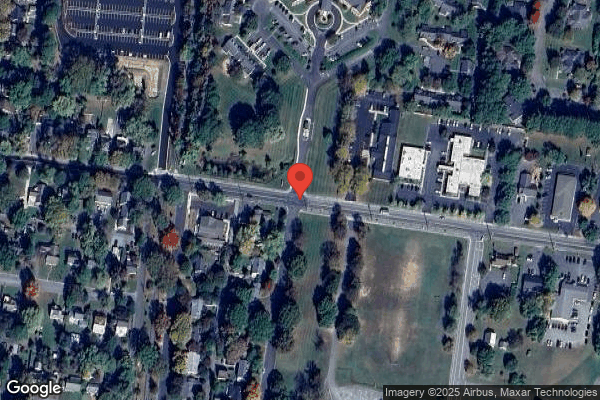
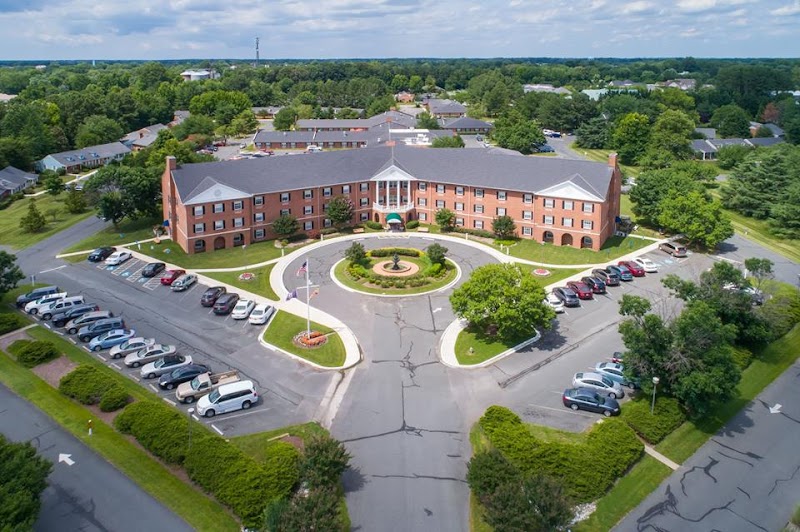
501 DUTCHMAN'S LANE, EASTON, MD 21601 (410) 822-8888
Non profit - Corporation 99 Beds ACTS RETIREMENT-LIFE COMMUNITIES Data: November 2025 1 Immediate Jeopardy citation
Trust Grade
8/100
#180 of 219 in MD
Last Inspection: January 2025

Within standard 12-15 month inspection cycle. Federal law requires annual inspections.

Overview

Willowbrooke Court Skilled Care Center at Bayleigh Chase has received a Trust Grade of F, indicating significant concerns about the quality of care provided. Ranking #180 out of 219 nursing homes in Maryland places it in the bottom half of facilities in the state, although it is ranked #1 out of 2 in Talbot County, meaning there is only one other local option. The facility's trend is worsening, with issues increasing from 11 in 2019 to 12 in 2025, raising red flags for potential future problems. Staffing is a relative strength, with a rating of 4 out of 5 stars and a turnover rate of 20%, which is well below the state average. However, the facility has accumulated $109,968 in fines, which is concerning because it is higher than 95% of Maryland facilities, suggesting ongoing compliance issues. Several specific incidents highlight weaknesses at this facility. It was found that staff failed to protect residents from incidents of abuse and did not adequately investigate when one resident had 11 falls, resulting in a serious injury. Additionally, the facility did not conduct annual performance reviews for Geriatric Nursing Assistants, potentially affecting the quality of care across the board. While there are strengths in staffing and RN coverage, the overall picture raises serious concerns that families should consider carefully.

Trust Score
F
8/100
In Maryland
#180/219
Bottom 18%
Safety Record
High Risk
Review needed
Inspections
Getting Worse
11 → 12 violations
Staff Stability
✓ Good
20% annual turnover. Excellent stability, 28 points below Maryland's 48% average. Staff who stay learn residents' needs.
Penalties
✓ Good
$109,968 in fines. Lower than most Maryland facilities. Relatively clean record.
Skilled Nurses
✓ Good
Each resident gets 62 minutes of Registered Nurse (RN) attention daily — more than 97% of Maryland nursing homes. RNs are the most trained staff who catch health problems before they become serious.
Violations
⚠ Watch
38 deficiencies on record. Higher than average. Multiple issues found across inspections.
★★☆☆☆
2.0
Overall Rating
★★★★☆
4.0
Staff Levels
★★★☆☆
3.0
Care Quality
★★☆☆☆
2.0
Inspection Score
Stable
2019: 11 issues
2025: 12 issues

The Good

  • 4-Star Staffing Rating · Above-average nurse staffing levels
  • Low Staff Turnover (20%) · Staff stability means consistent care
  • Full Sprinkler Coverage · Fire safety systems throughout facility
  • No fines on record
  • Staff turnover is low (20%)

    28 points below Maryland average of 48%

Facility shows strength in staffing levels, staff retention, fire safety.

The Bad

2-Star Overall Rating

Below Maryland average (3.0)

Below average - review inspection findings carefully

Federal Fines: $109,968

Well above median ($33,413)

Significant penalties indicating serious issues

Chain: ACTS RETIREMENT-LIFE COMMUNITIES

Part of a multi-facility chain

Ask about local staffing decisions and management

The Ugly 38 deficiencies on record

1 life-threatening 1 actual harm
Jan 2025 12 deficiencies 1 IJ
CRITICAL (J) 📢 Someone Reported This

A family member, employee, or ombudsman was alarmed enough to file a formal complaint

Immediate Jeopardy (IJ) - the most serious Medicare violation

Free from Abuse/Neglect (Tag F0600)

Someone could have died · This affected 1 resident

**NOTE- TERMS IN BRACKETS HAVE BEEN EDITED TO PROTECT CONFIDENTIALITY** Based on facility reported incidents, record review and interview with facility staff it was determined that the facility staff ...

Read full inspector narrative →
**NOTE- TERMS IN BRACKETS HAVE BEEN EDITED TO PROTECT CONFIDENTIALITY** Based on facility reported incidents, record review and interview with facility staff it was determined that the facility staff failed to protect residents against incidents of abuse, and ensure measures were put in place to prevent further incidents of abuse. This was evident for 3 (#905, #901, and #45) of 9 residents reviewed for abuse. The facility was notified of the immediate jeopardy at 4:40 PM on 1/13/25. The facility developed a plan to sufficiently remove immediacy, which was reviewed and accepted after 3 attempts, at 6:37 PM on 1/13/2025 while surveyors remained onsite. The plan to remove immediacy that was presented to surveyors included: Resident #905 passed on 8/2/23, Resident #901 passed on 2/22/23. Resident #45 was interviewed on 1/8/25 by the social worker regarding his/her abuse claim. The facility reported the incident to the state on 1/8/25. A 5-day investigation was completed and submitted on 1/13/25. The conclusion was that alleged abuse could not be substantiated. GNA #1 was removed from resident #45 ' s care on 1/8/25. All residents in GNA #1 ' s group were interviewed by the social worker on 1/13/25 with no concerns identified. All other residents in WillowBrooke Court will be interviewed by nursing and the social worker on 1/13/25 to ensure there is no suspected abuse or neglect. Training on Abuse, Neglect, Reporting & Investigation was conducted by the Regional Clinical Director to the Director of Nursing (DON) & Assistant Director of Nursing (ADON). All team members currently working were educated on Abuse & Neglect Policy and protocol focusing on report abuse as soon as possible, obtaining witness statements, suspension pending investigation, Acts policy and state regulations on Abuse & Neglect, & who the abuse coordinator of the community is on 1/13/25 by nursing management (DON/ADON). The rest of the team members working in WillowBrooke Court will complete training by 1/17/25 by nursing management (DON/ADON). For those team members not on the schedule to work the training will be conducted by the DON and ADON by phone by 1/17/25. The management team (NHA, DON, & ADON) will round twice a week to randomly interview 5% of the current residents on different shifts and different times regarding the quality of their care and monitor team members' interaction with residents for 6 months. Any issues identified will be corrected immediately. Any concern from the resident will be reported per regulation requirement. Any alleged team member will be suspended immediately pending investigation. Random interviews by the NHA, DON, & ADON will be audited for 6 months or until 100% compliance is achieved and findings will be discussed in monthly QAPI. The findings include: 1) The facility reported incident #MD00182604 was reviewed by the surveyor on 1/9/25 at 11:30 AM. The facility substantiated through witnesses (Licensed Practical Nurse) LPN3 and (Geriatric Nursing Assistant) GNA6 that GNA7 physically assaulted Resident #905 at approximately 11:30 PM on 4/25/22. The report revealed that the incident was not reported to the DON until 4/26/22 at 6:03 PM by LPN3. Review of the facility ' s investigation documentation on 1/9/25 at 12:00 PM revealed a written statement by LPN3 dated 4/26/22. LPN3 indicated that at the change of shift on 4/25/22 Resident #905 was attempting to pull at the kitchen door because s/he thought it was the bathroom. LPN3 and GNA6 ' s attempts to redirect the resident were unsuccessful. GNA7 came over, grabbed Resident #905 by the back of his/her shirt and spun him/her around in the wheelchair and began to choke him/her. LPN3 indicated she stepped in between them and told GNA7 to calm down. She indicated that Resident #905 was sitting in the corner by the TV and was upset and yelling so GNA7 charged over and punched him/her in the stomach. Resident #905 was threatening to report GNA7 so GNA7 got mad and pulled him/her by the back of his/her hair and spun him/her around in the wheelchair until he/she was back in the corner. LPN3 indicated that she kept pulling GNA7 away to diffuse the situation, but she kept coming for Resident #905. LPN3 finally yelled at GNA7 and pushed her away and she went into the lounge area. LPN3 indicated she kept Resident #905 up front at the nurse ' s station with her all night and GNA6 was the residents GNA and provided care for Resident #905. In a written witness report dated Monday April 25th, 2022, GNA6 indicated that approximately 11:30 PM an altercation occurred between GNA7 and a resident. The resident was attempting to enter the locked kitchen while yelling s/he needed the bathroom. I, GNA6, went up to attempt to convince him/her to go to his/her room where the bathroom was. After a couple of minutes, the nurse came to convince him/her as well. GNA7 intervened, seeing the situation still unresolved. She pulled his/her hands off the door handle and yanked on his/her shirt ' s neckhole to pull him/her backwards. She moved him/her back to the corner with the TV. At this point I backed away letting the nurse handle it. The only other thing I saw after was the resident swatting at GNA7 and GNA7 raising her arm as though to threaten hitting him/her back. GNA7 ' s written statement indicated she was down the hall and heard Resident #905 screaming and hollering. S/he was at the kitchen door. GNA7 pulled him/her back from the door and told him/her that he/she could not go home that way. Resident #905 continued to scream and was hitting. LPN3 told him/her not to do that. GNA7 indicated the reason why she went to Resident #905 was because sometimes she can redirect him/her. That she didn ' t want Resident #905 to wake up the other residents and that she left him/her in the hall and walked away from him/her. Written follow-up interviews were conducted by the Regional HR (Human Resources) Director and the DON on 4/27/22 with GNA6, LPN3 and GNA7. GNA6 indicated during her interview that she did not report the incident because the nurse stated she was going to. The Regional HR Director and DON did not ask LPN 3 why she did not report the abuse immediately. The surveyor called LPN3 for an interview on 1/13/25 at 9:00 AM. The call went to voicemail, and a message was left asking for her to return the call. LPN3 did not return the surveyor's call prior to the end of the survey. The time punch records for GNA7 were reviewed on 1/9/25 at approximately 4:00 PM. The punches revealed GNA7 worked from 3:00 PM on 4/25/22 until 7:51 AM on 4/26/22. She worked again on 4/26/22 from 2:57 PM until 7:01 PM. The facility staff failed to protect residents from abuse by allowing GNA7 to work 12 additional hours in the facility after witnessed abuse of Resident #905. In an interview on 1/9/25 at 4:30 PM the DON confirmed that GNA7 was not suspended until after she became aware of the incident at 6:03 PM on 4/26/22. She indicated that GNA6 did not report the incident. In an interview on 1/10/25 at approximately 9:30 AM the DON was asked to provide verification of abuse training for LPN3. She explained she was agency staff; we don ' t have her abuse training. The agency provides us with their license, background checks, the things that are required in Maryland, but we don ' t get their abuse training. The facility failed to ensure that all staff working in their facility had the required training for abuse and abuse prohibition. The DON was asked and indicated that a Root Cause Analysis was not done for this event. When asked if the Quality Assessment Performance Improvement (QAPI) committee reviewed and investigated the root cause, she indicated we discussed it but as far as documentation there is only the investigation I gave you. The facility failed to implement a QAPI process to address the incident and lack of immediate response. Review of GNA7 ' s employee file failed to reveal performance evaluations after 2011. The DON was made aware of this finding on 1/13/25 at 10:35 AM. She indicated that when she first came to the facility as the DON it was July 2020, during COVID, she did not do evaluations. When asked when she started doing the performance evaluations again, she paused then stated I only do evaluations of my ADON (Assistant Director of Nursing). On 1/13/25 at 1:30 PM when asked to further clarify who does performance evaluations for the other nursing staff the DON stated, they ' re not done. 2) Facility reported incident #MD00185366 was reviewed on 1/8/25 at 10:15 AM. The facility report indicated: on 1/11/22 a family member reported Resident #901 alleged that the previous morning s/he called an employee a bitch and the employee smacked him/her on the mouth and told him/her not to call her names. The DON interviewed the resident who did not recall an altercation with staff nor remember the conversation with his/her family member 30 minutes prior. No injuries were noted. The DON interviewed multiple employees that worked on the unit over the 4 days leading up to the event. There were no reports to corroborate the family member ' s concern. The report contained no evidence that the abuse allegation was reported to the police. The facility ' s investigation documentation included a written statement from Resident #901 ' s family member, dated 10/31/22. The statement revealed that the resident indicated s/he needed to move due to people problems. That the perpetrator accused the resident of calling her a bitch and slapped him/her. The statement also indicated that Resident #901 did not want the family member to say anything for fear of retaliation. The statement did not indicate a date of the alleged incident. The investigation included statements from 5 staff members: GNA8 ' s statement dated 11/2/22 indicated she saw another resident touch Resident #901 on 10/28/22 at 6 AM. They were redirected. GNA9 ' s statement dated 11/4/22 indicated she cared for Resident #901 7AM - 9PM on 10/29/22 and 7AM - 3PM on 10/30/22. There were no concerns. GNA1 ' s statement dated 11/4/22 indicated she didn ' t notice anything different with Resident #901 or staff on 11/29/22 and 11/30/22. GNA5 indicated in her statement dated 11/1/22 that she had not heard or had any situations or problems with Resident #901. Had never heard him/her cuss or fuss about anything. An undated statement written by GNA10 indicated that while assisting Resident #901 to bed at 7:30 PM on October 28th. He/She mentioned to me, about being slapped in the face, during the day by someone in the T.V. Room. Two times in the face. I meant to report it but forgot due to a busy night. Sorry! GNA10 failed to immediately report an allegation of abuse. There was no evidence the facility acted on the additional allegation of abuse after it was brought to their attention in GNA10 ' s written statement. Staff schedules revealed 26 staff worked on the unit where Resident #901 resided between 10/28/22 and 10/30/22. The facility ' s investigation did not include statements from 21 staff who worked during that time. During an interview on 1/9/25 at 10:31 AM the DON confirmed that the police were not notified of the allegation of abuse and she was not able to recall why. She was asked if she expanded her investigation once she received GNA10 ' s staff statement. She confirmed she was aware of the statement and that once she saw the statement was not sure why she wouldn ' t have gotten more statements. During an earlier interview conducted on 1/8/25 at approximately 7:35 AM when asked who the facility ' s abuse coordinator was, the DON responded - I guess I am because I ' m the DON.3.) During an interview on 01/07/25 at 11:25 AM R45 stated that GNA1 hates him/her just because s/he is him/her. R45 said GNA1 mouths off to him/her and when s/he reports something about GNA1 to administration, GNA1 gets even with him/her by reporting something false about him/her. R45 stated that GNA1 killed his/her dog. R45 stated that GNA1 ignores her job duties and called him/her a bitch. S/he said s/he reported it to the DON who told R45 that GNA1 ' s behavior was unacceptable. R45 said GNA1 and GNA2 would gang up on him/her and talk about him/her in the hall because s/he could hear them. On 01/07/25 at 11:45 AM, R45 ' s allegations of verbal and mental abuse were reported to the Administrator and the DON by the surveyor. An interview on 01/08/25 at 12:27 PM the DON and Administrator revealed that they do not believe R45 and that GNA1 was allowed to continue working the 7am to 3pm shift on 01/07/25. Interview with the Corporate nurse on 01/08/25 stated that staff are to be suspended while the facility is investigating allegations of abuse. Review of the Abuse policy dated 07/2023 revealed after an allegation of abuse was made they would immediately protect the resident from further risk. Review of R45 ' s Face Sheet revealed the resident was admitted to the facility on [DATE]. Review of R45 ' s Annual Minimum Data Set (MDS) with an Assessment Reference Date (ARD) of 11/18/24 and located in the resident ' s EMR under the MDS tab, revealed a Brief Interview for Mental Status (BIMS) score of 15 out of 15, which indicated no cognitive impairment. During an interview on 01/08/25 at 12:27 PM the DON stated that she had a discussion with the Administrator after they became aware of R45 ' s allegations on 01/07/25 and that nothing had happened because she was waiting to discuss it with the Regional Clinical Nurse. During an interview on 01/08/25 at 12:42 PM the Administrator stated that he consulted with the DON and Medical Director. He said that they decided there was no validity to R45 ' s allegations based on the fact that s/he never had a dog here, and that GNA2 has not worked here for a long time. The Administrator stated that he did not interview the resident or any staff before making this conclusion. He stated that when he does conduct an investigation, he will interview the resident and any staff that have been identified. He stated that he did not investigate the allegation, and that GNA1 was not suspended.
SERIOUS (G) 📢 Someone Reported This

A family member, employee, or ombudsman was alarmed enough to file a formal complaint

Actual Harm - a resident was hurt due to facility failures

Accident Prevention (Tag F0689)

A resident was harmed · This affected 1 resident

**NOTE- TERMS IN BRACKETS HAVE BEEN EDITED TO PROTECT CONFIDENTIALITY** Based on interview, record review, and policy review, the facility failed to ensure one resident (Resident (R)52) of two residen...

Read full inspector narrative →
**NOTE- TERMS IN BRACKETS HAVE BEEN EDITED TO PROTECT CONFIDENTIALITY** Based on interview, record review, and policy review, the facility failed to ensure one resident (Resident (R)52) of two residents reviewed for falls out of a total sample of 27 residents had root cause analysis and a thorough investigation completed to determine if additional interventions were warranted when the resident had 11 falls, one resulting in harm when the resident sustained a left hip fracture requiring surgery. This had the potential for the resident to continue to have falls with possible major injuries. Findings include: Review of the facilities revised November 2020 Fall Reduction and Management Policy revealed Strive to identify residents at risk for falls and reduce the incidence of falls by identifying environmental, interpersonal, and/or functional triggers and causes of fall and implementing person-centered interventions to reduce risks. To strive to ensure that the resident environment remains as free of accident hazards as is possible; and that each resident receives adequate supervision, functional support, and assistance devices to prevent and/or minimize accidents. Recommendations for prevention of future occurrences will be incorporated into the resident's care plan. Review of R52's Electronic Medical Record (EMR) under the Census tab revealed the resident was admitted to the facility on [DATE]. Review of R52's diagnoses located in the EMR under the Diagnosis tab revealed a diagnosis of Alzheimer's Dementia. Review R52's quarterly Minimum Data Set (MDS) located in the EMR under the MDS tab with an assessment reference date (ARD) of 10/15/24 Brief Interview for Mental Status (BIMS) of five out of 15, which showed s/he had severe cognitive impairment. The MDS showed the resident required limited assistance of one staff for transfers, toileting, and ambulation. Review of R52's Care Plan located under the Care Plan tab a fall focus area revealed I am a fall risk r/t [related to] deconditioning, Gait/balance problems, Incontinence, Unaware of safety needs, Alzheimer's/Dementia started on 09/22/23. A goal revealed I will be free of minor injuries started on 09/22/23. Interventions started after 09/22/23 included Encourage me to participate in activities that promote exercise, physical activity for strengthening and improved mobility started on 07/09/24 and Call bell pad to alert nursing of movement and to reduce the risk of falls initiated on 12/11/24. There were no new interventions added to potentially prevent further falls from 09/22/23 until 07/09/24. Review of R52's EMR Progress Notes located under the Progress Notes tab revealed he had at total of 11 falls; on 10/20/23, 10/28/23, 11/25/23, 01/01/24, 01/04/24 (two falls), 03/30/24, 05/20/24 (two falls), 06/27/24, and 07/01/24. The fall on 07/01/24 resulted in a fracture to his left hip. Review of R52's Progress Notes located in the EMR under the Progress Note tab revealed the following falls: 1. Details of a fall on 10/20/23 at 10:40 PM revealed an Aide went into the resident's room to pick up his/her dinner tray. She found him/her on his/her knees next to the bed. Fall mats were down and s/he was actually kneeling on the fall mat. Resident said s/he was trying to get to his/her desk to get some toothpicks. 2. Details of a fall on 10/28/23 revealed the resident was found on the fall mat kneeling next to his/her bed. S/he had the upper part of his/her body resting on the bed. S/he was unable to tell staff what s/he was trying to do. S/he did not have any c/o pain or discomfort. His/her skin is intact with no bruising or skin tears noted 3. Details of a fall on 11/25/23 revealed the resident's family hired aide had called staff to the room. When staff arrived in the room the resident was sitting on the floor in front of his/her recliner. The aide said the resident told her s/he could walk so she had attempted to transfer the resident from his/her bed to the recliner and s/he landed on the floor. No injuries were noted. Caregiver was made aware that the resident required a hoyer lift for transfers and when needing assistance to please notify staff. 4. Details of a fall on 01/01/24 revealed the resident was observed lying on his back in his/her bathroom beside his/her wheelchair. Resident attempted to transfer to the toilet without calling for assistance. Resident obtained a skin tear to his/her left forearm. No other injuries were noted. 5. Details of a fall on 01/04/24 revealed the resident was found on the floor. S/he was on the floor next to his/her bed lying on his/her back. His/her head was at the end of the bed where the footboard was. S/he had a skin tear on the resident's lower left extremity. S/he denied any pain or discomfort. 6. Details of the second fall on 01/04/24 revealed the resident was heard calling from his/her room. S/he was found lying on his/her left side in front of the recliner. S/he could not tell us why s/he had gotten out of bed. S/he had no complaints of pain or discomfort. No new skin issues. Resident reminded to use call bell if s/he needs to get out of bed. 7. Details of a fall on 03/30/24 revealed the resident was observed sitting on the floor beside his/her bed near his/her recliner. Resident was attempting to transfer out of bed to his/her recliner without assistance. Resident obtained a skin tear to his/her lower left leg and right elbow. 8. Details of a fall on 05/20/24 revealed A Geriatric Nursing Assistant (GNA) found the resident lying on his back on the floor mat next to bed. Resident has no injuries noted. The resident participated in therapy. 9. Details of a second fall on 05/20/24 revealed the resident was observed sitting on his/her buttocks in front of his/her recliner. Resident was attempting to transfer without calling for assistance to his/her wheelchair. No injuries noted. 10. Details of a fall on 06/27/24 revealed the resident was found on floor in the resident's room, lying on his/her left side. A skin tear was noted to the left hand. Resident was alert, awake and oriented to baseline. 11. Details of a fall on 07/01/24 revealed the resident was observed lying on his/her back in his/her bathroom beside his/her wheelchair. Resident attempted to transfer to the toilet without calling for assistance. Resident obtained a skin tear to his/her left forearm. Resident denied hitting his/her head. No other injuries noted. The resident was escorted out to the common area after having dinner in the dining area. The resident complained of pain in the upper left leg. Tylenol given for pain. [physician] notified of c/o pain. An x-ray was ordered. The x-ray indicated the resident had a fracture of his/her left hip and had a left hemiarthroplasty (surgery). Review of R52's Fall Risk Evaluations completed on 09/21/23, 12/22/23, 12/28/23, 03/28/24, 07/09/24, 07/30/24, and 10/30/24 revealed scores had been based on level of consciousness/mental status, history of falls in the past three months, ambulation/elimination, vision, gait/balance, systolic blood pressure, medications, and disease processes. His/her scores indicated s/he was at high risk for falls. Review of R52's Fall Incident Reports completed after each fall and provided by the facility included a review of the residents' diagnoses, medications including psychoactive, anticoagulants, steroids, antihypertensives, and new medications in the last seven days. Any changes in mental status, unsteady gait, combative or agitated, continent, or incontinent. Other areas reviewed including what type of equipment the resident used, if their call light was near or on, footwear, use of a walker/cane/wheelchair, use of a bed or chair alarm, use of side rails, and the condition of the room. Those areas were filled out however, under the Fall Huddle Investigation Worksheet that was completed with staff working at the time of the falls revealed there were no new interventions listed other than monitoring. The Root Cause of Fall section had not been completed for any of the falls. During an interview on 01/10/25 at 1:30 PM with the Director of Nursing (DON) confirmed the Fall Intervention Form only had monitoring as the intervention. She also agreed the Root Cause of Fall section had not been completed, and it could have brought more ideas for effective fall prevention interventions.
CONCERN (D) 📢 Someone Reported This

A family member, employee, or ombudsman was alarmed enough to file a formal complaint

Potential for Harm - no one hurt, but risky conditions existed

Report Alleged Abuse (Tag F0609)

Could have caused harm · This affected 1 resident

**NOTE- TERMS IN BRACKETS HAVE BEEN EDITED TO PROTECT CONFIDENTIALITY** Based on medical record review, review of facility reported incidents and interview with facility staff, it was determined that ...

Read full inspector narrative →
**NOTE- TERMS IN BRACKETS HAVE BEEN EDITED TO PROTECT CONFIDENTIALITY** Based on medical record review, review of facility reported incidents and interview with facility staff, it was determined that the facility administration failed to report all reportable incidents to the Office of Health Care Quality (OHCQ) no later than 2 hours after alleged abuse incidents occurred and/or injuries of unknown origin meeting the regulatory criteria. This was evident for 7 (#903, #902, #904, #901, #905, R45,and R211) of 12 residents reviewed for abuse with additional occurrences found during the individual review of the resident's medical records that too were not reported to the state agency, and failed to report an allegation of abuse to local law enforcement for 1 (#901) of 9 residents reviewed for abuse. The findings include: 1. Review of the medical record for Resident #903 on 1/10/25 at 7:47 AM revealed diagnosis including Alzheimer's and age-related osteoporosis. Review of a facility reported incident (FRI) completed and submitted on 5/11/24 at 8:40 AM, Resident #903 was documented as having an unwitnessed fall which resulted in a left intertrochanteric fracture. This incident was documented as occurring on 5/10/24 at 9:45 PM, approximately 10 hours prior to the initial submission of the FRI to the Office of Health Care Quality. This identified concern was reviewed with the DON and NHA during the survey and again on 1/13/25 prior to exit. 2. Review of the medical record for Resident #902 revealed initial admitting diagnosis including breast cancer, dysphagia (difficulty swallowing) and dementia. A review on 1/7/25 at 2:00 PM during the review of the progress notes, revealed multiple incidents of documented injuries of unknown origin and identified bruising that were not reported to the OHCQ, as confirmed by the DON on 1/8/25 at 7:35 AM and verified by the OHCQ intake department. a. 12/30/22 bruise to inner thigh newly identified, medium sized b. 2/12/23 bruise to left lateral brow c. 3/11/23 unwitnessed fall, with intervention noted that the unit is on isolation just continue to monitor (4th fall noted with no new interventions) d. 8/19/23 pain on right leg, bruising noted to right cheek, an x-ray was ordered to rule out fracture. These concerns were reviewed with the facility DON and NHA throughout the survey and again on 1/13/25. 3. Review of the medical record for Resident #904 on 1/8/25 at 7:53 AM revealed multiple comorbidities including dementia and Parkinson disease. During the review of a reported FRI, another incident was noted to occur on 3/15/23 where Resident #904 was found on the floor complaining of pain and was transferred to the emergency room for the treatment of a fracture. There was no report to the OHCQ regarding the identified fall and subsequent fracture. By day 5, the injury was determined to be an old fracture, however, within what would have been the initial 2-hour reporting time frame, Resident #904, who had a documented BIMS of 4, assessed on 3/22/23, was unable to report what had occurred on 3/15/23. These concerns were reviewed with the facility Regional Clinical Nurse on 1/9/25 at approximately 3:30 PM and again with the facility DON and NHA on 1/13/25. cross reference F610, F835 4. Facility reported incident #MD00185366 was reviewed on 1/8/25 at 10:15 AM. The facility reported that Resident #901 told his/her daughter on 11/1/22 that the previous morning he/she called an employee a bitch and the employee smacked him/her on the mouth and told him/her not to call her names. The Director of Nursing (DON) reported the incident to the state agency and began an investigation. There was no evidence that the allegation of abuse was reported to local law enforcement. The investigative documentation included 5 statements written by staff who worked with resident #901 on or around the date of the alleged event. An undated statement by GNA (Geriatric Nursing Assistant) #10 indicated on Friday October 28th - Resident #901 mentioned that s/he was slapped twice on the face during the day by someone in the TV room, but GNA #10 forgot to report it. These and other findings were discussed with the DON during an interview on 1/9/25 at 10:31 AM. She confirmed that the police were not notified of the abuse allegation and that she was aware of that GNA#10 failed to report Resident #901's allegation of abuse made on 10/28/22. 5. Facility reported incident #MD00182604 was reviewed on 1/9/25 11:30 AM. The report indicated that GNA#7 was observed pulling Resident #905 by his/her collar, pull his/her hair, grab him/her by the neck and punch him/her in the abdomen at approximately 11:30 PM on 4/25/22. Per written statements, the incident was witnessed by LPN (Licensed Practical Nurse) #3, an agency nurse. GNA#6 was also present and per her statement witnessed some of the incident. The facility's investigation documentation revealed the incident was reported to the DON by LPN#3 at 6:03 PM on 4/26/22, 18 ½ hours later, not immediately. GNA#6 indicated in her written statement that she did not report the incident because she thought LPN#3 reported it. In an interview on 1/9/25 at 4:30 PM The DON confirmed that neither LPN#3 nor GNA#6 immediately reported the incident and that she was not aware until 6:03 PM the following day. During an interview on 1/14/25 at 3:21 PM GNA#6 repeatedly indicated she was unable to recall details of the incident. She was unable to recall why she thought LPN#3 was going to report the incident. She did recall that LPN#3 made a phone call but was unsure of who she called, and stated it could have been about anything. Cross reference F 600 and F 835.Review of the facility's policy titled Abuse, Neglect, Involuntary seclusion, Exploitation, and Misappropriation of Property revised 07/23 revealed, anyone who witnesses and or suspects an incident of resident abuse (verbal, sexual, mental, or physical), neglect, mistreatment, exploitation' involuntary seclusion, and misappropriation of property or a crime must immediately report the incident to their department supervisor. The department supervisor must immediately notify the executive director's administrator or designee, who in turn will notify the regional director of nursing, who in turn will notify the corporate director of resident health services and human resources, if necessary. Notify the appropriate state agency, adult protective services where state law provides for jurisdiction, and local law enforcement for a crime or allegation of a crime, immediately but not later than 2 hours after the allegation is made, if the events that cause the allegation involve abuse or result in serious bodily injury, or suspicion or actual commission of a crime, or not later than 24 hours if the events that cause the allegation do not involve abuse, a crime, and/or do not result in serious bodily injury, in accordance with state law through established procedures. Criminal acts include, but are not limited to, assault, sexual assault, and theft of resident property, including medications. 6. Review of R45's Face Sheet located in resident's electronic medical record (EMR) under the Profile tab, revealed the resident was admitted to the facility on [DATE] with diagnoses which included Major Depressive Disorder, Mild Cognitive Impairment, Hallucinations, Unspecified Dementia, and anxiety disorder. Review of R45's annual Minimum Data Set (MDS) with an Assessment Reference Date (ARD) of 11/18/24 and located in the resident's EMR under the MDS tab, revealed the facility assessed the resident to have a Brief Interview for Mental Status (BIMS) score of 15 out of 15, which indicated no cognitive impairment. Further review revealed no behaviors were indicated. During an interview on 01/07/25 at 11:25 AM, R45 said Geriatric Nurse Assistant (GNA)1 hated him/her just because s/he is him/her. R45 said GNA1 mouths off to him/her and when s/he reports something about GNA1 to administration GNA1 gets even with him/her by reporting something false about R45. R45 said s/he believed she killed his/her dog, and that GNA1 ignores her job duties. R45 said GNA1 called him/her an (expletive). S/he said s/he reported it to the Director of Nursing (DON) who told R45 that it was unacceptable behavior. S/he said GNA1 was still currently employed. S/he said the last time she gave R45 a shower s/he was afraid that GNA1 did not wash his/her body well or dry him/her off properly. R45 said GNA1 did not care about the care she provided to him/her. R45 said GNA1 and GNA2 would gang up on him/her and talk about him/her in the hall because s/he could hear them. S/he said they said they were not going to do the right thing. During an interview on 01/08/25 at 12:27 PM the DON stated she had a discussion with the Administrator after they became aware of the allegations by R45 but that was as far as it's gone. She stated they have not reported it to the state and that she was waiting to discuss it with Regional Clinical Nurse. The DON further stated she did not know why she did not report the allegation that LPN1 reported to her about GNA1 and R211, but she stated she should have reported both timely. During an interview on 01/08/25 at 12:42 PM the Administrator consulted with the DON, and he spoke to the Medical Director. He said that they decided there was no validity to the allegation based on the fact that she never had a dog here, and that GNA2 has not worked here for a long time. He confirmed this was not reported to the state and that he did not interview the resident or any staff before making this conclusion. 7. Review of R211's ''admission Record,'' located in the ''Profile'' tab of the EMR, revealed R211 admitted to the facility on [DATE] with diagnoses including bipolar disorder, adjustment disorder, and dysphagia. Review of R211's quarterly ''Minimum Data Set (MDS)'' with an Assessment Reference Date (ARD) of 03/01/23 revealed s/he scored 15 out of 15 on the Brief Interview for Mental Status (BIMS), indicating no cognitive impairment. Review of the Self-Report Form provided by the facility, dated 05/01/23 at 2:00 PM revealed the date and time of the incident was 04/28/23 between the 11 PM to 7 AM shift.
CONCERN (D) 📢 Someone Reported This

A family member, employee, or ombudsman was alarmed enough to file a formal complaint

Potential for Harm - no one hurt, but risky conditions existed

Investigate Abuse (Tag F0610)

Could have caused harm · This affected 1 resident

**NOTE- TERMS IN BRACKETS HAVE BEEN EDITED TO PROTECT CONFIDENTIALITY** Based on medical record review and interview with facility staff, it was determined that the facility staff failed to thoroughly...

Read full inspector narrative →
**NOTE- TERMS IN BRACKETS HAVE BEEN EDITED TO PROTECT CONFIDENTIALITY** Based on medical record review and interview with facility staff, it was determined that the facility staff failed to thoroughly investigate allegations of abuse and injuries of unknown origin, and failed to protect residents from further abuse. This was evident for 7 (#902, #903, #904, #901, #905, R45, and R45) of 12 residents reviewed for abuse with additional occurrences found during the individual review of the resident's medical records that were not previously identified by the facility. The findings include: 1. Review of the medical record for Resident #902 revealed initial admitting diagnosis including breast cancer, dysphagia (difficulty swallowing) and dementia. A review on 1/7/25 at 2:00 PM an initial concern related to an unwitnessed fall, occurring on 7/12/23. According to the facility investigation report, the resident was found on his/her back and bleeding from their left forehead. There was a black and blue bump already formed when the resident was found. Resident #902 complained of left shoulder and elbow pain and had difficulty moving their arm without grimacing. An x-ray was ordered. Resident #902 was transferred to the hospital on 7/13/23 for treatment related to a nondisplaced olecranon (elbow fracture). Further review of the facility reported incident on 1/10/25 at 7:23 AM failed to reveal any interviews with more than just the GNA that was assigned to care for Resident #902 on 7/12/23. Additionally, there was no new interventions or plan in place to prevent Resident #902 from falling again. 2. Review of the facility reported incident on 1/10/25 at 7:47 AM for Resident #903 noted admission diagnosis including unspecified dementia and abnormalities of gait. According to the facility reported paperwork provided to the survey team, Resident #903 had an unwitnessed fall with injury occurring on 5/10/24 documented between 9:45 PM and 10:15 PM. Resident #903 was sent to the hospital post fall with complaints of hip and lag pain. A CT (computed tomography scan, is a noninvasive medical imaging procedure that uses X-rays to create detailed pictures of the inside of the body) was completed and diagnosed Resident #903 with a left intra trochanteric fracture-hip fracture. According to the facility investigation packet, only the nurse and GNA caring for the resident were interviewed regarding his/her status prior to the fall. There was an identified concern with the bed alarm, however, no further documentation of interventions or audits to ensure that what was found faulty and possibly contributing to the resident's fall was corrected. These concerns were reviewed with the facility DON and NHA throughout the survey and again on 1/13/25. 3. a. Review of the medical record for Resident #904 on 1/8/25 at 7:53 AM revealed multiple comorbidities including dementia nd Parkinson disease. Review of the facility reported incident for Resident #904 revealed that Resident was found on the floor on 5/30/23 with a hematoma on their forehead and scant blood noted on their mouth and nose. An order was acquired from the physician to send him/her to the ER for evaluation. At the hospital it was determined that the resident had a left orbital floor fracture, and a mild fracture of the left anterior maxillary wall. Additionally, a left subdural hematoma (a collection of blood between the brain and the skull that can be life-threatening). The facility investigation report failed to include any interviews with staff or residents from the day of the incident. The report documented that the resident was unable to state what occurred and it was assumed that the resident fell out of his/her chair and hit their face causing the fractures. b. During the review of the assumed fall on 5/30/23 for Resident #904, another unwitnessed fall was identified with an initially identified fracture on 3/15/23. This was not investigated with corresponding interviews of staff and residents with subsequent relevant interventions. These concerns were reviewed with the facility Regional Clinical Nurse on 1/9/25 at approximately 3:30 PM and again with the facility DON and NHA on 1/13/25. Cross reference with F609 4. Facility reported incident #MD00185366 was reviewed on 1/8/25 at 10:15 AM. The facility reported that on 10/31/22, Resident #901, a resident with severe cognitive impairment, reported to his/her daughter that the previous morning he/she called an employee a bitch and the employee smacked him/her on the mouth and told him/her not to call her names. The Director of Nursing (DON) reported the incident to the state agency and began an investigation. Written statements were obtained from 5 staff. The statement written by GNA (Geriatric Nursing Assistant) #10 revealed that Resident #901 reported to her on 10/28 that s/he was slapped twice on the face during the day by someone in the TV room, but she forgot to report it. The documentation failed to reveal that the facility expanded or began a new investigation after they became aware of the earlier abuse allegation in Staff #10's statement. Staffing schedules revealed that 26 nursing staff worked on the unit where Resident #901 resided from 10/28/22 - 10/30/22. However, written statements were only obtained from 5 nursing staff. There were no statements from non-nursing staff including but not limited to activities, maintenance, laundry, dietary or housekeeping personnel, in an effort to collect information potentially useful to their investigation. 5. Facility reported incident #MD00182604 was reviewed on 1/9/25 11:30 AM. The report indicated that on 4/25/22 at approximately 11:30 PM, GNA#7 pulled Resident #905, a wheelchair bound resident, by his/her collar, pulled his/her hair, grabbed him/her by the neck, rushed at the resident and punched him/her in the abdomen. Per her written statement, LPN (Licensed Practical Nurse) #3 witnessed the event. GNA#6 was also present during part of the incident and, per her statement, witnessed some of the same events. GNA#7's time punch records were reviewed on 1/9/25 at approximately 4:00 PM. They revealed that GNA#7 continued to work approximately 8 hours and 20 minutes, from 11:30 PM on 4/25/22 until 7:51 AM on 4/26/22. She returned at 2:57 PM on 4/26/22 and worked an additional 3 hours until sent off duty at 6:03 PM by the DON. During an interview on 1/9/25 at 4:30 PM the DON was asked to clarify when GNA#7 was suspended after the incident. She indicated that when she came in to work the next day 4/26/22, she was made aware of the incident, she informed the nurse on duty to obtain a statement from GNA#7 and send her home pending the outcome of the investigation. She confirmed that GNA#7 was not sent off duty on 4/25/22 immediately after the incident. When asked why, she indicated that GNA#6 did not report the incident and LPN#3 was an agency staff member and did not report it immediately. The facility failed to protect the residents by failing to ensure that GNA#7 was removed from the facility pending the outcome of the abuse allegation. Cross reference F 600.Review of a policy provided by the facility titled Abuse, Neglect, Involuntary Seclusion, Exploitation, and Misappropriation of Property Prevention, dated 07/2023 indicated . The investigative summary report must include sufficient detail to document the facility conducted a thorough investigation and shall include: Date and time of the alleged incident; Resident's full name and room number; Details of the allegation and any injury; Name(s) of the accused and any witnesses; Name of the facility staff member(s) who investigated the allegation; Any corrective action taken by the facility (i.e., disciplinary actions, staff training, etc.); The results of the investigation (i.e., was the allegation substantiated or unsubstantiated). 1. Review of the undated admission Record in the electronic medical record (EMR) under the Profile tab revealed R24 was admitted to the facility on [DATE] with diagnoses which included dementia and major depressive disorder. 6. Review of the quarterly Minimum Data Set (MDS) with an assessment reference date (ARD) of 11/13/24 in the EMR under the MDS tab revealed R24 was severely cognitively impaired with a Brief Interview for Mental Status (BIMS) score of zero out of 15. Review of the facility investigation provided by the facility for an injury of unknown origin, revealed R24 had a bruise on the face with no known fall. Progress note dated 08/22/24 at 7:34 AM stated, Resident noted to have bruise 6x4 on left side of face by eye which was noted at shift change. Left eye puffy. Resident in no distress. During an interview on 01/09/25 at 7:35 AM with Geriatric Nurse Assistant (GNA) 4 on revealed I took care of the resident during the 11-7 shift and no incident occurred. I do not know how she received the bruise. During an interview with the Director of Nursing (DON) who completed the investigation revealed, This was an injury of unknown origin. R24 had bruising to the left side of her face. A complete skin assessment was not done. The entire body should have been assessed since it was an injury of unknown origin. When asked if R24 hit her head, the DON did not know. When the DON was asked if other residents were interviewed or all staff that had been working during the night shift, the DON stated No other residents were interviewed or staff. This was an incomplete investigation. 7. Review of R45's Face Sheet located in resident's EMR under the Profile tab, revealed the resident was admitted to the facility on [DATE] with diagnoses which included Major Depressive Disorder, Mild Cognitive Impairment, Hallucinations, Unspecified Dementia, and anxiety disorder. Review of R45's annual Minimum Data Set (MDS) with an Assessment Reference Date (ARD) of 11/18/24 and located in the resident's EMR under the MDS tab, revealed the facility assessed the resident to have a Brief Interview for Mental Status (BIMS) score of 15 out of 15, which indicated no cognitive impairment. Further review revealed no behaviors were indicated. Review of R45's Care Plan, dated 11/30/22 and located in the residents' EMR under the Care Plan tab, revealed I use psychotropic medications related to depression, anxiety, insomnia, dementia (I have hallucinations, delusions/paranoia at times). Interventions in place were Resident continues with hallucinations and delusions/paranoia at times. Resident re-directed and re-oriented to reality when having those episodes. Mood does appear improved 05/22/24. Further interview revealed no care plan related to making false allegations. During an interview on 01/07/25 at 11:25 AM, R45 said Geriatric Nursing Assistant (GNA)1 hates him/her just because s/he is him/her. R45 said GNA1 mouths off to him/her and when s/he reports something about GNA1 to administration GNA1 gets even with him/her by reporting something false about R45. R45 said s/he believed she killed his/her dog, and that GNA1 ignores her job duties. R45 said GNA1 called him/her an (expletive). S/he said s/he reported it to the DON who told R45 that it was unacceptable behavior. S/he said GNA1 was still currently employed. R45 said GNA1 did not care about the care she provided to him/her. R45 said GNA1 and GNA2 would gang up on him/her and talk about him/her in the hall because s/he could hear them. S/he said they said they were not going to do the right thing. During an interview on 01/07/25 at 11:45 AM the allegations by R45 about GNA1 were reported to the Administrator and the DON. The DON stated she was aware of the allegations about the dog, but this was the first time she heard that R45 alleged that GNA1 called him/her an (expletive). The DON said this was never reported and that R45 has never had a dog on the facility grounds. During an interview on 01/08/25 at 12:27 PM the DON she had a discussion with the Administrator after they became aware of the allegations by R45 but that was as far as it's gone. She stated they have reported it to the state and that she was waiting to discuss it with Regional Clinical Nurse. During an interview on 01/08/25 at 12:42 PM the Administrator consulted with the DON, and he spoke to the Medical Director. He said that they decided there was no validity to the allegation based on the fact that s/he never had a dog here, and that GNA2 has not worked here for a long time. He said this was not reported to the state and that he did not interview the resident or any staff before making this conclusion. He stated after an allegation is made they decide if it's valid before they report it to the state. If they investigate they will interview the resident and any staff that was identified and that any staff who was named as an alleged perpetrator would be suspended during the investigation. He stated that he did not investigate the allegation, and the staff was not suspended.
CONCERN (D)

Potential for Harm - no one hurt, but risky conditions existed

Deficiency F0658 (Tag F0658)

Could have caused harm · This affected 1 resident

**NOTE- TERMS IN BRACKETS HAVE BEEN EDITED TO PROTECT CONFIDENTIALITY** Based on observation, interview, record review, and policy review, the facility failed to ensure one of six observed residents (...

Read full inspector narrative →
**NOTE- TERMS IN BRACKETS HAVE BEEN EDITED TO PROTECT CONFIDENTIALITY** Based on observation, interview, record review, and policy review, the facility failed to ensure one of six observed residents (Resident (R)27) physician's orders had been followed for the removal of two lidocaine patches out of a total sample of 27 residents. This had the potential for the resident to have adverse reactions of patches being left on too long. Findings include: Review of R 27's Electronic Medical Record (EMR) under the Census tab revealed the resident was admitted to the facility on [DATE]. Review of R27's diagnoses located in the EMR under the Diagnosis tab revealed diagnoses of fracture of left femur and neuropathy (nerve pain). Review of R27's admissionMinimum Data Set (MDS) located under the MDS tab with as assessment reference date of 11/04/24 revealed a Brief Interview for Mental Status (BIMS) score of 15 out of 15, which indicated s/he was cognitively intact. Review of R27's Care Plan located in the EMR under the Care Plan tab dated 10/29/24 revealed a focus area for pain related to his/her left hip fracture after surgical repair. Interventions included administering him/her analgesia per physician orders. Review of R27's Physician's Orders located in the EMR under the Orders tab dated 11/02/24 revealed an order for two Lidocaine External Patches 1.8 %. Apply one to the left hip topically in the morning for pain on left hip. Remove patch at night. Apply one to left leg in the morning and remove patch at bedtime. Review of R27's January 2025 Medication Administration Record (MAR) located in the EMR under the Orders tab revealed on 01/08/25 RN6 had documented the patches had been removed at bedtime. During an observation on 01/09/25 at 8:53 AM of Registered Nurse (RN) 4 during medication administration revealed two lidocaine patches were still on R27; one on her left hip and one on her left leg. RN4 removed those patches and applied two new lidocaine patches to R27's left hip and leg. There was no date or initials on the lidocaine indicating when they were applied and/or initials of who applied them. During an interview on 01/09/25 at 10:50 AM with RN4, she confirmed the lidocaine patches were to have been removed the previous night on 01/08/25. She confirmed R27's January 2025 MAR documented the lidocaine patches had been removed by RN6. During an interview and review of R27's January 2025 MAR on 01/09/25 at 4:00 PM with the Director of Nursing (DON) confirmed RN6 had documented the removal of two lidocaine patches for R27. The DON agreed RN6 should not have documented the removal of the patches until after she had removed them. Review of the facility policy revised October 2019 Medication Administration and Management revealed, Following medication administration - All authorized community staff should adhere to the following guidelines: Document medication administration/treatment on the electronic record.
CONCERN (D) 📢 Someone Reported This

A family member, employee, or ombudsman was alarmed enough to file a formal complaint

Potential for Harm - no one hurt, but risky conditions existed

Deficiency F0697 (Tag F0697)

Could have caused harm · This affected 1 resident

Based on medical record review and interview with facility staff, and after the review of multiple facility reported incidents, it was determined that the facility failed to administer and document pa...

Read full inspector narrative →
Based on medical record review and interview with facility staff, and after the review of multiple facility reported incidents, it was determined that the facility failed to administer and document pain medication for residents with reported pain. This was evident during the review of 2 of 3 residents with reported falls and pain. (#903 and #902) The findings include: 1. Review of the medical record on 1/10/25 at 7:47 AM for Resident #903 noted admission diagnosis including unspecified dementia and abnormalities of gait. Resident #903 was assessed on 12/19/23 as having a brief interview of mental status (BIMS) of 5, meaning that s/he had severe cognitive impairment. Nursing progress notes documented that s/he would ambulate with either a walker or wheelchair throughout the unit. During the review of a facility reported incident (FRI) occurring on 5/10/24, Resident #903 was documented that s/he was found on the bathroom floor and had complaints of left hip pain. Nursing documented that Tylenol was administered at 9:50 PM for the pain. A concurrent review of the resident's medication administration record (MAR) failed to reveal that any Tylenol was administered, though the residents' pain was documented as a '6' prior to the resident's transfer to the hospital. . 2. Review of the facility reported incident on 1/10/25 at 7:47 AM for Resident #902 noted admission diagnosis including unspecified dementia and abnormalities of gait. Resident #902 was found on their back in their room on 7/12/23, nursing progress notes and corresponding MAR documented that the resident was medicated with Tylenol. On 7/12/23 at 11:15 PM nursing documented that Resident #902's arm was swollen, and s/he was unable to straighten arm and reports pain to elbow when touched. According to the corresponding MAR reviewed on 1/14/25 at 9:00 AM, no further Tylenol was administered, though the physician order was for every 6 hours as needed, and Resident #902 was complaining of pain. Resident #902 had an x-ray completed and was diagnosed with an Olecranon (elbow) fracture. On 7/15, 7/16, 7/17 and 7/18, nursing progress notes all documented that Resident #902 had complaints of pain on the left arm and was given routine Tylenol. However, concurrent review of the MAR failed to reveal that any Tylenol was administered except one time on 7/17. The progress notes all repeated the same information verbatim. The concern that the resident was not medicated for pain, or was not appropriately and thoroughly assessed was reviewed with the facility DON and NHA on 1/13/25. b. Resident #902 also had a noted injury on 8/19/23 according to nursing progress notes, reviewed on 1/14/25. At 5:14 AM, nursing documented that the resident complained of pain in the upper part of the right leg and had a bruise on [his/her] right cheek. However, according to the MAR, no Tylenol or any pain medication was signed off until 3:58 PM that afternoon. This concern was reviewed with the facility DON on 1/13/25. RN#4 was interviewed on 1/14/25 at 11:15 AM. She was asked how she assesses a resident's pain. She reviewed the process according to the facility policy and confirmed that there are different assessments for residents on different cognitive levels and that are unable to state pain on a 1-10 pain scale. Those assessments include looking at the residents for physical signs of pain such as grimacing and not solely relying on a numerical scale. She also stated that that information gets documented at that time and progress notes are never copied over from the day prior.
CONCERN (D) 📢 Someone Reported This

A family member, employee, or ombudsman was alarmed enough to file a formal complaint

Potential for Harm - no one hurt, but risky conditions existed

Medical Records (Tag F0842)

Could have caused harm · This affected 1 resident

Based on review of the medical record and interview with staff it was determined the facility staff failed to maintain complete and accurate medical records. This was evident for 1 (#901) of 9 residen...

Read full inspector narrative →
Based on review of the medical record and interview with staff it was determined the facility staff failed to maintain complete and accurate medical records. This was evident for 1 (#901) of 9 residents reviewed for Abuse. The findings include: Facility reported incident #MD00185366 was reviewed on 1/8/25 at 10:15 AM. The facility reported that on 10/31/22, Resident #901 told his/her daughter that the previous morning he/she called an employee a bitch and the employee smacked him/her on the mouth and told him/her not to call her names. The Director of Nursing (DON) reported the incident to the state agency an began an investigation. In an interview on 1/8/25 at approximately 10:30 AM the Director of Nursing (DON) was asked identified that a resident's change in condition should be documented in a narrative note in the progress note section of the Electronic Medical Record (EMR). Review of Resident #901's medical record at that time revealed 17 Nursing Progress Notes written between 10/27/22 - 11/5/22. 1 note was a routine skin evaluation note dated 11/3/22 10:55 which stated, Skin warm and dry, skin color WNL (within normal limits) and turgor is normal. Neither this nor any of the other notes included documentation reflecting Resident #901's allegation of abuse, an assessment of the resident specific to the allegation of abuse including but not limited to evidence of injury, the resident's mental status, notification of the physician, and measures that were put into place.
CONCERN (E) 📢 Someone Reported This

A family member, employee, or ombudsman was alarmed enough to file a formal complaint

Potential for Harm - no one hurt, but risky conditions existed

Administration (Tag F0835)

Could have caused harm · This affected multiple residents

Based on staff interview and medical record review, it was determined that the facility administration failed to provide effective oversight activities for the facility to ensure that resources were u...

Read full inspector narrative →
Based on staff interview and medical record review, it was determined that the facility administration failed to provide effective oversight activities for the facility to ensure that resources were used effectively to meet the health and safety needs of each resident and identify and correct inappropriate care processes/standards, as evidenced by 1. Failure to have a system in place to effectively complete investigations related to injuries of unknown origin, 2. Failure to address abuse and further identify/address potential/alleged abusers, and 3. Failure to ensure that all staff received required training for abuse. The administration's failure to ensure processes were in place that could identify and correct deficient practice in care had the potential to adversely affect the health and safety of all the residents in the facility in addition resulted in an immediate jeopardy for abuse related to the failure to identify and address actual abuse of a resident. The findings include: 1. On 1/7/25 at approximately 10:30 AM the survey team provided the Director of Nursing (DON) with a list of facility reported incidents for review and requested the corresponding facility investigations. At 2:00 PM on 1/7/25 the investigations for 2 of 8 of the requested facility reports were provided. The DON was immediately questioned about the investigations as they only consisted of 2 and 3 pages respectively. She stated at that time that the investigations were easy because they knew what had happened. The first report reviewed was for Resident #903, related to an unwitnessed fall that resulted in a fracture, consisted of only 3 pages. The first page was the actual self-report that was submitted to the Office of Health Care Quality (OHCQ) and the next 2 pages consisted of statements from 2 staff. There was no face sheet related to the resident involved in the investigation and no assessment related to the resident at the time of the incident including vital signs and pain assessments. Review of the second intake for Resident #902 that had the same type of occurrence, revealed the same concerns lacking in the investigation packet. The DON was interviewed again on 1/7/25 at approximately 2:20 PM in the presence of the Nursing Home Administrator (NHA). The concern related to the lack of information in the investigation packets was reviewed at that time. The DON stated that she keeps the 'fall' investigations separate. She was then asked to provide the survey teams with everything that she has related to the investigations so the survey can proceed and have it available for review in the morning. On 1/8/25 at around 7:30 AM the DON met this surveyor in the conference room. She provided this surveyor with what the facility calls a 'fall huddle investigation worksheet,' and confirmed that now the investigations were complete. Regarding the investigation for Resident #903, although this occurrence involved a fall, didn't have a fall huddle worksheet completed, just one statement from a witness and now included the resident's physician order set. Surveyor review of the medical record for Resident #903 revealed that there were 5 other incidents from 12/2022 to the present that were not investigated and reported to the OHCQ and therefore, no interventions were reviewed or put in place for the prevention of further injuries. A second review of the combined facility investigations and fall huddle investigation worksheet for the occurrence with Resident #902 revealed that the fall huddle documents what occurred, however, there is no assessment of the resident included or documentation of the acquired injuries of the resident from the occurrence. There was still no witness statements or other interviews related to the occurrences of that day from other staff or residents, and no updates completed on the care plan to show interventions to prevent this incident from occurring again. Resident #904 who was also reviewed for falls and injuries of unknown origin was also found to have had a fall with a fracture that was not reported to the OHCQ and another fall with a fracture that was not thoroughly investigated and therefore no interventions were reviewed or put in place for the prevention of further injuries. On 1/8/25, after initiating the review of the facility investigations, the DON and NHA were interviewed again. They were presented with the investigation packets that the DON had previously presented to the survey team and the concern that they were still lacking key elements of an investigation including assessments and interviews. They were also presented with the other identified falls and injuries found for Resident #903 and #904. The DON did not feel that injuries where they knew the resident fell, even though it was not observed, and a fracture was acquired, needed to be reported. Additionally, injuries such as bruising did not require reporting, however, they were still not internally investigating per the lack of provided documentation. They were asked at that time who was the abuse coordinator and responsible for the final review of the investigations prior to submission. The DON and NHA looked at each other, then the DON stated, I guess me because I am the DON. Interview with the DON on 1/10/25 at 9:24 AM regarding the concerns related to the facility investigations revealed that they do not do root cause analysis' (RCA) for the incidents, aside from the fall huddle investigations, they discuss it but 'as far as documentation that's all they have.' She was asked if they review the residents and put interventions in place. She stated that they review the falls and the entire 'team' which includes nursing and physical therapy review the fall huddle and sign the fall huddle form and decide on corrective actions. On 1/10/25 at approximately 11:00 AM the NHA was notified of concerns related to the investigations and that during the surveyor's review, that there was one staff member that was identified as working with the residents that were identified with bruising and injuries of unknown origin and identified in a recent abuse allegation during this survey that was not suspended upon notification to the DON of that alleged abuse. The concern that the facility was not doing thorough investigations into injuries of unknown origin that they were aware of and looking at RCAs was reviewed at that time. On 1/10/25 at approximately 11:00 AM the NHA was notified of concerns related to the investigations and that during the surveyor's review, that there was one staff member that was identified as working with the residents that were identified with bruising and injuries of unknown origin that the facility failed to identify. This individual was also identified in an abuse allegation during this survey. The concern that the facility was not doing thorough investigations into injuries of unknown origin that they were aware of and looking at RCAs was reviewed at that time. 2. a. During the survey an abuse allegation against a GNA was made. Upon notification to the DON the employee was not suspended at the time the allegation was made. On 1/13/25 the DON was asked what the process was when someone makes an abuse allegation. She stated to make the resident safe. She was asked why the decision was made not to send the alleged perpetrator home. The DON stated that she told the GNA not to take care of [resident]. However, she acknowledged that the GNA was allowed to continue with the rest of her assignment on the same unit, and passing by the victim's room. This incident combined with a substantiated abuse occurrence from 2022 caused the OHCQ to determine there was an Immediate Jeopardy related to abuse and the health and safety of the residents on 1/13/25. Facility reported incident #MD00185366 was reviewed on 1/8/25 at 10:15 AM. The facility report indicated: on 1/11/22 a family member reported Resident #901 alleged that the previous morning s/he called an employee a bitch and the employee smacked him/her on the mouth and told him/her not to call her names. 5 written statements were obtained from staff. GNA10 indicated in her statement that while providing care on the evening of 10/28/22, Resident #901 reported to her that someone slapped him/her on the face twice during the day in the T.V. room, that she meant to report it but forgot. Staff schedules revealed 26 nursing staff worked on Resident #901's unit between 10/28/22 and 10/30/22. No statements were obtained from the other 21 nursing staff as well as any other facility staff including but not limited to dietary, activities, rehab, and housekeeping, who may have interacted with or observed Resident #901 between 10/28/22 and 10/30/22. During an interview on 1/9/25 at 10:31 AM the DON confirmed that the police were not notified of Resident #901's abuse allegation and that GNA#10 failed to immediately report the allegation of abuse on 10/28/22. When asked if she expanded the investigation once she received GNA10's staff statement. She confirmed she was aware of GNA#10's statement. However, she wasn't sure why she didn't get more staff statements. 3. Facility reported incident #MD00182604 was reviewed on 1/9/25 11:30 AM. The report and written witness statement revealed that on 4/25/22 at approximately 11:30 PM, LPN (Licensed Practical Nurse) #3 witnessed a GNA physically abused Resident #905. LPN#3 did not report the incident until 4/26/22 at approximately 6:03 PM. The DON confirmed these findings on 1/9/25 at 4:30 PM that LPN#3. The surveyor requested the facility's verification of the required abuse training for LPN#3. The DON indicated - she was an agency staff. We don't have her abuse training. Then stated, the agency provides us with their license, background checks, the things that are required in Maryland, but we don't get their abuse training. Cross reference F 835.
CONCERN (E) 📢 Someone Reported This

A family member, employee, or ombudsman was alarmed enough to file a formal complaint

Potential for Harm - no one hurt, but risky conditions existed

Deficiency F0943 (Tag F0943)

Could have caused harm · This affected multiple residents

Based on record review and staff interview it was determined the facility failed to ensure that all nursing staff received training on abuse which included procedures for reporting incidents of abuse,...

Read full inspector narrative →
Based on record review and staff interview it was determined the facility failed to ensure that all nursing staff received training on abuse which included procedures for reporting incidents of abuse, neglect, exploitation, and misappropriation of resident property. This was evident for 1 (#905) of 9 residents reviewed for Abuse. The findings include: Facility reported incident #MD00182604 was reviewed on 1/9/25 11:30 AM. The report and written witness statement revealed that on 4/25/22 at approximately 11:30 PM, LPN (Licensed Practical Nurse) #3 witnessed Geriatric Nursing Assistant (GNA) #7 physically abused Resident #905. The facility's initial report to the state agency revealed that LPN#3 did not report the incident until 4/26/22 at approximately 6:03 PM when she informed the Director of Nursing (DON). During an interview on 1/9/25 at 4:30 PM the DON confirmed that LPN#3 failed to immediately report the incident and that GNA#7 continued to provide care for residents from 11PM 4/25/22 - 7 AM 4/26/22, and again on 4/26/22 from approximately 3 PM until 6:03 PM. She indicated that LPN#3 was an agency staff member who worked in the facility. The surveyor requested the facility's verification of the required abuse training for LPN#3. The DON indicated - she was an agency staff. We don't have her abuse training. Then stated, the agency provides us with their license, background checks, the things that are required in Maryland, but we don't get their abuse training. Cross reference F 600 and F 609.
CONCERN (F) 📢 Someone Reported This

A family member, employee, or ombudsman was alarmed enough to file a formal complaint

Potential for Harm - no one hurt, but risky conditions existed

Deficiency F0730 (Tag F0730)

Could have caused harm · This affected most or all residents

Based on review of staff records and interview with facility staff, it was determined that the facility failed to ensure Geriatric Nursing Assistants (GNAs) received a performance review at least once...

Read full inspector narrative →
Based on review of staff records and interview with facility staff, it was determined that the facility failed to ensure Geriatric Nursing Assistants (GNAs) received a performance review at least once every 12 months. This was evident for all GNA's working in the facility since 2022 and has the potential to affect all residents. Failure to perform performance reviews prevents the facility from providing regular in-service education that is based on the outcome of these reviews. The evidence includes: The employee file of GNA#7 was reviewed on 1/13/25 at 9:30 AM, during review of a facility reported incident (#MD00182604) related to abuse. No performance reviews were found in the file. Upon request, the Director of Nursing (DON) provided the last 3 reviews for GNA#7 which were dated 1/27/09, 9/4/09 and 10/26/11. On 1/13/25 at 10:35 AM the DON was informed that the documentation she provided did not contain performance evaluations after 2011. She indicated that she came to the facility as the DON in 2020 during COVID, and she did not do evaluations. She was asked when she began doing performance evaluations again. She paused then stated: I only do evaluations of my ADON (Assistant Director of Nursing). On 1/13/25 at 1:30 PM The DON was asked to clarify who was responsible for completing the performance evaluations for the other nursing staff. She stated, they're not done.
CONCERN (F)

Potential for Harm - no one hurt, but risky conditions existed

Food Safety (Tag F0812)

Could have caused harm · This affected most or all residents

Based on observation, record review, interview, and policy review, the facility failed to ensure staff were taking meal temperatures to ensure they were served at safe temperatures before each meal wa...

Read full inspector narrative →
Based on observation, record review, interview, and policy review, the facility failed to ensure staff were taking meal temperatures to ensure they were served at safe temperatures before each meal was served. This had the potential to affect all residents of the facility who consumed food from the kitchen, with the exception of one resident who was nothing by mouth (NPO). Findings include: Review of the food temperature logs provided by the Dietary Manager (DM) revealed for the time period from 01/01/25 until 01/09/25 revealed temperatures were not documented for all three meals or all the hot food items prepared for each meal. During an interview on 01/10/25 at 1:50 PM the DM reviewed the temperature logs and stated she was having a difficult time understanding which meals or meal items were being temped based on the documentation. She said she started in this position four months ago and had not been reviewing the temperature logs until this week. She said she just became aware that staff were not temping all the food items prepared for each meal or for every meal. She said she expected staff to temp all foods items prepared and to ensure it was at the correct safe serving temperature before it leaves the kitchen and is served to residents. During an interview on 01/10/25 at 2:33 PM the Director of Nursing (DON) said she expected that food was served at the correct temperature and that staff were ensuring things were done in a timely manner. And she would expect staff to ensure that food was prepared at the appropriate temperature before it left the kitchen and was served to residents. Review of the facilities policy titled Food Temperatures revised 01/13 revealed, to strive to ensure proper serving temperatures, food temperatures will be obtained and recorded prior to meal service and any inappropriate temperatures will be corrected.
CONCERN (F)

Potential for Harm - no one hurt, but risky conditions existed

QAPI Program (Tag F0867)

Could have caused harm · This affected most or all residents

Based on interview and review of facility documentation, the Quality Assurance (QA) committee failed to complete a thorough Performance Improvement Project (PIP) that was a continuous improvement of p...

Read full inspector narrative →
Based on interview and review of facility documentation, the Quality Assurance (QA) committee failed to complete a thorough Performance Improvement Project (PIP) that was a continuous improvement of processes, measured outcomes, develop, and implemented action plans, measured success, and contained a root cause analysis. This failure had the potential to affect all 55 residents in the facility by not identifying problems that impact their quality of life, quality of care, and resident safety. Findings include: Review of a document provided by the facility titled Quality Assurance, Performance Improvement (QAPI) and Compliance Program, dated 10/2022, indicated .The purpose of Quality Assurance, Performance Improvement (QAPI) and Corporate Compliance is to take a proactive, systematic, interdisciplinary, comprehensive, and data-driven approach to strive to continually improve the quality of life, care and services for our residents, caregivers, and other partners legally, morally, and ethically .Establish performance thresholds and goals, identify deviation in performance and evaluate progress . During an interview on 01/10/25 at 10:01 AM with the Director of Nursing (DON) revealed, Each department has a form that can be filled out and sent to the Administrator about areas of concern or for improvement. Also, all residents can report a concern through Resident Council or to any nurse or employee. The Infection Preventionist (IP) identified an issue of increasing pressure ulcers, and we did a PIP. When the DON was asked who was on the committee for the PIP, how did they track outcome, develop, and implement action plans, have a root cause analysis, and measure the success of actions? The DON stated, I collected the information from the IP and filled out the form and that was our PIP. During an interview on 01/10/25 at 1:58 PM, the Administrator revealed, My expectations for QAPI is that we need narratives, we are doing the work but are not documenting the work. We do not have the proof to show you. We need to focus on detail.
Jul 2019 11 deficiencies
CONCERN (D)

Potential for Harm - no one hurt, but risky conditions existed

Transfer Notice (Tag F0623)

Could have caused harm · This affected 1 resident

Based on medical record review and interview it was determined that the facility failed to include the required statement of the resident's appeal rights and Ombudsman contact information in the writt...

Read full inspector narrative →
Based on medical record review and interview it was determined that the facility failed to include the required statement of the resident's appeal rights and Ombudsman contact information in the written notice of transfer. This was found to be evident for 1 out of 2 residents (Resident #47) reviewed for hospitalization during the investigative stage of the survey. The findings include: On 7/11/19 review of Resident #47's medical record revealed the resident had been discharged to the hospital on 5/21/19. Further review of the medical record revealed a letter sent to the responsible family member regarding the Notice of Hospital Transfer. Review of this letter failed to reveal any documentation regarding the resident's appeal rights or the contact information for the Ombudsman. On 7/11/19 surveyor discussed the concern with the Director of Nursing and the administrator that the letter does not include the required information regarding appeal rights. The concern regarding the failure to include required information in the Notice of Hospital Transfer was again reviewed at time of exit on 7/12/19 with the Director of Nursing, Administrator and the Executive Director.
CONCERN (D)

Potential for Harm - no one hurt, but risky conditions existed

MDS Data Transmission (Tag F0640)

Could have caused harm · This affected 1 resident

Based on medical record review and interview with facility staff, it was determined that Resident #1's Minimum Data Set assessment was not submitted regarding the resident's discharge. This was eviden...

Read full inspector narrative →
Based on medical record review and interview with facility staff, it was determined that Resident #1's Minimum Data Set assessment was not submitted regarding the resident's discharge. This was evident for 1 of 1 resident (Resident #1) reviewed for the resident assessments during the investigative stage of the survey. The findings include: The Minimum Data Set (MDS) is a comprehensive assessment of the resident completed by the facility staff. Information on the MDS should reflect the seven days up to and including the Assessment Reference Date (ARD). Review of Resident #1 medical records on 7/11/19 reveals that the resident had a discharge to the hospital on 2/25/19 and was not readmitted to the facility. Review of the resident's MDS assessment completed on 2/21/19 revealed no subsequent MDS assessments completed for 120 days. In interview with the MDS Coordinator #6 on 7/11/19 and review of the resident's medical records, MDS Coordinator #6 realized that the discharge assessment was never completed for Resident #1. The MDS Coordinator #6 verbalized that she will be sending a modification to correct it. The concern regarding the failure to complete the discharge MDS assessment was reviewed at time of exit on 7/12/19 with the Director of Nursing, Administrator and the Executive Director.
CONCERN (D)

Potential for Harm - no one hurt, but risky conditions existed

Assessment Accuracy (Tag F0641)

Could have caused harm · This affected 1 resident

**NOTE- TERMS IN BRACKETS HAVE BEEN EDITED TO PROTECT CONFIDENTIALITY** Based on observation, medical record review and interview with the facility staff it was determined that the facility failed to ...

Read full inspector narrative →
**NOTE- TERMS IN BRACKETS HAVE BEEN EDITED TO PROTECT CONFIDENTIALITY** Based on observation, medical record review and interview with the facility staff it was determined that the facility failed to ensure Quarterly Minimum Data Set (MDS) assessments accurately reflected the resident's status as evidenced by: 1) failure to accurately assess behavior; 2) failure to assess the resident health condition-falls. This was evident for 2 out of 23 (R #6 and #32) records reviewed during the investigation stage of the survey. The findings include: The MDS is a federally-mandated assessment tool used by nursing home staff to gather information on each resident's strengths and needs. Information collected drives resident care planning decisions. MDS assessments need to be accurate to ensure each resident receives the care they need. 1) On 7/10/19 Resident #6 was observed wandering on the memory unit followed by Staff #13 who redirected the resident to the activity room on the memory unit. Medical record review on 7/11/19 revealed the resident was admitted to the facility in 2017 for long term care and with diagnosis that included dementia with behavioral disturbances. Dementia describes a group of symptoms affecting memory, thinking and social abilities severely enough to interfere with daily functioning. Further review of the medical records revealed a care plan for unsafe wandering edited on 1/4/19. Review of the quarterly MDS assessment dated [DATE] section E Behavior, failed to reveal documentation that the resident exhibit wandering behaviors. During an interview with the MDS Coordinator #6 on 7/11/19 at 3:30 PM she revealed that when a staff member frequently sees someone wandering, they become use to it, and when it comes time to code the MDS assessment, staff don't think of the resident as wandering. She further acknowledged that she was aware that Resident #6 wanders. She stated she would investigate the MDS assessment coding. The MDS Coordinator #6 followed-up with the survey team on 7/1/19 and stated that the MDS assessment should have been coded as a wandering daily, she further stated that she will do a modification. The concern regarding the failure to accurately code the quarterly MDS assessment for a wandering behavior was reviewed at time of exit on 7/12/19 with the Director of Nursing, Administrator and the Executive Director. 2) On 7/11/19 Resident #32's medical records were reviewed and revealed that the resident was admitted to the facility in 2018 for long term care and with diagnoses that included dementia, muscle weakness and difficulty walking and had a fall on 1/25/19. Further review of the medical records revealed an MDS with an Assessment Reference Date (ARD) of 2/25/19 with the following Health condition: Did the resident have any falls since admission/entry or Reentry or prior assessment? The facility coded 0 which indicated the resident did not have any falls. During an interview with the MDS Coordinator #6 on 7/11/19 the surveyor asked if the resident had a fall on 1/25/19 when should it have been coded on the MDS? The MDS Coordinator #6 replied that the fall would have been coded on the next quarterly assessment. After review of the February 2019 quarterly assessment, the MDS Coordinator #6 acknowledged that it was not coded accurately, she further reported that she would submit a modification. The concern regarding the failure to accurately code the quarterly MDS assessment for falls was reviewed at time of exit on 7/12/19 with the Director of Nursing, Administrator and the Executive Director.
CONCERN (D)

Potential for Harm - no one hurt, but risky conditions existed

Deficiency F0679 (Tag F0679)

Could have caused harm · This affected 1 resident

Based on interview with resident, staff and observation it was determined that the facility failed to provide activities to all residents equally that were admitted to the facility. The findings incl...

Read full inspector narrative →
Based on interview with resident, staff and observation it was determined that the facility failed to provide activities to all residents equally that were admitted to the facility. The findings include: Resident #44 was interviewed on 7/9/19 at 10:26 AM. Resident #44 stated that s/he has been here for a few months and the activities they are offering are kind of boring. S/he further stated that s/he has the internet and his/her television to watch. Observations of the unit that Resident #44 resided on during the survey failed to reveal any activities occurring. This concern was brought to the attention of the Recreations Coordinator, Staff #3 on 7/10/19 at 11:08 AM. She stated that on the rehab side of the facility, where Resident #44 resides, there is music provided twice a month and all residents who are here for rehab are always invited and encouraged to join art classes that are provided on the other unit. She further stated that some residents are at the facility for rehab and not interested in the activities. Regarding the activities that occur on the long-term care unit, Staff #3 stated that she lets everyone know what is going to occur. Surveyor asked where the calendar was posted regarding the available activities and Recreations Coordinator, Staff #3, stated it is posted in the activity room and the office. She further stated that at the nurse's station there is a clear sheath on the wall with the brochure in it on both units. Staff # 3 stated that staff do not provide the brochure to each resident, but she stated they let them know what's in store for the day. She stated that she would like to provide the calendars to the residents and believes that is the plan of the new company that recently acquired the facility. She further acknowledged that there no daily structured activities that occur on the rehab unit. This concern was reviewed again during the exit conference with the facility Administrator on 7/12/19. .
CONCERN (D)

Potential for Harm - no one hurt, but risky conditions existed

Accident Prevention (Tag F0689)

Could have caused harm · This affected 1 resident

Based on medical record review and staff interview it was determined that facility staff failed to: 1) maintain observation of a cognitively impaired resident who was later found outside of the facili...

Read full inspector narrative →
Based on medical record review and staff interview it was determined that facility staff failed to: 1) maintain observation of a cognitively impaired resident who was later found outside of the facility unsupervised and 2) conduct a timely re-assessment of the resident's risk for wandering or elopement after he/she was found to have exited the facility unattended. This was evident for 1 of 20 residents (Resident #24) reviewed during survey investigation. The findings include: 1) Facility staff failed to maintain observation of a cognitively impaired resident who was later found outside of the facility unsupervised. Facility Reported Incident (FRI) MD00140702 was reviewed on 7/9/2019. The FRI stated that on 5/23/2019 facility staff took Resident #24 to a church activity. When the activity was complete staff began to transport residents back to their rooms. During this process Resident #24 was found outside of the facility by a member of the community. Resident #24's medical record was reviewed on 7/9/2019 and revealed that the resident has a diagnosis of Dementia. Continued record review revealed a Nursing note entered into the medical record on 5/23/2019 at 12:42 PM that read: Resident accompanied onto unit by DON (Director of Nursing). Resident was accompanied to church services by Activities staff which is when resident followed other residents out of the facility. Resident was returned to unit. Staff #13 was interviewed on 7/10/2019 at 1:20 PM. Staff #13 stated: Resident #24 told me that he/she wanted to go to church which is held in the auditorium. Resident #24 attended, and he/she was great. I started taking some of the residents back. I probably should have taken Resident #24 back first because he/she was unfamiliar. As the other two staff members and I were going back and forth we didn't realize that Resident #24 went missing, because it's a lot of people. Then we found out that someone had returned Resident #24 to the DON's office. Staff #10 was interviewed on 7/11/2019 at 10:53 AM. Staff #10 stated that on 5/23/2019 he was working as an Activities Assistant, along with Staff #13 and Staff #15. Staff #10 stated that he, along with Staff #13 and #15 transported residents from their rooms or units to the church activity. Staff #10 stated that after the activity was completed, he and the other employees began transporting the residents back to their rooms or units. Staff #10 stated that Activities employees did not always remain with the residents during the church activity and did not coordinate the timing of patient transport to ensure that a member of the facility staff was in place to supervise cognitively impaired residents who were awaiting transport. Employee # 15 was unavailable for interview. The Director of Nursing (DON) was interviewed on 7/10/2019 at 11:15 AM. The DON stated that on 5/23/2019 she was in her office and a member of the community brought Resident #24 into her office. The DON stated He brought [Resident #24] in the door by the office. He said that he was at the church service and Resident #24 was outside and he figured [Resident #24] belonged to me. The church service had not been over that long, about 15 minutes. The DON stated that she spoke to the Activities staff about remaining with residents during the transport process but did not have documentation of any education to staff that had taken place. The findings were reviewed with the Director of Nursing (DON) and Administrator at exit on 7/12/19 who confirmed that facility staff failed to maintain observation of Resident #24. 2) Facility staff failed to conduct a timely reassessment of a resident's risk for wandering or elopement after he/she was found to have exited the facility unattended. Facility Reported Incident (FRI) MD00140702 was reviewed on 7/9/2019. The FRI stated that on 5/23/2019 facility staff took Resident #24 to a church activity. When the activity was complete staff began to transport residents back to their rooms. During this process Resident #24 was found outside of the facility by a member of the community. Resident #24's medical record was reviewed on 7/9/2019. Record review revealed that the resident had a diagnosis of Dementia. Continued record review revealed that an Elopement/Wandering Risk Assessment was completed on 7/10/2019. The facility's Elopement/Wandering Risk Assessment Policy was reviewed on 7/12/2019. This policy stated that residents are to be assessed for their risk of wandering or elopement with any new behaviors related to exit seeking activities. Resident #24's Elopement/Wandering Risk Assessment was completed almost 2 months after the resident exhibited wandering behavior on 5/23/19. The findings were shared with the Director of Nursing (DON) on 7/10/2019 at 11:15 AM who confirmed that facility staff failed to ensure the timely reassessment of Resident #24's elopement/wandering risk status.
CONCERN (D)

Potential for Harm - no one hurt, but risky conditions existed

Unnecessary Medications (Tag F0759)

Could have caused harm · This affected 1 resident

Based on observation and medical record review it was determined that the facility failed to administer medications and maintain an error rate of less than 5% by following physician orders. This was e...

Read full inspector narrative →
Based on observation and medical record review it was determined that the facility failed to administer medications and maintain an error rate of less than 5% by following physician orders. This was evident during the observation of medication pass by 2 nurses and 4 residents with 30 medication opportunities. The findings include: 1) Observation of medication pass completed by Staff #8 at 8:12 AM on 7/12/19 with Resident #47 revealed an order for vitamin B-12. The medication pass was observed and Staff #8 was observed to crush the medication and administer the medication to the resident. A review of the order after the administration revealed that the medication was to be administered sublingually. Staff #8 was interviewed on 7/12/19 at 11:15 AM and confirmed that the medication was crushed. Observation of the bottle of vitamin B-12 revealed it stated that it was quick dissolve tablet formula. She stated that she would put in a request for a medication change as moving forward she did not feel the resident would be able to take the medication in the prescribed dissolvable tablet form secondary to her diagnosis of dementia. 2) A medication pass observation was completed at 8:30 AM on 7/12/19 with Staff #9. Staff was noted to give the bottle of Flonase, a nasal spray to Resident #34, but did not instruct the resident on how many sprays to administer the medication and to which nostril to administer them. Resident #34 was observed spraying each nostril twice. Review of the medical record revealed the order was for one spray to each nostril. Staff #9 was interviewed at 8:45 AM on 7/12 and confirmed the error. The Director of Nursing was notified of the medication error on 7/12/19 at 9:00 AM and that the error rate was over 5%.
CONCERN (D)

Potential for Harm - no one hurt, but risky conditions existed

Deficiency F0761 (Tag F0761)

Could have caused harm · This affected 1 resident

Based on tour and observation it was determined that the facility failed to maintain a secure store room. This was evident during a random tour of the facility. The findings include: During tour of t...

Read full inspector narrative →
Based on tour and observation it was determined that the facility failed to maintain a secure store room. This was evident during a random tour of the facility. The findings include: During tour of the facility with the Administrator on 7/11/19 at 1:07 PM the Administrator opened the door to the clean utility room and stated that it is always open. Observation within the store room revealed oxygen tanks, multiple containers with catheters used for intravenous access and a sharps box that was over filled. The concern that the room was not secure, and residents would have access as they would pass the room on the way to the dining room or rehab gym was reviewed. A lock was placed on the door immediately.
CONCERN (D)

Potential for Harm - no one hurt, but risky conditions existed

Medical Records (Tag F0842)

Could have caused harm · This affected 1 resident

Based on medical record review and staff interview it was determined that facility staff failed to document a resident's wandering behaviors in the medical record. This was evident for 1 of 23 residen...

Read full inspector narrative →
Based on medical record review and staff interview it was determined that facility staff failed to document a resident's wandering behaviors in the medical record. This was evident for 1 of 23 residents (Resident #24) reviewed during survey investigation. The findings include: Resident #24's medical record was reviewed on 7/9/2019 and revealed a Nursing Note entered into the medical record on 7/10/2019 at 9:47 AM that read: Elopement risk assessment completed. Resident identified as a potential risk for elopement. Order obtained for application of Wanderguard. A Wanderguard is a tracking wrist or ankle band that is used to prevent persons at risk from leaving a facility unless they are accompanied. Further medical record review revealed no wandering behaviors documented for the resident since 5/23/2019. The Director of Nursing (DON) was interviewed on 7/10/2019 at 11:15 AM. The DON stated that it is expected that nursing staff would document Resident #23's wandering behaviors. She stated that staff frequently fail to document wandering behaviors for Resident #23 as they have come to expect this behavior from him/her and have to be reminded that the behavior should be recorded.
CONCERN (D)

Potential for Harm - no one hurt, but risky conditions existed

Deficiency F0923 (Tag F0923)

Could have caused harm · This affected 1 resident

Based on observation and staff interview it was determined that the facility failed to provide proper ventilation for residents. This was true for 1 of 2 bathing spas (Chop Tank) that were in the faci...

Read full inspector narrative →
Based on observation and staff interview it was determined that the facility failed to provide proper ventilation for residents. This was true for 1 of 2 bathing spas (Chop Tank) that were in the facility. Findings include: An observation was conducted on 7/11/19 at 2:45 PM on the Chop Tank unit. Observation of the residents shower spa revealed standing water on shower walls, no air flow from the ceiling vents or by windows that opened to the outside. Paper was held up to the ceiling vent by Staff (#4) that did not adhere to the vent. Interview with the GNA, Staff#5 on 7/11/19 at 3:11 PM revealed that it does get humid and uncomfortable when showering several residents in a row in the room.
CONCERN (E)

Potential for Harm - no one hurt, but risky conditions existed

Deficiency F0657 (Tag F0657)

Could have caused harm · This affected multiple residents

3) Review of the Care Plan signature sheets on 7/11/19 revealed there were no signatures of attendance for a nutrition service staff or a Geriatric Nursing Assistant (GNA) for Resident #23 and Residen...

Read full inspector narrative →
3) Review of the Care Plan signature sheets on 7/11/19 revealed there were no signatures of attendance for a nutrition service staff or a Geriatric Nursing Assistant (GNA) for Resident #23 and Resident #55. The need for a dietician attendance at the care plan meeting is required for input on the residents' dietary needs. The GNA has input at the care plan meeting in regard to the residents activities of daily living such as combing hair, brushing teeth and dressing. Review of Resident #23's care plan signature sheets dated 11/7/18, 12/3/18 and 2/6/19, and care plan signature sheets for Resident #55 dated 12/19/18, 3/27/19 and 6/19/19 revealed no signatures from a dietician/nutrition service staff member or a GNA. The facility failed to provide documentation that the GNA and dietician were present at the care plan meetings for Resident #23 or Resident #55 and provided input into each resident's care plan creation. Interviews with the DON and Social Work Staff #1 on 7/11/19 at 11:26 AM revealed the facility was not aware of the need for the dietary and GNA disciplines to be included in care plan meetings. Both Resident #23 and Resident #55 had diagnoses that required dietary and GNA input in creation of the care plan. 2) Facility Reported Incident (FRI) MD00140702 was reviewed on 7/9/2019. The FRI stated that on 5/23/2019 facility staff took Resident #24 to a church activity. When the activity was complete staff began to transport residents back to their rooms. During this process Resident #24 was found outside of the facility by a member of the community. Resident #24's medical record was reviewed on 7/9/2019. Record review revealed that the resident has a diagnosis of Dementia. Continued record review revealed a Nursing note, dated 5/02/2019 that stated: Physician (Staff #16) approved pharmacy consultant recommendation for GDR (Gradual Dose Reduction) of Seroquel from 25 milligrams (mg) at bedtime to 12.5 mg. Seroquel is an antipsychotic medication that is used to treat delusions, depression and agitation and other disorders. A gradual dose reduction is a tapered decrease in the amount of the drug prescribed and administered. A GDR is conducted to determine if a medication can be effective at a lower dose or if the medication can be discontinued. Review of Resident #24's May 2019 Medication Administration Record reflected that the resident began to receive 12.5 mg of Seroquel on 5/6/2019. Further investigation of the record revealed a Nursing note entered into the medical record on 5/23/2019 at 12:42 PM that reads: Resident accompanied onto unit by DON. Resident was accompanied to church services by Activities staff which is when resident followed other residents out of the facility. Resident was returned to unit. The DON was interviewed on 7/10/2019 at 11:15 AM. The DON stated that when contacted on 5/23/2019, Resident #24's family member stated that the resident historically exhibits an increase in wandering behaviors and increased confusion when undergoing a gradual dose reduction. Resident #24's care plan was reviewed on 7/10/2019. Resident #24's plan of care did not address the behaviors associated with a gradual dose reduction. The findings where shared with the DON on 7/12/2019 at 2:00 PM. The DON confirmed that the resident's plan of care was not updated to include his/her increase in confusion and wandering behaviors when undergoing a gradual dose reduction of Seroquel. Based on medical record review, interview of residents, family and facility staff, it was determined that the facility failed to: 1) review, and update residents care plans based on changes related to their individual plan of care; 2) update a resident's care plan to address his/her history of escalating wandering behaviors associated with the gradual dose reduction of Seroquel and 3) have care plan meetings involving members of the interdisciplinary team to include dietary and geriatric nursing assistant responsible for the resident. This was evident for 5 out of 23 residents (Resident #41, #44, #24, #23 and #55) reviewed during the investigative stage of the survey. The findings include: A care plan is a guide that addresses the unique needs of each resident. It is used to plan, assess and evaluate the effectiveness of the resident's care. Interdisciplinary means that professional disciplines, as appropriate, will work together to provide the greatest benefit to the resident. 1A) Review of the medical record for Resident #41 on 7/9/19 at 12:37 PM revealed a fall on 3/14/19 with recommended interventions to transfer the resident on the toilet with 2 staff instead of 1. A review of the resident's care plan failed to reveal an update regarding the recommended intervention. A nursing note on 3/19/19 noted that the resident required extensive assist of one person for toileting and could stand and pivot for transfers. Further review of Resident #41's record on 7/11/19 at 11:46 AM revealed another fall on 7/9/19 when the resident was lowered to the ground during a transfer in the presence of 1 Geriatric Nursing Assistant (GNA). During interview on 7/11/19 at 12:40 PM with the facility Executive Director, Director of Nursing (DON) and Administrator, the concern that the original fall care plan was not updated regarding the first fall on 3/14/19 to reflect the resident's increased assistance required for transfers and toileting was addressed. The DON stated that the resident can be resistive to care and only one person can assist him/her at times. The additional concern that there was no care plan relating to the resident's resistance to care and varying needs with activities of daily living (ADL's) was addressed with the administrative team at that time and again during exit from the facility on 7/12/19. 1B) Resident #44 was interviewed on 7/9/19 at 10:26 AM. Resident #44 stated that s/he has been here for a few months and the activities they are offering are kind of boring. S/he further stated that s/he has the internet and his/her television to watch. Observation of Resident #44's room failed to reveal a recent activity calendar. A review of Resident #44's Minimum Data Set section F for preferences from the admission assessment completed on 5/20/19 revealed preference for small group activities. A review of the resident's care plan showed preference for: 1:1 activities, small groups, large groups and independent activities. In addition, no individualized activity preferences specific to the group size were selected. Interview with staff #3 on 7/12/19 at 2:11 PM and review of the resident's care plan revealed that the care plan was completed by a nurse that no longer resides in the facility. In addition, staff #3 agreed the care plan that was initiated regarding the resident's activity preferences was not individualized to the resident or the identified preferences in the resident's MDS assessment. 1C) During interview with Resident #44 on 7/9/19 at 10:26 AM, surveyor observed his/her extremities and noted that they were edematous. A review of Resident #44's medical record on 7/11/19 at 2:22 PM revealed diagnosis of edema; unspecified. A review of the resident's care plans revealed a potential for dehydration secondary to a medication use for edema. The approach initiated on 6/6/19 included to monitor the residents orthostatic blood pressure daily and report abnormalities to the physician. A review of the resident's medical records failed to reveal any documentation that his/her orthostatic blood pressure was monitored or that there was an order for monitoring. On 7/11/19 at 2:38 PM the DON was interviewed regarding the care plan and the identified approach. She stated that for that type of approach there would need to be an order. In follow-up on 7/12/19 with the DON, she was unable to find an order for the identified approach. The concern that the care plan was not updated and individualized for Resident # 44 was reviewed with the DON at that time and again during exit on 7/12/19.
CONCERN (E)

Potential for Harm - no one hurt, but risky conditions existed

Deficiency F0727 (Tag F0727)

Could have caused harm · This affected multiple residents

Based on review of posted staffing and interview with the Director of Nursing (DON) it was determined that the facility failed to identify a charge nurse other than the DON. The findings include: Revi...

Read full inspector narrative →
Based on review of posted staffing and interview with the Director of Nursing (DON) it was determined that the facility failed to identify a charge nurse other than the DON. The findings include: Review of the facility census on 7/12/19 from 6/1/19--7/11/19 revealed an average census of 68-75. The Administrator was interviewed on 7/12/19 at 2:00 PM regarding the findings that the average census was over 60 residents and the DON was listed as the charge nurse. The DON addressed the survey team at 2:30 PM on 7/12/19 and stated that although she is listed as the charge nurse, she does not perform bed side care duties. The regulatory concern that the DON is added into the staffing and identified as the charge nurse on both units of the facility for day shift from the review of 6/1-7/11/19 and not as the DON was again reviewed with the DON, the Administrator and the Executive Director at exit on 7/12/19.
Feb 2018 15 deficiencies
CONCERN (D)

Potential for Harm - no one hurt, but risky conditions existed

Deficiency F0582 (Tag F0582)

Could have caused harm · This affected 1 resident

Based on medical record review and interview with the facility staff, it was determined that the facility failed to document timely notification to a resident or representative (RP) regarding notifica...

Read full inspector narrative →
Based on medical record review and interview with the facility staff, it was determined that the facility failed to document timely notification to a resident or representative (RP) regarding notification and explanation of their rights regarding a pending discharge from Medicare. This was evident in 3 of 3 (#77, #48 and #23), residents reviewed regarding liability notices. The findings include: Notification to residents regarding the end of their Medicare coverage is required to be minimally 48 hours prior to the scheduled effective date that coverage will end, therefore, affording them an opportunity to appeal the decision or to prepare for discharge. In addition, the (advance beneficiary notice) ABN gives you information to make an informed choice about if to get items or services, understanding that you may have to accept responsibility for payment. 1. On 2/21/18 Resident #77's Beneficiary Protection and Notification task was conducted. It revealed that the facility was not able to locate the ABN forms. During an interview with Social Worker (SW- Staff #9) she revealed that she was unable to locate the required documentation in the resident's medical records. The surveyor asked if it was given to the resident and misplaced. She revealed that she could not say one way or the other because it is not there. 2. Resident #48's Beneficiary Protection and Notification was reviewed on 2/21/18. This review revealed that notification regarding pending completion of coverage from Medicare for skilled nursing and rehabilitation services on 11/17/17. The date of notification to the resident was completed on 11/16/17, not the required 48-hour notification. During an interview with the Social Worker (SW- Staff #9) she acknowledged that it was not given in the required time frame. 3. On 2/21/18 The Beneficiary Protection and Notification was reviewed for Resident #23. This review revealed that the Advance Beneficiary Notice was not given to the resident. During an interview with the Social Worker (Staff #9) on 2/21/18 the surveyor asked why the ABN information and form was not provided to the resident. The SW replied because the resident had exhausted all the Medicare days. The SW then acknowledged that regardless if the resident exhausted the Medicare days the resident is required to get information on the ABN. During the survey exit the Administrator and the Director of Nursing were informed of the surveyor concerns.
CONCERN (D)

Potential for Harm - no one hurt, but risky conditions existed

Transfer Notice (Tag F0623)

Could have caused harm · This affected 1 resident

Based on medical record review and interview with staff it was determined that the facility failed to have a system in place to ensure that residents or resident representatives were notified in writi...

Read full inspector narrative →
Based on medical record review and interview with staff it was determined that the facility failed to have a system in place to ensure that residents or resident representatives were notified in writing that they were being transferred out of the facility to a hospital and the reason why the facility is transferring the resident out. This was found to be evident for 2 of 2 resident's (#68 and #77) reviewed for hospitalization during the survey. The finding includes: 1. On 2/22/18 Resident #68's medical records were reviewed. This review revealed a nurse's note written on 1/18/18 which indicated that the resident had an unwitnessed fall in the bathroom which resulted in a laceration with uncontrolled bleeding. Further review of the medical records revealed that the physician saw the resident and ordered the resident be sent out to the hospital. Review of the nurse's note written on 1/18/18 revealed that the resident's responsible party (RP) was called to give an update on the resident's status. Further review of the medical records failed to reveal any documentation that written notification was mailed out to the RP notifying him of the transfer and the rationale for the transfer. During an interview with the Director of Nursing (DON) and the Administrator on 2/22/18, the surveyor requested documentation that was provided to the RP notifying them that the resident was being transferred to the hospital and the reason for the transfer. The DON provided the surveyor with the nursing note indicating that the emergency contact was notified via telephone. Neither one could provide written documentation that notification was given in writing. All findings were discussed with the Administrator and the DON at the time of the survey exit. 2. Resident #77's medical records were reviewed on 2/22/18. This review revealed that the resident had several transfers to the emergency room in December 2017. On December 19th and 23 rd 2017 the resident was sent out for urinary issues and change in mental status. Review of the medical records revealed that on 12/19/17 the resident's son was called and made aware that the resident is being transferred to the emergency room for evaluation. In addition a call was placed to the son informing him of the transfer on 12/23/17 for change in mental status. Further review of the medical records failed to reveal any documentation that written notification was mailed out to the the resident son notifying him of the transfer and the rationale for the transfer. During an interview with the Director of Nursing (DON) and the Administration on 2/22/18 the surveyor requested any documentation indicating that notification was mailed out to the responsible party (RP). The DON provided the surveyor with the nursing note indicating that the emergency contact was notified via telephone. Neither one could provide written documentation that notification was given in writing. All findings discussed with the Administrator and the DON at the time of the survey exit.
CONCERN (D)

Potential for Harm - no one hurt, but risky conditions existed

Deficiency F0625 (Tag F0625)

Could have caused harm · This affected 1 resident

Based on medical record review and interview with staff it was determined that the facility failed to have a system in place to ensure that residents or resident responsible party (RP) were given writ...

Read full inspector narrative →
Based on medical record review and interview with staff it was determined that the facility failed to have a system in place to ensure that residents or resident responsible party (RP) were given written notification of the facility bed hold policy when they are being transferred out of the facility to a hospital. This was found to be evident for 2 of 2 residents (#68 and #77) reviewed for hospitalization during this survey. The finding includes: 1. On 2/22/18 Resident #68's medical records were reviewed. This review revealed a nurse's note written on 1/18/18 which revealed that the resident was being transferred to the emergency room for evaluation. Review of the nurse's note written on 2/22/18 revealed that the resident's RP was called and made aware of the transfer to the hospital. Review of the medical record failed to reveal any documentation that the resident or the responsible party had been provided written notification of the bed hold policy, During an interview with the Director of Nursing (DON) and the Administrator on 2/22/18 the surveyor requested documentation that was provided to the RP notifying them of the bed hold policy. The administrator informed the surveyor that the resident or the RP was not given a copy of the bed hold policy upon transfer to the hospital. All findings discussed with the Administrator and the DON at the time of the survey exit 2. Resident #77's medical records was reviewed on 2/22/18, this review revealed that the resident had several transfers to the emergency room in December 2017. Review of the medical records revealed that on 12/19/17 the resident's son was called and made aware of the transfer, in addition a call was placed to the son informing him of the transfer on 12/23/17 for change in mental status. Further review of the medical records failed to reveal any documentation that written notification of the bed hold policy was mailed out to the RP for either transfer. During an interview with the Director of Nursing (DON) and the Administration on 2/22/18 the surveyor requested any documentation indicating that notification was mailed out to the RP. Both the DON and the Administrator acknowledged that no documentation of the bed hold policy was mailed out to the RP. All findings discussed with the Administrator and the DON at the time of the survey exit.
CONCERN (D)

Potential for Harm - no one hurt, but risky conditions existed

Assessment Accuracy (Tag F0641)

Could have caused harm · This affected 1 resident

Based on medical record review and staff interview it was determined that the facility staff failed to provide an accurate assessment of Resident #17's transfer status. This was true in 1 (Resident #1...

Read full inspector narrative →
Based on medical record review and staff interview it was determined that the facility staff failed to provide an accurate assessment of Resident #17's transfer status. This was true in 1 (Resident #17) of 30 residents reviewed during survey. The findings include: The MDS is a federally-mandated assessment tool used by nursing home staff to gather information on each resident's strengths and needs. Information collected drives resident care planning decisions. MDS assessments need to be accurate to ensure each resident receives the care they need. On 02/15/18 at 7:00 PM, Resident #17's medical records were reviewed. This review revealed that the resident had an annual MDS assessment on 09/02/17. A review of the assessment that was completed on 09/02/17 Section G Functional Status under sub-section for; Bed Mobility and Transfers revealed that the resident was coded as extensive assistance, which meant that the Resident was involved in the activity, and staff provide weight bearing support. Further review of the MDS revealed that the resident was coded as requiring 2 persons to physically assistance resident. Interview and medical review with the Assistant Director of Nursing (ADON) revealed that the resident was required to use a mechanical lift for transfers since s/he is unable to stand and bear weight on their feet. During an interview with the MDS Coordinator, surveyor asked how would s/he code a resident that was unable to bear weight and required use of a mechanical full body sling lift to be transferred from their bed into their wheelchair. S/he responded that the resident would be coded as total dependent for transfer because staff would provide full support for the resident. S/he added that she was unaware the nursing staff used a total body mechanical lift for Resident #17's transfers. Concerns with coding discussed with the Director of Nursing and the Administrator during the survey exit.
CONCERN (D)

Potential for Harm - no one hurt, but risky conditions existed

Quality of Care (Tag F0684)

Could have caused harm · This affected 1 resident

Based on medical record review, interview with facility staff it was determined that the facility failed to obtain an Occupational Therapy evaluation prior to giving the resident a walker and to asses...

Read full inspector narrative →
Based on medical record review, interview with facility staff it was determined that the facility failed to obtain an Occupational Therapy evaluation prior to giving the resident a walker and to assess the resident for elopement risk prior to placing a wander guard. This was true for 1 out of 30 (Resident #133) residents reviewed during the investigative stage of the survey. The findings include: On 2/16/18 Resident #133 medical records was reviewed. This review revealed that the resident was admitted to the facility in December 2017 for rehabilitation and with diagnosis that included atrial fibrillation (irregular heart beat) difficulty in walking and dementia. Review of the initial fall assessment revealed that the resident scored a 22, a score 10 or higher represents a high risk for fall. Further review of the resident assessment revealed a referral for fall precaution management, physical therapy (PT) and to continue current plan of care. Review of the nursing admission note revealed that the resident got up without calling for assistance and that the resident appeared weak and unable to stand for any length of time. The nurse further documented that the resident would not sit still while in the hospital. Further review of the nursing note revealed that the resident's representative informed the nurse if the resident had a walker the resident would be fine. The nurse reported that she obtained a walker from therapy. Review of the Occupational Therapy (OT) evaluation and plan of treatment revealed a referral for new onset of decreased in strength, decrease in functional mobility, decrease in transfer and reduced cognitive placing the resident at risk for falls. During an interview with the Rehabilitation manager on 2/16/18 the surveyor asked if therapy allowed residents to use a walker for ambulation without an evaluation, she replied no. Residents are given a walker only after they have had an assessment and are deemed safe to use. She further replied that the walker was removed from the resident's room because of safety concerns, she replied the resident should not have had a walker. On 12/15/17 a nurses note revealed that the responsible party (RP) requested that a wander-guard be placed on the resident because he/she was an elopement risk. The nurse documented that a wander-guard was placed on the resident's left ankle. Review of the resident's medical record failed to reveal an elopement assessment, in addition a physician order to place a wander-guard could not be located. Review of the resident's initial care plan failed to reveal a care plan for falls, and elopement risk. During an interview with the Administrator on 2/16/18 the surveyor asked if it was normal to give the resident a walker without a therapy evaluation and to place a wander-guard without an evaluation and a physician order. The Administrator revealed that it was not standard practice for the nurse to give a resident a walker prior to obtaining OT consults or to place a wander-guard without an assessment or a physician order. The Administrator acknowledged that the nurse failed to obtain a consult and discuss the elopement with the physician. The Administrator also replied that the nurse was no longer working at the facility. The Administrator also revealed that the nurse should have listened to the RP and discussed the plan of care with the RP. All findings discussed with the Director of Nursing and the administrator during the survey exit discussed during the survey existed
CONCERN (D)

Potential for Harm - no one hurt, but risky conditions existed

Infection Control (Tag F0880)

Could have caused harm · This affected 1 resident

**NOTE- TERMS IN BRACKETS HAVE BEEN EDITED TO PROTECT CONFIDENTIALITY** Based on observations it was determined the facility staff failed to adhere to infection control practices and policies when pro...

Read full inspector narrative →
**NOTE- TERMS IN BRACKETS HAVE BEEN EDITED TO PROTECT CONFIDENTIALITY** Based on observations it was determined the facility staff failed to adhere to infection control practices and policies when providing care to the residents. This was evident during the facility's annual medicare/medicaid survey. The findings include: An observation was made on 2/15/18 at 12:22 PM of Staff #1, a GNA coming out of room [ROOM NUMBER] and going into room [ROOM NUMBER]. Upon entering the resident room, Staff #1 removed a yellow caution sign that was on the floor, and proceeded to assist the resident in the room. The staff did not wash or sanitize his/her hands. Another staff, #2, a GNA was observed on 2/15/18 at 12:26 PM coming out of room [ROOM NUMBER] and then entered room [ROOM NUMBER] to assist staff #1 with the resident. Staff #2 did not wash or sanitize his/her hands. The Nursing Home Administrator was made aware on 2/15/18 at 12:50 PM.
CONCERN (E)

Potential for Harm - no one hurt, but risky conditions existed

Resident Rights (Tag F0550)

Could have caused harm · This affected multiple residents

**NOTE- TERMS IN BRACKETS HAVE BEEN EDITED TO PROTECT CONFIDENTIALITY** 2. On 02/13/18 at 3:24 PM an interview with Resident #43 was conducted. The resident stated that staff would hold various conver...

Read full inspector narrative →
**NOTE- TERMS IN BRACKETS HAVE BEEN EDITED TO PROTECT CONFIDENTIALITY** 2. On 02/13/18 at 3:24 PM an interview with Resident #43 was conducted. The resident stated that staff would hold various conversations in their presence however would ignore any of his/her responses or attempts to initiate conversation with them. In addition, staff had declined requests to help if the resident would become weakened from self-propelling their wheelchair and stated to the resident that he/she was supposed to wheel themselves. These concerns were shared with the Administrator and Director of Nursing (DON) on 02/15/18 at 3:32 PM and a Grievance Complaint was initiated. On 02/16/18 at 12:56 PM the Administrator reported that they could substantiate Resident #43's concerns and identified that at least two GNA's (Staff #3 & #4) needed re-education regarding customer service and supporting behaviors confirming surveyor's concerns. 3. On 02/16/18 at 07:46 PM a review of a facility incident report regarding Resident #233 was conducted. The report revealed that the resident complained that GNA (Staff #12) had treated the resident roughly and touched them inappropriately. Further review revealed that the GNA admitted he/she had entered the resident's room that night without knocking nor did the GNA wake or informed resident of their presence before providing incontinent care. During a meeting on 02/15/18 at 1:27 PM Resident Council members collaborated concerns of staff chatting amongst themselves, ignoring/declining residents' requests for assistance, failure to knock on doors before entering residents' rooms, and providing care for residents without prior notification or obtaining permission. Interview with the Administrator on 02/16/18 at 7:46 PM revealed that the GNA (Staff #12) stated that s/he did not knock on door, awaken, or wait for a response from Resident #223 before checking their brief for wetness. Cross reference F 565 Based on observations and interviews with facility staff it was determined the facility staff failed to enhance and promote resident dignity by failing to 1. knock prior to entering resident's rooms, 2. engaging residents in casual conversation, and addressing resident's requests for assistance (#43), and 3). obtaining permission from resident before providing care (#233). This was evident for 2 of 91 residents reviewed during the survey, however exampled #1 has the potential to affect all residents. The findings include: 1. While making observations of the various units in the facility on 2/15/18 at 12:22 PM, Staff #1, a Geriatric Nurse Assistant (GNA) went into room [ROOM NUMBER] and did not knock prior to entering the resident's room. Within minutes, Staff #2, a GNA came out of another resident room and entered room [ROOM NUMBER] and did not knock prior to entering the resident's room. In an interview with the Director of Nursing (DON) and Nursing Home Administrator (NHA) on 2/15/18 at 1:30 PM, they were asked if staff were to knock on resident's doors prior to entering and s/he stated, yes. The DON and NHA was made aware that Staff #1 and Staff #2 did not knock prior to entering room [ROOM NUMBER]. Later, the same date, the NHA brought documentation of training that was done with staff on dignity.
CONCERN (E)

Potential for Harm - no one hurt, but risky conditions existed

Deficiency F0565 (Tag F0565)

Could have caused harm · This affected multiple residents

Based upon resident interviews, record review and staff interviews it was determined that facility staff failed to consider or act upon Resident Council's grievances regarding food and staff interacti...

Read full inspector narrative →
Based upon resident interviews, record review and staff interviews it was determined that facility staff failed to consider or act upon Resident Council's grievances regarding food and staff interactions with residents. The findings include; On 02/15/18 at 1:27 PM a meeting with the facility's Resident Council was conducted. Members stated that they had expressed concerns in recent council meetings regarding staff chatting amongst themselves around them, ignoring/declining residents' requests for assistance, failing to knock on doors before entering Residents' room, and providing care for residents without notification or obtaining permission. However, review of the January's Resident Council meeting revealed no acknowledgement of any of these concerns. Interview with the Administrator following the meeting revealed that s/he was not aware of concerns from the Resident Council meeting regarding staff interaction with residents. Administrator stated that it was expected that any grievances, recommendations and concerns expressed during Resident Council would be documented in the Council minutes and relayed to the appropriate department for handling. S/he re-iterated with surveyors that there was need for staff education regarding maintaining residents' dignity and customer service confirming surveyor's concerns. Cross Reference F 550
CONCERN (E)

Potential for Harm - no one hurt, but risky conditions existed

Deficiency F0655 (Tag F0655)

Could have caused harm · This affected multiple residents

**NOTE- TERMS IN BRACKETS HAVE BEEN EDITED TO PROTECT CONFIDENTIALITY** 4. On 2/16/18 Resident #29's medical records were reviewed. It revealed that the resident was admitted to Hospice Care on 12/21/...

Read full inspector narrative →
**NOTE- TERMS IN BRACKETS HAVE BEEN EDITED TO PROTECT CONFIDENTIALITY** 4. On 2/16/18 Resident #29's medical records were reviewed. It revealed that the resident was admitted to Hospice Care on 12/21/18. Further review of the medical records revealed that a Hospice care plan was not available nor evidence to support that a copy was sent to the Responsible Party (RP). Interview with the Administrator revealed that the resident should have had a care plan, however facility was unable to locate a Hospice care plan at the time of exit. Based on review of the medical record and interview with staff it was determined that the facility failed 1. to have a system in place to provide a summary of the interim plan of care to the resident or responsible party. This was found to be evident for 5 of 5 residents (#133, #75, #78, #137, and #29) reviewed for care planning in the investigative portion of the survey process. The findings include: 1. On 2/16/18 review of Resident #133's medical record revealed that the resident was admitted on [DATE] for rehabilitation and with diagnosis that included muscle weakness, chronic kidney disease, muscle weakness and high blood pressure and dementia. Further review of the medical record revealed a base line care plan that was initiated on 12/15/17 for activities of daily living. Nurse's notes referenced the representative (RP) input about the resident's care but failed to document it on the resident's baseline care plan. Additional review of the medical record failed to reveal documentation to indicate a summary of the initial care plan had been provided to the RP. On 2/16/17 interview with the Administrator revealed that the staff member was no longer working at the facility and from the documentation it appeared that the care plan summaries were not provided to the RP. The concern regarding the failure to provide care plan summaries to residents or responsible parties was reviewed with the Director of Nursing on 2/16/18. 2. Resident #75's medical records were reviewed on 2/15/18. This review revealed that the resident was admitted to the facility in January 2018 for rehabilitation and with diagnosis that included acute respiratory failure, difficulty walking and heart failure. Further review of the resident's care plans revealed an initial care plan dated 2/1/18. During an interview with the resident on 2/14/17 at 11:30 AM the resident revealed that he/she was just admitted the end of January. The surveyor asked if he/she had a care plan meeting within 48 hours of being admitted and received a summary of the meeting; the resident replied no. During an interview with the Director of Nursing (DON) and Administrator on 2/15/17 the surveyor requested documentation indicating that the resident had an initial care plan meeting and that the resident received a copy or summary of the of the meeting. The administrator acknowledged that there is no documentation indicating that the resident received a copy of the care plan. All findings were discussed with the Director of Nursing and the Administrator during the survey exit. 3. A care plan meeting was conducted with the interdisciplinary team on 1/22/18 for Resident #78 and on 2/9/18 for Resident #137. In an interview with the Director of Nursing (DON) on 2/16/18 at 3:00 PM s/he stated that the family/and or resident was provided input, however, a copy of the careplan meeting was not given to the resident and/or family representative.
CONCERN (E)

Potential for Harm - no one hurt, but risky conditions existed

Comprehensive Care Plan (Tag F0656)

Could have caused harm · This affected multiple residents

3. On 2/15/18 at 4:45 PM a review of Resident #82's medical records was conducted. The resident was receiving the medication Coumadin a blood thinner. Review of the electronic version of the care plan...

Read full inspector narrative →
3. On 2/15/18 at 4:45 PM a review of Resident #82's medical records was conducted. The resident was receiving the medication Coumadin a blood thinner. Review of the electronic version of the care plan for this resident revealed that there was no plan of care regarding the use of this medication. During an interview with the Administrator and Director of Nursing (DON) on 2/15/18 the DON stated that Nurses are expected to relay established Resident's care plan interventions to the GNA's by inputting the information in each Resident's Profile. The GNA's have access to this information readily available to them on a wall mounted computer (aka Kiosk) on their units. However, during an interview with GNA (Staff #14) on 2/16/18 at 7:30 PM, s/he was unable to locate any care plan interventions for Coumadin use in Resident #13's Profile. When asked by the surveyor what safety measures would a GNA consider for a resident receiving a blood thinner such as Coumadin, s/he replied that they would monitor for and be careful not to cause any bruising or bleeding. The GNA went on to say that they were not aware that this resident was taking Coumadin. The DON was notified of surveyor findings and stated that documentation will be provided to verify that this information is available to the GNAs. 4. On 2/15/18 at 6:42 PM a review of Resident #13's medical record was conducted. Review of the medication summary revealed that the resident was receiving the medication Coumadin and required close monitoring for bleeding and bruising, along with specific diet and activities precautions due to its blood thinning property. Review of the resident's care plan revealed that there was no plan of care regarding the use of this medication. Interview with GNAs (Staff #14) on 2/15/18 at 7:30 PM revealed that no care plan approaches regarding Coumadin use was on the Resident's profile. On 02/16/18 at 7:30 PM the Administrator and DON acknowledged surveyor's findings and up to the time of survey exit, no documentation was submitted to the survey team to support that Coumadin use care plan interventions were made available on Residents #82 and 13's Profiles. Based on medical record review, observations and interviews with facility staff it was determined the facility failed to 1. develop a care plan for a resident with a footrest and attached foot buddy as an immobilizer, 2. develop a care plan for a resident with a falls history, and 3. develop a care plan for precautions and monitoring for residents on blood thinner medications. This was evident for 4 of 30 residents (#37, #78, #13 and #82) residents reviewed during this survey. residents reviewed for accidents during the survey process. The findings include: 1. Failed to develop a care plan for a resident who used a footrest with attached foot buddy as an immobilizer. On 2/14/18 at 1:45 PM, Resident #37 was observed sitting in a wheelchair in the bedroom with his/her feet in a footrest with buddy attachment. The strap was observed across the front of the resident's legs restricting movement. The Director of Nursing was made aware of the improper placement of the footrest on the resident. An interview was conducted with Staff #11 on 2/15/18 at 12:30 PM and s/he was asked to demonstrate placement of the footrest with buddy attachment on Resident #37. Staff #11 approached the resident who was sitting in a wheelchair next to the side of the nurse's station awaiting to go into the dining room. Staff #11 stated that the footrest with buddy attachment was used to keep the resident's feet in place while in the wheelchair. Staff #11 went on to say that the straps were to be placed along the back of the wheelchair for immobility, and proceeded to ensure that the resident's feet were properly placed inside. An interview was conducted with the rehabilitation manager on 02/15/18 at 7:23 PM and s/he was asked who was responsible for training staff on the use of the footrest with buddy attachment. The rehabilitation manager indicated that s/he was responsible for the training of staff on proper use and explained that the strap was to be applied to the wheelchair and never to the resident legs. The Nursing Home Administrator (NHA) and Director of Nursing (DON) confirmed in a meeting on 2/16/18 that staff assigned to Resident #37 were re-educated on the proper use of the footrest with buddy attachment. 2. Failed to develop a care plan for a resident with a falls history A medical record review, conducted on 2/14/18 at 12:07 PM revealed that Resident #78 had an unwitnessed fall on 2/1/18. Further review indicated that a falls assessment was completed, placing the resident as a falls risk. Review of the care plan revealed that there was no care plan in place for falls prior to the fall on 2/1/18. The falls care plan was started on 2/2/18. Review of the facility falls prevention policy revealed that all newly admitted residents were to be placed on the fall prevention program until the interdisciplinary team (IDT) decided the resident was not at risk. In an interview with the Director of Nursing (DON) on 2/14/18 2:00 PM s/he confirmed that the facility should have initiated a falls care plan for Resident #78.
CONCERN (E)

Potential for Harm - no one hurt, but risky conditions existed

Deficiency F0657 (Tag F0657)

Could have caused harm · This affected multiple residents

2. On 02/14/18 at 3:31 PM a medical record review for Resident #33 was conducted. The Minimum Data Set (MDS) conducted on 9/28/17 noted a significant change in the Functional Status for transfers, toi...

Read full inspector narrative →
2. On 02/14/18 at 3:31 PM a medical record review for Resident #33 was conducted. The Minimum Data Set (MDS) conducted on 9/28/17 noted a significant change in the Functional Status for transfers, toileting and eating. Review of the 9/28/17 MDS under Section G Functional Status under sub-section for; transfers, toileting and eating revealed that the resident was coded as Total assistance for transfers which indicated that this activity was performed fully be staff, Extensive assistance for toileting (resident involved in activity and staff provide weight bearing assistance) and Supervision (oversight, encouragement or cueing) for eating. Further review of the 9/28/17 MDS revealed that the resident was coded as requiring 2 staff persons to physically assistance resident with transfers and toileting. Interview with the MDS Coordinator (Staff #10) on 02/16/18 at 10:45 PM revealed the reason for the 9/28/17 MDS assessment was that Resident #33 had acquired an upper arm fracture and the s/he and Dietician thought that the resident's nutrition and functional status might be negatively affected since the resident now required additional assistance and monitoring while performing these daily tasks. When surveyor asked the MDS Coordinator how this information would be shared with the Nursing staff, s/he responded that a care plan would be created. However further review of the Resident's medical revealed no care plans or approaches that reflected the 9/28/17 assessment or supported their concerns. Immediately following this interview, the DON and Administrator were made aware of Surveyor's findings. Based on medical record review and interview with staff it was determined that the facility staff failed to 1. update a care plan to reflect the presence of and current treatment of a pressure ulcer, and 2. implement a care plan to address concerns identified during a nurse assessment of a resident. This was found to be evident for 2 out of 8 residents (Resident #45 and #33) reviewed for care planning revision. The findings include: 1. On 2/15/18 Resident #45's medical records were reviewed. This review revealed that on 12/30/17 a geriatric nursing assistant (GNA) reported to the nurse that the resident had an open area in the middle of her/his back, Further review of the note revealed that the nurse cleaned it with normal saline solution and covered it with a dressing. According to the annual minimum data set completed on 1/10/18, the resident had a stage 1 or greater pressure ulcer. On 2/15/18 review of the care plan revealed a plan initiated 10/17/17 for Resident is at risk for skin breakdown secondary to the following risk factor Braden Assessment score (preferred tool Predicting Pressure Sore Risk) and cognitive impairment. Further review of the care plan revealed an update of the care plan dated 1/24/18 but it failed to reveal that the resident had an actual pressure ulcer. The goal was updated on 1/24/18 and it revealed: The resident will not have alteration in their tissue integrity within the next review period. The care plan interventions/approach was created on 10/17/17 with no updates or revision to the actual pressure ulcer. No documentation was found in the care plan to reflect the presence of the pressure ulcer and the new treatment which was initiated on 12/30/17 On 2/16/18 at 2:41 PM surveyor informed the Director of Nursing and the Administrator the concern regarding the care plan failure to address the pressure ulcer.
CONCERN (E)

Potential for Harm - no one hurt, but risky conditions existed

Deficiency F0658 (Tag F0658)

Could have caused harm · This affected multiple residents

Based on observation, medical record review, resident and staff interviews it was determined that the facility staff failed to put a system into place to ensure that delegation of duties regarding med...

Read full inspector narrative →
Based on observation, medical record review, resident and staff interviews it was determined that the facility staff failed to put a system into place to ensure that delegation of duties regarding medication administration are properly conducted for residents. The findings include: Delegation is the process for a Registered Nurse (RN) to transfer authority / responsibility to direct another person to perform nursing tasks and activities not normally allowed to do. The RN retains responsibility for the delegation through supervision/monitoring, follow up of tasks/activities delegated; provide direct observation of residents, evaluate the nursing care provided and follow-up as needed. A certified medication aide (CMA) is a certified nursing assistant (CNA) that has completed additional classroom training to be certified to dispense medications to residents while working under the supervision of a Registered Nurse Observation of medication administration passes performed by CMA (Staff #16) was conducted on 2/13/18 at 8:00 AM on the Peach Blossom unit. Medication administration error rate was determined to be 7.89% at the completion of the observation. In a follow-up interview with the CMA at 9:10 AM revealed that s/he recently started working at the facility to participate in a new program that allowed CMA to administer medications under the guidance of a Registered Nurse. When asked by the surveyor if they received specific training by the facility the response was no, but they were required to have their certification for medication administration prior to being hired. When asked how a CMA received information/instructions regarding providing residents' care particularly preferences and needs when administering receiving medications, they responded that s/he would mostly rely on the medication administration record. There was also a cheat sheet that had some additional information that was given to them the day before but was not accurate. Interview with the Registered Nurse revealed that they did not expect CMA's to receive one to one report from their delegating nurse at the beginning of their shifts, but they can listen in while the nurses' perform their shift reports. Interview with the Director of Nursing (DON) was conducted on 01/12/18 at 11:30 AM, revealed that the use of CMA for medication administration was new to the facility. CMA (Staff #16) was the first to participate in the program. The DON went on to say that it was expected that the delegating nurse would ensure that the CMA's have all the information needed to successfully perform the medication administration on their behalf and would be responsible to ensure that all medications are administered accurately. S/he also added that communication between the delegating nurse and the CMA is an important factor in the process especially in the early stages of staff orientation. The DON was made aware of and acknowledged surveyor's findings. Cross Reference F 759
CONCERN (E)

Potential for Harm - no one hurt, but risky conditions existed

Accident Prevention (Tag F0689)

Could have caused harm · This affected multiple residents

2. During observation on the Wye unit on 2/15/18 at 6:30 PM surveyor noted GNA (Staff #5) approached Resident #17 to escort him/her down hallway to the activity room. Surveyor noted that although the ...

Read full inspector narrative →
2. During observation on the Wye unit on 2/15/18 at 6:30 PM surveyor noted GNA (Staff #5) approached Resident #17 to escort him/her down hallway to the activity room. Surveyor noted that although the resident's wheelchair had foot rests, the resident's feet were dragging on the floor and hitting up against uncovered metal foot rests. The Director of Nursing (DON) was present on the unit, made aware of surveyor's observations and confirmed surveyor's concerns. During an interview with the Administrator and DON on 2/15/18 at 6:50 PM the Administrator reported that the facility had ran out of the foot rest covers (foot buddies) and submitted a rush order invoiced dated 12/15/18 that was placed with an estimated 2-day delivery. The DON stated that GNA (Staff #5) was immediately intercepted and re-educated regarding safe transport of residents' in wheelchairs and that a pillow was provided and would be used on Resident's #17's wheelchair until the rest covers arrived. 3. During hallway observation on the Peach Blossom unit on 2/16/18 at 2:24 PM surveyor noted a splintered hand rail near an activity cove near the facility's salon. Further inspection of all units and common hallways in the facility revealed several railings with jagged and or splintered edges. At 2:24 PM immediately following observation the Administrator made aware of surveyor's findings. During observations and interview with the Maintenance Director at 2:58 PM, s/he acknowledged the surveyor's findings. Based on medical record review and interviews with facility staff it was determined the facility failed to 1. keep a resident safe from accidents and hazards (#78), 2. identify hazard risks (foot rests, uncovered foot rests and jagged/splintered handrails). This was evident for 2 of 30 residents (#78 and #17) reviewed during the facility's annual survey. The findings include: 1. Resident #78 was admitted to the facility with the following but not limited to diagnosis: Displaced Intertrochanteric fracture of left femur. Review of a progress note dated 2/1/18 at 2:52 PM, indicated that Resident #78 had an unwitnessed fall from wheelchair to floor, and sustained a laceration to the back of the head (right side) and a skin tear to top of the left hand. According to the progress note, physical therapy left Resident #78 with Staff #13. The progress note further indicated that after Staff #13 assisted the resident with lunch, s/he walked out of the resident room for a few minutes to grab linens to give the resident a shower, and upon return to the room, found Resident #78 lying on the floor. An interview was conducted with the Rehabilitation Manager on 2/16/18 at 3:00 PM and s/he stated that Resident #78 was always to be with a GNA and not to be left alone. Review of Resident #78's care plan revealed that there was no care plan initiated for falls. Review of the falls prevention policy revealed that all newly admitted residents will be placed on the fall prevention program until the interdisciplinary team (IDT) decides the resident is not at risk. An interview was conducted with the Director of Nursing on Nursing on 2/14/18 at 2:00 PM and s/he confirmed that Resident #78 did not have a falls care plan with interventions and approaches established. Cross Reference F-657
CONCERN (E)

Potential for Harm - no one hurt, but risky conditions existed

Unnecessary Medications (Tag F0759)

Could have caused harm · This affected multiple residents

Based on medication administration observation it was determined the facility staff failed to ensure a medication error rate of less than 5 percent (7.89%) for 5 Residents (Resident #59, #79, #70, #13...

Read full inspector narrative →
Based on medication administration observation it was determined the facility staff failed to ensure a medication error rate of less than 5 percent (7.89%) for 5 Residents (Resident #59, #79, #70, #139 and #137) reviewed during medication pass on the Peach Blossom Unit. The findings include: 1. Observation of medication administration passes performed by CMA (Staff #16) was conducted on 02/13/18 at 8:00 AM on the Peach Blossom unit. Surveyor observed CMA (Staff #16) administered to Resident #59 a small cup that contained 4 pills. The resident examined the cup, passed it back, and asked if the pills could be mixed in applesauce the way they were used to getting them. The CMA retrieved the pills, dissolved them with the applesauce, and re-administered the medications. Surveyor asked CMA #16 if there was a way to know how the resident's take their medications. The CMA replied that they rely upon a cheat sheet which was received from one of the nurses the day before. It would indicate if a resident's preferred or needed to take their medications with applesauce. However further review of the medication administration guide revealed no instructions to mix the Resident #59's medication in applesauce. 2. Surveyor observed CMA (Staff #16) administered to Resident #79 a cup that contained 3 pills. The resident immediately replied that they have difficulty swallowing the big pill. After taking 2 of the pills the resident repeated that s/he had difficulty swallowing the big pill, then asked the CMA to crush and mix it into applesauce. The CMA took the pill back to the cart and prepared to crush the medication. When surveyor asked which medication it was, the CMA stated, Oh yeah I should check. The CMA read the name of the medication out loud then stated, Maybe I should not have crushed this. The pill was an Extended Release (ER) tablet (Metoprolol Succinate) which should not be crushed as the medication would be released all at once which increased the risk of side effects. Resident # 79's physician orders were reviewed to compare the medications given with the physician's order. The physician ordered Metoprolol Succinate ER 50mg by mouth one time per day for hypertension (high blood pressure). Surveyor did not observe CMA #16 administer the Metoprolol, however further review of the Medication Administration Record revealed that it was given. Surveyor asked CMA #16 if there was a way to know which medications can be crushed. The CMA replied again that they relied on the given cheat sheet. Further review of the cheat sheet revealed that Resident #79's Metoprolol medication did not indicate that it should not be crushed. 3. Surveyor observed CMA #16 administer 5 pills to Resident #70. The resident placed the pills in their mouth. It appeared that the resident was chewing the medications in an attempt to swallow them, however CMA #16 did not offer a beverage or applesauce to facilitate swallowing the medications. It took the resident about 30 seconds to swallow the medications. The resident then stated that he always has problems swallowing the pills. Review of the cheat sheet revealed no indication of this issue. One of the pills were Potassium Chloride. To prevent an upset stomach, you should take each dose of potassium chloride with a full glass of water or fruit juice. In addition, the other 2 medications, Verapamil ER and Pantoprazole tablets should be swallowed whole and not crushed, chewed, or broken. Moreover, taking medications with water helps push the medicine down all the way to the stomach more quickly and help prevent the pill/s from becoming lodged in the esophagus. 4. Surveyor observed CMA #16 administer Resident #139 a cup containing 8 pills. One of which was a chewable aspirin. The manufacturer's web site stated to chew the tablet thoroughly before swallowing. The resident swallowed the pill with the other medications. 5. Surveyor observed Resident #137 take 8 pills given by CMA #16. One of them was a chewable aspirin which was swallowed whole with their other medications. A follow up interview with CMA #16 at 9:10 AM revealed that s/he was new to the facility and not familiar with the resident. S/he went on to say that the cheat sheet is helpful but it does not have enough information to assist in a medication pass. During an interview with the day's Delegating Nurse it was revealed that although the CMAs can listen in during the nurses' shift report they are not required to do so. The cheat sheet is usually completed by the night shift nurses, not updated regularly, and available to anyone upon request. S/he went on to say that they would give CMA #16 an updated copy. The Administrator and the Director of Nursing (DON) were made aware of surveyor's findings on 2/13/18 at 11:30 AM.
CONCERN (E)

Potential for Harm - no one hurt, but risky conditions existed

Deficiency F0804 (Tag F0804)

Could have caused harm · This affected multiple residents

Based on interviews and review of dietary temperature logs it was determined that the facility staff failed to ensure meals were palatable. This failure had the potential to affect all residents recei...

Read full inspector narrative →
Based on interviews and review of dietary temperature logs it was determined that the facility staff failed to ensure meals were palatable. This failure had the potential to affect all residents receiving meals from the facility's kitchen. The findings include: On 2/14/18 Resident #65 was interviewed. During the interview the resident reported that the food is not always hot. In addition, the resident's family member also reported that the food is not always hot. It was further reported that the resident enjoys scrambled eggs but cold eggs are not appetizing. Review of the Resident Council concerns forms revealed that in August 2017 there was a concern about the food being lukewarm and sometimes cold. The October 2017 concern revealed that the food temperature was somewhat better but still cold. Further review of the January 2018 council concern reveal that the breakfast is always cold. During an interview with the food service director, he acknowledged that the food was sometimes cold but it was due to how they were transporting food in the hallways. He also revealed that he was aware of one of the concerns from the resident council meetings. The Administrator was informed of the findings 2/1/18.
Understanding Severity Codes (click to expand)
Life-Threatening (Immediate Jeopardy)
J - Isolated K - Pattern L - Widespread
Actual Harm
G - Isolated H - Pattern I - Widespread
Potential for Harm
D - Isolated E - Pattern F - Widespread
No Harm (Minor)
A - Isolated B - Pattern C - Widespread

Questions to Ask on Your Visit

  • "What changes have you made since the serious inspection findings?"
  • "What safeguards are in place to prevent abuse and neglect?"
  • "Can I speak with families of current residents?"
  • "What's your RN coverage like on weekends and overnight?"

Our Honest Assessment

Strengths
  • • 20% annual turnover. Excellent stability, 28 points below Maryland's 48% average. Staff who stay learn residents' needs.
Concerns
  • • Multiple safety concerns identified: Federal abuse finding, 1 life-threatening violation(s), 1 harm violation(s), $109,968 in fines. Review inspection reports carefully.
  • • 38 deficiencies on record, including 1 critical (life-threatening) violation. These warrant careful review before choosing this facility.
  • • $109,968 in fines. Extremely high, among the most fined facilities in Maryland. Major compliance failures.
  • • Grade F (8/100). Below average facility with significant concerns.
Bottom line: This facility has a substantiated abuse finding. Extreme caution advised. Explore alternatives.

About This Facility

What is Willowbrooke Ct Skilled Care Ctr At Bayleigh Chase's CMS Rating?

CMS assigns WILLOWBROOKE CT SKILLED CARE CTR AT BAYLEIGH CHASE an overall rating of 2 out of 5 stars, which is considered below average nationally. Within Maryland, this rating places the facility higher than 0% of the state's 100 nursing homes. A rating at this level reflects concerns identified through health inspections, staffing assessments, or quality measures that families should carefully consider.
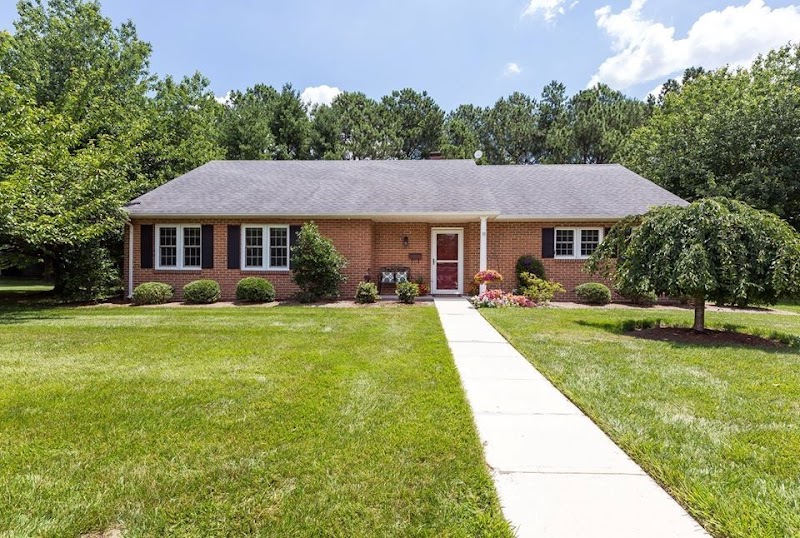
How is Willowbrooke Ct Skilled Care Ctr At Bayleigh Chase Staffed?

CMS rates WILLOWBROOKE CT SKILLED CARE CTR AT BAYLEIGH CHASE's staffing level at 4 out of 5 stars, which is above average compared to other nursing homes. Staff turnover is 20%, compared to the Maryland average of 46%. This relatively stable workforce can support continuity of care.

What Have Inspectors Found at Willowbrooke Ct Skilled Care Ctr At Bayleigh Chase?

State health inspectors documented 38 deficiencies at WILLOWBROOKE CT SKILLED CARE CTR AT BAYLEIGH CHASE during 2018 to 2025. These included: 1 Immediate Jeopardy (the most serious level, indicating potential for serious harm or death), 1 that caused actual resident harm, and 36 with potential for harm. Immediate Jeopardy findings are rare and represent the most serious regulatory concerns. They require immediate corrective action.
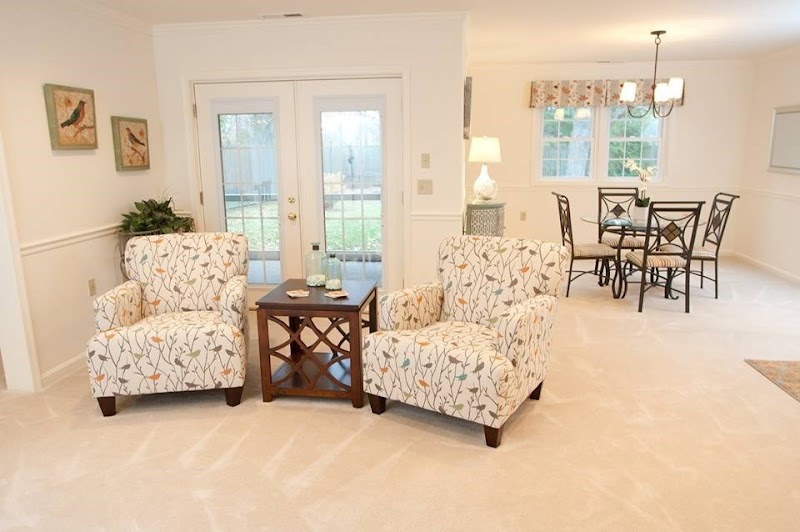
Who Owns and Operates Willowbrooke Ct Skilled Care Ctr At Bayleigh Chase?

WILLOWBROOKE CT SKILLED CARE CTR AT BAYLEIGH CHASE is owned by a non-profit organization. Non-profit facilities reinvest revenue into operations rather than distributing to shareholders. The facility is operated by ACTS RETIREMENT-LIFE COMMUNITIES, a chain that manages multiple nursing homes. With 99 certified beds and approximately 59 residents (about 60% occupancy), it is a smaller facility located in EASTON, Maryland.

How Does Willowbrooke Ct Skilled Care Ctr At Bayleigh Chase Compare to Other Maryland Nursing Homes?

Compared to the 100 nursing homes in Maryland, WILLOWBROOKE CT SKILLED CARE CTR AT BAYLEIGH CHASE's overall rating (2 stars) is below the state average of 3.0, staff turnover (20%) is significantly lower than the state average of 46%, and health inspection rating (2 stars) is below the national benchmark.

What Should Families Ask When Visiting Willowbrooke Ct Skilled Care Ctr At Bayleigh Chase?

Based on this facility's data, families visiting should ask: "What changes have been made since the serious inspection findings, and how are you preventing similar issues?" "What safeguards and monitoring systems are in place to protect residents from abuse or neglect?" "Can I visit during a mealtime to observe dining assistance and food quality?" "How do you handle medical emergencies, and what is your hospital transfer rate?" These questions are particularly relevant given the facility's Immediate Jeopardy citations and the substantiated abuse finding on record.

Is Willowbrooke Ct Skilled Care Ctr At Bayleigh Chase Safe?

Based on CMS inspection data, WILLOWBROOKE CT SKILLED CARE CTR AT BAYLEIGH CHASE has documented safety concerns. The facility has 1 substantiated abuse finding (meaning confirmed case of resident harm by staff or other residents). Inspectors have issued 1 Immediate Jeopardy citation (the most serious violation level indicating risk of serious injury or death). The facility has a 2-star overall rating and ranks #100 of 100 nursing homes in Maryland. Families considering this facility should ask detailed questions about what corrective actions have been taken since these incidents.

Do Nurses at Willowbrooke Ct Skilled Care Ctr At Bayleigh Chase Stick Around?

Staff at WILLOWBROOKE CT SKILLED CARE CTR AT BAYLEIGH CHASE tend to stick around. With a turnover rate of 20%, the facility is 25 percentage points below the Maryland average of 46%. Low turnover is a positive sign. It means caregivers have time to learn each resident's needs, medications, and personal preferences. Consistent staff also notice subtle changes in a resident's condition more quickly. Registered Nurse turnover is also low at 17%, meaning experienced RNs are available to handle complex medical needs.

Was Willowbrooke Ct Skilled Care Ctr At Bayleigh Chase Ever Fined?

WILLOWBROOKE CT SKILLED CARE CTR AT BAYLEIGH CHASE has been fined $109,968 across 1 penalty action. This is 3.2x the Maryland average of $34,179. Fines at this level are uncommon and typically indicate a pattern of serious deficiencies, repeated violations, or failure to correct problems promptly. CMS reserves penalties of this magnitude for facilities that pose significant, documented risk to resident health or safety. Families should request specific documentation of what issues led to these fines and what systemic changes have been implemented.

Is Willowbrooke Ct Skilled Care Ctr At Bayleigh Chase on Any Federal Watch List?

WILLOWBROOKE CT SKILLED CARE CTR AT BAYLEIGH CHASE is not on any federal watch list. The most significant is the Special Focus Facility (SFF) program, which identifies the bottom 1% of nursing homes nationally based on persistent, serious quality problems. Not being on this list means the facility has avoided the pattern of deficiencies that triggers enhanced federal oversight. This is a positive indicator, though families should still review the facility's inspection history directly.