The Lutheran Village At Miller's Grant
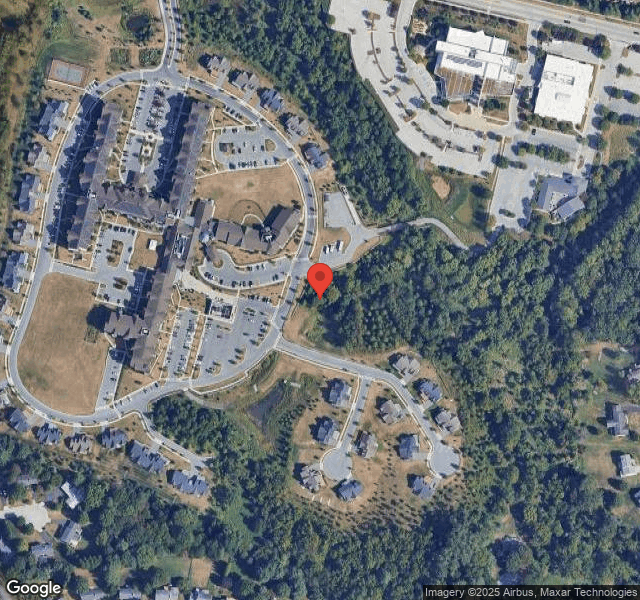
9120 FATHERS LEGACY, ELLICOTT CITY, MD 21042 (410) 696-6700
Non profit - Corporation 12 Beds Independent Data: November 2025
Trust Grade
85/100
#46 of 219 in MD
Last Inspection: June 2025

Inspected within the last 6 months. Data reflects current conditions.

Overview

The Lutheran Village At Miller's Grant has a Trust Grade of B+, indicating it is above average and recommended for families considering care options. It ranks #46 out of 219 nursing homes in Maryland, placing it in the top half, and #2 out of 6 in Howard County, meaning there is only one better local option. The facility is improving, having reduced its issues from 11 in 2022 to just 3 in 2025. Staffing is another strength, with a perfect 5/5 star rating and RN coverage that exceeds 94% of Maryland facilities, ensuring residents receive good care. However, there are concerns, including a failure to discard expired food and properly label food products, which could affect resident safety, as well as issues with maintaining proper sanitation in food service operations. Overall, while there are notable strengths, families should consider these weaknesses when making a decision.

Trust Score
B+
85/100
In Maryland
#46/219
Top 21%
Safety Record
Low Risk
No red flags
Inspections
Getting Better
11 → 3 violations
Staff Stability
⚠ Watch
48% turnover. Above average. Higher turnover means staff may not know residents' routines.
Penalties
✓ Good
No fines on record. Clean compliance history, better than most Maryland facilities.
Skilled Nurses
✓ Good
Each resident gets 145 minutes of Registered Nurse (RN) attention daily — more than 97% of Maryland nursing homes. RNs are the most trained staff who catch health problems before they become serious.
Violations
⚠ Watch
14 deficiencies on record. Higher than average. Multiple issues found across inspections.
★★★★★
5.0
Overall Rating
★★★★★
5.0
Staff Levels
★★★☆☆
3.0
Care Quality
★★★★★
5.0
Inspection Score
Stable
2022: 11 issues
2025: 3 issues

The Good

  • 5-Star Staffing Rating · Excellent nurse staffing levels
  • Full Sprinkler Coverage · Fire safety systems throughout facility
  • No fines on record

Facility shows strength in staffing levels, fire safety.

The Bad

Staff Turnover: 48%

Near Maryland avg (46%)

Higher turnover may affect care consistency

The Ugly 14 deficiencies on record

Jun 2025 3 deficiencies
CONCERN (D)

Potential for Harm - no one hurt, but risky conditions existed

Deficiency F0658 (Tag F0658)

Could have caused harm · This affected 1 resident

Based on record review, observation and interviews, it was determined that the facility staff failed to provide nursing care within the standards of practice by (1) failed to implement fall prevention...

Read full inspector narrative →
Based on record review, observation and interviews, it was determined that the facility staff failed to provide nursing care within the standards of practice by (1) failed to implement fall prevention interventions, and (2) inaccurately documented an intervention that was not implemented. This was evident for 1 (Resident #5) of 2 residents reviewed for falls during the recertification survey. The findings include: On 6/23/25 at 10:00 AM, a review of Resident #5's medical records was conducted. The review revealed that the resident had sustained a fall in the facility. The resident had a care plan with interventions that included floor mats and hip protectors while in the wheelchair. Further review of records revealed an active order for Resident #5 to have hip protectors when sitting in a wheelchair at all times. On 6/23/25 at 10:28 AM, Resident #5 was observed sitting in a wheelchair with no hip protectors. On 6/23/25 at 12:40 AM, Resident #5 was observed sitting in a wheelchair in the living room area near the nurses' station. The resident had no hip protectors. On 6/23/25 at 12:41 PM, an interview with Staff #1 was conducted. When asked if the resident should have hip protectors when sitting in a wheelchair, the staff responded yes. Staff #1 confirmed that the resident did not have hip protectors as ordered. On 6/25/25 at 01:07 PM, Resident #5 was again observed in the dining area without hip protectors. This observation was verified by Staff #4 who at the time was assisting the resident with meals. On 6/25/25 at 01:15 PM, an interview with Staff #3 was conducted. She confirmed that the resident did not have hip protectors on. When asked if the resident should have hip protectors while sitting in the wheelchair, Staff #3 stated that the hip protector order had been discontinued a while ago. On 6/25/25 at 01:26 PM, an interview with the Director of Nursing (DON) was conducted. She confirmed that the hip protectors order was an active order and that the resident should have the hip protectors on while in the wheelchair. Furthermore, the DON also reported that Staff #3 had documented that she placed hip protectors on the resident in the morning. DON was made aware of the identified concerns.
CONCERN (D)

Potential for Harm - no one hurt, but risky conditions existed

Deficiency F0947 (Tag F0947)

Could have caused harm · This affected 1 resident

Based on record review and interview, it was determined that the facility failed to ensure there was a system in place to ensure Geriatric Nursing Assistants (GNAs) completed 12 hours of in-service tr...

Read full inspector narrative →
Based on record review and interview, it was determined that the facility failed to ensure there was a system in place to ensure Geriatric Nursing Assistants (GNAs) completed 12 hours of in-service training annually. This was evident for 4 (GNA/Staff #6, GNA/Staff #7, GNA/Staff #8, and GNA/Staff #9) of 5 GNAs reviewed during the annual survey. The findings include: 1) On 06/24/25 at 09:53 AM, review of GNA/Staff #6's annual 12 hour GNA training provided by the facility revealed 0.5 hours completed in 2024. 2) On 06/24/25 at 09:53 AM, review of GNA/Staff #7's annual 12 hour GNA training provided by the facility revealed 0 hours completed in 2024. 3) On 06/24/25 at 09:53 AM, review of GNA/Staff #8's annual 12 hour GNA training provided by the facility revealed 0 hours completed in 2024. 4) On 06/24/25 at 09:53 AM, review of GNA/Staff #9's annual 12 hour GNA training provided by the facility revealed 0 hours completed in 2024. On 06/25/25 at 01:11 PM, the surveyor reviewed the concern with the Nursing Home Administrator. She agreed the facility was not in compliance for the 4 GNAs noted above.
CONCERN (F)

Potential for Harm - no one hurt, but risky conditions existed

Food Safety (Tag F0812)

Could have caused harm · This affected most or all residents

Based on observations and interviews, it was determined that the facility failed to: (1) discard expired food products, and (2) properly label food products with an expiration/use by date. This was ev...

Read full inspector narrative →
Based on observations and interviews, it was determined that the facility failed to: (1) discard expired food products, and (2) properly label food products with an expiration/use by date. This was evident during the initial tour of the kitchen and had the potential to affect all residents. The findings include: On 6/23/25 at 07:59 AM, a brief tour of the kitchen was conducted. The surveyor was accompanied by the facility's Chef, Staff #5. A brief interview with Staff #5 was conducted. When asked if food products should have an expiration date, he responded that it was the facility ' s expectation that all products have a use-by date. Additionally, Staff #5 stated that it's the facility ' s practice to discard expired items. A tour of the dry storage room revealed 3 bags of bread rolls that had an expiration date of 6/16/25. In each bag there were about 10 rolls. One bag was observed to have black-blue-greenish rolls. Additionally, the surveyor observed several fruit cocktail and artichoke hearts containers that had no expiration dates. There was a container with crushed peanuts that the staff #5 acknowledged was already expired and stated, It should not be in the storage. A brief tour of the refrigerator revealed 1 large container with olives and another container with shallots that had no expiration dates. On 6/24/25 at 09:55 AM, the Director of Nursing (DON) and facility administrator were made aware of the above findings.
Sept 2022 11 deficiencies
CONCERN (D)

Potential for Harm - no one hurt, but risky conditions existed

Report Alleged Abuse (Tag F0609)

Could have caused harm · This affected 1 resident

Based on record review and staff interview, it was determined that the facility failed to report allegations of abuse within 2 hours of the allegation to the regulatory agency, the Office of Health Ca...

Read full inspector narrative →
Based on record review and staff interview, it was determined that the facility failed to report allegations of abuse within 2 hours of the allegation to the regulatory agency, the Office of Health Care Quality (OHCQ). This was evident for 2 (Resident #163 and #164) of 2 residents reviewed for abuse during the annual survey. The findings include: 1) A review of facility self-report #MD00182656 on 8/30/22 at 11:46 AM revealed Resident #164 reported that a Geriatric Nursing Assistant (GNA) yelled at him/her for not using a cane and did not want to help the resident. On 8/30/22 at 11:46 AM, this surveyor reviewed the facility's investigations regarding this incident. A written statement by GNA #13 revealed that the incident occurred on 8/21/22 around 11 AM. However, the facility's initial self-report form was submitted to the OHCQ on 8/22/22 at 9:57 AM, and there was no documentation for a case number and officer's name. During an interview with the Nursing Home Administrator (NHA) on 8/31/22 at 11:05 AM, the NHA stated since right after the incident, the GNA was removed from Resident #164's care, and the resident confirmed he/she felt comfortable, the facility did not report to the police. On 8/31/22 at 12:33 PM, an interview was conducted with the NHA. When asked if she reported the incident to OHCQ within the 2 hour window timeline, she said, since no injury occurred, I reported it within the 24-hour window. Even though, she did an investigation as abuse. 2) A review of the Facility Reported Incident (FRI) # MD00169440 on 8/30/22 at 12:04 PM revealed that Resident #163 reported that a Geriatric Nursing Assistant (GNA) grabbed his/her arm and pulled it across the bed and that that incident hurt his/her arm on 7/12/21. On 8/30/22 at 1:30 PM, the surveyor reviewed Resident #163's medical records and the facility's investigation. Licensed Practical Nurse (LPN #14's) statement revealed that the incident occurred on 7/12/21 around 10:50 PM. However, the facility's initial self-report form was submitted to the Office of Health Care Quality (OHCQ) on 7/13/21 at 5:58 PM. Record review revealed that the resident reported the incident to the NHA and the NHA started an investigation. The NHA reported the incident to the police. During an interview with the NHA on 9/1/22 at 9:00 AM, the NHA stated that she identified the incident while she was on rounds. It was further revealed during the interview with the NHA, that LPN #14 was aware of this issue on 7/12/21. The interview revealed that the incident was not reported to OHCQ by the facility within 2 hours. The surveyor discussed these issues with the NHA and the Director of Nursing on 9/1/22 at 2:00 PM.
CONCERN (D)

Potential for Harm - no one hurt, but risky conditions existed

Assessment Accuracy (Tag F0641)

Could have caused harm · This affected 1 resident

**NOTE- TERMS IN BRACKETS HAVE BEEN EDITED TO PROTECT CONFIDENTIALITY** 1b) On 9/2/22 at 8:40 AM, the surveyor reviewed Resident #164's medical records. Resident #164 was readmitted to the facility on...

Read full inspector narrative →
**NOTE- TERMS IN BRACKETS HAVE BEEN EDITED TO PROTECT CONFIDENTIALITY** 1b) On 9/2/22 at 8:40 AM, the surveyor reviewed Resident #164's medical records. Resident #164 was readmitted to the facility on [DATE]. An order was written on 8/12/22 as Toileting program before meals, after meals, q hs and prn every shift. A review of MDS dated [DATE] revealed that Section H0200 Urinary Toileting Program, question A- Has a trial of a toileting program been attempted on admission/entry or reentry of since urinary incontinence was noted in this facility, was coded, yes. However, further review of Resident #164's medical record revealed that the resident did not have a past/current diagnosis of bladder issue, and there was no documentation that Resident #164 was referred to practitioners who specialize in diagnosing and treating conditions that affect bladder function. Also, there was no evidence of a trial of an individualized, resident-centered toileting program or records of voiding patterns (such as frequency, volume, duration, nighttime or daytime, quality of stream) over several days. During an interview with Resident #164 on 09/02/22 at 10:29 AM, the resident stated she/he didn't receive any training or schedule for toileting. The resident said, I needed to go to the bathroom urgently. Residents #4, #5, medical records were reviewed on 9/2/22 to reveal the same order of Toileting program before meals, after meals, q hs and prn On 9/2/22 at 1:00 PM, the surveyor discussed the above issue with the Director of Nursing. 2) On 8/31/22 at 1:45 PM Resident # 2's medical record was reviewed. The resident has the following but not limited diagnoses: Neurogenic Bladder (refers to what happens when the relationship between the nervous system and bladder function is disrupted by injury or disease) and Benign Prostatic Hyperplasia (an enlarged prostate gland which can block the flow of urine out of the bladder). The treatment options for Neurogenic Bladder can include medications, use of catheters, and lifestyle changes. This review revealed the resident had a Quarterly Assessment on 8/23/22. A review of the assessment that was completed on 8/23/22 Section H0100 Appliances A. Indwelling Catheter was coded, yes. Further review of the MDS H0200 Urinary Toileting Program A. Has a trial of toileting program been attempted, was coded, yes. Further review of Resident # 2's most recent Urology Consult dated 7/23/21 revealed the resident now has a chronic foley catheter to be changed once a month and to follow up as needed. An interview was conducted on 9/2/22 at 11:50 AM with the DON who was also the MDS Coordinator. She was asked to explain the reason the MDS quarterly assessment was coded yes under section H0200 for attempting a trial toileting program when the resident has an indwelling foley catheter in place. The DON stated that the MDS was coded inaccurately. All concerns were discussed with the Administrator at the time of the exit on 9/2/22 at 1:45 PM. Based on medical record review, facility documentation, and staff interviews it was determined that the facility: 1) failed to ensure accurate MDS assessment related to urinary and bowel toileting programs, and 2) failed to provide an accurate assessment for a resident with an indwelling foley catheter. This is exemplified for 2 (resident #3, #164) of 8 residents that were coded on their most recent MDS assessments to be on a urinary and/or bowel toileting program, and 1 (Resident # 2) of 3 residents reviewed for urinary catheter or incontinence during the facility's Annual Medicare/Medicaid survey. The findings include. The Minimum Data Set (MDS) is a federally mandated assessment tool used by nursing homes to gather information on each resident's strengths and needs. Information obtained, drives the resident care planning decisions. The MDS assessments need to be accurate to ensure that each resident receives the care they need. From the mds-3.0-rai-manual-v1.17.1_october_2019 related to coding H0200 A to C = Toileting (or trial toileting) programs refer to a specific approach that is organized, planned, documented, monitored, and evaluated that is consistent with the nursing home's policies and procedures and current standards of practice. A toileting program does not refer to - simply tracking continence status, changing pads or wet garments, and random assistance with toileting or hygiene. 1a) Review of the completed Resident census and condition of Residents (Form CMS-672) on 9/1/22 revealed that the Director of Nursing coded the form at F98 as 10. This coding indicated 10 of the 12 residents in the facility were on a Systemically implemented, individualized urinary toileting program. The coding at F99 of 10, indicated 10 of 12 residents in the facility were in a systematically implemented, individualized bowel toileting program. Resident #3's medical record was reviewed on 9/1/22 for bladder and bowel incontinence. Review of the most recent quarterly MDS assessment date 6/7/22 revealed Resident #3 was assessed to be frequently incontinent of urine and always continent of bowel. At H0200 Urinary Toileting program C indicated Resident #3 was on a current urinary toileting program, and at H0500 the resident was on a Bowel toileting program. Review of Resident #3's care plans revealed a focus area indicating the resident is continent of bowel and occasional incontinent of bladder with a goal that Staff will provide bowel and bladder care to [the resident]. The interventions were documented as Provide incontinent care as needed to [name of resident], and toilet [name of resident] as needed. Review of the care plan related Resident #3's dependence on staff for assistance with activities of daily living included an intervention initiated on 9/27/21 and documented as Toileting program for [name of resident] before meals, after meals, Q hs (daily at bedtime) and PRN (as needed). Documentation related to the resident's responses to the toileting program were not found in the record. Documentation related to assessment or effectiveness of the toileting program was not found in the resident's medical record. There was an order documented as TOILETING PROGRAM BEFORE MEALS, AFTER MEALS, Q HS ANS PRN and the order was transcribed to the Treatment Administrative Record (TAR). The nurses signed off on the treatment twice daily for Days and night. On 9/1/22 at 11:00 AM the Charge Nurse (staff #6) was interviewed. The toileting program for Resident #3 was discussed she indicated that the Geriatric nursing assistants (GNAs) document on a form on a clip board to bowel movements for all residents per shift. She indicated that there was not any documentation as to the resident's continent status related to the prescribed toileting program. An interview was conducted with the Director of Nursing on 09/01/22, 01:43 PM. She was asked how the toileting times for Resident #3's toileting program were developed and where is the documentation to show that that the toileting program was being monitored and reassessed. She did not supply direct answers to the questions but insisted that this toileting plan was resident centered. On 9/2/22 at 11:30 AM the resident's assigned GNA was interviewed. She knew that the resident had a toileting order indicating that other resident(s) have the same order. She indicated that there was not any documentation of the resident's continent status when the resident is toileted. She indicated that there was a separate form on clip board that documents how many bowel movements (BM) a resident has per shift with the size and whether the BM is formed or liquid.
CONCERN (D)

Potential for Harm - no one hurt, but risky conditions existed

Deficiency F0655 (Tag F0655)

Could have caused harm · This affected 1 resident

**NOTE- TERMS IN BRACKETS HAVE BEEN EDITED TO PROTECT CONFIDENTIALITY** Based on medical record review and staff interview, it was determined the facility failed to provide the resident or resident re...

Read full inspector narrative →
**NOTE- TERMS IN BRACKETS HAVE BEEN EDITED TO PROTECT CONFIDENTIALITY** Based on medical record review and staff interview, it was determined the facility failed to provide the resident or resident representative with a summary of their baseline care plan on admission. This was evident for 1 (Resident #164) of 2 residents reviewed during the annual survey. The findings include: A baseline care plan must be prepared for all residents within 48 hours of a resident's admission. Its purpose is to provide the minimum healthcare information necessary to properly care for a resident until a comprehensive care plan can be completed for the resident. The baseline care plan, along with a copy of their medications, is to be given to the resident and/or resident representative and details a variety of components of the care that the facility intends to provide to that resident. This allows residents and their representatives to be more informed about the care that they receive. On 08/31/22 at 11:00 AM, a review of Resident #164's electronic and paper medical records revealed the resident was admitted to the facility on [DATE]. The review of Resident #164's baseline care plan revealed that question E, Baseline Care plan reviewed with resident/POA (power of attorney), was answered no. Further review of medical records revealed no documentation about the facility staff providing information to the resident for the baseline care plan. During an interview with a Registered Nurse (RN #6) on 08/31/22 at 11:30 AM, she stated the facility staff had to complete a new admin resident's full assessment, including a baseline care plan. RN #6 confirmed that the baseline care plan details would be documented under PCC. The surveyor reviewed Resident #146's baseline care plan with the Director of Nursing (DON) on 8/31/22 at 2:00 PM. The DON confirmed that there was no documentation of signatures or evidence that the baseline care plan was given to the resident or the resident's representative.
CONCERN (D)

Potential for Harm - no one hurt, but risky conditions existed

Comprehensive Care Plan (Tag F0656)

Could have caused harm · This affected 1 resident

2) On 9/1/2022 at 11:04 AM, Resident #12's medical record was reviewed and revealed a diagnosis of chronic obstructive pulmonary disease (COPD). Review of Resident #12's care plan initiated on 8/16/20...

Read full inspector narrative →
2) On 9/1/2022 at 11:04 AM, Resident #12's medical record was reviewed and revealed a diagnosis of chronic obstructive pulmonary disease (COPD). Review of Resident #12's care plan initiated on 8/16/2021 with Focus area that stated, resident has potential for changes in respiratory status related to (R/T) COPD and COVID19 pandemic''. On the Goal section of the care plan, it was written as Nursing will manage resident respiratory symptoms, if infected, to maintain the greatest level of comfort possible while fighting against the COVID19 respiratory infection. This goal was not resident specific or measurable as this is a nursing intervention. This goal was written for staff to implement an intervention rather than a resident centered goal. On 09/01/202 at 1:10 PM an interview was conducted with the Director of Nursing (DON). The DON was asked about care plan interventions and revisions. She stated that revised care plans are noted by the dates written next to the plans. When asked if reassessment and re-evaluations of care plan goals are documented anywhere in the care plan, she could not provide proof that goals are being evaluated or met. The goals set for this resident are not specific or measurable Based on record reviews, observation, and staff interview, it was determined that the facility failed to develop and implement comprehensive person-centered care that was resident-specific with measurable objectives and goals. This was evident for 2 (residents #3, and #12) of 12 residents reviewed during the recertification survey. The findings include: A care plan is a guide that addresses the unique needs of each resident. It is used to plan, assess, and evaluate the effectiveness of the resident's care. 1) On 8/31/22 at 9:30 AM Resident #3's medical record was reviewed and revealed a diagnosis of unspecified dementia with behavioral disturbances. Review of Resident #3's care plan, has mood and behavior issues such as putting staff out of room and a goal that the resident will have decreased/minimal mood and behavior through the next review date. The goal was not measurable. A care plan focus area for Resident #3 was written as [name of resident] plans to remain in this facility for long-term care. The goal was [name of resident] and family will verbalize/communicate an understanding of the discharge plan and describe the desired outcome by the review date. This documented goal was the direct opposite of the Focus area. One of the interventions was written to establish a pre-discharge plan with the resident/family and evaluate the progress. The focus is for Resident #3 to remain in the facility. The care plan revealed that Resident #3 needs assistance with ADLs (activities of daily living) the goal was not person-centered as the goal related to staff to provide the care to Resident #3. Staff to assist [name of resident] with ADLs as needed through nest review date. A discussion and review of Resident #3's care plans were held with the Director of Nursing (DON) on 9/1/22 at 1:43 PM. The goals that were not resident oriented and the goals that were not quantitative or measurable were reviewed with the DON.
CONCERN (D)

Potential for Harm - no one hurt, but risky conditions existed

Deficiency F0657 (Tag F0657)

Could have caused harm · This affected 1 resident

3) A review of Resident #12's electronic record on 9/1/2022 at 2:40 PM showed that Resident #12 sustained a fall on 10/12/2021 by sliding out of his wheelchair to the ground, he/she did not sustain an...

Read full inspector narrative →
3) A review of Resident #12's electronic record on 9/1/2022 at 2:40 PM showed that Resident #12 sustained a fall on 10/12/2021 by sliding out of his wheelchair to the ground, he/she did not sustain any injuries and this fall was not witnessed by staff. However, a review of Resident #12's Care plan dated 8/14/2021, showed that this resident had a fall care plan in place. The resident had fallen out of his bed on 3 occasions, notably on 8/14/21, 8/18/2021 and 8/20/21, However, on 3/4/22 he also slid off his wheelchair with no injuries documented and on 10/12/2021 when he sustained another fall out of his wheelchair, no updates to the care plan were made to reflect the fall. On 09/01/2022 at 1:10 PM-interview was conducted with the Director of Nursing (DON) and she told the surveyors that she was the one responsible for updating care plans. When asked about the missing care plan update, she said she would go and check on her computer as our screen was different from what was on her screen. On 09/01/2022 at 2:40 PM, The DON later came back to report that she could not find an updated care plan to reflect a new fall intervention put in place on 10/12/2021 for Resident #12. This concern was brought to the attention of the key staff present during the exit conference on 9/2/22 at 1:45 PM. 2) On 8/31/22 at 1:45 PM Resident # 2 medical records were reviewed. The resident has the following but not limited diagnoses: Neurogenic Bladder (refers to what happens when the relationship between the nervous system and bladder function is disrupted by injury or disease) and Benign Prostatic Hyperplasia (an enlarged prostate gland which can block the flow of urine out of the bladder). The treatment options for Neurogenic Bladder can include medications, use of catheters, and lifestyle changes. Further review of a foley catheter care plan with a revision date of 5/6/22 indicated the following interventions for Resident # 2: -Perform treatment to right shin and right 2nd toe as per ordered -Staff to provide foley catheter care and services as ordered -Staff to toilet as needed An interview was conducted with the DON on 9/2/22 at 11:50 AM and she was made aware that the resident's foley catheter care plan did not reflect the resident's status. The DON reviewed the care plan list of interventions and confirmed that the interventions were not updated. The DON stated that she would change the care plan immediately. On the same date at 12:07 PM the DON brought an updated foley catheter care plan to the survey team. All concerns were discussed with the Administrator at the time of exit on 9/2/22 at 1:45 PM. Based on a review of resident medical records and interviews with facility staff, it was determined that the facility failed to: 1) review and revise resident care plans after each assessment or as resident care needs became apparent or changed over time. This was evident but not limited to 3 (#2, #3, #12) of 12 residents reviewed during the annual survey. The findings include: Care plans are developed for residents to guide the care that residents receive in the facility. They are required to be developed within 7 days of completion of a resident's admission comprehensive Minimum Data Set (MDS) assessment and revised at least every quarter (or more often as needed). The facility is required to have care plans developed and revised by an interdisciplinary team including: the attending physician, a registered nurse, a nursing aide, a representative from dietary services, the resident, and the resident's representative (as practicable). 1) Resident #3's medical record was reviewed on 8/31/22. Review of the MDS assessments revealed that the last quarterly assessment reverence date was 6/7/22. The social worker documented in a progress note of a care plan conference on 6/14/22. There was not any documented evidence found in the medical record that Resident #3's care plans were reassessed and evaluated related to the effectiveness of the care plan interventions. On 9/1/22 at 1:43 PM, the Director of Nursing was asked where the documentation that the care plans are reviewed and reassessed/evaluated towards the written goals of each care plan focus. The Director of Nursing described and guided the surveyor to the area in the care plans to show a date implying the date of 6/30/22 was the date that the care plans for Resident #3 were reviewed. Further review of Resident #3's care plans revealed a care plan with a focus area [name of resident] is prescribed Melatonin r/t insomnia. The Melatonin was discontinued on 6/17/22. The care plan was not revised to reflect the discontinuation of the prescribed Melatonin.
CONCERN (D)

Potential for Harm - no one hurt, but risky conditions existed

Deficiency F0761 (Tag F0761)

Could have caused harm · This affected 1 resident

Based on observations and staff interviews, it was determined that the facility failed to remove expired drugs and medical supplies from the med cart and storage room. This was found to be evident in ...

Read full inspector narrative →
Based on observations and staff interviews, it was determined that the facility failed to remove expired drugs and medical supplies from the med cart and storage room. This was found to be evident in 1of 1 medication cart and medication storage room observed during the annual survey The findings include: On 08/31/22 at 09:30 AM, an exploration of the medication storage cart and Medication storage room of the facility with a Registered Nurse (RN #6) was conducted. It was observed that some of the medications and medical supplies had expiration dates on them. These were kept and currently being used for the residents. 08/31/22 09:35 AM: The Medication storage room and med cart review was done in the company of the Charge Nurse (Staff #6) and findings includes: 1. A 1/2 Empty bottle of Multivitamin Centrum silver with expiration date of 10/21 belonging to Resident (#164) 2. Vitamin A& D ointment with expiration date of 7/2022 3. Providine Iodine swab stick with an expiration date of 7/2021 4. BD Vacutainer Eclipse (2 Boxes) a blood collection needle device with an expiration date of 7/31/22. An Interview was conducted with the Charge Nurse, staff #6, on 08/31/2022 at 09:50 AM during the inspection of the medication storage room. The Charge Nurse indicated that the Director of Nursing (DON) was responsible for managing the supplies, stocking, and checking expiration dates in the med storage room. At 10:10 AM on 8/31/22, the DON was made aware of these findings and took the expired supplies and drugs away. These concerns were also shared with key staff during the exit conference.
CONCERN (D)

Potential for Harm - no one hurt, but risky conditions existed

Deficiency F0887 (Tag F0887)

Could have caused harm · This affected 1 resident

Based on medical record review and staff interview, it was determined the facility failed to maintain staff documentation of education regarding the benefits, risks, and potential side effects of rece...

Read full inspector narrative →
Based on medical record review and staff interview, it was determined the facility failed to maintain staff documentation of education regarding the benefits, risks, and potential side effects of receiving the Coronavirus Disease 2019 (COVID-19) vaccine to Resident #11 and Staff #7. This was evident when the COVID- 19 vaccination for residents and staff was reviewed during the facility's annual Medicare/ Medicaid survey. The findings include: On 8/30/22 and 8/31/22 the facility's COVID-19 vaccination for residents and staff was reviewed. Upon review of Resident #11's COVID-19 status it revealed the resident received both the first and second dose of COVID-19 vaccine and one booster vaccine. The second booster vaccine was declined by Resident #11. Staff # 7 was reviewed and received a medical exemption for the COVID-19 vaccine. On 9/1/22 at 2:00 PM the Director of Nursing (DON) had a discussion with the survey team regarding COVID-19 education that is provided to residents and staff. The DON stated that staff and residents are given handouts about COVID-19 updates. The survey team asked the DON if she had documentation to track that residents and staff are provided education and she stated, no. On 9/2/22 at 9:00 AM the Administrator provided the survey team with a copy of COVID-19 vaccine updates for November and December 2021 and June and August 2022. There were no signage sheets to track that residents and staff received the updates. A copy of a staff meeting conducted on April 6, 2022, with a staff signage sheet was provided to the survey team. Staff # 7 that had a medical exemption was not on the signage sheet. The Administrator was made aware that the facility is to track and document education provided to residents and staff. The Administrator confirmed that this would be done moving forward.
CONCERN (D)

Potential for Harm - no one hurt, but risky conditions existed

Deficiency F0947 (Tag F0947)

Could have caused harm · This affected 1 resident

Based on a review of employees' training records and interviews, it was determined that the facility failed to have a process to ensure that all Geriatric Nursing Assistants (GNAs) have no less than 1...

Read full inspector narrative →
Based on a review of employees' training records and interviews, it was determined that the facility failed to have a process to ensure that all Geriatric Nursing Assistants (GNAs) have no less than 12 hours of education per year and that the education includes annual dementia management training. This is evident for 1 (GNA #9) of 3 GNA training records reviewed during an annual survey. The findings include: On 9/2/22 at 9:03 AM, the Nursing Home Administrator (NHA) provided a requested list of the facility's all nursing staff with hire dates. Out of a list of 11 full-time GNAs, 3 employees were selected at random. The surveyor reviewed 3 GNAs education records on 9/2/22 at 10:09 AM. On 9/2/22 at 10:20 AM, the Director of Nursing (DON) confirmed that GNA #9 was hired in May 2016, resigned in May 2021, and re-hired in February 2022. The DON submitted staff education documentation, including GNA #9's online training record on 5/25/2016, competency records for 9/13/2018 and 10/9/2020, and all-day nursing in-service sign-in sheet on 2/18/2021. However, there was no evidence to prove that GNA #9 received any training in the years 2017 and 2019 for at least 12 hours of education per year. On 9/2/22 at 11:19 AM, an interview was conducted with the NHA. The NHA stated that the facility provided all-day in-service training (containing abuse and neglect, resident rights, dementia care, HIPPA, and resident condition changes) for all nursing staff every three months. The NHA was asked for GNA #9's education record in 2017 and 2019. The NHA answered that the documentation she submitted early was all she had. On 9/2/22 at 2:00 PM, the NHA and the DON were made aware of the above issue.
CONCERN (F)

Potential for Harm - no one hurt, but risky conditions existed

Drug Regimen Review (Tag F0756)

Could have caused harm · This affected most or all residents

Based on review of the facility's Pharmacy Recommendation/Review policy, the facility failed to develop policies and procedures related to time frames for the different steps in the process and steps ...

Read full inspector narrative →
Based on review of the facility's Pharmacy Recommendation/Review policy, the facility failed to develop policies and procedures related to time frames for the different steps in the process and steps the pharmacist must take when he or she identifies an irregularity that requires urgent action to protect the resident. All residents have the potential to be affected. The findings include: Medication Regimen Review (MRR) or Drug Regimen Review is a thorough evaluation of the medication regimen of a resident, with the goal of promoting positive outcomes and minimizing adverse consequences and potential risks associated with medication. The MRR includes review of the medical record in order to prevent, identify, report, and resolve medication-related problems, medication errors, or other irregularities. A copy of the facility's MRR policy was requested from the Nursing Home Administrator (NHA). On 8/31/22 at 12:05 PM, the facility's Pharmacy Recommendation/Review policy was reviewed. Review of the policy issued on 7/13/15 and revised on 9/9/21 revealed that there were no time frames for the different steps and there were no steps the pharmacist must take when he or she identifies an irregularity that requires urgent action to protect the resident. The identified non-compliance related to the lack of required information with the facility's Medication Regimen Review was reviewed with the Nursing Home Administrator at 3:16 PM on 9/1/22.
CONCERN (F)

Potential for Harm - no one hurt, but risky conditions existed

Food Safety (Tag F0812)

Could have caused harm · This affected most or all residents

Based on observations of the facility's kitchen food services, review of Dishwashing Machine temperature logs and staff interview it was determined that the facility failed to maintain food service eq...

Read full inspector narrative →
Based on observations of the facility's kitchen food services, review of Dishwashing Machine temperature logs and staff interview it was determined that the facility failed to maintain food service equipment in a manner that ensures sanitary food service operations. This deficient practice has the potential to affect all the residents in the facility. The findings include: An initial environmental kitchen food services inspection was conducted in the facility's main kitchen on 8/30/22 at 8:50 AM. At the time of the kitchen tour the dishwashing machine was not observed in operation. The Dishwashing/Warewashing Machine Temperature log for August 2022 was reviewed. The document shown to have blank (no documentation) areas that could have been filled to show what are the minimum sanitation temperature requirements. The document instructed; Refer to machine data plate for temperature requirements. Review of the data plate on the dishwashing machine indicated a minimal wash temperature of 160 degrees Fahrenheit (F.) and a minimal final rinse temperature of 180 degrees F. The document shown that on 8 dates at the dinner meal the facility staff failed to assure the sanitation level of the dish machine as there was not any recording of the dish machine temperatures. There was not any recording of dishwashing machine temperatures for all three meals on 8/7/22. There was 53 times that the minimal wash temperature was documented to be below the minimal requirement of 160 degrees F. A tour of the kitchen facilities in the nursing home unit for long-term care and assisted living was conducted at 11:00 AM on 8/31/22. Review of the plate on the dishwashing machine in this area revealed a minimal wash temperature of 150 degrees F. and 180 degrees F. for the final rinse cycle. A dietary person was utilizing the dishwashing machine and the observed wash temperature was 120 degrees F. and the final rinse temperature was observed at 179 degrees F (Fahrenheit). Review of the temperature logs from a three ringed binder revealed consistently low wash temperatures ranging from 100 to 122 degrees F. in the month of August 2022. Review of the documented dishwashing temperatures for July 2022 showed times when the wash temperature and rinse temperature were both below the required minimal temperatures for sanitation. Review of the dishwashing temperature logs for June 2022 did not show any dates that the dishwashing wash temperature was above the minimum of 150 degrees F. and at least 35 times the final rinse temperature was documented to be below the required temperature of 180 degrees F. Review of the dishwashing temperature logs for May 2022 did not show any dates that the dishwashing wash temperature was above the minimum of 150 degrees F. There was less than 10 times that the dishwashing final rinse was recorded to be at or above the minimum temperature of 180 degrees F. On 8/31/22 at 2:30 PM a discussion was held with the Operations Manager (staff #2) and the Executive Chef (staff #3) to review the dishwashing machine temperature logs showing non-compliance with temperatures to maintain proper sanitation levels of the dishwashing/ware washing machines in the main kitchen and the kitchen on the Long-Term Care unit.
MINOR (C)

Minor Issue - procedural, no safety impact

Staffing Information (Tag F0732)

Minor procedural issue · This affected most or all residents

Based on observations, review of daily staffing records, and staff interview it was determined that the facility failed to post the total number and actual hours worked by categories of Registered Nur...

Read full inspector narrative →
Based on observations, review of daily staffing records, and staff interview it was determined that the facility failed to post the total number and actual hours worked by categories of Registered Nurses (RN), Licensed Practical Nurses (LPN), and Certified Geriatric Nurse Aides (GNA) per shift. This was evident on 3 (8/30, 8/31, 9/1/22) of 4 days of the survey and for 1 (7/4/22) of 1 historical assignment sheet reviewed The findings include: Observations were made of the daily shift Healthcare Assignment sheet on 8/30/22, 8/31/22, and 9/1/22. Review of each day and each shift revealed that the facility failed to post the total number and actual hours worked by categories of Registered Nurses (RN), Licensed Practical Nurses (LPN), and Certified Geriatric Nurse Aides (GNA) per shift. The facility staff failed to differentiate the nursing staff as the nurses were not identified as a RN or an LPN. On 09/01/22 at 02:37 PM the Nursing Home Administrator was requested to provide copies of the previous two days the Healthcare assignment sheet and the staffing on 7/4/22. Review of the historical document of 7/4/22 revealed that the staff failed to differentiate the nursing staff and failed to post the actual hours worked by the nursing staff on all three shifts. At 3:16 PM on 9/1/22 the identified non-compliance with the Federal requirements of the posting of staff was reviewed with the Nursing Home Administrator.
Understanding Severity Codes (click to expand)
Life-Threatening (Immediate Jeopardy)
J - Isolated K - Pattern L - Widespread
Actual Harm
G - Isolated H - Pattern I - Widespread
Potential for Harm
D - Isolated E - Pattern F - Widespread
No Harm (Minor)
A - Isolated B - Pattern C - Widespread

Questions to Ask on Your Visit

  • "Can I speak with families of current residents?"
  • "What's your RN coverage like on weekends and overnight?"

Our Honest Assessment

Strengths
  • • Grade B+ (85/100). Above average facility, better than most options in Maryland.
  • • No major safety red flags. No abuse findings, life-threatening violations, or SFF status.
  • • No fines on record. Clean compliance history, better than most Maryland facilities.
Concerns
  • • 14 deficiencies on record. Higher than average. Multiple issues found across inspections.
Bottom line: Generally positive indicators. Standard due diligence and a personal visit recommended.

About This Facility

What is The Lutheran Village At Miller'S Grant's CMS Rating?

CMS assigns The Lutheran Village At Miller's Grant an overall rating of 5 out of 5 stars, which is considered much above average nationally. Within Maryland, this rating places the facility higher than 99% of the state's 100 nursing homes. This rating reflects solid performance across the metrics CMS uses to evaluate nursing home quality.

How is The Lutheran Village At Miller'S Grant Staffed?

CMS rates The Lutheran Village At Miller's Grant's staffing level at 5 out of 5 stars, which is much above average compared to other nursing homes. Staff turnover is 48%, compared to the Maryland average of 46%.

What Have Inspectors Found at The Lutheran Village At Miller'S Grant?

State health inspectors documented 14 deficiencies at The Lutheran Village At Miller's Grant during 2022 to 2025. These included: 13 with potential for harm and 1 minor or isolated issues.

Who Owns and Operates The Lutheran Village At Miller'S Grant?

The Lutheran Village At Miller's Grant is owned by a non-profit organization. Non-profit facilities reinvest revenue into operations rather than distributing to shareholders. The facility operates independently rather than as part of a larger chain. With 12 certified beds and approximately 9 residents (about 75% occupancy), it is a smaller facility located in ELLICOTT CITY, Maryland.

How Does The Lutheran Village At Miller'S Grant Compare to Other Maryland Nursing Homes?

Compared to the 100 nursing homes in Maryland, The Lutheran Village At Miller's Grant's overall rating (5 stars) is above the state average of 3.1, staff turnover (48%) is near the state average of 46%, and health inspection rating (5 stars) is much above the national benchmark.

What Should Families Ask When Visiting The Lutheran Village At Miller'S Grant?

Based on this facility's data, families visiting should ask: "Can I visit during a mealtime to observe dining assistance and food quality?" "How do you handle medical emergencies, and what is your hospital transfer rate?" "Can I speak with family members of current residents about their experience?"

Is The Lutheran Village At Miller'S Grant Safe?

Based on CMS inspection data, The Lutheran Village At Miller's Grant has a clean safety record: no substantiated abuse findings (meaning no confirmed cases of resident harm), no Immediate Jeopardy citations (the most serious violation level indicating risk of serious injury or death), and is not on the Special Focus Facility watch list (a federal program monitoring the lowest-performing 1% of nursing homes). The facility has a 5-star overall rating and ranks #1 of 100 nursing homes in Maryland. While no facility is perfect, families should still ask about staff-to-resident ratios and recent inspection results during their visit.

Do Nurses at The Lutheran Village At Miller'S Grant Stick Around?

The Lutheran Village At Miller's Grant has a staff turnover rate of 48%, which is about average for Maryland nursing homes (state average: 46%). Moderate turnover is common in nursing homes, but families should still ask about staff tenure and how the facility maintains care continuity when employees leave.

Was The Lutheran Village At Miller'S Grant Ever Fined?

The Lutheran Village At Miller's Grant has no federal fines on record. CMS issues fines when nursing homes fail to meet care standards or don't correct problems found during inspections. The absence of fines suggests the facility has either maintained compliance or corrected any issues before penalties were assessed. This is a positive indicator, though families should still review recent inspection reports for the full picture.

Is The Lutheran Village At Miller'S Grant on Any Federal Watch List?

The Lutheran Village At Miller's Grant is not on any federal watch list. The most significant is the Special Focus Facility (SFF) program, which identifies the bottom 1% of nursing homes nationally based on persistent, serious quality problems. Not being on this list means the facility has avoided the pattern of deficiencies that triggers enhanced federal oversight. This is a positive indicator, though families should still review the facility's inspection history directly.