STERLING CARE FOREST HILL
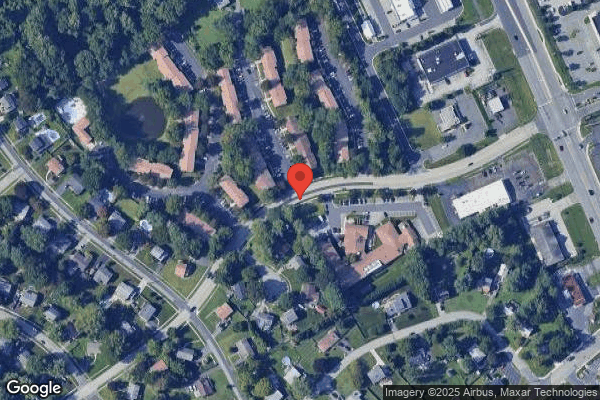

109 FOREST VALLEY DRIVE, FOREST HILL, MD 21050 (410) 838-0101
For profit - Limited Liability company 156 Beds STERLING CARE Data: November 2025 1 Immediate Jeopardy citation
Trust Grade
66/100
#42 of 219 in MD
Last Inspection: August 2024

Within standard 12-15 month inspection cycle. Federal law requires annual inspections.

Overview

Sterling Care Forest Hill has a Trust Grade of C+, which means it is slightly above average in quality compared to other nursing homes. It ranks #42 out of 219 facilities in Maryland, placing it in the top half, and #3 out of 6 in Harford County, indicating that only two local options are better. However, the trend is worsening, with reported issues increasing from 1 in 2023 to 7 in 2024. While the staffing rating is below average at 2 out of 5 stars, the turnover rate of 36% is better than the state average, suggesting some stability among staff. On the downside, the facility has faced $10,036 in fines and has concerning RN coverage, being lower than 83% of other Maryland facilities. Specific incidents include a critical failure to supervise a cognitively impaired resident, allowing them to exit the building unsupervised, which created a significant risk for the resident. Additionally, there were concerns about food safety, as expired items were found in the kitchen, potentially affecting residents' meals. Despite these weaknesses, the facility has implemented corrective measures and maintains an excellent overall star rating of 5 out of 5, reflecting quality in other areas.

Trust Score
C+
66/100
In Maryland
#42/219
Top 19%
Safety Record
High Risk
Review needed
Inspections
Getting Worse
1 → 7 violations
Staff Stability
○ Average
36% turnover. Near Maryland's 48% average. Typical for the industry.
Penalties
✓ Good
$10,036 in fines. Lower than most Maryland facilities. Relatively clean record.
Skilled Nurses
○ Average
Each resident gets 34 minutes of Registered Nurse (RN) attention daily — about average for Maryland. RNs are the most trained staff who monitor for health changes.
Violations
⚠ Watch
44 deficiencies on record. Higher than average. Multiple issues found across inspections.
★★★★★
5.0
Overall Rating
★★☆☆☆
2.0
Staff Levels
★★★★★
5.0
Care Quality
★★★★☆
4.0
Inspection Score
Stable
2023: 1 issues
2024: 7 issues

The Good

  • 5-Star Quality Measures · Strong clinical quality outcomes
  • Full Sprinkler Coverage · Fire safety systems throughout facility
  • No fines on record
  • Staff turnover below average (36%)

    12 points below Maryland average of 48%

Facility shows strength in quality measures, fire safety.

The Bad

Staff Turnover: 36%

Near Maryland avg (46%)

Typical for the industry

Federal Fines: $10,036

Below median ($33,413)

Minor penalties assessed

Chain: STERLING CARE

Part of a multi-facility chain

Ask about local staffing decisions and management

The Ugly 44 deficiencies on record

1 life-threatening
Aug 2024 7 deficiencies 1 IJ
CRITICAL (J)

Immediate Jeopardy (IJ) - the most serious Medicare violation

Accident Prevention (Tag F0689)

Someone could have died · This affected 1 resident

Based on record review, observations, and interviews, the facility failed to provide supervision to a cognitively impaired resident with known elopement risk and exit-seeking behavior from exiting the...

Read full inspector narrative →
Based on record review, observations, and interviews, the facility failed to provide supervision to a cognitively impaired resident with known elopement risk and exit-seeking behavior from exiting the building unsupervised. This was evident for 1 of 12 residents reviewed for elopement during the survey. This failure resulted in an Immediate Jeopardy for Resident #82. The facility implemented effective and thorough corrective measures following the incident. The facility's plan of correction and actions were verified during the survey; therefore, this deficiency will be cited as past non-compliance. The date of correction was 07.21.22. The facility administrator and director of nursing were provided a copy of the past compliance IJ documentation and both employees signed and dated the documents at 3:15 PM on 08.14.24. The findings include: On 08.08.24 at 10:15 AM the surveyor reviewed MD00181562 which revealed that on 07.21.22 Resident #82 was found approximately 800 feet from the facility at approximately 12:10 AM -12:15 AM at the Royal Farms gas station. Resident #82 was returned to the unit on the second floor by the 11 PM-7 AM nursing supervisor, Registered Nurse (RN) # 28. The resident's wander guard was still in place on the resident's wrist per the facility report, the resident was examined, and the wanderguard was found to be working. Further review of the facility investigations and medical records revealed that on 07.21.22 Resident #82 described as 72 y.o. with a primary diagnosis of dementia with behavioral disturbance, hypertension, and unspecified atrial fibrillation, and a Brief Interview for Mental Status (BIMS) score of 0 on 07.21.22, indicating severe cognitive impairment. The resident was placed on a wander guard because of wandering behavior on 05.22.22, the elopement risk assessment was high on 06.20.22 due to the resident having poor decision-making skills, exit-seeking behavior, wandering, being oblivious to safety needs, and the resident had the ability to exit the facility. Additionally, resident #82's care plan was updated as well. Continued record review revealed that on 07.20.22 resident #82 was seen at approximately 11:35 PM at the second-floor Nurses' station. Also, on 07.20.22 at 11:45 PM, the resident was seen by the soda machine in the hallway on the second-floor clinical area. Geriatric Nursing Assistant (GNA) #27 in her staff interview stated that he/she coached the resident to come back onto the unit. Per GNA #27 the resident continued to follow the GNA until right before the nurses' station. Resident #82 stopped at the nurses' station and started talking to himself. GNA #27 stated that he/she left the resident at the nurses' station to answer the call lights in the hallway. Per the facility report the police were called at 12 midnight. Resident #82 received a head-to-toe assessment by the night shift RN supervisor, #28 and the 11 PM-7 AM licensed practical nurse (LPN) #29 on 07.21.22 after 12:30 AM. No physical or psychological injuries or trauma were noted by nursing staff on 07.21.22 during the time. At the time of the elopement, there was no wanderguard alarm on the kitchen exit door on 07.20.22. According to the facility investigation, the resident exited through the kitchen exit door which was left open after a contractor cleaning the stove hoods left the door open. On 08.09.24 at 11:00 AM the surveyor initiated an interview with the assistant director of nursing (ADON). The ADON stated that the wander guard bracelet was in place as of 05.17.22 related to the resident's history of wandering and exit-seeking prior to the resident eloping. The resident's care plan for the wanderguard was initiated on 05.17.22 as well. The ADON stated that contracted workers were cleaning the kitchen hoods shortly before the elopement and the staff believed that the contractors left the kitchen door unlocked. The kitchen exterior door had a fire safety door with a push handle in July 2022 therefore, the resident pushed the handle and was able to exit outside of the building without an alarm sounding. The wander guard alarm box was not in place at the time of the elopement. The kitchen is located on the second floor as well as Resident #82's assigned room both in July 2022 and at the time of the survey. On 08.13.24 at 2:49 PM the surveyor watched the ADON test the wanderguard on the left wrist of the resident #82. The wander guard worked when the resident was pushed in the wheelchair towards the kitchen door and the wander guard did beep appropriately. On 08.13.24 at 3:15 PM, the administrator and DON explained that the resident was ambulatory in 2022 but now his/her physical strength has declined and is only able to ambulate for short distances. Additionally, the ADON stated that on 07.22.22 the 11 PM -7 AM supervisor received a phone call from the manager at the local Royal Farms gas station stating the resident was there. The 11 PM-7 AM nursing supervisor picked up the resident and brought him back to the nursing home per the ADON 's statement. The 11 PM-7 AM nursing supervisor is no longer an employee of the facility. Also, the ADON stated that she could provide a copy of the root cause analysis and quality assurance performance improvement (QAPI) project that was conducted. The QAPI project notebook was reviewed by surveyor and the staffing assignments were matched against the staff interviews included in the facility report. The detailed list of initiatives and staff in-services were reviewed by the surveyor as well and were initiated on 07.21.22 and provided instructions to the staff regarding elopement risks, reporting of elopement as the prevention of elopement of residents. The facility initiated a sign-in and out sheet process for staff to sign when entering and exiting the kitchen door. On 08.14.24 at 08:27 AM the surveyor spoke with GNA # 27 via telephone, who stated that on 07.21.22 she was informed that Resident # 82 had eloped to the nearby gas station. GNA # 27 stated that elopement occurred approximately 30 minutes after she/he had observed Resident #82, who was fully dressed sitting beside the soda machine on 07.20.22 at 11:45 PM. No further episodes of elopement have occurred related to elopement since 2022. The facility failed to provide ongoing supervision, to address a resident who was known to have exit-seeking/elopement behaviors resulting in Resident #82 eloping from the facility. On 08.13.24 at 3:15 PM the administrator and DON explained the post elopement interventions undertaken by the facility and root cause analysis. The ADON and DON provided the surveyor with a copy of the investigation, the immediate actions taken post the elopement, and the interventions taken to prevent any further elopements: 1. The resident #82's wander guard bracelet was checked and found functional upon his return to the facility on 07.21.22. 2. A thorough physical examination and psychological assessment performed by the registered nurse and the social worker on 07.21.22 found the resident with physical injuries and was still cognitively impaired with a BIMS of 0. 3. Immediately after the incident occurred all doors were checked in the facility by the RN supervisor for 3-11 PM and the nurses on the 11 PM-7 AM shift on 07.21.22. 4. The ADON who was covering for the DON (who was on vacation) was notified at 12:28 P.M on 07.21.22. 5. The ADON performed an audit of the elopement risk book, elopement assessments, wander guards to ensure placement and function, wander guard orders and elopement care plans to ensure the documents were updated on 07.21.22. 6. An elopement drill was performed at the facility to ensure all residents were in the facility on 07.21.22. 7. An assessment of the kitchen door was performed again by the administrator and the maintenance director on 07.21.22. 8. The plan of correction was initiated, and staff education was initiated regarding the kitchen staff signing off in the evening that the kitchen door is locked on 07.21.22. 9. On 07.21.22 a statement signed by the Maintenance Director stated that he educated the vendors on the new policy related to ensuring the kitchen doors remain locked while the vendors are working on kitchen projects. The requirement to have a facility maintenance staff member present during the evening hours when the contracted vendors are present. 10. On 07.29.22 the magnetic lock and the wander guard alarm were installed on the exterior kitchen door. 11. Elopement drills to be conducted on 7-3, 3-11, and 11-7 shifts by 07.22.22 and then quarterly. After surveyor review it was determined the facility corrected the deficiency practice by 07.21.22 prior to the start of the survey, therefore the deficiency will be cited as past non-compliance with a correction date of 7.21.22
CONCERN (D)

Potential for Harm - no one hurt, but risky conditions existed

Deficiency F0561 (Tag F0561)

Could have caused harm · This affected 1 resident

Based on observations and interviews it was determined that the facility failed to allow the residents on Unit 300 move freely throughout the facility as evidenced by the unit being locked and requiri...

Read full inspector narrative →
Based on observations and interviews it was determined that the facility failed to allow the residents on Unit 300 move freely throughout the facility as evidenced by the unit being locked and requiring a code to enter and exit. This deficient practice was discovered during the survey. The findings include: On 08/07/24 at 10:20 am the surveyor entered Unit #300 which required a code to gain entry onto the unit. Unit #300 is primarily used for residents who require rehabilitations services. On 08/07/24 at 10:37 am the surveyor asked Registered Nurse (RN) Unit Manager #35 why the unit was locked. RN Unit Manager #35 verbalized a resident on the unit was an elopement risk but was easily redirected. The resident's family and visitors receive the codes at the front desk. On 08/07/24 at 11:00 am while the surveyor was interviewing Resident #49 in their room, Geriatric Nursing Assistant (GNA) #34 knocked on the resident's door. Upon entry GNA#34 proceeded to give the resident a piece of paper with the code to enter and exit the unit. When asked does the residents have the code to enter and exit the unit, GNA#34 verbalized the staff usually give the code to the family members and some of the residents who go to the dining room have the code. The surveyor asked Resident #49 did they have the codes to the unit. Resident #34 responded, I've never had the code before. On 08/07/24 at 11:34 am during an interview with Resident #60 the surveyor asked if he/she had the codes to enter and exit the unit. Resident #60 verbalized not having the codes.
CONCERN (D)

Potential for Harm - no one hurt, but risky conditions existed

Notification of Changes (Tag F0580)

Could have caused harm · This affected 1 resident

Based on resident interview, record review, and staff interviews, it was determined that the facility failed to address and/or follow up on an ophthalmologist's recommendation. This was evident for 1 ...

Read full inspector narrative →
Based on resident interview, record review, and staff interviews, it was determined that the facility failed to address and/or follow up on an ophthalmologist's recommendation. This was evident for 1 (Resident #31) of 5 resident's reviewed for vision. The findings include: On 08/06/24 at 10:37 AM, an interview was conducted with Resident #31. The resident stated they needed their eyes checked. The resident stated, my last appointment was January, and nothing has been done about my cataracts. They said I was going to need surgery. On observation the resident was not wearing glasses and glasses were not at bedside. On 8/07/24 at 9:23 AM, Resident #31's medical record was reviewed. There was an order for an Optometrist consult placed on 10/19/2023. On 08/08/24 at 10:10 AM, an interview was conducted with the Unit Manager (Staff #24) for Unit 1. When asked about who schedules the specialty appointments for the residents, Staff #24 stated, I do. When asked about how often the residents see the specialists, Staff #24 stated, The specialists come to the facility at least once a month or see the residents as needed. When asked who updates the resident's care plans, Staff #24 stated, I do. On 08/08/24 at 10:24 AM, Resident #31's last Optometrist appointment consult form was reviewed. The Optometrist appointment was dated 4/18/2024 and stated, No improvement with refraction. Refer for cataract surgery consult. Referred to ophthalmologist. On 08/08/24 at 11:03 AM, an interview was conducted with Staff #24. When asked if there was an Ophthalmologist consult appointment made for Resident #31, Staff #24 states that attempts to schedule an appointment have been made but there were issues with the resident's insurance. On 08/08/24 at 2:30 PM, an interview was conducted with the business manager (Staff #16). When asked whether Resident #31 would have issues scheduling an Ophthalmologist appointment, Staff #16 stated that the resident has no insurance issues that would prevent scheduling an ophthalmologist appointment. On 08/09/24 at 09:40 AM, Staff #24 was interviewed. When asked if there was any progress on scheduling an Ophthalmologist appointment for Resident #31, Staff #24 stated an ophthalmologist appointment has been scheduled for Resident # 31. This Surveyor requested a copy of confirmation for the appointment. On 08/09/24 at 09:57 AM, a copy of the ophthalmologist appointment confirmation was provided to this surveyor and a review of Resident #31's orders were conducted. An order for an Ophthalmologist appointment on 8/27/24 was placed on 8/9/2024 at 9:42 AM.
CONCERN (D)

Potential for Harm - no one hurt, but risky conditions existed

Safe Environment (Tag F0584)

Could have caused harm · This affected 1 resident

**NOTE- TERMS IN BRACKETS HAVE BEEN EDITED TO PROTECT CONFIDENTIALITY** Based on observations and staff interviews, it was determined the facility failed to maintain facility equipment in good repair ...

Read full inspector narrative →
**NOTE- TERMS IN BRACKETS HAVE BEEN EDITED TO PROTECT CONFIDENTIALITY** Based on observations and staff interviews, it was determined the facility failed to maintain facility equipment in good repair and provide a clean homelike environment. This was evident for 2 resident's rooms out of 8 resident rooms reviewed during the survey. The findings include: During observation rounds on 08/06/24 at 9:22 AM in residents' room [ROOM NUMBER] there was a heating and air-conditioning unit not working, with a wet black substance noted on the inside of the unit's grill, the unit's cover was falling off and there was a musty odor permeating throughout the room. During observation rounds on 08/06/24 at 9:25 AM in residents' room [ROOM NUMBER] bathroom, there was approximately a 1-inch layer of dry gray/white substance located on the inside of the air duct vent opening. The bathroom sink was also noted to be detached from the wall. During observation rounds on 08/06/24 at 9:48 AM in residents' room [ROOM NUMBER] there was a heating and air-conditioning unit leaking water onto the floor, there was a musty odor permeating throughout the residents' room, and a large hole approximately 1x1 foot in size noted in the wall adjacent to the heating and air-conditioning unit on the left-hand side. During observation rounds and an interview on 08/06/24 at 10:36 AM with Maintenance Technician staff #4 confirmed observations found by this surveyor and stated that resident's room [ROOM NUMBER] heating and air-conditioning unit would be fixed, the bathroom air duct vent would be cleaned, and the bathroom sink would be repaired. Staff #4 also stated that residents' room [ROOM NUMBER] heating and air-conditioner unit and wall would be fixed. During observation rounds and interview on 08/13/24 at 12:10 PM with Unit Manager staff #35 in residents' room [ROOM NUMBER] the heating and air-conditioning unit was leaking water onto the floor, there was a musty odor permeating throughout the room and the hole in the wall had not been fixed. In residents' room [ROOM NUMBER] there was still a wet black substance noted on the inside of the heating and air-conditioner grill, there still was a musty odor permeating throughout the room and the bathroom air duct vent still had approximately a 1- inch layer of dry gray/white substance located on the inside of the air duct vent opening. Staff #35 confirmed these observations and stated that she would notify the Maintenance Technician right away.
CONCERN (D)

Potential for Harm - no one hurt, but risky conditions existed

Staffing Information (Tag F0732)

Could have caused harm · This affected 1 resident

Based on record review and interviews it was determined that the facility staff failed to ensure the assignment sheets were completed daily on Unit 300 and failed to reserve the posted daily nursing s...

Read full inspector narrative →
Based on record review and interviews it was determined that the facility staff failed to ensure the assignment sheets were completed daily on Unit 300 and failed to reserve the posted daily nursing staff data for a minimum of 18 months. This deficient practice was discovered during the survey. The findings include: On 08/07/24 at 11:50 am the surveyor asked Geriatric Nursing Assistant #34 for a copy of the assignment sheets dated 08/02/24 - 08/07/24 all shifts. The surveyor reviewed the staffing sheets which revealed the written copy of the schedule for the dates 08/02/24 11pm-7 am, 08/03/24 & 08/04/24 all shifts, 08/05/24 11pm-7am, and 08/06/24 11pm- 7 am were not available. During an interview with RN Unit Manager #35 on 08/07/24 at 11:54 am the surveyor reported some of the assignment sheets were missing. RN Unit Manager #34 verbalized the staff are expected to complete the assignment sheets daily for all shifts. On 08/14/24 at 2:03 pm during an interview with Assistant Director of Nursing #5 they verbalized the assignment should be completed every shift. After one month they are removed from the book on the unit and stored monthly.
CONCERN (D)

Potential for Harm - no one hurt, but risky conditions existed

Safe Environment (Tag F0921)

Could have caused harm · This affected 1 resident

Based on observations, interviews with resident and facility staff, it was determined that the facility failed to ensure that repairs were made, as needed, in the resident's room. This was evident for...

Read full inspector narrative →
Based on observations, interviews with resident and facility staff, it was determined that the facility failed to ensure that repairs were made, as needed, in the resident's room. This was evident for 1 resident (Resident# 32) out of 66 resident's rooms observed during the facility's survey. The findings include: During an observation of Resident #32's room on 08/06/24 at 11:37 AM, surveyors observed a large area of the baseboard (approximately 25 feet) located at the head of the resident's bed was totally separated from the wall with broken pieces of dry walls noted. In addition, observation of the resident's bathroom sink was noted to have a large area of separation along the width of the sink, between the sink and the corresponding wall, that was in need of caulking. During an interview with the resident at that time, he/she stated that some repairs were done but after a flood in the hallway some time ago, the wall located at the head of the bed shifted. The resident also stated that personal shoes and bags were placed in a plastic bag while on the floor. On 08/07/24 at 12:24 PM during a walk through with the Administrator staff #1 the surveyors showed him the observations made in Resident' #32's room and bathroom. He stated that the repairs would be made immediately. A follow-up observation was made to Resident #32's room on 08/14/2024 at 08:10 AM and repairs were observed in progress. All concerns were discussed with the administration team at the time of exit on 08/14/2024 at 05:00 PM.
CONCERN (F)

Potential for Harm - no one hurt, but risky conditions existed

Food Safety (Tag F0812)

Could have caused harm · This affected most or all residents

Based on observation and interview with facility staff, it was determined that the facility failed to store food in accordance with professional standards for food service safety. This was found to be...

Read full inspector narrative →
Based on observation and interview with facility staff, it was determined that the facility failed to store food in accordance with professional standards for food service safety. This was found to be evident during the facility's survey and has the potential to affect all residents eating food prepared in the facility's kitchen. The findings include: During the initial tour of the kitchen conducted on 08/06/2024 at 8:35 AM with the dietary aide staff #13 accompanying the surveyors. Inside of the stand-alone refrigerator was a large bowl of croutons with a date-in of 06/13/24 and a date-out of 06/19/24. The dietary aide staff #13 immediately removed it after confirming that it should have been out of the refrigerator. During a continued tour of the kitchen on the same day at 08:40 AM, inside the walk-in freezer, the following items were observed, a small bag of sugar cookies was opened, 5 large bags of pancakes and 3 bags of French toast. There was no date label on any of the items observed. The dietary aide staff #13 stated that the items should have been dated and she removed the items immediately. All concerns were discussed with the administration team at the time of exit on 08/14/2024 at 05:00 PM.
Oct 2023 1 deficiency
CONCERN (D) 📢 Someone Reported This

A family member, employee, or ombudsman was alarmed enough to file a formal complaint

Potential for Harm - no one hurt, but risky conditions existed

Report Alleged Abuse (Tag F0609)

Could have caused harm · This affected 1 resident

**NOTE- TERMS IN BRACKETS HAVE BEEN EDITED TO PROTECT CONFIDENTIALITY** Based on record review and interview it was determined the facility staff failed to report an allegation of abuse within 2 hours...

Read full inspector narrative →
**NOTE- TERMS IN BRACKETS HAVE BEEN EDITED TO PROTECT CONFIDENTIALITY** Based on record review and interview it was determined the facility staff failed to report an allegation of abuse within 2 hours of the allegation to the regulatory agency, the Office of Health Care Quality (OHCQ). This was evident for 1 resident (Resident #1) reviewed for abuse during the complaint survey. The findings include: On 10/23/2023 at 8:45 AM, during a brief entrance conference, surveyor requested from the Nursing Home Administrator (NHA), all documentation of the investigations related to the Facility Reported Incidents (FRIs) that were sent to OHCQ (Office of Health Care Quality) concerning Resident #1. On 10/23/2023 at 9:40 AM, review of the investigation of a Facility Reported Incident (FRI), MD00197629, revealed that on 9/27/2023 Resident #1 alleged that Geriatric Nursing Assistant (GNA #5), was inappropriate during incontinent care. The report indicated that Resident #1 told the Director of Nursing (DON) on 9/27/2023, that when GNA #5 was applying barrier cream to her/his buttocks, the GNA's finger touched Resident #1's rectum and that made her/him feel uncomfortable. However, a review of the email confirmation of the initial incident report revealed that it was submitted to OHCQ on 9/28/2023 at 3:27 PM. On 10/23/2023 at 1:11 PM, an interview was completed with the Director of Nursing (DON) and Assistant Director of Nursing (ADON). They were informed of the surveyor's concerns regarding the actual date of the above incident and the time it was reported to OHCQ. The surveyor reviewed with DON and ADON their official report of the incident that indicated that the date/time of incident was 9/26/2023, date/time Local law enforcement contacted was 9/27/2023, but date/time report was sent to OHCQ was 9/28/2023 at 3:27 PM. DON stated that she did not file a report on 9/27/2023 because Resident #1 had original told her (DON) that s/he (Resident #1) did not feel like s/he was abused. The ADON stated that she contacted the police after talking with the resident on 9/28/2023 and that the date/time (9/27/2023) indicated on the FRI report to OHCQ that indicated that the police were notified was the wrong date and was written in error. However, the ADON could not provide any documentation to show the time she spoke with the resident on 9/28/2023 or notes documenting the arrival of the police to the facility. Surveyor also reviewed with DON/ADON, the Disciplinary Action Form on file that indicated GNA #5 was suspended on 9/27/2023 for Resident Abuse or Neglect. DON stated that she (DON) must have written the wrong date on the form, and later brought a corrected Disciplinary Action form with 9/28/2023 as the suspension date for GNA #5. On 10/23/2023 at 1:50 PM, review of the facility policy on Abuse, Neglect, Mistreatment and Misappropriation of Resident Property was completed. The Abuse & Neglect Prohibition Process, under Reporting and Response: 1) State Reporting Obligations: The facility will report all allegations and substantiated occurrences of abuse and/or neglect to the Administrator, State Survey Agency, law enforcement officials, and adult protective services The timeline for reporting is as follows: a) If the events that caused the allegation involves abuse or result in serious bodily injury, a report is made not later than 2 hours after the facility is notified of the allegation; On 10/23/2023 at 2:55 PM, in an interview with GNA #5, he confirmed providing perineal care to Resident #1 in the early morning of 9/27/2023. He stated that in the early morning of 9/27/2023, Resident #1 had urinated and requested to be changed. After cleaning Resident #1, GNA #5 stated that the resident asked him to apply cream on her/his sacrum which he did. GNA #5 stated that was the last time he took care of Resident #1 as he was later suspended, and the resident taken off his assignment. On 10/24/2023 at 12:50 PM, the surveyor completed an interview with Resident #1. Resident #1 stated that around 5:30 AM on 9/27/2023 the Aide, while applying cream on her/his butt during incontinence care, stuck his finger in the resident's rectum. Resident #1 stated that s/he immediately turned and asked him to stop, the Aide then went over and picked up dirty linen from the floor and left the room. Resident #1 indicated that s/he immediately notified the nurse on duty for the night shift, and later that morning on 9/27/2023, she reported the incident to the day shift nurse, who immediately called the DON. Per Resident #1, the DON came up to their room and (Resident #1) told the DON what had happened. Resident #1 stated that the DON kept asking them Are you sure because he is such a nice guy. Resident #1 stated that s/he told the DON that the Aide was not such a nice guy, and the DON took the statement and left. On 10/24/2023 at 2:20 PM, an interview was completed with the Social Work Director, Staff #6 who stated that she was made aware of the above allegation on 9/28/2023 and she immediately followed up with Resident #1. Staff #6 stated that after Resident #1 recounted the incident, she provided emotional support to the resident, took the report, and submitted it. On 10/24/2023 at 2:22 PM, in a telephone interview with the DON in attendance, the [NAME] County Police Officer who was dispatched to the facility stated that law enforcement was notified of the above incident on 9/28/2023 at 12:30 PM. He added that they responded within 10 minutes of the call to the facility at about 12:40 PM on 9/28/2023. Based on review of facility documentation and interviews, Law enforcement was notified at 12:30 PM on 9/28/2023 but OHCQ was not notified until 3:27 PM on 9/28/2023, which was past the required 2-hour window for reporting an allegation of abuse, and more than 24 hours from when Resident #1 first made the allegation (9/27/2023). On 10/24/2023 at 3:30 PM, the above concern was reviewed with the Nursing Home Administrator (NHA), the DON, and ADON during an exit conference. No further information was given from the leadership team to validate the timely reporting of an allegation of abuse
Sept 2019 19 deficiencies
CONCERN (D)

Potential for Harm - no one hurt, but risky conditions existed

Deficiency F0558 (Tag F0558)

Could have caused harm · This affected 1 resident

Based on observation and interview, the facility staff failed to ensure that call bells were within reach for Resident (#94). This was evident for 1 out of 56 residents selected for review during the ...

Read full inspector narrative →
Based on observation and interview, the facility staff failed to ensure that call bells were within reach for Resident (#94). This was evident for 1 out of 56 residents selected for review during the annual survey process. The findings include: A call bell is a bedside button tethered to the wall in the resident's room, which directs signals to the nursing station; a call light usually indicates that the patient has a need or perceived need requiring attention from the nurse or geriatric nursing assistant on duty. There is a call light for each resident in the room, for each bed. Of note, the facility staff obtained a pancake type of call light for Resident #94 in which any pressure on the call light would activate the light and notify the staff of the resident's need for attention. Surveyor observation of Resident #94 on 9/24/19 at 7:54 AM and 9/27/19 at 8:45 AM revealed the resident in bed. Further observation revealed the facility staff placed the resident's call light in the top draw of the bed side table and not within Resident #94's reach. On 9/5/19 the facility staff assessed the resident and documented Resident #94's BIMS was 12. The Brief Interview for Mental Status (BIMS) is a structured evaluation aimed at evaluating aspects of cognition in residents. A score of 8-12 is reflective of moderate impairment; however, Resident #94 would still have the cognition to activate the call light. Interview with the Director of Nursing on 9/27/19 at 12:30 PM confirmed the facility staff failed to provide Resident #94 with a call light with- in reach.
CONCERN (D)

Potential for Harm - no one hurt, but risky conditions existed

Deficiency F0578 (Tag F0578)

Could have caused harm · This affected 1 resident

**NOTE- TERMS IN BRACKETS HAVE BEEN EDITED TO PROTECT CONFIDENTIALITY** Based on medical record review and interview, it was determined the facility staff failed to ensure residents were competent for...

Read full inspector narrative →
**NOTE- TERMS IN BRACKETS HAVE BEEN EDITED TO PROTECT CONFIDENTIALITY** Based on medical record review and interview, it was determined the facility staff failed to ensure residents were competent for health care decision making capacity prior to the residents signing medical forms (Residents #94 and #87). This was evident for 2 of 9 residents selected for review of advance directives and 2 of 56 residents selected for review during the annual survey. The findings include: 1. The facility staff failed to ensure Resident #94 was cognitively intact prior to the resident completing a MOLST. Medical record review for Resident #94 revealed on [DATE] and [DATE] the resident was assessed by 2 physicians and determined: the resident is unable to understand and sign admission documents and other information, unable to understand the nature, extent or probable consequences of the proposed treatment or course of treatment, unable to make rational evaluation of the burdens, risks and benefits of the treatment and is unable to effectively communicate a decision. It was also determined at that time the resident is incapable of making an informed decision regarding the provision of withholding or withdrawing of all medical treatments. Further record review revealed on [DATE] the resident in collaboration with the physician signed the MOLST form indicated Resident #94 was to be a full code. When a resident with a full code status has an acute episode where his or her heartbeat is on the verge of stopping or has completely stopped, the healthcare team will often provide emergent measures in attempt to resuscitate the resident. Maryland MOLST (Medical Orders for Life-Sustaining Treatment) is a portable and enduring medical order form covering options for cardiopulmonary resuscitation and other life-sustaining treatments. The medical orders are based on a patient's wishes about medical treatments. Interview with the Director of Nursing on [DATE] at 1:00 PM confirmed the facility staff failed to determine if Resident #94 was competent for health care decision making capacity prior to completing a MOLST. 2. A Maryland MOLST (Medical Orders for Life-Sustaining Treatment) form is used for documenting a resident's specific wishes related to life-sustaining treatments. The MOLST form includes medical orders for Emergency Medical Services (EMS) and other medical personnel regarding cardiopulmonary resuscitation and other life-sustaining treatment options for a specific patient. Review of Resident #87's medical record on [DATE] revealed 2 different MOLST forms, [DATE] and [DATE], that were incongruent with each other. The [DATE] MOLST form was completed by Resident #87 and indicated Resident #87 wanted to be a No CPR and do not intubate. The [DATE] MOLST form indicated that Resident #87 was to be a Full Code. In an interview with the facility Social Service manager on [DATE] at 2:08 PM, the Social Service manager stated that there was a properly voided [DATE] MOLST form in Resident #87's thinned record located in the medical records department. The Social Service manager stated that the facility staff must have missed the extra copy of the [DATE] MOLST form in Resident #87's medical record after admission.
CONCERN (D)

Potential for Harm - no one hurt, but risky conditions existed

Safe Environment (Tag F0584)

Could have caused harm · This affected 1 resident

**NOTE- TERMS IN BRACKETS HAVE BEEN EDITED TO PROTECT CONFIDENTIALITY** Based on surveyor observation and resident interview it was determined that the facility failed to provide a safe, clean, comfor...

Read full inspector narrative →
**NOTE- TERMS IN BRACKETS HAVE BEEN EDITED TO PROTECT CONFIDENTIALITY** Based on surveyor observation and resident interview it was determined that the facility failed to provide a safe, clean, comfortable and homelike environment. This was evident for 2 resident rooms in the facility. The findings include: On 9/23/2019 at 9:35 AM during an interview with Resident #57 in room [ROOM NUMBER] cobwebs and peeling wallpaper were observed above the window/door adjacent to the resident's bed. On 9/25/2019 at 9:57 AM room [ROOM NUMBER] was observed with peeling wallpaper on the wall outside the bathroom door. Inspection of the wall behind the peeling wallpaper revealed a black residue adhered to the drywall towards the bottom of the wall. The Administrator and Director of Nursing were made aware of these findings during the exit conference on 9/27/2019.
CONCERN (D)

Potential for Harm - no one hurt, but risky conditions existed

Report Alleged Abuse (Tag F0609)

Could have caused harm · This affected 1 resident

**NOTE- TERMS IN BRACKETS HAVE BEEN EDITED TO PROTECT CONFIDENTIALITY** Based on resident interview and staff interview it was determined that the facility staff failed to notify the state agency upon...

Read full inspector narrative →
**NOTE- TERMS IN BRACKETS HAVE BEEN EDITED TO PROTECT CONFIDENTIALITY** Based on resident interview and staff interview it was determined that the facility staff failed to notify the state agency upon being notified of an accusation of theft of resident property. This was evident for 1 out of 56 residents in the survey sample. The findings are: I interviewed Resident #26 on 9/23/19 at 3:05 PM. The resident stated that he/she went to the hospital in either November or December of 2018. The resident said that he/she had a computer that was missing upon return to the nursing home but was later found in a hospital locker. The Administrator was interviewed on 9/25/18 at 11:29 AM. Resident #26 was sent to the hospital on [DATE]. The Administrator received a call from the corporate headquarters inquiring about an online review where a reviewer accused the facility staff of stealing the resident's computer. An investigation was launched. The Administrator called the hospital and they found a backpack with the computer and other items in a Security Department locker. The backpack was returned, and facility staff went through the backpack with the resident to ensure all items were present. The resident confirmed that all items were in the backpack. The Administrator did not report this to the state agency secondary to the items being lost in the hospital. This surveyor replied that any allegation of theft, even if online, has to be reported to the state agency.
CONCERN (D)

Potential for Harm - no one hurt, but risky conditions existed

Transfer Notice (Tag F0623)

Could have caused harm · This affected 1 resident

**NOTE- TERMS IN BRACKETS HAVE BEEN EDITED TO PROTECT CONFIDENTIALITY** 2. Resident #74's medical record was reviewed on 9/25/2019 and revealed that Resident #74 was transferred to the hospital on 8/1...

Read full inspector narrative →
**NOTE- TERMS IN BRACKETS HAVE BEEN EDITED TO PROTECT CONFIDENTIALITY** 2. Resident #74's medical record was reviewed on 9/25/2019 and revealed that Resident #74 was transferred to the hospital on 8/11/2019. There is no documentation in the medical record to indicate that the ombudsman's office was informed of this transfer. The findings were shared with the Director of Nursing on 9/25/2019 at 12:48 PM who confirmed that the facility had not sent notification of Resident #74's transfer to the ombudsman. Based on medical record review and interview, it was determined that the facility failed to notify the responsible party and/or resident in writing of Resident's (#120, #74, #15) transfer to the hospital. This was evident for 3 of 5 residents investigated for hospitalization during the annual survey. The findings include: 1. On 9-4-19 Resident #120 who is his/her own responsible party was transferred to the hospital for treatment requiring a higher level of care. On 9-24-19 at 1:00 PM the Director of Nursing confirmed that the facility had not sent a written notification stating the reason for the transfer to the hospital to the resident. 3. A review of the medical record for Resident # 15 was conducted on 09/26/19. Resident #15 was transferred to the hospital on [DATE]. Further review of Resident #15's medical record failed to reveal Resident #15 had been provided with a written notification of the transfer or the rationale for the transfer. In an interview with the facility Director of Nurses (DON) on 09/26/19 at 1:32 PM, the facility DON stated that Resident #15 was not provided with a written notification of the transfer or the rationale for the transfer.
CONCERN (D)

Potential for Harm - no one hurt, but risky conditions existed

Deficiency F0658 (Tag F0658)

Could have caused harm · This affected 1 resident

Based on medical record review and interview, it was determined the facility staff failed to administer pain medication to Resident (#61) in accordance with the standard of nursing practice. This was ...

Read full inspector narrative →
Based on medical record review and interview, it was determined the facility staff failed to administer pain medication to Resident (#61) in accordance with the standard of nursing practice. This was evident for 1 of 7 residents selected for review of pain management and 1 of 56 residents selected for review during the survey process. The findings include: 1. The facility staff failed to administer pain medication to Resident #61 in accordance with the standard of practice. Medical record review for Resident #61 revealed on 3/27/19 the physician ordered: Oxycodone 10 milligrams by mouth every 4 hours as needed for pain. Oxycodone is an opioid pain medication sometimes called a narcotic. Oxycodone is used to treat moderate to severe pain. On 6/3/19 the physician discontinued the Oxycodone 10 milligrams by mouth every 4 hours as needed and ordered: Oxycodone 5 milligrams by mouth every 4 hours as needed for severe pain. Review of the Controlled Medication Utilization Record revealed on 6/3/19 at 10:22 PM and 6/4/19 at 10:22 PM the facility staff nurse broke the 10 milligram Oxycodone in 1/2 to obtain the 5 milligram Oxycodone as ordered. The medication is not to be broken, but review of the Controlled Medication Utilization Record revealed the facility staff nurse failed to discard the 1/2 Oxycodone; however, retained the medication. It was noted the 1/2 Oxycodone was administered by facility staff. It is the standard of practice that any controlled medication not administered by the facility staff to the resident be destroyed and discarded according to facility policy. Swallow the capsule or tablet whole to avoid exposure to a potentially fatal overdose. Do not crush, chew, break, open, or dissolve. Staff shall NOT cut pills unless the pills are scored (i.e., intended for cutting) and the purpose for cutting is only to make a pill smaller and easier to swallow. Staff shall not cut pills to meet a dosage order. Only the pharmacy can cut pills to create a proper dose and provide the pills to the Community-https://www.drugs.com/oxycodone.html. 2. The facility staff failed to administer pain medication to Resident #61 in accordance with the standard of practice. Medical record review for Resident #61 revealed the physician ordered: Oxycodone 10 milligrams by mouth every 24 hours as needed and 10 milligrams by mouth 2 times a day, routine for pain. Review of the Controlled Medication Utilization Record revealed the facility staff documented the administration of the Oxycodone on 8/25/19 at 5:18 AM and 8/25/19 at 9:00 AM (3 hours and 43 minutes in between doses), on 8/27/19 at 7:17 AM and on 8/27/19 at 8:00 AM (43 minutes apart), 8/29/19 at 5:30 AM and 8/29/19 at 8:00 AM (2 and 1/2 hours apart) and 8/31/19 at 6:00 AM and 8/31/19 at 9:33 AM ( 3 hours and 33 minutes apart). Oxycodone is taken usually with or without food every 4 to 6 hours, either as needed for pain or as regularly scheduled medications. https://medlineplus.gov > drug info > meds. (On 9/11/19 the physician ordered: must be 6 hours between doses of routine and as needed Oxycodone). Interview with the Director of Nursing (DON) on 9/27/19 at 1:00 PM confirmed the facility staff failed to administer pain medication to Resident #61 in accordance with the standard of practice. Interview with the DON at that time confirmed the standard of practice is not to cut medications in 1/2 and save the medication for future administration and to administer medication with at least 4 hours in-between doses.
CONCERN (D)

Potential for Harm - no one hurt, but risky conditions existed

ADL Care (Tag F0677)

Could have caused harm · This affected 1 resident

Based on observation, medical record review and interview it was determined the facility staff failed to aid with meals for Resident (#55). This is evident for 1 of 4 residents selected for review for...

Read full inspector narrative →
Based on observation, medical record review and interview it was determined the facility staff failed to aid with meals for Resident (#55). This is evident for 1 of 4 residents selected for review for ADL care and 1 out of 56 residents reviewed during the annual survey process. The findings include: The Minimum Data Set (MDS) is part of the federally mandated process for clinical assessment of all residents in Medicare and Medicaid certified nursing homes. This process provides a comprehensive assessment of each resident's functional capabilities and helps nursing home staff identify health problems. The MDS 3.0 captures information about the residents' comorbidities, physical, psychological and psychosocial functioning in addition to any treatments (e.g., hospice care, oxygen therapy, chemotherapy, dialysis) or therapies (e.g., physical, occupational, speech, restorative nursing) received. Surveyor observation of Resident #55's lunch on 9/25/19 at 12:30 PM revealed the facility staff served the resident lunch; however, the facility staff failed to cut the resident's pork chop. The resident asked this surveyor to cut the meat for him/her. Staff nurse #15 was in the dining room and assisted the resident when requested by surveyor. On 8/21/19 the facility staff assessed the resident and documented on the MDS- Section G- Activities of Daily Living Assistance: Section G0110- Eating-how the resident eats and drinks. At that time, the facility staff documented the resident needed limited assistance with the support of 1 staff member. The facility staff also assessed and documented on the MDS- Range of Motion: Section G0400- the resident did not display any upper extremity (shoulder, elbow, wrist and hand) impairment although Resident #94's right arm was in a sling. It is the expectation that all staff serving meal trays, set the tray up for each resident: ensure food is cut up into bite size pieces, all lids are removed from containers or desserts, coffee or tea has appropriate fixings (sugar, milk) and the tray is placed within the resident's reach. Interview with the Director of Nursing on 9/27/19 at 1:00 PM confirmed the facility staff failed to aid Resident #55 with lunch by failing to cut meat for the resident.
CONCERN (D)

Potential for Harm - no one hurt, but risky conditions existed

Quality of Care (Tag F0684)

Could have caused harm · This affected 1 resident

Based on review of the medical record and staff interview it was determined that the facility staff failed to revise a resident's plan of care related to a significant weight loss. This was evident fo...

Read full inspector narrative →
Based on review of the medical record and staff interview it was determined that the facility staff failed to revise a resident's plan of care related to a significant weight loss. This was evident for 1 (Resident #19) of 6 residents reviewed for accidents during an annual recertification survey. The findings include: Geri-Sleeves is an arm protector designed for use by individuals with fragile skin, IV sites, or skin irritation. It provides full coverage of the arm, protecting the upper extremities from abrasions, bruises, snags and tears throughout the day. Geri-Sleeves use slight compression to aid in relieving the discomfort associated with swelling. Review of Resident #19 medical record on 09/23/19 revealed Resident #19 was observed with a skin tear to both arms during incontinence care on 09/19/19 at 6:00 AM. Review of Resident #19's medical record revealed a physician order, dated 09/05/19, instructing the nursing staff to apply Geri sleeves to Resident #19's bilateral arms and to keep them on at all times except that the bilateral arm Geri sleeves can be removed during care for skin checks and then replace. In an interview with the second-floor unit manager on 09/26/19 at 11:08 AM, the second-floor unit manager stated that the 09/05/19 order for bilateral Geri sleeves for Resident #19 never made it to the medication or treatment sign off sheets. The Geri sleeve order was placed on the other section in the electronic medical record. The second-floor nurse manager stated that the nursing staff do not document the Geri sleeves were being applied to Resident #19's bilateral arms. Review of the facility investigation into the cause of Resident #19's bilateral arm skin tears did not reveal documentation the nursing staff had applied the Geri sleeves to Resident #19's arm's prior to Resident #19 being observed with the bilateral arm skin tears at 6:00 AM on 09/19/19. Cross reference F 657
CONCERN (D)

Potential for Harm - no one hurt, but risky conditions existed

Deficiency F0698 (Tag F0698)

Could have caused harm · This affected 1 resident

Based on medical record review and resident and staff interview, it was determined the facility staff failed to ensure that a medication was given as ordered (Residents #120). This is evident for 1 of...

Read full inspector narrative →
Based on medical record review and resident and staff interview, it was determined the facility staff failed to ensure that a medication was given as ordered (Residents #120). This is evident for 1 of 3 residents reviewed for dialysis during the annual survey. The findings include: Resident #120 was admitted to the facility for wound treatment and also required dialysis due to kidney failure. Resident #120's physician ordered calcium acetate to be given with meals. To work effectively the calcium acetate must be given while eating a meal. This allows the calcium acetate to bind effectively with the food at it is consumed. During an interview on 9-24-19 at 10:20 AM Resident #120 stated he/she refused the calcium acetate that morning because he/she was given breakfast at 7:00 to 7:30 AM and not offered his/her calcium acetate until 9:00 AM and they had already completed breakfast earlier. Interview with Nurse #1 on 9-24-19 at 11:00 AM and he/she stated Resident #120 refused the calcium acetate because he/she had already eaten. When questioned as to why the medication was not given with meals Nurse #1 stated because it was ordered to be given at 8:00 AM per the medication administration record (MAR). When shown the physician order on the MAR stated to give with meals Nurse #1 just shrugged his/her shoulders. On 9-24-19 at 11:55 AM the concern that Resident #120 was not given his/her calcium acetate medication as ordered was discussed with the Director of Nursing and he/she confirmed that the medication was not given as ordered by the physician.
CONCERN (D)

Potential for Harm - no one hurt, but risky conditions existed

Deficiency F0730 (Tag F0730)

Could have caused harm · This affected 1 resident

Based on review of employee files and staff interview, it was determined that the facility failed to provide at least 12 hours of nursing aides' in-services within a year. This was evident for 1 of 6 ...

Read full inspector narrative →
Based on review of employee files and staff interview, it was determined that the facility failed to provide at least 12 hours of nursing aides' in-services within a year. This was evident for 1 of 6 randomly selected staff members reviewed during an annual recertification survey. The findings include: Review of the facility assessment on 09/25/19 revealed the facility does care for residents that suffer from cognitive, behavior, and substance abuse issues. Review of Employee #21's employee and education records on 09/27/19 revealed Employee #21's only received 1 hour of nursing aides' in-services in the past year. In an interview with the facility staffing coordinator on 09/27/19 at 9:37 AM, the facility staffing coordinator confirmed that Employee #21 only received 1 hour of education for the past year.
CONCERN (D)

Potential for Harm - no one hurt, but risky conditions existed

Drug Regimen Review (Tag F0756)

Could have caused harm · This affected 1 resident

Based on medical record review and staff interview, it was determined the facility staff failed to act upon the consultant pharmacist recommendation in a timely manner for Residents (#14). This was ev...

Read full inspector narrative →
Based on medical record review and staff interview, it was determined the facility staff failed to act upon the consultant pharmacist recommendation in a timely manner for Residents (#14). This was evident for 1 out of 56 residents selected for review during the annual survey. The findings include: 1. The facility staff failed to act upon the consultant pharmacist recommendation in a timely manner. Medical record review for Resident #14 revealed the Consultant Pharmacist was in the facility on 7/15/19 and made a recommendation for Resident #14 related to the resident receiving Miconazole 2% cream. Miconazole 2% cream is an antifungal medicine. It is used to treat certain kinds of fungal or yeast infections of the skin. The recommendation from the Consultant Pharmacist was to clarify the order for Miconazole 2% cream by adding a stop date. The recommendation from the manufacture supports the Consultant Pharmacist rationale that long-term use of topical antifungal agents may increased the risk for alteration of normal cutaneous flora, resistant microorganism, and secondary infections. However, the facility staff failed to address the Consultant Pharmacist recommendations. Further record review revealed the Nurse practitioner on 8/8/19, was in the facility; assessed the resident and documented. Interview with the Director of Nursing on 9/25/19 9:24 AM, confirmed the facility staff failed to address the recommendation by Consultant Pharmacist for Resident #14 in a timely manner.
CONCERN (D)

Potential for Harm - no one hurt, but risky conditions existed

Deficiency F0761 (Tag F0761)

Could have caused harm · This affected 1 resident

Based on observation it was determined that the facility staff failed to ensure medications were secured in a locked environment. This was evident for 1 out of 2 medication administrations. The findin...

Read full inspector narrative →
Based on observation it was determined that the facility staff failed to ensure medications were secured in a locked environment. This was evident for 1 out of 2 medication administrations. The findings include: This surveyor observed on 9/27/19 at 8:19 AM CMA # 14 walk away from a medication cart and into a resident's room to administer medications. I walked over to the cart and observed the cart to be unlocked. CMA #14 was in the room at the bedside of the resident in the A bed behind the curtain. When CMA #14 exited the room, I showed her that the cart was unlocked and explained why it needed to be locked.
CONCERN (D)

Potential for Harm - no one hurt, but risky conditions existed

Laboratory Services (Tag F0770)

Could have caused harm · This affected 1 resident

Based on medical record review and interview, it was determined the facility staff failed to obtain laboratory blood specimens as ordered by the physician or NP for Resident (#94). This was evident fo...

Read full inspector narrative →
Based on medical record review and interview, it was determined the facility staff failed to obtain laboratory blood specimens as ordered by the physician or NP for Resident (#94). This was evident for 1 of 56 residents selected for review during the annual survey process. The findings include: 1 A. The facility staff failed to obtain a laboratory blood test as ordered by the physician. Medical record review for Resident #94 revealed on 8/1/19 the physician ordered: BMP on 8/2/19 and 8/5/19. The basic metabolic panel (BMP) is a frequently ordered panel of 8 tests that gives a healthcare practitioner important information about the current status of a person's metabolism, including health of the kidneys, blood glucose level, and electrolyte and acid/base balance. Further record review revealed the facility staff failed to obtain the BMP on 8/2/19 as ordered. 1 B. The facility staff failed to obtain a laboratory blood test as ordered by the physician. Medical record review for Resident #94 revealed on 7/23/19 the physician ordered: Coumadin 5 milligrams by mouth at hour of sleep for PE. A pulmonary embolism (PE) is a blood clot in the lung that occurs when a clot in another part of the body (often the leg or arm) moves through the bloodstream and becomes lodged in the blood vessels of the lung. Coumadin is medication used to treat blood clots (such as in deep vein thrombosis-DVT or pulmonary embolus-PE) and/or to prevent new clots from forming in your body. The physician or nurse practitioner (NP) will determine the amount of Coumadin to be administered to the resident based on the results of the INR. The international normalized ratio (INR) is a standardized number that's figured out in the lab. If blood thinners are administered, the INR notifies the physician or NP how long it takes for the blood to clot and based on that result, orders the amount of Coumadin to be administered. Record review revealed on 8/2/19 the facility staff obtained INR with the results of 3.75 (normal 2-3.50). The facility staff notified the NP of the INR results and the NP ordered: INR stat (immediately); however, the facility staff failed to obtain the INR as ordered. Interview with the Director of Nursing on 9/27/19 at 1:00 PM confirmed the facility staff failed to obtain laboratory blood test for Resident #94 as ordered.
CONCERN (D)

Potential for Harm - no one hurt, but risky conditions existed

Deficiency F0790 (Tag F0790)

Could have caused harm · This affected 1 resident

Based on clinical record review, observation, resident interview, and staff interview it was determined that facility staff failed to arrange a dental consult to repair or replace broken dentures. Thi...

Read full inspector narrative →
Based on clinical record review, observation, resident interview, and staff interview it was determined that facility staff failed to arrange a dental consult to repair or replace broken dentures. This was evident for 1 out of 5 reviewed for dental issues. The findings are: This surveyor interviewed Resident #123 on 9/23/19 at 10:15 AM. The resident stated that he/she has dentures, but they are broken. The dentures were not broken on admission but sometime afterwards. The resident could not say when the dentures were broken or how they were broken. Resident #123's clinical record was reviewed, and it was revealed that the primary physician wrote an order for oral care to be provided twice a day and as needed. The resident inventory list includes upper dentures on the list. The resident also has a care plan: [Name of resident] has oral/dental health problems r/t Poor oral hygiene and use of upper dentures. The Unit Manager for Unit 2 was interviewed on 9/26/19 at 8:41 AM. He stated he was unaware that the resident has dentures and that they are broken. The Director of Nursing was interviewed on 9/26/19 at 11:00 AM. She said the staff were not aware of the broken dentures until today. She said they will make arrangements for the resident to see a dentist ASAP. Reminded her that the regulation states a referral is to be made within 3 days of being aware of the broken dentures then I added that the care plan said the resident was to have daily mouth care. If staff were providing daily mouth care, then someone knew about the broken dentures.
CONCERN (D)

Potential for Harm - no one hurt, but risky conditions existed

Deficiency F0804 (Tag F0804)

Could have caused harm · This affected 1 resident

Based on resident interview and surveyor observation it was determined the facility failed to provide food at a safe and appetizing temperature. This deficient practice has the potential to affect all...

Read full inspector narrative →
Based on resident interview and surveyor observation it was determined the facility failed to provide food at a safe and appetizing temperature. This deficient practice has the potential to affect all residents. The findings include: On the morning of 9/26/2019 the Food Service Manager (Staff #11) was asked to provide a test tray of a regular diet lunch to the 1st floor of the facility in response to resident complaints of cold food during individual interviews and during a meeting with representatives from the Resident Council. On 9/26/2019 at 8:02 AM Resident #57 began to eat their breakfast and allowed the temperature of their breakfast sausage to be taken. The sausage registered at 96 F. The resident stated that it was fine but they would prefer if their food was warmer upon arrival. On 9/26/2019 at 11:04 AM a meeting was held with representatives from the facility's Resident Council to discuss any ongoing issues in the facility. Resident #16, Resident #22, Resident #46 and Resident #47 all confirmed that food was lukewarm or cold by the time the trays were delivered to them at meal times. On 9/26/2019 at 12:30 PM metal lunch carts were observed in the first floor hallway. At 12:33 PM surveyors received the test tray meal consisting of Salisbury steak, green beans and mashed potatoes and proceeded to take temperatures of the food at this time. The Salisbury steak's temperature was 109.7 F, the green beans were 102 F and the mashed potatoes were 116 F. Food was still being distributed to 1st floor residents from the meal cart during the temperature observations. At 12:36 PM Resident #57 was interviewed and stated that the food was good but could have been warmer. Food should be hot held and served in a manner which ensures a safe and appetizing temperature. The findings were acknowledged by the Food Service Manager and the Director of Nursing on 9/26/2019 shortly after the temperatures were taken at 12:33 PM.
CONCERN (D)

Potential for Harm - no one hurt, but risky conditions existed

Food Safety (Tag F0812)

Could have caused harm · This affected 1 resident

Based on observation and interviews of facility staff, it was determined that food service employees failed to ensure that sanitary practices were followed, equipment was maintained and safe food hand...

Read full inspector narrative →
Based on observation and interviews of facility staff, it was determined that food service employees failed to ensure that sanitary practices were followed, equipment was maintained and safe food handling practices were followed to reduce the risk of foodborne illness. This deficient practice has the potential to affect all residents. The findings include: On 9/23/2019 at 9:11 AM a tour of the facility's main kitchen was conducted with the Food Service Manager (Staff #11) and the Assistant Food Service Manager (Staff #12). Observation of the dish drying rack revealed wet stacked pans. This was acknowledged and corrected by the Assistant Food Service Manager. On 9/26/2019 at 12:33 PM surveyors obtained a test tray on the 1st floor hallway. When observing the utensils, dried food debris was observed between the prongs of the fork. The Administrator and Director of Nursing were made aware of these findings during the exit conference on 9/27/2019.
CONCERN (D)

Potential for Harm - no one hurt, but risky conditions existed

Medical Records (Tag F0842)

Could have caused harm · This affected 1 resident

Based on medical record review and interview, it was determined the facility staff failed to maintain the medical record for a residents (#14and #92) in the most complete and accurate form. This was e...

Read full inspector narrative →
Based on medical record review and interview, it was determined the facility staff failed to maintain the medical record for a residents (#14and #92) in the most complete and accurate form. This was evident for 1 of 56 residents selected for review during the annual survey process. The findings include: A medical record is the official documentation for a healthcare organization. As such, it must be maintained in a manner that follows applicable regulations, accreditation standards, professional practice standards, and legal standards. All entries to the record should be legible and accurate. A review of Resident #14's clinical record revealed the physician's ordered the following medications to be given in the evening: Seroquel 75 mg, (Seroquel is known as an anti-psychotic drug this medication is used to treat certain mental/mood conditions such as schizophrenia and bipolar disorder), buspirone 10 mg, (Buspirone is an anti-anxiety medicine), labetalol, ( Labetalol is a beta-blocker that affects the heart and circulation (blood flow through arteries and veins). Labetalol is used to treat hypertension (high blood pressure), and ProSource 30 ml a high protein supplement for wound healing. However, a review of the Electronic Medication Administration Record (eMAR) for Resident #14 revealed the facility staff failed to document that the medications were given as prescribe to Resident (#14) on the evening of 9/12, 9/20, and 9/21. It is also noted the facility nursing staff conducted daily chart checks to ensure the accuracy and completeness of the medical record and failed to identify that error during the 24-hour chart check for Resident #14. Interview with the Director of Nursing on 9/25/19 8:23 AM, confirmed the facility staff failed to document that the medications were given to Resident #14. 2. Resident #92 who is a diabetic was admitted to the facility after surgery for rehabilitation. On admission the physician ordered blood sugars to be taken once a day by the facility nursing staff to monitor Resident #92's diabetes. The nursing staff completed the task of taking the blood sugars but from 8-5-19 to 8-9-19 failed to record the results in the medical record. On 9-26-19 at 9:44 AM the Director of Nursing confirmed that the nursing staff took the blood sugars from 8-5-19 to 8-9-19 but failed to record the results in the medical record. The results were recorded on the nurses scratch papers and 8-5-19 was obtained from the requested labatory blood draw but not transcribed onto the blood sugar results section of the medical record.
CONCERN (D)

Potential for Harm - no one hurt, but risky conditions existed

Deficiency F0925 (Tag F0925)

Could have caused harm · This affected 1 resident

Based on surveyor observation it was determined that the facility failed to maintain an effective pest control program as evidenced by the presence of flies. This was evident in the facility's main ki...

Read full inspector narrative →
Based on surveyor observation it was determined that the facility failed to maintain an effective pest control program as evidenced by the presence of flies. This was evident in the facility's main kitchen. The findings include: On 9/25/2019 at 11:33 AM during a brief visit to the main kitchen 2 house flies were observed flying in the kitchen. Additionally on 9/26/2019 at 9:44 AM when entering the kitchen to request a test tray, a house fly was observed flying above a prep table. At this time the air curtain mounted over the kitchen's rear exit was observed with excess dust. An air curtain is a device that blows a stream of air downwards through a doorway or opening to prevent entry of pests. The Administrator and Director of Nursing were made aware of these findings on 9/27/2019 during the exit conference.
CONCERN (E)

Potential for Harm - no one hurt, but risky conditions existed

Resident Rights (Tag F0550)

Could have caused harm · This affected multiple residents

5. Resident #48 was observed on 09/23/19 at 10:06 AM propelling themselves around halls of facility. Written on the wheelchair's left arm and cup holder was Resident #48's complete name visible by any...

Read full inspector narrative →
5. Resident #48 was observed on 09/23/19 at 10:06 AM propelling themselves around halls of facility. Written on the wheelchair's left arm and cup holder was Resident #48's complete name visible by anyone. Resident #48's complete name was also written and visible on the outside of his/her slippers. On 9/25/19 at 12:45 PM Resident #48 was observed with his/her name on the wheelchair's left arm and cup holder and wearing a different pair of slippers that also had the complete name written on the outside and visible. On 9/25/19 at 12:55 the Director of Nursing(DON) confirmed Resident #48's name was written on his/her wheelchair in 2 places and on his/her slippers. The DON confirmed the dignity concern. 2. Surveyor observation of lunch in the first-floor dining room on 9/23/19 at 12:25 PM revealed residents #9 and #17 at a table eating lunch. Noted at the same table was Resident #55 watching Residents #9 and #17 eat. Further observation revealed Resident #55 did not receive his/her lunch until 12:40 PM. It was also noted during that dining observation, Resident #7 eating lunch at 12:25 PM. Seated at the same table was Resident #115 watching Resident #7 eat lunch. Resident #115 did not receive lunch until 12:50 PM, at least 25 minutes after Resident #7 received their lunch. Interview with the Director of Nursing on 9/25/19 at 1:30 PM confirmed the facility staff failed to provide Residents #55 and #115 with the most dignified existence with dining. 3. Observation of the lunch meal service on the second floor on 09/23/19 at 12:59 PM revealed Resident #54 was seated at the dinning room table without a meal tray and other residents seated around him/her were eating their lunch meals. Another observation of Resident #54 on 09/23/19 at 1:10 PM revealed Employee #23 pulling Resident #54 backwards out of the dinning room. 4) Observation of the lunch meal service on the second floor on 09/23/19 at 1:21 PM revealed Resident #87 was ambulated out of the dining room into the hallway and was asking Employee #14 why s/he had not been served his/her lunch meal. Employee #14 went over to the dining tray cart and looked for Resident #87's lunch meal tray. After looking, Employee #14 told Resident #87 that his/her meal tray was not on the dinning cart. The second-floor nurse manager was asked by Resident #87 to locate his/her lunch meal tray. The second-floor nurse manager walked over to dining cart and was able to locate Resident #87's meal tray. Resident #87 received his/her lunch meal tray at that time. In an interview with Resident #87 on 09/23/19 at 1:21 PM, Resident #87 stated that s/he was upset that s/he had been seated at the dining room table and other residents seated around him/her had been served their lunch meal trays and were eating. Resident #87 also stated that s/he was a diabetic and that s/he started felling shaky. Review of Resident #87's medical record revealed that Resident #87 received a dose of Novolog Insulin, 10 units, subcutaneously at 11:30 am. Based on observation and staff interview it was determined that the facility staff failed to treat residents in a dignified manner (#52, #54, #48, #87, #115). This was evident for 5 out of 56 residents in the survey sample. The findings are: 1. This surveyor was having a conversation with Resident #52 on 9/23/19 at 9:14 AM when Geriatric Nursing Assistant #2 entered the room. She walked to the other side of the resident's bed and picked up the breakfast tray from the table. The resident asked if GNA #2 knew where the nurse was because he/she would like his/her morning medications. The resident began to explain why he/she was asking for the nurse but GNA #2 turned around and walked out of the room while the resident was still talking. The resident asked me if I knew when the nurse was coming and I said that I saw the nurse pushing the medication cart in this direction. I added that the nurse was two or three doors down the hall. I interviewed the Director of Nursing(DON) on 9/25/19 at 7:40 AM. I informed her of the findings and she said that she would investigate.
Jun 2018 17 deficiencies
CONCERN (D)

Potential for Harm - no one hurt, but risky conditions existed

Resident Rights (Tag F0550)

Could have caused harm · This affected 1 resident

2. In an interview on 5/30/18 at 2:20 PM Resident #17 stated I don't remember the date but we had a dinner that was something like shrimp a-al king or something. I was in my room and could see from th...

Read full inspector narrative →
2. In an interview on 5/30/18 at 2:20 PM Resident #17 stated I don't remember the date but we had a dinner that was something like shrimp a-al king or something. I was in my room and could see from there when they brought the food carts up for dinner, there were 2 carts and the Geriatric Nursing Assistant's (GNA's) that were giving out the trays stood between the 2 carts and were taking the lids off of the plates and taking shrimp off of them with their fingers and eating them. We don't get things like that very often so that really upset me. Review of the facility menu planned for April and May 2018 did not include a shrimp dish. Further investigation revealed a menu for a special holiday meal served on April 1, 2018 which included Shrimp Scampi Over Pasta. The Director of Nursing (Don) was made aware of this concern on 5/31/18 at 2:20 PM. Based on record review and interview it was determined the facility staff failed to promote and enhance a resident's dignity while providing showers to Resident (#49) and allowing residents to eat a special meal (#17). This was evident for 2 of 38 residents selected for review during the annual survey process. The findings include: Surveyor interview with Resident #49 on 6/4/18 at 8:30 AM revealed the resident was in the shower on Saturday, 6/2/18 (sometime after dinner). The resident also verbalized that she/he heard someone enter the shower at the same time and the resident called out who is it? (Resident #49 is independent with showers and is capable to provide showers to him/her self once placed in the shower stall). Upon further investigation, it was determined another staff member entered the shower to obtain linen which was stacked in the shower room. Interview with the Director of Nursing on 6/5/18 at 2:00 PM confirmed the facility staff failed to provide Resident #49 with the most dignified existence while providing showers.
CONCERN (D)

Potential for Harm - no one hurt, but risky conditions existed

Deficiency F0558 (Tag F0558)

Could have caused harm · This affected 1 resident

**NOTE- TERMS IN BRACKETS HAVE BEEN EDITED TO PROTECT CONFIDENTIALITY** Based on resident interview and medical record review, it was determined that the facility staff failed to ensure access to clea...

Read full inspector narrative →
**NOTE- TERMS IN BRACKETS HAVE BEEN EDITED TO PROTECT CONFIDENTIALITY** Based on resident interview and medical record review, it was determined that the facility staff failed to ensure access to clean bathroom facilities for a resident with significant physical disability. This was evident for 1 (#97) of 38 residents reviewed during the survey process. The findings include: During an interview with Resident #97 on 5/29/18 at 1:58 PM resident stated that s/he uses a bathroom which is shared with room [ROOM NUMBER]. Resident #97 further stated that one of the residents in that room urinates on the floor and the toilet seat almost every night, making it very difficult due to his/her physical disabilities when s/he has to use the restroom at night. Resident #97 stated that s/he has spoken to a few of the nurses and they are aware, but nothing has been done to fix the problem yet. In an interview with the Unit manager on 6/4/18 at 8:40 AM it was confirmed that she was aware of Resident #97's concern and had asked the staff to monitor the bathroom throughout the day. When asked if she had made the evening and night shift staff aware of the concern she stated that she had sent the night supervisor an e-mail but had not heard anything more and did not follow up. The Director of Nursing was advised on 6/4/18 at 10:00 AM.
CONCERN (D)

Potential for Harm - no one hurt, but risky conditions existed

Deficiency F0561 (Tag F0561)

Could have caused harm · This affected 1 resident

Based on record review and staff interview, it was determined the facility staff failed to ensure that a resident received showers (#27). This was evident for 1 of 38 residents selected for review dur...

Read full inspector narrative →
Based on record review and staff interview, it was determined the facility staff failed to ensure that a resident received showers (#27). This was evident for 1 of 38 residents selected for review during the annual survey process. The finding includes: Medical record review for Resident #27 revealed the resident was to have showers on Wednesday and Saturday 7-3 shift. Further staff documentation revealed no evidence of Resident #27 having showers for the months of February, March, April and May of 2018. Interview with the Director of Nursing (DON) on 5/30/18 at 1:00 PM revealed the facility staff failed to transcribe the shower order accurately in the computer system that required a response. The DON stated the facility staff entered the showers as a FYI. (Of note, the facility staff failed to thoroughly identify the transcription error during the monthly turnover orders). Interview with the Director of Nursing on 6/5/18 at 2:00 PM confirmed the facility staff failed to administer showers to Resident #27 for 4 months. Refer to F 684
CONCERN (D)

Potential for Harm - no one hurt, but risky conditions existed

Deficiency F0578 (Tag F0578)

Could have caused harm · This affected 1 resident

**NOTE- TERMS IN BRACKETS HAVE BEEN EDITED TO PROTECT CONFIDENTIALITY** Based on medical record review, interview it was determined the facility staff failed to honor the end of life wishes for Reside...

Read full inspector narrative →
**NOTE- TERMS IN BRACKETS HAVE BEEN EDITED TO PROTECT CONFIDENTIALITY** Based on medical record review, interview it was determined the facility staff failed to honor the end of life wishes for Resident (#27) by obtaining weights. This was evident for 1 of 38 residents selected for review during the annual survey process. The findings include: An advance directive is a written statement of a person's wishes regarding medical treatment, often including a living will, made to ensure those wishes are carried out should the person be unable to communicate them to a doctor. It is a legal document in which a person specifies what actions should be taken for their health if they are no longer able to make decisions for themselves because of illness or incapacity. The (Medical Orders for Life-Sustaining Treatment) MOLST is a portable and enduring medical order form covering options for cardiopulmonary resuscitation (CPR) and other life-sustaining treatments or do-not-resuscitate order (DNR). DNR order, is a medical order written by a doctor in collaboration with the resident or Health Care Agent and it instructs health care providers not to do cardiopulmonary resuscitation (CPR) if a patient's breathing stops or if the patient's heart stops beating. The orders on a MOLST form are based on a patient's wishes about medical treatments. Medical record review for Resident #27 revealed on [DATE] the resident completed a MOLST in collaboration with the physician. At that time, it was also ordered: No routine weights. Further record review revealed the facility staff obtained and documented the resident's weight on [DATE], [DATE] and [DATE]. Interview with the Director of Nursing on [DATE] at 2:00 PM confirmed the facility staff failed to honor the end of life wishes for Resident #27 by obtaining weights on the resident and no weights were ordered and requested.
CONCERN (D)

Potential for Harm - no one hurt, but risky conditions existed

Report Alleged Abuse (Tag F0609)

Could have caused harm · This affected 1 resident

Based on record review and staff interview it was determined the facility staff failed to report an allegation of abuse to a resident to the Office of Health Care Quality in a timely manner for Reside...

Read full inspector narrative →
Based on record review and staff interview it was determined the facility staff failed to report an allegation of abuse to a resident to the Office of Health Care Quality in a timely manner for Residents #6 and #69. This was evident for 2 of 38 residents selected for review during the annual survey process. The findings include: The purpose of a thorough investigation is first to determine if abuse of the resident has occurred. It is the expectation that any allegation of abuse or injury of unknown occurrence being investigated by the facility and be reported to the appropriate agency within 24 hours and the conclusion of the investigation to be reported in 5 days to the appropriate agency (OHCQ) and the Office of Aging (Ombudsman). 1. The facility staff failed to report an allegation of abuse to the Office of Health Care Quality (OHCQ) in a timely manner. Surveyor interview with Resident #6 on 5/30/18 at 12:00 PM revealed the resident stating a facility staff member had taken food off his/her trays. There was no evidence the facility staff was aware of those allegations before notified by the surveyor. Once aware of the allegations, the facility staff suspended the staff member and conducted a thorough investigation; however, failed to notify OHCQ of those allegations in a timely manner. (Of note, the allegations of the staff taking food off the tray could not be substantiated). Interview with the Director of Nursing on 6/5/18 at 2:00 PM confirmed the facility staff failed to report an allegation of abuse (staff taking food off trays) to the Office of Health Care Quality within the 24 hours as expected. 2. This surveyor reviewed Resident #69's clinical record and it was revealed that on 4/16/18 the resident alleged that an aide attempted to hit the resident after the resident hit the aide. The aide accused of striking the resident was given another assignment. The facility immediately investigated the allegation of abuse. Further review revealed that the facility did not report the allegation to the state survey agency. The Director of Nursing (DON) was interviewed on 6/4/18 at 12:13 PM. The DON confirmed that she did not report it to the state agency. She explained that she did not think she had to report it since they did not substantiate the abuse.
CONCERN (D)

Potential for Harm - no one hurt, but risky conditions existed

Assessment Accuracy (Tag F0641)

Could have caused harm · This affected 1 resident

Based on medical record review and staff interview it was determined the facility staff failed to document accurate assessments for Residents (# 70) on the MDS. This was evident for 1 of 38 residents ...

Read full inspector narrative →
Based on medical record review and staff interview it was determined the facility staff failed to document accurate assessments for Residents (# 70) on the MDS. This was evident for 1 of 38 residents selected for review during the survey process. The MDS is a federally-mandated assessment tool that helps nursing home staff gathers information on each resident's strengths and needs. Information collected drives resident care planning decisions. MDS assessments need to be accurate to ensure each resident receives the care they need. Categories of MDS (Minimum Data Set) are: Cognitive patterns, Communication and hearing patterns, Vision patterns, Physical functioning and structural problems which includes the assessment of range of motion, Continence, Psychosocial well-being, Mood and behavior patterns, Activity pursuit patterns, Disease diagnosis, Other health conditions, Oral/nutritional status, Oral/dental status, Skin condition, Medication use and Treatments and procedures. At the end of the MDS assessment the interdisciplinary team develops the plan of care for the resident to obtain the optimal care for the resident. The findings include the following: The facility staff failed to accurately document on Swallowing /Nutritional status for Resident # 70 on the MDS. Review of Resident # 70's MDS, with an ARD of 05/24/18, was inaccurate. Documented on the MDS- Section K0510 (B) Nutritional Approaches: was coded that the resident did not receive Nutrition by way of a feeding tube. Review of Resident # 70's medical record revealed that the resident received Nutrition via a feeding tube during the lookback period. (A feeding tube is a device that's inserted into your stomach through your abdomen. It's used to supply nutrition when you have trouble eating.) Interview with the DON on 6 /01/18 at 11:00 Am confirmed the facility staff failed to accurately code the MDS for Resident # 70's assessment.
CONCERN (D)

Potential for Harm - no one hurt, but risky conditions existed

Comprehensive Care Plan (Tag F0656)

Could have caused harm · This affected 1 resident

Based on staff interview and review of the medical record it was determined the facility staff failed to initiate a care plan which drives the provision of care as required. This was evident for 1 of ...

Read full inspector narrative →
Based on staff interview and review of the medical record it was determined the facility staff failed to initiate a care plan which drives the provision of care as required. This was evident for 1 of 38 (#17) residents reviewed during the investigation portion of the survey. A comprehensive care plan is an outline of nursing care showing all the resident's needs and the ways of meeting those needs. It is a dynamic document initiated at admission and subject to continuous reassessment and change by the nursing staff caring for the resident. The care plan includes nursing and medical diagnoses, nursing interventions, and outcomes to ensure consistency of care. The findings include: Review of the Minimum Data Set (MDS) portion of the medical record for Resident #17 on 6/4/18, Section J and N revealed that the Resident #17 had a pain level described as severe and had been medicated with an Opioid medication on 5 out of 7 days prior to the evaluation. In addition, Pain was identified as a care area for which a care plan would be initiated. The MDS is a federally-mandated assessment tool that helps nursing home staff gather information on each resident's strengths and needs. Information collected drives resident care planning decisions. MDS assessments need to be accurate to ensure each resident receives the care they need. Additional review on 6/4/18 of the Care Plans for Resident #17 revealed that the facility staff failed to initiate a care plan for the care and management of severe pain and the use of Opioid medication. The care plan would include nursing interventions to maintain a safe environment, evaluation of outcomes and the administration and evaluation of the efficacy of the pain medications. The Director of Nursing (DON) was made aware of this concern on 6/4/18 at 10:25 AM and was asked if there was any additional care plan information available. On 6/4/18 at 11:00 AM the DON confirmed that there was no additional care plan information available.
CONCERN (D)

Potential for Harm - no one hurt, but risky conditions existed

Deficiency F0657 (Tag F0657)

Could have caused harm · This affected 1 resident

Based on medical record review and staff interview, it was determined the facility staff failed to review and revise the interdisciplinary care plan to reveal accurate assessment and interventions for...

Read full inspector narrative →
Based on medical record review and staff interview, it was determined the facility staff failed to review and revise the interdisciplinary care plan to reveal accurate assessment and interventions for Resident (#6). This was evident for 1 of 38 residents reviewed during the survey process. Findings include: The MDS is a federally-mandated assessment tool that helps nursing home staff gathers information on each resident's strengths and needs. Information collected drives resident care planning decisions. MDS assessments need to be accurate to ensure each resident receives the care they need. Categories of MDS (Minimum Data Set) are: Cognitive patterns, Communication and hearing patterns, Vision patterns, Physical functioning and structural problems which includes the assessment of range of motion, Continence, Psychosocial well-being, Mood and behavior patterns, Activity pursuit patterns, Disease diagnosis, Other health conditions, Oral/nutritional status, Oral/dental status, Skin condition, Medication use and Treatments and procedures. At the end of the MDS assessment the interdisciplinary team develops the plan of care for the resident to obtain the optimal care for the resident. Once the facility staff completes an in-depth assessment of the resident, the interdisciplinary team meet and develop care plans. Care plans provide direction for individualized care of the resident. A care plan flows from each resident's unique list of diagnoses and should be organized by the resident's specific needs. The care plan is a means of communicating and organizing the actions and assure the resident's needs are attended to. The care plan is to be reviewed and revised at each assessment time of the resident to ensure the interventions on the care plan is accurate and appropriate for the resident. Medical record for Resident #6 revealed on 6/23/15 the facility staff initiated a care plan noted: resident has an ADL self-care performance deficit related to Dementia, Limited range of motion, Musculoskeletal impairment, Activity Intolerance and Limited Mobility and date initiated: 06/23/2015. At that time, the facility staff indicated interventions for: Bed mobility - how resident moves to and from lying position, turns side to side, and positions body while in bed or alternate sleep furniture, the resident was a 1 person assist; Dressing- was a 1 person assist; Bathing- How resident takes full-body bath/shower, sponge bath, and transfers in/out of tub/shower (excludes washing of back and hair) was a 1 person assist and Transfer - how resident moves between surfaces including to or from: bed, chair, wheelchair, standing position (excludes to/from bath/toilet) was a 1 person assist. Further record review revealed the facility staff assessed the resident on 12/15/17 and documented on the MDS: bed mobility the resident was a 2 person assist and transfer did not occur. On 2/23/18 the facility staff assessed the resident and documented: bed mobility and bathing were a 2 person assist. The resident had not transferred out of bed; however, on 3/23/16 had been changed to a Hoyer lift transfer. The Hoyer is a hydraulic lift with a unique swan neck leg design to accommodate large furniture. Hoyer lift transfers are a 2 person assist. It was also noted as the facility staff assessed and completed the MDS for the resident on 12/15/17 and 2/23/18 and at that time was the opportunity to review and revise the care plan to reveal accurate assessments and interventions of the care plan. Interview with the Director of Nursing on 6/5/18 at 2:00 PM confirmed the facility staff failed to review and revise the care plan for Resident #6 to reveal accurate interventions for bed mobility, transfers and bathing.
CONCERN (D)

Potential for Harm - no one hurt, but risky conditions existed

Deficiency F0688 (Tag F0688)

Could have caused harm · This affected 1 resident

Based on medical record review, observation and interview, it was determined the facility staff failed to provide Resident #109 with services to maintain/attain the highest level of mobility. This was...

Read full inspector narrative →
Based on medical record review, observation and interview, it was determined the facility staff failed to provide Resident #109 with services to maintain/attain the highest level of mobility. This was evident for 1 of 38 residents selected for review during the annual survey process. The findings include: Medical record review for Resident #109 revealed on 10/25/17 the physician ordered: resident to be ambulated to dayroom for lunch every day shift. Surveyor observation of the resident on 5/31/18 at 12:15 PM revealed the resident was is his/her room in bed. The Geriatric Nursing Assistant (GNA) entered the room at 12:20 PM, placed the resident in a wheelchair and wheeled the resident into the dining room for lunch. Interview with the Director of Nursing on 6/5/18 at 2:00 PM confirmed the facility staff failed to ambulate Resident #109 to lunch in the day room as ordered by the physician.
CONCERN (D)

Potential for Harm - no one hurt, but risky conditions existed

Accident Prevention (Tag F0689)

Could have caused harm · This affected 1 resident

Based on record review, observation and staff interview, it was determined the facility staff failed to ensure that the resident's environment was free from potential accidents (#11). This was evident...

Read full inspector narrative →
Based on record review, observation and staff interview, it was determined the facility staff failed to ensure that the resident's environment was free from potential accidents (#11). This was evident for 1 of 38 residents selected for review during the annual survey process. The findings include: Surveyor observation of Resident #11's room on 5/29/18 at 10:00 AM revealed a white medication bottle in the resident's window sill. It was further noted the bottle had Ibuprofen written on it in black magic marker. At that time, the resident stated his/her family brought the medication in and that she/he had only taken 2. Further observation on 5/30/118 at 9:00 AM revealed the medication bottle was still in the resident's room; however, had been moved further back from the edge of the sill. The Director of Nursing was notified of the medication bottle being the resident's room on 5/31/18 at 9:00 AM. Interview with the Director of Nursing on 6/5/18 at 2:00 PM confirmed the facility staff failed to maintain an environment for Resident #11 free from potential accidents.
CONCERN (D)

Potential for Harm - no one hurt, but risky conditions existed

Respiratory Care (Tag F0695)

Could have caused harm · This affected 1 resident

Based on record review, observation and interview, it was determined the facility staff failed to administer oxygen to Resident #6 in accordance with the standard of practice. This was evident for 1 o...

Read full inspector narrative →
Based on record review, observation and interview, it was determined the facility staff failed to administer oxygen to Resident #6 in accordance with the standard of practice. This was evident for 1 of 38 residents selected for review during the annual survey process. The findings include: Surveyor observation of Resident #6 on 5/29/18 at 12:00 PM revealed the resident in bed with the use of oxygen via nasal cannula. Further observation revealed the oxygen was being delivered using a concentrator which are medical devices that deliver medical grade oxygen (greater than 88% pure oxygen) to a patient via either a nasal cannula or mask. A nasal oxygen cannula is a device that consists of a plastic tube that fits behind the ears, and a set of two prongs that are placed in the nostrils. Oxygen flows from these prongs. The nasal cannula is connected to an oxygen tank, a portable oxygen generator. Further observation revealed the oxygen concentrator had an oxygen humidifier is use and humidifiers are medical devices used to humidify supplemental oxygen. Typically, a bubble-type humidifier provides long-lasting moisture for utmost patient comfort during oxygen therapy, especially in drier climates. At that time, the humidifier was dated 5/24/18 and observation revealed a small amount of liquid in the plastic bottle. Interview with the Director of Nursing on 5/29/18 at 2:00 PM revealed the humidifiers are changed every 7 days. On 6/4/18 at 8: 30 AM, surveyor observation of Resident #6 revealed the oxygen humidifier dated 5/24/18 still in use and was totally empty. The resident's nurse was made aware of the same at that time. Interview with the Director of Nursing on 6/5/18 at 2:00 PM confirmed the facility staff failed to maintain oxygen humidifier within the standard of practice for Resident #6.
CONCERN (D)

Potential for Harm - no one hurt, but risky conditions existed

Deficiency F0761 (Tag F0761)

Could have caused harm · This affected 1 resident

**NOTE- TERMS IN BRACKETS HAVE BEEN EDITED TO PROTECT CONFIDENTIALITY** Based on observation and staff interview it was determined the facility failed to dispose of expired medical supplies on 1 of 3 ...

Read full inspector narrative →
**NOTE- TERMS IN BRACKETS HAVE BEEN EDITED TO PROTECT CONFIDENTIALITY** Based on observation and staff interview it was determined the facility failed to dispose of expired medical supplies on 1 of 3 nursing units observed. The findings include: Observation was made on [DATE] at 9:15 AM of the medication room on Nursing Unit 100. Three Medikmark Sterile Dressing Change Trays were observed 1 with an expiration date of 2/18 and 2 with an expiration date of 4/18. The Unit manager #2 was present and immediately discarded the expired items. The Director of Nursing was made aware of the concern at 10:25 AM.
CONCERN (D)

Potential for Harm - no one hurt, but risky conditions existed

Medical Records (Tag F0842)

Could have caused harm · This affected 1 resident

Based on medical record review and staff interview, it was determined the facility staff failed to maintain the medical record in the most accurate form possible for Residents (#17 & #238). This was e...

Read full inspector narrative →
Based on medical record review and staff interview, it was determined the facility staff failed to maintain the medical record in the most accurate form possible for Residents (#17 & #238). This was evident for 2 of 38 resident selected for review during the annual survey process. The findings include: A medical record is the official documentation for a healthcare organization. As such, it must be maintained in a manner that follows applicable regulations, accreditation standards, professional practice standards, and legal standards. All entries to the record should be legible and accurate. 1. Medical record review for Resident #17 revealed the physician's order for Lisinopril tablet 20 milligram (a blood pressure medication), give 1 tablet by mouth 1 time a day. Hold for Systolic blood pressure (Systolic/Diastolic) less than 100 and/or a Diastolic less than 60. Further review of the medical record revealed documentation of Blood pressure (B/P) on April 1; 3; 9; 10; 12; 30 and no record of B/P's recorded in May 2018. Interview with the Director of Nursing on 6/4/18 at 2:30 PM confirmed the facility staff failed to document daily Blood Pressure readings for Resident #17 and maintain the medical records in the most complete and accurate form. 2. The facility staff failed to maintain the medical record in the most complete form for a resident. Medical record review for Resident # 238 revealed a physician order for hemodialysis on Monday, Wednesday and Friday at a Dialysis Center. Hemodialysis is a treatment to filter wastes and water from your blood, as your kidneys did when they were healthy. On 6/1/18 A review of resident # 238 Dialysis Communication Record revealed that the Dialysis Center failed to complete and sign the communication record which includes pre and post weights, problem with graft/catheter, medications given, lab work completed and the Dialysis Nurse signature on May 25th, 28th, and 30th 2018. Interview with the Director of Nursing on 6/1/18 at 1:30 PM confirmed the facility staff failed to maintain the medical record in the most complete and accurate form for Resident # 238.
CONCERN (D)

Potential for Harm - no one hurt, but risky conditions existed

Infection Control (Tag F0880)

Could have caused harm · This affected 1 resident

Based on observation and interview it was determined that the facility staff failed to provide a safe, sanitary environment to prevent the development and transmission of disease and infection by not ...

Read full inspector narrative →
Based on observation and interview it was determined that the facility staff failed to provide a safe, sanitary environment to prevent the development and transmission of disease and infection by not washing or sanitizing hands before entering Resident # 83's room. This was evident during the initial tour of the investigative portion of the survey. The Findings Include: Medical record review revealed on 5/31/18 the physician ordered: Contact Isolation for Vancomycin-resistant Enterococcus (VRE). VRE is a strain of Enterococcus superbugs that have become resistant to the antibiotic vancomycin. On 05/31/18 9:00 AM, an observation revealed Resident # 83's door to the room had an over the door pocket rack. The pockets rack contained items necessary for isolation precautions: gowns, masks, and gloves. The Unit Manager was observed walking into the room and not washing or sanitizing his/her hands and then started to assist the resident. The Unit Manager exited the room to retrieve items from a cart and then re-enter the room to assist the resident again and observed not washing or sanitizing his/her hands. Interview with the Director of Nursing on 5/29/18 at 1:30 PM confirmed the facility staff failed to follow contact isolation precautions for Resident #83.
CONCERN (E)

Potential for Harm - no one hurt, but risky conditions existed

Safe Environment (Tag F0584)

Could have caused harm · This affected multiple residents

**NOTE- TERMS IN BRACKETS HAVE BEEN EDITED TO PROTECT CONFIDENTIALITY** Based on observation it was determined that facility staff failed to provide housekeeping and maintenance services necessary to ...

Read full inspector narrative →
**NOTE- TERMS IN BRACKETS HAVE BEEN EDITED TO PROTECT CONFIDENTIALITY** Based on observation it was determined that facility staff failed to provide housekeeping and maintenance services necessary to maintain a clean, comfortable and homelike environment. This was evident on 2 of 3 nursing units. The findings include: On 5/29/18 during an initial tour and during Resident interviews the surveyor observed areas of disrepair in the following resident rooms and 2nd floor activities room: 1. The shared bathroom between rooms [ROOM NUMBERS] was observed on 5/29/18 with three dirty urinals and a bed pan which was not labeled was observed hanging from the hand rail in this shared bathroom. 2. An observation of the 2nd floor activities area had multiple chairs torn on both arm rest and seat. 3. An observation of the 2nd floor activities room has several areas on the walls under the window, the wall paper was peeling. 4. The dining room clock was not working and the date on the clock was March 21, 2017. The Administrator and the DON were made aware of these concerns on 4/4/18 at 12:55 PM. 5. This surveyor observed several discolored ceiling tiles in room [ROOM NUMBER] on 6/5/18 at 12:36 PM. Some of the tiles are the original white but several are now having a greyish tint. The administrator was informed of the observation at the exit conference.
CONCERN (E)

Potential for Harm - no one hurt, but risky conditions existed

Quality of Care (Tag F0684)

Could have caused harm · This affected multiple residents

4. Based on review of the medical record and staff interview it was determined that the facility staff failed to follow physician's orders for a resident receiving Opioid medication for pain managemen...

Read full inspector narrative →
4. Based on review of the medical record and staff interview it was determined that the facility staff failed to follow physician's orders for a resident receiving Opioid medication for pain management. Resident #17 had a physician's orders written on 12/8/17 for Oxycodone 5 mg 1 tablet every 6 hours as needed for pain at a level of 5 to 10. Review of the medical record revealed that Resident #17 was medicated 19 times in April 2018 and 19 times in May 2018 with Oxycodone 5 mg for a pain level documented as 0 to 4. The DON (Director of Nursing) was made aware of this concern on 6/4/17 at 3:20 PM. The DON returned on 6/5/18 stating that staff confirmed that the medication was given at Resident #17's request. 3. The facility staff failed to follow a physician's order for no straws for Resident #28. Medical record review revealed on 2/16/18 the physician ordered: no straws. Further record review revealed the resident has a history of a dysphagia, Oropharyngeal phase: Dysphagia is defined as a subjective sensation of difficulty or abnormality of swallowing. Oropharyngeal or transfer dysphagia is characterized by difficulty initiating a swallow. Swallowing may be accompanied by nasopharyngeal regurgitation, and aspiration. On 5/29/18 at 9:30 AM an observation of Resident # 28 revealed a straw in his/her drink on the bedside tray and a sign over his/her bed that stated No Straw. Interview with the Director of Nursing on 5/29/18 at 1:30 PM confirmed the facility staff failed to follow a physician order for Resident # 28. Based on record review and interview, it was determined the facility staff failed to accurately transcribe a physicians' orders into the electronic medical record for Residents (#19 and #27), failed to identify that error during the 24-hour check and monthly turnover orders, to provide the highest practicable care to promote well-being to Resident (# 28). This was evident for 4 of 38 residents selected for review during the annual survey process. The findings include: 1. The facility staff failed to transcribe a physician's order accurately and failed to identify that error during the 24-hour chart check and monthly turn over orders. Medical record review for Resident # 19 revealed on 11/3/16 and 3/22/17 the physician ordered: Med Plus 2.0. DOCUMENT % CONSUMED. Med Pass 2.0 provides the additional calories and protein residents need. Created specifically to be use as a supplement drink along with a person's medications instead of water or juice. Every 2 ounces provides 120 calories and 5 grams of protein. Med pass 2.0 is appropriate for weight gain, malnutrition, pressure ulcers and stressed residents. Med pass 2.0 is high in protein; increases protein in diet without increased volume and helps reduce the need for between meal supplements. Further record review revealed the facility staff failed to document the amount of med pass 2.0 administered at 9:00 AM from 3/1/18-3/31/18, 4/1/18-4/30/18 and 5/1/18-5/31/18. Interview with the Director of Nursing (DON) on 5/30/18 at 1:00 PM revealed the facility staff failed to transcribe the administration the med pass 2.0 accurately in the computer system that required the percentage consumed documented. The DON stated the facility staff entered the med pass; however, failed to enter a space or prompt for the staff to enter the amount consumed as ordered. (Of note, the facility staff failed to thoroughly identify the transcription error during the monthly turnover orders). Interview with the Director of Nursing on 6/5/18 at 2:00 PM confirmed the facility staff failed to thoroughly identify a transcription error into the electronic medical record during the 24-hour chart check and the monthly turn over orders about the documentation of med pass 2.0 for Resident #19. F 692 2. The facility staff failed to transcribe a physician's order accurately and failed to identify that error during the 24-hour chart check and monthly turn over orders. Medical record review for Resident #27 revealed the resident was to have showers on Wednesday and Saturday 7-3 shift. Further staff documentation revealed no evidence of Resident #27 having showers for the months of February, March, April and May of 2018. Interview with the Director of Nursing (DON) on 5/30/18 at 1:00 PM revealed the facility staff failed to transcribe the shower order accurately in the computer system that required a response. The DON stated the facility staff entered the showers as a FYI. Further record review revealed the facility staff failed to thoroughly identify the transcription error during the 24-hour chart check and the monthly turnover orders. Interview with the Director of Nursing on 6/5/18 at 2:00 PM confirmed the facility staff failed to thoroughly identify a transcription error into the electronic medical record during the 24-hour chart check and the monthly turn over orders about the administration of showers to Resident #27. F 561
CONCERN (E)

Potential for Harm - no one hurt, but risky conditions existed

Deficiency F0692 (Tag F0692)

Could have caused harm · This affected multiple residents

**NOTE- TERMS IN BRACKETS HAVE BEEN EDITED TO PROTECT CONFIDENTIALITY** 4. Medical record review for Resident #7 revealed the facility staff documented the resident's weight on: 12/6/17 124.4 lbs 1/...

Read full inspector narrative →
**NOTE- TERMS IN BRACKETS HAVE BEEN EDITED TO PROTECT CONFIDENTIALITY** 4. Medical record review for Resident #7 revealed the facility staff documented the resident's weight on: 12/6/17 124.4 lbs 1/31/18 120.0 lbs 2/7/18 120.5 lbs 2/21/18 120.2 lbs 2/28/18 121.0 lbs 3/7/18 118.2 lbs 3/28/18 114.0 lbs 4/5/18 118.0 lbs 4/12/18 116.0 lbs 4/19/18 117.0 lbs 4/26/18 116.2 lbs 5/7/18 114.4 lbs Review of medical records revealed that Resident #7 was admitted to the hospital on [DATE] and returned to the facility on [DATE] with a weight loss of 10.6 Lbs. Resident #7's weights entered by the nurse triggered a Vital sign note which was sent to the Dietician on 10/16; 10/18; 10/19; 10/25; 11/2; 3/7; and 3/29 indicating Weight Warning. The Dietician's response was weight loss occurred between discharge and readmission, weight is stable, will continue to monitor. Nutrition Progress notes since readmission on [DATE]: 10/5/2017 11:31 ''Diet order appropriate for needs. Will monitor percent meal consumption.'' 10/23/2017 16:40 Resident would like soup for lunch and dinner b/c that's what s/he's used to eating at home. Updated preferences in Meal Tracker. 4/6/2018 13:55 Dietitian consult at nursing's request: Resident would like to have ice cream at 10:00 and 14:00. Added the snacks to Meal Tracker. In an interview with the Registered Dietician (RD) on 5/31/18 at 2:35 PM surveyor asked if Resident #7's weight loss of 8.04% since 12/17 from 124.4 to 114.4. RD stated that it would be a concern but that he likes to begin by using additional food to supplement. When asked if he had seen Resident #7 at any time between 10/5/17 and 4/6/18 he stated no, he didn't feel there was a need because he did not get any alerts on his computer. When asked the reason for the consult on 4/6/18 RD stated that the nurse requested it due to decreased intake. Surveyor asked RD if he did monitor Resident #7's intake as indicated in the nutrition note of 10/5/17 Will monitor percent meal intake he stated no, I didn't follow up, I have about 150 residents, so I don't get to see them all very often. When asked about Resident #7's meal consumption record for 3/13/18 - 5/31/18 which revealed that Resident #7 has taken less than 50% for greater than 1/3 of all meals during this time {total of 240 meals; consumed less than 50% of 89 meals}. In addition, Resident #7 was scheduled to have an evening snack daily and in this 80-day period it was documented that s/he missed 66 evening snacks. RD confirmed that he had not reviewed the intake records and was unaware of Resident #7's meal and snack consumption. The facility Administrator was made aware failed of this concern on 5/31/18 at 3:25 PM. Based on medical record review, observations and interview, it was determined the facility staff failed to provide Resident #6 with dietary interventions as ordered by the physician; failed to document the amount of a supplement consumed for Resident (#19) as ordered, failed to obtain weights as ordered for Resident (#125), and failed to thoroughly assess and intervene for a resident noted with documented weight changes (#7). This was evident for 4 of 38 residents selected for review during the annual survey process. The findings include: 1 A. The facility staff failed to provide resident with foods desired. Medical record review for Resident #6 revealed on: 1/5/16 the physician in collaboration with the dietician and speech therapy ordered: No rice/corn/lettuce/broccoli. Speech-language pathologists assess, diagnose, treat, and help to prevent communication and swallowing disorders in children and adults. Speech, language, and swallowing disorders result from a variety of causes, such as a stroke and brain injury to name a few. Further record review revealed the following note from the dietician: 3/8/18-Met with resident during his/her care plan. He/she would like to have corn, rice, and broccoli at meals. Resident is not on a mechanically altered diet. Spoke with speech about lifting the order for the restriction. Speech gave the okay to discontinue the restriction; however, the facility staff failed to obtain the order and provide the resident with the foods (corn, rice, lettuce and broccoli) as requested. Review of the resident's meal ticket provided from the kitchen and placed on the resident's food trays continue to reveal: no corn, rice, broccoli. 1 B. The facility staff failed to maintain no straw for Resident #6. Medical record review for Resident #6 revealed on 3/20/15 the physician ordered: No straw. Surveyor observation of Resident #6 on 5/31/18 at 8:24 AM revealed the resident with a water pitcher and a straw. The Director of Nursing was made aware. (Throughout the survey process and multiple observations of the resident, 5/31/18 was the only observation of the resident having a straw). 1 C. The facility staff failed to provide the resident with adaptive equipment- curved spoon that was appropriate for use. Surveyor observation of Resident #6's meal trays revealed the facility staff provided the resident with an adaptive- curved spoon. The resident was not able to use the right hand to eat; however, the curved spoon was curved to the left, therefore, Resident #6 was not able to use the curved spoon with the left hand as it curved away from his/her mouth. Interview with the Director of Nursing on 6/5/18 at 2:00 PM confirmed the facility staff failed to intervene in a timely manner to provide requested foods to Resident #6, provided a straw to Resident #6 when ordered for no straw and failed to provide an adaptive curved spoon that was appropriate to use for Resident #6. 2. The facility staff failed to document the amount of supplement consumed as ordered. Medical record review for Resident #19 revealed on 11/3/16 the physician ordered: med pass 100 cc in the morning and record percentage of intake. Med Pass 2.0 is a balanced fortified nutrition which provides a convenient way to supplement calories and protein, is designed to be used as a medication pass drink (Unless milk or food is contraindicated with medication), delivers more nutrition than water, juice or milk and additional intake can mean weight maintenance or weight gain. Review of the medication administration record revealed the facility staff failed to document the percentage consumed for the months of March-May 2018. Interview with the Director of Nursing on 6/5/18 at 2:00 PM confirmed the facility staff failed to document the percentage of supplement consumed for Resident #19 as ordered. 3. The facility staff failed to obtain weights as ordered by the physician. Medical record review for Resident #125 revealed on 2/14/18 the physician ordered: Weights on Monday, Wednesday and Friday. Further record review revealed the facility staff failed to obtain weights on Friday 2/16/18, Monday 2/26/18 (although obtained the weight on 2/27/18) and Wednesday 2/28/18. Interview with the Director of Nursing on 6/5/18 at 2:00 PM confirmed the facility staff failed to obtain weights as ordered for Resident #125.
Understanding Severity Codes (click to expand)
Life-Threatening (Immediate Jeopardy)
J - Isolated K - Pattern L - Widespread
Actual Harm
G - Isolated H - Pattern I - Widespread
Potential for Harm
D - Isolated E - Pattern F - Widespread
No Harm (Minor)
A - Isolated B - Pattern C - Widespread

Questions to Ask on Your Visit

  • "What changes have you made since the serious inspection findings?"
  • "Can I speak with families of current residents?"
  • "What's your RN coverage like on weekends and overnight?"

Our Honest Assessment

Strengths
  • • 36% turnover. Below Maryland's 48% average. Good staff retention means consistent care.
Concerns
  • • Multiple safety concerns identified: 1 life-threatening violation(s). Review inspection reports carefully.
  • • 44 deficiencies on record, including 1 critical (life-threatening) violation. These warrant careful review before choosing this facility.
  • • $10,036 in fines. Above average for Maryland. Some compliance problems on record.
Bottom line: Mixed indicators with Trust Score of 66/100. Visit in person and ask pointed questions.

About This Facility

What is Sterling Care Forest Hill's CMS Rating?

CMS assigns STERLING CARE FOREST HILL an overall rating of 5 out of 5 stars, which is considered much above average nationally. Within Maryland, this rating places the facility higher than 99% of the state's 100 nursing homes. This rating reflects solid performance across the metrics CMS uses to evaluate nursing home quality.
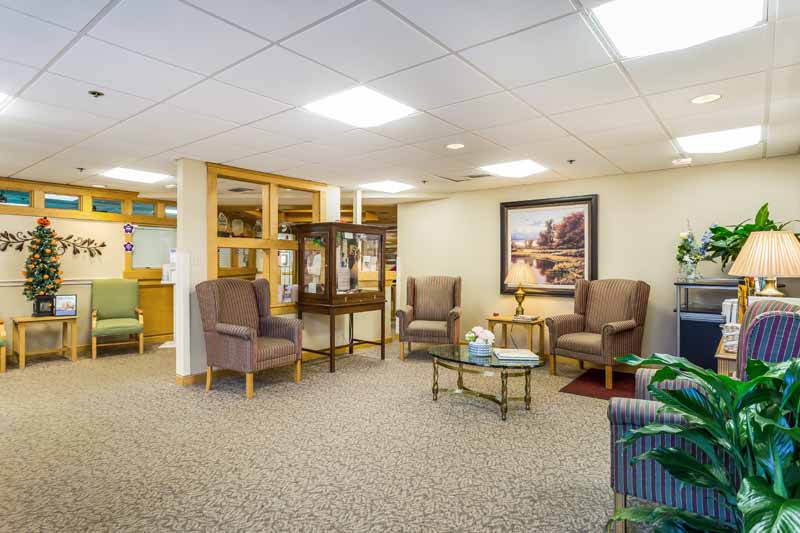
How is Sterling Care Forest Hill Staffed?

CMS rates STERLING CARE FOREST HILL's staffing level at 2 out of 5 stars, which is below average compared to other nursing homes. Staff turnover is 36%, compared to the Maryland average of 46%. This relatively stable workforce can support continuity of care.

What Have Inspectors Found at Sterling Care Forest Hill?

State health inspectors documented 44 deficiencies at STERLING CARE FOREST HILL during 2018 to 2024. These included: 1 Immediate Jeopardy (the most serious level, indicating potential for serious harm or death) and 43 with potential for harm. Immediate Jeopardy findings are rare and represent the most serious regulatory concerns. They require immediate corrective action.
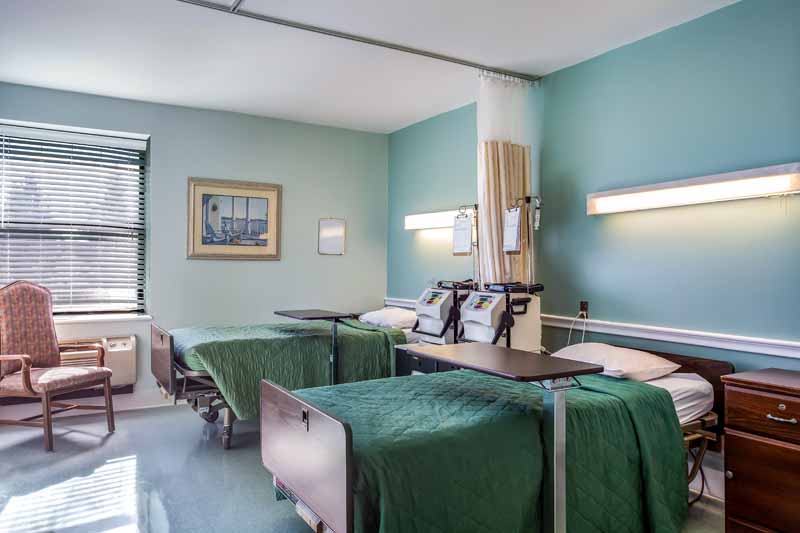
Who Owns and Operates Sterling Care Forest Hill?

STERLING CARE FOREST HILL is owned by a for-profit company. For-profit facilities operate as businesses with obligations to shareholders or private owners. The facility is operated by STERLING CARE, a chain that manages multiple nursing homes. With 156 certified beds and approximately 128 residents (about 82% occupancy), it is a mid-sized facility located in FOREST HILL, Maryland.
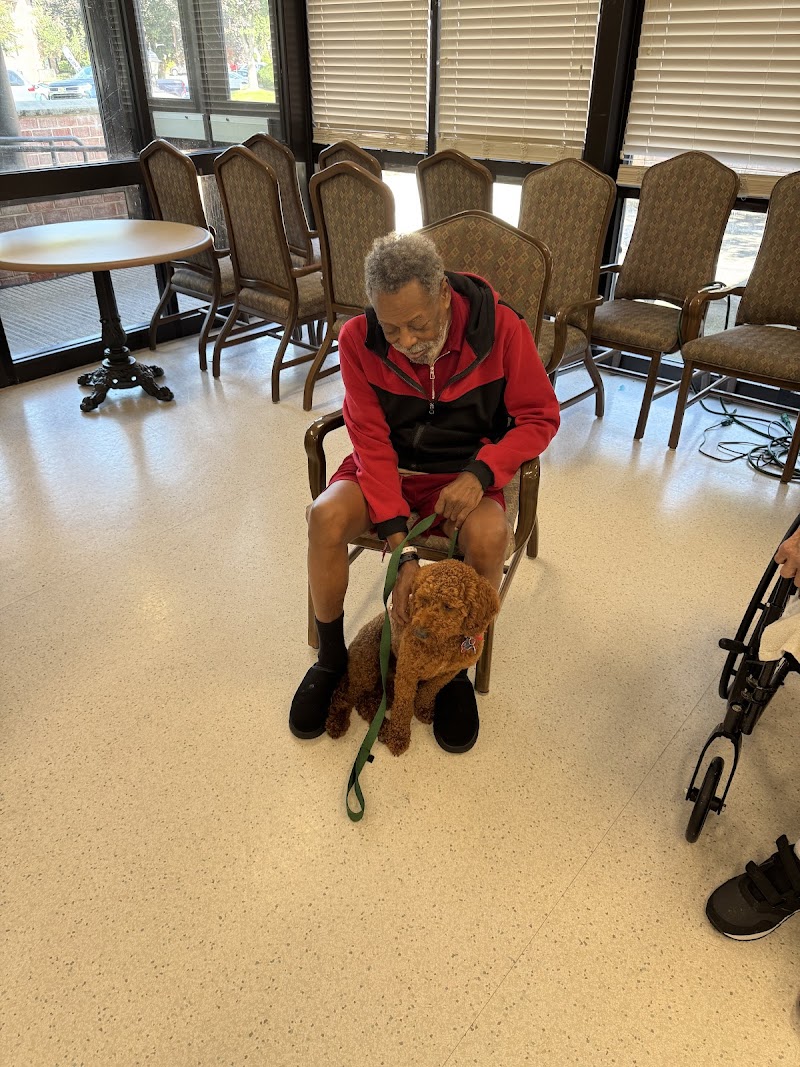
How Does Sterling Care Forest Hill Compare to Other Maryland Nursing Homes?

Compared to the 100 nursing homes in Maryland, STERLING CARE FOREST HILL's overall rating (5 stars) is above the state average of 3.1, staff turnover (36%) is near the state average of 46%, and health inspection rating (4 stars) is above the national benchmark.

What Should Families Ask When Visiting Sterling Care Forest Hill?

Based on this facility's data, families visiting should ask: "What changes have been made since the serious inspection findings, and how are you preventing similar issues?" "Can you walk me through typical staffing levels on day, evening, and night shifts?" "Can I visit during a mealtime to observe dining assistance and food quality?" "How do you handle medical emergencies, and what is your hospital transfer rate?" These questions are particularly relevant given the facility's Immediate Jeopardy citations and the below-average staffing rating.

Is Sterling Care Forest Hill Safe?

Based on CMS inspection data, STERLING CARE FOREST HILL has documented safety concerns. Inspectors have issued 1 Immediate Jeopardy citation (the most serious violation level indicating risk of serious injury or death). The facility has a 5-star overall rating and ranks #1 of 100 nursing homes in Maryland. Families considering this facility should ask detailed questions about what corrective actions have been taken since these incidents.

Do Nurses at Sterling Care Forest Hill Stick Around?

STERLING CARE FOREST HILL has a staff turnover rate of 36%, which is about average for Maryland nursing homes (state average: 46%). Moderate turnover is common in nursing homes, but families should still ask about staff tenure and how the facility maintains care continuity when employees leave.

Was Sterling Care Forest Hill Ever Fined?

STERLING CARE FOREST HILL has been fined $10,036 across 1 penalty action. This is below the Maryland average of $33,179. While any fine indicates a compliance issue, fines under $50,000 are relatively common and typically reflect isolated problems that were subsequently corrected. Families should ask what specific issues led to these fines and confirm they've been resolved.

Is Sterling Care Forest Hill on Any Federal Watch List?

STERLING CARE FOREST HILL is not on any federal watch list. The most significant is the Special Focus Facility (SFF) program, which identifies the bottom 1% of nursing homes nationally based on persistent, serious quality problems. Not being on this list means the facility has avoided the pattern of deficiencies that triggers enhanced federal oversight. This is a positive indicator, though families should still review the facility's inspection history directly.