FORESTVILLE HEALTHCARE CENTER
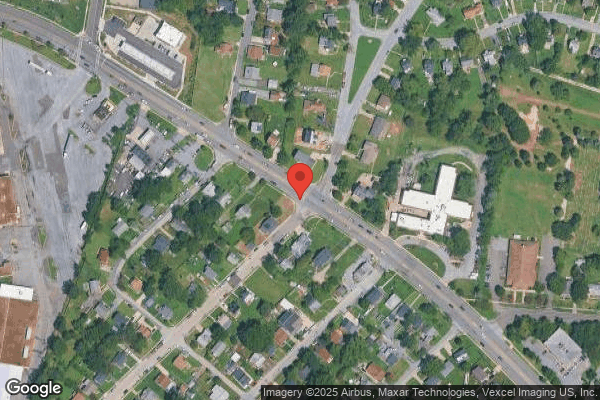
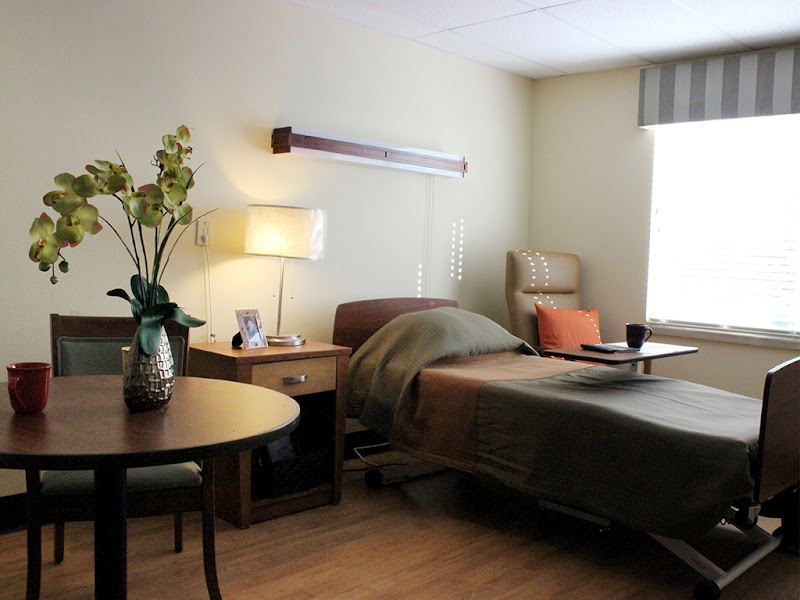
7420 MARLBORO PIKE, FORESTVILLE, MD 20747 (301) 736-0240
For profit - Corporation 162 Beds COMMUNICARE HEALTH Data: November 2025
Trust Grade
53/100
#106 of 219 in MD
Last Inspection: June 2024

Within standard 12-15 month inspection cycle. Federal law requires annual inspections.

Overview

Forestville Healthcare Center has received a Trust Grade of C, which means it is average and sits in the middle of the pack compared to other facilities. It ranks #106 out of 219 nursing homes in Maryland, placing it in the top half, and #11 out of 19 in Prince George's County, indicating that only a few local options are better. The facility is experiencing a worsening trend, with issues increasing from 8 in 2019 to 23 in 2024, and it has received about $16,039 in fines, which is average but still indicates some compliance problems. Staffing is a relative strength, with a turnover rate of 36%, which is better than the state average, but it has concerning RN coverage, being lower than 93% of Maryland facilities. Specific incidents noted include a failure to respond to a resident's severe pain after a transfer, and ongoing water damage in resident rooms that was not adequately addressed, highlighting both care and environmental weaknesses amidst some staffing stability.

Trust Score
C
53/100
In Maryland
#106/219
Top 48%
Safety Record
Moderate
Needs review
Inspections
Getting Worse
8 → 23 violations
Staff Stability
○ Average
36% turnover. Near Maryland's 48% average. Typical for the industry.
Penalties
✓ Good
$16,039 in fines. Lower than most Maryland facilities. Relatively clean record.
Skilled Nurses
⚠ Watch
Each resident gets only 25 minutes of Registered Nurse (RN) attention daily — below average for Maryland. Fewer RN minutes means fewer trained eyes watching for problems.
Violations
⚠ Watch
40 deficiencies on record. Higher than average. Multiple issues found across inspections.
★★★☆☆
3.0
Overall Rating
★★☆☆☆
2.0
Staff Levels
★★★★★
5.0
Care Quality
★★☆☆☆
2.0
Inspection Score
Stable
2019: 8 issues
2024: 23 issues

The Good

  • 5-Star Quality Measures · Strong clinical quality outcomes
  • Full Sprinkler Coverage · Fire safety systems throughout facility
  • No fines on record
  • Staff turnover below average (36%)

    12 points below Maryland average of 48%

Facility shows strength in quality measures, fire safety.

The Bad

3-Star Overall Rating

Near Maryland average (3.0)

Meets federal standards, typical of most facilities

Staff Turnover: 36%

10pts below Maryland avg (46%)

Typical for the industry

Federal Fines: $16,039

Below median ($33,413)

Minor penalties assessed

Chain: COMMUNICARE HEALTH

Part of a multi-facility chain

Ask about local staffing decisions and management

The Ugly 40 deficiencies on record

1 actual harm
Jun 2024 23 deficiencies 1 Harm
SERIOUS (G) 📢 Someone Reported This

A family member, employee, or ombudsman was alarmed enough to file a formal complaint

Actual Harm - a resident was hurt due to facility failures

Deficiency F0697 (Tag F0697)

A resident was harmed · This affected 1 resident

Based on resident interviews, record review, review of other pertinent documentation, and staff interviews, it was determined that the facility failed to treat a resident who complained of severe pain...

Read full inspector narrative →
Based on resident interviews, record review, review of other pertinent documentation, and staff interviews, it was determined that the facility failed to treat a resident who complained of severe pain resulting in harm to the resident. This was evident for 1 of 8 (Resident #91) residents reviewed for pain management. The findings include: During observation rounds on 5/20/24 at 10 am, Resident #91 stated while s/he was being transferred from his/her bed to the chair by the Physical Therapist (PT) #49, s/he heard a popping sound and I told her you broke my leg. S/he stated prior to the transfer s/he told staff #49; You cannot pick me up by yourself, it takes 2 people. The resident stated there were 2 Geriatric Nursing Assistants (GNA) in the room at the time; but Staff #49 told them Not to touch me. It is her job. After the resident was transferred into the chair, the resident told the nurse and the [Physical Therapist Staff #49], I was feeling pain in my right leg; however, neither one responded. When asked by the surveyor when this incident occurred the resident stated around November 22nd or the 23rd. The resident stated, I remember this because it was prior to Thanksgiving. The resident went on to state that s/he called 911 on 12/1/23 due to the pain in his/her right leg; however, the facility told 911 s/he had dementia, and they were not needed. On 5/28/24 at 9:00 am, the review of Resident #91's orders revealed Resident #91 was receiving Tramadol 50mg BID for pain (start date 11/9/23), Gabapentin 300mg three times a day for Neuropathic Pain (start date 11/9/23), Lidocaine Patch 4% (apply to right leg topically in the morning) and Cymbalta 20 mg in the evening for depression/pain (ordered 11/9/23). The resident was also ordered two 325 mg Acetaminophen Oral Tablet every 6 hours as needed for pain (ordered 12/12/22). The resident was receiving diathermy for chronic knee pain and to improve functional performance (ordered on 5/10/23). On 5/28/2024 at 9:45 am, the Medical Administration Record (MAR) was reviewed. The MAR revealed that Licensed Practical Nurse (LPN) #43 documented he administered a Tylenol 650 mg oral tablet on 11/22/23 at 5:29 am for a pain level of 2/10 pain. The following dates and times were documented by LPN #43: Tylenol 650 mg tablet given at 5:29 AM on 11/22/23 for a pain level of 2. Tylenol 650 mg tablet given at 5:48 AM on 11/23/23 for a pain level of 2. Tylenol 650 mg tablet given at 5:59 AM on 11/24/23 for a pain level of 2. Tylenol 650 mg tablet given at 5:05 AM on 11/25/23 for a pain level of 2. Tylenol 650 mg tablet given at 5:50 AM on 11/28/23 for a pain level of 2. Tylenol 650 mg tablet given at 5:36 AM on 11/30/23 for a pain level of 2. Tylenol 650 mg tablet given at 5:19 AM on 12/2/23 for a pain level of 2. Tylenol 650 mg tablet given at 5:16 AM on 12/3/23 for a pain level of 2. It should be noted that prior to 11/22/23 the resident had not requested Tylenol since September 9, 2023. Continued review of the medical record on 5/28/24 revealed the following: On 12/3/23 at 2:21 pm, the physical therapist (Staff #50) documented that Resident #91 reported a 10/10 pain level for right leg pain during the therapy session. There was no evidence that the pain was treated or that the pain was reported to the nursing staff. On 12/5/2023 at 3:34 pm, the Physical Therapist (Staff #49) documented that Resident #91 reported an 8/10 pain level for right leg pain during the session. There was no evidence that the pain was treated or that the pain was reported to the nursing staff. On 12/7/2023 at 3:33 pm, the Physical Therapist (Staff #49) documented that Resident #91 reported a 6/10 pain level for right leg pain during the session. There was no evidence that the pain was treated. Further review of the medical record on 5/29/24 at 10 am, revealed a physician progress note dated 12/13/23 at 3:12 pm which revealed the following: The resident reports right knee pain. S/he reports s/he hit her knee on the floor while working with a physical therapist. The physical therapist and nursing staff reported no fall and knee injury. The resident states his/her right knee was very swollen, and it has improved now. S/he reports the injury happened more than a week ago. S/he reports severe knee pain. Right knee is tender to touch, per resident. We will do right knee X Ray. Continue pain management. On 5/29/2024 at 2 pm, an interview was done with the physical therapist (PT), Staff #49. Staff #49 stated she does transfer the resident while performing therapy. Staff #49 stated the resident complained of pain as she documented. She stated, I notified the charge nurse on 12/5/23 and 12/7/23 that the resident was complaining of pain to his/her right leg. When asked by the surveyor if she documented notifying the nursing staff of Resident #91's pain, she responded no. Staff #49 also stated the fracture in question was declared to have happened on 11/30/2023 by the facility. On 5/29/24 at 3 pm, an interview was conducted with LPN #7. LPN #7 stated that no one reported to her that Resident #91 was in pain. Staff #7 stated the first time she knew of the incident was 12/13/23, when the physician ordered an x-ray. LPN # 7 was the day shift nurse who cared for Resident #91 on 11/21/2023 through 11/26/2023, 12/5/23, 12/7/23, 12/13/23, and 12/14/23 as documented on daily staffing sheets. On 5/29/24 at 3:30pm, An interview was conducted with LPN #43. When asked about the administration of the PRN Tylenol, LPN #43 stated, the resident was complaining of pain, and I was not sure if s/he received their pain medication as scheduled. When a resident complains of pain, I give them medication if it is ordered. When asked if he contacted the doctor since the resident was requesting PRN pain medication on top of the scheduled pain medications, he said No, maybe I should have.
CONCERN (D)

Potential for Harm - no one hurt, but risky conditions existed

Resident Rights (Tag F0550)

Could have caused harm · This affected 1 resident

Based on observation and staff interview, it was determined that the facility failed to treat a resident (#111) with dignity by exposing the resident in a public area. This was evident in 1 of 8 resid...

Read full inspector narrative →
Based on observation and staff interview, it was determined that the facility failed to treat a resident (#111) with dignity by exposing the resident in a public area. This was evident in 1 of 8 residents reviewed for dignity during the survey. The findings include: During observation rounds on the 1st floor on 5/20/24 at 8:00 am, the surveyor observed housekeeping (Staff #59) open the shower room door wide open for Resident #79 to use the shower room. Staff #59 opened the door without knocking or checking to see if the shower room was occupied. This exposed Resident #111 who was showering to the residents, staff, and surveyors in the hallway. On further observation, there were no signs or notice outside of the door showing there was a shower in progress, the room was occupied, or to knock before entering. The door had an entry key on the outside. During an interview with the Licensed Practical Nurse (LPN) Staff #55 on 5/20/24 at 8:03 am, Staff #55 stated that only staff had codes to the entry key for the shower rooms. When asked how staff would know that a resident was showering in the shower room, she stated that they would be responsible for opening the door and checking for the residents but there was no other way. When asked if nursing staff should be with Resident #111 while showering, she stated that Resident #111 was independent and did not need assistance. During observation of the 1st floor hallways on 5/21/2024 at 7:45 am, the surveyor observed that the facility staff had placed knock before entering signs outside of the shower room doors.
CONCERN (D)

Potential for Harm - no one hurt, but risky conditions existed

Deficiency F0561 (Tag F0561)

Could have caused harm · This affected 1 resident

Based on record review, interviews, and observations the facility failed to ensure that a resident's choice to receive a shower twice per week as requested was provided. The determination was found to...

Read full inspector narrative →
Based on record review, interviews, and observations the facility failed to ensure that a resident's choice to receive a shower twice per week as requested was provided. The determination was found to be true for 1 (#55) out of 5 residents reviewed for choices during the survey. The findings include: On 05.20.24 at 1:00 PM the surveyor toured the second-floor clinical unit and observed resident # 55 resting in bed in a hospital gown with his/her head tilted to the left and leaning towards chest. The resident stated that he/she had received a bed bath but that he/she preferred to be showered. The surveyor observed that the resident had a malodorous mouth odor and his/her teeth appeared yellow and thick sputum was present when the resident spoke. The surveyor on 05.22.24 at 08:39 AM observed resident #55 in bed with a yellow stained pillowcase and other bed linen appeared dingy in color. Resident #55 stated that he/she had not received AM care (morning) related to bathing. Also, the surveyor on 05.22.24 at 10:30 AM returned to resident #55's room and observed that the resident appeared to be uncomfortable while lying in bed with his/her head tilted to the left. The resident stated during an interview that he/she would prefer to have a daily shower and dislikes bed baths and would prefer to be gotten out of bed more often. Resident #55 stated the last time he/she received a shower was on 05.16.24 in the evening. At 09:15 AM on 05.23.24 the surveyor informed the unit manager, staff #27 of the observations and interviews related to resident #55's bathing choices. Staff # 27 stated that the unit manager will involve administrative staff as well as clinical staff to ensure showering is completed for residents on Tuesday and Friday day or evening shifts. Also, staff # 27 stated that if a resident refuses bed baths and showers then the clinical staff are to notify the unit manager, nursing supervisor and document in the task section of the electronic medical record as well as in the risk binder at the nurses' station. On 05.23.24 at 11:05 AM the surveyor reviewed the electronic medical record, physician orders, task forms, and care plans regarding bathing and resident choices. The surveyor reviewed the clinical task form related to bathing and found documentation on the task form that the resident received a full body shower on the following dates: 05.10.24 at 9:46 PM, 05.14.24 at 9:32 PM, 05.17.24 at 10:08, and 05.21.24 at 9:20 PM. The documentation found on the task form indicated that the resident required two-person assistance with bathing due to total dependence. The Surveyor received a copy of the resident policy and procedures titled Routine Resident Care, Daily Skin Care, and Perineal Care, Male and Female and the surveyor reviewed the treatment form in the electronic medical record which documented that Resident #55 received a shower once per week during a four-week period from 05.01.24 through 05.24.24. On 05.24.24 at 11:30 AM the surveyor observed the resident in bed and the resident's breath was malodorous, teeth appeared coated with thick sputum. Resident # 55 stated that the staff do not assist him/her with brushing her teeth even though he/she has her own tooth brush and tooth paste. On 05.28.24 at 2:00 PM the surveyor reviewed a physician order written on 05.24.24 at 12:25 PM by the medical director, staff # 65 directing clinical staff to provide the resident with a shower every Tuesday, Thursday, and Sunday and to document. The facility failed to provide complete bathing/full body showers per the resident's choice as directed by physician orders and resident requests.
CONCERN (D)

Potential for Harm - no one hurt, but risky conditions existed

Notification of Changes (Tag F0580)

Could have caused harm · This affected 1 resident

Based on resident interview, record review, and staff interview, it was determined that the facility failed to notify the physician of a change in condition for a resident (#91). This was evident for ...

Read full inspector narrative →
Based on resident interview, record review, and staff interview, it was determined that the facility failed to notify the physician of a change in condition for a resident (#91). This was evident for 1 out 8 residents reviewed for accidents during the survey. The findings include: During observation rounds on 5/20/24 at 10 am, Resident #91 stated while s/he was being transferred from his/her bed to the chair by the Physical Therapist (PT) #49, s/he heard a popping sound. I told her you broke my leg. Resident #91 stated prior to the transfer s/he told PT #49; You cannot pick me up by yourself it takes 2 people. The resident stated there were 2 GNA's in the room at the time; but PT#49 told them Not to touch me. It is her job. After I was transferred into the chair, I told the nurse and the Physical Therapist (Staff #49), I was feeling pain in my right leg; however, neither one responded. When asked by the surveyor when this incident occurred the resident stated around November 22nd the 23rd. The resident stated, I remember this because it was prior to Thanksgiving. The resident went on to state that s/he called 911 on 12/1/23 due to the pain in his/her right leg; however, the facility told 911 s/he has dementia, and they were not needed. On 5/28/2024 at 8:43 am, Resident #91's medical record was reviewed. The resident was admitted to the facility with diagnoses that included a below the knee amputation of the right leg, Diabetic Neuropathy, and Rheumatoid Arthritis. On 5/28/24 at 9:00 am, the review of Resident #91's orders revealed Resident #91 was receiving Tramadol 50mg BID for pain (start date 11/9/23), Gabapentin 300mg three times a day for Neuropathic Pain (start date 11/9/23), Lidocaine Patch 4% (apply to right leg topically in the morning) and Cymbalta 20 mg in the evening for depression/pain (ordered 11/9/23). The resident was also ordered two 325 mg Acetaminophen Oral Tablet every 6 hours as needed for pain (ordered 12/12/22). The resident was receiving diathermy for chronic knee pain and to improve functional performance (ordered on 5/10/23). On 5/28/2024 at 9:45 am, the Medical Administration Record (MAR) was reviewed. The MAR revealed that Licensed Practical Nurse (LPN) #43 documented he administered as needed, PRN, Tylenol 650 mg oral tablet on 11/22/23 at 5:29am for a pain level of 2/10 pain. The following dates and times were documented by LPN #43: Tylenol 650 mg tablet given at 5:29 AM on 11/22/23 for a pain level of 2. Tylenol 650 mg tablet given at 5:48 AM on 11/23/23 for a pain level of 2. Tylenol 650 mg tablet given at 5:59 AM on 11/24/23 for a pain level of 2. Tylenol 650 mg tablet given at 5:05 AM on 11/25/23 for a pain level of 2. Tylenol 650 mg tablet given at 5:50 AM on 11/28/23 for a pain level of 2. Tylenol 650 mg tablet given at 5:36 AM on 11/30/23 for a pain level of 2. Tylenol 650 mg tablet given at 5:19 AM on 12/2/23 for a pain level of 2. Tylenol 650 mg tablet given at 5:16 AM on 12/3/23 for a pain level of 2. Tylenol 650 mg tablet given at 5:07 AM on 12/3/23 for a pain level of 2. It should be noted that prior to 11/22/23 the resident had not requested Tylenol since September 9, 2023. On 5/29/24 at 3:30pm, an interview was conducted with LPN #43. When asked about the administration of the Tylenol, LPN #43 stated, the resident was complaining of pain, and I was not sure if s/he received their pain medication as scheduled. When a resident complains of pain, I give them medication if it is ordered. When asked if he contacted the doctor since the resident was requesting pain medication on top of his/her scheduled pain medications, he said No, maybe I should have.
CONCERN (D)

Potential for Harm - no one hurt, but risky conditions existed

Deficiency F0602 (Tag F0602)

Could have caused harm · This affected 1 resident

Based on resident and staff interview and review of Facility Reported Incident MD00202293, it was determined that the facility failed to ensure resident #18 was free from misappropriation of property....

Read full inspector narrative →
Based on resident and staff interview and review of Facility Reported Incident MD00202293, it was determined that the facility failed to ensure resident #18 was free from misappropriation of property. This was evident for 1 of 60 residents reviewed during the survey. Findings include: Review of the Facility reported incident MD00202293 on 5/24/24 at 9:30 am revealed that on 2/6/24 the Administrator received a call from the 911 dispatcher reporting that resident #18 attempted to call 911 for another resident before the staff was verbally aggressive telling him/her not to call 911 and then the phone hung up. On 5/24/24 at 10:30 am a review of the facility's investigation revealed the facility confirmed that a GNA (Geriatric Nursing Assistant) # 61 had taken resident's #18's cell phone while s/he was attempting to call 911 for resident #166. The GNA # 61 removed the cell phone from the room and turned it over to the Nursing Supervisor RN # 63. According to the investigation GNA #61 was instructed to return the phone to resident #18. During an interview at 11 am on 5/24/24 with resident #18 s/he stated I called 911 for my roommate [resident # 166] because the staff would not answer the call light. The GNA [GNA #61] who no longer works here took my phone and returned it after I complained to the nursing supervisor [staff #63] about it. During an interview with resident #166 on 5/24/24 at 12pm s/he stated, I wasn't feeling well, and the nursing staff was not answering the call light, so I asked my roommate [resident #18] to call 911 for me. The GNA [staff# 61] was upset that 911 was called. She took my roommate phone from him/her without permission. During the interview with DON on 5/24/24 at PM she validated that the phone was taken from resident #18 without his/her permission. She stated the GNA# 61 gave the cell phone to the supervisor staff #63, and it was instructed to return it to the resident.
CONCERN (D)

Potential for Harm - no one hurt, but risky conditions existed

Deficiency F0657 (Tag F0657)

Could have caused harm · This affected 1 resident

Based on medical record review and interviews with the resident and facility staff it was determined the facility failed to ensure that care plan meetings were provided to the resident quarterly and a...

Read full inspector narrative →
Based on medical record review and interviews with the resident and facility staff it was determined the facility failed to ensure that care plan meetings were provided to the resident quarterly and as needed. This was found to be evident for 1 (Resident # 13) of 4 residents reviewed for care plans during the survey. Findings Include: An interview was conducted with resident #13 on 5/21/24 at 10:16 AM and the resident was asked if s/he is invited to participate in the care plan meetings that the facility conducts with the residents and the resident stated, no. The resident went on to say that s/he has not had a care plan this year and didn't recall having one the previous year. On 5/23/24 at 1:30 PM, the survey team requested a copy of the last six (6) care plan meeting notes, a copy of the attendance sheets of staff that attended the meetings and a copy of the invitation that was sent to the resident to attend the meeting. On 5/24/24 at 10:30 AM the Administrator, and the DON provided the survey team with a copy of three resident invitations as follows: Invitation dated 5/23/24 for a meeting scheduled on 6/5/24 Invitation dated 9/23/22 for a meeting scheduled on 9/28/22 Invitation dated 6/3/22 for a meeting scheduled on 6/8/22 The DON was asked to explain the process for conducting care plan meetings and she stated that care plan meetings are to occur quarterly, as needed and if the resident has a significant change in their status. The DON went on to say the Social Services Designee (SSD) Staff # 17 is responsible for making sure the meetings are conducted and that residents receive an invitation. The DON told the survey team that SSD and is not licensed but is currently in school and that the Corporate Social Worker (CSW) Staff # 64, provides oversight. When asked why resident # 13 had not had a meeting since 2022, the DON stated that staff # 64 has only been with the company for 30 days and has not been onsite. All concerns were discussed with the Administration team at the time of exit on 6/3/24 at 3:15 PM.
CONCERN (D)

Potential for Harm - no one hurt, but risky conditions existed

Deficiency F0658 (Tag F0658)

Could have caused harm · This affected 1 resident

Based on medical record reviews and interviews it was determined that facility staff failed to ensure resident's plan of care was followed and/or updated according to professional nursing standards as...

Read full inspector narrative →
Based on medical record reviews and interviews it was determined that facility staff failed to ensure resident's plan of care was followed and/or updated according to professional nursing standards as evidenced of residents not receiving showers twice a week. This deficient practice was evident for 2 (#126 & #134) out of 2 resident records reviewed for Activities of Daily Living care during the survey. The findings include: The Maryland Nurse Practice Act guide and govern nursing practice in the state of Maryland. Registered Nurses, Licensed Practical Nurses, and certificate holders are expected to practice within the established regulations defined by the Nurse Practice Act. According to 10.27.10.02 C Nursing Plan of Care (2) Implementation. The LPN participates in the implementation of the nursing plan of care by (b) Assisting in the coordination of client care with other health care team members as directed by the RN; (d) (ii) Continue to collect and report data regarding the implemented plan including the client's response to interventions and problem identification. 1. On 05/21/24 at 9:52 am During the initial resident screening, Resident #134 verbalized they were not receiving showers regularly since arriving to the facility in 09/18/23. Resident #134 reported receiving a shower on 12/28/23, 03/05/24, and 05/03/24. On 05/23/24 at 9:30 am A review of Resident #134 Tasks Section in electronic medical records (EMR) revealed there was no bathing documentation to review. Further review of the EMR revealed a nursing note that stated Resident #134 received a shower on 03/05/24 and 05/07/24 with assistance of 3 clinical staff. At 1:28 PM the surveyor received documentation the resident received a shower on 05/21/24. Unit Manager #27 verbalized the resident received a shower on 05/17/24 but the staff did not document. The resident denied receiving a shower on 05/17/24. On 05/23/24 at 9:51 AM, during an interview with Unit Manager (UM) #27 they verbalized Resident #134 was scheduled to have showers on Tuesday and Friday. If a resident prefers a different day, they can request it. If the resident refuses, the staff will follow up with the family and offer a bed bath. UM #27 verbalized that showers are logged in a risk binder and resident's EMR. UM #27 was unable to provide the Risk Binder for the surveyor to review. On 05/28/24 at 12:58 PM, the surveyor received a copy of the revised order dated 03/31/24. Resident #134 plan of care read the resident was scheduled to receive a shower every Tuesday, Friday, and as needed during 7:00 am - 3:00 PM. 2. On 06/03/24 at 11:18 am A review of Resident #126 EMR revealed there was no documentation for the surveyor to review in the Task section related to Bathing and Showers. Administrator #3 was made aware and asked an employee to print the documentation for the surveyor to review. On 06/03/24 at 11:23 am Unit Manager #27 verbalized the Resident #126 shower days were Monday and Thursday. Most days the resident receives a complete bed bath because of their wounds. The staff have not been documenting in the system when the resident received a shower. Director of Nursing #1 verbalized the staff needs to document the care provided care and if they refuse the staff is supposed to document so they can address the resident about their care. On 06/03/24 at 11:53 am The surveyor received documentation of Resident #126 ADL care. On 03/02/24, 03/07/24, 04/04/24, and 05/20/24 there was documentation the resident received a shower. There was no documentation to support Resident #126 received a shower or bed bath on 05/01/24 - 05/05/24, 05/11/24, 05/12/24, 05/14/24, 05/18/24, 05/19/24, 05/20/24, 05/25/24, 05/26/24, and 05/28/24.
CONCERN (D) 📢 Someone Reported This

A family member, employee, or ombudsman was alarmed enough to file a formal complaint

Potential for Harm - no one hurt, but risky conditions existed

Deficiency F0661 (Tag F0661)

Could have caused harm · This affected 1 resident

Based on record review and interview, it was determined that the facility failed to place a discharge summary on a resident's (#579) medical record after discharge. This was evident for 1 of 21 reside...

Read full inspector narrative →
Based on record review and interview, it was determined that the facility failed to place a discharge summary on a resident's (#579) medical record after discharge. This was evident for 1 of 21 residents reviewed during the survey. The findings include: Review of resident #579's medical record on 5/31/24 at 12:50pm revealed no evidence of a physician discharge summary after the resident discharged from the facility on 4/7/22. Interview with the Director of Nursing (DON) on 6/3/24 at 8:36am revealed the resident had a planned discharged from the facility after successful rehabilitation. The surveyor pointed out the lack of a physician discharge summary on the resident's medical record. The DON reviewed resident #579's medical record and confirmed that he/she was unable to find a physician's discharge summary in the medical record.
CONCERN (D)

Potential for Harm - no one hurt, but risky conditions existed

Deficiency F0679 (Tag F0679)

Could have caused harm · This affected 1 resident

Based on observations, staff interviews, and review of the medical record, it was determined the facility failed to implement an ongoing resident centered activities program designed to meet the inter...

Read full inspector narrative →
Based on observations, staff interviews, and review of the medical record, it was determined the facility failed to implement an ongoing resident centered activities program designed to meet the interests and support the physical, mental, and psychosocial well-being of each resident. This was evident for 1 (#82) of 2 residents reviewed for activities. The findings include: A care plan is a guide that addresses the unique needs of each resident. It is used to plan, assess, and evaluate the effectiveness of the resident's care. On 5/20/24 at 11:21 AM, Surveyor observed Resident #82 lying in bed with no activities. On 5/28/24 at 9:59 AM, in an interview with Licensed Practical Nurse (LPN) #43, they reported Resident #82 does not participate in activities. On 5/28/24 at 10:01 AM Resident #82 was observed lying on their right side in bed. No TV or music was on, and there were no forms of activity or engagement in the resident's room. On 5/28/24 at 1:19 PM, in an interview with Activities Lead (AL) #45, they reported Resident #82 does not regularly participate in activities except when they [facility staff] get the resident up out of the bed. AL #45 stated when they disinfect Resident #82's room, facility staff will bring the resident to the room where they are doing activities. During the interview, AL #45 reported, that during a month's time, Resident #82 comes down [to participate in activities] maybe 2 times. AL #45 stated they encourage everyone to participate, but cannot make anyone participate. When asked about documentation, AL #45 stated, yes, there is documentation in PCC [Point Click Care]. We click on each resident's individual name and then click the activity for the day. On 5/28/24 at 3:13 PM, a review of the medical record revealed a care plan that stated, [Resident #82's name] is dependent on staff for activities, cognitive stimulation, social interaction r/t, cognitive deficits. The goal read, [Resident #82's name] will accept/participate in 1:1 visits and out of room for movie matinee (western movies). On 5/28/24 at 2:30 PM, Resident #82's Activities Participation in the medical record was reviewed for the previous 30 days. There was no documentation of any 1:1 activities that the resident participated in over the past 30 days. There were 2 group activities documented that the resident participated in over the past 30 days. On 5/29/24 at 9:00 AM, in an interview with the Administrator, she was asked to provide evidence of all 1:1 room visits for Resident #82 from March 2024 through present (May 2024). The documentation provided to the surveyor did not include any evidence of 1:1 activities being provided during the month of May 2024. In a subsequent interview with AL #45 on 5/31/24 at 10:10 AM, when asked if Resident #82 participates in 1:1 activities, they stated, I have not done 1:1 activities with [Resident #82's]. Well, I have not done 1:1 activities regularly with [Resident #82's], but I can. I am going to do one today. On 5/29/24 at 12:20 PM, Resident #82 was observed sleeping in bed with the lights off and there were no forms of activity being provided in their room. Over the course of the survey, Resident #82 was never observed to be involved in or receiving activities (neither group or 1:1) nor being transported to or from a group activity. The Director of Nursing and Administrator were made aware of the above findings on 6/3/24 at 2:30 PM.
CONCERN (D)

Potential for Harm - no one hurt, but risky conditions existed

Accident Prevention (Tag F0689)

Could have caused harm · This affected 1 resident

Based on observation and interview it was determined the facility failed to ensure safety of a resident who was being transferred via a Hoyer lift. This was evident for 1 out of 1 resident (#91) obser...

Read full inspector narrative →
Based on observation and interview it was determined the facility failed to ensure safety of a resident who was being transferred via a Hoyer lift. This was evident for 1 out of 1 resident (#91) observed to be transferred via a Hoyer lift. The findings include: On 5/24/24 at 11:30 AM, the surveyor observed Staff #20, Geriatric Nursing Assistant, and Staff #41, Geriatric Nursing Assistant, bring Resident #91, who was suspended in the sling of a Hoyer lift, (machine which helps lift/transfer a resident) into the resident hallway and prepare to transfer them onto the reclining shower chair. The surveyor observed GNA #20 use the Hoyer lift remote to lift the resident above the level of the reclining shower chair, however, the Hoyer lift equipment failed to work properly, and would not continue to raise the resident to the level needed to safely place them on the chair. The resident was observed to be suspended in the sling several inches below the level of the chair they were being transferred to. The surveyor observed GNA #41 reach and lean over the shower chair placing their hands on the sling and the shower chair was observed to be moving. GNA #41 was preparing to pull the resident up and over the edge of the shower chair when the surveyor inquired to GNA #41 if they were transferring the resident, to which they responded: yes. At this time, the surveyor communicated their concern that the brakes on the shower chair were unlocked. The surveyor then requested a dual observation with the resident's assigned nurse, and the surveyor communicated their concerns at this time to Staff #21, Registered Nurse, and Staff #2, Infection Preventionist, Registered Nurse. RN #21 observed the resident transfer and confirmed with the surveyor that this transfer was not safe. Staff #2, Infection Preventionist, Registered Nurse, then instructed both GNA #20 and GNA #41 to lock the shower chair, and communicated to them how to perform the transfer. Upon the conclusion of the transfer, the surveyor observed the Hoyer lift, and observed the remote had tape present wrapped around it from the base of the remote, down the cord, and approximately 6 inches across a metal bar of the lift. The remote's cord hanging below where the tape ended was observed to be damaged, with the cord covering separated from the wiring in several places. The surveyor shared additional concerns regarding the condition of the lift with Staff #2. On 5/24/24 at 11:46 AM the surveyor observed the same damaged Hoyer lift was now located in a different hallway, near Staff #42, who reported to the surveyor that they were about to use it in Room # 202 for a resident. On 5/24/24 at 11:50 AM the surveyor conducted an interview with Staff #13, Director of Maintenance, inquiring as to the condition of the Hoyer lift's cord and remote. Staff #13 responded with the following information: I've never seen it like that, I know why they (the resident) got stuck in it, because this cord looks like a dog has been chewing on it. At this time, the surveyor observed Staff #13 attempt to replace the battery two times. Staff #13 stated to surveyors that the lifts were inspected every other week. During an interview with Staff #13, Director of Maintenance, on 05/24/23 at 12:03 PM they reported to surveyors that the Hoyer lifts can hold a certain amount of weight, but they were uncertain as to what the weight limitations were. On 05/24/24 at 12:16 PM Maintenance Director #13 verbalized Staff #30, Maintenance Assistant, inspected the Hoyer Lifts on 5/1/24. When surveyors inquired to Staff #30 as to what their inspection of the lift consisted of, they reported: checking to see if the battery works. Staff #30 further verbalized, that for anything else, they call the people (the manufacturer). Staff #30 stated that there were no buttons on the Hoyer lift, but the controller raises it up and down, and they inspect the lifts probably once a month. At this time, the surveyor observed the maintenance inspection documentation for the mechanical lift which was observed to be last documented on 5/1/24. On 5/24/24 at 12:25 PM Staff #30 observed the tape present on the Hoyer lift cord, and the condition of the cord, and confirmed part of the insulation around the cord to the controller was missing. On 5/24/24 at 1:15 PM, the surveyor shared the concern with the facility Administrator.
CONCERN (D)

Potential for Harm - no one hurt, but risky conditions existed

Incontinence Care (Tag F0690)

Could have caused harm · This affected 1 resident

Based on observation, review of the medical record, and interview with staff it was determined the facility staff failed to provide appropriate and sufficient care for a resident with an indwelling ur...

Read full inspector narrative →
Based on observation, review of the medical record, and interview with staff it was determined the facility staff failed to provide appropriate and sufficient care for a resident with an indwelling urinary catheter. This was evident for 1 (#41) of 2 residents reviewed for urinary catheter or urinary tract infection (UTI). The findings include: An indwelling urinary catheter, often referred to as a Foley catheter, is inserted into a patient's urethra (the tube that carries urine from the bladder to the outside of the body) and remains in place to collect the urine into a drainage bag. The bag has a valve that can be opened to allow urine to flow out and be emptied. Urinary catheters can be ordered for several reasons such as urinary incontinence (leaking urine or being unable to control when you urinate), urinary retention (being unable to empty your bladder when you need to), during and/or after a surgery, or related to other medical conditions such as a spinal cord injury. However, urinary catheters are associated with an increased risk of urinary tract infections (UTI) as well as other adverse events and should be used only when clinically indicated and ordered by a physician. On 5/20/24 at 1:02 PM, in an interview with Resident #41, they reported having about 4-5 UTI's in the 2 years they have had the foley. Review of the medical record on 5/20/24 at 11:31 AM revealed a physician order for Foley cath #16fr w/10ml to continuous drain. Diagnosis for use Neurogenic Bladder. Provide privacy bag. Further review of the medical records treatment administration record (TAR) revealed, Foley cath care every shift and PRN with soap and water. Secure straps if applicable, document output every shift. every shift for Foley care. On 5/21/24 at 10:30 AM, in an interview with Resident #41, they reported they cannot remember the last time they received Foley care. They stated it has definitely not been done today or since they came back from the hospital (5/15/24). On 5/21/24 at 12:39 PM, in an interview with Licensed Practical Nurse (LPN) #18, she stated she had provided foley care to the resident this shift. When asked what time Foley care was provided, she stated, it was completed at 8:00 AM. When the surveyor shared that Resident #41stated Foley care was not performed today, LPN #18 stated, the resident was kind of sleepy, so maybe they are confused because I drained it and the urine output was around 500ml's (milliliters). During the interview when asked what must be completed when providing Foley care, LPN #18 stated, checking if the tubing is intact, checking and cleaning the area and the catheter by holding it and cleaning it with a washcloth, soap and warm water, draining the bag, measuring and checking the color of the urine. In addition, LPN #18 stated, make sure it is hanging properly and not on the floor. When asked how much of the catheter tubing should be cleaned, LPN #18 reported, I don't know how many centimeters I'm supposed to clean. I cleaned about 2 centimeters (0.79 inches). After the interview, the nurse stated, Can I ask you a question? How many centimeters was I supposed to clean? On 6/3/24 at 8:29 AM, review of the Catheter Care Policy and Procedures revealed, Wipe the catheter from meatus downward approximately 6 inches. The Director of Nursing and Administrator were made aware of the above findings on 6/3/24 at 2:30 PM.
CONCERN (D)

Potential for Harm - no one hurt, but risky conditions existed

Respiratory Care (Tag F0695)

Could have caused harm · This affected 1 resident

Based on observations, staff interview, and resident medical record review it was determined the facility failed to administer oxygen to resident #74 as prescribed by physician orders. This was eviden...

Read full inspector narrative →
Based on observations, staff interview, and resident medical record review it was determined the facility failed to administer oxygen to resident #74 as prescribed by physician orders. This was evident for 1 (resident #74) of 1 residents that was reviewed for respiratory care services during survey. The findings include the following: On observation rounds on 05/20/24 at 08:04 AM it was observed that resident #74 was on 1 liter of oxygen with humidification via aerosol collar. During an interview on 05/20/24 at 08:10 AM with staff #7, she stated and confirmed that resident was on 1 liter of oxygen and should be on 3 liters of oxygen. After surveyor intervention, staff #7 placed resident #74 on 3 liters of oxygen with humidification via aerosol collar. Review of resident #74 medical record on 05/20/24 at 11:05 AM revealed a physician order dated 11/13/23 for resident #74 to be administered oxygen with humidification via aerosol collar at 3 liters every shift for shortness of breath.
CONCERN (D)

Potential for Harm - no one hurt, but risky conditions existed

Unnecessary Medications (Tag F0759)

Could have caused harm · This affected 1 resident

Based on observation, record review, and interview with facility staff, it was determined that the facility failed to ensure a medication error rate of 5% or less. This was evident for 2 of 27 opportu...

Read full inspector narrative →
Based on observation, record review, and interview with facility staff, it was determined that the facility failed to ensure a medication error rate of 5% or less. This was evident for 2 of 27 opportunities for error observed during the medication administration, resulting in an error rate of 7.41%. The findings include: 1) On 5/24/24 at 8:06 AM, the surveyor observed Registered Nurse (RN) #6 dispense the medications Calcium/D 600mg (milligrams), Finasteride 5mg, Gabapentin 300mg, and Oxcarbazepine 300 mg into a medication cup for Resident #17. On 5/24/24 at 8:15 AM, RN #6 administered 4 medications with water to Resident #17. Review of the medical record on 5/24/24 at 9:07 AM revealed a physician's order that stated, Xanax Oral Tablet 0.5 MG (Alprazolam) *Controlled Drug*, Give 1 tablet by mouth two times a day for Anxiety MGT (0700-1000 and 1700-1800). RN #6 did not give the Xanax. Further review of the Medication Audit Administration Record (MAAR) in the medical record at 9:39 AM revealed the Xanax was not signed off that it was given. On 5/24/24 at 11:36 AM in an interview with RN #6, stated no, it [Xanax] was not administered because we do not have it [Xanax]. When asked about the process for missing medications RN #6 stated, they have to call the pharmacy for it [Xanax]. RN #6 stated they had not called the pharmacy since dispensing all of Resident #17's other morning medications (3.5 hours prior) because they had just finished administering all resident medications and went to the bathroom. During the interview when asked when they have been told to call the pharmacy if a controlled medication is not in the medication cart, RN #6 stated, she was supposed to call the pharmacy immediately. On 5/24/24 at 11:52 AM, in an interview with Unit Manager (UM) #26, they stated the expectation when a controlled medication is not available in the medication cart is that the nurse is supposed to call pharmacy and then let me, the UM know. When asked their expectation of when the nurse is to inform a UM if a controlled medication such as Xanax is not available in the medication cart, UM #26 stated immediately. 2) During a second medication administration observation that took place on 5/24/24 at 8:17 AM, the surveyor observed RN #6, preparing medications for Resident #20. RN #6 looked at the medication administration record (MAR), reported they were dispensing Vitamin D 1.25mg, retrieved the medication container from the medication cart, and then passed the medication container to the surveyor. Upon surveyor review, the label on the medication container read Vitamin D 25 mcg (micrograms). Upon surveyor intervention, when asked to restate the medication and dosage they were dispensing, RN #6 relooked at the MAR on the computer, relooked at the medication container in the surveyor's hand, and stated, It was supposed to be Vitamin D3 125mcg. Review of the medical record on 5/24/24 at 10:34 AM revealed a physician's order that stated, Vitamin D3 Tablet 125 MCG (5000 UT), Give 1 tablet by mouth one time a day for Supplement for 30 Days (0700-1000). The Director of Nursing and Administrator were made aware of the above findings on 6/3/24 at 2:30 PM.
CONCERN (D)

Potential for Harm - no one hurt, but risky conditions existed

Deficiency F0761 (Tag F0761)

Could have caused harm · This affected 1 resident

3. On 05/24/24 at 8:05 am the surveyor walked to Unit 2 and observed the medication cart outside of Resident #161 room was unlocked. The surveyor pulled the first three drawers and they all opened wit...

Read full inspector narrative →
3. On 05/24/24 at 8:05 am the surveyor walked to Unit 2 and observed the medication cart outside of Resident #161 room was unlocked. The surveyor pulled the first three drawers and they all opened without incidence. The surveyor stood in front of the medication cart. On 05/24/24 8:08 am LPN Unit Manager #27 visualized the surveyor standing next to the medication cart, walked to the medication cart, and proceeded to lock the cart. About a minute later the RN #35 walked to Resident #161 room door. The surveyor made the RN aware the medication cart was unlocked. On 05/24/24 at 8:28 am during an interview with DON #1 who verbalized if the nurses are away from the medication cart, they are expected to lock the cart. On 05/28/24 at 1:52 PM during an interview with RN#35 who verbalized if he/she is giving medications to the resident who is near the door and the medication cart is in view, the cart may be unlocked. When the medication is not in view typically, the medication cart is locked. 4. On 05/31/24 at 6:40 am while walking through Unit 2 South Hall the surveyor observed an unlocked treatment cart. The surveyor pulled the top and second drawers and they both opened without incidence. LPN#34 observed the surveyor at the treatment cart. LPN #34 walked to the treatment cart, locked the cart and verbalized the cart was for wound nurse and one of the nurses was most likely using it to do treatments. Based on observations and interviews with facility staff it was determined the facility failed to ensure that medications were date labeled upon opening them and that medications/biologicals were stored and secured in a locked medication/treatment cart. This was found to be evident for 3 of 3 medication carts and 1 treatment cart reviewed during the survey. Findings include: A medication storage observation was done on 6/3/24 at 10:15 AM on the Second floor. 1. An observation was made of Registered Nurse (RN), Staff # 6 medication cart: Bottle x 1 of Lantus (100 units) for Resident # 164 that had an open seal. The bottle did not have a date label on it. Bottle x 1 of Lispro (100 units) and Bottle x 1 of Glargine (100 units) for Resident # 165 that had an open seal. The two bottles did not have a date label on it. An interview was conducted with the nurse (# 6) at the time of the observation. The nurse was asked to explain the facility's policy for labeling medications, and she stated that medications are to be dated at the time that they are opened. She went on to explain that the insulin medication expires after 28 days of opening it. The nurse stated that she did not work the previous day and was not sure why the insulin bottles were not date labeled by the person who opened the bottle. She further stated that she put a date of 6/2/24 onto the bottle and showed the bottle to the surveyor. The nurse was asked if this was the facility's policy to date a medication bottle that she did not open as she stated that she did not work the previous day; she then proceeded to remove the insulin medication bottle from the medication cart. Another medication storage observation was done on 6/3/24 at 10:25 AM on the First floor. 2. An observation was made of Licensed Practical Nurse (LPN), Staff # 18 Medication Cart as follows: Bottle x 1 of Lantus (100 units) for Resident # 60 that had an open seal. The bottle did not have a date label on it. An interview was conducted with the nurse, (# 18) at the time of the observation and she was asked to explain the facility's policy for labeling medications, and she stated that the nurse is supposed to date the medication upon opening it. The nurse went on to say that she is unsure of what date to put on the medication. An interview was conducted with the DON(# 1) on 6/3/24 at 11:25 AM and she was made aware of the concerns regarding the insulin bottles that did not have date labels and the nurse (staff # 6) that put a date on the insulin bottle that she did not open and the nurse, (staff # 18) who was unsure of what date to put on the bottle that she did not open. The DON explained that the nurse that opens an insulin bottle is responsible for placing a date on the bottle immediately and that no one should be dating insulin bottles that they did not open. The DON stated that education will be provided to the nurses. The facility's Storage of Medications Policy was provided to the survey team on 6/3/24 and upon review it revealed the following: Expiration Dating (Beyond-Use Dating). Bullet Point 3: Certain medications or package types, such as Intravenous Solutions (IV), multiple dose injectable vials, ophthalmic (relating to the eyes), and blood sugar testing solutions and strips require an expiration date shorter than the manufacturers expiration date once opened to ensure medication purity and potency. All concerns were discussed with the Administration team at the time of exit on 6/3/24 at 3:15 PM.
CONCERN (D)

Potential for Harm - no one hurt, but risky conditions existed

Deficiency F0804 (Tag F0804)

Could have caused harm · This affected 1 resident

Based on observations and interviews, it was determined that facility staff failed to ensure that food was delivered to residents at an appropriate and palatable temperature. This was evident in 1 of ...

Read full inspector narrative →
Based on observations and interviews, it was determined that facility staff failed to ensure that food was delivered to residents at an appropriate and palatable temperature. This was evident in 1 of 1 food test tray samples reviewed during the survey. The findings include: On 05/30/24 at 8:48 am during an interview with Dietary [NAME] #19 they verbalized, the kitchen staff began preparing breakfast trays at 7:05 am. The surveyor started observing the dietary staff prepare breakfast trays on 05/30/24 at 7:58 am. At 8:43 am after the last resident tray was prepared, the surveyor requested a test tray. At 8:53 am, the food cart, surveyor, and Regional Healthcare Service #11 departed the kitchen and followed the food trays to Unit 2. On 05/30/24 at 8:55 am the last food cart arrived on the unit, but at 9:08 am, the last breakfast tray was delivered to Resident #141 who was dependent on the staff for feeding. GNA #60 warmed the resident's food and at 9:11 am the resident was fed breakfast, which was 28 minutes after the tray was prepared. On 05/30/24 at 9:11 am Regional Healthcare Service #11 used their thermometer to check the temperatures of the food prepared on the test tray. The temperatures were: Orange Juice 72.8 F, Oatmeal 113.7 F, Ground Sausage 114.4 F, Eggs 106.4 F and, Turkey Bacon 94.6F. On 5/30/24 at 11:48 am, during an interview with Food Service Manager #12 was made aware of test tray temperatures. They verbalized all meal trays should be served using a thermo-plate to maintain appropriate food temperatures and they are not sure why the dietary staff didn't use the thermos-plates for they food trays.
CONCERN (D) 📢 Someone Reported This

A family member, employee, or ombudsman was alarmed enough to file a formal complaint

Potential for Harm - no one hurt, but risky conditions existed

Deficiency F0839 (Tag F0839)

Could have caused harm · This affected 1 resident

Based on record reviews review of MD00201072 and interviews it was determined that the facility to ensure a new hire nursing staff had an active, valid registered nurse license. This was evident for 1...

Read full inspector narrative →
Based on record reviews review of MD00201072 and interviews it was determined that the facility to ensure a new hire nursing staff had an active, valid registered nurse license. This was evident for 1 (#56) of 5 licensed healthcare professional employee files reviewed during the survey. The findings include: On 05.28.24 at 11:30 AM the surveyor reviewed the intake information related to MD00201072, a facility reported incident which indicated Staff #56 applied for a nursing position on the facility website for a registered nurse position at the facility. During an in-person interview by staff # 57 on 11.15.23 staff #56 was hired. At the time of the interview staff #56 presented a copy of a RN license, it was later determined on 12.29.23 by the director of nursing (DON), staff #1 that the document was fraudulent and Staff # 56 was terminated. Based on review of the administrative documents provided by the facility the police were notified on 12.30.23, and OHCQ and the Ombudsman, and the Maryland Board of Nursing (MBON) were notified on 01.03.24 of the nurse impersonator allegation. On 05.29.24 at 1:30 PM the Director of Nursing (DON) and the Administrator were interviewed by the surveyor revealed the following information regarding staff #56. The human resources director, staff #57 verbally and in written format verified that staff #56's nursing license was not verified on the MBON website prior to the hiring interview or prior to the orientation of the employee which started on 11.15.23. The DON stated that she received a telephone call from the night shift nursing supervisor on 12.28.23 stating that she/he had concerns regarding staff # 56's clinical knowledge and clinical decision making. According to the DON, on the morning of 12.28.23, after reviewing staff #56 performance documentation, she then chose to verify employee #56's registered nurse license and discovered that there was not a RN license listed for staff # 56 on the MBON website. On 12.29. 23, staff #56 was instructed to report to the facility for an interview with the DON and other administrative staff during which the employee admitted verbally and in writing to the falsification of the copy of the RN license. Additionally, the DON stated the HR director, staff # 57 was recommended for termination as well on 12.30.23 via an email from the regional human resources business partner. The surveyor requested the DON and Administrator provide copies of the facility hiring policy and procedures. On 05.31.24 at 2:00 PM the surveyor reviewed additional records included in the facility incident packet provided by facility administrative staff. Staff #56 participated in classroom training on the following dates: 11.15., 11.16., 11.17, and 11.21.23. Staff #56 participated in floor orientation with a nurse on the following dates: 11.22, 11.23, 11.24, 11.27, 11.28.23. Staff # 56 worked independently on 12.02, 12.03, 12.05, 12.06, 12.07, 12.08, 12.11, 12.13, 12.14,12.16, 12.17, 12.19, 12.20, 12.21, 12.22, 12.25, 12.26, and 12.27.23. The facility failed to verify of the registered licensure of an applicant as part of the pre-hiring staff qualification process.
CONCERN (D)

Potential for Harm - no one hurt, but risky conditions existed

Medical Records (Tag F0842)

Could have caused harm · This affected 1 resident

Based on record review and staff interview, it was determined that the facility failed to accurately document the dates on a resident's Preadmission's Screening and Resident Review (PASARR) form. This...

Read full inspector narrative →
Based on record review and staff interview, it was determined that the facility failed to accurately document the dates on a resident's Preadmission's Screening and Resident Review (PASARR) form. This was evident for 1 (Resident #152) of 2 residents reviewed for PASARR. The findings include: On 5/21/2024 at 9:50 am, the surveyor reviewed Resident #152's record. There was no record of PASARR in the resident's paper or electronic chart. On 5/21/2024 at 10:10 am, the surveyor interviewed the social worker (Staff #17). Staff #17 stated that all PASARR's are kept in social services. Staff #17 stated they would provide the survey team with Resident #152's PASARR as soon as possible. On 5/21/2024 at 12:30 pm, Staff #17 provided the survey team with Resident #152's PASARR. At this time the PASARR was reviewed. The PASARR form was dated by social services designee (Staff #47) on 4/8/1964. The date of admission documented on the PASARR as 4/8/1964. It should be noted that Resident #152's date of admission is 4/8/2024 as documented in the residents medical record.
CONCERN (D)

Potential for Harm - no one hurt, but risky conditions existed

Infection Control (Tag F0880)

Could have caused harm · This affected 1 resident

3. On 05/20/24 at 11:20 AM the surveyor conducted a tour of the facility clinical areas with the facility infection control nurse (IP), RN #2 present. Within one clean utility room the surveyor observ...

Read full inspector narrative →
3. On 05/20/24 at 11:20 AM the surveyor conducted a tour of the facility clinical areas with the facility infection control nurse (IP), RN #2 present. Within one clean utility room the surveyor observed a dirty uncovered trash can with dirty, used gloves and other items present, additionally there was an uncovered IV pole with an uncovered dirty pump used for G-tube administration, one dirty resident three prong walking cane. RN #2 stated that the staff should be aware of the requirements of cleanliness required with a clean utility room. 4. On 05/24/24 at 09:27 AM the surveyor conducted an observation and tour of the laundry facility located in the basement of the facility. The surveyor observed an uncovered container of clean resident bed linen with sheets, pillowcases in the hallway of the laundry room area outside the clean laundry room area. Also, within the designated clean laundry folding room area the surveyors observed an employee's phone and opened snacks on the counter. Within the clean laundry room, the surveyor observed three large holes next to a ventilation pipe over the doorway. Also, the surveyor observed a dirty filter on the washer machine # 1 in the separate washer machine room as well as wet towels on the floor under a lime coated pipe that connected to the clothes dryer in the separate dryer room. On 05/24/24 at 09:30 AM the surveyor interviewed staff #52, the account manager of laundry services who stated that the filter on the washer machines were to be changed at least monthly or when they appeared to be dirty. On 05/2424 at 09:39 AM the surveyor interviewed the administrator regarding the observations the surveyor made while touring the laundry room areas who stated that the area was on the list for updating by the facility. The surveyor requested that the administrator and employee # 52 provide documentation of the maintenance services provided for the physical upkeep of the laundry area rooms. On 05/24/24 at 11:30 AM during an interview with the contracted manager of the facility laundry services, the employee # 52 stated that the holes in the wall above the inside of the clean laundry room had been reported to the facility maintenance department as well as the lime on the pipes within the washing machine room. 5. On 05/30/24 10:55 AM the director of nursing (DON) provided a hard copy of the Antibiotic Stewardship Plan related to Infection Prevention Infection Control last reviewed on 02.24.2022 with a total of 8 pages. This facility failed to provide evidence that the policy had been reviewed or updated since 2022. These concerns of non-compliance with the infection control policies and procedures were reviewed with the administrator and director of nursing during the exit interview with the surveyor on 05/30/24 at 3:00 PM. Based on record reviews, observations and interviews it was determined that the facility staff failed to maintain infection control precautions and ensure that the policies and procedures related to infection control were updated. This deficient practice was discovered during survey. The findings include: 1. On 05/30/24 at 7:56 am while observing the kitchen staff prepare breakfast trays the surveyor observed Dietary Aide #54 in the kitchen on the tray line with his/her undergarments were exposed. On 05/30/24 at 8:18 am during an interview with Food Services Manager #12 they verbalized Dietary Aide #54 received verbal counseling multiple times about their undergarments being exposed. On 05/30/24 at 8:20 am while observing the cook prepare breakfast rays the surveyor observed [NAME] #19 placed slices of cheese on the cutting board that had food particles. On 05/30/24 at 8:35 am during an interview with Healthcare Services Regional Manager #11 they verbalized the surface on the cutting board should have been wiped before the cheese was placed. 2. On 05/30/24 at 8:56 am while on Unit 2 East wing the surveyor observed 2 bottles of hand sanitizer, body wash, a washcloth, dressing supplies, and a container of shampoo on top of a linen cart. Geriatric Nursing Assistant #60 confirmed the surveyor's findings. On 06/03/24 at 1:43 pm during an interview with Infection Preventionist #2 they verbalized the facility typically does not use linen carts; the linen should be retrieved from the Clean Utility Room. The items should not have been on top of the linen cart.
CONCERN (D)

Potential for Harm - no one hurt, but risky conditions existed

Deficiency F0919 (Tag F0919)

Could have caused harm · This affected 1 resident

Based on observation and interview it was determined the facility failed to ensure residents had access to call bells. This was evident for 3 residents (#3, #66, #49) observed during the surveyor's in...

Read full inspector narrative →
Based on observation and interview it was determined the facility failed to ensure residents had access to call bells. This was evident for 3 residents (#3, #66, #49) observed during the surveyor's initial tour of the facility during the recertification survey. The findings include: Upon surveyor's initial tour on 5/20/24 at 7:44 AM, the call bell for Resident #3 was observed to be pulled out from the wall, leaving it unable to be utilized until plugged back in. On 5/20/24 at 8:00 AM the surveyor observed Staff #26, Licensed Practical Nurse, fixing Resident #66's breakfast at their bedside. The surveyor observed Staff #26 leave the room. The surveyor observed that Resident #66 had no call bell present in the room. The surveyor requested a dual observation of the resident with Staff #26, at which time Staff #26 observed with the surveyor and stated: the resident does not have a call bell. At this time, the surveyor shared their concern. During an interview with Resident #66 on 5/20/24 at 8:06 AM they responded yes when asked if they would use the call bell if one was provided for them. On 5/20/24 at 8:06 AM the surveyor conducted an interview with Resident #3 who reported to the surveyor that it had been awhile since Resident #66 had a call bell, and they (Resident #3) made sure his/her (Resident #66) needs were communicated for him/her. On 5/20/24 at 8:42 AM, during the surveyor's initial tour, the call bell and cord for Resident #49 was observed to be gathered up and hung up out of the resident's reach on the wall behind the resident's bed. When the surveyor inquired as to where their call bell was, Resident #49 pointed behind themselves to the wall. On 5/20/24 at 8:45 AM the surveyor conducted an interview with Staff #43, Geriatric Nursing Assistant, who confirmed the resident was capable of using the call bell. After surveyor intervention, Staff #43 obtained the call bell from the wall and gave it to the resident. On 5/24/24 at 1:15 PM, the surveyor shared the concern with the facility Administrator.
CONCERN (D)

Potential for Harm - no one hurt, but risky conditions existed

Safe Environment (Tag F0921)

Could have caused harm · This affected 1 resident

Based on observations and interviews, it was determined that facility staff failed to provide a safe, sanitary, and comfortable environment for staff. This deficient practice was discovered during the...

Read full inspector narrative →
Based on observations and interviews, it was determined that facility staff failed to provide a safe, sanitary, and comfortable environment for staff. This deficient practice was discovered during the survey in multiple areas within the facility. The findings include: 1. On 05/20/2024 at 8:32 AM the surveyor observed multiple areas of standing water and a leaking pipe under the sink next to the dishwasher. There was a hole around a pipe beneath the sink and corrosion on several pipes under the stainless-steel tables in the dishwashing area. Food Service Manager #12 reported that plumbers serviced the pipes last summer, but used the wrong size pipes, causing the pipes to leak. 2. On 05/29/24 at 9:26 am the surveyor observed two holes in the wall above the door near a vent in the clean laundry room. Administrator #3 was made aware and confirmed the surveyor's findings. At 9:29 am the surveyor observed a buildup of green & white washing chemicals on the wall near the washing machines, along with a taped hose that was leaking. The dryer room had plaster falling from the ceiling and missing plaster from the wall below the window. Maintenance Director # 13 verbalized not knowing the hose was leaking nor did they know about the build up of chemicals was on the wall. The heat from the dryers causes the plaster to peel. On 05/29/24 at 10:59 am during an interview with Maintenance Director #13 they verbalized the staff report maintenance issues through TELS in PointClickCare and that they would be purchasing prefabricated panels to protect the walls. They were not aware of the build up of the chemicals on the pipes and the wall would be scraped down and painted and the leaking water hose line would be changed.
CONCERN (E)

Potential for Harm - no one hurt, but risky conditions existed

Safe Environment (Tag F0584)

Could have caused harm · This affected multiple residents

**NOTE- TERMS IN BRACKETS HAVE BEEN EDITED TO PROTECT CONFIDENTIALITY** Based on observation and interview it was determined the facility failed to ensure that residents resided in a safe, comfortable...

Read full inspector narrative →
**NOTE- TERMS IN BRACKETS HAVE BEEN EDITED TO PROTECT CONFIDENTIALITY** Based on observation and interview it was determined the facility failed to ensure that residents resided in a safe, comfortable and homelike environment related to an adequate response and maintenance for water damage which was present in the room and bathroom of two residents (# 3 and # 66) and 7 rooms. This was found to be evident during multiple observations and tours conducted during the survey. The findings include: 1. During the surveyor's initial tour of the facility on 5/20/24 at 7:44 AM the surveyor observed a bath blanket laying on the floor in the entrance way to room [ROOM NUMBER]. Upon entering the room, the surveyor observed 8 brown stains on the ceiling tiles located above the beds of Resident #3 and Resident #66. One of the stains found covered approximately seventy percent of a ceiling tile. At this time, the surveyor entered the resident bathroom and observed a standing pool of water accumulated on the floor to the left of the commode, with black debris present within it, and 4 ceiling tiles located above the commode with brown stains present. The toilet paper dispenser was detached from the wall beside the commode, and was observed sitting on the bathroom counter top. No drain stopper was present in the bathroom sink. Damage to the left side of the wall behind the commode was observed to have a bubbled and cracked appearance with cove molding separating from the wall, and several gnats were observed to be flying within the bathroom. On 5/20/24 at 11:34 AM the surveyor observed Staff #40, Environmental Services Manager, discussing the floor condition of room [ROOM NUMBER] with another staff person. At this time, the surveyor inquired as to if they had any concerns regarding the condition of the room. Staff #40 responded to the surveyor: the floor was dark, the dirt on the floor needed a deep scrub. When the surveyor further inquired if they had any other concerns regarding the condition of the room, they stated they had no other concerns. On 5/20/24 at 11:37 AM the surveyor observed Staff #39, Maintenance Associate, painting the stains on the tiles with white paint. When the surveyor inquired as to what product was being applied instead of replacement of the tiles, Staff #39 reported to the surveyor that they just get any type of white paint they can find to paint over it until the tiles can be replaced. Staff #39 further reported a pipe had busted on Friday (5/24/24,) in a different resident's room. At this time, the surveyor shared their concerns with Staff #39, who acknowledged understanding of the concerns. On 5/20/24 at 11:38 AM the surveyor observed a wet bath blanket with black debris on top of the area where pooling water was, to the left of the commode. On 5/20/24 at 12:47 PM the surveyor conducted an interview of Staff #13, Director of Maintenance, and the facility Administrator, and inquired as to if painting the ceiling tiles with any type of paint, without replacement was an appropriate remedy for the tiles with significant water damage. At this time, it was confirmed that the facility did not have the ceiling tiles needed for replacement. During the interview, both the Administrator and Staff #13 stated their expectation was for staff to be changing out the stained ceiling tiles. 2. A tour was conducted with the Director of Maintenance (DOM), Staff # 13 on 5/23/24 at 11:30 AM and the following concerns were identified: In room # 224, the P-Tech Unit (Heating/Air Conditioner) was not working, missing knobs were noted on the closet door, there was chipping present on the entrance door and trim missing from the closet frame. In room # 236 marring was present to the wall area behind the bed. The first-floor bathroom near the Veterans Lounge had a crawling bug in the bathtub. The blinds needed to be replaced in rooms [ROOM NUMBERS]. In room # 119 the closet knob needed to be repaired and the tile in the bathroom had a large brown stain present. The door to the shower room on the first floor did not lock and was not secured. In interview at the time of the tour, Staff # 13 stated that he would do a walk through and make all necessary repairs to all identified areas. He further stated that all blinds in need of repair would be replaced. All concerns were discussed with the Administration team at the time of exit on 6/3/24 at 3:15 PM.
CONCERN (E)

Potential for Harm - no one hurt, but risky conditions existed

Quality of Care (Tag F0684)

Could have caused harm · This affected multiple residents

**NOTE- TERMS IN BRACKETS HAVE BEEN EDITED TO PROTECT CONFIDENTIALITY** Based on resident interviews, record review, review of other pertinent documentation and staff interviews, it was determined tha...

Read full inspector narrative →
**NOTE- TERMS IN BRACKETS HAVE BEEN EDITED TO PROTECT CONFIDENTIALITY** Based on resident interviews, record review, review of other pertinent documentation and staff interviews, it was determined that the facility failed to: 1) treat in a timely manner Resident (#91) complained of pain and a possible fracture and 2) ensure a resident's helmet was in place as ordered by the physician. This was evident for 2 (Resident #91 and #82) of 37 residents reviewed during the survey. The findings include: 1.) During observation rounds on 5/20/24 at 10 am, Resident #91 stated while s/he was being transferred from his/her bed to the chair by the Physical Therapist (PT) #49, s/he heard a popping sound and stated, I told her you broke my leg. S/he stated prior to the transfer s/he told staff #49; You cannot pick me up by yourself, it takes 2 people. The resident stated there were 2 Geriatric Nursing Assistants (GNA) in the room at the time; but Staff #49 told them Not to touch me. It is her job. After the resident was transferred into the chair, The resident told the nurse and the Physical Therapist (Staff #49), I was feeling pain in my right leg; however, neither one responded. When asked by the surveyor when this incident occurred the resident stated around November 22nd or the 23rd. The resident stated, I remember this because it was prior to Thanksgiving. The resident went on to state that s/he called 911 on 12/1/23 due to the pain in his/her right leg; however, the facility told 911 s/he has dementia, and they were not needed. On 5/28/2024 at 9:45 am, the Medical Administration Record (MAR) was reviewed. The MAR revealed that Licensed Practical Nurse (LPN) #43 documented he administered Tylenol 650 mg oral tablet on 11/22/23 at 5:29am for a pain level of 2/10 pain. The following dates and times were documented by LPN #43: Tylenol 650 mg tablet given at 5:29 AM on 11/22/23 for a pain level of 2. Tylenol 650 mg tablet given at 5:48 AM on 11/23/23 for a pain level of 2. Tylenol 650 mg tablet given at 5:59 AM on 11/24/23 for a pain level of 2. Tylenol 650 mg tablet given at 5:05 AM on 11/25/23 for a pain level of 2. Tylenol 650 mg tablet given at 5:50 AM on 11/28/23 for a pain level of 2. Tylenol 650 mg tablet given at 5:36 AM on 11/30/23 for a pain level of 2. Tylenol 650 mg tablet given at 5:19 AM on 12/2/23 for a pain level of 2. Tylenol 650 mg tablet given at 5:16 AM on 12/3/23 for a pain level of 2. It should be noted that prior to 11/22/23 the resident had not requested Tylenol since September 9, 2023. Continued review of the medical record on 5/28/24 revealed the following: On 12/3/23 at 2:21 pm, the physical therapist (Staff #50) documented that Resident #91 reported a 10/10 pain level for right leg pain during the therapy session. There is no documentation of this pain being treated or this pain reported to nursing staff or provider. On 12/5/2023 at 3:34 pm, the Physical Therapist (Staff #49) documented that Resident #91 reported an 8/10 pain level for right leg pain during the session. There is no documentation of this pain being treated or this pain reported to nursing staff or provider. On 12/7/2023 at 3:33 pm, the Physical Therapist (Staff #49) documented that Resident #91 reported a 6/10 pain level for right leg pain during the session. There is no documentation of this pain being treated or reported to nursing staff or provider. Further review of the medical record on 5/29/24 at 10 am, revealed a physician progress note dated 12/13/23 at 3:12 pm which revealed the following: The resident reports right knee pain. S/he reports s/he hit her knee on the floor while working with a physical therapist. The physical therapist and nursing staff reported no fall and knee injury. The resident states his/her right knee was very swollen, and it has improved now. S/he reports the injury happened more than a week ago. S/he reports severe knee pain. Right knee is tender to touch, per resident. We will do right knee X Ray. Continue pain management. An x-ray was ordered on 12/13/23 at 3:12 pm. According to the medical record the x-ray was done on 12/14/23 at 16:04 (4:04pm) and results were sent to the facility on [DATE] at 17:59 (5:59pm). On 5/29/24 at 12pm, the DON presented x-ray was ordered on 12/13/23 at 3:12 pm. According to the medical record the x-ray was done on 12/14/23 at 16:04 (4:04pm) and the results were sent to the facility on [DATE] at 17:59 (5:59pm). On 5/29/24 at 12pm, the DON presented X-ray results from 12/14/23 with the following results:There is an acute impact fracture of the distal femur seen. Osteopenia is seen. On 5/29/2024 at 2 pm, an interview was done with the physical therapist (PT), Staff #49. Staff #49 stated she does transfer the resident while performing therapy. Staff #49 stated the resident complained of pain as she documented. She stated, I notified the charge nurse on 12/5/23 and 12/7/23 that the resident was complaining of pain to his/her right leg. When asked by the surveyor if she documented notifying the nursing staff of Resident #91's pain, she responded no. Staff #49 also stated the fracture in question was declared to have happened on 11/30/2023 by the facility. On 5/29/24 at 3:30pm, An interview was conducted with LPN #43. When asked about the administration of the Tylenol, LPN #43 stated, the resident was complaining of pain, and I was not sure if s/he received their pain medication as scheduled. When a resident complains of pain, I give them medication if it is ordered. When asked if he contacted the doctor since the resident was requesting pain medication on top of her scheduled pain medications, he said No, maybe I should have. 2.) On 5/28/24 at 10:01 AM, Resident #82 was observed lying on his right side in bed without a pillow and no helmet in place. On 5/28/24 at 10:02 AM, in an interview with Licensed Practical Nurse (LPN) #44 who was administering medications to residents, when asked if Resident #82 had a pillow, he entered the resident's room and indicated the resident had a pillow and probably threw it on the ground, like the helmet was supposed to be on their head (the helmet was observed on the resident's right hand). On 5/28/24 at 10:06 AM, LPN #44 left Resident #82's room, but he did not put the helmet on the resident's head. On 5/28/24 at 10:20 AM, LPN #44 continued administering medications and Resident #82 continued to lie in bed without their helmet. In an interview with LPN #44, when asked about the frequency Resident #82 should be wearing their helmet, he reported the helmet was supposed to be on when they were awake. During the interview, when asked if the resident was currently awake, LPN #44 walked into Resident #82's room and he indicated the resident was awake and the resident removed the helmet even when put on, the resident just takes it back off. On 5/28/24 at 12:45 PM, physician orders were reviewed and noted the following, Use of helmet every shift, 0700-1500 (7AM-3 PM), 1500-2300 (3PM-11PM), and 2300-0700 (11PM-7AM) with a physician order start date of 7/25/2023. Resident #82 was observed again on 5/29/24 at 12:20 PM sleeping in bed without a helmet in place. In an interview with LPN #44, when asked if the resident was currently wearing their helmet, LPN #44 walked into Resident #82's room, and he stated they were not wearing one [helmet] now, but they were wearing one earlier. LPN #44 stated, I'm trying to see where it [helmet] is because it was here earlier. The surveyor observed LPN #44 searching for and unable to locate the resident's helmet. LPN #44 stated, let me ask the geriatric nursing assistant (GNA) #42 that was working with them [Resident #82] earlier. On 5/29/24 at 12:27 PM, GNA #42 walked into Resident #82's room and retrieved the helmet from a counter across the room from the resident's bed. When asked if they put it on the counter, GNA #42 stated, no, I do not know who put it there. On 5/29/24 at 12:28 PM in an interview with LPN #44, he pulled up Resident #82's physician orders and read, use of helmet for safety. LPN #44 stated, they were there when the order was put in. When Resident #82 is sleeping, they do not have any risk of falling. The chance of the resident falling out of bed when they are sleeping is close to zero because they only move around when they are awake. On 5/29/24 at 12:33 PM, in an interview unit manager (UM) #26, when asked about the frequency Resident #82 should be wearing their helmet, she stated we [facility staff] take it off when doing activities of daily living [ADL's]. During the interview, UM #25 pulled up the physician orders for Resident #82 and after reading the order stated, the resident should be wearing the helmet anytime ADL's are not being provided. On 5/29/24 at 12:59 PM, in an interview with the Director of Nursing (DON), she looked at the physician orders for Resident #82 and after reading the order for the helmet stated, according to the order, the resident should wear the helmet at all times. The DON and Administrator were made aware of the above findings on 6/3/24 at 2:30 PM.
CONCERN (E)

Potential for Harm - no one hurt, but risky conditions existed

Food Safety (Tag F0812)

Could have caused harm · This affected multiple residents

Based on observations and interviews it was determined that the facility staff failed to properly store food, maintain sanitary conditions, and consistently monitor freezer temperatures. This deficien...

Read full inspector narrative →
Based on observations and interviews it was determined that the facility staff failed to properly store food, maintain sanitary conditions, and consistently monitor freezer temperatures. This deficient practice was discovered during the survey. The findings include: During the surveyor's initial inspection of the kitchen with Food Service Manager #12 on 05/20/24 at 7:49 am, revealed a white powdery substance on a resident communal coffee dispenser, brown spots on the bottom of the food tray rack, and the kitchen floor had a sticky substance. After surveyor intervention the communal coffee dispenser was cleaned. On 05/20/24 at 7:52 am the surveyor opened the refrigerator door and observed an unlabeled black plastic bag of fruit, an undated clear bag of bagels, an open plastic container of Aquafina water, and unlabeled clear bag with beets, and a clear plastic container with a sandwich inside. Manager #12 confirmed the surveyor's findings. On 05/20/24 at 7:58 am the surveyor observed in the larger refrigerator a clear plastic bin containing limes with multiple brown spots, and a clear plastic bin of bagged shredded cabbage dated 5/16/24. Multiple containers of juice were on the floor, and there was an unlabeled container of cooked chicken strips without a date. Food Service Manager #12 confirmed the surveyor's findings. Food Manager #12 verbalized the items should have been discarded; the first items in the refrigerator are the first to be used. On 05/20/24 at 8:05 am the surveyor observed an unlabeled, undated bag of breadcrumbs and an open package of waffle cones were found on a metal shelf, along with an uncovered box of Cream of Wheat. Food Service Manager #12 was notified of the surveyor's findings. After surveyor intervention the unlabeled and undated food items were discarded. On 05/20/24 at 8:15 am the surveyor along with Food Service Manager #12 observed frost over all the items in the freezer including boxes of food, wires, and the vent. There was no thermometer present, and the freezer log lacked a month & date. Food Service Manager #12 stated one of the kitchen staff must have left the door to the freezer open over the weekend. The surveyor reviewed the freezer temperature log that was completed by Dietary Aide #19. During an interview with Dietary Aide #19 they verbalized being unable to check the freezer temperature due to the missing thermometer. Dietary Aide #19 documented a freezer temperature of 0'F on the freezer temperature log on 05/20/24. On 05/30/24 at 12:20 pm during an interview with Food Service Manager #12 they informed the surveyor, Maintenance Director # 13 was made aware that the handle on the freezer door does not close properly and they are in the process of trying to figure out what needs to be replaced or fixed.
Jun 2019 8 deficiencies
CONCERN (D)

Potential for Harm - no one hurt, but risky conditions existed

Assessment Accuracy (Tag F0641)

Could have caused harm · This affected 1 resident

**NOTE- TERMS IN BRACKETS HAVE BEEN EDITED TO PROTECT CONFIDENTIALITY** 2. On 06/24/2019 resident #68's MDS assessment, dated 02/18/2019, was reviewed. The review revealed; that Resident #68 was admi...

Read full inspector narrative →
**NOTE- TERMS IN BRACKETS HAVE BEEN EDITED TO PROTECT CONFIDENTIALITY** 2. On 06/24/2019 resident #68's MDS assessment, dated 02/18/2019, was reviewed. The review revealed; that Resident #68 was admitted to facility with multiple medical diagnosis in September 2012, the resident was readmitted to the facility in December 2012. On 02/02/19 Resident #68 began receiving hospice services. Continued record review of the assessment revealed that on 02/04/19 the facility coded, NO, for chronic health condition which will result in end of life expectance less than 6 month (Section J -Health Condition J-1400). The facility did not code the resident's hospice status for in Section O-1000, this section was blank. On 6/24/19 at 3:00 PM the Administrator was interviewed. The Administrator confirmed the assessment error. Based on record review and staff interview it was determined the facility failed to correctly code the Minimum Data Set (MDS) for Residents #153 and #68. This was evident for 2 of 46 residents investigated during the survey. The Minimum Data Set (MDS) is a core set of screening questions that provide the foundation for the RAI process. Providers must complete the MDS screening assessments at specified times during resident admissions. Some MDS assessments are comprehensive and others are abbreviated updates to the comprehensive assessments. After completion of any comprehensive MDS assessment, the MDS triggers care areas based on the responses to the MDS questions (also referred to as MDS Items). Each triggered care area must then be assessed in order to determine if care planning is needed. The MDS triggers are used to provide direction for the development of an effective plan that will ensure the assessed needs of each resident are met when care is delivered. The MDS is a key tool in the process of assessing the capabilities of residents in a nursing care facility. MDS Coordinators are the certified individuals who take these assessments and use the results to formulate individual care plans for residents. The Resident Assessment Instrument (RAI) is a mandated process that ensures residents in nursing homes receive comprehensive and periodic assessments that are both standardized and reproducible to ensure each resident's needs are clearly understood and that care can be appropriately and effectively planned and delivered (based on the assessment). The findings include: 1. A review of Resident #153's medical record revealed the resident was admitted to the facility on [DATE], then discharged to his/her home on 5/7/19. A review of MDS, dated [DATE], stated resident #153 was hospitalized , not discharged home. On 06/24/2019 at approximately 11:23 AM Staff #12, an MDS coordinator, was interviewed. Staff #12 stated she will make the changes to the MDS. The Administrator was made aware on 6/24/19 at 2:30 PM.
CONCERN (D)

Potential for Harm - no one hurt, but risky conditions existed

Comprehensive Care Plan (Tag F0656)

Could have caused harm · This affected 1 resident

Based on observation, medical record review, and interviews it was determined that the facility failed to develop and implement a comprehensive person-centered care plan that included measurable objec...

Read full inspector narrative →
Based on observation, medical record review, and interviews it was determined that the facility failed to develop and implement a comprehensive person-centered care plan that included measurable objectives to meet the medical, nursing, mental and psychosocial needs for 1 out of 39 residents (Resident #68) reviewed during investigative portion of the annual survey. A plan of care is a guide that addresses the unique needs of each resident. It is used to plan, assess and evaluate the effectiveness of resident care. The finding includes: On 6/24/19 at 1:30 p.m. Resident #68's medical record was reviewed. The review revealed an assessment dated in September 2012. According to the assessment, Resident#68 scored a three (3) out of 15 on his/her Brief Interview for Mental Status (BIMS), which signifies mental impairment and inability to make decisions. Further review of the record revealed that on 2/2/19 Resident #68 experienced a change in condition and was given a new medical diagnosis. The resident was also admitted to hospices services and given new physician orders for care and treatment. On 6/24/19 at 1:30 p.m. Resident #68's care plan was reviewed. The review revealed the facility did not develop a care plan after Resident #68 experienced a change in physical condition. The continued review of the record revealed that the facility's nursing staff failed to develop a care plan with intervention to address the new medical diagnosis. On 6/24/19 at 3:00 p.m. The Administrator was interviewed. The Administrator confirmed the care plan did not address Resident #68's new medical diagnosis.
CONCERN (D)

Potential for Harm - no one hurt, but risky conditions existed

Deficiency F0657 (Tag F0657)

Could have caused harm · This affected 1 resident

Based on review of resident records and interview with facility staff, it was determined that the facility failed to ensure that residents' plans of care were reviewed and revised by the interdiscipli...

Read full inspector narrative →
Based on review of resident records and interview with facility staff, it was determined that the facility failed to ensure that residents' plans of care were reviewed and revised by the interdisciplinary team at least quarterly. This was evident for 1 of 2 residents reviewed for care plans (Resident #103). The findings include: Resident #103 was interviewed on 6/20/19 at 9:40 AM. During the interview, the resident states that s/he does not receive quarterly care plan meetings. Resident #103's electronic medical record was reviewed on 6/24/19 at 1:15 PM. During the review, notes were found from meetings that took place on 5/14/19, 8/14/18, and 1/30/18. No meeting note could be found in the electronic record that established that a meeting had taken place between 8/14/18 and 5/14/19. Resident #103's paper medical record was reviewed on 6/24/19 at 2:30 PM. During the review, sign in sheets were found for meetings that took place on 5/14/19, 8/14/18, and 4/25/18. Again, no meeting sign in sheet could be found that established that a meeting had taken place between 8/14/18 and 5/14/19. The Director of Nursing (DON) was interviewed on 6/24/19 at 3:15 PM. During the interview, the DON was made aware of the findings from the paper and electronic medical record and was asked to provide any evidence of a care planning meeting for Resident #103 being scheduled or taking place between 8/14/18 and 5/14/19. None was provided by the conclusion of the survey.
CONCERN (D)

Potential for Harm - no one hurt, but risky conditions existed

Deficiency F0697 (Tag F0697)

Could have caused harm · This affected 1 resident

Based on medical record review and staff interview it was determined staff failed to: 1) clarify an order for pain medication; and 2) consistently document thorough pain assessments for Resident #402....

Read full inspector narrative →
Based on medical record review and staff interview it was determined staff failed to: 1) clarify an order for pain medication; and 2) consistently document thorough pain assessments for Resident #402. This was evident for 1 of 46 residents investigated during the survey. The findings include: On 6/24/19 beginning at approximately 11:00 AM, the medical record of Resident #402 was reviewed. During the review, it was noted that Resident #402 had an order for Oxycodone Hydrocloride (HCL) 5 milligrams, with instructions to give to the resident 1 tablet by mouth every 6 hours as needed for pain. The order was not clarified to state whether the nurse is to give the medication for mild, moderate or severe pain. According to drugs.com (website https://www.drugs.com/oxycodone.htm), Oxycodone is an opioid pain medication sometimes called a narcotic. Oxycodone is used to treat moderate to severe pain. It is a minimum standard of nursing practice that nursing staff are to clarify orders that are unclear. During the same medical record review, the June 2019 Medication Administration Record (MAR) (which is used by nurses to document when medication is administered) was reviewed. It was noted Resident #402 was given Oxycodone HCL 5 mg once on the 22nd and once on the 24th. Documentation of a thorough pain assessment was found on an electronic facility form titled Pain Assessment Tool V5 for the as needed oxycodone administered on the 24th but was not found for the 22nd. The Director of Nursing (DON) was interviewed on 6/24/219. According to the DON, each time nursing staff administer as needed pain medication for moderate or severe pain, they are supposed to document a thorough pain assessment on this form.
CONCERN (D)

Potential for Harm - no one hurt, but risky conditions existed

Drug Regimen Review (Tag F0756)

Could have caused harm · This affected 1 resident

Based on review of resident medical records, it was determined that the facility failed to ensure that pharmacy record reviews were acted on in a timely manner. This was evident for 1 of 6 residents (...

Read full inspector narrative →
Based on review of resident medical records, it was determined that the facility failed to ensure that pharmacy record reviews were acted on in a timely manner. This was evident for 1 of 6 residents (Resident #123) reviewed for unnecessary medications. The findings include: Resident #123's medical record was reviewed on 6/21/19 at 10:57 AM. During the review, it was found that consultant pharmacist recommendations were made on 5/13/19 around the time of the resident's admission to the facility. One of the recommendations made on 5/13/19 was related to an anticoagulant medication that had been prescribed for illness prevention ('prophylaxis'). The recommendation stated, Please clarify as this appears to be a full therapeutic dose as opposed to a prophylactic dose. The physician response stated, [prophylactic] dose, and was signed on 5/15/19. A follow up note was written that stated Discontinued on 5/28/19, continued on another anticoagulant. This represented a delay from the from the physician's response on 5/15/19 to the discontinuation of the medication on 5/28/19. A second of the recommendations made on 5/13/19 was related to digoxin, which is often used for heart failure or irregular heartbeat. The recommendation stated, Please clarify [indication]. Digoxin is not used for [blood pressure], and I see no other diagnosis in the resident's chart which would support the use of this medication. The physician response stated, [Discontinue] Digoxin, and was signed on 5/15/19. A follow up note was written that stated, Dose was discontinued on 5/31/19. This represented a delay from the physician's response on 5/15/19 to the discontinuation of the medication on 5/31/19.
CONCERN (D)

Potential for Harm - no one hurt, but risky conditions existed

Medical Records (Tag F0842)

Could have caused harm · This affected 1 resident

Based on medical record review and staff interview it was determined there was an error in the diagnostic list in the admission Record for 1 of 46 residents investigated during the survey (Resident #3...

Read full inspector narrative →
Based on medical record review and staff interview it was determined there was an error in the diagnostic list in the admission Record for 1 of 46 residents investigated during the survey (Resident #35). The findings include: On 6/21/19 at 10:08 AM A review of Resident #35's medical record revealed a diagnosis of diabetes insipidus listed under the section titled Diagnosis Information. According to information on Mayo Clinic website https://www.mayoclinic.org/diseases-conditions/diabetes-insipidus/symptoms-causes/syc-20351269: Diabetes insipidus (die-uh-BEE-teze in-SIP-uh-dus) is an uncommon disorder that causes an imbalance of fluids in the body. This imbalance makes you very thirsty even if you've had something to drink. It also leads you to produce large amounts of urine. While the terms diabetes insipidus and diabetes mellitus sound similar, they're not related. Diabetes mellitus - which can occur as type 1 or type 2 - is the more common form of diabetes. Further review of the medical record revealed no ordered lab tests or medications that would be associated with a diagnosis of diabetes insipidus, but there was a history of Type 2 diabetes mellitus. At approximately 10:30 AM, staff nurse #1 was asked to clarify the diagnoses with the physician or nurse practitioner. On 6/24/19 at about 9:45 AM, the Administrator and Director of Nursing (DON) both stated the diagnosis had been clarified and that Resident #35 had Type 2 diabetes mellitus and the diagnosis of diabetes insipidus was entered on the list in error.
CONCERN (E)

Potential for Harm - no one hurt, but risky conditions existed

Safe Environment (Tag F0584)

Could have caused harm · This affected multiple residents

**NOTE- TERMS IN BRACKETS HAVE BEEN EDITED TO PROTECT CONFIDENTIALITY** 4. Missing paint on the lower wall by the window in room [ROOM NUMBER]. 5. The closet door in room [ROOM NUMBER] (bed A) did n...

Read full inspector narrative →
**NOTE- TERMS IN BRACKETS HAVE BEEN EDITED TO PROTECT CONFIDENTIALITY** 4. Missing paint on the lower wall by the window in room [ROOM NUMBER]. 5. The closet door in room [ROOM NUMBER] (bed A) did not have handles or knob to assist residents and staff in opening and the closet. 6. Missing paint behind bed A in room [ROOM NUMBER]. 7. Damaged dry wall by window in room [ROOM NUMBER] (bed A). 8. Patches of paint missing from the bathroom door in room [ROOM NUMBER]. 9. Exposed dry wall which requires paint in room [ROOM NUMBER]. On 6/24/2019 at 1:25 PM staff # 11 (Maintenance Director) and the administrator were made aware of the issues. 4. During an initial tour of the facility on 6/19/19 at 10:00 AM, observations revealed the blinds in the windows of rooms [ROOM NUMBER] were damaged. In all three rooms, the edges of the blinds were bent on both sides of the windows. This damage prevented the window blinds from blocking light coming into the room. One of the two residents in room [ROOM NUMBER] expressed in interview with the surveyor that the blinds were horrid and agreed that they detracted from the homelike environment of the room. The Director of Maintenance was made aware. Further observations of the facility revealed the following: 1. A hole near the base of the wall behind the door in room [ROOM NUMBER]. The hole was over one (1) foot in width. The bathroom door and the walls adjoining the door had scrape marks. The right wall facing the outside hall had scrape marks as well. 2. A hole in the wall behind the door in room150. Scrape marks on the bathroom door and wall. 3. The corner of the wall across from the nursing station was in disrepair, and the alcove door had scrape marks on it. Based on observation and interview, it was determined the facility staff failed to ensure all resident rooms and hallways were maintained in a homelike manner. This was evident for 11 of 19 rooms reviewed during the survey. The findings include:
CONCERN (E)

Potential for Harm - no one hurt, but risky conditions existed

Accident Prevention (Tag F0689)

Could have caused harm · This affected multiple residents

**NOTE- TERMS IN BRACKETS HAVE BEEN EDITED TO PROTECT CONFIDENTIALITY** 2. During an observation that took place on 6/21/19 at 1:24 PM, a medication cart was found to be unlocked and unattended in th...

Read full inspector narrative →
**NOTE- TERMS IN BRACKETS HAVE BEEN EDITED TO PROTECT CONFIDENTIALITY** 2. During an observation that took place on 6/21/19 at 1:24 PM, a medication cart was found to be unlocked and unattended in the hallway outside of room [ROOM NUMBER]. Resident #87 was noted to be in his/her wheelchair, apparently asleep, facing the unlocked cart but about 30 feet away. No staff were in the hallway at that time. The surveyor remained near the cart until three minutes later (at 1:27 PM), licensed practical nurse #9 walked past the cart, locked it, and then turned into room [ROOM NUMBER]. The medication cart contained most of the daily medicines for a range of resident rooms on the second level of the facility. Based on observation and staff interview it was determined facility staff failed to maintain an environment free of unnecessary accident hazards as evidenced by: 1) Residents #1, #35 and #84 using their own lighters during a smoke break while Resident #46 was being observed; and 2) a medication cart that was found unlocked and unattended. Observations of the residents smoking were evident during 2 smoking breaks. The findings regarding the medication cart were noted on 1 of 4 days of observation during the survey. The findings include: 1. On 6/20/19 during the 9:15 AM smoke break Resident #46 was being observed for smoking safety. The writer noted that as the residents went outside to smoke, before staff could light all the cigarettes, Residents #1, 35, and 84 pulled out their own lighters, lit their cigarettes and proceeded to light other residents' cigarettes. Writer informed staff outside with the Residents. On 6/21/19 prior to the 9:15 AM smoke break the writer observed the 1st floor unit manager asking Residents #1 and 84 if they had any lighters to which they replied no. Resident #35 was not among the group. When the Residents went out to smoke, Resident #35 pulled out a lighter and lit his/her own cigarettes. Again, the staff were made aware. Residents in procession of their own cigarette lighters puts the facility at risk for safety issues. 2. During an observation that took place on 6/21/19 at 1:24 PM, a medication cart was found to be unlocked and unattended in the hallway outside of room [ROOM NUMBER]. Resident #87 was noted to be in his/her wheelchair, apparently asleep, facing the unlocked cart but about 30 feet away. No staff were in the hallway at that time. The surveyor remained near the cart until three minutes later (at 1:27 PM), licensed practical nurse #9 walked past the cart, locked it, and then turned into room [ROOM NUMBER]. The medication cart contained most of the daily medicines for a range of resident rooms on the second level of the facility. No other medication carts were noted to be unlocked and unattended during the survey.
Mar 2018 9 deficiencies
CONCERN (D)

Potential for Harm - no one hurt, but risky conditions existed

Resident Rights (Tag F0550)

Could have caused harm · This affected 1 resident

Based on observation the facility staff failed to maintain dignity for Resident #107 while dining in the second-floor dining room, during the lunch period. This was evident for 1 out of 19 Residents o...

Read full inspector narrative →
Based on observation the facility staff failed to maintain dignity for Resident #107 while dining in the second-floor dining room, during the lunch period. This was evident for 1 out of 19 Residents observed during meal time. The findings include: On March 7, 2018 while observing the second-floor lunch dining service around 12:30 PM, Staff #3 was observed standing over Resident #107 while assisting the resident to eat. Standing over a resident while feeding the resident does not promote independence and dignity while dining.
CONCERN (D)

Potential for Harm - no one hurt, but risky conditions existed

Deficiency F0657 (Tag F0657)

Could have caused harm · This affected 1 resident

Based on observation and staff interviews the facility staff failed to follow their Care Plan to treat Resident #42's wandering around the unit and in other's rooms. This was evident for 1 out of 50 r...

Read full inspector narrative →
Based on observation and staff interviews the facility staff failed to follow their Care Plan to treat Resident #42's wandering around the unit and in other's rooms. This was evident for 1 out of 50 residents investigated during the survey process. The findings include: Throughout the survey process, started at the facility on March 7, 2018, Resident #42 was seen wandering about the unit and attempting to open closed doors, and just standing around. Review of the Resident's Care Plan listed as one of its interventions, that nursing will monitor resident at stated intervals, the location where the resident has wandered, interventions used to interact with the resident to redirect the resident. All of this was to be documented on a behavior log. Writer was unable to locate the behavior log. Nursing documentation did not relate to the specifics. The facility staff failed to follow the Resident's Plan of Care.
CONCERN (D)

Potential for Harm - no one hurt, but risky conditions existed

Medication Errors (Tag F0758)

Could have caused harm · This affected 1 resident

Based on observation and staff interviews the facility staff failed to follow or correct a physician's order, on a medication for Resident #50. This was evident for 1 out of 50 residents investigated ...

Read full inspector narrative →
Based on observation and staff interviews the facility staff failed to follow or correct a physician's order, on a medication for Resident #50. This was evident for 1 out of 50 residents investigated in the survey process. The findings include: On 3/9/18 around 12:00 PM, while reviewing Resident #50's medications for unnecessary med's, writer noted that the consultant pharmacist, while doing a monthly review of the resident's medication forwarded a note to the resident's physician/Prescribe. The Note read: Resident is currently receiving immediate-release VENLAFAXINE (EFFEXOR) (an antidepressant) 200 mg via J-tube once daily. The immediate-release product is formulated (created) for twice daily dosing. The product that has been formulated for once daily dosing is EFFERXOR XR (extended release). However, the extended-release product would not be recommended for administration via J-tube. Please clarify current order as a divided dosing schedule-Venlafaxine 100 mg via J-tube twice daily. The Certified Nurse Practitioner neither agreed nor disagreed with the pharmacist's recommendation, instead checked other on the form and wrote an order February 13, 2018 for Venlafaxine 100 mg every morning - GDR (gradual dose reduction- done in an effect to decrease the amount of the medication the resident needs and/or gradually taper the resident off the medication. Review of the resident's MAR (medication administration record) shows that the resident was still receiving the 200 mg dose once a day despite the February 1 order. An interview with staff #4, on 3/12/18, indicated that a meeting was held on 2/22/18 where it was determined that they would be no changes to the Resident #50's medication however, the order to change the medication was done on 2/13/18. Staff failed to respond to or clarify the order for 2/13/18.
CONCERN (D)

Potential for Harm - no one hurt, but risky conditions existed

Deficiency F0761 (Tag F0761)

Could have caused harm · This affected 1 resident

Based on observation and verified by facility staff, it was determined the facility staff failed to ensure that medications were labeled with the date opened. This was evident in 1 of 3 medication car...

Read full inspector narrative →
Based on observation and verified by facility staff, it was determined the facility staff failed to ensure that medications were labeled with the date opened. This was evident in 1 of 3 medication carts on the 2nd floor and has the potential to affect any resident receiving the medication. The findings include: An observation conducted on 03/14/2018 at 9:15 AM on the 2nd floor revealed that cart #1 had 2 opened multiple dose PPD (tuberculosis skin test) vials that were not labeled with the date opened. According to manufacturer instructions a PPD vial which has been entered should be discarded after 30 days. This finding was verified by the Director of Nursing. The facility staff has the responsibility to ensure that medications that require it are labeled.
CONCERN (D)

Potential for Harm - no one hurt, but risky conditions existed

Infection Control (Tag F0880)

Could have caused harm · This affected 1 resident

**NOTE- TERMS IN BRACKETS HAVE BEEN EDITED TO PROTECT CONFIDENTIALITY** 2) Observation on 3/14/18 at 8:30 A.M., on the second floor outside of room [ROOM NUMBER], revealed that the blood pressure cuff...

Read full inspector narrative →
**NOTE- TERMS IN BRACKETS HAVE BEEN EDITED TO PROTECT CONFIDENTIALITY** 2) Observation on 3/14/18 at 8:30 A.M., on the second floor outside of room [ROOM NUMBER], revealed that the blood pressure cuff used to check residents blood pressure was shredded on the ends. Interview of Licensed Practical Nurse (LPN #1) confirmed that a new blood pressure cuff needs to be purchased as the shredded cuff cannot be sanitized adequately. Failure to properly sanitize patient equipment, had the potential to spread infection to residents through cross-contamination. Porous materials can harbor microorganisms such as bacteria, viruses, and fungi. These microorganisms could potentially be transmitted to residents through contact with the equipment. The facility staff have a responsibility to ensure that patient care items can be adequately disinfected. Based on observation and interviews, it was determined that the facility staff failed to ensure that resident care items that are unable to be adequately disinfected were not being utilized. This was evident in 2 of 3 medication carts on the 2nd floor and has the potential to affect any resident on which the items were used. The findings include: 1) An observation conducted on 03/14/2018 at 9:20 AM on the 2nd floor revealed that in cart #3 there was a Panasonic EW3109 blood pressure monitor. The cuff on the monitor was made of a soft, grey, fuzzy material which could not adequately be disinfected between uses. An observation conducted on 03/14/2018 at 9:25 AM on the 2nd floor revealed that on top of cart #2 there was a Microlife brand blood pressure monitor. The monitor belonged to staff #2 who reported that he/she purchased the monitor at a local drugstore and that it was the same monitor the facility uses. Several areas on the cuff were observed to have soft grey blue fabric which could not adequately be disinfected between uses. When asked how he/she disinfects the cuff nurse #2 stated I take it home and put it in the washer once a week. The same model cuff belonging to the facility was observed in the bottom drawer. These findings were verified by the Director of Nursing.
CONCERN (D)

Potential for Harm - no one hurt, but risky conditions existed

Safe Environment (Tag F0921)

Could have caused harm · This affected 1 resident

**NOTE- TERMS IN BRACKETS HAVE BEEN EDITED TO PROTECT CONFIDENTIALITY** Based on observation and verified while conducting environmental rounds with the Maintenance Director, it was determined that fa...

Read full inspector narrative →
**NOTE- TERMS IN BRACKETS HAVE BEEN EDITED TO PROTECT CONFIDENTIALITY** Based on observation and verified while conducting environmental rounds with the Maintenance Director, it was determined that facility staff failed to ensure that repairs were made, as needed, in resident and food service areas. The findings include: On March 7, 2018, at 09:54 AM, during initial kitchen tour, a shelf in the dishwashing area of the kitchen was damaged and rusty. Food service shelving must be smooth and easily cleanable. On March 14, 2018, at 10:15 AM, the surveyor and Maintenance Director made the following observations: 1) In room [ROOM NUMBER], a hole was observed in the wall behind the entry door. 2) In room [ROOM NUMBER], flooring was torn and damaged.
CONCERN (E)

Potential for Harm - no one hurt, but risky conditions existed

Deficiency F0583 (Tag F0583)

Could have caused harm · This affected multiple residents

Based on observation and interview, it was determined that facility staff failed to ensure that resident identities were protected in documents that were available to the public. This was evident for ...

Read full inspector narrative →
Based on observation and interview, it was determined that facility staff failed to ensure that resident identities were protected in documents that were available to the public. This was evident for 22 of the 50 residents included in the investigation sample, Resident #'s 73, 216, 123, 35, 36, 42, 134, 217, 68, 57, 13, 71, 91, 45, 164, 98, 220, 92, 24, 218, 219 and 221. The findings include: On March 12, 2018, at 12:45 PM the surveyor reviewed the results of previous surveys conducted by the Office of Healthcare Quality. A list of residents, by name,was included in the survey binder for the last annual survey. This finding was verified by interview of the Administrator on March 12, 2018 at 1:00 PM.
CONCERN (E)

Potential for Harm - no one hurt, but risky conditions existed

Deficiency F0726 (Tag F0726)

Could have caused harm · This affected multiple residents

Based on medical record review, it was determined the facility staff failed to ensure that subcutaneous (under the skin) injections were administered in a manner consistent with standards of nursing p...

Read full inspector narrative →
Based on medical record review, it was determined the facility staff failed to ensure that subcutaneous (under the skin) injections were administered in a manner consistent with standards of nursing practice. This was evident for 1 resident (#60) of 50 residents selected for review. The findings include: On 03/13/2018 a review of Resident #60's Medication Administration Record (MAR) revealed that in January 2018 the resident was receiving Heparin subcutaneous injections every 8 hours to prevent blood clots. Between January 11th and January 31st, 2018 there were 8 times injections were given in the same area twice in a row and 2 times injections were given in the same area three times in a row. It is the standard of nursing practice to rotate injection sites to keep skin healthy and prevent problems such as scarring and the hardening of fatty tissues which could interfere with ability of the body to utilize the medication. This standard of practice is reflected in the facility's policies and standard procedures. These findings were brought to the attention of the Director of Nursing. The facility staff have a responsibility to ensure that injections are administered in a manner consistent with standards of nursing practice.
MINOR (B)

Minor Issue - procedural, no safety impact

Medical Records (Tag F0842)

Minor procedural issue · This affected multiple residents

Based on staff interview and medical records review, it was determined that the facility staff failed to ensure: 1) that medications for Resident #14 were accurately charted in the Medication Administ...

Read full inspector narrative →
Based on staff interview and medical records review, it was determined that the facility staff failed to ensure: 1) that medications for Resident #14 were accurately charted in the Medication Administering Record (MAR) and 2) that a Medical Orders for life-sustaining treatment (MOLST) form was filled out correctly for Residents #128 & #144. This was evident for three of fifty residents identified for investigation, Resident #'s 14, 128 and 144. The findings include: 1) A medical record review conducted on 3/13/2018 revealed that the medications administered for Resident #14, on the evening shift of 3/2/2018, were not documented in the MAR due to a power outage. The following are the medications and times the medications were scheduled to be administered: Tylenol 325 mg at 1800, Labetalol 200 mg at 2200, Gabapentin 100 mg at 1700 and clonidine 0.2 mg at 1700. A late entry nursing note indicated that all medications were given. There was no additional information provided in the MAR regarding the administration of the medication such as which medications were given or the times that the medications were given. The Director of Nursing was made aware immediately after the finding. Failure to document all aspects of medication administration in the resident's MAR, had the potential to cause confusion to staff members and could have led to medication errors. 2b) A MOLST form helps to ensure that a patient's wishes to receive or decline care are honored. During the admissions process, a practitioner must review the MOLST form with the resident or the resident's representative if the resident is deemed incapable of making decisions. A medical record review conducted 03/09/2018 revealed that on 02/16/2018 Resident #144's Attending Physician deemed him/her as unable to make decisions. That same day Resident #144's Attending Physician marked on the MOLST form that it was reviewed with the patient (who was deemed unable to make decisions). During an interview conducted 03/09/2018 at 1:00 PM with Resident #144's Attending Physician he/she stated; I made a mistake. It was a mechanical area. The physician reported reviewing the MOLST on the phone with the son who the physician identified as being the POA. A review of the medical record revealed that it did not contain any advanced directives or paperwork regarding Power of Attorney (POA). On 03/09/2018 at 1:30 PM the Director of Nursing verified that there were no advanced directives or medical POA on file for the resident but that the son had verbalized he was the POA. The facility staff have a responsibility to ensure that medical records are complete and accurate. 2a) Review of the medical record for Resident #128 on March 7, 2018 revealed that two MOLST (Maryland Orders for Life Sustaining Treatment) forms were included in the resident's chart. One MOLST form was dated June 29, 2016 and the most recent was dated March 1, 2018, indicating that the resident's surrogate decision maker had made changes in decisions concerning acceptable care for the resident. When a change is made in the MOLST form, any previously completed forms must be voided. The Unit Manager was notified of the finding on March 7, 2018 at 10:17 AM. The Administrator was notified of the findings on March 12, 2018 at 1:00 PM.
Understanding Severity Codes (click to expand)
Life-Threatening (Immediate Jeopardy)
J - Isolated K - Pattern L - Widespread
Actual Harm
G - Isolated H - Pattern I - Widespread
Potential for Harm
D - Isolated E - Pattern F - Widespread
No Harm (Minor)
A - Isolated B - Pattern C - Widespread

Questions to Ask on Your Visit

  • "Can I speak with families of current residents?"
  • "What's your RN coverage like on weekends and overnight?"

Our Honest Assessment

Strengths
  • • 36% turnover. Below Maryland's 48% average. Good staff retention means consistent care.
Concerns
  • • 40 deficiencies on record, including 1 serious (caused harm) violation. Ask about corrective actions taken.
  • • $16,039 in fines. Above average for Maryland. Some compliance problems on record.
  • • Grade C (53/100). Below average facility with significant concerns.
Bottom line: Mixed indicators with Trust Score of 53/100. Visit in person and ask pointed questions.

About This Facility

What is Forestville Healthcare Center's CMS Rating?

CMS assigns FORESTVILLE HEALTHCARE CENTER an overall rating of 3 out of 5 stars, which is considered average nationally. Within Maryland, this rating places the facility higher than 0% of the state's 100 nursing homes. This mid-range rating indicates the facility meets federal standards but may have areas for improvement.
How is Forestville Healthcare Center Staffed?

CMS rates FORESTVILLE HEALTHCARE CENTER's staffing level at 2 out of 5 stars, which is below average compared to other nursing homes. Staff turnover is 36%, compared to the Maryland average of 46%. This relatively stable workforce can support continuity of care.

What Have Inspectors Found at Forestville Healthcare Center?

State health inspectors documented 40 deficiencies at FORESTVILLE HEALTHCARE CENTER during 2018 to 2024. These included: 1 that caused actual resident harm, 38 with potential for harm, and 1 minor or isolated issues. Deficiencies causing actual harm indicate documented cases where residents experienced negative health consequences.
Who Owns and Operates Forestville Healthcare Center?

FORESTVILLE HEALTHCARE CENTER is owned by a for-profit company. For-profit facilities operate as businesses with obligations to shareholders or private owners. The facility is operated by COMMUNICARE HEALTH, a chain that manages multiple nursing homes. With 162 certified beds and approximately 151 residents (about 93% occupancy), it is a mid-sized facility located in FORESTVILLE, Maryland.
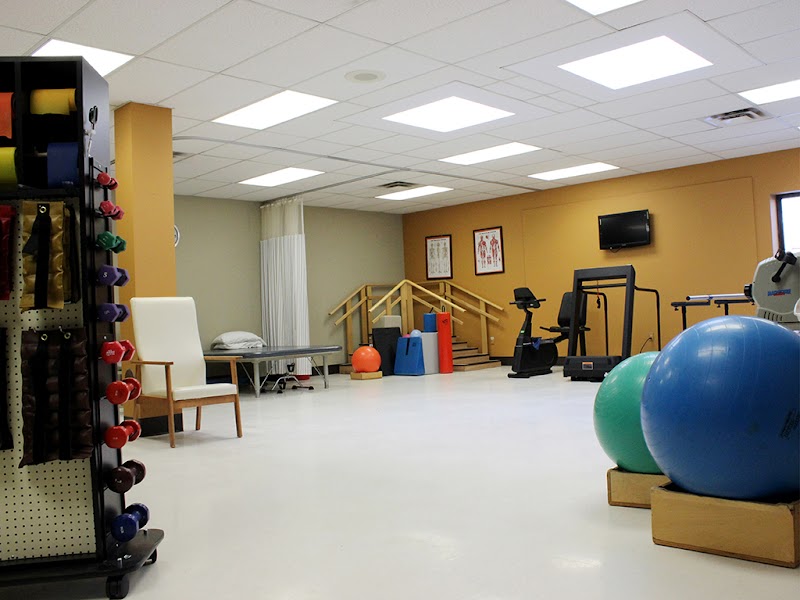
How Does Forestville Healthcare Center Compare to Other Maryland Nursing Homes?

Compared to the 100 nursing homes in Maryland, FORESTVILLE HEALTHCARE CENTER's overall rating (3 stars) is below the state average of 3.0, staff turnover (36%) is significantly lower than the state average of 46%, and health inspection rating (2 stars) is below the national benchmark.

What Should Families Ask When Visiting Forestville Healthcare Center?

Based on this facility's data, families visiting should ask: "Can you walk me through typical staffing levels on day, evening, and night shifts?" "Can I visit during a mealtime to observe dining assistance and food quality?" "How do you handle medical emergencies, and what is your hospital transfer rate?" "Can I speak with family members of current residents about their experience?" These questions are particularly relevant given the below-average staffing rating.

Is Forestville Healthcare Center Safe?

Based on CMS inspection data, FORESTVILLE HEALTHCARE CENTER has a clean safety record: no substantiated abuse findings (meaning no confirmed cases of resident harm), no Immediate Jeopardy citations (the most serious violation level indicating risk of serious injury or death), and is not on the Special Focus Facility watch list (a federal program monitoring the lowest-performing 1% of nursing homes). The facility has a 3-star overall rating and ranks #100 of 100 nursing homes in Maryland. While no facility is perfect, families should still ask about staff-to-resident ratios and recent inspection results during their visit.

Do Nurses at Forestville Healthcare Center Stick Around?

FORESTVILLE HEALTHCARE CENTER has a staff turnover rate of 36%, which is about average for Maryland nursing homes (state average: 46%). Moderate turnover is common in nursing homes, but families should still ask about staff tenure and how the facility maintains care continuity when employees leave.

Was Forestville Healthcare Center Ever Fined?

FORESTVILLE HEALTHCARE CENTER has been fined $16,039 across 1 penalty action. This is below the Maryland average of $33,239. While any fine indicates a compliance issue, fines under $50,000 are relatively common and typically reflect isolated problems that were subsequently corrected. Families should ask what specific issues led to these fines and confirm they've been resolved.

Is Forestville Healthcare Center on Any Federal Watch List?

FORESTVILLE HEALTHCARE CENTER is not on any federal watch list. The most significant is the Special Focus Facility (SFF) program, which identifies the bottom 1% of nursing homes nationally based on persistent, serious quality problems. Not being on this list means the facility has avoided the pattern of deficiencies that triggers enhanced federal oversight. This is a positive indicator, though families should still review the facility's inspection history directly.