FT WASHINGTON HEALTH CENTER
12021 LIVINGSTON ROAD, FORT WASHINGTON, MD 20744 (301) 292-0300
For profit - Corporation 150 Beds HEALTH CARE FACILITY MANAGEMENT, LLC Data: November 2025
Trust Grade
63/100
#62 of 219 in MD
Last Inspection: February 2024

Within standard 12-15 month inspection cycle. Federal law requires annual inspections.

Overview

FT Washington Health Center has a Trust Grade of C+, indicating it is slightly above average but not without issues. Ranked #62 out of 219 facilities in Maryland, it falls in the top half, and #8 out of 19 in Prince George's County means there are only a few local options that are better. The facility is showing improvement, with the number of issues decreasing from 17 in 2024 to just 4 in 2025. However, staffing is a weakness, rated only 2 out of 5 stars, with a turnover rate of 41%, which is average, but still indicates a lack of stability compared to other facilities. The RN coverage here is concerning, being lower than 93% of Maryland facilities, which could impact the quality of care. On the downside, there have been serious findings, such as a resident who suffered harm due to inadequate fall prevention measures. Additionally, there were concerns regarding the lack of proper documentation for residents' decision-making capacity and the physical environment, with some rooms showing signs of neglect, like rusted sinks and damaged privacy curtains. While the facility has strengths, including a good overall star rating and a commitment to improvement, families should weigh these issues carefully when considering care for their loved ones.

Trust Score
C+
63/100
In Maryland
#62/219
Top 28%
Safety Record
Moderate
Needs review
Inspections
Getting Better
17 → 4 violations
Staff Stability
○ Average
41% turnover. Near Maryland's 48% average. Typical for the industry.
Penalties
✓ Good
$7,443 in fines. Lower than most Maryland facilities. Relatively clean record.
Skilled Nurses
⚠ Watch
Each resident gets only 27 minutes of Registered Nurse (RN) attention daily — below average for Maryland. Fewer RN minutes means fewer trained eyes watching for problems.
Violations
⚠ Watch
49 deficiencies on record. Higher than average. Multiple issues found across inspections.
★★★★☆
4.0
Overall Rating
★★☆☆☆
2.0
Staff Levels
★★★★★
5.0
Care Quality
★★★☆☆
3.0
Inspection Score
Stable
2024: 17 issues
2025: 4 issues

The Good

  • 5-Star Quality Measures · Strong clinical quality outcomes
  • Full Sprinkler Coverage · Fire safety systems throughout facility
  • No fines on record
  • Staff turnover below average (41%)

    7 points below Maryland average of 48%

Facility shows strength in quality measures, fire safety.

The Bad

Staff Turnover: 41%

Near Maryland avg (46%)

Typical for the industry

Federal Fines: $7,443

Below median ($33,413)

Minor penalties assessed

Chain: HEALTH CARE FACILITY MANAGEMENT, LL

Part of a multi-facility chain

Ask about local staffing decisions and management

The Ugly 49 deficiencies on record

1 actual harm
Aug 2025 4 deficiencies
CONCERN (D) 📢 Someone Reported This

A family member, employee, or ombudsman was alarmed enough to file a formal complaint

Potential for Harm - no one hurt, but risky conditions existed

Report Alleged Abuse (Tag F0609)

Could have caused harm · This affected 1 resident

Based on review of facility documents and staff interview it was determined the facility failed to report an allegation of abuse immediately but not later than 2 hours after an allegation was made. Th...

Read full inspector narrative →
Based on review of facility documents and staff interview it was determined the facility failed to report an allegation of abuse immediately but not later than 2 hours after an allegation was made. This was evident for 1 (Resident #16) of 13 residents reviewed for a facility reported incident during the complaint survey.The findings include: On 8/4/25 at 2:32 PM, a review of facility reported incident 294211 alleged a male staff member had exposed himself to Resident #16. The facility's investigation documented the facility became aware of the incident on 10/20/24 at 8:00 AM.Review of facility documentation revealed an email confirmation that documented the facility's initial report was sent to the State Survey Agency on 10/20/24 at 11:21 AM. The facility failed to report the allegation of abuse immediately, but not later than 2 hours after the allegation was made.The concerns with the late reporting of an allegation of abuse was discussed with the Nursing Home Administer (NHA) on 8/5/25 at 9:45 AM. The NHA acknowledged the concerns at that time and indicated he would look into the concern.
CONCERN (D) 📢 Someone Reported This

A family member, employee, or ombudsman was alarmed enough to file a formal complaint

Potential for Harm - no one hurt, but risky conditions existed

Quality of Care (Tag F0684)

Could have caused harm · This affected 1 resident

**NOTE- TERMS IN BRACKETS HAVE BEEN EDITED TO PROTECT CONFIDENTIALITY** Based on medical record review and staff interview, it was determined that the facility staff failed to ensure that each residen...

Read full inspector narrative →
**NOTE- TERMS IN BRACKETS HAVE BEEN EDITED TO PROTECT CONFIDENTIALITY** Based on medical record review and staff interview, it was determined that the facility staff failed to ensure that each resident received treatment and care in accordance with professional standards of practice by 1) failing to ensure orders for the resident's immediate care were confirmed with the physician and documented in the medical record, 2) failing to reconcile a resident's medications on admission, 3) failing to ensure medication was available in a timely manner for the facility to administer, and 4) failing to notify the physician when a resident was not given medication as prescribed. This was evident for 1 (Resident #20) of 16 residents reviewed for a complaint.The findings include:Respite care is either planned care or temporary emergency healthcare that is provided to the caregiver of a child patient or adult patient.Medication Reconciliation is the process of identifying the most accurate list of all medications that the patient is taking by comparing the medical record to an external list of medications obtained from a patient, hospital, or other provider. Medication reconciliation is required for patients transitioning into a new care setting or being transferred to another provider. On 7/30/25 at 12:55 PM, a review of complaint #294208 alleged that when Resident #20 resided in the facility for respite care in August 2024, the resident was not given all his/her medications, specifically his/her medication prescribed for Leukemia. During an interview on 8/6/25 at 3:40 PM, the complainant reported that s/he brought Resident #20's medication into the facility, went over the medication with the staff, and gave the staff the resident's medication. On 8/6/25, at 3:00 PM, a review of Resident #20's electronic medical record) (EMR) and closed paper medical record was conducted and revealed Resident #20 was admitted to the facility on [DATE] for respite care and was discharged from the facility on 8/26/24. The medical record documented Resident #20 had multiple diagnoses which included dementia, atrial fibrillation (irregular heartbeat), primary aldosteronism (adrenal gland disorder), allergies, hypertension (high blood pressure), benign prostatic hyperplasia with lower urinary tract symptoms, type 2 Diabetes, and chronic lymphocytic Leukemia. A review of a physician's Order Summary Report for active orders as of 8/24/24 for Resident #20 revealed admission orders including dietary orders, treatment orders, and 24 medication orders. Continued review of Resident #20's medical record failed to reveal documentation that when Resident #20 was admitted to the facility, the physician was notified and orders for the resident's immediate care were confirmed with the physician. Further review of the EMR and paper medical record failed to reveal evidence of physician signed admission orders for Resident #20, and there were no physician progress notes were found in the resident's electronic and paper medical record.The medical record review failed to reveal documentation of the sources used to identify the medication prescribed for Resident #20 upon admission to the facility and there was no evidence that a medication reconciliation of Resident #20's admission medications had been conducted. A review of Resident #20's August 2024 electronic Medication Administration Record (eMAR) included 8 orders for medication (Donepezil by mouth for dementia, Eplerenone by mouth for primary aldosteronism (hormonal disorder), Lotrel by mouth for hypertension, Montelukast by mouth for breathing, Oxybutynin by mouth for overactive bladder, Sitagliptin-Metformin (Janumet) by mouth for Diabetes, Fexofenadine by mouth for allergies, and Fluticasone nasal suspension, 1 inhalation in each nostril for nasal allergies) to be given every day at AM that were signed off with the code 9 (other/see nurses notes) on 8/24/25 AM, indicating Resident #20 was not given the medication as ordered at the scheduled administration time on 8/24/25.In addition, on 8/25/24, the order for Fexofenadine by mouth was signed off with the code 9, and the order for Fluticasone nasal suspension, to be given every day at AM was signed off with the code 9.When the medication administration is coded 9, the medication order populates in a medication administration note in the EMR for the practitioner to document pertinent information when medication was not given.Review of Resident #20's eMar Medication Administration Notes revealed:- An eMar administration note on 8/24/25 at 3:34 PM documented, Awaiting pharmacy delivery, N/A. MD (medical doctor) /RP (representative) aware. The eMar note indicated the facility was waiting for the pharmacy to deliver a medication for Resident #20. There was no documentation to indicate the name of the medication awaiting delivery from the pharmacy and there was no documentation in the eMar note to indicate what was reported to the MD or the response of the MD.Continued review of Resident #20's eMar administration notes, found no other eMar notes in that addressed the reason the medications, Donepezil, Eplerenone, Lotrel, Montelukast, Oxybutynin, Sitagliptin, Fexofenadine, and Fluticasone nasal spray, were not administered to Resident #20 on 8/24/25 at AM as prescribed, and no documentation was found to indicate the physician was made aware that on 8/24/25, Resident #20 had not been given 8 medications as prescribed.- An eMar administration note on 8/25/24 at 1:43 PM, documented Fexofenadine HCL tablet 180 mg (milligram) - give 1 tablet by mouth one time a day for allergies; APD (awaiting pharmacy delivery), OTC form faxed. There was no documentation found in the medical record to indicate the physician was notified when Resident #20 was not given Fexofenadine on 8/25/24 at AM as ordered.- An eMar administration note on 8/25/24 at 1:44 PM, documented Fluticasone Propionate Nasal Suspension 50 mcg/act 1 inhalation in each nostril one time a day for nasal allergy APD. There was no documentation found in the medical record to indicate the physician was notified when Resident #20 was not administered Fluticasone nasal spray on 8/25/24 at AM as ordered.The above concerns were discussed with the Director of Nurses (DON) and Nursing Home Administrator (NHA) on 8/7/25 at approximately 6:00 PM. The DON and NHA acknowledged the concerns at that time, and no further comments were offered at that time.
CONCERN (D) 📢 Someone Reported This

A family member, employee, or ombudsman was alarmed enough to file a formal complaint

Potential for Harm - no one hurt, but risky conditions existed

Deficiency F0700 (Tag F0700)

Could have caused harm · This affected 1 resident

Based on observation, medical record review, and staff interview, it was determined that prior to the installation of bed rails, the facility 1) failed to identify and use appropriate alternatives pri...

Read full inspector narrative →
Based on observation, medical record review, and staff interview, it was determined that prior to the installation of bed rails, the facility 1) failed to identify and use appropriate alternatives prior to installing or using bed rails, 2) failed to ensure the risks and benefits of bed rails were reviewed with the resident or resident representative and obtain informed consent for use of the bed rails, 3) failed to obtain a physician's order for the use of the bed rails and 4) failed develop a care plan with specific interventions for use of the bed rail. This was evident for 3 (Resident #8, #11, #28) of 3 residents reviewed for bed rails during the complaint survey.The findings include: Bed rails (side rails) are adjustable bars that attach to the bed and available in a variety of types, shapes, and sizes. As enablers, bedrails facilitate movement and may promote independence. Entrapment is an event in which a resident is caught, trapped, or entangled in the space in or about the bed rail.A care plan is a guide that addresses the unique needs of each resident. It is used to plan, assess, and evaluate the effectiveness of the resident's care1) On 7/31/25 at 11:34 AM, a review of Complaint #294227 alleged the complainant was told the facility could not provide bed rails to Resident #8's bed due to a state regulation. On 7/31/25 at approximately 2;00 PM, Resident #8 was observed lying in bed. Observation of the resident's bed revealed an enabler side rail was attached to each side of the resident's bed. At that time, Resident #8 indicated that the bed rails were installed on the bed shortly after his/her admission to the facility, that s/he used the bed rails to help with positioning and pull him/herself up, and the resident had no concerns related to the use of the bed rails.On 8/7/25 at 1:05 PM, a review of Resident #8's medical record revealed a Bed Safety Evaluation on 6/14/25, however there was no documentation on form to indicate bed rails were attached to the resident's bed or an assessment of the resident's for risk of entrapment from bed rails had been conducted.Continued review of Resident #8's medical record failed to reveal a physician's order for the resident's use of the bed rails and there was no documentation in the medical record to indicate the risks and benefits of bed rails were reviewed with the resident and/or resident representative, and informed consent had been obtained prior to the installation of the bed rails. In addition, no documentation was found to indicate appropriate alternatives were attempted prior to the installing or using the bed rails, and there was no documentation of any ongoing direct monitoring and supervision provided during the use of the bed rail.Review of Resident #8's care plans failed to reveal a care plan had been developed with specific interventions for use of the bed rail.2) On 7/31/25 at 2:15 PM, an observation of Resident #11 found the resident lying in bed. Observation of Resident #11's bed revealed a bed rail was attached to each side of the resident's bed.On 8/6/25 at 1:15 PM, a review of Resident #11's medical record revealed a 4/29/25 order for 1/4 siderails to bed to promote independence with ADL's. Indicated right and left bed rail.A review of a Bed Safety Evaluation for Resident #11, dated 7/29/25, revealed there was no documentation on the form to indicate bed rails were attached to the resident's bed or that an assessment of the resident for risk of entrapment from bed rails had been conducted prior to the installation of the bed rails. Continued review of Resident #11's medical record failed to reveal documentation to indicate the risks and benefits of bed rails were reviewed with the resident and/or resident representative, and informed consent had been obtained prior to the installation of the bed rails. In addition, no documentation found to indicate appropriate alternatives were attempted prior to the installing or using the bed rails, and there was no documentation of any ongoing direct monitoring and supervision provided during the use of the bed rail.Review of Resident #11's care plans failed to reveal a care plan had been developed with specific interventions for use of the bed rail.3) On 8/6/25 at 1:00 PM, Resident #28 was observed lying in bed. An observation of the resident's bed revealed a bed rail was attached.A review of the Resident #28's medical record on 8/6/25 at 1:30 PM, revealed a 4/22/25 physician's order for 1/4 siderails to bed to promote independence with ADL's.A review of a Bed Safety Evaluation for Resident #28 on 7/29/25, revealed no documentation to indicate bed rails were attached to the resident's bed or that an assessment of the resident for risk of entrapment from bed rails had been conducted prior to the installation of the bed rails. Continued review of Resident #28's medical record failed to reveal documentation to indicate the risks and benefits of bed rails were reviewed with the resident and/or resident representative, and informed consent had been obtained prior to the installation of the bed rails. In addition, no documentation found to indicate appropriate alternatives were attempted prior to the installing or using the bed rails, and there was no documentation of any ongoing direct monitoring and supervision provided during the use of the bed rail.Review of Resident #28's care plans failed to reveal a care plan had been developed with specific interventions for use of the bed rail.The facility's Policies and Procedure, Safe Use of Bedrails, reviewed and indicated the required documentation for a resident's use of bed rails were a physician's order, completion of Bed Safety Evaluation, consent obtained for bed rail use, education provided to the resident or, if applicable, resident representative and a care plan for the use/need for bed rails.On 8/6/25 at 1:50 PM, the Nursing Home Administrator (NHA) stated that in order for a resident to have bed rails, the resident has to be able to utilize a rail for mobility. The decision for a resident to have a bed rail is made by the Director of Nurses (DON) or Assistant Director of Nurses (ADON), along with the resident and family, and maintenance installs them on the bed. Consents are obtained by management or nursing. The NHA was made aware of the above concerns and acknowledged the concerns at that time.On 8/6/25 at 2:00 PM, the DON reported that rehab assesses residents for use of enabler grab bars and provided the surveyor with Physical Therapy (PT) Treatment Encounter Notes for Residents #8, #11 and #28. Review of the therapy notes revealed therapy notes for Resident #8 documented the resident was evaluated for bed mobility and his/her ability to use a bed rail on 6/21/25; therapy notes for Resident #11 documented the resident was evaluated for bed mobility and his/her ability to utilize a bed grab bar on 4/8/25 and 4/29/25, and therapy notes for Resident #28 documented the resident was evaluated bed mobility and bed rail use on 4/23/25. The DON was made aware of the above concerns and acknowledged the concerns at that time. No other documentation regarding bedrails was provided to the surveyor by the time of exit on 8/6/25 at 7:00 PM.
CONCERN (D) 📢 Someone Reported This

A family member, employee, or ombudsman was alarmed enough to file a formal complaint

Potential for Harm - no one hurt, but risky conditions existed

Deficiency F0713 (Tag F0713)

Could have caused harm · This affected 1 resident

Based on medical record review and staff interview, it was determined the facility failed to ensure the provision of physician services 24 hours a day, in case of emergency. This was evident for 1 (Re...

Read full inspector narrative →
Based on medical record review and staff interview, it was determined the facility failed to ensure the provision of physician services 24 hours a day, in case of emergency. This was evident for 1 (Resident #14) of 16 residents reviewed for a complaint during the complaint survey.The findings include: Telehealth is the delivery of health services remotely, using technology to connect patients and providers who are not in the same physical location.On 7/31/25 at 12:08 PM, complaint #294220 reviewed alleged that on 2/9/25 the resident's representative received a call from Resident #14 complaining of continued severe stomach pain and the resident had requested to go to the emergency room (ER). The complaint alleged the resident's representative received a call from the facility informing him/her that the staff could not get in touch with the on-call doctor, and the resident wasn't in distress, therefore, if the representative wanted Resident #14 transported to the hospital ER, then then s/he would have to transport the resident to the ER. On 8/6/25 at 12:00 PM, a review of Resident #14's electronic medical record (EMR) was conducted. In a nurses note on 2/9/25 at 8:30 PM, the nurse (Staff #11, Licensed Practical Nurse (LPN)), documented Resident #14 complained of abdominal pain and emesis (vomit) one time. The nurse wrote that Resident #14 was assessed and not in distress at that time, and the [the resident's representative] insisted on taking the resident to the ER. The nurse further wrote that the Convergence (telehealth on-call service) was called twice, with no response.In a Telehealth Notification Note, on 2/10/25 at 12:44 AM, the Clinical Nurse Practitioner documented that the nurse reported that Resident #14 had an episode of emesis and abdominal pain earlier, and [the resident's representative] took him/her to the ER just after 9:00 PM. In a nurses note on 2/10/25 at 7:33 AM, the nurse wrote that Resident #14 was being admitted to the hospital for a bowel obstruction, and hypotension (low blood pressure).On 8/6/25 at 4:38 PM, during an interview, Staff #11, LPN stated that the evening Resident #14 was transported to the hospital by his/her representative, she had worked the 3 pm to 11 pm shift. Staff #11 stated that Resident #14 complained that his/her stomach hurt and s/he took Resident #14's complaint seriously, because the resident rarely complained. Staff #11 stated s/he called the physician's on-call service, and it took a while for the doctor to call back. Staff #11 stated that while s/he was waiting for the doctor to call back, s/he received a call from the resident's representative who stated s/he was going to the hospital to meet the resident. Staff #11 stated that s/he told the resident's representative that s/he was waiting for the doctor to call back and, since the representative was going to the hospital, it would be easier for the representative to transport Resident #14 to the ER. Staff #11 stated s/he did not call 911 because Resident #14 was not in distress at the time and indicated s/he was waiting to speak to the on-call practitioner to obtain treatment orders. Staff #11 stated that s/he was no longer at the facility when the practitioner called back, and that s/he thought it was the next morning.On 8/7/25 at 6:50 PM, NHA was made aware of the above concern that the on-call practitioner failed to respond timely when called by facility nursing staff about a resident with a change in condition and that when the nursing staff were unable to reach the on-call practitioner for emergency treatment orders, the nursing staff transferred the resident for emergency treatment without a physician's order was discussed with the Nursing Home Administrator (NHA) on 8/7/25 at 6:50 PM. At that time, the NHA acknowledged the concerns and stated that the practitioner on-call should be available and respond back to the facility in a reasonable time.
Feb 2024 17 deficiencies
CONCERN (D)

Potential for Harm - no one hurt, but risky conditions existed

Resident Rights (Tag F0550)

Could have caused harm · This affected 1 resident

**NOTE- TERMS IN BRACKETS HAVE BEEN EDITED TO PROTECT CONFIDENTIALITY** Based on interview and observations, it was determined that the facility failed to provide a dignified experience for a Resident...

Read full inspector narrative →
**NOTE- TERMS IN BRACKETS HAVE BEEN EDITED TO PROTECT CONFIDENTIALITY** Based on interview and observations, it was determined that the facility failed to provide a dignified experience for a Resident during Activities of Daily Living (ADL) cares. This was found evident of 1 Resident (Resident #22) on a random observation during the initial tour. The findings include: On 1/8/24 at 11:24 AM, the surveyor observed a Geriatric Nurse Assistant (GNA) Staff #28 pushing Resident #22 out of his/her room into the hallway in a wheelchair. The surveyor then asked Staff #28 where she was taking the Resident and also what was his/her name. Staff #28 stated she was taking Resident #22 to the shower but did not know his/her name. They surveyor asked if she was signed to work with Resident #22. Staff #28 stated she was, however, she normally doesn't work in this area. The surveyor next observed Staff #28 stop Nurse Practitioner Staff #6, who was passing in the hallway, and asked her to identify Resident #22. On 1/8/24 at 1:35 PM, the surveyor interviewed Unit Manager Staff #29. During the interview Staff #29 stated that GNAs are expected to be familiar with the Residents they are assigned to be taking care of, including their name. She further stated that the GNAs should look at each Resident's [NAME] (a written description with specific needs for each Resident) and the [NAME] would include Residents names.
CONCERN (D)

Potential for Harm - no one hurt, but risky conditions existed

Deficiency F0561 (Tag F0561)

Could have caused harm · This affected 1 resident

**NOTE- TERMS IN BRACKETS HAVE BEEN EDITED TO PROTECT CONFIDENTIALITY** Based on observation, record review, and interview with staff, it was determined that the facility failed to ensure a resident's...

Read full inspector narrative →
**NOTE- TERMS IN BRACKETS HAVE BEEN EDITED TO PROTECT CONFIDENTIALITY** Based on observation, record review, and interview with staff, it was determined that the facility failed to ensure a resident's right to communicate their needs and to receive treatment, care, and services that promote the maintenance of one's own quality of life. This was evident for 1 (Resident #388) out of 1 residents investigated for self determination. The findings include: On 1/9/2024 at 9:30AM during a tour of the first floor nursing unit, the Surveyors observed Resident #388 sitting in a wheelchair in the hallway by his/her room. The resident approached the Surveyors in the hallway and stated that the facility had not given me my medication [Immunocompromised Deficiency medication] and that he/she would like to speak with his/her care coordinator. The resident appeared confused and upset. On 1/9/2024 at approximately 12:30PM, during a review of Resident #388's electronic medical record, the Surveyors discovered the resident was admitted on [DATE] from the hospital. During further review of Resident #388's electronic medical record and hospital discharge summary, the Surveyors could not confirm a diagnosis of an Immunocompromised Deficiency disease. On 1/10/2024 at 10:21AM, the Surveyors conducted a follow up interview with Resident #388. The resident became verbally aggressive and stated that he/she still did not get his/her medication. The first floor Unit Manager Staff #7 was made aware of Resident #388's concerns and proceeded to speak with the resident. On 1/10/2024 at 12:03PM, the Surveyors conducted an interview with the Infection Control Preventionist (ICP) with regards to Resident #388's concerns. The ICP informed the Surveyors that she was unaware of the resident's current situation. On 1/11/2024 at 9:30AM, during an interview with the Administrator and the Director of Nursing (DON), the Surveyors informed the staff that Resident #388 had communicated to the Surveyors multiple times that he/she has an Immunocompromised Deficiency and he/she had not received his/her medications since admission to the facility. On 1/11/2024 at 11:44AM, the DON informed the Surveyors that she confirmed that Resident #388 was diagnosed in 2022. The Surveyors informed the DON that Resident #388's situation was a concern. During an interview conducted on 1/29/2024 at 12:00PM, the DON confirmed that she was informed that the admitting nurse Staff #34 was informed that there had been talk that Resident #388 had an Immunocompromised Deficiency on 01/05/2024. The DON stated that there was no documentation in his electronic medical record or discharge summary received from the hospital on admission to the facility. The DON stated that the hospital liaison was unable to substantiate the diagnosis. When asked if she had asked the resident if he/she had an Immunocompromised deficiency, she stated no and asked if she notified the physician, she stated no. The Surveyors expressed the concern for lack of proper care and treatment for Resident #388.
CONCERN (D) 📢 Someone Reported This

A family member, employee, or ombudsman was alarmed enough to file a formal complaint

Potential for Harm - no one hurt, but risky conditions existed

Investigate Abuse (Tag F0610)

Could have caused harm · This affected 1 resident

2.On 1/9/24 at 12:00 PM, the Administrator provided the Surveyors with a copy of the alleged perpetrator, Geriatric Nursing Assistant(GNA), Staff #19's, witness statement, which was dated 1/9/24 and e...

Read full inspector narrative →
2.On 1/9/24 at 12:00 PM, the Administrator provided the Surveyors with a copy of the alleged perpetrator, Geriatric Nursing Assistant(GNA), Staff #19's, witness statement, which was dated 1/9/24 and education for difficult behaviors; refusal of care; and reporting behaviors to the charge nurse, which was dated 1/9/24 regarding the facility reported incident for Resident #110 from 8/31/23. The Administrator informed the Surveyors that on 1/9/24, during prior review of the Facility Reported Incident (FRI) filed for Resident #110, she could not locate the original copy of GNA Staff #19's witness statement or education provided regarding the alleged abuse on 8/31/23. On 1/9/24 the Administrator stated that she asked GNA Staff #19 to write another witness statement and to review and sign off on education for difficult behaviors; refusal of care; and reporting behaviors to the charge nurse. On 1/25/24 at 10:00 AM, review of Resident #110's medical record revealed a witness statement and education signed by GNA Staff #19 on 1/9/24 referencing an investigation of alleged abuse which occurred 8/31/23. No other documentation from GNA Staff #19 noted. On 1/29/24 at 1:15 PM, Surveyors conducted an interview with GNA Staff #19. GNA Staff #19 stated that he gave his original statement a couple days after the incident when he was able to return to the facility. GNA Staff #19 stated that the Administrator asked him to write another statement on 1/9/24 because she was unable to locate his original statement, which he did that day. On 2/1/24 at 10:19AM, Surveyor expressed concerns that the facility did not maintain investigation records. The Director of Nursing was made aware z Based on interview and record reviews, it was determined that the facility failed to: 1) properly investigate an allegation of abuse, and 2) maintain documentation that an alleged violation of abuse was thoroughly investigated. This was found evident for 2 (Resident #113 and #110) of 9 residents reviewed for allegations of abuse. The findings include: 1. On 1/24/24 at 1:20 PM, the surveyor reviewed the facility's investigation into the alleged abuse allegation that occurred between Geriatric Nursing Assistant (GNA) Staff #31 and Resident #113. The investigation stated the allegation was reported to the facility weeks after the alleged incident happened. The investigation report stated that the facility, suspended the employee pending the investigation, assessed and interviewed other residents, notified police, and educated staff. However, there was no documentation to support this was completed Resident #113's skin assessment was in the file along with two staff statements stating Resident #113 was assessed with no concerns of abuse. On 1/24/24 at 1:23 PM, the surveyor interviewed the Director of Nursing (DON). During the interview the surveyor requested the documentation to support the investigation that was reported to have been completed. The DON stated the former Nursing Home Administrator (NHA) completed the investigation but was no longer here but she would look for the documentation. The surveyor also informed the DON there was no statement from the GNA or other Residents the GNA was assigned to. On 1/24/24 at 1:30 PM, the surveyor reviewed the facility's policies and standard procedures titled, Maryland Abuse, Neglect & Misappropriation. In section V., Investigation of Incident, it states, statements will be obtained from the resident or from the reporter of the incident. It also stated, statements will be obtained from staff related to the incident, including victim, person reporting incident, accused perpetrator and witnesses. At the time of the exit no additional documentation was provided to the surveyor.
CONCERN (D)

Potential for Harm - no one hurt, but risky conditions existed

Assessment Accuracy (Tag F0641)

Could have caused harm · This affected 1 resident

Based on record review and interview, it was determined that the facility failed to accurately document wound assessments in a resident's medical record. This was found evident of 1 (Resident # 12) of...

Read full inspector narrative →
Based on record review and interview, it was determined that the facility failed to accurately document wound assessments in a resident's medical record. This was found evident of 1 (Resident # 12) of 6 Residents reviewed for pressure ulcers. The findings include: On 1/12/24 at 8:08 AM, the surveyor reviewed Resident #12's medical record. The review revealed a Minimum Data Set (MDS) assessment that documented that Resident #12 entered into the facility with one stage 4 (classification of wound; stage 4 is a wound that is deep in the tissue with exposed bone, tendon and/or muscle) pressure ulcer. Once a stage 4 wound is documented on the MDS assessment it is always classified as stage 4 but may be documented with a notation that it is healing to lower to a lower stage. On further review the surveyor noted a MDS assessment that was completed on 7/20/23. This assessment documented that Resident #12 had zero stage 4 pressure ulcers and had one stage 3 pressure ulcer that was not present on admission. The next MDS assessment reviewed was the most up-to-date MDS assessment completed on 10/15/23. This assessment documented the same assessment. On 1/12/24 at 10:01 AM, the surveyor reviewed Resident #41's wound notes. The review revealed a wound treatment note written on 5/24/23 stated Resident had a stage 4 wound to the sacrum. The next wound treatment note was written on 5/31/23 and documented the sacrum wound was a stage 3. The 5/31/23 documentation did not indicate when this wound was acquired. On 1/17/24 at 8:45 AM, the surveyor interviewed the MDS Coordinator Staff #4. During the interview, Staff #4 looked at the discrepancies in the documentation and stated that Resident #12's sacral pressure ulcer was supposed to be documented as a stage 4 on both the 7/20/23 and 10/15/23 MDS assessments. She further stated at that time of the discrepancy the practitioner assessing the wound had changed and miscoded the stage of the wound. Staff #4 stated she was familiar with Resident #12 and if she had completed the MDS assessment she would have known to code the pressure ulcer at a stage 4. She stated the MDS assessment was completed by someone who went off the documentation of the wound care notes. Staff #4 further stated it was a mistake and she had modified the MDS assessment after reviewing the discrepancy to capture the accurate pressure ulcer stage.
CONCERN (D) 📢 Someone Reported This

A family member, employee, or ombudsman was alarmed enough to file a formal complaint

Potential for Harm - no one hurt, but risky conditions existed

Quality of Care (Tag F0684)

Could have caused harm · This affected 1 resident

Based on interviews and record review, it was determined that the facility failed to follow the procedures to evaluate for safety and have a physician order for self-administration of medications. Thi...

Read full inspector narrative →
Based on interviews and record review, it was determined that the facility failed to follow the procedures to evaluate for safety and have a physician order for self-administration of medications. This was found evident in 1 (Resident #75) out of 1 resident reviewed for self-administration of medications. The finding include: On 1/17/24 at 7:58 AM, the surveyor reviewed Resident #75 ' s medical record. The review revealed that Resident #75 had a care plan written on 9/16/2021 that stated Resident #75 will self-administer eye drops as ordered per Resident's preference. Further review revealed no physician order written or medication self- administration assessment was completed after the care plan was written. On 1/25/24 at 10:19 AM, the surveyor conducted an interview with the Director of Nursing (DON). During the interview the DON described the process when a Resident requests to self-administer medications. The DON stated that an assessment must be completed to evaluate safety as well as obtain an order from the medical provider. The surveyor the asked the DON if Resident #75 was self-administering his/her eye drops as the care plan had described. The DON stated she would look into it. On 1/26/24 at 7:38 AM, the surveyor conducted a follow-up interview with the DON. She confirmed that Resident #75 was administering his/her own eye drops since the care plan in 2021. She confirmed that an assessment was recently completed, and an order was placed in the Resident ' s medical record. The surveyor next reviewed the self-administration of medication assessment. The date of the assessment was 1/10/24 with a lock date of 1/25/24. The order for Resident #75's eye drops was revised on 1/25/24 to include in the instructions, supervised self-administration of medications. On 1/26/24 at 11:08 AM, the surveyor reviewed the facility's policy titled, Resident Self-Administration of Medications. The policy stated that the Resident may not self-administer medications until the assessment is completed by the interdisciplinary team and determine it is safe to do so. It further stated a physician/provider order is required for residents to self-administer medications.
CONCERN (D)

Potential for Harm - no one hurt, but risky conditions existed

Deficiency F0685 (Tag F0685)

Could have caused harm · This affected 1 resident

Based on interview and record review, it was determined that the facility failed to assist a Resident that required replacement of hearing aids with services for replacement. This was found evident fo...

Read full inspector narrative →
Based on interview and record review, it was determined that the facility failed to assist a Resident that required replacement of hearing aids with services for replacement. This was found evident for 1 (Resident #41) of 4 Residents reviewed for hearing and vision during an annual survey. The findings include: On 2/1/24 at 11:23 AM, the surveyor interviewed the spouse of Resident #41. During the interview Resident #41's spouse discussed concerns that Resident #41's hearing aids were lost and the staff had not followed up in regards to a plan to obtain new hearing aids. On 2/1/24 at 1:01 AM, the surveyor interviewed Licensed Practical Nurse (LPN) Staff #17. During the interview, Staff #17 stated she recalled the day she noticed Resident #41' hearing aids were missing. She reported she had the previous day off and noticed the morning she returned to work that Resident #41 did not have his/her hearing aids. The unit manager was aware, and she remembers writing a statement. On 2/2/24 at 7:55 AM, the surveyor interviewed the Director of Nursing (DON). The DON stated she was aware of Resident #41's missing hearing aids. The DON stated the previous Nursing Home Administrator (NHA) would have investigated the concern. She further stated she was unaware in an appointment was made to obtain new hearing aids for Resident #41 but would follow-up. On 2/2/24 at 10:30 AM, the surveyor conducted a follow-up interview with the DON. She brought the concern form filled out on 11/28/23. The form was filled out on behalf of Resident 41's spouse and describe the concern as, Resident #41's hearing aids were missing. The DON stated she believe the social worker brought the concern up to an outside healthcare agency and that the agency called Resident #41's spouse to follow-up to make an appointment. The DON was unaware if the facility reached out to the spouse to help set up the appointment. On 2/2/24 at 11:34 AM, the surveyor interviewed the Social Worker Staff #3. During the interview Staff #3 stated he was unaware of the lost hearing aid until yesterday. He further stated he called Resident #41's spouse and then reached out to the outside healthcare agency that Resident #41 uses for audiology (study of hearing) concerns. He further stated the outside agency returned his call today and will be working with both him and Resident #41's spouse to make an appointment within the next month. Staff #3 stated he was made aware that Resident #41 had a backup pair of hearing aids but also that Resident #41's spouse continued to desires to peruse replacing them with the newer type Resident #41 had before they were lost. Staff #3 stated that he helps make appointments but whomever is first aware an appointment is needed should be the one reaching out so that appointments are made timely. He further stated nursing staff can make appointments. At the time of exit the DON was aware of the concern the facility did not assist in making an appointment for the replacement of hearing aids for Resident #41 even after being aware of the missing hearing aids for months.
CONCERN (D) 📢 Someone Reported This

A family member, employee, or ombudsman was alarmed enough to file a formal complaint

Potential for Harm - no one hurt, but risky conditions existed

Accident Prevention (Tag F0689)

Could have caused harm · This affected 1 resident

Past Non-compliance Based on clinical record review, staff interview, and an investigation into a complaint it was determined that the facility staff failed to ensure residents were free of accidents....

Read full inspector narrative →
Past Non-compliance Based on clinical record review, staff interview, and an investigation into a complaint it was determined that the facility staff failed to ensure residents were free of accidents. This was evident for 1 (#188) out of the 66 residents reviewed as part of the survey process. The findings include: A review of complaint intake MD00201193 on 2/1/24 revealed that the resident had a fall on 9/25/23. The facility timeline of events included: On 9/25/23 at 7:53 AM, the assigned Geriatric Nursing Assistant (GNA) was providing Activities of Daily Living (ADL) care to the resident. GNA stated that the resident would normally roll on one side and hold onto the edge of the mattress while care was provided. GNA was standing on the left side of the bed. The resident suddenly let go of the mattress and fell to the floor. The GNA attempted to rush around the bed to catch the resident but could not. GNA called for help. A nurse entered the room and helped the GNA with getting the resident back into bed. The resident did not complain of pain and showed no signs of injury. A review of the Medical Director's report revealed: there was no head trauma based on the GNA's statement. Resident was placed in bed, ate meal, and was administered medications. Resident was [later] noted to be unresponsive. DNR [do not resuscitate] and do not transfer. Further review of Resident #188's clinical record revealed that the resident had a comprehensive assessment completed on 7/15/23. The assessment is known as the Minimum Data Set (MDS). The MDS is a federally-mandated assessment tool that helps nursing home staff gathers information on each resident's strengths and needs. Information collected drives resident care planning decisions. MDS assessments need to be accurate to ensure each resident receives the care they need. Section G assesses Activities of Daily Living (ADL). The resident was scored as needing extensive assistance and the support of two people when moving and repositioning in bed. Nurse on duty (Staff #8) wrote this note on 9/25/23 at 1:40 PM: At about 7:53 AM, writer was called into resident's room. Upon arrival, resident was noted on the floor on [his/her] back. GNA stated the 'Bed was not in high position and resident did not her [his/her] head during the fall' Upon assessment. Resident denied pain/discomfort. Range of motion (ROM) was done without any facial expressions of pain observed. Post fall ROM same as pre fall ROM. Writer and 2 other staff put resident back in bed after assessment was completed. No visible injuries noted. Neurocheck was initiated. Within her baseline at this time. 0810 NP [nurse practitioner] notifed. 0815 RP [Responsible Party] called multiple times, unable to reach. Staff continue Neurocheck. 0900, resident ate [his/her] breakfast with set up assist. 0912 resident received all due medications . Staff #20 was interviewed on 2/1/24 at 6:39 AM. Are you aware of [Resident #188]'s case? Yes. It was on the morning shift. We did inservice for everyone. On turning residents, every resident needs 2 persons to assist if turning. All orders were changed to two person assist at that time. From time to time we educate GNAs about 2 person assist. Staff #26 was interviewed on 2/1/24 at 12:12 PM. What happened on 9/27/23 to [name of resident]? I came in on morning. I do rounds at start. [Resident's] head was down, went in room, stopped by and asked, resident said I'm not feeling well. I came back and saw food tray on seat, asked why [resident's] head was down. [Resident] replied, My stomach hurts. [I] told nurse, Resident still has not had breakfast. After I was done feeding another resident, I then came back to do care. Turned resident on [their] side away from me, resident held onto rail, or used to, now holds mattress. Roommate was present. I was washing resident up and when I turned around to squeeze water out of cloth I heard resident fall. At 10 am or so the nurse came to check/pass meds and found resident passed. I asked for clarification on the events. Did the bed have side rails? No rails on bed because they are a restraint. How high was the bed? Bed was waist height. How did the resident get on [their] side? I turned the resident on [their] side away from me. Resident always turns on side and holds onto mattress side. It was routine. We always do this. How did resident get off of the floor? Nurse and me picked resident up. No injuries that she knows of. She said she feels horrible about this. I hope I never go through this again. I cared about [resident] and I cried. Staff #26 received a teachable moment sheet which is a form of written discipline the facility uses. Supervisor wrote: Always roll patient towards you when providing patient [care] in bed. The facility administrative staff were informed of the findings at the exit conference on 2/2/24. Based on the above actions taken by the facility and verified by surveyors on site, it was determined that the facility's deficient practice was past-noncompliance with a compliance date of 11/14/23.
CONCERN (D) 📢 Someone Reported This

A family member, employee, or ombudsman was alarmed enough to file a formal complaint

Potential for Harm - no one hurt, but risky conditions existed

Deficiency F0697 (Tag F0697)

Could have caused harm · This affected 1 resident

Based on record review, observation, and interview, it was determined that the facility failed to manage a resident's pain regimen following the physician ordered parameters. This was found to be evid...

Read full inspector narrative →
Based on record review, observation, and interview, it was determined that the facility failed to manage a resident's pain regimen following the physician ordered parameters. This was found to be evident for 1 (#102) out of 1 resident reviewed for administration of pain medication. The findings include: A pain scale is a way for you to measure your pain so that doctors can help plan how best to manage it. The pain scale helps providers keep track of how well the treatment plan is working to reduce pain and help to perform daily tasks. During a record review on 01/16/24 at 09:57 AM, the surveyor noted that Resident # 102 had an order written for Tramadol Tablet 50 milligrams, give one tablet by mouth, two times a day for moderate to severe pain. Review of the Medication Administration Record revealed that the resident had complained of a pain level of 4 once in January and the rest of the pain levels were documented as 0. All doses were documented as given. The facility Pain Management and Assessment Policy and Standard Procedures was reviewed on 01/22/24 at 12:37 PM. The facility uses the Pain AD (Advanced Dementia) scale for dementia residents. They also use the Verbal-Descriptor Scale for residents with comprehension issues. Administering or holding scheduled pain medication doses was not addressed. On 01/25/24 at 9:04 AM, a surveyor observed the medication pass for Resident #102 by Licensed Practical Nurse (LPN) #14. When LPN #14 asked Resident #102 if he was in pain, he responded no. There were no facial grimaces or other indications that indicated pain observed by the surveyor. Resident #102's Tramadol was administered. The Director of Nursing was interviewed on 01/30/24 at 11:31 AM. When asked what the facility policy is for holding scheduled pain medications she replied if a medication is scheduled I expect the nurse to use her judgement as to whether it should be given. When asked what she would expect to happen for a scheduled pain med if the pain level is documented as 0, she again stated, it is a nursing judgement. They could hold it and call the doctor. With pain you want to stay ahead of it. You want to not let it get too bad. She further stated, I will investigate it. On 01/31/24 at 08:50 AM, the surveyor noted that on 1/30/24 at 12:15 PM, the Tramadol order changed to Tramadol 50 milligrams every 12 hours as needed for pain and no doses were given as of this time. During a further medical record review of the January MAR on 01/31/24 at 10:52 AM, the surveyor noted that Resident #102 reported a zero-pain level for 58 of 59 administrations of Tramadol 50 milligrams by mouth ordered two times a day for moderate to severe pain. During an interview on 01/31/24 11:28 AM Certified Nurse Practioner (CNP) # 6 the surveyor asked if a resident reports no pain to the nurse prior to administering a scheduled pain med should they give it? She responded, if a resident has dementia, we cannot say he is in no pain. When asked if the resident reported no pain and the order read for moderate to severe pain what she would expect she replied, I would expect the nurses to contact me and let me know. On 01/31/24 at 1:13 PM, the DON acknowledged that the Tramadol order was a problem because there was a pain scale. She further stated, the order was changed to as needed and we will monitor and document the resident's pain every shift. We will educate staff. The surveyor observed the resident resting quietly in bed on 02/01/24 at 8:26 AM. LPN #14 was asked if she had seen any changes in Resident # 102's sedation level since the Tramadol order was changed. She stated that she has seen no changes in his activity or sedation level and had not received any complaints of pain from Resident #102.
CONCERN (D)

Potential for Harm - no one hurt, but risky conditions existed

Deficiency F0710 (Tag F0710)

Could have caused harm · This affected 1 resident

**NOTE- TERMS IN BRACKETS HAVE BEEN EDITED TO PROTECT CONFIDENTIALITY** Based on record review and interview with staff, it was determined that the facility failed to ensure that a resident had orders...

Read full inspector narrative →
**NOTE- TERMS IN BRACKETS HAVE BEEN EDITED TO PROTECT CONFIDENTIALITY** Based on record review and interview with staff, it was determined that the facility failed to ensure that a resident had orders in place to maintain immediate care needs including: 1.) an order to turn and reposition every two hours for a resident with pressure injuries (Resident #111). 2.) an order for no blood pressure readings in the access limb of a hemodialysis resident (Resident #110), and 3.) a completed MOLST (Resident #74). This was found to be evident for 3 (Resident #111, #110, & #74) out of 66 residents reviewed for physician services. The findings include: Pressure injury: Pressure Ulcer/Injury (PU/PI) refers to localized damage to the skin and/or underlying soft tissue usually over a bony prominence or related to a medical or other device. A pressure injury will present as intact skin and may be painful. A pressure ulcer will present as an open ulcer, the appearance of which will vary depending on the stage and may be painful. The injury occurs as a result of intense and/or prolonged pressure or pressure in combination with shear. Soft tissue damage related to pressure and shear may also be affected by skin temperature and moisture, nutrition, perfusion, co-morbidities and condition of the soft tissue. 1) On [DATE] at 10:00AM, during review of Resident #111's medical record, the Surveyor learned that the resident was readmitted to the facility on [DATE] from the hospital. Resident #111 was noted to have multiple pressure injuries that included a stage 3 on the left leg and right leg, and a stage 3 on the upper back that were all previously acquired at the facility; an unstageable sacral pressure injury that was not acquired in the facility but was present on readmission. During further review the Surveyor discovered a stage 3 on the left heel that was acquired on [DATE]. The resident is at risk for pressure injury and requires injury preventative measures. Additional record review revealed Resident #111 had diagnoses that included but were not limited to dementia, cognitive communication deficit, obesity, high blood pressure, cancer of the endometrium, and hospice care. The resident was noted to be bedridden and dependent with activities of daily living including personal hygiene, toileting, incontinent of bowel and bladder, and bathing; the resident needs maximal assistance with bed mobility. On [DATE] at 8:00AM, a review of Resident #111's electronic medical record revealed that the resident did not have an order to turn and reposition every two hours from readmission until [DATE] at 8:47 PM. Further review revealed documentation of weekly wound reports that recommended to follow turn and reposition protocol every two hours dated from the initial assessment on [DATE]. On [DATE] at 10:17 AM, during an interview with the Certified Nurse Practitioner (CNP) Staff #6, the Surveyors were informed that a resident with a pressure injury should have standard orders for prevention and treatment. The CNP Staff #6 stated that standard orders include to turn and reposition every two hours, especially if the resident is bedridden, therefore Resident #111 should have had an order to turn and reposition every two hours. The CNP Staff #6 continued to say that nurses are usually the ones to put in these orders and then the physician reviews the order and signs off on them. The CNP Staff #6 informed the Surveyor that she reviews orders, and if an order was missing, she would then add the order. The Surveyor advised the CNP of the concern that Resident #111 did not have a turn and reposition order from readmission on [DATE] until [DATE]. 2) Hemodialysis is a treatment, using a dialysis machine, to filter wastes and water from your blood when your kidneys are no longer healthy enough to do so. This can usually occur through an arteriovenous fistula (AVF) access, a connection between your artery and your vein that is created by a surgeon. On [DATE] at approximately 10:30 AM, the Surveyor reviewed the discharge paperwork from the hospital that Resident #110 was admitted from. The discharge paperwork revealed that the resident had a right upper arm AVF for hemodialysis access. On [DATE] at 12:28 PM, the Surveyor reviewed Resident #110's electronic medical record and determined that hemodialysis orders were documented with admission orders on [DATE]. The Surveyor was unable to locate an order restricting blood pressure readings in the access limb of a hemodialysis resident. According to the facilities Hemodialysis Care and Monitoring Policy (# NS 1167-01, Part VII, Section d. ii and v.), reviewed on [DATE], section ii.) stated, Do not place blood pressure cuff over or near VAD (vascular access device), use non-access arm, and section v.) stated, No blood pressures (B/P) readings in access limb. On [DATE] at 10:17AM, an interview the with CNP Staff #6 confirmed that Resident #110's blood pressure should not be taken in the right arm because the AVF is in the upper arm. The CNP Staff #6 confirmed that there should be an order not to use that arm for blood pressure readings. On [DATE] at 9:00 AM during record review, the Surveyor discovered that blood pressure readings had been taken in Resident #110's right arm on [DATE], [DATE], [DATE], [DATE], [DATE], [DATE], [DATE], [DATE], [DATE], [DATE], and [DATE]. The Director of Nursing (DON) was made aware of the concern. On [DATE] at approximately 11:40 AM, the DON brought the Surveyor a copy of the order to not take Blood Pressure to the right arm due to an AV graft implant every shift,dated [DATE] at 11:23 AM. 3) Maryland Medical Orders for Life-Sustaining Treatment (MOLST) is a form which includes medical orders for emergency medical services or other medical personnel regarding CPR (cardiopulmonary resuscitation) and other life-sustaining treatment options. On [DATE] at approximately 9:00 AM, during a review of Resident #74's physical chart, the Surveyors reviewed an incomplete Maryland Orders for Life-Sustaining Treatment (MOLST) form with Resident #74's information. There were no other forms of Advanced Directives located in the physical chart. During further review of Resident #74's electronic medical record, Surveyors were unable to locate an electronic copy of the resident's MOLST from. On [DATE] at 9:25 AM, Surveyors informed Social Services Staff #3 that Resident #74 had an incomplete MOLST form in the physical chart. Social Services Staff #3 confirmed that all MOLST forms should be fully completed by a physician and placed in the resident's chart. On [DATE] at 9:30 AM, The Nurse Practitioner, Staff #33, reviewed the MOLST form and confirmed that the form was incomplete and stated she would complete the form if the Social Worker could not locate the completed MOLST form. On [DATE] at 9:40AM, Social Services Staff #3 provided the Surveyor with a completed MOLST form.
CONCERN (D)

Potential for Harm - no one hurt, but risky conditions existed

Deficiency F0757 (Tag F0757)

Could have caused harm · This affected 1 resident

Based on clinical record review and staff interview, it was determined that the facility staff failed to ensure a resident's medication orders were followed. This was evident for 1 (#63) out 5 residen...

Read full inspector narrative →
Based on clinical record review and staff interview, it was determined that the facility staff failed to ensure a resident's medication orders were followed. This was evident for 1 (#63) out 5 residents that were selected for Medication Regimen review. The findings include: A review of Resident #63's clinical record on 1/26/24 revealed the resident was ordered Midodrine 10 mg three times a day for hypotension. Hold for systolic blood pressure (first number- SBP) greater than 120. A review of the December 2023 Medication Administration Record (MAR) revealed that on 12/5/23 in the afternoon the resident had a SBP of 123 but was still administered the medication. On 12/20/23 in the afternoon the resident had a SBP of 125 but was still administered the medication. On 1/6/24 in the morning the resident had a SBP of 126 but was still administered the medication. The Director of Nursing (DON) was interviewed on 2/1/24 at 10:20 AM. She agreed the medications needed to be held but weren't. She said she would verify the codes for two additional days. One was coded as 5 and the other as 9. The DON was interviewed on 2/1/24 at 12:06 PM. The DON said she reviewed the chart and the MAR's. The two times that a nurse used codes was because the codes signify refer to progress notes but the nurse only opened the note in the chart to write a note but did not actually write the note.
CONCERN (D)

Potential for Harm - no one hurt, but risky conditions existed

Medical Records (Tag F0842)

Could have caused harm · This affected 1 resident

**NOTE- TERMS IN BRACKETS HAVE BEEN EDITED TO PROTECT CONFIDENTIALITY** Based on record review and interview with staff, it was determined that the facility failed to accurately document an admission ...

Read full inspector narrative →
**NOTE- TERMS IN BRACKETS HAVE BEEN EDITED TO PROTECT CONFIDENTIALITY** Based on record review and interview with staff, it was determined that the facility failed to accurately document an admission assessment within a resident's medical record. This was evident for 1 (Resident #117) out of 66 residents investigated during the annual survey. The findings include: Type 2 Diabetes Mellitus is a long term condition in which your body has trouble controlling blood sugar and using it for energy. End Stage Renal Disease (ESRD) is a medical condition in which a person's kidneys cease to function on a permanent basis leading to the need for long term dialysis or kidney transplant to maintain life. Hemodialysis (HD) is a treatment, using a dialysis machine, to filter wastes and water from your blood when your kidneys are no longer healthy enough to do so. On 1/24/24 at 12:00 PM, during record review, the Surveyor discovered that Resident #117 was admitted to the facility on [DATE] with diagnoses of type 2 diabetes mellitus (T2DM), end stage renal disease (ESRD), dependence on renal hemodialysis (HD), major depressive disorder (MDD), generalized muscle weakness, history of falls, difficulty walking, post-traumatic stress disorder (PTSD), and dementia. On 1/25/24 at 1:00 PM, the Surveyor reviewed a copy of Resident #117's discharge summary from his/her hospital stay prior to admission to the facility. The discharge summary noted the following diagnoses, but not limited to: ESRD on Hemodialysis (HD) Monday , Wednesday, Friday (MWF), high blood pressure, T2DM, PTSD, and dementia. The discharge follow up plan included continuing HD every Monday, Wednesday, and Friday. The baseline care plan must include the minimum healthcare information necessary to properly care for each resident immediately upon their admission, which would address resident-specific health and safety. During review of Resident #117's electronic medical record on 1/25/24 at 1:30 PM, Surveyor noted an admission Initial Evaluation Assessment, including the baseline care plan, conducted on 4/4/23 at 8:55 PM. Review of the evaluation revealed inaccuracies with the initial assessment of Resident #117. The admission Initial Evaluation did not acknowledge that Resident #117 had been diagnosed with dementia, required hemodialysis, had a predisposing history of depression, diabetes, and psychiatric disorders, and had renal insufficiency/failure. The admission Initial Evaluation nor the baseline care plan addressed Resident #117's unsteady gait and inability to balance without assistance, incontinence of bowel and bladder, maximal to extensive assistance needed with transfers, toileting, personal hygiene, dressing, and bathing. This assessment did not reflect Resident #117's initial care needs upon admission. On 1/29/24 at approximately 1:30 PM, the Director of Nursing (DON) informed the Surveyor that the facility's policy was for the admitting nurse to complete the admission Initial Evaluation, which included the baseline care plan, in the resident's electronic medical record. This must be done within 48 hours of admission. The DON stated that the information is gathered from the discharge paperwork from the previous facility, the resident or resident representative, and the admitting nurse assessment.
CONCERN (D)

Potential for Harm - no one hurt, but risky conditions existed

Infection Control (Tag F0880)

Could have caused harm · This affected 1 resident

**NOTE- TERMS IN BRACKETS HAVE BEEN EDITED TO PROTECT CONFIDENTIALITY** Based on observations, record review, and staff interviews, it was determined that the facility failed to: 1.) ensure that trans...

Read full inspector narrative →
**NOTE- TERMS IN BRACKETS HAVE BEEN EDITED TO PROTECT CONFIDENTIALITY** Based on observations, record review, and staff interviews, it was determined that the facility failed to: 1.) ensure that transmission-based precautions were followed by facility staff. This was evident for 1 (Staff #32) out of 1 staff observed during Covid testing, and 2.) maintain practices to help prevent the transmission of infections.This was evident for 1 of 2 meal tray observations completed on an annual and complaint survey. The findings include: Transmission-based precautions refer to actions (precautions) implemented in addition to standard precautions that are based upon the means of transmission (airborne, contact, and droplet) in order to prevent or control infections. Droplet precautions refer to actions designed to reduce/prevent the transmission of pathogens spread through close respiratory or mucous membrane contact with respiratory secretions. Contact precautions refer to measures that are intended to prevent transmission of infectious agents which are spread by direct or indirect contact with the resident or the resident's environment. Personal protective equipment (PPE) refers to protective items or garments worn to protect the body or clothing from hazards that can cause injury and to protect residents from cross-transmission. COVID-19 (Coronavirus disease) is caused by a virus called SARS-CoV-2 that spreads easily from person to person through droplet release and usually causes respiratory symptoms that can feel much like a cold, the flu, or pneumonia. 1. On 1/10/24 at 9:52 AM, during a tour of the first floor nursing unit, Surveyors observed the Electronic Health Record (EHR) Coordinator, Staff #32, testing residents for COVID-19 in the resident's rooms. Surveyors observe EHR Staff #32 enter Resident #65's room with an N95 mask on her mouth and nose, goggles on her eyes, and gloves on her hands. The signage on Resident #65's door stated [NAME] (Person under Monitoring) for COVID-19 and to follow contact/droplet precautions. Contact/droplet precautions require any staff entering this residents room to wear personal protective equipment consisting of a gown, gloves, mask or N95 mask (during COVID and when performing aerosol-generating procedures), and eye protection (face shield or goggles). EHR Coordinator, Staff #32, did not wear a gown upon entering Resident #65's room. During an interview conducted on 1/10/24 at 10:00 AM, the Surveyors asked EHR Staff #32, what was the facility's policy for entering a room under contact/droplet precautions? The EHR Staff #32 stated she was unsure of the facility's policy. On 1/10/24 at 10:05 AM, the Surveyors conducted an interview with the Director of Nursing (DON). The DON informed the Surveyors that she was unaware of the policy on contact/droplet precautions and the PPE required upon entering a contact/droplet room. The DON stated that she would get back to the Surveyors. The Surveyors informed the DON of the observation and concern. On 1/10/24 at 12:03 PM, Surveyors conducted an interview with Infection Control Preventionist (ICP). The ICP revealed that the facility's policy on contact/droplet precautions is to don (to put on) N95 mask, gloves, gown, and protective eyewear before entering a contact/droplet resident room. The ICP stated that EHR Staff #32 had been educated in regards to the facility's policy on contact/droplet precautions and donning PPE prior to entering a transmission-based precaution resident room. 2. On 1/10/24 at 8:26 AM, the surveyor observed Geriatric Nursing Assistant (GNA) Staff #5 go into Resident #12's room and help the Resident open food containers and apply a napkin to the Resident's chest. Next, the GNA left the room to head back to the food delivery cart without using hand sanitizer. Following the observation the surveyor interviewed Staff #5. During the interview the surveyor asked if the GNA sanitized her hand before she was about to grab another tray. Staff #5 stated she should have and went to the hand sanitizer next to the food delivery cart but reported it was empty. She then reported she would use the one farther down the hallway. On 1/10/24 at approximately 9 AM, the surveyor reviewed the concerns about missed hand sanitizing between patient care during food tray delivery and the empty wall hand sanitizers with the 2nd floor Unit Manager, Staff #29. She stated she would follow up and have the hand sanitizers refilled.
CONCERN (E)

Potential for Harm - no one hurt, but risky conditions existed

Deficiency F0578 (Tag F0578)

Could have caused harm · This affected multiple residents

2. On 1/10/24 at 11:43 AM, the surveyor conducted a record review of Resident #9 medical record. The review revealed that Resident #9 was admitted to the facility in December of 2022. Further review r...

Read full inspector narrative →
2. On 1/10/24 at 11:43 AM, the surveyor conducted a record review of Resident #9 medical record. The review revealed that Resident #9 was admitted to the facility in December of 2022. Further review revealed that on 3/4/23 Resident #9 had a social history assessment completed by Social Worker Staff #30. In this assessment Staff #30 indicated that Resident #9 did not have the mental capacity to make decisions. The assessment further documented that Resident #9 had a Power of Attorney designated (a written document that authorizes one person to act on behalf of another). A box was checked to indicate a copy was on file. However, on further review no documentation was in Resident #9 ' s medical record. On 1/18/24 at 10:05 AM, the surveyor conducted an interview with Social Worker Staff #3. During the interview Staff #3 stated a social history assessment is completed when a Resident is admitted . He further stated that when a Resident is not cognitively intact and has a Power of Attorney (POA) appointed, that paperwork should be in the Resident ' s medical record. He further stated he was unable to find Resident #9 ' s POA paperwork but had reached out to the family to obtain the document. On 1/22/24 at 8:30 AM, the surveyor conducted a follow-up interview Staff #3. During this interview Staff #3 stated he was still unable to obtain the POA paperwork for Resident #9. Based on resident record review and staff interview, it was determined that the facility staff failed to ensure residents were either admitted with an Advance Directive or offered one at the time of admission. This was evident for 4 (#9, #63, #64 and #118) out of 11 residents reviewed for Advance Directives. Advance directives are legal documents that provide instructions for medical care and only go into effect if you cannot communicate your own wishes. The two most common advance directives for health care are the living will and the durable power of attorney for health care. The findings include: 1a. A review of Resident #63's clinical record on 1/11/24 at 12:39 PM revealed that an Advance Directive was not in the chart nor was there a progress note written with any mention that an Advance Directive was offered. 1b. A review of Resident #64's clinical record on 1/08/24 at 11:02 AM revealed that an Advance Directive was not in the chart nor was there a progress note written with any mention that an Advance Directive was offered. 1c. A review of Resident #118's clinical record on 1/10/24 at 10:03 AM revealed that an Advance Directive was not in the chart nor was there a progress note written with any mention that an Advance Directive was offered. On 1/22/24, facility staff produced a copy of the financial power of attorney form but not the Advance Directives. The Social Worker was interviewed on 1/18/24 at 10:05 AM. He said that as part of the social work assessment: If the Resident is not cognitively intact and does not have a POA [Power of Attorney] in place I will call the family and try to get in contact with them. I will flag the chart, and the nurses will follow up on getting information from the family when they show up. He said he documents in the electronic health records under care plans, behavior, social history, and/or social work note. He added that every time they meet for a Care conference there should be a note. He said to help determine who the resident's representative is he looks at the face sheet. If the resident cannot speak for themselves then he looks for a surrogate. If the resident has a PoA form or an Advance Directive then he requests it. He was asked After looking at a facesheet and seeing they are not their own Responsible Party (RP) what do you do? He answered, We would ask for a surrogate decision maker, and if a resident comes in not able to make decisions then they can't formulate an advanced directive or fill out a POA. He was then asked,. When you offer or assess for an Advanced directive how is that done? He responded, If they ask to formulate one we bring them a form and have them filled out. We assess this in the initial care plan meeting.
CONCERN (E)

Potential for Harm - no one hurt, but risky conditions existed

Safe Environment (Tag F0584)

Could have caused harm · This affected multiple residents

Based on observations and interviews, it was determined that the facility failed to provide residents with a safe and homelike environment. This was evident for 6 (Resident #3, #8, #44, #67, #108 and ...

Read full inspector narrative →
Based on observations and interviews, it was determined that the facility failed to provide residents with a safe and homelike environment. This was evident for 6 (Resident #3, #8, #44, #67, #108 and #119) out of 66 residents' rooms and shared spaces observed during multiple tours of the facility during annual survey. The findings include: 1. On 1/9/24 at 9:30 AM Surveyors conducted a tour of the facility and observed: - A sink in Resident #3 room with a rusted hole in the basin measuring approximately 3 inches in diameter, with sharp edges at the interior of the hole. - The door to the shared closet in Resident #3's room was off track and uneven in appearance. - A wooden bed bumper located on the wall directly behind Resident #3's bed was visibly broken and splintered. - The privacy curtains in Resident #8's room were visibly damaged with two sets of holes on the netted portion of the curtain. On 1/10/24 at 11:00 AM Surveyors conducted an additional tour of the facility and observed: - A wooden bed bumper located on the wall directly behind Resident #119's bed was visibly broken and splintered. - Overflow of refuse in the trash receptacle in Resident #108's room located under the shared sink. During an interview held with the Administrator and the Director of Nursing (DON) on 1/11/24 at 7:05 AM, Surveyors shared the items discovered that needed repair. The Administrator confirmed that the list of items will be given to the Maintenance Director, Staff #11 and Environmental Services Director, Staff #35 to be addressed. Surveyors asked the Administrator: If a resident or a visitor identifies an environmental or physical building issue, who do they report it to so that it can be fixed? The Administrator stated they should let the nurse know and then the nurse should add the issue to the maintenance department's computerized maintenance management system. On 1/17/24 11:52 AM surveyors toured a shared shower room and observed: - Blunt edges where white tiles were missing on multiple walls - Several areas of the walls that separate the shower stalls were visibly damaged, missing green tiles and white tiles. Surveyors conducted a tour of Resident #67's shared bathroom and observed a hole in the wall located under the toilet paper dispenser that measured approximately 12 inches by 4 inches. On 1/18/24 11:14 AM surveyors conducted an interview with the Regional Director of Clinical Operations, Staff #10, and the Maintenance Director, Staff #11 at which time Staff #10 provided surveyors with documentation to show that all recent damaged or broken areas identified by surveyors and subsequently identified by the maintenance department audits), have been entered into their work order management system. Staff #10 confirmed that education was initiated and will be ongoing for all staff regarding what to report and how to report repairs needed in the building. 2. During the initial pool screening of residents on 01/11/24 at 08:32 AM, the surveyor observed that the wall light fixture in Resident #44's room was detached from the wall exposing crumbled dry wall. On 01/18/24 at 08:35 AM, the Maintenance Director #11 was notified of the wall light in need of repair. He stated he would check it out, perform the necessary repairs and let the surveyor know when it was completed. The Maintenance Director #11 informed the surveyor that the wall light had been repaired on 01/29/24 at 10:51 AM. On 02/01/24 at 10:59 AM, the surveyor observed that the wall light had been repaired in Resident #44's room.
CONCERN (E)

Potential for Harm - no one hurt, but risky conditions existed

Deficiency F0657 (Tag F0657)

Could have caused harm · This affected multiple residents

**NOTE- TERMS IN BRACKETS HAVE BEEN EDITED TO PROTECT CONFIDENTIALITY** 3. A care plan is used to summarize a person's health conditions, specific care needs, and current treatments and outlines what ...

Read full inspector narrative →
**NOTE- TERMS IN BRACKETS HAVE BEEN EDITED TO PROTECT CONFIDENTIALITY** 3. A care plan is used to summarize a person's health conditions, specific care needs, and current treatments and outlines what needs to be done to plan, assess, and manage care. This helps to evaluate the effectiveness of the resident ' s care. On 1/9/24 at 10:59AM, the Surveyors conducted an interview with Resident #110 in his/her room. Resident #110 revealed that he/she was unsure of the care plan process and had not been invited nor attended a care plan meeting since admitted . The Brief Interview for Mental Status (BIMS) is a brief cognitive screening measure that focuses on orientation and short term word recall on a score scale of 0 to 15 points; 13 to 15 suggests cognitively intact, 8 to 12 suggests moderately impaired, and 0 to 7 suggests severe impairment. Interdisciplinary team (IDT) is a team of medical professionals that provide specific patient centered care to the residents within a facility. On 1/18/24 at 9:00AM, during review of Resident #110 ' s medical record, the Surveyors discovered that the resident was admitted to the facility on [DATE] with a BIMS of 15, cognitively intact. Resident #110 ' s medical record revealed a late entry Care Management Strategies note written by the Social Services Staff #3, with an effective date of 6/16/23 and a created date of 7/31/23. Further review revealed a late entry Care Conference note written by Social Services Staff #3, with an effective date of 6/27/23 at 11:05AM and a created date of 7/31/2023 at 11:07AM. The last care conference meeting was held 6/27/23, which included the resident, resident representative, social services, therapy, and the unit manager. There was no other documentation noted from the Interdisciplinary team in reference to care planning or the involvement of the resident and resident representative in the plan of care for Resident #110 since 6/27/23. The MDS (Minimum Data Set) is a standardized, comprehensive assessment of a resident ' s functional, medical, psychosocial, and cognitive status to develop a plan of care based on the resident's individualized needs. On 1/18/24 at 10:21AM, the Surveyors conducted an interview with Social Services Staff #3 and the Administrator. Staff #3 informed the Surveyors that the interdisciplinary team (IDT) has a care plan meeting within 7-10 days after admission, quarterly, and for a change in condition and he tries to keep the meetings on track with MDS assessments. The Surveyors noted MDS assessments on admission 6/20/23, quarterly on 9/20/23, and quarterly on 12/21/23. During continued interview, Staff #3 stated that every time the IDT meets for a care plan meeting, he would write a note in the resident ' s medical record under Care Conference Notes. Resident #110 was noted to have 1 Care Conference note dated 6/27/23 at 11:05AM. After the interview, the Surveyor asked Social Service Staff # 3 for documentation related to any additional care plan meetings for Resident #110. As of 2/2/24, Social Service Staff #3 had not provided the Surveyor with any documentation of additional care plan meetings for Resident #110. 2a. On 1/17/24 at 10:25 AM, the surveyor reviewed Resident #22's medical record. The review revealed Resident #22 was admitted to the facility in late 2022. The review further revealed the most recent care plan meeting notes were written on 9/21/2023 by Social Worker Staff #3. The note revealed attendance at the meeting and documented that Resident #22's daughter, the unit manager and the social worker were present. Further review of Resident #22's medical record revealed he/she had Minimum Data Set (MDS) assessment in December of 2023. On 1/18/24 at 10:21 AM, the surveyor conducted and interview with Staff #3. During the interview staff #3 stated when he conducts care plan meetings he documents who is in attendance. He further stated he tries to conduct the care plan meetings after the MDS assessments are completed and has a running calendar to keep track. On 1/22/24 at 8:30 AM, the surveyor conducted a follow-up interview with the Staff #3. During the interview the surveyor asked staff #3 if any Resident's care plan meetings were missed or not completed per schedule. Staff #3 stated he normally completes a care conference and writes a note but may have missed writing a note. He stated he would review the notes in his office to see if he conducted any care plan conferences where notes were omitted for Resident #22. He further stated it was also possible the meeting was missed. At the time of exit no additional information was given on Resident #22's care plan conference that would have followed his/her December 2023 MDS assessment. 2b. On 1/9/2024 at 8:17 AM, the surveyor conducted an interview with Resident #75. During this interview Resident #75 stated he/she had not been to a care plan meeting recently. On 1/17/23 at 7:54 AM, the surveyor reviewed Resident #75's medical record. The review revealed the last care conference note was written on 8/24/23 by Social Worker Staff #3. The Resident, the social worker and the unit manager were documented as attending the meeting. Further review revealed Resident 75's medical record revealed Resident #75 had a Minimum Data Set (MDS) assessment done on 11/29/23. On 1/18/24 at 10:21 AM, the surveyor conducted and interview with Staff #3. During the interview staff #3 stated when he conducts care plan meetings he documents who was in attendance. He further stated he tries to conduct care plan meetings after the MDS assessments are completed and has a running calendar to keep track. On 1/22/24 at 8:30 AM, the surveyor conducted a follow-up interview with the Staff #3. During the interview the surveyor asked staff #3 if any Resident's care plan meetings were missed or not completed per schedule. Staff #3 stated he normally completes a care conference and writes a note but may have missed writing a note. Staff #3 stated he remember discussing Resident #75's concerns but he would review the notes in his office to see if he conducted any care plan conferences where notes were omitted for Resident #75. He further stated it was also possible the meeting was missed. At the time of exit no additional information was given on Resident #75's care plan conference that would have followed his/her November 2023 MDS assessment. 2c. On 1/9/24 at 9:36 AM, the surveyor conducted a phone interview with Resident #113's daughter. During this interview Resident #113's daughter stated she had not been asked to attend a care plan meeting for her parent in a while. On 1/16/204 at 11:03 AM, the surveyor reviewed Resident #113's medical record. The review revealed that Resident # 113's last care conference note was conducted on 7/27/23 and written by Social Worker Staff #3. The noted documented Resident #113' daughter, the unit manager and the social worker were in attendance. Further review revealed that Resident #113 had a Minimum Data Set (MDS) assessment conducted on 1/3/24. On 1/18/24 at 10:21 AM, the surveyor conducted and interview with Staff #3. During the interview staff #3 stated when he conducts care plan meetings he documents who was in attendance. He further stated he tries to conduct care plan meetings after the MDS assessments are completed and has a running calendar to keep track. On 1/22/24 at 8:30 AM, the surveyor conducted a follow-up interview with the Staff #3. During the interview the surveyor asked staff #3 if any Resident's care plan meetings were missed or not completed per schedule. Staff #3 stated he normally completes a care conference and writes a note but may have missed writing a note. He stated he would review the notes in his office to see if he conducted any care plan conferences where notes were omitted for Resident #113. He further stated it was also possible the meeting was missed. At the time of exit no additional information was given on Resident #113's care plan conference that would have followed his/her January 2024 MDS assessment. 2d. On 2/1/24 at 11:23 AM, the surveyor conducted an interview with Resident # 41's spouse. During the interview the spouse stated he/she could not remember having a care plan meeting and since admission had not spoken to Resident 41's health care provider. On 2/1/24 at 12:00 PM, the surveyor reviewed Resident #41's medical records. The review revealed that Resident #41's most recent care conference was documented on 9/28/23. The note written by Social worker Staff # 3, documented Resident #41's spouse, the unit manager and staff #3 were present at the meeting. No other interdisciplinary team members were present. On 2/1/24 at 12:46 PM, the surveyor interviewed Staff #3. During this interview Staff #3 stated he and the unit manager responsible for the Resident were always part of the interdisciplinary team during a care plan meeting. He further stated if a concern regarding a specific care area is noted for the Resident then that department is invited to attend. The surveyor asked Staff #3 if the physician or provider attends the care plan meeting. He stated if there was a critical issue they would be asked to attend but they do not attend the care plan meetings regularly. Staff #3 further stated he was not aware other interdisciplinary specialties were required to attend a Resident's care plan meeting. Based on interviews, and record review, it was determined that the facility failed to: 1) ensure the resident and/or families are invited to care plan meetings (Resident #89), 2) review and revise a Resident's care plan by a complete interdisciplinary team and after each quarterly and comprehensive assessment (Resident #22, #75, #113 #41), and 3) facilitate timely care plan conferences after a resident' s quarterly assessment to allow the resident and resident representative to participate in the care planning process (Resident #110). This was found evident for 6 (#22, #75, #113, #110, #41 and #89) out of 8 Residents reviewed for care planning during an annual and complaint survey. The findings include: 1. Resident #89 was interviewed on 1/10/24 at 9:22 AM. The resident stated that they do not go to their care plan meetings, but their son goes. The clinical record was reviewed on 1/10/24 and it was revealed that there was no evidence that the resident or son has been invited to the most recent care plan meeting. The last care plan meeting was held on 9/19/23. Resident and son were present. The next care plan meeting was to be held in December of 2023. The Director of Social work was interviewed on 01/18/2024 at 10:21 AM. He was asked is there an attendance that is recorded? He answered with it is recorded in the care plan meeting note. He went on to say: I give the RP's [responsible parties] a call a week in advance and give them a time. I adjust it if needed for the family. If the resident is cognitive I go into their room and let them know about the meeting. The meetings are held in my office and a lot of the time the families call in on a phone conference. Sometimes [the] resident [will] join the conference in my office or if they have a private room we can do it in the room. I do not document the invitation to the meeting. We have a care plan meeting on admission within 7-10 days, quarterly and change of condition. We try to keep them on track with the MDS assessments. I have a running calendar to let me know who is due for a care plan conference. Care planning in 12/23 but not in chart [therefore] no notes. The Director of Social Work was interviewed on 1/22/24 at 8:30 AM. He said, when I have care plan meeting, I look to see if the residents are competent to make medical decisions. I look at BIMS (Brief interview for mental status) and capacity decisions. If they are not competent, I call and reach out to their families. If they are listed as their own RP, then he invites them to the care plan meeting. He stated that he agrees that even if they have a low BIMS or are deemed unable to make medical decisions residents can still express their wishes in simple decisions like bathing or food tolerance or requests. He added that residents that have a lower BIMS are invited 9 out of 10 times but sometimes he does not invite them because they also could be involved in therapy or activities that stop them from attending. He said that he understands that if they are not invited then it is not fulfilling their right to make their decisions. He explained that multiple residents are past due for their care plan meetings because he either missed them or didn't put the notes in their charts.
CONCERN (E)

Potential for Harm - no one hurt, but risky conditions existed

Deficiency F0804 (Tag F0804)

Could have caused harm · This affected multiple residents

Based on interviews and observation, the facility failed to ensure food was served at a palatable temperature. This was found to be evident for 6 (#70, #75, #89, #97, #119, #108) out of 66 residents i...

Read full inspector narrative →
Based on interviews and observation, the facility failed to ensure food was served at a palatable temperature. This was found to be evident for 6 (#70, #75, #89, #97, #119, #108) out of 66 residents interviewed during the survey. The findings include: During the initial screening of the residents, the surveyors received palatable and/or cold food comments from the following residents. Resident #75 reported on 01/09/24 at 08:19 AM, the food is cold and dried out like it has been sitting there. On 01/09/24 at 09:22 AM, Resident #70 stated the food is not good. Resident #89 on 01/10/24 at 09:25 AM reported that the food is blah and not nutritious. On 01/10/24 at 10:17 AM, Resident #97 reported that food is warm on the 3rd floor but cold on the 1st floor. Resident # 119 reported cold food on 01/10/24 at 10:48 AM. Resident #108 told the surveyor on 01/10/24 at 11:00 AM, that he receives cold food. On 1/18/24 at 11:45 AM the surveyors observed the holding temps of food in the kitchen. Food temps on the steam table ranged from 140 degrees to 170 degrees, however based on a temperature check of the last 2 trays in the cart, the actual serving temperatures ranged from 90 degrees to 122 degrees. The food cart arrived on the unit at 12:13 PM and the last tray was served at 12:32 PM. The food temperatures of the test trays were checked immediately after at the nurse's station. During an interview with Dietary Director #9 on 1/18/24 at 12:43 PM, the surveyors asked what her thoughts were on the delivered food temperatures. She replied, It's not acceptable. The serving food temps are not where they need to be. We will be having an administrative meeting to discuss how we can improve. On 01/23/24 at 10:30 AM during an interview, the kitchen director stated that she met with administration regarding the temperatures of the food after the delayed delivery. It was decided that I would announce the service of the trays on each unit and the unit managers would be present during tray service and serve as ambassadors to ensure speedy tray delivery to residents. The surveyors heard the food service announcements for the remainder of the survey. During an interview with the Administrator on 01/23/24 at 12:10 PM, he stated that he had a meeting with the Dietary Director, the Regional Director of Operations, the Director of Nurses, and all the department heads. We are making announcements that trays have arrived on the floor. Audits were done on Friday, and it was much better. He further stated that the plate warmer temperatures had not been turned up to high and short staffing was a factor that day.
CONCERN (E)

Potential for Harm - no one hurt, but risky conditions existed

Food Safety (Tag F0812)

Could have caused harm · This affected multiple residents

Based on observation and interview with staff, it was determined that the facility failed to store food and in a manner that maintains professional standards of food service safety. This practice had ...

Read full inspector narrative →
Based on observation and interview with staff, it was determined that the facility failed to store food and in a manner that maintains professional standards of food service safety. This practice had the potential to affect all residents eating food prepared in the facility's kitchen. The findings include: On 1/8/24 at 7:50 AM, during the initial tour of the kitchen with Dietary Director #9, the surveyor inspected a walk-in refrigerator/freezer. The surveyor observed an open container of chopped garlic that was dated when received but not when opened or when to discard. The Dietary Director #9 stated that the garlic was just opened but should be labeled with the date when opened and a discard date. There was also a jar of mayonnaise that was labeled as opened 11/30/23 and discard 12/30/24. The Dietary Director #9 stated the mayonnaise should be labeled to discard 3 months after the open date. She further stated she would discard both containers and reeducate her staff. During a revisit to the kitchen on 01/11/24 on 10:17 AM, the surveyor noted that all food was dated when opened or prepared and all dates were current. On 01/18/24 at 09:12 AM, the surveyor observed the 1st floor Nutrition Kitchen with Unit Manager #7. There was a dish of fruit with no label or date and an opened half-filled water bottle that was not labeled or dated. Unit Manager #7 stated he would return the fruit to the kitchen, discard the water bottle, and educate staff. The surveyor observed unlabeled food in the 3rd floor Nutrition Kitchen with Unit Manager #8 on 1/18/24 at 9:20 AM. The food was discarded by Nurse Manager #8 who stated that staff would be educated on the food storage policy.
Oct 2023 6 deficiencies 1 Harm
SERIOUS (G) 📢 Someone Reported This

A family member, employee, or ombudsman was alarmed enough to file a formal complaint

Actual Harm - a resident was hurt due to facility failures

Accident Prevention (Tag F0689)

A resident was harmed · This affected 1 resident

**NOTE- TERMS IN BRACKETS HAVE BEEN EDITED TO PROTECT CONFIDENTIALITY** Based on record review and staff interview, it was determined that the facility failed to ensure that their residents were free ...

Read full inspector narrative →
**NOTE- TERMS IN BRACKETS HAVE BEEN EDITED TO PROTECT CONFIDENTIALITY** Based on record review and staff interview, it was determined that the facility failed to ensure that their residents were free of accidents which resulted in harm to resident #2. This was evident for 1 (Resident #2) of 3 residents reviewed for falls. The findings include: A care plan is a guide that addresses the unique needs of each resident. It is used to plan, assess, and evaluate the effectiveness of the resident's care. The MDS (Minimum Data Set) is a complete assessment of the resident which provides the facility with the information necessary to develop a plan of care, provide the appropriate care and services to the resident, and to modify the care plan based on the resident's status. A medical record review for Resident #2 on 10/10/23 at 8:45 AM revealed a care plan for contractures (a fixed tightening of muscle, tendons, ligaments, or skin which prevents normal movement of the associated body part) that was initiated on 11/1/21. Review of the care plan for activities of daily living (ADL - such as bathing, toileting, eating, and bed mobility) revealed an intervention that read the resident required assistance of 2 staff during ADL care that was initiated on 6/2/22. In addition, the resident had a care plan initiated on 6/3/22, that read s/he was at risk for falls related to quadriplegia and contractures. Review of a quarterly Minimum Data Set with the assessment reference date of 4/23/23, revealed documentation in section I that the resident was a quadriplegic (loss of feeling and use of muscles from the neck down) and diabetes (a condition which the body is unable to use sugar properly and it stays in the bloodstream). A review of section G revealed the resident relied on staff for extensive assistance for most ADLs. A review of the progress notes revealed a note, written on 5/9/23 at 6:18 AM, that read at approximately 5:00 AM, the nurse was told by the GNA that they were providing care and the resident slid off the bed. An assessment was completed, and the resident was found to have an abrasion on the back of his/her head. Further review revealed a note, dated 5/9/23 at 11:51 AM, that the resident was sent to the emergency room because of the fall with head injury. Review of the hospital records for 5/9/23 revealed the hospital tests determined the resident suffered a hematoma (collection of blood) under the scalp and fractured (broke) the femur bone in the hip area. It was also noted that surgery was not recommended, and the resident was discharged back to the facility on 5/26/23. During an interview with the Director of Nursing (DON) and NHA on 10/10/23 at 1:45 PM, she reported that GNA #8 (agency staff) had been providing ADL care for Resident #2 on 5/9/23 without assistance of another GNA as per the care plan. She stated that the resident was difficult to handle due to the contracted condition of his/her body. The DON confirmed that GNA #8 rolled the resident away from him/her and the resident rolled out of the bed on the opposite side. The DON stated she had been newly hired at the time of the incident and a mobile DON, through the corporate office, had completed the incident report and the investigation, but they were unable to locate the file. When asked about the interventions to prevent further incidents she reported they care planned the resident as a 2 person assist for ADL care and provided education to GNA #8. However, the care plan showed that the resident had been a 2 person assist for ADLs since 6/2/22. On 10/11/23 at 8:30 AM, an interview with the Nursing Home Administrator (NHA) confirmed that they had an incident report, but no evidence of an investigation for the 5/9/23 fall and the witness statements provided to the surveyor had been recreated on 10/10/23. A review of GNA #8 ' s employee file on 10/11/23 at 2:30 PM revealed no education or competencies completed. On 10/10/23 at 8:45 AM, further review of the progress notes revealed a second incident of a similar nature occurred on 5/27/23. The nurse wrote in a progress note dated 5/27/23, that Resident #2 had been lowered to the floor by a GNA while she was providing care. On 10/10/23 at 11:00 AM, a review of the facility ' s incident report, dated 5/27/23, revealed that the GNA #9 was providing ADL for Resident #2 on 5/27/23 without another staff member present. GNA #9 wrote in her statement that she started providing the care while waiting on the other GNA to come help her. She rolled the resident towards her, but was unable to keep the resident from sliding off the bed, so she lowered the resident to the floor. She reported that In doing this, the resident's lower back was against the bed frame and caused a healed wound on the coccyx (a boney area between the lower back and upper buttocks) to reopen. Further review of the incident report revealed treatment was provided at the facility and the resident had not been transferred out. An interview with the DON and NHA on 10/10/23 at 1:45 PM regarding this incident, the DON reported that GNA #9 was aware that the resident had required 2 person assistance for ADL care and provided the care alone. She reported the GNA was agency staff and was placed on the do not return list. The DON and NHA reported that they provided education to all nursing staff after this incident and included an intervention that the resident was to have a person on each side of his/her bed during ADL care on the care plan and the [NAME] (this is a snapshot of the resident ' s care needs that can be accessed by the GNAs on their point of care documentation screen). On 10/11/23 at 2:30 PM, a review of GNA #9 ' s employee file revealed the last annual in-service training was on 2/28/21 and the last clinical skills evaluation was on 2/28/21. The concerns were reviewed with the NHA on 10/11/23 at 3:18 PM.
CONCERN (D) 📢 Someone Reported This

A family member, employee, or ombudsman was alarmed enough to file a formal complaint

Potential for Harm - no one hurt, but risky conditions existed

Transfer Notice (Tag F0623)

Could have caused harm · This affected 1 resident

Based on record review and staff interview, it was determined that the facility failed to have a process in place to ensure that the resident and the resident representative were provided a notice of ...

Read full inspector narrative →
Based on record review and staff interview, it was determined that the facility failed to have a process in place to ensure that the resident and the resident representative were provided a notice of transfer in writing and the Ombudsman was notified. This was evident for 3 (#3, #1, and #2) of 3 residents reviewed during the complaint survey. The findings include: 1) On 10/10/23 at 10:18 AM, a review of Resident #3's medical record revealed a progress note, dated 8/30/23, that documented the resident had been transferred to the hospital. Further review of the record revealed there was no transfer notice in the medical record. 2) On 10/11/23 at 9:30 AM during a medical record review for Resident #1, a nursing note dated 10/5/23 at 6:22 PM revealed the resident had been transferred to the hospital. A review of the electronic medical record and the hard chart revealed no notice of transfer. 3) On 10/10/23 at 8:45 AM, a medical record review for Resident #2 on 10/10/23 at 8:45 AM revealed a progress note, dated 5/9/23, that revealed the resident had been sent to the hospital due to a fall. However, further review revealed there was no transfer notice in the medical record. A review of the facility 10/11/23 at 2:00 PM a review of the facility's policy Transfer and Discharge Policy with no date of implementation revealed the facility used a form titled Acute Transfer Letter to inform residents and resident representatives of a transfer. Further review revealed that staff were not to provide the letter to resident's who were incapable then the letter was to be discussed with their representative. The letter was to be sent to the business office to mail the letter. A review of the Acute Transfer Letter attached to the policy revealed that the facility had failed to include the name, address, and phone number to send the appeal and how to obtain assistance with submitting the appeal. The facility failed to include the required information for the State Long-Term Care Ombudsman's office and the agencies responsible for the protection and advocacy of individuals with developmental disabilities and mental illness. An interview with Licensed Practical Nurse (LPN) Staff #2 and Staff #3 on 10/11/23 at 10:53 AM revealed the Acute Transfer Letter which had a carbon copy was given to the emergency medical services crew at the time a resident was transferred out. The carbon copy was placed in the resident's hard chart. During an interview with the Nursing Home Administrator on 10/11/23 at 12:40 PM he reported that the business office or the admission office was to call the family however, he was unable to find evidence that this had been done for Resident #3, Resident #1, and Resident #2. An interview with the admission Director on 10/11/23 at 2:58 PM revealed she had not been sending the transfer notice to the resident or resident representative. An interview with the Business Office Manager on 10/11/23 at 3:08 PM revealed she had not been responsible for mailing the transfer notice to the resident and resident representative. Reviewed the section of the Transfer and Discharge Policy that stated that the Business Office staff were to scan the letter and send to the State Ombudsman's office and she reported that she has not had that responsibility. On 10/11/23 at 3:18 PM, the concerns were reviewed with the NHA.
CONCERN (D) 📢 Someone Reported This

A family member, employee, or ombudsman was alarmed enough to file a formal complaint

Potential for Harm - no one hurt, but risky conditions existed

Deficiency F0624 (Tag F0624)

Could have caused harm · This affected 1 resident

Based on record review and staff interview, it was determined that the facility failed to have a process in place to ensure that the residents were oriented and prepared for a safe and orderly dischar...

Read full inspector narrative →
Based on record review and staff interview, it was determined that the facility failed to have a process in place to ensure that the residents were oriented and prepared for a safe and orderly discharge. This was evident for 3 (#3, #1, and #2) of 3 residents reviewed during the complaint survey. The findings include: 1) On 10/10/23 at 10:18 AM, a medical record review for Resident #3 was conducted in response to complaint #MD00196311. The review revealed an attending physician visit note, dated 7/31/23, that documented the resident was legally blind and had schizophrenia. A nursing progress note, dated 8/30/23 at 1:48 AM, read that Resident #3 had an emergent need, the on-call physician was notified, and resident had been transferred to an acute care hospital. The nurse failed to document the resident had been oriented and what was done to prepare the resident for a safe and orderly discharge. On 10/10/23 at 10:53 AM, during an interview with Licensed Practical Nurse (LPN) Staff #2, s/he revealed they would discuss the transfer with a resident who was alert and oriented and document the discussion in the progress notes. 2) On 10/11/23 at 9:30 AM, a medical record review for Resident #1 revealed an attending physician visit note dated 9/29/23, that documented Resident #2 had dementia and diabetes type 2. A nursing note on 10/5/23 at 6:22 PM read that an order had been obtained to send the resident to the hospital. Further review of the progress notes, SBAR form, and Transfer summary, failed to reveal documentation of how the resident was oriented and prepared for a safe and orderly transfer to the hospital. A review of the resident's Minimum Data Set (MDS) for an annual assessment, dated 4/23/23, and a quarterly assessment, dated 7/23/23, both indicated the resident had severely impaired cognition (ability to think and process information). During an interview with LPN Staff #2 on 10/10/23 at 10:53, he stated if the resident was cognitively impaired then he would not discuss the transfer with them, but with the resident representative. LPN Staff #3 was present during the interview and agreed. 3) On 10/10/23 at 8:45 AM, a medical record review for Resident #2 revealed a progress note, dated 5/9/23, that documented the resident was quadriplegic. Further review revealed a note, dated 5/9/23 at 11:51 AM, that read the resident was sent to the emergency room because of a fall with head injury. However, further review revealed no documentation that the resident was oriented to the transfer and how the resident was prepared to ensure a safe and orderly discharge. During an interview with the Director of Nursing (DON), she was asked what she expected staff to include in their progress notes when a resident was transferred out. She reported what was expected however, her expectations did not include the orientation and preparation of the resident for a safe and orderly transfer. Concerns were reviewed with her at this time.
CONCERN (D) 📢 Someone Reported This

A family member, employee, or ombudsman was alarmed enough to file a formal complaint

Potential for Harm - no one hurt, but risky conditions existed

Deficiency F0625 (Tag F0625)

Could have caused harm · This affected 1 resident

Based on record review and staff interview, it was determined that the facility failed to have a process in place to ensure that the resident and resident representative were provided a copy of the be...

Read full inspector narrative →
Based on record review and staff interview, it was determined that the facility failed to have a process in place to ensure that the resident and resident representative were provided a copy of the bed hold policy within 24 hours of the time of transfer. This was 3 (#3, #1, and #2) of 3 residents reviewed during the complaint survey. The findings include: 1) On 10/10/23 at 10:18 AM, a review of Resident #3's medical record revealed a progress note, dated 8/30/23, that documented the resident had been transferred to the hospital. Further review of the record revealed there was no evidence that the bed-hold policy had been provided to the resident and or resident representative within 24 hours of the transfer. 2) On 10/11/23 at 9:30 AM, a medical record review for Resident #1 revealed a nursing note, dated 10/5/23 at 6:22 PM, that read the resident had been transferred to the hospital. Further review of the medical record failed to reveal evidence that the bed-hold policy had been provided to the resident and or the resident representative. 3) On 10/10/23 at 8:45 AM during a medical record review for Resident #2, a progress note, dated 5/9/23, revealed the resident had been sent to the hospital due to a fall. However, further review failed to reveal evidence that the bed-hold policy had been provided to the resident and or the resident representative within the 24-hour time frame. An interview with Licensed Practical Nurse (LPN) Staff #8 and Staff #9 conducted on 10/11/23 at 10:53 AM, revealed that a copy of the bed-hold policy was in the transfer packet, however, it was given to the Emergency Medical Services staff and not given to the resident. On 10/11/23 at 12:40 PM, the Nursing Home Administrator (NHA) was interviewed regarding the process for ensuring that the resident and resident representative were provided the bed-hold policy. He reported that he was unsure of the process. A copy of the transfer policy was requested. On 10/11/23 at 2:00 PM, a review of the facility's policy Transfer and Discharge Policy (with no date of implementation) revealed that the resident's bed would be held while a facility representative contacted the resident or resident representative to discuss bed hold. However, the policy did not mention the process for ensuring the resident and resident representative received a copy of the bed hold policy in writing within 24 hours of the transfer. On 10/11/23 at 2:58 PM, An interview with the admission Director revealed she had not been mailing the bed hold policy to the resident and resident representative. On 10/11/23 at 3:08 PM, an interview with the Business Manager revealed that she was not mailing the bed hold policy to the resident and the resident representative. On 10/11/23 at 3:18 PM, the concerns were reviewed with the NHA.
CONCERN (D) 📢 Someone Reported This

A family member, employee, or ombudsman was alarmed enough to file a formal complaint

Potential for Harm - no one hurt, but risky conditions existed

Deficiency F0713 (Tag F0713)

Could have caused harm · This affected 1 resident

**NOTE- TERMS IN BRACKETS HAVE BEEN EDITED TO PROTECT CONFIDENTIALITY** Based on medical record review and interview with facility staff, it was determined that the facility failed to implement the of...

Read full inspector narrative →
**NOTE- TERMS IN BRACKETS HAVE BEEN EDITED TO PROTECT CONFIDENTIALITY** Based on medical record review and interview with facility staff, it was determined that the facility failed to implement the off-hours on-call system for physicians when a resident status changed. This was evident for 1 of 3 residents (#10) when reviewed during a revisit survey. The findings include: Review of the medical record of Resident #10 at 9:30 AM on 12/12/23 revealed diagnosis including history of cardiovascular disease, hypertension, and paraplegia. Further review noted a hospital admission on [DATE]. A closer review of the nursing progress notes revealed that on 11/28/23 Resident #10 had a chest x-ray ordered to rule out pneumonia, secondary to a cough. The results, returned on the evening of 11/29/23 reported according to the nursing progress notes may reflect CHF (congestive heart failure), multifocal pneumonia or other conditions, findings new compared to 1/9/23. The note further documented that the findings were reported to PHP Telehealth twice but no answered yet, documented at 11/29/23 11:15 PM. Resident #10 had a scheduled appointment at the Veterans Affairs (VA) hospital, leaving at 7:45 AM on 11/30/23 for an eye appointment follow up that a family member was meeting him/her at. The nursing progress notes for 11/29/23 continued to document at 10:32 AM the abnormal results were reported to the facility Nurse Practitioner (NP). Further the Resident's family member called the facility for the chest x-ray results and stated that the resident was going to be seen at the VA for the abnormal results. On 11/30/23 at 5:08 PM a nursing progress note documented that Resident #10's family member called and reported that Resident #10 was being admitted to the hospital for fluid around the lungs and pneumonia. At 1:27 PM on 12/12/23, this Surveyor reviewed the concerns with the Director of Nursing (DON) and the Nursing Home Administrator (NHA). The DON stated that she was familiar with this incident and believed that there was a note related to this from the physician. Surveyor requested any follow up or intervention that was given from the physicians prior to the resident's eye appointment. As of 12/14/23 no documentation has been provided to the surveyor. The DON stated that the nurse practitioner or physician was going to review the x-ray results in the morning. The concern that there was a change that was abnormal, that staff contacted on-call twice and they did not respond was reviewed. On 12/12/23 Surveyor asked the DON who is responsible for after-hours emergencies. She stated that they have an on-call physician group, and the contract was requested, however, that too was not provided as of 12/14/23. The concern that there were multiple attempts to contact an on-call physician for a change in condition and the resident was later admitted to the hospital for on 11/29/23 and as of 12/12/23 had not returned to the facility secondary to that change in condition was reviewed with the facility DON and NHA on 12/12/23 at 1:27 PM.
CONCERN (D) 📢 Someone Reported This

A family member, employee, or ombudsman was alarmed enough to file a formal complaint

Potential for Harm - no one hurt, but risky conditions existed

Deficiency F0836 (Tag F0836)

Could have caused harm · This affected 1 resident

Based on record review and staff interview, it was determined that the facility had delegated duties to their staff that were outside their scope of practice. This was evident for 4 (Staff #1, #12, #1...

Read full inspector narrative →
Based on record review and staff interview, it was determined that the facility had delegated duties to their staff that were outside their scope of practice. This was evident for 4 (Staff #1, #12, #11, and #10) of 4 License Practical Nurses. The findings include: The Annotated Code of Maryland Health Occupations Article, Title 8 is the Nurse Practice Act and contains the laws and regulations in which licensed nurses must follow and defines their scope of practice. Licensed nurses are governed by the Maryland Board of Nursing. According to the Nurse Practice Act Title 10 Maryland Department of Health Subtitle 27: Board of Nursing Chapter 10: Standards of Practice for Licensed Practical Nurses (LPN): .01 Definitions - B. (4) Case Management means a collaborative, process that assesses, plans, implements, coordinates, monitors, and evaluates options and services to meet the client's health needs through enhanced communication and use of available resources to promote quality client outcomes and cost effective care. B. (6). a. Comprehensive nursing assessment means an assessment performed by a registered nurse which is the foundation for the analysis of the assessment data to determine the nursing diagnosis, expected client outcomes and the client's plan of care. .02 Nursing Process C. Nursing Care plans (1) Development. The LPN contributes to the development of the nursing plan of care by: (a) Reporting ongoing data collection (b) Reporting changes (c) Making recommendations to individualized interventions specific to the client. (d) Reporting communications (2) Implementation. The LPN contributes to the implementation of the nursing plan of care by: (a) Continuing to collect and report data. (b) Assisting in the coordination of client care with other health care team members as directed by the RN. (c) Implementing standardized or RN developed teaching plans. (d) Contributing to the nursing case management (e) contributing to nursing management and supervision of the certified nursing assistants and unlicensed personnel .03 Standards of Professional Performance D. (1) The LPN shall support the professional development of the: (a) LPN (b) Certified Nursing Assistant (c) Certified Medication Technician (d) unlicensed personnel (2) Measurement Criteria: (a) As directed by the RN, the LPN shall share knowledge and skill with: other LPNs, Certified Nursing Assistants, Certified Medication Technicians, and unlicensed personnel. .04 Prohibited Acts. The LPN may not: C. Perform the comprehensive nursing assessment, D. serve as a case manager for client care, E. Supervise the nursing practice of RNs and other LPNs, F. Analyze client data in order to determine client outcome identification and formulation of a nursing diagnosis. Code Of Maryland Regulations: 10.07.02.20 Nursing Services - Director of Nursing. D. Relief for Director of Nursing. (1) When the director of nursing is absent, the individual shall designate an experienced, qualified registered nurse to direct the nursing service. (2) In a nursing home in which the director of nursing serves as relief for the administrator, the director of nursing shall designate a specific registered nurse who shall be in charge of the nursing service while the director of nursing covers for the administrator. 1) On 10/11/23 at 12:53 PM, a review of Licensed Practical Nurse (LPN) Unit Coordinator (UC) Staff #'s employee file revealed a Position Description for several positions to include Unit Coordinator. Review of the position description revealed that Staff #1 had been assigned duties that were outside the scope of practice for an LPN. The duties included, but were not limited to: evaluating the standards of care provided to the residents on the unit assigned by other LPNs, Registered Nurses (RN), and Geriatric Nursing Assistants (GNA); evaluate staff performance and identify opportunities for improvements; participation in the case managing of the residents on the unit; assess the needs of new residents, participate in development of a written comprehensive care plan; and completing performance evaluations after 90 days and annually thereafter. An interview with LPN Staff #1 on 10/11/23 at 1:01 PM, revealed she had been working as an LPN for 40 years. When asked what her duties were as a Unit Coordinator, she reported that she supervised the unit and the staff, which included LPNs, RNs, and GNAs she conducted performance evaluations for the unit staff, and coordinated the care of the residents. 2) A review of LPN UC Staff #12's position description on 10/11/23 at 2:45 PM, revealed she had the same duties as stated above for LPN UC Staff #1. An interview with LPN UC Staff #12 on 10/11/12 at 2:20 PM revealed she had been an LPN for 20 years. When asked what her duties were as a UC she reported that she oversees the care provided to the residents on the units, supervised LPNs, RNs and GNAs who work on her assigned unit and evaluate the care provided by the staff, and initiate a care plan when needed. She reported that she was allowed to evaluate the performance of GNAs and other LPNs, but was not sure about RNs. 3) A review of LPN UC Staff #11's position description on 10/11/23 at 2:50 PM, revealed she had the same duties as stated above for LPN UC Staff #1. An interview with LPN UC Staff #11 on 10/11/23 at 2:37 PM revealed she had been an LPN for 10 years. When asked about her duties as an Unit Coordinator, she reported that she provided oversight for the LPNs, RNs, and GNAs that worked on her assigned unit, managed the care for residents, and evaluated the performance of the nurses who worked on the unit. She reported that she was working within her scope of practice as an LPN, because it was in conjunction with the Director of Nursing. 4) A review of the Assistant Director of Nursing (ADON) Staff #10's job description on 10/11/23 at 2:55 PM revealed that he was working outside his scope of practice as an LPN. The duties assigned as the Staff Developer, included but was not limited to: acts as a resource to the nursing staff to ensure that standards of care were met, assesses the needs of new residents, participates in the development of comprehensive care plans for the resident, assesses and evaluates nurses to determine their education needs, supervises second and third shift and the weekend supervisors, and serves as the Director of Nursing (DON) in their absence. Furthermore, the qualifications listed on the position description stated that the person must possess a current Registered Nurse license in the appropriate state. An interview with Staff #10 regarding his duties as the ADON on 10/11/23 at 2:01 PM, revealed that he had several job duties to include staff development and infection control and had been an LPN for over 20 years. Part of his duties require him to evaluate the clinical skills of LPNs and RNs and provide education to them to help them perform their jobs efficiently. He educated nurses on intravenous medication administration, intramuscular injections, and medication passes. In addition, he covered for the DON in her absence. When asked if these duties were within his scope of practice as an LPN, he stated that he can observe other LPNs and RNs perform their duties and evaluate them. He reported that he may cover the DON as long as he delegated the duties that only an RN can do, to an RN on duty. An interview with the DON on 10/11/23 at 1:13 PM, revealed that she had no process in place to ensure that duties delegated to other staff were within their scope of practice. Stated that the LPN Unit Coordinators had been hired prior to her start date in May 2023, however, only one Unit Coordinator was hired in April 2023 and the rest were hired after her hire date. She confirmed that the Unit Coordinators supervised the RNs, LPNs, and GNAs on their units. Reviewed the concerns with her and she stated she needed to review the regulations and policies and procedures. A review of the concerns with the Nursing Home Administrator on 10/11/23 at 3:18 PM included the concern that the ADON was not qualified to cover for the DON in her absence based on state regulations. He was aware that this deficient practice had been found in a sister company, however, he failed to take action as of the time of the survey.
Jul 2023 14 deficiencies
CONCERN (D) 📢 Someone Reported This

A family member, employee, or ombudsman was alarmed enough to file a formal complaint

Potential for Harm - no one hurt, but risky conditions existed

Report Alleged Abuse (Tag F0609)

Could have caused harm · This affected 1 resident

Based on record review and interview it was determined the facility failed to report allegations of abuse within 2 hours of the allegation to the regulatory agency, the Office of Health Care Quality (...

Read full inspector narrative →
Based on record review and interview it was determined the facility failed to report allegations of abuse within 2 hours of the allegation to the regulatory agency, the Office of Health Care Quality (OHCQ) and failed to timely report the final investigation results within 5 days. This was evident for 2 (#15, #21) of 49 residents reviewed during a complaint survey. The findings include: 1) On 7/5/23 at 2:23 PM a review of facility reported incident MD00180473 revealed Resident #15 alleged that he/she was sexually abused. Review of the documentation given to the surveyor revealed the alleged incident was reported to staff on 7/10/22 and the initial report was sent to OHCQ on 7/11/22 at 1:30 PM, which was not within 2 hours of being informed of the incident. Additionally, law enforcement was not notified until 7/12/22, which was 48 hours later. 2) On 7/10/23 at 8:28 AM a review of facility reported incident MD00183858 revealed Resident #21 alleged that he/she felt abused and felt the GNAs were rough while giving a shower. The date of the alleged incident was 9/20/22. Review of the documentation given to the surveyor documented that the concern form was completed on 9/20/22. The comprehensive and extended care facilities self-report form documented that the form was initially filled out and sent to OHCQ on 9/26/22 at 5:30 PM as the results of investigation section documented, full investigation is on-going. The incident was not reported within 2 hours of the allegation of abuse. Additionally, there was no documentation presented to the surveyor as to when the final report was submitted to OHCQ. On 7/10/23 at 8:45 AM the incident was discussed with the DON. The DON looked at the intake and said, maybe they didn't change the date. I will check with the administrator. As of 7/11/23 at 2:30 PM the surveyor had not received any further information.
CONCERN (D) 📢 Someone Reported This

A family member, employee, or ombudsman was alarmed enough to file a formal complaint

Potential for Harm - no one hurt, but risky conditions existed

Investigate Abuse (Tag F0610)

Could have caused harm · This affected 1 resident

Based on review of facility reported incident investigations and interview it was determined the facility failed to thoroughly investigate allegations of abuse. This was evident for 2 (#20, #15) of 49...

Read full inspector narrative →
Based on review of facility reported incident investigations and interview it was determined the facility failed to thoroughly investigate allegations of abuse. This was evident for 2 (#20, #15) of 49 residents reviewed during a complaint survey. The findings include: 1) On 7/5/23 at 11:03 AM a review of facility reported incident MD00183764 revealed Resident #20 alleged that Personal Care Assistant (PCA) #19 neglected them on 1/29/22 in the evening. The investigation that was provided to the surveyor consisted of 2 written statements from GNA #59 and 1 written statement from another GNA that worked that evening. The facility did not provide any other documentation. The investigation was incomplete. 2) On 7/5/23 at 2:23 PM a review of facility reported incident MD00180473 revealed Resident #15 alleged that he/she was sexually abused. Review of the documentation given to the surveyor consisted of a written concern form and a written statement from the nursing supervisor, a written statement from the social worker, and a written statement from the unit manager. There were no other staff interviews from staff that had worked the previous days and shifts and there were no resident interviews. The investigation was incomplete. On 7/6/23 at 9:26 AM an interview was conducted with the Nursing Home Administrator (NHA) regarding the incomplete investigation. The NHA stated he was not employed at the facility at that time. The NHA agreed that the investigation was incomplete.
CONCERN (D) 📢 Someone Reported This

A family member, employee, or ombudsman was alarmed enough to file a formal complaint

Potential for Harm - no one hurt, but risky conditions existed

Assessment Accuracy (Tag F0641)

Could have caused harm · This affected 1 resident

**NOTE- TERMS IN BRACKETS HAVE BEEN EDITED TO PROTECT CONFIDENTIALITY** Based on medical record review and staff interview, it was determined the facility staff failed to ensure Minimum Data Set (MDS)...

Read full inspector narrative →
**NOTE- TERMS IN BRACKETS HAVE BEEN EDITED TO PROTECT CONFIDENTIALITY** Based on medical record review and staff interview, it was determined the facility staff failed to ensure Minimum Data Set (MDS) assessments were accurately coded. This was evident for 3 (#16, #22, #19) of 49 residents reviewed during a complaint survey. The findings include: The MDS is part of the Resident Assessment Instrument that was Federally mandated in legislation passed in 1986. The MDS is a set of assessment screening items employed as part of a standardized, reproducible, and comprehensive assessment process that ensures each resident's individual needs are identified, that care is planned based on those individualized needs, and that the care is provided as planned to meet the needs of each resident. 1) On 6/30/23 at 1:27 PM Resident #16's medical record was reviewed. Review of the 11/18/22 significant change assessment, section J1800, Falls, documented that Resident #16 did not have any falls since the last MDS assessment dated [DATE]. Review of a care plan note dated 11/15/2022 at 12:01 PM documented on 11/14/22 Resident #16 was found on the floor beside the bed on his/her left side. No injury was noted. The facility failed to capture the fall. 2a) On 7/6/23 at 12:14 PM Resident #22's medical record was reviewed and revealed Resident #22 was admitted to the facility on [DATE]. A 7/13/22 care plan note documented Resident #22 was admitted to the facility with a left hip surgical wound that had since healed and a left heel DTI (Deep Tissue Injury). According to the National Library of Medicine, Deep tissue injury (DTI) pressure ulcers are defined as purple or maroon localized area of discolored intact skin or blood-filled blister due to damage of underlying soft tissue from pressure and/or shear. Review of a skin/wound note dated 7/27/22 documented Resident #22 had a right DTI. A 7/27/22 Tissue Analytics note documented, location: right heel, date wound acquired 7/27/22, wound status - New, Acquired in House? - Yes. Review of Resident #22's MDS with an ARD of 8/26/22, Section M0300G, Unstageable - Deep Tissue Injury, documented the resident had 2 unstageable pressure injuries presenting as deep tissue injury and 2 that were present upon admission/entry or reentry. This was not coded accurately as the right DTI was not present on admission. The right heel DTI was acquired in house on 7/27/22. 2b) Continued review of Resident #22's MDS with an ARD of 8/26/22, Section E0220, Behaviors, documented that Resident #22 did not have any behaviors during the 7-day lookback period of 8/20/22 to 8/26/22. Section E0800 documented the resident did not have any behaviors of rejection of care. A nursing progress note dated 8/20/2022 at 15:37 (3:37 PM) documented, Resident continue to refuse ADL (activities of daily living) care from staff members. Resident is very aggressive, combative and abusive to staff and throwing stuff on staff members. An 8/24/22 at 4:13 AM Behavior Note documented, resident belligerent and combative, resistive to care. Refused CBC and BMP (blood work) this morning, has been re-scheduled for tomorrow. An 8/24/22 at 22:01 (10:01 PM) nurse's note documented, resident has been very combative this evening and verbally abusive to staff. Will continue to monitor resident. An 8/25/22 at 7:28 AM nursing note documented, Resident is alert but confused, combative, fall risk requiring constant monitoring. An 8/26/22 at 14:55 (2:55 PM) nurse's note documented, Resident is stable, alert, and verbally and physically abusive. The facility failed to capture Resident #22's behaviors. 2c) Further review of Resident #22's MDS with an ARD of 8/26/22, Section J1800, Falls, documented that Resident #22 did not have any falls since the last MDS assessment dated [DATE]. An 8/15/2022 at 13:17 (1:17 PM) care plan note documented, At ~1310pm, nurse was notified by the therapist [name] that pt was found sitting on the floor by the bedside. An 8/19/22 at 17:24 (5:24 PM) change in condition note documented, Resident was found on the floor in [his/her] room by GNA at 1520 pm. UM (unit manager) went in to assessed patient, stable. The facility failed to capture the 2 falls. 3) On 7/10/23 at 11:18 AM Resident #19's medical record was reviewed and revealed an MDS with an assessment reference date (ARD) of 7/18/22. Section J1800, any falls since admission/entry or reentry or prior assessment, documented Resident #19 had falls. Section J1900A, documented 1 fall with no injury. The facility documented Resident #19 had 1 fall with no injury during the lookback period of 5/23/22 to 7/18/22. Review of nursing progress notes dated 6/16/22 at 3:50 AM documented that during 11 PM rounds, the assigned GNA (geriatric nursing assistant) reported that Resident #19 was sitting on the floor in the dining room in an upright position with legs stretched out looking through a magazine. Resident #19 was assessed with no apparent injury. Continued review of nursing progress notes revealed a note dated 6/24/22 at 21:30 (9:30 PM) that staff responded to Resident #19 a few minutes after the resident left the nurse's station. The resident was calling for help and was found lying on the hallway floor with a hematoma to the right eyebrow. Further review of the MDS w/ARD of 7/18/22 failed to capture the second fall that resulted in injury. The facility should have coded 1 fall with no injury and 1 fall with injury. On 7/10/23 at 2:24 PM the MDS was reviewed with the Director of Nursing who confirmed the error. On 7/10/23 at 2:50 PM Staff #32, MDS Coordinator came to the surveyor and confirmed the error and stated she was going to submit a correction.
CONCERN (D) 📢 Someone Reported This

A family member, employee, or ombudsman was alarmed enough to file a formal complaint

Potential for Harm - no one hurt, but risky conditions existed

Comprehensive Care Plan (Tag F0656)

Could have caused harm · This affected 1 resident

**NOTE- TERMS IN BRACKETS HAVE BEEN EDITED TO PROTECT CONFIDENTIALITY** Based on medical record review and staff interview it was determined that facility staff failed to develop and initiate comprehe...

Read full inspector narrative →
**NOTE- TERMS IN BRACKETS HAVE BEEN EDITED TO PROTECT CONFIDENTIALITY** Based on medical record review and staff interview it was determined that facility staff failed to develop and initiate comprehensive, resident centered care plans for residents residing in the facility. This was evident for 2 (#22, #16) of 49 residents reviewed during a complaint survey. The findings include: A care plan is a guide that addresses the unique needs of each resident. It is used to plan, assess, and evaluate the effectiveness of the resident's care. 1a) On 7/6/23 at 12:14 PM a medical record review was conducted for Resident #22. On 7/25/22 at 12:14 PM a nurse practitioner note documented, A visit to examine the pt., reported anxiety/agitation, incoherent speech, attempting to leave the facility. The NP wrote, diagnosis, at risk for elopement from healthcare setting. On 8/11/22 a physician's order was written for wander guard for safety. On 7/7/23 at 12:49 PM an interview was conducted with the Director of Social Work (DSW) who stated, they put [him/her] in a wheelchair closer to the nurse's station for observation. [He/she] rolled through the double doors so that is why they put the wander guard on him/her. The DSW stated the resident never got outside and sometimes if that double door was open and if the receptionist was not there then they would have a problem, but with the wander guard on, the resident would not be able to get outside the second door. Review of Resident #22's care plans failed to produce a care plan for the wander guard. 1b) Continued review of Resident #22's medical record revealed a nutritional assessment dated [DATE] that documented the resident had an IBW (ideal body weight) of 184 lbs. and that the resident was 73 inches tall. The dietician documented a full assessment would be done when accurate weights were obtained. Review of the weight section of the medical record revealed on 7/15/22 Resident #22 weighed 133.2 lbs. There were no other weights in the medical record. There was a physician's order for weekly weights for 4 weeks. Further review of Resident #22's medical record was void of nutritional supplements or any other dietician notes. Additionally, the facility failed to develop a nutritional care plan to address the resident's nutritional status. Cross Reference F692 1c) Further review of Resident #22's care plans revealed a care plan, has Diabetes Disease process with a date initiated: 07/19/22. Interventions included: administer insulin injections per orders, rotate injection sites, administer medications per medical provider's orders, observe for side effects and effectiveness, report abnormal findings to medical provider, resident/resident representative, educate resident / resident representative on medication management and importance of adherence, to prevent complications of the disease, glucose monitoring, nutritional requirements, weight management, smoking cessation, insulin administration, s/sx of hypo / hyperglycemia, close monitoring skin integrity / wound healing, and foot care, observe for s/sx of hyperglycemia: increased thirst and appetite, frequent urination, weight loss, fatigue, dry skin, poor wound healing, muscle cramps, abdominal pain, kussmaul breathing, acetone breath, stupor, coma. Observe for s/sx of hypoglycemia: sweating, tremor, increased heart rate, pallor, nervousness, confusion, blurred speech, lack of coordination, staggering gait. Review of the hospital discharge summary and all physician and nurse practitioner notes failed to produce evidence that Resident #22 had Diabetes. Resident #22 did not receive diabetic medication, nor did Resident #22 have finger sticks done to check glucose levels. This care plan was not resident centered as it did not pertain to Resident #22. 2) On 7/3/23 at 1:27 PM Resident #16's medical record was reviewed and revealed a physician's order on 7/21/22 for, Wander bracelet: Left Ankle. Check placement q (every) shift, and properly functioning daily. Door transmitter to be checked daily by appropriate staff. Nurse must sign and date bracelet when applied. Expiration date: April 10, 2023. On 7/25/22 a nurse practitioner (NP) note documented, at risk fall and elopement. At the end of the note it documented, at risk for elopement from healthcare setting. A 7/26/22 NP note documented wandering behavior. On 8/1/22 the NP wrote, presented with the following complaint(s). Recent cerebral infarction, at risk for elopement, wandering behavior, smoking addiction/declined smoking cessation. There was no wandering/elopement risk care plan found in Resident #16's care plan section of the medical record. On 7/11/23 at 11:30 AM an interview was conducted with the Director of Nursing (DON) who confirmed that there were no care plans.
CONCERN (D) 📢 Someone Reported This

A family member, employee, or ombudsman was alarmed enough to file a formal complaint

Potential for Harm - no one hurt, but risky conditions existed

ADL Care (Tag F0677)

Could have caused harm · This affected 1 resident

Based on review of complaint, medical record review and staff interview, it was determined the facility staff failed to provide care for residents totally dependent on staff for activities of daily li...

Read full inspector narrative →
Based on review of complaint, medical record review and staff interview, it was determined the facility staff failed to provide care for residents totally dependent on staff for activities of daily living. This was evident for 2 (#16 and #10) of 49 residents reviewed during a complaint survey. The findings include: 1. On 7/11/23 at 10:22 AM review of complaint MD00181989 alleged that Resident #16's responsible party (RP) questioned the aide about the last time Resident #16 was bathed as the washcloth that the RP used to wipe the resident's face turned black with dirt and the aide ignored the RP. On 7/11/23 at 10:23 AM a medical record review was conducted for Resident #16. Resident #16 was admitted to the facility in July 2022 with diagnoses that included but were not limited to convulsions and cerebral infarction due to occlusion or stenosis of left posterior cerebral artery which rendered Resident #16 dependent on others for activities of daily living needs. The MDS is part of the Resident Assessment Instrument that was Federally mandated in legislation passed in 1986. The MDS is a set of assessment screening items employed as part of a standardized, reproducible, and comprehensive assessment process that ensures each resident's individual needs are identified, that care is planned based on those individualized needs, and that the care is provided as planned to meet the needs of each resident. Review of Resident #16's admission MDS assessment with an assessment reference date of 7/17/22 documented that the resident was totally dependent on staff for personal hygiene and bathing. A care plan is a guide that addresses the unique needs of each resident. It is used to plan, assess, and evaluate the effectiveness of the resident's care. Review of Resident #16's ADL (activities of daily living) care plan documented that the resident required extensive assistance with bathing and personal hygiene. Review of the August 2022 GNA (geriatric nursing assistant) bathing documentation revealed Resident #16 did not have a bed bath on the following days: 8/2, 8/4, 8/6, 8/7, 8/9, 8/11, 8/13, 8/14, 8/19, 8/20, 8/21, 8/23, 8/25, 8/27, and 8/30. There were no documented showers in August 2022. On 7/11/23 at 10:35 AM the Director of Nursing (DON) was asked what the typical bathing/shower schedule was. The DON said all residents get a shower twice per week. When asked what the expectation was for bed baths, the DON stated, it is expected that all residents receive a bed bath every day. The GNA documentation was reviewed with the DON, and she confirmed the findings and said, they probably forgot to document.
CONCERN (D) 📢 Someone Reported This

A family member, employee, or ombudsman was alarmed enough to file a formal complaint

Potential for Harm - no one hurt, but risky conditions existed

Quality of Care (Tag F0684)

Could have caused harm · This affected 1 resident

**NOTE- TERMS IN BRACKETS HAVE BEEN EDITED TO PROTECT CONFIDENTIALITY** Based on medical record review and interview, the facility staff failed to administer medications as ordered by the physician (R...

Read full inspector narrative →
**NOTE- TERMS IN BRACKETS HAVE BEEN EDITED TO PROTECT CONFIDENTIALITY** Based on medical record review and interview, the facility staff failed to administer medications as ordered by the physician (Resident #30 and #32). This was evident for 2 of 49 residents reviewed during a complaint survey. The findings include: 1. Review of Resident #30's medical record on 6/29/23 revealed the Resident was admitted to the facility on the evening of 2/25/23 from the hospital following orthopedic surgery. Review of the discharge summary from the hospital revealed the Resident was ordered to have Morphine 30 mg once a day and Morphine 15 mg twice a day for pain. Review of Resident #30's February 2023 Medication Administration Record revealed the Resident did not receive Morphine 15 mg on 2/25/23 at 9:00 PM or Morphine 45 mg on 2/26/23 at 9:00 AM as ordered. Interview with Director of Nursing on 6/30/23 at 7:55 AM confirmed the facility staff failed to administer Morphine as ordered by the physician for Resident #30. 2. Review of Resident #32's medical record on 6/29/23 revealed the Resident was admitted to the facility on [DATE] from the hospital following mitral valve replacement. Mitral valve replacement is a procedure whereby the diseased mitral valve of a patient's heart is replaced by either a mechanical or tissue valve. Review of the Resident's hospital discharge summary revealed the Resident was ordered to have Warfarin 10 mg Monday through Saturday and 15 mg on Sundays. Warfarin is an oral anticoagulant medication commonly used to treat and prevent blood clots. Review of Resident #32's February 2023 Medication Administration Record revealed on Sunday February 12th, 19th and 26th, 2023 the Resident received Warfarin 5 mg instead of the 15 mg per the hospital discharge summary. Interview with the Director of Nursing on 6/30/23 at 11:28 AM confirmed the facility staff administered 5 mg instead of 15 mg as ordered on February 12th, 19th and 26th, 2023 for Resident #32.
CONCERN (D) 📢 Someone Reported This

A family member, employee, or ombudsman was alarmed enough to file a formal complaint

Potential for Harm - no one hurt, but risky conditions existed

Pressure Ulcer Prevention (Tag F0686)

Could have caused harm · This affected 1 resident

**NOTE- TERMS IN BRACKETS HAVE BEEN EDITED TO PROTECT CONFIDENTIALITY** Based on medical record review and interview, the facility staff failed to provide treatment/services to prevent/heal pressures ...

Read full inspector narrative →
**NOTE- TERMS IN BRACKETS HAVE BEEN EDITED TO PROTECT CONFIDENTIALITY** Based on medical record review and interview, the facility staff failed to provide treatment/services to prevent/heal pressures ulcers (Resident #35 and #44). This is evident for 2 of 49 residents reviewed during a complaint survey. The findings included: A pressure ulcer also known as pressure sore or decubitus ulcer is any lesion caused by unrelieved pressure that results in damage to the underlying tissue. Pressure ulcers are staged according the their severity from Stage I (area of persistent redness), Stage II ( superficial loss of skin such as an abrasion, blister or shallow crater), Stage III ( full thickness skin loss involving damage to subcutaneous tissue presenting as a deep crater), Stage IV (full thickness skin loss with extensive damage to muscle, bone or tendon) or Unstageable Pressure Ulcer (full thickness tissue loss in which the base of the ulcer is covered by slough and / or eschar in the wound bed). A deep tissue injury (DTI) is a unique form of pressure ulcer. The National Pressure Ulcer Advisory Panel defines a deep tissue injury as A pressure-related injury to subcutaneous tissues under intact skin. Initially, these lesions have the appearance of a deep bruise. 1.The facility staff failed to document weekly skin assessments of Resident #35's pressure ulcers. Review of Resident #35's medical record on 6/30/23 revealed the Resident was admitted to the facility on [DATE]. The Resident was followed by a Wound Specialist weekly for multiple pressure ulcers which included wound measurements and recommendations. Review of the Wound Specialist documentation on 6/7/23 revealed the Resident had the following wounds: a. Unstageable right hip b. Stage IV sacrum c. Unstageable right gluteal fold d. Unstageable left gluteal fold e. Incontinence associated dermatitis f. DTI right bunion g. Incontinence associated dermatitis h. Unstageable left hip i. Stage III left scalpula Further review of Resident #35's medical record on 7/10/23 revealed no weekly skin assessments that include measurements after 6/7/23 of any of the Resident's wounds. Interview with the Director of Nursing on 7/10/23 at 10:00 AM confirmed the facility staff failed to document weekly skin assessment including measurements for Resident #35's pressure ulcers after 6/7/23. 2. The facility staff failed to provide daily dressing changes for Resident #44's sacral pressure ulcer. Review of Resident #44's medical record on 7/5/23 revealed the Resident was admitted to the facility on [DATE] from the hospital. Review of a nurse's note on 10/13/22 at 6:29 AM revealed the facility staff documented the Resident has a Stage III pressure ulcer on his/her sacrum that was covered with a foam dressing. Review of Resident #44's October 2023 Treatment Administration Record revealed no documentation the facility staff administered a sacral wound dressing on 10/13, 10/14, 10/15, 10/16 and 10/20/22. Interview with the Director of Nursing on 7/6/23 at 11:30 AM confirmed the facility staff failed to provide treatment for Resident #44's sacral pressure.
CONCERN (D) 📢 Someone Reported This

A family member, employee, or ombudsman was alarmed enough to file a formal complaint

Potential for Harm - no one hurt, but risky conditions existed

Incontinence Care (Tag F0690)

Could have caused harm · This affected 1 resident

**NOTE- TERMS IN BRACKETS HAVE BEEN EDITED TO PROTECT CONFIDENTIALITY** Based on observation, interview, and medical record review, it was determined the facility staff failed to follow up on urology ...

Read full inspector narrative →
**NOTE- TERMS IN BRACKETS HAVE BEEN EDITED TO PROTECT CONFIDENTIALITY** Based on observation, interview, and medical record review, it was determined the facility staff failed to follow up on urology concerns and document care of a urinary catheter for a resident (Resident #35). This was evident for 1 of 49 residents reviewed during a complaint survey. The findings include: Observation of Resident #35 on 6/30/23 at 7:30 AM revealed the Resident to be in bed and have a urinary catheter. Review of Resident #35's medical record on 6/30/23 revealed the Resident was admitted to the facility on [DATE]. The Resident has a diagnosis of obstructive uropathy. Obstructive uropathy occurs when urine cannot drain through the urinary tract. Review of Resident #35's hospital Discharge summary dated [DATE] on 7/3/23 revealed the Resident was admitted to the hospital on [DATE] for a diagnosis to include urinary tract infection and bacteremia. Bacteremia is the presence of bacteria in the blood stream. Review of the hospital's discharge instructions revealed the Resident was to follow up with urology regarding Suprapubic catheter. Further review of Resident #35's medical record on 7/3/23 revealed the Resident has not seen the urologist since 4/15/23 and the facility staff failed to order a consult with a urologist until surveyor intervention on 7/3/23. Review of Resident #35's March 2023 Treatment Administration Record prior to hospitalization on 3/31/23 revealed no evidence the facility staff documented urinary catheter care. Interview with the Director of Nursing on 7/10/23 at 7:30 AM confirmed the facility staff failed to schedule a urology follow up appointment and failed to document urinary catheter care for Resident #35.
CONCERN (D) 📢 Someone Reported This

A family member, employee, or ombudsman was alarmed enough to file a formal complaint

Potential for Harm - no one hurt, but risky conditions existed

Deficiency F0710 (Tag F0710)

Could have caused harm · This affected 1 resident

**NOTE- TERMS IN BRACKETS HAVE BEEN EDITED TO PROTECT CONFIDENTIALITY** Based on medical record review and staff interview it was determined the physician and Nurse Practitioner (NP) failed to address...

Read full inspector narrative →
**NOTE- TERMS IN BRACKETS HAVE BEEN EDITED TO PROTECT CONFIDENTIALITY** Based on medical record review and staff interview it was determined the physician and Nurse Practitioner (NP) failed to address a resident with a weight that was 50 pounds less that the documented ideal body weight while the resident resided at the facility. This was evident for 1 (#22) of 49 residents reviewed during a complaint survey. The findings include: On 7/6/23 at 12:14 PM Resident #22's medical record was reviewed and revealed Resident #22 was admitted to the facility on [DATE] for rehabilitation following joint replacement surgery. Resident #22's admitting diagnoses included, but were not limited to, left hip fracture, hypertension, dementia, chronic kidney disease, hyperlipidemia, and history of stroke with residual effects. Review of the 7/14/22 dietary - nutritional assessment documented the diet was CCD, regular with regular portions. The most recent height used was 73 inches and the most recent weight was, IBW (ideal body weight) of 184 lbs. used for assessment. Additional information was documented as, will complete full assessment when have accurate weight status. Review of Resident #22's medical record revealed a vital sign section that had weights. On 7/15/22 the weight was documented as 133.2 lbs. There was no admission weight on 7/8/22. There was a physician's order for weekly weights for 4 weeks. Review of the July 2022 Medication Administration Record (MAR) documented the nurse initialed that weights were obtained on 7/11/22, 7/18/22, and 7/25/22, however there was nowhere in the medical records of the weights that were obtained and there were no nursing notes of the weights. There were no weights recorded for August. Only 1 weight was obtained while the resident was in the facility. Review of the physician's history and physical dated 7/12/22 documented vital signs, however the weight was blank. There was nothing about nutrition in the note and the goal of care was to improve strength and balance and provide a safe and nurturing environment. Further review of physician notes dated 8/2/22, 8/9/22, and 8/16/22 failed to mention anything about nutrition, supplements, weight, or ideal body weight. Review of Nurse Practitioner (NP) notes dated 7/12/22 and 7/21/22 did not document anything about nutrition or weights. On 7/25/22 the NP note documented a weight of 133 lbs. 2 ounces and documented body mass index (BMI) 19.9 or less, adult. Under services performed it documented, calculated BMI below parameters, F/U (follow-up). On 7/27/22, 7/28/22, 8/1/22, 8/5/22, and 8/10/22, the NP saw the resident, and nothing was documented about the BMI or following up on weights. There was no documentation about having the dietician see the resident for BMI below parameters along with the extra need for nutrition due to a surgical wound and deep tissue injuries to the left and right heel. On 7/7/23 at 11:20 AM an interview was conducted with the Director of Nursing (DON) who confirmed that the physician and nurse practitioners never addressed the issue.
CONCERN (D) 📢 Someone Reported This

A family member, employee, or ombudsman was alarmed enough to file a formal complaint

Potential for Harm - no one hurt, but risky conditions existed

Deficiency F0711 (Tag F0711)

Could have caused harm · This affected 1 resident

Based on medical record review and staff interview it was determined the physician progress notes were not in the resident medical records the day the resident was seen. This was evident for 1 (#16) o...

Read full inspector narrative →
Based on medical record review and staff interview it was determined the physician progress notes were not in the resident medical records the day the resident was seen. This was evident for 1 (#16) of 49 residents reviewed during a complaint survey. The findings include: On 7/3/23 at 1:27 PM Resident #16's medical record was reviewed and revealed Resident #16 was admitted to the facility in July 2022. Review of physician notes for Resident #16 revealed 2 physicians notes dated 8/16/22 and 2/14/23. There were NP (nurse practitioner) progress notes in the medical record monthly, but no further physician notes. On 7/11/23 at 1:44 PM an interview was conducted with Physician #44. Physician #44 was asked why he only saw Resident #16 (2) times in 6 months. Physician #44 stated that he saw the resident on 2/14/23, 12/8/22, and 10/28/22. Physician #44 was informed that those progress notes were not in the paper or electronic medical record for Resident #16 and that there were only 2 notes in the system dated 8/16/22 and 2/14/23. Physician #44 stated, oh let me send them over now. When asked why they were not in the system he stated that he usually uploads them to PCC (electronic record keeping system). He stated, I do my own program and I put the notes in there and by the end of the month I upload them into PCC.
CONCERN (D) 📢 Someone Reported This

A family member, employee, or ombudsman was alarmed enough to file a formal complaint

Potential for Harm - no one hurt, but risky conditions existed

Laboratory Services (Tag F0770)

Could have caused harm · This affected 1 resident

Based on medical record review and staff interview it was determined the facility failed to perform laboratory blood testing as ordered by the consulting wound care physician. This was evident for 1 (...

Read full inspector narrative →
Based on medical record review and staff interview it was determined the facility failed to perform laboratory blood testing as ordered by the consulting wound care physician. This was evident for 1 (#16) of 49 residents reviewed during a complaint survey. The findings include. A doctor analyzes the laboratory blood test to see if results fall within the normal range. The doctor may also compare the results to results from previous tests. Laboratory tests are often part of a routine checkup to look for changes in patient health. They also help doctors diagnose medical conditions, plan, or evaluate treatments, and monitor diseases. Pressure ulcers are injuries to the skin and underlying tissue, primarily caused by prolonged pressure on the skin. They can happen to anyone, but usually affect people confined to bed or who sit in a chair or wheelchair for long periods of time or have compromised nutrition. Pressure ulcers most often develop on skin that cover bony areas of the body, such as the heels, ankles, hips, and tailbone and can develop over hours or days. At stage 4, there is full thickness skin loss with extensive damage to muscle, bone, or tendon. On 6/30/23 at 1:27 PM Resident #16's medical record was reviewed and revealed a wound care physician's note dated 12/6/22 that had an attached script for, protein albumin for a stage 4 sacral wound. Review of Resident #16's results section of the medical record failed to produce a lab result for the protein albumin. On 7/11/23 at 10:59 AM the Director of Nursing (DON) was interviewed about the lab results. The DON stated they did not do the 12/6/22 albumin level as ordered by the wound clinic.
CONCERN (D) 📢 Someone Reported This

A family member, employee, or ombudsman was alarmed enough to file a formal complaint

Potential for Harm - no one hurt, but risky conditions existed

Medical Records (Tag F0842)

Could have caused harm · This affected 1 resident

Based on medical record review and staff interview, it was determined the facility failed to have complete and accurate medical records. This was evident for 1 (#16) of 49 residents reviewed during a ...

Read full inspector narrative →
Based on medical record review and staff interview, it was determined the facility failed to have complete and accurate medical records. This was evident for 1 (#16) of 49 residents reviewed during a complaint survey. The findings include: On 7/3/23 at 1:27 PM Resident #16's medical record was reviewed and revealed a physician's order on 7/21/22 for, Wander bracelet: Left Ankle. Check placement q (every) shift, and properly functioning daily. Door transmitter to be checked daily by appropriate staff. Nurse must sign and date bracelet when applied. Expiration date: April 10, 2023. A review of nursing notes was conducted to determine why Resident #16 had a wander guard and what Resident #16's behaviors were leading up to the placement of the wander guard. There were no nursing notes related to the wander guard. On 7/25/22 a nurse practitioner (NP) note documented, at risk fall and elopement. At the end of the note it documented, at risk for elopement from healthcare setting. A 7/26/22 NP note documented wandering behavior. On 8/1/22 the NP wrote, presented with the following complaint(s). Recent cerebral infarction, at risk for elopement, wandering behavior, smoking addiction/declined smoking cessation. There were no wandering behaviors documented in the medical record. On 7/3/23 at 10:46 AM an interview was conducted with the Director of Social work (DSW) who stated the resident was exit seeking. The DSW stated the resident's health started to decline in September or October of 2022 and at that time was not exit seeking. The DSW stated, nurses did not document enough, because all the non-compliance was not documented enough. I used to implore to GNAs that if [he/she] is noncompliant make sure you document. Continued review of the medical record failed to produce a wandering/elopement evaluation until 10/11/22. The 10/11/22 evaluation documented that Resident #16 was not an elopement risk, however Resident #16 continued to wear the wander guard. On 7/11/23 at 11:30 AM an interview was conducted with the Director of Nursing (DON) who confirmed the findings.
CONCERN (E) 📢 Someone Reported This

A family member, employee, or ombudsman was alarmed enough to file a formal complaint

Potential for Harm - no one hurt, but risky conditions existed

Free from Abuse/Neglect (Tag F0600)

Could have caused harm · This affected multiple residents

Based on a review of facility-reported incidents, employee personnel files, closed clinical record review, facility abuse policy review, and staff interview, it was determined that facility staff fail...

Read full inspector narrative →
Based on a review of facility-reported incidents, employee personnel files, closed clinical record review, facility abuse policy review, and staff interview, it was determined that facility staff failed to ensure residents were free from staff verbal abuse and misappropriation of resident property. This was evident for 4 (#24, #20, #25, #18) of 49 residents reviewed during a complaint survey. The findings are: 1) On 7/5/23 at 8:35 AM a review of facility-reported incident #MD00184729 revealed that the facility reported an allegation of staff-to-resident verbal abuse on 10/16/22 in which a Personal Care Assistant (PCA), Staff #16 cursed at Resident #24, because she was tired of resident behavior. The report documented that the employee was about to provide care for the resident without telling the resident what she was going to do. This led to the resident being upset and cursing at staff using profanity. The report documented that Staff #16 stated the resident was disrespectful to her. On 7/5/23 at 9:00 AM a review of Staff #16's personnel file revealed an Employee Corrective Action Form dated 10/18/22 for termination for performance/policy violation and foul or abusive language, conduct issues. The Violation statement documented, on 10/16/22, the employee was involved in a verbal altercation with a resident. An investigation was conducted. Based on the outcome of the investigation, it was determined that the employee used profanity during a verbal altercation with a resident which is considered verbal abuse. This is inappropriate behavior in the workplace and a direct violation of resident rights and other work rules and regulations. These violations will result in termination of employment. A review of Resident #24's medical record revealed a care plan that the resident had a behavior problem and an intervention on the care plan was, approach and speak in a calm manner. The care plan was not followed. A review of the facility's Abuse, Neglect, and Misappropriation policy on 7/5/23, which defined verbal abuse as, any use of oral, written or gestured language that willfully includes disparaging and derogatory terms to residents or their families, or within their hearing distance, to describe residents, regardless of their age, disability, or ability to comprehend. Willful: as used in the definition of abuse, means the individual must have acted deliberately, not that the individual must have intended to inflict injury or harm. On 7/5/23 at 9:47 AM an interview was conducted with the Social Work Director (SWD) who stated Resident #24, could be verbally abusive. [He/she] gave people a hard time, especially the older aides. [He/she] was angry because of [his/her] situation. The nursing home administrator that completed the facility self-report no longer worked at the facility. Based upon the investigation, the allegation of verbal abuse to Resident #24 on 10/16/22 was substantiated. The alleged perpetrator admitted to verbal abuse. The facility terminated Staff #16 and reported the incident to the State Survey agency. 2) On 7/5/23 at 11:03 AM a review of facility reported incident MD00183764 revealed that the facility reported an allegation of verbal abuse on 9/22/22 in which PCA #19 was verbally abusive to Resident #20 on 9/22/22. The investigation revealed Resident #20 reported an incident where PCA #19 declined to give the resident a cup of ice. Shortly after, PCA #19 reappeared in the room and was pointing her finger at [his/her] face in a very rude and nasty manner stating, I'm tired of you lying on me. On 7/5/23 at 1:12 PM, PCA #19's personnel file was reviewed and revealed an Employee Corrective Action Form dated 9/23/22, termination for performance/policy violation, foul or abusive language, conduct issues. On September 23, 2022, the Corporate Office received a report that the employee was verbally abusive to a resident. In addition, it was determined that the employee used profanity in a resident care area. This is inappropriate behavior in the workplace which is a violation of resident rights, safety in the workplace and other work rules and regulations. These violations will result in termination of employment. The facility was able to substantiate verbal abuse. On 7/7/23 at 10:04 AM an interview was conducted with Resident #20. Resident #20 was asked if he/she remembered the incident. Resident #20 stated, yes, the girl got in my face with her finger and said, [expletive]. It made me nervous, so I said it back to her. I wanted to press charges, but my family said no. When Resident #20 was asked if he/she felt safe in the facility, Resident #20 stated, yes, they are really nice. The aides are good. That girl doesn't work here anymore. 3) On 7/5/23 at 11:42 AM a review of facility reported incident MD00184714 revealed that the facility reported an allegation of misappropriation of resident funds in which Resident #25 reported to the Director of Nursing (DON) and the Nursing Home Administrator (NHA) that he/she went on a trip to the Dollar General store with the Activity Assistant, Staff #22 on 10/18/22 at 10 AM and while there Staff #22 asked the resident to pay for her merchandise that she purchased for herself, and the resident paid for it. The facility's investigation revealed a written statement from the van driver, Staff #23 that he witnessed Staff #22 at the cash register with Resident #20 paying for merchandise with their own money and having the cashier make up separate bags. On 7/5/23 at 12:26 PM an interview was conducted with Staff #23 who stated, we went to the store, and she (Staff #22) was assisting them (the residents), and they were buying things for her, and she was accepting it. I told her that she shouldn't do that. On 7/5/23 at 1:03 PM Staff #45, the former activities director was interviewed and stated, She (Staff #22) went out with a resident to the Family Dollar store. She had residents purchase her some items such as candy, leggings for her children, pajamas, and other items. When she came back to the building Resident #20 said that young lady had me purchase items and she was going to give me back my money. She kept saying it. Along with the residents were 2 GNAs (geriatric nursing assistants) that went to Staff #45's office to tell her the same thing. Staff #45 stated that when they did a further investigation, it was determined she had done it with another resident while on the trip. She stated that they also had a meeting with the residents and another resident stated that when she ordered food, Staff #22 would have the resident buy her food too. 4) On 7/5/23 at 12:03 PM a review of facility reported incident MD00184718 revealed that the facility reported an allegation of misappropriation of resident funds in which Resident #18 reported to the DON and NHA that Staff #22 borrowed $20 from Resident #18 on 10/18/22 and promised to return the money next week after she got paid. The facility investigated the concern and was able to substantiate Resident #18's allegation. Staff #22 was terminated from the facility.
CONCERN (E) 📢 Someone Reported This

A family member, employee, or ombudsman was alarmed enough to file a formal complaint

Potential for Harm - no one hurt, but risky conditions existed

Deficiency F0692 (Tag F0692)

Could have caused harm · This affected multiple residents

**NOTE- TERMS IN BRACKETS HAVE BEEN EDITED TO PROTECT CONFIDENTIALITY** 5. On 7/10/23 at 9:27 AM a medical record review was conducted for resident # 11. Review of resident # 11's vital sign section o...

Read full inspector narrative →
**NOTE- TERMS IN BRACKETS HAVE BEEN EDITED TO PROTECT CONFIDENTIALITY** 5. On 7/10/23 at 9:27 AM a medical record review was conducted for resident # 11. Review of resident # 11's vital sign section of the electronic medical record revealed Resident # 11 weighed 158 lbs. at admission on [DATE]. Further review of the weight section revealed Resident # 11 weighed 129.2 pounds on 6/1/22, which was a 29 pounds or 19 percent weight loss in 4 months. Review of dietary assessments for Resident # 11 revealed there was no assessment on admission. The first assessment was on 5/13/22. The assessment documented resident was a poor eater. Continued review of the medical record failed to reveal that the dietician saw the resident after the 29-pound weight loss on 6/1/22. Review of nursing notes failed to produce evidence that the physician and dietician were made aware of the weight loss. There were no further dietary notes written and there were no physician orders for any nutritional supplements. On 7/10/23 at 11:04 AM, the Director of Nursing stated, We have a new dietary manager. I do not have any information regarding resident # 11 What you see in the record is all the information I have Based on medical record review and interview with facility staff, it was determined that the facility failed to follow up and implement interventions for residents with an identified impaired nutritional status (Resident #40, #44, #26, #22 and #11). This was evident for 5 of 49 residents reviewed during a complaint survey. The findings include: 1. Review of Resident #40's medical record on 6/29/23 revealed the Resident was admitted to the facility on [DATE] from the hospital with a documented weight of 171 pounds. Further review of Resident's medical record revealed the Resident was assessed by the dietitian on 12/26/22 as a nutritional risk and recommended house shake three times a day due to the Resident's varying intake and weight loss. Review of the Resident's physician orders revealed the house shakes were not ordered until 1/4/23, 9 days after the dietitian's recommendation. On 1/4/23 the Resident was documented to weigh 162.2 pounds which is a 5.14% weight loss in less than 30 days. The Resident was not reassessed by the dietitian until 1/25/23, 3 weeks after the documented weight loss. On 1/25/23 the dietitian recommended weekly weights times 4. Review of the Resident's documented weights revealed the Resident was not weighed until 2/7/23. Interview with the Director of Nursing on 7/7/23 at 12:00 PM confirmed the facility staff failed to implement the recommendations of the dietitian and follow up on weight loss in a timely manner for Resident #40. 2. Review of Resident #44's medical record revealed the Resident was admitted to the facility on [DATE] from the hospital with a diagnosis to include dysphagia (difficulty swallowing). Further review of the Resident's medical record revealed the Resident was assessed by the dietitian on 10/24/22 who recommended house shake three times a day to provide additional calories and protein. Review of the Resident's physician orders revealed the health shakes were not ordered until 10/30/22, 6 days after the dietitian's recommendations. Review of the Resident's documented weights revealed the Resident weighed 92.8 pounds on 10/17/22 and 85.2 pounds on 11/7/22, which is a 8.18% weight loss in less than 30 days. The Resident was not reassessed by the dietitian until 11/17/22, 10 days after the documented weight loss. Interview with the Director of Nursing on 7/5/23 at 2:00 PM confirmed the facility staff failed to implement the recommendations of the dietitian and follow up on weight loss in a timely manner for Resident #44. 3. On 6/30/23 at 9:48 AM Resident #26's medical record was reviewed and revealed a 11/4/22 skin/wound note that documented Resident #26 had MASD (Moisture Associated Skin Damage) Incontinence dermatitis. MASD is defined as an erosion or inflammation of the skin caused by long-term exposure to moisture. On 12/8/22 a Nutritional Assessment was done and revealed Resident #26 had a diagnosis which included adult failure to thrive. The assessment documented that Resident #26 was at nutritional risk related to low BMI. BMI is a measure of body fat based on height and weight. Resident #26's weight at that time was 104.8 pounds. It also documented, high risk pressure wounds due to inadequate subcutaneous fat stores. The dietician wrote in her note that she was recommending house shake twice per day to provide 400 calories and 12 grams of protein. Review of Resident #26's December 2022 Medication and Treatment Administration Records (MAR) (TAR) failed to produce documentation that the house shakes were ordered and given. On 7/10/23 at 11:50 AM the Director of Nursing (DON) brought in nutritional notes for Resident #26 and confirmed that the resident did not receive the nutritional supplements. 4. On 7/6/23 at 12:14 PM Resident #22's medical record was reviewed and revealed Resident #22 was admitted to the facility on [DATE] for rehabilitation following joint replacement surgery. Resident #22's admitting diagnoses included, but were not limited to, left hip fracture, hypertension, dementia, chronic kidney disease, hyperlipidemia, and history of stroke with residual effects. Review of the hospital discharge/transfer summary dated 7/8/22 documented the resident was to be on a cardiac diet. Review of the facility's admitting physician's orders documented the resident was to be on a CCD diet which was carbohydrate control diet. Review of the Diet Terminology Conversion List that the facility's vendor used for diets had the CCD being the same as a LCS, No concentrated sweets, Diabetic diet. Review of the hospital discharge summary and all physician and nurse practitioner notes failed to produce evidence that Resident #22 had Diabetes. Resident #22 did not have a history of diabetes, did not receive diabetic medication nor did Resident #22 have finger sticks done to check glucose levels. However, the facility had an extensive care plan for diabetes for the resident. Cross Reference F656 Review of the 7/14/22 dietary - nutritional assessment documented the diet was CCD, regular with regular portions. The most recent height used was 73 inches and the most recent weight was, IBW (ideal body weight) of 184 lbs. used for assessment. Additional information was documented as, will complete full assessment when have accurate weight status. The nutritional assessment documented, continue on CCD diet. It documented, yes to a nutrition diagnosis at this time, nutrition risk related to therapeutic diet, as evidenced by CCD diet. The care plan decision documented, proceed to care plan, need for therapeutic diet. There was no mention of diabetes in the nutritional assessment. Review of the care plan section of Resident #22's medical record was void for a dietary care plan. Continued review of Resident #22's medical record revealed a vital sign section that had weights. On 7/15/22 the weight was documented as 133.2 lbs. There was no admission weight on 7/8/22. There was a physician's order for weekly weights for 4 weeks. Review of the July 2022 Medication Administration Record (MAR) documented the nurse initialed that weights were obtained on 7/11/22, 7/18/22, and 7/25/22, however there was nowhere in the medical record of the weights that were obtained and there were no nursing notes of the weights. There were no weights recorded for August. Only 1 weight was obtained while the resident was in the facility. There were no further nutritional assessments and there were no supplements ordered for a resident whose ideal body weight was 184 lbs., but only weighed 133.2 lbs. on admission. Furthermore, the dietician failed to see the resident related to wound care that included a surgical wound to the hip and right and left deep tissue injuries to the heels. Review of the facility's policy and procedure, resident height and weight documented the policy, it is the policy of this facility that a resident's height and weight will be accurately obtained within 24 hours of admission if the resident is able. Weights will be obtained monthly or as ordered by the physician or practitioner. Procedure 6 On admission documented, a) weigh the resident within 24 hours of admission, b) obtain weekly weights four weeks (x 4 weeks) for baseline and d) unstable residents will be reviewed by IDT team to determine weekly or other. Section 7, Documentation, a) in EHR (electronic health record), b) 24-hour report. On 7/6/23 at 2:26 PM licensed practical nurse (LPN) #14, the unit manager was interviewed and asked about the weights. LPN #14 stated, I'm not sure about the weights. For eating he/she liked some things really well but had a lot of complaints about breakfast. It wasn't like home. The family would bring lunch or dinner, but breakfast was an important meal for him/her. We tried to accommodate his/her needs, but it was hit or miss. On 7/7/23 at 11:20 AM an interview was conducted with the Director of Nursing (DON) who confirmed that there were no further dietary notes in the medical record. The DON was not employed at the facility during that time period but stated they had dietary consultants in the building during that time.
Apr 2019 5 deficiencies
CONCERN (D)

Potential for Harm - no one hurt, but risky conditions existed

Transfer Requirements (Tag F0622)

Could have caused harm · This affected 1 resident

Based on the medical record and staff interviews, the facility staff failed to provide a Care Plan for Resident #25's continuing care, to the hospital where the resident was being sent. This was evide...

Read full inspector narrative →
Based on the medical record and staff interviews, the facility staff failed to provide a Care Plan for Resident #25's continuing care, to the hospital where the resident was being sent. This was evident for 1 out of 2 residents investigated for hospitalization during the survey process. The findings include: On 4/17/19 around 9:55 AM while reviewing Resident #25's medical record for a recent hospitalization, it was noted that on 3/7/10 the resident was noted to have a large amount of active bleeding from the rectum. The doctor ordered the facility to transfer the resident to the emergency room (ER) for a possible gastrointestinal bleed. Review of the hospital transfer record and the resident's chart did not reveal that the below required information was sent to the hospital during the transfer. 1. A copy of Resident #25's Care Plan. This information was discussed with the Director of Nursing (DON) who acknowledged the omission.
CONCERN (D)

Potential for Harm - no one hurt, but risky conditions existed

Transfer Notice (Tag F0623)

Could have caused harm · This affected 1 resident

Based on the medical record and staff interview, it was determined that the facility staff failed to provide written notification to the appropriate parties, of Resident #25's transfer out to the hosp...

Read full inspector narrative →
Based on the medical record and staff interview, it was determined that the facility staff failed to provide written notification to the appropriate parties, of Resident #25's transfer out to the hospital. This was evident for 1 out of 2 residents investigated for hospitalization during the survey process. The findings include: On 4/17/19 around 9:55 AM while reviewing Resident #25's medical record for a recent hospitalization, it was noted that on 3/7/10 the resident was noted to have a large amount of active bleeding from the rectum. The doctor ordered the facility to transfer the resident to the emergency room (ER) for a possible gastrointestinal bleed. Review of the hospital transfer record and the resident's chart did not reveal that the facility provided written documentation to the rtesident, or the resident's representative of the reason for the transfer. In addition, the facility did not notify the Ombudsman of the transfer, as well. This information was given to the Director of Nursing (DON), who acknowledged it.
CONCERN (D)

Potential for Harm - no one hurt, but risky conditions existed

Deficiency F0625 (Tag F0625)

Could have caused harm · This affected 1 resident

Based on the medical record and staff interview, it was determined that the facility staff failed to provide required written notice for Resident #25, or the resident's Responsible Party (RP), of the ...

Read full inspector narrative →
Based on the medical record and staff interview, it was determined that the facility staff failed to provide required written notice for Resident #25, or the resident's Responsible Party (RP), of the bed hold policy during a transfer out of the facility. This was evident for 1 out of 2 residents investigated for hospitalization during the survey process. The findings include: On 4/17/19 around 9:55 AM while reviewing Resident #25's medical record for a recent hospitalization, it was noted that on 3/7/10 the resident was noted to have a large amount of active bleeding from the rectum. The doctor ordered the facility to transfer the resident to the emergency room (ER) for a possible gastrointestinal bleed. Review of the hospital transfer information in the resident's chart did not reveal that a bed hold policy was given to the resident prior to leaving the building. This policy educates the resident on whether a bed can be held during the resident's absence, and or if not, the possibility of having to privately pay to hold the resident's bed, until the resident's return.
CONCERN (D)

Potential for Harm - no one hurt, but risky conditions existed

Pharmacy Services (Tag F0755)

Could have caused harm · This affected 1 resident

Based on observation and staff interview it was determined the facility failed to ensure the narcotic count for one narcotic prescribed for Resident #204 and one narcotic prescribed for Resident #123 ...

Read full inspector narrative →
Based on observation and staff interview it was determined the facility failed to ensure the narcotic count for one narcotic prescribed for Resident #204 and one narcotic prescribed for Resident #123 was accurately documented. This was evident for 2 of 12 narcotics reviewed for reconciliation during the survey. The findings include: When the number of narcotics documented as available for administration is compared to the actual number of narcotics on hand, the process is called narcotic reconciliation. This process is used to help identify any discrepancies between the number of narcotics purchased and the number of narcotics actually given to residents and helps determine if any narcotics are missing. On 4/16/19 beginning at 9:55 AM, an inspection of medication storage was initiated on the first floor. Resident #204 was found to have 26 tablets of Tramadol 50 milligrams (mg). However, it was documented in the narcotic book that there were supposed to be 28 tablets. Unit Manager #2 was present and confirmed the finding. On 4/17/19 beginning at 8:43 A.M. an inspection of medication storage was initiated on the second floor. Resident #123 was found to have 9 tablets of Tramadol 50 milligrams. However, it was documented in the narcotic book that there were supposed to be 10 tablets. Unit Manager #3 was present and confirmed the finding.
CONCERN (D)

Potential for Harm - no one hurt, but risky conditions existed

Infection Control (Tag F0880)

Could have caused harm · This affected 1 resident

Based on observation it was determined that the facility staff failed to use appropriate infection control procedures while handling food for Resident #72. This was evident for 1 out of 38 residents o...

Read full inspector narrative →
Based on observation it was determined that the facility staff failed to use appropriate infection control procedures while handling food for Resident #72. This was evident for 1 out of 38 residents observed during the survey process. The findings include: On 4/12/19 around 8:00 AM during observation of the morning medication pass, writer witnessed staff #1, assisting Resident #72 with breakfast set up. Writer witnessed staff #1 pick-up Resident #72's bread from the tray with bare hands. While holding the bread staff #1 began spreading the condiment on the resident's bread. Foods that are not being cooked again should not be handled with bare hands. It is the facility's responsibility to protect its residents from any possible contaminations.
Nov 2017 3 deficiencies
CONCERN (D)

Potential for Harm - no one hurt, but risky conditions existed

Deficiency F0431 (Tag F0431)

Could have caused harm · This affected 1 resident

**NOTE- TERMS IN BRACKETS HAVE BEEN EDITED TO PROTECT CONFIDENTIALITY** Based on observations and verified by facility staff, it was determined that the facility staff failed to ensure: 1) that blood ...

Read full inspector narrative →
**NOTE- TERMS IN BRACKETS HAVE BEEN EDITED TO PROTECT CONFIDENTIALITY** Based on observations and verified by facility staff, it was determined that the facility staff failed to ensure: 1) that blood glucose (sugar) monitoring test strips were properly labeled after opening and, 2) that 3 Residents' (#49, #66, and #93) medications were labeled with the date when opened. This deficient practice was found on 1 of 3 floors (1st floor) and has the potential to affect any resident receiving blood glucose monitoring on the 1st floor and 3 Residents (#49, #66, and #93) of the 43 residents selected for review in the Stage 2 sample. The findings include: 1) An observation conducted on [DATE] at 8:40 AM on the 1st floor revealed, that medication cart #2 contained 1 bottle of Assure® Platinum Blood Glucose Monitoring Test Strips that was not labeled with the date when opened. This finding was verified by staff #3. According to the manufacturer of Assure® Platinum Blood Glucose Monitoring Test Strips, the date opened should be recorded on the bottle label and the test strips should be used within 3 months of first opening of the bottle. It is important to follow the manufacturer's instructions regarding the labeling and discarding of blood glucose monitoring test strips. Test strips contain an enzyme that reacts with blood. Over time the enzymes breakdown and this can lead to an inaccurate test result if expired test strips are used. Inaccurate readings could potentially compromise the safety of a diabetic resident. 2) An observation conducted on [DATE] at 9:45 AM on the 1st floor revealed that medication cart #2 contained 2 Advair Diskus® inhalers prescribed to Resident #66 and Resident #93 and 1 Breo® Ellipta® inhaler prescribed to Resident #49 (Advair Diskus® and Breo® Ellipta® are medications used to increase airflow to the lungs) which were not labeled with the date when opened. These findings were verified by the 1st floor Unit Manager. According to the manufacturer, Advair Diskus® inhaler should be thrown away in the trash 1 month after opening the foil pouch or when the counter reaches zero, whichever comes first. According to the manufacturer, Breo® Ellipta® inhaler should be discarded 6 weeks from the date when the tray is opened. The facility staff must ensure that blood glucose monitoring test strips and medications are labeled with the date when opened.
CONCERN (E)

Potential for Harm - no one hurt, but risky conditions existed

Deficiency F0441 (Tag F0441)

Could have caused harm · This affected multiple residents

**NOTE- TERMS IN BRACKETS HAVE BEEN EDITED TO PROTECT CONFIDENTIALITY** Based on observations and interview, it was determined that the facility staff failed to ensure: 1) that the resident lift hange...

Read full inspector narrative →
**NOTE- TERMS IN BRACKETS HAVE BEEN EDITED TO PROTECT CONFIDENTIALITY** Based on observations and interview, it was determined that the facility staff failed to ensure: 1) that the resident lift hanger bar pad was clean, 2) that a geriatric chair that exhibited breaks in the integrity of the fabric (not allowing for adequate disinfection) was not in use by residents, 3) that personal wipes were labeled with the resident's room number, 4) that hand hygiene standards of practice was utilized by a staff member. This deficient practice was found on 1 of 3 floors (1st floor) and has the potential to affect 1st floor residents. The facility is to ensure that personal hygiene equipment is properly labeled and stored to avoid possible cross-contamination. Residents with the potential to have been affected by this included residents #120; #94; #300; #117; #264; #106 and #63. This was evident in 2 bathrooms used by 3 of 40 residents interviewed during Stage 1 of the survey. The findings include: 1) During the initial tour conducted on 11/14/2017 at 9:30 AM, it was observed that the 1st floor resident lift hanger bar (used to lift and transfer residents) pad was visibly soiled on the outside with several light brown stains. Staff #4 verified this finding and on surveyor request removed the pad exposing the inside of the pad which had a large dark brown stain in the center of the pad. 2) During the initial tour, it was observed that in Shower room [ROOM NUMBER] there was a blue geriatric chair (a large, padded, comfortable reclining chair designed to allow residents to get out of a bed and sit comfortably while being fully supported) with several areas of missing foam on the right armrest. The left armrest had an approximately 12 inch strip of paper medical tape covering areas of missing foam. This finding was verified by staff #4. Porous materials, such as foam and tape, can harbor microorganisms such as bacteria, viruses, and fungi. These microorganisms could potentially be transmitted to residents through contact with the equipment. 3) An observation conducted on 11/15/2017 at 10:00 AM revealed that there was opened personal wipes in the bathroom shared by 4 residents in rooms [ROOM NUMBERS], that was not labeled with a resident's name. 4) On 11/17/2017 at 8:45 AM staff #2 was observed exiting a resident's room without performing hand hygiene, touched the door, and then proceeded to touch water cups on the side of the medication cart before removing the cups from the stack. 5) On 11/4/17 around 11:55 AM while interviewing residents, it was noted that personal care equipment stored in 2 bathrooms were not labeled and stored appropriately. In a bathroom shared by #120, #94, #300 and #117 there was a bedpan sitting directly on a handrail with no name or room number on it. In a bathroom shared by #264, #106 and #63 the following items were found on the handrail: 1 bedpan labeled but not in a plastic bag; 1 bedpan in a plastic bag but not labeled; 2 urinals and 2 bedpans not in plastic bags and not labeled. The findings were confirmed by staff nurse #1. 6) On 11/14/17 during observation of the lunch dining service on the second floor main dining room, prior to serving the lunch trays, staff #4 washed their hands under running water, then was observed turning the faucet off with wet hands and not with a paper towel. Staff then proceeded to another corner of the wall for a paper towel to dry their hands. Hand washing is one of the most effective ways to prevent the spread of germs from one person to another. Using a wet clean hand to turn off the faucet transfers the germs from the faucet back to the hand. It is the responsibility of the facility to ensure infection control measures consistent with current standards of practice are being utilized.
MINOR (B)

Minor Issue - procedural, no safety impact

Deficiency F0524 (Tag F0524)

Minor procedural issue · This affected multiple residents

Based on document review and verified by staff interview, it was determined that the facility failed to have in place a complete plan for policies and procedures in the event of facility closure. The ...

Read full inspector narrative →
Based on document review and verified by staff interview, it was determined that the facility failed to have in place a complete plan for policies and procedures in the event of facility closure. The findings include: Review of the facility relocation plan revealed that the following items were incomplete: 1) Policy and procedures for notification of impending closure to primary care physicians, vendors and contractors were not included. 2) Policy and procedures for transferring medical records were not included. 3) Roles and responsibilities of owners, managers and replacements were not included. 4) Sources of funding and process for ensuring payment to employees, vendors and contractors were not included. 5) Policy for accounting for resident personal funds was not included. 6) Policy for provision for transferring resident personal belongings was not included. Contact information for missing items was not included. These findings were verified by the Administrator's interview on November 17, 2017 at 11:00 AM.
Understanding Severity Codes (click to expand)
Life-Threatening (Immediate Jeopardy)
J - Isolated K - Pattern L - Widespread
Actual Harm
G - Isolated H - Pattern I - Widespread
Potential for Harm
D - Isolated E - Pattern F - Widespread
No Harm (Minor)
A - Isolated B - Pattern C - Widespread

Questions to Ask on Your Visit

  • "Can I speak with families of current residents?"
  • "What's your RN coverage like on weekends and overnight?"

Our Honest Assessment

Strengths
  • • 41% turnover. Below Maryland's 48% average. Good staff retention means consistent care.
Concerns
  • • 49 deficiencies on record, including 1 serious (caused harm) violation. Ask about corrective actions taken.
Bottom line: Mixed indicators with Trust Score of 63/100. Visit in person and ask pointed questions.

About This Facility

What is Ft Washington's CMS Rating?

CMS assigns FT WASHINGTON HEALTH CENTER an overall rating of 4 out of 5 stars, which is considered above average nationally. Within Maryland, this rating places the facility higher than 99% of the state's 100 nursing homes. This rating reflects solid performance across the metrics CMS uses to evaluate nursing home quality.
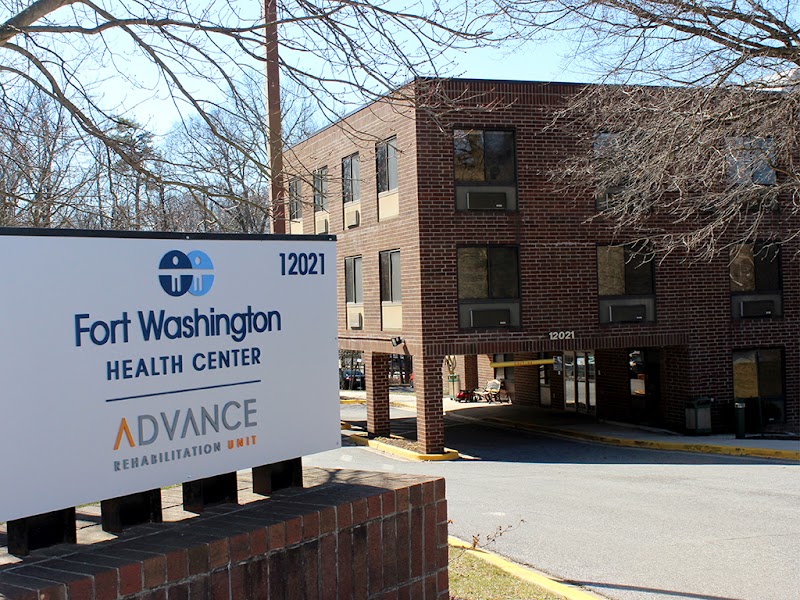
How is Ft Washington Staffed?

CMS rates FT WASHINGTON HEALTH CENTER's staffing level at 2 out of 5 stars, which is below average compared to other nursing homes. Staff turnover is 41%, compared to the Maryland average of 46%. This relatively stable workforce can support continuity of care. RN turnover specifically is 73%, which is notably high. RNs provide skilled clinical oversight, so turnover in this role can affect medical care quality.

What Have Inspectors Found at Ft Washington?

State health inspectors documented 49 deficiencies at FT WASHINGTON HEALTH CENTER during 2017 to 2025. These included: 1 that caused actual resident harm, 47 with potential for harm, and 1 minor or isolated issues. Deficiencies causing actual harm indicate documented cases where residents experienced negative health consequences.
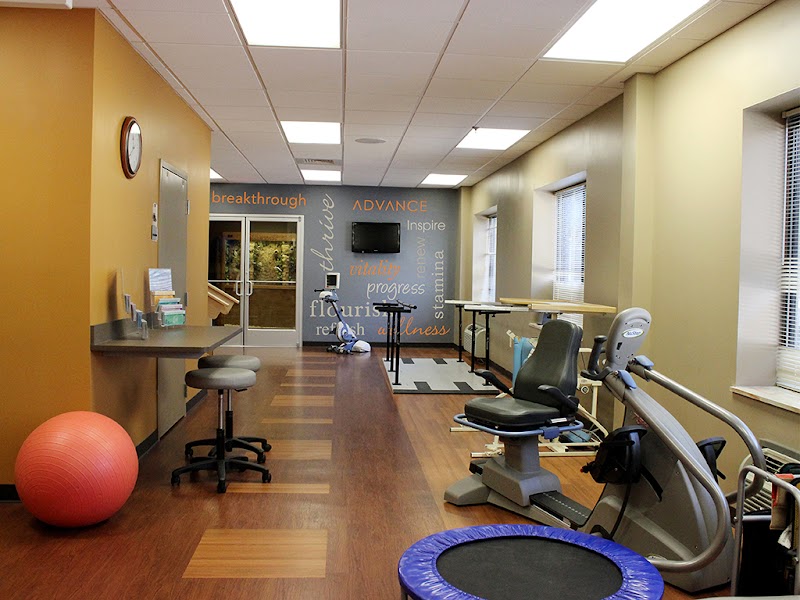
Who Owns and Operates Ft Washington?

FT WASHINGTON HEALTH CENTER is owned by a for-profit company. For-profit facilities operate as businesses with obligations to shareholders or private owners. The facility is operated by HEALTH CARE FACILITY MANAGEMENT, LLC, a chain that manages multiple nursing homes. With 150 certified beds and approximately 140 residents (about 93% occupancy), it is a mid-sized facility located in FORT WASHINGTON, Maryland.

How Does Ft Washington Compare to Other Maryland Nursing Homes?

Compared to the 100 nursing homes in Maryland, FT WASHINGTON HEALTH CENTER's overall rating (4 stars) is above the state average of 3.0, staff turnover (41%) is near the state average of 46%, and health inspection rating (3 stars) is at the national benchmark.

What Should Families Ask When Visiting Ft Washington?

Based on this facility's data, families visiting should ask: "Can you walk me through typical staffing levels on day, evening, and night shifts?" "Can I visit during a mealtime to observe dining assistance and food quality?" "How do you handle medical emergencies, and what is your hospital transfer rate?" "Can I speak with family members of current residents about their experience?" These questions are particularly relevant given the below-average staffing rating.

Is Ft Washington Safe?

Based on CMS inspection data, FT WASHINGTON HEALTH CENTER has a clean safety record: no substantiated abuse findings (meaning no confirmed cases of resident harm), no Immediate Jeopardy citations (the most serious violation level indicating risk of serious injury or death), and is not on the Special Focus Facility watch list (a federal program monitoring the lowest-performing 1% of nursing homes). The facility has a 4-star overall rating and ranks #1 of 100 nursing homes in Maryland. While no facility is perfect, families should still ask about staff-to-resident ratios and recent inspection results during their visit.

Do Nurses at Ft Washington Stick Around?

FT WASHINGTON HEALTH CENTER has a staff turnover rate of 41%, which is about average for Maryland nursing homes (state average: 46%). Moderate turnover is common in nursing homes, but families should still ask about staff tenure and how the facility maintains care continuity when employees leave.

Was Ft Washington Ever Fined?

FT WASHINGTON HEALTH CENTER has been fined $7,443 across 1 penalty action. This is below the Maryland average of $33,153. While any fine indicates a compliance issue, fines under $50,000 are relatively common and typically reflect isolated problems that were subsequently corrected. Families should ask what specific issues led to these fines and confirm they've been resolved.

Is Ft Washington on Any Federal Watch List?

FT WASHINGTON HEALTH CENTER is not on any federal watch list. The most significant is the Special Focus Facility (SFF) program, which identifies the bottom 1% of nursing homes nationally based on persistent, serious quality problems. Not being on this list means the facility has avoided the pattern of deficiencies that triggers enhanced federal oversight. This is a positive indicator, though families should still review the facility's inspection history directly.