SACRED HEART HOME INC
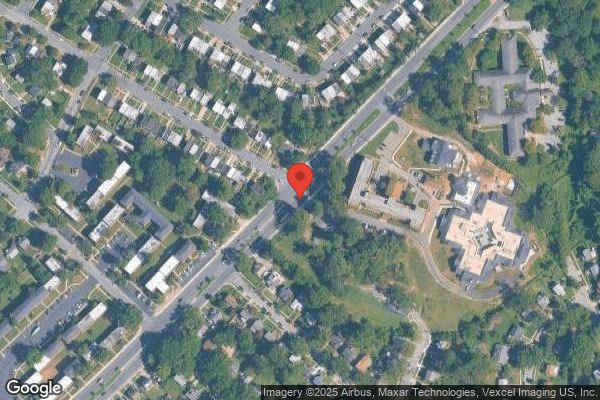
5805 QUEENS CHAPEL ROAD, HYATTSVILLE, MD 20782 (301) 277-6500
Non profit - Corporation 44 Beds Independent Data: November 2025
Trust Grade
85/100
#39 of 219 in MD
Last Inspection: December 2022

Over 2 years since last inspection. Current conditions may differ from available data.

Overview

Sacred Heart Home Inc in Hyattsville, Maryland, has a Trust Grade of B+, indicating it is above average but not elite in quality. It ranks #39 out of 219 facilities in Maryland, placing it in the top half, and #7 out of 19 in Prince George's County, suggesting there are only six better local options. However, the facility's performance is worsening, with the number of issues increasing from 6 in 2019 to 16 in 2022. Staffing is a strong point, with a perfect 5-star rating and a low turnover rate of 4%, meaning staff are stable and familiar with residents. On the downside, the facility has less RN coverage than 97% of others in the state, which could affect the quality of care, and recent inspections revealed concerning issues such as inadequate training on abuse prevention and failure to properly document nurse aide competency training, potentially putting residents at risk. Overall, while there are strengths in staffing and overall ratings, families should be aware of the increasing issues and specific incidents related to staff training and safety protocols.

Trust Score
B+
85/100
In Maryland
#39/219
Top 17%
Safety Record
Low Risk
No red flags
Inspections
Getting Worse
6 → 16 violations
Staff Stability
✓ Good
4% annual turnover. Excellent stability, 44 points below Maryland's 48% average. Staff who stay learn residents' needs.
Penalties
✓ Good
No fines on record. Clean compliance history, better than most Maryland facilities.
Skilled Nurses
○ Average
Each resident gets 32 minutes of Registered Nurse (RN) attention daily — about average for Maryland. RNs are the most trained staff who monitor for health changes.
Violations
⚠ Watch
29 deficiencies on record. Higher than average. Multiple issues found across inspections.
★★★★★
5.0
Overall Rating
★★★★★
5.0
Staff Levels
★★★★☆
4.0
Care Quality
★★★★☆
4.0
Inspection Score
Stable
2019: 6 issues
2022: 16 issues

The Good

  • 5-Star Staffing Rating · Excellent nurse staffing levels
  • 4-Star Quality Measures · Strong clinical quality outcomes
  • Low Staff Turnover (4%) · Staff stability means consistent care
  • Full Sprinkler Coverage · Fire safety systems throughout facility
  • No fines on record
  • Staff turnover is low (4%)

    44 points below Maryland average of 48%

Facility shows strength in staffing levels, quality measures, staff retention, fire safety.

The Bad

No Significant Concerns Identified

This facility shows no red flags. Among Maryland's 100 nursing homes, only 1% achieve this.

The Ugly 29 deficiencies on record

Dec 2022 16 deficiencies
CONCERN (D) 📢 Someone Reported This

A family member, employee, or ombudsman was alarmed enough to file a formal complaint

Potential for Harm - no one hurt, but risky conditions existed

Free from Abuse/Neglect (Tag F0600)

Could have caused harm · This affected 1 resident

Based on medical record review, interview, and review of pertinent facility documents, it was determined that the facility failed to prevent abuse occurring from an employee towards a resident. This w...

Read full inspector narrative →
Based on medical record review, interview, and review of pertinent facility documents, it was determined that the facility failed to prevent abuse occurring from an employee towards a resident. This was evident during the review of a 1 of 2 facility reported incidents affecting (Resident #23). The findings include: Surveyor reviewed a facility reported incident on 11/30/22 at 10:00 AM involving Resident #23 and Geriatic Nursing Assistant (GNA) #31 from 2019. The incident alleged that GNA #31 continued to provide care even after Resident #23 made her aware that the water she was using for bathing was 'hot,' and ended up causing discomfort to Resident #23. On 11/30/22 at 10:44 AM surveyor interviewed Resident #23 regarding his/her care that they currently received in the facility. Resident #23 had no concerns. S/he was further asked if s/he was able to recall an incident from 2019 with staff GNA #31. Resident #23 was able to recall the incident but not the GNA. S/he stated that s/he was in pain during the incident and after the incident. S/he further stated that during care s/he had reported to the GNA that the water the GNA was using was 'hot' however, the GNA continued to pour the 'hot' water on him/her. Review of the medical record for Resident #23 on 11/30/22 at 1:10 PM revealed medical diagnosis including neuralgia and neuritis, (Neuralgia is type of nerve pain usually caused by inflammation, injury, or infection or by damage, degeneration, or dysfunction of the nerves, neuropathy). This pain can be experienced as an acute bout of burning, stabbing, or tingling sensations in varying degrees of intensity across a nerve(s) in the body), rheumatoid arthritis (A chronic inflammatory disorder affecting many joints, including those in the hands and feet) and polyneuropathy-unspecified (the simultaneous malfunction of many peripheral nerves throughout the body). According to the facility investigation, the facility substantiated Resident #23's allegation of abuse and removed staff GNA #23 from patient care. The facility Administrator was interviewed on 12/14/22. She stated that she firmly believes that the GNA had no intent to hurt the resident. She further stated that Resident #23 has a neurological condition that makes him/her so sensitive that it doesn't matter what temperature the water is [s/he] could be uncomfortable, it varies and one day it can be too hot and the next it's just fine. The surveyors concern that Resident #23 stated that the water was 'hot' and the GNA continued care was reviewed with the Administrator, however she continued to reiterate that she believed there was no way the staff would intentionally harm or hurt the resident and it was only due to the resident's medical condition that s/he was complaining of pain or discomfort. Training records were requested for staff GNA #31 and were reviewed on 12/13/22 along with her employee file. Surveyor was unable to identify that staff GNA #31 had the required abuse training and in-services prior to working with Resident #23, according to the provided documentation. Cross reference F610, F943, F947
CONCERN (D) 📢 Someone Reported This

A family member, employee, or ombudsman was alarmed enough to file a formal complaint

Potential for Harm - no one hurt, but risky conditions existed

Report Alleged Abuse (Tag F0609)

Could have caused harm · This affected 1 resident

Based on review of medical records, facility investigation documentation, other pertinent documents, and interviews it was determined that the facility failed to 1) report allegations of abuse within ...

Read full inspector narrative →
Based on review of medical records, facility investigation documentation, other pertinent documents, and interviews it was determined that the facility failed to 1) report allegations of abuse within 2 hours of the allegation to the regulatory agency, the Office of Health Care Quality (OHCQ), and 2) develop and implement abuse policies and procedures to ensure that once the facility had been aware of an allegation of abuse that they reported it to the state agency within the required timeframe. This was evident in 1 (Resident #244) of 2 residents reviewed for abuse during the annual survey, but had the potential to affect all residents. The findings include: 1)The surveyor investigated a facility's self-report MD00142838 on 12/12/22 at 2:00 PM. The facility self-report dated 7/1/19 showed the Incident was alleged employee-to-resident abuse: Resident #244 reported to the former Director of Nursing (DON) on 7/1/19 that Registered Nurse (RN) #25 slapped Resident #244 in the face months ago, the resident transferred to the hospital for further evaluation, the investigation was conducted thoroughly by the DON on 7/1/19, and the incident report was submitted to the OHCQ. On 12/12/22 at 2:30 PM, a review of Resident #244's medical record revealed that the resident was diagnosed, including but not limited to major depressive disorder, bipolar disorder, anxiety disorder, adjustment disorder, and unspecified mood disorder. A review of the facility's investigation documentation on 12/13/22 at 9:40 AM revealed RN #25 completed an incident/accident investigation form on 6/29/19, including resident mentioned to a Geriatric Nurse Aide [that this]writer slapped him/her in the face and lied. Also, RN #25 filled out the statement form on 6/29/19 regarding this Incident. However, a review of the facility's abuse investigation report form completed by the former DON on 7/3/19 showed the 'date the Incident reported' as 7/1/19. 2) On 12/13/22 at 8:31 AM, the surveyor reviewed the facility's policies and procedures regarding the abuse. The policy titled Abuse Investigations/ Reporting, revised May 5, 2004 was written as below. The facility's administrator or authorized personnel shall initiate a report to the appropriate licensing agencies within one working day:' a. Initial oral report should be made initially; b. the outcome of the investigation should be reported to the appropriate agencies as a follow-up. During an interview with the Nursing Home Administrator (NHA) on 12/14/22 at 11:15 AM, the NHA stated the facility immediately reported any allegation of abuse to the state agency. She also explained if the Incident was claimed by a resident later than it occurred, she reported it immediately. The surveyor shared concerns regarding Incident reporting with the DON, the NHA, and Infection Control Preventionist on 12/14/22 at 11:50 AM.
CONCERN (D) 📢 Someone Reported This

A family member, employee, or ombudsman was alarmed enough to file a formal complaint

Potential for Harm - no one hurt, but risky conditions existed

Investigate Abuse (Tag F0610)

Could have caused harm · This affected 1 resident

2) The surveyor investigated a facility's self-report MD00142838 on 12/12/22 at 2:00 PM. The facility self-report dated 7/1/19 showed the incident was alleged employee-to-resident abuse: Resident #244...

Read full inspector narrative →
2) The surveyor investigated a facility's self-report MD00142838 on 12/12/22 at 2:00 PM. The facility self-report dated 7/1/19 showed the incident was alleged employee-to-resident abuse: Resident #244 reported to the former Director of Nursing (DON) on 7/1/19 that the Registered Nurse (RN #25) slapped Resident #244 in the face months ago. The resident transferred to the hospital for further evaluation, the investigation was conducted thoroughly by the DON on 7/1/2019, and the incident report was submitted to the OHCQ. On 12/12/22 at 2:30 PM, a review of Resident #244's medical record revealed that the resident was diagnosed, including but not limited to major depressive disorder, bipolar disorder, anxiety disorder, adjustment disorder, and unspecified mood disorder. A review of Resident #244's progress noted, part of the medical record, on 12/13/22 at 8:00 AM revealed that the resident reported he/she was slapped by the caregiver (RN #25) on 6/29/19. A further review of the facility's investigation documentation revealed the facility had three different statements from a Geriatric Nurse Aide (GNA #33) on 6/29/19, 7/1/19, and 7/3/19. Additionally, an incident/accident investigation form was completed by RN #25, and a statement form by RN #25. However, the facility investigation documentation recorded no interviews with other residents and/or staff. During an interview with the Nursing Home Administrator on 12/14/22 at 11:15 AM, the surveyor shared concerns that the investigation did not contain a thorough investigation. No other supportive documentation was submitted prior to the survey completion. Based on interview, administrative record review and review of Facility Reported Incident (FRI) investigation documentation it was determined the facility failed to thoroughly investigate incidents of alleged physical abuse. This was evident for 2 of 2 residents (Resident #23, #244) reviewed for abuse through facility reported incidents. The findings: 1. Surveyor reviewed a facility reported incident on 11/30/22 at 10:00 AM regarding an incident occurring with Resident #23 from 2019. The incident alleged that a Geriatric Nursing Assistant (GNA) identified as staff #31 continued to provide care even after Resident #23 made her aware that the water she was using for bathing was 'hot,' and ended up causing discomfort to Resident #23. According to the facility investigation, the facility substantiated Resident #23's allegation of abuse related to the hot water and removed GNA #31 from patient care and even alleged 'harm' to Resident #23. Further review of the facility reported incident on 11/30/22 at 11:30 AM failed to reveal any interviews with other residents or staff to see if there were any other witnesses to the incident or to the care that GNA #31 provides. This concern was reviewed with the facility Administrator on 12/14/22 during a review of the identified concerns. The Administrator verbalized understanding regarding completing thorough investigations including documenting attempts to interview cognitively impaired residents. Cross reference with F600
CONCERN (D)

Potential for Harm - no one hurt, but risky conditions existed

Comprehensive Care Plan (Tag F0656)

Could have caused harm · This affected 1 resident

Based on medical record review and interview with facility staff, it was determined that the facility failed to develop and implement a person-centered comprehensive care plan to meet and address a me...

Read full inspector narrative →
Based on medical record review and interview with facility staff, it was determined that the facility failed to develop and implement a person-centered comprehensive care plan to meet and address a medical need. This was evident for 1 of 3 residents observed for visual aids (Resident #8). The findings include: A person-centered comprehensive care plan addresses the unique needs of each resident. It is a valuable tool which must reflect immediate steps utilized to direct the approach to support the patient to achieve and maintain their highest practicable level of functioning and well-being. The Minimum Data Set (MDS) is a federally mandated assessment tool used by nursing home staff to gather information on each resident's strengths and needs. Information collected drives resident care planning decisions. MDS assessments need to be accurate to ensure each resident receives the care they need. Review of the medical record for Resident #8 on 12/01/22 at 10:36 AM revealed the patient requires a visual aid per the 1/14/22 annual MDS under section 'B1000' for vision, noted that s/he had impaired vision and required corrective lenses. The care area assessment (CAA) in section 'V' identified vision as an area to be addressed on the care plan. Further review of the resident's medical record and care plans on 12/06/22 at 11:07 AM revealed the following: No development of or implementation of measures on the care plan to address this resident's visual function and necessary visual aid was identified during review. A physician order dated 7/22/21 noted for glasses required: encourage full time use for distance and reading. every shift. Surveyor interviewed staff #2, identified as the MDS coordinator, on 12/7/22 at 11:39 AM. She stated that the process for updating the care plan when the CAA is triggered is interdisciplinary; she oversees this process. Staff #2 was notified of the concern that the care plan failed to address Resident #8's need for a visual aid. On 12/08/22 at 11:51 AM Staff #2 acknowledged the surveyor's identified concerns and reported this was overlooked. She stated she missed this and has now implemented visual function on the care plan to reflect Resident #8's need for a visual aid.
CONCERN (D)

Potential for Harm - no one hurt, but risky conditions existed

Accident Prevention (Tag F0689)

Could have caused harm · This affected 1 resident

**NOTE- TERMS IN BRACKETS HAVE BEEN EDITED TO PROTECT CONFIDENTIALITY** Based on random observations it was determined that the facility failed to maintain an environment free of accident hazards. Thi...

Read full inspector narrative →
**NOTE- TERMS IN BRACKETS HAVE BEEN EDITED TO PROTECT CONFIDENTIALITY** Based on random observations it was determined that the facility failed to maintain an environment free of accident hazards. This was evident during 3 random observations of the second floor. The findings include: 1. During a tour of the third floor on 12/1/22 at 9:39 AM, Surveyor observed an unattended and unlocked medication cart open in front of room [ROOM NUMBER]. Surveyor stood and monitored the medication cart for 5 minutes until Licensed Practical Nurse (LPN) #14 approached and asked if she could provide the surveyors with any assistance. The surveyor brought the unlocked medication cart to her attention and she confirmed that the cart was unlocked and stated that the nurse assigned to the cart was currently down the hall. 2. During a tour of the third floor on 12/6/22 at 9:45 AM until 9:49 AM, Surveyor observed an unlocked and unattended medication cart located outside of room [ROOM NUMBER]. At 9:49 AM LPN #20 exited room [ROOM NUMBER] that was on isolation. LPN #20 was asked if this was her medication cart and she stated yes. She was asked if she realized now that the medication cart was unlocked, and she stated 'yes' she sees it and that it was the first time in her long career that anything like this has ever happened. 3. While observing the unlocked medication cart at room [ROOM NUMBER], Surveyor observed staff #14, the Maintenance Director working on a door at the end of the hall labeled 'exit.' At 10:05 AM staff #14 was observed and heard telling staff LPN #20 that he was leaving the unit, that the door is open and cannot close, and that he is leaving the cart and to please watch it. Surveyors proceeded to the end of the hallway to continue to observations. The maintenance cart was observed sitting in front of the open stairwell. On top of the cart included an open can of WD-40 with the red tubing in place for immediate use, an open box of baking soda, a screwdriver, and plyers. At 10:13 AM Staff #16 was observed approaching the maintenance cart. He apologized for taking so long. The surveyors reviewed the observed concerns of the open door and unattended cart. Although LPN #20 was notified by staff #16, she was observed sitting at the nurses' station by the window out of view. The repeated environmental safety observations were reviewed with the Director of Nursing on 12/6/22 at 10:30 AM.
CONCERN (D)

Potential for Harm - no one hurt, but risky conditions existed

Deficiency F0825 (Tag F0825)

Could have caused harm · This affected 1 resident

**NOTE- TERMS IN BRACKETS HAVE BEEN EDITED TO PROTECT CONFIDENTIALITY** Based on review of resident's medical records and interview with facility staff, it was determined that the facility failed to p...

Read full inspector narrative →
**NOTE- TERMS IN BRACKETS HAVE BEEN EDITED TO PROTECT CONFIDENTIALITY** Based on review of resident's medical records and interview with facility staff, it was determined that the facility failed to provide rehabilitative services according to residents' comprehensive care plans for residents on isolation for COVID-19. This was evident of 2 out of 2 residents reviewed rehabilitation services (Resident #21 & Resident #25). The findings include: On 12/2/22 at 12:04 PM, the surveyor reviewed Resident 21's medical record. The review revealed that Resident #21 had diagnoses that included: age-related osteoporosis, osteoarthritis of both knees, difficulty in walking and muscle weakness. Further review of the record revealed an order written on 11/22/22 for Resident #21 stating, Physical Therapy (PT) recertification orders; continued skilled physical therapy 1-3 weeks for 30 days. On 12/5/22 at 12:27 PM, the surveyor reviewed Resident #25's medical record. The review revealed Resident #25 had diagnoses that included: unequal limb length, unspecified abnormalities of gait and mobility, primary osteoarthritis of left shoulder and dementia. Further review of orders revealed a late order written for occupational therapy (OT) on 11/20/22. The order states, continue with OT 2-3 weeks 30 days to address self care. Physical therapy was ordered as well. On 12/9/22 at approximately PM, the surveyor reviewed Resident #25's fall risk assessment dated [DATE], two days after a documented fall. The intervention suggested a physical therapy evaluation. The medical record also revealed a fall care plan revised on 11/8/22. One of the interventions states, refer to physical therapy and occupational therapy (PT/OT) for evaluation. On 12/9/22 at 1:06 PM, the surveyor interviewed physical therapist Staff #21. During the interview, Staff #21 reported working with both Resident #21 and Resident #25. Staff #21 relayed that both residents had recently been under quarantine for COVID-19 and that they did not receive therapy services while under quarantine. She further explained that this was due to the facility's policy. On 12/12/22 at 8:35 AM, the surveyor conducted and interview with the Infection Preventionist (Staff #2). The interview revealed that all types of therapies, such as physical, occupational, and speech were being done in the resident's individual room. Staff #2 revealed she, in collaboration with the contracted therapy company, agreed not to have residents with a COVID-19 positive status receive therapy. Staff #2 was also aware that Resident #25 required therapy as interventions for fall prevention. The surveyor requested the policy or guidance utilized in making this decision to place a hold on therapy services of residents who were COVID-19 positive. On 12/12/22 at 10:06 AM, the surveyor reviewed physical therapy notes from Resident #21. No documented visits from 11/8/22 to 11/21/22. On 11/22/22 a note was written by staff #21 stating, Patient (Pt) was on hold due to COVID; now off isolation. Recertification evaluation (eval) performed and plan of care developed with pt (patient) and staff input. At the time of exit on 12/14/22, no policy or documentation was received by the surveying team related to holding therapy services while residents were positive for COVID-19.
CONCERN (D)

Potential for Harm - no one hurt, but risky conditions existed

Medical Records (Tag F0842)

Could have caused harm · This affected 1 resident

2) On 12/8/22 at 9:20 AM, the surveyor reviewed Resident #39's medical record. The review revealed that Resident #39 had been residing in the facility just over one year. It also revealed resident #39...

Read full inspector narrative →
2) On 12/8/22 at 9:20 AM, the surveyor reviewed Resident #39's medical record. The review revealed that Resident #39 had been residing in the facility just over one year. It also revealed resident #39 had diagnoses that included generalized muscle weakness, difficulty walking and an unspecified open wound. Further review of the medical record revealed an order written on 8/18/22 for wound care to be completed every three days. On 12/8/22 at 11:03 AM, the surveyor reviewed Resident #39's wound skin sheets for September, October and November, 2022. The wound skin sheets allowed for documentation of size, exudate (drainage), wound bed, peri-wound (surrounding skin), and treatment. Documentation was noted to be weekly in September and October, however in November the dates documented were 11/1/22, 11/14/22 (two weeks without documentation), 11/20/22, & 11/29/22. On 12/12/22 at 12:45 PM, the surveyor reviewed Resident # 39's skin integrity care plan. One of the interventions stated, Weekly skin assessment: Perform a thorough full body assessment to check for new skin impairment and to document previous skin impairments. On 12/12/22 at 12:53 PM, the surveyor conducted an interview with Licensed Practical Nurse (LPN) #24. During the interview, LPN #24 stated the expectation is for nursing to document the wound on the wound skin sheets after doing the dressing change. Review of the Treatment Administration Record (TAR) for Resident #39 revealed that on 11/2/22, 11/5/22, 11/8/22 & 11/11/22, Resident# 31's wound care was marked as completed, however these same two weeks where wound care was documented as completed no assessment was documented on the wound skin sheets. On 12/12/22 at 1 PM, the surveyor reviewed the facility policy entitled Treatment of Pressure Ulcers. The documentation section of the policy gave specific direction as to what was expected to be recorded in the resident's medical record. It stated that all assessment data obtained while inspecting the pressure ulcer should be recorded. The wound data documentation for Resident #39 was missing from 11/1/22- 11/14/22. Based on medical record review and interview with facility staff, it was determined that the facility failed to maintain consistent and accurate medical records. This was evident for 1 of 3 residents reviewed for falls (Resident # 38) and 2 of 3 residents reviewed with skin conditions (Resident #3 and Resident #39). The findings include: 1. Resident #38 was observed and reviewed secondary to his/her random selection into the initial pool process for the annual survey. Resident #38 was first observed on 11/30/22 at 10:09 AM sitting in bed and was able to answer a few questions. S/he did state that s/he had not had any falls recently and has not been to the hospital. A review of Resident #38's medical record on 11/30/22 at 11:59 AM revealed that a Fall Risk Assessment was completed on 10/23/22. Under #1 for history of falls, during the last 90 days, the resident has had how many falls; '0' was selected for no falls although 8/26/22 was entered in the auto populated space under #1 as the date of the most recent fall. Further review of the 2-page assessment compared to the fall assessments completed on 7/23/22, 4/21/22 and 1/20/22 revealed the same data entered in all sections including the residents' vital signs. On 12/07/22 at 12:28 PM surveyor interviewed staff #11 the Quality Assurance Nurse regarding Resident #38's falls. She stated that she is responsible for reviewing all falls and their respective investigations. The identified concern of the inaccuracy of the 10/23/22 assessment regarding the answer in #1 and the transfer of the same information including vital signs from each concurrent assessment from 1/20/22 to 10/23/22 was reviewed at that time. Staff #11 reviewed and acknowledged the fall risk assessments that say the same including the vital signs less the date of the exam. She stated that she is responsible for the one-on-one educations and will complete that with the identified staff on the assessments. The Director of Nursing (DON) was also notified of the identified concerns on 12/13/22 at 9:40 AM. 2. Surveyor interviewed staff Licensed Practical Nurse (LPN ) #14 on 12/1/22 at 9:50 AM regarding the facility policy and her process for documenting resident skin conditions. She stated that if there are no wounds there are no skin sheets. She was further asked how one would know if there was an area of concern on a resident warranting a skin sheet. She stated that when a geriatric nursing assistant (GNA) washes the residents in the morning it goes on the daily report if they identify anything, in addition, the wound doctor comes in once a week to see the wound if it has not healed in a week if the bacitracin they started to apply has not healed it. The survey team reviewed the skin binders on the second floor. Skin sheets, called 'Wound and Skin Evaluation Reports' for 2 Residents were identified. For Resident #3 there were 3 skin sheets available. The first document was dated 2/3/22. Documented on the form was measurement of 3 centimeters (cm) x 2.5 cm a notation of 'dry scabs,' 'mod' exudate (fluid that leaks out of blood vessels into nearby tissues) and noted under treatment 'new admission.' Next for 2/10/22 under treatment it stated, 'wound clinic.' Nowhere on the evaluation report did it state what the skin condition was. The next skin sheet that was available had the start date of 9/25/22. Again, under treatment it stated, 'wound clinic.' This was documented weekly for 9/22/22, 9/29/22 and 10/26/22 where it was also noted that the resident would be seen in house. A concurrent review of the nursing progress notes documented that skin treatment was completed. This was also documented on the treatment administration record (TAR). However, nowhere in the record was there documentation from the nursing staff regarding actual assessment of the wound or the surrounding area if there was an order to leave the dressing intact. The next skin sheet started with the date of 10/27/22 then 11/7/22, 11/16/22 and 11/29/22. Staff LPN #14 documented on 11/7/22 that no wound rounds were completed. Nowhere on any of the skin evaluations did staff document where the skin condition that the wound clinic was evaluating was located, in addition, staff failed to complete and document weekly skin assessments. According to the facility policy reviewed on 12/08/22 at 9:27 AM, 'Treatment of Pressure Ulcers,' The following information should be recorded in the resident's medical record, B#5 All assessment data obtained while inspecting the pressure ulcer. On 12/8/22 at 10:00 AM the identified concerns regarding Resident #3 were reviewed with the DON. The DON stated that the nursing staff did not have to document the assessments as the resident went to the wound clinic. Surveyor reviewed the skin sheets for Resident #3 and the missing weeks that Resident #3 did not go to the clinic and there was still no nursing assessment and measurement of the skin condition from February, September.
CONCERN (E)

Potential for Harm - no one hurt, but risky conditions existed

Deficiency F0700 (Tag F0700)

Could have caused harm · This affected multiple residents

Based upon observations, record review, and facility staff interviews, it was determined that the facility failed to 1) have a system in place to ensure the appropriate use and implementation of side ...

Read full inspector narrative →
Based upon observations, record review, and facility staff interviews, it was determined that the facility failed to 1) have a system in place to ensure the appropriate use and implementation of side rails and bed rails, 2) have accurate assessments that correlate with the physician orders and 3) have consents that correlate with the actual need of the use for side rails. This was evident for 3 of 3 residents reviewed for accident hazards (#8, #14, #34). The findings include: 1. During tour of the third floor, Resident #8 was observed on 11/30/22 at 10:26 AM and 12/01/22 09:41 AM with the bed positioned at a 45-degree angle with bilateral (both) upper half length bed rails with bilateral padding that failed to extend to the upper ¼ of the bed rails, leaving this portion of the rails exposed with no protective padding. On 11/30/22 10:53 AM, this resident was observed leaning to the right side with his/her call bell on the floor under the bed. Medical record review of Resident #8 on 12/12/22 at 10:05 AM revealed diagnoses including: dementia, history of other mental and behavioral disorders, visual impairment, epilepsy, Parkinson's disease, in addition to behaviors being monitored for by staff during December 2022 including getting out of bed, wandering and anxiety. A review of the physician orders for Resident #8 revealed an order for bilateral upper half-length side rails to bed whenever resident is in bed to provide a sense of security, safety, and enabling mobility every shift. Surveyor reviewed the facility's evaluation for use of side rails for Resident #8. Beginning with the evaluation started on admission; 2/22/21 and continuing with; 5/02/21, 8/02/21, 11/02/21, 2/04/22, 5/04/22, 8/07/22, 11/05/22. All 8 assessments consistently, even by different staff, documented that no environmental changes were attempted or implemented until the side rails were already in place. Further review revealed the following consistent concerns identified with the assessments; Section #2, which asks type of side rail used. Option (a.) identifies the type for the left side and (b.) identifies the type for the right side. The options are for full side, half partial, quarter partial rail or enabler. Regarding Resident #8 for all assessments, question #2b was left blank and was not assessed for the right-side rail that was observed and ordered in place. Question #8f asks if side rails will assist residents in providing a sense of security yes or no and this was left blank as well, although this was specifically identified in the resident's physician orders as a part of the reasoning for the side rails. In 8 out of 8 evaluations reviewed, question #5 asks the following information: Is the resident physically capable of getting out of bed on his/her own; all responses provided are answered no; although upon review of the psychoactive medication monthly flow record, this resident is being assessed daily for behaviors including: getting out of bed, wandering, and anxiety. Incomplete and inaccurate information on these evaluations has the potential to alter the effectiveness of the assessment of risk for entrapment. Licensed Practical Nurse (LPN) #20 was interviewed on 12/12/22 at 11:18 AM related to residents and their need for side rails and padded side rails. She stated that residents usually will have side rails for turning and positioning and the padding could be for seizures or diagnosis' like Parkinsons. She further elaborated that the only resident she was aware of that currently had padded side rails was Resident #8. 2. Resident #14 was observed with 2 upper half side rails up, on the following dates and times:11/30/22 at 10:15 AM, 12/01/22 at 09:41, and 12/06/22 at 09:56 AM. Record review on 12/05/22 at 10:08 AM revealed the following diagnoses: dementia and visual impairment. The resident was also care planned for high risk for falls. Record review for Resident #14, consisting of two different staff members' completion of the side rail evaluations on 2/03/22, 5/03/22, 8/03/22, and 10/07/22, revealed that all assessments documented no other environmental changes were implemented prior to the use of the side rails. Additionally, the 10/7/22 assessment was signed as completed by LPN #14 on 11/7/22. The consent for side rails completed on 8/13/2013 was reviewed showing the purpose(s) for the use of side rails are for enabling mobility and security for this resident; the consent offers an option for safety and was not selected. The resident's care plan states the following: half rails up as per [doctors] orders for safety during care provision, to assist with bed mobility. This review revealed inconsistent documentation related to the use of the side rails when comparing the assessment, observation, physician order, care plan and consent. 3. On the following dates, Resident #34 was observed in bed with bilateral upper half side rails up: 11/30/22 at 10:26 AM, 12/01/22 at 09:43 AM, and 12/06/22 at 09:59 AM. Record review on 12/13/22 at 11:16 AM revealed the following diagnoses: dementia, visual impairment, encephalopathy. Record review for Resident #34, consisting of two different staff members' completion of the side rail evaluations on 02/24/21, 05/24/21, 08/21/21, 11/17/21, 2/15/22, 05/15/22, 08/15/22, and 11/14/22 revealed that all 8 assessments documented no other environmental changes were implemented. The evaluation with an assessment date of 2/24/21 was signed on 5/24/21 by LPN #38. The evaluation with an assessment date of 11/17/21 remains unsigned by staff. Review of the consent which was obtained for this resident on 8/23/18 fails to identify any purposes for which the side rails will be used for. Review of physician's orders revealed the following: 1.) Bilateral upper half-length side rails to bed whenever resident is in bed to provide a sense of security, safety and enabling mobility every shift (ordered on 8/21/18). 2.) Pad side rails every shift for protection (ordered on 8/25/18), 3.) Landing strip next to bed whenever resident is in bed every shift (ordered on 11/27/18). Surveyor reviewed the facility policy on 'The Proper use of Side Rails.' The policy lists general guidelines for the proper use of side rails which include: #3-An evaluation for the Use of Side Rails Assessment will be completed upon admission and quarterly, as required thereafter. The assessment will identify the type of rails used and reasons for use of rails and if the rails have a restraining effect on the resident or not. Additionally, the facility consent for the use of bed side rails states I have read, and I have been informed of the benefits and potential negative outcomes of bed side rails. I have been informed as well of other available approaches that can either eliminate the use of rail(s) or enhance their safety. Interview with staff #2 on 12/12/22 at 3:12 PM regarding the consents revealed that they are one and done. Record review reveals the facility failed to establish a clear patient centered, individualized purpose for the use of bed rails for 3/3 residents who were sampled: Resident #8, Resident #14, Resident #34 or the attempt at interventions other than the use of side rails prior to the implementation of the side rails. Cross reference F909- maintenance of bedrails.
CONCERN (E)

Potential for Harm - no one hurt, but risky conditions existed

Food Safety (Tag F0812)

Could have caused harm · This affected multiple residents

Based on observation and interview with facility staff, it was determined that the facility failed to: 1) keep complete kitchen records and, 2) store food in accordance with professional standards for...

Read full inspector narrative →
Based on observation and interview with facility staff, it was determined that the facility failed to: 1) keep complete kitchen records and, 2) store food in accordance with professional standards for food service and safety. This was evident of 3 out of 4 observations of food storage during the annual survey. The findings include: 1) On 11/30/22 at 10:33 AM, the surveyor conducted an initial tour of the kitchen in the presence of the Food Service Director (staff #32). The surveyor observed Kitchen Staff #12 passing dishes through the dishwasher. When asked about the process for verifying temperature and sanitizer levels for the dishwasher, Staff #12 was able to demonstrate how to take the temperature on the dishwasher and able to demonstrate application of a testing strip to monitor the chlorine levels. Staff #12 then stated the temperatures and chlorine levels are logged before each dishwasher run and whomever is working in this area is responsible for recording the readings. The surveyor reviewed the dishwasher logbook and noted November written on the top of the first log page. Below there were sections to mark time, temperature, chlorine reading and initials. All boxes were left blank for the entire month of November. On 11/30/22 at 10:38 AM, the surveyor conducted an interview with Staff #32. Staff #32 stated he was surprised to see no documentation in November's log. Staff #32 stated he would look for a complete November log and provide it to the survey team if he found it. On 12/5/22 at 2:34 PM, the surveyor revisited the kitchen and observed the December's logs for the dishwasher were filled out with temperature and chlorine reading levels. At the time of exit on 12/14/22 no additional November dishwasher log was provided to the surveyors. 2) On 12/1/22 at 11:45 AM, the surveyor observed the refrigerator for residents of the first-floor nursing unit. The inspection revealed a broken thermometer in the freezer. On 12/12/22 at 9:41 AM, the surveyor observed the contents of the third-floor refrigerator in the kitchenette area. There were two covered containers , stacked on each other, that were not labeled or dated. There was one covered cup, also not labeled or dated. On 12/12/22 at 9:41 AM, the surveyor conducted an interview with Licensed Practical Nurse (LPN) #20. LPN #20 reported that the two stacked containers that were unlabeled and not dated came from the kitchen that morning. She stated that she would date and label them now. LPN #20 stated she would also get rid of the cup that was unlabeled and not dated. On 12/12/22 at 12:53 PM, the surveyor again observed the first-floor refrigerator. The freezer continued to have a broken thermometer inside. The refrigerator had two covered containers stacked onto each other, neither were labeled or dated. On 12/12/22 at 12:57 PM, the surveyor interviewed LPN #24. LPN #24 stated she was the charge nurse and recorded the first-floor refrigerator temperatures for the morning. The logbook was in the nurse's station and the morning's recording for the freezer was 0 degrees. The surveyor and LPN #24 walked over the refrigerator and LPN #24 agreed the freezer thermometer was broken. LPN #24 stated she had just recorded 0 degrees without the use of a thermometer that morning. LPN#24 was made aware of the two containers that were unlabeled and not dated. LPN # 24 stated they were from the kitchen this morning and she put them there. LPN #24 took the containers to label and date them.
CONCERN (E)

Potential for Harm - no one hurt, but risky conditions existed

Deficiency F0909 (Tag F0909)

Could have caused harm · This affected multiple residents

Based on interview of facility staff, observations, and record review, it was determined that the facility failed to implement a process for conducting regular inspection of bed rails as part of a reg...

Read full inspector narrative →
Based on interview of facility staff, observations, and record review, it was determined that the facility failed to implement a process for conducting regular inspection of bed rails as part of a regular maintenance program to identify areas of possible entrapment. This was evident for 3/3 residents (Resident #8, Resident #14, Resident #34) reviewed for bed rails. This has the potential to affect all residents who utilize bedrails. Regular maintenance checks and inspection of bed rails are necessary to ensure the highest degree of safety for both residents and the facility staff who assist them. Bed rails can shift and loosen over time, and possible areas of entrapment must be identified to prevent potential injury and harm to residents. The findings include: Interview with the Maintenance Director, Staff#16, on 12/07/22 at 11:05 AM revealed that the facility looks at rooms every turn-over when a resident expires. However, regular routine maintenance documentation of inspection of bedrails does not exist unless there is a problem/work order placed for it. When asked for documentation regarding routine maintenance of bed rails, Staff #16 responded there is none and there is no process in place currently. Record review could not be performed due to the facility not keeping daily maintenance inspection records. Multiple random observations throughout the days on 11/30/22, 12/1/22, 12/6/22, and 12/12/22 revealed 3/3 residents to be consistently utilizing bed rails that had no regular inspections for safety: Resident #8, Resident #14, Resident #34. The facility administrator was notified and as of exit on 12/14/22, no maintenance records were provided regarding regular inspection of bed rails.
CONCERN (F) 📢 Someone Reported This

A family member, employee, or ombudsman was alarmed enough to file a formal complaint

Potential for Harm - no one hurt, but risky conditions existed

Deficiency F0943 (Tag F0943)

Could have caused harm · This affected most or all residents

Based on the interview and documentation review, it was determined the facility failed to ensure a training program was set up and in place for their staff to be educated on abuse, neglect, exploitati...

Read full inspector narrative →
Based on the interview and documentation review, it was determined the facility failed to ensure a training program was set up and in place for their staff to be educated on abuse, neglect, exploitation, and misappropriation of resident property along with dementia management and resident abuse prevention. This was evident for current staff and had the potential to affect all residents. The findings include: On 12/08/22 at 10:30 AM, an interview was conducted with Staff #11,Quality Assurance and Staff Educator. Staff #11 was asked about the training program for the nursing staff, and she stated that she was recently assigned to do the educator role for newly hired employees. Staff #11 confirmed that the Director of Nursing, the Infection Control Preventionist, and herself shared educator roles; however, she did not have a chance to educate newly hired staff. The surveyor requested a list of newly hired staff and their training records within a year. On 12/08/22 at 11:20 AM, Staff #2 (Minimum Data Set Coordinator, Infection Control Preventionist, and Educator) brought a copy of the newly hired staff ' s orientation documentation: Geriatric Nurse Aide (GNA) #34 hired April 2022, and GNA #33 hired October 2022. Further review of the GNA orientation records revealed that GNA #33 ' s orientation areas (resident ' s rights, infection control, resident 's abuse/neglect/reporting, reporting of unusual occurrences such as incident/accident) were not documented for review by whom and when. Also three areas on GNA #34 's orientation review sheet (infection control, resident 's abuse/neglect/reporting, reporting of unusual occurrences such as incidents/accident) were blank without reviewing person's name and date. In an interview with Staff #2 on 12/09/22 at 8:54 AM, she stated that the facility did not save the nursing staff 's training record under each staff employee file. All training records were on the in-service sign-in sheet, including their printed name, signature, and date. The surveyor reviewed training records for the nursing staff from 2019 to 2022. The review revealed that the facility provided education for donning and doping, hand hygiene, dementia message, COVID-19 vaccine benefits, environmental cleaning, and administration of medications in 2022. However, there was no documentation to support the facility providing abuse, neglect, and exploitation training. Also, the survey team noted there was no documentation for the abuse, neglect, and exploitation training for 2020. Additionally, a review of the facility-reported incident MD00142780 on 12/12/22 revealed that Resident #23 reported a Geriatric Nurse Aide (GNA #31) poured hot water while providing care without checking the temperature of the water, and it caused Resident #23 pain and discomfort on 7/11/19. The facility investigated this incident and concluded it was substantiated as resident abuse. However, the facility did not have documentation for GNA #31's abuse training after this incident occurred. During an interview with the Nursing Home Administrator on 12/14/22 at 11:20 AM, she stated, we did the training. Since we are working on new constructions, some documentation was filed in a different place. Especially 2022 abuse training is ongoing, and I will provide it to you. The survey exit meeting was held on 12/14/22 at 12:10 PM, and no supportive documentation was submitted as of 12/20/22.
CONCERN (F)

Potential for Harm - no one hurt, but risky conditions existed

Deficiency F0947 (Tag F0947)

Could have caused harm · This affected most or all residents

Based on documentation review and interview, it was determined that the facility failed to ensure nurse aide competency training (including dementia management and resident abuse prevention training) ...

Read full inspector narrative →
Based on documentation review and interview, it was determined that the facility failed to ensure nurse aide competency training (including dementia management and resident abuse prevention training) occurred no less than 12 hours per year. This was evident for 3 of 3 employee training records reviewed and had the potential to affect all residents. The findings include: A review was conducted of GNAs' (Geriatric Nurse Aide) training records from 2019 to current on 12/09/22 at 8:00 AM. A review of GNA #35's personnel file revealed GNA #35 was hired in November 2006. A review of GNA #36's personnel file revealed GNA #36 was hired in July 2004. A review of GNA #37's personnel file revealed GNA #37 was hired in March 2010. During an interview with Staff #2 (Minimum Data Set Coordinator, Infection Control Preventionist, also an educator) on 12/09/22 at 08:54 AM, she stated the facility did not document staff's education records in their employee files. Staff #2 confirmed that instead of filing under the personal file, the facility saved in-service sign-in sheets for all staff's education. A review of in-service sign-in sheets for 2019 on 12/09/22 at 9:40 AM revealed GNA #35, #36, and #37 received training for residents' rights training (60 min). GNA #35 and #37 attended training for reporting alleged violence (60 min). Also, GNA #36 and #37 received training for understanding abuse and neglect (30 min) in 2019. However, those three sampled staff's education records did not meet 12 hours required hours and did not include dementia care training. Further review of the training records for GNA #35, #36, and #37 for 2020, 2021, and 2022 revealed; GNA #35, #36, and #37 received training for COVID-19 (30 min), Dementia Care (30 min), confidentiality health care setting (35 min), Personal Protect Equipment use (25 min), and fire safety prevention (45 min) in 2020. Three staff had a total of 2 hours and 45 minutes of training without abuse. GNA #35, #36, and #37 attended CMS-targeted COVID-19 training (3 hours), preventing and responding to abuse (35 min), dementia care (40 min), depression in older adults (30 min), hand hygiene (30 min), HIPPA understanding (30 min), donning and doffing training (35 min), and face mask do's and don'ts (25 min) in 2021. Three staff had a total of 6 hours and 45 minutes of training. In 2022, GNA #35, #36, and #37 received communication in dementia (30 min), hand hygiene (10 min), COVID vaccine benefits (20 min), Environmental cleaning (15 min), and body mechanics (1 hour). Additionally, GNA #35 and #36 attended another hand hygiene competency in-service (10 min), donning and doffing competency (15 min), and face shields/eye protection (10 min). Total GNA #35 and #36 had 2 hours and 50 min of training, and GNA #37 had 2 hours and 15 minutes. The surveyor interviewed GNA #35 and #37 on 12/12/22 at 4:45 PM. They stated that the facility provided training with a computer base and in-service. The surveyor asked about the annual training hours, and GNA #35 said, we may need 3-4 hours of training each year. Not sure. During an interview with the Nursing Home Administrator (NHA) on 12/14/22 at 11:15 AM, the NHA stated that the facility provided training frequently. Even though staff complained about frequent training, the facility educated them using CMS required training method. Also, the NHA said, abuse training for this year (2022) is still ongoing. We have documentation. The surveyor requested to submit additional documentation to support GNAs' training record. There was no documentation provided to the surveyor regarding the facility's aides receiving 12 hours of training annually as of 12/20/22, six days later after exit conference was held.
MINOR (C)

Minor Issue - procedural, no safety impact

Staffing Information (Tag F0732)

Minor procedural issue · This affected most or all residents

Based on surveyor observation and interview with facility staff, it was determined that the facility staff failed to post the required staffing information in a prominent place readily accessible to r...

Read full inspector narrative →
Based on surveyor observation and interview with facility staff, it was determined that the facility staff failed to post the required staffing information in a prominent place readily accessible to residents and visitors. This was evident for 2 (1st floor and 3rd floor) of 2 resident care areas observed during the annual survey. The finding includes: The surveyor conducted daily observation in the facility residents care area (1st floor and 3rd floor) from 12/5/22 to 12/14/22. The surveyor was not able to find the staffing information posted in a prominent place accessible to residents and visitors. During an interview with the Nursing Home Administrator (NHA) on 12/09/22 at 9:28 AM, the NHA stated the facility had actual staffing posted on each unit. The surveyor asked about the federal regulation requirements information: total number and actual hours worked by the following categories of licensed and unlicensed nursing staff directly responsible for resident care per shift. The NHA could not provide any documentation regarding the staffing information, including details.
MINOR (C)

Minor Issue - procedural, no safety impact

Deficiency F0849 (Tag F0849)

Minor procedural issue · This affected most or all residents

**NOTE- TERMS IN BRACKETS HAVE BEEN EDITED TO PROTECT CONFIDENTIALITY** Based on the review of facility records, facility policy, and interviews with facility staff, it was determined that the facilit...

Read full inspector narrative →
**NOTE- TERMS IN BRACKETS HAVE BEEN EDITED TO PROTECT CONFIDENTIALITY** Based on the review of facility records, facility policy, and interviews with facility staff, it was determined that the facility failed to: 1. have a written agreement with a hospice provider prior to any hospice services being furnished in the facility, and 2. have a designated staff member responsible for coordination of care with hospice staff. This was evident of 1 of 2 hospice service agreements reviewed. The findings include: The Centers for Medicare and Medicaid defines Hospice as a comprehensive, holistic program of care and support for terminally ill patients and their families. Hospice care changes the focus to comfort care (palliative care) for pain relief and symptom management instead of care to cure the patient's illness. Facilities are required to ensure that each resident receiving hospice services first has an agreement signed by the hospice provider and the facility delineates responsibilities and expectations for hospice care. Additionally, facilities are required to include, as part of their policy, a designated individual in the facility to oversee and coordinate hospice services being provided. 1. On 11/30/22 at 9:36 AM, the surveyor requested the hospice agreements and policy and procedures for each hospice utilized by the facility. On 11/30/22 at approximately 12 PM, the facility provided copies of multiple forms from [NAME]-Prince [NAME]'s Hospice including: admission Checklist and Consent, Pre-Authorization Information, Maryland Medical Assistance Hospice Benefit Election, Hospice Election Statement, and a medication order form. These forms were all specific to Resident # 31's hospice care. Further review of these documents revealed no signed agreement between the facility and the hospice provider. There was no description of the services the hospice was responsible for or description of the facilities responsibilities. No documentation of the communication process between the facility and hospice services. On 12/8/22, the surveyor reviewed the facility's Hospice Program Policy. Section 4 states: Hospice providers who contract with the facility: a.) must have a written agreement with the facility outlining (in detail) the responsibilities of the facility and the hospice agency. Section 5 states: The agreement with the hospice provider will be signed by the facility representative and a representative from the hospice agency before hospice services are furnished to any resident. Section 6 states: A copy of the agreement is available through the facility business office and the hospice agency. On 12/9/22 at 8:32 AM, the surveyor interviewed the Nursing Home Administrator (NHA). The NHA reported Resident #31 was the only resident receiving hospice care currently in the facility. NHA stated there were more than one hospice providers utilized by the facility. The surveyor then requested the agreements the facility has with those providers. The NHA stated she didn't believe she had one for [NAME]-Prince [NAME] Hospice but would look. On 12/15/22 and at the time of survey exit, the NHA stated she had a copy of an agreement from another hospice but was unable to provide it to the survey team at that time. The NHA indicated she would send it by email the next day. On 12/15/22 at 2:16 PM the surveyor received an emailed copy of an agreement between the facility and Holy Cross Home Care Hospice. The signature of the agreement from the Hospice [NAME] President was dated 12/15/2022, one day after exit from the facility. This was also not the hospice that was providing care to Resident #31, for which no agreement was ever provided to the survey team. 2. On 12/08/2022 at 9:43 AM, the surveyor conducted an interview with the Director of Nursing (DON) regarding which staff person the facility had designated for coordinating with hospice services. The DON indicated that the designated staff person to coordinate care for a specific resident was whichever charge nurse was assigned to that resident and there was no one person designated. She stated they would be responsible for communication with hospice, review of hospice progress notes, and following through on physician orders related to hospice. The DON indicated that she had no role in coordinating care for a hospice resident on a day-to-day basis. On 12/8/22 the surveyor reviewed the facility's Hospice Program Policy. Section 9 of the policy describes the Director of Nursing or the designee as being responsible for monitoring the overall continuance of all aspects of care delivered to the resident. The policy also stated that the DON or designee is responsible for monitoring collaboration with hospice in the care planning process, communication with the hospice on the provisions of care provided to the resident, and communication and coordination between the hospice providers and other medical care providers.
MINOR (C)

Minor Issue - procedural, no safety impact

Deficiency F0883 (Tag F0883)

Minor procedural issue · This affected most or all residents

Based on medical record review for residents, review of the facility policies, and staff interview, it was determined that the facility staff failed to develop the policies and procedures to ensure re...

Read full inspector narrative →
Based on medical record review for residents, review of the facility policies, and staff interview, it was determined that the facility staff failed to develop the policies and procedures to ensure residents or responsible parties receive education regarding the benefits and potential side effects of Influenza immunization. This was found to be true in a review of the facility's Influenza vaccination policy during the annual survey. The findings include: Flu (also known as influenza) is a contagious disease that spreads around the United States every year, usually between October and May. Anyone can get the flu, but it is more dangerous for some people. Infants and young children, people 65 years and older, pregnant people, and people with certain health conditions or a weakened immune system are at the greatest risk of flu complications. Influenza (Flu) vaccines can prevent influenza. [Centers for Disease Control and Prevention- vaccines and preventable disease] On 12/05/22 at 11:54 AM, the surveyor reviewed the facility's Influenza Vaccination policy. The policy submitted by the Infection Control Preventionist (ICP) was recently revised on October 1, 2019, explaining details of the Influenza vaccine. However, the policy had not included information about providing education on the benefits and risks of Influenza vaccination. During an interview with the ICP on 12/05/22 at 2:35 PM, the surveyor reviewed the facility's Influenza policy with the ICP. She confirmed that the policy did not include the education part for the residents. On 12/06/22 at 1:45 PM, the ICP brought a revised Immunization policy for the Influenza Vaccination. The policy documented the revised date as 'December 5, 2022'. The ICP said, since you told me the policy did not include the education part, we revised the policy yesterday.
MINOR (C)

Minor Issue - procedural, no safety impact

Deficiency F0888 (Tag F0888)

Minor procedural issue · This affected most or all residents

Based on interviews with facility staff, and a review of the facility's policies and procedures, it was determined that the facility failed to implement their policies and procedures for contingency p...

Read full inspector narrative →
Based on interviews with facility staff, and a review of the facility's policies and procedures, it was determined that the facility failed to implement their policies and procedures for contingency plans for staff who are not fully vaccinated for COVID-19. This deficient practice has the potential to affect all residents, staff, and visitors in the facility. The finding includes: During an interview with the Infection Control Preventionist (ICP) on 12/05/22 at 10:20 AM, she stated the facility had two staff with religious exemptions COVID-19 vaccine. The ICP explained that two Nonvaccinated staff had the same assignment as vaccinated staff and were encouraged to have N-95 masks regardless of COVID-19 outbreak status. Also, the ICP said, they were pretty good for hygiene and precaution before the vaccination was required. A policy and procedure titled Coronavirus Disease (COVID-19)- Vaccination of Staff indicated interpretation and implementation for Nonvaccinated staff. However, it did not include contingency plans for staff who are not fully vaccinated for COVID-19. On 12/06/22 at 10:00 AM, the surveyor reviewed the facility's COVID-19 policies and procedures which the ICP. The surveyor shared concerns that the facility policy and procedure did not contain a contingency plan for COVID-19 Nonvaccinated staff with the Nursing Home Administrator (NHA) on 12/14/22 at 11:15 AM.
Jan 2019 6 deficiencies
CONCERN (D)

Potential for Harm - no one hurt, but risky conditions existed

Resident Rights (Tag F0550)

Could have caused harm · This affected 1 resident

Based on record review and interview it was determined the facility staff failed to promote and enhance a resident's dignity and rights by obtaining weights on Resident (#22). This was evident for 1 o...

Read full inspector narrative →
Based on record review and interview it was determined the facility staff failed to promote and enhance a resident's dignity and rights by obtaining weights on Resident (#22). This was evident for 1 of 28 residents selected for review during the annual survey process. The findings include: Medical record review for Resident #22 revealed on 4/19/18 the physician ordered: no weight monitoring. Further record review revealed the facility staff obtained and documented weights on the resident on: 4/25/18 and 5/6/18. Interview with the Director of Nursing on 1/25/19 at 2:00 PM confirmed the facility staff failed to honor the wishes of Resident #22 by obtaining weights when there was an order for no weights.
CONCERN (D)

Potential for Harm - no one hurt, but risky conditions existed

Report Alleged Abuse (Tag F0609)

Could have caused harm · This affected 1 resident

Based on record review and staff interview it was determined the facility failed to thoroughly investigate an injury of unknown origin and report that injury of unknown origin to the Office of Health ...

Read full inspector narrative →
Based on record review and staff interview it was determined the facility failed to thoroughly investigate an injury of unknown origin and report that injury of unknown origin to the Office of Health Care Quality for Resident (#10). This was evident for 1 of 28 residents selected for review during the annual survey process. The findings include: The purpose of a thorough investigation is first to determine if abuse of the resident has occurred. It is the expectation that any allegation of abuse or injury of unknown occurrence being investigated by the facility and be reported to the appropriate agency within 24 hours and the conclusion of the investigation to be reported in 5 days to the appropriate agency (OHCQ) and the Office of Aging (Ombudsman). Medical record review for Resident #10 revealed on 11/22/18 at 11:45 the facility staff documented: Resident was observed with dislocation to left breast.11x9; however, the facility staff failed to thoroughly investigate the injury of unknown origin or report that injury to the Office of Health Care Quality. (Of note, the facility staff assessed the resident on 10/9/18 and documented the resident has short term memory and long-term memory problems. It was also noted at that time, Resident #10's cognition was severely impaired. Cognition is the mental action or process of acquiring knowledge and understanding through thought, experience, and the senses). Interview with the Director of Nursing on 1/25/19 at 2:00 PM confirmed the facility staff failed to thoroughly investigate an injury of unknown origin and failed to report that injury of unknown origin to the Office of Health Care Quality for Resident #10.
CONCERN (D)

Potential for Harm - no one hurt, but risky conditions existed

Transfer Notice (Tag F0623)

Could have caused harm · This affected 1 resident

Based on medical record review and interview with staff it was determined that the facility staff failed to provide a written notice for emergency transfers to the resident and/or the resident represe...

Read full inspector narrative →
Based on medical record review and interview with staff it was determined that the facility staff failed to provide a written notice for emergency transfers to the resident and/or the resident representative. This was found to be evident for 2 out of 3 residents reviewed for a facility-initiated transfer during the investigative portion of the survey. The findings include: 1. A medical record review for Resident # 27 was conducted on 01/23/19. Review of the physician order written on 11/25/18 revealed that Resident # 27 had a change in their medical condition that required an immediate transfer to an acute care hospital for further evaluation. Review of the medical record failed to reveal a written notice for emergency transfers to the resident, resident representative and the ombudsman. 2. A medical record review for Resident # 41 was conducted on 01/23/19. Review of the physician order written on 12-17-18 revealed that Resident # 41 had a change in their medical condition that required an immediate transfer to an acute care hospital for further evaluation. Review of the medical record failed to reveal a written notice for emergency transfers to the resident, resident representative and the ombudsman. The Director of Nursing (DON) was made aware of this concern on 01/25/19 8:15 AM. The DON stated the facility did not notify the family in writing only verbally nor did they facility notify the ombudsman of the hospitalization.
CONCERN (D)

Potential for Harm - no one hurt, but risky conditions existed

Deficiency F0773 (Tag F0773)

Could have caused harm · This affected 1 resident

Based on medical record review and interview, it was determined the facility staff failed to obtain a physician's order prior to obtaining laboratory blood test on Resident #77. This was evident for 1...

Read full inspector narrative →
Based on medical record review and interview, it was determined the facility staff failed to obtain a physician's order prior to obtaining laboratory blood test on Resident #77. This was evident for 1 of 28 residents selected for review during the annual survey process. The findings include: Medical record review for Resident #77 revealed on 1/9/19 the facility staff obtained a CBC. A complete blood count (CBC) is a blood test used to evaluate the overall health and detect a wide range of disorders, including anemia, infection and leukemia. Some components of the CBC include: Red blood cells, which carry oxygen White blood cells, which fight infection Hemoglobin, the oxygen-carrying protein in red blood cells Hematocrit, the proportion of red blood cells to the fluid component, or plasma, in your blood Platelets, which help with blood clotting It was further noted the physician was notified of the CBC results on 1/19/19 with no new orders; however, the facility staff failed to obtain a physician's order for the CBC prior to obtaining the laboratory blood test. Interview with the Director of Nursing on 1/25/19 at 2:00 PM confirmed the facility staff failed to obtain a physician's order prior to obtaining laboratory blood test on Resident #77.
CONCERN (D)

Potential for Harm - no one hurt, but risky conditions existed

Medical Records (Tag F0842)

Could have caused harm · This affected 1 resident

Based on medical record review and staff interview, it was determined the facility staff failed to maintain the medical record in the most complete and accurate form for Resident (#77). This was evide...

Read full inspector narrative →
Based on medical record review and staff interview, it was determined the facility staff failed to maintain the medical record in the most complete and accurate form for Resident (#77). This was evident for 1 of 28 residents selected for review during the annual survey process. The findings include: A medical record is simply a record of a resident's health and medical history. Consistent, current and complete documentation in the medical record is an essential component of quality resident care. Medical record review for Resident # 77 revealed the following documented by the facility staff on 1/17/19 at 22:38 (10:38 PM): PMD (physician) was called, the medical director was also called and the female PMD too was called to review Resident's lab result but there was no response. currently awaiting PMD's call. Further record review revealed no evidence any of the physicians' called were notified of the laboratory results as indicated in the original phone call. Interview with the Director of Nursing on 1/25/19 at 2:00 PM confirmed the facility staff failed to maintain the medical record for Resident #77 in the most complete and accurate form.
CONCERN (D)

Potential for Harm - no one hurt, but risky conditions existed

Infection Control (Tag F0880)

Could have caused harm · This affected 1 resident

Based on review of newly hired employees, it was determined the facility staff failed to screen the registered dietician for MMR, Varicella or Hepatitis B. This was evident for 1 of 5 employee records...

Read full inspector narrative →
Based on review of newly hired employees, it was determined the facility staff failed to screen the registered dietician for MMR, Varicella or Hepatitis B. This was evident for 1 of 5 employee records reviewed during the annual survey. The findings include: Measles is a very contagious respiratory infection. It causes a total-body skin rash and flu-like symptoms. Mumps is a viral infection that primarily affects saliva-producing (salivary) glands that are located near your ears. Mumps can cause swelling in one or both glands. Rubella - commonly known as German measles or 3-day measles - is an infection that mostly affects the skin and lymph nodes. It is caused by the rubella virus (not the same virus that causes measles). Varicella-chickenpox is a very contagious disease caused by the varicella-zoster virus (VZV). It causes a blister-like rash, itching, tiredness, and fever. Hepatitis B is a serious liver infection caused by the hepatitis B virus (HBV). Review of newly hired employees revealed the registered dietician was hired 10/6/18; however, facility staff failed to screen the registered dietician for MMR, Varicella and Hepatitis B. It is the expectation that all staff be screened for MMR, Varicella and Hepatitis B to ensure residents, staff and visitors are protected against the diseases as much as possible. Interview with the Director of Nursing on 1/25/19 at 2:00 PM confirmed the facility staff failed to obtain screenings for MMR, Varicella and Hepatitis B on the registered dietician when hired.
Aug 2017 7 deficiencies
CONCERN (D)

Potential for Harm - no one hurt, but risky conditions existed

Deficiency F0280 (Tag F0280)

Could have caused harm · This affected 1 resident

Based on review of medical records and staff interviews, the facility staff failed to update the resident's care plan when a behavioral change occurred for Resident (#66). This was evident for 1 resid...

Read full inspector narrative →
Based on review of medical records and staff interviews, the facility staff failed to update the resident's care plan when a behavioral change occurred for Resident (#66). This was evident for 1 resident out of 27 residents reviewed in Stage II of the survey process. The findings include: Review of Minimum Data Set (MDS) on 8/30/2017 indicated that there was a change in Resident (#66's) behavior from the last documented MDS. A change in resident condition that would require a care plan update was not done for Resident (#66). Interview on 8/30/2017 at approximately 1:00 PM, with the Director of MDS, confirmed that the care plan was not updated to reflect the change in Resident (#66's) behavior. Failure to update the resident's care plan had the potential to cause harm as the resident may have not have been receiving the care necessary for his/her change in condition.
CONCERN (D)

Potential for Harm - no one hurt, but risky conditions existed

Deficiency F0371 (Tag F0371)

Could have caused harm · This affected 1 resident

Base on the initial tour of the kitchen it was observed that the facility failed to store food under sanitary conditions. Factors in these observations can lead to foodborne illnesses. The finding in...

Read full inspector narrative →
Base on the initial tour of the kitchen it was observed that the facility failed to store food under sanitary conditions. Factors in these observations can lead to foodborne illnesses. The finding include: 1. During a tour of the kitchen on 8/28/2017 at 2:00 P.M., the sink used for pot washing and the ice machine had drain tube end-points below the flood rim of the sewage drain. There is a potential for sewage water to back up the drain line and contaminate the ice in the ice machine or water used for food preparation. Therefore, the sink and ice machine drain lines need to terminate above the flood rim of the main sewage line. The findings were brought to the attention of the Kitchen Manager.
CONCERN (D)

Potential for Harm - no one hurt, but risky conditions existed

Deficiency F0441 (Tag F0441)

Could have caused harm · This affected 1 resident

1b.) During an observation conducted 08/31/2017 at 9:10 AM staff #3 was observed using alcohol based hand sanitizer before preparing medications to be administered to Resident #98. Staff #3 was observ...

Read full inspector narrative →
1b.) During an observation conducted 08/31/2017 at 9:10 AM staff #3 was observed using alcohol based hand sanitizer before preparing medications to be administered to Resident #98. Staff #3 was observing pumping the hand sanitizer into his/her hand and then rubbing his/her hands together for 2 seconds before wiping the excess onto a tissue, not allowing it to air dry. Per CDC guidelines, When using hand sanitizer, apply the product to the palm of one hand (read the label to learn the correct amount) and rub the product all over the surfaces of your hands until your hands are dry. At 9:15 AM staff #3 was observed preparing medications for administration for Resident #46 and handling Resident #46's inhaler without employing any hand hygiene. It is important for facility staff to ensure that hand washing is performed in the correct order to help prevent the spread of infections and cross contamination. These findings were brought to the attention of the Director of Nursing. The facility is responsible to ensure that staff are washing their hands according to acceptable standard practice. 2) An observation conducted on 08/31/2017 at 1:00 PM on the first floor revealed 1 of 1 medication carts contained a Healthsmart wrist blood pressure monitor designed for home use. This finding was corroborated by staff #7. Per staff #7, when the cuff needs cleaning it is given to another staff member who cleans it with alcohol. An observation conducted on 08/31/2017 at 1:15 PM on the second floor revealed 1 of 2 medication carts contained a Healthsmart wrist blood pressure monitor designed for home use. This finding was corroborated by staff #8 who stated that they use alcohol to clean the cuff. An observation conducted 08/31/2017 at 1:20 PM on the third floor revealed that 1 of 2 medication carts contained an Omron wrist blood pressure monitor designed for home use. This finding was corroborated by staff #9 who stated we clean it with alcohol. All three blood pressure monitors had wrist cuffs that were constructed of textured cloth that is not designed to specifically protect against liquids permeating the fabric. A fabric that is permeable to liquid can harbor microorganisms such as bacteria, viruses, and fungi. These microorganisms could potentially be transmitted to residents through contact with the equipment. Blood pressure cuffs, especially those that are unable to be disinfected properly, are a potential source of transmission of microorganisms to residents through contact with the equipment. It is the responsibility of the facility to monitor equipment to ensure they can be adequately disinfected. These findings were brought to the attention of the Director of Nursing who agreed the cuffs could not be adequately sanitized. 3) On 8/31/17 during observation of the medication pass round 9:00 AM, staff #5 was administering medications to Resident #33. One of the medications the resident was to receive was Timolol 5% eye drops, as a treatment for Glaucoma. One drop to each eye. Prior to administering the eye drops, staff #5 touched the tip of the applicator on the resident's forehead and on the resident's lid, then put the drops into the resident's eyes. When administering eye drops it is important to maintain the sterility of the applicator tip. Touching the tip of the applicator on any part of the skin could allow the tip to pick up any infectious material, then transfer that infection to the eyes. Based on observations and interview, it was determined that facility staff failed to ensure: 1) that hand hygiene consistent with accepted standards of practice was performed. This was evident for 2 of 3 staff members observed for handwashing and affected Resident #46, Resident #61 and Resident #98 and, 2) that 3 blood pressure monitoring cuffs that were constructed of material that did not allow for adequate disinfection were not being used on residents. The cuffs were observed on 3/3 units and had the potential to affect any resident the blood pressure cuff was used on and, 3) that facility staff failed to use proper technique for administering eye drops to Resident #33's eyes. This failed practice affected 4 of 27 residents observed during the Stage II survey process. The findings include: 1a.) On 8/29/17 at 12:20 PM while observing the passing of lunch trays to residents in their rooms, Geriatric Nursing Assistant (GNA) was observed going into the room of Resident #61. While in the room, the GNA raised the bed rail, moved the bedside table and set up the lunch tray. Prior to leaving the room, the GNA went to the sink and washed her hands for 7 seconds. In the facility procedure titled, Handwashing, Section I. C. states: Wash well under running water for a minimum of 20 seconds, using a rotary motion and friction. The CDC Guideline for Hand Hygiene in Healthcare Settings [PDF - 1.3 MB] recommends: o When cleaning your hands with soap and water, wet your hands first with water, apply the amount of product recommended by the manufacturer to your hands, and rub your hands together vigorously for at least 15 seconds, covering all surfaces of the hands and fingers. o Rinse your hands with water and use disposable towels to dry. Use towel to turn off the faucet. o Avoid using hot water, to prevent drying of skin. Other entities have recommended that cleaning your hands with soap and water should take around 20 seconds. Either time is acceptable. The focus should be on cleaning your hands at the right times. (Hand Hygiene in Healthcare Settings, https://www.cdc.gov/handhygiene/providers/index.html, When and How to Perform hand Hygiene, Techniques for Washing Hands with Soap and Water. This page last reviewed March 15, 2016 and last updated March 24, 2017.)
CONCERN (D)

Potential for Harm - no one hurt, but risky conditions existed

Deficiency F0514 (Tag F0514)

Could have caused harm · This affected 1 resident

2) On 8/30/2017 at 3:00 P.M. Resident (#70) requested that the surveyor review his/her Medication Administration Record (MAR) for errors in the administration antifungal cream (Ketoconazole cream 2%)....

Read full inspector narrative →
2) On 8/30/2017 at 3:00 P.M. Resident (#70) requested that the surveyor review his/her Medication Administration Record (MAR) for errors in the administration antifungal cream (Ketoconazole cream 2%). A review of medical records revealed that on 8/10/2017 the resident returned from a podiatry appointment with a new prescription replacing the original prescription for antifungal cream. The prescription was for Ketoconazole CRM 2% apply to all toe nails topically every day shift for fungal infection. The original prescription was for Ketoconazole CRM 2% apply to ALL TOE NAILS topically every day shift every Tue for Fungal Infection. The new order was not entered into the MAR until 8/19/2017. Interview on 8/31/2017 at 9:20 A.M. with the first floor Unit Supervisor admitted that the prescription was not entered into the MAR until 8/19/2017. The resident was not receiving the antifungal cream every day shift as the new order was prescribed. On 8/31/2017 at 1:00 P.M. the Director of Nursing (DON) was made aware of the medication error. The DON stated that she was aware of the prescription not being entered in the MAR on 8/10/2017 and that the nurse receiving the resident back from the appointment with the podiatrist missed the change in the prescription. By not entering a prescription change correctly in the MAR has potential to cause harm to the resident. The resident will not be receiving the correct prescribed medication. Based on medical record review, it was determined that the facility staff failed to ensure that medication dosages were documented accurately in resident's medical records. This deficient practice affected 2 (Resident #25 and Resident #70) of the 27 residents selected for review in the Stage 2 sample. The findings include: 1) A medical record review conducted on 08/30/2017 revealed that on 02/03/2017 Resident #25 was ordered Wellbutrin (an antidepressant) 75mg one time a day. Notes from Psychiatric consultations in March, May, June, July, and August all listed Wellbutrin 150 mg as the current dose of the medication the resident was taking. These findings were corroborated by the Director of Nursing.
CONCERN (E)

Potential for Harm - no one hurt, but risky conditions existed

Deficiency F0332 (Tag F0332)

Could have caused harm · This affected multiple residents

Based on observation, interview, and record review, it was determined that the facility staff failed to ensure it maintained a medication error rate less than 5%. This was true for 8 of the 32 medicat...

Read full inspector narrative →
Based on observation, interview, and record review, it was determined that the facility staff failed to ensure it maintained a medication error rate less than 5%. This was true for 8 of the 32 medications (22.85%) observed and affected 2 residents (#46 and #10) of the 8 residents observed during medication administration observations. The findings include: Before administering medications to Resident #46 on 08/31/2017 at 9:15 AM, it was observed that staff #3 failed to check the 7 medication labels against the medication orders to make sure they matched. Resident #46's daughter was present at the time and verbalized that she was in a rush to take Resident #46 out of the building for an appointment. Staff #3 was then observed hastily removing the medications from the blister packs before handing the medication cup to staff #4 who administered the medications. After the medications were administered staff #3 confirmed that he/she prepared the medications without checking them before giving them to staff #4 to administer. Staff #3 stated that the administration didn't go well because the daughter was impatient. Medication labels need to be compared against the order to ensure the correct medications are being administered and the same nurse that prepares the medication needs to administer it. On 08/31/2017 at 9:25 AM staff #3 was observed preparing a powdered fiber laxative to be administered to Resident #10. The directions on the container read Put one serving into empty glass and fill with 8 oz. of water. Staff #3 was observed mixing the powder with approximately 4oz. of water (measured in a 4 oz. cup). No additional liquid was provided and Resident #10 was observed drinking the preparation. Bulk laxatives, such as fiber powder, need to be mixed with the appropriate amount of fluid in order to decrease the likelihood of choking. These findings were brought to the attention of the Director of Nursing. It is essential for facility staff to ensure that medications are given according to nursing practice standards in order not to compromise the safety of the resident.
MINOR (B)

Minor Issue - procedural, no safety impact

Deficiency F0272 (Tag F0272)

Minor procedural issue · This affected multiple residents

**NOTE- TERMS IN BRACKETS HAVE BEEN EDITED TO PROTECT CONFIDENTIALITY** Based on interview and medical record review, it was determined that the facility staff failed to accurately document on the Min...

Read full inspector narrative →
**NOTE- TERMS IN BRACKETS HAVE BEEN EDITED TO PROTECT CONFIDENTIALITY** Based on interview and medical record review, it was determined that the facility staff failed to accurately document on the Minimum Data Set, or MDS (a tool for nursing home resident assessment and care screening) a resident's self -performance of tasks related to personal care. This practice was true for 1 resident (#69) of the 27 residents selected for review in the Stage 2 sample. The findings include: A medical record review conducted on 08/31/2017 revealed that the latest MDS assessment dated [DATE] showed a decline in Resident #69's ability to move, turn, and reposition him/herself in bed, the ability to move between his/her room and other areas on the unit and to toilet his/herself. A subsequent review of Geriatric Nursing Assistant (GNA) charting revealed GNA documentation, which employs a numerical coding system, was inconsistent with the assessments documented in the medical records (April 2017 through August 2017) in which Resident #69 showed no pattern of decline. In an interview conducted with the MDS Coordinator on 08/31/2017 he/she confirmed that there was a discrepancy and stated that the GNAs were still learning how to do coding and that they're have a coding problem. Per the MDS Coordinator the GNAs are coding whatever the person in front of them is coding. The facility staff have a responsibility to ensure that information in the MDS is accurately documented.
MINOR (B)

Minor Issue - procedural, no safety impact

Deficiency F0279 (Tag F0279)

Minor procedural issue · This affected multiple residents

Based on Interview and medical record review it was determined that the facility staff failed to develop an activity care plan for Resident #34, with goals that are measurable. This was evident for 1 ...

Read full inspector narrative →
Based on Interview and medical record review it was determined that the facility staff failed to develop an activity care plan for Resident #34, with goals that are measurable. This was evident for 1 resident (#34) out of 27 residents reviewed in Stage II of the survey process. The findings include: On 8/30/17 during review of Resident #34's Care Plan, it was noted that there was an intervention to do one-on-one activities with the Resident who is cognitively challenged. During an Interview with staff #6 the same day, the surveyor was informed that the Resident receives one-on-one visits 3 times a week. Review of the Resident's Activity Participation Logs from 4/6/2017 to 8/30/17 revealed that, In April 2017 the Resident received 2 visits for the month. In May 1 visit, June, 3 visits, July 2 visits, and as of the 22nd of August 3 visits. It is the facility's responsibility to create a plan of care that addresses special care requirements for each of its residents, and to specify goals that are measurable. This helps the staff to use the results of the interventions to develop, review, and revise the comprehensive care plan.
Understanding Severity Codes (click to expand)
Life-Threatening (Immediate Jeopardy)
J - Isolated K - Pattern L - Widespread
Actual Harm
G - Isolated H - Pattern I - Widespread
Potential for Harm
D - Isolated E - Pattern F - Widespread
No Harm (Minor)
A - Isolated B - Pattern C - Widespread

Questions to Ask on Your Visit

  • "Can I speak with families of current residents?"
  • "What's your RN coverage like on weekends and overnight?"

Our Honest Assessment

Strengths
  • • Grade B+ (85/100). Above average facility, better than most options in Maryland.
  • • No major safety red flags. No abuse findings, life-threatening violations, or SFF status.
  • • No fines on record. Clean compliance history, better than most Maryland facilities.
  • • 4% annual turnover. Excellent stability, 44 points below Maryland's 48% average. Staff who stay learn residents' needs.
Concerns
  • • 29 deficiencies on record. Higher than average. Multiple issues found across inspections.
Bottom line: Generally positive indicators. Standard due diligence and a personal visit recommended.

About This Facility

What is Sacred Heart Home Inc's CMS Rating?

CMS assigns SACRED HEART HOME INC an overall rating of 5 out of 5 stars, which is considered much above average nationally. Within Maryland, this rating places the facility higher than 99% of the state's 100 nursing homes. This rating reflects solid performance across the metrics CMS uses to evaluate nursing home quality.

How is Sacred Heart Home Inc Staffed?

CMS rates SACRED HEART HOME INC's staffing level at 5 out of 5 stars, which is much above average compared to other nursing homes. Staff turnover is 4%, compared to the Maryland average of 46%. This relatively stable workforce can support continuity of care.

What Have Inspectors Found at Sacred Heart Home Inc?

State health inspectors documented 29 deficiencies at SACRED HEART HOME INC during 2017 to 2022. These included: 23 with potential for harm and 6 minor or isolated issues.

Who Owns and Operates Sacred Heart Home Inc?

SACRED HEART HOME INC is owned by a non-profit organization. Non-profit facilities reinvest revenue into operations rather than distributing to shareholders. The facility operates independently rather than as part of a larger chain. With 44 certified beds and approximately 43 residents (about 98% occupancy), it is a smaller facility located in HYATTSVILLE, Maryland.

How Does Sacred Heart Home Inc Compare to Other Maryland Nursing Homes?

Compared to the 100 nursing homes in Maryland, SACRED HEART HOME INC's overall rating (5 stars) is above the state average of 3.1, staff turnover (4%) is significantly lower than the state average of 46%, and health inspection rating (4 stars) is above the national benchmark.

What Should Families Ask When Visiting Sacred Heart Home Inc?

Based on this facility's data, families visiting should ask: "Can I visit during a mealtime to observe dining assistance and food quality?" "How do you handle medical emergencies, and what is your hospital transfer rate?" "Can I speak with family members of current residents about their experience?"

Is Sacred Heart Home Inc Safe?

Based on CMS inspection data, SACRED HEART HOME INC has a clean safety record: no substantiated abuse findings (meaning no confirmed cases of resident harm), no Immediate Jeopardy citations (the most serious violation level indicating risk of serious injury or death), and is not on the Special Focus Facility watch list (a federal program monitoring the lowest-performing 1% of nursing homes). The facility has a 5-star overall rating and ranks #1 of 100 nursing homes in Maryland. While no facility is perfect, families should still ask about staff-to-resident ratios and recent inspection results during their visit.

Do Nurses at Sacred Heart Home Inc Stick Around?

Staff at SACRED HEART HOME INC tend to stick around. With a turnover rate of 4%, the facility is 41 percentage points below the Maryland average of 46%. Low turnover is a positive sign. It means caregivers have time to learn each resident's needs, medications, and personal preferences. Consistent staff also notice subtle changes in a resident's condition more quickly.

Was Sacred Heart Home Inc Ever Fined?

SACRED HEART HOME INC has no federal fines on record. CMS issues fines when nursing homes fail to meet care standards or don't correct problems found during inspections. The absence of fines suggests the facility has either maintained compliance or corrected any issues before penalties were assessed. This is a positive indicator, though families should still review recent inspection reports for the full picture.

Is Sacred Heart Home Inc on Any Federal Watch List?

SACRED HEART HOME INC is not on any federal watch list. The most significant is the Special Focus Facility (SFF) program, which identifies the bottom 1% of nursing homes nationally based on persistent, serious quality problems. Not being on this list means the facility has avoided the pattern of deficiencies that triggers enhanced federal oversight. This is a positive indicator, though families should still review the facility's inspection history directly.