GREEN ACRES NURSING AND REHAB
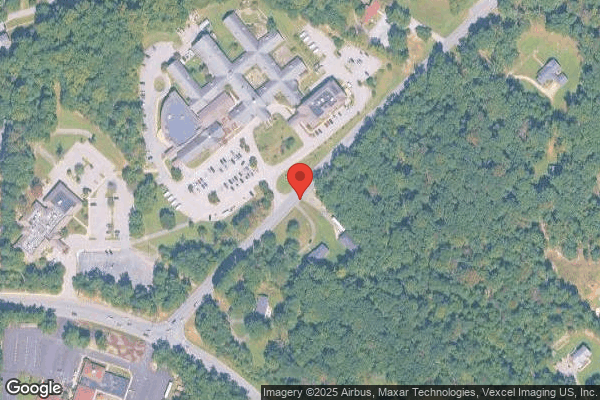
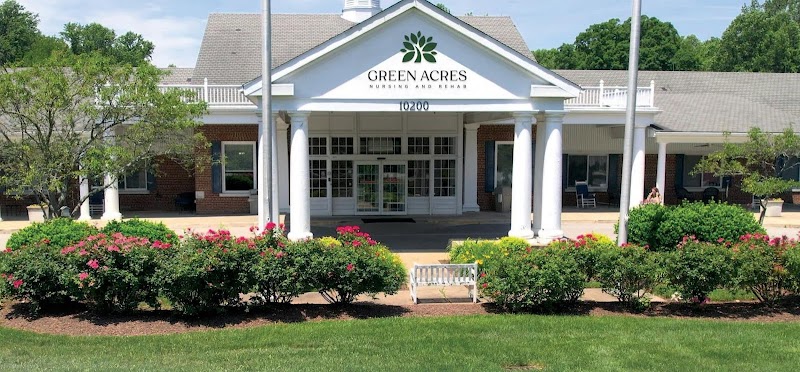
10200 LA PLATA ROAD, LA PLATA, MD 20646 (301) 934-1900
For profit - Limited Liability company 170 Beds Independent Data: November 2025
Trust Grade
65/100
#69 of 219 in MD
Last Inspection: August 2024

Within standard 12-15 month inspection cycle. Federal law requires annual inspections.

Overview

Green Acres Nursing and Rehab has a Trust Grade of C+, indicating it is slightly above average but not exceptional. It ranks #69 out of 219 nursing homes in Maryland, placing it in the top half of facilities in the state, and #1 out of 4 in Charles County, meaning there are few better local options. However, the facility is experiencing a worsening trend in care, with issues increasing from 9 in 2020 to 22 in 2024. Staffing is a concern, with a low rating of 2 out of 5 stars and a high turnover rate of 66%, significantly above the state average. On a positive note, the facility has no fines on record and has a good overall star rating of 4 out of 5. Specific incidents that raise concerns include a resident being pulled from their wheelchair by another resident, which highlights potential safety issues, and the facility's failure to document that advanced directives were offered to several residents, indicating lapses in communication and care planning. While there are strengths in some areas, such as the absence of critical fines, families should weigh these issues carefully when considering Green Acres for their loved ones.

Trust Score
C+
65/100
In Maryland
#69/219
Top 31%
Safety Record
Low Risk
No red flags
Inspections
Getting Worse
9 → 22 violations
Staff Stability
⚠ Watch
66% turnover. Above average. Higher turnover means staff may not know residents' routines.
Penalties
✓ Good
No fines on record. Clean compliance history, better than most Maryland facilities.
Skilled Nurses
⚠ Watch
Each resident gets only 29 minutes of Registered Nurse (RN) attention daily — below average for Maryland. Fewer RN minutes means fewer trained eyes watching for problems.
Violations
⚠ Watch
36 deficiencies on record. Higher than average. Multiple issues found across inspections.
★★★★☆
4.0
Overall Rating
★★☆☆☆
2.0
Staff Levels
★★★★☆
4.0
Care Quality
★★★★☆
4.0
Inspection Score
Stable
2020: 9 issues
2024: 22 issues

The Good

  • 4-Star Quality Measures · Strong clinical quality outcomes
  • Full Sprinkler Coverage · Fire safety systems throughout facility
  • No fines on record

Facility shows strength in quality measures, fire safety.

The Bad

Staff Turnover: 66%

19pts above Maryland avg (46%)

Frequent staff changes - ask about care continuity

Staff turnover is elevated (66%)

18 points above Maryland average of 48%

The Ugly 36 deficiencies on record

Aug 2024 22 deficiencies
CONCERN (D)

Potential for Harm - no one hurt, but risky conditions existed

Resident Rights (Tag F0550)

Could have caused harm · This affected 1 resident

Based on observation and interviews it was determined the facility failed to respect the resident's dignity as evidenced by the resident meal tray taken away before the meal was finished. This was evi...

Read full inspector narrative →
Based on observation and interviews it was determined the facility failed to respect the resident's dignity as evidenced by the resident meal tray taken away before the meal was finished. This was evident for 1 out of 1 resident (resident #50) reviewed for dignity. The findings include: During an observation conducted on 08/06/2024 at 07:51 AM, this surveyor observed Resident #50 in bed with an empty cold cereal cup on the tray table and a breakfast casserole that sat directly on top of the tray table. This surveyor asked the resident if he/she had a plate that the food was on, the resident stated yes, they took his/her plate and left the resident with casserole. On 08/06/2024 at 07:53 AM an interview was conducted with Licensed Practical Nurse (LPN) #5. During the interview the LPN asked Resident #50 if he/she was done with the breakfast casserole. The Resident stated yes, and the LPN removed the breakfast casserole off the tray table with a napkin. The LPN further stated that she would find out who the Geriatric Nurse Assistant (GNA) was that removed the resident's meal tray and speak to them. During an interview conducted 08/14/24 11:05 AM, this surveyor advised the Nursing Home Administrator (NHA) of the observation. The NHA stated she would find out who the GNA was and investigate. On 08/16/2024 at 11:12 AM the NHA provided this surveyor a copy of a Grievance/Complaint form. The summary of pertinent findings section stated: GNA caring for [Resident's name] on above date states when she removed breakfast tray from the room resident had the breakfast casserole in [resident's gender] hand feeding [gender self]. The section Resolution of Grievance/Complaint had a box checked off for Yes, describe resolution for was grievance/complaint resolved. The section had a statement that read Resident stated [resident's gender] was okay [resident's gender] likes to hold [resident's gender] plates/bowls close to [resident's gender] mouth sometimes when [resident's gender] eats. However, the resident plate and meal tray was removed from the resident although the resident had not finished the breakfast casserole.
CONCERN (D) 📢 Someone Reported This

A family member, employee, or ombudsman was alarmed enough to file a formal complaint

Potential for Harm - no one hurt, but risky conditions existed

Deficiency F0561 (Tag F0561)

Could have caused harm · This affected 1 resident

Based on resident interview, staff interview, and clinical record review it was determined that the facility staff failed to honor resident choices with showering. This was evident for 2 (#21 and #73)...

Read full inspector narrative →
Based on resident interview, staff interview, and clinical record review it was determined that the facility staff failed to honor resident choices with showering. This was evident for 2 (#21 and #73) out of 52 residents in the survey sample. The findings include: 1. Resident #21 was interviewed on 8/6/24 at 11:26 AM. The resident stated that they do not always get 2 showers each week. The resident stated that their scheduled days are Tuesday and Friday, but they will not get a shower unless there are 4 or more geriatric nursing aides (GNA's) on duty. A review of the electronic health record revealed the last documented shower was on 9/19/23. The Administrator and Director of Nursing (DON) were interviewed on 8/16/24 at 1:25 PM. The resident allegation of no showers was presented to them. They said they understood the findings and would review both electronic medical records as well as review the shower sheets. 2. Resident #73 was interviewed on 8/08/24 at 09:00 AM. The resident stated that they do not receive showers and only get bed baths. The resident had a very distinct odor suggesting the lack of bathing. A review of the clinical records revealed that the resident only received a shower on 8/11/24 and 8/15/24 based on a 30 day look back period with no refusals noted. The Administrator and Director of Nursing (DON) were interviewed on 8/16/24 at 1:33 PM. The resident allegation of no showers was presented to them. They said they understood the findings and would review both electronic medical records as well as review the shower sheets.
CONCERN (D) 📢 Someone Reported This

A family member, employee, or ombudsman was alarmed enough to file a formal complaint

Potential for Harm - no one hurt, but risky conditions existed

Notification of Changes (Tag F0580)

Could have caused harm · This affected 1 resident

**NOTE- TERMS IN BRACKETS HAVE BEEN EDITED TO PROTECT CONFIDENTIALITY** Based on interviews and record review it was determined that the facility failed to ensure the Power of Attorney (POA) was notif...

Read full inspector narrative →
**NOTE- TERMS IN BRACKETS HAVE BEEN EDITED TO PROTECT CONFIDENTIALITY** Based on interviews and record review it was determined that the facility failed to ensure the Power of Attorney (POA) was notified of a pressure ulcer. This was found to be evident for 1 (Resident #29) out of 1 resident reviewed for notification. The finding include: Pressure ulcers are an injury that breaks down the skin and underlying tissue. They are caused when an area of skin is placed under pressure. They are sometimes known as bedsores or pressure sores. Pressure ulcers are categorized into four stages based on the extent of skin damage: Stage 1: The skin is intact but may appear red, even when no pressure is applied. It may also feel warmer or colder, softer or harder, or more sensitive to pain than the surrounding tissue. Stage 2: The upper layers of the skin are damaged, and there may be a blister, scrape, or bruise. The skin may appear as a shallow open ulcer with a red or pink wound bed. Stage 3: The skin is completely damaged, and the ulcer may extend to the subcutaneous fat. The lesion may be foul-smelling, and slough or eschar may be visible. Stage 4: The skin and much of the surrounding tissue is damaged and has died. The ulcer may extend through the fascia and involve muscle, bone, tendon, or joint. During an interview conducted on [DATE] at 11:33 AM, the POA stated she had not been notified that Resident #29 had a stage 2 sacrum pressure ulcer. A record review conducted on [DATE] at 11:45 AM revealed a wound evaluation dated [DATE]. The evaluation showed a stage 2 sacrum pressure ulcer that was acquired prior to re-admission to the facility on [DATE]. No record of POA notification. During an interview conducted on [DATE] at 3:06 PM, Licensed Practical Nurse (LPN) #16 stated that she notified Resident #29's POA in person of the stage 2 sacrum pressure ulcer. When asked if it was documented in the resident's medical record that she had notified the POA the LPN stated no. The LPN further stated that the facility's policy was to notify the Resident Representative of a change and to document the notification in the resident's medical record.
CONCERN (D) 📢 Someone Reported This

A family member, employee, or ombudsman was alarmed enough to file a formal complaint

Potential for Harm - no one hurt, but risky conditions existed

Report Alleged Abuse (Tag F0609)

Could have caused harm · This affected 1 resident

2. On 8/14/2024 at 7:30 AM the surveyor reviewed the facility investigation file for the Facility Reported Incident (FRI) dated and timed for 8/14/2023 2:38 PM (initial self-report) and 8/21/2023 11:3...

Read full inspector narrative →
2. On 8/14/2024 at 7:30 AM the surveyor reviewed the facility investigation file for the Facility Reported Incident (FRI) dated and timed for 8/14/2023 2:38 PM (initial self-report) and 8/21/2023 11:33 AM (final self-report) for Resident #136. Review of this investigation file revealed that Resident #136 reported initially missing $100, and then changed to missing $160. In this facility investigation file, there were 6 employee interviews documented on employee statement forms that were conducted on these dates: 11/19/2023, 11/20/2023 and 11/22/2023; a copy of a check dated 8/30/2023 for $160, pay to the order of Resident #136; a copy of two check requests, one dated 8/22/2023 for $160 and one dated 11/22/2023 for $110; and a copy of emails dated and timed for 8/14/2023 at 3:16 PM and 8/22/2023 at 11:37 AM that the Nursing Home Administrator (NHA) sent to the Office of Health Care Quality (OHCQ) with the initial self-report and the final self-report as attachments. Further review of the facility investigation file on 8/14/2024 revealed that the facility had reported the allegation of Resident #136 missing money in August of 2023 to the Office of Health Care Quality (OHCQ), but the facility failed to report the allegation of Resident #136 missing money in November of 2023 to the Office of Health Care Quality (OHCQ). At 10:07 AM on 8/14/2024 the surveyor interviewed the Nursing Home Administrator (NHA) and the NHA confirmed that the facility investigation file that was provided to the surveyor was a complete investigation file for Resident #136 for the allegation of missing money in August of 2023. The surveyor reviewed with the Nursing Home Administrator (NHA) that there were two allegations of missing money for Resident #136 included in this facility investigation file, one from August 2023 and one from November 2023 for Resident #136. The Nursing Home Administrator (NHA) stated that she would have to look into this. In a follow-up interview with the Nursing Home Administrator (NHA) at 1:10 PM on 8/14/2024, the NHA stated that the allegation of the missing money in November of 2023 for Resident #136 was not reported to the Office of Health Care Quality (OHCQ). The Nursing Home Administrator (NHA) further stated during the interview that there was not a complaint form for Resident #136 for the November 2023 allegation of missing money. The Nursing Home Administrator (NHA) provided the surveyor with a copy of a check dated 12/5/2023 in the amount of $110 pay to the order of Resident #136. Facilities are required to submit an initial first self-report to the Maryland Department of Health - Office of Health Care Quality (OHCQ) for abuse, neglect, injury of unknown origin and misappropriation of resident property within 2 hours if serious bodily harm resulted, all others within 24 hours, and to forward investigation results, final follow-up self-report within 5 business days. The record review on 8/14/2024 of the facility investigation file for Resident #136 further revealed that the allegation of missing money in August of 2023 was not reported to the Office of Health Care Quality (OHCQ) by the Nursing Home Administrator (NHA) in the required time frame. The Nursing Home Administrator (NHA) submitted the initial self-report attached to an email on 8/14/2023 at 3:16 PM to the Office of Health Care Quality (OHCQ), but the final self-report attached to an email was not submitted to the Office of Health Care Quality (OHCQ) until 8/22/2023 at 11:37 AM by the Nursing Home Administrator (NHA). Based on family interview, staff interview, and clinical record reviews, it was determined that the facility failed to ensure that allegations of missing money was reported to the State Survey Agency (Maryland Department of Health - Office of Healthcare Quality) and neglect were reported within the required time frame. This was evident for 2 (#7, #136) out of the 52 residents reviewed for reporting of alleged violations. The findings include: 1. A review of a facility investigation on 08/14/24 at 3:37 PM for an allegation made by the Responsible Party (RP) revealed the following. On 9/29/23, the RP arrived at the facility at 11:00 AM. The RP dressed the resident and then placed the resident in bed but on top of the sheets. The RP arrived the next day at 12 noon. The resident was still on top of the bedsheets and still dressed in the clothes from the day before. Bed sheets were folded under the resident and the resident's catheter bag was full. The RP asked the nurse about being dressed in the same clothes, but she did not know for sure since she had not worked the day before. RP asked the Geriatric Nursing Assistant (GNA) who had worked the day before. She said the resident was dressed like this when she started the day, and the resident was on top of the bed laying on the bedsheets. RP said the resident was wearing the same clothes as the day before and had not been changed for 23 hours. RP also said the resident's brief was cold and urine soaked. The facility submitted the initial report to the Office of Healthcare Quality (OHCQ) on 10/1/23 which was the day the RP reported it, but the final report was not sent until 10/23/23. The final investigation needed to have been reported within 5 days. The Unit Manager (#15) was interviewed on 8/15/24 at 1:43 PM. She said the GNA assumed the 11-7 shift changed the resident and left him/her in bed. The GNA was unaware that 2 shifts had gone by after RP changed him/her into the clothes and place him/her in bed. RP told her of the incident after he went straight to the Administrator and the Director of Nursing (DON). She said she was left out of the loop but there have been no incidents since this one. The DON and Administrator were interviewed on 8/16/24 at 1:20 PM. This surveyor went over the incident and expressed concern regarding the failure of staff to place the resident in bed and then change him/her into clean clothes. The Administrator and the DON said they understood the findings and would review.
CONCERN (D) 📢 Someone Reported This

A family member, employee, or ombudsman was alarmed enough to file a formal complaint

Potential for Harm - no one hurt, but risky conditions existed

Investigate Abuse (Tag F0610)

Could have caused harm · This affected 1 resident

Based on facility record review and interviews it was determined that the facility failed to ensure that thorough investigations were conducted for alleged violations. This was found to be evident for...

Read full inspector narrative →
Based on facility record review and interviews it was determined that the facility failed to ensure that thorough investigations were conducted for alleged violations. This was found to be evident for 2 (Resident #72 and #136) out of 2 Residents reviewed for investigation of alleged violations. The findings include: The surveyor reviewed the facility investigation file for the facility reported incident (FRI) for Resident #72 on 8/13/2024 at 7:45 AM for an allegation of sexual assault. The initial report was submitted by the facility Nursing Home Administrator (NHA) at 11:45 AM on 6/28/2024 to the Maryland Department of Health - Office of Health Care Quality (OHCQ). The final report was submitted by the Nursing Home Administrator (NHA) on 7/2/2024 at 5:25 PM to the Office of Health Care Quality (OHCQ). The Ombudsman, local police department, Responsible Party and Medical Director were notified of the allegation of sexual assault. Resident #72 was transferred to the hospital for further assessment and evaluation. Further review of the facility investigation file for Resident #72 on 8/13/2024 revealed three employee interviews were conducted, and three Resident interviews were conducted which included Resident #72. The surveyors interviewed the Nursing Home Administrator (NHA) and the Director of Nursing (DON) at 1:10 PM on 8/13/2024. The surveyor asked the Nursing Home Administrator (NHA) if the facility investigation file that was provided for Resident #72 was a complete file, and the NHA stated that the investigation file for Resident #72 was a complete file. The surveyor reviewed with the Nursing Home Administrator (NHA) and the Director of Nursing (DON) that there was only documentation of three Resident interviews and three employee interviews in the facility investigation file for Resident #72, and that there was no documentation of skin assessments of other residents in the facility. Additionally, the surveyor reviewed with the Nursing Home Administrator (NHA) and the Director of Nursing (DON) the expectation for a thorough investigation, with interviews of residents and employees, and completion of skin assessments of other residents in the facility. The Nursing Home Administrator (NHA) stated that she would have to look into this. Follow-up interview with the Nursing Home Administrator (NHA) on 8/13/2024 at 1:30 PM, the NHA stated that there were only three staff that were interviewed because there were only three staff members that worked on the unit where Resident #72 resided. There was no response from the Nursing Home Administrator (NHA) regarding additional interviews of other residents or regarding additional skin assessments of other residents. The Nursing Home Administrator (NHA) did provide the surveyor with a fourth employee interview statement, and an investigation summary report which was a synopsis of the initial and final reports that were sent to the Office of Health Care Quality (OHCQ) by the Nursing Home Administrator (NHA) for Resident #72. This investigation summary report and the fourth employee interview statement was not part of the complete facility investigation file for Resident #72 that was provided by the Nursing Home Administrator, initially. On 8/14/2024 at 7:30 AM the surveyor conducted a record review of the facility investigation file for the Facility Reported Incident (FRI) from August 2023 for the allegation of missing money for Resident #136. Review of the facility investigation file for Resident #136 revealed that the initial self-report was dated and timed for 8/14/2023 at 2:38 PM and the final self-report was dated and timed for 8/21/2023 at 11:33 AM. Resident #136 reported an allegation of missing money in the amount of $100 initially, and then changed to missing money in the amount of $160 in August of 2023. Further review of the facility investigation file for Resident #136 on 8/14/2024 revealed that there was no documentation of resident or employee interviews conducted for this August 2023 allegation of Resident #136's missing money. The surveyor interviewed the Nursing Home Administrator (NHA) on 8/14/2024 at 10:07 AM and the NHA confirmed that this facility investigation file for Resident #136 was a complete file. The surveyor reviewed with the Nursing Home Administrator (NHA) that the facility investigation file did not include any resident or staff interviews for the August 2023 allegation of Resident #136 missing money. The NHA stated that she would have to look into this. The Nursing Home Administrator (NHA) did not provide any documentation of resident or employee interviews for the August 2023 allegation of Resident #136 missing money at the time of survey exit.
CONCERN (D)

Potential for Harm - no one hurt, but risky conditions existed

Transfer Notice (Tag F0623)

Could have caused harm · This affected 1 resident

Based on clinical record review and staff interview, it was determined that the facility staff failed to ensure the local Ombudsman was notified of a facility initiated resident discharge or transfer....

Read full inspector narrative →
Based on clinical record review and staff interview, it was determined that the facility staff failed to ensure the local Ombudsman was notified of a facility initiated resident discharge or transfer. This was evident for 2 (#19 and #108) of 7 residents reviewed for hospitalizations during the annual survey. The findings include: 1. On 08/13/24 at 12:55 PM, a review of Resident # 19's clinical record revealed that Resident #19 was transferred to the hospital for treatment and further evaluation of his/her medical needs on 1/15/2024. Further review of Resident #19's clinical record revealed no documentation that the local ombudsman was notified of the hospital transfer. On 08/15/24 at 01:25 PM, an interview conducted with Social Work Director #6 revealed that the Ombudsman is sent a monthly transfer log by email. The Social Work Director #6 stated that prior to February 2024, she was not responsible for sending the transfer notices to the Ombudsman and that it was being done by the previous DON. The Social Work Director #6 further stated that some transfer notices to the Ombudsman may have been missed since she started sending them out in February 2024. On 8/15/24 at 2:25 PM, an interview conducted with the Nursing Home Administrator (NHA) revealed that she was not able to locate any evidence that the transfer notice was provided to the Ombudsman for the hospital transfer on 01/15/2024. At the time of the exit conference, the facility did not provide any evidence that the transfer notice was provided to the Ombudsman for the hospital transfer on 01/15/2024. 2. On 8/15/24 at 1:34 PM, a review of Resident #108's clinical record revealed that Resident #108 was transferred to the hospital for treatment and further evaluation of his/her medical needs on 6/7/2024. Further review of Resident #108's clinical record revealed no documentation that the local ombudsman was notified of the hospital transfer. On 08/15/24 at 01:25 PM, an interview conducted with Social Work Director #6 revealed that the Ombudsman is sent a monthly transfer log by email. The Social Work Director #6 stated that prior to February 2024, she was not responsible for sending transfer notices to the Ombudsman and that it was being done by the previous DON. The Social Work Director #6 further stated that some transfer notices to the Ombudsman may have been missed since she started sending them out in February 2024. On 08/15/24 at 2:25 PM, an interview conducted with the Nursing Home Administrator (NHA) revealed that she was not able to locate any evidence that the transfer notice was provided to the Ombudsman for hospital transfer on 06/07/24. At the time of the survey exit conference, the facility did not provide any evidence that the transfer notice was provided to the Ombudsman for the hospital transfer on 06/07/24.
CONCERN (D)

Potential for Harm - no one hurt, but risky conditions existed

Deficiency F0625 (Tag F0625)

Could have caused harm · This affected 1 resident

Based on staff interview and clinical record review it was determined that the facility staff failed to ensure a bed hold policy was provided to the resident upon hospitalization. This was evident for...

Read full inspector narrative →
Based on staff interview and clinical record review it was determined that the facility staff failed to ensure a bed hold policy was provided to the resident upon hospitalization. This was evident for 1 (#88) out of 52 residents that were part of the survey sample. The findings include: A review of Resident #88's clinical record on 8/12/24 revealed that the resident was sent to the hospital on 7/30/24. A transfer form was found but no evidence that a bed hold policy was provided to the resident and/or their Responsible Party, if appropriate, was found. The Director of Nursing (DON) and the Administrator were interviewed on 8/16/24 at 1:30 PM. This surveyor presented the finding to them, and they said they understood the need for the bed hold policy to be sent. They said they would review the electronic health records for any evidence it had been provided.
CONCERN (D) 📢 Someone Reported This

A family member, employee, or ombudsman was alarmed enough to file a formal complaint

Potential for Harm - no one hurt, but risky conditions existed

Assessment Accuracy (Tag F0641)

Could have caused harm · This affected 1 resident

Based on clinical record review, a review of intake MD00166696, and staff interview it was determined that the facility staff failed to ensure a resident's assessment was accurate. This was evident fo...

Read full inspector narrative →
Based on clinical record review, a review of intake MD00166696, and staff interview it was determined that the facility staff failed to ensure a resident's assessment was accurate. This was evident for 1 (#142) out 52 records as part of the survey sample. The findings include: The Minimum Data Set (MDS) is a federally mandated assessment tool that helps nursing home staff gathers information on each resident's strengths and needs. Information collected drives resident care planning decisions. MDS assessments need to be accurate to ensure each resident receives the care they need. A review of Resident #142's clinical record on 8/22/24 revealed that a nursing note on 3/24/21 at 2:24 PM said Resident's sister phoned requesting resident's glasses. This author stated that she had never seen the resident wearing eyeglasses or eyeglasses in the resident's room. Nursing was aware at this time that the resident used eyeglasses. Further review revealed that the resident had an MDS completed on 5/21/21. Section B Vision noted the resident had impaired vision but no eyeglasses. An MDS was completed on 8/10/21 and Section B noted the resident's vision was impaired and the resident uses eyeglasses. The Administrator and Director of Nursing were informed at the Exit Conference on 8/22/24 that an MDS was inaccurate.
CONCERN (D)

Potential for Harm - no one hurt, but risky conditions existed

Deficiency F0657 (Tag F0657)

Could have caused harm · This affected 1 resident

Based on resident interview, clinical record review and staff interview it was determined that the facility staff failed to ensure that the resident had care plan meetings. This was evident for 2 (#4 ...

Read full inspector narrative →
Based on resident interview, clinical record review and staff interview it was determined that the facility staff failed to ensure that the resident had care plan meetings. This was evident for 2 (#4 and #21) out of 52 residents that were part of the survey sample. The findings include: 1. Resident #4 was interviewed on 8/6/24 at 9:16 AM. The Resident stated not having a care plan meeting since admission. A review of the resident's clinical record suggested a care plan meeting may have been held on 2/14/24. A sign-in sheet and/or other evidence of a meeting where the resident was invited could not be found. A second care plan meeting should have been held 90 days later in May but evidence of that was also not present. The Administrator and Director of Nursing were interviewed on 8/16/24 at 1:28 PM. The finding was presented. They acknowledged the importance of care plan meetings as well as the need to invite a resident. They said they would review the clinical records. Evidence of care plan meetings was not presented to the team prior to the survey exit. 2. Resident #21 was interviewed on 8/6/24 at 11:31 AM. The resident said the facility normally had care plan meetings every 3 months but has not had one for them in 2024. A review of Resident #21's clinical record revealed that the facility had a care plan meeting for the resident on 1/31/24 but the only staff in attendance were from Activities and from the Social Service Department. The care plan section of the clinical record included a date of 5/1/24 for a meeting but noted it as, in progress and it was not clear that a meeting was held. The Administrator and the Director of Nursing were interviewed on 8/16/24 at 1:25 PM. The finding was discussed, and they said they would search through the electronic health records for evidence of care plan meetings.
CONCERN (D) 📢 Someone Reported This

A family member, employee, or ombudsman was alarmed enough to file a formal complaint

Potential for Harm - no one hurt, but risky conditions existed

Deficiency F0675 (Tag F0675)

Could have caused harm · This affected 1 resident

Based on clinical record review and an investigation of Intake MD00166696 it was determined that the facility staff failed to ensure that a resident wore their eyeglasses. This was evident for 1 (#142...

Read full inspector narrative →
Based on clinical record review and an investigation of Intake MD00166696 it was determined that the facility staff failed to ensure that a resident wore their eyeglasses. This was evident for 1 (#142) out of 52 residents reviewed as part of the survey sample. The evidence includes: A review of complaint Intake #MD00166696 revealed family was concerned that the resident was not wearing his/her eyeglasses. A review of the clinical record revealed that on 3/24/21 at 2:24 PM nursing wrote: Resident's sister phoned requesting resident's glasses. This author stated that she had never seen resident wearing glasses or glasses in resident's room. The Minimum Data Set (MDS) is a federally mandated assessment tool that helps nursing home staff gather information on each resident's strengths and needs. Information collected drives resident care planning decisions. MDS assessments need to be accurate to ensure that each resident receives the care they need. Review of the resident's clinical record revealed that the resident had an MDS completed on 5/21/21. Section B Vision noted the resident had impaired vision but no eyeglasses. An MDS was completed on 8/10/21 and Section B noted the resident's vision was impaired and the resident uses eyeglasses. There was no evidence that the resident was using their eyeglasses for the first 4 months of their admission.
CONCERN (D)

Potential for Harm - no one hurt, but risky conditions existed

Quality of Care (Tag F0684)

Could have caused harm · This affected 1 resident

Based on record review and interview it was determined that the facility failed to ensure that a Resident received care in a timely manner. This was found to be evident for 1 (Resident #57) out of 1 R...

Read full inspector narrative →
Based on record review and interview it was determined that the facility failed to ensure that a Resident received care in a timely manner. This was found to be evident for 1 (Resident #57) out of 1 Resident reviewed for Quality of Care during the recertification survey. The findings include: On 08/16/2024 at 8:43 AM a review of the Facility's Reported Incident (FRI) investigation was conducted. The investigation revealed that Resident #57 had notified Licensed Practical Nurse (LPN) #31 that he/she had pain in his/her right arm. According to the investigation the physician was notified, a new order for an X-ray of the right arm was obtained, and Tylenol was administered. However, the facility staff failed to place the order for Resident #57 to receive an X-ray for 3 days. The resident received the Xray of the right arm on 08/23/2023 although the order for an Xray was obtained on 08/20/2023. The Xray showed the resident had a fracture of the right proximal humerus. The resident was sent to the emergency per physician orders after the result of the Xray. During an interview conducted on 08/16/2024 at 9:10 AM, the Unit Manager #15 stated that the facility's expectation is for the nurse who obtained the order to follow through and place the order. The Unit Manager stated that she recalled the incident and stated that staff were educated on following physician orders.
CONCERN (D)

Potential for Harm - no one hurt, but risky conditions existed

Deficiency F0688 (Tag F0688)

Could have caused harm · This affected 1 resident

Based on resident interview, staff interview, observation, and clinical record review it was determined that the facility staff failed to ensure a resident wore an ordered brace. This was evident for ...

Read full inspector narrative →
Based on resident interview, staff interview, observation, and clinical record review it was determined that the facility staff failed to ensure a resident wore an ordered brace. This was evident for 1 (#73) out of 3 residents reviewed for range of motion in the survey sample. The findings include: Resident #73 was interviewed on 8/8/24 at 9:31 AM. Resident #73 was asked about the brace on the bedside table. The resident replied that not all staff put the brace on the arm. There was a sign on the wall above the bed observed to say that the brace should be put on after morning care. Interviewed the resident on 8/16/24 at 11:40 AM. Resident was in the dining room sitting at a table with a glass of water. The resident did not have the brace on. I asked him/her if he/she had it on earlier and he/she replied no. I asked if it was his/her choice not to have it on. The resident replied no, some put it on and some don't. I'm tired of complaining so I accept it. The Administrator and Director of Nursing were interviewed on 8/16/24 at 1:40 PM. This surveyor informed them of the interviews and observations. They said they would speak with the nurses and possibly the resident. Observed the resident on 8/21/24 at 12:35 PM attempting to eat lunch without the brace on. Told the Geriatric Nursing Assistant (GNA) (Staff #32) who proceeded to retrieve the brace from the resident's room and put it on the resident.
CONCERN (D)

Potential for Harm - no one hurt, but risky conditions existed

Tube Feeding (Tag F0693)

Could have caused harm · This affected 1 resident

2. On 08/16/24 at 8:02 AM, a clinical record review revealed that Resident #78 had a feeding tube for nutritional support due to having difficulty swallowing. On 08/16/24 at 8:55 AM, further review o...

Read full inspector narrative →
2. On 08/16/24 at 8:02 AM, a clinical record review revealed that Resident #78 had a feeding tube for nutritional support due to having difficulty swallowing. On 08/16/24 at 8:55 AM, further review of Resident #78's treatment administration record (TAR) for August 2024 revealed enteral feeding orders that included administering Jevity 1.5 tube feeding, which is calorically dense liquid food, via a pump every 6 hours and to flush the G-tube with 250 ml of water every 4 hours. On 08/16/24 at 11:08 AM, an observation of Resident #78 revealed that he/she was being prepared by Agency Licensed Practical Nurse (LPN) #5 to start his/her bolus tube feeding via pump. It was noted that Agency LPN #5 flushed Resident #78's G-tube with 120 ml of water without verifying Resident #78's water flush orders. On 08/16/24 at 11:26 AM, a follow up interview with Agency LPN #5 confirmed that she did not flush Resident #78's G-tube with 250 ml of water as ordered stating, I flushed Resident #78's G-tube with 120 ml of water. I filled the 60 ml syringe up two times and let the water go down before I started the tube feeding. Agency LPN #5 further stated that she did not review Resident #78's physician orders to verify the correct water flush amount of 250 ml before flushing Resident #78's G-tube. On 08/16/24 at 11:45 AM, the Unit Manager (UM) #8 was interviewed regarding expectations for staff caring for residents with G-tubes. The UM #8 stated, it is my expectation that staff review and follow MD orders prior to starting any feedings, flushes and giving any medications via G-tube. UM #8 further stated, we will do more education on tube feedings. On 08/21/24 at 2:37 PM, the DON provided documentation that on 08/19/2024 Agency LPN #5 received one on one coaching and counseling on tube feedings which included the topics/issues not following guidelines for tube feeding administration and not administering correct hydration amount. Based on clinical record review, observation and staff interview, it was determined that the facility staff failed to ensure that additional water ordered for flushes via gastrostomy tube (G-tube) was administered according to the prescriber's orders and notify the physician of a change in the color of the tubing. This was evident for 2 (Resident #6, #73) of 4 residents reviewed for tube feeding during the annual survey. The findings include: 1. A feeding tube is a device to administer nutrition to a person who cannot safely take food by mouth. A review of Resident #73's clinical record revealed that on 6/29/24 a nursing note read Patient's gtube [gastrostomy tube] is black in color. I am a bit concern[ed] of infection. I recommend tube change. The Unit Manager (Staff #15) was interviewed on 8/16/24 at 8:47 AM. She confirmed the resident had a g-tube and that it was not being used so it was not changed. Once shown the specific note she replied: Okay, I see it. I don't have an answer, but I'll look into it and get you one. Staff #15 was interviewed on 8/16/24 at 11:16 AM. She stated that the resident had it upon admission and that he/she only needed it for 1 or 2 medications. One of which was Ferrous Sulfate which is why the tube was black. The nurse who wrote the note was an agency nurse, and she did not tell anyone or call the doctor. The doctor ordered a gastro-intestinal (GI) consult which was scheduled for September. The Administrator and Director of Nursing were interviewed on 8/16/24 at 1:30 PM. They were informed of the findings, and they said they would review the electronic health record and speak with the Unit Manager.
CONCERN (D)

Potential for Harm - no one hurt, but risky conditions existed

Respiratory Care (Tag F0695)

Could have caused harm · This affected 1 resident

2. During an observation on 08/08/24 at 08:50 AM, Resident #62's oxygen tubing was not labeled and the humidification bottle was dated 08/04/2024. On 08/12/24 at 09:48 AM, review of Resident #62's cli...

Read full inspector narrative →
2. During an observation on 08/08/24 at 08:50 AM, Resident #62's oxygen tubing was not labeled and the humidification bottle was dated 08/04/2024. On 08/12/24 at 09:48 AM, review of Resident #62's clinical record revealed the following physician orders: Date 03/26/2024 Oxygen therapy: O2 (oxygen) via NC (nasal cannula) at 2L/min (liters per minute) for shortness of breath every shift. Date 07/28/2024 Oxygen therapy: Change humidification bottle and oxygen tubing weekly on Sunday 11-7 DATE/TIME TO BE ON TUBING AND BOTTLE every night shift every Sun Further review of the August 2024 treatment administration record (TAR) revealed that the humidification bottle and oxygen tubing was changed on following dates: 08/04 and 08/11. Review of the facility Oxygen Administration Policy with effective date 04/01/2024 did not reveal procedures or guidelines on changing and/or dating oxygen tubing and humidification bottles. During a second observation on 08/12/24 at 10:38 AM, Resident #62's oxygen tubing was dated 8/12/24, however the oxygen humidification bottle was dated 8/4/2024 and the water level was noted to be very low. On 08/12/24 at 10:49 AM, an interview with Unit Manager (UM) #8 revealed that oxygen tubing and humidification bottles should be changed every Sunday on 11PM -7 AM shift and staff should label the tubing and humidification bottle with the date it was changed. The dates on Resident #62's oxygen tubing and humidification bottle were observed together. UM #8 stated that both the tubing and humidification should have been changed on Sunday on 11-7p shift according to MD orders and said, I will go ahead and change the humidification bottle now. During a follow up interview with the DON on 8/13/24 at 11:50 AM, the DON confirmed that oxygen tubing and humidification bottles are changed every Sunday on 11 PM -7 AM shift and should be dated when changed. The DON further stated that oxygen humification bottles can be changed before Sunday evening if the water level is too low. Based on observations, review of facility documentation, clinical record review, and staff interview it was determined that the facility failed to maintain oxygen therapy equipment according to facility policy and physician orders. This was found to be evident for 2 (# 62, #286) out of 4 residents reviewed for respiratory care during the annual survey. The findings include: 1. During an observation on 08/06/24 at 08:48 AM, the surveyor observed oxygen in use by Resident #286. There was no label or date on the oxygen tubing or humidifier bottle. On 08/07/2023 at 08:05 AM, the surveyor observed the oxygen lying on the floor by Resident #286. There was no label or date on the oxygen tubing or humidifier bottle. During an interview conducted on 08/07/24 12:35 PM, the 300 Unit Manager was asked if she could find a label and date on the oxygen tubing. The Unit Manager confirmed that there was no label or date on the oxygen tubing or humidifier bottle. When asked about the facility policy, she stated that oxygen tubing is changed, labeled, and dated every Sunday. I will get new tubing and educate staff. On 08/07/24 at 12:38 PM, the surveyor interviewed the Director of Nursing (DON) about the concern of the oxygen tubing not being labeled. The DON stated that the tubing is changed on Sundays and since the resident just came in the tubing hadn't been labeled yet and staff would be educated.
CONCERN (D)

Potential for Harm - no one hurt, but risky conditions existed

Deficiency F0757 (Tag F0757)

Could have caused harm · This affected 1 resident

Based on clinical record review and staff interview it was determined that the facility staff failed to administer medications according to physician's orders. This was evident for 1 (#53) of the 5 re...

Read full inspector narrative →
Based on clinical record review and staff interview it was determined that the facility staff failed to administer medications according to physician's orders. This was evident for 1 (#53) of the 5 residents reviewed for unnecessary medications. A review of Resident #53's clinical record on 8/13/24 revealed the resident's primary physician ordered Novolog pen 100 unit/ml 16 units before meals and to be held if blood sugar is less than 150. A review of the resident's Medication Administration Record (MAR) revealed that the resident's blood sugar was below 150 on those days but the insulin was still administered. The blood sugars were 8/1 = 143, 8/3 = 145, 8/5 = 117 and 140, 8/6 = 143, and on 8/9 = 142. This represents 6 times out of 43 opportunities that the resident received insulin when it should have been held. The surveyor interviewed the Administrator and Director of Nursing on 8/16/24 at 1:20 PM. The concerns were presented and the facility said they understood the findings and would review the MAR's.
CONCERN (D) 📢 Someone Reported This

A family member, employee, or ombudsman was alarmed enough to file a formal complaint

Potential for Harm - no one hurt, but risky conditions existed

Deficiency F0790 (Tag F0790)

Could have caused harm · This affected 1 resident

Based on interview and record review it was determined that the facility staff failed to promptly provide or obtain visit/appointments for routine dental care or treatment. This was found to be eviden...

Read full inspector narrative →
Based on interview and record review it was determined that the facility staff failed to promptly provide or obtain visit/appointments for routine dental care or treatment. This was found to be evident for 1 (Resident # 49) out of 1 resident reviewed for dental services during an annual survey. The findings include: A record review of Intake # MD00194162 on 08/19/24 at 10:45 AM, Resident # 49's daughter stated that the facility does not provide dental care. During a record review on 08/19/2024 at 1:24 PM, a dental consult was found on Resident # 49's chart completed on 7/20/23 with recommendations for x-rays and possible extractions. No follow up appointments or exams were found on the record. On 8/20/24 at 9:13 AM the 300 Unit Manager was interviewed regarding dental care for Resident # 49. She stated that Resident # 49 was part of the dental consult program, and she would investigate and let the surveyor know if he had received dental care. The surveyor was provided with a copy of the dental consult. During an interview with the Director of Nursing (DON) and the Administrator on 08/20/2024 at 10:48 AM, the DON was asked if they were able to provide further documentation regarding dental care and she stated she was unable to provide additional information.
CONCERN (D)

Potential for Harm - no one hurt, but risky conditions existed

Dental Services (Tag F0791)

Could have caused harm · This affected 1 resident

Based on observation, interview, and medical record review, it was determined that the facility failed to provide dental services and assessments. This was found to be evident for 1 out of 1 resident ...

Read full inspector narrative →
Based on observation, interview, and medical record review, it was determined that the facility failed to provide dental services and assessments. This was found to be evident for 1 out of 1 resident (Resident #97) reviewed for dental care. The findings include: During a phone interview conducted on 08/07/2024 at 9:39 AM, Resident # 97's family stated that the resident had missing teeth and needed a dental consult. When asked if the concern was brought to the attention of the facility, she stated she was unsure. On 08/07/2024 at 11:07 AM an observation of Resident #97 was conducted. This surveyor observed missing teeth and what appeared to be plaque buildup on the bottom front teeth. During a record review of Resident #97's medical records conducted on 08/13/24 at 07:35 AM did not reveal a dental consult. On 08/13/2024 at 09:07 AM the Director of Nursing (DON) stated during an interview that the facility had not obtained a provider for dental services since the facility changed ownership on 04/01/2024 but would work to obtain dental services. The DON returned and provided this surveyor a letter from a Maryland dental provider through the County Department of Health and stated that dental services would now be provided through that Maryland dental provider.
CONCERN (D)

Potential for Harm - no one hurt, but risky conditions existed

Menu Adequacy (Tag F0803)

Could have caused harm · This affected 1 resident

Based on resident interview, staff interview and observation it was determined that the facility staff failed to ensure a resident's meals matched their preferences. This was evident for 1 out of 52 r...

Read full inspector narrative →
Based on resident interview, staff interview and observation it was determined that the facility staff failed to ensure a resident's meals matched their preferences. This was evident for 1 out of 52 residents in the survey sample. The findings include: This surveyor observed Resident #73 in the dining room on 8/21/24 at 12:40 PM. The resident waved me over and showed the plate of food. The resident had bread on the plate despite it being listed on the meal slip as a dislike. The resident was interviewed at 12:40 PM. The resident stated that he/she also requested coffee with every meal, but it was not on the tray. Staff #32 was interviewed on 8/21/24 at 12:45 PM. Staff #32 confirmed that the resident does not want bread and wants coffee with every meal. He stated that when it happens it upsets the resident. He said he would take care of it and would ensure resident received a correct plate of food and a cup of coffee.
CONCERN (D)

Potential for Harm - no one hurt, but risky conditions existed

Food Safety (Tag F0812)

Could have caused harm · This affected 1 resident

Based on observation and staff interview it was determined that the facility staff failed to ensure food items in the kitchen were maintained in a safe and appropriate manner. The findings include: ...

Read full inspector narrative →
Based on observation and staff interview it was determined that the facility staff failed to ensure food items in the kitchen were maintained in a safe and appropriate manner. The findings include: During the tour of the kitchen on 8/6/24 at 8:29 AM several slices of salami deli meat were partially wrapped in plastic wrap with the label indicating the bologna was opened on 7//26/24 with a use by date of 8/2/24. There was an opened bag of shredded mozzarella cheese (not in a sealed container), and 2 bags of bologna without dates on the labels. The Food Service Manager was interviewed on 8/6/24 at 8:36 AM. She said the lunchmeat is good for 7 days and that they wrote the wrong date. I asked for clarification -- was she suggesting that the meat was sliced and wrapped on 7/26/24 and should have had a use by date that was 7 days later. She replied that 7 days is correct. The Administrator was interviewed and informed of the findings on 8/16/24 at 12:25 PM. She acknowledged and took note.
CONCERN (E)

Potential for Harm - no one hurt, but risky conditions existed

Deficiency F0578 (Tag F0578)

Could have caused harm · This affected multiple residents

During a record review on 08/08/24 at 08:10 AM, the surveyor was unable to locate Advanced Directives on the charts of Residents # 286, # 287, and # 296. The facility was asked to provide documentatio...

Read full inspector narrative →
During a record review on 08/08/24 at 08:10 AM, the surveyor was unable to locate Advanced Directives on the charts of Residents # 286, # 287, and # 296. The facility was asked to provide documentation that Advanced Directives were offered to the residents. An interview was conducted with Social Worker (SW) #6 on 08/09/24 at 09:40 AM. SW #6 stated she did not see where advanced directives were offered to Residents # 286, # 287, and # 296. She stated the process is that we offer to the Resident or Responsible Party (RP) if a resident is not able to make decisions. If a family member stated they had Advanced Directives, I ask them to bring them in and, follow up in about a week if I don't receive them. I document this in the Interdisplinary Team (IDT) note or social services note. I did not find documentation for Residents # 286, #287, and # 296. The Director of Nursing further stated that the facility was working on the Advance Directives process. Based on clinical record review and staff interview it was determined that the facility staff failed to ensure a resident had an Advance Directive or was offered the opportunity to create one. This was evident for 5 residents (#21, #98, # 286, # 287, and # 296) out of 52 in the survey sample. The findings include: 1. A review of Resident #21's clinical record on 8/6/24 revealed the resident did not have a copy of an Advance Directive in either the current electronic health record or the previous record used by the former nursing home company. A progress note dated 7/21/23 listed, Patient states POA [Power of Attorney] is in progress of being completed. No evidence of follow up to this request. The DON and Administrator were interviewed on 8/16/24 at 1:20 PM. They were informed that an Advanced Directive could not be located, and that the resident started the process but there was no follow up. They said they understood the findings and would review the electronic records and speak with the Social Worker. 2. A review of Resident #98's electronic clinical record on 8/8/24 at 10:00 AM revealed there was not an Advance Directive located there. A progress note on 1/3/23 stated that the resident requested one at admission but the facility did not follow up. The Social Worker was interviewed on 8/9/24. She confirmed that there was not an Advance Directive in the chart, but the resident was offered one at admission. The DON and Administrator were interviewed on 8/16/24 at 1:42 PM. They were informed that an Advanced Directive could not be located, and that the resident started the process but there was no follow up. They said they understood the findings and would review the electronic records and speak with the Social Worker.
CONCERN (E) 📢 Someone Reported This

A family member, employee, or ombudsman was alarmed enough to file a formal complaint

Potential for Harm - no one hurt, but risky conditions existed

Free from Abuse/Neglect (Tag F0600)

Could have caused harm · This affected multiple residents

4. During a review of intake # MD00191221 on 8/16/24 at 07:34 AM, Resident # 82 was found on the floor next to his/her wheelchair. There were no witnesses, and this was determined to be an unwitnessed...

Read full inspector narrative →
4. During a review of intake # MD00191221 on 8/16/24 at 07:34 AM, Resident # 82 was found on the floor next to his/her wheelchair. There were no witnesses, and this was determined to be an unwitnessed fall until the next morning when Resident # 82 told staff s/he had been pulled out of her wheelchair by another resident. The facility reviewed video footage that showed Resident # 49 rolling his/her wheelchair up to Resident # 82 and pulling him/her out of his/her wheelchair and kicking him/her. No injuries were found on assessment of Resident # 82. 5. During a review of intake # MD00192185 on 08/19/2024 at 1:24 PM, the facility reported that Resident # 318 was observed slapping Resident # 62 across the face by staff. This appeared to be an unprovoked attack when observed by the facility on video. No injuries were found on assessment of Resident # 62. When the Director of Nursing (DON) and the Nursing Home Administrator (NHA) were interviewed on 08/20/2024 at 7:12 AM, regarding the concern of abuse, resident to resident, they questioned how an altercation was considered abuse when Residents # 49 and #318 were deemed mentally incompetent. The surveyor told them that any willful act was considered abuse regardless of the mental status of the perpetrator and that all residents have the right to be free from abuse. The surveyor referred the DON and NHA to the F600 tag and interpretive guidelines for clarification. The NHA stated they would be exploring options to improve practice. 2. BIMS stands for Brief Interview for Mental Status. The BIMS test is used to get a quick snapshot of how well you are functioning cognitively at the moment. A BIMS score can range from 0 to 15, with lower scores indicating a decline in cognitive performance. A BIMS score 0 to 7 points suggests severe cognitive impairment, 8 to 12 points suggests moderate cognitive impairment, and 13 to 15 points suggests that cognition is intact. On 08/16/2024 at 11:00 AM a review of the Facility Reported Incident (FRI) investigation was conducted for an allegation of neglect. The review of the investigation revealed a witness statement from the facility's Maintenance Worker #22. The Maintenance Worker stated that he witnessed Geriatric Nursing Assistant (GNA) # 23 push Resident #50 in a wheelchair and kick the resident in the foot after repeatedly telling the resident to put his/her feet up. The facility stated in their investigation that there was limited video that showed the resident being pushed to the dinning room without foot pedals, and GNA did use her feet to lift the residents leg and pushed her to the table. The investigation also included a statement from GNA #23 who denied kicking the resident. The GNA stated that the resident decided to put [resident's gender] feet down so she slid her leg under [resident's gender] to lift it and then pushed [resident gender] under the table. The investigation further stated that the Resident was assessed to have a BIMS of 09 and was unable to recall the incident. The facility found evidence to support neglect because the employee failed to provide services such as foot rest or repositioning appropriately while pushing [resident gender]. During an interview conducted on 08/16/2024 at 11:17 AM, Resident #50 stated he/she remembered that his/her foot was kicked and that it hurt but could not recall when, why or who kicked his/her foot. During an interview conducted on 08/19/24 at 09:59 AM, the Assistant Director of Nursing (ADON) stated she no longer had access to the video. The ADON stated that she reviewed the video at the time of the incident and observed GNA #23 pushing the resident down the hallway towards the day room of the 200-nursing unit, the GNA stopped at the double doors prior to the day room walked to the side of the resident and lifted the resident legs up with her leg and then continued to push the resident to the dayroom table. The ADON stated she did not see the GNA #23 kick the resident on the video. 3. On 08/21/2024 at 10:30 AM a review of the Facility Reported Incident (FRI) investigation file for an allegation of neglect was conducted. The investigation revealed a statement from GNA #14 that advised the facility that she observed Resident #27 soiled in urine, dry feces, laying on urine-stained sheets and was wearing the night gown from the previous day. Another statement from Unit Manager # 15 also advised that she observed the Resident #27 soiled in urine, dry feces, laying on urine-stained sheets. During an interview conducted on 08/21/2024 at 11:00 AM, Resident #27 did not respond when asked if he/she had experienced abuse, neglect or had a concern with his/her care. A record review of Resident #27's medical record conducted on 08/21/2024 at 11:19 AM revealed a BIMS assessment score of 07. On 08/21/2024 at 12:14 PM an interview was conducted with Unit Manager #15. The Unit Manager stated that GNA #14 had made her rounds and noticed that Resident #27 was soiled in urine, dried fecal matter and stained sheets. The GNA reported the incident to the Unit Manager who went to the Resident's room and confirmed the resident was soiled in urine, dry feces and urine soiled sheets. The Unit Manager also stated that she immediately had care provided to the resident and investigated the incident. The Unit Manager stated that she discovered that 2 GNAs went against their assignment and switched residents and as a result Resident #27 was missed and did not receive care on the day shift. Based on facility investigations, record reviews, interviews and observations, the facility failed to protect residents from abuse and neglect. This was found to be evident for 5 (# 7, # 27, # 50, # 62, # 82) out of 38 residents investigated during the annual survey for abuse and neglect. The findings include: 1. A review of a facility investigation on 08/14/24 at 3:37 PM for an allegation made by the Responsible Party (RP) for Resident #7 revealed the following. On 9/29/23, the RP arrived at the facility at 11:00 AM. The RP dressed the resident and then placed the resident in bed but on top of the sheets. The RP arrived the next day at 12 noon. The resident was still on top of the bedsheets and still dressed in the clothes from the day before. Bed sheets were folded under the resident and the resident's catheter bag was full. The RP asked the nurse about being dressed in the same clothes, but she did not know for sure since she had not worked the day before. RP asked the Geriatric Nursing Assistant (GNA) who had worked the day before. She said the resident was dressed like this when she started the day, and the resident was on top of the bed laying on the bedsheets. RP said the resident was wearing the same clothes as the day before and had not been changed for 23 hours. RP also said the resident's brief was cold and urine soaked. The Unit Manager (#15) was interviewed on 8/15/24 at 1:43 PM. She said the GNA assumed the 11-7 shift changed the resident and left him/her in bed. The GNA was unaware that 2 shifts had gone by after RP changed him/her into the clothes and place him/her in bed. RP told her of the incident after he went straight to the Administrator and the Director of Nursing (DON). She said she was left out of the loop but there have been no incidents since this one. The DON and administrator were interviewed on 8/16/24 at 1:20 PM. This surveyor went over the incident and expressed concern regarding the failure of staff to place the resident in bed and then change him/her into clean clothes. The administrator and the DON said they understood the findings and would review. As of 08/20/24 at 1:27 PM there was no additional information presented to the survey team.
MINOR (C)

Minor Issue - procedural, no safety impact

Deficiency F0577 (Tag F0577)

Minor procedural issue · This affected most or all residents

**NOTE- TERMS IN BRACKETS HAVE BEEN EDITED TO PROTECT CONFIDENTIALITY** Based on observation and interviews it was determined the facility staff failed to have the most recent survey results in a plac...

Read full inspector narrative →
**NOTE- TERMS IN BRACKETS HAVE BEEN EDITED TO PROTECT CONFIDENTIALITY** Based on observation and interviews it was determined the facility staff failed to have the most recent survey results in a place readily accessible to residents, family members, and legal representatives of residents. This has the potential to affect all the residents and visitors within the facility. The findings include: The survey team searched in the lobby on 08/06/24 at 08:07 AM for the survey binder. No signage was visible, and no binder was found in the lobby. On 08/06/24 at 09:03 AM, the surveyor asked Receptionist #12 for the location of the survey binder. No signage was visible. She stated she had not seen it we should ask the Director of Nursing (DON). The DON, the Human Resources Director, and Receptionist #12, commenced a search for the binder in the lobby. The surveyor requested to see the binder if it was located. The survey binder was provided to the surveyors on 08/06/24 at 09:13 AM by the DON. The DON stated it had been on the table in the lobby, but someone had moved it. When told that the surveyors had looked there when they arrived, and it was not there she said someone had been looking at it and just brought it back. She further stated that it was kept at the reception desk. On 08/06/24 at 10:20 AM, Receptionist #12 had the binder available behind the reception desk. When asked about signage she pointed to a new sign posted by the front desk stating that the survey binder was available from the Receptionist. The Receptionist confirmed that the sign was newly posted. Upon entrance to the facility on [DATE] at 07:17 AM, the surveyor noted signage stating the binder was available from the Receptionist but there was no receptionist on duty. Receptionist hours are 8A to 8P. On 08/09/24 at 08:46 AM, the surveyor observed new signage in the lobby on the desk stating that the survey binder located beneath the TV on the table in the lobby. The survey binder was observed resting on the table under the TV in the lobby. At 8:10 AM on 8/9/24 the surveyor reviewed the survey binder in the front lobby and did not find any Life Safety Inspections or local fire department inspections in the binder. At 8:30 AM, the surveyor interviewed the Nursing Home Administrator (NHA). The surveyor requested from the NHA any local fire department inspections and any Life Safety Inspections. The NHA stated that since she has been here there has not been any of those inspections and that she would check with her Maintenance Director for inspections as he keeps these types of inspections. The surveyor observed that there was a new survey binder sitting on the table under the TV on 08/21/2024 at 11:13 AM.
Mar 2020 9 deficiencies
CONCERN (D)

Potential for Harm - no one hurt, but risky conditions existed

Safe Environment (Tag F0584)

Could have caused harm · This affected 1 resident

**NOTE- TERMS IN BRACKETS HAVE BEEN EDITED TO PROTECT CONFIDENTIALITY** Based on observations and staff interviews during environmental tours. It was determined that the facility staff failed to provi...

Read full inspector narrative →
**NOTE- TERMS IN BRACKETS HAVE BEEN EDITED TO PROTECT CONFIDENTIALITY** Based on observations and staff interviews during environmental tours. It was determined that the facility staff failed to provide maintenance services necessary to maintain a sanitary, orderly, and comfortable building interior. The findings include: All environmental concerns were measured and confirmed by the facilities Director of Building Services. On 02/25/20 at 2:20 P.M. during an environmental observation within Resident #158's room, the surveyor observed an accumulation of saw dust on the corner of the heating element closest to the bed caused by the removal of the heating unit's cover. The dust and dirt covered the area of the heating and air conditioning unit that was open and exposed to the residents and public due to the removal of the cover. On 02/24/20 at 7:07 P.M., as observed in room [ROOM NUMBER], the cove molding in the bathroom had separations and cave-ins (indented into the wall). On 3/3/20 at 11:45 A.M. this surveyor's observation was verified by the Director of Building Services who took measurement of the area in disrepair to be 6-inches in length. On 03/03/20 at 9:30 A.M. the environmental concerns were verified during an interview by the Director of Building Services who accompanied the surveyor on the environmental tours. On 03/03/20 at 10:05 A.M. the Administrator and Director of Nursing was made aware of these environmental findings.
CONCERN (D)

Potential for Harm - no one hurt, but risky conditions existed

Assessment Accuracy (Tag F0641)

Could have caused harm · This affected 1 resident

Based on medical record review and staff interview, it was determined the facility staff failed to ensure Minimum Data Set (MDS) assessments were accurately coded. This was evident for 1 (#158) of 2 r...

Read full inspector narrative →
Based on medical record review and staff interview, it was determined the facility staff failed to ensure Minimum Data Set (MDS) assessments were accurately coded. This was evident for 1 (#158) of 2 residents reviewed for respiratory care. The findings include: The MDS is part of the Resident Assessment Instrument that was Federally mandated in legislation passed in 1986. The MDS is a set of assessment screening items employed as part of a standardized, reproducible, and comprehensive assessment process that ensures each resident's individual needs are identified, that care is planned based on those individualized needs, and that the care is provided as planned to meet the needs of each resident. 1) Observation was made on 2/25/20 at 2:15 PM of Resident #158 receiving oxygen through a nasal cannula. Review of the Treatment Administration Record (TAR) for February 2020 revealed an ordered treatment for continuous oxygen (started on 1/26/19) with nursing staff signing off on all three shifts. Review of the quarterly MDS assessment with an assessment reference date (ARD) of 2/17/20, Section O0100C was coded no for oxygen use. The MDS Coordinator (staff #10) was interviewed on 3/2/20 at 2:20 PM and confirmed the error of the oxygen coding omission. Additionally, Resident #158's medical record was reviewed for mood/behavior. Review of behavioral health services consultation reports revealed that Resident #158 was receiving routine consultation services. Review of the 2/13/20 behavioral health consultation report indicated a diagnosis of Anxiety disorder. Review of the quarterly MDS assessment with an assessment reference date (ARD) of 2/17/20, Section I (active diagnosis) at I5700 was not coded to have this diagnosis.
CONCERN (D)

Potential for Harm - no one hurt, but risky conditions existed

Comprehensive Care Plan (Tag F0656)

Could have caused harm · This affected 1 resident

Based on observation, medical record review and resident and staff interview it was determined that the facility failed to develop and implement comprehensive person-centered care plans. This was exem...

Read full inspector narrative →
Based on observation, medical record review and resident and staff interview it was determined that the facility failed to develop and implement comprehensive person-centered care plans. This was exemplified for 2 (#75, #158) of 2 residents reviewed for nutrition. The findings include: A care plan is a guide that addresses the unique needs of each resident. It is used to plan, assess and evaluate the effectiveness of the resident's care. 1) Resident #75 was initially observed on 2/25/20 in bed receiving oxygen therapy via a nasal canula. Review of the Care plans written for Resident #75 revealed a plan of care that was not resident centered to this resident. The facility has written a plan of care for at risk for aspiration r/t dysphagia. The goal for this care area was written as Will have no episodes of aspiration and no s/s dehydration due to dysphagia and tube feedings in the next 90 day. The resident was not observed to be on tube feeding. ON 3/2/20 at 3:31 PM the Director of Nursing (DON) and an Minimum Data Set (MDS) Assessment Coordinator (staff # 10) both confirmed that the resident was not on tube feeding. At that time the DON was made aware of the care plan concern (not being specific to the resident). The facility failed to identify a measurable goal for a quality of life care area. The quality of life care concern was initiated on 4/27/18. The goal was written as Resident will attain highest practical level of quality of life possible while residing in this facility in the next 90 days. The goal was not measurable or specific/ quantitative. The interventions to the care plan were not specific to the resident as; assess resident's likes and dislikes, encourage friendly visit with staff and family, keep resident clean and dry at all times , offer snacks and oral fluid in between meals if resident desires, and resident will be offered activities on and off unit. The interventions written failed to indicate who is responsible to perform the task or how frequently the interventions are to be performed. 2) Observation was made on 2/25/20 at 2:15 PM of Resident #158 was in bed and receiving oxygen through a nasal cannula (a lightweight tube that is hooked onto an oxygen concentrator that delivers oxygen to a resident who needs respiratory help). The nasal cannula was hooked onto the oxygen concentrator and was delivering at 3.5 liters (L) of oxygen. The resident had a diagnosis of Chronic Obstructive Pulmonary Disease (COPD) which is a group of lung diseases that block airflow and make it difficult to breathe. Review of the medical orders in the electronic chart revealed Oxygen therapy: oxygen continuous at ___ L/min (liters per min) via N/C for ___. Review of the February treatment administration record (TAR) showed that staff were signing off on all three shifts and the treatment was started on 1/26/19. Review of Resident #158's written care plans on 2/26/20 revealed a plan of care with a focus area for respiratory alterations related to oxygen use. The first intervention was written as; Administer oxygen as ordered. The facility had failed to follow/implement the plan of care for Resident #158. Review of a goal written for a Self-care deficit care area revealed a goal outcome that was not measurable in degree (not quantitative) as the goal was written as Resident's needs will be met in the next 30 days. Additionally, Resident #158's medical record was reviewed for mood/behavior. Review of the behavioral health services consultation reports revealed that Resident #158 was receiving routine consultation services. Review of the 2/13/20 behavioral health consultation report indicated a diagnosis of Anxiety disorder. There was not a person-centered care plan related to the resident's mood and anxiety. The DON was informed of the omission of Resident #158's plan of care on 2/27/20.
CONCERN (D)

Potential for Harm - no one hurt, but risky conditions existed

Deficiency F0657 (Tag F0657)

Could have caused harm · This affected 1 resident

Based on review of the medical record it was determined the facility failed to perform appropriate revisions to the care plan goals and interventions as resident care needs became apparent or changed ...

Read full inspector narrative →
Based on review of the medical record it was determined the facility failed to perform appropriate revisions to the care plan goals and interventions as resident care needs became apparent or changed over time. This was exemplified for 2 (#158, #75) of 2 for 2 residents reviewed for respiratory care. The findings include: A care plan is a guide that addresses the unique needs of each resident. It is used to plan, assess and evaluate the effectiveness of the resident's care. 1) Resident #75's medical record was reviewed on 3/2/20 at 9:30 AM. On 3/2/20 at 9:30 AM, review of Resident #75's medical record revealed the resident had severe cognitive impairment, impaired mobility and dependent for all ADLS (activities of daily living). An annual Minimum Data Set (MDS) assessment was dated for 1/15/20 and a care pan meeting was held on 1/16/20. The MDS assessment indicates that the resident is rarely/never understood. A palliative care order was prescribed on 11/12/19. There were multiple care plan pages with identified care areas. The former Director of Activities wrote a care plan review on 1/15/20 as Resident attends programs on unit, provided with one to one visits. A Registered Nurse (Staff #19) wrote a review on 1/16/20 as, care plans reviewed. And the Director of Social Services wrote her review on 1/16/20 as no updates to social services care plans at this time. All three reviews failed to evaluate the effectiveness of the interventions and measure the resident's progress or lack of progress toward reaching his/her goals. The care plan nor the evaluations did not reflect any changes in the residents decline to be placed on palliative care. A care area for impaired thought processes with a goal of Resident's needs will be met in the next 90 days was initiated on 2/6/18. Based on review of the 3/2/20 copied plan of care there is not any changes to the care plan since 2/6/18. Some of the interventions included encourage resident to participate in conversations, demonstrate slowly how each task is performed, Maintain optimal level of functioning, ask family member to participate in resident learning and activities. A quality of life care area was initiated and unchanged since 4/27/18 as the ongoing intervention of assess resident's likes and dislikes. 2) Resident #158's care plans were reviewed on 2/27/20. An example of the plan of care not being updated as care needs change over time included the care plan written on 11/5/18 for discharge planning. The goal was written as Resident will transition to LTC within the next 90 days. The last two quarterly MDS assessments were dated 10/24/19 and 2/17/20. There were not any evaluations for this care area. The care plan for Discharge planning was unchanged since 11/5/18. The two written interventions do not pertain to discharge as 1) Allow resident and/or family members to participate in room assignment decision as available and/or appropriate. 2) Collaborate with other team members to ensure best placement for resident within facility for LTC placement.
CONCERN (D)

Potential for Harm - no one hurt, but risky conditions existed

Respiratory Care (Tag F0695)

Could have caused harm · This affected 1 resident

2) Based on observation and staff interviews the facility staff failed to ensure that Resident #92's oxygen tubing was dated with the date of the initial use. This was evident for 1 out of 2 residents...

Read full inspector narrative →
2) Based on observation and staff interviews the facility staff failed to ensure that Resident #92's oxygen tubing was dated with the date of the initial use. This was evident for 1 out of 2 residents investigated for oxygen use during the survey process. Findings Include: Per the medical record, Resident #92 was started on Oxygen Therapy at 2 Liters on 2/21/20. The physician's order stated the 02 tubing is to be changed whenever necessary, every week. Observation of the Resident on 2/27/20 11:20 AM revealed the 02 at 2liters however, the tubing connected from the oxygen tank to the Resident had no date attached to the tubing. An interview with nurse manager #13 on the rehab unit revealed that the tubing is supposed to be changed on Sundays on the 11:00 pm -7:00 am shift and dated. On 2/27/20 at 11:45 am the rehab manager verified that the tubbing was not dated. Based on observation, medical record review, resident and staff interview it was determined the facility staff failed to provide respiratory care that was consistent with professional standards as evidenced by 1) failing to have a valid order for administering oxygen, and documenting resident was receiving oxygen without a valid order, failing to implement the written plan of care, and failing to label and date oxygen/nebulizer tubing for a resident; This was identified for 2 (#158, #75) of 2 residents reviewed for Respiratory Care. The findings include: 1) Observation was made on 2/25/20 at 2:15 PM of Resident #158 was in bed and receiving oxygen through a nasal cannula (a lightweight tube that is hooked onto an oxygen concentrator that delivers oxygen to a resident who needs respiratory help). The nasal cannula was hooked onto the oxygen concentrator and was delivering at 3.5 liters (L) of oxygen. The nasal cannula was not dated with the date that the tubing was attached to the oxygen concentrator. The resident indicated that the facility does not change the oxygen tubing. The resident had a nebulizer sitting on the dresser. (A nebulizer is a drug delivery device used to administer medication in the form of a mist inhaled into the lungs. Nebulizers are commonly used for the treatment of asthma, cystic fibrosis, COPD and other respiratory diseases or disorders.) The nebulizer was connected to a nasal mask and was inserted into a plastic bag with a date of 9/7/2020 written in black across the plastic bag. Observations of the resident on 2/27/20 at 3:05 PM, the nasal cannula was hooked to an oxygen tank on the back of resident's wheelchair at a rate of 4 litters per minute. The oxygen tubing was labeled with a piece of tape with a date. Review of the medical orders in the electronic chart revealed Oxygen therapy: oxygen continuous at ___ L/min (liters per min) via N/C for ___. Review of the February treatment administration record (TAR) showed that staff were signing off on all three shifts and the treatment was started on 1/26/19. The resident had a diagnosis of Chronic Obstructive Pulmonary Disease (COPD) which is a group of lung diseases that block airflow and make it difficult to breathe. At 3:10 PM on 2/27/20, the resident's day shift nurse (staff #17) was asked; what is the oxygen delivery rate for Resident #158; she responded 2 Liters. The evening nurse (staff #16) was asked; what is the oxygen delivery rate for the resident at 3:15 PM, and she responded 2 liters. Both nurses were asked to come into the resident's room at 3:22 PM. Both nurses observed the nebulizing machine on the floor, with the oxygen mask inserted in the plastic bag dated 9/7/2020. They both acknowledged the nebulizer tubing was not dated, and they removed the tubing for replacement. Review of the TAR revealed a general treatment order for check, date, and initial tubing and change bottle weekly and as needed. 11-7 shift. Review of the TAR on 2/27/20 revealed that the last time the staff signed off was on 2/13/20. Review of Resident #158's written care plans on 2/26/20 revealed a plan of care with a focus area for respiratory alterations related to oxygen use. The first intervention was written as; Administer oxygen as ordered. The facility had failed to follow/implement the plan of care for Resident #158. 2) On 02/25/20 at 08:51 AM Resident #75 was observed in bed receiving oxygen through a nasal cannula. The nasal cannula was hooked onto the oxygen concentrator and was delivering at 3 liters (L) of oxygen. Review of Resident #75's medical record on 3/2/20 revealed that the order for the administration of oxygen was written on 2/26/20 to be administered at a rate of 2 liters per minute. Further review of the medical record revealed progress notes indicating that the resident was administered oxygen for at least one week prior to obtaining the order for the administration of oxygen therapy. The Nurse Practitioner (staff #3) wrote a note on 2/19/20 and documented Nursing staff reports of the patients on 3 L of oxygen and is holding an oxygen saturation of 87 to 88%. Patient is seen lying in her bed with nasal cannula on . Nursing notes beginning 2/18/20 documented the resident receiving oxygen. [O2 = Oxygen] Note of 2/19/20 at 2:17 PM = On 2 L taken oxygen was increased to 3 L per NP. Note of 2/20/20 at 8:03 AM = O2 at 3 L/min via n/c . Note of 2/20/20 2:48 PM = continues on 3 L oxygen . note of 2/22/20 8:05 PM = Maintained on 2 L via NC. Note of 2/24/20 3:01 PM = O2 continue via NC, Note of 2/25/20 7:11 PM = O2 at 2 L. Review of the February 2020 TAR did not reveal the documentation of oxygen until an order was written on 2/26/20. As of 3/3/20 a care plan was not developed related to the administration of oxygen.
CONCERN (D)

Potential for Harm - no one hurt, but risky conditions existed

Deficiency F0710 (Tag F0710)

Could have caused harm · This affected 1 resident

**NOTE- TERMS IN BRACKETS HAVE BEEN EDITED TO PROTECT CONFIDENTIALITY** Based on medical record review and interview with staff it was determined that the facility failed to ensure that the physician ...

Read full inspector narrative →
**NOTE- TERMS IN BRACKETS HAVE BEEN EDITED TO PROTECT CONFIDENTIALITY** Based on medical record review and interview with staff it was determined that the facility failed to ensure that the physician fully evaluated and addressed a resident with significant weight loss. This was evident for 1 (#44) of 9 residents reviewed for nutrition. The findings include: Resident #44 was admitted to the facility on [DATE]. Review of the medical record on 3/3/20 revealed that the resident had a 10.23 % significant weight loss from a 12/26/19 weight of 176 pounds to 158 pounds on 1/7/20. Resident's weight continued to decrease as evident of the recorded weight of 153 pounds on 1/13/20 (-13.07 %). Review of a nursing note dated 1/14/20 7:30 AM, indicated poor po (by mouth) intake noted. Review of the next nursing note was written at 2:45 PM on 1/14/20, indicating that the resident was seen by a Nurse Practitioner and Remeron 7.5 mg PO qhs (at bedtime/hour of sleep) for appetite stimulant and Ensure 240 mls (milliliters) PO daily for nutritional supplement. The nursing note further explained that Resident #44's responsible party was notified. There was a phone order written in the paper chart for the administration of Remeron. A note from the Nurse Practitioner for 1/14/20 was not found in the medical record. The last note written by the Nurse Practitioner was date 1/6/20. Review of the Nurse Practitioner's 1/6/20 note did not reveal any concerns of the resident having weight loss. Resident #44 was seen by the attending physician on 2/10/20. The weight record on 2/10/20 was down to 148.72. (this weight represented a total decline of 15.5 % weight loss from 12/26/19). Review of the physician's 2/10/20 note did not reveal, and documentation related to evaluation and assessment of the resident's weight loss. The weight record on 2/10/20 was down to 148.72. (this weight represented a total decline of 15.5 % weight loss from 12/26/19). There were not any other notes written by a Nurse Practitioner until the doctors note of 2/10/20. The resident's attending doctor had failed to see the resident every 30 days after the resident's admission to the facility. Cross reference to F-tag 712. The Dietitian (Staff #14) had written a note on 1/20/20, acknowledging a significant weight loss for Resident #44. The Dietitian's note included one can of ensure plus was started on 1/14 due to wt loss. Weight loss may be related to (r/t) edema resolution and dialysis treatment. Resident was also recently treated for Urinary Tract Infection (UTI). Remeron was started for appetite. The surveyor requested a copy of the Dietitian's 1/20/20 note on 3/3/20. The surveyor received a 4 page Dietician Review. At the end of the review was a section labeled physician review with the words I do concur. The section was electronically signed by the attending physician time stamped for 2/10/20 a few seconds after the electronic signature of the physician's 2/10/20 note. Further review of the medical record on 3/3/20 revealed that the resident was never administered Remeron. Interview of the Unit Manager (staff #15) on 3/3/20 at 10:59 AM confirmed that there was an order written for the administration of Remeron and review of the medication administrative record (MAR) for February and March 2020 revealed that the medication was never administered as ordered. Upon surveyor intervention the Unit Manager filled out a medication incident form. The Director of Nursing (DON) had informed the surveyor at 11:20 AM that the medication Remeron was in the electronic system but required further approval and or documentation to allow the medication to be process for administration to the resident. The resident's attending physician did not address the further weight loss of 2/10/20 or the effectiveness of the resident reported to have been administered a medication to stimulate appetite. The progress note of 2/10/20 stated Medications reviewed see MAR.
CONCERN (D)

Potential for Harm - no one hurt, but risky conditions existed

Deficiency F0712 (Tag F0712)

Could have caused harm · This affected 1 resident

**NOTE- TERMS IN BRACKETS HAVE BEEN EDITED TO PROTECT CONFIDENTIALITY** Based on medical record review and staff interview it was determined that the facility failed to assure that residents are seen ...

Read full inspector narrative →
**NOTE- TERMS IN BRACKETS HAVE BEEN EDITED TO PROTECT CONFIDENTIALITY** Based on medical record review and staff interview it was determined that the facility failed to assure that residents are seen by a physician at least once every 30 days for the first 90 days following admission to the facility. This was evident for 1 (#44) of 9 residents reviewed for nutrition. The findings include. 1) Resident #44 was admitted to the facility on [DATE]. Review of the medical record on 3/3/20 revealed that the resident's attending physician examined the resident on 12/16/19. The next physician visited was documented on 2/10/20. There was a lapse of 56 days between the two visits during the resident's first 90 days of her/his admission to the facility. The Director of Nursing (DON) was informed at 9:02 AM on 3/3/20 of Resident #44's attending doctor not seeing the resident every thirty days upon admission. The DON returned at 9:16 AM indicating that the doctor had seen the resident in December, and she acknowledged that the attending physician missed seeing the resident in January, but the resident was seen by the Nurse Practitioner. The regulator requirement was reviewed with the DON at that time as Resident #44's attending physician did not visit the resident within the 30-day requirement upon admission.
CONCERN (E)

Potential for Harm - no one hurt, but risky conditions existed

Medical Records (Tag F0842)

Could have caused harm · This affected multiple residents

Based on medical record review, observations, and staff interview it was determined the facility failed to keep complete and accurate medical records related to: 1) documenting oxygen administration w...

Read full inspector narrative →
Based on medical record review, observations, and staff interview it was determined the facility failed to keep complete and accurate medical records related to: 1) documenting oxygen administration without valid orders for 2 (#158, #75) of 2 residents reviewed for respiratory care, 2) failing to document the administration of a prescribe medication, for 1 (#158) of 2 residents reviewed for respiratory care, and 3) failed to transcribe medication for administration with progress note documentation that is receiving medication as ordered for 1(#44) of 9 residents reviewed for nutrition. The findings include: 1) Review of a nursing progress note revealed that Resident #158 had was administered medication for anxiety on 2/25/20. Interview of the Director of Nursing (DON) revealed that there was an order in the electronic medical record for Resident #158 to be administered Lorazepam 0.5 mg on 2/25/20. Review of Resident #158's February 2020 Medication Administration Record (MAR) on 2/27/20 did not have the prescribed medication lorazepam documented on the MAR to show that it was ordered and administered. Review of the medical orders in Resident #158's electronic chart revealed Oxygen therapy: oxygen continuous at ___ L/min (liters per min) via N/C for ___. The order was incomplete as the order did not indicate how many litters of oxygen per minute or a reason to administer oxygen. Review of the February treatment administration record (TAR) on 2/27/20 showed that staff were signing off as administering Oxygen on all three shifts, and the treatment was started on 1/26/19. 2) Review of Resident #75's medical record revealed progress notes indicating that the resident was administered oxygen for at least one week prior to obtaining the order for the administration of oxygen therapy. On 02/25/20 at 08:51 AM Resident #75 was observed in bed receiving oxygen through a nasal cannula. Review of the medical record on 3/2/20 revealed that the order for the administration of oxygen was written on 2/26/20 to be administered at a rate of 2 liters per minute. The Nurse Practitioner (staff #3) wrote a note on 2/19/20 and documented Nursing staff reports of the patients on 3 L of oxygen and is holding an oxygen saturation of 87 to 88%. Patient is seen lying in her bed with nasal cannula on . Nursing notes beginning 2/18/20 documented the resident receiving oxygen. [O2 = Oxygen] Note of 2/19/20 at 2:17 PM = On 2 L taken oxygen was increased to 3 L per NP. Note of 2/20/20 at 8:03 AM = O2 at 3 L/min via n/c . Note of 2/20/20 2:48 PM = continues on 3 L oxygen . note of 2/22/20 8:05 PM = Maintained on 2 L via NC. Note of 2/24/20 3:01 PM = O2 continue via NC, Note of 2/25/20 7:11 PM = O2 at 2 L. Review of the February 2020 TAR did not reveal the documentation of oxygen until an order was written on 2/26/20. 3) Review of Resident #44's medical record on 3/3/20 revealed that a phone order for the administration for the medication Remeron was ordered on 1/14/20. (Remeron is classified as an antidepressant and is known to stimulate appetite.) Interview of the Unit Manager (staff #15) on 3/3/20 at 10:59 AM confirmed that there was an order written for the administration of Remeron and review of the medication administrative record (MAR) for February and March 2020 revealed that the medication was never administered as ordered. The prescription for Remeron was not transcribed to the MAR. There were multiple progress notes written on 1/16/20, indicating resident continues on Remeron for appetite stimulant. The dietician wrote an inaccurate note on 1/20/20, Remeron was started for appetite.
MINOR (C)

Minor Issue - procedural, no safety impact

Staffing Information (Tag F0732)

Minor procedural issue · This affected most or all residents

**NOTE- TERMS IN BRACKETS HAVE BEEN EDITED TO PROTECT CONFIDENTIALITY** Based on observations, review of daily staffing records, and staff interview it was determined the facility failed to post the t...

Read full inspector narrative →
**NOTE- TERMS IN BRACKETS HAVE BEEN EDITED TO PROTECT CONFIDENTIALITY** Based on observations, review of daily staffing records, and staff interview it was determined the facility failed to post the total number and actual hours worked by categories of Registered nurses, Licensed practical nurses, and Certified nursing aides per shift and failed to have the staff data requirements available in an accurate, clear and readable format. This was identified that the facility did not have staffing information readily available in a readable format for residents and visitors for any given time. The findings include: Daily observations on 2/24, 2/25, and 2/26/20 of the facilities lobby area and the posting of staffing on the 200 unit did not reveal a facility wide staff posting indicating the total number and actual hours worked by categories of Registered nurses (RN), Licensed practical nurses (LPN), and Certified nursing aides (CNA) per shift. Review of the white board staff posting for the evening shift of 2/24/20, the day shifts of 2/25, and 2/26/20 did not include any unit totals of staffing per category. The nurses identified on the white board did not indicate if they were an RN or LPN. On 2/27/20 at 9:15 AM the Nursing Home Administrator (NHA) was asked; where does the facility post the Federal staffing requirements? The NHA explained that the requirements were posted on the units. When asked to show the surveyor, together we went to observe the day shift staffing posting on the 100 unit's white board. The staff posting did not include any information related to the total number and actual hours worked by categories of Registered nurses, Licensed practical nurses, and Certified nursing aides for the day shift. There was not even an indication if the nurses assigned to the 100 unit were LPNs, or RN's. The NHA was asked about the retention requirements of the staffing information and requested to see the Federal staffing posting for 1/1/2020. The document that was provided to the surveyor did not show the actual hours worked by categories of Registered nurses, Licensed practical nurses, and Certified nursing aides per shift. Additionally, the document dated '[DATE] did not include the name of the facility nor any census documentation by shift. The staffing scheduler (staff #2) was interviewed at 11:15 AM on 2/27/20. She was asked to provide historical staffing documents for 2/26/20 and 2/17/20. The documents provided did distinguish the nurse positions as RN or LPN. There were not any numbers to indicate the actual hours worked by categories of Registered nurses, Licensed practical nurses, and Certified nursing aides per shift. Observations on the 300 unit at 11:30 AM revealed a unit posting of staffing on a paper document for day shift. An interview was conducted with the unit manager of the 300 unit (staff #6). The posted document displayed the Census and the beginning of the shift and had columns to record the Category of staff, Actual hours worked and staffing total. The form was incorrectly filled out for total actual hours worked column. The shift time of 7 to 3:30 PM or 7 to 3 PM was written instead of a total amount of hours worked by category. A review of the previous 300-unit staffing sheets for February 2020 revealed missing staffing sheets for 2/6 and 2/7/2020. Other daily staffing sheets were missing one or two shifts as evident by blank documentation on the 2/12, 2/17, and 2/20/20 unit staffing sheets. Observations on the 200 unit on 2/27/20 at 12:34 PM, revealed a unit staffing sheet displaying actual hours worked by category posted on a bulletin board behind a cabinet in the nursing station. The bulletin board was on the floor leaning against the wall. The unit clerk had assisted in showing the book of daily reports. Review of the previous staffing sheets for February 2020 shown to have missing sheets for 2/6, 2/7, 2/8, 2/14 and 2/22/2020. Additionally, the following daily staffing sheets were blank for one or two shifts on 2/2, 2/3,2/12, 2/13, 2/17, 2/19, and 2/20/20. An interview was held with the Nursing Home Administrator on 3/3/20 at 2:15 PM to review that the facility was not meeting the regulatory requirement for the posting of staff and the Federal staffing posting is to include the whole facility and not by unit totals.
Aug 2018 5 deficiencies
CONCERN (D)

Potential for Harm - no one hurt, but risky conditions existed

Safe Environment (Tag F0584)

Could have caused harm · This affected 1 resident

Based on observations and staff interviews during an environmental tour, it was determined that the facility staff failed to provide maintenance services necessary to maintain a sanitary, orderly, and...

Read full inspector narrative →
Based on observations and staff interviews during an environmental tour, it was determined that the facility staff failed to provide maintenance services necessary to maintain a sanitary, orderly, and comfortable interior. This was evident for 1 out of 35 residents reviewed during the survey process. The findings include: On n 8/3/18 at 10:00 AM during observation of Resident #70's room the following concerns were revealed: 1. The interior wall was in disrepair with two separate gashes located behind the bed headboard. The Maintenance Director provided the repair measurement. It has a 4-inch and 1-2.5-inch gash with exposed ripped off wall plaster. 2. The bed tray table was dirty and in disrepair, with ripped edges and the top of the table was buckled and detached. On 8/3/18 at 11:30 AM the Unit 3 Nurse Manager was interviewed with the Maintenance Director. The Maintenance Director who accompanied the surveyor on tour of the facility, verified the environmental concerns. On 8/3/18 at 11:35 AM the Administrator and Director of Nursing were made aware of the environmental findings and concurred that the maintenance staff will be repairing the damaged interior wall in Resident #70's room.
CONCERN (D)

Potential for Harm - no one hurt, but risky conditions existed

Free from Abuse/Neglect (Tag F0600)

Could have caused harm · This affected 1 resident

Based on staff/resident interview and review of medical records and other pertinent documentation, it was determined the facility failed to ensure that Resident #401 was protected from mental abuse by...

Read full inspector narrative →
Based on staff/resident interview and review of medical records and other pertinent documentation, it was determined the facility failed to ensure that Resident #401 was protected from mental abuse by staff members who posted an online an unauthorized video of a vulnerable resident. This was evident for 1 of 53 residents reviewed during the survey. The findings include: On 8/7/18 beginning at approximately 9:00 AM, a facility reported incident sent to the State Agency was investigated involving Resident #401. According to the facility self-report, two Geriatric Nursing Assistants (GNAs) were investigated for an incident of alleged abuse that occurred on 4/15/18 at 9:00 PM. An unauthorized snapchat video was posted online of Resident #401 by staff working at the facility, GNA # 1 and GNA #2. Snapchat is a video messaging application through which users can take photographs, record videos, add texts and drawings and send them to a list of recipients. The sent photographs and videos are known as Snaps. According to a written statement by the Director of Nursing (DON) of an interview with GNA #1, on 4/17/18 she admitted to taking a video of Resident #401 and sending it on Snapchat. In the video, the resident is sitting on the side of the bed while GNA #1 is trying to remove his/her shirt. When asked who was recording the video, GNA #1 stated GNA#2 was recording while GNA #1 was removing the resident's top to get him/her ready for bed. GNA #1 was heard on the video repeatedly calling the resident by his/her last name and telling the resident, Stop touching my boob. GNA #1 verified that GNA #2 was the person recording the video and could be heard in the background laughing and also repeating the resident's last name. When asked, GNA #1 admitted she recorded the video on her own phone too. According to a written statement dated 4/16/8 by the DON, Human Resources staff #5 received a phone call on 4/15/18 from a previously employed staff person who now worked at another facility and had seen the Snap and thought it was abusive. HR staff #3 also received a phone call from a male describing the same incident. The video was sent to HR staff #5 who showed it to the DON. The two GNAs were suspended pending investigation, then terminated and reported to the State Board of Nursing. As documented on the resident's face sheet, Resident #401 has diagnoses which include Alzheimer's and senile dementia. On 8/7/18 at 9:40 AM the surveyor attempted to interview Resident #401. When asked, the resident was able to state his/her first name but was unable to answer other questions appropriately. In the facility policy/procedure titled Reporting, Investigating Actual/Suspected Abuse, Neglect, Exploitation, Misappropriation of Property, Adverse Events, Mistreatment it states, Mental abuse includes but is not limited to humiliation, harassment, and threats of punishment or depravation. The facility is responsible to ensure that all staff members maintain freedom from abuse, neglect and exploitation for all residents.
CONCERN (D)

Potential for Harm - no one hurt, but risky conditions existed

Deficiency F0744 (Tag F0744)

Could have caused harm · This affected 1 resident

**NOTE- TERMS IN BRACKETS HAVE BEEN EDITED TO PROTECT CONFIDENTIALITY** Based on observation and staff interviews it was determined that the facility staff failed to remove residents discontinued medi...

Read full inspector narrative →
**NOTE- TERMS IN BRACKETS HAVE BEEN EDITED TO PROTECT CONFIDENTIALITY** Based on observation and staff interviews it was determined that the facility staff failed to remove residents discontinued medication from 1 of 13 medication carts. Glucosamine sulfate for Resident #414. This was evident for 1 out of 35 residents viewed during the survey process. Glucosamine Sulfate is dietary supplement which can provide some pain relief for people with osteoarthritis, especially those with osteoarthritis of the knees. The findings include: On [DATE] at 10:42 A.M. on the facilities rehabilitation unit, the surveyor was conducting the medication storage inspection with staff member #3 , the nurse assigned to Team II's medication cart. The surveyor observed inside of Resident #414's medication slot drawer, one bottle of Glucosamine 500 MG Capsule to give 1 capsule a day by mouth as a daily supplement. The order was writtened by a physician, with a prescribed medication start date of [DATE] and a discontinuation date of [DATE] The medication was still placed in R#414's medication drawer slot. On [DATE] at 10:45 A.M. during staff interviews with the Rehabilitation Nurse Director (staff #4) and with staff member #3. The surveyor was informed of the facilities policy on expired and discontinued medications. That medications are to be removed and discarded from all medication carts; only current physician order medications are to be stored in the medication carts. On [DATE] at 11:10 A.M. the surveyor observed staff #4, who removed and discarded the discontinued medication from the medication cart. Concerns were shared with the Administrator and the Director of Nursing prior and during the survey exit.
CONCERN (D)

Potential for Harm - no one hurt, but risky conditions existed

Pharmacy Services (Tag F0755)

Could have caused harm · This affected 1 resident

**NOTE- TERMS IN BRACKETS HAVE BEEN EDITED TO PROTECT CONFIDENTIALITY** Based on observation and staff interviews it was determined that the facility staff failed to remove residents discontinued medi...

Read full inspector narrative →
**NOTE- TERMS IN BRACKETS HAVE BEEN EDITED TO PROTECT CONFIDENTIALITY** Based on observation and staff interviews it was determined that the facility staff failed to remove residents discontinued medication from 1 of 13 medication carts. Glucosamine sulfate for Resident #414. This was evident for 1 out of 35 residents viewed during the survey process. Glucosamine Sulfate is dietary supplement which can provide some pain relief for people with osteoarthritis, especially those with osteoarthritis of the knees. The findings include: On [DATE] at 10:42 A.M. on the facilities rehabilitation unit, the surveyor was conducting the medication storage inspection with staff member #3 , the nurse assigned to Team II's medication cart. The surveyor observed inside of Resident #414's medication slot drawer, one bottle of Glucosamine 500 MG Capsule to give 1 capsule a day by mouth as a daily supplement. The order was writtened by a physician, with a prescribed medication start date of [DATE] and a discontinuation date of [DATE] The medication was still placed in R#414's medication drawer slot. On [DATE] at 10:45 A.M. during staff interviews with the Rehabilitation Nurse Director (staff #4) and with staff member #3. The surveyor was informed of the facilities policy on expired and discontinued medications. That medications are to be removed and discarded from all medication carts; only current physician order medications are to be stored in the medication carts. On [DATE] at 11:10 A.M. the surveyor observed staff #4, who removed and discarded the discontinued medication from the medication cart. Concerns were shared with the Administrator and the Director of Nursing prior and during the survey exit.
CONCERN (E)

Potential for Harm - no one hurt, but risky conditions existed

Deficiency F0583 (Tag F0583)

Could have caused harm · This affected multiple residents

Based on medication cart observations and staff interviews it was determined the facility staff failed to ensure that the medical record was kept in a confidential manner. This was evident in 3 out of...

Read full inspector narrative →
Based on medication cart observations and staff interviews it was determined the facility staff failed to ensure that the medical record was kept in a confidential manner. This was evident in 3 out of 13 medication carts. The findings include: On 8/8/18 at 10:28 A.M. on the third floor long term care unit, the surveyor observed on top of the unattended medication cart, the nurses third floor shift to shift report document. It was not kept in a confidential manner. This document is used by the facilities nursing staff for assigned nursing tasks preformed during the nurses shift on assigned residents. On the shift to shift report the surveyor viewed personal identification information, such as resident's names, room numbers, vital signs, pain medications, lab work and results, code status, bowel movement status with nursing medication and treatment comments visible for the public to view for all residents who were assigned to the nurse for Unit 300 Team 1. On 8/8/18 at 10:28 A.M. during a staff interview with the Unit Manager, the Unit Manager observed and verified that the Nursing shift report was on top of the medication cart unattended. The surveyor was informed, this is not our practice. The facility has a policy for keeping all resident's medical records in a confidential manner. On the same day, 8/8/18, at 10:35 AM on the Rehabilitation Unit, the surveyor observed on top of the unattended medication carts for Team 2 and Team 3 the nurses shift to shift report document exposed for public viewing. It contained the medical and nursing treatments for all residents and was not kept in a confidential manner. On 8/8/18 at 11:20 A.M. during staff interviews with the Rehab Unit, the Nurse Director, staff member #3 and staff member #4 informed the surveyor that, all medical records are to be kept in a confidential manner and out of public viewing. On 8/8/18 at 12:25 P.M. during an interview with the Director of Nursing (DON) the surveyor was informed that residents medical records are to be kept in a confidential manner per facility policies and nursing practices. The Administrator and Director of Nursing was informed of the privacy concerns prior to the survey exit.
Understanding Severity Codes (click to expand)
Life-Threatening (Immediate Jeopardy)
J - Isolated K - Pattern L - Widespread
Actual Harm
G - Isolated H - Pattern I - Widespread
Potential for Harm
D - Isolated E - Pattern F - Widespread
No Harm (Minor)
A - Isolated B - Pattern C - Widespread

Questions to Ask on Your Visit

  • "Why is there high staff turnover? How do you retain staff?"
  • "Can I speak with families of current residents?"
  • "What's your RN coverage like on weekends and overnight?"

Our Honest Assessment

Strengths
  • • No major safety red flags. No abuse findings, life-threatening violations, or SFF status.
  • • No fines on record. Clean compliance history, better than most Maryland facilities.
Concerns
  • • 36 deficiencies on record. Higher than average. Multiple issues found across inspections.
  • • 66% turnover. Above average. Higher turnover means staff may not know residents' routines.
Bottom line: Mixed indicators with Trust Score of 65/100. Visit in person and ask pointed questions.

About This Facility

What is Green Acres Nursing And Rehab's CMS Rating?

CMS assigns GREEN ACRES NURSING AND REHAB an overall rating of 4 out of 5 stars, which is considered above average nationally. Within Maryland, this rating places the facility higher than 99% of the state's 100 nursing homes. This rating reflects solid performance across the metrics CMS uses to evaluate nursing home quality.

How is Green Acres Nursing And Rehab Staffed?

CMS rates GREEN ACRES NURSING AND REHAB's staffing level at 2 out of 5 stars, which is below average compared to other nursing homes. Staff turnover is 66%, which is 19 percentage points above the Maryland average of 46%. High turnover can affect care consistency as new staff learn residents' individual needs.

What Have Inspectors Found at Green Acres Nursing And Rehab?

State health inspectors documented 36 deficiencies at GREEN ACRES NURSING AND REHAB during 2018 to 2024. These included: 34 with potential for harm and 2 minor or isolated issues.

Who Owns and Operates Green Acres Nursing And Rehab?

GREEN ACRES NURSING AND REHAB is owned by a for-profit company. For-profit facilities operate as businesses with obligations to shareholders or private owners. The facility operates independently rather than as part of a larger chain. With 170 certified beds and approximately 158 residents (about 93% occupancy), it is a mid-sized facility located in LA PLATA, Maryland.
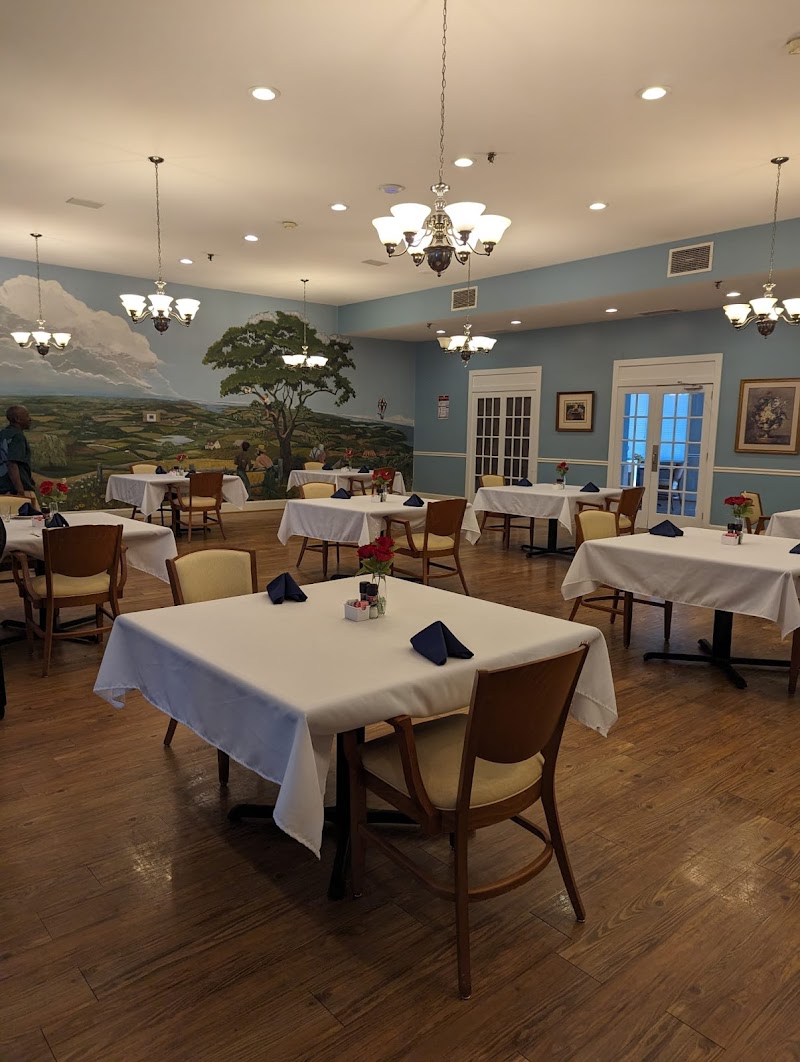
How Does Green Acres Nursing And Rehab Compare to Other Maryland Nursing Homes?

Compared to the 100 nursing homes in Maryland, GREEN ACRES NURSING AND REHAB's overall rating (4 stars) is above the state average of 3.0, staff turnover (66%) is significantly higher than the state average of 46%, and health inspection rating (4 stars) is above the national benchmark.

What Should Families Ask When Visiting Green Acres Nursing And Rehab?

Based on this facility's data, families visiting should ask: "How do you ensure continuity of care given staff turnover, and what is your staff retention strategy?" "Can you walk me through typical staffing levels on day, evening, and night shifts?" "Can I visit during a mealtime to observe dining assistance and food quality?" "How do you handle medical emergencies, and what is your hospital transfer rate?" These questions are particularly relevant given the facility's high staff turnover rate and the below-average staffing rating.

Is Green Acres Nursing And Rehab Safe?

Based on CMS inspection data, GREEN ACRES NURSING AND REHAB has a clean safety record: no substantiated abuse findings (meaning no confirmed cases of resident harm), no Immediate Jeopardy citations (the most serious violation level indicating risk of serious injury or death), and is not on the Special Focus Facility watch list (a federal program monitoring the lowest-performing 1% of nursing homes). The facility has a 4-star overall rating and ranks #1 of 100 nursing homes in Maryland. While no facility is perfect, families should still ask about staff-to-resident ratios and recent inspection results during their visit.

Do Nurses at Green Acres Nursing And Rehab Stick Around?

Staff turnover at GREEN ACRES NURSING AND REHAB is high. At 66%, the facility is 19 percentage points above the Maryland average of 46%. High turnover means new staff may not know residents' individual needs, medications, or preferences. It can also be disorienting for residents, especially those with dementia who rely on familiar faces. Families should ask: What is causing the turnover? What retention programs are in place? How do you ensure care continuity during staff transitions?

Was Green Acres Nursing And Rehab Ever Fined?

GREEN ACRES NURSING AND REHAB has no federal fines on record. CMS issues fines when nursing homes fail to meet care standards or don't correct problems found during inspections. The absence of fines suggests the facility has either maintained compliance or corrected any issues before penalties were assessed. This is a positive indicator, though families should still review recent inspection reports for the full picture.

Is Green Acres Nursing And Rehab on Any Federal Watch List?

GREEN ACRES NURSING AND REHAB is not on any federal watch list. The most significant is the Special Focus Facility (SFF) program, which identifies the bottom 1% of nursing homes nationally based on persistent, serious quality problems. Not being on this list means the facility has avoided the pattern of deficiencies that triggers enhanced federal oversight. This is a positive indicator, though families should still review the facility's inspection history directly.