FUTURE CARE CAPITAL REGION
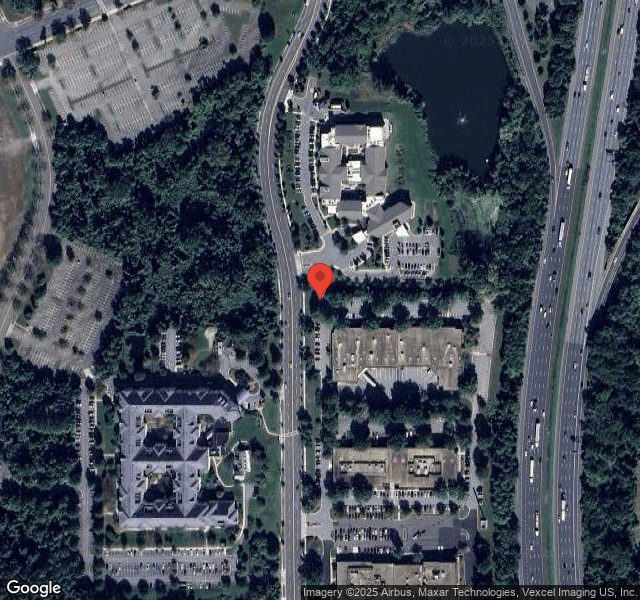

1051 BRIGHTSEAT ROAD, LANDOVER, MD 20785 (240) 487-4400
For profit - Limited Liability company 150 Beds FUTURE CARE/LIFEBRIDGE HEALTH Data: November 2025
Trust Grade
85/100
#18 of 219 in MD
Last Inspection: July 2024

Within standard 12-15 month inspection cycle. Federal law requires annual inspections.

Overview

Future Care Capital Region in Landover, Maryland has a Trust Grade of B+, indicating it is above average and recommended for families considering care options. It ranks #18 out of 219 facilities in Maryland, placing it in the top half, and #3 out of 19 in Prince George's County, meaning there are only two local facilities rated higher. However, the trend is worsening, as the number of issues identified rose from 9 in 2019 to 12 in 2024. Staffing is a strong point, with a rating of 4 out of 5 stars and a turnover rate of 25%, which is well below the Maryland average, suggesting that caregivers are stable and familiar with residents. On the downside, there were no fines reported, but there were concerns found during inspections, including residents not having call lights within reach and failures in managing tube feeding care, which could pose risks to their well-being. Overall, while the facility has strengths, families should be aware of the recent increase in issues and specific care deficiencies.

Trust Score
B+
85/100
In Maryland
#18/219
Top 8%
Safety Record
Low Risk
No red flags
Inspections
Getting Worse
9 → 12 violations
Staff Stability
✓ Good
25% annual turnover. Excellent stability, 23 points below Maryland's 48% average. Staff who stay learn residents' needs.
Penalties
✓ Good
No fines on record. Clean compliance history, better than most Maryland facilities.
Skilled Nurses
✓ Good
Each resident gets 86 minutes of Registered Nurse (RN) attention daily — more than 97% of Maryland nursing homes. RNs are the most trained staff who catch health problems before they become serious.
Violations
⚠ Watch
23 deficiencies on record. Higher than average. Multiple issues found across inspections.
★★★★★
5.0
Overall Rating
★★★★☆
4.0
Staff Levels
★★★★★
5.0
Care Quality
★★★★☆
4.0
Inspection Score
Stable
2019: 9 issues
2024: 12 issues

The Good

  • 4-Star Staffing Rating · Above-average nurse staffing levels
  • 5-Star Quality Measures · Strong clinical quality outcomes
  • Low Staff Turnover (25%) · Staff stability means consistent care
  • No fines on record
  • Staff turnover is low (25%)

    23 points below Maryland average of 48%

Facility shows strength in staffing levels, quality measures, staff retention.

The Bad

Chain: FUTURE CARE/LIFEBRIDGE HEALTH

Part of a multi-facility chain

Ask about local staffing decisions and management

The Ugly 23 deficiencies on record

Jul 2024 12 deficiencies
CONCERN (D)

Potential for Harm - no one hurt, but risky conditions existed

Deficiency F0578 (Tag F0578)

Could have caused harm · This affected 1 resident

**NOTE- TERMS IN BRACKETS HAVE BEEN EDITED TO PROTECT CONFIDENTIALITY** 2) On 7/17/2024 at 8:20 AM the surveyor conducted a record review of Resident #448's medical record. During the medical record ...

Read full inspector narrative →
**NOTE- TERMS IN BRACKETS HAVE BEEN EDITED TO PROTECT CONFIDENTIALITY** 2) On 7/17/2024 at 8:20 AM the surveyor conducted a record review of Resident #448's medical record. During the medical record review, it was revealed that Resident #448 had a Maryland Medical Orders for Life-Sustaining Treatment (MOLST) dated 7/1/2024. The MOLST indicated that there was a discussion with and the informed consent of the patient's surrogate as per the authority granted by the Health Care Decisions Act. The surveyor was unable to locate a surrogate identification form after further review of Resident #448's medical record. On 7/25/2024 at 10:00 AM the surveyor requested a copy of Resident #448's MOLST. The Regional Clinical Services Manager (RCSM) RN (Registered Nurse),#1, provided a copy of Resident #448's MOLST and conveyed to the surveyor that there was no surrogate listed. The Regional Clinical Services Manager (RCSM) RN #1 further conveyed that the Social Services Department stated they were on it when she approached them regarding the surrogate form. Based on medical record review and interviews it was determined that the facility failed to ensure: 1) the accuracy of the Medical Orders for Life-Sustaining Treatment (MOLST) in place and 2) to identify a resident's surrogate as per the authority granted by the Health Care Decisions Act. This was found to be evident for 2 (Resident #116 and #448) out of 5 residents reviewed for the MOLST as part of the instruction. The findings include: MOLST is a medical order form that relays instructions between health professionals about patient care. The MOLST form certifies orders that were agreed to by a patient or a patient's health care agent as named in the patient's advance directive. MOLST determines resuscitation status and includes other 8 sections of treatment choices, for example, medication administration and nutrition. 1) Interview, on 07/16/24 at 09:22 AM, found that Resident #116 was confused, only knew his name and unable to understand simple questions. The family at the bed side stated that he/she had experienced severe mental deterioration after his/her last hospitalization in intensive care unit on 06/11/24. Record review, on 07/16/24 at 09:40 AM, of Resident #116's admission record revealed that the resident was re-admitted to the facility on [DATE] with the diagnosis of acute hypoxic respiratory failure and hemorrhagic gastric shock in intensive care. Further review found that a MOLST form, dated 06/11/24, erroneously served as the resident's current certification/orders for health care decisions (from the University Maryland Emergency Department) as if Resident #116 still had the full mental capacity. Clearly, the facility did not have one done when he/she had returned to the facility on [DATE] and obtain a proper advance directive to direct his care. However, on 07/05/24, the facility staff had completed Resident's #116's assessment of Brief Interview for Mental Status (BIMS). The resident's total score was 3 out of 15 which indicated that his/her cognitive state was severely impaired. The Brief Interview for Mental Status (BIMS) test has a score from 0 to 15 points. A score of 13 to 15 suggests the patient is cognitively intact, 8 to 12 suggests moderate impairment, and 0 to 7 suggests severe impairment. During the interview, on 07/16/24 at 3:33 PM, the Unit Nurse Manager Staff #10 confirmed that Resident #116's MOLST was outdated and there should have been 2 medical staff to certify the incapacity to make an informed decision. During further interview, Nurse Practitioner Staff #25 agreed that the resident's mental state made him/her incapable of making any informed decisions and should have an advance directive on file. During an interview, 07/16/24 at 3:43 PM, the Regional Clinical Services Manager was made aware of the above deficiency practice as a concern
CONCERN (D)

Potential for Harm - no one hurt, but risky conditions existed

Transfer Notice (Tag F0623)

Could have caused harm · This affected 1 resident

Based on interviews and medical record review it was determined that the facility failed to provide notification to the Ombudsman of the resident that transferred to the hospital. This was evident in ...

Read full inspector narrative →
Based on interviews and medical record review it was determined that the facility failed to provide notification to the Ombudsman of the resident that transferred to the hospital. This was evident in 1 Resident (#24) out of 1 Resident reviewed for hospitalizations. The findings include: On 7/17/2024 at 7:30 AM the surveyor reviewed Resident #24's medical record. The review of the medical record revealed that Resident #24 was transferred to the hospital on 4/25/24 and 5/4/2024. In an interview at 8:15 AM on 7/19/2024 the surveyor requested from the Regional Clinical Services Manager (RCSM) Registered Nurse (RN) #1 the documentation of the Ombudsman notification of Resident #24's transfer to the hospital on 4/25/24 and 5/4/2024. In a follow-up interview with the Regional Clinical Services Manager (RCSM) RN #1 at 8:45 AM on 7/19/2024 the RCSM RN #1 stated to the surveyor that the notification to the Ombudsman had not been completed for Resident #24's transfers to the hospital on 4/25/2024 and 5/4/2024. At 9:20 AM on 7/19/2024 the Nursing Home Administrator (NHA) provided the surveyor with an email that she sent to the Ombudsman today and a computer-generated list Discharges 5/1/2024 to 5/31/2024 dated with today' s date 7/19/2024. The email that the Nursing Home Administrator sent to the Ombudsman included attachments of computer-generated lists of all discharges from November 2023 through June of 2024. The Nursing Home Administrator stated that notification to the Ombudsman had not been completed since November as the former Administrator performed this task and I have a plan going forward that the Social Services Department will be assigned this task.
CONCERN (D) 📢 Someone Reported This

A family member, employee, or ombudsman was alarmed enough to file a formal complaint

Potential for Harm - no one hurt, but risky conditions existed

Deficiency F0625 (Tag F0625)

Could have caused harm · This affected 1 resident

Based on medical record review and staff interview it was determined that the facility failed to notify the resident/resident representative in writing of the bed hold policy when the resident was tra...

Read full inspector narrative →
Based on medical record review and staff interview it was determined that the facility failed to notify the resident/resident representative in writing of the bed hold policy when the resident was transferred/discharged from the facility to an acute care facility. This was evident for 2 (#116 and #53) of 3 residents reviewed for hospitalization. The findings include: A Bed Hold is the act of holding or reserving a resident's bed while the resident is absent from the facility for therapeutic leave or hospitalization. It must be provided to all facility residents regardless of payment source. The Bed Hold policy should be disclosed in the admission packet during an initial admission to the facility and it should be disclosed to resident/resident representatives at the time of transfer. 1a) During the interview, on 07/15/24 at 12:23 PM, it was revealed that the family was notified by phone on 06/11/24 regarding the transfer of Resident #116 to the hospital. Record review, on 07/17/24 at 12:19 PM, revealed that a transfer order and a transfer form were in place dated 06/11/24 at 10:05 AM. No bed hold policy was found in the chart nor in the electronic system. No documentation from the social workers as well. During further interview, on 07/18/24 at 10:49 AM, the Unit Nurse Manager Staff #10 stated that the bed hold policy was not given to Resident #116 nor to the family. The Regional Clinical Services Manager who was notified of the above deficiency practice as a concern. 1b) A closed record review, on 07/22/24 at 11:58 AM, revealed that Resident # 53 was transferred out, on 07/04/24 at 13:51 PM, with the Nursing Practitioner Staff #25's order. However, the transfer notification to the family was not documented and there was no bed hold policy in place. During the interview, on 07/24/24 at 10:20 AM, the Regional Clinical Services Manager was able to clarify that the family was notified in a change in condition evaluation page by Nurse Staff #27 on 07/4/24 13:36 AM. Additionally, she provided hard copies of documents to support that the bed hold policy was issued. Record review, on 07/25/24 at 11:19 AM, revealed those hard copies only included an Emergency Department transfer form and a notice of facility-initiated transfer form. No bed hold policy was found. During further interview, the Regional Clinical Services Manager was informed that the documentation that she had provided did not include a bed hold policy, which was a concern
CONCERN (D) 📢 Someone Reported This

A family member, employee, or ombudsman was alarmed enough to file a formal complaint

Potential for Harm - no one hurt, but risky conditions existed

Quality of Care (Tag F0684)

Could have caused harm · This affected 1 resident

Based on medical record reviews and interviews, it was determined that the facility staff failed to ensure: 1) that Resident (#131) was administered medication and 2) an outside medical appointment wa...

Read full inspector narrative →
Based on medical record reviews and interviews, it was determined that the facility staff failed to ensure: 1) that Resident (#131) was administered medication and 2) an outside medical appointment was scheduled for Resident (#435) in a timely manner. This was found to be evident for 2 (Resident #131 and #435) out 2 residents reviewed for Quality of Care. The findings include: 1) During record review for Resident #131 on 07/23/24 at 01:29 PM, it was documented that Resident #131 had been evaluated by a medical provider on 05/26/24 for complaints of nausea without vomiting. The surveyor reviewed the medication administration record, it was revealed that Resident #131 did not receive the medication as ordered. During an interview with the Director of Nursing (DON) on 07/24/24 at 08:20 AM, she was asked to provide records that showed the resident received medication per their complaint. The DON reported she did not know if the medications were given, and that progress notes stated they were awaiting delivery of the medication. A Pyxis MedStation is an automated medication dispensing system. Automated dispensing machines provide secure medication storage on patient care units, along with electronic tracking of the use of narcotics and other controlled medications. During an interview with the DON on 07/24/24 at 11:09 AM, she confirmed she spoke with another facility staff member who could not remember whether the resident was administered medication or not. The DON also confirmed the medication was shown on the facilities' pyxis formulary list and was available for Resident #131. 2) On 07/29/2024 at 9:27 AM a review of Resident #435's medical record review revealed documentation that the resident diagnosed with spinal stenosis complained of continued back pain. A review of the resident's Medication Administration Record revealed the resident was administered pain medications ordered for back pain. On 07/29/2024 at 9:35 AM a review of Physician orders for Resident #435 showed an order for an Ortho consult for spinal stenosis placed on 03/23/2022. Further review of the Physician orders revealed an appointment was made 14 days after the consultation was ordered on 04/06/2022 for an appointment on 05/25/22. During an interview conducted on 07/29/2024 at 10:30 AM, the Director of Nursing (DON) stated that the process to send a resident to an outside appointment is as follows: the Physician would place the order for a consult, either the Unit Manager or Nurse would review the Physician's orders the next day and print out any orders that requested a consult. The Unit Secretary would speak with the resident and/or family member to see if they had a provider they preferred. The Unit Secretary would then call and schedule an appointment with the outside Provider and set up transportation unless the family wanted to do so. The DON further explained the facility's expectation is that an appointment would be scheduled within a short period of time of when the consult was first ordered. The DON stated she would investigate the Ortho consult ordered for Resident #435 on 03/23/22. On 07/29/2024 at 12:43 PM, the DON stated that she looked through emails and medical records and could not identify the reason for the delay in scheduling Resident #435's Ortho Consult appointment. The DON stated that the delay was not the facility's normal practice.
CONCERN (D)

Potential for Harm - no one hurt, but risky conditions existed

Respiratory Care (Tag F0695)

Could have caused harm · This affected 1 resident

**NOTE- TERMS IN BRACKETS HAVE BEEN EDITED TO PROTECT CONFIDENTIALITY** Based on observation, medical record review and interviews it was determined that the facility failed to follow appropriate resp...

Read full inspector narrative →
**NOTE- TERMS IN BRACKETS HAVE BEEN EDITED TO PROTECT CONFIDENTIALITY** Based on observation, medical record review and interviews it was determined that the facility failed to follow appropriate respiratory care and services. This was evident in 2 (Resident #24 and #62) out of 3 residents reviewed for respiratory care. The findings include: On the initial tour of the PPCU-1 unit on 7/15/2024 at 9:15 AM the surveyor observed an oxygen humidifier bottle dated 7/3 attached to the oxygen gauge on the wall in Resident #24's room. The surveyor observed Resident #24 in bed with oxygen in place to the nostrils at 12:29 PM on 7/16/2024. The Minimum Data Set (MDS) is a tool used by the Centers for Medicare and Medicaid Services (CMS) to standardize assessments and care management for residents of Medicare and Medicaid certified nursing homes. The MDS process evaluates a resident's functional capabilities and clinical needs, including their treatments, therapies, and psychosocial functioning. This information helps nursing home staff identify health problems and improve care management. MDS assessments are typically conducted every three months or more, depending on the situation. The surveyor at 8:30 AM on 7/19/2024 completed a record review of Resident #24's medical record. During the medical record review, it was revealed that the resident did not have a physician order for the oxygen. Further review of the medical record revealed that Resident #24's care plan had an intervention for, administer oxygen as per PRN (as needed) order and the annual Minimum Data Set (MDS) assessment had oxygen therapy checked as a special respiratory treatment. At 12:15 PM on 7/19/2024 the surveyor reviewed the Facility's oxygen policy and procedure that was received from the Regional Clinical Services Manager (RCSM) Regiistered Nurse (RN) #1. Upon review of the Future Care Health and Management Corporation Nursing Practice Manual - Respiratory Therapy: Oxygen Therapy, it indicated that a physician order must be written before therapy is initiated. The order must include flow rate and vehicle for delivery. In an emergency situation, until a physician can be reached, oxygen may be applied up to five liters per nursing judgement. On 7/25/2024 at 11:25 AM during an interview with the Regional Clinical Services Manager (RCSM) RN #1 the surveyor conveyed that Resident #24 had documentation in the medical record of an intervention on the care plan for oxygen PRN, and that oxygen was checked on the significant change MDS dated [DATE]. In addition, the surveyors observed the resident with oxygen in place to nostrils, but there was no current physician order for oxygen therapy for Resident #24. The Regional Clinical Services Manager (RCSM) RN #1 stated that she would investigate this. At 1:30 PM on 7/25/24 during a follow-up interview with the Regional Clinical Services Manager (RCSM) RN #1, the surveyor inquired about the oxygen for Resident #24. The Regional Clinical Services Manager (RCSM) RN #1 confirmed that the resident did not have an order for oxygen but does have an order now. The RCSM RN #1 further stated that the resident did have an order for oxygen previously, but when the resident discharged to hospital and returned the order for oxygen was not ordered by the physician. Resident #24 was recently hospitalized on [DATE] and 5/4/2024. A tracheostomy is a procedure to help air and oxygen reach the lungs by creating an opening into the trachea from outside the neck. A person with a tracheostomy breathes through a tracheostomy tube inserted in the opening. On the initial tour of the PPCU-1 unit on 7/15/2024 at 9:15 AM the surveyors observed Resident #62 in bed with a tracheostomy, and there was not a manual resuscitator bag (ambu bag) included with the emergency supplies in Resident #62's room. On 7/15/2024 at 11:00 AM the surveyors conducted an interview with the Regional Clinical Services Manager (RCSM) RN #2 on the PPCU-1 unit after the surveyors' initial tour. The surveyors conveyed to the Regional Clinical Services Manager (RCSM) RN #2 that there was not an ambu bag included with the emergency supplies in Resident #62's room. The Regional Clinical Services Manager (RCSM) RN #2 stated that an audit and in-service would be conducted regarding emergency supplies. The surveyor conducted a record review of Resident #62's medical record on 7/19/2024 at 10:30 AM. The medical record review revealed that Resident #62 had physician orders for Respiratory Therapy to ensure emergency supplies are at bedside: backup trach, 5-10 ml syringe, manual resuscitator bag and Respiratory Therapy to change manual resuscitation bag every 6 months and place at residents bedside.
CONCERN (D)

Potential for Harm - no one hurt, but risky conditions existed

Deficiency F0711 (Tag F0711)

Could have caused harm · This affected 1 resident

Based on medical record review and interviews, it was determined that the facility staff failed to provide a follow up after a psychiatric consult for (Resident #60). This was evident for 1 out of 1 r...

Read full inspector narrative →
Based on medical record review and interviews, it was determined that the facility staff failed to provide a follow up after a psychiatric consult for (Resident #60). This was evident for 1 out of 1 resident's reviewed for physician services. The findings include: During a review of Resident #60's physician orders conducted on 07/18/24 at 01:26 PM, the surveyor reviewed an order for a psychiatric consult ordered on 01/24/23. Following the order, a psychiatric consult comumnity Health Services completed an evaluation for Resident #60 on 01/26/23. It was documented in the subject area under the PLAN that the patient did not require two antidepressants based on current presentation. During an interview with the Director of Nursing (DON) on 07/25/24 at 01:39 PM, she was asked about the documented psychiatric plan for the resident and was also asked about the follow-up physician or nursing notes based on the psychiatric consult conducted by the community Health Services. During an interview with the DON on 07/26/24 at 10:38 AM, she stated that the resident was found to have depressive symptoms before the consult with the community Health Services on 01/26/23. The DON reported the consult was placed based on Resident #60's presentation from a previous hospital visit. This confirmed the rationale for the resident continuing with antidepressant medications. The DON further stated from her perspective that if the resident continued to have symptoms she wouldn't have necessarily taken the resident off the antidepressant medications but otherwise stated there was no additional record of follow up of physician or nursing notes based on psychiatric consult recommendation completed by the community Health Service on 01/26/23.
CONCERN (D)

Potential for Harm - no one hurt, but risky conditions existed

Pharmacy Services (Tag F0755)

Could have caused harm · This affected 1 resident

Based on interview, record review and observation, it was determined that the facility failed to ensure medications were administered as prescribed by the medical provider. This was found to be eviden...

Read full inspector narrative →
Based on interview, record review and observation, it was determined that the facility failed to ensure medications were administered as prescribed by the medical provider. This was found to be evident for 1 (Resident #337) out of 1 resident's reviewed for medication timeliness. The findings include: A medical provider, also known as a health care provider, is a licensed individual or organization that provides health care services. During an interview on 07/15/24 at 12:35 PM, Resident #337's daughter stated that the night nurse had changed the time on a seizure medication without checking it with the doctor. No documentation was found on the record related to the medication time change. The surveyor requested additional information from the facility. 07/25/24 at 10:25 AM Review of the Clinical Incident Report written on 7/9/24, stated that Registered Nurse (RN) #22 did not administer a medication as ordered and scheduled. Education was provided to RN #22 on medication administration in relation to notifying the Medical Doctor or Nurse Practioner before making any timing changes. 07/22/24 at 12:59 PM, during an interview with Regional Clinical Services Manager regarding the medication time being changed the surveyor was told that the nurse did not document why she changed the time. The Administrator was asked what she would expect the nurse to do when a medication time was changed from the ordered administration time. She stated, I would expect the nurse to contact the physician before making any changes to the ordered medication times and that education to have been provided to the nurse who made the change.
CONCERN (D)

Potential for Harm - no one hurt, but risky conditions existed

Food Safety (Tag F0812)

Could have caused harm · This affected 1 resident

Based on observations and interviews, it was determined that the facility failed to ensure sanitary and safe food handling practices were followed to reduce the risk of foodborne illness. This was fou...

Read full inspector narrative →
Based on observations and interviews, it was determined that the facility failed to ensure sanitary and safe food handling practices were followed to reduce the risk of foodborne illness. This was found for 2 out of 4 food refrigerator and storage areas observed during the annual survey. The findings include: During the initial tour of the kitchen with the Food Service Director on 07/15/24 at 08:02 AM, the surveyor identified concerns with outdated food. Lemon pie was dated use by 2/14 with no open date or year in the freezer, a container was labeled opened 1/16 with no discard date or year in the dry storage area, and containers of teriyaki sauce and soy sauce were not labeled or dated in the cooking area. The Food Service Director stated that all items should be dated with the received, opened and discard dates including the year and she would educate staff. On 07/17/24 at 11:40 AM, the surveyor requested that Registered Nurse (RN) #11 to unlock the refrigerator door on the Vital Strong 2 (VS2) unit. An unlabeled, undated container of fruit, an undated bag with a resident name and room number, and a grey cooler bag with no name or date were found. When RN #11 was asked what the facility policy was for unlabeled food, the VS2 Unit Manager stepped up and stated, We throw it away. I don't know how the food got in there because we keep the door locked and don't allow family members to put stuff in without a name and date. I checked it this morning and everything was fine. The VS 2 Unit Manager #10 further stated staff would be educated. During an interview on 07/29/2024 at 8:01 AM, the Administrator acknowledged the concern with labeling and dating and stated the facility purchased a date labeler for the kitchen and labels to be used for the units for food stored in the unit kitchens.
CONCERN (D)

Potential for Harm - no one hurt, but risky conditions existed

Medical Records (Tag F0842)

Could have caused harm · This affected 1 resident

**NOTE- TERMS IN BRACKETS HAVE BEEN EDITED TO PROTECT CONFIDENTIALITY** Based on medical record review and interviews, it was determined that the facility staff failed to accurately document the Morse...

Read full inspector narrative →
**NOTE- TERMS IN BRACKETS HAVE BEEN EDITED TO PROTECT CONFIDENTIALITY** Based on medical record review and interviews, it was determined that the facility staff failed to accurately document the Morse Fall Scale assessments for (Resident #60). This was evident for 1 out of 1 resident's reviewed for falls. The findings include: The Morse Fall Scale (MFS) is a tool that estimates a patient's risk of falling in various settings by assigning a score between 0 - 45 and higher points. During a review of Resident #60's medical record on 07/18/24 at 08:42 AM, it was revealed that Resident #60 fell on 09/22, 10/22, 8/23, 2/24, and 3/24. A review of the MFS assessment dated [DATE] did not accurately record the past history of falls as noted above. Therefore the resident fall risk was assessed inaccurately at a fall risk factor for moderate risk for falls. A review of the MFS assessment dated [DATE] did not accurately record the past history of falls as noted above. Therefore, the resident fall risk was assessed inaccurately at a fall risk factor for low risk for falls. During an interview with the Director of Nursing (DON) on 07/25/24 at 11:55 AM, she was asked about the Morse Fall Scale assessments pertaining to Resident #60. She stated that she reviewed the resident's record and was aware of the incorrect documentation of the MFS post fall assessments but did not know why the past history of falls were not indicated.
CONCERN (D)

Potential for Harm - no one hurt, but risky conditions existed

Infection Control (Tag F0880)

Could have caused harm · This affected 1 resident

Based on observations and interviews, it was determined that the facility staff failed to follow infection control practices before donning personal protective equipment (PPE). This was evident during...

Read full inspector narrative →
Based on observations and interviews, it was determined that the facility staff failed to follow infection control practices before donning personal protective equipment (PPE). This was evident during an annual survey. The findings include: Personal protective equipment (PPE) is clothing or equipment that protects the wearer from injury or the spread of infection or illness. In healthcare settings, PPE can include items such as: protective clothing, helmets, gloves, face shields, goggles, and respirators. During observation on 07/24/24 at 12:25 PM, the surveyor observed the PPE cart with a sign posted that stated, Reminder, sanitize your hands before taking a gown. The sign was visible to everyone. The surveyor observed Licensed Practical Nurse Staff #28, remove PPE from the cart without performing hand hygiene before removing the PPE. The surveyor also observed two more facility staff remove PPE without performing hand hygiene first. During an interview with Registered Nurse Staff #29 on 07/24/24 at 12:28 PM, she was directed to the PPE cart, then asked what the process was for removing PPE from the cart. Staff #29 confirmed that staff should perform hand hygiene first before removing PPE. During the interview with Staff #29, two additional staff removed PPE from the cart without performing hand hygiene first.
CONCERN (E)

Potential for Harm - no one hurt, but risky conditions existed

Deficiency F0558 (Tag F0558)

Could have caused harm · This affected multiple residents

Based on observations and interviews, it was determined that the facility staff failed to ensure that residents were provided reasonable accommodations as evidenced by call lights not readily availabl...

Read full inspector narrative →
Based on observations and interviews, it was determined that the facility staff failed to ensure that residents were provided reasonable accommodations as evidenced by call lights not readily available for Residents (#6, #46, #62, #97,100, #124). This was found to be evident for 6 out of 6 residents reviewed for accommodation of needs. The findings include: During the initial tour of the PPCU-1 unit on 7/15/2024 at 9:15 AM, the surveyors observed the following residents without a call light in reach. Resident (#6) was in bed and the call light cord was observed hanging on the oxygen gauge on the wall, and Residents (#62 and #100) were in bed and the call light was observed on the floor. In addition, the surveyors observed that Residents (#46, #97 and #124) did not have an available call light. On 7/15/2024 at 11:00 AM the surveyors conducted an interview with the Regional Clinical Services Manager (RCSM) RN #2 on the PPCU-1 unit after the surveyor's initial tour. The surveyors conveyed to the Regional Clinical Services Manager (RCSM) RN #2 that call lights were not available or within reach for these residents. The Regional Clinical Services Manager (RCSM) RN #2 confirmed that the expectation is that call lights were to be available for residents. In addition, the Regional Clinical Services Manager (RCSM) RN #2 stated that she would have a unit audit conducted and an inservice regarding call bell light accessibility.
CONCERN (E)

Potential for Harm - no one hurt, but risky conditions existed

Tube Feeding (Tag F0693)

Could have caused harm · This affected multiple residents

Based on observations, interviews and record reviews it was determined that the facility failed to follow appropriate tube feeding care and services. This was evident in 4 (Resident #24, #62, #83 and ...

Read full inspector narrative →
Based on observations, interviews and record reviews it was determined that the facility failed to follow appropriate tube feeding care and services. This was evident in 4 (Resident #24, #62, #83 and #100) out of 4 residents reviewed for tube feeding management. The findings include: Enteral tube/feeding tube/gastrostomy tube is a medical device used to provide nutrition to people who cannot obtain nutrition by mouth, are unable to swallow safely, or need nutritional supplementation. The state of being fed by a feeding tube is called gavage, enteral feeding or tube feeding. A variety of feeding tubes are used in medical practice. The tube is inserted through the abdomen and into the stomach or intestines. Enteral feeding syringes are designed for delivering enteral tube feed, water, and medications via enteral feeding tube and/or to aspirate (suction) a feeding tube. On the initial tour of the PPCU-1 unit on 7/15/2024 at 9:15 AM the surveyors observed Resident #62, #83 and #100 in bed with a 60-cc enteral feeding syringe at the bedside which was not labeled with a date. In addition, the surveyors observed the tube feeding bag and tubing that hung on a pole in Resident #24's room was not labeled. The surveyors interviewed the Regional Clinical Services Manager (RCSM) RN #2 at 11:00 AM on 7/15/2024 after the surveyors' initial tour on the PPCU-1 unit. The surveyors conveyed to the Regional Clinical Services Manager (RCSM) RN #2 that tube feeding syringes and tube feeding bag were not labeled. The RCSM RN #2 conveyed to the surveyors that the expectation should be that the tube feeding supplies were to be labeled and that an audit and in-services would be conducted regarding labeling tube feeding supplies. The surveyor conducted a medical record review of Resident #62, #83 and #100's medical record on 7/18/2024 at 9:45 AM. The medical record review revealed that Residents #62, #83 and #100 had physician orders that read Enteral Feed Order every night shift Change syringe every day. In addition, Resident #24 had a physician's order that read Enteral Feed Order one time a day for nutrition and hydration Hang enteral feeding as ordered (up time) at 6 PM each day and Downtime at 6 AM or until volume of 600 ml enteral feeding administered. The surveyor conducted a review on 7/18/2024 at 10:10 AM of the Future Care Health and Management Corporation Nursing Practice Manual - Tube Feeding: Gastric Syringes, Enteral Spiking and Tube Feeding Protocol dated August 2023. The review revealed that the gastric syringes were to be changed every 24 hours and were to be labeled with the resident's name, date and room number and placed at the residents' bedside. In addition, the review revealed that the resident's name, room number, date, time and rate were to be written on the enteral product label, and that date and time were to be written on the tubing label.
Aug 2019 9 deficiencies
CONCERN (D)

Potential for Harm - no one hurt, but risky conditions existed

Deficiency F0558 (Tag F0558)

Could have caused harm · This affected 1 resident

2) On 08/07/19 at 8:30 AM during breakfast meal service on the unit Arena Way, Resident #26 was noted to be upset about his/her breakfast tray and was heard asking a dietary aide, why isn't there any ...

Read full inspector narrative →
2) On 08/07/19 at 8:30 AM during breakfast meal service on the unit Arena Way, Resident #26 was noted to be upset about his/her breakfast tray and was heard asking a dietary aide, why isn't there any protein on my breakfast tray? On 08/07/19 at 8:33 AM, the surveyor conducted an interview with Resident #26. During the interview, the resident stated, they never give me any protein or meat for breakfast. It's always pancakes or waffles without any meat. Also, I don't like any hot cereal but the kitchen gives me hot oatmeal all the time. On 08/07/19 at 8:34 AM, the surveyor reviewed and verified Resident #26's meal ticket. The meal ticket listed the resident as receiving a regular, low carbohydrate diet with large portions and no added salt, dislikes: hot cereal. On 8/07/19 at 10:45 AM, during an interview with the Director or Nursing (DON), the DON was informed of the lack of dietary meal preferences involving Resident #26. The Administrator, Director of Nursing with facility leadership staff members were informed of the surveyor's concerns prior to and during survey exit. Based on observation, medical record review and resident and staff interviews, it was determined that the facility 1) failed to ensure Resident #92 received lunch prior to the routinely scheduled pick-up time for dialysis, failed to ensure the resident was transferred to a geriatric chair (Geri Chair) in order to be ready for dialysis on time, and failed to ensure that dialysis staff picked up the resident on time; and 2) failed to ensure residents' meal selections and dietary preferences were honored during meal service. This was evident for 1 (Resident #92) of 3 residents reviewed for dialysis during the survey and 1 (Resident #26) of 51 residents reviewed during the survey. The findings include: 1) Resident #92's medical record was reviewed on 8/8/19 at about 1:00 PM. During the review it was noted the resident had a physician order for hemodialysis three times a week on Monday, Wednesday and Friday for end stage renal disease (kidney failure). It was also noted that the resident had Diabetes Mellitus type 2. According to https://www.diabetes.org/diabetes/type-2, Type 2 means that your body doesn't use insulin properly. And while some people can control their blood sugar levels with healthy eating and exercise, others may need medication or insulin to manage it. It is a minimum standard of nursing practice that diabetics are served meals at regular times unless there is a specific reason for skipping a meal that is ordered by a physician. On 8/8/19 at 9:16 AM during an interview with Resident #92, he/she stated he/she goes to dialysis three times a week. The resident also said that on dialysis days, staff don't always bring lunch and he/she gets sick in dialysis if he/she doesn't have lunch prior to receiving dialysis. The resident stated he/she keeps crackers at the bedside so if lunch isn't served prior to leaving he/she has something to eat. When asked if dietary ever sends a boxed lunch with him/her to dialysis, the resident stated they do sometimes but not always. When asked what time he/she leaves for dialysis, he/she said pick-up time is usually between 11:00 AM and 11:30 AM. The resident stated dialysis staff tell him/her when he/she is late that they may have to change the dialysis time to 3:00 PM. Since it isn't the resident's fault when he/she is late, the resident said this makes him/her feel bad. On 8/9/19 (a scheduled dialysis day) at about 11:15 AM, the surveyor observed Resident #92 sitting up in a wheelchair in his/her room. When asked if anyone had brought lunch yet, the resident said no. The resident went on to say he/she had been having stomach problems for many days now and had asked staff to give him/her soup and crackers for lunch until he/she was better. At about 11:20 AM, a Geriatric Nursing Assistant (GNA) brought a Geri Chair (mobile reclining chair) to the resident's room and left it there. The resident stated that's what they put him/her in for transport to dialysis. When asked who puts him/her in the geri-chair, the resident stated a GNA from nursing staff on the floor puts him/her in the chair and a dialysis transport aide picks him/her up. At 12:34 PM the resident still had not received lunch and no nursing staff members had been observed coming in and checking on the resident. The resident started eating crackers he/she had at the bedside, stating once again that he/she would get sick in dialysis if he/she did not eat first. At about 11:35 AM on 8/9/19, the surveyor saw Nurse #10 in the hallway and spoke to her about the resident not getting lunch. She said dietary is supposed to send up a boxed lunch and she would check on it. The surveyor went back to the resident's room. In a few minutes, Nurse #10 came into the resident's room and said she had spoken to dietary and they said they would bring the resident lunch after dialysis. The surveyor stated, that would be dinner, not lunch, since dialysis lasts 4 hours. At that point the resident told the nurse she just wanted soup and that there was some in the refrigerator. At 11:47 AM on 8/9/19, Nurse #10 returned with some soup and gave it to the resident. At about this time a GNA arrived with a lunch tray which the resident declined, stating he/she already had soup. By noon, the resident had still not been assisted by nursing staff into the Geri Chair in order to be ready for transport to dialysis, nor had dialysis staff been seen coming by to pick up the resident. When Nurse #10 was asked what time the dialysis transport aide usually picked up the resident for dialysis, she stated they come at 11:30 AM. When the surveyor told her dialysis had not come yet, Nurse #10 stated they come when a dialysis machine is available. She left the room for a few minutes, then returned to say she called dialysis and was told they came to get the resident but the surveyor was with the resident, so they didn't get her. Per the surveyor's observation, no one from dialysis had knocked or came into the room to say it was time for the resident to go to dialysis since 11:15 AM. On 8/9/19 at 12:03 PM, Unit Manager #9 was made aware of the findings.
CONCERN (D)

Potential for Harm - no one hurt, but risky conditions existed

Deficiency F0583 (Tag F0583)

Could have caused harm · This affected 1 resident

**NOTE- TERMS IN BRACKETS HAVE BEEN EDITED TO PROTECT CONFIDENTIALITY** Based on medication cart observations and staff interviews it was determined the facility staff failed to ensure medical records...

Read full inspector narrative →
**NOTE- TERMS IN BRACKETS HAVE BEEN EDITED TO PROTECT CONFIDENTIALITY** Based on medication cart observations and staff interviews it was determined the facility staff failed to ensure medical records were kept in a confidential manner. This was evident in 3 out of 9 medication carts. The findings include: During an observation that took place on 8/7/19 at 8:49 AM of the [NAME] and Vent units, the surveyor observed the nursing shift-to-shift report laying on top of an unattended medication cart. This document is used by the facility's nursing staff for assigned nursing tasks that need to be preformed during the nurse's shift. This shift-to shift-report that the surveyor viewed contained residents' names, room numbers, vital signs, pain medications, labs, code status, bowel movement status with nursing medication and treatment comments visible for the public to view for the residents in rooms 210 - 218. This document was on top of medication cart-1. On 8/7/19 at 9:00 AM on the Vent unit, the surveyor observed another shift-to-shift report on top of the unattended medication cart-3 which contained resident information for rooms 111 -121. Later at 10:01 AM, the surveyor observed an unattended respiratory medication cart for team-1. On top of this cart were the Daily Report and pulmonary rounds for the respiratory therapists working on the unit. This daily report contained residents' room numbers, names, vent settings for tracheostomy residents, weaning schedule, treatments, history/weaning parameters, code status, and pulse Ox% ETCO2 parameters with treatment comments. All this was visible for the public to view. On 8/7/19 at 10:15 AM, a staff interview was conducted with Nurses #3 and #4 and Respiratory Therapist #6. During the interview, all three staff members stated that all resident health information is always to be kept in a private manner. On 8/7/18 at 10:28 AM, during a staff interview with the Unit Manager who observed that the nursing shift reports were on top of unattended medication carts, the Unit Manager informed the surveyor, this is not our usual practice. The facility has a policy to keep all residents' medical records in a confidential manner. On 8/7/18 at 12:25 PM, during an interview, the Director of Nursing (DON) informed the surveyor that, residents' medical records are to be kept in a confidential manner, per facility policies and nursing practices. Administrator and Director of Nursing were informed of privacy concerns prior to and during survey exit.
CONCERN (D)

Potential for Harm - no one hurt, but risky conditions existed

Assessment Accuracy (Tag F0641)

Could have caused harm · This affected 1 resident

2) Review on 08/07/19 of the MDS admission assessment dated on 07/22/19 for Resident #277 revealed that Resident #277 was initially admitted to facility with multiple medical diagnosis in 07/2019 incl...

Read full inspector narrative →
2) Review on 08/07/19 of the MDS admission assessment dated on 07/22/19 for Resident #277 revealed that Resident #277 was initially admitted to facility with multiple medical diagnosis in 07/2019 including but not limited to Dementia without behaviors. Continued record review revealed in Active Diagnosis in section I for same MDS coding date of 07/22/19 in Section I4800 - Dementia Non-Alzheimer's was blank was not coded in MDS assessment as required. On 08/09/19 at 11:00 a.m. conducted interview with Director of Nursing who verified the required missing assessment concerns. The facility must ensure each resident's needs are clearly delivered is based on accuracy MDS assessments. Based on medical record review and staff interview it was determined facility staff erroneously coded the discharge destination on a Minimum Data Set (MDS) report for Resident #125. This was evident for 1 (Resident #125) of 3 closed records reviewed for discharge during the survey and for 1 (Resident #277) of 51 residents reviewed in the annual survey. The findings include: The Minimum Data Set (MDS) is a core set of screening questions that provide the foundation for the RAI process. Providers must complete the MDS screening assessments at specified times during resident admissions. Some MDS assessments are comprehensive and others are abbreviated updates to the comprehensive assessments. After completion of any comprehensive MDS assessment, the MDS triggers care areas based on the responses to the MDS questions (also referred to as MDS Items). Each triggered care area must then be assessed in order to determine if care planning is needed; and if so to drive an effective plan that will ensure the assessed needs of each resident are met when care is delivered 1) On 8/14/19 beginning at 1:31 PM, the medical record was reviewed for Resident #125. According to MDS reported information received from the facility, the resident had been discharged to a hospital on 6/10/19. According to https://www.cms.gov/Research-Statistics-Data-and-Systems/Computer-Data-and-Systems/Minimum-Data-Set-3-0-Public-Reports/index.html, the MDS is mandated by the federal government and applies to all Medicare and Medicaid certified nursing homes. A comprehensive assessment of each resident's functional capabilities and other information and other information is transmitted electronically by nursing homes to the national MDS data base at the Centers for Medicare & Medicaid Services (CMS). This information is then made available to the Office of Health Care Quality (OHCQ) surveyors (staff conducting this survey). Review of the medical record for Resident #125 revealed a nursing note on 6/10/19 at 14:38 which stated the resident was discharged home today. No evidence was found in the medical record to indicate the resident had been discharged to the hospital. On 8/14/19 at 2:18 PM during an interview with MDS Coordinator #13, she acknowledged the error and said it was a mistake.
CONCERN (D)

Potential for Harm - no one hurt, but risky conditions existed

Menu Adequacy (Tag F0803)

Could have caused harm · This affected 1 resident

Based on observation, interview with residents, and interview with facility staff, it was determined that the facility failed to ensure that residents were given the opportunity to select meals from a...

Read full inspector narrative →
Based on observation, interview with residents, and interview with facility staff, it was determined that the facility failed to ensure that residents were given the opportunity to select meals from a menu in advance of the meal being serviced and that residents received the items that they selected from the menu. This was evident for 1 (Resident #30) of 2 residents reviewed for food. The findings include: Resident #30's medical record was reviewed on 8/8/19 at 2:47 PM. During the review, it was found that the resident was legally blind and that the resident experienced weight loss from weighing 164 lbs on 4/9/19 to weighing 148 lbs on 6/16/19. Resident #30 was interviewed on 8/9/19 at 12:17 PM. During the interview, the resident stated that s/he was able to feed him/herself with only minor assistance from facility staff in setting up the tray. However, the resident stated that s/he would often receive food that s/he did not like. Resident #30 stated that the facility used to provide menus in advance and would come ask the resident at the beginning of the week which entrees s/he wanted. Since that stopped, the resident alleged receiving items that s/he did not like and would not eat. When s/he requested the alternative entree for that meal, staff would return and claim that there was no more of the alternative entree left to serve to the resident and s/he would end up not eating very much of that meal at all. The Food Service Director (FSD) was interviewed at 12:36 PM on 8/9/19. During the interview, the FSD stated that activities staff are responsible for rounding on all residents at the beginning of the week (i.e , over the weekend) and using the menu to determine what everyone's choices are for entrees for all the meals during the upcoming week. The Activities Director was interviewed at 12:41 PM on 8/9/19. During the interview, the Activities Director stated that menus are circulated by activities staff on Saturdays and that every resident or their responsible party is visited before the end of the weekend. The Activities Director could not recall any exception to this practice and, when asked about Resident #30 specifically, stated that his/her menu is prepared with staff assistance since the resident is blind and unable to see the menu. The Activities Director did state that there has been some concern about residents claiming that they have not received the entree items they ordered, but she did not know of Resident #30 making that claim. The FSD was asked to provide completed menus for Resident #30 for the previous three weeks at 12:50 PM. The FSD returned with menus for Resident #30 at 1:50 PM. The previous week's menu for the resident wasn't provided and the FSD stated that it could not be found. The menus from two and three weeks ago were provided and there were no concerns with them. The menu for 8/5/19 thru 8/11/19 was only partially completed; menu items were selected for 8/9, 8/10, and 8/11. The resident was noted to have selected the fish entree for lunch on 8/9. The resident was again interviewed at 2:23 PM on 8/9/19. The resident stated that facility staff had just come into his/her room to complete the current week's menu with him/her only an hour ago. The resident stated that s/he had not received the item that s/he had requested for today. Instead of the baked fish entree with garden rice and baby carrots, Resident #30 received a turkey sandwich entree that s/he did not like. The tray was still in the room at that time and the surveyor confirmed it was a hot turkey sandwich, buttered beets, and cream of broccoli soup, which were also the items listed on the meal ticket bearing Resident #30's name that accompanied the meal tray. The resident further stated that s/he had told the Geriatric Nursing Assistant (GNA) who delivered the tray that these items were not what s/he had ordered. Resident #30 claimed that the GNA departed and returned in about 20 minutes, saying that the baked fish entree was not available because the kitchen had run out. The resident could not identify who this GNA was. The Activities Director was again interviewed at 2:32 PM on 8/9/19. The Activities Director admitted to completing the current week's menu with Resident #30 that afternoon after speaking with the surveyor. The Activities Director could not state why the menu was not already prepared and could not identify the activities staff person who would have been responsible for completing the menu with the resident, stating that's not my system; we're a team and we're all responsible for this. The FSD was interviewed again at 2:44 PM on 8/9/19. The FSD was unaware that Resident #30 had received an entree different from what s/he had indicated on his/her menu. After consulting her computer, the FSD stated that the entree choice had been submitted too late and the choice defaulted to the first option, the hot turkey sandwich entree. The FSD stated that there was more baked fish and that would be provided to the resident. When informed that the resident was told by a GNA that no fish remained, the FSD stated that wasn't true. The FSD then asked her kitchen staff if a GNA had come asking for another fish entree and all of the staff responded that nobody had come asking for fish. The GNA assigned to Resident #30 for the shift was interviewed at 2:50 PM and stated that she was not the person who took Resident #30 his/her lunch tray. The Director of Nursing and Administrator were made aware of these concerns at 3:00 PM.
CONCERN (E)

Potential for Harm - no one hurt, but risky conditions existed

Deficiency F0577 (Tag F0577)

Could have caused harm · This affected multiple residents

Based on a resident council meeting and observations, it was determined that the facility failed to post signs identifying the location of survey results in areas of the facility that were prominent a...

Read full inspector narrative →
Based on a resident council meeting and observations, it was determined that the facility failed to post signs identifying the location of survey results in areas of the facility that were prominent and accessible to the public. This was evident on all nursing units in the facility. The findings include: On 08/15/19 at 10:28 AM, during a resident council meeting with Residents #9, #53, #27, #40, #44, #50, and #7, when asked if they knew where the State Survey results were kept, none of the seven residents had seen nor knew the location of the State Survey results for the facility. During an interview on 8/15/19 at 1:00 PM, the nursing home administrator stated there was only one copy of the survey results available to residents. The Administrator stated that the results were kept in the facility's lobby. The Administrator and Director of Nursing was aware of this concern prior to and during survey exit.
CONCERN (E)

Potential for Harm - no one hurt, but risky conditions existed

Transfer Requirements (Tag F0622)

Could have caused harm · This affected multiple residents

3) On 08/12/19 at 9:30 a.m. during medical records review for Resident #43, a transfer note dated 06/17/19 revealed that the Resident #43 had an unplanned change in condition. Resident #43 was transfe...

Read full inspector narrative →
3) On 08/12/19 at 9:30 a.m. during medical records review for Resident #43, a transfer note dated 06/17/19 revealed that the Resident #43 had an unplanned change in condition. Resident #43 was transferred to the acute care hospital emergency room for further medical evaluation with readmission date back to facility on 06/21/19. Resident #43 had additional hospital transfers in the months of March 2019 and April 2019. Review of the medical record revealed staff failed to provide any documentation of resident's Care Plan was given to the resident or responsible party members for each of these hospital transfers did not include the Care Plan in the discharged paperwork. Review of the facility transfer to hospital policy revealed the documentation would be sent to the hospital with the resident included but was not limited to the transfer form, medication list and advance directives. On 08/12/19 at 1:30 p.m. during an interview with Director of Nursing reviewed nurse's transfer note involving Resident #43 and verified with surveyor the Care Plan was not included in any of hospital transfers. The Director of Nursing informed the surveyor that moving forward all nursing staff will be re-educated and in-service on facility documentation requirements on all resident's transfers. All findings discussed with the Administrator and the DON and Corporate panel at the time of the survey exit. 2) On 5/3/19 Resident #54 complained of chest pain. Vital Signs (V.S.) were within normal limits (WNL). Temp. was WNL, as well as o2 sats. Nitroglycerin 0.4 was given sublingual with no effect. Pain is a 6 out of 10. Nurse Practitioner (CRNP) saw resident and ordered the nitroglycerin that was ineffective. CRNP then transferred resident out 911. Resident's responsible party notified. On 5/3/19 at 9:20 PM facility sent face sheet, copy of medication, labs, bed hold policy and written statement to the family about why the resident was sent to the hospital. There was no care careplan sent to the hospital. Resident returned from the hospital on 5/4/19 with no new orders. Cardiology suggested cardiac catheter and the family did not want to proceed with this test at that time. On 5/23/19 resident was again transferred to the hospital on arrival Hemoglobin was 7. Resident #54 had 2 units of red blood cells. She/he also had leukocytes. Resident also had calculi within the right ureter. Urology was consulted. At this time no obstructing stone seen . A stent was placed on 5/23/19. He/She was discharged from hospital on 5/28/19. Again, all paperwork was sent to the hospital with the exception of the care plan. On 7/18/19 Resident #54 was sent to the emergency room with low Hemoglobin and Hemecritt (5.9, 18.8). Hospital received resident in the emergency room with all transfer paperwork with the exception of the C.P. On 8/7/19 Resident #54 was sent to the hospital again for a low H and H. Family was notified. All transfer paper work was sent to the hospital with the exception of care plan. Based on review of resident medical records and interview with facility staff, it was determined that the facility failed to ensure that documentation of residents' care plan goals were sent with the resident to the receiving facility when the resident was hospitalized . This was evident for 3 (Residents #30, #54, and #43) of 7 residents reviewed for hospitalizations. The findings include: 1) Resident #30's medical record was reviewed on 8/8/19 at 2:42 PM. During the review, it was found that the resident was hospitalized twice in April, 2019; once was resident-initiated and the other was facility-initiated. Documentation that was sent with the resident for the facility-initiated transfer was reviewed and no documentation could be found that stated the resident's care plan goals. For the resident-initiated transfer, the resident was transported privately to the hospital and it was documented that the resident refused to take facility paperwork with him/her. This was confirmed in interview with the resident on 8/8/19 at 2:50 PM. During an interview with the Director of Nursing (DON) that took place on 8/12/19 at 11:40 AM, the DON was asked about documentation that was sent with the resident at the time of transfer. The DON stated that residents' care plans are not sent with the residents to the receiving facility and stated that he was unsure if any of the other provided documentation included care plan goals. The DON informed the surveyor that he would review the materials that were sent with residents and would supply any evidence that care plan goals were mentioned if such documentation could be found. No documentation was supplied by the time of survey exit on 8/15/19.
CONCERN (E)

Potential for Harm - no one hurt, but risky conditions existed

Comprehensive Care Plan (Tag F0656)

Could have caused harm · This affected multiple residents

2) On 08/14/19 at 1:30 p.m. Review of medical record for Resident #277 who was admitted in month of July 2019 with multiple medical diagnosis which included but not limited to Dementia without behavio...

Read full inspector narrative →
2) On 08/14/19 at 1:30 p.m. Review of medical record for Resident #277 who was admitted in month of July 2019 with multiple medical diagnosis which included but not limited to Dementia without behaviors with cognitive score BIMS of 7/15 severely cognitively impaired and unable to make healthcare decisions. Medical record review revealed Resident #277 was receiving Oxygen 2L via NC PRN (as needed) with written medical order to change oxygen tubing every week every night shift. On 08/14/19 at 1:35 p.m. review of resident #277 care plans revealed the facility staff failed to develop care plans for Dementia Care and Administrating Oxygen for resident. On 08/14/19 at 2:00 p.m. conducted interview with Director of Nursing who verified facility staff did not develop nursing care plans addressing medical diagnosis of Dementia or receiving Oxygen Ventilation involving resident #277 The facility Administrator, Director of Nursing with other facility manager and corporate staff was informed of all survey concerns prior and during survey facility exit. Based on observation, record review, and interview with facility staff, it was determined that the facility failed to 1. ensure that resident care plans were implemented for the elevation of the heels of a resident with pressure ulcers on both heels, and 2. develop and implement comprehensive person-centered care plan that included measurable objective related to a residents diagnosis and respirator needs. This was evident for 2 (Residents #33 and #277) of 51 residents reviewed during the survey. The findings include: 1) Resident #33 was observed in bed on 8/15/19 at 9:39 AM. The resident was found to be on his/her back with the covers drawn up to his/her chin. The resident appeared comfortable, clean, and well groomed. The silhouette of the resident's feet suggested that the resident's heels were in direct contact with the mattress. Resident #33's medical record was reviewed contemporaneously. A care plan topic entitled, Pressure ulcer related to immobility was found with the intervention, Float/suspend heels while in bed. The Pulmonary Care Unit Manager was interviewed at 9:50 AM. After reviewing the above care plan topic, the Unit Manager stated that his expectation would be that the resident's heels would be elevated at all times while in bed either by a pillow placed above the ankles or by use of a pressure reducing boot. The Unit Manager stated that the latter would require a physician's order. The Unit Manager identified that Geriatric Nursing Assistant (GNA) #18 was assigned to the resident at that time. The Unit Manager found GNA #18 and brought her into the resident's room with the surveyor present. The resident's sheet was drawn back and a pillow was seen between the resident's legs down by the calves but not supporting either leg. Both heels were in direct contact with the mattress. GNA #18 repositioned the pillow so that both legs were supported and the resident's heels were elevated off the mattress. She stated that she believes the pillow was left this way from when the resident was most recently repositioned. The resident was noted to be minimally responsive while the pillow was placed under his/her legs. Further review of the resident's medical record demonstrated that s/he was totally dependent on staff for bed mobility.
CONCERN (E)

Potential for Harm - no one hurt, but risky conditions existed

Deficiency F0698 (Tag F0698)

Could have caused harm · This affected multiple residents

Based on observation, medical record review and resident and staff interview it was determined the facility failed to accurately document fluid intake for Resident #92. This was evident for 1 of 3 res...

Read full inspector narrative →
Based on observation, medical record review and resident and staff interview it was determined the facility failed to accurately document fluid intake for Resident #92. This was evident for 1 of 3 residents reviewed for dialysis during the survey. The findings include: On 8/8/19 at 9:16 AM during an interview with Resident #92, he/she was asked if he/she was on a fluid restriction. The resident indicated he/she was but did not know if staff were recording it or not. A cup was noted on the bedside table partially filled with water, but with no measurements printed on the side. Beginning on 8/8/19 at about 1:00 PM, the medical record for Resident #92 was reviewed. During the review it was noted the resident had a physician order for hemodialysis three times a week on Monday, Wednesday and Friday for end stage renal disease (kidney failure). According to https://www.kidney.org/atoz/content/hemodialysis, it states, You need dialysis if your kidneys no longer remove enough wastes and fluid from your blood to keep you healthy .In hemodialysis, a dialysis machine and a special filter called an artificial kidney, or a dialyzer, are used to clean your blood. On 8/13/19 beginning at 1:23 PM, the medical record for Resident #92 was reviewed. A physician order was found that stated the resident was to have a fluid restriction of 1000 milliliters (ml)s per day. Nursing was to provide 400 ml of fluid a day and dietary was to provide 600 ml per day. A review of the August 2019 Treatment Administration Orders (TAR) was also reviewed. The TAR is where the nurses document and sign after they administer a treatment, and this is where nursing was documenting how much fluid the resident was actually drinking. A review of the resident's recorded intake of fluid for the first 12 days of August revealed an average of 378 ml per day and nursing staff were not totaling mls per shift or per each 24 hour period. On 8/13/19 at 12:03 when Nurse #10 was asked what she was recording as intake for the resident, she said she writes down what nursing gives her to drink. When asked if nursing was recording how much the resident drank with his/her meals, she stated she only writes down what she gives the resident in nursing (such as with medications), and not what the resident has consumed from the dietary tray. On 8/13/19 at 1:57 PM Geriatric Nursing Aide (GNA) #12 was asked if the GNAs recorded the amount of fluids consumed on dietary trays. She said no, and to her knowledge there was no where for the GNAs to enter fluid amounts when documenting. At 1:59 PM Unit Manager #9 was informed of the findings.
CONCERN (E)

Potential for Harm - no one hurt, but risky conditions existed

Deficiency F0804 (Tag F0804)

Could have caused harm · This affected multiple residents

Based on observation, interview with residents, and interview with facility staff, it was determined that the facility failed to ensure that resident meals arrived at an appropriate temperature and ne...

Read full inspector narrative →
Based on observation, interview with residents, and interview with facility staff, it was determined that the facility failed to ensure that resident meals arrived at an appropriate temperature and near the scheduled time of meal delivery. This was evident for 1 of 2 observations of lunchtime tray delivery. The findings include: Resident #91 was interviewed on 8/7/19 at 12:46 PM. During the interview, the resident stated that there was often a significant delay between when the tray cart arrived and when staff brought trays to resident rooms. The resident illustrated this by saying that on the day prior, 8/6/19, the resident witnessed the food cart arrive to the unit at 1:10 PM but that s/he didn't receive his/her lunch tray until 1:40 PM. The resident stated these times were typical based on his/her experience. The resident further stated that entree items often arrive cold and ice cream arrives melted. The resident gave the opinion that not enough staff were available to assist in delivering trays and that the ones who did deliver the trays were slow about it. Resident #53 was interviewed on 8/8/19 at 2:43 PM. During the interview, the resident stated that the facility would often deliver lunch and dinner later than the scheduled times, such as lunch being delivered as late as 2:30 PM and dinner being delivered after 7:30 PM. The resident went on to say that entree items regularly arrive to him/her cold and unpalatable. The facility policy regarding meal delivery times was reviewed on 8/8/19. The policy indicated that the lunch tray line was scheduled for 12:30 PM and dinner tray line was scheduled for 6:00 PM. An observation of lunch tray line service on the first floor took place on 8/14/19. The tray cart was observed being brought to the unit at 12:37 PM. The first staff person, geriatric nursing assistant (GNA) #19, arrived to begin dispersing trays at 12:41 PM. Another staff person, GNA #20, arrived to assist with trays at 12:51 PM. GNA #20 ceased delivering trays at 12:59 PM. GNA #19 delivered the last tray at 1:09 PM. The tray was for Resident #27. Resident #27 was interviewed at that time and stated that the rice and vegetable item were colder than s/he would have liked. Resident #53 was interviewed at 1:12 PM and had just received his/her tray. The resident uncovered the tray and tested the items, stating that the rice was cold and that the vegetable item was slightly warmer but still colder than s/he would have liked.
Apr 2018 2 deficiencies
CONCERN (D)

Potential for Harm - no one hurt, but risky conditions existed

Pressure Ulcer Prevention (Tag F0686)

Could have caused harm · This affected 1 resident

**NOTE- TERMS IN BRACKETS HAVE BEEN EDITED TO PROTECT CONFIDENTIALITY** Based on medical record review and observation it was determined the facility staff failed to float Resident #3's heels with pil...

Read full inspector narrative →
**NOTE- TERMS IN BRACKETS HAVE BEEN EDITED TO PROTECT CONFIDENTIALITY** Based on medical record review and observation it was determined the facility staff failed to float Resident #3's heels with pillows in bed to relieve pressure and prevent the development of pressure ulcers. This was evident for 1 of 4 sampled residents selected for review. The findings include: Resident #3 has a diagnosis of diabetes mellitus. Medical record review on 4/27/18 revealed that Resident #3 has physician's orders to turn and reposition the resident every 2 hours and to float the resident's heels with pillows in bed every shift. Review of the Geriatric Nursing Assistants' (GNAs') [NAME] revealed that the resident needs a pressure relieving/reducing mattress and a wheelchair cushion to protect the resident's skin while in bed or in the chair. The GNA [NAME] does not include interventions to turn and reposition the resident every 2 hours or to float the resident's heels with pillows in bed. Observations of Resident #3 at 2:30 P.M. and 3:00 P.M. revealed that the resident was in bed. The resident's heels were not floated on pillows, as ordered by the physician.
CONCERN (D)

Potential for Harm - no one hurt, but risky conditions existed

Deficiency F0805 (Tag F0805)

Could have caused harm · This affected 1 resident

Based on medical record review and observation it was determined the facility staff failed to ensure that Resident #1 was provided with nectar thickened water, as ordered by the physician. This was ev...

Read full inspector narrative →
Based on medical record review and observation it was determined the facility staff failed to ensure that Resident #1 was provided with nectar thickened water, as ordered by the physician. This was evident for 1 of 4 sampled residents selected for review. The findings include: Resident #1 has a history of a stroke. Review of Resident #1's medical record on 4/27/18 revealed that the resident has a physician's order for a puree diet with nectar thickened liquids. An observation of Resident #1's room on 4/27/18 at 11:30 A.M. revealed that there was a large cup of water at the resident's bedside. The Unit Manager, Staff #1, was asked to show the surveyor the consistency of the water which was thin rather than thickened, as ordered by the physician. Observation of the resident during the lunch meal revealed that the Speech Pathologist was working with the resident. The Speech Pathologist informed the surveyor that the resident's diet would be upgraded to thin liquids.
Understanding Severity Codes (click to expand)
Life-Threatening (Immediate Jeopardy)
J - Isolated K - Pattern L - Widespread
Actual Harm
G - Isolated H - Pattern I - Widespread
Potential for Harm
D - Isolated E - Pattern F - Widespread
No Harm (Minor)
A - Isolated B - Pattern C - Widespread

Questions to Ask on Your Visit

  • "Can I speak with families of current residents?"
  • "What's your RN coverage like on weekends and overnight?"

Our Honest Assessment

Strengths
  • • Grade B+ (85/100). Above average facility, better than most options in Maryland.
  • • No major safety red flags. No abuse findings, life-threatening violations, or SFF status.
  • • No fines on record. Clean compliance history, better than most Maryland facilities.
  • • 25% annual turnover. Excellent stability, 23 points below Maryland's 48% average. Staff who stay learn residents' needs.
Concerns
  • • 23 deficiencies on record. Higher than average. Multiple issues found across inspections.
Bottom line: Generally positive indicators. Standard due diligence and a personal visit recommended.

About This Facility

What is Future Care Capital Region's CMS Rating?

CMS assigns FUTURE CARE CAPITAL REGION an overall rating of 5 out of 5 stars, which is considered much above average nationally. Within Maryland, this rating places the facility higher than 99% of the state's 100 nursing homes. This rating reflects solid performance across the metrics CMS uses to evaluate nursing home quality.

How is Future Care Capital Region Staffed?

CMS rates FUTURE CARE CAPITAL REGION's staffing level at 4 out of 5 stars, which is above average compared to other nursing homes. Staff turnover is 25%, compared to the Maryland average of 46%. This relatively stable workforce can support continuity of care.

What Have Inspectors Found at Future Care Capital Region?

State health inspectors documented 23 deficiencies at FUTURE CARE CAPITAL REGION during 2018 to 2024. These included: 23 with potential for harm.

Who Owns and Operates Future Care Capital Region?

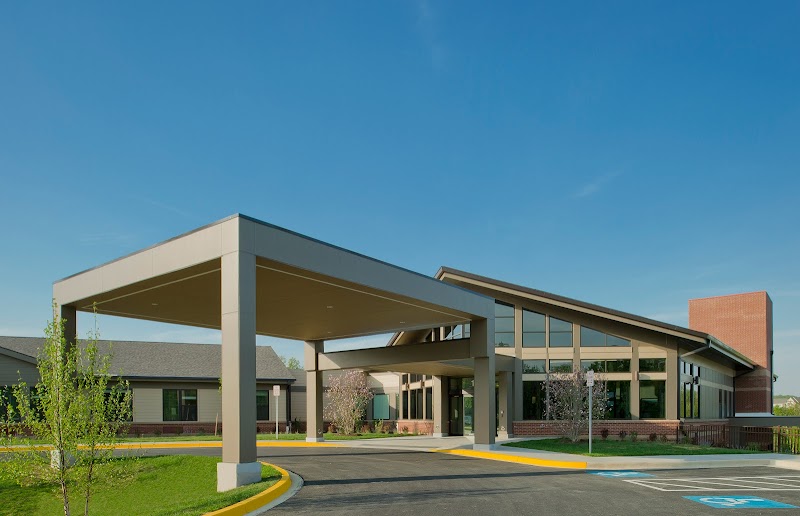
FUTURE CARE CAPITAL REGION is owned by a for-profit company. For-profit facilities operate as businesses with obligations to shareholders or private owners. The facility is operated by FUTURE CARE/LIFEBRIDGE HEALTH, a chain that manages multiple nursing homes. With 150 certified beds and approximately 142 residents (about 95% occupancy), it is a mid-sized facility located in LANDOVER, Maryland.
How Does Future Care Capital Region Compare to Other Maryland Nursing Homes?

Compared to the 100 nursing homes in Maryland, FUTURE CARE CAPITAL REGION's overall rating (5 stars) is above the state average of 3.1, staff turnover (25%) is significantly lower than the state average of 46%, and health inspection rating (4 stars) is above the national benchmark.

What Should Families Ask When Visiting Future Care Capital Region?

Based on this facility's data, families visiting should ask: "Can I visit during a mealtime to observe dining assistance and food quality?" "How do you handle medical emergencies, and what is your hospital transfer rate?" "Can I speak with family members of current residents about their experience?"

Is Future Care Capital Region Safe?

Based on CMS inspection data, FUTURE CARE CAPITAL REGION has a clean safety record: no substantiated abuse findings (meaning no confirmed cases of resident harm), no Immediate Jeopardy citations (the most serious violation level indicating risk of serious injury or death), and is not on the Special Focus Facility watch list (a federal program monitoring the lowest-performing 1% of nursing homes). The facility has a 5-star overall rating and ranks #1 of 100 nursing homes in Maryland. While no facility is perfect, families should still ask about staff-to-resident ratios and recent inspection results during their visit.

Do Nurses at Future Care Capital Region Stick Around?

Staff at FUTURE CARE CAPITAL REGION tend to stick around. With a turnover rate of 25%, the facility is 21 percentage points below the Maryland average of 46%. Low turnover is a positive sign. It means caregivers have time to learn each resident's needs, medications, and personal preferences. Consistent staff also notice subtle changes in a resident's condition more quickly. Registered Nurse turnover is also low at 26%, meaning experienced RNs are available to handle complex medical needs.

Was Future Care Capital Region Ever Fined?

FUTURE CARE CAPITAL REGION has no federal fines on record. CMS issues fines when nursing homes fail to meet care standards or don't correct problems found during inspections. The absence of fines suggests the facility has either maintained compliance or corrected any issues before penalties were assessed. This is a positive indicator, though families should still review recent inspection reports for the full picture.

Is Future Care Capital Region on Any Federal Watch List?

FUTURE CARE CAPITAL REGION is not on any federal watch list. The most significant is the Special Focus Facility (SFF) program, which identifies the bottom 1% of nursing homes nationally based on persistent, serious quality problems. Not being on this list means the facility has avoided the pattern of deficiencies that triggers enhanced federal oversight. This is a positive indicator, though families should still review the facility's inspection history directly.