COMPLETE CARE AT LAPLATA LLC
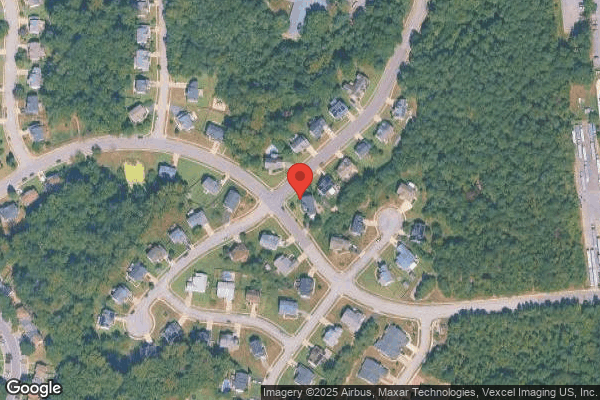
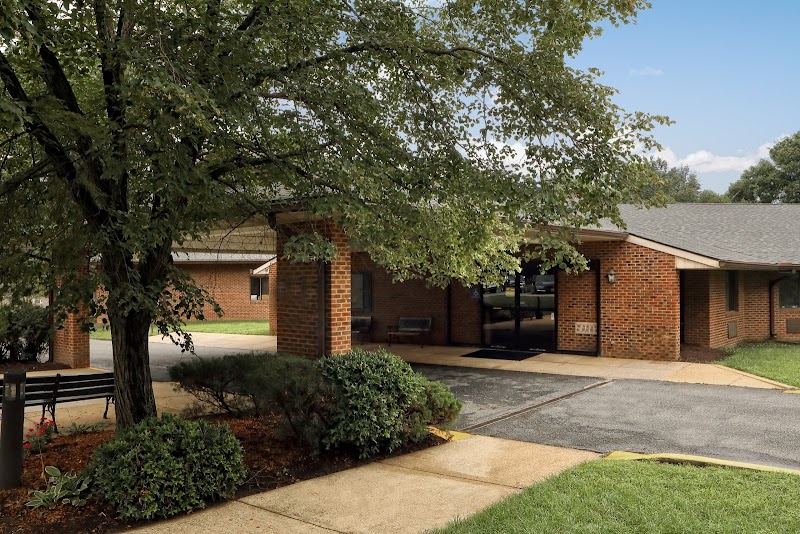
1 MAGNOLIA DRIVE, LAPLATA, MD 20646 (301) 934-4001
For profit - Corporation 142 Beds COMPLETE CARE Data: November 2025
Trust Grade
53/100
#102 of 219 in MD
Last Inspection: March 2025

Within standard 12-15 month inspection cycle. Federal law requires annual inspections.

Overview

Complete Care at LaPlata LLC has a Trust Grade of C, indicating they are average and in the middle of the pack among nursing homes. They rank #102 out of 219 facilities in Maryland, placing them in the top half, and #3 out of 4 in Charles County, meaning only one local option is rated higher. The facility is showing improvement, with issues decreasing from 18 in 2024 to 17 in 2025. Staffing is a relative strength, rated at 3 out of 5 stars, with a turnover rate of 36%, which is below the state average. However, they have faced some concerning incidents, including a resident suffering second-degree burns from hot coffee due to improper serving temperatures, which required hospitalization, and issues with the sanitizing levels in their dishwashing process that did not meet safety standards. Overall, while there are strengths in staffing and a decent organizational ranking, families should be aware of the facility's past compliance issues.

Trust Score
C
53/100
In Maryland
#102/219
Top 46%
Safety Record
Moderate
Needs review
Inspections
Getting Better
18 → 17 violations
Staff Stability
○ Average
36% turnover. Near Maryland's 48% average. Typical for the industry.
Penalties
✓ Good
$15,935 in fines. Lower than most Maryland facilities. Relatively clean record.
Skilled Nurses
✓ Good
Each resident gets 43 minutes of Registered Nurse (RN) attention daily — more than average for Maryland. RNs are trained to catch health problems early.
Violations
⚠ Watch
46 deficiencies on record. Higher than average. Multiple issues found across inspections.
★★★☆☆
3.0
Overall Rating
★★★☆☆
3.0
Staff Levels
★★★★★
5.0
Care Quality
★★☆☆☆
2.0
Inspection Score
Stable
2024: 18 issues
2025: 17 issues

The Good

  • 5-Star Quality Measures · Strong clinical quality outcomes
  • Full Sprinkler Coverage · Fire safety systems throughout facility
  • No fines on record
  • Staff turnover below average (36%)

    12 points below Maryland average of 48%

Facility shows strength in quality measures, fire safety.

The Bad

3-Star Overall Rating

Near Maryland average (3.0)

Meets federal standards, typical of most facilities

Staff Turnover: 36%

Near Maryland avg (46%)

Typical for the industry

Federal Fines: $15,935

Below median ($33,413)

Minor penalties assessed

Chain: COMPLETE CARE

Part of a multi-facility chain

Ask about local staffing decisions and management

The Ugly 46 deficiencies on record

1 actual harm
Apr 2025 5 deficiencies
CONCERN (D) 📢 Someone Reported This

A family member, employee, or ombudsman was alarmed enough to file a formal complaint

Potential for Harm - no one hurt, but risky conditions existed

Transfer Requirements (Tag F0622)

Could have caused harm · This affected 1 resident

**NOTE- TERMS IN BRACKETS HAVE BEEN EDITED TO PROTECT CONFIDENTIALITY** Based on medical record review and interview it was determined that the facility failed to ensure required information was sent ...

Read full inspector narrative →
**NOTE- TERMS IN BRACKETS HAVE BEEN EDITED TO PROTECT CONFIDENTIALITY** Based on medical record review and interview it was determined that the facility failed to ensure required information was sent to the hospital when the resident was transferred. This was found to be evident for 1 (Resident # 1) out of 2 resident complaints. The findings include: On 4/10/25, a review of Resident #1's closed medical record revealed that Resident #1 was admitted to the facility on [DATE] and was transferred to the hospital on 3/24/25. Review of the medical record failed to reveal documentation to indicate the resident's care plan goals were sent to the hospital when the resident was transferred on 3/24/25. No documentation was found to indicate the education provided included review of the specific information required to be sent to the receiving facility at the time of transfer. In an interview with the Director of Nurses (DON) on 4/10/25 at approximately 11:25 AM, the DON stated that Resident #1 was sent back to the hospital to be evaluated for wandering into other resident rooms, being aggressive, and being combative. The DON also stated that the facility hospital liaison informed the hospital that Resident #1 would be returning. The DON stated that he was not sent back to the hospital under an involuntarily discharge. The DON stated that Resident #1 had not been assessed by any facility physician since being admitted on [DATE]. In an interview with the facility hospital liaison, staff member #9, on 04/10/25 at 11:34 AM, the facility hospital liaison stated that s/he reviewed Resident #1 medical records, that were provided by the hospital and cleared Resident #1 to be admitted on the facility on 03/21/25. The facility hospital liaison stated that s/he received an email from the DON on 03/23/25 at 11:30 AM that indicated Resident #1 was not for this building and needs a facility with a locked unit. The facility hospital liaison stated that s/he did not read the Sunday email from the DON because s/he does not work on Sunday and the Clinical Nurse Consultant was out of the country on vacation. The facility hospital liaison stated s/he did read the email after 12 noon on Sunday and then s/he spoke to the charge nurse overseeing Resident #1's care on Sunday and was informed Resident #1 was antsy. The facility hospital liaison then stated s/he was in contact with the hospital social worker and informed then Resident #1 was being sent back to the hospital not by 911. The facility hospital liaison stated that Resident #1 was not displaying behaviors at the hospital before being admitted to the facility. In an interview with the DON on 04/10/25 at 11:56 AM, the DON confirmed that Resident #1 was not seen by the facility psychiatric services before being sent to the hospital on [DATE]. In an interview with the hospital social worker (staff member #11) on 04/10/25 at 1:06 PM, the hospital social worker stated that Resident #1 was still residing at the hospital since being discharge by the facility on 03/24/25 and that the facility DON informed the hospital staff that Resident #1's return was not an option. The hospital social worker stated that facility staff did not send any type of paperwork or his/her belongings with Resident #1 to the hospital on [DATE]. In an interview with the hospital social worker #2 (staff member #12) on 04/10/25 at 1:32 PM, the hospital social worker #2 stated that s/he spoke with the facility hospital liaison and was told that heads up, Resident #1 might be coming back to the hospital and that the DON was unable to accept Resident #1 at the facility. Hospital social worker #2 stated that the facility did not receive any paper work nor a bed hold for Resident #1 when Resident #1 was sent back to the ER on [DATE]. In an interview with the facility medical director on 04/10/25 at 3 PM, the medical director stated that s/he did not have any input into sending Resident #1 back to the ER on [DATE]. In an interview with the facility DON on 04/10/25 at 3:45 PM with the ADON, the DON stated that s/he was the facility staff person who made the decision to send Resident #1 back to the hospital on [DATE]. In an interview with the facility social worker (staff member #6) on 04/10/25 at 3:40 PM, the facility social worker stated that s/he was not involved with Resident #1's discharge to the hospital on [DATE]. The facility social worker also stated that s/he did not pursue calling other facilities to help relocate Resident #1 on 03/24/25.
CONCERN (D) 📢 Someone Reported This

A family member, employee, or ombudsman was alarmed enough to file a formal complaint

Potential for Harm - no one hurt, but risky conditions existed

Transfer Notice (Tag F0623)

Could have caused harm · This affected 1 resident

**NOTE- TERMS IN BRACKETS HAVE BEEN EDITED TO PROTECT CONFIDENTIALITY** Based on medical record review and interview it was determined that the facility failed to provide a notice of discharge to Resi...

Read full inspector narrative →
**NOTE- TERMS IN BRACKETS HAVE BEEN EDITED TO PROTECT CONFIDENTIALITY** Based on medical record review and interview it was determined that the facility failed to provide a notice of discharge to Resident #1 before or during before being sent back to the hospital on [DATE]. This was found to be evident for 1 (Resident # 1) out of 2 resident complaints. The findings include: On 4/10/25, a review of Resident #1's closed medical record revealed that Resident #1 was admitted to the facility on [DATE] and was transferred to the hospital on 3/24/25. Review of the medical record failed to reveal documentation to indicate the resident's care plan goals were sent to the hospital when the resident was transferred on 3/24/25. No documentation was found to indicate the education provided included review of the specific information required to be sent to the receiving facility at the time of transfer. In an interview with the Director of Nurses (DON) on 4/10/25 at approximately 11:25 AM, the DON stated that Resident #1 was sent back to the hospital to be evaluated for wandering into other resident rooms, being aggressive, and being combative. The DON also stated that the facility hospital liaison informed the hospital that Resident #1 would be returning. The DON stated that he was not sent back to the hospital under an involuntarily discharge. The DON stated that Resident #1 had not been assessed by any facility physician since being admitted on [DATE]. In an interview with the facility hospital liaison, staff member #9, on 04/10/25 at 11:34 AM, the facility hospital liaison stated that s/he reviewed Resident #1 medical records, that were provided by the hospital and cleared Resident #1 to be admitted on the facility on 03/21/25. The facility hospital liaison stated that s/he received an email from the DON on 03/23/25 at 11:30 AM that indicated Resident #1 was not for this building and needs a facility with a locked unit. The facility hospital liaison stated that s/he did not read the Sunday email from the DON because s/he does not work on Sunday and the Clinical Nurse Consultant was out of the country on vacation. The facility hospital liaison stated s/he did read the email after 12 noon on Sunday and then s/he spoke to the charge nurse overseeing Resident #1's care on Sunday and was informed Resident #1 was antsy. The facility hospital liaison then stated s/he was in contact with the hospital social worker and informed then Resident #1 was being sent back to the hospital not by 911. The facility hospital liaison stated that Resident #1 was not displaying behaviors at the hospital before being admitted to the facility. In an interview with the DON on 04/10/25 at 11:56 AM, the DON confirmed that Resident #1 was not seen by the facility psychiatric services before being sent to the hospital on [DATE]. In an interview with the hospital social worker (staff member #11) on 04/10/25 at 1:06 PM, the hospital social worker stated that Resident #1 was still residing at the hospital since being discharge by the facility on 03/24/25 and that the facility DON informed the hospital staff that Resident #1's return was not an option. The hospital social worker stated that facility staff did not send any type of paperwork or his/her belongings with Resident #1 to the hospital on [DATE]. In an interview with the hospital social worker #2 (staff member #12) on 04/10/25 at 1:32 PM, the hospital social worker #2 stated that s/he spoke with the facility hospital liaison and was told that heads up, Resident #1 might be coming back to the hospital and that the DON was unable to accept Resident #1 at the facility. Hospital social worker #2 stated that the facility did not receive any paper work nor a bed hold for Resident #1 when Resident #1 was sent back to the ER on [DATE]. In an interview with the facility medical director on 04/10/25 at 3 PM, the medical director stated that s/he did not have any input into sending Resident #1 back to the ER on [DATE]. In an interview with the facility DON on 04/10/25 at 3:45 PM with the ADON, the DON stated that s/he was the facility staff person who made the decision to send Resident #1 back to the hospital on [DATE].
CONCERN (D) 📢 Someone Reported This

A family member, employee, or ombudsman was alarmed enough to file a formal complaint

Potential for Harm - no one hurt, but risky conditions existed

Deficiency F0624 (Tag F0624)

Could have caused harm · This affected 1 resident

**NOTE- TERMS IN BRACKETS HAVE BEEN EDITED TO PROTECT CONFIDENTIALITY** Based on medical record review and interview it was determined that the facility failed to provide documentation to Resident #1 ...

Read full inspector narrative →
**NOTE- TERMS IN BRACKETS HAVE BEEN EDITED TO PROTECT CONFIDENTIALITY** Based on medical record review and interview it was determined that the facility failed to provide documentation to Resident #1 or the responsible party before being transferred to the hospital on [DATE]. This was found to be evident for 1 (Resident # 1) out of 2 resident complaints. The findings include: On 4/10/25, a review of Resident #1's closed medical record revealed that Resident #1 was admitted to the facility on [DATE] and was transferred to the hospital on 3/24/25. Review of the medical record failed to reveal documentation to indicate the resident's care plan goals were sent to the hospital when the resident was transferred on 3/24/25. No documentation was found to indicate the education provided included review of the specific information required to be sent to the receiving facility at the time of transfer. In an interview with the Director of Nurses (DON) on 4/10/25 at approximately 11:25 AM, the DON stated that Resident #1 was sent back to the hospital to be evaluated for wandering into other resident rooms, being aggressive, and being combative. The DON also stated that the facility hospital liaison informed the hospital that Resident #1 would be returning. The DON stated that he was not sent back to the hospital under an involuntarily discharge. The DON stated that Resident #1 had not been assessed by any facility physician since being admitted on [DATE]. In an interview with the facility hospital liaison, staff member #9, on 04/10/25 at 11:34 AM, the facility hospital liaison stated that s/he reviewed Resident #1 medical records, that were provided by the hospital and cleared Resident #1 to be admitted on the facility on 03/21/25. The facility hospital liaison stated that s/he received an email from the DON on 03/23/25 at 11:30 AM that indicated Resident #1 was not for this building and needs a facility with a locked unit. The facility hospital liaison stated that s/he did not read the Sunday email from the DON because s/he does not work on Sunday and the Clinical Nurse Consultant was out of the country on vacation. The facility hospital liaison stated s/he did read the email after 12 noon on Sunday and then s/he spoke to the charge nurse overseeing Resident #1's care on Sunday and was informed Resident #1 was antsy. The facility hospital liaison then stated s/he was in contact with the hospital social worker and informed then Resident #1 was being sent back to the hospital not by 911. The facility hospital liaison stated that Resident #1 was not displaying behaviors at the hospital before being admitted to the facility. In an interview with the DON on 04/10/25 at 11:56 AM, the DON confirmed that Resident #1 was not seen by the facility psychiatric services before being sent to the hospital on [DATE]. In an interview with the hospital social worker (staff member #11) on 04/10/25 at 1:06 PM, the hospital social worker stated that Resident #1 was still residing at the hospital since being discharge by the facility on 03/24/25 and that the facility DON informed the hospital staff that Resident #1's return was not an option. The hospital social worker stated that facility staff did not send any type of paperwork or his/her belongings with Resident #1 to the hospital on [DATE]. In an interview with the hospital social worker #2 (staff member #12) on 04/10/25 at 1:32 PM, the hospital social worker #2 stated that s/he spoke with the facility hospital liaison and was told that heads up, Resident #1 might be coming back to the hospital and that the DON was unable to accept Resident #1 at the facility. Hospital social worker #2 stated that the facility did not receive any paper work nor a bed hold for Resident #1 when Resident #1 was sent back to the ER on [DATE]. In an interview with the facility medical director on 04/10/25 at 3 PM, the medical director stated that s/he did not have any input into sending Resident #1 back to the ER on [DATE]. In an interview with the facility DON on 04/10/25 at 3:45 PM with the ADON, the DON stated that s/he was the facility staff person who made the decision to send Resident #1 back to the hospital on [DATE].
CONCERN (D) 📢 Someone Reported This

A family member, employee, or ombudsman was alarmed enough to file a formal complaint

Potential for Harm - no one hurt, but risky conditions existed

Deficiency F0625 (Tag F0625)

Could have caused harm · This affected 1 resident

**NOTE- TERMS IN BRACKETS HAVE BEEN EDITED TO PROTECT CONFIDENTIALITY** Based on medical record review and interview it was determined that the facility failed to provide a bed hold notice to Resident...

Read full inspector narrative →
**NOTE- TERMS IN BRACKETS HAVE BEEN EDITED TO PROTECT CONFIDENTIALITY** Based on medical record review and interview it was determined that the facility failed to provide a bed hold notice to Resident #1 or the responsible party before being transferred to the hospital on [DATE]. This was found to be evident for 1 (Resident # 1) out of 2 resident reviewed during a complaint survey. The findings include: On 4/10/25, a review of Resident #1's closed medical record revealed that Resident #1 was admitted to the facility on [DATE] and was transferred to the hospital on 3/24/25. Review of the medical record failed to reveal documentation to indicate the resident's care plan goals were sent to the hospital when the resident was transferred on 3/24/25. No documentation was found to indicate the education provided included review of the specific information required to be sent to the receiving facility at the time of transfer. In an interview with the Director of Nurses (DON) on 4/10/25 at approximately 11:25 AM, the DON stated that Resident #1 was sent back to the hospital to be evaluated for wandering into other resident rooms, being aggressive, and being combative. The DON also stated that the facility hospital liaison informed the hospital that Resident #1 would be returning. The DON stated that he was not sent back to the hospital under an involuntarily discharge. The DON stated that Resident #1 had not been assessed by any facility physician since being admitted on [DATE]. In an interview with the facility hospital liaison, staff member #9, on 04/10/25 at 11:34 AM, the facility hospital liaison stated that s/he reviewed Resident #1 medical records, that were provided by the hospital and cleared Resident #1 to be admitted on the facility on 03/21/25. The facility hospital liaison stated that s/he received an email from the DON on 03/23/25 at 11:30 AM that indicated Resident #1 was not for this building and needs a facility with a locked unit. The facility hospital liaison stated that s/he did not read the Sunday email from the DON because s/he does not work on Sunday and the Clinical Nurse Consultant was out of the country on vacation. The facility hospital liaison stated s/he did read the email after 12 noon on Sunday and then s/he spoke to the charge nurse overseeing Resident #1's care on Sunday and was informed Resident #1 was antsy. The facility hospital liaison then stated s/he was in contact with the hospital social worker and informed then Resident #1 was being sent back to the hospital not by 911. The facility hospital liaison stated that Resident #1 was not displaying behaviors at the hospital before being admitted to the facility. In an interview with the DON on 04/10/25 at 11:56 AM, the DON confirmed that Resident #1 was not seen by the facility psychiatric services before being sent to the hospital on [DATE]. In an interview with the hospital social worker (staff member #11) on 04/10/25 at 1:06 PM, the hospital social worker stated that Resident #1 was still residing at the hospital since being discharge by the facility on 03/24/25 and that the facility DON informed the hospital staff that Resident #1's return was not an option. The hospital social worker stated that facility staff did not send any type of paperwork or his/her belongings with Resident #1 to the hospital on [DATE]. In an interview with the hospital social worker #2 (staff member #12) on 04/10/25 at 1:32 PM, the hospital social worker #2 stated that s/he spoke with the facility hospital liaison and was told that heads up, Resident #1 might be coming back to the hospital and that the DON was unable to accept Resident #1 at the facility. Hospital social worker #2 stated that the facility did not receive any paper work nor a bed hold for Resident #1 when Resident #1 was sent back to the ER on [DATE]. In an interview with the facility medical director on 04/10/25 at 3 PM, the medical director stated that s/he did not have any input into sending Resident #1 back to the ER on [DATE]. In an interview with the facility DON on 04/10/25 at 3:45 PM with the ADON, the DON stated that s/he was the facility staff person who made the decision to send Resident #1 back to the hospital on [DATE].
CONCERN (D) 📢 Someone Reported This

A family member, employee, or ombudsman was alarmed enough to file a formal complaint

Potential for Harm - no one hurt, but risky conditions existed

Safe Transfer (Tag F0626)

Could have caused harm · This affected 1 resident

**NOTE- TERMS IN BRACKETS HAVE BEEN EDITED TO PROTECT CONFIDENTIALITY** Based on medical record review and interview it was determined that the facility failed to issue an involuntary discharge to Res...

Read full inspector narrative →
**NOTE- TERMS IN BRACKETS HAVE BEEN EDITED TO PROTECT CONFIDENTIALITY** Based on medical record review and interview it was determined that the facility failed to issue an involuntary discharge to Resident #1 before being transferred to the hospital on [DATE]. This failure did not allow Resident #1 to become aware of all his/her legal rights as a resident in a Long Term Care Facility. This was found to be evident for 1 (Resident # 1) out of 2 resident reviewed during a complaint survey. The findings include: On 4/10/25, a review of Resident #1's closed medical record revealed that Resident #1 was admitted to the facility on [DATE] and was transferred to the hospital on 3/24/25. Review of the medical record failed to reveal documentation to indicate the resident's care plan goals were sent to the hospital when the resident was transferred on 3/24/25. No documentation was found to indicate the education provided included review of the specific information required to be sent to the receiving facility at the time of transfer. In an interview with the Director of Nurses (DON) on 4/10/25 at approximately 11:25 AM, the DON stated that Resident #1 was sent back to the hospital to be evaluated for wandering into other resident rooms, being aggressive, and being combative. The DON also stated that the facility hospital liaison informed the hospital that Resident #1 would be returning. The DON stated that he was not sent back to the hospital under an involuntarily discharge. The DON stated that Resident #1 had not been assessed by any facility physician since being admitted on [DATE]. In an interview with the facility hospital liaison, staff member #9, on 04/10/25 at 11:34 AM, the facility hospital liaison stated that s/he reviewed Resident #1 medical records, that were provided by the hospital and cleared Resident #1 to be admitted on the facility on 03/21/25. The facility hospital liaison stated that s/he received an email from the DON on 03/23/25 at 11:30 AM that indicated Resident #1 was not for this building and needs a facility with a locked unit. The facility hospital liaison stated that s/he did not read the Sunday email from the DON because s/he does not work on Sunday and the Clinical Nurse Consultant was out of the country on vacation. The facility hospital liaison stated s/he did read the email after 12 noon on Sunday and then s/he spoke to the charge nurse overseeing Resident #1's care on Sunday and was informed Resident #1 was antsy. The facility hospital liaison then stated s/he was in contact with the hospital social worker and informed then Resident #1 was being sent back to the hospital not by 911. The facility hospital liaison stated that Resident #1 was not displaying behaviors at the hospital before being admitted to the facility. In an interview with the DON on 04/10/25 at 11:56 AM, the DON confirmed that Resident #1 was not seen by the facility psychiatric services before being sent to the hospital on [DATE]. In an interview with the hospital social worker (staff member #11) on 04/10/25 at 1:06 PM, the hospital social worker stated that Resident #1 was still residing at the hospital since being discharge by the facility on 03/24/25 and that the facility DON informed the hospital staff that Resident #1's return was not an option. The hospital social worker stated that facility staff did not send any type of paperwork or his/her belongings with Resident #1 to the hospital on [DATE]. In an interview with the hospital social worker #2 (staff member #12) on 04/10/25 at 1:32 PM, the hospital social worker #2 stated that s/he spoke with the facility hospital liaison and was told that heads up, Resident #1 might be coming back to the hospital and that the DON was unable to accept Resident #1 at the facility. Hospital social worker #2 stated that the facility did not receive any paper work nor a bed hold for Resident #1 when Resident #1 was sent back to the ER on [DATE]. In an interview with the facility medical director on 04/10/25 at 3 PM, the medical director stated that s/he did not have any input into sending Resident #1 back to the ER on [DATE]. In an interview with the facility DON on 04/10/25 at 3:45 PM with the ADON, the DON stated that s/he was the facility staff person who made the decision to send Resident #1 back to the hospital on [DATE].
Mar 2025 12 deficiencies 1 Harm
SERIOUS (G)

Actual Harm - a resident was hurt due to facility failures

Accident Prevention (Tag F0689)

A resident was harmed · This affected 1 resident

Based on record reviews and interviews with facility staff, it was determined that the facility failed to protect residents from accidents and hazards. This was found to be evident for 1 (Resident #22...

Read full inspector narrative →
Based on record reviews and interviews with facility staff, it was determined that the facility failed to protect residents from accidents and hazards. This was found to be evident for 1 (Resident #22) out of 1 Resident reviewed for accidents. This deficient practice resulted in actual harm cited as past noncompliance. The findings include: On 03/20/25, at 8:00AM, during a medical record review, it was found that Resident #22 sustained second degree burns on the right fourth and fifth digits, abdomen, and thigh from hot coffee on 02/23/25. As a result, the resident was admitted to the hospital for burn treatment. During an interview conducted on 03/20/25 at 8:05 AM, the Surveyors were unable to communicate with Resident #22 because he/she was non verbal. During an interview conducted on 03/20/25 at 8:12 AM, the Kitchen Manager stated that at the time of the incident coffee was served at 150 degrees Fahrenheit. He further stated that the appropriate serving temperature for hot beverages was 135 degrees Fahrenheit. During an interview conducted on 03/20/25 at 8:13 AM, the District Certified Dietary Manager (CDM) confirmed that the kitchen staff received education on proper beverage temperatures. She also advised that a process was implemented to check hot beverage temperatures before leaving the kitchen. At 8:15AM on 03/20/25, the Surveyors reviewed the facility ' s hot liquid safety policy, which stated that if a beverage temperature is greater than 145 degrees Fahrenheit, hold the liquid in the dietary department until it reaches an appropriate temperature. At 8:20AM on 03/20/25 the Surveyors interviewed the Director of Nursing (DON), who confirmed that Resident #22 sustained burns from hot coffee. The DON advised that hot coffee was served to the Resident during dinner set up. She stated that the Resident moved the tray table, and the hot coffee spilled onto the Resident causing the second-degree burns. The DON acknowledged that the coffee temperature was a concern, stating that it was too hot. The DON further advised that since then the nursing staff had been educated on serving hot beverages, safe temperatures for hot beverages, and safe temperatures for reheating food. During an interview conducted on 03/20/25 at 8:30 AM, the District CDM confirmed that the facility had implemented a hot beverage temperature monitoring on 02/24/25 following the incident. She stated that the Kitchen staff are required to check all hot beverage temperatures before they leave the kitchen, ensuring they do not exceed 135 Fahrenheit. Beverage temperatures are recorded in a daily log, which is reviewed by the Kitchen Manager or a designated supervisor. The District CDM further stated that both the kitchen and nursing staff were provided with education on safe beverage temperatures and the monitoring procedures. A review of the hot beverage temperature log conducted on 03/20/25 at 8:32 AM confirmed the hot beverage temperatures were documented for each daily serving and the temperatures were no greater than 135 Degrees Fahrenheit since 02/24/25. A review of the in-service education for the kitchen and nursing staff was conducted on 03/20/25 at 8:54 AM. The in-service provided education on the hot beverage temperature safety and safe temperatures for reheating food. The facility implemented corrective measures on 02/24/25 to monitor and document all hot beverage temperatures served from the kitchen. The kitchen staff were educated on the new process to monitor, document and serve all hot beverages with a temperature of no greater than 135 degrees Fahrenheit. On 02/24/25 the nursing staff were educated on hot beverage safety and safe temperatures for reheating food.
CONCERN (D)

Potential for Harm - no one hurt, but risky conditions existed

Resident Rights (Tag F0550)

Could have caused harm · This affected 1 resident

**NOTE- TERMS IN BRACKETS HAVE BEEN EDITED TO PROTECT CONFIDENTIALITY** Based on observation and staff and resident interviews, it was determined that the facility failed to 1) ensure the dignity of t...

Read full inspector narrative →
**NOTE- TERMS IN BRACKETS HAVE BEEN EDITED TO PROTECT CONFIDENTIALITY** Based on observation and staff and resident interviews, it was determined that the facility failed to 1) ensure the dignity of the residents as evidenced by the nursing staff (#7) not knocking on resident room doors before entering resident rooms and nursing staff (#8,9,10 and 11) not wearing a name tag and 2) provide an environment that promotes resident respect and dignity. This was evident for 3 (Resident #46, #112 and #76) of 3 residents reviewed for dignity. The findings include: 1) On 03/17/2025 at 08:20 AM the surveyor conducted an initial tour of the A/B Wing nursing unit. The surveyor observed 4 Geriatric Nursing Assistants (GNA) not wearing name badges. GNA #8, 9,10 and 11 on the A/B Wing nursing unit did not have name badges visible for Resident identification. At 10:15 AM on 03/17/2025 Geriatric Nursing Assistant (GNA) #10 was later observed with a piece of tape on her uniform with her name on the tape. At 10:55 AM on 3/17/2025 Geriatric Nursing Assistant (GNA) #11 entered room [ROOM NUMBER]. GNA #11 did not have a visible name badge. GNA #11 stated to the surveyor that she knew that she should have a name badge on and that she was sorry that she did not have a name badge. In an interview with the Nursing Unit Manager (UM) #16 on 03/17/2025 at 11:00 AM the surveyor asked what the expectation was for nursing staff wearing name badges. The UM #16 stated that the expectation was for nursing staff to have name badges visible for Resident identification. The surveyor conveyed to the UM #16 that GNAs #8, 9, 10 and 11 did not have visible name badges. UM #16 acknowledged the surveyor and stated yes, some staff have come to me earlier for name badges and let me know if you find any other staff without name badges and send them my way. During an interview with Resident #112 on tour of the facility on 03/18/2025 at 08:27 AM Resident #112 stated that the staff just come into the room without knocking or announcing self and that staff do not have name badges. On 03/18/2025 at 12:57 PM the surveyor observed Registered Nurse (RN) #7 during afternoon medication administration. RN #7 did not knock on Resident #46's room door before entering the room. The surveyor conveyed to RN #7 that she did not knock on Resident #46's door before entering Resident room. Registered Nurse (RN) #7 acknowledged the surveyor and no additional information was provided. 2) During an observation on 3/18/25 at 1:50 PM the Surveyor observed Resident #76 sitting in a wheelchair outside of his/her room with the room door closed. A bedside table was in front of Resident #76, and he/she was being fed by Geriatric Nursing Assistant (GNA) #1. During an observation on 3/18/25 at 3:26 PM Resident #76 was still sitting in a wheelchair in the hallway outside of his/her room unsupervised with the room door shut. Resident #76 was holding a coiled black electrical cord as he/she jerked the wheelchair forward in small increments while making incomprehensible sounds. During an observation on 3/18/25 at 3:27 PM Licensed Practical Nurse (LPN) #12 came to Resident #76 to retrieve the electrical cord. LPN #12 tried taking Resident #76 into his/her bedroom. The roommate, Resident #85, was walking and began yelling about Resident #76 coming back into the room stating don't bring (him/her) in here and (he/she) doesn't belong in here. During a review of Resident #85 medical records on 3/18/25 at 4:24 PM it was revealed that a nursing progress note was written on 11/10/24 stating Resident was very combative with the Aid this evening as he/she refused care for the roommate (Resident #76). Resident has made this a regular occurrence. When Aid try redirecting or education him/her on the need to care for the other resident he/she result in verbal abuse. However, nurse on duty always ends up redirecting and educating resident. During an interview with Geriatric Nursing Assistant (GNA) #1 on 3/19/25 at 8:02 AM she confirmed she was feeding Resident #76 in the hallway during yesterday's lunch. She advised the roommate, Resident #85, doesn't want Resident #76 in the room. During an interview with LPN #13 on 3/19/25 at 8:40 AM she advised sometimes Resident #85 keeps Resident #76 out of the room. During an observation on 3/21/25 at 8:54 AM Resident #76 was taken out of the room by GNA #14 and left sitting outside his/her doorway. The bedroom door was heard slamming shut after they left the room. During an interview with Resident #85 on 3/21/25 at 08:54 he/she was walking and opened the bedroom door with an angry facial expression and had an angry vocal tone. Resident #85 advised he/she doesn't want anyone in there right now. During an interview with GNA #14 on 3/21/25 at 8:58 AM she stated the roommate, Resident #85, was yanking on the curtains, he/she told her to take Resident #76 outside and pointed to the door. She then removed the resident from the room and left him/her in the hallway. She reported there have been problems with Resident #85 and sometimes the roommate (Resident #85) is mean to him/her(Resident #76). During an interview with GNA #13 on 3/21/25 at 9:01 AM it was reported that the Resident #76 is not welcomed in his/her room at times because sometimes Resident #85 gets confused and agitated so Resident #76 is taken out of the room for about 5 minutes to let Resident #85 calm down and then Resident #76 can be taken back into the room. During an interview with the Unit Manager #22 on 3/21/25 at 9:26 AM she reported she knew about Resident #85 making it difficult for nursing staff to provide care to Resident #76, sometimes he/she will let them do care and sometimes he/she won't. She reported she was not aware of the Resident being forced out of his/her room. She advised she would find the Resident another room. During a review of medical records for Resident #76 on 3/24/25 a progress note dated 3/21/25 revealed Resident #76 had been moved to a new room.
CONCERN (D)

Potential for Harm - no one hurt, but risky conditions existed

Assessment Accuracy (Tag F0641)

Could have caused harm · This affected 1 resident

**NOTE- TERMS IN BRACKETS HAVE BEEN EDITED TO PROTECT CONFIDENTIALITY** Based on observation, surveyor record review and facility staff interview, it was determined that the facility failed to accurat...

Read full inspector narrative →
**NOTE- TERMS IN BRACKETS HAVE BEEN EDITED TO PROTECT CONFIDENTIALITY** Based on observation, surveyor record review and facility staff interview, it was determined that the facility failed to accurately code the Minimum Data Set (MDS) assessment for 1) a resident that was dependent on dialysis and 2) the resident's discharge status. This was found to be evident for 2 (Resident #112 and #132) of 2 residents reviewed for accuracy of MDS assessments. The findings include: Hemodialysis is a treatment that filters waste products and excess fluid from the blood when the kidneys are no longer able to do so. It is a life-sustaining treatment for people with end-stage kidney disease. A person who receives hemodialysis requires an arteriovenous (AV) fistula shunt because it is the preferred method of vascular access for hemodialysis, providing a direct connection between an artery and vein, creating a larger, stronger blood vessel that allows for efficient blood flow and easier needle insertion during dialysis treatments. 1) On tour of A/B Wing nursing unit on 03/18/2025 at 09:00 AM the surveyor observed Resident #112 with an arteriovenous (AV) fistula shunt in the left arm. Resident #112 stated that he/she received dialysis every Monday, Wednesday and Friday at an outpatient dialysis center in LaPlata. The Medication Administration Record (MAR) includes key information about the individual's medication and treatment (the medication and treatment name, dose taken, date, time and special instructions). The MAR helps to keep track of every medication and treatment that the Resident you support takes or misses for whatever reason. The surveyor conducted a record review of Resident #112's medical record on 03/21/2025 at 06:50 AM and this review revealed that Resident #112 had a physician order for hemodialysis every Monday, Wednesday and Friday at Fresenius Kidney Care LaPlata from 10:30 AM to 4:30 PM. Further review of the medical record, specifically the Medication Administration Record (MAR) for February and March of 2025, revealed that nursing staff documented that Resident #112 was attending dialysis at an outpatient dialysis center. A care plan/plan of care is a guide that addresses the unique needs of each Resident. It is used to plan, assess, and evaluate the effectiveness of the Resident's care. The care plan consists of focus, goal and interventions. The MDS (Minimum Data Set) assessment is a standardized tool used to evaluate the health and functional status of Residents in skilled nursing homes (SNFs) in the United States. The purpose is to provide a comprehensive picture of the Resident's physical, cognitive, social and emotional needs; to guide care planning and ensure that Residents receive appropriate services; and to collect data for quality improvement, research and policymaking. Review of Resident #112's plan of care on 03/21/2025 revealed that Resident #112 had a care plan for hemodialysis related to the End Stage Renal Disease (ESRD). However, review of the MDS (Minimum Data Set) admission assessment dated [DATE] revealed that dialysis was not checked and coded on the MDS. The surveyor interviewed the Director of Nursing (DON) and the Regional Support Nurse (RSN) on 03/21/2025 at 10:15 AM and asked the DON and RSN if Resident #112 received dialysis at an outpatient dialysis center. The DON stated that Resident #112 received dialysis at an outpatient dialysis center in LaPlata. The surveyor conveyed to the DON and the RSN that the MDS admission assessment dated [DATE] did not reflect that Resident #112 received dialysis, but there was a physician order, a care plan and documentation on the MAR for dialysis in Resident #112's electronic medical record. The DON and RSN acknowledged the surveyor and stated that they would look into this. In a follow-up interview with the Director of Nursing (DON) and the Regional Support Nurse (RSN) on 3/21/2025 at 12:15 PM the RSN stated that Resident #112 was receiving dialysis at an outpatient dialysis center and that the MDS dated [DATE] did not indicate that Resident #112 received dialysis. The RSD stated that the MDS was being corrected to reflect that Resident #112 received dialysis. On 03/24/2025 at 07:30 AM the surveyor conducted a follow-up record review of Resident #112's medical record specifically the MDS assessment section. The review revealed that the facility staff completed a modification (modify existing record) on 03/21/2025 at 02:00 PM of the admission MDS assessment dated [DATE] and coded that Resident #112 received dialysis. According to the Long-Term Care Facility Resident Assessment Instrument 3.0 User's Manual, discharge assessments include the completion of a select number of MDS items in order to track residents when they enter or leave a facility. A Discharge Assessment-Return Not Anticipated (DCRNA) must be completed when the resident is discharged from the facility and the resident is not expected to return to the facility within 30 days while a Discharge Assessment-Return Anticipated (DCRA) must be completed when the resident is discharged from the facility and the resident is expected to return to the facility within 30 days. 2) On 03/18/25 at 3:54 PM, a record review of Resident #132 revealed a discharge date of 1/13/2025. The Discharge summary dated [DATE] confirmed that Resident #132 was discharged to the hospital for further evaluation. Further review of section A of the MDS Discharge Return Not Anticipated (DCRNA) assessment with an Assessment Reference Date (ARD) of 1/13/2025 also indicated Discharge Status- Short- term general hospital (acute hospital). On 3/19/25 at 9:26 AM, in an interview with MDS Registered Nurse (RN #3), he/she stated that he/she would verify what happened to the resident, however he/she confirmed that if Resident #132 was transferred to the hospital, the MDS assessment type should have been Discharge Return Anticipated (DCRA). On 3/19/25 at 9:58 AM, a record review of the MDS assessments revealed that a DCRA MDS modification was initiated on 3/19/25 after the surveyor intervention. On 3/19/25 at 10:15 AM, MDS RN #3 notified the surveyor that he/she modified the MDS DCRNA to DCRA assessment type to reflect the correct discharge status of Resident #132. On 3/24/25 at 8:13 AM, the Director of Nursing (DON) and the Assistant Director of Nursing (ADON) were notified of the concern.
CONCERN (D)

Potential for Harm - no one hurt, but risky conditions existed

Comprehensive Care Plan (Tag F0656)

Could have caused harm · This affected 1 resident

**NOTE- TERMS IN BRACKETS HAVE BEEN EDITED TO PROTECT CONFIDENTIALITY** 2) During the tour of the A/B Wing Nursing Unit on 03/17/2025 at 08:20 AM the surveyor observed Resident #46 with oxygen in use....

Read full inspector narrative →
**NOTE- TERMS IN BRACKETS HAVE BEEN EDITED TO PROTECT CONFIDENTIALITY** 2) During the tour of the A/B Wing Nursing Unit on 03/17/2025 at 08:20 AM the surveyor observed Resident #46 with oxygen in use. In an interview with Resident #46 on 03/17/2025 the Resident stated that he/she was recently hospitalized for a respiratory infection and that was why he/she needed oxygen. The surveyor conducted a record review of Resident #46's medical record on 03/18/2025 at 2:15 PM. Review of Resident #46's medical record revealed that there was a physician order for oxygen and Guaifenesin oral syrup (for cough). The Minimum Data Set (MDS) assessment is a core set of screening, clinical, and functional status data elements, including common definitions and coding categories, which form the foundation of a comprehensive assessment for all Residents of nursing homes certified to participate in Medicare or Medicaid. The data elements (also referred to as items) in the MDS standardize communication about Resident problems and conditions within the nursing homes, between nursing homes, and between nursing homes and outside agencies. MDS assessments need to be accurate to ensure each Resident receives the care they need. Further review of Resident #46's medical record on 03/18/2025 specifically the Minimum Data Set (MDS) assessment revealed that the MDS (admission - Medicare 5-Day) assessment dated [DATE] was coded for oxygen usage and diagnoses of acute respiratory failure with hypoxia, pneumonia and flu/influenza. The surveyor reviewed Resident #46's care plan on 03/20/2025 at 07:20 AM. Review of the comprehensive care plan revealed that there was no plan of care to address Resident #46's respiratory illness and oxygen usage. In an interview with the Director of Nursing (DON) at 09:30 AM on 03/20/2025 the surveyor conveyed to DON that Resident #46 did not have a care plan for oxygen usage and respiratory illness. The DON reviewed Resident #46's care plan in the electronic medical record and acknowledged the surveyor regarding the omitted care plan for respiratory illness and oxygen usage. On 03/20/2025 the facility staff added a plan of care (focus, goal and interventions) to Resident #46's comprehensive care plan related to oxygen usage and respiratory illness after surveyor intervention. On 03/24/2025 at 03/24/2025 the Director of Nursing (DON) provided the surveyor with a copy of Resident #46's plan of care for respiratory illness and oxygen usage. Based on observation, record review and interview, it was determined that the facility failed to develop and implement a comprehensive care plan for the use of oxygen. This was evident for 2 (Resident #45 and #46) of 51 residents reviewed for care planning during the recertification survey. The findings include: A care plan is a guide that addresses the unique needs of each resident. It is used to plan, assess, and evaluate the effectiveness of the resident's care. The care plan consists of focus, goal and interventions. 1) On 3/17/25 at 9:37 AM, Resident #45 was observed lying in bed. An oxygen concentrator (a machine that concentrates oxygen from the air) was on the left side of the resident's bed. The resident was on humidified oxygen at 2 liters/minute via nasal cannula that was connected to the concentrator. A nasal cannula consists of a flexible tube that is placed under the nose. The tube includes two prongs that go inside the nostrils to deliver oxygen. On 3/17/25 at 4:57 PM, a review of Resident #45's active physician orders revealed no evidence that an order for the use of oxygen was written. On 3/19/25 at 3:05 PM, a review of Resident #45's medical record revealed a diagnosis of shortness of breath. Further review of the medical record revealed no evidence that a care plan was developed and implemented for the use of oxygen. On 3/20/25 at 7:43 AM, the Director of Nursing (DON) was made aware of the concern.
CONCERN (D)

Potential for Harm - no one hurt, but risky conditions existed

Deficiency F0657 (Tag F0657)

Could have caused harm · This affected 1 resident

**NOTE- TERMS IN BRACKETS HAVE BEEN EDITED TO PROTECT CONFIDENTIALITY** Based on interview and record review, it was determined that the facility failed to conduct care plan meetings and failed to rev...

Read full inspector narrative →
**NOTE- TERMS IN BRACKETS HAVE BEEN EDITED TO PROTECT CONFIDENTIALITY** Based on interview and record review, it was determined that the facility failed to conduct care plan meetings and failed to review and revise the residents' care plans. This was evident for 7 ( Resident #4, #23, #45, #105, #55, #76, #66, and #11) of 51 residents reviewed for care planning during the recertification survey. The findings include: A care plan is a guide that addresses the unique needs of each Resident. It is used to plan, assess, and evaluate the effectiveness of the Resident's care. On 03/17/2025 at 08:20 AM the surveyor conducted a tour and interviewed Resident #4 and #23 on A/B Wing nursing unit. Resident #4 was interviewed at 11:39 AM regarding care plan meeting and Resident #4 stated what is that when asked if he/she was invited to care plan meeting and if he/she attended care plan meeting. Resident #23 was interviewed at 12:29 PM about care plan meeting and stated that he/she has not attended care plan meeting, but maybe my daughter attended the meeting. The surveyor reviewed Resident #4's medical record on 03/20/2025 at 10:10 AM. Review of the medical record for Resident #4 revealed that there was no documentation of care plan meetings and attendance over the past year. In addition, there were only 3 care plan meeting invitations for November 2024 (11/20/24), August 2024 (8/31/24) and May 2024 (5/28/24) in the past year for Resident #4, and there was no care plan invitation for February 2024 and February 2025 for Resident #4. The last care plan note in the electronic medical record for Resident #4 was September 2023 (9/18/23). The surveyor reviewed Resident #23's medical record on 03/20/2025 at 11:30 AM. Review of the medical record for Resident #23 revealed that there was only one care plan meeting note in the electronic medical record and one care plan meeting attendance sheet for September 2024 (9/24/24) in the past year. In addition, the Medical Records Coordinator provided care plan invitations for February 2024 (2/27/24), September 2024 (9/1/24), November 2024 (11/1/24) and February 2025 (2/26/25), but was unable to locate a care plan invitation for May 2024. The MDS (Minimum Data Set) assessment is a standardized tool used to evaluate the health and functional status of Residents in skilled nursing homes (SNFs) in the United States. The purpose is to provide a comprehensive picture of the Resident's physical, cognitive, social and emotional needs; to guide care planning and ensure that Residents receive appropriate services; and to collect data for quality improvement, research and policymaking. In an interview with Social Worker #2 on 03/24/2025 at 01:15 PM, the surveyor asked Social Worker #2 what the expectation was for care plan meeting, attendance and invitations. Social Worker #2 stated that she received from the MDS Coordinator a list of resident MDS assessments that were due and that she would send invitations to Residents and Responsible Parties of care plan meetings, and that there were care plan meeting notes that were documented in the Residents' electronic medical record. Social Worker #2 acknowledged that Residents #4 and #23 were missing care plan meetings, attendance and invitations over the past year. The surveyor reviewed Resident #4's medical record on 03/20/2025 at 10:10 AM. Review of Resident #4's medical record revealed that Resident had a physician order for Aspirin daily for prophylaxis. On review of Resident #4's care plan it indicated that Resident #4 was on anticoagulant therapy Aspirin. Aspirin's drug classification is an antiplatelet medication. Upon review of Resident #4's MDS quarterly assessment dated [DATE] and annual assessment dated [DATE] it was coded that Resident #4 was taking an antiplatelet medication. In an interview with the Director of Nursing (DON) on 03/20/2025 at 11:12 AM the surveyor conveyed to the DON that Resident #4 had Aspirin indicated on the care plan as an anticoagulant medication, and that Aspirin was coded on the Resident's MDS assessment as an antiplatelet medication. According to drug classification, Aspirin is an antiplatelet medication (prevents blood cells from clumping together to form a clot) not an anticoagulant medication (blood thinner). The DON acknowledged the surveyor, and no additional information was provided. On 3/17/25 at 4:57 PM, a review of Resident #45's physician orders revealed that he/she was on Intravenous (IV) antibiotic for wound infection until 3/5/25. An order to discontinue the midline IV (a thin, soft tube inserted into the vein in the upper arm with the tip positioned a bit below the armpit) on the right arm on 3/7/25 was also completed. On 3/19/25 at 3:05 PM, a review of the care plans revealed INFECTION: The resident is on IV antibiotic therapy Ceftriaxone Sodium Injection Solution Reconstituted 2 Grams (Ceftriaxone Sodium) related to Urinary Tract Infection, however, the care plan was not updated to reflect that Resident #45 was no longer on IV antibiotic since 3/6/25. 03/24/25 08:13 AM The DON and the Assistant Director of Nursing (ADON) were notified of the concern. Care Plan meetings are meetings with a team of care providers including the attending physician, a registered nurse with responsibility for the resident, a nursing assistant with responsibility for the resident, a member of food and nutrition services, the resident, and the resident ' s representative if applicable to ensure the care plan is continually adjusted to meet the changing needs or concerns of residents. Care Plan meetings are required to be held quarterly. During an interview with Resident #105 on 3/17/25 at 11:09 AM he/she reported not having a recent Care Plan Meeting. During a review of Resident #105 Medical Records on 3/18/25 at 7:47 AM it was discovered that Resident #105 was admitted in January 2024 and the last Care Plan meeting occurred on 2/13/24. The attendees at the meeting included the Social Services Director, Director of Rehab, the Resident and family members. During an interview with Social Worker #2 on 03/19/25 at 10:07 AM she advised she's not caught up on Resident care plans, not as well as I should be. She reported the care plans have been getting completed but stated I got a little lax on putting them in (the computer). She reported the Care Plan meetings are documented in the Electronic Medical Record when completed and confirmed she doesn't recall a recent Care Plan Meeting with Resident #105. During an interview with Resident #55 on 03/17/25 at 11:19 AM he/she reported they have not had a recent Care Plan Meeting. During a review of Resident #55 Medical Records on 3/18/25 at 08:52 AM it was discovered the Resident hadn't had a recent Care Plan Meeting. During an interview with Social Worker #2 on 03/19/25 at 10:07 AM she advised she's not caught up on Resident care plans, not as well as I should be. She reported the care plans have been getting completed but stated I got a little lax on putting them in (the computer). She reported the Care Plan meetings would be documented in the Electronic Medical Record when completed and confirmed she doesn't recall a recent Care Plan Meeting with Resident #55. During a review of Resident #55 Medical Records on 3/20/25 at 7:42 AM it was discovered that a Signature sheet for Care Plan Meetings had been added to the Resident's Medical Records on 3/19/25. The Signature sheets were dated 10/02/24 and 3/05/2024. The list identified the attendees for the 10/02/24 meeting included the Unit Manager, Dietician, Director of Recreation, Social Services and no family member or Resident was listed. The Signature sheet for 3/05/24 included Social Services, Recreation, Unit manager and no Resident or family members were listed. During a follow-up interview with Social Worker #2 on 3/24/25 at 9:58 AM she confirmed the Signature sheets were from the most recent Care Plan Meetings for Resident #55. She also confirmed there was no documentation of the Care Plan Meetings in the Electronic Medical Record for those dates. During a review of Resident #76 Medical Records on 3/18/25 at 7:47 AM it was discovered that the Resident was admitted in July 2021 and the last documented Care Plan Meeting found in the electronic medical records was on 9/09/21. The attendees for the meeting included the Assistant Director of Nursing, Social Worker and the Resident's family. During an interview with Social Worker #2 on 03/19/25 at 10:07 AM she advised she's not caught on Resident care plans, not as well as I should be. She reported the care plans have been getting completed but stated I got a little lax on putting them in (the computer). She reported the Care Plan meetings are documented in the Electronic Medical Record when completed. She confirmed that she doesn ' t recall a recent Care Plan Meeting with Resident #76. She reported she will look through her paperwork to search for any additional documentation of recent care plan meetings. During a follow-up interview with Social Worker #2 on 3/24/25 at 9:58 AM she provided a Sign Off sheet dated as 3/12/24 for Resident #76. She confirmed it was the most recent Care Plan she was able to find for Resident #76. She confirmed there is not any documentation of the Care Plan Meeting occurring in the Electronic Medical Record of the meeting for that date. During a review of Medical Records for Resident #66 on 3/24/25 at 07:23 AM it was discovered that the last Care Plan meeting occurred on 10/09/24. The attendees at the meeting included Social Services, Unit Manager, Recreation Director and family was invited but did not attend. During an interview with Social Worker #2 on 03/24/25 at 9:58 AM she advised she's not caught on Resident care plans and doesn't recall a recent Care Plan Meeting with Resident #66. According to Centers of Medicare and Medicaid Services (CMS), the Minimum Data Set (MDS) is part of the federally mandated process for clinical assessment of all residents in Medicare and Medicaid certified nursing homes. This process provides a comprehensive assessment of each resident's functional capabilities and helps nursing home staff identify health problems. According to CMS, bed rails are adjustable metal or rigid plastic bars that attach to the bed. They are available in a variety of types, shapes, and sizes ranging from full to one-half, one-quarter, or one-eighth lengths. Also, some bed rails are not designed as part of the bed by the manufacturer and may be installed on or used along the side of a bed. On 03/18/25 at 12:34 PM, a record review of Resident #11 ' s Annual MDS for 12/11/2024 revealed that this Resident had a fall with an injury, since admission. It also stated that this Resident did not use bed rails. On 03/19/25 at 08:17 AM, a record review of Resident #11 ' s progress note confirmed that the Resident had a fall on 12/11/2024. A continued record review showed that a progress note from 11/27/2024 stated that a Bed Rail Evaluation had been completed, which stated Resident is not able to move upper or lower extremities and therefore bed rails are not indicated. Care Plans updated, Risk factors were reviewed with the resident/resident representative. Final determination was that No Rails will be implemented. Care plan updated. On 03/19/25 at 09:49 AM, a record review of Resident #11 ' s bed rail assessment for 11/27/2024 showed that it was not indicated that this Resident needed bed rails. It stated, Bedrails are not indicated, update care plan and save, sign and lock this evaluation. No Rail recommendations. A continued record review on 03/19/25 of Resident #11 ' s most recent care plan for 10/22/2024 to 01/21/2025 showed an intervention that stated 1/4 rails to bed for mobility and enabler. Another intervention stated, bed rail(s) to enable turning and repositioning in bed. On 03/19/25 at 10:22 AM, an interview was conducted with the DON. She discussed the qualifications for when a resident is deemed not recommended for side rails. She explained that the side rails are used to help residents turn and reposition themselves in bed if they are able to use their upper body strength. It is not used as a safety measure to prevent residents from falling out of bed. She further explained that Resident #11 did not have the ability to use their upper extremities to turn and reposition themselves, so it was determined that this resident was not indicated for bed rails. During this interview, the surveyor advised the DON that the most recent care plan for Resident #11 still reflected that the Resident should be using side rails. The DON confirmed understanding and reported that the facility would fix this error.
CONCERN (D)

Potential for Harm - no one hurt, but risky conditions existed

Deficiency F0694 (Tag F0694)

Could have caused harm · This affected 1 resident

Based on observation, record review and interview, it was determined the facility failed to provide appropriate care and services to residents with parenteral and intravenous (IV) access device. This ...

Read full inspector narrative →
Based on observation, record review and interview, it was determined the facility failed to provide appropriate care and services to residents with parenteral and intravenous (IV) access device. This was evident for 2 (Resident #23 and #385) of 2 residents reviewed for parenteral and IV care and services during the recertification survey. The findings include: Intravenous means within a vein. Most often it refers to giving medicines or fluids through a needle/catheter or tube inserted into a vein. This allows the medicine or fluid to enter your bloodstream right away. 1) On tour of the A/B Wing nursing unit on 03/17/2025 at 08:20 AM the surveyor observed Resident #23 with intravenous (IV) tubing attached to the IV needle/catheter in the right upper arm. Further observation revealed Resident #23 with an intravenous antibiotic infusing through the tubing into the IV needle/catheter in Resident's right upper arm. The intravenous tubing was not labeled and dated. A care plan is a guide that addresses the unique needs of each Resident. It is used to plan, assess, and evaluate the effectiveness of the Resident's care. The surveyor conducted a record review of Resident #23's medical record on 03/20/2025 at 12:45 PM. The medical record review revealed that Resident #23 had current physician orders for intravenous antibiotics. Further review of the medical record revealed that Resident #23 had a care plan for intravenous (IV) antibiotic related to wound infection. The surveyor interviewed the A/B Wing nursing Unit Manager (UM) #16 on 03/21/2025 at 11:25 AM. The surveyor asked UM #16 what the expectation was for dating and labeling intravenous (IV) tubing for antibiotics and fluids. Unit Manager #16 stated that the IV tubing for antibiotics was to be changed every day and the IV tubing for fluids was to be changed every 72 hours and were to be labeled and dated. The surveyor conveyed to Unit Manager #16 that Resident #23's IV tubing was not labeled and dated. Unit Manager #16 nodded and acknowledged the surveyor. No additional information was provided. On 03/21/2025 at 1:00 PM the surveyor reviewed the facility's Intravenous Therapy Policy that was from The Compliance Store platform dated 03/13/2023 provided by the Director of Nursing (DON). The policy indicated that the intravenous (IV) tubing was to be labeled with date, time and initials. No additional information was provided by the facility at time of exit. A peripherally inserted central catheter (PICC), also called a PICC line, is a long, thin tube that's inserted through a vein in your arm and passed through to the larger veins near your heart used to deliver medications and other treatments. 2) On 3/17/25at 9:15 AM, Resident #325 was observed lying in bed with a PICC line to the right arm. The resident stated that he/she had an ongoing IV therapy for wound infection. On 3/17/25 at 11:28 AM, the surveyor observed a 100 ml of Vancomycin 500 mg antibiotic was infusing via an IV pump, however, the bag and tubing were unlabeled. On 3/21/25 at 9:31 AM, a review of Resident #385's physician orders revealed that he/she was on Vancomycin HCl Intravenous Solution 500 MG/100ML (Vancomycin HCl). Use 500 mg intravenously one time a day for Sepsis until 04/04/25. On 3/24/25 at 8:13 AM, the DON and the Assistant Director of Nursing (ADON) were notified of the concerns.
CONCERN (D)

Potential for Harm - no one hurt, but risky conditions existed

Respiratory Care (Tag F0695)

Could have caused harm · This affected 1 resident

2) On tour of the A/B Wing nursing unit on 03/17/2025 at 08:20 AM the surveyor observed Resident #46 with oxygen in use. Further observation revealed an oxygen cannula in the Resident #46's nostrils a...

Read full inspector narrative →
2) On tour of the A/B Wing nursing unit on 03/17/2025 at 08:20 AM the surveyor observed Resident #46 with oxygen in use. Further observation revealed an oxygen cannula in the Resident #46's nostrils and an oxygen humidifier bottle and oxygen tubing attached to the oxygen concentrator without a label on the tubing or the humidifier bottle. The surveyor conducted a record review of Resident #46's medical record on 03/20/2025 at 06:45 AM. The medical record review revealed that Resident #46 had current physician orders for oxygen usage. Further review of the medical record revealed that Resident #46 did not have a care plan for acute respiratory failure, respiratory care and oxygen therapy. The surveyor interviewed the Director of Nursing (DON) at 07:20 AM on 03/20/2025 and conveyed to the DON that Resident #46 had oxygen in use and the humidifier bottle and tubing were not labeled, and that there were no care plans for oxygen usage, respiratory care and acute respiratory failure. The DON stated that she would investigate this. The surveyor interviewed the A/B Wing nursing Unit Manager (UM) #16 on 03/21/2025 at 11:25 AM. The surveyor asked UM #16 what the expectation was for dating and labeling oxygen tubing and oxygen humidifier bottles. Unit Manager #16 stated that the oxygen tubing and the humidifier bottle were to be changed, labeled and dated by the 11-7 shift on Sunday nights. The surveyor conveyed to the Unit Manager #16 that Resident #46's oxygen tubing and humidifier bottle were not labeled. The Unit Manager #16 acknowledged the surveyor. No additional information was provided by the facility at time of exit. Based on observation, record review and interview, it was determined that the facility failed to provide necessary respiratory care services for residents by failing to 1) label oxygen administration equipment 2) put an oxygen order in place and 3) put up a sign Oxygen in use, no smoking. This was evident for (Residents #45 and #46) of 5 residents reviewed for respiratory care during the recertification survey. The findings include: Oxygen therapy is a treatment that provides a person with extra oxygen to breathe in. It is also called supplemental oxygen. It is only available through a prescription from your health care provider. 1) On 3/17/25 at 9:37 AM, Resident #45 was observed lying in bed. An oxygen concentrator (a machine that concentrates oxygen from the air) was on the left side of the resident's bed. The resident was on humidified oxygen at 2 liters/minute via nasal cannula that was connected to the concentrator. A nasal cannula consists of a flexible tube that is placed under the nose. The tube includes two prongs that go inside the nostrils to deliver oxygen. However, the oxygen tubing was observed with no label and there was no O2 in use, no smoking sign by the resident's door. On 3/17/25 at 4:57 PM, a review of Resident #45's physician orders also revealed no order for the use of oxygen was written. On 3/18/25 at 8:07 AM, the surveyor conducted another observation for Resident #45 and noted that the oxygen tubing still had no label and no sign outside the door that oxygen was in use. On 3/19/25 at 3:05 PM, a review of the facility's oxygen use policy revealed the following: a) Oxygen is a medication that required a Physician's order. b) All patients using oxygen should have a sign on the door stating, oxygen in use, no smoking. On 3/20/25 at 7:43 AM, the Director of Nursing (DON) was made aware of the concerns. On 3/20/25 at 7:54 AM, In an interview with Licensed Practical Nurse( LPN #6), he/she confirmed that when caring for residents on oxygen, the nurses were expected to change and label the tubing every 72 hours. He/she stated that the humidifier bottle was expected to be labeled as well. He/she added that the use of oxygen therapy should have an order written in the medical record and a sign Oxygen in use should be placed outside the resident's room.
CONCERN (D)

Potential for Harm - no one hurt, but risky conditions existed

Deficiency F0807 (Tag F0807)

Could have caused harm · This affected 1 resident

Based on observation, interviews, and record review, it was determined that the facility did not provide drinks that adequately meet the needs of residents. This was observed in 1 (Resident #92) out o...

Read full inspector narrative →
Based on observation, interviews, and record review, it was determined that the facility did not provide drinks that adequately meet the needs of residents. This was observed in 1 (Resident #92) out of 1 resident observed for drink-related needs. The findings include: Nectar-thick liquids refer to liquids with a consistency similar to that of fruit nectars, milkshakes, eggnog, or tomato juice. The purpose of a nectar-thick liquid diet is to make swallowing easier and reduce the risk of liquids entering the airway. Thin liquids like water and juice can be thickened using special thickening packets, allowing them to reach the desired consistency, such as nectar-thick or honey thick. A dys-adv diet, also known as a dysphagia advanced diet, consists of foods that are close to normal textures but easy to swallow. These foods are typically moist, bite-sized pieces that resemble near-normal textures. This diet excludes hard, sticky, or crunchy foods, such as dried fruits or nuts, which could be difficult to swallow. A Fiberoptic Endoscopic Evaluation of Swallowing (FEES) test utilizes a flexible endoscope with a tiny camera at the end, which is passed through the nose and into the throat in order to display the action of swallowing on a screen. These tests can be used to determine which type of diet is recommended for a resident. On 03/17/25 at 09:00 AM, it was observed in Resident #92's room that he/she had a swallowing guidelines sign, which stated that his/her diet was Dys[dysphagia] Adv[advanced]/Chopped and Liquids should be Nectar. Another sign noted that this was recommended by the Speech Language Pathologist (SLP) on 02/18/2025 and a most recent FEES study test from 02/06/2025. On 03/17/25 at 09:05 AM, during an interview with this Resident, he/she confirmed that they do not normally thicken his liquids. On the Resident ' s tray, the meal ticket could be observed, which stated Nectar Thickened Liquids. Upon observation, it could be seen that the Resident ' s cranberry juice was not thickened but was a thin liquid. The Resident was also observed to cough while eating and drinking his/her meal. On 03/17/22 at approximately 12:00 PM, a record review of Resident #92 ' s chart revealed that his/her diet was Nectar consistency. This order date started on 11/20/2024.
CONCERN (E)

Potential for Harm - no one hurt, but risky conditions existed

Deficiency F0558 (Tag F0558)

Could have caused harm · This affected multiple residents

Based on observation and interview, it was determined that the facility failed to provide residents with access to their call bell. This was found to be evident for 4 (Resident #102, #29, #42, #25) of...

Read full inspector narrative →
Based on observation and interview, it was determined that the facility failed to provide residents with access to their call bell. This was found to be evident for 4 (Resident #102, #29, #42, #25) of 4 residents reviewed for call bells. The findings include: On 03/17/25 between 09:00 AM and 09:45 AM, it was observed that Residents #42, #29, #102 and #25 did not have access to their call bells. When asked if they could demonstrate reaching their call bells, it was observed that each of these residents could not reach them. On 03/20/25 at approximately 2:00 PM, this surveyor was walking in the halls when Resident #102 called out from his/her room for the surveyor. Resident #102 reported that he/she was miserable and needed to sit up. When asked if the Resident had tried to call for help, he/she reported, No, I can ' t. The call bell was observed wrapped around the bed rail. The Resident was unable to reach the call bell. It was also observed that Resident #29 was not able to reach his/her call bell - it was lying on top of the nightstand where the Resident could not reach it. On 03/20/25 at approximately 2:02 PM, an interview with (Geriatric Nursing Assistant) GNA #20 confirmed that he was caring for Resident #102 that day. This surveyor made him aware that Resident #102 needed his assistance, GNA #20 assisted the Resident with sitting up. On 03/20/25 at 02:45 PM it was observed that Resident #42 did not have access to his/her call bell. The Resident was seen sitting in his/her chair next to the bed. The call bell was wrapped around the bed rail on the opposite side of the bed, where the Resident was not able to reach it. On 03/20/25 at 02:54 PM, this surveyor went to check on Resident #102. It was observed that the call bell was still wrapped around the bed rail where the Resident was unable to reach it. On 03/20/25 at 02:55 PM, during an interview with GNA #20, this surveyor made him aware that Resident #102 was not able to reach him and ask for assistance due to the call bell not being accessible to the Resident. The surveyor also made GNA #20 aware that Resident #29 did not have access to his/her call bell either, along with observations of other residents on this unit. GNA #20 acknowledged this concern and reported that he would make sure these residents on the unit had their call bell. On 03/20/25 at 03:01 PM, it was observed that GNA #20 was ensuring Resident #25 had access to his/her call bell. On 03/21/25 at 12:45 PM, it was observed that Resident #29 and #102 did have access to their call bells.
CONCERN (F)

Potential for Harm - no one hurt, but risky conditions existed

Deficiency F0805 (Tag F0805)

Could have caused harm · This affected most or all residents

Based on observations and interviews it was determined that the facility failed to ensure that food was prepared in a form designed to meet the needs of individuals with alterations in their ability t...

Read full inspector narrative →
Based on observations and interviews it was determined that the facility failed to ensure that food was prepared in a form designed to meet the needs of individuals with alterations in their ability to chew and swallow. This was evident during 1 of 1 observation of meal preparations in the kitchen. This deficient practice has the potential to affect all residents on a therapeutic diet. The findings include: Some individuals may require food consistency to be altered due to their inability to chew and/or swallow. If the consistency required for a resident is not followed, it could result in the resident having food blocking their airway or entering their lungs resulting in serious breathing complications. A pureed Diet has a pudding-like texture that is smooth, blended, or pureed. A mechanical soft diet consists of foods that are easily chewed and swallowed, often involving modifications like chopping, grinding, or pureeing to create a softer texture, and is suitable for individuals with difficulty chewing or swallowing During a kitchen observation on 3/19/25 at 13:27 PM Pureed food and a Mechanically soft food were plated for Residents who required pureed or mechanical soft diets. Following the completion of Food Tray Preparation for all residents, the surveyor requested a Pureed tray and a Mechanically Soft tray for testing. The trays were prepared using the same food that was provided to residents and both trays were marked with which type of diet it contained, Pureed or Mechanical Soft. During a testing on 3/19/25 at 1:35 PM the meat on the Pureed tray appeared to have the same texture as the Mechanically Soft food. When tasted the Pureed meal did not have a pudding type consistency. During an interview with the Director of Nursing (DON) on 3/19/25 at 1:54 PM, she reported the meats on both trays look like they had the same texture. She smashed the meat with a fork and identified the pureed as being a little softer and stated this one is the pureed. During an interview with the Registered Dietician on 3/19/25 at 2:11 PM she advised the pureed meal looked to be in-between pureed and mechanical soft and it could be more pureed. During an interview with the District Manager of the Kitchen on 3/19/25 at 2:22 PM she stated the Pureed looks a little thick and they could have chopped that down a little longer.
CONCERN (F)

Potential for Harm - no one hurt, but risky conditions existed

Food Safety (Tag F0812)

Could have caused harm · This affected most or all residents

**NOTE- TERMS IN BRACKETS HAVE BEEN EDITED TO PROTECT CONFIDENTIALITY** Based on observations of the Kitchen it was determined that the facility failed to maintain food service equipment in a manner t...

Read full inspector narrative →
**NOTE- TERMS IN BRACKETS HAVE BEEN EDITED TO PROTECT CONFIDENTIALITY** Based on observations of the Kitchen it was determined that the facility failed to maintain food service equipment in a manner that ensures sanitary and safe food service operations. This was evident during multiple observations of the kitchen food service operations. This deficient practice has the potential to affect all Residents. The findings include: During observations in the kitchen on 3/17/25 at 8:40 AM the freezer was found to have a buildup of ice and an ice sickle hanging from a pipe connected to the cooling unit. Further investigation showed ice [NAME] had formed on the wire food rack below the pipe. Additional tracking of the ice led to the discovery of a clump of ice on top of a box of Vanilla Magic Cup Dessert below the ice [NAME]. The wire rack below the Magic Cups had a box of Precooked Lunch Patty with a layer of ice buildup on top of it. During an interview with the Kitchen Manager on 3/17/25 at 8:40 AM he said he had just noticed the ice buildup a couple of days ago. During an interview with the Maintenance Director on 3/17/25 at 2:37 PM he advised he wasn ' t aware of the freezer having any leaks or issues and he would be the one to fix or call the repair company if necessary. He reported he noticed the ice covered pipe this morning while in the freezer with the surveyor and stated it ' s probably just sweating or condensation. During a repeat observation on 3/18/25 at 8:17 AM with the Maintenance Director he was shown the ice [NAME] and the ice buildup on the boxes below. He began to break off the ice [NAME] and said, that is a lot of ice. He reported he will call the company that performs maintenance on the freezer. During observations of the dishwashing process in the kitchen on 3/18/25 at 9:37 AM, breakfast dishes were being washed. It was revealed that the Dishwasher is a Chemical Dish Washing Machine. At the request of the surveyor, the Kitchen Manager performed a test on the sanitizing level used on the dishes coming out of the dishwasher. It was discovered that the sanitizing solution level was 10 parts per million (ppm). During an interview with the kitchen manager on 3/18/25 at 09:37 AM he reported the sanitizing level should be between 50 ppm - 100 ppm and the sanitizing level was not meeting the level required. He stated the levels are checked before and after each dishwashing session, breakfast, lunch and dinner. He advised there is not a sign-off sheet documenting Sanitizer testing. He reported he will contact Ecolab, the company that maintains and repairs the Dishwasher. During an interview with the Ecolab technician #23 on 3/18/25 at 12:38 PM he reported the sanitizer levels were low due to a crimped up line and he had replaced the line. He showed the old tubing and where the new tubing is attached. He performed a sanitizer level test and it is now within the correct range of 50 -100 ppm.
CONCERN (F)

Potential for Harm - no one hurt, but risky conditions existed

Infection Control (Tag F0880)

Could have caused harm · This affected most or all residents

**NOTE- TERMS IN BRACKETS HAVE BEEN EDITED TO PROTECT CONFIDENTIALITY** Based on observation, record review and interview, it was determined the facility failed 1) to use appropriate infection control...

Read full inspector narrative →
**NOTE- TERMS IN BRACKETS HAVE BEEN EDITED TO PROTECT CONFIDENTIALITY** Based on observation, record review and interview, it was determined the facility failed 1) to use appropriate infection control practices such as Enhanced Barrier Precautions (EBP) during a high contact care for residents with indwelling urinary catheters, tracheostomy tube, feeding tube and wounds. This was evident for 3 (Resident #45, #384 and #386) of 51 residents reviewed for infection control practices during the recertification survey and 2) to properly store and handle personal clothing. This was evident during the observation of laundry services and has the potential to affect all residents. The findings include: Per Centers for Disease Control (CDC), EBP are an infection control intervention designed to reduce transmission of multidrug-resistant organisms (MDROs) in nursing homes. Enhanced Barrier Precautions involve gown and glove use during high-contact resident care activities for residents known to be colonized or infected with a MDRO as well as those at increased risk of MDRO acquisition (e.g., residents with wounds or indwelling medical devices). 1a) On 3/17/25 at 9:37 AM, the surveyor observed that Resident #45 had no EBP signage and Personal Protective Equipment (PPE) cart directly outside his/her room. On 3/19/25 at 3:05 PM, the surveyor conducted a review of Resident #45's medical record which revealed the resident was admitted to the facility with pressure ulcer/ injury on the buttock on 2/26/25, however, the physician's order which read Resident requires enhanced barrier precautions for: wound. was written and implemented on 3/18/25 at 9:14 AM, approximately 20 days later, instead of upon admission. On 3/19/25 at 5:32 PM, a review of the facility's EBP policy which was implemented on 3/14/23 and revised on 2/25/25 includes the following: An order for enhanced barrier precautions will be obtained for residents with any of the following: wounds, indwelling medical devices( central lines, urinary catheters, feeding tubes, tracheostomy/ventilator tubes, PICC lines, midline catheters). Make gowns and gloves available immediately near or outside of the resident's rooms. PPE for enhanced barrier precautions is only necessary when performing high-contact care activities. 1b) On 3/17/25 at 9:13 AM, the surveyor observed Resident #384 was lying in bed with a tracheostomy tube (is a medical device that is inserted into the windpipe to provide an airway and facilitate breathing), urinary foley catheter and a tube feeding that was running at 45 ml/hour. There was no EBP signage nor a PPE cart directly outside his/her room. On 3/17/25 at 11:10 AM, the surveyor conducted a follow up visit and observed Resident #384's family member fixing the resident's clothes and the bed sheets without any PPE on. Again, no EBP signage and PPE cart were noted. On 3/18/25 at 8:11 AM, during the third visit to Resident #384, the surveyor observed that the EBP sign was posted outside the door, and a PPE cart was placed outside the resident's room. The surveyor interviewed Licensed Practical Nurse (LPN #6) who was standing outside the resident's room, regarding the purpose of the EBP signage. He/she confirmed that the facility placed an EBP sign because Resident #384 was on Intravenous (IV) antibiotic. He/she added that EBP was also used for residents on contact isolation (involving specific measures, like gown and glove use, to prevent the spread of infections transmitted through direct or indirect contact with a resident or their environment). He/she added that nursing staff are expected to practice EBP such as wearing gown, mask and gloves when caring for the resident. On 3/18/25 at 9:44 AM, the surveyor conducted a review of Resident #384's medical record which revealed the resident was admitted to the facility on [DATE] with a tracheostomy tube, urinary catheter and a feeding tube, however, the physician's order which read Resident requires enhanced barrier precautions for: trach. was written and implemented on 3/18/25, approximately 4 days later, instead of upon admission. On 3/20/25 at 7:54 AM, in an interview with LPN#6, he/she revealed that he/she received EBP training upon hire, a regular online training provided by the facility and random in service trainings conducted by the nurse educator. He/she stated that residents with infections and on contact isolation should be placed on EBP. He/she added that nursing staff are expected to perform hand hygiene, wear gloves, gown and mask when caring for the residents on EBP. 1c) On 3/17/25 at 9:31 AM, Resident #386 was observed with a left hip drainage bag and a left heel wound. The resident's door had no EBP signage and there was no PPE cart directly outside the resident's room. On 3/21/25 at 7:43 AM, a review of Resident #386's physician orders revealed no evidence that an EBP order was written. On 3/24/25 at 8:13 AM, the Director of Nursing (DON) and the Assistant Director of Nursing (ADON) were notified of the concerns. 2) On 03/21/25 at 10:15 AM, it was observed that bins of clothes were uncovered and placed in the hallway outside the laundry room. The clothes were visibly hanging out of the bins, nearly touching the floor. These bins were placed near an exit that led directly outside, creating a risk for dirt and debris to soil the clothes. Additionally, the hallway floor contained dirt and debris, including leaves from outside. On 03/21/25 at 10:16 AM, during an interview with the Environmental Services (EVS) Director, he explained that the unclaimed clean clothes were taken to the residents in the dining hall during activity hours, allowing them to go through the clothes and choose items they wished to keep. The EVS Director was made aware of the concern that the clean clothes in the bins were uncovered and exposed to dirt and debris from the hallway. On 03/21/25 at 10:19 AM, during a tour of the laundry services, Laundry Aide #21 was observed hanging clean residents' clothes without wearing gloves or a gown. The surveyor informed the EVS Director that this was a concern, as the clean clothes were in contact with the Laundry Aide's clothes, which could potentially lead to contamination. The EVS Director acknowledged this as an infection control issue and confirmed that gowns and gloves were available for use. At 10:23 AM on 03/21/25, the EVS Director showed the surveyors the gowns and gloves that should be used when handling clean clothes for residents.
Dec 2024 18 deficiencies
CONCERN (D) 📢 Someone Reported This

A family member, employee, or ombudsman was alarmed enough to file a formal complaint

Potential for Harm - no one hurt, but risky conditions existed

Deficiency F0578 (Tag F0578)

Could have caused harm · This affected 1 resident

Based on medical record review and interview with facility staff, it was determined that the facility failed to follow the wishes of a resident as identified in his/her advanced directive and follow t...

Read full inspector narrative →
Based on medical record review and interview with facility staff, it was determined that the facility failed to follow the wishes of a resident as identified in his/her advanced directive and follow the wishes of the resident's representative for decision making purposes. This was identified for 1 (#5) of 3 residents reviewed during a complaint survey. Advance Directive is a written instruction, such as a living will or durable power of attorney for health care, recognized under State law related to provision of health care when the individual is not able to make their own decisions. A Maryland MOLST (Medical Orders for Life-Sustaining Treatment) form is used for documenting a resident's specific wishes related to life-sustaining treatments. The MOLST form includes medical orders for Emergency Medical Services (EMS) and other medical personnel regarding cardiopulmonary resuscitation and other life-sustaining treatment options for a specific patient. The findings include: A review was completed on 11/21/24 at 9:20 AM secondary to a complaint for Resident #5 submitted by a family member regarding his/her medical status and repeated hospitalizations for dehydration. This record review revealed Resident #5 was admitted with multiple comorbidities including dementia and dysphagia (difficulty swallowing). A review of the residents advanced directive on 11/21/24 at 12:12 PM revealed that s/he wanted all measures carried out to extend life. On page 5 section B, preferences for terminal condition, #3 was selected try to extend my life for as long as possible using all available interventions that in reasonable medical judgement would prevent or delay my death. If I am unable to take enough nourishment by mouth, I want to receive nutrition and fluids by tube or other medical needs. On page 7, section G effect of stated preference, #2, I realize I cannot foresee everything that might happen after I can no longer decide for myself. Still, I want whoever is making decisions on my behalf and my healthcare provides to follow my stated preferences exactly as written, even if they think that some alternative is better. A review of the current MOLST (medical orders for life sustaining treatment) on the chart noted that on the back, page 2, #7 for artificially administered fluids and nutrition, 7c was selected; may give fluids for artificial hydration as therapeutic trial but do not give artificially administered nutrition. This MOLST was completed on 6/2/24 by the facility nurse practitioner and was noted to have been reviewed by the resident's health care agent as named in his/her advanced directive. Resident #5's first hospitalization in 2024 occurred in the beginning of May. S/he was noted with some respiratory distress and increased heart rate. His/her admitting diagnoses included aspiration pneumonia (a lung infection that occurs when food, liquid, vomit, or other material from the mouth or stomach is inhaled into the lungs instead of being swallowed). The code status documented throughout the chart was CPR, full code. A speech evaluation was completed during this hospitalization. This assessment documented that Resident #5 was having a history since 2021 of silent aspirations (when someone accidentally inhales food, liquid, or other material into their airway without realizing it) The results of this assessment completed 5/2024 stated Resident #5 needed further assessment, patient with baseline moderate dysphagia from prior CVA (cerebrovascular accident, stroke), patient with recurrent aspiration pneumonias, given patient is a silent aspirator from prior MBS (modified barium swallow studies (an X-ray procedure that evaluates how the head and neck work while swallowing, drinking, and chewing), recommended NPO (nothing by mouth), pending FEES (fiberoptic endoscopic evaluation of swallowing, a procedure that assesses how well someone swallows) to further evaluate swallow function and determine safest level of PO (oral) intake. Reported as a high risk for aspiration. Continued review of Resident #5's medical record revealed a change in condition at the end of June 2024. Resident #5 was noted with shortness of breath and increased respirations. An intravenous line was started with antibiotics and oxygen was administered via nasal cannula; an x-ray was ordered as well in addition to lab work. Twenty-four hours after the initial noted change in condition Resident #5 was transferred to the hospital. His/her admitting diagnosis included acute respiratory failure secondary to aspiration pneumonia, urinary tract infection along with severe hypernatremia. Upon readmission to the facility 9 days later, Resident #5 was continued on intravenous fluids and antibiotics. Another swallow evaluation was completed during this hospitalization. Resident was noted at high risk of aspiration related to ongoing and chronic oropharyngeal dysphagia including known silent aspiration, mentation, being bedbound and dependent on feeding and recurrent pneumonia. A palliative consult was completed during this hospitalization. The goals of care were discussed. The care was discussed with the resident's medical healthcare representative. He stated that 'he wants to do what he can for his [relative] as long as he is able to. He says that he is totally against feeding tube and has had this discussion several times, he does not want to take aways his [relative's] pleasure of eating food. He says that his siblings are aware that patient is not going to be better, but they are doing the best they can for [resident]. Review on 11/21/24 at 11:34 AM revealed Resident #5 weighed 160.2 in April and currently in November was weighed at 144.4, a 10% significant weight loss in the noted time frame. On 11/21/24 at 12:37 NP#1 was interviewed regarding the completed MOLST and Resident #5's status. She stated that on readmissions, they review the MOLST and when there is a change in the resident's status. She stated that she acknowledges knowing that the resident wanted a gastrostomy tube, however the RP/POA was adamant about the resident not getting one and the team had discussed this and assumed that since he was the POA he had the right to say no to these interventions. The facility SW was interviewed on 11/21/24 at 2:52 PM. She stated that they review the MOLST at every care plan meeting and that the advanced directives should be reviewed as well. The advanced directive for Resident #5 was reviewed at this time. She concurred that the MOLST should be reflective of the advanced directive and page 2, 7c should not be selected as it was in this situation. The collective concerns related to Resident #5 was reviewed with the facility DON at 3:00 PM on 11/21/24. She stated that she is contacting the RP and will be getting gastrointestinal consult for the resident. She further reviewed that they wanted this intervention but felt that because the relative was the RP they could not intervene. At 3:30 PM the RP was called related to the placement of the gastrostomy tube. The RP stated that the resident (#5) is not getting a gastrostomy tube, s/he can eat. This surveyor spoke to the RP briefly and only stated that what is in the advanced directive needs to be followed and he agreed. A review on 11/25/24 at 8:32 AM revealed care plans in place noting Resident #5 at nutritional risk related to impaired swallowing and dysphagia and needing assistance with meals related to aspiration risk.
CONCERN (D) 📢 Someone Reported This

A family member, employee, or ombudsman was alarmed enough to file a formal complaint

Potential for Harm - no one hurt, but risky conditions existed

Report Alleged Abuse (Tag F0609)

Could have caused harm · This affected 1 resident

Based on record review and interview with staff it was determined the facility staff failed to report an allegation of abuse timely to the State Agency. This was evident for 1 (#8) of 43 residents rev...

Read full inspector narrative →
Based on record review and interview with staff it was determined the facility staff failed to report an allegation of abuse timely to the State Agency. This was evident for 1 (#8) of 43 residents reviewed during the complaint survey. The findings include: Facility reported incident #MD00205961 was reviewed on 11/25/24 at 12:47 PM. The report revealed that on 5/22/24 at approximately 5:30 PM, Resident (R)#8 reported to Staff #21 a Licensed Practical Nurse, that s/he was hit on the right and left cheek at approximately 3:00 AM by a male and female staff member. The facility reported the allegation of abuse to the state agency on 5/22/24 at 10:30 PM, 5 hours after staff were made aware of the allegation, not within 2 hours as required. The Director of Nursing was made aware of these findings on 11/25/24 at 1:55 PM.
CONCERN (D) 📢 Someone Reported This

A family member, employee, or ombudsman was alarmed enough to file a formal complaint

Potential for Harm - no one hurt, but risky conditions existed

Investigate Abuse (Tag F0610)

Could have caused harm · This affected 1 resident

Based on record review and interview with staff, it was determined the facility staff failed to thoroughly investigate an allegation of resident abuse. This was evident for 1(#6) of 43 resident's revi...

Read full inspector narrative →
Based on record review and interview with staff, it was determined the facility staff failed to thoroughly investigate an allegation of resident abuse. This was evident for 1(#6) of 43 resident's reviewed during the complaint survey. The findings include: Facility report #MD00206238 was reviewed on 11/22/24 at 12:08 PM. The report indicated that, on 6/2/24, a family member reported that Resident (R)#6 was struck on the hand by Staff #19 a receptionist on the night of 5/31/24. The report also included that R#6's family member indicated the resident's roommate confirmed it was true. The facility investigation documentation included an assessment of the resident and statements from staff. The facility was unable to conclude that the alleged abuse occurred. However, during their investigation the facility failed to interview R#6's roommate and other residents. During an interview on 11/25/24 at 11:00 AM, Staff #5 an Assistant Director of Nursing, confirmed she investigated R#6's 6/2/24 allegation of abuse. She indicated that her process for investigating included talking to the resident and staff, get interviews, notify the physician, resident representative, police and the Administrator. When asked who she spoke to regarding this particular incident she stated staff, obviously the resident. I don't specifically remember who all I talked to. When asked if she interviewed R#6's roommate she first indicated that the roommate wasn't alert, then indicated s/he was alert but not oriented. Staff #5 then indicated that she didn't remember who she interviewed. She was provided the investigation file and asked if she could find interviews or statements from R#6's roommate or any other residents. After quickly glancing through the folder, she failed to identify any resident interviews and again indicated that she did not remember who she interviewed. The Director of Nursing was made aware of the above findings on 11/25/24 at 12:14 PM.
CONCERN (D) 📢 Someone Reported This

A family member, employee, or ombudsman was alarmed enough to file a formal complaint

Potential for Harm - no one hurt, but risky conditions existed

Deficiency F0637 (Tag F0637)

Could have caused harm · This affected 1 resident

**NOTE- TERMS IN BRACKETS HAVE BEEN EDITED TO PROTECT CONFIDENTIALITY** Based on medical record review and interview, the facility staff failed to assess residents (resident #22 and #28) after a signi...

Read full inspector narrative →
**NOTE- TERMS IN BRACKETS HAVE BEEN EDITED TO PROTECT CONFIDENTIALITY** Based on medical record review and interview, the facility staff failed to assess residents (resident #22 and #28) after a significant change, a reduction of elopement risk score, causing the residents to be monitored using a elopement deterrent device when it was not necessary. This was evident for 2 out of 43 residents reviewed during a complaint survey. Findings include: 1.Review of resident #22's medical record on 11/22/24 at 11:09 am revealed the resident was admitted to the facility on [DATE] after a stroke left the resident unable to care for him/herself. The stroke caused the resident to require a cane to assist with the resident's balance while walking. The resident was assessed by two physicians on 12/18/15 and 12/30/15 to lack adequate decision-making capacity. Additional review of resident #22's medical record on 11/22/24 at 11:30am revealed that the resident eloped from the facility on 8/3/23. The facility assessed the resident for elopement risk after the 8/3/23 elopement and determined that the resident required a wanderguard. A wanderguard is a monitoring device that is used by a facility to alert staff when a resident with a high elopement risk comes near a facility exit. Continued review of resident #22's medical record on 11/23/24 at 12:30pm revealed that the facility assessed the resident's elopement risk on 2/23/24, 8/12/24 and 11/11/24 and found the resident was a low elopement risk. Review of the resident's wanderguard order revealed that the resident continued to be electronically monitored as if he/she was a high elopement risk. Interview with Social Services' Assistant #7 on 11/25/24 at 8:45am revealed that resident #22 was no longer considered an elopement risk. The surveyor asked why the resident continued to be monitored by a wanderguard if he/she was no longer an elopement risk. Social Services' Assistant #7 stated the assignment of a wanderguard is a clinical decision made by the Director of Nursing and the Unit Manager. Interview with the Assistant Director of Nursing (ADON)/Acting B Unit Manager on 11/25/24 at 9:55am confirmed that Unit Managers and the Director of Nursing (DON) were responsible for determining if a resident is appropriate for a wanderguard. In an interview with the DON on 11/25/24 at 10:10am, the surveyor pointed out that resident #22's elopement risk scores were low and Social Service Assistant #7 confirmed the resident was no longer an elopement risk. The DON stated that he/she would re-assess the resident for wanderguard appropriateness. Interview with the DON on 12/4/24 at 11:00am revealed that resident #22's wanderguard was removed due to the resident no longer being an elopement risk. 2. Review of resident #28's medical record on 11/26/24 at 9:40am revealed the resident was admitted to the facility on [DATE] due to dementia. The resident was assessed by two physicians on 7/25/19 and 8/13/19 to lack adequate decision-making capacity. Additional review of resident #28's medical record on 11/26/24 at 10:30am revealed that the resident eloped from the facility on 6/5/22. The facility assessed the resident for elopement risk after the 6/5/22 elopement and determined that the resident required a wanderguard. A wanderguard is a monitoring device that is used by a facility to alert staff when a resident with a high elopement risk comes near a facility exit. Continued review of resident #22's medical record on 11/26/24 at 10:40am revealed that the facility failed to assess the resident's elopement risk after the resident's elopement on 6/5/22. The only elopement risk assessment done was on 3/2/23 and found that the resident was found to have had a low elopement risk. Review of the resident's orders revealed an order for a wanderguard was started in 12/2022 and continued to the date of the surveyor's review of medical records. Interview with the Assistant Director of Nursing (ADON)/Acting C/D Unit Manager on 12/2/24 at 8:30am confirmed that resident #28 was being monitored by a Wanderguard but the ADON was unable to explain why the resident required electronic elopement monitoring. In an interview with the DON on 12/2/24 at 9:00am, the surveyor pointed out that resident #28's elopement risk scores were low, and the ADON/Acting C/D Unit Manager was unable to explain why the resident was being monitored by a wanderguard. The DON confirmed that the resident required re-assessment to determine if the wanderguard was appropriate.
CONCERN (D) 📢 Someone Reported This

A family member, employee, or ombudsman was alarmed enough to file a formal complaint

Potential for Harm - no one hurt, but risky conditions existed

Deficiency F0657 (Tag F0657)

Could have caused harm · This affected 1 resident

Based on medical record review and interview, the facility failed to update the resident's care plan after a change in status (Resident # 1). This was evident in 1 of 43 residents reviewed during a co...

Read full inspector narrative →
Based on medical record review and interview, the facility failed to update the resident's care plan after a change in status (Resident # 1). This was evident in 1 of 43 residents reviewed during a complaint survey. The findings include: On 11/21/24 at 1:03 pm, the surveyor reviewed facility reported incident MD00197571 and complaint MD00211157 sent to the Maryland's Department of Health Office of Health Care Quality Long Term Care Unit in 9/2023. The complaint and the facility reported incident expressed concern from resident #1's family regarding the resident's g-tube care. Review of Resident #1's medical records on 11/21/24 at 1:30pm revealed the resident had several incidents when his/her g tube became dislodged, and the resident needed to be transferred to the local hospital for a g tube replacement. The resident was sent out for g tube replacement after the resident's g tube became dislodged on the following dates: 8/20/22, 9/3/23, 7/10/24, and 10/7/24. The facility investigation for each incident determined that facility staff did not cause the g tube to be dislodged. Continued review of resident #1's g tube care plan on 11/22/24 at 7:10am revealed the facility last updated interventions to prevent the dislodging of the resident's g tube in 9/2023. There was no evidence of updates to the g tube care plan after the resident's g tube became dislodged in 7/24 and 10/24. Interview with the C/D Unit Manager on 11/22/24 at 9:05am revealed that he/she normally updated all resident care plans that reside on the C and D unit when there was a change of status. The surveyor confirmed that the C/D Unit Manager failed to update resident #1's g tube care plan after the resident's change of status on 7/2024. Interview with the Nurse Educator on 11/22/24 at 9:30am confirmed that unit managers are responsible for updating resident care plans when there is a change in status. The surveyor informed the Director of Nursing of the failure of the unit manager to update resident #1's care plan on 11/23/24 at 1:00pm
CONCERN (D) 📢 Someone Reported This

A family member, employee, or ombudsman was alarmed enough to file a formal complaint

Potential for Harm - no one hurt, but risky conditions existed

ADL Care (Tag F0677)

Could have caused harm · This affected 1 resident

**NOTE- TERMS IN BRACKETS HAVE BEEN EDITED TO PROTECT CONFIDENTIALITY** Based on medical record review and interview with facility staff, it was determined that the facility failed to document that ca...

Read full inspector narrative →
**NOTE- TERMS IN BRACKETS HAVE BEEN EDITED TO PROTECT CONFIDENTIALITY** Based on medical record review and interview with facility staff, it was determined that the facility failed to document that care was provided to a resident that was dependent on staff for activities of daily living (ADL). This was evident during the review of a complaint for 2 of 3 (#11 and # 16) residents related to quality of care. The Minimum Data Set (MDS) is a federally mandated assessment tool used by nursing home staff to gather information on each Resident's strengths and needs. Information collected drives resident care planning decisions. MDS assessments must be accurate to ensure that each Resident receives the care they need The findings include: 1. Review of the complaint #MD00180328 revealed concerns related to quality of care and activities of daily living (ADL) and care for incontinence episodes provided in 2021. Resident #11 had since been discharged to the hospital and expired. Review on [DATE] at 10:19 AM revealed multiple days where staff failed to document that care related to bowel and bladder was provided to Resident # 11. From the night shift of [DATE]-[DATE] bowel and bladder care was documented as occurring only 2 times out of a potential 10 times. Review of Resident #11's MDS on[DATE] at 7:30 AM that was completed on [DATE], revealed that Resident #11 was coded in section 'G' functional status, as requiring extensive assistance (requires hands on assistance more than half the time) and in section 'GG' functional abilities Resident #11 was coded as dependent on staff for toileting and toileting transfers. For section 'H' bowel and bladder, Resident #11 was coded as frequently incontinent. Interview on [DATE] at 8:06 AM with GNA#11 revealed that the GNA's are to document on the ADL record every shift what occurred and there should not be any blanks. These concerns were reviewed with the DON on [DATE]. 2. Review of the complaint #MD00200942 on [DATE] at 10:31 AM revealed concerns related to incontinence care provided to a dependent resident. Review at this time for Resident #16 revealed admission for multiple comorbidities including aftercare and infection of hip joint prosthesis and muscle weakness making the resident dependent on staff for ADL care. According to the admission MDS completed on [DATE], Resident #16, in section 'GG' the functional abilities assessment, was noted with impairment in the bilateral lower extremities and was dependent (the helper does all the effort, resident does none of the effort to complete the activities) on staff for toileting. In addition, section 'H,' bowel and bladder noted frequently incontinent for bladder and always incontinent for bowel. According to the bowel and bladder record completed for Resident #16 for [DATE], from 12/20-12/26 Resident #16 was documented as having continent and incontinent episodes. However, on the evening shift for 12/22, 12/23, 12/24 and day of 12/25 there was no documentation of any care provided to the resident. Additionally, no care was documented as provided on the bowel record. From the evening of 12/22 through the night shifts on 12/25, a total of 11 shifts, Resident #16 was had no documentation of having any bowel movement. Interview on [DATE] at 8:06 AM with GNA#11 revealed that the GNA's are to document on the ADL record every shift what occurred and there should not be any blanks. The collective concerns were reported to the DON on [DATE] at 11:30 AM.
CONCERN (D) 📢 Someone Reported This

A family member, employee, or ombudsman was alarmed enough to file a formal complaint

Potential for Harm - no one hurt, but risky conditions existed

Deficiency F0699 (Tag F0699)

Could have caused harm · This affected 1 resident

**NOTE- TERMS IN BRACKETS HAVE BEEN EDITED TO PROTECT CONFIDENTIALITY** Based on record review and interviews, it was determined that the facility failed to develop and implement a process to determin...

Read full inspector narrative →
**NOTE- TERMS IN BRACKETS HAVE BEEN EDITED TO PROTECT CONFIDENTIALITY** Based on record review and interviews, it was determined that the facility failed to develop and implement a process to determine if residents with a history of trauma received the appropriate trauma informed care. This was evident for 1 (25) of 3 residents reviewed for trauma informed care. The findings include: A medical record review for Resident #25 on 11/25/24 at 9:30 AM revealed the resident was admitted to the facility on [DATE]. Further review revealed no evidence that an assessment or care plan had been completed to ensure the resident received trauma informed care. On 11/25/24 at 1:13 PM, an interview with Social Worker #7, stated that trauma informed care assessment was done on admission, and annually. Social Worker #7stated that the facility was not administering the trauma informed care assessment at the time s/he was admitted . Social Worker #7 further stated that the trauma informed care assessment was presently incorporated in facility assessments. Further record review revealed that a trauma informed care assessment was completed on 7/24/2023, with implementation of a plan of care addressing the trauma after the investigation of complaint MD00194708.
CONCERN (D) 📢 Someone Reported This

A family member, employee, or ombudsman was alarmed enough to file a formal complaint

Potential for Harm - no one hurt, but risky conditions existed

Deficiency F0700 (Tag F0700)

Could have caused harm · This affected 1 resident

2. Review of Resident #3's medical records on 12/2/24 at 8:48am revealed change in condition documentation that stated that the resident was observed with a discoloration on the right side of the fore...

Read full inspector narrative →
2. Review of Resident #3's medical records on 12/2/24 at 8:48am revealed change in condition documentation that stated that the resident was observed with a discoloration on the right side of the forehead near the temple on 8/14/24 Provider assessment on 8/14/24 revealed that the discoloration was a result of the resident resting his/her head on the side rail of the bed. Interview with GNA #14 on 12/3/24 at 8:10am confirmed that resident #3 used bed rails on his/her bed to stop him/her from failing out of the bed. Interview with the Director of Nursing (DON) on 12/3/24 at 11:40am revealed that resident #3 was using bed rails when the resident was assessed for bed rail use on 3/27/24 and the assessment recommended that the resident was not to use bed rails. Based on medical record review, observation and interview with facility staff, it was determined that the facility failed to assess a resident for the use of side rails when there was a documented change in condition in the resident's functional status. This was evident for 2 of 2 residents observed and reviewed (#26 and #3) during a complaint survey. Bed rails -Adjustable metal or rigid plastic bars that attach to the bed. They are available in a variety of types, shapes, and sizes ranging from full to one-half, one-quarter, or one-eighth lengths. Synonymous terms are side rails, bed side rails, and safety rails. The findings include: 1. On 11/21/124 at 2:10 PM, the surveyor toured and observed Resident #26 lying in bed, leaning to the right with his/her face against the right-side rail. S/he was making motions with the left arm but could not grasp the side rail. Resident #26 was reviewed and observed secondary to a facility report (FRI) related to Resident #26 having a fractured nasal bone from falling out of bed over the side rails Record review on 11/21/24 at 2:30 revealed an evaluation for the use of side rails that was completed on 2/22/23 and resident representative consent for the use of siderails that was completed on 4/25/23 Continued review of the medical record for Resident #26 revealed that, since the nasal bone fracture on 4/24/23, that there were 4 noted injuries to the resident's body, 2 occurring to the head/face and 5 falls. The nursing assessments completed on 11/21/23 and 7/29/24 in mobility section note under H/I - impairment both sides regarding extremities. Additionally, both assessments document that Resident #26 had quarter side rails for safely and to promote independence with bed mobility. However, when Resident #26 was observed on 11/21/24 at 2:10 there were 1/2 side rails in place and s/he was laying on the right side, 11/25/24 at 1:57 PM, 1/2 side rails in place, laying on the right side of the bed, awake and looking around. Resident did not respond or make eye contact with the surveyor when the surveyor introduced herself. Resident #26 also did not move his/her arms when requested by the surveyor. Resident #26 was observed at 7:03 AM on 11/26 in the center of the bed, at 7:48 AM. Communication was attempted again and s/he did not follow any directions when asked to move his/her arms in specific directions. S/he was observed again at 9:11 AM laying on his/her right side with his/her left hand resting on the side rails. At 11:42 AM on 11/26/24, S/he was still on the right side, with the right arm curled under their chin and the left arm at the side rail. Resident #26's medical record was reviewed. There was nothing in the record related to any attempted interventions that were tried prior to the implementation of the side rails nor was there any information regarding what alternatives were tried, what failed and why. Additionally, when there was a documented decrease in the functionality of the residents' extremities, there was no reassessment and determination of the appropriateness of the side rails. The DON was interviewed on 11/26/24 at approximately 2:30 PM regarding the observations and concerns. She was asked when residents are assessed for the use of side rails. She stated they occurred on admission and when there was a significant change. The documented decrease in Resident #26's functional status was reviewed. There was no follow up re-assessment completed or provided to the survey team that was completed on Resident #26 after the noted change in function that was documented minimally in the nursing assessments in 11/2023. The DON stated that the family had signed the side rail consent at admission and again on 4/25/23, that the side rails were implemented at their request and had remained since. The regulations related to the use of side rails was reviewed at the time and the concerns related to the failure to evaluate for appropriateness and assess for possible alternatives prior to the implementation of side rails based only on the request of the family was reviewed at this time and again during exit.
CONCERN (D) 📢 Someone Reported This

A family member, employee, or ombudsman was alarmed enough to file a formal complaint

Potential for Harm - no one hurt, but risky conditions existed

Deficiency F0760 (Tag F0760)

Could have caused harm · This affected 1 resident

Based on Observation, record review, and interview, it was determined that the facility failed to ensure that residents were free of significant medication errors as evidenced by facility staff failin...

Read full inspector narrative →
Based on Observation, record review, and interview, it was determined that the facility failed to ensure that residents were free of significant medication errors as evidenced by facility staff failing to administer medications in accordance with professional standards. This was evident for 1 (#17) of 1 resident reviewed for medication administration. The findings include: Medication is to be administered according to the five rights of medication administration: right person, right medication, right route, right dosage, and right time. On 12/2/24 at 11AM, a review of Complaint MD00199498 alledged that Resident #17 medications were not given as prescribed by the physician. A record review of Resident #17's medication administration audit for 11/2023 revealed Resident #17 had been receiving his/her medications late on a regular basis. On 11/23/23, the following medications were administered outside the 1-hour time frame: Tylenol tablet 325 mg by mouth 3 times a day via G-Tube. It was scheduled for administration at 8 AM,12 noon and 8 PM, however this medication was administered outside the 1-hour time frame on 11/1, 11/2, 11/3, 11/5, 11/6 and 11/7/23. Prednisone oral tablet 10 mg one time a day. It was scheduled for administration at 8 AM, however this medication was administered outside the 1-hour time frame on 11/1, 11/2, 11/6 and 11/7/23. Metoprolol Tartrate oral tab 25 mg two times a day via G-Tube. It was scheduled for administration at 8 AM and 8 PM, however this medication was administered outside the 1-hour time frame on 11/1, 11/2, 11/6 and 11/7/23. Finasteride tablet 5 mg give 1 tablet via G-Tube every day. It was scheduled for administration at 9 AM, however this medication was administered outside the 1-hour time frame on 11/1, 11/6 and 11/7/23. On 12/3/24 at 11:30 AM, the findings were discussed with the Director of Nursing.
CONCERN (D) 📢 Someone Reported This

A family member, employee, or ombudsman was alarmed enough to file a formal complaint

Potential for Harm - no one hurt, but risky conditions existed

Deficiency F0773 (Tag F0773)

Could have caused harm · This affected 1 resident

Based on medical record review and interview with facility staff, it was determined that the facility failed to ensure that the physician was notified of lab results. This was evident for 1 of 5 lab r...

Read full inspector narrative →
Based on medical record review and interview with facility staff, it was determined that the facility failed to ensure that the physician was notified of lab results. This was evident for 1 of 5 lab results reviewed. The findings include: Review of the medical record for Resident # 27 on 12/2/24 at 11:55 AM revealed multiple comorbidities including uncomplicated diabetes of which medication coverage was recently stopped and anemia (when you have low levels of healthy red blood cells to carry oxygen throughout your body). The facility Nurse Practitioner (NP) saw Resident #27 on 10/12/22. During that visit, she reviewed the previous labs that were completed on 9/19/24 and the resident's active diagnosis including leukocytosis (a condition where the white blood cell (WBC) count in the blood is higher than normal) that was noted on the previous lab report with no 'apparent source of infection.' The NP ordered a repeat CBC (complete blood count, a blood test that measures the number and quality of cells in your blood, including red blood cells, white blood cells, and platelets) for the morning of 10/13/22. Surveyor reviewed the paper and electronic medical record. The lab report and results for the 10/13/22 lab were not available on the chart. This surveyor requested the lab report from the DON on 12/2/24. She stated that they use a different lab now but hoped that she would still be able to access the report. At approximately 2:30 PM on 12/2/24, the lab report from 10/13/22 was provided to the survey team. According to the electronic medical record, there was no documentation that any physician was notified or aware of the results. There were 5 documented 'high' flagged results and 5 flagged 'low' results. The facility Medical Director was interviewed on 12/3/24 at 1:20 PM regarding the lack of follow up to the ordered lab. She reported that the lab was reviewed on 10/26/24 when the NP saw the resident again and it was addressed in her note. This surveyor reviewed that there was a 13-day delay in the follow up nd once the labs were reviewed, a repeat CBC was ordered. The medical director was asked about the process of notification for labs, and she said it should be on the chart and the physicians/NPs review and sign them. This surveyor the concern was that this lab was never on the chart and had to be printed by the facility DON on 12/2/24 at 2:00 PM. cross reference F775
CONCERN (D) 📢 Someone Reported This

A family member, employee, or ombudsman was alarmed enough to file a formal complaint

Potential for Harm - no one hurt, but risky conditions existed

Deficiency F0775 (Tag F0775)

Could have caused harm · This affected 1 resident

Based on medical record review and interview, it was determined that the facility failed to ensure that an ordered lab report was available on the chart for review. This was evident for the review of ...

Read full inspector narrative →
Based on medical record review and interview, it was determined that the facility failed to ensure that an ordered lab report was available on the chart for review. This was evident for the review of 1 of 5 labs reviewed during a complaint survey. The findings include: Review of the medical record for Resident # 27 on 12/2/24 at 11:55 AM revealed multiple comorbidities including uncomplicated diabetes of which medication coverage was recently stopped and anemia (when you have low levels of healthy red blood cells to carry oxygen throughout your body). The facility Nurse Practitioner (NP) saw Resident #27 on 10/12/22. During that visit, she reviewed the previous labs that were completed on 9/19/24. The NP ordered a repeat CBC (complete blood count a blood test that measures the number and quality of cells in your blood, including red blood cells, white blood cells, and platelets) for the morning of 10/13/22. Surveyor reviewed the paper and electronic medical record. The lab report and results for the 10/13/22 lab was not available on the chart. This surveyor requested the lab report from the DON on 12/2/24. She stated that they use a different lab now but hoped that she can still access the report. At approximately 2:30 PM on 12/2/24 the lab report from 10/13/22 was provided to the survey team. She confirmed that the lab was not on the chart or available for review in 2022. There were 5 documented 'high' flagged results and 5 flagged 'low' results on that report. The facility Medical Director was interviewed on 12/3/24 at 1:20 PM regarding the lab that was not on the chart for review. She reported that the lab was followed up on, on 10/26/24 when the NP saw the resident again and it is addressed in her note. This surveyor reviewed that that was a 13-day delay and once the labs were reviewed a repeat CBC was ordered. The medical director was asked about the process of notification for labs, and she said it should be on the chart and the physicians/NPs review and sign them. This surveyor reviewed that the concern is that this lab was never on the chart and had to be printed by the facility DON on 12/2/24 at 2:00 PM.
CONCERN (D) 📢 Someone Reported This

A family member, employee, or ombudsman was alarmed enough to file a formal complaint

Potential for Harm - no one hurt, but risky conditions existed

Deficiency F0806 (Tag F0806)

Could have caused harm · This affected 1 resident

Based on interviews, and record review, it was determined the facility staff failed to honor resident food preferences. This was evident for 1(#9) of 43 residents reviewed during the complaint survey....

Read full inspector narrative →
Based on interviews, and record review, it was determined the facility staff failed to honor resident food preferences. This was evident for 1(#9) of 43 residents reviewed during the complaint survey. The findings include: A complaint alleging that residents food preferences were not honored by the facility staff was reviewed on 12/2/24 at 9:53 AM. The complainant indicated that Resident (R)#9 did not like shrimp, so when shrimp was served, R#9 did not eat. In an interview on 12/2/24 at 12:01 PM, Staff #16 the Food Service Manager (FSM) was asked to describe the process for honoring the residents' food preferences. She explained that the actual dislikes were not listed on the resident meal ticket, that preferences were entered into the system, the alternative food item would print on the resident's meal ticket for each meal that the disliked item is served, and staff would provide the alternative rather than the disliked item. She indicated either she or the Dietician were responsible for identifying the residents' dislikes. She was asked to provide the surveyor with a list of food dislikes for R#9. After looking in the electronic system, the FSM indicated that no dislikes were listed for R#9. When asked who spoke to R#9 about his/her food dislikes/preferences, she indicated either herself or the Dietician but was not sure which one. During an interview on 12/2/24 at 12:17 PM, R#9 was asked if s/he recalled speaking to someone regarding food preferences, it was a long time ago and s/he could not recall who s/he spoke to. When asked about dislikes, R#9 stated s/he did not like shrimp, then confirmed that s/he was given shrimp. She indicated that staff will sometimes call down to get an alternative. S/he indicated that Staff #15 a Geriatric Nursing Assistant (GNA) called the kitchen several times to let them know and to get him/her something else to eat but they continue to send shrimp. Staff #15 was interviewed on 12/3/24 at 8:00 AM. She indicated she was aware of R#9's dislike and preference to not have shrimp. She indicated it happened repeatedly, and she had contacted the kitchen to get R#9 something else. She indicated that she also reported to the kitchen that R#9 does not eat shrimp but could not recall who she spoke to. The most recent Quarterly Nutrition Assessment for R#9 was reviewed on 12/3/24 at 7:30 AM. The assessment was completed by Staff #17 the Dietician on 10/24/24. It did not identify food preferences or dislikes. In an interview on 12/3/24 at 9:14 AM, Staff #17 indicated both she and the FSM will conduct initial visits with residents and get their food preferences. She documented preferences in her assessment and the FSM documented them on a form, then put it into the system. She indicated that she reviewed food preferences with the residents during their quarterly and annual assessments. She was made aware of the above findings.
CONCERN (D) 📢 Someone Reported This

A family member, employee, or ombudsman was alarmed enough to file a formal complaint

Potential for Harm - no one hurt, but risky conditions existed

Administration (Tag F0835)

Could have caused harm · This affected 1 resident

**NOTE- TERMS IN BRACKETS HAVE BEEN EDITED TO PROTECT CONFIDENTIALITY** Based on medical record review and interview, the facility administration failed to provide a surveyor with QA and risk manageme...

Read full inspector narrative →
**NOTE- TERMS IN BRACKETS HAVE BEEN EDITED TO PROTECT CONFIDENTIALITY** Based on medical record review and interview, the facility administration failed to provide a surveyor with QA and risk management records after an incident when a resident (resident #41) sustained injury from being burned by a hot liquid. This was evident for 1 out of 43 residents reviewed during a complaint survey. Findings include: On 12/2/24 at 10:45 am, the surveyor reviewed complaint MD00176117 sent to the Maryland's Department of Health Office of Health Care Quality Long Term Care Unit in 12/2021. The complaint expressed concern from resident #41's family regarding the facility's failure to monitor the resident, causing the resident to be burned by hot liquids. Review of Resident #41's medical records, on 12/2/24 at 11:30am, revealed the resident was admitted to the facility on [DATE] due to complications involving Multiple Sclerosis (MS). The resident required extensive assistance and modified drinkware/utensils when eating due to numbness in hands and fingers as a result of MS. Change in condition documentation on 12/4/21 revealed that the resident sustained burns on his/her thighs and chest after he/she spilled a hot drink on themselves. Interview with the Nurse Educator/Former Unit B Manager on 12/3/24 at 1:00pm confirmed that resident #41 sustained burns from spilling a cup of hot chocolate on his/her thighs and chest. Nurse Educator/Former Unit B Manager stated that the hot chocolate was given to the resident by a family member without facility staff being aware and that the family member provided the resident with a hot liquid without their modified drinkware/utensils. The Nurse Educator/Former Unit B Manager confirmed that he/she assisted in completing the risk management investigation and QA activities after the resident's 12/4/21 burn incident. Interview with the Director of Nursing (DON) and the Executive Director on 12/3/24 at 2:30pm revealed that the facility was unable to locate a root cause analysis, risk management and/or QA activities for resident #41's 12/4/21 burn incident. The surveyor asked the Executive Director and the DON if the facility would have conducted a root cause analysis and other risk management/QA activities after the resident's 12/4/21 burn incident. Both the DON and the Executive Director confirmed that the facility would have conducted a root cause analysis and any other risk assessment activities to determine if the resident's 12/4/21 burn incident was a potential problem for other residents in the facility.
CONCERN (D) 📢 Someone Reported This

A family member, employee, or ombudsman was alarmed enough to file a formal complaint

Potential for Harm - no one hurt, but risky conditions existed

Medical Records (Tag F0842)

Could have caused harm · This affected 1 resident

**NOTE- TERMS IN BRACKETS HAVE BEEN EDITED TO PROTECT CONFIDENTIALITY** Based on medical record review and interview, the facility administration failed to maintain QA and risk management records for ...

Read full inspector narrative →
**NOTE- TERMS IN BRACKETS HAVE BEEN EDITED TO PROTECT CONFIDENTIALITY** Based on medical record review and interview, the facility administration failed to maintain QA and risk management records for five years after a resident was discharged from the facility. This was evident for 1 (resident #41) out of 43 residents reviewed during a complaint survey. Findings include: On 12/2/24 at 10:45 am, the surveyor reviewed complaint MD00176117 sent to the Maryland's Department of Health Office of Health Care Quality Long Term Care Unit in 12/2021. The complaint expressed concern from resident #41's family regarding the facility's failure to monitor the resident causing the resident to be burned by hot liquids. Review of Resident #41's medical records on 12/2/24 at 11:30am revealed the resident was admitted to the facility on [DATE] due to complications involving Multiple Sclerosis (MS). The resident required extensive assistance and modified drinkware/utensils when eating due to numbness in hands and fingers as a result of MS. Change in condition documentation on 12/4/21 revealed that the resident sustained burns on his/her thighs and chest after he/she spilled a hot drink on themselves. Interview with the Nurse Educator/Former Unit B Manager on 12/3/24 at 1:00pm confirmed that resident #41 sustained burns from spilling a cup of hot chocolate on his/her thighs and chest. Nurse Educator/Former Unit B Manager stated that the hot chocolate was given to the resident by a family member without facility staff being aware that the family member provided the resident with a hot liquid without his/her modified drinkware/utensils. The Nurse Educator/Former Unit B Manager confirmed that he/she assisted in completing the risk management investigation and QA activities after the resident's 12/4/21 burn incident. Interview with the Director of Nursing (DON) and the Executive Director on 12/3/24 at 2:30pm revealed that the facility was unable to locate a root cause analysis, risk management and/or QA activities for resident #41's 12/4/21 burn incident. The surveyor asked the Executive Director and the DON if the facility would have conducted a root cause analysis and other risk management/QA activities after the resident's 12/4/21 burn incident. Both the DON and the Executive Director confirmed that the facility would have conducted a root cause analysis and any other risk assessment activities to determine if the resident's 12/4/21 burn incident was a potential problem for other residents in the facility.
CONCERN (E) 📢 Someone Reported This

A family member, employee, or ombudsman was alarmed enough to file a formal complaint

Potential for Harm - no one hurt, but risky conditions existed

Assessment Accuracy (Tag F0641)

Could have caused harm · This affected multiple residents

Based on medical record review, observation and interview, it was determined that the facility failed to complete accurate assessments of a resident related to the use of 1. side rails and 2. function...

Read full inspector narrative →
Based on medical record review, observation and interview, it was determined that the facility failed to complete accurate assessments of a resident related to the use of 1. side rails and 2. functional use of extremities on the quarterly and annual minimum data set (MDS). This was determined during the review of side rails for 3 of 3 residents reviewed (#29, #5, #30). The Minimum Data Set (MDS) is a federally mandated assessment tool used by nursing home staff to gather information on each Resident's strengths and needs. Information collected drives resident care planning decisions. MDS assessments must be accurate to ensure that each Resident receives the care they need The findings include: 1. Review of the medical record for Resident #29 on 11/21/24 at 2:10 PM and observations on multiple occasions including on 11/21, 11/25 and 11/26/24 revealed the presence of 1/2 size side rails on the bed. A review on 11/25/24 at 2:29 PM of Resident #29's MDS, section 'P' restraints revealed for the first section 'A,' 'not used' was coded for bed rails used for the following assessments: 11/23/23 annual, 12/31/23 quarterly, 4/1/24 quarterly, 7/1/24 quarterly, 7/31/24 quarterly, and 10/29/24 quarterly. Additionally, for the same assessments, that review revealed in section 'GG' functional status 'no impairment'coded in the upper and lower extremity. Observations and nursing documentation for those same time frames contradicted those MDS assessments. MDS staff #1 was interviewed on 11/26/24 at 8:59 AM. S/he was asked the process for completing the MDS. S/he stated that they get their information electronically. This surveyor asked if they ever tour and complete observations of the residents. S/he stated that sometimes they do to confirm information in the electronic medical record. This surveyor reported the concerns in Resident #29's MDS and the errors for the past year related to the presence of the side rails that were documented throughout the chart and the decreased functional status of the residents' extremities. 2. Review of the medical record of Resident # 5 on 11/26/24 at 8:00 AM revealed a physician order entered on 1/8/24 for 1/4 side rails as enablers. Observations of Resident #5 on 11/21/24 at 2:52 PM and continuing throughout the survey revealed the presence of the 1/4 side rails. According to Resident #5's MDS, reviewed on 11/27/24 at 9:00 AM, Section 'P' restraints, 3/7/24 annual, 6/6 quarterly and 9/6 quarterly, 'not used' for bed rails was coded, although there was an order in place 1/8/24. 3. Review of the medical record for Resident # 30 on 11/26/24 at 8:22 AM revealed a consent for side rails from the family on 4/24/23. Observations on 11/21/24 and 11/26/24 revealed the continued presence of the side rails on Resident #30's bed. Review of the MDS section 'P' on 11/26/24 at 12:00 PM revealed the 6/1 annual and 9/1 quarterly both coded Resident #30 has having 'not used' side rails. This overall review, observation and interview was reviewed with the facility Director of Nursing on 11/26/24 at 3:22 PM.
CONCERN (E) 📢 Someone Reported This

A family member, employee, or ombudsman was alarmed enough to file a formal complaint

Potential for Harm - no one hurt, but risky conditions existed

Infection Control (Tag F0880)

Could have caused harm · This affected multiple residents

**NOTE- TERMS IN BRACKETS HAVE BEEN EDITED TO PROTECT CONFIDENTIALITY** Based on observation and interview, it was determined that facility staff failed to removed their personal protective equipment ...

Read full inspector narrative →
**NOTE- TERMS IN BRACKETS HAVE BEEN EDITED TO PROTECT CONFIDENTIALITY** Based on observation and interview, it was determined that facility staff failed to removed their personal protective equipment based on the Centers for Disease Control's guidelines during a COVID 19 outbreak. This was evident for 1 of 1 COVID 19 unit. The findings include: Personal Protective Equipment (PPE) - gloves, gowns, eye protection (safety glasses or shield), and mask. Center for Disease Control (CDC) 2007 Guidelines for Isolation Precautions: Preventing Transmission of Infectious Agents in a Healthcare Settings that was last updated 9/2024 states that for a resident on contact isolation, staff should remove their gloves and gown before exiting the resident's room. www.cdc.gov An observation of the designated COVID 19 unit on 11/21/24 at 8:42 AM, the hallway was cluttered on both sides with several items to include isolation bins sitting outside the resident's rooms and open trashcans. The isolation bins had drawers that were left open across from room [ROOM NUMBER]. The isolation bin outside of room [ROOM NUMBER] had a bed pan sitting on top and there were 2 urine caps inside the bed pan. Beside the isolation bin, sitting on the floor was a bed pan with a toilet plunger sitting inside of it. On 11/21/24 at 8:53 AM, Geriatric Nursing Assistant (GNA) #23 came out of a resident's room with his gown, gloves, mask, and shield on. He removed the gown and gloves in the hallway outside the room and threw it in the trashcan outside the room door. He started walking down the hallway towards the nursing station. An interview was conducted with GNA #23 directly following this observation. When asked what the process was for putting on and taking off his personal protective equipment (PPE), he stated he was supposed to put the PPE on while in the resident's room and take it off once he was outside the resident's room. He stated he was supposed to remove everything except for the shield. He had not removed his mask at the time of the interview and stated he was going to throw it away in a trashcan down the hallway near the food cart. He had not been observed to sanitize his hands since removing the PPE and stated he had planned to wash his hands in the soiled utility room near the nurses' station. During the interview, GNA #23 was observed touching his mask and face shield multiple times after removing his PPE and not sanitizing his hands. During an observation of GNA #23 on 11/21/24 at 9:00 AM, he took 2 food trays, that were for 2 different residents into a room at the same time. When he came out of the room, he removed his gown and gloves standing outside the room. He did not remove his mask and went down the hallway to use hand sanitizer close to the food cart. An interview was conducted with GNA #23 directly following the interview. He stated that he took both trays into the room and set up one resident and then the other resident. He failed to change his gloves or gown while in the room. During an observation of GNA #23 on 11/21/24 at 9:11 AM, he came out of room [ROOM NUMBER], removed his PPE and proceeded to carry the PPE down the hallway to room [ROOM NUMBER] and throw it in the trashcan outside the room. GNA #23 was observed on 11/21/24 at approx. 9:12 AM coming out of room [ROOM NUMBER], removed his PPE to include the mask and then apply another masked without sanitizing his hands. An interview with the Unit Manager #24 on 11/21/24 at 12:44 PM revealed taht staff were to put on their PPE before entering the resident's room and then before leaving the resident's room, they should remove the PPE and throw it away in the trashcan in the room. She reported they should sanitize their hands right away. She reported that staff were to reuse their mask and face shield, but gloves and gowns should be changed each time. When asked how she monitored staff to ensure they were following appropriate infection control process, she stated that all staff were supposed to say something to a staff member if they were not following the process. She was made aware that there was 2 other GNAs and 2 nurses in the hallway while the observations were made. She stated the staff should have said something to GNA #23. When asked if it was appropriate to take both food trays into the residents' room at one time, she stated it was not. She stated that there was no way to change the isolation gown in the room and that should have been changed between the residents. On 11/21/24 at 1:42 PM, the Infection Control Preventionist (ICP) was interviewed. He reported that the last training for PPE was about 3 months ago. He reported that, since the onset of the COVID 19 outbreak on 11/12/24, they had not provided training for the use of PPE to staff. Reviewed the observations with him and he reported that PPE should be removed and placed in a plastic bag to be discarded in the trash can after leaving the resident's room. Reviewed the Centers for Disease Control's guidance for contact isolation that PPE should be removed and discarded prior to leaving the resident's room. He stated that they were following the guidance of a tact team that came in for a review. However, he was unable to provide a copy of these recommendations before the exit of the survey team. Reviewed the concerns with staff taking both resident's food trays into the room at one time. He stated that was not a good infection control practice.
CONCERN (E) 📢 Someone Reported This

A family member, employee, or ombudsman was alarmed enough to file a formal complaint

Potential for Harm - no one hurt, but risky conditions existed

Safe Environment (Tag F0921)

Could have caused harm · This affected multiple residents

**NOTE- TERMS IN BRACKETS HAVE BEEN EDITED TO PROTECT CONFIDENTIALITY** 3. On 11/21/24 at 8:45am, the surveyor observed the D unit hallway many pieces of furniture in the hallway obstructing residents...

Read full inspector narrative →
**NOTE- TERMS IN BRACKETS HAVE BEEN EDITED TO PROTECT CONFIDENTIALITY** 3. On 11/21/24 at 8:45am, the surveyor observed the D unit hallway many pieces of furniture in the hallway obstructing residents use of the handrails. The furniture in the D unit hallway included: 3 reclining chairs, 4 wheelchairs, and two dining room chairs. Interview with the C/D Unit Manager on 11/21/24 at 9:00am revealed that the clutter in the D Unit hallway is a result of the resident rooms not having enough space for GNAs to provide care to the residents in the morning. The surveyor told the C/D Unit Manager that the hallway clutter was a concern for resident safety. The surveyor continued to see the resident bedroom furniture cluttering the unit hallway from 11/21/24, 11/22/24, 11/25/24, 11/26/24, and 12/2/24. Based on observation and interview, it was determined that the facility failed to maintain a safe environment for their residents. This was evident for 3 (Unit A, B, D) of 4 nursing units. The findings include: 1. On 11/21/24 at 8:42 AM, the surveyor toured the A wing unit. The hallway that contained rooms 101 -120 was cluttered on both sides of the hallway leaving less than 3 feet to maneuver down the hallway. At the end of the hallway was an empty wheelchair (w/c) sitting in front of the exit door beside room [ROOM NUMBER]. Also lined up on the left side of the hallway were 2 w/c, dining room chair, isolation cart, trashcan, and a bed pan with a toilet plunger was on the left side of the hallway. On the right side was an isolation cart. Two beds and a dresser were in hallway between 115 and 116 and between rooms [ROOM NUMBERS] was two beds. Bedside tables, isolation cart, and a dresser were between rooms [ROOM NUMBERS]. An interview with the Unit Manager for Unit 2 on 11/21/24 at 9:28 AM, while she was standing outside room [ROOM NUMBER], revealed she had not addressed the clutter in the hallway. She reported that she was not sure what they would do if there was an emergency and residents needed to leave the building. An interview with the Nursing Home Administrator (NHA) on 11/21/24 at 9:41 AM revealed that he had been made aware of the issue on Unit A after surveyor intervention. He reported that the maintenance staff had moved the furniture from a few rooms to do maintenance and that they had removed the furniture from the hallway. 2. The following observations were made during the complaint survey on the 'B' wing. Tour starting at 11/21/24 at 8:45 AM noted that at the end of hallway of the C wing and entrance to the B wing, there was 3 Geri chairs sitting, with 2 chairs. In the chairs were a seat cushion, heal booties and foot boot. Entrance to the 'B' hallway, surveyor found 8 wheelchairs, 2 chairs and 1 resident lying awake in a Geri Chair against the left wall, the handrail inaccessible the full length of the hallway. The hallway had a crowded appearance and feel. There were also 2 medications carts, the breakfast cart and a drink cart to serve the residents along the hall that staff and residents needed to navigate to make it down the path of the hallway. The DON was notified at 9:07 AM of the concerns found on all the hallways by the survey team. Residents had been observed independently mobilizing around the facility using the handrails as guides. However, with the plethora of equipment in the hallways, not all the handrails were easily accessible, nor were the hallways easily accessible especially in an emergency. The DON's attention was also brought to the number of residents that were observed rolling up and down the halls that used the hand rails for assistance. The DON stated that all that equipment was there because staff was getting residents up for the day. Again, the concern that the handrails were not accessible was reviewed. On 11/22/24 at 12:10 PM, the 'B' hallway was toured. These observations revealed 5 wheelchairs along the left wall and 2 residents up in Geri chairs. During these observations, this surveyor was asked to move as environmental services was cleaning the floors and for him to continue this surveyor need to step into a resident room, as there was no room between the equipment, medications carts etc. and the employee cleaning the floors. On 11/27/24 at 7:07 AM, surveyor observed 6 wheelchairs, 3 Geri chairs and 1 standardized chair sitting on the left side of the hall. The total observations were reviewed with the DON. She asked on 12/2/24 if the halls were better. The survey team reported that according to our documented observations, there was still a plethora of items left in the hallways. She stated that she would follow up.
CONCERN (F) 📢 Someone Reported This

A family member, employee, or ombudsman was alarmed enough to file a formal complaint

Potential for Harm - no one hurt, but risky conditions existed

Deficiency F0804 (Tag F0804)

Could have caused harm · This affected most or all residents

Based on observation and interview, it was determined the facility staff failed to implement measures to provide warm palatable food to the facility residents. This was evident for 2 of 2 test trays s...

Read full inspector narrative →
Based on observation and interview, it was determined the facility staff failed to implement measures to provide warm palatable food to the facility residents. This was evident for 2 of 2 test trays sampled and has the potential to affect all residents who receive meals from the facility kitchen. The findings include: A complaint was reviewed on 12/2/24 at 8:00 AM which included an allegation that the resident's meals were cold. During an interview on 12/2/24 at 10:46 AM, Resident #9 was asked about meal/food temperatures. S/he indicated that the food was not warm sometimes. On 12/2/24 at 12:01 PM, the surveyor requested a test tray during lunch service. At 1:03 PM, the food cart with the test tray was delivered to the C-wing accompanied by Staff #16 the Food Service Manager (FSM). The last tray was delivered from the tray cart to the residents at 1:28 PM and the test tray was sampled immediately afterward. The test tray contained a slice of roast pork, mixed vegetables and rice on a plate covered by a dome lid. There was no base or pellet under the plate. Pellets are metal disks which are heated and placed in bases under dining plates to maintain palatable food temperatures. The food on the plate was slightly warm when sampled. At 1:28 PM, the surveyor also observed 2 lunch trays delivered to the unit from the kitchen on an open rack by Staff #22 a Food Service Worker. When asked how the food on these trays was kept warm, he shrugged. On 12/2/24 at 2:05 PM, the FSM was made aware that the food on the test tray was barely warm, that the plates were directly on the trays with no bases or warming pellets and only a cover to minimize temperature loss. She was also made aware of the 2 trays that were delivered on an open rack by Staff #22. On 12/3/24 at 8:25 AM, the surveyor observed nursing staff distributing breakfast trays from another open shelf rack on C-Wing. 5 breakfast trays were on the rack. 5 additional plate covers were stacked on the bottom of a drink cart. There were no enclosed carts present on C Wing. During an interview on 12/3/24 at 9:14 AM, the Dietician (Staff #17) was asked how the facility ensured the resident's meals were served at palatable temperatures. She indicated they used heated plates. She indicated that they had pellets, but it was her understanding there were not enough, and she thought there was no pellet warmer. She added that the nurses don't have enough time to reheat each tray, and repeated that the facility did not have enough pellets. She was made aware of the above findings. In another interview on 12/3/24 at 9:57 AM, the FSM was asked why the facility was not using hot pellets to keep meals warm. She indicated they were in the process of ordering the machine to activate the pellets. When asked how long it had been since the facility used heated pellets; she indicated that she did not know. She was asked how she ensured that the serving temperature of the food was palatable. She stated: I follow the trays down and check a test tray just like you did. She indicated that she did not know if a pellet warmer had been ordered and would have to check with the Administrator. On 12/3/24 at 12:45 PM The surveyor requested another test tray during lunch service. At 1:09 PM, a closed cart containing the test tray left the kitchen. The FSM remained with the surveyor during tray distribution. The staff delivered the last tray from the cart to the residents at 1:20 PM. The surveyor immediately took the test tray to the conference room and measured the temperature of the food items using a food thermometer that was checked and calibrated at 12:40 PM the same day. A chicken thigh measured 85 degrees Fahrenheit (F), corn was 98 F, and the roasted potatoes were 82 F. The FSM who was present was shown and responded uh-huh to each temperature measured. The above concerns were reviewed with the Administrator and Director of Nursing on 12/3/24 at 2:25 PM.
Jan 2020 2 deficiencies
CONCERN (D)

Potential for Harm - no one hurt, but risky conditions existed

Deficiency F0583 (Tag F0583)

Could have caused harm · This affected 1 resident

**NOTE- TERMS IN BRACKETS HAVE BEEN EDITED TO PROTECT CONFIDENTIALITY** Based on medication cart observations and staff interviews it was determined that the facility staff failed to ensure that resid...

Read full inspector narrative →
**NOTE- TERMS IN BRACKETS HAVE BEEN EDITED TO PROTECT CONFIDENTIALITY** Based on medication cart observations and staff interviews it was determined that the facility staff failed to ensure that residents medical records were kept in a confidential manner. This was evident in 1 out of 9 medication carts. The Medication Administration Record (MAR) / Treatment Administration Record (TAR) is commonly referred to as a drug chart, its report serves as a legal record of the drugs administered to a patient at a facility by a health care professional. This record is a permanent record in the patient's medical record/chart. The findings include: On 01/26/20 at 10:10 A.M. on A-wing Long Term Care Unit, the surveyor observed on top of a standing unattended medication cart in front of room [ROOM NUMBER], an opened Treatment Administration Record (TAR) book that was not kept in a confidential manner. There were visible nursing notes concerning residents' medications, treatment orders and wound measurements with comments visible for public viewing. This practice involved resident's R#82, R#127, R#328, R#330 and R#329 on the unit. On the same day 01/26/20 at 10:20 A.M., the surveyor interviewed Registered Nurse (R.N.) staff member #1, who replied, I was providing nursing care to a resident and forgot to close my TAR's book. R.N. staff member #1 verified that the TAR medication book was opened and on top of an unattended medication cart that listed resident's medical information visible for public viewing. During the same interview R.N. staff member #1 informed the surveyor that, all medical records are to be kept in a confidential manner and out of public viewing. On 01/26/20 at 10:25 A.M. during a staff interview with the shift nursing supervisor, Registered Nurse (R.N.) staff member #2 verified the surveyor's finding and replied, all resident's records are to be kept in a private manner. On 01/26/20 at 11:25 A.M. during an interview with Director of Nursing (DON), the surveyor was informed that the resident's medical record is to be kept in a confidential manner, per facility policies and nursing practices, and we will be addressing this in staff education. The Administrator and Director of Nursing was informed of the privacy concerns during and prior to the facility survey exit.
CONCERN (D)

Potential for Harm - no one hurt, but risky conditions existed

Accident Prevention (Tag F0689)

Could have caused harm · This affected 1 resident

Based on observation and interview with facility staff, it was determined that the facility failed to ensure that medication carts were not left unlocked and unattended. This was evident for 1 of 4 ob...

Read full inspector narrative →
Based on observation and interview with facility staff, it was determined that the facility failed to ensure that medication carts were not left unlocked and unattended. This was evident for 1 of 4 observations of medication carts. The findings include: During an observation of Nursing Wing D that took place on 1/26/20 at 11:00 AM, it was noted that a medication cart was unlocked and unattended on the unit. Geriatric Nursing Assistant (GNA) #15 was present at the end of the hallway and stated that the cart was used by the nurse. GNA #15 also identified that Licensed Practical Nurse (LPN) #16 was responsible for the cart that morning. LPN #16 was located in one of the resident rooms on the D unit immediately. LPN #16 joined the surveyor at the mediation cart and confirmed it was unlocked, describing it as the G-tube (gastrostomy tube) cart. The nurse demonstrated that the cart contained medication for residents who had a G-tube, as well as, other supplies necessary to care for residents with G-tubes. LPN #16 locked the cart at that time, stating that she did not know that it was unlocked. Gastrostomy tubes are devices used to give nutrition to residents who cannot take food by mouth. Medication that would normally be given by mouth is instead given through the G-tube. Such medication is just as hazardous to wandering, confused residents as medicine administered by mouth. Follow up observations were made on 1/27/20 at 9:45 AM, on 1/28/20 at 1:15 PM, and on 1/29 at 11:10 AM. No concerns with unsecured medication carts were identified at that time.
Jul 2018 9 deficiencies
CONCERN (D)

Potential for Harm - no one hurt, but risky conditions existed

Deficiency F0553 (Tag F0553)

Could have caused harm · This affected 1 resident

Based on observation and staff interviews the facility staff failed to document interdisciplinary Care Plan Meetings that informed Resident #31 of the resident's admission status and discharge plannin...

Read full inspector narrative →
Based on observation and staff interviews the facility staff failed to document interdisciplinary Care Plan Meetings that informed Resident #31 of the resident's admission status and discharge planning. This was evident for 1 out of 39 residents investigated during the survey process. The findings include: On July 20, 2018 at 10:30 AM while interviewing Resident #31, the resident was asked if the resident was aware of what was going on with therResident. Resident #31 expressed to the writer that no one talks to the resident, and that the resident did not know what was going on. Review of the residents' record revealed documentation about the resident, 8 times from 11/10/17 - 5/3/18. At no time did the Social Worker document any meetings with the resident or the resident's daughter at a care plan meeting or discuss anything about the resident's status or any plans for the resident's future. During a meeting with the Social Worker on 7/24/18 at 11:17 AM, the Social Worker confirmed that the meetings never took place.
CONCERN (D)

Potential for Harm - no one hurt, but risky conditions existed

ADL Care (Tag F0677)

Could have caused harm · This affected 1 resident

Based on observation and staff interviews the facility staff failed to ensure that Resident #76's finger nails and hands were clean when assessed. This was evident for 1 out of 39 residents investigat...

Read full inspector narrative →
Based on observation and staff interviews the facility staff failed to ensure that Resident #76's finger nails and hands were clean when assessed. This was evident for 1 out of 39 residents investigated during the survey process. The findings include: On 07/23/18 during resident interviews, the surveyor noted that both of Resident #76's hands were contracted. Further assessment of the resident's hands revealed dirty fingernails with a broken nail hanging from the 5th digit of the left hand. Both hands were noted to have a foul odor to them. The surveyor notified the Unit 2 Manager. It is the staffs responsibility to maintain appropriate hygiene for residents needing extensive assistance, for infection control, and to maintain resident dignity.
CONCERN (D)

Potential for Harm - no one hurt, but risky conditions existed

Deficiency F0679 (Tag F0679)

Could have caused harm · This affected 1 resident

**NOTE- TERMS IN BRACKETS HAVE BEEN EDITED TO PROTECT CONFIDENTIALITY** Based on observation and record review it was determined the facility failed to document activities conducted with Resident #232...

Read full inspector narrative →
**NOTE- TERMS IN BRACKETS HAVE BEEN EDITED TO PROTECT CONFIDENTIALITY** Based on observation and record review it was determined the facility failed to document activities conducted with Resident #232. This was evident for 1 of 39 residents reviewed during the survey. The findings include: Residents #232 was admitted to the facility on [DATE] and has multiple diagnoses which include a stroke. The resident requires extensive assistance from staff for personal care and is dependent upon staff for transferring from the bed into a Geri chair. A Geri chair is an upholstered recliner on wheels that can be pushed around like a wheelchair. The resident also breathes through a tracheotomy and requires oxygen and suctioning at times. On 7/23/18 and 7/24/18, Resident #232 was seen up in a Geri chair in his/her room and was not observed attending activities or receiving activities in his/her room. According to his resident's Activity Care plan initiated on 7/11/18, the resident likes to go out of the room to attend religious services or sit outside and likes to stay in his/her room to read, watch TV, do crossword puzzles. Play games and listen to music or audio books, among other things. On 7/24/18 at 1:50 PM, Resident #232 was interviewed. When asked if he/she has ever gone out of his/her room for activities such as church services or to sit outside, the resident said no. When asked if Activity staff have ever come to the room and provided crossword puzzles or games to play, or brought music or audio books to listen to, the resident said no. Activity Assistant #5 was interviewed on 7/24/18 at 2:13 PM. When asked, she provided documentation of the resident's activities for the month of July. (The resident was a new admission to the facility at the beginning of July.) The Participation Record provided for this resident was blank. When staff #5 was asked why no activities had been documented for the resident this month, she said she did not know and stated that the Activities Director was on vacation. Without documentation, it is difficult to prove that the resident received any planned activities. The facility is responsible to ensure that residents are offered and/or provided planned activities based on the Care Plan.
CONCERN (D)

Potential for Harm - no one hurt, but risky conditions existed

Respiratory Care (Tag F0695)

Could have caused harm · This affected 1 resident

Based on observation and staff interviews the facility staff failed to ensure that Resident #31 had a sufficient amount of oxygen in the portable oxygen tank prior to transferring the resident to Ther...

Read full inspector narrative →
Based on observation and staff interviews the facility staff failed to ensure that Resident #31 had a sufficient amount of oxygen in the portable oxygen tank prior to transferring the resident to Therapy. This was evident for 1 out of 39 residents investigated during the survey process. The findings include: On 07/20/18 at 10:40 AM while interviewing Resident #31, the resident complained that the facility ran out of oxygen for the resident and had to go and find some for the resident. On 07/25/18 around 3:10 PM the writer observed the resident being pushed down the hall from the room for therapy by Staff #6. The writer observed the resident with a portable oxygen tank on the wheel chair and the cannula in the resident's nose. This writer stopped staff #6 and asked to see the O2 (oxygen) tank. The O2 tank gauge was in the red section that said replace. When the staff saw that the tank's gauge was in the red zone the staff yanked the tank out of the holder stating this needs to be replaced and proceeded to exchange the portable oxygen tank. The Surveyor asked staff #7 in Physical Therapy (PT) at 12:15 PM if residents come down to therapy with their own O2 (oxygen). Staff #7 stated, yes. Staff further explained that if the resident becomes short of breath during therapy they are hooked up to a concentrator. The staff should have checked the oxygen level of the portable tank prior to the resident being taken off the room concentrator and transferred to physical therapy.
CONCERN (D)

Potential for Harm - no one hurt, but risky conditions existed

Deficiency F0761 (Tag F0761)

Could have caused harm · This affected 1 resident

Based on surveyor observation and staff interview, it was determined that the facility failed to properly dispose of expired medications. This was evident in 2 out of 8 medication storage areas observ...

Read full inspector narrative →
Based on surveyor observation and staff interview, it was determined that the facility failed to properly dispose of expired medications. This was evident in 2 out of 8 medication storage areas observed during the survey process. The findings include: 1) On 7/20/2018 at 10:00 A.M. the surveyor observed expired medications in one of the medication carts on D wing. The expired medication was Hydrocortisone Acetate 25 mg Suppositories that were individually packaged. 4 of the suppositories had an expiration date of 6/2017 and 3 of the suppositories had an expiration date of 5/2017. The Unit Manager of D wing confirmed that the medications were expired. 2) On 7/20/2018 at 10:30 A.M. the surveyor observed expired medication in one of the medication carts on A wing. The expired medication was a multi-use bottle of low dose 81 mg aspirin. The expiration date was 4/2018. The Unit Manager of A wing was made aware and confirmed that the medication was expired.
CONCERN (D)

Potential for Harm - no one hurt, but risky conditions existed

Deficiency F0840 (Tag F0840)

Could have caused harm · This affected 1 resident

Based on observation, interviews and review of medical records, the facility failed to follow the Doctors orders for 1 resident (#107) out of 39 during the investigation phase of the survey process. T...

Read full inspector narrative →
Based on observation, interviews and review of medical records, the facility failed to follow the Doctors orders for 1 resident (#107) out of 39 during the investigation phase of the survey process. The findings include: On 7/20/2018 the surveyor observed on two occasions that Resident #107 heals were lying flat on the bed. This occurred at 11:27 A.M. and 1:02 P.M. on 7/20/2018. The Doctors order were written on 6/7/2018 that Resident #107 heals were to be, float both heels at all times while in bed. Interview with the Director of Nursing confirmed that the Doctors orders are for float both heals at all times while in bed. But that the resident keeps kicking the pillows out from under his/her legs. Failure not to follow the doctor's order has the potential to cause harm to the resident. The facility is responsible to find a way to keep the heals elevated at all times while in bed.
CONCERN (D)

Potential for Harm - no one hurt, but risky conditions existed

Medical Records (Tag F0842)

Could have caused harm · This affected 1 resident

Based on staff interviews and review of medical records, it was determined that the facility staff failed to properly document in the Treatment Administration Record (TAR). This occurred for one resid...

Read full inspector narrative →
Based on staff interviews and review of medical records, it was determined that the facility staff failed to properly document in the Treatment Administration Record (TAR). This occurred for one resident (#107) surveyed during the investigation stage of the annual facility survey. The findings include: On 7/26/2018 at 11:00 AM a review of the Treatment Administration Record (TAR) and the facility's Progress Notes for July 6, 7, and 18 of 2018 revealed that an order for Float Both Heels At All Times was not filled out for Resident #107. The Progress Notes did not support that the staff elevated the resident's heels on those dates. Interview with the Director of Nursing on 7/26/2018 at 12:00 PM verified that the documentation was not done and that the documentation was required for that resident to be assessed daily. Failure to keep resident heels off the bed has the potential to cause unnecessary skin brake down for Resident #107.
CONCERN (E)

Potential for Harm - no one hurt, but risky conditions existed

Resident Rights (Tag F0550)

Could have caused harm · This affected multiple residents

Based on observation and staff interview it was determined that facility staff failed to treat residents with respect and dignity by knocking on resident's room doors before entering rooms. This was e...

Read full inspector narrative →
Based on observation and staff interview it was determined that facility staff failed to treat residents with respect and dignity by knocking on resident's room doors before entering rooms. This was evident for 2 out of 39 residents (R#10 and R#68) during the survey process The findings include: On 7/23/18 at 3:00 PM an interview occured with Resident #68 and a family companion to Resident #68 at bedside with the room door closed. The Surveyor observed that both Geriatric Nursing Assistants (GNA), staff #3 and #4, knocked on Resident #68's room door. However, they entered the room without waiting for the resident to grant staff permission to enter his/her room during the interview. On 7/23/18 at 3:05 PM during staff interviews, with (GNA's) staff members #3 and #4, both stated, they both knocked on the resident's door and didn't wait for permission from the resident to grant permission to enter the room. On 7/25/18 at 12:35 PM during an interview with Resident #10 and his/her family member, the door to the room was closed. The Surveyor observed that Geriatric Nursing Assistant (GNA) staff #9 knocked on Resident #10's door to the room. Staff #9 entered the room without waiting for Resident #10 to grant permission for staff to enter his/her room during the interview. On 7/25/18 at 12:37 PM during an interview with the GNA, staff #9, the surveyor was informed of the facility's dignity policy and staff #9 stated, I knocked on the doors and just came in the room. I forgot to wait for the resident's permission to enter. I just needed to drop off these linens to him/her. I know I must wait for permission to enter all residents rooms. I didn't do that. Concerns were shared with the Administrator and the Director of Nursing prior and during the survey exit.
CONCERN (E)

Potential for Harm - no one hurt, but risky conditions existed

Deficiency F0925 (Tag F0925)

Could have caused harm · This affected multiple residents

Based on observations and resident interviews it was determined that the facility failed to maintain an effective pest control program. This has the potential to impact all residents. The findings inc...

Read full inspector narrative →
Based on observations and resident interviews it was determined that the facility failed to maintain an effective pest control program. This has the potential to impact all residents. The findings include: An interview on 7/20/18 at 11:00 AM with Resident #10 took place in the resident's room at his/her bedside. The surveyor observed flies flying around and landing on Resident's #10 face, hands, arms, chest, and bedding which R#10 replied I have and use my fly swatter to keep the flies off of me but what can I do. On 7/23/18, 7/24/18, 7/25/18, 7/26/18 and 7/15/18 the surveyor observed that flies were still in Resident #10's room and flying and landing on and around the resident. On 7/25/18 at 1:00 PM during a staff interview with the B-Wing Unit Nurse Manager who accompanied the surveyor to Resident #10's room, it was verified and observed that flies were still flying and resting on and round Resident #10. On 7/25/18 at 10:30 AM a staff interview ws conducted with the facilities Director of Maintenance who replied that he/she had the pest control contractor in the facility on 7/24/18 to treat Resident #10's room and other areas with reported pest concerns. These concerns were shared with the Administrator and the Director of Nursing prior and during the survey exit.
Understanding Severity Codes (click to expand)
Life-Threatening (Immediate Jeopardy)
J - Isolated K - Pattern L - Widespread
Actual Harm
G - Isolated H - Pattern I - Widespread
Potential for Harm
D - Isolated E - Pattern F - Widespread
No Harm (Minor)
A - Isolated B - Pattern C - Widespread

Questions to Ask on Your Visit

  • "Can I speak with families of current residents?"
  • "What's your RN coverage like on weekends and overnight?"

Our Honest Assessment

Strengths
  • • 36% turnover. Below Maryland's 48% average. Good staff retention means consistent care.
Concerns
  • • 46 deficiencies on record, including 1 serious (caused harm) violation. Ask about corrective actions taken.
  • • $15,935 in fines. Above average for Maryland. Some compliance problems on record.
  • • Grade C (53/100). Below average facility with significant concerns.
Bottom line: Mixed indicators with Trust Score of 53/100. Visit in person and ask pointed questions.

About This Facility

What is Complete Care At Laplata Llc's CMS Rating?

CMS assigns COMPLETE CARE AT LAPLATA LLC an overall rating of 3 out of 5 stars, which is considered average nationally. Within Maryland, this rating places the facility higher than 0% of the state's 100 nursing homes. This mid-range rating indicates the facility meets federal standards but may have areas for improvement.
How is Complete Care At Laplata Llc Staffed?

CMS rates COMPLETE CARE AT LAPLATA LLC's staffing level at 3 out of 5 stars, which is average compared to other nursing homes. Staff turnover is 36%, compared to the Maryland average of 46%. This relatively stable workforce can support continuity of care.

What Have Inspectors Found at Complete Care At Laplata Llc?

State health inspectors documented 46 deficiencies at COMPLETE CARE AT LAPLATA LLC during 2018 to 2025. These included: 1 that caused actual resident harm and 45 with potential for harm. Deficiencies causing actual harm indicate documented cases where residents experienced negative health consequences.
Who Owns and Operates Complete Care At Laplata Llc?

COMPLETE CARE AT LAPLATA LLC is owned by a for-profit company. For-profit facilities operate as businesses with obligations to shareholders or private owners. The facility is operated by COMPLETE CARE, a chain that manages multiple nursing homes. With 142 certified beds and approximately 124 residents (about 87% occupancy), it is a mid-sized facility located in LAPLATA, Maryland.
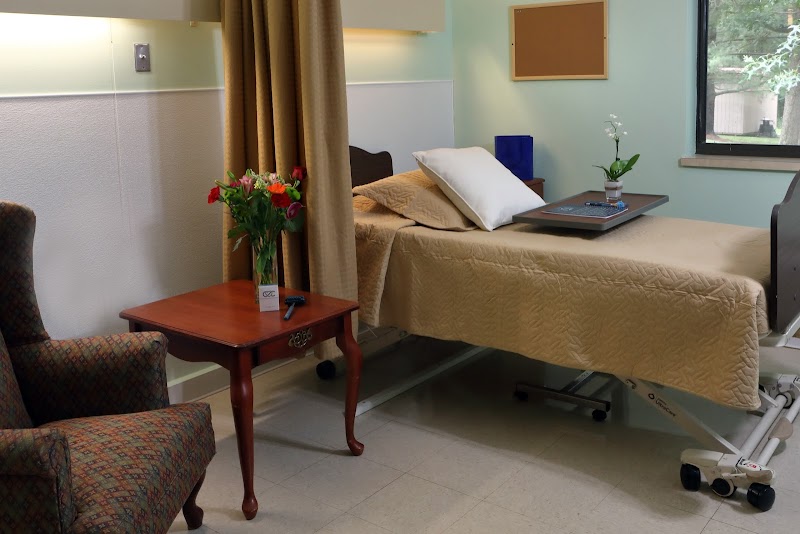
How Does Complete Care At Laplata Llc Compare to Other Maryland Nursing Homes?

Compared to the 100 nursing homes in Maryland, COMPLETE CARE AT LAPLATA LLC's overall rating (3 stars) is below the state average of 3.0, staff turnover (36%) is near the state average of 46%, and health inspection rating (2 stars) is below the national benchmark.

What Should Families Ask When Visiting Complete Care At Laplata Llc?

Based on this facility's data, families visiting should ask: "Can I visit during a mealtime to observe dining assistance and food quality?" "How do you handle medical emergencies, and what is your hospital transfer rate?" "Can I speak with family members of current residents about their experience?"

Is Complete Care At Laplata Llc Safe?

Based on CMS inspection data, COMPLETE CARE AT LAPLATA LLC has a clean safety record: no substantiated abuse findings (meaning no confirmed cases of resident harm), no Immediate Jeopardy citations (the most serious violation level indicating risk of serious injury or death), and is not on the Special Focus Facility watch list (a federal program monitoring the lowest-performing 1% of nursing homes). The facility has a 3-star overall rating and ranks #100 of 100 nursing homes in Maryland. While no facility is perfect, families should still ask about staff-to-resident ratios and recent inspection results during their visit.

Do Nurses at Complete Care At Laplata Llc Stick Around?

COMPLETE CARE AT LAPLATA LLC has a staff turnover rate of 36%, which is about average for Maryland nursing homes (state average: 46%). Moderate turnover is common in nursing homes, but families should still ask about staff tenure and how the facility maintains care continuity when employees leave.

Was Complete Care At Laplata Llc Ever Fined?

COMPLETE CARE AT LAPLATA LLC has been fined $15,935 across 1 penalty action. This is below the Maryland average of $33,238. While any fine indicates a compliance issue, fines under $50,000 are relatively common and typically reflect isolated problems that were subsequently corrected. Families should ask what specific issues led to these fines and confirm they've been resolved.

Is Complete Care At Laplata Llc on Any Federal Watch List?

COMPLETE CARE AT LAPLATA LLC is not on any federal watch list. The most significant is the Special Focus Facility (SFF) program, which identifies the bottom 1% of nursing homes nationally based on persistent, serious quality problems. Not being on this list means the facility has avoided the pattern of deficiencies that triggers enhanced federal oversight. This is a positive indicator, though families should still review the facility's inspection history directly.