AUTUMN LAKE HEALTHCARE AT PATUXENT RIVER
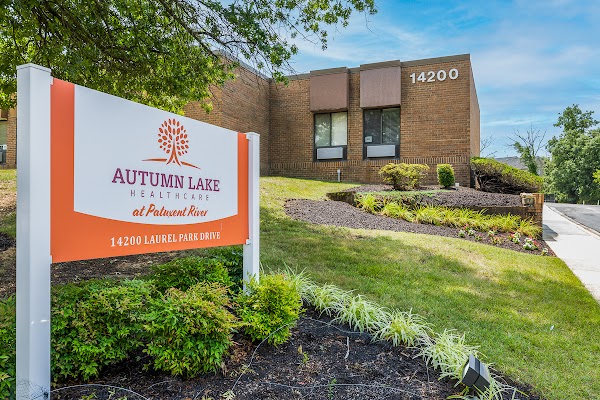
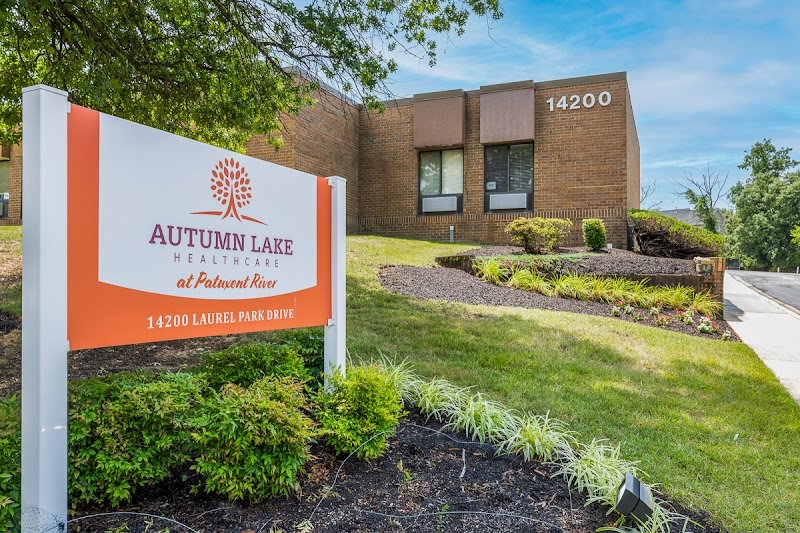
14200 LAUREL PARK DRIVE, LAUREL, MD 20707 (410) 792-4717
For profit - Corporation 153 Beds AUTUMN LAKE HEALTHCARE Data: November 2025
Trust Grade
43/100
#144 of 219 in MD
Last Inspection: May 2022

Over 2 years since last inspection. Current conditions may differ from available data.

Overview

Autumn Lake Healthcare at Patuxent River has a Trust Grade of D, indicating below-average performance with some notable concerns. Ranked #144 out of 219 facilities in Maryland, they are in the bottom half, and #14 out of 19 in Prince George's County means only one local option is better. On the positive side, the facility is improving, with issues decreasing from 16 in 2022 to 11 in 2025. However, the staffing rating is average with a turnover rate of 48%, which aligns with the state average. There have been $12,735 in fines, which is concerning, but the facility has average RN coverage that is better than many others, which can help catch issues that might be missed by CNAs. Specific incidents of concern include a resident who did not receive timely pain medication for a fracture and issues with food quality, where many residents reported receiving tasteless and cold meals. Overall, while there are some strengths, families should weigh these concerns carefully when considering this facility.

Trust Score
D
43/100
In Maryland
#144/219
Bottom 35%
Safety Record
Moderate
Needs review
Inspections
Getting Better
16 → 11 violations
Staff Stability
⚠ Watch
48% turnover. Above average. Higher turnover means staff may not know residents' routines.
Penalties
✓ Good
$12,735 in fines. Lower than most Maryland facilities. Relatively clean record.
Skilled Nurses
○ Average
Each resident gets 39 minutes of Registered Nurse (RN) attention daily — about average for Maryland. RNs are the most trained staff who monitor for health changes.
Violations
⚠ Watch
53 deficiencies on record. Higher than average. Multiple issues found across inspections.
★★☆☆☆
2.0
Overall Rating
★★☆☆☆
2.0
Staff Levels
★★☆☆☆
2.0
Care Quality
★★☆☆☆
2.0
Inspection Score
Stable
2022: 16 issues
2025: 11 issues

The Good

  • Full Sprinkler Coverage · Fire safety systems throughout facility
  • No fines on record

Facility shows strength in fire safety.

The Bad

2-Star Overall Rating

Below Maryland average (3.0)

Below average - review inspection findings carefully

Staff Turnover: 48%

Near Maryland avg (46%)

Higher turnover may affect care consistency

Federal Fines: $12,735

Below median ($33,413)

Minor penalties assessed

Chain: AUTUMN LAKE HEALTHCARE

Part of a multi-facility chain

Ask about local staffing decisions and management

The Ugly 53 deficiencies on record

1 actual harm
Aug 2025 1 deficiency
CONCERN (D) 📢 Someone Reported This

A family member, employee, or ombudsman was alarmed enough to file a formal complaint

Potential for Harm - no one hurt, but risky conditions existed

Infection Control (Tag F0880)

Could have caused harm · This affected 1 resident

Based on observations, record reviews, and interviews, it was determined that the facility failed to: 1.) maintain infection prevention designed to prevent the development and transmission of communic...

Read full inspector narrative →
Based on observations, record reviews, and interviews, it was determined that the facility failed to: 1.) maintain infection prevention designed to prevent the development and transmission of communicable diseases and infections. This was evident for 1 (Resident #1) of 2 residents reviewed for Trach Care; 2.) maintain proper infection control practices to prevent cross-contamination with Foley catheters. This was evident for 1 (Resident #7) of 3 residents reviewed for Foley Care; and 3.) ensure infection control precautions were followed. This was evident for 2 residents (Resident #117, and Resident #125) of 2 residents reviewed for infection control precautions during the survey.The findings include: 1. On 07/30/25 at 7:57 AM the surveyor observed Resident #1 supine in bed with Trach Collar intact to neck and Trach Collar Oxygen mask, dated 07/23/25 laying lateral to the left side of the resident bed on the floor. On 07/30/25 at 8:16 AM during follow-up observation rounds of Resident #1 with LPN Unit Manager staff #03, the resident remained supine in bed with Trach Collar intact and Trach Collar Oxygen mask, dated 07/23/25, again observed on the floor lateral to the left side of the resident bed. On 07/30/25 at 8:18 AM the surveyor conducted an interview with Unit Manager #03 who confirmed with the surveyor that Resident #1 Trach Collar Oxygen mask was found on floor. The surveyor shared the concern for the importance of maintaining infection prevention to prevent the development and transmission of potential infections. After surveyor discussion and intervention, Unit Manager #03 stated that the Trach Collar Oxygen mask would be replaced. The surveyor observed Unit Manager #03 remove the Trach Collar Oxygen mask from the floor. 2. On 8/1/25 at 11am, during a follow-up observation of Resident #7's room, a used Foley catheter with visible urine in the drainage tubing and collection bag was observed placed directly on the bedside table next to personal care items. The Foley catheter was not contained in a biohazard bag or other appropriate receptacle for contaminated medical waste. An interview was conducted at the time of the observation with the Registered Nurse (RN) staff #17 who stated, I meant to come back and throw it away after I finished with the resident, but I forgot. Staff #17 acknowledged that placing a contaminated Foley catheter on a bedside table was against infection control policy and could expose the resident and others to harmful pathogens. A review of the facility’s Infection Prevention and Control Program Policy, updated last 2019, revealed staff are to immediately discard used medical equipment, including Foley catheters, into appropriate biohazard receptacles after use to prevent contamination of the resident’s environment. In an interview on 8/6/25 at 1pm, the Infection Preventionist (IP) and the DON (Director of nursing) confirmed that used Foley catheters should never be left on bedside tables and should be discarded immediately following use. The IP stated that leaving the contaminated catheter in the resident's environment was a direct violation of infection control protocols and posed a risk of infection spread. 3. On 7/30/25 at 9:02AM the surveyor observed the following signage on the door to the room of Resident #117: Stop, Contact Precautions, Everyone must: Clean their hands, including before entering and when leaving the room, Providers and staff must also: put on gloves before room entry, discard gloves before room exit, put on gown before room entry, discard gown before room exit, do not wear the same gown and gloves for the care of more than one person, use dedicated or disposable equipment, clean and disinfect reusable equipment before use on another person. The trach tubing connected to Resident #117 was observed by the surveyor to be laying directly on the facility floor surface. On 7/30/25 at 9:02AM the surveyor observed Geriatric Nursing Assistant (GNA) #9 walk past the contact precautions signage on the door to the room of Resident #117 and enter the room with no hand hygiene performed and no personal protective equipment (PPE) donned, and they proceeded to walk over to the resident's bed and pick a towel up off of the floor from underneath the bed with their bare hands, and then carried it out of the room with no hand hygiene or ppe and retrieved a trash bag and placed the towel into the trash bag. At this time, the surveyor conducted an interview with GNA #9 and Registered Nurse Supervisor (RN) #10. GNA #9 and RN #10 visualized the contact precaution signage on the door and the trach tubing laying on the floor with the surveyor and confirmed that the resident was to be on contact precautions. GNA #9 stated to the surveyor during the interview that PPE should be worn when in the resident's room. At this time, the surveyor shared their concern and GNA #9 acknowledged understanding of the concern. RN #10 acknowledged and confirmed understanding of the surveyor's concern and stated to the surveyor that Gown and gloves have to be worn for contact precautions. RN #10 further stated to the surveyor that they did not know why Resident #117 was on contact precautions. On 7/30/2025 at 9:03AM the surveyor conducted an interview with Licensed Practical Nurse (LPN) #11 who was assigned care of the resident who stated to the surveyor that the resident was to be on contact precautions and confirmed there was an active medical order for contact precautions for Resident #117. The surveyor shared their concerns with LPN #11, and after surveyor intervention, they responded, performed hand hygiene, donned ppe, and addressed the resident's trach tubing. On 7/30/2025 at 11:20AM the surveyor shared the concerns with the facility Administrator who acknowledged and confirmed understanding of the concerns. On 8/6/25 at 11:50AM the surveyor conducted an interview with the Director of Nursing (DON) and Infection Preventionist (IP) #12. During the interview, the DON reported their expectation of staff for adhering to contact precautions was for them to perform hand hygiene and gather items needed items before going into the room, to gown and glove prior to entering the room, and if they are on contact precautions then they need to use that PPE. The DON and IP #12 confirmed with the surveyor that Resident #117 required contact precautions. At this time, all infection control concerns were shared by the surveyor and both the DON and IP #12 acknowledged the surveyor's concerns. 4. On 8/5/25 at 9:17AM the surveyor observed following signage on the door to the room of Resident #125: Stop, Contact Precautions, Everyone must: Clean their hands, including before entering and when leaving the room, Providers and staff must also: put on gloves before room entry, discard gloves before room exit, put on gown before room entry, discard gown before room exit, do not wear the same gown and gloves for the care of more than one person, use dedicated or disposable equipment, clean and disinfect reusable equipment before use on another person. During the surveyor's review of medication administration, Licensed Practical Nurse (LPN) #13 was observed walking past the contact precautions signage posted on the door to the room of Resident #125 and entered the room to pass medications with no personal protective equipment (PPE) donned and was standing against the side of the bed with their clothing touching the resident's bed linens as they passed medications. On 8/5/25 at 9:21AM Geriatric Nursing Assistant (GNA) #14 was observed walking past the contact precautions signage on the door to the room of Resident #125 and entered the room without performing hand hygiene or donning PPE, performed a task in the resident's bathroom and then re-entered the resident's room before exiting the room. At this time, the surveyor conducted an interview and shared the concern with GNA #14 who reported the following information to the surveyor: Yes, I have to have PPE on when providing care. On 8/5/25 at 9:26AM the surveyor conducted an interview with LPN #13 who observed the contact precautions signage on the resident's door with the surveyor and stated to the surveyor that PPE only needed to be worn when providing care. When the surveyor further inquired as to what contact precautions meant, LPN #13 further stated: I wear PPE if I am changing a dressing for a wound. When the surveyor asked LPN #13 what reason the resident had been placed on contact precautions for, they reported they did not know what the reason was for the contact precautions in place for Resident #125. Review of the medical record with LPN #13 revealed the resident required contact precautions for more than one multi drug resistant organism. On 8/5/25 at 9:31AM the surveyor conducted an interview and shared concerns with Registered Nurse Supervisor, Unit Manager (RN UM) #15 who confirmed that Resident #125 was to be on contact precautions and acknowledged understanding of the surveyor's concerns. When the surveyor inquired as to what their expectation was for staff when caring for a resident on contact isolation they reported their expectation was that the signage was there on the room so the staff can follow it and use the PPE that is there in the cart. After surveyor intervention, RN UM #15 stated the following to the surveyor: I am going to do an in-service right away. On 8/6/25 at 11:50AM all infection control concerns were shared by the surveyor with both the DON and IP #12 who acknowledged the surveyor's concerns.
Apr 2025 10 deficiencies
CONCERN (D) 📢 Someone Reported This

A family member, employee, or ombudsman was alarmed enough to file a formal complaint

Potential for Harm - no one hurt, but risky conditions existed

Safe Environment (Tag F0584)

Could have caused harm · This affected 1 resident

Based on review of a complaint, observation of resident wheelchairs, and interviews, it was determined the facility failed to provide maintenance services necessary to keep all wheelchairs in a sanita...

Read full inspector narrative →
Based on review of a complaint, observation of resident wheelchairs, and interviews, it was determined the facility failed to provide maintenance services necessary to keep all wheelchairs in a sanitary, comfortable, and well maintained condition. This was evident on 2 of 3 nursing units observed. The findings include: On 4/15/25 at 8:30 AM a review of complaint MD00203718 alleged wheelchairs in the facility were in disrepair. On 4/15/25 at 8:50 AM observation was made of Resident #60 sitting in the dining area eating breakfast. The vinyl was missing on the right front wheelchair armrest approximately 1 inch. The vinyl on the left wheelchair armrest was missing vinyl and the remaining vinyl was cracked. On 4/15/25 at 1:15 PM Resident #59 was observed sitting in the hallway in a wheelchair. The vinyl on the left wheelchair armrest was cracked along the edge and missing 1 inch of vinyl in the front. On 4/18/25 at 10:49 AM Resident #56 was observed sitting in a wheelchair. The left armrest was missing vinyl. Resident #56 was interviewed and stated that the armrest had been like that for a while. On 4/18/25 at 10:51 AM Resident #55 was observed sitting in a wheelchair. The vinyl on the left wheelchair armrest was cracked and missing about 1 inch of vinyl in the front and along the outer edge of the armrest. The right armrest was in the same condition. Resident #55 was interviewed and stated, this is how they gave it to me. Yesterday they tightened the right armrest. The surveyor asked Resident #55 if they said anything about replacing the armrest and the resident stated, no. On 4/18/25 at 10:55 AM Resident #57 was observed sitting in a wheelchair. The vinyl on the right armrest was missing at the front of the armrest and in 2 other places on the armrest. On 4/18/25 at 11:18 AM an interview was conducted with the Director of Maintenance, Staff #25. Staff #25 stated he did audits weekly of the wheelchairs. He audited the brakes, backrests, armrests, wheels, and leg rests. At that time Staff #25 was informed of the observations. On 4/21/25 at 1:45 PM the Nursing Home Administrator was informed of the concern.
CONCERN (D) 📢 Someone Reported This

A family member, employee, or ombudsman was alarmed enough to file a formal complaint

Potential for Harm - no one hurt, but risky conditions existed

Report Alleged Abuse (Tag F0609)

Could have caused harm · This affected 1 resident

2. On 4/16/25 at 10:40 AM a review of facility reported incident MD00191025 alleged that Resident #8's visitor stated that Resident #8 had been inappropriately touched. The facility became aware of th...

Read full inspector narrative →
2. On 4/16/25 at 10:40 AM a review of facility reported incident MD00191025 alleged that Resident #8's visitor stated that Resident #8 had been inappropriately touched. The facility became aware of the alleged incident on 4/5/23 at 5:25 PM. Review of the facility's investigation revealed an email confirmation that documented the initial report was sent to OHCQ on 4/6/23 at 6:00 PM. The allegation of potential abuse was not reported within 2 hours of notification. On 4/16/25 at 11:05 AM an interview was conducted with the Nursing Home Administrator(NHA). The NHA confirmed that the incident was not reported timely. The NHA stated she was not employed at the facility at the time. Based on medical record review, documentation review and interview it was determined the facility failed to report allegations of abuse, neglect, or an injury of unknown origin within 2 hours of the allegation to the regulatory agency, the Office of Health Care Quality (OHCQ) (Resident #7, #8). This was evident for 2 of 24 residents reviewed for allegations of abuse, neglect or an injury of unknown origin during a complaint survey. The findings include: 1. Review of Resident #7's medical record review on 4/16/25 revealed the Resident was admitted to the facility in January 2023. Further review of the Resident's medical record revealed a nurse's note on 3/31/23 at 2:38 PM that stated, Patient noted with swelling on right thumb. On assessment there is dark discoloration noted, which is tender and warm to the touch. Patient voiced pain on assessment on the scale of 3 out of 10. Review of the facility reported incident the facility staff submitted to OHCQ on 3/31/23 revealed Resident #7 had an injury of unknown origin. Further review of the facility's investigation documentation revealed, Staff #15 gave a statement that stated, Upon resumption of my shift on 3/30/23, I noticed some bruises on both his/her arms and I went to the nursing station with an intention to tell the nurse, but she was busy with another resident. Interview with the Administrator on 4/16/25 at 1:00 PM confirmed the facility staff failed to report bruising of unknown origin for Resident #7 on 3/30/23 to OHCQ.
CONCERN (D) 📢 Someone Reported This

A family member, employee, or ombudsman was alarmed enough to file a formal complaint

Potential for Harm - no one hurt, but risky conditions existed

Investigate Abuse (Tag F0610)

Could have caused harm · This affected 1 resident

Based on review of facility reported incidents, medical records, and staff interview, it was determined the facility failed to provide documentation that allegations of abuse were thoroughly investiga...

Read full inspector narrative →
Based on review of facility reported incidents, medical records, and staff interview, it was determined the facility failed to provide documentation that allegations of abuse were thoroughly investigated. This was evident for 3 (#10, #9, #8) of 24 residents reviewed for facility reported incidents during a complaint survey. The findings include: 1) On 4/15/25 at 9:38 AM a review of facility reported incident MD00194205 alleged that on 7/7/23 in the evening, 3 staff members held Resident #10 down while the resident fought them off. Review of the facility's investigation revealed that 7 residents were interviewed, however there were no staff interviews conducted. On 4/17/25 at 11:44 AM the Nursing Home Administrator (NHA) was interviewed and stated that it was prior to her time at the facility. The NHA was informed of the findings of an incomplete investigation. The NHA stated that the investigations that she does are more thorough. 2) On 4/16/25 at 1:55 PM facility reported incident MD00192876 was reviewed and alleged that Resident #9 was noted on 5/29/23 to have swelling and discoloration of the face under the right eye. Resident #9's mother stated to the shift nurse that she believed someone punched Resident #9. Resident 9's medical record was reviewed and revealed the resident suffered from a traumatic subarachnoid hemorrhage, was a quadriplegic, and had contractures of both hands. Resident #9 was totally dependent on staff for all aspects of daily living. Review of the facility's investigation revealed the discoloration was found on 5/29/23 at around 11:48 AM while family was visiting. Other residents on the unit were interviewed along with 3 staff members which included the RN shift supervisor, the charge nurse, and the geriatric nursing assistant (GNA) that worked 7:00 AM to 3:00 PM. The investigation was incomplete as the GNA that took care of the resident overnight and other staff from previous shifts that took care of the resident were not interviewed. On 4/17/25 at 11:44 AM the Nursing Home Administrator stated that she was not employed at the facility during that time period, and she confirmed the surveyor's findings. 3) On 4/16/25 at 10:40 AM a review of facility reported incident MD00191025 alleged that Resident #8's visitor stated that Resident #8 had been inappropriately touched. The facility became aware of the alleged incident on 4/5/23 at 5:25 PM. Review of the facility's investigation revealed a typed statement from the Assistant Director of Nursing (ADON). The statement documented that she was notified by a staff member that the resident had reported to his/her loved one that he/she had been sexually abused by a staff member. The statement documented that she interviewed Resident #8 who alleged there was a person that would always come in the room at night while the resident was sleeping and sat and looked at the resident. The resident alleged that when he/she opened his/her eyes that the person would quickly run out of the room. When asked if he/she was ever touched, the resident stated no but felt uncomfortable of the way the resident was looked at while sleeping. There were no staff interviews or any other resident interviews on the unit. The investigation was incomplete. On 4/16/25 at 11:05 AM an interview was conducted with the NHA. The NHA confirmed that the incident was not investigated completely. The NHA stated she was not employed at the facility at the time and that her investigations are complete and thorough.
CONCERN (D) 📢 Someone Reported This

A family member, employee, or ombudsman was alarmed enough to file a formal complaint

Potential for Harm - no one hurt, but risky conditions existed

ADL Care (Tag F0677)

Could have caused harm · This affected 1 resident

Based on complaint, record review, and interview, it was determined the facility failed to have documentation that residents were offered and/or received a shower on the resident's assigned shower day...

Read full inspector narrative →
Based on complaint, record review, and interview, it was determined the facility failed to have documentation that residents were offered and/or received a shower on the resident's assigned shower day. This was evident for 1 (#20) of 25 residents reviewed for complaints during a complaint survey. The findings include: On 4/17/25 at 1:47 PM a review of complaint MD00203718 alleged unacceptable means of personal cleanliness for Resident #20. Review of Resident #20's medical record revealed the resident was admitted to the facility at the end of November 2023 from an acute care hospital for rehabilitation following a wedge compression fracture of the lumbar vertebra. Review of a 11/28/23 nurse's note documented that the resident had intermittent confusion and required extensive assistance with activities of daily living (ADL) needs. Review of geriatric nursing assistant (GNA) ADL documentation for bathing documented the resident did not receive any bathing on 11/30/23 and 12/1/23. From 12/2/23 to 12/16/23 Resident #20 received a bed bath. There was no documentation that Resident #20 was offered a shower and/or refused a shower. On 4/21/25 at 12:11 PM an interview was conducted with the Director of Nursing (DON). The DON stated Resident #20 received bed baths. The DON was asked what days Resident #20 was assigned to receive showers. The DON stated Tuesday and Friday evenings was the resident's assigned shower days. The DON stated, on those days, showers are offered. They have an option to change the days. They can prefer a bed bath. The DON was asked if there was any documentation that the resident was offered a shower and she stated, no. The DON was asked if there was any documentation that the resident refused a shower, and she stated no.
CONCERN (D) 📢 Someone Reported This

A family member, employee, or ombudsman was alarmed enough to file a formal complaint

Potential for Harm - no one hurt, but risky conditions existed

Quality of Care (Tag F0684)

Could have caused harm · This affected 1 resident

Based on interview, record review, and facility document and policy review, the facility failed to ensure neurological evaluations were comprehensively conducted per facility policy/procedure after fa...

Read full inspector narrative →
Based on interview, record review, and facility document and policy review, the facility failed to ensure neurological evaluations were comprehensively conducted per facility policy/procedure after falls for 1 (Resident #30) of 2 sampled residents reviewed for falls. Findings included: A facility policy titled, Neurological Evaluation, dated 10/2024, indicated, Assess resident following a known, suspected, or verbalized head injury. The assessment shall include, at a minimum: a. Vital signs and c. Neurological evaluation for changes in: i. Physical functioning ii. Behavior ii. Cognition iv. Level of consciousness v. Dizziness vi. Nausea vii. Irritability viii. Slurred speech or slow to answer questions. The policy also indicated, Perform neuro [neurological] checks as indicated or as specified by the physician. Neuro checks: -q [every] 15 minutes x [for] 1 hour -q 30 minutes x 1 hour -q 1 hour x 4 hours -q 4 hours x 24 hours -q shift until 72 hours. An admission Record revealed the facility originally admitted Resident #30 on 08/10/2022 and readmitted the resident on 08/31/2024. According to the admission Record, the resident had a medical history that included diagnoses of nondisplaced cervical fracture, heart failure, left bundle branch block, hypertension, difficulty walking, Alzheimer's disease, muscle weakness, age-related physical debility, and the presence of a cardiac pacemaker. A quarterly Minimum Data Set (MDS), with an Assessment Reference Date (ARD) of 09/04/2024, revealed Resident #30 had a Brief Interview for Mental Status (BIMS) score of 7, which indicated the resident had severe cognitive impairment. The MDS indicated that the resident was dependent on staff for rolling left and right in bed, sitting to lying, lying to sitting, and transferring from chair/bed. Per the MDS, Resident #30 did not walk during the assessment look-back period. The MDS also indicated the resident had sustained a fall in the last month and in the prior two to six months. Resident #30's Care Plan Report included a focus area, initiated 08/19/2022, that indicated the resident was at risk for falls related to an unsteady gait, shortness of breath, and dementia. Interventions directed staff to monitor and report any changes in gait/status (initiated 08/19/2022). Resident #30's Care Plan Report also included a focus area, initiated 09/18/2023, that indicated the resident had sustained a fall with no injury on 07/02/2024 and a fall with injury on 08/28/2024 at 3:10 PM and was sent for a computed tomography (CT) scan. A Change in Condition note, dated 07/02/2024 at 2:12 PM and signed by Staff #34, a Licensed Practical Nurse (LPN), indicated Resident #30 was found on the floor next to their bed. Per the note, the resident stated they were trying to reach a cupcake. The form indicated neurological checks were in progress and vital signs were obtained on 07/02/2024 at 2:41 PM. There was no documented evidence that another neurological check was completed until 4:23 PM on 07/02/2024, approximately two hours after the resident was found on the floor. A Neuro Checks form, with an effective date of 07/02/2024 at 4:23 PM, revealed Staff #34 documented that a neurological check was completed. Resident #30's Neuro Checks form, with an effective date of 07/02/2024 at 11:43 PM, revealed that the most recent vital signs documented under an A. Vital Signs section were obtained at 2:41 PM on 07/02/2024, approximately nine hours before the second neurological check was documented. Resident #30's Neuro Checks forms, with effective dates of 07/03/2024 at 1:13 AM, 07/03/2024 at 2:13 AM, 07/03/2024 at 3:13 AM, 07/03/2024 at 4:13 AM, 07/03/2024 at 5:13 PM, and 07/04/2024 at 3:13 PM revealed that vital signs obtained on 07/03/2024 at 12:31 AM were documented as the most recent vital signs for the neurological checks in question, even though the vital signs were taken hours or days before the neurological checks were documented as completed. During an interview on 04/17/2025 at 3:15 PM, Staff #34, an LPN, stated neurological checks, when required, were initiated immediately. Staff #34 stated neurological checks were completed every 15 minutes for an hour and then, if the resident in question was not sent to an emergency room in that timeframe, neurological checks continued every 30 minutes for an hour, every hour for four hours, and then every eight hours for 72 hours. She stated that anytime staff conducted a neurological check, staff were also to obtain vital signs. Staff #34 stated she did not remember Resident #30. Staff #34 reviewed Resident #30's 07/2024 neurological checks and stated she typically wrote a resident's vital signs on a piece of paper, then entered them into the computer. Staff #34 stated she did not see documentation that neurological checks were conducted for Resident #30 every 15 minutes, but asserted that she completed the required checks. A facility incident report for Resident #30, dated 08/28/2024 and completed by Staff #41, an LPN, indicated staff found Resident #30 on the floor at 3:10 PM that day. The report revealed Resident #30 stated, 'I wanted to get out of the bed. The report revealed the resident stated they hit their head, and the resident had two reddened areas noted to the left side of the head. Per the report, an assessment revealed the resident was alert and verbally responding, which was within normal limits for the resident. Resident #30's emergency medical services (EMS) report for 08/28/2024 revealed a 911 call was placed and an ambulance was dispatched to the facility at 4:17 PM. Per the report, at 4:23 PM, EMS was at the facility assessing Resident #30. There was no documented evidence that the facility completed neurological checks for Resident #30 every 15 minutes after the resident was found on the floor at 3:10 PM until EMS arrived at approximately 4:23 PM. A hospital summary, dated 08/28/2024, revealed Resident #30 had an accidental fall from bed at the facility that resulted in a fracture of the second cervical vertebra. Resident #30's nursing Progress Notes, dated 08/31/2024 at 5:30 AM, revealed the resident was readmitted to the facility from the hospital. Resident #30's Neuro Checks forms, with effective dates of 08/31/2024 at 11:16 AM, 08/31/2024 at 1:02 PM, 08/31/2024 at 10:30 PM, 09/01/2024 at 10:43 PM, 09/02/2024 at 3:52 PM, 09/02/2024 at 9:37 PM, and 09/03/2024 at 3:12 AM revealed the most recent vital signs documented in the forms were obtained on 08/31/2024 at 5:30 AM, approximately six hours before the first neurological check on 08/31/2024 at 11:16 AM was conducted and three days before the last neurological check on 09/03/2024 at 3:12 AM was conducted. During an interview on 04/17/2025 at 3:39 PM, Staff #41, an LPN, stated neurological checks were a risk management requirement, noting a risk management form (incident report) and change in condition notes were completed with each fall. Per Staff #41, she wrote vital signs (corresponding with neurological checks) on a piece of paper, then input the numbers into the computer later, though she noted she sometimes forgot to change the time of the vital signs. During an interview on 04/17/2025 at 1:01 PM, Staff #17, an LPN, stated vital signs were a part of neurological checks and vital signs previously obtained should not be used. During an interview on 04/17/2025 at 4:36 PM, Staff #2, the Director of Nursing, stated if a resident had an unwitnessed fall, neurological checks were conducted. Staff #2 reviewed Resident #30's neurological checks after the fall in 07/2024 and stated the neurological checks were not completed correctly. Staff #2 also reviewed Resident #30's neurological checks after the fall in 08/28/2024 and stated that the Change in Condition note addressed the resident's neurological status; however, Staff #2 stated she did not see any other neurological checks documented until 08/31/2024. Staff #2 stated staff used the same vital sign measurements for multiple neurological checks, which was not appropriate. Staff #2 stated the importance of performing neurological checks was to determine if the resident had a change in neurological status. Staff #2 stated she expected neurological checks to be completed according to the ordered frequency and documented at the time the check was completed. Staff #2 stated all requirements for neurological check assessments were to be completed and documented and, if anything abnormal was identified, staff should notify the provider. During an interview on 04/17/2025 at 6:26 PM, Staff #1, the Administrator, reviewed Resident #30's neurological checks for the 07/02/2024 and 08/28/2024 falls and stated it was not appropriate for vital signs from previous assessments to be used for a current assessment. Staff #1 stated she expected vital signs to be obtained with each neurological check, and that neurological checks were to be done timely. During a telephone interview on 04/18/2025 at 3:39 PM, Staff #40, a Doctor of Nursing Practice (DNP), stated the protocol was to conduct neurological checks if a resident's head was involved in a fall. Staff #40 stated neurological checks should be completed at least every 15 minutes for the first hour for a fall with head involvement/injury. She also stated that vital signs should be a part of neurological checks. She stated she expected nurses to follow protocol and conduct proper assessments for acute situations.
CONCERN (D) 📢 Someone Reported This

A family member, employee, or ombudsman was alarmed enough to file a formal complaint

Potential for Harm - no one hurt, but risky conditions existed

Deficiency F0687 (Tag F0687)

Could have caused harm · This affected 1 resident

Based on medical record review and interview, the facility staff failed to ensure a resident received podiatry services as ordered (Resident #12). This was evident for 1 of 3 residents reviewed for po...

Read full inspector narrative →
Based on medical record review and interview, the facility staff failed to ensure a resident received podiatry services as ordered (Resident #12). This was evident for 1 of 3 residents reviewed for podiatry care during a complaint survey. The findings include: Review of Resident #12's medical record on 4/15/25 revealed the Resident was admitted to the facility in 2010. Further review of the Resident's medical record for podiatry care revealed the last time the Resident was seen by the Podiatrist was 1/10/24. A podiatrist is a medical doctor devoted to the treatment of disorders of the foot, ankle, and related structures of the leg. During interview with the Unit Manager (Staff #19) on 4/15/25 at 11:33 AM, the Surveyor advised Staff #19 the Surveyor can not find any documentation the Resident was seen by the Podiatrist since 1/10/24. At that time the Surveyor accompanied Staff #19 to medical records. At that time Staff #30 pulled up a list of all residents that were seen the last time podiatry was in the facility on 4/8/25. Staff #30, Staff #19 and the Surveyor reviewed the list together and Resident #12 was not on the list. On 4/15/25 at 1:56 PM the Administrator provided the Surveyor documentation the Resident was last seen by the Podiatrist on 2/4/25. Review of the Podiatrist's Evaluation Form from 2/4/25 revealed the Podiatrist documented the Resident's medical necessity for routine foot care is Patient presents with significant atherosclerosis. Professional foot/nail care is needed to prevent infection or ulceration given the patient's compromised vascular status. Follow-up date 4/8/25 for at risk foot care. Interview with the Administrator on 4/16/25 at 8:14 AM confirmed Resident #12 was not seen by the Podiatrist on 4/8/25.
CONCERN (D) 📢 Someone Reported This

A family member, employee, or ombudsman was alarmed enough to file a formal complaint

Potential for Harm - no one hurt, but risky conditions existed

Deficiency F0761 (Tag F0761)

Could have caused harm · This affected 1 resident

**NOTE- TERMS IN BRACKETS HAVE BEEN EDITED TO PROTECT CONFIDENTIALITY** Based on observation, interview, and facility documentation review, it was determined that facility staff failed to keep a medic...

Read full inspector narrative →
**NOTE- TERMS IN BRACKETS HAVE BEEN EDITED TO PROTECT CONFIDENTIALITY** Based on observation, interview, and facility documentation review, it was determined that facility staff failed to keep a medication cart locked when unattended. This was evident on 1 of 4 nursing units observed during a complaint survey. The findings include: On 4/17/25 at 2:31 PM observation was made of an unlocked and unattended medication cart sitting in the hallway outside of room [ROOM NUMBER]. The surveyor was able to open all of the drawers and visualize all the medications in the medication cart. Unit Manager #24 walked up to the surveyor on 4/17/25 at 2:36 PM and asked if she could help the surveyor. At that time the surveyor informed her of the unlocked and unattended medication cart. At 2:37 PM Agency LPN #25 walked up and asked if someone had pulled on the drawers to unlock the cart. The surveyor informed LPN #25 that the silver lock button was extended out away from the cart prior to opening the drawers. LPN #25 then proceeded to unlock the treatment cart which was sitting next to the medication cart and said, well I don't know who unlocked it. On 4/18/25 at 10:04 AM a review of the medication storage policy, that was given to the surveyor from the Director of Nursing, documented under general guidelines that A) all drugs and biologicals will be stored in locked compartments (i.e., medication carts, cabinets, drawers, refrigerators, medication rooms) under proper temperature controls. B) documented, only authorized personnel will have access to the keys to locked compartments. On 4/18/25 at 10:04 AM the surveyor informed the Director of Nursing (DON) of the observation. The DON confirmed that she had heard from the unit manager.
CONCERN (D) 📢 Someone Reported This

A family member, employee, or ombudsman was alarmed enough to file a formal complaint

Potential for Harm - no one hurt, but risky conditions existed

Deficiency F0840 (Tag F0840)

Could have caused harm · This affected 1 resident

Based on medical record review and interview, the facility staff failed to obtain outside services for residents in a timely manner (Resident #6). This was evident for 1 of 73 residents reviewed durin...

Read full inspector narrative →
Based on medical record review and interview, the facility staff failed to obtain outside services for residents in a timely manner (Resident #6). This was evident for 1 of 73 residents reviewed during a complaint survey. The findings include: Review of Resident #6's medical record on 4/15/25 the Resident was admitted to the facility in October 2022 with a diagnosis to include tracheostomy. Tracheostomy is a procedure to help air and oxygen reach the lungs by creating an opening into the trachea (windpipe) from outside the neck. Further review of the Resident's medical record revealed on 1/26/23 the Resident went to the ENT (ear, nose and throat doctor). Review of the ENT's Report of Consultation revealed the Resident's trach was changed and ordered to see the Resident was scheduled to see a specialist in head and neck surgery on 2/14/23. Further review of the Resident's medical record revealed the Resident did not go to the appointment on 2/14/23. Interview with the Administrator on 4/16/25 at 11:01 AM confirmed the facility staff failed to ensure Resident #6 went to a scheduled appointment on 2/14/23.
CONCERN (D) 📢 Someone Reported This

A family member, employee, or ombudsman was alarmed enough to file a formal complaint

Potential for Harm - no one hurt, but risky conditions existed

Medical Records (Tag F0842)

Could have caused harm · This affected 1 resident

Based on medical record review and interview, it was determined the facility failed to maintain complete and accurate medical records in accordance with accepted professional standards (Resident #12)....

Read full inspector narrative →
Based on medical record review and interview, it was determined the facility failed to maintain complete and accurate medical records in accordance with accepted professional standards (Resident #12). This was evident for 1 of 73 residents reviewed during a complaint survey. The findings include. A medical record is the official documentation of a healthcare organization. As such, it must be maintained in a manner that follows applicable regulations, accreditation standards, professional practice standards, and legal standards. All entries to the record should be legible and accurate. Review of Resident #12's medical record on 4/15/25 revealed the Resident was admitted to the facility in 2010. Further review of the Resident's medical record for podiatry care revealed the last time the Resident was seen by the Podiatrist was 1/10/24. During interview with the Unit Manager (Staff #19) on 4/15/25 at 11:33 AM, the Surveyor advised Staff #19 the Surveyor can not find any documentation the Resident was seen by the Podiatrist since 1/10/24. On 4/16/25 at 8:14 AM the Administrator provided the Surveyor the Evaluation forms from the Podiatry visits on 3/12/24, 5/14/24, 7/15/24, 10/1/24, 12/3/24 and 2/4/25. The Administrator at that time stated they had a change in medical records staff and there was some confusion on uploading podiatry visits into the medical record. Interview with the Administrator on 4/16/25 at 8:14 AM confirmed Resident #12's medical record did not include Podiatry visits from 1/10/24 until current until Surveyor intervention.
CONCERN (E) 📢 Someone Reported This

A family member, employee, or ombudsman was alarmed enough to file a formal complaint

Potential for Harm - no one hurt, but risky conditions existed

Deficiency F0804 (Tag F0804)

Could have caused harm · This affected multiple residents

Based on review of complaints, tray tickets, observation, and interview, it was determined the facility failed to serve residents food that was palatable and appealing and failed to follow the selecti...

Read full inspector narrative →
Based on review of complaints, tray tickets, observation, and interview, it was determined the facility failed to serve residents food that was palatable and appealing and failed to follow the selections residents had chosen. This was evident for 13 (#10, #65, #63, #61, #68, #67, #66, #58, #70, #64, #62, #17, #71) of 73 residents reviewed during a complaint survey. The findings include: Review of complaints MD00202967, MD00206399, and MD00201718 alleged, inferior quality of food that was tasteless, cold, and often old. Badly cooked food without any nutrition or nourishment. Food was cooked raw with blood in it. I have been forced to order food regularly for my mother. They give patients a food menu and it's not what they have on their tray. 1) On 4/15/25 at 8:30 AM Resident #10 was observed sitting in the dining room. Resident #10 was asked how the food was, and the reply was, it is ok, but I don't like biscuits and that is what they sent me instead of toast. Observation of Resident #10's breakfast plate revealed a hard-boiled egg yolk sitting on the plate along with a biscuit. Review of Resident #10's tray ticket documented the resident was supposed to get white toast 1 slice. The resident stated he/she did not receive toast. The tray ticket also said apple juice, but the resident stated they served orange juice. 2) On 4/15/25 at 8:40 AM Resident #65's breakfast tray ticket did not match what was on the tray. Resident #65's tray ticket stated banana and 2% milk. Observation of the breakfast tray revealed whole milk instead of 2% milk and there was no banana. 3) On 4/15/25 at 8:43 AM Resident #63's tray ticket documented hard cooked egg. Review of the breakfast tray had scrambled eggs. There was no bread, however the tray ticket said 1 slice of bread. There was no coffee or hot tea, no assorted yogurt cup, and no house shake. According to the cook there was a certain person on the line that made the error. 4) On 4/15/25 at 8:50 AM Resident #61's tray ticket and breakfast tray were observed. Resident #61 stated, they gave me oatmeal and I don't eat oatmeal. There was milk on the tray and the resident stated he/she doesn't drink milk. The tray ticket indicated 2 eggs, however the resident only received 1 egg. The tray ticket said banana; however, the resident did not receive a banana. Resident #61 stated he/she got a muffin and that it wasn't on the ticket and jelly was on the ticket but did not get jelly. 5) On 4/15/25 at 12:20 PM Resident #66's tray ticket stated coffee or hot tea. Observation of the lunch tray revealed no hot beverage. Resident #66 stated, it would be good to have it. 6) On 4/15/25 at 12:22 PM Resident #58's ticket said coffee or tea. Resident #58 did not receive coffee or tea. The resident was served cranberry juice, and he/she said it tasted watered down. Resident #58 was interviewed about food and stated that there were many times when the tray ticket did not match what was served. Resident #58 complained that he/she was served bread with mold. 7) On 4/15/25 at 12:23 PM Resident #67's tray ticket stated house shake and frozen nutritional treat. There was no house shake or frozen nutritional treat on Resident #67's lunch tray. 8) On 4/15/25 at 12:24 PM Resident #61 stated they gave him/her a salad with no egg. There was no hot tea and no cookie. 9) On 4/15/25 at 12:26 PM Resident #70's lunch ticket stated chopped sliced peaches, but the resident received mandarin oranges. The ticket stated 1 slice of bread and LPN #33 confirmed that the resident did not receive bread 10) On 4/15/25 at 12:28 PM Resident #68's tray ticket for lunch said house shake, however there was no house shake and no coffee. 11) On 4/15/25 at 12:28 PM Resident #64 had ground peaches on the tray ticket but received applesauce. Resident #64 stated, I wanted the peaches. I get applesauce almost every day and it tastes sour. 12) On 4/15/25 at 12:30 PM Resident #62 did not have coffee or hot tea or 2% milk on the tray even though it was on the ticket. Resident #62 stated there were times that he/she did not get what he/she asked for. 13) On 4/16/25 at 12:31 PM Resident #70's tray ticket stated 5/14/25 instead of 4/16/25. The ticket stated open-faced roast pork sandwich. Resident #70 complained that the meat was thick, and they did not send a knife. Resident #70 kept a knife from yesterday because that happened frequently. Resident #70's tray ticket stated Frozen Nutritional Treat, Chocolate. The resident was served vanilla. Resident #70 stated, they do it all the time. I prefer chocolate. On 4/18/25 at 8:58 AM Staff #48, cook and Staff #4, dietary manager were interviewed and stated, we get food delivery on Tuesday and typically it is not until the afternoon. We run out of the house shakes or they are on back order. We probably only had a few of the house shakes. We normally have them but it's Tuesday and that is when the truck comes so it may have been an oops. Staff #48 stated that this happens with the bananas too. When asked if the geriatric nursing assistants (GNAs) look at the tray ticket and see what isn't on the tray, what happens. The cook stated, if they come and tell us we can make sure they get it. There is a lot of miscommunications around here. The surveyor went through each tray ticket with Staff #4 and Staff #48. Staff #48 stated that the person that was on the food line that day was excused off the line due to the amount of mistakes she was making. They also stated that they are not responsible for the juices and the hot drinks. They stated they send a cart out with the beverages on the cart and the GNAs are responsible to make sure the residents receive the drinks. Staff #4 was told about the vanilla and chocolate frozen nutritional treat situation. He stated, most people don't like chocolate, so we don't order it as much. We just give them the vanilla. The surveyor stated, even though they requested chocolate. Staff #4 shook his head. Both Staff #4 and Staff #48 were told about the numerous tray tickets that did not match what was sent to the residents. They both stated that they had problems with a few staff and have since removed them from the tray line. 14) On 4/18/25 at 12:45 PM the lunch tray was served to Resident #17. The resident looked at the salad and said, I don't like romaine lettuce. It is supposed to be iceberg lettuce. The resident then looked at the 1 small piece of broccoli and then looked at the surveyor and wrinkled up her nose. The broccoli was mushy and surrounded by some white object that was mushy. The presentation of the plate was a piece of bread cut in half, mushy broccoli, and half of a shriveled up baked potato. The resident also complained about the food and said the other day he/she got syrup but no pancake and received rice and mashed potatoes for lunch with no meat. Resident #17 stated he/she told someone, and they were going to get him/her something else but never did. At that time the surveyor went to get the Nursing Home Administrator (NHA) to view the lunch tray. The NHA came to the resident's room and confirmed that the chef's salad was made with Romaine lettuce and the tray ticket said iceberg lettuce in bold print. The NHA confirmed that it was half a potato but stated that it may be due to portion size. (Note: the resident was prescribed a regular diet). The tray ticket said regular diet. The resident complained the ice cream was melted so the NHA took that and said she would get another one. The NHA confirmed that the lunch did not look appealing. The surveyor and NHA then went to the roommate, Resident #71 and with his/her permission took off the lid off the plate. There was half of a small baked potato that had 2 small scoops out of it. The resident stated, why didn't I get a whole potato. The baked chicken breast was half eaten as the resident stated it was rubbery, and the bread was half eaten and the tossed salad was not touched. Again, the NHA admitted the meal did not look appealing. The surveyor discussed with the NHA that even after having a conversation with Staff #4 earlier in the day, the tray tickets still did not match what was sent to the residents.
May 2022 16 deficiencies 1 Harm
SERIOUS (G)

Actual Harm - a resident was hurt due to facility failures

Deficiency F0697 (Tag F0697)

A resident was harmed · This affected 1 resident

**NOTE- TERMS IN BRACKETS HAVE BEEN EDITED TO PROTECT CONFIDENTIALITY** Based on medical record review and interview with facility staff, it was determined that a resident with a noted change in condi...

Read full inspector narrative →
**NOTE- TERMS IN BRACKETS HAVE BEEN EDITED TO PROTECT CONFIDENTIALITY** Based on medical record review and interview with facility staff, it was determined that a resident with a noted change in condition and documented pain for a fracture, was not medicated with ordered pain medication or hospitalized timely. This was evident for 1 of 1 Resident (#119) reviewed during the investigative portion of the survey. The findings include: Review of the medical record for Resident #119 on 4/25/2022 at 9:31 AM revealed admission on [DATE] including nondisplaced intertrochanteric fracture of the left femur admitted for routine healing and with a documented history of falling. Further review revealed that Resident #119 had 6 falls during his/her stay in the facility with the 6th fall occurring on 1/19/2022. This fall was not documented as occurring until 1/28/2022 when a late entry was entered into the electronic health record by the unit manager (UM) RN staff # 28. Review of the progress notes on 4/25/2022 at 10:26 AM for Resident #119 revealed a note written by UM staff #28 on 1/25/2022. The note documented that she told RN staff # 29 to order an x-ray to rule out a fracture for Resident #119. There was no other documentation before this note to potentially identify that an incident had occurred with Resident #119 to warrant an x-ray. On 1/26/2022 UM staff #28 wrote another note in the progress notes for Resident #119 that she was notified around 4:45 PM that Resident #119 was showing signs of pain due to his/her facial expressions, and s/he was unable to move his/her right leg. UM staff #28 notified the Nurse Practitioner (NP) on 1/26/2022 of Resident #119's status and an x-ray was ordered. The x-ray was finally completed on 1/27/2022 at 3:25 PM, 24 hours later, according to nursing documentation. The results were returned at 11:19 PM on 1/27/2022 and confirmed that Resident #119 has a fracture involving the right trochanteric femur with displacement and a fracture involving the proximal tibia with mild displacement. According to the nursing progress notes, the assigned nurse RN staff #29 sent an electronic notification to the on-call physician about the x-ray results at 11:19 PM on 1/27/2022. A progress note completed on 1/28/2022 from Nurse Practitioner (NP), staff #30, documented that she came in and assessed Resident #119 and ordered for Resident #119 to be sent to the hospital for treatment. There is no nursing documentation regarding the transfer, treatment or timing of the transfer. The NP note initiated on 1/28/22 at 3:36 PM, that was marked as a late entry and not signed until 2/7/22, included vital signs from 7:58 PM for 1/28/22 and noted the plan to send the resident to the hospital for a fracture. A review of Resident #119's medication administration record (MAR) and physician orders revealed an order for around the clock Tylenol at 8-2-8 with another order for supplemental Tylenol for breakthrough pain. According to the MAR there was no administration of the supplemental Tylenol or any other pain medication at the time of the documented pain for Resident #119. On 4/26/2022 at 1:15 PM surveyor interviewed UM staff # 28 regarding the notes she put in about Resident #119. She stated that RN staff #29 was the one that was caring for the patient, and we concurrently reviewed the notes. She was surprised that medication besides the ordered Tylenol was not admin and stated 'sorry.' She was not aware that the nurse had not followed through with her directions to medicate the resident. On 4/29/2022 at 11:40 AM surveyor interviewed NP staff #30. She stated that she was aware of Resident #119's fracture and that the RN staff, #29 was notified on the evening of 1/27/2022 to send the resident out to the hospital by the attending. NP staff # 30 presented to the survey team copies of the orders from 1/27/2022 to send the resident to the hospital. There was an electronic order time stamped 1/27/2022 at 7:57 PM to send Resident #119 to the hospital from the attending to RN staff #29. Survey team met with the Administrator and the DON on 4/29/2022 at 1:02 PM to review the identified concerns related; to the facilities failure to medicate a resident with new documented pain, lack of treatment for a new identified fracture and failure to follow physician orders and send the resident to the hospital timely for treatment. According to the DON during this meeting, on 1/26 and 1/27/2022 it was reported to the UM, staff # 28 by the RCS (resident care specialist/geriatric nurse assistant) that Resident #119 appeared to be in pain on the right side. UM Staff #28 had given directions to staff RN #29 as identified in her progress notes. As far as the x-ray results, on 1/27 and 1/28 the attending physician had responded to the staff RN #29, however, the nurse failed to follow up and respond to the physician. On 1/28/2022 the attending came in for his regular visits, saw that the resident was still in the facility and ordered for him/her to be sent out. The NP staff #30's notes were reviewed at that time as there were vital signs for Resident #119 from the night of 1/28/2022. The DON stated that she would contact emergency medical services (EMS) to get the time that the resident was transferred out. At 1:11 PM on 4/29/2022 the DON reported to the survey team that Resident #119 was transferred to the hospital on 1/28/2022 at 11:30 AM. The concerns related to the failure to treat the resident for pain when it was identified and transfer to the hospital timely was reviewed at that time and again during exit on 5/6/2022.
CONCERN (D)

Potential for Harm - no one hurt, but risky conditions existed

Resident Rights (Tag F0550)

Could have caused harm · This affected 1 resident

Based on observation, interviews, and record review, it was determined that the facility staff failed to ensure the dignity of a resident (#68) as evidenced by the resident's urine catheter bag attach...

Read full inspector narrative →
Based on observation, interviews, and record review, it was determined that the facility staff failed to ensure the dignity of a resident (#68) as evidenced by the resident's urine catheter bag attached to the arm rest of a wheelchair. The was found to be evident for 1 out of 2 residents observed for catheter care. The findings include: A suprapubic catheter (tube) drains urine from your bladder into a urine catheter bag. It is inserted into your bladder through a small hole in your belly. You may need a catheter because you have urinary incontinence (leakage), urinary retention (not being able to urinate), surgery that made a catheter necessary, or another health problem. During a tour conducted on 04/26/22 at 1:15 PM, the Surveyor observed from the nursing unit hallway Resident #68's urine catheter bag attached to the arm rest of a wheelchair. During an interview conducted on 04/26/22 at 1:16 PM, Resident #68 stated that Geriatric Nursing Aide (GNA) #10 placed his/her catheter urine bag on the arm rest of his/her wheelchair. During an interview conducted on 04/26/22 1:23 PM, Registered Nurse #10 (RN) confirmed Resident #68's catheter urine bag located on the arm rest of the wheelchair was incorrectly placed. The resident advised the RN that GNA#10 placed the catheter urine bag on the arm rest of the wheelchair. The RN stated he/she will educate the GNA. Record review of the Resident #68's care plan on 04/26/22 01:32 PM revealed that Resident #68 had an indwelling suprapubic catheter with preferences to not experience infections, trauma, embarrassment when using the catheter. On 04/26/22 at 1:45 PM the Surveyor advised the Administrator of the findings. On 04/27/22 at 10:45 AM the Staff Educator #11 provided a copy of the education provided to GNA #10 and in-service for the placement of the urine catheter bag for all nursing staff dated 04/26/22.
CONCERN (D)

Potential for Harm - no one hurt, but risky conditions existed

Notification of Changes (Tag F0580)

Could have caused harm · This affected 1 resident

Based on medical record review, review of pertinent facility documentation and interview with facility staff, it was determined that the facility staff failed to: 1) report a fall to the resident's ph...

Read full inspector narrative →
Based on medical record review, review of pertinent facility documentation and interview with facility staff, it was determined that the facility staff failed to: 1) report a fall to the resident's physician and representative (RP). This was evident for 1 of 3 residents reviewed for falls/accidents (#19) and 2) report glucose levels outside acceptable parameters. This was evident for 1 of 5 residents reviewed related to complaints and facility reported incidents about general care (# 122). The findings include: 1) Review of the medical record for Resident #19 on 4/25/2022 at 10:26 AM revealed a note completed on 1/27/2022 at 11:19 PM documenting that the resident had a fracture involving the trochanteric femur with displacement, MD notified via eMedical (electronic notification). Further review of Resident #19's electronic medical record (EMR) revealed an 'SBAR' (situation, back round, assessment, recommendation) created by staff RN #28 on 2/4/2022, effective 1/26/2022 as a late entry for 1/19/2022. The SBAR completed by staff RN #28 stated: What I think is going on with the resident is: Resident fell on 1/19/2022 .Family/Health Care Agent Notified . 01/27/2022 2:00 PM. The Surveyor interviewed Staff RN #28 on 4/26/22 at 1:15 PM regarding Resident #19. She stated that it came to her attention that Resident #19 was in pain and staff reported to her that the resident recently had a fall. After facility investigation, it was determined that the resident fell on 1/19/2022 and the assigned nurse, staff Registered Nurse (RN) #29, failed to report the fall and further failed to report the fall timely to the physician and family. Facility policy on 'Changes in Resident Condition,' last revised on 12/2021, reviewed on 4/25/2022, revealed the SBAR and progress notes are used to a. assesses and document changes in condition in an efficient and effective manner. b. provide assessment information to the physicians, and c. provide clear comprehensive documentation. According to the facility policy, changes in resident condition are to be communicated shift to shift on the 24-hour report, which also was not completed by staff RN# 29 On 4/29/2022 at 11:40 AM the Director of Nursing (DON) and staff RN #28 were interviewed about the late entry in Resident #19's chart regarding the fall and the delay in notification. These concerns were reviewed with the DON and the Licensed Nursing Home Administrator throughout the survey and again during exit. Cross Reference with F697 2) Review of the medical record for Resident # 122 on 4/26/2022 at 11:00 AM revealed diagnosis including type 2 diabetes mellitus without complications, long term use of insulin, heart failure and history of malnutrition. According to his/her MAR b/s checks are to be completed 4 times a day and receives a standard 5 units of insulin prior to meals. On 11/29/2021 at 8:00 AM according to the medication administration record (MAR) Resident #122 had a b/s result of 350, at 11:30 had a b/s result of 600 and at 4:30 PM a b/s result of 450. According to progress notes staff notified the Certified Registered Nurse Practitioner (CRNP) of the AM and evening b/s results but not the afternoon results. The SBAR notification did not occur until 11:28 PM. As noted in the SBAR it was the oncoming nurse that completed the notification for the 11PM-7AM shift not the 7AM-3PM and 3-11PM shift where the results occurred on. Further review of Resident #122's medical record including progress notes revealed an SBAR completed on 11/30/21 at 2:29 AM, 3 hours after the last notification, regarding a hospital transfer for Resident #122. The transfer was related to his/her blood sugar (b/s) result as 823mg/dL (milligrams per deciliter) and Unexplainable decreasing level of consciousness. Unexplainable decline in cognition. Hyperglycemia and Unexplainable increasing hypotension. On 5/3/2022 at 12:35 PM the ADON (Assistant Director of Nursing) was interviewed about the standard facility parameters for blood glucose monitoring. She said that the physician usually writes an order to be notified for b/s results less than 70mg/dL or over 400mg/dL According to the national institutes of health (NIH /https://www.ncbi.nlm.nih.gov/pmc/articles/PMC5317234/ ) the recommendations for staff management of patients with diabetes in long term care includes for; Glucose meter readings >250 mg/dL two or more times within 24 hour period accompanied by a new or change in medical or functional status staff need to call the practitioner and increase frequency of glucose monitoring, for Glucose meter readings >300 mg/dL during all or part of 2 consecutive day, 1. confirm the high glucose value by laboratory test and evaluate nutritional intake. On 5/5/2022 at 12:50 PM the concerns regarding failure to notify to the physician about Resident #122's b/s results over 400 was again reviewed with the DON.
CONCERN (D)

Potential for Harm - no one hurt, but risky conditions existed

Deficiency F0582 (Tag F0582)

Could have caused harm · This affected 1 resident

Based on Beneficiary Protection Notification Review and interview with the facility staff, it was determined that the facility failed to document notification to a resident or representative (RP) rega...

Read full inspector narrative →
Based on Beneficiary Protection Notification Review and interview with the facility staff, it was determined that the facility failed to document notification to a resident or representative (RP) regarding notification and explanation of their rights regarding a pending discharge from Medicare. This was evident in 1 of 3 (resident#101), residents reviewed regarding liability notices. The findings include: Advance Beneficiary Notice (ABN) is a written notice from Medicare, given to you before receiving certain items or services notifying you: Medicare may deny payment for that specific procedure or treatment. An ABN gives you the opportunity to accept or refuse the items or services and protects you from unexpected financial liability in cases where Medicare denies payment. A Notice of Medicare Non-Coverage (NOMNC) informs beneficiaries of their discharge when their Medicare covered services are ending. The NOMNC must be delivered at least two calendar days before Medicare covered services end. On 5/4/2022 Resident #101's Beneficiary Protection and Notice review task was conducted. It revealed that the facility failed to give the ABN forms to the resident or representative (RP). Review of the Notice of Medicare Non-Coverage (NOMNC) revealed Resident #101's or the RP's signature was absent. Further review of the ABN revealed Resident #101's or RP's signature was absent. Also noted was on the front page of the ABN, Option #2 was selected and witnessed by Unit Manager, Staff #28's signature and Social Worker, Staff #58's signature with a date of 3/18/2022. Review of a note listed in the additional comments section of the NOMNC revealed a note written by Social Services Designee, Staff #60, that stated she made several attempts to contact an RP on behalf of the resident due to the Resident #101's diagnosis which included dementia. The Business Office Manager (Staff #45) was interviewed on 5/4/2022 at around 12:40 PM, regarding the ABN notice completed for Resident #101. Under the estimated costs column, it was documented TBD (To Be Determined). Staff #45 stated that it should have an actual cost or range listed of $12,000 to $14,000 instead of TBD. An interview with the Social Services Director (Staff #18) on 5/4/2022 at around 12:50 PM revealed that the process she conducts when issuing ABN's or NOMNC's involves ensuring the resident or RP receives and completes the NOMNC form. Staff #18 stated Options should not have been selected on the Resident #101's NOMNC form if the resident or RP did not select an option.
CONCERN (D)

Potential for Harm - no one hurt, but risky conditions existed

Safe Environment (Tag F0584)

Could have caused harm · This affected 1 resident

Based on observation and interview it was determined the facility failed to ensure that resident rooms were maintained in a homelike environment as evidenced by brown stained ceiling tiles. This was f...

Read full inspector narrative →
Based on observation and interview it was determined the facility failed to ensure that resident rooms were maintained in a homelike environment as evidenced by brown stained ceiling tiles. This was found to be evident facility wide during the recertification survey. The findings include: During a tour of the Seaside and Oceanview nursing units conducted on 04/20/22 at 8:30 AM, the Surveyor observed resident # 12, #64, #81 and #318 rooms with brown stains on the ceiling tiles. An interview conducted on 04/21/2022 at 9:50 AM, the Maintenance Director #8 advised the Surveyors the facility had a roof leak that had been repaired and was aware of the brown water-stained ceiling tiles. During a tour of the facility with the Maintenance Director #8 conducted on 04/21/2022 at 10:12 AM, the Surveyors and Maintenance Director #8 observed brown ceiling tiles in several of the resident rooms throughout the facility. The Maintenance Director stated he/she would replace all of the brown stained ceiling tiles in each of the resident rooms.
CONCERN (D)

Potential for Harm - no one hurt, but risky conditions existed

Abuse Prevention Policies (Tag F0607)

Could have caused harm · This affected 1 resident

Based on medical record review, facility policy and training review and interview with facility staff, it was determined that the facility failed to implement their policy on abuse as evidenced by fai...

Read full inspector narrative →
Based on medical record review, facility policy and training review and interview with facility staff, it was determined that the facility failed to implement their policy on abuse as evidenced by failing to complete in-services on all employees after alleged incidents of abuse occurred in the facility. This was evident during the review of 1) 2 of 2 facility reported incidents on abuse (FRI), 2) 2 of 2 in-services that were given to the survey team as evidence of completed in-services trainings and 3) 1 of 5 annual employee trainings on abuse (#11). The findings include: 1.A. On 4/26/2022 at 11:00 AM the Surveyor reviewed an FRI #MD00163236 that was reported on 1/18/21 regarding an allegation of abuse. After the facility completed their investigation, the allegation was substantiated, the residents account of verbal abuse was determined accurate, and the employee was terminated based on code of conduct. In-services for abuse related to this incident for staff were not initiated according to what was provided to the survey team. 1.B. Review of the FRI #MD00167589 occurring on 5/19/2021 regarding the potential use of a restraint was reviewed on 4/25/2022. The facility unsubstantiated the allegation, however, implemented an in-service on gait belt use and the facility policy on abuse and neglect prohibition. The sign in sheets were provided to the survey team along with the facility's investigation. Staff Physical Therapist (PT) #59, who was directly involved in the allegation, was listed on the attendance sheet, however, was not signed off as being in-serviced. On 4/25/2022 at 12:00 PM facility educator, staff #11 was asked who was responsible to ensure that the rehabilitation staff was educated. She stated that it would be the Rehab. Director. On 4/25/2022 at 12:37 PM the Rehab Director, staff # 19 was interviewed regarding the incident and the trainings that were to be completed according to staff #11. She said she recalled the incident but that it was nursing that was supposed to complete all the training and education, but that she would look in her paperwork to see if she had anything. On 4/26/2022 at 9:45 AM staff #11 was interviewed regarding the location of any training for rehab staff. She stated that it should be in the packet that was given to the survey team. I asked her to review their copies and what they have and converse with the Rehab Director. To follow up with the survey team as to what was given to ensure that it included the training documentation for all staff and all rehabilitation staff. At 11:09 AM on 4/26/2022 staff #11 followed up with the survey team and stated that PT staff #11 was educated 1 on 1 but that they did not have the paperwork. Staff #11 could not speak as to why everyone on the form was not trained, besides those that were no longer employed at the facility. The facility educator, staff #11was interviewed again on 5/5/2022 at 9:47 AM regarding the in-service and education process. She stated that when an incident occurs in the facility there is house wide training, management is tasked with completing the in-services with their designated unit or area and it is her responsibility to follow up. In addition, she was asked what the process is for confirming agency staff's education and training. She stated that they ask the agency to forward the training to the facility and they confirm it. 2.A. A bin of in-services from 2021-2022 was brought to the conference room for the surveyors to review at the beginning of the survey. On 5/4/2022 the Surveyor reviewed an in-service that was completed for call lights. This was implemented on 10/18/2021 and only 17 staff were on the list. 2.B. Continued review on 5/4/2022, the Surveyor reviewed an in-service on abuse that was implemented on 4/22/2022. Only 46 staff were on the in-service sign in sheet, including maintenance, administration, and rehabilitation staff. The Surveyor selected random names from the employee roster to confirm that they were in-serviced. Random names were selected and missing, that included: PT staff #59, GNA #10 and RN #16. The Administrator was interviewed on 5/4/2022 and was asked the number of staff they currently employed/have in the facility. He stated according to CRISP (Chesapeake Regional Information System for our Patients, health information exchange) most recently he registered about 120 employees which includes agency staff and healthcare service groups which comprises of the kitchen and environmental services. The facility ADON was interviewed on 5/4/2022 at 11:13 AM regarding her process and expectations for education and in-services. She stated that everyone should be in-serviced when an in-service is implemented. She was asked how she tracked and ensured that everyone was in-service trained. She said that she goes by the schedule of who is working. The concern that the sign in sheets that were reviewed failed to include all staff was reviewed at that time. 3. At 9:55 AM on 5/5/2022 staff #11 brought in the most recent elder abuse training. According to the facility's policy on Abuse and Neglect Prohibition-revision July 2018, initially reviewed on 5/2/2022, the facility should be completing training on the abuse policy at a minimal annually for staff RN #23. The certificate was dated 11/11/2020 and was for only 1 credit hour. On 5/5/2022 staff # 11 took the abuse in-service from 4/22/2022 and reviewed the sign in sheets. She returned to the survey team to confirm that not all staff were in-serviced at the time the in-service was conducted. The concerns identified regarding the lack of in-service training was reviewed with the facility Director of Nursing (DON), Licensed Nursing Home Administrator and Staff Educator Nurse throughout the survey and again during the exit conference on 5/6/2022.
CONCERN (D)

Potential for Harm - no one hurt, but risky conditions existed

Deficiency F0655 (Tag F0655)

Could have caused harm · This affected 1 resident

**NOTE- TERMS IN BRACKETS HAVE BEEN EDITED TO PROTECT CONFIDENTIALITY** Based on observation, medical record review and interview with facility staff, it was determined that the facility failed to dev...

Read full inspector narrative →
**NOTE- TERMS IN BRACKETS HAVE BEEN EDITED TO PROTECT CONFIDENTIALITY** Based on observation, medical record review and interview with facility staff, it was determined that the facility failed to develop a baseline care plan related to a resident's pain. This was evident in 1of 3 Residents (#19) reviewed for pain during the investigative portion of the survey. The findings include: A care plan is a guide that addresses the unique needs of each resident. It is valuable in preventing avoidable declines in functioning or functional levels. It must reflect immediate steps for assuring outcomes which improve the resident's status and progress. Review of the medical record for Resident #19 on 4/25/2022 at 9:31 AM revealed admission on [DATE] including nondisplaced intertrochanteric fracture of the left femur admitted for routine healing and history of falling. A review of Resident #19's care plans on the electronic health record at this time revealed that no care plan for pain was developed until 12/21/21 after Resident #19 had his/her 6th documented fall that the facility identified as causing an intertrochanteric fracture of the right femur. The Surveyor requested from the Assistant Director of Nursing (ADON) all of Resident #19's care plans with revisions on 5/2/2022 at 9:30 AM in addition to the resident's baseline care plan summary from admission that was completed on 4/30/2021. The baseline summary showed that for #2. Health conditions and orders section; D. Pain 1. Is pain present? 'yes,' was selected. However, no care planning or interventions were selected in the care planning portion related to pain. These concerns were reviewed with the DON and Administrator throughout the survey and again during the exit on 5/6/2022. cross reference with F657 and F697
CONCERN (D)

Potential for Harm - no one hurt, but risky conditions existed

Deficiency F0657 (Tag F0657)

Could have caused harm · This affected 1 resident

**NOTE- TERMS IN BRACKETS HAVE BEEN EDITED TO PROTECT CONFIDENTIALITY** Based on medical record review and interview with facility staff, it was determined that the facility failed to update a care pl...

Read full inspector narrative →
**NOTE- TERMS IN BRACKETS HAVE BEEN EDITED TO PROTECT CONFIDENTIALITY** Based on medical record review and interview with facility staff, it was determined that the facility failed to update a care plan with interventions after a resident had a fall. This was evident during the review of 1 of 3 Resident (#19) falls/accidents during the investigative portion of the survey. The findings include: A care plan is a guide that addresses the unique needs of each resident. It is valuable in preventing avoidable declines in functioning or functional levels. It must reflect immediate steps for assuring outcomes which improve the resident's status and progress Review of the medical record for Resident #19 on 4/25/2022 at 9:31 AM revealed admission on [DATE] including nondisplaced intertrochanteric fracture of the left femur admitted for routine healing and history of falling. A review of the medical record for Resident #19 regarding falls on 4/25/2022 at 10:26 AM revealed falls on: 1-5/27/21-fall requiring an emergency room visit for treatment 2- 6/1/21- fall with no injury documented. 3-11/18/2021 fall where resident reported hitting his/her head. 4- 12/28/2021- fall out of wheelchair, no injury documented. 5-1/5/2022- fall with multiple injuries reported and sent to emergency room for treatment. 6-1/19/2022- fall late entries documented, Resident was sent to the hospital on 1/28/2022 and multiple fractures were identified and attributed to the 1/19/2022 fall. A review of the falls care plan at this time revealed a care plan in place initiated on 5/27/2021 for actual fall with minor injury listing falls occurring on 5/27, 5/29, 6/1 and 1/5. A separate care plan based on risk for falls was initiated on 4/30/2021 based on the resident's baseline care plan summary. There was no mention of the falls from 11/18, 12/28 or additional interventions for the prevention of falls for Resident #19, even though on 11/18, Resident #19 reported hitting his/her head. These concerns were reviewed with the facility ADON throughout the survey and the DON and Administrator during the exit conference. cross reference with F697
CONCERN (D)

Potential for Harm - no one hurt, but risky conditions existed

Quality of Care (Tag F0684)

Could have caused harm · This affected 1 resident

Based on observations and interviews it was determined that the facility failed to ensure that appropriate care was provided to a resident with a tracheostomy and contractures as evidenced by: 1) oxyg...

Read full inspector narrative →
Based on observations and interviews it was determined that the facility failed to ensure that appropriate care was provided to a resident with a tracheostomy and contractures as evidenced by: 1) oxygen tubing removed during hygiene care and, 2) physician ordered assistive devices was not placed on the resident. This was found to be evident for 1 (Resident #27) out of 1 resident reviewed for Tracheostomy care. The finding include: Tracheostomy (tray-key-OS-tuh-me) is a hole that surgeons make through the front of the neck and into the windpipe (trachea). A tracheostomy tube is placed into the hole to keep it open for breathing. During a tour on 04/28/2022 at 7:52 AM, the surveyor observed GNA #10 in the process of providing hygiene care to Resident # 27, a resident with a tracheostomy. The surveyor observed the resident lying flat on the bed and the resident's oxygen tracheostomy tubing detached from the resident and lying on a cart next to the resident's bed. 1) During an interview conducted on 4/28/2022 at 7:53 AM, the Geriatric Nursing Assistant (GNA) #10 confirmed that he/she removed the resident's oxygen tube from the resident's trach collar to provide hygiene care. During the interview the surveyor observed GNA #10 reconnect the resident's oxygen tube to the trach collar and raise the head of the bed up to 30 degrees. On 04/28/2022 at 8:30 AM an interview was conducted with the Assistant Director of Nursing (ADON). The ADON stated, the GNAs are trained not to remove the oxygen tube from a resident with a tracheostomy and to not lay the resident flat for more than 5 minutes per the facility's policy. The Surveyor advised the ADON of the findings. During an interview with the ADON on 04/28/2022 at 9:27 AM, the ADON stated that GNA #10 was educated on Tracheostomy Safety Awareness and provided a copy of the GNA's signed education. The education stated Things Not to Do: Do not disconnect the tubing from the trach; do not keep patient in a flat position for more than 5 min.; do not cover the tracheostomy tube with any cloth or towel; do not try to suction patient. 2) On 04/20/22 at 8:00 AM, the surveyor observed resident in the bed with contractures on the right and left hand and one boot on the left foot. Resident positioned on his/her right side with a bed pillow. On 04/20/22 at 8:30 AM, record review of Resident #27 physician orders stated, off load bilateral heels while in bed every shift, patient to wear right hand palm protector as part of clothing activity of daily living (ADL) at all times, to be removed for hygiene care, in order to maintain skin integrity every shift. and resident to have a wedge pillow for pressure relief while in bed at all times every shift. During observations conducted on 04/21/22 at 8:10 AM, the surveyor observed Resident#27 right contracted hand without a palm protector, one boot on his/her left foot and positioned on his/her right side with a bed pillow. During observations conducted on 04/21/22 at 12:07 PM, the surveyor observed Resident#27 right contracted hand without a palm protector, one boot on his/her left foot and positioned on his/her right side with a bed pillow. During observations conducted on 04/22/22 at 8:35 AM, the surveyor observed Resident#27 right contracted hand without a palm protector, one boot on his/her left foot and positioned on his/her right side with a bed pillow. During an observation conducted with the Assistant Director of Nursing (ADON) on 04/22/22 at 9:00 AM, the ADON confirmed that Resident #27, 1) did not have a palm protector on the right contracted hand as ordered by the physician, 2) the resident was not positioned in his/her bed with a wedge pillow as ordered by the physician, and 3) the resident's right foot was not off loaded as ordered by the physician.
CONCERN (D)

Potential for Harm - no one hurt, but risky conditions existed

Incontinence Care (Tag F0690)

Could have caused harm · This affected 1 resident

Based on observation, interviews, and record review, it was determined that the facility staff failed to ensure appropriate urinary catheter care as evidenced by a urine catheter bag placed above the ...

Read full inspector narrative →
Based on observation, interviews, and record review, it was determined that the facility staff failed to ensure appropriate urinary catheter care as evidenced by a urine catheter bag placed above the urinary bladder. This was found to be evident for 1 (Resident #68) out of 2 residents observed for catheter care. The findings include: A suprapubic catheter (sometimes called an SPC) is a device that's inserted into your bladder to drain urine if you can't urinate on your own. During a tour conducted on 04/26/22 at 1:15 PM, the Surveyor observed resident #68's urine catheter bag attached to the arm rest of a wheelchair above the resident's urinary bladder. During an interview conducted on 04/26/22 at 1:16 PM, Resident #68 stated that Geriatric Nursing Aide (GNA) #10 placed his/her catheter urine bag on the arm rest of his/her wheelchair. During an interview conducted on 04/26/22 at 1:23 PM, Registered Nurse #10 (RN) confirmed that Resident #68's catheter urine bag located on the arm rest of the wheelchair was incorrectly placed. The resident advised the RN that GNA#10 placed the catheter urine bag on the arm rest of the wheelchair. The RN stated he/she would educate the GNA. Record review of Resident #68's care plan on 04/26/22 at 01:32 PM revealed that Resident #68 had an indwelling suprapubic catheter with preferences to not experience infections, trauma, embarrassment when using the catheter. On 04/26/22 at 1:45 PM the Surveyor advised the Administrator of the findings. On 04/27/22 at 10:45 AM the Staff Educator #11 provided a copy of the education provided to GNA #10 and an in-service for the placement of the urine catheter bag for all nursing staff dated 04/26/22. The in-service education stated, please keep foley bag below the level of the bladder to prevent back flow and possible infection.
CONCERN (D)

Potential for Harm - no one hurt, but risky conditions existed

Deficiency F0760 (Tag F0760)

Could have caused harm · This affected 1 resident

Based on observations, interviews, and record reviews it was determined that the facility failed to ensure that a resident medication was administered as ordered as evidence by delayed administration ...

Read full inspector narrative →
Based on observations, interviews, and record reviews it was determined that the facility failed to ensure that a resident medication was administered as ordered as evidence by delayed administration of insulin. This was found to be evident for 1 (Resident #321) out of 4 residents reviewed for insulin administration. The findings include: According to the Centers for Disease Control Prevention (CDC) Diabetes is a chronic (long-lasting) health condition that affects how your body turns food into energy. Most of the food you eat is broken down into sugar (also called glucose) and released into your bloodstream. When your blood sugar goes up, it signals your pancreas to release insulin. Insulin acts like a key to let the blood sugar into your body's cells for use as energy. When you have diabetes your body either doesn't make enough insulin or can't use the insulin it makes as well as it should. During observation of the medication administration on 04/29/2022 at 8:49 AM, the Licensed Practical Nurse (LPN) #23 stated that Resident #321's blood glucose level at 7:30 AM was 204 but he/she could not locate Resident #321's insulin in the medication cart. The LPN further stated he/she would ask the Staff Educator #11 to pull the house insulin. The LPN confirmed that the resident ate his/her breakfast and had not received his/her ordered dose of insulin. On 04/29/2022 at 10:15 AM an interview was conducted with the Staff Educator #11 and LPN #23. The Staff Educator stated that Resident #321's insulin was located in the medication cart and would be administered. Record review of Resident #321's physician order on 04/29/2022 at 11:12 AM revealed an order that stated Insulin Aspart Flex Pen outer, suv 100unit/1ML Insulin Pen inject 14 units subcutaneously with meals for [Diabetes Mellitus]. Record review of Resident #321's care plan on 04/29/2022 at 11:15 AM stated [resident's name] has altered endocrine status [related to] [Diabetes Mellitus], with an intervention that stated, administer medications orders. Record review on 04/29/2022 at 11:20 AM of Resident #321's Medication Administration Record (MAR) revealed an order for Aspart Flex Pen insulin 14 units to be administered with meals. The MAR had a scheduled time to administer Aspart Flex insulin at 7:30 AM however the insulin was administrated at 10:28 AM after the resident had eaten breakfast. During an interview on 04/29/2022 at 1:15 PM the surveyor advised the Assistant Director of Nursing (ADON) #3 of the findings.
CONCERN (D)

Potential for Harm - no one hurt, but risky conditions existed

Infection Control (Tag F0880)

Could have caused harm · This affected 1 resident

**NOTE- TERMS IN BRACKETS HAVE BEEN EDITED TO PROTECT CONFIDENTIALITY** Based on observation and interview, it was determined that the facility failed to provide a safe, sanitary environment to preven...

Read full inspector narrative →
**NOTE- TERMS IN BRACKETS HAVE BEEN EDITED TO PROTECT CONFIDENTIALITY** Based on observation and interview, it was determined that the facility failed to provide a safe, sanitary environment to prevent the development and transmission of an airborne disease as evidenced by: 1) staff did not practice hand hygiene, and 2) staff did not wear a face mask appropriately. This was found to be evident for 3 out of 3 staff observed during a facility tour. The findings include: According to the Centers for Disease Control Prevention (CDC) COVID-19 is a respiratory disease caused by SARS-CoV-2, a coronavirus discovered in 2019. The virus spreads mainly from person to person through respiratory droplets produced when an infected person coughs, sneezes, or talks. COVID-19 spreads when an infected person breathes out droplets and very small particles that contain the virus. These droplets and particles can be breathed in by other people or land on their eyes, noses, or mouth. In some circumstances, they may contaminate surfaces they touch. Wearing a well-fitting mask that covers your nose and mouth will help protect yourself and others. 1) On 4/20/2022 at 8:00 AM the surveyor observed Geriatric Nursing Aide (GNA) #5 remove a breakfast tray from the food cart, entered room [ROOM NUMBER], placed the breakfast tray on the resident's tray table and exited the resident's room. The GNA did not practice hand hygiene prior at entry and exit of the resident's room. The GNA proceeded to remove another breakfast tray from the food cart, entered resident room [ROOM NUMBER], and placed the breakfast tray on the resident's tray table. The GNA did not practice hand hygiene prior to entry and exit of the resident's room. The GNA #5 re-entered and exited resident room [ROOM NUMBER], the GNA again did not practice hand hygiene at entry and exit of the resident rooms. During an interview conducted on 04/20/2022 at 8:12 AM, GNA #5 stated he/she was aware of the hand hygiene policy that expects him/her to practice hand hygiene at entry and exit of each resident room. The GNA further stated he/she forgot to practice hand hygiene. On 04/20/2022 at 8:15 AM the surveyor observed Geriatric Nursing Aide (GNA) # 6 remove a breakfast tray from the food cart, enter room [ROOM NUMBER], placed the breakfast tray on the resident's tray table and exited the resident's room. The GNA did not practice hand hygiene prior at entry and exit of the resident room. The GNA proceeded to remove another breakfast tray from the food cart, entered resident room [ROOM NUMBER], and placed the breakfast tray on the resident's tray table. The GNA did not practice hand hygiene prior to entry and exit of the resident rooms. During an interview conducted on 04/20/2022 at 8:19 AM, GNA #6 stated he/she was aware of the hand hygiene policy that expects him/her to practice hand hygiene at entry and exit of each resident room. The GNA further stated he/she forgot to practice hand hygiene. During observation of medication administration on 04/26/22 at 8:17 AM, the surveyor observed Registered Nurse (RN) #27 enter Resident #12's room and administer medication, the RN did not practice hand hygiene at entry and exit of resident #12's room. The RN then proceeded to enter resident #19's room, the RN administered resident #19 medications and exited the room. The RN did not practice hand hygiene at entry and exit of the resident rooms. On 04/26/2022 at 8:22 AM an interview was conducted with RN #27, the RN stated he/she was aware of the facility's infection control policies and hand hygiene expectation. The RN further stated he/she made a mistake and should have practiced hand hygiene when he/she entered and exited resident rooms. During an interview with the Assistant Director of Nursing (ADON) # 3 on 04/26/2022 at 11:45 AM, the surveyor advised the ADON of the findings. 2) During a tour on 04/20/2022 at 12:10 PM of the Oceanview nursing unit, the surveyor observed GNA # 10 enter the nursing unit hallway with his/her face mask placed under the chin while he/she ate an orange. On 04/20/2022 at 12:11 PM an interview was conducted with GNA #10, the GNA stated he/she was aware of the facility's COVID-19 policy requirement to always wear a face mask appropriately and the no eating policy. The GNA #10 stated he/she would throw the orange in the trash. During an interview conducted on 04/20/22 at 1:30 PM the ADON confirmed the facility's COVID-19 policy required everyone in the facility to wear a face mask. The Surveyor advised the ADON of the findings.
CONCERN (D)

Potential for Harm - no one hurt, but risky conditions existed

Safe Environment (Tag F0921)

Could have caused harm · This affected 1 resident

Based on observation of all rooms on all units, the facility failed to keep a safe sanitary and comfortable environment for residents, staff and visitors by not cleaning the air-condition and heating ...

Read full inspector narrative →
Based on observation of all rooms on all units, the facility failed to keep a safe sanitary and comfortable environment for residents, staff and visitors by not cleaning the air-condition and heating vents (PTAC UNITS) in all rooms. This was evident for all rooms on all units. The findings include: On 4/21/22 at approximately 10 AM all rooms on all units the air-condition and heating vents (PTAC Units) were checked for cleanliness. Upon observation by all 4 surveyors in the building at the time of the annual survey, all of the vents were dirty with a buildup of black and gray substance on each vent surface that looked like thick mold and dust. This deficient practice was noted in rooms with residents requiring mechanical ventilation and were respiratorily compromised. Therefore, having the potential to jeopardize the already compromised respiratory status of the vulnerable resident by the residents breathing in soiled and contaminated air. On 4/21/22 at approximately 11 AM, the Maintenance Director, # 8, was called to the conference room to discuss this with the surveyors. Staff # 8 stated that the PTAC units were checked every week and cleaned every 6 months. The Surveyor stated to staff # 8, it was obvious the PTAC units have not been cleaned for a long time because the dirt was so thick. The Maintenance staff started cleaning the units right away and had all the PTAC units in the facility cleaned by April 25, 2022. The Administrator was made aware of the findings.
CONCERN (E)

Potential for Harm - no one hurt, but risky conditions existed

Deficiency F0761 (Tag F0761)

Could have caused harm · This affected multiple residents

2) Insulin is a hormone made by the pancreas that helps glucose in your blood enter cells in your muscle, fat, and liver, where it's used for energy. During medication storage observation conducted on...

Read full inspector narrative →
2) Insulin is a hormone made by the pancreas that helps glucose in your blood enter cells in your muscle, fat, and liver, where it's used for energy. During medication storage observation conducted on 05/02/22 at 10:35 AM the surveyor found 1 unopened Lantus Solostar insulin pen for Resident # 51 and 1 unopened Aspart insulin pen for Resident # 80 in the top drawer of medication cart 1 on the Oceanview nursing unit. Each insulin pen did not have an open date and was stored inside of a plastic bag with a label that stated refrigerate before opening. On 05/02/22 at 10:36 AM an interview was conducted with Licensed Practical Nurse (LPN) #42 that stated he/she was not aware that the unopened insulin pens should have been stored in the dedicated medication storage refrigerator. During medication storage observation conducted on 05/02/22 at 11:15 AM the surveyor found 2 unopened Glargine insulin pens for Resident #84 and 1 unopened Lispro insulin pen for Resident #30 in the top drawer of medication cart A on the Lighthouse nursing unit. Each insulin pen did not have an open date and was stored inside of a plastic bag with a label that stated refrigerate before opening. On 05/02/22 at 11:16 AM an interview was conducted with Licensed Practical Nurse (LPN) #58 who stated he/she was not aware that the unopened insulin pens should have been stored in the dedicated medication storage refrigerator. During an interview conducted on 05/02/22 at 1:30 PM, the surveyor advised the DON and the Administrator of the findings. On 05/03/2022 at 9:07 AM the Assistant Director of Nursing (ADON) #3 provided the surveyor a copy of a fax sent to the Omnicare pharmacy for insulin refills for residents #30, #51, # 80 and #84 dated 05/02/22 at 5:26 PM. Based on observations and interviews it was determined that the facility: 1) failed to ensure that medication carts were locked, code carts were locked, and medications were secure inside the medication cart. This was found to be evident for 3 out of 5 carts observed during the recertification survey and, 2) failed to ensure that medications were stored properly as evidenced by unopened insulin pens stored in medication carts. This was found to be evident for 2 out of 2 medication carts observed during medication storage observation. The findings include: 1) During a tour of the facility on 4/20/2022 the Surveyor observed an unlocked cart on the Light House unit unattended from12:06 PM- 12:12 PM located at the nurse's station, however no staff was around. At 12:12 PM the Unit Manager (UM), staff #28 was observed walking past the open medication cart and pushed in the button to lock the cart. Surveyor spoke to her about the time it was unlocked and further asked whose cart it was assigned to. She stated that it was assigned to RN staff #23. We went back to look at the cart and it was still unlocked. Unit Manager staff #28 checked the drawers to see if there was something caught and spoke with RN staff #23 to review ensuring the cart was locked each time. During tour of the facility on 4/21/2022 at 10:28 AM of the Ocean View unit that comprises of Units 2 and 3, while at the nurse's station, the Surveyor observed Resident #53 rolling into the nursing station and back to an office located behind the nurse's station. Located behind the nurse's station a code cart was observed with open drawers and unidentified items hanging out. Resident #53 was then observed sitting at the code cart momentarily then used the cart to assist in wheeling past and through the nurse's station. Resident #53 wheeled out of the nurse's station then a staff appeared and wheeled him/her back to Unit 3 where s/he resides through the double doors that are always closed according to an interview with UM RN staff # 51 who was interviewed on the initial tour on 4/20/2021. While continuing observations of the open code cart at the nurse's station, the medical record of Resident #53 was reviewed. Resident #53 was admitted in 2020 with diagnosis including dementia without behavioral disturbances. Resident #53 was also identified as a wanderer according to his/her quarterly minimum data set (MDS) assessment from 9/7/2021 and updated corresponding care plans with interventions including supervision and monitoring. According to Resident #53's most recent MDS annual and quarterly assessments since 5/26/2021 revealed brief interview for mental status assessments (BIMS) of a 0-1. BIMS test is used to get a quick snapshot of how well you are functioning cognitively. A score of 0-7 shows severe impairment. Continued observation at the nurse's station on Ocean View, multiple staff were observed coming in and out and walking past the open and askew code cart including the UM RN staff # 51, Infection Preventionist/Assistant Director of Nursing (ADON), RN staff # 3 and the geriatric nurses and nurses assigned to the unit that day. The Surveyor approached the code cart and noted that the sign off sheet for the code cart check for the month of April 2022 was signed off for every day. In addition, the surveyor was able to open every drawer with ease. At 11:05 AM the code cart remained open. The DON was notified of the open cart on 4/21/2022 at 1:42 PM and was asked, 1. if there were any instances in the past week where the code cart was used and, 2. what items were kept in the drawer. At that time, she stated that there were no instances recently that the code cart was used. The DON was also asked the expectations of code carts and she stated that they should be checked each day and locked. The DON was also notified of the concern of the repeated observations of open medication/code carts. The ADON followed up with the survey team on 4/22/2022 with a list of items that are kept in the code cart. Items in the code cart that could potentially be hazardous for residents included scissors. A tour of the facility was completed at 4/22/2022 at 5:08 AM. At the Ocean View nurses station a medication cart was observed unlocked and unattended from 5:08 AM to 5:11 AM. A staff member identified as RN#12 was observed walking out of a room from Unit 3 and up to the medication cart. He was notified of the concern of his unattended medication cart. Surveyor toured the Lighthouse unit on 4/22/2022. From 6:06 AM to 6:08 AM a medication cart in front of an open resident room had syringes and bottles of insulin sitting on top unattended. LPN staff #13 was then observed exiting a room, 4 doors down from the medication cart. He confirmed that this was his cart and that he was administering morning insulin to the residents. The concern of the unattended medications on the cart were reviewed with him at that time. The repeated observations of unsecured medications/carts were reviewed with the DON and ADON again on 4/22/2022 around 9:00 AM when they became available. The ADON stated that she was already aware of the observations from the morning and in-services were already initiated.
CONCERN (E)

Potential for Harm - no one hurt, but risky conditions existed

Deficiency F0804 (Tag F0804)

Could have caused harm · This affected multiple residents

Based on a resident concern, interviews and the sampling of 2 test trays, it was determined that the facility failed to prepare a palatable meal for residents. This was evident in 1of 2 test trays. Th...

Read full inspector narrative →
Based on a resident concern, interviews and the sampling of 2 test trays, it was determined that the facility failed to prepare a palatable meal for residents. This was evident in 1of 2 test trays. The findings include: On 4/28/2022 the survey team requested a lunch test tray based on random complaints from residents about the taste and flavoring of the food provided by the facility. A lunch test tray was presented to the survey team around 12:00 PM on 4/28/2022 that according to the menu consisted of Homestyle Meatloaf with a Ketchup glaze, Au Gratin Potatoes, seasoned green peas, a dinner roll and sliced peaches. Surveyor cut open the meatloaf and found the meat to be a pale brown/gray color. Two surveyors on the team tasted the meatloaf and determined that there was no taste or flavoring to the meatloaf in addition to the off-putting color. The peas were overcooked identified by their mushy appearance. A breakfast tray was requested on 4/29/2022 at 8:00 AM to follow up on identified concerns with the lunch tray. The breakfast according to the menu was supposed to be an egg and hashbrown bake. The Dietary Manager, staff # 4 brought in the breakfast tray at 8:20 AM. The breakfast tray consisted of scrambled eggs, hashbrowns and toast. Besides not being what was identified on the menu, the survey team had no concerns with the flavor, palatability or appearance of the breakfast meal. At 8:40 AM on 4/29/2022, staff #4 was notified of the concerns of the lunch tray from 4/28/2022. On 5/4/2022 at 8:59 AM this surveyor toured the kitchen again and met with the District Dietary Manager, staff # 50, and reviewed the concerns with him regarding the kitchen.
CONCERN (E)

Potential for Harm - no one hurt, but risky conditions existed

Food Safety (Tag F0812)

Could have caused harm · This affected multiple residents

Based on observation and interview with facility staff, it was determined that the facility failed to: 1) ensure that food was prepared and stored in accordance with professional standards for food se...

Read full inspector narrative →
Based on observation and interview with facility staff, it was determined that the facility failed to: 1) ensure that food was prepared and stored in accordance with professional standards for food service safety, 2) properly label and date food items and remove expired food items, and 3) to maintain food service equipment in a manner that ensures sanitary food service operations. This was evident through multiple observations and has the potential to affect all residents in the facility. The findings include: The surveyor conducted an initial tour of the kitchen on 4/20/2022 at 8:30 A.M. During the tour, the surveyor observed: - an uncovered tray of uncooked chicken breasts submerged in a clear solution thawing in the sink, - a green bucket of soapy water next to the tray of uncovered uncooked chicken breasts, - Staff #49 took a cloth rag out of a green bucket then rung it out in the sink that was next to the uncovered chicken breasts with potential to splash on uncovered chicken, - kitchen utensil used to serve/dispense apple sauce into dessert cups was rinsed in the sink adjacent to tray of uncooked chicken with potential to splash on uncovered chicken, - bread on crates directly on floor located across from a mouse trap, - knives in knife block dirty: there were 8 knives and 3 were dirty with substances on them, - a bag of Lays potato chips opened and located above a food prep station not labeled with date opened, - drying rack with two dirty plates, brown substance, green lid with red substance splatter appearance. At about 8:34 A.M. the surveyor inspected the walk-in refrigerator and observed: - four rolls of unlabeled meat draining in a container filled with red fluid, - container identified by Staff #4 as 'tuna salad' dated 4/4/2022, and - small square-shaped container covered with green lid not labeled. At around 8:36 AM the surveyor inspected the walk-in freezer and observed: small bag of crinkled French fries not labeled, small bag of French toast without a label. At around 8:45 AM the Dietary Aide, staff #49, was interviewed about the chicken breasts located in the sink. She stated that she put the chicken breasts in there in the A.M. with the water running over them in order for them to thaw and not sure who turned it off. Her process is to take out the meat when she gets in and put in the sink with warm water running over to thaw it. During an interview with the Dietary Manager, Staff #4, on 4/20/2022 at 9:15 AM, Staff #4 stated she has been employed at this facility since September 2021. Staff #4 stated: I've held a meeting with all present kitchen staff to address proper labeling of food and proper thawing of meats. On 04/21/22 08:23 AM Surveyors interviewed Staff #4 who confirmed that the chicken breasts that surveyors observed on 4/20/2022 was discarded and a new batch of chicken breasts was selected from the freezer and placed in the refrigerator to be thawed. Staff #4 confirmed in-servicing was completed for all staff on duty that day. On 4/21/2022 surveyors reviewed a document labeled In-Service for Proper Procedure for Thawing Meat and Proper Placement for Sanitizer Buckets which included topics: label and date everything: open date, receive date, and expire date. On 4/26/2022 at around 1:08 PM, surveyors conducted a subsequent inspection of the walk-in freezer and observed one long white tray, without a lid or label to identify product and date, containing six unlabeled items wrapped in foil, cheese product wrapped in clear wrap and a small black plastic container with a clear lid. During an interview on 04/26/22 at 01:13 PM Staff #4 stated the unlabeled items belonged to the dietary staff. During a subsequent tour of the kitchen on 5/4/2022 9 AM, the surveyors observed: - knife block dirty again- there were eight knives in the knife block and three were dirty with substances on them, - food stains on dessert bowls on the clean storage rack next to food prep area, and - Ice Machine with black substance on inner flap above ice storage container. On 5/4/2022 at around 9:15 AM during tour of the kitchen with the Kitchen District Manager, Staff #50, surveyors noted the knife block was dirty again and Staff #50 stated this is the second time the knife block fell off the wall and that it will be repaired today. Staff #50 removed the knife block from the food prep surface, surveyors observed crumbs under the knife block. During survey exit on 5/4/2022 the Administrator and the Director of Nursing was informed of the surveyor concerns.
Sept 2018 17 deficiencies
CONCERN (D)

Potential for Harm - no one hurt, but risky conditions existed

Resident Rights (Tag F0550)

Could have caused harm · This affected 1 resident

Based on observation, it was determined that the facility staff failed to provide a dignified environment for a resident. This was evident for 1 (Resident #53) of 2 residents reviewed for dignity duri...

Read full inspector narrative →
Based on observation, it was determined that the facility staff failed to provide a dignified environment for a resident. This was evident for 1 (Resident #53) of 2 residents reviewed for dignity during an annual recertification survey. The findings include: During an initial tour and observation of the 200-Hall nursing unit on 09/12/18 at 8:45 AM, the surveyor observed Resident #53 lying in bed with a strong odor of urine in the room. This was again observed on 09/12/18 at 12:45 PM. The facility staff must take steps to provide each resident with a dignified existence.
CONCERN (D)

Potential for Harm - no one hurt, but risky conditions existed

Safe Environment (Tag F0584)

Could have caused harm · This affected 1 resident

**NOTE- TERMS IN BRACKETS HAVE BEEN EDITED TO PROTECT CONFIDENTIALITY** Based on observation and staff interview during the annual survey the facility failed to provide housekeeping services in order ...

Read full inspector narrative →
**NOTE- TERMS IN BRACKETS HAVE BEEN EDITED TO PROTECT CONFIDENTIALITY** Based on observation and staff interview during the annual survey the facility failed to provide housekeeping services in order to maintain a sanitary, safe, orderly, and comfortable environment. The findings included: During initial environmental rounds on 9-17-18 at 10:00 AM and confirmed by the facility Administrator in training the following was found: room [ROOM NUMBER] has no cove base in the right corner by the bathroom and had a buildup of debris. The pressure relieving mattress' tubing covers were visibly stain with large spills and the motor had one missing hook to hold it on the footboard of the bed. The resident oxygen concentrator had spills and dust and the left bedrail had noticeable dried brown spills and old tape. The second environmental rounds on 9-19-18 at 11:00 AM found the following: 1. room [ROOM NUMBER]A wheelchair with debris and left arm rest torn and jagged. 2. room [ROOM NUMBER] A and B had scraped paint and gouges out of the wall behind the beds. 3. room [ROOM NUMBER]B wheelchair had debris and spills on the armrests and wheels. 4. room [ROOM NUMBER] had a strong overwhelming odor that penetrates into the wallway. These findings were confirmed by the Unit Manager on 9-19-18 at 11:25 AM.
CONCERN (D)

Potential for Harm - no one hurt, but risky conditions existed

Transfer Notice (Tag F0623)

Could have caused harm · This affected 1 resident

Based on medical record review it was determined the facility staff failed to notify the resident and/or the resident's representative(s) in writing the reason for a transfer to the hospital. This was...

Read full inspector narrative →
Based on medical record review it was determined the facility staff failed to notify the resident and/or the resident's representative(s) in writing the reason for a transfer to the hospital. This was evident for 1 of 43 sampled residents selected for review. Resident #100 was affected by the deficient practice. The findings include: Resident #100 has resided in the facility since December of 2012. The resident's medical record was reviewed on 9/13/18. Medical record review revealed that on 7/3/18 the nurse documented in the progress notes that Resident #100 was assessed with altered mental status and hypotension. The Nurse Practitioner was notified and gave an order to transfer the resident to the hospital emergency department. The nurse documented that the resident's representative was notified of the transfer, and the bed hold policy was sent with the resident at the time of the transfer. Medical record review revealed that there was a copy of a Reservation Agreement dated 7/4/18 that described the facility's bed hold policy and reservation agreement that was sent with the resident prior to the transfer out and that the resident's representative had been notified via telephone. Further medical record review revealed that the facility staff failed to notify the resident's representative, in writing, the reason for the transfer to the hospital. The facility staff was unable to produce evidence that the resident's representative was notified of the reason for the transfer in writing. Medical record review revealed that on 7/23/18 the nurse documented in the progress notes that Resident #100 was assessed with a red rash all over the skin that itched and was painful. The Nurse Practitioner was notified and gave an order to transfer the resident to the hospital emergency department. The nurse documented that the resident's representative was notified of the transfer, and the bed hold policy was sent with the resident at the time of the transfer. Medical record review revealed that there was a copy of a Reservation Agreement dated 7/23/18 that described the facility's bed hold policy and reservation agreement that was sent with the resident prior to the transfer out and that the resident's representative had been notified via telephone. Further medical record review revealed that the facility staff failed to notify the resident's representative, in writing, the reason for the transfer to the hospital. The facility staff was unable to produce evidence that the resident's representative was notified of the reason for the transfer in writing.
CONCERN (D)

Potential for Harm - no one hurt, but risky conditions existed

PASARR Coordination (Tag F0644)

Could have caused harm · This affected 1 resident

Based on medical record review and staff interview, it was determined that the facility failed to screen a resident (#85) to determine if the resident had or may have had a mental disorder (MD), intel...

Read full inspector narrative →
Based on medical record review and staff interview, it was determined that the facility failed to screen a resident (#85) to determine if the resident had or may have had a mental disorder (MD), intellectual disability (ID), or related condition. This was identified for 1 of (Resident #85) of 4 residents reviewed for pre-admission screening and resident review (PASARR) requirements during an annual recertification survey. A review of Resident #85's medical record on 09/17/18 revealed a psychiatric assessment, dated 03/20/18, that indicated that Resident #85 was suffering from a Bipolar I disorder. This was, also, reflected in the 05/18/18 Minimum Data Set (MDS) assessment under section, active diagnoses, section I 5950 the box was checked ,yes, for an identified psychiatric disorder. In an interview with the facility Social Worker on 09/19/18, the facility Social Worker stated that Resident #85 should have had a PASARR screen after the facility psychiatrist diagnosed Resident #85 with Bipolar I disorder back in March 2018. The facility staff failed to take steps to screen Resident #85 for possible level II, PASARR assessment, which may have indicated Resident #85 needed an updated plan of care.
CONCERN (D)

Potential for Harm - no one hurt, but risky conditions existed

Deficiency F0655 (Tag F0655)

Could have caused harm · This affected 1 resident

**NOTE- TERMS IN BRACKETS HAVE BEEN EDITED TO PROTECT CONFIDENTIALITY** Based on medical record review, it was determined the facility failed to develop a baseline care plan for a resident within 48 h...

Read full inspector narrative →
**NOTE- TERMS IN BRACKETS HAVE BEEN EDITED TO PROTECT CONFIDENTIALITY** Based on medical record review, it was determined the facility failed to develop a baseline care plan for a resident within 48 hours of readmission to the facility. This was evident for 1 (Resident #105) of 43 residents reviewed during an annual recertification survey. The findings include: A care plan is a guide that addresses the unique needs of each resident. It is used to plan, assess and evaluate the effectiveness of the resident's care. Review of Resident #105's medical record on 09/20/18 revealed that Resident #105 was readmitted to the facility on [DATE]. Review of the medical record failed to reveal documentation that a baseline care plan was developed within 48 hours of admission. Further review of Resident #105's medical record revealed a baseline care plan and assessment was initiated on 08/20/18. The facility staff must take steps to initiate a baseline care play within 48 hours of a resident's admission.
CONCERN (D)

Potential for Harm - no one hurt, but risky conditions existed

ADL Care (Tag F0677)

Could have caused harm · This affected 1 resident

**NOTE- TERMS IN BRACKETS HAVE BEEN EDITED TO PROTECT CONFIDENTIALITY** Based on observation and medical record review it was determined the facility staff failed to ensure that residents received the...

Read full inspector narrative →
**NOTE- TERMS IN BRACKETS HAVE BEEN EDITED TO PROTECT CONFIDENTIALITY** Based on observation and medical record review it was determined the facility staff failed to ensure that residents received the necessary services to maintain good grooming. This was evident for 3 of 43 sampled residents selected for review. Resident #7, Resident #41 and Resident #100 were affected by the deficient practice. The findings include: Observation of Resident #7 on 9/13/18 at 1:00 P.M. and 9/18/18 at 10:30 A.M. revealed that the resident's fingernails were soiled, jagged and in need of trimming. Review of the resident's Minimum Data Set (MDS), dated [DATE], revealed that the resident needs extensive assistance with activities of daily living, including hygiene. Observation of Resident #41 on 9/13/18 at 1:31 P.M. and 9/18/18 at 2:00 P.M. revealed that the resident's fingernails were soiled, had chipped nail polish on them and were in need of trimming. Review of the resident's Minimum Data Set (MDS), dated [DATE], revealed that the resident needs extensive assistance with activities of daily living, including hygiene. Observation of Resident #100 on 9/12/18 at 11:36 A.M. and 9/17/18 at 10:10 A.M. revealed that the resident's fingernails were soiled, jagged and in need of trimming. Medical record review on 9/17/18 revealed that a head to toe skin check dated 9/12/18 stated that the resident's nails were cleaned and trimmed. Review of the resident's Minimum Data Set (MDS), dated [DATE], revealed that the resident needs extensive assistance with activities of daily living, including hygiene.
CONCERN (D)

Potential for Harm - no one hurt, but risky conditions existed

Deficiency F0679 (Tag F0679)

Could have caused harm · This affected 1 resident

Based on medical record review, observation and interview, it was determined the facility staff failed to provide adequate activities as indicated on the MDS assessment for a resident (#27). This was ...

Read full inspector narrative →
Based on medical record review, observation and interview, it was determined the facility staff failed to provide adequate activities as indicated on the MDS assessment for a resident (#27). This was evident for 1 of 43 residents selected for review during the survey process. The MDS (Minimum Data Set) is a federally-mandated assessment tool that helps nursing home staff gather information on each resident's strengths and needs. Information collected drives resident care planning decisions. MDS assessments need to be accurate to ensure that each resident receives the care they need. MDS assessments are completed upon admission, quarterly and for any significant change in condition. Categories of MDS are: Cognitive patterns, Communication and hearing patterns, Vision patterns, Physical functioning and structural problems which includes the assessment of range of motion, Continence, Psychosocial well-being, Mood and behavior patterns, Activity pursuit patterns, Disease diagnosis, Other health conditions, Oral/nutritional status, Oral/dental status, Skin condition, Medication use and Treatments and procedures. At the end of the MDS assessment the interdisciplinary team develops the plan of care for the resident to obtain the optimal care for the resident. The findings include: Medical record review revealed that Resident #27 has diagnoses including but not limited to Cardiovascular Accident (Stroke); Aphasia (loss of ability to understand or express speech, caused by brain damage); A gastrostomy tube (also called a G-tube) is a tube inserted through the abdomen that delivers nutrition directly to the stomach and is one way of providing nutrients and calories for someone who is unable to take adequate calories by mouth to gain or sustain desired weight. Further medical record review revealed an MDS assessment section F0500 Activity Preferences completed on 6/19/18. The MDS was coded as a #1 (very important) for Activities such as having books, newspapers; listen to music; being around animals; keeping up with news; participation in favorite activities and getting fresh air when weather is good. In a phone interview on 9/13/18 at 10:44 AM with Resident #27's spouse s/he stated, Staff have asked about taking him/her to activities but I am not there enough during those times to verify that they are taking him/her, I did tell them the things s/he likes to do but I can't be sure they are doing them. In an interview with the Activities Director on 9/19/18 at 2:10 PM she stated that Resident #27 receives 1:1 in his/her room for activities. When asked if resident is taken to group activities such as music events she verified that s/he is not. Review of Activities 1:1 log for Resident #27 revealed documentation of 8 Activity visits in July 2018 on 7/3, 7/5, 7/10, 7/12, 7/17, 7/19, 7/23 and 7/26; 3 visits in August 8/1, 8/2 and 8/3; and 3 visits in September 9/8, 9/10 and 9/12 each for 10 minutes. A care plan is a written document that is used and altered constantly, it includes a plan with goals and interventions. The care plan covers essentials of care - nutrition, mobility, sleeping, positioning, oral care and personal hygiene, falls prevention, psychological needs, activities, communication and information. Review of the Activity Care Plan initiated on 2/12/17 revealed that Resident #27 is dependent on staff for meeting emotional, intellectual, physical, and social needs related to health condition. The Goal for Resident #27 will maintain involvement in cognitive stimulation, social activities as desired through review date. Interventions Include: All staff to converse with resident while providing care; Assist with arranging community activities; Arrange transportation; Encourage ongoing family involvement; Invite the resident's family to attend special events, activities, meals; Invite the resident to scheduled activities; Provide with activities calendar; Notify resident of any changes to the calendar of activities; Resident needs 1:1 bedside/in-room visits and activities if unable to attend out of room events; The resident needs assistance/escort to activity functions; The resident prefers the following TV programs: science and history programs, sports of any kind, news programs, music programs, mystery or drama. Multiple observations were made of Resident #27 throughout the survey and revealed that on 09/13/18 at 10:44 AM Resident #27 was observed sleeping while sitting in a wheel chair in the room with the TV on; 9/14 at 9:25 AM observed in bed with no activity, TV was off; at 1:50 PM Resident in room observed in wheel chair no TV/ music or other activity observed. On 9/17 at 8:55 AM Observed resident in bed with no TV/music/activity; at 12:40 PM observed in wheel chair no activity, TV off; On 9/18 at 10:05 AM observed in wheel chair no activity, TV off; at 2:25 PM Resident was in bed no activity observed, TV off and again on 9/19- at 12:50 PM observed in wheel chair no activities, TV off. It was determined that facility staff failed to provide adequate activities for Resident #27. In an interview on 9/19/18 at 3:40 PM the Administrator was made aware of this concern.
CONCERN (D)

Potential for Harm - no one hurt, but risky conditions existed

Quality of Care (Tag F0684)

Could have caused harm · This affected 1 resident

**NOTE- TERMS IN BRACKETS HAVE BEEN EDITED TO PROTECT CONFIDENTIALITY** Based on record review, observation and interview, it was determined the facility staff failed to provide care which promoted th...

Read full inspector narrative →
**NOTE- TERMS IN BRACKETS HAVE BEEN EDITED TO PROTECT CONFIDENTIALITY** Based on record review, observation and interview, it was determined the facility staff failed to provide care which promoted the highest practicable well-being for Residents (#71 and #103). This was evident for 2 of 43 residents selected for review during the annual survey process. The findings include: 1. The facility staff failed to hold blood pressure medication for Resident #103 for Systolic Blood Pressure (SBP) readings under 160, as ordered by the Physician. The Systolic Blood Pressure is the top number which refers to the amount of pressure in the arteries during the contraction of the heart muscle. Review of the medical record on 9/18/18 at 2:35 PM for Resident #103 revealed a Physicians order written on 5/17/17 for Hydralazine HCL 25 milligrams (mg) (A medication used to control elevated blood pressure) 1 PO (by mouth) every 8 hours. Hold for SBP less than 110 or HR (Heart rate) Less than 60. Review of the Medication Administration Record (MAR) revealed Hydralazine HCL 25mg was administered on the following dates with SBP's outside of the ordered parameters. Review of the medical record failed to provide evidence of staff communication with the Physician or Certified Registered Nurse Practitioner (CRNP) regarding medication administration. 6/10/18- 105/59 at 4:00 PM 6/11/18- 109/61 at 12:00 AM 7/6/18- 108/62 at 4:00 PM 7/27/18- 106/62 at 12:00 AM 8/2/18- 104/53 at 12:00 AM 8/9/18- 106/62 at 12:00 AM 8/16/18- 105/57 at 12:00 AM 8/21/18- 109/60 at 12:00 AM 8/24/18- 109/78 at 12:00 AM 9/7/18- 100/60 at 4:00 PM 9/8/18- 104/57 at 4:00 PM The Administrator was made aware of this concern on 9/19/18 at 3:40 PM 2. The facility staff failed to assess Resident #71's persistent bruising and/or new bruising. Observation and interview of Resident #71 on 9/12/18 at 12:16 P.M. revealed that the resident had bruising on the top of both of his/her hands and bruising on his/her left forearm. The resident stated that he/she did not know how the bruising occurred and that he/she had the bruising for approximately 4 weeks. Medical record review on 9/13/18 revealed that the resident has a care plan that was initiated on 5/6/15 due to the resident's risk for bruising related to self propelling in the wheelchair and aspirin use with interventions that include monitoring the resident every shift for skin discoloration and weekly skin checks. Medical record review on 9/13/18 revealed that the nurse documented on 7/29/18 that the resident had discoloration of the skin on the right forearm measuring 3 cm. x 3 cm. The resident stated to the nurse that he/she bumped his/her arm the day before while wheeling his/her wheelchair on the hallway. The nurse documented that a head to toe assessment revealed no other bruising. The resident was assessed by the Nurse Practitioner on 9/13/18 and there is no documented evidence of bruising. Multiple observations of the resident on 9/13/18, 9/14/18 and 9/17/18 revealed that the resident continued to have bruising to the top of his/her bilateral hands. Review of the head to toe skin assessment dated [DATE] revealed no documentation of bruising. The assessment was signed by the Geriatric Nursing Assistant and the Nurse. Further medical record review revealed no further assessment of bruising in the medical record. Additionally, there were no new revisions to the resident's care plan related to bruising.
CONCERN (D)

Potential for Harm - no one hurt, but risky conditions existed

Pressure Ulcer Prevention (Tag F0686)

Could have caused harm · This affected 1 resident

**NOTE- TERMS IN BRACKETS HAVE BEEN EDITED TO PROTECT CONFIDENTIALITY** Based on resident and staff interview and reviews of a medical record, it was determined the facility nursing staff failed to do...

Read full inspector narrative →
**NOTE- TERMS IN BRACKETS HAVE BEEN EDITED TO PROTECT CONFIDENTIALITY** Based on resident and staff interview and reviews of a medical record, it was determined the facility nursing staff failed to document a skin assessment for Resident #105 upon readmission to the facility. This failure to complete a skin assessment for Resident #105 upon readmission on [DATE], lead to the development of a stage III sacrum wound and bilateral heal wounds that were not being treated for 3 days after readmission. This was evident for 1 (Resident #105) of 6 residents reviewed for pressure wounds during an annual recertification survey. The findings include: In an interview with Resident #105 on 09/12/18 at 1:46 PM, Resident #105 stated that s/he had a pressure wound on his/her buttock area and that it has been there for at least 2 weeks. Resident #105 stated that s/he did not know the condition of the wound but that his/her family member was aware. Pressure wound means an inflammation, sore, or breakdown of tissues overlying a bony prominence that has been subjected to pressure, friction or shear. The staging system presented below is one method of describing the extent of tissue damage in the pressure ulcer. Stage I - A persistent area of skin redness (without a break in the skin) that is non-blanchable. Stage II - A partial thickness loss of skin layers either dermis or epidermis that presents as an abrasion, blister, or shallow crater. Stage III - A full thickness of skin is lost, exposing the subcutaneous tissues - presents as a deep crater with or without undermining adjacent tissue. Stage IV - A full thickness of skin and subcutaneous tissue is lost, exposing muscle and/or bone. Review of Resident #105's medical record, on 09/19/18, revealed that Resident #105 was readmitted to the facility from the hospital on [DATE]. On 08/20/18 at 9:46 AM, Resident #105 was had a baseline care plan assessment completed by the nursing staff that documented Resident #105 was observed with cellulitis to the bilateral lower extremities and right thigh redness. The 08/20/18, 9:46 AM baseline care plan assessment also indicated Resident #105 did not have any pressure ulcers. Further review of Resident #105's medical record revealed a follow up nursing skin assessment, dated 08/20/18 at 2 PM that was completed by the facility Wound Care Nurse, that documented Resident #105 had a Stage III pressure ulcer on his/her sacrum that measured 6 x 6 x 0.2 centimeters and was also observed to have 10% slough and 80% granulation tissue. The wound nurse also documented that Resident #105 had a deep tissue injury to the right heel that measured 3 x 2 x 0 centimeters and a left heel deep tissue injury that measured 3.5 x 4 x 0 centimeters. Further review of Resident #105's medical record failed to reveal a readmission skin assessment or any skin assessment on 08/17, 18, 19/18 that detailed a sacrum or heel assessment. In an interview with the facility Wound Care Nurse on 09/19/18 at 2:30 PM, the facility Wound Care Nurse stated that s/he has been a Certified Wound Care Nurse for 4.5 years and has been the facility Wound Care Nurse since 2013. The facility Wound Care Nurse stated that upon readmission to the facility on [DATE] that Resident #105 refused to have a skin assessment performed by nursing. The facility Wound Care Nurse stated that there was no documentation of a nursing skin assessment for Resident #105 after readmission until the facility Wound Care Nurse identified the sacrum wound and bilateral heel areas during his/her assessment on 08/20/18 at 2 PM. A review of Resident #105's hospital record only revealed that the hospital staff were treating Resident #105's bilateral heels in the hospital. The facility nursing staff failed to document a skin assessment for Resident #105 upon readmission to the facility on [DATE] and this failure to complete a timely skin assessment lead to the development of a stage III sacrum wound and bilateral heal wounds that were not being treated for 3 days after readmission.
CONCERN (D)

Potential for Harm - no one hurt, but risky conditions existed

Respiratory Care (Tag F0695)

Could have caused harm · This affected 1 resident

Based on medical record review and staff interview, it was determined that the facility staff failed to: 1) take steps to maintain emergency equipment by a resident's bedside, and 2) administer oxygen...

Read full inspector narrative →
Based on medical record review and staff interview, it was determined that the facility staff failed to: 1) take steps to maintain emergency equipment by a resident's bedside, and 2) administer oxygen as ordered by the physician. This was evident for 2 (Resident #73, #92 ) of 6 residents reviewed for proper respiratory care during an annual recertification survey. The findings include: 1) During an observation of Resident #73 on 09/12/18 at 12:05 PM, the nurse survey asked Respiratory Therapist (RT) #1 to show were the staff keep a spare tracheostomy tube for Resident #73. RT #1 stated that Resident #73 currently uses a #6 tracheostomy tube. RT #1 checked and was only able to show that Resident #73 had a #4 size replacement tracheostomy tube at the bedside. A review of the facility policy for Tracheostomy Management revealed that the facility staff are to keep a replacement tracheostomy tube and a one size smaller tracheostomy tube at a resident's bedside. The facility staff failed to maintain the required items needed at Resident #73's bedside for emergency tracheostomy care. 2. The facility staff failed to ensure that Resident #92 received oxygen as ordered by the physician. Observation of Resident #92 on 9/12/18 and 9/13/18 revealed the resident was receiving 3.5 liters of oxygen via nasal canula. Medical record review on 9/14/18 revealed that the resident has a physician's order for oxygen 2 liters via NC for shortness of breath every shift. Interview of the Unit Manager, Staff #9, on 9/14/18 at 2:40 P.M. confirmed that the resident has a physician's order for oxygen 2 liters via nasal cannula. Observation of the resident along with Staff #9 revealed that the resident was receiving 3.5 liters of oxygen via nasal canula. Staff #9 was unsure of the reason the resident was not receiving 2 liters of oxygen as ordered. After surveyor intervention, Staff #9 changed the resident's oxygen from 3.5 liters via nasal canula to 2 liters via nasal canula as ordered by the physician.
CONCERN (D)

Potential for Harm - no one hurt, but risky conditions existed

Drug Regimen Review (Tag F0756)

Could have caused harm · This affected 1 resident

Based on medical record review it was determined the facility staff failed to appropriately address the Consultant Pharmacist's recommendations in a timely manner. This was evident for 1 of 43 sampled...

Read full inspector narrative →
Based on medical record review it was determined the facility staff failed to appropriately address the Consultant Pharmacist's recommendations in a timely manner. This was evident for 1 of 43 sampled residents selected for review. Resident #71 was affected by the deficient practice. The findings include: Medical record review on 9/13/18 revealed that Resident #71 had a physician's order for a lidocaine patch 5% to be applied to the resident's right knee. The patch is used for the treatment of pain to an affected area. A lidocaine patch is applied to the skin and should only be left on up to 12 hours within a 24 hour period. Medical record review revealed that on 7/3/18 the Consultant Pharmacist reviewed the resident's medication regimen. The Consultant Pharmacist noted that there was only a place to sign for the time of application and recommended documenting on the medication administration record when the patch is removed. Medical record review revealed that 6/25/18 through 7/13/18 staff documented on the medication administration record (MAR) that the lidocaine patch was applied every day at 9:00 A.M. There was no documented evidence that the lidocaine patch was removed. Medical record review revealed that on 7/14/18 a new order was given to apply the lidocaine patch to the right knee topically in the morning for pain and remove per schedule. Medical record review revealed that 7/14/18 through 8/5/18 staff documented that the lidocaine patch was removed at 8:59 A.M. and applied at 9:00 A.M. indicating that the patch was left on for a total of 23 hours and 59 minutes per day. Medical record review revealed that on 8/6/18 the Consultant Pharmacist reviewed the resident's medication regimen. The Consultant Pharmacist documented: During the review of [Resident #71]'s medical record, the following omissions or error[s] were noted on the medication administration record (MAR)/prescriber order sheets (POS): Lidocaine Patch 5% apply to [right] knee topically in the morning for pain and remove per schedule. This patch should be ON for 12 hours and OFF for 12 hour . Please follow-up for proper documentation. Medical record review revealed that on 8/6/18 through 9/11/18 facility staff continued to document on the MAR that the Lidocaine Patch was removed at 8:59 A.M. and applied at 9:00 A.M. Medical record review revealed that on 9/12/18 a new order was given for Aspercreame Lidocaine 4% Patch, apply to right knee topically in the morning for pain and remove per schedule. Review of the MAR revealed that the facility staff transcribed to the MAR that the Aspercreme Lidocaine 4% patch was to be removed at 8:59 A.M. and applied at 9:00 A.M. Interview with the Director of Nursing on 9/17/18 revealed that as of 8/9/18 the facility staff was documenting on the treatment administration record (TAR) that the Lidocaine Patch was being removed at 9:00 P.M. However, as of 9/17/18, there was still a discrepancy related to time of removal on the MAR.
CONCERN (D)

Potential for Harm - no one hurt, but risky conditions existed

Deficiency F0790 (Tag F0790)

Could have caused harm · This affected 1 resident

**NOTE- TERMS IN BRACKETS HAVE BEEN EDITED TO PROTECT CONFIDENTIALITY** Based upon resident interview, staff interview and medical record review it was determined that facility staff failed to assist ...

Read full inspector narrative →
**NOTE- TERMS IN BRACKETS HAVE BEEN EDITED TO PROTECT CONFIDENTIALITY** Based upon resident interview, staff interview and medical record review it was determined that facility staff failed to assist a resident in obtaining routine dental care. This was evident for 1 of 43 residents (#107) selected for review during the survey process. The findings include: 1. During interview with Resident #107 on 9/13/18 at 12:27 PM, his/her teeth did not appear to be clean. Resident #107 was unable to communicate if s/he had received oral care that morning. Observation of the Resident at that time revealed that the resident has what appears to be decayed teeth brown in color. Review of Resident #107's medical record revealed that the resident was admitted to the facility on [DATE] with diagnoses including but not limited to: Intermittent confusion; Dysphagia (difficulty swallowing); Cardiovascular Accident x 6 (CVA or stroke), Vascular dementia. A nursing Admission/note assessment was completed on 8/18/18 and the facility staff stated that Resident #107 has his/her own teeth. The facility staff also documented an initial Dieticians note as having his/her own teeth. Further review of the medical record revealed that the resident had not seen a dentist since admission to the facility nor has a dental consult been ordered. Further medical record review on 9/17/18. Following surveyor intervention on 9/14/18 an order was obtained on 9/15/18 for a dental consult to be completed on 9/26/18. Interview with the Unit Manager staff #19 on 9/14/18 at 1:45 PM confirmed the surveyor's findings.
CONCERN (D)

Potential for Harm - no one hurt, but risky conditions existed

Medical Records (Tag F0842)

Could have caused harm · This affected 1 resident

Based on medical record review and interview, it was determined the facility staff failed to maintain medical records in the most accurate form for Residents (#50, #67 and #116). This was evident for ...

Read full inspector narrative →
Based on medical record review and interview, it was determined the facility staff failed to maintain medical records in the most accurate form for Residents (#50, #67 and #116). This was evident for 3 of 43 residents reviewed in the annual survey. The findings include: A medical record is the official documentation for a healthcare organization. As such, it must be maintained in a manner that follows applicable regulations, accreditation standards, professional practice standards, and legal standards. All entries to the record should be legible and accurate. 1. Review of Resident #50's medical record on 9-18-18 at 8:30 AM revealed no current September orders were printed and placed on the record. The orders were for August. 2. Review of Resident #67's medical record on 9-17-18 at 11:30 A.M revealed no current September orders were printed and placed on the medical record. The orders were for August. On 9-18-18 at 9:30 AM the facility Administrator confirmed that Resident's #50 and #67 were without current orders on the medical record. 3. Review of Resident #116's medical record revealed 2 active Maryland Medical Orders for Life-Sustaining Treatment (MOLST). The MOLST explains the resident's or surrogate's wishes if cardio-pulmonary arrest occurs. Resident #116's 4-3-12 MOLST had not been voided when he/she became incapable of making medical decisions and the physician made a new MOLST with the surrogate on 6-7-18 confirming the resident's wishes. On 9-17-18 at 10:14 AM the facility Administrator confirmed that the 4-3-12 MOLST should have been voided when the 6-7-18 MOLST was completed by the physician and the surrogate.
CONCERN (D)

Potential for Harm - no one hurt, but risky conditions existed

Infection Control (Tag F0880)

Could have caused harm · This affected 1 resident

**NOTE- TERMS IN BRACKETS HAVE BEEN EDITED TO PROTECT CONFIDENTIALITY** 2. The facility staff failed to provide a safe, sanitary environment to prevent the development and transmission of disease and ...

Read full inspector narrative →
**NOTE- TERMS IN BRACKETS HAVE BEEN EDITED TO PROTECT CONFIDENTIALITY** 2. The facility staff failed to provide a safe, sanitary environment to prevent the development and transmission of disease and infection by not properly storing Resident #107's toothbrush. Resident #107 was observed on 9/13/18 12:27 PM and again on 9/14/18 at 11:05 AM, teeth did not appear to be clean. Resident #107 was unable to communicate if s/he received oral care. In an interview with Geriatric Nursing Assistant (GNA) staff #20 regarding residents' oral care, the surveyor asked to see Resident #107's oral care supplies. Staff #20 removed a wash basin from Resident #107's closet which contained crumpled papers, tooth brush, toothpaste, a hair brush and 2 used cups. The tooth brush was not wrapped or covered in any way. When asked if this is the way staff are instructed to maintain residents personal care items Staff #20 stated we sometimes will wrap the toothbrush in a paper towel and keep it in a cup. At that time, she removed a paper towel from the dispenser wrapped the tooth brush and placed it in one of the used cups in the basin. The Surveyor then informed Staff #20 that the toothbrush had already been contaminated. Staff #20 then said she would get Resident #107 a new tooth brush and while putting things back into the basin Staff #20 dropped the tooth paste on the floor and proceeded to pick it up and place it back in the basin. At this time, this surveyor made her aware that the toothpaste container was, also, contaminated since it had been dropped on the floor. At 2:28 PM the Unit Manager Staff #19 was made aware of this concern. The Administrator was made aware at 2:32 PM. Based on observation, interview of facility staff and medical record review it was determined the facility staff failed to ensure that a procedure was in place for adequate surveillance of infections and infectious organisms and failed to ensure that residents' toothbrushes were stored in a manner to prevent contamination. This was evident for 2 Residents (#71 & #107) of 43 residents reviewed in the annual survey. 1. Review of the facility's surveillance activities revealed that the facility did not have a procedure that would enable the facility to adequately identify and track infections and infectious organisms. The findings include: On 9/19/18 review of the pharmacy order listing report for antibiotics revealed that during the month of September a resident was being treated with an antibiotic for osteomyelitis and a resident was being treated with an antibiotic for a possible clostridium difficile infection. Review of the facility's September line listing of residents being treated for infection revealed that the 2 residents being treated for osteomyelitis and possible C-diff infection was not included in the line listing. Additionally, there was limited information on the line listing such as symptoms or date, site and results of cultures, if applicable. It is not possible to adequately analyze infectious activity in the facility without adequate information which places residents at increased risk of the spread of infection and the inability to identify a suspected infectious outbreak. 1. Resident #71 requires extensive assistance with activities of daily living including hygiene as per review of the Minimum Data Set (MDS) dated [DATE]. Interview of Resident #71 on 9/12/18 revealed that the resident has missing teeth, needs to see a dentist and has not brushed his/her teeth since changing rooms. On 9/13/18 at 12:30 P.M. the Geriatric Nursing Assistant, Staff #14, was interviewed and asked by the surveyor to see the items that were used for the resident's oral care. Staff #14 retrieved a toothbrush that was stored in the resident's nightstand beside the bed. The toothbrush was stored in a plastic zip lock bag that contained note cards and stamps. The toothbrush was not covered or stored in a manner that would prevent contamination.
CONCERN (D)

Potential for Harm - no one hurt, but risky conditions existed

Deficiency F0924 (Tag F0924)

Could have caused harm · This affected 1 resident

**NOTE- TERMS IN BRACKETS HAVE BEEN EDITED TO PROTECT CONFIDENTIALITY** Based on observation and staff interview during the annual survey the facility failed to have firmly secured handrails on the co...

Read full inspector narrative →
**NOTE- TERMS IN BRACKETS HAVE BEEN EDITED TO PROTECT CONFIDENTIALITY** Based on observation and staff interview during the annual survey the facility failed to have firmly secured handrails on the corridor walls. The findings included: 1. On 9-17-18 at 9:30 AM the hand railing by the staff bathroom on Unit One and the hand railing by the men's shower room on Unit One were loose and not securely affixed to the wall. This finding was confirmed with the Administrator in training on 9-17-18 at 9:59 AM. 2) The following hand rails were observed to be loose or in disrepair during the annual recertifiction survey: outside the Seaside staff rest room and outside room [ROOM NUMBER].
CONCERN (E)

Potential for Harm - no one hurt, but risky conditions existed

Deficiency F0578 (Tag F0578)

Could have caused harm · This affected multiple residents

**NOTE- TERMS IN BRACKETS HAVE BEEN EDITED TO PROTECT CONFIDENTIALITY** 6) On [DATE] 02:42 PM medical record review revealed that the second Certification of incapacity for Resident #422 was completed...

Read full inspector narrative →
**NOTE- TERMS IN BRACKETS HAVE BEEN EDITED TO PROTECT CONFIDENTIALITY** 6) On [DATE] 02:42 PM medical record review revealed that the second Certification of incapacity for Resident #422 was completed by a PHD Psychologist on [DATE]. Capacity can only be evaluated by an MD (A Doctor of Medicine). The Administrator was made aware of this concern on [DATE] at 3:40 PM. 4. The facility failed to complete a physicians' certification of incapacity to make an informed decision for Resident #46 in a timely manner. Resident #46 was admitted to the facility on [DATE] and as his/her dementia progressed the ability to understand and make medical decisions decreased. On 10-10-17 the facility Social Worker requested that the facility Psychiatrist examine Resident #46 and complete a certification of incapacity, if warranted. The Psychiatrist completed the form certification as second physician and requested that Resident #46's attending physician complete it as first physician. The attending physician did complete the certification of incapacity but not until 5-9-18, 8 months later when the facility discovered it had not been completed. This delay limited Resident #46's surrogate decision maker's ability to make decisions for Resident #46. On 9-19-18 at 9:00 AM the facility's Administrator confirmed the facilities process for completing certifications of incapacity in a timely manner had not been followed. Based on record review and staff interview, it was determined that the facility staff failed to: 1) follow the Health Care Decisions Act when determining a surrogate decision maker, 2) Notify a resident's guardian when a new MOLST form was created, 3) Properly void an old MOLST form when a new one was created, and 4) Complete incapacity forms in a timely manner. This was evident for 6 (Residents #46, #53, #68, #75, #100, #422) of 6 residents reviewed for advance directives during an annual recertification survey. The findings include: A Maryland MOLST (Medical Orders for Life-Sustaining Treatment) form is used for documenting a resident's specific wishes related to life-sustaining treatments. The MOLST form includes medical orders for Emergency Medical Services (EMS) and other medical personnel regarding cardiopulmonary resuscitation and other life-sustaining treatment options for a specific patient. Instructions for completing a Maryland MOLST include: A Physician, Nurse Practitioner (NP), or a Physician Assistant (PA) must be accurately and legibly complete the form and then sign and date it. Voiding the Form: to void this medical order form, a physician or nurse practitioner shall draw a line through the sheet, write VOID in large letters across the page, and sign and date below the line. A nurse may take a verbal order from a physician or nurse practitioner to void the MOLST order from. Keep the voided order form in the patient's active or archived medical record. In Maryland Law: Surrogates and Life-Sustaining Treatment: A surrogate may consent to the withholding or withdrawal of life-sustaining procedures if the patient's attending physician and a consulting physician certify, to a reasonable degree of medical certainty, that the patient has a terminal or end-stage condition or is in a persistent vegetative state. A surrogate may not consider a patient's pre-existing, long-term mental or physical disability in making a decision to withhold or withdraw life-sustaining procedures. A surrogate who is a guardian usually must obtain the court's permission to authorize the withholding or withdrawal of life-sustaining procedures. 1) Review of Resident #53's medical record on [DATE] revealed a certification of incapacity that was completed by one of the facility Psychologists on [DATE]. In an interview with the facility Director of Nursing (DON) on [DATE] at 1:55 PM, the DON confirmed that Resident #53 was deemed incapable of making an informed decision by one of the facility Psychologists. According to Maryland law, only a physician can deem a resident incapable when determining a surrogate decision maker for end of life decisions. 2) Review of Resident #68's medical record on [DATE] revealed that a facility Nurse Practitioner (CRNP) had completed a new MOLST form on [DATE] that indicated two physicians had decided that Cardiopulmonary Resuscitation (CPR) and/or other specific treatments would be medically ineffective for Resident #68. In an interview with the facility CRNP on [DATE] at 2:35 PM, the surveyor asked if the CRNP had spoken to Resident #68's guardian on [DATE] when s/he had completed Resident #68's new MOLST form. The facility CRNP stated that s/he must have forgotten to document that there was a conversation with Resident #68's guardian on [DATE]. The facility CRNP stated that s/he usually writes his/her notes 3 days later after a resident is assessed. In an interview with Resident #68's guardian on [DATE] at 2:52 PM, Resident #68's guardian stated that s/he did not recall having a conversation with the facility CRNP when Resident #68 MOLST form was changed on [DATE]. The facility staff must take steps to notify a resident's guardian when changes are being made to a resident's plan of care and should also document this type of conversation in the medical record. 3) Review of Resident #75's medical record on [DATE] revealed that Resident #75 had 2 active MOLST forms in his/her medical record that were incongruent. The first MOLST form dated [DATE] indicated Resident #75's health care agent indicated Resident #75 should be a No CPR, Option A-2, Do not intubate (DNI). There was no other end of life care decisions marked on the back page of the [DATE] MOLST for Resident #75. A new MOLST form was created by the facility Nurse Practitioner (CRNP) on [DATE] that indicated two physicians had decided that CPR and/or other specific treatments would be medically ineffective for Resident #75 and completed the back page that indicated that Resident #75 would only receive limited use of a Continuous Positive Airway Pressure (CPAP) or Bilevel Positive Airway Pressure (BiPAP) for artificial ventilation, only perform limited medical testing necessary for symptomatic treatment or comfort, may give artificial nutrition and hydration as a therapeutic trial, and do not give acute or chronic dialysis The facility staff must take steps to properly void an old MOLST form as this may lead the nursing staff to perform or not perform a Resident's correct end of life wishes. 5. Resident #100 has resided in the facility since December of 2012. The resident has a diagnosis of dementia. The resident's medical record was reviewed on [DATE]. The Maryland Health Care Decisions Act defines an end-stage condition as follows: An advanced, progressive, irreversible condition caused by injury, disease, or illness: (1) that has caused severe and permanent deterioration indicated by incompetency and complete physical dependency; and (2) for which, to a reasonable degree of medical certainty, treatment of the irreversible condition would be medically ineffective. Death need not be 'imminent'. Further, the Maryland Health Care Decisions Act states: A surrogate may consent to the withholding or withdrawal of life-sustaining procedures if the patient's attending physician and a consulting physician certify, to a reasonable degree of medical certainty, that the patient has a terminal or end-stage condition or is in a persistent vegetative state. A surrogate may not consider a patient's pre-existing, long-term mental or physical disability in making a decision to withhold or withdraw life-sustaining procedures. Review of Resident #100's Minimum Data Set (MDS), an assessment tool, dated [DATE], revealed that Resident #1 requires extensive assistance for bed mobility, transfer, dressing and hygiene, and set-up help only with supervision, oversight, encouragement or cueing for eating. Interview of the Geriatric Nursing Assistant, Staff #14, on [DATE] at 2:35 P.M. revealed that Resident #100 requires set up only with meals, and is able to feed himself/herself. Medical record review revealed that on 6/2718 and [DATE] 2 (two) physicians certified that Resident #100 is in an end-stage condition. However, Resident #100 does not meet the criteria for an end-stage condition as defined in the Maryland Healthcare Decisions Act. Review of the resident's Maryland Medical Orders for Life-Sustaining Treatment (also referred to as the (MOLST), revealed that on [DATE], the resident's attending physician certified that the orders were entered as a result of discussion with and the informed consent of the resident's surrogate. The physician ordered no cardiopulmonary resuscitation, palliative and supportive care. This order was signed despite evidence that the resident does not meet the criteria for an end-stage condition, and therefore, the surrogate cannot consent to the withholding of life-sustaining procedures.
CONCERN (E)

Potential for Harm - no one hurt, but risky conditions existed

Safe Environment (Tag F0921)

Could have caused harm · This affected multiple residents

Based on surveyor observation, it was determined that the facility failed to provide a safe environment for staff, residents and the public by not maintaining a safe desk top and counter top on the 20...

Read full inspector narrative →
Based on surveyor observation, it was determined that the facility failed to provide a safe environment for staff, residents and the public by not maintaining a safe desk top and counter top on the 200 and 300 Halls nurses station. The findings include: During the initial tour of the 200 and 300 Halls on 09/12/18, the surveyor observed that the nurses station upper countertop and the nurses station desk top areas were in disrepair. Broken laminate on both the upper table top and the desk top were observed in disrepair with sharp edges. The facility staff must take steps to maintain a safe environment for residents, staff, and the public.
May 2017 9 deficiencies
CONCERN (D)

Potential for Harm - no one hurt, but risky conditions existed

Deficiency F0247 (Tag F0247)

Could have caused harm · This affected 1 resident

Based on review of the medical record and resident and staff interviews, it was determined that facility staff failed to provide notice, as required, to a resident who had room changes. This was evide...

Read full inspector narrative →
Based on review of the medical record and resident and staff interviews, it was determined that facility staff failed to provide notice, as required, to a resident who had room changes. This was evident for one of forty residents in the Stage Two sample. The findings include: On May 23, 2017 at 9:53 AM, when asked about room changes and notification, Resident # 48 stated This is my third room. They just move me. On May 24, 2017, the surveyor reviewed the social worker notes and found no mention of room changes for the resident. At 2:30 PM on May 24, 2017, interview of the Social Worker indicated that the resident had moved once on May 16, 2017, but she had only given verbal notice and not written notice, as required. On May 25, 2017, documentation was provided to the surveyor indicating that the resident had two recent moves on May 10 and May 16, 2017, without written notification.
CONCERN (D)

Potential for Harm - no one hurt, but risky conditions existed

Deficiency F0272 (Tag F0272)

Could have caused harm · This affected 1 resident

**NOTE- TERMS IN BRACKETS HAVE BEEN EDITED TO PROTECT CONFIDENTIALITY** Based on medical record review and interview, it was determined the facility staff failed to accurately assess a resident's prev...

Read full inspector narrative →
**NOTE- TERMS IN BRACKETS HAVE BEEN EDITED TO PROTECT CONFIDENTIALITY** Based on medical record review and interview, it was determined the facility staff failed to accurately assess a resident's previously recognized visual impairment. This comprehensive assessment inaccuracy was evident for 1 (#119) of the 40 residents selected for review in the Stage 2 sample. The findings include: Minimum Data Set (MDS) is a tool for nursing home resident assessment and care screening. A MDS assessment is done on admission, at least quarterly and upon significant changes of condition. Care plans are to be evaluated and updated after the completion of each MDS. 1) A record review conducted on 05/27/2017 revealed that Resident #119 had been receiving outside specialist services due to severe vision issues. An interview with the resident at 9:15 AM confirmed that the resident is blind in one eye and per the resident, has been experiencing progressive issues with the other eye. A care plan (a guide that addresses the unique needs of each resident) was initiated by the facility in December of 2015 and indicated that the facility had previously recognized this issue. The comprehensive MDS dated [DATE] inaccurately assessed the resident's vision as adequate, indicating no impairment. This finding was verified by the Director of Nursing. The facility must ensure that the MDS assessments are accurate.
CONCERN (D)

Potential for Harm - no one hurt, but risky conditions existed

Deficiency F0314 (Tag F0314)

Could have caused harm · This affected 1 resident

Based on medical record review it was determined the facility staff failed to initiate a turning and positioning program to prevent the development and/or worsening of pressure ulcers. This was eviden...

Read full inspector narrative →
Based on medical record review it was determined the facility staff failed to initiate a turning and positioning program to prevent the development and/or worsening of pressure ulcers. This was evident in 1 of 29 sampled residents selected for review. Resident #154 was affected by the deficient practice. The findings include: Resident #154 resided at the facility since December 2016 through February 2017. The resident had diagnoses of advanced dementia and a sacral pressure ulcer. The resident's medical record was reviewed on 4/24/17, 4/25/17 and 4/26/17. Review of the Minimum Data Set (MDS), an assessment instrument, dated 12/29/16 and 2/1/17 revealed that the resident required extensive assistance for bed mobility. Extensive assistance is described as the resident being involved in the activity, but staff provide weight-bearing support. The resident was also assessed to be at risk for the development of pressure ulcers. The resident's sacral pressure ulcer was described as unstageable and covered with slough (devitalized tissue). Further review of the MDS, the Treatment Administration Record and the Care Plan revealed that the facility staff failed to initiate a turning and positioning program to prevent the development and/or worsening of pressure ulcers.
CONCERN (D)

Potential for Harm - no one hurt, but risky conditions existed

Deficiency F0327 (Tag F0327)

Could have caused harm · This affected 1 resident

Based on medical record review it was determined the facility staff failed to ensure that a resident received adequate fluids to prevent dehydration when the resident experienced weight loss and decre...

Read full inspector narrative →
Based on medical record review it was determined the facility staff failed to ensure that a resident received adequate fluids to prevent dehydration when the resident experienced weight loss and decreased appetite. This was evident for 1 of 29 sampled residents selected for review. Resident #154 was affected by the deficient practice. The findings include: Resident #154 was admitted to the facility in December of 2016. The resident has a diagnosis of advanced dementia. Medical record review revealed that on 12/22/16 the resident's weight was documented as 147 pounds. On 1/9/17 the resident's weight was documented as 141 pounds, and on 1/13/17 the resident's weight was documented as 139 pounds. The resident had lost 8 pounds over a 3 week period which represents a 5.4% loss of body weight. A rapid, significant weight loss is suggestive of fluid loss. Review of the documentation of the resident's food and fluid intake revealed that the resident had refused meals on 1/13/17, 1/14/17, 1/16/17 and 1/17/17. Additionally, the resident's fluid intake was inadequate. Following the 8 pound weight loss documented on 1/13/17, the resident was not evaluated by the Dietitian until 1/17/17 at which time the Dietitian noted the resident's weight loss and poor meal intake with frequent meal refusals. The Dietitian failed to make recommendations to increase the resident's fluid intake and no new interventions were initiated by nursing staff related to increasing the resident's fluid intake. Medical record review revealed that on 1/18/17 at 12:02 P.M. the nurse documented that the resident was noted with poor intake and had refused breakfast and lunch. It was at that time the Nurse Practitioner was notified and ordered stat laboratory blood work and intravenous fluids. Although the resident had refused several meals before 1/18/17, there was no documented evidence that the Nurse Practitioner had been notified. On 1/18/17 at 2:15 P.M. the results of the stat laboratory blood work was received. Based on the critical results, the Physician gave an order to transfer the resident to the hospital emergency department. The resident was subsequently admitted to the hospital where he/she was diagnosed and treated for hypernatremia (elevated sodium) with a water deficit of 7.9 liters, as well as, an elevated blood urea nitrogen and creatitine indicating acute renal failure.
CONCERN (D)

Potential for Harm - no one hurt, but risky conditions existed

Deficiency F0431 (Tag F0431)

Could have caused harm · This affected 1 resident

**NOTE- TERMS IN BRACKETS HAVE BEEN EDITED TO PROTECT CONFIDENTIALITY** Based on observations and interview, it was determined that the facility failed to ensure that blood glucose (sugar) monitoring ...

Read full inspector narrative →
**NOTE- TERMS IN BRACKETS HAVE BEEN EDITED TO PROTECT CONFIDENTIALITY** Based on observations and interview, it was determined that the facility failed to ensure that blood glucose (sugar) monitoring supplies were properly labeled after opening. This practice was observed in 2 of 3 medication rooms in the facility and has the potential to affect any resident receiving blood glucose monitoring. The findings include: Observations conducted on [DATE] at 1:00 PM in the Lighthouse Unit medication room revealed 2 opened bottles of EvenCare® G2® blood glucose monitoring strips and 2 opened box of EvenCare® G2® control solutions that were not labeled with the date opened. This finding was verified by the Unit Manager. Observations conducted on [DATE] at 1:15 PM in the Oceanview Unit medication room revealed 1 opened bottle of EvenCare® G2® blood glucose monitoring strips and 1 opened box of EvenCare® G2® control solutions that were not labeled with the date opened. This finding was verified by the Unit Manager. According to the manufacturer of EvenCare® G2® blood glucose monitoring supplies, the date opened should be recorded on the bottle label and the bottle and any remaining test strips should be discarded after 6 months from the date of opened. Additionally, the manufacturer instructs that after opening the control solutions the date opened should be written on the bottles and discarded 3 months after the date opened. It is important to follow the manufacturer's instructions regarding the labeling and discarding of blood glucose monitoring test strips and control solutions. By using expired control solutions verifying the accuracy of the entire blood glucose monitoring system, which includes the performance of the glucose meter, test strips, and operating techniques, may not be possible. Test strips contain an enzyme that reacts with blood. Over time the enzymes breakdown and this can lead to an inaccurate test result if expired test strips are used. Inaccurate readings could potentially compromise the safety of a diabetic resident
CONCERN (D)

Potential for Harm - no one hurt, but risky conditions existed

Deficiency F0500 (Tag F0500)

Could have caused harm · This affected 1 resident

**NOTE- TERMS IN BRACKETS HAVE BEEN EDITED TO PROTECT CONFIDENTIALITY** Based on interview, and medical record review, the facility staff failed to ensure that the resident was able to attend 2 appoin...

Read full inspector narrative →
**NOTE- TERMS IN BRACKETS HAVE BEEN EDITED TO PROTECT CONFIDENTIALITY** Based on interview, and medical record review, the facility staff failed to ensure that the resident was able to attend 2 appointments outside of the facility; 1) For removal of staples and 2) for a CAT (CT) scan (series of X-ray images taken from different angles). This was true for 1 (#119) of the 40 residents selected for review in the Stage 2 sample. The findings include: 1) A medical record review conducted on 05/25/2017 revealed that the resident was discharged from the hospital and admitted to the facility on [DATE]. The discharge instructions stated to schedule follow up appointments for removal of staples 10-14 days after surgery. An appointment was scheduled for 05/09/2017. During an interview conducted on 05/25/2017 at 9:00 AM with Resident #119 the resident stated that the 05/09/2017 appointment was missed due to a transportation issue. An interview conducted on 05/25/2017 at 1:00 PM with office staff at the resident's plastic surgeon's office revealed that the resident was marked as a no show for the 05/09/2017 appointment and had to be rescheduled for 06/06/2017. 2) A medical record review conducted on 05/25/2017 revealed that Resident #119 was seen by a specialist outside of the facility on 05/16/2017. The Specialist's note instructed that the resident needed to repeat the CT scan prior to stopping IV antibiotics. A review of the facility's physician orders confirmed that the resident was on IV antibiotics with a scheduled stop date of 05/26/2017. This information was corroborated in a nursing note written on 05/16/2017 at 7:39 PM. An interview conducted on 05/25/2017 at 10:00 AM with office staff at the resident's neurosurgeon's office revealed that the resident had a CT scan ordered for 05/26/2017 at 1:20 PM and should arrive by 12:50 P.M. Per the staff member, it is their healthcare system's practice to have patients arrive a half hour before scheduled appointments for check-in. On 05/26/2017 at 12:00 PM the resident was observed to still be in the facility. An interview conducted on 05/26/2017 at 12:30 PM with the Director of Nursing (DON) revealed that with surveyor prompting the DON called the healthcare system regarding upcoming appointments. The DON confirmed that the resident had a CT scan scheduled that day at 1:20 PM. The DON reported being unaware of the appointment and admitted to having a lack of experience in dealing with the healthcare system where the appointments were scheduled. It is the facility's responsibility to ensure that a resident obtains outside services in a timely manner.
CONCERN (D)

Potential for Harm - no one hurt, but risky conditions existed

Deficiency F0514 (Tag F0514)

Could have caused harm · This affected 1 resident

Based on resident and staff interviews and review of resident medical records, it was determined that inaccurate information was entered for a resident's dentures. This was evident for one of forty re...

Read full inspector narrative →
Based on resident and staff interviews and review of resident medical records, it was determined that inaccurate information was entered for a resident's dentures. This was evident for one of forty residents in the Stage Two sample. The findings include: During Stage One of the survey, at 9:45 AM on May 23, 2017, Resident # 42 told the surveyor that he/she would like to have dentures. According to the resident he/she had not had dentures for a couple of years, but that he/she had a dental visit to fit dentures but there was no follow up from that visit. Review of the physician's orders for February 3, 2017 showed a new order for placing and removing the dentures. Review of the resident admission inventory of personal effects, dated January 2015, did not include dentures in the items the resident had. On May 24, 2017, the Treatment Administration Record (TAR) indicated by Nurse #7 note that the dentures were placed that day. At 10:00 AM on May 24, 2017, the surveyor requested that the Charge Nurse go to the resident's room to locate the dentures, since Resident # 42 did not have them. Nurse # 7 verified that the dentures were not in the room or placed in the resident's mouth. Shortly afterward, Unit Manager # 6 reported that he had interviewed nurses who had documented placing or removing the dentures and that he believed they were lost. He stated that he was filing an incident report for loss of the dentures. Interview of the Director of Nursing on May 24, 2017 and during a follow up interview on May 30, 2017 revealed that the resident did not have dentures and that the TAR was inaccurate, because facility staff were documenting care that was not provided.
CONCERN (E)

Potential for Harm - no one hurt, but risky conditions existed

Deficiency F0253 (Tag F0253)

Could have caused harm · This affected multiple residents

**NOTE- TERMS IN BRACKETS HAVE BEEN EDITED TO PROTECT CONFIDENTIALITY** Based on observation and verified while conducting an environmental tour with the maintenance and environmental staff, it was de...

Read full inspector narrative →
**NOTE- TERMS IN BRACKETS HAVE BEEN EDITED TO PROTECT CONFIDENTIALITY** Based on observation and verified while conducting an environmental tour with the maintenance and environmental staff, it was determined that facility staff failed to maintain ventilation and resident rooms and furnishings to prevent odors and to ensure a comfortable environment. The findings include: The surveyor, accompanied by the Maintenance Director, conducted a tour on May 24, 2017 at 10:00 AM. The following observations were made: 1) Walls were damaged in rooms 105, 307, 318, 305, and the ceiling was damaged in room [ROOM NUMBER]. 2) Caulk was damaged and uncleanable around toilets in rooms 108, 422 and 214. 3) Urine odors were evident intermittently throughout the survey, so rooms were randomly selected to test ventilation fans in resident toilet rooms. Ventilation fans were checked and found to be inoperable in rooms 108, 305, 422, 410, 411 and. 416. 4) A toilet plunger was stored in the toilet room for room [ROOM NUMBER]. 5) There was no cover for the light in the toilet room for room [ROOM NUMBER]. At 2:00 PM on May 25, 2017, the surveyor, accompanied by the Environmental Services Director, conducted a tour of resident sitting areas and observed soiled furniture in the following areas: 1) The couch in the main lobby had soiled fabric on the armrests. 2) The striped chairs near the Seaside unit were visibly soiled. 3) In the 400 Wing, one couch and two chairs were visibly soiled.
CONCERN (E)

Potential for Harm - no one hurt, but risky conditions existed

Deficiency F0309 (Tag F0309)

Could have caused harm · This affected multiple residents

**NOTE- TERMS IN BRACKETS HAVE BEEN EDITED TO PROTECT CONFIDENTIALITY** Based on observation, interview, and medical record review, it was determined that the facility staff failed to ensure that 2 Ja...

Read full inspector narrative →
**NOTE- TERMS IN BRACKETS HAVE BEEN EDITED TO PROTECT CONFIDENTIALITY** Based on observation, interview, and medical record review, it was determined that the facility staff failed to ensure that 2 Jackson Pratt (JP) drains were cared for and documented in a manner consistent with standards of nursing practice. This was true for 1 (#119) of the 40 residents selected for review in the Stage 2 sample. The findings include: A JP drain is a special tube that prevents body fluid from collecting near the site of surgery that pulls fluid (by suction) into a bulb which can then be emptied and measured. When caring for a JP drain the standard of nursing practice is to assess the character, color, and amount of drainage. If there are 2 JP drains the drainage from each one should be recorded separately. A physician's order should give instructions on how to clean and dress the drain sites. A medical record review conducted on 05/25/2017 revealed that the resident was discharged from the hospital and admitted to the facility on [DATE] with 2 JP drains. A physician's order was written on 04/11/2017 to empty JP drain and record value every shift. There were no physician orders regarding dressing the drains. A review of the treatment records from April and May revealed that facility staff were documenting drainage every shift but the drainage for each JP drain were not being recorded separately. A review of nursing notes from 04/10/2017 to 05/26/2017 revealed that nursing staff only recorded 5 times that the resident had more than 1 drain and 7 times information regarding the characteristics of the drainage. An observation conducted on 05/25/2017 at 11:00 AM of Resident #119's wound care revealed that the resident's JP drains were not covered by a dressing. There was a half dollar size spot on the sheet where drainage had seeped onto the sheets. When questioned as to what the physician's order was regarding dressing the JP drains the Wound Care Nurse was unable to provide an answer. The findings were brought to the attention of the Director of Nursing on 05/26/2017. With surveyor intervention physician's orders were initiated that same day regarding documenting drainage for the 2nd JP drain and instructions for cleaning and dressing the JP drain sites. The facility staff have a responsibility to ensure that the JP drains are cared for according to the standards of nursing practice and documented appropriately.
Understanding Severity Codes (click to expand)
Life-Threatening (Immediate Jeopardy)
J - Isolated K - Pattern L - Widespread
Actual Harm
G - Isolated H - Pattern I - Widespread
Potential for Harm
D - Isolated E - Pattern F - Widespread
No Harm (Minor)
A - Isolated B - Pattern C - Widespread

Questions to Ask on Your Visit

  • "Can I speak with families of current residents?"
  • "What's your RN coverage like on weekends and overnight?"

Our Honest Assessment

Strengths
  • • Licensed and certified facility. Meets minimum state requirements.
Concerns
  • • 53 deficiencies on record, including 1 serious (caused harm) violation. Ask about corrective actions taken.
  • • $12,735 in fines. Above average for Maryland. Some compliance problems on record.
  • • Grade D (43/100). Below average facility with significant concerns.
Bottom line: Trust Score of 43/100 indicates significant concerns. Thoroughly evaluate alternatives.

About This Facility

What is Autumn Lake Healthcare At Patuxent River's CMS Rating?

CMS assigns AUTUMN LAKE HEALTHCARE AT PATUXENT RIVER an overall rating of 2 out of 5 stars, which is considered below average nationally. Within Maryland, this rating places the facility higher than 0% of the state's 100 nursing homes. A rating at this level reflects concerns identified through health inspections, staffing assessments, or quality measures that families should carefully consider.
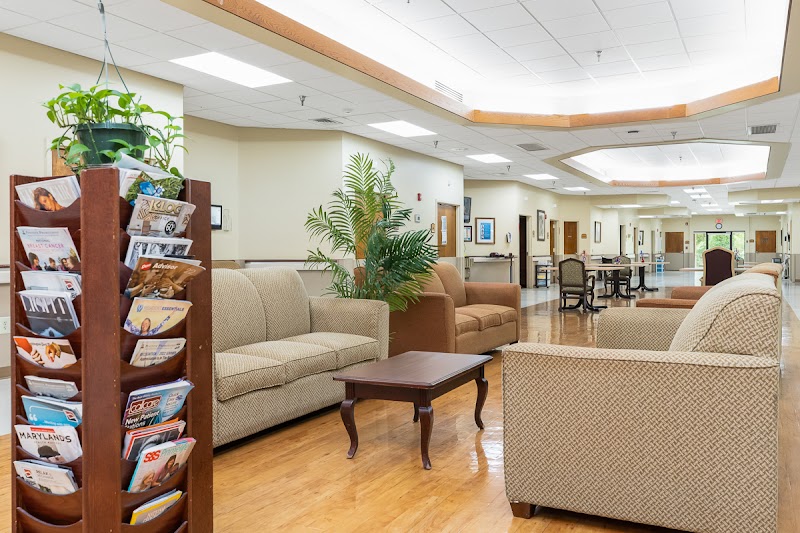
How is Autumn Lake Healthcare At Patuxent River Staffed?

CMS rates AUTUMN LAKE HEALTHCARE AT PATUXENT RIVER's staffing level at 2 out of 5 stars, which is below average compared to other nursing homes. Staff turnover is 48%, compared to the Maryland average of 46%. RN turnover specifically is 55%, which is notably high. RNs provide skilled clinical oversight, so turnover in this role can affect medical care quality.

What Have Inspectors Found at Autumn Lake Healthcare At Patuxent River?

State health inspectors documented 53 deficiencies at AUTUMN LAKE HEALTHCARE AT PATUXENT RIVER during 2017 to 2025. These included: 1 that caused actual resident harm and 52 with potential for harm. Deficiencies causing actual harm indicate documented cases where residents experienced negative health consequences.
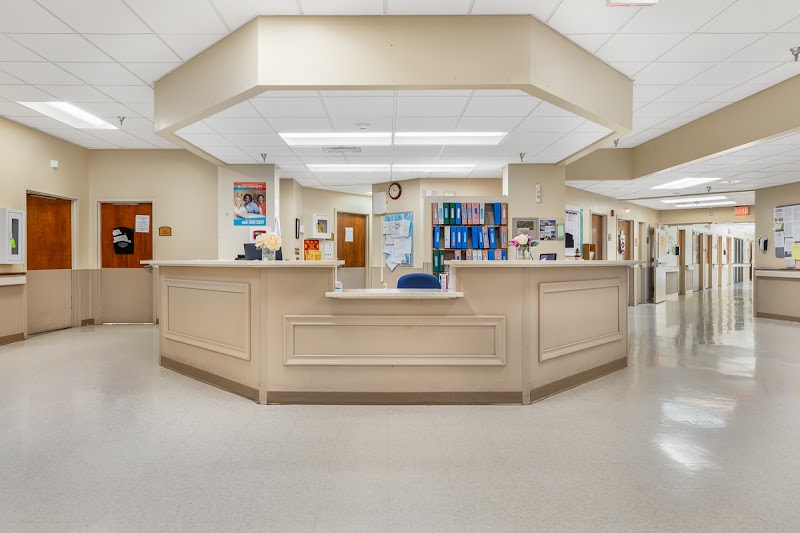
Who Owns and Operates Autumn Lake Healthcare At Patuxent River?

AUTUMN LAKE HEALTHCARE AT PATUXENT RIVER is owned by a for-profit company. For-profit facilities operate as businesses with obligations to shareholders or private owners. The facility is operated by AUTUMN LAKE HEALTHCARE, a chain that manages multiple nursing homes. With 153 certified beds and approximately 129 residents (about 84% occupancy), it is a mid-sized facility located in LAUREL, Maryland.
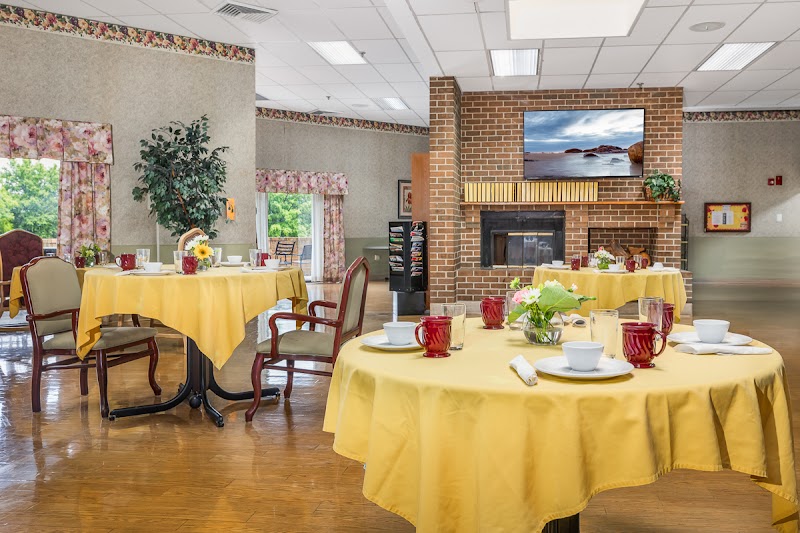
How Does Autumn Lake Healthcare At Patuxent River Compare to Other Maryland Nursing Homes?

Compared to the 100 nursing homes in Maryland, AUTUMN LAKE HEALTHCARE AT PATUXENT RIVER's overall rating (2 stars) is below the state average of 3.0, staff turnover (48%) is near the state average of 46%, and health inspection rating (2 stars) is below the national benchmark.

What Should Families Ask When Visiting Autumn Lake Healthcare At Patuxent River?

Based on this facility's data, families visiting should ask: "Can you walk me through typical staffing levels on day, evening, and night shifts?" "Can I visit during a mealtime to observe dining assistance and food quality?" "How do you handle medical emergencies, and what is your hospital transfer rate?" "Can I speak with family members of current residents about their experience?" These questions are particularly relevant given the below-average staffing rating.

Is Autumn Lake Healthcare At Patuxent River Safe?

Based on CMS inspection data, AUTUMN LAKE HEALTHCARE AT PATUXENT RIVER has a clean safety record: no substantiated abuse findings (meaning no confirmed cases of resident harm), no Immediate Jeopardy citations (the most serious violation level indicating risk of serious injury or death), and is not on the Special Focus Facility watch list (a federal program monitoring the lowest-performing 1% of nursing homes). The facility has a 2-star overall rating and ranks #100 of 100 nursing homes in Maryland. While no facility is perfect, families should still ask about staff-to-resident ratios and recent inspection results during their visit.

Do Nurses at Autumn Lake Healthcare At Patuxent River Stick Around?

AUTUMN LAKE HEALTHCARE AT PATUXENT RIVER has a staff turnover rate of 48%, which is about average for Maryland nursing homes (state average: 46%). Moderate turnover is common in nursing homes, but families should still ask about staff tenure and how the facility maintains care continuity when employees leave.

Was Autumn Lake Healthcare At Patuxent River Ever Fined?

AUTUMN LAKE HEALTHCARE AT PATUXENT RIVER has been fined $12,735 across 1 penalty action. This is below the Maryland average of $33,206. While any fine indicates a compliance issue, fines under $50,000 are relatively common and typically reflect isolated problems that were subsequently corrected. Families should ask what specific issues led to these fines and confirm they've been resolved.

Is Autumn Lake Healthcare At Patuxent River on Any Federal Watch List?

AUTUMN LAKE HEALTHCARE AT PATUXENT RIVER is not on any federal watch list. The most significant is the Special Focus Facility (SFF) program, which identifies the bottom 1% of nursing homes nationally based on persistent, serious quality problems. Not being on this list means the facility has avoided the pattern of deficiencies that triggers enhanced federal oversight. This is a positive indicator, though families should still review the facility's inspection history directly.