CALVERT COUNTY NURSING CTR.
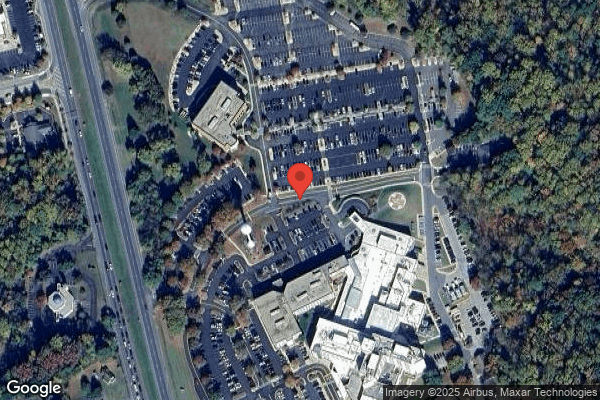
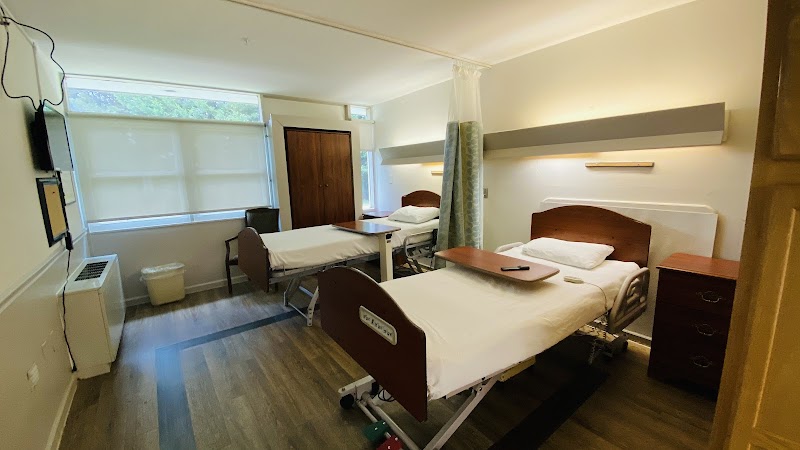
85 HOSPITAL ROAD, PRINCE FREDERICK, MD 20678 (410) 535-2300
For profit - Limited Liability company 149 Beds EPHRAM LAHASKY Data: November 2025 1 Immediate Jeopardy citation
Trust Grade
13/100
#147 of 219 in MD
Last Inspection: January 2025

Within standard 12-15 month inspection cycle. Federal law requires annual inspections.

Overview

Calvert County Nursing Center has received a Trust Grade of F, indicating significant concerns about the facility's quality of care. Ranking #147 out of 219 nursing homes in Maryland places it in the bottom half, and #2 out of 3 in Calvert County suggests that only one local option is better. Unfortunately, the facility is worsening, with issues increasing from 2 in 2024 to 15 in 2025. Staffing is rated at 2 out of 5 stars, with a turnover rate of 45%, which is average but may indicate instability among staff. The facility has incurred $126,032 in fines, which is concerning and suggests repeated compliance problems, and while RN coverage is average, the care provided has had serious incidents, including one resident suffering a fracture due to improper transfer procedures and another experiencing significant weight loss due to inadequate nutritional assessments. Families should weigh these strengths and weaknesses carefully when considering this nursing home.

Trust Score
F
13/100
In Maryland
#147/219
Bottom 33%
Safety Record
High Risk
Review needed
Inspections
Getting Worse
2 → 15 violations
Staff Stability
⚠ Watch
45% turnover. Above average. Higher turnover means staff may not know residents' routines.
Penalties
✓ Good
$126,032 in fines. Lower than most Maryland facilities. Relatively clean record.
Skilled Nurses
○ Average
Each resident gets 34 minutes of Registered Nurse (RN) attention daily — about average for Maryland. RNs are the most trained staff who monitor for health changes.
Violations
⚠ Watch
54 deficiencies on record. Higher than average. Multiple issues found across inspections.
★★☆☆☆
2.0
Overall Rating
★★☆☆☆
2.0
Staff Levels
★★★☆☆
3.0
Care Quality
★★☆☆☆
2.0
Inspection Score
Stable
2024: 2 issues
2025: 15 issues

The Good

  • Full Sprinkler Coverage · Fire safety systems throughout facility
  • No fines on record

Facility shows strength in fire safety.

The Bad

2-Star Overall Rating

Below Maryland average (3.0)

Below average - review inspection findings carefully

Staff Turnover: 45%

Near Maryland avg (46%)

Higher turnover may affect care consistency

Federal Fines: $126,032

Well above median ($33,413)

Significant penalties indicating serious issues

Chain: EPHRAM LAHASKY

Part of a multi-facility chain

Ask about local staffing decisions and management

The Ugly 54 deficiencies on record

1 life-threatening 2 actual harm
Mar 2025 1 deficiency
CONCERN (D) 📢 Someone Reported This

A family member, employee, or ombudsman was alarmed enough to file a formal complaint

Potential for Harm - no one hurt, but risky conditions existed

Deficiency F0742 (Tag F0742)

Could have caused harm · This affected 1 resident

Based on medical record review and interview, the facility failed to provide psychiatric evaluation for a resident (resident #1) who had a history of trauma from physical abuse. This is evident in 1 o...

Read full inspector narrative →
Based on medical record review and interview, the facility failed to provide psychiatric evaluation for a resident (resident #1) who had a history of trauma from physical abuse. This is evident in 1 of 4 residents reviewed during a complaint survey. Findings includes: On 3/18/25 at 2:10pm, surveyor review of resident #1's medical records revealed that the resident reported an allegation of abuse from LPN # 4 on 1/17/25 at approximately 8:30am. Resident #1 reported that LPN #4 threw a cup filled with the resident's medication at the resident. Review of the facility investigation on 3/18/25 at 2:20pm revealed that the facility was unable to substantiate the abuse but recommended that the resident receive psychiatric assessment after the alleged abuse incident. Continued review of resident #1's medical record on 3/18/25 at 2:40pm revealed that the resident received a trauma informed care assessment that revealed that the resident had a history of physical abuse and required psychiatric assessment. Further review of resident #1's medical records on 3/18/25 at 2:50pm found no evidence that Resident #1 received the recommended psychiatric assessment during his/her stay. An interview with the Administrator on 3/18/25 at 3:15pm confirmed that the facility failed to provide Resident #1's recommended psychiatric assessment during his/her stay.
Jan 2025 14 deficiencies 1 Harm
SERIOUS (G) 📢 Someone Reported This

A family member, employee, or ombudsman was alarmed enough to file a formal complaint

Actual Harm - a resident was hurt due to facility failures

Accident Prevention (Tag F0689)

A resident was harmed · This affected 1 resident

**NOTE- TERMS IN BRACKETS HAVE BEEN EDITED TO PROTECT CONFIDENTIALITY** Based on medical record review, observation and interview, it was determined the facility staff failed to transfer Resident #417...

Read full inspector narrative →
**NOTE- TERMS IN BRACKETS HAVE BEEN EDITED TO PROTECT CONFIDENTIALITY** Based on medical record review, observation and interview, it was determined the facility staff failed to transfer Resident #417 using a sit to stand transfer device that resulted in the resident sustaining a fracture to their right arm. This was identified a G of past non-compliance for facility reported incident MD00210322 for F689. This was true for 1 out of the 29 residents reviewed during this survey. The findings include: 1) Based on reviews of medical records, administrative records, and staff interviews, it was determined the facility staff failed to provide a resident with a safe environment, during a transfer from the bed to the wheelchair. Review of Resident #417's fall prevention care plan initiated on 8/11/2024 revealed Resident #417 was at high risk for falls. A review of Resident #417's Minimum Data Set (MDS) Assessment, with an Assessment Reference Date of 4/20/24 Quarterly, was conducted. The MDS (Minimum Data Set) is a complete assessment of the resident which provides the facility with the information necessary to develop a plan of care, provides the appropriate care and services to the resident and to modify the care plan based on the resident's status. MDS Section GG: Functional Abilities is coded to reflect that Resident #417 depends on staff for transfers (how the resident moved between surfaces including to or from the bed, chair and wheelchair and required the support of two or more individuals to transfer. Review of the facility reported incident MD00210322 on 8/23/24 at 9:59 AM, the date of the incident, revealed that the resident reported to the Director of Nursing that the Aide did not transfer her correctly. The resident explained that the GNA2 bear hugged her/him, and the arms were around the GNA2 neck when he/she lifted her. On 1/15/25 at 9:30AM, an interview with the resident revealed that the resident was getting ready to attend an activity and her Geriatric Nursing Assistant (GNA) was helping another resident. GNA 2 and GNA 3 came into the room to help her transfer from the side of the bed to the wheelchair. GNA 2 said they could lift the resident to the wheelchair, the resident and GNA 3 said that the resident was to be transferred via a sit to stand. A sit-to-stand device is meant to replace the manual stand-and-pivot transfer that's performed frequently by caregivers when transferring a weight-bearing resident/patient from a seated posture to a standing posture or different seated surface. The resident stated that's she felt the pain in her arm and heard the snap when she lifted her arms around the GNA's neck. On 1/15/25 at 11AM, GNA 3 revealed the resident was a sit-to-stand transfer and offered to get the resident the sit-to-stand device but, GNA 2 was in a hurry and lifted the resident. They said that they did hear the snap of the resident's arm. I immediately got the RN and then stayed with the resident to comfort them On 1/15/25 at 12 PM, an interview with the Director of Nursing revealed that resident had a sit-to-stand lift transfer initiated on 2/4/22 and it was continued to this day. GNA 2 did not follow the GNA transferring [NAME]. The resident was sent to the emergency room for treatment of the right fractured arm. Education to staff on the protocol for safe lifting and movement of resident requiring a sit-to stand lift transferwas completed on 9/27/24. On 1/15/25 at 2:30PM, an interview with the Director of Nursing stated the delay in education was that the resident failed to inform staff at the time of the incident that the sit-to-stand device was not used in the transfer. On 1/16/25 at 8:55 AM, an interview with the Administrator revealed a Quality Assurance Performance Improvement (QAPI) action plan, completed 9/27/24, that identified what occurred i.e. full house education including agency staff and the suspension of GNA2. GNA2 was not allowed to return to the facility. There have been no new agency staff since this occurred. If new agency staff are to start work in the facility, they are educated on the transfer procedures for the residents. The plan of correction to address the facility's failure to be in compliance was completed by 9/27/24 and training is ongoing as needed for agency staff
CONCERN (D) 📢 Someone Reported This

A family member, employee, or ombudsman was alarmed enough to file a formal complaint

Potential for Harm - no one hurt, but risky conditions existed

Free from Abuse/Neglect (Tag F0600)

Could have caused harm · This affected 1 resident

**NOTE- TERMS IN BRACKETS HAVE BEEN EDITED TO PROTECT CONFIDENTIALITY** Based on record review, interview, and policy review, the facility failed to protect the resident's right to be free from physic...

Read full inspector narrative →
**NOTE- TERMS IN BRACKETS HAVE BEEN EDITED TO PROTECT CONFIDENTIALITY** Based on record review, interview, and policy review, the facility failed to protect the resident's right to be free from physical abuse by a resident for one of three residents (Resident (R) 58) reviewed for abuse out of 29 sample residents. This had the potential to affect all the residents in the facility who were at risk of abuse. Findings include: Review of R57's Face Sheet, located in resident's electronic medical record (EMR) under the Profile tab, revealed the resident was admitted to the facility on [DATE] with diagnoses which included dementia, Alzheimer's, major depressive disorder and restlessness and agitation. Review of R57's quarterly Minimum Data Set (MDS), with an Assessment Reference Date (ARD) of 11/08/24 and located in the resident's EMR under the MDS tab, revealed the facility assessed the resident to have a Brief Interview for Mental Status (BIMS) score of zero out of 15, which indicated the resident was severely cognitively impaired. Review of R57's Care Plan, dated 10/31/21 and located in the resident's EMR under the Care Plan tab, revealed, The resident wandered into other resident rooms. Interventions in place were I need a sign on my door with my name and something that catches the eye to help me remember where my room is, monitor my location throughout the shift, provide structured activities and staff will redirect me from wandering into other residents' rooms or spaces. Review of R58's Face Sheet, located in resident's EMR under the Profile tab, revealed the resident was admitted to the facility on [DATE] with diagnoses which included dementia and major depressive disorder. Review of R58's quarterly MDS, with an ARD of 10/1805/24 and located in the resident's EMR under the MDS tab, revealed the facility assessed the resident to have a BIMS score of 12 out of 15, which indicated the resident was not cognitively impaired. Review of a ''Nurse's Notes'' located in the EMR under the ''Notes'' tab dated 04/09/2023 at 4:43 PM revealed, resident observed on the floor outside her room. Other Resident observed nearby. Helped up with 2-person assistants. Able to stand alone with cane once assisted up. The resident states He came into my room, and I wanted him to leave then he pushed me. 1/10 pain located back of head. Stable, Verbal, Walking with cane. Residents redirected away from each other and to their separate rooms. Review of the Self-Report Form provided by the facility, dated 04/09/2023 revealed, Following a complete and thorough investigation, including resident and staff interviews, it was determined that R57 wandered into R58's room. She became startled and yelled at him to get out and then because of limited impulse control from his dementia, he shoved her causing her to fall onto her buttocks. R58 remains safe within the facility and without any symptoms of emotional distress from the event. R57 was evaluated by psychiatry on 4-12-23. During an interview on 01/15/25 at 2:47 PM, Licensed Practical Nurse (LPN)7 said when the incident occurred in April 2023, she was unable to remember the specifics, but she knew she was trying to redirect the R57 after he came into R58's room and pushed R58 down. LPN7 said R57 was a wanderer and wandered into other resident rooms and when he wandered into R58's room she became upset and confronted him. During an interview on 01/16/25 at 2:26 PM, LPN2 stated R57 and R58's rooms were next to each other. R57 was a wanderer and would get confused about the rooms. Staff had to redirect him. She said R58 did not like people in her face and would yell. When this occurred, she thinks when R58 yelled R57's response was to push her. Staff witnessed it. After that occurred staff put up a sign so R57 would know which door was his. During an interview on 01/17/25 at 5:41 PM, the DON said she was not the DON at the time this occurred. She was not aware of the incident or what occurred. Review of the facility's policy titled Abuse and Neglect-Clinical Protocol revised July 2017 revealed, our residents have the right to be free from abuse, neglect, misappropriation of resident property and exploitation. As part of the resident abuse prevention, the administration will protect our residents from abuse by anyone including other residents.
CONCERN (D)

Potential for Harm - no one hurt, but risky conditions existed

Investigate Abuse (Tag F0610)

Could have caused harm · This affected 1 resident

**NOTE- TERMS IN BRACKETS HAVE BEEN EDITED TO PROTECT CONFIDENTIALITY** Based on record review, interview, and policy review, the facility failed to investigate an injury of an unknown origin for two ...

Read full inspector narrative →
**NOTE- TERMS IN BRACKETS HAVE BEEN EDITED TO PROTECT CONFIDENTIALITY** Based on record review, interview, and policy review, the facility failed to investigate an injury of an unknown origin for two residents (Resident (R) 342, and R13) reviewed for abuse out of 29 sample residents. This had the potential to affect all the residents in the facility who were at risk of abuse. Findings include: Review of the facility's policy titled Abuse and Neglect-Clinical Protocol revised July 2017 revealed, all reports of resident abuse, neglect, exploitation, misappropriation of resident property, mistreatment and/or injuries of unknown origin shall be promptly reported to local, state, and federal agencies and thoroughly investigated by facility management. 1. Review of R13's undated Face Sheet located under the Profile tab in the EMR revealed R13 was admitted to the facility on [DATE]. Review of R13's quarterly Minimum Data Set (MDS) located under the MDS tab in the EMR with an Assessment Reference Date (ARD) of 12/13/24 revealed the facility assessed the resident to have a Brief Interview for Mental Status (BIMS) score of three out of 15 which indicated the resident was severely cognitively impaired. Review of R13's Nursing Progress Note, dated 11/30/24 and located under the Progress Note tab in the EMR revealed While giving resident scheduled medications, Resident kicked blanket down and exposed right thigh. Swelling and bruising noted to the right inner thigh. Resident 6 out of 10 on non-verbal pain scale. On call [name of APN (advanced practice nurse)], informed of situation at 1710 [5:10 PM] .Daughter [name of daughter] informed of situation at 1730 [5:30 PM]. Supervisor notified of situation. During an interview on 01/17/25 at 9:04 AM, the Director of Nursing (DON) was asked if the bruising to R14's right inner thigh was investigated to find out what caused the bruise and the DON stated, I don't believe so. When the DON was asked if the bruising to R13's right inner thigh should have been investigated, the DON stated, Looking back, yes this should have been investigated. During an interview on 01/17/25 at 11:24 AM, the Administrator was asked if the bruise to R13's right inner thigh was investigated and the Administrator stated, I don't believe so. When the Administrator was asked if the bruise should have been investigated, the Administrator stated, Yes. 2. Review of R342's Annual Minimum Data Set (MDS) with an Assessment Reference Date (ARD) of 12/06/24 and located in the resident's EMR under the MDS tab, revealed the facility assessed the resident to have a Brief Interview for Mental Status (BIMS) score of 0 out of 15, which indicated no cognitive impairment. Review of R342's Progress Notes located in the EMR under the Notes tab dated 06/20/24 at 9:30 AM revealed, During routine care staff observed a bruise to the residents' left flank. The area is slightly red and warm to touch. Resident showed signs of facial grimacing during the assessment. Tylenol given for discomfort. Review of physician Progress Notes located in the EMR under the Notes tab dated 06/20/24 at 3:06 PM revealed, Resident with dementia associated with aggressive behavior, cognitive impairment being seen today due to nursing concern. Initially notified by nursing regarding newly found large bruise. Second call received regarding unwitnessed fall which occurred after discovering of ecchymosis. Patient not able to give account of bruising or fall due to cognitive impairment. Nursing unable to account for possible source of left large left flank ecchymosis. During an interview on 01/15/25 at 2:47 PM, Licensed Practical Nurse (LPN)7 said a Geriatric Nursing Assistant (GNA) reported the bruise to her, and she reported it to her unit manager. They were never able to determine how the bruise occurred. Review of Progress Notes located in the EMR under the Notes tab dated 12/16/2024 at 10:46 AM revealed, Change in condition, bruise to right eye socket started on 12/16/2024. The bruise is located where her helmet sits on her head. During an interview on 01/17/25 at 10:16 AM, LPN8 stated she reported the bruise to her unit manager. During an interview on 01/17/25 at 10:35 AM, the Unit Manager (UM)2 stated the bruise to the residents left flank area was reported to her, and she reported it to the prior DON, and it was discussed during their clinical at-risk meetings. UM2 said she did not report the bruised eye socket immediately because she didn't think it was so severe that it needed to be reported immediately. Review of of a document entitled Customer at risk, provided by the facility, dated 06/27/24 revealed discoloration to flank. This document further revealed meeting notes dated 12/19/24 bruise (yellow) right eyebrow-wears soft helmet-remove at bedtime. During an interview on 01/17/25 at 10:51 AM, the DON stated she was not the DON at the time the bruise was found on R342 on 06/20/24. The DON stated she did not think this was investigated. The DON stated any suspicious bruise, or mark should be reported to the DON or Administrator as soon as staff become aware and investigated. During an interview on 01/17/25 at 11:24 AM, the Administrator said injuries of unknown origin must be reported to a supervisor immediately if the nurse does not know how the injury occurred. She said they determined that the bruise to R342's right was the result sleeping with the helmet on. She confirmed this was not investigated and she was not sure if she had documentation of how and when they determined it was the result of sleeping with the helmet on, but she would provide that if she was able to do it. (This information was not provided prior to the end of the survey. The Administrator stated that any incident where a resident has an injury of unknown origin should be investigated to try and figure out how the injury occurred.
CONCERN (D) 📢 Someone Reported This

A family member, employee, or ombudsman was alarmed enough to file a formal complaint

Potential for Harm - no one hurt, but risky conditions existed

Deficiency F0657 (Tag F0657)

Could have caused harm · This affected 1 resident

Based on medical record review and interview, the facility failed to update residents (#406 & #407) care plan after a change in condition. This was evident for 2 of 30 residents reviewed during a comp...

Read full inspector narrative →
Based on medical record review and interview, the facility failed to update residents (#406 & #407) care plan after a change in condition. This was evident for 2 of 30 residents reviewed during a complaint survey. Findings include: 1. On 1/5/23, the State of Maryland's Office of Health Care Quality received a facility reported incident which reported that Resident #406 alleged that a male staff member touched the resident inappropriately. Review of Resident #406's medical record on 1/16/25 at 11:25 AM revealed a written statement by hospice volunteer #12 which reported that Resident #406 told hospice volunteer #12 that a male GNA touched the resident inappropriately. An additional review of the resident's medical record on 1/16/23 at 11:50 AM revealed no evidence that a change in care plan was made after the resident's allegation. On 1/16/25 at 1:30 PM, the survey team reviewed interviews with the Social Work Director and nursing staff regarding the facility's policies on making appropriate changes to a resident's care plan after a change in condition. The review determined that a resident's care plan should be reviewed after a change in condition and changes should be made as necessary to ensure that the resident is receiving appropriate care. On 1/17/25 at 10:00 AM, the surveyor interviewed the Director of Nursing (DON) and Administrator regarding facility care plan policy and when it would be appropriate to make changes to a resident's care plan. The DON and the Administrator confirmed that a resident's care plan should be reviewed after a change in condition and appropriate changes would be made at that time. The surveyor pointed out that Resident #406 alleged that he/she was touched inappropriately and a review of the resident's medical record revealed no evidence of a change in care plan after the resident's allegation. The DON and the Administrator reviewed the resident's medical record and confirmed that there was no evidence of any changes in the resident's care plan after the allegation. 2. On 5/10/23, the State of Maryland's Office of Health Care Quality received a facility reported incident which reported that Resident #407 alleged that a staff member slapped the resident in the face. Review of Resident #407's medical record on 1/16/25 at 1:00 PM revealed Resident #407 told his/her spouse that a staff member slapped the resident's face on the evening of 5/9/23. An additional review of the resident's medical record on 1/16/23 at 1:10 PM revealed no evidence that a change in care plan was made after the allegation to ensure the resident's care was appropriate. On 1/16/25 at 1:30 PM, the survey team reviewed interviews with the Social Work Director and nursing staff regarding the facility's policies on making appropriate changes to a resident's care plan after a change in condition. The review determined that a resident's care plan should be reviewed after a change in condition and changes should be made as necessary to ensure that the resident is receiving appropriate care. On 1/17/25 at 10:00 AM, the surveyor interviewed the Director of Nursing (DON) and Administrator regarding facility care plan policy and when it would be appropriate to make changes to a resident's care plan. The DON and the Administrator confirmed that a resident's care plan should be reviewed after a change in condition and appropriate changes would be made at that time. The surveyor pointed out that Resident #407 alleged that he/she was slapped in the face by a staff member and a review of the resident's medical record revealed no evidence of a change in care plan was made after the resident's allegation. The DON and the Administrator reviewed the resident's medical record and confirmed that there was no evidence of any changes in the resident's care plan after the allegation.
CONCERN (D) 📢 Someone Reported This

A family member, employee, or ombudsman was alarmed enough to file a formal complaint

Potential for Harm - no one hurt, but risky conditions existed

Deficiency F0699 (Tag F0699)

Could have caused harm · This affected 1 resident

**NOTE- TERMS IN BRACKETS HAVE BEEN EDITED TO PROTECT CONFIDENTIALITY** 2) On 1/5/23, the State of Maryland's Office of Health Care Quality received a facility reported incident which reported that Re...

Read full inspector narrative →
**NOTE- TERMS IN BRACKETS HAVE BEEN EDITED TO PROTECT CONFIDENTIALITY** 2) On 1/5/23, the State of Maryland's Office of Health Care Quality received a facility reported incident which reported that Resident #406 alleged that a male staff member touched the resident inappropriately. Review of Resident #406's medical record on 1/16/25 at 11:25 AM revealed a written statement by hospice volunteer #12 which reported that Resident #406 told hospice volunteer #12 that a male GNA touched the resident inappropriately. An additional review of the resident's medical record on 1/16/23 at 11:50 AM revealed no evidence that a trauma informed assessment was performed to ensure the resident's care was appropriate. On 1/16/25 at 1:30 PM, the survey team reviewed interviews with the Social Work Director and nursing staff regarding the facility's policies on trauma informed care. The review determined that trauma informed care assessments are completed when a resident is admitted and at a change of condition to ensure that the resident is receiving appropriate care. On 1/17/25 at 10:00 AM, the surveyor interviewed the Director of Nursing (DON) and Administrator regarding the trauma informed care policy. The DON and the Administrator confirmed resident trauma informed assessments should be done at admission and after a change in condition. The surveyor pointed out that Resident #406 alleged that he/she was touched inappropriately and a review of the resident's medical record revealed no evidence of a trauma informed care assessment after the resident's allegation. The DON and the Administrator reviewed the resident's medical record and confirmed that there was no evidence of a trauma informed care assessment. 3) On 5/10/23, the State of Maryland's Office of Health Care Quality received a facility reported incident which reported that Resident #407 alleged that a staff member slapped the resident in the face. Review of Resident #407's medical record on 1/16/25 at 1:00 PM revealed a written statement by hospice volunteer #12 which reported that Resident #407 told his/her spouse that a staff member slapped the resident on the face on the evening of 5/9/23. An additional review of the resident's medical record on 1/16/23 at 1:10 PM revealed no evidence that a trauma informed assessment was performed to ensure the resident's care was appropriate. On 1/16/25 at 1:30 PM, the survey team reviewed interviews with the Social Work Director and nursing staff regarding the facility's policy on trauma informed care. The review determined that trauma informed care assessments are completed when a resident is admitted and at a change of condition to ensure that the resident is receiving appropriate care. On 1/17/25 at 10:00 AM, the surveyor interviewed the Director of Nursing (DON) and Administrator regarding the trauma informed care policy. The DON and the Administrator confirmed resident trauma informed assessments should be done at admission and after a change in condition. The surveyor pointed out that Resident #407 alleged that he/she was slapped by a staff member and a review of the resident's medical record revealed no evidence of a trauma informed care assessment after the resident's allegation. The DON and the Administrator reviewed the resident's medical record and confirmed that there was no evidence of a trauma informed care assessment. Based on record review and interviews, it was determined that the facility failed to develop and implement a process to determine if residents with a history of trauma received the appropriate trauma informed care. This was evident for 3 (#421, #406 and #407) of 3 residents reviewed for trauma informed care. The findings include: 1) On 1/14/24 at 9:30 AM, a review of complaint MD00204534 dated 4/9/24 revealed that Resident #421 felt uncomfortable when she/he was bathed by the Geriatric Nursing Assistant. Further medical record review for Resident #421 revealed the resident was admitted to the facility on [DATE]. The review of the trauma informed care assessment completed on 12/31/23, 8/23/24, and 11/11/24, revealed that the resident did not experience any traumatic event such as accident, sexual assault or abuse. On 1/25/24 at 1:13 PM, an interview with the Director of Social Work revealed on 4/10/24, the resident claimed that she was sexually abused in the past. When the Director of Social Work asked the resident why she/he didn't reveal the sexual trauma? The resident stated she forgot. The Surveyor reviewed the trauma informed care assessment with the Director of Social Work dated 8/23/24 and 11/11/24, and that it did not indicate that trauma occurred. The Director Social Work stated that I should have updated the trauma informed care assessment when the information was revealed to me.
CONCERN (D)

Potential for Harm - no one hurt, but risky conditions existed

Pharmacy Services (Tag F0755)

Could have caused harm · This affected 1 resident

**NOTE- TERMS IN BRACKETS HAVE BEEN EDITED TO PROTECT CONFIDENTIALITY** Based on record review and interview, the facility failed to ensure residents' medications were on hand at the facility to be ad...

Read full inspector narrative →
**NOTE- TERMS IN BRACKETS HAVE BEEN EDITED TO PROTECT CONFIDENTIALITY** Based on record review and interview, the facility failed to ensure residents' medications were on hand at the facility to be administered per the physician's order for one of 29 sampled residents (Resident (R) 245). This failure placed the resident at risk of not receiving therapeutic pharmacological interventions for ordered medication's indication of use. Findings include: Review of R245's undated Face Sheet located under the Profile tab in the electronic medical record (EMR) revealed R245 was admitted to the facility on [DATE] with the diagnosis of complete intestinal obstruction, encounter for surgical aftercare following surgery on the digestive system, and hypertension. Review of R245's admission Minimum Data Set (MDS) located under the MDS tab in the EMR with an Assessment Reference Date (ARD) of 11/04/24 revealed the facility that the resident assessed to have a Brief Interview for Mental Status (BIMS) score of 14 out of 15 which indicated the resident was cognitively intact. Review of R245's Physician Orders located under the Orders tab in the EMR revealed orders dated 10/30/24 for Pramipexole Dihydrochloride ER (extended release) 24 hour 0.375 mg (milligram), Give one tablet by mouth at bedtime for restless leg syndrome, and carvedilol 12.5 mg, Give 12.5 mg two times a day for HTN (hypertension) Hold for SBP (systolic blood pressure) less than 110 and HR (heart rate) less than 60. Review of R245's Medication Administration Record (MAR) located under the Orders tab in the EMR and dated October 2024 and November 2024, revealed on 10/30/24, 10/31/24, 11/01/24, and 11/02/24 at 9:00 PM, it was documented Pramipexole Dihydrochloride ER was coded as being on Hold as represented as a 5 documented for these dates and time. Carvedilol was documented as on Hold on 10/31/24 at 9:00 PM as represented as a 5 documented for this date and time for this mediation. During an interview on 01/17/25 at 5:15 PM, Licensed Practical Nurse (LPN) 12 stated, I don't know why I have documented this except that the medication possibly wasn't here from the pharmacy yet. Review of the documentation that LPN12 documented in the progress notes for these dates, and it stated, Awaiting from Pharmacy. Asked if LPN12 checked the stock of medications that were available to be used for residents in the event that this happens, LPN12 stated, I don't believe that I checked that. During an interview on 01/17/25 at 5:25 PM, the Director of Nursing stated, I can't confirm that he [LPN12] gave the medications. If they were not here from pharmacy, then the nurse should call the MD [medical doctor] and make them aware of this.
CONCERN (D)

Potential for Harm - no one hurt, but risky conditions existed

Medication Errors (Tag F0758)

Could have caused harm · This affected 1 resident

**NOTE- TERMS IN BRACKETS HAVE BEEN EDITED TO PROTECT CONFIDENTIALITY** Based on record review, interview, and facility policy review, the facility failed to monitor targeted behaviors for an anxiety ...

Read full inspector narrative →
**NOTE- TERMS IN BRACKETS HAVE BEEN EDITED TO PROTECT CONFIDENTIALITY** Based on record review, interview, and facility policy review, the facility failed to monitor targeted behaviors for an anxiety medication and antidepressant for two of five residents reviewed for unnecessary medications (Resident (R) 34 and R8) out of 29 sampled residents. This failure had the potential for residents to receive unnecessary medications. Findings include: 1. Review of the facility's policy titled, Behavioral Assessment, Intervention and Monitoring dated December 2016 revealed .When medications are prescribed for behavioral symptoms, documentation will include: .Specific target behaviors . Review of R34's undated Face Sheet located under the Profile tab in the electronic medical record (EMR) indicated R34 was admitted to the facility on [DATE] with the diagnosis of anxiety disorder. Review of R34's Physician Orders located under the Orders tab in the EMR revealed an order dated 12/20/24 for Buspar (an antianxiety medication) 10 mg (milligrams); give one tablet by mouth three times a day for anxiety. Continued review of the order revealed an order dated 12/20/24 for sertraline (an antidepressant medication) 25 mg; give one tablet by mouth one time a day for depression. Review of R34's Care Plan located under the Care Plan tab in the EMR revealed a Focus with a revision date 12/11/24 of [R34] use anti-anxiety medications buspirone r/t [related to] Anxiety disorder [sic]. The interventions were Give anti-anxiety medications as ordered by the physician. Monitor/document side effects and effectiveness . [R34] taking Anti-anxiety meds [medicines] which are associated with an increased risk of confusion, amnesia, loss of balance, and cognitive impairment that looks like dementia, falls, broken hips, and legs. Monitor Q [every] shift for safety . Provide me a quiet space and reduced stimuli when I am anxious. R34 had also been cared planned for the use of antidepressant medication Sertraline r/t depression which was dated 12/11/24. The interventions were Give antidepressant medications as ordered by the physician, Monitor/document side effects and effectiveness . Monitor/document/report to MD [medical doctor] prn [as needed] s/sx [signs/symptoms] of depression unaltered by antidepressant meds: Sad, irritable, anger, never satisfied, crying, shame, worthlessness, guilt, suicidal ideations, neg [negative] mood/comments, slowed movement, agitation, disrupted sleep, fatigue, lethargy, does not enjoy usual activities, changes in cognition, changes in weight/appetite, fear of being alone or with others, unrealistic fears, attention seeking, concern with body functions, anxiety, constant reassurance. Review of R34's Behavioral Monitoring located under the Orders tab in the EMR for December 2024 and January 2025 revealed [Behaviors] Monitor for: anxiety/anxious mood every shift . and [Behaviors] Monitor for: depressed mood every shift . There was no documented evidence that the resident's behaviors were being monitored. 2. Review of R8's undated Face Sheet located under the Profile tab in the EMR revealed R8 was readmitted to the facility on [DATE] with the diagnosis of anxiety disorder, and major depressive disorder. Review of R8's Physician Orders located under the Orders tab in the EMR revealed an order dated 07/08/24 for alprazolam (an antianxiety medication) 0.25 mg, give one tablet by mouth one time a day for anxiety. Continued review of the orders revealed an order dated 07/08/24 for mirtazapine (an antidepressant medication) 15 mg; give one tablet orally at bedtime for depression. Review of R8's Care Plan located under the Care Plan tab in the EMR revealed Focus dated 04/22/23 which indicated R8 use of anti-anxiety medications r/t [related to] Anxiety disorder [sic]. The interventions were Give anti-anxiety medications ordered by physician, and Monitor/document side effects [sic]. R8 also had a Focus with a revision date 03/09/23 which indicated R8 had .depression and receive an antidepressant medication (Mirtazapine) for mood. The intervention was Administer medications as ordered. Monitor/document side effects and effectiveness. Assist [R8] in developing and provide [R8] with a program of activities that is meaningful and of interest. Encourage and provide opportunities for exercise, physical activity. Monitor/document/report to Nurse/MD s/sx [signs/symptoms] of depression, including: hopelessness, anxiety, sadness, insomnia, anorexia, verbalizing, [sic] negative statements, repetitive anxious or health related complaints, tearfulness [sic] . Review of R8's Behavioral Monitoring, dated January 2025 and located under the Orders tab in the EMR revealed [Behaviors] Monitor for: anxiety/anxious mood every shift . and [Behaviors] Monitor for: depressed mood every shift . There was no documented evidence that the resident's behaviors were being monitored. During an interview on 01/16/25 at 11:59 AM, Registered Nurse (RN) 2 stated, I don't know what the targeted behaviors are. During an interview on 01/16/25 at 12:56 PM, the Director of Nursing (DON) stated, There aren't any targeted behaviors listed on the behavioral monitoring sheets. It just says to monitor anxiety and depressed mood.
CONCERN (D)

Potential for Harm - no one hurt, but risky conditions existed

Deficiency F0761 (Tag F0761)

Could have caused harm · This affected 1 resident

Based on observations, interviews, and policy review the facility failed to ensure that one of seven medication carts were kept locked, and medications were kept secured during medication pass. Specif...

Read full inspector narrative →
Based on observations, interviews, and policy review the facility failed to ensure that one of seven medication carts were kept locked, and medications were kept secured during medication pass. Specifically, medication was left on top of the medication cart, and the medication cart was left unlocked and unattended while the nurse went into the resident's bathroom out of site of the medication cart. This has the potential for other residents or visitors to have access to the medications in the cart. Findings include: Review of the facility's policy titled Security of Medication Cart revised 04/07, revealed The nurse must secure the medication cart during the medication pass to prevent unauthorized entry .Medication carts must be securely locked at all times when out of the nurse's view. Review of the facility's policy titled Storage of Medications revised 04/07 revealed The facility shall store all drugs and biologicals in a safe, secure, and orderly manner. During an observation on 01/16/25 at 11:03 AM, Registered Nurse (RN)4 went into Resident (R)38's room to conduct his blood sugar check. RN4 left the medication cart outside of R38's room door, the medication cart was facing inside of R38's room. RN4 left the medication cart unlocked, with an insulin pen on top of the medication cart. After conducting the blood sugar check, RN4 went into R38's bathroom to wash her hands. The medication, and medication cart were out of RN4's sight while she was in the bathroom. During an interview with RN4 on 01/16/25 at 11:08AM, RN4 confirmed she had left the medication cart unlocked with the insulin pen on top of the cart. RN4 stated she should have put the insulin pen in the cart and locked it while she was in the room. During an interview with the Director of Nursing (DON) on 01/17/25 at 11:08 AM, the DON stated she expected that medications are securely stored, and the medication carts to be locked when the staff are not within sight of the cart.
CONCERN (D)

Potential for Harm - no one hurt, but risky conditions existed

Medical Records (Tag F0842)

Could have caused harm · This affected 1 resident

Based on observations, interviews, and policy review the facility failed to ensure that resident information was protected specifically related to electronic medical records. This failure had the pote...

Read full inspector narrative →
Based on observations, interviews, and policy review the facility failed to ensure that resident information was protected specifically related to electronic medical records. This failure had the potential to cause residents' information to not be safeguarded. Findings include: Review of the facility's policy titled Electronic Medical Records dated 03/14, revealed The facility will make reasonable efforts to limit the use or disclosure of protected health information to only the minimum necessary to accomplish the intended purpose of use or disclosure. During an observation of Registered Nurse (RN)4, on 01/16/25 at 11:03 AM, during a blood sugar check, RN4 left the computer unlocked, and unattended on top of the medication cart, exposing the resident's information, while she was washing her hands in the resident's bathroom. RN4 confirmed she had left the computer open, and stated she should not have left the computer unlocked. During observation conducted during the medication pass task on 01/17/25 at 8:17 AM, with Unit Manager (UM)2, UM2 left the computer on top of the medication cart opened with resident information exposed, while she went to obtain cups for the cart. The computer was not within reach or sight of UM2. During an interview at 8:31 AM, the UM2 stated she should have locked the computer. During an interview with the Director of Nursing (DON) on 01/17/25 at 11:08 AM, the DON stated that exposing protected health information was an unacceptable practice.
CONCERN (D)

Potential for Harm - no one hurt, but risky conditions existed

Infection Control (Tag F0880)

Could have caused harm · This affected 1 resident

**NOTE- TERMS IN BRACKETS HAVE BEEN EDITED TO PROTECT CONFIDENTIALITY** Based on observations, interviews, record review, and policy review the facility failed to ensure that staff donned appropriate ...

Read full inspector narrative →
**NOTE- TERMS IN BRACKETS HAVE BEEN EDITED TO PROTECT CONFIDENTIALITY** Based on observations, interviews, record review, and policy review the facility failed to ensure that staff donned appropriate Personal Protective Equipment (PPE) for one Resident(R)293) of one resident that was on contact precautions. Additionally, the facility failed to ensure staff protected medications from becoming contaminated. These failed practices could result in increased spread of infections among residents. Findings include: Review of the facility's undated policy titled Isolation-Categories of Transmission-Based Precautions revealed Transmission-based precautions are initiated when a resident develops signs and symptoms of a transmissible infection; arrives for admission with symptoms of an infection; or has a laboratory confirmed infection; and is at risk of transmitting the infection to other residents .Contact Precautions-1. Contact precautions are implemented for residents known or suspected to be infected with microorganisms that can be transmitted by direct contact with the resident or indirect contact with environmental surfaces or resident-care items in the resident's environment. According to CDC recommendations, when caring for a patient with MSSA (Methicillin-susceptible Staphylococcus aureus) infection and an intravenous catheter, contact isolation PPE would include a gown and gloves that should be worn for all interactions involving contact with the patient and their environment; this is because the primary transmission route for MSSA is through direct contact with contaminated surfaces or body fluids. Key points about contact isolation for MSSA with a catheter: PPE required: Gown and gloves are mandatory for all patient interactions. Rationale: A gown protects clothing from potential contamination, while gloves prevent hand contamination with bacteria that could be transferred to other surfaces or patients. When to wear: [NAME] PPE upon entering the patient's room and remove it before exiting. Other considerations: Dedicated equipment: Use dedicated patient care equipment (like blood pressure cuffs) whenever possible to minimize cross-contamination. Hand hygiene: Perform thorough hand hygiene before and after patient contact, even when wearing gloves. Environmental cleaning: Regularly disinfect frequently touched surfaces in the patient's room. 1. Review of R293's undated admission Record located in the electric medical record (EMR) under the Profile tab, indicated R293 was admitted on [DATE], with diagnoses including methicillin susceptible staphylococcus aureus (MSSA) infections, pneumonia, and congestive heart failure. Review of R293's Orders located in the EMR under the Order tab, revealed an order for resident on contact precautions due to MSSA infection. Review of R293's Care Plan located in the EMR under Care Plan tab, dated 01/08/25, revealed R293 has MSSA- colonization .Interventions: Contact Isolation: Wear gowns and masks when changing contaminated linens. Place soiled linens in bags marked biohazard. Bag linens and close bag tightly before taking to laundry . Resident care equipment to be appropriately cleaned, disinfected or sterilized according to facility protocol. Review of R293's admission Minimum Data Set (MDS) with an Assessment Reference Date (ARD) of 01/10/25, located in the EMR under the MDS tab, Brief Interview of Mental Status (BIMS) score is a 15 out of 15, indicating the resident was cognitively intact. Additionally, this MDS indicated the resident is on isolation or quarantine for active infectious disease. During an observation conducted on 01/15/25 at 12:08 PM of R293's room, there was a sign on room door documenting Contact Precautions: clean hands, including before entering and when leaving the room. Providers and staff must also: Put on gloves before room entry. Discard gloves before the room is exited. Put on gown before room entry. Discard gown before room exit. Do not wear the same gown and gloves for the care of more than one person. Use dedicated or disposable equipment. Clean and disinfect reusable equipment before use on another person. During an observation on 01/15/25 at 12:42 PM of Registered Nurse (RN)2, RN2 was observed entering R293's room and connecting R293's intravenous antibiotic to the residents peripherally inserted central catheter (PICC) line. RN2 was observed not wearing any PPE while he was in the resident's room and conducting resident care. Upon exiting R293's room, RN2 was questioned if he should have been wearing PPE while in the resident's room since R293 was in contact isolation. RN2 stated doesn't believe he needed to wear PPE, because the resident only has pneumonia in his lungs. During an interview on 01/15/25 at 12:59 PM, Infection Control Preventionist (ICP) stated R293 was on contact isolation because R293's blood cultures came back positive for having MSSA bacteremia in his blood. The ICP stated the contact isolation sign is on the door, it instructs the staff of what is expected to do, and that there is no exception. During an interview on 01/15/25 at 1:11PM, Unit Manager (UM)2, stated it is expected that staff providing care to don PPE upon entering room and doff PPE when they exited the room. 2. Review of the facility's policy titled Administering Medications dated 12/12, revealed Medications shall be administered in a safe and timely manner, and as prescribed Staff shall follow established facility infection control procedures (e.g., handwashing, antiseptic technique, gloves, isolation precautions, etc.) for the administration of medications, as applicable. During medication pass observation on 01/16/25 at 9:20AM, Medication Technician (MT)1 dropped the medication Atenolol (blood pressure medication) on top of the medication cart, picked the pill up with bare hands and put back into the medication cup, with the intent to administer the medication. Upon interviewing MT1 during this observation, MT1 stated she should have disposed of the medication after dropping it and should not have touched the pill with her hands. During medication pass observation conducted on 01/17/25 at 8:26AM, UM2 was observed dropping a Clonidine (blood pressure) pill on top of a piece of paper on top of the medication cart. UM2 proceeded to scoop it up in medication cup with the intention of administering it to the resident. Upon interviewing UM2 during the observation, UM2 stated at least I didn't touch it with my hands. UM2 stated she wasn't sure if the paper was clean or not. During an interview with the Director of Nursing (DON) on 01/17/25 at 11:08AM, observations were shared with the DON. The DON stated that all staff are expected to follow all isolation precautions, and that when medication is dropped, it should have been disposed of appropriately.
CONCERN (E)

Potential for Harm - no one hurt, but risky conditions existed

Report Alleged Abuse (Tag F0609)

Could have caused harm · This affected multiple residents

**NOTE- TERMS IN BRACKETS HAVE BEEN EDITED TO PROTECT CONFIDENTIALITY** Based on record review, interview, and policy review, the facility failed to report an allegation of staff to resident abuse and...

Read full inspector narrative →
**NOTE- TERMS IN BRACKETS HAVE BEEN EDITED TO PROTECT CONFIDENTIALITY** Based on record review, interview, and policy review, the facility failed to report an allegation of staff to resident abuse and injuries of an unknown origin for four residents (Resident (R) 342, R295, R296 and R13) reviewed for abuse out of 29 sample residents. This had the potential to affect all the residents in the facility who were at risk of abuse. Findings include: Review of the facility's policy titled Abuse and Neglect-Clinical Protocol revised July 2017 revealed, all reports of resident abuse, neglect, exploitation, misappropriation of resident property, mistreatment and/or injuries of unknown origin shall be promptly reported to local, state, and federal agencies. 1. Review of R295's undated admission Record located in the EMR under the Profile tab, indicated the resident was admitted to the facility on [DATE], with diagnoses including cellulitis, chronic pain, chronic obstructive pulmonary disease, and hypertension. Review of the admission Minimum Data Set (MDS) with an Assessment Reference Date (ARD) of 01/08/25, Brief Interview of Mental Status (BIMS) score was a 15 out of 15, indicating R295 is cognitively intact. R295 was assessed as not exhibiting any behavior during the seven-day look back period. Review of R295's Care Plan located in the EMR under the Care Plan revealed there was no indication resident has been identified as making false allegations of abuse. During an interview with R295 on 01/17/25 at 11:21AM, R295 was questioned concerning R296's incident with the night nurse. R295 stated the Licensed Practical Nurse (LPN)10 was rude and had told R296 to choose what you want to take and tossed the pill cup on R296's bed between the resident's legs. R295 proceeded to state that she had a similar incident with a Geriatric Nursing Assistant (GNA)3, the night before last (01/15/25), being rude to her. R295 stated she had called for help to move in her bed. When the GNA3 responded she told R295 that you can do it yourself. R295 reported the incident to Unit Manager (UM)2. On 01/17/25 at 12:00PM, UM2 was questioned if she had reported the incident with R295 to DON, and she stated maybe in passing as a verbal, telling the Director of Nursing (DON), we have another incident but not officially. When questioned if it should be reported, she stated yes it should have been. 2. Review of R296's undated admission Record located in the EMR under the Profile tab, indicated the resident was admitted to the facility on [DATE], with diagnoses of psychoactive substance abuse, bipolar disorder, and fracture of lumbar vertebra. Review of R296's admission MDS with a ARD of 01/18/25, located in the EMR under the MDS tab, revealed R296's BIMS score is a 13 out of 15, indicating the resident was cognitively intact. R296 was assessed as not exhibiting any behaviors related to refusing care or making false accusations. During the observed medication pass on 01/17/25 at 8:45AM, R296, reported to the Unit Manager (UM)2, that LPN10 from the nightshift threw R296's pills at her, the pills landed on the residents' bed between R296's legs. LPN10 told R296 take what you want and walked out of the room. According to R296, there was valium (benzodiazepine for anxiety) and Dilaudid (opioid used for pain) in the medication cup. This incident was confirmed during an interview with R295, the resident's roommate, that is also cognitively intact. During an interview with R295 on 01/17/25 at 11:21AM, R295's Brief Interview of Mental Status BIMS score is a 13, indicating she is cognitively intact, was questioned concerning R296's incident with the night nurse. R296 stated the LPN9 was rude and had told R295 to choose what you want to take and tossed the pill cup on R296's bed between the resident's legs. During an interview with R296 on 01/17/25 at 11:29AM, R296 stated she had pressed the call button for medication, LPN10 came in her room about 8:30PM, and said this is your valium and suboxone (used to treat opiate addiction). LPN10 proceeded to throw the pill cup at R296, and stated take what you want. R296 stated there were other medications in the cup at the time also. At 7:30AM, LPN10 returned and stated she had tried to give R296's Dilaudid at 6:00 AM, but the resident was asleep. R296 stated LPN10 was disrespectful, rude, and treated her like a child. She felt intimidated and now hesitates to ask for her medications because she doesn't want to deal with the attitude. When questioned if she had informed anyone during the night of LPN10's actions, R296 stated no she had not, not until the UM2 came in this morning. During an interview on 01/17/25 at 11:08AM, the DON was questioned regarding the incident involving R296 and the DON stated, No she had not reported it, because she hadn't realized it rose to that level of investigation. 3. Review of R342's Annual Minimum Data Set (MDS) with an Assessment Reference Date (ARD) of 12/06/24 and located in the resident's EMR under the MDS tab, revealed the facility assessed the resident to have a Brief Interview for Mental Status (BIMS) score of 0 out of 15, which indicated R342 was severely cognitively impaired. Review of R342's Progress Notes located in the EMR under the Notes tab dated 06/20/24 at 9:30 AM revealed, During routine care staff observed a bruise to the residents' left flank. The area is slightly red and warm to touch. Resident showed signs of facial grimacing during the assessment. Tylenol given for discomfort. Review of R342's Physician Progress Note located in the EMR under the Notes tab dated 06/20/24 at 3:06 PM revealed, resident is a .resident with dementia associated with aggressive behavior, cognitive impairment being seen today due to nursing concern. Initially notified by nursing regarding newly found large bruise. Second call received regarding unwitnessed fall which occurred after discovering of ecchymosis. Patient not able to give account of bruising or fall due to cognitive impairment. Nursing unable to account for possible source of left large left flank ecchymosis. During an interview on 01/15/25 at 2:47 PM Licensed Practical Nurse (LPN)Geriatric Nursing Assistant (GNA) reported the bruise to her, and she reported it to her unit manager. They were never able to determine how the bruise occurred. Review of R432's Progress Note located in the EMR under the Notes tab dated 12/16/2024 at 10:46: am revealed, Change in condition, bruise to right eye socket started on 12/16/2024. The bruise is located where her helmet sits on her head. During an interview on 01/17/25 at 10:16 AM, LPN8 stated she reported the bruise to her Unit Manager. During an interview on 01/17/25 10:35 AM, the Unit Manager (UM)2 stated the bruise to the residents left flank area was reported to her, and she reported it to the prior DON, and it was discussed during their clinical at-risk meetings. She said she did not report the bruised eye socket immediately because she didn't think it was so severe that it needed to be reported immediately. But they did discuss it during the clinical at-risk meetings. Review of Customer at Risk document, provided by the facility, dated 06/27/24 revealed discoloration to flank. Further review of this document revealed a note dated 12/19/24 bruise (yellow) right eyebrow-wears soft helmet-remove at bedtime. During an interview on 01/17/25 at 10:51 AM, the DON stated she was not the DON at the time the bruise was found on R342 on 06/20/24. She did say the bruise to R342 right eye was reported but she could not remember if she reported it to the Administrator. The DON stated any suspicious bruise, or mark should be reported to the DON or Administrator as soon as staff become aware. During an interview on 01/17/25 at 11:24 AM, the Administrator said injuries of unknown origin must be reported to a supervisor immediately if the nurse does not know how the injury occurred. The Administrator said they determined that the bruise to R342's right eye was the result sleeping with the helmet on. The Administrator confirmed this was not reported to the state and she was not sure if she had documentation of how and when they determined it was the result of sleeping with the helmet on, but she would provide that if she was able to do it. The Administrator did not provide the documentation prior to survey exit. 4. Review of R13's undated Face Sheet located under the Profile tab in the EMR revealed R13 was admitted to the facility on [DATE]. Review of R13's quarterly Minimum Data Set (MDS) located under the MDS tab in the EMR with an Assessment Reference Date (ARD) of 12/13/24 revealed the facility assessed R13 to have a Brief Interview for Mental Status (BIMS) score of three out of 15 which indicated the resident was severely cognitively impaired. Review of R13's Nursing Progress Note located under the Progress Note tab in the EMR revealed a note dated 11/30/24 at 6:53 PM which stated, While giving resident scheduled medications, Resident kicked blanket down and exposed right thigh. Swelling and bruising noted to the right inner thigh. Resident 6 out of 10 on non-verbal pain scale. On call [name of APN (advanced practice nurse)], informed of situation at 1710 [5:10 PM] .Daughter [name of daughter] informed of situation at 1730 [5:30 PM]. Supervisor notified of situation. Review of R13's Skin Assessment, dated 11/30/24 and located under the Assessment tab in the EMR revealed R13 had bruising to the Right thigh (front). Review of the list of Self-Reports 2024, provided by the facility, revealed no documented evidence R13's injuries to her inner thigh was reported to the State Survey Agency (SSA) as possible abuse. During an interview on 01/15/25 at 2:30 PM, the Director of Nursing (DON) stated, I saw her [R13], and it was discolored and hard to touch but not like a knot and it went down her leg. It did not look like a bruise from you hitting something. I saw her [R13] on the day she went to the hospital (12/02/24) because a supervisor or I have to assess anyone that the doctor is wanting to send to the hospital to see if we could take care of this issue here instead of going to the hospital. When the DON was asked if there was a documented assessment on R13, the DON stated, I don't know if I actually did a note. I don't remember. When the [NAME] was asked if she had knowledge of the bruise on R13's inner thigh before 12/02/24, the DON stated, I really don't remember. During an interview on 01/16/25 at 6:00 PM, Licensed Practical Nurse (LPN) 11 stated, I don't remember the specifics on this, but I remember she [R13] had a bruise on her inner thigh. I reported this to the Supervisor . During an interview on 01/17/25 at 8:49 AM, Registered Nurse (RN) 1 stated, The nurse [LPN 11] reported this to me. I told her to fill out a Change in Condition, call the MD [medical doctor] and call the [resident's] family. She [LPN 11] also put in a progress note. There were no reports of this from the off-going shift. I put this in the Supervisor's report and then at the end of my shift, I faxed it to the DON. I think this was an injury of unknown origin because no one knows how it got there. When RN 1 was asked what the time frame was to report an injury of unknown origin to the state agency, RN1 replied I have 24 hours to report this. During an interview on 01/17/25 at 9:04 AM, the DON was asked what the Supervisor's reports were used for. The DON stated, It is used so the Supervisors can let us know what is going on in there shift. For example, call outs and any issues out of the ordinary. When asked what the time frame was to report an injury of unknown origin to the SSA after it was identified, the DON stated, From the time you see it, or it is reported, that person is supposed to notify the Administrator and myself, and this has to be reported to the state agency within two hours. When asked if R13's bruising/injury of unknown origin was reported to the state agency, the DON stated, I don't know. During an interview on 01/17/25 at 11:24 AM, the Administrator stated, If we are not here, the Supervisors are to call me and the DON to report suspicious bruising. The nurses will attempt to find out how. For example, how the bruising occurred and if they cannot find the etiology of the bruise, then I will do a Self-Report. When the Administrator was asked what the time frame was for reporting this to the SSA, the Administrator stated, They have to investigate this immediately so I can report this within two hours. The Administrator was notified of the nursing note dated 11/30/24 and the Administrator stated, Should have been the same thing. I should have been notified so that it could have been reported within two hours if they did not know the cause of the bruise. When the Administrator was asked if the bruise was reported to the SSA, the Administrator stated, I don't believe so.
CONCERN (E)

Potential for Harm - no one hurt, but risky conditions existed

Food Safety (Tag F0812)

Could have caused harm · This affected multiple residents

Based upon observation and interview, the facility failed to ensure the ice machine in the kitchen and on the Southern Shore unit remained clean. This failure has the potential for food-borne illness ...

Read full inspector narrative →
Based upon observation and interview, the facility failed to ensure the ice machine in the kitchen and on the Southern Shore unit remained clean. This failure has the potential for food-borne illness affecting 97 of 98 residents in the facility. Findings include: During an observation on 01/13/25 at 9:40 AM, the kitchen ice machine, located in the food service area inside the double doors leading to the dining room, clear and brownish colored smears with debris on the top, sides, and front of the ice machine. The interior front portion of the ice machine had an orangish film on the surface. During an observation on 01/13/25 at 10:30 AM, in the Southern Shore unit nourishment room, the ice machine had clear and brownish colored smears with debris. During an interview on 01/14/25 at 8:40 AM, the Assistant Dietary Manager (ADM) verified both ice machines had brown colored smears and debris, and the kitchen ice machine had an orangish film on the surface. During an interview on 01/16/25 at 2:45 PM, the Maintenance Director (MTD) stated the maintenance department cleaned the inside of the ice machines and the kitchen cleaned the front and sides. Review of Ice Machine Log dated 2024 provided by the MTD shows quarterly clean-out and filter change [as needed]. The form does not indicate if the entire ice machine is cleaned inside and out. During an interview on 01/17/25 at 12:20 PM, the Director of Nursing (DON) stated she was unsure who the responsibility for keeping the ice machines in the facility clean fell upon. We discussed the interview with the MTD and the interview with the ADM. The DON stated it has been a group effort and housekeeping is also to clean the outside of the ice machines on the units. Policies were requested but were not provided prior to the end of the survey.
CONCERN (E)

Potential for Harm - no one hurt, but risky conditions existed

Antibiotic Stewardship (Tag F0881)

Could have caused harm · This affected multiple residents

**NOTE- TERMS IN BRACKETS HAVE BEEN EDITED TO PROTECT CONFIDENTIALITY** Based on record review, interview, and facility document review, the facility failed to have a functional Antibiotic Stewardship...

Read full inspector narrative →
**NOTE- TERMS IN BRACKETS HAVE BEEN EDITED TO PROTECT CONFIDENTIALITY** Based on record review, interview, and facility document review, the facility failed to have a functional Antibiotic Stewardship Program that followed the McGeer Criteria for an antibiotic prescribed for one of three residents reviewed for antibiotic usage (Resident (R) 28) out of 29 sampled residents. This failure had the potential to affect residents being prescribed antibiotics that were potentially unnecessary. Findings include: Review of the facility's policy titled, Antibiotic Stewardship dated 09/25/24 stated, Antibiotics will be prescribed and administered to residents under the guidance of the facility's antibiotic stewardship program . The purpose of our antibiotic stewardship program is to monitor the use of antibiotics in our residents . When a nurse calls the physician/prescriber to communicate a suspected infection, he or she will have the following information available: a. Signs and symptoms . Review of R28's undated Face Sheet located under the Profile tab in the electronic medical record (EMR) revealed R28 was admitted to the facility on [DATE] with diagnoses which included diabetes mellitus and morbid obesity. Review of R28's Physician Orders located under the Orders tab in the EMR revealed an order dated 11/05/24 for Ciprofloxacin (an antibiotic medication) 500 mg, give one tablet by mouth every 24 hours for UTI (Urinary Tract Infection) for five days. Review of R28's Nursing Progress Note, dated 11/01/24 and located under the Progress Note tab in the EMR revealed Urine specimen collected. There was no documentation prior to this date of R28 having a change in condition that warranted a urine specimen nor of the physician giving an order for the urine specimen to be collected. During an interview on 01/16/25 at 10:10 AM, the Infection Preventionist (IP) stated, The only entry I see is the 11/1 [11/01/24] that says a urine specimen was collected. When asked if the resident met question #1 on the McGeer's Surveillance Form which stated, .must fulfill both 1 and 2, with at least one of the following signs or symptoms acute dysuria or pain, swelling, or tenderness of testes, epididymis, or prostate, The IP stated, I don't know the sign and symptoms the resident was having because the nurse did not document them. During an interview on 01/17/25 at 5:20 PM, the Director of Nursing (DON) stated, It is the responsibility of the IP nurse to review each resident's chart to make sure that each antibiotic ordered meets McGeer's criteria. If it does not, then education needs to be provided to staff.
CONCERN (E)

Potential for Harm - no one hurt, but risky conditions existed

Deficiency F0883 (Tag F0883)

Could have caused harm · This affected multiple residents

**NOTE- TERMS IN BRACKETS HAVE BEEN EDITED TO PROTECT CONFIDENTIALITY** Based on record review, interview, facility document review, and review of the Centers for Disease Control and Prevention (CDC) ...

Read full inspector narrative →
**NOTE- TERMS IN BRACKETS HAVE BEEN EDITED TO PROTECT CONFIDENTIALITY** Based on record review, interview, facility document review, and review of the Centers for Disease Control and Prevention (CDC) guidelines, the facility failed to provide education for the residents to receive flu and/or pneumococcal vaccines; and failed to obtained a consent/declination for the flu and pneumococcal vaccinations for four of five residents (Resident (R) 11, R13, R66, and R8) out of 29 sample residents. This failure had the potential to put these residents at more risk of developing flu and pneumonia. Findings include: Review of CDC website titled, Pneumococcal Vaccination: Summary of Who and When to Vaccinate, located at https://www.cdc.gov/vaccines/vpd/pneumo/hcp/who-when-to-vaccinate.html, last reviewed 09/12/24, indicated .CDC recommends pneumococcal vaccination for all adults 65 years or older. The tables below provide detailed information . For adults 65 years or older who have not previously received any pneumococcal vaccine, CDC recommends you .Give one dose of PCV20 [pneumococcal conjugate vaccines] or PCV21 . If PCV15 is used, this should be followed by a dose of PPSV23 [pneumococcal polysaccharide vaccine] at least one year later. The minimum interval is 8 weeks and can be considered in adults with an immunocompromising condition, cochlear implant, or cerebrospinal fluid leak .If PCV20 or PCV21 is used, Give a dose of PCV15 at least one year later .For adults 65 years or older who have only received a PPSV23, CDC recommends you .May give one dose of PCV20 or PCV21 .The PCV20 or PCV15 dose should be administered at least one year after the most recent PPSV23 vaccination. Regardless of if PCV15 or PCV20 is given, an additional dose of PPSV23 is not recommended since they already received it. For adults 65 years or older who have only received PCV13, CDC recommends you .Give PPSV23 as previously recommended For adults who have received PCV13, Give one dose of PCV20 or PCV21 or PPSV23 to be administered at least a year later . If PCV20 and PCV21 are used, their pneumococcal vaccinations are complete . Review of the facility's policy titled Influenza Vaccine dated March 2022, which was provided by the facility, stated .Prior to the vaccination, the resident (or resident's legal representative) . will be provided information and education .(See current vaccine information statements at https://www.cdc.gov/vaccines/hcp/vis/index.html for educational materials.) Provision of such education shall be documented in the resident's . medical record. Review of the facility's policy titled Pneumococcal Vaccine dated October 2023, which was provided by the facility, stated, .Residents/representatives have the right to refuse vaccination. If refused, appropriate information is documented in the resident's medical record indicating the date of the refusal of the pneumococcal vaccination . Administration of the pneumococcal vaccines are made in accordance with the current Centers for Disease Control and Prevention (CDC) recommendations at the time if the vaccination. 1. Review of R11's updated Face Sheet located under the Profile' tab in the electronic medical record (EMR) revealed the resident was readmitted to the facility on [DATE] with the diagnosis of diabetes mellitus, and chronic obstructive pulmonary disease. Review of R11's Immunizations located in the EMR under the Immunization tab in the EMR revealed R11 received the flu vaccine on 11/04/24; however, there was no documented evidence the resident and/or the resident representative received education on the flu vaccine. Continued review revealed R11 received the PPSV on 09/23/19; however, it was documented on 12/15/21 R11 refused a pneumococcal vaccine. There was no documented evidence the resident and/or the resident representative received education on the pneumococcal vaccination or was offered the pneumococcal vaccination since 09/23/19. 2. Review of R13's undated Face Sheet located in the EMR under the Profile tab revealed R13 was readmitted to the facility on [DATE] with the diagnosis of asthma, and myocardial infarction. Review of R13's Immunizations located under the Immunization tab in the EMR revealed R13 was administered a flu vaccine on 11/01/24; however, there was no documented evidence the resident and/or the resident representative received education on the flu vaccine Continued review revealed no documented evidence the resident and/or the resident representative received education on the pneumococcal vaccination or was offered the pneumococcal vaccination. 3. Review of R66's undated Face Sheet located under the Profile tab in the EMR revealed R66 was admitted to the facility on [DATE] with the diagnosis of atrial fibrillation, stage four pressure ulcer, and hypertension. Review of R66's Immunizations located under the Immunization tab in the EMR revealed R66 was administered a flu vaccine on 11/01/24; however, there was no documented evidence the resident and/or the resident representative received education on the flu vaccine. Continued review revealed R66 received a PPSV 23 pneumococcal vaccination on 06/09/17; however, there was no documented evidence the resident and/or the resident representative received education on the pneumococcal vaccination or was offered a pneumococcal vaccination since being admitted to the facility. 4. Review of R8's undated Face Sheet located under the Profile tab in the EMR revealed R8 was readmitted to the facility on [DATE] with the diagnosis of heart failure, atrial fibrillation, and vascular dementia. Review of R8's Immunizations located under the Immunization tab in the EMR revealed R8 was administered a flu vaccine on 11/01/24; however, there was no documented evidence the resident and/or the resident representative received education on the flu vaccine. Continued review revealed R8 received a Pneumovax Dose 1 on 06/06/19 and a PCV 13 on 12/27/21; however, there was no documented evidence the resident and/or the resident representative received education on the pneumococcal vaccination or was offered a pneumococcal vaccination since being admitted to the facility. During an interview on 01/17/25 at 3:20 PM, the Infection Preventionist (IP) and the Director of Nursing (DON) were asked who was responsible for collecting information and giving the residents the vaccine they were eligible for. The IP replied, The nurses when they do the admissions get a consent for the vaccines signed that the resident is needing .they get the doctor's order for which particular vaccine is needed and then [the vaccine] is ordered from the pharmacy. Once it is received from pharmacy, I don't know what the process is for nursing. The DON stated, It is the responsibility of the IP nurse to review the vaccinations of each resident to make sure the vaccines are up to date, and they are being offered. The IP stated she did provide education and consents for both the flu and pneumococcal vaccinations; however, she erroneously marked No on the forms which indicated she did not provide education or offered the vaccinations.
Jun 2024 2 deficiencies
CONCERN (E) 📢 Someone Reported This

A family member, employee, or ombudsman was alarmed enough to file a formal complaint

Potential for Harm - no one hurt, but risky conditions existed

Infection Control (Tag F0880)

Could have caused harm · This affected multiple residents

**NOTE- TERMS IN BRACKETS HAVE BEEN EDITED TO PROTECT CONFIDENTIALITY** Based on complaints, reviews of facility administrative records, and staff interviews, it was determined that the facility faile...

Read full inspector narrative →
**NOTE- TERMS IN BRACKETS HAVE BEEN EDITED TO PROTECT CONFIDENTIALITY** Based on complaints, reviews of facility administrative records, and staff interviews, it was determined that the facility failed to maintain an effective infection control program by failure by 1) not informing the residents, their representatives, and families of those residing in facilities by 5 p.m. the next calendar day following the occurrence of three or more residents or staff with new onset of respiratory symptoms occurring within 72 hours of each other. (This was evident for 3 different days in June 2024) and 2) ensure consistent infection prevention monitoring for waterborne infections, which was evident by not taking steps to address low resident hand sink water temperatures. This has the potential to affect all residents within the facility. The findings include: 1) Review of complaints MD00206987 and MD00206855 on 06/26/24 revealed allegations that the facility has not had any ice cubes available for beverages and that there may be a water borne illness in the facility. Review of the facility June 2024 pneumonia outbreak line listing on 06/27/24 revealed that on 06/05/24, Residents #2 and Resident #3 were identified with respiratory symptoms. On 06/06/24, Resident #4 was identified with respiratory symptoms. In an interview with a local health department (HD) representative on 06/26/24 at 1:11 PM, the HD representative stated the first time the health department became aware of case of an allegation of a suspected respiratory illness in the facility was on 06/06/24. The HD representative stated that 2 cases of pneumonia had been identified on 06/05/24. The HD representative stated that the health department opened up a pneumonia outbreak case for the facility on 06/06/24. The HD representative stated that the facility was still currently on pneumonia outbreak status as of 06/26/24. Further review of the facility June 2024 pneumonia outbreak line listing on 06/27/24 revealed that on 06/13/24, Residents #6 and Resident #7 were identified with respiratory symptoms. On 06/15/24, Resident #8 was identified with respiratory symptoms. A further review of the facility June 2024 pneumonia outbreak line listing on 06/27/24 revealed that on 06/22/24, Residents #9 was identified with respiratory symptoms. On 06/24/24, Resident #10 and Resident #11 were identified with respiratory symptoms. In an interview with the facility administrator on 06/27/24 at 11:38 AM, the facility administrator stated that S/he meet with staff and residents on 06/21/24 and informed them that the facility was taking precautions for an identified respiratory illness in the facility and sending specimens to the laboratory to see if any Residents were positive for any infections. The facility administrator stated that this meeting was held to ease any confusion as to what was going on in the facility. In an follow-up interview with the facility administrator on 06/27/24 at 1:13 PM, the administrator stated that resident and staff sign in sheets had not been obtained for the 06/21/24 meeting. The surveyor determined that the facility failed to inform the residents, their representatives, and families of those residing in facilities by 5 PM on 06/07/24, 06/16/24, and 06/25/24 of the identification of three or more residents or staff with new-onset of respiratory symptoms occurring within 72 hours of each other. 2) Review of complaints MD00206987 and MD00206855 on 06/27/24 revealed allegations that the facility has not had any ice cubes available for beverages and that there may be a water borne illness in the facility. During a walking tour with Director and assistant of Maintenance, on 06/27/24 at 12:30 PM, random resident room hot water faucet temperatures were measured. There were 7 rooms identified that did not meet the requirement of a minimum hot water temperature of 100 degrees Fahrenheit. Theses rooms were located on the East Wing. The rooms and temperatures observed were: room [ROOM NUMBER] - 90 degrees Fahrenheit room [ROOM NUMBER] - 87 degrees Fahrenheit room [ROOM NUMBER] - 83.4 degrees Fahrenheit room [ROOM NUMBER] - 89.7 degrees Fahrenheit room [ROOM NUMBER] - 89 degrees Fahrenheit room [ROOM NUMBER] - 96.2 degrees Fahrenheit room [ROOM NUMBER] - 96.1 degrees Fahrenheit. A review of the maintenance department Daily Readings Safety Audit sheet water temperature for days 06/14/24, 06/17/24, 06/18/24, and 06/19/24 on 06/27/24 revealed a task line that read Return hot water temperatures for the Eastern [NAME] Unit. The maintenance staff documented the following hot water temperatures: 92 degrees on 06/14/24, 82 degrees on 06/17/24, 91 degrees on 06/18/24, and 91 degrees on 06/19/24. In an interview with the assistant director of maintenance during the environmental tour on 06/27/24 at 12:30 PM, the assistant director of maintenance stated that the staff do not measure and record individual resident room hot water temperatures but take and record the hot water temperature readings in the facility boiler room. The facility has a hot water boiler system that circulates the hot water to all of the nursing units. The documented temperature measurements are read off a thermostat that is located at the end of the hot water system before the hot water circulates back into the main hot water system.
CONCERN (F) 📢 Someone Reported This

A family member, employee, or ombudsman was alarmed enough to file a formal complaint

Potential for Harm - no one hurt, but risky conditions existed

Deficiency F0838 (Tag F0838)

Could have caused harm · This affected most or all residents

Based on complaints, reviews of facility administrative records, and an staff interviews, it was determined that the facility failed to revise and document an accurate up-to-date facility-wide assessm...

Read full inspector narrative →
Based on complaints, reviews of facility administrative records, and an staff interviews, it was determined that the facility failed to revise and document an accurate up-to-date facility-wide assessment. This was identified during the review of the facility emergency preparedness plan during a complaint survey. This has the potential to affect all residents within the facility. The findings include: A facility-wide assessment is conducted to determine what resources are necessary to care for its residents competently during both day-to-day operations and emergencies. The assessment is to include the care required by the resident population considering the types of diseases, conditions, physical and cognitive disabilities, overall acuity, and other pertinent facts that are present within that population. Review of complaints MD00206987 and MD00206855 on 06/26/24 revealed allegations that the facility has not had any ice cubes available for beverages and that there may be a water borne illness in the facility. A review of the Facility Assessment occurred on 06/26/24. The review failed to reveal the facility included potential for emerging infections and illnesses into the review and a plan as to how the facility will identify, treat and prevent the spread of organisms in the facility. In an interview with the facility Infection Control Preventionist (ICP) on 06/26/24 at 11:31 AM, the ICP was asked if the facility currently had a water management program and if the ICP attends the meetings. The ICP stated that the facility does have a water management program and the person responsible for the plan is the facility maintenance director. The facility ICP stated that there have not been any meetings regarding the water management program and that S/he has not been invited to any meetings to discuss the water management program. The facility ICP stated that S/he has not been in any meetings that discussed water-based infections or performed risk assessment for water-based infections. In an interview with the director of maintenance on 06/27/24 at 10:45 AM, the maintenance director stated the facility developed a water management plan a few years ago under a previous administrator, staff member #9, but the current staff has never really reviewed the water management plan ever after the plan's creation.
Feb 2023 14 deficiencies 1 IJ
CRITICAL (J) 📢 Someone Reported This

A family member, employee, or ombudsman was alarmed enough to file a formal complaint

Immediate Jeopardy (IJ) - the most serious Medicare violation

Deficiency F0700 (Tag F0700)

Someone could have died · This affected 1 resident

Based on observation, staff interview, and review of medical record and complainant documentation, it was determined that prior to the installation of bed rails, the facility: 1) failed to assess resi...

Read full inspector narrative →
Based on observation, staff interview, and review of medical record and complainant documentation, it was determined that prior to the installation of bed rails, the facility: 1) failed to assess resident risks for entrapment 2) failed to obtain consent for bed rail use for cognitively impaired residents, and 3) failed to attempt to use appropriate alternatives prior to installing or using bed rails. After Resident #1 was observed hanging out of the bed on 2/3/23 with his/her head on the floor and feet at or in the bed rails, staff returned him/her into the bed without addressing the bed rails and did not notify facility management of the incident. This concern was evident for 3 (#1, #8, #9) of 3 residents reviewed during a complaint survey. As a result of these interrelated failures, an immediate jeopardy was declared on 2/10/23 at 7:20 PM. The facility submitted a written plan of removal of the immediacy on 2/10/23 at 10:56 PM and it was accepted by the State Agency on 2/10/23 at 11:20 PM. After removal of the immediacy, the deficiency remained at a potential for more than minimal harm and at a scope and severity of E. The findings include: 1) On 2/8/23 at 2:00 PM, a review of complaint #MD00188646 was conducted. In the complaint, the complainant reported that on 2/3/23 at 9:30 AM, when he/she walked in a resident ' s room, the complainant witnessed Resident #1 falling out of bed with his/her head not fully on the fall mat and the resident ' s legs were in a stressed and dangerous position. The complainant indicated he/she immediately left the room and reported this to the nurse, then returned to the room. The complainant reported that upon returning to the room, he/she took 3 photos of Resident #1 in the falling position, which were submitted to OHCQ (Office of Health Care Quality) for reference. The complainant wrote that the nurse and another staff member came into the room and returned the resident to his/her bed, then left the room. The complainant reported that when he/she was leaving the room, Resident #1 was observed attempting to get out of bed which the complainant again reported to the nurse and another staff member who indicated Resident #1 was care planned for bed sliding. In the pictures submitted by the complainant, Resident #1 was observed hanging inverted (upside down) off the bed, with the resident ' s right leg wedged in the top opening of the bed rail (adjustable metal or rigid plastic bars that attach to the bed) located at the top of the left side of the bed, and Resident #1 ' s head appeared to be touching the floor in front of a floor mat. On 2/9/23 at 10:00 AM, a review of Resident #1 ' s medical record revealed Resident #1 was admitted to the facility in June 2022 with diagnoses that included spastic quadriplegic cerebral palsy, epilepsy and muscle weakness. Resident #1 ' s most recent assessment with an Assessment Reference Date (ARD) 2/3/23 documented Resident #1 did not speak, his/her BIMS (brief interview for mental status) score was 00, indicating severe cognitive impairment, the resident required extensive assistance with 1 person physical assistance for bed mobility, extensive, 2 person physical assistance for transfers, and Resident #1 was non-ambulatory. The assessment documented Resident #1 had functional limitations in ROM (range of motion) with impairment of both upper and lower extremities. Further review of the medical record revealed an order for Bilateral bed rails to support mobility for functional tasks every shift, with a start date 8/6/22 was discontinued on 2/7/23, and an order for a perimeter mattress (special type of mattress with raised sides which may be employed as a fall prevention measure when in bed) to bed for safety was ordered on 2/7/23. In the EMR (electronic medical record), Resident #1 had 6 Safety/Assistive Device Evaluations, completed on 2/17//22, 5/17/22, 8/17/22, 10/16/22, 1/16/23 and 2/7/23, which documented no safety/assistive device, including bed rails, was recommended for Resident #1. Continued review of the medical record failed to reveal evidence Resident #1 was assessed for risk of entrapment (an event in which a resident is caught, trapped, or entangled in the space in or about the bed rail) from bed rails prior to installation of the rails. In addition, no documentation was found to indicate (1) that the risks and benefits of bed rails were reviewed with the resident or resident representative, (2) that informed consent was obtained prior to installation of the bed rails, and (3) that appropriate alternatives were attempted prior to installing and using bed rails for Resident #1. On 2/9/23 at 12:13 PM, during a phone interview, the complainant reported that he/she was visiting another resident when she saw Resident #1 with his/her foot and ankle entwined in the half side rail on the bed, the resident was inverted on the bed with his/her head on the floor. The complainant stated that when he/she told the nurse, the nurse indicated that the resident did this all the time. The nurse with another staff member put the resident back to bed, and as the complainant was leaving the room, he/she observed Resident #1 scooting out of bed, which he/she again reported to the nurse. On 2/9/23 at 12:55 PM, an observation of Resident #1 ' s bed revealed a perimeter mattress was on the bed frame, and no side rails were observed to be attached to Resident #1 ' s bed. On 2/10/23 at 12:30 PM, during an interview, the NHA (Nursing Home Administrator) stated he/she became aware of Resident #1 ' s fall from bed from an email from the complainant that included photographs in which Resident #1 ' s leg appeared to be in the side rails. The NHA indicated the email, sent on the evening of 2/3/23, was not read until the night of 2/6/23, and, after viewing the pictures with Resident #1 ' s leg in the side rail, maintenance staff was contacted immediately to remove the side rail. The NHA stated he/she became aware that the side rail assessments noted that Resident #1 was not a good candidate for rails and began auditing all residents with bed rails. Staff had not immediately notified the Administrator of the 2/3/23 incident when Resident #1 was first reported to have fallen out of bed with his/her leg entrapped in the bed rails. The NHA indicated that on 2/6/23, he/she acted as fast as possible, put a plan in place, and did a house wide sweep of every side rail in the building. The NHA stated he/she interviewed the nurse and GNA who provided care to the resident, and, during the interview with the nurse, became aware the resident had 2 falls. At that time the NHA was made aware of the above concerns related to failing to assess Resident #1 for risk of entrapment prior to the implementation of the side rails, failing to obtain consent for a cognitively impaired resident prior to implementing side rails and failing to attempt to use appropriate alternatives prior to installing or using bed rails. 2) On 2/10/23 at 5:10 PM an observation was made of Resident #8 lying in bed. At that time bilateral bed rails were observed on the resident ' s bed. A review of Resident #8 ' s medical record revealed an order for bilateral bed rails to support mobility for functional tasks, initiated on 8/31/2022. Review of Resident #8 ' s Minimum Data Set (MDS) quarterly MDS with ARD 12/2/22 documented that Resident #8 ' s BIMS was 00, indicating he was severely cognitively impaired, and that the resident was dependent for all activities of daily living (ADLs). Review of Resident #8 ' s care plans revealed a fall care plan which included the intervention, Bilateral bed rails to support mobility for functional tasks, initiated on 8/6/22, and an ADL care plan with the intervention Resident to have 1/4 side rails for functional bed mobility, initiated on 2/6/23. The medical record revealed a Safety/Assistive Device Evaluation on 2/7/23 recommended bilateral quarter side rails. Continued review of the medical record failed to reveal evidence that Resident #8 was assessed for risk of entrapment from bed rails prior to installation. In addition, no documentation was found to indicate the risks and benefits of bed rails had been reviewed with the resident or with Resident #8 ' s representative and no documentation was found to indicate that informed consent was obtained prior to installation of the bed rails. 3) On 2/10/23 at 5:20 PM an observation was made of Resident #9 lying in bed. At that time bilateral bed rails were observed on Resident #9 ' s bed. On 2/10/22 at 5:45 PM, a review of Resident #9 ' s medical record revealed an order for bilateral bed rails to support mobility for functional tasks, initiated on 8/31/2022. Review of Resident #9 ' s quarterly MDS with an ARD of 12/30/22 documented that Resident #9 ' s BIMS was 00, indicating the resident was severely cognitively impaired and was dependent for all ADLs. Review of Resident #9 ' s care plans revealed an ADL care plan which included the intervention Bilateral bed rails to support mobility for functional tasks, initiated on 8/6/22. The medical record review revealed a Safety/Assistive Device Evaluation on 1/22/23 recommended bilateral quarter side rails. Continued review of the medical record failed to reveal evidence that Resident #9 was assessed for risk of entrapment from bed rails prior to installation. In addition, no documentation was found to indicate the risks and benefits of bed rails was reviewed with the resident or Resident #9 ' s representative and no documentation was found to indicate that informed consent was obtained prior to installation of the bed rails. On 2/10/23 at 6:00 PM, the surveyor requested the NHA provide evidence that prior to implementing the bed rails, the facility assessed Resident #8 and Resident #9 for risk of entrapment with bed rails, and evidence informed consent for the use of the bed rails had been obtained prior to installation of the bed rails. On 2/10/23 at 6:10 PM, the NHA and Corporate Clinical Nurse confirmed residents had not been assessed for risk of injury or entrapment from the use of bed rails and confirmed that informed consent from the resident/representative for the use of the bed rails had not been obtained prior to the installation of bedrails. As a result of the facility's failure to assess a resident for risk of entrapment prior to the installation of bed rails, an immediate jeopardy was called on 2/10/23 at 7:20 PM. The facility submitted a written plan of removal of the immediacy on 2/10/23 10:56 PM and it was accepted by the State Agency on 2/10/23 at 11:20 PM. The provisions of the plan to remove the immediacy included the following: 1. The Regional Director of Nursing updated the Safety/Assistive device evaluation form to include attempted alternatives to bed rails and risks of entrapment. The updated Safety/Assistive device evaluation form includes reviewing the risk and benefits of bed rails with the resident and or representative and obtaining informed consent prior to the installation of the bed rail. Completion date 2/10/23. 2. Resident #1, #8 and #9 suffered no adverse outcomes as a result of this alleged, deficient practice. Resident #1, #8 and #9 was reassessed using the updated Safety/Assistive device evaluation form that includes risk of entrapment. Removed Resident #9 bed rails. Completion date 2/10/23. 3. Risk and benefits of bed rails reviewed with the resident representative and informed consent obtained. Completion date 2/12/23. 4. The unit managers reassessed all current residents using the updated Safety/Assistive device evaluation form that includes risk of entrapment. Completion date 2/12/23. 5. The Unit Managers reviewed Risk and benefits of bed rails with the resident and or representative and obtain informed consent. Completion date 2/13/23. 6. The Unit Managers and or designee will assess all new admissions using the updated Safety/Assistive device evaluation form that includes attempted alternatives to bed rails, risk of entrapment, risk and benefits of bed rails reviewed with the resident and or representative. Informed consent will be obtained prior the installation of the bed rail. Completion date 2/11/23. 7. The Director of Nursing and or designee will educate Licensed Nurses on the use of the updated Safety/Assistive device evaluation from that includes attempted alternatives to bed rails, risk of entrapment, risk and benefits of bed rails will be reviewed with the resident and or representative. Informed consent will be obtained prior the installation of the bed rail. Completion date 2/13/23. 8. 100% of new admissions will be audited 5 x week for 12 weeks. 10% current residents will be audited weekly x 4 weeks then monthly time for 2 months. Audit results will be reported to the QAPI committee monthly for further recommendations. The immediate jeopardy was removed on 2/17/23 at 8:25 PM, after validation of the implementation of the plan, which included staff interview, observation of all resident beds for side rails, and medical record review for 79 residents with side rails by the surveyor during an onsite visit at the facility. The extended survey was completed on February 24, 2023.
SERIOUS (G) 📢 Someone Reported This

A family member, employee, or ombudsman was alarmed enough to file a formal complaint

Actual Harm - a resident was hurt due to facility failures

Deficiency F0692 (Tag F0692)

A resident was harmed · This affected 1 resident

Based on medical record review and staff interview, it was determined that: the facility failed to accurately assess nutritional needs of Resident #4, failed to effective plan for his/her nutritional ...

Read full inspector narrative →
Based on medical record review and staff interview, it was determined that: the facility failed to accurately assess nutritional needs of Resident #4, failed to effective plan for his/her nutritional needs; failed to obtain ordered weights during his/her first month of admission, failed to plan, order and implement recommendations for an added supplement after known unexplained weight loss in his/her first month of admission; and failed to assess and evaluate additional documented weight loss in his/her second month of admission. Throughout his/her entire two-month admission, the facility failed to take necessary steps to protect Resident #4 from unexplained weight loss which was an indicator of clinical decline and therefore substantiated resident harm. This was evident for one of four residents reviewed for nutrition. The findings include: The MDS (Minimum Data Set) is a complete assessment of the resident which provides the facility information necessary to develop a plan of care, provide the appropriate care and services to the resident, and to modify the care plan based on the resident's status. On 2/14/23 at 8:30 AM, a review of Resident #4's medical record was conducted and revealed documentation that Resident #4 was admitted to the facility in the beginning of June 2022 following an acute hospitalization for surgical repair of a hip fracture. In an admission Summary progress note, on 6/2/22 at 12:24 AM, the nurse documented that Resident #4 was admitted to the facility following hospitalization with multiple diagnoses and comorbidities. The nurse reported that Resident #4 was alert to his/herself, his/her speech was garbled, and the resident had a DTI (deep tissue injury) on each heel. In a Baseline Care Plan on 6/1/22, the nurse documented that Resident #4 required one-person physical assist for eating, the resident was alert and cognitively impaired, and Resident #4 had no teeth or dentures. In a Nutritional Risk Assessment, on 6/2/22 at 7:30 AM, the Dietician failed to assess the resident ' s nutritional risk factors and then inaccurately concluded that Resident #4 was at low risk for nutritional concerns. In the section, Relevant conditions and diagnosis check all that apply no conditions or diagnosis were checked. The possible conditions and diagnosis listed that applied to Resident #4, but were not identified or checked were heart disease, fracture, recent surgery, dementia, and dysphagia. In the section Physical and mental functioning check all that apply, no physical or mental functioning items were checked. The possible physical or mental functioning listed that applied to Resident #4 but were not identified or checked included, edentulous (no teeth) unable to communicate and extensive or total assistance while eating. In the section, Skin Conditions, the Dietician inaccurately selected skin intact, failed to identify Resident #4 ' s suspected DTIs (left and right heel) and did not identify that the resident also had a surgical wound. (Nutrition is essential to promote wound healing and to prevent skin wound deterioration.) Review of Resident #4 ' s admission, 5-day assessment with an ARD (assessment reference date) of 6/8/22 documented that Resident #4 ' s BIMS (brief interview of mental status) was 3. Also, the information reviewed indicated that the resident had severe cognitive impairment, and documented that Resident #4 was dependent on staff for all activities of daily living and required extensive, one person physical assistance when eating during the assessment period. Review of Resident #4 ' s medical record failed to reveal evidence that a comprehensive, resident centered nutrition care plan was developed and implemented to address Resident #4 ' s nutritional needs. Review of Resident #4 ' s physician orders revealed a 6/1/22 order for staff to obtain resident weights (weekly for 4 weeks from admission and then monthly). On 6/1/22 Resident #4's obtained weight was documented at 157.8 lbs. On 6/5/22 Resident #4's obtained weight was documented at 158.1 lbs. The weekly weight order was transcribed into the June 2022 Resident #4 ' s June 2022 TAR (Treatment Administration Record) with weights expected to be obtained 6/8/22, 6/15/22, 6/22/22 and 6/29/22. However, none of these ordered weights were obtained and documented. On 6/8/22 no weight was obtained and documented in the TAR. On 6/15/22 no weight was obtained and documented in the TAR. On 6/22/22, staff documented the ordered weight was held (not obtained) with no reason documented. Also on 6/22/22 at 5:57 PM, in a Care Conference note, the Social Service Director wrote that the Speech Therapist reported that Resident #4 had poor memory, poor recall, problem solving with poor attention span. The resident had been inconsistent with his/her meals, there were days he/she would eat on his/her own, other days he/she would allow the staff to assist with feeding and on other days he/she refused to eat. The Speech Therapist reported that nutrition was important especially for wound healing. Although noted as important the refusal to eat at times was not further assessed and did not appear in any planned interventions. On 6/29/22 the ordered weight was again held with no documented reason. On 7/5/22 at 1:53 PM, Resident #4 ' s weight was documented as 147.2 lbs, which was a 6.9% weight loss in one month meeting the regulatory definition for significant weight loss. On 7/6/22 at 8:06 AM, in a weight change note, Dietician #1 (Staff #8) documented that Resident #4 had a 6.9 % weight change over 30 days. The dietitian documented nutrition intervention recommendations for provide Ensure (dietary supplement) twice a day, to follow weights, meal and supplement intakes; and minimize potential for significant weight changes through the review period. However, review of Resident #4 ' s physician orders failed to reveal that any orders for Ensure were implemented in July 2022. No staff on any shift for the rest of July ever followed up to obtain an order for the recommended supplement related to the known weight loss. Further review of the medical record failed to reveal evidence that the physician had been notified of Resident #4 ' s weight loss. There was also no documentation that the resident or resident representative had been notified of the resident's weight loss. Consistent with the weight loss noted in early June, on 7/27/22 at 8:49 PM, Resident #4 ' s weight was documented as 149 Lbs. However, additional weight loss was documented in the record in August. On 8/4/22 Resident #4 ' s weight was documented as 127.2 lbs and on 8/6/22 Resident #4 ' s weight was documented at 128.2 lbs. This documentation indicated that Resident #4 had experience weight loss of 30 lbs. or approximately 19% since his/her admission two months prior. A weight documented on 7/27/22 contradicted the two weights in early August so it could not be determined if that July weight or the two August weights may have been inaccurate. Nonetheless, review of the medical record failed to reveal documentation that the resident was evaluated for his/her significant weight loss by the Dietician or the physician after the August weights were obtained and documented. Review of the resident ' s physician orders revealed on 8/4/22 the CRNP (certified registered nurse practitioner) ordered Resident #4 to have Ensure 2 times a day for supplement but this was a full month after the supplement had first been recommended by the dietitian. On 8/10/22, Resident #4 was transferred to an acute care hospital and did not return to the nursing home. On 2/14/23 at approximately 12:00 PM, the NHA (Nursing Home Administrator) was made aware of the concerns related to Resident #4's significant weight loss. At that time, the NHA indicated that in July 2022, the facility recognized a concern with the staff obtaining resident weights as ordered, the concern was brought to the facility ' s QAPI (Quality Assurance and Performance Improvement) meeting and the staff were educated. The NHA provided the facility ' s QAPI report to the surveyor for review. As reviewed, the plan included a monthly weight report for 7/15/22 which included that Resident #4 was identified for not having weekly weights done. Review of the facility ' s action plan for weight protocol was initiated on 7/18/22, with the goal, all weekly and monthly weights will have orders and be obtained and entered into Point Click Care (PCC) per protocol, with a target completion date of 8/15/22, and an audit for weights was conducted in July 2022. The facility's QAPI Report for August (July 2022 data) indicated that residents were identified with significant weight loss which was attributed to staff not obtaining resident weights timely and resident reweights not being conducted consistently. However, the QAPI effort in July was not effective as there was no evidence provided that Resident #4's significant weight loss had been identified and/or investigated even after the additional weight loss was documented into the record in August. On 2/14/23 at 12:55 PM, during an interview, Staff #7, Speech Therapist, stated that Resident #4 was seen by speech therapy for cognitive communication dysfunction and swallow dysfunction which impacted his/her ability to eat so a mechanically altered diet was recommended for safety. Staff #7 indicated that at the time of his/her discharge from speech therapy, Resident #4 continued to require 50% verbal cueing to manage texture at 60% accuracy. On 2/14/23 at 1:14 PM, during an interview, Staff #11, Dietician #2 stated that he/she had been employed by the facility since 8/8/22, following the departure of the previous Dietician (Staff #8). The Dietician, Staff #11, stated that he/she recalled reviewing Resident #4 ' s weights on 8/10/22, which was after the resident had been sent to the hospital and remembered thinking that a 20 lbs. weight loss in one week was odd. Although this was stated in the survey interview, no actions were taken to reevaluate or address the concern at the time the August weights were recorded. For Resident #4, the facility failed to ensure an accurate assessment of nutritional risk was conducted, failed to ensure an effective care plan was developed and maintained for nutritional services, failed to obtain ordered weekly weights during the first month of admission, failed to ensure recommendations for an added supplement were planned, ordered and implemented after an approximate 7% weight loss in 30 days, and failed to assess and evaluate the cause of additional weight loss when weights were obtained on two dates in August showing 19% weight loss over two months. In sum, the facility failed to meet the minimum requirements for planning and delivering care and failed to take necessary steps to protect Resident #4 from unnecessary and unexplained weight loss, constituting resident harm.
CONCERN (D) 📢 Someone Reported This

A family member, employee, or ombudsman was alarmed enough to file a formal complaint

Potential for Harm - no one hurt, but risky conditions existed

Notification of Changes (Tag F0580)

Could have caused harm · This affected 1 resident

Based on medical record review and interview it was determined the facility staff failed to notify the physician and failed to notify the resident representative when a resident had a significant weig...

Read full inspector narrative →
Based on medical record review and interview it was determined the facility staff failed to notify the physician and failed to notify the resident representative when a resident had a significant weight loss. This was evident for 1 (#4) of 4 residents reviewed for nutrition. The findings include: 1) On 2/14/23 at 8:30 AM, a review of Resident #4's medical record was conducted. Review of Resident #4's weight summary in the EMR (electronic medical record) revealed documentation that on 6/1/22 at 10:55 PM, Resident #4 weighed 157.8 Lbs, on 6/5/22 at 10:31 AM, the resident's weight was 158.1 Lbs. On 7/5/22 at 1:53 PM, Resident #4's weight was documented as 147.2 Lbs, which was a 6.9% weight loss in one month. On 7/6/22 at 8:06 AM, in a weight change note, Staff #8, Dietician #1 documented Resident #4 had a 6.9% weight change over 30 days. No documentation was found in the medical record to indicate the physician was notified of the weight change and/or the resident's representative was notified. Further review of Resident #4's weight summary in the EMR revealed on 7/27/22 at 8:49 PM, Resident #4's weight was documented as 149 Lbs. On 8/4/22 at 7:08 PM, Resident #4's weight was documented as 127.2 Lbs which was a significant weight loss of 14% in 1 week. Continued review of the medical record failed to reveal evidence that the physician had been notified of Resident #4's significant weight loss and that there was no documentation that the resident/representative had been notified of the resident's weight loss. On 2/14/23 at 2:43 PM, Staff #6, Regional DON (Director of Nurses) was made aware of the above findings and indicated that when a resident had a weight loss, the process would be for the nurse to notify the physician. Cross Reference F692
CONCERN (D) 📢 Someone Reported This

A family member, employee, or ombudsman was alarmed enough to file a formal complaint

Potential for Harm - no one hurt, but risky conditions existed

Deficiency F0604 (Tag F0604)

Could have caused harm · This affected 1 resident

Based on observation, medical record review and staff interview, it was determined that the facility failed to ensure a resident was free from physical restraint. This was evident for 1 (#1) of 3 (#1,...

Read full inspector narrative →
Based on observation, medical record review and staff interview, it was determined that the facility failed to ensure a resident was free from physical restraint. This was evident for 1 (#1) of 3 (#1, #8, #9) residents reviewed for bed rails. The findings include: On 2/9/23 at 10:00 AM, a review of Resident #1's medical record revealed Resident #1 was admitted to the facility in June 2022 with diagnoses that included spastic quadriplegic cerebral palsy, epilepsy and muscle weakness. Resident #1's most recent assessment with an Assessment Reference Date (ARD) 2/3/23 documented Resident #1 did not speak, his/her BIMS (brief interview for mental status) score was 00, indicating severe cognitive impairment, the resident was dependent for all ADLS (activity of daily living), required extensive assistance with 1 person physical assistance for bed mobility, extensive, 2 person physical assistance for transfers, and Resident #1 was non-ambulatory. The assessment documented Resident #1 had functional limitations in ROM (range of motion) with impairment of both upper and lower extremities. On 2/9/23 AT 12:55 PM, an observation was made of Resident #1 in a wheelchair, self-propelling in the hall. At that time, Resident #1 was observed to be wearing a vest harness that was secured to the wheelchair. On 2/9/23 at 1:45 PM, during an interview, when asked why Resident #1 wore a vest harness attached to the wheelchair, Staff # 2, Licensed Practical Nurse (LPN), stated that they put the vest on Resident #1 as prevention for leaning forward out of the chair. When asked if there was a physician order for the vest, Staff #2 indicated that he/she did not know if there was an order for the harness vest restraint. On 2/9/23 at 2:43 PM, during an interview, Staff #1, LPN, UM (unit manager), indicated that Resident #1 wore a vest restraint to support him in the wheel chair. When asked Resident #1 could remove the restraint, the UM indicated that the resident had never tried to take it off and indicated that the surveyor should talk to PT (physical therapy) for questions about the vest restraint. On 2/9/23 at 2:52 PM, during an interview, Staff #3, GNA (geriatric nursing assistant) stated the vest/harness restraint was attached to the back of Resident #1's wheelchair like a seat belt to help the resident sit back and keep from falling out. Staff #3 indicated he/she had not been trained specifically for Resident #1's restraint, however, he/she had seen this type of harness before so knew how to use it. Staff #3 stated the resident had always had the vest on the wheelchair, and the whole chair was made for the resident. On 2/9/23 at 3:31 PM, during an interview, Staff #5, the Rehabilitation Director stated that Resident #1 wore a harness for positioning in the wheelchair for spasticity and indicated when Resident #1 was admitted to the facility, the resident had come from another facility with the wheelchair and the harness was already on the chair. Staff #5 stated that on admission, Resident #1 was assessed to make sure the wheelchair and harness were appropriate for him/her. When asked if there was an order for Resident #1's harness vest restraint, Staff #5 indicated there wouldn't be an order for it because it would help with the resident's positioning. The surveyor requested documentation of rehab's admission evaluation of Resident #1's use of the harness restraint for positioning in the wheelchair, and by the end of the survey, no documentation to indicate that Resident #1 had been assessed for a positioning restraint had been provided. On 2/13/23 at 3:00 PM, continued review of Resident #1's medical record failed to reveal documentation that Resident #1 had been evaluated for the use of the positioning restraint, there was no evidence that consent had been obtained for the restraint and the medical record review failed to reveal a physician's order for the positioning restraint. There was no documentation in the medical record to indicate that there was an on-going monitoring of Resident #1 while wearing the restraint. In addition, further review of Resident #1's care plans on 2/13/23 revealed an ADL (activities of daily living care plan) with an intervention I have a position support harness to assist with maintaining my trunk support. It was initiated on 2/9/23, following the surveyor's interviews with facility staff. No other evidence was found to indicate that there was implementation of a comprehensive care plan that addressed Resident #1's use of a positioning restraint. On 2/13/23 at 3:25 PM, the Nursing Home Administrator was made aware of the concerns identified with the restraint. On 2/13/23 at 3:32 PM, the RDON (Regional Director of Nursing) was made aware of the concerns related to Resident #1 wearing a vest/harness restraint for positioning, with no evidence the resident had been evaluated for the use of the positioning restraint, it's effectiveness, or ongoing re-evaluation for the resident's need for a positioning restraint. In addition, there was no physician's order for the restraint. Also, there was no evidence of routine monitoring of Resident #1 while using the restraint. 2/16/23 at 2:45 PM, the RDON indicated that Resident #1 was the only resident in the facility using a positioning restraint, and that no other residents in the facility were using any kind of restraint or positioning device.
CONCERN (D) 📢 Someone Reported This

A family member, employee, or ombudsman was alarmed enough to file a formal complaint

Potential for Harm - no one hurt, but risky conditions existed

Comprehensive Care Plan (Tag F0656)

Could have caused harm · This affected 1 resident

Based on medical record review, staff interview and observations, it was determined that the facility failed to develop and implement comprehensive person-centered care plans. This was evident for 2 (...

Read full inspector narrative →
Based on medical record review, staff interview and observations, it was determined that the facility failed to develop and implement comprehensive person-centered care plans. This was evident for 2 (#1, #4) of 10 residents reviewed during the complaint survey. The findings include: A care plan is a guide that addresses the unique needs of each resident. It is used to plan, assess, and evaluate the effectiveness of the resident's care. 1) On 2/9/23 at 10:00 AM, a review of Resident #1's medical record revealed that Resident #1 was admitted to the facility in June 2022 with diagnoses that included spastic quadriplegic cerebral palsy, epilepsy, and muscle weakness. Resident #1's most recent assessment with an Assessment Reference Date (ARD) 2/3/23 documented Resident #1 did not speak, his/her BIMS (brief interview for mental status) score was 00, indicating severe cognitive impairment, the resident was dependent for all ADLS (activity of daily living), required extensive assistance with 1 person physical assistance for bed mobility, extensive, 2 person physical assistance for transfers, and Resident #1 was non-ambulatory. The assessment documented that Resident #1 had functional limitations in ROM (range of motion) with impairment of both upper and lower extremities. On 2/9/23 at 12:55 PM, an observation was made of Resident #1 in a wheelchair, self-propelling in the hall. At that time, Resident #1 was observed to be wearing a vest harness that was secured to the wheelchair. On 2/9/23 at 1:10 PM, a review of Resident #1's care plans failed to reveal a care plan had been developed that addressed Resident #1's use of a positioning vest/harness restraint while in his/her wheelchair. On 2/9/23 at 2:43 PM, during an interview, Staff #1, Licensed Practical Nurse (LPN) UM (unit manager), indicated that Resident #1 wore a vest restraint to support him in the wheelchair. When asked if Resident #1 could remove the restraint, the UM indicated that the resident had never tried to take it off and indicated that the surveyor should talk to PT (physical therapy) for questions about the vest restraint. On 2/9/23 at 3:31 PM, during an interview, Staff #5, Rehab. Director stated that Resident #1 wore a harness for positioning in the wheelchair for spasticity and indicated when Resident #1 was admitted to the facility, the resident had come from another facility with the wheelchair and the harness was already on the chair. Staff #5 stated that on admission, Resident #1 was assessed to make sure the wheelchair and harness restraint was appropriate for the resident. On 2/13/23 at 3:00 PM, further review of Resident #1's care plans revealed an ADL (activities of daily living care plan) that had an intervention I have a position support harness to assist with maintaining my trunk support. The intervention was added on 2/9/23, following surveyor interviews with facility staff. No other evidence was found to indicate that a comprehensive care plan, resident specific, with measurable goals and individualized, nonpharmacological interventions had been developed to address Resident #1's positioning needs and use of a positioning vest/harness for restraint. Cross Reference F604 2.a) On 2/8/23 at 12:38 PM, a review of complaint #M00182703 was conducted. In the complaint, the complainant reported that while Resident #4 was a resident in the facility, the complainant had witnessed Resident #4 not being fed several meals and indicated this contributed to the resident's development of pressure ulcers on his/her right heel and the inside of the resident's left foot below the big toe. On 2/14/23 at 8:30 AM, a review of Resident #4's medical record was conducted and revealed documentation that Resident #4 was admitted to the facility in the beginning of June 2022 following an acute hospitalization for surgical repair of right femur fracture. In an admission Summary progress note, on 6/2/22 at 12:24 AM, the nurse documented Resident #4 was admitted to the facility following hospitalization with diagnoses including ORIF (open reduction, internal fixation) (surgery to fix broken bone) right hip, CAD (coronary artery disease), PAD (Peripheral Artery Disease) and vascular dementia. The nurse reported that Resident #4 was alert to his/herself, his/her speech was garbled, and the resident had a DTI (deep tissue injury) on each heel. Review of Resident #4's admission, 5 day assessment with an ARD (assessment reference date) of 6/8/22 documented Resident #4's BIMS (brief interview of mental status) was 3, indicating the resident had severe cognitive impairment, and documented Resident #4 was dependent on staff for all activities of daily living and required extensive, one person physical assistance for eating. On 6/22/22 at 5:57 PM, in a Care Conference note, the Social Service Director wrote that the Speech Therapist reported that Resident #4 had poor memory, poor recall, problem solving with poor attention span. The resident had been inconsistent with his/her meals, there were days he/she would eat on his/her own, other days he/she would allow the staff to feed and on other days he/she refused to eat. The Speech Therapist reported that nutrition was important especially for wound healing. Continued review of Resident #4's medical record failed to reveal evidence that a comprehensive care plan with resident centered measurable goals and interventions had been developed to address Resident #4's nutritional needs. Cross Reference F692 The above concerns were again discussed with the NHA on 2/14/23 at 5:02 PM. 2.b) On 2/14/23 at 8:30 AM, a review of Resident #4's medical record was conducted and revealed documentation that Resident #4 was admitted to the facility in the beginning of June 2022 following an acute hospitalization for surgical repair of a right femur fracture, with diagnoses including cardiovascular disease, vascular dementia, generalized muscle weakness and dysphagia, oropharyngeal phase (swallowing problems occurring in the mouth and/or the throat). In an admission Summary progress note, on 6/2/22 at 12:24 AM, the nurse reported Resident #4 was alert to him/herself, dysphagic, speech was garbled, has 3 well approximated surgical incisions to right lateral hip, secured with staples and the resident had a DTI (deep tissue injury) (pressure sore) on both of his/her heels. Review of Resident #4's admission, 5 day assessment with an ARD (assessment reference date) of 6/8/22 documented Resident #4's BIMS (brief interview of mental status) was 3, indicating the resident had severe cognitive impairment, and documented Resident #4 was dependent on staff for all activities of daily living and required extensive, one person physical assistance for eating. In addition, the assessment documented the Resident #4 had a surgical wound and 2 unstageable, suspected deep tissue injury pressure ulcers that were present upon admission to the facility. Review of Resident #4's medical record revealed the resident was followed by a wound care NP (nurse practitioner). On 6/3/22, in an initial Integrated Wound Care progress note, the NP (nurse practitioner) documented wound care had been consulted for surgical site to right hip and documented that Resident #4 had a right hip surgical site with 16 staples. Review of Resident #4's care plans failed to reveal evidence to indicate that a comprehensive care plan, with resident specific, measurable goals and individualized, nonpharmacological interventions had been developed to address Resident #4's right hip surgical incision. 2.c) Continued review of Resident #4's medical record revealed on 6/20/22, in a follow-up wound progress note, the wound NP documented that Resident #4 had a new pressure ulcer (PU) to the left proximal metatarsal (left outer great toe area) pressure ulcer that was unstageable, 1cm (centimeter) x1cm x0 cm, that had eschar (dead) tissue type, and Periwound (around wound) erythema (redness). On 6/30/22 at 4:31 PM, in a (Situation-Background-Assessment-Recommendation) SBAR Structured progress note, the nurse documented Resident #4 had a change in condition with the open area left outer toe which started on 6/30/22. The nurse documented the resident's left outer toe open area with serosanguinous (thin, watery, pink to pale pink drainage), 2cm x2.4cm area of redness surrounding wound 3cm x 4cm. The nurse documented that the facility's NP was made aware of the resident's new open area and ordered an antibiotic and a wound care consult. Review of Resident #4's care plans failed to reveal a comprehensive care plan, with resident specific, measurable goals and individualized, nonpharmacological interventions had been developed to address Resident #4's facility acquired left proximal metatarsal pressure ulcer. Cross reference F686 The above concerns were again discussed with the Nursing Home Administrator (NHA) on 2/14/23 at 5:02 PM.
CONCERN (D) 📢 Someone Reported This

A family member, employee, or ombudsman was alarmed enough to file a formal complaint

Potential for Harm - no one hurt, but risky conditions existed

Quality of Care (Tag F0684)

Could have caused harm · This affected 1 resident

Based on medical record review and staff interview, it was determined that the facility: 1) failed to ensure a resident who had a fall was thoroughly assessed by a nurse for injury prior to moving the...

Read full inspector narrative →
Based on medical record review and staff interview, it was determined that the facility: 1) failed to ensure a resident who had a fall was thoroughly assessed by a nurse for injury prior to moving the resident, and 2) failing to timely report the resident's fall to the physician or resident representative. This was evident for 1 (#1) of 3 residents reviewed for falls, and 1 (#4) of 4 residents reviewed for nutrition. The findings include: A care plan is a guide that addresses the unique needs of each resident. It is used to plan, assess, and evaluate the effectiveness of the resident's care On 2/8/23 at 2:00 PM, a review of complaint #MD00188646 was conducted. In the complaint, the complainant reported that on 2/3/23 at 9:30 AM, the complainant witnessed Resident #1 falling out of bed with his/her head not fully on the fall mat and the resident's legs were in a stressed and dangerous position. The complainant indicated he/she immediately reported this to the nurse, then returned to the room, and at that time, took pictures of Resident #1 in the falling position. The complainant wrote that the nurse and another staff member came into the room, returned the resident to his/her bed, then left the room. The complainant reported that as he/she was leaving the room, Resident #1 was observed attempting to get out of bed which the complainant again reported to the nurse and another staff member who indicated Resident #1 had been care planned for sliding out of the bed. Review of the pictures submitted by the complainant revealed Resident #1 hanging inverted (upside down) off the bed, with the resident's right leg wedged in the top opening of the bed rail (adjustable metal or rigid plastic bars that attach to the bed) located at the top of the left side of the bed, and Resident #1's head appeared to be touching the floor in front of a floor mat. On 2/9/23 at 10:00 AM, a review of Resident #1's medical record revealed Resident #1 was admitted to the facility in June 2022 with diagnoses that included spastic quadriplegic cerebral palsy, epilepsy, muscle weakness. Resident #1's most recent assessment with an ARD 2/3/23 documented Resident #1 did not speak, his/her BIMS (brief interview for mental status) score was 00, indicating severe cognitive impairment, the resident was dependent for all ADLS (activity of daily living), required extensive assistance with 1 person physical assistance for bed mobility, extensive, 2 person physical assistance for transfers, and Resident #1 was non-ambulatory. The assessment documented Resident #1 had functional limitations in ROM (range of motion) with impairment of both upper and lower extremities. In a SBAR (Situation-Background-Assessment-Recommendation) Structured progress note, created on 2/6/23 at 8:15 PM, with an effective date of 2/3/23 at 8:00 AM, Staff #2, Licensed Practical Nurse (LPN) documented Resident #1 had a fall, on 2/3/23 and wrote that in early morning, he/she was notified by a visitor that Resident #1 was laying on the floor, and upon entering the room, the resident was noted sitting on his/her buttock. Staff #2 wrote that another staff member to assist him/her to get the resident back in bed, a skin assessment done, no injury was noted, and documented the physician was notified on 2/6/23 at 2:45 PM, and the family/health care agent was notified on 2/6/23 at 12.:00 AM. In a (SBAR) Structured progress note, created on 2/6/23 at 8:16 PM, with an effective date of 2/3/23 at 8:15 AM, Staff #2, LPN documented Resident #1 had a second fall on 2/3/23. Staff #2 wrote that he/she was again notified by a visitor that Resident #1 was on the floor, and when he/she saw the resident, he/she was on the verge of falling out or crawling out. Staff #2 wrote that he/she asked a staff member to assist in transferring the resident to the chair, and no injury was noted. The nurse documented that the physician was notified of the resident's fall on 2/6/23 at 2:45 PM, and the family/health care agent was notified on 2/6/23 at 3:00 PM. On 2/9/23 at approximately 1:00 PM, during an interview, Staff #1, LPN, UM (Unit Manager) stated that following a fall, the resident would be assessed right away, including a full body assessment, range of motion, and neuro (neurological) checks (brief, serial bedside exams performed by nursing to evaluate for changes in neuro function) initiated, the physician would be notified right way, and the resident's family would be notified. The UM indicated an incident report, and a change of condition assessment would be completed, any new orders would be placed, and the care plan would be updated. The UM indicated that on the morning of Resident #1's unwitnessed falls, while the UM was talking to Staff #2, LPN a visitor reported Resident #1 might fall again and Staff #2 indicated to the UM that Resident #1 had crawled out of bed earlier, and that the nurse hadn't necessarily said that Resident #1 had a fall. On 2/9/23 at 1:45 PM, during an interview, Staff #2, LPN, identified as Resident #1's nurse on 2/3/23, indicated he/she was aware of concerns related to the resident falling out of bed, and indicated that Resident #1 typically crawls out of bed as long as the bed was low, that staff members knew it, and the resident had been seen crawling out of bed before. Staff #2 stated that he/she had seen a picture with Resident #1's foot in the bed rail but had not observed it. Staff #2 stated that on 2/3/23 a visitor told him/her that Resident #1 was on the floor. Staff #2 stated when he/she observed Resident #1, the resident was sitting on the floor, laying with his/her head on the bed and looked normal, with the bed low, so he/she assumed the resident had crawled out of bed. Staff #2 stated that he/she got a staff member and put Resident #1 in bed. Staff #2 stated that 15 minutes later, the visitor told her the resident was on the floor again. Staff #2 stated she told a GNA (geriatric nursing assistant) to wash the resident in bed then put him/her in a wheelchair. Staff #2 stated he/she had been verbally told that Resident #1 was care planned for crawling out of bed. Staff #2 stated that when the visitor was leaving, the Unit Manager was present and told the visitor that Resident #1 was allowed to be on the floor which only reinforced that it was in the care plan. When asked about the care plan, Staff #2 stated he/she never saw the care plan and did not know how to access or view a resident's care plan in the electronic medical record. When asked the process when a resident fell, Staff #2 stated he/she would assess the resident, get vital signs, notify the doctor, get orders for what to do next, and if an unobserved fall, do neuro checks. Staff #2 indicated that when a resident fell, he/she would complete a fall change of condition, monitor skin, and do neuro checks for 3 days. When asked if Resident #1 had been assessed both times the resident was found on the floor on 2/3/23. Staff #2 indicated vital signs were done, but neuro checks were not initiated, and the falls were not documented until after the nurse received a call on Monday [2/6/23] and was told to do so. Staff #2 stated the falls were not reported to the physician or documented because he/she thought it was a baseline behavior and if it was care planned, the nurse didn't have to document it. On 2/9/23 at 2:52 PM, during an interview, Staff #3, GNA (Geriatric Nursing Assistant) stated on 2/3/23, in the morning, Staff #2 told him/her that Resident #1 was out of bed. Staff #3 stated when he/she saw the resident, Resident #1 was lying on the floor mat, and with help from the nurse, Resident #1 was put back to bed. Staff #3 stated that about 10 minutes later a coworker told him/her that Resident #1 was aside the bed, so he/she went in and put the resident back to bed. Staff #3 stated at that time Resident #1 was wide awake, so he/she washed the resident up and put him/her in the wheelchair. When asked what the process was when a resident fell, Staff #3 indicated the resident's fall would immediately be reported to the nurse, and the resident would not be put back to bed until the nurse assessed the resident and the GNA was told it was okay to do so. Staff #3 indicated if he/she had found Resident #1 off of the floor mat, he/she would have gone to get the nurse, however, Resident #1 was found on the floor but on the floor mat, with the bed was all the way down, Staff #3 put the resident back to bed. Staff #3 stated that he/she was under the assumption, or had been told that if Resident #1 was on the floor mat, it was okay, but if the resident was off the mat then go get the nurse. Staff #3 stated he/she was under the assumption or had been told that it was okay if Resident #1 was on the floor mat, but if the resident was off the mat, then to get the nurse. Staff #3 couldn't say when he/she had been told that it was okay for Resident #1 to be found on the floor mat but indicated it had been months. Cross Reference F700. On 2//9/23 at 4:00 PM, a review of Resident #1's care plans revealed a care plan, I am at risk for falls r/t (related to) confusion, with the goal, I will minimize falls with injury through the next review date. Continued review of Resident #1's care plans, failed to reveal evidence Resident #1 had been care planned for behaviors of crawling out of bed. On 2/10/23 at 12:30 PM, the above concerns were discussed with the NHA (Nursing Home Administrator) and Staff #6, RDON (Regional Director of Nurses). The NHA stated he/she became aware of Resident #1's 2 falls during an interview with the nurse and confirmed there had been no documentation the nurse assessed Resident #1 after the falls. 2) On 2/14/23 at 8:30 AM, a review of Resident #4's physician orders revealed a 6/1/22 order for weights (weekly X 4 weeks for admission, then monthly). Review of Resident #4's summary of weights in the EMR (electronic medical record) revealed in 2 weights were documented for Resident #4 in June 2022; a weight of 157.8 Lbs (pounds) was documented on 6/1/22, and a weight of 158.1 Lbs was documented on 6/5/22. The next weight of 147.2 Lbs was documented on 7/5/22. There was no further documentation found to indicate weights had been obtained weekly for 4 weeks per the physician's order. In addition, review of Resident #4's June 2022 TAR (treatment administration record) revealed an order for Weight (weekly X 4 for admission, then monthly) was documented as obtained on 6/8/22 and on 6/15/22, though no documentation of the resident's weight on those dates was found in the medical record. On 6/22/22, the order to weigh the resident was documented as 5 hold, and on 6/29/22, the weight order was documented as 5. There was no further documentation found to indicate why Resident #4's weights were not obtained as ordered. The facility staff failed to obtain Resident #4's weekly weights as ordered, failed to document the reason a resident's weight was not obtained as ordered, and failed to notify the physician when the resident's weight was not obtained. Cross Reference F692. On 2/14/23 at 2:43 PM, Staff #6, (Regional Director of Nursing) RDON was made aware of the above findings.
CONCERN (D) 📢 Someone Reported This

A family member, employee, or ombudsman was alarmed enough to file a formal complaint

Potential for Harm - no one hurt, but risky conditions existed

Pressure Ulcer Prevention (Tag F0686)

Could have caused harm · This affected 1 resident

Based on medical record review and staff interviews, it was determined that the facility failed to provide care consistent with the professional standards of practice by: 1) failing to implement physi...

Read full inspector narrative →
Based on medical record review and staff interviews, it was determined that the facility failed to provide care consistent with the professional standards of practice by: 1) failing to implement physician orders to promote the healing of a pressure ulcer, 2) failing to develop and implement a comprehensive, resident centered care plan that addressed a resident's facility acquired pressure ulcer and failed to evaluate and failed to revise care plans when there were changes in a resident's existing pressure ulcer, 3) failing to promote the healing of existing pressure ulcers by failing to accurately evaluate the nutritional needs of a resident with a pressure ulcer, and 4) failing to implement a nutrition care plan when a resident at risk for pressure ulcers was admitted to the facility. This was evident for 1 (#4) of 3 residents reviewed for pressure ulcers. The findings include: A pressure ulcer also known as pressure sore, or decubitus ulcer is any lesion caused by unrelieved pressure that results in damage to the underlying tissue and are staged according the their severity from Stage I (area of persistent redness), Stage II (superficial loss of skin such as an abrasion, blister or shallow crater), Stage III (full thickness skin loss involving damage to subcutaneous tissue presenting as a deep crater), Stage IV (full thickness skin loss with extensive damage to muscle, bone or tendon) or Unstageable Pressure Ulcer (full thickness tissue loss in which the base of the ulcer is covered by slough and / or eschar in the wound bed). A DTI (deep tissue injury) (purple or maroon localized area of discolored intact skin or blood filled blister due to damage of underlying soft tissue from pressure and/or shear) resulting from intense and/or prolonged pressure and shear forces at the bone-muscle interface and may evolve rapidly to reveal the actual extent of tissue injury. Once a DTI opens to an ulcer, the ulcer would be reclassified into the appropriate stage. On 2/14/23 at 8:30 AM, a review of Resident #4's medical record was conducted and revealed documentation that Resident #4 was admitted to the facility in the beginning of June 2022 following an acute hospitalization for surgical repair of right femur fracture, with diagnoses including cardiovascular disease, vascular dementia, generalized muscle weakness and dysphagia, oropharyngeal phase (swallowing problems occurring in the mouth and/or the throat). In an admission Summary progress note, on 6/2/22 at 12:24 AM, the nurse reported that Resident #4 was alert to him/herself, dysphagic, speech was garbled, and the resident had a DTI (deep tissue injury) on both the right heel and the left heel. The medical record review revealed a Norton Scale for Predicting Risk of Pressure Ulcers (assesses pressure ulcer risk in adult patients) for Resident #4 that was dated 6/1/22 and documented, Resident #4's score was 9 indicating the resident was at high risk for developing pressure ulcers. Review of Resident #4's admission assessment with an ARD (assessment reference date) of 6/8/22 documented Resident #4's BIMS (brief interview of mental status) was 3, indicating the resident had severe cognitive impairment, and documented Resident #4 was dependent on staff for all activities of daily living and required extensive, one person physical assistance for eating. In addition, the assessment documented Resident #4 had a surgical wound and 2 unstageable, suspected deep tissue injury pressure ulcers that were present upon admission to the facility. 1a) Review of Resident #4's medical record revealed the resident was followed by a wound care NP (nurse practitioner) weekly for his/her pressure ulcers. On 6/3/22, in an initial Integrated Wound Care progress note, the NP (nurse practitioner) documented Resident #4 had a DTI on both the right and left heel, that were unstageable and closed, indicating the skin was intact. The NP treatment order recommendation was to apply skin prep to both each heels every shift and prn (as needed). On 6/7/22, in a wound note the NP documented Resident #4's right heel DTI was deteriorating. The NP treatment order recommendation was to apply skin prep to both each heels every shift and prn (as needed). On 6/14/22 in a wound note, the NP documented Resident #4's right heel DTI was deteriorating. The NP treatment order recommendation was to apply skin prep to both each heels every shift and prn (as needed). Review of Resident #4's June 2022 TAR (treatment administration record) revealed: 1) a 6/2/22 order Apply skin prep to DTI (L) heel, cover with foam dressing QOD (every other day) every day shift every other day for Pressure Ulcer/DTI, which was d/c on 6/19/22, and 2) a 6/2/22 order Apply skin prep to DTI (R) heel, cover with foam dressing QOD (every other day) every day shift every other day for Pressure Ulcer/DTI, and documented as being applied every shift. The facility staff failed however to implement the NP recommendations to apply the skin prep every shift. 1b) On 6/20/22 in a wound progress note, the NP documented Resident #4's right heel DTI was deteriorating, 50% soft tissue, 50% eschar (dead tissue) with small serosanguinous (thin, watery, pink to pale pink) exudate (wound drainage) and Periwound (around wound) erythema (redness). The NP treatment order recommendation: cleanse with NS (normal saline), apply Santyl (removes dead tissue from wounds), cover with border foam, QD (every day) and prn. Review of Resident #4's physician orders revealed an order for Santyl Ointment, apply to right heel topically one time a day for wound changing, had a start date of 6/24/22. There was no documentation to indicate treatment for Santyl had been implemented on 6/20/22, per the NP's recommendation and no documentation to indicate the reason for the delay in starting this treatment. On 7/5/23, in a Wound Care progress note, the NP documented Resident #4's right heel pressure ulcer, that was deteriorating, unstageable, measured 4cm x3.5cm x 0.3cm, tissue type 50% soft tissue and 50% eschar, moderate serosanguinous exudate, and Periwound erythema, documented right heel pressure ulcer was debrided by the NP. 2a) On 6/20/22, in a follow-up wound progress note, the wound NP documented Resident #4 had a new pressure ulcer (PU) to the left proximal metatarsal (left outer great toe area) pressure ulcer that was unstageable, 1cm x1cm x0 cm, that had eschar tissue type, and Periwound erythema. The NP treatment order recommendation for treatment to the left proximal metatarsal was to cleanse with NS (normal saline), Apply Santyl, cover with border foam, QD and prn. On 6/27/22 in a Wound Care progress note, the NP documented Resident #4's: Left proximal metatarsal was unchanged, measured 1x1x0cm, eschar tissue type, Periwound erythema and recommended treatment to the left proximal metatarsal: cleanse with NS (normal saline), Apply Santyl, cover with border foam, QD and prn. Resident #4's physician orders revealed a 7/3/22 order for Santyl Ointment - apply to right heel, left great toe topically, one time a day for wound changing. No documentation was found to indicate a treatment order had been obtained or implemented for Resident #4's left proximal metatarsal wound following the earlier wound NP's recommendations on 6/20/22 and 6/27/22 until this 7/3/23 order. In addition, between 6/20/22, when Resident #4's left proximal metatarsal (great toe) wound was documented by the wound nurse, no other documentation was found in the medical record that referenced Resident #1's left proximal metatarsal (great toe) wound until 6/30/22. 2b) On 6/30/22 at 4:31 PM, in a SBAR Structured progress note, the nurse documented Resident #4 had a change in condition with the open area left outer toe which started on 6/30/22. The nurse documented the resident's left outer toe open area with serosanguinous (thin, watery, pink to pale pink drainage), 2cm x2.4cm area of redness surrounding wound 3cm x 4cm. The nurse documented that the facility's NP was made aware of resident's new open area and ordered an antibiotic and a wound care consult. Review of Resident #4's July 2022 MAR (medication administration record) revealed a 7/3/22 order for Santyl Ointment, apply to right heel, left great toe topically, one time a day for wound changing. Review of Resident #4's July 2022 MAR (medication administration record) revealed a 7/3/22 order that had two separate wounds treatments in the order. The order for Santyl Ointment, apply to right heel, left great toe topically (applied on the skin), one time a day for wound changing, on days, was for 2 separate wounds, the right heel, and the left great toe. According to acceptable standards of practice, each wound must have its own specific orders. Following the order for Santyl Ointment, apply to right heel, left great toe topically, one time a day for wound changing, was a space for each day in July, that documented the treatment was done every day in since 7/3/22 in July 2022, except for 7/12/22, which was documented with chart code 5, indicating the treatment was held. No documentation was found in the medical record to indicate why the treatment was not completed as ordered on that date. Further review of the MAR revealed documentation of the scheduled time the Santyl treatment to the wounds was to be administered, the time the treatment was administered, who administered the treatment, the route (ex. topically) and the treatment location. Review of the documentation of the wound treatment revealed there was no documentation to indicate that the treatment had been administered to Resident #4's left great toe wound on 8 (7/3/22, 7/4/22, 7/9/22, 7/14/22, 7/15/22, 7/18/22, 7/25/22, 7/26/22) of 29 days in July 2022, and no documentation to indicate the treatment was provided to the resident's right heel on 7/19/22. Review of Resident #4's August 2022 MAR revealed an order for Santyl Ointment, apply to right heel, left great toe topically, one time a day for wound changing, that indicated the treatment was done every day from 8/1/22 to 8/10/22, however, further review of the treatment documentation in the MAR revealed on 8/7/22, there was no documentation to indicate the treatment had been administered to Resident #4's left toe wound. 3) On 7/5/22, in a wound note, the NP documented Resident #4 Left proximal Metatarsal PU was deteriorating, unstageable, measured 3cm x 2.5cm x 0.05cm. On 7/14/22, in a wound note, the NP Resident #4 Left proximal Metatarsal PU was unchanged, unstageable, On 7/19/22, in a wound note, the NP documented Resident #4's left proximal Metatarsal PU was deteriorating, unstageable, measured 3cm x 2.5cm x 0.05cm and the was debrided. On 7/26/22 in a wound note, the NP documented Resident #4's left proximal Metatarsal PU was deteriorating, unstageable, measured 4cm x 3.5cm x 0.05cm and the wound was debrided. On 8/3/22, in a wound note, the NP documented Resident #4's left proximal Metatarsal PU was deteriorating, unstageable, measured 5cm x 4cm x 0.05cm and the wound was debrided. On 8/4/22 in a progress note, the resident's CRNP (certified registered nurse practitioner) documented Resident #4 was seen in follow-up of left medial great toe pressure ulcer. Pt was seen by wound NP yesterday, who recommended starting pt on vancomycin for left toe infection. The CRNP documented that Vancomycin was ordered, an x-ray was pending, and the wound NP was seeing the pt weekly and managing all aspects of wound care. 8/4/22 at 8:11 PM, in a health status note, the nurse wrote the x-ray results [left great toe] were compatible with osteomyelitis (bone infection). On 8/4/22 at 11:42 PM, in a health status note, the nurse wrote that a PICC line placement had been completed and the resident's representative had been notified prior to the procedure and gave verbal consent. On 8/8/22, in a wound note, the NP documented Resident left proximal Metatarsal PU was deteriorating, unstageable, measured 5cm x 4cm x 0.05cm. The wound NP document imaging reveals osteomyelitis, patient currently receiving IV Vanco (Vancomycin) (antibiotic), discussed with PCP. 4) A care plan is a guide that addresses the unique needs of each resident. It is used to plan, assess, and evaluate the effectiveness of the resident's care. Review of Resident #4's care plans failed to reveal a comprehensive care plan with measurable goals had been developed to address Resident #4's facility acquired left great toe pressure ulcer. Cross Reference F656. Resident #4 had a care plan, I have a DTI pressure ulcer on my right and left heel and potential for pressure ulcer development r/t impaired mobility, initiated on 6/2/22, with the goal, My pressure ulcer will show signs of healing and remain free from infection by/through review, and I will have intact skin, free of redness, blisters or discoloration by/through review date, that had the interventions, 1) I need assistance to turn/reposition at least every 2 hours, more often as needed or requested, 2) I need assistance with use of bed rails, trapeze bar, etc for resident to assist with turning, and 3) I require pressure redistribution mattress to my bed and cushion to my wheelchair. Continued review of the medical record failed to reveal evidence that Resident #4's care plans were reviewed at the time of the resident's quarterly assessments on 11/4/22 and 2/3/23 or evidence the staff evaluated Resident #4's progress toward reaching his/her goal or the resident's response to the approaches. Cross Reference F657. Failing to develop and implement a comprehensive care plan with measurable goals and resident centered interventions to address Resident #4's pressure ulcers put the resident at risk for impaired wound healing. 5) In a Nutritional Risk Assessment, on 6/2/22 at 7:30 AM, the Dietician indicated Resident #4 was a low risk for nutritional concerns and failed to assess the resident's nutritional risk factors. In the section, Relevant conditions and diagnosis check all that apply no conditions or diagnosis were checked. The possible conditions and diagnosis listed that applied to Resident #4, but were not identified or checked were heart disease, fracture, recent surgery, dementia, and dysphagia. In the section Physical and mental functioning check all that apply, no physical or mental functioning items were checked. The possible physical or mental functioning listed that applied to Resident #4, but were not identified or checked included, edentulous (no teeth) unable to communicate and extensive or total assistance while eating. In the section, Skin Conditions, the Dietician selected skin intact. The nutritional assessment failed to identify Resident #4's nutritional risk factors, including DTIs on both heels, and a surgical wound which put the resident at risk for altered nutritional needs and impaired wound healing. Review of Resident #4's weight summary in the EMR (electronic medical record) revealed documentation that on 6/1/22 at 10:55 PM, Resident #4 weighed 157.8 LBS, on 6/5/22 at 10:31 AM, the resident's weight was 158.1. On 7/5/22 at 1:53 PM, Resident #4's weight was documented as 147.2 lbs, which was a 6.9% weight loss in one month. In a weight change note, on 7/6/22 at 8:06 AM, Staff #8, Dietician #1 documented Resident #4 had a 6.9 % weight change over 30 days and wrote a nutrition intervention for Ensure (dietary supplement) twice a day, to follow weights, meal and supplement intakes; and minimize potential for significant weight changes through the review period. Review of Resident #4's physician orders failed to reveal any orders for Ensure were entered in July 2022. On 7/27/22 at 8:49 PM, Resident #4's weight was documented in the Electronic Medication Administration Record (EMAR) as 149 Lbs. On 8/4/22 at 7:08 PM, Resident #4's weight was documented as 127.2 Lbs which was significant weight loss of 14% in 1 week. The medical record failed to reveal documentation that the resident was evaluated for his/her significant weight loss by the Dietician or the physician at that time. Further review of Resident #4's weight summary revealed on 8/6/22 at 8:58 AM, Resident #4's weight was 128.2 Lbs, indicating the resident had a 18.8 % weight loss in 2 months since an admission weight of 157.8 Lbs on 6/1/22. No documentation was found to indicate the resident was evaluated for significant weight loss by the Dietician or physician at that time. Furthermore, no documentation was found in the medical record to indicate the Resident #4's nutritional needs in relation to his/her worsening pressure ulcers had been evaluated. In addition, continued review of Resident #4's medical record failed to reveal evidence that a comprehensive, resident centered nutrition care plan had been developed and implemented to address Resident #4's nutritional needs. Cross reference F692 The facility failed to ensure care plans related to nutrition and skin care were developed and maintained accurately to provide staff clear instructions on care, treatment and services needed to meet resident needs, Without effective planning to drive care delivery the facility also (1) failed to ensure dietary and skin care recommendations were followed up on with practitioner orders and (2) failed to provide necessary care treatment and services to promote wound healing and prevent wound worsening.
CONCERN (D) 📢 Someone Reported This

A family member, employee, or ombudsman was alarmed enough to file a formal complaint

Potential for Harm - no one hurt, but risky conditions existed

Deficiency F0730 (Tag F0730)

Could have caused harm · This affected 1 resident

Based on interview it was determined that the facility failed to have an effective system in place to ensure annual performance reviews are completed for the geriatric nursing assistants (GNA). This w...

Read full inspector narrative →
Based on interview it was determined that the facility failed to have an effective system in place to ensure annual performance reviews are completed for the geriatric nursing assistants (GNA). This was found to be evident for all of the GNAs working in the facility. The finding include: On 2/24/23 at 1:09 PM, the surveyor requested the employee files with the annual evaluations for 5 randomly selected GNAs from the NHA (Nursing Home Administrator). At that time, the Nursing Home Administrator reported that she did not have the GNA evaluations. The NHA stated that the previous DON (Director of Nurses) had started them, then the DON resigned, they haven't been able to finish them.
CONCERN (D) 📢 Someone Reported This

A family member, employee, or ombudsman was alarmed enough to file a formal complaint

Potential for Harm - no one hurt, but risky conditions existed

Drug Regimen Review (Tag F0756)

Could have caused harm · This affected 1 resident

Based on medical record review and interview with staff it was determined that the facility failed to ensure that Irregularities identified by the Pharmacist were reviewed by the attending physician, ...

Read full inspector narrative →
Based on medical record review and interview with staff it was determined that the facility failed to ensure that Irregularities identified by the Pharmacist were reviewed by the attending physician, timely acted upon and documented in the resident's medical record. This was evident for 1 (#7) of 11 residents reviewed during a complaint survey. The findings include: Review of Resident #7's physician orders revealed an order for Lorazepam (Ativan) (anxiolytic) by mouth every 6 hours as needed for anxiety that had a start date of 5/3/22. The order was not limited to 14 days and did not have a date to discontinue the order. Review of the medical record failed to reveal documentation by the prescribing practitioner as to the duration of the PRN (as needed) order or a rationale for extending the PRN order beyond 14 days. Review of Resident #7's MARs (medication administration record) from May 2022 through February 2023 revealed documentation that Resident #4 was administered Lorazepam by mouth 1 time in May 2022, 3 times in June 2022, 6 times in July 2022, 1 time in August 2022, 1 time in September 2022, 2 times in October 2022, 2 times in November 2022, 33 times in December 2022, 27 times in January 2023, and the resident was administer Lorazepam by mouth 17 times in February from 2/1/23 to 2/22/23. Review of Resident #7's EMR (electronic medical record) revealed that a Pharmacist's Consultant Note was written monthly, and when medication irregularities were identified by the Pharmacist, the Pharmacist documented in the notes to see report for complete information. The Pharmacist documented Resident #7's medication regimen review contained no new irregularities on 6/8/22 at 2:22 PM, on 9/13/22 at 10:22 AM, on 12/23/22 at 8:27 AM, and on 2/14/23 at 4:14 PM. In a Pharmacist Consultant Note on 5/16/22 at 9:21 AM, on 7/19/2022 at 8:52 AM, on 8/18/22 at 1:58 PM, on 10/17/22 at 11:16 AM, on 11/9/22 at 9:14 AM, and on 1/11/23 at 11:30 AM, the Pharmacist indicated a medication regimen review had been completed for Resident #7, and documented to see report for complete information, indicating the Pharmacist had identified irregularities on those dates. Review of Resident #7's EMR failed to reveal evidence of the Pharmacist's reports of medication irregularities identified since May 2022. The Regional Director of Nurses (RDON) was made aware of the above concerns. On 2/23/23 at 4:25 PM, the RDON provided the surveyor with a pharmacist's report from 2021 and a pharmacist report dated 11/10/22 which had been in Resident #7's paper medical record. At that time the RDON stated the other pharmacy reports requested by the surveyor were not in the resident's medical record, indicated staff were trying to locate the reports and provided the surveyor with copies On 2/23/23 at 4:25 PM, the RDON provided the surveyor with 2 pharmacist's reports which were found in Resident #7's paper medical record. One report was from 2021, the other was dated 11/10/22. The RDON stated the other pharmacy reports requested by the surveyor were not in the resident's medical record and he/she was trying to find out what happened to the pharmacy reports after they were addressed. The RDON provided the surveyor with copies of pharmacist report recommendations that were not in Resident #7's medical record and were not documented as being reviewed by the physician. Review of a Medication Regimen Review Progress note on 11/10/22, the Pharmacist reported Resident #7 has an order for Lorazepam 1 mg po q 6 h (hours) prn (as needed). Also Citalopram (antidepressant) 20 mg po QD (once a day), Depakote 125 mg po 1 pm and Remeron (antidepressant) po HS (hour of sleep) and recommended discontinue Lorazepam PRN. In the area of the form for the physician response, the physician checked a box which stated, accept the recommendation(s) above, please implement as indicated, indicating the Lorazepam order should be discontinued. The pharmacist's report was signed by a practitioner and dated 11/15/22. The word psych was handwritten on the bottom of the form indicating, the report was reviewed by the psychiatric practitioner. On 11/15/22 at 5:19 PM, in a Psychiatric Progress Note, the NP (nurse practitioner) documented Resident #7 was seen that day for a GDR (gradual dose reduction) of psychotropic medication and indicated he/she would discontinue the order for Resident #7's Lorazepam PRN. The medical record review revealed that Resident #7's order for Lorazepam PRN had not been discontinued and there was no other documentation in the medical record to indicate the attending physician reviewed the Pharmacist's identified irregularity, and the the action taken. Review of the pharmacist reports provided to the surveyor with pharmacy recommendations for Resident #7 were as follows: On 5/17/22 in a Medication Regimen Review Progress note, the pharmacist documented Resident #7 has an order for Haloperidol, Lorazepam PRN, Citalopram, Depakote and Remeron, and recommended to clarify the indication for the use of Haloperidol and consider discontinuing Lorazepam PRN. There was no evidence in the medical record to indicate the pharmacist's recommendation had been reviewed and acted upon by the attending physician. On 7/20/22 in a Medication Regimen Review Progress note, the pharmacist documented Resident #7 has an order for Lorazepam PRN and recommended to consider discontinuing Lorazepam PRN. There was no evidence in the medical record to indicate the pharmacist's recommendation had been reviewed and acted upon by the attending physician. On 8/19/22 in a Medication Regimen Review Progress note, the pharmacist documented Resident #7 had an order for Citalopram, Remeron and Depakote, and also Lorazepam PRN, and recommended to consider a trial discontinuation of Depakote, and consider discontinuing Lorazepam PRN. There was no evidence in the medical record to indicate the pharmacist's recommendation had been reviewed and acted upon by the attending physician. On 10/18/22 in a Medication Regimen Review Progress note, the pharmacist documented Resident #7 has an order for Lorazepam PRN, Citalopram, Depakote and Remeron, and recommended discontinuing Lorazepam PRN. There was no evidence in the medical record to indicate the pharmacist's recommendation had been reviewed and acted upon by the attending physician. A pharmacist report for November 2022, as indicated in the pharmacist consultant note on 11/9/22, and pharmacist report January 2023, as indicated in the pharmacist consultant note on 1/11/23 was not provided to the surveyor. The Nursing Home Administrator was made aware of the above findings on 2/24/23 at 7:00 PM.
CONCERN (D) 📢 Someone Reported This

A family member, employee, or ombudsman was alarmed enough to file a formal complaint

Potential for Harm - no one hurt, but risky conditions existed

Medication Errors (Tag F0758)

Could have caused harm · This affected 1 resident

Based on medical record review and staff interview It was determined that the facility failed to ensure that a resident's medication regimen was free from an unnecessary psychotropic medication failin...

Read full inspector narrative →
Based on medical record review and staff interview It was determined that the facility failed to ensure that a resident's medication regimen was free from an unnecessary psychotropic medication failing to ensure that a psychotropic medication prescribed as needed was limited to 14 days. This was evident for 1 (#7) of 3 residents reviewed for pressure ulcers. The findings include: On 2/23/23 at 10:00 AM, a review of Resident #7's medical record was conducted. Review of Resident #7's February 2022 MAR (medication administration record) revealed an order with a start date of 5/3/22 for Lorazepam (Ativan) (anxiolytic) by mouth every 6 hours as needed for anxiety that was documented as given 17 times from 2/1/22 to 2/22/22. The order did not have a stop date. Review of the medical record failed to reveal documentation by the prescribing practitioner as to the duration of the PRN (as needed) order or a rationale for extending the PRN order beyond 14 days. On 2/23/22 at 3:00 PM, the Regional Director of Nurses (RDON) was made aware of the above concerns.
CONCERN (D) 📢 Someone Reported This

A family member, employee, or ombudsman was alarmed enough to file a formal complaint

Potential for Harm - no one hurt, but risky conditions existed

Infection Control (Tag F0880)

Could have caused harm · This affected 1 resident

Based on observation, staff interview, and record review, it was determined that the facility failed to maintain strict infection control processes evidenced by staff failing to keep a urinary cathete...

Read full inspector narrative →
Based on observation, staff interview, and record review, it was determined that the facility failed to maintain strict infection control processes evidenced by staff failing to keep a urinary catheter bag off the floor. This was evident for 1 (#15) of 5 residents observed to have a foley catheter. The findings include: A urinary catheter is a flexible tube placed in the body which is used to empty the bladder and collect urine in a drainage bag. According to the CDC (Centers for Disease Control) germs can travel along the catheter and cause an infection in the bladder or kidney that could cause a catheter-associated urinary tract infection if proper infection control practices are not put in place and followed. On 5/22/23 at 10:05 AM observation was made of Resident #15 lying in bed. Resident #15 had a foley catheter and the drainage bag was lying on the floor with the drainage tube lying face down on the floor. At that time the surveyor showed Licensed Practical Nurse (LPN) #6 who stated, oh, that should not be like that. Obstructive uropathy occurs when urine cannot drain through the urinary tract. Urine backs up into the kidney and causes it to become swollen. A suprapubic catheter is a type of catheter that is left in place. Rather than being inserted through the urethra, the catheter is inserted through a hole in the abdomen and that goes directly into the bladder. Review of Resident #15's medical record on 5/22/23 at 11:00 AM revealed the Nurse Practitioner wrote a progress note on 5/15/23 at 12:32 PM which documented the resident had obstructive uropathy and a suprapubic catheter. A 5/15/23 at 10:52 AM care plan review note documented, had a UTI (urinary tract infection) this review. The goal was to, show fewer s/sx (signs, symptoms) of urinary infection through next review date. On 5/23/23 at 4:00 PM the Nursing Home Administrator (NHA) and the Corporate Nurse were informed. They told the surveyor that they were trying to get the resident a leg bag as the resident was ambulatory and would let the bag fall on the floor. The surveyor informed them that the resident was lying in bed at the time of the observation.
CONCERN (E) 📢 Someone Reported This

A family member, employee, or ombudsman was alarmed enough to file a formal complaint

Potential for Harm - no one hurt, but risky conditions existed

Resident Rights (Tag F0550)

Could have caused harm · This affected multiple residents

Based on observation and interviews, it was determined that the facility staff failed to promote care for residents in a manner and in an environment that maintained or enhanced the resident's dignity...

Read full inspector narrative →
Based on observation and interviews, it was determined that the facility staff failed to promote care for residents in a manner and in an environment that maintained or enhanced the resident's dignity and respect. This was evident for 5 (#10, #11, #17, #15, #16) of 17 residents observed for dignity during a revisit survey. The findings include: On 5/22/23 at 9:45 AM a tour was conducted of the facility. Observation was made on the locked memory care unit of Resident #10 sitting in a wheelchair in the doorway of the room. Resident #10 was wearing bright white shoes. Across the top of each shoe, written in black marker, was Resident #10's last name. Resident #10 was the only resident observed on the unit where his/her name was prominently displayed. On 5/22/23 at 9:45 AM observation was made of Resident #11 lying in bed in his/her room. Resident #11's foley catheter drainage bag was visible from the hallway and contained urine. A Foley catheter is a flexible tube placed in the body which is used to empty the bladder and collect urine in a drainage bag. The resident's foley catheter drainage bag was not placed in a privacy bag to enhance privacy to the resident. On 5/22/23 at 9:50 AM observation was made of Resident #17 lying in bed with a foley catheter. The drainage bag was hanging on the side of Resident #17's bed. The resident's foley catheter bag was not placed in a privacy bag to enhance privacy to the resident. On 5/22/23 at 10:05 AM observation was made of Resident #15 lying in bed. Resident #15 had a foley catheter and the drainage bag was lying on the floor with the drainage tube lying face down on the floor. The catheter bag was not in a dignity bag. At that time the surveyor showed Licensed Practical Nurse (LPN) #6 who stated, oh, that should not be like that. On 5/22/23 at 10:12 AM observation was made of Resident #16 lying in bed. Resident #16 had a foley catheter with a drainage bag that was not in a dignity bag and was visible from the hall. On 5/23/23 at 9:10 AM a second tour of the facility was conducted, and observation was made of Resident #15's urinary drainage bag in a dignity bag. An interview was conducted with LPN #8, and she was asked if it was fair to say that the dignity bag was placed on the resident after the surveyor toured the facility the day before. LPN #8 stated, yes. LPN #8 was also asked about Resident #10's shoes having the name written on the top of the shoes. LPN #8 stated that the resident's son did that and that he probably was not aware that it was a dignity issue. LPN #8 was asked if anyone had ever informed the son that it was a dignity issue. She stated, No. A continued tour of all units revealed all the residents that were observed on 5/22/23 with foley catheters now had urinary drainage dignity bags. On 5/23/23 at 4:00 PM the Nursing Home Administrator and Corporate Nurse were informed of the observations, and they acknowledged they were aware. The Corporate Nurse stated she had never seen anyone with their name written on top of their shoes and agreed it was a dignity issue.
CONCERN (F) 📢 Someone Reported This

A family member, employee, or ombudsman was alarmed enough to file a formal complaint

Potential for Harm - no one hurt, but risky conditions existed

Deficiency F0657 (Tag F0657)

Could have caused harm · This affected most or all residents

Based on record review, observation, and staff interview it was determined that facility staff: 1) failed to update care plans when there were changes in resident needs or preferences, and 2) failed t...

Read full inspector narrative →
Based on record review, observation, and staff interview it was determined that facility staff: 1) failed to update care plans when there were changes in resident needs or preferences, and 2) failed to thoroughly evaluate and revise resident plans of care after each assessment. This was evident for 2 residents ( #1 & #4) of 10 residents reviewed during a complaint survey. The findings include: A care plan is a guide that addresses the unique needs of each resident. It is used to plan, assess, and evaluate the effectiveness of the resident's care. 1) On 2/9/23 at 10:00 AM, a review of Resident #1's medical record revealed Resident #1 was admitted to the facility in June 2022 with diagnoses that included spastic quadriplegic cerebral palsy, epilepsy, and muscle weakness. Resident #1's most recent assessment with an Assessment Reference Date (ARD) 2/3/23 documented Resident #1 did not speak, his/her BIMS (brief interview for mental status) score was 00, indicating severe cognitive impairment, the resident was dependent for all ADLS (activity of daily living), required extensive assistance with 1 person physical assistance for bed mobility, extensive, 2 person physical assistance for transfers, and the resident was non-ambulatory. The assessment documented Resident #1 had functional limitations in ROM (range of motion) with impairment of both upper and lower extremities. Review of the Resident #1's care plans revealed an ADL (activities of daily living) care plan initiated on 2/18/22, I have an ADL Self-Care Performance deficit r/t (related to) Cerebral Palsy, with the goal, I will maintain current level of function in bed mobility, transfers, eating, dressing, toilet use and personal hygiene; ADL score through review date, initiated with the interventions 1) I am totally dependent on staff for all my ADLs, 2) I require 2 person assist with transfers using a mechanical lift, initiated 2/18/22. Continued review of the medical record failed to reveal evidence Resident #1's care plans were reviewed at the time of the resident's quarterly assessments on 11/4/22 and 2/3/23 or evidence the staff evaluated Resident #1's progress toward reaching his/her goal or the resident's response to the approaches. On 2/10/23 at 9:30 AM, during an interview, the Director of Nurses stated that care plans are reviewed quarterly by the Unit Manager, followed by IDT (interdisciplinary team) review, and indicated the care plan evaluations would be in the resident's EMR (electronic medical record). At that time, the DON was made aware of the above findings. On 2/10/23 at approximately 11:30 AM, the DON confirmed there was no evidence in the medical record to indicate Resident #1's care plans at the time of each assessment. On 2/10/23 at 12:30 PM, the above concerns were discussed with the NHA (Nursing Home Administrator) and the RDON (Regional Director of Nurses). 2) A pressure ulcer also known as pressure sore, or decubitus ulcer is any lesion caused by unrelieved pressure that results in damage to the underlying tissue and are stated according to their severity from Stage I to Stage 4, Unstageable Pressure Ulcer and a DTI (deep tissue injury) a pressure injury resulting from intense and/or prolonged pressure and shear forces at the bone-muscle interface and may evolve rapidly to reveal the actual extent of tissue injury. Once a DTI opens to an ulcer, the ulcer would be reclassified into the appropriate stage. On 2/14/23 at 8:30 AM, a review of Resident #4's medical record was conducted and revealed documentation that Resident #4 was admitted to the facility in the beginning of June 2022 following an acute hospitalization for surgical repair of right femur fracture. On 6/2/22 at 12:24 AM, in an admission Summary progress note, the nurse reported Resident #4 had a DTI (deep tissue injury) on both the right heel and the left heel. Review of Resident #4's medical record revealed the resident was followed by a wound care NP (nurse practitioner) weekly for his/her pressure ulcers. On 6/3/22, in an initial Integrated Wound Care progress note, the NP (nurse practitioner) indicated Resident #4 had a DTI on both the right and left heel, that were closed (intact skin) and unstageable, and documented to apply skin prep to both each heels every shift and prn (as needed), float heels, and optimize nutrition. On 6/14/22 in a Wound Care progress note, the NP documented that Resident #4's right heel DTI was deteriorating, closed, measured 3.2cm (centimeter) x2x0cm. On 6/20/22 in a Wound Care progress note, the NP documented Resident #4 Right heel DTI was deteriorating, measured 3.2cm x2cm x0cm, 50% soft tissue, 50% eschar (dead tissue) with small serosanguinous (thin, watery, pink to pale pink) exudate (wound drainage) and Periwound (around wound) erythema (redness). On 6/27/22 in a Wound Care progress note, the NP documented Resident #4's right heel DTI was deteriorating, measured 4cm x6cm x0cm, tissue type 50% soft tissue and 50% eschar, moderate serosanguinous exudate and Periwound erythema. The NP documented resident's right heel pressure ulcer was debrided (removed dead tissue from the wound). The NP recommended the treatment for the right heel DTI - cleanse with NS (normal saline), Apply Santyl, cover with border foam, QD (daily) and prn. On 7/5/23, in a Wound Care progress note, the NP documented that Resident #4's right heel pressure ulcer, that was deteriorating, unstageable, measured 4cm x3.5cm x 0.3cm, tissue type 50% soft tissue and 50% eschar, moderate serosanguinous exudate, and Periwound erythema, documented right heel pressure ulcer was debrided by the NP. Review of Resident #4's care plans revealed a care plan I have a DTI pressure ulcer on my right and left heel and potential for pressure ulcer development r/t impaired mobility, initiated on 6/2/22, with the goals, My pressure ulcer will show signs of healing and remain free from infection by/through review date , and I will have intact skin, free of redness, blisters or discoloration by/through the review date, initiated on 6/2/22 that had 2 interventions, 1) I need assistance with use of bed rails, trapeze bar, etc. for resident to assist with turning, and 2) I require pressure redistribution mattress to my bed and cushion to my wheelchair. Continued review of Resident #4's medical record failed to reveal evidence that the care plan and the interventions had had been evaluated for effectiveness and revised based on the needs of the resident when the status of the resident's right heel DTI deteriorated, requiring wound debridement, and a change in the resident's wound care treatment. On 2/14/23 at 2:43 PM, the RDON (Regional Director of Nurses) was made aware of the above findings. The above concerns were again discussed with the Nursing Home Administrator (NHA) on 2/14/23 at 5:02 PM.
MINOR (C) 📢 Someone Reported This

A family member, employee, or ombudsman was alarmed enough to file a formal complaint

Minor Issue - procedural, no safety impact

Deficiency F0559 (Tag F0559)

Minor procedural issue · This affected most or all residents

Based on medical record review and staff interview it was determined the facility failed to provide a resident and/or the resident's responsible party with a written notice before the resident receive...

Read full inspector narrative →
Based on medical record review and staff interview it was determined the facility failed to provide a resident and/or the resident's responsible party with a written notice before the resident received a roommate. This was evident for 4 (#3, #5, #4, #6) of 17 residents reviewed during a revisit survey, however it had the potential to affect all residents as the facility staff were not aware of the regulation. The findings include: 1) On 5/22/23 at 1:53 PM a review of Resident #3's medical record revealed a 5/3/23 social service note that documented Resident #3 was receiving a roommate and the resident's representative was notified. Further review of the medical record failed to produce documentation that the resident's representative (RP) was notified in writing of the roommate. 2) On 5/22/23 at 2:00 PM a review of Resident #5's medical record was conducted and revealed a 5/11/23 social service note that documented the resident and daughter were notified that the resident was going to receive a roommate for medical necessity. Further review of the medical record failed to produce documentation that the resident and/or daughter were notified in writing of the roommate. 3) On 5/22/23 at 2:15 PM a review of Resident #4's medical record was conducted and revealed a 5/11/23 social service note that documented the resident and daughter were notified that the resident was going to receive a roommate for medical necessity. Further review of the medical record failed to produce documentation that the resident and/or daughter were notified in writing of the roommate. On 5/22/23 at 2:59 PM an interview was conducted with Resident #4. Resident #4 was asked if h/she received written notification that h/she was getting a roommate. Resident #4 stated, no, they told me, but I did not get any paper about it. 4) On 5/22/23 at 3:15 PM a review of Resident #6's medical record revealed a 5/11/23 social service note that documented the resident and resident's son were notified that the resident was going to receive a roommate for medical necessity. Further review of the medical record failed to produce documentation that the resident and/or son were notified in writing of the roommate. On 5/22/23 at 3:37 PM an interview was conducted with Staff #3 (social work director). Staff #3 was asked what her process was for notifying residents and/or their representatives of a room or roommate change. Staff #3 stated, I call them. I don't make the change without notifying the resident or the family. I have never given written notification. At the time the surveyor informed her of the regulation. On 5/23/23 at 4:00 PM the Nursing Home Administrator and Corporate Nurse were informed, and they both stated they were made aware by Staff #3.
Jul 2019 12 deficiencies
CONCERN (D)

Potential for Harm - no one hurt, but risky conditions existed

Resident Rights (Tag F0550)

Could have caused harm · This affected 1 resident

Based on record review and interview with residents and staff, it was determined the facility failed to ensure staff treated 1 of 46 sampled residents with dignity and respect (Resident #11). The fin...

Read full inspector narrative →
Based on record review and interview with residents and staff, it was determined the facility failed to ensure staff treated 1 of 46 sampled residents with dignity and respect (Resident #11). The findings include: On 7/22/19 at 3:24 PM Resident #11 was interviewed. Resident #11 described an incident that occurred between him/her and Nurse #9 in June 2019. The resident stated Nurse #9 came into the television (TV) room where he/she was watching a program and changed the channel before providing Resident #11 an explanation as to why the channel was changed. The resident stated when he/she told the Nurse #9 to turn the TV back to the program he/she was watching, Nurse #9 said that he was checking a program for another resident. Resident #11 stated he/she was angry because Nurse #9 did not provide an explanation prior to turning the channel and changed it with no regard for the fact that he/she was watching it. On 07/25/2019 a review of the facility's documents about the incident between Nurse #9 and Resident #11 revealed a written statement by Unit Manager #12 (UM #12), dated 06/12/2019. According to UM 12's statement, Geriatric Nursing Assistant (GNA) #11 witness the event. GNA #11 reported to UM #12 that Resident #11 and Nurse #9 were arguing back and forth about the TV, because Nurse #9 was going to switch the channel. GNA#11 said she saw Nurse #9 and Resident #11 were, getting into it. GNA #11 told Nurse #9 and Resident #11 to, figure it out for themselves, then she left the room. On 7/25/19 the surveyor asked to interview Nurse #9 and was told he was out of the country. On 7/25/19 at 4:05 PM, GNA #11 was interviewed by the surveyor. GNA #11 stated Resident #11 was in a wheelchair watching TV when Nurse #9 came in the room. Nurse #9 headed for the TV and touched the buttons to change the channel. Resident #11 said, You can't do that! You're not supposed to do that. This is my home. Nurse #9 was still trying to fix the channel and told the resident that he had a TV in his room. The nurse couldn't remember which channel the resident had been watching and neither could the GNA. The GNA stated that she said, You two are being childish. Then left the room. The facility must ensure staff treat residents with respect and dignity.
CONCERN (D)

Potential for Harm - no one hurt, but risky conditions existed

Deficiency F0558 (Tag F0558)

Could have caused harm · This affected 1 resident

Based on observation, medical record review, and interviews, it was determined the facility failed to ensure 1 of 46 residents observed for personal hygiene received the appropriate amount of assistan...

Read full inspector narrative →
Based on observation, medical record review, and interviews, it was determined the facility failed to ensure 1 of 46 residents observed for personal hygiene received the appropriate amount of assistance with activities of daily to accommodate the resident's needs and preferences (Resident #49). Activities of Daily Living (ADL) is a term used to describe a people's ability to complete daily self-care task or the level of assistance required to complete daily self-care task. ADLs self- care task include, but is not limited to: bathing, grooming, dressing, eating, and toileting). The findings include: On 7/24/19 at approximately 11:00 AM Resident #49 was observed dressed in his/her pajamas and sitting in a wheelchair. During an interview with Resident #49 he/she expressed a concern that he/she was still in night clothes and therefore unable to participate in a planned activity. The resident went on to say that the facility's staff knows he/she likes to attend activities, and will not go to activities until he/she is dressed. On 7/26/19 at approximately 11:07 AM Unit Manager (UM) #12 was interviewed. UM #12 stated that the facility's Geriatric Nursing Assistants (GNAs) are well-aware that Resident #49 likes to be up and ready on time to go to activities. On 7/26/19 at 1:11 PM a review of Resident #49's care plan revealed the resident has ADL performance deficits related to his/her limited mobility. According to an Minimum Data Set (MDS) assessment (a federal government report required for nursing homes) dated on 6/7/19, the resident requires limited assistance with dressing; extensive assistance with personal hygiene, and is totally dependent on staff for bathing. Observation of the facility's activity calendar on 7/26/19 at about 2:30 PM revealed Resident #49 missed two activities on 07/24/2019: Rounds with Newspaper at 9:00 AM and Tenzi Dice Game at 10:00 AM.
CONCERN (D)

Potential for Harm - no one hurt, but risky conditions existed

Report Alleged Abuse (Tag F0609)

Could have caused harm · This affected 1 resident

Based on the review of facility incident reports, resident medical records, and interviews with residents and the facility's staff, it was determined that the facility failed to ensure staff reported ...

Read full inspector narrative →
Based on the review of facility incident reports, resident medical records, and interviews with residents and the facility's staff, it was determined that the facility failed to ensure staff reported allegations of sexual abuse between residents to facility administration immediately upon learning of the abuse. This was evident for 1 of 1 resident reviewed for abuse (Resident #26). The findings include: A review of a Facility Reported Incident (FRI) MD00143009 was performed on 7/25/19 at 9:05 AM. During the review, it was found that Resident #109 had reported a concern of possibly unwanted sexual contact between Resident #26 and Resident #37 on 7/12/2019 to recreational staff. However, the report indicates that the Director of Therapeutic Recreation did not make the Administrator aware of the allegation until 7/17/19. The allegation was that Resident #37 put his/her hand under the shirt of Resident #26 and on Resident #26's thigh. Resident #37 was reported to have diagnoses of traumatic brain injury, schizoaffective disorder, and anxiety disorder. Resident #26 was reported to have diagnoses of dementia, stroke, anxiety, and depression. Both were identified as vulnerable adults. A review of Resident #26's and Resident #37's medical records was performed on 7/25/19 at 10:04 AM. The review confirmed the above diagnoses. Resident #109 was interviewed on 7/25/19 at 11:40 AM. During the interview, Resident #109 confirmed that s/he had observed the encounter as described in the facility investigation and confirmed that it took place on Friday, 7/12/19. Resident #109 stated that she told two separate activities staff that same weekend but could not provide their exact names. Resident #109 was uncertain what the staff s/he told did with the information. Resident #26 was interviewed on 7/25/19 at 11:50 AM. When asked about an encounter several weeks ago where s/he was approached and touched by another resident, Resident #26 stated, that was awhile ago. I fought him off. I would never let someone touch me like that, and if they tried I would beat them up. Resident #37 was interviewed on 7/25/19 at 12:08 PM. During the interview, the resident recalled the interaction with Resident #26 on 7/12/19. Resident #37 stated that s/he hadn't had an encounter with Resident #26 prior to or since 7/12/19. Resident #37 could not articulate Resident #26's response to the physical contact. The resident also could not give details on what follow up the facility performed or who spoke to him/her, other than to confirm that someone from the facility did discourage his/her behavior. The Director of Therapeutic Recreation was interviewed on 7/26/19 at 9:10 AM. During the interview, the Director stated, I take full responsibility for the delay in reporting these allegations to the Administrator. My two weekend staff, [Recreational Assistant #30] and [Recreational Assistant #31] told me on Monday after the weekend and I thought it was informational - part of the weekend report. I did not realize this had not been passed on to the Administrator yet. Eventually it became apparent that this encounter was not universally known about and I had to follow up. The Director denied asking Staff #30 or Staff #31 if they had reported the allegation of abuse to the administrator or anyone else. When asked why Staff #30 and Staff #31 had waited until Monday to tell anyone about the abuse, the Director could not provide an answer but did confirm that was not her expectation. The Director stated that herself, Staff #30, and Staff #31 all received inservice training after the delay in reporting. Staff #30 and Staff #31 were not available for interview during the survey. The Director of Nursing, the Administrator, and the Corporate Nurse were interviewed on 7/26/19 at 11:00 AM. During the interview, it was confirmed that a delay took place between when front line staff became aware of the allegation of sexual abuse between residents and when it was brought to the attention of facility administration. No concern exists with the investigation that took place following when administration became aware of the concern.
CONCERN (D)

Potential for Harm - no one hurt, but risky conditions existed

Transfer Requirements (Tag F0622)

Could have caused harm · This affected 1 resident

Based on the medical record reviews and staff interview, it was determined that the facility staff failed to send a copy of residents' comprehensive care plan to the receiving health care provider for...

Read full inspector narrative →
Based on the medical record reviews and staff interview, it was determined that the facility staff failed to send a copy of residents' comprehensive care plan to the receiving health care provider for 2 out of 2 residents investigated for hospitalization (Residents #25 and #216's). The findings include: a). On 7/26/19 at approximately 9:30 am, the review of Resident #25's medical record revealed that on 4/4/19 the resident was assessed by nursing to have acute altered mental status. Resident #25 was sent out to the hospital. The resident was admitted to the hospital with a diagnosis of Hypokalemia and Encephalopathy. Further review of the medical records, revealed there was no documentation that showed the information that the facility provided to the receiving medical provider regarding Resident #25's on going care. b). On 07/26/19 the review of Resident #216's medical record revealed that on 7/10/19 the resident was noted to to be lethargic and was difficult to arouse. A physician ordered the resident to be sent to the emergency room via 911 for an evaluation for change in his/her mental status. Further review of the medical record revealed, there was no documentation of no the information provided by the facility to the receiving medical provider regarding Resident #216 medical conditions and ongoing care. The Western area Unit manager was interviewed on 7/26/19 at approximately 8:42 AM, about the information the facility sends to receiving medical providers upon transfer to the hospital. The manager stated that residents' care plans are not sent to the hospital with the residents' upon transfer to the hospital. This information was discussed with the DON during the survey.
CONCERN (D)

Potential for Harm - no one hurt, but risky conditions existed

Deficiency F0625 (Tag F0625)

Could have caused harm · This affected 1 resident

2). On 7/26/19 Resident #116 medical records were reviewed. This review reveals that the resident was discharged to an acute care hospital in July 2019. Further review of the medical records revealed ...

Read full inspector narrative →
2). On 7/26/19 Resident #116 medical records were reviewed. This review reveals that the resident was discharged to an acute care hospital in July 2019. Further review of the medical records revealed that there was no documentation to show the facility's bed hold policy was given to the resident or the resident's RP upon transfer to the hospital. On 7/26/19 at 9:30 a.m. An interview was conducted with the Director of Nursing (DON). The DON revealed that she is not sure if the business office gave the bed hold policy to the resident and RP or if the notice was mailed out. On 7/26/19 at 10:00 a.m. the surveyor was given a blank copy of the facility's check for hospital transfers. The checklist included reminders to send a copy of the the resident's MOLST form, Face Sheet, Change in Condition Evaluation, Transfer Summary, and Recent labs results. The facility's bed hold policy was not a part of the the checklist. The surveyor asked DON if the bed hold policy was given out to the RP or resident upon transfer to the hospital and the DON stated, I don't think so. All findings discussed at length at the survey exit with Administrator, Director of Nursing, and other facility leadership team members. Based on medical record reviews and staff interviews, it was determined that the facility's staff failed to provide residents or their responsible party (RP) with a bed hold policy prior to the residents' transfer to a hospital. This was evident for 3 out of 3 residents investigated for hospitalization during the survey process (Residents #25, #116, and #216) . The findings include: 1 a). On 7/26/19 at approximately 9:30 am, the review of Resident #25's medical record revealed that on 4/4/19 the resident was assessed by nursing to have acute altered mental status. Resident #25 was sent out to the hospital. The resident was admitted to the hospital with a diagnosis of Hypokalemia and Encephalopathy. Further review of the medical records, revealed there was no documentation that the facility provided Resident #25 or his/her RP with the facility's bed hold police prior to or after the resident's transfer to the hospital. b). On 07/26/19 the review of Resident #216's medical record revealed that on 7/10/19 the resident was noted to to be lethargic and was difficult to arouse. A physician ordered the resident to be sent to the emergency room via 911 for an evaluation for change in his/her mental status. Further review of the medical record revealed, there was no documentation of no the information provided by the facility to the receiving medical provider regarding Resident #216 medical conditions and ongoing care. The Western area Unit manager was interviewed on 7/26/19 at approximately 8:42 AM, about the information the facility sends to receiving medical providers upon transfer to the hospital. The manager stated the facility's bed hold policy is not provided to residents upon transfer to the hospital.
CONCERN (D)

Potential for Harm - no one hurt, but risky conditions existed

Accident Prevention (Tag F0689)

Could have caused harm · This affected 1 resident

Based on observation, medical record review and staff interview, it was determined the facility failed to ensure an environment that remained free of hazards. This was evident for 1 of 34 residents ro...

Read full inspector narrative →
Based on observation, medical record review and staff interview, it was determined the facility failed to ensure an environment that remained free of hazards. This was evident for 1 of 34 residents rooms reviewed for the environment during the investigation (Resident #166). It is a minimum standard of nursing practice to not leave medications at bedside without a physician order. This is to prevent residents from erroneously taking the medication at the wrong time or with the wrong dose. This standard also prevents other residents who may be confused from wandering into a room and taking medications not meant for them. The findings include: On 7/23/19 at 9:00 AM during an interview, a visitor of Resident #166 stated he/she had given a nurse pre-filled syringes the previous night for Resident #166, and the syringes were still in the resident's room. The visitor stated the resident has Muscular Sclerosis (MD) and the injections are to treat MS. On 07/23/19 at approximately 9:00 AM observations of Resident #166's room revealed a bag containing a box with six (6) pre-filled syringes. The syringes were labeled Copaxone, 40 milligrams (mg) per milliliter (ml). On 07/23/19 at 9:35 AM Nurse #2 was informed about surveyor's observations of the pre-filled syringes. Nurse #2 confirmed the surveyor's findings.
CONCERN (D)

Potential for Harm - no one hurt, but risky conditions existed

Respiratory Care (Tag F0695)

Could have caused harm · This affected 1 resident

Based on observations, the review of resident medical records, and interviews, it was determined that the facility failed to ensure oxygen therapy was administered as ordered by the resident's physici...

Read full inspector narrative →
Based on observations, the review of resident medical records, and interviews, it was determined that the facility failed to ensure oxygen therapy was administered as ordered by the resident's physician. This was evident for 1 of 1 resident reviewed for Respiratory Care (Resident #101). The findings include: Resident #101 was observed in his/her room on 7/22/19 at 12:39 PM. During the observation, it was noted that the resident was receiving oxygen via nasal cannula at a rate of 3 Liters per minute (L/min). In an interview conducted with Resident #101 on 7/22/19 at 12:39 PM, the resident stated that s/he is accustomed to receiving oxygen therapy at home, and receives it at a rate of 2 L/min. Resident #101's medical record was reviewed on 7/22/19 at 1:00 PM. The review revealed that Resident #101 did not have a current and active order to receive oxygen. During a second observation of Resident #101 on 7/23/19 at 11:30 AM, it was found that the resident was still receiving oxygen at a rate of 3 L/min. This concern was brought to the attention of the Director of Nursing on 7/25/19 at 9:00 AM. At 11:00 AM, the Director of Nursing indicated that the order had been dropped off when the resident was most recently hospitalized and a new order had been placed for oxygen to be delivered at a rate of 2 L/min. The order was dated 7/25/19 at 9:03 AM. The facility was made aware of both surveyor observations of Resident #101 receiving oxygen at a rate of 3 L/min.
CONCERN (D)

Potential for Harm - no one hurt, but risky conditions existed

Food Safety (Tag F0812)

Could have caused harm · This affected 1 resident

Based on meal service observations and staff interviews, it was determined that the facility staff failed to demonstrate the appropriate hand hygiene to prevent the spread of infection while preparing...

Read full inspector narrative →
Based on meal service observations and staff interviews, it was determined that the facility staff failed to demonstrate the appropriate hand hygiene to prevent the spread of infection while preparing lunch. This was evident for 3 of 3 staff observed preparing the meal tray-line (Dietary Aides #4, #5, and #6). The findings include: On 7/22/19 at 9:54 AM observations of lunch service, with the Dietary Manager, the surveyor observed Dietary Aides (DA) #4, #5, and #6 touching their clothing with their hands. Further observations revealed that DA #4, #5, and #6 did not wash or sanitize their hands before touching and plating residents' lunch trays. On 7/22/19 at 10:10 AM in an interview, the DM. The DM stated that all staff are aware of infection control hand washing policy and these staff members will be in-service again. The Administrator, Director of Nursing with other leadership members were made aware of finding prior to survey exit.
CONCERN (D)

Potential for Harm - no one hurt, but risky conditions existed

Infection Control (Tag F0880)

Could have caused harm · This affected 1 resident

Based on observation, medical record review and interviews with staff and a visitor, it was determined the facility failed to ensure visitor wore the appropriate protective equipment when entering the...

Read full inspector narrative →
Based on observation, medical record review and interviews with staff and a visitor, it was determined the facility failed to ensure visitor wore the appropriate protective equipment when entering the room of a resident on contact isolation. This was evident for 1 of 1 resident reviewed for isolation precautions during the survey (Resident #166). According to a C. diff fact sheet published by the CDC (Center for Disease Control, https://www.cdc.gov/cdiff/pdf/Cdiff-Factsheet-508.pdf ) Clostridioides difficile (formerly known as Clostridium difficile ) is a bacterium that causes diarrhea and colitis (an inflammation of the colon). C. diff infections can be deadly The factsheet explains that C. diff spreads, when people touch surfaces that are contaminated with poop from an infected person or when people don't wash their hands with soap and water. The CDC recommends that staff and visitors wear gowns and gloves while in the room of a resident with C. diff to help prevent the spread of infection to themselves and others. The findings include: On 7/22/19 at 3:03 PM Resident #166's medical record was reviewed. The review revealed that Resident #166 was in contact isolation for Clostridioides difficile (C. diff). On 7/23/19 at about 8:30 AM, the surveyor observed a visitor in Resident #166's room. The visitor was not wearing a gown and gloves. The door to the room was open and the visitor was in plain sight from the hallway. Multiple nursing staff were observed passing by the room and not stopping to educate or remind the visitor to wear the appropriate protective equipment (gowns and gloves) when visiting the resident. At 9:00 AM on 07/23/19 the surveyor asked Nurse #2 why the resident was in isolation. Nurse#2 stated the resident had C. diff. After she was made aware that the visitor was in the room without wearing a gown or gloves, Nurse #2 immediately spoke to the visitor and the visitor donned a gown and gloves. At 9:35 AM on 07/23/19 during an interview, the visitor was asked if he/she had been told by staff about wearing a gown and gloves while visiting the resident. The visitor replied that he/she knew but had forgotten.
CONCERN (E)

Potential for Harm - no one hurt, but risky conditions existed

Deficiency F0565 (Tag F0565)

Could have caused harm · This affected multiple residents

Based on the review of Resident Council minutes and interviews, it was determined the facility failed to provide residents' with a written response and rationale to the Resident Council to grievances....

Read full inspector narrative →
Based on the review of Resident Council minutes and interviews, it was determined the facility failed to provide residents' with a written response and rationale to the Resident Council to grievances. This practice has the potential to affect all residents. The findings include: On 7/25/19 at 10:26 AM the Resident Council President was interviewed. He/she stated the Resident Council meets once a month and the Recreation Director (RD) helps make the meeting arrangements and records the minutes. When asked, the President stated the RD keeps track of grievances brought up during the meeting and gets back with the council members. On 7/25/19 the review of Resident Council minutes for April, May, and June 2019 were requested the following: On 4/23/19 the Resident Council documented a minimum of 10 grievances. On 5/31/19 the Resident Council documented seven (7) written grievances. On 6/24/19 the Resident Council Documented three (3) grievances. There was no documentation to indicate that the appropriate staff members from each department ( such as nursing or dietary) investigated grievances presented by the council and responded to each grievance with their findings, actions taken, or a rationale for why action was not taken. On 7/25/19 at 3:11 PM an interview was conducted with four (4) Resident Council members (Residents #45; #49; #74 and #109) about the concerns recorded in the minutes from April, May and June 2019. When asked, the residents were unaware of specific actions taken by staff to address their concerns except for personal issues that were resolved, such as requests for appointments with specific physicians. On 7/30/19 at about 11:00 AM, The RD was interviewed about her process to follow-up with residents' concerns between meetings. She stated she sent messages to those involved, but indicated she did not realize she needed to record the responses from the departments.
CONCERN (E)

Potential for Harm - no one hurt, but risky conditions existed

Deficiency F0578 (Tag F0578)

Could have caused harm · This affected multiple residents

**NOTE- TERMS IN BRACKETS HAVE BEEN EDITED TO PROTECT CONFIDENTIALITY** Based on medical record review and staff interview it was determined the facility failed to ensure physicians completed the Medi...

Read full inspector narrative →
**NOTE- TERMS IN BRACKETS HAVE BEEN EDITED TO PROTECT CONFIDENTIALITY** Based on medical record review and staff interview it was determined the facility failed to ensure physicians completed the Medical Orders for Life-Sustaining Treatment (MOLST) form with clear non-conflicting orders. This was evident for 1 of 76 residents reviewed for MOLST forms during the survey (Resident #16). According to Maryland's MOLST website (https://marylandmolst.org/), the Maryland MOLST is a portable and enduring form that provides healthcare providers with orders about cardiopulmonary resuscitation and other life-sustaining treatments. The Maryland MOLST form makes your treatment wishes known to health care professionals. The findings include: 1. On [DATE] at 11:03 AM the review of Resident #16's medical record revealed a MOLST, signed and dated on [DATE], by Physician #10. Two options, Attempt CPR and No CPR, were indicated for Resident #16 wishes for cardiopulmonary resuscitation (CPR). On [DATE] at 9:03 AM Physician #10 was interviewed by phone. Physician #10 stated that she had intended to mark Attempt CPR and Comprehensive efforts may include intubation and artificial ventilation on Resident #16's MOLST form. She further stated that she did not intend to mark No CPR on Resident #16's MOLST form.
CONCERN (E)

Potential for Harm - no one hurt, but risky conditions existed

Deficiency F0840 (Tag F0840)

Could have caused harm · This affected multiple residents

Based on medical record review and staff interview, it was determined that the facility failed to follow-up on a physician's order to obtain a behavioral service for 1 of 47 residents (Resident #95). ...

Read full inspector narrative →
Based on medical record review and staff interview, it was determined that the facility failed to follow-up on a physician's order to obtain a behavioral service for 1 of 47 residents (Resident #95). The findings include: On 7/25/19 at 2:30 PM the review of Resident #95's medical record revealed a physician's order, dated 5/23/19, for a behavioral health consultation for an anxiety disorder. Further review of the medical record revealed no notes or documentation to show that Resident #95 received the behavioral health consultation as ordered. On 7/27/19 at about 1:30 PM the Director of Nursing (DON) was informed of the physicians order for Resident #95 to have a behavioral health consultation. At 2:30 PM the DON confirmed the behavioral health consultation had not been obtained for Resident #95.
Apr 2018 11 deficiencies
CONCERN (D)

Potential for Harm - no one hurt, but risky conditions existed

Resident Rights (Tag F0550)

Could have caused harm · This affected 1 resident

**NOTE- TERMS IN BRACKETS HAVE BEEN EDITED TO PROTECT CONFIDENTIALITY** Based on observation, medical record review and staff interview it was determined the facility failed to ensure that Resident #5...

Read full inspector narrative →
**NOTE- TERMS IN BRACKETS HAVE BEEN EDITED TO PROTECT CONFIDENTIALITY** Based on observation, medical record review and staff interview it was determined the facility failed to ensure that Resident #53 was served in a timely manner during lunch observation in a small dining room. This was evident for 1 of 8 residents present in the dining room at the time. The findings include: On 4/4/18 at 11:53 AM, the serving of lunch trays was observed in the small dining room on the Southern [NAME] Unit. Eight residents were sitting at tables in the dining room. At one table, Resident #53 was sitting with 2 other residents. As serving began, a Geriatric Nurses Aide (GNA) assisted one of the residents to move to a different table and away from Resident #53. The resident sitting across from Resident #54 was served lunch and at 12:11 PM, Resident #53, who had not yet been served, attempted to grab food off of that resident's tray. This resident was, also, moved away from Resident #53. At this point the surveyor left the dining room for a few minutes. Upon returning at 12:14 PM and noting Resident #53 had still not been served and all other residents present were either still eating or leaving the dining room, GNA #3 was asked why Resident #53 didn't have a tray. She said it must not have come, yet. GNA #4 volunteered to go and get a lunch tray for the resident. At 12:16 PM, GNA #4 returned and served Resident #53 lunch. Resident #53 had waited 23 minutes for lunch while watching others eat. On 4/5/18 at 4:00 PM during a review of the medical record for Resident #53, it was noted that the Social Worker (SW) documented on 2/24/18 that she met with Resident #53 to conduct the annual Brief Interview for Mental Status (BIMS) test. The BIMS score is a quick test of how well the resident is functioning at the moment. It is given quarterly and is used to help determine if the resident is improving, staying the same or declining cognitively. A score of 0 to 7 indicates the resident has severe cognitive issues. According to the SW, Resident #53 scored 0. The SW also documented that the resident had difficulty responding to questions on the BIMS assessment with staff reporting there are days when the resident is able to verbalize and days when he/she is unable to or has more difficulty. This resident was unlikely to have been able to tell staff she had not received her meal. The facility is responsible to protect the dignity of residents unable to speak for themselves.
CONCERN (D)

Potential for Harm - no one hurt, but risky conditions existed

Deficiency F0578 (Tag F0578)

Could have caused harm · This affected 1 resident

**NOTE- TERMS IN BRACKETS HAVE BEEN EDITED TO PROTECT CONFIDENTIALITY** Based on medical record review and staff interview it was determined the facility failed to ensure that a completed Maryland Med...

Read full inspector narrative →
**NOTE- TERMS IN BRACKETS HAVE BEEN EDITED TO PROTECT CONFIDENTIALITY** Based on medical record review and staff interview it was determined the facility failed to ensure that a completed Maryland Medical Orders for Life-Sustaining Treatment (MOLST) form was present for Resident #113. This was evident for 1 of 45 residents reviewed during the survey. The findings include: On [DATE] at 4:23 PM during a review of the medical record for Resident #113, it was noted the MOLST form was missing it's second page. The MOLST form is a standardized medical order form that contains valid medical orders when signed. All health care providers must follow these orders even when the resident moves from one healthcare location to another, e.g., from a nursing home to a hospital. The first page of this form is marked or initialed to indicate whether or not the resident wants cardiopulmonary resuscitation (CPR), if cardiac and/or pulmonary arrest occurs. If CPR is selected, then the form must be marked to indicate if intubation and artificial ventilation is desired, or not. The second page provides a selection for situations other than cardiopulmonary arrest such as blood transfusion, hospital transfers, medical workup, antibiotics, etc. During an interview with Unit Manager (UM) #1, she confirmed that the second page of the MOLST was missing. The facility is responsible to ensure that completed MOLST forms that are present upon admission are placed in the resident's medical record for immediate use.
CONCERN (D)

Potential for Harm - no one hurt, but risky conditions existed

Safe Environment (Tag F0584)

Could have caused harm · This affected 1 resident

**NOTE- TERMS IN BRACKETS HAVE BEEN EDITED TO PROTECT CONFIDENTIALITY** Based on observations and verified by facility staff, it was determined the facility staff failed to ensure that resident care e...

Read full inspector narrative →
**NOTE- TERMS IN BRACKETS HAVE BEEN EDITED TO PROTECT CONFIDENTIALITY** Based on observations and verified by facility staff, it was determined the facility staff failed to ensure that resident care equipment was kept clean and was able to be adequately disinfected. This was evident on 1 unit of 4 units and has the potential to affect any resident using the equipment. The findings include: An observation conducted on 04/04/2018 at 12:05 PM on the Eastern [NAME] Unit revealed a geri-chair (padded reclining chair with casters designed to allow the elderly and infirm to get out of a bed and sit comfortably) outside of room [ROOM NUMBER] that had the ends of the arm rests wrapped in black foam tape. The foam tape was unraveling and peeling in several areas. Under the left arm rest there was a dried pink liquid that extended to the base of the chair which had visible debris. These findings were verified by staff #7 who stated that the chair did not belong on their unit. Porous materials, such as foam, can harbor microorganisms such as bacteria, viruses, and fungi. These microorganisms could potentially be transmitted to residents through contact with the equipment. The facility staff have a responsibility to ensure that resident care items are kept clean and can be disinfected.
CONCERN (D)

Potential for Harm - no one hurt, but risky conditions existed

Comprehensive Assessments (Tag F0636)

Could have caused harm · This affected 1 resident

Based on review of medical records and staff interviews, the facility staff failed to assess activities of daily living (ADLs) accurately for 1 out of 44 residents in the sample during Stage 2 of the ...

Read full inspector narrative →
Based on review of medical records and staff interviews, the facility staff failed to assess activities of daily living (ADLs) accurately for 1 out of 44 residents in the sample during Stage 2 of the facilities annual survey, (Resident # 46). The findings include: Review of medical record on 4/6/2018 at 12:30 PM revealed that the geriatric nursing assistants (GNAs) did not document Resident # 46's weight for the months of 12/2017 and 2/2018. Resident # 46 has been diagnosed with congestive heart failure (CHF) and chronic obstructive pulmonary disease (COPD). Both diagnoses are greatly affected by excessive fluid in the body. When an individual has excessive fluid in their body, the fluid can accumulate in the lungs. An accumulation of fluid in the lungs can cause shortness of breath or chest pain and possible death if not monitored. One of the ways to determine if a person has excessive fluid in the body is to get an accurate weight of the resident and compare that weight to pervious weights. The physician would use this information to determine if the resident is gaining real weight or is the resident experiencing excessive fluid building up. The Unit Manager on 2 south confirmed that the weights were not charted in the medical records. Failure to not document the monthly weights of the residents has the potential to cause an inaccurate picture of the resident's overall health and could lead to unnecessary episodes of shortness of breath or even hospitalizations.
CONCERN (D)

Potential for Harm - no one hurt, but risky conditions existed

Comprehensive Care Plan (Tag F0656)

Could have caused harm · This affected 1 resident

3) Based on review of medical records and staff interviews, the facility staff failed to update the resident's care plan after the resident's weight status significantly changed. This occurred for 1 o...

Read full inspector narrative →
3) Based on review of medical records and staff interviews, the facility staff failed to update the resident's care plan after the resident's weight status significantly changed. This occurred for 1 of 44 residents during stage 2 of the annual survey. The findings include: Review of medical records on 04/06/18, indicated that there was a significant change in Resident # 46's weight. Resident # 46's weight from September to November of 2017 was averaging 173 pounds. On January 7, 2018 the resident's weight was 188.4 pounds an increase of 15 pounds. Interview on 3/28/2018 at 10:00 AM, with the 2nd floor south wing Unit Manager, confirmed that the care plan was not updated to reflect the change in Resident #46. The facility staff failed to update the resident's care plan after the resident's weight status significantly changed. Failure to update the resident's care plan had the potential to cause harm as the resident may have not been receiving the care necessary for his/her change in condition. The findings include: 2) A care plan is a guide that addresses the unique needs of each resident. It is valuable in preventing avoidable declines in functioning or functional levels. It must reflect immediate steps for assuring outcomes which improve the resident's status and outcomes. A medical record review conducted on 04/09/2018 revealed that Resident #1's comprehensive assessment, dated 03/28/2018, identified that the resident had been receiving a psychotropic drug (a medication that affects a person's mental state). The resident's care plan did not contain the appropriate goals and interventions for the psychotropic drug Lexapro for depression. This finding was verified by the Assistant Director of Nursing (ADON). A medical record review conducted on 04/09/2018 revealed that Resident #65's comprehensive assessment, dated 03/09/2018, identified that the resident had been receiving a psychotropic drug (a medication that affects a person's mental state). The resident's care plan did not contain the appropriate goals and interventions for the psychotropic drug Mirtazapine for mood disorder. This finding was verified by the Assistant Director of Nursing (ADON). The facility staff have the responsibility to ensure that residents have comprehensive care plans in place for identified concerns. Based on medical record review and verified by facility staff, it was determined the facility staff failed to ensure that care plans were developed that contained the appropriate goals and interventions for 4 residents (#'s 63,1, 65 and #46) this was evident for 4 of the 44 residents selected for review. The findings include: 1) Resident #63 is a quadriplegic who is dependent on nursing for all ADL's (activities of daily living). The Resident also wears a C-PAP (continuous positive airway pressure) machine. A CPAP machine is used to treat sleep apnea by giving continuous positive airway pressure via mask. It is specifically used to treat sleep apnea. (Sleep apnea is a potentially serious sleep disorder in which breathing repeatedly stops and starts). On 4/4/18 around 2:00PM the writer was interviewing Resident #63 as part of the survey process. The Resident expressed a concern about the C-PAP machine mask not being placed back on the face in a timely manner. The resident stated that when awaking from sleep for a drink of water, staff remove the mask and fail to place the mask back on in a time that is comfortable for the resident. During the medical record investigation, writer searched the plan of care for interventions as it related to the resident's CPAP machine. Upon reviewing the Plan of Care, it was noted that there were no interventions on how the staff were going to assist the resident with the use of, or the cleaning of the machine. It is the facility's responsibility to create a Plan of Care that addresses special care requirements for each of its residents.
CONCERN (D)

Potential for Harm - no one hurt, but risky conditions existed

ADL Care (Tag F0677)

Could have caused harm · This affected 1 resident

Based on observation and staff interview it was determined the facility failed to ensure that Resident #64 had clean fingernails. This was evident for 1 of 45 residents reviewed during the survey. The...

Read full inspector narrative →
Based on observation and staff interview it was determined the facility failed to ensure that Resident #64 had clean fingernails. This was evident for 1 of 45 residents reviewed during the survey. The findings include: According to the most recent Minimum Data Set (MDS) assessment, dated 3/10/18, Resident #64 requires extensive assistance with personal hygiene. (The MDS is used in nursing homes to assess and plan care for residents). On 4/4/18 at 3:33 PM Resident #64 was noted to have dirty fingernails. On 4/9/18 at 8:30 AM, the resident was noted to still have dirty fingernails. The finding was confirmed by Unit Manager #1. The facility is responsible to ensure that residents receive the assistance they need with grooming.
CONCERN (D)

Potential for Harm - no one hurt, but risky conditions existed

Deficiency F0760 (Tag F0760)

Could have caused harm · This affected 1 resident

Based on observation, medical record review and staff interviews, it was determined the facility failed to ensure that a staff member understood how to properly measure a medication for Resident #219....

Read full inspector narrative →
Based on observation, medical record review and staff interviews, it was determined the facility failed to ensure that a staff member understood how to properly measure a medication for Resident #219. This was evident for 1 of 45 residents reviewed during the survey. The findings include: On 4/9/18 during observation of the 8:00 AM medication pass, Certified Medication Aide (CMA) #5 was observed preparing Dilantin for Resident #219. Dilantin is an anti-epileptic drug used to control seizures. Phenytoin (Dilantin) dosage is specific to the individual and the physician will order labs to ensure that the level in the blood is within the therapeutic range. If the level is too high it can be toxic, causing unwanted side effects. If the level is too low, the medication may not be effective. Resident #219 had a physician's order to receive 7 ml of Dilantin from an oral suspension (liquid) that contained 125 milligrams (mgs) per every 5 ml. A calibrated measuring device is recommended to measure and deliver the prescribed dose accurately. CMA #5 was first observed using a medication cup with calibrations written on the side of 2.5 ml, 5 ml, 7.5 ml, 10 ml, etc. She first poured 5 ml of Dilantin. Next she was observed using a tuberculin (TB) syringe to draw up the remainder of the dose. A TB syringe is used to test for TB and is calibrated in units. In a TB syringe, 100 units equals 1 ml. After the CMA drew up one TB syringe full of medication and was asked how many ml it was, she stated it was 2 ml. She was then advised to ask a nurse. Nurse #6 was asked how many ml one full TB syringe equaled. She was able to calculate that it equaled 1 ml. The CMA then drew up 2 ml of Dilantin and added it to the 5 ml medication cup to equal 7 ml. The facility must ensure that nursing staff understand how to accurately measure liquid medications.
CONCERN (D)

Potential for Harm - no one hurt, but risky conditions existed

Medical Records (Tag F0842)

Could have caused harm · This affected 1 resident

**NOTE- TERMS IN BRACKETS HAVE BEEN EDITED TO PROTECT CONFIDENTIALITY** 2) Medical Orders for life-sustaining treatment (MOLST) helps to ensure that a patient's wishes to receive or decline care are h...

Read full inspector narrative →
**NOTE- TERMS IN BRACKETS HAVE BEEN EDITED TO PROTECT CONFIDENTIALITY** 2) Medical Orders for life-sustaining treatment (MOLST) helps to ensure that a patient's wishes to receive or decline care are honored. MOLST orders may be revised by voiding the current form and completing a new MOLST form. To void a current MOLST form, the practitioner or a health care facility representative should draw a diagonal line through the order form, print the word VOID in large letters across the page, and sign and date below the line. A medical record review conducted on [DATE] revealed that Resident #1's chart had 3 copies of a MOLST form dated [DATE] and a MOLST dated [DATE]. The 3 copies of the old MOLST forms had not been voided. A medical record review conducted on [DATE] revealed that Resident #6's chart had a MOLST form dated [DATE] that marked the option for CPR not to be performed, only palliative and supportive care. A new MOLST was completed [DATE] and the decision was changed to perform CPR. The old MOLST with the no CPR option had not been voided. This finding was verified by the Southern [NAME] Unit Manager and the Assistant Director of Nursing. 3) A review of Resident #7's medical record, conducted on [DATE], revealed that on [DATE] a physician order was placed for the medication Requip. No indication for the use of the medication was given. This finding was verified by the Director of Nursing (DON). 4) A medical record review conducted on [DATE] revealed that Resident #6 has medication orders for insulin injections to be administered before meals and at bedtime. A review of the Medication Administration Records (MARs) for March and April showed that injection sites were not being documented. On [DATE] at 9:30 AM the DON verified the findings and stated that there was no way for the nurses to record the sites in the MAR and that the nurses were not documenting it in nursing notes. It is the facility's policy to document injection sites and it is the standard of nursing practice to rotate injection sites. Rotating sites helps to keep skin healthy and prevent problems such as scarring and the hardening of fatty tissues which could interfere with the ability of the body to utilize the medication. The facility staff have a responsibility to ensure that old MOLST forms are voided, that medication orders include indication for use, and that injections are administered in a manner consistent with standards of nursing practice. Based on medical record review and staff interview, it was determined the facility failed to ensure that: 1) the dialysis center sent communications about Resident #126 when he/she returned from dialysis; 2) the old Medical Orders for Life-Sustaining Treatment (MOLST) forms were voided for 2 residents (#1 and 6); 3) an order for a medication had an indication for its use for Resident #7; and 4) staff documented injection sites when insulin was administered to Resident #6. This deficient practice was evident in 4 out of 50 residents selected for review in Stage 2 of the annual survey. The findings include: 1) Resident #126 has multiple diagnoses which include Stage 4 kidney disease. He/she has a physician order to receive dialysis three times a week. On [DATE] at about 11:00 AM while reviewing the Dialysis Communication Log for Resident #126, it was noted there were no communication sheets from dialysis for March or [DATE]. Blood pressures are often affected by dialysis so are typically documented on the communication form. In addition, the Nephrologist (kidney specialist) will often order labs or medications to be taken/administered during the dialysis session and these may be written on the form. Resident # 126, also, has a Care Plan for receiving dialysis which states nursing is to obtain and record pre-and post-dialysis weights on resident dialysis days. It is standard practice for the dialysis center to communicate pertinent information after each dialysis session to the nursing facility where the resident resides. The facility is responsible to ensure that the dialysis center communicates information pertinent to the resident's care.
CONCERN (D)

Potential for Harm - no one hurt, but risky conditions existed

Deficiency F0919 (Tag F0919)

Could have caused harm · This affected 1 resident

Based on observation, medical record review and staff interview it was determined the facility failed to ensure that the call bell was within reach of Resident #18. This was evident for 1 of 45 reside...

Read full inspector narrative →
Based on observation, medical record review and staff interview it was determined the facility failed to ensure that the call bell was within reach of Resident #18. This was evident for 1 of 45 residents reviewed during the survey. The findings include: Resident #18 has a care plan which states that she requires extensive assistance or is totally dependent on staff for bathing, hygiene, dressing and grooming. According to the most recent Minimum Data Set (MDS) assessment, dated 1/23/18, the resident requires extensive assistance just to turn from side to side in the bed and to position his/her body while in the bed. (The MDS is used in nursing homes to assess and plan care for residents.) On 4/4/18 at 10:07 AM, Resident #18 was observed lying in bed and leaning towards the left side of the bed. The call light button was observed coiled through the right bed rail but the button was lying on the floor. When Resident #18 was asked if he/she could reach the call bell, he/she stated, No. The resident's call light button was pushed by the surveyor and staff nurse #2 immediately came to the room. She confirmed the call light was on the floor and out of reach and addressed the needs of the residents. The facility is responsible to ensure the call light is kept within reach of dependent residents.
CONCERN (E)

Potential for Harm - no one hurt, but risky conditions existed

Drug Regimen Review (Tag F0756)

Could have caused harm · This affected multiple residents

2) A medical record review conducted on 04/09/2018 revealed that Resident #1's chart contained 3 faxed messages from Omnicare pharmacy. The following 2 were not responded to in a timely manner: In a m...

Read full inspector narrative →
2) A medical record review conducted on 04/09/2018 revealed that Resident #1's chart contained 3 faxed messages from Omnicare pharmacy. The following 2 were not responded to in a timely manner: In a message, dated 03/10/2018, the pharmacy requested clarification from the physician regarding potential duplication of therapy by prescribing both ranitidine and famotidine (both block acid in the stomach). In a message, dated 3/10/2018, the pharmacy requested the physician be consulted with and call them back regarding the potential for drug to drug interactions. In a pharmacy consultation report, dated 03/28/2018, the Pharmacist once again commented on the potentially duplicate therapy of ranitidine and famotidine recommending re-evaluating the need for both medications. On 4/09/2018 these findings were brought to the attention of the Director of Nursing and the Assistant Director of Nursing. With surveyor intervention the facility staff contacted the physician and famotidine was discontinued. The facility staff have the responsibility to assure that they are responding to pharmacy communications in a timely manner. Based on observation and staff interviews the facility staff failed to follow-up, on a pharmacy recommendation for Residents #17 and #1. This was evident for 2 out of 44 residents investigated during the survey process. The findings include: 1) On 04/09/18 around 03:06 PM, the writer reviewed Resident #17's medical record for unnecessary medication. It was noted that on 1/23/18 the Pharmacist did the monthly medication review for the resident's medication. The Pharmacist recommended that the resident's PRN (when necessary) Lorazepam (anxiety medication) be discontinued because it had been in place for 14 days without a stop date. The Pharmacist further documented if the medication cannot be discontinued at this time, current regulations require that the prescriber document the indication for use, the intended duration of the therapy, and the rational for the extended period. The facility failed to act upon the recommendation until surveyor intervened. The response time was dated on 4/9/18.
CONCERN (E)

Potential for Harm - no one hurt, but risky conditions existed

Deficiency F0761 (Tag F0761)

Could have caused harm · This affected multiple residents

**NOTE- TERMS IN BRACKETS HAVE BEEN EDITED TO PROTECT CONFIDENTIALITY** Based on observation and interviews, it was determined the facility staff failed to ensure that medications and blood glucose mo...

Read full inspector narrative →
**NOTE- TERMS IN BRACKETS HAVE BEEN EDITED TO PROTECT CONFIDENTIALITY** Based on observation and interviews, it was determined the facility staff failed to ensure that medications and blood glucose monitoring strips were labeled with the date opened. This was evident in 3 carts of 5 carts examined on 2 of 4 units in the facility. This practice affected 12 residents (# 7, 54, 61, 65, 91, 1, 33, 99, 47, 18, 42, and 12) of the 44 residents selected for review. The findings include: An observation conducted on 04/10/2018 at 10:30 AM on the Eastern [NAME] Unit revealed the following: 1. The medication room contained 1 opened vial of Quintet AC blood glucose monitoring strips that was not labeled with the date opened. Per manufacturer instructions strips should be discarded 3 months after the date opened. 2. Cart # 1 contained eye drops for residents #7, 54, 61, and 65 that were not labeled with the date opened. 3. Cart #1 contained a Flovent inhaler (a device for administering a drug that is to be breathed in) for Resident #91 that was not labeled with the date opened. Per manufacturer instructions the medication should be discarded after 2 months. 4. Cart #2 contained eye drops for Residents 1, 33, and 99 that were not labeled with the date opened. 5. Cart #2 contained a Breo inhaler for Resident #47 that was not labeled with the date opened. Per manufacturer instructions the medication should be discarded after 6 weeks. These findings were verified by the Eastern [NAME] Unit Manager who stated that the eye drops should have been labeled with the date opened and discarded after 30 days. An observation conducted on 04/10/2018 at 11:15 AM revealed the following: 1. In the blood glucose monitoring supplies basket sitting on top of cart #2 there were 2 opened vials of Quintet AC blood glucose monitoring strips that were not labeled with the date opened. 2. Cart # 2 contained 2 Incruse inhalers for Residents #18 and 42. Per manufacturer instructions the medication should be discarded after 6 weeks. 3. Cart #2 contained an Advair inhaler for Resident #12. Per manufacturer instructions the medication should be discarded after 1 month. 4. Cart #2 contained a Severent inhaler for Resident #18. Per manufacturer instructions the medication should be discarded after 6 weeks. These findings were verified by the Southern [NAME] Unit Manager who stated that it is their facility policy to date all eye drops, inhalers, and bottles. All findings were brought to the attention of the Director of Nursing. Per facility policy, When opening a multi-dose container, the date opened shall be recorded on the container. The facility staff have the responsibility to ensure that all multi-dose medications and blood glucose monitoring strips are labeled with the date opened.
Understanding Severity Codes (click to expand)
Life-Threatening (Immediate Jeopardy)
J - Isolated K - Pattern L - Widespread
Actual Harm
G - Isolated H - Pattern I - Widespread
Potential for Harm
D - Isolated E - Pattern F - Widespread
No Harm (Minor)
A - Isolated B - Pattern C - Widespread

Questions to Ask on Your Visit

  • "What changes have you made since the serious inspection findings?"
  • "Can I speak with families of current residents?"
  • "What's your RN coverage like on weekends and overnight?"

Our Honest Assessment

Strengths
  • • Licensed and certified facility. Meets minimum state requirements.
Concerns
  • • Multiple safety concerns identified: 1 life-threatening violation(s), 2 harm violation(s), $126,032 in fines, Payment denial on record. Review inspection reports carefully.
  • • 54 deficiencies on record, including 1 critical (life-threatening) violation. These warrant careful review before choosing this facility.
  • • $126,032 in fines. Extremely high, among the most fined facilities in Maryland. Major compliance failures.
  • • Grade F (13/100). Below average facility with significant concerns.
Bottom line: Trust Score of 13/100 indicates significant concerns. Thoroughly evaluate alternatives.

About This Facility

What is Calvert County Nursing Ctr.'s CMS Rating?

CMS assigns CALVERT COUNTY NURSING CTR. an overall rating of 2 out of 5 stars, which is considered below average nationally. Within Maryland, this rating places the facility higher than 0% of the state's 100 nursing homes. A rating at this level reflects concerns identified through health inspections, staffing assessments, or quality measures that families should carefully consider.

How is Calvert County Nursing Ctr. Staffed?

CMS rates CALVERT COUNTY NURSING CTR.'s staffing level at 2 out of 5 stars, which is below average compared to other nursing homes. Staff turnover is 45%, compared to the Maryland average of 46%. This relatively stable workforce can support continuity of care.

What Have Inspectors Found at Calvert County Nursing Ctr.?

State health inspectors documented 54 deficiencies at CALVERT COUNTY NURSING CTR. during 2018 to 2025. These included: 1 Immediate Jeopardy (the most serious level, indicating potential for serious harm or death), 2 that caused actual resident harm, 50 with potential for harm, and 1 minor or isolated issues. Immediate Jeopardy findings are rare and represent the most serious regulatory concerns. They require immediate corrective action.

Who Owns and Operates Calvert County Nursing Ctr.?

CALVERT COUNTY NURSING CTR. is owned by a for-profit company. For-profit facilities operate as businesses with obligations to shareholders or private owners. The facility is operated by EPHRAM LAHASKY, a chain that manages multiple nursing homes. With 149 certified beds and approximately 95 residents (about 64% occupancy), it is a mid-sized facility located in PRINCE FREDERICK, Maryland.

How Does Calvert County Nursing Ctr. Compare to Other Maryland Nursing Homes?

Compared to the 100 nursing homes in Maryland, CALVERT COUNTY NURSING CTR.'s overall rating (2 stars) is below the state average of 3.0, staff turnover (45%) is near the state average of 46%, and health inspection rating (2 stars) is below the national benchmark.

What Should Families Ask When Visiting Calvert County Nursing Ctr.?

Based on this facility's data, families visiting should ask: "What changes have been made since the serious inspection findings, and how are you preventing similar issues?" "Can you walk me through typical staffing levels on day, evening, and night shifts?" "Can I visit during a mealtime to observe dining assistance and food quality?" "How do you handle medical emergencies, and what is your hospital transfer rate?" These questions are particularly relevant given the facility's Immediate Jeopardy citations and the below-average staffing rating.

Is Calvert County Nursing Ctr. Safe?

Based on CMS inspection data, CALVERT COUNTY NURSING CTR. has documented safety concerns. Inspectors have issued 1 Immediate Jeopardy citation (the most serious violation level indicating risk of serious injury or death). The facility has a 2-star overall rating and ranks #100 of 100 nursing homes in Maryland. Families considering this facility should ask detailed questions about what corrective actions have been taken since these incidents.

Do Nurses at Calvert County Nursing Ctr. Stick Around?

CALVERT COUNTY NURSING CTR. has a staff turnover rate of 45%, which is about average for Maryland nursing homes (state average: 46%). Moderate turnover is common in nursing homes, but families should still ask about staff tenure and how the facility maintains care continuity when employees leave.

Was Calvert County Nursing Ctr. Ever Fined?

CALVERT COUNTY NURSING CTR. has been fined $126,032 across 2 penalty actions. This is 3.7x the Maryland average of $34,339. Fines at this level are uncommon and typically indicate a pattern of serious deficiencies, repeated violations, or failure to correct problems promptly. CMS reserves penalties of this magnitude for facilities that pose significant, documented risk to resident health or safety. Families should request specific documentation of what issues led to these fines and what systemic changes have been implemented.

Is Calvert County Nursing Ctr. on Any Federal Watch List?

CALVERT COUNTY NURSING CTR. is not on any federal watch list. The most significant is the Special Focus Facility (SFF) program, which identifies the bottom 1% of nursing homes nationally based on persistent, serious quality problems. Not being on this list means the facility has avoided the pattern of deficiencies that triggers enhanced federal oversight. This is a positive indicator, though families should still review the facility's inspection history directly.