CRESCENT CITIES NURSING & REHABILITATION CENTER
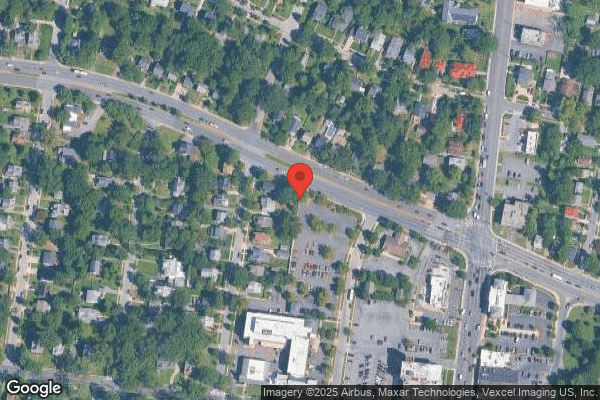
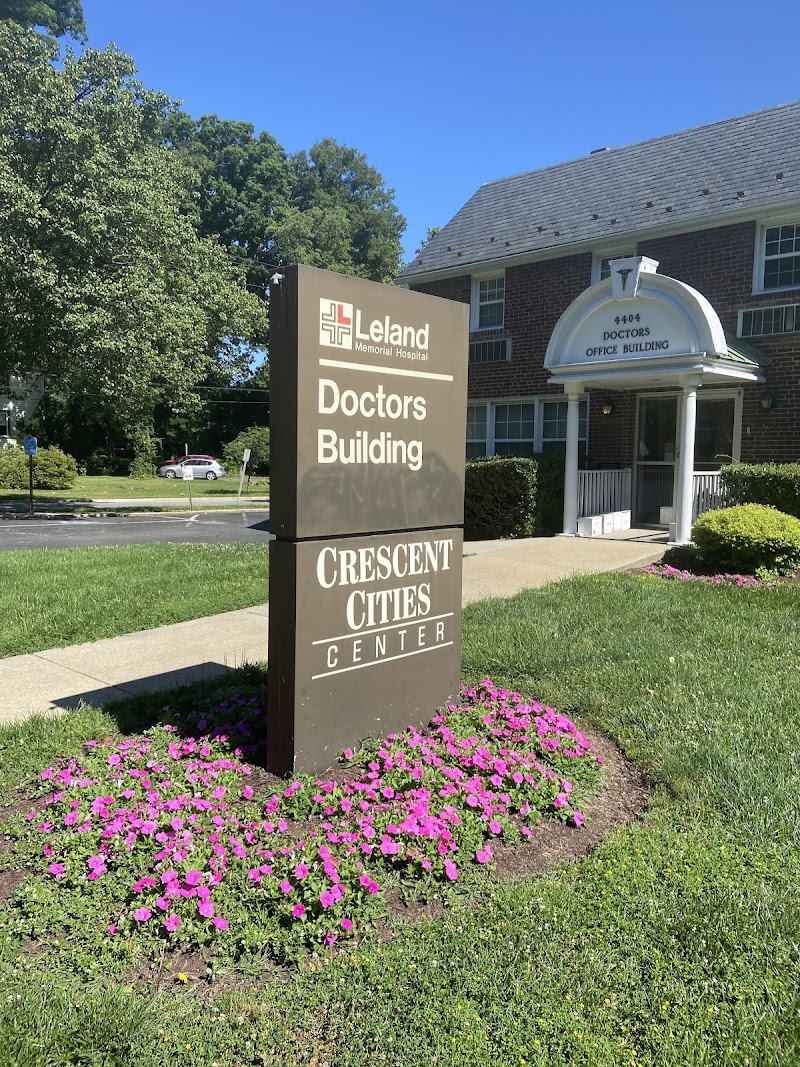
4409 EAST WEST HIGHWAY, RIVERDALE, MD 20737 (301) 699-2000
For profit - Limited Liability company 158 Beds LIFEWORKS REHAB Data: November 2025 1 Immediate Jeopardy citation
Trust Grade
41/100
#154 of 219 in MD
Last Inspection: November 2024

Within standard 12-15 month inspection cycle. Federal law requires annual inspections.

Overview

Crescent Cities Nursing and Rehabilitation Center has a Trust Grade of D, indicating below-average performance with some significant concerns. In Maryland, it ranks #154 out of 219 facilities, placing it in the bottom half, and #17 out of 19 in Prince George's County, meaning only two local facilities are ranked lower. Unfortunately, the facility is worsening, with the number of issues increasing from 10 in 2019 to 18 in 2024. Staffing is a relative strength, rated at 3 out of 5 stars with a 25% turnover, which is better than the state average. However, some alarming incidents have been reported, including a resident suffering a fractured femur due to improper transfer procedures and staff failing to provide dignity and respect during meal times, which raises serious concerns about care quality.

Trust Score
D
41/100
In Maryland
#154/219
Bottom 30%
Safety Record
High Risk
Review needed
Inspections
Getting Worse
10 → 18 violations
Staff Stability
✓ Good
25% annual turnover. Excellent stability, 23 points below Maryland's 48% average. Staff who stay learn residents' needs.
Penalties
⚠ Watch
$16,801 in fines. Higher than 83% of Maryland facilities, suggesting repeated compliance issues.
Skilled Nurses
✓ Good
Each resident gets 46 minutes of Registered Nurse (RN) attention daily — more than average for Maryland. RNs are trained to catch health problems early.
Violations
⚠ Watch
39 deficiencies on record. Higher than average. Multiple issues found across inspections.
★★☆☆☆
2.0
Overall Rating
★★★☆☆
3.0
Staff Levels
★★★★★
5.0
Care Quality
★☆☆☆☆
1.0
Inspection Score
Stable
2019: 10 issues
2024: 18 issues

The Good

  • 5-Star Quality Measures · Strong clinical quality outcomes
  • Low Staff Turnover (25%) · Staff stability means consistent care
  • Full Sprinkler Coverage · Fire safety systems throughout facility
  • No fines on record
  • Staff turnover is low (25%)

    23 points below Maryland average of 48%

Facility shows strength in quality measures, staff retention, fire safety.

The Bad

2-Star Overall Rating

Below Maryland average (3.0)

Below average - review inspection findings carefully

Federal Fines: $16,801

Below median ($33,413)

Minor penalties assessed

Chain: LIFEWORKS REHAB

Part of a multi-facility chain

Ask about local staffing decisions and management

The Ugly 39 deficiencies on record

1 life-threatening
Nov 2024 18 deficiencies 1 IJ
CRITICAL (J) 📢 Someone Reported This

A family member, employee, or ombudsman was alarmed enough to file a formal complaint

Immediate Jeopardy (IJ) - the most serious Medicare violation

Accident Prevention (Tag F0689)

Someone could have died · This affected 1 resident

**NOTE- TERMS IN BRACKETS HAVE BEEN EDITED TO PROTECT CONFIDENTIALITY** Based on interview, record review, and facility policy review, the facility failed to ensure one of one resident (Resident (R) 4...

Read full inspector narrative →
**NOTE- TERMS IN BRACKETS HAVE BEEN EDITED TO PROTECT CONFIDENTIALITY** Based on interview, record review, and facility policy review, the facility failed to ensure one of one resident (Resident (R) 44) reviewed for safe transfers from a total sample of 39 was safe during a transfer that required a mechanical lift. This failure caused R44 to have a right femur fracture. Upon identification of the fracture, the facility failed to report the fracture, failed to conduct a root cause analysis of the fracture, and failed to ensure staff were provided education on proper mechanical lift transfers. R44 reported to Geriatric Nursing Assistant (GNA) 1 on an unknown date that she was afraid of the Hoyer lift because of a previous incident. GNA1 reported this information to the nurse on duty (Licensed Practical Nurse (LPN) 1). It was reported that LPN1 assessed R44 at the time; however, there was no documentation of the assessment. LPN1 failed to report the incident to the Director of Nursing (DON) or Administrator. These failures caused serious injury to R44. An Immediate Jeopardy was identified on 11/06/24 in the area of §483.25(d)(2) Accidents at F689 at a Scope and Severity of a J and was determined to exist on 04/26/24 when it was found that R44 had a right femur fracture. The Administrator, Regional Director of Operations, Regional Clinical Consultant, and Regional Director of Reimbursement were notified of the Immediate Jeopardy on 11/06/24 at 6:02 PM. The facility provided an acceptable removal plan on 11/06/24 at 10:20 PM. The removal plan included training on the use of mechanical lifts, including return demonstration, reporting accidents/incidents to the Administrator or Director of Nursing (DON), and ongoing monitoring and evaluation. The survey team was unable to validate implementation of the removal plan and exited the facility on 11/08/24 at 7:45 PM with the Immediate Jeopardy on-going. The survey team confirmed abatement on 11/12/24 at 1:30PM. After removal of the immediacy, the deficient practice remained at a scope and severity of D for the remaining residents. Findings include: Review of the facility's policy titled, Unusual Occurrences, dated 01/29/24, indicated, . A licensed nurse will report to the supervisor any unusual instances or occurrences related to the care of the patient. Procedure . A licensed nurse will closely monitor and document the behavior and condition of the patient(s) involved to evaluate for any injury and to prevent recurrence of the incident . A licensed nurse will complete an incident report for any patients involved . Notify the Administrator and Director of Nursing (DON) of the incident . An investigation by the Administrator and/or DON will be initiated within twenty-four (24) hours of their knowledge of the incident . Review of the facility's policy titled, Mechanical Lift, dated 01/29/24, revealed, . A mechanical lift may be used to enable staff to lift and transfer a patient safely . Two trained staff must assist with mechanical lift and transfer . Ensure sling and mechanical lift are in acceptable condition prior to transfer . Follow manufacturer's guidelines for use . Review of R44's admission Record, located under the Profile tab in the electronic medical record, revealed R44 was admitted to the facility on [DATE] with diagnoses that included end stage renal disease, asthma, gout, and glaucoma. Review of R44's admission Minimum Data Set (MDS), with an Assessment Reference Date (ARD) of 03/20/24 and located under the MDS tab of the EMR, revealed R44 had a Brief Interview for Mental Status (BIMS) score of 12 out of 15, which indicated the resident was cognitively intact. It was recorded R44 required substantial to maximal assistance with all transfers except from lying to sitting, where he/she was dependent on staff. Review of R44's Care Plan, located under the Care Plan tab of the EMR and dated 03/16/24, revealed no documented evidence of the resident's transfer needs, including the type of transfer the resident required or the number of staff required for transfers. Review of R44's Health Status Note, dated 04/26/24 and located under the Notes tab in the EMR, indicated, . Order to transfer R44 to the nearest hospital for blood transfusion. Called 911 and R44 was transferred to [name of hospital] at 1:30 AM . Review of R44's [name of hospital] Discharge Summary, dated 05/15/24 and located under the Miscellaneous tab in the EMR, indicated, . Struck by Hoyer [mechanical] lift, closed fracture of distal end of right femur . 05/01 . ORIF [Open reduction and internal fixation, a surgical procedure that treats broken bones], right distal femur . Review of R44's admission Record, located under the Profile tab in the electronic medical record (EMR), indicated that R44 was re-admitted to the facility on [DATE] with a diagnosis including unspecified fracture of lower end of right femur. Review of R44's admission Note, dated 05/15/24, located under the Notes tab in the EMR, indicated, . Right femur fracture . Patient noted with right leg surgical incision . Review of R44's Psychosocial Note, dated 05/16/24, written by the NP, and located under the Notes tab in the EMR, indicated, . Patient was transferred for abnormal lab and found to have a distal femur fracture after being struck by Hoyer lift five days earlier . Review of R44's quarterly MDS, located under the MDS tab in the EMR and with an ARD of 10/19/24, indicated that R44's BIMS score was 15 out of 15, which indicated R44 was cognitively intact. On 11/04/24 at 11:45 AM, the surveyor attempted to speak with R44; however, the resident refused. On 11/05/24 at 3:45 PM, the surveyor again attempted to speak with R44, but he/she refused. During an interview on 11/05/24 at 2:32 PM, the Administrator was asked to provide the investigative file regarding R44's right femur fracture. He confirmed that there was no investigation by the facility regarding an incident that occurred in April 2024 for R44. During an interview on 11/05/24 at 3:30 PM, the Administrator stated that he spoke with R44 and R44 confirmed that he/she did not have a fall but had bumped his/her leg on the Hoyer lift a couple of days prior to going out to the hospital in April 2024. During an interview on 11/05/24 at 3:41 PM, the Nurse Practitioner (NP) confirmed that R44 was transferred to the hospital on [DATE] due to critical labs and needing a blood transfusion. The NP indicated that upon R44's return from the hospital, she read in the hospital discharge summary that was uploaded into the EMR that R44 had a right distal femur fracture after being struck by Hoyer lift five days earlier. The NP confirmed that she did not inform anyone in administration about this but spoke with R44, who did not recall anything regarding an incident. During an interview on 11/05/24 at 4:26 PM, the Administrator indicated that he would have expected the NP to report this to her superiors. On 11/05/24, the Director of Nursing (DON) identified GNA2 as the aide that took care of R44 the weekend of 04/20/24. An attempt to interview GNA2 was made on 11/5/24 at 5:31 PM. There was no answer or the option to leave a voice mail. During an interview on 11/05/24 at 6:00 PM, Licensed Practical Nurse (LPN) 1 stated that R44 had told an aide that during the weekend of 04/20/24, his/her leg got bumped during a transfer from the bed to the chair using the Hoyer lift. LPN1 stated that R44 had informed an aide of this and then the aide informed her. LPN1 stated after she had been informed, she assessed R44. LPN1 stated that there were no visible injuries, and R44 had told her that his/her leg was fine. LPN1 indicated that R44 denied being dropped. LPN1 confirmed she did not inform anyone of the incident reported to her. Review of R44's Change in Condition Evaluation, located under the Assessments tab in the EMR, indicated no evidence LPN1 completed an assessment of R44 in April 2024. Review of R44's Progress Notes, located under the Notes tab in the EMR indicated no evidence LPN1 completed an assessment and/or speaking with R44 in April 2024. During an interview on 11/05/24 at 6:15 PM, the Director of Nursing (DON) stated that she was not aware of R44's fracture or how it occurred. The DON stated R44 was dependent on staff for transfers with the Hoyer lift. During an interview on 11/05/24 at 7:15 PM, the DON stated that R44 had a history of osteopenia. The DON confirmed that R44 went to dialysis on Saturday, 04/20/24. She stated dialysis occurred on-site. She stated that because dialysis occurred onsite, staff brought the residents' dialysis chairs to their room, and then residents were transferred to the dialysis chair in their rooms. The DON reported this was done to minimize the number of times residents were transferred. During an interview on 11/06/24 at 10:00 AM, the DON indicated that there had not been any further incidents that involved a Hoyer lift. The DON confirmed that GNA2, who worked the weekend of 04/20/24, was interviewed. The DON stated that GNA2 did not recall any incident happening over that weekend; however, GNA2 had been suspended pending investigation. During an interview on 11/06/24 at 11:02 AM, GNA1 confirmed that on one day during the week following 04/20/24, R44 told her that he/she feared the Hoyer lift due to a previous episode that occurred with the lift. GNA1 stated R44 did not go into detail about the episode. GNA1 indicated that she informed LPN1 at that time of her conversation with R44, and LPN1 had assessed R44. GNA1 stated that she could not recall the date of the conversation with R44. GNA1 stated that after LPN1 spoke to and assessed R44, she and LPN1 transferred R44 back to bed without incident. During an interview on 11/06/24 at 12:00 PM, the Medical Director confirmed that he was not aware of any incident involving R44 and indicated that this should have been reported. He stated that each week the facility held a risk meeting, and all residents that went out to the hospital were discussed. During an interview on 11/07/24 at 11:17 AM, Staff Development stated staff competency with Hoyer lifts was checked during the new hire process. She stated that Hoyer lift training was not part of the staff's annual competency checks. Review of the facility's annual nursing department training curriculum, titled, Relias 2024 Additional Annual Education for Specific Departments, dated 02/2024, indicated, Transferring safely, nursing personnel was a topic included in the annual training. Review of the facility provided Relias Transcript for GNA2, dated 02/13/24, indicated, Transferring Safely Self-Paced was a topic included in GNA2's training. The training course was .25 hours and did not include Hoyer lifts.
CONCERN (D) 📢 Someone Reported This

A family member, employee, or ombudsman was alarmed enough to file a formal complaint

Potential for Harm - no one hurt, but risky conditions existed

Deficiency F0574 (Tag F0574)

Could have caused harm · This affected 1 resident

Based on a complaint, medical record review and interview with facility staff, it was determined that the facility failed to provide and review admission agreement with the appropriate resident or rep...

Read full inspector narrative →
Based on a complaint, medical record review and interview with facility staff, it was determined that the facility failed to provide and review admission agreement with the appropriate resident or representative (RP). This was evident for 2 of 39 (#813 and #830) residents reviewed during a recertification/complaint survey. The findings include: 1. Review on 11/6/24 at 10:45 AM of the complaint #MD00205155 revealed concerns related to the reviewing and signing of the admission contract. Resident (R) # 813 was admitted to the facility in early February 2024 and assessed on the admission minimum data set (standardized clinical assessment that evaluates a resident's health needs and functional capabilities) as having a brief interview of mental status (BIMS-mandatory tool used to screen and identify the cognitive condition of residents) of '00' which would indicate severe cognitive impairment. On R #813's admission, there was an identified representative that met with the facility social worker and business office according to the progress notes. A review of the resident's admission contract on 11/7/24 at 12:30 PM revealed that it was electronically signed, however the initials on the form could not be determined if they were the residents or the RP's as they did not match either individual. The admission contract was reviewed with the Admissions Director (AD) on 11/7/24 at 1:49 PM. She too was unable to determine the signature and initials as well and stated that the employee that had completed the form is no longer here. Surveyor reviewed the identified concerns with the facility Administrator on 11/7/24 at 2:30 PM. 2. Review of the complaint # MD00191774 regarding general care concerns reviewed on 11/6/24 at 12:22 PM also revealed concerns regarding the completion of the admission contract. According to R #830's admission assessment s/he was noted unable to participate in the assessment secondary to his/her mental status and was noted oriented only to 'self.' A review at this time of R #830's admission contract revealed that on page 11, the residents initials were entered very neatly and legibly in the blanks acknowledging that s/he had received and reviewed the following documents: Exhibit 1:Rights of Resident/patient, Exhibit 2:Private pay, Exhibit 3: medical assistance, how to apply for Medicaid, Exhibit 4: items not covered, Exhibit 5: policies and procedures, Exhibit 6: physicians who practice at the facility , Exhibit 7: services provided by outside health care providers. On page 12 the signature page, Resident # 830 signed the form. When comparing the illegible signature and initials portion at the bottom of page 12 with the neatly entered initials on page 11 in the spaces acknowledging the receipt of the exhibits, the surveyor was not able to determine that it was the same individual. Additionally, the resident was not identified as their own representative and the person that should have received the admission contract. On 11/7/24 at 2:30 PM this was presented to the Administrator and Admissions director. They confirmed that the initials and signatures did not match and that the employee with the title Patient Experience Coordinator, no longer works at the facility.
CONCERN (D) 📢 Someone Reported This

A family member, employee, or ombudsman was alarmed enough to file a formal complaint

Potential for Harm - no one hurt, but risky conditions existed

Deficiency F0578 (Tag F0578)

Could have caused harm · This affected 1 resident

**NOTE- TERMS IN BRACKETS HAVE BEEN EDITED TO PROTECT CONFIDENTIALITY** Based on medical record review and interview with facility staff, it was determined that the facility failed to ensure that the ...

Read full inspector narrative →
**NOTE- TERMS IN BRACKETS HAVE BEEN EDITED TO PROTECT CONFIDENTIALITY** Based on medical record review and interview with facility staff, it was determined that the facility failed to ensure that the correct person was identified to make medical treatment decisions on the Maryland Order for Life Sustaining Treatment (MOLST) form. This was evident during the review of 1 of 3 (#818) MOLST forms, reviewed during a recertification/complaint survey. The findings include: Review of the medical record for Resident (R) # 818 on [DATE] at 12:38 PM revealed diagnosis including diabetes mellitus and frequent falls. Upon admission to the facility in October of 2022, R# 818 arrived with a completed MOLST stating that s/he was a full code, to attempt cardiopulmonary resuscitation (CPR), according to section 1 CPR status based on the patient's request dated [DATE]. However, on [DATE] a new MOLST form was completed with section 1 filled out to say that R#818 was now to be a 'do not resuscitate/do not intubate.' This decision was now based on the residents' surrogate decision maker. On the back of the MOLST it was noted to say that the decision was discussed with the resident and family. Resident #818 was certified incapable of making medical decisions on [DATE]. The current facility social worker was interviewed on [DATE] at 9:19 AM. The identified concern was reviewed with him at that time. He verbalized understanding that the MOLST was inappropriately changed according to the documented Surrogate decision makers choice, not the way the resident chose on admission according to their identified wishes.
CONCERN (D) 📢 Someone Reported This

A family member, employee, or ombudsman was alarmed enough to file a formal complaint

Potential for Harm - no one hurt, but risky conditions existed

Report Alleged Abuse (Tag F0609)

Could have caused harm · This affected 1 resident

**NOTE- TERMS IN BRACKETS HAVE BEEN EDITED TO PROTECT CONFIDENTIALITY** 2) Resident (R) #807's medical record was reviewed on 11/13/24 at 10:11 AM. A Change in Condition Evaluation dated 4/3/23 20:13 ...

Read full inspector narrative →
**NOTE- TERMS IN BRACKETS HAVE BEEN EDITED TO PROTECT CONFIDENTIALITY** 2) Resident (R) #807's medical record was reviewed on 11/13/24 at 10:11 AM. A Change in Condition Evaluation dated 4/3/23 20:13 revealed the nurse observed a dark discoloration on the residents right upper arm and the resident was not able to say what happened. The physician and the resident's representative were notified. On 11/13/24 at 1:53 PM the Director of Nursing (DON) was asked to provide any/all documentation related to the reported injury of unknown origin on 4/3/23 for R #807 including the report to the state agency. On 11/14/24 at approximately 8:00 AM the DON provided a packet of investigation documents which included copies of documentation from R#807's Electronic Medical Record (EMR) as well as staff statements dated 4/3/23 and 4/4/23, staff education for Abuse/Managing residents with behaviors dated 4/4/23 and 4/5/23 and a root cause analysis conducted on 4/7/23 regarding the discoloration on the resident's arm. The documentation did not include evidence that the facility reported the injury of unknown origin to the state agency. The DON was present and upon interview indicated that the injury was not reported to the state agency because the facility knew how the injury occurred. She explained that one of the GNA (Geriatric Nursing Assistant) statements indicated that the resident had been removing drawers from his/her wardrobe and pushing furniture in his/her room and that is when the injury occurred. GNA #10's statement dated 4/3/23, indicated that on 4/1/23 he observed the resident removing the wardrobe drawers, packing clothes into the trash can and also pushing the dresser toward the door. He attempted to redirect the resident so s/he would not hurt themselves, but the resident kept swinging his/her arms at GNA #10. He indicated he left the room so the resident could cool off and returned 10 minutes later to obtain R#807's weight. There was no indication that he witnessed an injury or bruise in his statement. Statements from other staff also failed to reveal evidence of when or how the injury occurred. The facility staff failed to report an injury of unknown origin to the state agency within 2 hours as required. The Administrator was made aware of these findings on 11/14/24 at 10:00 AM. Based on interview, record review, and review of facility policy, the facility failed to ensure an injury of unknown origin was reported within two hours and investigative results were reported within five working days to the State Survey Agency (SSA) for one of nine residents (Resident (R) 18) reviewed for abuse out of a total sample of 39, and for 1 (Resident #807) of 16 facility reports reviewed for abuse during the recertification/complaint survey. Findings include: 1) Review of the facility's policy titled, Abuse/Neglect/Misappropriation/Crime, dated 10/17/23, indicated, . Immediately upon notification or any alleged violations involving abuse, neglect, exploitation, or mistreatment, including injuries of unknown source and misappropriation of resident property, the Administrator will immediately report to the State Agency (SA), but no later than two hours after the allegation is made, if the events that caused the allegation involves abuse or results in serious bodily injury, or not later than 24 hours if the events that caused the allegation do not involve abuse or do not result in serious bodily injury . The Administrator must thoroughly investigate and file a complete written report of the investigation of the submitted facility reported incident (FRI) to the SA within five (5) working days of the incident . Review of R18's admission Record, found under the Profile in the electronic medical record (EMR), indicated that R18 was admitted to the facility on [DATE] with diagnoses including Right femur fracture, cognitive communication deficit, and a history of falling. Review of R18's Crescent Cities Nursing and Rehabilitation Center Radiology Results Report, dated 07/23/24 and provided by the facility, indicated, . Findings . There is a dislocated right hip with comminuted fracturing of the proximal right femur. There is a right hip prosthesis in place . Review of facility provided Change in Condition Evaluation, dated 07/23/24, indicated, . X-ray with new or unsuspected finding . 911 called . Review of the facility provided Maryland Department of Health Office of Health Care Quality FRI Initial Report Form for R18, dated 07/24/24, indicated, . An order was placed to obtain an x-ray to rule out osteomyelitis secondary to an existing wound. X-ray report was received showing an incidental finding of a displacement of the right acetabulum [the socket of the ball-and-socket hip joint] with comminuted fracturing of the proximal right femur . Findings . There is a dislocated right hip with comminuted fracturing of the proximal right femur. There is a right hip prosthesis in place . A new order was obtained to transfer the resident to the hospital for further evaluation. R18 was transferred to the hospital in a stable condition. Investigation is in progress. It was recorded that the incident report was submitted to the SSA on 07/24/24 at 6:00 PM. This was one day after the facility gained knowledge of the injury of unknown origin. Review of facility provided Maryland Department of Health Office of Health Care Quality FRI Follow-Up Investigation Report Form (five-day summary) for R18, dated 07/31/24, indicated, . [R18] was admitted on [DATE] with diagnosis of right femur fracture s/p hip hemiarthroplasty for femoral neck fracture. [R18] is alert/oriented x one, Brief Interview for Mental Status (BIMS) score of zero. An order was placed to obtain an x-ray of the right hip, sacrum, and coccyx to rule out osteomyelitis secondary to existing wound. X-ray results received showed an incidental finding of a displacement of the right acetabulum with comminuted fracturing of the proximal right femur. The resident was immediately assessed head to toe with no further injuries noted. A pain assessment was completed, and [R18] was medicated with his/her routine Tylenol. The medical doctor [MD] was called and notified of the result. An order was obtained to transfer the resident to the hospital for further evaluation . A follow-up report was received from the hospital indicating no displaced fracture noted but revealed a dislocated right hip prosthesis. The resident remains in the hospital and will be discharged back to the facility . Interviews/Statements obtained did not reveal any abnormal findings and/or unusual occurrence . Staff educated on hip precautions. It was recorded that the follow-up report was submitted to the SSA on 07/31/24 at 3:45 PM. This was eight days after the facility gained knowledge of the injury of unknown origin. During an interview on 11/06/24 at 10:15 AM, the Director of Nursing (DON) stated that an allegation of abuse, including injury of unknown origin, should be initially reported to the SA within two hours of learning of the allegation, and the five-day summary should be reported to the SA within five business days. The DON stated that the day of the incident was not considered day one. The DON confirmed that R18's initial and 5-day summary containing the investigative results was reported late to the SA.
CONCERN (D) 📢 Someone Reported This

A family member, employee, or ombudsman was alarmed enough to file a formal complaint

Potential for Harm - no one hurt, but risky conditions existed

Investigate Abuse (Tag F0610)

Could have caused harm · This affected 1 resident

**NOTE- TERMS IN BRACKETS HAVE BEEN EDITED TO PROTECT CONFIDENTIALITY** 2) Review of Resident #12's facility reported incident (MD 00190335) on 11/4/24 at 11:00 AM revealed the facility reported the r...

Read full inspector narrative →
**NOTE- TERMS IN BRACKETS HAVE BEEN EDITED TO PROTECT CONFIDENTIALITY** 2) Review of Resident #12's facility reported incident (MD 00190335) on 11/4/24 at 11:00 AM revealed the facility reported the resident sustained a fracture to the right ankle on 3/17/23 but the facility was unable to determine when or how the resident obtained the injury. The surveyor's review of the facility investigation on 11/4/24 at 11:30am revealed that the facility failed to thoroughly investigate the events surrounding the allegation of abuse/injury of unknown origin. The facility investigation did not contain other resident interviews inquiring about abusive or neglectful treatment from facility staff. Interview with the Administrator on 11/6/24 at 9:00 AM confirmed the facility investigation of Resident #12's abuse/injury of unknown origin did not contain resident interviews disproving facility staff abusive or neglectful treatment of residents. Based on record review, interview, review of Facility Reported Incidents (FRI), and facility policy review, the facility failed to ensure an injury of unknown origin was thoroughly investigated for 2 residents (Resident (R) 18, #12) out of 39 reviewed during a recertification/complaint survey. There was no evidence that the facility interviewed other current residents regarding the allegation. This failure had the potential to place all residents at risk of continued abuse. Findings include: 1) Review of the facility's policy titled, Abuse/Neglect/Misappropriation/Crime, dated 10/17/23, indicated, . The Administrator must thoroughly investigate . The written follow-up investigative reporting document that is submitted must contain sufficient detail to demonstrate that a thorough investigation was conducted . Review of R18's admission Record, found under the Profile in the electronic medical record (EMR), indicated that R18 was admitted to the facility on [DATE] with diagnoses including right femur fracture, cognitive communication deficit, and a history of falling. Review of the facility provided Maryland Department of Health Office of Health Care Quality FRI Initial Report Form for R18, dated 07/24/24, indicated, . An order was placed to obtain an x-ray to rule out osteomyelitis secondary to an existing wound. X-ray report was received showing an incidental finding of a displacement of the right acetabulum [the socket of the ball-and-socket hip joint] with comminuted fracturing of the proximal right femur . Findings . There is a dislocated right hip with comminuted fracturing of the proximal right femur. There is a right hip prosthesis in place . A new order was obtained to transfer the resident to the hospital for further evaluation. [R18] was transferred to the hospital in a stable condition. Investigation is in progress . It was recorded the incident report was submitted to the state agency (SA) on 07/24/24 at 6:00 PM. Review of facility provided Maryland Department of Health Office of Health Care Quality FRI Follow-Up Investigation Report Form, dated 07/31/24, indicated, . [R18] was admitted on [DATE] with diagnosis of right femur fracture s/p hip hemiarthroplasty for femoral neck fracture. [R18] is alert/oriented x one, Brief Interview for Mental Status (BIMS) score of zero [severely cognitively impaired]. An order was placed to obtain an x-ray of the right hip, sacrum, and coccyx to rule out osteomyelitis secondary to existing wound. X-ray results received showed an incidental finding of a displacement of the right acetabulum with comminuted fracturing of the proximal right femur. The resident was immediately assessed head to toe with no further injuries noted. A pain assessment was completed, and [R18] was medicated with his routine Tylenol. The medical doctor [MD] was called and notified of the result. An order was obtained to transfer the resident to the hospital for further evaluation . A follow-up report was received from the hospital indicating no displaced fracture noted but revealed a dislocated right hip prosthesis. The resident remains in the hospital and will be discharged back to the facility . Interviews/Statements obtained did not reveal any abnormal findings and/or unusual occurrence . Staff educated on hip precautions . It was recorded the follow-up report was submitted to the SA on 07/31/24 at 3:45 PM. During further review of the FRI, there was no evidence that residents were interviewed as part of the investigation of the injury of unknown origin. During an interview on 11/06/24 at 10:15 AM, the Director of Nursing (DON) confirmed that the investigation of the injury of unknown origin did not include resident interviews. She stated that residents were only interviewed when investigating resident-to-resident and/or employee-to-resident allegations of abuse.
CONCERN (D) 📢 Someone Reported This

A family member, employee, or ombudsman was alarmed enough to file a formal complaint

Potential for Harm - no one hurt, but risky conditions existed

Transfer Requirements (Tag F0622)

Could have caused harm · This affected 1 resident

**NOTE- TERMS IN BRACKETS HAVE BEEN EDITED TO PROTECT CONFIDENTIALITY** Based on record review and interview it was determined that the facility failed to permit a resident to stay in their facility. ...

Read full inspector narrative →
**NOTE- TERMS IN BRACKETS HAVE BEEN EDITED TO PROTECT CONFIDENTIALITY** Based on record review and interview it was determined that the facility failed to permit a resident to stay in their facility. This was evident for 1 (#810) of 2 residents reviewed for discharge complaints during the recertification/complaint survey. The findings include: On 11/8/24 at 10:55 AM a medical record review was conducted for Resident #810. On 8/11/24 the physician documented the resident was admitted for subacute rehabilitation services. According to a Discharge Planning Psychological Assessment completed on 8/12/24, the resident wanted to be discharged home. A capacity form was completed by the attending physician on 8/13/24 which noted the resident had capacity to make decision. A care plan note dated 8/19/24 read the resident was adamant to move back to his/her home. On 9/6/24 a progress note was entered that the resident was issued a Notice of Medicare Non-Coverage (a document that informs the resident of the date that their medication coverage will end and list their options to appeal the decision). On 9/10/24 a discharge note documented the resident had periods of confusion and was being transferred to another facility for Assisted Living. Another note on 9/10/24 noted the resident was approved to transfer to the other facility and was going to be picked up by Uber at 5:00 PM. A Discharge summary dated [DATE] noted the resident was transferred to an Assisted Living Facility. Further, review of the record revealed no documentation that this was a resident-initiated discharge, whether the resident agreed with the discharge, and a transfer notice. Review of the care plan revealed no care plan was initiated for discharge for this resident. During an interview with the Business Office Manager on 11/13/2024 at 11:19 AM she reported she had not been working on a Medicaid Application with Resident #810. She provided a copy of the Notice of Medicare Non-Coverage (NOMNC). Review of that form revealed Resident #810 had signed it on 9/6/24 and then was discharged on 9/10/24. On 11/8/24 at 11:25 AM an interview with the resident's representative (RP) revealed that s/he had concerns with the resident's discharge from the facility. The RP had not been notified of the discharge until the resident was already at the new facility. The RP reported that a meeting with the resident revealed they were confused why they were sent to the new facility as they wanted to go home. The RP reported that when s/he notified the facility about the discharge they were unable to tell them what the resident was receiving at the new facility that they were unable to provide. An interview with the Director of Nursing at the receiving facility on 11/13/24 at 10:27 AM revealed the resident was admitted to a long-term care bed and remained there until discharge a few days ago. Based on this information the resident was not discharged to go to an Assisted Living Facility as indicated in the discharge summary. The Director of Social Services (DSS) was interviewed on 11/12/24 at 9:17 AM regarding the discharge. He reported that R#810 was admitted to a skilled bed and when the resident needed a long-term care bed, they were full. He reported the resident was adamant to go home but was not able to discharge safely home due to the resident's lack of support in the community and was not willing to sign over assets to apply for Medicaid. They facility discharged the resident to a sister facility that had a long-term care bed available. He reported the resident had not told him that s/he wanted to leave this facility. During a subsequent interview with the DSS on 11/14/24 at 9:38 AM, he reported that he had initiated a discharge care plan for the resident. However, the surveyor had reviewed the care plan in the electronic medical record on 11/8/24 and found no discharge care plan. The surveyor requested and received a copy of the resident's care plans that same day and there was no discharge care plan included. An interview with the Discharge Planner (DP) on 11/14/24 at 9:30 AM revealed the resident had not told her that s/he wanted to go to another facility but wanted to go home. The concerns were discussed with the Nursing Home Administrator on 11/14/24 at 9:57 AM.
CONCERN (D) 📢 Someone Reported This

A family member, employee, or ombudsman was alarmed enough to file a formal complaint

Potential for Harm - no one hurt, but risky conditions existed

Transfer Notice (Tag F0623)

Could have caused harm · This affected 1 resident

Based on record review and staff interview it was determined the facility failed to issue a 30-day transfer notice to a resident prior to transferring them to another facility. This was evident for 1 ...

Read full inspector narrative →
Based on record review and staff interview it was determined the facility failed to issue a 30-day transfer notice to a resident prior to transferring them to another facility. This was evident for 1 (#810) of 2 residents reviewed for discharge during a recertification/complaint survey. The findings include: A record review for Resident #810 on 11/14/24 at 9:04 AM revealed a progress note dated 9/6/24 that noted the resident had been issued a Notice of Medicare Non-Coverage (NOMNC). A progress note dated 9/10/24, noted the resident had been discharged to another facility. However, further review failed to reveal any documentation that the resident had initiated the transfer, the resident agreed with the transfer, or a 30-day discharge/transfer notice. On 11/13/2024 at 11:19 AM a review of the Notice of Medicare Non-Coverage (NOMNC) issued to Resident #810 revealed it was signed by the resident on 9/6/24 and stated the resident's benefits ended on 9/11/24. An interview with the Director of Social Services (DSS) on 11/12/24 at 12:17 PM confirmed it was not a resident - initiated discharge. He reported that the facility had not issued a 30-day discharge/transfer notice to the resident as required. The Discharge Planner (DP) reported that the resident had not initiated the discharge because s/he had wanted to go home not to another facility. The concerns were reviewed with the Nursing Home Administrator on 11/14/24 at 9:57 AM.
CONCERN (D) 📢 Someone Reported This

A family member, employee, or ombudsman was alarmed enough to file a formal complaint

Potential for Harm - no one hurt, but risky conditions existed

Deficiency F0660 (Tag F0660)

Could have caused harm · This affected 1 resident

Based on record review and staff interview it was determined that the facility failed to provide discharge planning for a resident. This was evident for 1 (#829) of 2 residents reviewed for discharges...

Read full inspector narrative →
Based on record review and staff interview it was determined that the facility failed to provide discharge planning for a resident. This was evident for 1 (#829) of 2 residents reviewed for discharges during a recertification/complaint survey. The findings include: On 11/13/24 at 1:11 PM a review of complaint #MD00196716 revealed that there were concerns regarding the facility's failure to provide a discharge date for Resident (R) #829. A medical record review for R #829 on 11/13/24 at 1:22 PM revealed a discharge planning progress note written by the Discharge Planner on 8/24/23 that noted the resident the plan was for the resident to go back home upon discharge. A progress note written by Nurse Practitioner (NP) on 8/25/23 revealed the resident had been admitted to the facility for aftercare of a right femoral fracture, high blood pressure, and cardiomyopathy. The resident was ordered occupational and physical therapy. A care plan note dated 8/29/23 noted that the discharge plans were the same. Further review revealed that facility failed to initiate a discharge care plan. A discharge care plan allows the resident to set goals for discharge and the facility then implements interventions to help the resident meets those goals. An interview with the Discharge Planner on 11/14/24 at 9:23 AM revealed that she met with the resident to discuss discharge and insurance benefits. She stated she was responsible for setting up services in the community, however, was not responsible for initiating the discharge care plan. The Director of Social Services (DSS) was interviewed on 11/14/24 at 9:38 AM regarding the discharge planning process. The DSS was not working at the facility when R #829 was admitted . He reported that a discharge care plan was to be initiated upon admission to the facility and confirmed that one had not been initiated for this resident. The concerns were reviewed with the Nursing Home Administrator on 11/14/24 at 9:57 AM.
CONCERN (D) 📢 Someone Reported This

A family member, employee, or ombudsman was alarmed enough to file a formal complaint

Potential for Harm - no one hurt, but risky conditions existed

Quality of Care (Tag F0684)

Could have caused harm · This affected 1 resident

Deficiency Text Not Available

Read full inspector narrative →
Deficiency Text Not Available
CONCERN (D) 📢 Someone Reported This

A family member, employee, or ombudsman was alarmed enough to file a formal complaint

Potential for Harm - no one hurt, but risky conditions existed

Deficiency F0697 (Tag F0697)

Could have caused harm · This affected 1 resident

Based on medical record review and staff interview, it was determined that the facility failed to provide adequate monitoring of a resident's pain (R#12) resulting in the resident receiving delayed tr...

Read full inspector narrative →
Based on medical record review and staff interview, it was determined that the facility failed to provide adequate monitoring of a resident's pain (R#12) resulting in the resident receiving delayed treatment for a fractured right ankle. This was evident for 1 of 39 residents reviewed during a recertification/complaint survey. The findings include: A Medication Administration Record (MAR) - a document that records when and how much medication a resident is administered. For as-needed pain medication, it also documents what pain score a resident is reporting and whether the pain medication was effective at easing that pain. Failure to maintain an accurate MARs prevents members of the healthcare team from knowing when and why medication has been given. This can result in medication mistakes, overdose, or denying practitioners information on how much medication a resident receives. On 11/4/24 at 11:00am, the surveyor reviewed a facility investigation dated 3/18/23 regarding the facility's inability to determine the cause of R#12's fractured right ankle. A review of R#12's medical records on 11/6/24 at 9:03 AM revealed a 3/23 MAR which contained a pain monitoring tool which was to be completed daily by facility nursing staff. The pain monitoring tool did not have a space for nursing staff to place the resident's pain score at the time of the assessment. Further review of R#12's medical records on 11/6/24 at 9:30am revealed a change in condition note which stated facility nursing staff observed that resident's right ankle was swollen during routine resident care on 3/17/23. The change in condition documentation stated that the resident was unable to verbalize if he/she was in pain at the time of the assessment. There was no evidence of a alternative pain scale available in the medical record for facility nursing staff to appropriately monitor the resident's pain. Additional review of R #12's medical record on 11/6/24 at 9:40 AM revealed the resident was admitted to the facility with long and short-term memory issues. Interview with the Director of Nursing on 11/6/24 at 11:00 AM revealed the DON was unable to determine if R#12 had a alternative pain scale available for facility nursing staff use to accurately document and monitor the resident's daily pain. Interview with the Nurse Practitioner (NP) on 11/13/24 at 11:00 AM was conducted regarding the necessity of an alternative pain scale for R#12. The NP confirmed that R#12 was non-verbal and the use of an alternative pain scale should be used to monitor the resident's daily pain. The alternative pain scale should include facial grimaces and behavior as a tool to monitor the resident's pain. The surveyor met with the Administrator and the DON on 11/14/24 at 8:30 AM regarding the facility's failure to provide R #12 with an alternative pain scale that is suitable for his/her inability to verbalize pain when assessed.
CONCERN (D)

Potential for Harm - no one hurt, but risky conditions existed

Unnecessary Medications (Tag F0759)

Could have caused harm · This affected 1 resident

**NOTE- TERMS IN BRACKETS HAVE BEEN EDITED TO PROTECT CONFIDENTIALITY** Based on observation, interview, record review, and facility policy review, the facility failed to ensure a medication error rat...

Read full inspector narrative →
**NOTE- TERMS IN BRACKETS HAVE BEEN EDITED TO PROTECT CONFIDENTIALITY** Based on observation, interview, record review, and facility policy review, the facility failed to ensure a medication error rate of less than five percent. During observations of medication pass, there were three errors observed out of 31 opportunities, resulting in a 9.68% error rate. This had the potential to place two residents (Resident (R) 13 and R114) at risk of not receiving the full benefit of their medication therapy. Findings include: 1. Review of the facility's policy titled, Administration Procedures for All Medications, revised 08/2020, indicated, . 5 Rights (at a minimum): At a minimum, review the five rights at each of the following steps of medication administration. 1. Prior to removing the medication package/container from the cart/drawer: a. Check the Medication Administration Record (MAR) . for the order. c. If unfamiliar with the medication, consult a drug reference, manufacturer package insert, or pharmacist for more information . 2. Prior to removing the medication from the container: a. Check the label against the order on the MAR . Review of R13's admission Record, located under the Orders tab in the electronic medical record (EMR), indicated that R13 was re-admitted to the facility on [DATE] with diagnoses including systemic lupus erythematosus. Review of R13's Order Summary Report, located under the Orders tab in the EMR, revealed R13 was to receive Plaquenil (hydroxychloroquine, used in the treatment of arthritis) 200 milligrams (mg) .Give one tablet by mouth (PO) in the evening for lupus, as of 03/10/23 . During an observation on 11/04/24 at 10:22 AM, Certified Medicine Assistant (CMA)1 prepared medications for R13. CMA1 obtained one tablet of Plaquenil and added to the resident's medication cup. The label on the Plaquenil package read, . Give one tablet by mouth (PO) in the evening for lupus . After CMA1 obtained all the medications needed for R13, she administered the medication. During an interview on 11/08/24 at 10:18 AM, CMA1 confirmed that she gave R13 Plaquenil. CMA1 was unable to say how she knew what medication to give when asked. 2. Review of Prescriber's Digital Reference (PDR), located at https://www.pdr.net/drug-summary/?drugLabelId=2163 revealed sucralfate [Carafate], used for peptic ulcer and gastro-esophageal reflux disease (GERD, should be taken on an empty stomach at least 1 hour prior to a meal and at bedtime. Review of R114's admission Record, located under the Profile tab in the EMR, indicated that R114 was admitted to the facility on [DATE] with diagnoses including diabetes mellitus (DM) and gastric protection. Review of R114's Order Summary Report, dated 10/15/24 and located under the Orders tab in the EMR, revealed R114 was to receive, Sucralfate oral tablet one gm [gram], give one tablet by mouth four times a day (QID) for gastric protection. Review of R114's Order Entry, dated 10/29/24 and located under the Orders tab in the EMR, indicated R114 was to receive Insulin glargine [Lantus] subcutaneous solution, pen injector . inject 38 units at bedtime (HS) for diabetics. During an observation on 11/04/24 at 9:00 AM, R114 was observed to eat approximately 98% of his/her breakfast. During an observation on 11/04/24 at 9:28 AM, Licensed Practical Nurse (LPN) 3 prepared medications for R114, which included one Carafate one gm tablet. The label on the Carafate package read, . Take on an empty stomach . Continuing with the observation on 11/04/24 at 9:28 AM, LPN3 then prepared R114's Lantus flex pen to administer 38 units of Lantus. LPN3 administered all medications for R114, including the Carafate and Lantus. During an interview on 11/06/24 at 1:15 PM, LPN3 stated that she was unaware that sucralfate was to be given on an empty stomach. LPN3 stated that R114 had been getting his/her Lantus in the morning, and she was unaware of the HS order. During an interview on 11/06/24 at 2:10 PM, the Director of Nursing (DON) indicated that she expected nurses to give medications as they are ordered.
CONCERN (D)

Potential for Harm - no one hurt, but risky conditions existed

Deficiency F0806 (Tag F0806)

Could have caused harm · This affected 1 resident

**NOTE- TERMS IN BRACKETS HAVE BEEN EDITED TO PROTECT CONFIDENTIALITY** Based on observation, interview, record review, and facility policy review, the facility failed to offer alternate meals for one...

Read full inspector narrative →
**NOTE- TERMS IN BRACKETS HAVE BEEN EDITED TO PROTECT CONFIDENTIALITY** Based on observation, interview, record review, and facility policy review, the facility failed to offer alternate meals for one of 39 (Resident (R) 23) sampled residents observed during meal time. R23, a severely cognitively impaired resident, showed signs she did not like the meal served but staff did not offer a substitute without prompting. This had the potential to have a negative impact on R23's nutritional status. Findings include: Review of the facility's policy titled, Meal Delivery, dated 01/29/24, revealed, . Nursing staff will offer alternatives to any patient who does not eat at least 25% of their meal or who refuses food. Nursing will notify the Dining Services Department of a patient's desire for an alternate and deliver the alternate to the patient . Review of the R23's quarterly Minimum Data Set (MDS), with an Assessment Reference Date (ARD) of 10/05/24, revealed the resident was readmitted to the facility on [DATE] and had diagnoses that included depression and a cerebrovascular accident (CVA). The MDS revealed R23 had a Brief Interview for Mental Status (BIMS) score of five out of 15, indicating R23 was severely cognitively impaired. It was recorded R23 required supervision or touching assistance with eating. During an observation on 11/07/24 at 1:07 PM, R23 was observed in bed. His/her overbed table was pulled close to him/her, and he/she had a meal tray with pureed foods in front of him/her. A spoon had been placed in one of the foods on the tray. Continuing with the observation on 11/07/24 at 1:12 PM, Unit Manager (UM) 1 walked into the room, stood next to R23's bed, and began feeding R23. UM1 remained standing and attempted to feed R23. R23 kept spitting out each bite. The UM said three times, You don't like it, we will get you a shake. She did not ask the resident if he/she would like an alternate meal. UM1 was asked if there were alternate meals available for residents receiving pureed meals. She stated she did not know but would have Geriatric Nursing Assistant (GNA) 8 check. Continuing with the observation on 11/07/24 at 1:25 PM, the Assistant Dietary Manager entered the room. He stated there was always an alternate for the puree meal, and today, it was a pureed hamburger or hotdog, pureed rice, and pureed green beans. R23 stated he/she loved hamburgers and would like one. Continuing with the observation on 11/07/24 at 1:53 PM, R23 received his/her alternate meal and stated it was very good. During an interview on 11/08/24 at 10:28 AM, GNA2 stated she knew there were choices with the puree meal, and they should be offered. During an interview on 11/08/24 at 4:43 PM, the Administrator and the Assistant Director of Nursing (ADON) stated there were always alternates for all meals and all residents should be offered an alternate if they stated or appeared like they did not like the food.
CONCERN (D) 📢 Someone Reported This

A family member, employee, or ombudsman was alarmed enough to file a formal complaint

Potential for Harm - no one hurt, but risky conditions existed

Deficiency F0840 (Tag F0840)

Could have caused harm · This affected 1 resident

Based on medical record review and interview, the facility staff failed to follow up with outside resources for the care of residents (Resident #820). This was evident for 1 of 4 residents reviewed du...

Read full inspector narrative →
Based on medical record review and interview, the facility staff failed to follow up with outside resources for the care of residents (Resident #820). This was evident for 1 of 4 residents reviewed during a recertification/complaint survey for ordered appointments or services not rendered inside the facility. The findings include: Review of the medical record for Resident (R) #820 on 11/13/24 at 9:29 AM revealed admitting diagnosis including multiple pressure ulcers and deep tissue injuries of the left foot. R #820 was assessed by the facility wound physician on 10/6/22. This was a comprehensive skin and wound evaluation. According to the plan and consults the wound care team recommended a vascular consult with doppler exam for further evaluation of vascular assessment. It was noted that the staff and facility were aware and explained in detail. On 11/13/24, this was reviewed with the facility DON and the assessments and studies were requested as they could not be found in the resident's medical record. Follow up on 11/13/24 at 3:03 PM the facility Consultant Nurse reported to the survey team that the vascular consult and doppler study were not completed.
CONCERN (D) 📢 Someone Reported This

A family member, employee, or ombudsman was alarmed enough to file a formal complaint

Potential for Harm - no one hurt, but risky conditions existed

Medical Records (Tag F0842)

Could have caused harm · This affected 1 resident

Based on record review and interview with staff, it was determined that the facility failed to maintain complete and accurate medical records in accordance with acceptable professional standards. This...

Read full inspector narrative →
Based on record review and interview with staff, it was determined that the facility failed to maintain complete and accurate medical records in accordance with acceptable professional standards. This was evident for 1 (Resident #513) out of 33 resident records reviewed during the revisit survey. The finding include: On 1/8/2025 at 12:30PM, a review of Resident #513's treatment administration record (TAR) revealed a check sign entered on 1/3/2025 dayshift, which indicated that the stool specimen collection task had been completed and signed off by Licensed Practical Nurse (LPN) #13. On 1/9/2025 at 9:20AM, an interview with the Nursing Home Administrator (NHA)#5 revealed that there were no results for Resident #513's stool specimen in the electronic medical record because the specimen was never collected. The Surveyor was informed that LPN #13 signed off that the stool specimen was collected in the resident's TAR, but never actually completed the task because the resident never had a bowel movement. An interview with the Regional Clinical Nurse (RCN) # 9 on 1/9/2025 at 1:15PM confirmed that a check sign on the TAR indicates that a task was completed. RCN #9 informed the Surveyor that LPN #13 was educated on the completing accurate documentation within a resident's medical record and facility's protocol for stool specimen collection.
CONCERN (D)

Potential for Harm - no one hurt, but risky conditions existed

Infection Control (Tag F0880)

Could have caused harm · This affected 1 resident

**NOTE- TERMS IN BRACKETS HAVE BEEN EDITED TO PROTECT CONFIDENTIALITY** Based on observation, interview, record review, and facility policy review, the facility failed to ensure that staff wore the ap...

Read full inspector narrative →
**NOTE- TERMS IN BRACKETS HAVE BEEN EDITED TO PROTECT CONFIDENTIALITY** Based on observation, interview, record review, and facility policy review, the facility failed to ensure that staff wore the appropriate personal protective equipment (PPE) while providing wound care for one of one resident (Resident (R) 204) reviewed on Enhanced Barrier Precautions (EBP) out of a total sample of 39. This failure increased the risk of spreading multi-drug-resistant organisms throughout the facility. In addition, the facility failed to ensure that one of six residents (R82) observed during medication administration was given medication in a manner to prevent possible cross-contamination. This failure had the potential to place R82 at risk for infection. Findings include: Review of the facility's policy titled, Enhanced Barrier Precautions, dated 03/26/24, indicated, . Employees providing high-contact patient care activities will follow EBP for patients who meet the criteria . EBP require the use of gown and gloves by staff during high-contact patient care activities as defined below .Wound care for chronic wounds . 1. Review of R204's admission Record, located under the Profile tab in the electronic medical record (EMR), indicated that R204 was admitted to the facility on [DATE] with diagnoses that included malignant neoplasm of endometrium and other spondylosis, lumber region. Review of R204's Order Summary Report, dated 10/25/24 and located under the Orders tab in the EMR, indicated, . EBP for presence of nephrostomy tube, wound history of clotridoides difficile colitis (C-Diff) . During a wound care observation on 11/04/24 at 11:04 AM, Licensed Practical Nurse (LPN) 2 and Geriatric Nursing Assistant (GNA) 3 gathered all supplies and went into R204's room. LPN2 completed wound care. During the observation, neither LPN2 nor GNA3 wore gowns. During an interview on 11/07/24 at 11:07 AM, GNA3 and LPN2 confirmed that they did not wear gowns during R204's wound care. They confirmed R204 was on EBP, which included wearing both gown and gloves during high-contact care. Review of the facility provided Personal Protective Equipment (PPE) Competency Validation forms for LPN2 and GNA3, dated 05/24/24, indicated no evidence of competency validation for donning and/or doffing PPE. During an interview on 11/07/24 at 4:30 PM, the Infection Preventionist (IP) confirmed that a gown should be worn during wound care for residents on EBP. 2. During a medication pass administration observation on 11/05/24 at 8:55 AM, LPN1 was observed preparing medication for R82. LPN1 placed a total of four pills into a medication cup. While placing the pills into the cup, LPN1 dropped one of them onto the top of the medication cart. LPN1 picked the pill up with her gloved hand, placed it into the medication cup, and gave it to R82. During an interview on 11/06/24 at 1:10 PM, LPN1 confirmed that the medication was dropped onto the top of the medication cart and that she placed it in the medication cup and administered it to R82. During an interview on 11/06/24 at 1:13 PM, the Director of Nursing (DON) indicated if a nurse should drop a medication either onto the top of the medication cart and/or the floor, she expected the nurse to dispose of the medication and obtain another. During an interview on 11/07/24 at 4:30 PM, the IP confirmed that nurses should not pick up medications dropped during the medication pass and administer them to residents.
CONCERN (E) 📢 Someone Reported This

A family member, employee, or ombudsman was alarmed enough to file a formal complaint

Potential for Harm - no one hurt, but risky conditions existed

Resident Rights (Tag F0550)

Could have caused harm · This affected multiple residents

**NOTE- TERMS IN BRACKETS HAVE BEEN EDITED TO PROTECT CONFIDENTIALITY** Based on observation, interview, record review, and facility policy review, the facility failed to ensure one of 39 sampled resi...

Read full inspector narrative →
**NOTE- TERMS IN BRACKETS HAVE BEEN EDITED TO PROTECT CONFIDENTIALITY** Based on observation, interview, record review, and facility policy review, the facility failed to ensure one of 39 sampled residents (Resident (R) 23) was treated with dignity and respect during meals. Specifically, staff stood over the R23 while assisting the resident with eating, staff did not offer R23 an alternate for lunch when the resident continued to spit out his/her food, and staff failed to remove a large tube of A&D Medicated Ointment (used during incontinent care to treat rashes and protect the skin) off of R23's bedside table prior to placing his/her meal tray on the table. Findings include: Review of the facility's policy titled, Patient Rights, dated 01/23/20, revealed, The Health and Rehabilitation Center promotes the education and exercising of the legal rights of all patients. Review of the R23's quarterly Minimum Data Set (MDS), with an Assessment Reference Date (ARD) of 10/05/24 and located under the MDS tab of the electronic medical record (EMR), revealed the resident was readmitted to the facility on [DATE] and had diagnoses that included depression and cerebrovascular accident (CVA). The MDS recorded a Brief Interview for Mental Status (BIMS) score of five out of 15, indicating R23 was severely cognitively impaired. It was recorded R23 expressed little interest or pleasure in doing things, felt down, depressed or hopeless, had difficulty sleeping, had very little energy, and had a poor appetite. It was also recorded R23 had no behaviors and required supervision or touching assistance with eating. During an observation on 11/07/24 at 1:07 PM, R23 was heard calling out help me, help me. R23 was lying in bed with the head of the bed elevated. The resident had slid down in the bed, approximately 18 inches from the top of the bed. His/her overbed table was pulled close to him/her, and he/she had a meal tray with pureed foods in front of him/her. A spoon had been placed in one of the foods on the tray. A four-ounce tube of A&D Medicated Ointment was next to R23's plate. R23 stated he/she could not find the call light. Geriatric Nursing Assistant (GNA) 8 entered the room at 1:10 PM and confirmed the ointment should not be sitting on the bedside table next to the resident's food. GNA8 removed the ointment from the over bed table and placed it in a drawer next to the bed. Continuing with the observation on 11/07/24 at 1:12 PM, Unit Manager (UM) 1 walked into the room, stood next to R23's bed, and began feeding R23. UM1 stated staff should never leave A&D Ointment at the bedside and especially near food. UM1 stated normally she would not stand up and feed a resident. UM1 continued standing next to the resident and stated the best way to assist a resident with their meal was to sit next to them. UM1 remained standing and attempted to feed R23. R23 kept spitting out each bite. The UM said three times, You don't like it, we will get you a shake. She did not ask the resident if he/she would like an alternate meal. UM1was asked if there were alternate meals available for residents receiving pureed meals. She stated she did not know but would have GNA8 check. Continuing with the observation on 11/07/24 at 1:25 PM, the Assistant Dietary Manager entered the room. He stated there was always an alternate for the puree meal, and today, it was a pureed hamburger or hotdog, pureed rice, and pureed green beans. R23 stated he/she loved hamburgers and would like one. Continuing with the observation on 11/07/24 at 1:53 PM, R23 received his/her alternate meal. He/she stated it was very good. During an interview on 11/08/24 at 10:05 AM, Certified Medicine Aide (CMA) 2 stated when staff fed a resident, they should always sit down and make eye contact. She stated it was important to not stand over the residents. CMA2 stated staff should never leave A&D Ointment at the bedside and especially near food. During an interview on 11/08/24 at 10:28 AM, GNA2 stated that when staff feed a resident, they should always sit down and make eye contact. She stated you do this so you can look at the residents and not look over them disrespectfully. She stated you never leave A&D Ointment at the bedside because it is medicine, and the resident might get confused and grab it. She stated ointments should never be left by food. GNA2 stated she knew there were choices with the puree meal, and they should be offered. During an interview on 11/08/24 at 10:31 AM, Licensed Practical Nurse (LPN) 5 stated ideally you should never stand up to assist a resident with meals, but because we are so busy, if a resident is fast with eating, we will stand. LPN5 stated you never leave A&D Ointment at the bedside and especially near food. During an interview on 11/08/24 at 4:43 PM, the Administrator and the Assistant Director of Nursing (ADON) stated that staff should never stand over a resident and feed them. They stated staff should always get on the resident's level by sitting down and making eye contact. Both stated there were always alternates for meals, and all residents should be offered an alternate. Both stated staff should never leave A&D Ointment at the bedside and especially near food.
CONCERN (E)

Potential for Harm - no one hurt, but risky conditions existed

Deficiency F0804 (Tag F0804)

Could have caused harm · This affected multiple residents

**NOTE- TERMS IN BRACKETS HAVE BEEN EDITED TO PROTECT CONFIDENTIALITY** Based on observation, interview, record review, review of Resident Council Minutes, and facility policy review, the facility fai...

Read full inspector narrative →
**NOTE- TERMS IN BRACKETS HAVE BEEN EDITED TO PROTECT CONFIDENTIALITY** Based on observation, interview, record review, review of Resident Council Minutes, and facility policy review, the facility failed to serve food that was palatable for five of five residents (Resident (R) 29, R35, R48, R55, and R133) reviewed for food palatability out of 39 sampled residents. This failure had the potential to cause unmet nutritional needs for 145 residents who consumed food prepared from the facility's kitchen. Findings include: Review of the facility's policy titled, Meal Delivery,' dated 01/29/24, revealed, . Patients will be served meals in a courteous and dignified manner. The policy recorded that the nursing department will deliver meals to patients with the requirements that include delivering meals within 30 minutes of their delivery to the unit. Review of the facility's undated policy titled, Meal Times [sic] and Frequency revealed that meals will be served in a timely manner to maintain food quality and safe and palatable food temperatures. 1. Review of Resident Council meeting minutes, dated 05/21/24 through 10/31/24, revealed the following food complaints: 05/21/24 - residents stated the menu did not match the meal provided. 07/02/24 - residents complained about not having a variety of alternates, ensuring the food was fully cooked, being sure the dishware was completely dry before plating, and meal tickets being incorrect. The meeting notes also recorded that an in-service was held with the dietary team regarding resident/food council concerns. 09/03/24 - residents had dietary concerns that included overcooked toast, boiled eggs were under-cooked, and the taste of the coffee. 10/01/24 - residents complained of the meat being dry, juice being watered down, and the food arriving at their units cold. 2. Review of an All Staff Meeting document, dated 10/03/24 and provided by the facility, revealed a meeting was held with all staff, and the focus of the meeting was customer service and the facility's expectation that staff start serving meals immediately so residents receive their food promptly. 3. Review of R29's admission Record, located under the Profile tab in the electronic medical record (EMR), indicated R29 was re-admitted to the facility on [DATE] with diagnoses including end stage renal disease (ESRD). Review of R29's admission Minimum Data Set (MDS) assessment, located under the MDS tab in the EMR and with an Assessment Reference Date (ARD) of 08/29/24, indicated R29 had a Brief Interview of Mental Status (BIMS) score of 14 out of 15, which indicated R29 was cognitively intact. During an interview with R29 on 11/04/24 at 10:00 AM, R29 stated that the food was always cold, especially the eggs, and the toast was always burnt. 4. During an observation on 11/07/24 at 8:12AM, R35 was observed eating his/her breakfast in the second-floor dining room. His/her meal tray included a bowl of grits, scrambled eggs, and a waffle. The waffle appeared to be hard or overcooked. R35 left the dining room at 8:28 AM. It was noted R35 ate 100% of the grits, approximately 75% of the scrambled eggs, but did not eat the waffle. 5. During a Resident Council meeting on 11/07/24 at 2:00 PM, residents voiced the following complaints about food: R35; who according to the most recent quarterly MDS, with an ARD of 09/04/24 had a BIMS score of 15 out of 15, which indicated the resident was cognitively intact; stated that alternatives were childlike. R35 stated the facility only offered hamburgers or hotdogs as alternates. R35 stated that the waffle served for breakfast on this day was extremely hard and was not edible. R48; who according to the most recent quarterly MDS, with an ARD of 08/06/24, had a BIMS score of 13 out 15, which indicated the resident was cognitively intact; stated that he/she had never seen scrambled eggs like that before in my life. R48 stated, They are hard. R55; who according to the most recent quarterly MDS, with an ARD of 09/19/24, had a BIMS score of 15 out of 15, which indicated the resident was cognitively intact; stated that he/she had the waffle and eggs for breakfast, and he/she felt the eggs had a funny taste. 6. During an interview on 11/06/24 at 9:19 AM, Assistant Dietary Manager (ADM) provided the food temperature logs for the breakfast meal. It was recorded the food temperatures for Unit 3 were obtained at 8:00 AM. During an interview on 11/06/24 at 9:36 AM, the Dietary Manager (DM) stated meals were served on plates with an insulated top, but the insulated bottoms could not be heated because the heating machine had no pellets, and the pellets were very expensive to purchase. During an observation on 11/06/24 at 9:47 AM, two breakfast trays were noted on the serving cart for Unit 3. The trays were for R48 and R133. At 10:07 AM, the trays were noted to still be on the serving cart. During an interview on 11/06/24 at 10:10 AM, Unit Manager (UM) 2 stated that the aide had been assisting R133 with incontinent care, and that was why the resident had not been assisted with eating. She stated there were only two Geriatric Nursing Assistants (GNA) available to pass breakfast trays, change residents, and feed the residents who needed assistance with eating. She stated it was her expectation that residents be served their meals as they were plated from the steam tables. During an interview on 11/06/24 at 10:21 AM, the Administrator stated it was his expectation that residents would receive their meals as soon as the trays were provided from the steam table. He stated he thought the dietary managers had ordered new carts that would hold temperatures while serving breakfast.
MINOR (C)

Minor Issue - procedural, no safety impact

Deficiency F0838 (Tag F0838)

Minor procedural issue · This affected most or all residents

Based on document review and staff interview, the facility failed to ensure the Facility Assessment was updated annually, names of facility leadership had been updated to reflect current staff, and ac...

Read full inspector narrative →
Based on document review and staff interview, the facility failed to ensure the Facility Assessment was updated annually, names of facility leadership had been updated to reflect current staff, and accurate and current resident assessments were included to ensure the facility provided services that meet the needs of the current residents. Specifically, the Facility Assessment most recent update was 02/06/23, did not list current staff names, and resident data was not accurate as it reflected Minimum Data Set (MDS) data from 01/01/22 - 01/30/22. This failure could negatively impact 151 of 151 residents by not assessing and determining the current needs of the residents. Findings include: Review of the facility document titled, Facility Assessment, last reviewed February 6, 2023, revealed the facility assessment had not been updated in 22 months to reflect accurate resident assessments and current staff leadership. Review of the MDS RUG IV Categories, also known as Patient Driven Payment Model (PDPM), revealed resident data from 01/01/22 - 01/30/22. During an interview on 11/08/24 at 6:30 PM, the Administrator and the Regional Director of Operations (RDO) stated they were not able to locate the current Facility Assessment and were aware the one provided was outdated. They confirmed the most current resident information was needed to best care for the residents.
Jul 2019 10 deficiencies
CONCERN (D)

Potential for Harm - no one hurt, but risky conditions existed

Deficiency F0583 (Tag F0583)

Could have caused harm · This affected 1 resident

**NOTE- TERMS IN BRACKETS HAVE BEEN EDITED TO PROTECT CONFIDENTIALITY** Based on observations of the facility and staff interview, it was determined that the facility's nursing staff failed to ensure ...

Read full inspector narrative →
**NOTE- TERMS IN BRACKETS HAVE BEEN EDITED TO PROTECT CONFIDENTIALITY** Based on observations of the facility and staff interview, it was determined that the facility's nursing staff failed to ensure confidentiality of residents' medical record was maintained on the third floor nursing unit. This was evident on 2 out of 10 medication carts, one resident (Resident #52) with an order for blood pressure medication, and all residents on the unit with a prescription for a narcotic medication. The findings include: On 7/15/19 at 10:14 AM, a tour of the the third floor (Memory Care) unit was conducted. Observation of the unit revealed one unattended nursing medication cart that was parked in front of room [ROOM NUMBER]. Two empty medication pill packs were observed on top of the unattended medication cart. One pill pack contained zoloft (25 MG) tablets with an instruction to give Resident #52 one (1) tablet by mouth daily. This pill pack displayed Resident #52's prescription refill number. The second visible pill pack contained hydralazine (50 MG) tablets with the instructions give Resident #44 one (1) tablet by mouth daily. This pill pack displayed Resident #44's prescription refill number. On 7/15/19 at 10:15 AM, observation of a second medication cart on the same unit revealed the residents' narcotic book for team 3 sitting unattended on top of the cart. The narcotic book contained current physician orders for each resident with a current prescription for narcotic medication. Further observations revealed the residents' names, room numbers, medication amount given, and final medication count were maintained in the narcotics book. On 7/15/19 at 10:30 AM, an interview was conducted with the Memory Unit Nurse Manager. He/she stated that all resident HIPAA (medical information) must always be protected. The Nursing Home Administrator and Director of Nursing were informed of these medical record privacy concerns prior to and during survey exit.
CONCERN (D)

Potential for Harm - no one hurt, but risky conditions existed

Assessment Accuracy (Tag F0641)

Could have caused harm · This affected 1 resident

Based on medical records review, it was determined that the facility's staff failed to ensure information used to complete the quarterly Minimum Data Set (MDS) assessment for medication use was accura...

Read full inspector narrative →
Based on medical records review, it was determined that the facility's staff failed to ensure information used to complete the quarterly Minimum Data Set (MDS) assessment for medication use was accurate and complete. This was evident for 1 of 57 residents selected for medical record review during annual survey process (Resident #122). The findings include: The Minimum Data Set (MDS) is a core set of screening questions. On 7/10/19 at 10:00 AM, a review of Resident #122's medical record revealed the resident was admitted to facility with multiple medical diagnoses, including prostate cancer. A review of section I of the resident's quarterly MDS outcomes, dated on 4/11/18, did not include Resident #122's cancer diagnosis as required. The facility must ensure each resident's needs are based on accurate MDS assessments.
CONCERN (D)

Potential for Harm - no one hurt, but risky conditions existed

Deficiency F0655 (Tag F0655)

Could have caused harm · This affected 1 resident

Based on a record review, it was determined that the facility failed to develop a baseline care plan for the use of an antipsychotic medication for 1 of 1 resident reviewed for unnecessary medication ...

Read full inspector narrative →
Based on a record review, it was determined that the facility failed to develop a baseline care plan for the use of an antipsychotic medication for 1 of 1 resident reviewed for unnecessary medication (Resident #81). The findings include: On 7/11/19 at 9:00 AM the review of Resident #81's medical record revealed that he/she was admitted to this facility in June of 2019. Further review revealed Resident #81 received 25 mg of Quetiapine (Seroquel) at bedtime for agitation. There was no evidence in the resident's record to show there was care plan to address the use of Quetiapine 25 mg. A According to the resident's record, the pharmacy had not reviewed the medications since the resident was admitted to the facility.
CONCERN (D)

Potential for Harm - no one hurt, but risky conditions existed

Deficiency F0741 (Tag F0741)

Could have caused harm · This affected 1 resident

Based on record review and staff interview it was determined the facility failed to provide evidence that all nursing staff received education in behavioral health. This was evident for 1 of 4 employe...

Read full inspector narrative →
Based on record review and staff interview it was determined the facility failed to provide evidence that all nursing staff received education in behavioral health. This was evident for 1 of 4 employee records reviewed during the survey (Resident #12) and and all nursing staff hired prior to 6/15/19. The findings include: On 7/15/19 at around 2:30 PM, a list of all nursing staff including their titles and dates of hire were requested from the Director of Nursing (DON). On 7/16/19 at 1:12 PM, the Human Resources (HR) Director was interviewed and stated the facility was had a change in ownership in February 2019 and the current owners were provided with partial records for employees. She stated that 29 new employees were hired on 6/5/19, these employees received new hire orientation and education under the current ownership . The HR Director went on to say that she did not have complete education records for the 115 nursing staff that were hired under the previous owner's administration (prior to 6/5/19). On 7/16/19 at 4:00 PM while discussing nursing education records with the Director of Nursing (DON), he stated that the records were in his office. He went to his office to retrieve the records and returned with documentation for nursing Staff #12, #13, #14 and #15. Of the four records reviewed, the behavioral health education for Staff #12 was found to be incomplete.
CONCERN (D)

Potential for Harm - no one hurt, but risky conditions existed

Deficiency F0943 (Tag F0943)

Could have caused harm · This affected 1 resident

Based on record review and staff interview it was determined the facility failed to provide evidence that all nursing staff had received education on abuse prevention. This was evident for 1 of 4 empl...

Read full inspector narrative →
Based on record review and staff interview it was determined the facility failed to provide evidence that all nursing staff had received education on abuse prevention. This was evident for 1 of 4 employee records reviewed during the survey (Staff #12). The findings include: On 7/15/19 at around 2:30 PM, a list of all nursing staff including their titles and dates of hire was requested from the Director of Nursing (DON). On 7/16/19 at 1:12 PM, the Human Resources Director was interviewed and stated the facility had a change in ownership in February 2019, and that she was given only part of the employee records. She stated 29 new employees were hired on 6/5/19 and they received new hire orientation and education from under the current owner's administration. She went on to say she did not have education records for the 115 nursing staff that were hired prior to 6/5/19. On 7/16/19 at 4:00 PM while discussing this with the Director of Nursing (DON), he stated he had the employee education records in his office. He went to his office and returned with records for nursing Staff #12, #13, #14, and #15. Of the four records reviewed, the documentation of abuse prevention education for Staff #12 was found to be incomplete.
CONCERN (E)

Potential for Harm - no one hurt, but risky conditions existed

Safe Environment (Tag F0584)

Could have caused harm · This affected multiple residents

**NOTE- TERMS IN BRACKETS HAVE BEEN EDITED TO PROTECT CONFIDENTIALITY** Based on observations during an environmental tour and staff interviews, it was determined that the facility's staff failed to p...

Read full inspector narrative →
**NOTE- TERMS IN BRACKETS HAVE BEEN EDITED TO PROTECT CONFIDENTIALITY** Based on observations during an environmental tour and staff interviews, it was determined that the facility's staff failed to provide maintenance services necessary to maintain a sanitary, orderly, and comfortable interior. This was evident for 6 of 37 residents observed during the survey process (Residents #20, #25, #36, #53, #59, and #66). The findings include: 1. On 7/8/19 at 10:57 AM an observation of Resident #59's room (219B) revealed tattered blinds on the windowsill. 2. On 7/8/19 at 10:51 AM an observation in Resident #36's room (room [ROOM NUMBER]A) revealed a large amount of soft stool on the bottom of the bathroom toilet. The sides of the toilet were spattered with stool. This bathroom was shared between the residents residing in two separate rooms (rooms [ROOM NUMBERS]) and utilized by a total of four residents (Resident's #20, #36, #53, and #66). Further observations of the room revealed a red sharps container hanging on the interior wall. At the time of the observations the sharps container was three-quarters (3/4) full and dangling from a single nail. The United States Food and Drug Administration recommends that [NAME] containers are secured in place and disposed of when the container reaches three-quarters of its capacity. On 7/9/10 at 9:35 AM an interview was conducted with Resident #20 about the conditions of the bathroom shared between room [ROOM NUMBER] and 221. The resident stated the commode (toilet) had been stopped up since Saturday, 7/6/19, and he/she had to go across the hall to use another bathroom. When asked if he/she reported the condition of the commode to anyone, he/she replied yes. Resident #20 stated he/she was told that someone would address the toilet issues. The toilet was in the same condition during the environmental tour on 7/8/19. On 7/10/19 at 10:41 AM the toilet shared between the residents in rooms [ROOM NUMBERS] was observed. The toilet had been flushed, but the stool around the toilet had not been cleaned. Resident #20 reported that the facility unclogged the toilet, but did not clean it. On 7/10/19 at 12:20 PM Staff #6, the second floor unit manager, verified the environmental concerns. Staff #6 stated that all sharps containers are to be mounted to the wall securely. 3. On 7/8/19 at 11:49 AM an interview was conducted with Resident #25 regarding his/her room (235A) and bathroom. Resident #25 stated the room was very hot. Resident #25 added that he/she uses 2 fans to cool the area and it is still hot in his/her room. He/she further stated that even with the air conditioning unit being on the room is hot. Resident #25 remarked that his/her room has been this way for a long time and that he/she told facility staff about the conditions of the room, but nothing had been done to address the issue. The Facility Administrator and Director of Nursing were informed of environmental observations prior to survey exit.
CONCERN (E)

Potential for Harm - no one hurt, but risky conditions existed

Comprehensive Care Plan (Tag F0656)

Could have caused harm · This affected multiple residents

Based on the review of residents' medical records and an interview with a resident, it was determined that the facility failed to 1. develop a care plan for 1 of 2 residents reviewed for urinary cathe...

Read full inspector narrative →
Based on the review of residents' medical records and an interview with a resident, it was determined that the facility failed to 1. develop a care plan for 1 of 2 residents reviewed for urinary catheters (Resident #45), 2. develop a care plan for 1 of 2 residents reviewed for tube feedings (Resident #108), and 3. develop a care plan for 1 of 1 residents reviewed for sensory deficits (Resident #10). The findings include: 1. Resident #45's medical record was reviewed on 7/9/19 at 11:28 AM. During the review, it was found that the resident had medical conditions that rendered him/her unable to control his/her bladder or to know when he/she has soiled himself/herself. On 7/9/19 at 12:00 PM observation of care for Resident #45 revealed the resident was noted to have an external urinary catheter device. The device maintained close contact with the resident's skin but did not enter the urinary canal. Resident #45's care plan was reviewed on 7/11/19. The care plan did not specifically address the care that the Resident #45 requires regarding the frequency of catheter changes, how to assess the skin surrounding the catheter, and skin treatment requirements for the area surrounding the catheter. The Director of Nursing and the Administrator were notified of these concerns at the time of exit. 2. Resident #108's medical record was reviewed on 7/9/19 at 10:03 AM. During the review, it was found that the resident had an artificial feeding tube to deliver nutrition directly to the resident's stomach. The resident was also found to be dependent on staff for all activities of daily living (ADLs). An article published in the Journal of Disability and Oral Health, and entitled, Guidelines for the oral care of patients who are dysphagic (have difficulty swallowing), stated that people who receive nutrition through means other than the mouth are at greater risk for developing dental tartar, dental caries, gingivitis, thrush, and pneumonia due to the lack of solid and liquid that passes through the oral pathway. Furthermore, the tongue, lips, and oral mucous are more prone to becoming dehydrated and require more frequent moisturizing. Resident #108's care plan was reviewed for specific interventions that addressed the resident's oral status. No general topic regarding oral health could be found, nor any specific intervention in either the ADLs or the tube feeding topics. The care plan did not include a goal to reflect the proper maintenance of the resident's oral health. These concerns were addressed with the Administrator and the Director of Nursing. 3) On 7/9/19 around 9:39 AM an interview was conducted with Resident #10. During the interview, the resident's eyes appeared glossed over with one visibly lighter than the other. When asked about glasses the resident stated I need glasses, but they (the facility's staff) said I can't afford them. On 7/15/19 around 9:46 AM, while reviewing Resident #10's medical record, it was noted that the resident was examined by a vision specialist on 5/11/19. The findings of the exam included Diabetes Type 2, third nerve palsy (affects eye movement due to dysfunction of the cranial nerve); Left eye exotropia (eyes are deviated outward), cataracts, blurry vision in both eyes, and astigmatism (eye is not round) with presbyopia (cannot focus on close objects). The specialist determined that the Resident #81 needed eyeglasses. A review of the Resident #10's plan of care did not identify interventions to address possible problems the resident might face as a result of his/her vision issues. The Director of Nursing was informed of the findings on 7/12/19 at approximately 1:00 PM. It is the facility's responsibility to create a Plan of Care that addresses special care requirements for each of its residents.
CONCERN (E)

Potential for Harm - no one hurt, but risky conditions existed

ADL Care (Tag F0677)

Could have caused harm · This affected multiple residents

Based on observation, medical record review, and staff interviews, it was determined the facility failed to provide the appropriate level of assistance and services for 3 of 30 residents that require ...

Read full inspector narrative →
Based on observation, medical record review, and staff interviews, it was determined the facility failed to provide the appropriate level of assistance and services for 3 of 30 residents that require assistance with activities of daily living (ADLs) (Residents #65, 20, and #17). The findings include: 1a. On 7/8/19 at 11:18 AM during an interview with Resident #65, the resident stated he/she had not had a shower in a long time. When asked if he/she wanted showers he/she replied, yes. When asked how often he/she would like to have a shower the resident stated, twice a week. On 7/9/19 at 1:30 PM the medical record for Resident #65 was reviewed. It was noted that on 5/10/19, the resident was given a Brief Interview for Mental Status (BIMS) score of 15 out of 15. The BIMS score is an evaluation, based on an interview, which assesses the resident's attention, level of orientation and ability to recall information. On 7/16/19 at 10:07 AM Unit Manager (UM) #6 was interviewed. UM #6 reported that Resident #65 received showers. UM #6 was unable to provide documentation to show when the resident received assistance with showers or the consistently of the resident's showers schedule. 1b. On 7/8/19 at 11:18 AM Resident #65 stated he/she had a progressive neurological disease and did not have the strength to propel him/herself in a manual wheelchair. The resident also stated his/her wheelchair had stopped working about 10 months ago and when the wheelchair company was called, he/she was told they would not fix the chair because he/she resides in a nursing home. The resident stated that the facility's staff were aware that his wheelchair was not working, and had not fixed it his/her wheelchair. On 7/9/19 at 1:30 PM, a review of the Resident #65's medical record confirmed the resident had a progressive neurological disease. On 7/10/19 at 10:13 AM the Director of Rehabilitation (therapy) was asked if the resident could propel him/herself in a wheelchair. She stated that from what she understood, the resident was screened in May or June for use of the power wheelchair. She stated that the chair worked at that time. UM #6 confirmed that the chair works and said the resident can get up any time he/she wants. On 7/15/19 at about 2:00 PM, two other surveyors reported that the resident had stopped them that day to say the wheelchair was still broken. On 7/16/19 at 10:02 AM, UM #6 was again interviewed. He stated he had called the wheelchair company on 7/15/16 after the other surveyors had spoken to him and after checking and finding the wheelchair was broken. When asked why he said it was working when interviewed on 7/10/19, he stated he thought the wheelchair was working. 2. On 7/9/19 at 9:35 AM during an interview with Resident #20, the resident was observed with long fingernails. When asked if he/she liked his/her nails long, the resident stated that his/her fingernails were supposed to have been trimmed 2 weeks ago. Resident #20 also stated his/her toenails were worse than his/her fingernails. When the resident removed his/her socks, the toenails appeared to be between ¼ and ½ inches in length. When asked if staff were aware of the long nails, Resident #20 stated that staff were and he/she had asked on several occasions to have his/her nails trimmed. On 7/10/19 at 9:43 AM, the Minimum Data Set (MDS) report for Resident #20 was reviewed. The MDS report is a comprehensive assessment of a resident's functional capabilities and helps the long-term care facility identify health problems. On 4/10/19, the MDS assessment documented that this resident required extensive assistance with personal hygiene which includes nail trimming. On 7/10/19 at 10:35 PM the resident was observed again. This time the fingernails had been trimmed, but the toenails were still long. On 7/16/19 at 10:03 AM, UM #6 was shown the resident's long toenails. He stated a podiatrist cuts the resident's toenails. When asked if the resident was on a list to see a podiatrist, the UM reviewed some documents and said he would put the resident on the list. At 11:07 AM when asked if Resident #20 was receiving regular showers, UM #6 stated he/she was. However, he was not able to provide any documentation to show the resident had been receiving showers or to show if the resident had been refused showers. 3. On 7/9/19 at 10:36 AM, Resident #117 was observed with dirty fingernails. On 7/10/19 at 10:35 AM, the resident was again observed with dirty fingernails. On 7/15/19 at 10:48 AM, the medical record for Resident #117 was reviewed. According to an MDS assessment completed on 3/6/19, the resident is totally dependent on staff for personal hygiene which includes nail trimming. On 7/16/19 at 9:51 AM, Resident #117 was observed once again with dirty fingernails. At 10:00 AM, UM #6 was shown the resident's dirty fingernails and informed of the other 2 observations. UM #6 stated that Resident #117 sticks his/her fingers in food. However, observations on all 3 occasions revealed the soil beneath the nails was dried, indicating the nails had not been cleaned in a timely manner if they had been soiled during a meal time.
CONCERN (E)

Potential for Harm - no one hurt, but risky conditions existed

Deficiency F0726 (Tag F0726)

Could have caused harm · This affected multiple residents

Based on record review and staff interview, it was determined the facility failed to provide evidence that all nursing staff had received competency evaluations. This was evident for 3 of 4 employee s...

Read full inspector narrative →
Based on record review and staff interview, it was determined the facility failed to provide evidence that all nursing staff had received competency evaluations. This was evident for 3 of 4 employee selected for review during the survey (Staff #13, #14, and #15) and all nursing staff hired prior to 6/15/19. The findings include: The term 'nursing competencies' refers to routine evaluations of nursing staffs' capabilities and skills. On 7/15/19 at around 2:30 PM, a list of all nursing staff including their titles and dates of hire was requested from the Director of Nursing (DON). On 7/16/19 at approximately 9:30 AM, the list of nursing staff was provided, but did not include dates of hire. The DON stated the facility had the dates of hire but was unable to print out a list of the employees with the dates of hire on it. The DON was told by the surveyors that they needed to see some records of employees that had worked in the facility for greater than one year. On 7/16/19 at 1:12 PM, the Human Resources (HR) Director and Administrator presented to the surveyors to discuss the facility's training records. The HR Director stated when the facility had a change in ownership (February 2019), the new owners were given partial employee's records for staff hired under the previous owner's administration. The HR Director stated she did not have education records or competency evaluations for the 115 nursing staff that were hired prior to 6/5/19. No other records were provided at that time. On 7/16/19 at 4:00 PM while discussing this with the Director of Nursing (DON), he stated he had the employee education records and competency evaluations in his office. He went to his office and returned with records for nursing staff #12, #13, #14 and #15. Of the 4 records reviewed, Staff #12 was found to be the only employee with a complete competency evaluation.
CONCERN (E)

Potential for Harm - no one hurt, but risky conditions existed

Infection Control (Tag F0880)

Could have caused harm · This affected multiple residents

**NOTE- TERMS IN BRACKETS HAVE BEEN EDITED TO PROTECT CONFIDENTIALITY** Based on record reviews, interviews with the facility's staff, a review of the facility's infection control polices and observat...

Read full inspector narrative →
**NOTE- TERMS IN BRACKETS HAVE BEEN EDITED TO PROTECT CONFIDENTIALITY** Based on record reviews, interviews with the facility's staff, a review of the facility's infection control polices and observations, it was determined that the facility failed to: 1. follow acceptable infection control practices, 2. maintain the laundry area in a manner to ensure clean [NAME] and prevent or control the spread of infection, and 2) ensure that food service was provided to residents in a sanitary manner as evidenced by mobile food carts not having proper food protection in the form of sneeze guards on three of the sides. This was evident for 2 out of 3 residents reviewed for isolation precautions (#104, #109) and for 3 of 3 mobile food carts observed in the facility's kitchen. Clostridium difficile (C.diff) is a bacterium that causes diarrhea and colitis (an inflammation of the colon). It is estimated to cause almost half a million illnesses in the United States each year. About 1 in 5 patients who get C. diff. diff will get it again. Findings include: 1a. On 7/9/19 Resident #104's medical record was reviewed. The review revealed that the resident was admitted to this facility on 5/8/2019. On 6/14/19, a culture of the resident's stool indicated that the resident was positive for C. diff the resident was treated with flagyl 500 mg four times daily for 14 days and vancomycin on 6/17/19 for 10 days. Contact isolation was initiated for the resident. On 7/9/19 at 10:45 AM during an interview, Resident #104 complained of loose stool and wanted a prescription for Pepto Bismol. After interview with the resident, this surveyor spoke with Staff #4, a Unit Manager, to report Resident #104's symptoms. Staff #4 stated she was aware that Resident #4's had loose stools. The UM further stated that she had an order to collect a stool sample for C. diff. On 07/12/10 a review of Resident #104's medical record revealed that an order for a stool sample was obtained on 7/9/19 at 11:27 AM. When asked if the resident would be place on contact isolation, Staff #4 stated, No, we will wait to see what the test results are first. Staff #4 cited the reason as being that the stool did not smell like C. diff and the stool was not total liquid. Further review of the resident's record revealed that Resident #104's stool sample returned a positive result on 7/11/19. At that time, Resident #104 was started on vancomycin and placed on contact isolation. A review of the facility's policy and procedure for C. diff revealed that a resident with three (3) or more liquid or watery stools in a 24-hour period should be placed on presumptive contact precautions while waiting for a C. diff test result. The policy further states that patients suspected of recurrent C. diff infection should be placed on contact isolation sooner. 1b. A review of records revealed that Resident #109 was admitted to this facility on 6/10/19 and was placed into room [ROOM NUMBER]B. S/he had a history of Dementia with behaviors, epilepsy, high blood pressure, acute kidney failure, metabolic encephalopathy, cellulitis of right lower limb, pressure ulcer to right upper arm, C. diff and other diagnoses. He/she was placed on contact isolation on 6/30/19 and started on Vancomycin 250 mg 1 cap by mouth 4 times per day for C. diff starting on 6/29/19 for fourteen days. On 7/8/19 at 11:29 AM An interview was conducted with Resident #109. A sign was placed on the door that said, STOP SEE NURSE BEFORE ENTERING ROOM. Staff # 2 was observed speaking with resident #323. This surveyor asked Staff # 2 why the sign was on the door and which resident was on isolation precautions. Staff # 2 shook his/her head indicating she/he did not know. This surveyor turned to the unit manager, Staff # 4, and he/she indicated that resident #109 was on contact isolation for C. diff. Staff # 2 had no gloves on, no gown or mask. When this surveyor asked her why she/he had no personal protective equipment on, she/he ran out of room, did not wash hands and left the unit. The Unit Manager at that time stated that Staff #2 was from a member of the rehabilitation staff. The Rehabilitation Manager was contacted and made aware. 1c. On 7/15/19 at approximately 11:00 AM an interview was conducted with Staff #7 about the facility's process for cleans rooms daily, when a resident is discharged from the facility, or when a resident moves to another room. Staff # 7 went into detail about how rooms are cleaned and the products used to clean the rooms. Staff # 7 was asked if the rooms are cleaned differently for residents that have C. diff. Staff #7 stated that all rooms are cleaned as if the residents' were infected with C. diff. Staff # 7 further explained that on Feb. 1, 2019 the current owners of the facility changed the cleaning products used to clean the facility. On 7/15/19, a review of the products currently in use revealed that the products do not contain bleach. The CDC (Centers for Disease Prevention and Control) and the EPA (Environmental Protection Agency) recommend that bleach is used to clean rooms with C. diff. The EPA has a list of all products that can be used to kill C. diff spores. The products used by the current owners were not included on the EPA's list of acceptable products. The Infection Control Nurse, DON, and the Administrator were made aware of this finding. The Administrator stated an order was placed to get products that contain bleach for proper cleaning. 2. On 7/15/19 at approximately 11:30 AM an observation was conducted in the laundry dept. There were a total of eight (8) linen carts filled with clean linen located in the hallway outside of the laundry room. Five (5) laundry carts were to the right of the laundry room door. These five (5) carts had clean linen in them including, wash cloths, towels, fitted sheets, flat sheets, nightgowns, blankets, and draw sheets. All the linen carts had their flaps up exposing the clean laundry. Three (3) of the laundry carts that were half filled with clean laundry were located outside of the laundry room to the left side of the door. These carts also had the flaps up to expose the linen, however these carts were surrounded by trash on the floor including bagged trash and buckets that were used to store laundry chemicals. This was brought to the attention of Staff # 8 in laundry and Staff #7, the Housekeeping Supervisor. The Administrator and the DON (Director of Nursing) were also made aware. On 7/16/19 at 11:30 AM observation of the area where clean laundry is folded revealed a large fan with dirt and dust on the blades. The fan was positioned toward the clean laundry. Staff #8 and Staff #7 observed the findings and stated the fan would be cleaned. The Administrator, DON (Director of Nursing), and supervisor of housekeeping were made aware of the findings on 7/16/19 at approximately 3:30 PM. 3. During an observation of the kitchen and of food service on the second floor that took place on 7/16/19 at 12:30 PM, it was noted that none of the three identified mobile food carts had a physical barrier on the front of the cart where food was displayed and served. The memorandum entitled, Mobile Food Carts in Comprehensive Care Facilities, and dated 3/30/16 from the Office of Health Care Quality and the Office of Food Protection was reviewed following these observations. The memorandum stated, The mobile food cart must have proper food protection (e.g., a sneeze guard, on three sides, to protect food). The Food Service Director was interviewed on 7/16/19 at 12:39 PM and stated that s/he had not worked at the facility for long and could not say if the carts had ever contained sneeze guards. The Director of Nursing and the Administrator were made aware of these concerns during survey exit.
Mar 2018 11 deficiencies
CONCERN (D)

Potential for Harm - no one hurt, but risky conditions existed

Deficiency F0561 (Tag F0561)

Could have caused harm · This affected 1 resident

Based on record review and staff and resident interview it was determined the facility failed to ensure that Resident #97 received showers as scheduled and/or documented the reasons when not given. Th...

Read full inspector narrative →
Based on record review and staff and resident interview it was determined the facility failed to ensure that Resident #97 received showers as scheduled and/or documented the reasons when not given. This was evident for 1 of 40 residents reviewed during the survey. The findings include: On 3/20/18 at 11:12 AM during an interview with Resident #97, he/she stated no showers had been given to him/her for a long time and he/she would like to have one. Although Resident #97 has a diagnosis of severe dementia, the resident's Brief Interview for Mental Status (BIMS) test score on 2/24/18 was 13 of 15 with 15 being the highest score attainable. The BIMS score is a quick test of how well the resident is functioning at the moment. It is given quarterly and is used to help determine if the resident is improving, staying the same or declining cognitively. Thirteen to 15 points means the person is intact cognitively although it is not unusual for residents with dementia to score better on some days than others. A review of shower documentation going back 30 days revealed that the resident was to receive showers on Tuesday and Friday on the 3:00 PM to 11:00 PM shift and the Geriatric Nursing Aides (GNA)s were marking NA (not applicable) on each shower day. Although there was an option to mark 'refused,' there was no documentation that the resident was refusing. On 3/27/18 at 2:12 PM during an interview with Unit Manager #1, she stated that the resident often refused showers. However, a review of all nursing notes for the month of March and the resident's Care Plan failed to reveal any documentation to show that the resident had been refusing showers. The facility is responsible to support a resident's choices regarding the type of bathing received and to demonstrate how issues were addressed if the resident's choices changed or can no longer be accommodated.
CONCERN (D)

Potential for Harm - no one hurt, but risky conditions existed

Deficiency F0578 (Tag F0578)

Could have caused harm · This affected 1 resident

**NOTE- TERMS IN BRACKETS HAVE BEEN EDITED TO PROTECT CONFIDENTIALITY** 3. On [DATE] at approximately 2:30 PM, while reviewing Resident #177s medical records, it was noted that the MOLST form, used to...

Read full inspector narrative →
**NOTE- TERMS IN BRACKETS HAVE BEEN EDITED TO PROTECT CONFIDENTIALITY** 3. On [DATE] at approximately 2:30 PM, while reviewing Resident #177s medical records, it was noted that the MOLST form, used to facilitate end-of-life medical decision-making, was blank, and filed in the resident's chart. The MOLST is a form that guides clinicians caring for patients with serious advancing illnesses, clarify the resident's desire to receive or withhold any type of treatment, that would sustain one's life if death is imminent. The resident was admitted to the facility on [DATE]. There was nothing written on the form to suggest the parties involved refused to complete the form. A completed form was presented to the surveyor and dated on [DATE]. Based on observation, medical record review and staff interview it was determined the facility failed to ensure that: 1) the MOLST (Maryland Medical Orders for Life-Sustaining Treatment) form matched a Physician Certification form for Resident #97; and 2) the second page of a MOLST form was in the medical record for Resident #88; and 3) a MOLST (Medical Orders for Life Sustaining Treatment) form was completed for Resident #177. This was evident for 3 of 40 residents reviewed during the survey. The findings include: 1. On [DATE] at 11:19 AM while reviewing the medical record of Resident #97, two Physician Certifications Related to Medical Condition, Decision Making and Treatment Limitations forms were reviewed. The form signed on [DATE] stated that the resident has adequate decision making capacity (including decisions about life-sustaining treatments). It also stated, I hereby certify that to a reasonable degree of medical certainty, the following treatment(s), which under generally accepted medical practices are life-sustaining in nature, would not prevent or reduce the deterioration of the individual's health or prevent his or her impending death. (The following treatments were marked.) CPR (cardiovascular pulmonary resuscitation; Mechanical Ventilation or Respiration; Hospitalization; Antibiotics; Blood Products; Medical Tests; Artificial hydration; and Artificial Nutrition. The second Physician Certification form dated, [DATE], only stated that the Individual has adequate decision making capacity (including decisions about life-sustaining treatments). When the MOLST form, signed on [DATE], was reviewed, it was noted the form was marked to attempt CPR. It was, also, marked: for situations other than cardiopulmonary arrest, the resident is to receive artificial ventilation, blood transfusions, hospital transfers, medical workup, antibiotics, artificially administered fluids and nutrition and dialysis. This form contradicts the Physician Certification that was signed on [DATE]. On [DATE] at 11:36 AM, Unit Manager (UM) #1 was interviewed. She confirmed the discrepancies and stated that she would speak to the attending physician. At 11:55 AM, the Attending Physician #2 was interviewed. She stated that another physician had seen the resident and certified that the treatments would be ineffective and she (the attending physician) disagreed with him. She said she had spoken with Resident #97 and felt that he/she still had capacity (to make decisions) and wanted the medical treatments if they were needed. She stated she would void the Physician's Certification that was contradictory. 2. On [DATE] at 9:54 AM the medical record for Resident #88 was reviewed. The front side of a MOLST form signed on [DATE] was found. However, the second page (the back side of the form) was blank. UM #1 confirmed that the back side (page 2) of the form was missing in the medical record. The facility is responsible to ensure the MOLST forms and Physician Certification forms are complete and accurate so there is no confusion during an emergency.
CONCERN (D)

Potential for Harm - no one hurt, but risky conditions existed

Comprehensive Care Plan (Tag F0656)

Could have caused harm · This affected 1 resident

3. Review of medical records on 3/27/18, indicated that there was a significant change in Resident #48's health status. On 3/6/18, Resident #48 was given intravenous (IV) fluids for hydration. IV flui...

Read full inspector narrative →
3. Review of medical records on 3/27/18, indicated that there was a significant change in Resident #48's health status. On 3/6/18, Resident #48 was given intravenous (IV) fluids for hydration. IV fluids are directly administered in the vascular system by placing a needle in a vein and precisely dripping fluid into the vein. The resident's care plan (directs the care of the resident and is followed by facility staff) did not reflect that the resident was dehydrated and needed the administration of IV fluids. Interview on 3/28/2018 at 10:00 AM, with the 2nd floor Unit Manager, confirmed that the care plan was not updated to reflect the change in Resident #48. Failure to update the resident's care plan had the potential to cause harm as the resident may have not been receiving the care necessary for his/her change in condition. Based on interview, observations and medical record review, it was determined that facility staff failed to initiate care plans: 1.) that included the appropriate goals and approaches for the nutritional status, 2.) for resident's special care requirements necessary to improve or maintain the resident's status and 3.) for resident's health status that significantly changed. This occurred for 3 of 40 residents investigated during stage 2 of the annual survey. The findings include: A care plan is a guide that addresses the unique needs of each resident. It is valuable in preventing avoidable declines in functioning or functional levels. It must reflect immediate steps for assuring outcomes which improve the resident's status and outcomes. 1. A medical record review conducted on 03/27/2018 of Resident #98's comprehensive assessment, dated 02/16/2018, revealed that facility staff decided to develop a care plan for nutritional status. No care plan for nutritional status was initiated. On 02/18/2018 the facility Dietician identified concerns when completing Resident #98's nutritional assessment. During an interview conducted on 03/27/2018 at 12:00 PM the Dietician stated that it is his/her habit to initiate a nutrition care plan immediately after the nutritional assessment is completed. The Dietician confirmed that a nutrition care plan had not been initiated for Resident #98. The facility staff must ensure that every resident has a care plan with the appropriate goals and approaches in place. 2. On 3/19/2018 at approximately 11:00 AM, while interviewing Resident #51, the writer observed that both resident's legs were loosely wrapped in bandages. The resident explained that the problem was constant swelling of the legs. During a review of the medical record it was noted that the resident is receiving Velcro wraps all day every day. There were specific instructions in the physician's medical orders and the resident was taking Lasix to help reduce the swelling. During the review of the residents plan of care, there were no specifics as it relates to the resident's lymphedema, and no nursing interventions as to how nursing would be assisting the resident with managing the edema and/or its side effects.
CONCERN (D)

Potential for Harm - no one hurt, but risky conditions existed

Deficiency F0657 (Tag F0657)

Could have caused harm · This affected 1 resident

Based on medical record review and staff and resident interview it was determined that facility failed to revise a Care Plan regarding the type of preferred bathing when Resident #97 began refusing th...

Read full inspector narrative →
Based on medical record review and staff and resident interview it was determined that facility failed to revise a Care Plan regarding the type of preferred bathing when Resident #97 began refusing them. This was evident for 1 of 40 residents reviewed during the survey. The findings include: On 3/20/18 at 11:12 PM during an interview with Resident #97, he/she stated no showers had been given to him/her for a long time and he/she would like to have one. Although Resident #97 has a diagnosis of severe dementia, the resident's Brief Interview for Mental Status (BIMS) test score on 2/24/18 was 13 of 15 with 15 being the highest score attainable. The BIMS score is a quick test of how well the resident is functioning at the moment. It is given quarterly and is used to help determine if the resident is improving, staying the same or declining cognitively. Thirteen to 15 points means the person is intact cognitively although it is not unusual for residents with dementia to score better on some days than others. A review of shower documentation going back 30 days revealed that the resident was to receive showers on Tuesday and Friday on the 3:00 PM to 11:00 PM shift and the Geriatric Nursing Assistants (GNA) were writing NA (not applicable) on each shower day. Although there was an option to mark 'refused,' there was no documentation that the resident was refusing. On 3/27/18 at 2:12 PM during an interview with Unit Manager #1, she stated the resident often refused showers. However, a review of all nursing notes for the month of March and the resident's Care Plan failed to reveal any documentation to show that the resident had been refusing showers. It is standard practice in long-term care facilities to provide showers to residents at least 2 days a week unless the resident chooses differently or refuses to take showers. Although the resident had a Care Plan that addressed Activities of Daily Living (ADLs), the Care Plan was not revised to demonstrate that the resident had refused showers for 30 days or more or to determine what steps were planned and implemented to address the resident's changed bathing preference. Although the resident has the right to refuse treatments (and this includes showers), the facility is responsible to ensure that the interdisciplinary team addresses significant changes such as continued refusals in the Care Plan.
CONCERN (D)

Potential for Harm - no one hurt, but risky conditions existed

Deficiency F0679 (Tag F0679)

Could have caused harm · This affected 1 resident

**NOTE- TERMS IN BRACKETS HAVE BEEN EDITED TO PROTECT CONFIDENTIALITY** Based on medical records review and corroborated by facility staff, it was determined the facility staff failed to ensure that a...

Read full inspector narrative →
**NOTE- TERMS IN BRACKETS HAVE BEEN EDITED TO PROTECT CONFIDENTIALITY** Based on medical records review and corroborated by facility staff, it was determined the facility staff failed to ensure that a resident was consistently attending activities. This was evident for 1 resident (#45) of the 40 residents selected for review. During interviews conducted on 03/19/2018 and 03/20/2018 with Resident #45's family, concerns were expressed that after the resident was transferred from the [NAME] Lane Unit to the Mozart Unit he/she attended activities less often. The findings include: Resident # 45 has diagnoses which includes dementia. A Recreation Progress Note dated, 10/19/2017, a Recreation Comprehensive assessment dated , 01/17/2018, and the resident's care plan (a guide that addresses the unique needs of each resident) indicated that the resident has cognitive issues and needs assistance to attend activities. Additionally, the importance of sensory activities (activities that involve the 5 senses) was stressed. A review of Resident #45's activities participation record revealed that in the month of November the resident participated in 29 activities and in the month of December participated in 20 activities. Most of these activities were sensory activities. After transferring to the Mozart Unit, in January the resident participated in 18 activities, in February participated in 13 activities, and in March (until the 27th) participated in 11 activities. In January, February, and March there was a marked decrease in the number of sensory activities. These findings were corroborated by the Recreation Director. The facility staff has the responsibility to ensure that residents are assisted in attending activities and that the activities meet the resident's needs.
CONCERN (D)

Potential for Harm - no one hurt, but risky conditions existed

Deficiency F0692 (Tag F0692)

Could have caused harm · This affected 1 resident

**NOTE- TERMS IN BRACKETS HAVE BEEN EDITED TO PROTECT CONFIDENTIALITY** Based on observation, interview, and medical record review, it was determined the facility staff failed to ensure that a residen...

Read full inspector narrative →
**NOTE- TERMS IN BRACKETS HAVE BEEN EDITED TO PROTECT CONFIDENTIALITY** Based on observation, interview, and medical record review, it was determined the facility staff failed to ensure that a resident's nutritional status was adequately monitored. This was evident for 1 resident (#98) of the 40 residents selected for review. The findings include: A medical record review conducted on 03/27/2018 revealed that Resident #98 was admitted on [DATE] and was measured at 67.5 and weighed 134.8 lbs. which is below ideal body weight (IBW). The comprehensive assessment dated , 02/16/2018, identified concerns with the resident's nutritional status. A record of percent meals consumed showed a pattern of decreasing intake. A nutritional assessment completed by the Dietician on 02/18/2018 addressed identified nutrition risks with a goal to consume adequately to promote weight stability or gradual gain toward IBW, maintain hydration and skin intact without significant change. The interventions included to continue policy [weight] monitoring x 4; consult RDN [as needed]. Per the facility's policies regarding weight, residents are weighed on admission, then weekly for four weeks, then monthly. The resident was not weighed according to facility protocol. Weights were only obtained on 2/11/2018 (admission weight), 02/21/2018, 03/01/2018, and 03/06/2018. Additionally, the 02/21/2018 weight appeared to be inaccurate as it was 30 lbs. less than admission weight. In an interview conducted on 03/27/2018 at 12:00 PM the Dietician confirmed that the resident was not weighed per protocol. The Dietician verified that the 02/21/2018 weight was inaccurate and should not be counted as a weekly weight. The Dietician stated that without being notified of weights and the continued pattern of decline in percentage of meals consumed, then the resident's nutritional status could not be adequately monitored. With surveyor intervention on 03/27/2018, a weight was obtained revealing a 6.1% weight loss since admission and a nutrition assessment was completed by the Dietician. These findings were brought to the attention of the Director of Nursing and the Nursing Home Administrator. The facility staff have a responsibility to ensure that nutritional status is monitored to identify potential issues.
CONCERN (D)

Potential for Harm - no one hurt, but risky conditions existed

Safe Environment (Tag F0921)

Could have caused harm · This affected 1 resident

Based on observations and verified by facility staff, it was determined the facility staff failed to ensure that sharps were disposed of in a safe manner. This was observed on 1 of 4 units (Mozart Uni...

Read full inspector narrative →
Based on observations and verified by facility staff, it was determined the facility staff failed to ensure that sharps were disposed of in a safe manner. This was observed on 1 of 4 units (Mozart Unit) in the facility and has the potential to affect any residents, visitors, or staff on the unit. The findings include: Observations conducted on the Mozart Unit on 03/29/2018 at 10:00 AM revealed an insulin syringe/needle in Cart #1's attached trashcan. The sharps box (the container used to dispose of items which can puncture or cut the skin such as needles and razors) was observed to be attached directly underneath the trashcan. The open top trashcan, which was located in the hallway, is frequently utilized by staff and is accessible to residents and visitors, as well. This finding was verified by the 2nd floor Unit Manager. Sharps such as syringes with needles, have the potential to puncture, nick or cut skin causing injury and could possibly transmit bloodborne pathogens. Examples of bloodborne pathogens include hepatitis B, hepatitis C, and HIV (human immunodeficiency virus). It is the responsibility of the facility to ensure that sharps are disposed of properly. CROSS REFERENCE F TAG 0880
CONCERN (E)

Potential for Harm - no one hurt, but risky conditions existed

Medical Records (Tag F0842)

Could have caused harm · This affected multiple residents

Based on medical record review and staff and resident interview it was determined the facility failed to ensure that: 1) documentation was present to demonstrate that Resident #97 was refusing showers...

Read full inspector narrative →
Based on medical record review and staff and resident interview it was determined the facility failed to ensure that: 1) documentation was present to demonstrate that Resident #97 was refusing showers; 2) indications given for the use of medications for Resident #88 were accurate; and 3) pharmacy recommendations for Resident #88 were addressed by the attending physician in a timely manner. This was evident for 2 of 40 residents reviewed during the survey. The findings include: 1) On 3/20/18 at 11:12 AM during an interview with Resident #97, he/she stated no showers had been given to him/her for a long time and he/she would like to have one. Although Resident #97 has a diagnosis of severe dementia, the resident's Brief Interview for Mental Status (BIMS) test score on 2/24/18 was 13 of 15 with 15 being the highest score attainable. The BIMS score is a quick test of how well the resident is functioning at the moment. It is given quarterly and is used to help determine if the resident is improving, staying the same or declining cognitively. Thirteen to 15 points means the person is intact cognitively although it is not unusual for residents with dementia to score better on some days than others. A review of shower documentation going back 30 days revealed that the resident was to receive showers on Tuesday and Friday on the 3:00 PM to 11:00 PM shift and Geriatric Nursing Assistants (GNA)s were writing NA (not applicable) on each shower day. Although there was an option to mark 'refused,' there was no documentation that the resident was refusing. On 3/27/18 at 2:12 PM during an interview with Unit Manager #1, she stated that the resident often refused showers. However, a review of all nursing notes for the month of March and the resident's Care Plan failed to reveal any documentation to show that the resident had been refusing showers. 2) On 3/27/18 while reviewing the February monthly Physician Orders for Resident #88, it was noted that many of the indications for use for medications were incorrect. The indication(s) for use is the diagnosis or reason the medication is to be administered. The following medications had questionable/unusual indications for use. a. Atorvastatin for disorders of phosphorus metabolism b. Collagenase ointment for enterocolits due/to clostridium difficile, recurrent c. Famotidine, disorders of phosphorus metabolism d. Flagyl related to presence of automatic implantable cardiac defibrillator e. Folic acid for disorders of phosphorus metabolism f. Multivitamin for disorders of phosphorus metabolism g. Thiamine for disorders of phosphorus metabolism During an interview with UM #1 when asked about what happened, she stated that she did not know what happened. When asked if nursing staff review the monthly Physician Orders for errors when they are first printed out and prior to the physician signing them, she stated nursing staff do not do this except upon admission. There was no nurse's signature on the orders to show that a nurse had reviewed them for accuracy. 3) On 3/27/18 beginning at 2:39 PM, the medical record for Resident #88 was reviewed. It was noted on 2/19/18 the following pharmacy recommendations to clarify indications for medication use had not yet been addressed: a. The resident is receiving Eliquis without an easily identifiable diagnosis. Thrombocytopenia is not a labeled indication for this medication. Please clarify the diagnosis for use . b. Atorvastatin 20 milligrams (mg) has duplicate entries with different indications. Diagnosis #1 is atherosclerotic heart disease and unstable angina. c. Atorvastatin 20 mg - Diagnosis #2 is, other disorders of phosphorus metabolism. d. Collagenase topical (a medication to be placed on the skin) - diagnosis is c difficile (clostridium difficile) e. Folic acid, multivitamin and thiamine all have diagnoses of disorders of phosphorus metabolism During an interview with Unit Manger (UM) #1, when asked how the pharmacy recommendations are communicated to the physician, she stated, if the physician is not present then nursing would fax the recommendation to the physician. When asked how long nursing would wait to contact the physician again if the physician did not respond to the fax, she stated that it would usually be the next day. She confirmed that the pharmacy recommendations were not addressed in a timely manner. Nurse Practitioner #3 was present, and she stated that she would address the pharmacy recommendations. The facility is responsible to ensure that medical records accurately depict the services and treatments that are prescribed and provided.
CONCERN (E)

Potential for Harm - no one hurt, but risky conditions existed

Infection Control (Tag F0880)

Could have caused harm · This affected multiple residents

2.) During an observation of medication administration conducted 3/27/2018 at 8:40 AM staff #4 washed his/her hands upon exiting the rooms of Residents #36, #51, and #86. Staff #4 was observed rubbing...

Read full inspector narrative →
2.) During an observation of medication administration conducted 3/27/2018 at 8:40 AM staff #4 washed his/her hands upon exiting the rooms of Residents #36, #51, and #86. Staff #4 was observed rubbing his/hands with soap for only 7-8 seconds each time. When asked how long he/she should rub hands with soap he/she initially replied 1 minute and then changed the answer 30-40 seconds. According to the facility's hand hygiene policies and procedures when washing hands with soap and water, after applying the soap hands should be rubbed vigorously for 20 seconds. It is the responsibility of the facility staff to ensure that proper hand hygiene techniques are utilized to help prevent the spread of germs. 3. Observations conducted on the Mozart Unit 03/29/2018 at 10:00 AM revealed an insulin syringe/needle in Cart #1's attached trashcan. The sharps box (the container used to dispose of items which can puncture or cut the skin such as needles and razors) was observed to be attached directly underneath the trashcan. This finding was verified by the 2nd floor Unit Manager. CROSS REFERENCE F TAG 921 Based on observation and staff interview it was determined the facility staff failed: 1.) to ensure that sharps disposal containers were removed from service after they were full. This was evident in 2 of 12 bathrooms inspected and had the potential to affect residents #97; #286; #287; #88; #388 and #289. 2.) to utilize proper hand hygiene techniques consistent with standards of practice after providing care to residents #36, #51, and #86, and 2.) to ensure that sharps were properly stored and disposed of safely. This was observed on 1 of 4 units (Mozart Unit) in the facility and has the potential to affect any residents, visitors, or staff on the unit. The findings include: The U.S. FDA (United States Food and Drug Administration) recommends that used needles and other sharps be immediately placed in FDA-cleared sharps disposal containers. These containers are made from rigid plastic and come marked with a line that indicates when the container should be considered full, which means it's time to dispose of the container. The containers must be replaced routinely and not overfilled because overfilling increases the risk of needlesticks. Contaminated needlesticks have the potential to transmit infections. 1. On 3/20/18 at 11:15 AM a sharps disposal container on the wall in a bathroom was found to be overfull. This had the potential to affect 3 residents in adjoining rooms: Residents #97, #286 and #287. The fourth bed was empty at the time of the observation. The sharps disposal containers were then observed in 11 additional bathrooms. Of these, one other sharps disposal container was found to be overfilled. This had the potential to affect Residents #88, #288 and #289 in rooms adjoining the bathroom. The facility is responsible to ensure that sharps containers are emptied when they are full.
MINOR (B)

Minor Issue - procedural, no safety impact

Comprehensive Assessments (Tag F0636)

Minor procedural issue · This affected multiple residents

Based on the review of medical records and staff interviews, the facility staff failed to assess activities of daily living (ADLs) accurately for 2 out of 40 residents in the sample during stage 2 of ...

Read full inspector narrative →
Based on the review of medical records and staff interviews, the facility staff failed to assess activities of daily living (ADLs) accurately for 2 out of 40 residents in the sample during stage 2 of the facilities annual survey. The findings include: 1. a) Review of the medical record on 3/26/2018 at 11:00 AM revealed that the Geriatric Nursing Assistants (GNAs) did not accurately document the off-unit locomotion status (describes the assistance needed by the resident for ambulation) of Resident # 57. Resident #57 was totally dependent on facility staff and was not able to assist with locomotion. The GNA incorrectly documented that the resident was extensive assist; however, the documentation should have reflected that the patient was totally dependent. b) On 3/26/2018 at 1:00 PM, the Director of Nursing confirmed that there was a documentation error for the Resident #57's Activities of Daily Living (ADL). 2. a) Review of the medical record on 3/26/2018 at 1:15 PM revealed that the facility staff was not documenting the percentage of each individual meal consumed by Resident #81 during the period of 3/13/2018 and 3/24/2018. Resident #81 was losing weight and met the facility policy criteria for intake monitoring. Review of the intake monitoring policy revealed, Intake monitoring is completed for targeted patients/residents. The process is that dietitian or non-dietitian, in conjunction with nursing and/or the interdisciplinary care team, initiates intake monitoring when an in-depth evaluation of food intake is desired. b) Interview with the Dietary Manger on 3/27/2018 at approximately 1:30 PM confirmed that for an accurate assessment of Resident #81's caloric intake to be performed, the percentage of every meal consumed by the resident must be documented. After the Dietary Manager reviewed the medical record for percentage of meals being consumed by Resident #81, he/she confirmed that the patient's intake was incorrectly documented. Failure of the facility staff to accurately assess and document the resident's food and beverage intake, had the potential to cause the residents nutritional deficiencies and increased weight loss.
MINOR (B)

Minor Issue - procedural, no safety impact

Drug Regimen Review (Tag F0756)

Minor procedural issue · This affected multiple residents

Based on interviews and medical record review, it was determined the facility staff failed to ensure that during the monthly medication regimen review the Pharmacist included a signed and dated signat...

Read full inspector narrative →
Based on interviews and medical record review, it was determined the facility staff failed to ensure that during the monthly medication regimen review the Pharmacist included a signed and dated signature in residents' medical records. This was evident for 2 residents (#36 and #67) of the 40 residents selected for review. The findings include: A review conducted on 03/28/2018 of Resident #36's medical record revealed that in January 2018 the Pharmacist did not provide a signed and dated statement that no irregularities were found during the medication regimen review. A review conducted on 03/29/2018 of Resident #67's medical record revealed that in January 2018 the Pharmacist did not provide a signed and dated statement that no irregularities were found during the medication regimen review. During an interview conducted on 03/29/2018 with the 2nd floor Unit Manager, he/she verified that there was no signature and indicated that the issue was most likely due to a different Pharmacist conducting the reviews. The facility staff have an obligation to ensure that the Pharmacist documents if any irregularities were found during the medication regimen review and if there are no irregularities the Pharmacist includes a signed and dated statement to that effect.
Understanding Severity Codes (click to expand)
Life-Threatening (Immediate Jeopardy)
J - Isolated K - Pattern L - Widespread
Actual Harm
G - Isolated H - Pattern I - Widespread
Potential for Harm
D - Isolated E - Pattern F - Widespread
No Harm (Minor)
A - Isolated B - Pattern C - Widespread

Questions to Ask on Your Visit

  • "What changes have you made since the serious inspection findings?"
  • "Can I speak with families of current residents?"
  • "What's your RN coverage like on weekends and overnight?"

Our Honest Assessment

Strengths
  • • 25% annual turnover. Excellent stability, 23 points below Maryland's 48% average. Staff who stay learn residents' needs.
Concerns
  • • Multiple safety concerns identified: 1 life-threatening violation(s). Review inspection reports carefully.
  • • 39 deficiencies on record, including 1 critical (life-threatening) violation. These warrant careful review before choosing this facility.
  • • $16,801 in fines. Above average for Maryland. Some compliance problems on record.
  • • Grade D (41/100). Below average facility with significant concerns.
Bottom line: Trust Score of 41/100 indicates significant concerns. Thoroughly evaluate alternatives.

About This Facility

What is Crescent Cities Nursing & Rehabilitation Center's CMS Rating?

CMS assigns CRESCENT CITIES NURSING & REHABILITATION CENTER an overall rating of 2 out of 5 stars, which is considered below average nationally. Within Maryland, this rating places the facility higher than 0% of the state's 100 nursing homes. A rating at this level reflects concerns identified through health inspections, staffing assessments, or quality measures that families should carefully consider.
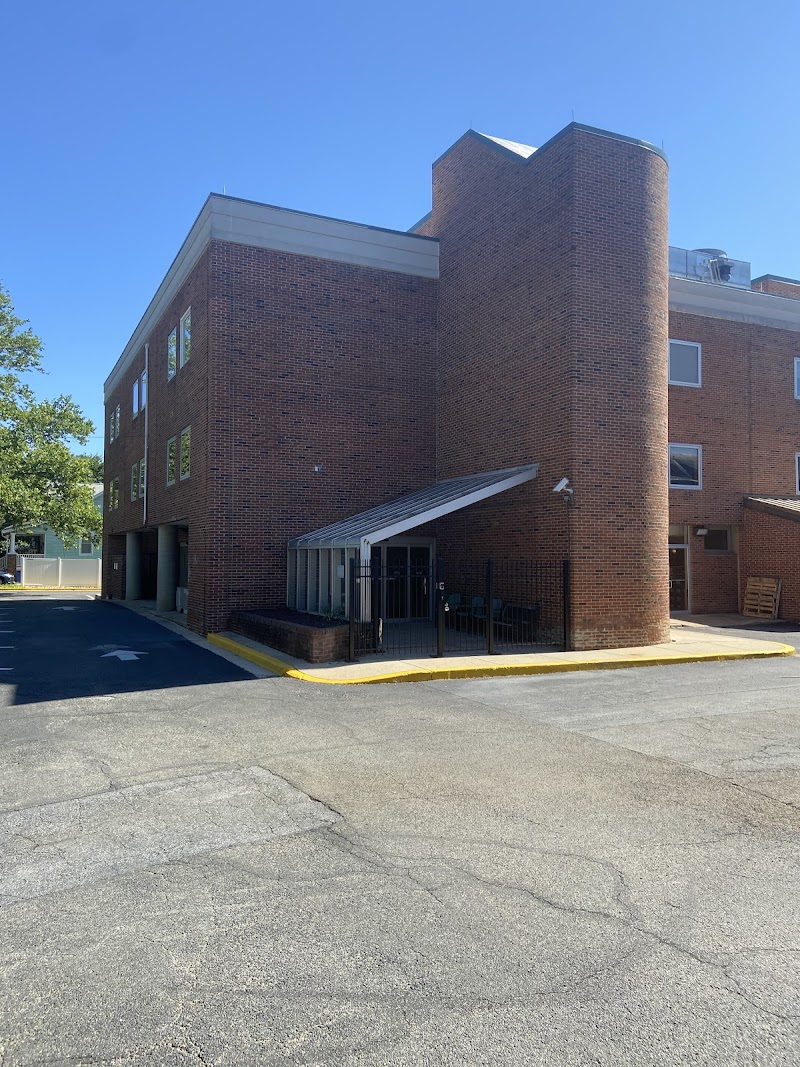
How is Crescent Cities Nursing & Rehabilitation Center Staffed?

CMS rates CRESCENT CITIES NURSING & REHABILITATION CENTER's staffing level at 3 out of 5 stars, which is average compared to other nursing homes. Staff turnover is 25%, compared to the Maryland average of 46%. This relatively stable workforce can support continuity of care.

What Have Inspectors Found at Crescent Cities Nursing & Rehabilitation Center?

State health inspectors documented 39 deficiencies at CRESCENT CITIES NURSING & REHABILITATION CENTER during 2018 to 2024. These included: 1 Immediate Jeopardy (the most serious level, indicating potential for serious harm or death), 35 with potential for harm, and 3 minor or isolated issues. Immediate Jeopardy findings are rare and represent the most serious regulatory concerns. They require immediate corrective action.
Who Owns and Operates Crescent Cities Nursing & Rehabilitation Center?

CRESCENT CITIES NURSING & REHABILITATION CENTER is owned by a for-profit company. For-profit facilities operate as businesses with obligations to shareholders or private owners. The facility is operated by LIFEWORKS REHAB, a chain that manages multiple nursing homes. With 158 certified beds and approximately 152 residents (about 96% occupancy), it is a mid-sized facility located in RIVERDALE, Maryland.
How Does Crescent Cities Nursing & Rehabilitation Center Compare to Other Maryland Nursing Homes?

Compared to the 100 nursing homes in Maryland, CRESCENT CITIES NURSING & REHABILITATION CENTER's overall rating (2 stars) is below the state average of 3.0, staff turnover (25%) is significantly lower than the state average of 46%, and health inspection rating (1 stars) is much below the national benchmark.

What Should Families Ask When Visiting Crescent Cities Nursing & Rehabilitation Center?

Based on this facility's data, families visiting should ask: "What changes have been made since the serious inspection findings, and how are you preventing similar issues?" "Can I visit during a mealtime to observe dining assistance and food quality?" "How do you handle medical emergencies, and what is your hospital transfer rate?" "Can I speak with family members of current residents about their experience?" These questions are particularly relevant given the facility's Immediate Jeopardy citations.

Is Crescent Cities Nursing & Rehabilitation Center Safe?

Based on CMS inspection data, CRESCENT CITIES NURSING & REHABILITATION CENTER has documented safety concerns. Inspectors have issued 1 Immediate Jeopardy citation (the most serious violation level indicating risk of serious injury or death). The facility has a 2-star overall rating and ranks #100 of 100 nursing homes in Maryland. Families considering this facility should ask detailed questions about what corrective actions have been taken since these incidents.

Do Nurses at Crescent Cities Nursing & Rehabilitation Center Stick Around?

Staff at CRESCENT CITIES NURSING & REHABILITATION CENTER tend to stick around. With a turnover rate of 25%, the facility is 21 percentage points below the Maryland average of 46%. Low turnover is a positive sign. It means caregivers have time to learn each resident's needs, medications, and personal preferences. Consistent staff also notice subtle changes in a resident's condition more quickly. Registered Nurse turnover is also low at 29%, meaning experienced RNs are available to handle complex medical needs.

Was Crescent Cities Nursing & Rehabilitation Center Ever Fined?

CRESCENT CITIES NURSING & REHABILITATION CENTER has been fined $16,801 across 1 penalty action. This is below the Maryland average of $33,247. While any fine indicates a compliance issue, fines under $50,000 are relatively common and typically reflect isolated problems that were subsequently corrected. Families should ask what specific issues led to these fines and confirm they've been resolved.

Is Crescent Cities Nursing & Rehabilitation Center on Any Federal Watch List?

CRESCENT CITIES NURSING & REHABILITATION CENTER is not on any federal watch list. The most significant is the Special Focus Facility (SFF) program, which identifies the bottom 1% of nursing homes nationally based on persistent, serious quality problems. Not being on this list means the facility has avoided the pattern of deficiencies that triggers enhanced federal oversight. This is a positive indicator, though families should still review the facility's inspection history directly.