BAY HARBOR POST ACUTE HEALTHCARE CENTER
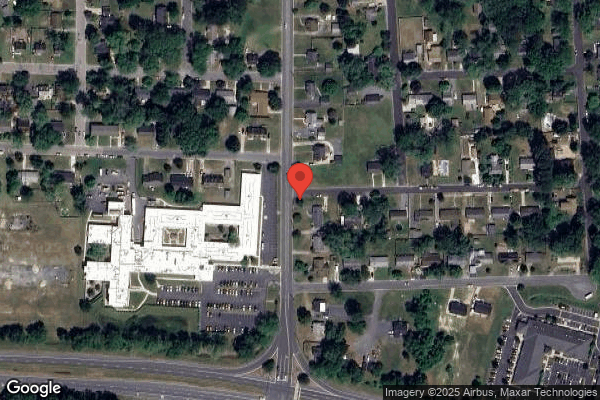

200 CIVIC AVENUE, SALISBURY, MD 21804 (410) 749-1466
For profit - Limited Liability company 305 Beds MARQUIS HEALTH SERVICES Data: November 2025
Trust Grade
18/100
#189 of 219 in MD
Last Inspection: January 2025

Within standard 12-15 month inspection cycle. Federal law requires annual inspections.

Overview

Bay Harbor Post Acute Healthcare Center has received a Trust Grade of F, indicating significant concerns regarding the quality of care provided at this facility. Ranked #189 out of 219 nursing homes in Maryland, they are in the bottom half of facilities in the state and the lowest option in Wicomico County. The situation appears to be worsening, with the number of issues increasing from 17 in 2024 to 41 in 2025. Staffing is a significant weakness, with a poor rating of 1 out of 5 stars and a high turnover rate of 54%, which is above the state average of 40%. While they have received average RN coverage, there have been serious incidents reported, including a failure to safely secure a resident during a lift transfer, resulting in injury and hospital care. Additionally, improper management of medication storage and lack of a full-time dietary manager are concerning issues that could impact resident safety and well-being. Overall, families should approach this facility with caution due to these significant weaknesses.

Trust Score
F
18/100
In Maryland
#189/219
Bottom 14%
Safety Record
High Risk
Review needed
Inspections
Getting Worse
17 → 41 violations
Staff Stability
⚠ Watch
54% turnover. Above average. Higher turnover means staff may not know residents' routines.
Penalties
✓ Good
$13,090 in fines. Lower than most Maryland facilities. Relatively clean record.
Skilled Nurses
○ Average
Each resident gets 37 minutes of Registered Nurse (RN) attention daily — about average for Maryland. RNs are the most trained staff who monitor for health changes.
Violations
⚠ Watch
79 deficiencies on record. Higher than average. Multiple issues found across inspections.
★☆☆☆☆
1.0
Overall Rating
★☆☆☆☆
1.0
Staff Levels
★★★☆☆
3.0
Care Quality
★☆☆☆☆
1.0
Inspection Score
Stable
2024: 17 issues
2025: 41 issues

The Good

  • Full Sprinkler Coverage · Fire safety systems throughout facility
  • No fines on record

Facility shows strength in fire safety.

The Bad

1-Star Overall Rating

Below Maryland average (3.0)

Significant quality concerns identified by CMS

Staff Turnover: 54%

Near Maryland avg (46%)

Higher turnover may affect care consistency

Federal Fines: $13,090

Below median ($33,413)

Minor penalties assessed

Chain: MARQUIS HEALTH SERVICES

Part of a multi-facility chain

Ask about local staffing decisions and management

The Ugly 79 deficiencies on record

1 actual harm
Jan 2025 41 deficiencies
CONCERN (D) 📢 Someone Reported This

A family member, employee, or ombudsman was alarmed enough to file a formal complaint

Potential for Harm - no one hurt, but risky conditions existed

Notification of Changes (Tag F0580)

Could have caused harm · This affected 1 resident

Based on medical record review and interview with facility staff and family, it was determined that the facility failed to notify the resident's responsible party (RP) when residents were had a change...

Read full inspector narrative →
Based on medical record review and interview with facility staff and family, it was determined that the facility failed to notify the resident's responsible party (RP) when residents were had a change in condition/medical care. This was evident during a random observation for 2 of 2 residents (Resident #176 and #133) reviewed for notification during the survey. The findings include: 1. During observation rounds on 1/15/24 at 6:15pm while standing in the hallway near resident #210's room. Resident #176 family member began questioning the nurse staff # 85 on the medication cart as to where Resident #176 was located since s/he was not in the room. The nurse staff # 85 stated to the family member I know where the resident is. Who are you? The family member stated I am one the residents' responsible parties. Staff #85 stated the resident was transferred to the hospital for complaints of chest pain. The family member replied I was never notified. Why? The nurse stated, I don't know why. The nurse may have called the other contact person. The family member contacted the other family member listed as the second contact person while standing in the hallway with the staff #85 and the surveyor. The family member verified she was also not notified of the resident's transfer. Review of the medical record revealed a face sheet listing 2 Responsible party contacts persons located on the face sheet. Both were interviewed and neither family member was made aware of the transfer. An interview was conducted on 1/16/25 at 10 am with the DON, she stated the evening nurse made her aware of the incident and she would be addressing it. 2. On 01/13/25 at 5:38 PM, during an interview with family member #1, they expressed concerns about the discontinuation of a medication that the resident had been taking for a long time. On 1/16/25 at 9:14 AM, during an interview with Resident #133's RP, they expressed concerns about Resident #133 medication being discontinued in February 2024. The RP explained that they became aware of the discontinuation when the resident's family member #1 asked the doctor questions about a certain medication, which they learned had been discontinued. During an interview with the Director of Nursing (DON) #2 on 01/16/25 a 4:11 PM, she explained the process for discontinuing a resident's medication. She stated that either the nurse or the provider can discontinue the medication. The nurse is responsible for documenting the discontinued medication and notifying the residents' RP or family. Review of Physician Assistant (PA) #39's progress note on 01/17/25 at 8:54 AM, revealed that Resident #133's medication was discontinued on February 2024. The DON #2 provided the surveyor with progress notes from the PA #39 dated 02/17/24 and 02/27/24 and acknowledged that the resident's family had not been notified about the discontinued medication.
CONCERN (D) 📢 Someone Reported This

A family member, employee, or ombudsman was alarmed enough to file a formal complaint

Potential for Harm - no one hurt, but risky conditions existed

Free from Abuse/Neglect (Tag F0600)

Could have caused harm · This affected 1 resident

Based on administrative review and interviews with facility staff it was determined the facility failed to prevent a resident from experiencing verbal abuse by an employee. This was found to be eviden...

Read full inspector narrative →
Based on administrative review and interviews with facility staff it was determined the facility failed to prevent a resident from experiencing verbal abuse by an employee. This was found to be evident for 1 (Resident # 24) of 6 residents reviewed for abuse during the survey. Findings include: Intake MD00205342 was reviewed on 1/17/25 at 11:00 AM for allegations of abuse. According to the facility's investigation, GNA (Staff #56) was overheard by a Nurse (RN # 57) stating that she would hurt Resident # 24. Review on 1/17/25 of a written witness statement by the RN (#57) dated 5/3/24, revealed that while she was sitting at the nurse station, a GNA (#56) went to move Resident # 24 out of the way and the resident became verbally and physically aggressive. The Nurse heard the GNA say, Imma [sic] leave you alone because I know what you are and your mental isn't right, because other than that I would [expletive] you up. Further review of a signed written statement by the GNA (#56) revealed that she said the following to Resident # 24; Today is not my day, I would beat you up because [resident] full forced punched me in my stomach three times and then went to trip me. During an interview with the Administrator (#1) on 1/17/25 at 11:25 AM she stated that GNA # 56 was suspended pending the investigation and then terminated and RN # 57 no longer worked at the facility. She went on to say that anytime abuse is substantiated, employment is immediately terminated. The Administrator was asked if the Board of Nursing was notified of the investigation results, and she stated no. She further stated that the Board of Nursing should have been notified.
CONCERN (D)

Potential for Harm - no one hurt, but risky conditions existed

Deficiency F0602 (Tag F0602)

Could have caused harm · This affected 1 resident

Based on resident interviews and staff interviews it was determined that the facility failed to protect the residents from misappropriation of personal property and investigate resident's report of mi...

Read full inspector narrative →
Based on resident interviews and staff interviews it was determined that the facility failed to protect the residents from misappropriation of personal property and investigate resident's report of missing personal property. This was evident for 2 (resident #38 and #76) out of 4 residents reviewed during survey. The findings include: 1) On 01/13/25 at 11:26 AM, Resident #38 was interviewed. During the interview, Resident #38 stated that some of his/her clothing was missing after being laundered by the facility. On 01/13/25 at 12:45 PM, the Nursing Home Administrator staff #1 was interviewed. During the interview, he/she was made aware of Resident #38's grievance regarding his/her laundry missing. After surveyor intervention, the Nursing Home Administrator staff #1 stated that a Grievance Summaries would be completed. On 01/15/25 at 10:21 AM, Environmental Director staff #15 was interviewed. During the interview, Environmental Director staff #15 stated that he/she was not aware of the missing items and did not receive a Grievance Summaries regarding Resident #38's missing clothing. 2) On 01/13/25 at 12:04 PM, during an interview with Resident #76, and their family member, they stated that the resident's jacket had gone missing during the week of Christmas. They reported the incident to a facility staff, but no one had followed up regarding the matter. On Tuesday 01/14/25 at 3:20 PM, the surveyor informed the DON #2 of Resident #76's report of missing personal property. On Friday 01/17/25 at 12:23 PM, the surveyor met with Resident #76 and their family member regarding the status of the missing personal property. Both the resident and family stated no facility staff had followed up with them about the missing property. The facility failed to protect the resident's personal property and investigate reports of missing property. Even after the surveyor informed the DON #2, no action was taken.
CONCERN (D) 📢 Someone Reported This

A family member, employee, or ombudsman was alarmed enough to file a formal complaint

Potential for Harm - no one hurt, but risky conditions existed

Report Alleged Abuse (Tag F0609)

Could have caused harm · This affected 1 resident

Based on review of the facility reported incidents and interviews, it was determined that the facility failed to report an injury of unknown origin in a timely manner to the state agency. This was fou...

Read full inspector narrative →
Based on review of the facility reported incidents and interviews, it was determined that the facility failed to report an injury of unknown origin in a timely manner to the state agency. This was found to be evident for 1(Resident #154) of 6 residents reviewed for abuse during the survey. The Findings include: During review of the facility reported incident MD00205829 on 1/17/25 at 8:58 am, it was found that an injury of unknown origin was reported to LPN (Licensed Practical Nurse) #14 by Resident #154 on 5/18/24 at 4:20pm. The Self Report Form from the facility was submitted to the State Agency on 5/19/24 with no time indicated by the DON (Director of Nursing). The report was received by the State Agency on 5/20/24 at 12:34pm. During an interview with the DON and the Administrator on 1/17/25 at 10:30 am, both were unable to indicate why the alleged incident and injury of unknown origin was not reported within the 2 hour requirement.
CONCERN (D) 📢 Someone Reported This

A family member, employee, or ombudsman was alarmed enough to file a formal complaint

Potential for Harm - no one hurt, but risky conditions existed

Investigate Abuse (Tag F0610)

Could have caused harm · This affected 1 resident

Based on medical record review, facility investigation report review, and staff interview it was determined that the facility failed to retain documentation related to the delayed reporting of a resid...

Read full inspector narrative →
Based on medical record review, facility investigation report review, and staff interview it was determined that the facility failed to retain documentation related to the delayed reporting of a resident fall. This was evident for 1 out of 4 (#124) residents reviewed for falls during the survey. The findings include: On 01.15.25 the surveyor reviewed the facility report related to Resident # 124 that was submitted to OHCQ on 06.23.24. On 06.03.24 the resident complained of pain to the right hip and leg. The resident was treated for the pain, the medical director, nurse practitioner, and the resident representative were notified as well on 06.3.2024. On 06.03.24 resident #124 was admitted to the hospital and found to have a fracture of the right femur. The surveyor's review of the final facility reported submitted by the facility revealed the resident had fallen on 06.01.24, the LPN #24 did not document the completion of the assessment of Resident #124 or document that the fall had occurred at 10 PM on 06.01.24. The DON failed to retain documentation that the LPN #24 failed to report the falls that occurred on 06.01.24 related to Resident #124's falls on 06.01.24. On 01.16.25 at 09:13 AM the DON stated that she did not type up LPN #24's statement in which she/he admitted to the Resident #124's fall that occurred on 06.01.24. The DON stated that there was no nursing assessment performed by LPN #24 on 06.01.24 after the resident slid from the wheelchair or when the resident fell from the bed on 06.01.24 in the evening around 10 PM. Additionally, the DON stated that she did not report LPN #24 to the Maryland Board of Nursing. Also, DON could not provide a copy of the disciplinary action form that resulted in LPN#24's termination from the facility on 06.26.24. The DON stated that she failed to retain the documentation related to the resident's fall on 06.01.24 that was directly related to the facility report submitted to OHCQ on 06.03.24. On 01.16.25 at 3:11 PM the surveyor received a phone call from GNA #23. GNA #23 stated on the evening shift of 06.01.24 that she/he is unable to remember the nurse's name however, he/she reported the fall observations related to Resident #124 to LPN #24. GNA #23 stated that the resident fell in the hallway twice on evening shift of 06.01.24. This deficient practice was discussed with the administrator and DON on 01.17.25.
CONCERN (D)

Potential for Harm - no one hurt, but risky conditions existed

Assessment Accuracy (Tag F0641)

Could have caused harm · This affected 1 resident

Based on medical record review and staff interview, it was determined that the facility staff failed to code a resident's status accurately on the Minimum Data Set (MDS) assessment. This was evident f...

Read full inspector narrative →
Based on medical record review and staff interview, it was determined that the facility staff failed to code a resident's status accurately on the Minimum Data Set (MDS) assessment. This was evident for 1 (Resident #188) of 40 sampled residents reviewed during the survey. The findings include: The MDS is a federally mandated assessment tool used by nursing home staff to gather information on each Resident's strengths and needs. Information collected drives resident care planning decisions. MDS assessments must be accurate to ensure that each Resident receives the care they need. The Assessment Reference Date (ARD) is the specific end point of look-back periods of resident status for the MDS assessment process. On 01/13/25 at 2:52 PM, review of Resident #188's medical record revealed a progress note titled Wound Care Progress Note dated 1/3/25 which indicated the resident had a Deep Tissue Injury (DTI) on her/his sacrum. A Deep Tissue Injury (DTI) is a type of pressure sore where the tissue underneath the skin is severely damaged by pressure. The sacrum consists of the bottom or base of the spine, between the two hip bones. On 01/13/25 at 2:26 PM, further review of Resident #188's medical record revealed a skin and wound evaluation dated 1/3/25 which indicated the resident had a DTI noted on the sacrum. On 01/13/25 at 3:00 PM, review of Section M - Skin Conditions of Resident #188's Minimum Data Set (MDS) with an Assessment Reference Date (ARD) of 1/3/25 failed to reveal the wound being coded/indicated. On 01/15/25 at 04:29 PM, an interview with MDS Coordinator (Staff #12) revealed that to complete sections of the MDS, staff would rely on the resident's medical record, including progress notes. She further indicated that for wounds, they use wound evaluation notes. On 01/15/25 at 04:29 PM, during the same interview with Staff #12, the surveyor reviewed the 1/3/25 ARD MDS concern with Staff #12 regarding the coding not accurately reflecting the resident status and she agreed it was inaccurate coding.
CONCERN (D) 📢 Someone Reported This

A family member, employee, or ombudsman was alarmed enough to file a formal complaint

Potential for Harm - no one hurt, but risky conditions existed

Deficiency F0657 (Tag F0657)

Could have caused harm · This affected 1 resident

**NOTE- TERMS IN BRACKETS HAVE BEEN EDITED TO PROTECT CONFIDENTIALITY** Based on record review and interview it was determined that the facility staff failed to have a care plan meeting with the inter...

Read full inspector narrative →
**NOTE- TERMS IN BRACKETS HAVE BEEN EDITED TO PROTECT CONFIDENTIALITY** Based on record review and interview it was determined that the facility staff failed to have a care plan meeting with the interdisciplinary care team and failed to provide residents with a quarterly care plan meeting prepared and revised by the entire interdisciplinary team after the quarterly review assessment. This deficient practice was evidenced in 2 ( Resident #116 and Resident #150) of two records reviewed for care plan meetings during the survey. The findings include: 1. On 01/13/25 at 4:18 pm during an interview with Resident #116 the surveyor asked if they were participating in care plan meetings. The resident did not recall having care plan meetings. On 01/15/25 at 8:35 am a review of the resident's electronic medical record revealed there was no documentation to verify the resident had a multidisciplinary care plan meeting prior to 12/24/24. The resident was admitted to the facility on [DATE]. There was documentation of a navigation guide meeting on 11/01/24. There was no documentation to verify the multidisciplinary team meet with the resident within the first seven days of admission to inform them about their anticipated plan of care. On 01/15/25 at 2:56 pm the surveyor received a copy of the Initial Navigation Guide Meeting note. There was not a interdisciplinary care conference attendance record to verify the interdisciplinary team was involved in the meeting. On 01/15/25 at 3:02 pm during an interview with Director of Social Services (DSS) #13 the surveyor asked what the process is when a care plan meeting is held. DSS #13 verbalized the residents are invited to attend the meeting either in writing or in person. They introduce themselves update the MOLST form, review goals, address any concerns, and review if the Advance Directive is current. The facility does not have a discipline assessment. 2. On 01/15/25 at 10:01 AM, the Director of Social Services #13 was interviewed. During the interview, the Director of Social Services #13 stated that he/she sent emails to the interdisciplinary team inviting them to attend Resident #150's care plan meetings; however, they don't attend. On 01/15/25 at 10:10 AM, Resident #150's medical record was reviewed. The medical record review revealed that Resident #150's quarterly Interdisciplinary Care Conference Attendance Record dated 12/19/24, showed that only the Director of Nursing, MDS Coordinator, Social Service, and Occupational Therapy attended Resident #150's care plan meeting.
CONCERN (D)

Potential for Harm - no one hurt, but risky conditions existed

Deficiency F0676 (Tag F0676)

Could have caused harm · This affected 1 resident

2. On 01/13/25 at 4:25 pm during observation rounds the surveyor asked Resident #116 how often they are receiving a shower. Resident #116 verbalized not receiving showers; they get washed up. On 01/1...

Read full inspector narrative →
2. On 01/13/25 at 4:25 pm during observation rounds the surveyor asked Resident #116 how often they are receiving a shower. Resident #116 verbalized not receiving showers; they get washed up. On 01/14/25 at 3:45 pm a review of Resident #116's Task section in the electronic medical record (EMR) revealed there was no documentation to verify the resident was receiving showers. On 01/14/25 at 4:23 pm during an interview with Assistant Director of Nursing (ADON) #3 the surveyor asked if Resident #116 was receiving showers. ADON #3 verbalized the staff are supposed to follow the shower list and each resident is supposed to receive a shower at least twice a week. The resident was scheduled to have a shower on Tuesday and Fridays during the 3 pm-11 pm shift. ADON #3 checked to see if the resident was receiving showers. There was no documentation to verify the resident was receiving showers. There were no notes to verify the resident refused any showers. ADON #3 verbalized the staff needs a better system to document whether a shower was provided. Based on clinical record review, staff interviews, and observations it was determined that the facility failed to offer alternative equipment for a resident whose electric wheelchair was broken in order to maintain the resident's mobility and opportunities to be out of bed and failed to provide basic activities of daily needs to a resident. This was evident for 2 (Resident #130 and # 116 ) out of 4 residents reviewed for activities of daily living during the survey. The findings include: 1. Resident #130 was diagnosed as a C5-C-7 quadriplegic as a result of a Motor Vehicle Accident several years ago who has limited mobility of his/her hands. On 01.13.25 at 09:20 AM the surveyor returned to resident #130's room. The resident stated that staffing was not sufficient. The resident stated that he/she had to ask for assistance and may wait a long time for the staff to return to his/her room. Also, the resident stated that he/she had not been out of bed for six months and that he's/her wheelchair had not been repaired for over six months. The resident also stated that he/she would prefer to get out of bed once per day to a chair but that he/she has not been provided this opportunity. The resident was not able to state the status regarding the repair or replacement of the broken electric wheelchair. On 01.16.25 at 1:00 PM the surveyor interviewed the DON regarding the concerns voiced by resident #130 regarding not being showered or gotten out bed for six months. The surveyor requested copies of the task forms related to activities of daily living for the months of August 2024 through January 2025. The DON stated that she was aware that the resident's electric wheelchair was not working however she did not comment on whether the resident had been out of bed to a chair routinely within a specific time period. On 01.17.25 at 11:40 AM the surveyor spoke with the DON regarding resident #130's broken wheelchair. The DON stated that she was aware that the electric wheelchair was broken but did not know whether the equipment would be repaired or replaced. The DON did not provide any documentation related to the use of alternative equipment for the resident to use to be out of bed on a routine basis while the repair or replacement of resident #130's electric wheelchair was completed. The DON stated the nurse practitioner (NP) # 69 had been in touch with a company that is able to assess whether a resident's chair will be covered under Medicare to be repaired or replaced. The DON stated that the nurse practitioner # 69 had submitted an order for an in-person assessment of the resident and wheelchair with the company during the month of October 2024. On 01.17.25 at 1:45 PM the surveyor reviewed the electric wheelchair related documentation that the DON had provided. The documents faxed to the company on October 22, 2024 included a statement . it is expected that a powered wheelchair will allow increased independence with facility mobility, increasing his quality of life. The surveyor did not locate or receive documentation that the in -person assessment of resident #130 occurred prior the exit conference on 01.17.25. The script provided to the surveyor for the new electric wheelchair was dated 01.15.25. The facility failed to provide documentation that the resident was able to be out of bed on a daily or routine basis between the months of August 2024 through and including January 16, 2025. The deficient practice was discussed with DON prior to the exit conference on 01.17.25.
CONCERN (D) 📢 Someone Reported This

A family member, employee, or ombudsman was alarmed enough to file a formal complaint

Potential for Harm - no one hurt, but risky conditions existed

ADL Care (Tag F0677)

Could have caused harm · This affected 1 resident

**NOTE- TERMS IN BRACKETS HAVE BEEN EDITED TO PROTECT CONFIDENTIALITY** Based on staff interviews, observations, administrative records reviews,and medical record reviews it was determined that the fa...

Read full inspector narrative →
**NOTE- TERMS IN BRACKETS HAVE BEEN EDITED TO PROTECT CONFIDENTIALITY** Based on staff interviews, observations, administrative records reviews,and medical record reviews it was determined that the facility failed to document that a dependent resident consistently received activities of daily care such as showering and bathing or assistance with meals. This was evident for 1 out of 4 residents (#130) reviewed during the survey. The findings include: Resident #130 was diagnosed as a C5-C-7 quadriplegic as a result of a Motor Vehicle Accident several years ago who had limited mobility of his hands. On 01.13.25 at 09:05 AM during an observation tour of the clinical unit 8, the surveyor observed resident #130 in bed with a foley catheter, no foley bag cover was present. The resident had an over the bed table in front him/her with both his/her hands on the table. The surveyor observed that the there was a dirty hand splint lying on the table in front of the resident's hand. While the surveyor was speaking with the resident, GNA #53 entered the resident's room with a breakfast tray. GNA #53 placed the breakfast tray on the resident's bedside table and proceeded to walk towards the door. The surveyor asked to speak with the GNA and inquired whether he/she would be assisting the resident with the meal. GNA#53 responded that he/she would ask the resident. The resident responded yes when the GNA returned to the bedside. On 01.13.25 at 09:15 AM the surveyor observed GNA #53 walking out of resident #130's room with an empty tray. The surveyor asked if the resident had eaten the whole meal and GNA #53 replied yes. The surveyor asked GNA #53 why she had not set up the resident' s tray and assisted with the meal automatically. GNA#53 responded that she does not offer assistance unless the residents ask for assistance. The surveyor asked GNA #53 whether he/she was aware of the resident's limited range of motion with his/her hands and the GNA responded yes. On 01.13.25 at 09:20 AM the surveyor returned to resident #130's room. Resident #130 stated that the facility staffing was not sufficient. Resident #130 stated that he/she had to ask for assistance and may wait a long time for the staff to return to his/her room. Also, the resident stated that he/she had not been out of bed for six months and that his/her wheelchair had not been repaired for over six months. On 01.14.25 at 12:45 PM the surveyor reviewed the complaint, MD00205707 related to resident #130 which focused on the following issues: the resident was not provided total assistance with his/her activities of daily living, the room was dirty, and the resident was admitted to the hospital in May 2024 with a diagnosis of urinary tract infection and stage two decubitus ulcers on the sacral area. On 01.16.25 at 1:00 PM the surveyor interviewed the DON regarding the concerns voiced by resident #130 regarding not being showered or gotten out bed for six months. The surveyor requested copies of the task forms related to activities of daily living for the months of August 2024 through January 2025. The DON stated that she was aware that the resident #130's electric wheel chair was not working however she did not comment on whether the resident had been out of bed or showered on a routine basis. The DON stated that the nurse practitioner # 69 had submitted an order for an in-person assessment of the resident and wheelchair with the medical equipment company in October 2024. The surveyor did not locate or receive documentation that the in -person assessment of resident #130 by medical equipment company occurred prior to the exit conference on 01.17.25 related to the electric wheelchair. The The nurse practitioner's pharmacy script provided to the surveyor for the new electric wheelchair was dated 01.15.25. On 01.17.25 at 12:30 PM the surveyor received the copies of task forms related to personal hygiene and showers/bathing for the months of August 1, 2024 through and including January 16, 2024. The review of the task documentation utilized by the geriatric nursing staff (GNA) to document personal care provided to the resident is listed: October 2024: ADL Care Oral Care: 10/20/24 ,10/29/24, 10/30/24- day shift-no documentation Personal hygiene: 10/20/24,10/29/24, 10/30/24-no documentation Shower/bath: 10/20, 10/29/24, 10/30/024-no documentation, Toileting, transfer: Oct. 1-19th: marked N/A, 20th, 29th, 30th had no documentation, Transfer wheelchair: Oct. 1 through 5th marked as N/A, 20th, 29th, 30th had no documentation, noted. November: Personal Hygiene: Nov. 12, 13, 28, 29th day shift: no documentation Wheelchair/Transfer: [DATE] through 14, 8, 9, 10, 14, 15, 16, 18, 19, 20, 21, 24, 25, 26, 27, 30 were marked N/A. Toilet/hygiene: Nov. 8, 9, 11, 16, 21, marked N/A; Nov. 12, 13, 28, 29 had no documentation. Transfer: Day shift: Nov. 1, 4, 5 marked marked maximum assist, there was no documentation for Nov. 12, 13, 28, 29, and N/A was marked on Nov. 2 through 11 and Nov. 14, 15, 16, 17, 20, 21, 24, 25, 26 ,27, 30. December 2024 Oral hygiene: No documentation on Dec. 7, 8, 10, 29, 30, 31 Personal hygiene: No documentation on Dec. 7, 8, 10, 29, 30, 31. Shower/bath: No documentation on Dec. 7, 8, 10, 28, 29, 30, 31. Wheelchair/Transfers: No documentation on Dec. 7, 8, 10, 29 and N/A marked for Dec. 1, 2, 3, 4, 5, 6, 14, 15, 19, 23, 25, 27, 28th. January 2025 Personal hygiene: No documentation on Jan. 1 through 7th, 11, 12, 13, 14, 16th. Shower/Bathe: No documentation on Jan. 1 through 5, 7, 11, 12, 13, 14, 16. Toileting/hygiene: No documentation on Jan. 1 through 5th, 7, 11, 12, 13, 15 Transfers: No documentation on Jan. 1, 2, 3, 4, 5, 7, 11, 12, 13, 14, and 16. These deficient practices were discussed with the DON on January 17, 2025 prior to the exit conference.
CONCERN (D) 📢 Someone Reported This

A family member, employee, or ombudsman was alarmed enough to file a formal complaint

Potential for Harm - no one hurt, but risky conditions existed

Deficiency F0679 (Tag F0679)

Could have caused harm · This affected 1 resident

Based on observations and interviews with facility staff it was determined the facility failed to ensure that one-on-one activities were provided for a resident. This was found to be evident for 1 (Re...

Read full inspector narrative →
Based on observations and interviews with facility staff it was determined the facility failed to ensure that one-on-one activities were provided for a resident. This was found to be evident for 1 (Resident #24) of 3 residents reviewed for activities during the facility's survey. Findings include: An observation was made on 1/13/25 at 1:01 PM and resident # 24 was lying in bed asleep. No activities were observed. Observation on 1/15/25 at 9:00 AM resident # 24 was observed sitting up in the bed with his/her legs noted to the side of the bed. No activities observed. While remaining on the unit from 9:00 AM-9:40 AM on the same date, the resident remained in the room when observed multiple times, sitting with legs to the side of the bed. No activity staff were observed entering the resident room and no one-one activities were observed. During an interview with the Life Enrichment Director (LED), Staff # 8 on 1/15/25 at 10:45 AM, she stated that anyone that does not come out for activities and is determined not to be active on their own, in their room will receive one-one activities two- three times per week. Staff # 8 was asked to provide documentation of the one-one activities provided to resident # 24 for November and December 2024. She stated that activity staff document all activities into a computer program called Life Loop. She explained that this program allows the family to view as well. Staff # 8 opened their computer to show the program to the survey team and the screen displayed resident # 24 activity. There was (1) one-one activity noted on December 18, 2024 and Staff # 8 stated and confirmed that no other documentation was available for the resident. When asked to display November 2024 activities for resident # 24, she stated that she could not pull it up on the computer because staff had not documenting it and it looks like it was not being done. She was made aware that the surveyor did not observe one-one activities on the above-mentioned dates, and she stated she will make sure that staff provide and document all one-one activities for residents. The Administration team was made aware of all identified concerns at the time of exit on 1/17/25 at 5:30 PM.
CONCERN (D) 📢 Someone Reported This

A family member, employee, or ombudsman was alarmed enough to file a formal complaint

Potential for Harm - no one hurt, but risky conditions existed

Accident Prevention (Tag F0689)

Could have caused harm · This affected 1 resident

Based on observation and interviews with facility staff it was determined the facility staff failed to use appropriate safety measures while transferring a resident with a Hoyer lift and keep a reside...

Read full inspector narrative →
Based on observation and interviews with facility staff it was determined the facility staff failed to use appropriate safety measures while transferring a resident with a Hoyer lift and keep a resident environment safe. This was found to be evident for 2 (Resident # 210 and # 154) of 6 residents reviewed for accidents during the survey. Findings include: 1. On 1/15/25 at 5:45 PM while touring the units, a family member who was visiting with resident # 210 requested assistance of staff to transfer the resident to bed. A nurse who was on the unit summoned a GNA (#48) to the resident room. Approximately five minutes later another GNA #54 and the assigned GNA (#55) arrived to assist. GNA #48 brought the Hoyer lift to the resident room and the other 2 GNA's placed the apron drape underneath the resident. The resident agreed to allow the surveyors to observe the transfer. At this time, the three GNA's attached the apron drape that was underneath the resident to the lift and proceeded to lift the resident. They were unable to lift the resident as the battery was not working. GNA # 48 removed the battery and went to get another battery. The battery was replaced three times and after the third time, the Maintenance Director (MD # 25) was called to the unit. The MD arrived approximately five minutes later and replaced the battery and the GNA's proceeded to transfer the resident with the resident grab bar in the up position. The Hoyer lift stopped working in the middle of the transfer and GNA # 48 went to another unit to get a battery. GNA # 48 returned approximately 5 minutes later, and the battery was changed. The three GNA's resumed the transfer, with resident # 210 observed bumping against the raised grab bar several times. The resident was noted to have a large wet area to his/her bottom. The assigned GNA, (#55) remained in the room to provide incontinent care and stated to the surveyor that she arrived at the facility at approximately 4:30 PM and made rounds on her other residents. An interview was conducted with GNA # 54 on 1/15/25 at 6:15 PM and she was asked if the resident grab bar is to be in the up position when transferring a resident, she stated no. She went on to say that the grab bar is to be down during a transfer, but after the Hoyer lift battery was replaced multiple times, she forgot to put the grab bar down. All identified concerns were discussed with the Administrator following the observation and at the time of exit on 1/17/25 at 5:30 PM. 2. During observations on 1/13/25 at 8:20 am, a large tangle of wires was found in front of Resident #154's bed. During a record review of the resident's care plan on 01/15/25 at 11:15 am, the following assessment was found: I am at risk for falls. The intervention listed for the resident stated, Create a safe environment, floors clear of clutter During an interview with staff # 63 on 1/15/25 at 8:45am she stated the resident was moved to the room a few days ago and the wires should not be there. During a follow up observation on 1/16/25 at 10am the wires were secured along the baseboard with staples.
CONCERN (D)

Potential for Harm - no one hurt, but risky conditions existed

Deficiency F0692 (Tag F0692)

Could have caused harm · This affected 1 resident

Based on medical record reviews, and interviews, it was determined that facility staff failed to monitor and address the nutritional needs of a resident who had a known significant weight loss. This d...

Read full inspector narrative →
Based on medical record reviews, and interviews, it was determined that facility staff failed to monitor and address the nutritional needs of a resident who had a known significant weight loss. This deficient practice was evident for 1 (#107) of 1 resident reviewed during the survey. The findings include: On 01/13/2025 at 3:11PM, during a review of Resident #107's medical records, the surveyor identified that the resident's weight on 12/8/24, was 194 lbs, and on 1/6/25, it had decreased to 175 lbs, reflecting a weight loss of 9.79%. Review of Resident #107's treatment record for September 2024 to December 2024 revealed an order for monthly weights. On 12/08/24 a new order was written for Resident #107 to be weighed weekly, times four weeks, then monthly starting 12/08/24. There was no documentation to verify Resident #107 was weighed weekly. On 1/15/25 at 2:04 PM, a review of the Registered Dietician (RD) #21 progress notes for 11/13/2024, regarding weight changes reveals that Resident #107 weight had decreased by 20.6 lbs (9.3%) over the past two months. A review of the RD #21 progress notes for 1/13/2025, regarding weight changes revealed that Resident #107 weight has decreased by 19 lbs over the past month. No interventions were ordered until 1/13/25. Further review of residents' medical records revealed weights from September 2024 to January 2025: 9/17/2024 11:50 215.6 Lbs Standing 10/1/2024 07:46 208.8 Lbs Standing 11/4/2024 07:04 201.8 Lbs Standing 12/8/2024 18:21 194.0 Lbs Standing 1/6/2025 10:42 175.0 Lbs Standing 1/12/2025 14:40 175.0 Lbs Standing 1/15/2025 10:36 165.0 Lbs Standing During an interview with the RD #21 on 1/15/25 at 2:23 PM, she explained that she believed the residents' recent move to a different unit within the past month could have contributed to the residents' weight loss. RD #21 further explained that she chose not to intervene between September 2024 and January 2025 since the resident had a history of weight fluctuations. When it was pointed out that the residents' weight did not fluctuate but steadily decreased, the RD #21 acknowledged the continued weight loss and agreed that no other interventions had been put in place to address the weight until 1/13/25. RD #21 explained that she sent monthly emails to the Director of Nursing, and Unit Nurse Managers to inform them of the residents' weight changes. On 1/15/24 at 2:54 PM, a review of an emails sent by the RD #21 to medical staff on 11/13/24 revealed Resident #107 had 20.6 lb weight lost. On 1/10/25 an email was sent to medical staff explaining that monthly weights were missing. On 1/13/25 an email was sent to the medical staff of Resident #107's 19 lb weigh loss. There were no emails sent in October or December 2024 concerning the resident's weight. During an interview with the DON #2 on 1/15/25 at 4:21 PM, the surveyor asked about the process for addressing a significant weight change in a resident. The DON #2 explained that residents identified with significant weight loss are ordered weekly weights for four weeks, than monthly. Additionally, the residents' medical provider and family are notified. When it was pointed out that Resident #107's medical provider and family were not informed of the significant weight loss, the DON was not able to provide a reason why notification was not done. On 1/17/25 at 10:37 AM, during an interview with Physician Assistant (PA) #39 regarding Resident #107 weight loss, she stated that she expects nursing and dietary staff to inform her of any changes in a resident's condition. The surveyor inquired about Resident #107's weight loss from September 2024 to January 2025. The PA #39 explained that she was not aware of the weight concern until the previous week during an interdisciplinary meeting. The surveyor reminded the PA #39 that she had seen the resident between September 2024 to January 2025, but no interventions were ordered. The PA #39 explained that she had minimal interaction with the resident and again stated that she was unaware of the weight change.
CONCERN (D)

Potential for Harm - no one hurt, but risky conditions existed

Deficiency F0700 (Tag F0700)

Could have caused harm · This affected 1 resident

Based on observation, record review and interview with facility staff, it was determined that the facility failed to obtain informed consent prior to the initiation of bed rails. This was evident for ...

Read full inspector narrative →
Based on observation, record review and interview with facility staff, it was determined that the facility failed to obtain informed consent prior to the initiation of bed rails. This was evident for 5 (Resident #48, #107, #160, #167, and #188) of 5 residents reviewed for physical restraints. The findings include: Bedrails or side rails are adjustable bars that attach to the bed. They vary in size, including full, half, and quarter lengths depending on their intended purpose. They can be used to prevent falls, help assist residents with movement, and provide a feeling of security. Bed rails also have potential risks associated with them. The facility should obtain a signed consent form before the use of bedrails. 1) On 01/13/25 at 11:59 AM, during the initial phase of the survey, the surveyor observed Resident #48 in bed with two 1/4 bed rails up on either side of the top end of the bed. On 01/16/25 at 11:00 AM, review of the document provided titled MQS: Admission/readmission Evaluation Packet Section 2: Bed Rail Evaluation for Resident #48 failed to reveal alternatives attempted nor consent obtained prior to initiation and/or use of bed rails. 2) On 01/13/25 at 8:44 AM, during the initial phase of the survey, the surveyor observed Resident #160 in bed with two 1/4 bed rails up on either side of the top end of the bed. On 01/16/25 at 11:00 AM, review of the document provided titled MQS: Admission/readmission Evaluation Packet Section 2: Bed Rail Evaluation for Resident #160 failed to reveal alternatives attempted nor consent obtained prior to initiation and/or use of bed rails. 3) On 01/13/25 at 8:48 AM, during the initial phase of the survey, the surveyor observed Resident #167 in bed with two 1/4 bed rails up on either side of the top end of the bed. On 01/16/25 at 11:00 AM, review of the document provided titled MQS: Admission/readmission Evaluation Packet Section 2: Bed Rail Evaluation for Resident #167 failed to reveal alternatives attempted nor consent obtained prior to initiation and/or use of bed rails. 4) On 01/13/25 at 8:44 AM, during the initial phase of the survey, the surveyor observed Resident #188 in bed with two 1/4 bed rails up on either side of the top end of the bed. On 01/16/25 at 11:00 AM, review of the document provided titled MQS: Admission/readmission Evaluation Packet Section 2: Bed Rail Evaluation for Resident #188 failed to reveal alternatives attempted nor consent obtained prior to initiation and/or use of bed rails. 5) On 01/13/25 at 8:44 AM, during the initial phase of the survey, the surveyor observed Resident #107 in bed with two 1/4 bed rails up on either side of the top end of the bed. On 1/15/25 at 1:15 PM, review of the facility's policy titled, Bed Safety and Bed Rails indicated that the use of bed rails or side rails is prohibited unless the criteria for use of bed rails have been met, including attempts to use alternatives, and informed consent. On 01/16/25 at 11:00 AM, review of the document provided titled MQS: Admission/readmission Evaluation Packet Section 2: Bed Rail Evaluation for Resident #107 failed to reveal alternatives attempted nor consent obtained prior to initiation and/or use of bed rails. On 01/16/25 at 1:40 PM, an interview with the Director of Nursing (Staff #2) revealed that she did not have consent nor alternatives attempted prior to initiation and/or use of bed rails for Resident #48, #107, #160, #167, and #188.
CONCERN (D)

Potential for Harm - no one hurt, but risky conditions existed

Deficiency F0711 (Tag F0711)

Could have caused harm · This affected 1 resident

Based on record reviews and interviews, it was determined that the facility staff failed to ensure that the physician provided supervision of a resident with significant weight loss. This deficient pr...

Read full inspector narrative →
Based on record reviews and interviews, it was determined that the facility staff failed to ensure that the physician provided supervision of a resident with significant weight loss. This deficient practice was evident for 1 (#107) resident reviewed during the survey. The findings include: On 01/13/2025 at 3:11PM, during a review of Resident #107's medical records, the surveyor identified that the resident's weight on 9/17/2024, was 215.6 lbs, and on 1/12/25, it had dropped to 175 lbs. Further review of residents weight on 01/15/24 revealed a weight of 165 lbs. A review of the RD #21 progress notes for 1/13/2025, regarding weight changes reveals that Resident #107's weight had decreased by 19 lbs over the past month. No interventions were ordered until 1/13/25. During an interview with the Director of Nursing (DON) #2 on 1/15/25 at 4:21 PM, the surveyor asked why Resident #107's medical provider was not informed of the significant weight loss, the DON #2 was not able to provide an explanation why notification was not done. On 01/16/25 at 3:33 PM, the surveyor reviewed progress notes from Physician Assistant (PA) #39, Nurse Practitioner (NP) #69, and NP #84 for 01/7/25, 12/16/24, 11/26/24, 10/10/24, 10/9/24 however there was no mention of weight concerns until 01/07/25. No interventions were added to address weight concerns until 1/13/25. On 1/17/25 at 10:37 AM, during an interview with Physician Assistant (PA) #39 regarding Resident #107's weight loss, she stated that she expects nursing and dietary staff to inform her of any changes in a resident's condition. The surveyor inquired about Resident #107's weight loss from September 2024 to January 2025. The PA #39 explained that she was not aware of the weight concern until the previous week during an interdisciplinary meeting.
CONCERN (D) 📢 Someone Reported This

A family member, employee, or ombudsman was alarmed enough to file a formal complaint

Potential for Harm - no one hurt, but risky conditions existed

Deficiency F0725 (Tag F0725)

Could have caused harm · This affected 1 resident

Based on observations, interviews, and record reviews, it was determined that facility staff failed to ensure adequate nursing staff to properly monitor residents. This deficient practice was evident ...

Read full inspector narrative →
Based on observations, interviews, and record reviews, it was determined that facility staff failed to ensure adequate nursing staff to properly monitor residents. This deficient practice was evident for 1 (#133) out of 1 resident reviewed during the survey. The findings include: On 1/13/24 at 5:38 PM, review of complaint MD00204568 dated 4/2024 revealed, Resident #133 family member alleged the resident was being neglected by staff due to staffing issues. On 1/14/25 at 4:19 PM, during an interview with Resident #133's family member, they report concerns about multiple falls Resident #133 had on station 7. The family member also mentioned that on 7/28/24 at 11:49 AM, they received a voicemail message regarding another fall the resident had. When they returned the call and asked the nurse who was working on station 7, the nurse replied that no nurse was working on unit 7. On 01/15/25 at 8:41 AM, during an interview with geriatric nursing assistant (GNA) #19, they explained that stations 1, 2, 3, and 7 generally have one nurse assigned, while stations 4 and 8 have two nurses. GNA #19 stated that stations 1, 4, and 7 typically have three GNA's, and stations 2, 3, and 8 usually have four GNA's. On 01/15/25 at 9:57 AM, during an interview with Station 7 Nurse Manager (NM) #26, regarding Resident # 133's fall in April 2024, and July 2024, the NM #26 stated she did not recall the incident in April 2024. She explained that in July 2024 while Resident #133 was in the dining room, she witnessed the resident attempt to stand. NM #26 tried to grab the resident but was unable to reach the resident in time. On 01/15/25 at 11:01 AM, during an interview with the DON #2 regarding Resident #133's falls, the DON #2 explained that the resident was generally placed in the dining area to maximize supervision. The surveyor requested DON #2 to provide the nursing and GNA staffing for all nursing stations on 7/28/24. A review of the facility's staffing levels for each station on 7/28/24 during the 7:00 AM to 3:30 PM shift, revealed that all stations were staffed with a nurse except for station 7. During an interview with the DON #2 on 1/15/25 at 12:11 PM regarding staffing on station 7, she was asked why no nurse was working on Sunday 7/28/24 during the 7:00 AM to 3:30 PM shift. The DON #2 stated that she was not sure, but would provide proof that a nurse had been floated to station 7. The DON stated that NM #26 is usually the nurse assigned to station 7 but was floated to station 1 on that day. On 1/17/25 at 10:23 AM, the DON #2 followed up with the surveyor and acknowledged that there was no nurse assigned to station 7 at the time Resident #133 fell.
CONCERN (D)

Potential for Harm - no one hurt, but risky conditions existed

Staffing Information (Tag F0732)

Could have caused harm · This affected 1 resident

Based on observation and interviews, it was determined that the facility failed to post the required staffing data on the whiteboard and/or on the daily staffing board. The facility also failed to pos...

Read full inspector narrative →
Based on observation and interviews, it was determined that the facility failed to post the required staffing data on the whiteboard and/or on the daily staffing board. The facility also failed to post the daily staffing schedule in a prominent place, readily accessible visually to visitors and residents. This was evident on three out of three nursing units. The findings include: On 01.13.25 at 08:45 AM the surveyor observed that on unit 7 the census board reflected the staffing assignment for Sunday, 01.12.25. Also, on unit 7 the daily staffing schedule was lying on the top of the counter and was not visible for visitors or residents. Additionally, at approximately 09:00 AM on unit 8 the daily staffing schedule was not posted so that visitors and residents could easily visualize the information. On 01.14.25 at 08:39 AM while performing an observation tour on Unit 2 and 3 surveyor observed the assignment board did not have written information regarding which clinical staff were assigned to each resident. There was no assignment sheet displayed that informed the residents or visitors which clinical staff were assigned to which resident. On 01.15.25 at 2:16 PM during an interview with LPN Unit Manager #30 she verbalized that the assignment board should be completed by the charge nurse. The assignment board was completed that morning and the ratio for the nurses and geriatric nursing assistants (GNA's) were added. The assignment is placed in the (GNA) assignment book. LPN # 30 stated that nursing staff would write their name on the sheet in the book. The surveyor informed LPN #30 that the assignment sheet is to be displayed and easily visible on the unit so that residents and visitors can view the information. LPN #30 verbalized that she was not aware of the regulation. On 01.17.25 at 3:13 PM the surveyor spoke with the DON regarding the correct process for the posting of the shift assignments, hours per clinical staff and residents assigned to clinical nursing staff information. The DON stated the charge nurse, the GNA or the unit manager could post the staffing information. The surveyor provided the DON with three examples of the staffing posting deficiencies during the survey.
CONCERN (D)

Potential for Harm - no one hurt, but risky conditions existed

Pharmacy Services (Tag F0755)

Could have caused harm · This affected 1 resident

2. On 01/16/25 at 12:44 pm during the morning medication pass with Certified Medication Aide (CMA) #11 he/she showed the surveyor the medication packet of Pioglitazone 30 mg. The physician order was P...

Read full inspector narrative →
2. On 01/16/25 at 12:44 pm during the morning medication pass with Certified Medication Aide (CMA) #11 he/she showed the surveyor the medication packet of Pioglitazone 30 mg. The physician order was Pioglitazone 45 mg by mouth (PO) daily (QD). The CMA clicked on the order in PointClickCare where another order for Pioglitazone 30 mg PO QD. The surveyor reviewed the medication administration record (MAR) and there was not a visible order for Pioglitazone 30 mg PO QD. The surveyor made Director of Nursing (DON) #2 aware at 12:05 pm. The surveyor called the pharmacy twice and was unable to speak with anyone at the pharmacy. The surveyor asked DON #2 to provide the pharmacy with their phone number to discuss the medication order and the dose being provided. On 01/17/25 at 8:34 am the surveyor made DON #2 aware the surveyor was unable to reach the pharmacy and they did not receive a telephone call from the pharmacist. On 01/17/25 1:59 pm the surveyor reported calling the pharmacy again. DON #2 verbalized Assistant Director of Nursing #3 reached out to the pharmacist and provided the surveyor's contact information. Based on observation, record review, and interview with staff, it was determined that the facility failed to ensure that an account of all controlled drugs was complete and accurate and failed to provide the correct dosage of medication for a resident. This was found to be evident for 2 out of 2 narcotic lock boxes located in the narcotic medication carts and for 1 (Resident # 158) of 3 medication administration records reviewed for accuracy during the facility's survey. The findings include: Controlled Drugs are substances that have an accepted medical use, have the potential for abuse, ranging from low to high, and may also lead to physical or psychological dependence. 1. On 1/17/2025 at 8:45 AM, during an interview conducted with Licensed Practical Nurse (LPN) #5, the Surveyor was informed that narcotic counts for controlled drugs must be done by the incoming nurse and the outgoing nurse at change of shift. The nurses would verify the controlled drug count was accurate and sign the count on the Controlled Drug Receipt/Record/Disposition (CDRRD) form in the narcotic count binder at the narcotic medication cart. LPN #5 continued, when administering a controlled drug, the nurse should complete the report the same time the medication was given to keep the count accurate. If the medication was not taken for any reason, 2 nurses must destroy the medication according to the facility policy. On 1/17/2025 at 12:20 PM, during an observation of the narcotic medication cart at nurses' station #8, the Surveyor discovered a narcotic count binder containing CDRRD forms, to be completed for each resident taking a controlled drug on station #8. The Surveyor also observed the narcotic lock box to compare the controlled drugs in the lock box to the CDRRD forms in the binder. The Surveyor reviewed the CDRRD form for Resident #150's Oxycodone 15 mg tablet in which a remaining count of 10 tablets was recorded and in the actual medication blister pack there were 9 tablets remaining with initials and a time by #10; Oxycontin CR 10 mg tablets in which the remaining count of 2 tablets was recorded and in the actual medication blister pack there was 1 tablet remaining with initials by the #2, and Amphet Combo ER 30 mg capsules in which a remaining count of 14 was recorded and in the actual medication blister pack there were 13 capsules remaining with initials by the #14. The Surveyor reviewed the CDRRD form for Resident # 447's Tramadol 50 mg tablets in which a remaining count of 21 tablets was recorded and in the actual medication blister pack there were 20 tablets remaining and with initials and a time by the #21 and BUT/APAP/CAF (Fioricet) 50/325/40 mg tablets in which a remaining count of 10 tablets was recorded and in the actual medication blister pack there were 9 tablets remaining with initials by the #10. During an interview with Registered Nurse (RN)#60 on 1/17/2025 at 12:30 PM, the Surveyor confirmed that Resident #150 was given Oxycodone 15 mg, Oxycontin CR 10 mg, and Amphet Combo ER 30 mg and that Resident #447 was given Tramadol 50 mg and BUT/APAP/CAF 50/325/40 mg because RN #60 recorded her initials on the blister pack to show that the medication was given that morning. The Surveyor expressed the concern that the CDRRD forms for Resident #150's Oxycodone 15 mg, Oxycontin CR 10 mg, and Amphet Combo ER 30 mg as well as Resident #447's Tramadol 50 mg and BUT/APAP/CAF 50/325/40 mg had no documentation to confirm the medication was given to the residents which made the narcotic counts for those medications inaccurate at the time. RN#60 stated that she signs the medication off on the blister packet with her initials and initials and date for PRN (as needed) medications. She updates the CDRRD form by the end of the shift. RN #60 was unable to confirm the facility's policy for recording of controlled drugs counts on the CDRRD form at the time administration. An interview conducted with the Director of Nursing (DON) on 1/17/2025 at 2:15 PM revealed that according to the facility's policy, the nurse administering controlled drugs should complete the CDRRD form at the time the medication is removed from the narcotic drawer and make sure the time, resident name, drug, dose is correct, signed off on the CDRRD form, and adjust the balance in the appropriate column of the form. The Surveyor made the DON aware of the concern, during observation of the narcotic lock box at station #8, RN#60 had not signed off on Resident #150's and Resident #447's CDRRD form at the time she administered their controlled drug. The DON stated she would make sure RN#60 is provided education to regarding Controlled Substance signage/Reconciliation. On 1/17/2025 at 4:45 PM, the DON provided the Surveyor with a copy of the Inservice sign-in sheet for Controlled Substance signage/Reconciliation with RN #60's signature.
CONCERN (D)

Potential for Harm - no one hurt, but risky conditions existed

Medication Errors (Tag F0758)

Could have caused harm · This affected 1 resident

Based on medical record review and staff interview, it was determined that the facility staff failed to ensure that a psychotropic medication prescribed as needed (PRN), had an end date that was limit...

Read full inspector narrative →
Based on medical record review and staff interview, it was determined that the facility staff failed to ensure that a psychotropic medication prescribed as needed (PRN), had an end date that was limited to 14 days. This was evident for 1 (Resident #59) of 5 residents reviewed for medications. The findings include: On 01/16/25 at 09:10 AM, record review of Resident #59's active orders revealed an order for hydrOXYzine HCI Oral Tablet 25 MG, give 25mg by mouth every 24 hours as needed for anxiety/itching/restlessness with a start date of 01/09/2025 and an end date of 02/08/2025. Hydroxyzine is used to help control anxiety and tension caused by nervous and emotional conditions. On 01/16/25 10:35 AM, review of the facility policy labeled Psychotropic Medication Use revealed that, PRN orders for psychotropic medications are limited to 14 days. On 01/16/25 at 11:26 AM, an interview with the Director of Nursing (Staff #2) revealed that the facility was supposed to avoid using psychotropic medications PRN (as needed). She further indicated if a psychotropic medication is ordered PRN, that it should be limited to 14 days. During the same interview, the surveyor reviewed the concern regarding the facility's failure to ensure PRN psychotropic medications are limited to 14 days.
CONCERN (D) 📢 Someone Reported This

A family member, employee, or ombudsman was alarmed enough to file a formal complaint

Potential for Harm - no one hurt, but risky conditions existed

Deficiency F0761 (Tag F0761)

Could have caused harm · This affected 1 resident

Based on observation, record review, and interviews with staff, it was determined that the facility failed to ensure that all medications and biologicals were stored and labeled properly. This was evi...

Read full inspector narrative →
Based on observation, record review, and interviews with staff, it was determined that the facility failed to ensure that all medications and biologicals were stored and labeled properly. This was evident for 3 out of 3 medication carts reviewed during the medication storage facility task completed during the survey. The findings include: Controlled Medications are substances that have an accepted medical use, have the potential for abuse, ranging from low to high, and may also lead to physical or psychological dependence. On 1/17/2025 at 8:30 AM, during an observation of a medication cart across from nurses' station #1, the Surveyor identified house stock medication bottles of Melatonin 10 mg, Melatonin 5 mg, Melatonin 3 mg, Aspirin chewable 81 mg, acetaminophen 325 mg, and Vitamin D 25 mcg which were all opened and not labeled with the date the bottle was opened. Licensed Practical Nurse (LPN #5 was made aware of the Surveyors findings and stated she would discard the medication according to the facility policy. LPN #5 informed the Surveyor that once a new house stock medication is opened, it should be labeled with the date opened. On 1/17/2025 at 8:49 AM, during an observation of the another narcotic medication cart across nurses' station #1, the Surveyor also identified house stock medication bottles of Melatonin 10 mg, Melatonin 5 mg, Melatonin 3 mg, Aspirin chewable 81 mg, and Vitamin D 25 mcg which were all opened and not labeled with the date the bottle was opened. Further observation in the narcotic lock box, revealed a discontinued controlled medication, Hydrocodone-Acetaminophen blister pack, for Resident #158 in the medication cart. LPN #5 was made aware of the Surveyors findings and stated she would discard the house stock medication and have a second nurse assist with discarding and destroying the controlled medication according to the facility's policy. On 1/17/2025 at 11:30 AM, during an interview conducted with the Director of Nursing (DON), the Surveyor informed the DON of their findings during observation of the medication carts at nurses' station #1. The DON stated that when house stock medications are opened, they should be labeled at that time with the date. Upon resident discharge or discontinuation of a controlled medication, 2 nurses must destroy that medication and document on the Destruction Report immediately. According to the facility policy, disposal of controlled substances must take place immediately after discontinuation of use by the resident. On 1/17/2025 at 12:20 PM, during an observation of the narcotic medication cart at nurses' station #8, the Surveyor identified house stock medication bottles of Vitamin B-12 1000 mcg x 2, Multivitamins, Allergy relief 10 mg, Vitamin C 500 mg, Renavit Dietary supplements, Thiamine Vitamin B 1 100 mg, and Ferrous Sulfate 325 mg which were all opened and not labeled with the date the bottle was opened. Further observation in the narcotic lock box revealed a discontinued controlled medication, Amphetamine-Dextroamphet ER blister pack for Resident #150 in the medication cart. Registered Nurse (RN) #60 was made aware of the Surveyors findings and stated that she would discard of them according to facility's policy. On 1/17/2025 at 2:15 PM, the DON was made aware of the Surveyors findings for the narcotic medication cart at nurses' station #8.
CONCERN (D)

Potential for Harm - no one hurt, but risky conditions existed

Deficiency F0810 (Tag F0810)

Could have caused harm · This affected 1 resident

Based on observation and interview, it was determined that the facility failed to ensure that the facility's kitchen had an eating assistive device for a resident. This was evident for 1 (Resident #23...

Read full inspector narrative →
Based on observation and interview, it was determined that the facility failed to ensure that the facility's kitchen had an eating assistive device for a resident. This was evident for 1 (Resident #23) of 223 resident meal tickets observed during the kitchen meal tray line. The findings include: On 01/15/25 at 11:45 AM, during the lunch tray line observation, Director of Operations (Staff #58) indicated that they did not have the scoop plate that was indicated on the meal ticket for Resident #23. A scoop plate is an assistive device that helps people eat independently by making it easier to push food onto a spoon or fork because of curved rim features. On 01/15/25 at 11:45 AM, an interview with Staff #58 revealed that physical therapy would have to order more because the kitchen had no scoop plates. On 01/15/25 at 11:46 AM, an observation during the same tray line revealed Resident #23's food prepared on a regular plate.
CONCERN (D) 📢 Someone Reported This

A family member, employee, or ombudsman was alarmed enough to file a formal complaint

Potential for Harm - no one hurt, but risky conditions existed

Medical Records (Tag F0842)

Could have caused harm · This affected 1 resident

Based on medical record review and interviews with facility staff it was determined the facility failed to ensure that residents' records are accurate, complete and protected. This was found to be evi...

Read full inspector narrative →
Based on medical record review and interviews with facility staff it was determined the facility failed to ensure that residents' records are accurate, complete and protected. This was found to be evident for 3 (Resident # 41 and # 105) of 40 sampled residents reviewed during the facility's survey. Findings include: 1. Review of resident # 41's medical record on 1/14/25 at 11:45 AM revealed the Preadmission Screening and Resident Review (PASARR) form that was completed on 11/10/22 did not have section (A)- Exempted Hospital Discharge filled out. The rest of the form was completed. 2. Review of resident # 105's medical record on 1/14/25 at 11:20 AM revealed the PASARR form that was completed on 11/18/21 did not have section (A)- Exempted Hospital Discharge filled out. The rest of the form was completed. An interview was conducted with the Director of Social Services staff # 13 on 1/15/25 at 1:50 PM and she was asked to review the PASARR form for the resident that did not have the top part completed. She stated that the first section (A)- Exempted Hospital Discharge is supposed to be completed before completing the remainder of the form. Staff # 13 stated that the form is usually completed at the time of admission and was not reviewed again. She stated that moving forward she will make sure that the information is reviewed for completion. 3. On 01/17/25 at 11:34 am during an interview with the family member of Resident #25, s/he stated that when requesting a record of medications given to his/her family member, a medication list for a different resident in the facility was given to them. This family member then provided a photo of the document in question which was reviewed showing it was indeed for the wrong resident. The document was printed out by RN #500. During review of the resident roster on 1/17/25 at 1:35 pm, it was revealed that the medication list given to the resident's family member was for a different resident in the facility. During an interview with the DON and the Administrator on 1/17/25 at 1:30pm , both stated they had no knowledge of the incident. The Administration was made aware of all identified concerns at the time of exit on 1/17/25 at 5:30 PM.
CONCERN (D)

Potential for Harm - no one hurt, but risky conditions existed

Deficiency F0868 (Tag F0868)

Could have caused harm · This affected 1 resident

Based on review of the facility documentation and staff interviews it was determined the facility failed to ensure that the Quality Assurance Committee met on a quarterly basis for the past year. This...

Read full inspector narrative →
Based on review of the facility documentation and staff interviews it was determined the facility failed to ensure that the Quality Assurance Committee met on a quarterly basis for the past year. This was found to be evident during the facility's survey. Findings include: On 1/17/25 at 2:00 PM the survey team requested documentation of the facility's Quality Assurance attendance sheets for January 2024 through December 2024. The documents provided by the facility consisted of information dated July 2024 through November 2024. At that time an interview was conducted with the Administrator (Staff#1) who stated that she was the designated person for the Quality Assurance Program. She stated that the facility obtained new ownership effective June 26, 2024. She went on to say that the current owners did not maintain documentation of the previous attendance sheets at the time of obtaining ownership and could not provide the attendance sheets for January 2024, February 2024, March 20024, April 2024, and May 2024. She was made aware that the facility is responsible for maintaining all facility documentation under the provider's number. All concerns were discussed with the Administration team at the time of exit on 1/17/25 at 5:30 PM.
CONCERN (D)

Potential for Harm - no one hurt, but risky conditions existed

Infection Control (Tag F0880)

Could have caused harm · This affected 1 resident

**NOTE- TERMS IN BRACKETS HAVE BEEN EDITED TO PROTECT CONFIDENTIALITY** Based on observations and interviews it was determined that the facility staff failed to maintain infection control practices an...

Read full inspector narrative →
**NOTE- TERMS IN BRACKETS HAVE BEEN EDITED TO PROTECT CONFIDENTIALITY** Based on observations and interviews it was determined that the facility staff failed to maintain infection control practices and provide the appropriate signage outside the resident's room indicating the use of specific personal protective equipment. This deficient practice was discovered during observations and tours involving a shower room, resident rooms (Resident #211 and Resident # 447) conducted during the facility's survey. The findings include: 1. On 01/13/25 at 7:52 am the surveyor walked into the shower room across from room [ROOM NUMBER] on Unit 2 and 3. There was a large white shower chair in the right corner of the room. There was a large amount of stool on the floor under the shower chair. Certified Nursing Assistant (CNA) # 29 confirmed the surveyor's findings. The CNA reported the shower room is used every day. The CNA verbalized completing the class in May. On 01/15/25 at 4:07 pm interview with Regional Environmental Services Director #44 who verbalized the nurses must clean up bodily fluids first and the cleaning staff would come and sanitize the area. They did not receive a report about the shower needing to be cleaned. 2. During the continuation of observation rounds at 8:50 am the surveyor observed Resident #211 incentive spirometer on the floor near the back of the bed and the oxygen tubing hanging off the side of the bed near the floor. Physical Therapy Assistant #34 confirmed the surveyor's observations. On 01/15/25 at 2:26 pm during an interview with Licensed Practical Nurse Unit Manager #30 he/she typically round on the unit between 7:00 am - 7:30 am. They check on all the residents and receive report from the nurses and aides. He/she tries to check the shower room routinely. Some residents use the shower independently. 3. On 01/13/25 at 8:12 AM, Licensed Practical Nurse staff #9 was interviewed. During the interview, Licensed Practical Nurse staff #9 stated that Resident #447 was on droplet precautions for respiratory syncytial virus. Also, Licensed Practical Nurse staff #9 stated that the facility's policy and procedure is that residents diagnosed with respiratory syncytial virus should have droplet precaution signage on the outside of his/her room door. During observation rounds on 01/13/25 at 8:23 AM, Resident #447's room was found to not have droplet precaution signage posted on the outside of his/her room. On 01/17/25 at 11:28 AM, Resident's #447's medical record was reviewed. The medical record review revealed that Resident #447 was diagnosed with respiratory syncytial virus on 1/9/25.
CONCERN (E)

Potential for Harm - no one hurt, but risky conditions existed

Resident Rights (Tag F0550)

Could have caused harm · This affected multiple residents

Based on observation and interviews with facility staff it was determined the facility failed to ensure a resident's dignity was maintained for residents. This was found to be evident for 6 (Resident ...

Read full inspector narrative →
Based on observation and interviews with facility staff it was determined the facility failed to ensure a resident's dignity was maintained for residents. This was found to be evident for 6 (Resident #210, #130, #56, #91, #152, and #179) ) of 7 residents reviewed for dignity during the survey. Findings include: 1) On 1/15/25 at 5:45 PM while touring the units, a family member who was visiting with Resident #210 requested assistance of staff to transfer the resident to bed. A nurse who was on the unit summoned a GNA (#48) to the resident room. Approximately five minutes later another GNA # 54 and the assigned GNA (# 55) arrived to assist. GNA #48 brought the Hoyer lift to the resident room and the other 2 GNA's placed the apron drape underneath the resident. The resident agreed to allow the surveyors to observe the transfer. At this time, the three GNA's attached the apron drape that was underneath the resident to the lift and proceeded to lift the resident. They were unable to lift the resident as the battery was not working on the hoyer. GNA #48 removed the battery and went to get another battery. The battery was replaced three times and after the third time, the Maintenance Director (MD # 25) was called to the unit. The MD arrived approximately five minutes later and replaced the battery and the GNA's proceeded to transfer the resident with the resident grab bar in the up position. The Hoyer lift stopped working in the middle of the transfer and GNA #48 went to another unit to get a battery. GNA #48 returned approximately 5 minutes later, and the battery was changed. The three GNA's resumed the transfer, with resident #210 observed bumping against the raised grab bar several times. The resident was noted to have a large wet area to his/her bottom. The assigned GNA, (#55) remained in the room to provide incontinent care and stated to the surveyor that she arrived at the facility at approximately 4:30 PM and made rounds on her other residents. An interview was conducted with GNA #54 on 1/15/25 at 6:15 PM and she was asked if the resident grab bar is to be in the up position when transferring a resident, she stated no. She went on to say that the grab bar is to be down during a transfer, but after the Hoyer lift battery was replaced multiple times, she forgot to put the grab bar down. All identified concerns were discussed with the Administrator following the observation and at the time of exit on 1/17/25 at 5:30 PM. 2) During observation rounds on 01/13/25 at 7:58 am while in Resident #56's room the surveyor observed a undated cloudy half full suction canister on the bedside table and dried tube feeding on the floor and IV pole holding the tube feeding pump. 3) On 01/13/25 at 7:59 am while speaking with Resident #152, the surveyor observed an empty urinal and a full urinal on the bedside table. 4) At 8:15 am the surveyor observed Resident #179 in bed with mucous secretions on the upper portion of their gown and the tracheostomy dressing was saturated with secretions. During an interview with Geriatric Nursing Assistant #30 he/she verbalized everyone knows his/her thing leaks mucous. 5) At 8:55 am on 01/13/25 while speaking to Resident #91 the surveyor observed a yellow stain and brown matter on the right side of the resident's fitted bed sheet. On 01/15/25 at 2:21 pm the surveyor made Director of Nursing #2 aware of the observations which compromised the residents' dignity. DON #2 verbalized if any of the staff goes into a residents' room the urinal should be emptied, cleaned out and given back to the resident. 6) On 01.13.25 at 09:21 AM the surveyor observed Resident # 130 in bed with a foley catheter in place hanging on the left side of the bed, visible from the doorway. Resident #130's foley bag did not have a foley cover in place. During the surveyor's observation the assigned GNA # 53 was interviewed and asked what his/her responsibilities included related to caring for the Resident #130. GNA #53 stated that she/he was responsible for ensuring the foley catheter was emptied and looked at the uncovered foley catheter during the interview but did acknowledge that the foley catheter bag should be covered. On 1.13.25 at 1:45 PM the Resident #130 was observed with the foley catheter bag uncovered. On 01.14.25 at 10:30 AM the resident was observed without a foley bag cover over the metered foley bag. On 01.17.25 at 1:00 PM the resident was observed without a foley bag cover in place. On 01.17.25 at 1:30 PM the surveyor interviewed the director of nursing (DON) and informed her of this surveyor's observations of the uncovered foley bag. The DON stated that the expectation was that all foley catheter have a foley bag cover in place. This deficient practice was discussed during the exit interview on 01.17.25 as well
CONCERN (E)

Potential for Harm - no one hurt, but risky conditions existed

Deficiency F0558 (Tag F0558)

Could have caused harm · This affected multiple residents

**NOTE- TERMS IN BRACKETS HAVE BEEN EDITED TO PROTECT CONFIDENTIALITY** Based on observations and interviews it was determined that the facility staff failed to verify each resident on Unit 4 had thei...

Read full inspector narrative →
**NOTE- TERMS IN BRACKETS HAVE BEEN EDITED TO PROTECT CONFIDENTIALITY** Based on observations and interviews it was determined that the facility staff failed to verify each resident on Unit 4 had their call bells readily available if assistance were needed and ensure a resident's needs were accommodated by scheduling a follow-up appointment in a timely manner. This was evident for 4 (Resident #119, #179, #210, and # 178) out of 5 residents reviewed for accommodation of needs during the survey. The findings include: 1. During observation rounds on 01/13/25 at 8:07 am the surveyor observed Resident #119 call bell on the floor. At 8:16 am while in Resident #179's room, the surveyor asked Geriatric Nursing Assistant (GNA) #31 where was the resident's call bell. GNA #31 verbalized the resident was unable to use their right arm and had minimal use of their left arm. GNA #31 proceeded to remove the call bell from behind the bed and place the call bell near the resident's left hand. While walking down the hall on Unit #4 on 01/13/25 at 8:38 am the surveyor entered room [ROOM NUMBER]. Resident #210 was in bed and the surveyor observed the call bell inside of the resident's slipper. The surveyor left the room to find a staff member. Registered Nurse #32 went to Resident #20 room, removed the call bell from their slipper and gave it to the resident. On 01/14/25 at 8:53 am the surveyor asked Geriatric Nursing Assistant #43 to describe their typical day on the unit caring for the residents. GNA#43 verbalized when they come into work, they check on the residents and make sure everyone is alright. Before vitals are taken the breakfast trays come and they must hand out the trays. If they are assigned a resident needing assistance with eating, they assist with the meal. If report is not given from the outgoing GNA, the Unit Manager is made aware. They check on the residents every few hours and they are supposed to make sure the resident's have their call bells. 2. On 1/15/2025 at 8:54 AM, during a review of Resident #178's electronic medical record, the Surveyor discovered that the resident was admitted to the facility on [DATE] after being hospitalized . Further review revealed a Discharge Summary from the hospital which included orders to follow up with Orthopedic Surgery Service in two weeks. The Surveyor also identified a physician's order dated 12/04/2024 for an Ortho follow up. During an interview conducted with the Director of Nursing on 1/15/2025 at 11:40AM, the Surveyor was informed that when a resident is admitted to the facility with a Discharge Summary including medical appointments, the admitting nurse is to review the Discharge Summary, highlight any appointments, and send it to the Unit Clerk. The Unit Clerk is then responsible for scheduling the appointment (unless it was already scheduled), arranging transportation, and contacting the resident representative or family to inquire if they plan to attend the appointment with the resident and/or provide their own transportation. If the appointment was already scheduled, the Unit Clerk should call to confirm that the appointment was scheduled. A record of resident appointment dates and times are kept by the Unit Clerk and that information should be documented in the specific resident's electronic medical record. The Surveyor asked the DON to provide documentation verifying Resident #178's scheduled orthopedic appointment, transportation arrangements, and contact with the family regarding any appointment arrangements during the admission period. On 1/17/2025 at 10:12AM, the DON informed the Surveyor that she was unable to provide documentation verifying Resident #178's scheduled orthopedic appointment, transportation arrangements, and contact with the family regarding any appointment arrangements during the admission period and confirmed the facility failed to schedule the resident's follow up appointment.
CONCERN (E)

Potential for Harm - no one hurt, but risky conditions existed

Deficiency F0565 (Tag F0565)

Could have caused harm · This affected multiple residents

Based on resident and staff interviews and record review, it was determined the facility failed to act promptly upon the recommendations of the resident council concerning issues of resident care and ...

Read full inspector narrative →
Based on resident and staff interviews and record review, it was determined the facility failed to act promptly upon the recommendations of the resident council concerning issues of resident care and life in the facility. This was evident for 4 of 4 months of resident council meeting minutes reviewed. The findings include: On 1/15/25 at 2:15pm, an interview with 10 residents, including members of the resident council, was conducted. The residents voiced numerous concerns, many of which had also been identified by the surveyors. During an interview with the Life Enrichment Director (Staff #8) on 1/15/25 at 4:30 pm, copies of resident council minutes for November 2024, December 2024 and January 2025 were obtained. Minutes were requested for October 2024 but were not provided to the surveyor. Staff #8 stated that she sends council minutes and concerns to administration by using a Department Response Form. On 1/16/25 at 10:26 am during review of the Resident Council minutes provided by the facility, it was revealed that 20 issues were identified by the Resident Council in November 2024. These issues were with administration, nursing, EVS (Environmental Services) and dietary. 18 of the 20 issues were marked Still an issue. For December 2024, the same 20 issues were identified and all 20 were marked Still an issue. For January 2025, the same 20 issues were again identified, and all were again marked as Still an issue. On 1/16/25 at 4:45 pm, the DON and administrator were made aware of the findings during the review of resident council minutes and the earlier meeting.
CONCERN (E)

Potential for Harm - no one hurt, but risky conditions existed

Deficiency F0578 (Tag F0578)

Could have caused harm · This affected multiple residents

Based on medical record reviews and interviews, it was determined that facility staff failed to assess the resident for an advance directive and did not offer assistance with creating an advance direc...

Read full inspector narrative →
Based on medical record reviews and interviews, it was determined that facility staff failed to assess the resident for an advance directive and did not offer assistance with creating an advance directive. This deficient practice was evident for 6 (#98, #76, #133 #185, #107, #547) out of 6 residents reviewed during the survey. The findings include: Advance directive is a written instruction, such as a living will or durable power of attorney for health care, recognized under State law (whether statutory or as recognized by the courts of the State), relating to the provision of health care when the individual is incapacitated. On 1/13/25 at 10:57 AM, a review of Resident #98, #76, #133, #185, #107, #547's medical records revealed no evidence that the residents or their representatives were assessed for an advance directive, informed of their rights to have and advance directive, or provided with written material regarding an advance directive. On 1/13/25 and 01/14/25 the surveyor requested documentation from the Administrator #1 indicating that Resident #98, #76, #133, #185, #107, #547 or their representative were offered assistance with establishing advance directive. On 1/15/25 at 8:50 AM, the Administrator #1 provided the surveyor with a copy of the advance directive policy. The policy states that prior to or upon admission of a resident, the social director or designee inquires of the resident, his/her family members and/or his or her legal representative about the existence of any written advance directives. Additionally, if a resident does not have an advance directive, nursing staff must document in the medical record the offer to assist the resident and the resident's decision to accept or decline assistance. On 01/15/2025 at 8:56AM, the surveyor requested documentation from the Director of Social Services #13 indicating that an inquiry of an advance directive was completed at the time of admission and evidence that the resident and their representative were offered assistance creating an advance directive for Resident's #98, #76, #185, #107, #547. On 1/15/25 at 9:24 AM, the Director of Social Services #13 provided the surveyor with a copy of the Maryland Advance Directive: Planning for Future Care Decisions document. The Director of Social Services #13 acknowledged that the facility had no evidence that Resident #98, #76, #185, #107, #547 or their representative was offered assistance with creating an advance directive at the time of admission.
CONCERN (E) 📢 Someone Reported This

A family member, employee, or ombudsman was alarmed enough to file a formal complaint

Potential for Harm - no one hurt, but risky conditions existed

Safe Environment (Tag F0584)

Could have caused harm · This affected multiple residents

**NOTE- TERMS IN BRACKETS HAVE BEEN EDITED TO PROTECT CONFIDENTIALITY** 5) During an observation of the facility on 1/13/25 at 9 am the following was observed: room [ROOM NUMBER]: Smelled of a strong ...

Read full inspector narrative →
**NOTE- TERMS IN BRACKETS HAVE BEEN EDITED TO PROTECT CONFIDENTIALITY** 5) During an observation of the facility on 1/13/25 at 9 am the following was observed: room [ROOM NUMBER]: Smelled of a strong urine odor; large sticky spots were noted throughout the room floor; dirty towels were noted lying on the floor. Room#119: The trashcan was overflowing with trash; floor was noted with trash and a dried substance. The main dining room on the first floor was noted with tiles in the ceiling with dark brown spots, some ceiling tiles were loose. The wall columns were noted with a dark black substance. The maintenance staff # 25 was made aware of the findings on 1/13/25 at 12:30pm. On 1/15/25 at 2:15pm, an interview with 10 residents, including members of the resident council, all residents voiced numerous concerns regarding the wall columns that were noted with a dark black substance. The residents reported that these concerns were reported to the administrative staff over the last 4 months with no response. The residents stated they are concerned the black substance may be mold. On 1/15/25 at 4pm the Administrator was made aware of the resident concerns. On 1/ 16/25 at 12 noon during a follow-up interview with the Administrator, she stated the first floor main dining room was being shut down for renovation. 3) During observation of resident #18's bathroom on 1/13/25 at 1:16 PM it was noted that a large area of the wall next to the toilet was in need of paint. When the bathroom door was opened, a very large visible area of the wall has spackling present. The resident stated to the surveyor, it really does need to be painted, this is my home now. Based on observations and staff interviews it was determined the facility failed to provide adequate lighting, housekeeping and maintenance services to keep the residents' environment clean and in good repair. This was evident in 3 of 4 unit units observed during tours of the facility and resident rooms during the survey. The findings include: 1) During observation rounds on 01/13/25 at 7:50 am the surveyor entered the shower room located across from room [ROOM NUMBER], on the right side of the room in the corner was a white shower chair. Beneath the shower chair was a large amount of dried dark brown stool on the floor. Certified Nursing Assistant #29 confirmed the surveyor's findings and verbalized the shower room was used by the staff daily. 2) On 01/13/25 at 8:02 am the surveyor observed a cotton tipped swab on the left side of the commode in bathroom of room [ROOM NUMBER]. The cotton tipped swab remained in the same location when observed again by the surveyor later in the in the afternoon. On 01/15/25 at 12:27 pm the the cotton tipped swab remained on the left side of the commode in the bathroom of room [ROOM NUMBER] as it was initially observed on 01/13/25. On 01/15/25 at 4:05 pm the surveyor along with Regional Environmental Services Director #44 and District Manager Assistant #45 observed the cotton tipped swab located on the left side of the resident's commode in room [ROOM NUMBER]. The surveyor asked who is responsible for keeping the residents' rooms clean. Regional Environmental Services Director # 44 verbalized the house keepers pull the trash, clean the residents' horizontal surfaces, clean the bathrooms, and sweep & scrub the floors daily. They are responsible for wiping down the commode. 4) On 01/13/25 at 8:15 AM, Resident #150 was interviewed. During the interview, Resident #150 stated that housekeeping did not clean his/her room on 01/11/25 and 01/12/25. During observation rounds on 01/13/25 at 8:19 AM, Resident #150's room was found to have food and trash scattered throughout the floor and bedside table as well as an overflowing trash can with trash near the resident's bed. Also, Resident 150's bathroom had a dried, brown, strong, foul-smelling substance splattered on the wall, toilet and floor. On 01/13/25 at 8:31 AM, Licensed Practical Nurse staff #9 was interviewed. During the interview, Licensed Practical Nurse staff #9 stated that housekeeping is supposed to clean resident rooms Monday through Friday and housekeeping was not at the facility on the weekend. On 01/17/25 at 11:52 AM, Environmental Director staff #15 was interviewed. During the interview, the Environmental Director staff #15 stated that Resident #150's room did not get cleaned on 01/11/25 and 01/12/25. 6) During the initial facility tour conducted on 1/13/25, the surveyor observed the following: At 7:50 AM in room [ROOM NUMBER], observed a missing light bulb in the bathroom, a dirty toilet seat, and a specimen tub on the floor next to Resident B's bed. At 7:50 AM in room [ROOM NUMBER], observed a black substance on the toilet seat and clothes on the bathroom floor. At 8:07 AM in room [ROOM NUMBER], observed a foley catheter bag touching the floor, the call bell device on the floor, dentures sitting on the bedside table, and a bathroom with one broken light bulb. At 8:09 AM observation of room [ROOM NUMBER] revealed the toilet seat had a black substance around the toilet seat rim, the room smelled of urine, and the bathroom had one broken light bulb. At 8:09 AM, in room [ROOM NUMBER], observed a large, dried puddle of a yellow substance on the floor directly in front of the toilet inside the bathroom. At 8:19 AM, in room [ROOM NUMBER], observed a yellow and brown substance on the toilet seat. At 8:19 AM, room [ROOM NUMBER] observed a missing light bulb in the bathroom, crumbs on the floor, a sticky floor, and a strong smell of urine in the room. At 8:33 AM, in room [ROOM NUMBER], observed a missing light bulb in the bathroom. On 01/13/25 at 9:00 AM, following the conclusion of the facility tour, the surveyor informed Administrator #1, Director of Nursing #2, and Infection Preventionist #4 of the observations. The Administrator #1 responded that she was unaware of the missing lightbulbs in the resident's bathroom. On 1/15/25 at 4:05 PM, during an interview with Environmental Services #44, the surveyor asked who was responsible for keeping the resident's rooms clean. The Environmental Services #44 explained that housekeepers are responsible for removing trash cleaning residents room, wiping down surfaces, cleaning bathrooms, and sweeping and scrubbing the floors daily.
CONCERN (E)

Potential for Harm - no one hurt, but risky conditions existed

Grievances (Tag F0585)

Could have caused harm · This affected multiple residents

**NOTE- TERMS IN BRACKETS HAVE BEEN EDITED TO PROTECT CONFIDENTIALITY** Based on record reviews and resident interviews conducted during the resident council meeting, it was determined the facility fa...

Read full inspector narrative →
**NOTE- TERMS IN BRACKETS HAVE BEEN EDITED TO PROTECT CONFIDENTIALITY** Based on record reviews and resident interviews conducted during the resident council meeting, it was determined the facility failed to ensure the residents have the right to voice grievances to the facility or other agency or entity that hears grievances without discrimination or reprisal and without fear of discrimination or reprisal and failed to promptly assist a resident in filing a grievance of missing personal property. This deficient practice was evident for 1 (#76) out of 1 resident reviewed during the annual survey. The findings included: 1) On 01/13/25 at 12:04 PM, during an interview with Resident #76, who was admitted [DATE], and their family member, they stated that the resident's jacket had gone missing during the week of Christmas. They reported the incident to a facility staff, but no one had followed up regarding the matter. On 01/14/25 at 03:15 PM, a review of Resident #76's personal property inventory record for December 2024 revealed that no personal property inventory had been completed. On 01/14/25 at 3:20 PM, during an interview with the Director of Nursing (DON) #2, she explained that a personal property inventory form is completed for residents upon admission. When asked about the process for addressing missing personal property, the DON #2 stated that nursing staff or herself would assist the resident in filing a grievance, and a staff member would follow up with the resident after completing the investigation. The surveyor informed the DON #2 of Resident #76's missing jacket and lack of follow-up regarding the matter. The DON #2 stated that she could not locate a grievance filed for the missing jacket and follow up with the resident and their family member. On 01/17/25 at 12:23 PM, the surveyor met with Resident #76 and their family member regarding the status of the missing persona property. Both the resident and family stated no facility staff had followed up with them about the missing property. 2) On 1/15/25 at 2:15pm, an interview with 10 residents, including members of the resident council, was conducted. The residents voiced numerous concerns, many of which had also been identified by the surveyors. When the residents present at the meeting were questioned about the process of filing grievances, no resident in attendance was aware of the grievance process or where to find information to file a grievance. Multiple residents specifically expressed fear of reprisal if they were to file a grievance. Review of the resident council minutes on 1/15/25 at 3:30pm for October, November December 2024 and January 2025 revealed numerous concerns that are being documented each month as still an issue. During an interview with staff # 13 and staff #27 they both stated several residents have voiced several concerns during resident council meetings; however, the issues are not addressed. During an interview with the Administrator on 1/15/25 at 4pm, when asked why the issues/grievances have not been addressed she stated they were addressed; however, was unable to produce any documentation. During an interview with the Activities Director, she validated the resident council meeting minutes were correct; however, was unable to produce any closed issues or grievances from the meetings.
CONCERN (E) 📢 Someone Reported This

A family member, employee, or ombudsman was alarmed enough to file a formal complaint

Potential for Harm - no one hurt, but risky conditions existed

Comprehensive Care Plan (Tag F0656)

Could have caused harm · This affected multiple residents

2. On 01/15/25 at 9:33 am a review of Resident #116's care plans revealed there was not a patient specific care plan for nutrition or weight loss although the resident was receiving a nutritional supp...

Read full inspector narrative →
2. On 01/15/25 at 9:33 am a review of Resident #116's care plans revealed there was not a patient specific care plan for nutrition or weight loss although the resident was receiving a nutritional supplement and had a suspected weight loss. On 01/15/25 at 10:03 am during an interview with Registered Dietician # 21 he/she verbalized the resident would have had a weight loss care plan but, the weight was not confirmed. RD #21 confirmed they ordered Resident #116 to receive a nutritional supplement, and their meal intake was being monitored but the interventions were not included in the care plan. On 01/17/25 at 1:50 pm a review of Resident #179's care plans revealed the resident did not have a patient specific care plan for communication and respiratory care. The respiratory care plan did not include basic information about the tracheostomy tube and how the staff should care for the artificial airway. On 01/17/25 at 2:17 pm during an interview with Director of Nursing (DON) #2 the surveyor asked how the staff communicates with Resident #179. DON #2 verbalized the resident communicates by gestures and eye movements. Their spouse is the main person who lets the staff know what the resident needs as Resident #179 nods or shakes their head side to side when asked questions. However the care plan was not specific to the resident's communication and the respiratory care plan was not updated to reflect the current orders. Based on resident interviews, staff interviews, and record reviews, it was determined that the facility failed to implement a comprehensive, person-centered care plan regarding activity needs for residents, a resident with weight loss and a resident with communication deficit. This was evident for 3 (#150, 116 & #179) of 5 residents reviewed for careplans during the survey. The findings include: 1. On 01/13/25 at 8:15 AM, Resident #150 was interviewed. During the interview, Resident #150 pointed out and stated to the surveyor that he/she had an August 2024, activities calendar posted on his/her room wall; therefore, he/she does not know what daily activities are being held at the facility. Also, Resident #150 did not have a Main Events calendar posted on his/her room wall; therefore, he/she was not aware of the facility's special events. On 01/15/25 at 8:34 AM, Resident #150's medical record was reviewed. The medical record review revealed that Resident #150's care plan stated that he/she should be provided with a monthly activity calendar and should be invited to special activities. On 01/15/25 at 8:56 AM, the Life Enrichment Director staff #8 was interviewed. During the interview, the Life Enrichment Director staff #8 stated that the facility does not post daily, activities calendars in resident rooms. The Life Enrichment Director staff #8 also stated that the Main Events calendar, which shows monthly special events, should be posted in resident rooms.
CONCERN (E)

Potential for Harm - no one hurt, but risky conditions existed

Deficiency F0658 (Tag F0658)

Could have caused harm · This affected multiple residents

**NOTE- TERMS IN BRACKETS HAVE BEEN EDITED TO PROTECT CONFIDENTIALITY** Based on observation, record review, and interview with staff, it was determined that the facility failed to provide nursing car...

Read full inspector narrative →
**NOTE- TERMS IN BRACKETS HAVE BEEN EDITED TO PROTECT CONFIDENTIALITY** Based on observation, record review, and interview with staff, it was determined that the facility failed to provide nursing care within professional standards of practice. This was found to be evident for 5 (Resident #178, #297, #447, #150, and #158) out of 74 residents reviewed during the annual and complaint survey. The findings include: 1) On 1/15/2025 at 8:54 AM, during a review of Resident #178's electronic medical record, the Surveyor discovered that the resident was admitted to the facility on [DATE] after being hospitalized . Further review revealed a Discharge Summary from the hospital which included orders to follow up with Orthopedic Surgery Service in two weeks. The Surveyor also identified a physician's order dated 12/04/2024 for an Ortho follow up. During an interview conducted with the Director of Nursing on 1/15/2025 at 11:40AM, the Surveyor asked the DON to provide documentation verifying Resident #178's scheduled orthopedic appointment, transportation arrangements, and contact with the family regarding any appointment arrangements. On 1/17/2025 at 10:12AM, the DON informed the Surveyor that she was unable to provide documentation verifying Resident #178's scheduled orthopedic appointment, transportation arrangements, and contact with the family regarding any appointment arrangements during the admission period and confirmed the facility failed to schedule the resident's follow up appointment. 2) A percutaneous endoscopic gastrostomy (PEG) tube is a feeding tube that is surgically inserted into the stomach through the abdomen. It allows a person to receive nutrition, fluids, and medicine when they can't consume enough through their mouth. On 1/15/2025 at 9:00 AM, a review of Resident #178's electronic medical record revealed that the resident was admitted to the facility on [DATE] with a PEG tube in place. Further review failed to reveal any physician's orders for PEG tube management at the facility. On 1/15/2025 at 11:48 AM, an interview with the DON revealed that a resident with a PEG tube should have at least a flush, dressing (if needed), and a cleanse and care order. The Surveyor requested documentation of Resident #178's PEG tube care orders. During an interview with the DON on 1/17/2025 at 10:12AM, the Surveyor was informed that the facility was unable to provide documentation of physician orders for PEG tube management for Resident #178. The DON confirmed that there were no orders in place while the resident was at the facility. 3) Vital signs reflect essential body functions, including your heartbeat (pulse), breathing rate (respirations), oxygen saturation, temperature, and blood pressure and are monitored to check your level of physical functioning. On 1/15/2025 at 12:37 PM, a review of Resident #297's electronic medical record revealed a physician's order on 7/25/2024, which stated, Vital signs on admission and then every shift for 7 days after admission. An additional review of the electronic medical record revealed that Resident #297 was admitted to the facility the evening of 7/25/2024. Nursing staff work 8-hour shifts from 7 am-3pm, 3pm-11pm, and 11pm-7am. On 1/15/2025 at 12:45 PM, the Surveyor reviewed Resident #297's vital signs under the Vital Signs tab in the electronic medical record. There was documentation of the resident's blood pressure, pulse, respirations, temperature, and oxygen saturation on 7/26/2024 at 12:30 AM, 7/27/2024 between 1:52 AM and 2:11 AM, and 7/27/2024 at 9:36 PM; blood pressure, pulse, respirations, and temperature were documented on 7/27/2024 at 12:40AM; and only blood pressure was documented on 7/26/2024 at 9:13 AM. The medication administration record and the treatment administration record were reviewed for July 2024 and the vital sign documentation matched the documentation under the Vital Signs tab in the resident's electronic medical record. There was no complete vital sign documentation for 7/26/2024 on the 7 am-3pm shift and 3pm-11pm shift, and 7/27/2024 on the 7 am-3pm shift. During an interview conducted with the Director of Nursing (DON) on 1/16/2025 at approximately 8:40AM, the Surveyor was informed that physician's orders are to be reviewed and implemented by the nursing staff. The nurses sign off on the order to acknowledge they have reviewed them. Vital signs should be implemented as ordered. 4) Controlled Drugs are substances that have an accepted medical use, have the potential for abuse, ranging from low to high, and may also lead to physical or psychological dependence. On 1/17/2025 at 8:45 AM, during an interview conducted with Licensed Practical Nurse (LPN) #5, the Surveyor was informed that narcotic counts for controlled drugs must be done by the incoming nurse and the outgoing nurse at change of shift. The nurses would verify the controlled drug count was accurate and sign the count on the Controlled Drug Receipt/Record/Disposition (CDRRD) form in the narcotic count binder at the narcotic medication cart. LPN #5 continued, when administering a controlled drug, the nurse should complete the report the same time the medication was given to keep the count accurate. If the medication was not taken for any reason, 2 nurses must destroy the medication according to the facility policy. On 1/17/2025 at 12:20 PM, during an observation of the narcotic medication cart at nurses' station #8, the Surveyor discovered a narcotic count binder containing CDRRD forms, to be completed for each resident taking a controlled drug on station #8. The Surveyor also observed the narcotic lock box to compare the controlled drugs in the lock box to the CDRRD forms in the binder. The Surveyor reviewed the CDRRD form for Resident #150's Oxycodone 15 mg tablet in which a remaining count of 10 tablets was recorded and in the actual medication blister pack there were 9 tablets remaining with initials and a time by #10; Oxycontin CR 10 mg tablets in which the remaining count of 2 tablets was recorded and in the actual medication blister pack there was 1 tablet remaining with initials by the #2, and Amphet Combo ER 30 mg capsules in which a remaining count of 14 was recorded and in the actual medication blister pack there were 13 capsules remaining with initials by the #14. The Surveyor reviewed the CDRRD form for Resident # 447's Tramadol 50 mg tablets in which a remaining count of 21 tablets was recorded and in the actual medication blister pack there were 20 tablets remaining and with initials and a time by the #21 and BUT/APAP/CAF (Fioricet) 50/325/40 mg tablets in which a remaining count of 10 tablets was recorded and in the actual medication blister pack there were 9 tablets remaining with initials by the #10. During an interview with Registered Nurse (RN)#60 on 1/17/2025 at 12:30 PM, the Surveyor confirmed that Resident #150 was given Oxycodone 15 mg, Oxycontin CR 10 mg, and Amphet Combo ER 30 mg and that Resident #447 was given Tramadol 50 mg and BUT/APAP/CAF 50/325/40 mg because RN #60 recorded her initials on the blister pack to show that the medication was given that morning. The Surveyor expressed the concern that the CDRRD forms for Resident #150's Oxycodone 15 mg, Oxycontin CR 10 mg, and Amphet Combo ER 30 mg as well as Resident #447's Tramadol 50 mg and BUT/APAP/CAF 50/325/40 mg had no documentation to confirm the medication was given to the residents which made the narcotic counts for those medications inaccurate at the time. RN#60 stated that she signs the medication off on the blister packet with her initials and initials and date for PRN (as needed) medications. She updates the CDRRD form by the end of the shift. RN #60 was unable to confirm the facility's policy for recording of controlled drugs counts on the CDRRD form at the time administration. An interview conducted with the Director of Nursing (DON) on 1/17/2025 at 2:15 PM revealed that according to the facility's policy, the nurse administering controlled drugs should complete the CDRRD form at the time the medication is removed from the narcotic drawer and make sure the time, resident name, drug, dose is correct, signed off on the CDRRD form, and adjust the balance in the appropriate column of the form. The Surveyor made the DON aware of the concern, during observation of the narcotic lock box at station #8, and that RN#60 had not signed off on Resident #150's and Resident #447's CDRRD form at the time she administered their controlled drug. The DON stated she would make sure RN#60 is provided education to regarding Controlled Substance signage/Reconciliation. On 1/17/2025 at 4:45 PM, the DON provided the Surveyor with a copy of the Inservice sign-in sheet for Controlled Substance signage/Reconciliation with RN #60's signature. 5) On 1/17/2025 at 8:45 AM, During an interview with Licensed Practical Nurse (LPN) #5, the Surveyor was informed that when a resident is discharged or a controlled medication has been discontinued, 2 nurses must destroy the medication according to the facility policy and document on the Controlled Dangerous Substance Destruction Report each time. On 1/17/2025 at 8:49 AM, an observation of the narcotic lock box in the narcotic medication cart across nurses' station #1 revealed a discontinued controlled medication, Hydrocodone-Acetaminophen blister pack, for Resident #158. LPN #5 was made aware of the Surveyors' findings and stated she would remove the discontinued controlled medication and have a second nurse assist with discarding and destroying the controlled medication according to the facility's policy. On 1/17/2025 at 11:30 AM, during an interview conducted with the Director of Nursing (DON), the Surveyor informed the DON of their findings during observation of the narcotic medication cart at nurses' station #1. The DON stated that upon resident discharge or discontinuation of a controlled medication, 2 nurses must destroy that medication and document on the Destruction Report immediately. According to the facility policy, disposal of controlled substances must take place immediately after discontinuation of use by the resident. On 1/17/2025 at 12:20 PM, an observation of the narcotic lock box in the narcotic medication cart at nurses' station #8 revealed a discontinued controlled medication, Amphetamine-Dextroamphet ER blister pack for Resident #150. Registered Nurse (RN) #60 was made aware of the Surveyors findings and stated that she would discard of them according to facility's policy. On 1/17/2025 at 2:15 PM, the DON was made aware of the Surveyors findings for the narcotic medication cart at nurses' station #8.
CONCERN (E) 📢 Someone Reported This

A family member, employee, or ombudsman was alarmed enough to file a formal complaint

Potential for Harm - no one hurt, but risky conditions existed

Quality of Care (Tag F0684)

Could have caused harm · This affected multiple residents

**NOTE- TERMS IN BRACKETS HAVE BEEN EDITED TO PROTECT CONFIDENTIALITY** 5) It is a standard of nursing practice to document administered medications immediately after administration. Failing to do thi...

Read full inspector narrative →
**NOTE- TERMS IN BRACKETS HAVE BEEN EDITED TO PROTECT CONFIDENTIALITY** 5) It is a standard of nursing practice to document administered medications immediately after administration. Failing to do this raises the potential to result in medication errors (such as a resident receiving a dose twice, or two doses of a medication being given too close in time). On 01/13/25 at 09:53 AM, an interview with Resident #193 revealed that her/his pain is not managed because their pain medication was not administered on time. On 01/15/25 at 03:53 PM, review of Resident #193's medication administration audit provided by the Director of Nursing (DON, Staff #2) revealed in the months of December 2024 and January 2025, there was a pattern of multiple staff documenting multiple medications hours late, including those that reduce pain such as Gabapentin, Lidocaine Patch, Tizanidine, and Oxycontin Extended Release. Gabapentin can treat nerve pain, which can be caused by different conditions. Lidocaine skin patches are used to relieve nerve pain. The medication prevents pain by blocking the signals at the nerve endings in the skin. Tizanidine is used to help relax certain muscles in your body. It relieves spasms, cramping, and tightness of the muscles caused by medical problems. Oxycontin, also known as oxycodone is used to relieve pain severe enough to require opioid treatment and when other pain medicines do not work. It blocks pain signals to the brain. 6) On 01/13/25 at 02:52, review of Resident #188's medical record revealed she/he was receiving comfort care. Comfort care means providing medical care focused on making a person nearing the end of their life as comfortable as possible by managing pain and other symptoms, rather than trying to cure an illness. It can look different from person to person. On 01/16/25 at 11:13 AM, the Director of Nursing (DON #1) provided the surveyor with a face sheet that included active orders and highlighted the orders specific to Resident #188's comfort care. Some of the highlighted medications indicated the resident was receiving Methadone and Salonpas Pain Relief Patch. Methadone is a long-acting opioid (pain) medication used to replace the shorter-acting opioids. Salonpas Pain Relief Patch is an anti-inflammatory medicine, spread across an ultra-thin and highly stretchable piece of cloth, that when applied directly to the skin enables the anti-inflammatory medicine to be delivered directly to the site of pain. On 01/16/25 at 03:50 PM, review of the medication administration audit for Resident #188 in the month January 2025 revealed a pattern of multiple staff documenting multiple medications hours late, including those specific to the resident's comfort care (Methadone and Salonpas Pain Relief Patch). On 01/16/25 at 04:07 PM, an interview with the DON regarding late medication administration for Resident #193 and #188 revealed that the expectation was that nursing staff administer medication within the time frame of an hour before, up to an hour after a medication is scheduled. 7) On 01/13/2025 at 3:11PM, review of Resident #107's order summary and treatment record for December 2024 revealed an order weight on admission, then weekly weight times four weeks, then monthly weights every Sunday. Review of Resident #107s weight summary revealed there was no documentation indicating Resident #107 received weekly weights as ordered. On 01/16/25 at 10:42 AM, during an interview with the Licensed Practical Nurse (LPN) #14, when asked about the process for obtaining and completing weekly weights for residents, the LPN #14 explained that a weekly weight sheet is printed and placed on a clipboard at the nurse's station. The geriatric nursing assistants (GNA's) are responsible for obtaining the weights for the residents listed on the sheet. The nurse or unit manager then enters the resident's weighs into the electronic medical records. During an interview with the Nurse Unit Manager #26 on 01/16/25 at 12:12 PM, when asked who is responsible for obtaining weights for residents with weekly weight orders, she explained that she prints a list. The GNA's check the list and gather the weights for the residents they are assigned. The GNA's inform the nurse of the resident weight and the nurse enters the information into the electronic medical record. When asked why Resident #107's weekly weighs were not complete as ordered in December 2024, the Nurse Unit Manager #26 stated that she did not have an explanation for the oversight. Based on record review and interview with staff, it was determined that the facility failed to ensure that physician's orders were implemented and completed, ensure a residents' weight was monitored and ensure professional standards of nursing practice were followed when administering medications to residents. This practice was noted for 7 ( Resident #178, #297 #150, #116, #193, #188, #107) out of 74 residents reviewed during the survey. The findings include: 1) A percutaneous endoscopic gastrostomy (PEG) tube is a feeding tube that is surgically inserted into the stomach through the abdomen. It allows a person to receive nutrition, fluids, and medicine when they can't consume enough through their mouth. On 1/15/2025 at 9:00 AM, a review of Resident #178's electronic medical record revealed that the resident was admitted to the facility on [DATE] with a PEG tube in place. Further review failed to reveal any physician's order for PEG tube management at the facility. On 1/15/2025 at 11:48 AM, an interview with the DON revealed that a resident with a PEG tube should have at least a flush, dressing (if needed), and a cleanse and care order. The Surveyor requested documentation of Resident #178's PEG tube care orders. During an interview with the DON on 1/17/2025 at 10:12AM, the Surveyor was informed that the facility was unable to provide documentation of a physician order for PEG tube management for Resident #178. The DON confirmed that there were no orders in place while the resident was at the facility. Vital signs reflect essential body functions, including your heartbeat (pulse), breathing rate (respirations), oxygen saturation, temperature, and blood pressure and are monitored to check your level of physical functioning. 2) On 1/15/2025 at 12:37 PM, a review of Resident #297's electronic medical record revealed a physician's order on 7/25/2024, which stated, Vital signs on admission and then every shift for 7 days after admission. An additional review of the electronic medical record revealed that Resident #297 was admitted to the facility the evening of 7/25/2024. Nursing staff work 8 hour shifts 7 am-3pm, 3pm-11pm, and 11pm-7am. On 1/15/2025 at 12:45 PM, the Surveyor reviewed Resident #297's vital signs under the Vital Signs tab in the electronic medical record. There was documentation of the resident's blood pressure, pulse, respirations, temperature, and oxygen saturation on 7/26/2024 at 12:30 AM, 7/27/2024 between 1:52 AM and 2:11 AM, and 7/27/2024 at 9:36 PM; blood pressure, pulse, respirations, and temperature were documented on 7/27/2024 at 12:40AM; and only blood pressure was documented on 7/26/2024 at 9:13 AM. The medication administration record and the treatment administration record were reviewed for July 2024 and the vital sign documentation matched the documentation under the Vital Signs tab in the resident's electronic medical record. There was no complete vital sign documentation for 7/26/2024 on the 7 am-3pm shift and 3pm-11pm shift, or on 7/27/2024 on the 7 am-3pm shift. During an interview conducted with the Director of Nursing (DON) on 1/16/2025 at approximately 8:40AM, the Surveyor was informed that physician's orders are to be reviewed and implemented by the nursing staff. The nurses sign off on the order to acknowledge they have reviewed them. Vital signs should be implemented as ordered. 3) On 01/13/25 at 08:15 AM, Resident #150 was interviewed. During the interview, Resident #150 stated that he/she has a wound on his/her sacrum and was supposed to have dressing changes completed twice daily. Resident #150 also stated that the nurses do not always change his/her dressing as ordered. On 01/15/25 at 10:37 AM, Resident #150's medical record was reviewed and revealed that Resident #150 had physician orders, dated 01/11/25, in place that state to cleanse the sacral wound with wound cleaner, pat dry, skin prep to peri wound, pack at 12 o'clock tunneling and wound bed with Dakin's 0.125% moist ¼ inch packing strip BID (twice a day) and PRN (as needed) every day and evening shift and as needed, and consult Wound Care services as needed. On 01/15/25 at 11:01 AM, Resident #150's medical record was reviewed. The medical record review revealed that Resident #150's wound care treatment was ordered on 01/11/25 at 9:00 AM, which stated the following: - Dakins (1/4 strength) External Solution 0.125 % (Sodium Hypochlorite) apply to Sacral Decubitus topically two times a day for Wound treatment - Pack wound with 1/4 iodoform ribbon moistened with Dakins leaving tail for removal - Apply barrier crm. to periwound tissue - Cover with 2x2/4x4 and Abd to keep surface dry - If outer dressing becomes moist or saturated then change outer dressing. Further review of Resident #150's medical record, January 2025 Treatment Administration Record, revealed that wound care was not documented as completed on 01/13/25 during the evening shift. On 01/16/25 at 2:26 PM, the Director of Nursing staff #2 was interviewed. During the interview, the Director of Nursing staff #2 stated that it was not documented that Resident #150 had wound care completed on the evening of 01/13/25, and that there were not any notes indicating why wound care was not completed on the evening of 01/13/25. 4) A review of Resident #116's electronic medical record (EMR) on 01/15/25 9:06 am revealed the resident's weight on admission [DATE]) was 110.9 lbs. On 01/13/25 the resident's weight was 86 lbs. Resident #116 had a 22.45% weight loss in less than 3 months. As of 12/10/24 the resident had a 12.89% weight loss. The resident did not have a care plan for weight loss. On 01/15/25 9:27 am during an interview with Registered Dietician #21 the survey asked was they aware the resident had a significant weight loss and if so, what interventions were put in place to help prevent further weight loss. RD #21 verbalized having to refer to their notes to see if they were notified of the weight change as they rely on staff when a resident has weight loss, but they can also run reports to see if a weight change occurred. At 9:51 am RD#21 verbalized the resident went to the hospital on [DATE] and returned on 12/10/24. On 12/12/24 they requested a reweigh to confirm the change. The Unit Manager never put the order into PointClickCare. The clinical team was emailed to let them know it needed to be done. RD #21 advised a reassessment on 12/16/24 identified the risk for malnutrition and started on Two Cal HN 120 ml twice a day. Meal intakes are recorded in PCC and Resident #116's intake fluctuated and the drinks were doing good. Meal intake was monitored; the resident was not consuming much of her meals. On 01/15/25 10:27 am the surveyor received a copy of the email dated 12/12/24 at 11:10 am sent by RD #21 to the clinical staff requesting Resident #116 along with other residents to be reweighed. Director of Nursing #2 and Assistant Director of Nursing #3 were included as recipients of the email. On 01/15/25 at 11:33 am during an interview with DON#2 the surveyor asked why resident #116's reweight was not done as requested by RD #21. DON #2 verbalized typically when they get a request it is discussed during the clinical meeting, but it was overlooked.
CONCERN (E)

Potential for Harm - no one hurt, but risky conditions existed

Deficiency F0728 (Tag F0728)

Could have caused harm · This affected multiple residents

**NOTE- TERMS IN BRACKETS HAVE BEEN EDITED TO PROTECT CONFIDENTIALITY** Based on record review and interviews it was determined that the facility leadership staff failed to ensure certified nursing as...

Read full inspector narrative →
**NOTE- TERMS IN BRACKETS HAVE BEEN EDITED TO PROTECT CONFIDENTIALITY** Based on record review and interviews it was determined that the facility leadership staff failed to ensure certified nursing assistants completed a state approved geriatric nursing assistant training program within four months of employment. This deficient practice was evident in 7 (#29, #61, #73, #74, #75, #76, #77) actively employed certified nursing assistants. The findings include: On [DATE] at 4:30 pm a review of Certified Nursing Assistant (CNA) #29's employee record revealed the CNA completed their CNA training on [DATE]. Their CNA certificate was issued by the Maryland Board of Nursing on [DATE]. According to the employee's record the CNA had been working at the facility past the four-month allotted timeframe to obtain their Geriatric Nursing Assistant (GNA) certification. On [DATE] at 8:38 am Administrator #1 verbalized the Nurse Aide Candidate Handbook the facility used under the [former owner's] policy indicated CNA's had 12 months to obtain a GNA certification. They were not aware of the four-month time frame for a CNA to obtain their GNA certification to work in long term care. The surveyor requested a list of all the GNA and CNA who are employed at the facility. Review of the list of CNAs revealed there were five other CNA's (#61, #73, #74, #75, & #76), who have been working at the facility longer than the four-month allotted window to obtain their GNA certificate. In addition, CNA #77 certification expired on [DATE]. The surveyor called CNA #77; they verbalized their last day working at the facility was [DATE]. On [DATE] at 1:03 pm Human Resources (HR)Director #38 confirmed that CNA #77 last worked in the facility on [DATE] during the day shift. At 2:40 pm the surveyor asked who was responsible for verifying the staff had updated licenses and certificates. HR Director #38 verbalized when the clinical staff are hired, they are put in the system by corporate. Every month he/she, the scheduling coordinator, and Director of Nursing (DON) #2 receives an email with a list upcoming expiring licenses & certifications. They missed it and were under the assumption CNA #77 certificate was still active.
CONCERN (E) 📢 Someone Reported This

A family member, employee, or ombudsman was alarmed enough to file a formal complaint

Potential for Harm - no one hurt, but risky conditions existed

Drug Regimen Review (Tag F0756)

Could have caused harm · This affected multiple residents

3. On 01/15/25 at 9:37 AM, Resident #150's medical record was reviewed. The medical record review revealed that pharmacy did not complete Resident #150's monthly, drug regimen reviews in September 202...

Read full inspector narrative →
3. On 01/15/25 at 9:37 AM, Resident #150's medical record was reviewed. The medical record review revealed that pharmacy did not complete Resident #150's monthly, drug regimen reviews in September 2024, October 2024 and December 2024. On 01/16/25 at 3:38 PM, the Director of Nursing staff #2 was interviewed. During the interview, the Director of Nursing staff #2 stated that pharmacy did not complete the resident's December 2024, October 2024 and September 2024 monthly drug regimen reviews. All concerns were discussed with the Administration team on 1/17/25 at 5:30 PM at the time of exit. Based on medical record review and interview, it was determined the facility failed to ensure the pharmacist reports irregularities to the attending physician (Resident #133), and ensure that the Medication Regimen Review (MMR) of Residents #107 and # 150 was conducted at least once a month by a licensed pharmacist. This was evident for 3 of 7 residents reviewed. The findings include: Medication Regimen Review (MRR) or Drug Regimen Review (DRR), is a thorough evaluation of the medication regimen of a resident, with the goal of promoting positive outcomes and minimizing adverse consequences and potential risks associated with medication. The MRR includes a review of the medical record in order to prevent, identify, report, and resolve medication-related problems, medication errors, or other irregularities. 1. A review of the medical record conducted on 1/15/25 at 10:58 pm for Resident #133, revealed a physician order from 8/26/23 for Phenobarbital 32.4 mg read as follows: Phenobarbital 32.4 tablet by mouth one time a day for seizures. The mg is missing from the order and could result in the administration of over 32 tablets. A pharmacy review for this resident was performed on 1/8/25 and the review was documented as No Irregularities. 2. Review of Resident 107's medical record on 1/15/25 at 11:46am, failed to reveal an MMR for the months of September, October, November, and December 2024. On 1/15/25 at 4:15pm, the DON (Director of Nursing) was given a request for the MRR's for the last 3 months for Resident #107. On 1/16/25 at 3:37 pm, the DON informed the surveyor that the MRR for the last 3 months for Resident #107 could not be located. At this time, she verbalized understanding of the requirement for monthly MRR to be conducted for each resident.
CONCERN (E)

Potential for Harm - no one hurt, but risky conditions existed

Menu Adequacy (Tag F0803)

Could have caused harm · This affected multiple residents

Based on observation, record review, and interviews, it was determined that the facility failed to ensure that residents were served meals according to their menu ticket. This was evident for 6 (Resid...

Read full inspector narrative →
Based on observation, record review, and interviews, it was determined that the facility failed to ensure that residents were served meals according to their menu ticket. This was evident for 6 (Resident #136, #97, #176, #600, #193, #83, #599) of 6 residents randomly observed during meals, and 1 of 1 meal tray line observed during the survey. The findings include: 1a) On 01/14/25 at 09:13 AM, the surveyor randomly observed Resident #136 in her/his room eating breakfast. The surveyor observed Resident #136's meal ticket which indicated extra gravy or sauce on the side, hot cereal, orange juice, and coffee or hot tea. Resident #136's meal tray failed to include extra gravy or sauce on the side, hot cereal, orange juice, and coffee or hot tea. On 01/14/25 at 09:14 AM, an interview with Certified Nursing Assistant (CNA, Staff #29), who was in the room at the time of the observation revealed that she agreed that the listed items above were not on the resident's tray. CNA #29 also indicated that the kitchen did not have any orange juice and that by the time she passes out the trays to all of the residents, the coffee tray was gone, and that staff relies on the kitchen for coffee because they did not have a way of making it on the unit. 1b) On 01/14/25 at 09:15 AM, the surveyor randomly observed Resident #97 in her/his room eating breakfast. The surveyor observed Resident #97's meal ticket which indicated hot cereal, orange juice, and coffee or hot tea. Certified Nursing Assistant (CNA, Staff #29), who was in the room at the time of the observation agreed that the listed items above were not on the resident's tray. CNA #29 indicated that the kitchen did not have orange juice this morning and that they only had cranberry juice. 1c) On 01/15/25 at 08:52 AM, the surveyor randomly observed Resident #176 in her/his room eating breakfast. The surveyor observed Resident #176's meal ticket which indicated orange juice, hot cereal, and hot coffee. Resident #176's tray failed to reveal orange juice, hot cereal, nor hot coffee. On 01/15/25 at 08:53 AM, an interview with Resident #176 revealed that staff do not bring him/her coffee. On 01/15/25 at 08:55 AM, an interview with Certified Nursing Assistant (CNA, Staff #61) revealed that the kitchen ran out of orange juice. 1d) On 01/15/25 at 08:57 AM, the surveyor randomly observed Resident #600 eating breakfast in his/her room. The surveyor observed Resident #600's meal ticket which indicated orange juice, hot cereal, and coffee or hot tea. Resident #600's meal tray failed to reveal orange juice, hot cereal, and coffee or hot tea. 1e) On 01/15/25 at 09:02 AM, the surveyor observed Resident #193 in his/her room eating breakfast. The surveyor observed Resident #193's meal ticket which indicated orange juice, hot cereal, and coffee or hot tea. Resident #193's meal tray failed to reveal orange juice, hot cereal, and coffee or hot tea. 1f) On 01/15/25 at 09:04 AM, the surveyor observed Resident #83 in his/her room eating breakfast. Resident #83's meal ticket indicated orange juice and hot cereal. Resident #83's meal tray failed to reveal orange juice and hot cereal. 1g) On 01/15/25 at 12:09 PM, the surveyor observed Resident #599 in his/her room eating lunch. The surveyor observed Resident #599's meal ticket which indicated baked apple slices. Resident #599's meal tray had a cup of apple sauce, but failed to reveal baked apple slices. 2) On 01/15/25 at 12:36 PM, during a lunch tray line observation in the kitchen, the Director of Operations (Staff #58) indicated that they ran out of the Au Gratin Potatoes, which was the regular starch on lunch meal tickets. The residents with trays following were provided mashed potatoes instead which was not what the regular meal ticket indicated. On 01/15/25 at 01:01 PM, during the same lunch tray line observation, Dietary Aide (Staff #62) indicated that they had ran out of the regular dessert, which was an apple cake slice. The residents with trays following were provided baked apple slices which was not what the regular meal ticket indicated. On 01/15/25 at 01:16 PM, during the same lunch tray line observation, Director of Operations (Staff #58) indicated that the kitchen was out of the regular entree, which was meatloaf. The residents with trays after were provided with baked fish which was not what the regular meal ticket indicated.
CONCERN (E)

Potential for Harm - no one hurt, but risky conditions existed

Deficiency F0804 (Tag F0804)

Could have caused harm · This affected multiple residents

Based on resident interview and surveyor observation it was determined the facility failed to provide palatable food with an appetizing temperature. This was evident for 1 out of 1 observation of a ki...

Read full inspector narrative →
Based on resident interview and surveyor observation it was determined the facility failed to provide palatable food with an appetizing temperature. This was evident for 1 out of 1 observation of a kitchen tray line and test tray. The findings include: On 01/15/25 at 11:23 AM, the surveyor observed the start of the lunch tray line in the kitchen. Staff were placing plates with food onto hot plates which were then placed into the tray carts for unit delivery. Hot plates are used to keep prepared food warm by serving it on a heated plate, ensuring that the meal stays at an appealing serving temperature for residents, especially those who may take longer to eat, preventing the food from cooling down too quickly when served on a cold plate. On 01/15/25 at 01:02 PM, Director of Operations (Staff #58) indicated that they had run out of hot plates at the time during the tray line. There were approximately 16 resident plates left to be made and sent to the unit. Staff #58 continued to place the following 16 plates on trays without a hot plate underneath onto the cart for unit delivery. On 01/15/25 at 01:21 PM, the surveyor requested a test tray, which was then the last tray made during the lunch tray line. The temperature of the fish entree was 138.1 degrees fahrenheit and the side of mashed potatoes were at a temperature of 144 degrees fahrenheit. The temperatures above, taken by Staff #58 with the surveyor present, were the temperatures just prior to placing the food onto the tray (without a hot plate underneath) and then onto the cart for unit delivery. On 01/15/25 at 01:42 PM, the same plate for the test tray temperatures were taken by Staff #58 with the surveyor present. The temperatures were taken after the last tray on the cart had been delivered to the prospective resident on the prospective unit. The entree was 124.8 degrees fahrenheit and the side of mashed potatoes was 114.1 degrees fahrenheit. On 01/15/25 at 01:45 PM, two surveyors tested the entree and side, which failed to be a palatable taste and at an appetizing temperature. The coffee which was also on the tray was room temperature at taste by the surveyor.
CONCERN (E)

Potential for Harm - no one hurt, but risky conditions existed

Deficiency F0809 (Tag F0809)

Could have caused harm · This affected multiple residents

Based on an interview with resident council members, it was determined the facility staff failed to ensure that suitable, nourishing alternative meals and snacks were provided to residents who want to...

Read full inspector narrative →
Based on an interview with resident council members, it was determined the facility staff failed to ensure that suitable, nourishing alternative meals and snacks were provided to residents who want to eat at non-traditional times or outside of scheduled meal service times, consistent with the resident plan of care. This was evident for 10 out of 10 residents present at the resident council meeting with the surveyor. The findings includes: On 1/15/25 at 2:15pm, a meeting with 10 residents for the resident council interview was held in the main dining hall. At this time, numerous resident complaints were voiced. All residents in attendance agreed that often there are no snacks at bedtime. The residents stated that bedtime snacks are brought to the unit not labeled and often not delivered to the rooms, there is typically only one choice of snack and no consideration of personal preferences. One resident stated they required special dietary considerations and that those considerations were never met by the evening snacks. Review of the resident council minutes on 1/15/25 at 3:30 pm for October, November December 2024 and January 2025 revealed numerous concerns which included snacks at bedtime. The issue was documented each month as still an issue. On 1/15/25 between 15pm and 5:30 pm the Surveyor interviewed staff # 26 and staff #70 on unit one, staff # 49 on unit 2, staff # 30 on unit 4, staff # 71 on unit 7, staff # 72 on unit 8, and staff # 62 from the dietary department. Each staff member validated that snacks are sent to the units unlabeled. During an interview on 1/16/25 at 11pm with the Senior Director of Operations for food services (staff # 59), he stated bedtime snacks are sent to each unit in bulk and unlabeled. When asked how resident personal preferences and special dietary considerations are addressed, he stated this process works in all the facilities he has overseen.
CONCERN (E)

Potential for Harm - no one hurt, but risky conditions existed

Deficiency F0887 (Tag F0887)

Could have caused harm · This affected multiple residents

Based facility record reviews and staff interviews, it was determined that the facility failed to provide documentation indicating that facility staff members received screening, education, offering, ...

Read full inspector narrative →
Based facility record reviews and staff interviews, it was determined that the facility failed to provide documentation indicating that facility staff members received screening, education, offering, of the current COVID-19 vaccination. This was evident for 5 staff members (Geriatric Nursing Assistants #64, 65, 66, 67 and 68) out of 5 staff members reviewed during the survey. The findings include: On 01/17/25 at 1:17 PM, Geriatric Nursing Assistant's #64, #65, #66, #67 and #68 facility records were reviewed. The facility record review revealed that Geriatric Nursing Assistants #64, #65, #66, #67 and #68 did not have documentation in their personnel records indicating that they received screening, education, offering, of the current COVID-19 vaccination. On 01/17/25 at 1:44 PM, the Infection Preventionist staff #4 was interviewed. During the interview, the Infection Preventionist staff #4 stated that he/she did not have documentation indicating that the 5 Geriatric Nursing Assistants received screening, education, offering, and current COVID-19 vaccination.
CONCERN (E)

Potential for Harm - no one hurt, but risky conditions existed

Deficiency F0909 (Tag F0909)

Could have caused harm · This affected multiple residents

Based on observation, record review and staff interview, it was determined the facility failed to conduct regular inspection of all bed frames, mattresses, and bed rails to identify areas of possible ...

Read full inspector narrative →
Based on observation, record review and staff interview, it was determined the facility failed to conduct regular inspection of all bed frames, mattresses, and bed rails to identify areas of possible entrapment. This was evident for 5 (Resident #48, #107, #160, #167, and #188) of 5 residents reviewed for accidents. The findings include: Bedrails or side rails are adjustable bars that attach to the bed. They vary in size, including full, half, and quarter lengths depending on their intended purpose. They can be used to prevent falls, help assist residents with movement, and provide a feeling of security. Bed rails also have potential risks associated with them. 1) On 01/13/25 at 11:59 AM, during the initial phase of the survey, the surveyor observed Resident #48 in bed with two 1/4 bed rails up on either side of the top end of the bed. 2) On 01/13/25 at 8:44 AM, during the initial phase of the survey, the surveyor observed Resident #107 in bed with two 1/4 bed rails up on either side of the top end of the bed. 3) On 01/13/25 at 8:44 AM, during the initial phase of the survey, the surveyor observed Resident #160 in bed with two 1/4 bed rails up on either side of the top end of the bed. 4) On 01/13/25 at 8:48 AM, during the initial phase of the survey, the surveyor observed Resident #167 in bed with two 1/4 bed rails up on either side of the top end of the bed. 5) On 01/13/25 at 8:44 AM, during the initial phase of the survey, the surveyor observed Resident #188 in bed with two 1/4 bed rails up on either side of the top end of the bed. On 1/15/25 at 1:15 PM, review of the facility's policy titled, Bed Safety and Bed Rails indicated that maintenance staff was to routinely inspect all beds and related equipment to identify risk and problems including potential entrapment risks. On 01/16/25 at 03:35 PM, during an interview with the Director of Nursing, the surveyor requested the routine maintenance logs for risk of bedrail entrapment. On 01/17/25 at 09:22 AM, an interview with the Nursing Home Administrator (Staff #1) revealed that maintenance does not routinely check bedrails for entrapment. She further indicated that the staff assessed all resident bedrails the night prior for entrapment.
CONCERN (E) 📢 Someone Reported This

A family member, employee, or ombudsman was alarmed enough to file a formal complaint

Potential for Harm - no one hurt, but risky conditions existed

Safe Environment (Tag F0921)

Could have caused harm · This affected multiple residents

**NOTE- TERMS IN BRACKETS HAVE BEEN EDITED TO PROTECT CONFIDENTIALITY** 4. During an observation of the facility on 1/13/25 at 9 am the following was observed: Station #1-clean utility room: The sink ...

Read full inspector narrative →
**NOTE- TERMS IN BRACKETS HAVE BEEN EDITED TO PROTECT CONFIDENTIALITY** 4. During an observation of the facility on 1/13/25 at 9 am the following was observed: Station #1-clean utility room: The sink located in the clean utility room was noted with a dark black substance around the faucet, a dirty trash can was located just inside the door of the room, a dirty isolation cart was lying sideways on top of the clean equipment located on a metal cart inside the room. The DON accompanied this surveyor to the clean utility room on 1/13/25 at 10 am where the findings were verified and removed and cleaned by the DON. On 1/15/25 at 4pm the Administrator was made aware of the resident concerns. Based on observation and interview, it was determined that the facility failed to keep a sanitary environment. This was evident for 3 of 4 units observed. The findings include: 1. On 01/13/25 at 07:48 AM, an observation of Unit 2 & 3 revealed linen on the floor outside of the bathroom next to room [ROOM NUMBER]. On 01/13/25 at 11:20 AM, an observation of Unit 2 & 3 revealed linen on the floor beside the dresser in Resident #56's room. On 01/15/25 at 12:32 PM, an observation in Resident #116's room revealed the resident's clothing and linen on the floor. The Director of Nursing (DON, Staff #2) confirmed the surveyor's observation. On 01/15/25 at 02:35 PM, an interview with Unit 2 & 3 Manager (Staff #30) revealed that the expectation is for staff to place soiled/dirty linen in resident room linen carts or the linen room upon completion of care or when identified. 2. On 01/13/25 at 08:37 AM, the surveyor observed a large vertical, rectangle- like area of missing wall paper on the unit 2 hallway across from room [ROOM NUMBER]. 3. On 01/13/25 at 12:01 PM, the surveyor observed a metal box missing its bottom left corner. The metal box was high up on the wall directly behind the nurses station of the unit 2 hallway, if one is looking from the nurses station out onto the hallway in front. The missing corner exposed rough edges on the metal box. On 01/16/25 at 03:10 PM, an interview with Director of Maintenance (Staff #23) revealed that the facility uses an online platform called 'TELS' for staff to report maintenance concerns. He indicated that it was the expectation for staff to report maintenance concerns as they identify them. The surveyor asked the Director of Maintenance and the Nursing Home Administrator (NHA), who was also present during the interview if there were any maintenance concerns on Unit 2 which included missing wallpaper and/or at the nurses station. During the same interview, the NHA indicated that the facility was in the process of renovating part of the building (not currently unit 2), and that it was impossible for them to address wallpaper concerns as they did not have the same wallpaper that the previous building owners used. On 01/16/25 at 03:17 PM, the surveyor walked with the Director of Maintenance and NHA to unit 2 to identify the concerns. On 01/16/25 at 03:24 PM, an interview with the NHA revealed that there are only a certain amount of hours in a day and that their list of maintenance concerns throughout the building is long and impossible to address all in a timely manner.
CONCERN (F)

Potential for Harm - no one hurt, but risky conditions existed

Food Safety (Tag F0812)

Could have caused harm · This affected most or all residents

**NOTE- TERMS IN BRACKETS HAVE BEEN EDITED TO PROTECT CONFIDENTIALITY** 3) On 1/17/2025 at approximately 9:25 AM, the Surveyor observed the Medication room at nursing station #1. There were 2 small bl...

Read full inspector narrative →
**NOTE- TERMS IN BRACKETS HAVE BEEN EDITED TO PROTECT CONFIDENTIALITY** 3) On 1/17/2025 at approximately 9:25 AM, the Surveyor observed the Medication room at nursing station #1. There were 2 small black refrigerators sitting one on top of the other in the medication room. The inside of the bottom refrigerator door and interior shelves were dirty, covered with multiple areas of brown dried food stains and sticky cream-colored stains. The Surveyor observed a clear cup of cream-colored pudding covered with plastic wrap and labeled 1/11. 4) On 1/17/2025 at approximately 9:50 AM, the Surveyor observed the Clean Utility room. There was a Standard size refrigerator located in the corner of the room. Licensed Practical Nurse (LPN) #5 informed the Surveyor that was where resident stored personal foods. The Surveyor observed a January 2025 temperature log with no freezer or refrigerator temperature documentation. Inside the refrigerator, on the top shelf, there was an opened and unlabeled 8 oz pack of [NAME] bologna, 32 oz Wawa hazelnut non-dairy creamer, 64 oz Thick It Clear Advantage water, and a pack of 24 slices [NAME] white cheese singles with an expiration date of October 2024. On the second shelf, there was an opened and unlabeled white container of food with a clear lid, a brown Red Lobster bag containing food, a container of food for Resident #158 labeled 12/31. On the door, there was a 236mL carton of whole milk which expired 1/10/2025, an opened an unlabeled 46 oz Sysco Imperial Thickened lemon flavored water, and 46 oz Thickened Apple Juice which expired 10/23/2024. On 1/17/2025 at approximately 10:30 AM, the Surveyor confirmed the Medication Room and Clean Utility Room refrigerator findings with LPN #5 and the Director of Nursing (DON). The Surveyor was informed that resident's food should be labeled with the resident's name and the date the food was brought in and should be discarded after 3 days. LPN #5 stated she would clean and discard any expired, opened and unlabeled foods from the Medication Room refrigerator and the Clean Utility Room refrigerator. Based on observations and staff interviews, it was determined that the kitchen failed to ensure food items are stored to maintain the integrity of the specific items and equipment temperature logs were maintained for monitoring and food was stored in accordance with professional standards for food service and safety. This failure has the potential to affect all residents. The findings include: 1) On 01/13/25 at 07:40 AM, an initial observation of the kitchen refrigerator revealed eggs unlabeled with a date of 1/11, lunch meat unlabeled with a date of 1/11, an unlabeled and undated raw meat on the bottom shelf which had crumbled wrapping exposing the food, an opened bag of sausage patties which were undated, a bag of opened, undated tater tots, cooked chicken unlabeled and undated, parmesan cheese with an unidentifiable label, a stack of yellow cheese in a tin pan unlabeled and undated, an unlabeled and undated opened bag of hot dogs, cooked cookies in individual bags unlabeled and undated, 2 bags of iceberg lettuce which were opened and undated. On 01/13/25 at 07:53 AM, the surveyor observed tropical fruit with a date of 1/10/25. The Assistant Manager (Staff #52) present at the time of observation indicated that 1/10/25 was the open date. The surveyor asked if that was able to be confirmed and she indicated that it was an assumption. On 01/13/25 at 07:57 AM, an observation of the dry storage room revealed approximately 8 prepped cereal bowls labeled rc that were undated. On 01/13/25 at 07:58 AM, an interview with the Assistant Manager (Staff #52), revealed that the expectation is for staff to label food with the name of the food, the date it was prepped, and a date of when the food should be thrown out. 2) On 01/13/25 at 08:10 AM, an observation of the kitchen freezer located in the basement revealed a temperature log which failed to reveal documentation that temperatures were taken since 1/10/25. Assistant Manager (Staff #52) present at the time of the observation confirmed the finding. On 01/13/25 at 08:13 AM, review of the paper log on top of the dishwasher during observation revealed records of shifts logging temperatures of the dishwasher but failed to reveal any documentation for 1/11/25 morning/afternoon shift and documentation since the evening of 1/12/25 that indicated the temperatures were recorded. Staff #52 present at the time of the observation confirmed the finding. On 01/13/25 at 08:14 AM, an interview with Assistant Manager (Staff #52) revealed that the expectation is for staff to record temperatures on equipment logs each shift.
Feb 2024 17 deficiencies 1 Harm
SERIOUS (G) 📢 Someone Reported This

A family member, employee, or ombudsman was alarmed enough to file a formal complaint

Actual Harm - a resident was hurt due to facility failures

Accident Prevention (Tag F0689)

A resident was harmed · This affected 1 resident

Based upon medical record review, facility documentation review and staff interview it was determined that facility staff failed to safely secure a resident during a Hoyer Lift transfer resulting in t...

Read full inspector narrative →
Based upon medical record review, facility documentation review and staff interview it was determined that facility staff failed to safely secure a resident during a Hoyer Lift transfer resulting in the resident's subsequent injury and a hospital emergency visit. This was evident for 1 of 1 residents reviewed (Resident #50) during the Complaint survey investigation. The findings included: On 2/22/24 at 1:30 PM a review of Resident #50's Minimum Data Set (MDS) Assessment with an Assessment Reference Date of 6/9/22 was conducted. The MDS (Minimum Data Set) is a complete assessment of the resident which provides the facility information necessary to develop a plan of care, provide the appropriate care and services to the resident and to modify the care plan based on the resident's status. MDS Section G: Functional Status is coded to reflect that Resident #50 was totally dependent on staff for transfers (how the resident moved between surfaces including to or from the bed, chair, and wheelchair) and required the support of two or more individuals to transfer. Resident # 50 ' s care plan was reviewed on 07/06/20202. A care plan is a guide that addresses the unique needs of each resident. It is used to plan, assess, and evaluate the effectiveness of the resident's care. Resident #50 was determined to have an ADL (Activities of Daily Living) self-care performance deficit related to abnormal gait/muscle weakness and cognitive impairment. Interventions included use of the Hoyer Lift with the assistance of two staff members for transfers. A Hoyer patient lift is a portable assistive medical device. The lift typically uses electric, hydraulic, or battery power, and specialized sling-style pads that slide under the patient's body to securely transfer an individual from one surface to another. On 2/22/24 at 2 PM further review reveals that Resident #50 sustained a fall from the Hoyer Lift on 06/04/2022. A change of condition Status Note entered into the medical record by RN #35 on 6/4/22 at 6:10 PM reads: GNA #36 (Geriatric Nursing Assistants) was putting the resident to bed with the lift. Pt fell to the floor from the lift. She was lifted back into bed. Injuries were noted to the elbow with swelling and discoloration. The physician was called at that time, and the resident was sent to the emergency room for evaluation. On 2/22/24 at PM an interview of RN #35 revealed that the GNA used the Hoyer lift by herself while talking on her phone. All staff understand that there has to be two people to transfer residents using the Hoyer lift for safety reasons. The GNA was new to the floor and worked as a GNA for less than a year. The GNA was terminated from the facility immediately. Resident #50 had injuries to her neck, shoulder, hip, and elbow with swelling and bruising. Resident #50 ' s anxiety level was very high with the fear of falling and she/he was in a lot of pain. On 2/23/24 at 7:25 AM medical record review reveals that Resident #50 was transferred to the emergency room at Tidal Health on 6/5/24. It was noted that the resident had swelling, bruising and tenderness to the right elbow, tenderness over the right hip and small abrasion over the right knee. The resident was discharged and returned to the facility on 6/5/24 with discharge instructions for Tylenol for pain and ice pack. Further review of the Electronic medical record revealed a physician ordered on 6/4/22 at 8 PM to apply ice to the right. elbow when needed every 15 min each hour. The physician ordered Tramadol 25 mg by mouth every 6 hours as needed for pain when needed on 9/21/21. A review of the medication administration record revealed that the resident received Tramadol for pain on 6/5, 6/6, 6/7 and 6/8 and then 6/14/22. A nursing progress note on 6/5/22 at 11 PM reported that the resident is complaining of severe pain and was treated with Tylenol, Tramadol, and ice packs. On 2/23/24 at 8 AM an interview with CMA #37 stated the resident told her that the GNA #36 dropped her/him on the floor while GNA #36 was on the phone. The resident was upset and crying that it happened. On 2/23/24 at 10:54 AM an interview with the Director of Nursing revealed that she reviewed the Quality Assurance and Performance Improvement for the year 2022 and it was never reviewed. DON was unable to provide a list of License staff that were re-educated for this incident. On 2/23/24 at 11 AM a review of the facility Nursing Policies for Safe Resident Handling and Transfer Equipment revealed that two train persons are required to operate a Hoyer lift. On 2/23/24 at 11:30 AM the Director of Nursing confirmed that staff failure to safely operate the Hoyer Lift resulted in Resident #50's fall with injury and an emergency room visit with treatment.
CONCERN (D) 📢 Someone Reported This

A family member, employee, or ombudsman was alarmed enough to file a formal complaint

Potential for Harm - no one hurt, but risky conditions existed

Resident Rights (Tag F0550)

Could have caused harm · This affected 1 resident

**NOTE- TERMS IN BRACKETS HAVE BEEN EDITED TO PROTECT CONFIDENTIALITY** Based on review of medical record, observation and interview, the facility staff failed to treat every resident with respect and...

Read full inspector narrative →
**NOTE- TERMS IN BRACKETS HAVE BEEN EDITED TO PROTECT CONFIDENTIALITY** Based on review of medical record, observation and interview, the facility staff failed to treat every resident with respect and dignity (Resident #10, #35, #44 and #64). This was evident for 4 of 67 residents during a complaint survey. The findings include: 1. Review of Facility Reported Incident (FRI) MD00200039 on 2/15/24 revealed on 11/29/23 former EVS (Environmental Services) Director (Staff #25) had Resident #10 mopped his/her own urine. Review of Resident #10's medical record on 2/15/24 revealed the Resident was admitted to the facility on [DATE] with a diagnosis to include intracranial injury. On 8/9/17 the Resident was certified by a physician to lack adequate decision making capacity. Further review of FRI MD00200039's facility investigation revealed Staff #25's statement on 11/29/23 at 9:32 AM included Staff #25 stated: I seen Resident #10 had urinated in his/her favorite place so I asked him/her did he/she urinate on the floor, he/she said yes. I walked to the closet and got the cart and took to the area he/she grabbed the mop and started to mop. Staff #18 did ask me if I had him/her clean it up and said yea. Interview with the Director of Nursing (DON) on 2/20/24 at 7:36 AM, the DON stated she got a phone call from Staff #18 stated Staff #25 told her she had Resident #10 clean up his/her urine. The DON stated Staff #25 no longer works for the facility. Interview with Staff #18 on 2/20/24 at 7:42 AM, Staff #18 stated she was in classroom and came out and noticed Resident #10 had urinated on the floor and heard Staff #25 asked Resident #10 if he/she did it and he/she said yeah. I thought Staff #25 was going to take him/her to his/her room and when I came back and there was a wet floor sign, Staff #25 looked at me and said what? I asked Staff #25 if she had Resident #10 clean up his/her urine and she said Yes he/she peed on the floor, I didn't. He/she should clean it up. I went to get the Unit Manger (Staff #12) and we called the DON. Interview with the Director of Nursing on 2/21/24 at 11:55 AM confirmed the facility staff failed to treat Resident #10 with dignity on 11/29/23. 2. Review of FRI MD00182905 on 2/15/24 revealed on 8/23/22 Resident #44 reported on 8/22/22 Staff #38 cussed at him/her. Review of Resident #44's medical record on 2/15/24 revealed the Resident was admitted to the facility on [DATE] with as diagnosis to include bipolar disorder. Bipolar disorder is a mental health condition that causes extreme mood swings that include emotional highs and lows. Further review of the facility investigation revealed on 8/23/22 Resident #44 stated he/she did not cuss at the staff but the staff cussed at him/her. Review of Staff #38's statement revealed Staff #38 stated on 8/22/22 Resident #44 was loud, aggressive and said to her, Kiss my a--(expletive language) you b---- (expletive language) and Staff #38 stated she said back at you. Interview with the Director of Nursing on 2/21/24 at 11:55 AM confirmed the facility staff failed to treat Resident #44 with dignity on 8/22/22. 3. Observation on 2/22/24 of lunch service on the dementia unit revealed the facility staff failed to treat Resident #35 and #64 with dignity. Observation of lunch service on 2/22/24 at 12:17 PM revealed Resident #64 sitting at table in day room eating a pureed tray with his/her fingers. At the time there were 3 staff members in the day room and 2 visitors. Also sitting at the table was Resident #35 with no food in front of him/her. Continued observation of lunch service on 2/22/24 revealed Resident #35 was not served his/her lunch until 12:33 PM, 16 minutes after Resident #64 was served. Continued observation of lunch service on 2/22/24 revealed Resident #64 continued to attempt to eat his/her pureed food with his/her fingers until 12:36 PM when Staff #33 sat with the Resident and assisted feeding Resident #64 using utensils. Interview with the Director of Nursing on 2/28/24 at 10:15 AM confirmed the facility staff failed to treat Resident #35 and #64 with dignity during meal service on 2/22/24.
CONCERN (D) 📢 Someone Reported This

A family member, employee, or ombudsman was alarmed enough to file a formal complaint

Potential for Harm - no one hurt, but risky conditions existed

Free from Abuse/Neglect (Tag F0600)

Could have caused harm · This affected 1 resident

**NOTE- TERMS IN BRACKETS HAVE BEEN EDITED TO PROTECT CONFIDENTIALITY** Based on medical record review and staff interview, it was determined that the facility failed to protect residents from abuse f...

Read full inspector narrative →
**NOTE- TERMS IN BRACKETS HAVE BEEN EDITED TO PROTECT CONFIDENTIALITY** Based on medical record review and staff interview, it was determined that the facility failed to protect residents from abuse from another resident (resident #24) and abuse from a staff member (resident #46). This was evident for 2 of 67 residents reviewed during a complaint survey. The findings include: On 7/11/23, the State of Maryland's Office of Health Care Quality received a facility reported incident (MD00194246) which reported the investigation of an alleged abuse of resident #24 by resident #23. The facility investigation substantiated physical abuse by resident #23 toward resident #24. Medical record review on 2/16/24 at 12:00pm revealed resident #24 was a long-term care resident admitted to the facility on [DATE] with diagnoses of stroke and difficulty walking. Resident #23 was admitted to the facility on [DATE] with diagnoses of Schizophrenia and mild cognitive impairment. Facility reported incident (FRI) investigation review on 2/16/24 at 12:10pm revealed GNA #45 reported the alleged abuse incident to Administration when resident #24 alleged that resident #23 hit him/her when he/she was sitting on his/her bed. GNA#46 also reported to Administration that he/she observed blood on resident #24's gown when he/she assisted resident #24 with a shower. Resident #24 alleged that resident #23 scratched him/her when he/she was fighting and hitting him/her because he/she was sitting on resident #23's bed. The FRI investigation also contained change of condition form dated 7/10/23 which confirmed resident #24 reported the abuse allegation to staff. Resident #23's primary provider ordered staff to be with the resident at all times until the resident was cleared by medical staff. Review of resident #23's medical record on 2/20/24 at 11:40am revealed had a previous verbal altercation with another resident (resident #44) on 7/5/23. No injuries were sustained during the altercation. Review of resident #23's care plan revealed the resident has interventions for aggressive behavior including the administration of Valproic Acid and Prozac to control aggressive behavior symptoms. Review of resident #23's medication administration record from 7/6/23 - 7/10/23 revealed the resident refused to take his/her Valproic Acid medication. Interview with the Director of Nursing (DON) on 2/20/24 at 1:00pm revealed the facility removed resident #23 from the room that he/she shared with resident #24 on 7/10/23. The DON stated that resident #23 was moved to a private room to protect other residents from resident #23's aggressive behavior. The surveyor expressed concern that the facility failed to protect resident #24 from physical abuse from resident #23. The surveyor pointed out that no additional interventions were introduced to resident #23's care plan after the incident with resident #44 on 7/5/23 nor after resident #23 continually failed to take medication ordered for aggressive behavior symptoms from 7/6/23 - 7/10/23. The DON stated that he/she understood. 2. The morning of 8/25/22 GNA was changing resident # 46. Resident had a large bowl movement that had hardened, and it was difficult to get off, so Nurse # 11 had to scrub it off. Nurse # 11 tried to tell resident how sorry she/he was, but resident kept yelling so Nurse stopped. Resident# 46 also tried hitting staff as well. Resident stated she/he was going to tell the nurse exactly what the Nurse # 11 did to her/him. In addition, Nurse # 11 was changing resident and put a gown on her. Nurse 11 touched arm of resident # 46 wrong, which caused resident to call Nurse #11 a black bitch. Nurse # 11 got upset and slapped resident and called her a black bitch and she/he slapped her/him again. Another GNA # 10 who was in the room at the time, tried to get other Nurse # 11 out of the room by telling her/him that's enough while putting residents bed down. GNA # 10 wanted to report to the supervisor but so much was going on that night nthat she did not report it until the morning Nurse # 11 was suspended pending investigation, and GNA # 10 was let go due to fact GNA # 10 didn't report the incident earlier. Nurse # 11 was also let go as it was confirmed that nurse # 11 hit resident .
CONCERN (D) 📢 Someone Reported This

A family member, employee, or ombudsman was alarmed enough to file a formal complaint

Potential for Harm - no one hurt, but risky conditions existed

Report Alleged Abuse (Tag F0609)

Could have caused harm · This affected 1 resident

**NOTE- TERMS IN BRACKETS HAVE BEEN EDITED TO PROTECT CONFIDENTIALITY** Based on medical record review and interview, the facility staff failed to report alleged abuse of a resident (residents # 18, #...

Read full inspector narrative →
**NOTE- TERMS IN BRACKETS HAVE BEEN EDITED TO PROTECT CONFIDENTIALITY** Based on medical record review and interview, the facility staff failed to report alleged abuse of a resident (residents # 18, #26, #37, and #39) to law enforcement. This was evident for 4 out of 67 residents reviewed during a complaint survey. Findings include: On 8/21/23, the Office of Health Care Quality received a Facility Reported Incident (FRI) report (MD00195815) which reported the alleged abuse of resident #18 by facility staff. The FRI investigation was unable to substantiate abuse of resident #18. Review of resident #18's medical record on 2/15/24 at 12:44pm revealed the resident was admitted to the facility on [DATE] with diagnosis of dementia. Review of the FRI investigation on 2/15/24 at 12:50pm revealed resident #18 alleged 4 staff members beat him/her and the resident stated that his/her backs because of the abuse. The investigation did not reveal any evidence that the facility attempted to contact local law enforcement to report the allegation of abuse. Interview with the Director of Nursing (DON) on 2/15/24 at 1:30pm confirmed that the facility failed to contact local law enforcement when resident #18 alleged that he/she was abused. The surveyor expressed concern that the facility failed to report the alleged abuse to local law enforcement as required by CMS regulations. The DON stated that local law enforcement normally fails to take the report of the alleged abuse when the facility calls to report. The surveyor pointed out that reporting of the alleged abuse to local law enforcement is required by CMS regulation. The DON understood. 2. On 5/23/23, the Office of Health Care Quality received a Facility Reported Incident (FRI) report (MD00192666) which reported the alleged abuse of resident #26 by facility staff. The FRI investigation was unable to substantiate abuse of resident #18. Review of resident #18's medical record on 2/16/24 at 8:54am revealed the resident was admitted to the facility on [DATE] with diagnosis of dementia. Review of the FRI investigation on 2/15/24 at 9:00am revealed resident #26 alleged a staff member abused the resident. The investigation did not reveal any evidence that the facility attempted to contact local law enforcement to report the allegation of abuse. Interview with the Director of Nursing (DON) on 2/15/24 at 1:30pm confirmed that the facility failed to contact local law enforcement when resident #18 alleged that he/she was abused. The surveyor expressed concern that the facility failed to report the alleged abuse to local law enforcement as required by CMS regulations. The DON stated that local law enforcement normally fails to take the report of the alleged abuse when the facility calls to report. The surveyor pointed out that reporting of the alleged abuse to local law enforcement is required by CMS regulation. The DON understood. 3. On 10/27/22, the Office of Health Care Quality received a Facility Reported Incident (FRI) report (MD00184998) which reported the alleged abuse of resident #37 by GNA#12. The FRI investigation was unable to substantiate abuse of resident #37. Review of resident #37's medical record on 2/15/24 at 10:30am revealed the resident was admitted to the facility on [DATE] for rehabilitation after hip surgery. Review of the FRI investigation on 2/15/24 at 10:40am revealed resident #37 alleged GNA #12 verbally abused resident #37. The investigation did not reveal any evidence that the facility attempted to contact local law enforcement to report the allegation of abuse. Interview with the Director of Nursing (DON) on 2/15/23 at 1:30pm confirmed that the facility failed to contact local law enforcement when resident #18 alleged that he/she was abused. The surveyor expressed concern that the facility failed to report the alleged abuse to local law enforcement as required by CMS regulations. The DON stated that local law enforcement normally fails to take the report of the alleged abuse when the facility calls to report. The surveyor pointed out that reporting of the alleged abuse to local law enforcement is required by CMS regulation. The DON understood. 4. On 10/21/22, the Office of Health Care Quality received a Facility Reported Incident (FRI) report (MD00184932) which reported the alleged abuse of resident #39 by facility staff. The FRI investigation was unable to substantiate abuse of resident #39. Review of resident #39's medical record on 2/20/24 at 11:30am revealed the resident was admitted to the facility on [DATE] with diagnosis of heart failure. Review of the FRI investigation on 2/15/24 revealed resident #39 alleged a staff member provided rough care to the resident. The investigation did not reveal any evidence that the facility attempted to contact local law enforcement to report the allegation of abuse. Interview with the Director of Nursing (DON) on 2/20/23 at 1:30pm confirmed that the facility failed to contact local law enforcement when resident #39 alleged that he/she was abused. The surveyor expressed concern that the facility failed to report the alleged abuse to local law enforcement as required by CMS regulations. The DON stated that local law enforcement normally fails to take the report of the alleged abuse when the facility calls to report. The surveyor pointed out that reporting of the alleged abuse to local law enforcement is required by CMS regulation. The DON understood.
CONCERN (D) 📢 Someone Reported This

A family member, employee, or ombudsman was alarmed enough to file a formal complaint

Potential for Harm - no one hurt, but risky conditions existed

Deficiency F0660 (Tag F0660)

Could have caused harm · This affected 1 resident

**NOTE- TERMS IN BRACKETS HAVE BEEN EDITED TO PROTECT CONFIDENTIALITY** Based on the review of facility documentation, medical record review and interview, it was determined that the facility failed t...

Read full inspector narrative →
**NOTE- TERMS IN BRACKETS HAVE BEEN EDITED TO PROTECT CONFIDENTIALITY** Based on the review of facility documentation, medical record review and interview, it was determined that the facility failed to implement an effective discharge planning process for a resident (Resident #12). This was evident 1 of 34 discharged residents reviewed during a complaint survey. The findings include: During interview of Resident #12's Representative on 2/23/24 at 10:43 AM, the Representative stated the facility failed to have the durable medical equipment in place at the time of the Resident's discharge home on 2/14/24. The Representative stated he/she had a meeting with social work prior to the Resident's discharge and was told a wheelchair would be at the facility for the Resident to go home in and there would be a hospital bed and hoyer lift delivered to the Resident's home prior to his/her arrival. The Representative stated at the time of discharge the wheelchair was not at the facility and the equipment was not delivered until 8:30 PM after the Resident arrived home. The Representative then stated he/she had to call for emergency personnel to help transfer the Resident twice prior to the equipment being delivered. Review of Resident #12's medical record on 2/23/24 revealed the Resident was admitted to the facility on [DATE] from the hospital and was discharged home with the Representative on 2/14/24 at approximately 10:30 AM. Further review of the Resident's medical record revealed no social worker notes or care plan meeting discussing Resident #12's discharge plan or communication with the Resident's Representative regarding the Resident's discharge on [DATE]. During interview with the Social Work Assistant (Staff #8) on 2/27/24 at 10:30 AM, the Social Work Assistant stated there was a meeting with the Resident's Representative prior to discharge but she can not remember the date. The Social Work Assistant stated the Representative was told the durable medical equipment would be delivered prior to the Resident's discharge at that meeting but she got sick and forgot to forward the information for the equipment to be ordered. Review of facility documentation provided on 2/27/24 revealed the durable medical equipment was not ordered until the afternoon of 2/14/24. Interview with the Director of Nursing on 2/27/24 at 11:08 AM confirmed the facility staff failed to have an effective discharge plan in place for Resident #12.
CONCERN (D) 📢 Someone Reported This

A family member, employee, or ombudsman was alarmed enough to file a formal complaint

Potential for Harm - no one hurt, but risky conditions existed

Deficiency F0661 (Tag F0661)

Could have caused harm · This affected 1 resident

Based on record review and interview, it was determined that the facility failed to place a discharge summary on a resident's (resident #21 and #34) medical record after discharge. This was evident fo...

Read full inspector narrative →
Based on record review and interview, it was determined that the facility failed to place a discharge summary on a resident's (resident #21 and #34) medical record after discharge. This was evident for 2 of 67 residents reviewed in a complaint survey. The findings include: Review of resident #21's medical record on 2/22/24 at 12:36pm revealed no evidence of a discharge summary after the resident discharged from the facility on 5/31/23. Interview with the Director of Nursing (DON) on 2/22/24 at 1:36pm revealed the resident discharged from the facility when local law enforcement placed the resident under arrest for violation of his/her probation. The surveyor pointed out that the progress notes on the resident's medical record provide no evidence that the resident discharged from the facility on 5/31/23. The DON reviewed the progress notes and agreed that the facility failed to place a discharge summary on the resident's medical record. 2. Review of resident #34's medical record on 2/23/24 at 10:00am revealed no evidence of a discharge summary after the resident from the facility on 12/5/22. Interview with the DON on 2/23/24 at 10:30am revealed the resident was sent to the local hospital after complaining of pain on 11/27/22. The surveyor pointed out that the resident's progress notes provide no evidence that the resident discharged from the facility on 12/5/22. The DON reviewed the progress notes and agreed that the facility failed to place a discharge summary on the resident's medical record.
CONCERN (D) 📢 Someone Reported This

A family member, employee, or ombudsman was alarmed enough to file a formal complaint

Potential for Harm - no one hurt, but risky conditions existed

ADL Care (Tag F0677)

Could have caused harm · This affected 1 resident

Based on the medical record review and resident interviews it was determined the facility staff failed to ensure that dependent resident (resident #67) personal hygiene needs were adequately met by no...

Read full inspector narrative →
Based on the medical record review and resident interviews it was determined the facility staff failed to ensure that dependent resident (resident #67) personal hygiene needs were adequately met by not providing hot water showers and baths as scheduled. This was evident for 1 of 67 residents reviewed during the complaint survey process. The findings include: In an interview with Resident #67 on 2/21/24 at 09:48 AM, revealed that Resident #67 stated I don't take showers or baths. I would like a shower because I'm young and still get my menstrual. The water temperature is too cold. A review of Resident's #67's Treatment Administration Records (TARs) revealed that the resident is scheduled to receive showers on Tuesday and Friday and daily bath. For the month of February 2024, the resident received no showers and only 3 baths for the month. On 2/22/24 at 12:30 PM the Director of Nursing (DON) stated that it's not unusual for the Resident to refuse care and then handed the surveyor a care plan for refusal of care with ADL's . The DON was unaware that the shower water temperature was between 74 - and 89-degrees Fahrenheit and the water was too cold for the resident to take a comfortable shower or bath. Cross Reference F908
CONCERN (D) 📢 Someone Reported This

A family member, employee, or ombudsman was alarmed enough to file a formal complaint

Potential for Harm - no one hurt, but risky conditions existed

Deficiency F0697 (Tag F0697)

Could have caused harm · This affected 1 resident

**NOTE- TERMS IN BRACKETS HAVE BEEN EDITED TO PROTECT CONFIDENTIALITY** Based on medical record review and interview, the facility staff failed to assess and document a resident's need for pain medica...

Read full inspector narrative →
**NOTE- TERMS IN BRACKETS HAVE BEEN EDITED TO PROTECT CONFIDENTIALITY** Based on medical record review and interview, the facility staff failed to assess and document a resident's need for pain medication (Resident #14). This was evident for 1 of 67 residents reviewed during a complaint survey. The findings include: Review of Resident #14's medical record on 2/15/14 revealed the Resident was admitted to the facility on [DATE] from the hospital for rehabilitation services. Review of Resident #14's August 2023 Medication Administration Record revealed the Resident was administered Acetaminophen 650 mg on 8/1/23, 8/2/23, 8/3/23, 8/5/23, 8/6/23, twice on 8/7/23 and 8/9/23. Acetaminophen is a medication used to treat pain and fever. The Resident was transferred to the hospital on 8/9/23 and did not return to the facility. Further review of Resident #14's medical record revealed no assessment or documentation of why the Resident was receiving Acetaminophen. Interview with the Director of Nursing on 2/22/24 at 11:00 AM confirmed the facility staff failed to assess and document Resident #14's need for pain medication.
CONCERN (D) 📢 Someone Reported This

A family member, employee, or ombudsman was alarmed enough to file a formal complaint

Potential for Harm - no one hurt, but risky conditions existed

Medical Records (Tag F0842)

Could have caused harm · This affected 1 resident

**NOTE- TERMS IN BRACKETS HAVE BEEN EDITED TO PROTECT CONFIDENTIALITY** Based on medical record review and interview, it was determined the facility failed to maintain complete and accurate medical re...

Read full inspector narrative →
**NOTE- TERMS IN BRACKETS HAVE BEEN EDITED TO PROTECT CONFIDENTIALITY** Based on medical record review and interview, it was determined the facility failed to maintain complete and accurate medical records in accordance with accepted professional standards (Resident #15) This was evident for 1 of 67 residents reviewed during a complaint survey. The findings include: A medical record is the official documentation for a healthcare organization. As such, it must be maintained in a manner that follows applicable regulations, accreditation standards, professional practice standards, and legal standards. All entries to the record should be legible and accurate. Review of Resident #15's medical record on 2/15/24 revealed the Resident was admitted to the facility on [DATE] and discharged to the hospital on 9/27/23. Further review of the Resident's medical record revealed after the Resident was discharged on 9/27/23, the facility staff documented on 9/28/23 they administered medications, a hour of sleep snack and documented a blood pressure of 112/70. Review of the Resident's September 2023 Medication Administration Record revealed the facility staff documented on 9/28/23 at 5:00 PM Carvedilol 25 mg was administered, at 8:00 PM Carbidopa-Levodopa 25-100, Gabapentin 300 mg and Lovastatin 40 mg was administered. Interview with the Director of Nursing on 2/16/24 at 11:10 AM confirmed the facility staff inaccurately documented the administration of medications, hour of sleep snack and a blood pressure when Resident #15 was not in the facility.
CONCERN (E) 📢 Someone Reported This

A family member, employee, or ombudsman was alarmed enough to file a formal complaint

Potential for Harm - no one hurt, but risky conditions existed

Safe Environment (Tag F0584)

Could have caused harm · This affected multiple residents

**NOTE- TERMS IN BRACKETS HAVE BEEN EDITED TO PROTECT CONFIDENTIALITY** Based on medical record review, observation and interview, the facility failed to provide maintenance and housekeeping services ...

Read full inspector narrative →
**NOTE- TERMS IN BRACKETS HAVE BEEN EDITED TO PROTECT CONFIDENTIALITY** Based on medical record review, observation and interview, the facility failed to provide maintenance and housekeeping services to maintain a safe, clean, comfortable and homelike environment for residents. This was evident for 5 of 8 nursing units observed during a complaint survey. The findings include: Based on multiple complaints of the facility's environment, the Surveyor began an environmental tour on 2/21/24 at 7:45 AM. The Unit Manger (Staff #12) and Surveyor on 2/21/24 at 7:55 AM observed the following: 1. room [ROOM NUMBER]'s shared bathroom: an unmarked and uncovered bed pan and basin on the floor, and unmarked and uncovered basin on the sink, laminate missing from the front panel of sink cabinet exposing plywood. 2. room [ROOM NUMBER]B's dresser (not in reach of the Resident #47 who is bed ridden) contained food in a plastic dish. Resident #47 was asked how old the food was and the Resident stated he/she did not know. 3. Outside room [ROOM NUMBER] on the floor was an oxygen concentrator, oxygen tubing and an oxygen mask. At that time, Staff #12 stated the oxygen equipment was from a resident who had died (Resident #66). Review of Resident #66's medical record on 2/28/24 revealed the Resident died on 2/19/24, 2 days prior to the observation. 4. Large stains on the carpet outside rooms 116, 117, 121, 123, 207, 211, 307 and 312. Large stains on the carpet in the hallways between the 100 unit, 200 unit and 300 unit. The Surveyor then began an environment tour on 2/21/24 at 8:28 AM with the Director of Nursing and observed the following: 5. End caps missing off hand rails outside room [ROOM NUMBER]. 6. Standing scale on the 100 unit with dirt and cobwebs. 7. Resident #47's window sill with liquid in a cup with a straw (Resident is bed ridden). Stains on window shade. Cobwebs and dust on Resident #47's personal items on window sill. Peas in bathroom sink. Basin unlabeled and uncovered on shared bathroom sink. 8. Resident #20's call light cord was connected to bed by tying it with a plastic wrap material. Resident #20's pillow was ripped open with the stuffing hanging out. Basin uncovered on shared bathroom floor. 9. Footboard off bed in room [ROOM NUMBER] and leaning upright against heater. 10. Hole in main dining room wall with telephone wires hanging out. Main dining room floor dirty with white substance. Hole in dining room wall by exit. 11. room [ROOM NUMBER]'s bathroom vent uncovered on wall. 12. 700 unit day room molding lying on floor. Book cabinet cracked with hole exposing wood laminate. Interview with the Director of Nursing on 2/21/24 at 8:55 AM confirmed the Surveyor's observations. Observation concerns were shared with the Administrator on 2/21/24 at 1:30 PM
CONCERN (E) 📢 Someone Reported This

A family member, employee, or ombudsman was alarmed enough to file a formal complaint

Potential for Harm - no one hurt, but risky conditions existed

Investigate Abuse (Tag F0610)

Could have caused harm · This affected multiple residents

Based on review of facility reported incident investigations and interview, it was determined the facility failed to thoroughly investigate injuries of unknown origin and allegations of abuse, neglect...

Read full inspector narrative →
Based on review of facility reported incident investigations and interview, it was determined the facility failed to thoroughly investigate injuries of unknown origin and allegations of abuse, neglect, and misappropriation of resident property. This was evident for 6 (#7, #32, #38, #45, #53, #55) of 28 facility reported incidents reviewed during a complaint survey The findings include: 1. On 2/23/24 a review of facility reported incident MD00199622 was conducted and revealed on 11/15/23 Resident #7 was assessed and sent to the emergency room for left shoulder dislocation. The Surveyor asked the Director of Nursing (DON) on 2/27/24 at 8:55 AM for the investigation of the incident. At that time the DON stated she has not been able to find the investigation and has no statements from the facility staff that worked with the Resident during the time of the injury. Interview with the DON on 2/27/24 at 11:10 AM confirmed the facility does not have the investigation of Resident #7's injury on 11/15/23. 2. On 2/15/24 a review of facility reported incident MD00184931 was conducted and revealed on 10/21/22 Resident #38 reported a GNA (geriatric nursing assistant) grabbed him/her by the shoulders. The Surveyor asked the DON on 2/15/24 at 11:00 AM for the investigation of the incident. At that time the DON stated she has not been able to find the investigation and has no statements from the facility staff that worked with the Resident during the time of the alleged abuse. Interview with the DON on 2/20/24 at 10:10 AM confirmed the facility does not have the investigation of Resident #38's alleged abuse on 10/21/22. 3. On 2/15/24 a review of facility reported incident MD00182907 was conducted and revealed on 8/27/22 Resident #45 alleged verbal abuse by a GNA (Staff #19). The Surveyor asked the DON on 2/15/24 at 12:23 PM for the investigation of the incident. At that time the DON stated she has not been able to find the investigation and has no statements from the facility staff that worked with the Resident during the time of the alleged abuse. The DON also stated Staff #19 no longer works at the facility. Interview with the DON on 2/20/24 at 12:25 PM confirmed the facility does not have the investigation of Resident #45's alleged abuse on 8/27/22.
CONCERN (E) 📢 Someone Reported This

A family member, employee, or ombudsman was alarmed enough to file a formal complaint

Potential for Harm - no one hurt, but risky conditions existed

Deficiency F0657 (Tag F0657)

Could have caused harm · This affected multiple residents

**NOTE- TERMS IN BRACKETS HAVE BEEN EDITED TO PROTECT CONFIDENTIALITY** Based on medical record review and interview, the facility staff failed to have quarterly care plan meetings for residents (Resi...

Read full inspector narrative →
**NOTE- TERMS IN BRACKETS HAVE BEEN EDITED TO PROTECT CONFIDENTIALITY** Based on medical record review and interview, the facility staff failed to have quarterly care plan meetings for residents (Resident #12, #15, #20, #35, #38, #41, #43 and #47). This was evident for 8 of 67 residents reviewed during a complaint survey. The findings include: Once the facility staff completes an in-depth assessment (MDS) of the resident, the interdisciplinary team meet and develop care plans. Care plans provide direction for individualized care of the resident. A care plan flows from each resident's unique list of diagnoses and should be organized by the resident's specific needs. The care plan is a means of communicating and organizing the actions and assure the resident's needs are attended to. The care plan is to be reviewed and revised at each assessment time of the resident to ensure the interventions on the care plan is accurate and appropriate for the resident. Care plan meetings are held each quarter and as needed. 1. Review of Resident #12's medical record on 2/15/24 revealed the Resident was admitted to the facility on [DATE] and discharged on 2/14/24. Further review of Resident #12's medical record revealed in 2023 the facility staff failed to have any quarterly care plan meetings with the Resident and the Resident's representative. Interview with the Director of Nursing on 2/21/24 at 2:15 PM confirmed the facility staff failed to have any quarterly care plans meetings for Resident #12 in 2023. 2. Review of Resident #15's medical record on 2/15/24 revealed the Resident was admitted to the facility on [DATE] and discharged on 9/27/23. Further review of Resident #15's medical record revealed in 2023 the facility staff failed to have any care plan meetings with the Resident and the Resident's representative. Interview with the Director of Nursing on 2/21/24 at 2:15 PM confirmed the facility staff failed to have any care plans meetings for Resident #15 during his/her admission to the facility. 3. Review of Resident #20's medical record on 2/20/24 revealed the Resident was admitted to the facility on [DATE] and still resides at the facility. Further review of Resident #20's medical record revealed in 2023 the facility staff failed to have any quarterly care plan meetings with the Resident and the Resident's representative. Interview with the Director of Nursing on 2/21/24 at 2:15 PM confirmed the facility staff failed to have any quarterly care plans meetings for Resident #20 in 2023. 4. Review of Resident #35's medical record on 2/15/24 revealed the Resident was admitted to the facility on [DATE] and still resides at the facility. Further review of Resident #35's medical record revealed in 2023 the facility staff had one care plan meeting for the Resident on 6/6/23 and failed to have quarterly care plan meetings with the Resident and the Resident's representative in March, September and December 2023. Interview with the Director of Nursing on 2/21/24 at 2:15 PM confirmed the facility staff failed to have quarterly care plans meetings for Resident #35 in March, September and December 2023. 5. Review of Resident #38's medical record on 2/20/24 revealed the Resident was admitted to the facility on [DATE] and discharged on 11/18/22. Further review of Resident #38's medical record revealed in 2022 the facility staff failed to have any care plan meetings with the Resident and the Resident's representative during his/her admission to the facility. Interview with the Director of Nursing on 2/21/24 at 2:15 PM confirmed the facility staff failed to have any care plans meetings for Resident #38. 6. Review of Resident #41's medical record on 2/20/24 revealed the Resident was admitted to the facility on [DATE] and still resides at the facility. Further review of Resident #41's medical record revealed in 2023 the facility staff failed to have any quarterly care plan meetings with the Resident and the Resident's representative. Interview with the Director of Nursing on 2/21/24 at 2:15 PM confirmed the facility staff failed to have any quarterly care plans meetings for Resident #41 in 2023. 7. Review of Resident #43's medical record on 2/15/24 revealed the Resident was admitted to the facility on [DATE] and still resides at the facility. Further review of Resident #43's medical record revealed in 2023 the facility staff failed to have any quarterly care plan meetings with the Resident and the Resident's representative. Interview with the Director of Nursing on 2/21/24 at 2:15 PM confirmed the facility staff failed to have any quarterly care plans meetings for Resident #43 in 2023. 8. Review of Resident #47's medical record on 2/20/24 revealed the Resident was admitted to the facility on [DATE] and still resides at the facility. Further review of Resident #47's medical record revealed in 2023 the facility staff failed to have any quarterly care plan meetings with the Resident and the Resident's representative. Interview with the Director of Nursing on 2/21/24 at 2:15 PM confirmed the facility staff failed to have any quarterly care plans meetings for Resident #47 in 2023.
CONCERN (E) 📢 Someone Reported This

A family member, employee, or ombudsman was alarmed enough to file a formal complaint

Potential for Harm - no one hurt, but risky conditions existed

Quality of Care (Tag F0684)

Could have caused harm · This affected multiple residents

**NOTE- TERMS IN BRACKETS HAVE BEEN EDITED TO PROTECT CONFIDENTIALITY** Based on medical record review and interview, the facility staff failed to evaluate and document the condition of a resident's s...

Read full inspector narrative →
**NOTE- TERMS IN BRACKETS HAVE BEEN EDITED TO PROTECT CONFIDENTIALITY** Based on medical record review and interview, the facility staff failed to evaluate and document the condition of a resident's skin wound weekly (Resident #12). This is evident for 1 of 67 residents reviewed during a complaint survey. The findings included: Review of Resident #12's medical record on 2/15/24 revealed the Resident was admitted to the facility on [DATE] with diagnosis to spinal cord injury. Further review of Resident #12's medical record revealed the Resident has a Moisture Associated Skin Damage wound to the sacrum that was in house acquired, deteriorating and 10 months old. Review of the facility documented weekly assessments for Resident #12's sacral wound revealed there was no documented skin assessment including measurements on 12/4/23 and 12/25/23. Weekly assessments of wounds allow the facility staff to determine if the treatment needs to be changed. Interview with the Director of Nursing on 2/22/24 at 9:45 AM confirmed the facility staff failed to evaluate and document the condition of Resident #12's skin wound weekly.
CONCERN (E) 📢 Someone Reported This

A family member, employee, or ombudsman was alarmed enough to file a formal complaint

Potential for Harm - no one hurt, but risky conditions existed

Food Safety (Tag F0812)

Could have caused harm · This affected multiple residents

Based on observation and interviews with facility staff, it was determined that the facility failed to ensure that food was stored in accordance with professional standards for food service safety. Th...

Read full inspector narrative →
Based on observation and interviews with facility staff, it was determined that the facility failed to ensure that food was stored in accordance with professional standards for food service safety. This had the potential to affect all residents in the facility. The Findings: on 2/21/24 at 8:00 an observation with Staff #12 a single door food cart on Unit 100 covered with dirt/food debris inside and outside of the cart. Milk sitting on top of food cart not on ice or kept cold. Milk remained on top of the food cart not chilled until 8:30 AM and uncovered. The double door food cart doors were left open as staff delivered the breakfast trays in the halls. An observation with DON on 2/21/24 at 8:28 AM of the double door food cart that has a plastic covering coming off the doors leaving the cart not to be properly clean. The DON stated that the cart was new, and the protective film was not removed prior to circulation of the cart. An observation at 8:33 AM on Unit 200 milk was noted on the top of the food cart uncovered and not kept on ice. An observation at on Unit 700 at 8:55 AM milk was noted on the top of the food cart uncovered and not kept on ice. On 02/21/2024 at 9:00 AM during the initial tour and observation of the facility kitchen with the Director of Dinning Services it was found that: 1. The pipes behind the stove had a build-up of grease and grease-laden dust hanging from the pipes. 2. The kitchen walls had chipping paint. 3. The kitchen walls' baseboard tiles were pulled from the wall leaving holes and crevices. 4. Standing water on the floor near the dishwasher and oven 5. The ceiling vents had a buildup of dirt. 9. A scoop was lying inside the flour container. 10. The kitchen doors with a build-up of dirt. 11. Crumbs and food debris were observed along the kitchen floor between and behind appliances. These findings were reviewed with the Director of Dinning Services and Administrator on 2/22/24 at 8:10 AM.
CONCERN (E) 📢 Someone Reported This

A family member, employee, or ombudsman was alarmed enough to file a formal complaint

Potential for Harm - no one hurt, but risky conditions existed

Infection Control (Tag F0880)

Could have caused harm · This affected multiple residents

Based on observation, interview, and documentation review, it was determined that the facility staff failed to follow infection control practices and guidelines to prevent the development and transmis...

Read full inspector narrative →
Based on observation, interview, and documentation review, it was determined that the facility staff failed to follow infection control practices and guidelines to prevent the development and transmission of infection and disease. This was evident during meal service, in the kitchen and infection control supplies on 4 of 8 nursing units. The findings include: 1. Observation of the kitchen on 2/21/24 at 10:00 AM with Director of Dining Services revealed the kitchen had 2 handwashing sinks for kitchen staff and both had empty soap dispensers. Interview with the Director of Dining on 2/21/24 at 10:00 AM confirmed the soap dispensers should be filled with soap and functioning for kitchen staff to wash their hands during meal preparation and kitchen clean up. 2. Observation of meal service on 2/21/24 at 8:20 AM in Resident #65's room revealed an enhanced barrier precautions sign outside the door. The sign instructs caregivers, staff and visitors to perform hand hygiene before and after patient contact, contact with environment and after removal of PPE (personal protective equipment). Staff #34 was observed touching Resident #65 in bed getting ready for breakfast, moving the call light and fixing the bed sheet without gloves or gown. Staff #34 was also observed leaning on the side of the Resident's bed. Staff #34 was then observed walking out of Resident #65's room without sanitizing hands and went to food cart to retrieve another resident's tray. The Director of Nursing (DON) was notified of the observation of Staff #34 on 2/21/24 and the DON provided the Surveyor education given to Staff #34 on hand hygiene after the observation on 2/21/24 at 2:16 PM. 3. Observation of the nursing units infection control supplies with the DON on 2/21/24 at 8:28 AM revealed only one infection control cart of PPE supplies on the 100, 200, 300 and 700 nursing units. Review of the line listings provided by the DON revealed the following residents on isolation precautions: 13 of 39 residents on 100 unit, 8 of 19 residents on 200 unit, 11 of 22 residents on 300 unit and 9 of 29 residents on 700 unit. Only having one cart on each unit makes the PPE supplies not easily accessible to staff to help prevent the spread of infectious diseases. Interview with the DON on 2/21/24 at 8:55 AM confirmed the PPE isolation carts were not easily accessible to all staff caring for residents on the 100, 200, 300 and 700 units.
CONCERN (E) 📢 Someone Reported This

A family member, employee, or ombudsman was alarmed enough to file a formal complaint

Potential for Harm - no one hurt, but risky conditions existed

Room Equipment (Tag F0908)

Could have caused harm · This affected multiple residents

Based on observation it was determined that the facility failed to maintain kitchen equipment and showers rooms in safe operating condition. The findings include: On 2/21/24 at 9 AM and at 1 PM during...

Read full inspector narrative →
Based on observation it was determined that the facility failed to maintain kitchen equipment and showers rooms in safe operating condition. The findings include: On 2/21/24 at 9 AM and at 1 PM during an tour of the facility's kitchen with the Director of Dinning Services and the Director of Maintenance the following observations were made: 1. The walk-in refrigerator door was observed slightly ajar and incapable of closing properly as designed. This was also observed on 2/22/24 at 8:15 AM with the Administrator. 2. The hand sink did not have hand soap available. This was also observed on 2/22/24 at 8:15 AM. 3. The hand sink by the ice machine did not have soap available. This was also observed on 2/22/24 at 8:15 AM. 4. The 3-panel light switch did not have a cover exposing the wires. 5. Review of pest control logs mention the floor and walls under the dishwasher as a problem area that is commonly soiled. 6. The water temperature to the hand sinks was 93 degrees Fahrenheit. 7. The 3 compartments sink water temperature was 94 degrees Fahrenheit. 8. The dishwasher did not have sanitizer connected to the machine. 9. Nursing Unit 1 showeder room water temperture was 74 degrees Fahrenheit. After runing the water and testing the water temperature every minute for 10 minutes the highest temperature was 89.6 degrees Fahrenheit. The Director of Maintenanc was testing the watrer temperture. These findings were acknowledged by the Director of Dinning Services during a kitchen walkthrough on 2/21 and 2/22/24.
CONCERN (E) 📢 Someone Reported This

A family member, employee, or ombudsman was alarmed enough to file a formal complaint

Potential for Harm - no one hurt, but risky conditions existed

Deficiency F0925 (Tag F0925)

Could have caused harm · This affected multiple residents

**NOTE- TERMS IN BRACKETS HAVE BEEN EDITED TO PROTECT CONFIDENTIALITY** Based on observation, resident and staff interviews and review of the facility pest control records, it was determined that the ...

Read full inspector narrative →
**NOTE- TERMS IN BRACKETS HAVE BEEN EDITED TO PROTECT CONFIDENTIALITY** Based on observation, resident and staff interviews and review of the facility pest control records, it was determined that the facility staff failed to maintain an effective pest control program, specifically concerning roaches and mice. The findings included: On 2/20/2024 at 10:30 AM in the Nursing conference room a roach was noted by the surveyor crawling on the wall. The DON was made aware and killed the roach. On 2/21/24 at 9 AM two Roches were noted on the kitchen wall. The facility's pest control logs were reviewed on 2/21/2024 and showed that a pest control company services the facility. On 1/31/24 the pest control company recommendation was to correct water leak and standing water by the dishwasher and to repair cracks and damage walls to prevent pest entry in the kitchen. Further, recommendations by the pest control company were made on 2/6/24 and 2/13/24 to repair cracks and damage walls to prevent pest entry into the kitchen and to fix water leaks. On 2/21/24 at 9 AM a tour of the kitchen revealed pooling of water by the dishwasher, pooling of water at the ovens, baseboard pulled away from the wall. Door to the kitchen with gaps. A hole near the bottom corner of wall in dining room. The pest control logbook also noted roaches on Unit 1 on 2/5/24 in the clean utility room around the sink microwave and refrigerator. On Unit 8 roaches and mice were noted in the pest control logbook from 1/14/24 - 2/5/24, roaches on meal trays x 2, in the medication cart, crawling on resident face in room [ROOM NUMBER], and in Resident's rooms 828 ,833, 830, 827. Mice were noted under the nursing station desk, in the ceiling light fixture at the nursing station. Mice noted in room [ROOM NUMBER], 816, and 805. The Director of Dinning Services was made aware of these findings during another tour of the kitchen on 2/21/24 at 1PM. The Administrator was made aware of these findings on 2/12/24 at 1:30 PM. On 2/27/24 at 9:55 AM DON gave surveyor infection control policy book and as surveyor reviewed policies a roach was crawling on a page of the book. DON was immediately notified.
Oct 2019 9 deficiencies
CONCERN (D)

Potential for Harm - no one hurt, but risky conditions existed

Deficiency F0685 (Tag F0685)

Could have caused harm · This affected 1 resident

Based on observation, medical record and staff interview, the facility staff failed to develop a treatment plan for Resident #33 eyes that were watery and bright red along the bottom of both eyelids. ...

Read full inspector narrative →
Based on observation, medical record and staff interview, the facility staff failed to develop a treatment plan for Resident #33 eyes that were watery and bright red along the bottom of both eyelids. This was evident for 1 out of 67 residents investigated during the survey process. The findings Include: On October 7, 2019 during a late entrance tour of the facility around 6:30 PM, Resident #33's eyes were observed to be bright red along the base of both eyelids. The resident was not able to explain the redness to the eyes. On October 9, 2019 around 10:29 AM, Resident #33's eyes remained bright red around the bottom of each lid. On October 11, 2019 around 10:39 AM while reviewing the residents medical record, it was noted that there was no treatment ordered for the resident's eyes. The resident was observed in the bedroom again this day with eye lids appearing the same, way watery and red. The Writer interviewed the Assistant Directorof Nursing (ADON) about the resident's condition. With surveyor intervention the ADON informed this writer that the ADON will have the Nurse Practitioner exam the resident.
CONCERN (D)

Potential for Harm - no one hurt, but risky conditions existed

Medication Errors (Tag F0758)

Could have caused harm · This affected 1 resident

Based on review of the medical record and interview with facility staff, it was determined that the facility failed to ensure that orders for as-needed psychiatric medication were limited to 14 days. ...

Read full inspector narrative →
Based on review of the medical record and interview with facility staff, it was determined that the facility failed to ensure that orders for as-needed psychiatric medication were limited to 14 days. This was evident for 1 (Resident #7) of 5 residents reviewed for unnecessary medication. The findings include: Resident #7's medical record was reviewed on 10/11/19 at 9:43 AM. During the review, it was found that the resident was prescribed an as-needed benzodiazepine antianxiety medication with the following instructions: Give 1 tablet by mouth every 12 hours as needed for anxiety. The order date was 9/25/19, 16 days prior to the review date. Review of the physician notes did not reveal a rationale by the prescribing practitioner for why the medication should be extended beyond 14 days of use, nor did it reveal the intended duration of the therapy. Regulation requires that as-needed orders for psychotropic drugs be limited to 14 days. If the attending physician or prescribing practitioner believes that it is appropriate for the as-needed order to be extended beyond 14 days, he or she should document their rationale in the resident's medical record and indicate the duration for the as-needed order. The Director of Nursing (DON) was interviewed on 10/11/19 at 10:30 AM. During the interview, the DON confirmed that the order for the benzodiazepine antianxiety medication for Resident #7 was not time limited and stated that it was a mistake. Resident #7's Medication Administration Record (MAR) was reviewed on 10/11/19 at 10:45 AM for the months of September and October, 2019. It was found that the resident received no dose of the as-needed antianxiety medication in September and five doses in October, including on 10/11/19 at 8:25 AM.
CONCERN (D)

Potential for Harm - no one hurt, but risky conditions existed

Deficiency F0806 (Tag F0806)

Could have caused harm · This affected 1 resident

Based on observation, medical record review and staff interview it was determined the facility failed to ensurethat Resident #204 was not served food that would trigger a known food allergy. This was ...

Read full inspector narrative →
Based on observation, medical record review and staff interview it was determined the facility failed to ensurethat Resident #204 was not served food that would trigger a known food allergy. This was evident for 1 (Resident #204) of 12 residents identified by the facility as having food allergies. The findings include: On 10/8/19 at 10:10 AM during an initial interview, Resident #204 stated s/he sometimes gets food that s/he is allergic to or doesn't like. At 2:35 PM the resident was interviewed regarding that day's lunch. S/he stated s/he didn't like the food served and had asked for a salad substitute. The resident went on to say that the salad had tomatoes on it and s/he was allergic to tomatoes. A salad with tomatoes on it was observed in the room. An examination of the lunch ticket on the resident's food tray confirmed that dietary staff knew that the resident was allergic to tomatoes as it was clearly written on the ticket. When the surveyor went to speak to a nurse, Staff Nurse #2 was overheard telling a Dietary Aide that the food substitute that was served had tomatoes on it and that the resident was allergic to tomatoes. At 2:44 PM during an interview, Staff Nurse #4 confirmed what had been overheard by the surveyor, that dietary had sent up a salad with tomatoes on it for the resident and that the resident is allergic to tomatoes.
CONCERN (D)

Potential for Harm - no one hurt, but risky conditions existed

Infection Control (Tag F0880)

Could have caused harm · This affected 1 resident

**NOTE- TERMS IN BRACKETS HAVE BEEN EDITED TO PROTECT CONFIDENTIALITY** Based on observation, medical record review and interview, it was determined the facility failed to 1) ensure equipment used for...

Read full inspector narrative →
**NOTE- TERMS IN BRACKETS HAVE BEEN EDITED TO PROTECT CONFIDENTIALITY** Based on observation, medical record review and interview, it was determined the facility failed to 1) ensure equipment used for personal hygiene was not left directly on the bathroom floor for Residents #199 and #475; and 2) ensure that a visitor of Resident #475 received education regarding why a gown and gloves needed to be worn when visiting the resident. This was evident for 2 (Residents #199 and #475) of 44 residents reviewed during the survey. The findings include: 1) On 10/8/19 at 9:57 AM during an inspection of the bathroom of Resident #199, a bedpan was observed lying on the floor of the bathroom. The bedpan was not in a plastic bag and was not labeled with a resident room number or name. Resident #199 was out of the room at the time. It is a standard of nursing practice to not store items used for personal hygiene directly on the floor. Geriatric Nursing Assistant (GNA) #1 was brought to the room and asked why the bedpan was on the floor. She stated she did not know and added that the resident did not even use a bedpan. At 3:04 PM, Resident #199 had returned to the room and was asked if s/he used a bedpan. The resident stated s/he did not use one. On 10/9/19 at 10:41 AM during an inspection of the bathroom of Resident #475, a bedpan was observed lying on the floor of the bathroom. The bedpan was not in a plastic bag and was not labeled with a resident room number or name. Staff nurse #2 was told there was a bedpan on the floor, and she acknowledged it should not have been placed there. 2) During an observation that took place on 10/9/19 at 10:41, it was noted that Resident #475 was in contact isolation for Clostridioides difficile (C-diff) and does not have a roommate. According to https://www.cdc.gov/hai/organisms/cdiff/cdiff_infect.html: Clostridioides difficile [[NAME]-TRID-e-OY-[NAME] dif-uh-[NAME]] is a germ (bacteria) that causes life-threatening diarrhea. It is usually a side-effect of taking antibiotics. These infections mostly occur in: People 65 and older who take antibiotics and received medical care; people staying in hospitals and nursing homes for a long period of time; and people with weakened immune systems or previous infection with C. diff. According to https://en.wikipedia.org/wiki/Isolation_(health_care): Contact precautions are intended to prevent transmission of infectious agents, including epidemiologically important microorganisms, which are spread by direct or indirect contact with the patient or the patient's environment. For residents in contact isolation for C. diff, gowns and gloves are used for those entering the room and careful handwashing is to be done prior to leaving the room. On 10/9/19 at about 10:45 AM the spouse of Resident #475 was noted sitting in the room without a gown or gloves on. When asked why s/he wasn't wearing a gown and gloves, s/he stated because the resident has had C. diff off and on for a long time, has had it at home and s/he's been around it so much it doesn't bother him/her. At about 10:55AM, staff nurse #2 was asked if she knew the spouse was not wearing personal protective equipment. She said she was aware, but the resident has been to the facility multiple times and the spouse has refused to wear the equipment. When asked if anyone had educated the spouse on the need to wear a gown and gloves while visiting the resident, she said she did not know. When asked if it was documented anywhere that staff had attempted to educate the spouse and the spouse refused, she said she didn't think so. On 10/9/19 at 1:30 PM, the medical record for Resident #475 was reviewed. No documentation of family education regarding the need to wear a gown and gloves was found prior to surveyor intervention on 10/8/19 and no documentation of the spouse's refusal was found either.
CONCERN (E)

Potential for Harm - no one hurt, but risky conditions existed

Transfer Requirements (Tag F0622)

Could have caused harm · This affected multiple residents

**NOTE- TERMS IN BRACKETS HAVE BEEN EDITED TO PROTECT CONFIDENTIALITY** Based on medical record review and interview with facility staff, the facility failed to send the comprehensive care plan goals ...

Read full inspector narrative →
**NOTE- TERMS IN BRACKETS HAVE BEEN EDITED TO PROTECT CONFIDENTIALITY** Based on medical record review and interview with facility staff, the facility failed to send the comprehensive care plan goals with the residents who were sent to the hospital. This was evident for 4 (Residents #81, #98, #124, and #179) out of 4 residents reviewed for hospitalization. The findings include: 1. Resident #81 was sent to the hospital on 1/31/19 due to a fall from mild orthostatic hypotension and a drop in blood pressure. A written notice of transfer to the hospital was sent to his/her responsible party and a bed hold policy was given to the resident. There was no evidence that the care plan goals were sent with the resident to the hospital. The Director of Nursing was made aware of these findings and acknowledged that the care plan goals were not sent to the hospital with the resident. 2. Resident #98's medical record was reviewed on 7/18/19. The review revealed that Resident # 98 was admitted to the hospital with urinary tract infection, sepsis, acute renal failure and elevated troponin. There was evidence that the resident and his/her responsible party were given a written notice of transfer to the hospital. No evidence could be found that a copy of the care plan goals were sent with the resident to the hospital. The Director of Nursing was made aware of these findings and acknowledged that the care plan goals were not sent to the hospital with the resident. 3. Resident #142 was admitted to the hospital with a past medical history of chronic sacral decubitus that appeared to be worsening with bone visible. The resident was sent to the hospital with a bed hold policy and written notice was sent to the responsible party, but no care plan goals were sent to the hospital with the resident. The Director of Nursing was made aware of these findings and acknowledged that the care plan goals were not sent to the hospital with the resident. 4. Resident #179 was hospitalized on [DATE]. There was no evidence that the resident's care plan goals were sent to the hospital with the resident. The Director of Nursing was made aware of these findings and acknowledged that the care plan goals were not sent to the hospital with the resident.
CONCERN (E)

Potential for Harm - no one hurt, but risky conditions existed

Food Safety (Tag F0812)

Could have caused harm · This affected multiple residents

**NOTE- TERMS IN BRACKETS HAVE BEEN EDITED TO PROTECT CONFIDENTIALITY** Based on observation of the kitchen, it was determined that the kitchen staff: 1) failed to label and date food that was cooked ...

Read full inspector narrative →
**NOTE- TERMS IN BRACKETS HAVE BEEN EDITED TO PROTECT CONFIDENTIALITY** Based on observation of the kitchen, it was determined that the kitchen staff: 1) failed to label and date food that was cooked and put away in the refrigerator; 2) failed to date food placed in the dry storage room; and, 3) failed to monitor staff for hair net use in the kitchen. The findings include: 1) On 10/07/19 at 06:22 PM, the Kitchen was observed. Staff #3 was the supervisor on duty. During this time the kitchen staff was in the process of putting food on the plates to distribute to units. During observation in the dry storage room, there were plastic containers filled with 4 types of cereal, Cheerios, Corn Flakes, Raisin Bran and [NAME] Crispy's. None of the containers were dated. There were, also, 3 trays of cereal in bowls (approx. 120 bowls) that were covered but not dated. On 10/8/19 at approx. 8:30 AM this surveyor met with the Director of Dietary Services and again the dry storage room was observed and an additional 39 Bowls of cereal not dated (counted by manager) an open loaf of Texas Toast was opened, not dated, a loaf of bread opened and not dated that was trashed, [NAME] pasta opened and covered but not dated, and 4 opened cans weighing 7 pounds, 3 ounces of hunts chili sauce that was not dated. There was 1 large can of shredded sauerkraut that the manager removed that was dented. Undated items were also found in the refrigerator, including: Salami, 2 uncovered trays of Jell-O, 3 premade salads, red sauce, spaghetti, rice soup and vegetable soup, boxes on the floor containing raw vegetable's that were wilted and looked old, an uncovered casserole (Staff # 3 stated that the casserole was cooling off and did not need to be covered), and four cooked turkeys 4-5 pounds each covered with foil though the foil was torn and undated. 2) During the initial tour of the kitchen on the evening of 10/7/19, this surveyor noticed Kitchen Staff #19 without a hair net on. Another staff member told him to get a hair net and put it on, but he ignored her. Supervisor was in the kitchen at the time and said nothing. Later in the evening, about 8 PM another surveyor asked him where his hair net was and he walked away without placing a hair net on. This was reported to the Director of Dietary Services the following day. On 10/8/19 while in the kitchen, there were various staff walking in and out of the kitchen without wearing hair nets. The Director of Dietary was present at the time and a small informal inservice was held at the time to address this. 3) On 10/8/19, the following was found in the clean dish area: a 12 inch pan on a shelf with two 6 inch pans that were damp and wet nesting and pans still had dried up food around their edges. This area was shown to the Director of Dietary Services. S/he removed the pans to be cleaned again.
CONCERN (E)

Potential for Harm - no one hurt, but risky conditions existed

Medical Records (Tag F0842)

Could have caused harm · This affected multiple residents

Based on medical record review and staff and resident interview, it was determined the facility failed to ensure that staff documented a physician's order for a suprapubic catheter for Resident #474. ...

Read full inspector narrative →
Based on medical record review and staff and resident interview, it was determined the facility failed to ensure that staff documented a physician's order for a suprapubic catheter for Resident #474. This was evident for 1 (Resident #474) of 44 residents reviewed during the survey. The findings include: On 10/8/19 at 9:42 AM during an interview, Resident #474 stated s/he had a suprapubic catheter. According to https://medlineplus.gov/ency/patientinstructions/000145.htm: A suprapubic catheter (tube) drains urine from your bladder. It is inserted into your bladder through a small hole in your belly. You may need a catheter because you have urinary incontinence (leakage), urinary retention (not being able to urinate), surgery that made a catheter necessary, or another health problem. On 10/11/19 at 11:39 AM during a review of the medical record for Resident #474, it was noted there was no documented physician order for a suprapubic catheter. During an interview with Unit Manager (UM) #15, she stated that she, also, was unable to find a physician order for the suprapubic catheter.
CONCERN (E)

Potential for Harm - no one hurt, but risky conditions existed

Room Equipment (Tag F0908)

Could have caused harm · This affected multiple residents

Based on observation and interview with the Director of Dietary and Supervisor of Maintenance, the facility failed to have the freezer in safe working conditions. This practice has the potential to im...

Read full inspector narrative →
Based on observation and interview with the Director of Dietary and Supervisor of Maintenance, the facility failed to have the freezer in safe working conditions. This practice has the potential to impact all residents receiving nutrition from the facility's dietary services. The findings include: On 10/7/19 at 6:41 PM an inspection of the kitchen was conducted. The temperature on the freezer door was - 20 degrees. To the right of the freezer door was metal shelves covered in thick frost. Fans in the freezer, also, contained thick frost. On one of the shelves to the right of freezer door, were ice cream cups stuck to the freezer shelf. Two other shelves contained trays of frozen food that were, also, stuck in the ice build up. On 10/8/19 at 8:45 AM, the Director of Dietary (# 7) was shown the freezer and removed 17 trays of food due to frost -10 degrees and discarded food. The Maintenance Supervisor (staff #16) came into to kitchen to look at the freezer door. He/she stated that the door is not even with the floor causing heat of kitchen to go under the freezer door. That the opening and closing of the freezer door caused the freezer buildup. Staff # 16 stated that s/he had ordered parts for the freezer on 10/15/19. The Administrator was made aware of these findings prior to the survey exit.
CONCERN (F)

Potential for Harm - no one hurt, but risky conditions existed

Deficiency F0801 (Tag F0801)

Could have caused harm · This affected most or all residents

Based on interview with facility staff, it was determined that the facility failed to have a full time CDM (Certified Dietary Manager) or certified licensed Dietician on staff and in the kitchen on a ...

Read full inspector narrative →
Based on interview with facility staff, it was determined that the facility failed to have a full time CDM (Certified Dietary Manager) or certified licensed Dietician on staff and in the kitchen on a full time basis. This practice had the potential to affect all residents. The findings include: The Dietary Manager (Staff #7) was interviewed on 10/8/19 at 8:15 AM. The Dietary Manager stated that he was currently in school to get his CDM (Certified Dietary Manager) License. Dietician #14 stated she/he does not routinely remain in the kitchen to observe the tray line and only works two to four days per week. There were two other Dieticians on staff but they were not Registered Dieticians. After speaking with staff # 14, she/he was in the kitchen on 10/11/19 to watch the tray line and take temperatures and monitor staff. The Administrator was made aware.
Jun 2018 12 deficiencies
CONCERN (D)

Potential for Harm - no one hurt, but risky conditions existed

Notification of Changes (Tag F0580)

Could have caused harm · This affected 1 resident

Based on medical record review and interview, it was determined that the nursing staff failed to notify the physician that a resident (#133) was consistently refusing or not available for ordered insu...

Read full inspector narrative →
Based on medical record review and interview, it was determined that the nursing staff failed to notify the physician that a resident (#133) was consistently refusing or not available for ordered insulin injections. This was evident for 1 of 37 residents sampled for investigations. The findings included: Resident #133 was admitted to the facility for care that included insulin injections to control diabetes. The physician ordered 10 units of Humalog insulin to be injected daily at 6:30 AM, 11:30 AM, and 4:30 PM. The physician also ordered a sliding scale insulin to be given at 6:30 AM, 11:30 AM, and 4:30 AM. Sliding scale insulin doses are dependent on the level of blood sugar at the time. For sliding scale the nurse first takes the blood sugar reading and then the dosage of insulin is made dependent on the blood sugar level. Resident #133 did not receive Humalog 10 units of insulin nor the sliding scale insulin due to refusal or for not being on the nursing unit for the 11:30 AM dose 11 times from May 1, 2018 through June 10, 2018. The 4:30 PM medications were not received 11 times from May 1, 2018 through June 10, 2018. The medical record review did not reveal that the physician had been notified that Resident #133 was not receiving the ordered insulin dosages. On June 15, 2018 at 12:30 PM the Center Nurse Executive confirmed the physician had not been notified that the ordered insulin dosages were not given.
CONCERN (D)

Potential for Harm - no one hurt, but risky conditions existed

Transfer Notice (Tag F0623)

Could have caused harm · This affected 1 resident

Based on medical record review and interview, it was determined that the facility failed to notify the responsible party in writing of a Resident's (#124) transfer to the hospital. This was evident fo...

Read full inspector narrative →
Based on medical record review and interview, it was determined that the facility failed to notify the responsible party in writing of a Resident's (#124) transfer to the hospital. This was evident for 1 of 37 residents sampled for investigations. The findings include: On 4-25-18 Resident #142 was transferred to the hospital for seizure activity. The facility notified the responsible party verbally but did not send a written notice. This finding was confirmed by the Center Executive Nurse on 6-18-18 at 10:30 AM.
CONCERN (D)

Potential for Harm - no one hurt, but risky conditions existed

Assessment Accuracy (Tag F0641)

Could have caused harm · This affected 1 resident

**NOTE- TERMS IN BRACKETS HAVE BEEN EDITED TO PROTECT CONFIDENTIALITY** Based on interview with facility staff and review of resident medical records, it was determined that the facility failed to ens...

Read full inspector narrative →
**NOTE- TERMS IN BRACKETS HAVE BEEN EDITED TO PROTECT CONFIDENTIALITY** Based on interview with facility staff and review of resident medical records, it was determined that the facility failed to ensure that the Minimum Data Set (MDS) Assessments accurately reflected the residents' status. This was true for 1 of 7 residents (Resident #48) reviewed for hospitalizations during the annual survey. The findings include: Resident #48's pneumonia status was incorrectly coded on the most recent MDS assessment. The MDS is a federally mandated assessment tool that helps nursing home staff gather information on each resident's strengths and needs. Information collected drives resident care planning decisions. MDS assessments need to be accurate to ensure that each resident receives the care they need. Resident #48's medical record was reviewed on 6/15/18 at 11:53 A.M. During the review, it was revealed that Resident #48 had returned from a recent hospitalization due to pneumonia as evidenced by the hospital's Discharge summary dated [DATE] (the date of readmission) and corroborated by the facility's history and physical. The MDS assessment with an assessment review date (ARD) of 6/12/2018 was found to have item I2000 'Pneumonia' marked as 'no'. Further review of Resident #48's medical record revealed that the resident was receiving an antibiotic for pneumonia until 6/12/2018. Interview with the MDS Coordinator on 6/15/2018 at 12:10 P.M. confirmed that the coding on I2000 was an error. These concerns were relayed to the Administrator and Director of Nursing during the survey exit.
CONCERN (D)

Potential for Harm - no one hurt, but risky conditions existed

Deficiency F0657 (Tag F0657)

Could have caused harm · This affected 1 resident

Based on medical record review and staff interview it was determined that the facility staff failed to revise and update a resident's (#133) care plan based on changing resident needs after the 5-12-1...

Read full inspector narrative →
Based on medical record review and staff interview it was determined that the facility staff failed to revise and update a resident's (#133) care plan based on changing resident needs after the 5-12-18 quarterly assessment. This was evident for 1 of 37 residents selected for investigative review. A comprehensive care plan is used to identify care area concerns that are specific to the resident and are used to improve and maintain a resident's status. A care plan includes a measurable objective and a time frame to evaluate its effectiveness. The findings include: Resident #133 had their required quarterly assessment completed on 5-12-18. The diabetes - insulin dependent care plan was not revised to include Resident #133's refusal to take the ordered insulin injections at times and and for leaving the nursing unit and not returning for the ordered insulin doses. On 6-15-18 at 12:30 PM the Center Nurse Executive confirmed the nursing staff failed to update the care plan to include Resident #133's refusal and leaving the nursing unit so as to not receive the ordered insulin. On 6-15-18, the Director of Nursing (DON) confirmed that there was no care plan for insulin noncompliance, no physician notification of insulin noncompliance, and confirmed the documentation error for not writing on the back of the Medication Administration Record (MAR) why the medication was not given.
CONCERN (D)

Potential for Harm - no one hurt, but risky conditions existed

ADL Care (Tag F0677)

Could have caused harm · This affected 1 resident

Based on observation and interviews, it was determined the nursing staff failed to provide showers to a dependent resident (#121). This was evident for 1 of 1 residents selected for review during the ...

Read full inspector narrative →
Based on observation and interviews, it was determined the nursing staff failed to provide showers to a dependent resident (#121). This was evident for 1 of 1 residents selected for review during the survey process. A resident who is unable to carry out Activities of Daily Living requires the necessary services to maintain good nutrition, grooming, personal and oral hygiene. The findings include: On 6/18/18 a review of the resident's medical record was initiated. The concern exists that the resident is not receiving showers. The record reveals the shower days are Tuesdays and Fridays, on the 7/3 shift. On 6/15/18 at 2 PM, an interview with the Unit Manager, indicated the showers for this resident are not being documented. The only documented shower in the TASK section was on June 4, 2018. The resident is receiving bed baths on her shower days. In an observation of the resident on 6/15/18 at 2:00 PM, the resident's hair did not appear clean, and when asked, she stated her hair was dirty. The concern exists that the resident is not receiving her showers twice a week. The Administrator and the Director of Nursing were made aware at the exit conference.
CONCERN (D)

Potential for Harm - no one hurt, but risky conditions existed

Quality of Care (Tag F0684)

Could have caused harm · This affected 1 resident

Based on medical record review and interviews with facility staff, it was determined that the facility staff failed to follow a written physician order (Resident #333). This was evident for 1 of 37 re...

Read full inspector narrative →
Based on medical record review and interviews with facility staff, it was determined that the facility staff failed to follow a written physician order (Resident #333). This was evident for 1 of 37 resident's selected for investigative review. The findings include: Resident #333 has a history of gastrointestinal bleeding (GI bleed) but does not want to be sent to the hospital and prefers to be treated at the facility. On 6-10-18 Resident #333 developed symptoms of a GI bleed. At 6:10 AM the physician ordered the resident to receive an intravenous (IV) medication to prevent further bleeding and an IV of normal saline fluids to be given at 50cc an hour. On the medication administration record the IV of normal saline was not started until 6-11-18, at an unknown time. The IV medication was never received by the facility. A Nurse Practitioner assessed Resident #333 on 6-10-18 at 12:12 PM and noted the facility was unable to get the IV medication but took no action and failed to followup as to why the IV wasn't started. Resident #333 was sent to the hospital on 6-11-18 at 10:00 AM for treatment. The facilities failure to follow the physicians order on 6-10-18 at 6:10 AM was confirmed by the Center Nurse Executive on 6-14-18 at 10:00 AM.
CONCERN (D)

Potential for Harm - no one hurt, but risky conditions existed

Pressure Ulcer Prevention (Tag F0686)

Could have caused harm · This affected 1 resident

Based on medical record review and interview, it was determined that the nursing staff failed to implement ordered preventative measures to prevent heel pressure ulcers (#176) for 1 of 37 residents se...

Read full inspector narrative →
Based on medical record review and interview, it was determined that the nursing staff failed to implement ordered preventative measures to prevent heel pressure ulcers (#176) for 1 of 37 residents selected for investigative review. A pressure ulcer (also known as pressure sore or decubitus ulcer) is any lesion caused by unrelieved pressure that results in damage to the underlying tissue. Pressure ulcers are staged according to their severity from Stage I (area of persistent redness), Stage II (superficial loss of skin such as an abrasion, blister, or shallow crater), Stage III (full thickness skin loss involving damage to subcutaneous tissue presenting as a deep crater), and Stage IV (full thickness skin loss with extensive damage to muscle, bone, or tendon). The findings included: On 2-1-18 Resident #176 was ordered Prevalon Boots to be put on both feet when in bed to prevent skin breakdown. A Prevalon Boot prevents pressure on the heels which leads to skin breakdown. On 6-12-18 at 9:00 AM Resident #176 was in bed but without the ordered boots. On 6-12-18 at 12:50 PM Resident #176 was in bed and still without the boots. This finding was confirmed by Nurse #2 on 6-12-18 at 1:00 PM.
CONCERN (D)

Potential for Harm - no one hurt, but risky conditions existed

Accident Prevention (Tag F0689)

Could have caused harm · This affected 1 resident

Based on observation and staff interview it was determined the nursing staff failed to properly secure medications left unattended on a resident's bedside tray (Resident #42) and failed to apply order...

Read full inspector narrative →
Based on observation and staff interview it was determined the nursing staff failed to properly secure medications left unattended on a resident's bedside tray (Resident #42) and failed to apply ordered fall mats (#176). This was evident for 2 of 37 residents selected for investigative review. The findings included: 1. On 6-11-18 at 9:15 AM while attempting to interview Resident #42 in their room it was noted, Resident #42 was asleep in the bed and on the bedside table was a medication cup with 4 pills left unattended. At 9:16 AM Nurse #1 confirmed the unattended pills were left on the bedside table and not administered to Resident #42. The medications were identified as T81 low dose aspirin 81 mg, A102 bupropion 300 mg, MP 542 spironolactone 50 mg, and GG296 loratadine 10 mg. The medications were the scheduled 8:00 AM doses. The medication administration nurse was questioned and had no idea how long the pills were left on the bedside table. Both the 6-10-18 and 6-11-18 8:00 AM medications were signed off on the medication adminitration record as given. On 6-13-18 at 9:30 AM the Center Executive Nurse confirmed the medications were left on the bedside table and not administered to the resident. Cross reference F842. 2. Resident #176 was admitted with Parkinson's disease, dementia, and fall risk. On 1-27-16 the physician ordered padded fall mats to be placed on the floor on each side of the bed. The mats are to cushion Resident #176 if she/he rolls out of the bed. On 6-12-18 at 9:00 AM the fall mats were not on the floor by the bed. Again, on 6-12-18 at 12:50 PM the mats were not on the floor by the bed. Not applying the fall mats was confirmed by Nurse #2 on 6-12-18 at 1:00 PM.
CONCERN (D)

Potential for Harm - no one hurt, but risky conditions existed

Pharmacy Services (Tag F0755)

Could have caused harm · This affected 1 resident

Based on medical record review and staff interviews, it was determined the facilty failed to acquire current pharmacy monthly orders in the medical record for Resident (#170). This was true for 1 of 1...

Read full inspector narrative →
Based on medical record review and staff interviews, it was determined the facilty failed to acquire current pharmacy monthly orders in the medical record for Resident (#170). This was true for 1 of 1 resident selected for review during the survey process. The findings include: The facility must provide and establish a system from Pharmacy Services in acquiring records, receipts and disposition of medications to meet the needs of a resident. On 06/13/18 11:00 AM a review of Resident #170's medical record was initiated. The concern exists that the facility has not received the June Physician orders from the pharmacy. In an observation of the record, it was revealed that no June physician orders are on the chart. The resident was admitted to the facility 5/11/18 from an acute care facility. Diagnosis includes Alcoholism, asthma, depression, Syncope, and mastitis of the left breast. Medications on admission include Bupropion XL 300mgm for anxiety, Lamotrigine 100mgm for anxiety and a list of 16 other medications. In an interview with the Unit Manager(UM) on Station 5, on 6/13/18 it was clarified that the pharmacy had not sent the June physician orders for this resident. According to the UM, the pharmacy had been called several times, the most recent on 6/12/18, to send current orders but none have been received. The resident is receiving an anticoagulant (7) days, anti-anxiety (7) days, anti-depressant (7), diuretic (7) and an Opioid (7) days. The resident is being seen by Med Options weekly since admission for anxiety. Care plans were reviewed and no concerns. The Director of Nursing (DON) and Administrator were made aware of the Pharmacy concern at the exit conference.
CONCERN (D)

Potential for Harm - no one hurt, but risky conditions existed

Food Safety (Tag F0812)

Could have caused harm · This affected 1 resident

Based on observation and interviews, it was determined the facility staff failed to safely dispose of expired items in the refrigerator. The findings include: Effective food safety involves identifyin...

Read full inspector narrative →
Based on observation and interviews, it was determined the facility staff failed to safely dispose of expired items in the refrigerator. The findings include: Effective food safety involves identifying hazards which could result in food safety concerns as storage and disposition of expired items in the kitchen. On 06/11/18 at 7:58 AM a review and observation of the kitchen found a large tray of egg salad in the refrigerator to have an expiration date, 5/29/18. The egg salad was covered with a torn piece of plastic wrap exposing the egg salad to the air. Upon surveyor intervention the egg salad was removed. The Administrator and Director of Nursing were made aware at the exit conference.
CONCERN (D)

Potential for Harm - no one hurt, but risky conditions existed

Medical Records (Tag F0842)

Could have caused harm · This affected 1 resident

Based on medical record review and interview, it was determined the facility staff failed to maintain a medical record in the most accurate form for residents (#133 and #42). This was evident for 2 of...

Read full inspector narrative →
Based on medical record review and interview, it was determined the facility staff failed to maintain a medical record in the most accurate form for residents (#133 and #42). This was evident for 2 of 37 residents selected for investigative review. The findings include: A medical record is the official documentation for a healthcare organization. As such, it must be maintained in a manner that follows applicable regulations, accreditation standards, professional practice standards, and legal standards. All entries to the record should be legible and accurate. 1. Resident #133's medication administration record (MAR) was incomplete. On May 23 and 28, 2018 the nurse failed to document the required blood pressure and pulse before administering the ordered blood pressure medication Norvasc. On May 21, 24, 25, and 26, 2018 the nurse failed to document the required pulse before administering the ordered Norvasc. On June 8, 2018 the nurse failed to documnent on the MAR the amount of insulin given and the injection site used for the 6:30 AM sliding scale insulin. On May 1 and 2, 2018 the nurse failed to document on the MAR the injection site for the 8:00 PM Lantus insulin dose. On May 10 and 11, 2018 the nurse failed to document on the MAR if the 8:00 PM Lantus insulin was given or not. On May 21 and 29, 2018 the nurse failed to document on the MAR the blood pressure and pulse before adminitering the 8:00 AM lisinopril used to treat high blood pressure. 2. On 6-11-18 at 9:15 AM a medication cup with 4 pills was found unattended on Resident #42's bedside table. The mediction was identified as T81 low dose aspirin 81 mg, A102 bupropion 300 mg, MP 542 spironolactone 50 mg , GG296 loratadine 10 mg. These 4 pills are Resident #42's 8:00 AM medications. The medication adminitration record has the 6-10-18 and 6-11-18 8:00 AM signed off as administrated. Nurse #1 nor the medication nurse knew how long the pills had been left at the bedside but both confirmed the pills were signed off as given leaving the medical record inaccurate. This finding of inaccurate medication administration record was also confirmed by the Center Nurse Excutive on 8-13-18 at 9:30 AM. Cross reference with F689.
CONCERN (D)

Potential for Harm - no one hurt, but risky conditions existed

Safe Environment (Tag F0921)

Could have caused harm · This affected 1 resident

**NOTE- TERMS IN BRACKETS HAVE BEEN EDITED TO PROTECT CONFIDENTIALITY** Based on observation and interview with facility staff, it was determined that the facility failed to maintain a sanitary and co...

Read full inspector narrative →
**NOTE- TERMS IN BRACKETS HAVE BEEN EDITED TO PROTECT CONFIDENTIALITY** Based on observation and interview with facility staff, it was determined that the facility failed to maintain a sanitary and comfortable environment for residents. This was true for 3 of 60 rooms (room [ROOM NUMBER], 106, and 209) reviewed during the annual survey. The findings include: The facility failed to maintain a sanitary and comfortable environment in resident rooms [ROOM NUMBER]. During an observation that took place on 6/12/2018 at 9:14 A.M., room [ROOM NUMBER] was found to have sticky tan-colored fluid underneath the resident's tube feeding machine and brown crumbling material that resembled dirt on the floor beneath a potted plant. The resident's bedside table and over-the-bed table were both sticky to the touch. Flies were present in the room around the sticky material. During a repeat observation that took place on 6/18/2018 at 9:30 A.M., room [ROOM NUMBER] was found to have more brown sticky matter below the tube feeding machine and flies were still present. The Director of Nursing and Administrator were made aware of these concerns at that time and stated they would have it cleaned up. During another observation that took place on 6/18/2018 at 1:00 P.M., room [ROOM NUMBER] was found to have broken baseboards beneath the window sill and surrounding the dresser in front of the bed closest to the window. The over-the-bed table was sticky and appeared spilled-upon and a dust-like covering was on objects on the window sill. room [ROOM NUMBER], also, had sticky material on the over-the-bed table of the bed nearest to the door. These concerns were shown to the Geriatric Nursing Assistant (GNA #9) who stated that these findings would be written in the maintenance log.
Understanding Severity Codes (click to expand)
Life-Threatening (Immediate Jeopardy)
J - Isolated K - Pattern L - Widespread
Actual Harm
G - Isolated H - Pattern I - Widespread
Potential for Harm
D - Isolated E - Pattern F - Widespread
No Harm (Minor)
A - Isolated B - Pattern C - Widespread

Questions to Ask on Your Visit

  • "What safeguards are in place to prevent abuse and neglect?"
  • "Can I speak with families of current residents?"
  • "What's your RN coverage like on weekends and overnight?"

Our Honest Assessment

Strengths
  • • Licensed and certified facility. Meets minimum state requirements.
Concerns
  • • Multiple safety concerns identified: Federal abuse finding, 1 harm violation(s), Payment denial on record. Review inspection reports carefully.
  • • 79 deficiencies on record, including 1 serious (caused harm) violation. Ask about corrective actions taken.
  • • $13,090 in fines. Above average for Maryland. Some compliance problems on record.
  • • Grade F (18/100). Below average facility with significant concerns.
Bottom line: This facility has a substantiated abuse finding. Extreme caution advised. Explore alternatives.

About This Facility

What is Bay Harbor Post Acute Healthcare Center's CMS Rating?

CMS assigns BAY HARBOR POST ACUTE HEALTHCARE CENTER an overall rating of 1 out of 5 stars, which is considered much below average nationally. Within Maryland, this rating places the facility higher than 0% of the state's 100 nursing homes. A rating at this level reflects concerns identified through health inspections, staffing assessments, or quality measures that families should carefully consider.
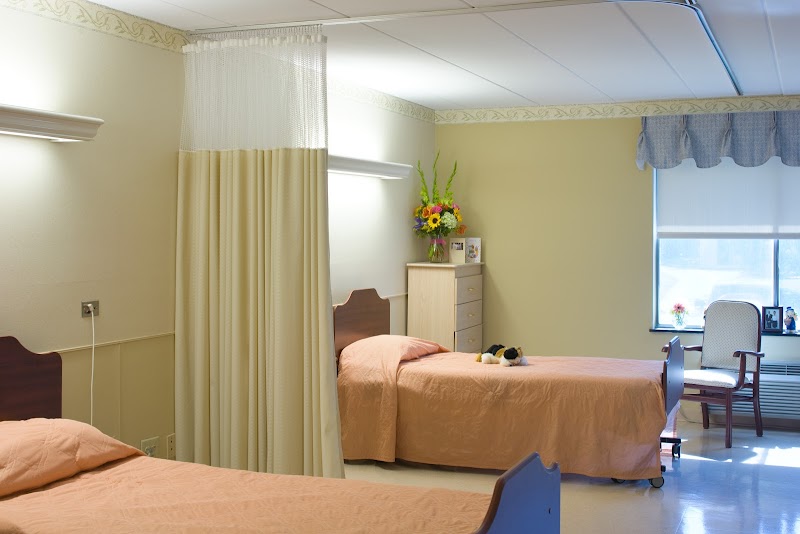
How is Bay Harbor Post Acute Healthcare Center Staffed?

CMS rates BAY HARBOR POST ACUTE HEALTHCARE CENTER's staffing level at 1 out of 5 stars, which is much below average compared to other nursing homes. Staff turnover is 54%, compared to the Maryland average of 46%. RN turnover specifically is 56%, which is notably high. RNs provide skilled clinical oversight, so turnover in this role can affect medical care quality.

What Have Inspectors Found at Bay Harbor Post Acute Healthcare Center?

State health inspectors documented 79 deficiencies at BAY HARBOR POST ACUTE HEALTHCARE CENTER during 2018 to 2025. These included: 1 that caused actual resident harm and 78 with potential for harm. Deficiencies causing actual harm indicate documented cases where residents experienced negative health consequences.
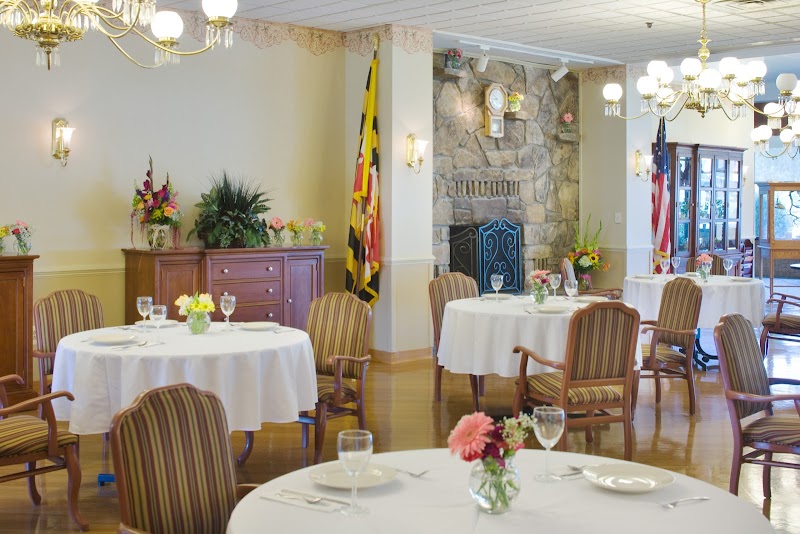
Who Owns and Operates Bay Harbor Post Acute Healthcare Center?

BAY HARBOR POST ACUTE HEALTHCARE CENTER is owned by a for-profit company. For-profit facilities operate as businesses with obligations to shareholders or private owners. The facility is operated by MARQUIS HEALTH SERVICES, a chain that manages multiple nursing homes. With 305 certified beds and approximately 201 residents (about 66% occupancy), it is a large facility located in SALISBURY, Maryland.

How Does Bay Harbor Post Acute Healthcare Center Compare to Other Maryland Nursing Homes?

Compared to the 100 nursing homes in Maryland, BAY HARBOR POST ACUTE HEALTHCARE CENTER's overall rating (1 stars) is below the state average of 3.0, staff turnover (54%) is near the state average of 46%, and health inspection rating (1 stars) is much below the national benchmark.

What Should Families Ask When Visiting Bay Harbor Post Acute Healthcare Center?

Based on this facility's data, families visiting should ask: "What safeguards and monitoring systems are in place to protect residents from abuse or neglect?" "Can you walk me through typical staffing levels on day, evening, and night shifts?" "Can I visit during a mealtime to observe dining assistance and food quality?" "How do you handle medical emergencies, and what is your hospital transfer rate?" These questions are particularly relevant given the substantiated abuse finding on record and the below-average staffing rating.

Is Bay Harbor Post Acute Healthcare Center Safe?

Based on CMS inspection data, BAY HARBOR POST ACUTE HEALTHCARE CENTER has documented safety concerns. The facility has 1 substantiated abuse finding (meaning confirmed case of resident harm by staff or other residents). The facility has a 1-star overall rating and ranks #100 of 100 nursing homes in Maryland. Families considering this facility should ask detailed questions about what corrective actions have been taken since these incidents.

Do Nurses at Bay Harbor Post Acute Healthcare Center Stick Around?

BAY HARBOR POST ACUTE HEALTHCARE CENTER has a staff turnover rate of 54%, which is 8 percentage points above the Maryland average of 46%. Moderate turnover is common in nursing homes, but families should still ask about staff tenure and how the facility maintains care continuity when employees leave.

Was Bay Harbor Post Acute Healthcare Center Ever Fined?

BAY HARBOR POST ACUTE HEALTHCARE CENTER has been fined $13,090 across 1 penalty action. This is below the Maryland average of $33,210. While any fine indicates a compliance issue, fines under $50,000 are relatively common and typically reflect isolated problems that were subsequently corrected. Families should ask what specific issues led to these fines and confirm they've been resolved.

Is Bay Harbor Post Acute Healthcare Center on Any Federal Watch List?

BAY HARBOR POST ACUTE HEALTHCARE CENTER is not on any federal watch list. The most significant is the Special Focus Facility (SFF) program, which identifies the bottom 1% of nursing homes nationally based on persistent, serious quality problems. Not being on this list means the facility has avoided the pattern of deficiencies that triggers enhanced federal oversight. This is a positive indicator, though families should still review the facility's inspection history directly.