WICOMICO NURSING HOME
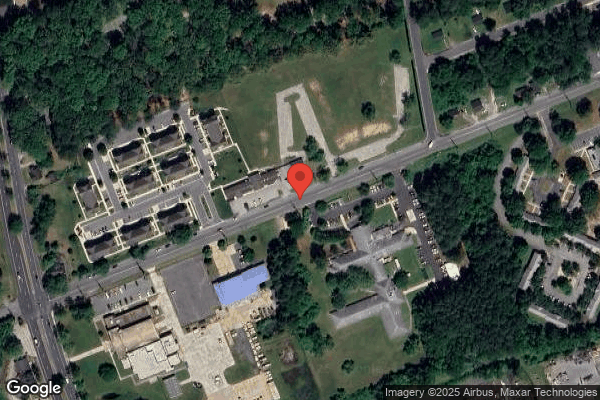
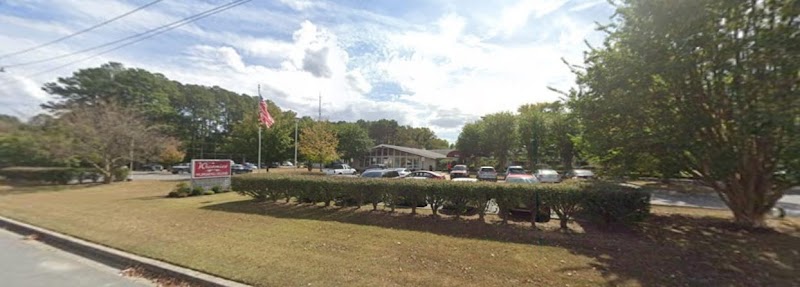
900 BOOTH STREET, SALISBURY, MD 21801 (410) 742-8896
Government - County 102 Beds Independent Data: November 2025
Trust Grade
35/100
#132 of 219 in MD
Last Inspection: August 2024

Within standard 12-15 month inspection cycle. Federal law requires annual inspections.

Overview

Wicomico Nursing Home has a Trust Grade of F, indicating significant concerns about its quality of care. With a state rank of #132 out of 219, they fall in the bottom half of facilities in Maryland, though they rank #2 out of 4 locally in Wicomico County, meaning only one nearby option is better. The facility is showing improvement, with issues decreasing from 9 in 2024 to 3 in 2025. Staffing is a relative strength, rated 4 out of 5 stars, but with a turnover rate of 43%, it is about average. However, the facility has incurred $28,343 in fines, which is higher than 77% of Maryland facilities, suggesting ongoing compliance issues. Additionally, there have been serious incidents, such as a failure to provide timely dental care for a resident, leading to significant weight loss, and allegations of abuse where a staff member mishandled a resident during care. While there are strengths in staffing and RN coverage, families should weigh these against the facility's poor trust grade and concerning history of fines and incidents.

Trust Score
F
35/100
In Maryland
#132/219
Bottom 40%
Safety Record
High Risk
Review needed
Inspections
Getting Better
9 → 3 violations
Staff Stability
○ Average
43% turnover. Near Maryland's 48% average. Typical for the industry.
Penalties
✓ Good
$28,343 in fines. Lower than most Maryland facilities. Relatively clean record.
Skilled Nurses
✓ Good
Each resident gets 59 minutes of Registered Nurse (RN) attention daily — more than average for Maryland. RNs are trained to catch health problems early.
Violations
⚠ Watch
39 deficiencies on record. Higher than average. Multiple issues found across inspections.
★★★☆☆
3.0
Overall Rating
★★★★☆
4.0
Staff Levels
★★★☆☆
3.0
Care Quality
★★★☆☆
3.0
Inspection Score
Stable
2024: 9 issues
2025: 3 issues

The Good

  • 4-Star Staffing Rating · Above-average nurse staffing levels
  • Full Sprinkler Coverage · Fire safety systems throughout facility
  • No fines on record
  • Staff turnover below average (43%)

    5 points below Maryland average of 48%

Facility shows strength in staffing levels, fire safety.

The Bad

3-Star Overall Rating

Near Maryland average (3.0)

Meets federal standards, typical of most facilities

Staff Turnover: 43%

Near Maryland avg (46%)

Typical for the industry

Federal Fines: $28,343

Below median ($33,413)

Moderate penalties - review what triggered them

The Ugly 39 deficiencies on record

4 actual harm
Mar 2025 3 deficiencies
CONCERN (D) 📢 Someone Reported This

A family member, employee, or ombudsman was alarmed enough to file a formal complaint

Potential for Harm - no one hurt, but risky conditions existed

Report Alleged Abuse (Tag F0609)

Could have caused harm · This affected 1 resident

Based on surveyor reviews of a facility reported incident and facility staff interview, it was determined that the facility failed to report the final investigation of an incident of alleged abuse rep...

Read full inspector narrative →
Based on surveyor reviews of a facility reported incident and facility staff interview, it was determined that the facility failed to report the final investigation of an incident of alleged abuse reported by a resident's family member to the Office of Health Care Quality. This finding was evident for 1 (Resident #3) of 4 residents reviewed during a complaint survey. This finding is related to the facility reported incident #MD00212903. The findings include: On 03/06/2025, an on-site review of the facility reported incident for Resident #3 revealed that, on 12/19/24, Resident #3 was observed by a staff member and the resident's family member with discoloration to her bilateral hands and left forearm. Resident #3 was unable to describe how the discoloration happened. Further review of the facility investigation revealed that the facility submitted the initial report to OHCQ (Office of Health Care Quality) on 12/19/24, within 24 hours of the allegation as required. However, the final investigation report was not submitted to OHCQ. The facility is required to complete the investigation and submit the final investigation report within 5 working days. On 03/10/25 at 11:40 AM, the nurse surveyor interviewed the Assistant Director of Nursing (ADON) who was unable to provide any additional information. The facility ADON confirmed that the staff were unable to locate any documentation that a 5 day conclusion was reported to the State Survey Agency for facility reported incident MD00212903.
CONCERN (D) 📢 Someone Reported This

A family member, employee, or ombudsman was alarmed enough to file a formal complaint

Potential for Harm - no one hurt, but risky conditions existed

Deficiency F0760 (Tag F0760)

Could have caused harm · This affected 1 resident

Based on reviews of a complaint, interviews with staff, and reviews of a closed record, it was determined that the facility failed to ensure that a resident's medications were administered as ordered....

Read full inspector narrative →
Based on reviews of a complaint, interviews with staff, and reviews of a closed record, it was determined that the facility failed to ensure that a resident's medications were administered as ordered. This was evident for 1 (Resident #1) of 4 residents reviewed during a complaint survey. The findings include: Documentation is an integral part of medication administration. Documentation communicates the timing, dosing, and effect of any medications received by a patient. In the setting of skilled nursing care, residents are often prescribed multiple medications for significant medical conditions. They are also often more vulnerable to medication errors and more prone to changes in condition that require review and adjustment of their medication regimen. Inaccurate medication documentation has the potential to place residents at significant risk of medication error, provide incomplete or inaccurate information for providers and care givers to evaluate, and represents a failure of basic medication administration principles. Review of complaint MD00215237 on 03/06/25 revealed an allegation Resident #1 was administered the wrong dosage of medication that caused his/her death. The complaint allegation indicated Resident #1 was only to receive one dose of the medication daily but instead received the medication twice daily. A review of Resident #1's closed medical record on 03/06/25 revealed a physician's order, dated 01/30/25, instructing the nursing staff to insert a peripherally inserted central catheter (PICC) line and administer the antibiotic, Cefepime, 1 gram, intravenously, every 24 hours, for 7 days. A review of Resident #1's January 2025 and February 2025 medication administration records revealed that on January 31st, February 1st and 2nd, the nursing staff administered the antibiotic Cefepime, 1 gram, intravenously, twice on these days. In an interview with Resident #1's physician on 03/06/25 at 4:40 PM, Resident #1's physician stated that he was made aware of the medication error by the nurse regarding Resident #1. Resident #1's physician confirmed that Resident #1 was to receive a 1 gram dose of Cefepime daily. In an interview with the facility pharmacy on 03/10/25 at 1:33 PM, the facility pharmacy manager confirmed the facility pharmacy received a new order for the antibiotic Cefepime, 1 gram, IV, to be administered every 24 hours, for 7 days. The facility pharmacy manager stated the physician order was signed by Resident #1 physician on 01/30/25 at 3:45 PM.
CONCERN (D) 📢 Someone Reported This

A family member, employee, or ombudsman was alarmed enough to file a formal complaint

Potential for Harm - no one hurt, but risky conditions existed

Medical Records (Tag F0842)

Could have caused harm · This affected 1 resident

Based on medical record review and staff interview, it was determined the facility staff failed to maintain a medical record in the most accurate form. This was evident for 1 of (Resident #1) of 4 res...

Read full inspector narrative →
Based on medical record review and staff interview, it was determined the facility staff failed to maintain a medical record in the most accurate form. This was evident for 1 of (Resident #1) of 4 residents reviewed during a complaint survey in relation to advanced directives. The findings include: A medical record is the official documentation for a healthcare organization. As such, it must be maintained in a manner that follows applicable regulations, accreditation standards, professional practice standards, and legal standards. All entries to the record should be legible and accurate. resident records. A review of Resident #1's closed medical record revealed a completed physician certification related to medical condition, decision making, and treatment limitations form dated 03/29/24. The facility nurse practitioner completed the form, signed the form, that was found in Resident #1's closed medical record on 03/06/25. In an interview with the facility CRNP#1 on 03/06/25 at 5:23 PM, CRNP#1 stated that she did not know why the signed certification form found in Resident #1's closed medical record did not have Resident #1's printed on the form. CRNP#1 stated that she receives a new binder full of documents to be completed for all newly admitted residents. These findings were shared with the Administrator and Assistant Director of Nursing on 03/10/25 at 3:20 PM.
Aug 2024 9 deficiencies 2 Harm
SERIOUS (G) 📢 Someone Reported This

A family member, employee, or ombudsman was alarmed enough to file a formal complaint

Actual Harm - a resident was hurt due to facility failures

Accident Prevention (Tag F0689)

A resident was harmed · This affected 1 resident

Deficiency Text Not Available

Read full inspector narrative →
Deficiency Text Not Available
SERIOUS (G) 📢 Someone Reported This

A family member, employee, or ombudsman was alarmed enough to file a formal complaint

Actual Harm - a resident was hurt due to facility failures

Dental Services (Tag F0791)

A resident was harmed · This affected 1 resident

**NOTE- TERMS IN BRACKETS HAVE BEEN EDITED TO PROTECT CONFIDENTIALITY** Based on observations, resident and staff interviews, and record review, the facility failed to ensure routine and 24-hour emerg...

Read full inspector narrative →
**NOTE- TERMS IN BRACKETS HAVE BEEN EDITED TO PROTECT CONFIDENTIALITY** Based on observations, resident and staff interviews, and record review, the facility failed to ensure routine and 24-hour emergency dental care was provided or obtained from an outside resource to meet the needs for one of one resident (Resident (R) 55) reviewed for dental care out of 30 sampled residents resulting in significant weight loss. The facility failed to provide prompt dental services to a resident with identified dental pain by ensuring dental services were properly and timely arranged and completed to ensure continuity of care was provided to the resident. Findings include: Review of R55's Face Sheet located in the resident's electronic medical record (EMR) Face Sheet tab revealed the resident was admitted to the facility on [DATE] with diagnoses that included left and right hip contracture, right knee contracture, congestive heart failure, and adjustment disorder with anxiety. Review of R55's quarterly Minimum Data Set (MDS) with an Assessment Reference Date (ARD) of 05/24/24 located in the resident's EMR under the MDS tab indicated the facility assessed R4 to have a Brief Interview for Mental Status (BIMS) score was eight out of 15, indicating R55 was moderately cognitively impaired. The MDS also indicated R55 was on a regular textured diet and had no dental concerns. Review of R55's Care Plan, last revised 12/05/23, indicated the resident had the potential for acute pain related to a history of fractures. The interventions included to administer analgesia .as ordered, to monitor and document for probable cause of each pain episode, to monitor/record/report to nurse any signs or symptoms of non-verbal pain, loss of appetite, refusal to eat and weight loss, and to notify the physician if interventions were unsuccessful or if current complaint was a significant change from the resident's past experience of pain. The care plan failed to identify changes in dental pain. Review of R55's Care Plan, dated 02/22/24, without revision in the EMR under the Care Plan tab, indicated the resident had an unplanned/unexpected weight loss related to poor food intake. The interventions included alerting the dietitian if consumption was between 0-25% for more than 48 hours, monitoring and evaluating any weight loss. The care plan failed to identify a decline due to dental concerns. Review of R55's Nursing Progress Notes, dated 07/24/24, revealed the resident complained of tooth pain, upon assessment the resident was noted with decay at left molar/tooth chipped. The Nurse Practitioner was made aware, and a new order was made for Anbesol as needed and 360 dental consult. The family was notified. Review of R55's Physician's Order and Signature Sheet, dated 07/29/24, documented a dental consult-left lower tooth pain/decayed tooth. Anbesol every 2 hours as needed for tooth pain. Review of R55's Nursing Progress Notes, dated 07/30/24, [He/She] was medicated this afternoon for complaint of dental and LE [lower extremity] pain with prn [as needed] Norco with good effect. An additional note stated Anbesol was applied for tooth pain. Review of R55's Nursing Progress Notes, dated 07/30/24, revealed to follow-up with 360 dental related to dental pain and decay one time only on 07/31/24 .360 not here today. Review of R55's Physician Progress Note, dated 08/01/24, revealed Patient seen for follow-up today. Patient complaining of toothache. Has not been eating very well because of dental pain. Dental pain likely secondary to tooth infection. Will treat with a course of Augmentin. Review of R55's Nursing Progress Notes, dated 08/01/24, revealed the resident complained of left lower gum pain related to left lower molar and that resident was scheduled to see 360 dental group on 08/14/24. The resident was medicated with as needed Norco for pain and also topical analgesic for left molar gum pain. The resident stated he/she could not eat her lunch related to dental pain. He/She was given a soft sandwich and ordered a mechanical soft diet. Review of R55's Nursing Progress Notes, dated 08/02/24, revealed the resident had complained of .lower molar pain, to see a new order for Augmentin (antibiotic) and resident had a pending dental consult. Review of R55's Nursing Progress Notes, dated 08/03/24, revealed .left lower dental pain. He/She declined her lunch. He/She is due to see the 360 dental on August 14th. Review of R55's Dietitian Progress Notes, dated 08/07/24, revealed Resident has mouth pain due to dental issues. Her meal intake is 0-50% currently. He/She has not wanted to eat since the pain started. He/She is on an antibiotic for the tooth. HIs/Her diet was also downgraded to Soft with Ground Meat due to the dental pain. Will upgrade diet as soon as dental issue has been resolved. Review of R55's Nursing Progress Notes, dated 08/11/24, revealed the resident completed prescribed antibiotics on 08/10/24. Review of R55's Summary Report, dated 08/14/24, also documented that the 360 dental group had Not Seen Resident was not seen due to time constraint. Review of R55's Nursing Progress Notes, dated 08/20/24, revealed the resident was scheduled to be seen by 360 dental group on 08/14/24 but was not seen due to time constraints. Review of R55's Dietitian Progress Notes, dated 08/22/24, revealed [His/Her] diet is Soft with Ground Meat due to dental pain currently. Resident wants to continue with this diet. HE/She had also taken Augmentin for the dental discomfort . Annual Dietary Evaluation: Height 62 inches. Weight 138.2 # (pounds). July weight was 145 # (pounds). Resident has had a 5% weight loss in one month. Review of R55's Plan of Care Note, completed by the MDS Coordinator (MDS) on 08/23/24, revealed Then when this nurse performed an oral assessment she pointed to her bottom left tooth in the back and stated it hurts. He/She rated her worst pain as a 10 and stated it rarely affects her sleep or activities. Review of R55's Nursing Progress Notes, dated 08/27/24, revealed, pain to bilateral knees and tooth .medicated for c/o [complaint of] tooth pain .tooth pain to lower gumline. Review of R55's Nursing Progress Notes, dated 08/28/24, revealed .lower tooth pain .c/o pain and discomfort to left lower tooth. Review of R55's medical record failed to identify any ongoing communication or attempt by the facility to resolve the resident's dental concern after antibiotic medication was completed on 08/10/24, the resident was not seen by the 360 dental group on 08/14/24 and continued to be in documented pain without resolution. Review of R55's medical record failed to identify any follow-up or communication with the family or outside resources to provide dental care in the community to address the acute change in condition in a timely manner. During an observation and interview on 08/27/24 at 11:04 AM, R55 stated he/she had dental pain and was supposed to see the dentist at the facility on 08/30/24. He/She said they were receiving pain medication and gel for the dental pain. He/She was observed touching and rubbing the left side of her lower jaw, grimacing, during the interview. During an observation and interview on 08/28/24 at 12:40 PM, R55 was observed in his/her room with their lunch tray placed in front of them on their bedside table, untouched. His/Her meal ticket revealed they was on a Soft diet. He/She said that they were uncomfortable and did not want to eat because he/she had tooth pain. He/She stated that they did not understand why they had not seen the dentist yet. He/She was again observed holding and rubbing the lower left side of his/her jaw while they grimaced in pain. During an observation and interview on 08/29/24 at 11:25 AM, R55 stated they had pain in her tooth, especially when their tongue touched it. R55 said that they needed to be seen by a dentist, because they had enough wrong already without the tooth pain. He/She was again observed rubbing and holding their lower left jaw while grimacing. During an interview on 08/28/24 at 12:44 PM, the Admissions Coordinator (ADM) stated that the facility nursing staff would go to the Medical Records/Scheduling (MR) if a resident needed an appointment with dental. During an interview on 08/28/24 at 12:50 PM, the Medical Records/Social Services (MR/SS) said that the facility had been trying to get R55 seen by a dentist. She stated that the facility used a dental group called 360 that had been in to see residents recently, and that the dental group would have a list of residents they intended to see when they arrived. The MR/SS confirmed that R55 was not seen by the dental group on the most recent visit in August. She stated that if the dental group documented that they could not see a resident due to a time constraint it was because the dental group had other facilities to go to. She said that she had contacted the resident's family member during this current week to determine who R55 had seen for dental care in the community prior to admission, but still needed to contact that dental provider to see if they could see the resident. During a subsequent interview on 08/28/24 at 1:27 PM, the MR/SS stated that she had just spoken to Accounting (AC) and R55 would not qualify for dental services by the 360 dental group until September 2024, so there should not have been any documentation of 360 dental group coming in to see the resident. During an interview on 08/28/24 at 2:00 PM, Geriatric Medication Assistant (GMA) said that she was familiar with R55. She confirmed that the resident had been complaining of lower left tooth pain for a few weeks. She stated that the resident had a darkened tooth that appeared to be broken and decayed. The GMA said that the resident had been prescribed antibiotics for the tooth because they thought it might be an infection. He/She stated that the resident had finished their antibiotics a while ago and still had the pain. He/She said that the resident still had a problem, and not just an infection. He/She stated the resident had a tough time eating because of it, and that nurses often had to provide the resident pain medication for the problem. The GMA was not aware if the resident had been seen by a dentist yet or not. During an interview on 08/28/24 at 2:40 PM, the AC said that R55 did not have coverage with the 360 dental group, and that the resident's representative had come into the facility on [DATE] to sign the application so that they could be seen with the dental group. She said the resident would not be covered until the following month and would not have been qualified to be scheduled to be seen by 360 dental group in August 2024. The AC said that the Medical Records/Scheduling (MR) should have known that R55 could not been seen by the 360 dental group by the middle of August 2024. She was not aware of why documentation continued to show the R55 was going to be seen by this dental group. During an interview on 08/28/24 at 3:22 PM, the MR said that she handled scheduling and transportation for residents. She said that nurses let her know who needs an appointment. She stated that for dental needs, she would look on her list to see if the resident was on the 360 dental group list and if they were not, she would try to find out who the resident used to see in the community and try to connect them back to that old dentist. The MR stated that the 360 dental group usually contacted her with a list of residents they would be seeing on their next visit, which she would then place at the nurse stations to let staff know who is going to be seen. She said that the facility also had a wheelchair van and Medicare transportation that they could use to send residents out for dental appointments. She stated that if a resident had an acute dental need, she would let a dentist know as soon as possible so they can be seen but could not recall any residents recently having an acute situation. The MR said that she had not been working when R55's tooth became a problem, but when she returned on 08/12/24 she found out the resident had not qualified to be seen by the 360 dental group until 09/01/24. She stated that she had been told that sometimes the resident had pain and sometimes she did not, so she did not feel it was urgent to get her seen acutely. She said that in morning meetings she was told that the resident was not being seen by the dentist. The MR said that on 08/27/24 she found out that the delay in dental care needed to be pursued by communicating with the family. She confirmed that she was not aware that the resident was in that much pain. During an interview on 08/28/24 at 3:45 PM, the Director of Nursing (DON) said that the facility had 360 dental group come to the facility to see the Medicaid and private pay residents that wanted to be seen. She said they generated a list, and if a resident had complaints, they put them on the list, too. The Director of Nursing said that the Attending Physician was made aware of anything unusual. She said that if the resident was not on the 360 dental group list they would send the resident to the community for dental services. She said that R55's dental concern was a new problem and that she had been complaining about her pain. She confirmed that the resident had been on antibiotics and that they thought she was supposed to be seen by the 360 dental group when they came in recently, but they left the facility without seeing her. She stated that the resident had a cavity and needed to be seen. She said that the family was involved, and that the facility was giving the resident medication for tooth pain. The Director of Nursing confirmed that if a resident had dental pain the facility would try to get them in right away, and not hold off on treatment. During an interview on 08/28/24 at 4:05 PM, Licensed Practical Nurse (LPN) 1 said that R55 had told her that part of the resident's tooth had broken off a while ago, and that she had dental pain. LPN1 said that she had been under the impression that R55 was being seen by a dentist, and did not realize the resident still had not been seen. She said that R55 received Tylenol, Norco, and Tramadol as needed for the dental pain, including in the last few days. The LPN1 said that the resident had been prescribed antibiotics, which she assumed was to be administered so that he/she could be seen afterwards for a dental procedure. During an interview on 08/29/24 at 10:22 AM, the DON confirmed that the facility did not have a policy that addressed dental concerns. During an interview on 08/29/24 at 10:31 AM, the Registered Dietitian (RD) stated that R55 had a problem with their tooth. She said it was giving the resident pain. The RD said that she believed that the facility was trying to get the resident a dental appointment since they had not been qualified to see the 360 dental group. She said that the resident's diet had been downgraded because of the dental pain, and that the resident needed to be seen to address the tooth pain. The RD said R55 had regular pain concerns, but the tooth pain was a new concern. She said that she hoped that after the resident was seen by a dentist, she could get her back onto a regular diet so she could continue to eat. The RD confirmed that the resident had lost weight during this time. She confirmed that the confusion in getting the resident seen by a dentist for dental pain had delayed in R55 getting seen promptly. During an interview on 08/29/24 at 11:10 AM, the Minimum Data Set Coordinator (MDS) said that R55's bottom tooth was bothering them, and he/she was supposed to see the 360 dental group when they came in, but they did not get to see them. She stated that she had observed the tooth to be discolored, and that the resident had complained of tooth pain after she had looked in R55's mouth. During an interview on 08/29/24 at 11:56 AM, the Attending Physician stated that the facility had 360 dental group come into the facility to see residents, but that the dental group had not seen the resident in August 2024 due to an insurance or something. He stated that he had prescribed R55 antibiotics early on with the plan of then seeing the dentist. The Attending Physician confirmed that he would have expected the resident to have been seen by a dentist by now. During a phone interview on 08/29/24 at 12:17 PM, a resident representative for R55 said that the facility had contacted her this current week to see who the resident had seen for dental care in the past. She said that the resident had broken her tooth, and that it had been going on for over a month. She stated that she thought R55 was going to be seen by the '360 dental group approximately August 14. The resident representative stated that the dental concern should be addressed sooner rather than later. During an interview on 08/29/24 at 3:52 PM, the Administrator said that the facility used 360 dental group for residents. She said that if a resident needed to be seen by a dentist, MR and/or MR/SS did the paperwork. The Administrator stated that if a resident needed dental emergency services, they could get it done because they did not let anyone stay in pain.
CONCERN (D)

Potential for Harm - no one hurt, but risky conditions existed

Deficiency F0583 (Tag F0583)

Could have caused harm · This affected 1 resident

Based on observations, interviews, and policy review, the facility failed to provide visual privacy during a bed bath for one of one resident (Resident (R) 56) reviewed for privacy of 30 sample reside...

Read full inspector narrative →
Based on observations, interviews, and policy review, the facility failed to provide visual privacy during a bed bath for one of one resident (Resident (R) 56) reviewed for privacy of 30 sample residents. This failure increased the risk of residents feeling humiliated and embarrassed when being exposed to others during care. Findings include: Review of the Code of Maryland Regulations, dated 09/18/19 and provided as the facility's residents' rights policy, revealed A nursing facility shall provide care for residents in a manner and in an environment that maintains or enhances each resident's dignity and respect, and in full recognition of the resident's individuality .personal privacy in personal care . Review of the Bed Bath procedure, dated 04/01/90, revealed Screen patient [pull curtains] .Remove clothing and cover with sheet, not exposing patient unnecessarily . Review of R56's electronic medical record (EMR) quarterly Minimum Data Set (MDS) with an Assessment Reference Date (ARD) of 05/02/24 revealed R56 was totally dependent on staff for bathing and R56 had a Brief Interview for Mental Status (BIMS) score of 13 out of 15 which indicated the resident was cognitively intact. During the tour of the facility on 08/26/24 at 10:40 AM, this surveyor knocked on R56's room door when a staff member stated, yes? This surveyor announced herself and opened the previously closed door to see R56 lying on her bed completely naked and exposed while Geriatric Nurse Aide (GNA) 4 was providing a bed bath. R56 had no sheet or bed blanket covering her. The privacy curtain was not pulled and R56 was visible to the surveyor from the hallway. The window curtain was also not pulled exposing R56 to anyone walking outside (with no coverage) past her room. R56's room was ground level. During an interview on 08/26/24 at 11:00 AM, GNA4 verified that the curtains were not pulled nor was R56 covered while receiving a bed bath. During an interview on 08/26/24 at 11:05 AM, when asked if they were bothered by being exposed while receiving a bed bath, R56 stated, not so much unless a man saw [her/him] then no, no, no. During an interview on 08/29/24 at 10:20 AM, the Director of Nursing (DON) stated, Privacy and dignity during care is our expectation. Not only the privacy curtain but the window curtain should be pulled, and the resident should be covered during the bath.
CONCERN (D)

Potential for Harm - no one hurt, but risky conditions existed

Deficiency F0604 (Tag F0604)

Could have caused harm · This affected 1 resident

**NOTE- TERMS IN BRACKETS HAVE BEEN EDITED TO PROTECT CONFIDENTIALITY** Based on observations, interviews, record review, and policy review, the facility failed to maintain a restraint free environmen...

Read full inspector narrative →
**NOTE- TERMS IN BRACKETS HAVE BEEN EDITED TO PROTECT CONFIDENTIALITY** Based on observations, interviews, record review, and policy review, the facility failed to maintain a restraint free environment for one of one resident (Resident (R) 51) reviewed for physical restraints out of 30 sample residents. This failure increased the potential for R51, if attempted, to not be able to leave her bed. The use of restraints increased the risk of negative outcomes such as decline in physical functioning, increased accident hazards and falls, a loss of autonomy, and increased withdrawal, depression, and/or reduced social contact. Findings include: Review of the Code of Maryland Regulations, dated 09/18/19 and provided as the facility's residents' rights policy, revealed a physical restraint means a device including material or equipment, attached or adjacent to a resident's body, that the resident cannot remove easily and that restricts the resident's freedom of movement .Physical restraints may be used only: as an integral part of the an individual medical treatment plan; if absolutely necessary to protect the resident or others from injury; if prescribed by a physician .if less restrictive alternatives were considered and appropriately ruled out by the physician . Review of the facility's undated policy titled, Restraint Appropriate Risks and Benefits revealed the facility is ultimately responsible for the appropriateness of and decision regarding restraint usage . Further review of this policy revealed lists of appropriate restrictive devices from least restrictive to most restrictive. A wheelchair against the bed was not listed as an appropriate restrictive device. Review of R51's electronic medical record (EMR) quarterly Minimum Data Set (MDS) with an Assessment Reference Date (ARD) of 07/12/24 revealed R51 was admitted to the facility on [DATE] with multiple diagnoses which included dementia. Further review of this MDS revealed a Brief Interview for Mental Status (BIMS) score of 99 indicating R51 was severely cognitively impaired. Review of the EMR Care Plan tab revealed a care plan for falls, revised 07/24/24, for multiple falls from their wheelchair or bed, two falls resulted in major injuries. Cross Reference: F689 Free of Accident Hazards, Supervision for R51. The interventions for the fall care plan did not include using a physical restraint to prevent R51 from attempting to transfer in or out of bed. Observation on 08/29/24 at 6:45 AM revealed R51 sleeping in a low bed with a fall mat in place on the right side of the bed. Further observation revealed a quarter side rail up on the right side of the head of the bed (HOB) and the left side of the bed was against the wall. R51's wheelchair was observed against the quarter side rail at the HOB extending past the quarter side rail. The wheelchair was observed placed up against the HOB in such a way that R51 would not be able to get out of bed or into the chair. Observation on 08/29/24 at 6:47 AM revealed Geriatric Nurse Aide (GNA) 1 walking into the hall from the nurses' station, entering R51's room, and moving the wheelchair away from the bed, and placing the wheelchair near the window. During an interview at the same time of the observation, when asked about the placement of the wheelchair against the HOB, GNA1 stated she had placed the wheelchair against the HOB because she [R51] leans over too far in the bed and falls out. During an interview on 08/29/24 at 7:00 AM, Registered Nurse (RN) 3 verified she was the nurse on the 11-7 (11:00 PM- 7:00 AM) shift and made rounds to observe the residents. RN3 stated she did see the wheelchair against the HOB but did not ask the GNA about the wheelchair nor did she move the wheelchair away from the HOB. RN3 was asked if the wheelchair against the HOB was an intervention to keep R51 from falling out of the bed. RN3 stated, No, the wheelchair is stored near the window or near the wall across from the foot of the bed. During an interview on 08/29/24 at 7:05 AM, the Infection Control Nurse/Staff Development (ICN/SD) nurse was notified of the observations and interviews concerning R51's wheelchair. The ICN/SD nurse stated. [the wheelchair against the HOB] is still a barrier [from getting out of bed] regardless if it was to keep her from falling out of the bed. During an interview on 08/29/24 at 10:45 AM, the Director of Nursing (DON) verified that the wheelchair was not to be placed against the bed.
CONCERN (D) 📢 Someone Reported This

A family member, employee, or ombudsman was alarmed enough to file a formal complaint

Potential for Harm - no one hurt, but risky conditions existed

Report Alleged Abuse (Tag F0609)

Could have caused harm · This affected 1 resident

Deficiency Text Not Available

Read full inspector narrative →
Deficiency Text Not Available
CONCERN (D) 📢 Someone Reported This

A family member, employee, or ombudsman was alarmed enough to file a formal complaint

Potential for Harm - no one hurt, but risky conditions existed

Investigate Abuse (Tag F0610)

Could have caused harm · This affected 1 resident

Deficiency Text Not Available

Read full inspector narrative →
Deficiency Text Not Available
CONCERN (D) 📢 Someone Reported This

A family member, employee, or ombudsman was alarmed enough to file a formal complaint

Potential for Harm - no one hurt, but risky conditions existed

Assessment Accuracy (Tag F0641)

Could have caused harm · This affected 1 resident

Deficiency Text Not Available

Read full inspector narrative →
Deficiency Text Not Available
CONCERN (D) 📢 Someone Reported This

A family member, employee, or ombudsman was alarmed enough to file a formal complaint

Potential for Harm - no one hurt, but risky conditions existed

Infection Control (Tag F0880)

Could have caused harm · This affected 1 resident

**NOTE- TERMS IN BRACKETS HAVE BEEN EDITED TO PROTECT CONFIDENTIALITY** Based on observation, interview, and policy review, CPAP (continues positive airway pressure)/ nebulizer masks were not properly...

Read full inspector narrative →
**NOTE- TERMS IN BRACKETS HAVE BEEN EDITED TO PROTECT CONFIDENTIALITY** Based on observation, interview, and policy review, CPAP (continues positive airway pressure)/ nebulizer masks were not properly stored for two of two residents (R5 and R26) reviewed for respiratory care out of 30 sample residents. The failure to properly store CPAP and nebulizer masks increased the potential for respiratory infections. Findings include: Review of R5's undated Face Sheet located under the Profile tab of the EMR revealed the resident was admitted on [DATE]. Diagnoses included asthma. Review of R5's annual MDS with an ARD of 05/10/24 revealed the facility assessed the resident to have a BIMS score of 13 out of 15 which indicated the resident was cognitively intact. During observations on 08/26/24 at 10:36 AM, 08/27/24 at 9:42 AM and 08/28/24 at 2:33 PM, R5's CPAP-mask was lying on top of the dresser at the right side of the bed uncovered. Review of R26's undated Face Sheet located under the Profile tab of the EMR revealed the resident was admitted on [DATE]. Diagnoses included unspecified dementia, muscle weakness, and morbid obesity. Review of R26's annual MDS with an ARD of 07/05/24 revealed the facility assessed the resident to have a BIMS score of eight out of 15 which indicated the resident was moderately cognitively impaired. During observations on 08/26/24 at 10:31 AM, 08/27/24 at 9:42 AM, and 08/28/24 at 2:33 PM R26's nebulizer mask was in the same place on top of dresser at left side of the bed uncovered. During an observation and interview on 08/28/24 at 2:22 PM, Registered Nurse (RN) 4 verified the nebulizer mask was left uncovered on the R26's dresser and stated that it should have been placed inside a bag for infection control. She stated that she had been in the room during the day and looked at the top of the dresser right behind the nebulizer mask, but she never observed the mask had been left out uncovered. She also walked to R5's room and verified R5's CPAP mask was left uncovered on the resident's dresser and stated that it should have been placed inside a bag for infection control. She stated that she had been in the room during the day, but she never observed the mask had been left out uncovered. She stated it was her responsibility as the morning nurse to ensure they are cleaned and covered properly when not in use. During an interview on 08/29/24 at 1:00 PM, the DON stated they just updated the facility policy for the CPAP masks because they discovered they were not being cleaned during the 3-11 (3:00 PM- 11:00 PM) shift. She stated they should have been stored in a plastic bag and changed weekly for infection control. She stated she did not have a policy about how they should be stored.
CONCERN (E) 📢 Someone Reported This

A family member, employee, or ombudsman was alarmed enough to file a formal complaint

Potential for Harm - no one hurt, but risky conditions existed

Deficiency F0657 (Tag F0657)

Could have caused harm · This affected multiple residents

Deficiency Text Not Available

Read full inspector narrative →
Deficiency Text Not Available
Jun 2019 24 deficiencies 2 Harm
SERIOUS (G)

Actual Harm - a resident was hurt due to facility failures

Free from Abuse/Neglect (Tag F0600)

A resident was harmed · This affected 1 resident

Based on resident interview, staff interview, clinical record review, and a review of the facility abuse investigation it was determined that the facility staff failed to ensure residents were free fr...

Read full inspector narrative →
Based on resident interview, staff interview, clinical record review, and a review of the facility abuse investigation it was determined that the facility staff failed to ensure residents were free from abuse (#36). This was evident for 1 out of 2 residents reviewed for a reportable incident. The findings include: A review of Resident #36's clinical record and the facility investigation revealed that the resident alleged to the Assistant Director of Nursing (ADON) and to the Administrator that geriatric nursing assistant (GNA) #23 had used a dry towel to apply lotion to his/her face and nose. The resident complained during the facility investigation that the towel was rough, and it hurt. The resident further informed the facility during their investigation that GNA #23 then shoved the towel in the resident's mouth. The resident was quoted during the facility investigation stating: He hurt me. I thought a tooth had broke. A review of the facility clinical record revealed that the resident was assessed. A review of a nursing note written on 4/18/19 noted: Redness and scratch marks were on the resident's face. Redness and bumps on nose and left cheek. Redness under chin. No sign of a broken tooth. Acetaminophen (an analgesic) was administered as a result. A review of the resident's clinical record revealed that the resident stated that he/she did not want any new medications as a result of the incident but did agree to receive acetaminophen to treat facial pain. The Sheriff's office was called at 12:15 PM on 4/18/19 and a deputy responded by 1:40 PM. He talked with the resident who had made the allegation. The resident did not want charges against the employee filed. The ADON and the Administrator talked with the staff member. He did not deny what the resident had alleged. The employee was terminated immediately on 4/18/19. A mandatory in-service was held with other facility employees. The family was notified at 1:15 PM on 4/18/19, primary physician was notified at 1:30 PM on 4/18/19, and the Ombudsman was called at 1:50 PM on 4/18/19. The Administrator was interviewed on 6/12/19 at 9:04 AM. She confirmed the preceding information. Stated that the resident did not want to press charges. She said GNA #23 admitted to the incident and told her that his career would be over. Resident #36 was interviewed on 6/12/19 at 10:34 AM. The resident said, Well, he was giving me a bath, he then did his usual habit of getting a cold bottle of lotion and dripped it on my body, he got me a towel, I complained about it and asked why he does this. He replied something like 'I don't know why'. GNA then jumped on bed and rubbed towel on my face. He then shoved the towel down my mouth. I haven't seen him since. Whenever I look out the window I wonder if he is in the parking lot. GNA said in the past that he owns two pistols. Told him I can get him fired and he replied that he didn't care. 'I can get a job anywhere'. He was a nasty [expletive]. He often left room with his shoes untied. GNA said he was too lazy to tie his shoes. Resident said he/she had a sore mouth and a sore on the tip of the nose as a result. GNA #10 was interviewed on 6/12/19 at 3:40 PM. She said a staff member told her that the resident was complaining about GNA #23 and she went in to see the resident. The resident's face was red and had scratch marks on it. She stated she asked the resident what happened, and he/she said GNA #23 rubbed his/her face real hard and felt like he/she was being pushed down. Resident then alleged that it felt like the towel was being pushed into his/her mouth. Prior to this incident the resident said GNA #23 would pour the shampoo directly on the resident rather than on a towel. She confirmed that the marks were not on the resident prior to the incident. GNA #10 said she reported it to the Administrator who interviewed the resident immediately and the story did not change. RN #11 was interviewed on 6/13/19 at 8:20 AM. She said she recognized the resident's face was red and the resident was out of bed in his/her chair. The resident's face was fine that morning. The resident had red bumps on his/her face. She went to the nurse and asked if she knew what happened. The nurse immediately went to the room. She could not remember who told the Administrator. The resident told her that GNA #23 was rough with him/her. It was just the two of them. No other staff was present. She said they did not get along. RN#11 indicated the resident stated he/she not care for GNA #23 but would not say why.
SERIOUS (G)

Actual Harm - a resident was hurt due to facility failures

Accident Prevention (Tag F0689)

A resident was harmed · This affected 1 resident

Based on a facility reported incident, review of a medical record, and staff interview, it was determined that a facility staff member failed to follow a resident's care plan to prevent the resident f...

Read full inspector narrative →
Based on a facility reported incident, review of a medical record, and staff interview, it was determined that a facility staff member failed to follow a resident's care plan to prevent the resident from sustaining a laceration to the leg which required laceration repair. This occurred for 1 (Resident #50) of 8 residents reviewed for accidents during an annual recertification survey. The findings include: Review of facility reported incident MD00134122 on 06/10/19 revealed an allegation Resident #50 sustained a laceration to the right lower leg during a transfer on 11/25/18. Review of Resident #50's medical record on 06/10/19 revealed Resident #50 had a history of a right fractured femur and was totally dependent upon staff for all of his/her care. Resident #50 was also noted to be at risk for non-pressure related skin impairment (skin tears) related to poor safety awareness. On 11/01/18 at 8:10 AM, Resident #50 suffered a skin tear to the right lower leg while being transferred from the bed to his/her wheel chair. Resident #50's injury was cleansed with normal saline and steri strips were applied. A review of the facility investigation into Resident #50's 11/01/18 right lower leg skin tear revealed that two staff were present The facility staff also conducted a post incident care plan review on 11/01/18 and determined that the nursing staff should start using a mechanical lift along with the use of two staff members when transferring Resident #50 from the bed to the wheel chair. Medical record review on 6/10/19 verified that the nursing staff updated Resident #50's care plans to include this new intervention, and updated the geriatric nursing assistants care guide on 11/01/18. In an interview with geriatric nursing assistant GNA #13 on 06/12/19 at 5:37 PM, GNA #13 stated she recalled transferring Resident #50 from the bed to the wheel chair with GNA #14. GNA #13 stated that s/he and GNA #14 each lifted Resident #50 under his/her arms and pivoted Resident #50 into his/her wheel chair. GNA #13 stated that s/he was not aware that Resident #50 had a cut on his/her leg during the transfer. GNA #13 stated that s/he was aware Resident #50 had delicate skin and that Resident #50 must have scratched his/her leg on one of the wheel-chair leg rests during the transfer. Further review of Resident #50's medical record revealed that on 11/25/18 at 7:11 AM, Resident #50 sustained another skin tear to the right lower leg during a transfer. A review of the facility investigation indicated Resident #50 sustained a skin tear to the right lower leg when being transferred from the bed into the wheelchair by GNA #16 while using a stand pivot transfer. Resident #50 was subsequently sent to the local hospital emergency room and was diagnosed with an 8 cm (centimeter) long by 5 cm wide skin tear. Resident #50's right lower leg wound was also diagnosed with a 3 cm laceration. The emergency room staff performed a laceration repair of the right lower extremity. The facility investigation indicated GNA #16 inappropriately transferred Resident #50 by himself/herself using a stand pivot transfer which resulted in Resident #50 sustaining the skin injury to his/her right lower leg. In an interview with GNA #16, on 06/12/19 at 4:22 PM, GNA #16 stated that s/he was not aware Resident #50 required the use of a mechanical lift and the use of two staff members when being transferred from the bed to the wheel chair. GNA #16 stated s/he was not aware of the policy change at the time. GNA #16 stated specifically, that s/he transferred Resident #50 using the stand pivot transfer when s/he worked with Resident #50 during the morning of 11/25/18. A review of GNA #16's training records on 06/11/19 failed to reveal that s/he received the education that Resident #50 was to be transferred, after 11/01/18, by two staff members using a mechanical Hoyer lift. The facility conducted an investigation and subsequently terminated GNA #16 for failure to follow a resident's plan of care.
CONCERN (D)

Potential for Harm - no one hurt, but risky conditions existed

Resident Rights (Tag F0550)

Could have caused harm · This affected 1 resident

Based on record review, observation and interview, it was determined the facility staff failed to provide residents (#42, #53 and #164) with the most dignified existence. This was evident for 3 of 34 ...

Read full inspector narrative →
Based on record review, observation and interview, it was determined the facility staff failed to provide residents (#42, #53 and #164) with the most dignified existence. This was evident for 3 of 34 residents observed during the dining observation task of the annual survey. The findings include: 1. On 6-12-19 at 12:40 PM in the dining room Resident #42 was observed being fed. Resident #42 due to Alzheimer's disease is unable to feed her/himself and requires a pureed diet due to a swallowing problem. The person feeding Resident #42 took the 3 scoops of pureed food and using a spoon mixed the items together into one pile and started feeding the resident. This surveyor then got the Assistant Director of Nursing (ADON) who observed the practice and took corrective action. The person feeding Resident #42 was a private sitter hired by the family with unknown credentials. The ADON confirmed the undignified feeding practice on 6-12-19 at 12:45 PM. Cross reference F729 3. The facility staff failed to feed Resident #164 in the most dignified manner. Surveyor observation of meal delivery of breakfast on 6/11/19 at 9:00 AM revealed facility staff nurse #10 standing to feed Resident #164 breakfast. The most dignified situation to feed a resident is in a seated position. Interview with the acting Director of Nursing on 6/13/19 at 1:30 PM confirmed the facility staff failed to feed Resident #164 in the most dignified manner. 2. This surveyor observed on 06/10/19 from 1:08 PM to 1:15 PM a staff member wearing light purple scrubs feeding Resident #53 while standing. The staff member feeding a resident should be in a seated position and on the same level as the resident. Facility staff were informed of the findings prior to exit.
CONCERN (D)

Potential for Harm - no one hurt, but risky conditions existed

Deficiency F0578 (Tag F0578)

Could have caused harm · This affected 1 resident

**NOTE- TERMS IN BRACKETS HAVE BEEN EDITED TO PROTECT CONFIDENTIALITY** Based on medical record review, it was determined the facility staff failed to void an older MOLST form located in a resident's ...

Read full inspector narrative →
**NOTE- TERMS IN BRACKETS HAVE BEEN EDITED TO PROTECT CONFIDENTIALITY** Based on medical record review, it was determined the facility staff failed to void an older MOLST form located in a resident's active medical record for Resident (#26). This was evident for 1 of 6 residents reviewed for Advance Directives during an annual recertification survey and 1 of 34 residents selected for review during the annual survey process. The findings include: The Maryland MOLST is a portable and enduring medical order form covering options for cardiopulmonary resuscitation and other life-sustaining treatments. The medical orders are based on a resident's or Power of Attorney (POA) wishes about medical treatments. The use of MOLST increases the likelihood that a resident's wishes regarding life-sustaining treatments are honored throughout the health care system. Do Not Resuscitate (DNR) is a legal order, written or oral depending on country, indicating that a person does not want to receive cardiopulmonary resuscitation (CPR) if that person's heart stops beating. Medical record review of Resident #26's medical record on [DATE] at 11:00 AM revealed an Advance Directive dated [DATE], instructing the nursing staff to follow Resident #26's surrogate decision maker's wish that Resident #26 is to be a No CPR, Do Not Resuscitate and Do Not Intubate. Further review of Resident #26's active MOLST form, dated [DATE], revealed Resident #26 was to be a Full Code. It is the DON's expectation that when an updated MOLST is put in place, the older Molst is removed from the clinical record has been updated or changed, the outdated MOLST be removed from the active medical record and archived or have a line drawn through it and marked as void to decrease any confusion on the validity of the active MOLST. Interview with the acting Director of Nursing on [DATE] at 1:30 PM confirmed the facility staff failed to remove an outdated MOLST from the active medical record for Resident #26.
CONCERN (D)

Potential for Harm - no one hurt, but risky conditions existed

Notification of Changes (Tag F0580)

Could have caused harm · This affected 1 resident

Based on medical record review and interviews with facility staff, it was determined the facility staff failed to notify the responsible party in a timely manner of a resident's fall ( Resident #212) ...

Read full inspector narrative →
Based on medical record review and interviews with facility staff, it was determined the facility staff failed to notify the responsible party in a timely manner of a resident's fall ( Resident #212) in 1 of 1 records reviewed for neglect. The findings included: Resident #212 was admitted to the facility with a diagnosis of dementia and determined by 2 physicians to be incapable of making medical and financial decisions. An alarm was placed on Resident #212's chair and bed to notify the facility staff if the resident tried to get out of the chair or bed because Resident #212 had poor safety awareness. On 1-9-19 at 3:55 AM Resident #212 was found on the floor in her/his room sitting upright in front of the bathroom door. The bed alarm previously functioning was found by the Maintenance Director on 1-9-19 to be non-functioning per interview on 6-12-19 at 11:00 AM. The facility staff notified Resident #212's family on 1-9-19 at 8:10 AM approximately 4 hours after the fall resulting in the family being concerned over the delay in notification. On 6-12-19 at 12:00 PM the Assistant Director of Nursing confirmed the delay in notification to the family.
CONCERN (D)

Potential for Harm - no one hurt, but risky conditions existed

Safe Environment (Tag F0584)

Could have caused harm · This affected 1 resident

**NOTE- TERMS IN BRACKETS HAVE BEEN EDITED TO PROTECT CONFIDENTIALITY** Based on observations it was determined the facility failed to 1) provide housekeeping and maintenance services to keep the resi...

Read full inspector narrative →
**NOTE- TERMS IN BRACKETS HAVE BEEN EDITED TO PROTECT CONFIDENTIALITY** Based on observations it was determined the facility failed to 1) provide housekeeping and maintenance services to keep the residents' environment clean and in good repair, and 2) to protect the loss of a resident's denture. The environmental observations were evident on the 500 and 600 nursing units. The facility failed to protect the loss of Resident #50's denture. The findings include: 1) On 06/11/19 at 1:32 PM the following areas of concern were observed: In room [ROOM NUMBER] - 1, the bed side cabinets were observed in disrepair. In room [ROOM NUMBER] - 2, the resident's bed side commode had not been emptied and the window blinds were in disrepair. In room [ROOM NUMBER] - 2, the resident's bed side commode had not been emptied, the television remote was in disrepair, and the window blinds were also in disrepair, and an oxygen tank was not secured in a travel holder. On 06/11/19 at 1:32 PM, Resident #8's Geri chair was observed with frayed wires hanging out of the back. In an interview with staff member #6 on 06/11/19 at 1:54 PM, staff member #6 indicated the frayed wires were from an alarm pad. Staff member #6 indicated Resident #8 does not need an alarm pad on his/her geri chair. 2) Review of Resident #50's medical record revealed Resident #50 was being treated for a dental infection. During an observation of Resident #50 oral cavity on 06/12/19 at 2:15 PM with staff member #22, staff member #22 could not locate Resident #50's lower denture and was not sure how long it had been missing. In an interview with staff member #6 on 06/12/19 at 3:47 PM, staff member #6 confirmed Resident #50 was missing his/her lower denture. Staff member #6 also stated that s/he called Resident #50's family to let them know that the lower denture was missing. Staff member also #6 confirmed that Resident #50 had been admitted to the facility with an upper and lower denture.
CONCERN (D)

Potential for Harm - no one hurt, but risky conditions existed

Investigate Abuse (Tag F0610)

Could have caused harm · This affected 1 resident

Based on clinical record review, staff interview, and a review of the facility investigation it was determined that the facility staff failed to conduct a thorough investigation. This was evident for ...

Read full inspector narrative →
Based on clinical record review, staff interview, and a review of the facility investigation it was determined that the facility staff failed to conduct a thorough investigation. This was evident for 1 out of the 2 facility reported incidents reviewed. The findings include: A review of the investigation for the alleged abuse revealed that only the resident and the alleged perpetrator were interviewed. Other residents who could have been either abused as well or potentially aware of abuse were not interviewed. Staff members who worked on the unit were not interviewed to assist in substantiating the abuse or to ensure there were no suspicions of other residents being abused. Refer to F600. The Administrator was informed of the findings at the exit conference.
CONCERN (D)

Potential for Harm - no one hurt, but risky conditions existed

Transfer Notice (Tag F0623)

Could have caused harm · This affected 1 resident

Based on medical record review and interview with staff it was determined the facility staff failed to provide a written notice for emergency transfers to the resident /or the resident representative....

Read full inspector narrative →
Based on medical record review and interview with staff it was determined the facility staff failed to provide a written notice for emergency transfers to the resident /or the resident representative. This was found to be evident for 1 out of 1 resident reviewed for hospitalization and 1 out of 34 residents selected for review during the annual survey. The findings include: Medical record review for Resident #45 revealed the resident was transferred to an acute care facility on 4/29/19 at 6:29 AM. There was no documentation found in the medical record that the resident or family was notified in writing of the transfer to the emergency department. In an interview with the acting Director of Nursing (DON) on 6/11/19 at 9:00 AM, the DON stated there is no documentation the resident nor the resident's family received notification of Resident #45's transfer to the hospital.
CONCERN (D)

Potential for Harm - no one hurt, but risky conditions existed

Deficiency F0655 (Tag F0655)

Could have caused harm · This affected 1 resident

**NOTE- TERMS IN BRACKETS HAVE BEEN EDITED TO PROTECT CONFIDENTIALITY** Based on medical record review and staff interview, it was determined the facility staff failed to provide the resident and thei...

Read full inspector narrative →
**NOTE- TERMS IN BRACKETS HAVE BEEN EDITED TO PROTECT CONFIDENTIALITY** Based on medical record review and staff interview, it was determined the facility staff failed to provide the resident and their representative with a summary of the baseline care plan within 48 hours of admission to the facility. This was evident for 1 (Resident #263) of 34 residents reviewed during an annual recertification survey. The findings include: A care plan is a guide that addresses the unique needs of each resident. It is used to plan, assess and evaluate the effectiveness of the resident's care. Review of Resident #263's medical record on 6/12/19 revealed Resident #263 was admitted to the facility on [DATE]. Review of Resident #263's medical record failed to reveal documentation that a copy of the baseline care plan was provided to Resident #263 or Resident #263's responsible party within 48 hours after admission. In an interview with the facility Director of Nursing (DON) on 6/12/19 at 2:30 PM the DON stated that the facility does not give hard copies of the resident's care plan to either the resident nor the resident's responsible party.
CONCERN (D)

Potential for Harm - no one hurt, but risky conditions existed

Comprehensive Care Plan (Tag F0656)

Could have caused harm · This affected 1 resident

Based on medical record review and interview, it was determined the facility staff failed to initiate, provide and implement comprehensive care plans for residents. This was evident for 1 (Resident #1...

Read full inspector narrative →
Based on medical record review and interview, it was determined the facility staff failed to initiate, provide and implement comprehensive care plans for residents. This was evident for 1 (Resident #1) of 34 residents selected for review during the annual survey process. The findings include: A care plan is a guide that addresses the unique needs of each resident. It is used to plan, assess and evaluate the effectiveness of the resident's care. On 6/13/19, a medical record review for Resident #1 revealed a diagnosis on 1/29/2019 of generalized anxiety disorder. Generalized anxiety is characterized by persistent and excessive feelings of worry or fear. It can cause nervousness, restlessness, trouble concentrating and may interfere with day to day routines. It was further noted that Resident #1's current care plan did not include interventions for anxiety. A nursing care plan contains all of the relevant information about a patient's diagnoses, the goals of treatment, the specific nursing orders (including what observations are needed and what actions must be performed), and a plan for evaluation. Over the course of the patient's stay, the plan is updated with any changes and new information as it presents itself; however, the facility staff failed to initiate a care plan to address anxiety for Resident #1. Interview with the Administrator (Staff #1) and Director of Nursing (Staff #2) on 6/13/19 at 11:30 AM confirmed the facility staff failed to initiate a care plan to address anxiet for Resident #1.
CONCERN (D)

Potential for Harm - no one hurt, but risky conditions existed

Quality of Care (Tag F0684)

Could have caused harm · This affected 1 resident

Based on medical record review and interview, it was determined the facility staff failed to ensure Resident #26 was free from constipation. This was evident for 1 of 3 residents selected for review o...

Read full inspector narrative →
Based on medical record review and interview, it was determined the facility staff failed to ensure Resident #26 was free from constipation. This was evident for 1 of 3 residents selected for review of constipation and 1 of 34 residents selected for review during the annual survey. The findings include: Medical record review and an interview with Resident #26 revealed the resident complained of constipation . The interview lead the surveyor to review the bowel movement documentation (Daily Care Flow Record) for the resident and the response or lack of response revealed the facility staff (Geriatric Nursing Assistants-GNA) failed to document that Resident #26 had a bowel movement 5/12/19-5/16/19 (5 days), 5/18/19-5/21/19 (4 days) and 6/6/19 to 6/9/19 (4 days) on all 3 shifts. Although the facility has a Bowel Protocol to address no bowels movements for 6 consecutive shifts (2 days), 9 consecutive shifts (3 days) and 12 consecutive shifts (4 days), there is no evidence the facility staff intervened when the GNAs documented that Resident #26 had not had a bowel movement for up to 5 days. Interview with the acting Director of Nursing on 6/13/19 at 1:30 PM confirmed the facility staff failed to ensure Resident #26 was free from constipation and intervene when it was documented no bowel movement for consecutive shifts.
CONCERN (D)

Potential for Harm - no one hurt, but risky conditions existed

Deficiency F0697 (Tag F0697)

Could have caused harm · This affected 1 resident

**NOTE- TERMS IN BRACKETS HAVE BEEN EDITED TO PROTECT CONFIDENTIALITY** Based on medical review and interview, it was determined the facility staff failed to thoroughly address pain complaints for Res...

Read full inspector narrative →
**NOTE- TERMS IN BRACKETS HAVE BEEN EDITED TO PROTECT CONFIDENTIALITY** Based on medical review and interview, it was determined the facility staff failed to thoroughly address pain complaints for Resident (#45) and failed to consistently assess the effectiveness of pain relief when pain medication was administered to Resident (#45). This was evident for 1 of 4 residents reviewed for pain and 1 of 34 residents selected for review during the annual survey process. The findings include: Pain is a signal in your nervous system that something may be wrong. It is an unpleasant feeling, such as a prick, [NAME], sting, burn, or ache. Pain may be sharp or dull. It may come and go, or it may be constant. You may feel pain in one area of your body, such as your back, abdomen, chest, pelvis, or you may feel pain all over. 1 A. The facility staff failed to conduct a post pain assessment to ensure Resident #45 was pain free. Medical record review for Resident #45 revealed on 5/3/19 the physician ordered: Tylenol 630 milligrams, 2 tablets by mouth every 4 hours as needed for pain. Tylenol (acetaminophen) is a pain reliever and a fever reducer. Review of the Medication Administration Record (MAR) revealed the facility staff administered the Tylenol to Resident #45 on 6/2/19 at 8:48 AM; however, the facility staff failed to conduct a post pain assessment to assure the medication was effective. 1 B. The facility staff failed to thoroughly address and ensure Resident #45 was pain free. Medical record review for Resident #45 revealed on 5/3/19 the physician ordered: Morphine sulfate, 5 milligrams by mouth, every 1 hour as needed for pain. Morphine sulfate is used to help relieve moderate to severe pain. Morphine belongs to a class of drugs known as opioid (narcotic) analgesics. It works in the brain to change how the body feels and responds to pain. Review of the MAR revealed the facility staff documented the administration of the Morphine on 6/2/19 at 10:30 AM. Further record review revealed the facility staff assessed the resident and documented the Morphine was not effective to relieve pain for Resident #45; however, the facility staff failed to intervene to ensure Resident #45 was pain free. 1 C. The facility staff failed to conduct a post pain assessment to ensure Resident #45 was pain free. Medical record review for Resident #45 revealed on 5/3/19 the physician ordered: Morphine sulfate, 5 milligrams by mouth, every 1 hour as needed for pain. Morphine sulfate is used to help relieve moderate to severe pain. Morphine belongs to a class of drugs known as opioid (narcotic) analgesics. It works in the brain to change how the body feels and responds to pain. Further review of the MAR reviled the facility staff administered the Morphine to Resident #45 on: 5/7/19 at 3:03 PM, 5/9/19 at 9:30 PM, 5/14/19 at 10:59 PM, 5/24/19 at 9:30 PM, 6/11/19 at 11:12 AM and, 6/11/19 at 2:51 PM; however, failed to document a post pain assessment on Resident #45 to ensure the resident was pain free. Interview with the acting Director of Nursing on 6/13/19 at 1:30 PM confirmed the facility staff failed to conduct post pain assessments on Resident #45 after being administered Tylenol and Morphine sulfate and failed to intervene when the assessment on 6/2/19 revealed the pain medication administered was not effective for pain relief.
CONCERN (D)

Potential for Harm - no one hurt, but risky conditions existed

Deficiency F0729 (Tag F0729)

Could have caused harm · This affected 1 resident

Based on medical record review, observation and interview, it was determined the facility staff failed to verify a privately hired sitter's training and competency to perform tasks as a Geriatric Nurs...

Read full inspector narrative →
Based on medical record review, observation and interview, it was determined the facility staff failed to verify a privately hired sitter's training and competency to perform tasks as a Geriatric Nursing Aide (GNA) in the facility. This was evident for 1 of 1 residents (#42) selected for review of dignity care area during the annual survey process. The findings include: On 6-12-19 at 12:40 PM Sitter #21 was observed feeding Resident #42 in an undignified manner and it was confirmed with the Assistant Director of Nursing(ADON). When questioning the ADON about Sitter #21 on 6-12-19 she/he said the sitter had been hired by the family and had been with Resident #42 since admission. The ADON answered yes when asked if the sitter also bathed, dressed and transferred Resident #42 and acted as a GNA. On 6-12-19 at 1:28 PM the ADON stated the facility had not checked the qualifications or credentials of Sitter #21 to perform tasks as a GNA. The ADON then checked with the Maryland Board of Nursing and confirmed Sitter #21 was not a GNA. The facility failed to confirm the abilities of a privately hired sitter to act as a GNA. Cross reference F550.
CONCERN (D)

Potential for Harm - no one hurt, but risky conditions existed

Deficiency F0757 (Tag F0757)

Could have caused harm · This affected 1 resident

Based on medical record review and interview, it was determined the facility staff failed to hold a blood pressure medication when the documented blood pressure was below the set parameter as ordered ...

Read full inspector narrative →
Based on medical record review and interview, it was determined the facility staff failed to hold a blood pressure medication when the documented blood pressure was below the set parameter as ordered by the physician for Resident (#39). This was evident for 1 of 6 residents selected for un-necessary medication review and 1 of 34 residents selected for review during the annual survey process. The findings include: Medical record review for Resident #39 revealed on 8/1/18 the physician ordered: Cozaar 25 milligrams by mouth, hold for systolic blood pressure (top number) less than 110 and on 10/18/18 the physician ordered: Metoprolol ER 25 milligrams by mouth every day for blood pressure, hold for systolic blood pressure (top number) less than 110. Cozaar is used to treat high blood pressure. Metoprolol is used alone or in combination with other medications to treat high blood pressure. Metoprolol is in a class of medications called beta blockers. It works by relaxing blood vessels and slowing heart rate to improve blood flow and decrease blood pressure. Review of the Medication Administration Record revealed the facility documented the resident's blood pressure as 90/58 on 6/6/19 at 9:00 AM; however, failed to hold the medication as ordered by physician. Interview with the acting Director of Nursing on 6/13/19 at 1:30 PM confirmed the facility staff failed to hold medications for Resident #39 when the documented blood pressure was below the set parameter as ordered by the physician.
CONCERN (D)

Potential for Harm - no one hurt, but risky conditions existed

Laboratory Services (Tag F0770)

Could have caused harm · This affected 1 resident

Based on medical record review and interview, it was determined the facility staff failed to obtain laboratory test as ordered for Resident (#31). This was evident for 1 of 34 residents selected for r...

Read full inspector narrative →
Based on medical record review and interview, it was determined the facility staff failed to obtain laboratory test as ordered for Resident (#31). This was evident for 1 of 34 residents selected for review of laboratory results in the survey sample. The findings include: Medical record review revealed on 9/27/18 the physician ordered: stool for OB (occult blood) annually due to diagnosis that included but not limited to anemia. Anemia is a condition in which you don't have enough healthy red blood cells to carry adequate oxygen to the body's tissues. The stool occult blood test is a lab test used to check stool samples for hidden (occult) blood. Interview with the acting Director of Nursing (DON) on 6/11/19 at 12:30 PM revealed the stools for occult blood are done in September and January and the stool for OB for Resident #31 should have been done in January 2019; however, there is no evidence the stool for OB was obtained as ordered. Interview with the acting DON on 6/13/19 at 1:30 PM confirmed the facility staff failed to obtain a stool for OB for Resident #31 as ordered by the physician.
CONCERN (D)

Potential for Harm - no one hurt, but risky conditions existed

Deficiency F0790 (Tag F0790)

Could have caused harm · This affected 1 resident

Based on clinical record review, resident observation, resident interview and staff interview it was determined that facility staff failed to obtain a dental examination for its residents (#53). This ...

Read full inspector narrative →
Based on clinical record review, resident observation, resident interview and staff interview it was determined that facility staff failed to obtain a dental examination for its residents (#53). This was evident for 1 out of 34 residents. The findings include: On 6/10/19 at 2:14 PM this surveyor was informed that Resident #53 told another surveyor that his/her teeth sometimes hurt and that the front, bottom teeth are broken and black. A review of the clinical record revealed that the resident did not make many complaints to the staff over the past year but there was also no evidence that a dental consult was obtained or even attempted. The Assistant Director of Nursing (ADON) was interviewed on 6/13/19 at 9:37 AM. The ADON confirmed that a dental exam has not been obtained for the past year.
CONCERN (D)

Potential for Harm - no one hurt, but risky conditions existed

QAPI Program (Tag F0867)

Could have caused harm · This affected 1 resident

Based on record review and interview, it was determined the facility staff failed to thorough review during the QA meetings the continued use of antibiotics for Resident (#31). This was evident for 1 ...

Read full inspector narrative →
Based on record review and interview, it was determined the facility staff failed to thorough review during the QA meetings the continued use of antibiotics for Resident (#31). This was evident for 1 of 3 residents selected for review of Urinary Tract Infections and 1 of 34 residents selected for review during the annual survey process. The findings include: Quality Assurance (QA) and Performance Improvement (PI). QAPI takes a systematic, comprehensive, and data-driven approach to maintaining and improving safety and quality in nursing homes while involving all nursing home caregivers in practical and creative problem solving. QA is the specification of standards for quality of service and outcomes, and a process throughout the organization for assuring that care is maintained at acceptable levels in relation to those standards. QA is on-going, both anticipatory and retrospective in its efforts to identify how the organization is performing, including where and why facility performance is at risk or has failed to meet standards. A QAPI program must be ongoing and comprehensive, dealing with the full range of services offered by the facility, including the full range of departments. When fully implemented, the QAPI program should address all systems of care and management practices, and should always include clinical care, quality of life, and resident choice. It aims for safety and high quality with all clinical interventions while emphasizing autonomy and choice in daily life for residents (or resident's agents). It utilizes the best available evidence to define and measure goals. Cephalexin -Keflex is indicated for the treatment of urinary tract infections. Rocephin is indicated for the treatment for urinary tract infections. IM (intramuscular) and Rocephin should be injected well within the body of a relatively large muscle. Bactrim is medication that is a combination of two antibiotics: sulfamethoxazole and trimethoprim. It is used to treat a wide variety of bacterial infections. Omnicef (cefdinir) capsules are for oral suspension are indicated for the treatment of patients with mild to moderate infections. D-mannose is typically used for preventing a UTI in people who have frequent UTIs or for treating an active UTI. Cipro is a medication is used to treat a variety of bacterial infections. Ciprofloxacin belongs to a class of drugs called quinolone antibiotics. It works by stopping the growth of bacteria. Medical record review for Resident #31 revealed on: 9/27/18 the physician ordered: Cephalexin 500 milligrams by mouth 2 times a day, 1/16/19 the physician ordered: Rocephin 1 Gram IM x 1 1/17/19 the physician ordered: Rocephin 1 Gram IM x 2 more doses then, Bactrim 1 tablet 2 times day for 5 days, 1/20/19 the physician ordered: Discontinue Bactrim, and give Rocephin 1 Gram IM for 5 days, 4/2/19 the physician ordered: Omnicef 300 milligrams by mouth 2 times a day for 5 days, 4/4/19 the physician ordered: discontinue Omnicef, Cipro 500 milligrams by mouth 2 times a day 5/12/19 the physician ordered: D-Mannose 1500 milligrams by mouth every day for UTI, 5/13/19 the physician ordered: Cipro 500 milligrams by mouth 2 times a day for UTI, 5/15/19 the physician ordered: discontinue Cipro Rocephin 1 Gram IM x 7 days for MDRO (multi-drug resistant organisms) in urine, 6/6/19 the physician ordered: Rocephin 1 Gram IM every day for 3 days and 6/10/19 the physician ordered: Bactrim DS, 1 pill 2 times a day for 10 days. Record review revealed no noted symptoms of a urinary tract infection (temperature or documented complaint of pain with urination). Interview with Resident #31 on 6/10/19 at 12:30 PM revealed no evidence of Resident #31 complaining about pain or discomfort with urination. Although the facility has implemented an Antibiotic Stewardship program for Nursing Homes which contained practical ways to initiate or expand antibiotic stewardship activities in nursing homes, there is no evidence the facility staff intervened and discussed the continued use of antibiotic use for Resident #31. Nursing homes are encouraged to work in a step-wise fashion, implementing one or two activities to start and gradually adding new strategies from each element over time. Any action taken to improve antibiotic use is expected to reduce adverse events, prevent emergence of resistance, and lead to better outcomes for residents in this setting Interview with the acting Director of Nursing on 6/12/19 at 10:00 AM confirmed the facility staff failed to review the continued use of antibiotics for Resident #31.
CONCERN (D)

Potential for Harm - no one hurt, but risky conditions existed

Infection Control (Tag F0880)

Could have caused harm · This affected 1 resident

2. A review of employee's health records was conducted on 6/12/2019. Employee's #17's, 18's, 19's and #20's Health Records lacked documentation of the employee's Tuberculosis screening prior to being ...

Read full inspector narrative →
2. A review of employee's health records was conducted on 6/12/2019. Employee's #17's, 18's, 19's and #20's Health Records lacked documentation of the employee's Tuberculosis screening prior to being hired. All nursing care facilities must screen all new employees for TB and other infectious diseases prior to their being allowed to initiate any job duties. The findings were shared with the Director of Nursing on 6/13/2019 at 2:00 PM. Based on observations and interview, it was determined the facility staff failed to promote an environment that decreased the potential of transmission of communicable diseases or infections for Residents (#34 and #163). This was evident for observation of meal delivery of breakfast on the 200 unit and 1 out of 34 residents selected for review of infection control during the survey process. The findings include: Surveyor observation of breakfast meal delivery on 6/11/19 at 9:00 AM revealed facility staff #12 delivered breakfast tray to resident #34. At that time, the Geriatric Nursing Assistant (GNA) used bare hands to apply jelly to the toast for Resident #34. Further observation revealed the GNA delivered breakfast to Resident #163. It was further observed at that time, the GNA used bare hands to spread jelly on the resident's toast. It was then observed, the facility staff applied 1/2 of the resident's fried egg and 1/2 off the scrapple to the bread, cut the bread in half; however, the facility staff used bare hands to make the sandwich. Interview with the acting Director of Nursing on 6/13/19 at 1:30 PM confirmed the facility staff failed to promote an environment that decreased the potential for transmission of communicable disease using bare hand food contact for Residents #34 and #163.
CONCERN (D)

Potential for Harm - no one hurt, but risky conditions existed

Deficiency F0883 (Tag F0883)

Could have caused harm · This affected 1 resident

Based on record review and staff interview it was determined the facility staff failed to address the pneumococcal vaccine with a Resident (#63). This was evident for 1 of 34 residents selected for re...

Read full inspector narrative →
Based on record review and staff interview it was determined the facility staff failed to address the pneumococcal vaccine with a Resident (#63). This was evident for 1 of 34 residents selected for review of infection control during the annual survey. Pneumonia is an infection in one or both lungs. Many germs, such as bacteria, viruses, and fungi, can cause pneumonia. You can also get pneumonia by inhaling a liquid or chemical. The pneumococcal vaccine is an active immunizing agent containing 14 types of Pneumococcus (the bacterial responsible for causing the infection of the lungs) that is associated with 80% of the cases of Pneumococcal pneumonia. Vaccination is the safest, most effective way to protect against pneumococcal disease. In healthcare settings, pneumococcal bacteria can be transmitted between healthcare workers and patients through direct contact with respiratory secretions. Efforts at preventing pneumococcal disease are a national health priority, particularly in older adults and especially in post-acute and long-term care settings Nursing facility licensure regulations require facilities to assess the pneumococcal vaccination status of each resident, provide education regarding pneumococcal vaccination, and administer the appropriate pneumococcal vaccine when indicated. Medical record review revealed Resident #63 was admitted to the facility 3/4/19; however, there is no evidence the facility staff addressed the pneumococcal vaccine with the resident. Interview with the acting Director of Nursing and on 6/13/19 at 1:30 PM confirmed the facility staff failed to address the pneumococcal vaccine with Resident #63. .
CONCERN (D)

Potential for Harm - no one hurt, but risky conditions existed

Deficiency F0943 (Tag F0943)

Could have caused harm · This affected 1 resident

Based on a review of employee records it was determined that a staff member was allowed to work prior to receiving abuse training. This was true for 1 out 1 employee reviewed for allegations of abuse....

Read full inspector narrative →
Based on a review of employee records it was determined that a staff member was allowed to work prior to receiving abuse training. This was true for 1 out 1 employee reviewed for allegations of abuse. The findings include: A review of Staff #23's employee file revealed that the employee had a hire date of 7/7/18. Staff #23 did not receive abuse training until 9/22/18. The staff person worked almost 11 weeks without being trained on what constitutes abuse or how to report it. The Administrator was informed of the findings prior to exit.
CONCERN (E)

Potential for Harm - no one hurt, but risky conditions existed

Deficiency F0561 (Tag F0561)

Could have caused harm · This affected multiple residents

Based on medical record review and interview it was determined the facility staff failed to provide showers to Residents (#26 and #31). This was evident for 2 of 2 resident reviewed for choices during...

Read full inspector narrative →
Based on medical record review and interview it was determined the facility staff failed to provide showers to Residents (#26 and #31). This was evident for 2 of 2 resident reviewed for choices during the annual survey process and 1 of 34 residents selected for review. The findings include: 1. The facility staff failed to provide showers to Resident #26. Surveyor interview with Resident #26 on 6/10/19 at 1:00 PM revealed the resident stating he/she did not receive showers. Review of facility Geriatric Nursing Assistant documentation revealed the facility staff failed to document a shower for the resident from 5/1/19 to 5/31/19 and no documented showers from 6/1/19-6/11/19. The resident is scheduled for showers on Friday 7-3 shift and Tuesday 3-11 shift. 2. The facility staff failed to provide showers to Resident #31. Medical record review revealed Resident #31 is to be showered on: Friday 7-3 shift and Tuesday 3-11. Further record review revealed the facility staff failed to provide/document shower for Resident #26 from 5/1/19 to 5/31/19 (except 5/7/19 and 5/28/19 on the evening shift) and from 6/1/19 to 6/11/19. Interview with the acting Director of Nursing (DON) on 6/14/19 at 1:30 PM confirmed the facility staff failed to provide showers to Residents #26 and #31. Further interview with the acting DON at that time revealed no reason as to why the residents were not showered. Documentation revealed no evidence the residents refused the showers.
CONCERN (E)

Potential for Harm - no one hurt, but risky conditions existed

Deficiency F0657 (Tag F0657)

Could have caused harm · This affected multiple residents

2. On 6/12/19 at 9:04 AM, the care plan for Resident #8 was reviewed. The care plan is a document that outlines specific risks for a resident and provides information to staff to tailor care to the re...

Read full inspector narrative →
2. On 6/12/19 at 9:04 AM, the care plan for Resident #8 was reviewed. The care plan is a document that outlines specific risks for a resident and provides information to staff to tailor care to the resident's needs. According to the resident's progress notes, a care plan meeting was held on 6/11/2019. Care plan meetings are used to create or update the residents care plan and should consist of various members of staff from different disciplines within the facility (an interdisciplinary team). The care plan meeting sign in sheet did not show specific dates of care plan meetings or the names of staff who attended. At 6/12/19 at 10:30 AM the Social Worker (SW) (Staff #7) was interviewed and stated that they did not handle the care plan meetings but will document details in the resident's progress notes. The SW referred us to the MDS Coordinator (Staff #9) who handles the facility's care plans. 5. A review of Resident #24's clinical record on 6/13/19 revealed the resident has a care plan attendance sheet that lists persons from different disciplines and includes their signatures but does not indicate which care plan meeting they attended. This sheet was started years prior but did not indicate which of the staff members attended the most recent care plan meetings. The facility MDS Coordinator (Staff #9) was interviewed at 10:49 AM and confirmed that the facility does not have a document with specific dates and signatures on them for any resident. The MDS Coordinator confirmed they could not prove what date the care plan meeting was held and what members of staff attended. The Administrator was informed of these findings on 6/12/19 at 11:30 AM. Based on staff interview and record review, it was determined that the facility failed to review and revise the care plans for Resident (#31) to reflect accurate and current interventions. The facility also failed to and prepare a comprehensive care plan with an interdisciplinary team. This was evident for all residents (3 of 34) reviewed during the complaint survey. The findings include: The Minimum Data Set (MDS) is part of the federally mandated process for clinical assessment of all residents in Medicare and Medicaid certified nursing homes. This process provides a comprehensive assessment of each resident's functional capabilities and helps nursing home staff identify health problems. Once the facility staff completes an in-depth assessment of the resident, the interdisciplinary team meet and develop care plans. Care plans provide direction for individualized care of the resident. A care plan flows from each resident's unique list of diagnoses and should be organized by the resident's specific needs. The care plan is a means of communicating and organizing the actions and assure the resident's needs are attended to. The care plan is to be reviewed and revised at each assessment time of the resident to ensure the interventions on the care plan is accurate and appropriate for the resident. 1. The facility staff failed to review and revise care plan for Resident #31 to reflect current and accurate interventions. Medical record review for Resident #31 revealed on 10/2/18 the facility staff initiated a care plan to address constipation related to decreased mobility and pain. An intervention on that care plan was: daily ambulation. Interview with the acting Director of Nursing on 6/12/19 at 10:45 revealed Resident #31 is not able to ambulate. Further record review revealed the facility staff assessed the resident and documented on the MDS on: 10/4/18, 10/25/18, 11/1/18, 1/31/19 and 5/2/19; however, failed to update the care plan to reflect current and accurate interventions. 3. A review of Resident #6's clinical record on 6/12/19 revealed the resident has a care plan attendance sheet that lists persons from different disciplines and includes their signatures but does not indicate which care plan meeting they attended. This sheet was started in 2016 but did not indicate which of the staff members attended the most recent care plan meetings. 4. A review of Resident #36's clinical record on 6/12/19 revealed the resident has a care plan attendance sheet that lists persons from different disciplines and includes their signatures but does not indicate which care plan meeting they attended. This sheet was started years prior but did not indicate which of the staff members attended the most recent care plan meetings.
MINOR (C)

Minor Issue - procedural, no safety impact

Staffing Information (Tag F0732)

Minor procedural issue · This affected most or all residents

Based on surveyor observation and interview with staff it was determined that the facility failed to post the total number and the actual hours worked for Registered Nurses, Licensed Practical Nurses ...

Read full inspector narrative →
Based on surveyor observation and interview with staff it was determined that the facility failed to post the total number and the actual hours worked for Registered Nurses, Licensed Practical Nurses and Certified Nurse Aides. This was evident during an annual recertification survey. The findings include: During an observation of the facility on 06/11/19, the surveyor reviewed the nursing staff schedules. The surveyor was unable to locate a schedule that posted the total number and the actual hours worked by registered nurses, licensed practical nurses, and certified nurse aides. In an interview with the facility DON on 06/11/19 at 12:21 PM, the facility DON stated that the facility does not post the federal requirements for staffing only the staffing on the individual units are posted.
MINOR (C)

Minor Issue - procedural, no safety impact

Deficiency F0838 (Tag F0838)

Minor procedural issue · This affected most or all residents

Based on staff interview, it was determined that facility failed to conduct and document a facility-wide assessment to determine what resources are necessary to care for its residents competently duri...

Read full inspector narrative →
Based on staff interview, it was determined that facility failed to conduct and document a facility-wide assessment to determine what resources are necessary to care for its residents competently during both day-to-day operations and emergencies. The findings include: In an interview with the facility administrator on 06/11/19 at 12:03 PM, the facility administrator stated that a facility assessment has not been completed. The facility administrator stated that s/he has only been the administrator of the facility for a few months.
Mar 2018 3 deficiencies
CONCERN (D)

Potential for Harm - no one hurt, but risky conditions existed

Transfer Notice (Tag F0623)

Could have caused harm · This affected 1 resident

**NOTE- TERMS IN BRACKETS HAVE BEEN EDITED TO PROTECT CONFIDENTIALITY** 3. A review of Resident #68's clinical record revealed that on 1/3/18 Resident #68 received a cut letter (The Notice of Medicare...

Read full inspector narrative →
**NOTE- TERMS IN BRACKETS HAVE BEEN EDITED TO PROTECT CONFIDENTIALITY** 3. A review of Resident #68's clinical record revealed that on 1/3/18 Resident #68 received a cut letter (The Notice of Medicare Non-Coverage) to notify the resident and family of termination of services planned for potential discharge on [DATE]. Further review revealed that Resident #68 was discharged home on 1/6/18. The review also revealed that the facility staff failed to inform the Ombudsman in writing of this discharge. Based on clinical record review and staff interview it was determined that the facility staff failed to ensure the local ombudsman was notified in writing of a facility initiated resident discharge or transfer. This was true for 3 out of the 44 residents reviewed during the annual survey. The findings are: 1. A review of Resident # 49's clinical record revealed that on 1/7/18 the resident was sent to the hospital for treatment and evaluation and returned on 1/14/18. The review also revealed that the facility staff failed to inform the Ombudsman in writing of the transfer to the hospital. 2. A review of Resident # 69's clinical record revealed that on 1/13/18 the resident was sent to the hospital for treatment and evaluation and did not return. The review also revealed that the facility staff failed to inform the Ombudsman in writing of the transfer to the hospital. The Administrator and the Director of Nursing were interviewed on 3/14/18 at 5:22 PM. They confirmed that the Ombudsman was not notified. The Administrator stated that the Ombudsman told the facility administration that they do not have to report every discharge/transfer just the problematic ones.
CONCERN (D)

Potential for Harm - no one hurt, but risky conditions existed

Assessment Accuracy (Tag F0641)

Could have caused harm · This affected 1 resident

Resident #12 Based on staff interview and review of the medical record, it was determined the facility staff failed to accurately document a resident's functional status for Range of Motion (ROM) in t...

Read full inspector narrative →
Resident #12 Based on staff interview and review of the medical record, it was determined the facility staff failed to accurately document a resident's functional status for Range of Motion (ROM) in the MDS (Minimum Data Set) coded assessments for 1 of 44 (#12) residents reviewed during the Annual Survey process. The MDS is a complete assessment of the resident which provides the facility information necessary to develop a plan of care, provide the appropriate care and services to the resident, and to modify the care plan based on the resident's status. Section G0400. is intended to determine whether functional limitation in ROM interferes with the resident's activities of daily living (ADL's) or places him or her at risk of injury. This section should be completed considering activities that the resident is able to perform. Coding for section G0400 of 0 = No Impairment; 1= Impairment on 1 side; and 2 = Impairment on both sides. Findings include: Medical record review on 3/13/18 revealed that Resident # 12 was admitted to this facility on 10/2/11 with diagnoses including but not limited to Cardiovascular accident (CVA/stroke), Hemiparesis (weakness on one entire side of the body), Diabetes Mellitus type II, Hypertension (elevated blood pressure), and Dysphagia (difficulty swallowing). Resident #12 also has a splint documented by occupational therapy to be applied to his/her left arm/elbow each night for left elbow contracture (deformity as a result of stiffness or constriction in the connective tissues). Further review of Resident #12's medical record on 3/13/18 revealed the following inconsistencies in the quarterly MDS assessments for section G0400 completed for upper and lower extremities on: 1) 2/23/17 coded as 2 upper and 2 lower = impairment of both upper and both lower 2) 6/5/17 coded as 1 upper and 0 lower = impairment of one upper and no limitation to lower 3) 9/5/17 coded as 1 upper and 2 lower = impairment of one upper and both lower 4) 12/2/17 coded as 1 upper and 2 lower = Impairment of one upper and both lower Clinical record review revealed that Resident #12 is unable to ambulate, requiring assistance of 2 people using a Hoyer lift (a mechanical lift) for transferring to and from bed to chair and requires extensive to total assistance for all ADL's. Observation on 3/14/18 of Resident #12 while receiving ROM restorative care by GNA #1 revealed that Resident #12 required extensive assistance for all ROM ADL's for the left upper and lower extremities. In addition, s/he required limited to extensive assistance for all ADL's for the right upper and lower extremities. Signifying that the correct coding for the MDS Section G0400 should be 2 for upper extremities and 2 for lower extremities. In an interview on 3/14/18 at 11:35 AM the MDS coordinator regarding inconsistent coding of ROM functional abilities for Resident #12. She stated that she was unsure about how they should be done. She felt that if the resident could even partially participate in ADL's that s/he should be coded as 0 for upper and for lower. In an interview on 3/14/18 at 4:00 PM Administrator was made aware of surveyor's concern.
CONCERN (D)

Potential for Harm - no one hurt, but risky conditions existed

Drug Regimen Review (Tag F0756)

Could have caused harm · This affected 1 resident

Based on medical record review and interview with staff it was determined that the facility staff failed to have a policies and procedures in place for the medication regimen review (MRR). This was fo...

Read full inspector narrative →
Based on medical record review and interview with staff it was determined that the facility staff failed to have a policies and procedures in place for the medication regimen review (MRR). This was found to be evident for 1 out of 44 (# 18) residents reviewed for medication regimen review (MRR) during the investigative portion of the survey. The findings include: A medical record review for Resident # 18 was conducted on 3/15/18 for medication regimen review (MRR). The MRR is to minimize or prevent adverse consequences by identifying irregularities related to medication therapy. The MRR also involves collaborating with other members of the Interdisciplinary Team (IDT), including the resident, their family, and/or resident representative. A review of the medication regimen policies and procedures revealed that the Facilities did not develop policies and procedures to address the MRR. The policies and procedures must specifically address: 1. The appropriate time frames for the different steps in the MRR process; and 2. The steps a pharmacist must follow when he or she identifies an irregularity that requires immediate action to protect the resident and prevent the occurrence of an adverse drug event. On 3/15/18 at 11: 30 AM, the Administrator was made aware of the findings.
Understanding Severity Codes (click to expand)
Life-Threatening (Immediate Jeopardy)
J - Isolated K - Pattern L - Widespread
Actual Harm
G - Isolated H - Pattern I - Widespread
Potential for Harm
D - Isolated E - Pattern F - Widespread
No Harm (Minor)
A - Isolated B - Pattern C - Widespread

Questions to Ask on Your Visit

  • "Can I speak with families of current residents?"
  • "What's your RN coverage like on weekends and overnight?"

Our Honest Assessment

Strengths
  • • 43% turnover. Below Maryland's 48% average. Good staff retention means consistent care.
Concerns
  • • Multiple safety concerns identified: 4 harm violation(s), $28,343 in fines. Review inspection reports carefully.
  • • 39 deficiencies on record, including 4 serious (caused harm) violations. Ask about corrective actions taken.
  • • $28,343 in fines. Higher than 94% of Maryland facilities, suggesting repeated compliance issues.
  • • Grade F (35/100). Below average facility with significant concerns.
Bottom line: Trust Score of 35/100 indicates significant concerns. Thoroughly evaluate alternatives.

About This Facility

What is Wicomico's CMS Rating?

CMS assigns WICOMICO NURSING HOME an overall rating of 3 out of 5 stars, which is considered average nationally. Within Maryland, this rating places the facility higher than 0% of the state's 100 nursing homes. This mid-range rating indicates the facility meets federal standards but may have areas for improvement.
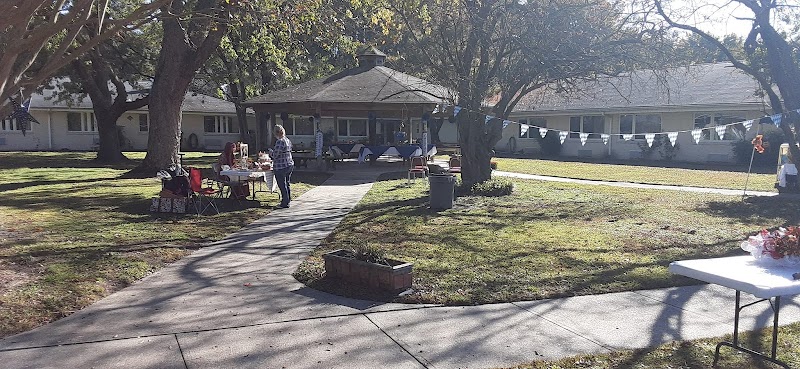
How is Wicomico Staffed?

CMS rates WICOMICO NURSING HOME's staffing level at 4 out of 5 stars, which is above average compared to other nursing homes. Staff turnover is 43%, compared to the Maryland average of 46%. This relatively stable workforce can support continuity of care.

What Have Inspectors Found at Wicomico?

State health inspectors documented 39 deficiencies at WICOMICO NURSING HOME during 2018 to 2025. These included: 4 that caused actual resident harm, 33 with potential for harm, and 2 minor or isolated issues. Deficiencies causing actual harm indicate documented cases where residents experienced negative health consequences.
Who Owns and Operates Wicomico?

WICOMICO NURSING HOME is owned by a government entity. Government-operated facilities are typically run by state, county, or municipal agencies. The facility operates independently rather than as part of a larger chain. With 102 certified beds and approximately 63 residents (about 62% occupancy), it is a mid-sized facility located in SALISBURY, Maryland.
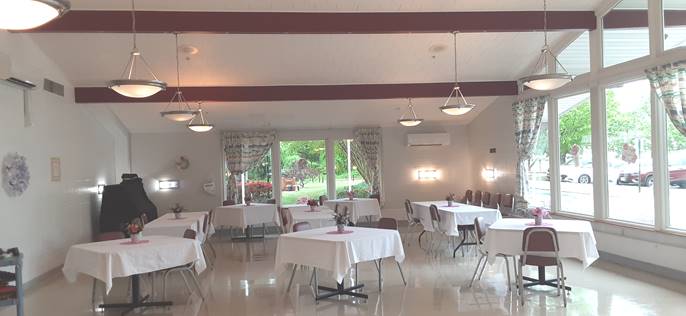
How Does Wicomico Compare to Other Maryland Nursing Homes?

Compared to the 100 nursing homes in Maryland, WICOMICO NURSING HOME's overall rating (3 stars) is below the state average of 3.0, staff turnover (43%) is near the state average of 46%, and health inspection rating (3 stars) is at the national benchmark.

What Should Families Ask When Visiting Wicomico?

Based on this facility's data, families visiting should ask: "Can I visit during a mealtime to observe dining assistance and food quality?" "How do you handle medical emergencies, and what is your hospital transfer rate?" "Can I speak with family members of current residents about their experience?"

Is Wicomico Safe?

Based on CMS inspection data, WICOMICO NURSING HOME has a clean safety record: no substantiated abuse findings (meaning no confirmed cases of resident harm), no Immediate Jeopardy citations (the most serious violation level indicating risk of serious injury or death), and is not on the Special Focus Facility watch list (a federal program monitoring the lowest-performing 1% of nursing homes). The facility has a 3-star overall rating and ranks #100 of 100 nursing homes in Maryland. While no facility is perfect, families should still ask about staff-to-resident ratios and recent inspection results during their visit.

Do Nurses at Wicomico Stick Around?

WICOMICO NURSING HOME has a staff turnover rate of 43%, which is about average for Maryland nursing homes (state average: 46%). Moderate turnover is common in nursing homes, but families should still ask about staff tenure and how the facility maintains care continuity when employees leave.

Was Wicomico Ever Fined?

WICOMICO NURSING HOME has been fined $28,343 across 1 penalty action. This is below the Maryland average of $33,362. While any fine indicates a compliance issue, fines under $50,000 are relatively common and typically reflect isolated problems that were subsequently corrected. Families should ask what specific issues led to these fines and confirm they've been resolved.

Is Wicomico on Any Federal Watch List?

WICOMICO NURSING HOME is not on any federal watch list. The most significant is the Special Focus Facility (SFF) program, which identifies the bottom 1% of nursing homes nationally based on persistent, serious quality problems. Not being on this list means the facility has avoided the pattern of deficiencies that triggers enhanced federal oversight. This is a positive indicator, though families should still review the facility's inspection history directly.