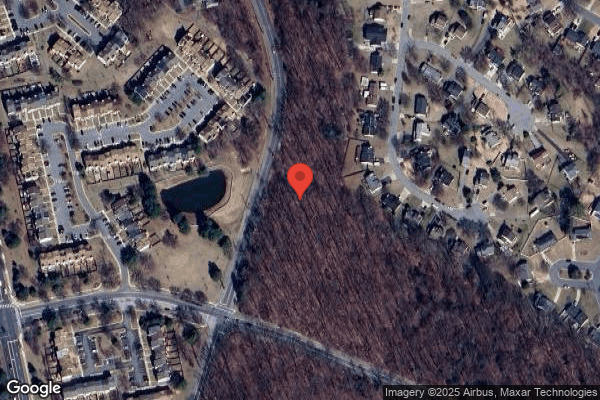
RIDERWOOD VILLAGE

3160 GRACEFIELD ROAD, SILVER SPRING, MD 20904 (301) 572-8420
Non profit - Corporation 73 Beds ERICKSON SENIOR LIVING Data: November 2025
Trust Grade
90/100
#36 of 219 in MD
Last Inspection: October 2023

Over 2 years since last inspection. Current conditions may differ from available data.

Overview

Riderwood Village in Silver Spring, Maryland, has received an excellent Trust Grade of A, indicating a high level of quality and care. It ranks #36 out of 219 facilities in Maryland, placing it in the top half, and #6 out of 19 in Prince George's County, meaning there are only a few local options that perform better. The facility's trend is improving, with issues decreasing from 10 in 2019 to just 3 in 2023. Staffing is a significant strength, with a perfect rating of 5/5 stars and a low turnover rate of 17%, well below the state average of 40%. However, there have been some concerning incidents, such as a failure to administer medication correctly to a resident and not providing timely care for another resident's discomfort, highlighting areas for improvement despite the overall positive ratings.

Trust Score
A
90/100
In Maryland
#36/219
Top 16%
Safety Record
Low Risk
No red flags
Inspections
Getting Better
10 → 3 violations
Staff Stability
✓ Good
17% annual turnover. Excellent stability, 31 points below Maryland's 48% average. Staff who stay learn residents' needs.
Penalties
✓ Good
No fines on record. Clean compliance history, better than most Maryland facilities.
Skilled Nurses
✓ Good
Each resident gets 76 minutes of Registered Nurse (RN) attention daily — more than 97% of Maryland nursing homes. RNs are the most trained staff who catch health problems before they become serious.
Violations
⚠ Watch
19 deficiencies on record. Higher than average. Multiple issues found across inspections.
★★★★★
5.0
Overall Rating
★★★★★
5.0
Staff Levels
★★★★☆
4.0
Care Quality
★★★★★
5.0
Inspection Score
Stable
2019: 10 issues
2023: 3 issues

The Good

  • 5-Star Staffing Rating · Excellent nurse staffing levels
  • 4-Star Quality Measures · Strong clinical quality outcomes
  • Low Staff Turnover (17%) · Staff stability means consistent care
  • Full Sprinkler Coverage · Fire safety systems throughout facility
  • No fines on record
  • Staff turnover is low (17%)

    31 points below Maryland average of 48%

Facility shows strength in staffing levels, quality measures, staff retention, fire safety.

The Bad

Chain: ERICKSON SENIOR LIVING

Part of a multi-facility chain

Ask about local staffing decisions and management

The Ugly 19 deficiencies on record

Oct 2023 3 deficiencies
CONCERN (D)

Potential for Harm - no one hurt, but risky conditions existed

Respiratory Care (Tag F0695)

Could have caused harm · This affected 1 resident

Based on observation, medical record review and interview it was determined the facility failed to follow physician's orders and the resident's care plan for the administration of oxygen. This was evi...

Read full inspector narrative →
Based on observation, medical record review and interview it was determined the facility failed to follow physician's orders and the resident's care plan for the administration of oxygen. This was evident for 1 (#56) of 1 resident reviewed for the administration of oxygen. The findings include. Resident #56 was observed in bed on 10/10/23 at 1:40 PM receiving oxygen via nasal cannula (a tube worn in the nostrils to administer oxygen) that was attached to an oxygen concentrator (a machine that concentrates oxygen from room air). The flow meter scale with a metal ball was observed between the 4 and 5 lines to show an oxygen flow rate of 4.5 liters per minute. At 1:52 PM the facility's infection preventionist (staff #6) entered Resident #56's room to observe the oxygen concentrator. An interview followed and she indicated that she was documenting when the oxygen tubing was replaced. She was asked about the current oxygen flow rate, and she went back into the resident's room and upon exit she indicated that the metal ball was above the 4 line. On 10/10/23 at 2:50 PM the director of nursing assisted the surveyor in navigating Resident #56's electronic health record to locate the physician order for the administration of oxygen. The oxygen administration order of 8/3/23 indicated that a physician order for oxygen to be administered at 4 liters per minute. The director of nursing was informed of the observation of the flow meter rate set on 4.5 liters per minute and confirmed that the infection preventionist acknowledged that the rate was above 4 on the oxygen flow rate. Review of Resident #56's care plan on 10/18/23 revealed a care area indicating that the resident required oxygen therapy with a care intervention indicating that Resident #56 will need assistance in keeping O2 (oxygen) on and maintain prescribed liters of administration at all times daily. 4 LPM (liters per minute).
CONCERN (D)

Potential for Harm - no one hurt, but risky conditions existed

Deficiency F0883 (Tag F0883)

Could have caused harm · This affected 1 resident

**NOTE- TERMS IN BRACKETS HAVE BEEN EDITED TO PROTECT CONFIDENTIALITY** Based on record review and staff interview, it was determined that the facility staff failed to ensure documentation of resident...

Read full inspector narrative →
**NOTE- TERMS IN BRACKETS HAVE BEEN EDITED TO PROTECT CONFIDENTIALITY** Based on record review and staff interview, it was determined that the facility staff failed to ensure documentation of residents' Pneumococcal vaccination status in their medical records. This was evident for 1 (Resident #369) of 5 residents reviewed who were eligible for Pneumococcal vaccines during the survey. The findings include: Pneumococcal vaccine helps prevent Pneumococcal disease, any type of illness caused by streptococcus pneumonia bacteria. The Centers for Disease Control and Prevention (CDC) recommends a Pneumococcal vaccine for those age [AGE] and older and adults 19 through 64 with certain medical conditions or risk factors. (Centers for Disease Control and Prevention- vaccines and preventable disease) On 10/18/23 at 9:49 AM, randomly selected five residents' (eligible for the Pneumococcal, Flu, and COVID vaccination) vaccination statuses were reviewed. Reviewing Resident #369's paper medical chart revealed blank vaccination consent forms (for Influenza, Pneumococcal, and COVID-19) without any detailed information. During an interview with a Unit manager (Staff #3) on 10/18/23 at 10:22 AM, she stated Resident #369 had received Flu vaccine in the assisted living before being admitted to this facility on 10/03/23. Staff #3 also said that since the facility did not have Resident #369's COVID and Pneumococcal immunization status, she had emailed family members upon the resident's admission. On 10/18/23 at 10:50 AM, a review of the facility's electronic medical record vaccination survey section revealed that Resident #369's Flu and COVID vaccine was completed. However, the vaccination survey report showed the resident's Pneumococcal vaccination status as no record. In an interview with the Infection Control Preventionist (ICP) on 10/18/23 at 11:08 AM, she stated upon the resident's admission, the facility staff tracked their immunization status and updated them under medical records. The ICP said she expected the vaccination status to be updated within 2-3 days. The surveyor shared concerns about Resident #369's Pneumococcal vaccination status. The ICP verbalized she understood. During an interview with the Director of Nursing (DON), the ICP, and Staff #3 on 10/18/23 at 1:15 PM, Staff #3 insisted that since she did not receive any response from Resident #369's family member regarding his/her vaccination consent, she called them on 10/10/23. Resident #369 's family members confirmed that they would be at the facility on 10/18/23 for a care plan meeting and would sign the consent at that time. The surveyor asked the facility staff whether they had any documentation about this communication under the resident's medical record. Staff #3 confirmed that there was no documentation. On 10/18/23 at 1:25 PM, the facility staff submitted a Pneumococcal vaccine consent form for Resident #369 signed by a family member dated 10/18/23. The DON confirmed that the form was completed on 10/18/23. The surveyor informed the above issue about a Pneumococcal vaccination status that was not tracked for Resident #369 on 10/18/23 at 1:35 PM with the Nursing Home Administrator and the DON.
MINOR (C) 📢 Someone Reported This

A family member, employee, or ombudsman was alarmed enough to file a formal complaint

Minor Issue - procedural, no safety impact

Transfer Notice (Tag F0623)

Minor procedural issue · This affected most or all residents

3) A review of Resident #65's medical record on 10/12/23 at 1:51 PM revealed that the resident's change in condition was documented on 9/14/23 at 7:50 AM about he/she noted unresponsive, congested wit...

Read full inspector narrative →
3) A review of Resident #65's medical record on 10/12/23 at 1:51 PM revealed that the resident's change in condition was documented on 9/14/23 at 7:50 AM about he/she noted unresponsive, congested with shallow breathing. The resident was evaluated by CRNP (Certified Registered Nurse Practitioner) with a new order to transfer the resident to the ER for further evaluation due to unresponsiveness. Further review of an electronic medical record revealed the Emergency Transfer to Hospital Form for Resident #65 documented that the resident was transferred to the hospital via ambulance on 9/14/23 at 8:12 AM. In an interview with the Director of Nursing (DON) on 10/12/23 at 2:42 PM, she stated that the facility staff documented a change in condition and emergency transfer to hospital form under assessment, but no additional note was required to document about the residents' transfer/discharge. During an interview with the DON on 10/17/23 at 1:29 PM, she confirmed that the facility staff called the residents' family members for their transfer/discharge, documented the emergency transfer form, and reported to the ombudsman. 2.) On 10/11/2023 at 10:10 AM, Resident #218 was observed being taking out of the unit via stretcher by the paramedics. Per Licensed Practical Nurse, LPN #4, the resident was being taken to the hospital for treatment. Review of the medical record for Resident #218 on 10/17/2023 at 9:35 AM revealed documentation by nursing on 10/11/2023 at 11:42 AM that Resident #218 was transferred to an acute care facility on 10/11/2023 via 911: . Resident's son notified of the transfer to the hospital and also agreed to hold bed while resident is out at the hospital. However, there was no documentation and/or evidence in the record indicating that the facility staff notified the resident/resident's representative (RP) in writing of the reason for the transfer/discharge to the hospital. On 10/17/2023 at 10:12 AM, in an interview with LPN #4, she stated that Resident #218 was still in the hospital. Regarding resident/RP notification of transfers to the hospital, LPN #4 stated that the transferring nurse was responsible for notifying the resident and/or their RP about the bed hold policy. LPN #4 stated that communication regarding reasons for transfer of a resident was done verbally by phone and/or in person (when family was present at time of transfer) and documented in progress notes. LPN #4 confirmed that she did not notify Resident #218 and/or the resident's family/RP in writing of the reason for the transfer to the hospital. On 10/17/2023 at 10:34 AM, an interview was completed with the unit's Clinical Manager, Registered Nurse (RN #1) regarding notification of the resident/RP in writing of the reason for transfer to the hospital. RN#1 stated that they attempted to call Resident #218's spouse but s/he did not answer their phone, so the facility staff ended up calling/notifying the resident's son. RN #1 added that she later gave Resident #218's spouse the facility's Emergency transfer form and change in condition form that indicated the reason why the resident was transferred out. However, when asked to provide a copy/proof that she gave the resident's spouse in writing reason for the transfer to the hospital, RN #1 stated that the facility did not have any specific form that they give. RN #1 added that they did not give specific written notification regarding reason for transfers apart from the Emergency transfer form and change in condition form that were sent out with the resident. Surveyor noted and reviewed a copy of the Bed hold notification to Resident #218's son that was on file and dated 10/11/2023. However, there was no written documentation that the resident and/or resident representative was notified in writing of the reason for the transfer/discharge to the hospital. Based on medical record review and staff interview it was determined the facility failed to notify the resident/resident representative in writing of a transfer/discharge of a resident along with the reason for the transfer. This was evident for 3 (#52, #65, #218) of 3 residents reviewed for hospitalization. The findings include: 1.) Resident #52's medical record was reviewed on 10/11/23 at 11:20 AM. Review of a RN nursing note (staff #5) on 7/28/23 at 11:31 AM revealed Resident #52 was evaluated by a nurse practitioner and a doctor and an order for transfer to the emergency room via 911. Review of a nurses note of 8/1/22 effective for 6:30 PM revealed that after a nurse practitioner's skin wound assessment, the nurse practitioner ordered to transfer resident back to the hospital. Resident #52 was transferred to the hospital via 911. There was no written documentation in the medical record that the responsible party and/or resident was notified in writing of the 2 hospital transfers. The unit's clinical manager (staff #3) was interviewed on 10/13/23 at 12:43 PM. She was asked how the facility notifies the resident and/or the resident's representative in writing of the reason for transfer to the hospital in a language they. She indicated that the residents responsible party is notified and documented in progress notes. She indicated that administrative staff send a notice to the ombudsman. She adamantly indicated that the facility did not have a mechanism to inform the resident in writing when transferred to hospital.
Feb 2019 10 deficiencies
CONCERN (D)

Potential for Harm - no one hurt, but risky conditions existed

Resident Rights (Tag F0550)

Could have caused harm · This affected 1 resident

Based on observation and staff interview it was determined that facility staff failed to ensure that residents' dignity was provided in 1) Providing personal grooming care, and 2) Long call light resp...

Read full inspector narrative →
Based on observation and staff interview it was determined that facility staff failed to ensure that residents' dignity was provided in 1) Providing personal grooming care, and 2) Long call light response times. This was evident for 2 out of 32 residents (R#63 and R#93) reviewed during the survey process. The resident has a right to a dignified existence, self-determination, and communication with and access to persons and services inside and outside the facility. The findings include: 1) On 01/30/19 at 2:13 P.M, during an interview with Resident # 93 in the resident's room the surveyor observed R#93 sitting in his/her wheel chair cluttered with food and fluid, wearing a soiled dirty shirt and pants, with long dirty fingernails and eyeglasses. Resident #93 asked this surveyor for help. The surveyor informed the Unit Clerk that R#93 needed care and assistance. 2) On 01/30/19 at 02:35 P.M. during an interview of Resident #63 and spouse, R#63 informed the surveyor (writer) that he/she must wait over 30 minutes for staff to respond to the call bells during the day, afternoon, night and weekend shifts. The resident stated, This is a nice place. I'm a Registered Nurse and they just need more help to assist us. During this same interview, the resident's spouse's main concern was regarding why the patients must wait such a long time for staff to answer the call lights. On 2/01/19 at 10:20 A.M., the Unit Manager, Staff member #3, was made aware of the concerns reported and verified the surveyor's concerns. The Administrator and Director of Nursing were made aware of the surveyor's findings prior to and during the survey exit.
CONCERN (D)

Potential for Harm - no one hurt, but risky conditions existed

Transfer Requirements (Tag F0622)

Could have caused harm · This affected 1 resident

Based on the medical record and staff interviews, the facility staff failed to provide a Care Plan for Resident #69's continuing care, to the hospital where the resident was being sent. This was evide...

Read full inspector narrative →
Based on the medical record and staff interviews, the facility staff failed to provide a Care Plan for Resident #69's continuing care, to the hospital where the resident was being sent. This was evident for 1 out of 2 residents investigated for hospitalization during the survey process. The findings include: On 01/31/19, around 12:07 PM, while reviewing Resident #69's medical record for a recent hospitalization, it was noted that on 12/18/18 the resident was observed to be unresponsive with labored breathing. The doctor assessed the resident and ordered the resident to be transferred to the hospital for a questionable CVA (stroke). Review of the hospital transfer record and the resident's chart did not reveal the below required information: 1) A copy of Resident #69's Care Plan This information was discussed with staff #6 who acknowledged the omission.
CONCERN (D)

Potential for Harm - no one hurt, but risky conditions existed

Transfer Notice (Tag F0623)

Could have caused harm · This affected 1 resident

Based on the medical record and staff interviews, the facility staff failed to provide necessary written notices for Resident #69, or the resident's responsible party, of a transfer out of the facilit...

Read full inspector narrative →
Based on the medical record and staff interviews, the facility staff failed to provide necessary written notices for Resident #69, or the resident's responsible party, of a transfer out of the facility. This was evident for 1 out of 2 residents investigated for hospitalization during the survey process. The findings include: On 01/31/19 around 12:07 PM while reviewing Resident #69's medical record for a recent hospitalization, it was noted that on 12/18/18 the resident was observed to be unresponsive with labored breathing. The doctor assessed the resident and ordered the resident to be transferred to the hospital for a questionable CVA (stroke). Review of the hospital transfer record and the resident's chart did not reveal the below required information: 1. The name of the location where the resident was being sent. 2. Written notice to the resident or the resident's responsible party. 3. Notification to the Ombudsman of the hospital visit. This information was discussed with staff #6 who acknowledged the omissions.
CONCERN (D)

Potential for Harm - no one hurt, but risky conditions existed

Deficiency F0625 (Tag F0625)

Could have caused harm · This affected 1 resident

Based on the medical record and staff interviews, the facility staff failed to provide required written notice for Resident #69, or the resident's responsible party, of the bed hold policy during a tr...

Read full inspector narrative →
Based on the medical record and staff interviews, the facility staff failed to provide required written notice for Resident #69, or the resident's responsible party, of the bed hold policy during a transfer out of the facility. This was evident for 1 out of 2 residents investigated for hospitalization during the survey process. The findings include: On 01/31/19 around 12:07 PM while reviewing Resident #69's medical record for a recent hospitalization, it was noted that on 12/18/18 the resident was observed to be unresponsive with labored breathing. The doctor assessed the resident and ordered the resident to be transferred to the hospital for a questionable CVA (stroke). Review of the hospital transfer record and the resident's chart did not reveal that a bed hold policy was given to the resident or the resident's responsible party prior to the transfer. The bed hold policy educates the resident on whether a bed can be held during the resident's absence, and/or if not, the possibility of having to privately pay to hold the resident's bed, until the resident's return. This information was discussed by the surveyor with staff #6 who acknowledged the omissions.
CONCERN (D)

Potential for Harm - no one hurt, but risky conditions existed

Assessment Accuracy (Tag F0641)

Could have caused harm · This affected 1 resident

Based on medical records review and interview with staff it was determined that the facility staff failed to ensure that the information used to complete the Minimum Data Set (MDS) significant change ...

Read full inspector narrative →
Based on medical records review and interview with staff it was determined that the facility staff failed to ensure that the information used to complete the Minimum Data Set (MDS) significant change in condition assessment was accurate and complete when a diagnosis for hospice care was not coded into the MDS assessment. This was evident for 1 of 32 residents (Resident #1) reviewed in the annual survey. The findings include: The Resident Assessment Instrument (RAI) is a mandated process that ensures that residents in nursing homes receive comprehensive and periodic assessments that are both standardized and reproducible to ensure that each resident's needs are clearly understood and that care can be appropriately and effectively planned and delivered (based on the assessment). The Minimum Data Set (MDS) is a core set of screening questions that provide the foundation for the RAI process. Providers must complete the MDS screening assessments at specified times during resident admissions. Some MDS assessments are comprehensive and others are abbreviated updates to the comprehensive assessments. After completion of any comprehensive MDS assessment, the MDS triggers care areas based on the responses to the MDS questions (also referred to as MDS Items). Each triggered care area must then be assessed in order to determine if care planning is needed; and if so to drive an effective plan that will ensure that the assessed needs of each resident are met when care is delivered. Review on 02/06/19 of the significant change in condition MDS assessment for Resident #1, revealed that R#1 was admitted to the facility with multiple medical diagnoses, which included but was not limited to Alzheimer's. Resident #1 was admitted to a community hospice care center on 10/3/18. Continued record review revealed that on 10/10/18 the MDS significant change in condition coded revealed that the facility coded in Section J -Health Condition J-1400 the facility checked =Yes for chronic health condition which will result in end of life expectance less than 6 month. Reviewed in section O for same the MDS coding, dated 10/10/18, in Section O-1000 the Hospice Care was left blank. It was not coded in MDS assessment, as required. The facility must ensure that each resident's needs are clearly delivered as based on the accuracy of the MDS assessments.
CONCERN (D)

Potential for Harm - no one hurt, but risky conditions existed

Comprehensive Care Plan (Tag F0656)

Could have caused harm · This affected 1 resident

Based on medical record review it was determined the facility staff failed to develop a care plan for residents with impaired skin integrity. This was evident for 2 out of 4 resident's reviewed with n...

Read full inspector narrative →
Based on medical record review it was determined the facility staff failed to develop a care plan for residents with impaired skin integrity. This was evident for 2 out of 4 resident's reviewed with non-pressure related skin conditions. Resident #8 and Resident #37 were affected by the deficient practice. The findings include: Resident #37's medical record was reviewed on 1/30/19 and 1/31/19. Medical record review revealed that on 1/16/19 the resident underwent excision of an infiltrative basal cell carcinoma on the left superior upper back. Wound care instructions included: 1) Leave the original dressing in place for 24 hours; 2. Clean the wound once a day; allow water, shampoo and soap from the shower to wash over the wound; 3. Cover the wound with Aquaphor or Vaseline and then apply a bandage for 1 - 2 weeks. Change the bandage daily. Additional instructions included reporting the following symptoms to the physician: increase in redness more than 1/4 inch on each side of the biopsy site; swelling; increasing or severe pain; drainage of pus; fever over 100.5 degrees; bleeding which cannot be stopped by firm pressure for 20 minutes. Medical record review revealed that on 1/17/19 at 11:03 P.M. the nurse documented the following entry in the progress notes: Biopsy site on the back intact, no s/s [signs/symptoms] of infection, c/o [complained of] pain, oxycodone given prn [as needed] with good effect, new order for dsg [dressing] change daily after washing with soap and water and applying vaseline. Medical record review revealed that on 1/30/19 the resident returned to the consultant physician for suture removal. The visit note stated that the wound was red and healing slowly. Instructions for wound care to the biopsy site included an antibiotic topical ointment, mupirocin 2% 2 times per day for 2 weeks. Medical record review revealed that the facility staff failed to develop a care plan with measurable goals and appropriate interventions related to the care and monitoring of the resident's biopsy site. 2. Resident #8's medical record was reviewed on 1/29/19, 1/30/19 and 1/31/19. Medical record review revealed that the resident has a history of multiple skin tears. The resident was treated for: right leg skin tear 10/23/18 through 1/10/19; right posterior calf skin tear 11/30/18 through 1/10/19; right shin skin tear 12/5/18 through 12/26/18; left shin skin tear 12/4/18 through 1/10/19 and left lateral inner calf skin tear 11/7/18 through 1/10/19. Review of the resident's skin sheet revealed that the resident's current active wounds are a pressure related wound of the sacrum, right posterior arm ecchymosis and a right posterior knee skin tear. Medical record review revealed that the resident has a care plan dated 10/23/18 for skin integrity related to a pressure related wound. Although the resident has been assessed with multiple skin tears, the facility staff failed to develop a care plan with measurable goals and appropriate interventions related to the resident's propensity for skin tears.
CONCERN (D)

Potential for Harm - no one hurt, but risky conditions existed

Deficiency F0657 (Tag F0657)

Could have caused harm · This affected 1 resident

Based on facility staff interview, family interview, and observation of residents' records, the facility failed to individualize the care plan for Resident # 72. This was evident for 1 out of 32 resid...

Read full inspector narrative →
Based on facility staff interview, family interview, and observation of residents' records, the facility failed to individualize the care plan for Resident # 72. This was evident for 1 out of 32 residents investigated for care plan revision. The findings include: On 2/1/19 at 2:10 PM Resident # 72 was reviewed for unnecessary psychotropic medication, and dementia care. The resident has a history of major depression, adjustment disorder, Vascular dementia, anxiety, CAD (coronary heart disease), Hypertension, diabetes 2, muscle weakness, gout, hyperlipidemia, hypercalcemia, insomnia and cancer among other diagnoses. On 9/12/18 the resident was seen by Behavior Health to discuss gradual dose reduction of Klonopin and Seroquel. Record review revealed that the resident is alert and responsive on most days. Speech is soft, no anxiety present and the resident does not have acute distress. The behavior documentation sheet for the last 2 months indicated no behaviors present. Facility staff (# 6, 7, 8) were interviewed on 2/1/19 at approximately 1:30 PM with the federal surveyor present. Staff Members #6, 7 and 8 indicated that there were no targeted behaviors in the last couple of months That Resident # 72's family was present during the time of the behavior consult on 9/12/18 and did not want the resident to be taken off of any drugs as they believed this was the most stable that the resident has been in a long time. The family, daughter and husband, also, indicated to facility staff that they did not want the resident taken off any medication at this time. Also as revealed during this staff interview, the family are considering hospice soon for the resident. The plan is to continue medication and provide structure socialization. The Care Plan was completed but was not individualized to include the family wishes. The Care Plan did not include the family wishes to keep Resident #72 on Klonopin 0.5 mg, Seroquel 25 mg, and Cymbalta 20 mg. The Brief Interview for Mental Status (BIMs) score was 3/15 for this resident.
CONCERN (D)

Potential for Harm - no one hurt, but risky conditions existed

Accident Prevention (Tag F0689)

Could have caused harm · This affected 1 resident

Based on observation, medical record review and interviews of facility staff it was determined the facility failed to ensure that staff were transferring residents from bed to chair/chair to bed in ac...

Read full inspector narrative →
Based on observation, medical record review and interviews of facility staff it was determined the facility failed to ensure that staff were transferring residents from bed to chair/chair to bed in accordance with the residents' care plans. This was evident for 2 of 7 sampled residents reviewed for accidents. Resident #1 and Resident #5 were affected by the deficient practice. The findings include: 1) On 1/29/19 at 1:07 P.M. the surveyor knocked on Resident #5's bedroom door. A Geriatric Nursing Assistant, GNA (Staff #11), answered the door. The resident was observed by the surveyor in the sit-to-stand mechanical lift. The resident had been left unattended in the sit-to-stand mechanical lift while Staff #11 answered the surveyor's knock on the door. Interview of the GNA, Staff #12, on 2/5/19 at 3:37 P.M. revealed that the care plans are located in the residents' rooms and provide information related to how a resident is transferred. Further interview of Staff #12 revealed that she utilizes the sit-to-stand mechanical lift to transfer Resident #5 and the resident is a 1 person assist. Interview of the Staff Development Coordinator, Staff #13, on 2/6/19 at 1:04 P.M. revealed that a resident that utilizes the sit-to-stand mechanical lift has to be able to bear some weight, have moderate upper body strength and be able to follow commands. Interview of the Unit Manager, Staff #14, on 2/6/19 at 2:20 P.M. revealed that Resident #5 requires the assistance of 2 staff for safe transfers. The Unit Manager, Staff #14, was unable to locate an assessment in the medical record indicating that the resident could be safely transferred with the sit-to-stand mechanical lift. Medical record review on 2/6/19 of Resident #5's Holistic Care Plan dated 1/12/19 revealed that the resident rarely/never understands and requires extensive assistance with the support of 2+ staff for transfers. Care plan approaches include using a gait belt during transfers. Review on 2/6/19 of Resident #5's quarterly Minimum Data Set (MDS), an assessment tool, revealed that Resident #5 was unable to complete the brief interview for mental status, has a short and long-term memory problem, has severe cognitive impairment, his/her ability to understand others is rarely/never and has functional range of motion impairment of the upper and lower extremities on both sides. Although staff are utilizing a sit-to-stand mechanical lift for transfers, there was no documented evidence in Resident #5's medical record that the resident was assessed for his/her ability to safely utilize the sit-to-stand mechanical lift for transfers. 2) Resident #1's medical record was reviewed on 1/29/18, 2/5/18 and 2/6/18. Medical record review revealed that Resident #1 has a history of skin tears and bruises. Review of nursing progress notes revealed that the resident sustained skins tears and/or bruising on 3/10/18, 4/21/81, 5/14/18, 7/31/18, 10/14/18, 10/20/18, 12/5/18, 12/20/18, 1/15/18, 1/19/18 and 1/21/18. Review of the resident's holistic care plan, dated 10/10/18, revealed that the resident is totally dependent for transfers from chair to bed/bed to chair with the assistance of 2+ staff. Approaches include utilizing a gait belt during transfer assist. Medical record review and facility internal documents revealed that on 10/14/18 the Geriatric Nursing Assistant (GNA) was transferring the resident from the bed to the wheelchair, and the resident sustained a skin tear 2 cm. x 1.5 cm. on the right shin. It was further documented that there were no new interventions at that time and staff would continue to use caution to prevent a reoccurrence. Interview of the Unit Manager, Staff #14, on 2/6/18 at 1:35 P.M. revealed that he was not aware of whether or not the gait belt was used during the transfer of 10/14/18 and whether or not 2 staff assisted the resident with the transfer. The Unit Manager contacted the GNA, Staff #15, and reported to the surveyor on 2/6/18 at 1:45 P.M. that the GNA, Staff #15, utilized the gait belt when transferring the resident on 10/14/18, and was alone when she transferred the resident.
CONCERN (D)

Potential for Harm - no one hurt, but risky conditions existed

Staffing Information (Tag F0732)

Could have caused harm · This affected 1 resident

Based on observations and staff interviews it was determined that required staff posting information was not in a prominent place readily accessible to residents and visitors. This was evident during ...

Read full inspector narrative →
Based on observations and staff interviews it was determined that required staff posting information was not in a prominent place readily accessible to residents and visitors. This was evident during the entire survey process. The findings include: On 2/1/19, 2/5/19, 2/6/19, 2/7/19, 2/8/19 the required nursing staffing information per this regulation was observed posted in the nursing administration area of the facility facing the interior wall not visible or readily assessible to residents and visitors. On 2/6/19 at 3:00 P.M. interview with the Administrator and Director of Nursing verified that the required staff posting was not available for resident or visitors during the survey process.
CONCERN (D)

Potential for Harm - no one hurt, but risky conditions existed

Deficiency F0744 (Tag F0744)

Could have caused harm · This affected 1 resident

Based on interviews with family and staff; and record review, the facility failed to individualize the care plan for 1 out of 32 residents investigated for individualized care plans. The findings inc...

Read full inspector narrative →
Based on interviews with family and staff; and record review, the facility failed to individualize the care plan for 1 out of 32 residents investigated for individualized care plans. The findings include: On 02/01/19 at 11:53 AM record review revealed that Resident # 72 has a history of major depression, adjustment disorder, Vascular dementia, anxiety, CAD (coronary artery disease,) HTN (hypertension), DM2, (diabetes) muscle weakness, gout, hyperlipidemia, hypercalcemia, insomnia and cancer. Review of the Social Worker's note completed on 1/30/19 indicated that the social worker spoke with family regarding hospice services. It was noted that Family agree with the hospice services but will look at the different hospice facilities and what they provide and then decide on the best option. The Family would let the social worker know. The resident is alert and responsive most days. She eats in the dining room with assistance. Family, husband and daughter very involved with mother. It was discussed with staff to not put Resident #72 back to bed unless she is with someone. Continued record review revealed that on 9/12/19 the resident was seen by Behavior Health to discuss GDR (gradual dose reduction) of Klonopin and Seroquel. Speech was soft, no anxiety present and the resident did not have acute distress. The Family was present during the time of the consult and did not want the resident to be taken off any drugs as they felt that this has been the most stable that the resident has been. The plan was to continue medication, provide structure socialization. The resident's Bims score was 3/15. According to medical record information the resident needs total assistance. A Care Plan was in place for non pharmacal interventions. The medical record revealed that on 1/7/19 the resident was referred to the Nurse Practitioner (NP) due to increased falls and agitation. as noted, the resident continues to hallucinate and have agitation. She needs constant redirection. Klonopin given as scheduled. The resident has had a change of condition since last week. The family believes that she has suffered a minor stroke. She/he is a no send to the hospital. Family will not agree to altering medication. Daughter and father are with resident every day. Any changes must go through daughter. The Family wishes were not included on the care plan. The care plan was not individualized. On February 1, 2019 at 3:00 P.M. the surveyor interviewed the Geriatric Nursing Assistant (GNA) and nurse in charge of Resident #72 and they stated no behavior concerns about the resident.
Oct 2017 6 deficiencies
CONCERN (D)

Potential for Harm - no one hurt, but risky conditions existed

Deficiency F0246 (Tag F0246)

Could have caused harm · This affected 1 resident

Based on observation and employee interview it was determined that the facility failed to ensure that staff kept a call light within reach for Resident #74. This was evident for 1 of 40 residents obse...

Read full inspector narrative →
Based on observation and employee interview it was determined that the facility failed to ensure that staff kept a call light within reach for Resident #74. This was evident for 1 of 40 residents observed during Stage I of the survey. The findings include: The Long Term Care (LTC) Minimum Data Set (MDS) is a standardized screening and assessment tool used by LTC facilities certified to participate in Medicare or Medicaid. It includes a comprehensive assessment of each resident's functional capabilities. Resident #74 has severe contractions and according to Section G - Functional Status in the most recent quarterly MDS, is totally dependent and needs the assistance of two staff members to move around in bed. On 10/4/17 at 12:34 PM during an interview, Resident #74 was observed lying in bed. The call bell cord was on the floor underneath the head of the bed and a clip was attached to the cord. The clip is used to attach the cord to the bed clothes to help prevent the cord from falling onto the floor. The Geriatric Nursing Assistant (GNA) #5 was asked to come to the room and confirmed that it was on the floor. She then picked it up and clipped it to the bed where the resident could reach it. Unit Manager #6 was made aware of the incident. The facility is responsible to ensure that call lights are kept within reach of residents.
CONCERN (D)

Potential for Harm - no one hurt, but risky conditions existed

Deficiency F0431 (Tag F0431)

Could have caused harm · This affected 1 resident

**NOTE- TERMS IN BRACKETS HAVE BEEN EDITED TO PROTECT CONFIDENTIALITY** Based on observations, it was determined that the facility staff failed to ensure that blood glucose (sugar) monitoring test str...

Read full inspector narrative →
**NOTE- TERMS IN BRACKETS HAVE BEEN EDITED TO PROTECT CONFIDENTIALITY** Based on observations, it was determined that the facility staff failed to ensure that blood glucose (sugar) monitoring test strips were properly labeled after opening. This deficient practice was found on 2 of 3 floors (2nd and 3rd) and in 2 of 3 medication carts examined. This practice has the potential to affect any resident receiving blood glucose monitoring on the 2nd or 3rd floor. The findings include: An observation conducted on [DATE] at 10:15 AM on the 3rd floor revealed 1 of 1 medication carts examined contained 1 bottle of EvenCare®G3 Blood Glucose Monitoring Test Strips that was not labeled with the date opened. This finding was verified by the 3rd floor Unit Manager. An observation conducted on [DATE] at 10:30 AM on the 2nd floor revealed 1 of 2 medication carts examined contained 1 bottle of EvenCare®G3 Blood Glucose Monitoring Test Strips that was not labeled with the date opened. This finding was verified by staff #1. According to the manufacturer of EvenCare®G3 Blood Glucose Monitoring Test Strips, the date opened should be recorded on the bottle label and unused test strips should be discarded after 6 months or by the expiration date printed on the label (whichever comes first). It is important to follow the manufacturer's instructions regarding the labeling and discarding of blood glucose monitoring test strips. Test strips contain an enzyme that reacts with blood. Over time the enzymes breakdown and this can lead to an inaccurate test result if expired test strips are used. Inaccurate readings could potentially compromise the safety of a diabetic resident. The facility staff must ensure that blood glucose monitoring test strips are labeled with the date when opened.
CONCERN (D)

Potential for Harm - no one hurt, but risky conditions existed

Deficiency F0441 (Tag F0441)

Could have caused harm · This affected 1 resident

Based on observations, it was determined that the facility staff failed to ensure that an exercise mat that exhibited breaks in integrity (does not allow for adequate disinfection) was not in use by r...

Read full inspector narrative →
Based on observations, it was determined that the facility staff failed to ensure that an exercise mat that exhibited breaks in integrity (does not allow for adequate disinfection) was not in use by residents. This practice was observed on 1 of 3 units has the potential to affect any resident using the mat. The findings include: An observation conducted on 10/04/2017 at 12:40 PM in the physical therapy room revealed that the perimeter of the large exercise mat had multiple tears in the vinyl fabric exposing the inner foam filler. This finding was verified by staff #2. Porous materials, such as foam filler, can harbor microorganisms such as bacteria, viruses, and fungi. These microorganisms could potentially be transmitted to residents through contact with the equipment. It is the responsibility of the facility to ensure that equipment can be adequately disinfected.
CONCERN (D)

Potential for Harm - no one hurt, but risky conditions existed

Deficiency F0514 (Tag F0514)

Could have caused harm · This affected 1 resident

Based on review of medical records and facility interviews, it was determined that the facility staff failed to order the appropriate strength of a medication and/or change an order to notate that a d...

Read full inspector narrative →
Based on review of medical records and facility interviews, it was determined that the facility staff failed to order the appropriate strength of a medication and/or change an order to notate that a different strength of medication was indicated for Resident #138. The was evident for 1 out of 5 residents observed for medication administration. The findings include: On October 10, 2017 during medication pass, around 8:30 AM, Staff #4 was administering medications to Resident #138. The resident had an order for hydrocodone-acetaminophen 2.5 mg-325 mg (a combination of an opioid pain medication). Staff #4 was about to administer the medication with a strength of 5 mg-325 mg until surveyor intervention. The surveyor noted that the medication administration record (MAR) read hydrocodone-acetaminophen 2.5 mg-325 mg and questioned the strength of 5 mg-325 mg. Staff #4 noted the confusion and went to check the order. While researching the cause of the problem it was revealed that on 9/28/17, staff #3 had submitted a Controlled Substance Prescription (done to ensure that an ample supply of a medication is available on the unit to be used as indicated) to the pharmacy under Resident #138's name. The order was for hydrocodone/APAP 5 mg/325 mg (hydrocodone-acetaminophen 5 mg-325 mg) tablets, instead of the 2.5 mg-325 mg tablets the resident had been receiving. The pharmacy, in honoring the prescription sent the higher dose medication as requested. Staff #3 had not changed the strength of the medication that the resident was receiving originally. When the 5 mg-325 mg tablets reached the floor the staff began using them in place of the 2.5 mg-325 mg tablets.
CONCERN (E)

Potential for Harm - no one hurt, but risky conditions existed

Deficiency F0329 (Tag F0329)

Could have caused harm · This affected multiple residents

Based on review of medical records and interview with facility staff, it was determined that the facility staff failed to administer medication to Resident #138 according to the physician's order. Thi...

Read full inspector narrative →
Based on review of medical records and interview with facility staff, it was determined that the facility staff failed to administer medication to Resident #138 according to the physician's order. This was evident for 1 out of 5 residents observed for medication administration. The findings Include: On October 10, 2017 during medication pass around 8:30 AM, Staff #4 was administering medications to Resident #138. The resident had an order for hydrocodone-acetaminophen 2.5 mg-325 mg (a combination of an opioid pain medication). Staff #4 was about to administer the medication with a strength of 5 mg-325 mg until surveyor intervention. The surveyor noted that the medication administration record (MAR) read hydrocodone-acetaminophen 2.5 mg-325 mg and questioned the strength of 5 mg-325 mg. Staff #4 noted the confusion and went to check the order. When viewing the order the surveyor noted that the order for the smaller dose of the medication had never been changed to the higher dose of 5 mg-325 mg. Review of the controlled medication record revealed that Resident #138 had been given hydrocodone-acetaminophen 5 mg-325 mg on four other occasions; October 6, 7, 8 and the 9th. This was not what the physician had ordered. Failure to follow physician orders can lead to under dosing or excessive dosing for the resident. All residents must have medications clinically indicated to treat the resident's assessed condition.
CONCERN (E)

Potential for Harm - no one hurt, but risky conditions existed

Deficiency F0425 (Tag F0425)

Could have caused harm · This affected multiple residents

Based on observations, interviews, and medical record review, it was determined that the facility staff failed to ensure that 1 resident (#249) of the 28 residents reviewed in the Stage 2 sample recei...

Read full inspector narrative →
Based on observations, interviews, and medical record review, it was determined that the facility staff failed to ensure that 1 resident (#249) of the 28 residents reviewed in the Stage 2 sample received a medication in a timely manner. The findings include: During an interview conducted on 10/05/2017 at 11:30 AM, Resident #249 stated that he/she had a difficult time falling asleep and staying asleep due to trying to get comfortable. During a follow-up interview on 10/06/2017 at 10:45 AM, Resident #249 stated that the previous night, at approximately 11:30 PM, he/she told the nurse that he/she was hurting. Per the resident, the nurse responded; I don't have anything for you-I'm sorry. According to Resident #249, the medication for his/her Restless Leg Syndrome, or RLS (a condition that causes unpleasant or uncomfortable sensations in the legs and an irresistible urge to move them), had not been available. The resident said that he/she twitched and twitched all night and described the discomfort as jerky and spasmodic. A subsequent review of physician orders revealed that on 10/03/2017 at 9:43 AM, Resident #249 had been ordered the medication Mirapex at bedtime for RLS. During an interview conducted on 10/06/2017 at 12:00 PM, the 2nd floor Unit Manager (UM) verified that the Mirapex had not arrived on the unit until the morning of 10/06/2017. When asked why it took 3 days to get the medication on the unit the UM responded, It's a pharmacy issue, I don't know why. During an interview conducted on 10/06/2017 at 1:00 PM the call center supervisor at the dispensing pharmacy said that the request for the Mirapex was received on 10/03/2017. Per the supervisor, the Mirapex was overlooked however, there was no record of any staff member from the facility calling to check on the status of the medication until the morning of 10/06/2017. A review of a clinical nursing note written on 10/06/2017 at 4:52 AM corroborated that a follow-up call was placed to pharmacy that morning and that the Mirapex would be delivered early that morning. The facility staff have a responsibility to ensure that residents receive their ordered medications in a timely manner.
Understanding Severity Codes (click to expand)
Life-Threatening (Immediate Jeopardy)
J - Isolated K - Pattern L - Widespread
Actual Harm
G - Isolated H - Pattern I - Widespread
Potential for Harm
D - Isolated E - Pattern F - Widespread
No Harm (Minor)
A - Isolated B - Pattern C - Widespread

Questions to Ask on Your Visit

  • "Can I speak with families of current residents?"
  • "What's your RN coverage like on weekends and overnight?"

Our Honest Assessment

Strengths
  • • Grade A (90/100). Above average facility, better than most options in Maryland.
  • • No major safety red flags. No abuse findings, life-threatening violations, or SFF status.
  • • No fines on record. Clean compliance history, better than most Maryland facilities.
  • • 17% annual turnover. Excellent stability, 31 points below Maryland's 48% average. Staff who stay learn residents' needs.
Concerns
  • • 19 deficiencies on record. Higher than average. Multiple issues found across inspections.
Bottom line: Generally positive indicators. Standard due diligence and a personal visit recommended.

About This Facility

What is Riderwood Village's CMS Rating?

CMS assigns RIDERWOOD VILLAGE an overall rating of 5 out of 5 stars, which is considered much above average nationally. Within Maryland, this rating places the facility higher than 99% of the state's 100 nursing homes. This rating reflects solid performance across the metrics CMS uses to evaluate nursing home quality.

How is Riderwood Village Staffed?

CMS rates RIDERWOOD VILLAGE's staffing level at 5 out of 5 stars, which is much above average compared to other nursing homes. Staff turnover is 17%, compared to the Maryland average of 46%. This relatively stable workforce can support continuity of care.

What Have Inspectors Found at Riderwood Village?

State health inspectors documented 19 deficiencies at RIDERWOOD VILLAGE during 2017 to 2023. These included: 18 with potential for harm and 1 minor or isolated issues.

Who Owns and Operates Riderwood Village?

RIDERWOOD VILLAGE is owned by a non-profit organization. Non-profit facilities reinvest revenue into operations rather than distributing to shareholders. The facility is operated by ERICKSON SENIOR LIVING, a chain that manages multiple nursing homes. With 73 certified beds and approximately 70 residents (about 96% occupancy), it is a smaller facility located in SILVER SPRING, Maryland.

How Does Riderwood Village Compare to Other Maryland Nursing Homes?

Compared to the 100 nursing homes in Maryland, RIDERWOOD VILLAGE's overall rating (5 stars) is above the state average of 3.1, staff turnover (17%) is significantly lower than the state average of 46%, and health inspection rating (5 stars) is much above the national benchmark.

What Should Families Ask When Visiting Riderwood Village?

Based on this facility's data, families visiting should ask: "Can I visit during a mealtime to observe dining assistance and food quality?" "How do you handle medical emergencies, and what is your hospital transfer rate?" "Can I speak with family members of current residents about their experience?"

Is Riderwood Village Safe?

Based on CMS inspection data, RIDERWOOD VILLAGE has a clean safety record: no substantiated abuse findings (meaning no confirmed cases of resident harm), no Immediate Jeopardy citations (the most serious violation level indicating risk of serious injury or death), and is not on the Special Focus Facility watch list (a federal program monitoring the lowest-performing 1% of nursing homes). The facility has a 5-star overall rating and ranks #1 of 100 nursing homes in Maryland. While no facility is perfect, families should still ask about staff-to-resident ratios and recent inspection results during their visit.

Do Nurses at Riderwood Village Stick Around?

Staff at RIDERWOOD VILLAGE tend to stick around. With a turnover rate of 17%, the facility is 29 percentage points below the Maryland average of 46%. Low turnover is a positive sign. It means caregivers have time to learn each resident's needs, medications, and personal preferences. Consistent staff also notice subtle changes in a resident's condition more quickly. Registered Nurse turnover is also low at 21%, meaning experienced RNs are available to handle complex medical needs.

Was Riderwood Village Ever Fined?

RIDERWOOD VILLAGE has no federal fines on record. CMS issues fines when nursing homes fail to meet care standards or don't correct problems found during inspections. The absence of fines suggests the facility has either maintained compliance or corrected any issues before penalties were assessed. This is a positive indicator, though families should still review recent inspection reports for the full picture.

Is Riderwood Village on Any Federal Watch List?

RIDERWOOD VILLAGE is not on any federal watch list. The most significant is the Special Focus Facility (SFF) program, which identifies the bottom 1% of nursing homes nationally based on persistent, serious quality problems. Not being on this list means the facility has avoided the pattern of deficiencies that triggers enhanced federal oversight. This is a positive indicator, though families should still review the facility's inspection history directly.