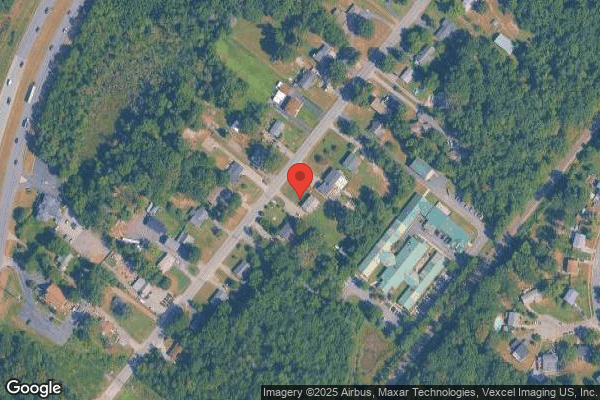
WALDORF CENTER

4140 OLD WASHINGTON HIGHWAY, WALDORF, MD 20602 (301) 645-2813
For profit - Corporation 115 Beds GENESIS HEALTHCARE Data: November 2025
Trust Grade
70/100
#85 of 219 in MD
Last Inspection: August 2024

Within standard 12-15 month inspection cycle. Federal law requires annual inspections.

Overview

Waldorf Center in Waldorf, Maryland, has a Trust Grade of B, indicating it is a good choice among nursing homes. It ranks #85 out of 219 facilities in the state, placing it in the top half, and #2 out of 4 in Charles County, meaning only one local option is better. However, the facility is experiencing a worsening trend, with issues increasing from 4 in 2019 to 24 in 2024. Staffing has a 3/5 rating, with a turnover rate of 41%, which is average compared to the state. Notably, the facility has no fines on record, but it does have some concerning inspection findings, such as food preparation equipment not being properly cleaned, open trash dumpsters that could attract pests, and a failure to provide residents with menu choices before meals. While the quality measures are excellent, these issues highlight areas that need improvement.

Trust Score
B
70/100
In Maryland
#85/219
Top 38%
Safety Record
Low Risk
No red flags
Inspections
Getting Worse
4 → 24 violations
Staff Stability
○ Average
41% turnover. Near Maryland's 48% average. Typical for the industry.
Penalties
✓ Good
No fines on record. Clean compliance history, better than most Maryland facilities.
Skilled Nurses
○ Average
Each resident gets 38 minutes of Registered Nurse (RN) attention daily — about average for Maryland. RNs are the most trained staff who monitor for health changes.
Violations
⚠ Watch
34 deficiencies on record. Higher than average. Multiple issues found across inspections.
★★★★☆
4.0
Overall Rating
★★★☆☆
3.0
Staff Levels
★★★★★
5.0
Care Quality
★★★☆☆
3.0
Inspection Score
Stable
2019: 4 issues
2024: 24 issues

The Good

  • 5-Star Quality Measures · Strong clinical quality outcomes
  • Full Sprinkler Coverage · Fire safety systems throughout facility
  • No fines on record
  • Staff turnover below average (41%)

    7 points below Maryland average of 48%

Facility shows strength in quality measures, fire safety.

The Bad

Staff Turnover: 41%

Near Maryland avg (46%)

Typical for the industry

Chain: GENESIS HEALTHCARE

Part of a multi-facility chain

Ask about local staffing decisions and management

The Ugly 34 deficiencies on record

Aug 2024 24 deficiencies
CONCERN (D)

Potential for Harm - no one hurt, but risky conditions existed

Deficiency F0553 (Tag F0553)

Could have caused harm · This affected 1 resident

Based on interviews and record review, the facility failed to invite one of four residents (Resident (R) 41) reviewed for care planning out of a total sample of 31 residents to care plan meetings. Thi...

Read full inspector narrative →
Based on interviews and record review, the facility failed to invite one of four residents (Resident (R) 41) reviewed for care planning out of a total sample of 31 residents to care plan meetings. This failure increased the risk that the resident would not have any direct input into his/her plan of care. Findings include: Review of the electronic medical record (EMR) quarterly Minimum Data Set (MDS) with an Assessment Reference Date (ARD) of 07/25/24 revealed a Brief Interview for Mental Status (BIMS) score of 15 out of 15 indicating R41 was cognitively intact. Review of the EMR Clinical Resident Profile revealed R41's mother was listed as the care conference person. During an interview on 08/15/24 at 12:38 PM, R41 stated that his/her mother attended the care plan meetings but s/he did not but s/he would like to attend. Review of the EMR Progress Notes, dated 08/01/24, revealed R41's mother attended the care plan meeting, but the resident did not. The Progress Note documented a referral to the rehab department along with the resident's full code status were discussed with R41's mother. During an interview on 08/15/24 at 3:39 PM, the Social Services Coordinator (SSC) stated that family members and responsible parties were notified of upcoming care plan meeting via phone and letter and that alert and oriented residents were notified via a document with the time and day of the care plan meeting. When asked for the document informing R41 of the care plan meeting scheduled on 08/01/24, the SSC stated, [R41] is not competent [therefore his/her mother attends]. When informed that R41 scored 15 out of 15 on the BIMS, dated 07/25/24, the SSC stated she would have to check whether R41 was deemed incompetent to make healthcare decisions. During an interview on 08/15/24 at 5:46 PM, the Director of Nursing (DON) verified that competent residents are to be invited to their care plan meetings. During an interview on 08/16/24 at 5:54 PM, Social Services Assistant (SSA) provided a copy of a Physician Certifications Related to Medical Condition, Decision Making, and Treatment Limitations, dated 04/20/18, where a physician deemed R41 has adequate decision making capacity (including decisions about life-sustaining treatments). The SSA verified that R41 was competent and his/her own decision maker but was not invited to the care plan meeting. Policies on determining decision makers and care plan meetings were requested of the SSC but not provided by the time of survey exit.
CONCERN (D) 📢 Someone Reported This

A family member, employee, or ombudsman was alarmed enough to file a formal complaint

Potential for Harm - no one hurt, but risky conditions existed

Safe Environment (Tag F0584)

Could have caused harm · This affected 1 resident

**NOTE- TERMS IN BRACKETS HAVE BEEN EDITED TO PROTECT CONFIDENTIALITY** 2.) Review of a Grievance/Concern Form, provided by the facility and dated [DATE], from R169's Family Member (F3). The grievance...

Read full inspector narrative →
**NOTE- TERMS IN BRACKETS HAVE BEEN EDITED TO PROTECT CONFIDENTIALITY** 2.) Review of a Grievance/Concern Form, provided by the facility and dated [DATE], from R169's Family Member (F3). The grievance reported R169's gold ring was missing from his/her personal items since his/her death in the facility on [DATE]. Review of the undated admission Record, located in R169's electronic medical record (EMR) under the Profile tab, indicated R169 was admitted to the facility on [DATE] with diagnosis to include but not limited COVID-19 and sepsis. Review of the EMR MDS (Minimum Data Set) tab, MDS tracking item set dated [DATE], indicated R169 died in the facility on [DATE] from complications related to her admitting diagnosis of COVID-19 and sepsis. Review of the facility provided investigation of the reported incident documented the facility was in possession of R169's gold ring on [DATE] as received from the funeral home staff receiving R169 from the facility. Nurse Manager (NM) 2 put the ring up for safe keeping until R169's family could pick up the ring along with R169's other personal items. On [DATE], the ring was placed in a zip top back and held in the medicine cart by Licensed Practical Nurse (LPN) 6 for the family member to pick up. The family member did not come to pick up the ring as planned so LPN6 notified the oncoming nurse LPN5 at 3:00 PM that the ring was in the medication cart for the family member to pick up. LPN5 acknowledged receipt of the ring in the medication cart for the evening shift. LPN5 was instructed to pass along the ring and information to the night nurse Registered Nurse (RN) 1. The investigation documented that during an interview, RN1 stated she had no knowledge of the ring, and the ring was unable to be located on Sunday morning, [DATE], when F3 came to pick up the ring. RN1 recalled NM1 went to retrieve the ring from the medication cart but she could not find it and determined the ring to be lost or stolen. Review of the facility documentation indicated the family was notified the ring was missing and multiple attempts had been made to find it. The local law enforcement was notified, and the incident was reported to the State Agency (SA) and the Long-Term Care (LTC) Ombudsman. Staff interviews were conducted by NM1, and staff members were re-educated on policy regarding residents' personal property. The investigation was conducted by the Unit Manager (UM). Documentation provided by the UM indicated LPN5 was the last staff member to see and have possession of the ring in the medication cart. The facility was not able to determine LPN5 took the ring, however he was terminated from employment for gross misconduct concerning personal effects of a deceased residents' property after failing to inform the oncoming nurse of the ring's location. During an interview on [DATE] at 4:45 PM, the Administrator confirmed the outcome and documented conclusion of the investigation. The facility did not provide a policy related to protecting residents' property. Based on record review, observation of resident rooms, equipment, and interviews, it was determined the facility staff failed to 1.) provide housekeeping and maintenance services necessary to maintain a sanitary, orderly, and comfortable interior, this was evident on 2 of 3 nursing units observed along with the dining room; and 2.) failed to exercise reasonable care for protecting one supplemental resident's (Resident (R)169) personal property from loss or theft. The findings include: 1.) On [DATE] at 10:58 AM observation was made of room [ROOM NUMBER]. The left wall by the door entrance had a large, spackled area that was not painted over that was at least 2 ½ ft. by 3 ft. The laminate was peeling off the 4 dresser drawers. The handrail in the bathroom had brown material and brown drip marks near the front of the handrail by the door approximately 5 inches long. On [DATE] at 11:06 AM observation was made of room [ROOM NUMBER]. The privacy curtain was stained with brown and black material. The floor was dirty with debris and a soiled plastic glove was on the floor by the end of the bed. At that time Certified Medicine Aide (CMA) #3 walked in the room and was asked what she does when she sees something in disrepair. CMA #3 stated she will put it in the TELS system (electronic system) and then ask the Geriatric Nursing Assistants) GNAs if they have any repair orders. CMA #3 was shown the areas of concern. On [DATE] at 12:40 PM observation was made in the dining room of Resident #12 sitting in a wheelchair. The right wheelchair armrest was missing the underneath padding. The left wheelchair armrest vinyl covering was torn along the outer and inner edge, exposing the underneath padding. Resident #53 was also observed in the dining room sitting in a wheelchair. The right and left vinyl on the armrests of the wheelchair were cracked throughout the armrest. Resident #5 was observed sitting in a wheelchair. The vinyl on the right armrest was torn at the front with foam exposed and the vinyl was also cracked throughout the armrest. On [DATE] at 12:42 PM Staff #12, Maintenance Director was interviewed in the dining room as he was shown the wheelchair armrests. Staff #12 stated that he audits wheelchairs every 2 months and had replacement armrests that he could put on the chairs. On [DATE] at 2:28 PM observation was made in room [ROOM NUMBER] of the nightstand. The top drawer in the right-hand corner was missing laminate. The bottom cabinet drawer below the handle was missing laminate approximately 4 inches by 4 inches. On [DATE] at 2:35 PM the Nursing Home Administrator (NHA) was informed of the furniture observations which included the wheelchairs. The NHA stated, when I got here in July, I did a furniture audit, and the order was approved yesterday. Maybe it was pushed along because the surveyors are in the building. I also hired a painter for the rooms. The surveyor also requested the most recent invoices for the wheelchair armrests. The NHA could not provide the invoices.
CONCERN (D) 📢 Someone Reported This

A family member, employee, or ombudsman was alarmed enough to file a formal complaint

Potential for Harm - no one hurt, but risky conditions existed

Report Alleged Abuse (Tag F0609)

Could have caused harm · This affected 1 resident

Based on documentation review and interview it was determined the facility failed to report allegations of abuse, neglect, or an injury of unknown origin within 2 hours of the allegation to the regula...

Read full inspector narrative →
Based on documentation review and interview it was determined the facility failed to report allegations of abuse, neglect, or an injury of unknown origin within 2 hours of the allegation to the regulatory agency, the Office of Health Care Quality (OHCQ) (Resident #15, #55). This was evident for 2 of 17 residents reviewed for allegations of abuse, neglect or an injury of unknown origin during an annual survey. The findings include: 1. On 8/14/24 review of facility reported incident MD00179419 revealed Staff #8 reported she witnessed Staff #7 hit Resident #15's hand on 5/19/22. Review of the Comprehensive and Extended Care Facilities Self-Report Form revealed the facility submitted the initial report to OHCQ on 5/26/22 with a date and time of the incident of 5/19/22 at 4:00 PM, 7 days after the alleged incident. Interview with the Director of Nursing and Administrator on 8/14/24 at 4:00 PM confirmed the facility failed to report an allegation of abuse to OHCQ timely.2) On 8/20/24 at 9:00 AM facility reported incident MD00208736 was reviewed and revealed Resident #55 alleged that Licensed Practical Nurse (LPN) #13 waved her finger in Resident #55's face. Resident #55 reported the allegation to a surveyor, who in turn reported it to the Nursing Home Administrator (NHA) on 8/13/24 at 4:30 PM. Review of the facility's investigation revealed documentation that it was not reported to OHCQ until 8/14/24 at 1:15 PM, which was not within 2 hours of the alleged abuse. On 8/20/24 at 10:30 AM an interview was conducted with the NHA. The NHA was asked why the report was not submitted within 2 hrs of her being informed of the allegation. The NHA stated she got distracted because there were things going on with surveyors in the building. At that time the regulation was reviewed with the NHA who stated she understood.
CONCERN (D) 📢 Someone Reported This

A family member, employee, or ombudsman was alarmed enough to file a formal complaint

Potential for Harm - no one hurt, but risky conditions existed

Investigate Abuse (Tag F0610)

Could have caused harm · This affected 1 resident

Based on documentation review and interview, it was determined the facility failed to thoroughly investigate an allegation of abuse for a resident (Resident #15). This was evident for 1 of 17 resident...

Read full inspector narrative →
Based on documentation review and interview, it was determined the facility failed to thoroughly investigate an allegation of abuse for a resident (Resident #15). This was evident for 1 of 17 residents reviewed during an annual survey. The findings include: On 8/14/24 review of facility reported incident MD00179419 revealed Staff #8 reported she witnessed on 5/19/22 Staff #7 hit Resident #15's hand. Review of the facility investigation provided by the facility on 8/14/24 revealed it was incomplete. It did not contain the name of Staff #8 or a statement from Staff #8. It did not contain any other statements from staff that worked the day of the alleged incident other than Staff #7. Further review of the facility investigation also revealed the facility failed to obtain any statements from residents that also were receiving care from Staff #7 to see if there were any other concerns of abuse. Interview with the Administrator and Director of Nursing on 8/14/24 at 4:00 PM confirmed the facility staff failed to complete a thorough investigation of alleged abuse of Resident #15 on 5/19/22.
CONCERN (D)

Potential for Harm - no one hurt, but risky conditions existed

Transfer Notice (Tag F0623)

Could have caused harm · This affected 1 resident

Based on interview and record review, the facility failed to provide a written notice of transfer to the resident or family/representative for one of three residents (Resident (R) 471) reviewed for ho...

Read full inspector narrative →
Based on interview and record review, the facility failed to provide a written notice of transfer to the resident or family/representative for one of three residents (Resident (R) 471) reviewed for hospitalizations of 31 sampled residents. This failure had the potential for the residents or their representatives to lack the knowledge of where and why they were transferred and how to appeal the transfer if desired. Findings include: Review of the electronic medical record (EMR) significant change Minimum Data Set (MDS) with an Assessment Reference Date (ARD) of 09/22/23 revealed R471 was severely impaired cognitively and dependent on all Activities of Daily Living (ADLs) except eating. Review of the EMR Progress Notes tab revealed a nurse's note, dated 10/07/23, stating R471was found with his/her head against the side rail and bleeding from the forehead. The progress note stated after the nursing staff provided first aid it was determined that R471 had a laceration on his/her forehead from either the side rail or the resident's long jagged fingernails. According to the progress note, R471 stated he/she had rolled over and hit his/her head on the side rail causing the laceration. The facility sent R471 out via ambulance to the emergency room for further evaluation. The resident underwent a computed tomography (CT, medical imaging technique to create detailed pictures inside the body scan of the head/brain/spine with no abnormalities shown. The resident was not admitted to the hospital but returned to the facility. Review of the EMR Progress Notes, Documents, and Assessments, and the entire hard chart revealed no written notification of transfer was provided to the family. During an interview on 08/16/24 at 1:20 PM, the Administrator stated that the facility had not been providing written notification of transfer to the residents and/or representatives.
CONCERN (D)

Potential for Harm - no one hurt, but risky conditions existed

Deficiency F0645 (Tag F0645)

Could have caused harm · This affected 1 resident

**NOTE- TERMS IN BRACKETS HAVE BEEN EDITED TO PROTECT CONFIDENTIALITY** Based on interview and record review, the facility failed to ensure an accurate pre-admission screening and resident review (PAS...

Read full inspector narrative →
**NOTE- TERMS IN BRACKETS HAVE BEEN EDITED TO PROTECT CONFIDENTIALITY** Based on interview and record review, the facility failed to ensure an accurate pre-admission screening and resident review (PASARR) Level II of a resident for a mental disorder (MD) or intellectual disability (ID) was utilized for one of five residents (Resident (R) 81) reviewed for PASARR. The failure to ensure R81 received a Level two PASARR evaluation for MD/ID or a related condition, could prevent the resident from attaining or maintaining his/her highest practicable level or result in a decline in the resident's physical, mental or psychosocial well-being. Findings include: Review of R81's undated admission Record, located in R81's electronic medical record (EMR) under the Profile tab, revealed an admission date of 04/06/23 and diagnoses included but not limited to: moderate intellectual disabilities, bipolar disorder, schizoaffective disorder, unspecified psychosis, and anxiety disorder. Review of R81's annual ''Minimum Data Set (MDS),'' located in the EMR under the ''MDS'' tab, with an Assessment Reference Date (ARD) of 06/06/24 revealed R81 had a ''Brief Interview for Mental Status (BIMS)'' score of six out of 15, which indicated s/he was moderately cognitively impaired. The MDS indicated R81 had moderate intellectual disabilities. Review of R81's EMR Miscellaneous tab, indicated a Level I PASARR form dated 04/06/23, with an exempted hospital discharge screening that required notification to the State Authority for a Level II evaluation if resident remained in the facility for 40 or more days. Review of R81's care plan located in the EMR under the ''Care Plan'' tab with a revised date of 05/06/24, focused on R81's impulsive behaviors related to psychiatric disorders as evidenced by requesting multiple food trays, compulsive requests for writing paper, stamps, envelopes, tape, glue, stuffing writing paper in the toilet, banging the food truck with requests for additional food, yelling at staff when s/he is redirected, taking food off trays on the food cart, and taking food out of the refrigerators within his/her reach. R81's care plan also documented s/he had impaired communication as evidenced by stuttering and impaired speech articulation. During an interview on 08/15/24 at 1:12 PM, the Social Worker (SW) confirmed R81 was admitted to the facility on [DATE] with a PASARR Level one hospital discharge exemption but the facility staff failed to request a PASARR Level two screening by the State Agency (SA) after R81 remained in the facility longer than 40 days. During an interview on 08/15/24 at 4:41 PM, the Administrator confirmed R81 did not have a PASARR Level II as required after R81 was in the facility for more than 40 days. He stated that the facility should follow the Centers for Medicare and Medicaid Services (CMS) guidelines for PASARR and that the facility did not have a policy related to PASARR.
CONCERN (D) 📢 Someone Reported This

A family member, employee, or ombudsman was alarmed enough to file a formal complaint

Potential for Harm - no one hurt, but risky conditions existed

Deficiency F0657 (Tag F0657)

Could have caused harm · This affected 1 resident

**NOTE- TERMS IN BRACKETS HAVE BEEN EDITED TO PROTECT CONFIDENTIALITY** 2.)a. Review of Resident #901's medical record on 8/16/24 revealed the Resident was admitted to the facility on [DATE]. Further ...

Read full inspector narrative →
**NOTE- TERMS IN BRACKETS HAVE BEEN EDITED TO PROTECT CONFIDENTIALITY** 2.)a. Review of Resident #901's medical record on 8/16/24 revealed the Resident was admitted to the facility on [DATE]. Further review of Resident #901's medical record revealed the facility staff had a care plan meeting on 12/21/23 but failed to have any other care plan meetings until the Resident's discharge on [DATE]. Interview with the Director of Nursing on 8/19/24 at 9:13 AM confirmed the facility staff failed to have a quarterly care plan for Resident #901 in 2024. b. Review of Resident #923's medical record on 8/14/24 revealed the Resident was admitted to the facility on [DATE]. Further review of Resident #923's medical record revealed the facility staff had a care plan meeting on 9/17/21 but failed to have any other care plan meetings until the Resident's discharge on [DATE]. Interview with the Director of Nursing on 8/15/24 at 11:58 AM confirmed the facility failed to have a quarterly care plan meeting in December 2021 and March 2022 for Resident #923. Based on interview and record review, the facility failed to have quarterly care plan meetings for residents, and to invite the resident and/or the resident representative to participate in the development of the resident's care plan and This was evident for 3 of 44 residents (Resident (R) 51, #901 & # 923) reviewed for care planning. This failure placed the residents at risk of unmet care needs and a decrease in quality of life. Findings include: Once the facility staff completes an in-depth assessment (MDS) of the resident, the interdisciplinary team meet and develop care plans. Care plans provide direction for individualized care of the resident. A care plan flows from each resident's unique list of diagnoses and should be organized by the resident's specific needs. The care plan is a means of communicating and organizing the actions and assure the resident's needs are attended to. The care plan is to be reviewed and revised at each assessment time of the resident to ensure the interventions on the care plan is accurate and appropriate for the resident. Care plan meetings are held each quarter and as needed. 1.) Review of R51's undated admission Record, located in the electronic medical record (EMR) Profile tab, revealed R51 was admitted to the facility on [DATE] with diagnoses including nontraumatic intracranial hemorrhage, chronic kidney disease, epilepsy. Review of R51's annual Minimum Data Set (MDS) with an Assessment Reference Date (ARD) of 05/09/24, revealed the resident had a Brief Interview for Mental Status (BIMS) score of 11 out of 15, which indicated R51 was moderately impaired in cognition. Further review of R51's record failed to reveal any record of a care plan conference being held. However, R51's baseline and comprehensive care plans were available for review. During an interview on 08/13/24 at 1:53 PM, Family Member (F) 2 stated, I do not remember being invited or attending any care plan meetings to discuss his/her [R51's] care. During an interview on 08/16/24 at 3:40 PM, the Social Services Coordinator (SSC) stated, Care plans were placed into QAPI [Quality Assurance and Performance Improvement] in July '24 after discovering care plan meetings were not being held. There are no records of [R51] having any care plan meetings during the last 12 months. Facility policies regarding care plans and care plan meetings were requested but not provided prior to survey exit.
CONCERN (D)

Potential for Harm - no one hurt, but risky conditions existed

ADL Care (Tag F0677)

Could have caused harm · This affected 1 resident

Based on observations, interviews, and record reviews, the facility failed to provide nail care to two of four residents (Resident (R) 1 and R41) reviewed for activities of daily living (ADLs) out of ...

Read full inspector narrative →
Based on observations, interviews, and record reviews, the facility failed to provide nail care to two of four residents (Resident (R) 1 and R41) reviewed for activities of daily living (ADLs) out of a total sample of 31 residents. This failure increased the risk for scratches to the skin which increased the risk of skin breakdown and infection. Findings include: 1. Review of R1's electronic medical record (EMR) revealed an admission Minimum Data Set (MDS) with an Assessment Reference Date (ARD) of 06/24/24. Further review of this MDS revealed a Brief Interview for Mental Status (BIMS) score of 14 out of 15 indicating R1was cognitively intact but totally dependent on staff for all ADLs. Review of the EMR Care Plan tab revealed a care plan, revised on 02/25/24, Resident/Patient requires dependent for ADL care in; bathing, grooming, personal hygiene . related to MS [Multiple Sclerosis], functional quadriplegia [paralysis of arms and leg] . Residents/ Patients ADL care needs will be anticipated and met throughout the next review period . During an observation on 08/13/24 at 4:27 PM, R1's fingernails on both hands were half an inch long and soiled with a black substance. During an observation and interview on 08/15/24 at 11:09 AM, R1's fingernails on both hands remained half an inch long and soiled. R1 shook his/her head no when asked if s/he wanted his fingernails long. During an interview on 08/15/25 at 1:00 PM, Licensed Practical Nurse (LPN) 1, who was also the Unit Manager, verified that R1's fingernails were long and soiled. LPN1 was asked who was responsible for nail care, she stated the Geriatric Nursing Aides (GNAs) were responsible, and the task was on the GNA Plan of Care that was to be followed for each resident. During an observation and interview on 08/15/24 at 4:56 PM, LPN4 verified that R1's nails were long and soiled. During an observation and interview on 08/16/24 at 11:11 AM, R1's fingernails had been trimmed and cleaned. When asked if s/he was pleased with the length of his/her fingernails, R1 nodded yes. 2. Review of the EMR quarterly MDS with an ARD of 07/25/24 revealed a BIMS score of 15 out of 15 indicating R41 was cognitively intact but dependent on staff for all ADLS. Review of the EMR Care Plan tab revealed a care plan, revised on 11/05/21, for Resident/Patient is at risk for decreased ability to perform ADL(s) in bathing, grooming, personal hygiene . related to: Limited mobility . Provide resident total assist of 1 [sic] for personal hygiene (grooming). During an observation and interview on 08/13/24 at 9:26 AM, R41 had half to one inch long soiled fingernails on both hands. R41 stated it was frustrating because s/he did not like his fingernails to be long. During an observation on 08/15/24 at 10:46 AM, R41's fingernails remained long and soiled. During an observation and interview on 08/15/24 at 4:36 PM, LPN4 verified that R41's fingernails were long and soiled. During an observation and interview on 08/16/24 at 9:59 AM, R41's fingernails had been trimmed and cleaned. R41 stated s/he was pleased that his/her fingernails had been trimmed. During an interview on 08/16/24 at 3:18 PM, the Director of Nursing (DON) verified that the GNAs were responsible for nail care during the showers/baths provided to the residents. A policy for ADL care was requested but not provided by the facility prior to exit on 08/16/24.
CONCERN (D) 📢 Someone Reported This

A family member, employee, or ombudsman was alarmed enough to file a formal complaint

Potential for Harm - no one hurt, but risky conditions existed

Quality of Care (Tag F0684)

Could have caused harm · This affected 1 resident

Based on medical record review and staff interview it was determined the facility failed to schedule a follow-up colonoscopy per physician's orders. This was evident for 1 (#906) of 40 residents revie...

Read full inspector narrative →
Based on medical record review and staff interview it was determined the facility failed to schedule a follow-up colonoscopy per physician's orders. This was evident for 1 (#906) of 40 residents reviewed for the complaint portion of the annual survey. The findings include: On 8/15/24 at 8:12 AM Resident #906's medical record was reviewed and revealed the resident was admitted to the facility in August 2022 with diagnoses that included gastrostomy status, GERD (gastrointestinal reflux disease), and peptic ulcer. A G-tube (gastrostomy) is a small, soft tube that is surgically inserted through the abdomen and into the stomach to provide direct access for feeding, hydration, or medicine. Review of Resident #906's paper medical record revealed a Report of consultation that was dated 4/19/23 which documented, poor colon prep. Solid stool throughout colon. No visualization. Repeat colonoscopy in 1 month. On the lower right-hand corner of the consultation paper was, schedule in 1 month with initials. On 8/15/24 at 9:04 AM Staff #6 was interviewed and stated she was responsible to coordinate transportation for the facility. Staff #6 stated that for long term care residents it is up to the unit manager to evaluate if a service is needed and the nurse on the unit or unit manager will make the appointment. On 8/15/24 at 1:00 PM an interview was conducted with the Director of Nursing (DON). The DON was shown the consultation paper and was informed that the surveyor could not find the results of the follow-up colonoscopy. The DON came back to the surveyor and stated the unit manager was not able to find any documentation about why the follow-up colonoscopy was not done. The DON stated she called the GI office and the last time the resident was seen was in December 2023 for G-tube removal. The DON confirmed that a follow-up colonoscopy was not done.
CONCERN (D) 📢 Someone Reported This

A family member, employee, or ombudsman was alarmed enough to file a formal complaint

Potential for Harm - no one hurt, but risky conditions existed

Pressure Ulcer Prevention (Tag F0686)

Could have caused harm · This affected 1 resident

**NOTE- TERMS IN BRACKETS HAVE BEEN EDITED TO PROTECT CONFIDENTIALITY** Based on medical record review and interview, the facility staff failed to provide treatment/services to prevent/heal pressures ...

Read full inspector narrative →
**NOTE- TERMS IN BRACKETS HAVE BEEN EDITED TO PROTECT CONFIDENTIALITY** Based on medical record review and interview, the facility staff failed to provide treatment/services to prevent/heal pressures ulcers (Resident #901). This is evident for 1 of 3 residents reviewed for pressure ulcers during an annual survey. The findings included: A pressure ulcer also known as pressure sore or decubitus ulcer is any lesion caused by unrelieved pressure that results in damage to the underlying tissue. Pressure ulcers are staged according the their severity from Stage I (area of persistent redness), Stage II ( superficial loss of skin such as an abrasion, blister or shallow crater), Stage III ( full thickness skin loss involving damage to subcutaneous tissue presenting as a deep crater), Stage IV (full thickness skin loss with extensive damage to muscle, bone or tendon) or Unstageable Pressure Ulcer (full thickness tissue loss in which the base of the ulcer is covered by slough and / or eschar in the wound bed). Review of Resident #901's medical record on 8/14/24 revealed the Resident was admitted to the facility on [DATE] with a Stage IV pressure ulcer to the sacrum. Review of the physician orders revealed the Resident had an order for wound treatment twice daily to the sacral wound on 12/18/23. Review of Resident #901's December 2023 Treatment Administration Record (TAR) revealed the facility staff failed to begin wound treatment until 12/25/23, 7 days after admission. Further review of Resident #901's medical record revealed he/she returned from a hospital stay on 4/4/24. Review of the physician orders revealed the Resident had an order for wound treatment daily to the sacral wound on 4/4/24. Review of Resident #901's April 2024 TAR revealed the facility staff failed to begin wound treatment until 4/11/24, 7 days after readmission. Further review of Resident #901's medical record revealed he/she returned from another hospital stay on 4/30/24. Review of the physician orders revealed the Resident had an order for wound treatment twice daily to the sacral wound on 4/30/24. Review of Resident #901's May 2024 TAR revealed the facility staff failed to begin wound treatment until 5/10/24, 10 days after readmission. Interview with the Director of Nursing on 8/19/24 at 10:45 AM confirmed the facility staff failed to provide wound treatment for Resident #901 per the physician orders from 12/18/23 until 12/25/23, from 4/4/24 until 4/11/24 and from 4/30/24 until 5/10/24.
CONCERN (D) 📢 Someone Reported This

A family member, employee, or ombudsman was alarmed enough to file a formal complaint

Potential for Harm - no one hurt, but risky conditions existed

Deficiency F0687 (Tag F0687)

Could have caused harm · This affected 1 resident

**NOTE- TERMS IN BRACKETS HAVE BEEN EDITED TO PROTECT CONFIDENTIALITY** Based on medical record review and interview it was determined the facility staff failed to ensure a resident received proper fo...

Read full inspector narrative →
**NOTE- TERMS IN BRACKETS HAVE BEEN EDITED TO PROTECT CONFIDENTIALITY** Based on medical record review and interview it was determined the facility staff failed to ensure a resident received proper foot care and treatment. This was evident for 1 of 45 residents (Resident #904) selected for review during the complaint survey process. The findings include: On 8/19/24 at 12PM, investigating complaint MD00196654 revealed that Resident #904 was admitted to the facility on [DATE] with a diagnosis of amputation of left #2 toe. On 8/16/23 the physician ordered: Cleanse left 2nd toe surgical site with wound cleanser, pat dry. Cover with dry dressing daily. Every day shift. Further medical review revealed on 8/16, 8/18, 8/20, 8/23, and 8/26 that the 2nd toe surgical site was not cleaned and Cover with dry dressing daily as ordered by the physician. On 8/20/24 at 3:30PM an interview of the Director of Nursing revealed that there is no nursing progress notes or wound notes in the medical record to indicate that the wound care was done per physician orders.
CONCERN (D)

Potential for Harm - no one hurt, but risky conditions existed

Deficiency F0688 (Tag F0688)

Could have caused harm · This affected 1 resident

Based on observations, record review, interviews, and policy review, the facility failed to consistently apply a hand splint ordered to prevent further contractures (deformity of a joint or joints due...

Read full inspector narrative →
Based on observations, record review, interviews, and policy review, the facility failed to consistently apply a hand splint ordered to prevent further contractures (deformity of a joint or joints due to the shortening of muscles and/or tendons) in one of seven residents (Resident (R) 72) reviewed for positioning and mobility in a total sample of 31 residents. This failure increased the risk of further loss of mobility and increased contractures. Findings include: Review of the electronic medical record (EMR) quarterly Minimum Data Set (MDS) with an Assessment Reference Date (ARD) of 07/23/24 revealed a Brief Interview for Mental Status (BIMS) score of 13 out of 15 indicating R72 was cognitively intact. Further review of this MDS revealed R72 had impaired range of motion of the left upper extremity. Review of the Orders tab of the EMR revealed a physician's order dated 12/10/23 for a left hand roll splint to be worn for four consecutive hours during day shift. Further review of the Orders tab revealed an order dated 03/29/23 for Occupational Therapy splinting and contracture management, patient and staff education and training, and discharge planning. Review of the Care Plan tab of the EMR revealed a care plan titled, Restorative Splint Assistance: Patient cannot apply and remove left hand splint to prevent further functional deterioration, revised on 05/12/24, for left hand roll splint to be worn for 4 consecutive hours during the day shift . During an observation on 08/14/24 at 9:50 AM, R72 was observed in his/her wheelchair with no hand splint on his/her left hand. During this observation, R72 stated that s/he did not know where the splint was, that s/he could not put it on his/herself, that it did not cause pain, and that the staff had not put the splint on for a long time. R72 was asked to open his/her hand but could only open it by extending the fingers of his/her left hand with the fingers from his/her right hand. During an observation on 08/14/24 at 10:19 AM and 12:00 PM, R72 was observed without the left hand splint in place. On 08/14/24 at 12:00 PM, Geriatric Nurse Aide (GNA) 1, who was caring for R72, stated she was not aware that R72 had an order for a splint and did not know where the splint was. During an interview on 08/14/24 at 12:00 PM, GNA1 and Licensed Practical Nurse (LPN) 1, who was the Unit Manager, verified that R72 did not have a splint on his/her left hand. Both GNA1 and LPN1 verified that the order for the splint was located on the Plan of Care (POC) followed by the GNAs. During an observation on 08/15/24 at 12:35 PM, R72 was observed with no hand splint on his/her left hand. Further review of the EMR Orders tab revealed a physician's order dated 08/14/24 to refer to the rehabilitation department for a hand splint. During an interview on 08/16/24 at 9:07 AM, the Director of Rehab (DOR) stated that staff could not find the splint and therefore R72 was reevaluated by therapy for a splint for the left hand. The DOR stated that once a resident was discharged from therapy, restorative nursing was the responsibility of the nursing staff. The DOR provided a restorative nursing plan dated 09/28/23 for the left hand roll splint to be worn four consecutive hours from 9:00 AM to 1:00 PM and to contact therapy if problems arise with skin integrity, proper fit, or non-compliance with wearing schedule. During an interview on 08/15/24 at 5:46 PM, the Director of Nursing (DON) verified that the nursing staff, in particular the GNAs, were responsible for implementing the restorative nursing care plan interventions including splints. Review of the policy titled, Restorative Nursing, revised 08/07/23, revealed Centers may provide restorative nursing programs for patients who: . have restorative needs arise during the course of a longer term stay . Restorative programs are coordinated by nursing or in collaboration with rehabilitation . A licensed nurse must supervise the activities in a restorative nursing program .implement the restorative nursing program according to the specifics on the care plan .
CONCERN (D) 📢 Someone Reported This

A family member, employee, or ombudsman was alarmed enough to file a formal complaint

Potential for Harm - no one hurt, but risky conditions existed

Respiratory Care (Tag F0695)

Could have caused harm · This affected 1 resident

Based on review of a complaint, medical record review, and staff interview, it was determined the facility failed to administer respiratory inhalers as ordered for a resident who required respiratory ...

Read full inspector narrative →
Based on review of a complaint, medical record review, and staff interview, it was determined the facility failed to administer respiratory inhalers as ordered for a resident who required respiratory treatment. This was evident for 1 (Resident #909) of 31 residents reviewed for complaints. The findings include: On 8/19/24 at 9:51 AM a review of complaint MD00190541 alleged that the facility was not doing breathing treatments correctly for Resident #909 and that no one was assisting the resident who had a diagnosis of dementia. On 8/19/24 at 9:51 AM Resident #909's medical record was reviewed and revealed a Physicians History and Physical dated 3/20/23 which documented that Resident #909 was admitted from the hospital to the facility for treatment following respiratory failure secondary to COPD/Asthma exacerbation. Resident #909 was in intensive care, started on steroids, antibiotics, and nebulizer treatments. Review of March and April 2023 physician's orders revealed Resident #909 was to receive 2 inhalers: Budesonide Inhalation Suspension 0.5 MG/2ML (Budesonide (Inhalation)) 4 ml. inhale orally two times a day for SOB (shortness of breath) and Ipratropium-Albuterol Solution 0.5- 2.5 (3) MG/3ML 3 ml. inhale orally two times a day for SOB, Wheezing. Review of the March 2023 and April 2023 Medication Administration Record (MAR) revealed on 3/23/23 at 9 PM, 3/26/23 at 9 PM and 4/1/23 at 9:00 AM the spaces were blank which indicated the medication was not administered. Review of the care plan, Resident is at risk for respiratory complications related to Asthma, COPD with the intervention, Administer aerosol as ordered was not followed. On 8/14/24 at 1:35 PM an interview was conducted with the Director of Nursing (DON) regarding the inhalers. The DON was shown the MARs and the lack of signatures for the administration of the inhalers. On 8/14/24 at 2:06 PM the DON stated that the nurse that worked on those dates no longer worked at the facility and there was no documentation in the nurse's notes that the respiratory treatments were done.
CONCERN (D) 📢 Someone Reported This

A family member, employee, or ombudsman was alarmed enough to file a formal complaint

Potential for Harm - no one hurt, but risky conditions existed

Deficiency F0697 (Tag F0697)

Could have caused harm · This affected 1 resident

Based on a review of medical records, Controlled Medication Utilization Record sheets, Medication Administration Record (MAR), and interviews with staff, it was determined that the facility failed to ...

Read full inspector narrative →
Based on a review of medical records, Controlled Medication Utilization Record sheets, Medication Administration Record (MAR), and interviews with staff, it was determined that the facility failed to consistently document the administration of an as-needed (PRN) pain medication on the electronic MAR and further monitor the resident's pain level and efficacy of the medication. This was evident during the complaint survey for Resident #903. The findings include: On 8/15/24 at 12 PM a review of Resident #903's clinical record revealed that the resident's primary physician on 11/13/23, ordered Dilaudid (Hydromorphone) Oral Tablet 2 MG, give 1 tablet by mouth every 6 hours as needed for Pain. This medication is used to help relieve moderate to severe pain. Dilaudid (Hydromorphone) belongs to a class of drugs known as opioid analgesics. A review of the December 2023, Control Medication Utilization Record revealed Dilaudid (Hydromorphone) on the following days and times was removed from the controlled lock box on 12/13 with no time noted, 12/15 @ 8:30PM, 12/16/at 8:30PM, 12/17 at 11:30 PM, 12/21 at 9:45AM, 12/22 at 10AM and 10PM, 1/1/2024 at 7PM, 1/5 at 12:30PM, and 1/10 at 8:50PM. Further review of the resident's clinical records revealed that the resident's December 2023 and January 2024 Medication Administration Record (MAR) revealed that the Dilaudid (Hydromorphone) medication on the stated date was not documented as given to the Resident and the resident's pain level and efficacy of the medication was not monitor. The facility staff failed to administered pain medication as ordered by the physician. Interview with the Administrator on 8/15/24 @ 2:30 PM confirmed the facility staff failed to ensure Resident #903's Dilaudid (Hydromorphone) was given as needed for pain.
CONCERN (D)

Potential for Harm - no one hurt, but risky conditions existed

Drug Regimen Review (Tag F0756)

Could have caused harm · This affected 1 resident

**NOTE- TERMS IN BRACKETS HAVE BEEN EDITED TO PROTECT CONFIDENTIALITY** Based on record review, interviews, and policy review, the pharmacist failed to identify that adverse consequences and target be...

Read full inspector narrative →
**NOTE- TERMS IN BRACKETS HAVE BEEN EDITED TO PROTECT CONFIDENTIALITY** Based on record review, interviews, and policy review, the pharmacist failed to identify that adverse consequences and target behaviors were not identified or monitored for one of five residents (Resident (R) 107) reviewed for unnecessary medications out of a total sample of 31 residents. This failure increased the risk of residents receiving an antipsychotic medications without proper monitoring. Findings include: Review of the electronic medical record (EMR) admission Minimum Data Set (MDS) with an Assessment Reference Date (ARD) of 07/28/24 revealed a Brief Interview for Mental Status (BIMS) score of three out of 15 indicating R107 was severely cognitively impaired. Further review of this MDS revealed R107 was admitted to the facility on [DATE] with diagnoses which included Alzheimer's disease and Parkinsonism with no hallucinations, delusions, or verbal or physical behaviors towards self or others. Review of the EMR Orders tab revealed a physician's order, dated 07/22/24, for Seroquel (antipsychotic) 12.5 milligrams once a day for the target behavior of agitation. Review of the Prescribing Information for Seroquel retrieved from www.accessdata.fda.gov revealed Seroquel was an atypical antipsychotic medication indicated to treat schizophrenia and bipolar disorder. Further review revealed, Seroquel carried a [NAME] of increased mortality in elderly patients with dementia. Review of the EMR Medication Administration Record (MAR), Treatment Administration Record (TAR), Tasks, and Progress Notes revealed no consistent monitoring of the target behavior of agitation or adverse consequences of taking Seroquel especially with a diagnosis of Alzheimer's dementia. Seroquel is an antipsychotic medication used to treat serious mental illness such as bipolar disorder and schizophrenia. Seroquel use in the elderly with dementia has the potential for serious adverse consequences that could result in death. Review of the EMR Assessment tab revealed a Medication Regimen Review (MRR), dated 08/12/24, with a recommendation for a Lidocaine patch to be discontinued due to nonuse. Further review revealed no recommendation by the pharmacist concerning the use of Seroquel for agitation and failure to monitor for adverse consequences and target behaviors for efficacy. Interview via telephone on 08/16/24 at 12:51 PM revealed the Pharmacist no longer had his computer database and could provide no information for specific residents. Review of the policy titled, Medication Monitoring, Medication Management dated 01/2024, revealed The attending physician in collaboration with the consultant pharmacist must re-evaluate the use of the psychotropic medication and consider whether or not the medication can be reduced or discontinued upon admission or soon after admission. when monitoring a resident receiving psychotropic medications, the facility must evaluate the effectiveness of the medication as well as look for potential adverse consequences .
CONCERN (D)

Potential for Harm - no one hurt, but risky conditions existed

Medication Errors (Tag F0758)

Could have caused harm · This affected 1 resident

**NOTE- TERMS IN BRACKETS HAVE BEEN EDITED TO PROTECT CONFIDENTIALITY** Based on record review, interview, observation, and policy review, the facility failed to identify and monitor potential adverse...

Read full inspector narrative →
**NOTE- TERMS IN BRACKETS HAVE BEEN EDITED TO PROTECT CONFIDENTIALITY** Based on record review, interview, observation, and policy review, the facility failed to identify and monitor potential adverse consequences and target behaviors for one of five residents (Resident (R) 107) reviewed for unnecessary medications out of a total sample of 31 residents. This failure increased the risk of residents receiving antipsychotic medication without proper monitoring. Findings include: Review of the electronic medical record (EMR) admission Minimum Data Set (MDS) with an Assessment Reference Date (ARD) of 07/28/24 revealed a Brief Interview for Mental Status (BIMS) score of three out of 15 indicating R107 was severely cognitively impaired. Further review of this MDS revealed R107 was admitted to the facility on [DATE] with diagnoses which included Alzheimer's disease and Parkinsonism with no hallucinations, delusions, or verbal or physical behaviors towards self or others. Review of the EMR Orders tab revealed a physician's order, dated 07/22/24, for Seroquel (antipsychotic) 12.5 milligrams once a day for the target behavior of agitation. Review of the Prescribing Information for Seroquel retrieved from www.accessdata.fda.gov revealed Seroquel was an atypical antipsychotic medication indicated to treat schizophrenia and bipolar disorder. Further review revealed, Seroquel carried a [NAME] of increased mortality in elderly patients with dementia. Review of the EMR Care Plan tab revealed a care plan for complications related to the use of psychotropic drugs, initiated 08/12/24, with a goal of the smallest most effective dose without side effects with interventions including to monitor for continued need of medication as related to behavior and mood and to monitor for side effects. Further review of this care plan revealed no specific side effects or target behaviors to monitor. The Care Plan tab revealed no care plan for nonpharmacological interventions to use before using an antipsychotic medication. Review of the EMR Medication Administration Record (MAR), Treatment Administration Record (TAR), Tasks, and Progress Notes revealed no consistent monitoring of the target behavior of agitation or adverse consequences of taking Seroquel especially with a diagnosis of Alzheimer's dementia. Observations on 08/13/24 at 10:33 AM and on 08/15/24 at 4:00 PM revealed R107 to be resting in bed and participating in speech therapy, respectively, with Family Member (F) 1 in attendance. R107 was calm and in no distress during these observations. Interview on 08/15/24 at 4:20 PM, F1 stated that R107 did not appear in distress or agitated while she visited. F1 stated that she was with R107 from early in the morning until after dinner. During an interview on 08/15/24 at 4:09 PM, Speech Language Pathologist (SLP) 1 stated that R107 was not agitated during therapy. During an interview on 08/15/24 at 4:30 PM, the Unit Manager (UM) stated that R107 did not display agitation. During an interview on 08/16/24 at 3:18 PM, the Director of Nursing (DON) verified that no specific adverse side effects or behaviors were being monitored along with the use of Seroquel. Review of the policy titled, Medication Monitoring Medication Management, dated 01/2024, revealed . the clinical record must reflect the following: Whether there is adequate monitoring for the effectiveness of the medication in treating the specific condition and for any adverse consequences resulting from the medication .
CONCERN (D) 📢 Someone Reported This

A family member, employee, or ombudsman was alarmed enough to file a formal complaint

Potential for Harm - no one hurt, but risky conditions existed

Deficiency F0761 (Tag F0761)

Could have caused harm · This affected 1 resident

**NOTE- TERMS IN BRACKETS HAVE BEEN EDITED TO PROTECT CONFIDENTIALITY** Based on observation, staff interview, and documentation review it was determined that facility staff failed to keep medication ...

Read full inspector narrative →
**NOTE- TERMS IN BRACKETS HAVE BEEN EDITED TO PROTECT CONFIDENTIALITY** Based on observation, staff interview, and documentation review it was determined that facility staff failed to keep medication and treatment carts locked when unattended. This was evident on 2 of 3 nursing units observed during random observations made during a complaint survey. The findings include: On 8/14/24 at 6:50 AM observation was made on the B wing nursing unit of an unlocked and unattended medication cart sitting in the hallway outside of the clean utility room. A second observation was made of the same medication cart on 8/14/24 at 7:03 AM. The medication cart remained unlocked and unattended. The surveyor was able to open all drawers of the medication cart. A second medication cart in the same hallway, outside of room [ROOM NUMBER] was also unlocked and unattended. The surveyor was able to open all drawers which contained resident medications. On 8/14/24 at 7:04 AM Licensed Practical Nurse (LPN) #1 was informed. LPN #1 stated, Oh, I didn't know that. On 8/14/24 at 7:06 AM observation was made on the opposite hallway on the B wing nursing unit of an unlocked and unattended treatment cart. The surveyor was able to open all drawers of the treatment cart which contained medicated ointments and various treatment modalities. At 7:07 AM Registered Nurse (RN) #2 was informed of all of the unlocked carts. On 8/16/24 at 6:58 AM observation was made on the A wing nursing unit of an unlocked and unattended treatment cart sitting in the hallway outside of room [ROOM NUMBER]. The surveyor was able to open the top drawer which contained a pair of scissors. The other drawers were able to be opened and contained bandages, prescription ointments and creams and other various medicated dressings. At that time LPN #9 [NAME] was informed and stated, oh, ok. Review of the Medication Storage Policy that was given to the surveyor from the Director of Nursing (DON) on 8/14/24 at 8:20 AM documented the second line of the policy which stated, The medication supply shall be accessible only to licensed nursing personnel, pharmacy personnel, or staff members lawfully authorized to administer medications. Procedure Number 3 documented in addition to the above sentence, Medication rooms, cabinets and medication supplies should remain locked when not in use or attended to by persons with authorized access. On 8/14/24 at 8:20 AM the DON was informed of the observations.
CONCERN (D) 📢 Someone Reported This

A family member, employee, or ombudsman was alarmed enough to file a formal complaint

Potential for Harm - no one hurt, but risky conditions existed

Deficiency F0840 (Tag F0840)

Could have caused harm · This affected 1 resident

Based on medical record review and interview, the facility staff failed to follow up with outside resources for the care of resident (Resident #903). This was evident for 1 of 45 residents reviewed du...

Read full inspector narrative →
Based on medical record review and interview, the facility staff failed to follow up with outside resources for the care of resident (Resident #903). This was evident for 1 of 45 residents reviewed during a complaint survey. The findings include: The facility staff failed to follow up with outside facility for oral surgery post-operative instructions for Resident #904. Review of Resident #904's medical record on 8/9/2024 revealed the Resident was transported to the oral surgeon on 1/9/24, by a friend. Resident #904 had 3 teeth extracted and was given written post-operative instructions. Further, medical record review revealed no oral surgery post-operative instructions was noted in the medical record. Interview with the Administrator on 8/15/24 at 1 PM confirmed the facility staff failed to follow up with the Resident's Oral Surgeon at an outside facility for post-operative instructions.
CONCERN (D) 📢 Someone Reported This

A family member, employee, or ombudsman was alarmed enough to file a formal complaint

Potential for Harm - no one hurt, but risky conditions existed

Deficiency F0925 (Tag F0925)

Could have caused harm · This affected 1 resident

Based on interviews and observation, it was determined the facility failed to have an effective pest control program as evidenced by numerous gnats seen throughout the facility. This was evident on 1o...

Read full inspector narrative →
Based on interviews and observation, it was determined the facility failed to have an effective pest control program as evidenced by numerous gnats seen throughout the facility. This was evident on 1of 3 nursing units and public areas observed during a complaint survey. The findings include: On 8/15/24 at 11:06 AM an interview was conducted with Resident #74. Resident #74 sat on the side of the bed and complained about the gnats in his/her wheelchair. Observation was made of a folded blanket on the seat of the wheelchair with a minimum of 10 gnats flying around the seat. At that time Certified Medicine Aide (CMA) #3 walked in the room and was shown the gnats. When asked if this was normal, CMA #3 stated that the gnat problem was throughout the building and that the facility just got a new pest control company last week. On 8/15/24 at 12:42 PM observation was made in the dining room of Resident #41 sitting at a table with a lunch tray. There were gnats flying on the resident's fruit cocktail and BBQ sandwich. During the survey there were also several gnats observed in the Nursing Home Administrator's (NHA) office where the surveyors were located for 6 days. On 8/15/24 at 2:35 PM the NHA was asked for pest control logs. The NHA stated that she was going to be honest with the surveyor and that they had not had a pest control contract prior, but just got one over the past month. At that time the NHA was informed about the gnats in Resident #74's room, the dining room, and her office.
CONCERN (E)

Potential for Harm - no one hurt, but risky conditions existed

Deficiency F0561 (Tag F0561)

Could have caused harm · This affected multiple residents

Based on observations, interviews, record review, and policy review, the facility failed to make preplanned menus and a list of alternative foods readily available to four of four residents (Resident ...

Read full inspector narrative →
Based on observations, interviews, record review, and policy review, the facility failed to make preplanned menus and a list of alternative foods readily available to four of four residents (Resident (R) 31, R41, R50, and R101) reviewed for choices in a total sample of 42 residents resulting in the residents not having the opportunity to choose their meal or their choice of an alternative food prior to being served. This increased the risk of residents receiving foods not to their liking and being unaware of alternative food choices available to them. Findings include: 1. During an interview on 08/13/24 at 12:19 PM, R101 stated that no one asked him/her what his/her preferences were for menu selection each day. Review of R101's electronic medical record (EMR) admission Minimum Data Set (MDS) with an Assessment Reference Date (ARD) of 07/02/24 indicated a Brief Interview for Mental Status (BIMS) score of 15 out of 15, indicating R101 had no cognitive impairment. R101's dietary preferences were requested, and nothing was received. During an observation on 08/15/24 at 8:15 AM, R101 received scrambled eggs, toast, jelly, apple juice, cereal, and milk. R101 stated that s/he would have preferred to have oatmeal. R101 confirmed that s/he had not received information regarding the menu and an opportunity to pre-select his/her preference. During an observation on 08/15/24 at 1:22 PM, R101 received a pork sandwich, corn, bean soup, and a fruit cup. R101 stated that s/he would have preferred to have had the Caesar salad. R101 confirmed s/he had not received information regarding the menu and an opportunity to pre-select his/her preference. During an interview on 08/15/24 at 2:48 PM the District Manager of Dietary (DM) stated the residents who have asked for more choices have been given menus from which to choose selections. DM stated these menus are given to the nursing department to ask residents to fill out and turn in. DM stated that there is no policy regarding this process that he knew of. During an interview on 08/16/24 at 9:39 AM, the Director of Nursing (DON) stated the facility did not have a policy regarding offering menus to the residents. The DON stated that on the weekend the nursing department took a menu for the upcoming week to residents and allowed them to pre-select and then turned it in to the dietary department. 2. During an interview on 08/13/24 at 3:06 PM, R31 stated that the facility staff did not obtain all of his/her food preferences and had no menu in his/her room to know what was being served to be able to choose. R31 stated s/he was not able to leave his/her room due to COVID and that no staff member brought a menu to him/her to choose his/her meals. R31 stated that if s/he did not like what was served to him/her, s/he would send it back to the kitchen. When asked if s/he would ask for the alternative, R31 stated s/he would not because s/he did not know what was available as an alternative other than a peanut butter sandwich. Observation on 08/13/24 at 3:06 PM of R31's room revealed no menus for R31 to choose his/her preference between the entrée and the alternative. Review of the EMR Orders tab revealed a physician's order, dated 08/06/24, for strict isolation for COVID positive diagnosis and R31 was to remain in his/her room and all services, meals, recreation, and therapy were brought to his/her room. Review of the EMR admission MDS with an ARD of 03/25/24 revealed a BIMS score of 15 out of 15 indicating R31 was cognitively intact. Review of the undated Resident Likes Report revealed Brussel sprouts cooked five different ways was listed along with buttered rice, fiesta corn, mashed potatoes, and scrambled eggs with cheese. Review of the undated Resident Dislikes Report revealed cucumbers listed three different ways as his/her only dislike. Review of the Week-At-A-Glance menu, provided by the DM, revealed 08/16/24 oatmeal, pancakes, and sausage links were listed for breakfast. Scrambled eggs were not listed. During an observation and interview on 08/16/24 at 9:00 AM, R31 was observed eating his/her breakfast in his/her room. Review of his/her tray ticket revealed oatmeal was listed as provided but R31 did not receive the oatmeal. Scrambled eggs were on the tray ticket and provided although not listed on the menu. On 08/16/24 at 9:10 AM, Geriatric Nurse Aide (GNA) 1 stated that she did take the menu to her residents that morning for them to choose. On 08/16/24 at 9:10 AM, R31 verified that GNA1 did provide the menu to him/her that morning but that no staff provided menus while s/he was in isolation for 10 days. 3. During an interview on 08/13/24 at 9:34 AM, R41 stated that the dietary staff did not follow his/her preferences and that s/he was not provided a menu to be able to choose what s/he would like for breakfast, lunch, or dinner unless s/he ate his/her meals in the dining room. R41 stated that s/he required a mechanical lift to be transferred from bed to a wheelchair and that s/he did not get out of bed for each meal every day. An observation on 08/13/24 at 9:34 AM of R41's room revealed no menus for R41 to choose his/her preference between the entrée and the alternative. Review of the EMR quarterly MDS with an ARD of 07/25/24 revealed a BIMS score of 15 out of 15 indicating R41 had intact cognition and was totally dependent on staff for transfers from the bed to a wheelchair. Review of the undated Resident Dislikes Report, provided by the District Dietary Manager (DM), revealed Turkey Group as the only dislike listed. Review of the undated Resident Likes Report, provided by the DM, revealed no foods were listed. Review of the EMR Care Plan tab revealed a care plan for nutritional risk with an intervention to honor food preferences within the meal plan and honor the right to choose cultural food preferences. During an interview on 08/15/24 at 1:15 PM, R41 stated s/he had gone to the dining room and was able to choose his/her lunch meal and was satisfied with the meal. During an interview and observation on 08/16/24 at 9:03 AM, R41 was in bed and finishing his breakfast meal eating a sausage link. Review of the tray ticket, dated 08/16/24, revealed sausage was not listed on the ticket. Further review of the tray ticket revealed oatmeal, pancakes, and scrambled eggs listed for breakfast. R41 verified that s/he had not chosen his/her breakfast meal from the menu. Review of the Week-At-A-Glance menu, provided by the DM, revealed oatmeal, pancakes, and sausage links for breakfast on 08/16/24. Scrambled eggs were not listed. 4. During an observation on 08/16/24 at 9:05 AM, R50 was being fed a pureed meal by GNA2. Review of R50's breakfast tray ticket stated oatmeal, fruit juice, pureed pancakes with diet syrup and margarine, scrambled eggs, 2% milk assorted beverage, jelly with bread, and pureed sausage were provided. The pureed sausage looked like pureed ham and there were no scrambled eggs on R50's tray. GNA2 verified the missing items on R50's breakfast tray. GNA2 verified that she did not provide a menu or ask the residents what they would like to choose for their meals. During an interview on 08/16/24 at 9:42 AM, the [NAME] (C) 1 verified that the pureed meat was ham and not sausage for the breakfast meal. C1 stated that the kitchen did not have the loose sausage but only sausage links. C1 stated that pureed sausage was prepared with loose sausage. Review of the EMR quarterly MDS with an ARD of 05/04/24 revealed R50 was severely impaired cognitively and dependent on staff for eating. R50's dislikes and likes were not provided before exit of the survey on 08/16/24. Review of the EMR Care Plan tab revealed a care plan, revised on 11/16/22 for nutritional risk with an intervention to honor food preferences within the meal plan. During an interview on 08/14/24 at 11:50 AM, the DM stated that the menus were posted in each hall and near the dining room. When the DM was asked how residents who could not or did not want to leave their room know what the menu is, the DM stated that nursing and dietary were to take the menu to each room and ask each resident their preference. The DM stated he was not sure if this was occurring. During an interview on 08/15/24 at 8:48 AM, the DM stated that the menus were preference based. The DM stated that resident food preferences were determined on admission to the facility by nursing and dietary staff. The DM stated that the menu program defaulted to the alternative if the entree was not a preference listed. If the entree was listed as a food preference, then that was what the resident was served. The resident did not have a choice if the entree and the alternative were both food likes. If neither the entrée nor alternative were listed as food preferences, then dietary would choose and send an alternative. During an interview on 08/16/24 at 3:18 PM, the DON confirmed that the nursing staff were to take the menu for breakfast, lunch, and dinner each morning and ask the resident what they wanted for each meal and then provide that information to the dietary staff. Policies on menu distribution, resident choice and food preferences were requested but not provided before the survey exit on 08/16/24.
CONCERN (E)

Potential for Harm - no one hurt, but risky conditions existed

Deficiency F0565 (Tag F0565)

Could have caused harm · This affected multiple residents

Based on interview and record review, the facility failed to act promptly to the concerns and requests of the resident council to receive meal menus and to consider their preferences for food choices....

Read full inspector narrative →
Based on interview and record review, the facility failed to act promptly to the concerns and requests of the resident council to receive meal menus and to consider their preferences for food choices. Five residents (Resident (R)11, R12, R56, R63, and R72 ) who regularly attended resident council expressed that their concerns had repeatedly been unresolved and unanswered. Findings include: During a group interview on 08/17/24 at 3:00 PM with five residents (R11, R12, R56, R63, and R72) in attendance, they reported they have requested a meal menu each week for selecting their food choices and for their food preferences to be considered. The residents expressed they did not receive a rational for their requests not being received. Each resident attending the group meeting was listed on previous month's resident council meeting notes list of attendees. The group of residents indicated they reported the same concerns at every monthly meeting but did not receive an explanation or resolution to their concerns and continued complaints. During the interview, R11 stated they did not receive meal menus with the opportunity to select menu item preferences. R12 stated the dietary manager previously made menus available to select food choices of the day, but the choices selected were never served on their tray. R56 said we tell them we want oatmeal, but they just don't hear us. Review of the resident council meeting notes provided by the facility: -On 01/24/24, as documented by the Activity Manager (AM), revealed a grievance/concern that meal menus were no longer being provided and that breakfast food choices for oatmeal were not being considered or honored. The AM documented in the notes the action that would be taken by the dietary department staff to provide menus and breakfast meal choices to include oatmeal, and that menus would be provided to residents on Friday of each week for the following week menu changes by the AM. -On 02/28/24, documented meal menu choices were not being received. The AM documented that action would be taken to survey all residents on all units for meal preferences and that all staff would receive in-service training regarding resident rights. -On 05/22/24, documented no menus had been provided to residents and that food preferences were still not being honored and no resolution by the facility was documented. -On 07/24/24, the AM documented no menus were available to residents and that food preferences were not being honored. The AM documented to resolve the issue by asking the dietary manager to partake in a mock plate and be included in conversations between the residents and the dietary staff. There was no indication the proposed resolution had been acted upon. During an interview on 08/15/24 at 3:46 PM, the AM stated he was aware of the residents' request to receive meal menus and food preference forms. The stated he had spoken with the District Dietary Manager (DM) and that the dietary department was working on getting menus and meal choices honored for the residents. The AM could not provide documentation that he had communicated the resident concerns and grievances regarding meal menus and food preferences as discussed in the resident council monthly meetings. During an interview on 08/16/24 at 1:36 PM, the DM stated that the dietary department was in the process of making changes and that he was aware of the concerns and grievances from residents regarding meal menu availability and food preferences but had not followed up on the mock plate discussion for resolution During an interview on 08/18/24 at 10:46 AM, the Administrator stated her expectation of dietary staff was that they considered the views of the resident council group concerning issues of life in the facility and that staff needed to demonstrate their response and rationale for their response to honor resident concerns regarding meal menus and food choices. The Administrator stated she was aware that food menus were not available to the residents but had not followed up with the residents' request for meal menus and food preferences not being honored. She said she knew the importance of considering and honoring resident requests and following up on grievances from the resident council group. The facility did not have a policy that addressed responding to resident group concerns.
CONCERN (E)

Potential for Harm - no one hurt, but risky conditions existed

Infection Control (Tag F0880)

Could have caused harm · This affected multiple residents

Based on observations, interviews, and review of Centers for Disease Control and Prevention (CDC) guidance, the facility failed to follow infection control measures while caring for two of three resid...

Read full inspector narrative →
Based on observations, interviews, and review of Centers for Disease Control and Prevention (CDC) guidance, the facility failed to follow infection control measures while caring for two of three residents (Resident (R) 31 and R1) reviewed for infection control out of a total sample of 31 residents. These failures increased the risk of COVID transmission and cross contamination during care for a resident on Enhanced Barrier Precautions. Findings include: 1. Review of R31's electronic medical record (EMR) Orders tab revealed a physician order, dated 08/06/24, for Strict isolation, droplet precaution due to Covid positive diagnosis. During an interview and observation on 08/13/24 at 3:06 PM, Licensed Practical Nurse (LPN) 3 was observed performing wound treatment on R31's right lower leg. R31 stated s/he was not able to leave his/her room due to being positive for COVID. LPN3 was observed to finish the wound treatment, doff (take off) her Personal Protective Equipment (PPE) including gloves and place the PPE in a trash container inside R31's room. LPN3 then left the room without sanitizing or washing her hands. LPN3 was observed to walk down the hall to use a hand sanitizer dispenser attached to the wall close to the nurses' station. LPN3 was asked why she did not use the sanitizer in R31's room. LPN3 stated the sanitizer dispenser in R31's room was not working. LPN3 verified that she did not wash her hands before leaving R31's room. During an interview on 08/16/24 at 4:24 PM, the Infection Preventionist (IP) verified hand hygiene was expected to take place before leaving R31's room. 2. During an observation on 08/14/24 at 9:00 AM, Geriatric Nurse Aide (GNA) 4 was observed leaving R31's room with two plastic bags one with trash and the other with soiled laundry. GNA4 was observed to place both bags on the carpeted floor of the hallway in front of R31's room. GNA4 then took the trash to the soiled utility room. GNA4 exited the soiled utility room and picked up the bag of soiled laundry and dropped it into a laundry bin as a laundry worker walked past R31's door. GNA4 was asked if there was no trash bin in R31's room and she stated she did not see it at the time and brought the trash down the hall to the soiled utility room. Interview on 08/14/24 at 12:15 PM, GNA4 verified that she had not labelled the bag of laundry from R31's room. During an interview on 08/15/24 at 11:24 AM, Laundry Worker (LW) 1 stated that the linen and personal clothing of residents positive with COVID were to be bagged and labelled so that laundry staff would know to wash them separately from the other residents' linens and personal clothes. LW1 stated when she arrived for her shift at 11:00 AM all the laundry had been washed together by the previous laundry worker. During an interview on 08/16/24 at 4:24 PM, the IP verified that the R31's trash should have been disposed of in the resident's room and not carried down the hall to the soiled utility room and that R31's soiled laundry should have been labeled for laundry to wash separately. 2. During observation of R1's wound care on 08/16/24 from 10:20 AM through 10:35 AM, LPN4 was observed to change her gloves three different times without sanitizing her hands between glove changes. LPN4 was observed to go from different wounds without sanitizing her hands after glove changes and touching the dresser and bed rails without sanitizing her hands after glove changes. During an interview on 08/16/24 at 10:38 AM, LPN4 verified she did not sanitize her hands between each glove change. During an interview on 08/16/24 at 10:40 AM, LPN1, who was assisting with positioning R1 during the wound care, verified that LPN4 did not sanitize between each glove change. R1 was on Enhanced Barrier Precautions due to having a feeding tube, urinary catheter, and nonhealing pressure ulcers. During an interview on 08/16/24 at 4:24 PM, the IP verified hand hygiene was expected between all glove changes. Review of CDC Clinical Safety: Hand Hygiene for Healthcare Workers, retrieved from https://www.cdc.gov/clean-hands/hcp/clinical-safety revealed hand hygiene is necessary: before moving from work on a soiled body site to a clean body site on the same patient, after touching a patient or patient's surroundings, after contact with blood, body fluids, or contaminated surfaces, and immediately after glove removal.
CONCERN (F)

Potential for Harm - no one hurt, but risky conditions existed

Food Safety (Tag F0812)

Could have caused harm · This affected most or all residents

Based on observation, staff interview, and facility policy review, the facility failed to ensure kitchen staff properly cleaned food preparation equipment for use and that clean pans were air dried pr...

Read full inspector narrative →
Based on observation, staff interview, and facility policy review, the facility failed to ensure kitchen staff properly cleaned food preparation equipment for use and that clean pans were air dried prior to storage. These failures had the potential to increase the risk of foodborne illness and had the potential to affect 103 of 110 residents (seven residents received nutrition via tube feedings with some pleasure foods allowed) in the facility who received dietary services. Findings include: 1. During an observation and interview on 08/13/24 at 9:10 AM, the Account Manager Dietary (AMD) confirmed the meat slicer blade had food remnants on it and needed to be cleaned before it was used. During an interview on 08/13/24 at 9:10 AM, the AMD stated, it's my expectation that . the meat slicer be properly cleaned after each use, it should not have food left on it Review of the facility's policy titled, Equipment, dated 09/2017, revealed, Policy Statement: All food service equipment will be clean, sanitary, and in proper working order. Procedures: 1. All equipment will be routinely cleaned and maintained in accordance with manufacturer's directions and training materials . 3. All food contact equipment will be cleaned and sanitized after each use . 2. During an observation and interview on 08/13/24 at 9:12 AM, the AMD confirmed three pans 12 inches by 24 inches by 2 inches deep, one pan 12 inches by 12 inches by 4 inches deep, two pans 6 inches by 12 inches by 3 inches deep, cleaned and stacked ready for use were still wet when they were unstacked. The pans were found to have been stacked wet and not allowed to air dry. The AMD stated, they should be dry before they are put away, they are supposed to air dry before stacking. Review of the facility's policy titled, Manual Ware Washing, dated 10/2022, revealed, Policy Statement: All cookware, dishware, and service that is not processed through the dish machine will be manually washed and sanitized. Procedures . 3. All service ware and cookware will be air dried prior to storage.
CONCERN (F)

Potential for Harm - no one hurt, but risky conditions existed

Garbage Disposal (Tag F0814)

Could have caused harm · This affected most or all residents

Based on observation, interview, and facility policy review, the facility failed to ensure garbage was properly disposed of and contained in one of one dumpster areas which would affect 110 census res...

Read full inspector narrative →
Based on observation, interview, and facility policy review, the facility failed to ensure garbage was properly disposed of and contained in one of one dumpster areas which would affect 110 census residents and staff in the facility. This failure had the potential to attract pests. Findings include: Observation on 08/13/24 at 9:35 AM, with the Account Manager Dietary (AMD) of the area in the parking lot, behind the building where the trash dumpsters were located, revealed one of two dumpsters used to contain the facility trash and recycling material were open. The top lid was left open. There was a large trash bag lying on the ground between the two dumpsters that had been ripped open. During an interview on 08/13/24 at 9:35 AM, the AMD stated, The dumpsters should be closed, and bags of trash should be placed inside the dumpsters and not left on the ground. Review of the facility's policy titled, Environment, dated 09/2017, revealed Policy Statement: All food preparation areas, food service areas, and dining areas will be maintained in a clean and sanitary condition . 6. All trash will be contained in covered leak-proof containers that prevent cross contamination. 7. All trash will be properly disposed of in external receptacles (dumpsters) and the surrounding area will be free of debris.
Jun 2019 4 deficiencies
CONCERN (D)

Potential for Harm - no one hurt, but risky conditions existed

Deficiency F0800 (Tag F0800)

Could have caused harm · This affected 1 resident

Based on observation and review of kitchen staff documentation, the facility failed to record food temperatures for the beginning of June 2019 Findings include: On 6/4/19 at approximately 8:30 AM, a t...

Read full inspector narrative →
Based on observation and review of kitchen staff documentation, the facility failed to record food temperatures for the beginning of June 2019 Findings include: On 6/4/19 at approximately 8:30 AM, a tour of the kitchen was conducted. Review of the kitchen food temperature log revealed there were no recorded food temperatures for June, 1, 2, 3, and 4, 2019. Staff member #6 (manager of the kitchen) was shown the log blank temperature log for June and acknowledged the lack of documentation.
CONCERN (D)

Potential for Harm - no one hurt, but risky conditions existed

Food Safety (Tag F0812)

Could have caused harm · This affected 1 resident

Based on observation of the kitchen on 6/4/19, the facility failed to label the dry storage bin or kitchenware that was not to be used, as appropriate. Findings include: On 6/4/19 at approximately 8:...

Read full inspector narrative →
Based on observation of the kitchen on 6/4/19, the facility failed to label the dry storage bin or kitchenware that was not to be used, as appropriate. Findings include: On 6/4/19 at approximately 8:30 AM a tour of the kitchen was conducted. In the dry storage room there were chafing pans no longer used by the facility stored there. The chafing dishes were dirty, dusty and not covered or labeled to indicate that they were no longer to be used. The chafing dishes were shown to the manager (staff #6). During inspection of dry storage room, there was also a container filled with bread crumbs that was not labeled with an expiration or opened date. Staff #6 was made aware.
CONCERN (D)

Potential for Harm - no one hurt, but risky conditions existed

Medical Records (Tag F0842)

Could have caused harm · This affected 1 resident

Based on review of resident medical records and interview with facility staff, it was determined that facility staff failed to document the administration of as-needed oxygen in a resident's medicatio...

Read full inspector narrative →
Based on review of resident medical records and interview with facility staff, it was determined that facility staff failed to document the administration of as-needed oxygen in a resident's medication administration record. This was evident for 1 (Resident #154) of 2 residents reviewed for Hospitalization. The findings include: Resident #154's medical record was reviewed on 6/7/2019 at 9:43 AM. It was found that the resident had been admitted in 2016 and was discharged mid May of 2019. During the review, it was found that the resident had the following oxygen order dated 7/26/18: Oxygen at 2 Liters / minute via nasal cannula as needed for pulse oximeter less than 92%. Review of the resident's Treatment Administration Record (TAR) revealed that there was no documentation of this as-needed oxygen order in May, 2019. A nasal cannula is a device designed to deliver oxygen directly to a patient's nose via a plastic tube that is tucked behind the ears and has two small soft flanges that aim oxygen into the nostrils. Concurrent review of nursing notes demonstrated that the resident received oxygen at 2 Liters per minute on 5/10/19, 5/11/19, and 5/12/19. Nursing notes also document that the resident was not receiving oxygen on 5/8/19 at 12:44 PM and at 12:47 PM. It was unclear from the medical record whether the resident received oxygen from 5/1/19 to 5/7/19 or on 5/9/19. It was also unclear what conditions prompted oxygen to be initiated on or before 5/10/19. Unit Manager (UM) #7 was interviewed on 6/11/19 at 9:50 AM. During the interview, UM #7 was asked if there was a way to determine definitively from the medical record if Resident #154 received oxygen from 5/1/19 to 5/7/19 or on 5/9/19. UM #7 was unable to demonstrate any such part of the medical record but suggested that the absence of a nursing note on those days implied that no as-needed oxygen was administered then.
CONCERN (E)

Potential for Harm - no one hurt, but risky conditions existed

Deficiency F0711 (Tag F0711)

Could have caused harm · This affected multiple residents

Based on review of the medical record and interview with facility staff, it was determined that the facility failed to ensure that physician progress notes from federally required physician visits ref...

Read full inspector narrative →
Based on review of the medical record and interview with facility staff, it was determined that the facility failed to ensure that physician progress notes from federally required physician visits reflected a review of a resident's total program of care, including medications and treatments, and were legible. This was evident for 1 (#154) of 2 residents reviewed for hospitalization. The findings include: Resident #154's medical record was reviewed on 6/7/19 at 11:10 AM. During the review, it was noted that the resident was admitted to the facility in 2016 and left the facility in mid May of 2019. Physician notes were reviewed and three were found that were dated in 2019. All were handwritten and were difficult to read. Those notes were reviewed by three surveyors to attempt to determine their content. The first note, dated 1/20/19, appeared to state, Will get audiology consult with loss of hearing. The second note, dated 2/16/19, appeared to state, Hearing better by [right] ear. [Left] ear wax being addressed. In good spirits _______ one assist can get up. The third note, dated 3/23/19, appeared to state, Notes out of sequence. Doing well. No new issues seen. Continue current [treatment]. A Director of Nursing (DON) from another facility owned by the corporation was present for portions of the survey when the DON of this facility was absent. The visiting DON stated on 6/7/19 at 2:30 PM that Resident #154's medical record contained no further notes written by the resident's attending physician. No additional documentation from Resident #154's attending physician was provided by the end of the survey. The content of the above notes did not reflect that the attending physician comprehensively assessed the resident and reviewed the resident's total program of care, including all medications and treatments.
Feb 2018 6 deficiencies
CONCERN (D)

Potential for Harm - no one hurt, but risky conditions existed

Deficiency F0711 (Tag F0711)

Could have caused harm · This affected 1 resident

Based on the medical record and staff interviews, it was determined that the facility staff failed to insure that staff understood changes to Resident #40's Medical Orders for Life Sustaining Treatmen...

Read full inspector narrative →
Based on the medical record and staff interviews, it was determined that the facility staff failed to insure that staff understood changes to Resident #40's Medical Orders for Life Sustaining Treatment form (MOLST). This was evident for 1 out of 42 residents investigated during the survey process. The findings include: On 2/22/18 at approximately 9:45 AM while reviewing Resident #40's chart, the writer noted a second page of the resident's MOLST form, written in blue and dated 2/16/18. This form tells the staff what treatment(s) the resident would like to have done in an emergency, when death is imminent, (whether to resuscitate or not), and other life sustaining treatments. An order was written on 2/16/18 to discontinue all procedures and to see the MOLST form. Writer could not locate the first page of the form. Writer asked staff, Nurse #4, if the first page could be located. Staff #4 could not locate the first page of the form. On 02/23/18 at approximately 12:40 PM during an interview with Social Worker #2, the writer was informed that staff #2 spoke to the Nurse Practitioner, staff #3. Staff #3 stated, only, that the second page of the MOLST form was changed, and a note was put in the resident's chart. The second page was alone and written in blue, it was not attached to the first page, the nurse on duty was not aware of the change. In this situation had an emergency occurred, there would be confusion as to the appropriateness of the resident's desire for care.
CONCERN (D)

Potential for Harm - no one hurt, but risky conditions existed

Deficiency F0726 (Tag F0726)

Could have caused harm · This affected 1 resident

Based on observation, interview, and medical record review, it was determined the facility staff failed to ensure that a gastrostomy tube, or G-tube (a tube inserted through the abdomen that delivers ...

Read full inspector narrative →
Based on observation, interview, and medical record review, it was determined the facility staff failed to ensure that a gastrostomy tube, or G-tube (a tube inserted through the abdomen that delivers nutrition and medications directly to the stomach) was cared for in a manner consistent with the standards of nursing practices and facility procedures. This was evident for 1 resident (#64) of the 42 residents selected for review in the final sample. The findings include: A medical record review conducted on 02/23/2018 revealed that Resident #64 had a physician order to cleanse his/her G-tube site daily with soap and water. On 02/23/2018 at 9:45 AM staff #1 was observed providing G-tube care to Resident #64. The following was observed: 1. Staff #1 cleaned his/her work area, the resident's over-bed table, with hand soap from the dispenser in the bathroom. He/she rubbed the soap into the table with a paper towel and did not rinse the soap off. 2. Staff #1 removed the dressing at the G-tube site. The site had several areas of redness and there appeared to be breaks in the skin integrity. 3. Staff #1 did not clean the site with soap on a sterile gauze, but rather the site was cleaned with soap from the bathroom dispenser placed onto a paper towel from the bathroom. 4. Staff #1 rubbed the soap in and then dried it with another paper towel from the bathroom. The staff member did not rinse it with water per physician orders. 5. Staff #1 then redressed the site. At 10:15 AM an interview was conducted with staff #1. During the interview Staff #1 corroborated that the appropriate way to clean the work area would have been to use the no-rinse sanitizing wipes that were in the room because rubbing the soap into the table leaves a film. Additionally, staff #1 stated that he/she was unaware if the soap in the bathroom was the appropriate soap to use for cleansing the site and admitted that the paper towels could potentially cause further damage to broken skin around the G-tube site. An interview conducted at 10:30 AM with the Director of Nursing (DON) verified that the cleansing of Resident #64's G-tube site was not performed according to the standards of nursing practice, nor was it performed according to the facility's procedures. The DON stated that staff #1 would have been expected to use the bottle of body wash soap on a gauze and to use a wet gauze to wipe. A subsequent review of facility procedures for G-tube site care corroborated that staff #1 did not clean the site according to facility procedures. The facility staff must ensure that G-tube site care is performed according to the standards of nursing practice and according to facility procedures.
CONCERN (D)

Potential for Harm - no one hurt, but risky conditions existed

Deficiency F0761 (Tag F0761)

Could have caused harm · This affected 1 resident

**NOTE- TERMS IN BRACKETS HAVE BEEN EDITED TO PROTECT CONFIDENTIALITY** Based on observations and validated by staff, it was determined the facility staff failed to ensure that expired blood glucose m...

Read full inspector narrative →
**NOTE- TERMS IN BRACKETS HAVE BEEN EDITED TO PROTECT CONFIDENTIALITY** Based on observations and validated by staff, it was determined the facility staff failed to ensure that expired blood glucose monitoring supplies were discarded. This was evident for 1 of 7 medication carts (C unit cart #1) and has the potential to affect any resident receiving blood glucose monitoring on the C unit. The findings include: An observation conducted on [DATE] at 11:00 AM revealed that cart #1 on the C unit contained 2 boxes of EvenCare® G2® control solutions (a solution that mimics blood that is used to test the accuracy of both the blood glucose meter and the test strips) that had been opened [DATE] and [DATE]. This finding was verified by staff #5. According to the manufacturer of EvenCare® G2® brand glucose monitoring supplies, the date when the control solution is first opened should be written and the vials discarded three months after the date of the first opening. Facility staff have the responsibility to ensure that all blood glucose monitoring supplies are discarded when expired.
CONCERN (D)

Potential for Harm - no one hurt, but risky conditions existed

Infection Control (Tag F0880)

Could have caused harm · This affected 1 resident

**NOTE- TERMS IN BRACKETS HAVE BEEN EDITED TO PROTECT CONFIDENTIALITY** Based on observation during the initial survey process, it was determined that the facility staff failed to ensure that personal...

Read full inspector narrative →
**NOTE- TERMS IN BRACKETS HAVE BEEN EDITED TO PROTECT CONFIDENTIALITY** Based on observation during the initial survey process, it was determined that the facility staff failed to ensure that personal care items for the residents in room [ROOM NUMBER], located on the C-Wing, were stored in a unsanitary manner. This was evident for 1 of 42 residents selected for further review. The findings include: On 2/20/18 at 12:00 PM, this surveyor observed that there were unlabeled personal care items located in a wash basin which was on the bathroom floor in room [ROOM NUMBER]. room [ROOM NUMBER] is a double occupancy room. The items in the wash basin were Sensi Care body cream, antifungal powder and anti-perspirant stick. The Unit Manager was made aware and confirmed that the items should not be on the bathroom floor and should also be labeled. In shared bathrooms, residents' personal care items must be labeled to identify which resident the items belong too and must be stored in a sanitary manner.
CONCERN (E)

Potential for Harm - no one hurt, but risky conditions existed

Medical Records (Tag F0842)

Could have caused harm · This affected multiple residents

**NOTE- TERMS IN BRACKETS HAVE BEEN EDITED TO PROTECT CONFIDENTIALITY** Based on medical record review and verified by facility staff, it was determined that the facility staff failed to ensure that: ...

Read full inspector narrative →
**NOTE- TERMS IN BRACKETS HAVE BEEN EDITED TO PROTECT CONFIDENTIALITY** Based on medical record review and verified by facility staff, it was determined that the facility staff failed to ensure that: 1) a discontinued treatment was not recorded as having been administered, and 2) that Medical Orders for Life-Sustaining Treatment (MOLST) forms were voided according to instructions. These practices affected 3 residents (#64, #18, and #31) of the 42 residents selected for review in the final sample. The findings include: 1) A medical record review conducted on [DATE] revealed that on [DATE] Resident #64 had been ordered Bactroban (an antibiotic ointment). On [DATE] the order was discontinued. A review of February's Treatment Administration Record (TAR) revealed that between February 1st-5th the facility staff continued to record the treatment as administered. 2) MOLST is a form that makes treatment wishes known to health care professionals and is part of the resident's medical record. The MOLST form includes orders about cardiopulmonary resuscitation (CPR) and other life-sustaining treatments. If there are any changes to a MOLST form, a new MOLST form must be completed and the old one voided. A medical record review conducted on [DATE] revealed that Resident #18 had a new MOLST form completed on [DATE] and the old MOLST form dated, [DATE], had not been voided. Resident #31 had a new MOLST form completed on [DATE] and the old MOLST form dated, [DATE], had not been voided. These findings were verified by the Director of Nursing. The facility staff have a responsibility to ensure that discontinued medications are not recorded as administered and that MOLST forms are voided to protect the resident's wishes.
MINOR (B)

Minor Issue - procedural, no safety impact

Comprehensive Assessments (Tag F0636)

Minor procedural issue · This affected multiple residents

Based on the review of medical records and staff interviews, the facility staff failed to update Resident # 16's Minimum Data Set (MDS) after a fall occurred. This was evident for 1 of 42 residents se...

Read full inspector narrative →
Based on the review of medical records and staff interviews, the facility staff failed to update Resident # 16's Minimum Data Set (MDS) after a fall occurred. This was evident for 1 of 42 residents selected for further review. The findings include: On 2/26/18, review of medical records indicated that on 7/9/17 Resident # 16 had a fall. The (MDS) entry for 9/9/17 section J, (J1900 number of falls since admission/entry or reentry or prior assessment) did not indicate that a fall occurred. On 2/26/18 at 12:00 PM, interview with the Director of MDS, confirmed that the MDS was not properly updated to reflect that the patient had fallen. Failure to update the resident's MDS correctly, has the potential to cause harm as the resident may have not been receiving the care necessary for his/her change in condition.
Understanding Severity Codes (click to expand)
Life-Threatening (Immediate Jeopardy)
J - Isolated K - Pattern L - Widespread
Actual Harm
G - Isolated H - Pattern I - Widespread
Potential for Harm
D - Isolated E - Pattern F - Widespread
No Harm (Minor)
A - Isolated B - Pattern C - Widespread

Questions to Ask on Your Visit

  • "Can I speak with families of current residents?"
  • "What's your RN coverage like on weekends and overnight?"

Our Honest Assessment

Strengths
  • • No major safety red flags. No abuse findings, life-threatening violations, or SFF status.
  • • No fines on record. Clean compliance history, better than most Maryland facilities.
  • • 41% turnover. Below Maryland's 48% average. Good staff retention means consistent care.
Concerns
  • • 34 deficiencies on record. Higher than average. Multiple issues found across inspections.
Bottom line: Mixed indicators with Trust Score of 70/100. Visit in person and ask pointed questions.

About This Facility

What is Waldorf Center's CMS Rating?

CMS assigns WALDORF CENTER an overall rating of 4 out of 5 stars, which is considered above average nationally. Within Maryland, this rating places the facility higher than 99% of the state's 100 nursing homes. This rating reflects solid performance across the metrics CMS uses to evaluate nursing home quality.

How is Waldorf Center Staffed?

CMS rates WALDORF CENTER's staffing level at 3 out of 5 stars, which is average compared to other nursing homes. Staff turnover is 41%, compared to the Maryland average of 46%. This relatively stable workforce can support continuity of care.

What Have Inspectors Found at Waldorf Center?

State health inspectors documented 34 deficiencies at WALDORF CENTER during 2018 to 2024. These included: 33 with potential for harm and 1 minor or isolated issues.

Who Owns and Operates Waldorf Center?

WALDORF CENTER is owned by a for-profit company. For-profit facilities operate as businesses with obligations to shareholders or private owners. The facility is operated by GENESIS HEALTHCARE, a chain that manages multiple nursing homes. With 115 certified beds and approximately 104 residents (about 90% occupancy), it is a mid-sized facility located in WALDORF, Maryland.

How Does Waldorf Center Compare to Other Maryland Nursing Homes?

Compared to the 100 nursing homes in Maryland, WALDORF CENTER's overall rating (4 stars) is above the state average of 3.0, staff turnover (41%) is near the state average of 46%, and health inspection rating (3 stars) is at the national benchmark.

What Should Families Ask When Visiting Waldorf Center?

Based on this facility's data, families visiting should ask: "Can I visit during a mealtime to observe dining assistance and food quality?" "How do you handle medical emergencies, and what is your hospital transfer rate?" "Can I speak with family members of current residents about their experience?"

Is Waldorf Center Safe?

Based on CMS inspection data, WALDORF CENTER has a clean safety record: no substantiated abuse findings (meaning no confirmed cases of resident harm), no Immediate Jeopardy citations (the most serious violation level indicating risk of serious injury or death), and is not on the Special Focus Facility watch list (a federal program monitoring the lowest-performing 1% of nursing homes). The facility has a 4-star overall rating and ranks #1 of 100 nursing homes in Maryland. While no facility is perfect, families should still ask about staff-to-resident ratios and recent inspection results during their visit.

Do Nurses at Waldorf Center Stick Around?

WALDORF CENTER has a staff turnover rate of 41%, which is about average for Maryland nursing homes (state average: 46%). Moderate turnover is common in nursing homes, but families should still ask about staff tenure and how the facility maintains care continuity when employees leave.

Was Waldorf Center Ever Fined?

WALDORF CENTER has no federal fines on record. CMS issues fines when nursing homes fail to meet care standards or don't correct problems found during inspections. The absence of fines suggests the facility has either maintained compliance or corrected any issues before penalties were assessed. This is a positive indicator, though families should still review recent inspection reports for the full picture.

Is Waldorf Center on Any Federal Watch List?

WALDORF CENTER is not on any federal watch list. The most significant is the Special Focus Facility (SFF) program, which identifies the bottom 1% of nursing homes nationally based on persistent, serious quality problems. Not being on this list means the facility has avoided the pattern of deficiencies that triggers enhanced federal oversight. This is a positive indicator, though families should still review the facility's inspection history directly.