AGAWAM EAST REHAB AND NURSING
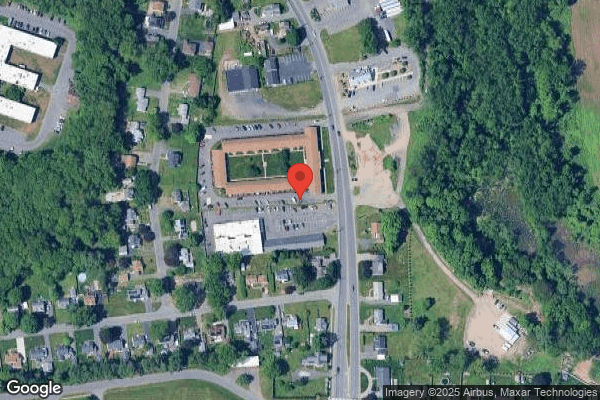
464 MAIN STREET, AGAWAM, MA 01001 (413) 786-8000
For profit - Limited Liability company 123 Beds STERN CONSULTANTS Data: November 2025
Trust Grade
53/100
#63 of 338 in MA
Last Inspection: December 2024

Within standard 12-15 month inspection cycle. Federal law requires annual inspections.

Overview

Agawam East Rehab and Nursing has a Trust Grade of C, which means it is average-neither great nor terrible. It ranks #63 out of 338 facilities in Massachusetts, placing it in the top half of the state's nursing homes, and #5 out of 25 in Hampden County, indicating that only four local options are better. The facility is improving, with issues decreasing from 12 in 2023 to 5 in 2024, though it still has notable weaknesses. Staffing is rated average with a turnover of 35%, which is better than the state average of 39%, but there is less RN coverage than 82% of Massachusetts facilities, which is a concern as RNs are crucial for catching issues that CNAs may miss. Specific incidents include a serious failure to assist a resident with toileting, leading to a fall that resulted in multiple fractures, highlighting gaps in care. While the facility has strengths, such as good health inspection and quality measures ratings, the serious incidents raise important concerns for families to consider.

Trust Score
C
53/100
In Massachusetts
#63/338
Top 18%
Safety Record
High Risk
Review needed
Inspections
Getting Better
12 → 5 violations
Staff Stability
○ Average
35% turnover. Near Massachusetts's 48% average. Typical for the industry.
Penalties
✓ Good
$9,750 in fines. Lower than most Massachusetts facilities. Relatively clean record.
Skilled Nurses
⚠ Watch
Each resident gets only 25 minutes of Registered Nurse (RN) attention daily — below average for Massachusetts. Fewer RN minutes means fewer trained eyes watching for problems.
Violations
⚠ Watch
22 deficiencies on record. Higher than average. Multiple issues found across inspections.
★★★★☆
4.0
Overall Rating
★★★☆☆
3.0
Staff Levels
★★★★☆
4.0
Care Quality
★★★★☆
4.0
Inspection Score
Stable
2023: 12 issues
2024: 5 issues

The Good

  • 4-Star Quality Measures · Strong clinical quality outcomes
  • Full Sprinkler Coverage · Fire safety systems throughout facility
  • No fines on record
  • Staff turnover below average (35%)

    13 points below Massachusetts average of 48%

Facility shows strength in quality measures, fire safety.

The Bad

Staff Turnover: 35%

11pts below Massachusetts avg (46%)

Typical for the industry

Federal Fines: $9,750

Below median ($33,413)

Minor penalties assessed

Chain: STERN CONSULTANTS

Part of a multi-facility chain

Ask about local staffing decisions and management

The Ugly 22 deficiencies on record

3 actual harm
Dec 2024 5 deficiencies
CONCERN (D)

Potential for Harm - no one hurt, but risky conditions existed

Resident Rights (Tag F0550)

Could have caused harm · This affected 1 resident

**NOTE- TERMS IN BRACKETS HAVE BEEN EDITED TO PROTECT CONFIDENTIALITY** 2a. Resident #56 was admitted to the facility in May 2024 with a diagnoses including a history of a transient ischemic attack (s...

Read full inspector narrative →
**NOTE- TERMS IN BRACKETS HAVE BEEN EDITED TO PROTECT CONFIDENTIALITY** 2a. Resident #56 was admitted to the facility in May 2024 with a diagnoses including a history of a transient ischemic attack (stroke), hemiplegia (paralysis of one side of the body) and hemiparesis (partial paralysis of one side of the body) affecting the left side, dysphagia (trouble swallowing), and unspecified Dementia with agitation. Review of Resident #56's most recent Minimum Data Set (MDS) assessment dated [DATE], indicated Resident #56 was severely cognitively impaired as evidenced by a Brief Interview of Mental Status score of 3 out of 15. Review of Resident #56's care plan titled Neuromuscular Impairment, Weakness, initiated 5/29/24, indicated the following interventions: -Eating: requires limited to extensive assistance of (1) staff for eating, initiated 5/29/24. Review of Resident #56's [NAME] (information on how to provide daily care for a resident utilized by CNAs), dated 12/12/24, indicated the following: -Eating: requires limited to extensive assistance of one (1) staff for eating. Review of the most recent Dietary Evaluation Assessment, effective date 12/4/24, indicated the Resident needed to be assisted and provided with verbal cueing while eating. Review of the Nurse Practitioner's (NP) Progress Note, dated 12/10/24, indicated the Resident was fed all meals. During the initial dining observation of the breakfast meal on 12/11/24 from 8:35 A.M. to 9:30 A.M., the surveyor observed the following: -Resident #56 was seated at a table with five other residents. -Resident #56's breakfast tray was placed in front of him/her at 9:09 A.M. The breakfast tray remained covered with a lid and Resident #56 was observed trying to take the top off his/her tray. A CNA uncovered the Resident's tray and scrambled eggs and whole slices of toast were observed on the tray. Resident #56 was observed attempting to eat his/her toast by picking up the whole piece of bread with a fork. -At 9:17 A.M., Resident #56 was observed to be sitting looking at his/her food. He/she had only taken one bite of the toast and consumed no other food from his/her plate. -At 9:19 A.M. to 9:22 A.M., Resident #56 was observed to be sleeping and staff from across the table kept repeating his/her name attempting to wake him/her up to eat. -At 9:30 A.M., a staff member sat next to Resident #56 and began to assist him/her with his/her meal which he/she actively ate with assistance. The surveyor observed that the staff member did not reheat the Resident's food which had been sitting in front of him/her for 21 minutes, prior to assisting the Resident. On 12/11/24 from 5:10 P.M. to 5:59 P.M., the surveyor observed the following during the dinner meal: -Resident #56 was seated at a table with five other residents. -Resident #56 was observed at 5:23 P.M., trying to take the drink that belonged to the resident sitting next to him/her. A staff member redirected Resident #56, asked for Resident #56's tray from the meal cart, and set it up in front of him/her. Resident #56 immediately took a cup containing a protein shake and drank it. -At 5:27 P.M., Resident #56 was observed seated at the table with untouched food and made no attempts to feed him/herself. -At 5:30 P.M., a staff member tried cueing Resident #56 to eat from across the table but Resident #56 did not attempt to feed him/herself. -From 5:33 P.M. until 5:37 P.M, Resident #56 was observed falling asleep at the dining table. -At 5:37 P.M., a staff member was observed rubbing Resident #56's shoulder to wake him/her up and the staff member offered him/her a drink which Resident #56 refused. The staff member did not offer him/her any assistance with his/her meal. -At 5:47 P.M., a staff member was observed sitting down in a chair next to Resident #56 and began assisting him/her with his/her meal. Prior to beginning to assist the Resident, the staff member did not reheat the Resident's food which had been sitting in front of him/her for 24 minutes. 2b. Resident #49 was admitted to the facility in January 2024 with diagnoses including Parkinson's Disease (a disorder of the central nervous system that affects movement, often including tremors) and unspecified Dementia with mood disturbance. Review of Resident #49's most recent MDS Assessment, dated 10/17/24, indicated Resident #49: -was severely cognitively impaired as evidenced by a BIMS score of 00 out of 15. -was dependent on staff for eating. Review of Resident #49's care plan titled Aspiration Precautions Due to Diet Texture Alteration, initiated 12/2/24 indicated the following interventions: -one to one (1:1) feed for all meals, initiated 12/2/24 Review of Resident #49's [NAME] dated 12/12/24, indicated the following: -Eating/Dietary/Nutrition: 1:1 feed for all meals Review of the most recent Dietary Evaluation Assessment, effective 10/14/24, indicated the Resident needed to be fed, prompted, and provided with verbal cueing while eating. On 12/11/24 from 5:10 P.M., to 5:59 P.M., the surveyor observed the following during the dinner meal: -Resident #49 was seated at a table with five other residents. -At 5:26 P.M., Resident #49 received his/her tray and the tray remained covered in front of him/her. -At 5:29 P.M., another resident at Resident #49's table encouraged Resident #49 to uncover his/her meal and asked why Resident #49 had his/her food covered. Resident #49 did not respond. -At 5:32 P.M., the residents on both sides of Resident #49 were assisted with their meals. -At 5:34 P.M., Resident #49 attempted to grab the ice cream that was covered in front of him/her. Resident was re-directed by staff to not touch the ice cream. -At 5:36 P.M., Resident #49 attempted to uncover his/her meal and was re-directed by a staff member to not touch the cover on his/her meal. -At 5:40 P.M., Resident #49 was seen intently observing the residents on either side of him/her being assisted with their meals. -At 5:42 P.M., Resident #49 reached for the cover of his/her meal. A staff member held up a finger cueing him/her to wait. -At 5:46 P.M., UM #2 picked up Resident #49's meal, brought it to the microwave and reheated it, brought it back to Resident #49, and began assisting him/her with the meal (20 minutes after the Resident was served their dinner meal). Resident #49 was observed actively eating with UM #2 feeding him/her. During an interview following the dinner meal on 12/11/24 at 6:09 P.M., UM #2 said there were seven residents in the dining room who needed assistance with the dinner meal. UM #2 said multiple residents needing assistance had to wait 20 or more minutes to be assisted during the dinner meal. UM #2 said the residents should not have had to wait that long and if a resident did wait his/her meal should have been re-heated. During an interview on 12/16/24 at 10:04 A.M., the Director of Nursing (DON) said all residents in the facility should be provided with a hot meal and Resident #56's dinner meal on 12/11/24 should have been re-heated prior to a staff member assisting him/her. The DON said Resident's #56 and #49 should not have to wait 20 minutes to be assisted with their meals. The DON further said the residents who needed to be assisted with dining should have been seated in a way that allowed staff members to assist all the assistive dining residents at once, so no residents waited for an extended period of time. Based on observation, record review, and interview, the facility failed to provide three Residents (#1, #56, and #49) with a dignified dining experience, out of a total sample of 19 residents. Specifically, the facility failed to ensure that: 1. Resident #1 was awake and alert prior to bringing him/her into the dining room during meal service, and provided assistance as required per the Resident's care plan. 2. Resident's #56 and #49 were provided with timely assistance as required per the Resident's care plans. Findings include: 1. Resident #1 was admitted to the facility in October 2020 with diagnoses including Type II Diabetes Mellitus (non-insulin-dependent diabetes) and Dementia. Review of Resident #1's care plan indicated: -Encourage oral intake of food and fluids - initiated 11/2/20 -Resident is independent with eating, when increased fatigue provide assist of one to ensure proper intake if allowed, cueing throughout meal may be needed - initiated 4/19/24 During an interview and observation on 12/11/24 from 9:03 A.M. through 9:23 A.M., the surveyor observed Unit Manager (UM) #1 deliver Resident #1's breakfast tray to the Resident while he/she was asleep in bed. The surveyor further observed that Resident #1 was difficult to arouse requiring UM #1 to provide feeding assistance without much participation from the Resident. UM #1 was observed to encourage the Resident to open his/her eyes, chew, and swallow the food. UM #1 said the Resident was very tired today, and she thought he/she might not be feeling well. On 12/12/24 from 8:03 A.M. through 9:45 A.M., the surveyor observed the following: -At 8:03 A.M., Resident #1 was seated in his/her wheelchair, leaning forward, asleep at the nurses station. -At 8:08 A.M., Resident #1 was brought into the Unit dining room and placed at a table. The Resident was arousable, but not awake and alert. -At 8:43 A.M., Resident #1 was seated in his/her wheelchair, at a table in the dining room, asleep. >Resident #1 had a plate of untouched food, a bowl of untouched oatmeal, and two untouched drinking cups full of liquid in front of him/her. >At this time, 26 Residents and seven staff were in the dining room. >Staff were providing assistance with eating, supervision, cueing and other needs to other residents in the dining room. >No staff were observed encouraging Resident #1 to wake up, encouraging him/her to eat or to provide any assistance with his/her meal. The surveyor exited the dining room briefly. -At 8:52 A.M., the surveyor re-entered the dining room and observed another resident seated to the right of Resident #1, to be eating the contents of Resident #1's plate, and 95% of the breakfast meal was gone. During an interview at the time, the surveyor asked Nurse #4 if Resident #1 had eaten his/her breakfast, she looked over and said she believed Resident #1 had eaten. The surveyor shared the observation that the resident seated to the right of Resident #1 was eating the food off the Resident's plate. Nurse #4 observed the resident to be eating off Resident #1's plate, and immediately removed Resident #1's plate that was eaten from the table, leaving a bowl of untouched oatmeal and two untouched cups of liquids. -At 9:00 A.M., Nurse #4 removed the uneaten bowl of oatmeal as Resident #1 remained asleep. The surveyor asked Nurse #4 if Resident #1 had eaten any of the oatmeal and she said it did not appear that he/she had eaten any. Nurse #4 said she was not sure if any staff sat with the Resident to provide assistance with his/her breakfast meal. -At 9:02 A.M., UM #1 said she could not say who, if anyone sat with the Resident during breakfast service to encourage or assist with eating. The surveyor relayed to UM #1 that the surveyor did not observe any staff encourage the Resident to wake up during the breakfast meal service or assist with eating, prior to his/her table mate eating his/her food. UM #1 said that she thought the Resident was typically independent with eating, that he/she was not feeling well, and required additional assistance the last two days but did not receive the assistance during the meal service today when he/she should have. -At 9:45 A.M., Certified Nurses Aide (CNA) #4 was observed providing Resident #1 with assistance to eat breakfast (62 minutes after the breakfast meal was served on the unit). Resident #1 was dependent on CNA #4 to feed him/her. -Resident #1 was alert and accepting of food. During an interview immediately following the observation, CNA #4 said that she requested a new plate from the kitchen after learning that Resident #1 had not eaten his/her breakfast. CNA #4 said the Resident would almost always eat 100% of his/her food when CNA #4 provided the assistance for Resident #1. CNA #4 said that she had been assisting Resident #1 with his/her meals for a few months and that occasionally the Resident would eat on their own but most of the time he/she required assistance. Please refer to F657
CONCERN (D)

Potential for Harm - no one hurt, but risky conditions existed

Deficiency F0657 (Tag F0657)

Could have caused harm · This affected 1 resident

**NOTE- TERMS IN BRACKETS HAVE BEEN EDITED TO PROTECT CONFIDENTIALITY** Based on observation, record review, and interview, the facility failed to ensure that the care plan was reviewed and revised by...

Read full inspector narrative →
**NOTE- TERMS IN BRACKETS HAVE BEEN EDITED TO PROTECT CONFIDENTIALITY** Based on observation, record review, and interview, the facility failed to ensure that the care plan was reviewed and revised by the interdiciplinary team pertaining to Activities of Daily Living (ADL) for one Resident (#1) out of a total sample of 19 residents. Specifically, for Resident #1, the facility failed to: 1. update the ADL care plan after Resident #1 had documented decline in his/her ability to independently feed him/herself and required maximum assistance more frequently. 2. review and revise the care plan with the input of the interdisciplinary team as required. Findings include: Resident #1 was admitted to the facility in October 2020 with diagnoses including Type II Diabetes Mellitus (non-insulin-dependent diabetes) and Dementia. 1. Review of Resident #1's care plan indicated the following: -Encourage oral intake of food and fluids -initiated 11/2/20 -Resident is independent with eating, when increased fatigue provide assist of one to ensure proper intake if allowed, cueing throughout meal may be needed -initiated 4/19/24 Review of the Certified Nurses Aide's (CNA)s Documentation Report for eating for September 2024 through December 2024, indicated the following level of assistance was required for Resident #1 during the 7:00 A.M. to 3:00 P.M. shift (breakfast and lunch meals): >Coding key as follows: 1= Dependent - helper does all of the effort 2= Substantial/Maximal assistance - helper does more than half the effort -September 2024: Resident #1 required substantial/maximal assistance or was dependent for 23 out of 30 days documented. -October 2024: Resident #1 required substantial/maximal assistance or was dependent for 27 out of 31 days documented. -November 2024: Resident #1 required substantial/maximal assistance or was dependent for 29 out of 29 days documented. -December 2024: Resident #1 required substantial/maximal assistance or was dependent for 10 out of 10 days documented. Review of the Minimum Data Set (MDS) assessment dated [DATE], indicated that Resident #1 required substantial/maximal assistance while eating. On 12/11/24 from 9:03 A.M. through 9:23 A.M., the surveyor observed the following: -Unit Manager (UM) #1 deliver Resident #1's breakfast tray in the Resident's room. -UM #1 adjust Resident #1's positioning in the bed to assist him/her with eating breakfast. -Resident #1 was difficult to arouse. -UM #1 held the utensil and brought the food to Resident #1's mouth. Resident #1 required maximum assistance of UM #1 (Resident #1 did not participate in feeding him/herself). -UM #1 had to frequently encourage the Resident to open his/her eyes, chew, and swallow the food. During an observation and interview on 12/12/24 at 9:45 A.M., CNA #4 provided Resident #1 with assistance while eating breakfast and the Resident was dependent on CNA #4 to feed him/her. CNA #4 said the Resident would almost always eat 100% of his/her food when CNA #4 provided the assistance for Resident #1. CNA #4 said that she had been assisting Resident #1 with his/her meals for a few months and that occasionally the Resident would eat on their own but most of the time he/she required assistance. During an interview on 12/12/24 at 10:36 A.M., UM #1 said that after reviewing Resident #1's level of assistance required during meals, the care plan should have been updated to reflect the changes (in requiring assistance with meals) the Resident experienced from September 2024 through December 2024. During an interview on 12/12/24 at 2:36 P.M., MDS Nurse #2 said that the Resident had a change in his/her level of assistance required while eating over the last few months and that she would expect for a Resident who went from a partial assist to a dependent assist while eating, the care plan would be updated and at this time the care plan had not been updated. 2. Review of the last sign in sheet available in the medical record for Resident #1 indicated the last care plan meeting was held on 6/20/24. Review of the September 2024 Care Plan meeting schedule indicated an interdisciplinary care plan team meeting was scheduled on 9/19/24 at 1:45 P.M. During an interview on 12/12/24 at 2:26 P.M., UM #1 provided the most recent copy of the care plan meeting available for Resident #1 that was dated 6/20/24. UM #1 said that she was not able to locate any evidence that any care plan meetings for Resident #1 had occurred since 6/20/24. During an interview on 12/12/24 at 2:36 P.M., MDS Nurse #1 reviewed the care plan meeting schedule and noted that Resident #1 had a care plan meeting scheduled for 9/19/24. MDS Nurse #1 said that she attended the care plan meetings and takes many notes. The surveyor and MDS Nurse #1 reviewed the notebook used by MDS Nurse #1 for care plan meetings and was unable to find any documented evidence that an interdisciplinary care plan meeting occurred on 9/19/24 as scheduled for Resident #1.
CONCERN (D)

Potential for Harm - no one hurt, but risky conditions existed

Respiratory Care (Tag F0695)

Could have caused harm · This affected 1 resident

**NOTE- TERMS IN BRACKETS HAVE BEEN EDITED TO PROTECT CONFIDENTIALITY** Based on observation, interview, and record review, the facility failed to ensure that necessary respiratory care and services i...

Read full inspector narrative →
**NOTE- TERMS IN BRACKETS HAVE BEEN EDITED TO PROTECT CONFIDENTIALITY** Based on observation, interview, and record review, the facility failed to ensure that necessary respiratory care and services in accordance with professional standards of practice were in place for one Resident (#54) out of a total sample of 19 residents. Specifically, for Resident #54, the facility failed to ensure that: 1. Physician's orders were in place at the time of admission to address liter flow (LPM - flow of oxygen that is received from an oxygen delivery device), monitoring of respiratory status, and for care and services of oxygen equipment. 2. a person-centered respiratory care plan was created within seven days of the admission Minimum Data Set (MDS) Assessment completion. Findings include: Review of the facility policy titled Oxygen Administration and Storage, revised 3/8/24, indicated the following: -To ensure staff follow safety guidelines and regulation for storage and use of oxygen. -Verify provider's order for the procedure. -Before administering oxygen, and while the resident is receiving oxygen therapy, assess for the following: *Signs or symptoms of cyanosis (i.e. blue tone to he skin and mucous membranes); *Signs or symptoms of hypoxia (i.e. rapid breathing, rapid pulse rate, restlessness, confusion); *Signs or symptoms of oxygen toxicity (i.e. tracheal irritation, difficulty breathing, or slow, shallow rate of breathing); *Vital signs; *Lung sounds; *Atrial blood gases and oxygen saturation . -The nasal canula or mask should be changed weekly or when soiled. -The extension tubing (the tube used to lengthen the cannula, but is not connected directly to the resident) should be changed monthly or when soiled. -Filters should be removed and cleaned by rinsing with clear, cool water weekly to maximize flow rate of clean air. Resident #54 was admitted to the facility in September 2024 with diagnoses including Chronic Obstructive Pulmonary Disease (a group of lung diseases that block airflow and make it difficult to breathe). 1. Review of the most recent comprehensive MDS assessment dated [DATE] indicated Resident #54 utilized oxygen. Review of Resident #54's baseline care plan dated 9/6/24, indicated: -the Resident was on oxygen therapy -did not include: >the LPM that Resident #54 utilized. >how the staff should be monitoring the respiratory status of the Resident. >information on how the staff would provide the care and services of the Resident's oxygen equipment. Review of Resident #54's Physician's orders from 9/6/24 through 12/12/24 indicated the following: -Oxygen at 4 LPM via nasal cannula, no humidification, every shift, post treatment evaluate heart rate, respiratory rate, pulse oximetry, skin color, and breath sounds, start date of 9/16/24. -Clean filter on oxygen concentrator weekly as needed for maintenance .start date of 11/27/24. -Oxygen tubing change weekly. Label each component with date and initials every night shift ever Sunday .start date of 11/27/24. During an observation on 12/11/24 at 9:57 A.M., the surveyor observed Resident #54 lying in bed receiving oxygen via nasal cannula. The Resident's oxygen concentrator was set on 4 LPM, and he/she had extension tubing coiled at bedside. During an interview on 12/11/24 at 3:08 P.M., Nurse #3 said if a Resident was admitted to the facility on oxygen, Physician's orders should be in place for the LPM the Resident needs, care and services of the oxygen equipment, and monitoring of the Resident's respiratory status, and that these orders should be in place on the day of admission. During an interview on 12/12/24 at 9:24 A.M., Unit Manager (UM) #2 said Physician's orders should be put into place at the time of admission for Resident's who utilize oxygen and these orders should include the LPM the Resident needed and care and services for oxygen equipment. During a follow-up interview on 12/12/24 at 9:35 P.M., UM #2 said she reviewed Resident #54's chart and the orders for LPM that the Resident utilized and assessing the Resident's respiratory status had not been put into place until a week and a half after the Resident's admission to the facility. UM #2 also said orders for the care of the Resident's respiratory equipment had not been put into place until the end of November 2024. UM #2 further said Resident #54 had been utilizing oxygen since the day he/she was admitted to the facility and these orders should have been put into place at the time he/she was admitted to the facility. UM #2 said she could not be sure of how often the Resident's oxygen equipment had been changed from admission to November when the orders were put into place because there was no documentation to support that it was done on a regular basis. 2. Review of Resident #54's care plan indicated a respiratory care plan was created on 11/25/24, greater than two months from the time the Resident was admitted to the facility. During an interview on 12/12/24 at 11:00 A.M., the MDS Nurse said a comprehensive respiratory care plan for a Resident on oxygen should be created shortly after the Resident is admitted to the facility. During a follow-up interview on 12/12/24 at 11:13 A.M., the MDS Nurse said Resident #54's comprehensive respiratory care plan was not created until 11/25/24, more than two months after the Resident had been admitted to the facility, and should have been created shortly after the Resident was admitted .
CONCERN (E)

Potential for Harm - no one hurt, but risky conditions existed

ADL Care (Tag F0677)

Could have caused harm · This affected multiple residents

**NOTE- TERMS IN BRACKETS HAVE BEEN EDITED TO PROTECT CONFIDENTIALITY** Based on observation, interview, and record review, the facility failed to ensure that activities of daily living (ADLs) were pe...

Read full inspector narrative →
**NOTE- TERMS IN BRACKETS HAVE BEEN EDITED TO PROTECT CONFIDENTIALITY** Based on observation, interview, and record review, the facility failed to ensure that activities of daily living (ADLs) were performed for one Resident (#4) out of a total sample of 19 residents. Specifically, the facility failed to provide assistance with removing facial hair for Resident #4, when the Resident was dependent on staff for grooming care and needs. Findings include: Resident #4 was admitted to the facility in September 2021, with diagnoses including Unspecified Dementia and Depression. Review of the facility's policy titled Activities of Daily Living (ADL), effective 1/2024 indicated: -Residents who are unable to carry out activities of daily living independently will receive the services necessary to maintain good nutrition, grooming, and personal and oral hygiene. Review of the Resident's ADL care plan, last revised 12/8/23, indicated the Resident required assist/dependent for ADL care. Review of Resident #4's Minimum Data Set (MDS) assessment dated [DATE], indicated the Resident: -was severely cognitively impaired as evidenced by a Brief Interview for Mental Status (BIMS) score of six out of a total possible score of 15. -had not exhibited any episodes of rejection of care. -required substantial/maximal assistance (helper does more than half the effort) for personal hygiene (the ability to maintain personal hygiene including combing hair, shaving, applying makeup, washing/drying face and hands). Review of Resident #4's [NAME] (a brief overview of the Resident's care needs), undated, printed on 12/12/24, indicated the Resident required limited to extensive assistance for personal hygiene (grooming). On 12/11/24 at 8:44 A.M., the surveyor observed Resident #4 sitting in the dining room, dressed and wearing socks and shoes. The surveyor further observed that Resident #4 had facial hair, approximately two inches long, sparsely distributed under his/her chin. On 12/11/24 at 2:36 P.M., the surveyor observed the Resident sitting at a table with two other residents during a trivia activity. The Resident was dressed, wearing socks and shoes, and long facial hair remained under his/her chin. On 12/12/24 at 8:45 A.M., two surveyors observed Resident #4 sitting at a table in the dining room, dressed, and wearing socks and shoes. The Resident was observed with long facial hair remaining under his/her chin. Review of the Certified Nurses Aide (CNA) Documentation Report for December 2024, indicated the Resident received personal hygiene assistance every day and required substantial/maximal assistance. During an interview on 12/12/24 at 9:02 A.M., CNA #1 said that the CNAs were responsible to shave residents with facial hair as needed. CNA #1 said that she was familiar with Resident #4's care and had provided care to the Resident earlier that morning. CNA #1 described how she had performed care for Resident #4 and said that the Resident was not resistive to care and did not reject care. The surveyor and CNA #1 observed the Resident in the dining room with facial hair still remaining. CNA #1 said that she could see the long hair on his/her chin, and that he/she should have been shaved. CNA #1 was unable to recall when she had last shaved the Resident to remove facial hair. On 12/12/24 at 9:09 A.M., the surveyor and Nurse #1 and the surveyor observed Resident #4 sitting in the dining room with long facial hair. Nurse #1 said that the facial hair looked like it had been there for quite some time. Nurse #1 further said that she had not worked on the unit for the past two weeks and that CNA #1 had told her about the facial hair, but there were no razors on the unit at this time. Nurse #1 said that she called Central Supply, but there was no answer, so she added razors to the supply need list. Nurse #1 further said the process for getting supplies was that staff from the unit add the supplies needed to the list and the Central Supply Clerk comes to get the list every day. During an interview and observation on 12/12/24 at 9:17 A.M., the surveyor and the Central Supply Clerk observed that the Central Supply Room had multiple boxes of razors. The Central Supply Clerk said that she restocks the units on Monday, Wednesday, and Friday as well as requesting the Nurses to write the supplies that are needed on the Supply list. The Central Supply Clerk said that she saw a couple of razors on the unit yesterday when she was delivering supplies. The Central Supply Clerk said that the facility does not use a par level system (a system that identifies the number of items to be kept in stock) but that if a unit ran out of an item, the Nurses had a key to the Central Supply Room and the item could be obtained from there. During an interview on 12/13/24 at 1:15 P.M., the Director of Nursing (DON) said that unwanted facial hair should be removed as part of grooming and that staff education has been initiated.
MINOR (B)

Minor Issue - procedural, no safety impact

Deficiency F0582 (Tag F0582)

Minor procedural issue · This affected multiple residents

Based on interview, and record review, the facility failed to ensure the Skilled Nursing Facility Advanced Beneficiary Notice of Non-coverage (SNF ABN: notice issued to a resident when a facility dete...

Read full inspector narrative →
Based on interview, and record review, the facility failed to ensure the Skilled Nursing Facility Advanced Beneficiary Notice of Non-coverage (SNF ABN: notice issued to a resident when a facility determines the beneficiary no longer qualifies for Medicare Part A skilled services and the resident has not used all his/her Medicare benefit days) were issued with the required information for two Residents (#47 and #22), out of three applicable residents reviewed. Specifically, the facility failed to issue the SNF ABN notices to Residents #47 and #22, so the Resident/Resident Representative could decide if they wished to continue receiving skilled services that may not be paid for by Medicare, and were aware of the financial responsibility they may have to assume. Findings include: 1. Resident #47 was admitted to the facility in August 2024. Review of the clinical record indicated Resident #47 received Medicare Part A skilled services from 8/28/24 through 10/17/24. Further review of the clinical record indicated: -A SNF ABN form was provided to the Resident Representative and initialed on 10/15/24. -the sections on the form that were to be completed by the facility and indicated the financial responsibility of the Resident/Resident Representative were left blank. -Resident #47 remained in the facility after Medicare Part A skilled benefits ended. 2. Resident #22 was admitted to the facility in April 2024. Review of the clinical record indicated Resident #22 received Medicare Part A skilled services from 4/24/24 through 6/20/24. Further review of the clinical record indicated: -A SNF ABN form was provided to the Resident Representative and initialed on 6/14/24. -the sections on the form that were to be completed by the facility and indicated the financial responsibility of the Resident/Resident Representative were left blank. -Resident #22 remained in the facility after Medicare Part A skilled benefits ended. During an interview on 12/12/24 at 3:32 P.M., Social Worker (SW) #1 said when Medicare Part A skilled services end, she receives notification of what notices to provide to the Resident/Resident Representative and one of the forms includes the SBF ABN form. SW #1 said she would contact the Resident/Resident Representative and explain why they were being discharged from Medicare Part A skilled services, and would provide the SNF ABN if applicable, which notifies the Resident/Resident Representative of the financial costs that they may be responsible for once skilled services end. SW #1 reviewed the SNF ABN forms for Resident #47 and Resident #22 and said the forms were not completed with the estimated amounts that the Residents would be responsible for. SW #1 said the forms should have been filled out with the financial amounts, so the Resident/Resident Representative knew this information. SW #1 said the SNF ABN forms for Resident #47 and Resident #22 were not completed appropriately.
Oct 2023 9 deficiencies
CONCERN (D)

Potential for Harm - no one hurt, but risky conditions existed

Resident Rights (Tag F0550)

Could have caused harm · This affected 1 resident

Based on observation, interview, and policy review, the facility failed to promote care for residents in a manner and in an environment that maintains or enhances each resident's dignity and respect, ...

Read full inspector narrative →
Based on observation, interview, and policy review, the facility failed to promote care for residents in a manner and in an environment that maintains or enhances each resident's dignity and respect, while dining, on one Unit (B wing), out of three unit dining rooms observed. Specifically, the facility failed to ensure staff engaged with two residents, in a dignified and respectful manner, while they provided assistance with eating. Findings include: Review of the facility's policy titled Treatment: Considerate and Respectful, revised on 8/7/23, indicated the following: -Dining: Promote patient independence and dignity in dining such as avoidance of .staff interacting/conversing only with each other rather than with patients while assisting patients. Review of the facility's policy titled Personal Cell Phones and Handheld Devices: Use of, revised on 7/1/22, indicated the following: -Use of cell phones .is restricted while on Genesis and its affiliates (collectively Company) premises and/or during work time. -Cell phones and other portable communication devices should never be used in any way that would distract from patient care or customer service. On 10/17/23 at 1:15 P.M., the surveyor observed two Certified Nurse Aides (CNA) (#3 and #4) in the B Wing dining room, seated at a table assisting two residents with eating lunch. CNA #3 held a cell phone, while reaching over one resident to share what was on the cell phone with CNA #4. CNA #3 and CNA #4 continued to converse with each other while looking at the cell phone and leaning over one resident for approximately three to four minutes, during which time the CNAs did not engage with the residents they were assisting nor did they assist either resident with eating their lunch. When the CNAs were done communicating and looking at the cell phone, they resumed assisting the residents with eating lunch. During an interview immediately following the observation at 1:20 P.M., Unit Manager #2 said that per the facility policy staff are not allowed to have cell phones while working on the units. During an interview on 10/17/23 at 2:01 P.M., the Director of Nursing (DON) said that staff should not have their cell phones out at all, and the CNAs should have been providing assistance to the residents whom they were assisting with eating lunch.
CONCERN (D)

Potential for Harm - no one hurt, but risky conditions existed

Deficiency F0558 (Tag F0558)

Could have caused harm · This affected 1 resident

Based on observations, interviews, and record review, the facility failed to ensure one Resident (#54), out of a total sample of 19 residents, received services in the facility with reasonable accommo...

Read full inspector narrative →
Based on observations, interviews, and record review, the facility failed to ensure one Resident (#54), out of a total sample of 19 residents, received services in the facility with reasonable accommodation. Specifically, Resident #54 did not have access to a call light which he/she was able to effectively use. Findings include: Review of the facility's policy titled Call Lights, reviewed on 2/1/23, indicated that .patients will have a call light or alternative communication device within their reach at all times when unattended. Resident #54 was admitted to the facility in May 2022. Review of the Minimum Data Set (MDS) assessment, dated 9/8/23, indicated the Resident was moderately impaired as evidenced by a Brief Interview for Mental Status (BIMS) score of 10 out of 15. Review of the Occupational Therapy Discharge Summary, signed on 10/11/23, indicated the Resident was assessed to have a left-hand fisted contracture (a permanent tightening of the muscles, tendons, skin, and surrounding tissues that causes the joints to shorten and stiffen). During an interview and observation on 10/12/23 at 9:13 A.M., with Certified Nurse Aide (CNA) #5 and Resident #45, CNA #5 said that the Resident had a hard time using the call bell because of his/her hands. The Resident said that he/she had a hard time using his/her hands and required assistance when eating and with everything else. The CNA said that the Resident will call out for staff when he/she needs help. The surveyor and CNA #5 did not observe the call light to be accessible to the Resident nor did the CNA and surveyor observe an alternative communication device in the room for the Resident to call for help. During an observation and interview on 10/16/23 at 4:06 P.M., with Resident #54, Unit Manager (UM) #1 and the surveyor, the surveyor and UM #1 observed the call light to be attached to the bed but underneath the bed and out of reach for the Resident. When asked if he/she could reach the call bell Resident #54 said no. The surveyor placed the call bell in the Resident's hand and asked if he/she was able to press the button located on the top of the call bell, while holding it in his/her hand. The Resident held the call bell and attempted to shimmy it upward in his/her hand enough to press the button on the top of the call light with his/her thumb. The Resident was unsuccessful at reaching the button on the top of the call light and said that he/she would be better with one of those flat ones. When the surveyor asked how he/she would ask staff for help, the Resident said that he/she would just have to yell. UM #1 said that the call bell was out of reach and said that the facility would be able to obtain a different call bell that would work better for him/her.
CONCERN (D)

Potential for Harm - no one hurt, but risky conditions existed

Abuse Prevention Policies (Tag F0607)

Could have caused harm · This affected 1 resident

Based on observation, record review, and interview, the facility failed to implement a facility policy relative to abuse for one Resident (#55), out of a total sample of 19 residents. Specifically, th...

Read full inspector narrative →
Based on observation, record review, and interview, the facility failed to implement a facility policy relative to abuse for one Resident (#55), out of a total sample of 19 residents. Specifically, the facility failed to identify, report, and investigate bruises of an unknown origin for Resident #55. Findings include: Review of the facility's policy titled Abuse Prohibition, revised on 10/24/22, indicated the following: -The Center will implement an abuse prohibition program through .identification of possible incidents or allegations which need investigation. -Staff will identify events such as suspicious bruising of patients, occurrences, patterns, and trends that may constitute abuse and determine the direction of the investigation. Resident #55 was admitted to the facility in June 2023 with the following diagnoses: metabolic encephalopathy (brain dysfunctions due to problems with metabolism), repeated falls, and dementia. On 10/12/23 at 9:46 A.M., the surveyor observed Resident #55 in bed having breakfast. During this encounter the surveyor noted a bruise on the underside of Resident #55's right forearm. When asked where the bruise came from, the Resident rubbed it and said he/she was not sure. Review of the skin assessments titled Skin Checks - V4 dated 9/27/23, 10/5/23, and 10/12/23 indicated - no skin injury/wound(s). Further review of the medical record indicated no documented evidence of any bruising noted by nursing staff. On 10/16/23 at 9:09 A.M., the surveyor observed Resident #55 in bed with his/her right forearm and left shoulder exposed. The surveyor again noted a baseball sized, round bruise on the underside of the Resident's right forearm. The surveyor additionally noted there to be a smaller bruise on his/her backside of the left shoulder. During an interview and observation on 10/16/23 at 9:39 A.M., Nurse #2 said that weekly skin checks are typically completed on shower days. She said that she goes into the shower room or into the resident's room if they are receiving a bed bath, to conduct a head-to-toe skin assessment. She said that she will indicate a Y for yes- new findings found or N for no- no new findings, on the Medication Administration Record (MAR) and complete a User Defined Assessment (UDA) noting if there were any changes or no changes found on the Resident's skin. Together Nurse #2 and the surveyor observed the bruising on the right forearm and the left shoulder. She said that they appeared to be old and that the bruising should be noted somewhere in the Resident's medical record, either on an assessment or in a progress note. During a follow up interview on 10/16/23 at 9:51 A.M., Nurse #2 said that she reviewed multiple skin assessments and progress notes but was unable to locate anything that indicated the Resident had bruising or how he/she sustained the bruises. During an interview on 10/16/23 at 10:36 A.M., the Director of Nursing (DON) said that she was unable to locate documentation that referenced the bruising or where it came from. She said that it may have occurred during one of the falls the Resident sustained on 10/1/23 or 10/2/23, however was unable to confirm this because all the documentation for the falls indicated no bruising at the time of the fall. She additionally said that the Resident had two skin assessments since he/she fell and that when staff noticed the bruising, they should have done the following: -Document the findings, -Complete an incident report, -Complete a change in condition form, -Notify the family and the physician, and -If it was determined by the staff that they are unable to identify what caused the bruising an investigation would then be conducted to rule out abuse, but this did not occur as required.
CONCERN (D)

Potential for Harm - no one hurt, but risky conditions existed

Report Alleged Abuse (Tag F0609)

Could have caused harm · This affected 1 resident

Based on record review, policy review, and interview, the facility failed to implement the facility's policy relative to abuse reporting for an incident. Specifically, the facility failed to report a ...

Read full inspector narrative →
Based on record review, policy review, and interview, the facility failed to implement the facility's policy relative to abuse reporting for an incident. Specifically, the facility failed to report a resident-to-resident altercation, involving two Residents (#83 and #90), immediately but not later than two hours after the altercation occurred. Findings include: Review of the facility's Abuse Prohibition Policy, dated 10/24/22, included: -Anyone who witnesses an incident of suspected abuse, neglect, voluntary seclusion, injuries of unknown origin, or misappropriation of patient property is to report the incident to his/her supervisor immediately, regardless of the shift worked. -The notified supervisor will report the suspected abuse immediately to the Administrator or designee and other officials in accordance with state law. -Report allegations involving abuse (physical, verbal, sexual, mental) not later than two hours after the allegation is made. Resident #83 was admitted to the facility in September 2022 with a diagnosis of unspecified Dementia with behavioral disturbance. Resident #90 was admitted to the facility in May 2023 with diagnoses of unspecified Dementia without behavioral disturbance and psychotic disturbance. Review of the Nursing Progress Notes, dated 8/5/23, indicated Resident #83 was lying down on Resident #90's bed with his/her shirt pulled up and Resident #90 wanted to lay on top of Resident #83. Review of the Situation Background Assessment Recommendation (SBAR) Communication Form (a structured communication form used to provide concise, clear, focused communication) indicated Resident #83 was lying down on Resident #90's bed. Resident #90 wanted to lay on top of Resident #83 and lifted his/her shirt up. Review of the Social Work Progress Note, dated 8/7/23, indicated the Social Worker met with Resident #83, and determined the Resident did not recall the incident from 8/5/23. During an interview on 10/13/23, Unit Manager (UM) #3 said that an Incident Report should have been completed following the incident, but she was unable to locate it. During an interview on 10/17/23 at 7:25 A.M., the Administrator said that he became aware of the incident from Saturday, 8/5/23, on Monday, 8/7/23. He said when an incident occurs between residents the nurse should complete an Incident Report, notify the Supervisor and when necessary, the Supervisor should notify Administration. He said he believed he saw an Incident Report, but he has been unable to find it. He said he started another investigation on Friday 10/13/23. On 10/17/23 at 3:19 P.M., the Administrator provided the surveyor with a copy of the Health Care Facility Reporting System (HCFRS-a web based system that health care facilities must use to report incidents and allegations of abuse, neglect and misappropriation) Incident report dated 10/17/23.
CONCERN (D)

Potential for Harm - no one hurt, but risky conditions existed

Respiratory Care (Tag F0695)

Could have caused harm · This affected 1 resident

Based on observation, interview, and record review, the facility failed to ensure staff labeled and dated nasal cannula tubing (tubing that delivers Oxygen from an oxygen concentrator to a patient) to...

Read full inspector narrative →
Based on observation, interview, and record review, the facility failed to ensure staff labeled and dated nasal cannula tubing (tubing that delivers Oxygen from an oxygen concentrator to a patient) to identify when it was last changed for one Resident (#24), out of a total sample of 19 residents. Findings include: Review of the facility's policy titled Oxygen: Nasal Cannula, revised 8/7/23, indicated the following: -Replace disposable set-up (nasal cannula and tubing) every seven days. Resident #24 was admitted to the facility in August 2017 with diagnoses including Chronic Obstructive Pulmonary Disease (COPD-a group of lung diseases that block airflow and make it difficult to breathe). On 10/12/23 at 9:40 A.M., the surveyor observed the Resident in bed wearing a nasal cannula which was connected to an oxygen concentrator. Further observation of the nasal cannula indicated no label or date as to when it was last changed. Review of the October 2023 Physician's Orders indicated the following: -Change O2 (Oxygen) tubing, label/date/initial weekly .one time a day every 7 days .with a start date of 5/30/23. Review of the October 2023 Medication Administration Record (MAR) and Treatment Administration Record (TAR) indicated no documentation as to when the Resident's nasal cannula tubing had been changed last. During an observation and interview on 10/16/23 at 11:54 A.M., the surveyor and Unit Manager (UM) #1 observed the Resident in his/her room sitting in his/her wheelchair. The Resident was wearing his/her nasal cannula tubing connected to an oxygen concentrator. UM #1 said the nasal cannula tubing should be changed weekly, dated, and initialed per the physician's order, and signed off as being completed on the MAR. Together with the surveyor, UM #1 observed the Resident's tubing and said the tubing was not labeled or dated so she could not be sure when it was last changed. UM #1 reviewed the MAR and was unable to locate any documentation as to when Resident #24's tubing was last changed.
CONCERN (D)

Potential for Harm - no one hurt, but risky conditions existed

Deficiency F0725 (Tag F0725)

Could have caused harm · This affected 1 resident

Based on observation and interview, the facility failed to ensure there was enough staff available to timely assist dependent residents with meals on one Unit (A Wing), out of three units observed. Sp...

Read full inspector narrative →
Based on observation and interview, the facility failed to ensure there was enough staff available to timely assist dependent residents with meals on one Unit (A Wing), out of three units observed. Specifically, for Resident #46, who was dependent for meals and who resided on A Wing, the facility failed to ensure there was enough staff to assist him/her timely with the breakfast meal. Findings include: Resident #46 was admitted to the facility in April 2019 with a diagnosis of dementia. Review of the most recent Minimum Data Set (MDS) assessment, dated 8/9/23, indicated the Resident was totally dependent on one staff member to assist him/her with eating. During an observation of the breakfast meal on 10/12/23 from 8:45 A.M. until 9:06 A.M., the surveyor observed the following: 8:45 A.M., the Resident was seated at a table with three other Residents. He/She was served his/her meal, but staff did not remove the cover from the dish. 9:05 A.M., the three other residents Resident #46 was seated with had all completed their meals. Resident #46's meal remained covered in front of him/her. 9:06 A.M., a Staff member sat down next to the Resident and began assisting him/her with his/her meal. During an observation of the breakfast meal on 10/16/23 from 8:31 A.M. until 9:10 A.M., the following was observed: 8:31 A.M., the first cart of trays was brought to the unit. 8:37 A.M., the second cart of trays was brought to the unit. 8:43 A.M., the Resident was brought into the dining room and seated with one other resident. 8:51 A.M., the Resident's tablemate was served his/her meal. 8:53 A.M., the Resident's plate was placed in front of him/her on the table but remained covered. 9:10 A.M., a Staff member sat down next to the Resident and began assisting him/her with his/her meal. (33 minutes had elapsed from when trays were brought to the unit and when the staff member began to assist the Resident with his/her meal). During an observation of the breakfast meal on 10/17/23 from 8:08 A.M. until 9:04 A.M., the following was observed: 8:08 A.M., the first cart of trays was brought to the unit. 8:14 A.M., the second cart of trays was brought to the unit. 8:39 A.M., the Resident was observed to be seated in the dining room at a table with one other resident. 8:59 A.M., the Resident's tablemate was served his/her meal and a staff member was assisting him/her to eat. Resident #46 had not received his/her meal. 9:03 A.M., Unit Manager (UM) #1 brought Resident #46 his/her meal and began assisting him/her. (49 minutes had elapsed from when trays were brought to the unit and when UM #1 began to assist the Resident with his/her meal). During an interview on 10/17/23 at 8:53 A.M., Certified Nurse Aide (CNA) #1 said there were not enough CNAs to timely assist all dependent Residents with their meal during breakfast. He/She further said at times two CNAs could have up to five residents that needed to be assisted with meals. During an interview on 10/17/23 at 9:03 A.M., UM #1 said Resident #46 was dependent on staff for assistance for all meals. She further said trays were brought up almost an hour ago and that was too long of a wait for a resident to be assisted with their meal. She further said there was not enough staff to assist those residents on the unit who required assistance with eating.
CONCERN (D)

Potential for Harm - no one hurt, but risky conditions existed

Drug Regimen Review (Tag F0756)

Could have caused harm · This affected 1 resident

Based on interview and record review, the facility failed to ensure Medication Regimen Reviews (MRR) were acted upon as recommended by the Pharmacist and/or Physician for two Residents (#35 and #9), o...

Read full inspector narrative →
Based on interview and record review, the facility failed to ensure Medication Regimen Reviews (MRR) were acted upon as recommended by the Pharmacist and/or Physician for two Residents (#35 and #9), out of 19 residents sampled. Specifically, the facility failed: 1. For Resident #35, to implement the recommendations from the Pharmacist that the Physician agreed upon implementing; and 2. For Resident #9, to ensure the Physician reviewed and responded to the Pharmacist's recommendations. Findings include: Review of the facility's policy titled Medication Regimen Review, revised 8/17/23, indicated the following: -Facility should encourage Physician/Prescriber or other Responsible Parties receiving the MRR and the Director of Nursing (DON) to act upon the recommendations contained in the MRR. 1. Resident #35 was admitted to the facility in June 2023 with diagnoses including dementia, anxiety disorder, and depression and utilized an antipsychotic medication. Review of the MRR, dated 7/14/23, indicated the Pharmacist recommended the following: -Resident receives an antipsychotic medication which may increase the risk for orthostatic hypotension (a form of low blood pressure that happens when standing up from sitting or lying down) and falls. -Monitor orthostatic blood pressure periodically (blood pressure measured when a resident is lying, sitting, and standing). -Monitor fasting blood glucose, A1C (a blood test that measures average blood sugar levels over three months), and fasting lipids (fat-like substances in the blood) (all tests that measure for metabolic abnormalities) on the next convenient lab day and at least annually thereafter. -Rationale for Recommendation Antipsychotic drugs have been associated with metabolic abnormalities . Further review of the MRR indicated the Physician acknowledged and agreed with the Pharmacist's recommendations on 7/25/23. Further review of the Resident's medical record indicated no orthostatic blood pressure had been recorded and no lab work had been drawn from 7/25/23 until 10/16/23 when the record was reviewed by the surveyor. During an interview on 10/16/23 at 3:33 P.M., Unit Manager (UM) #3 said the Pharmacist recommendations that the Physician agreed upon for monitoring orthostatic blood pressure had not been implemented as recommended. She further said an order should have been created on 7/25/23 when the Physician agreed to the recommendation for the blood pressure to be checked regularly and this was not done, as required. During an interview on 10/16/23 at 4:03 P.M., UM #3 said the Resident had not had fasting blood glucose, A1C, or a fasting lipid panel drawn since the Physician agreed to the Pharmacist recommendation on 7/25/23 and this should have been completed shortly after it was approved by the Physician and this was not done, as required.2. Resident #9 was admitted to the facility in January 2022 with the following diagnoses: hyperlipidemia (high cholesterol), dementia, anxiety, and depression. Review of the electronic medical record (EMR) progress notes indicated a MRR was conducted on 5/11/23 and to see the reports for recommendations. Further review of the medical record indicated no evidence of the pharmacy reports/recommendations made on 5/11/23. During an interview on 10/16/23 at 10:36 A.M., the Director of Nursing (DON) followed up on the surveyor's request for the pharmacy report/recommendations and provided two Consultation Reports for Resident #9 with the following recommendations that had been made during the MRR on 5/1/23: -Please consider a discontinuation trial of Quetiapine (an antipsychotic used to treat certain mental/mood conditions) or a Gradual Dose Reduction (GDR) of Remeron (an antidepressant used to treat depression). -Please consider discontinuing Lovastatin, if appropriate for this resident. She said that she had to call the pharmacy to obtain the 5/11/23 Pharmacy Consultation Report as she was unable to locate them. She said that she was unable to confirm if the physician was aware, had reviewed, accepted, or declined the recommendations. She further said that the recommendations had since been reviewed, acted on or declined by the physician, but that it had not been done in a timely manner as required.
CONCERN (E)

Potential for Harm - no one hurt, but risky conditions existed

Deficiency F0679 (Tag F0679)

Could have caused harm · This affected multiple residents

Based on observation and interview, the facility failed to ensure its staff provided a meaningful and engaging activity program for residents on one Unit (B Wing), out of three units observed. Specifi...

Read full inspector narrative →
Based on observation and interview, the facility failed to ensure its staff provided a meaningful and engaging activity program for residents on one Unit (B Wing), out of three units observed. Specifically, the facility failed to ensure staff implemented facility sponsored group activities for all residents on the B Wing. Findings include: Review of the facility's policy titled Recreation Services Policies and Procedures, Program Design, last revised 8/7/2023, indicated the following: -Centers/Communities must provide, based on comprehensive assessment and care plan and preferences of each patient/resident (hereinafter patient), an ongoing program to support patients/residents in their choice of activities, both facility-sponsored group and individual activities, designed to meet the interests of and support the physical, mental and psychosocial well-being of each patient, encouraging both independence and interaction in the community. Review of the facility's policy titled Recreation Services Policies and Procedures, Calendar, last revised 8/7/2023, indicated the following: -A monthly recreation calendar will be displayed listing scheduled recreation programs. -Calendars will include programs that support the domains of wellness and patient/guest preferences and interests. -The Recreation Director ensures that the calendar is updated daily, if needed, and implemented as written. Any cancellations will be posted and communicated to patients/guests and staff. Review of the facility October 2023 Activity Calendar posted on the B Wing indicated: -For 10/16/23 the activity calendar reflected the following activities: 10:00 A.M. Morning Hello 10:30 A.M. Read All About It 11:15 A.M. Morning Motions 11:30 A.M. Finishing the Phrase 1:15 P.M. You've Got Mail 2:00 P.M. [NAME] Board Word Games 3:30 P.M. Name That Tune Live 4:00 P.M. Room Visits 4:45 P.M. Busy Bin Material on Units -For 10/17/23 the activity calendar reflected the following activities: 9:00 A.M. Hairdressing Appointments 10:00 A.M. Morning Greetings 10:30 A.M. Fall Bake Off (A/B) 10:30 A.M. Finger Fidget Tables (C) 11:15 A.M. News Review 1:15 P.M. Mail Pass Out 2:00 P.M. Fancy Fall 3:30 P.M. Family Feud 4:45 P.M. Unit Socialization 5:30 P.M. Relaxing Reminisce 1. On 10/16/23 at 02:10 P.M., the surveyor observed the following on the B Wing nursing unit in the dining area: -19 residents sitting in the unit dining area at dining tables. -The television on with the volume inaudible to the surveyor. -No other activities taking place in the dining area. -A Certified Nurse Aide (CNA) sitting and documenting at a table separate from the residents. On 10/16/23 at 02:20 P.M., the surveyor observed the following on the B Wing nursing unit in the dining area: -A resident in the dining area self-rise from a chair at a dining table and the CNA redirected the resident to sit down. -Another resident self-rise from the dining table, walk to the doorway of the dining room where the CNA redirected the resident back to the chair at the dining table. On 10/16/23 at 2:40 P.M., the surveyor observed the following on B Wing in the dining area: -The Activities Director enter the dining area, place four objects on a dining table, and speak to several residents -The Activities Director leave the dining area at 2:55 P.M. On 10/16/23 at 3:38 P.M., the surveyor observed the following on B Wing in the dining area: -The television to be on with the volume inaudible to the surveyor -Two staff members in the dining area sitting at a table separate from the residents talking to one another. -No other activities taking place in the dining area. On 10/17/23 at 10:19 A.M., the surveyor observed the following on the B Wing nursing unit in the dining area: -13 residents sitting at tables with the television turned on and the volume to be inaudible to the surveyor. -No other activities to be taking place in the dining area. During interviews with Unit Aide #1 and CNA #2 on 10/17/23 at 10:19 A.M., in the dining area of the B Wing nursing unit, Unit Aide #1 said that activities staff came in the morning and took a few select residents to the activity room. She said that the rest of the residents usually just sit in the dining area for twelve hours a day, sometimes with the television on or music playing. She said the longer the residents sit with nothing to do, the more behaviors they start to have. CNA #2 said that residents sit in the dining area with nothing to do for at least twelve hours a day. She said all the residents do is wait for breakfast, lunch, and dinner. During an interview on 10/17/23 at 12:55 P.M., the Activities Director said that the activities on the B Wing should reflect the activities listed on the activities calendar posted on the unit. She said the Unit Manager (UM) of the B Wing assigned a CNA to do activities with residents on the B Wing. During an interview on 10/17/23 at 1:20 P.M., UM #2 said she had not assigned a CNA to provide activities to the residents on the B Wing. She further said she was not aware that a CNA was supposed to be assigned to provide activities to the residents. 2. On 10/12/23 from 9:55 A.M. until 10:13 A.M., the surveyor observed the following on B Wing in the dining area: -Two staff members sitting in the dining room with residents after breakfast. -9:55 A.M., staff asking a resident to sit down. -9:56 A.M., staff asking the same resident to take a seat. -10:06 A.M., with a raised voice staff asked the same resident to sit down. -10:11 A.M., the television to be on, but inaudible to the surveyor. Throughout this observation the surveyor did not observe scheduled/diversional activities or effective engagement provided by the staff to reduce agitation or behaviors. On 10/16/23 from 9:58 A.M. until 10:31 A.M., the surveyor observed the following on B Wing nursing unit in the dining area: -17 residents sitting at dining tables throughout the dining room. -No television or music on. -No scheduled activities occurring. -From 9:58 A.M. until 10:19 A.M., a resident who was seated at a table, alone with nothing in front of him/her, repeatedly push his/her chair away from the table, standing and take one to two steps before a staff member, who was seated across the room, asked him/her to sit down. This occurred six times throughout the observation with no additional redirection or diversional activity provided. -10:22 A.M., Another resident in a wheelchair attempting to move from the area, however other residents were in the path causing him/her to bump into them. No staff intervened or provided assistance to the resident that was attempting to move. During an interview on 10/16/23 at 10:23 A.M., CNA #3 said that there was nothing going on in the dining room. She further said that sometimes the staff will turn on the television but that this morning nothing was going on.
MINOR (B)

Minor Issue - procedural, no safety impact

Assessment Accuracy (Tag F0641)

Minor procedural issue · This affected multiple residents

**NOTE- TERMS IN BRACKETS HAVE BEEN EDITED TO PROTECT CONFIDENTIALITY** 2. Resident #2 was admitted to the facility in October 2020 with diagnoses including atrial fibrillation (an irregular, often ra...

Read full inspector narrative →
**NOTE- TERMS IN BRACKETS HAVE BEEN EDITED TO PROTECT CONFIDENTIALITY** 2. Resident #2 was admitted to the facility in October 2020 with diagnoses including atrial fibrillation (an irregular, often rapid heart rate that commonly causes poor blood flow). Review of the most recent MDS assessment, dated 7/19/23, indicated in Section N that the Resident received an anticoagulant in the last seven days. Review of the medical record did not indicate that an anticoagulant was ordered or administered. During an interview on 10/13/23 at 12:29 P.M., the MDS Coordinator said that the MDS, dated [DATE], was coded incorrectly for Resident #2, and the MDS, dated [DATE], was coded incorrectly for Resident #1; the anticoagulant section should have been coded as zero for both Residents. Based on interview and record review, the facility failed to ensure staff coded Minimum Data Set (MDS) assessments accurately for two Residents (#1 and #2), out of a total sample of 19 residents. Specifically, for Residents #1 and #2, the facility failed to correctly code the use of Clopidogrel Bisulfate (an antiplatelet medication-Brand name Plavix-a medication that reduces the ability of the platelets to stick together to reduce blood clots from forming). Findings include: Review of the Department of Health and Human Services, Long-Term Care Resident Assessment Instrument (RAI) 3.0 User's Manual, last revised October 2023, indicated the following: Do not code antiplatelet medications such as aspirin/extended release, dipyridamole, or clopidogrel as .an Anticoagulant (a blood-thinning medication often used to prevent clots). 1. Resident #1 was admitted to the facility in January 2021 with diagnoses including essential hypertension (high blood pressure) and atherosclerotic heart disease (a disease where plaque builds up in the arteries and can lead to blood clots). Review of the most recent MDS assessment, dated 9/7/23, indicated in Section N that the Resident utilized an anticoagulant medication for seven days during the seven day look back period. Review of the September 2023 Physician's Orders indicated the Resident received the antiplatelet medication Clopidogrel Bisulfate daily to prevent blood clots but did not indicate the use of any anticoagulant medications.
Jan 2023 3 deficiencies
CONCERN (D)

Potential for Harm - no one hurt, but risky conditions existed

Deficiency F0883 (Tag F0883)

Could have caused harm · This affected 1 resident

**NOTE- TERMS IN BRACKETS HAVE BEEN EDITED TO PROTECT CONFIDENTIALITY** Based on policy review, record review, and interview, the facility failed to ensure that its staff offered the appropriate Pneum...

Read full inspector narrative →
**NOTE- TERMS IN BRACKETS HAVE BEEN EDITED TO PROTECT CONFIDENTIALITY** Based on policy review, record review, and interview, the facility failed to ensure that its staff offered the appropriate Pneumococcal Vaccine to two Residents (#1 and #2) at risk for developing facility acquired Pneumonia, out of five applicable sampled residents. Findings include: Review of the facility's policy, Pneumococcal Vaccination, dated 11/15/22, indicated the following: -A licensed nurse will provide pneumococcal vaccinations to patients in adherence with current recommendations of the Advisory Committee on Immunizations Practices (ACIP) as set forth by the Center for Disease Control and Prevention (CDC). -Upon admission, obtain the Pneumococcal Vaccination history of all patients. -Based on the patient's Pneumococcal Vaccination history, offer (unless the vaccination is medically contraindicated, or the patient has already been vaccinated) the appropriate vaccination. -Adults greater than or equal to 65 years who have not previously received a Pneumococcal Conjugate Vaccine or whose previous vaccination history is unknown should receive a Pneumococcal Conjugate Vaccine PCV20. -Document the patient either received the Pneumococcal Vaccination on patient's Medication Administration Record (MAR) and in Point Click Care (PCC-electronic medical record), or did not receive the pneumococcal vaccine due to medical contraindication, refusal, or already received. Review of the CDC's Pneumococcal Vaccine Timing for Adults, dated 4/1/22, indicated the following: -CDC recommends Pneumococcal Vaccination for the following: *adults 65 years and older. *adults 19 through [AGE] years old with certain underlying medical conditions or other risk factors including: Diabetes Mellitus, Congenital or Acquired Immunodeficiencies, Chronic heart/liver/lung disease . -For adults 65 years or older without an immunocompromising condition administer PCV13 (at any age) and PPSV23 at least one year later. -For adults 19 years or older with an immunocompromising condition administer two doses of PPSV23 before age [AGE] and one dose of PPSV23 at age [AGE] years or older. -For adults 19 years or older who have never received a Pneumococcal Conjugate Vaccine with diagnosis including Diabetes Mellitus, administer one dose of either one of the following Pneumococcal Conjugate Vaccines, PCV20 or PCV15, followed by one dose of PPSV23 at least one year later. 1. Resident #1 was admitted to the facility in April 2021. Review of the Resident's immunization record indicated no documented evidence Pneumococcal Vaccines had been administered. Review of the Resident's clinical record indicated the Resident's Representative had signed consent for administration of Prevar13 (PCV13) and Pneumovax (PPSV23) on 11/16/21. During an interview on 1/25/23 at 10:30 A.M., the Infection Preventionist (IP) reviewed the immunization record and clinical record for Resident #1 and said she did not see any evidence that Pneumococcal immunization had been provided at the facility. She accessed the Massachusetts Immunization Information System (MIIS) and said Resident #1 had no history of receiving Pneumococcal Vaccination prior to admission to the facility. She said Resident #1 should have been provided the Pneumococcal immunization at the facility and had not, as required. 2. Resident #2 was admitted to the facility in January 2023. Review of the Resident's immunization record indicated no documented evidence Pneumococcal Vaccines had been administered. Review of the clinical record indicated an incomplete Pneumococcal Vaccine Informed Consent had been signed by the Resident's Representative on 1/16/23. The incomplete form did not indicate a vaccine history, education provided, or if the immunization had been consented to or declined. During an interview on 1/25/23 at 10:30 A.M., the IP reviewed the immunization record and clinical record for Resident #2 and said she did not see any evidence that Pneumococcal immunization had been provided and should have been. She further said the Pneumococcal Vaccine Informed Consent was not filled out correctly.
CONCERN (D)

Potential for Harm - no one hurt, but risky conditions existed

Deficiency F0886 (Tag F0886)

Could have caused harm · This affected 1 resident

Based on interview and record review, the facility failed to ensure that its staff: 1) completed twice weekly COVID-19 testing for staff who are not fully up to date with COVID-19 vaccinations, for on...

Read full inspector narrative →
Based on interview and record review, the facility failed to ensure that its staff: 1) completed twice weekly COVID-19 testing for staff who are not fully up to date with COVID-19 vaccinations, for one Staff Member (#1), out of a sample of three staff members, and 2) included one Resident (#3 -who had been recovered from COVID-19 for 30 days) into the facility outbreak testing, out of a sample of three residents. Findings Include: Review of the facility policy titled IC405 COVID-19, revised 12/7/22, indicated the following: - .Health Care Personnel (HCP) .will be tested according to The Centers for Medicare and Medicaid (CMS) and state Department of Health (DPH) requirements. -COVID-19 Testing results will be documented Review of Massachusetts Department of Public Health Memo titled Updates to Long-Term Care Surveillance and Outbreak Testing, dated December 1, 2022, indicated the following: - .Staff who are not up to date with COVID-19 vaccines must conduct twice-weekly testing. -Staff who are not up to date with COVID-19 vaccines should be tested on two non-consecutive days during the testing week. -Individuals more than 30 days from the date of original infection should be included in surveillance and outbreak testing. Review of the Centers for Disease Control and Prevention (CDC) website titled: Staying Up to Date with COVID-19 Vaccines Including Boosters, dated 1/9/23, indicated the following: -You are up to date with your COVID-19 vaccines when you have completed a COVID-19 vaccine primary series and got the most recent booster dose recommended for you by CDC. -CDC recommends one updated (bivalent) booster dose for everyone aged five years and older if it has been at least two months since your last dose. 1. For Staff Member #1 the facility failed to ensure Staff Member #1 was being tested twice weekly for COVID-19. Review of Staff Member #1 COVID-19 vaccination record indicated Staff Member #1 was two months post his/her last COVID-19 vaccination booster and had not yet received a bivalent booster. Review of Staff Member #1's work schedule for the week of Sunday 1/1/23 through Saturday 1/7/23, indicated Staff Member #1 worked on 1/3/23, 1/4/23, 1/5/23, and 1/6/23. Review of the facilities COVID-19 testing log for the week of Sunday 1/1/23 through Saturday 1/7/23 indicated Staff Member #1 only tested on ce on 1/5/23. During an interview on 1/25/23 at 1:33 P.M., the Infection Preventionist (IP) said the facilities testing schedule was from Sunday to Saturday each week and testing was offered on Monday, Tuesday, Thursday, and Friday. She reviewed the COVID-19 testing log for the week in question and said she was unable to find documentation that Staff Member #1 had tested twice during the week in question and that he/she should have tested twice as he/she worked multiple days during that week. 2. For Resident #3 the facility failed to ensure he/she was tested as part of outbreak testing as to prevent the spread of COVID-19. Resident #3 was admitted to the facility in January 2022 and resided on A Wing. Review of the facilities resident COVID-19 testing log indicated Resident #3 was not tested for COVID-19 on 1/18/23, 1/19/23, 1/20/23, and 1/21/23. During an interview on 1/25/23 at 2:11 P.M., the IP said the Unit Resident #3 resided on was currently conducting outbreak testing and outbreak testing started on 1/4/23. She further said residents on units conducting outbreak testing should be tested daily as recommended by their Epidemiologist, and that Resident #3 was 30 days post his/her last positive COVID-19 test and should have been included in outbreak testing. She reviewed the resident COVID-19 testing log and said Resident #3 had no documentation to show he/she had been tested as part of outbreak testing on 1/18/23, 1/19/23, 1/20/23, and 1/21/23 and he/she should have been tested on those days as required.
CONCERN (E)

Potential for Harm - no one hurt, but risky conditions existed

Infection Control (Tag F0880)

Could have caused harm · This affected multiple residents

Based on interview and record review, the facility failed to ensure that its staff screened residents for signs and symptoms of COVID-19 every shift on units conducting outbreak testing for COVID-19, ...

Read full inspector narrative →
Based on interview and record review, the facility failed to ensure that its staff screened residents for signs and symptoms of COVID-19 every shift on units conducting outbreak testing for COVID-19, on two Residents (#1 and #3), out of a sample of three residents. Findings Include: Review of the facility policy titled IC405 COVID-19, revised 12/7/22, indicated the following: -Follow local public health and state regulations . Review of the DPH memo titled Updated to Caring for Long-Term Care Resident's during the COVID-19 Response, including Visitation Conditions, Communal Dining, and Congregate Activities, dated 10/13/22, indicated the following: -On unit(s) conducting outbreak testing, a long-term care facility should assess residents for symptoms of COVID-19 during each shift. During an interview on 1/26/22 at 7:20 A.M., Nurse #1 said all Residents in the building are being screened for signs and symptoms of COVID-19 each shift. During an interview on 1/26/23 at 10:11 A.M., the Infection Preventionist (IP) said A Wing and C Wing were still conducting outbreak testing for COVID-19 and outbreak testing had begun on 1/4/23. She further said nursing staff should be screening all residents in the building every shift for COVID-19 and documenting this screen every shift utilizing the facility's assessment form located in the electronic medical record and titled: Outbreak COVID-19 Screen. 1. Resident #1 was admitted to the facility in April 2021 and resided on C Wing. Review of the Resident's medical record indicated no documented evidence that Resident #1 was screened every shift for COVID-19 from 1/5/23 through 1/10/23. 2. Resident #3 was admitted to the facility in January 2022 and resided on A Wing. Review of the Resident's Outbreak COVID-19 Screens indicated from 1/17/23 through 1/19/23, Resident #3 was only screened on six of nine shifts. During an interview on 1/26/22 at 11:33 A.M., the Director of Nursing (DON) reviewed Resident #1 and Resident #3's Outbreak COVID-19 Screens from the days in question and said: -Resident #1 was not screened for COVID-19 every shift from 1/5/23 through 1/10/23 as required, and -Resident #3 was only screened on six of nine shifts from 1/17/23 through 1/19/23 and should have been screened each shift as required.
Apr 2022 5 deficiencies 3 Harm
SERIOUS (G)

Actual Harm - a resident was hurt due to facility failures

Comprehensive Care Plan (Tag F0656)

A resident was harmed · This affected 1 resident

**NOTE- TERMS IN BRACKETS HAVE BEEN EDITED TO PROTECT CONFIDENTIALITY** Based on record review and staff interviews, the facility failed to ensure for one Resident (#294), who was assessed to be at hi...

Read full inspector narrative →
**NOTE- TERMS IN BRACKETS HAVE BEEN EDITED TO PROTECT CONFIDENTIALITY** Based on record review and staff interviews, the facility failed to ensure for one Resident (#294), who was assessed to be at high risk for falls and had a history of falls, that staff implemented interventions from his/her plan of care. On [DATE], Resident #294, whose plan of care identified that he/she required extensive assistance to total assistance of one staff person with toileting, was observed by staff to be unattended while on the toilet, but staff failed to intervene or offer the necessary assistance. Resident #294 sustained a fall, resulting in multiple fractures including a comminuted (broken ends of the bone are shattered into many pieces) impacted (broken ends of the bone are jammed together by the force of the injury) left femoral intertrochanteric (hip) fracture, acute fracture through the right superior and inferior pubic ramus (hip bones) along with vertically oriented insufficiency fracture through the right sacral area (fracture of the large bone at the bottom of the spine), a comminuted fracture of the right 12th rib and a nondisplaced fracture (one in which the bone cracks or breaks but retains its proper alignment) of the left 12th rib. The Resident required hospitalization and surgery. The Resident later died at the hospital. Findings include: Review of the facility policy titled Falls Management, revised [DATE], included but was not limited to: -Patients will be assessed for falls as part of the nursing assessment process. Those determined to be at risk will receive appropriate interventions to reduce risk and minimize injury. -Patients experiencing a fall will receive appropriate care and investigation of the cause. -If a patient falls: Document accident/incident, Update care plan to reflect new interventions, Resident #294 was admitted to the facility in [DATE] with diagnoses including unspecified dementia with behavioral disturbance, anemia, anxiety disorder, hypertension, and overactive bladder (a problem with bladder function that causes the sudden need to urinate). Review of Minimum Data Set (MDS) Assessment, dated [DATE], indicated Resident #294 had severe cognitive impairment as evidenced by a score of 5 out of 15 on the Brief Interview for Mental Status (BIMS) Assessment. Further review of the MDS Assessment indicated Resident #294 required extensive physical assist of one person for transfers, dressing, toilet use and personal hygiene. The MDS Assessment indicated Resident #294 was not steady on his/her feet and was only able to stabilize with staff assistance when he/she needed to move on and off the toilet and transfer between the bed and chair or wheelchair. Review of the Risk for Falls Care Plan, revised [DATE], indicated Resident #294 was at a risk for falls due to impaired mobility, compression fractures of the lumbar (lower part of the back) spine, psychotropic (a drug or other substance that affects how the brain works and causes change in mood, awareness, thoughts, feelings, or behavior) and narcotic (a drug that relieves pain and induces drowsiness, stupor, or insensibility) medications, incontinence and dementia. Interventions for the Risk for Falls Care Plan, revised [DATE], included: - medication evaluation as needed, -assess for changes in medical status, pain status, mental status and report to Medical Doctor (MD), -place call light within reach within reach, -provide verbal cues for safety and sequencing when needed, -maintain a clutter-free environment in the Resident's room and consistent furniture arrangement, -monitor for and assist toileting, incontinence care needs. Review of Resident #294 Activities of Daily Living (ADL) Care Plan indicated an intervention, revised [DATE], to provide extensive to total assist of one person for toileting and incontinence care. Review of a Nursing Progress Note, dated [DATE], indicated the Resident was a risk for falls as evidenced by a score of 1, (Score of one indicates the Resident is a fall risk). Review of a Risk Management System (RMS) Event Summary Report, dated [DATE], indicated at 10:30 A.M., the Resident sustained an unwitnessed fall and was found lying on the bathroom floor by the housekeeper. The Resident was on his/her right side with his/her head facing the door and his/her feet under the sink. The Resident's wheelchair was located next to him/her. Review of the CNA Flow Sheet Documentation indicated the Resident was last toileted on ([DATE]) at 8:38 P.M. and was an extensive physical assist of one person for toilet use. Review of a Risk Management System (RMS) Event Summary Report, dated [DATE], indicated at 1:30 A.M., the Resident had sustained an unwitnessed fall and was found lying on the bathroom floor. The report indicated the Resident had self-transferred from the bed into a chair, then chair onto the toilet. The report further indicated the Resident was suspected to have fallen asleep and slid off the toilet and onto the floor. The Resident was alert, with pain to knee and an ambulance was notified for transport to the hospital. There was no documented evidence to confirm that the Resident fell asleep on the toilet or that the Resident slid from the toilet. Review of a Certified Nursing Assistant (CNA) #2 Statement of Incident indicated the Resident was heard crying out and was found on the bathroom floor. The statement indicated the Resident was observed to be lethargic on the previous (3:00 P.M.-11:00 P.M.) shift and the present shift. The statement indicated CNA #2 observed Resident #294 sitting on the toilet five minutes before the fall. The Resident had been seen sleeping on his/her bed earlier in the shift and the CNA indicated that she was surprised the Resident had toileted him/herself as the Resident had been very lethargic earlier. There was no documentation of the time of the observation included or description of lethargic. During an interview on [DATE] at 4:47 P.M. with CNA #2, she said she found the Resident had fallen off the toilet and onto the floor. She said the Resident complained of left leg pain and was physically transferred back into bed by the staff. Review of the Situation, Background, Assessment and Recommendation (SBAR-is a communication tool that helps provide essential, concise information to be transferred accurately) Communication Form, Interact Version 4.0, dated [DATE], indicated the physician was notified at 1:50 A.M. due to a change in condition, symptoms, or signs had gotten worse due to a fall. The form indicated the Resident's left hip and knee were rotated inward and the Resident complained of left hip and left knee pain at a # 10 intensity (rate scale of 1-10, with 10 being the worst). The form indicated the pain was a new symptom. The recommendation from the physician was to transfer to the hospital if an X-ray could not be immediately completed. Review of the Hospital Transfer Form, dated [DATE], indicated the Resident was transferred to the hospital for further evaluation. Review of the hospital admission Note, dated [DATE], indicated the Resident had numerous computerized tomography scans (CT scans: X-ray images taken from different angles around the body) which indicated the Resident had a comminuted (broken ends of the bone are shattered into many pieces) impacted (broken ends of the bone are jammed together by the force of the injury) left femoral intertrochanteric (hip) fracture, acute fracture through the right superior and and inferior pubic ramus (hip bones) along with vertically oriented insufficiency fracture through the right sacral [NAME] (fracture of the large bone at the bottom of the spine), a comminuted fracture of the 12th rib and a nondisplaced fracture (one in which the bone cracks or breaks but retains its proper alignment) of the 12th rib. Review of the hospital Discharge/Transfer Summary, dated [DATE], indicated the Resident underwent operative management of the left femur (thigh bone) fracture on [DATE] and expired at the hospital on [DATE].
SERIOUS (G)

Actual Harm - a resident was hurt due to facility failures

Deficiency F0658 (Tag F0658)

A resident was harmed · This affected 1 resident

**NOTE- TERMS IN BRACKETS HAVE BEEN EDITED TO PROTECT CONFIDENTIALITY** Based on record review and interviews, the facility failed to ensure services provided by nursing met professional standards of ...

Read full inspector narrative →
**NOTE- TERMS IN BRACKETS HAVE BEEN EDITED TO PROTECT CONFIDENTIALITY** Based on record review and interviews, the facility failed to ensure services provided by nursing met professional standards of practice for one Resident (#294), who had fallen and nursing staff physically transferred the resident without fully evaluating and assessing the resident for potential injury. On [DATE], Resident #294 sustained an unwitnessed fall off the toilet and was found on the floor by staff. Nursing staff, without first completing a thorough assessment and evaluation of Resident #294 to determine the extent of injury but having noted a lower extremity deformity and unable to straighten the lower extremity, physically lifted Resident #294 off the floor into a chair and then transferred him/her into bed. Resident #294 sustained multiple fractures including a comminuted (broken ends of the bone are shattered into many pieces) impacted (broken ends of the bone are jammed together by the force of the injury) left femoral intertrochanteric (hip) fracture, acute fracture through the right superior and inferior pubic ramus (hip bones) along with vertically oriented insufficiency fracture through the right sacral area (fracture of the large bone at the bottom of the spine), a comminuted fracture of the right 12th rib and a nondisplaced fracture (one in which the bone cracks or breaks but retains its proper alignment) of the left 12th rib requiring hospitalization and surgery. The Resident later died at the hospital. Findings include: Review of the Lippincott Nursing Procedures, 8th edition, 2019, under the fall section indicates: Nursing alert: -Don't move the patient until you fully evaluate the patient's status to prevent further injury if an injury has occurred as a result of the fall. To determine the extent of the patient's injuries, look for lacerations, abrasions, and obvious deformities. -Note any deviations from the patient's baseline condition and notify the practitioner of them. Determine whether the patient experienced a head trauma, because this requires further diagnostic evaluation to rule out subdural hematoma. -Observe the patient for signs and symptoms of confusion, tremor, weakness, pain, and dizziness. -Assess the patient's limb strength and motion. Don't perform ROM (range of motion) exercises if you suspect a fracture or if the patient complains of any odd sensations or limited movement. - while the patient lies on the floor until the practitioner arrives (or EMS) offer pillows and blankets for comfort. However, if you suspect a spinal cord injury do not place a pillow under the patient's head. Review of the facility policy titled, Falls Care Delivery Process, revised [DATE], included but was not limited to: -To respond quickly and effectively after a fall, utilize the Fall Response Protocol (revised 5/2013) which indicated the immediate intervention for a fall: -Did patient sustain injury? Look for lacerations, abrasions, and obvious deformities. -Perform neurological assessment for all unwitnessed falls and witnessed falls with head injury. -Initiate first aid if minor injury. -If emergency situation, initiate Emergency Medical System (EMS) response system, contact physician and family, and remain with patient until EMS arrives. Review of the facility policy titled, Safe Transfer Handling/Transfer Equipment, revised [DATE], included but was not limited to: -The Total Lift, a mobility device used to help patients with mobility challenges get into or out of bed or used as the primary intervention for dependent lifting, transferring, and repositioning. -The Total Lift is used for those patients who are dependent, non-weight bearing, or have inconsistent weight bearing. In addition, the total lift will be used to lift patients/residents off the floor, unless contraindicated. Resident #294 was admitted to the facility in [DATE] with diagnoses including unspecified dementia with behavioral disturbance, anemia, anxiety disorder, hypertension, and overactive bladder (a problem with bladder function that causes the sudden need to urinate). Review of a Nursing Progress Note, dated ([DATE]), indicated the Resident was a risk for falls. Review of Minimum Data Set (MDS) Assessment, dated [DATE], indicated Resident #294 had severe cognitive impairment as evidenced by a score of 5 out of 15 on the Brief Interview for Mental Status (BIMS) Assessment. Further review of the MDS Assessment indicated Resident #294 required extensive physical assist of one person for transfers, dressing, toilet use, and personal hygiene. The MDS Assessment indicated Resident #294 was not steady on his/her feet and was only able to stabilize with staff assistance when he/she needed to move on and off the toilet and transfer between the bed and chair or wheelchair. Review of a Risk Management System (RMS) Event Summary Report, dated [DATE], indicated that at 1:30 A.M., the Resident had sustained an unwitnessed fall and was found lying on the bathroom floor. The report indicated the Resident had self-transferred from the bed into a chair, then chair onto the toilet. The report further indicated the Resident was suspected to have fallen asleep and slid off the toilet and onto the floor. The Resident was alert, with pain to their knee and an ambulance was notified for transport to the hospital. During an interview on [DATE] at 4:56 P.M., Nurse #3 said Resident #294 self-transferred out of the wheelchair and onto the toilet. She said the Resident yelled out, Fall and was found on the bathroom floor with his/her back on the floor. The Resident had one leg straightened out and the other leg was bent. She could not recall which leg was bent. She said she assessed the Resident for bruising, pain, swelling and checking for feeling in the toes. She said the Resident did not complain of pain. She was not sure of the Resident's injuries and the Resident was physically transferred by three staff members from the floor into a chair and then from the chair into the bed. During an interview on [DATE] at 4:47 P.M., CNA #2 said she observed the Resident sleeping in his/her bed earlier in the shift and then observed the Resident sitting on the toilet and five minutes later heard the Resident calling out and found the Resident on the bathroom floor. CNA #2 further said that Resident #294 did complain of left leg pain and was physically transferred back into bed by the staff. During an interview on [DATE] at 1:00 PM, Nurse #4 said when a resident falls, the process is to notify the nurse if non-nursing personnel observe the resident on the floor. The nurse is required to do a full body assessment on the resident, offer first aid, do a neurological assessment, call Emergency Medical System (EMS) (911) if extremities are misaligned and use a Hoyer lift (Total Lift) when the resident is unable to get up and no injury is found. During an interview on [DATE] at 8:34 A.M. with DON #2, she said Resident #294 could not be transferred from the bathroom floor via a total lift (a portable mechanical total body) as the lift does not fit in residents' bathrooms. The DON further said that when the total lift is not able to be used the staff are to put a pad under the resident so they can be slid out to an area large enough for the lift to work properly and not physically lift the resident from the floor. Review of the Situation, Background, Assessment and Recommendation (SBAR-is a communication tool that helps provide essential, concise information to be transferred accurately) Communication Form, Interact Version 4.0, dated [DATE], indicated the physician was notified at 1:50 A.M. due to a change in condition, symptoms, or signs had gotten worse due to a fall. The form indicated the Resident's left hip and knee were rotated inward and the Resident complained of left hip and left knee pain at a # 10 intensity (rate scale of 1-10, with 10 being the worst). The form indicated the pain was a new symptom. The recommendation from the physician was to transfer to the hospital if an X-ray could not be immediately completed. Review of the facility Hospital Transfer Form, dated [DATE], indicated the Resident was transferred to the hospital for further evaluation. Review of the Hospital admission Note, dated [DATE], indicated the Resident had numerous computerized tomography scans (CT scans: X-ray images taken from different angles around the body) which indicated the Resident had a comminuted (broken ends of the bone are shattered into many pieces) impacted (broken ends of the bone are jammed together by the force of the injury) left femoral intertrochanteric (hip) fracture, acute fracture through the right superior and inferior pubic ramus (hip bones) along with vertically oriented insufficiency fracture through the right sacral area (fracture of the large bone at the bottom of the spine), a comminuted fracture of the right 12th rib and a nondisplaced fracture (one in which the bone cracks or breaks but retains its proper alignment) of the left12th rib. Review of the hospital documents, dated [DATE], indicated during an evaluation in the Emergency Room, the Resident complained of suprapubic (area in the lower abdomen near the hip area) and left lower extremity pain. The Resident also stated he/she had pain all over but would not specify further. Review of the hospital Discharge/Transfer Summary, dated [DATE], indicated the Resident underwent operative management of the left femur (thigh bone) fracture on [DATE] and expired at the hospital on [DATE].
SERIOUS (G)

Actual Harm - a resident was hurt due to facility failures

Accident Prevention (Tag F0689)

A resident was harmed · This affected 1 resident

**NOTE- TERMS IN BRACKETS HAVE BEEN EDITED TO PROTECT CONFIDENTIALITY** Based on record review and interviews, the facility failed to ensure Resident #294 was toileted to maintain his/her safety. On ...

Read full inspector narrative →
**NOTE- TERMS IN BRACKETS HAVE BEEN EDITED TO PROTECT CONFIDENTIALITY** Based on record review and interviews, the facility failed to ensure Resident #294 was toileted to maintain his/her safety. On [DATE] Resident #294, who required extensive assistance from staff with toileting needs, was observed by staff to be unattended in the bathroom and staff did not intervene or offer assistance. Resident #294 sustained an unwitnessed fall from the toilet, resulting in multiple fractures including a comminuted (broken ends of the bone are shattered into many pieces) impacted (broken ends of the bone are jammed together by the force of the injury) left femoral intertrochanteric (hip) fracture, acute fracture through the right superior and inferior pubic ramus (hip bones) along with vertically oriented insufficiency fracture through the right sacral area (fracture of the large bone at the bottom of the spine), a comminuted fracture of the right 12th rib and a nondisplaced fracture (one in which the bone cracks or breaks but retains its proper alignment) of the left 12th rib. The Resident required hospitalization and surgery. The Resident later died at the hospital. Findings include: Resident #294 was admitted to the facility in [DATE] with diagnoses including unspecified dementia with behavioral disturbance, anemia, anxiety disorder, hypertension, and overactive bladder (a problem with bladder function that causes the sudden need to urinate). Review of Minimum Data Set (MDS) Assessment, dated [DATE], indicated Resident #294 had severe cognitive impairment as evidenced by a score of 5 out of 15 on the Brief Interview for Mental Status (BIMS) Assessment. Further review of the MDS Assessment indicated Resident #294 required extensive physical assist of one person for transfers, dressing, toilet use, and personal hygiene. The MDS Assessment indicated Resident #294 was not steady on his/her feet and was only able to stabilize with staff assistance when he/she needed to move on and off the toilet and transfer between the bed and chair or wheelchair. Review of the Risk for Falls Care Plan, revised [DATE], indicated the Resident was at a risk for falls due to impaired mobility, compression fractures of the lumbar (lower part of the back) spine, psychotropic(drugs that affect behavior, mood, thoughts,or perceptions) and narcotic (a drug that relieves pain and induces drowsiness, stupor, or insensibility) medications, incontinence, and dementia. Resident #294's Risk for Falls Care Plan dated [DATE] interventions included: - medication evaluation as needed, -assess for changes in medical status, pain status, mental status and report to Medical Doctor (MD), -place call light within reach, -provide verbal cues for safety and sequencing when needed, -maintain a clutter-free environment in the Resident's room and consistent furniture arrangement, -monitor for and assist toileting, incontinence care needs. Review of a Nursing Progress Note, dated [DATE], indicated the Resident was a risk for falls as evidenced by a score of 1, (Score of one indicates the Resident is a fall risk). Review of a Risk Management System (RMS) Event Summary Report, dated [DATE], indicated at 10:30 A.M., the Resident sustained an unwitnessed fall and was found lying on the bathroom floor by the housekeeper. The Resident was on his/her right side with his/her head facing the door and his/her feet under the sink. The Resident's wheelchair was located next to him/her. Review of the CNA Flow Sheet Documentation indicated the Resident was last toileted on ([DATE]) at 8:38 P.M. and was an extensive assist of one person for toilet use. Review of a Risk Management System (RMS) Event Summary Report, dated [DATE], indicated at 1:30 A.M., the Resident had sustained an unwitnessed fall and was found lying on the bathroom floor. The report indicated the Resident had self-transferred from the bed into a chair, then chair onto the toilet. The report further indicated the Resident was suspected to have fallen asleep and slid off the toilet and onto the floor. The Resident was alert, with pain to knee and an ambulance was notified for transport to the hospital. There was no documented evidence to confirm that the Resident fell asleep on the toilet or that the Resident slid from the toilet. Review of a Certified Nursing Assistant (CNA) #2 Statement of Incident, dated [DATE], indicated the Resident was observed by CNA #2 to be lethargic on the previous shift (3-16-22 3:00 P.M.-11:00 P.M.) and on the 11:00 P.M. to 7:00 A.M. shift. The statement indicated CNA #2 had observed the Resident sleeping in the bed earlier in the shift. The statement further indicated CNA #2 observed Resident #294 sitting on the toilet five minutes prior to the fall and she was surprised the Resident had toileted him/herself onto the toilet as he/she had been lethargic earlier in the shift. The Resident was heard crying out and was found on the bathroom floor. There was no documentation of the time of the observation included or description of lethargic. The Statement also included that CNA #2 did not see the Resident transfer him/herself and when she saw the Resident, he/she was already sitting on the toilet. She did not stay with the Resident when she observed the Resident sitting on the toilet, five minutes prior to the fall. During an interview on [DATE] at 4:47 P.M., CNA #2 said she observed the Resident sleeping in his/her bed earlier in the shift. CNA #2 then observed the Resident sitting on the toilet and five minutes later heard the Resident calling out and found the Resident on the bathroom floor. The Resident complained of left leg pain and was physically transferred back into bed by the staff. During an interview on [DATE] at 1:35 P.M., the Director of Nurses (DON) #1 said the CNA #2 Witness Statement indicated the Resident had been lethargic on the [DATE] (3:00 P.M.-11:00 P.M.) shift and during the [DATE] (11:00 P.M.-7:00 A.M.) shift. She said CNA #2 did not stay with the Resident when she saw him/her sitting on the toilet. DON #2 further said CNA #2 should not have left the Resident unattended on the toilet due to the Resident being observed to be lethargic. Review of Nurse #3 Statement of the Incident, dated [DATE], indicated the Resident was heard yelling, Fall and the staff responded and found the Resident on the bathroom floor. Nurse #3's statement further indicated that she suspected the Resident had self-transferred from the bed onto the chair and then onto the toilet, fell asleep and fell off the toilet as she did not visualize any resident transfers. During an interview on [DATE] at 4:56 P.M. Nurse #3 said the Resident was found flat on his/her back on the floor. Nurse #3 said the Resident had one leg straightened out and the other leg was bent. Nurse #3 could not remember which leg was bent and which one was straight. She said she assessed the Resident for injury by assessing for bruising, pain, swelling and circulation (by assessing if the Resident had feeling in his/her toes). She said Resident #294 could not straighten out the bent leg. Nurse #3 said she was not sure of the Resident's injury and she and the 2 CNAs physically transferred the Resident from the floor into a chair and from the chair into bed. Review of the Situation, Background, Assessment and Recommendation (SBAR-a technique that can be used aid in facilitating and strengthening communication between providers) Communication Form, Interact Version 4.0, dated [DATE], indicated the physician was notified at 1:50 A.M. due to a change in condition as evidenced by the complaint of pain being a new symptom that had gotten worse due to a fall. The SBAR indicated the Resident's left hip and knee were now noted to be rotated inward and the Resident complained of left hip and left knee pain at a # 10 intensity (rate scale of 1-10, with 10 being the worst pain). The recommendation from the physician was to transfer the Resident to the hospital if an X-ray could not be immediately completed. Review of the Hospital Transfer Form, dated [DATE], indicated the Resident was transferred to the hospital for further evaluation. Review of the hospital admission Note, dated [DATE], indicated the Resident had numerous computerized tomography scans (CT scans: X-ray images taken from different angles around the body) which indicated the Resident had a comminuted (broken ends of the bone are shattered into many pieces) impacted (broken ends of the bone are jammed together by the force of the injury) left femoral intertrochanteric (hip) fracture, acute fracture through the right superior and and inferior pubic ramus (hip bones) along with vertically oriented insufficiency fracture (a type of stress fracture that can occur due to minor pressure in a bone that is weakened) through the right sacral [NAME] (fracture of the large bone at the bottom of the spine), a comminuted fracture of the right 12 th rib and a nondisplaced fracture (one in which the bone cracks or breaks but retains its proper alignment) of the left 12th rib. Review of the hospital documents, dated [DATE], indicated during an evaluation in the Emergency Room, the Resident complained of suprapubic (area in the lower abdomen near the hip area) and left lower extremity pain. The Resident also stated he/she had pain all over but would not specify further. Review of the hospital Discharge/Transfer Summary, dated [DATE], indicated the Resident underwent operative management of the left femur (thigh bone) fracture on [DATE] and expired at the hospital on [DATE].
CONCERN (D)

Potential for Harm - no one hurt, but risky conditions existed

Deficiency F0726 (Tag F0726)

Could have caused harm · This affected 1 resident

Based on a record review and interviews, the facility failed to ensure staff were competent and received training on how to assess a resident who had fallen and sustained major injury, as evidenced by...

Read full inspector narrative →
Based on a record review and interviews, the facility failed to ensure staff were competent and received training on how to assess a resident who had fallen and sustained major injury, as evidenced by a licensed staff member's failure to assess injury for one Resident (#294), who had fallen and sustained multiple fractures. Findings include: Review of the facility Fall Response Protocol, revised 5/2013, included was not limited to: For Immediate Intervention After a Fall: -Did patient sustain injury? Look for lacerations, abrasions, and obvious deformities. -Perform neurological assessment (which includes checking level of consciousness, orientation to time, place and time, following simple commands, response to pain, checking pupil reaction to light, ability to move all 4 extremities and checking vital signs which consist of temperature, pulse, respiratory rate, and blood pressure) for all unwitnessed falls and witnessed falls with head injury. -Initiate first aid if minor injury. -If emergency situation, initiate Emergency Medical System (EMS) response system, contact physician and family, remain with patient until EMS arrives. Review of the facility policy titled, Safe Resident Handling/Transfer Equipment, revised 10/01/21, indicated but was not limited to: -The Total Lift (a portable total body lift) will be used as a primary intervention for dependent lifting, transferring, and repositioning. -The Total Lift is used for those patients who are dependent non-weight bearing or have inconsistent weight bearing. In addition, the total lift will be used to lift patients/residents off of the floor, unless contraindicated. Resident #294 was admitted to the facility in August 2020 with diagnoses including unspecified dementia with behavioral disturbance, anemia, anxiety disorder, hypertension, and overactive bladder (a problem with bladder function that causes the sudden need to urinate). Review of Minimum Data Set (MDS) Assessment, dated 2/18/22, indicated Resident #294 had severe cognitive impairment as evidenced by a score of 5 out of 15 on the Brief Interview for Mental Status (BIMS) Assessment. Further review of the MDS Assessment indicated Resident #294 required extensive physical assist of one person for transfers, dressing, toilet use, and personal hygiene. The MDS Assessment indicated Resident #294 was not steady on his/her feet and was only able to stabilize with staff assistance when he/she needed to move on and off the toilet and transfer between the bed and chair or wheelchair. Review of a Risk Management System (RMS) Event Summary Report, dated 3/17/22, indicated 1:30 A.M., the Resident had sustained an unwitnessed fall and was found lying on the bathroom floor. The report indicated the Resident had self-transferred from the bed into a chair, then chair onto the toilet. The report further indicated the Resident was suspected to have fallen asleep and slid off the toilet and onto the floor. The Resident was alert, with pain to their knee and an ambulance was notified for transport to the hospital. There was no documented evidence to confirm that the Resident fell asleep on the toilet or that the Resident slid from the chair. During an interview on 4/7/22 at 4:56 P.M. Nurse #3 said the Resident was found flat on his/her back on the floor. Nurse #3 said the Resident had one leg straightened out and the other leg was bent. Nurse #3 could not remember which leg was bent and which one was straight. She said she assessed the Resident for injury by assessing for bruising, pain, swelling and circulation (by assessing if the Resident had feeling in his/her toes). She said Resident #294 could not straighten out the bent leg. Nurse #3 said she was not sure of the Resident's injury and she and the two CNAs physically transferred the Resident from the floor into a chair and from the chair into bed. Nurse #3 said she then notified the physician. During an interview on 4/13/22 at 08:34 A.M., DON #2 said if a resident has an unwitnessed fall and a staff member (not nurse) comes upon the resident, the nurse is notified. The nurse is to do an assessment, offer first aid if needed, initiate a neurological assessment (includes assessing for level of consciousness, mental status, pupil response, response to pain, assessing motor response, checking vital signs which consist of temperature, pulse, blood pressure and respiratory rate) and call 911 (EMS) if the resident's extremities are misaligned. If the resident is assessed and has no injury and is able to get up, staff assist the resident. If the resident is able to be assisted off the floor, a total lift is utilized to transfer the resident from the floor onto the bed. During the same interview, DON #2 further said Resident #294 could not be transferred from the bathroom floor using the total lift as this lift does not fit inside the residents' bathrooms. She said that when the lift is not able to be used, the staff are to put a pad under the resident so they can be slid out to an area large enough for the lift to work properly and staff should not physically lift the resident from the floor. Nurse #3 physically transferred the Resident off the floor with two staff members even though she was unsure of the Resident's injuries thus putting the Resident at risk for further injury. The facility could not provide documentation that Nurse #3 had received any education relative to post fall management to ensure Nurse #3 was competent to care for a fallen resident.
CONCERN (D)

Potential for Harm - no one hurt, but risky conditions existed

Infection Control (Tag F0880)

Could have caused harm · This affected 1 resident

Based on observation and interview, the facility failed to implement the use of personal protective equipment (PPE) on one (C-Wing) out of three units. Findings include: On 4/06/22 at 2:58 P.M., the ...

Read full inspector narrative →
Based on observation and interview, the facility failed to implement the use of personal protective equipment (PPE) on one (C-Wing) out of three units. Findings include: On 4/06/22 at 2:58 P.M., the surveyor observed Certified Nursing Assistant (CNA) #1 arrive on the unit through a door behind the C-Wing nursing station. There was signage on the door that indicated, emergency use only, all staff must enter and exit the building through the front door. It was noted that she was not wearing a mask upon entrance to the unit. Another staff member asked her where her mask was and CNA #1 answered, right here and first proceeded to walk unmasked across the corridor past several residents to the time clock, walked unmasked down the corridor, obtained a mask from a receptacle on the wall and exited the unit towards the main lobby where the surveyor observed Staff Member #2 screening CNA #1 for Covid-19 symptoms. Staff Member #2 said all employees are required to enter and exit through the front door to obtain their eye protection, mask, and screen for symptoms On 4/06/22 at 3:10 P.M., CNA #1 said all employees are required to enter through the front door to allow for Covid symptom screening, but it was pouring rain outside so she entered through an alternate door. She further said that masks should be worn at all times in the facility. On 4/07/22 at 9:20 A.M., the Staff Development Coordinator (SDC) said all staff are required to enter through the front door, change to a clean mask provided by the facility or apply a mask if they are not wearing one, and report to the reception desk to allow for Covid symptom screening. If the staff member does not have any symptoms they shall then proceed to their assigned unit.
Understanding Severity Codes (click to expand)
Life-Threatening (Immediate Jeopardy)
J - Isolated K - Pattern L - Widespread
Actual Harm
G - Isolated H - Pattern I - Widespread
Potential for Harm
D - Isolated E - Pattern F - Widespread
No Harm (Minor)
A - Isolated B - Pattern C - Widespread

Questions to Ask on Your Visit

  • "Can I speak with families of current residents?"
  • "What's your RN coverage like on weekends and overnight?"

Our Honest Assessment

Strengths
  • • 35% turnover. Below Massachusetts's 48% average. Good staff retention means consistent care.
Concerns
  • • Multiple safety concerns identified: 3 harm violation(s). Review inspection reports carefully.
  • • 22 deficiencies on record, including 3 serious (caused harm) violations. Ask about corrective actions taken.
  • • Grade C (53/100). Below average facility with significant concerns.
Bottom line: Mixed indicators with Trust Score of 53/100. Visit in person and ask pointed questions.

About This Facility

What is Agawam East Rehab And Nursing's CMS Rating?

CMS assigns AGAWAM EAST REHAB AND NURSING an overall rating of 4 out of 5 stars, which is considered above average nationally. Within Massachusetts, this rating places the facility higher than 99% of the state's 100 nursing homes. This rating reflects solid performance across the metrics CMS uses to evaluate nursing home quality.
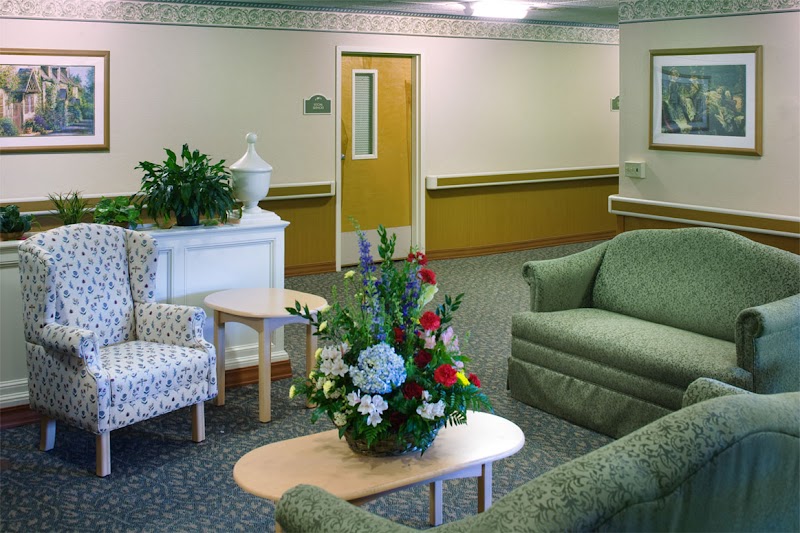
How is Agawam East Rehab And Nursing Staffed?

CMS rates AGAWAM EAST REHAB AND NURSING's staffing level at 3 out of 5 stars, which is average compared to other nursing homes. Staff turnover is 35%, compared to the Massachusetts average of 46%. This relatively stable workforce can support continuity of care.

What Have Inspectors Found at Agawam East Rehab And Nursing?

State health inspectors documented 22 deficiencies at AGAWAM EAST REHAB AND NURSING during 2022 to 2024. These included: 3 that caused actual resident harm, 17 with potential for harm, and 2 minor or isolated issues. Deficiencies causing actual harm indicate documented cases where residents experienced negative health consequences.
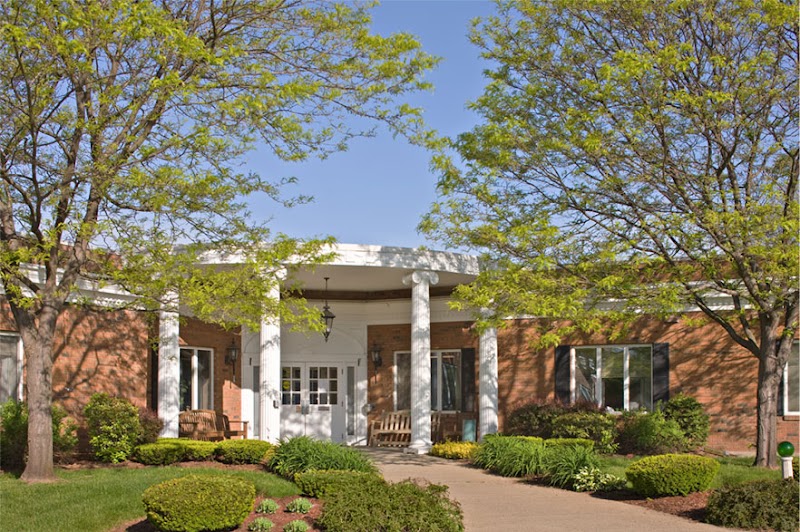
Who Owns and Operates Agawam East Rehab And Nursing?

AGAWAM EAST REHAB AND NURSING is owned by a for-profit company. For-profit facilities operate as businesses with obligations to shareholders or private owners. The facility is operated by STERN CONSULTANTS, a chain that manages multiple nursing homes. With 123 certified beds and approximately 88 residents (about 72% occupancy), it is a mid-sized facility located in AGAWAM, Massachusetts.
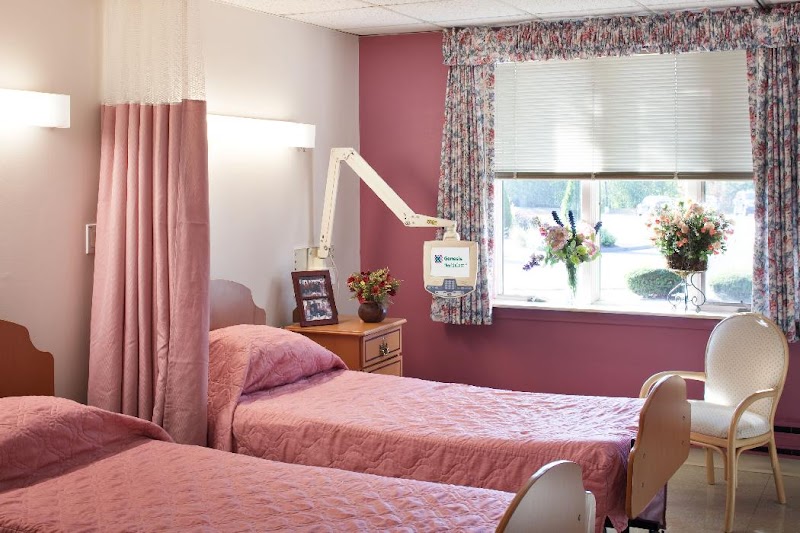
How Does Agawam East Rehab And Nursing Compare to Other Massachusetts Nursing Homes?

Compared to the 100 nursing homes in Massachusetts, AGAWAM EAST REHAB AND NURSING's overall rating (4 stars) is above the state average of 2.9, staff turnover (35%) is significantly lower than the state average of 46%, and health inspection rating (4 stars) is above the national benchmark.

What Should Families Ask When Visiting Agawam East Rehab And Nursing?

Based on this facility's data, families visiting should ask: "Can I visit during a mealtime to observe dining assistance and food quality?" "How do you handle medical emergencies, and what is your hospital transfer rate?" "Can I speak with family members of current residents about their experience?"

Is Agawam East Rehab And Nursing Safe?

Based on CMS inspection data, AGAWAM EAST REHAB AND NURSING has a clean safety record: no substantiated abuse findings (meaning no confirmed cases of resident harm), no Immediate Jeopardy citations (the most serious violation level indicating risk of serious injury or death), and is not on the Special Focus Facility watch list (a federal program monitoring the lowest-performing 1% of nursing homes). The facility has a 4-star overall rating and ranks #1 of 100 nursing homes in Massachusetts. While no facility is perfect, families should still ask about staff-to-resident ratios and recent inspection results during their visit.

Do Nurses at Agawam East Rehab And Nursing Stick Around?

AGAWAM EAST REHAB AND NURSING has a staff turnover rate of 35%, which is about average for Massachusetts nursing homes (state average: 46%). Moderate turnover is common in nursing homes, but families should still ask about staff tenure and how the facility maintains care continuity when employees leave.

Was Agawam East Rehab And Nursing Ever Fined?

AGAWAM EAST REHAB AND NURSING has been fined $9,750 across 1 penalty action. This is below the Massachusetts average of $33,176. While any fine indicates a compliance issue, fines under $50,000 are relatively common and typically reflect isolated problems that were subsequently corrected. Families should ask what specific issues led to these fines and confirm they've been resolved.

Is Agawam East Rehab And Nursing on Any Federal Watch List?

AGAWAM EAST REHAB AND NURSING is not on any federal watch list. The most significant is the Special Focus Facility (SFF) program, which identifies the bottom 1% of nursing homes nationally based on persistent, serious quality problems. Not being on this list means the facility has avoided the pattern of deficiencies that triggers enhanced federal oversight. This is a positive indicator, though families should still review the facility's inspection history directly.