AGAWAM SOUTH REHAB AND NURSING
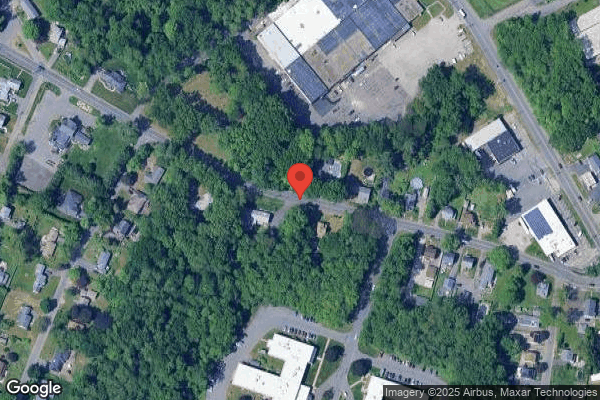
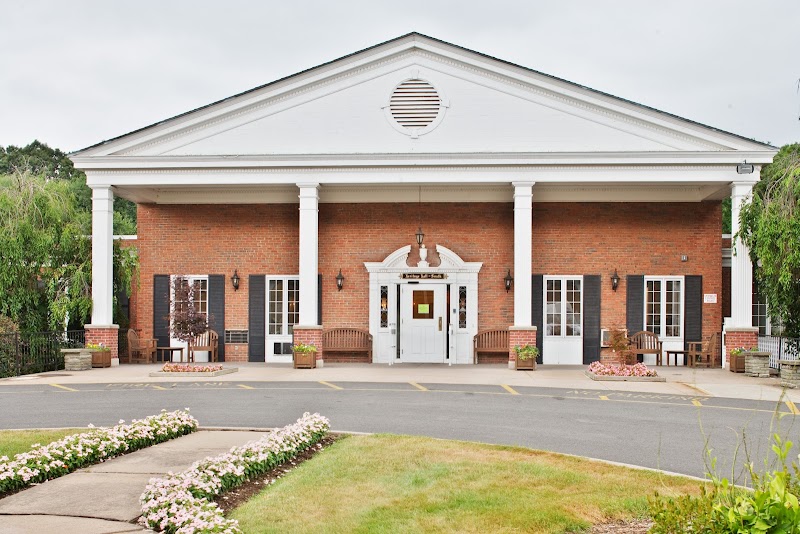
65 COOPER STREET, AGAWAM, MA 01001 (413) 786-8000
For profit - Limited Liability company 122 Beds STERN CONSULTANTS Data: November 2025
Trust Grade
70/100
#64 of 338 in MA
Last Inspection: November 2024

Within standard 12-15 month inspection cycle. Federal law requires annual inspections.

Overview

Agawam South Rehab and Nursing has a Trust Grade of B, which means it is considered a good choice for families looking for care. It ranks #64 out of 338 facilities in Massachusetts, placing it in the top half, and #6 out of 25 in Hampden County, indicating that only a few local options are better. The facility is showing improvement, reducing its issues from 12 in 2024 to just 2 in 2025. Staffing is a strength here with a 4/5 star rating and a turnover rate of 40%, which is slightly above the state average, suggesting that staff members tend to stay long-term and are familiar with the residents. While there are no fines, which is a positive sign, there have been some concerns noted in recent inspections. For example, the facility did not properly store food, which could lead to contamination and foodborne illnesses. Additionally, there was a medication error involving a resident who did not receive their medication as prescribed, and there were lapses in infection control practices, including the improper use of personal protective equipment. Overall, while there are notable strengths, families should be aware of these specific weaknesses as they consider this facility for their loved ones.

Trust Score
B
70/100
In Massachusetts
#64/338
Top 18%
Safety Record
Low Risk
No red flags
Inspections
Getting Better
12 → 2 violations
Staff Stability
○ Average
40% turnover. Near Massachusetts's 48% average. Typical for the industry.
Penalties
✓ Good
No fines on record. Clean compliance history, better than most Massachusetts facilities.
Skilled Nurses
✓ Good
Each resident gets 44 minutes of Registered Nurse (RN) attention daily — more than average for Massachusetts. RNs are trained to catch health problems early.
Violations
⚠ Watch
35 deficiencies on record. Higher than average. Multiple issues found across inspections.
★★★★☆
4.0
Overall Rating
★★★★☆
4.0
Staff Levels
★★★★★
5.0
Care Quality
★★★☆☆
3.0
Inspection Score
Stable
2024: 12 issues
2025: 2 issues

The Good

  • 4-Star Staffing Rating · Above-average nurse staffing levels
  • 5-Star Quality Measures · Strong clinical quality outcomes
  • Full Sprinkler Coverage · Fire safety systems throughout facility
  • No fines on record
  • Staff turnover below average (40%)

    8 points below Massachusetts average of 48%

Facility shows strength in staffing levels, quality measures, fire safety.

The Bad

Staff Turnover: 40%

Near Massachusetts avg (46%)

Typical for the industry

Chain: STERN CONSULTANTS

Part of a multi-facility chain

Ask about local staffing decisions and management

The Ugly 35 deficiencies on record

Apr 2025 2 deficiencies
CONCERN (D) 📢 Someone Reported This

A family member, employee, or ombudsman was alarmed enough to file a formal complaint

Potential for Harm - no one hurt, but risky conditions existed

Deficiency F0692 (Tag F0692)

Could have caused harm · This affected 1 resident

Based on records reviewed and interviews for one of three sampled residents (Resident #1) who had an actual area of skin breakdown and was assessed upon admission by the Registered Dietitian (RD) to b...

Read full inspector narrative →
Based on records reviewed and interviews for one of three sampled residents (Resident #1) who had an actual area of skin breakdown and was assessed upon admission by the Registered Dietitian (RD) to be at risk for nutritional decline, the Facility failed to ensure that Resident #1 was adequately monitored by the RD, and nutritional interventions were put in place in a timely manner in an effort to prevent significant weight loss and promote wound healing. Findings include: The Facility Policy titled Weight Assessment and Interventions, last revised 11/19/24 included but was not limited to: -It is the policy of this facility to prevent significant unplanned or unavoidable weight loss for our residents. -The threshold for significant unplanned and undesired weight loss/gain will be based on the following criteria: -One month - 5 percent (%) weight loss is significant, greater than 5% is severe -Any weight change of five pounds or more within 30 days will be retaken the next day for confirmation. If the weight is verified, nursing will notify the Provider and the Dietary Manager/Dietitian. -Recommendations from the Provider and/or Dietitian will be followed. The Facility Policy titled, Skin Prevention, Assessment and Treatment, last revised 10/24/24, included but was not limited to the following: -A nutritional consult should be completed for residents who are at risk for skin alterations -Interventions for prevention or active skin alterations may include but are not limited to: A Registered Dietitian review. Resident #1 was admitted to the Facility in August 2024, diagnoses included Parkinson's disease (a progressive, neurological disorder primarily affecting movement), bacteremia (presence of bacteria in the blood stream), and while at the Facility, he/she developed a pressure injury and experienced a severe weight loss. During an interview on 04/18/25 at 2:50 P.M., Family Member #1 said Resident #1 did not receive the assistance from facility staff he felt he/she required to eat, and as a result he/she lost a lot of weight while he/she was there. Family Member #1 said he brought up his concerns to facility staff, but was told Resident #1 was not eating well, had refused some meals, and said no further information was provided. Family Member #1 said he would plan visits during meal times so he could encourage and provide assistance to Resident #1 to eat, but was not able to be there for all of his/her meals. In addition, Family Member #1 said he could not recall ever speaking to a Dietitian during Resident #1's time at the facility. Review of Resident #1's Initial Dietary Evaluation/Assessment, dated 08/30/24 indicated his/her average food intake was fair (50%), he/she was independent with eating, weight fluctuation was expected due to diuretic use (a medication used to rid the tissues of excess fluids), and that he/she was at risk for malnutrition. Review of Resident #1's Nursing Progress Notes, dated 09/12/24, that indicated he/she had a newly discovered pressure injury. Further review of Resident #1's Consultant Wound Specialist Note, dated 10/16/24, that indicated the following: Resident #1's wound continued to deteriorate and required a surgical consult for wound debridement (a procedure where dead, damaged or infected tissue is removed from a wound to promote healing) and Negative Pressure Wound Therapy (a specialized wound treatment that uses suction to promote healing) on 10/23/24. During a telephone interview on 04/29/25 at 9:00 A.M., the Physician's Assistant (PA) said she did not have Resident #1's clinical information readily available, but she said she remembered him/her, was aware he/she had a pressure injury and significant weight loss, and remembered giving nursing staff a verbal order for nutritional supplements. The PA said she said she could not remember how she learned about the significant weight loss, or exactly what supplement(s) she ordered, when she ordered the supplement(s) or which nurse took the verbal order. Review of Resident #1's Weight Report indicated the following weights: 08/19/24 - 166.8 lbs. 08/26/24 - 168.2 lbs. 09/02/24 - 168.0 lbs. 10/05/24 - 149.4 lbs. (indicates an 11.3% weight loss in one month) 10/22/24 - 146.2 lbs. 10/23/24 - 145.6 lbs. Review of Speech Therapy (ST) documentation for August 2024, indicated that on 08/14/24, his/her diet was changed to 2 gm NA, dysphagia advanced, thin liquids while working, and on 09/04/24, his/her diet was upgraded to 2 gm NA regular diet with thin liquids with added moisture added (gravy, sauces). After working with Speech Therapy and Occupational Therapy Resident #1 was assessed to have improved, and diet was upgraded to regular texture but with added extra moisture (sauce/gravy) and continued to be able to eat independently upon assessment. However review of Resident #1's Medical Record indicated there was no documentation to support the RD was notified of his/her severe weight loss or wound healing needs related to treatment for his/her pressure injury. Review of Resident #1's Nutrition/Wound Progress Note, dated 10/24/24, indicated that as of 10/16/24 wound report, Resident #1 has a Stage 3 wound, no new measurements as of 10/23/24 due to him/her being out on medical leave of absence. Resident #1 was also noted to have significant weight loss (see nutrition/weight note). PO (by mouth) intake variable, 0-100% per staff documentation. Fluids and nutrition intake would not be adequate if he/she eats less than 50% of meals. The Note indicated that on 10/24/24, the RD made the following recommendations: - Discontinue 2-gram Sodium Diet, liberalize to regular diet - Med Pass Supplement 2.0, 4 ounces (oz.) three times per day - Pudding with meals - Probiotic supplement daily (until 11/10/24) - Vitamin C 500 milligrams (mg) twice per day x 30 days (for wound healing) - Zinc Sulfate 200 mg daily x 14 days (for wound healing) - Liquid protein 1 oz three times per day as ordered for additional nutrition/hydration to promote wound healing - Continue to honor dietary preferences - Continue to encourage foods and fluids for nutrition, hydration, wound healing and weight maintenance - Continue to monitor the need for further nutrition intervention -Nutrition/Weight note: Current weight 145.6 lbs. (obtained 10/23/24), One month weight 168 lbs. (obtained 09/02/24). Indicates: 22.4 lb. weight loss in one month (-13.3%) significant. - Director of Nursing and Unit Manager notified. Unclear reasons for significant weight loss unless related to diuretics and/or increased nutrient needs for wound healing. Resident #1 continues on diuretics, weight fluctuations expected. No changes noted to diuretics since admission. - Significant weight loss could be multifactorial due to variable oral intake, diuretics, wounds and antibiotics. During a telephone interview on 04/23/25 at 9:15 A.M., Nurse #2 said weights were obtained by the Certified Nurse Aides (CNAs) and reported to nursing staff to document in the Electronic Health Record (EHR). Nurse #2 said if there was a huge discrepancy between the previously recorded weight and the current weight, a re-weigh would need to be obtained in order to determine whether the weight was valid. Nurse #2 said she documented Resident #1's weight of 149.4 lbs. on 10/04/24, and said if she had noted a large discrepancy from his/her previous weight, she would have had the CNA weigh him/her again to be certain the weight was correct. Nurse #2 said she would not document both weights, only the weight she felt was accurate at the time. Nurse #2 said when a weight is entered into the EHR and there was a large discrepancy, she believed the system would trigger an alert which would be visible to the RD and the Director of Nurses (DON). Nurse #2 said she would notify the Provider if there was a large weight gain or loss if a resident was being closely monitored for cardiac conditions (heart failure) or any other specific condition. During an interview on 04/25/25 at 11:52 A.M., Unit Manager #2 said the CNA's were responsible for obtaining residents' weights and reporting their findings to the nursing staff to record in the EHR. Unit Manager #2 said if the newly obtained weight is five pounds off (either gain or loss), the resident is to be re-weighed to determine whether the weight is accurate. Unit Manager #2 said ideally the Unit Manager should run weekly weight reports to identify trends in weight losses or gains to catch issues early, but said she was only running weight reports monthly. Unit Manager #2 said it is the responsibility of the licensed nurse to report a significant weight change to the Unit Manager, Provider and Resident and/or his/her Representative when they discover the weight gain or loss is significant, and there is no automated process within the EHR that sends out alerts to the interdisciplinary team when there is a significant weight change documented. Unit Manager #2 said Nurse #2 should have notified the Unit Manager, the Provider, and the RD as well as written a progress note identifying the weight loss and who she notified, and said Nurse #2 did not write a progress note. Unit Manager #2 said Resident #1 should have had nutritional interventions (such as added protein for wound healing, dietary modifications and dietary supplements for increased calories) initiated upon discovery of his/her pressure injury on 0912/24, upon discovery of his/her severe weight loss documented 10/05/24, and the interventions initiated by the RD on 10/24/24 were not timely. Unit Manager #2 said there was no evidence the RD was notified of Resident #1's pressure injury or severe weight loss prior to 10/24/24. During a telephone interview on 04/25/25 at 3:44 P.M., Registered Dietitian (RD) #2 said she was the RD at the facility during Resident #1's admission. that she visited the facility one day per week for eight hours, but did not run weekly weight reports when she was in the building due to time constraints, workload, and relied on nursing staff to alert her to any concerns, including residents with pressure injuries and significant weight changes. RD #2 said that nursing staff were aware of when she was in the building, knew where to find her, and said if she was not in the building, said the Unit Managers had her e-mail address. RD #2 said nursing staff would notify her about residents with wounds by sending her the Consultant Wound Provider's notes (if they were involved). RD #2 said she would review the report, determine what the residents' needs would be, initiate interventions (either enter them into the EHR herself or relay them to the Unit Manager), and write a progress note. RD #2 said if nursing staff alerted her to significant weight changes, she would assess the resident to determine the cause of the weight changes (eating poorly, disease process, fluid shifts, medications such as diuretics, etc.) and initiate interventions as needed. RD #2 said if there was no Nutritional Progress Note written until 10/24/24, it was most likely she was not notified of Resident #1's weight loss and wound timely. During an interview on 10/23/24 at 12:55 P.M., the Director of Nurses (DON) said the RD should be notified whenever a resident experiences significant weight gain or loss and/or has treatments for wounds/pressure injuries. The DON said the nurse who documents a weight that indicates a significant change is supposed to notify the Provider and the Unit Manager, then the Unit Manager will notify the RD. The DON said for pressure injuries, the Unit Managers e-mail a copy of the wound log to the RD so they know a resident has a wound. After having an opportunity to review Resident #1's Medical Record, the DON said it did not appear that the RD was aware of Resident #1's pressure injury or severe weight loss until she initiated interventions on 10/24/24 and that there should have been nutritional interventions initiated more timely.
CONCERN (D) 📢 Someone Reported This

A family member, employee, or ombudsman was alarmed enough to file a formal complaint

Potential for Harm - no one hurt, but risky conditions existed

Medical Records (Tag F0842)

Could have caused harm · This affected 1 resident

Based on records reviewed and interviews for one of three sampled Residents (Resident #1), who required wound treatments, had significant weight loss, and required assistance with his/her Activities o...

Read full inspector narrative →
Based on records reviewed and interviews for one of three sampled Residents (Resident #1), who required wound treatments, had significant weight loss, and required assistance with his/her Activities of Daily Living (ADLs), the facility failed to ensure they maintained a complete and accurate medical record when, 1) Weekly Wound Logs and a Weekly Nursing Skin Review User Defined Assessments (UDA) were not consistently completed by nursing staff, 2) nursing documentation in the Treatment Administration Record (TAR) related to wound care was incomplete with blank spaces, and 3) Certified Nurse Aide (CNA) ADL Flow Sheets for August, September, and October 2023 were incomplete with blank spaces. Findings include: Review of the Facility's policy titled, Skin Prevention, Assessment and Treatment, last revised 10/24/24, indicated but was not limited to: Purpose: To promote a systematic approach and monitoring process for the care of residents with existing wounds and for those at risk for skin breakdown. - Findings from the weekly skin assessments should be documented by the licensed nurse. -Any skin impairments, including pressure ulcers (injuries), non-pressure ulcer wounds, surgical wounds, skin tears, abrasions, etc., should be assessed and documented weekly by the Wound Nurse or designee in the Medical Record. - Documentation should cover all pertinent characteristics of existing ulcers, including location, size, depth, maceration (skin damage attributed to prolonged exposure to moisture), color of the ulcer and surrounding tissues, and a description of any drainage, eschar/necrosis (dead tissue), odor, tunneling (a narrow channel extending from the wound surface deep into the underlying tissue, and undermining (erosion of tissue beneath the wound edges). Review of the Facility's policy titled, Charting and Documentation, last revised 11/05/24, indicated but was not limited to: - Each resident will have an active medical record that contains accurately documented information, systematically organized and readily accessible to authorized persons. - An electronic Treatment Administration Record (TAR) shall be maintained, which records indicate care procedures and/or treatments ordered by the physician that is performed and by whom the procedure/treatment was performed. - Narrative documentation/progress notes will be documented under the premise of charting by exception. - Documentation will include information on assessment, notifications, interventions and evaluation including but not limited to refusals of medications/treatments or recommendations, and education provided to the resident and/or responsible party. 1) Resident #1 was admitted to the Facility in August 2024, diagnoses included Parkinson's disease (a progressive, neurological disorder primarily affecting movement), bacteremia (presence of bacteria in the blood stream), and while at the Facility, he/she developed a pressure injury (localized damage to the skin and/or underlying soft tissue usually over a bony prominence or related to a medical or other device), and required assistance with his/her Activities of Daily Living (ADLs). Review of Resident #1's Nursing Progress Notes included a note, dated 09/12/24, that indicated he/she had a newly discovered pressure injury. Review of Resident #1's UDAs in the Electronic Health Record (EHR) indicated there was no evidence to support nursing staff completed the following Assessments: -Weekly Nursing Skin Review on 10/07/24 -Weekly Wound Logs on 10/09/24, 10/16/24, and 10/23/24 During a telephone interview on 04/23/25 at 9:15 A.M., Nurse #2 said the licensed nursing staff is responsible for completing weekly skin assessments for every resident and document their findings in the Weekly Nursing Skin Review Assessment UDA in the computer every week. Nurse #2 said the computer alerts the nurse when assessments were due to be completed. Nurse #2 said that the Unit Managers, usually alongside the Consultant Wound Specialist, perform in depth assessments of residents' wounds weekly. Nurse #2 said that after the rounds have been completed, the information from the wound rounds for each resident should be documented in the Weekly Wound Log UDA in the computer. During an interview on 04/22/25 at 10:40 A.M., Unit Manager #1 said nursing staff are required to perform weekly skin assessments on all residents in the facility and document the information in the Weekly Nursing Skin Review Assessment UDA in the EHR. Unit Manager #1 said Weekly Wound Log UDAs are usually completed after the Unit Managers round with the Consultant Wound Specialist and should be entered in the computer every week. Unit Manager #1 reviewed Resident #1's EHR and said there was not a Weekly Nursing Skin Review UDA documented for 10/07/24 and there were no Weekly Wound Log UDAs documented for 10/09/24,10/16/24 and 10/23/24. During an interview on 04/23/25 at 11:52 A.M., Unit Manager #2 said skin assessments should be performed weekly by licensed nursing staff and documented on the Weekly Nursing Skin Review UDA. Unit Manager #2 said while they are rounding with the Consultant Wound Specialist, they (the Unit Managers) handwrite the assessment information for each resident on a weekly wound tracking (paper) form, and after rounding has been completed, the Unit Managers are supposed to transcribe the data from the handwritten form and enter that information into the Weekly Wound Log UDA in the computer. Unit Manager #2 said for Resident #1, there was not a Weekly Nursing Skin Review UDA for 10/07/24 and said that while weekly wound tracking forms were completed on 10/09/24, 10/16/24, and 10/23/24, the assessment data was never documented in the Weekly Wound Log UDA. Unit Manager #2 further said weekly wound tracking forms were not considered part of the medical record. During an interview on 04/23/25 at 12:55 P.M., the Director of Nursing (DON) said that nursing staff are responsible to perform weekly skin checks on all residents in the facility and enter their findings in the computer under the Weekly Nursing Skin Review UDA. The DON said if a resident has a wound, the wound is assessed weekly by the Unit Managers along with the Consultant Wound Specialist and the results of the assessments should be documented in the computer under the Weekly Wound Log UDA. After reviewing Resident #1's EHR with the surveyor, the DON said that nursing staff did not document the Weekly Nursing Skin Review Assessment UDA for 10/07/24, nor did they document the Weekly Wound Log UDAs for 10/09/24, 10/16/24, and 10/23/24, as required. 2. Review of Resident #1's September 2024 Treatment Administration Record (TAR) indicated wound treatments were not signed off as being completed (left blank) on the following dates and shifts: - 09/20/24 - day shift - 09/23/24 - day shift - 09/29/24 - day shift Review of Resident #1's October 2024 TAR indicated wound treatments were not signed off as being completed on the following dates and shifts. - 10/03/24 - day shift (left blank) - 10/03/24 - evening shift (left blank) - 10/4/24 - code 9 other, see nursing note - 10/06/24 - code 9 other, see nursing note Review of Resident #1's Nursing Progress Notes indicated he/she did not receive his/her wound treatments on 10/04/24 and 10/06/24 because he/she was OOB (out of bed). During a telephone interview on 04/22/25 at 3:56 P.M., Nurse #1 said she was on duty from 7:00 A.M. until 7:00 P.M. on both 10/04/24 and 10/06/24. She said that Resident #1 often sat up in his/her wheelchair visiting with his/her spouse for several hours during the day, he/she would often refuse treatments and medications, and that was likely the case on 10/04/24 and 10/06/24. Nurse #1 said she should have written a more comprehensive note other than just saying Resident #1 was out of bed. Nurse #1 said she was certain at some point during her shifts on 10/04/24 and 10/06/24 that she performed the wound treatment for Resident #1, however she never went back to document that she did so. During an interview on 04/22/25 at 10:40 A.M., Unit Manager #1 reviewed Resident #1's September and October 2024 TARs and said blank spaces appear because the nurse failed to document the wound treatments. Unit Manager #1 said for 10/04/24 and 10/06/24, the nursing note was too vague and there was no way to determine from the documentation if Nurse #1 re-attempted the wound treatment later, or if she provided education to Resident #1 about the need to perform the wound treatment at the scheduled time. Unit Manager #1 also said if Nurse #1 did perform the wound treatments on 10/04/24 and 10/06/24, she should have documented as such. During an interview on 04/23/25 at 12:55 P.M., the DON said there should not be blank spaces on the TAR and the blank spaces indicated the nursing staff failed to document they performed the wound treatments. The DON said Nurse #1 should have written a more comprehensive note relative to the wound treatments for Resident #1 on 10/04/24 and 10/08/24, and that just documenting out of bed was not sufficient. The DON further said that if Nurse #1 did the treatments later in her shift, she should have documented it. 3. Review of Resident #1's CNA Activities of Daily Living Flowsheets (Documentation Survey Report) indicated for the following tasks, documentation was incomplete (with many entries left blank): August 2024: -Oral Hygiene three times per day: 23 out of 60 opportunities left blank; -Nutrition (fluid intake) three times per day: 23 out of 60 opportunities left blank; -Nutrition (amount eaten) three times per day: 30 out of 60 opportunities left blank; September 2024: -Oral Hygiene three times per day: 31 out of 90 opportunities left blank; -Nutrition (fluid intake) three times per day: 31 out of 90 opportunities left blank; -Nutrition (amount eaten) three times per day: 29 out of 90 opportunities left blank; October 2024: -Oral Hygiene three times per day: 10 out of 69 opportunities left blank; -Nutrition (fluid intake) three times per day: 10 out of 69 opportunities left blank; -Nutrition (amount eaten) three times per day: 9 out of 69 opportunities left blank; During an interview on 04/22/25 at 2:15 P.M., Nurse Aide (NA) #1 said that they are required to document tasks they perform for all residents throughout the day, and it must be completed by the end of their shift. NA #1 said if a resident refused any care, they are still required to document the refusal and notify the resident's nurse. NA #1 said there should not be any blank spaces on their Flow Sheets and if there were any blank spaces, the documentation was not completed, as required. During an interview on 04/22/25 at 2:15 P.M., NA #2 said they were supposed to complete their documentation by the end of their shift. NA #2 said they use a tablet to document electronically and demonstrated to the surveyor the documentation process. NA #2 said they document all the residents' ADLs, including oral care, meal intake and fluid intake and the amount of assistance a resident requires from staff to complete these tasks. NA #2 said there should not be any blank spaces on the Flow Sheet, and the blank spaces meant the documentation was not completed for those dates and times. During an interview on 04/23/25, CNA #1 said if a resident refused any ADL care, the CNAs were required to document the refusal and notify the nurse. CNA #1 said all their documentation must be completed in the computer by the end of their shift, and the blank spaces on the Flow Sheet meant that the CNAs did not complete their documentation, as required. During an interview on 04/22/25 at 3:10 P.M., Unit Manager #2 reviewed Resident #1's CNA documentation (Documentation Survey Report) and said it was the expectation that CNAs and NAs document the care they provide to the residents throughout the shift and the documentation should be completed by the end of their shift, and the blank spaces in the report meant the documentation was not done. Unit Manager #2 said that the floor nurses were supposed to review CNA documentation at the end of each shift to ensure it had been completed and this did not happen. During an interview on 04/23/25 at 12:55 P.M., the Director of Nurses (DON) reviewed the CNA documentation (Documentation Survey Report) and said there should not be any blank spaces, and the blank spaces meant the CNAs failed to document on those dates and times. The DON said it was the expectation that all documentation was to be completed by the end of the shift.
Nov 2024 12 deficiencies
CONCERN (D)

Potential for Harm - no one hurt, but risky conditions existed

Safe Environment (Tag F0584)

Could have caused harm · This affected 1 resident

Based on observation, and interview, the facility failed to maintain a clean, comfortable, and homelike environment for one Resident (#79) out of a total sample of 20 residents. Specifically, for Res...

Read full inspector narrative →
Based on observation, and interview, the facility failed to maintain a clean, comfortable, and homelike environment for one Resident (#79) out of a total sample of 20 residents. Specifically, for Resident #79, the facility failed to maintain the resident's wheelchair in a clean and sanitary manner. Findings include: Resident #79 was admitted to the facility in December 2023. On 11/20/24 at 8:27 A.M., the surveyor observed Resident #79's seated in a wheelchair in his/her room. The surveyor observed the wheelchair to have dirt/debris and/or food particles spackled on the chair cushion, frame, brakes, and wheels. On 11/21/24 at 1:18 P.M., the surveyor observed Resident #79 exiting the dining room after having lunch. The surveyor observed the Resident's wheelchair to have dirt/debris and/or food particles on the chair cushion, frame, brakes, and wheels. On 11/25/24 at 9:57 A.M., the surveyor observed Resident #79 sitting in his/her wheelchair in his/her room. The surveyor observed that the Resident's wheelchair remained with dirt/debris and/or food particles on the chair cushion, frame, brakes, and wheels. During an interview and observation on 11/25/24 at 11:41 A.M., the Director of Housekeeping provided the surveyor with the wheelchair cleaning schedule. The Director of Housekeeping said that the housekeeping department is not always able to follow the wheelchair cleaning schedule, but they try. The surveyor and the Director of Housekeeping reviewed the wheelchair cleaning schedule, and the Director of Housekeeping said that the A-wing (unit on which the Resident resided) wheelchairs were scheduled to be cleaned on 11/3/24 and 11/24/24. The Director of Housekeeping said that each units' wheelchairs are cleaned twice a month but was unable to provide evidence of a tracking system of what wheelchairs had been cleaned. The Director of Housekeeping said that all wheelchairs on the unit scheduled to be cleaned, should be cleaned. The Director of Housekeeping said that each wheelchair is sprayed with disinfectant cleaner, showered off, then wiped dry. The surveyor and the Director of Housekeeping observed Resident #79 seated in his/her wheelchair. The Resident's wheelchair was observed to have dirt/debris and/or food particles on the chair cushion, frame, brakes, and wheels. The Director of Housekeeping said that the chair should not look like that and needed to be cleaned. The Director of Housekeeping said she could not speak to when the chair had last been cleaned.
CONCERN (D)

Potential for Harm - no one hurt, but risky conditions existed

Deficiency F0646 (Tag F0646)

Could have caused harm · This affected 1 resident

**NOTE- TERMS IN BRACKETS HAVE BEEN EDITED TO PROTECT CONFIDENTIALITY** Based on interview, and record review, the facility failed to notify the state mental health authority for a resident review (pe...

Read full inspector narrative →
**NOTE- TERMS IN BRACKETS HAVE BEEN EDITED TO PROTECT CONFIDENTIALITY** Based on interview, and record review, the facility failed to notify the state mental health authority for a resident review (person-centered assessment taking into account all relevant information) after a significant change in mental condition occurred for one Resident (#12) out of a total sample of 20 residents. Specifically, the facility failed to request a Preadmission Screening and Resident Review Level II screen (PASRR-and evaluation done to determine if a resident has an intellectual or developmental disability [ID/DD] and/or serious mental illness [SMI] and is in need of additional specialized support services at the facility) after Resident #12 received a diagnosis of Bipolar Disorder (a disorder associated with episodes of mood swings ranging from depressive lows to manic highs) and experienced limitations in major life activities due to mental illness. Findings include: Review of the facility policy titled Coordination with PASRR Program, dated 2/2/24, indicated the following: -Any resident who exhibits a newly evident or possible serious mental disorder, intellectual disability, or a related condition will be referred promptly to the State mental health or intellectual authority for a level ll resident review. Resident #12 was admitted to the facility in March 2024, with diagnoses including Chronic Respiratory Failure (a condition that occurs when the lungs cannot provide enough oxygen to the body or remove enough carbon dioxide from the body, identified with symptoms of trouble breathing and fatigue) and Obstructive Sleep Apnea (OSA: pauses in breathing due primarily to the collapse of the upper airway during sleep). Review of the Minimum Data Set (MDS) assessment dated [DATE], indicated Resident #12: -was cognitively intact as evidenced by Brief Interview for Mental Status (BIMS) score of 15 out of a possible 15. -had not been evaluated by a Level II PASRR. -has active diagnoses of Depression (a mental health disorder characterized by persistently depressed mood or loss of interest in activities, causing significant impairment in daily life) and Bipolar Disorder. Review of Resident #12's PASRR Level I (initial pre-screening completed prior to admission to a Nursing Facility) screen, dated 3/15/24, indicated: -No diagnosis of mental illness or disorder. -No treatment history for mental illness in the past two years. -No limitation in major life activities. -Negative SMI screen. Review of Resident #12's Behavioral Health Group Note dated 3/22/24, indicated: -diagnosis of Bipolar Disorder. -a long history of Depression and Anxiety. -will continue with therapy with his/her therapist in the community via telehealth. -will be seen be seen by Behavioral Health Group Provider the following week. During an interview on 11/21/24 at 3:32 P.M., the Social Worker (SW) said she had worked at the facility since September 2024 and the PASRR Level I for Resident #12 was completed before her time of employment. The SW said that she did not know what information was available when the PASRR Level I was completed prior to admission, but when it was evident that Resident #12 had a diagnosis of Bipolar Disorder, a Change of Condition should have been done through the portal. The SW checked the Massachusetts Executive Office of Health and Human Services (EOHHS) portal and said that a Change of Condition had not been submitted and should have been.
CONCERN (D)

Potential for Harm - no one hurt, but risky conditions existed

Deficiency F0655 (Tag F0655)

Could have caused harm · This affected 1 resident

2. Resident #36 was admitted to the facility in October 2024 with diagnoses including End Stage Renal Disease (ESRD: a medical condition where the kidneys cease functioning on a permanent basis leadin...

Read full inspector narrative →
2. Resident #36 was admitted to the facility in October 2024 with diagnoses including End Stage Renal Disease (ESRD: a medical condition where the kidneys cease functioning on a permanent basis leading to the need for a regular course of long-term dialysis [a procedure to remove waste products and fluid from the body when the kidneys stop working] or a kidney transplant to maintain life), and Type 2 Diabetes (DM II: condition in which the body does not produce enough insulin hormone and has trouble controlling blood sugar levels). Review of Resident #36's Baseline Care Plan indicated the following: -the Baseline Care Plan had been opened and completed on 11/2/24, four days after admission -a copy of the Baseline Care Plan had not been provided to the Resident. During an interview on 11/26/24 at 8:15 A.M., Unit Manager (UM) #2 said the Baseline Care Plan should be completed within 48 hours of admission. UM #2 further said she reviews the Baseline Care Plan with the residents after it is completed but does not provide the residents with a copy. Based on interview, and record review, the facility failed to ensure a baseline care plan was created within 48 hours of admission to the facility for two Residents (#47 and #36) out of a total sample of 20 residents. Specifically, the facility failed to: 1. for Resident #47, ensure a baseline care plan was created within 48 hours of admission relative to Resident #47 being actively treated for Methicillin-Resistant Staphylococcus Aureus (MRSA - an infection caused by a type of staph bacteria that has become resistant to many antibiotics, that is contagious and easy to spread by both direct and indirect contact requiring special precautions to be in place to prevent further spread) in a wound. 2. For Resident #36, ensure a baseline care plan was created within 48 hours of admission to ensure the Resident received the care and services necessary to care for him/her until a comprehensive care plan could be created. Findings include: Review of the facility policy titled Interim Care Plan, revised 11/6/24, indicated the following: -The purpose of the interim care plan is to guide care until the comprehensive care plan is completed. -To assure that the resident's immediate care needs are met and maintained, a preliminary care plan is developed upon admission. The interim plan of care should be implanted within forty-eight (48) hours of admission. {sic} Review of the facility policy titled Isolation Precautions, revised 10/28/24, indicated the following: -The establish transmission-based precautions for resident who are suspected or confirmed to have communicable diseases/infections that can be transmitted to other. {sic} -Appropriate communication/notices will identify the resident/room with isolation precautions implemented. -Contact Precautions (a set of safety measures used to prevent the spread of infectious agents that can be transmitted through direct or indirect contact)-Multi-Drug Resistant Organisms (which would include MRSA) . 1. Resident #47 was admitted to the facility in November 2024 with diagnoses including MRSA in left groin wound and sepsis (a life-threatening medical emergency that occurs when an infection triggers the body's immune system to damage its own organs and tissues). Review of the Hospital Discharge/Transfer Note dated 11/5/24, indicated Resident #47 was actively being treated for MRSA infection in a wound on his/her groin with two antibiotics, Cephalexin and Doxycycline. Review of Resident #47's Baseline Care Plan, indicated the following: -the Baseline Care Plan was opened and completed on 11/14/24, eight days after the Resident was admitted to the facility -Resident #47 needed Contact Precautions due to a diagnosis of MRSA. Review of Resident #47's November 2024 Physician's orders indicated no order for Contact Precautions until 11/11/24, six days after the Resident was admitted to the facility. Review of Resident #47's Comprehensive Care Plan, titled I, indicated the Resident currently have an infection due to MRSA, Wound/Skin infection {sic}, and that a Comprehensive Care Plan was not created until 11/11/24. During an interview on 11/25/24 at 12:07 P.M., the Infection Preventionist (IP) said Resident #47 was admitted with a diagnosis of MRSA and needed to be on Contact Precautions when he/she was admitted to the facility. The IP said a Baseline Care Plan should have been created within 72 hours of Resident #47's admission to the facility, that indicated Resident #47 needed to be on Contact Precautions. The IP further said if a Baseline Care Plan had not been created the Resident should have had a Physician's order in place for Contact Precautions so the nursing staff knew how to provide care for the Resident and neither of these things were done at the time the Resident was admitted to the facility.
CONCERN (D)

Potential for Harm - no one hurt, but risky conditions existed

Deficiency F0658 (Tag F0658)

Could have caused harm · This affected 1 resident

Based on observation, interview, and record review, the facility failed to provide care in accordance with professional standards of practice for one Resident (#346), for one applicable resident revie...

Read full inspector narrative →
Based on observation, interview, and record review, the facility failed to provide care in accordance with professional standards of practice for one Resident (#346), for one applicable resident reviewed, out of a total sample of 20 residents. Specifically, for Resident #346, the facility failed to ensure the external catheter length and arm circumference were measured as ordered by the Physician when the Resident had a Peripherally Inserted Central Catheter (PICC: a thin, soft tube that is inserted into a vein in the arm, for long-term antibiotics, nutrition, medications, and blood draws. The PICC is a type of CVAD [Central Vascular Access Device] catheter) line) for intravenous administration of antibiotics increasing the potential risk of infiltration (when fluid or medication given by an intravenous [IV] device exits the vein and enters the soft tissues), migration (change in the length of catheter extruding from the insertion site, is a medical emergency and must be addressed immediately), and/or deep vein thrombosis (DVT: a blood clot in a deep vein). Findings include: Review of the facility policy titled PICC/Central Line/Port-a-Cath Maintenance, dated 10/15/23, indicated the purpose was to: -to identify standards of care for patients with PICC lines . -to act as a resource for staff so that errors leading to complications are reduced. -identify and comply with current best practices from infection control and infusion nursing standards. -Maintenance and Care: >dressing change every seven days and as needed (PRN). >measure the length of the lumen (cavity or channel within a tube) from the insertion to the end site. >measure the circumference of the upper arm and document. >this was to be done upon admission, with each dressing change and PRN. >record care provided in the electronic medical record (EMR). Resident #346 was admitted to the facility in November 2024 with diagnoses including open area of the lower leg, right lower extremity Cellulitis (potentially serious bacterial skin infection where the skin is swollen, inflamed, painful and warm to the touch) and Methicillin-Resistant Staphylococcus Aureus (MRSA: strain of gram-positive bacteria resistant to several antibiotics, making it difficult to treat, which spreads through contact with infected individuals). Review of Resident #346's Vascular Access Insertion Note, dated 11/2/24, indicated: -right upper extremity PICC line was inserted. -catheter size measured 4 French (Fr: the French scale, commonly used to measure the size of a catheter or tubing). -catheter length 40 centimeters (cm). -middle arm circumference 10 cm above antecubital fossa (a triangular area inside of the elbow) = 28 cm. -the Vascular Access Insertion Note did not indicate the external catheter length. Review of the Minimum Data Set (MDS) Assessment, dated 11/15/24, indicated: -Resident #346 understands and was understood -was cognitively intact as evidenced by a Brief Interview of Mental Status (BIMS) score of 15 out of 15 -had a surgical wound and was receiving surgical wound care -received an antibiotic during the assessment period Review of the PICC Line Care Plan, initiated 11/15/24, indicated Resident #346 had Osteomyelitis (inflammation of bone or bone marrow due to infection) and MRSA present in a wound. The PICC Line Care Plan included the following interventions: -administer IV medications and IV fluids as ordered by the Physician ., initiated 11/15/24 -follow Physician orders and facility policy for care and maintenance of IV access and dressing care, initiated 11/15/24 Review of Resident #346's November 2024 Physician's orders indicated: -Daptomycin (antibiotic) 450 milligrams (mg) IV daily for septic (infected) knee until 12/9/24, initiated 11/9/24 -Normal Saline (NS: solution of sodium chloride in water) flush 0.9% use 10 milliliter (ml) IV every shift before/after IV medications and 10 ml IV PRN for prevention, initiated 11/8/24 -change PICC line dressing every seven days, initiated 11/8/24 -Measure the length of the lumen from the insertion to the end site, measure the circumference of the upper arm and document every shift on Saturday and PRN, initiated 11/8/24 -monitor IV site to right arm daily, notify Physician of complications every shift, initiated 11/8/24 Review of the November 2024 Treatment Administration Record (TAR) indicated: -PICC line dressing change every seven days which included instructions to measure and document the length of the lumen from the insertion site to the end site (external catheter site). -measurement of the circumference of the upper arm was signed off as administered on 11/9/24, 11/16/24 and on 11/23/24. -no documented evidence of the obtained measurements for the external catheter length and arm circumference on those dates. Review of Resident #346's clinical record indicated no documented evidence of: -PICC line external catheter length measurement upon insertion or evidence of measurements obtained since admission. -measurements obtained of arm circumference since admission. On 11/20/24 at 9:36 A.M., the surveyor observed Resident #346 dressed and lying in bed. The surveyor observed an IV pole was in the room and a PICC line dressing dated 11/19/24 was in place on the Resident's right inner arm. On 11/26/24 at 11:11 A.M., the surveyor and Nurse #4 reviewed Resident #346's clinical record and Nurse #4 said the Resident's external catheter length and arm circumference should be measured with every PICC line dressing change weekly and as needed. Nurse #4 said the paperwork prior to the Resident's admission indicated the PICC line was 4 Fr and the total catheter length was 40 centimeters (cm), but it did not indicate the measurement of the length of external catheter. Nurse #4 said that she was unable to find evidence in the clinical record that measurements for the external catheter length and arm circumference had been recorded since the Resident's admission. Nurse #4 said it was important to monitor these measurements to ensure that the PICC line catheter had not migrated (moved out of place). Nurse #4 further said if the PICC line moved, then the IV medication may not be administered through the vein as indicated and an infection could occur. On 11/26/24 at 11:25 A.M., the surveyor observed the Resident's PICC line site with Nurse #4 and the following measurements were obtained: -external catheter length was 10 cm -arm circumference was 26 cm During an interview at the time, Resident #346 said that he/she could not recall staff obtaining these measurements since admission. During an interview on 11/26/24 at 11:29 A.M., Unit Manager (UM) #2 said she was unable to find documented evidence of Resident #346's measurements for the external catheter length and arm circumference since his/her admission, that these measurements should have been obtained and documented.
CONCERN (D)

Potential for Harm - no one hurt, but risky conditions existed

ADL Care (Tag F0677)

Could have caused harm · This affected 1 resident

**NOTE- TERMS IN BRACKETS HAVE BEEN EDITED TO PROTECT CONFIDENTIALITY** Based on observation, record review, and interview, the facility failed to ensure Activities of Daily Living (ADLs) were provide...

Read full inspector narrative →
**NOTE- TERMS IN BRACKETS HAVE BEEN EDITED TO PROTECT CONFIDENTIALITY** Based on observation, record review, and interview, the facility failed to ensure Activities of Daily Living (ADLs) were provided for one Resident (#45), out of a total sample of 20 residents. Specifically, the facility failed to provide assistance for Resident #45 to ensure daily oral hygiene was completed when the resident was unable to carry out ADLs independently. Findings include: Review of the facility policy titled Activities of Daily Living, initiated on January 23, 2024, indicated the following: -Residents will [sic] provided with care, treatment, and services as appropriate to maintain or improve their ability to carry out activities of daily living (ADLs). -Residents who are unable to carry out activities of daily living independently will receive the services necessary to maintain good nutrition, grooming and personal and oral hygiene. -appropriate care and services will be provided for residents who are unable to carry out ADL's independently, with the consent of the resident and in accordance with the plan of care, including appropriate support and assistance with . a. Hygiene (bathing, dressing, grooming, and oral hygiene) Resident #45 was admitted to the facility in November 2019 with diagnoses including Epilepsy (seizure disorder), Dementia (a group of conditions characterized by impairment of at least two brain functions, such as memory and loss of judgment) Adult Failure to Thrive (a syndrome of global decline in older adults as a worsening of physical frailty that is frequently compounded by cognitive impairment, weight loss, decreased appetite or poor nutrition and inactivity) Apraxia (neurological syndrome characterized by difficulty in performing daily tasks even if the instructions are understood), Aphasia (defect or loss of the power of expression by speech, writing, or signs, or of comprehending spoken or written language, due to injury or disease of the brain centers), and weakness. Review of the Minimum Data Set (MDS) assessment dated [DATE] indicated the following: -Sometimes understands - responds adequately to direct, simple communication only. -Oral hygiene - dependent, (helper does all of the effort) Review of the ADL care plan, initiated on 11/22/19, indicated Resident #45: -Required assistance/is dependent for ADL care in bathing, grooming, personal hygiene, dressing, eating, bed mobility, transfer, locomotion, toileting related to cognitive decline. -Arrange Resident/patient environment as much as possible to facilitate ADL performance, updated 11/23/19. -Provide Resident/patient with extensive assist to total assist of one for personal hygiene, updated 11/23/19. Review of Resident #45's Dental Group Encounter Note dated 9/9/24, indicated the following: -moderate buildup of soft plaque/food debris -moderate hard calculus deposits Review of the November 2024 task flow sheet for Oral Hygiene, completed daily by the Certified Nurses Aides (CNAs) indicated the following: *Key for Level of care/assistance: -01-Dependent-Helper does ALL of the effort. -06 -Independent -Resident completes the activity by themselves with no assistance from a helper. -05-Set up or Clean up assistance. *Resident #45: -Was dependent for oral hygiene care on the following dates and shifts: >11/1/24 -11/20/24 and 11/22/24 -11/24/24 during the day shift >11/3/24, 11/5/24, 11/7/24 -11/11/24, 11/14/24, 11/17/24, and 11/19/24 -11/24/24 during the evening shift -Was independent for oral hygiene care on the following dates and shift: >11/21/24 during the day shift -Was a set-up for oral hygiene care on the following dates and shift: >11/5/24 on the evening shift -Did not participate in oral hygiene care on the following dates and shift: >11/1/24, 11/2/24, 11/6/24, 11/12/24, 11/13/24, 11/15/24, 11/16/24, and 11/18/24 on the evening shift During an interview and observation on 11/20/24 at 8:48 A.M., the surveyor greeted Resident #45 in the dining room, where he/she was seated at a table with another resident waiting for breakfast to be served. The surveyor asked Resident #45 how he/she was doing today. The Resident responded with a smile and nonsensical words. When Resident #45 opened his/her mouth to speak, the surveyor observed the following: -a strong odor from his/her mouth -front teeth missing -plaque and debris built up on both upper and lower teeth During an interview and observation on 11/21/24 at 10:48 A.M., the surveyor and CNA #2 entered Resident #45's room to observe the Resident's teeth. CNA #2 said she does not always provide care for the Resident and she was not the CNA taking care of the Resident today, but she was familiar with the Resident's care. CNA #2 said that it did not appear that the Resident had brushed his/her teeth yet today. CNA #2 began to search the Resident's room for a toothbrush and toothpaste and was not able to locate either item. At this time, CNA #2 left the room and returned a few moments later with a new toothbrush, toothpaste, a small cup of water and a small kidney shaped container (used to spit into). CNA #2 placed the items on a tray table in front of Resident #45 and applied toothpaste on the toothbrush. Resident #45 smiled, said thank you and immediately picked up the toothbrush and began to brush his/her teeth independently. When the Resident was finished, he/she smiled, showing his/her brushed teeth while nodding his/her head up and down. CNA #2 said she could not speak to when the Resident's teeth had last been brushed or the last time the Resident was set up to independently to brush his/her teeth. During an interview on 11/21/24 at 11:35 A.M., CNA #3 said that she was the CNA assigned to Resident #45 and she did not provide morning mouth care for the Resident. CNA #3 said that she should have either assisted the Resident with brushing his/her teeth or set the Resident up with the items needed for him/her to do his/her own mouth care, as it is part of morning care routine. CNA #3 said that she does not always provide mouth care for Resident #45 because sometimes the Resident's gums bleeds and this makes her nervous. CNA #3 said that as an alternative she will give the Resident a toothette (a small sponge on a stick) to brush his/her teeth, but not an actual toothbrush. The surveyor and CNA #3 observed Resident # 45's brushed teeth that they were clean and did not have a foul odor. Resident #45 smiled and said thank you when his/her teeth were complimented. During an interview on 11/25/24 at 3:27 P.M., the Director of Nursing (DON) said mouth care should be provided every morning and every night. The DON said if a Resident is having a dental issue, we might use a swab (toothette), but other than that we should be using a toothbrush. The DON was not aware of any dental issues with Resident #45.
CONCERN (D)

Potential for Harm - no one hurt, but risky conditions existed

Respiratory Care (Tag F0695)

Could have caused harm · This affected 1 resident

**NOTE- TERMS IN BRACKETS HAVE BEEN EDITED TO PROTECT CONFIDENTIALITY** Based on interview, observation, and record review, the facility failed to provide respiratory care and services consistent with...

Read full inspector narrative →
**NOTE- TERMS IN BRACKETS HAVE BEEN EDITED TO PROTECT CONFIDENTIALITY** Based on interview, observation, and record review, the facility failed to provide respiratory care and services consistent with professional standards of practice for one Resident (#12), out of one applicable resident, out of a total sample of 20 residents. Specifically, the facility failed to ensure: -a Physician's order was in place for the use of Continuous Positive Airway Pressure (CPAP- a type of non-invasive device that involves the administration of air usually through the nose and/or mouth by an external device at a predetermined level of pressure to keep the airways open) -respiratory equipment was stored in such a manner to prevent contamination and risk of infection. Findings include: Review of the facility policy titled CPAP and BiPAP (Bi-level Positive Airway Pressure - a noninvasive device capable of generating two adjustable pressure levels: inspiratory [IPAP - higher level] and expiratory [EPAP - lower level] that assists with ventilation) Usage/Maintenance, dated 1/10/24, indicated the following: -CPAP may be appropriate for improving arterial oxygenation in residents with respiratory insufficiency, obstructive sleep apnea, or restrictive/obstructive lung disease. -Residents using CPAP/BIPAP will require a Physician's order to include approved order settings, duration of use and use of humidifier . -Verify Physician's order in the residents' chart. -Verify mode and settings on the machine, as prescribed. -Machine cleaning: Wipe machine with warm, soapy water (dish detergent is preferable) and rinse at least once a week and as needed (PRN). -Humidifier (if used): >Use clean, distilled water only in the humidifier chamber. Replace water daily. >Clean humidifier weekly and air dry. >To disinfect, place vinegar-water solution (1:3) in clean humidification chamber. Soak for 30 minutes and rinse thoroughly. -Filter cleaning: rinse washable filter under running water once a week to remove dust and debris. Replace the filter at least once a year. Replace disposable filter monthly. -Masks, nasal pillows, and tubing: clean weekly by placing in warm, soapy water (dish detergent is preferable) and soaking for five minutes. Rinse with warm water and allow air to dry between uses. -Headgear (strap): Wash weekly with warm water and mild detergent as needed. Allow to air dry. -Document the following in the resident's medical record: >Time therapy was initiated. >Mode and settings for the device. >Oxygen concentration and flow (if applicable) Oxygen saturation after application. >Adherence to treatment. Any complication observed. -Notify the Physician if the resident refuses the procedure. Resident #12 was admitted to the facility in March 2024, with diagnoses including Chronic Respiratory Failure (a long-term condition that prevents the body from exchanging oxygen and carbon dioxide properly) and Obstructive Sleep Apnea (OSA: pauses in breathing due primarily to the collapse of the upper airway during sleep). Review of the Minimum Data Set (MDS) assessment dated [DATE], indicated Resident #12: -was cognitively intact as evidenced by Brief Interview for Mental Status (BIMS) score of 15 out of a possible 15. -required substantial/maximal assistance (helper does more than half the effort) for personal hygiene and dressing. -required substantial/maximal assistance to roll left and right in bed. -was dependent (helper does all of the effort. Resident does none of the effort to complete activity) to go from sitting to lying and from lying to sitting. -was dependent for transfers. -used continuous Oxygen. -used CPAP. Review of the Respiratory Care Plan, dated 3/22/24, indicated the following: -Continuous Oxygen at 3 Liter Per Minute (LPM) via nasal cannula (a thin, flexible tube that is used to administer Oxygen through the nose). -CPAP setting: titrated pressure: [sic] cmH2O (centimeter of water-a unit of pressure) via nose mask or full-face mask) on at HS (hour of sleep) off in AM (morning), date initiated 3/22/24. Review of the medical record indicated Resident #12 had been transferred to the hospital on 7/28/24 and returned to the facility on 7/31/24. Review of Resident #12's Physician's orders for August 2024, September 2024, October 2024, and 11/1/24 - 11/20/24, indicated no documented evidence that CPAP had been ordered. Review of the Medication Administration Record (MAR) and Treatment Administration Record (TAR) for August 2024, September 2024, October 2024, and 11/1/24 - 11/20/24, indicated no documented evidence that CPAP therapy had been utilized. Review of the Nurses Progress Notes, dated 7/31/24 through 11/21/24, indicated no documented evidence that Resident #12 had utilized CPAP therapy. On 11/20/24 at 11:06 A.M., the surveyor observed Resident #12 lying in bed on his/her back with oxygen on via nasal cannula and a CPAP machine located on a table next to the bed. A partially filled bottle of distilled water and an undated, unbagged CPAP mask with tubing was observed next to the CPAP machine. Resident #12 said he/she used the CPAP machine when he/she remembered to ask staff for assistance with putting it on. Resident said he/she would like the Nurses to offer to apply the CPAP at night because he/she forgets and falls asleep and that he/she slept better with the CPAP on and felt more awake the next day. Resident #12 said the Nurses use the distilled water observed next to the CPAP machine when the CPAP device was used, but he/she did not remember when the last time he/she used it. On 11/21/24 at 7:31 A.M., the surveyor observed Resident #12 lying in bed on his/her back with Oxygen on via nasal cannula, the CPAP machine remained on the on the table next to the bed beside, an undated CPAP mask with tubing and a partially filled bottle of distilled water dated 11/15/24. On 11/21/24 at 9:39 A.M., the surveyor observed Resident #12 lying in bed on his/her back with oxygen administered via nasal cannula and the CPAP machine remained on the table next to the bed. The surveyor observed that a CPAP mask with tubing dated 11/21/24, was in a bag on the table with a partially filled bottle of distilled water dated 11/15/24. During an interview at the time, Resident #12 said he/she did not use the CPAP machine last night but that a Nurse had been paying a lot of attention to the machine today and told him/her that there was no Physician order for the use of the CPAP. During an interview on 11/21/24 at 10:31 A.M., Nurse #2 said that there should be Physician's orders for the use of CPAP and that the tubing and mask should be dated when first used and placed in a bag when not in use. Nurse #2 said that she had not worked on the unit for the past month and that she did not replace or label the tubing or distilled water that was in the Resident's room. During an interview on 11/21/24 at 11:02 A.M., Unit Manager (UM) #1 said that she became aware that there was a problem with Resident #12's CPAP orders that morning. UM #1 said she had obtained new CPAP tubing and mask today, labeled the tubing, and placed the mask in a bag for Resident #12. UM #1 said that she had labeled the distilled water 11/15/24 after she had called staff to determine the date the distilled water had been opened. UM #1 said when she looked into the situation, she saw that the CPAP orders had accidentally been omitted from the electronic medical record (EMAR) when the Resident had gone out to the hospital in July. UM #1 further said that when a Resident was transferred to the hospital, all of the Physician orders were discontinued, and when the Resident returns to the facility, all of the orders have to be re-entered into the EMAR. UM #1 said the Nurse that re-admitted the Resident to the facility did not re-enter the CPAP orders as she should have, and Resident #12 should have had the CPAP applied every evening since his/her return from the hospital in July. During an interview on 11/21/24 at 11:26 A.M., the Director of Nursing (DON) said the Regional Nurse had done a record review and determined that the Physician orders for the CPAP machine were not obtained during the Resident's re-admission to the facility in July. The DON said the orders for the CPAP should have been in place and the Resident should have been offered the CPAP every evening and but this was not done.
CONCERN (D)

Potential for Harm - no one hurt, but risky conditions existed

Drug Regimen Review (Tag F0756)

Could have caused harm · This affected 1 resident

Based on interview and record review, the facility failed to ensure that Medication Regimen Review (MRR) was addressed timely by the Physician and facility for one Resident (#28), of five applicable r...

Read full inspector narrative →
Based on interview and record review, the facility failed to ensure that Medication Regimen Review (MRR) was addressed timely by the Physician and facility for one Resident (#28), of five applicable residents reviewed for unnecessary medications, out of a total sample of 20 residents. Specifically, the facility failed to address the MRR recommendations made by the Consultant Pharmacist pertaining to Resident #28's use of a cholesterol medication and laboratory testing to monitor the Resident's cholesterol levels. Findings include: Resident #28 was admitted to the facility in December 2020, with diagnoses including Hypertension (HTN: high blood pressure. When the blood pressure measures consistently above 130/80 millimeters of mercury [mm Hg]) and hemiparesis/hemiplegia (paralysis on one side of the body) due to Cerebrovascular Accident (CVA: medical term for a stroke - when blood flow to a part of the brain is stopped either by a blockage or the rupture of a blood vessel). Review of the Resident #28's clinical record indicated the Consultant Pharmacist conducted an MRR and made a recommendation on the following date: -4/18/24 Further review of the clinical record indicated no documented evidence of the MRR dated 4/18/24. During an interview on 11/22/24 at 1:26 P.M., Unit Manager (UM) #1 said the Director of Nursing (DON) oversees the pharmacy recommendations for the facility and was looking into the MRR requested by the surveyor. On 11/22/24 at 3:30 P.M., the DON provided the surveyor with the MRR dated 4/18/24 which indicated the following: -Resident was currently receiving Atorvastatin (medication used to lower cholesterol and triglycerides (fats) levels to help prevent heart disease, angina (chest pain), strokes, and heart attacks) . -please consider ordering a fasting lipid panel (blood test that measures cholesterol and fat levels in the blood) on the next lab day to monitor therapy and then once yearly thereafter if within normal limits. -the section for the response by the Physician/Prescriber had a handwritten x in the box for agree but was unsigned and undated. Review of the Resident's clinical record indicated no documented evidence that a lipid panel was drawn since the Consultant Pharmacist made the recommendation on 4/18/24. During an interview on 11/22/24 at 3:34 P.M., the DON said when the Consultant Pharmacist makes recommendations, they were sent to her email, printed, and given to the Provider to review. The DON said once the Provider addresses the recommendations, they are given back to the Unit Managers (UMs) to follow through with any new orders and are then filed in the clinical record. The DON said she was unsure who checked off the MRR dated 4/18/24, as it was unsigned and undated but thought it was probably the Nurse Practitioner (NP). The DON said she was unable to find evidence that the MRR dated 4/18/24, was followed through with because a lipid panel had not been drawn since the recommendation was made.
CONCERN (D)

Potential for Harm - no one hurt, but risky conditions existed

Unnecessary Medications (Tag F0759)

Could have caused harm · This affected 1 resident

Based on observation, interview and record review, the facility failed to maintain a medication pass error rate of less than five percent (%) for one Resident (#28), out of four applicable residents, ...

Read full inspector narrative →
Based on observation, interview and record review, the facility failed to maintain a medication pass error rate of less than five percent (%) for one Resident (#28), out of four applicable residents, out of 35 opportunities. Specifically, the medication error rate was observed to be 5.71% when Resident #28 was administered two scheduled medications later than the allowed timeframe. Findings include: Review of the facility policy titled Administering Medication, dated October 2024, indicated the following: -To ensure safe and effective administration of medication in accordance with Physician orders and state/federal regulations. -Medication should be administered within one hour of the prescribed times. Resident #28 was admitted to the facility in December 2020, with diagnoses including Cerebral Infarction (a condition that occurs when blood flow to the brain is blocked, causing brain tissue to die), Vascular Dementia (a general term describing problems with reasoning, planning, judgement, memory and other though processes caused by brain damage from impaired blood flow to the brain), and Gastrostomy (a surgical procedure that creates an opening in the abdomen that allows a feeding tube/ gastrostomy tube (G-tube) to be inserted into the stomach). Review of Resident #28's Physician orders dated 11/22/24, indicated the following: -Gabapentin oral solution (medication used to prevent seizures and relieve nerve pain) 250 milligrams (mg) per five milliliter (ml), give six ml via G-tube three times a day, for neuropathy (weakness, numbness and pain from nerve damage), order date 1/8/24. -Benztropine Mesylate tablet (medication used to treat certain neurological conditions and the side effects of other drugs) 0.5 mg give one tablet via G-tube two times a day, order date 2/8/24. Review of the Medication Administration Record (MAR), dated November 2024 indicated the following: -Gabapentin oral solution 250 mg per five ml, give six ml via G-tube three times a day, scheduled to be administered at 6:00 A.M., 11:00 A.M., and 4:00 P.M. -Benztropine Mesylate tablet 0.5 mg, give one tablet via G-tube two times a day for tremors and stiffness of the muscles, scheduled to be administered at 11:00 A.M., and 8:00 P.M. On 11/22/24 at 12:41 P.M., during a medication pass administration on the D-Wing unit, the surveyor observed Nurse #7 prepare and administer the following medications to Resident #28: -Gabapentin oral solution 250 mg/ 5 ml (one hour and 41 minutes after the scheduled administration time) -Benztropine Mesylate tablet 0.5 mg (one hour and 41 minutes after the scheduled administration time) During an interview on 11/22/24 at 1:39 P.M., Nurse #7 said that she was aware that she had administered the medication scheduled for 11:00 A.M. late, and that she was aware that medications should be given within one hour of the prescribed time. Nurse #7 said this was a system problem. Nurse #7 further said that she had been scheduled today to work on the A-Wing from 7:00 A.M. until 11:00 A.M, where she had 17 residents to administer medications and treatments and complete her documentation. Nurse #7 said that she got to the D-Wing as soon as she could, at about 11:10 A.M. and immediately started the medication pass process. Nurse #7 said there were several residents on the D-Wing that had medications scheduled for 11:00 A.M. and no matter what she did, some of the residents were going to get their medications late. During an interview on 11/22/24 at 2:12 P.M., the Director of Nursing (DON) said Resident #28 should not have received his/her 11:00 A.M. medications at 12:41 P.M.
CONCERN (D)

Potential for Harm - no one hurt, but risky conditions existed

Deficiency F0773 (Tag F0773)

Could have caused harm · This affected 1 resident

Based on interview, and record review, the facility failed to obtain lab work as ordered by the Physician for two Residents (#28 and #52), of five applicable residents, out of a total sample of 20 res...

Read full inspector narrative →
Based on interview, and record review, the facility failed to obtain lab work as ordered by the Physician for two Residents (#28 and #52), of five applicable residents, out of a total sample of 20 residents. Specifically, the facility failed to: 1. For Resident #28, obtain lab work to monitor his/her valproic acid level (measures the amount of valproic acid [medication used for the treatment of seizures or to manage behaviors] in the blood). 2. For Resident #52, obtain routine lab work to monitor his/her blood glucose levels, thyroid hormone levels, and lipid [fat]/cholesterol levels. Findings include: Review of the facility policy titled Diagnostic Services, revised October 2024, indicated the following: -access to radiologist and clinical laboratory diagnostic services will be available seven days a week, to ensure that diagnostic tests relevant to the residents' health status was provided and reported as required by the physician. -all diagnostic service/test requires an order by the licensed prescriber assigned to the resident. 1. Resident #28 was admitted to the facility with diagnoses including Vascular Dementia with behavioral disturbance (deterioration of memory, language, and other thinking abilities with behavioral and psychological symptoms such as agitation, anxiety, and psychosis), Bipolar Disorder (a mental health condition that causes extreme mood swings that include emotional highs [mania or hypomania] and lows [depression]) and Major Depressive Disorder (symptoms lasting greater than two weeks of a persistently low or depressed mood and a loss of interest in activities that a person used to enjoy). Review of the Minimum Data Set (MDS) Assessment, dated 10/31/24 indicated Resident #28: -had moderate cognitive impairment as evidenced by a Brief Interview of Mental Status (BIMS) score of 8 out of 15 -received an anticonvulsant medication Review of Resident #28's November 2024 Physician's orders indicated: -Valproic Acid 250 milligrams (mg)/ 5 milliliters (ml), give 2.5 ml .daily for Bipolar [sic], and give 5 ml .daily for Bipolar, initiated on 1/8/24 -Valproic Acid level every six months, initiated 6/26/23 Review of the Resident's clinical record indicated no documented evidence that the valproic acid level was drawn. On 11/22/24 on 10:06 A.M., Unit Manager (UM) #1 said there was a Physician's order for the valproic acid level to be drawn routinely for Resident #28. UM #1 said she would review the Resident's record to verify that the lab work was drawn as ordered by the Physician. On 11/22/24 at 3:34 P.M., the Director of Nursing (DON) said there was a systems issue with the the facility obtaining routine lab work for residents. During a subsequent interview on 11/26/24 at 10:18 A.M., the DON provided the surveyor with the last obtained valproic acid for Resident #28, which was dated 12/26/23. The DON said the lab work had not been obtained since that date and should have been. 2. Resident #52 was admitted to the facility in May 2019, with diagnoses including Type 2 Diabetes (DM II: non-insulin dependent diabetes - disease in which the body's ability to produce or respond to the hormone insulin is impaired resulting in variable blood glucose [sugar] levels in the blood), Hyperlipidemia (abnormally high levels of fats (lipids) in the blood, including cholesterol and triglycerides), and Hypothyroidism (when the thyroid gland does not make enough thyroid hormone). Review of the MDS Assessment, dated 10/14/24, indicated Resident #52: -was cognitively intact was evidenced by a BIMS score of 15 out of 15 -received an anticoagulant (medication that decreases the body's ability to form clots), a diuretic (medication that promotes urine production to expel excess fluid from the body), and a hypoglycemic (medication that lowers blood sugar levels) during the reference period. During an interview on 11/22/24 at 9:14 A.M., Resident #52 said he/she had lab work every three months or so. Resident #52 said he/she was was unsure what the lab work was monitoring. Review of the November 2024 Physician's orders included the following: -Abixaban (anticoagulant) 2.5 milligrams (mg), one tablet twice daily, initiated 11/14/23 -Glipizide (hypoglycemic) extended release, 5 mg daily, initiated 12/3/23 -Lasix (diuretic) 20 mg twice daily, initiated 11/13/23 -Levothyroxine (thyroid) 50 micrograms (mcg) daily, initiated 11/12/23 -Simvastatin 40 mg daily, initiated 12/29/23 Review of the Physician Progress Note, dated 10/28/24, indicated the following plan: -HgbA1c (Glycosolated Hemoglobin A1c: measure of the average blood glucose levels over the past two to three months and is a crucial indicator for the management and monitoring of diabetes) was 6.0 % (goal less than 6.5%), repeat ordered and check HgbA1c every six months. -TSH (Thyroid Stimulating Hormorne or thyrotropin, is a hormone that the pituitary gland releases to trigger the thyroid to produce and release its own hormones - thyroxine [T4] and triiodothyronine [T3]) , T3 and T4 levels every 6 months- repeat ordered. -Annual lipid panel (blood test that measures the level of different types of fat [lipid molecules]/cholesterol in your blood) Review of the Resident's clinical record indicated no documented evidence the HgbA1c, TSH, T3 and T4 lab work had been drawn since 2/28/24. Further review of the clinical record indicated no documented evidence that a lipid panel had been obtained for the Resident. During an interview on 11/22/24 at 10:06 A.M., UM #1 said that Resident #52 should have a standing order for routine lab work to be drawn. UM #1 said she would look into it and get back to the surveyor. During an interview on 11/22/24 at 3:34 P.M., the DON said she looked into the issue with the Resident's routine lab work which had been ordered by the Physician. The DON said the routine lab work was accidentally discontinued and should have been renewed and there was no evidence that a lipid panel was drawn or that the HgbA1c, TSH, T3 and T4 had been obtained since 2/28/24. The DON said education needed to be provided to the facility Nurses about the process for reviewing the monthly laboratory sheets that indicated resident lab work that needed to be reviewed/renewed.
CONCERN (D)

Potential for Harm - no one hurt, but risky conditions existed

Menu Adequacy (Tag F0803)

Could have caused harm · This affected 1 resident

Based on observation, interview and record review, the facility failed to follow the dietary plan as recommended by the Registered Dietitian (RD) to meet the nutritional needs and preferences of one R...

Read full inspector narrative →
Based on observation, interview and record review, the facility failed to follow the dietary plan as recommended by the Registered Dietitian (RD) to meet the nutritional needs and preferences of one Resident (#50), out of a total sample of 20 residents. Specifically, for Resident #50, the facility failed to ensure that food as recommended by the RD and as indicated on the meal tickets were provided to the Resident at meal times. Findings include: Resident #50 was admitted to the facility in April 2023, with diagnoses including Chronic Obstructive Pulmonary Disease (COPD - a group of lung diseases that block airflow and make it difficult to breathe) and Gastro-Esophageal Reflux Disease (GERD - a digestive disease in which stomach acid or bile irritates the food pipe lining). Review of the Minimum Data Set (MDS) Assessment, dated 8/20/24, indicated Resident #50: -was cognitively intact as evidenced by Brief Interview for Mental Status (BIMS) score of 15 out of a possible 15. -required set-up/clean-up for eating. -was dependent (helper does all of the effort. Resident does none of the effort to complete activity) for hygiene, dressing, toileting, bed positioning and transfer. -received Hospice (a program that gives special care to people who are near the end of life and have stopped treatment to cure or control their disease) care. Review of Resident #50's Dietary Evaluation, dated 8/30/24, indicated the following: -Resident on Hospice, provide foods/fluids for comfort pleasure. -Staff reports meal intake zero to 100 percent (%). -Fluid/nutrition was not adequate if the Resident eats less than 50% of meals. -Recommend liberalizing to regular diet to maximize intake. -Continue ice cream as ordered for comfort/pleasure. Honor preferences. Review of the Nutrition Care Plan, dated 8/30/24, indicated the following: -Provide foods of choice for comfort, date initiated 8/30/24 -Honor dietary preferences, date initiated 8/30/24. -Ice cream as ordered, date initiated 8/30/24. Review of Resident #50's Physician's orders, dated 11/22/24, indicated the following: -Regular diet, regular texture, thin liquid consistency, Ice Cream at 12N (12:00 P.M.) and 5p (5:00 P.M.), date initiated 8/30/24. On 11/21/24 at 8:34 A.M., the surveyor observed Resident #50 was sitting up in bed with his/her breakfast tray which had just been delivered. The breakfast meal ticket, dated 11/21/24, indicated the following items: -cold cereal -apple cinnamon muffin -margarine -eight-ounce whole milk -six-ounce hot coffee x2 -fried egg and cheese sandwich -send empty bowl/silverware The surveyor observed the apple cinnamon muffin and margarine to be missing from the tray. During an interview at the time, Resident #50 said that he/she never received the items on his/her tray that were on his/her meal ticket. Resident #50 further said that he/she would have liked to try the apple cinnamon muffin. On 11/21/24 at 12:40 P.M., the surveyor observed Resident #50 sitting up in bed with his/her lunch tray which had just been delivered. The lunch meal ticket, dated 11/21/24, indicated the following items: -Italian sausage -potato wedges -ketchup -sauteed spinach -dinner roll -sliced pears -ice cream -eight-ounce whole milk -six-ounce coffee x2 The surveyor observed the lunch tray contained buttered noodles (not listed on ticket), and the potato wedges and ice cream that were listed on the meal ticket were observed to be missing from the tray. Resident #50 said that he/she had wanted potato wedges, not noodles, and that he/she had already told the kitchen this. Resident #50 further said that he/she never received the ice cream on his/her tray. On 11/22/24 at 9:00 A.M., the surveyor observed Resident #50 sitting up in bed with his/her breakfast tray. The breakfast meal ticket, dated 11/22/24, indicated the following items: -cold cereal of choice -toast -jelly -margarine -eight-ounce whole milk -six-ounce hot coffee x2 -send empty bowl/silverware -fried egg and cheese sandwich. The surveyor observed the breakfast tray contained fat free milk instead of whole milk (which was listed on the tray ticket). Resident #50 said that he/she used to complain about the incorrect items on his/her tray but now he/she does not bother because nothing changes. During an interview on 11/22/24 at 12:21 P.M., Certified Nurses Aide (CNA) #2 said a Nurse checks the meal trays before the CNAs start distributing them to residents. During an interview on 11/22/24 at 12:22 P.M., Nurse #8 said she checks the trays to make sure the resident diets match the tickets, and the correct food items were on the meal tray. Nurse #8 said that if the resident meal was not correct, or items were missing, she would notify the kitchen. During an interview on 11/22/24 at 2:35 PM, the Food Service Director (FSD) said the residents should receive the items that are listed on the meal ticket. The surveyor and the FSD reviewed photos taken of Resident #50's meal trays with the meal tickets. The FSD said that Resident #50 should have received the apple cinnamon muffin at breakfast on 11/21/24, should have received potato wedges and ice cream at lunch on 11/21/24, and should have received whole milk at breakfast on 11/22/24. The FSD said the Dietary Aide that loads the meal trays onto the cart was responsible for checking that the proper items are on the trays.
CONCERN (E)

Potential for Harm - no one hurt, but risky conditions existed

Deficiency F0760 (Tag F0760)

Could have caused harm · This affected multiple residents

Based on record review, and interview, the facility failed to ensure that one Resident (#10) out of a total sample of 22 residents, was free from significant medication errors. Specifically, the faci...

Read full inspector narrative →
Based on record review, and interview, the facility failed to ensure that one Resident (#10) out of a total sample of 22 residents, was free from significant medication errors. Specifically, the facility staff failed to adhere to the Physician's orders to hold (not administer) the dose of Midodrine (medication used to treat orthostatic [standing up] hypotension [low blood pressure]) when the blood pressure measured above 130 millimeters of mercury (mmHg) for a Systolic [the pressure in the arteries when the heart contracts] Blood Pressure (SBP). Findings include: Review of the facility policy titled Administering Medication, revised October 2024, indicated: -that medications shall be administered according to the physicians written/verbal orders upon verification of: >the right medication >the right dose >the right route >the right time >positive verification of the resident's identity when no contraindications are identified >the medication is labeled accordingly to accepted standards Resident #10 was admitted to the facility in December 2023, with the diagnoses including End Stage Renal Disease (ESRD -a medical condition where the kidneys cease functioning on a permanent basis leading to the need for a regular course of long-term dialysis [a procedure to remove waste products and fluid from the body when the kidneys stop working] or a kidney transplant to maintain life), Type II Diabetes Mellitus (DM II: non-insulin-dependent diabetes where the body does not produce enough insulin hormone and has trouble controlling blood sugar levels), Hypertension (high blood pressure), dependent on Renal Dialysis. Review of the Order Summary Report for active orders as of 11/26/24, indicated the following order: -Midodrine HCL Tablet 5 milligrams (mg). Give 1 tablet by mouth three times a day for hypotension. Hold for Systolic Blood Pressure above 130 mmHg, start date 9/17/24. Review of the Medication Administration Record (MAR) for the month of November 2024, indicated Resident #10 had a SBP over 130 mmHg, was initialed by the Nurse and a check mark was noted (to indicate that the Midodrine medication was administered) when it should have been held because the SBP was higher than the ordered parameters to hold the medication, on the following dates: -11/2/24: SBP 141 -11/3/24: SBP 138 -11/5/24: SBP 145 -11/14/24: SBP 134 -11/22/24: SBP 143 During an interview on 11/26/24 at 8:52 A.M., the surveyor and Nurse #5 reviewed the November 2024 MAR. Nurse #5 said before administering the Midodrine she would take Resident #10's blood pressure (BP). If the BP was outside the parameters (over 130 mmHg) she would note a number 4 on the MAR indicating the Systolic Blood Pressure was outside of the parameters and she would not administer the Midodrine. Nurse #5 said that if there is a check mark in the box on the MAR for the corresponding date and time, with initials, she would assume that the Nurse administered the medication. During an interview on 11/26/24 at 9:56 A.M., Unit Manager (UM) #1 said that the Midodrine should be administered per the Physician order and held when the Systolic Blood Pressure is over 130 mmHg. UM #1 reviewed the November 2024 MAR and said that on the five occasions: 11/2/24, 11/3/24, 11/5/24, 11/14/24, and 11/22/24, the Midodrine was not held when it should have been held.
CONCERN (E)

Potential for Harm - no one hurt, but risky conditions existed

Infection Control (Tag F0880)

Could have caused harm · This affected multiple residents

**NOTE- TERMS IN BRACKETS HAVE BEEN EDITED TO PROTECT CONFIDENTIALITY** Based on observation, interview, and record review, the facility failed to adhere to infection control standards to prevent the ...

Read full inspector narrative →
**NOTE- TERMS IN BRACKETS HAVE BEEN EDITED TO PROTECT CONFIDENTIALITY** Based on observation, interview, and record review, the facility failed to adhere to infection control standards to prevent the potential transmission of communicable diseases and infections for three Residents (#346, #47 and #6) out of a total sample of 20 residents, and on three units (A Wing, C Wing, and D Wing) out of a total of three units. Specifically, the facility failed to: 1) ensure that wound care supplies used inside a Resident's room were not removed from the room and stored in the clean utility room on C Wing. 2) ensure infection control standards were maintained during wound care for Resident #346. 3) ensure that staff wore the necessary Personal Protective Equipment (PPE: items such as a gown, gloves, mask, eye protection, etc. to prevent transmission of communicable disease) to maintain contact isolation precautions (used to prevent transmission of a disease spread by touching a contaminated surface or person) for Resident #346 4) ensure that staff performed hand hygiene, wore the necessary PPE to maintain contact precuations for Resident #47 and that shared medical equipment used on Resident #47 was cleaned and disinfected between use on multiple residents. 5) ensure that staff wore PPE to maintain Enhanced Barrier Precautions (EBP: used to prevent a high risk residents from contracting potential infections) while a) administering medication through a feeding tube and b) providing care to Resident #6. Findings include: Review of the facility policy titled Isolation Precautions, revised 10/28/24, indicated the following: -Appropriate communication/notices will identify the resident/room with isolation precautions implemented. -Contact Precautions: prior to entering the isolation room, the following steps are required: >perform hand-hygiene and apply gloves and gown prior to entering the room. 1) During a wound care observation on 11/21/24 at 10:12 A.M. on C Wing, the surveyor observed Nurse #4 to: -bring a new sleeve of gauze into a resident's room -set the gauze sleeve on the resident's bedside table -at the completion of wound care, take the gauze sleeve from the bedside table and bring it out of the resident's room and place it in the C Wing clean utility room. During an interview immediately following the observation, Nurse #4 said she should not have removed the gauze sleeve from the resident's room as this would be a concern for potential spread of infection. 2) Resident #346 was admitted to the facility in November 2024, with diagnoses including Methicillin Resistant Staphylococcus Aureus (MRSA: a communicable infection caused by a bacterium that is resistant to multiple strains of antibiotics causing increased difficulty treating the infection) and resided on C Wing. During an observation of Resident #346's wound care on 11/21/24 at 10:57 A.M., the surveyor observed Nurse #4: -used scissors to cut off the old dressing from the right lower extremity and placed the scissors directly on the Resident's bed. -picked up the scissors from the Resident's bed and used them to cut Xeroform (a gauze type dressing material that is saturated with petroleum) without cleaning and disinfecting the dirty scissors, placed the Xeroform over the wound bed, and then placed the scissors directly on the Resident's bed again. -picked up the scissors from the bed and used them to cut Calcium Alginate (a super absorbent dressing material) without cleaning and disinfecting the dirty scissors, placed the Calcium Alginate over the xeroform and then covered the dressing as ordered. During an interview on 11/21/24 at 12:00 P.M., Nurse #4 said she should not have used the scissors that had been used to remove a contaminated dressing and placed on the Resident's bed to cut clean dressing materials due to the risk for cross contamination of the wound. 3a) During an observation on 11/20/24 at 9:36 A.M., the surveyor observed Rehabilitation (Rehab) Staff #1 brought Resident #346 back into his/her room where a Contact Precautions sign was present outside the doorway without first putting on (donning) a gown and gloves. The surveyor observed Rehab Staff #1 providing hands-on assistance to Resident #346 to stand and transfer from his/her wheelchair into bed without wearing a gown and gloves as required. During an interview on 11/21/24 at 2:51 P.M., the surveyor reviewed the Contact Precautions sign with Rehab Staff #1. Rehab Staff #1 said the sign indicated Resident #346 was on Contact Precautions and a gown and gloves should be worn in the room and for care including assisting with transfers. Rehab Staff #1 further said that he did not wear a gown and gloves during the observed transfer on 11/20/24, but should have. During an observation on 11/21/24 at 3:01 P.M., the surveyor observed Maintenance Staff #1 approach Resident #346's room, observe the Contact Precautions sign outside the Resident's room, and then enter the room without donning a gown and gloves. Maintenance Staff #1 was observed working on the Resident's wheelchair. During an interview on 11/21/24 at 3:05 P.M., the surveyor reviewed the Contact Precautions sign with Maintenance Staff #1. Maintenance Staff #1 said the sign indicated he should have put on a gown and gloves before going into the room but he had not worn a gown or gloves in the room. 3b) During an observation and interview on 11/21/24 at 10:33 A.M., the surveyor observed Nurse #4 enter Resident #346's room without donning any PPE. Nurse #4 was observed at Resident #346's bedside where her clothing came into contact with the Resident's bed sheets and the privacy curtain. During an interview following the observation the surveyor and Nurse #4 observed the sign outside the Resident's room which indicated the following: >Contact Precautions -Put on gloves before room entry. -Put on gown before room entry. Nurse #4 said she only needed to wear a gown and gloves for high contact care of Resident #346 and she had not donned any PPE to enter his/her room. Nurse #4 further said if she followed the directions on the Contact Precaution sign on the doorway then she should have put on gloves and a gown when she entered Resident #346's room. 5) Review of the facility policy titled Enhanced Barrier Precautions, revised on October 28, 2024 indicated the following: -it is this facility's policy that enhanced barrier precautions EBP's are used to prevent transmission of infectious organisms spread by direct or indirect contact with the patient or patients environment EBP is used during high contact care activities for residents with chronic wounds or indwelling medical device . -high contact resident care activities include but are not limited to: dressing, bathing/showering, transferring, providing hygiene, changing linens, changing briefs or assisting with toileting, device care or use: central line, urinary catheter, feeding tube, tracheostomy/ventilator, wound care; any skin opening requiring a dressing -Indwelling medical device examples include but are not limited to, central lines, urinary catheters, feeding tubes . Resident #6 was admitted to the facility in January 2003, with diagnoses including Traumatic Brain Injury (TBI- a violent blow or jolt to the head causing temporary or permanent brain injury). Review of the Minimum Data Set (MDS) assessment dated [DATE], indicated the following: -Ostomy in use - including urostomy, ileostomy, and colostomy -Feeding tube Review of the Order Summary Report for active orders as of 11/25/24 indicated: -G-Tube (Percutaneous Endoscopic Gastrostomy - a feeding tube inserted into the stomach through the abdomen, utilizing an endoscope for guidance) and ostomy: infection precautions enhanced barrier, staff wear gown/gloves when in direct patient contact every shift. Start date 11/12/24. On 11/21/24 at 8:53 A.M., from the hallway outside of Resident #6's room, the surveyor observed the following: -EBP signage hanging on the door frame at the entrance of the Resident's room that indicated for Providers to wear gloves and a gown for high-contact resident care activities. >High-Contact activities included: -dressing, transferring, providing hygiene, changing briefs, device care (urinary catheter), wound care (any skin opening that required a dressing). a) On 11/21/24 from 8:53 A.M. until 9:04 A.M., the surveyor observed the following: -Nurse #5 enter Resident #6's room to administer medications. -Don (put on) gloves. Nurse #5 was not observed to don a gown. -Remove the top bed sheet used to cover Resident #6 -Move Resident #6's hospital gown to access the G-tube -Administer medications through the G-tube without a gown -Doff (take off) gloves and discard them in the garbage can -Wipe the Residents face with an ungloved hand -Adjusted protective sleeve around the Resident's right ankle -Replace the top bed sheet to cover the Resident -Adjust the Resident's sheets -Wash her hands with soap and water in the bathroom prior to exiting the room. During an interview on 11/21/24 at 9:04 A.M., Nurse #5 said that when a Resident is on Contact Precautions you must wear PPE. Nurse #5 said that she does not usually wear a gown when administering medications through the G-tube, just gloves. The surveyor and Nurse #5 reviewed the EBP signage outside of the Resident's room and Nurse #5 said that she did not do any of the other activities that are identified as high contact care on the EBP sign located outside of the Resident's room. b) On 11/21/24 at 10:58 A.M., the surveyor observed CNA #2 and CNA #4 enter Resident #6 's room and close the door. The surveyor did not observe CNA #2 or #4 don gowns before entering the room. On 11/21/24 at 11:10 A.M., CNA #2 exited the room. The surveyor did not observe CNA #2 doff any PPE. On 11/21/24 at 11:12 A.M., the surveyor entered Resident #6's room and observed CNA #4 was in the room, providing care for the Resident wearing only gloves. When the surveyor asked CNA #4 what PPE should be worn when providing care for Resident #6 as he/she had a colostomy and a feeding tube, CNA #4 said that she and CNA #2 were getting the Resident up for the day, provided morning care that included, cleaning the Resident up, getting him/her dressed and transferring him/her out of the bed into his/her wheelchair. CNA #4 said that she and CNA #2 should have had on a gown and gloves and did not, as required. CNA #4 said that the facility used reusable gowns and while there was no PPE readily available near the Resident's room, there was some down the hallway. 4) Resident #47 was admitted to the facility in November 2024 with diagnoses including sepsis ( infection of the blood which is a life-threatening condition that happens when the body's immune system has an extreme response to an infection, causing organ dysfunction), Methicillin-Resistant Staphylococcus Aureus (MRSA) and chronic ulcer (open area) of the skin. Review of the November 2024 Physician's Orders included the following: -MRSA Wound Infection Precautions- Contact Isolation . initiated 11/11/24 -Doxycycline Hyciate (antibiotic) 100 milligrams (mg) twice daily for MRSA . initiated 11/12/24 Review of the Infection Care Plan, initiated 11/11/24, indicated the following: -Resident had MRSA wound/skin infection -educate Resident/Responsible Person on isolation requirements and purpose -Type of precaution: Contact On 11/21/24 at 8:10 A.M., the surveyor observed signage posted outside of the Resident's room which indicated Contact Precautions were in place. The sign indicated the following: -conduct hand hygiene prior to and upon exiting the room -put on a gloves and gown before room entry and discard the gown and gloves before room exit -clean and disinfect reusable equipment before use on another person The surveyor observed a bin with gowns and gloves outside of the Resident's room and Nurse #1 entered the Resident's room and delivered his/her breakfast tray. Nurse #1 did not don a gown and gloves prior to entering the Resident's room. Nurse #1 exited the room shortly after, did not perform hand hygiene, entered the nearby kitchenette, retrieved a poured cup of orange juice and re-entered the Resident's room without a gown or gloves in place. Upon exiting the Resident's room the second time, Nurse #1 performed hand hygiene. On 11/21/24 at 8:55 A.M., the surveyor observed Nurse #1 entering Resident #47's room with a cup of medications and the vitals machine (machine on wheels that measures blood pressure, pulse, body temperature). Nurse #1 did not perform hand hygiene or don a gown or gloves prior to entering the Resident's room. The surveyor observed Nurse #1 standing beside Resident #47's bed. At this time, a Certified Nurses Aide (CNA) entered the Resident's room and retrieved his/her breakfast tray which was located on his/her overbed table. The CNA did not perform hand hygiene and did not don a gown/gloves prior to entering the room. Nurse #1 exited the room shortly after with the vitals machine. Nurse #1 performed hand hygiene upon exiting the Resident's room and rolled the vitals machine to an area across from the nurses station, plugged in the machine and walked away, without disinfecting the machine. At 9:03 A.M., Nurse #1 unplugged the vitals machine and went into two other resident's rooms (42 and 48), obtained vitals using the same machine and did not clean/disinfected the machine after each resident use. During an interview on 11/21/24 at 2:35 P.M., Unit Manager (UM) #1 said Resident #47 was on Contact Precautions for MRSA infection in his/her wounds. UM #1 said the Contact Precautions will remain in place while the Resident is on the antibiotic therapy. During an interview on 11/21/24 at 2:46 P.M., Nurse #1 said Resident #47 was on Contact Precautions. Nurse #1 said a gown and gloves were to be worn when providing care or anytime you come in contact with the Resident including when vitals are obtained. The surveyor and Nurse #1 reviewed the Contact Precaution sign posted outside of the Resident's room. Nurse #1 said the Contact Precautions sign indicated to put on a gown and glove prior to entering the Resident's room. Nurse #1 said she did not have on a gown and gloves when she entered the Resident's room to deliver his/her breakfast tray, administer medications and while obtaining the Resident's vitals using the vitals machine. Nurse #1 said that the vitals machine should have been disinfected with bleach wipes after exiting Resident #47's room and should have been disinfected between each resident use. Nurse #1 said she realized that she forgot to to this. On 11/22/24 at 8:13 A.M., the surveyor observed CNA #6 enter Resident #47's room to deliver his/her breakfast tray. CNA #6 did not perform hand hygiene, and did not don a gown or gloves prior to entering the room. CNA #6 was observed to move the Resident's overbed table and assist with breakfast meal tray set up. Shortly after CNA #6 exited the Resident's room and did not perform hand hygiene. During an interview at the time, CNA #6 said she should have put on a gown and gloves prior to entering Resident #47's room. On 11/22/24 at 9:24 A.M., the surveyor observed Nurse #3 enter Resident #47's room with his/her medications without donning a gown or gloves. Nurse #3 was observed to move the Resident's bedside table, provided his/her medication and checked the setting on the Resident's mattress. During an interview at the time, UM #1 (who was with the surveyor outside the Resident's room), said Nurse #3 should have put on a gown and gloves prior to entering the Resident's room. During an interview on 11/22/24 at 9:26 A.M., Nurse #3 said gown and gloves were not required for Resident #47 because he was just administering medication and that they were not required unless direct care was being given. The surveyor and Nurse #3 reviewed the Contact Precaution sign outside of Resident #47's room. Nurse #3 said the Contact Precaution sign indicated that a gown and gloves were to be put on prior to entering the Resident's room.
Oct 2023 8 deficiencies
CONCERN (D)

Potential for Harm - no one hurt, but risky conditions existed

Deficiency F0559 (Tag F0559)

Could have caused harm · This affected 1 resident

**NOTE- TERMS IN BRACKETS HAVE BEEN EDITED TO PROTECT CONFIDENTIALITY** Based on interview and record review, the facility failed to provide written notice of the reason for a room change for one Resi...

Read full inspector narrative →
**NOTE- TERMS IN BRACKETS HAVE BEEN EDITED TO PROTECT CONFIDENTIALITY** Based on interview and record review, the facility failed to provide written notice of the reason for a room change for one Resident (#49) out of a sample of 18 residents. Specifically, the facility failed to provide Resident #49 and/or his/her Representative a written explanation of the room change prior to moving the the Resident. Findings include: Review of the facility policy titled Room Transfers, revised 8/7/23, indicated the following: -In the Commonwealth of Massachusetts, give the Massachusetts Notification Letter. Resident #49 was admitted to the facility in May 2019. Review of the most recent Minimum Data Set (MDS) assessment dated [DATE], indicated the Resident was cognitively intact as evidenced by a score of 15 out of 15 on the Brief Interview for Mental Status (BIMS) Assessment. During an interview prior to the start of the survey on 10/3/23 at 11:52 A.M., the Ombudsman expressed concern regarding the facility asking residents to change rooms without providing written notice. Review of the Facility Room Transfer/New Roommate Change Form dated 9/26/23, indicated Resident #49 was moved from A Wing in the facility to D Wing on 9/26/23. During an interview on 10/4/23 at 8:16 A.M., Resident #49 said he/she had recently moved to D Wing in the building from A Wing as the facility was turning A Wing into a dialysis unit. He/she said he/she had lived on A Wing for a couple of years and was very comfortable there. He/she further said at the time he/she was moved he/she was provided with no written notice about his/her room change. During an interview on 10/4/23 at 4:22 P.M., Social Worker (SW) #1 said the Resident was not provided with any written notice about the room change when he/she was moved to D Wing. She further said she was unsure if any written notice regarding room changes should be provided to residents when their rooms were changed. During an interview on 10/4/23 at 5:10 P.M., SW #1 said written notice should have been provided to Resident #49 regarding his/her room change and that was not done, as required.
CONCERN (D)

Potential for Harm - no one hurt, but risky conditions existed

Deficiency F0658 (Tag F0658)

Could have caused harm · This affected 1 resident

Based on interview and record review the facility failed to obtain the necessary Physician's orders prior to the administration of a vaccination for two Residents (#24 and #49) for an applicable sampl...

Read full inspector narrative →
Based on interview and record review the facility failed to obtain the necessary Physician's orders prior to the administration of a vaccination for two Residents (#24 and #49) for an applicable sample of five residents, out of a total sample of 18 residents. Specifically, the facility failed to ensure a Physician's order was in place prior to the administration of a COVID-19 vaccination. Findings include: Review of the facility policy titled COVID-19 Vaccination, revised 6/30/23, indicated the following: -Centers will provide the opportunity to receive COVID-19 vaccinations following the Centers for Disease and Control and Prevention (CDC) recommendations . -A licensed nurse or authorized health care provider will provide COVID-19 vaccinations . -With attending physician order/authorization for patients. Review of the CDC website www.cdc.gov/vaccines/hcp/adults/for-practice/standards/referral.html, titled Standards for Practice: Vaccine Administration & Referral, last reviewed May 2, 2016, indicated the following: -Use standing orders (written protocols approved by a physician or other authorized practitioner that allow qualified health care professionals to assess the need for and administer vaccines) or protocols (where allowed by state law) for vaccine administration. Authorizing nurses, pharmacists, and other healthcare professionals to assess patient vaccine status and administer needed vaccinations without examination or direct order from the attending provider can save time and reduce missed opportunities for vaccination. A. Resident #24 was admitted to the facility in December 2020. Review of the Patient Informed Consent or Declination COVID-19 Vaccine form indicated the Resident was administered a COVID-19 vaccination on 10/27/22. Further review of the Resident's medical record indicated no documentation a Physician's order was obtained prior to the administration of the COVID-19 vaccination on 10/27/22. B. Resident #49 was admitted to the facility in May 2019. Review of the Patient Informed Consent or Declination COVID-19 Vaccine form indicated the Resident was administered a COVID-19 vaccination on 10/27/22. Further review of the Resident's medical record indicated no documentation a Physician's order was obtained prior to the administration of the COVID-19 vaccination on 10/27/22. During an interview on 10/10/23 at 10:18 A.M., the Director of Nursing (DON) said a Physician's order should be in place prior to administering vaccinations and that all residents should have a standing order in place for COVID-19 vaccination. She further said Nursing staff should have checked to make sure there was an order in place for COVID-19 vaccine prior to administering the COVID-19 vaccination to Residents #24 and #49 on 10/27/22, and this was not done, as required.
CONCERN (D)

Potential for Harm - no one hurt, but risky conditions existed

Deficiency F0691 (Tag F0691)

Could have caused harm · This affected 1 resident

**NOTE- TERMS IN BRACKETS HAVE BEEN EDITED TO PROTECT CONFIDENTIALITY** Based on observation, interview and record review, the facility failed to provide colostomy (a surgical opening [stoma] from the...

Read full inspector narrative →
**NOTE- TERMS IN BRACKETS HAVE BEEN EDITED TO PROTECT CONFIDENTIALITY** Based on observation, interview and record review, the facility failed to provide colostomy (a surgical opening [stoma] from the large intestine through the abdominal wall that allows stool to pass from the intestine to outside the body into a bag [appliance] which is attached to the abdomen) care for one Resident (#28) out of a total sample of 18 residents. Specifically, the facility staff failed to obtain Physician orders relative to the care and maintenance of Resident 28's colostomy and provide colostomy care according to professional standards. Findings include: Review of the facility procedure titled Colostomy and Ileostomy Care, last revised 6/1/2021, indicated the following: -Document: Date and time pouching system changed or emptied, -noting the character of the drainage including color, amount, type and consistency, -Type and size of appliance used, -Appearance of peristomal (around the stoma) skin. Review of the National Institutes of Health (NIH) National Library of Medicine Colostomy Care Information (https://www.ncbi.nlm.nih.gov/books/NBK560503/) last updated May 28, 2023 indicated the following: -The colostomy appliance should be changed every five to seven days, depending on the appliance. -Providers and nurses should monitor stomas at regular intervals to look for the multiple complications of colostomies. Resident #28 was admitted to the facility in August of 2023 with a diagnosis of Colostomy. Review of the Minimum Data Set (MDS) assessment dated [DATE], indicated Resident #28 was cognitively intact as evidenced by a Brief Interview for Mental Status (BIMS) score of 15 out of a total possible score of 15. During an interview on 10/4/23 at 10:26 A.M., the Resident said that he/she had a new colostomy. On 10/5/23 at 12:03 P.M., the surveyor observed Resident #28 sitting in a wheelchair in his/her room with an inflated ostomy bag placed to the left side of the Resident's abdomen. The Resident said to the surveyor that someone needs to come and empty the air out of the colostomy bag. He/she also said that it had been at least two weeks since his/her colostomy appliance had been changed. Review of the Physician's orders for October 2023 indicated no orders for the care and maintenance of the Resident's colostomy. Review of the October 2023 Medication Administration Record (MAR) and the Treatment Administration Record (TAR) indicated no documentation relative to the care and maintenance of Resident #28's colostomy. Review of the Resident's current care plan indicated no plan of care relative to the Resident's colostomy. Review of the progress notes dated 10/1/23 through 10/10/23 indicated no documentation relative to the care and maintenance of Resident #28's colostomy. During an interview and record review on 10/10/23 at 10:51 A.M., Nurse #3 said that the Resident's colostomy appliance should be emptied when it is full and the appliance should be changed if it should start to leak. Nurse #3 said that any colostomy care should be documented on the MAR or TAR. After the review of the Resident's MAR and TAR, Nurse #3 said there was no documentation that any colostomy care had been provided to the Resident. During an interview on 10/10/23 at 11:10 A.M., Unit Manager (UM) #2, said there were no Physician orders in place for the care and maintenance of the Resident's colostomy but there should have been orders in place. UM #2 also said that colostomy care was documented on the MAR or TAR and that there was no documentation evidence that colostomy care had been provided to Resident #28.
CONCERN (D)

Potential for Harm - no one hurt, but risky conditions existed

Deficiency F0698 (Tag F0698)

Could have caused harm · This affected 1 resident

**NOTE- TERMS IN BRACKETS HAVE BEEN EDITED TO PROTECT CONFIDENTIALITY** Based on observations, interviews and policy review, the facility failed to ensure that one Resident (#32) out of a total sample...

Read full inspector narrative →
**NOTE- TERMS IN BRACKETS HAVE BEEN EDITED TO PROTECT CONFIDENTIALITY** Based on observations, interviews and policy review, the facility failed to ensure that one Resident (#32) out of a total sample of 18 residents, received dialysis (a process by which dissolved substances are removed from a patient's body by diffusion from one fluid compartment to another across a semipermeable membrane) care and services consistent with professional standards of practice. Specifically, the facility staff failed to ensure that emergency dialysis catheter equipment was easily accessible at the Resident's bedside, to provide timely intervention in the event the dialysis catheter became dislodged and bleeding resulted. Findings include: Review of the facility policy titled Dialysis: Hemodialysis - External Catheter: Evaluation and Maintenance, revised on 11/1/19, indicated the following: -Maintain two smooth edged clamps with the patient at all times. -Smooth edged clamps must be placed at the bedside at the time of admission. Resident #32 was admitted to the facility in September 2023 with the following diagnoses: Transient Ishemic Attack (TIA - mini stroke) Congestive Heart Failure (CHF), Type II Diabetes, End Stage Renal Disease (ESRD), and dependence on renal dialysis. Review of the Minimum Data Set (MDS) assessment dated [DATE], indicated the Resident was cognitively intact as evidenced by a Brief Interview for Mental Status (BIMS) score of 15 out of 15. During an interview and observation on 10/4/23 at 3:38 P.M., in Resident #32's room, the Resident said that he/she had a port (catheter site) for dialysis in his/her chest. The surveyor did not observe any type of emergency equipment relative to his/her dialysis and/or the catheter site at the Resident's bedside. When the surveyor asked if the facility had any type of emergency equipment in the room, the Resident said, like a clamp? He/she continued to explain that the facility did have a clamp hanging above the bed during his/her previous stay at the facility but did not have one in the room at this time. During an interview and observation on 10/4/23 at 3:55 P.M., Unit Manager (UM) #1 said that Resident #32 had a port located on his/her upper chest where he/she received dialysis. She said that each resident who received dialysis through this avenue should either have extra clamps available in the red dialysis bag kept on the back of the wheelchair (which is kept in the resident's room) or the clamps should be kept in the Nurse's cart. The surveyor and UM #1 observed that there were no extra clamps located in the Resident's room, in the red bag on the back of the Resident's chair (located in the room next to the bed) or in the Nurse's cart (located directly outside of the Resident's room at the time of the observation). (UM) #1 said that this was an issue because should the cap come off the catheter port, the Resident could bleed and that there was nothing readily available to clamp the catheter to stop the bleeding. She said that this was a problem and that she would be obtaining the clamps immediately.
CONCERN (D)

Potential for Harm - no one hurt, but risky conditions existed

Deficiency F0757 (Tag F0757)

Could have caused harm · This affected 1 resident

Based on observations, interviews and records reviewed for one Resident (#47) of five applicable residents, out of a total sample of 18 residents, the facility failed to ensure the Resident's drug reg...

Read full inspector narrative →
Based on observations, interviews and records reviewed for one Resident (#47) of five applicable residents, out of a total sample of 18 residents, the facility failed to ensure the Resident's drug regimen was free from unnecessary medications. Specifically, the facility staff failed to ensure adequate monitoring for harmful side-effects was in place for a prescribed blood-thinning medication, putting the Resident at risk for bleeding. Findings include: Resident #47 was admitted to the facility in August 2023 with a diagnosis of Atrial Fibrillation (Afib - a quivering or irregular heartbeat which can lead to blood clots and stroke). Review of the October 2023 Physician's orders indicated the following: -Eliquis (a blood thinning medication) 5 milligram (mg) tablet, give 5 mg by mouth two times a day for Afib, initiated 8/31/23. Review of the manufacturer's recommendations (https://www.eliquis.bmscustomerconnect.com/) indicated: -Eliquis can cause serious, potentially fatal bleeding. -Promptly evaluate signs and symptoms of blood loss. Contact Physician or get medical help immediately for: >unexpected bleeding, or bleeding that lasts a long time. >bleeding that is severe, that cannot be controlled. >do not discontinue drug if bleeding occurs without first consulting the prescribing Physician. Further review of the October 2023 Physician's orders indicated no evidence of an order to monitor the Resident for potentially harmful side-effects of taking a blood thinning medication. Review of the Resident's Care Plan indicated no evidence of a care plan relative to monitoring the Resident for potential harmful side-effects of his/her blood thinning medication. During an interview on 10/6/23 at 9:07 A.M., Nurse #4 said the Resident's record did not include any orders or care plan to monitor for side effects of the blood thinning medication. During an interview on 10/6/23 at 9:21 A.M., the Minimum Data Set (MDS) Nurse said the Unit Managers (UMs) usually develop a care plan when a resident is admitted , and part of that process included reviewing a resident's medications to determine whether any of the prescribed medications should have a care plan associated with them. The MDS Nurse then reviewed the Resident's medical record and said there were no orders or a care plan relative to the monitoring for side effects of the Resident's blood thinning medication and there should have been. During an interview on 10/6/23 at 10:23 A.M., the Infection Preventionist (IP) Nurse and UM #3 both said there should have been formal interventions in place to monitor for side effects of blood thinners and there were not any for Resident #47, as required.
CONCERN (D)

Potential for Harm - no one hurt, but risky conditions existed

Medication Errors (Tag F0758)

Could have caused harm · This affected 1 resident

**NOTE- TERMS IN BRACKETS HAVE BEEN EDITED TO PROTECT CONFIDENTIALITY** Based on observations, interviews and records reviewed for one Resident (#47) of five applicable residents out of a total of 18 ...

Read full inspector narrative →
**NOTE- TERMS IN BRACKETS HAVE BEEN EDITED TO PROTECT CONFIDENTIALITY** Based on observations, interviews and records reviewed for one Resident (#47) of five applicable residents out of a total of 18 sampled residents, the facility failed to ensure the Resident's drug regimen was free from unnecessary medications. Specifically, they failed to ensure adequate monitoring was in place for psychotropic medications (medication used to stabilize or improve mood, mental status, or behavior), putting the Resident at risk for adverse side effects. Findings include: Resident #47 was admitted to the facility in August 2023 with diagnoses including Tardive Dyskinesia (a condition affecting the nervous system often caused by long-term use of some psychiatric drugs), Schizoaffective Disorder (a combination of symptoms of both Schizophrenia and mood disorders such as Depression or Bipolar Disorder) and Anxiety. Review of the facility's policy titled Psychotropic Medication Use, revised 10/24/22, indicated but was not limited to: -All medications used to treat behaviors should be monitored for: efficacy (effectiveness), risks, benefits and harm or adverse consequences -Facility staff should monitor the resident's behavior using a behavioral monitoring chart or behavioral assessment record for residents receiving psychotropic medication for organic mental syndrome with agitated or psychotic behavior(s). -Facility staff should monitor behavioral triggers, episodes, and symptoms and document the number and/or intensity of symptoms and the resident's response to staff interventions. Review of the Minimum Data Set (MDS) assessment dated [DATE], indicated the Resident was cognitively intact as evidenced by a Brief Interview for Mental Status (BIMS) score of 15 out of 15. Further review of the MDS assessment dated [DATE] indicated the following: -PHQ-9 score of 10 indicating the Resident experienced moderate depression (The PHQ-9 is a depressive symptom scale used to assess for the presence and severity of depressive symptoms and depressive disorder. A score of 5-9 indicates mild depression, 10-14 indicates moderate depression, 15-19 indicates moderately severe depression, and 20 or more indicates severe depression). -The Resident carried diagnoses of both Anxiety and Schizophrenia -The Resident utilized both antipsychotic medications (medication used to manage psychosis) and anti-anxiety medications (medications used to manage anxiety) daily. The Care Area Assessment (CAA- a process that provides guidance on how to focus on key issues during a comprehensive MDS assessment, with triggered areas targeting care areas for additional assessment and review) section of the MDS assessment dated [DATE], indicated the following: -Psychotropic drug use triggered for additional assessment and review due to daily use of psychotropic medications, -adverse consequences already experienced by the Resident or having the potential for the Resident to experience such as anxiety, fall risk, orthostatic hypotension (a condition where a person's blood pressure suddenly drops when standing from a seated or lying position), cardiac arrhythmia (irregular heartbeat), falls, sedation and balance disturbance). Review of the Resident's Care Plan indicated no care plan was developed for the management and monitoring of side effects related to psychotropic medication. Review of the October 2023 Physician's orders indicated the following medications used for the Resident's mood and behavior: -Hydroxyzine HCl (an antihistamine medication that can be used to manage anxiety) 25 milligram (mg) tablets, give one tablet by mouth every 24 hours as needed (PRN) for agitation, initiated 9/28/23. -Tetrabenazine (a medication used to treat involuntary movement disorders such as tardive dyskinesia) 25 mg tablet, give 25 mg two times per day for tardive dyskinesia, initiated 9/27/23. -Haloperidol (an antipsychotic medication) tablet 5 mg, give 2.5 mg by mouth at bedtime for schizoaffective disorder, initiated 8/31/23. -Buspirone HCl (a medication used to treat anxiety) oral tablet 5 mg give one tablet three times per day for anxiety, initiated 8/31/23. Review of the Nursing 2022 Drug Handbook, Wolters Kluwer, indicated the following: -Hydroxyzine - monitor for oversedation when used with other central nervous system depressants. -Haloperidol - monitor patient for tardive dyskinesia, watch for signs and symptoms of mental status changes, muscle rigidity, hyperthermia (higher than normal body temperature), autonomic disturbance (dysfunction of nerves that regulate body functions such as heart rate, blood pressure and sweating) which is rare but commonly fatal. May increase central nervous system depression. -Buspirone - monitor closely for adverse central nervous system reactions. Drug is less sedating than other anxiolytics (anti-anxiety medications) but central nervous system affects may be unpredictable. During an interview on 10/5/23 at 9:30 A.M., the Resident said he/she continues to feel anxious, asks for medication, however there is little ordered. The surveyor asked the Resident if staff offer interventions other than medication to alleviate his/her anxiety and he/she said no, they just tell me I am not yet due for my PRN medication and must wait. He/she further said he/she used to take a higher dose of Haloperidol before he/she was admitted to the facility, but the dose needed was lowered due to the development of Tardive Dyskinesia. He/she then said he/she used to take Ingrezza (a medication to treat Tardive Dyskinesia) but they changed him/her over to a new medication. In addition, the Resident said he/she still felt as though he/she experienced involuntary foot and hand movements from Haloperidol, but it was not constant. During an interview on 10/6/23 at 7:51 A.M. Unit Manager (UM) #3 said that behavioral monitoring and medication side effect monitoring for both Nursing staff and Certified Nursing Assistants (CNAs) should be recorded in the electronic medical record (EMR). Review of the EMR indicated no evidence the Resident's behaviors/mood or psychotropic medications were being monitored by both the Nursing and CNA staff. During an interview on 10/6/23 at 9:07 A.M., the surveyor asked Nurse #4 if she knew which adverse events to look for when a Resident was receiving psychotropic medications, particularly antipsychotic medications. Nurse #4 was unable to verbalize the serious side effects (particularly involuntary movements such as those caused by Tardive Dyskinesia) to the surveyor. The surveyor and Nurse #4 reviewed the Resident's Electronic Medical Record (EMR) and Nurse #4 said there were no prompts to record the Resident's mood and behaviors, as well as no prompts to monitor for adverse side effects from his/her prescribed psychotropic medications. During an interview on 10/6/23 at 9:21 A.M., the Minimum Data Set (MDS) Nurse said the Unit Manager's usually develop a care plan when a resident is admitted , and part of that process included reviewing the resident's medications to determine whether any of the prescribed medications should have a care plan associated with them. The MDS Nurse then reviewed the Resident's medical record and said there were no orders or a care plan relative to the Resident's psychotropic medication, including monitoring for behaviors or side effects. During an interview on 10/6/23 at 10:23 A.M., the Infection Preventionist (IP) Nurse and UM #3 both said there should have been formal interventions in place to monitor the Resident's behaviors and psychotropic medications and there were none for Resident #47, as required.
CONCERN (D)

Potential for Harm - no one hurt, but risky conditions existed

Deficiency F0790 (Tag F0790)

Could have caused harm · This affected 1 resident

**NOTE- TERMS IN BRACKETS HAVE BEEN EDITED TO PROTECT CONFIDENTIALITY** Based on observations, interviews and records reviewed for one Resident (#65) out of a total sample of 18 residents, the facilit...

Read full inspector narrative →
**NOTE- TERMS IN BRACKETS HAVE BEEN EDITED TO PROTECT CONFIDENTIALITY** Based on observations, interviews and records reviewed for one Resident (#65) out of a total sample of 18 residents, the facility failed to ensure the Resident received dental care as required. Specifically, the facility staff failed to accommodate dental services for Resident #65, resulting in the Resident reporting mouth pain and increased difficulty eating his/her meals. Findings include: Review of the facility's policy titled, Dental Services, revised 9/1/22 indicated but was not limited to: -Centers will provide or obtain from an outside resource routine and emergency dental services to meet the needs of each patient. -Routine dental services mean an annual inspection of the oral cavity for signs of disease, diagnosis of dental disease, dental radiographs (x-rays) as needed, dental cleaning, fillings, minor partial or full denture adjustments, smoothing of broken teeth and limited prosthodontic procedures (taking impressions for and fitting dentures). Resident #65 was admitted to the facility in February 2022 with the following diagnoses: Parkinson's Disease (a disorder of the central nervous system that affects movement, often including tremors), protein calorie malnutrition (malnutrition that occurs when there is an imbalance of nutrients from your food and drinks that are needed to keep the body healthy and functioning properly), Dysphagia (difficulty swallowing) and Dementia. Review of the Minimum Data Set (MDS) assessment dated [DATE], indicated the Resident was cognitively intact as evidenced by a Brief Interview for Mental Status (BIMS) score of 13 out of 15. Review of the Resident's Medical Record indicated the Resident signed consents and requests for dental services from an outside vendor that provided dental care and other medical services within the facility on both 3/17/22 and 3/16/23. Review of a Physician Progress Note titled, Annual Wellness Visit dated 3/14/23, indicated: Dental referral, Dental as needed. Review of the Resident's Medical Record indicated no evidence that the Resident had ever received dental care from the facility contracted vendor, as requested. Review of the October 2023 Physician's orders indicated the following: -Oral Analgesic Max St Mouth/Throat Gel 20 percent (%) Benzocaine (a medication used for mouth and gum pain), one application every three hours as needed for mouth pain, initiated on 3/10/23. Review of the Medication Administration Records (MARs) for March 2023 through October 2023 indicated no evidence the Resident received the Oral Analgesic ordered for mouth pain on 3/10/23. During an observation and interview on 10/4/23 at 9:45 A.M., the surveyor observed the Resident in his/her room and noted that he/she had missing teeth. The Resident said he/she did not have dentures and had asked the facility staff about seeing a Dentist relative to dentures, however he/she had not been visited by a Dentist while a Resident at the facility. During an interview on 10/6/23, Unit Manager (UM) #3 said the Medical Records Department maintains records relative to dental services from the outside vendor for residents, as well as ensures the residents are on the list to be visited by the Dentist. During an interview on 10/6/23 at 10:54 A.M., the Records Management Specialist reviewed the records on file for Resident #65 and said she had no evidence the Dentist had evaluated the Resident. She further said that the Nursing staff obtained consents and request for services for the residents from the outside vendor and faxed those requests directly to that vendor. She said perhaps the vendor never received the Resident's faxed request. The surveyor discussed with the Records Management Specialist that other Providers from the same vendor (Vision Services, Podiatry Services, Behavioral Health Services) had provided services for the Resident as requested but the surveyor was unable to determine if the Dentist visited the Resident. The Records Management Specialist then called the vendor with the surveyor present. A representative told her the dental provider never visited Resident #65, despite the Resident requesting dental services. The Records Management Specialist then said that she was not sure what process was in place to ensure the residents who requested and consented to outside services were visited by the requested Providers. During an observation and interview on 10/6/23 at 1:31 P.M., the Resident said he/she never saw a Dentist while a Resident at the facility, that he/she remembers telling the nursing staff he/she wished to see the Dentist and reiterated that he/she would like to be evaluated for dentures. The Resident then opened his/her mouth and the surveyor observed only three teeth located in the upper front of his/her mouth. The surveyor asked the Resident if he/she was aware that he/she had a prescription medication available to treat mouth pain and he/she said he/she did not know that. The Resident further said that he/she experiences gum pain, particularly in the front of his/her mouth because that is where he/she attempts to chew his/her food because that is the only place where he/she had teeth. During an interview on 10/6/23 at 1:48 P.M., UM #3 said when the outside vendor specialists are due to visit the facility on any given day, the Records Management Specialist provided Nursing staff with a printed list of residents that were scheduled to receive a visit. She further said that she was unaware the Dentist never saw Resident #65, that he/she was never put on the dental list, and they should have caught that and did not. During an interview on 10/6/23 at 3:12 P.M., the Director of Nursing (DON) said the Records Management Specialist routinely faxed the consents and request for services to the outside vendor and should follow-up with the them to ensure residents were placed on the list to be seen, however something clearly fell apart with Resident #65.
CONCERN (F)

Potential for Harm - no one hurt, but risky conditions existed

Food Safety (Tag F0812)

Could have caused harm · This affected most or all residents

Based on observations, interviews and policy review, the facility failed to store, prepare, distribute and serve food used for resident consumption in accordance with professional standards for food s...

Read full inspector narrative →
Based on observations, interviews and policy review, the facility failed to store, prepare, distribute and serve food used for resident consumption in accordance with professional standards for food service safety within the main kitchen, and on three of three unit nourishment kitchens observed. Specifically, the facility failed to: -ensure that all food stored in the main kitchen area, walk-in refridgerator and unit nourishment kitchens were labeled and dated and expired food discarded to prevent cross-contamination and food-borne illnesses. -maintain the main kitchen and the unit nourishment kitchens in a clean and sanitary manner to prevent contamination and food-borne infections. Findings include: Review of the Food and Nutrition Services Use By Dating Guidelines posted in the nourishment kitchens within the facility indicated: -Manufacturer's expiration date, when available, is the use by date for unopened items. -Manufacturer's instructions for use by date of opened items overrides these guidelines. -Guidelines assume food is properly stored, covered, and handled. -Ready to eat time/temperature control for safety foods including but not limited to: Milk, yogurt, cottage cheese, cooked foods, hard cooked eggs, produce, prepared salads, roasted meats, sliced meats, unused portions use by date is seven days after opening. Review of the facility's policy titled, Food: Safe Handling for Foods from Visitor, revised July 2019 indicated but was not limited to: -When food items are intended for later consumption, the responsible staff member will ensure the food is stored separate or easily distinguishable from the facility food, -ensure foods are in a sealed container to prevent cross-contamination, -label foods with resident name and current date, -determine if food items are shelf-stable and whether they can be stored in the resident room or stored under refrigeration. During an initial walk-through of the main kitchen on 10/4/23 from 7:20 A.M. to 8:20 A.M., the surveyor observed the following: General kitchen area: -Water spills and puddles observed on the metal shelf where the beverage service area was located, as well as brown liquid stains throughout the lower metal shelf beneath the beverage service area. -Can opener blade laden with thick black debris. -Metal rack above the three-compartment sink which stored clean pots was laden with a greasy, dusty film. -Metal rack which stored clean serving pans was laden with black greasy residue.Hair was observed stuck to the shelves where clean ladles were hanging. -A lunch bag and bottle of Gatorade were located on the floor outside the walk-in area. -A full beverage cup, unlabeled and undated on a plastic three-tiered shelf to the left of the walk-in refrigerator. -A knife storage holder in the food preparation area was laden with food particles and crumbs. -Dirty, stained flooring throughout the entire kitchen. -A box grater hung on a nail against a dirty, tiled wall. -A container of thickener powder (used to thicken resident's drinks) was loosely covered with foil was observed on a windowsill covered with dirt and dead bugs. -Tile walls behind the cook area had dried food splatters and was dirty. -The food processor was observed with food particles inside the bowl and on the blade. -The gas cooktop had built up black substance and dried pasta present. The surveyor observed the following in the walk-in refrigerator: -Various cellophane wrapped packages of deli meat that were undated. -Stainless steel container containing white sliced meat covered with plastic wrap, unlabeled and undated. -A pan of meat labeled chili with open date of 9/14/23, and use by date of 10/14/23 -Creamed corn in a metal container covered with plastic wrap, dated 9/23/23. -Two hot dogs in a metal pan covered with plastic wrap, undated. -Metal pan with hot dogs in opened plastic bags, undated. -Unidentified brown, soft food in a metal pan covered with plastic, unlabeled and undated. -A plastic container labled graham crackers with a prep date of 8/6/23, and use by date of 9/6/23. -Stainless steel bowl of ambrosia salad stored directly on the floor. During an interview and walk through with the surveyor from 8:10 A.M. to 8:20 A.M., [NAME] #1 said the kitchen had not been cleaned thoroughly like it should have been. The surveyor and [NAME] #1 observed the walk-in refrigerator, and [NAME] #1 said that all opened food should be labeled and dated, and if opened should be discarded after three to seven days. She said the deli meat, the stainless container with the white sliced meat, the creamed corn, the chili, the graham crackers, the hot dogs and the brown unidentified food should have been discarded. She further said that the ambrosia salad should not have been stored on the floor. [NAME] #1 said the floor in the kitchen was dirty and needed to be deep cleaned, food items should not be stored on the dirty windowsill, that has dirt and dead bugs, and the cheese grater should not be stored against a dirty wall. In addition, [NAME] #1 said the food processor had not been used that morning, was dirty and should have been cleaned when it was used last. She further said the shelves, rack holding the clean pots and utensils was dirty and should have been cleaned. [NAME] #1 said the gas cooktop should have been cleaned the night before and that staff's personal belongings should not be kept in the kitchen area. On 10/4/23 at 4:41 P.M., the surveyor observed the following in the Nourishment Kitchen on D Wing: -Refrigerator had two cartons of nectar thickened cranberry juice cocktail, with a use by date of 8/10/23, -one carton of thickened lemon-flavored water, with a use by date of 9/4/23. During an interview on 10/4/23 at 4:50 P.M., the Infection Preventionist (IP) said the drinks in the nourishment kitchen should have been discarded because they were expired. On 10/4/23 at 5:00 P.M., the surveyor observed the following in the Nourishment Kitchen on C Wing: -Dirty bowls containing applesauce (one lid dated 10/1) and dirty coffee cups stored on top of the microwave. -Two boxes of macaroni and beef dinners and a bag of frozen broccoli - not labeled, without a resident name in the freezer. Located in the refrigerator was the following: -a package of opened American cheese and deli sliced honey ham. The ham had a use by date of 9/29/23 and the package of cheese and ham were not labeled, without a resident name. -a plastic container containing grapes covered in mold, without a resident name and undated. -two loose clementines -plastic containers from the grocery store containing watermelon pieces not covered securely, with sell by date of 9/23/23, and had no resident's name. -pan containing pizza, loosely covered with aluminum foil, undated. -plastic container containing noodle soup, without a resident name and undated. On 10/4/23 at 5:17 P.M., the surveyor observed the following in the Nourishment Kitchen on A Wing: -frozen bottle of Vitamin Water, and three opened containers of ice cream that did not have a resident name and were undated. Located in the refrigerator were the following: -open bottles of avocado ranch dressing and creamy French dressing, without a resident name and undated. - Plastic container containing soup with noodles, without a resident name and undated. - Two plastic bags containing two hard boiled eggs in each bag, unlabeled without a resident name and was undated. During an interview on 10/4/23 at 5:20 P.M., Certified Nurses Aide (CNA) #1 said that dietary staff members were responsible for maintaining the Nourishment Kitchens on the units relative to cleaning and discarding undated or expired foods and drink. On 10/4/23 from 5:25 P.M. until 5:45 P.M., the surveyor and the Food Service Director (FSD) observed the Nourishment Kitchens on A Wing and C Wing. He said the facility uses the Food and Nutrition Services Use By Guidelines posted within the nourishment kitchens and that it was the responsibility of the dietary department to maintain the refrigerators and the cabinets, specifically ensuring the cleanliness and stocking of the cabinets and refrigerators as well as discarding expired or unlabeled items, but only pertaining to food supplied by the kitchen. The FSD said it was the responsibility of the nursing department to discard unlabeled and expired foods brought in by family members. He said dirty dishes should not be stored in the Nourishment Kitchen. The FSD further said that the frozen dinners and broccoli in the freezer should have a resident's name, the American cheese should have been labeled and dated, and the deli ham should have been discarded. He said the bowl of moldy grapes were not labeled and should have been discarded. The FSD said the watermelon, the pizza and the noodle soup should have been discarded because they were not dated when they were opened and that the bottle of Vitamin Water likely belonged to a staff member and should not be stored there. He said the ice cream, the bottles of salad dressing, the container of soup and the plastic bags containing hard boiled eggs should have been labeled and dated, and were not, as required. During an interview on 10/5/23 at 10:45 A.M., the FSD said the ovens and the pot and pan racks should be cleaned every Saturday night and that he will have to make sure they are cleaned more thoroughly. He further said that all food once opened have a discard by date of anywhere between three to ten days. During an interview on 10/6/23 at 3:51 P.M., the FSD said that the floors in the kitchen are deep cleaned monthly however they have not been able to complete the deep cleaning.
Apr 2022 13 deficiencies
CONCERN (D)

Potential for Harm - no one hurt, but risky conditions existed

Comprehensive Assessments (Tag F0636)

Could have caused harm · This affected 1 resident

**NOTE- TERMS IN BRACKETS HAVE BEEN EDITED TO PROTECT CONFIDENTIALITY** Based on interview and record review the facility failed to develop pain management goals based on the comprehensive assessment ...

Read full inspector narrative →
**NOTE- TERMS IN BRACKETS HAVE BEEN EDITED TO PROTECT CONFIDENTIALITY** Based on interview and record review the facility failed to develop pain management goals based on the comprehensive assessment for one Resident (#226) in a total of 19 sampled residents. Findings include: Review of a facility pain management policy, revised 6/1/21, included but was not limited to the following: *Patients will be evaluated as part of the nursing assessment process for the presence of pain upon admission/ readmission, quarterly, with change in condition or change in pain status, and as required by the state thereafter. *Pain management consistent with professional standards of practice, the comprehensive person-centered care plan, and the patient's goals and preferences is provided to patients who require such a service. *Electronic record: review care plan triggers. *An individualized, interdisciplinary care plan will be developed and include: addressing/treating underlying causes of pain to the extent possible; non-pharmacological and pharmacological approaches; using specific strategies for preventing or minimizing different levels or sources of pain related symptoms. *The care plan will be evaluated for effectiveness until satisfactory pain management is achieved. *Revise the care plan as indicated. Resident #226 was admitted to the facility in March 2022 with diagnoses including muscle weakness and sciatica (pain radiating from the back into the hip and outer side of the leg) on his/her left side. Review of a comprehensive Minimum Data Set Assessment (MDS), dated [DATE], indicated Resident #226 reported pain frequently in the previous five days. Review of the corresponding Care Area Assessment (CAA) indicated Resident #226 triggered for pain and the plan was to proceed to the care plan. Further review of the MDS indicated the Resident was cognitively intact as evidenced by a score of 13 out of 15 on the Brief Interview for Mental Status (BIMS). Review of the April 2022 physician's orders indicated the following: *Acetaminophen 1000 milligrams (mg), by mouth three times per day for pain. (started 3/29/22) *Oxycodone HCL tablet 5 mg, give half tablet by mouth every 6 hours as needed (prn) for severe pain scale 7-10. (started 3/26/22) *Pain monitoring daily on 7:00 A.M. to 3:00 P.M. shift. (started 3/27/22) Review of a Physical Therapy (PT) Initial Evaluation form, dated 3/28/22, indicated Resident #226 (prior to admission to the facility) had been to the emergency department for left lower extremity pain. The Resident reported 10/10 sharp burning pain at lower back and left leg and reported it had been occurring for over two weeks. The evaluation indicated the symptoms were consistent with sciatica. The evaluation indicated the Resident's goal was to return home with community services to assist. The Resident identified their goal was to have reduced pain, improve walking and return home. The evaluation indicated the Resident used a walker and required contact guard assistance from staff to walk 10 feet. Review of the PT treatment plan indicated PT treatment was initiated 5 times per week although there were no therapy goals established for pain management. Review of the treatment encounter notes from 3/31/22 through 4/13/22 indicated there was no evidence pain was assessed during treatment sessions. Review of the care plan indicated there were no goals or interventions for pain management. Review of the April 2022 Medication Administration Record (MAR) indicated that Resident #226 had 4 episodes of break through pain between 4/1/22 and 4/13/22 that required Oxycodone prn medication (on 4/1, 4/3, 4/9 and 4/10) and that all the episodes occurred on the 3:00 P.M. to 11:00 P.M. shift. During an interview on 4/12/22 at 10:35 A.M. Resident #226 said he/she had sciatic pain on the left side that was worse with walking and exercise. The Resident further said he/she had been able to walk in the hall about 75 feet but yesterday the pain was severe and he/she could barely take a step due to sciatic pain. The Resident said he/she took scheduled Tylenol three times a day for pain. When the surveyor asked the Resident if the nurses asked about his/her pain level on a regular basis, he/she responded sometimes but not consistently. During an interview on 4/14/22 at 8:50 A.M. the MDS Nurse said pain triggered on the MDS and the decision was made to proceed to the comprehensive care plan and she said she had no evidence a care plan had been developed for pain management. She said someone else had completed the MDS and she was not sure why the pain management care plan had not been completed during the required time frame. During an interview on 4/14/22 at 9:09 A.M. Rehabilitation Staff #1 said Resident #226 was at the facility for short term rehabilitation for pain management with a goal to return home. She reviewed the PT evaluation with the surveyor and said she did not know why there were not pain management goals and did not see documented evidence that the Resident's pain level was assessed during treatment sessions. During an interview on 4/14/22 at 11:35 A.M. the Director of Nurses (DON) said Resident #226 was at the facility for pain management and should have had pain management goals and interventions on the care plan.
CONCERN (D)

Potential for Harm - no one hurt, but risky conditions existed

Deficiency F0655 (Tag F0655)

Could have caused harm · This affected 1 resident

**NOTE- TERMS IN BRACKETS HAVE BEEN EDITED TO PROTECT CONFIDENTIALITY** Based on interview and record review the facility failed to ensure that staff developed a baseline care plan for pain management...

Read full inspector narrative →
**NOTE- TERMS IN BRACKETS HAVE BEEN EDITED TO PROTECT CONFIDENTIALITY** Based on interview and record review the facility failed to ensure that staff developed a baseline care plan for pain management for one Resident (#226) in a total of 19 sampled residents. Findings include: Review of a facility pain management policy, revised 6/1/21, included but was not limited to the following: *Patients will be evaluated as part of the nursing assessment process for the presence of pain upon admission/ readmission, quarterly, with change in condition or change in pain status, and as required by the state thereafter. *Pain management consistent with professional standards of practice, the comprehensive person-centered care plan, and the patient's goals and preferences is provided to patients who require such a service. *An individualized, interdisciplinary care plan will be developed and include: addressing/treating underlying causes of pain to the extent possible; non-pharmacological and pharmacological approaches; using specific strategies for preventing or minimizing different levels or sources of pain related symptoms. *The care plan will be evaluated for effectiveness until satisfactory pain management is achieved. *Revise the care plan as indicated. Resident #226 was admitted to the facility in March 2022 with diagnoses including muscle weakness and sciatica (pain radiating from the back into the hip and outer side of the leg) on left side. Review of a comprehensive Minimum Data Set Assessment (MDS), dated [DATE], indicated Resident #226 reported pain frequently in the previous five days. Further review of the MDS indicated the Resident was cognitively intact as evidenced by a score of 13 out of 15 on the Brief Interview for Mental Status (BIMS). Review of the April 2022 physician's orders indicated the following: *Acetaminophen 1000 milligrams (mg), by mouth three times per day for pain. (started 3/29/22) *Oxycodone HCL tablet 5 mg, give half tablet by mouth every 6 hours as needed (prn) for severe pain scale 7-10. (started 3/26/22) *Pain monitoring daily on 7:00 A.M. to 3:00 P.M. shift. (started 3/27/22) Review of a Physical Therapy (PT) Initial Evaluation form, dated 3/28/22, indicated Resident #226 (prior to admission to the facility) had been to the emergency department for left lower extremity pain. The Resident reported 10/10 sharp burning pain at lower back and left leg and reported it had been occurring for over two weeks. The evaluation indicated the symptoms were consistent with sciatica. The evaluation indicated the Resident's goal was to return home with community services to assist. The Resident identified their goal was to have reduced pain, improve walking and return home. The evaluation indicated the Resident used a walker and required contact guard assistance from staff to walk 10 feet. Review of the PT treatment plan indicated PT treatment was initiated 5 times per week although there were no therapy goals established for pain management. Review of the treatment encounter notes from 3/31/22 through 4/13/22 indicated there was no evidence pain was assessed during treatment sessions. Review of the baseline care plan indicated there were no goals or interventions for pain management developed within 48 hours of admission. Review of the April 2022 Medication Administration Record (MAR) indicated that Resident #226 had 4 episodes of break through pain between 4/1/22 and 4/13/22 that required Oxycodone prn medication (on 4/1, 4/3, 4/9 and 4/10) and that all the episodes occurred on the 3:00 P.M. to 11:00 P.M. shift. During an interview on 4/12/22 at 10:35 A.M. Resident #226 said he/she had sciatic pain on the left side that was worse with walking and exercise. The Resident said he/she had been admitted because he/she couldn't manage at home with the pain. He/she further said his/her goal was to return home. During an interview on 4/14/22 at 8:50 A.M. the MDS Nurse said Resident #226 had been admitted for pain management and should have had a baseline care plan developed for pain. She further said she had no evidence one had been developed within 48 hours as required. During an interview on 4/14/22 at 9:09 A.M. Rehabilitation Staff #1 said Resident #226 was at the facility for short term rehabilitation for pain management with a goal to return home. She reviewed the PT evaluation with the surveyor and said she did not know why there were not pain management goals and did not see documented evidence that the Resident's pain level was assessed during treatment sessions. During an interview on 4/14/22 at 11:35 A.M. the Director of Nurses (DON) said Resident #226 was at the facility for care that included pain management and should have had pain management goals and interventions on the baseline care plan.
CONCERN (D)

Potential for Harm - no one hurt, but risky conditions existed

Comprehensive Care Plan (Tag F0656)

Could have caused harm · This affected 1 resident

**NOTE- TERMS IN BRACKETS HAVE BEEN EDITED TO PROTECT CONFIDENTIALITY** Based on observations, interviews, and record review, the facility failed to implement the care plan relative to skin integrity ...

Read full inspector narrative →
**NOTE- TERMS IN BRACKETS HAVE BEEN EDITED TO PROTECT CONFIDENTIALITY** Based on observations, interviews, and record review, the facility failed to implement the care plan relative to skin integrity for one Resident (#34) out of 19 total sampled residents. Findings include: Resident #34 was admitted to the facility in March 2014. Review of Resident #34's Skin Care Plan, initiated 4/8/19, included the following: - Observe skin for signs/symptoms of skin breakdown. - Evaluate for any localized skin problems. - Observe skin condition daily with activities of daily living (ADL) care and report abnormalities. - Weekly skin assessment by licensed nurse. Review of a Minimum Data Set, dated [DATE], indicated that Resident #34 was cognitively intact, as evidenced by a Brief Interview for Mental Status score of 13 out of 15. Review of a Skin Check, dated 4/2/22, included that no skin injuries or wounds were identified for Resident #34. On 4/12/22 at 9:11 A.M., the surveyor observed Resident #34 lying on his/her bed, both lower extremities visible from the feet to knees. The Resident had an abrasion (an area of skin damaged by scuffing, scratching, or rubbing away) that was open to air with dried blood on his/her right shin. During this observation, the Resident said that he/she inflicted the abrasion to his/her right shin by scratching it because his/her skin was itchy. On 4/14/22 at 9:29 A.M., the surveyor observed Resident #34 lying on his/her bed, both lower extremities visible from the feet to knees. The abrasion was still present on the Resident's right shin. There was now a small, circular, open area in the middle of the abrasion on the Resident's right shin, and there was an area of dried blood to the left of the open area. Review of the Resident's clinical record indicated no evidence that a weekly skin assessment had been completed by a licensed nurse after 4/2/22, or that staff evaluated and reported the abrasion to the Resident's right shin, as required. During interviews on 4/14/22 at 11:59 A.M. and 12:12 P.M., the Director of Nursing (DON) said that residents' skin conditions were required to be observed daily during ADL care and that abnormalities were to be reported to the nurse and physician. The DON also said that skin assessments were to be completed by licensed nurses for residents weekly. She said that no weekly skin assessment was completed for Resident #34 after 4/2/22 and that the abrasion located on Resident #34's right shin should have been evaluated and reported to the physician, as required by the Resident's Skin Breakdown Care Plan, but that this was not done.
CONCERN (D)

Potential for Harm - no one hurt, but risky conditions existed

Deficiency F0676 (Tag F0676)

Could have caused harm · This affected 1 resident

Based on record review and interview the facility failed to provide appropriate treatment and services to maintain ambulation for one Resident (#176), out of a total sample of 19 residents. Finding i...

Read full inspector narrative →
Based on record review and interview the facility failed to provide appropriate treatment and services to maintain ambulation for one Resident (#176), out of a total sample of 19 residents. Finding include: Resident #176 was admitted to the facility in March 2022 with a diagnosis of Parkinson's Disease. Review of the Physical Therapy (PT) Evaluation, dated 3/28/22, indicated the Resident had difficulty walking and generalized weakness. The goal was for the Resident to safely ambulate 200 feet using a rolling walker and supervision. Review of the PT Monthly Summary, dated 4/8/22, indicated Resident #176 was currently walking 120 feet with contact guard assistance (contact made to help steady the body). The summary further indicated the Resident had made excellent overall progress and the Resident's spouse had been cleared to ambulate the Resident. Review of a care plan meeting note, dated 4/12/22, indicated the Resident's spouse was in attendance and there were no concerns at this time. On 4/13/22 at 2:00 P.M., Resident #176's spouse approached the surveyor, the spouse said that he/she had attended a meeting the day before and had found out his/her spouse was no longer receiving PT. The spouse said he/she was very concerned because if he/she does not come into the facility then his/her spouse does not get walked. He/she said that the concern was reviewed at the meeting the day before, but did not have any follow through as of yet. The spouse was also concerned that the Resident was no longer receiving PT and he/she found out days after PT had stopped. During an interview on 4/13/22 at 4:05 P.M., Rehabilitation Staff #1 said that Resident #176's PT was stopped on 4/8/22 because of an insurance issue and was waiting to hear back from the insurance company. The surveyor asked if the spouse had been notified on 4/8/22 that physical therapy had stopped and was the spouse asked if he/she would like to pay privately while waiting for approval from the insurance company. Rehabilitation Staff #1 said as far as she was aware the spouse was not notified until the care plan meeting and was not offered the opportunity to pay privately. The surveyor asked if any of the staff were trained to ambulate the Resident, and she said they were not. She said the Resident had not been put on any type of ambulation program or cleared for the staff to ambulate him/her, but because the Resident was a contact guard for ambulation, he/she should have been. The surveyor asked what could happen if the resident was not ambulated and Rehabilitation Staff #1 said that he/she could have a functional decline. During an interview on 4/14/22 at 7:09 A.M., the Director of Nurses said the Certified Nurses Aides should have been educated to ambulate Resident #176.
CONCERN (D)

Potential for Harm - no one hurt, but risky conditions existed

ADL Care (Tag F0677)

Could have caused harm · This affected 1 resident

Based on observations, interviews, and record review, the facility failed to provide assistance with personal hygiene for one Resident (#23) out of 19 total sampled residents. Findings include: Reside...

Read full inspector narrative →
Based on observations, interviews, and record review, the facility failed to provide assistance with personal hygiene for one Resident (#23) out of 19 total sampled residents. Findings include: Resident #23 was admitted to the facility in December 2021. Review of Resident #23's Activity of Daily Living Care Plan, initiated 12/13/21, included that the Resident required extensive to total assistance of one staff member for personal hygiene. On 4/12/22 at 9:47 A.M., the surveyor observed Resident #23's fingernails which were long and curled under on the sides. Each of the fingernails on the Resident's left hand had a thick, built up, dried brown residue under them. During the observation, the Resident said that he/she did not like his/her nails that long, that they needed to be trimmed and that they needed to be cleaned. On 4/13/22 at 11:15 A.M., the surveyor observed Resident #23's fingernails which were long and curled under on the sides. Each of the fingernails on the Resident's left hand still had a thick, build up of dried brown residue under them. During an interview on 4/13/22 at 11:30 A.M., Certified Nurse Aide (CNA) #2 said that fingernail care should be offered to residents at least one to two times per week and that all residents' fingernails should be trimmed and clean. CNA #2 observed Resident #23's fingernails and said that she did not realize that the Resident was in need of fingernail care, but that she offered it to the Resident after speaking with the surveyor and that the Resident accepted. During an interview on 4/13/22 at 12:15 PM., the Unit Manager (UM) said that resident needs for fingernail care should be observed daily during personal care provided by staff, and that fingernail care should be provided when needed. The UM said that staff should have provided care to trim and clean Resident #23's fingernails when it was needed, but they did not.
CONCERN (D)

Potential for Harm - no one hurt, but risky conditions existed

Deficiency F0685 (Tag F0685)

Could have caused harm · This affected 1 resident

Based on interviews, and record review, the facility failed to assist one Resident (#34) to make an appointment with a practitioner who specialized in the treatment of vision out of 19 total sampled r...

Read full inspector narrative →
Based on interviews, and record review, the facility failed to assist one Resident (#34) to make an appointment with a practitioner who specialized in the treatment of vision out of 19 total sampled residents. Findings include: Resident #34 was admitted to the facility in March 2014. Review of a Minimum Data Set Assessment, dated 2/1/22, indicated that Resident #34 was cognitively intact, as evidenced by a Brief Interview for Mental Status Score of 13 out of 15. Review of the Vision Assessment, dated 3/13/22, included that Resident #34 had cataracts (cloudy area in the lens of an eye that leads to decreased vision) in both eyes, that the Resident wanted to proceed with surgical intervention, and to refer the Resident to an eye center for surgical evaluation. Review of the April 2022 Physician Orders included an order, initiated 5/1/21, to obtain ophthalmology (doctor that specializes in vision care) consult and treatment as needed for the Resident's health and comfort. During an interview on 4/12/22 at 9:14 A.M., Resident #34 said that his/her vision was poor. He/she said that he/she had seen the eye doctor while at the facility, was diagnosed with cataracts, and that he/she wanted surgical intervention to correct this. Resident #34 said that he/she had not heard from the facility whether an appointment had been scheduled for a surgical evaluation. Review of the clinical record included no evidence that the facility had scheduled an appointment for a surgical evaluation for Resident #34. During an interview on 4/14/22 at 10:38 A.M., the Director of Nursing said that there was no documented evidence that the facility assisted Resident #34 to make an appointment for a surgical evaluation related to his/her cataract treatment, as required, until it was inquired about by the surveyor.
CONCERN (D)

Potential for Harm - no one hurt, but risky conditions existed

Accident Prevention (Tag F0689)

Could have caused harm · This affected 1 resident

Based on observation, record review and interview the facility staff failed to maintain a hazard free environment related to keeping medications in a secured location, on one of three units. Findings...

Read full inspector narrative →
Based on observation, record review and interview the facility staff failed to maintain a hazard free environment related to keeping medications in a secured location, on one of three units. Findings include: On 4/12/22 at 1:30 P.M., the surveyor removed a dialysis communication binder (for Resident #10) from the chart rack on Unit C and took it to the nurses' station for review. The surveyor opened the communication binder and observed there were two clear envelopes containing medication, in the pocket of the binder. One envelope containing pills was marked Coreg 25 milligrams (mg) (blood pressure medication). The other envelope containing pills was labeled hydralazine 100 mg (blood pressure medication). The chart rack, where the communication binder was stored, was located in an unlocked closet in the hall by the nurses' station. The surveyor showed the communication binder to Nurse #2. Nurse #2 took the binder from the surveyor and said medications were not supposed to be in the binder. Nurse #2 further said all medications were supposed to be secure in the medication room and if dialysis needed medications for a resident they were to call over for them to be delivered. Nurse #2 said Resident #10 went for dialysis treatments on Monday, Wednesday and Friday. (The day of the observation was Tuesday) During an interview on 4/13/22 at 10:06 A.M., the Director of Nurses (DON) said all medications must be kept in a secure location and accessible only to authorized staff. She said when medications are needed for dialysis, the dialysis center should to call to request them so they could be sent over accordingly. The DON said an agency nurse may have been unaware of proper procedure and put the medications in the binder to be sent to dialysis.
CONCERN (D)

Potential for Harm - no one hurt, but risky conditions existed

Respiratory Care (Tag F0695)

Could have caused harm · This affected 1 resident

Based on observation, interview, record review, and policy review the facility failed to provide respiratory care, relative to care and services for oxygen equipment, consistent with professional stan...

Read full inspector narrative →
Based on observation, interview, record review, and policy review the facility failed to provide respiratory care, relative to care and services for oxygen equipment, consistent with professional standards for one Resident (#6) out of a total sample of 19 residents. Findings include: Review of the facility policy titled, Oxygen Therapy Via Nasal Cannula, dated 12/1/06, indicated replace the entire setup every seven days and date. Resident #6 was admitted to the facility in August of 2013 with a diagnosis of congestive heart failure (a condition in which the heart does not pump blood as well as it should). Review of the April 2022 Medication Administration Record (MAR) indicated the transcription of an order on 4/8/22, for the administration of oxygen at 2-4 L/min continuously. Further review of the MAR indicated an order for oxygen tubing change weekly. On 4/12/22 at 10:15 A.M., Resident #6 was observed in bed, on 2 L/min of oxygen administered via nasal cannula. The tubing had a date of 3/23/22 marked on a piece of tape to secure it. During an interview on 4/12/22 at 10:15 A.M., Resident #6 said the oxygen tubing was probably changed every three weeks or so. The Resident further said that it was not changed as often as he/she would like but that they would probably change it if asked. During an interview on 4/13/22 at 12:22 P.M., the Director of Nurses (DON) said she was not sure why Resident #6's oxygen tubing had not been changed since 3/23/22. She further said the expectation was that oxygen tubing should be changed weekly. She said the procedure was to initial and date the tubing to indicate when it had last been changed.
CONCERN (D)

Potential for Harm - no one hurt, but risky conditions existed

Deficiency F0698 (Tag F0698)

Could have caused harm · This affected 1 resident

Based on observation, interview and record review the facility failed to monitor the fluid intake for two Residents (#227 and #228) ) out of four applicable sampled residents. Findings include: Review...

Read full inspector narrative →
Based on observation, interview and record review the facility failed to monitor the fluid intake for two Residents (#227 and #228) ) out of four applicable sampled residents. Findings include: Review of a facility policy on fluid restrictions, revised 11/1/19, indicated but was not limited to the following: *Order must have the volume or range of fluid permitted during a 24 hour period. *Dietary to calculate amount of fluids to be provided on meal trays. *Calculate the remaining amount of fluids to be provided by nursing. *Calculate the amount allotted for each shift. *Monitor fluid intake. Monitor output as ordered. *Monitor patient's response to fluid restriction. *Document: intake, output (if ordered) and patient's compliance with restriction and response. 1. Resident #227 was admitted to the facility in April 2022 with diagnoses including end stage renal disease and dependence on renal dialysis. During an interview on 4/12/22 at 10:18 A.M., Resident #227 said he/she received dialysis treatments at the neighboring dialysis treatment center three days per week. The Resident further said he/she was having nausea and difficulty drinking or eating that morning. Review of the record indicated a physician's order, dated 4/5/22, for a renal diet with an 1800 milliliter (ml) fluid restriction. Further review of the record indicated there was no evidence of a breakdown of fluids allotted for each meal or for each shift and no documentation or monitoring of the fluid intake per shift. 2. Resident #228 was admitted to the facility in March 2022 with diagnoses including end stage renal disease and dependence on renal dialysis. Review of the record indicated a physician's order, dated 4/5/22, for a renal diet with an 1800 ml fluid restriction. Further review of the record indicated there was no evidence of a breakdown of fluids allotted for each meal or for each shift, and no documentation or monitoring of the fluid intake per shift. During an interview on 4/13/22 at 9:00 A.M., Resident #228 said he/she received dialysis treatment at the neighboring dialysis treatment center three days per week. The surveyor observed Resident #228 had eaten 100% of breakfast and had consumed half of a 6 ounce cup of coffee. The Resident said he/she was on a fluid restriction and wished he/she could also have juice at breakfast. The surveyor observed that the meal ticket on the tray indicated the Resident was on a 1800 ml fluid restriction. On 4/13/22 at 12:25 P.M. the surveyor observed Resident #227 received a tray for lunch that included a 6 ounce cup of coffee and a bowl of soup. CNA #1 reviewed the slip and said the Resident was on an 1800 ml fluid restriction. During an interview on 4/13/22 at 12:30 P.M., the Director of Nurses (DON) said that when a resident was on a fluid restriction the proper procedure was to include a breakdown of fluids allotted at each meal and each shift in the physician's order. She said the fluid intake for each shift was supposed to be documented on the Treatment Administration Record (TAR). The DON said she reviewed the physician's orders for Residents #227 and #228 and they did not include a breakdown of fluids allotted per meal and per shift. She further said there was no breakdown of allotted fluids on the TARs and no evidence the fluid intake was being calculated each shift for both Resident #227 and #228.
CONCERN (D)

Potential for Harm - no one hurt, but risky conditions existed

Laboratory Services (Tag F0770)

Could have caused harm · This affected 1 resident

Based on record review and interview the facility failed to obtain laboratory services to meet the needs of one Resident (#16), out of a total sample of 19 residents. Specifically, the facility staff ...

Read full inspector narrative →
Based on record review and interview the facility failed to obtain laboratory services to meet the needs of one Resident (#16), out of a total sample of 19 residents. Specifically, the facility staff failed to obtain a A1C ( average blood sugar over a 2-3 month period- a blood test for diabetes) for two months. Findings include: Resident #16 was admitted to the facility in July 2021 with a diagnosis of Diabetes Mellitus. Review of the Pharmacist Consultation Report, dated 11/19/21, recommended to monitor the A1C (Average Glucose - a blood test for diabetes). This recommendation was signed by the physician on 12/31/21, and the A1C was ordered for 1/4/22. Review of the laboratory slip, dated 1/4/22, indicated the Resident refused the lab draw. Review of the Pharmacist Consultation Report, dated 1/20/22, indicated a repeated recommendation from 11/19/21, to monitor the Resident's A1C. This recommendation was signed by the physician on 3/1/22. During an interview on 4/14/22 at 8:30 A.M., the Unit Manager (UM) said that when the Resident refused to have his/her lab drawn on 1/4/22, the Resident should have been reapproached before the facility was able to obtain the lab draw on 3/1/22. The UM said it should not had taken 3 months to obtain the A1C.
CONCERN (D)

Potential for Harm - no one hurt, but risky conditions existed

Medical Records (Tag F0842)

Could have caused harm · This affected 1 resident

**NOTE- TERMS IN BRACKETS HAVE BEEN EDITED TO PROTECT CONFIDENTIALITY** 2. For Resident #72, the facility failed to maintain an accurate medical record relative to physician orders for COVID-19 testin...

Read full inspector narrative →
**NOTE- TERMS IN BRACKETS HAVE BEEN EDITED TO PROTECT CONFIDENTIALITY** 2. For Resident #72, the facility failed to maintain an accurate medical record relative to physician orders for COVID-19 testing. Resident #72 was admitted to the facility in March 2022. Review of the Physician's Orders for April 2022 indicated no orders for Covid-19 testing. Review of the testing records provided by the facility for Resident #72 indicated Covid-19 testing had been completed by the facility on 3/16, 3/20, 3/24 and 3/31/22. 3. For Resident #126, the facility failed to maintain an accurate medical record relative to physician orders for COVID-19 testing and a complete medical record relative to influenza and pneumococcal vaccinations. Resident #126 was admitted to the facility in April 2022. a. Review of the Physician's Orders for April 2022 indicated no current order for Covid-19 testing. Review of the testing records provided by the facility for Resident #126 indicated that Covid-19 testing had been completed by the facility on 4/7, 4/8, 4/10, 4/12 and 4/14/22. b. Review of the immunization information on file for Resident #126 indicated no documentation of influenza, pneumococcal or Covid-19 vaccinations. Further review of the record indicated informed consent forms for Influenza and Pneumococcal vaccinations were signed and dated 4/7/22 but did not indicate whether Resident #126 had consented or declined to receive the vaccines. During an interview on 4/14/22 at 11:53 A.M., the Director of Nurses (DON) said current Physician orders for Covid-19 testing should be in each resident's chart. She said that influenza and pneumococcal vaccines are offered on admission, and the resident or resident representative should accept or decline the vaccine by checking the appropriate box on the informed consent form for each vaccine and sign and date the form. She said that the consents on file had not been completed, as required. During an interview on 4/14/22 at 1:29 P.M., the DON said, after reviewing the orders for Residents #72 and #126, that the testing orders were not consistently added to resident's orders and that Resident #72 and Resident #126 had testing done without physician orders in place, as required. Based on record review and interview, the facility failed to maintain accurate medical records --for one Resident (#7) relative to care and services for a Jejunostomy tube (J-tube; a surgically place tube directly into the small intestines) and, --for two Residents (#72 and #126) relative to COVID-19 testing orders and, -- for one Resident (#126) relative to influenza and pneumococcal immunization consent forms, out of 19 total sampled residents. Findings include. 1. For Resident #7, the facility failed to maintain an accurate medical record relative to flushing the Resident's J-tube. Resident #7 was admitted to the facility in August 2020 with a J-tube. Review of the physician orders, dated April 2022, indicated to; - Administer vancomycin suspension 50 milligrams (mg)/1 milliliter (ml), give 125 mg through the J-tube every other day at 8:00 A.M., and - Flush the J-tube with 15 ml of water after administration of vancomycin, once on the 7:00 A.M. - 3:00 P.M. shift and once on the 3:00 P.M. - 11:00 P.M. shift. Review of the Medication Administration Record, dated April 2022, indicated the vancomycin was administered as ordered and the J-tube was flushed two times a day, once on the 7:00 A.M. - 3:00 P.M. shift and once on the 3:00 P.M. - 11:00 P.M. shift on a daily basis. During an interview on 4/13/22 at 12:56 P.M., the Unit Manager (UM) said the order needed to be clarified because there was no reason to flush the J-tube two times a day. It was just to be flushed after the administration of the vancomycin. During an interview on 4/13/22 at 2:01 P.M., Nurse #1 said that she had initialed the [DATE]/12/22 on the 3:00 P.M. - 11:00 P.M. shift and 4/13/22 on the 7:00 A.M. - 3:00 P.M. shift. The surveyor asked if she had flushed the J-tube on the days and shift she had initialed. Nurse #1 said she had not and had initialed the MAR in error.
CONCERN (D)

Potential for Harm - no one hurt, but risky conditions existed

Safe Environment (Tag F0921)

Could have caused harm · This affected 1 resident

Based on observations and interviews, the facility failed to provide a safe and functional environment for one Resident (#75) and staff on the D Wing. Resident #75 was admitted to the facility in Sept...

Read full inspector narrative →
Based on observations and interviews, the facility failed to provide a safe and functional environment for one Resident (#75) and staff on the D Wing. Resident #75 was admitted to the facility in September 2021. On 4/12/22 at 11:01 A.M., the surveyor observed that one of two sliding closet doors in Resident #75's room was off its track, not secured by anything, and was leaning back into the closet. During this observation, Resident #75 said that he/she accessed the closet on his/her own to gather clothing, and that staff also accessed the closet. On 4/13/22 at 11:00 A.M., the surveyor observed the same closet door in Resident #75's room off its track, not secured by anything, and leaning back into the closet. During an interview on 4/13/22 at 11:30 A.M., Certified Nurse Aide (CNA) #2 said that Resident #75 gathered his/her own items from the closet and that staff also accessed the closet in the room. CNA #2 said that she did not realize that the closet door was off its track and leaning back into the closet and that maintenance should have been notified right away that it needed to be fixed. During an interview on 4/13/22 at 1:00 P.M., the Maintenance Director said that when repairs were needed at the facility, staff were required to submit a work request to maintenance through the computerized system. The Maintenance Director said that he had not received a work request from staff relative to Resident #75's closet door and that he was unaware that the closet door was off its track until CNA #2 notified him, after the surveyor inquired about it. He further said that staff should have submitted a work request when the door came off its track so that it could have been fixed timely, but they did not.
CONCERN (E)

Potential for Harm - no one hurt, but risky conditions existed

Infection Control (Tag F0880)

Could have caused harm · This affected multiple residents

Based on observation, interview and record review the facility failed to ensure all Residents were screened for signs and symptoms of COVID-19 every shift during an outbreak on one of three units, and...

Read full inspector narrative →
Based on observation, interview and record review the facility failed to ensure all Residents were screened for signs and symptoms of COVID-19 every shift during an outbreak on one of three units, and failed to adhere to infection control standards during the medication pass observation. Findings include: 1. The facility failed to ensure that all residents on Unit C were screened every shift for symptoms consistent with COVID-19 during an outbreak. Specifically the facility failed to ensure that staff assessed Residents #24 and #72 were assessed every shift for signs and symptoms of COVID. Review of a facility policy titled IC405 COVID-19, revised 6/7/21, indicated that the facility will follow Centers for Disease Prevention and Control (CDC) guidance, as well as local public health and state regulations when applicable. Review of Guidance titled Update to Caring for Long-Term Care Residents during the COVID-19 Response, dated 1/25/22, indicated the following: -Residents should be asked about COVID-19 symptoms and must have their temperatures checked a minimum of one time per day. On unit(s) conducting outbreak testing, a long-term care facility should assess residents for symptoms of COVID-19 during each shift. Resident #24 was admitted to the facility in March of 2022. Review of the record indicated that the Resident had COVID-19 assessments completed and documented once a day from the day of admission through 4/13/22. Resident #72 was admitted to the facility in March of 2022. Review of the record indicated that the Resident had COVID-19 assessments completed and documented once a day from the date of admission through 4/13/22. During an interview on 4/13/22 at 4:48 P.M., the Infection Prevention Nurse (IPN) said resident screenings and completed and documented daily for residents. She said the facility follows the guidance from the Department of Public Health dated 1/25/22. She said further that there were recent cases identified on unit C, and as a result, they were following the guidance for testing in an outbreak. She said everyone got tested twice a week but there was no increased assessment needed. During a subsequent interview on 4/13/22 at 5:31 P.M., the IPN reviewed the records and the guidance and indicated that the COVID assessments were done once a day but should have been performed every eight hours on all residents of Unit C during the outbreak, as per the guidance. During an interview on 4/14/22 at 1:29 P.M., the Director of Nurses said the most recent outbreak of COVID-19 started on 3/16/22 on Unit C and was ongoing. She said further that COVID-19 assessments were performed and documented once daily for residents on Unit C and were not completed and documented every shift once the outbreak was identified, as required. 2. The facility failed to adhere to infection control standards during the medication pass observation. During observation of the medication pass on 4/13/22 at 9:10 A.M., Nurse #1 removed a bottle of Zyrtec (a medication used for allergies) from the top drawer of the medication cart. When she opened the bottle of Zyrtec, she dropped the top on the floor. She picked up the top off the floor and placed it back on the bottle without disinfecting it. Directly after the above observation, Nurse #1 said she should have disinfected the top of the bottle before replacing it back on.
Understanding Severity Codes (click to expand)
Life-Threatening (Immediate Jeopardy)
J - Isolated K - Pattern L - Widespread
Actual Harm
G - Isolated H - Pattern I - Widespread
Potential for Harm
D - Isolated E - Pattern F - Widespread
No Harm (Minor)
A - Isolated B - Pattern C - Widespread

Questions to Ask on Your Visit

  • "Can I speak with families of current residents?"
  • "What's your RN coverage like on weekends and overnight?"

Our Honest Assessment

Strengths
  • • No major safety red flags. No abuse findings, life-threatening violations, or SFF status.
  • • No fines on record. Clean compliance history, better than most Massachusetts facilities.
  • • 40% turnover. Below Massachusetts's 48% average. Good staff retention means consistent care.
Concerns
  • • 35 deficiencies on record. Higher than average. Multiple issues found across inspections.
Bottom line: Mixed indicators with Trust Score of 70/100. Visit in person and ask pointed questions.

About This Facility

What is Agawam South Rehab And Nursing's CMS Rating?

CMS assigns AGAWAM SOUTH REHAB AND NURSING an overall rating of 4 out of 5 stars, which is considered above average nationally. Within Massachusetts, this rating places the facility higher than 99% of the state's 100 nursing homes. This rating reflects solid performance across the metrics CMS uses to evaluate nursing home quality.
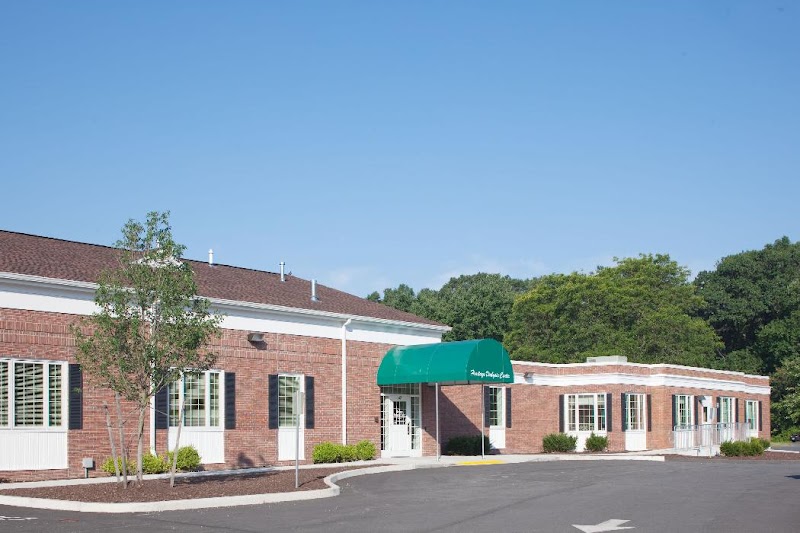
How is Agawam South Rehab And Nursing Staffed?

CMS rates AGAWAM SOUTH REHAB AND NURSING's staffing level at 4 out of 5 stars, which is above average compared to other nursing homes. Staff turnover is 40%, compared to the Massachusetts average of 46%. This relatively stable workforce can support continuity of care.

What Have Inspectors Found at Agawam South Rehab And Nursing?

State health inspectors documented 35 deficiencies at AGAWAM SOUTH REHAB AND NURSING during 2022 to 2025. These included: 35 with potential for harm.
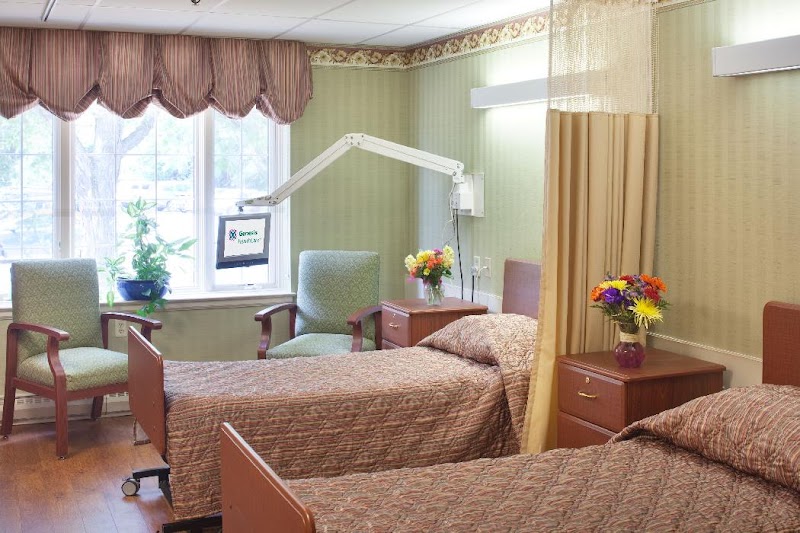
Who Owns and Operates Agawam South Rehab And Nursing?

AGAWAM SOUTH REHAB AND NURSING is owned by a for-profit company. For-profit facilities operate as businesses with obligations to shareholders or private owners. The facility is operated by STERN CONSULTANTS, a chain that manages multiple nursing homes. With 122 certified beds and approximately 86 residents (about 70% occupancy), it is a mid-sized facility located in AGAWAM, Massachusetts.
How Does Agawam South Rehab And Nursing Compare to Other Massachusetts Nursing Homes?

Compared to the 100 nursing homes in Massachusetts, AGAWAM SOUTH REHAB AND NURSING's overall rating (4 stars) is above the state average of 2.9, staff turnover (40%) is near the state average of 46%, and health inspection rating (3 stars) is at the national benchmark.

What Should Families Ask When Visiting Agawam South Rehab And Nursing?

Based on this facility's data, families visiting should ask: "Can I visit during a mealtime to observe dining assistance and food quality?" "How do you handle medical emergencies, and what is your hospital transfer rate?" "Can I speak with family members of current residents about their experience?"

Is Agawam South Rehab And Nursing Safe?

Based on CMS inspection data, AGAWAM SOUTH REHAB AND NURSING has a clean safety record: no substantiated abuse findings (meaning no confirmed cases of resident harm), no Immediate Jeopardy citations (the most serious violation level indicating risk of serious injury or death), and is not on the Special Focus Facility watch list (a federal program monitoring the lowest-performing 1% of nursing homes). The facility has a 4-star overall rating and ranks #1 of 100 nursing homes in Massachusetts. While no facility is perfect, families should still ask about staff-to-resident ratios and recent inspection results during their visit.

Do Nurses at Agawam South Rehab And Nursing Stick Around?

AGAWAM SOUTH REHAB AND NURSING has a staff turnover rate of 40%, which is about average for Massachusetts nursing homes (state average: 46%). Moderate turnover is common in nursing homes, but families should still ask about staff tenure and how the facility maintains care continuity when employees leave.

Was Agawam South Rehab And Nursing Ever Fined?

AGAWAM SOUTH REHAB AND NURSING has no federal fines on record. CMS issues fines when nursing homes fail to meet care standards or don't correct problems found during inspections. The absence of fines suggests the facility has either maintained compliance or corrected any issues before penalties were assessed. This is a positive indicator, though families should still review recent inspection reports for the full picture.

Is Agawam South Rehab And Nursing on Any Federal Watch List?

AGAWAM SOUTH REHAB AND NURSING is not on any federal watch list. The most significant is the Special Focus Facility (SFF) program, which identifies the bottom 1% of nursing homes nationally based on persistent, serious quality problems. Not being on this list means the facility has avoided the pattern of deficiencies that triggers enhanced federal oversight. This is a positive indicator, though families should still review the facility's inspection history directly.