AGAWAM WEST REHAB AND NURSING
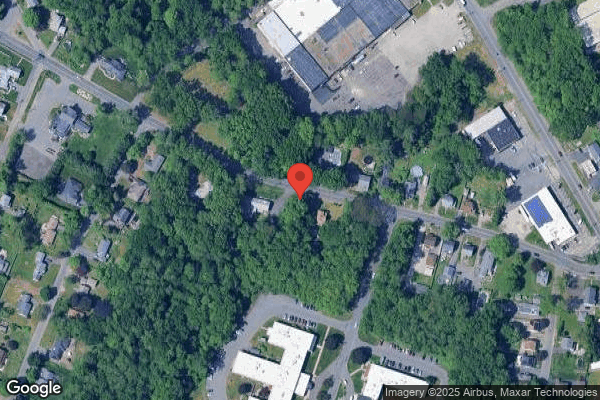

61 COOPER STREET, AGAWAM, MA 01001 (413) 786-8000
For profit - Limited Liability company 164 Beds STERN CONSULTANTS Data: November 2025
Trust Grade
60/100
#127 of 338 in MA
Last Inspection: July 2024

Within standard 12-15 month inspection cycle. Federal law requires annual inspections.

Overview

Agawam West Rehab and Nursing has a Trust Grade of C+, indicating that it is slightly above average among nursing homes. It ranks #127 out of 338 facilities in Massachusetts, placing it in the top half statewide, and #10 out of 25 in Hampden County, meaning there are only nine better options locally. The facility is showing improvement, with the number of issues decreasing from 11 in 2024 to 6 in 2025. Staffing is rated average with a 37% turnover rate, which is below the Massachusetts average, indicating that staff tend to stay longer and are familiar with the residents. While the facility has no fines on record, there are concerning incidents noted, such as medication not being stored securely for some residents and failure to offer crucial vaccines, highlighting areas where care could be improved.

Trust Score
C+
60/100
In Massachusetts
#127/338
Top 37%
Safety Record
Low Risk
No red flags
Inspections
Getting Better
11 → 6 violations
Staff Stability
○ Average
37% turnover. Near Massachusetts's 48% average. Typical for the industry.
Penalties
✓ Good
No fines on record. Clean compliance history, better than most Massachusetts facilities.
Skilled Nurses
○ Average
Each resident gets 35 minutes of Registered Nurse (RN) attention daily — about average for Massachusetts. RNs are the most trained staff who monitor for health changes.
Violations
⚠ Watch
36 deficiencies on record. Higher than average. Multiple issues found across inspections.
★★★☆☆
3.0
Overall Rating
★★★☆☆
3.0
Staff Levels
★★★★★
5.0
Care Quality
★★☆☆☆
2.0
Inspection Score
Stable
2024: 11 issues
2025: 6 issues

The Good

  • 5-Star Quality Measures · Strong clinical quality outcomes
  • Full Sprinkler Coverage · Fire safety systems throughout facility
  • No fines on record
  • Staff turnover below average (37%)

    11 points below Massachusetts average of 48%

Facility shows strength in quality measures, fire safety.

The Bad

3-Star Overall Rating

Near Massachusetts average (2.9)

Meets federal standards, typical of most facilities

Staff Turnover: 37%

Near Massachusetts avg (46%)

Typical for the industry

Chain: STERN CONSULTANTS

Part of a multi-facility chain

Ask about local staffing decisions and management

The Ugly 36 deficiencies on record

May 2025 5 deficiencies
CONCERN (D) 📢 Someone Reported This

A family member, employee, or ombudsman was alarmed enough to file a formal complaint

Potential for Harm - no one hurt, but risky conditions existed

Deficiency F0552 (Tag F0552)

Could have caused harm · This affected 1 resident

Based on record review and interview, for one of eight sampled residents (Resident #3), the facility failed to ensure they obtained written informed consent for his/her psychotropic medication prior t...

Read full inspector narrative →
Based on record review and interview, for one of eight sampled residents (Resident #3), the facility failed to ensure they obtained written informed consent for his/her psychotropic medication prior to administering the medication. Findings include: Review of the facility's policy titled Psychotropic Medication Management, revised 10/24/24, indicated that psychotropic medications will be administered upon a physician's order and informed consent by the resident or the Durable Power of Attorney/Responsible Party. Resident #3 was admitted to the facility in February 2025, diagnoses included bipolar disorder (episodes of mood swings ranging from depressive lows to manic highs), anemia (low red blood cells) osteoarthritis of the right and left knee (cartilage at the ends of bones has worn down), diabetes mellitus (trouble controlling blood sugar), hypertension (high blood pressure), and atrial fibrillation (irregular heart beat). Review of Resident #3's Minimum Data Set (MDS) admission Assessment, dated 02/09/25, indicated he/she had moderate cognitive impairment with a score of 8 out of 15 on his/her Brief Assessment for Mental Status (BIMS) Assessment (0-7 suggests severe cognitive impairment, 8-12 suggests moderately impaired cognition, and 12-15 suggest a resident is cognitively intact). Further review of the medical record indicated Resident's #3's Health Care Proxy was not activated indicating Resident #3 was able to make his/her own decisions. Review of Resident #3's Medication Administration Record (MAR) for the Month of February 2025, indicated he/she had physician's orders for and was administered the following: 8:00 A.M.-Quetiapine fumerate (anti-psychotic medication) oral tablet 300 milligrams (mg), give three tablets one time a day, start date 02/04/25, end date 02/28/25. 8:00 P.M.-Quetiapine fumerate oral tablet 100 mg, give nine tablets by mouth at bedtime, start date, end date 02/28/25. Review of Resident #3's MAR for the Month of March 2025, he/she had physician's orders for and was administered the following: 8:00 P.M.-Quetiapine fumerate oral tablet 100 mg, give 900 mg by mouth at bedtime, start date 03/13/25, end date 04/22/25. Review of Resident #3's medical record indicated there was no documentation to support that written informed consent for Quetiapine had been obtained prior to the start of administration on 02/03/25. Further review Resident #3's medical record indicated a written informed consent for quetiapine fumarate had not been obtained until 03/11/25, (37 days after the quetiapine fumerate had been initiated). Review of Resident #3's Informed Consent for Psychotropic Medication, dated 03/11/25, indicated the dosage range of Seroquel (quetiapine fumerate) for which the consent had been obtained, was 0 mg-800 mg, which did not coincide with Resident #3's current medication order of quetiapine fumerate 900 mg at bedtime. During an interview on 05/15/25 at 3:15 P.M., the Director of Nurses (DON) said that she was unable to locate and provide any documentation to support that the Facility had obtained written and signed informed consent for the use of quetiapine fumerate for Resident #3 prior to 03/11/25. The DON said that informed consent for quetiapine fumerate should have been obtained upon admission, prior to quetiapine administration on 02/03/25. In addition, the DON said that the Psychotropic Medication Informed Consent signed on 03/11/25 did not reflect Resident #3's current medication order.
CONCERN (D) 📢 Someone Reported This

A family member, employee, or ombudsman was alarmed enough to file a formal complaint

Potential for Harm - no one hurt, but risky conditions existed

Accident Prevention (Tag F0689)

Could have caused harm · This affected 1 resident

Based on records reviewed and interviews, for one of eight sampled residents (Resident #7), who had an above the knee amputation, and whose Physician Orders and Plan of Care indicated that he/she requ...

Read full inspector narrative →
Based on records reviewed and interviews, for one of eight sampled residents (Resident #7), who had an above the knee amputation, and whose Physician Orders and Plan of Care indicated that he/she required the use of bedrails for transfers, turning and positioning, the Facility failed to ensure that he/she had the necessary assistive equipment to maintain his/her safety when the left bedrail had fallen off the bed but was not repaired or replaced timely and on 04/02/25, Resident #7 sat up on the side of his/her bed reached for the bedrail, and when it wasn't there, lost his/her balance and fell. Findings include: Review of the Facility Fall Reduction Policy, dated as revised 10/30/24, indicated its purpose was to identify residents who are at risk for falling and to develop appropriate interventions to provide supervision and assistive devices to prevent or minimize fall related injuries. Review of the Report submitted by the Facility via the Health Care Facility Reporting System (HCFRS), dated 04/08/25, indicated that Resident #7 had an unwitnessed fall from his/her bed. The Report indicated that Resident #7 reported that as he/she was sitting on edge of bed he/she lost his/her balance and fell forward. The Report indicated that Resident #7 initially denied pain but later complained of right hip pain and was transferred to the emergency department for evaluation and treatment per physician recommendations. The Report indicated that Resident #7 was diagnosed with a pathological, closed sub-capital fracture of the right femur due to secondary osteoporosis. Review of Resident #7's Emergency Medicine Progress Note, dated 04/02/25, indicated that he/she presented at the Emergency Department (ED) after a fall. The Note indicated that Resident #7 reported that when he/she was trying to sit up in bed at the Facility, the bedrail was missing from the bed, he/she fell forward from a sitting position, directly onto the floor, and struck his/her forehead. Resident #7 was admitted to the Facility in July 2022, diagnoses included left leg above the knee amputation (AKA), insomnia, generalized anxiety disorder, and repeated falls. Resident #1's Quarterly Minimum Data Set (MDS) Assessment, dated 02/13/25, indicated Resident #1 was cognitively intact with a score of 15 out of 15 on the Brief Interview for Mental Status (BIMS, scores indicate: 0-7 severe cognitive impairment, 8-12 moderate cognitive impairment, and 13-15 cognitively intact). Further review of the MDS indicated Resident #7 was independent with rolling in bed, required substantial assistance to sit on the edge of the bed and to transfer from bed to wheelchair. Review of Resident #7's Mobility Care Plan, reviewed and renewed with Quarterly MDS completed 02/13/25, indicated he/she required assistance with mobility related to his/her AKA. The Care Plan interventions indicated Resident #7 required bedrails to enable transfers from bed to chair and to enable turning and repositioning in bed. Review of Resident #7's Nurse Progress Note, dated 03/30/25, indicated Resident #7 self-transferred in and out of bed to his/her wheelchair four times without using the call bell and did not ask for staff assistance. Review of Resident #7's Physician's Orders, for April 2025, indicated he/she had orders dated effective 01/28/24, for two bilateral quarter length bedrails as an enabler for turning and repositioning in bed. Review of Maintenance Work Order #7090, created on 04/02/25 at 7:09 P.M. (after the 2:30 A.M. fall) indicated Resident #7's left bedrail needed urgent repair or replacement. Further review of the work-order indicated it was replaced at 12:00 P.M. During an interview on 05/14/25 at 3:05 P.M., Resident #7 said that he/she used bilateral bedrails to reposition in bed, sit up to the edge of bed, and during transfers. Resident #7 said on 04/02/25, at the time of the fall, the left bedrail was broken and was not on the bed. Resident #7 said he/she could not remember how long the bedrail had been broken but recalled that a CNA (exact name unknown) had been unable to reattach the bedrail because the screws were missing. Resident #7 said the CNA had assured him/her that she would notify the maintenance department. Resident #7 said that he/she sat on the edge of the bed, reached for the left bedrail, lost his/her balance, and fell forward off the bed, striking his/her right knee on the floor and hitting his/her head on the bedside table. During a telephone interview on 05/16/25 at 1:43 P.M., Nurse #5 said that she worked full time on the 11:00 P.M. to 7:00 A.M. shift on Resident #7's unit and was familiar with his/her care needs. Nurse #5 said that Resident #7 frequently sat up to the edge of the bed without assistance and sometimes transferred in and out of bed without ringing for staff assistance, despite re-education. Nurse #5 said that Resident #7 required assistance with transfers due to his/her frequent falls. Nurse #5 said that on 04/01/25 at around 11:00 P.M. during the change of shift a Certified Nurse Aide from the evening shift told her that Resident #7's left bedrail was broken and that he (the CNA) would put a maintenance work order in to have it repaired. Nurse #5 said that early the next morning, on 04/02/25 at approximately 2:30 A.M., Resident #7 had a fall from his/her bed. Nurse #5 said when she responded to Resident #7's fall she observed that he/she had fallen from the left side of his/her bed and landed on the floor in the middle of the room. Nurse #5 said the broken bedrail would have been on the same side as his/her left leg amputation. During a telephone interview on 05/15/25 at 8:23 A.M., Certified Nurse Aide (CNA) #1 said that Resident #7 recently moved onto the unit where he (CNA #1) typically worked, while his/her room was being renovated and that he was familiar with his/her care needs. CNA #1 said that Resident #7 used bilateral bedrails to assist with mobility in bed and during transfers. CNA #1 also said that Resident #7 required assistance with transfers but frequently self-transferred. CNA #1 said that when he responded to a loud crash on 04/02/25 at 2:30 A.M., found Resident #7 on the floor and observed that his/her bedside table was tipped over. CNA #1 said he observed that the bedrail was missing from the left side of Resident #7's bed and was leaning up against the wall. During an interview on 05/15/25, Unit Manager #1 said that Resident #7 required bilateral bedrails for mobility when in bed. Unit Manager #1 said that Resident #1's bedrail was broken prior to the fall and the repair request had not been entered into the maintenance work order system until after the fall. Unit Manager #1 further said she was not sure how long the bedrail had been broken. During an interview on 05/15/25 at 10:37 A.M., the Director of Maintenance said he was not made aware that Resident #7's bedrail needed repair, prior to the fall on 04/02/25. The Director of Maintenance further said that the work order system was available to all staff, on all units. During an interview on 05/15/25 at 3:15 P.M. the Director of Nurses said that the repair request for the bedrail should have been submitted at the time staff discovered the need for repair.
CONCERN (D) 📢 Someone Reported This

A family member, employee, or ombudsman was alarmed enough to file a formal complaint

Potential for Harm - no one hurt, but risky conditions existed

Deficiency F0700 (Tag F0700)

Could have caused harm · This affected 1 resident

Based on records reviewed, observations and interviews for one of eight sampled residents (Resident #7) who was alert, oriented and made his/her own medical decisions, the Facility failed to ensure th...

Read full inspector narrative →
Based on records reviewed, observations and interviews for one of eight sampled residents (Resident #7) who was alert, oriented and made his/her own medical decisions, the Facility failed to ensure that he/she was assessed for the use of bedrails and that alternatives were trialed, prior to installing bilateral bedrails. Findings include: Review of the Facility Policy titled Side Rail Assessment, dated as revised 11/05/24, indicated the use of bedrails must be first evaluated for their appropriateness in relation to the resident's condition. The Policy indicated the alternatives explored, rationale and reason for use and condition of the resident (including the resident's cognitive ability and understanding of the use of bedrails) must be documented. The Policy further indicated that the continued use of bedrails must be assessed for appropriateness annually or more often if necessary. Resident #7 was admitted to the Facility in July 2022, diagnoses included left leg above the knee amputation (AKA), insomnia, generalized anxiety disorder, and repeated falls. Resident #1's Quarterly Minimum Data Set (MDS) Assessment, dated 02/13/25, indicated Resident #1 was cognitively intact with a score of 15 out of 15 on the Brief Interview for Mental Status (BIMS, scores indicate: 0-7 severe cognitive impairment, 8-12 moderate cognitive impairment, and 13-15 cognitively intact). Further review of the MDS indicated Resident #7 was independent with rolling in bed and required substantial assistance to sit on the edge of the bed and to transfer from bed to wheelchair. Review of Resident #7's Mobility Care Plan, reviewed and renewed with Quarterly MDS completed 02/13/25, indicated he/she required assistance with mobility related to his/her AKA. The Care Plan interventions, initiated 01/29/23, indicated Resident #7 required bedrails to enable transfers from bed to chair and to enable turning and repositioning in bed. Review of Resident #7's Physician's Orders, for April 2025, indicated he/she had an order dated effective 01/28/24, for two bilateral quarter length bedrails as enablers for turning and repositioning in bed. Review of Resident #7's Medical Record indicated there was no documentation to support that he/she was assessed for the use of bedrails or that appropriate alternatives to bedrails were trialed prior to their use, and that the continued use of bedrails were assessed for appropriateness annually as per facility policy. Review of a Physical Therapy Screen, dated 04/14/25, indicated that Resident #7's bed frame, mattress and bedrails were appropriate for his/her needs. The Screen did not include an evaluation of alternatives that were attempted prior to installation or use of bed rails, and how those alternatives failed to meet the Resident's assessed needs. On 05/14/25 at 2:15 P.M., the Surveyor observed that Resident #7's bed had bilateral quarter length bedrails in the upright position. During an interview on 05/14/25 at 3:05 P.M., Resident #7 said that he/she used bilateral bedrails when repositioning in bed and during transfers for as long as he/she had been living at the Facility. Resident #7 said he/she felt he/she needed bedrails but did not recall anyone discussing the risks associated with their use. During a telephone interview on 05/15/25 at 8:23 A.M., Certified Nurse Aide (CNA) #1 said that Resident #7 used bilateral bedrails to assist with mobility in bed and during transfers. CNA #1 also said that Resident #7 required assistance with transfers but frequently self-transferred. During an interview on 05/15/25, Unit Manager (UM) #1 said that Resident #7 required bilateral bedrails for mobility when in bed. During an interview on 05/15/25 at 3:15 P.M. the Director of Nurses said that the Facility was unable to provide any documentation to support that Resident #7 had been assessed for the use of bedrails, according to Regulations and Facility Policy.
CONCERN (D) 📢 Someone Reported This

A family member, employee, or ombudsman was alarmed enough to file a formal complaint

Potential for Harm - no one hurt, but risky conditions existed

Deficiency F0760 (Tag F0760)

Could have caused harm · This affected 1 resident

**NOTE- TERMS IN BRACKETS HAVE BEEN EDITED TO PROTECT CONFIDENTIALITY** Based on record review and interviews, for one of eight sampled residents (Resident #3), whose physician's orders included the a...

Read full inspector narrative →
**NOTE- TERMS IN BRACKETS HAVE BEEN EDITED TO PROTECT CONFIDENTIALITY** Based on record review and interviews, for one of eight sampled residents (Resident #3), whose physician's orders included the administration of a medication to manage his/her bipolar disorder, the Facility failed to ensure he/she was free from significant medication errors, when upon admission, the medication was inaccurately reconciled from his/her Hospital Discharge Summary by nursing and he/she was administered incorrect dosages of the medication for multiple days. Findings include: Review of the Facility's policy titled Administering Medication, dated as revised 10/15/24, indicated the following: -Medications shall be administered according to physician's written/verbal orders upon verification of the right medication, dose, route, time and positive verification of the resident's identity when no contraindications are identified and the medication is labeled according to accepted standards. -Should a dosage seem excessive considering the resident's age and medical condition, or a medication order seems to be unrelated to the resident's current diagnosis or medical condition, the person preparing/administering the medication shall contact the resident's attending physician or the facility's medical director for further instructions. Review of the Davis's Drug Guide for Nurses-19th edition (2025), indicated the usual dosage of quetiapine is 400 milligrams (mg)-800 mg per day. Resident #3 was admitted to the facility in February 2025, diagnoses included but was not limited to bipolar disorder (episodes of mood swings ranging from depressive lows to manic highs), hypertension (high blood pressure), and atrial fibrillation (irregular heart beat). Review of Resident #3's Medication Administration Record (MAR) for the Month of February 2025, indicated he/she had physician's orders and was administered the following: - 8:00 A.M.-Quetiapine fumerate (anti-psychotic medication) oral tablet 300mg, give three tablets one time a day, start date 02/04/25, end date 02/28/25. - 8:00 P.M.-Quetiapine fumerate oral tablet 100 mg, give nine tablets by mouth at bedtime, start date 02/03/25, end date 02/28/25. Review of the Resident #3 Hospital Discharge summary, dated [DATE], indicated his/her physician's orders were for quetiapine 900 mg (no frequency indicated) Review of Resident #3 Hospital Active Medication List, dated 02/02/25, indicated the following: -Quetiapine 300mg tablet, give 3 tablets (total of 900 mg), per Psych (no frequency indicated). -Quetiapine 900 mg, tablet, by mouth, daily at bedtime. Review of the Hospital Psychiatric Consultation note, dated 02/01/25, indicated to administer quetiapine 900 mg, by mouth, daily at bedtime. During an interview on 05/15/25 at 10:15 A.M., Nurse Practitioner (NP) #1 said Resident #3 should not have been receiving quetiapine 900 mg, twice a day, from 02/03/25 through 02/28/25 (25 days). NP #1 said Resident #3's order for quetiapine should have been for 900 mg once a day at bedtime as indicated in his (NP) progress notes. Review of the Nurse Practitioner's Progress Note, dated 02/05/25, indicated to continue quetiapine 900 mg at HS (bedtime). During an interview on 05/15/25 at 12:50 P.M, Nurse #1 said that she had called the on-call provider on 02/03/25, during the evening shift, to obtain admission medication orders for Resident #3. Nurse #1 said that she had utilized the Hospital Discharge Summary and the Hospital Medication List to obtain telephone orders. Nurse #1 said that 900 mg of quetiapine, twice a day, had sounded like a lot of medication, but that she had reviewed the medications with the on-call provider and proceeded to enter the medication orders into the electronic medical record. Nurse #1 said that she was not sure what the usual dose of quetiapine was, and said she could have called the on-call provider back to clarify the dosage, but that she did not. During an interview on 05/15/25 at 10:00 A.M., Unit Manager #2 said that she had called the Provider on 02/28/25, because Resident #3 was lethargic and his blood pressure and heart rate were not stable. Unit Manager #2 said that during the telephone call with the Provider, she read through the list of medications Resident #3 was currently receiving and that the Provider had said that's a lot of Seroquel (quetiapine). Unit Manager #2 said she then reviewed Resident #3's Hospital Discharge Summary and noticed that the Seroquel (quetiapine) had been transcribed twice a day instead of once a day, by mistake. Review of Resident #3's Med Error report, dated 02/28/25 indicated Unit Manager #2 had called the Provider due to Resident #3's lethargy. The Report indicated that Unit Manager #2 reconciled Resident #3's admission medication orders with his/her current medication orders and obtained new orders to taper Seroquel (quetiapine), discontinue Remeron (anti-depressant), obtain an electrocardiogram (EKG-a test that records the electrical activity of the heart), encourage fluids, and obtain vital signs every four hours for seven days. During an interview on 05/15/25 at 3:15 P.M., the Director of Nurses (DON) said that her expectation was that nursing staff would have read the Psychiatric Consultation note and the Provider note and noticed the medication order discrepancy.
CONCERN (D) 📢 Someone Reported This

A family member, employee, or ombudsman was alarmed enough to file a formal complaint

Potential for Harm - no one hurt, but risky conditions existed

Medical Records (Tag F0842)

Could have caused harm · This affected 1 resident

Based on records reviewed and interviews, for two of eight sampled residents (Resident #2 and Resident #3), who were dependent on assistance from staff for activities of daily living, the facility fai...

Read full inspector narrative →
Based on records reviewed and interviews, for two of eight sampled residents (Resident #2 and Resident #3), who were dependent on assistance from staff for activities of daily living, the facility failed to ensure they maintained complete and accurate medical records. Findings include: Review of the Facility policy titled, Charting and Documentation, revised 11/05/25, indicated that each resident will have an active medical record that contains accurately documented information, systematically organized and readily accessible to authorized person. Resident #2 was admitted to the Facility March 2025, with diagnoses including cerebral infarction (blood flow to the brain is interrupted causing brain tissue damage), diabetes mellitus (difficulty controlling blood sugar), and osteomyelitis (inflammation of bone caused by infection). Review of Resident #2's Minimum Data Set (MDS) admission Assessment (a comprehensive assessment of each resident's functional capabilities), dated 03/30/25, indicated he/she was dependent on staff assistance for all activities of daily living (ADL), bed positioning, transfer, and mobility. Review of Resident #2's ADL Flow Sheet (CNA documentation), dated 03/25/25 through 03/31/25, indicated for the following shifts, documentation was incomplete: -7:00 A.M. to 3:00 P.M. 1 day (out of 7 days) all ADL care areas were left blank. -3:00 P.M. to 11:00 P.M. 2 days (out of 7 days) all ADL care areas were left blank. -11:00 P.M. to 7:00 A.M. 5 days (out of 7 days) all ADL care areas were left blank. Review of Resident #2's ADL Flow Sheets dated 04/01/25 through 04/17/25, indicated that for the following shifts, documentation was incomplete: -7:00 A.M. to 3:00 P.M. 3 days (out of 17) all ADL care areas were left blank. -3:00 P.M. to 11 P.M. 5 days (out of 17) all ADL care areas were left blank. -11:00 P.M. to 7:00 A.M. 8 days (out of 17) all ADL care areas were left blank. Resident #3 was admitted to the facility in February 2025, diagnoses included anemia (low red blood cells) osteoarthritis of the right and left knee (cartilage at the ends of bones has worn down), diabetes mellitus (trouble controlling blood sugar), bipolar disorder (episodes of mood swings ranging from depressive lows to manic highs), hypertension (high blood pressure), and atrial fibrillation (irregular heart beat). Review of Resident #3's Minimum Data Set (MDS) admission Assessment (a comprehensive assessment of each resident's functional capabilities), dated 02/9/25, indicated he/she was dependent on staff assistance for all ADLs, bed positioning, transfers and mobility. Review of Resident #3's ADL Flow Sheet (CNA documentation) dated 02/03/25 through 02/28/25, indicated for the following shifts, documentation was incomplete: -3:00 P.M. to 11:00 P.M. 11 days (out of 26) all ADL care areas were left blank. -11:00 P.M. to 7:00 A.M. 10 days (out of 26) all ADL care areas were left blank. During an interview on 05/15/25 at 9:15 A.M., Unit Manager #1 said the CNAs are responsible for completing documentation on the ADL flow sheet by the end of their shift.
Mar 2025 1 deficiency
CONCERN (D) 📢 Someone Reported This

A family member, employee, or ombudsman was alarmed enough to file a formal complaint

Potential for Harm - no one hurt, but risky conditions existed

Medical Records (Tag F0842)

Could have caused harm · This affected 1 resident

Based on records reviewed and interviews for one of three sampled residents (Resident #1), the facility failed to ensure they maintained complete and accurate medical record when, 1) nursing documenta...

Read full inspector narrative →
Based on records reviewed and interviews for one of three sampled residents (Resident #1), the facility failed to ensure they maintained complete and accurate medical record when, 1) nursing documentation in Resident #1's Medication Administration Record (MAR) was incomplete, with spaces for medication administration left blank, and 2) required information in the Controlled Substance Register (record/log book used by the facility for maintaining accurate records of all narcotics and other controlled medications ordered and administered to each resident) related to resident specific medications and physician's orders, was inaccurate and incomplete. Findings include: Review of the facility's policy titled, Administering Medication, revised 10/15/24, indicated: - The individual administering the medication shall sign off on the Electronic Medication Administration Record (eMAR) date for that specific day before administering the medication. - Should a drug be withheld, refused, or given other than at the scheduled time, the individual administering the medication shall chart in the eMAR and sign off for that particular drug and document a rationale. - If it is discovered the person administering medications has forgotten to initial in the appropriate space, the supervisor shall notify that person to investigate if the medication/treatment has been administered/performed. If the response indicates the medication/treatment was administered, the staff member shall return to the facility, sign off on the eMAR to indicate a late entry. A late entry note will be documented indicating the administration of the medication. If the medication was not administered the missed dose/medication error protocol shall be followed. Review of the facility's policy titled, Charting and Documentation, revised 11/05/24, indicated: - Each resident will have an active medical record that contains accurately documented information, systematically organized and readily accessible to authorized persons. - A medication administration record shall be maintained which records the date and time each medication ordered by the physician that is given and by whom the medication was administered. 1) Resident #1 was admitted to the facility in January 2022, diagnoses included other specified disorders of the brain, other malformations of the cerebral (part of the brain) vessels, and anxiety disorder. Review of Resident #1's Physician's Order Summary Report, dated 03/28/25, indicated his/her current and active orders included the following: - Ativan (an anti-anxiety medication), give 0.25 milligrams (mg) by mouth every 24 hours for anxiety with a start date of 02/08/24. - Clonazepam (an anti-anxiety medication), give 0.75 mg by mouth in the evening for anxiety, send half tablets of 0.25 mg each to equal 0.75 mg with a start date of 11/21/22. - Oxycodone HCl (an opioid pain medication) oral tablet, 5 mg, give one tablet by mouth three times a day for pain with a start date of 01/20/24. - Oxycodone HCl oral tablet, 5 mg, give one tablet by mouth every 24 hours for pain with a start date of 02/20/24. - Oxycodone HCl capsule, 5 mg, give one tablet by mouth every six hours as needed for moderate to severe pain with a start date of 02/18/24. Review of Resident #1's January 2025 MAR indicated that for the following scheduled medications, the dates and times were left blank: - Clonazepam 0.75 mg: 01/14/25 at 8:00 P.M. - Oxycodone 5 mg: 01/14/25 at 8:00 P.M. and 01/30/25 at 2:00 P.M. Review of Resident #1's February 2025 MAR indicated that for the following scheduled medications, the date and times were left blank: - Clonazepam: 02/01/25 and 02/22/25 at 8:00 P.M. - Oxycodone: 02/01/25 and 02/22/25 at 8:00 P.M. Review of Resident #1's March 2025 MAR indicated that for the following scheduled medications, the date and times were left blank: - Clonazepam: 03/06/25, 03/24/25, and 03/25/25 at 8:00 P.M. - Oxycodone: 03/01/25 at 2:00 P.M., 03/06/25, 03/24/25 and 03/25/25 at 8:00 P.M. Review of the Controlled Substances Register for Resident #1 indicated that the Clonazepam and Oxycodone were all signed off as being administered. During an interview on 03/26/25 at 11:11 A.M., Nurse #1 said when a nurse administers a medication to a resident, they are required to document it in the electronic health record (EHR). Nurse #1 said when they document the administration in the EHR, the MAR will show a checkmark followed by the nurse's initials, and if the MAR is blank, that means that the nurse did not document that they gave the medication. Nurse #1 said when there are blank spaces on the MAR, it appears as though the nurse did not administer the medications on those dates and times. During an interview on 03/26/25 at 4:18 P.M., Unit Manager #1 said during medication pass, the nurse is required to sign off (document) on each medication they administer in the EHR, there should be no blank spaces on the MAR and when there were blank spaces, that means the nurse did not document the medication administration. After reviewing Resident #1's January, February, and March 2025 MARs with the surveyor, Unit Manager #1 said there were several blank spaces throughout the MARs and there should not have been. During an interview on 03/26/25 at 5:10 P.M., the Assistant Director of Nursing (ADON) reviewed Resident #1's January, February, and March MARs with the surveyor. The ADON said that when passing medications, the nurse is required to sign off as having given the medications in the computer. The ADON said there should not be any blank spaces on the MARs because that means the nurse who was on duty passing the medications did not document as they should have. 2. Review of the facility's policy titled Medication Ordering and Receiving from Pharmacy: Receiving Controlled Substances, dated November 2021 indicated: - An individual resident's controlled substance record is prepared by the pharmacy or the facility for each controlled substance prescribed for a resident. The following information is completed upon dispensing or upon receipt of the controlled substance: 1) Name of resident 2) Prescription number 3) Drug name, strength (if designated), and dosage form of medication 4) Date received 5) Quantity received 6) Name of person receiving the medication supply Review of the Controlled Substance Register pages specific to Resident #1's medications indicated the following: - Page 1: Ativan, missing the prescription number and prescription date. - Pages 3, 15, and 38: Oxycodone, incomplete dosage directions, missing the prescription number and prescription date. - Pages 19, 22, 27, and 30: Oxycodone, incomplete dosage directions. - Page 7: Clonazepam, missing the prescription number and prescription date. - Page 16 and 37: Clonazepam, incorrect dosage directions. During an interview on 03/26/25 at 3:00 P.M., Nurse #1 reviewed the pages related to Resident #1 in the Controlled Substance Register with the surveyor, and after reviewing, said she noted several problems with them. Nurse #1 said that for every medication, there should be a prescription number and a prescription date, as well as clear medication information such as the name of the medication, the dosage/strength of the medication and and directions for administration. Nurse #1 said that there were several pages that were missing the prescription numbers and dates, that the pages for Clonazepam included directions to administer two half tablets as needed daily (and there was no order for this), and for the Oxycodone, none of the pages showed accurate administration directions for what was ordered by the physician. Nurse #1 said they failed to include a scheduled dose of Oxycodone 5 mg daily at 1:00 A.M., 5 pages failed to include the PRN (as needed) dose and directions, and three pages had no directions at all. During an interview on 03/26/25 at 3:41 P.M., Nurse #3 reviewed the pages of Resident #1's Controlled Substance Register with the surveyor. Nurse #3 said that for every medication listed, there should also be a prescription number, prescription date and that information was missing on many of the pages. In addition, Nurse #3 said Resident #1 did not receive PRN Clonazepam, could not remember him/her ever having that ordered, and it should not have been written on the Clonazepam pages. Nurse #3 said that many of the pages for Resident #1's medications in the Controlled Substance Register were incomplete and/or inaccurate. During an interview on 03/26/25 at 4:18 P.M., Unit Manager #1 reviewed the pages of Resident #1's Controlled Substance Register with the surveyor. Unit Manager #1 said that for the Oxycodone pages, the directions were incomplete, with all of the pages not including an additional scheduled 1:00 A.M. dose, some of the pages did not have any administration directions at all, and some pages failed to include the PRN dosages. Unit Manager #1 also said that every page should have a prescription number and prescription date recorded on the pages, however that information was missing from several of the pages. During an interview on 03/26/25 at 5:10 P.M., the Assistant Director of Nursing (ADON) reviewed the pages of Resident #1's Controlled Substance Register with the surveyor and said that they were missing accurate directions as well as missing prescription numbers and dates, all of which were required.
Jul 2024 11 deficiencies
CONCERN (D)

Potential for Harm - no one hurt, but risky conditions existed

Deficiency F0578 (Tag F0578)

Could have caused harm · This affected 1 resident

**NOTE- TERMS IN BRACKETS HAVE BEEN EDITED TO PROTECT CONFIDENTIALITY** 1b. Resident #62 was admitted to the facility in December 2023 with a diagnosis of Dementia (a group of conditions characterized...

Read full inspector narrative →
**NOTE- TERMS IN BRACKETS HAVE BEEN EDITED TO PROTECT CONFIDENTIALITY** 1b. Resident #62 was admitted to the facility in December 2023 with a diagnosis of Dementia (a group of conditions characterized by impairment of at least two brain functions, such as memory and loss of judgment). Review of the Minimum Data Set (MDS) assessment dated [DATE], indicated that Resident #62 was cognitively impaired as evidenced by a Brief Interview for Mental Status (BIMS) score of two out of a total score of 15. Review of the clinical record revealed a MOLST form dated 2/23/24 that had not been signed by the Resident, Resident Representative or Physician with the request for the following: -Do Not Resuscitate (DNR) -Do Not Intubate and Ventilate (DNI) -Do Not Use Non-Invasive Ventilation (DNIV) -Do Not Transfer to Hospital (DNH) Further review of Resident #62's clinical record indicated: -A HCP Designation Form that appointed a HCP on 8/14/14. -The Physician had invoked the Resident's HCP on 4/14/23. During an interview on 7/15/24 at 12:07 P.M., SW #1 said that the MOLST form on file was not valid because it had not been signed by the HCP and the Physician. SW #1 also said that a new MOLST form should have been completed and it had not been. 2. Resident #39 was admitted to the facility in November 2016, with a diagnosis of spinal stenosis (a condition where the spinal column narrows and compresses the spinal cord and nerves and can cause pain). Review of the Minimum Data Set (MDS) assessment dated [DATE], indicated that Resident #39 was cognitively intact as evidenced by a Brief Interview for Mental Status (BIMS) score of 12 out of a total score of 15 points. Review of Resident #39's clinical record indicated: -The Resident's HCP had been activated on 11/18/16. -The Resident's MOLST had been signed by the HCP on 11/27/16, with the request for DNR and DNI. -The Resident's HCP was de-activated by the Physician on 5/11/23, and he/she was deemed to have capacity to make medical decisions on his/her own behalf. Review of the clinical record indicated no evidence that Resident #39 had been provided with the opportunity to formulate an Advance Directive after his/her HCP had been de-activated by the Physician. During an interview on 7/15/24 at 12:02 P.M., SW #1 said that a new MOLST should have been established once the Resident was determined to have capacity for informed medical decision making. Based on interview, record and policy review, the facility failed to ensure that Advance Directives (legal documents that provide instructions for medical care and only go into effect if you are unable to communicate your own wishes) were accurate for three Residents (#3, #62 and #39) out of a total sample of 24 residents. Specifically, the facility failed to: 1. For Resident's #3 and #62, ensure that the MOLST (Massachusetts Medical Order for Life-Sustaining Treatment) form was valid and reflected the signature of the Resident's invoked (made active by a Physician) Health Care Proxy (HCP- a legal document that allows you to appoint someone you trust to make medical decisions on your behalf if you are unable to do so). 2. For Resident #39, offer the opportunity to formulate an Advance Directive for the Resident after his/her HCP had been deactivated by the Physician. Findings include: Review of the facility policy for Advance Directives, initiated 10/16/23, indicated the following: -If utilizing a MOLST form, the order will take effect after signatures of the resident/resident representative and is signed by the Provider. -The Advance Directive shall be reviewed and updated upon resident request, with the comprehensive care plan, and with significant changes in condition. -If a resident is incapacitated at the time of admission and is unable to receive information (due to the incapacitating conditions or a mental disorder) or articulate whether or not he or she has executed an advance directive, then the facility may give advance directive information to the resident's family or surrogate in the same manner that it issues other materials about policies and procedures to the family of the incapacitated individual or to a surrogate or other concerned persons in accordance with the law. -The facility is not relieved of its obligation to provide this information to the resident once he or she is no longer incapacitated or unable to receive such information. The facility shall implement and establish follow-up procedures to provide the information to the resident directly at the appropriate time. 1a. Resident #3 was admitted to the facility in July 2005, with a diagnosis of Schizophrenia (a mental illness that affects how a person thinks, feels and behaves). Review of the Minimum Data Set (MDS) assessment dated [DATE], indicated Resident #3 was severely cognitively impaired as evidenced by a Brief Interview for Mental Status (BIMS) score of six out of a total score of 15. Review of the clinical record indicated a MOLST form dated 11/4/23, that had not been signed by the Resident, Resident Representative or Physician with the request for the following: -Do Not Resuscitate (DNR) -Do Not Intubate and Ventilate (DNI/ DNV) -Do Not Use Non-Invasive Ventilation (DNIV) -Do Not Transfer to Hospital (DNH) Further review of Resident #3's clinical record indicated: -A HCP Designation Form that appointed a HCP on 7/24/07 -The Physician had invoked the Resident's HCP on 10/6/15 During an interview on 7/15/24 at 3:11 P.M., Social Worker (SW) #1 said that she reviews MOLST forms quarterly. SW #1 said that Resident #3's MOLST form was not valid because it had not been signed by the HCP or the Physician and a new MOLST should have been completed but was not completed.
CONCERN (D)

Potential for Harm - no one hurt, but risky conditions existed

Notification of Changes (Tag F0580)

Could have caused harm · This affected 1 resident

**NOTE- TERMS IN BRACKETS HAVE BEEN EDITED TO PROTECT CONFIDENTIALITY** 2. Resident #86 was admitted to the facility in March 2024, with diagnoses including Diabetes (elevated levels of glucose in the...

Read full inspector narrative →
**NOTE- TERMS IN BRACKETS HAVE BEEN EDITED TO PROTECT CONFIDENTIALITY** 2. Resident #86 was admitted to the facility in March 2024, with diagnoses including Diabetes (elevated levels of glucose in the blood), Anemia (condition that develops when the blood produces a lower than normal amount of red blood cells and/or hemoglobin [protein in red blood cells that carries oxygen from the lungs to other organs/tissues] to carry oxygen to the body's tissues), and Atrial Fibrillation (A-fib: irregular, rapid heartbeat that can lead to blood clots and other heart related complications). Review of facility policy titled Weight Assessment & Interventions dated 11/1/15, indicated: -It is the policy of this facility to prevent significant unplanned or unavoidable weight loss for our residents. -Criteria threshold for significant unplanned and undesired weight loss/gain will be based on the following criteria: a. 1 month 5% weight loss is significant, greater than 5% is severe b. 3 months 7.7% weight loss is significant, greater than 7.5% is severe c. 6 months 10% weight loss is significant, greater than 10% is severe -Nursing staff will measure resident weights on admission, and then weekly for four weeks. If no weight concerns are noted at this point, weights will be measured monthly thereafter. -Weights will be recorded in the resident's medical record -Any weight change of 5 pounds or more within 30 days will be retaken for confirmation and if the weight is verified nursing will notify the Provider and the Dietary Manager/Dietician. Review of the Minimum Data Set (MDS) assessment dated [DATE], indicated Resident #86: -was severely cognitively impaired as evidenced by a Brief Interview for Mental Status (BIMS) score of seven out of a total score of 15. -had identified weight loss. -recieved nutrition via tube feeding. Review of Resident #86's comprehensive care plan for Nutritional Risk, last revised 3/22/24, indicated an intervention to monitor for weight changes and notify Physican and Registered Dietician (RD) as needed. Review of Resident #86's weight record indicated the following weights: -6/1/24: 123 pounds (lbs.) -7/1/24: 109.8 lbs. (a significant change of -10.73%) Review of the Dietary assessment dated [DATE], indicated that Resident #86: -Was below ideal body weight with gain desirable. -Had triggered for significant weight loss and recommended re-weight. -No changes in the Plan of Care made at this time. -Resident was at risk for malnutrition. Review of Resident's #86 Dietary Progress Note dated 7/2/24, indicated the following: -A weight warning triggered due to (significant/severe) weight loss (-10.73%) -The accuracy of documented weight from 7/1/24 was in question. -A re-weight was requested. Review of Resident #86's clinical record did not indicate that a re-weight had been obtained since the 7/1/24 weight indicating a significant weight loss. During an interview on 7/16/24 at 1:35 P.M., Nurse #1 said that he was not aware of a request for a re-weight on Resident #86. During an interview on 7/16/24 at 1:40 P.M., Unit Manager (UM) #1 said she was unaware of the request for a re-weight by the RD and a re-weight should have been done. UM #1 was unable to provide evidence at time of survey end that the Physican had been notified of the significant weight loss for Resident #86. Based on interview, record and policy review, the facility failed to notify the Physician/Non-Physician Practitioner (NPP/ Nurse Practitioner [NP]) of a significant change in condition for two Residents (#62 and #86) out of a total sample of 24 residents. Specifically, the facility staff failed to notify the Physician/NPP: 1. For Resident #62, when the blood sugar reading was greater than 400 mg/dL. 2. For Resident #86, when the Resident experienced an unplanned, significant weight loss of -10.73% in one month. Findings include: 1. Resident #62 was admitted to the facility in December 2023 with a diagnosis of Diabetes Mellitus Type 2 (DM II- a chronic medical condition where the body cannot effectively use insulin [hormone that regulates blood glucose/sugar] or produce enough insulin, and has trouble controlling blood sugar levels). Review of the facility's policy for Hyperglycemic (high blood sugar) Protocol, last revised 11/5/2019, included: -Early signs and symptoms of hyperglycemia may include increased thirst, increased urination, appearing tired, restlessness. -Later signs and symptoms of hyperglycemia may include lethargy, dehydration, decreased awareness, loss of consciousness. -If an Accu-check (a blood glucose measuring system) reveals a blood glucose level above 300 mg/dL (milligrams per deciliter) or level identified per individual orders, hyperglycemia should be suspected. -If any of the above signs or symptoms are identified .report the resident's diabetic condition to the Physician immediately. -Follow the resident's individual hyperglycemic protocol, if ordered by the Physician. Review of Resident #62's care plan for Insulin Dependent Diabetes last revised 5/18/23, indicated: -an intervention to monitor for signs and symptoms of hyperglycemia . -and report abnormal findings to the Physician. Review of Resident #62's care plan for Maintaining Blood Glucose Levels initiated on 7/2/24, indicated: -an intervention to monitor for a change in condition and . -notify the Physician. Review of the Resident's July 2024 Physician's orders included: -Insulin Glargine (long-acting insulin) - Subcutaneous Solution Pen- (injection between the skin and muscle for treatment of Diabetes) 100 UNIT/ML (units/milliliter); Inject 12 units subcutaneously at bedtime for Diabetes, initaited 7/2/24 -NovoLog FlexPen (fast acting insulin injection) Solution Pen-injector 100 UNIT/ML; Inject as per sliding scale: >if blood sugar is 200 - 249 mg/dL = give 2 units (u). >250 - 299 mg/dL = give 4u. >300 - 349 mg/dL = give 6u. >350 - 400 mg/dL = give 8u. >401 - 450 mg/dL = give 10u., call MD (Doctor of Medicine/ Physician) for FBS (fasting blood sugar) above 400 mg/dL, subcutaneously before meals for Preventative care, initiated 7/2/24 Review of the Resident's July 2024 Medication Administration Record (MAR) indicated the following blood sugar levels recorded at 4:30 P.M. on the following days: -7/5/24 = 404 mg/dL -7/6/24 = 425 mg/dL -7/7/24 = 416 mg/dL -7/8/24 = 411 mg/dL -7/11/24 = 442 mg/dL Review of the Resident's progress notes from 7/5/24 through 7/11/24 did not indicate any notification to the Physician related to a blood sugar result greater than 400 mg/dL. During an interview on 7/16/24 at 12:03 P.M., Unit Manager (UM) #2 said that the Physician should have been notified when Resident #62's blood sugar was over 400 mg/dL. UM #2 also said that it should have been documented in the Nurses progress notes and it had not been.
CONCERN (D)

Potential for Harm - no one hurt, but risky conditions existed

MDS Data Transmission (Tag F0640)

Could have caused harm · This affected 1 resident

Based on record review and interview, the facility failed to ensure the timely completion and transmission of the Minimum Data Set (MDS) Assessments as required for four Residents (#65, #33, #92, #72)...

Read full inspector narrative →
Based on record review and interview, the facility failed to ensure the timely completion and transmission of the Minimum Data Set (MDS) Assessments as required for four Residents (#65, #33, #92, #72) out of five applicable residents. Specifically, the facility staff failed to ensure that the components of the MDS Assessments were completed and transmitted within the required timeframes when: 1. For Resident #65, the Assessment was transmitted 28 days after the MDS completion date. 2. For Resident #33, the MDS Assessment was completed 17 days after the ARD (Assessment Reference Date). 3. For Resident #92, A Quarterly MDS assessment with an ARD of 5/28/24, completed 6/11/24, was not yet transmitted as required. 4. For Resident #72, the MDS Assessment was completed 22 days after the ARD, and was not yet transmitted as required. Findings include: Review of the CMS Resident Assessment Instrument (RAI) Version 1.18.11 Manual dated October 2023, included the following: -Assessment Reference Date (ARD) refers to the specific endpoint for the observation (or look-back) periods in the MDS assessment process. -The facility is required to set the ARD on the MDS or in the facility software within the required timeframe of the assessment type being completed. -The Quarterly MDS Assessment completion date must be no later than 14 days after the ARD. -The Annual MDS assessment completion date must be no later than 14 days after the ARD. -Assessment Transmission must be within 14 days of the MDS Completion Date. 1. Resident #65 was admitted to the facility in April 2021. Review of the clinical record indicated: -A Quarterly MDS assessment with an ARD of 6/6/24, was completed 6/18/24, and transmitted 7/16/24. -Quarterly MDS assessment transmission occurred 28 days after the MDS completion date of 6/18/24. 2. Resident #33 was admitted to the facility in January 2024. Review of the clinical record indicated: -An admission MDS assessment with an ARD of 1/15/24, was completed 2/1/24, and transmitted 2/8/24. -MDS completion occurred 17 days after the ARD. 3. Resident #92 was admitted to the facility in June 2021. Review of the clinical record indicated: -A Quarterly MDS assessment with an ARD of 5/28/24, was completed 6/11/24, and had not yet been transmitted. 4. Resident #72 was admitted to the facility in July 2018. Review of the clinical record indicated: -An Annual MDS assessment with an ARD of 6/4/24, was completed 6/26/24, and had not yet been transmitted. -MDS completion occurred 22 days after the ARD. During an interview on 7/16/24 at 8:58 A.M., with MDS Nurse #1 and MDS Nurse #2, MDS Nurse #1 said that the process is for her and MDS Nurse #2 to complete the MDS assessments and then the facility's Corporate MDS staff review and transmit the MDS assessments. MDS Nurse #1 said she and MDS Nurse #2 do not have access or permission to transmit the MDS assessments. MDS Nurse #1 said that the completion date for the MDS assessment would be 14 days from the ARD. The surveyor and MDS Nurse #1 reviewed the MDS assessment documentation. MDS Nurse #1 said that the MDS assessment for Resident #33 was completed late. MDS Nurse #1 also said that Resident #65 and Resident #92 MDS assessments were late to be transmitted. MDS Nurse #1 further said that Resident #72's MDS assessment was late to be completed and late to be transmitted.
CONCERN (D)

Potential for Harm - no one hurt, but risky conditions existed

Deficiency F0646 (Tag F0646)

Could have caused harm · This affected 1 resident

Based on interview, record and policy review, the facility failed to notify the State Mental Health Authority for a resident review after a significant change in mental condition occurred for one Resi...

Read full inspector narrative →
Based on interview, record and policy review, the facility failed to notify the State Mental Health Authority for a resident review after a significant change in mental condition occurred for one Resident (#2) out of a total sample of 24 residents. Specifically, the facility failed to request a Preadmission Screening and Resident Review Level II screen (PASRR- an evaluation done to determine if a resident has an intellectual or developmental disability and/or serious mental illness[SMI] and if a Resident is in need of additional specialized support services at the facility) after Resident #2 received emergency mental health interventions and experienced limitations in major life activities due to mental illness. Findings include: Review of the facility policy titled Social Services - Coordination with PASRR Program, initiated 2/2/24, indicated the following: -Any resident who exhibits newly evident or possible serious mental disorder, intellectual disability, or a related condition will be referred promptly to the State Mental Health or intellectual authority for a Level II resident review. Resident #2 was admitted to the facility in May 2024, and had diagnoses including Bipolar Disorder (a chronic mood disorder that causes intense shifts in mood, energy levels, and behavior), Major Depression (a mood disorder that causes a persistent feeling of sadness and loss of interest), and Suicidal Ideation (verbal expressions of thoughts of harming oneself that may or may not lack specific intent). Review of the PASRR Level I form dated 5/9/24, indicated the following: -Resident #2 had a documented mood disorder (bipolar disorder/major depression). -Resident did not have any treatments due to mental illness. -Resident did not have a history of emergency mental health interventions. -Resident did not have any functional life impairments due to mental illness. -Negative screen result and Level II PASRR evaluation was not needed. Review of Resident #2's Clinical Record indicated the following Nursing Progress Notes: -On 5/13/24, Resident #2 reported intermittent suicidal ideation. The Resident was evaluated by the Nurse Practitioner (NP) and deemed not currently/actively suicidal. Resident did not need to be transferred to the emergency room (ER) at that time. -On 5/14/24, Resident #2 was transferred to the Hospital for suicidal ideation and returned after crisis evaluation in the ER. -On 6/17/24, Resident #2 said to the Nurse that he/she would rather die than eat and had not eaten in 2 days. The NP was made aware and Resident #2 was transferred to the hospital. During an interview on 7/12/24 at 2:38 P.M., the SW (Social Worker) said the Social Service department was responsible for completing the PASRR form and that she reviews the PASRR form prior to the initial social service assessment. The SW said if new information is identified during the assessment process indicating a change from the initial PASRR, she will submit a new PASRR form indicating a request for Level II evaluation. The surveyor and the SW reviewed Resident #2's PASRR Level I evaluation and the SW said that the Resident did not trigger for a Level II on 5/9/24. The SW further said that Resident #2's suicidal ideation would be considered a change and that a PASRR Level II should have been requested, but had not been.
CONCERN (D)

Potential for Harm - no one hurt, but risky conditions existed

Deficiency F0676 (Tag F0676)

Could have caused harm · This affected 1 resident

**NOTE- TERMS IN BRACKETS HAVE BEEN EDITED TO PROTECT CONFIDENTIALITY** Based on observation, interview, and record review, the facility failed to provide care and services to address a hearing proble...

Read full inspector narrative →
**NOTE- TERMS IN BRACKETS HAVE BEEN EDITED TO PROTECT CONFIDENTIALITY** Based on observation, interview, and record review, the facility failed to provide care and services to address a hearing problem for one Resident (#57), out of a total sample of 24 residents. Specifically, the facility staff failed to provide care and services that would maintain or improve Resident #57's hearing and communication when there was a decline in hearing ability, and the Resident/ Resident Representative had consented to be seen for audiology (the science of hearing, balance and related disorders) services. Findings include: Review of the facility policy for Physician Services, initiated 10/16/23, indicated: -Each resident shall be under the care of a licensed Physician. -Physician's services include but are not limited to . ancillary services (Health Care Providers that support Primary Care Providers) of additional Providers based upon the individual need. -Provision for and coordination with the attending provider. Resident #57 was admitted to the facility in November of 2023, with a diagnosis of hearing loss. Review of the Physician's orders indicated an order dated 2/29/24, for ancillary and specialty care as needed. Review of Resident #57's clinical record indicated a Request for Service Form signed by the Resident's Representative requesting Audiology services on 3/7/24. Review of the Minimum Data Set (MDS) assessment dated [DATE], indicated the Resident had moderate hearing loss but was able to understand others without hearing aids. Review of the MDS assessment dated [DATE], indicated the Resident had moderate hearing loss, no hearing aids, and only sometimes understood others. Review of Resident #57's care plan for Communication Deficit initiated on 12/19/23, last revised 6/12/24, indicated that the Resident had a hearing deficit. During an interview on 7/11/24 at 9:44 A.M., Resident #57 said he/she was very deaf, could not understand what the surveyor was asking and could not read lips. The Resident also said that he/she did not have hearing aids and had recently lost his/her hearing. Review of the clinical record did not indicate that Resident #57 had been provided with audiology services as requested on 3/7/24. During an interview on 7/15/24 at 10:15 A.M., the Director of Nursing (DON) said Resident #57 had never been referred to an Audiologist and should have been referred, because the family (Resident's Representative) had consented to audiology services.
CONCERN (D)

Potential for Harm - no one hurt, but risky conditions existed

Tube Feeding (Tag F0693)

Could have caused harm · This affected 1 resident

**NOTE- TERMS IN BRACKETS HAVE BEEN EDITED TO PROTECT CONFIDENTIALITY** Based on observation, interview, policy and record review, the facility failed to ensure that the administration of enteral (als...

Read full inspector narrative →
**NOTE- TERMS IN BRACKETS HAVE BEEN EDITED TO PROTECT CONFIDENTIALITY** Based on observation, interview, policy and record review, the facility failed to ensure that the administration of enteral (also referred to as tube feeding) nutrition was consistent with and followed the Physician's orders for one Resident (#76) out of a total sample of 24 residents. Specifically, the facility staff failed to administer the Physician ordered volume (quantity) of tube feeding for Resident #76, whose sole source of nutrition are enteral feeds thus placing the Resident at risk for altered nutritional status. Findings include: Resident #76 was admitted to the facility in September 2020, with diagnoses including Subarachnoid Hemorrhage (SAH - bleeding in the space between the brain and the tissue covering the brain) and Respiratory Failure (a serious condition that makes it difficult to breathe on your own that develops when the lungs cannot provide enough oxygen to the body or remove enough carbon dioxide from the body). Review of the Minimum Data Set (MDS) assessment dated [DATE], indicated Resident #76: -was severely cognitively impaired as evidenced by a Brief Interview for Mental Status (BIMS) score of zero out of a total score of 15. -and received nutrition via feeding tube. Review of facility policy titled Tube Feeding, dated 11/28/23, indicated: -It is the purpose of this policy to ensure safe and effective use of the tube and maintain the integrity of the tube per the Provider's orders. -Enteral feeding orders will be written to ensure consistent volume infusion. The following information will be included to ensure that any necessary interruptions of feeding will not decrease volume infused: >Bolus Feeding (a method of tube feeding that involves administering a limited volume of enteral formula or liquid food through a feeding tube in several doses over brief periods of time throughout the day) procedure includes: -Verify Physician order for enteral feeding via bolus method. -Gather necessary equipment. -Identify resident. -Pour prescribed amount of feeding into syringe. -Refill the syringe until the feeding is complete. -Clamp (close) tube and detach syringe. Review of Resident #76's July 2024 Physician's orders included the following: -NPO (nothing by mouth). -Gastrostomy tube (G-tube: a soft, flexible tube that passes through the abdominal wall and into the stomach) 18 French (6 millimeter [mm] diameter tube) for diet. -Enteral feed order: Osmolite 1.5 CAL (a therapeutic nutrition solution for tube fed residents) bolus 356 milliliters (ml) four times a day. -Flush tube with 150 ml of water every six hours. -Flush tube with 60 ml of water before each medication pass every shift. Review of Resident #76's comprehensive care plan last revised 5/22/24, indicated the Resident: -was at a Nutritional Risk given weight loss -was NPO -had enteral feeding as the sole source of nutrition, and included the following interventions: >Provide enteral feedings and flushes as ordered by Physician to maximize nutritional intake and monitor tolerance. >NPO On 7/15/24 at 11:57 A.M., the surveyor observed Nurse #1 administer 60 milliliters (ml) of water flush to Resident #76 though the G-tube followed by four 60 ml syringes of Osmolite 1.5 CAL tube feeds for a total dose of 240 ml. The surveyor observed Nurse #1 administering an additional 60 ml of water flush after the tube feeds and then closed the G-tube port. During an interview on 7/15/24 at 12:15 P.M., Nurse #1 said the total dose of Osmolite 1.5 CAL that was given to the Resident was about 237 ml. Nurse #1 said that the correct dose that should have been given was 356 ml (with a deficit of 119 ml tube feeds that was not administered) and that he had not given the correct volume as ordered by the Physician. Nurse #1 said it is important for Resident #76 to get the proper volume (tube feeds) because that is Resident #76's only food and nutrition available.
CONCERN (D)

Potential for Harm - no one hurt, but risky conditions existed

Respiratory Care (Tag F0695)

Could have caused harm · This affected 1 resident

**NOTE- TERMS IN BRACKETS HAVE BEEN EDITED TO PROTECT CONFIDENTIALITY** Based on observation, interview, policy and record review, the facility failed to ensure that respiratory care and services, con...

Read full inspector narrative →
**NOTE- TERMS IN BRACKETS HAVE BEEN EDITED TO PROTECT CONFIDENTIALITY** Based on observation, interview, policy and record review, the facility failed to ensure that respiratory care and services, consistent with professional standards of practice, were provided for one Resident (#15), out of a total sample of 24 residents. Specifically, the facility failed to maintain an oxygen concentrator (a device used to deliver supplemental oxygen) filter for Resident #15 in a clean, safe and functional manner in accordance with Physician orders, placing Resident #15 at risk for impaired oxygen delivery and equipment malfunction. Findings include: Review of the facility policy titled Oxygen Administration and Storage, dated 10/16/23, indicated the following; -It is the purpose of the policy to ensure staff follow safety guidelines and regulation for storage and use of Oxygen. -Filters should be removed and cleaned by rinsing with clear, cool water as needed to maximize flow rate of clean air. Review of the AARC (American Association for Respiratory Care) Clinical Practice Guideline, updated 2014: https://www.aarc.org/wp-content/uploads/2014/08/08.07.1063.pdf indicates in part: -All oxygen must be prescribed and dispensed in accordance with federal, state, and local laws and regulations. -Oxygen is a medical gas and should only be dispensed in accordance with all federal, state, and local laws and regulations. -Undesirable results or events may result from noncompliance with Physicians' orders or inadequate instruction for oxygen therapy. -Equipment maintenance and supervision: *All oxygen delivery equipment should be checked at least once daily *Facets to be assessed include proper function of the equipment, prescribed flowrates, remaining liquid or compressed gas content, and backup supply. Resident #15 was admitted to the Facility in November 2023, with diagnoses including Asthma (a condition in which airways narrow and swell [inflammation] making it difficult to breathe) and Acute Respiratory Failure (an inability to maintain adequate oxygenation for tissues within the body or remove enough carbon dioxide from the body). Review of the Minimum Data Set (MDS) assessment dated [DATE], indicated Resident #15 was moderately cognitively impaired as evidenced by a Brief Interview for Mental Status (BIMS) score of 11 out of a total score of 15. Review of Resident #15's Physician's orders for July 2024 included: -Oxygen: one liter per minute (LPM) via nasal cannula (a device that delivers supplemental oxygen through a tube and into the nose) continuous (non-stop around the clock) for shortness of breath. -Clean filter on oxygen concentrator weekly every night shift (11:00 P.M. - 7:00 A.M.), every Friday for supplemental O2 (Oxygen). Review of Resident #15's comprehensive care plan, last revised 6/11/24, indicated the Resident: -had an alteration to his/her respiratory system. -an intervention to administer medications and treatments as ordered by MD. On the following dates and times, the surveyor observed the Oxygen flow rate for Resident #15 was set at 1 LPM via nasal cannula and a thick coating of gray dust on the oxygen concentrator filter: -7/11/24 at 8:53 A.M. -7/12/24 at 11:15 A.M. -7/15/24 at 4:12 P.M. During an observation and interview on 7/15/24 at 4:12 P.M the Unit Manager (UM) said the Physician's orders were that Resident #15's oxygen concentrator filter was to be cleaned weekly on Fridays. The UM said filter cleaning had been signed off as complete on 7/5/24 and 7/12/24. The surveyor and the UM observed the oxygen concentrator filter that was still coated in dust. The UM said the filter cleaning did not appear to have been done as ordered. During a follow-up interview on 7/16/24 at 1:27 P.M., the UM said it is important for the oxygen concentrator filters to be cleaned as ordered to prevent equipment malfunction, allergens, and germs, putting a resident with respiratory diagnosis like Asthma at risk for breathing trouble.
CONCERN (D)

Potential for Harm - no one hurt, but risky conditions existed

Dental Services (Tag F0791)

Could have caused harm · This affected 1 resident

**NOTE- TERMS IN BRACKETS HAVE BEEN EDITED TO PROTECT CONFIDENTIALITY** Based on observation, interview, and record review, the facility failed to provide dental care and services as required for one ...

Read full inspector narrative →
**NOTE- TERMS IN BRACKETS HAVE BEEN EDITED TO PROTECT CONFIDENTIALITY** Based on observation, interview, and record review, the facility failed to provide dental care and services as required for one Resident (#39) out of a total sample of 24 residents. Specifically, the facility staff failed to refer Resident #39 for dental services, when the Resident had consents for dental care and services. Findings include: Resident #39 was admitted to the facility in November 2016, with diagnoses including Quadriplegia (condition where all four limbs and body from the neck down are paralyzed. Can be caused by spinal cord injury or medical conditions). Review of Resident #39's clinical record indicated a Request For Service Form signed by the Resident's Representative on 12/3/19 for dental services. Review of the facility policy for Physician Services, initiated 10/16/23, indicated: -Each resident shall be under the care of a licensed Physician. -Physician's services include but are not limited to . ancillary services (Health Care Providers that support Primary Care Providers) of additional Providers based upon the individual need including but not limited to .dental. -Provision for and coordination with the attending Provider. Review of Resident #39's care plans initiated 2/7/21, and last revised 5/30/24, indicated that the Resident was at risk for oral health and dental care problems. Review of the Minimum Data Set (MDS) assessment dated [DATE], indicated that Resident #39 was cognitively intact as evidenced by Brief Interview for Mental Status (BIMS) score of 12 out of a total 15 points. Further review of the MDS indicated that the Resident was dependent on staff for assistance with oral hygiene. Review of the July 2024 Physician's orders indicated: -an order to obtain a Dental Consult and treatment for patient health and comfort as needed, dated 12/8/20. During an interview on 7/11/24 at 8:06 A.M., Resident #39 said that he/she has never been seen by the Dentist and would like to be seen. Resident #39 also said that his/her brother helps him/her to clean his/her teeth. Review of Resident #39's medical record failed to indicate whether Resident #39 was ever seen by the Dentist. During an interview on 7/15/24 at 10:17 A.M., the Director of Nursing (DON) said that Resident #39 had not been seen by the Dentist. The DON said the Resident should have been seen because the dental services consent had been signed by the Resident's Representative.
CONCERN (D)

Potential for Harm - no one hurt, but risky conditions existed

Food Safety (Tag F0812)

Could have caused harm · This affected 1 resident

Based on observation, interview, and policy review, the facility failed to maintain safe and sanitary conditions in accordance with professional standards for food service safety on three unit kitchen...

Read full inspector narrative →
Based on observation, interview, and policy review, the facility failed to maintain safe and sanitary conditions in accordance with professional standards for food service safety on three unit kitchenettes (F Wing, C Wing, and A Wing) out of four applicable unit kitchenettes, to prevent contamination and food borne infections. Specifically, 1) The facility failed to maintain clean and sanitary conditions for the unit kitchenette refrigerators on the F Wing, C Wing and A Wing unit. 2) The facility failed to maintain clean and sanitary conditions for a unit microwave on the F Wing unit. 3) The facility failed to store food safely in the refrigerator in the kitchenette on the A Wing unit. Findings include: Review of the facility policy titled Food Storage Areas last revised June 2023, indicated the following: -Food storage areas will be maintained in a clean, safe and sanitary manner. -Prepared food stored in the refrigerator until service shall be dated. Such food will be tightly sealed with plastic wrap, foil or a lid. On 7/16/24 at 8:34 A.M., the surveyor and Unit Manager (UM) #2 observed a sticky red and brown substance splattered on the inside of the refrigerator door on the upper and lower shelves of the refrigerator located in the F Wing kitchenette. The surveyor and UM #2 also observed food debris splattered inside the microwave located in the F Wing unit kitchenette. During an interview at the time, UM #2 said she thought that housekeeping and/or dietary staff were responsible for cleaning the refrigerator and microwave in the kitchenette. UM #2 said that the refrigerator and the microwave were dirty and should have been cleaned as soon as possible. UM #2 said she would find out who to notify to clean the refrigerator and microwave in the kitchenette. On 7/16/24 at 8:45 A.M., the surveyor and Certified Nurses Aide (CNA) #2 observed a sticky red brown substance splattered on the inside of the refrigerator door on the upper and lower shelves and on the bottom floor inside the refrigerator located in the C Wing kitchenette. During an interview at the time CNA #2 said that the refrigerator was dirty. CNA #2 also said that the refrigerator is always dirty and should have have been cleaned by housekeeping staff. On 7/16/24 at 8:56 A.M., the surveyor and Nurse #2 observed a sticky red substance on the inside refrigerator door on the upper shelf and in the freezer located in the A Wing kitchenette. The surveyor and Nurse #2 also observed three plastic containers of food in the refrigerator that were unlabeled and undated. During an interview at the time, Nurse #2 said that the refrigerator and freezer were dirty, and he was unsure who was responsible for cleaning the refrigerator and freezer. Nurse #2 also said that he did not know how long the unlabeled and undated food had been in the refrigerator but that the food should have been labeled, dated, and discarded after 72 hours. During an interview on 7/16/24 at 11:55 A.M., the Food Service Director (FSD) said that the Dietary department was responsible for the maintenance and cleaning of the appliances located in the unit kitchenettes. The FSD said that there should not have been any liquid or food splatter left in any of the kitchenette appliances. The FSD also said that dietary staff try to clean up spills when they stock the kitchenettes each day and that no routine maintenance and cleaning schedule had been developed or implemented for cleaning the refrigerators and microwaves in the kitchenettes, but there should have been a maintenance and cleaning schedule in place.
CONCERN (D)

Potential for Harm - no one hurt, but risky conditions existed

Medical Records (Tag F0842)

Could have caused harm · This affected 1 resident

**NOTE- TERMS IN BRACKETS HAVE BEEN EDITED TO PROTECT CONFIDENTIALITY** Based on interview, policy and record review, the facility failed to maintain complete and accurate medical records, including p...

Read full inspector narrative →
**NOTE- TERMS IN BRACKETS HAVE BEEN EDITED TO PROTECT CONFIDENTIALITY** Based on interview, policy and record review, the facility failed to maintain complete and accurate medical records, including provision of support services for one Resident (#2) out of a total sample of 24 residents. Specifically, the facility failed to document social service supportive visits for Resident #2 after the Resident required multiple hospital evaluations for suicidal ideation (verbal expressions of thoughts of harming oneself that may or may not lack specific intent). Findings include: Review of the facility policy titled Responding to Intent to Self-harm, revised 3/13/23, indicated the following: -Staff should document behaviors in accordance with the behavior management policy. -Documentation should be ongoing. -Said documentation should include all plans, goals, interventions, behavior tracking, and care plan updates when available. -Always document efforts, situations, observations, date and times, location, witnesses, staff members present, outcomes, who was contacted and who made the contact as well as future plans for safety. Review of the facility policy titled Behavior Management, revised 11/5/19, indicated the following: -Document evaluation of the presence of behavioral symptoms or the potential for behavioral symptoms in the residents' medical record and care plan. -Document the initiation of the behavioral interventions and mental health professional visits (if applicable) in the resident's medical record and care plan. -Document non-pharmacological (without use of medication) interventions attempted and resident response. Review of the facility policy titled Social Services-Behavioral Health, revised 11/15/21, indicated the following: -The identified need, assessment, plan, and outcomes will be documented through the care planning process and in nursing/social service progress notes. Resident #2 was admitted to the facility in May 2024, with diagnoses including Bipolar Disorder (a chronic mood disorder that causes intense shifts in mood, energy levels and behavior), Major Depression (a mood disorder that causes a persistent feeling of sadness and loss of interest), and Suicidal Ideation. Review of the Minimum Data Set (MDS) assessment dated [DATE] indicated Resident #2: -was cognitively intact as evidenced by a Brief Interview for Mental Status (BIMS) score of 14 out of a total of 15. -and reported feeling depressed daily in the past two weeks. During an interview on 7/11/24 at 12:01 P.M., Resident #2 said that he/she was admitted to the facility for short-term rehabilitation services but was unable to return to his/her home. The Resident further said that he/she had a history of suicidal ideation, was frustrated with his/her situation, and had been sent out to the hospital for mental health evaluation. Review of the Resident #2's Clinical Record indicated the following Nursing Progress Notes: -On 5/13/24: Resident #2 reported intermittent suicidal ideation. The Resident was evaluated by the Nurse Practitioner (NP) and deemed not currently/actively suicidal. Resident did not need to be transferred to the ER at that time. -On 5/14/24: Resident #2 was transferred to the Hospital for suicidal ideation and returned after crisis evaluation in the ER. -On 6/17/24: Resident #2 said to the Nurse that he/she would rather die than eat and had not eaten in 2 days. The NP was made aware and Resident #2 was transferred to the hospital. Review of the Resident's Plan of Care initiated 5/14/24, indicated Resident #2 was at risk for alteration in mood status due to suicidal ideation and included the following interventions: -Encourage Resident to express feelings. -Monitor/record/report to MD (Physican) as needed mood patterns, sign or symptoms of Depression, anxiety, sad mood as per facility behavior monitoring protocols. Further review of Resident #2's Clinical Record did not indicate that any social service supportive visits occurred after Resident #2 expressed suicidal ideation on the following dates: -5/13/24 -5/14/24 -6/17/24 During an interview on 7/12/24 at 1:19 P.M., the Social Worker (SW) said her process is to check in with Resident #2 daily for support and that she documents those visits in a progress note. The surveyor and the SW reviewed the clinical record and there were no documentation of social service supportive visits.The SW said that she was unable to recall if she met with Resident #2 after 5/13/24 or 5/14/24. The SW said when Resident #2 returned from the hospital on 6/17/24, she met with the Resident for a supportive visit and have provided other visits since then. The SW said that she did not document the supportive visits and should have.
CONCERN (D)

Potential for Harm - no one hurt, but risky conditions existed

Infection Control (Tag F0880)

Could have caused harm · This affected 1 resident

Based on observation, interview, and record review, the facility failed to implement appropriate infection control measures to prevent the transmission of communicable diseases and infections for one ...

Read full inspector narrative →
Based on observation, interview, and record review, the facility failed to implement appropriate infection control measures to prevent the transmission of communicable diseases and infections for one Resident (#266), out of a total sample of 24 residents. Specifically, the facility staff failed to implement the use of appropriate Personal Protective Equipment (PPE) as indicated for Resident #266 when the Resident had been identified as having a COVID-19 infection. Findings include: Review of the facility policy titled Infection Prevention and Control Program, revised September 2021, indicated policies and procedures reflected the current infection prevention and control standards of practice. Review of the Infection Prevention and Control Standards of Practice, provided by the facility, indicated the following: -If a resident is suspected and symptomatic or confirmed to have COVID-19, the health care provider must wear an N95 or other respirator, eye protection, gown, and gloves for the care of that resident. Resident #266 was admitted to the facility in July 2024. Review of the facility Respiratory Surveillance Line List indicated that Resident #266 had tested positive for a COVID-19 infection on 7/12/24. On 7/16/24 at 8:49 A.M., the surveyor observed a clear plastic bin that contained PPE, and an isolation sign posted outside Resident #266's room that indicated staff and providers must clean hands, and don (put on) a gown, N95 respirator, eye protection, and gloves before entering Resident #266's room. The surveyor observed Certified Nurses Aide (CNA) #1 enter Resident #266's room without donning a gown, N95 respirator, eye protection or gloves. During an interview at the time, after CNA #1 exited Resident 266's room, she said she should have paid attention to the isolation sign and put on the required PPE to enter Resident 266's room. During an interview on 7/16/24 at 9:44 A.M., the Infection Preventionist (IP) said there was an isolation sign posted outside Resident 266's room because the Resident had tested positive for COVID-19 and had been placed on isolation precautions. The IP said that anyone who entered the isolation room should have read and followed the directions on the posted isolation sign. The IP also said CNA #1 should have worn a gown, N95 respirator, eye protection, and gloves to enter Resident #266's room.
Apr 2023 10 deficiencies
CONCERN (D)

Potential for Harm - no one hurt, but risky conditions existed

Deficiency F0554 (Tag F0554)

Could have caused harm · This affected 1 resident

Based on observations, interviews, record and policy review, the facility failed to ensure its staff assessed one Resident (#55) for self-administration of medications, out of a total sample of 24 res...

Read full inspector narrative →
Based on observations, interviews, record and policy review, the facility failed to ensure its staff assessed one Resident (#55) for self-administration of medications, out of a total sample of 24 residents. Specifically, Resident #55 was not assessed for the safety of self-administration of medications and was observed to have numerous medications accessible at his/her beside. Findings include: Resident #55 was admitted to the facility in April 2021 with diagnoses including Chronic Obstructive Pulmonary Disease (COPD- condition of constriction of the airways and difficulty/discomfort in breathing) with dependence on supplemental Oxygen. Review of the facility policy titled Self Administration of Medications, revised 3/1/22, indicated the following: -patients who request to self-administer medications will be evaluated for safe and clinically appropriate capability based on the patient's functionality and health condition. If it is determined that the patient is able to self-administer: --a physician or practice provider (APP) order is required --self-administration and medication self-storage must be care planned --when applicable, patient must be provided with a secure, locked area to maintain medications --patient must be instructed in self-administration --evaluation of capability must be performed initially, quarterly, and with any significant change in condition Review of the Minimum Data Set (MDS) Assessment, dated 3/20/23, indicated Resident #55 was cognitively intact as evidenced by a Brief Interview of Mental Status (BIMS) score of 14 out of 15, and received Oxygen therapy while in the facility. On 4/24/23 at 7:45 A.M. and 4:19 P.M. the surveyor observed Resident #55 lying in bed. Two bottles of Saline Nasal Spray, a clear plastic cup that contained an unlabeled inhaler, and a box labeled Triamcinolone cream (topical cream prescribed for skin irritations) were observed on an overbed table and were accessible to the Resident. On 4/25/23 at 8:05 A.M. and 3:59 P.M., the surveyor observed the Resident lying in bed. Two bottles of Saline Nasal Spray and a prescription box labeled Triamcinolone cream were observed on the overbed table positioned next to the bed and were accessible to the Resident. Review of the April 2023 Physician's Orders included the following medications for Resident #55: -Triamcinolone Acetonide Cream 0.1%, apply to affected area topically every eight hours as needed for itching/irritation, initiated on 4/28/21 -ProAir HFA Aerosol Solution 109 (90 Base) micrograms per actuation (mcg/act), give two puffs by mouth as needed every six hours for shortness of breath, may keep at the bedside, initiated 6/28/22, -Saline Nasal Spray Solution, 1 spray in both nostrils four times daily for dry nares (nose), initiated 4/13/21 There were no Physician's orders indicating the Triamcinolone Cream and Saline Nasal Spray could be self-administered by Resident #55. Review of the clinical record indicated no documented evidence that an evaluation was completed initially and thereafter to assess Resident #55 for the self-administration of the Triamcinolone Cream, ProAir inhaler and Saline Nasal Spray. Further review of the clinical record indicated an evaluation for Self-Administration of Medications, dated 9/19/22, that was blank. On 4/26/23 at 8:09 A.M., the surveyor observed Resident #55 lying in bed. The prescription box labeled Triamcinolone Cream and two bottles of Saline Nasal Spray were observed on the overbed table positioned next to him/her and were accessible for use. During an interview at that time, Resident #55 said he/she applied the Triamcinolone cream to rashy areas on his/her body and used the Saline Nasal Spray whenever he/she needed it. The Resident further said that he/she could not recall the inhaler that the surveyor previously observed on the overbed table, and said that it was probably left by the nurse. On 4/26/23 at 8:30 A.M., the surveyor and Unit Manager (UM) #1 observed Resident #55 in his/her room. The Resident was lying in bed. Two bottles of Saline Nasal Spray and a prescription box of Triamcinolone Cream were observed on the Resident's overbed table which was positioned next to him/her. During an interview at that time with UM #1, UM #1 said the Resident was able to have the bottles of Saline Nasal Spray at bedside but should not have the box containing the Triamcinolone Cream. She further said medications for residents to self-administer should be indicated specifically in the Physician's orders. On 4/26/23 at 11:00 A.M., UM #1 reviewed Resident #55's clinical record with the surveyor. UM #1 said she was unable to find an evaluation for Resident #55 to self-administer any medications. She further said that if a resident requested to self-administer medications, an evaluation would be completed by the nursing staff and a Physician's order obtained for the specific medications to be self-administered. UM #1 said that Resident #55 was transferred from another unit and upon transfer had numerous medications at his/her bedside to self-administer so she assumed the process had been completed. She said that if determined that the resident was able to self-administer medications and the Physician's order obtained, the medications should be kept in a locked box within the resident's room so that they were not accessible to others. On 4/26/23 at 11:43 A.M., the Director of Nurses (DON) said that she understood the concern about Resident #55's medications that were left at the bedside. The DON said if a resident requested to self-administer medications, an assessment would be completed, a Physician's order obtained, and the medications were to be secured within the resident's room.
CONCERN (D)

Potential for Harm - no one hurt, but risky conditions existed

Safe Environment (Tag F0584)

Could have caused harm · This affected 1 resident

Based on observation and interview, the facility failed to maintain a clean, homelike environment for two Residents (#59 and #98) out of a total sample of 24 residents. Specifically, 1. For Resident...

Read full inspector narrative →
Based on observation and interview, the facility failed to maintain a clean, homelike environment for two Residents (#59 and #98) out of a total sample of 24 residents. Specifically, 1. For Resident #59, ensuring the wheelchair was free from built up debris and cleaned, and repairs to the bedroom walls were done as required. 2. For Resident #98, providing repairs to the walls in the resident's bedroom as needed. Findings include: 1. Resident #59 was admitted to the facility in August 2021. On 4/23/23 at 9:25 A.M., the surveyor observed the Resident's room during an initial walk through. The surveyor observed that the Resident's floor contained a sticky black substance next to the bed and cellophane wrappers were scattered on the floor and under the bed. The surveyor also observed the Resident's wheelchair had buildup of a white substance splattered on both wheels, within the spokes of the wheels, and along the area where the Resident's hands propel the wheelchair. In addition, the front of the wheelchair where the wheelchair leg rests would attach was covered with a rust-colored sticky substance. The surveyor also observed the base of the wall next to the Resident's bed to contain a hole measuring approximately two inches wide by a foot long containing chunks of crumbling drywall with other damage to the surrounding wall. During an interview on 4/25/23 at 8:06 A.M., the Resident said staff have not cleaned his/her wheelchair regularly, and he/she would like to have his/her wall repaired. On 4/25/23 at 3:45 P.M., during an observation with the Housekeeping Director, the Housekeeping Director said Resident #59's wheelchair was very dirty, he thought it was cleaned last month, but it appeared to have been a while since it had been cleaned. The Housekeeping Director further said the Resident had a difficult time eating and could be messy. The surveyor asked the Housekeeping Director if staff were aware the Resident was known to have difficulty eating and tended to spill his/her food, should his/her wheelchair be cleaned more frequently, to which the Housekeeping Director responded, probably yes. 2. Resident #98 was admitted to the facility in November 2022. On 4/23/23 at 10:34 A.M., the surveyor observed the wall next to Resident #98's bed to contain a large separation in the drywall approximately three feet long by an inch wide, with another larger damaged area connected to the separation that measured approximately six inches long by three inches wide containing crumbling drywall. During an interview on 4/25/23 at 4:01 P.M., the Maintenance Director said the walls should not have holes in them and should be fixed.
CONCERN (D)

Potential for Harm - no one hurt, but risky conditions existed

Assessment Accuracy (Tag F0641)

Could have caused harm · This affected 1 resident

**NOTE- TERMS IN BRACKETS HAVE BEEN EDITED TO PROTECT CONFIDENTIALITY** 2. Resident #22 was admitted to the facility in February 2018. Review of the medical record indicated the Resident was admitted ...

Read full inspector narrative →
**NOTE- TERMS IN BRACKETS HAVE BEEN EDITED TO PROTECT CONFIDENTIALITY** 2. Resident #22 was admitted to the facility in February 2018. Review of the medical record indicated the Resident was admitted to New England Hospice on 5/19/22. Review of the quarterly MDS assessment dated [DATE] indicated the Resident was not receiving Hospice services. During an interview on 4/25/23 at 11:11 A.M., the MDS nurse said the MDS assessment dated [DATE] should have indicated the Resident was on Hospice and needed to be modified to reflect his/her current status. Based on record review and interviews the facility failed to ensure its staff completed a comprehensive Minimum Data Set (MDS) Assessment that accurately reflected the resident's status for two Residents (#51 and #22), out of a total sample of 25 residents. Specifically, the facility failed: 1. For Resident #51, to accurately assess the cognitive and mood status, and 2. For Resident #22, accurately reflect the resident was receiving Hospice services. Findings include: 1. Resident #51 was admitted to the facility in July 2022. Review of the MDS 3.0 Resident Assessment Instrument (RAI) Manual, dated October 2019, indicated to code one (yes) if the interview should be conducted because the resident is at least sometimes understood verbally, in writing, or using another method . Review of comprehensive MDS assessment dated [DATE] indicated that the Resident was not in a vegetative state, had adequate hearing, clear speech, was sometimes able to make him/herself understood, and sometimes had the ability to understand others. Further review of the MDS indicated that neither the Brief Interview of Mental Status (BIMS) (section C) nor the mood assessment (section D) had been attempted or assessed by the staff for Resident #51. During an interview on 4/24/23 at 2:07 P.M., the MDS Nurse said that the MDS assessment dated [DATE] was a comprehensive assessment and that sections C and D should have been completed but were not, as required. She further said that the assessments had been completed separately, however they were done outside of the Assessment Reference Date (ARD) (a lookback period of seven days), therefore she was unable to use the assessment and documented not assessed.
CONCERN (D)

Potential for Harm - no one hurt, but risky conditions existed

Comprehensive Care Plan (Tag F0656)

Could have caused harm · This affected 1 resident

Based on observation, interview, record and policy reviews, the facility failed to implement the plan of care relative to the Physician's orders for three Residents (#16, #64 and #87), out of a total ...

Read full inspector narrative →
Based on observation, interview, record and policy reviews, the facility failed to implement the plan of care relative to the Physician's orders for three Residents (#16, #64 and #87), out of a total sample of 25 residents. Specifically, the facility staff failed to ensure: 1) treatment was administered as ordered by the Physician for Resident #16, and 2) the Physician's orders were implemented relative to wound observations and required documentation with scheduled treatments for Resident's #64 and #87. Findings include: 1) For Resident #16, the facility failed to implement the Physician's orders relative to treatment of the Resident's right chest. Resident #16 was admitted to the facility in March 2012. Review of the Minimum Data Set (MDS) Assessment, dated 1/17/23, indicated Resident #17 was cognitively intact as evidenced by a Brief Interview of Mental Status (BIMS) score of 15 out of 15. On 4/23/23 at 9:33 A.M., the surveyor observed Resident #16 seated in a wheelchair in his/her room. During an interview at the time, the Resident said the dressing to his/her right chest had not been changed for four days and it was supposed to be changed daily. Resident #16 then lifted up his/her shirt and showed the surveyor the dressing on his/her right chest. The outside of the dressing had a written date of 4/19, and the surveyor observed tan colored, circular discoloration on the right outer side of the Resident's dressing. Review of the April 2023 Physician's orders included the following: -clean area on the nipple of the right breast with saline and cover with Optifoam dressing (type of bandage) and change daily, initiated on 2/10/23. Review of the April 2023 Treatment Administration Record (TAR) indicated the treatment to the Resident's right breast was signed off by the Nurse as administered on 4/19/23. There was no documented evidence the daily treatment was administered on 4/20/23 (the documentation was blank), and the nurses signed off that the dressing change was administered on 4/21/23 and 4/22/23. During an interview on 4/23/23 at 11:48 A.M., the surveyor asked Nurse #4 to observe the dressing change to Resident #16. Nurse #4 said the Resident's dressing change had just been completed and that she did not notice the date that was on the outside of the dressing. The surveyor reported the previous observation of the 4/19 date on the Resident's right chest dressing and the Resident's concern that the dressing had not been changed daily as ordered. Nurse #4 said that she worked the previous day and the dressing change had not been completed on her shift as ordered. On 4/25/23 at 3:26 P.M., the surveyor reviewed Resident #16's clinical record with Unit Manager (UM) #1. UM #1 said that the Resident's treatment and dressing was ordered by the Physician to be completed daily. During review of the TAR, UM #1 said that she cannot speak to the nurses signing off that the dressing change was administered on 4/21/23 and 4/22/23. 2) For Resident's #64 and #87, the facility failed to ensure the staff implemented the Physician's orders relative to documenting the status and condition of wounds during the prescribed treatments. a) Resident #64 was admitted to the facility in December 2022 with a diagnosis of Pressure Ulcer (localized damage to the skin and/or underlying tissue that usually occurs over a bony prominence as a result of pressure) of the left foot, Dysphagia (difficulty swallowing), and Gastrostomy status (G-tube: tube inserted into the abdomen that delivers nutrition directly to the stomach). Review of the April 2023 Physician's Orders included the following: i) G-tube insertion site: cleanse area with wound cleanser, apply a thin layer of Zinc Oxide (medicated cream that prevents irritation) to the immediate periwound (area surrounding the wound) to protect from secretion, cover with g-tube sponge. Document skin condition of the wound with treatment: DRAINAGE: P= Purulent S= Serous SS = Serosanguinous N= None. AMOUNT: S= Small M= Medium L=Large N=None W/O (Wound Observation): I=Improved W=Worsened U=Unchanged ii) left heel: paint with Betadine (treatment to prevent infection and aid in healing of sin wounds) two times daily allow to air dry and do not cover. Document skin condition of the wound with treatment: DRAINAGE: P= Purulent S= Serous SS = Serosanguinous N= None. AMOUNT: S= Small M= Medium L=Large N=None W/O: I=Improved W=Worsened U=Unchanged Review of the April 2023 TAR and review of the clinical record indicated no documented evidence of the condition of the wounds to the Resident's g-tube insertion site and left heel with each prescribed treatment as ordered by the Physician. During an interview on 4/26/23 at 9:14 A.M., Nurse #8 said the Resident's dressing had been completed that morning. She said the Resident's heel looked much better, less necrotic (black tissue which is a result of dead cells/tissue due to disease, injury or failure of blood supply) and that the wound at his/her g-tube insertion site had some crusty drainage but no redness. On 4/26/23 at 10:22 A.M., the surveyor reviewed Resident #64's clinical record with Nurse #8. She said that the Resident's treatments were entered incorrectly in the electronic health record (EHR), and that the condition/status of the wounds including the type of drainage, amount of drainage and overall wound observations were not able to be documented on the treatment sheets as ordered by the Physician. She further said the condition of the wounds should be documented with every treatment as ordered by the Physician, and that unless this was completed, there would be no way for staff to know what the status of the wounds were on previous days/shifts. On 4/26/23 at 11:10 A.M., UM #1 said there should be documentation on the status and condition of the Resident wounds with every treatment as ordered by the Physician. She said the Wound Physician came to the building weekly, but that daily documentation should be completed as ordered by the Physician to indicate the condition and status of the wounds. b) Resident #87 was admitted to the facility in January 2021 with diagnoses including Deep Tissue Injury (DTI- injury to the soft tissue under the skin due to pressure) to the left and right heels. Review of the April 2023 Physician's Orders included the following: Skin Prep to the right heel daily .document skin condition of wound with treatment daily. DRAINAGE: P= Purulent S= Serous SS = Serosanguinous N= None. AMOUNT: S= Small M= Medium L=Large N=None W/O: I=Improved W=Worsened U=Unchanged Review of the April 2023 TAR and review of the clinical record indicated no documented evidence of the condition of the wound on the Resident #87's right heel as ordered by the Physician. On 4/26/23 at 10:22 A.M., the surveyor reviewed Resident #87's clinical record with Nurse #8. She said that the Resident's treatments were entered incorrectly in the EHR, and that the condition/status of the wounds including the type of drainage, amount of drainage and overall wound observations were not able to be documented on the treatment sheets as ordered by the Physician. She further said the condition of the wounds should be documented with every treatment as ordered by the Physician and that unless this was completed, there would be no way for staff to know what the status of the wound was on prior shifts. During an interview on 4/26/23 at 11:10 A.M., UM #1 said there should be documentation on the status and condition of the Resident's heel wound with every treatment as ordered by the Physician. She said the Wound Physician came to the building weekly, but that daily documentation should be completed as ordered by the Physician to indicate the condition and status of the wound.
CONCERN (D)

Potential for Harm - no one hurt, but risky conditions existed

Deficiency F0679 (Tag F0679)

Could have caused harm · This affected 1 resident

Based on observation, interview and record review, the facility failed to customize activities to meet the needs of one Resident (#87), out of a total sample of 24 residents. Specifically, the facili...

Read full inspector narrative →
Based on observation, interview and record review, the facility failed to customize activities to meet the needs of one Resident (#87), out of a total sample of 24 residents. Specifically, the facility staff failed to ensure that the activities, needs, and preferences of Resident #87 were met and that one to one (1:1) visits were implemented as careplanned. Findings include: Resident #87 was admitted to the facility in January 2021 with diagnoses including Cerebral Infarction (stroke), Adult Failure to Thrive, Adjustment Disorder with Depressed Mood, Cognitive Communication Deficit and Dementia. Review of the Minimum Data Set (MDS) Assessment, dated 1/6/23, indicated the Resident exhibited severe cognitive impairment as evidenced by a Brief Interview of Mental Status (BIMS) score of 1 out of 15, had minimal hearing difficulty, impaired vision, required extensive assistance of two staff with bed mobility and transfers, and had bilateral lower extremity range of motion deficits. Review of the Recreation Care Plan, revised 1/12/22, indicated that it was important for Resident #87 to engage in daily routines that were meaningful relative to his/her preferences. The following interventions were included: - would benefit from 1:1 visits including having conversations with Recreation staff . - would benefit from accommodation for physical limitation by assist to and from destinations using the wheelchair - encourage and facilitate activity preferences of watching television/movies, visits from family and participation in small group activities - important to watch Catholic Mass on television - enjoys listening to music Review of the Impaired Communication Care Plan, revised 4/5/22, indicated Resident #87 had impaired communication related to cognitive impairment. The following intervention was included in the plan of care: - use short phrases that require yes or no answers - speak in a normal tone voice clearly and slowly - stress key words and pause between statements Review of the Activities of Daily Living (ADL) Care Plan, revised 7/13/2022, indicated Resident #87 required assistance/was dependent on staff for bed mobility, transfers and locomotion and included the following intervention: -offer assistance out of bed before lunch as Resident allows to engage with peers/family per preference Review of the Recreation Quarterly Progress Note and Care Plan Evaluation, dated 4/3/23, indicated the following for Resident #87 related to activities: - preferred to engage in activities in the afternoon - does not participate in group activities, - does not participate in individual activities - pursues independent leisure activities daily (watching television, sits in the dining room, going outside with family, resting in bed) - has visits from family/friends one to three times weekly - talks a little bit, single words - would benefit from accommodations for physical limitation to/from destinations using his/her wheelchair Further review of the assessment indicated that the Resident does not attend any structured programs, did not get out of bed often, and liked to have 1:1 conversations with recreation staff, but had a short attention span for it. The assessment also indicated that the Resident liked to watch television in his/her room and had visitors often who take him/her outside when the weather was nice. On 4/23/23 at 3:56 P.M., the surveyor spoke with Resident #87's Responsible Party. She said that the Resident was dependent on staff to provide all personal and assistive care and would like to have him/her involved in more activities outside of the room. The Resident's Responsible Party indicated that he/she enjoyed being with people and liked music. She further said that the Resident's roommate was nice but kept to him/herself, and there were times when Resident #87 was not out of bed for days at a time. During a subsequent interview on 4/24/23 at 10:20 A.M., the Resident's Responsible Party said the Resident had visitors three to four times weekly, and quite often when visitors came to visit around 11:00/11:30 A.M., he/she and other residents were observed still in bed and that this occurred often on the weekends. The surveyor had the following observations and interviews of Resident #87 on the following dates/times: -4/23/23 at 9:15 A.M., the Resident was observed seated in a reclined wheelchair in his/her room. -4/23/23 at 4:52 P.M., the Resident was observed lying in bed dressed in a hospital gown. -4/24/23 at 7:31 A.M., the Resident was observed lying in bed in a hospital gown with his/her eyes open. There was no television and/or music on. -4/24/23 at 9:15 A.M., the Resident was observed in bed dressed in a hospital gown with his/her eyes open. When the surveyor asked him/her if he/she was waiting to get up out of bed, the Resident nodded his/her head yes. A television was across the room from the Resident but was not on and there was no music playing. -4/24/23 at 10:59 A.M., the Resident was observed lying in bed on his/her dressed in a hospital gown. When the surveyor asked if he/she was still waiting to get up and out of bed, the Resident nodded his/her head yes. The television remained off and there was no music playing. -4/24/23 at 11:22 A.M., the Resident was observed lying in bed, was dressed and had a stuffed animal between his/her arms. The Resident's eyes were open, his/her television was not on nor was music playing. When the surveyor asked if he/she got washed and dressed, the Resident nodded his/her head yes. -4/24/23 at 12:18 P.M. through 1:37 P.M., the Resident was observed lying in bed with his/her eyes open. The Resident's television was not on nor was there observed to be music playing. -4/24/23 at 2:18 P.M., Resident #87 was observed lying in bed with his/her eyes open. Resident #87's television was on, but he/she was lying almost flat in the bed, at an angle where it would be difficult to visualize the television screen. -4/24/23 at 4:30 P.M., the Resident remained lying in bed with his/her television on, but he/she was unable to visualize the screen due to the position of the bed. Resident #87 was dressed in a hospital gown and his/her eyes were open. The surveyor observed the Resident's roommate self-propel his/her wheelchair over to the television, turn it off and return back to his/her side of the room. -4/25/23 at 7:56 A.M. through 10:46 A.M., the Resident was observed lying in bed dressed in a hospital gown with his/her eyes open. His/her television was not on nor was there music playing. During an interaction at 8:52 A.M., the surveyor went to say good morning to Resident #87, who responded by waving his/her left hand. When the surveyor asked if he/she was waving hello, the Resident nodded his/her head yes. When the surveyor asked if he/she had been washed up for the day, the Resident shook his/her head no. When the surveyor asked if he/she was hoping to get out of bed this morning, the Resident nodded his/her head yes. -4/25/23 at 10:57 A.M., the surveyor observed Resident #87 dressed, positioned in a wheelchair and being assisted to the unit dining room by Certified Nurse Aide (CNA) #3. During an interview at the time, CNA #3 said that Resident #87's family was coming to visit. When the surveyor asked Resident #87 if he/she was happy to be up and out of the room, he/she nodded yes. The television in the unit dining room was observed to be on and several residents were present. During an interview on 4/25/23 at 12:49 P.M., CNA #3 said that she worked on the D-Unit full time. She said there were numerous residents who required assistance of two staff for personal care and transfers and have increased care needs. When the surveyor asked about activities on the unit, CNA #3 said that there were no activities for residents with cognitive impairments on the unit. She said there were food socials, bingo and music that occurred downstairs but if a resident cannot participate because of modifications to their diet or cognitive impairment, they usually do not participate. CNA #3 said that there used to be 1:1 visits for residents but did not think they occurred anymore. When the surveyor asked specifically about Resident #87, CNA #3 said that his/her family visit about every other day, but other then that, there was really nothing done for him/her. During a interview on 4/25/23 at 12:55 P.M., Unit Manager (UM) #1 said there were no activities that occurred on the D-Unit, that she had expressed these concerns to the Activities Department and Administration during morning meetings and nothing had been done. On 4/25/23 at 2:25 PM., the surveyor observed a CNA assist Resident #87 from the unit dining room after his/her visitors left and back into his/her room. At 4:16 P.M., the Resident was observed in a modified wheelchair in his/her room, positioned in front of his/her television, which was on but the movie was not playing. When the surveyor asked Resident #87 if he/she would like to have the movie started, he/she nodded his/her head yes so the surveyor started the movie for him/her. On 4/26/23 from 7:50 A.M. through 10:34 A.M., the surveyor observed Resident #87 lying in bed, dressed in a hospital gown with his/her eyes open. The surveyor asked Resident #87 if he/she was doing okay, and the Resident shook his/her head no. When the surveyor asked if he/she had been washed, the Resident nodded yes. When asked if he/she wanted to be up and out of bed, the Resident nodded yes. During these observations, there was no television nor music on for Resident #87. At 12:35 P.M., the surveyor observed Resident #87 seated in a wheelchair in the unit dining room during lunch and was being assisted by a CNA. When the surveyor asked the Resident if he/she was happy to be up and out of bed, he/she nodded yes. On 4/26/23 at 12:51 P.M., the surveyor reviewed facility Participation Log Form which indicated the following codes: A = actively involved, B= behavior affected involvement, D= discharged /Death, E= Early Re-Directed, I= Independent, L= Limited Involvement, M= Minimal to No Response to Stimuli, O= Out of the Center, P= Responds to Verbal/Physical Prompts/Stimuli, R= Refused, S= Sleeping, U= Unavailable, and 2= One-to-One/Individual Visits and Response; e.g. 2A. During an interview on 4/26/23 at 12:51 P.M. Activities Assistant (AA) #1 said that the D-Unit had 1:1 visits with residents because many of the residents did not come out of their room. AA #1 said that Resident #87 had pet visits, went to the music activities when they occurred and was offered an activity packet which included a coloring activity, word search and some other activities to do independently. AA #1 said that the Resident also received 1:1 visits, that his/her family visit a few times a week and that he/she watches or listens to the television while in the room. During a review of Resident #87's participation log for April 2023 with AA #1, she was unable to indicate when 1:1 visits with Resident #87 occurred and said that she would have to go downstairs to see if it was documented on a separate piece of paper. AA #1 returned approximately 15-20 minutes later with a small piece of paper with handwritten notes indicating that 1:1 visits occurred on April 4th, 6th 11th, 13th, 18th, 21st and the 25th. She was unable to indicate how long the 1:1 visits were, but said they did not usually last long because the Resident was not able to participate much. AA #1 was unable to state why the visits were not documented on the Resident's Activity Participation Sheet. Further review of the April 2023 Activity Participation Log indicated Resident #87 was independent with television watching 14 out of 25 days, was independent with relaxing/resting/looking out a window on 11 out of 25 days and was independent with pet visits on 5 of 25 days. When the surveyor asked AA #1 if Resident #87 was capable of being independent with the documented activities, she responded yes. The surveyor requested to review the March 2023 and February 2023 Participation Logs for Resident #87. Review of the March 2023 Participation Logs indicated Resident #87 refused pet visits for the 5 out of 5 days offered, was independent with television/movies or resting/relaxing/looking out a window almost daily and was sleeping for music and special events on three days. Further review of the March 2023 Participation Log indicated no documented evidence that 1:1 visits occurred. Review of the February 2023 Participation Logs indicated Resident #87 was independent with manicure/aromatherapy/massage/salon/spa on three days, independently watched movies/television and resting/relaxing/looking out the window almost daily and was sleeping on music events. Further review indicated the February 2023 Participation Log indicated no documented evidence that 1:1 visits occurred. During an interview on 4/26/23 at 1:12 P.M., AA #2 said that the Activities Staff received education by the Activities Director on how to complete the Participation Logs and instruction was given to complete the Participation Logs for residents daily. During an interview on 4/26/23 at approximately 1:40 P.M., the surveyor reviewed the Activity Participation Logs from the D-Unit with the Corporate Nurse and observations from the unit during the survey. When the surveyor showed the Corporate Nurse that the April 2023 Participation Logs for many of the residents on the D-Unit were not completed after April 14th, she nodded her head. The Corporate Nurse further said that she would follow up with the surveyor's concerns.
CONCERN (D)

Potential for Harm - no one hurt, but risky conditions existed

Deficiency F0740 (Tag F0740)

Could have caused harm · This affected 1 resident

Based on record review and interview the facility failed to ensure recommended behavioral health services was obtained for one Resident (#30), out of a total sample of 25 residents. Specifically, the ...

Read full inspector narrative →
Based on record review and interview the facility failed to ensure recommended behavioral health services was obtained for one Resident (#30), out of a total sample of 25 residents. Specifically, the facility staff failed to obtain psychotherapy services as recommended by Behavioral Health. Findings include: Resident #30 was admitted to the facility in December 2017 with diagnoses including Parkinson's Disease, Anxiety Disorder, and Recurrent Depressive Disorder. Review of the Behavioral Health Physician's Assistant (PA) visit notes dated 3/9/23 and 4/18/23 indicated a recommendation that the Resident should receive psychotherapy. Review of the Resident's medical record indicated no documentation that the Resident had been referred for, or received psychotherapy after it was recommended by the Behavioral Health PA. During an interview on 4/24/23 at 1:00 P.M., Social Worker (SW) #1 said a copy of the Behavioral Health visit notes were given to the Social Work Department, Director of Nurses (DON), and Medical Records. SW #1 further said she was unsure if Resident #30 was receiving psychotherapy from the Social Worker who came in from the Behavioral Health team and that she would need to investigate further to see if the Behavioral Health PA's recommendation had been followed. During an interview on 4/25/23 at 4:57 P.M., the Administrator said the Behavioral Health PA had not forwarded his recommendations to the Behavioral Health Social Worker, so psychotherapy had not been implemented. She further said she was unsure who in the facility should be reviewing the Behavioral Health team's notes to ensure any recommendations that were made were implemented.
CONCERN (D)

Potential for Harm - no one hurt, but risky conditions existed

Drug Regimen Review (Tag F0756)

Could have caused harm · This affected 1 resident

Based on record review and interview, the facility failed to communicate MMR recommendations timely for one Resident (#62) out of five applicable residents reviewed, out of a total sample of 25 reside...

Read full inspector narrative →
Based on record review and interview, the facility failed to communicate MMR recommendations timely for one Resident (#62) out of five applicable residents reviewed, out of a total sample of 25 residents. Specifically, facility staff failed to ensure the attending Physician reviewed and acted upon documented recommendations for unnecessary medications made by the Pharmacist regarding Resident #62. Findings include: Review of the facility policy titled Medication Regimen Review (MRR), revised on 3/3/20, indicated the following: -For those issues that require Physician/Prescriber intervention, the Facility should encourage the Physician/Prescriber to either accept and act upon the recommendations contained within the MRR and provide an explanation as to why the recommendation was rejected. -The attending Physician should address the consultant Pharmacist recommendation no later than their next scheduled visit to the facility to assess the resident . -The facility should maintain readily available copies of MRRs on file in Facility as part of the resident's permanent health record. Resident #62 was admitted to the facility in April 2021. Review of the medical record indicated that the Pharmacist conducted a MRR on 3/17/23 and made recommendations to the attending Physician/Prescriber. Further review of the medical record indicated no documented evidence that the recommendations had been reviewed by the attending Physician. During an interview on 4/24/23 at 4:03 P.M., the Director of Nurses (DON) said that she was still looking for the recommendations that were made by the Pharmacist for the MRR that was conducted on 3/17/23. She said that the process is that the recommendations are emailed from the Pharmacist to the DON, they are then reviewed, addressed and signed off by the Physician. Once that is completed, the recommendations are sent to medical records, scanned into the electronic medical record (EMR) or placed in the chart. During an interview on 4/25/23 at 5:15 P.M., the DON provided a copy of the Pharmacist's MRR with recommendations made on 3/17/23 and noted that it had been verbally addressed by the Physician on 4/25/23. She said that the recommendation should have been addressed by the Physician within 30 days but was not, as required.
CONCERN (D)

Potential for Harm - no one hurt, but risky conditions existed

Medication Errors (Tag F0758)

Could have caused harm · This affected 1 resident

Based on record review and interview, the facility failed to monitor the use and appropriateness of Psychotrophic medications for one Resident (#7), out of a total sample of 25 residents. Specifically...

Read full inspector narrative →
Based on record review and interview, the facility failed to monitor the use and appropriateness of Psychotrophic medications for one Resident (#7), out of a total sample of 25 residents. Specifically, facility staff failed to limit the timeframe for a PRN (as needed) Antipsychotic medication (medication used to treat certain types of mental health conditions) to 14 days. Findings include: Review of the facility policy titled Psychotropic Medication Use, revised 10/24/22, indicated the following: -PRN Psychotropic medications (medications that affect mood and behavior) should be ordered no more than 14 days. Each resident who is taking a PRN Psychotropic drug will have his or her prescription reviewed by the Physician or prescribing practitioner every 14 days . -The facility should not extend PRN Antipsychotic orders beyond 14 days. Resident #7 was admitted to the facility in September 2012 with diagnoses including Dementia, Epilepsy, Anxiety Disorder, Major Depressive Disorder, and was receiving Hospice Services. Review of the March 2023 Medication Administration Record (MAR) indicated the following order: -Haloperidol Lactate Concentrate (Haldol: an Antipsychotic medication used to treat terminal delirium, severe agitation in end-stage Dementia), 2 milligrams per milliliter (mg/ml: the concentration of a medication in a solution) Give 0.5 mg by mouth every four hours PRN for agitation with a start date of 3/13/23 and a discontinuation date of 4/6/23. Review of the March 2023 MAR indicated the Resident was administered the PRN Haloperidol ten times on: 3/13/23, 3/14/23, 3/17/23, 3/19/23, 3/20/23, 3/21/23, 3/22/23, 3/23/23, 3/24/23, and 3/29/23. Review of the April 2023 MAR indicated the following orders: -Haloperidol Lactate Concentrate 2 mg/ml. Give 0.5 mg by mouth every four hours PRN for agitation with a start date of 3/13/23 and a discontinuation date of 4/6/23. -Haloperidol Lactate Concentrate 2 mg/ml. Give 0.25 mg by mouth every four hours PRN for agitation with a start date 4/6/23 and no end date. Review of the April 2023 MAR indicated the Resident was administered the PRN Haloperidol 0.5 mg two times during the month of April (4/3/23 and 4/5/23). Further review of the April 2023 MAR indicated the Resident was administered the PRN Haloperidol three times during the month of April (4/18/23, 4/19/23, and 4/20/23). During an interview on 4/24/23 at 11:01 A.M., Nurse #3 said orders for Antipsychotics needed to have a stop date after 14 days and needed to be re-evaluated by the Physician for their continued use. Nurse #3 reviewed the Resident's orders and said the Resident was on the PRN Haldol and had received the PRN Haldol in March and April. She further said it did not appear the orders for PRN Haldol had been re-evaluated by the Physician every 14 days, as required.
CONCERN (E)

Potential for Harm - no one hurt, but risky conditions existed

Deficiency F0761 (Tag F0761)

Could have caused harm · This affected multiple residents

Based on observation, interview and policy review, the facility failed to ensure its staff appropriately and safely stored medications, for three Residents (#79, #55 and #62), out of a total sample of...

Read full inspector narrative →
Based on observation, interview and policy review, the facility failed to ensure its staff appropriately and safely stored medications, for three Residents (#79, #55 and #62), out of a total sample of 24 residents, on three out of four units. Specifically, facility staff failed to secure self-administration medications for Residents #79, #55 and #62, leaving them unsecured and available at the resident's bedside. Findings include: Review of the facility policy titled Storage and Expiration Dating of Medications, Biologicals, dated 7/21/2022 indicated: -Bedside medication storage: Facility should store bedside medications or biologicals in a locked compartment within the resident's room. 1. Resident #79 was admitted to the facility in September 2020 and resided on the F-Wing. On 4/23/23 at 9:00 A.M., the surveyor observed Resident #79 lying in bed with a table in front of him/her. The surveyor observed an Albuterol inhaler (a medication used to prevent and treat difficulty breathing caused by lung disease), Diclofenac gel (a medication used to treat pain in joints and muscles), Triamcinolone cream (a medication used to treat skin conditions) and Acyclovir cream (a medication used to treat herpes infection) on the Resident's table. On 4/24/23 at 9:27 A.M., the surveyor observed the Resident's room with Nurse #6. An Albuterol inhaler, Diclofenac gel, Triamcinolone cream and Acyclovir cream were observed on the Resident's table. During an interview, Nurse #6 said that the Albuterol inhaler, Diclofenac gel, Triamcinolone cream and Acyclovir cream had always been stored on the Resident's table and that she was not aware of a secure location within the Resident's room where the medication could be stored. During an interview on 4/24/23 at 10:22 A.M., the Director of Nurses (DON) said the medications should be stored securely. 3. Resident #62 was admitted to the facility in April 2021 and resided on the A-wing. During an interview and observation on 4/23/23 at 10:24 A.M., the surveyor inquired about Resident #62's skin condition. He/she responded by pointing to the bottle of Ammonium Lactate 12% (lotion used for the treatment of dry and/or scaly skin) located on the windowsill and said that the staff used this lotion on his/her legs. During an interview and observation on 4/24/23 at 10:40 A.M., the surveyor observed an inhaler located on the table next to the Resident's bed. Additionally, the surveyor noted the lotion to still be on the windowsill, as observed on 4/23/23. The Resident said that the inhaler was there for emergency use. Review of the Resident's medical record indicated no documented evidence of an assessment to determine if the Resident was able to self-administer medications, a signed consent to self-administer medications, or if education had been provided to the Resident to self-administer medications. During an interview on 4/24/23 at 10:46 A.M., Nurse #1 said that he would have expected an inhaler to be stored in a locked medication cart unless the facility had a policy in place determining otherwise. He further said that because he was new, he was not aware of what the policy was. During an interview on 4/24/23 at 10:55 A.M., the DON said that she removed the lotion from Resident #62's room because it was a prescription medication and should have been kept in a locked medication cart. She further said that she removed the inhaler because it also should have been stored in a locked medication cart. The DON then explained that some medications can be stored in a resident's room but only when a Physician's order was in place and a self-administration assessment had been completed. She said that she was unable to find documented evidence of a Physician's order or a completed assessment that would have allowed the medication to be stored in Resident #62's room. 2. Resident #55 was admitted to the facility in April 2021 with a diagnosis including Chronic Obstructive Pulmonary Disease (COPD- condition of constriction of the airways and difficulty/discomfort in breathing) with dependence on supplemental Oxygen. Review of the Minimum Data Set (MDS) Assessment, dated 3/20/23, indicated Resident #55 was cognitively intact as evidenced by a Brief Interview of Mental Status (BIMS) score of 14 out of 15. On 4/24/23 at 7:45 A.M. and 4:19 P.M. the surveyor observed Resident #55 lying in bed. Two bottles of Saline Nasal Spray, in a clear plastic cup with an unlabeled inhaler, and a box labeled Triamcinolone cream (topical cream prescribed for skin irritations) were observed to be on an overbed table and were accessible to the Resident. The surveyor observed on the following dates and times: -4/25/23 at 8:05 A.M. and 3:59 P.M., -4/26/23 at 8:09 A.M., the Resident lying in bed and two bottles of Saline Nasal Spray and a prescription box labeled Triamcinolone cream were observed on the overbed table positioned next to the bed and accessible to the Resident. Review of the April 2023 Physician's Orders included the following medications for Resident #55: -Triamcinolone Acetonide Cream 0.1%, apply to affect area topically every 8 hours as needed for itching/irritation, initiated on 4/28/21 -ProAir HFA Aerosol Solution 109 (90 Base) micrograms per actuation (mcg/act), give two puffs by mouth as needed every six hours for shortness of breath, may keep at the bedside, initiated 6/28/22, -Saline Nasal Spray Solution, 1 spray in both nostrils four times daily for dry nares (nose), initiated 4/13/21 During an interview on 4/26/23 at 8:09 A.M., Resident #55 said he/she applied the Triamcinolone cream to rashy areas on his/her body and used the Saline Nasal Spray whenever he/she needed it. During an interview and observation on 4/26/23 at 8:30 A.M., UM #1 said after observing the Resident lying in bed, with two bottles of Saline Nasal Spray and a prescription box of Triamcinolone Cream on the Resident's overbed table positioned next to him/her, she thought the Resident was able to have the bottles of Saline Nasal Spray at bedside but should not have the box containing Triamcinolone Cream. On 4/26/23 at 11:00 A.M., UM #1 reviewed Resident #55's clinical record with the surveyor. UM #1 said that if a resident requested to self-administer medications, an evaluation would be completed by the nursing staff and a Physician's order obtained for the specific medications to be self-administered by the resident. She further said that if it was determined that the resident was able to self-administer medications and the Physician's order obtained, the medications should be kept in a locked box within the resident's room so that they were not accessible to others. On 4/26/23 at 11:43 A.M., the Director of Nurses (DON) said that she understood the concern about Resident #55's medications that were left at the bedside. The DON said if a resident requested to self-administer medications, an assessment would be completed, a Physician's order obtained, and the medications were to be secured within the resident's room.
CONCERN (E)

Potential for Harm - no one hurt, but risky conditions existed

Deficiency F0883 (Tag F0883)

Could have caused harm · This affected multiple residents

Based on record review and interview, the facility failed to ensure staff educated and offered the Pneumococcal Vaccine to four Residents (#5, #22, #32 and #66) out of five Residents sampled for immun...

Read full inspector narrative →
Based on record review and interview, the facility failed to ensure staff educated and offered the Pneumococcal Vaccine to four Residents (#5, #22, #32 and #66) out of five Residents sampled for immunizations. Findings include: Review of a facility policy titled Pneumococcal Vaccination, reviewed 11/15/22, indicated that the facility: -will provide the opportunity for all residents to receive the Pneumococcal Vaccine in adherence with the current recommendations of the Advisory Committee on Immunization Practices as set forth by the Centers for Disease Control and Prevention (CDC). -Pneumococcal Vaccination history of patients to be obtained upon admission and documented in Point Click Care (PCC: an electronic medical record) -appropriate vaccination will be offered according to the appropriate schedule unless contraindicated -education provided to the patient/representative and documented in PCC -if the patient /resident representative refuses the Pneumococcal Vaccination, provide information and counseling regarding the benefit of vaccination, and document the education in PCC. Review of the CDC website, www.cdc.gov/vaccines/schedules/hcp/imz/adult.html, indicated that adults over 65: -Not previously received a dose of PCV13, PCV15, or PCV20 or whose previous vaccination history is unknown: one dose Pneumococcal Conjugate Vaccine (PCV)15 OR one dose PCV20. -Previously received only Pneumococcal Polysaccharide Vaccine (PPSV) 23: 1 dose PCV15 OR 1 dose PCV20 at least 1 year after the PPSV23 dose. If PCV15 is used, it need not be followed by another dose of PPSV23. 1. Resident #5 was admitted to the facility in November 2021. Review of the Resident's immunization record indicated no documented evidence that the Resident was provided education about and offered the Pneumococcal Vaccine. 2. Resident #22 was admitted to the facility in February 2018. Review of the Resident's immunization record indicated that the Resident had received the Pneumococcal Conjugate Vaccination (PCV13) on 3/28/19. There was no documented evidence that the Resident was provided education about and offered a Pneumococcal Polysaccharide Vaccine (PPSV23) as per CDC guidance. 3. Resident #32 was admitted to the facility in October 2015. Review of the Resident's immunization record indicated the Resident had refused the Pneumococcal Vaccine but there was no documented evidence that the Resident and/or his/her Representative was provided education about the vaccine and there was no date recorded for the refusal. 4. Resident #66 was admitted to the facility in July 2022. Review of the Resident's immunization record indicated no documented evidence that the Resident was provided education and offered the Pneumococcal Vaccine. During an interview on 4/26/23 at 7:58 A.M., the Director of Nurses (DON) said she was unable to find any documented evidence that Residents #5 and #66 had been educated about and offered the Pneumococcal Vaccine as recommended. She also said she could find no documented evidence that Resident #22 had been educated about and offered the PPSV23 vaccine as recommended. The DON further said she was unable to find any documentation of the date that Resident #32 refused the Pneumococcal Vaccination or any documentation that Resident #32 and/or the Resident's Representative had been offered education about the risks versus benefits of the Pneumococcal Vaccination, as required.
Jan 2023 1 deficiency
CONCERN (D) 📢 Someone Reported This

A family member, employee, or ombudsman was alarmed enough to file a formal complaint

Potential for Harm - no one hurt, but risky conditions existed

ADL Care (Tag F0677)

Could have caused harm · This affected 1 resident

Based on record reviews and interviews for two of three sampled residents (Resident #1 and Resident #2) who required extensive assistance from staff with Activities of Daily Living (ADLs), the Facilit...

Read full inspector narrative →
Based on record reviews and interviews for two of three sampled residents (Resident #1 and Resident #2) who required extensive assistance from staff with Activities of Daily Living (ADLs), the Facility failed to ensure staff provided them with necessary incontinence care, to maintain personal hygiene. On 1/06/23 Nurse Aide (NA) #1 said she was sick and needed to go home, NA #1 was instructed to ensure that all of her resident were reassigned to other aides on the unit to ensure their care needs would be met. However, NA #1 left the facility, did not communicate to the nurse or other aides on the unit which residents still required care, as a result Resident #1 (who had asked NA #1 for incontinence care that day) and Resident #2 were left soiled and unchanged, until their Health Care Agents (HCA) brought each residents' need for incontinence care to the attention of the nursing staff. Findings include: Review of the Report submitted by the Facility via the Health Care Facility Reporting System (HCFRS), dated 01/06/23, indicated Nurse Aide (NA) #1 asked to go home because she wasn't feeling well and was told by the Director of Nurses (DON) that she needed to ensure that her assigned residents were reassigned to other staff members on the unit and that documentation was completed for any care she had provided, before going home. The Report indicated Resident #1's Health Care Agent (HCA) reported that Resident #1 had an incontinent episode and requested to be changed, but was told by his/her assigned NA, that she was going home sick. The Report indicated, NA #1 told the DON during an interview, that Resident #1 reported he/she was incontinent of stool and requested care, but she did not see any other staff members in the hallway, so she left her shift without communicating Resident #1's need for assistance. The Report also indicated Resident #2's HCA reported that Resident #2 had an episode of incontinence and was covered in stool down to his/her feet. The Report indicated NA #1 was assigned to provide Resident #2's care, and she had left the building between 10:30 A.M. and 11:00 A.M., after asking to go home sick. The Report indicated NA #1 told the DON during an interview, that Resident #2 denied moving his/her bowels and he/she was pulled up in bed for breakfast, without checking the incontinence brief. Review of a Facility's Unit Assignment Sheet for the 7:00 A.M. to 3:00 P.M. shift, dated 01/06/23, indicated NA #1 was assigned to provide care for both Resident #1 and Resident #2. 1). Resident #1 was admitted to the facility in November 2016, diagnoses included quadriplegia C5 to C7 incomplete (weakness or paralysis of all four limbs). Review of Resident #1's Alteration in Ability to Complete ADLs Care Plan, dated as revised 08/28/22, indicated he/she required an extensive assistance of two staff members with incontinence care, and was dependent on two staff members and a mechanical lift for transfers. Review of Resident #1's most recent Quarterly Minimum Data Set (MDS) Assessment, dated 11/22/22, indicated that his/her cognitive patterns were mildly impaired, with a score of 12 out of 15 on the Brief Interview for Mental Status (BIMS). The MDS indicated Resident #1 was frequently incontinent of urine and always incontinent of bowel. During an interview on 01/17/23 at 8:40 A.M., the Director of Nurses (DON) said NA #1 came to her office, at approximately 10:30 A.M. on 01/06/23, and asked if she could go home sick. The DON said she told NA #1 that she needed to ensure all documentation was completed and that her residents were reassigned to other staff members on the unit before she could go home. During an interview on 01/17/23 at 1:43 P.M., Nurse Aide (NA) #1 said she started her day shift (7:00 A.M. - 3:00 P.M.) on 01/06/23, and had completed most of her assignment, when she started feeling nauseous. NA #1 said she told the Nurse Scheduler that she was not feeling well, and the Nurse Scheduler told her to speak to the DON. NA #1 said the DON told her to finish her charting and then she could go home. NA #1 said she went back to her unit and made a list with the names of residents on her assignment that still needed morning care, but she said she could not remember who she gave the list to, maybe the Nurse Scheduler. NA #1 said Resident #1 had an episode of bowel incontinence that morning and asked her to change his/her brief and she told him/her that he/she would have to wait for someone else, because she could not use a mechanical lift. NA #1 said she went to tell another staff member that Resident #1 needed care, but she could not find anyone. NA #1 said that before she left, she saw some aides (exact names unknown) standing together in the hallway and said she told them that Resident #1 was waiting for incontinence care. NA #1 said she went home sick, sometime between 10:30 A.M. and 11:00 A.M. During an interview on 01/17/23 at 8:20 A.M., Resident #1 said he/she had an incontinence episode the morning of 01/06/23, and he/she asked NA #1, sometime between 10:00 A.M. and 11:00 A.M., if he/she could be changed. Resident #1 said NA #1 told him/her that he/she would have to wait because she did not feel well and was going home. Resident #1 said he/she then waited for almost 2 hours, and no one came to provide care, so his/her HCA went to the nursing station to ask for assistance. During an interview on 01/17/23 at 12:10 P.M., Nurse #2 said that while working her day shift on 01/06/23, Resident #1's HCA came to the nursing station during lunch and reported that Resident #1 told him that he/she had an episode of bowel incontinence earlier that morning and was told by NA #1 that he/she would have to wait to be changed, because she was going home sick. Nurse #2 said the HCA told her that Resident #1 had been waiting for well over an hour for incontinence care. Nurse #2 said she was not aware that Resident #1 was waiting for incontinence care, until his/her HCA brought it to her attention. Nurse #2 said that prior to leaving the unit, NA #1 should have communicated if any of her assigned residents were waiting for incontinence care. Nurse #2 said she and another staff member assisted Resident #1 back to bed using the mechanical lift and provided incontinence care. During an interview on 01/17/23 at 12:50 P.M., NA #2 said that she was asked, mid to late morning on 01/06/23, to finish the assignment for a nurse aide on another unit who had gone home sick. NA #2 said that Resident #1 told her that he/she had asked earlier that morning for his/her incontinence brief to be changed and NA #1 told him/her that he/she would have to wait because she did not feel well and was going home. NA #2 said she helped Nurse #2 get Resident #1 back to bed and noticed he/she had feces spread up to his/her back. The DON said Resident #1's HCA came to her office sometime after lunch and told her that Resident #1 had an episode of bowel incontinence earlier that morning and was told by his/her assigned nurse aide that (NA #1) she could not help him because she was going home sick. The DON said the HCA told her that despite incontinence care being provided to Resident #1, after he went to the nursing station and alerted the nurse, the HCA was upset that Resident #1 was declined assistance over an hour earlier, when he/she initially asked for his/her incontinence brief to be changed. 2). Resident #2 was admitted to the facility in April 2022, diagnoses included dementia, hemiplegia, and hemiparesis (weakness and paralysis) following cerebral infarction (stroke) affecting the right dominant side, and aphasia (impaired communication skills). Review of Resident #2's Quarterly Minimum Data Set (MDS) Assessment, dated 10/21/22, indicated that his/her cognitive patterns were severely impaired, with a score of 1 out of 15 on the Brief Interview for Mental Status (BIMS). The MDS indicated Resident #1 was frequently incontinent of urine and occasionally incontinent of bowel. Review of Resident #2's Alteration in Ability to Complete ADLs Care Plan, dated as revised 10/24/22, indicated he/she required extensive assistance from one staff member with transfers and incontinence care. Review of Resident #2's Impaired Communication Care Plan, dated as revised 10/24/22, indicated he/she had difficulty making self-understood due to expressive aphasia following a stroke. The Care Plan indicated one of the goals was that Resident #2's care needs were to be anticipated and met by staff. During an interview on 01/18/23 at 12:36 P.M., Certified Nurse Aide (CNA) #2 said she worked the overnight shift on 01/05/23 and Resident #2 was on her assignment. CNA #2 said that she completed incontinence care for Resident #2 around 6:15 A.M. on 01/06/23 and said if he/she was incontinent at that time, he/she was changed in bed. CNA #2 said Resident #2 was bathed, dressed, and transferred out of bed by day shift CNA's. NA #1 said she did not provide any care to Resident #2 during her shift on 1/06/23 because he/she was waiting for breakfast, and she had not gotten a chance to initiate it by the time she went home sick (sometime between 10:30 A.M. and 11:00 A.M.). During an interview on 01/17/23 at 11:25 A.M., Resident #2's Health Care Agent (HCA) said she went to say good morning to Resident #2 on 01/06/23 around 10:30 A.M. The HCA said Resident #2 was in bed with his/her hospital gown pulled up, and he/she was exposed from the waist down. The HCA said Resident #2 was covered from head to toe in feces, his/her brief was only half fastened, and incontinence wipes were scattered around on the bed. The HCA said it appeared as though incontinence care had been started but not finished and some of the feces appeared to be dried on Resident #2's skin, as though he/she had been that way for some time. The HCA said she went to look for Resident #2's assigned aide and was told NA #1 had gone home sick. The HCA said she immediately reported her concerns to the DON, who then sent a staff member to provide care for Resident #2. Nurse #2 said she worked the day shift on 01/06/23 and said she did not recall NA #1 telling her she was going home sick that morning. Nurse #2 said she observed Resident #2's HCA was visibly upset in the hallway, and she overheard the HCA tell a CNA that Resident #2 was covered in feces from head to toe. Nurse #2 said she did not recall what time that happened, but that she had already completed her morning medication pass, so it was probably after 10:00 A.M. During an interview on 01/17/23 at 1:28 P.M., Certified Nurse Aide (CNA) #1 said she worked the day shift on 01/06/23 and recalled that around 10:30 A.M., NA #3 told her that Resident #2's HCA had complained that he/she was full of feces and that NA #1 had gone home. CNA #1 said that NA #1 had not told her she was going home and had not updated her on which residents still needed care. The DON said about 20 minutes after NA #1 left her office to go home sick, Resident #2's HCA came to her office and reported that Resident #2 was covered in feces. The DON said the HCA was very upset and alleged that NA #1 had gone home and left without completing Resident #2's incontinence care. The DON said she then sent Nurse #1, who was in her office at the time of the complaint, to assist in getting Resident #2 cleaned up. During an interview on 01/17/23 at 1:10 P.M., Nurse #1 said she was with the Director of Nurses later in the morning, (sometime before lunch) on 01/06/23, when Resident #2's HCA reported that she had just visited Resident #2 and found him/her covered in feces. Nurse #1 said she was directed by the DON to provide incontinence care for Resident #2. Nurse #1 said she immediately went upstairs and found Resident #2 in bed covered in feces, and some of the feces had dried on his/her skin. Nurse #1 said she washed Resident #2, stripped the dirty linens from the bed and then showered him/her, while a CNA made his/her bed with clean linens. The DON said she concluded, because of her investigation, there was no evidence that NA #1 had communicated the care needs of Resident #1 and Resident #2, to the remaining nursing staff, prior to leaving the building. The DON said the expectation was that NA #1 should have notified the nurse on the floor that she was going home to ensure the care needs of her assigned residents were met. The DON said that NA #1 told her that she could not find anyone in the hall, so she left her without telling anyone that Resident #1 needed incontinence care. The DON said NA #1 had also told her that she had pulled Resident #2 up in bed for breakfast and did not check his/her brief to determine if he/she was incontinent. The DON further said timely incontinence care was important to maintain skin integrity and personal hygiene.
May 2021 8 deficiencies
CONCERN (D)

Potential for Harm - no one hurt, but risky conditions existed

Deficiency F0582 (Tag F0582)

Could have caused harm · This affected 1 resident

Based on record review and interview, the facility failed to provide an Advance Beneficiary Notice (ABN) for one resident (#134) out of three applicable residents. Findings include: Resident #134 was...

Read full inspector narrative →
Based on record review and interview, the facility failed to provide an Advance Beneficiary Notice (ABN) for one resident (#134) out of three applicable residents. Findings include: Resident #134 was admitted to the facility in January 2021 and the resident's last day of Medicare coverage was 2/26/21. The resident remained in the facility. There was no evidence that an ABN notice was provided to the resident or the resident's representative, as required. During an interview on 05/03/21 at 12:15 P.M., the Administrator said that there was no evidence that Resident #134 received an ABN notice, as required.
CONCERN (D)

Potential for Harm - no one hurt, but risky conditions existed

Deficiency F0655 (Tag F0655)

Could have caused harm · This affected 1 resident

Based on record review, policy review and interview, the facility failed to ensure a baseline care plan was developed within 48 hours of a resident's admission, for one resident (#2) out of 22 sampled...

Read full inspector narrative →
Based on record review, policy review and interview, the facility failed to ensure a baseline care plan was developed within 48 hours of a resident's admission, for one resident (#2) out of 22 sampled residents. Findings include: Resident #2 was admitted to the facility in January of 2021 with multiple diagnoses including a Cerebrovascular Accident (CVA). Review of the facility's policy titled Person-Centered Care Plan, last reviewed on 7/1/2019, indicated that the center must develop and implement a baseline person-centered care plan within 48 hours. A review of the January 2021 Physician orders indicated that Resident #2 had an enteral feeding (intake of food through the gastrointestinal tract, often by means of a feeding tube) order upon admission. A review of the resident's clinical record indicated Resident #2 was assessed by the dietician on 1/28/21. Further review of the record indicated that a care plan for enteral feeding tube to meet nutritional needs was initiated on 2/6/21. During an interview on 04/28/21 at 4:52 P.M., Nurse#1 stated that the baseline care plan was not completed within the first 48 hours of the resident's admission, as required.
CONCERN (D)

Potential for Harm - no one hurt, but risky conditions existed

Respiratory Care (Tag F0695)

Could have caused harm · This affected 1 resident

Based on record review, observation and interview, the facility failed to obtain a Physician's order for Oxygen (O2) use for one resident (#132), out of a total sample of 22 residents. Findings inclu...

Read full inspector narrative →
Based on record review, observation and interview, the facility failed to obtain a Physician's order for Oxygen (O2) use for one resident (#132), out of a total sample of 22 residents. Findings include: Resident #132 was admitted to the facility in April of 2021 with a diagnosis of Chronic Obstructive Pulmonary Disease (COPD). Review of the resident's admission information indicated that Resident #132 utilized O2 at 4 liters per minute via nasal cannula. Review of the April 2021 and May 2021 Physician's orders indicated that there was no order for O2 use. On 04/27/21 at 1:47 P.M., the surveyor observed Resident #132 utilizing O2 via nasal cannula and an oxygen concentrator. During an interview on 5/03/21 at 9:40 A.M., Unit Manager (UM) #1 said that she was aware of Resident #132 utilizing O2 and did not see a Physician's order for the O2 in the clinical record, as required.
CONCERN (D)

Potential for Harm - no one hurt, but risky conditions existed

Deficiency F0700 (Tag F0700)

Could have caused harm · This affected 1 resident

Based on policy review, record review, observation and interview, the facility failed to ensure one resident (#37) was assessed for the appropriate use and safety of bed rails prior to the installatio...

Read full inspector narrative →
Based on policy review, record review, observation and interview, the facility failed to ensure one resident (#37) was assessed for the appropriate use and safety of bed rails prior to the installation of bed rails in a total of 22 sampled residents. Findings include: Resident #37 was admitted to the facility in July of 2019. Review of the facility policy for Bed Rails, revised on 11/01/19, indicated: -Prior to the use of a bed rail, staff will attempt the use of appropriate alternatives. If the alternatives were not adequate to meet the patient's needs, the patient will be evaluated for the use of bed rails . If the bed rail evaluation determines that the patient would benefit from bed rails the following would need to be completed: -Ensure proper fit, for safety and convenience of the patient -Review risks and benefits with the patient or resident representative -Obtain informed consent, obtain a physician order, update care plan -Notify the maintenance department to install bed rails Review of the bed rail evaluation, completed on 7/23/2019, indicated that Resident #37 did not require rails/devices. A review of the Minimum Data Set (MDS) assessment, dated 3/10/2021, indicated bed rails not in use. A review of April 2021 Physician orders indicated there was no order for bed rails. Further record review of the clinical record indicated that a care plan had not been developed for bed rails, nor had an informed consent been obtained. On 4/27/2021 at 11:20 A.M., the surveyor observed Resident #37 in bed with bilateral 1/4 side rails in place. During an observation and interview on 5/03/2021 at 9:34 A.M., the surveyor and Nurse (RN) #1 observed the bed rails on Resident #37's bed. RN #1 said that an evaluation is completed upon admission and as needed for appropriate use and safety of bed rails. RN #1 stated that the appropriate steps had not been taken prior to the installation of the bed rails for Resident #37, as required.
CONCERN (D)

Potential for Harm - no one hurt, but risky conditions existed

Deficiency F0757 (Tag F0757)

Could have caused harm · This affected 1 resident

Based on record review and interview, the facility failed to ensure one sampled Resident (#133) out of a total sample of 22 residents, was free of unnecessary medications by obtaining a stop date for ...

Read full inspector narrative →
Based on record review and interview, the facility failed to ensure one sampled Resident (#133) out of a total sample of 22 residents, was free of unnecessary medications by obtaining a stop date for a prescribed antibiotic. Findings include: Resident #133 was admitted to the facility in April of 2021 with a diagnosis of pneumonia. Review of the Physician's order, dated 4/24/21, indicated that the Physician prescribed Augmentin (antibiotic) 500-125 Milligrams (mg), 1 tablet every 12 hours for pneumonia. The Physician did not indicate a stop date for the antibiotic. During an interview on 05/03/21 at 9:47 A.M., Unit Manager (UM) #1 said that there was no stop date for the antibiotic and the Physician should have prescribed a stop date for the Augmentin.
CONCERN (D)

Potential for Harm - no one hurt, but risky conditions existed

Deficiency F0760 (Tag F0760)

Could have caused harm · This affected 1 resident

Based on record review and interview, the facility failed to ensure one resident (#43) was free of significant medication errors, in a total sample of 22 residents. Findings include: Resident #43 was...

Read full inspector narrative →
Based on record review and interview, the facility failed to ensure one resident (#43) was free of significant medication errors, in a total sample of 22 residents. Findings include: Resident #43 was admitted to the facility in November of 2017 with diagnoses including chronic ischemic heart disease. Review of the Minimum Data Set (MDS) assessment, dated 3/11/21, indicated Resident #43 was cognitively intact as evidenced by a Brief Interview of Mental Status Score of 15 out of 15. During an interview on 4/27/21 at 11:39 A.M., Resident #43 said he/she did not get his/her medications last Sunday morning. The resident clarified that they meant 4/25/21. Resident #43 said he/she was told by one nurse that another nurse from upstairs would give him/her medications that morning. He/she identified the nurse as Nurse #1. Resident #43 said he/she got his/her very early morning medications at 6:00 A.M., but not the ones due later in the morning. During an interview on 4/29/21 at 11:50 A.M., Nurse #1 said he worked last Sunday, 4/25/21, but was not responsible for medications on Resident #43's unit. In addition, he said it was a bad weekend due to call outs. Review of the Medication Administration Record (MAR) for 4/25/21 documented Resident #43 received 9 medications at 8:00 A.M. The medications were as follows: -Amlodipine Besylate 10 milligrams (mg.) for hypertension -Cal-Gest antacid 500 mg -Diltiazem HC 120 mg. for hypertension -Esomeprazole Magnesium 40 mg. for reflux disease (heartburn) -Furosemide 20 mg. for heart failure -Gabapentin 100 mg. for fibromyalgia -Lamotrigine 100 mg. for depression -Prosource liquid 30 milliliters (ml.) to aid with wound healing -Tizanidine 2 mg. for fibromyalgia During an interview on 4/29/21 at 1:53 P.M., the Director of Nurses said she had done an investigation of Resident #43's allegation that day and found that the resident had not received medications Sunday morning, but did not know why they had been documented as being administered. She had verified by speaking with the nurse who had been assigned to the resident's unit on 4/25/21 who said Resident #43 did not receive his/her medications on Sunday morning, (4/25/21). See F842
CONCERN (D)

Potential for Harm - no one hurt, but risky conditions existed

Food Safety (Tag F0812)

Could have caused harm · This affected 1 resident

Based on record review, interview, observation and policy review, the facility failed to adhere to food storage safety requirements, related to refrigerator temperature, for one resident (#52) out of ...

Read full inspector narrative →
Based on record review, interview, observation and policy review, the facility failed to adhere to food storage safety requirements, related to refrigerator temperature, for one resident (#52) out of 22 sampled residents. Findings include: Resident #52 was admitted to the facility in November of 2016. Review of Resident #52's quarterly Minimum Data Set (MDS) assessment indicated that the resident's Brief Interview of Mental Status (BIMS) score was 14 out of 14 indicating intact cognition. During an interview on 4/27/21 at 11:40 A.M., Resident #52 said that he/she had a refrigerator in his/her room and that he/she used it to store food items and beverages that needed to be kept cold. On 4/27/21 at 11:41 A.M., the surveyor observed food items, beverages, and two thermometers stored inside of Resident #52's refrigerator. Both thermometers were observed to read 56 degrees Fahrenheit. A refrigerator temperature log was not observed near the refrigerator or in Resident #52's room. During an interview on 4/27/21 at 11:51 A.M., Unit Manager (UM #2) checked Resident #52's refrigerator temperature and said that it was over 50 degrees Fahrenheit. She said that this was too warm for food storage. UM #2 said that resident refrigerator temperature logs were kept on a clip board in the medication room behind the nurse's station and that she would locate the log for Resident #52. UM #2 further said that she was unsure what the process was for addressing refrigerator temperatures that fell out of the acceptable range for food storage, but that she would find out. Review of the United States Department of Health and Human Services' document titled Four Steps to Food Safety, dated 12/14/20, viewed at FoodSafety.gov, indicated the following: -Bacteria that cause food poisoning multiply quickest between 40 degrees Fahrenheit and 140 degrees Fahrenheit. -Refrigerator temperatures should be set at 40 degrees Fahrenheit or below. Review of the facility policy titled Refrigeration/Freezer Temperature Standards, revised 6/15/18, indicated the following: -If refrigerator temperatures fall outside of the acceptable range, the maintenance department is notified immediately. -The acceptable refrigerator temperature range is 32-40 degrees Fahrenheit. Review of the facility document titled Refrigerator Temperature Log, dated April 2021, indicated that staff checked Resident #52's refrigerator temperature twice daily between 4/1/21 and 4/27/21. Further review of the document indicated that Resident #52's refrigerator temperature fell outside of the acceptable temperature range every day between 4/1/21 and 4/27/21. During an interview on 4/28/21 at 10:45 A.M., the Maintenance Director said that he should be notified immediately if a resident refrigerator temperature falls outside of the acceptable temperature range. He said that 56 degrees Fahrenheit was outside of the acceptable temperature range and that it was too warm to store food safely. The Maintenance Director further said that he should have been notified immediately of the need for corrective action for Resident #52's refrigerator when the temperature initially fell outside of the acceptable range, as required.
CONCERN (E)

Potential for Harm - no one hurt, but risky conditions existed

Medical Records (Tag F0842)

Could have caused harm · This affected multiple residents

5. For Resident #5, the facility failed to ensure its staff maintained accurately documented medical records related to advance directives. Resident #5 was admitted to the facility in May of 2020 with...

Read full inspector narrative →
5. For Resident #5, the facility failed to ensure its staff maintained accurately documented medical records related to advance directives. Resident #5 was admitted to the facility in May of 2020 with diagnoses including cerebral infarction (also known as a stroke). Review of Resident #5's record showed a Medical Order for Life-Sustaining Treatment (MOLST) form, completed on 5/14/20 and signed by the physician on 6/8/20, which indicated the following: -Do not resuscitate -Do not intubate or ventilate -Transfer to hospital Review of the Physician orders, dated 5/7/20, showed active orders, which indicated the following: -Do not resuscitate -Do not intubate -Do not hospitalize During an interview on 4/29/21 at 12:02 P.M., the Social Worker (SW) reviewed Resident #5's record and said that the orders for life sustaining treatment on the MOLST form and in the active Physician order summary, regarding the resident's advance directive for hospitalization, did not match, as required. 3. Resident #2 was admitted to the facility in January of 2021. A review of the resident's clinical record indicated Resident #2 completed and signed the Medical Orders for Life-Sustaining Treatment form (MOLST) on 1/22/21, indicating attempt resuscitation, do not intubate and ventilate, do not use non-invasive ventilation, transfer to the hospital, use dialysis, use artificial nutrition and no artificial hydration. It was signed by the Physician on 1/25/21. A review of the history and physical, service date 1/28/21, indicated the resident's code status as Full Code, Do Not Intubate (DNI), may transfer to the hospital, no intravenous therapy's (IV's), 'yes' to dialysis and tube feeding. A review of the April 2021 Physician orders indicated the code status as full code, full scope of treatment. During an interview on 4/29/21 at 11:31 A.M., the Administrator, Director of Nurses, and Consulting Staff #1 stated that full scope of treatment was understood to be all interventions and that the current MOLST did not reflect the current order, as required. 4. Resident #37 was admitted to the facility in July of 2019. A review of the clinical record indicated Resident #37's Health Care Proxy completed and signed the Medical Orders for Life-Sustaining Treatment (MOLST) form on 11/7/20, indicating Do Not Resuscitate (DNR) and Do Not Intubate (DNI). The MOLST was signed by the Physician on 11/6/20. Further review of the resident's advanced directive care plan, revised on 3/15/21, indicated to see the MOLST for further instructions, noting DNR/DNI. A review of the April 2021 Physician orders indicated the code status for Resident #37 to be a Full Code. A review of the Nurse Practitioner's (NP) encounter summery note, signed on 4/19/21, indicated Resident #37's code status to be Full Code. During an interview on 5/03/21 at 9:54 A.M., Nurse#1 stated that the current order does not match the MOLST. They also stated that the NP's note dated 4/19/21 did not match the MOLST or care plan. Based on record review and interview, the facility failed to maintain clinical records that were complete and accurate for five residents (#21, #43, #2, #37, #5), in a total sample of 22 residents. Findings include: 1. For Resident #21, the facility failed to consistently document the resident's correct advanced directives in the clinical record. Resident #21 was admitted to the facility in November of 2020. Review of the Massachusetts Medical Orders for Life Sustaining Treatment (MOLST), dated 11/23/20, indicated the resident had the following orders: -Do not resuscitate (DNR) -Do not intubate and ventilate (use of apparatus and machinery to assist with breathing) Review of the Physician's orders indicated an order, initiated on 12/9/20, indicated Resident #21 was a Full Code meaning all measures, including resuscitation and intubation, would be implemented in the event of cardiac arrest. During an interview on 4/30/21 at 10:51 A.M., the social worker said the clinical record was inconsistent regarding Resident #21's advanced directives. She interviewed the resident and has clarified his wishes. 2. For Resident #43, the facility failed to ensure the Medication Administration Record (MAR) accurately reflected medications not administered to the resident. Resident #43 was admitted to the facility in November of 2017. During an interview on 4/27/21 at 11:39 A.M., Resident #43 said he/she did not get his/her medications last Sunday morning. The resident clarified that they meant 4/25/21. Review of the MAR for 4/25/21 indicated the resident received 9 medications at 8:00 A.M. During an interview on 4/29/21 at 1:53 P.M., the Director of Nurses said she had done an investigation of the residents allegation that day and found that the resident had not received medications Sunday morning, but did not know why they had been documented as being administered.
Understanding Severity Codes (click to expand)
Life-Threatening (Immediate Jeopardy)
J - Isolated K - Pattern L - Widespread
Actual Harm
G - Isolated H - Pattern I - Widespread
Potential for Harm
D - Isolated E - Pattern F - Widespread
No Harm (Minor)
A - Isolated B - Pattern C - Widespread

Questions to Ask on Your Visit

  • "Can I speak with families of current residents?"
  • "What's your RN coverage like on weekends and overnight?"

Our Honest Assessment

Strengths
  • • No major safety red flags. No abuse findings, life-threatening violations, or SFF status.
  • • No fines on record. Clean compliance history, better than most Massachusetts facilities.
  • • 37% turnover. Below Massachusetts's 48% average. Good staff retention means consistent care.
Concerns
  • • 36 deficiencies on record. Higher than average. Multiple issues found across inspections.
Bottom line: Mixed indicators with Trust Score of 60/100. Visit in person and ask pointed questions.

About This Facility

What is Agawam West Rehab And Nursing's CMS Rating?

CMS assigns AGAWAM WEST REHAB AND NURSING an overall rating of 3 out of 5 stars, which is considered average nationally. Within Massachusetts, this rating places the facility higher than 99% of the state's 100 nursing homes. This mid-range rating indicates the facility meets federal standards but may have areas for improvement.
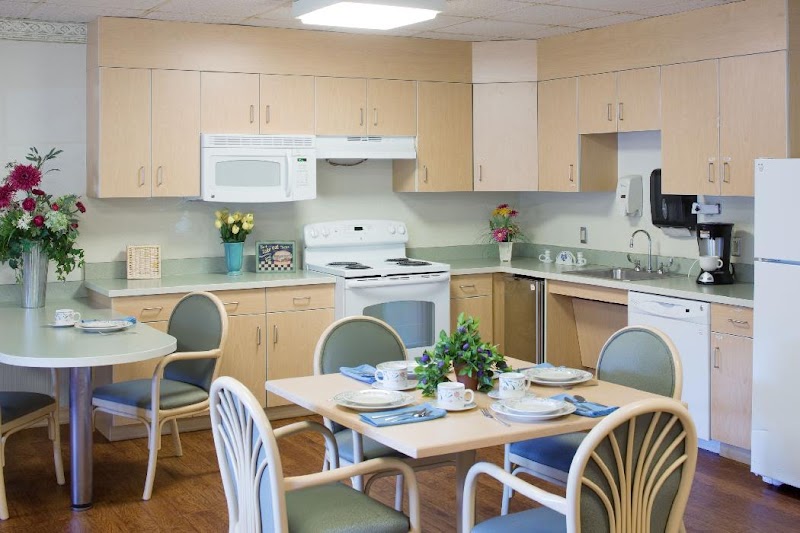
How is Agawam West Rehab And Nursing Staffed?

CMS rates AGAWAM WEST REHAB AND NURSING's staffing level at 3 out of 5 stars, which is average compared to other nursing homes. Staff turnover is 37%, compared to the Massachusetts average of 46%. This relatively stable workforce can support continuity of care.

What Have Inspectors Found at Agawam West Rehab And Nursing?

State health inspectors documented 36 deficiencies at AGAWAM WEST REHAB AND NURSING during 2021 to 2025. These included: 36 with potential for harm.

Who Owns and Operates Agawam West Rehab And Nursing?

AGAWAM WEST REHAB AND NURSING is owned by a for-profit company. For-profit facilities operate as businesses with obligations to shareholders or private owners. The facility is operated by STERN CONSULTANTS, a chain that manages multiple nursing homes. With 164 certified beds and approximately 114 residents (about 70% occupancy), it is a mid-sized facility located in AGAWAM, Massachusetts.

How Does Agawam West Rehab And Nursing Compare to Other Massachusetts Nursing Homes?

Compared to the 100 nursing homes in Massachusetts, AGAWAM WEST REHAB AND NURSING's overall rating (3 stars) is above the state average of 2.9, staff turnover (37%) is near the state average of 46%, and health inspection rating (2 stars) is below the national benchmark.

What Should Families Ask When Visiting Agawam West Rehab And Nursing?

Based on this facility's data, families visiting should ask: "Can I visit during a mealtime to observe dining assistance and food quality?" "How do you handle medical emergencies, and what is your hospital transfer rate?" "Can I speak with family members of current residents about their experience?"

Is Agawam West Rehab And Nursing Safe?

Based on CMS inspection data, AGAWAM WEST REHAB AND NURSING has a clean safety record: no substantiated abuse findings (meaning no confirmed cases of resident harm), no Immediate Jeopardy citations (the most serious violation level indicating risk of serious injury or death), and is not on the Special Focus Facility watch list (a federal program monitoring the lowest-performing 1% of nursing homes). The facility has a 3-star overall rating and ranks #1 of 100 nursing homes in Massachusetts. While no facility is perfect, families should still ask about staff-to-resident ratios and recent inspection results during their visit.

Do Nurses at Agawam West Rehab And Nursing Stick Around?

AGAWAM WEST REHAB AND NURSING has a staff turnover rate of 37%, which is about average for Massachusetts nursing homes (state average: 46%). Moderate turnover is common in nursing homes, but families should still ask about staff tenure and how the facility maintains care continuity when employees leave.

Was Agawam West Rehab And Nursing Ever Fined?

AGAWAM WEST REHAB AND NURSING has no federal fines on record. CMS issues fines when nursing homes fail to meet care standards or don't correct problems found during inspections. The absence of fines suggests the facility has either maintained compliance or corrected any issues before penalties were assessed. This is a positive indicator, though families should still review recent inspection reports for the full picture.

Is Agawam West Rehab And Nursing on Any Federal Watch List?

AGAWAM WEST REHAB AND NURSING is not on any federal watch list. The most significant is the Special Focus Facility (SFF) program, which identifies the bottom 1% of nursing homes nationally based on persistent, serious quality problems. Not being on this list means the facility has avoided the pattern of deficiencies that triggers enhanced federal oversight. This is a positive indicator, though families should still review the facility's inspection history directly.