MILL TOWN HEALTH AND REHABILITATION
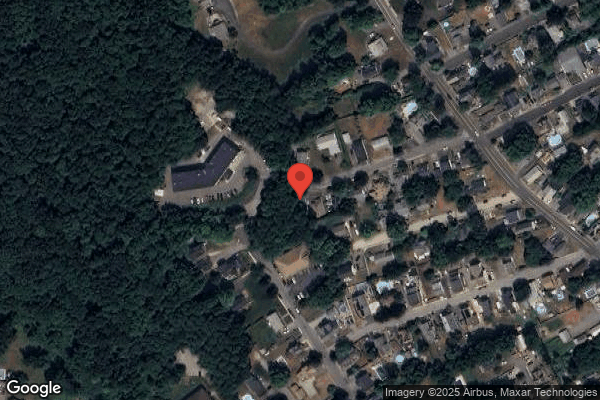
22 MAPLE STREET, AMESBURY, MA 01913 (978) 388-4682
For profit - Limited Liability company 130 Beds Independent Data: November 2025 3 Immediate Jeopardy citations
Trust Grade
0/100
#301 of 338 in MA
Last Inspection: May 2025

Inspected within the last 6 months. Data reflects current conditions.

Overview

Mill Town Health and Rehabilitation has received a Trust Grade of F, indicating significant concerns about the quality of care provided. Ranking #301 out of 338 facilities in Massachusetts places it in the bottom half, and #40 out of 44 in Essex County suggests it is one of the least favorable options locally. The facility's condition is worsening, with the number of issues increasing from 14 in 2024 to 19 in 2025. Staffing is rated average with a 3/5 star rating, but the 60% turnover is concerning as it is higher than the state average of 39%. Additionally, the facility has faced $332,982 in fines, which is higher than 96% of Massachusetts facilities, indicating serious compliance problems. Specific incidents include a failure to provide proper insulin management for residents, putting their health at risk, as well as issues with staff training on administering medications. Overall, while there are some strengths like average staffing levels, the facility's numerous deficiencies and critical incidents raise significant red flags for families considering care for their loved ones.

Trust Score
F
0/100
In Massachusetts
#301/338
Bottom 11%
Safety Record
High Risk
Review needed
Inspections
Getting Worse
14 → 19 violations
Staff Stability
⚠ Watch
60% turnover. Above average. Higher turnover means staff may not know residents' routines.
Penalties
✓ Good
$332,982 in fines. Lower than most Massachusetts facilities. Relatively clean record.
Skilled Nurses
⚠ Watch
Each resident gets only 27 minutes of Registered Nurse (RN) attention daily — below average for Massachusetts. Fewer RN minutes means fewer trained eyes watching for problems.
Violations
⚠ Watch
56 deficiencies on record. Higher than average. Multiple issues found across inspections.
★☆☆☆☆
1.0
Overall Rating
★★★☆☆
3.0
Staff Levels
★★☆☆☆
2.0
Care Quality
★☆☆☆☆
1.0
Inspection Score
Stable
2024: 14 issues
2025: 19 issues

The Good

  • Full Sprinkler Coverage · Fire safety systems throughout facility
  • No fines on record

Facility shows strength in fire safety.

The Bad

1-Star Overall Rating

Below Massachusetts average (2.9)

Significant quality concerns identified by CMS

Staff Turnover: 60%

14pts above Massachusetts avg (46%)

Frequent staff changes - ask about care continuity

Federal Fines: $332,982

Well above median ($33,413)

Significant penalties indicating serious issues

Staff turnover is elevated (60%)

12 points above Massachusetts average of 48%

The Ugly 56 deficiencies on record

3 life-threatening 2 actual harm
May 2025 17 deficiencies 1 Harm
SERIOUS (G)

Actual Harm - a resident was hurt due to facility failures

Deficiency F0740 (Tag F0740)

A resident was harmed · This affected 1 resident

**NOTE- TERMS IN BRACKETS HAVE BEEN EDITED TO PROTECT CONFIDENTIALITY** Based on record review and interview the facility failed to ensure behavioral health services, related to Substance Use Disorder...

Read full inspector narrative →
**NOTE- TERMS IN BRACKETS HAVE BEEN EDITED TO PROTECT CONFIDENTIALITY** Based on record review and interview the facility failed to ensure behavioral health services, related to Substance Use Disorder (SUD), were provided to one Resident (#70) out of a total sample of 22 residents. Specifically, the facility failed to follow up with Resident #70 as indicated by providing psychiatric talk therapy; and, during the time behavioral health services failed to follow up with Resident #70, after he/she used an illicit substance (cocaine) which required hospitalization. Findings Include: Review of the facility policy titled, Treatment Options for Residents with Substance Use Disorder, dated 11/4/24, indicated The facility will offer appropriate and individualized treatment for all residents living with the disease of addiction or with a history of substance use disorder. Any resident admitted to the facility who is diagnosed with a substance use disorder, or is diagnosed with such while a resident, will be offered and supported with enrolling and attending appropriate, evidence based, and effective treatment from local Opioid Treatment Programs (OTP), Office Based Addiction Treatment (OBAT, or Office Based Opioid Treatment ([NAME]) programs. The facility is responsible for contacting and establishing a relationship with local treatment programs to off OTP/OBAT/[NAME] services to any resident Newly admitted residents with substance use disorders will be assessed by licensed substance use clinician, or designee, and offered appropriate referral to local OTP/[NAME]/OBAT if indicated, feasible, and warranted and agreed upon by resident. Substance use clinician, or designee, will provide resources to residents who request and/or accept referral to substance use treatment and will be supported/assisted with initiating treatment. Residents with substance use disorders and actively being treated as well as residents with a history of substance use disorder, will be offered behavioral health services and continued counseling. Residents with substance use disorders and actively being treated as well as residents with a history of substance use disorder, will have substance use disorder evaluations completed on admission and an individualized care plan completed by the IDT. Review of the facility policy titled, Acute Intoxication Due to Use of Opioids, dated 11/4/24, indicated Documentation and Post Intoxication Management: The Resident's care plan must be updated with information regarding substance used, and intervention to address the substance use. The resident's care team must be informed of the incident. Education about the dangers of intoxication and the dangers surrounding the use of psychoactive substances, e.g. effect of tolerance on use, must be given to the resident in a supportive manner. Resident #70 was admitted to the facility in April 2025 with diagnoses that included opioid abuse, psychoactive substance abuse, post-traumatic stress disorder (PTSD), and major depressive disorder. Review of the most recent Minimum Data Set (MDS) assessment, dated 4/9/25, indicated he/she scored a 15 out of 15 on the Brief Interview for Mental Status (BIMS) indicating intact cognition. Further review indicated his/her PHQ 2-9 (resident mood interview) score was 18 indicating moderately severe depression. Review of Resident #70's admission substance abuse evaluation, dated 4/7/25, indicated he/she actively used substances within the last three months. Review of Resident #70's substance use disorder care plan, dated 4/10/25, indicated the following interventions: - Assist me with my treatment program for substance use disorder which may include a Medication Assisted Treatment program. - I will be open to therapeutic discussions surrounding my substance use. - I will work towards developing coping strategies designed with me to support me in recovery. Review of Resident #70's physician order, dated 4/3/25, indicated May have Psych consult as needed. Review of Resident #70's psychiatric services and counseling consent indicated the Resident signed and consented to both medication management and talk therapy services on 4/3/25. Review of Resident #70's medical record failed to indicate he/she was ever seen by behavioral services for any service other than medication management. Review of Resident #70's social services admission note, dated 4/11/25, indicated Substance use being managed by methadone which is provided by [outside services]. He/she will be followed by substance use counselor & psych. He/she appears to be adjusting to the environment & attends smoking group. Care ongoing. Review of Resident #70's SUD counselor initial note, dated 4/25/25, indicated He/she is living with early onset substance use disorders (SUD) and has a severe trauma history. The Resident may benefit from tenets of trauma informed care including creating safe emotional space, actively listening, and providing empathy while validating and offering choices. The Resident has agreed to individual substance use therapy with this writer. Per medical record, assessment, and interview the Resident is living with active opiate and stimulant use disorders along with PTSD, anxiety and depression. Review of Resident #70's Medical Doctor (MD) progress note, dated 4/7/25, indicated During hospitalization he/she was evaluated by addiction team. Further review of the note failed to indicate any interventions or review of his/her SUD diagnosis outside of medication management. Review of Resident #70's Nurse Practitioner (NP) note, dated 5/1/25, indicated Patient has also significant history of polysubstance use disorder. There was no further mention of any intervention for the use disorder. Review of Resident #70's at risk progress note, dated 5/1/25, indicated Substance use being managed by methadone which is provided by [outside services]. He/she will be followed by substance use counselor. Review of Resident #70's SUD counselor progress note, dated 5/10/25, indicated This writer attempted to meet with the Resident on this day to no avail for he/she reports not feeling up to it. It was agreed this writer would re-approach later in the week. Review of Resident #70's progress notes from 5/11/25 to 5/27/25 failed to indicate that the SUD counselor attempted to follow up with the Resident. Review of Resident #70's nursing progress note, dated 5/23/25, indicated resident was observed sitting in the lobby area next to the elevator, he/she appears disheveled, pupils dilated, face is flush, he/she is diaphoretic, speech is slurred and is unable to put a proper sentence together. He/she is nodding her head as he/she tries to answer questions. when asked if he/she was feeling ill, he/she replied no, when asked if he/she had taken something not prescribed, he/she again stated no. NP notified, order to send to ED (emergency department) for evaluation d/t (due to) change in mental status. Review of Resident #70's nursing progress note written by the staff development coordinator, dated 5/23/25, indicated this writer s/w (spoke with) AJH ED. resident will be admitted with dx: pneumonia. tox screen positive for cocaine. Review of Resident #70's progress notes from his/her return from the hospital on 5/24/25 to 5/27/25 failed to indicate that the SUD counselor, social worker, MD or NP reassessed or met with the Resident about his/her use of an illicit substance. Review of Resident #70's substance use disorder care plan failed to indicate the care plan was reviewed or revised with interventions addressing his/her substance use since his/her return from the hospital on 5/24/25 after using an illicit substance. Review of Resident #70's medical record failed to indicate that the resident was provided talk therapy by psychiatric services since his/her admission to the facility. Review of the Facility assessment dated [DATE], indicated the facility accepts residents with behavioral health diagnoses including SUD and provides annual training's to their staff. During an interview on 5/28/25 at 9:42 A.M., the Social Worker said when a resident is admitted with a SUD diagnosis, she will complete a SUD assessment and a comprehensive care plan. The Social Worker said the building has recently been admitting residents with the SUD diagnosis and they have hired another social worker to help out. The Social Worker said she is not aware of anyone actively using in the building. The Social Worker then said she was aware of Resident #70 actively using on 5/23/25 and did not call the SUD counselor but the Director of Nurses should have when the resident returned from the hospital on 5/24/25. The Social Worker said she should have done a new SUD assessment and updated the Residents care plan but did not because she has not had time. The Social Worker said the facility also offers behavioral health services such as medication management with a psychiatric nurse practitioner and psychiatric counseling with a therapist; however, she did not ensure Resident #70 was set up with psychiatric counseling talk therapy as he/she was only seen by the med management psychiatric Nurse Practitioner. The Social Worker said she did not contact psychiatric services since the Resident has returned to the building after being confirmed to use cocaine. The Social Worker said the Resident should have been offered Narcotics Anonymous (NA) and/or Alcoholics Anonymous (AA) but was not offered those services on admission. The Social Worker said she mainly works on discharge planning and getting residents resources once they leave the facility. During an interview on 5/28/25 at 9:55 A.M., the Director of Nursing (DON) said the SUD program is new at the facility and they have a substance abuse disorder counselor who comes in weekly and as needed, the DON said the SUD counselor was just in over the weekend. The DON said Resident #70 used an illegal substance that was confirmed by the hospital on 5/23/25, but he did not call the SUD counselor when he/she returned on 5/24/25. The DON said he told staff to do more frequent checks on the Resident when he/she returned to the facility. The DON said he expected social services to reassess the Resident and update his/her care plan to add more specific resident centered interventions to protect the Resident. During a follow up interview on 5/29/25 at 9:39 A.M., the DON said the social workers role in the SUD program is completing the SUD assessment, d/c planning, and referring to services when the resident leaves the facility out in the community. The DON said social services should be setting up virtual meetings while here at the facility but he is unaware of any residents actually accessing these meetings. The DON said the social worker should be meeting with SUD residents frequently and should be receiving psych services including talk therapy. The DON said it is prudent to have more things for the Resident to prevent relapse and we as a facility are stumbling and trying to do our best with a new program. During an interview on 5/28/25 at 10:41 A.M., the Nurse Practitioner (NP) said the expectation of the facility is when a resident is admitted with SUD diagnosis they should be supported by the facility with services. The NP said the Resident re-admitted with and had recent and chronic use of drugs. The NP said the facility should have updated the plan of care and completed a new assessment. The NP said the Resident needs extra support with his/her history. The NP said if the facility is going to have SUD residents then they need to provide the correct support. During an interview on 5/29/25 at 8:44 A.M., the SUD counselor said he has been working for the facility for about four weeks. The SUD counselor said he comes in weekly and as needed by the facility. The SUD counselor said he was unaware Resident #70 used drugs on 5/23/25 and was not told until 5/28/25 when the building contacted him to come and assess the Resident. The SUD counselor said he was in over the weekend and no one told him the Resident had used drugs. The SUD counselor said he would like to start individual and bigger groups. The SUD counselor said he is not sure who completed referrals to NA/AA and is not sure who sets it up at the facility, but he has not offered those to Resident #70. The SUD counselor said for the SUD program to work the entire disciplinary team need to be involved. During an interview on 5/28/25 at 11:12 A.M., Resident #70 was tearful and upset and said he/she has been struggling lately and would love to have someone to talk to because he/she wants to do better. The Resident said the facility said today they will be getting him/her more services. During a follow up interview on 5/29/25 at 9:09 A.M., the Social Worker said the facility has been taking SUD admissions for a few months and the SUD program expectations when a resident has SUD is to treat for medical and address the SUD through care planning, meetings, and other resources if the resident is open to it. The Social Worker said social services supports residents with their recovery and what they need at discharge. The Social Worker said while they are at the facility they can talk to the social worker, behavioral health team that offers both talk therapy and med management. The social worker said she did not follow-up with the Resident to ensure she was receiving all possible services from the behavioral health team. The Social Worker said she tries to do check-ins and should be writing notes after. The Social Worker said we are building on the SUD program because it is new here at the building. The Social Worker said the building may need a counselor that comes in frequently as she is not a SUD counselor and she more focuses on day to day things and discharge planning. During an interview on 5/29/25 at 9:25 A.M., the Medical Director (MD) who is also Resident #70's primary doctor at the facility said SUD programming at the facility focuses on the medical issues as the main issue and to provide services for SUD like behavioral health services. The MD said psych services are very important both medication management and talk therapy. The MD said it is very important because SUD is a mental issue. The MD said she does not recall knowing the Resident was struggling. The MD said when the Resident returned to the facility the social worker should have reassessed him/her and psych services, including the SUD counselor, should have been notified immediately. The MD said SUD is a hard diagnosis and those residents need the correct support in place including non-medical interventions. During an interview on 5/29/25 at 10:37 A.M., the Administrator said the SUD program was initiated at the facility about 4 weeks ago. He said they hired another social worker to help out the one social worker for the SUDs program. The Administrator said the residents the facility is accepting are here for medical reasons and the idea is the medical concerns get taken care of then they get discharged back to the community. The Administrator said they know residents need support for their addiction problems while the medical problems are being taken care of. The Administrator said the SUD counselor is here twice a week and as needed at night and the social worker is here for support for all the residents. The Administrator said the social worker should be checking in frequently and should step in if SUDS counselor is not here. The Administrator said the social worker should be setting up services while they are here and getting the residents what they need such as behavioral health services, addiction meetings and community resources. The Administrator said he is looking to set up NA/AA going forward. The Administrator said we are new at this and the SUD programming needs strengthening.
CONCERN (D)

Potential for Harm - no one hurt, but risky conditions existed

Report Alleged Abuse (Tag F0609)

Could have caused harm · This affected 1 resident

**NOTE- TERMS IN BRACKETS HAVE BEEN EDITED TO PROTECT CONFIDENTIALITY** Based on record review and interviews, the facility failed to report a potential allegation of abuse for one Resident (#7) out o...

Read full inspector narrative →
**NOTE- TERMS IN BRACKETS HAVE BEEN EDITED TO PROTECT CONFIDENTIALITY** Based on record review and interviews, the facility failed to report a potential allegation of abuse for one Resident (#7) out of a total sample of 22 residents. Findings include: Review of the facility policy titled, Investigation of Resident Abuse, Neglect, Mistreatment, Misappropriation of Resident Property Complaints/Allegations, dated as last revised 6/2022, indicated the following: -Any complaint, observation, or suspicion of resident abuse, neglect, mistreatment, exploitation, or misappropriation of resident property is thoroughly investigated and reported to the Massachusetts Department of Public Health, Division of Health Care Quality and any other appropriate agency has deemed appropriate in accordance with state and federal law. -One abuse, neglect, mistreatment, exploitation, or misappropriation of resident property is observed, suspected, or reported to any facility employee, the employee will immediately notify the unit manager/supervisor, and they will immediately report the issue to the Administrator or DON in his/her absence. -The Administrator and Director of Nursing will be notified immediately, upon receipt of an allegation of resident abuse, neglect, mistreatment, or misappropriation of resident property. Review of the facility policy titled, Resident Protection During Abuse Investigation Policy and Procedure, dated revised 6/22, indicated the following: -Any employee who is accused of resident abuse, neglect, mistreatment, exploitation, or misappropriation of resident property will be suspended without pay pending further investigation. The status of his/her employment will be determined by the outcome of the internal investigation by the facility and the external final investigation by the Department of Public Health. -An incident of abuse, neglect, mistreatment, or misappropriation of resident property must be reported to the unit manager/supervisor who will examine the resident and document findings in the medical record and internal abuse reporting form. -The results of the investigation are reported to the administrator within three days and officials in accordance with state law within 5 days of the incident if the alleged violation is verified. -The Administrator or designee will inform the resident and or the resident's representative of the results of the investigation and corrective actions. Resident #7 was admitted to the facility in June 2021 with diagnoses including acute pain due to trauma, osteoporosis with pathological fracture of vertebra(e) (back bone) and muscle weakness. Review of Resident #7's most recent Minimum Data Set (MDS), dated [DATE], indicated the Resident had a Brief Interview for Mental Status score of 15 out of a possible 15 which indicated the Resident is cognitively intact. The MDS also indicated Resident #7 requires supervision for functional tasks. Review of Resident #7's MDS, dated [DATE], indicated the Resident is on scheduled pain medication. Review of a grievance form, dated 10/24/24, indicated the following grievance written by a staff member: Concern: -(The Resident) asked the 11-7 nurse (name) at 12 am if (he/she) could have Tylenol for pain in (his/her) shoulders, hips and back. (The nurse) told (him/her) no because she didn't think (the Resident) was in pain. (The nurse) did not offer anything else to (the Resident) instead of the Tylenol. (The Resident) waited for the 7-3 shift to come in so (he/she) could ask again for something and at this point was in tears due to (his/her) pain. Action taken: -DON (Director of Nursing) spoke to nurse in question who reports that she gave Tylenol to (the Resident). Follow-up: -F/u (follow-up) when resident return from MLOA on 11/12/24. Resident didn't remember receiving dose/situation but reports enough time has passed that (he/she) is indifferent with resolution. Lyrica (pain medication) started upon readmission. At the time of this incident, Resident #7 had the following physician orders: -Pain evaluation: Document verbal/nonverbal signs of pain every shift, initiated on 3/29/23. -Meloxicam oral tablet (a nonsteroidal anti-inflammatory drug (NSAID) used to relieve pain, inflammation, and stiffness) 15 MG (milligrams). Give one tablet at bedtime for supplement, initiated on 5/20/24. -Tylenol tablet 325 MG give two tablets by mouth every 6 hours as needed for fever or pain, initiated 6/16/21. -May apply generic muscle rub to lower back and bilateral shoulders as needed for pain, initiated on 10/18/24. Review of the Medication Administration Report (MAR) for October 2024 indicated the following: -Resident #7 was assessed for pain on the shift the incident occurred by the nurse mentioned in the grievance, however there was no number scale used/reported for the pain and no nursing note. -Resident #7 did not receive any pain medication from the nurse listed in the grievance throughout the shift. -Resident #7 received Tylenol at 7:45 A.M., when the next nurse started the new shift and at this time the Resident's pain was assessed to be an 8 out of 10 on the pain assessment scale. The Nurse mentioned in the grievance form is no longer an employee of the facility and was unavailable for interview. During an interview 5/19/25 at approximately 8:30 A.M., Resident #7 said he/she did not remember this incident from October. Resident #7 said he/she does have pain at times and when he/she receives pain medication it helps. During an interview on 5/28/25 at 12:33 P.M., the Director of Nursing said if a resident is voicing pain, he would expect the nursing staff to assess the resident's pain level and if the resident has an order in place for an as needed pain medication he would expect the nursing staff to provide that medication. The Director of Nursing said if the pain medication is provided, this would be documented on the MAR and if not on the MAR he could not assume the medication was provided. The Director of Nursing said he does not fully remember the incident in October and reviewed the grievance form and the MAR with the surveyor. After review, the Director of Nursing said he could not recall ever seeing that the medication was never given and did not feel that the nurse adequately managed Resident #7's pain. The Director of Nursing said that if a nurse does not address the pain of a resident and another staff member brings it to the attention of management that is a concern for him. The Director of Nursing said not addressing a resident's pain is considered to be neglect and this would need to be investigated and reported, not just written up as a grievance. The Director of Nursing said this incident was not reported to the state agency secondary to a full investigation not having been completed.
CONCERN (D)

Potential for Harm - no one hurt, but risky conditions existed

Investigate Abuse (Tag F0610)

Could have caused harm · This affected 1 resident

**NOTE- TERMS IN BRACKETS HAVE BEEN EDITED TO PROTECT CONFIDENTIALITY** Based on record review and interviews, the facility failed to fully investigate a potential allegation of neglect for one Reside...

Read full inspector narrative →
**NOTE- TERMS IN BRACKETS HAVE BEEN EDITED TO PROTECT CONFIDENTIALITY** Based on record review and interviews, the facility failed to fully investigate a potential allegation of neglect for one Resident (#7) out of a total sample of 22 residents. Findings include: Review of the facility policy titled, Investigation of Resident Abuse, Neglect, Mistreatment, Misappropriation of Resident Property Complaints/Allegations, dated as last revised 6/2022, indicated the following: -any complaint, observation, or suspicion of resident abuse, neglect, mistreatment, exploitation, or misappropriation of resident property is thoroughly investigated and reported to the Massachusetts Department of Public Health, Division of Health Care Quality and any other appropriate agency has deemed appropriate in accordance with state and federal law. -One abuse, neglect, mistreatment, exploitation, or misappropriation of resident property is observed, suspected, or reported to any facility employee, the employee will immediately notify the unit manager/supervisor, and they will immediately report the issue to the Administrator or DON in his/her absence. -Investigation of the allegation will begin immediately. The Unit Manager supervisor will notify the Director of Nursing and the Administrator immediately upon the allegation if there is abuse or bodily harm and within 24 hours if the allegation does not include abuse and does not result in bodily injury. -The resident is interviewed. The interview is documented, dated, signs nurse, nurse manager, or designee. -The staff member/resident implicated is interviewed. The staff member must document their knowledge version of the incident in written narrative, including the date, their signature, and the telephone number where they can be reached. -If a staff member has been implicated in an incident involving resident abuse, neglect, mistreatment, exploitation, or misappropriation of resident property the associate is suspended immediately pending investigation. Suspension may continue pending further investigation and a determination by the Department of Public health, division of healthcare quality. Interview all witnesses to the incident. Witnesses must document their knowledge, independently or with assistance, in written narrative, including the date, their signature, and a telephone number where they may be contacted. -The Administrator and Director of Nursing will be notified immediately, upon receipt of an allegation of resident abuse, neglect, mistreatment, or misappropriation of resident property. Review of the facility policy titled, Resident Protection During Abuse Investigation Policy and Procedure, dated revised 6/22, indicated the following: -any employee who is accused of resident abuse, neglect, mistreatment, exploitation, or misappropriation of resident property will be suspended without pay pending further investigation. The status of his/her employment will be determined by the outcome of the internal investigation by the facility and the external final investigation by the Department of Public Health. -All alleged or suspected abuse, neglect, mistreatment, or misappropriation of resident property will be caused for a thorough investigation conducted immediately by the management of (the facility). -staff must report such allegations without fear of retaliation from the facility or staff. -An incident of abuse, neglect, mistreatment, or misappropriation of resident property must be reported to the unit manager/supervisor who will examine the resident and document findings in the medical record and internal abuse reporting form. -The unit manager/supervisor, and/or the director of nursing will complete the investigation form with a written, dated, signed statement from all persons involved. -The investigation form and written statements from all persons involved will be forwarded to the Administrator immediately. Both the Director of Nursing and the Administrator will conduct an immediate investigation. -If abuse, neglect, mistreatment, or misappropriation is suspected or substantiated, the employee will immediately be sent home in full disciplinary action will be enforced including suspension and or termination of employment pending outcome of the investigation. -The accused employee will not be permitted to enter the facility unless otherwise directed by the administrator, until the investigation has been completed, and final resolution has been given. -The Administrator or designee will inform the resident and or the resident's representative of the results of the investigation and corrective actions. Resident #7 was admitted to the facility in June 2021 with diagnoses including acute pain due to trauma, osteoporosis with pathological fracture of vertebra(e) (back bone) and muscle weakness. Review of Resident #7's most recent Minimum Data Set (MDS) dated [DATE], indicated the Resident had a Brief Interview for Mental Status score of 15 out of a possible 15 which indicated the Resident is cognitively intact. The MDS also indicated Resident #7 requires supervision for functional tasks. Review of Resident #7's MDS dated [DATE] indicated the Resident is on scheduled pain medication. Review of a grievance form dated 10/24/24, indicated the following grievance written by a staff member: Concern: -(The Resident) asked the 11-7 nurse (name) at 12 am if (he/she) could have Tylenol for pain in (his/her) shoulders, hips and back. (The nurse) told (him/her) no because she didn't think (the Resident) was in pain. (The nurse) did not offer anything else to (the Resident) instead of the Tylenol. (The Resident) waited for the 7-3 shift to come in so (he/she) could ask again for something and at this point was in tears due to (his/her) pain. Action taken: -DON (Director of Nursing) spoke to nurse in question who reports that she gave Tylenol to (the Resident). Follow-up: -F/u (follow-up) when resident return from MLOA on 11/12/24. Resident didn't remember receiving dose/situation but reports enough time has passed that (he/she) is indifferent with resolution. Lyrica (pain medication) started upon readmission. -The attached statement from the nurse in question was dated 11/7/24, 2 weeks after the incident. -The grievance also failed to indicate the staff member who made the grievance was interviewed. Review of Resident #7's medical record indicated the Resident was sent out to the hospital on [DATE], a week after this incident. At the time of this incident, Resident #7 had the following physician orders: -Pain evaluation: Document verbal/nonverbal signs of pain every shift, initiated on 3/29/23. -Meloxicam oral tablet (a nonsteroidal anti-inflammatory drug (NSAID) used to relieve pain, inflammation, and stiffness) 15 MG (milligrams). Give one tablet at bedtime for supplement, initiated on 5/20/24. -Tylenol tablet 325 MG give two tablets by mouth every 6 hours as needed for fever or pain, initiated 6/16/21. -May apply generic muscle rub to lower back and bilateral shoulders as needed for pain, initiated on 10/18/24. Review of the Medication Administration Report (MAR) for October 2024 indicated the following: -Resident #7 was assessed for pain on the shift the incident occurred by the nurse mentioned in the grievance, however there was no number scale used/reported for the pain and no nursing note. -Resident #7 did not receive any pain medication from the nurse listed in the grievance throughout the shift. -Resident #7 received Tylenol at 7:45 A.M., when the next nurse started the new shift and at this time the Resident's pain was assessed to be an 8 out of 10 on the pain assessment scale. The Nurse mentioned in the grievance form is no longer an employee of the facility and was unavailable for interview. During an interview 5/19/25 at approximately 8:30 A.M., Resident #7 said he/she did not remember this incident from October. Resident #7 said he/she does have pain at times and when he/she receives pain medication it helps. During an interview on 5/28/25 at 12:33 P.M., the Director of Nursing said if a resident is voicing pain, he would expect the nursing staff to assess the resident's pain level and if the resident has an order in place for an as needed pain medication he would expect the nursing staff to provide that medication. The Director of Nursing said if the pain medication is provided, this would be documented on the MAR and if not on the MAR he could not assume the medication was provided. The Director of Nursing said he does not fully remember the incident in October and reviewed the grievance form and the MAR with the surveyor. After review, the Director of Nursing said he could not recall ever seeing that the medication was never given and did not feel that the nurse adequately managed Resident #7's pain. The Director of Nursing said that if a nurse does not address the pain of a resident and another staff member brings it to the attention of management that is a concern for him. The Director of Nursing said not addressing a resident's pain is considered to be neglect and this would need to be investigated, not just written up as a grievance. The Director of Nursing said the nurse's interview was not done timely and a full investigation into this neglect was not completed by the facility.
CONCERN (D)

Potential for Harm - no one hurt, but risky conditions existed

ADL Care (Tag F0677)

Could have caused harm · This affected 1 resident

Based on observation, record review and interview the facility failed to ensure assistance with Activities of Daily Living was provided for two Residents (#27 and #11) out of a total sample of 22 resi...

Read full inspector narrative →
Based on observation, record review and interview the facility failed to ensure assistance with Activities of Daily Living was provided for two Residents (#27 and #11) out of a total sample of 22 residents. Specifically: 1. For Resident #27 the facility failed to ensure supervision and cueing with meals was provided. 2. For Resident #11 the facility failed to ensure supervision with meals was provided. Findings include: The facility policy titled Activities of Daily Living (ADL) Support, dated 6/2022, indicated the following: 1. Residents will perform self-care with ADLs at the level on the CNA care plan of care card or assigned tasks. If the resident shows a change in the ADL function the nurse will be notified. 5. Assure adequate intake at each meal by encouraging, cueing, prompting and or feeding as needed. Notify nurses of changes in resident's normal intake. 1. Resident #27 was admitted to the facility in September 2018 and has diagnoses that include dementia without behavioral disturbance. Review of the most recent Minimum Data Set (MDS) assessment, dated 3/26/25, indicated that Resident #27 was unable to participate in the Brief Interview for Mental Status exam and was assessed by staff to have severely impaired cognition. The MDS further indicated that Resident #27 required supervision or touching assistance for eating. Review of Resident #27's current Activities of Daily Living care plan, last updated 10/23/23, included the following intervention: -Eating: Continual Supervision ratio 1 no > [greater than] than 8 for verbal cues and encouragement to eat and drink. Review of Resident #27's current Nutrition care plan, last updated 3/24/25, indicated the Resident has chronic Mod (moderate) protein-cal (calorie) malnutrition (dx <diagnosis> in place) due to BMI (body mass index) < [less than]18, Inadequate oral intake at times, loss of muscle mass. Chewing/swallowing difficulty r/t (related to) dementia/dysphagia AEB (as evidenced by) diagnosis, diet order, SLP (speech and language pathologist). Review of Resident #27's current Kardex (care card with resident specific instructions to guide the nurses and Certified Nursing Assistants (CNAs) with care, indicated: -Eating: Continual Supervision ratio 1 no > than 8 for verbal cues and encouragement to eat and drink. Review of the most recent Nutrition Assessment, dated 3/24/25, indicated that Resident #27 is frail and underweight with little body mass. According to the assessment Resident #27's appetite: fair, best when presented one item at a time. On 5/27/25 at 8:04 A.M., Resident #27 was observed in bed, alone in his/her room with breakfast on the tray table directly in front of him/her. Resident #27 was attempting to self-feed, but the food was dropping on his/her chest. Resident #27 was laughing to him/herself and said, I keep dropping it and can't find it. The surveyor continued to make the following observation: -At 8:14 A.M., Resident #27 remained alone trying to clean the food off his/her chest. There were no staff present to supervise or to provide assistance or cues. On 5/28/25 at 7:56 A.M., Resident #27 was observed in bed, alone in his/her room with the curtain pulled around the bed, with breakfast on the tray table directly in front of him/her. The surveyor continued to make the following observations: -At 8:04 A.M., Resident #27 was observed scooping oatmeal out of the bowl, and placing it on his/her tray, saying aloud here you go, eat this, here you go repeatedly. -At 8:07 A.M., Resident #27 was observed as he/she attempted to take a sip of juice. Resident #27 accidentally spilled the juice on his/her chest., appeared to be distressed by the spill and said oh no as he/she grimaced and pulled the gown off his/her chest. -At 8:09 A.M., Resident #27 resumed scooping the oatmeal onto the tray and repeatedly said yes, that's good, eat that, mmm, good. -At 8:14 A.M., Resident #27 said aloud yes I am all wet now as he/she used his/her hands to pick up the food and feed him/herself the food that had fallen into his/her lap. -By 8:21 A.M., 25 minutes since the initial observation, Resident #27 remained alone, and no staff had supervised, cued or encouraged the Resident with the meal and most of the oatmeal was in two piles on the tray and minced eggs and meat in his/her lap. During an interview on 5/28/25 at 10:16 A.M., Certified Nursing Assistant (CNA) #1 said Resident #27 requires total assistance with ADL care and cannot do anything for him/herself because his/her dementia has worsened. CNA #1 said that Resident #27 will feed him/herself but needs a lot of cues and encouragement because the Resident thinks that he/she needs to feed his/her babies. CNA #1 said that Resident #27 is supposed to eat in the dining room so that staff can provide the supervision and cueing and that CNAs have access to the care card daily. During an interview on 5/28/25 at 10:23 A.M., Nurse #3 said Resident #27 requires supervision and cueing with his/her meals and should not be left alone in his/her room during meals. During an interview on 5/28/25 at 12:33 P.M., the Director of Nursing said that if a resident's care plan indicates that they require continual supervision and cues with eating then he would expect that staff be in the room to supervise the resident and provide cues as needed or that the resident eat in the main dining room where staff are able to provide the supervision and cueing as needed. 2. Resident #11 was admitted to the facility in September 2019 with diagnoses that include anoxic brain damage, aphasia following cerebral infarction and dysphagia (difficulty swallowing). Review of the most recent Minimum Data Set (MDS) Assessment, dated 3/19/25, indicated a Brief Interview for Mental Status (BIMS) score of 15 out of a possible 15, indicating that the resident is cognitively intact. Further review of the MDS indicated that the Resident requires supervision or touching assistance with meals and is dependent on staff for Activities of Daily Living. On 5/27/25 at 8:06 A.M., the surveyor observed Resident #11 in bed eating breakfast. There were no staff in the Resident's room providing supervision. On 5/27/25 at 8:30 A.M., the surveyor observed Resident #11 in bed eating breakfast. Resident #11 had food on his/her face and large amounts of food spilled on his/her chest and abdomen. Resident #11 said that he/she was not in a comfortable position to eat. Resident #11 was observed coughing on fluids. On 5/28/25 at 7:53 A.M., the surveyor observed a staff member set up Resident #11's breakfast tray and leave the room. Resident #11 was in bed at an approximate 45- degree angle. Resident #11 was observed to be coughing when drinking liquids. The surveyor then observed Resident #11 spill oatmeal and hot chocolate on him/herself. The surveyor then alerted the Unit Manager of the food spill. Review of Resident #11's physician's orders indicated the following -Regular diet, Puree (level 4) texture, Nectar (Mildly Thick 2) consistency. May have soft finger foods and pasta cut up. Cold cereal with breakfast. Crustless Grilled cheese sandwich on the side with lunch and dinner. for nutrition, dated 2/19/25. (sic) Review of Resident #11's active activities of daily living care plan, dated as revised on 7/27/23, indicated the following intervention: -Eating- continual supervision of 1/ assist as needed. Assist with hot liquids. (sic) Review of Resident #11's active nutrition care plan, dated as revised on 3/17/25 indicated the following interventions: -Monitor s/sx (signs and symptoms) dysphagia (coughing, choking, runny nose). (sic) -Monitor/document/report prn (as needed) any s/sx of dysphagia. (sic) Review of Resident #11's Kardex (a document that tells staff how much assistance a resident requires) indicated: -Eating - continual supervision of 1/ assist as needed. (sic) Review of Resident #11's most recent Nutrition Assessment, dated 3/17/25, indicated the following: -Nutritional Diagnosis or Risk: Chewing difficulty r/t (related to) dysphagia AEB (as exhibited by) diet order, dx (diagnosis) of dysphagia. -Self feeding difficulty at times r/t dementia AEB staff report. During an interview and observation on 5/28/25 at 8:01 A.M., Unit Manager #1 observed Resident #11 alone in his/her room with food and liquids spilled on him/herself. The surveyor and Unit Manager #1 reviewed the Resident's care plan and Unit Manager #1 said that Resident #11 needs supervision with his/her meals, and they were not getting it. Unit Manager #1 also said that the Resident was not in a high enough position to eat safely. During a follow up interview on 5/28/25 at 8:28 A.M., Unit Manager #1 said that the Certified Nurses Aide (CNA) who dropped off Resident #11's meal was not aware of the assistance needed. Unit Manager #1 said that the CNAs can access the resident Kardex through their charting system and it triggers from the care plan. During an interview on 5/29/25 at 10:11 A.M., The Director of Nurses said that he would expect that if Resident #11 was eating in his/her room, someone should be in the room supervising the resident.
CONCERN (D)

Potential for Harm - no one hurt, but risky conditions existed

Accident Prevention (Tag F0689)

Could have caused harm · This affected 1 resident

Based on observations, interviews, and record review, the facility failed to implement safe smoking for one Resident (#70), out of two sampled residents who smoked cigarettes. Specifically for Residen...

Read full inspector narrative →
Based on observations, interviews, and record review, the facility failed to implement safe smoking for one Resident (#70), out of two sampled residents who smoked cigarettes. Specifically for Resident #70, the facility failed to ensure a smoking assessment was completed and a plan of care was developed prior to the Resident smoking at the facility. Findings include: Review of the facility policy titled Smoking, dated 11/22, indicated: -Smoking assessments are performed with residents who state their desire to smoke in order to monitor their ability to perform safe smoking function. This assessment is a rudimentary review of the resident's abilities both cognitive and physical functioning. These assessments are conducted on admission/readmission, with a change in the resident's status, and at least quarterly thereafter. The interdisciplinary team will review all completed smoking assessments to determine the safest smoking plan with the resident. Selected safety precautions will be reviewed with the resident and/or the resident's agent. Resident #70 was admitted to the facility in April 2025 with diagnoses that included opioid abuse, psychoactive substance abuse, post-traumatic stress disorder, and major depressive disorder. Review of the most recent Minimum Data Set (MDS) assessment, dated 4/9/25, indicated Resident #70 scored a 15 out of 15 on the Brief Interview for Mental Status exam, indicating intact cognition. Review of Resident #70's medical record indicated on 4/3/25 Resident #70 signed the facility's smoking policy, however the record failed to indicate that a smoking assessment was completed or that a smoking care plan was developed. Review of Resident #70's at risk progress note, dated 5/1/25, indicated attends smoking groups. Review of Resident #70's respiratory therapist note, dated 5/25/25, indicated smoking cessation counseling done with patient. On 5/28/25 at 10:15 A.M., the surveyor observed Resident #70 outside the facility smoking a cigarette while staff were present. During an interview on 5/29/25 at 9:51 A.M., the Director of Nursing (DON) said he would expect a smoking assessment and care plan to be completed upon admission for a smoking resident. The DON said it is important to complete the assessment and the care plan to keep the resident safe.
CONCERN (D)

Potential for Harm - no one hurt, but risky conditions existed

Tube Feeding (Tag F0693)

Could have caused harm · This affected 1 resident

**NOTE- TERMS IN BRACKETS HAVE BEEN EDITED TO PROTECT CONFIDENTIALITY** 2. Resident #2 was admitted to the facility in April 2021 with diagnoses including stroke resulting in hemiplegia, diabetes and ...

Read full inspector narrative →
**NOTE- TERMS IN BRACKETS HAVE BEEN EDITED TO PROTECT CONFIDENTIALITY** 2. Resident #2 was admitted to the facility in April 2021 with diagnoses including stroke resulting in hemiplegia, diabetes and unspecified protein-calorie malnutrition. Review of Resident #2's most recent Minimum Data Set (MDS), dated [DATE], indicated the Resident was unable to complete the Brief Interview for Mental Status (BIMS) and the staff assessed him/her to have severe cognitive impairment. The MDS also indicated Resident #2 is dependent on enteral feeding for nutrition. Review of Resident #2's physician orders indicated the following orders: -Glucerna with carbsteady (enteral feeding formula) 1.2 cal at 45ml/hr (milliliter per hour) via PEG tube (feeding tube) around the clock, every shift related to dysphagia. -Flush PEG tube with 200ml H20 (water) every 6 hours ATC (around the clock) for hydration. Programmed on pump for automatic flush, every shift related to dysphagia. On 5/27/25 at 7:52 A.M., Resident #2 was observed lying in bed. Next to the Resident was a pole consisting of a tube feeding pump, tube feeding formula in a gravity bag and a water bag. Both the formula and water bag were labeled 5/24/45, three days prior. On the Resident's bedside table was a half full bottle of formula not dated and warm to the touch. During an interview on 5/27/25 at 8:25 A.M., Nurse #3 observed Resident #2's feeding tube formula and water flush bags and the half full formula bottle. Nurse #3 said the open bottle of formula should have been dated and refrigerated after opening. Nurse #3 said the formula should not have been left on the Resident's side table due to the risk of it being used without knowing when it was open and not having been refrigerated. Nurse #3 also said all enteral feeding bags and water flush bags should be changed every 24 hours and these bags had not been changed for three days. On 5/28/25 at 12:17 P.M., Resident #2 was observed lying in bed and receiving enteral feeding. The formula bag and water flush bags were dated 5/27/25 at the time of 10:00 A.M. During an interview on 5/28/25 at 12:18 P.M., Unit Manager #1 and the surveyor observed Resident #2's enteral feeding formula together. The Unit Manager observed the bag dated for over 24 hours ago and said it should have been changed out. Unit Manager #1 said the formula bag and flush bag should be changed every 24 hours. Unit Manager #1 also said all open formula bottles need to be dated and refrigerated after opening. During an interview on 5/28/25 at 12:34 P.M., the Director of Nursing said the formula bag and flush bag should be changed every 24 hours. The Director of Nursing also said all open formula bottles need to be dated and refrigerated after opening. Based on observations, record review and interviews, the facility failed to ensure that services were provided in accordance with professional standards for two Residents (#17 and #2) with a gastrostomy tube (g-tube: a tube that is placed directly into the stomach through an abdominal incision for administration of nutrition) out of two applicable residents, out of a total sample of 22 residents. Specifically, 1) For Resident #17 the facility failed to ensure tube feeding water flushes (intermittent boluses of water, stored in a separate bag, automatically dispensed during regular intervals in conjunction with enteral nutrition formula for purpose of hydration and maintenance of tube patency) was running at the correct setting as indicated in the physician's orders. 2) For Resident #2 the facility failed to properly label, date and store enteral feeding formula as well as change the enteral feeding formula and water flush bags every 24 hours. Findings Include: Review of the facility policy titled Enteral Nutrition Guidelines, dated and revised February 2007, indicated the following: 7. The nurse obtains a physician's order for placement of an enteral feeding tube. Feeding tube orders include the following information: -volume of water given as water flush. 13. The nurse irrigates the feeding tube with the prescribed amount of water every 4-8 hours to maintain or restore patency of the feeding tube and to provide free water to maintain adequate hydration of the resident. Resident #17 was admitted to the facility in September 2023, with diagnoses that included gastroparesis, severe protein-calorie malnutrition and unspecified psychosis. Review of Resident #17's most recent Minimum Data Set Assessment (MDS), dated [DATE], indicated the Resident scored a 15 out of possible 15 on the Brief Interview for Mental Status, indicating he/she was cognitively intact. Further review of the MDS indicated that Resident #17 required a feeding tube. On 05/27/25 at 09:25 A.M., the surveyor observed Resident #17 awake and lying in bed. Next to the Resident was a pole consisting of a tube feeding pump, tube feeding formula in a gravity bag and a water bag. The tube feeding pump was on and the tube feeding formula and water flush bag were connected to the Resident's abdomen. The tube feeding water flushes were set and running at 50 milliliters (ml) every four hours. On 05/27/25 at 11:50 A.M., the surveyor observed Resident #17 awake and lying in bed. Next to the Resident was a pole consisting of a tube feeding pump, tube feeding formula in a gravity bag and a water bag. The tube feeding pump was on and the tube feeding formula and water flush bag were connected to the Resident's abdomen. The tube feeding water flushes were set and running at 50 ml every four hours. On 05/28/25 08:12 A.M., the surveyor observed Resident #17 awake and lying in bed. Next to the Resident was a pole consisting of a tube feeding pump, tube feeding formula in a gravity bag and a water bag. The tube feeding pump was on and the tube feeding formula and water flush bag were connected to the Resident's abdomen. The tube feeding water flushes were set and running at 50 mml every four hours. Review of Resident #17's physician orders, dated 5/24/25, indicated the following: - H2O (water) flush both J (jejunostomy) and G (gastrostomy) tube ports with 60 mls of water each, every four hours for water. Review of Resident #17's tube feeding care plan indicated the following intervention revised and dated 5/12/25: -Nursing will provide care with tube feeding and water flushes. See MD (physician) orders for current feeding orders. Review of Resident #17's most recent Nutritional Assessment, dated 5/26/25 indicated the following: -Water Flush: 60ml via G and J tubes x 6/day =720ml. During an interview on 05/28/25 at 09:03 A.M., Nurse #5 said Resident #17's water flush setting was not correct and that the setting should be at 60 ml every 4 hours. During an interview on 5/28/25 at 10:27 A.M., the Dietitian said Resident #17 should receive 60 ml of water flushes every four hours. During an interview on 5/28/25 at 11:19 A.M., the Nurse Practitioner said nurses were expected to follow tube feeding and water flush orders as prescribed to prevent dehydration and lack of nutrition. During an interview on 5/28/25 at 12:57 P.M., the Director of Nursing said nurses were expected to follow physician orders as prescribed. Nurses should have checked the orders and called the dietitian to make sure Resident #17 was receiving the appropriate amount of water flushes.
CONCERN (D)

Potential for Harm - no one hurt, but risky conditions existed

Deficiency F0694 (Tag F0694)

Could have caused harm · This affected 1 resident

Based on observation, interview, and record review, the facility failed to provide care and maintenance of a Peripherally Inserted Central Catheter (PICC: a flexible tube inserted through a vein in on...

Read full inspector narrative →
Based on observation, interview, and record review, the facility failed to provide care and maintenance of a Peripherally Inserted Central Catheter (PICC: a flexible tube inserted through a vein in one's arm and passed through to the larger veins near the heart, used to deliver medications intravenously [IV] ), consistent with professional standards of practice for one Residents (#71), out of one Resident with a PICC Line. Specifically, for Resident #71, the facility failed to ensure that when the PICC line dressing was lifting (compromised), it was changed, and that the insertion site was able to be visualized. Findings include: Review of the Lippincott Manual of Nursing Practice, 11th Edition, dated 2021, included the following for documentation relative to PICC line assessment: Assess the catheter insertion site daily by inspection and palpation through the transparent semipermeable dressing to discern tenderness. Look at the catheter and cannula pathway, and check for bleeding, redness, drainage, and swelling. Review of the facility titled Peripheral and Midline IV Maintenance, dated 2/24, indicated This purpose of this procedure is to prevent complications associated with intravenous therapy. including catheter-related infections associated with contaminated, loosened or soiled catheter-site dressings. 1. Perform site care and dressing change at established intervals or immediately if the integrity of the dressing is compromised (e.g., damp, loosened). 3. Change the dressing if it becomes damp, loosened or visibly soiled and: b. immediately if the dressing or site appears compromised. Resident #71 was admitted to the facility in April 2025 with diagnoses that included osteomyelitis of vertebra, intraspinal abscess, and low back pain. Review of Resident #71's Minimum Data Set (MDS) assessment, dated 4/9/25, indicated he/she scored a 15 out of a possible 15 on the Brief Interview for Mental Status (BIMS) indicating the Resident was cognitively intact. The MDS further indicated the Resident was receiving IV medications. On 5/27/25 at 8:05 A.M., the surveyor observed Resident #71 in bed with a PICC line in his/her left arm. The PICC line dressing was peeling off the skin and the insertion site was covered with gauze. The Resident said he/she has been applying tape to the dressing because it has been peeling off for days. On 5/27/25 at 11:59 A.M., the surveyor observed Resident #71 in bed with a PICC line in his/her left arm with IV antibiotics infusing. The PICC line dressing was peeling off the skin and the insertion site was covered with gauze. Review of Resident #71's PICC line care plan, dated 4/3/25, indicated Change the dressing at insertion site weekly and as needed. Observe the site of my PICC line each shift for infiltration and S/S (signs and symptoms) of infection. Review of Resident #71's physician order, dated 4/10/25, indicated PICC Dressing - Change every 7 days and PRN (as needed). Review of Resident #71's nursing progress note, dated 5/28/25, indicated PICC dressing left arm needed to be changed due to dressing edges loosening. On 5/28/25 at 11:15 A.M., Nurse #1 and the surveyor observed Resident #71's PICC Line dressing lifting around the edges and the insertion site was covered by gauze. Nurse #1 said the PICC line dressing needs to be changed immediately because the edges are lifting, and you are unable to see the insertion site so the nurses would not know if it is infected. During an interview on 5/29/25 at 9:55 A.M., The Director of Nursing (DON) said his expectation of the nurses are that they observe the PICC line every time they go into the Resident's room. The DON said he would expect the dressing to be changed immediately if it starts to lift off the skin as it puts the Resident at risk for infection and the insertion site should always be able to be visualized so nursing knows if the site is becoming infected.
CONCERN (D)

Potential for Harm - no one hurt, but risky conditions existed

Deficiency F0697 (Tag F0697)

Could have caused harm · This affected 1 resident

**NOTE- TERMS IN BRACKETS HAVE BEEN EDITED TO PROTECT CONFIDENTIALITY** Based on record review and interviews, the facility failed to assess and provide treatment for pain for one Resident (#7) with a...

Read full inspector narrative →
**NOTE- TERMS IN BRACKETS HAVE BEEN EDITED TO PROTECT CONFIDENTIALITY** Based on record review and interviews, the facility failed to assess and provide treatment for pain for one Resident (#7) with a diagnosis of acute pain due to trauma out of a total sample of 22 residents. Findings include: Review of the facility policy titled, Pain Assessment and Management, last revised 3/26/2009, indicated the following: -each resident has the right to expect a prompt, effective response to reports of pain. Therefore, it is the policy of this facility to: -To identify, assess and manage pain effectively and collaboratively with the interdisciplinary team. -To design a plan of care to achieve an optimal balance between pain relief and preservation of function, in accordance with the resident directed goals. Resident #7 was admitted to the facility in June 2021 with diagnoses including acute pain due to trauma, osteoporosis with pathological fracture of vertebra(e) (back bone) and muscle weakness. Review of Resident #7's most recent Minimum Data Set (MDS) dated [DATE], indicated the Resident had a Brief Interview for Mental Status score of 15 out of a possible 15 which indicated the Resident is cognitively intact. The MDS also indicated Resident #7 requires supervision for functional tasks. Review of Resident #7's MDS dated [DATE] indicated the Resident is on scheduled pain medication. Review of a grievance form dated 10/24/24, indicated the following grievance written by a staff member: Concern: -(The Resident) asked the 11-7 nurse (name) at 12am if (he/she) could have Tylenol for pain in (his/her) shoulders, hips and back. (The nurse) told (him/her) no because she didn't think (the Resident) was in pain. (The nurse) did not offer anything else to (the Resident) instead of the Tylenol. (The Resident) waited for the 7-3 shift to come in so (he/she) could ask again for something and at this point was in tears due to (his/her) pain. Action taken: -DON (Director of Nursing) spoke to nurse in question who reports that she gave Tylenol to (the Resident). Follow-up: -F/u (follow-up) when resident return(sic) from MLOA on 11/12/24. Resident didn't remember receiving dose/situation but reports enough time has passed that (he/she) is indifferent with resolution. Lyrica (pain medication) started upon readmission. At the time of this incident, Resident #7 had the following physician orders: -Pain evaluation: Document verbal/nonverbal signs of pain every shift, initiated on 3/29/23. -Meloxicam oral tablet (a nonsteroidal anti-inflammatory drug (NSAID) used to relieve pain, inflammation, and stiffness) 15 MG (milligrams). Give one tablet at bedtime for supplement, initiated on 5/20/24. -Tylenol tablet 325 MG give two tablets by mouth every 6 hours as needed for fever or pain, initiated 6/16/21. -May apply generic muscle rub to lower back and bilateral shoulders as needed for pain, initiated on 10/18/24. Review of the Medication Administration Report (MAR) for October 2024 indicated the following: -Resident #7 was assessed for pain on the shift the incident occurred by the nurse mentioned in the grievance, however there was no number scale used/reported for the pain and no nursing note. -Resident #7 did not receive any pain medication from the nurse listed in the grievance throughout the shift. -Resident #7 received Tylenol at 7:45 A.M., when the next nurse started the new shift and at this time the Resident's pain was assessed to be an 8 out of 10 on the pain assessment scale. Review of Resident #7's care plans failed to indicate a care plan for pain at the time of survey. The Nurse mentioned in the grievance form is no longer an employee of the facility and was unavailable for interview. During an interview 5/19/25 at approximately 8:30 A.M., Resident #7 said he/she did not remember this incident from October. Resident #7 said he/she does have pain at times and when he/she receives pain medication it helps. During an interview on 5/28/25 at 12:33 P.M., the Director of Nursing said if a resident is voicing pain, he would expect the nursing staff to assess the resident's pain level and if the resident has an order in place for an as needed pain medication he would expect the nursing staff to provide that medication. The Director of Nursing said if the pain medication is provided, this would be documented on the MAR and if not on the MAR he could not assume the medication was provided. The Director of Nursing said he does not fully remember the incident in October and reviewed the grievance form and the MAR with the surveyor. After review, the Director of Nursing said he could not recall ever seeing that the medication was never given and did not feel that the nurse adequately managed Resident #7's pain. During an interview on 5/28/25 at 11:19 A.M., Nurse Practitioner #1 said she is the provider for Resident #7 now, however, was not here in October. Nurse Practitioner #1 said she would expect people who are in pain to be medicated per physician orders.
CONCERN (D)

Potential for Harm - no one hurt, but risky conditions existed

Deficiency F0745 (Tag F0745)

Could have caused harm · This affected 1 resident

**NOTE- TERMS IN BRACKETS HAVE BEEN EDITED TO PROTECT CONFIDENTIALITY** Based on record review and interview, the facility failed to provide medically related social services to one Resident (#70) who...

Read full inspector narrative →
**NOTE- TERMS IN BRACKETS HAVE BEEN EDITED TO PROTECT CONFIDENTIALITY** Based on record review and interview, the facility failed to provide medically related social services to one Resident (#70) who had an active diagnosis of Substance Use Disorder (SUD) (out of a total sample of 22 residents. Specifically, the facility failed to ensure the Social Worker implemented SUD interventions prior to Resident #70's hospitalization for his/her drug use and failed to re-assess after the Resident was re-admitted and confirmed to have actively use an illicit substance (cocaine). Findings include: Review of the facility policy titled, Treatment Options for Residents with Substance Use Disorder, dated 11/4/24, indicated The facility will offer appropriate and individualized treatment for all residents living with the disease of addiction or with a history of substance use disorder. Any resident admitted to the facility who is diagnosed with a substance use disorder, or is diagnosed with such while a resident, will be offered and supported with enrolling and attending appropriate, evidence based, and effective treatment from local Opioid Treatment Programs (OTP), Office Based Addiction Treatment (OBAT, or Office Based Opioid Treatment ([NAME]) programs. The facility is responsible for contacting and establishing a relationship with local treatment programs to offer OTP/OBAT/[NAME] services to any resident. Newly admitted residents with substance use disorders will be assessed by licensed substance use clinician, or designee, and offered appropriate referral to local OTP/[NAME]/OBAT if indicated, feasible, and warranted and agreed upon by resident. Substance use clinician, or designee, will provide resources to residents who request and/or accept referral to substance use treatment and will be supported/assisted with initiating treatment. Residents with substance use disorders and actively being treated as well as residents with a history of substance use disorder, will be offered behavioral health services and continued counseling. Residents with substance use disorders and actively being treated as well as residents with a history of substance use disorder, will have substance use disorder evaluations completed on admission and an individualized care plan completed by the IDT. Review of the facility policy titled, Acute Intoxication Due to Use of Opioids, dated 11/4/24, indicated Documentation and Post Intoxication Management: The Resident's care plan must be updated with information regarding substance used, and intervention to address the substance use. The resident's care team must be informed of the incident. Education about the dangers of intoxication and the dangers surrounding the use of psychoactive substances, e.g. effect of tolerance on use, must be given to the resident in a supportive manner. Resident #70 was admitted to the facility in April 2025 with diagnoses that included opioid abuse, psychoactive substance abuse, post-traumatic stress disorder (PTSD), and major depressive disorder. Review of the most recent Minimum Data Set (MDS) assessment, dated 4/9/25, indicated he/she scored a 15 out of 15 on the Brief Interview for Mental Status (BIMS) indicating intact cognition. Further review indicated his/her PHQ 2-9 (resident mood interview) score was 18 indicating moderately severe depression. Review of Resident #70's physician order, dated 4/3/25, indicated May have Psych consult as needed. Review of Resident #70's psych services and counseling consent indicated the Resident signed and consented to both medication management and talk therapy services on 4/3/25. Review of Resident #70's medical record failed to indicate talk therapy services were provided to the Resident. Review of Resident #70's nursing progress note, dated 5/23/25, indicated resident was observed sitting in the lobby area next to the elevator, he/she appears disheveled, pupils dilated, face is flush, he/she is diaphoretic, speech is slurred and is unable to put a proper sentence together. He/she is nodding her head as he/she tries to answer questions. When asked if he/she was feeling ill, he/she replied no, when asked if he/she had taken something not prescribed, he/she again stated no. NP (Nurse Practitioner) notified, order to send to ED (emergency department) for evaluation d/t (due to) change in mental status. Review of Resident #70's nursing progress note written by the staff development coordinator, dated 5/23/25, indicated this writer s/w (spoke with) [Hospital] ED. resident will be admitted with dx: pneumonia. tox screen positive for cocaine. During an interview on 5/28/25 at 11:12 A.M., Resident #70 was tearful and upset and said he/she has been struggling with his/her sobriety lately and would love to have someone to talk to because he/she wants to do better. The Resident said the facility said today they will be getting him/her more services but wishes he/she received more support from the social worker prior to him/her using. Review of Resident #70's admission substance abuse evaluation, dated 4/7/25, indicated he/she actively used substances within the last three months. Review of Resident #70's progress notes from his/her return from the hospital on 5/24/25 to 5/27/25 failed to indicate that the social worker reassessed or met with the Resident about his/her use of an illicit substance. Review of Resident #70's social services admission note, dated 4/11/25, indicated Substance use being managed by methadone which is provided by [outside services]. He/she will be followed by substance use counselor & psych. He/she appears to be adjusting to the environment & attends smoking group. Care ongoing. The medical record failed to indicate any substance use support was provided to the Resident prior to and after the Resident's substance use on 5/23/25. Review of Resident #70's substance use disorder care plan, initiated by the social worker and dated 4/10/25, indicated the following interventions: - Assist me with my treatment program for substance use disorder which may include a Medication Assisted Treatment program. - I will be open to therapeutic discussions surrounding my substance use. - I will work towards developing coping strategies designed with me to support me in recovery. Further review of Resident #70's medical record failed to indicate the social worker at the facility had involvement with implementing the above interventions. During an interview on 5/29/25 at 9:09 A.M., the Social Worker said the facility has been taking SUD admissions for a few months and the SUD program expectations when a resident has history of substance use is to treat for any medical concerns while also addressing the addiction through care planning, meetings, and other resources if the resident is open to it. The Social Worker said she primarily works with residents with substance abuse history to ensure discharge planning and offer some support but said she is not a SUD counselor so does not really offer support regarding addiction. The Social Worker said she tries to do check-ins and should be writing notes after if a check-in occurred. The Social Worker said she would be able to assist these residents to set up on-line addiction support groups such as AA and NA, however, has not done this for any resident, including Resident #70. The Social Worker said the facility also offers behavioral health services such as medication management with a psychiatric nurse practitioner and counseling with a therapist; however, she did not ensure Resident #70 was set up with counseling talk therapy as he/she was only seen by the med management psych Nurse Practitioner. The Social Worker said we are building on the SUD program because it is new here at the building. The Social Worker said the building may need a counselor that comes in frequently as she is not a SUD counselor, and she more so focuses on day-to-day things and discharge planning. During an interview on 5/28/25 at 9:55 A.M., the Director of Nursing (DON) said the SUD program is new at the facility. The DON said Resident #70 used an illegal substance that was confirmed by the hospital on 5/23/25. The DON said he expected social services to reassess the Resident and update his/her care plan to implement more specific resident centered interventions to protect the Resident. The DON confirmed this did not happen upon the Resident's return to the facility. During a follow up interview on 5/29/25 at 9:39 A.M., the DON said the social worker's role in the SUD program is completing the SUD assessment, d/c planning, and referring to services when the resident leaves the facility out in the community. The DON said social services should be setting up virtual addiction meetings while here at the facility, but he is unaware of any residents accessing these meetings and does not believe the social worker has done this yet. The DON said the social worker should be meeting with SUD residents frequently and residents should be receiving behavioral health services including talk therapy. The DON said it is prudent to have more things for the Resident to prevent relapse and we as a facility are stumbling and trying to do our best with a new program. During an interview on 5/29/25 at 8:44 A.M., the SUD counselor said he has been working for the facility for about four weeks. The SUD counselor said he comes in weekly and as needed by the facility. The SUD counselor said he was unaware Resident #70 used drugs on 5/23/25 and was not told until 5/28/25 when the building contacted him to come and assess the Resident. The SUD counselor said he was in over the weekend, and no one told him the Resident had used drugs. The SUD counselor said he is not sure who completed referrals to NA/AA and is not sure who sets it up at the facility, but he has not offered those to Resident #70. The SUD counselor said for the SUD program to work the entire disciplinary team needs to be involved, and maybe the building needs more support as he is only one person. During an interview on 5/28/25 at 10:41 A.M., the Nurse Practitioner (NP) said the expectation of the facility is when a resident is admitted with SUD diagnosis they should be supported by the facility with services. The NP said the Resident admitted with and had recent and chronic use of drugs. The NP said the facility should have updated the plan of care and completed a new assessment. The NP said the Resident needs extra support with his/her history. The NP said if the facility is going to admit SUD residents, then they need to provide the correct support. During an interview on 5/29/25 at 9:25 A.M., the Medical Director (MD) who is also Resident #70's primary doctor at the facility said SUD programming at the facility focuses on the medical issues as the main issue and to provide services for SUD like behavioral health services. The MD said when the Resident returned to the facility the social worker should have reassessed him/her and psych services, including the SUD counselor, should have been notified immediately. The MD said SUD is a hard diagnosis and those residents need the correct support in place including non-medical interventions. During an interview on 5/29/25 at 10:37 A.M., the Administrator said they hired another social worker to help the one social worker for the SUDs program. The Administrator said the SUD counselor is here twice a week and as needed at night and the social worker is here for a support for all the residents. The Administrator said the social worker should be checking in frequently and should step in if the SUD counselor is not here. The Administrator said the social worker should be setting up services while they are here and getting the residents what they need such as behavioral services, addiction meetings and community resources. The Administrator said, we are new at this, and the SUD programming needs strengthening.
CONCERN (D)

Potential for Harm - no one hurt, but risky conditions existed

Dental Services (Tag F0791)

Could have caused harm · This affected 1 resident

**NOTE- TERMS IN BRACKETS HAVE BEEN EDITED TO PROTECT CONFIDENTIALITY** Based on observations, record review and interviews, the facility failed to provide follow-up dental services and obtain denture...

Read full inspector narrative →
**NOTE- TERMS IN BRACKETS HAVE BEEN EDITED TO PROTECT CONFIDENTIALITY** Based on observations, record review and interviews, the facility failed to provide follow-up dental services and obtain dentures for one Resident (#21), out of a total sample of 22 residents. Findings include: Review of the facility policy titled, Eye, Podiatry and Dental Care, dated 6/2022, indicated the following: -It is the policy of the facility to implement an eye, podiatry, and dental health program, which assures that each resident receives the necessary care on an as needed basis. -Following the initial assessment each resident is routinely assessed by nursing specific to these areas for changes in baseline or additional needs. Resident #21 was admitted to the facility in July 2017 with diagnoses including Alzheimer's Disease, diabetes, heart failure and muscle weakness. Review of Resident #21's most recent Minimum Data Set (MDS), dated [DATE], indicated the Resident had a Brief Interview for Mental Status (BIMS) score of 15 out of a possible 15 which indicated the Resident is cognitively intact. During an interview on 5/27/25 at 11:46 A.M., Resident #21 was observed sitting in his/her wheelchair with his/her bedside table in from of him/her and was waiting for lunch. The Resident was observed to not have any natural teeth. Resident #21 said he/she had teeth pulled months ago and he/she has been waiting to be measured for dentures. The Resident said staff had not discussed this process with him/her and he/she had been waiting a while. Review of Resident #21's medical record indicated the following: -A signed consent to be treated by the dentist in the facility. -A physician's order for dental consult as needed, initiated on 3/11/2018. -A nursing note dated 9/11/24 which indicated Resident #21 had several teeth extracted by the dentist. -A dental visit note dated 10/21/24 which indicated the following: Reviewed Med HX (medical history): confirmed with nursing patient is COVID-19 negative and afebrile (without fever).; PT (patient) presents for follow up for ext (extraction) #23, 24, 25, 26, 27 (teeth) on 9/11/24. Patient states that (he/she) feels good. Clinical exam reveals the area is healing well, slight indentations where incisors were, bone very low in area of #27. Recommend another 4 weeks of healing prior to starting impression for dentures. NV (next visit): Denture step 1 if approved. -An oral health care plan last revised 5/27/25, with the following intervention: Coordinate arrangements for dental care, transportation as needed/as ordered. Further review of Resident #21's medical record failed to indicate the dentist completed the denture impressions or that the facility contacted the dental service to ensure this would occur. During an interview on 5/29/25 at 8:03 A.M., Unit Manager #1 said Resident #21 had all of his/her teeth pulled and the dentist has not seen the Resident since. Unit Manager #1 said the Medical Record Director typically sets up all dental visits and believes the Resident was missed. The surveyor and Unit Manager #1 then reviewed the recommendation made by the dentist on 10/21/24 for impressions to be made to start the process for dentures and Unit Manager #1 said this never happened. During an interview on 5/29/25 at 9:52 A.M., the Director of Nursing said the Medical Record Director schedules all dental appointments and is responsible, along with nursing, to review recommendations and ensure all recommendations are completed. The Director of Nursing said he was unaware Resident #21 had a recommendation for dentures, and this should have been followed up by the nursing staff to ensure the Resident obtained dentures.
CONCERN (D)

Potential for Harm - no one hurt, but risky conditions existed

Infection Control (Tag F0880)

Could have caused harm · This affected 1 resident

Based on observations, record review and interviews, the facility failed to maintain an infection prevention and control program designed to provide a safe, sanitary and comfortable environment and to...

Read full inspector narrative →
Based on observations, record review and interviews, the facility failed to maintain an infection prevention and control program designed to provide a safe, sanitary and comfortable environment and to help prevent the development and transmission of communicable diseases and infections. Specifically, for Resident #14, the facility failed to implement Enhanced Barrier Precautions (EBP) for a resident with an open wound, colostomy, and IR drain (a drainage procedure performed by Interventional Radiology). Findings Include: Review of the Centers for Disease Control (CDC) website indicated the following, dated June 28, 2024: -Enhanced Barrier Precautions are an infection control intervention designed to reduce transmission of multidrug-resistant organisms (MDROs) in nursing homes. Enhanced Barrier Precautions involve gown and glove use during high-contact resident care activities for residents known to be colonized or infected with a MDRO as well as those at increased risk of MDRO acquisition (e.g., residents with wounds or indwelling medical devices). Resident #14 was admitted to the facility in December 2024 with diagnoses of necrotizing fasciitis, septicemia and diabetes mellitus. Review of the most recent Minimum Data Set (MDS) assessment, dated 5/7/25, indicated that Resident #14 scored a 15 out of 15 on the Brief Interview for Mental Status exam, indicating the Resident was cognitively intact. On 05/27/25 at 08:22 A.M. the surveyor observed Resident #14 in his/her room in bed, the Resident's IR drain was visible and there was no EBP sign on or near the Resident's door. On 5/28/25 at 8:43 A.M., the surveyor observed Unit Manager #1 assessing Resident #14's abdominal wound by physically prodding the resident's abdomen with her hands; the unit manager was wearing gloves but had not donned a gown. During the observation the Resident's colostomy was visible. There was no EBP sign on or near the Resident's door. During an interview and observation on 5/28/25 at 9:12 A.M. the surveyor observed Unit Manger #1 assessing Resident #14, the Unit Manger donned gloves but did not don a gown. The Unit Manager made physical contact with the tubing of the Resident's drain and the Resident's colostomy was visible. There was no EBP sign on or near the Resident's door and the unit manager said the Resident should have been on enhanced barrier precautions. Review of Resident #14's care plans indicated Resident #14 had potential/actual impairment of skin integrity related to a surgical wound and sacral wound; further review of the care plan failed to indicate an intervention for enhanced barrier precautions (EBP). Review of Resident #14's physician's orders indicated the following active orders: - Right buttock wound wet to dry dressing twice a day, and also if soaked. Place saline-soaked gauze over the wound followed by dry abdominal pad or dry gauze over the wet dressing. Then secure with large adhesive boarder gauze to keep intact, initiated on 12/17/24. - Wound care, apply dry gauze to right open area abdominal fold. Change twice daily, initiated on 5/28/25. - Colostomy care every shift, initiated 12/4/24. - Empty IR drain and record output every shift, initiated on 2/10/25. Further review of Resident #14's physician's orders failed to indicate an order for EBP. During an interview on 5/29/25 at 9:44 A.M. the Infection Preventionist (IP) said anyone with a wound or drain should be on EBP and that Residents on EBP should have a physician's order and care plan for the use of EBP. The IP said staff assessing a wound or manipulating a tube should be wearing a gown. The IP said there should be a sign on the doorway denoting the Resident was on EBP. The IP said she was aware that Resident #14 did not have a sign and was not on EBP but that he/she should have been.
CONCERN (E)

Potential for Harm - no one hurt, but risky conditions existed

Assessment Accuracy (Tag F0641)

Could have caused harm · This affected multiple residents

**NOTE- TERMS IN BRACKETS HAVE BEEN EDITED TO PROTECT CONFIDENTIALITY** Based on record review, and interview, the facility failed to accurately complete the Minimum Data Set (MDS) assessment for six ...

Read full inspector narrative →
**NOTE- TERMS IN BRACKETS HAVE BEEN EDITED TO PROTECT CONFIDENTIALITY** Based on record review, and interview, the facility failed to accurately complete the Minimum Data Set (MDS) assessment for six Residents (#14, #36, #65, #5, #29 and #62), out of 22 sampled residents. Specifically: 1. For Resident #14 the facility failed to ensure the MDS assessment was accurately coded for skin conditions (section M). 2. For Resident #36 the facility failed to ensure the MDS assessment was accurately coded for the use of restraints. 3. For Residents #65, #5 and #29, the facility failed to ensure the MDS assessment was accurately coded related to pneumococcal vaccination status. 4. For Resident #62, the facility failed to ensure the MDS assessment was accurately coded for a resident who had been discharged . Findings include: 1. Resident #14 was admitted to the facility in December 2024 with diagnoses of necrotizing fasciitis, septicemia and diabetes mellitus. Review of the most recent Minimum Data Set (MDS) assessment, dated 5/7/25, indicated that Resident #14 scored a 15 out of 15 on the Brief Interview for Mental Status exam, indicating the Resident was cognitively intact. Review of section M of the discharge return anticipated assessment, dated 12/23/25, indicated Resident #14 had four stage four pressure ulcers. Review of section M of the OBRA (Omnibus Budget Reconciliation Act) admission assessment, dated 1/14/25, indicated Resident #14 had a stage four pressure ulcer. Review of section M of the discharge return anticipated assessment, dated 1/23/25, indicated Resident #14 had a stage four pressure ulcer. Review of section M of the OBRA (Omnibus Budget Reconciliation Act) admission assessment, dated 2/7/25, indicated Resident #14 had a stage four pressure ulcer. Review of Resident #14's medical record failed to indicate the Resident ever had pressure ulcers during his/her admission. During an interview on 5/29/25 at 11:15 A.M. the MDS nurse said she was not aware of Resident #14 having pressure ulcers and that she would consider any MDS submissions indicating the Resident had stage four pressure injuries inaccurate. During an interview on 5/29/25 at 10:44 A.M. the Director of Nursing (DON) said Resident #14 did not have pressure ulcers during his/her admission and that any MDS assessments indicating the Resident did have pressure ulcers were inaccurate. 2. Resident #36 was admitted to the facility in December 2019 with diagnoses that included Alzheimer's disease, failure to thrive and pain. Review of the most recent MDS, dated [DATE] indicated that the Resident was unable to participate in the Brief Interview for Mental Status and was assessed by staff as having severe cognitive impairment. Further review of the MDS indicated bedrails are used daily as physical restraints. On 5/27/25 at 7:51 A.M., the surveyor observed Resident #26 sleeping in bed. Resident #36's bed did not have any bedrails on it. On 5/28/25 at 7:36 A.M., the surveyor observed Resident #26 sleeping in bed. Resident #36's bed did not have any bedrails on it. Review of Resident #36's active care plan failed to indicate the use of restraints or bedrails. Review of the most recent Siderail/Position Device/Restraint Screen, dated 12/12/24, indicated No side rails used and failed to indicate the use of any restraints. During an interview on 5/29/25 at 7:53 A.M., Unit Manager #1 said that the use of bedrails is determined by the bedrail assessment. She said Resident #36 does not use bedrails. Unit Manager #36 said that bedrails are not used as a restraint in the facility, they are used only for mobility. She said the MDS assessment is inaccurate, to code the use of bedrails daily used as a restraint for Resident #36. During an interview on 5/29/25 at 8:18 A.M., the Minimum Data Set (MDS) Nurse said that bedrails are not used as a restraint in the facility. She also said that part of completing the MDS Assessment would be assessing the resident and observing their environment. She said if the resident does not use bedrails, then it should not be coded on the MDS, she said the MDS was inaccurate, to code the use of bedrails as a restraint for Resident #36. During an interview on 5/29/25 at 10:03 A.M., the Director of Nurses said that bedrails are not used as a restraint on any residents in the facility, only as a mobility enabler to support independence. He said that bedrails coded as a restraint on the MDS would be inaccurate for Resident #36. 3a. Resident #65 was admitted to the facility in June 2024 with diagnoses that included post-traumatic stress disorder and depression. Review of Resident #65's most recent Minimum Data Set (MDS) Assessment, dated 3/21/25, indicated a Brief Interview for Mental Status (BIMS) score of 3 out of a possible 15 indicating that the Resident has severe cognitive impairment. The MDS assessment further indicated that the Resident was not up to date with the pneumonia vaccine, and that the vaccine had not been offered to the Resident. Review of Resident #65's medical record indicated a consent to receive the pneumococcal vaccine signed and dated 10/7/24, indicating that the vaccine was offered to the Resident. During an interview on 5/29/25 at 9:36 A.M., the Infection Preventionist said that Resident #65 was offered the pneumonia vaccine but had not received it. During an interview on 5/29/25 at 10:01 A.M., the Director of Nurses said that the MDS documented as not offered would be inaccurate and that if the Resident signed consent to receive the vaccine, then they should have received it. 3b. Resident #5 was admitted to the facility in April 2023 with diagnoses that included anemia and dementia. Review of Resident #5's most recent MDS, dated [DATE], indicated a BIMS score of 5 out of a possible 15, indicating severe cognitive impairment. The MDS further indicated that the Resident's pneumonia vaccine is up to date. Review of Resident #5's medical record indicated a consent to receive the pneumococcal vaccine signed and dated 9/20/24. Further review of the medical record failed to indicate that the Resident received the pneumococcal vaccine. During an interview on 5/29/25 at 9:36 A.M., the Infection Preventionist said that she is aware that Resident #5 has a signed consent to receive the pneumococcal vaccine, but that he/she has not received it yet. The Infection Preventionist said that the facility has been unable to obtain the vaccines from the pharmacy. During an interview on 5/29/25 at 10:01 A.M., the Director of Nurses said that he was not aware that the facility was unable to obtain the pneumococcal vaccine from the pharmacy. He said that if the Resident has consented to the vaccine, then it should be administered. The Director of Nurses further said that the MDS coding of up to date would not be accurate since the Resident had not received the vaccine. 3c. Resident #29 was admitted to the facility in in November 2023 with diagnoses that included parkinsonism and dementia. Review of Resident #29's most recent MDS Assessment, dated 4/30/25, indicated a BIMS score of 6 out of a possible 15, indicating that the Resident had severe cognitive impairment. Further review of the MDS indicated that the Resident's pneumococcal vaccine is up to date. Review of Resident #29's medical record indicated a consent to receive the pneumococcal vaccine signed and dated 9/21/24. Further review of the medical record failed to indicate that the Resident received the pneumococcal vaccine. During an interview on 5/29/25 at 9:36 A.M., the Infection Preventionist said that she is aware that Resident #29 has a signed consent to receive the pneumococcal vaccine, but that he/she has not received it yet. The Infection Preventionist said that the facility has been unable to obtain the vaccines from the pharmacy. During an interview on 5/29/25 at 10:01 A.M., the Director of Nurses said that he was not aware that the facility was unable to obtain the pneumococcal vaccine from the pharmacy. He said that if the Resident has consented to the vaccine, then it should be administered. The Director of Nurses further said that coding the vaccine as up to date would be inaccurate since the Resident had not received the vaccine. 4. Resident #62 was admitted to the facility in October 2023 with diagnoses that included dementia, depression and adult failure to thrive. Review of the most recent Minimum Data Set (MDS) Assessment, dated 12/1/24, indicated that the Resident could not participate in the Brief Interview for Mental Status (BIMS) assessment and was assessed by staff to have modified independence for cognitive skills of daily decision making. This assessment indicated that the Resident was able to recall the current season, and the location of their own room. Review of the medical record indicated that Resident #62 was transferred out of the facility to the hospital on [DATE], and Discharge, return anticipated MDS Assessment was completed. Further review of the medical record failed to indicate that the Resident returned to the facility after the hospital transfer on 11/20/24. During an interview on 5/29/25 at 8:18 A.M., the MDS nurse said that the 12/1/24 MDS Assessment for Resident #62 would be inaccurate because he/she did not return to the facility, therefore staff could not perform a staff assessment of cognition. During an interview on 5/29/25 at 10:03 A.M., the Director of Nurses said that Resident #62 did not return to the facility following hospitalization and went to a different facility. He said that a staff assessment of cognition could not be completed if the Resident was not in the facility and the MDS would be inaccurate.
CONCERN (E)

Potential for Harm - no one hurt, but risky conditions existed

Deficiency F0658 (Tag F0658)

Could have caused harm · This affected multiple residents

**NOTE- TERMS IN BRACKETS HAVE BEEN EDITED TO PROTECT CONFIDENTIALITY** 2b. Resident #2 was admitted to the facility in April 2021 with diagnoses including stroke resulting in hemiplegia, diabetes and...

Read full inspector narrative →
**NOTE- TERMS IN BRACKETS HAVE BEEN EDITED TO PROTECT CONFIDENTIALITY** 2b. Resident #2 was admitted to the facility in April 2021 with diagnoses including stroke resulting in hemiplegia, diabetes and unspecified protein-calorie malnutrition. Review of Resident #2's most recent Minimum Data Set (MDS) dated [DATE] indicated the Resident was unable to complete the Brief Interview for Mental Status (BIMS) and the staff assessed him/her to have severe cognitive impairment. The MDS also indicated Resident #2 is dependent for all functional tasks. Review of Resident #2's physician orders indicated the following order initiated on 8/12/24: -Weekly skin check every day shift, every Mon (Monday). Review of Resident #2's potential for skin alteration care plan last revised 3/19/25, indicated the following intervention: - weekly comprehensive skin assessment, observe skin daily during care and report any concerns to MD (physician). Review of the latest Norton Scale Assessment (a tool used to assess the risk of pressure ulcers in patients), dated 3/4/25, indicated Resident #2 had a risk score of 6 which indicated a high risk for pressure ulcer development. The Norton Scale also indicates that for a score of 10 or less weekly skin checks are recommended. Review of Resident #2's weekly skin checks indicated nursing had not completed a skin check for the past four weeks, since 5/1/25. During an interview on 5/29/25 at 8:23 A.M., Unit Manager #1 said all residents are expected to have weekly skin checks and there would not be a reason for anyone to not having a skin check. Unit Manager #1 said there was recently an upgrade to the electronic medical record system and the scheduling for assessments was somehow erased and that may be the reason for skin assessments not being completed as ordered. During an interview on 5/29/25 at 10:09 A.M., the Director of Nurses said that skin checks should be completed weekly, as indicated in the physician's orders. The Director of Nurses further said that the Electronic Medical Record just had an update, and some assessments were not retriggered, but that the physician's orders should have reminded the nurses to complete them. 2c. Resident #21 was admitted to the facility in July 2017 with diagnoses including Alzheimer's Disease, diabetes, heart failure and muscle weakness. Review of Resident #21's most recent Minimum Data Set (MDS) dated [DATE] indicated the Resident had a Brief Interview for Mental Status (BIMS) score of 15 out of a possible 15 which indicated the Resident is cognitively intact. Review of Resident #21's physician orders indicated the following order initiated on 8/11/24: -Weekly Skin Check, every day shift every Sat (Saturday). Review of Resident #21's potential for skin alteration care plan last revised 5/27/25, indicated the following intervention: -Complete Skin Condition check weekly. Review of the latest Norton Scale Assessment (a tool used to assess the risk of pressure ulcers in patients), dated 5/22/25, indicated the Resident had a risk score of 10 which indicated a high risk for pressure ulcer development. The Norton Scale also indicates that for a score of 10 or less weekly skin checks are recommended. Review of Resident #21's weekly skin checks for the past two months indicated the nursing staff had failed to complete the skin check on 4/28/25, 5/10/25 and 5/17/25. During an interview on 5/29/25 at 8:23 A.M., Unit Manager #1 said all residents are expected to have weekly skin checks and there would not be a reason for anyone to not having a skin check. Unit Manager #1 said there was recently an upgrade to the electronic medical record system and the scheduling for assessments was somehow erased and that may be the reason for skin assessments not being completed as ordered. During an interview on 5/29/25 at 10:09 A.M., the Director of Nurses said that skin checks should be completed weekly, as indicated in the physician's orders. The Director of Nurses further said that the Electronic Medical Record just had an update, and some assessments were not retriggered, but that the physician's orders should have reminded the nurses to complete them. 2d. Resident #28 was admitted to the facility in April 2025 with diagnoses including dementia and delusion orders. Review of Resident #28's most recent Minimum Data Set (MDS) dated [DATE] indicated the Resident scored a 3 out of a possible 15 on the Brief Interview for Mental Status which indicated he/she has severe cognitive impairment. The MDS also indicated Resident #28 requires maximal assistance from staff for all functional tasks. Review of Resident #28's physician orders failed to indicate and order for weekly skin checks. Review of the latest Norton Scale Assessment (a tool used to assess the risk of pressure ulcers in patients), dated 4/28/25, indicated the Resident had a risk score of 11 which indicated a moderate risk for pressure ulcer development. The Norton Scale also indicates that for a score of 11-15 weekly skin checks are recommended. Review of Resident #28's weekly skin checks for the past two months indicated the nursing staff had failed to complete the skin check on 5/8/25 and 5/22/25. During an interview on 5/29/25 at 8:23 A.M., Unit Manager #1 said all residents should have orders for weekly skin checks and are expected to have weekly skin checks and there would not be a reason for anyone not having a skin check. Unit Manager #1 said there was recently an upgrade to the electronic medical record system and that could be the reason why Resident #28's skin check order was deleted. During an interview on 5/29/25 at 10:09 A.M., the Director of Nursing said every resident should have weekly skin checks. 3. Resident #28 was admitted to the facility in April 2025 with diagnoses including dementia and delusion orders. Review of Resident #28's most recent Minimum Data Set (MDS) dated [DATE] indicated the Resident scored a 3 out of a possible 15 on the Brief Interview for Mental Status which indicated he/she has severe cognitive impairment. The MDS also indicated Resident #28 requires maximal assistance from staff for all functional tasks. Review of Resident #28's physician orders indicated the following order: -Seroquel Oral Tablet (an antipsychotic medication) 25 MG (milligrams). Give 1 tablet by mouth two times a day for Dementia with delusions, agitation, initiated on 4/22/25. Review of the pharmacy recommendation dated 5/8/25 indicated: -Please consider performing the AIMS testing now and every six months to monitor for tardive dyskinesia. Review of Resident #28's medical record failed to indicate an AIMS assessment was completed prior to the initiation of Seroquel, after the pharmacy recommendation or subsequently after. During an interview on 5/28/25 at 2:37 P.M., Unit Manager #1 said the AIMS assessment is typically done by the psychiatric nurse practitioner. Review of Resident #28's behavioral health notes from the psychiatric nurse practitioner failed to indicate an AIMS assessment had been completed. During a follow up interview on 5/29/25 at 8:23 A.M., Unit Manager #1 said she clarified the timing of the AIMS assessment with the Director of Nursing, and he said the AIMS assessment should be completed upon admission if a resident is admitted on an antipsychotic or upon starting the antipsychotic. Unit Manager #1 said the nursing staff missed this assessment for Resident #28. During an interview on 5/28/25 at 10:06 A.M., the Director of Nursing said nursing should complete an AIMS assessment upon admission or upon the initiation of an antipsychotic medication to get a baseline status of the resident. Based on observations, interviews, and record review, the facility to ensure that services provided met professional standards for five Residents (#11, #36, #2, #21, #28), out of 22 total sampled residents. Specifically, 1. For Resident #11, the facility failed ensure that the air mattress was functioning. 2. For Residents #36, #2, #21, #28 the facility failed to ensure weekly skin checks were completed as indicated in the physician's orders. 3. For Resident #28, the facility failed to complete a baseline AIMS (Abnormal Involuntary Movement Scale) assessment upon admission and at the initiation of an antipsychotic medication. Findings include: 1. Resident #11 was admitted to the facility in September 2019 with diagnoses that include anoxic brain damage, aphasia following cerebral infarction and dysphagia (difficulty swallowing). Review of the most recent Minimum Data Set (MDS) Assessment, dated 3/19/25, indicated a Brief Interview for Mental Status (BIMS) score of 15 out of a possible 15, indicating that the resident is cognitively intact. Further review of the MDS indicated that the Resident requires supervision or touching assistance with meals and is dependent on staff for Activities of Daily Living. The MDS also indicated that the Resident is at risk for developing pressure ulcers, but did not currently have any pressure ulcers. On 5/27/25 at 7:52 A.M., the surveyor observed Resident #11 sleeping in bed. Resident #11 had an air mattress on his/her bed. The air mattress was deflated and was not functioning. On 5/27/25 at 8:06 A.M., the surveyor observed Resident #11 eating breakfast in his/her bed. The air mattress on the bed was deflated and was not functioning. On 5/27/25 at 8:20 A.M., staff removed Resident #11's breakfast tray and left the room. The air mattress on the bed was deflated and was not functioning. Resident #11 said that he/she was not comfortable in the bed and had pain. On 5/27/25 at 9:02 A.M., two staff members were providing care to Resident #11. The air mattress on the bed remained deflated and not functioning during this time. On 5/28/25 at 7:37 A.M., Resident #11 was awake in bed. The air mattress was set to max inflation (>400 pounds). There was a handwritten note on the air mattress pump that said 5/28 7 am air mattress deflated, on max to refill. Resident #11 said, please help me, I am so uncomfortable. Review of most recent Norton Assessment (An assessment to determine a resident's risk for skin breakdown), dated 3/27/25, indicated a score of 8, which indicates high risk for skin breakdown. Review of Resident #11's active physician orders failed to indicate an order for an air mattress. Review of Resident #11's active care plan failed to indicate the use of an air mattress or air mattress settings. During an interview on 5/28/25 at 12:16 P.M., Nurse #6 said that she worked with Resident #11 on 5/27/25. She said that after the Certified Nurse's Aides provided care to Resident #11, they informed her that the air mattress was not functioning. Nurse #6 said this has been happening as the plug easily gets pulled out of the wall. Nurse #6 said that she would have expected the staff who provided and cleared Resident #11's breakfast the previous day to notice the air mattress was deflated and not functioning. Nurse #6 reviewed Resident #11's medical record and said that Resident #11 did not have a physician's order for the air mattress, but he/she should have. Nurse #6 said that an order would instruct nursing to check the settings and function of the mattress every shift. Nurse #6 said that Resident #11 did not have any open skin areas, but did have a fragile area to his/her buttock which is why he/she utilizes an air mattress. During an interview on 5/28/25 at 12:20 P.M., Unit Manger #1 said that she found Resident #11's air mattress unplugged and not functioning this morning, and she had placed the note on the pump. She said that staff should have noticed the mattress was not functioning. Unit Manager #1 said any resident who utilizes an air mattress should have a physician's order indicating the appropriate setting, and to check the function of the mattress. She said if Resident #11 had an order, it would have triggered staff to check the function. She said a non-functioning air mattress places the resident at risk for skin breakdown. During an interview on 5/29/25 at 10:14 A.M., The Director of Nurses said that all residents on an air mattress should have a physician's order, otherwise the nurses would not know the settings to maintain. He said the order would also call for checking the function every shift. The Director of Nurses said that he would expect any staff who enter the room to notice if the air mattress is not functioning. The Director of Nurses further said that a non-functioning air mattress places the resident at risk for skin breakdown. 2a. Review of the facility policy, titled Skin Care Program and Protocols, revised in June 2022, indicated, but was not limited to, the following: - Designated nurses are to provide direct surveillance of the skin problems weekly and they must monitor the ordered treatments and preventative measures are being carried out appropriately. Resident #36 was admitted to the facility in December 2019 with diagnoses that included Alzheimer's disease, failure to thrive and pain. Review of Resident #36's most recent Minimum Data Set (MDS) Assessment, dated 3/13/25, indicated that the Resident was not able to participate in the Brief Interview for Mental Status Exam, and was assessed by staff as having severe cognitive impairment. Review of Resident #36's active skin care plan, dated as revised 7/4/23, indicated, The Resident is at risk for skin breakdown due to decreased mobility, refusal of care, B&B (bowel and bladder) incontinence and protein calorie malnutrition Norton Score less than 15, with interventions that included comprehensive skin assessment weekly. Review of physician's orders indicated the following: - Weekly Skin Check every day shift every Wed, dated 8/16/24. Review of the assessments tab in the Electronic Medical Record indicated that the most recently completed skin check was completed on 5/1/25, and skin checks were missed, as ordered on 5/7/25, 5/14/25, 5/21/25 and 5/28/25. Further review of the assessment tab indicated a skin assessment that had been opened on 5/14/25 but left blank and was not signed as completed. Review of the most recent Norton Assessment (an assessment to determine a resident's risk for skin breakdown), dated 12/12/24 indicated a score of 7, indicating high risk for skin breakdown Review of May 2025 Treatment Administration Record (TAR) indicated that the weekly skin check was completed as ordered on 5/7, 5/14 and 5/21 and 5/28. Review of Progress notes from 5/1- 5/28 failed to indicate refusal of skin checks or that any skin checks were completed. During an interview on 5/29/25 at 7:56 A.M., Unit Manager #1 said that there should be a physician's order for weekly skin checks. She said that if a nurse is signing them off as completed on the TAR, then they should be completing the assessment. The surveyor and Unit Manager #1 reviewed Resident # 36's medical record and she said that skin checks were not completed on 5/7, 5/14, 5/21 or 5/28 as indicated in physician's orders. During an interview on 5/29/25 at 10:09 A.M., the Director of Nurses said that skin checks should be completed weekly, as indicated in the physician's orders. The Director of Nurses further said that the Electronic Medical Record just had an update, and some assessments were not retriggered, but that the physician's orders should have reminded the nurses to complete them.
CONCERN (E)

Potential for Harm - no one hurt, but risky conditions existed

Quality of Care (Tag F0684)

Could have caused harm · This affected multiple residents

Based on observation, record review and interviews, the facility failed to review and implement wound physician treatment recommendations for one Resident (#14) out of a total sample of 22 residents. ...

Read full inspector narrative →
Based on observation, record review and interviews, the facility failed to review and implement wound physician treatment recommendations for one Resident (#14) out of a total sample of 22 residents. Findings include: Review of the facility policy, titled Skin Care Program and Protocols, revised in June 2022, indicated, but was not limited to, the following: - Designated nurses are to provide direct surveillance of the skin problems weekly and they must monitor the ordered treatments, and preventative measures are being carried out appropriately. - All treatments require an MD (medical doctor) order, as well as appropriate documentation. - Treatment orders must include the type of dressing to be used, frequency of the dressing change (the dressing should be changed with the least frequency as possible). Resident #14 was admitted to the facility in December 2024 with diagnoses of necrotizing fasciitis, septicemia and diabetes mellitus. Review of the most recent Minimum Data Set (MDS) assessment, dated 5/7/25, indicated that Resident #14 scored a 15 out of 15 on the Brief Interview for Mental Status exam, indicating the Resident was cognitively intact. Review of Resident #14's care plans indicated the resident had potential/actual impairment to skin with the following interventions: - Follow the facility protocols for treatment of injury, initiated on 12/19/24. - Weekly treatment documentation to include measurement of each area of skin breakdown's width, length, depth, type of tissue and exudate and any other notable changes or observations, initiated on 12/19/24. Review of Resident #14's most recent wound evaluation and management summary, signed by the wound physician on 5/13/25, indicated the Resident had a post-surgical wound of the right buttock with the following treatment recommendation: -Gauze island with border apply twice daily for 23 days; hypochlorous acid solution (vashe) apply twice daily for 23 days. Further review of the wound evaluation and management summary indicated Resident #14 had an abdominal skin tear with the following treatment recommendation: -Gauze sponge non-sterile apply once daily for 23 days; change every four hours and as needed if saturated. Review of Resident #14's wound evaluation and management summaries, dated 12/10/24, 12/17/24, 12/23/24, 1/14/25, 1/21/25, 2/4/25, 2/11/25, 2/18/25, 3/4/25, 3/13/25, 3/20/25, 3/25/25, and 4/1/25, indicated the Resident had a post-surgical wound of the right buttock with the following treatment recommendation: -Foam with border (silicone-sacrum) apply twice daily; hypochlorous acid solution (vashe) apply twice daily. Review of Resident #14's wound evaluation and management summaries, dated 4/8/25, 4/15/25, 4/22/25, 4/30/25, and 5/6/25 indicated the Resident had a post-surgical wound of the right buttock with the following treatment recommendation: -Hypochlorous acid solution (vashe) apply twice daily; Gauze Island with border apply twice daily. Review of Resident #14's wound evaluation and management summaries, dated 4/8/25, 4/15/25, 4/22/25, and 4/30/25 indicated the Resident had an abdominal skin tear with the following treatment recommendation: -Gauze sponge non-sterile apply once daily; Bacitracin (a topical antibiotic ointment) apply once daily. Review of Resident #14's wound evaluation and management summary, dated 5/6/25 indicated the Resident had an abdominal skin tear with the following treatment recommendation: -Gauze sponge non-sterile apply once daily. Review of Resident #14's outpatient wound appointment summary, dated 4/28/25, indicated the following recommendation: -Lightly pack lower quadrant abdominal wound with dry gauze and cleanse twice daily. Review of Resident #14's physician orders indicated the following order: - Right buttock wound wet to dry dressing twice a day, and also if soaked. Place saline-soaked gauze over the wound followed by dry abdominal pad or dry gauze over the wet dressing. Then secure with large adhesive boarder gauze to keep intact, initiated on 12/17/24. - Wound care, apply dry gauze to right open area abdominal fold. Change twice daily, initiated on 5/28/25. Further review of the Residents physician orders failed to indicate that the facility ever implemented the buttocks wound treatment recommendations the wound physician made on 12/10/14, 12/17/24, 12/23/24, 1/14/25, 1/21/25, 2/4/25, 2/11/25, 2/18/25, 3/4/25, 3/13/25, 3/20/25, 3/25/25, 4/1/25, 4/8/25, 4/15/25, 4/22/25, 4/30/25, 5/6/25 and 5/13/25 or that the facility ever initiated bacitracin for the abdominal wound as recommended on 4/8/25, 4/15/25, 4/22/25 and 4/30/25. Review of the physician's orders indicated that the wound physician's recommendation to apply gauze to the abdominal wound was initiated 50 days after it was initially recommended by the wound physician and after the surveyor brought the concern to the attention of the facility. Review of Resident #14's physician orders, medication administrations records and treatment administration records failed to indicate that there was physician-ordered treatment in place for the Resident's abdominal wound, which was originally identified on 4/8/25, prior to 5/28/25. During an interview on 5/28/25 at 8:31 A.M., Nurse #3 said the wound physician rounds on residents once a week and that one of the facility nurses accompanied him. Nurse #3 said the wound physician would verbally communicate recommendations and document them in his notes which the unit manager would then review. Nurse #3 said he would expect wound physician recommendations to be implemented right away and would expect a physician order for a wound treatment to be in place for any wounds. Nurse #3 said Resident #14 had a wound on his/her buttocks and that the treatment for the buttocks wound should include vashe. During an interview and observation on 5/28/25 at 8:42 A.M., Unit Manager #1 said the wound physician came to the facility once a week and that she would typically accompany him during his rounds but that the wound physician did not round last week. Unit Manager #1 said that when the wound physician made a recommendation for an order for a treatment, it would be implemented on the same day the recommendation was made. The Unit Manager then checked Resident #14's abdominal fold and said there was an open area that should be packed with gauze and that she thought there was already an order for gauze; there was no gauze or wound treatment present on or around the wound at the time of the observation. During a follow-up interview on 5/29/25 at 11:51 A.M. Unit Manager #1 said pretty much everyone knew that the treatment for Resident #14's buttocks wound was vashe but that the current order needed to be updated to reflect the wound physician's recommendations as the Resident should be receiving vashe. Unit Manager #1 said some nurses could have been using normal saline for the treatment of the Resident's buttocks wound as that's what the order currently indicated to use. During an interview on 5/28/25 at 10:43 A.M. Nurse Practitioner (NP) #1 said the wound physician came to the facility every Tuesday morning and that Unit Manager #1 accompanied him. NP #1 said she would document if she disagreed with the wound physician recommendations but that she had not disagreed with any wound physician recommendations for Resident #14. NP #1 said she was not aware of the wound physician's recent recommendations for Resident #14's wounds. During interviews on 5/28/25 at 2:14 P.M. and 5/29/25 at 9:24 A.M., the Medical Director said she would expect the wound physician's recommendations to be implemented right away and that she had not disagreed with any wound physician recommendations for Resident #14. The Medical Director said she was under the impression that the Resident was receiving vashe and that the nurses had told her the bacitracin was in place for the Resident's abdominal wound. The Medical Director said she would expect the treatments to be in place for Resident #14's wounds. The Medical Director said that she would have expected the wound treatment order for Resident #14's buttocks wound to be changed from normal saline to vashe as recommended by the wound physician. During an interview on 5/28/25 at 10:02 A.M. the Wound Physician said he came to the facility once a week and that Unit Manager #1 would usually accompany him during his rounds. The Wound Physician said he would verbally relay recommendations and document the recommendations in his notes which were made available to the facility on the same day. He said he would expect an order for a wound treatment but that he didn't know if there was an order for Resident #14's wound treatments. The Wound Physician said he would assume there was an order for vashe and that he would have expected the recommendations for bacitracin and gauze for the abdominal wound to have been implemented. The Wound Physician said he was not aware that his recommendations were not implemented. During an interview on 5/28/25 at 2:54 P.M. the Director of Nursing said he would expect the wound physician's recommendations to be implemented as soon as possible and that he would expect a physician's order to be in place for any wound treatments.
CONCERN (E)

Potential for Harm - no one hurt, but risky conditions existed

Deficiency F0761 (Tag F0761)

Could have caused harm · This affected multiple residents

**NOTE- TERMS IN BRACKETS HAVE BEEN EDITED TO PROTECT CONFIDENTIALITY** Based on observations and interviews the facility failed to ensure staff stored drugs and biologicals in accordance with State a...

Read full inspector narrative →
**NOTE- TERMS IN BRACKETS HAVE BEEN EDITED TO PROTECT CONFIDENTIALITY** Based on observations and interviews the facility failed to ensure staff stored drugs and biologicals in accordance with State and Federal requirements. Specifically, 1. The facility failed to ensure that medications were dated once opened, according to manufacturer's guidelines. Further, the facility failed to ensure that medications with shortened expiration dates were removed from the medication cart when expired and were not available for administration in one of two medication carts observed. 2. The facility failed to ensure treatment carts were locked while a nurse was not present on both the second and third floor units. 3. The facility failed to ensure nursing staff kept the medication cart clean and organized in one of one medication cart observed on the second-floor unit. 4. The facility failed to ensure nursing staff stayed with the surveyors while doing the medication storage task on both the second and third floor units. Findings include: Review of the facility policy titled, Medication Storage in the Facility, dated 6/22, indicated the following: -It is the policy of the facility that medications, treatments, and biological are stored safely, securely, and properly following manufacturer's recommendations or facility policy. The medication supply is accessible only to licensed nursing personnel, pharmacy personnel, or staff members lawfully authorized to administer medications. Medication rooms, carts, and medication supplies are locked or attended by personas with authorized access. Outdated, contaminated, or deteriorated medications and those in containers that are cracked, soiled, unlabeled, or with out secure closures are immediately removed from stock, disposed of according to procedures for medication destruction , an reordered from the pharmacy if a current order exists. 1. On [DATE] at 11:36 A.M., the surveyor observed the following with Nurse #2 in the 3rd floor low side medication cart: - two Albuterol inhalers, opened, in-use and undated. The inhaler indicates to discard after 12 months. - two Dulera inhalers, opened, in-use and undated. The inhaler indicates to discard after 12 months. - one Incruse Ellipta inhaler, opened, in-use and undated. The inhaler indicates to discard after 6 weeks. - one Spiriva inhaler, opened, in-use and undated. The packaging indicates to discard three months after the insertion of the cartridge (which was inserted). - one Breo Ellipta inhaler, opened, in-use and undated. The inhaler indicates to discard after 6 weeks. During an interview on [DATE] at 11:37 A.M., Nurse #2 said the inhalers are all open and have been used many times by the residents, but they are not dated when they were opened. Nurse #2 said the inhalers should be dated when opened because they expire in so many days after opening. On [DATE] at 11:39 A.M., the surveyor made the following observations of the second-floor west medication cart: - one Incruse Ellipta inhaler, opened in-use and undated. The inhaler indicates to discard after 6 weeks. - one Spiriva respimat inhaler, opened, in-use and undated. The packaging indicates to discard three months after the insertion of the cartridge (which was inserted). - An opened and undated bottle of prostat liquid protein. Instructions on the bottle indicate to discard three months after opening. During an interview on [DATE] at 11:50 A.M., Nurse #3 said that inhalers and other medications like prostat with shortened expiration dates should be dated when opened. During an interview on [DATE] at 7:51 A.M., Unit Manager #1 said that inhalers and other medications with shortened expiration dates should be labeled with an open date. During an interview on [DATE] at 9:54 A.M., the Director of Nursing (DON) said all inhalers and other medications with a shortened life should be dated once opened by the nurse who opens the inhaler, if not it puts the resident at risk because the inhalers expire usually after 28 days. 2. On [DATE] from 7:17 A.M. to 7:50 A.M., the surveyor observed both treatment carts on the third-floor unit unlocked and unsupervised. The surveyor was able to access the treatment cart which contained medicated ointments and creams in it. Multiple staff members and residents were observed to go by the carts. On [DATE] at 7:55 A.M. the surveyor and Nurse #4 observed the high side treatment cart on the third-floor unit unlocked. Nurse #4 said the treatment cart should be locked at all times unless a nurse is present at it. On [DATE] at 8:25 A.M., the surveyor observed the low side treatment cart on the third-floor unit unlocked and unsupervised. The surveyor was able to access the treatment cart which contained medicated ointments and creams in it. On [DATE] at 6:42 A.M. the surveyor observed an unlocked treatment cart on the third- floor unit. The surveyor was able to access the treatment cart which contained medicated ointments and creams in it. On [DATE] at 6:46 A.M. the surveyor observed two unlocked treatment carts on the second-floor unit. The surveyor was able to access the treatment cart which contained medicated ointments and creams in it. On [DATE] at 7:42 A.M., the surveyor observed one unlocked treatment cart on the second- floor unit. Multiple residents were also observed ambulating in the hallway past the unlocked treatment cart. During an interview and observation on [DATE] at 7:51 A.M., Unit Manager #1 observed the unlocked treatment cart and said that all treatment and medication carts should be locked and secured when unattended. During an interview on [DATE] at 9:54 A.M., the Director of Nursing (DON) said treatment carts are expected to be locked at all times unless a nurse is working in that cart. The DON said it can put residents at risk if they are able to access the treatment supplies. 3. On [DATE] at 11:39 A.M., the surveyor made the following observations of the second-floor west medication cart: - A bottle of liquid Trizomal Glutathione (a supplement that supports overall health) with no cover on it. - Nine loose pills in one of the medication cart draws. - A sticky red substance that was spilled in the medication cart. During an interview on [DATE] at 11:50 A.M., Nurse #3 said that medication carts should be kept clean and free of spills and other loose pills. He further said that storing liquid medication without a cover should not happen. During an interview on [DATE] at 7:51 A.M., Unit Manager #1 said that her expectation is that medication carts are kept clean and tidy. During an interview on [DATE] at 9:54 A.M., the Director of Nursing (DON) said he expects nursing to keep their medication carts clean of loose pills and spills. 4. During the observation of the medication cart on [DATE], the nurse unlocked the medication cart for the surveyor at 11:39 A.M., and did not return to the medication cart until 11:50 A.M., 11 minutes after unlocking the medication cart for the surveyor. During an observation of the medication room on [DATE] at 11:38 A.M., on the third-floor unit, medication room Nurse #4 left the surveyor alone in the medication room and did not return. During an interview on [DATE] at 11:50 A.M., Nurse #3 said that he should not have walked away and left the medication cart unattended with the surveyor. During an interview on [DATE] at 7:51 A.M., Unit Manager #1 also said that the nurse should not have left the surveyor unsupervised at the medication cart or in the medication room. During an interview on [DATE] at 9:54 A.M., the Director of Nursing (DON) said nursing staff are expected to stay with the surveyors while the surveyor is in the medication cart and the medication room.
CONCERN (E)

Potential for Harm - no one hurt, but risky conditions existed

Deficiency F0883 (Tag F0883)

Could have caused harm · This affected multiple residents

**NOTE- TERMS IN BRACKETS HAVE BEEN EDITED TO PROTECT CONFIDENTIALITY** Based on record review and interview, the facility failed to administer Pneumococcal vaccinations per the Centers for Disease Co...

Read full inspector narrative →
**NOTE- TERMS IN BRACKETS HAVE BEEN EDITED TO PROTECT CONFIDENTIALITY** Based on record review and interview, the facility failed to administer Pneumococcal vaccinations per the Centers for Disease Control and Prevention (CDC) recommendations for three Residents (#65, #29 and #5), out of a total sample of five residents reviewed for immunizations. Findings include: Review of facility policy titled, Immunizations and Vaccines- Residents, dated as revised 02/2022, indicated the following: -It is the policy of the facility that all residents receive immunizations and vaccinations that assist in preventing infectious diseases, unless medically contraindicated, or otherwise ordered by the resident's attending physician, or refused by the resident or resident's activated HCP (health care proxy). -Procedure: 1. Vaccine information statements and consent for pneumococcal, influenza and covid-19 will be a part of the residents' admission packed. Consent for these vaccinations will be obtained from the resident or resident representative at the time of admission. -2. Orders for administration of pneumococcal vaccine, covid-19 and annual influenza vaccine will be obtained/ or written by the resident's MD/NP (Medical Doctor/ Nurse Practitioner) on admission. Review of the CDC guidance Pneumococcal Vaccine Timing for Adults, dated 10/2024, indicated but was not limited to the following: For Adults [AGE] years old or older, vaccine recommendations are as follows: -Unvaccinated adults should receive: a) PCV20 (Prevnar 20, a pneumococcal conjugate vaccine) or PCV21 vaccine (Capvaxive, a pneumococcal conjugate vaccine) or b) PCV15 followed by PPSV23 at least one year later -Adults who have received PPSV23 vaccine only (at any age): a) PCV20 or PCV21 vaccine administered at least one year after PPSV23 was received -Adults who have received PCV13 vaccine at any age: a) PCV20 or PCV21 vaccine administered at least one year after PCV13 was received -Adults who have received PCV13 at any age and PPSV23 when younger than age [AGE]: a) PCV20 or PCV21 at least 5 years after PCV13 or PPSV20 vaccine was received. 1a. Resident #65 was admitted to the facility in June 2024 with diagnoses that included post-traumatic stress disorder and depression. Review of Resident #65's most recent Minimum Data Set (MDS) Assessment, dated 3/21/25, indicated a Brief Interview for Mental Status (BIMS) score of 3 out of a possible 15 indicating that the Resident has severe cognitive impairment. The MDS further indicated that Resident #65's pneumococcal vaccination was not up to date, and the vaccine was not offered to the resident. Review of Resident #65's medical record indicated a consent to receive the pneumococcal vaccine signed and dated 10/7/24. Further review of the medical record failed to indicate that the Resident received the pneumococcal vaccine. During an interview on 5/29/25 at 9:36 A.M., the Infection Preventionist said that she is aware that Resident #65 has a signed consent to receive the pneumococcal vaccine, but that he/she has not received it yet. The Infection Preventionist said that the facility has been unable to obtain the vaccines from the pharmacy. During an interview on 5/29/25 at 10:01 A.M., the Director of Nurses said that he was not aware that the facility was unable to obtain the pneumococcal vaccine from the pharmacy. He said that if the Resident has consented to the vaccine, then it should be administered. 1b. Resident #29 was admitted to the facility in November 2023 with diagnoses that included parkinsonism and dementia. Review of Resident #29's most recent MDS Assessment, dated 4/30/25, indicated a BIMS score of 6 out of a possible 15, indicating that the Resident had severe cognitive impairment. Further review of the MDS indicated that the Resident's pneumococcal vaccine is up to date. Review of Resident #29's medical record indicated a consent to receive the pneumococcal vaccine signed and dated 9/21/24. Further review of the medical record failed to indicate that the Resident received the pneumococcal vaccine. During an interview on 5/29/25 at 9:36 A.M., the Infection Preventionist said that she is aware that Resident #29 has a signed consent to receive the pneumococcal vaccine, but that he/she has not received it yet. The Infection Preventionist said that the facility has been unable to obtain the vaccines from the pharmacy. During an interview on 5/29/25 at 10:01 A.M., the Director of Nurses said that he was not aware that the facility was unable to obtain the pneumococcal vaccine from the pharmacy. He said that if the Resident has consented to the vaccine, then it should be administered. 1c. Resident #5 was admitted to the facility in April 2023 with diagnoses that included anemia and dementia. Review of Resident #5's most recent MDS, dated [DATE], indicated a BIMS score of 5 out of a possible 15, indicating severe cognitive impairment. The MDS further indicated that the Resident's pneumonia vaccine is up to date. Review of Resident #5's medical record indicated a consent to receive the pneumococcal vaccine signed and dated 9/20/24. Further review of the medical record failed to indicate that the Resident received the pneumococcal vaccine. During an interview on 5/29/25 at 9:36 A.M., the Infection Preventionist said that she is aware that Resident #5 has a signed consent to receive the pneumococcal vaccine, but that he/she has not received it yet. The Infection Preventionist said that the facility has been unable to obtain the vaccines from the pharmacy. During an interview on 5/29/25 at 10:01 A.M., the Director of Nurses said that he was not aware that the facility was unable to obtain the pneumococcal vaccine from the pharmacy. He said that if the Resident has consented to the vaccine, then it should be administered.
MINOR (B)

Minor Issue - procedural, no safety impact

MDS Data Transmission (Tag F0640)

Minor procedural issue · This affected multiple residents

Based on interview and record review, the facility failed to ensure that Minimum Data Set (MDS) assessments were transmitted within 14 days after a resident assessment was completed for three Resident...

Read full inspector narrative →
Based on interview and record review, the facility failed to ensure that Minimum Data Set (MDS) assessments were transmitted within 14 days after a resident assessment was completed for three Residents (#65, #11 and #6), out of a total sample of 22 residents. Findings include: Review of Centers for Medicare and Medicaid Services (CMS) Resident Assessment Instrument (RAI) Manual, Version 3.0, indicated assessments must be completed no later than 14 calendar days after the assessment reference date (ARD) and transmitted and encoded within 7 days of assessment completion. 1a. Resident #65 was admitted to the facility in June 2024 with diagnoses that included post traumatic stress disorder and depression. Review of Resident #65's most recent Minimum Data Set (MDS) Assessment, dated 3/21/25, indicated a Brief Interview for Mental Status (BIMS) score of 3 out of a possible 15 indicating that the Resident has severe cognitive impairment. Further review of the MDS Assessment, with an ARD of 3/21/25, indicated that it was completed on 4/14/25 and submitted on 4/16/25, 26 days after the ARD date. 1b. Resident #11 was admitted to the facility in September 2019 with diagnoses that include anoxic brain damage, aphasia following cerebral infarction and dysphagia (difficulty swallowing). Review of the most recent Minimum Data Set (MDS) Assessment, dated 3/19/25, indicated a Brief Interview for Mental Status (BIMS) score of 15 out of a possible 15, indicating that the Resident was cognitively intact. Further review of the MDS Assessment, with an ARD of 3/19/25, indicated that it was completed on 4/14/25 and submitted on 4/16/25, 28 days after the ARD. 1c. Resident #6 was admitted to the facility in November 2011 with diagnoses including dementia and type 2 diabetes mellitus. Review of the most recent MDS Assessment, dated 4/2/25 indicated a BIMS score of 3 out of a possible 15, indicating that the Resident had severe cognitive impairment. Further review of the MDS, with an ARD date of 4/2/25 indicated that it was completed on 4/22/25, 20 days after the ARD. During an interview on 5/29/25 at 8:18 A.M., the MDS Nurse said that MDS assessments should be completed based on the instructions in the RAI manual. She said that quarterly MDS assessments should be submitted within 14 days of the ARD but for Resident's #65, #11 and #6, they were not. During an interview on 5/29/25 at 10:03 A.M., the Director of Nurses said that he would expect that MDS assessments are completed as per the RAI manual, and that MDS assessments are submitted within 14 days of the ARD.
Feb 2025 2 deficiencies
CONCERN (D) 📢 Someone Reported This

A family member, employee, or ombudsman was alarmed enough to file a formal complaint

Potential for Harm - no one hurt, but risky conditions existed

Comprehensive Care Plan (Tag F0656)

Could have caused harm · This affected 1 resident

Based on observations, records reviewed and interviews, for two of three sampled residents (Resident #2 and Resident #3), the Facility failed to ensure they developed and implemented an individualized...

Read full inspector narrative →
Based on observations, records reviewed and interviews, for two of three sampled residents (Resident #2 and Resident #3), the Facility failed to ensure they developed and implemented an individualized comprehensive plans of care that included interventions, treatment goals, and measurable outcomes, when 1) for Resident #2, his/her Plan of Care did not include his/her transfer status for the need of two staff member assistance with a mechanical Lift, and did not include interventions for him/her to be transferred out of bed daily, and 2) for Resident #3, his/her plan of care did not include his/her preference to be barefoot. Findings include: The Facility Policy, titled Resident Assessment, dated 09/04/24, indicated the Facility would develop and maintain an individualized interdisciplinary plan of care, treatment, and services with appropriate education and training about each resident's illnesses and care needs, and an individualized plan of care would be established. A Hoyer (mechanical) Lift transfer is performed using a full body sling attached to the boom of a mechanical lift. A Sit to Stand Lift transfer is performed using a mechanical lift in which a person is supported by a sling and brought to a standing position. 1) Resident #2 was admitted to the Facility in March 2024, diagnoses included chronic pain, lymphoma (cancer of the lymphatic system), metabolic encephalopathy (change in how the brain functions due to another underlying condition), lymphedema (swelling of a limb or limbs due to blockage of the lymphatic system), and generalized anxiety disorder. Review of Resident #2's Nursing Progress Note, dated 10/24/24, indicated the interdisciplinary team met with Resident #2 and formulated a plan for Resident #2 to be transferred out of bed to his/her wheelchair daily around 10:30 A.M. and transferred back into bed around 01:00 P.M. daily. Review of Resident #2's Physical Therapy Recert, Progress Report, and Updated Therapy Plan, with a certification date of 11/12/24 through 02/09/25, indicated two trials using the sit to stand lift had been performed, with ongoing adjustments to Resident #2's foot position on the foot plate of the lift and strap placement to secure Resident #2 in the lift. During an interview on 02/11/25 at 01:36 P.M., the Director of Rehabilitation (DOR) said Therapy had tried trials of use of the sit to stand lift with Resident #2, but it was determined that he/she lacked the upper body strength to use the sit to stand lift safely, and that Hoyer lift transfers were safest for him/her. Further review of Resident #2's Physical Therapy Recert, Progress Report, and Updated Therapy Plan indicated there was no documentation to support that nursing staff were updated regarding the failed trials of transfers with the sit to stand lift, and to utilize the Hoyer lift for all transfers. Review of Resident #2's quarterly Minimum Data Set Assessment, dated 12/19/24, indicated he/she was dependent on staff for transfers. Review of Resident #2's Activities of Living (ADL) Plan of Care, (which did not include a reviewed and/or renewed date), indicated there was no documentation to support interventions, goals, and measurable outcomes related to his/her transfer status. Further review of Resident #2's Comprehensive Plans of Care, indicated there was no documentation to support that his/her plan of care included that nursing staff would use the Hoyer lift and two staff to assist him/her to transfer in and out of his/her bed/wheelchair. Review of Resident #2's Documentation Survey Reports, for January 2025, up through and including February 11 2025, indicated Certified Nurse Aides documented Resident #2 was dependent on two staff for transfers. During an interview on 02/11/25 at 12:20 P.M., Unit Manager #1 said Resident #2 required transfer with the assistance of two staff members using the Hoyer lift. Unit Manager #1 said she was unaware that Resident #2's Comprehensive Plan of Care did not include his/her transfer status, but said it should have been included. During an interview on 02/11/25 at 03:30 P.M., The Director of Nurses (DON) said Resident #2's plan of care did not include his/her transfer status or plan to get him/her out of bed daily, but said it should have. 2) Resident #3 was admitted to the Facility in May 2015, diagnoses included dementia, schizophrenia, failure to thrive, and delusional disorder. During observations on 02/11/25 at 07:30 A.M., and 03:00 P.M., Resident #3 was observed in the unit dining room, seated in his/her reclining wheelchair, and he/she was barefoot. During an interview on 02/11/25 at 03:00 P.M., Certified Nurse Aide (CNA) #1 said Resident #3 did not like wearing socks or shoes, and did not walk anymore. CNA #1 said Resident #3 would take off his/her socks and/or shoes if someone tried to put them on him/her. Review of Resident #3's risk for falls care plan, dated as revised 10/16/24, indicated staff would encourage him/her to wear appropriate footwear when out of bed. Further review of Resident #3's comprehensive plan of care indicated there was no documentation to support interventions, assessments, and goals of care related to Resident #3's preference of not wearing socks, shoes and that he/she preferred to be barefoot, were developed or implemented. During an interview on 02/11/25 at 03:30 P.M., the DON said nursing staff should have developed a plan of care to address Resident #3's preference to not wear shoes and/or socks, but had not.
CONCERN (D) 📢 Someone Reported This

A family member, employee, or ombudsman was alarmed enough to file a formal complaint

Potential for Harm - no one hurt, but risky conditions existed

Medical Records (Tag F0842)

Could have caused harm · This affected 1 resident

Based on records reviewed and interviews, for one of three sampled residents (Resident #2), who had a physician's order for nursing to document every shift on his/her transfers in and out of bed, the ...

Read full inspector narrative →
Based on records reviewed and interviews, for one of three sampled residents (Resident #2), who had a physician's order for nursing to document every shift on his/her transfers in and out of bed, the Facility failed to ensure they maintained a complete and accurate medical record, when nursing documentation was inconsistent, with many days not even one progress note was written by nursing. Findings include: The Facility policy, titled Charting and Documentation, dated 06/2022, indicated all observations, services performed, assessments, how the resident tolerated the procedure/treatment, and whether the resident refused the procedure/treatment would be documented in the resident's medical record. 1) Resident #2 was admitted to the Facility in March 2024, diagnoses included chronic pain, lymphoma (cancer of the lymphatic system), metabolic encephalopathy (change in how the brain functions due to another underlying condition), lymphedema (swelling of a limb or limbs due to blockage of the lymphatic system), and generalized anxiety disorder. Review of Resident #2's Nursing Progress Note, dated 10/24/24, indicated the interdisciplinary team met with Resident #2 and formulated a plan for Resident #2 to be transferred out of bed to his/her wheelchair daily around 10:30 A.M., back into bed around 01:00 P.M. daily, and that the times would be flexible to meet his/her needs. Review of Resident #2's Physician's Order, dated 12/11/24, indicated: Nursing note to be written every shift noting whether he/she was assisted out of bed to his/her wheelchair. Please note time he/she was assisted to the wheelchair and time assisted back to bed. If Resident refuses, please note reasons and number of attempts. Review of Resident #2's Nurse Progress Notes, for the month of January 2025 through February 10, 2025, indicated there was insufficient, inconsistent, and/or no progress note written at all to support the time he/she was transferred out of bed to his/her wheelchair and/or back into bed, refusals to get out of bed, and number of attempts on the following dates: -01/01/25 through 01/05/25, no nurse progress note on any shifts. -01/06/25, timed 06:35 P.M., a nurse progress note indicated Resident #2 made no attempts to transfer him/herself to his/her wheelchair. Further review of the progress note indicated there was no documentation to support whether staff attempted to assist Resident #2 to transfer to his/her wheelchair, number of attempts, or refusals. -01/07/25, timed 09:54 A.M., a nurse progress note indicated Resident #2 stayed in bed because he/she was sleeping. Further review of the progress note indicated there was no documentation to support whether staff attempted to assist Resident #2 to transfer to his/her wheelchair, number of attempts, or refusals. -01/07/25, timed 05:28 P.M., a nurse progress note indicated: No attempts to transfer resident to wheelchair. Further review of the progress note indicated there was no documentation to support whether Resident #2 had refused to transfer to his/her wheelchair, or if he/she provided any reasons to stay in bed. -01/08/25, timed 05:54 P.M., a nurse progress note indicated Resident #2 tolerated being out of bed well, and did not complain of pain. Further review of the progress note indicated there was no documentation to support the amount of time Resident #2 had been out of bed in his/her wheelchair. -01/13/25, timed 02:26 P.M., a nurse progress note provided complete documentation, as ordered by the physician. -01/14/25 through 01/22/25, no nurse progress note on any shift. -01/23/25, timed 10:22 P.M., a nurse progress note provided complete documentation, as ordered by the physician. -01/24/25 through 01/26/25, no nurse progress note on any shift. -01/27/25, timed 10:23 A.M., a nurse progress note indicated Resident #2 was out of bed in the A.M. Further review of the progress note indicated there was no documentation to support the amount of time Resident #2 was in his/her wheelchair or how well he/she tolerated it. -01/28/25, timed 10:11 P.M., a nurse progress note provided complete documentation as ordered by the physician. -01/29/25, no nurse progress note on any shift. -01/30/25, timed 10:24 A.M., a nurse progress note indicated Resident #2 was out of bed in his/her wheelchair. Further review of the progress note indicated there was no documentation to support the amount of time Resident #2 was in his/her wheelchair or how well he/she tolerated it. -02/01/25 through 02/09/25, no nurse progress note on any shift. -02/10/25, timed 09:09 P.M., a nurse progress note indicated Resident #2 requested to stay in bed. Further review of the progress note indicated there was no documentation to support whether staff re-approached Resident #2, or how many attempts were made by staff. During an interview on 02/11/25 at 03:30 P.M., the Director of Nurses (DON) said nurses should have written progress notes regarding Resident #2's transfers, time and tolerance for being in his/her wheelchair, any refusals and staff interventions, and said nurses had not documented on Resident #2's transfers, per his/her physician's orders.
Jun 2024 14 deficiencies 3 IJ (3 affecting multiple)
CRITICAL (K)

Immediate Jeopardy (IJ) - the most serious Medicare violation

Notification of Changes (Tag F0580)

Someone could have died · This affected multiple residents

**NOTE- TERMS IN BRACKETS HAVE BEEN EDITED TO PROTECT CONFIDENTIALITY** 5. Resident #60 was admitted to the facility in October 2023 with diagnoses that include type II diabetes, dementia, and obesity...

Read full inspector narrative →
**NOTE- TERMS IN BRACKETS HAVE BEEN EDITED TO PROTECT CONFIDENTIALITY** 5. Resident #60 was admitted to the facility in October 2023 with diagnoses that include type II diabetes, dementia, and obesity. Review of Resident #60's Minimum Data Set (MDS) assessment, dated 4/24/24, indicated a Brief Interview for Mental Status (BIMS) score of 10 out of 15 indicating that the Resident has moderate cognitive impairment. The MDS further indicated that the Resident received insulin injections and hypoglycemic medication. According to the Centers for Disease Control (CDC), dated 5/14/24, a normal hemoglobin A1C level is below 5.7. Review of Resident #60's medical record indicated a hemoglobin A1C (a blood test that shows the average blood sugar level over the past two to three months) result of 8.0 on 3/25/24, indicating an elevated level. Review of Resident #60's physician's orders indicated the following: -Lantus Solution (a long-acting insulin) 25 units subcutaneously at bedtime, dated 10/31/23. -Humalog injection, give 3 units subcutaneously before meals, dated 12/5/23. -Humalog injection (a fast-acting insulin) inject as per sliding scale before meals and at bedtime -Blood sugar is 151-200 give 2 units of insulin -Blood sugar is 201-250 give 4 units of insulin -Blood sugar is 251-300 give 6 units of insulin -Blood sugar is 301-350 give 8 units of insulin -Blood sugar is 351-400 give 10 units of insulin -Call MD/NP (Physician/ Nurse Practitioner) if blood sugar over 400, dated 12/5/23. Review of Resident #60's active diabetes care plan, dated 11/15/23, indicated because I have diabetes, I am at risk for having difficulty controlling my blood sugars with interventions that include the following: -Follow the hypoglycemic protocol as indicated. See my MAR (medication administration record). -Watch me for signs of hypo/hyperglycemia (low and high blood sugars). Review of Resident #60's MAR failed to indicate orders for the facility's hypoglycemic protocol. Review of Resident #60's eMAR (electronic medication administration record) progress notes indicated the following: -A progress note dated 4/24/24 at 8:12 A.M., indicated that Resident #60 had a blood sugar of 77 and scheduled Humalog insulin was held. The progress note failed to indicate that a Physician or Nurse Practitioner (NP) was notified that the medication was not administered. -A progress note dated 5/2/24 at 4:03 P.M., triggered from the MAR indicated that Humalog insulin was not administered before dinner. The documented blood sugar at that time was 103, and the MAR documentation indicated the medication was not administered. Progress notes failed to indicate that a Physician or NP were notified that the medication was not administered. -A progress note dated 5/6/24 at 10:05 A.M., triggered from the MAR indicated that Humalog insulin was not administered. The documented blood sugar at the time was 92, and the MAR documentation indicated the medication was not administered. Progress notes failed to indicate that a Physician or NP were notified that the medication was not administered. -A progress note dated 5/12/24 at 11:57 A.M., indicated that Resident #60 had a blood sugar of 87 and that the scheduled dose of Humalog insulin at that time was held. The MAR indicated that the medication was not given. The progress notes failed to indicate that a Physician or NP were notified that the medication was not administered. -A progress note dated 5/22/24 at 7:48 A.M., indicated that Resident #60 had a blood sugar of 74 and that the scheduled dose of Humalog insulin was held at this time. The MAR indicated that the medication was not given. The progress notes failed to indicate that a Physician or NP were notified that the medication was not administered. -A progress note dated 5/23/24 at 7:56 A.M., indicated that Resident #60 had a blood sugar of 109 and that Humalog insulin was not administered. Progress notes failed to indicate that the Physician or NP were notified that the medication was not administered. -A progress note dated 5/24/24 at 4:25 P.M., indicated that Resident #60 had a blood sugar of 100 and per the MAR, the scheduled Humalog insulin was held. Progress notes failed to indicate that a Physician or NP were notified that the medication was not administered. -A progress note dated 5/24/24 at 8:12 P.M., indicated that Resident #60 had a blood sugar of 111. Review of the MAR at this time indicated that scheduled Lantus insulin was not administered. Progress notes failed to indicate that a Physician or NP were notified that the medication was not administered. -A progress note dated 5/29/24 at 7:47 A.M., indicated that Resident #60 had a blood sugar of 77 and that the scheduled dose of Humalog insulin was not administered. Review of progress notes failed to indicate that a Physician or NP were notified that the medication was not administered. -A progress note dated 6/4/24 at 7:55 A.M., indicated that Resident #60 had a blood sugar of 81 and that the scheduled dose of Humalog insulin was not administered. Progress notes failed to indicate that a Physician or NP were notified that the medication was not administered. -A progress note dated 6/17/14 at 7:51 A.M., indicated that Resident #60 had a blood sugar of 111 and that the scheduled dose of Humalog insulin was not administered. Progress notes failed to indicate that a Physician or NP were notified that the medication was not administered. Review of Resident #60's blood sugar readings indicated the following: -On 4/26/24 at 5:36 P.M., a blood glucose reading of 48 and at 5:55 P.M., a blood glucose reading of 57. On 4/26/24 at 7:32 P.M., and at 11:35 P.M., blood sugars levels of 74 were documented. Review of nursing progress notes on 4/26/24 indicated that orange juice was provided to the resident, but failed to indicate that a Physician or NP was notified of the hypoglycemic episode. Review of NP progress and visit notes dated from 4/26/24 to 5/29/24 failed to indicate that she was aware that insulin was being held at times for Resident #60. During an interview on 6/17/24 at 12:41 P.M., Nurse #1 said that he is assigned to care for Resident #60. He said that before breakfast Resident #60 had a blood sugar of 111, so he held his/her 3 units of Humalog insulin. Nurse #1 said that he did not have orders to hold it and that the Resident was not symptomatic of low blood sugars. Nurse #1 further said that he did not notify the Physician or NP that the medication was held. Nurse #1 said that a Physician or NP should be notified if a medication is held either due to parameters or nursing judgement and that it should be documented in a progress note. During an interview on 6/17/24 at 1:53 P.M., Unit Manager #1 said that if a nurse feels that a Resident's blood sugar is too low for insulin they will hold it, but that a Physician or NP should be notified. During an interview on 6/17/24 at 12:24 P.M., NP #1 said that she is rarely notified by the facility of low blood sugars for residents. NP #1 also said that if nursing staff provided an intervention for low blood sugars or if scheduled insulin was being held by the nurse she would expect to be notified. NP #1 said that the current order for Humalog insulin for Resident #60 does not have hold parameters, so if a nurse was holding it, she should be notified. She said she was not aware that the insulin was held before breakfast on 6/17/24 for Resident #60 and would not have recommended that it be held. NP #1 said that she assumes that all medications are administered as ordered unless she is told otherwise. NP #1 said that not being notified that medications are held could lead to her over or under dosing a resident with insulin or other medications. During an interview on 6/18/24 at 9:35 A.M., the Director of Nurses said that nurses can hold medications per parameters of the order or for nursing judgment, but if the medication is held the Physician or NP should be made aware and it should be documented in a progress note. During an interview with the Medical Director on 6/14/24 at 11:37 A.M., she said nursing staff should follow the physician's orders and the hypoglycemic protocol for insulin-dependent diabetics. The Medical Director said that when a resident's blood glucose is under 70 nursing staff should notify the physician or NP. The Medical Director said that blood glucose levels below 50 are critical and the resident would likely need to be hospitalized for treatment and testing to determine if an underlying infection caused the hypoglycemia. The Medical Director said short term effects of critically low blood glucose levels can include hypoglycemic coma and death. The Medical Director said long term effects of untreated hypoglycemia include heart disease, kidney disease, neuropathy, nerve damage to the eyes and generalized weakness. Refer to F684 and F726 Based on record review, policy review and interview the facility failed to notify the physician of a significant change in status for five Residents (#48, #79, #58, #9 and #60) out of a total sample of 26 residents. Specifically: -The facility failed to notify the physician or nurse practitioner when residents' blood glucose levels fell below parameters, or when insulin was held due to hypoglycemia. Findings include: Review of the facility policy Nursing Care of the Resident with Diabetes Mellitus (undated) indicated: -In type I (insulin-dependent diabetes mellitus) the body does not produce any significant amounts of insulin. -Normal blood glucose parameter is defined as 80-130 mg/dl (milligrams per deciliter) before meals and under 180 mg/dl after meals. -Conditions associated with diabetes include, but are not limited to, hypoglycemia, in which blood sugar levels are below the reference parameter, and hyperglycemia, in which blood sugar levels are above the reference parameter. Reference ranges for hypoglycemia are: -55-70 mg/dl, mild -40-55 mg/dl, moderate -Under 40 mg/dl, severe Symptoms associated with onset of hypoglycemia may include, but are not limited to: -Weakness -Increased heart rate -Blurred vision -Stupor (severe) -Unconsciousness (severe) -Convulsions (severe) -Coma (severe) Complications because of prolonged and poorly controlled diabetes include: -Heart disease -Kidney disease -Nerve, foot, and skin damage. For asymptomatic and responsive residents with hypoglycemia (under 70 mg/dl, or less than the physician-ordered parameter) the protocol requires, but is not limited to: -Nursing staff should document findings, notification to MD and any new orders given in progress note. Review of the facility's quality control log for blood glucometer readings dated March, April, May, and June 2024 indicated there were no significant variances and that the facility's glucometers were accurate and functioned normally. Findings include: 1. Resident #9 was admitted to the facility in October 2022, and had diagnoses which included type II diabetes mellitus, hypertension, and dementia. Review of Resident #9's most recent Minimum Data Set (MDS) assessment dated [DATE], indicated a Brief Interview for Mental Status examination score of 3 out of a possible 15, indicating severe cognitive impairment. Resident #9 was dependent on staff for most activities of daily living. Resident #9's current care plan indicated he/she was diagnosed with diabetes mellitus and was at-risk for: difficulty controlling blood glucose levels, skin breakdown, nutritional problems, generalized pain, neuropathy, and retinopathy (nerve damage). Interventions included, but were not limited to: -Follow the hypoglycemic protocol as indicated. See Medication Administration Record (MAR). Review of Resident #9's MARs dated May and June 2024, indicated a physician's order dated 5/13/24, Basaglar KwikPen subcutaneous solution pen-injector 100 units per milliliter insulin glargine (a long acting insulin) inject 20 units subcutaneously at bedtime for type II diabetes. Hold if BS [blood sugar] less than 150. The MAR indicated on the following dates nursing staff failed to notify the physician or nurse practitioners (NP) that the Resident's blood glucose level was below 150, per facility policy. -5/14/24 at 8:11 P.M., glucose level 137. Review of the MAR and nursing progress notes indicated there was no physician or NP notification regarding the glucose level below 150. -5/15/24 at 8:53 P.M., blood glucose 144. Review of the MAR and nursing progress notes indicated there was no physician or NP notification regarding the glucose level below 150. -5/17/24 at 7:17 P.M., blood glucose 117. Review of the MAR and nursing progress notes indicated there was no physician or NP notification regarding the glucose level below 150. -5/25/24 at 8:16 P.M., blood glucose 138. Review of the MAR and nursing progress notes indicated there was no physician or NP notification regarding the glucose level below 150. -5/27/25 at 7:59 P.M., blood glucose 110. Review of the MAR and nursing progress notes indicated there was no physician or NP notification regarding the glucose level below 150. -6/2/24 at 8:26 P.M., blood glucose 71. Review of the MAR and nursing progress notes indicated there was no physician or NP notification regarding the glucose level below 150. -6/4/24 at 7:53 P.M., blood glucose 31 (severe). Review of the MAR and nursing progress notes indicated there was no physician or NP notification regarding the glucose level below 150. -6/10/24 at 9:29 P.M., blood glucose 147. Review of the MAR and nursing progress notes indicated there was no physician or NP notification regarding the glucose level below 150. -6/16/24 at 7:38 P.M., blood glucose 94. Review of the MAR and nursing progress notes indicated there was no physician or NP notification regarding the glucose level below 150. Resident #9's MARs dated May and June 2024 indicated a physician's order dated 6/16/23 to notify provider if blood glucose is below 70. The Resident's MAR and progress notes make no reference to nursing staff notifying the provider on the following dates: -5/13/24 at 7:30 A.M. blood glucose 65 -5/13/24 at 11:30 A.M., blood glucose 56 -5/30/24 at 4:30 P.M., blood glucose 69 -6/4/24 at 7:53 P.M., blood glucose 31 (severe). Review of Resident #9's Nurse Practitioner (NP) and physician progress notes dated May and June 2024 did not reference his/her low blood glucose levels, and levels outside the ordered parameters. On 6/17/24 at approximately 9:00 A.M., the surveyor attempted to contact Nurse #5 regarding her failure to notify the physician or NP about Resident #9's low blood glucose levels on 5/14/24, 5/17/24, 5/27/24 and 6/4/24. Nurse #5 did not respond to voice mail messages or texts. During an interview with Nurse #8 on 6/17/24 at approximately 2:10 P.M., regarding Resident #9's low glucose levels on 5/15/24, 5/17/24, 6/10/24 and 6/16/24, she said she did not notify the physician or NP. On 6/17/24 at approximately 10:40 A.M., the surveyor attempted to contact Nurse #9 regarding Resident #9's low glucose level on 5/25/24. Nurse #9 did not respond to voice mail messages or texts. During an interview with Nurse #6 on 6/17/24 at approximately 3:05 P.M., regarding Resident #9's low blood glucose level on 6/2/24. Nurse #6 said she did not notify the physician or NP. During an interview with Unit Manager #1 on 6/14/24 at approximately 11:00 A.M., regarding Resident #9's low blood glucose levels on 5/13/24 at 7:30 A.M. and 11:30 A.M., or on 5/30/24. Unit Manager #1 said she did not notify the physician or NP. During an interview with the Director of Nursing (DON) on 6/13/24 at 10:20 A.M., he said nursing staff should have followed Resident #9's physician's orders and the facility's hypoglycemic protocol. The DON reviewed the Resident's MAR for May and June 2024 and said nursing staff should have notified the physician or NP on those dates when the Resident's blood glucose was low. The DON said the Resident's blood glucose level of 31 on 6/4/24 was critically low. During an interview with the Medical Director on 6/14/24 at 11:37 A.M., she said nursing staff should follow the physician's orders and the hypoglycemic protocol for insulin-dependent diabetics. The Medical Director said that when a resident's blood glucose is under 70 nursing staff should give carbohydrates, notify the physician, monitor, and document responses to interventions. The Medical Director said that blood glucose levels below 50 are critical and the resident would likely need to be hospitalized for treatment and testing to determine if an underlying infection has caused hypoglycemia. The Medical Director said short term effects of critically low blood glucose levels can include hypoglycemic coma and death. The Medical Director said long term effects of untreated hypoglycemia include heart disease, kidney disease, neuropathy, nerve damage to the eyes and generalized weakness. 2. Resident #79 was admitted to the facility in August 2023, and had diagnoses which included type II diabetes mellitus, renal failure, hypertension, and dementia. Review of Resident #79's most recent Minimum Data Set (MDS) assessment dated [DATE], indicated a Brief Interview for Mental Status examination score of 9 out of a possible 15, indicating moderate cognitive impairment. Resident #79 was dependent on staff for most activities of daily living. Review of Resident #79's current care plan indicated he/she had a diagnosis of diabetes and had difficulty controlling his/her blood glucose level. Interventions included: -Give me diabetic medication per my doctor's orders. -Follow the hypoglycemic protocol as indicated. See MAR. Review of Resident #79's physician order dated 11/30/23, indicated Humalog injection solution (insulin Lispro). Inject as per sliding scale. Review of Resident #79's MAR dated March 2024 indicated that on 3/21/24 at 10:35 P.M., his/her blood glucose was 15 (severe). There is no indication on either the MAR or progress notes that nursing staff notified the physician or NP about the Resident's severely low blood glucose level. Review of Resident #79's Nurse Practitioner (NP) and physician progress notes dated March, April and June 2024 did not reference the blood glucose level of 15. During an interview on 6/17/24 at approximately 2:10 P.M. with Nurse #10, she said the entry on Resident #79's MAR dated 3/21/24 of 15 must have been a typo. Nurse #10 said she did not notify the physician or NP. 3. Resident #48 was admitted to the facility in March 2024 and had diagnoses which included diabetes, hypertension, and cerebral vascular accident. Review of Resident #48's most recent Minimum Data Set (MDS) assessment dated [DATE], indicated a Brief Interview for Mental Status examination score of 8 out of a possible 15, indicating moderate cognitive impairment. Resident #48 was dependent on staff for most activities of daily living. Review of Resident #48's current care plan indicated he/she had a diagnosis of diabetes and difficulty controlling his/her blood glucose level. Interventions included: -Give me diabetic medication per my doctor's orders. -Follow the hypoglycemic protocol as indicated. See me MAR. Review of Resident #48's physician's order dated 4/12/24 indicated Insulin lispro injection solution 100 units/milliliter. Inject as per sliding scale. Review of Resident #48's MAR dated May 2024 indicated that on 5/6/24 at approximately 4:00 P.M., his/her blood glucose level was 19 (severe). The MAR and progress notes indicated Nurse #12 did not notify the physician or NP about the Resident's severely low blood glucose level. Review of Resident #48's Nurse Practitioner (NP) and physician progress notes dated May and June 2024 did not reference the blood glucose level of 19. During an interview on 6/17/24 at approximately 1:10 P.M. with Nurse #12, she said she did not notify the physician or NP about the Resident's severely low blood glucose level. 4. Resident #58 was admitted to the facility in December 2023, and had diagnoses which included diabetes and hypertension. Review of Resident #58's most recent Minimum Data Set (MDS) assessment dated [DATE], indicated a Brief Interview for Mental Status examination score of 15 out of a possible 15, indicating intact cognition. Resident #58 requires some assistance for most activities of daily living. Review of Resident #58's current care plan indicated he/she had a diagnosis of diabetes and difficulty controlling his/her blood glucose level. Interventions included: -Give me diabetic medication per my doctor's orders. -Follow the hypoglycemic protocol as indicated. See MAR. Review of Resident #58's physician's order dated 11/9/23, indicated Insulin lispro injection solution 100 units/milliliter. Inject as per sliding scale. Review of Resident #58's MAR dated April 2024 indicated that on 4/8/24 at approximately 11:00 A.M., his/her blood glucose level was 67, and on 4/9/24 at approximately 11:00 A.M. the blood glucose level was 66. The MAR and progress notes indicated nursing staff did not notify the physician regarding the Resident's low blood glucose level. Review of Resident #58's physician and NP progress notes dated April and May 2024 indicated they did not reference the Resident's low blood glucose levels on 4/8/24 and 4/9/24. On 6/17/24 at approximately 2:00 P.M., the surveyor attempted to contact Nurse #11 regarding Resident #58's blood glucose levels on 4/8/24 of 67, and of 66 on 4/9/24. Nurse #11 did not respond to voicemail messages or texts.
CRITICAL (K)

Immediate Jeopardy (IJ) - the most serious Medicare violation

Quality of Care (Tag F0684)

Someone could have died · This affected multiple residents

**NOTE- TERMS IN BRACKETS HAVE BEEN EDITED TO PROTECT CONFIDENTIALITY** 5. Resident #60 was admitted to the facility in October 2023 with diagnoses that include type 2 diabetes, dementia, and obesity....

Read full inspector narrative →
**NOTE- TERMS IN BRACKETS HAVE BEEN EDITED TO PROTECT CONFIDENTIALITY** 5. Resident #60 was admitted to the facility in October 2023 with diagnoses that include type 2 diabetes, dementia, and obesity. Review of Resident #60's Minimum Data Set (MDS) Assessment, dated 4/24/24, indicated a Brief Interview for Mental Status (BIMS) score of 10 out of 15, indicating that the Resident had moderate cognitive impairment. The MDS further indicated that the Resident received insulin injections and hypoglycemic medication. According to the Centers for Disease Control (CDC), dated 5/14/24, a normal hemoglobin A1C level is below 5.7 Review of Resident #60's medical record indicated a hemoglobin A1C (a blood test that shows the average blood sugar level over the past two to three months) result of 8.0 on 3/25/24, indicating an elevated level. Review of Resident #60's physician's orders indicated the following: -Lantus Solution (a long-acting insulin) 25 units subcutaneously at bedtime, dated 10/31/23. -Humalog injection, give 3 units subcutaneously before meals, dated 12/5/23. -Humalog injection (a fast-acting insulin) inject as per sliding scale before meals and at bedtime: -Blood sugar is 151-200 give 2 units of insulin, -Blood sugar is 201-250 give 4 units of insulin -Blood sugar is 251-300 give 6 units of insulin -Blood sugar is 301-350 give 8 units of insulin -Blood sugar is 351-400 give 10 units of insulin -Call MD/NP (Physician/ Nurse Practitioner) if blood sugar over 400, dated 12/5/23. Review of Resident #60's active diabetes care plan, dated 11/15/23, indicated because I have diabetes, I am at risk for having difficulty controlling my blood sugars with interventions that include the following: -Follow the hypoglycemic protocol as indicated. See my MAR (medication administration record). -Watch me for signs of hypo/hyperglycemia (low and high blood sugars). Review of Resident #60's MARs dated April, May and June 23, 2024 failed to indicate orders for the facility's hypoglycemic protocol. Review of Resident #60's eMAR (electronic medication administration record) progress notes indicated the following: -A progress note dated 4/24/24 at 8:12 A.M., indicated that Resident #60 had a blood sugar of 77 and scheduled Humalog insulin was held. The progress note failed to indicate that a Physician or Nurse Practitioner (NP) were notified that the medication was not administered. -A progress note dated 5/2/24 at 4:03 P.M., triggered from the MAR indicated that Humalog insulin was not administered before dinner. The documented blood sugar at that time was 103, and the MAR documentation indicated the medication was not administered. Progress notes failed to indicate that a Physician or NP were notified that the medication was not administered. -A progress note dated 5/6/24 at 10:05 A.M., triggered from the MAR indicated that Humalog insulin was not administered. The documented blood sugar at the time was 92, and the MAR documentation indicated the medication was not administered. Progress notes failed to indicate that a Physician or NP were notified that the medication was not administered. -A progress note dated 5/12/24 at 11:57 A.M., indicated that Resident #60 had a blood sugar of 87 and that the scheduled dose of Humalog insulin at that time was held. The MAR indicated that the medication was not given. The progress notes failed to indicate that a Physician or NP were notified that the medication was not administered. -A progress note dated 5/22/24 at 7:48 A.M., indicated that Resident #60 had a blood sugar of 74 and that the scheduled dose of Humalog insulin was held at this time. The MAR indicated that the medication was not given. The progress notes failed to indicate that a Physician or NP were notified that the medication was not administered. -A progress note dated 5/23/24 at 7:56 A.M., indicated that Resident #60 had a blood sugar of 109 and that Humalog insulin was not administered. Progress notes failed to indicate that the Physician or NP were notified that the medication was not administered. -A progress note dated 5/24/24 at 4:25 P.M., indicated that Resident #60 had a blood sugar of 100 and per the MAR, the scheduled Humalog insulin was held. Progress notes failed to indicate that a Physician or NP were notified that the medication was not administered. -A progress note dated 5/24/24 at 8:12 P.M., indicated that Resident #60 had a blood sugar of 111. Review of the MAR at this time indicated that scheduled Lantus insulin was not administered. Progress notes failed to indicate that a Physician or NP were notified that the medication was not administered. -A progress note dated 5/29/24 at 7:47 A.M., indicated that Resident #60 had a blood sugar of 77 and that the scheduled dose of Humalog insulin was not administered. Review of progress notes failed to indicate that a Physician or NP were notified that the medication was not administered. -A pro progress note dated 6/4/24 at 7:55 A.M., indicated that Resident #60 had a blood sugar of 81 and that the scheduled dose of Humalog insulin was not administered. Progress notes failed to indicate that a Physician or NP were notified that the medication was not administered. -A progress note dated 6/17/14 at 7:51 A.M., indicated that Resident #60 had a blood sugar of 111 and that the scheduled dose of Humalog insulin was not administered. Progress notes failed to indicate that a Physician or NP were notified that the medication was not administered. Review of Resident #60's blood sugar readings indicated the following: On 4/26/24 at 5:36 P.M., a blood glucose reading of 48 and at 5:55 P.M., a blood glucose reading of 57. On 4/26/24 at 7:32 P.M., and at 11:35 P.M., blood sugars levels of 74 were documented. Review of nursing progress notes on 4/26/24 indicated that orange juice was provided to the resident, but failed to indicate that a Physician or Nurse Practitioner was notified of the hypoglycemic episode . Review of the Nurse Practitioner progress and visit notes dated from 4/26/24 to 5/29/24 failed to indicate that she was aware that insulin was being held at times for Resident #60. During an interview on 6/17/24 at 12:41 P.M., Nurse #1 said that he was assigned to care for Resident #60. He said that before breakfast Resident #60 had a blood sugar of 111, so he held his/her 3 units of Humalog insulin. Nurse #1 said that he did not have orders to hold it and that the Resident was not symptomatic of low blood sugars. Nurse #1 further said that he did not notify the Physician or NP that the medication was held. Nurse #1 said that a Physician or NP should be notified if a medication is held either due to parameters or nursing judgement and that it should be documented in a progress note. During an interview on 6/17/24 at 1:53 P.M., Unit Manager #1 said that if a nurse feels that a Resident's blood sugar is too low for insulin they will hold it, but that a Physician or NP should be notified. During an interview on 6/17/24 at 12:24 P.M., Nurse Practitioner (NP) #1 said that she is rarely notified by the facility of low blood sugars for residents. NP #1 also said that if nursing staff provided an intervention for low blood sugars or if scheduled insulin was being held by the nurse she would expect to be notified. NP #1 said that the current order for Humalog insulin for Resident #60 does not have hold parameters, so if a nurse was holding it, she should be notified. She said she was not aware that the insulin was held before breakfast on 6/17/24 for Resident #60 and would not have recommended that it be held. NP #1 said that she assumes that all medications are administered as ordered unless she is told otherwise. NP #1 said that not being notified that medications are held could lead to her over or under dosing a resident with insulin or other medications. During an interview on 6/18/24 at 9:35 A.M., the Director of Nurses said that nurses can hold medications per parameters of the order or for nursing judgment, but if the medication is held the Physician or NP should be made aware and it should be documented in a progress note. Refer to F726 Based on record review, policy review and interview for 5 residents (#48, #79, #58, #9 and #60) out of a total sample of 26 residents, the facility failed to ensure it administered insulin to residents diagnosed with diabetes, according to physician orders and facility policy. Specifically: 1. The facility failed to follow physician orders for when to give or hold insulin based on blood glucose levels. 2. The facility failed to follow its policy and procedures for hypoglycemia and hyperglycemia. Findings include: According to the Merk Manual Professional Version (revised October 2023) a plasma glucose level of less than 70 mg/dL (milligrams per deciliter), in patients treated with glucose-lowering medications such as insulin, is considered hypoglycemia and should be treated to avoid a further decrease in blood glucose and consequences of hypoglycemia. Review of the facility policy Nursing Care of the Resident with Diabetes Mellitus (undated) indicated: -In type I (insulin-dependent diabetes mellitus) the body does not produce any significant amounts of insulin. -Normal blood glucose parameter is defined as 80-130 mg/dl before meals and under 180 mg/dl after meals. -Conditions associated with diabetes include, but are not limited to, hypoglycemia, in which blood sugar levels are below the reference parameter, and hyperglycemia, in which blood sugar levels are above the reference parameter. -The nurse will closely monitor the diabetes management of cognitively impaired residents. Reference ranges for hypoglycemia are: -55-70 mg/dl, mild -40-55 mg/dl, moderate -Under 40 mg/dl, severe Symptoms associated with onset of hypoglycemia may include, but are not limited to: -Weakness -Increased heart rate -Blurred vision -Stupor (severe) -Unconsciousness (severe) -Convulsions (severe) -Coma (severe) Complications because of prolonged and poorly controlled diabetes include: -Heart disease -Kidney disease -Nerve, foot, and skin damage. For asymptomatic and responsive residents with hypoglycemia (under 70 mg/dl, or less than the physician-ordered parameter) the protocol requires nursing staff to: -Give the resident an oral form of rapidly absorbed glucose (juice or soda). -Recheck blood glucose in 15 minutes. -If blood glucose is over 130 mg/dl administer diabetic medications. -If blood glucose if under 70 mg/dl repeat oral glucose and recheck blood glucose in 15 minutes; or, -If no improvement, notify physician for further orders. -Document findings, notification to MD and any new orders given in progress note. The healthcare provider may designate an individualized parameter for hypoglycemia based on the resident's history of glycemic control. If so, use this number (along with clinical symptoms) to determine whether intervention with oral glucose is necessary. The facility's hypoglycemia protocol indicated documentation should reflect the carefully assessed diabetic resident and include, but is not limited to the following: -Level of consciousness -Assessment of the skin -Emotional reactions, moods -Assessment of pain -Motor weakness -Urinary symptoms -Bowel dysfunction -Blood pressure -Blood glucose results Review of the facility's quality control log for blood glucometer readings dated March, April, May, and June 2024 indicated there were no significant variances and that the facility's glucometers were accurate and functioned normally. Findings include: 1. Resident #9 was admitted to the facility in October 2022, and had diagnoses which included type II diabetes mellitus, hypertension, and dementia. Review of Resident #9's most recent Minimum Data Set (MDS) assessment dated [DATE], indicated a Brief Interview for Mental Status examination score of 3 out of a possible 15, indicating severe cognitive impairment. Resident #9 was dependent on staff for most activities of daily living. Resident #9's current care plan indicated he/she was diagnosed with diabetes mellitus and was at-risk for: difficulty controlling blood glucose levels, skin breakdown, nutritional problems, generalized pain, neuropathy, and retinopathy (nerve damage). Interventions included, but were not limited to: -Give me diabetic medication per my doctor's orders. -Follow the hypoglycemic protocol as indicated. See Medication Administration Record (MAR). -Watch me for signs of hypoglycemia and hyperglycemia. Review of Resident #9's MARs dated May and June 2024, indicated a physician's order dated 5/13/24, Basaglar KwikPen subcutaneous solution pen-injector 100 units per milliliter insulin glargine (a long acting insulin) inject 20 units subcutaneously at bedtime for type II diabetes. Hold if BS [blood sugar] less than 150. The MAR indicated on the following dates nursing staff failed to follow the physician's orders and incorrectly administered insulin glargine when blood glucose levels were less than 150 mg/dl. -5/14/24 at 8:11 P.M., glucose level 137. The MAR indicated Nurse #5 attempted to administer 20 units of insulin glargine, but Resident #9 refused. The MAR also indicated that at this same time Nurse #5 administered 20 units of insulin glargine into the abdomen, contrary to the orders. -5/15/24 at 8:53 P.M., blood glucose 144. The MAR indicated Nurse #8 administered 20 units of insulin glargine, contrary to the orders. -5/17/24 at 7:17 P.M., blood glucose 117. The MAR indicated Nurse #5 administered 20 units of insulin glargine, contrary to the orders. -5/25/24 at 8:16 P.M., blood glucose 138. The MAR indicated Nurse #9 administered 20 units of insulin glargine, contrary to the orders. -5/27/25 at 7:59 P.M., blood glucose 110. The MAR indicated Nurse #5 administered 20 units of insulin glargine, contrary to the orders. -6/2/24 at 8:26 P.M., blood glucose 71. The MAR indicated Nurse #6 administered 20 units of insulin glargine, contrary to the orders. -6/4/24 at 7:53 P.M., blood glucose 31 (severe). The MAR indicated Resident #9 refused the dose of insulin glargine. The MAR also indicated that at this same time Nurse #5 administered 20 units of insulin glargine into Resident #9's abdomen, contrary to orders. -6/10/24 at 9:29 P.M., blood glucose 147. The MAR indicated Nurse #8 administered 20 units of insulin glargine, contrary to the orders. -6/16/24 at 7:38 P.M., blood glucose 94. The MAR indicated Nurse #8 administered 20 units of insulin glargine, contrary to the orders. Resident #9's MARs dated May and June 2024 indicated a physician's order dated 6/16/23, If FSBG [finger stick blood glucose] is less than or equal to 70 and Resident is responsive and able and willing to swallow, treat with 15-20 grams of carbohydrates and assess response. Recheck FSBG in 15 minutes (4-6 ounces of orange juice) every 15 minutes as needed related to type II diabetes mellitus with hyperglycemia. If FSBG is still less than or equal to 70, retreat by mouth (4-6 ounces of orange juice). If FSBG is greater than 70, monitor resident and offer a snack within 30 minutes. Notify provider. The MAR indicated on the following dates nursing staff failed to follow the physician's orders and the hypoglycemic protocol for treatment of blood glucose levels less than 70. The Resident's MAR and progress notes make no reference to nursing staff giving carbohydrates, rechecking blood glucose levels, or notifying the provider on the following dates: -5/13/24 at 7:30 A.M. blood glucose 65, obtained by Unit Manager #1 -5/13/24 at 11:30 A.M., blood glucose 56, obtained by Unit Manager #1 -5/30/24 at 4:30 P.M., blood glucose 69, obtained by Unit Manager #1 -6/4/24 at 7:53 P.M., blood glucose 31 (severe), obtained by Nurse #5. Resident #9's MAR dated May 2024 and June 2024, indicated a physician's order dated 6/16/23, Assess and monitor Resident response to hypoglycemic treatment as needed as related to type II diabetes mellitus with hyperglycemia. Nursing progress notes and the MARs indicated nursing staff failed to document that any interventions or monitoring occurred when the Resident's blood glucose was below 70 on 5/13/24, 5/30/24 and 6/4/24. Review of Resident #9's Nurse Practitioner (NP) and physician progress notes dated June 2024 did not reference the blood glucose level of 31 obtained on 6/4/24. On 6/17/24 at approximately 9:00 A.M., the surveyor attempted to contact Nurse #5 regarding her administration of insulin and failure to follow the hypoglycemic protocol for Resident #9 on 5/14/24, 5/17/24, 5/27/24 and 6/4/24. Nurse #5 did not respond to voicemail messages or texts. During an interview on 6/17/24 at approximately 2:10 P.M., Nurse #8 said that on 5/15/24, 5/17/24, 6/10/24 and 6/16/24, she made an error by administering insulin to the Resident when his/her blood glucose was below the parameter set by the physician. On 6/17/24 at approximately 10:40 A.M., the surveyor attempted to contact Nurse #9 regarding her administration of insulin to Resident #9 on 5/25/24. Nurse #5 did not respond to voicemail messages or texts. During an interview on 6/17/24 at approximately 3:05 P.M., Nurse #6 said she must have made an error when administering insulin to Resident #9 on 6/2/24 because the blood glucose level was below the parameter set by the physician. During an interview on 6/14/24 at approximately 11:00 A.M., Unit Manager #1 said she did not recall Resident #9's hypoglycemic episodes on 5/13/24 and 5/30/24. Unit Manager #1 said she did not recall that Resident #9 had low blood glucose levels on these dates, but that if Resident #9 was hypoglycemic she would have offered orange juice. Unit Manager #1 said she did not recall the facility's hypoglycemic protocol, which included retaking blood glucose levels after giving carbohydrates, and documenting the encounter on the MAR and progress notes. During an interview on 6/13/24 at 10:20 A.M., the Director of Nursing (DON) said nursing staff should have followed Resident #9's physician's orders and the facility's hypoglycemic protocol. The DON reviewed the Resident's MAR for May and June 2024 and said nursing staff should have held the insulin glargine on the dates when the Resident's blood glucose was below 150. The DON said that nursing staff should have followed physician orders, and notified the physician on those dates when the Resident's blood glucose was below 70. The DON said the Resident's blood glucose level of 31 on 6/4/24 was critically low. During an interview on 6/14/24 at 11:37 A.M., the Medical Director said nursing staff should follow the physician's orders and the hypoglycemic protocol for insulin-dependent diabetics. The Medical Director said that when a resident's blood glucose is under 70 nursing staff should give carbohydrates, notify the physician, monitor and document responses to interventions. The Medical Director said that blood glucose levels below 50 are critical and the resident would likely need to be hospitalized for treatment and testing to determine if an underlying infection has caused hypoglycemia. The Medical Director said short term effects of critically low blood glucose levels can include hypoglycemic coma and death. The Medical Director said long term effects of untreated hypoglycemia include heart disease, kidney disease, neuropathy, nerve damage to the eyes and generalized weakness. 2. Resident #79 was admitted to the facility in August 2023, and had diagnoses which included type II diabetes mellitus, renal failure, hypertension, and dementia. Review of Resident #79's most recent Minimum Data Set (MDS) assessment dated [DATE], indicated a Brief Interview for Mental Status examination score of 9 out of a possible 15, indicating moderate cognitive impairment. Resident #79 was dependent on staff for most activities of daily living. Review of Resident #79's current care plan indicated he/she had a diagnosis of diabetes and had difficulty controlling his/her blood glucose level. Interventions included: -Give me diabetic medication per my doctor's orders. -Follow the hypoglycemic protocol as indicated. See MAR. Review of Resident #79's physician order dated 11/30/23, indicated Humalog injection solution (insulin Lispro). Inject as per sliding scale. Review of Resident #79's MAR dated March 2024 indicated that on 3/21/24 at 10:35 P.M., his/her blood glucose was 15 (severe). There was no indication on either the MAR or progress notes that nursing staff initiated the hypoglycemic protocol or notified the physician regarding the Resident's severely low blood glucose level. Review of Resident #9's Nurse Practitioner (NP) and physician progress notes dated March, April and June 2024 did not reference the blood glucose level of 15 obtained on 3/21/24. During an interview on 6/17/24 at approximately 2:10 P.M., Nurse #10, said the entry on Resident #79's MAR dated 3/21/24 of 15 must have been a typo. Nurse #10 said that if Resident #79's blood sugar was 15 she would have initiated the hypoglycemic protocol and notified the physician. 3. Resident #48 was admitted to the facility in March 2024 and had diagnoses which included diabetes, hypertension, and cerebral vascular accident. Review of Resident #48's most recent Minimum Data Set (MDS) assessment dated [DATE], indicated a Brief Interview for Mental Status examination score of 8 out of a possible 15, indicating moderate cognitive impairment. Resident #48 was dependent on staff for most activities of daily living. Review of Resident #48's current care plan indicated he/she had a diagnosis of diabetes and difficulty controlling his/her blood glucose level. Interventions included: -Give me diabetic medication per my doctor's orders. -Follow the hypoglycemic protocol as indicated. See me MAR. Review of Resident #48's physician's order dated 4/12/24 indicated Insulin lispro injection solution 100 units/milliliter. Inject as per sliding scale. Review of Resident #48's MAR dated May 2024 indicated that on 5/6/24 at approximately 4:00 P.M., his/her blood glucose level was 19 (severe). The MAR and progress notes indicated Nurse #12 did not initiate the hypoglycemic protocol or notify the physician regarding the Resident's severely low blood glucose level. The code on the MAR (#9) indicated see progress notes. Review of the 5/6/24 nursing progress notes did not reference the blood glucose level of 18, or initiating the hypoglycemic protocol, or notifying the physician. Review of Resident #48's Nurse Practitioner (NP) and physician progress notes dated May and June 2024 did not reference the blood glucose level of 19 obtained on 5/6/24. During an interview on 6/17/24 at approximately 1:10 P.M., Nurse #12 said the entry on Resident #48's MAR dated 5/6/24 of 19 must have been a typo. Nurse #12 said that if Resident #48's blood sugar was 19 she would have initiated the hypoglycemic protocol and notified the physician. 4. Resident #58 was admitted to the facility in December 2023, and had diagnoses which included diabetes and hypertension. Review of Resident #58's most recent Minimum Data Set (MDS) assessment dated [DATE], indicated a Brief Interview for Mental Status examination score of 15 out of a possible 15, indicating intact cognition. Resident #58 requires some assistance for most activities of daily living. Review of Resident #58's current care plan indicated he/she had a diagnosis of diabetes and difficulty controlling his/her blood glucose level. Interventions included: -Give me diabetic medication per my doctor's orders. -Follow the hypoglycemic protocol as indicated. See MAR. Review of Resident #58's physician's order dated 11/9/23, indicated Insulin lispro injection solution 100 units/milliliter. Inject as per sliding scale. Review of Resident #58's MAR dated April 2024 indicated that on 4/8/24 at approximately 11:00 A.M., his/her blood glucose level was 67, and on 4/9/24 at approximately 11:00 A.M. the blood glucose level was 66. The MAR and progress notes indicated nursing staff did not initiate the hypoglycemic protocol or notify the physician regarding the Resident's low blood glucose level. Review of Resident #58's physician progress note dated 4/15/24 does not reference his/her hypoglycemic events on 4/8/24 and 4/9/24. On 6/17/24 at approximately 2:00 P.M., the surveyor attempted to contact Nurse #11 regarding Resident #58's blood glucose level on 4/8/24 of 67, and his/her blood glucose level of 66 on 4/9/24. Nurse #11 did not respond to voicemail messages or texts.
CRITICAL (K)

Immediate Jeopardy (IJ) - the most serious Medicare violation

Deficiency F0726 (Tag F0726)

Someone could have died · This affected multiple residents

Based on record review, policy review, staff education record review, Facility Assessment review, and interviews, the facility failed to ensure that the three out of thirteen nurses (Nurse #5, #6, and...

Read full inspector narrative →
Based on record review, policy review, staff education record review, Facility Assessment review, and interviews, the facility failed to ensure that the three out of thirteen nurses (Nurse #5, #6, and #10) completed annual training and competencies related to the provision of care and services for five insulin dependent Residents (#48, #79, #58, #9, and #60) out of a total sample of 26 Residents. Specifically, the facility failed to: 1.Notify the physician or nurse practitioner when residents' blood glucose levels fell below parameters, or when insulin was held due to hypoglycemia. 2.Follow physician orders for when to give or hold insulin based on blood glucose levels. Findings Include: According to the Board of Registration in Nursing, 244 CMR 9.00 &10.00: Standards of Conduct, Definitions and Severability; a competency is defined as the application of knowledge and the use of affective, cognitive, and psychomotor skills required for the role of a nurse licensed by the Board and for the delivery of safe nursing care in accordance with accepted standards of practice. Competency is a measurable pattern of knowledge, skills, abilities, behaviors, and other characteristics that an individual needs to perform work roles or occupational functions successfully. Competency in skills and techniques necessary to care for residents' needs includes but is not limited to competencies and training in areas as indicated in the facility assessment: Medication: Awareness of any limitations of administering medications, administration of medications that residents need, by route; oral, nasal, buccal, sublingual, topical, subcutaneous, rectal, intravenous (peripheral or central lines), intramuscular, inhaled (nebulizer), vaginal, ophthalmic, etc. Assessment/management of polypharmacy. Management of Medical Conditions: Assessment, early in identification of problem/deterioration, management of medical and psychiatric symptoms and conditions such as heart failure, diabetes, chronic obstructive pulmonary disease (COPD), gastroenteritis, infections such as UTI and gastroenteritis, pneumonia, hypothyroidism. According to Management of Diabetes and Long-term Care and Skilled Nursing Facilities: A Position Statement of the American Diabetes Association (February 2016), several organizations have developed diabetes guidelines for patients living in long term care settings. Almost all of these guidelines emphasize the need to individualize care goals and treatments related to diabetes, the need to avoid sliding scale insulin (SSI) as a primary means of regulating blood glucose, and the importance of providing adequate training and protocols to long term care staff who may be operating without the presence of a practitioner for prolonged periods. Review of the facility policy titled, Employee Compliance Training and Education, last revised 2022, indicated but was not limited to the following: -Milltown Health and Rehabilitation as part of its continued commitment to compliance with legal requirements, shall conduct initial employment training and mandatory annual compliance program and policy education and training for all employees. The facility also conducts mandatory periodic specific education and training. The facility employee attendance and participation in training programs is a condition of continued employment and failure to comply with training requirements will result in disciplinary action up to and including termination of employment. -Attendance at educational and training sessions is the responsibility of each employee and will be documented by the Compliance Officer. Review of the Milltown Health and Rehab Facility Assessment Tool, undated, indicated the following: Staff training/education and competencies: 2.Services and Care We Offer Based on our Residents ' Needs: Management of Medical Conditions: -Assessment. -Early identification of problems disorientation. -Management of medical and psychiatric symptoms. -Conditions such as heart failure. -Diabetes. -Chronic Obstructive Pulmonary Disease (COPD) -Gastroenteritis, infections such as UTI. -Pneumonia. -Hypothyroidism. Medications: -Awareness of any limitations of administering. -Medications. -Administration of Medication that residents need. -By route: oral, nasal, buccal, sublingual, topical, subcutaneous, rectal, intravenous (peripheral or central lines), intramuscular, inhaled (nebulizer), vaginal, ophthalmic, etc. 3.4 Describe the staff training/education and competencies that are necessary to provide the level and types of support and care needed for your resident population. Include staff certification requirements as applicable. Potential data sources include hiring, education training competency instructions and testing policies. Some examples of annual clinical competencies include but are not limited to the following: -Person centered care. -Infection Control. -Medication administration. -Resident assessments. -Measurements (e.g., BP (blood pressure), wt (weight), etc. -Specialized services (e.g., colostomy care, etc.). Resident #9 was admitted to the facility in October 2022, with diagnoses that included type II diabetes mellitus, hypertension, and dementia. Review of the medical record indicated on 5/14/24, 5/17/24, 5/27/24, and 6/2/24 Nurse #5 and Nurse #6 failed to follow the physician ' s order and incorrectly administered insulin glargine when blood glucose levels were less than 150mg/dl. Additionally, on 5/13/24, 5/30/24 and 6/4/24 Nurse #5 failed to follow the physician ' s order, the hypoglycemic protocol and notify the physician for treatment of blood glucose levels less than 70 mg/dl. Resident #79 was admitted to the facility in August 2023, with diagnoses that included type II diabetes mellitus, renal failure, hypertension, and dementia. Review of Resident #79 ' s Medication Administration Record (MAR) dated March 2024 indicated that on 3/21/24 his/her blood glucose was 15 (severely low). There was no indication on the MAR or progress notes that nursing staff followed the physician ' s orders, initiated the hypoglycemic protocol, or notified the physician regarding Resident #79 ' s severely low blood glucose level. During an interview on 6/17/24 at approximately 2:10 P.M., Nurse #10, said the entry on Resident #79's MAR dated 3/21/24 of 15 must have been a typo. Nurse #10 said that if Resident #79's blood sugar was 15 she would have initiated the hypoglycemic protocol and notified the physician. Resident #48 was admitted to the facility in March 2024, with diagnoses that included diabetes, hypertension, and cerebral vascular accident. Review of Resident #48's MAR dated May 2024 indicated that on 5/6/24 at approximately 4:00 P.M., his/her blood glucose level was 19 (severely low). The MAR and progress notes failed to indicate Nurse #12 initiated the hypoglycemic protocol or notify the physician regarding the Resident's severely low blood glucose level. The code on the MAR (#9) indicated see progress notes. Review of the 5/6/24 nursing progress notes did not reference the blood glucose level of 18, or initiating the hypoglycemic protocol, or notifying the physician. During an interview on 6/17/24 at approximately 1:10 P.M., Nurse #12 said the entry on Resident #48's MAR dated 5/6/24 of 19 must have been a typo. Nurse #12 said that if Resident #48's blood sugar was 19 she would have initiated the hypoglycemic protocol and notified the physician. Resident #58 was admitted to the facility in December 2023, with diagnoses that included diabetes and hypertension. Review of Resident #58's MAR dated April 2024 indicated that on 4/8/24 at approximately 11:00 A.M., his/her blood glucose level was 67, and on 4/9/24 at approximately 11:00 A.M. the blood glucose level was 66. The MAR and progress notes failed to indicate nursing staff initiated the hypoglycemic protocol or notify the physician regarding the Resident's low blood glucose level. On 6/17/24 at approximately 2:00 P.M., the surveyor attempted to contact Nurse #11 regarding Resident #58's blood glucose level on 4/8/24 of 67, and his/her blood glucose level of 66 on 4/9/24. Nurse #11 did not respond to voicemail messages or texts. Resident #60 was admitted to the facility in October 2023 with diagnoses that include type II diabetes, dementia, and obesity. Review of the medical record indicated on 4/2/4/24, 5/2/24, 5/6/24, 5/12/24, 5/22/24, 5/23/24, 5/24/24, 5/29/24, 6/4/24, and 6/17/24 Resident #60 ' s scheduled Humalog insulin was held. The progress notes failed to indicate that a Physician or Nurse Practitioner was notified that the medication was not administered. During an interview on 6/17/24 at 12:41 P.M., Nurse #1 said that he was assigned to care for Resident #60. He said that before breakfast Resident #60 had a blood sugar of 111, so he held his/her 3 units of Humalog insulin. Nurse #1 further said that he did not notify the Physician or NP that the medication was held. Nurse #1 said that a Physician or NP should be notified if a medication is held either due to parameters or nursing judgement and that it should be documented in a progress note. The Director of Nursing provided the surveyor with the education files for thirteen nurses. Review of the education records for three of thirteen licensed nurses failed to indicate that annual competencies for medication administration, specifically for insulin dependent residents, were completed in 2023 or thus far in 2024 for Nurse #5, #6, and #10. During an interview on 6/18/24 at 11:32 A.M., the Director of Nursing said the facility holds two annual competency fairs and it would be the expectation that all nursing competencies would be completed yearly to ensure all staff are competent in the care they provide. The Director of Nursing was unable to provide annual competency documentation for Nurse #5, #6 and #10 by the conclusion of survey.
CONCERN (D)

Potential for Harm - no one hurt, but risky conditions existed

Deficiency F0552 (Tag F0552)

Could have caused harm · This affected 1 resident

**NOTE- TERMS IN BRACKETS HAVE BEEN EDITED TO PROTECT CONFIDENTIALITY** 2. Resident #81 was admitted to the facility on [DATE] with diagnoses that include depression, adult failure to thrive and mood ...

Read full inspector narrative →
**NOTE- TERMS IN BRACKETS HAVE BEEN EDITED TO PROTECT CONFIDENTIALITY** 2. Resident #81 was admitted to the facility on [DATE] with diagnoses that include depression, adult failure to thrive and mood disorder. Review of Resident #81's most recent Minimum Data Set (MDS) assessment, dated 4/17/24, indicated a Brief Interview for Mental Status exam score of 7 out of a possible 15, indicating Resident has severe cognitive impairment. The MDS further indicated that Resident #81 takes an antianxiety medication. Review of medication management progress note, dated 3/1/24, indicated Today this NP (Nurse Practitioner) has been asked to see the patient due to increased anxiety and agitation. The progress note further indicated to start ativan twice daily for 14 days. Further review of the progress note documented N/A (not applicable) in regards to obtaining informed consent and discussing with the guardian the risks and benefits of the medication being prescribed. Review of Resident #81's active physician's orders indicated, lorazepam/ Ativan (a psychotropic medication used to treat anxiety) 0.5 milligrams (mg) two times a day for anxiety, dated 3/5/24. Review of Resident #81's medical record failed to indicate a signed psychotropic consent for the use of Ativan. During an interview on 6/18/24 at 7:57 A.M., Nurse Unit Manager (#1) reviewed Resident #81's medical record and said there was no psychotropic consent for Ativan present. Nurse Unit Manager #1 said that sometimes the social worker will obtain consents for psychotropic medications. During an interview on 6/18/24 at 9:11 A.M., the facility Social Worker (#1) said that she had not obtained the psychotropic consent for Ativan for Resident #81. During an interview on 6/18/24 at 9:27 A.M., the Director of Nurses (DON) said that psychotropic medications require a consent to be signed for administration before administering the medication. Based on record review and interviews, the facility failed to obtain consents for psychotropic medications explaining the risks and benefits of treatment, prior to administering psychotropic medication for two Residents (#74 and #81) out of a sample of 26 Residents. Findings Include: Review of the facility policy titled Psychoactive Drug Monitoring, revised June 2022, indicated the following: -All psychoactive medication requires consent for use from the resident or legally responsible party prior to administration of medication. 1. Resident #74 was admitted to the facility in March 2024 with a diagnosis of manic depression. Review of the most recent Minimum Data Set (MDS) assessment, dated 3/24/24, indicated that Resident #74 scored a 10 out of 15 on the Brief Interview for Mental Status exam indicating the Resident had moderate cognitive impairment. The MDS further indicated Resident #74 was being administered an antidepressant medication. Review of Resident #74's active physician's orders indicated the following order: -Paxil oral tablet 20 Mg (Paroxetine HCL, an antidepressant) Give 20 Mg by mouth at bedtime related to bipolar disorder current episode mixed, mild, initiated 5/10/24. Review of Resident #74's Medication Administration Record on 6/17/24 indicated that Paxil was administered every day in June leading up to, and including, 6/17/24. Review of Resident #74's medical record failed to include signed consent for the administration of Paxil. During an interview on 6/11/24 at 9:25 A.M., Nurse Unit Manager (#1) said consents must be signed for all psychotropic medications, including antidepressants such as Paxil. Nurse Unit Manager #1 said she could not find the consent for Paxil in Resident #74's chart. During an interview on 6/11/24 at 2:19 P.M., the facility Social Worker (#1) said Resident #74 did not have a consent completed for Paxil until today, and that there should have been a consent completed before the Paxil was administered. During an interview on 6/18/24 at 9:27 A.M., the Director of Nurses said that psychotropic medications require a consent to be signed for administration before administering the medication.
CONCERN (D)

Potential for Harm - no one hurt, but risky conditions existed

Abuse Prevention Policies (Tag F0607)

Could have caused harm · This affected 1 resident

**NOTE- TERMS IN BRACKETS HAVE BEEN EDITED TO PROTECT CONFIDENTIALITY** Based on record review, policy review and interview the facility failed to ensure a plan of care was developed and implemented, ...

Read full inspector narrative →
**NOTE- TERMS IN BRACKETS HAVE BEEN EDITED TO PROTECT CONFIDENTIALITY** Based on record review, policy review and interview the facility failed to ensure a plan of care was developed and implemented, with safeguards to prevent further potential abuse, following an allegation of rape was made by one Resident (#70) out of a total sample of 26 residents. Specifically, Resident #70 reported an allegation of rape by a family member, was sent to the hospital for a rape kit assessment and returned to the facility. The investigation into this allegation is ongoing by the District Attorney's office, and since the allegation was made on 4/26/24 the facility failed to develop a plan to protect the resident or other residents of the facility in the event that the alleged perpetrator came to the facility to visit Resident #70. Findings include:: The facility policy titled Resident's Right Program & Abuse Program, revised 6/2022, indicated the following: -It is the policy of Mill Town Health and Rehab is dedicated to maintain an environment free of abuse, neglect and exploitation. The resident has a right to be free from verbal, sexual, physical and mental abuse, corporal punishment, deprivation and involuntary seclusion. Residents will not be subjected to abuse by anyone including but not limited to facility staff, other residents, consultants, volunteers, staff or other agencies serving the resident, family members or legal guardians, friends or other individuals (caretakers). 6. The facility will identify, correct, and intervene in situations in which abuse, neglect and/or misappropriation of resident property is more likely to occur. The facility will conduct an analysis of the following: -areas in the facility where abuse is more likely to occur (i.e. secluded areas). -the distribution of staff on each shift in sufficient numbers to meet the needs of the residents and assure that staff assigned have knowledge of individual care. 12. During and after the investigation, the residents will be protected from harm through frequent supervision by staff. Section titled: Investigation of Resident Abuse, neglect, Mistreatment, Misappropriation of Resident Property Complaints/Allegations. 8. If an allegation is made of resident abuse, neglect, mistreatment, exploitation, or misappropriation of resident property against a non-employee (family member, visitor, vendor, volunteer, contract employee, consultant, etc.) the individual is immediately suspended from duty escorted from the building, and not permitted to return pending the results of the investigation. Resident #70 was admitted to the facility in December 2023 and has diagnoses that includes generalized anxiety disorder. Review of the most recent Minimum Data Set (MDS) assessment, dated 3/6/24, indicated that on the Brief Interview for Mental Status exam Resident #70 scored an 11 out of 15, indicating moderately impaired cognition. On 6/10/24 at 1:12 P.M., the surveyor met with Resident #70. Resident #70 almost immediately began crying and shaking as he/she told the surveyor that he/she had been raped by his/her brother in law a month or two ago while out of the facility for a visit with family. Resident #70 said that he/she does not receive support services at the facility but needs them. As well, Resident #70 expressed how sad he/she was because his/her sister was mad at Resident #70 when Resident #70 tried to tell her about the rape. Resident #70 said that the sister and brother in law are the only family that he/she has. Review of the record indicated the following: -Nurses note dated 4/26/24 at 10:40 A.M.: This RN was notified by activity's assistant that resident was in the dining room crying and stating my brother raped me. SW present on unit and notified of situation. She took resident off the floor to discuss. -Social Service note dated 4/26/24 at 12:34 P.M.: SW was informed by nurse that Resident #70 told activity assistant that his/her brother-in-law raped him/her. SW asked if Resident #70 wanted to speak to her. He/she was in day room in activities waiting for his/her nails to be painted. Resident #70 open to conversation & [NAME] (sic) Resident #70 to her office. Resident #70 told SW that her brother-in-law raped him/her. SW asked more questions regarding details & collected information for statement. He/she reports being afraid of him & scared to tell us sooner. He/she states they are my only family. Resident #70 also reporting that his/her stomach hurts & that it hurts to pee. He/she also reports vomiting & having diarrhea when at his/her family's home. Resident #70 weepy & in distress while reporting all this information. He/she is agreeable to be sent to the hospital. IDT informed. SS will continue to follow. -Social Service note dated 5/30/24 indicating that Resident #70's case is now being worked on with the District Attorney's (DAs) office. On 6/13/24 from approximately 10:10 A.M., to 10:25 A.M., while the surveyor was on Resident #70's unit, the surveyor observed a man and a woman on the unit waiting for Resident #70. There were several residents in the vicinity of the pair. At approximately 10:24 A.M., Resident #70 was observed to approach the two, and focusing only on his/her sister, appear happy and excited. The three then got on the elevator and left the unit and premises. As the elevator door was closing the Resident could be heard introducing the pair as his/her sister and brother in law to someone on the elevator. During an interview on 6/14/24 at 10:27 A.M., SW #1 said that on 6/5/24 the staff on Resident #70's unit received a call from Resident #70's brother in law stating that he and Resident #70's sister wanted to take Resident #70 out the next week. SW #1 who said that the facility has not discussed restrictions on the alleged perpetrator entering the building or going up on the resident units since the allegation on 4/26/24. SW #1 thinks that it is probably not a good idea that the alleged perpetrator be in the building and that if he is he should have restrictions and be supervised by a staff. She said that the risk is he would harm another resident when allowed to be in the building without supervision. SW #1 said that she called the police on 6/5/24 and they said investigation was still pending. As well, she was updated on 6/13/24 by the Protective Service worker that the District Attorney's office said that the investigation was ongoing. SW #1 said that she saw the alleged perpetrator from her office when he arrived to pick up Resident #70 the previous day but that she did not speak with him and was not aware that he went up to the unit. During an interview on 6/14/24 at 1:11 P.M., with the Nursing Home Administrator (NHA) and Director of Nursing (DON), they indicated that a plan had not been put in until today, after the surveyor brought to their attention a concern that the facility did not have a plan in place to protect the resident and other facility residents from the alleged perpetrator during an ongoing investigation. The NHA said that he was not aware that the alleged perpetrator had been in the building on a resident unit on 6/13/24 however there was not a plan to restrict this access. During an interview on 6/17/24 at 8:48 A.M., the Nurse Unit Manager (#1) said that she accompanied Resident #70 to the hospital where a rape kit test with was performed on 4/26/24. Nurse Unit Manager #1 said that she has not seen the sister or brother in law since the allegation was first made on 4/26/24, however there was not a plan established if they were to show up at the facility. She added I was surprised when they told me on Thursday (6/13/24) that they were taking him/her out to lunch because an allegation had been made and the facility did not know the outcome of the allegation yet.
CONCERN (D)

Potential for Harm - no one hurt, but risky conditions existed

Comprehensive Care Plan (Tag F0656)

Could have caused harm · This affected 1 resident

Based on observation, record review and interview the facility failed to implement the plan of care for two Residents (#15 and #13) out of a total sample of 26 residents. Specifically: 1. For Resident...

Read full inspector narrative →
Based on observation, record review and interview the facility failed to implement the plan of care for two Residents (#15 and #13) out of a total sample of 26 residents. Specifically: 1. For Resident #15 the facility failed to ensure built up utensils and a nosey cup were provided with meals as indicated in the plan of care. 2. For Resident #13 the facility failed to a.) ensure his/her bed was maintained in the low position as indicated in the plan of care and b.) complete weekly skin assessments as ordered by the physician. Findings include: The facility policy titled Adaptive Equipment-Guideline, dated March 2024, indicated the following: 3. When it is determined which adaptive feeding equipment is most appropriate for the resident to utilize, the rehab department will complete an in-service for nursing staff and fill out a diet slip with the types of adaptive feeding equipment to be utilized. 5. Resident care plans will be updated to include the adaptive equipment that will be utilized with each meal. 9. Dietary will ensure the adaptive feeding equipment will be added to the resident's meal ticket The facility policy titled Activities of Daily Living (ADL) support, dated 6/2022, indicated the following: 13. Follow recommendations for safety devices-low bed, floor mats, alarms, etc as per CNA (Certified Nursing Assistant) care plan. 1. For Resident #15 the facility failed to ensure built up utensils and a nosey cup were provided with meals as indicated in the plan of care. Resident #15 was admitted to the facility in May 2022 and has diagnoses that include includes dysphagia (difficulty chewing and swallowing) oropharyngeal phase, dementia, muscle weakness and spinal stenosis. Review of the most recent Minimum Data Set (MDS) assessment, dated 5/15/24, indicated that on the Brief Interview for Mental Status exam Resident #15 scored a 15 out of 15 indicating intact cognition. The MDS further indicated Resident #15 had no behaviors. Review of the current Activities of Daily Living care plan included the following intervention: -EATING: The resident is able to: continual supervision to assist as needed. Needs encouragement to eat, as well as needing hand over hand at times in order to initiate. Resident #15 uses a scoop plate, weighted utensils and a nosey cup. (sic). Review of the current nutrition care plan indicated: a potential nutritional due to hx. (history) of malnutrition, hx. weight loss trend, swallowing issues, GERD, anemia. Interventions on the care plan include: -scoop bowl/plate, nosey cup with meals per OT. Review of the care plan failed to indicate Resident #15 refused to use the nosey cup or built up utensils. On 6/10/24 at 8:23 A.M., Resident #15 was observed in his/her room in bed with breakfast on a tray table directly in front of him/her. The Resident had a regular cup and regular utensils, rather than a nosey cup or built up utensils as indicated on the plan of care. On 6/11/24 at 8:11 A.M., Resident #15 was observed in the unit dining room for breakfast. The Resident had a regular cup and regular utensils, rather than a nosey cup or built up utensils as indicated on the plan of care. The surveyor continued to make the following observations: -Between 8:14 A.M., and 8:21 A.M., Resident was attempting to feed self with the regular utensils, however often raised the utensil from the plate to his/her mouth at a rapid, what appeared to be uncontrolled speed, and several times dropped the scrambled eggs on his/her chest. -At 8:22 A.M., while drinking juice from the regular cup, Resident #15's nose was observed to hit the top of the cup causing the juice to run down his/her chin. On 6/11/24 at 12:07 P.M., Resident #15 was observed in the facility's main dining room and lunch was served to him/her. The Resident had no utensils and his/her beverage was in a regular cup, not a nosey cup. -At 12:08 PM., the Activities Director exited the kitchen and placed a regular fork, knife and spoon beside Resident #15, rather the the built up utensils and nosey cup as indicated on the plan of care. On 6/12/24 at 7:50 A.M., a staff person delivered breakfast to Resident #15 in his/her room. The surveyor continued to make the following observations: -At 7:54 A.M., the Resident was observed with a regular cup and regular utensils, rather than a nosey cup or built up utensils as indicated on the plan of care. On 06/13/24 at 7:59 A.M., the Activities Director delivered breakfast to Resident #15 who was in bed, then exited the room. The surveyor continued to make the following observations: -At 8:03 A.M., the Resident was observed with a regular cup and regular utensils, rather than a nosey cup or built up utensils as indicated on the plan of care. During an interview on 6/13/24 at 9:49 A.M., Resident #15's Certified Nursing Assistant (CNA) #2 said that Resident #15 sometime used a cup with a lip in it (nosey cup) and that when he/she did not use one it was because the kitchen forgot to send one up. CNA #2 said that she was not aware that Resident #15 was supposed to have built up utensils. During an interview on 6/13/24 at 10:31 A.M., with the Nurse Unit Manager (#1) she said that Resident #15 was supposed to have weighted silverware and a nosey cup with all meals. She said that all adaptive equipment is supposed to come up from the kitchen on Resident #15's tray and that she noticed there was no nosey cup this morning but she was not sure if anyone called the kitchen to have one sent up and she did not notice the weighted silverware was not on the tray. During an interview on 6/18/24 at 10:41 A.M. with the Director of Nursing (DON) he said that he had discontinued Resident #15's adaptive equipment in 2022 and was not aware it was added back to the care plan. The DON said that he was not aware that the Resident sometimes received the equipment and used it. 2a. Resident #13 was admitted to the facility in September 2019 and has diagnoses that include dysphagia (difficulty chewing and swallowing) oropharyngeal stage and dementia. Review of the most recent Minimum Data Set (MDS) assessment, dated 3/27/24, indicated that on the Brief Interview for Mental Status exam Resident #13 scored a 3 out of a possible 15, indicating severely impaired cognition. The MDS further indicated Resident #13 had no behaviors and required substantial to maximal assistance with bed mobility. Review of the current Falls care plan indicated Resident #13 is at risk for falling r/t CVA AEB Hx of falls, cognitive deficit, decreased safety awareness, daily use of psychotropic medications, & decline in function, recent fall history. The care plan included the following intervention: -Bed in low position. Review of the care plan failed to indicate that Resident #13 refused to have his/her bed maintained at the low position or that Resident #13 changed the bed position. On 6/10/24 at 8:15 A.M., Resident #13 was observed in his/her room in bed. The bed was at a regular height. On 6/10/24 at 11:52 A.M., Resident #13 was observed in his/her room in bed and the bed was positioned at a regular height. On 6/11/24 at 8:00 A.M., Resident #13 was observed in his/her bed and the bed was positioned at a regular height. A staff person was observed to deliver breakfast to Resident #13, then exited the room, without adjusting the height of the bed to the low position, as indicated in the plan of care. On 6/11/24 at 11:57 A.M., Resident #13 was observed in his/her bed and the bed was positioned at a regular height. A staff person was observed to deliver lunch to Resident #13, then exited the room, without adjusting the height of the bed to the low position, as indicated in the plan of care. On 6/12/24 at 7:41 A.M., Resident #13 was observed in bed asleep and the bed was positioned at a regular height. On 6/13/24 at 7:47 A.M., Resident #13 was observed in bed and the bed was positioned at a regular height. On 6/13/24 at 9:31 A.M., Resident #13 was observed in bed asleep and the bed was positioned at a regular height. On 6/17/24 at 7:50 A.M., Resident #13 was observed in bed and the bed was positioned at a regular height. The surveyor continued to make the following observations: -At 7:57 A.M., a CNA delivered breakfast to the Resident in his/her room and then exited. -At 8:00 A.M., the surveyor observed the bed was still at a regular height. During an interview on 6/17/24 at 8:22 A.M., with Resident #13's Certified Nursing Assistant (CNA) #1 she said that Resident #13's bed was supposed to be in the low position The surveyor and CNA #1 then together observed Resident #13 in bed at a regular height. CNA #1 said that the bed was currently not in the low position and she lowered the bed. During an interview on 6/17/24 at 8:33 A.M., the Nurse Unit Manager (#1) said that she was not aware that the residents bed was supposed to be in the low position. During an interview on 6/18/24 at 10:41 A.M., the Director of Nursing said that Resident #13's bed should be in the lowest position as indicated on the plan of care. 2b. For Resident #13 the facility failed to perform the weekly skin evaluation as ordered by the physician. Resident #13 was admitted to the facility in September 2019 and has diagnoses that include dysphagia (difficulty chewing and swallowing) oropharyngeal stage and dementia. Review of the most recent Minimum Data Set (MDS) assessment, dated 3/27/24, indicated that on the Brief Interview for Mental Status exam Resident #13 scored a 3 out of a possible 15, indicating severely impaired cognition. Review of the current physician orders include the following order: -Weekly Skin Check complete evaluation, start date 7/15/22. Review of the current skin care plan indicated: The Resident is at risk for skin breakdown due to decreased mobility; impaired cognition, incontinence, and generalized weakness, use of psych meds , significant weight loss hx (history) of CVA (stroke). Interventions on the care plan include: -Weekly comprehensive skin assessment. Review of the most recent Norton Plus assessment (as scale to determine risk of developing pressure ulcers), dated 2/6/24, indicated Resident #13 scored an 8 which is indicative of Resident #13 being at high risk for developing pressure ulcers. Review of the clinical record failed to indicate a skin assessment evaluation had been completed since 10/25/23. During an interview on 6/17/24 at 8:22 A.M., Resident #13's Certified Nursing Assistant (CNA) #1 said that Resident #13 required total care and did not refuse care. CNA #1 said that Resident #13's skin was intact. During an interview on 6/17/24 at 8:33 A.M., Nurse Unit Manager (#1) said she reviewed the record and verified that no skin assessments had been done since 10/25/23. Nurse Unit Manager #1 said that the assessments were supposed to auto-populate by the computer system but Resident #13's was accidentally deactivated. During an interview on 6/17/24 at 10:18 A.M., the Director of Nursing said that in October 2023 the facility changed systems, and Resident #13's assessment was accidentally deactivated.
CONCERN (D)

Potential for Harm - no one hurt, but risky conditions existed

ADL Care (Tag F0677)

Could have caused harm · This affected 1 resident

3. Resident #14 was admitted to the facility in May 2021 with diagnoses including chronic obstructive pulmonary disease (COPD), spinal stenosis, and chronic pain. Review of Resident #14's most recent ...

Read full inspector narrative →
3. Resident #14 was admitted to the facility in May 2021 with diagnoses including chronic obstructive pulmonary disease (COPD), spinal stenosis, and chronic pain. Review of Resident #14's most recent Minimum Data Set (MDS) assessment, dated 3/26/24, indicated the Resident #14 had Brief Interview for Mental Status exam score of 14 out of a possible 15 indicating that he/she is cognitively intact. The MDS further indicated that Resident #14 requires supervision/touch assistance of one person for bathing. During an interview on 6/10/24 at 8:33 A.M., Resident #14 said he/she has not received a shower in over a week. Resident #14 said his/her shower days are Tuesdays and Fridays, but he/she has not been assisted with a shower in over a week. Review of Resident #14's care card (a form that shows all resident care needs) indicated Resident #14 required assistance of 1-2 staff members for bathing tasks. Review of the shower schedule for the unit on 6/11/24 at 6:40 A.M., indicated Resident #14 is scheduled to have weekly showers on Tuesdays and Fridays, no shift indicated. Further review of the documentation related to Resident #14's showers for the past 30 days indicated he/she has received 5 showers, with the last being 9 days prior on 6/2/24. During an interview on 6/13/24 at 9:37 A.M., Certified Nursing Assistant (CNA) #4 said the residents have a shower schedule that CNAs follow and if the resident refuses several times, CNAs will let the nurse know and they will document the refusal. During an interview on 6/13/24 at 9:44 A.M., Nurse (#2) said if the CNA has attempted to provide care and the resident refuses, the CNA will notify the nurse. The nurse will also attempt to provide care and if the resident refuses the nurse will document the refusal. During an interview on 6/13/24 at 1:32 P.M., the Director of Nursing (DON) said multiple attempts should be made by the CNA to provide care, and if the resident refuses care, the CNA should notify the nurse and document the refusal on the Activities of Daily Living (ADL) sheet. The DON said the nurse should also try to provide care and if the resident continues to refuse, the nurse should document the refusal and the team would come up with a better shower schedule for the resident. Review of Resident #14's medical record failed to indicate Resident #14 refused care. Based on observation, record review and interview the facility failed to ensure supervision and assistance for Activities of Daily Living (ADLs) was provided to three Residents (#15, #13 and #14) out of a total sample of 26 residents. Specifically: 1. For Resident #15 the facility failed to ensure continual supervision, and assist as needed, was provided with meals. 2. For Resident #13 the facility failed to ensure supervision and assistance with meals was provided. 3. For Resident #14 the facility failed to provide assistance with showers. Findings include: The facility policy titled Activities of Daily Living (ADL) support, dated 6/2022, indicated the following: 1. Resident will perform selfcare with ADLs at the level on the CNA care plan or care card or assigned tasks. If the resident shows a decline in ADL function the nurse will be notified. 4. Assist the resident to be clean, neat and well-groomed including nail care and having fingers and toenails to be cut/trimmed per policy. 5. Assure adequate intake at each meal by encouraging, cueing, prompting and or feeding as needed. Notify nurse of changes in resident's normal intake. 1. For Resident #15 the facility failed to ensure continual supervision, and assist as needed, was provided with meals. Resident #15 was admitted to the facility in May 2022 and has diagnoses that include dysphagia (difficulty chewing and swallowing) oropharyngeal phase, dementia, muscle weakness and spinal stenosis. Review of the most recent Minimum Data Set (MDS) assessment, dated 5/15/24, indicated that on the Brief Interview for Mental Status exam Resident #15 scored a 15 out of 15 indicating intact cognition. The MDS further indicated Resident #15 had no behaviors. Review of the current Activities of Daily Living care plan included the following intervention: -EATING: The resident is able to: continual supervision to assist as needed. Needs encouragement to eat, as well as needing hand over hand at times in order to initiate. Resident #15 uses a scoop plate, weighted utensils and a nosey cup. (sic). Review of the current nutrition care plan included the following interventions: -Monitor/document/report PRN any s/sx (symptoms) of dysphagia: Pocketing, Choking, Coughing, Drooling, Holding food in mouth, Several attempts at swallowing, Refusing to eat, Appears concerned during meals. Review of the current impaired swallowing care plan included the following intervention: -Please supervise me when eating or drinking meals and snacks and when taking my medication. -If I start to cough during meals, please no more food or liquids until my cough resolves and you are sure I am okay. Follow up with MD/NP as needed. On 6/10/24 at 8:23 A.M., Resident #15 was observed in his/her room in bed with breakfast on a tray table directly in front of him/her. Resident #15 was making no attempt to self- feed. There were no staff present to provide supervision or hand over hand assistance, as indicated in the plan of care. On 6/12/24 at 7:50 A.M., a staff person delivered breakfast to Resident #15 in his/her room. The surveyor continued to make the following observations: -At 7:54 A.M., Resident #15 was observed eating sausage with his/her hands. There were no staff present to provide supervision or hand over hand assistance, as indicated in the plan of care. On 06/13/24 at 7:59 A.M., the Activities Director delivered breakfast to Resident #15 who was in bed, then exited the room leaving Resident #15 without supervision or hand over hand assistance as indicated in the plan of care. The surveyor continued to make the following observations: -At 8:03 A.M., Resident #15 was observed eating scrambled eggs with his/her hands and he/she remained without supervision or assistance. During an interview on 6/13/24 at 9:49 A.M., with Resident #15's Certified Nursing Assistant (CNA) #2 said supervision with meals means that a resident either eats in the supervised dining room, or if they are in their room the staff need to stay with the resident for the entire meal and assist as needed. CNA #2 said that Resident #15 sometimes eats alone in his/her room and because Resident #15 usually finished all the food she assumed he was able to manage with utensils and did not need assistance. During an interview on 6/13/24 at 10:31 A.M., with the Nurse Unit Manager (#1) said she said that residents that require continual supervision with meals eat in the day room, and require staff to stay with them if they eat in their room. The surveyor shared the observations during survey of Resident #15 eating unsupervised in his/her room and with his/her hands. Nurse Unit Manager #1 said I have to be honest; I have been on a cart on another unit so much lately I feel like a fish out of water and not in the loop with what is going on with him/her. During an interview on 6/18/24 at 10:41 A.M. with the Director of Nursing (DON) he said that supervision with meals would indicate that staff should check in on the Resident if he/she were eating in his/her room. However, the DON said that if the Resident is now eating meals with his/her hands the Resident should be assessed by rehabilitation. 2.) For Resident #13 the facility failed to ensure supervision and assistance with meals was provided. Resident #13 was admitted to the facility in September 2019 and has diagnoses that include dysphagia (difficulty chewing and swallowing) oropharyngeal stage and dementia. Review of the most recent Minimum Data Set (MDS) assessment, dated 3/27/24, indicated that on the Brief Interview for Mental Status exam Resident #13 scored a 3 out of a possible 15, indicating severely impaired cognition. The MDS further indicated Resident #13 required supervision or touching assistance with eating. Review of the current physician orders indicated the following: -An order with a start date of 7/20/23: Pt (patient) must be out of bed and supervised at meals. Review of the current Activities of Daily Living (ADL) care plan indicated Resident #13 has an ADL self-care performance deficit r/t Dementia, Limited Mobility, Stroke, and Anoxic Brain Damage, & depression with decreased motivation. Resident will not initiate or follow through with a task. The care plan included the following intervention: -Eating - continual supervision of 1/assist as needed. Assist with hot liquids. Review of the current Nutrition care plan indicated Resident #13 is a potential nutrition concern due to hx. (history) of dysphagia, complicated by BMI >30. Recent significant weight loss with variable po (by mouth) intake at times. Food intolerance's: lactose. The care plan included the following interventions: -Monitor s/sx (signs and symptoms) dysphagia (coughing, choking, runny nose). On 6/10/24 at 8:15 A.M., Resident #13 was observed in his/her room in bed. A staff person entered the room, set up breakfast on a tray table directly in front of Resident #13 and then exited the room leaving Resident #13 alone unsupervised and unassisted. On 6/10/24 at 11:52 A.M., Resident #13 was observed in his/her room in bed. A staff person entered the room, set up lunch on a tray table directly in front of Resident #13, and then exited the room leaving Resident #13 alone unsupervised and unassisted. The surveyor continued to make the following observations: -By 12:00 P.M., Resident #13 remained alone unsupervised and unassisted. The surveyor observed that Resident #13 would take bites of food, and then begin pulling pieces of food out of his/her mouth without fully swallowing. -By 12:09 P.M., Resident #13 began using his/her hands to eat peas and carrots and remained alone, unsupervised and unassisted. On 6/11/24 at 8:00 A.M., a staff delivered breakfast to Resident #13 who was in his/her room in bed, then exited the room, leaving Resident #13 alone, unsupervised and unassisted. The surveyor continued to make the following observations: -By 8:20 A.M., Resident #13 had received no supervision or assistance since the meal was served 20 minutes earlier and he/she stared at the food making no attempt to self- feed. On 06/11/24 at 11:57 A.M., a staff delivered lunch to Resident #13 who was in his/her room in bed, then exited the room, leaving Resident #13 alone, unsupervised and unassisted. The surveyor continued to make the following observations: -By 12:05 P.M., Resident #13 had received no supervision or assistance since the meal was served 8 minutes earlier and he/she stared at the food making no attempt to self- feed. On 6/12/24 at 7:56 A.M., a staff delivered breakfast to Resident #13 who was in his/her room in bed, then exited the room, leaving Resident #13 alone, unsupervised and unassisted. The surveyor continued to make the following observations: -By 8:12 A.M., Resident #13 remained alone and had not been provided with supervision or assistance since the initial observation 16 minutes earlier. On 6/13/24 at 7:47 A.M., a staff delivered breakfast to Resident #13 who was in his/her room in bed, then exited the room, leaving Resident #13 alone, unsupervised and unassisted. The surveyor continued to make the following observations: -By 8:03 A.M., Resident #13 remained alone and had not been provided with supervision or assistance since the initial observation 16 minutes earlier. Resident #13's eyes were closed and he/she was eating scrambled eggs with his/her hands. On 6/17/24 at 7:57 A.M., a Certified Nursing Assistant (CNA) delivered breakfast to Resident #13 who was in his/her room in bed, then exited the room, leaving Resident #13 alone, unsupervised and unassisted. The surveyor continued to make the following observations: -At 8:00 A.M., Resident #13 was observed to to use his/her left hand to place scrambled eggs on a fork, however while attempting to raise the eggs to his/her mouth the eggs fell on Resident #13's chest. -By 8:08 A.M., Resident #13 remained alone and had not been provided with supervision or assistance since the initial observation 11 minutes earlier. Resident #13's eyes were closed, and he/she was eating scrambled eggs with his/her hands. During an interview on 6/17/24 at 8:22 A.M., with Resident #13's Certified Nursing Assistant (CNA) #1 she said that Resident #13 eats his/her meals in the unit dining room. During an interview on 6/17/24 at 8:33 A.M., with the Nurse Unit Manager (#1) she said that residents that require continual supervision with meals eat in the day room, and require staff to stay with them if they eat in their room. Nurse Unit Manager #1 said that the Physician's order to be out of bed for meals should be followed. During an interview on 6/18/24 at 10:41 A.M., with the Director of Nursing he said that staff should follow physician orders.
CONCERN (D)

Potential for Harm - no one hurt, but risky conditions existed

Pressure Ulcer Prevention (Tag F0686)

Could have caused harm · This affected 1 resident

**NOTE- TERMS IN BRACKETS HAVE BEEN EDITED TO PROTECT CONFIDENTIALITY** Based on record review, interview and observation, the facility failed for 1 (Resident #5) of 26 sampled residents to set the ai...

Read full inspector narrative →
**NOTE- TERMS IN BRACKETS HAVE BEEN EDITED TO PROTECT CONFIDENTIALITY** Based on record review, interview and observation, the facility failed for 1 (Resident #5) of 26 sampled residents to set the air mattress pressure to the correct, physician-ordered setting. Specifically, the physician order indicated the air mattress should be set to 100 pounds (lbs.) and for three days the pressure was set to 400 lbs. Findings include: Resident #5 was admitted to the facility in April 2021, and had diagnoses which included diabetes and cerebral vascular accident. Resident #5 received hospice services. Review of Resident #5's Minimum Data Set (MDS) assessment dated [DATE], indicated he/she had moderately impaired cognitive skills for daily decision making, dependence on staff for most activities of daily living, and was at-risk for the development of pressure ulcers. The MDS indicated the Resident had a pressure-relieving mattress. Review of Resident #5's current care plan indicated he/she was at risk for the development of pressure ulcers. Interventions included the use of pressure relieving devices. Review of Resident #5's physician order dated 8/3/23, indicated he/she may have an air mattress to relieve pressure, to ensure setting is at 100 [lbs.], is on and functioning and to be checked every shift. Review of Resident #5's most recent weight in March 2024 indicated he/she weighed 91 pounds. On 6/10/24 at 8:14 A.M., the surveyor observed Resident #5 lying asleep in bed on an air mattress set to 400 lbs. On 6/11/24 at 8:31 A.M., the surveyor observed Resident #5 lying asleep in bed on an air mattress set to 400 lbs. On 6/13/24 at 8:38 A.M., the surveyor observed Resident #5 lying in bed on an air mattress set to 400 lbs. The surveyor attempted to interview Resident #5, but he/she did not respond to questions. On 6/13/24 at 9:33 A.M., the surveyor observed Resident #5 lying in bed on an air mattress set to 400 lbs. During an interview with Unit Manager #1 on 6/13/24 at 9:33 A.M., she said Resident #5 weighed approximately 96 pounds. The surveyor and Unit Manager #1 observed that Resident #5's air mattress pressure was set to 400 pounds. Unit Manager #1 said the Resident's air mattress pressure should be set to 100 pounds due to his/her weight.
CONCERN (D)

Potential for Harm - no one hurt, but risky conditions existed

Accident Prevention (Tag F0689)

Could have caused harm · This affected 1 resident

Based on observation, record review and interview, the facility failed to ensure the environment was free from accident hazards for one Resident (#74) out of a total sample of 26 residents. Specifical...

Read full inspector narrative →
Based on observation, record review and interview, the facility failed to ensure the environment was free from accident hazards for one Resident (#74) out of a total sample of 26 residents. Specifically, the facility failed to implement an intervention intended to prevent further falls after Resident #74 sustained a fall. Findings include: Review of the facility policy titled Falls, revised June 2022, indicated the following: - It is the policy of Mill Town Health and Rehab to make every effort possible to identify any resident at risk for a fall, prevent a fall and if a fall occurs to fully investigate the incident to identify any practices that need to be revised to further support the goal of fall prevention and resident safety. - If a fall occurs, an Incident and Accident Investigation and an Incident/Accident Report is to be completed by the licensed nurse. The licensed nurse or department head will immediately obtain written statements from the CNA's (certified nursing assistants) and other assigned staff, as applicable, on the Post Fall Report. A CQI Falls Assessment Tool is to be completed by a licensed nurse at the time of the fall. All of the documentations are to be completed and attached to the incident/Accident report with a Fall Screen or Evaluation Request, as indicated. A. The charge nurse on duty will immediately assess the resident for any injury, pain and V/S. He/she will then implement a fall prevention plan immediately to prevent any future occurrences and document on the resident Care Plan and CNA Care Card once the resident is deemed stable. - The supervisor will be notified by the charge nurse if a fall occurs. The supervisor will assess the fall. Supervisor will update and add information, as needed, to the CQI Falls Assessment Tool as well as to check for accuracy of the incident report, and then co-sign. The supervisor will also assess and add interventions to the care plan as needed. - The Resident's care plan needs to be reviewed and updated every time a fall occurs to make sure the appropriate interventions are listed. All other logs and assignment sheets updated as needed for staff communication. - All reports must be completed prior to weekly risk meeting and submitted to Director of Nursing (DON). - An At Risk meeting is held weekly. The team, at minimum, includes DON, Nursing Supervisors, SDC (Staff Development Coordinator), Activity Director, Social Services, MDS (Minimum Data Set) staff, Reports from CNA's and a representative from the Therapy department. Other department heads/staff are welcome (and encouraged) to attend. - The Care Plan, CNA Care Card, Incident Report and CQI Falls Assessment Tool are to be brought to the meeting with the resident's chart. - The team reviews residents who fell in the previous week, including incident outcome, follow up care plan and make any further recommendations necessary. - The meeting also focuses on resident falls within the past month to continuously assess root cause/etiology of falls, evaluate effectiveness of current and new interventions, discuss additional new interventions, and assure new interventions followed through. Resident #74 was admitted to the facility in March 2024 with a diagnosis of dementia. Review of the most recent Minimum Data Set (MDS) assessment, dated 3/24/24, indicated that Resident #74 scored a 10 out of 15 on the Brief Interview for Mental Status exam indicating the Resident had moderate cognitive impairment. Review of the Incident Investigation Summary Statement, dated 3/20/24, indicated Resident #74 had experienced an unwitnessed fall in his/her room on 3/20/24. Review of the Fall/Incidents Risk Meeting Notes, dated 3/21/24, indicated Resident #74 had sustained an unwitnessed fall on 3/20/24 with the following intervention: -Education on Call light use Review of the Incident Investigation Summary Statement, dated 3/22/24, indicated Resident #74 had experienced an unwitnessed fall in his/her bathroom on 3/22/24. Review of the CQI Falls and Incident Assessment Tool indicated that the immediate new intervention/preventative measure was to advise to use call light at all times. Review of the Fall/Incidents Risk Meeting Notes, dated 3/28/24, indicated Resident #74 had sustained an unwitnessed fall on 3/22/24 and that the Resident had not called for help on the 2nd shift. Review of Resident #74's Falls care plan indicated that Resident #74 was at moderate risk for falls related to confusion, deconditioning, gait/balance problems, psychoactive drug use, unaware of safety needs: -education regarding call light usage for safety, initiated 3/22/24. Review of the falls care plan indicated that the intervention discussed at the 3/21/24 risk meeting to prevent future falls was not integrated into the Resident's care plan until 3/22/24, two days after the fall. During an interview on 6/17/24 at 12:04 P.M., Certified Nursing Assistant (CNA) #5 said that Resident #74 has fallen in the past, and that the Resident occasionally rushes when getting out of bed. During an interview on 6/17/24 at 12:37 P.M., Nurse (#2) said that after a resident falls they would be assessed, the physician would be notified, the fall would be discussed at risk, and new interventions would be implemented into the resident's care plan immediately. During an interview on 6/17/24 at 12:50 P.M., Nurse Unit Manager (#2) said that after a resident falls, the nurse fills out the Incident Investigation Summary Statement, which would include updating the resident's care plan. Nurse Unit Manager #2 said the resident would then be discussed at risk meeting and that if an intervention was discussed at risk meeting it should be integrated in the care plan immediately, during the risk meeting. Nurse Unit Manager #2 said that if the post-falls procedure wasn't followed that it would put Resident #74 at risk for future falls. During an interview on 6/17/24 at 1:07 P.M., the Director of Nursing (DON) said that after a resident falls the resident would be assessed, an incident report would be completed, the physician and family would be notified, and an intervention would be put in place immediately to prevent future falls. The DON said that if an intervention was discussed at risk he would expect it to be implemented and integrated into the care plan immediately. The DON said that if the post-falls procedure was not followed it would put the Resident at risk for future falls.
CONCERN (D)

Potential for Harm - no one hurt, but risky conditions existed

Deficiency F0699 (Tag F0699)

Could have caused harm · This affected 1 resident

**NOTE- TERMS IN BRACKETS HAVE BEEN EDITED TO PROTECT CONFIDENTIALITY** 2. Resident #24 was admitted to the facility in September 2022, and diagnoses including traumatic Post-Traumatic Stress Disorder...

Read full inspector narrative →
**NOTE- TERMS IN BRACKETS HAVE BEEN EDITED TO PROTECT CONFIDENTIALITY** 2. Resident #24 was admitted to the facility in September 2022, and diagnoses including traumatic Post-Traumatic Stress Disorder (PTSD), bipolar, anxiety, and dementia. Review of Resident #24's most recent Minimum Data Set (MDS) assessment, dated 3/12/24, indicated that Resident #24 had a Brief Interview for Mental Status exam score of 12 out of 15 indicating he/she has moderate cognitive impairments. Review of the PTSD care plan indicated Resident #24 has a diagnosis of PTSD. The care had the following interventions: -Arrange for me to see a psychiatrist if my physician thinks it would help. -Connect me with a psychotherapist if my physician thinks it would help me. -Monitor me to make sure that I can sleep. -Monitor my appetite, watch me for weight gain or loss. -Spend time with me so I have someone to talk to allow me to vent my feelings. -Watch for signs that I may harm myself. -Watch me for decreased interest in the things I used to enjoy doing as this may be a sign that my depression is getting worse. Review of Resident #24's care plan failed to indicate the development of a comprehensive trauma informed care plan with identified resident specific triggers and interventions for his/her diagnosis of PTSD. During an interview 6/13/24 at 1:41 P.M., the Social Worker (#1) said residents with PTSD should be formally assessed and a care plan should be developed with resident specific triggers identified. 3. Resident #26 was admitted to the facility in September 2023, and diagnoses including traumatic Post-Traumatic Stress Disorder (PTSD), depression, and anxiety. Review of Resident #26's most recent Minimum Data Set (MDS) assessment, dated 3/19/24, indicated that Resident #24 had a Brief Interview for Mental Status exam score of 15 out of 15 indicating he/she is cognitively intact. Review of the PTSD care plan indicated Resident #26 has a diagnosis of PTSD. The care had the following interventions: -Administer medications as ordered. Monitor/document for side effects and effectiveness. -Assist the resident, family, caregivers to identify strengths, positive coping skills and reinforce these. -Behavioral health consults as needed (psycho-geriatric team, psychiatrist etc.) -Monitor/document/report PRN any risk for harm to self: suicidal plan, past attempt at suicide, risky actions (stockpiling pills, saying goodbye to family, giving away possessions or writing a note), intentionally harmed or tried to harm self, refusing to eat or drink, refusing med or therapies, sense of hopelessness or helplessness, impaired judgment or safety awareness. -Monitor/record mood to determine if problems seem to be related to external causes, i.e. medications, treatments, concern over diagnosis. -Review of daily documentation indicating facility are implementing all interventions to the best of their ability, resident challenging impacting ability to implement all interventions daily. Review of Resident #26's care plan failed to indicate the development of a comprehensive trauma informed care plan with identified resident specific triggers and interventions for his/her diagnosis of PTSD. During an interview 6/13/24 at 1:41 P.M., the Social Worker (#1) said residents with PTSD should be formally assessed and a care plan should be developed with resident specific triggers identified. Based on record review, policy review and interview the facility failed to ensure a plan of care was developed for Trauma Informed Care, with individualized interventions, for three Residents (#70, #24 and #26) who have a history of trauma out of a total sample of 26 residents. Specifically: 1. For Resident #70, the facility failed to develop a trauma care plan, with individualized triggers and interventions, following an allegation of rape made by Resident #70 and failed to complete a PTSD assessment quarterly and following the allegation of rape. 2. For Resident #24, the facility failed to develop a comprehensive trauma care plan, with individualized triggers. 3. For Resident #26, the facility failed to develop a comprehensive trauma care plan, with individualized triggers. Findings include:: The facility policy titled Trauma Informed Care Policy and Procedure, dated 9/2022, indicated the following: -Trauma: Individual trauma results from an event, a series of events or set of circumstances that is experienced by an individual as physically or emotionally harmful or life threatening and that has lasting adverse effects on the individual's functioning and mental physical, social, emotional or spiritual well-being. Trauma which produces Traumatic Stress, occurs when our coping mechanisms are overwhelmed by outside events. -Procedure: 1. Facility residents will be assessed for past trauma and for signs/symptoms of traumatic stress upon admission, quarterly, annually and as needed. 2. If the results of these assessments reveal the presence of trauma or traumatic stress, the interdisciplinary team, in collaboration with the resident and with the approved resident's representative(s), will create a culturally sensitive plan of care to help prevent re-traumatization and to optimize quality of life. 3. These plans of care shall include prevention, intervention and treatment services that address traumatic stress and may include but are not limited to: -A description of the resident's behavior(s) that is/are triggered by traumatic stress; -Interventions that should be employed to avoid traumatic triggers; -De-escalation interventions that should be employed when the resident is assessed to be exhibiting trauma-induced behaviors; -Directing staff behavior and interventions to help prevent re-traumatization. 1. For Resident #70 the facility failed to develop a trauma care plan, with individualized triggers and interventions, following an allegation of rape made by Resident #70 and failed to complete a PTSD assessment quarterly and following the allegation of rape. Resident #70 was admitted to the facility in December 2023 and has diagnoses that include neoplasm of unspecified behavior of the brain (tumor) and generalized anxiety disorder. Review of the most recent Minimum Data Set (MDS) assessment, dated 3/6/24, indicated that on the Brief Interview for Mental Status exam Resident #70 scored an 11 out of 15, indicating moderately impaired cognition. On 6/10/24 at 1:12 P.M., the surveyor met with Resident #70. Resident #70 almost immediately began crying and shaking as he/she told the surveyor that he/she had been raped by his/her brother in law a month or two ago while out of the facility for a visit with family. Resident #70 said that he/she does not receive support services at the facility but needs them. As well, Resident #70 expressed how sad he/she was because his/her sister was mad at Resident #70 when Resident #70 tried to tell her about the rape. Resident #70 said that the sister and brother in law are the only family that he/she has. Review of the record indicated the following: -Nurses note dated 4/26/24 at 10:40 A.M.: This RN was notified by activity's assistant that resident was in the dining room crying and stating my brother raped me. SW (Social Worker) present on unit and notified of situation. She took resident off the floor to discuss. -Social Service note dated 4/26/24 at 12:34 P.M.: SW was informed by nurse that Resident #70 told activity assistant that his/her brother-in-law raped him/her. SW asked if Resident #70 wanted to speak to her. He/she was in day room in activities waiting for his/her nails to be painted. Resident #70 open to conversation & [NAME] (sic) Resident #70 to her office. Resident #70 told SW that her brother-in-law raped him/her. SW asked more questions regarding details & collected information for statement. He/she reports being afraid of him & scared to tell us sooner. He/she states they are my only family. Resident #70 also reporting that his/her stomach hurts & that it hurts to pee. He/she also reports vomiting & having diarrhea when at his/her family's home. Resident #70 weepy & in distress while reporting all this information. He/she is agreeable to be sent to the hospital. IDT informed. SS will continue to follow. Further review of the record indicated the following: -The record failed to indicate that a Trauma Informed Care Review Assessment was completed following the alleged rape. The only Trauma Informed Care Review Assessment was completed on 12/5/23. -The facility failed to develop a care plan to address Resident #70's traumatic event following a rape allegation that required a visit to the emergency room for a rape kit test and subsequent involvement by the District Attorney's (DAs) office and Protective Services. During an interview on 6/13/24 at 1:43 P.M., the facility SW (#1) says that the trauma assessment is completed by nursing and she completes a trauma care plan on admission. SW #1 said that a care plan should have been developed following the recent alleged rape and that she was not sure if a trauma assessment should have been done. During a follow-up interview on 6/13/24 at 2:33 P.M., SW #1 said that she had discussed the situation with the Director of Nursing (DON) and that the DON said that trauma assessments are completed quarterly and with a change and that Resident #70 should have had a trauma assessment after the rape allegation.
CONCERN (D)

Potential for Harm - no one hurt, but risky conditions existed

Drug Regimen Review (Tag F0756)

Could have caused harm · This affected 1 resident

**NOTE- TERMS IN BRACKETS HAVE BEEN EDITED TO PROTECT CONFIDENTIALITY** Based on record review, policy review and interview, the facility failed to ensure recommendations from the Monthly Medication R...

Read full inspector narrative →
**NOTE- TERMS IN BRACKETS HAVE BEEN EDITED TO PROTECT CONFIDENTIALITY** Based on record review, policy review and interview, the facility failed to ensure recommendations from the Monthly Medication Reviews (MMRs) conducted by the consultant pharmacist were addressed and acknowledged by the physician in a timely manner for one Resident (#81) out of a total sample of 26 Residents. Findings Include: Review of facility policy titled Drug Regimen Review, dated as effective 6/2022, indicated: -The consultant Pharmacist reviews the medication regimen of each active resident at least monthly. Findings and recommendations are reported to the Director of Nursing and the Medical Director. -3. The consultant Pharmacist documents potential or actual medication therapy problem and communicate them to the responsible prescriber, unit manager and the Director of Nursing (DON) and the Medical Director. [sic] -4. The consultant Pharmacist documents all potential or actual significant nursing documentation problems found relating to medications and communicates them in writing to the DON and Medical Director. Resident #81 was admitted to the facility on [DATE] with diagnoses that include depression, adult failure to thrive and mood disorder. Review of Resident #81's most recent Minimum Data Set (MDS) assessment, dated 4/17/24, indicated a Brief Interview for Mental Status exam score of 7 out of a possible 15 indicating that Resident #81 has severe cognitive impairment. The MDS further indicated that the Resident takes an antipsychotic medication. Review of Resident #81's current physician orders indicated the following: -Risperdal (an antipsychotic medication) 1 milligram (mg) by mouth in the morning for unspecified dementia, unspecified severity, with other behavioral disturbance, dated as updated 5/8/24. -Risperdal 0.5 mg by mouth at bed time for unspecified dementia, unspecified severity, with other behavioral disturbances, dated as updated 5/8/24. Review of Consultant Pharmacist Recommendation forms provided to surveyor indicated the following: -On 1/15/24: The Resident is receiving the antipsychotic medication Risperdal to treat dementia without behavioral disturbance. Please clarify this diagnosis in PCC (Point Click Care, a medical records program). -On 2/25/24: The Resident is receiving the antipsychotic medication Risperdal to treat dementia without behavioral disturbance. Please clarify this diagnosis in PCC (currently says unspecified mood) -On 3/20/24: The Resident is receiving the antipsychotic medication Risperdal to treat dementia without behavioral disturbance. -On 4/16/24: The Resident is receiving the antipsychotic agent Risperdal- but lacks an allowable diagnosis to support its use. The 4/16/24 recommendation has a physician's signature dated 5/8/24 with recommendations from the physician to Add Dx [diagnosis] of Hallucinations/ psychosis with dementia Review of the medical record indicated that the facility failed to enter the recommended diagnosis into the medical record. Review of the medical record indicated that on 5/8/24 the diagnosis Unspecified dementia, unspecified severity, with behavioral disturbance was added to the medical record of Resident #81. During an interview on 6/18/24 at 7:57 A.M., Nurse Unit Manager (#1) said that her process for managing MMRs completed by the consultant Pharmacist is to separate them by provider and place them in the physician communication books to be addressed. Once signed off by the Physician or Nurse Practitioner, either she or another staff nurse will institute the recommendations or orders. Nurse Unit Manager #1 said that their was a period of time that interim physicians were covering the facility and they would not sign off on the pharmacy recommendations. During an interview on 6/18/24 at 9:27 A.M., the Director of Nurses (DON) said that once the monthly consultant Pharmacist recommendations are completed they are emailed to the facility and dispersed to the appropriate units. The DON said that he would expect that within 7-10 days the recommendations are addressed and put into place and that the pharmacy recommendations for Resident #81 were not addressed timely or appropriately. The DON said that he was not aware physicians were not willing to address recommendations during a period of interim physician and Nurse Practitioner coverage in the facility, and if he knew he would have addressed it with them.
CONCERN (D)

Potential for Harm - no one hurt, but risky conditions existed

Deficiency F0825 (Tag F0825)

Could have caused harm · This affected 1 resident

**NOTE- TERMS IN BRACKETS HAVE BEEN EDITED TO PROTECT CONFIDENTIALITY** Based on observation, interview, and record review the facility failed to provide rehabilitation services for one Resident (#53)...

Read full inspector narrative →
**NOTE- TERMS IN BRACKETS HAVE BEEN EDITED TO PROTECT CONFIDENTIALITY** Based on observation, interview, and record review the facility failed to provide rehabilitation services for one Resident (#53) out of a total sample of 26 residents. Specifically, the facility failed to evaluate a Resident's hand after a hand splint in place for limited range of motion was discontinued due to Resident refusals, and after the Nurse Practitioner documented that she was concerned about Resident #53's nails digging into his/her palm due to a possible hand contracture. Findings include: Review of the facility policy, titled Rehabilitation screen/referral - guideline, dated December 2023, indicated the following: -To screen the resident's functional and clinical status, determine the need for skilled rehabilitation intervention and/or to address problem-specific issues, rehabilitation screening and referrals may be requested, from nursing, therapy, family member and/or caregivers. The rehabilitation screen and referral form will be utilized as a communication tool between nursing and rehab for changes in the residents' status warranting a screening to determine if further assessment and or intervention is warranted as well as recommendations and clarification for resident's needs. -The rehabilitation screen is a brief professional review of the resident by observation, review of the medical record, interview of the resident, facility staff or family member. This does not require a physician's order. This is not a billable service, however, a referral to therapy may result directly in an evaluation and a screen may not be indicated. If further assessment is indicated during the screening process, then an evaluation is necessary. -A member of the rehabilitation team (registered and/or assistant) will complete the rehabilitation referral/screen to ensure clinically appropriate rehab services are provided to all residents. Screening information should be gathered through chart review, consultation with nursing, resident interview. -Upon review, the appropriate therapy discipline will make the determination if a comprehensive evaluation is indicated. This will be documented in the screening/referral form. -After the screen is completed, the resident will receive recommendations for skilled rehab services, or a follow up from nursing via the rehabilitation and screening and referral form. Therapist will sign and date upon completion of screen form. -Rehabilitation manager will review the screen outcome and assess for any further need or follow up with the therapist and/or nursing. -If it is determined that the resident can benefit from a comprehensive evaluation, the clinician will proceed with the evaluation request per facility procedures. Resident #53 was admitted to the facility in April 2021 with diagnoses including stroke and hemiparesis (a medical condition that causes weakness on one side of the body). Review of the most recent Minimum Data Set (MDS) assessment, dated 3/26/24, indicated that Resident #53 was unable to complete a Brief Interview for Mental Status exam as the Resident was rarely/never understood. The MDS further indicated that Resident #53 had impairment of range of motion on one side impacting both the upper and lower extremity. On 6/10/24 at 9:17 A.M., the surveyor observed Resident #53 in his/her room. Resident #53's right hand was tightly closed, and the Resident was not wearing a splint. Review of Resident #53's care plans indicated the following: The resident had a cerebral vascular accident (CVA/stroke) affecting; Right Hemiparesis, Swallowing Issues, Falls, Receptive and Expressive Aphasia, with the following intervention: -Monitor/document mobility status. If resident is presenting with problems or paralysis, obtain order for Physical Therapy and Occupational therapy to evaluate and treat. -The resident has potential for pressure ulcer development related to incontinence, limited mobility, HTN (hypertension), PAD (peripheral artery disease), [NAME] (a pressure sore risk evaluation scale) score less than 15, CVA with left hemi (hemiparesis) refused to wear splint OT gave her. -Resident refused to wear the black wrist and finger splint given to her by OT (occupational therapy), initiated 7/7/23 -The resident has potential for pressure ulcer development. -The resident requires hand splints, initiated 8/1/23. Review of Resident #53's OT (Occupational Therapy) Discharge summary, dated [DATE], indicated the following goals: Short term goal #1.0 - met on 5/9/23. Patient will tolerate wearing splint/orthotic 70 percent of the recommended scheduled time daily, discharge (5/9/23) good tolerance to wearing his/her splint. Short term goal #2.0 - met on 5/9/23. OT to complete written instructions for caregivers and patient to follow for wearing schedule/how to don and doff orthotic right wrist, discharge (5/9/23) caregivers nursing managers are carrying over the recommended orthotic wearing schedule. Review of the OT readmission screening form, dated 10/14/23, indicated that Resident #53 did not have a change in condition or safety status, a need to modify or create a functional maintenance program, or a potential for the Resident to decline further without intervention. The readmission screening form indicated that therapy evaluation was not indicated. Review of Resident #53's physician orders indicated the following discontinued order: Splinting Schedule Black tone inhibition Splint OT has completed education to Nurse manager for the floor on how to don and doff the splint /orthotic Requesting Nursing / CNA staff have the patient put on and wear the Black wrist and finger splint for TWO HOURS during day shift take off after two hours and check skin condition, discontinued on 2/15/24. Further review of the physician's orders failed to indicate an active order for rehab services to evaluate Resident #53. Review of the Nurse Practitioner's (NP) progress note, dated 5/16/24, indicated Resident #53's hand was contracted and that the Resident's nails were applying pressure to his/her palm. Further review of the progress note indicated that the NP would have orthotic evaluate Resident #53 for a hand splint. Review of Resident #53's medical record failed to indicate the Resident was evaluated by the orthotic's service that the NP consulted. During an interview on 6/13/24 at 8:26 A.M., the NP said that on 5/15/24 she had evaluated Resident #53 and was concerned that the Resident's hand was contracted. The NP said that she had consulted an orthotics service from outside of the facility to evaluate the Resident for a splint, the NP said she wanted something in place to keep the Resident's hand open to promote skin integrity and avoid progression of the possible contracture. The NP said that the contracted orthotics provider had come out on 5/29/24, but had not evaluated Resident #53, the NP said she became aware on the weekend following the 5/29/24 visit, that the Resident had not been evaluated. The NP said that insurance often denied therapy services for residents admitted for long-term care so she kind of gave up placing orders for in-house therapy evaluations. During an interview on 6/17/24 at 11:21 A.M., the Consulting Orthotic Provider said the NP consulted him to evaluate Resident #53 for a splint because she was concerned about a hand contracture. The Consulting Orthotic Provider said he had planned to see Resident #53 on 5/29 when he was in the building but that he had forgotten to do so and had not evaluated the Resident. During an interview on 6/13/24 at 8:19 A.M., Nurse #2 said that if the NP had a concern about limited range of motion and made a recommendation for a resident to be evaluated by rehabilitation services that an order would be placed, and that this would be communicated to the rehabilitation department. During an interview on 6/13/24 at 8:52 A.M., the Director of Rehab Services (DOR) said residents were screened for the need for rehabilitation services quarterly, and on readmission from the hospital. The DOR said therapy staff were constantly on the floor observing for resident's need of services, and that if nursing determines a resident would benefit from evaluation that they would communicate this to the rehab department. The DOR said that if the NP had a recommendation for an evaluation that the NP would place an order; the DOR also said she reviews the NP and MD notes daily. The DOR said that if a resident who had a splint put in place began refusing/not tolerating the splint that this would prompt an OT evaluation for the purpose of exploring an alternate method for protecting the skin and promoting the ability for staff to provide hygiene. The DOR said the NP had not reached out about her concern regarding Resident #53, and that the NP had not placed an order for evaluation. During an interview on 6/13/24 at 9:42 A.M., the Occupational Therapist said that he had worked with Resident #53 in May of 2023 and that the Resident was discharged from therapy services with a hand splint; the Occupational Therapist said that at that time nursing staff was educated regarding the Resident's splint and that an order was in place. The Occupational Therapist said that in order to address Resident #53's splint refusals or explore alternatives that he would need to evaluate the Resident, and that he had not evaluated the Resident for his/her splint or splint alternative since May of 2023. During a follow-up interview on 6/13/24 at 10:45 A.M., the Occupational Therapist said he had not been notified that Resident #53 was refusing his/her hand splint, and that there were alternatives that could be trialed for Resident #53. During an interview on 6/13/24 at 11:03 A.M. the Regional Rehabilitation Staff said the goal would be to maintain range of motion and skin integrity and that when a resident refuses a splint that the resident should be evaluated for an alternative such as a rolled-up face cloth. During an interview on 6/17/24 at 12:50 P.M., Unit Manager #2 said that if a resident begins refusing an orthotic device, such as a splint, that the physician and rehabilitation services must be notified promptly. Unit Manager #2 said that she would have expected whoever discontinued Resident #53's splint order to follow up with the physician and rehabilitation services. Unit Manager #2 said Resident #53's splint had been used to prevent a contracture which the Resident was at risk for due to his/her diagnosis of hemiparesis. During a follow-up interview on 6/18/24 at 7:28 A.M., the DOR said there was not always enough staffing to cover the needs of the building, and that the screening conducted by the OT on 10/24/23 could have prompted an evaluation for the hand splint refusal.
CONCERN (D)

Potential for Harm - no one hurt, but risky conditions existed

Medical Records (Tag F0842)

Could have caused harm · This affected 1 resident

Based on records reviewed and interviews the facility failed to ensure nursing maintained an accurate medical record for one Resident (#35) out of a sample of 26 residents. Specifically, for Resident ...

Read full inspector narrative →
Based on records reviewed and interviews the facility failed to ensure nursing maintained an accurate medical record for one Resident (#35) out of a sample of 26 residents. Specifically, for Resident #35 nursing documented they obtained blood pressure from his/her right arm when they did not. Findings include: Resident #35 was admitted to the facility in January 2024 with a diagnosis of end stage renal disease. Review of the most recent Minimum Data Set (MDS) assessment, dated 3/26/24, indicated that Resident #35 scored an 11 out of 15 on the Brief Interview for Mental Status exam indicating Resident #35 had moderate cognitive impairment. The MDS further indicated Resident #35 received dialysis treatment. Review of Resident #35's active physician orders indicated the Resident had a fistula in his/her right arm. Review of Resident #35's care plans indicated the Resident received Hemodialysis three times a week and had a right arm fistula with the following intervention: -Do not draw blood or take blood pressure in arm with graft. On 6/10/24 at 9:17 A.M., the surveyor observed a sign above Resident #35's bed indicating that blood draws and blood pressure readings should not be taken from his/her right arm. Review of Resident #35's blood pressure readings indicated nursing obtained his/her blood pressure using his/her right arm on the following dates: 3/25/24, 4/3/24, 4/5/24, 4/8/24, 4/14/24, 4/17/24, 4/19/24, 4/22/24, 4/24/24, 4/26/24, 4/28/24, 4/29/24, 5/1/24, 5/3/24, 5/10/24, 5/13/24, 5/15/24, 5/17/24, 5/19/24, 5/20/24, 5/22/24, 5/25/24, 5/29/24, 5/31/24, 6/2/24, 6/3/24, 6/9/24, 6/12/24, 6/16/24. During an interview on 6/11/24 at 8:45 A.M., Resident #35 said staff never take blood pressure readings from his/her right arm, and that staff only use his/her left arm for blood pressure readings. During an interview on 6/11/24 at 11:23 A.M., Nurse Unit Manager (#1) said that Resident #35's right arm was not used for blood pressure readings, and that she had documented that she measured the blood pressure using the right arm in error. During an interview on 6/11/24 at 11:30 A.M., Nurse (#2) said blood pressure readings should not be taken using Resident #35's right arm and that she had documented that the readings were taken using the right arm in error. During an interview on 6/12/24 at 7:23 A.M., Nurse (#3) said blood pressure readings were not taken from Resident #35's right arm, and that she had documented that the readings were taken from the right arm in error. During an interview on 6/11/24 at 11:33 A.M., The Director of Nursing (DON) said his expectation was that nurses accurately document which arm the blood pressure was taken from, and that documentation should reflect exactly what was completed by nursing.
CONCERN (E)

Potential for Harm - no one hurt, but risky conditions existed

Food Safety (Tag F0812)

Could have caused harm · This affected multiple residents

Based on observation, policy review and interview, the facility failed to store and prepare food in accordance with professional standards for food service safety. Specifically, the facility failed to...

Read full inspector narrative →
Based on observation, policy review and interview, the facility failed to store and prepare food in accordance with professional standards for food service safety. Specifically, the facility failed to ensure food was labeled, and that dented cans of food were not stored with usable cans. Findings include: Review of the facility's policy titled Dietary - Food Storage, dated February 2022, indicated the following: -It is the policy that storage of all food items will be stored in a sanitary environment and all food purchased will be stored in accordance with required temperatures and storage areas. -Any bulging, leaking, or dented cans which indicates food spoilage are not to be used and removed from the storage area. (sic.) -Prepared foods shall be kept covered, labeled with contents and dated. On 6/10/24 at 7:56 A.M., the surveyor made the following observations during the initial walkthrough of the kitchen: -A significantly dented can of ready-to-eat peppers on the can-rack in the dry-storage area. -A package of salami, opened, wrapped, but undated in the walk-in refrigerator. -A package of deli meat, wrapped and dated 5/12 in the walk-in refrigerator. The deli meat appeared pale, and had a pungent odor consistent with decay. -A package of deli meat, wrapped but unlabeled and undated in the walk-in refrigerator. -A package of deli meat wrapped, labeled turkey and dated 5/29 in the walk-in refrigerator. -A container labeled egg salad, wrapped and dated 6/5 in the walk-in refrigerator. -A gallon of milk, opened but undated in the walk-in refrigerator. -A bottle of orange juice, opened but undated in the walk-in refrigerator On 6/10/24 at 8:45 A.M., the surveyor made the following observations in the refrigerator of the third-floor unit: -Two bottles of orange juice, opened but undated. -A bottle of milk, opened but undated. On 6/10/24 at 9:00 A.M., the surveyor made the following observations in the refrigerator of the second-floor unit: -A bottle of apple juice, opened but unlabeled. -A bottle of cranberry juice, opened but undated. -A bottle of orange juice, opened but undated. -A bottle of milk, opened but undated. During an interview on 6/10/24 at 8:52 A.M., Nurse (#2) said all drinks stored in the unit refrigerators should be dated once opened. During an interview on 6/10/24 at 8:10 A.M., the Food Service Director (FSD) said all prepared and opened food and drinks, including milk, must be labeled and dated. The FSD said mayonnaise- based salads should be discarded after three days, and deli meat should be discarded seven days after opening. The FSD said cans of food must be checked when received and dented cans should not be placed on the rack, instead they should be set aside in his office to be returned to the vendor. The FSD also said that in addition to being checked when received, the can rack is checked every Monday for dented cans. The FSD said the can of peppers should not have been on the can rack. The FSD also said that the deli meats and egg salad should have been discarded. During an observation and follow-up interview on 6/11/24 at 7:33 A.M., the surveyor observed a significantly dented can of cranberry sauce on the can-rack in the dry-storage area. The FSD said the dented can of cranberry sauce must have been missed during Mondays weekly can check and must be set aside for the vendor. The FSD said juices should be dated when opened and discarded two days after they were opened.
Jul 2023 21 deficiencies
CONCERN (D)

Potential for Harm - no one hurt, but risky conditions existed

Resident Rights (Tag F0550)

Could have caused harm · This affected 1 resident

**NOTE- TERMS IN BRACKETS HAVE BEEN EDITED TO PROTECT CONFIDENTIALITY** Resident #22 was admitted to the facility in August, 2022 with diagnosis of Parkinson's disease, adult failure to thrive, abnorm...

Read full inspector narrative →
**NOTE- TERMS IN BRACKETS HAVE BEEN EDITED TO PROTECT CONFIDENTIALITY** Resident #22 was admitted to the facility in August, 2022 with diagnosis of Parkinson's disease, adult failure to thrive, abnormal weight and Aphasia Review of Resident #22's most recent Minimum Data Set (MDS) assessment dated [DATE], indicated a staff assessment was completed for cognition and Resident #22 has cognitive modified independence for memory. Further review of MDS indicated Resident required extensive assist of one person for activities of daily living. On 7/27/23 at 12:01 P.M., Resident #22 was observed in his/her bed with a lunch tray in front of him/her. A Certified Nursing Assistant (CNA) #1 was observed standing next to the Resident assisting him/her with meal, the Resident was not on an eye level with CNA #1. During an interview on 7/27/23 at 12:03 P.M., CNA #1 said she is supposed to be seated while assisting residents with meals. During an interview on 7/27/23 at 12:43 P.M., Unit Manager #2 said staff should be seated or at an eye level while assisting residents with meals. During an interview on 7/27/23 at 2:25 P.M., the Director of Nursing said staff should be sitting at eye level during meals. Based on observations, policy review and interviews, the facility failed to provide a dignified dining experience to 1) the residents on the second floor unit and 2) Resident #22, out of a total sample of 39 residents. Findings include: Review of the facility policy titled, Quality of Life - Dignity, dated 12/2022 indicated the following: *Staff shall speak respectfully to residents at all times, including addressing the resident by his or her name of choice and not labeling or referring to the resident by his or her room number. diagnosis or care needs. 1. During the breakfast meal on 7/26/23 at 8:18 A.M., the following was observed: *A Certified Nursing Assistant (CNA) was heard referring to residents who needed assistance with meals as feeds. She used the term in front of several residents. *A nurse was observed assisting a resident with her meal in the dining room. The nurse was standing while assisting and not sitting next to the resident at her eye level. *A CNA was assisting a resident in his/her room with his/her meal. The resident was in his/her bed and the CNA was standing next to the bed assisting, not at eye level with the Resident. 1. During the breakfast meal on 7/27/23 at 8:13 A.M., the following was observed: *A Certified Nursing Assistant (CNA) was heard referring to residents who needed assistance with meals as feeds. She used the term in front of several residents. *A nurse was observed assisting a resident with his/her meal in the dining room. The nurse was standing while assisting and not sitting next to the Resident at her eye level. 1. During the breakfast meal on 7/27/23 at 12:22 P.M., the following was observed: *A Certified Nursing Assistant (CNA) was heard referring to residents who needed assistance with meals as feeds. She used the term in front of several residents. During an interview on 7/27/23 at 2:13 P.M., the Director of Nursing said the expectation is that staff are at eye level with the resident they are assisting. The Director of Nursing said staff should not be using labels when referring to residents.
CONCERN (D)

Potential for Harm - no one hurt, but risky conditions existed

Deficiency F0552 (Tag F0552)

Could have caused harm · This affected 1 resident

**NOTE- TERMS IN BRACKETS HAVE BEEN EDITED TO PROTECT CONFIDENTIALITY** Based on record review and interview, the facility failed to obtain updated informed consent for antipsychotic and psychotropic ...

Read full inspector narrative →
**NOTE- TERMS IN BRACKETS HAVE BEEN EDITED TO PROTECT CONFIDENTIALITY** Based on record review and interview, the facility failed to obtain updated informed consent for antipsychotic and psychotropic medications for two Residents (#4 and #16) out of a total sample of 39 residents. Findings include: 1. Resident #4 was admitted in 06/2017 with diagnoses including dementia. Review of the Minimum Data Set (MDS), dated [DATE], indicated that Resident #4 scored a 2 out of 15 on the Brief Interview for Mental Status (BIMS), indicating severe cognitive impairment. Review of the MDS indicated that Resident #4 requires extensive assist to dependence with care. Review of the clinical record indicated that Resident #4 was prescribed the following medications: -Quetiapine Fumarate (an antipsychotic medication used to treat Bipolar) 100 milligrams (mg) at bedtime -Sertraline (a medication used to treat depression) 75 mg one time a day -Ativan ( a medication used to treat anxiety) 0.5 mg every 4 hours Review of the Medication Administration Record indicated that Resident #4 received all of these medications in July 2023. Review of the informed consents for the medications indicated that they were last updated on 11/20/2021. During an interview on 7/28/23 at 7:32 A.M., Unit Manager #2 said that informed consents for antipsychotics and psychotropics should be updated yearly. 2. Resident #16 was admitted in March, 2023 with diagnoses including dementia and anxiety. Review of the Minimum Data Set (MDS), dated [DATE], indicated that Resident #16 scored a 12 out of 15 on the Brief Interview for Mental Status, indicating moderately impaired cognition. Review of the clinical record indicated that Resident #16 is prescribed the medication Quetiapine Fumarate (Seroquel) (an antipsychotic medication used to treat Bipolar) 100 milligrams at bedtime, which was initiated on 3/2/23. Review of the Medication Administration Record for July 2023 indicated that Resident #16 received the medication every day of July. Review of the record did not indicate that an informed consent was signed or completed by the physician and health care proxy. Review of the progress notes indicated that on 2/14/23, the health care proxy gave verbal consent for all medications to be given. The Seroquel was initiated on 3/5/23, three weeks after the initial verbal confirmation. There is no indication in the clinical record that the health care proxy was updated regarding the initiation of Seroquel and no evidence an informed consent was obtained. During an interview on 7/27/23 at 12:29 P.M., the health care proxy said that she is not sure if she consented to the use of Seroquel and was not asked to sign and informed consent. During an interview on 7/28/23 at 7:32 A.M., Unit Manager #2 said that she would expect a consent be completed for the administration of Seroquel.
CONCERN (D)

Potential for Harm - no one hurt, but risky conditions existed

Deficiency F0558 (Tag F0558)

Could have caused harm · This affected 1 resident

**NOTE- TERMS IN BRACKETS HAVE BEEN EDITED TO PROTECT CONFIDENTIALITY** B. Resident #22 was admitted to the facility on [DATE] with diagnoses including Parkinson's disease, adult failure to thrive, an...

Read full inspector narrative →
**NOTE- TERMS IN BRACKETS HAVE BEEN EDITED TO PROTECT CONFIDENTIALITY** B. Resident #22 was admitted to the facility on [DATE] with diagnoses including Parkinson's disease, adult failure to thrive, and aphasia Review of Resident #22's most recent Minimum Data Set (MDS) assessment dated [DATE], indicated a staff basement was completed for cognition and Resident #22 has cognitive modified independence for memory. Further review of MDS indicated Resident required extensive assist of one person for activities of daily living On 7/26/23 at 8:27 A.M., Resident #22 was observed lying in his/her bed, the call bell was observed out of Resident's reach and tied to the bed rail. Resident #22 has aphasia (loss of ability to express speech) but was able to look around his bed for the call bell. On 7/26/23 at 12:16 P.M., Resident #22 was observed lying in his/her bed eating lunch, his/her call bell was out of reach and on the floor. On 7/27/23 at 9:00 A.M., Resident #22 was observed lying in his/her bed, the call bell was wrapped around the bed side rail and out of reach. On 7/27/23 at 12:08 P.M., Resident #22 was observed lying in his/her bed, the call bell was out of reach. During an interview on 7/27/23 at 12:44 P.M., Nurse #7 said Resident #22 is able to use the call bell, she further said the Resident should have his/her call bell within reach at all times. During an interview on 7/27/23 at 12:55 P.M., Unit Manager #2 said all residents should have the call bell within reach. During an interview on 7/28/23 at approximately 1:45 P.M., the Director of Nursing said call lights need to be within reach of the residents at all times Based on observations, record review, policy review and interviews, the facility failed to ensure a call light was within reach for two Residents (#72 and #22) out of a total sample of 39 residents. Findings include: Review of the facility policy titled, Answering the call light, dated 6/2022, indicated the following: *When the resident is in bed or confined to a chair be sure the call light is within easy reach of the resident. A. Resident #72 was admitted to the facility in March 2021 with diagnoses including dementia. Review of Resident #72's most recent Minimum Data Set (MDS) dated [DATE], indicates the Resident has a Brief Interview for Mental Status (BIMS) score of 15 out of a possible 15, indicating he/she is cognitively intact. The MDS also indicates Resident #72 requires extensive assistance with all activities of daily living. On 7/26/23 at 8:33 A.M. Resident #72 was observed lying in bed. His/her call light was on the ground next to the bed and out of reach of the Resident. When asked how the Resident would call for help if needed, Resident #72 said he/she would press the button on the call light. The Resident then looked around for his/her call light and could not find it. On 7/27/23 at 7:44 A.M., Resident #72 was observed lying in bed. His/her call light was on the floor and out of reach. On 7/28/23 at 8:10 A.M., Resident #72 was observed lying in bed. His/her call light was on the floor and out of reach. Review of Resident #72's falls care plan last indicated the following intervention: *Be sure the resident's call light is within reach and encourage the resident to use it for assistance as needed. The resident needs prompt response to all requests for assistance. During an interview on 7/28/23 at 8:15 A.M., Nurse #4 said resident call lights need to be within reach of the residents at all times. During an interview on 7/28/23 at approximately 1:45 P.M., the Director of Nursing said call lights need to be within reach of the residents at all times.
CONCERN (D)

Potential for Harm - no one hurt, but risky conditions existed

Grievances (Tag F0585)

Could have caused harm · This affected 1 resident

**NOTE- TERMS IN BRACKETS HAVE BEEN EDITED TO PROTECT CONFIDENTIALITY** Based on interview and record review, the facility failed to file a grievance for one Resident (#40) out of a total sample of 39...

Read full inspector narrative →
**NOTE- TERMS IN BRACKETS HAVE BEEN EDITED TO PROTECT CONFIDENTIALITY** Based on interview and record review, the facility failed to file a grievance for one Resident (#40) out of a total sample of 39 residents. Findings include: Review of the facility policy titled Grievance, dated 06/2022, indicated the following: - Grievance is defined as a real or imagined wrong or other cause for a complaint or protest, especially unfair treatment. - Includes those with respect to care and treatment which has been furnished as well as that which has not been furnished, the behavior of staff and of other residents and any concerns regarding their safety at the facility. Resident #40 was admitted in March 2022 with diagnoses including hypertension and anxiety. Review of the most recent Minimum Data Set (MDS), dated [DATE], indicated that Resident #40 scored a 15 out of a possible 15 on the Brief Interview for Mental Status (BIMS), indicating intact cognition. During an interview on 7/28/23 at 7:50 A.M., Resident #40 said that he/she told the Administrator that a certified nursing aide was on his phone the entire shift and that nothing came of it. Resident #40 said that he/she told the Administrator on 7/24/23. During an interview on 7/28/23 at 8:11 A.M., the Administrator said the he remembers talking to Resident #40 and said that he forgot to file a grievance because the state walked in, but has it on a sticky note on his desk. The Administrator said that he supposes that the complaint Resident #40 has was a grievance, but that he did not fill out a form. The Administrator said that he would expect a grievance to be resolved within 3 days. During the Resident Council Group on 7/27/23 at 10:30 A.M., the residents in attendance expressed that there are never any grievance forms to fill out, but that they are available now because the state was in the building. Four out of 12 residents in attendance said that they have filed a grievance that never received a resolution.
CONCERN (D)

Potential for Harm - no one hurt, but risky conditions existed

Deficiency F0604 (Tag F0604)

Could have caused harm · This affected 1 resident

**NOTE- TERMS IN BRACKETS HAVE BEEN EDITED TO PROTECT CONFIDENTIALITY** Based on observations, record reviews, policy review and interviews, the facility failed to keep one Resident (#69) free from re...

Read full inspector narrative →
**NOTE- TERMS IN BRACKETS HAVE BEEN EDITED TO PROTECT CONFIDENTIALITY** Based on observations, record reviews, policy review and interviews, the facility failed to keep one Resident (#69) free from restraints while eating in the dining room, out of a total sample of 39 residents. Finding include: Review of the facility policy titled, Use of Restraints, dated 12/2022, indicated the following: *It is the policy of the facility, following CMS and DPH Regulations, that all residents will be free from any physical or chemical restraint imposed for the purposes of discipline or convenience, and not required to treat a resident's medical condition. All residents are to be treated with respect and dignity. *Items/devices that could be considered a restraint: - Using devices in conjunction with a chair, such as trays, tables, bars or belts that the resident cannot remove easily, that prevents them from rising. Resident #69 was admitted to the facility in August 2022 with diagnoses including dementia. Review of Resident #69's most recent Minimum Data Set (MDS) dated [DATE] indicated the Resident was not able to complete the Brief Interview for Mental Status and was assessed by the staff to have severe cognitive impairment. The MDS also indicated Resident #69 is supervised for wheelchair mobility throughout the unit. On 7/27/23 at 8:13 A.M., Resident #69 was observed sitting in his/her wheelchair in front of a dining table. The Resident's wheelchair brakes were locked, and he/she was trying to push his/her chair away from table. Resident #69 had a look of frustration on his/her face and began to hit the table with his/her hands. At 8:37 A.M., Resident #69 was again attempting to push away from table. The Nurse in the room said, you are all set to roam and unlocked one of his/her wheelchair brakes. Resident #69 continued to attempt to move his/her wheelchair unsuccessfully. He/she then began to hit his/herself in the head. At 8:44 A.M., seven minutes later, a Certified Nursing Assistant (CNA) unlocked the second wheelchair brake, said, (he/she) is free to roam, and Resident #60 propelled him/herself out of the dining room. On 7/27/23 at 12:18 P.M., Resident #69 was observed sitting in his/her wheelchair in front of a dining table. The wheels on his/her wheelchair were locked and the Resident was unable to push away from the dining table if he/she wanted to. At 12:40 P.M., Resident #69 finished his/her meal, and the CNA took his/her lunch tray away. For the next ten minutes, Resident #69 attempted to push him/herself away from the dining table and could not. A CNA finally unlocked his/her wheelchair brakes at 12:50 P.M., and the Resident propelled him/herself out of the dining room. Review of Resident #69's medical record failed to indicate a care plan intervention or order for his/her wheelchair to be locked while eating. During an interview on 7/27/23 at 12:46 P.M., Unit Manager #1 said the staff should not lock Resident #69's wheelchair. Unit Manager #1 said the Resident propels his/her own wheelchair throughout the unit and staff should not lock the brakes as it would restrict the Resident's ability to move freely in his/her wheelchair. During an interview on 7/27/23 at 2:13 P.M., the Director of Nursing (DON) said no wheels should be locked when a resident is positioned by a dining table to eat a meal. The DON said this would be considered a restraint if prohibiting the Resident from being able to move freely.
CONCERN (D)

Potential for Harm - no one hurt, but risky conditions existed

Investigate Abuse (Tag F0610)

Could have caused harm · This affected 1 resident

**NOTE- TERMS IN BRACKETS HAVE BEEN EDITED TO PROTECT CONFIDENTIALITY** Based on observations, record reviews, policy reviews and interviews, the facility failed to investigate bruises of unknown orig...

Read full inspector narrative →
**NOTE- TERMS IN BRACKETS HAVE BEEN EDITED TO PROTECT CONFIDENTIALITY** Based on observations, record reviews, policy reviews and interviews, the facility failed to investigate bruises of unknown origin for two Residents (#7 and #4) out of a total sample of 39 residents. Findings include: Review of the facility policy titled, Resident Protection During Abuse Investigation Policy and Procedure, dated 06/2022, indicated the following: * All alleged or suspected abuse, neglect, mistreatment, or misappropriation of resident property will be cause for a thorough investigation conducted immediately by the management. * The Unit Manager/Supervisor, and/or Director of Nursing will complete the investigation form with a written, dated, signed statement from all persons involved. * When abuse, neglect, mistreatment, exploitation, or misappropriation of resident property is observed, suspected, or reported to any facility employee, the employee will immediately notify the Unit Manager/Supervisor and they will immediately report the issue to the Administrator or DON in his/her absence. * Reporting and documentation requirements: - If abuse is suspected or confirmed immediate investigation must be made and the findings of such investigation must be reported to the Administrator and the survey agency within 5 days of the occurrence of such incident. - Additionally, if abuse is suspected or confirmed, a report will be made within 2 hours to the Department of Public Health 1. Resident #7 was admitted to the facility in November 2020 with diagnoses including dementia. Review of Resident #7's most recent Minimum Data Set (MDS) dated [DATE] indicates the Resident has a Brief Interview for Mental Status (BIMS) score of 0 out of a possible 15, indicating he/she has severe cognitive impairment. The MDS also indicates the Resident is dependent on staff for all functional daily tasks. On 7/26/23 at 7:52 A.M., the surveyor observed Resident #7 lying in bed. The Resident had a quarter sized blue/brown area on his/her left forearm resembling a bruise. The Resident could not say how this skin impairment occurred. On 7/26/23 at 7:59 A.M., both Nurse #1 and Unit Manager #1 observed the skin area with the surveyor. Both Nurse #1 and Unit Manager #1 said this was a bruise and both were unaware the Resident had a bruise until this observation and said the cause of the bruise was unknown. Review of Resident #7's medical record failed to indicate a nursing note regarding the identified bruise. On 7/27/23 at 9:00 A.M., the surveyor asked for any incited reports for Resident #7. The facility did not have an incident report for his/her bruise. During an interview on 7/27/23 at 11:46 A.M., Unit Manager #1 said all new skin issues identified need to be reported to management and an incident report should be initiated. Unit Manager #1 said bruises of unknown origin need to be investigated. Unit Manager #1 said she did not document the bruise or report it to management and an investigation into the cause of the bruise of unknown origin was never initiated. During an interview on 7/27/23 at 2:13 P.M., the Director of Nursing said all new skin impairments, including bruises of unknown origin would need to be reported to management and documented. The Director of Nursing said an investigation would need to be initiated to determine the cause of the bruise. The Director of Nursing said Resident #7's bruise of unknown origin should have been documented and investigated and the staff failed to do this. 2. Resident #4 was admitted in June, 2017 with diagnoses including dementia. Review of the most recent Minimum Data Set (MDS), dated [DATE], indicated that Resident #4 scored a 2 out of 15 on the Brief Interview for Mental Status (BIMS), indicating severe cognitive impairment. Review of the MDS indicated that Resident #4 requires extensive assist to dependence with care. During an observation on 7/26/23 at 10:17 A.M., Resident #4 had a purple bruise on the top of his/her left wrist. Review of the clinical record did not indicate any identification of a bruise. During an interview on 7/27/23 at 11:50 A.M., a staff member said that Resident #4 is taken care of by the hospice team and daily personal care is completed by the hospice nurse. During an interview on 7/27/23 at 12:02 A.M., hospice nurse #5 said that she does skin checks when she does morning care and cared for Resident #4 today and the day before. Nurse # 5 said that she didn't notice the bruise of the Resident's left hand and if she did then she would have notified nursing and the hospice company. During an interview on 7/27/23 at 2:13 P.M., the Director of Nursing said all new skin impairments, including bruises of unknown origin would need to be reported to management and documented. The Director of Nursing said an investigation would need to be initiated to determine the cause of the bruise. During an interview on 7/28/23 at 8:05 A.M., the Director of Nursing said that he was not notified of a bruise on the Resident's left wrist. During an interview on 7/28/23 at 11:55 A.M., the Director of Nursing said that he was working on an investigation, but had not reported it to the gateway (a system used to report abuse allegations to the state agency).
CONCERN (D)

Potential for Harm - no one hurt, but risky conditions existed

Deficiency F0658 (Tag F0658)

Could have caused harm · This affected 1 resident

**NOTE- TERMS IN BRACKETS HAVE BEEN EDITED TO PROTECT CONFIDENTIALITY** Based on record review and interview, the facility staff failed to ensure that services provided meet professional standards of ...

Read full inspector narrative →
**NOTE- TERMS IN BRACKETS HAVE BEEN EDITED TO PROTECT CONFIDENTIALITY** Based on record review and interview, the facility staff failed to ensure that services provided meet professional standards of quality, for one Resident (#57) out of a total sample of 39 residents. Findings include: Resident #57 was admitted in March 2023 with diagnoses including malignant neoplasm (abnormal cancerous growth) of the brain. Review of Resident #57's most recent Minimum Data Set (MDS) dated [DATE], revealed the Resident had a Brief Interview for Mental Status (BIMS) score of 4 out of a possible 15, indicating severe cognitive impairment. The MDS also indicated Resident #57 requires extensive assistance of two people for all self-care activities. Record review on 7/27/23 at 6:54 A.M., indicated Brookhaven Hospice services were initiated for Resident #57 on 3/15/23. Review of Resident #57's current physician orders failed to indicate an order for hospice services. During an interview on 7/28/23 at 9:26 A.M., Nurse #2 said a doctor's order should be written before the nurse or unit manager initiate hospice services. Nurse #2 was not aware Resident #57 did not have an order for hospice services. During an interview on 7/28/23 at 1:14 P.M., the Director of Nursing said the expectation would be an ongoing physician's order for hospice services.
CONCERN (D)

Potential for Harm - no one hurt, but risky conditions existed

ADL Care (Tag F0677)

Could have caused harm · This affected 1 resident

Based on observation, record reviews and interviews, the facility failed to specifically; provide needed assistance for activities of daily living for one Residents (#63) out of a total sample of 39 r...

Read full inspector narrative →
Based on observation, record reviews and interviews, the facility failed to specifically; provide needed assistance for activities of daily living for one Residents (#63) out of a total sample of 39 residents. Findings include: Resident #63 was admitted to the facility in November 2019 with diagnoses including non-traumatic subarachnoid hemorrhage (bleeding between the brain and tissue covering the brain), and hemiplegia affecting left non-dominant side. Review of Resident #63's most recent Minimum Data Set (MDS) assessment, dated 5/25/23, indicated Resident #63 has a Brief Interview for Mental Status (BIMS) score of 12 out of a possible 15, indicating moderate cognitive impairment. The MDS further indicated Resident #63 requires extensive assistance of 1-2 people with functional daily activities. During an interview on 7/26/23 at 8:51 A.M., Resident #63 said he/she does not get his/her weekly showers all the time because he/she requires too much assistance. Review of the shower schedule for the unit indicated Resident #63 is scheduled to receive a shower on Thursdays and Sundays. During an interview on 7/27/23 at 9:35 A.M., Resident #63 said he/she had not received a shower today. Resident #63 was asked if he/she had been offered a shower, he/she said no. Record review on 7/27/23 at 9:48 A.M., indicated Resident #63 has received eight showers in the past 90 days. Further review of the medical record indicated Resident #63 had refused care 4 times in the past 90 days. Review of the Behavior Book on the unit failed to indicate Resident #63 displayed behaviors impeding care. During an interview on 7/27/23 at 12:51 P.M., CNA #2 said Resident #63 has a lot of behaviors and she tries to have the Resident take a shower, but he/she refuses. CNA #2 was asked what she does if a resident displays behaviors and refuses care. CNA #2 said she documents in the behavior book and will tell the nurse and/or the unit manager. CNA #3 was asked if she had offered Resident #63 a shower today, she said not yet. During an interview on 7/28/23 at 9:38 A.M., Nurse #3 said she doesn't know Resident #63 very well as she had just started. But if a resident refuses care the CNA will report it to the nurse and it would be documented. Nurse #3 was asked if she had been notified Resident #63 was refusing care, she said no. During an interview on 7/28/23 1:10 P.M., The Director of Nursing said the nurse should be notified if a resident refuses care and it should be documented.
CONCERN (D)

Potential for Harm - no one hurt, but risky conditions existed

Respiratory Care (Tag F0695)

Could have caused harm · This affected 1 resident

**NOTE- TERMS IN BRACKETS HAVE BEEN EDITED TO PROTECT CONFIDENTIALITY** Based on observation, record review and interviews, the facility specifically: 1) Failed to obtain a physician order for the use...

Read full inspector narrative →
**NOTE- TERMS IN BRACKETS HAVE BEEN EDITED TO PROTECT CONFIDENTIALITY** Based on observation, record review and interviews, the facility specifically: 1) Failed to obtain a physician order for the use of oxygen for two Residents (#35 and #12), 2) Failed to ensure an oxygen filter was cleaned for one Resident (#4) out of a total sample of 39 Residents. Findings include: Review of the policy titled, Oxygen Weaning, dated 6/2022, indicated the following: *Policy: -Residents who require increased oxygen due to an acute disease process may possibly be weaned from their oxygen as their state improves. The physician must provide an order for continuous oxygen with a liter flow and device, and a low threshold pulse oximetry reading for oxygen adjustments. *Procedure: -Verify physician's order. -Document should include date and time, oxygen setting saturation and heart rate at starting point, oxygen setting oxygen saturation and heart rate at ending point as well as any negative outcome. 1A. Resident #35 was admitted to the facility in March 2023 with diagnoses including chronic obstructive pulmonary disease and obstructive sleep apnea. Review of Resident #35's most recent Minimum Data Set (MDS), dated [DATE], indicated the Resident had a Brief Interview for Mental Status (BIMS) score of 5 out of a possible 15, indicating he/she has severe cognitive impairment and requires extensive assistance for functional daily tasks. On 7/26/23 at 10:22 A.M., and 7:44 A.M., Resident #35 was observed sleeping in bed receiving 5.5L (liter) of oxygen via nasal cannula. On 7/26/23 at 2:03 P.M., Resident #35 was observed sitting up in chair receiving 3.5L of oxygen via nasal cannula. On 7/27/23 at 7:50 A.M., Resident #35 was observed sleeping in bed receiving 2.5L of oxygen via nasal cannula. Review of Resident #35's physician orders failed to indicate an order for oxygen. Review of Resident #35's respiratory care plan last revised on 3/13/23, intervention is: Oxygen settings - O2 as ordered. During an interview on 7/27/23 at 11:54 A.M., Nurse #6 said all residents who have oxygen on need to have a physician's order for use. During an interview on 7/27/23 at 1:08 P.M., Unit manager #1 said Residents must have an order in place to use oxygen and Residents should not be wearing oxygen without a physician order. During an interview on 7/27/23 at 2:14 P.M., the Director of Nursing (DON) said Residents must have an order for Oxygen. Residents should not be on oxygen therapy without an order. Orders and care plans are expected to be followed. 1B. Resident #12 was admitted to the facility in June 2023 with diagnoses including chronic obstructive pulmonary disease with acute exacerbation and acute and chronic respiratory failure with hypoxia. Review of Resident #12's most recent Minimum Data Set (MDS), dated [DATE], indicated the Resident had a Brief Interview for Mental Status (BIMS) score of 9 out of a possible 15, indicating he/she has moderately cognitive impairment and requires extensive assistance for functional daily tasks. On 7/26/23 at 8:03 A.M., #12 was observed sleeping in bed receiving 1.5L of oxygen via nasal cannula. On 7/26/23 at 2:10 P.M., Resident #12 was observed sitting up in bed receiving 1.5L of oxygen via nasal cannula. On 7/27/23 at 9:49 A.M., Resident #12 was observed sleeping in bed receiving 1.5L of oxygen via nasal cannula. Review of Resident #12's physician orders failed to indicate an order for oxygen use. Review of Resident #12's respiratory care plan last revised on 7/06/23, intervention is: Oxygen settings - O2 as ordered. During an interview on 7/27/23 at 11:54 A.M., Nurse #6 said all residents who have oxygen on need to have a physician's order for use. During an interview on 7/27/23 at 1:08 P.M., Unit manager #1 said Residents must have an order in place to use oxygen and Residents should not be wearing oxygen without a physician order. During an interview on 7/27/23 at 2:14 P.M., the Director of Nursing (DON) said Residents must have an order for Oxygen. Residents should not be on oxygen therapy without an order. Orders and care plans are expected to be followed. 2. Resident #4 was admitted in June 2017 with diagnoses including dementia. Review of the most recent Minimum Data Set (MDS), dated [DATE], indicated that Resident #4 scored a 2 out of 15 on the Brief Interview for Mental Status (BIMS), indicating severe cognitive impairment. Review of the MDS indicated that Resident #4 requires extensive assist to dependence with care. During an observation on 7/26/23 at 10:13 A.M., Resident #4's oxygen filter was covered in a thick coating of dust. The oxygen concentrator was in use and running. During an observation on 7/26/23 at 11:55 A.M., Resident #4's oxygen filter was covered in a thick coating of dust. The oxygen concentrator was in use and running. During an interview on 7/28/23 at 7:32 A.M., Unit Manager #2 said that the oxygen filters and supplies should be changed weekly and the filters should be rinsed and cleaned. She said there is an order to sign off that weekly cleaning is complete on the Medication Administration Record.
CONCERN (D)

Potential for Harm - no one hurt, but risky conditions existed

Deficiency F0698 (Tag F0698)

Could have caused harm · This affected 1 resident

**NOTE- TERMS IN BRACKETS HAVE BEEN EDITED TO PROTECT CONFIDENTIALITY** Based on record review and interview, the facility failed to ensure services consistent with professional standards were provide...

Read full inspector narrative →
**NOTE- TERMS IN BRACKETS HAVE BEEN EDITED TO PROTECT CONFIDENTIALITY** Based on record review and interview, the facility failed to ensure services consistent with professional standards were provided for one Resident (#64) who required dialysis (a procedure to remove waste products and excess fluids from the body when the kidneys fail to properly work), out of a total sample of 39 residents. The facility failed to ensure that Resident #64's post dialysis weights were documented as ordered. Findings include: Resident #64 was admitted to the facility in December 2021 with diagnoses including end stage renal disease, dependence of renal dialysis. Review of Resident #64's most recent Minimum Data set (MDS) assessment dated [DATE] indicated the Resident scored a 15 out of possible 15 on the Brief Interview for Mental Status (BIMS) indicating intact cognition. Further review of MDS indicated the Resident required limited assistance for care. During an interview on 7/27/23 at 7:58 A.M., Resident #64 was observed in his/her bed, Resident #64 said he/she goes to dialysis on Monday, Wednesday and Friday. Resident #64 further said he/she has a binder in the bag in his/her wheelchair which he/she takes to dialysis. Review of the most current physician's orders indicated the following: *Dialysis log vitals signs and weight post (document in pounds) dialysis center uses kilogram, one time a day every Monday, Wednesday, Friday for dialysis monitoring. (Weight on dialysis day should be post dialysis dry weight). Review of the treatment administration record (TAR) for July 2023 failed to indicate post dialysis weights were documented. Review of care plan date revises 3/17/23 indicated the following: *Focus: Resident has a potential for complications related to need to have hemodialysis. *Interventions: I have a communication book that is to go with me on dialysis days to facilitate communication. -Monitor resident for signs and symptoms of fluid overload, increased shortness of breath, increased fatigue, significant weight gain, and edema. During an interview on 7/27/23 at 12:28 P.M., Nurse #2 said the 3-11 PM shift nurse is responsible for documenting the post dialysis weights. During an interview on 7/27/23 at 12:42 P.M., Nurse #7 post dialysis weights should be recorded in the TAR as per the orders, Nurse #7 was not aware nor sure if Resident #64 had a communication binder that went with the Resident to dialysis. During an interview on 7/28/28 at 1:08 P.M., the Director of Nursing said post dialysis weights should be documented per the orders, and nurses are responsible for reading the Resident's communication binder.
CONCERN (D)

Potential for Harm - no one hurt, but risky conditions existed

Deficiency F0757 (Tag F0757)

Could have caused harm · This affected 1 resident

**NOTE- TERMS IN BRACKETS HAVE BEEN EDITED TO PROTECT CONFIDENTIALITY** Based on record review and interview, the facility failed to obtain appropriate consent for an antipsychotic medication for one ...

Read full inspector narrative →
**NOTE- TERMS IN BRACKETS HAVE BEEN EDITED TO PROTECT CONFIDENTIALITY** Based on record review and interview, the facility failed to obtain appropriate consent for an antipsychotic medication for one Resident (#60), resulting in the Resident receiving the medication for four months without consent, out of a total sample of 39 residents. Findings include: Resident #30 was admitted in February 2023 with diagnoses including heart failure and schizophrenia. Review of the most recent Minimum Data Set (MDS), dated [DATE], indicated that Resident #30 scored an 8 out of 15 on the Brief Interview for Mental Status (BIMS), indicating moderate cognitive impairment. During an interview on 7/26/23 at 9:39 A.M., Resident #60 said that he/she was receiving too much Risperidone. (an antipsychotic medication used to treat schizophrenia and bipolar). Review of the clinical record indicated that Resident #60 was on a Roger's Guardianship (a court appointed guardianship that gives a guardian authority to consent to medical treatment decisions). Review of the treatment plan for Resident #60 indicated that he/she was approved for the following medications: -Olanzapine (an antipsychotic medication used to treat bipolar) -Haloperidol (an antipsychotic medication used to treat schizophrenia) -Clozapine (an antipsychotic medication used to treat schizophrenia) Review of the Medication Administration Record for July 2023 indicated that Resident #60 was scheduled Risperidone 1 milligram tablet daily and received the medication every day for the month of July. The medication was started on 4/1/23. Review of the psych medication follow-up visit note, dated 5/17/23, indicated that the psych nurse practitioner recommended to discontinue the Risperidone because it was not on the Roger's guardianship paperwork (did not give appointed guardian specific authority to consent to the medication). Review of the record did not indicate that the medication was ever discontinued. During an interview on 7/27/23 at 12:32 P.M., Social Worker #1 said that if a resident is on a Roger's guardianship then the psych nurse practitioner should check the guardianship paperwork before making a recommendation to see if the medication is approved. She said that if the psych nurse practitioner feels strongly about starting the medication then the facility would have to get the medication approved through the court system. During an interview on 7/27/23 at 2:10 P.M., Social Worker #1 said that she was not sure what happened with Resident #60 in regards to the Risperidone being ordered, but that the facility is working on tapering down the medication.
CONCERN (D)

Potential for Harm - no one hurt, but risky conditions existed

Medication Errors (Tag F0758)

Could have caused harm · This affected 1 resident

**NOTE- TERMS IN BRACKETS HAVE BEEN EDITED TO PROTECT CONFIDENTIALITY** Based on record review and interview, the facility failed to ensure a PRN (as needed) psychotropic medication was re-evaluated a...

Read full inspector narrative →
**NOTE- TERMS IN BRACKETS HAVE BEEN EDITED TO PROTECT CONFIDENTIALITY** Based on record review and interview, the facility failed to ensure a PRN (as needed) psychotropic medication was re-evaluated and included a duration of use for one Resident (#67) out of a total sample of 39 residents. Findings include: Resident #67 was admitted to the facility in April 2023 with diagnoses including dementia. Review of Resident #67's most recent Minimum Data Set, dated [DATE] indicates the Resident has a Brief Interview for Mental Status (BIMS) score of 8 out of a possible 15, indicating he/she has moderate cognitive impairment. The MDS also indicates Resident #67 requires extensive assistance for all functional daily tasks. Review of Resident #67's medical orders indicate the following active physician orders: *Seroquel (an anti-psychotic medication) Oral Tablet (Quetiapine Fumarate). Give 12.5 mg by mouth as needed for Delusions related to DELUSIONAL DISORDERS (F22) Give one tablet daily PRN, written on 7/7/23. Review of the Medication Administration Report for July 2023 indicated Resident #67 had been administered the dose of PRN Seroquel on 7/23/23, 16 days after the order was written. During an interview on 7/27/23 at 11:46 A.M., Unit Manager #1 said all PRN psychotropic medications need to have a reassessment date written within the order. Unit Manager #1 said the reassessment is usually done after 14 days and every 14 days thereafter. Unit Manager #1 reviewed Resident #67's orders together and she said the order for Seroquel should have been reassessed on 7/21/23 and had not been. During an interview on 7/27/23 at 2:13 P.M., the Director of Nursing said all psychotropic PRN medications need to be reassessed every 14 days.
CONCERN (D)

Potential for Harm - no one hurt, but risky conditions existed

Unnecessary Medications (Tag F0759)

Could have caused harm · This affected 1 resident

Based on observations, record reviews, policy review, and interviews, the facility failed to ensure it was free from a medication error rate of greater than 5 percent. Two out of three nurses observed...

Read full inspector narrative →
Based on observations, record reviews, policy review, and interviews, the facility failed to ensure it was free from a medication error rate of greater than 5 percent. Two out of three nurses observed made 3 errors in 29 opportunities on two of two units resulting in a medication error rate of 10.34%. These errors impacted two Residents (#24 and #21), out of four residents observed. Findings include: Review of facility policy titled 'Oral Medication Administration Procedure', dated 6/2022 indicated the following but not limited to: Policy: It is the policy of the facility to administer oral medication in an organized and safe manner is needed. During a medication pass on 7/27/23 at 8:25 A.M., the surveyor observed Nurse #2 prepare and administer the following medications to Resident #24: *Miralax 17 GM (grams) mixed in water by mouth half cupful poured. *Lamotrigine 20 mg (milligram) one tablet by mouth. On 7/27/23 at 8:34 A.M., during the medication administration to Resident #24 the surveyor observed a white pill roll down to the floor. Resident #24 told Nurse #2 that he/she felt a pill drop. Nurse #2 quickly glanced at Resident #24 and said she could not see any pill on the floor. Nurse #2 completed administration and returned to the medication cart. At 8:37 A.M., the surveyor asked Nurse #2 to return to Resident #24's room and showed her the pill on the floor. Nurse #2 was able to identify the pill as lamotrigine 25 mg. Review of current physician's orders indicated the following: *Miralax powder (polyethylene Glycol 3350) Give 17 gram by mouth every morning and at bedtime for constipation mix in eight ounces of water. *Lamotrigine tablet 25 mg give 50 mg by mouth two times a day for seizure. During an interview on 7/27/23 at 2:39 P.M., Nurse #2 said she should have followed the directions and poured the correct amount of miralax, she said not pouring the correct amount is a medication dosage error. She further said for not realizing the lamotrigine one pill had dropped on the floor was a medication omission and wrong dosage administered. During a medication pass on 7/27/23 at 9:13 A.M., the surveyor observed Nurse #1 prepare and administer the following medication to Resident #21: *Omeprazole 20 mg delayed release one caplet by mouth. Review of current physician's order indicated the following: *Omeprazole tablet Delayed Release give 20 mg by mouth two times a day for GERD 30 minutes before meals. During an interview on 7/27/23 at 2:33 P.M., Nurse #1 said she administered the medication at the wrong time, she said she should have followed the directions per the physician order. During an interview on 7/28/23 at 2:53 P.M., the Director of Nursing said it is the expectation of the facility that nurses follow physician's orders when administering medications.
CONCERN (D)

Potential for Harm - no one hurt, but risky conditions existed

Deficiency F0761 (Tag F0761)

Could have caused harm · This affected 1 resident

Based on observations, policy review and interviews the facility failed: 1, To ensure medications with shortened expiration dates were labeled and dated after being opened in 2 out of 2 medication car...

Read full inspector narrative →
Based on observations, policy review and interviews the facility failed: 1, To ensure medications with shortened expiration dates were labeled and dated after being opened in 2 out of 2 medication carts, and in one medication room. 2, To ensure orally administered medications are kept separate from externally used medications. Findings include: Review of facility policy titled 'Medication Storage in The Facility' dated 6/2022 indicated the following but not limited to: Policy: It is the policy of the facility that medications, treatments, and biological are stored safely, securely , and properly following manufacture's recommendations or facility policy. Procedure: *Outdated, contaminated, or deteriorated medications and those in containers that are cracked, soiled, unlabeled, or without secure closures are immediately removed from stock, disposed of according to procedures for medication destruction, and reordered from pharmacy, if current order exists. *Orally administered medications are kept separate from externally used medications, ( i.e., suppositories, liquids and lotions). During an inspection of the third floor west side medication cart on 7/28/23 at 10:46 A.M., the following medications were available for administration: -2 bottles of ear wax removal drops opened and undated, thus unable to determine expiry date. -1 bottle Deep sea premium saline nasal spray with no resident identifier, opened and undated, thus unable to determine who it belong to and an expiry date. During an inspection of the third floor medication room on 7/28/23 at 11:05 A.M., the following medication was available for administration: -1 bottle Novolin N insulin (medication to treat diabetes) opened and undated, thus unable to determine the expiration date. During an interview on 7/28/23 at 10:55 A.M., Nurse #3 said all medications require identification, must be dated when opened and indicate an expiry date. During an inspection of the second floor west side medication cart on 7/28/23 at 11:50 A.M., the following medications were available for administration: -1 Fluticason furoate/vilanterol 100 mcg (micrograms)/ 25 mcg opened and undated, thus unable to determine an expiry date. -1 spiriva respimat 1.2 mcg opened and undated, thus unable to determine an expiry date. -1 1 tube of iodorsob ointment (used for treating wounds topically) During an interview on 7/28/23 at 12:07 P.M., Nurse #4 said medications like inhalers and insulin should be dated when they are opened, and treatment creams should be kept in the treatment cart. During an interview on 7/28/23 at 2:53 P.M., the Director of Nursing said medications need to be dated and labeled once they are opened.
CONCERN (D)

Potential for Harm - no one hurt, but risky conditions existed

Medical Records (Tag F0842)

Could have caused harm · This affected 1 resident

**NOTE- TERMS IN BRACKETS HAVE BEEN EDITED TO PROTECT CONFIDENTIALITY** Based on observations, record reviews and interviews, the facility failed to maintain accurate medical records for one Resident ...

Read full inspector narrative →
**NOTE- TERMS IN BRACKETS HAVE BEEN EDITED TO PROTECT CONFIDENTIALITY** Based on observations, record reviews and interviews, the facility failed to maintain accurate medical records for one Resident (#69) out of a total sample of 39 Residents Findings include: Resident #69 was admitted to the facility in August 2022 with diagnoses including dementia. Review of Resident #69's most recent Minimum Data Set (MDS) dated [DATE] indicated the Resident was not able to complete the Brief Interview for Mental Status and was assessed by the staff to have severe cognitive impairment. On 7/27/23 at 9:28 A.M., and 11:54 P.M. Resident #69 was observed sitting in wheelchair in the dining room wearing only non-skid socks, and he/she was not wearing compression stockings. Review of Resident #69's physician orders indicated the following order dated 6/20/2023: *Apply compression stocking to RLE in the morning and remove per schedule. Review of Resident #69's Treatment Administration Report (TAR) dated 7/27/23 indicated the nurse had marked the above order as completed. During an interview on 7/27/23 at 11:52 A.M., Nurse #6 said the Resident should be wearing compression stockings because there is an order. Nurse #6 observed the Resident and said he/she was not wearing the stockings as ordered. Nurse #6 said the stockings should have been put on this morning at 6:00 A.M. and the TAR was incorrect. During an interview on 7/27/23 at 1:08 P.M., Unit Manager #1 said she would expect nurses to document care provided and that the nurse should not have documented the stockings if they were not applied this morning. During an interview on 7/27/23 at 2:14 P.M., Director of Nursing (DON) said physician orders and care plans are expected to be followed. The DON said the Resident should have compression stockings applied as indicated on the physician order.
CONCERN (D)

Potential for Harm - no one hurt, but risky conditions existed

Infection Control (Tag F0880)

Could have caused harm · This affected 1 resident

Based on interview and observations, the facility failed to disinfect shared resident medical equipment and adhere to infection control during medication pass. Findings include: On 7/27/23 at 8:25 A.M...

Read full inspector narrative →
Based on interview and observations, the facility failed to disinfect shared resident medical equipment and adhere to infection control during medication pass. Findings include: On 7/27/23 at 8:25 A.M., Nurse #2 was observed preparing medication for administration, Nurse #2 was observed dropping a medication on the medication cart, she then proceeded to pick up the medication with bare hands and place the medication in the medication cup. Nurse #2 was then observed going to pour another medication in the same cup, the surveyor asked Nurse #2 to stop as the medication in the cup was contaminated. During an interview on 7/27/23 at 2:41 P.M., Nurse #2 said should have not touched the medication with her bare hand, she also said she should not have discarded the medication when it dropped on the medication cart due. On 7/27/23 at 9:00 A.M., Nurse #7 was observed checking a resident's blood pressure and returned the blood pressure machine to the nurse's station without disinfecting it. During an interview on 7/27/23 at 12:46 P.M., Nurse #7 said the expectation is that shared medical equipment would be disinfected after each use. On 7/27/23 at 9:23 A.M., Nurse #1 was observed checking a resident's blood pressure, Nurse #1 then proceeded and placed the blood pressure machine in the medication cart without disinfecting. During an interview on 7/27/23 at 2:23 P.M., Nurse #1 said she should disinfect the blood pressure machine between each resident use. On 7/28/23 at 11:48 A.M., Nurse #4 was observed entering a resident's room to check his/her blood sugar. Nurse #4 was then observed wiping down the glucometer (machine used for checking blood sugar levels) with an alcohol wipe. During an interview on 7/28/23 at 11:50 A.M., Nurse #4 said she uses alcohol wipes to disinfect the glucometer and did not know if she was supposed to use any other wipe. During an interview on 7/28/23 at 1:08 P.M., the Director of Nursing said nurses are to use the disinfectant in the purple top (sani-cloth) which has the kill time of two minutes to disinfect shared medical equipments, he further said alcohol wipes should not be used to disinfect shared medical equipment.
CONCERN (E)

Potential for Harm - no one hurt, but risky conditions existed

Comprehensive Care Plan (Tag F0656)

Could have caused harm · This affected multiple residents

**NOTE- TERMS IN BRACKETS HAVE BEEN EDITED TO PROTECT CONFIDENTIALITY** 2 C. Resident #37 was admitted to the facility in April 2023 with diagnoses including: End stage renal disease and heart failure...

Read full inspector narrative →
**NOTE- TERMS IN BRACKETS HAVE BEEN EDITED TO PROTECT CONFIDENTIALITY** 2 C. Resident #37 was admitted to the facility in April 2023 with diagnoses including: End stage renal disease and heart failure. Review of Resident #37 most recent Minimum Data Set (MDS) assessment dated [DATE] indicated Resident had a Brief Interview for Mental Status (BIMS) score of 9 out of possible 15 indicating moderately impaired cognition. Further review of MDS indicated the Resident requires extensive assist of one person for care. The MDS did not indicate rejection of care. Review of current physician's orders indicated the following: *Daily weight one time a day every Monday, Tuesday, Wednesday, Thursday, Friday, Saturday and Sunday related to end stage renal disease. Document refusal, dated 7/10/23. Record review of weights and vitals failed to indicate that weights were completed per the orders. Review of care plan date revised 5/9/23 indicated the following: *Focus: I (Resident #37) have edema (swelling of legs) related to congestive heart failure. *Intervention: Monitor my weight per orders. Notify my physician and family of any significant weight change. Review of medical records failed to indicate daily weights were obtained per the orders, and failed to indicate the physician was notified of the resident's refusal. During an interview on 7/28/23 at 11:20 A.M., Nurse #2 said daily weights should be obtained as ordered, if the resident refuses to have their weights obtained the physician should be made aware. Nurse #2 further said she was not aware Resident #37 required daily weights as they were scheduled for 6 A.M. During an interview on 7/28/23 at 1:08 P.M., the Director of Nursing said weights should be done per the physician's orders. 2 B. Resident #63 was admitted to the facility in November 2019 with diagnoses including non-traumatic subarachnoid hemorrhage (bleeding between the brain and tissue covering the brain), and hemiplegia affecting left non-dominant side. Review of Resident #63's most recent Minimum Data Set (MDS) assessment, dated 5/25/23, indicated Resident #63 has a Brief Interview for Mental Status (BIMS) exam score of 12 out of a possible 15, indicating moderate cognitive impairment. The MDS further indicated Resident #63 requires extensive assistance of 1-2 people with functional daily activities. During observations on 7/26/23 at 8:51 A.M., 7/27/23 at 6:50 A.M., and 7/28/23 at 6:29 A.M., Resident #63 was observed lying in bed and was not wearing his/her left resting hand splint. Resident #54's resting hand splint was not observed in his/her room. Review of Resident #63's physician order indicated the following order initiated on 4/27/23: * Splinting Nighttime- Left blue hand splint to be worn at nighttime, put splint on one hour before sleep and remove when he/she wakes up in the morning. Review of Resident #63's ADL care plan interventions indicated the following: *Assist Resident #63 to put on his/her left hand orthotic at bedtime and take it off in the AM. Provide skin checks before and after applying the orthotic. Review of Resident #63's medical record failed to indicate he/she refused to wear his/her splint. During an interview on 7/27/23 at 9:32 A.M., Resident #63 said his/her splint has been missing for a few months. Resident #63 was asked if he/she reported it was missing to the staff. He/she said yes. During an interview on 7/27/23 at 12:57 P.M., CNA #2 said she was not aware Resident #63 had a splint. During an interview on 7/28/23 at 9:36 A.M., Nurse #3 said she knew he/she has an order for the left resting hand splint but has not observed Resident #63 wearing it. Nurse #3 was asked if she had observed the splint in Resident #63's room, she said no. During an interview on 7/28/23 at 1:13 P.M., the Director of Nursing said a splint schedule should be followed as ordered by the physician. The Director of Nursing said if a resident refuses to wear the splint it should be documented in the medical record. 2 A. Resident #69 was admitted to the facility in August 2022 with diagnoses including dementia, age-related physical debility, and local swelling. Review of Resident #69's most recent Minimum Data Set (MDS) dated [DATE] indicated the Resident was not able to complete the Brief Interview for Mental Status and was assessed by the staff to have severe cognitive impairment. On 7/26/23 at 9:37 A.M.,11:20 A.M., and 2:09 P.M., Resident #69 was observed sitting in his/er wheelchair in the dining room and hallway. His/her bilateral feet were directly on the floor wearing only non-skid socks, and he/she was not wearing compression stockings. On 7/27/23 at 9:28 A.M., and 11:54 P.M. Resident #69 was observed sitting in wheelchair in the dining room wearing only non-skid socks, and he/she was not wearing compression stockings. Review of Resident #69's physician orders indicated the following orders: *Apply compression stocking to RLE (Right lower extremity) in the morning and remove per schedule, dated 6/20/2023. During an interview on 7/27/23 at 11:52 A.M., Nurse #6 said the Resident should be wearing compression stockings because there is an order. The stockings should have been put on this morning at 6:00 A.M. Nurse #6 said the Resident should have the stockings on now if there is an order. During an interview on 7/27/23 at 1:08 P.M., Unit Manager #1 said she would expect nurses to document care provided and that the nurse should not have documented the stockings were applied if they were not applied this morning. During an interview on 7/27/23 at 2:14 P.M., Director of Nursing (DON) said physician orders and care plans are expected to be followed. The DON said the Resident should have compression stockings applied as indicated on the physician order. Based on record review and interview, the facility failed to specifically: 1) Develop a care plan for dementia and vision for two Residents (#16 and #30), 2) Failed to implement the plan of care as ordered for three Residents (#69, #63 and #37) out of a total sampled 39 residents. Findings include: 1 A. Resident #16 was admitted in March 2023 with diagnoses including dementia and anxiety. Review of the most recent Minimum Data Set (MDS), dated [DATE], indicated that Resident #16 scored a 12 out of 15 on the Brief Interview for Mental Status, indicating moderately impaired cognition. Review of Resident #16's diagnoses list indicated the Resident #16 has a diagnosis of dementia with behavioral disturbance. Review of the care plan did not indicate that Resident #16 had a care plan developed for dementia care. During an interview on 7/28/23 at 7:32 A.M., Unit Manager #2 said that she would expect a care plan to be developed for someone with dementia. 1 B. Resident #30 was admitted in February 2023 with diagnoses including heart failure and schizophrenia. Review of the most recent Minimum Data Set (MDS), dated [DATE], indicated that Resident #30 scored an 8 out of 15 on the Brief Interview for Mental Status (BIMS), indicating moderately cognitive impairment. Review of the clinical record indicated the Resident #30 was legally certified blind by the state of Massachusetts. Review of the care plan did not indicate that there was any care plan developed for Resident #30's vision impairment. During an interview on 7/28/23 at 7:32 A.M., Unit Manager #2 said that she would expect a care plan to be developed for a blind resident.
CONCERN (E)

Potential for Harm - no one hurt, but risky conditions existed

Accident Prevention (Tag F0689)

Could have caused harm · This affected multiple residents

**NOTE- TERMS IN BRACKETS HAVE BEEN EDITED TO PROTECT CONFIDENTIALITY** Based on observations, record reviews, policy review and interviews, the facility specifically: 1) Failed to prevent an elopeme...

Read full inspector narrative →
**NOTE- TERMS IN BRACKETS HAVE BEEN EDITED TO PROTECT CONFIDENTIALITY** Based on observations, record reviews, policy review and interviews, the facility specifically: 1) Failed to prevent an elopement of one Resident (#80) from the facility and ensure a wander guard was in place after the elopement, 2) Failed to provide the correct diet for one Resident (#89) who had a recent choking episode, and 3) Failed to complete investigations and fall assessments after three Residents (#45, #80 and #16) falls, out of a total sample of 39 residents. Findings include: 1. Resident #80 was admitted to the facility in April 2023 with diagnoses including dementia and traumatic brain injury. Review of Resident #80's most recent Minimum Data Set (MDS) dated [DATE] indicates the Resident has a Brief Interview for Mental Status (BIMS) score of 4 out of a possible 15, indicating the Resident has severe cognitive impairment. The MDS also indicates the Resident requires supervision for all mobility tasks and that the behavior of wandering occurs daily. Throughout survey, Resident #80 was observed wandering the hallways of the unit and walking into several resident rooms. The facility failed to provide an incident report for 7/15/23 when the Resident eloped from the building, however had witness statements of the event. The witness statement dated 7/15/23 from Nurse #8 indicated the following: *I was at the cart by the nursing station when I went to answer an alarm going off from the west side door. I opened the door and looked down the stairs and I couldn't see or hear anything. I went back to the unit and asked my co-workers to check and see if everyone was on the floor. In less than five minutes, I received a phone call from our staffing agency stating there was a resident outside. I sent a male CNA (certified Nursing Assistant) and brought (the Resident) back. Nurse #8 was unavailable for an interview during the survey. The witness statement dated 7/15/23 from CNA #3 indicated the following: I was in my car during my lunch break and getting out of the car I saw a (man/woman) who looked like (the Resident) and I ran. It was (the Resident) sitting on the right side of the building on the floor talking to (him/herself). So I called my agency because of the seriousness of the matter and I stay [sic] outside next to (him/her) until someone got (him/her) in. CNA #3 was unavailable for an interview during the survey. Review of Resident #80's medical record indicated elopement assessments completed on 4/5/23, 5/12/23 and 7/19/23 indicating the Resident was at high risk for elopement. Review of Resident #80's wandering care plan last revised 5/5/23, indicated the following intervention was added on 7/17/23 after the Resident eloped from the building: *Wander Guard (a monitoring device used to help ensure safety by activating an alarm when a resident attempts to leave a safe area) to right ankle Review of Resident #80's physician orders indicated the following order initiated on 7/18/23: *Wander Guard [PHONE NUMBER]I. Exp 10/8/25, every shift. On 7/26/23 at 8:39 A.M., Resident #80 was observed sitting on the edge of his/her bed eating breakfast. The Resident did not have a wander guard on his/her body. On 7/26/23 at 11:54 A.M. Resident #80 was observed in the dining room without a wander guard on his/her body. The Resident left the dining room and was observed wandering up and down the hallway. On 7/26/23 at 1:55 P.M., Resident #80 was observed wandering in and out of resident rooms. The Resident was not wearing a wander guard at the time of this observation. On 7/27/23 at approximately 9:00 A.M., Resident #80 was observed without a wander guard to either of his/her ankles or wrists. During an interview on 7/26/23 at 1:58 P.M., Nurse #1 said Resident #80 requires a wander guard on his/her ankle and was not aware that he/she did not currently have one on. During an interview on 7/26/23 at 2:00 P.M., Unit Manager #1 said Resident #80 should have a wander guard on at all times. Unit Manager #1 said Resident #80 had gone out to the hospital and the wander guard must not have put it on the Resident when he/she returned to the facility. During an interview on 7/26/23 at 2:02 P.M., the Director of Nursing (DON) said wander guards should be on residents as ordered. During a follow-up interview on 7/27/23 at 10:49 A.M., the DON said Resident #80 did elope from the facility and said there was no incident report made and he did not report this incident to the state agency. Review of the HCFRS (Health Care Facility Reporting System) confirmed the elopement was not reported to the State agency. During an interview on 7/27/23 at approximately 2:15 P.M., the Administrator said an elopement is defined as a resident who is not supposed to leave the floor or facility by themselves and does. The Administrator was unaware of the witness statements indicating staff were not with the Resident when he/she left the facility and was found outside. The Administrator then said Resident #80 eloped. 2. For Resident #89, the facility failed to provide the correct diet consistency during meals after a choking episode. Review of the facility policy titled, Dietary Service Policy and Procedure, dated 6/2022, indicated the following: *It is the policy of the facility that the residents receive diets as ordered by their attending physicians. Resident #89 was admitted to the facility in April 2023 with diagnoses including Parkinson's Disease. Review of Resident #89's most recent Minimum Date Set (MDS) dated [DATE] indicates the Resident has a Brief Interview for Mental Status score of 3 out of a possible 15, indicating he/she has severe cognitive impairment. The MDS also indicates he/she requires extensive assistance with meals. Review of the facility incident report dated 6/29/23 indicated the following: *The nurse was notified, that resident was choking and having a hard time breathing, started Heimlich Maneuver, brown stuff came out of her mouth, resident started breathing and was fine. As I was getting ready to do vital signs, the CNA (Certified Nursing Assistant) notice resident started again to have a hard time breathing. Applied oxygen continued to do Heimlich Maneuver switching with other nurses, suctioning until EMS arrived. Review of Resident #89's physician orders indicated the following orders as of 7/17/23: *Regular diet, Minced & Moist (level 5) texture, Nectar (Mildly Thick 2) consistency. On 7/26/23 at 8:20 A.M., Resident #89 was observed eating breakfast in the dining room. He/she was given thin consistency coffee and juice, which did not arrive with the tray. Unit Manager #1 went to the refrigerator and retrieved thin consistency orange juice and gave it to the Resident. On 7/26/23 at 12:23 P.M., Resident #89 was observed eating lunch in the dining room. He/she was given thin consistency coffee. During an interview on 7/27/23 at 11:46 A.M., Unit Manager #1 said Resident #89 should be receiving nectar think liquids at all meals and should not be given thin liquids. Unit Manager #1 said the coffee comes up from the kitchen as thin consistency and it is the responsibility of the nursing staff to thicken the liquids. During an interview on 7/27/23 at 2:13 P.M., the Director of Nursing said Resident #89 has an order for nectar thin liquids and should not be receiving thin liquids. The Director of Nursing said the nursing staff is responsible for ensuring residents are given meals with the diet consistency as ordered for safety. 3. For Residents #45, #80 and #16, the facility failed to complete investigations and fall assessments after a fall. Review of the facility policy titled, Falls, dated 6/2022, indicated the following: *Upon admission and quarterly, all residents will have a fall assessment completed. In addition, a new fall assessment will be completed with any significant change in the resident's condition. *If a fall occurs, an incident and Accident Investigation and an incident/accident report is to be completed by the license nurse. The licensed nurse or department head will immediately obtain written statements from the CNAs and other assigned staff, as applicable, on the Post Fall Report. A CQI Falls Assessment Tool is to be completed by a licensed nurse at the time of the fall. All documents are to be completed and attached to the incident/accident report with a Fall Screen or Evaluation Request as indicated. *The resident care plan needs to be reviewed and updated every time a follow occurs to make sure the appropriate interventions are listed. All other logs and assignment sheets updated as needed for staff communication. A. Resident #45 was admitted to the facility in May 2023 with diagnoses including dementia. Review of Resident #45's most recent Minimum Data Set, dated [DATE], indicated the Resident has a Brief Interview for Mental Status (BIMS) score of 3 out of a possible 15, indicating the Resident has severe cognitive impairment. The MDS also indicates the Resident requires extensive assistance from staff for all functional daily tasks. Review of the fall incident reports indicated that Resident #45 had fallen on the following dates: *5/24/23, 6/11/23, 6/21/23, 7/17/23, 7/24/23 and 7/25/23. Review of the clinical record did not indicate that any fall assessments had been completed after each of the falls. During an interview on 7/28/23 at 1:16 P.M., the Director of Nursing said that a falls assessment should be completed after each fall. B. Resident #80 was admitted to the facility in April 2023 with diagnoses including dementia and traumatic brain injury. Review of Resident #80's most recent Minimum Data Set (MDS) dated [DATE] indicates the Resident has a Brief Interview for Mental Status (BIMS) score of 4 out of a possible 15, indicating the Resident has severe cognitive impairment. The MDS also indicates the Resident requires supervision for all mobility tasks and that the behavior of wandering occurs daily. Review of the fall incident reports indicated that Resident #80 had fallen on the following dates: *6/29/23 and 7/24/23. Review of the clinical record did not indicate that any fall assessments had been completed after each of the falls. During an interview on 7/28/23 at 1:16 P.M., the Director of Nursing said that a falls assessment should be completed after each fall. C. Resident #16 was admitted in March, 2023 with diagnoses including dementia and anxiety. Review of the most recent Minimum Data Set (MDS), dated [DATE], indicated that Resident #16 scored a 12 out of 15 on the Brief Interview for Mental Status, indicating moderately impaired cognition. Review of the fall incident reports indicated that Resident #16 had fallen on the following dates: * 2/23/23, 2/27/23, 3/6/23, 3/8/23, 3/10/23, 3/12/23, 3/15/23, 3/20/23, 3/29/23, 3/31/23, and 4/22/23. Review of the clinical record did not indicate that any fall assessments had been completed after each of the falls. During an interview on 7/28/23 at 1:16 P.M., the Director of Nursing said that a fall assessments should be completed after each fall along with a pain and skin assessment.
CONCERN (E)

Potential for Harm - no one hurt, but risky conditions existed

Food Safety (Tag F0812)

Could have caused harm · This affected multiple residents

Based on observation, policy review and interview, the facility failed to ensure staff followed proper sanitation and food handling during meal service to prevent the potential outbreak of foodborne i...

Read full inspector narrative →
Based on observation, policy review and interview, the facility failed to ensure staff followed proper sanitation and food handling during meal service to prevent the potential outbreak of foodborne illness. Findings include: 1. Review of the facility policy titled, Dietary-Personal Hygiene, dated 6/22, indicated the following: *Policy: It is the policy of the facility that all dietary personnel are educated on expected standards of personal hygiene in order to protect the passing of bacteria and disease using food as the vehicle host. *Procedure: 1. All dietary employees are educated on the following as it relates to the prevention of spreading bacteria and personal hygiene practices: a. Hand washing and gloving specific to facility policy: ii. Between all tasks. vi. Before and after handling any food surfaces. On 7/27/23 at 7:36 A.M., the following was observed in the main kitchen of the facility kitchen during the breakfast meal service: *Food Service Employee #1 was observed preparing breakfast and was wearing gloves as the surveyor entered the kitchen. The food service employee was observed opening the oven door with gloved hands and removing a tray with eggs. While wearing the same pair of gloves, the food service employee was observed touching the side and tops of plates with gloved hand while plating food. *Food Service Employee #1 was observed touching serving utensils while plating food. While wearing the same pair of gloves, the food service employee was observed touching slices of toast to place on plates. During an interview on 7/28/23 at 2:18 P.M., the Food Service Director said each employee should complete hand hygiene and change gloves before handling food.
CONCERN (F)

Potential for Harm - no one hurt, but risky conditions existed

Deficiency F0730 (Tag F0730)

Could have caused harm · This affected most or all residents

Based on record review and interview, the facility failed to complete annual Certified Nurse Aide (CNA) performance reviews for 5 of 5 sampled CNAs. Findings include: During review of five CNA employe...

Read full inspector narrative →
Based on record review and interview, the facility failed to complete annual Certified Nurse Aide (CNA) performance reviews for 5 of 5 sampled CNAs. Findings include: During review of five CNA employee records, the Surveyor was unable to locate annual performance reviews for any of the five CNA files reviewed. During an interview on 7/28/23 at 7:25 A.M., the Administrator said annual reviews have not been completed in the past year.
CONCERN (F)

Potential for Harm - no one hurt, but risky conditions existed

Antibiotic Stewardship (Tag F0881)

Could have caused harm · This affected most or all residents

Based on policy review, document review, and interview, the facility failed to implement an antibiotic stewardship program which included antibiotic use protocols and monitoring antibiotic use in line...

Read full inspector narrative →
Based on policy review, document review, and interview, the facility failed to implement an antibiotic stewardship program which included antibiotic use protocols and monitoring antibiotic use in line with the facility antibiotic stewardship program. Findings include: Review of the Centers for Disease Control and Prevention (CDC) guidance titled: The Core Elements of Antibiotic Stewardship for Nursing Homes, undated, indicated but was not limited to the following: - The purpose of an antibiotic stewardship program is to improve the use of antibiotics in healthcare to protect patients and reduce the threat of antibiotic resistance. - Antibiotic stewardship refers to a set of commitments and actions designed to optimize the treatment of infections while reducing the adverse events associated with antibiotic use. - The CDC recommends that all nursing homes take steps to improve antibiotic prescribing practices and reduce inappropriate use. - Any action taken to improve antibiotic use is expected to reduce adverse events, prevent emergence of resistance, and lead to better outcomes for residents in this setting. Review of the facility policy titled Antibiotic/Antimicrobial Stewardship Policy, dated 2017, indicated An Antibiotic/Antimicrobial Stewardship Program (ASP) is an expansive and interactive process designed to optimize the use of antibiotic/antimicrobials at the facility. Infection Control and antibiotic stewardship data is collected, trended and analyzed, and to confirm compliance and identify opportunities for improvement. The Infection Control Preventionist (ICP)/ designee is responsible for maintaining accurate and complete infection surveillance and antibiotic/antimicrobial usage in accordance with adopted minimum use criteria. This information shall be logged, trended, and analyzed; determining the facility's alignment with the adopted ASP and related infection control policies. The ICP/designee will complete the facility's Infection Surveillance Monthly Report complete with incidence and infection rates. During an interview on 7/28/23 at 1:33 P.M., the Director of Nurses (DON) and the Infection Control Preventionist (ICP) said they currently do not have a antibiotic stewardship program at this time. The Director of Nurses (DON) and the Infection Control Preventionist (ICP) said they do not have McGeer's criteria to show the surveyor, any recent antibiotic line listings or monthly infection reports.
Mar 2023 2 deficiencies 1 Harm
SERIOUS (G) 📢 Someone Reported This

A family member, employee, or ombudsman was alarmed enough to file a formal complaint

Actual Harm - a resident was hurt due to facility failures

Free from Abuse/Neglect (Tag F0600)

A resident was harmed · This affected 1 resident

Based on records reviewed and interviews, for one of three sampled residents (Resident #1), who was severely cognitively impaired and dependent on staff to meet his/her care needs, the Facility failed...

Read full inspector narrative →
Based on records reviewed and interviews, for one of three sampled residents (Resident #1), who was severely cognitively impaired and dependent on staff to meet his/her care needs, the Facility failed to ensure he/she was free from physical abuse when two staff members witnessed Certified Nurse Aide (CNA) #1 slap Resident #1 on his/her left thigh, in response to him/her being combative during care. A reasonable person with intact cognitive functioning would have experienced mental anguish as a result of being hit by a caregiver. Findings include: Review of the Facility Policy and Procedure titled, Investigation of Resident Abuse, Neglect, Mistreatment, Misappropriation of Resident Property Complaints/Allegations, dated as revised June 2022, indicated when abuse is is observed, suspected, or reported to any facility employee, the employee will immediately notify the Unit Manager/Supervisor and they will immediately report the issue to the Administrator or Director of Nurses (DON) in his/her absence. Review of the Facility Policy and Procedure titled, Resident Protection During Abuse Investigation, dated as revised June 2022, indicated any employee who is accused of resident abuse will be suspended pending further investigation. The Policy and Procedure indicated if abuse is suspected or substantiated, the employee will be immediately sent home. Resident #1's medical history included diagnoses of Dementia with behavioral disturbances and Encounter for Palliative Care. Review of Resident #1's Significant Change in Status Minimum Data Set (MDS) Assessment, dated 01/13/23, indicated he/she had severe cognitive impairment, required a two person extensive assist with transfers, extensive assist with activities of daily living, and displayed physical and verbal behavioral symptoms directed toward others. Review of Resident #1's Care Plan related to Behaviors, dated 01/13/23, indicated his/her behavioral problem included yelling out, screaming at others, resisting care, physical aggression, and grabbing at others. The Care Plan interventions included for caregivers to provide opportunity for positive interaction, to approach and speak in a calm manner, to divert attention, remove from situation, and take to alternate location as needed. During an interview on 03/01/23 at 11:05 A.M., Certified Nurse Aide (CNA) #2 said on 01/21/23 at approximately 7:30 P.M. she entered Resident #1's bedroom after hearing a commotion, and saw CNA #1 and CNA #3 transferring Resident #1 into a reclining chair. CNA #2 said she went in the room, stood in back of the reclining chair, and said CNA #3 was standing to the side of the chair, and CNA #1 was bent down in front of Resident #1, facing him/her. CNA #2 said Resident #1 tried to swat off CNA #1's glasses. CNA #2 said CNA #1 reacted instantly, and with an open hand, slapped Resident #1's left thigh. CNA #2 said she saw and heard the sound of the slap. CNA #2 said CNA #1 then looked at her and said words to the effect of you didn't see that! CNA #2 said CNA #1 appeared angry and frustrated at the time of the incident. CNA #2 said she immediately removed Resident #1 from the room into the hallway and reported the incident to Nurse #1. Review of CNA #3's written statement, dated 01/21/23, indicated as she and CNA #1 were putting Resident #1 back onto the reclining chair, CNA #2 walked into the room. The Statement indicated had Resident #1 pulled, scratched and pinched them. The Statement indicated after CNA #1 slapped Resident #1's leg, CNA #1 said to her (CNA #3) and CNA #2, that didn't happen! The Surveyor was unable to interview CNA #3, as she did not respond to the Department of Public Health's telephone or letter requests for an interview. Review of CNA #1's written statement, (undated), indicated on the evening of 01/21/23, she and a coworker (later identified as CNA #3) stopped transferring Resident #1 for a few minutes when Resident #1 was physically and verbally abusive. The Statement indicated Resident #1 calmed down, they explained what they were doing and told Resident #1 to stop. The Statement indicated they (CNA #1 and CNA #3) attempted again to transfer Resident #1 and when Resident #1 sat down, he/she pulled her coworker's (CNA #3's) hair and aggressively hit CNA #1 on the head knocking her glasses to the floor. The Statement indicated she (CNA #1) reacted quickly by slapping Resident #1's leg. The Surveyor was unable to interview CNA #1, as she did not respond to the Department of Public Health's telephone or letter requests for an interview. During an interview on 03/02/23 at 10:20 A.M., Nurse #1 said on 01/21/23, CNA #2 approached her sometime between 7:00 P.M. and 7:30 P.M. to report that she saw CNA #1 slap Resident #1's (left) leg. Nurse #1 said she spoke to CNA #1, and CNA #1 admitted to her that she slapped Resident #1. Nurse #1 said she assessed Resident #1, and there was no signs of physical injury and Resident #1 had no recollection of the incident due to cognitive impairment. During an interview on 03/01/23 at 12:30 P.M., the Director of Nurses (DON) said she was notified in the morning on 01/22/23 that CNA #1 allegedly abused Resident #1. The DON said during an interview with CNA #1, CNA #1 told her that while bent down, Resident #1 smacked her glasses off, and that was when she (CNA #1) hit Resident #1's shin. The DON said CNA #1 admitted to saying words to the effect of you didn't see that to CNA #1 and CNA #3. A reasonable person with intact cognitive functioning would have experienced mental anguish as a result of being hit by a caregiver.
CONCERN (D) 📢 Someone Reported This

A family member, employee, or ombudsman was alarmed enough to file a formal complaint

Potential for Harm - no one hurt, but risky conditions existed

Abuse Prevention Policies (Tag F0607)

Could have caused harm · This affected 1 resident

Based on records reviewed and interviews for one of three sampled residents (Resident #1) who was severely cognitively impaired and was dependent on staff to meet his/her care needs, the facility fail...

Read full inspector narrative →
Based on records reviewed and interviews for one of three sampled residents (Resident #1) who was severely cognitively impaired and was dependent on staff to meet his/her care needs, the facility failed to ensure: 1) that staff implemented and followed their abuse policy related to the need to immediately report an allegation of potential abuse to the Administrator and/or Director of Nurses, and 2) that a staff member suspected of abuse was immediately suspended, in an effort to protect other residents from potential abuse, and 3) that a Massachusetts Nurse Aide Registry (NAR) background check was conducted on Certified Nurse Aide #2, upon hire. Findings include: 1) Review of the Facility Policy and Procedure titled, Investigation of Resident Abuse, Neglect, Mistreatment, Misappropriation of Resident Property Complaints/Allegations, dated as revised June 2022, indicated when abuse is is observed, suspected, or reported to any facility employee, the employee will immediately notify the Unit Manager/Supervisor and they will immediately report the issue to the Administrator or Director of Nurses (DON) in his/her absence. During an interview on 03/01/23 at 11:05 A.M., Certified Nurse Aide (CNA) #2 said at on 1/21/23 at approximately 7:30 P.M. she saw CNA #1 slap Resident #1's left thigh with an open hand, after Resident #1 tried to swat CNA #1's glasses off her face. CNA #2 said she immediately removed Resident #1 from the room into the hallway and reported the alleged incident of abuse to Nurse #1. CNA #2 said the following morning, 01/22/23 at approximately 7:00 A.M. she decided to report the allegation to the Nursing Supervisor on-call, who stated she had not been made aware of the alleged incident. During an interview on 03/02/23 at 10:20 A.M., Nurse #1 said CNA #2 approached her sometime between 7:00 P.M. and 7:30 P.M. on 01/21/23 to report that she saw CNA #1 slap Resident #1's leg. Nurse #1 said she requested and reviewed a written statement from CNA #3 said which indicated she also saw CNA #1 slap Resident #1's leg. Nurse #1 said she spoke to CNA #1, and CNA #1 admitted to her that she slapped Resident #1. Nurse #1 said she did not report the allegation of abuse to a nurse supervisor, the Administrator or Director of Nurses. Nurse #1 said she should have immediately reported the allegation of abuse when it was initially reported by CNA #2. Nurse #1 said she thought she had 72 hours to report allegations of abuse. During an interview on 03/01/23 at 12:30 P.M., with the Director of Nurses (DON), in which the Administrator was also present, the DON said Nurse #1 did not notify them that there was an allegation of abuse reported on 01/21/23 during the 3:00 P.M. to 11:00 P.M. shift. The DON said they were unaware of the allegation that CNA #1 slapped Resident #1's leg until it was reported to her by the Nursing Supervisor in the morning on 01/22/23 after she was reached by CNA #2. The DON said Nurse #1 was incorrect when she thought she had a few days to report an allegation of abuse to herself (DON) or the Administrator. 2) Review of the Facility Policy and Procedure titled, Resident Protection During Abuse Investigation, dated as revised June 2022, indicated any employee who is accused of resident abuse will be suspended pending further investigation. The Policy and Procedure indicated if abuse is suspected or substantiated, the employee will be immediately sent home. Review of CNA #1's Time Sheet dated 1/21/23, indicated she punched out and left the Facility at 11:11 P.M. (which was approximately 3 to 3.5 hours after Nurse #1 was made aware of the incident involving Resident #1 and CNA #1). CNA #2 said that on 1/21/23, after reporting to Nurse #1 that CNA #1 slapped Resident #1's thigh, CNA #1 remained on the Unit and provided care for residents until approximately 11:00 P.M. (which was the end of the shift). Nurse #1 said CNA #1 remained on the unit through the remainder of the shift (11:00 P.M.) to provide care for other residents, while Resident #1 was supervised by staff at the nursing desk. Nurse #1 said she should have immediately sent CNA #1 home after CNA #2 reported the allegation of abuse to her, but did not. The DON said upon being notified of the allegation of abuse in the morning on 01/22/23, immediate action was taken which included suspending CNA #1's employment. The DON said CNA #1's employment should have been suspended immediately when the allegation of abuse was initially reported in the evening on 01/21/23. 3) Review of the Facility Policy titled, Abuse Program Policies and Procedures, dated as revised June 2022, indicated screening of potential employees will include verifying information with appropriate licensing boards and certification registries. Review of CNA #2's Personnel File indicated she was hired on 11/07/22. Further review of CNA #2's Personnel File indicated there was no documentation to support that a Massachusetts NAR background check was conducted for CNA #2 upon hire. During an interview on 03/01/23 at 3:45 P.M., the Administrator said the Facility was unable to provide any documentation to support that a Massachusetts NAR check for CNA #2 had been conducted.
Understanding Severity Codes (click to expand)
Life-Threatening (Immediate Jeopardy)
J - Isolated K - Pattern L - Widespread
Actual Harm
G - Isolated H - Pattern I - Widespread
Potential for Harm
D - Isolated E - Pattern F - Widespread
No Harm (Minor)
A - Isolated B - Pattern C - Widespread

Questions to Ask on Your Visit

  • "What changes have you made since the serious inspection findings?"
  • "Why is there high staff turnover? How do you retain staff?"
  • "Can I speak with families of current residents?"
  • "What's your RN coverage like on weekends and overnight?"

Our Honest Assessment

Strengths
  • • Licensed and certified facility. Meets minimum state requirements.
Concerns
  • • Multiple safety concerns identified: 3 life-threatening violation(s), 2 harm violation(s), $332,982 in fines. Review inspection reports carefully.
  • • 56 deficiencies on record, including 3 critical (life-threatening) violations. These warrant careful review before choosing this facility.
  • • $332,982 in fines. Extremely high, among the most fined facilities in Massachusetts. Major compliance failures.
  • • Grade F (0/100). Below average facility with significant concerns.
Bottom line: This facility has 3 Immediate Jeopardy findings. Serious concerns require careful evaluation.

About This Facility

What is Mill Town's CMS Rating?

CMS assigns MILL TOWN HEALTH AND REHABILITATION an overall rating of 1 out of 5 stars, which is considered much below average nationally. Within Massachusetts, this rating places the facility higher than 0% of the state's 100 nursing homes. A rating at this level reflects concerns identified through health inspections, staffing assessments, or quality measures that families should carefully consider.
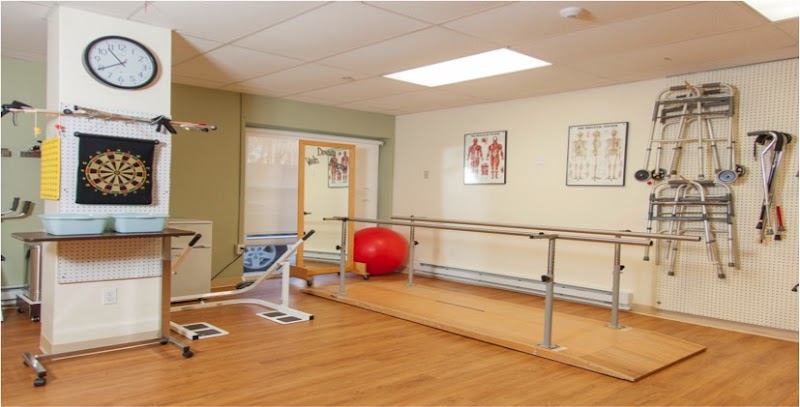
How is Mill Town Staffed?

CMS rates MILL TOWN HEALTH AND REHABILITATION's staffing level at 3 out of 5 stars, which is average compared to other nursing homes. Staff turnover is 60%, which is 14 percentage points above the Massachusetts average of 46%. High turnover can affect care consistency as new staff learn residents' individual needs. RN turnover specifically is 65%, which is notably high. RNs provide skilled clinical oversight, so turnover in this role can affect medical care quality.

What Have Inspectors Found at Mill Town?

State health inspectors documented 56 deficiencies at MILL TOWN HEALTH AND REHABILITATION during 2023 to 2025. These included: 3 Immediate Jeopardy (the most serious level, indicating potential for serious harm or death), 2 that caused actual resident harm, 50 with potential for harm, and 1 minor or isolated issues. Immediate Jeopardy findings are rare and represent the most serious regulatory concerns. They require immediate corrective action.
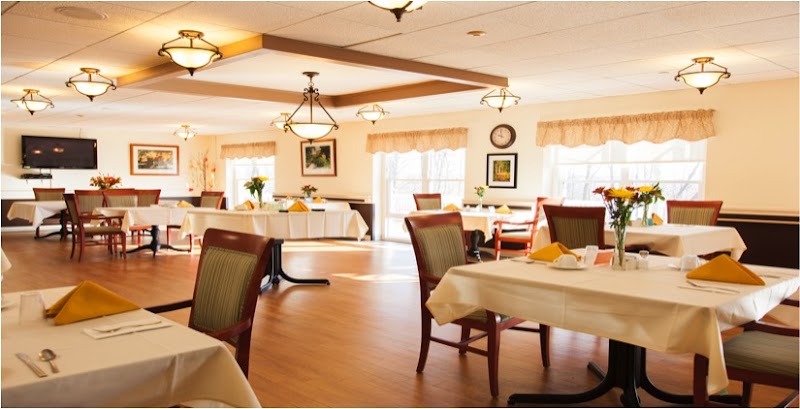
Who Owns and Operates Mill Town?

MILL TOWN HEALTH AND REHABILITATION is owned by a for-profit company. For-profit facilities operate as businesses with obligations to shareholders or private owners. The facility operates independently rather than as part of a larger chain. With 130 certified beds and approximately 71 residents (about 55% occupancy), it is a mid-sized facility located in AMESBURY, Massachusetts.
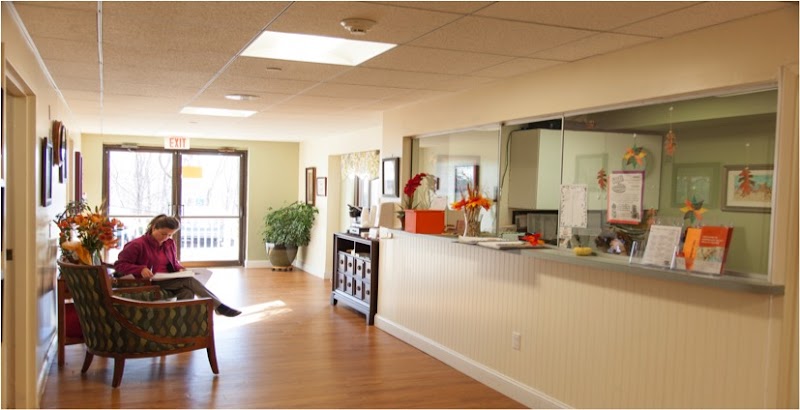
How Does Mill Town Compare to Other Massachusetts Nursing Homes?

Compared to the 100 nursing homes in Massachusetts, MILL TOWN HEALTH AND REHABILITATION's overall rating (1 stars) is below the state average of 2.9, staff turnover (60%) is significantly higher than the state average of 46%, and health inspection rating (1 stars) is much below the national benchmark.

What Should Families Ask When Visiting Mill Town?

Based on this facility's data, families visiting should ask: "What changes have been made since the serious inspection findings, and how are you preventing similar issues?" "How do you ensure continuity of care given staff turnover, and what is your staff retention strategy?" "Can I visit during a mealtime to observe dining assistance and food quality?" "How do you handle medical emergencies, and what is your hospital transfer rate?" These questions are particularly relevant given the facility's Immediate Jeopardy citations and the facility's high staff turnover rate.

Is Mill Town Safe?

Based on CMS inspection data, MILL TOWN HEALTH AND REHABILITATION has documented safety concerns. Inspectors have issued 3 Immediate Jeopardy citations (the most serious violation level indicating risk of serious injury or death). The facility has a 1-star overall rating and ranks #100 of 100 nursing homes in Massachusetts. Families considering this facility should ask detailed questions about what corrective actions have been taken since these incidents.

Do Nurses at Mill Town Stick Around?

Staff turnover at MILL TOWN HEALTH AND REHABILITATION is high. At 60%, the facility is 14 percentage points above the Massachusetts average of 46%. Registered Nurse turnover is particularly concerning at 65%. RNs handle complex medical decisions and coordinate care — frequent RN changes can directly impact care quality. High turnover means new staff may not know residents' individual needs, medications, or preferences. It can also be disorienting for residents, especially those with dementia who rely on familiar faces. Families should ask: What is causing the turnover? What retention programs are in place? How do you ensure care continuity during staff transitions?

Was Mill Town Ever Fined?

MILL TOWN HEALTH AND REHABILITATION has been fined $332,982 across 3 penalty actions. This is 9.1x the Massachusetts average of $36,409. Fines at this level are uncommon and typically indicate a pattern of serious deficiencies, repeated violations, or failure to correct problems promptly. CMS reserves penalties of this magnitude for facilities that pose significant, documented risk to resident health or safety. Families should request specific documentation of what issues led to these fines and what systemic changes have been implemented.

Is Mill Town on Any Federal Watch List?

MILL TOWN HEALTH AND REHABILITATION is not on any federal watch list. The most significant is the Special Focus Facility (SFF) program, which identifies the bottom 1% of nursing homes nationally based on persistent, serious quality problems. Not being on this list means the facility has avoided the pattern of deficiencies that triggers enhanced federal oversight. This is a positive indicator, though families should still review the facility's inspection history directly.