ANDOVER MANOR REHAB AND NURSING
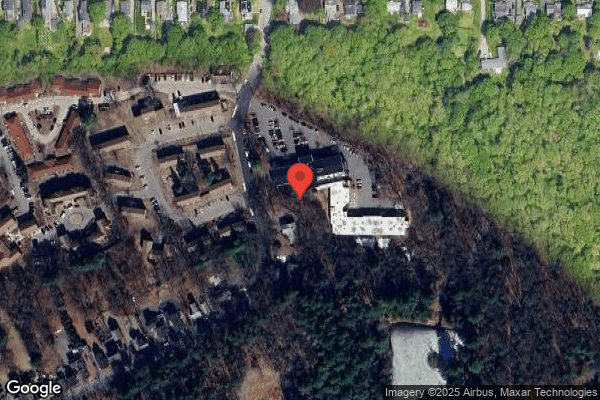

89 MORTON STREET, ANDOVER, MA 01810 (978) 475-0944
For profit - Limited Liability company 174 Beds STERN CONSULTANTS Data: November 2025
Trust Grade
25/100
#198 of 338 in MA
Last Inspection: January 2025

Within standard 12-15 month inspection cycle. Federal law requires annual inspections.

Overview

Andover Manor Rehab and Nursing has received a Trust Grade of F, indicating poor performance and significant concerns regarding the quality of care provided. They rank #198 out of 338 facilities in Massachusetts, placing them in the bottom half, and #28 out of 44 in Essex County, meaning there are only a few facilities worse than this one locally. The facility has been worsening over time, with issues increasing from 17 in 2024 to 20 in 2025. Staffing rates are average with a rating of 3 out of 5 stars and a turnover rate of 44%, which is around the state average. However, there are serious concerns, as they have incurred $74,994 in fines, higher than 76% of Massachusetts facilities, indicating ongoing compliance problems. Notably, there have been serious incidents reported, including a resident who choked and became unresponsive when left alone during a meal, requiring emergency care and hospitalization. Another resident fell while attempting to use the restroom independently, despite needing assistance according to their care plan. While the facility shows some strengths in quality measures with a 4 out of 5 rating, the serious deficiencies and troubling incidents suggest that families should proceed with caution when considering this nursing home for their loved ones.

Trust Score
F
25/100
In Massachusetts
#198/338
Bottom 42%
Safety Record
High Risk
Review needed
Inspections
Getting Worse
17 → 20 violations
Staff Stability
○ Average
44% turnover. Near Massachusetts's 48% average. Typical for the industry.
Penalties
✓ Good
$74,994 in fines. Lower than most Massachusetts facilities. Relatively clean record.
Skilled Nurses
○ Average
Each resident gets 38 minutes of Registered Nurse (RN) attention daily — about average for Massachusetts. RNs are the most trained staff who monitor for health changes.
Violations
⚠ Watch
60 deficiencies on record. Higher than average. Multiple issues found across inspections.
★★☆☆☆
2.0
Overall Rating
★★★☆☆
3.0
Staff Levels
★★★★☆
4.0
Care Quality
★★☆☆☆
2.0
Inspection Score
Stable
2024: 17 issues
2025: 20 issues

The Good

  • 4-Star Quality Measures · Strong clinical quality outcomes
  • Full Sprinkler Coverage · Fire safety systems throughout facility
  • No fines on record
  • Staff turnover below average (44%)

    4 points below Massachusetts average of 48%

Facility shows strength in quality measures, fire safety.

The Bad

2-Star Overall Rating

Below Massachusetts average (2.9)

Below average - review inspection findings carefully

Staff Turnover: 44%

Near Massachusetts avg (46%)

Typical for the industry

Federal Fines: $74,994

Well above median ($33,413)

Moderate penalties - review what triggered them

Chain: STERN CONSULTANTS

Part of a multi-facility chain

Ask about local staffing decisions and management

The Ugly 60 deficiencies on record

3 actual harm
Jan 2025 20 deficiencies
CONCERN (D)

Potential for Harm - no one hurt, but risky conditions existed

Deficiency F0578 (Tag F0578)

Could have caused harm · This affected 1 resident

**NOTE- TERMS IN BRACKETS HAVE BEEN EDITED TO PROTECT CONFIDENTIALITY** Based on record review and interview, the facility failed to ensure Advance Directives (written documents that instructs health ...

Read full inspector narrative →
**NOTE- TERMS IN BRACKETS HAVE BEEN EDITED TO PROTECT CONFIDENTIALITY** Based on record review and interview, the facility failed to ensure Advance Directives (written documents that instructs health care providers of the decisions for specific medical treatment if a person was unable to speak or lacked the capacity to make decisions for themselves) were consistently documented in the medical record for one Resident (#94), out of a total sample of 29 residents. Findings include: Review of the facility policy titled Advanced Directives, dated 11/5/24, indicated The Advanced Directive shall be reviewed and updated upon resident request, with the comprehensive care plan, and with significant changes in resident. The Facility will implement the instructions outlined in the Advanced Directive. Resident #94 was admitted to the facility in February 2024 with diagnoses that included dementia, adult failure to thrive, and anxiety. Review of Resident #94's most recent Minimum Data Set (MDS), dated [DATE], indicated he/she scored a zero out of 15 on the Brief Interview for Mental Status (BIMS) indicating the Resident has severe cognitive impairments. The MDS further indicated the Resident's code status is DNR (Do Not Resuscitate) and DNI (Do Not Intubate). Review of Resident #94's physician order, dated 5/21/24, indicated FULL CODE, Do not Intubate and Ventilate, No artifial [sic] Nutrition. Review of Resident #94's MOLST (Medical Orders for Life Sustaining Treatment), dated 8/29/24, indicated the Resident is a DNR, DNI, no dialysis, no artificial nutrition. During an interview on 1/8/25 at 1:43 P.M., Nurse #3 said the MOLST should match the physician order so the nurses are clear on what the code status is for that Resident. Nurse #3 reviewed Resident #94's MOLST with the surveyor and said it does not match the physician order. During an interview on 1/8/25 at 1:49 P.M., the Director of Nurses (DON) said the MOLST should match the physician order.
CONCERN (D)

Potential for Harm - no one hurt, but risky conditions existed

Deficiency F0583 (Tag F0583)

Could have caused harm · This affected 1 resident

Based on observations, interviews and record review, the facility failed to maintain privacy and confidentiality of personal and medical records on one out of three resident units. Findings include: A...

Read full inspector narrative →
Based on observations, interviews and record review, the facility failed to maintain privacy and confidentiality of personal and medical records on one out of three resident units. Findings include: A review of the facility policy titled 'Patient Confidentiality' revised November 2024 indicated the following: -Patient confidentiality is keeping information about a patient's healthcare private. -Protect all records-keep all resident information covered. Don't leave it where unauthorized people can see it. On 1/6/25 at 8:02 A.M., the surveyor observed Nurse #10 at the medication cart. Nurse #10 walked away from the medication cart down the hall, left the computer screen unlocked revealing residents' medical and private information. Nurse #10 returned to the medication cart, did not lock the computer screen, walked away from the medication cart again, and walked down the hall. On 1/7/25 at 12:50 P.M., the surveyor observed Nurse # 11 at the medication cart. Nurse #11 walked away from the medication cart to the medication room leaving the computer screen unlocked revealing residents' medical and private information. Nurse #11 returned to the medication cart, left the computer screen unlocked, went into a resident's room, then walked back to the medication room. During an interview on 1/7/25 at 1:43 P.M., Nurse #11 said she is supposed to lock the computer screen to maintain privacy of the medical record when she walks away from the medication cart. During an interview on 1/7/25 at 2:58 P.M., Nurse #10 said the medication cart computer should always be locked to protect resident medical records if the Nurse is not at the medication cart. During an interview on 1/9/25 at 1:04 P.M., the Director of Nurses said she expects the Nurses working on the medication carts to lock their computer screen prior to walking away from the medication cart. She said this ensures that the residents' medical information is kept private and confidential.
CONCERN (D)

Potential for Harm - no one hurt, but risky conditions existed

Free from Abuse/Neglect (Tag F0600)

Could have caused harm · This affected 1 resident

**NOTE- TERMS IN BRACKETS HAVE BEEN EDITED TO PROTECT CONFIDENTIALITY** Based on record review and interviews, the facility failed to prevent a resident-to-resident altercation between two Residents (...

Read full inspector narrative →
**NOTE- TERMS IN BRACKETS HAVE BEEN EDITED TO PROTECT CONFIDENTIALITY** Based on record review and interviews, the facility failed to prevent a resident-to-resident altercation between two Residents (#56 and #23) out of a sample to 29 residents. Specifically, the facility failed to prevent Resident #23 from pinching Resident #56's left cheek. Findings include: A review of the facility's policy titled 'Resident Right to Freedom from Abuse, Neglect and Exploitation' with a revision date of October 2024 indicated the following: -The Facility's residents have the right to be free from abuse as defined in this policy. This policy applies to any and all owners, directors, officers, clinical staff, employees, independent contractors, consultants, and others currently or potentially working for the facility. -The Facility shall review altercations from resident to resident as a potential situation of abuse. -Staff shall monitor for any behaviors that may provoke a reaction by residents or others, which include but are not limited to, physically aggressive behavior, such as hitting, kicking, grabbing, scratching, pushing/shoving, biting, spitting, threatening gestures and throwing objects. -When the Facility has identified abuse, the Facility will take all appropriate steps to remediate the noncompliance and protect residents from additional abuse immediately. The Facility will increase enforcement action, including, but not limited to: -Taking steps to prevent further potential abuse. -Reporting the alleged violation and investigation within required timeframes pursuant to Federal and State statutes and regulations. -Conducting a thorough investigation of the alleged violation. -Taking appropriate corrective action. A review of a Facility flyer titled 'Abuse Reporting' dated 6/19/23 indicated the following: -Things that need to be reported immediately to the supervisor: -Any bruise, redness or other injury to a resident that you do know how it occurred. -Any resident-to-resident altercation. -Many of these concerns must be addressed and reported to the Department of Public Health within two hours. Resident #56 was admitted to the facility in October 2024 with diagnoses including dementia with behavioral disturbance. A review of the most recent Minimum Data Assessment (MDS) dated [DATE] did not indicate a Brief Interview for Mental Status (BIMS) score because the Resident is rarely and never understood. Resident #23 was admitted to the facility in June 2024 with diagnoses including dementia with psychotic features and behavioral disturbance. A review of the most recent Minimum Data Set, dated [DATE] indicated a Brief Interview for Mental Status score of 3 out of a possible 15 indicating severe cognitive impairment. A review of Nursing progress notes dated 12/6/24 indicated the following: -Resident #56 approached a male/female resident and was talking to him/her close in his/her face, male/female resident became aggressive and pinched resident on his/her lower left cheek. He/she was escorted out of the room and taken in the supervise room. Administrator, UM (Unit Manager), on call NP (Nurse Practitioner), HCP (Health Care Proxy) notified and explained plan of care and he agreed. He said, My spouse is a very friendly person. During assessment was noted a redness on his/her left lower cheek. NP (Nurse Practitioner) said to monitor residents. A review of Nursing progress notes dated 12/7/24 indicated the following: -Resident redness subsides by the end of the shift. A review of the facility event report titled 'physical aggression received' dated 12/6/24 indicated the following: - Resident approached a male/female resident and was talking to him/her close in his face, male/female resident became aggressive and pinched resident on his/her lower left cheek. He/she was escorted out of the room and taken in the supervise room. During assessment it was initially noted redness on his/her left lower cheek, but it quickly resolved. [sic] A review of Resident #56's care plan initiated 10/3024 and 12/10/24 respectively indicated the following: -Focus: Resident #56's current risk of wandering/elopement and safety will be monitored every shift by all staff. -Focus: Resident #56 has alteration in behavior status related to restlessness, physical aggression and is resistive to care. Intervention: Approach in a calm manner, divert attention when encroaching on others' personal space, remove from situation and take to alternate location as needed. A review of Resident #23's care plan initiated 7/3/24 and intervention initiated 12/10/24 indicated the following: -Resident #23 has an alteration in behavior status related to anxiety, depression and agitation. Intervention-Assist Resident #23 to develop more appropriate methods of coping and interacting, encourage Resident #23 to express feelings appropriately. During a telephone interview on 1/9/25 at 8:51 A.M., Activity Assistant #3 said on 12/6/24, she was running an activity alone. Activity Assistant #3 said Resident #56 and Resident #23 were in attendance. Activity Assistant #3 said she was seated at a table with two other residents completing a puzzle. Activity Assistant #3 said she was not paying attention to Resident #56 who was wandering around the room and Resident #23 who was seated at a different table watching television. She said Resident #56 approached Resident #23, Resident #56 moved in close to Resident #23's face and started to talk to him/her. Resident #23 became aggressive and pinched Resident #56's left lower cheek. The Activity Assistant said she had to run across the room to separate both Residents. Activity Assistant #3 said she escorted Resident #23 out of the room into the sensory room. She said, as she escorted Resident #56 out of the room, the Resident had his/her hand on his/her left cheek and said it hurt. Activity Assistant #3 said Resident #56 should always be closely supervised if he/she is up, she said the Resident has a history of wandering, getting close in other resident's personal spaces. Activity Assistant #3 said there is not always enough staff to help supervise residents during activities. She said it would be beneficial to have more than one staff during activities with residents with a behavior history. Activity Assistant #3 said the incident between Resident # 23 and #56 was physical abuse because Resident #23 inflicted physical pain on Resident #56. During a telephone interview on 1/9/25 at 9:06 A.M., Nurse #12 said on 12/6/24, Resident #23 was watching television in the Activity room. She said Resident #56 was in the same Activity room, wandering around the room. She said Resident #56 has a history of getting close to other residents, she said he/she got close to Resident #23's face, he/she did not like it, he/she pinched Resident #56's lower left cheek. Nurse #12 said the Activity Assistant brought Resident #56 to her after the incident. She said the Resident was covering the left cheek with his/her hand, saying it hurt. She said the cheek was red for several hours. She said staff should be aware when Resident #56 is up and about, they should closely supervise him/her and be ready to separate him/her when he/she enters other residents' personal spaces. Nurse #12 said the incident between Resident #56 and #23 was physical abuse because it was a physical altercation between two residents. During an interview on 1/9/25 at 9:47 A.M., Unit Manager #1 said she was not in the facility when the incident happened between Resident #56 and #23. She reviewed the progress notes and said when incidents such as these happen, the expectation is for staff to redirect the residents involved, assess for injuries, start an investigation and notify the Director of Nurses immediately. She said abuse can be defined as the willful inflicting of harm on another person, she said abuse can happen between residents or staff and residents. She said the incident that happened between Resident #23 and #56 was physical abuse. During an interview on 1/9/25 at 10:14 A.M., the Director of Nurses said on 12/6/24, Resident #56 and #23 were both in an unsupervised common area, she said after the incident occurred, the Residents were redirected to a supervised common area. She said based on Resident #56's behavior history of wandering and getting in other resident's personal spaces, she expects staff to supervise him/her on the unit. The DON said an event report was completed after the incident occurred. She said it was determined that Resident #23's intentions were not to harm Resident #56 even though he/she retaliated aggressively by pinching Resident #56 causing pain on his/her left cheek. The DON said after using the [NAME] navigation tool, (This tool was built to help Massachusetts health care providers navigate key state and federal requirements for reporting adverse and other events that affect patient safety). As a facility, they determined that the incident was not abusive. During an interview on 1/9/25 at 12:14 P.M., both the DON and the Administrator defined abuse as causing physical, mental and emotional harm to another person. They both defined physical abuse as striking or unwanted contact between residents, or residents and staff with purposeful infliction with intent to harm.
CONCERN (D)

Potential for Harm - no one hurt, but risky conditions existed

Report Alleged Abuse (Tag F0609)

Could have caused harm · This affected 1 resident

**NOTE- TERMS IN BRACKETS HAVE BEEN EDITED TO PROTECT CONFIDENTIALITY** Based on record review and interviews, the facility failed to report an allegation of abuse to the state agency within the manda...

Read full inspector narrative →
**NOTE- TERMS IN BRACKETS HAVE BEEN EDITED TO PROTECT CONFIDENTIALITY** Based on record review and interviews, the facility failed to report an allegation of abuse to the state agency within the mandated timeframes for two Residents (56 and #23) out of a sample of 29 residents after a resident to resident altercation. Specifically, the facility failed to file a report to the state agency after Resident #23 pinched Resident #56. Findings include: A review of the facility's policy titled 'Resident Right to Freedom from Abuse, Neglect and Exploitation' with a revision date of October 2024 indicated the following: -The Facility's residents have the right to be free from abuse as defined in this policy. This policy applies to any and all owners, directors, officers, clinical staff, employees, independent contractors, consultants, and others currently or potentially working for the facility. -The Facility shall review altercations from resident to resident as a potential situation of abuse. -Staff shall monitor for any behaviors that may provoke a reaction by residents or others, which include but are not limited to, physically aggressive behavior, such as hitting, kicking, grabbing, scratching, pushing/shoving, biting, spitting, threatening gestures and throwing objects. -When the Facility has identified abuse, the Facility will take all appropriate steps to remediate the noncompliance and protect residents from additional abuse immediately. The Facility will increase enforcement action, including, but not limited to: -Taking steps to prevent further potential abuse. -Reporting the alleged violation and investigation within required timeframes pursuant to Federal and State statutes and regulations. -Conducting a thorough investigation of the alleged violation. -Taking appropriate corrective action. A review of a Facility flyer titled 'Abuse Reporting' dated 6/19/23 indicated the following: -Things that need to be reported immediately to the supervisor: -Any bruise, redness or other injury to a resident that you do know how it occurred. -Any resident-to-resident altercation. -Many of these concerns must be addressed and reported to the Department of Public Health within two hours. Resident #56 was admitted to the facility in October 2024 with diagnoses including dementia with behavioral disturbance. A review of the most recent Minimum Data Assessment (MDS) dated [DATE] did not indicate a Brief Interview for Mental Status (BIMS) score because the Resident is rarely and never understood. Resident #23 was admitted to the facility in June 2024 with diagnoses including dementia with psychotic features and behavioral disturbance. A review of the most recent Minimum Data Set, dated [DATE] indicated a Brief Interview for Mental Status score of 3 out of a possible 15 indicating severe cognitive impairment. A review of Nursing progress notes dated 12/6/24 indicated the following: -Resident approached a male/female resident and was talking to him/her close in his face, male/female resident became aggressive and pinched resident on his/her lower left cheek. He/she was escorted out of the room and taken in the supervise room. Administrator, UM (Unit Manager), on call NP(Nurse Practitioner), HCP (Health Care Proxy) notified and explained plan of care and he agreed. He said, My spouse is a very friendly person. During assessment was noted a redness on his/her left lower cheek. NP (Nurse Practitioner) said to monitor residents. [sic] A review of Nursing progress notes dated 12/7/24 indicated the following: -Resident redness subsides by the end of the shift. [sic] A review of the facility event report titled 'physical aggression received' dated 12/6/24 indicated the following: - Resident #56 approached a male/female resident and was talking to him/her close in his/her face, male/female resident became aggressive and pinched resident on his/her lower left cheek. He/she was escorted out of the room and taken in the supervise room. During assessment it was initially noted redness on his/her left lower cheek, but it quickly resolved. [sic] A review of Resident #56's care plan initiated 10/3024 and 12/10/24 respectively indicated the following: -Focus: Resident #56's current risk of wandering/elopement and safety will be monitored every shift by all staff. -Focus: Resident #56 has alteration in behavior status related to restlessness, physical aggression and is resistive to care. Intervention: Approach in a calm manner, divert attention when encroaching on others' personal space, remove from situation and take to alternate location as needed. A review of Resident #23's care plan initiated 7/3/24 and intervention initiated 12/10/24 indicated the following: -Resident #23 has an alteration in behavior status related to anxiety, depression and agitation. Intervention-Assist Resident #23 to develop more appropriate methods of coping and interacting, encourage Resident #23 to express feelings appropriately. During a telephone interview on 1/9/25 at 8:51 A.M., Activity Assistant #3 said on 12/6/24, she was running an activity alone. Activity Assistant #3 said Resident #56 and Resident #23 were in attendance. Activity Assistant #3 said she was seated at a table with two other residents completing a puzzle. Activity Assistant #3 said she was not paying attention to Resident #56 who was wandering around the room and Resident #23 who was seated at a different table watching television. She said Resident #56 approached Resident #23, Resident #56 moved in close to Resident #23's face and started to talk to him/her. Resident #23 became aggressive and pinched Resident #56's left lower cheek. The Activity Assistant said she had to run across the room to separate both Residents. Activity Assistant #3 said she escorted Resident #23 out of the room into the sensory room. She said, as she escorted Resident #56 out of the room, the Resident had his/her hand on his/her left cheek and said it hurt. Activity Assistant #3 said Resident #56 should always be closely supervised if he/she is up, she said the Resident has a history of wandering, getting close in other resident's personal spaces. Activity Assistant #3 said there is not always enough staff to help supervise residents during activities. She said it would be beneficial to have more than one staff during activities with residents with a behavior history. During a telephone interview on 1/9/25 at 9:06 A.M., Nurse #12 said on 12/6/24, Resident #23 was watching television in the Activity room. She said Resident #56 was in the same Activity room, wandering around the room. She said Resident #56 has a history of getting close to other residents, she said he/she got close to Resident #23's face, he/she did not like it, he/she pinched Resident #56's lower left cheek. Nurse #12 said the Activity Assistant brought Resident #56 to her after the incident. She said the Resident was covering the left cheek with his/her hand, saying it hurt. She said the cheek was red for several hours. She said staff should be aware when Resident #56 is up and about, they should closely supervise him/her and be ready to separate him/her when he/she enters other residents' personal spaces. She said based on the flyer hanging on the unit tilted 'Abuse Reporting' the incident should have been reported to the state agency within two hours. During an interview on 1/9/25 at 9:47 A.M., Unit Manager #1 said she was not in the facility when the incident happened between Resident #56 and #23. She reviewed the progress notes and said when incidents such as these happen, the expectation is for staff to redirect the residents involved, assess for injuries, start an investigation and notify the Director of Nurses immediately. She said abuse can be defined as the willful inflicting of harm on another person, she said abuse can happen between residents or staff and residents. She said this type of resident-to-resident altercation should be reported to the state agency within two hours. During an interview on 1/9/25 at 10:14 A.M., the Director of Nurses said on 12/6/24, Resident #56 and #23 were both in an unsupervised common area, she said after the incident occurred, the Residents were redirected to a supervised common area. She said based on Resident #56's behavior history of wandering and getting in other resident's personal spaces, she expects staff to supervise him/her on the unit. The DON said an event report was completed after the incident occurred. She said it was determined that Resident #23's intentions were not to harm Resident #56 even though he/she retaliated aggressively by pinching Resident #56 causing pain on his/her left cheek. The DON said after using the [NAME] navigation tool( This tool was built to help Massachusetts health care providers navigate key state and federal requirements for reporting adverse and other events that affect patient safety). As a facility, they determined that the incident did not need to be reported to the state agency. The DON said reportable abuse events should be reported within two hours to the state agency. A review of the Health Care Facility Reporting System (HCFRS) failed to indicate that the resident to resident altercation was reported.
CONCERN (D)

Potential for Harm - no one hurt, but risky conditions existed

Deficiency F0637 (Tag F0637)

Could have caused harm · This affected 1 resident

Based on record review and interviews, the facility failed to identify and complete a Significant Change in Status (SCSA) Minimum Data Set assessment (MDS) timely for one Resident (#19), out of a tota...

Read full inspector narrative →
Based on record review and interviews, the facility failed to identify and complete a Significant Change in Status (SCSA) Minimum Data Set assessment (MDS) timely for one Resident (#19), out of a total sample of 29 residents, when the Resident was admitted to hospice services. Findings include: Review of the MDS 3.0 Resident Assessment Instrument (RAI) Manual, dated October 2024, indicated: - A Significant Change in Status Assessment (SCSA) is required to be performed when a resident enrolls in a hospice program. A Significant Change in Status MDS is considered timely when the RN Assessment Coordinator signs the MDS as complete by the 14th calendar day after the assessment reference date (ARD). The ARD must be no later than 14 days after the Resident has enrolled on hospice service. Resident #19 was admitted to the facility in March 2024 with diagnoses that include traumatic subdural hemorrhage, diabetes, dysphagia requiring tube feedings. Review of the most recent Minimum Data Set Assessment, (MDS) assessment, dated 12/16/24 indicated that the Resident could not participate in a Brief Interview for Mental Status exam, and was assessed by staff to have severe cognitive impairment. The MDS further indicated that the resident was receiving hospice services. Review of Resident #19's medical record indicated a form for admission to hospice services dated,12/2/24. Review of the medical record failed to indicate a Significant Change in Status Assessment was completed within 14 days of the ARD, which would have been 12/30/24. The MDS was still not complete as of 1/7/25. During an interview on 1/8/25 at 12:39 P.M., the MDS coordinator said that for a change in status, such as admission to hospice services, a Significant Change in Status Assessment should have been completed within 14 days of the ARD, but it was not. During an interview on 1/8/25 at 1:35 P.M. with the Director of Nurses said a Significant Change in Status Assessment should have been completed for Resident #19.
CONCERN (D)

Potential for Harm - no one hurt, but risky conditions existed

Assessment Accuracy (Tag F0641)

Could have caused harm · This affected 1 resident

**NOTE- TERMS IN BRACKETS HAVE BEEN EDITED TO PROTECT CONFIDENTIALITY** Based on observation, record review and interview, the facility failed to ensure for one Resident (#66), out of a total sample o...

Read full inspector narrative →
**NOTE- TERMS IN BRACKETS HAVE BEEN EDITED TO PROTECT CONFIDENTIALITY** Based on observation, record review and interview, the facility failed to ensure for one Resident (#66), out of a total sample of 29 residents, that the Minimum Data Set (MDS) was accurate. Specifically, the MDS failed to accurately assess Resident #66's limited range of motion in his/her left upper extremity. Findings include: Resident #66 was admitted to the facility in October 2022 and has diagnoses that include Alzheimer's disease, muscle weakness and multiple sclerosis. Review of the Minimum Data Set assessment dated [DATE] indicated the staff assessment for mental status indicated Resident #66 as having severely impaired cognition. Further, the MDS indicated Resident #66 is dependent on staff for all daily care activities and did not have functional limitation in ROM in his/her extremities. On 1/6/25 at 8:07 A.M., Resident #66 was observed sitting in a wheelchair in the dining room. Resident #66 was repetitively vocalizing, and did not respond to the surveyors greeting. Resident #66 left arm was pulled across his/her chest with his/her fingers bent at the knuckle joint into a fist. On 1/7/25 at 8:15 A.M., Resident #66 was observed in bed. His/her left arm was pulled across his/her chest and his/her fingers were folded into a fist. Certified Nursing Assistant (CNA) #5 said the Resident was unable to use his/her left arm and hand. CNA #5 said the Resident's hand/fingers were more contracted in the last few weeks and more difficult to open. CNA #5 extended Resident #66's fingers slowly. Resident #66 was vocalizing/moaning continuously throughout the observation. CNA #5 said she cleans his/her hand, that the Resident did not have any device and that she did not do any other care for his/her hand. During an interview on 1/7/25 at 12:21 P.M., Resident #66's family member said he/she has no movement on his/her left side and has been this way for a while. During an interview on 1/7/25 at 3:40 P.M., CNA #6 said Resident #66 is dependent on care, and is unable to move his/her left arm and hand because it is contracted. During an interview on 1/7/25 at 3:46 P.M., Nurse #6 said Resident #66 has impaired mobility in his/her left arm and hand and that it has been that way for a while but could not specify how long. Nurse #6 said she is able to passively move Resident #66's arm and hand during skin checks. During an interview on 1/7/25 at 3:48 P.M., Nurse #12 said Resident #66 has impaired mobility on his/her left side and is unable to use his/her left arm or hand at all and it has been that way for quite a while. Review of Resident #66's MDS assessments dated 9/12/24 and 12/11/24 did not indicate that Resident #66 had impairment in functional limitation in mobility in his/her upper extremity (shoulder, elbow, wrist, hand). This conflicts with staff and family member interviews. During an interview on 1/8/25 at 3:51 P.M., the MDS nurse said she did not complete the most recent MDS dated [DATE] and that based on her review and discussion with staff the impaired ROM was present at the time the 12/11/24 MDS was completed and should have been accurate.
CONCERN (D)

Potential for Harm - no one hurt, but risky conditions existed

Deficiency F0655 (Tag F0655)

Could have caused harm · This affected 1 resident

Based on record review and interview the facility failed to develop a baseline care plan that includes the instructions needed to provide effective and person-centered care for one Resident (#91) out ...

Read full inspector narrative →
Based on record review and interview the facility failed to develop a baseline care plan that includes the instructions needed to provide effective and person-centered care for one Resident (#91) out of a total sample of 29 residents. Specifically, the facility failed to develop a baseline care plan including resident specific interventions for a Resident who requires psychotropic medications. Findings include: Review of the facility policy titled Comprehensive Care Plan, last revised 10/24, indicated the following: Policy Statement: Individual comprehensive care plan that includes measurable objectives and timetables to meet the resident's medical, nursing, mental and psychological needs is developed for each resident. Resident #91 was admitted to the facility in January 2024 and has diagnoses that include anxiety disorder, adjustment disorder, and dementia. Review of the most recent Minimum Data Set (MDS) assessment, dated 10/16/24, indicated that on the Brief Interview for Mental Status exam Resident #91 scored a 3 out of a possible 15, indicating severely impaired cognition. Further review of the MDS indicated Resident #91 is dependent for self-care activities and demonstrates behaviors impacting the delivery of care. Review of the Resident #91's Physician orders indicated the following: -Olanzapine Tablet 5 MG, Give 1 tablet by mouth two times a day for psychotic disorder. - Diazepam Oral Tablet 5 MG (Diazepam) *Controlled Drug*, Give 1 tablet by mouth two times a day for Anxiety. Review of the medical record failed to indicate a baseline care plan for psychotropic medications was created for Resident #91. During an interview on 1/9/25 at 8:10 A.M., with the Director of Nursing said that a baseline care plan for psychotropic medications should have been developed by nursing on admission.
CONCERN (D)

Potential for Harm - no one hurt, but risky conditions existed

Deficiency F0657 (Tag F0657)

Could have caused harm · This affected 1 resident

2. Resident #52 was admitted to the facility in October 2021 and has diagnoses that include epilepsy, chronic obstructive pulmonary disease, and Alzheimer's disease. Review of the most recent MDS ind...

Read full inspector narrative →
2. Resident #52 was admitted to the facility in October 2021 and has diagnoses that include epilepsy, chronic obstructive pulmonary disease, and Alzheimer's disease. Review of the most recent MDS indicated that Resident #52 scored a 4 out of 15 on the Brief Interview for Mental Status (BIMS) exam, indicating he/she as having severe cognitive impairment and is dependent in most activities of daily living. Review of Resident #52's medical record indicated the following: A care plan: I am currently on Hospice Care r/t (due to) Alzheimer (sic), dated as created on 1/9/2024 revision on 8/15/24 and a goal target date of 2/22/25. Review of Resident #52's current physician's orders did not indicate an order for hospice care services. During an interview on 1/7/25 at 11:16 A.M., Nurse #6 said Resident #52 was discharged from hospice services sometime last year, maybe around August 2024. Nurse #6 said she does not go to care plan meetings and that the Unit Manager participates in the care plan meetings. During an interview on 1/9/25 at 8:00 A.M., Unit Manager #1 said the care planning process includes the interdisciplinary team reviewing, updating, revising and discontinuing care plans, with the MDS schedule and as needed. Unit Manager #1 said Resident #52 has been off hospice services for some time now and she would need to verify the date of when he/she came off services. Unit Manager #1 reviewed the medical record which indicated a significant change in status MDS was completed in May 2024, a quarterly MDS was completed 8/8/24 and a quarterly MDS was completed 11/7/24. Unit Manager #1 said Resident #52 should not have a current care plan stating he/she is currently receiving hospice services. During an interview on 1/9/25 at 8:45 A.M., Unit Manager #1 said Resident # 52 came off hospice care services on 4/27/24. Based on observation, record review and staff interview, the facility failed to ensure the comprehensive care plan was reviewed and revised by the interdisciplinary team for two Residents (#19 and #52) out of a total sample of 29 residents. Specifically: 1. For Resident #19, the facility failed ensure the entire comprehensive care plan was reviewed and revised by an interdisciplinary team following the completion of a comprehensive assessment for a significant change in status after Resident #19 was admitted to hospice services and 2. For Resident #52 the facility failed to review and update the care plan for the discontinuation of hospice care services. Specifically, Resident #52 was discharged from hospice care services on 4/27/24 and a hospice care plan remained in place for over eight months and after two quarterly Minimum Data Set (MDS) assessments dated 8/8/24, and 11/7/24. Findings include: Resident #19 was admitted to the facility in March 2024 with diagnoses including traumatic subdural hemorrhage, diabetes, and dysphagia. Review of the most recent Minimum Data Set (MDS) assessment, dated 12/16/24, indicated that Resident #19 was severely cognitively impaired as evidenced by staff assessment of Brief Interview for Mental Status. The MDS further indicated that Resident #19 was receiving hospice services. Review of Resident #19's medical record indicated start of hospice services was 12/2/24. Review of Resident #19's active plan of care, failed to include a Hospice plan of care until 1/7/24, after the surveyor had asked about the date hospice services had started. During an interview on 1/8/25 at 12:39 P.M., the MDS nurse she said he would expect a Resident receiving Hospice services to have a plan of care to include hospice services. During an interview on 1/8/25 at 1:35 P.M., the Director of Nursing said she would expect a Resident receiving hospice services would have a plan of care to include hospice services.
CONCERN (D)

Potential for Harm - no one hurt, but risky conditions existed

Deficiency F0660 (Tag F0660)

Could have caused harm · This affected 1 resident

**NOTE- TERMS IN BRACKETS HAVE BEEN EDITED TO PROTECT CONFIDENTIALITY** Based on record review and interviews, the facility failed to ensure for one Resident (#107), out of 2 closed records that the i...

Read full inspector narrative →
**NOTE- TERMS IN BRACKETS HAVE BEEN EDITED TO PROTECT CONFIDENTIALITY** Based on record review and interviews, the facility failed to ensure for one Resident (#107), out of 2 closed records that the interdisciplinary team participated in the discharge planning process. Review of the facility's Policy and Procedure dated as initiated November 1, 2015, indicated the following: Policy Interpretation and Implementation, 1. When the facility anticipates a resident's discharge to a private residence or to another nursing facility (i.e., skilled, intermediate care ICF, etc.) a post-discharge plan will be developed which will assist the resident to adjust to his or her new living environment. 2. The post-discharge plan will be developed by the care plan team with the assistance of the resident or his or her family. 4. As a minimum, the post discharge plan will include: a. A description of the resident's and family's preference for care; b. A description of how the residents and family will access and pay for such services; c. A description of how the care should be coordinated if continuing treatment involves multiple care givers; d. The identity of specific resident needs after discharge (i.e., personal care, (ADLS, self-administration of medications, diet, etc.) sterile dressings, physical therapy, etc.) Appropriate referrals, when necessary, are made my (sic) social services and documented in the medical record; and: e. A description of how the resident and family need to prepare for discharge. 5. Social Services will review the plan with the resident and family before the discharge is to take place. Resident #107 was admitted to the facility in October 2023 and has diagnoses that include memory deficit following cerebral infarction, type 2 diabetes mellitus with diabetic neuropathy, and dipolar disorder. Review of the Minimum Data Set (MDS) assessment dated [DATE] indicated Resident #107 scored a 6 out of 15 on the Brief Interview for Mental Status exam, indicating he/she as having severe cognitive impairment and requires partial to moderate assistance with care including bathing/showering and dressing. Review of the MDS dated [DATE] indicated a discharge (from the facility) assessment return not anticipated was completed. Review of Resident #107 care plans indicated the following: I am long term care placement and have no plans for discharge, date initiated 11/6/2023, the goal indicated review my placement status quarterly and as needed, with a revision date on 5/2/24 and target date of 11/11/24. During an interview on 1/6/25 at 5:14 P.M., the Administrator said Resident #107 had a planned discharge which she believed to be with the Pace program (a Medicare, Medicaid program that helps people who are eligible meet their health care needs in the community) . Review of the physician's orders indicated an active order dated 11/13/24, may discharge home with services and meds. Record review indicated under the miscellaneous tab in Resident #107's medical record a patient care referral dated 11/15/24 that failed to indicate what agency or contact information Resident #107 was referred to for services. Review of Resident #107's medical record progress notes indicated the following: -Progress notes dated from 11/3/24 through 11/15/24 failed to indicate any discipline from the care plan team that documented any information regarding discharge planning for Resident #107 and failed to indicate the Resident or responsible parties' input in the discharge planning process or information on what the discharge plan was going to include. During an interview on 1/7/25 at 4:22 P.M., Nurse #15 said a patient care referral is completed as part of the discharge plan along with review of the discharge medications. Nurse #15 said nursing staff would also complete a discharge assessment and discharge summary and write a note under progress notes the day of discharge. Nurse #15 looked in the medical record for Resident #107 and said there was no nursing discharge assessment, not a progress note written that indicated Resident #107 was discharged . During an interview on 1/7/24 at 5:18 P.M., and on 1/8/24 at 1:12 P.M., the Director of Nursing (DON) said the Pace program social worker set up the discharge plan. The DON said the Pace program social worker is an outside agency and that she would have expected the facility social worker to document in Resident #107's medical record the planning for discharge from the facility and would expect the nurse who discharged staff to write a note the day of discharge
CONCERN (D)

Potential for Harm - no one hurt, but risky conditions existed

ADL Care (Tag F0677)

Could have caused harm · This affected 1 resident

**NOTE- TERMS IN BRACKETS HAVE BEEN EDITED TO PROTECT CONFIDENTIALITY** Based on observations, record review and interviews, the facility failed to provide assistance with Activities of Daily Living (...

Read full inspector narrative →
**NOTE- TERMS IN BRACKETS HAVE BEEN EDITED TO PROTECT CONFIDENTIALITY** Based on observations, record review and interviews, the facility failed to provide assistance with Activities of Daily Living (ADLs), for two Residents (#94 and #26) out of a total sample of 29 residents. Specifically, the facility failed to provide assistance with meals as per the plan of care for Resident #94 and for Resident #26. Findings include: Review of facility policy titled Activities of Daily Living (ADLs), dated 1/23/24, indicated Resident who are unable to carry out activities of daily living independently will receive the services necessary to maintain good nutrition, grooming and personal and oral hygiene. Appropriate care and services will be provided for residents who are unable to carry out ADLs independently, with the consent of the resident and in accordance with the plan of care, including appropriate support and assistance with: a. Hygiene; d. Dining (meals and snacks). 1. Resident #94 was admitted to the facility in February 2024 with diagnoses that included dementia, adult failure to thrive, and anxiety. Review of Resident #94's most recent Minimum Data Set (MDS), dated [DATE], indicated he/she scored a zero out of 15 on the Brief Interview for Mental Status (BIMS) indicating the Resident has severe cognitive impairments. The MDS further indicated the Resident required substantial/maximal assistance for eating. On 1/6/25 from 9:13 A.M. to 9:22 A.M., Resident #94 was observed in bed with his/her breakfast tray left within reach and not set up. No staff were present in the room, On 1/6/25 from 12:39 P.M. to 12:52 P.M., Resident #94 was observed in the dining room using his/her hands trying to feed themselves. No staff were present assisting the Resident. During an interview on 1/6/25 at 12:44 P.M., Nurse #9 said Resident #94 will feed him/herself if he/she is hungry. Review of Resident #94's activity daily living care plan, dated 6/26/24, indicated EATING: requires (Limited / Extensive Assistance or Total Dependence) on (1) staff for eating. Review of Resident #94's Certified Nurse Aide (CNA) Kardex (a form that explains each resident needs), dated 1/7/25, indicated EATING: requires (Limited / Extensive Assistance or Total Dependence) on (1) staff for eating. During an interview on 1/9/25 at 8:00 A.M., Nurse #4 and Nurse #8 said Resident #94 needs assist with meals so a staff member should be with his/her during meal time. During an interview on 1/9/25 at 9:00 A.M., CNA #14 said Resident #94 needs assistance with meals because he/she is unable to feed themselves. 2. Resident #26 was admitted to the facility in August 2023 with diagnoses that included dementia, heart failure, and diabetes. Review of Resident #26's most recent Minimum Data Set (MDS), dated [DATE], indicated he/she scored a six out of 15 on the Brief Interview for Mental Status (BIMS) indicating the Resident has severe cognitive impairments. The MDS further indicated the Resident required partial/moderate assistance for eating and he/she has a mechanically altered diet. On 1/6/25 from 8:41 A.M. to 8:55 A.M., Resident #26 was observed in bed with his/her breakfast tray left within reach and set up, the Resident was not eating. The Speech Language Pathologist (SLP) was on other side of room working with Resident #26's roommate but was not supervising or assisting Resident #26. On 1/6/25 from 12:33 P.M. to 12:45 P.M., Resident #26 was observed in bed with his/her lunch tray left within reach and set up, the Resident was sleeping. No staff were present assisting the Resident. On 1/7/25 from 12:52 P.M. to 1:14 P.M., Resident #26 was observed in bed with his/her lunch tray covered and out of Resident #26's reach. On 1/7/25 from 1:14 P.M. to 1:34 P.M., Resident #26 was observed in bed with his/her lunch tray left within reach and set up. No staff were present assisting the Resident. On 1/8/25 at 12:49 P.M., Resident #26 was observed in bed with his/her lunch tray left within reach and set up. No staff were present assisting the Resident. During an interview on 1/7/25 at 8:38 A.M., the SLP said Resident #26 should have supervision and assist sometimes to initiate and compete his/her meal. During an interview on 1/8/25 at 12:55 P.M., Certified Nursing Assistant (CNA) #1 said Resident #26 requires meals to be set up and may need assist eating at times. During an interview on 1/8/25 at 1:04 P.M., Nurse #2 said Resident #26 requires meals to be set up and then usually eats independently, but staff will check in on him/her and assist as needed to complete the meal. During an interview 1/8/25 at 1:35 P.M., the Director of Nursing said if Resident #26's plan of care indicates he/she requires assist for eating, then Resident #26 should receive assist with eating.
CONCERN (D)

Potential for Harm - no one hurt, but risky conditions existed

Pressure Ulcer Prevention (Tag F0686)

Could have caused harm · This affected 1 resident

**NOTE- TERMS IN BRACKETS HAVE BEEN EDITED TO PROTECT CONFIDENTIALITY** Based on observation, record review and interview the facility failed to adhere to professional standards of care for the preven...

Read full inspector narrative →
**NOTE- TERMS IN BRACKETS HAVE BEEN EDITED TO PROTECT CONFIDENTIALITY** Based on observation, record review and interview the facility failed to adhere to professional standards of care for the prevention of pressure ulcers for 1 Resident (#69), out of a total sample of 29 residents. Specifically, for Resident #69, who was assessed as being high risk for developing pressure ulcers, and has a history of pressure wounds, the facility failed to ensure the air mattress was functioning and set in accordance with the medical plan of care. Resident #69 was admitted to the facility in August 2021 and has diagnoses that include but are not limited to unspecified dementia, adult failure to thrive, bipolar disorder and chronic obstructive pulmonary disease. Review of the most recent Minimum Data Set assessment dated [DATE] indicated Resident #69 scored a zero out of 15 on the Brief Interview for Mental Status exam, indicating he/she as having severe cognitive impairment. Further, the MDS indicated Resident #69 is dependent on staff for all aspects of care, is at risk for developing pressure ulcers and does not have any unhealed pressure ulcers. Review of Resident #69's medical record indicated the following: -The Braden Scale for Predicting Pressure Sore Risk assessments, dated, 3/6/24, 4/30/24, 5/21/24, 8/21/24 and 11/22/24 all with a score of 10 indicating Resident #69 as having a high risk for developing pressure sores. -The comprehensive MDS dated [DATE] indicated Resident #69 had one stage 3 pressure ulcer. -A care plan My [NAME] (sic) assessments shows that I am at risk or no risk Moisture (sic) due to incontinence, previous skin breakdown, dated as created on 9/12/24. Interventions include Genexair SL5 Air Mattress with perimeter edges at 4. Created on 9/12/24. Review of Resident #69's physician's orders indicated the following: -Pressure-redistribution mattress to bed set at 4 (from ideal to firm setting) check every shift for placement and function, every shift for monitor mattress setting, order date 11/15/2024. On 1/6/25 at 8:27 A.M., Resident #69 was observed in his/her bed, equipped with a pressure-relieving air mattress. The air mattress setting affixed to the foot board was illuminated and blinking at the top light, under the word 'firm'. Resident #69 did not respond to the surveyors greeting. On 1/7/24 at 8:17 A.M., Resident #69 was observed in a recliner chair. Resident #69 was just now out of bed and pushed to the dining room by staff. Resident #69's air mattress was illuminated and blinking at the top setting, under the word firm. On 1/7/24 at 12:20 P.M., Resident #69 was not in his/her bed. The air mattress setting affixed to the foot board was illuminated and blinking at the top, under the word firm. On 1/8/25 at 4:20 P.M. Resident #69 was observed resting in bed. The air mattress setting affixed to the foot board and easily visible was illuminated and blinking on the highest point, under the word firm. On 1/9/25 at 7:24 A.M., Resident #69 was observed resting in his/her bed. The air mattress setting affixed to the footboard was illuminated and blinking at the highest setting. During an interview on 1/9/25 at 7:25 A.M. Nurse #7 said Resident #69 had a pressure wound on his/her coccyx that healed a while ago and that he/she remained at risk for developing pressure ulcers. During an interview on 1/9/25 at 7:34 A.M., Nurse #7 said Resident #69's air mattress should be set to 4 which would be the fourth light from the bottom. During an interview on 1/9/25 at 7:38 A.M. Unit Manager #1 said the air mattress on Resident #69's bed should be set to what is in the physician's order. During an interview and observation on 1/9/25 at 7:48 A.M., Unit Manager #1, with the surveyor present, observed the air mattress affixed to Resident #69's footboard illuminated and blinking at the highest light on top, under the word firm. Unit Manager #1 touched the setting on the air mattress and could not get it set to 4, which she said is fourth from the bottom. Unit Manager #1 said when it is set, it does not blink. Unit Manager #1 tried to set it at 4 and the mattress remained blinking and set at the highest level. Unit Manager #1 said she would expect the nursing staff to be aware and monitor the air mattress function and setting and report that it is not working as it should.
CONCERN (D)

Potential for Harm - no one hurt, but risky conditions existed

Incontinence Care (Tag F0690)

Could have caused harm · This affected 1 resident

**NOTE- TERMS IN BRACKETS HAVE BEEN EDITED TO PROTECT CONFIDENTIALITY** Based on observations, record reviews and interviews, the facility failed to ensure for one Resident (#26), out of a total sampl...

Read full inspector narrative →
**NOTE- TERMS IN BRACKETS HAVE BEEN EDITED TO PROTECT CONFIDENTIALITY** Based on observations, record reviews and interviews, the facility failed to ensure for one Resident (#26), out of a total sample of 29 residents, that the Resident admitted with an indwelling catheter was assessed for removal of the catheter as soon as possible unless the resident's clinical condition demonstrates continued catheter use is necessary. Findings include: According to the Resident Assessment Instrument (RAI): (A manual used to for the guidance for the Minimum Data Set assessment, which is required by the Centers for Medicare and Medicaid recipients in skilled nursing facilities) -Indwelling catheters should not be used unless there is valid medical justification. Assessment should include consideration of the risk and benefits of an indwelling catheter, the anticipated duration of use, and consideration of complications resulting from the use of an indwelling catheter. Complications can include an increased risk of urinary tract infection, blockage of the catheter with associated bypassing of urine, expulsion of the catheter, pain, discomfort, and bleeding. Resident #26 was admitted to the facility in August 2023 with diagnoses that included dementia, heart failure, and diabetes. Review of Resident #26's most recent Minimum Data Set (MDS), dated [DATE], indicated he/she scored a 6 out of 15 on the Brief Interview for Mental Status (BIMS) indicating the Resident has severe cognitive impairments. The MDS further indicated that the Resident had an indwelling catheter. Review of the Physician's order dated 12/18/23 indicated: Foley catheter #16 with 10 ml balloon. Review of resident's care plan updated 1/6/25 indicated: Has an Indwelling Foley Catheter for history of unstageable sacrum region pressure and urinary retention. Review of the resident's medical history and diagnosis lists failed to indicate a diagnosis that indicates the continued need/use of a catheter. Review of Resident #26's record indicated that he/she was hospitalized from [DATE]-[DATE]. The hospital paperwork indicated the following: -the Resident had catheter inserted due to urinary retention. -the hospital recommended a urology consult. Further review of Resident #26's medical record failed to indicate that he/she had a urology consult and that sacral ulcer had healed in June 2024. During an interview on 1/8/25 at 1:04 P.M., Nurse #2 said a resident that has an indwelling catheter without an approved diagnosis should have a voiding trial. During an interview on 1/8/25 at 1:35 P.M., the Director of Nursing said the reason for having an indwelling foley catheter would be an approved diagnoses of neurogenic bladder or obstructive uropathy. A resident that has an indwelling catheter without an approved diagnosis should have a voiding trial.
CONCERN (D)

Potential for Harm - no one hurt, but risky conditions existed

Deficiency F0725 (Tag F0725)

Could have caused harm · This affected 1 resident

Based on observation record review and interview, the facility failed to ensure that one Unit (A3) out of three units observed, had sufficient staff to meet the needs of the residents. Specifically, t...

Read full inspector narrative →
Based on observation record review and interview, the facility failed to ensure that one Unit (A3) out of three units observed, had sufficient staff to meet the needs of the residents. Specifically, the facility failed to ensure sufficient staff were available to assist residents during the breakfast meal. Findings include: On 1/6/24 beginning at 9:00 A.M., the following observations were made during the breakfast meal at the A-3 resident care unit. Florida room: Staff including the maintenance director assisted with passing trays. There were 12 residents present for the breakfast meal and 2 staff present in the dining room. The 2 staff present were each seated with a resident assisting them to eat. Four other residents had not started eating and their breakfast was left on the table near them. At 9:10 A.M., one resident received his/her breakfast meal and after it was set up the resident used a fork, moved it around the plate and at no time ate the meal, and at no time did staff prompt or assist the resident to eat his/her meal until nearly 9:50 A.M. At 9:13 A.M., another resident was brought into the dining room and placed at a table with a meal on the table. The staff left the room and then returned, making it three staff present. Four residents were not being assisted, and no staff were observed verbally cueing or prompting other residents to eat. At 9:19 A.M., a staff member briefly left the resident she was assisting and the resident put a napkin in his/her mouth. The staff said he/she needs 1:1 during meals and quickly got back to the resident. At 9:20 A.M., three residents remained with their breakfast meals on the table in front of them or near them and were not being assisted. At this time there were two staff in the room. One of the two staff, who was identified as a nurse, stayed with one resident the entire time and did not direct or make any effort to assist others until nearly 9:50 A.M. At 9:25 A.M., two residents were not being assisted with their breakfast meal which was in front of or nearby them on the table. At 9:29 A.M. there were three staff in the room. One of the staff began to assist two residents. At 9:36 A.M., one resident was sitting at the table with his/her breakfast meal in front of him/her without assistance. The resident was rubbing his/her hands together. At 9:43 A.M., one staff member went to the last resident and started to assist him/her with his/her breakfast. During an interview on 1/7/25 at 11:26 A.M., Certified Nursing Assistant (CNA) # 5 and CNA #3 said when they work with just three CNAs, they are unable to get all the people who need assistance to be fed in the Florida dining room. CNA #5 said yesterday (1/6/25) one resident who is blind got his/her meal very late because they did not have enough staff to assist all the residents that need to be fed. Both CNA #5 and CNA #3 said all the residents in the Florida room need some type of assistance and many need to be fed. Both CNA #5 and CNA #3 said having only three CNAs does not happen all the time but happens. During an interview on 1/7/25 at 11:39 A.M., Nurse #7 said the residents who eat in the Florida room require assistance or are dependent on staff to eat. During an interview on 1/8/25 at 4:50 P.M., Nurse #6 said on Monday morning (1/6/24) the breakfast meal did not go well, it was bad. When asked what that meant Nurse #6 said they did not have enough staff to make sure residents were up out of bed to have their breakfast meal. Nurse #6 said the residents who eat in the Florida room all require to be fed, supervised or assisted. Nurse #6 said they did not have enough staff to make sure residents were fed timely and that it took too long to assist them all, and it was nearly 10:00 A.M., before some were assisted with their breakfast meal. Nurse #6 said they only had three CNAs on that morning. Nurse #6 said she and one CNA were in the dining room assisting residents who are dependent and that the other residents in the room were not being assisted with their meals. Nurse #6 said not having enough staff for a meal has happened before. Review of the actual working schedule indicated the following: Sunday December 8, 2024, Sunday December 22, 2024, Sunday December 29, 2024, and Tuesday December 31, 2024, had three CNAs on the 7:00 A.M. -3:00 P.M. shift. During an interview during the Quality Assurance and Performance Improvement review on 1/9/25 at 1:22 P.M., the Administrator said A3 had many dependent residents and is scheduled to be staffed with four CNAs on the 7:00 A.M.-3:00 P.M. shift.
CONCERN (D)

Potential for Harm - no one hurt, but risky conditions existed

Deficiency F0740 (Tag F0740)

Could have caused harm · This affected 1 resident

**NOTE- TERMS IN BRACKETS HAVE BEEN EDITED TO PROTECT CONFIDENTIALITY** Based on record reviews, policy reviews and interviews, the facility failed to provide the necessary behavioral health care and ...

Read full inspector narrative →
**NOTE- TERMS IN BRACKETS HAVE BEEN EDITED TO PROTECT CONFIDENTIALITY** Based on record reviews, policy reviews and interviews, the facility failed to provide the necessary behavioral health care and services to attain or maintain the highest practicable mental, and psychosocial well-being for one Resident (#70) out of a total sample of 29 residents. Specifically, for Resident #70, the facility failed to ensure a psychiatric consult was completed. Resident #70 was admitted to the facility in September 2024 with diagnoses that included dementia with behaviors, restlessness and agitation, delirium, and insomnia. Review of Resident #70's most recent Minimum Data Set (MDS), dated [DATE], indicated he/she scored a 5 out of a possible 15 on the Brief Interview for Mental Status (BIMS) indicating severe cognitive impairments. Further review of the MDS indicated the Resident is receiving antidepressant and antianxiety medications. Review of Resident #70's physician order, dated 9/7/24, indicated Counseling and Psychology Services PRN (as needed). Review of Resident #70's physician progress note, dated 12/12/24, indicated Dementia with anxiety: Continue with lorazepam (benzodiazepine medication) and trazodone (anti-depressant medication). He/she may benefit from an SSRI (selective serotonin reuptake inhibitors- treats depression), and a referral to psychiatry will be made. Review of Resident #70's nursing progress note, dated 1/1/25, indicated Increase in anxiety noted this morning difficulty concentrating to eat 1:1 with slight effect. During an interview on 1/8/25 at 1:42 P.M., Nurse #5 said nursing staff will send an email to the psych provider that a resident needs to be seen. Nurse #5 said psych services come in weekly and said Resident #70 should have been seen since 12/12/24 and if he/she was seen the note would be available in the medical record. Review of Resident #70's medical record failed to indicate that he/she had been seen by psych services. During an interview on 1/8/25 at 1:49 P.M., the Director of Nurses (DON) said if the Physician wanted the Resident to be seen by psych around 12/12/24 then he/she should have been seen by psych services by now.
CONCERN (D)

Potential for Harm - no one hurt, but risky conditions existed

Deficiency F0804 (Tag F0804)

Could have caused harm · This affected 1 resident

**NOTE- TERMS IN BRACKETS HAVE BEEN EDITED TO PROTECT CONFIDENTIALITY** Based on observation and interview, the facility failed to provide a meals that were palatable and served at an appetizing tempe...

Read full inspector narrative →
**NOTE- TERMS IN BRACKETS HAVE BEEN EDITED TO PROTECT CONFIDENTIALITY** Based on observation and interview, the facility failed to provide a meals that were palatable and served at an appetizing temperature. Findings include: Review of the facility's policy and procedure, titled Dining Room Rounds, dated as revised November 5, 2024, indicated the following: Our facility audits the food services department regularly to ensure that resident needs are being met and that dining is a safe and pleasant experience for residents. Policy Interpretation and Implementation 2. The auditor will assess: b. Food temperatures on delivery and at end of service; e. Palatable presentation of food; During an observation of the breakfast meal on the A 3 unit, on 1/6/25 at 9:10 A.M., twelve residents were present in the Florida room. At 9:10 A.M., one of the first residents received his/her breakfast meal, the last resident was served his/her breakfast meal at 9:43 A.M., Forty-three minutes following the first breakfast meal delivered. During an interview on 1/7/25 at 11:26 A.M., Certified Nursing Assistants (CNA) #3 and #4 said residents who eat in the Florida dining room all require assistance or are dependent on staff to eat. CNA #5 said the last resident was served very late and the food was not warmed up. During a Resident Council Meeting on 1/7/25 at 11:00 A.M., 10 out of 10 Residents reported food being cold with all meals upon delivery. On 1/9/25 at 8:57 A.M., the second food truck arrived at the A3 unit for the Florida room. On 1/9/25 at 9:15 A.M., the surveyor received the test tray and recorded the following: The pancakes registered at 90 degrees Fahrenheit and tasted barely warm and not warm all the way through. The sausage patty temperature registered at 80 degrees Fahrenheit and tasted barely warm and had a small hard piece of [NAME]. During an interview on 1/9/25 at 11:20 A.M., the Food Service Director said she would expect food to be hot and palatable for residents and to be delivered in a timely manner.
CONCERN (D)

Potential for Harm - no one hurt, but risky conditions existed

Deficiency F0809 (Tag F0809)

Could have caused harm · This affected 1 resident

Based on observation, interview and record review, the facility failed to provide or offer adequate snacks between meals. Findings include: Review of the policy titled Nutritional Snacks and Supplem...

Read full inspector narrative →
Based on observation, interview and record review, the facility failed to provide or offer adequate snacks between meals. Findings include: Review of the policy titled Nutritional Snacks and Supplements, revised 12/24, indicated the following: Policy: Nutritional supplements are available and will be provided for all appropriate residents by the nursing staff. -Bedtime snacks will be offered daily. During the resident group meeting on 1/7/25 at 11:00 A.M., 5 out of 10 residents who are unable to independently obtain snacks from the kitchenette said they are not offered snacks after dinner and were not aware there were snacks available to them. During an observation on 1/8/25 at approximately 4:00 P.M., the kitchenettes on all units had a variety of snacks available for resident consumption. During an interview on 1/8/25 at 4:23 P.M., Certified Nursing Assistant (CNA) #9 said snacks are given upon request from the residents. CNA #9 was asked if snacks are offered in the evening. She said we provide snacks to the residents that ask for them. During an interview on 1/9/25 at 8:11 A.M., the Director of Nursing and Administrator said residents on all units should be offered snacks between meals and there should be a snack pass in the evening on the 3:00 P.M. to 11:00 P.M. shift. The Administrator said she was not aware that residents were not being offered snacks in the evening after dinner.
CONCERN (D)

Potential for Harm - no one hurt, but risky conditions existed

Medical Records (Tag F0842)

Could have caused harm · This affected 1 resident

**NOTE- TERMS IN BRACKETS HAVE BEEN EDITED TO PROTECT CONFIDENTIALITY** Based on observations, record review and interviews, the facility failed to ensure the nursing staff documented accurately in th...

Read full inspector narrative →
**NOTE- TERMS IN BRACKETS HAVE BEEN EDITED TO PROTECT CONFIDENTIALITY** Based on observations, record review and interviews, the facility failed to ensure the nursing staff documented accurately in the medical record for two Residents (#2 and #19) out of a total sample of 29 Residents. Specifically, for Resident #2 and Resident #19 the facility failed to ensure nursing staff accurately documented which arm a blood pressure was taken. Findings include: 1. Resident #2 admitted to the facility in October 2021 with diagnoses that included chronic heart failure, chronic respiratory failure, diabetes, and hypertension. Review of Resident #2's most recent Minimum Data Set (MDS), dated [DATE], indicated he/she scored a 10 out of a possible 15 on the Brief Interview for Mental Status (BIMS) indicating the Resident had moderate cognitive impairment. The MDS further indicated that the Resident was receiving a diuretic (a medication that can be used to lower blood pressure). Review of Resident #2's physician order, dated 9/9/21, indicated no blood pressure on left arm (every shift for left mastectomy). Review of Resident #2's blood pressures indicated: - 11/15/24 143 / 79 mmHg Sitting l (left)/arm - 11/14/24 135 / 73 mmHg Sitting l/arm - 11/13/24 169 / 95 mmHg Sitting l/arm - 10/9/24 132/ 75 mmHg Sitting l/arm - 10/3/24 142 / 75 mmHg Lying l/arm - 7/1/24 149 / 80 mmHg Sitting l/arm - 2/14/24 133 / 64 mmHg Sitting l/arm Review of Resident #2's active care plan failed to include that the Resident's blood pressure should not be taken in his/her left arm. During an interview on 1/7/25 at 9:03 A.M., Nurse #1 said the Resident's blood pressure should not be taken in the left arm as the Resident had a mastectomy on the left side. Nurse #1 said it should be documented as being taken in the right arm. During an interview on 1/8/2 at 1:35 P.M., the Director of Nurses said the nurses should not be documenting that they are taking Resident #2's blood pressure in the left arm. 2. Resident #19 admitted to facility March 2024 with diagnoses that included traumatic subdural hemorrhage, diabetes, hypertension. Review of Resident #19's most recent MDS, dated [DATE], indicated he/she was rarely/never understood and had severe cognitive impairment as evidenced by a staff assessment for BIMS. Review of Resident #19's physician order, dated 3/25/24, indicated No blood pressure on Left arm. Right arm only due to history of left mastectomy. Review of Resident #19's blood pressures indicated: -9/1/24 135 / 80 mmHg Lying l/arm -7/3/24 142 / 99 mmHg Lying l/arm -6/27/24 118 / 66 mmHg Lying l/arm -5/1/24 106 / 72 mmHg Lying l/arm -4/10/24 110 / 78 mmHg Lying l/arm -3/28/24 112 / 74 mmHg Lying l/arm -3/28/24 110 / 78 mmHg Lying l/arm -3/28/24 124 / 76 mmHg Lying l/arm -3/25/24 118 / 84 mmHg Lying l/arm Review of Resident #19's active care plan, failed to include that Resident's blood pressure should not be taken in left arm. During an interview on 1/7/25 at 9:03 A.M., Nurse #1 said the Resident's blood pressure should not be taken in the left arm as the Resident had a mastectomy on the left side and said it should be documented as being taken in the right arm. During an interview on 1/8/2 at 1:35 P.M., the Director of Nurses said the nurses should not be documenting that they are taking Resident #19's blood pressure in the left arm.
CONCERN (E)

Potential for Harm - no one hurt, but risky conditions existed

Resident Rights (Tag F0550)

Could have caused harm · This affected multiple residents

Based on observation and interviews the facility failed to provide a dignified dining experience for several residents on one resident care unit (The dementia care unit), out of three resident units. ...

Read full inspector narrative →
Based on observation and interviews the facility failed to provide a dignified dining experience for several residents on one resident care unit (The dementia care unit), out of three resident units. Findings include: Review of the facility's policy and procedure, titled Dining Room Rounds, dated as revised November 5, 2024, indicated the following: Our facility audits the food services department regularly to ensure that resident needs are being met and that dining is a safe and pleasant experience for residents. Policy Interpretation and Implementation 2. The auditor will assess: d. If residents at each table are served together, f. If adequate staff are available to assist with passing trays, meal set-up, and feeding. During an observation during the breakfast meal service on the dementia care unit the following was observed: On 1/6/25 at 8:38 A.M., table one's first resident received their meal at 8:38 A.M., the next resident did not receive their tray until 8:51 A.M., thirteen minutes later. On 1/6/25 at 8:40 A.M., table three's first resident received their meal at 8:40 A.M., the next resident did not receive their tray until 8:48 A.M., eight minutes later. On 1/6/25 at 8:46 A.M., table four's first resident received their meal at 8:46 A.M., the next resident did not receive their tray until 8:52 A.M., six minutes later. On 1/6/25 at 8:43 A.M., table five's first resident received their meal at 8:43 A.M., the last resident did not receive their tray until 8:49 A.M., six minutes later. The first resident was observed trying to feed his/her table mate. During the lunch meal service on 1/6/24 on the Dementia Care Unit, the following was observed: On 1/6/25 at 12:42 P.M., table two's first resident received their meal at 12:42 P.M., the next resident did not receive their tray until 12:52 P.M. ten minutes later. On 1/6/25 at 12:38 P.M., table three's first resident received their meal at 12:38 P.M., the last resident did not receive their tray until 12:55 P.M. seventeen minutes later. During an interview on 1/6/25 at 9:08 A.M., Nurse #9 said mealtime tray pass is chaotic and the staff do not get help from other floors or other departments. Nurse #9 said that each table should be served in order so the residents at the table do not have to wait to receive their meal.
CONCERN (E)

Potential for Harm - no one hurt, but risky conditions existed

Comprehensive Care Plan (Tag F0656)

Could have caused harm · This affected multiple residents

**NOTE- TERMS IN BRACKETS HAVE BEEN EDITED TO PROTECT CONFIDENTIALITY** Based on observations, interviews and record review, the facility failed to develop and implement person-centered care plans for...

Read full inspector narrative →
**NOTE- TERMS IN BRACKETS HAVE BEEN EDITED TO PROTECT CONFIDENTIALITY** Based on observations, interviews and record review, the facility failed to develop and implement person-centered care plans for five Residents (#6, #16, #25, #210 and #23) out of a sample of 29 residents. Specifically, 1. For Resident #6, the facility failed to implement his/her compression socks. 2. For Resident #16, the facility failed implement offloading his/her heels as per the plan of care. 3. For Resident #25, the facility failed to develop a comprehensive pacemaker care plan. 4. For Resident #210, the facility failed to develop personalized behavior care plans. 5. For Resident #23, facility failed to develop a personalized history of substance abuse care plan. Findings include: A review of the facility policy titled 'Comprehensive Care Plan' with a revision date of October 2024 indicated the following: -An individualized comprehensive care plan that includes measurable objectives and timetables to meet the resident's medical, nursing, mental and psychological needs is developed for each resident. A review of the facility policy titled 'Behavioral Health Services-Including Substance Abuse' with a revision date February 2024 indicated the following: -It is this facilities policy that all residents receive the necessary behavioral health care and services, including substance abuse services, to attain or maintain the highest practicable physical, mental, and psychosocial well-being, in accordance with the comprehensive assessment and plan of care. 1. Resident #6 was admitted to the facility in July 2022 and has diagnoses that include but are not limited to chronic obstructive pulmonary disease, edema, and chronic systolic (congestive) heart disease. Review of the most recent Minimum Data Set (MDS) assessment dated [DATE] indicated Resident #6 scored an 8 out of 15 on the Brief Interview for Mental Status (BIMS) exam, indicating he/she as having moderately impaired cognition. Further, the MDS indicated that Resident #6 was dependent on staff for lower body dressing. On 1/6/25 at 8:00 A.M., Resident #6 was observed in the dining room. He/she was observed to be breathing heavy. Resident #6 said he/she gets short of breath and needs to eat and drink slowly. Review of Resident #6's medical record indicated the following: -A physician's order dated 12/5/24 compression socks on in morning, off night every day and evening shift for prevention. During an observation and interview on 1/7/25 at 8:21 A.M., Resident #6 was in the dining room. He/she was not wearing compression socks. Resident #6 said he/she needs help putting them on. On 1/7/25 at 11:38 A.M., Resident #6 was sitting in his/her wheelchair in the dining room. His/her left leg was observed with a slipper sock and no compression sock. On 1/7/25 at 12:36 P.M., Resident #6 said he/she only had ankle socks on. Resident #6's feet were observed with slipper socks and no compression socks. On 1/7/25 at 3:30 P.M., Resident #6 was in the dining/living room and observed not to be wearing compression stocks, and his/her feet were observed as puffy. On 1/8/25 at 4:22 P.M., Resident #6 said she did not have her compression socks on. Observation of his/her legs revealed the compression socks were not on. Resident #6 said she had a bruise or something on her right foot. On 1/9/25 at 8:36 A.M. Resident #6 was observed being assisted by staff out of the bathroom located across from the elevators. Resident #6 was observed back in the dining room and observed to not be wearing his/her compression socks. Resident #6 was breathing heavily and said she just came from the bathroom. During an interview on 1/9/25 at 8:39 A.M., Certified Nursing Assistant (CNA) #12 said Resident #6 accepts daily care and does not refuse. CNA #12 said Resident #6 wears special stockings. CNA #12 said she did not put them on this morning because Resident #6 was already up when she came in at 7:00 A.M. The surveyor and CNA #12 went to Resident #6's room and found one compression sock. CNA #12 said that Resident #6 has something on his/her heel and maybe cannot wear the compression sock on that foot. CNA #12 said either the CNA or the nurse can put on the compression stocks. During an interview on 1/09/25 at 10:31 A.M., Nurse #14 said Resident #6 has a blister on his/her right heel and may have refused to wear the compression socks. During an interview on 1/9/25 at 10:44 A.M. Unit Manager #1 said the compression socks should be on as ordered. Unit Manager #1 said if the compression socks are not put on per the order the nurse should document why in the medical record. Review of the documentation in Resident #6's medical record failed to indicate any entries regarding Resident #6 not wearing the compression socks. 4. Resident #210 was admitted to the facility December 2024 with diagnoses including major depressive disorder, generalized anxiety disorder, delusions and hallucinations. A review of the most recent Minimum Data Set (MDS) dated [DATE] did not indicate a Brief Interview for Mental Status Score. A review of the Psychiatric Nurse Practitioner's progress note dated 1/6/25 indicated that the Resident is AOx2 (alert and oriented to person and place only). On 1/6/25 at 8:25 A.M., the surveyor observed Resident #210 in bed, his/her right upper arm had bruises and scars. Resident #210 said she picks and digs at the scabbed bruises and opens them up. A review of the discharging hospital shift notes dated 10/30/24 indicated the following: -Skin with multiple scabbed areas in various stages of healing, patient continued to pick and scratch at skin. Review of Resident #210's medical record indicated the following: A review of the skin review dated 12/27/24 indicated the following: -Multiple scabbed areas all over due to bedbugs. A review of the skin review dated 12/31/24 indicated the following: -Scars on the abdomen and limbs from picking per patient. A review of the skin review dated 1/7/25 indicated the following: -Scars on abdomen and limbs from picking' per patient. A review of Resident #210's care plans failed to indicate that the Resident's behavior of skin picking, history of hallucinations and delusions was care planned. During an interview on 1/8/25 at 1:30 P.M., Certified Nurse's Assistant (CNA) #11 said she provided head to toe care to Resident #210 today, she said she saw scars, scabbed areas and open areas on the Resident's body. She said Resident #210 told her he/she picks on his/her skin when he/she gets angry. During an interview on 1/8/25 at 2:23 P.M., Nurse # 13 said Resident #210 was admitted with scabbed areas on his/her body due to a history of bedbugs prior to admission. During a telephone interview on 1/9/25 at 7:50 A.M., the Social Worker said she was not aware of Resident #210's behavior of picking his/her skin, she said his/her history of hallucinations and delusions should be further explored to determine whether the skin picking is a tactile hallucination. The Social Worker said his/her behavior care plans should be developed and individualized. 5. Resident #23 was admitted to the facility in June 2024 with diagnoses including Dementia with psychotic features and behavioral disturbance. A review of the most recent Minimum Data Set (MDS) dated [DATE] indicated a Brief Interview for Mental Status (BIMS) score of 3 out of a possible 15 indicating severe cognitive impairment. A review of Resident #23's Psychiatric Nurse's progress notes dated 12/30/24 indicated the following: -Substance Use/Abuse based symptoms: history of alcohol abuse. A review of Resident #23's care plan failed to indicate a substance abuse care plan. During a telephone interview on 1/9/25 at 7:42 A.M., The Social worker said Resident #23's cognition might present a barrier for participation in the facility's substance abuse services, but the facility Nursing staff should also be aware that most residents with a history of alcohol use disorder perceive pain more intensely. She said Resident #23's substance abuse care plans should be developed and personalized. 2. Resident #16 was admitted to the facility in August 2015 with diagnoses that included dementia, dysphagia, adult failure to thrive, and anxiety. Review of Resident #16's most recent Minimum Data Set (MDS), dated [DATE], indicated he/she was assessed by nursing staff to have severe cognitive impairment. The MDS further indicated the Resident was dependent on staff for eating and all other Activities of Daily Living (ADLs). The MDS further indicated Resident #16 is at risk for pressure ulcers. On 1/6/25 at 7:57 A.M., the surveyor observed Resident #16 in bed with his/her heels flat on the mattress. On 1/7/25 at 6:59 A.M., the surveyor observed Resident #16 in bed with his/her heels flat on the mattress. On 1/9/25 from 7:19 A.M. to 8:06 A.M., the surveyor observed Resident #16 in bed with his/her heels flat on the mattress. During an interview on 1/9/25 at 8:06 A.M., Certified Nurse Aide (CNA) #7 said each resident has a care plan and kardex and staff are expected to follow them. Review of Resident #16's skin breakdown care plan dated, 10/16/23, indicated Off Load/Float heels while in bed. Review of Resident #16's CNA Kardex, dated 1/7/25, indicated Off Load/Float heels while in bed. Review of Resident #16's Braden Scale for Predicting Pressure Sore Risk, dated 10/19/24, indicated he/she scored an 11 indicating he/she is at high risk for developing a pressure ulcer. During an interview on 1/9/25 at 8:03 A.M., Nurse #8 and Nurse #4 said he/she is at risk for skin breakdown and his/her heels should be offloaded while in bed. Nurse #8 and Nurse #4 said nursing staff are expected to follow the Resident care plan and Kardex. 3. Review of the facility policy titled Pacemaker Function and Testing, dated 11/5/24, indicated To ensure pacemaker is functioning properly through nursing assessment resident education and physician notification of abnormalities. The physician shall provide the facility with the specific maximum heart rate above the pacemaker rate that is acceptable. The physician shall provide the programmed lower and upper rate for the pacemaker. Resident #25 was admitted to the facility in December 2023 with diagnoses that included dementia, presence of a cardiac pacemaker, and adult failure to thrive. Review of Resident #25's most recent Minimum Data Set (MDS), dated [DATE], indicated he/she scored a 6 out of 15 on the Brief Interview for Mental Status (BIMS) indicating severe cognitive impairments. Review of Resident #25's readmission assessment, dated 3/13/24, indicated the Resident has a pacemaker. Review of Resident #25's physician order, dated 3/14/24, indicated Pacemaker Apical Pulse Check: Check apical pulse for one minute daily. Pulse rate should be the same as pacemaker rate or faster. Notify physician if pulse is more than 5-10 beats lower than pacemaker's setting. Review of Resident #25's care plan, alteration to my Cardiac System d/t (due to) sick sinus syndrome due to SA node dysfunction for which I recently had a pacemaker placed care plan, dated 3/14/24, indicated has a Pacemaker: Manufacturer: (SPECIFY) Model: (SPECIFY) Serial #: (SPECIFY) Date implanted: (SPECIFY, if known) Name of cardiologist: (SPECIFY). Monitor pulses as ordered and PRN. Report abnormalities to MD (medical doctor). My pacemaker will be check per cardiologist orders. Review of Resident #25's Physician Assistant progress note, dated 3/19/24, indicated Permanent pacemaker placed on 3/11/2024. Recommend follow-up with cardiology. During an interview on 1/8/25 at 1:44 P.M., Nurse #5 said Resident #25 does have a pacemaker and said she does not know the pacemaker settings or any other pacemaker information. During an interview on 1/8/25 at 1:48 P.M., the Director of Nurses (DON) said there should be a complete comprehensive care plan for Resident #25's pacemaker. The DON said she would expect the nurses to know the pacer settings to monitor the Resident.
CONCERN (E)

Potential for Harm - no one hurt, but risky conditions existed

Deficiency F0658 (Tag F0658)

Could have caused harm · This affected multiple residents

**NOTE- TERMS IN BRACKETS HAVE BEEN EDITED TO PROTECT CONFIDENTIALITY** 2. For Resident #69 the facility failed to adhere to professional standards of practice, when nursing staff provided a treatment...

Read full inspector narrative →
**NOTE- TERMS IN BRACKETS HAVE BEEN EDITED TO PROTECT CONFIDENTIALITY** 2. For Resident #69 the facility failed to adhere to professional standards of practice, when nursing staff provided a treatment two times a day to an ankle wound that was not present on the Resident. Resident #69 was admitted to the facility in August 2021 and has diagnoses that include but are not limited to unspecified dementia, adult failure to thrive, bipolar disorder and chronic obstructive pulmonary disease. Review of the most recent Minimum Data Set assessment dated [DATE] indicated Resident #69 scored a zero out of 15 on the Brief Interview for Mental Status exam, indicating he/she as having severe cognitive impairment. Further, the MDS indicated the Resident is dependent on staff for all aspects of care, is at risk for developing pressure ulcers and does not have any unhealed pressure ulcers. On 1/6/25 at 8:27 A.M., Resident #69 was observed in his/her bed, equipped with a pressure-relieving air mattress. The air mattress setting affixed to the foot board was illuminated and blinking at the top light, under the word 'firm'. Review of Resident #69's medical record indicated the following: -Braden Scale for Predicting Pressure Sore Risk dated, 3/6/24, 4/30/24, 5/21/24, 8/21/24 and 11/22/24 all with a score of 10 indicating Resident #69 as having a high risk for developing pressure sores. -A physician's order, Right ankle: Assess wound and apply skin prep every shift and ensure pressure is off loaded. Every day and evening shift for wound examination, order date 2/2/24. Review of Resident #69's care plans failed to indicate a care plan for any actual open areas, including the right ankle. Review of the weekly skin check dated 1/7/24 indicated no open skin areas and documented a callous hammer toe. During an interview on 1/9/25 at 7:25 A.M., Nurse #7 said Resident #69 had a pressure area on his/her coccyx a while ago and she was not aware of any other wounds. Nurse #7 checked the orders and then asked Certified Nursing Assistant (CNA) #4 if the Resident had a wound. CNA #4 said Resident #69 did not have any wound or skin issues on his/her feet. During an observation and interview on 1/9/25 at 7:33 A.M., Nurse #7, with the surveyor present, examined/observed Resident #69's feet which revealed no wound on his/her right ankle. Nurse #7 said she did not know why a treatment twice a day with skin prep for a wound was on the physician's orders. Nurse #7 said maybe it was pink at one time. During an interview on 1/9/25 at 7:38 A.M., Unit Manager #1 said if a resident is identified with a new skin injury, skin tear, open area or pressure area the Nurse Practitioner/Doctor is notified, a treatment order is obtained, and a skin incident report is completed. Unit Manger #1 said for Resident #69, she did not see a skin area incident report. Unit Manager #1 reviewed the order for the right ankle wound for Resident #69 and said if there is no wound present, she would expect the nurses who are providing the twice daily treatment to report the wound as healed and to have the wound order discontinued. Unit Manager #1 said she would need to investigate the origin of the order more. During an interview on 1/9/25 at 12:51 P.M., Unit Manager #1 said the right ankle treatment was ordered on 2/20/24, said there was no identified area on the weekly skin check, nor note regarding the right ankle wound. 3. Review of the facility's policy entitled, MISCELLANEOUS SPECIAL SITUATION, UNAVAILABLE MEDICATIONS, dated November 2021 indicated: medications used by residents in the nursing facility may be unavailable for dispensing from the pharmacy on occasion. This situation may be due to the pharmacy being temporarily out of stock of a particular product, a drug recall, manufacturer's shortage of an ingredient, or the situation may be permanent because the drug is no longer being made. The facility must make every effort to ensure medications are available to meet the needs of each resident. Procedures B. Nursing staff shall: 1) Notify the attending physician of the situation and explain the circumstances, expected availability and optional therapy(ies) that are available. Resident #106 was admitted to the facility in September 2024 and had diagnoses that included but were not limited to unspecified dementia and urinary tract infection. Review of the Nursing admission Screening V15, with an effective date of 9/20/24 for Resident #106 indicated the following: reason for admission: Rehab/UTI (urinary tract infection), cognition confused with short-term and long-term memory problem. Review of Resident #106's medical record indicated the following: A physician's order dated 9/20/24 with a start date 9/21/24, Cefdinir (an antibiotic medication) Capsule 300 mg (milligrams), Give 1 capsule by mouth two times a day for infection for 5 days. Review of the Medication Administration Record (MAR) dated for September 2024 indicated the administration of the Cefdinir 300 mg was signed off as a 9 (other/see progress note) dated 9/21/24 2000 (8:00 P.M.) dose, 9/22/24 0800 (8:00 A.M.) dose and 9/22/24 2000 (8:00 P.M.) dose. Further review of the MAR indicated Resident #106 had been administered his/her first dose of the antibiotic cefdinir, on 9/22/24 at 2139 (9:39 P.M.) Review of the progress note dated 9/21/24 at 06:44 (6:44 A.M.) note text: Abx (antibiotic) for patient not delivered, f/u (follow up) with pharmacy and said it will be on the run tonight. Review of the progress note dated 9/22/24 at 14:40 (2:40 P.M.) note text: Abx (antibiotic) for patient not delivered, f/u with pharmacy and said it will be on the run tonight. The progress notes failed to indicate that the physician or nurse practitioner were notified that the antibiotic was not administered as ordered. During an interview on 1/7/25 at 11:45 A.M., Nurse #6 said when a new medication is ordered for a resident, including an antibiotic when they return from the hospital, the nurse verifies the order with the Nurse Practitioner (NP)/Medical Doctor (MD) and then the nurse can obtain the medication from the Cubex (an automated pharmacy system) located on the B1 unit. Nurse #6 said if the medication is not available the pharmacy and the NP or MD need to be called, and the NP/MD would review and decide on how to proceed. Nurse #6 said the NP/MD need to be made aware when a medication is not administered as ordered. During an interview on 1/7/25 at 3:33 P.M., Physician #1 said the NP/MD should be notified if an antibiotic is not started for any reason. During an interview on 1/9/25 at 12:39 P.M., the Director of Nursing (DON) said although the nurses documented that the pharmacy was called and the first dose was administered on 9/22/24 when the antibiotic arrived at the facility, the nursing staff should have notified the NP/MD that the antibiotic for Resident #106 was not started as ordered. Based on observation, record review and interview, the facility failed to meet professional standards of practice for 3 Residents (#19, #69 and #106) out of a total of 29 sampled residents. Specifically: 1. For Resident #19 the facility failed to obtain a physician's order for the use of an air mattress, 2. For Resident #69 the facility failed to discontinue a treatment for a healed right ankle, and 3. For Resident #106 the facility failed to ensure an antibiotic used to treat an infection was administered timely for one of two closed records reviewed. Findings include: Resident #19 was admitted to the facility in March 2024 with diagnoses including traumatic subdural hemorrhage, diabetes, and dysphagia. Review of the most recent Minimum Data Set (MDS) assessment, dated 12/16/24, indicated that Resident #19 was severely cognitively impaired as evidenced by staff assessment of Brief Interview for Mental Status. The MDS further indicated that Resident #19 had a pressure relieving device to his/her bed. Review of Resident #19's physician's orders, dated 1/7/25, failed to indicate an order for an air mattress to his/her bed. Review of Resident #19's active plan of care, failed to include the interventions of an air mattress to his/her bed. On 1/8/25 at 1:21 P.M. Nurse #1 and the surveyor observed Resident #19 on an air mattress in his/her bed. During an interview on 1/7/25 at 9:04 A.M., Nurse #1 said she would expect a Resident with an air mattress to have a physician's order. During an interview on 1/8/25 at 1:35 P.M., the Director of Nursing said she would expect a Resident with an air mattress to have a physician's order.
Jan 2024 17 deficiencies
CONCERN (D)

Potential for Harm - no one hurt, but risky conditions existed

Resident Rights (Tag F0550)

Could have caused harm · This affected 1 resident

**NOTE- TERMS IN BRACKETS HAVE BEEN EDITED TO PROTECT CONFIDENTIALITY** Based on observation and interview for one Resident (#51) of 25 sampled residents, the facility failed to provide a dignified ex...

Read full inspector narrative →
**NOTE- TERMS IN BRACKETS HAVE BEEN EDITED TO PROTECT CONFIDENTIALITY** Based on observation and interview for one Resident (#51) of 25 sampled residents, the facility failed to provide a dignified existence. Specifically, for Resident #51, who was dependent on staff for care, the facility failed to provide activities of daily living care in privacy. Findings include: Review of the facility policy titled Resident Rights, dated as revised November 5, 2019, indicated the following: -It is the policy of this facility to respect the rights of the resident by providing comprehensive care with an approach aimed at maintaining dignity while respecting the core rights of patients and residents as outlined by the State Department of Public Health Centers for Medicare and Medicaid (CMS) and the Joint Commission of Healthcare Organization (JCAHO). Recognizing that society is dynamic and the rights of residents are continually evolving; we will strive to improve the quality of our care through a multi-disciplinary approach recognizing that each resident is an individual with unique needs. Resident #51 was admitted to the facility in December 2016 and had diagnoses that included Alzheimer's disease and major depressive disorder. Review of the most recent Minimum Data Set (MDS) assessment dated [DATE] indicated on the Brief Interview for Mental Status exam Resident #51 scored a 2 out of a possible 15, indicating severely impaired cognition. The MDS further indicated Resident #51 was dependent on staff with upper body dressing and personal hygiene care. Review of the current Activity of Daily Living (ADL) care plan, dated as last revised 12/28/20, indicated Resident #51 was dependent on staff for all ADL care. Review of the current [NAME] (resident specific care instructions) indicated the following: -Resident #51 requires dependent care of one staff member for bathing, dressing, grooming and toileting needs. On 1/12/24 at 7:58 A.M., the surveyor entered the A2 unit and observed the following: -Resident #51 sat in a wheelchair in the hallway, with a loose fitting blouse pulled on completely on the left side, but not on the right side, exposing Resident #51's right breast. The Resident was yelling out in pain as a Certified Nurse Aide (CNA) brushed his/her hair. Resident #51 repeatedly yelled out ow, ahhh, ow and cried tearfully. The CNA continued to brush Resident #51's hair and multiple times in response to the Resident's cries said, Stop that, I am not hurting you!. The CNA looked up at one point, saw the surveyor, and said to Resident #51 Don't you know you are my favorite and stopped brushing his/her hair. The CNA then wheeled Resident #51 down the hallway, with his/her right breast still hanging out and placed him/her in a small day room with other residents for breakfast. On 1/12/24 at 8:11 A.M., the surveyor observed Resident #51 seated in the small dining room with his/her right breast exposed. The surveyor asked Resident #51 if he/she recalled the CNA brushing his/her hair in the hallway or crying and he/she did not respond. Resident #51 did not appear to be aware his/her right breast was still exposed. During an interview on 1/12/24 at 8:18 A.M., with the Nursing Home Administrator and Director of Nursing, the surveyor shared the observations made from that morning. They both said staff should not provide ADL care in the hallway. They said it is expected that staff will fully dress residents before bringing them into a public area, such as a hallway or dining area and that the staff should not wheel resident's through the building and seat them in public seating areas with their breast exposed.
CONCERN (D)

Potential for Harm - no one hurt, but risky conditions existed

Deficiency F0552 (Tag F0552)

Could have caused harm · This affected 1 resident

**NOTE- TERMS IN BRACKETS HAVE BEEN EDITED TO PROTECT CONFIDENTIALITY** Based on record review and interview, the facility failed to 1. obtain a psychotropic consent for two Residents (#63 and #98) an...

Read full inspector narrative →
**NOTE- TERMS IN BRACKETS HAVE BEEN EDITED TO PROTECT CONFIDENTIALITY** Based on record review and interview, the facility failed to 1. obtain a psychotropic consent for two Residents (#63 and #98) and 2. update the psychotropic consents for one Resident (#75), out of a total sample of 25 residents. Findings include: 1a. Resident #63 was admitted in April 2023 with diagnoses including Alzheimer's disease. Review of the Minimum Data Set (MDS) assessment, dated 10/4/23, indicated Resident #63 scored a 3 out of a possible 15 on the Brief Interview for Mental Status (BIMS), signifying severe cognitive impairment. Review of the active physician orders indicated Resident #63 is prescribed escitalopram oxalate (a psychotropic medication used to treat depression), 5 milligrams, one time a day. Review of the psychotropic consents failed to indicate there was a consent signed for escitalopram oxalate. During an interview on 1/17/24 at 8:03 A.M., the Director of Nursing said she could not locate the consent form but expected one to be signed in the chart. 1b. Resident #98 was admitted to the facility in October 2023 with diagnoses including depression and dementia. Review of the Minimum Data Set (MDS) assessment, dated 11/6/23, indicated Resident #98 scored a 5 out of a possible 15 on the brief interview for mental status (BIMS), signifying severe cognitive impairment. Review of the Resident #63's physician's orders indicated lorazepam (a medication used to treat anxiety), 0.5 milligrams as needed (PRN). Review of Resident #63's clinical record failed to indicate a signed consent for the psychotropic medication. During an interview on 1/17/24 at 8:05 A.M., the Director of Nursing said she could not locate the psychotropic consent and expected one to be signed for the medication. 2. Resident #75 was admitted in March 2022 with diagnoses including dementia. Review of the Minimum Data Set (MDS), dated [DATE], indicated Resident #75 scored a 3 out of a possible 15 on the Brief Interview for Mental Status (BIMS) examination, indicating severe cognitive impairment. Review of Resident #75's active physician's orders indicated the following: - Zyprexa (an antipsychotic medication used to treat schizophrenia and bipolar disorder) - Celexa (a psychotropic medication used to treat depression) - Trazodone (a psychotropic medication used to treat depression) - Depakote (a psychotropic medication used to treat seizures and mood) Review of the psychotropic consents obtained for each of these medications indicated they were signed on 3/26/22. During an interview on 1/16/24 at 10:32 A.M., the Director of Nursing said the expectation is that consents are updated yearly.
CONCERN (D)

Potential for Harm - no one hurt, but risky conditions existed

Grievances (Tag F0585)

Could have caused harm · This affected 1 resident

Based on interview and facility policy review the facility failed to initiate a grievance for 1 Resident (#66) out of a total sample of 25 Residents. Specifically, the facility failed to initiate a gr...

Read full inspector narrative →
Based on interview and facility policy review the facility failed to initiate a grievance for 1 Resident (#66) out of a total sample of 25 Residents. Specifically, the facility failed to initiate a grievance after Resident #66 had voiced a concern to the Psychologist regarding an allegedly consistently rude staff member. Findings include: Review of the facility policy, titled Resident and Family Concerns and Grievances, revised 10/5/23, indicated, but was not limited to, the following: -The facility is committed to providing its residents with exceptional care and services. To ensure the continued provision of such exceptional care and services the facility and all owners, directors, officers, clinical staff, employees, independent contractors, consultants, and others working for the facility, have an established grievance process to address resident and family member concerns or dissatisfaction about the facility provision of care and services. -Filing of grievances: a. Residents or their family members, guardian, or representative may voice a grievance to the facility staff in person, by telephone, or via written communication. b. Should a resident require assistance in voicing a grievance, facility associates shall provide any needed assistance to the resident. -Documentation of grievances: a. The facility compliance and ethics officer or designated staff will document and keep a log of all grievances expressed either orally and/or in writing on the day that it is received or as soon as possible after the event or events that precipitated the grievance. -Investigation of grievances: b. The facility's compliance and ethics officer shall notify management or supervisory staff responsible for the services or operations which are the subject of the grievance. The management or supervisory staff will commence a formal investigation of the grievance as soon as is practicable. -Responses to and resolution of grievances: a. The facility will follow up with resident or their family members, guardian, or representative within 72 hours of the filing of the grievance. Resident #66 was admitted to the facility in July 2023 with diagnosis including major depressive disorder. Review of the Minimum Data Set (MDS) assessment, dated 12/28/23, indicated Resident #66 scored a 12 out of 15 on the Brief Interview for Mental Status (BIMS), indicating moderate cognitive impairment. Further review of the MDS indicated Resident #66 relied on staff for assistance with toileting, dressing, bathing, and personal hygiene. During an interview on 1/16/23 at 8:51 A.M., Resident #66 said he/she had been having ongoing issues with a CNA, who the Resident was able to recall by name. Resident #66 said the CNA consistently had an attitude and was rude to him/her during care. The Resident said the CNA would get angry if asked for something while she was doing something else, especially regarding a cup the Resident used to spit excess saliva into which the CNA verbalized was gross. Resident #66 said he/she told the Psychologist about the issue on 1/10/24. The Resident said the Psychologist told him/her he was going to talk with the nurse and/or management about the issue. Review of the facility grievance logs failed to indicate a grievance was initiated for Resident #66. During an interview on 1/16/24 at 2:18 P.M., the Psychologist said Resident #66 had voiced ongoing concerns he/she was having with staff. The Psychologist said he was not aware what the facility policy was regarding grievances, but that he would tell staff if a grievance was made by a resident. The Psychologist said he told either the unit manager, nurse, or social worker about Resident #66's grievance. During an interview on 1/16/24 at 2:26 P.M., Nurse #1 said there has not been a unit manager on Resident #66's unit for the last 3 months. Nurse #1 said she was Resident #66's nurse during the Psychologist's visit with Resident #66 on 1/10/24 and that the Psychologist did not voice any grievances to her. During an interview on 1/16/24 at 2:30 P.M., the Social Worker (SW) said the Administrator oversees the grievance process. The SW said if a resident voices a grievance to any staff member then that staff member should initiate a grievance and bring the grievance to the attention of the Administrator. The SW said she expected consulting staff to communicate resident grievances to the facility staff to start the grievance process. The SW also said she had not been approached by the Psychologist regarding Resident #66's grievance and was unaware of the Resident's concerns. During an interview on 1/17/24 at 10:59 A.M., the Administrator said when a grievance is made the staff member will fill out a grievance form, which is located on all units. The Administrator said the grievance is then discussed at morning meeting or a stand down meeting. The Administrator said she expected consulting staff to communicate any resident grievance to facility staff so the grievance process could be initiated. The Administrator said what Resident #66 verbalized to the Psychologist warranted a grievance and investigation. The Administrator said she did not recall a grievance for Resident #66 but that she would look for one. During a follow-up interview on 1/17/24 at 1:04 P.M., the Administrator said a grievance was not initiated after Resident #66's concern was brought to the attention of the Psychologist on 1/10/24. The Administrator said Resident #66 had again voiced the same concern to Nurse #1 yesterday, 1/16/24, after the surveyor had brought the concern to the attention of the facility. The Administrator said a grievance and investigation was initiated at that point, six days after the Resident initially brought the concern to the attention of the Psychologist.
CONCERN (D)

Potential for Harm - no one hurt, but risky conditions existed

Deficiency F0658 (Tag F0658)

Could have caused harm · This affected 1 resident

Based on record review and interview for 1 Resident (#75) out of a total sample of 25 residents, the facility failed to follow a physician order to obtain a valproic acid level. Findings include: Re...

Read full inspector narrative →
Based on record review and interview for 1 Resident (#75) out of a total sample of 25 residents, the facility failed to follow a physician order to obtain a valproic acid level. Findings include: Resident #75 was admitted in March 2022 with diagnoses including dementia. Review of the Minimum Data Set (MDS) assessment, dated 11/8/23, indicated Resident #75 scored a 3 out of a possible 15 points on the Brief Interview for Mental Status (BIMS) exam, indicating severe cognitive impairment. Review of the active physician orders for Resident #75 indicated Valproic acid level February and August, initiated on 5/17/2023. Review of the labs for Resident #75 failed to indicate that a valproic acid level was obtained in the month of August 2023. During an interview on 1/17/24 at 8:04 A.M., the Director of Nursing said she did not have proof that the valproic acid lab was ever obtained in August as ordered.
CONCERN (D)

Potential for Harm - no one hurt, but risky conditions existed

ADL Care (Tag F0677)

Could have caused harm · This affected 1 resident

**NOTE- TERMS IN BRACKETS HAVE BEEN EDITED TO PROTECT CONFIDENTIALITY** Based on observations, record review and interview for one Resident (#29) out of a total sample of 25 residents, the facility fa...

Read full inspector narrative →
**NOTE- TERMS IN BRACKETS HAVE BEEN EDITED TO PROTECT CONFIDENTIALITY** Based on observations, record review and interview for one Resident (#29) out of a total sample of 25 residents, the facility failed to provide the needed assistance with Activities of Daily Living (ADL) care. Specifically, the facility failed to ensure assistance as needed was provided for eating and ambulation for Resident #29. Findings include: Resident #29 was admitted to the facility in July 2023 and has diagnoses that include dementia with agitation. Review of the most recent Minimum Data Set (MDS) assessment, dated 10/11/23, indicated Resident #29 scored a 0 out of 15 on the Brief Interview for Mental Status exam, indicating severely impaired cognition. The MDS further indicated Resident #29 required staff set-up for eating and ambulated with supervision or touching assistance. Review of the most recent Monthly Summary Assessment, dated 1/2/24, indicated Resident #29 required assistance with mobility. Review of the current Activities of Daily Living (ADL) care plan indicated Resident #29 required assistance for care in bathing, grooming, personal hygiene, dressing, eating, bed mobility, transferring, locomotion, and toileting related to: recent illness resulting in fatigue, activity intolerance, and confusion. Interventions included: -Provide resident with assist of one for eating. -Provide resident with assist of one for bed mobility and positioning. Transfers with assist of one using a rolling walker. Ambulates with assist of one using a rolling walker. One assist for weight shift during the day due to fatigue. Review of the current Falls care plan indicated Resident #29 was at risk for falls due to cognitive loss, and a lack of safety awareness. Interventions included ambulation assistance with rolling walker. Review of the current Nutrition care plan interventions included supervise/cue/assist as needed with meals. Review of the current [NAME] (resident specific care instructions) indicated the following instructions: -Provide resident with assist of one for eating. -ADL- Transfer assist of one for walker. On 1/11/24 at 9:08 A.M., the surveyor observed Resident #29 seated in the unit's main dining room. A staff person placed breakfast in front of Resident #29 and walked away, leaving Resident #29 with an uncut omelet covered in a thick layer of melted cheese. No staff were present to assist Resident #29, who just stared at the food. After approximately ten minutes, Resident #29 cut the omelet into four large pieces (approximately 1 inch X 3 inches). The Resident then speared one of the pieces and attempted to insert the whole piece into his/her mouth, but it was too large. Resident #29 repeatedly used the fork to try to push the omelet into his/her mouth. On 1/11/24 at 12:41 P.M., a nurse entered Resident #29's room, where he/she was resting in bed, and told the Resident it was time for lunch. The nurse then left the room without offering ambulation assistance. Resident #29 got up from the bed and walked the length of the corridor to the main dining by him/herself. On 1/11/24 at 12:55 P.M., Resident #29 was served a lunch of ravioli, an unbuttered/dry roll, and green beans. The food was uncut, and staff did not assist the Resident to cut it up. At 12:59 P.M., Resident #29 speared a large, uncut ravioli and used the fork to push it into his/her mouth. On 1/12/24 at 8:53 A.M., the surveyor observed a certified nursing assistant (CNA) serve Resident #29 breakfast in the unit's main dining room and walk away without offering eating assistance. The breakfast consisted of an uncut omelet covered in a thick layer of melted cheese, and a piece of bread. As of 9:04 A.M., no staff had offered eating assistance or cut the omelet. At this time, Resident #29 used his/her hands to rip off a piece of the omelet, rolled it in the bread, and began to eat it. On 1/12/24 at 12:43 P.M. the surveyor observed a staff person place lunch in front of Resident #29 in the unit's main dining room and walk away. As of 12:48 P.M., no staff had offered eating assistance and Resident #29 had several large two inch long broccoli spears on the plate. On 1/16/24 at 9:03 A.M., the surveyor observed Resident #29 seated in the unit's main dining room. A staff person placed breakfast in front of Resident #29 and walked away, leaving him/her with an uncut omelet which was covered in a thick layer of melted cheese, and one piece of well-done toast. No staff assistance was offered with the meal. At 9:07 A.M., there were no staff in the dining room and Resident #29 had no eating assistance with the meal. By 9:12 A.M., the omelet remained untouched. The, Resident #29 tore off a 1/4 of a piece of the toast and began eating it. On 01/17/24 at 8:22 A.M., the surveyor observed Resident #29 ambulating the length of the hallway, passing three staff members. None of the staff intervened or helped with ambulation. When Resident #29 neared the main dining room he/she grabbed onto a handrail on the wall and attempted to steady him/herself. On 1/17/24 at 8:59 A.M., the surveyor observed Resident #29 seated in the unit's main dining room. A nurse placed breakfast in front of Resident #29 and walked away, leaving Resident #29 with an uncut omelet covered in a thick layer of melted cheese and a piece of bread. At 9:03 A.M., Resident #29 began using his/her fork to try to cut the bread. By 9:14 A.M., no staff had offered eating assistance and the omelet remained untouched, and only the slice of bread had been eaten. During an interview on 1/17/24 at 10:32 A.M., with Resident #29's CNA (#3) she said she has access to the [NAME] for all her residents. CNA #3 said Resident #29 sometimes can eat by him/herself but sometimes he/she forgets to eat and needs to be reminded and assisted. CNA #3 said Resident #29 can ambulate by him/herself but sometimes needs someone with him/her for stability. During an interview on 1/17/24 at 10:39 A.M., with Resident #29's Nurse (#2), he said Resident #29 needs a lot of cueing and encouragement, including reminders with eating. Nurse #2 said most of the food comes up from the kitchen cut up, and if not nursing staff will cut it up on the unit. Nurse #2 said Resident #29 ambulates by him/herself with a rolling walker and does not need staff assistance. During an interview on 1/17/24 at 11:28 A.M., the Director of Nursing (DON) said it is her expectation that residents who require staff assistance with eating receive this assistance. The DON said if the care plan indicates a resident requires assist of one staff member with a rolling walker the staff should be walking with the resident and with their hand on the resident's back or on the rolling walker.
CONCERN (D)

Potential for Harm - no one hurt, but risky conditions existed

Quality of Care (Tag F0684)

Could have caused harm · This affected 1 resident

**NOTE- TERMS IN BRACKETS HAVE BEEN EDITED TO PROTECT CONFIDENTIALITY** Based on record review and interview for one Resident (#71) out of 25 sampled residents, the facility failed to assess and treat...

Read full inspector narrative →
**NOTE- TERMS IN BRACKETS HAVE BEEN EDITED TO PROTECT CONFIDENTIALITY** Based on record review and interview for one Resident (#71) out of 25 sampled residents, the facility failed to assess and treat skin wounds. Specifically, the facility failed to assess wounds located on the toes of both feet. Finding include: Review of the policy titled Skin Prevention, Assessment and Treatment dated as revised 5/2/22, indicated: - CNAs should observe skin integrity during the daily provision of routine care and report any impairments to the charge nurse for appropriate follow-up. Treatment guidelines included: - Any skin impairments, including pressure ulcers, non-pressure ulcer wounds, surgical wounds, skin tears, abrasions, etc., should be assessed and documented weekly by the Wound Nurse, or designee, in the medical record. Interventions included: - Inspect skin daily for reddened areas or breakdown. - Upon identification of the development of a wound, the wound assessments/treatments will be documented in the medical record and start the Weekly Wound Log. Resident #71 was admitted to the facility in October 2020, and had diagnoses which included diabetes, dementia, epilepsy, and falls. Review of Resident #71's Minimum Data Set (MDS) assessment dated [DATE], indicated severely impaired cognition, physical behavioral symptoms directed toward others and self, ambulated with a walker or wheelchair, and required substantial assistance with mobility and activities of daily living (required only staff supervision for eating). The MDS indicated Resident #71 had no foot problems or skin tears. Review of Resident #71's MDS dated [DATE] indicated he/she had no open lesions on the feet. Review of Resident #71's care plan dated 11/15/22, indicated he/she was at-risk for injuries due to falls and cognitive loss, such as skin tears and bruising, related to restlessness and continuous body movements while in a Broda chair and in bed. Interventions included: - Fall mats. - Remind Resident to use a call light for help. On 1/11/24 at 9:05 A.M., and on 1/16/24 at 12:53 P.M., the surveyor observed Resident #71 seated in his/her wheelchair. Resident #71's feet were bare, and scabs were present on the middle of the first (great toe) and second toes on the superior side of both feet (top side). These scabs measured approximately between 0.3 centimeters (cm) to 1.3 cm in diameter. The scab on the left first toe (measuring approximately 1.3 cm) was surrounded by a circle of bright red skin measuring approximately 2.5 cm in diameter. The surveyor obtained photographs of the toe wounds. During an interview with Resident #71 on 1/11/24 at 9:05 A.M., he/she said he/she had no recollection of how or when the toe wounds occurred. Resident #71 said he/she did not feel pain in either foot. Review of Resident #71's nursing and physician progress notes, weekly skin checks, wound notes, and physician orders, dated October 2023, November 2023, December 2023, and January 2024, made no reference to wounds on his/her toes. Review of Resident #71's most recent weekly skin check dated 1/9/24, indicated there were no wounds on his/her feet. During an interview with Certified Nurse Aide (CNA) #1 and CNA #2 on 1/16/23 at 12:50 P.M., they said they were unaware of the wounds on Resident #71's toes. CNA #1 and CNA #2 said they frequently cared for Resident #71. CNA #1 and CNA #2 said the Resident can be very restless in bed, and they often find him/her lying at the bottom of the bed, and that this restlessness may have caused the injuries. During an interview with Unit Manager #1 on 1/16/23 at 12:58 P.M., she said she was unaware of Resident #71's toe wounds. Unit Manager #1 said Resident #71 is frequently restless in bed and in his/her Broda chair, and that this restlessness might have been the cause of the toe wounds. A Broda chair is a recliner wheelchair that improves sitting tolerance, provides skin pressure relief, and improves posture while seated. Unit Manager #1 said it is her expectation that the assigned nurse informs her when new wounds occur. Unit Manager #1 and the surveyor observed Resident #1's wounds together, and she said due to the size and number of wounds staff should have reported these to the physician at the time of the occurrence for medical review and treatment. Unit Manager #1 said the assigned nurse should have completed and documented a thorough wound assessment, including measurements, and try to determine the cause of the wounds. Unit Manager #1 said she did not know if nursing staff had notified Resident #71's physician about the toe wounds. Following the survey exit date, the Administrator and DON provided additional documentation from Resident #71's medical record. However, the documentation related to Resident #71's toe wounds were dated after the survey had begun, on 1/11/24.
CONCERN (D)

Potential for Harm - no one hurt, but risky conditions existed

Deficiency F0692 (Tag F0692)

Could have caused harm · This affected 1 resident

Based on interview, record review, and observation for 1 Resident (#103) out of a total sample of 25 residents, the facility failed to implement an intervention to maintain nutritional status. Specifi...

Read full inspector narrative →
Based on interview, record review, and observation for 1 Resident (#103) out of a total sample of 25 residents, the facility failed to implement an intervention to maintain nutritional status. Specifically, the facility failed to honor Resident #103's food preferences, and he/she experienced significant weight loss. Findings include: Review of the facility policy titled Weights Assessment & Interventions, dated as revised 1/19/22, indicated, but was not limited to, the following: -The threshold for significant unplanned and undesired weight loss/gain will be based on the following criteria (where percentage of body weight loss = [usual weight - actual weight] / [usual weight] x 100): a. 1 month - 5% weight loss is significant; greater than 5% is severe. b. 3 months - 7.5% weight loss is significant; greater than 7.5% I severe. c. 6 months - 10% weight loss is significant; greater than 10% is severe. -The Dietician (sic.) will assess resident nutrition, food preferences, food allergies, frequency of meals and cultural/religious preference on the initial and annual assessment. -Weights will be recorded in the resident's medical record. -Recommendations from the provider and/or dietician (sic.) will be followed. -If the weight change is desirable, this will be documented and no change in the care plan will be necessary. Resident #103 was admitted to the facility in June 2023 with diagnosis including dementia. Review of the Minimum Data Set (MDS) assessment, dated 11/29/23, indicated Resident #103 scored a 7 out of 15 points on the Brief Interview for Mental Status (BIMS) exam indicating severe cognitive impairment. Further review of the MDS indicated Resident #103 required assistance with set up and clean up for eating. The MDS also indicated Resident #103 had experienced a weight loss of 5% or more in the last month, or 10% or more in the last 6 months and is not on a physician-prescribed weight loss regimen. Review of Resident #103's most recent nutrition risk evaluation, dated 12/14/23, indicated he/she is at medium risk for malnutrition. Review of Resident #103's weight summary indicated the following weight readings: 6/16/23 - 186.2 lbs. (pounds) 7/12/23 - 183 lbs. 8/1/23 - 177.4 lbs. 9/14/23 - 177.4 lbs. 9/20/23 - 162.6 lbs. 9/21/23 - 163 lbs. 10/19/23 - 164 lbs. 11/20/23 - 141.8 lbs. 11/24/23 - 143.4 lbs. 12/01/23 - 141 lbs. 1/1/24 - 138 lbs. 1/15/24 - 139.2 lbs. Review of the weight summary indicated Resident #103 had experienced a clinically significant weight loss of 8.3% of his/her total body weight in the span of a month on 9/20/23. Further review of the weight summary indicated Resident #103 experienced an additional clinically significant weight loss of 13.5% of his/her total body weight in the span of a month on 11/20/23. The Resident had lost a total of 23.8% of his/her total body weight since admission to the facility in June 2023. Review of Resident #103's Nurse Practitioner progress note, dated 11/22/23, indicated he/she met criteria for mild protein-calorie malnutrition due to poor oral intake. Review of the nutrition assessment, dated 9/6/23, indicated Resident #103 does not like to speak up if he/she does not like something, and that the Resident is quite picky with meals. Further review of the nutrition assessment indicated the following nutrition interventions: - regular diet - update preference Review of the nutrition assessment, dated 9/25/23, indicated Resident #103 triggered for severe weight loss. Further review of the nutrition assessment indicated that although the Resident's body mass index (BMI) changed from overweight to normal weight the Resident was at risk for muscle depletion. The nutrition assessment indicated the Resident's albumin (a protein normally found in the blood, commonly used as a reference for nutritional status) was now moderately depleted. The nutrition assessment also indicated that the weight loss was unintended and was due to his/her dislike of food. The nutrition assessment indicated the following nutrition interventions: - regular diet - 2 bowls of cheerios - update preferences Review of the nutrition progress note, dated 11/20/23, indicated Resident #103 had triggered for severe weight loss of 13.5% in one month and 23.8% in 6 months. Further review of the progress note indicated the Resident is quite picky and will not speak up and ask for something else if he/she does not like the meal. The progress note indicated that the Registered Dietitian had re-entered the Resident's food preferences, and that he/she dislikes pork, fish, pasta, and eggs. Review of Resident #103's nutrition care plan indicated that Resident #103 is at nutritional risk due to involuntary weight loss with the following interventions: -Honor food preferences within meal plan, offer sandwiches of his/her liking, chicken, ham, cheeseburgers - initiated 9/6/23 -Monitor intake at all meals, offer alternate choices as needed - initiated 9/6/23 On 1/11/24 at 9:27 A.M., the surveyor observed a staff member serve Resident #103 his/her breakfast, and the breakfast tray contained eggs. On 1/16/24 at 9:12 A.M. the surveyor observed Resident #103 in the dining room. The Resident's breakfast tray was in front of the Resident, untouched, and contained scrambled eggs. At 9:14 A.M., a staff member noticed that Resident #103 was not eating and provided encouragement but did not offer an alternative meal. On 1/17/24 at 9:14 A.M., the surveyor observed Resident #103 in the dining room with his/her breakfast tray in front of him/her. The tray contained scrambled eggs. The Resident had eaten some toast but did not eat any of the eggs. During an interview on 1/17/24 at 12:56 P.M., Resident #103 said he/she does not like eggs. During an interview on 1/17/24 at 12:48 P.M., Nurse #2 said Resident #103 has had a significant weight loss since admission, primarily because the Resident was not eating, which was addressed by the Dietitian. Nurse #2 said the Resident is very particular about his/her food. During an interview on 1/17/24 at 12:51 P.M., Nurse #3 said Resident #103 has had a significant weight loss and that the Resident is very picky. Nurse #3 said she would expect all nutrition care plan interventions to be implemented. During an interview on 1/17/24 at 1:21 P.M., the Registered Dietitian (RD) said Resident #103 has had significant weight loss and that he/she dislikes many types of food. The RD said that she saw the Resident shortly after his/her initial weight loss in September and has been working closely with him/her. The RD said in September the Resident had an appetite, and that the poor intake was attributed to the Resident's dislike of certain meals. The RD said food preferences were updated in the meal ticket system as an intervention to prevent further unintended weight loss. The RD said Resident #103 should not be receiving foods listed as dislikes, such as eggs. The RD said that if food preferences are not honored that the Resident would be put at risk for further weight loss. During an interview on 1/17/24 at 12:30 P.M., the Food Service Director (FSD) said all dislikes are listed in the meal ticket system and will be reflected on each meal ticket. The FSD said Resident #103 had fish and breakfast eggs listed as dislikes, and that eggs should not have been served to the Resident. During an interview at 1:53 P.M., the Director of Nursing said she would expect all nutrition care plan interventions for weight loss to be implemented.
CONCERN (D)

Potential for Harm - no one hurt, but risky conditions existed

Drug Regimen Review (Tag F0756)

Could have caused harm · This affected 1 resident

**NOTE- TERMS IN BRACKETS HAVE BEEN EDITED TO PROTECT CONFIDENTIALITY** Based on record review and interviews, the facility failed to implement pharmacy recommendations for one Resident (#109) out of ...

Read full inspector narrative →
**NOTE- TERMS IN BRACKETS HAVE BEEN EDITED TO PROTECT CONFIDENTIALITY** Based on record review and interviews, the facility failed to implement pharmacy recommendations for one Resident (#109) out of a sample of 25 residents. Specifically, the facility failed to discontinue unused as needed medication in the physician's orders after the physician agreed with the recommendations from the pharmacist. Findings include: A review of the facility policy titled 'Medication Monitoring and Management' with a revision date of January 2018 indicated the following: - If a medication seems unnecessary or harmful to the resident, either the Director of Nursing or consultant pharmacist may request the prescriber evaluate the continued need for the medication and/or consider reducing the dosage of medication. If the prescriber deems the medication necessary, a documented clinical rationale for the benefit of, or necessity for, the medication is documented in the resident's active record. Resident #109 was admitted to the facility in June 2023 with diagnoses including dementia. A review of the most recent Minimum Data Set (MDS) assessment dated [DATE] did not indicate a Brief Interview for Mental Status (BIMS) exam score because Resident #109 was rarely/never understood. A review of the most recent pharmacy monthly medication review dated 1/5/24 indicated the following: - Resident has active medication orders for the following medications which have not been used in the past 30 days, please consider discontinuance. Guaifenesin and Ventolin. -Resident currently has an active medication order for influenza vaccine from 2023. Suggest discontinuing this order. A review of the consultant pharmacist's progress notes dated 1/5/24 indicated the following: - Medication regimen reviewed. Recommendations made; please see report for details. Further review of the pharmacy monthly medication review dated 1/5/24 indicated that the physician agreed with the pharmacist's recommendations. A review of the January 2024 physician's orders indicated the following: - Ventolin HFA Inhalation Aerosol Solution 108(90 Base) MCG/ACT (Albuterol Sulfate), 2 puff inhale orally every 4 hours as needed for shortness of breath. -- Guaifenesin Liquid 100 MG/5ML Give 10 ml by mouth every 8 hours as needed for cough. - Fluzone High Dose Quadrivalent Suspension prefilled syringe 0.7 milliliters (influenza Vac High Dose Quad). Inject 0.7 ml intramuscularly as needed for vaccination yearly per CDC (Center for Disease Control and Prevention) guidelines for patients 65 years or older unless contraindicated. Check for allergies prior to administration. Any signs or symptoms of moderate to severe acute illness contact provider prior to administration and document in PN (progress note). During an interview on 1/17/24 at 8:19 A.M., the Assistant Director of Nurses said all pharmacy recommendations should be reviewed by the physician, if the physician agrees with the recommendations, staff should implement them immediately.
CONCERN (D)

Potential for Harm - no one hurt, but risky conditions existed

Medication Errors (Tag F0758)

Could have caused harm · This affected 1 resident

Based on record review and interview, the facility failed to implement a 14 day stop date for an as needed (PRN) psychotropic drug for 1 Resident (#98) out of a total sample of 25 residents. Findings...

Read full inspector narrative →
Based on record review and interview, the facility failed to implement a 14 day stop date for an as needed (PRN) psychotropic drug for 1 Resident (#98) out of a total sample of 25 residents. Findings include: Review of the Center for Medicaid and Medicare (CMS) regulation for psychotropic medication use indicated the following: - §483.45(e)(4) PRN orders for psychotropic drugs are limited to 14 days. Except as provided in §483.45(e)(5), if the attending physician or prescribing practitioner believes that it is appropriate for the PRN order to be extended beyond 14 days, he or she should document their rationale in the resident's medical record and indicate the duration for the PRN order. Resident #98 was admitted in 10/2023 with diagnoses including depression and dementia. Review of the minimum data set (MDS) assessment, dated 11/6/23, indicated Resident #98 scored a 5 out of a possible 15 points on the brief interview for mental status (BIMS) exam, indicating severe cognitive impairment. Review of the physician's orders indicated that on 11/29/23, an order for Lorazepam (a medication used to treat anxiety), 0.5 milligrams as needed (PRN) was prescribed for Resident #98. The order was not stopped or reviewed until 1/11/24, which was not within the 14 day timeframe. During an interview on 1/17/24 at 8:05 A.M., the Director of Nursing said that she would expect a PRN psychotropic medication to be reviewed after 14 days.
CONCERN (D)

Potential for Harm - no one hurt, but risky conditions existed

Deficiency F0760 (Tag F0760)

Could have caused harm · This affected 1 resident

Based on interview, policy review, and record review, for three Residents (#226, #43, and #264), out of a total sample of 25 residents, the facility failed to ensure they were free of significant medi...

Read full inspector narrative →
Based on interview, policy review, and record review, for three Residents (#226, #43, and #264), out of a total sample of 25 residents, the facility failed to ensure they were free of significant medication errors. Findings include: Review of the facility's policy titled Administering Medication, dated as revised March 2020, indicated the following: - Medications shall be administered in physician's written/verbal orders upon verification of the right medication, dose, route, time, and positive verification of the resident's identity when no contraindications are identified, and the medication is labeled according to accepted standards. - Medications should be administered within one (1) hour of the prescribed times. - Should a drug be withheld, refused, or given other than at the scheduled time, the individual administering the medication shall chart in the Electronic Medical Record (eMAR) and sign off for that particular drug and document a rationale. 1. Resident #266 was admitted to the facility in January 2024 with diagnoses including diabetes, and Alzheimer's dementia. Review of physician orders indicated the following: - Order date 1/17/24, Insulin Glargine Solution 100 units/ml (milliliter). Inject 7 units subcutaneously one time a day for diabetes. Medication scheduled daily for 8:00 A.M. * Insulin Glargine is an antidiabetic- High alert medication with risk of causing significant patient harm when used in error. On 1/17/24 at 9:29 A.M., Nurse #2 prepared and administered Insulin Glargine Solution 100 units/ml, Inject 7 units to Resident #266. Nurse #2 administered the medication one hour and 29 minutes after the scheduled time. During an interview on 1/17/24 at 10:29 A.M., Nurse #2 said he/she was late administering medications because breakfast trays needed to be passed out to residents on the unit. Nurse #2 said nurses are required to pass medications within one hour of the scheduled time. 2. Resident #43 was admitted to the facility in July 2022 with diagnoses including diabetes, major depressive disorder, anxiety, and dementia with unspecified behaviors. Review of physician orders indicated the following: - Order dated 6/12/2024, Duloxetine HCI Capsule Delayed Release Particles 20 mg (milligram). Give 1 capsule by mouth one time a day for depression. Medication scheduled daily for 8:00 A.M. *Duloxetine HCI - Psychotropic drug category- Antidepressant. - Order dated 6/10/2024, Latuda oral tablet 40 mg, Give 40 mg by mouth in the morning for depression related to unspecified dementia, unspecified severity, with other behavioral disturbance. Medication scheduled daily for 8:00 A.M. *Latuda- Psychotropic drug category- Antipsychotic. On 1/17/24 at 10:15 A.M., Nurse #2 prepared and administered Duloxetine HCI capsule delayed release particles 20 mg, and Latuda oral tablet 40 mg to Resident #43. Nurse #2 administered the medications two hours and 15 minutes after the scheduled time. During an interview on 1/17/24 at 10:29 A.M., Nurse #2 said he/she was late administering medications because breakfast trays needed to be passed out to residents on the unit. Nurse #2 said nurses are required to pass medications within one hour of the scheduled time. 3. Resident #264 was admitted to the facility in January 2024 with diagnoses including anxiety, major depressive disorder, visual hallucinations, neurocognitive disorder with Lewy bodies, dementia, psychotic disturbance, mood disturbance, atherosclerosis of coronary artery bypass grafts, and hypertension. Review of physician orders indicated the following: - Order dated 1/17/24, Fluoxetine HCI 20 mg, Give 2 capsules by mouth one time a day for depression. Medication scheduled daily for 8:00 A.M. - Order dated 1/10/24, Gabapentin capsule 300 mg, Give 1 capsule by mouth two times a day for neuropathy. Scheduled for 8:00 A.M., and 9:00 P.M. * Gabapentin - Psychotropic drug category- Anticonvulsive (also used to treat mood disorders). On 1/17/24 at 12:15 P.M., Nurse #4 prepared and administered Fluoxetine HCI 20 mg, and Gabapentin capsule 300 mg, to Resident #264. Nurse #4 administered medications four hours and 15 minutes after the scheduled time. During an interview on 1/17/24 at 12:30 P.M., Nurse #4 said he was late administering medications because he was late coming to work, and this is the first time working at the facility. Nurse #4 said nurses are required to pass medications within one hour of the scheduled time. During an interview on 1/17/24 at 12:40 P.M., the Director of Nursing said nursing staff should have administered the medications as ordered and medications should be administered within one hour of the scheduled time.
CONCERN (D)

Potential for Harm - no one hurt, but risky conditions existed

Deficiency F0808 (Tag F0808)

Could have caused harm · This affected 1 resident

**NOTE- TERMS IN BRACKETS HAVE BEEN EDITED TO PROTECT CONFIDENTIALITY** Based on observations, record review and interview for one Resident (#29) out of a total sample of 25 residents, the facility fa...

Read full inspector narrative →
**NOTE- TERMS IN BRACKETS HAVE BEEN EDITED TO PROTECT CONFIDENTIALITY** Based on observations, record review and interview for one Resident (#29) out of a total sample of 25 residents, the facility failed to provide a therapeutic diet. Specifically, the facility failed to follow the physician's order for a regular, mechanical soft diet, that was chopped, advanced and bite size, for 6 of 6 meals observed resulting in an increased risk for swallowing complications. Findings include: The facility policy titled Therapeutic Diets, dated as revised 11/11/22, indicated: -A therapeutic diet must be prescribed by the resident's attending physician. The physician's diet order should match the terminology used by food services. -The food services manager will establish and use a tray identification system to ensure that each resident receives his or her diet as ordered. Resident #29 was admitted to the facility in July 2023 and had diagnoses which included dementia with agitation. Review of the most recent Minimum Data Set (MDS) assessment, dated 10/11/23, indicated Resident #29 scored a 0 out of 15 on the Brief Interview for Mental Status exam, indicating severely impaired cognition. Review of Resident #29's current physician's orders indicated, REGULAR diet, Mech Soft: Chopped/Advanced/Soft and Bite Sized (6) texture, dated 7/14/23. Review of Resident #29's of most recent Dietary Evaluation Assessment, dated 1/2/24, indicated: -Resident #29 is on a mechanical soft diet: Chopped/Advanced/Soft and bite-sized (6) diet. -Resident #29 requires assistance with eating. Review of Resident #29's current Impaired Swallowing care plan interventions indicated: -Provide consistency diet as ordered. Review of Resident #29's current Nutrition care plan interventions indicated: -Supervise/cue/assist as needed with meals. -Provide diet as ordered. Review of Resident #29's current [NAME] (resident specific care instructions) indicated: -Provide diet as ordered. Review of Resident #29's most recent Nutrition note, dated 1/2/24 indicated: -Receives a regular, dysphagia advanced diet. -The Resident triggered for severe weight loss of -10.4% in 5 months. Weight loss has slowed over the last 2.5 months. On 1/11/24 at 9:08 A.M., the surveyor observed Resident #29 in the unit's main dining room. A staff person placed breakfast in front of Resident #29 and walked away, leaving Resident #29 with an uncut omelet covered in a thick layer of melted cheese. The omelet was not cut into bite sized pieces. After 10 minutes, Resident #29 cut the omelet into four large pieces (approximately 1 inch X 3 inches). The Resident then speared one of these pieces, but it appeared too large to fit into his/her mouth. Resident #29 repeatedly used a fork to try to push the omelet into his/her mouth. On 1/11/24 at 12:55 P.M., staff served Resident #29 a lunch of ravioli, an unbuttered/dry roll, and green beans. The food was not cut into bite-sized pieces and staff did not cut the ravioli. The ravioli appeared too large to fit into his/her mouth. -At 12:59 P.M., Resident #29 speared a large, uncut ravioli and used a fork to push it into his/her mouth as it was not fitting in one bite. On 1/12/24 at 8:53 A.M., a Certified Nursing Assistant (CNA) served Resident #29 an uncut omelet covered in a thick layer of melted cheese, and a piece of bread. Staff did not cut the omelet into bite-sized pieces and left the meal in front of Resident #29. On 1/12/24 at 12:43 P.M., staff placed the lunch meal in front of Resident #29. The meal consisted of several large, two-inch long broccoli spears. Staff did not cut the broccoli for Resident #29. On 1/16/24 at 9:03 A.M., staff placed the breakfast meal in front of Resident #29., which consisted of an uncut omelet covered in a thick layer of melted cheese, and a piece of bread. Staff did not cut the omelet into bite-sized pieces for Resident #29. On 1/17/24 at 8:59 A.M., the surveyor observed Resident #29 in the unit's main dining room. A nurse served Resident #29 an uncut omelet covered in a thick layer of melted cheese, and a piece of bread. Staff did not cut the omelet into bit-sized pieces for Resident #29. During an interview on 1/17/24 at 10:32 A.M., with Resident #29's assigned CNA (#3) she said she has access to the [NAME] for all her residents. CNA #3 said Resident #29 needs his/her food cut up for him/her to make it easier to eat. During an interview on 1/17/24 at 10:39 A.M., with Resident #29's assigned Nurse (#2), he said that if Resident #29's food does not come up from the kitchen cut up, the staff should cut it into bit-sized pieces. During an interview on 1/17/24 at 10:52 A.M., the Speech Therapist said she treated Resident #29 from 10/18/23 through 11/14/23. The Speech Therapist said that when Resident #29's therapy ended he/she required a IDDSI 6 diet (a soft and bite-sized diet). The Speech Therapist said all of Resident #29's food should be cut up into bite-sized portions. During an interview on 1/17/24 at 11:28 A.M., with the Director of Nursing, she said it is her expectation staff cut up Residents #29's food into bite-sized portions, as ordered by the physician.
CONCERN (E)

Potential for Harm - no one hurt, but risky conditions existed

Comprehensive Care Plan (Tag F0656)

Could have caused harm · This affected multiple residents

**NOTE- TERMS IN BRACKETS HAVE BEEN EDITED TO PROTECT CONFIDENTIALITY** 4. For Resident #85, the facility failed to develop a care plan addressing his/her history of suicide attempt. Review of the fac...

Read full inspector narrative →
**NOTE- TERMS IN BRACKETS HAVE BEEN EDITED TO PROTECT CONFIDENTIALITY** 4. For Resident #85, the facility failed to develop a care plan addressing his/her history of suicide attempt. Review of the facility policy titled Comprehensive Care Plan, dated as revised 6/25/20, indicated, but was not limited to, the following: -An individualized comprehensive care plan that includes measurable objectives and timetables to meet the resident's medical, nursing, mental and psychosocial needs is developed for each resident. -Each resident's comprehensive care plan has been designed to: a. Incorporate identified problem areas. b. Incorporate risk factors associated with identified problems. c. Build on the resident's strengths. d. Reflect treatment goals and objectives in measurable outcomes. e. Identify the professional services that are responsible for each element of care. f. Aid in preventing or reducing declines in the resident's functional status and/or functional levels. g. Enhance the optimal functioning of the resident by focusing on rehabilitative program. Resident #85 was admitted to the facility in August 2022 with diagnosis including major depressive disorder. Review of the Minimum Data Set (MDS) assessment, dated 10/26/23, indicated Resident #85 scored a 15 out of 15 on the Brief Interview for Mental Status (BIMS) exam, indicating he/she was cognitively intact. Review of Resident #85's most recent psychology therapy note, dated 1/12/24, indicated Resident #85 had made a suicide attempt 6-7 weeks prior to being admitted to the facility in 2022. During an interview on 1/17/24 at 1:09 P.M., the Psychologist said Resident #85 had made a suicide attempt 6-7 weeks prior to being admitted to the facility in 2022. Review of the physician progress note, dated 1/2/24, indicated Resident #85 had a history of suicide attempt. Review of the social service progress note, dated 1/17/24, indicated Resident #85 had a diagnosis of suicide attempt. Review of Resident #85's care plans on 1/16/24 failed to indicate a care plan addressing his/her history of suicide attempt. During an interview on 1/17/24 at 10:16 P.M., the Social Worker said she would have expected a care plan to be developed to specifically address Resident #85's history of suicide attempt. The Social Worker said that even if the Resident does not currently exhibit suicidal ideations, she would expect a care plan because staff needs to be aware of the Resident's history. The Social Worker said she is not sure if a care plan was developed. During an interview on 1/17/24 at 11:33 A.M., the Director of Nursing (DON) said she would have expected a care plan addressing Resident #85's history of suicide attempt. Review of Resident #85's care plan history indicated the following revisions: -Resident #85 is at risk for distressing/fluctuating mood symptoms related to: Sadness/depression caused by recent loss of apartment and needing long term care - initiated 8/12/22 and revised 8/15/22. -Resident #85 is at risk for distressed/fluctuating mood symptoms related to: Sadness/depression with history of suicide attempt in 2022. Also loss of apartment and needing long term care - revised 1/17/24 by the Social Worker. During an interview on 1/19/24 at 8:31 A.M., the DON said the above care plan was the only care plan addressing Resident #85's history of suicide attempt. The DON said the care plan was not comprehensive because it did not include goals or interventions to address suicide risk. 2. For Resident #77, the facility failed to develop a care plan for wandering and pacing and to obtain a physician's order for the use and monitoring of an electronic wander bracelet. Findings include: A review of the facility policy titled 'Behavioral Health Services' initiated November 2023 indicated the following: -It is this facility's policy that all residents receive the necessary behavioral healthcare and services, to attain or maintain the highest practicable physical, mental, and psychosocial well-being, in accordance with the comprehensive assessment and plan of care. Resident #77 was admitted to the facility in December 2021 with diagnoses including bipolar disorder and a history of cocaine abuse. A review of the most recent Minimum Data Set (MDS) assessment dated [DATE] indicated a Brief Interview for Mental Status (BIMS) exam score of 00 out of a possible 15 points indicating severe cognitive impairment. A review of Resident #77's care plan on 1/11/24 indicated the facility had not developed a care plan for pacing and wandering. A review of Resident #77's physician orders did not indicate he/she wears an electronic wander bracelet. On 1/11/24 at 9:17 A.M., and 12:24 P.M., the surveyor observed Resident #77 pacing anxiously back and forth in his/her room. On 1/12/24 at 12:24 P.M., the surveyor observed Resident #77 leave his/her room, wander down the hallway to the food truck, then wander back to his/her room. On 1/16/24 at 8:43 A.M., the surveyor observed Resident #77 wander up and down the hallway, leave the unit, return to the unit and wander back down the hallway. On 1/16/24 at 12:42 P.M., the surveyor observed the Resident wander up and down the hallway, leave the unit and sit in the lobby area located close to the main exit elevator. During an interview on 1/17/24 at 8:56 A.M., Unit Manager #2 said Resident #77 paces and wanders on the unit most of the time, and he/she goes outside the unit to the lobby area located next to the main exit elevator, Unit Manager #2 said the Resident's family will not take him/her home because of his/her wandering behavior. Unit Manager #2 said Resident #77 wears an electronic wander bracelet on the right ankle due to his/her history of wandering. Unit Manager #2 said the physician's orders should include an order for the electronic bracelet and for monitoring the bracelet's functionality. During an interview on 1/17/24 at 8:25 A.M., the Assistant Director of Nurses (ADON) said Resident #77 should have a personalized care plan with interventions based on his/her pacing and wandering behavior. The ADON said the physician's orders should include an order for the electronic bracelet and for monitoring the bracelet's functionality. During an interview on 1/16/24 at 12:57 A.M., the Social Worker said Resident #77 has a history of pacing and wandering. The Social Worker said a personalized care plan for wandering and pacing with interventions should be developed. During an interview on 1/17/24 at 11:59 A.M., the Director of Nurses said a personalized care plan for wandering and pacing should be in place, she said the Resident's physician's orders should include the electronic wander bracelet so it's functioning can be monitored and so that staff can check the placement of the wander guard on each shift. 3. For Resident #50, the facility failed to develop a physician's order with the most recent recommendations made by the Dietician. Specifically, add a physician's order that the Resident's weight should be monitored weekly. Findings include: A review of the facility policy titled 'Weight assessment and Interventions' with a revision date of January 2022 indicated the following: -Weights will be recorded in the resident's medical record. - Recommendations from the provider and/or dietician will be followed. Resident #50 was admitted to the facility in September 2016 with diagnoses including Diabetes Mellitus. A review of the most recent Minimum Data Set (MDS) dated [DATE] indicated a Brief Interview for Mental Status (BIMS) score of 14 out of a possible 15 indicating intact cognition. A review of the most recent nutrition progress note dated 1/8/24 indicated the following Dietician's recommendation: - Monitor weight weekly, the Resident is more accepting of weight checks now. A review of the January 2024 Physician's orders did not indicate an order to weigh the Resident weekly. A review of the Resident's most recent weight taken indicated the following: - 1/8/24-155 lbs (Mechanical Lift) Further review of the medical record did not indicate a weight was taken on 1/14/2024( a week after 1/8/24). During an interview on 1/17/24 at 1:13 P.M., the Dietician said she made a recommendation on 1/8/24 for the Resident to be weighed weekly going forward, she would expect the new recommendation to be added in the physician's orders so that the staff on the unit can start weighing the resident weekly. During an interview on 1/17/24 at 1:38 P.M., the Unit Manager #2 said he was not aware of the new recommendation from the Dietician to weigh the Resident weekly going forward, he said the new recommendation will be added to the physician's order so that staff are aware that the Resident should be weighed weekly and not monthly.Based on record review and interview, for 3 Residents (#77, #85, #63), out of a total sample of 25 residents, the facility failed to develop care plans and obtain a physician's order. Specifically: 1. For Resident #77, the facility failed to develop a care plan for the use of psychotropic medication. 2. For Resident #85, the facility failed to develop a care plan for wandering behavior or to obtain a physician's order for the use of an electronic wander bracelet. 3. For Resident #50, the facility failed to obtain a physician's order for weekly weights. 4. For Resident #63, the facility failed to develop a care plan for suicidal ideation. Findings include: 1. Resident #63 was admitted in April 2023 with diagnoses including Alzheimer's disease. Review of the Minimum Data Set (MDS) assessment, dated 10/4/23, indicated Resident #63 scored a 3 out of a possible 15 on the Brief Interview for Mental Status (BIMS), signifying severely impaired cognition. Review of the active physician orders indicated Resident #63 was prescribed the following: - Seroquel (an psychotropic medication used to treat psychosis and depression) - Lorazepam (a psychotropic medication used to treat anxiety) - Escitalopram (a psychotropic medication used to treat depression) Review of the care plan failed to indicate Resident #63 had a care plan developed for the use of psychotropic medications. During an interview on 1/16/24 at 10:23 A.M., the Director of Nursing said she expects a care plan to be developed for anyone that is on psychotropic medication.
CONCERN (E)

Potential for Harm - no one hurt, but risky conditions existed

Deficiency F0740 (Tag F0740)

Could have caused harm · This affected multiple residents

**NOTE- TERMS IN BRACKETS HAVE BEEN EDITED TO PROTECT CONFIDENTIALITY** Based on interviews and record review, the facility failed to provide behavioral health services, for one Resident (#23), out of...

Read full inspector narrative →
**NOTE- TERMS IN BRACKETS HAVE BEEN EDITED TO PROTECT CONFIDENTIALITY** Based on interviews and record review, the facility failed to provide behavioral health services, for one Resident (#23), out of a sample of 25 residents, and 7 residents out of the facility census of 109 residents. Specifically, the facility failed to offer and provide substance abuse services for residents with a history of substance abuse. Findings include: A review of the facility policy titled 'Behavioral Health Services-Including Substance Abuse' dated November 2023 indicated the following: - It is this facility's policy that all residents receive the necessary behavioral health care and services, including substance abuse services, to attain or maintain the highest practicable physical, mental, psychosocial wellbeing, in accordance with the comprehensive assessment and plan of care. - Specialized services to provide appropriate person centered and individualized treatment for substance abuse disorders must be made available. Resident #23 was admitted to the facility in February 2023 with diagnoses including a history of alcohol abuse and alcohol cirrhosis of the liver. A review of the most recent Minimum Data Set (MDS) assessment dated [DATE] indicated a Brief Interview for Mental Status (BIMS) exam score of 12 out of a possible 15 points indicating moderate impairment. During an interview on 1/11/24 at 8:36 A.M., Resident #23 said, he/she is bored and needs more active activities such as going to a day program. Resident #23 said he/she has a history of drinking alcohol, and he/she has been feeling like he/she wants to drink alcohol lately. The Resident said he/she has never been offered substance abuse counseling or Alcoholic Anonymous (AA) meetings since he/she was admitted to the facility. During an interview on 1/17/24 at 8:29 A.M., the Social Worker said residents with a history of substance abuse should be offered substance abuse counseling and offered AA or Narcotics Anonymous (NA) meetings at admission. She said there was currently no substance abuse counselor in the facility and no AA or NA meetings have been offered to residents with a history of substance abuse. The Social Worker said there was a total of eight residents, (Resident #23 included) in the facility with a history of substance abuse.
CONCERN (E)

Potential for Harm - no one hurt, but risky conditions existed

Unnecessary Medications (Tag F0759)

Could have caused harm · This affected multiple residents

Based on observations, interviews, and records reviewed, the facility failed to ensure it was free from a medication error rate of greater than 5% when two out of three nurses observed made 12 errors ...

Read full inspector narrative →
Based on observations, interviews, and records reviewed, the facility failed to ensure it was free from a medication error rate of greater than 5% when two out of three nurses observed made 12 errors out of 26 opportunities resulting in a medication error rate of 46.15 %. Those errors impacted three Residents (#266, #43 and #264), out of six residents observed. Findings include: Review of the facility's policy titled Administering Medication, dated as revised March 2020, indicated the following: - Medications shall be administered in physician's written/verbal orders upon verification of the right medication, dose, route, time, and positive verification of the resident's identity when no contraindications are identified, and the medication is labeled according to accepted standards. - Medications should be administered within one (1) hour of the prescribed times. - Should a drug be withheld, refused, or given other than at the scheduled time, the individual administering the medication shall chart in the Electronic Medical Record (eMAR) and sign off for that particular drug and document a rationale. 1. For Resident #266, Nurse #2 administered medications one hour and 29 minutes after their scheduled time. On 1/17/24 at 9:29 A.M., Nurse #2 prepared and administered the following medications for Resident #266: - Enalapril Maleate Oral Tablet 2.5 MG, Give 2.5 MG by mouth one time a day for HTN (Hypertension). Medication scheduled daily for 8:00 A.M. - Januvia Oral Tablet 100 MG, Give 100 MG by mouth one time a day for antidiabetic. Medication scheduled daily for 8:00 A.M. - Metformin HCI Oral Tablet 1000 MG, Give 1000 MG by mouth two times a day for antidiabetic. Medication scheduled daily for 8:00 A.M. and 5:00 P.M. During an interview on 1/17/24 at 10:29 A.M., Nurse #2 said he was late administering medications because of handing out breakfast trays. Nurse #2 said nurses are required to pass medications within one hour of the scheduled time. 2. For Resident #43, Nurse #2 administered medications one hour and 15 minutes and two hours and 15 minutes after the scheduled time. On 1/17/24 at 10:15 A.M., Nurse #2 prepared and administered the following medications for Resident #43: - Januvia Tablet 25 mg, Give 1 tablet by mouth one time a day for diabetes. Medication scheduled daily for 9:00 A.M. - Lisinopril Tablet 40mg, Give 1 tablet by mouth one time a day for hypertension. Medication scheduled daily for 8:00 A.M. - Metformin HCI Oral Tablet 1000 mg, Give 1000 mg by mouth two times a day for diabetes. Medication scheduled daily for 8:00 A.M. and 8:00 P.M. During an interview on 1/17/24 at 10:29 A.M., Nurse #2 said he was late administering medications because of handing out breakfast trays. Nurse #2 said nurses are required to pass medications within one hour of the scheduled time. 3. For Resident #264, Nurse #4 administered medications four hours and 15 minutes after the scheduled time. On 1/17/24 at 12:15 P.M., Nurse #4 prepared and administered the following medication for Resident #264: - Aspirin 81 mg, Give 81 mg by mouth in the morning for blood thinner. Medication scheduled daily for 8:00 A.M. During an interview on 1/17/24 at 12:30 P.M., Nurse #4 said he was late administering medications because he was late coming into the facility, and this is the first time working at the facility. Nurse #4 said nurses are required to pass medications within one hour of the scheduled time. During an interview on 1/17/24 at 12:40 P.M., the Director of Nursing (DON) said nursing staff should have administered the medications as ordered and medications should be administered within one hour of the scheduled time.
CONCERN (E)

Potential for Harm - no one hurt, but risky conditions existed

Deficiency F0761 (Tag F0761)

Could have caused harm · This affected multiple residents

**NOTE- TERMS IN BRACKETS HAVE BEEN EDITED TO PROTECT CONFIDENTIALITY** Based on observations and interviews, the facility failed to ensure medications were properly labeled in 2 of 4 medication carts...

Read full inspector narrative →
**NOTE- TERMS IN BRACKETS HAVE BEEN EDITED TO PROTECT CONFIDENTIALITY** Based on observations and interviews, the facility failed to ensure medications were properly labeled in 2 of 4 medication carts and failed to ensure medications were properly labeled in 3 of 3 medication storage rooms. Review of the facility policy titled Storage, Labeling of OTC Medication, Destruction & Disposal of Medication dated and last revised November 2021 indicated but is not limited to: - To ensure that medications and biologicals are stored in safe, secure storage and safe handling. - No discontinued, outdated, or deteriorated medications should be available for use in the facility. All such medications are destroyed per policy. - Expired medications are to be removed from areas, medication carts prior to or at the time of expiration. - Drug containers having soiled, illegible, worn, makeshift, incomplete, damaged, or missing labels will be returned to the pharmacy for proper labeling before storing. - Medications requiring refrigeration should be stored in the refrigerator located in the drug room at the nurse's station. Medications should be stored separately from food and must be labeled. Please refer to package insert for specific temperature requirements of medication. - Medications will be stored in accordance with manufacturer guidance and not to exceed expiration dates unless a shortened shelf-life once opened. - Eye drops are independent use only and should have the residents record number and date of opening. - OTC (Over the counter) medications must be dated upon opening the container, however it may be stored in an individual resident section and used for all residents with appropriate orders. Findings include: During an observation of the [NAME] 2 medication storage room, on 1/17/24 at 9:36 A.M., the following medications were observed without open dates: 1 bottle of tuberculin solution 1 ml (milliliter), open undated. During an observation of the [NAME] 1 unit medication cart #1, on 1/17/24 at 10:29 A.M., the following medications were observed: 1 bottle Valproic Acid oral solution 16 fluid oz (ounces). Open undated. 2 Pantoprazole 20 mg (milligram) tablets, found in bottom of medication cart. 1 Gabapentin 300 mg capsule, found in bottom of medication cart. 1 bottle Milk of Magnesia 16 oz., Open undated. 1 bottle Clear Lax Osmotic Laxative 17.9 oz., open undated. 1 Geri-Tussin Guaifenesin Expectorant 16 oz., open undated. 1 Fish Oil 6.7 oz., open undated. 2 bottles Guaiasorb DM 4 oz., open undated. 1 Insulin Lispro 100 unit/ml pen, unopened, unrefrigerated, warm to touch. During an observation of the [NAME] 1 unit medication storage room, on 1/17/24 at 10:34 A.M., the following medications were observed: 1 Trulicity (dulaglutide) Injection, no name, no label. During an observation of the [NAME] 2 medication storage room, on 1/17/24 at 10:53 A.M., the following medications were observed without open dates: 1 bottle tuberculin Solution 1 ml open, expired - dated 11/9/23. During an observation of the [NAME] 2 unit medication cart #2, on 1/17/24 at 11:17 A.M., the following medications were observed without open dates: 1 Latanoprost eye drops open, undated. 1 Atropine Sul Sol 1 % under tongue solution, open undated. 1 bottle Constulose Lactulose solution USP 16 oz., open undated. 1 Albuterol Inhaler open, undated. 1 Albuterol Sulfate HF 90 MCG HFA, open undated, original dispensed date of 2022. 1 bottle Geri-Tussin 16 oz, open undated. 1 Prosource Protein Powder container 9.7 oz., open undated. During an interview on 1/17/24 at 9:36 A.M., Nurse #3 said medications are required to have an open and expired date and that the tuberculin solution was not labeled when opened. During an interview on 1/17/24 at 10:29 A.M., Nurse #1 said the unlabeled/undated medications need to be labeled when opened and removed if expired. Nurse #1 said the insulin pen should have been refrigerated upon delivery and dated when opened for use. Nurse #1 said the insulin pens should not be in the medication cart unlabeled/undated. Nurse #1 said there should not be loose pills in the medication cart and that prescription medications (Trulicity Injection) without patient identifiers need to be labeled by the pharmacy. During an interview on 1/17/24 at 11:17 A.M., Unit Manager #2 said the tuberculin solution expires after 30 days and should have been removed in December 2023 when it expired. Unit Manager #2 said medications are required to be dated when opened and removed if expired. During an interview on 1/17/24 at 12:40 P.M., the Director of Nursing said there should be no expired medications in the medication carts, or medication storage rooms, and medications should be labeled and dated when opened.
MINOR (B)

Minor Issue - procedural, no safety impact

Deficiency F0582 (Tag F0582)

Minor procedural issue · This affected multiple residents

Based on record review and interview, the facility failed to inform 3 out of 3 Residents, or their representatives, of potential liability for payment for non-covered services including estimated cost...

Read full inspector narrative →
Based on record review and interview, the facility failed to inform 3 out of 3 Residents, or their representatives, of potential liability for payment for non-covered services including estimated cost of services. Findings include: The Advanced Beneficiary Notice (SNF/ABN) is a form which provides information to residents and/or their representatives so they can decide if they wish to continue receiving the skilled services they are receiving at the facility that may not be paid for by Medicare and assume financial responsibility. A record review of three Residents who had been taken off their Medicare Part A benefit indicated the facility failed to provide information to 3 out 3 Residents regarding potential liability on the SNF/ABN form. During an interview on 1/17/24 at approximately 10:00 A.M., the Director of Nursing said she is responsible for completing the ABN notices and has not provided financial liability on the form because these Residents were on Medicaid. The Director of Nursing said she was unaware that an estimate of financial liability needed to be provided to each resident regardless of payer source.
MINOR (C)

Minor Issue - procedural, no safety impact

Notification of Changes (Tag F0580)

Minor procedural issue · This affected most or all residents

**NOTE- TERMS IN BRACKETS HAVE BEEN EDITED TO PROTECT CONFIDENTIALITY** Based on record review and interview for one Resident (#71) of 25 sampled residents, the facility failed to notify the physician...

Read full inspector narrative →
**NOTE- TERMS IN BRACKETS HAVE BEEN EDITED TO PROTECT CONFIDENTIALITY** Based on record review and interview for one Resident (#71) of 25 sampled residents, the facility failed to notify the physician of a significant change in status. Specifically, the facility failed to notify the physician that Resident #71 sustained skin wounds to the first and second toes on both feet resulting in a lack of medical examination. Finding include: Review of the facility policy titled Change in Condition Procedure dated as revised 9/21/23, indicated: The following guidelines will be utilized as appropriate to each situation and change in condition: 1. Full assessment by nursing staff including but not limited to: - Full vitals - Level of consciousness - Respiratory status - Abdomen - Functional status - Pain - Glucometer test if diabetic 2. Notify the MD of change and give assessment information. Receive orders, if any. Resident #71 was admitted to the facility in October 2020, and had diagnoses which included diabetes, dementia, epilepsy, and falls. Review of Resident #71's Minimum Data Set (MDS) assessment dated [DATE], indicated severely impaired cognition, physical behavioral symptoms directed toward others and self, ambulated with a walker or wheelchair, and required substantial assistance with mobility and activities of daily living (required only staff supervision for eating). The MDS indicated Resident #71 had no foot problems or skin tears. Review of Resident #71's MDS dated [DATE] indicated he/she had no open lesions on the feet. Review of Resident #71's care plan dated 11/15/22, indicated he/she was at-risk for skin breakdown related to advanced age (greater than 75 years) due to poor safety awareness, and incontinence of bladder and bowel. Interventions included: - Assess for changes in medical status, pain status, mental status and report to MD as indicated. Review of Resident #71's care plan dated 11/15/22, indicated he/she was at-risk for injuries due to falls and cognitive loss, such as skin tears and bruising, related to restlessness and continuous body movements while in Broda chair and in bed. Contributing factors also included epilepsy. Interventions included: - Fall mats. - Remind Resident to use a call light for help. On 1/11/24 at 9:05 A.M., and on 1/16/24 at 12:53 P.M., the surveyor observed Resident #71 seated in his/her wheelchair. Resident #71's feet were bare and revealed scabs on the middle of the first (great toe) and second toes on the superior side of both feet (top side). These scabs measured approximately between 0.3 centimeters (cm) to 1.3 cm in diameter. The scab on the left first toe (measuring approximately 1.3 cm) was surrounded by a circle of bright red skin measuring approximately 2.5 cm in diameter. The surveyor obtained photographs of the toe wounds. During an interview with Resident #71 on 1/11/24 at 9:05 AM., he/she said he/she had no recollection of how or when the toe wounds occurred. Resident #71 said he/she did not feel pain in either foot. Review of Resident #71's nursing and physician progress notes, weekly skin checks, wound notes, and physician orders, dated October 2023, November 2023, December 2023, and January 2024, made no reference to toe wounds or physician notification. During an interview with Certified Nurse Aide (CNA) #1 and #2 on 1/16/23 at 12:50 P.M., they said they were unaware of the wounds on Resident #71's toes. CNA #1 and CNA #2 said they frequently cared for Resident #71. CNA #1 and CNA #2 said the Resident can be very restless in bed, and they often find him/her lying at the bottom of the bed, and that this restlessness may have caused the injuries. During an interview with Unit Manager #1 on 1/16/23 at 12:58 P.M., she said she was unaware of Resident #71's toe wounds. Unit Manager #1 said Resident #71 is frequently restless in bed and in his/her Broda chair and that this might have been the cause of the toe wounds. Unit Manager #1 said it is her expectation that the assigned nurse informs her when new wounds occur. Unit Manager #1 and the surveyor observed Resident #1's wounds together, and she said due to the size and number of wounds staff should have reported these to the physician at the time of the occurrence for medical review and treatment. Unit Manager #1 said the assigned nurse should have completed and documented a thorough wound assessment, including measurements, and try to determine the cause of the wounds. Unit Manager #1 said she did not know if nursing staff had notified Resident #71's physician about the toe wounds. Following the survey exit date, the Administrator and DON provided additional documentation from Resident #71's medical record. However, the documentation related to Resident #71's injuries was dated after the survey had begun on 1/11/24.
Sept 2023 1 deficiency
CONCERN (D) 📢 Someone Reported This

A family member, employee, or ombudsman was alarmed enough to file a formal complaint

Potential for Harm - no one hurt, but risky conditions existed

Abuse Prevention Policies (Tag F0607)

Could have caused harm · This affected 1 resident

Based on records reviewed and interviews for one of three sampled Employee Personnel Records (Certified Nurse Aide #1), the Facility failed to implement their policy and ensure that they or the Staffi...

Read full inspector narrative →
Based on records reviewed and interviews for one of three sampled Employee Personnel Records (Certified Nurse Aide #1), the Facility failed to implement their policy and ensure that they or the Staffing Agency they contracted with, conducted a Massachusetts Nurse Aide Registry background check before hire, in accordance with the Facility Policy and the Staffing Agency Agreement. Findings include: Review of the Facility's Policy and Procedure titled Abuse Prohibition, dated 10/24/22, indicated the Facility will screen potential employees for a history of abuse, neglect, or mistreating residents to include checking with appropriate registries. Review of the Staffing Agency's contract, titled Managed Service Provider Agreement, dated 03/02/14, indicated the Agency would make available current copies of pre-assignment screenings. The Agreement indicated their Pre-Assignment Credentialing and Screening included to conduct background investigations that include conducting abuse registry searches. During the onsite investigation, the Facility, in communication with their Staffing Agency, was unable to provide documentation to support that a Massachusetts Nurse Aide Registry background check was conducted before Certified Nurse Aide (CNA) #1 was hired on 08/01/23. During an interview on 10/12/23 at 8:40 A.M., the Administrator said a Massachusetts Nurse Aide Registry could not be located for CNA #1 to indicate it was conducted prior to hire.
May 2023 2 deficiencies 2 Harm
SERIOUS (G) 📢 Someone Reported This

A family member, employee, or ombudsman was alarmed enough to file a formal complaint

Actual Harm - a resident was hurt due to facility failures

Comprehensive Care Plan (Tag F0656)

A resident was harmed · This affected 1 resident

**NOTE- TERMS IN BRACKETS HAVE BEEN EDITED TO PROTECT CONFIDENTIALITY** Based on records reviewed and interviews, for one of three sampled residents (Resident #1), whose comprehensive Plan of Care for...

Read full inspector narrative →
**NOTE- TERMS IN BRACKETS HAVE BEEN EDITED TO PROTECT CONFIDENTIALITY** Based on records reviewed and interviews, for one of three sampled residents (Resident #1), whose comprehensive Plan of Care for Activities of Daily Living (ADLs) indicated he/she required assistance of one staff member when eating, the Facility failed to ensure staff implemented and followed interventions identified in his/her comprehensive plan of care related to staff assistance during meals. On 5/03/23, Resident #1 was left alone and without staff assistance in his/her room with his/her breakfast meal, he/she choked on food, became unresponsive, and required the Heimlich Maneuver. Resident #1 was transferred to the Hospital Emergency Department via 911, was diagnosed with acute hypoxic respiratory failure, aspiration pneumonia, sepsis, and dysphagia (condition with difficulty in swallowing food or liquid, may interfere in a person's ability to eat and drink), and was admitted to the Hospital for five days, where he/she required treatment with intravenous (I.V.) antibiotics. Findings include: The Facility's Policy, titled Person-Centered Care Plan, dated 10/24/22, indicated: -The interdisciplinary team, in conjunction with the patient and/or representative, would establish the expected goals and outcomes of care, the type, amount, frequency, and duration of care, and any other factors related to the effectiveness of the plan of care. -The Care Plan would be customized to each resident's preferences and needs. -The Care Plan would be communicated to appropriate staff. The Facility Policy, titled Activities of Daily Living (ADLs), indicated residents would be assessed to identify their status in all areas of ADLs and inability to perform ADLs, and a resident who was unable to carry out ADLs would receive the necessary level of ADL assistance. The Facility's Policy, titled Meal Services, dated 08/31/21, indicated: -Meal service included the delivery of a safe and comfortable environment. -When meals were served in a resident's room and the resident required assistance, staff would not deliver the tray until assistance could be provided and would sit next to the resident while assisting to eat. -Staff would provide assistance during meal services to meet resident needs, which included providing cueing, prompting, or assistance, when applicable. Resident #1 was admitted to the Facility in February 2023, diagnoses included dysphagia (difficulty swallowing), and dementia. The Activities of Daily Living Care Plan, dated 02/22/23, indicated Resident #1 required nursing staff to provide assist of one for eating, or constant supervision at times when he/she was participating with meals and the eating process. Review of Resident #1's Minimum Data Set (MDS, Medicare-required five day Skilled Nursing Facility Prospective Payment System (PPS) assessment), dated 03/07/23, indicated Resident #1 required extensive physical assistance of one staff member with eating. Resident #1's most current Care [NAME] Report, for May 2023, indicated staff were to provide Resident #1 with assist of one for eating. The Nurse Progress Note, dated 05/03/23, indicated Resident #1 was choking while having breakfast, Code Blue was initiated, nursing staff performed the Heimlich Maneuver, and his/her mouth was cleared. The Nurse Progress Note indicated Resident #1 became unresponsive, was bluish in color, and his/her oxygen saturation level (SaO2, a measure of the level of oxygen saturation of circulating blood, normal range is between 95% to 100%) dropped to 70% on room air. The Nurse Progress Note indicated Resident #1 was transferred to the Hospital Emergency Department via 911. The Hospital History and Physical (H&P) Note, dated 05/03/23, indicated Resident #1 had choked on breakfast at his/her Facility, became unresponsive, and was transferred to the Hospital Emergency Department where he/she was diagnosed with aspiration pneumonia. The H&P Note indicated Resident #1's oxygen saturation had dropped to the low 50's, and he/she had remained unresponsive when Emergency Medical Services arrived, required emergency breaths via bag valve mask (hand-held device commonly used to provide positive pressure ventilation to patients who are not breathing or not breathing adequately). The H&P Note indicated Resident #1 was admitted to the Hospital with diagnoses of acute hypoxic respiratory failure, aspiration pneumonia, sepsis, and dysphagia, and required I.V. antibiotics. During interview on 05/17/23 at 9:32 A.M., Certified Nurse Aide (CNA) #2 said she was assigned to care for Resident #1 on 05/03/23, and said she was familiar with him/her. However, CNA #2 also said she did not know Resident #1 required one staff member to assist with meals. CNA #2 and said staff would set him/her up to eat in his/her room and would then do rounds in the hallway, and check in on him/her, reminding Resident #1 to eat. CNA #2 said Resident #1 would occasionally cough while eating. During interview on 05/17/23 at 7:59 A.M., Certified Nurse Aide (CNA) #1 said that on 05/03/23 at 8:30 A.M., during the breakfast meal, she was walking by Resident #1's room and saw him/her with his/her breakfast tray on a bedside table in front of him/her, sitting on the edge of his/her bed, trying to stand up, waving his/her arms around in the air with a panicked expression on his/her face, was trying to swallow and appeared to be choking. CNA #1 said she yelled for help, and Nurse #1 and Nurse #2 responded. CNA #1 said there were no staff members in Resident #1's room and said Resident #1 could not be seen while he/she was eating from the Nurses' station. During interview on 05/17/23 at 9:14 A.M., Nurse #1 said that on 05/03/23 at 8:30 A.M., she heard CNA #1 call out that Resident #1 was choking. Nurse #1 said when she went to Resident #1's room he/she was coughing and choking, and eventually stopped coughing. Nurse #1 said she performed the Heimlich Maneuver and was able to clear a large amount of scrambled eggs from Resident #1's mouth, then Resident #1 became unresponsive, a Code Blue was called, and he/she was transferred to the Hospital Emergency Department via 911. During interview on 05/17/23 at 10:31 A.M., Nurse #2 said that on 05/03/23 he was Resident #1's assigned nurse. Nurse #2 said that Resident #1 required assistance with meals and normally ate in the dining room on the unit but had refused to go to the dining room for breakfast that day, so he let him/her stay in bed and was going to reapproach him/her later. Nurse #2 said that at 8:30 A.M., he heard CNA #1 yell for help, said when he got the Resident #1's room, Nurse #1 was already there and Resident #1 was coughing and choking, and then stopped breathing. Nurse #2 said he and Nurse #1 both performed the Heimlich Maneuver, swiped Resident #1's mouth, and cleared a large amount of what appeared to be scrambled eggs from his/her mouth. Nurse #2 said Resident #1 was unresponsive, and his/her SaO2 dropped into the low 70%s. Nurse #2 said staff applied oxygen via a nonrebreather mask (used to deliver high oxygen flow) to Resident #1 and his/her Sa02 went back up to the 80%s. Nurse #2 said Resident #1 was then transferred to the Hospital Emergency Department via 911. During interviews throughout the survey, CNA #1, CNA #2, CNA #3, CNA #4, CNA #5, CNA #6, Nurse #1, Nurse #2, and Nurse #3 all said staff could access each resident's Care Plan electronically via the Facility's tablet. Throughout the course of this survey, the surveyor was unable to identify who brought Resident #1's breakfast tray to his/her room, and left him/her alone with the meal. During interview on 05/17/23, the Director of Nurses (DON) said Resident #1 had a history of dysphagia, his/her Plan of Care indicated he/she required assistance of one staff member for eating and should not have been left alone with his/her meal, as he/she was at risk for choking. On 05/17/23, the Facility was found to be in Past Non-Compliance and provided the Surveyor with a plan of correction which addressed the area of concern as evidenced by: A) 05/08/23, The Hospital Discharge Summary indicated Resident #1 returned to the Facility, he/she was referred to Speech Therapy, and his/her diet texture was changed to puree with nectar thick liquids. B) 05/08/23, the Quality Assurance Performance Improvement Ad-Hoc meeting minutes indicated the Facility's Interdisciplinary Team met to review the incident and develop a plan of correction. C) 05/08/23, Resident #1's Care Plan was reviewed, and his/her interventions for eating remains as physical assistance of one staff member. D) 05/08/23, the Meal Assistance Audit Tool indicated all residents were audited for Care Plan interventions related to eating. E) 05/08/23, The QAPI meeting minutes indicated the Management team will conduct random audits at a minimum of twice weekly, to ensure that residents that require any form of assistance with meals receive the correct assistance and in the right setting. F) 05/08/23, The audits will be reviewed and reported at the QAPI committee meeting for four months and evaluated as needed. G) 05/12/23, the In-Service sign in sheet indicated the Unit Managers educated nursing, rehabilitation, and activities staff that all meal trays must be checked by the Nurse, and all residents must be supervised or assisted as indicated on their Care Plans. H) The Director of Nurses is responsible for oversight and ongoing compliance.
SERIOUS (G) 📢 Someone Reported This

A family member, employee, or ombudsman was alarmed enough to file a formal complaint

Actual Harm - a resident was hurt due to facility failures

Accident Prevention (Tag F0689)

A resident was harmed · This affected 1 resident

**NOTE- TERMS IN BRACKETS HAVE BEEN EDITED TO PROTECT CONFIDENTIALITY** Based on records reviewed and interviews, for one of three sampled residents, (Resident #1), who had a known history of dysphagi...

Read full inspector narrative →
**NOTE- TERMS IN BRACKETS HAVE BEEN EDITED TO PROTECT CONFIDENTIALITY** Based on records reviewed and interviews, for one of three sampled residents, (Resident #1), who had a known history of dysphagia and whose comprehensive plan of care indicated he/she required assistance of one staff member with eating, the Facility failed to ensure he/she was provided with the necessary level of staff assistance while eating in an effort to maintain his/her safety and prevent an episode of choking. On 05/03/23, Resident #1 was left alone in his/her room with his/her breakfast meal. Resident #1 choked, became unresponsive, required the Heimlich Maneuver, was transferred to the Hospital Emergency Department via 911. Resident #1 was diagnosed with acute hypoxic respiratory failure, aspiration pneumonia, sepsis, and dysphagia (a condition with difficulty in swallowing food or liquid, may interfere in a person's ability to eat and drink), was admitted to the Hospital for five days and required treatment with intravenous (I.V.) antibiotics. Findings include: The Facility Policy, titled Accidents and Incidents, dated 10/24/22, indicated an incident was defined as any occurrence not consistent with the routine operation of the Facility or normal care of the resident. The Facility's Policy, titled Meal Services, dated 08/31/21, indicated: -Meal service included the delivery of a safe and comfortable environment. -When meals were served in a resident's room and the resident required assistance, staff would not deliver the tray until assistance could be provided and would sit next to the resident while assisting to eat. -Staff would provide assistance during meal services to meet resident needs, which included providing cueing, prompting, or assistance, when applicable. Resident #1 was admitted to the Facility in February 2023, diagnoses included dysphagia (difficulty swallowing), and dementia. The Activities of Daily Living Care Plan, dated 02/22/23, indicated Resident #1 required nursing staff to provide assist of one for eating, or constant supervision at times when he/she was participating with meals and the eating process. The Medicare-required five day Skilled Nursing Facility Prospective Payment System (PPS) assessment, dated 03/07/23, indicated Resident #1 required extensive physical assistance of one staff member for eating. Review of Resident #1's current Care [NAME] Report, for May 2023, indicated staff were to provide Resident #1 with assist of one with eating. The Nurse Progress Note, dated 05/03/23, indicated Resident #1 was choking while having breakfast, Code Blue was initiated, nursing staff performed the Heimlich Maneuver, and his/her mouth was cleared. The Nurse Progress Note indicated Resident #1 became unresponsive, was bluish in color, and his/her oxygen saturation level (SaO2, a measure of the level of oxygen saturation of circulating blood, normal range is between 95% to 100%) dropped to 70% on room air. The Nurse Progress Note indicated Resident #1 was transferred to the Hospital Emergency Department via 911. The Hospital History and Physical (H&P) Note, dated 05/03/23, indicated Resident #1 was admitted to the Hospital Emergency Department indicated that Resident #1 had choked on breakfast became unresponsive, and was transferred to the Hospital Emergency Department where he/she was diagnosed with aspiration pneumonia. The (H&P) Note indicated Resident #1's oxygen saturation had dropped to the low 50's, and he/she remained unresponsive when Emergency Medical Services arrived, required emergency breaths via bag valve mask (hand-held device commonly used to provide positive pressure ventilation to patients who are not breathing or not breathing adequately). The (H&P) Note indicated Resident #1 was admitted to the Hospital with diagnoses of acute hypoxic respiratory failure, aspiration pneumonia, sepsis, and dysphagia, and required treatment with I.V. antibiotics. During interview on 05/17/23 at 9:32 A.M., Certified Nurse Aide (CNA) #2 said she was assigned to care for Resident #1 on 05/03/23, and said she was familiar with him/her. CNA #2 said she did not know Resident #1 required one staff member to assist with meals and said staff would set him/her up to eat in his/her room and would do rounds in the hallway, reminding Resident #1 to eat. CNA #2 said Resident #1 would occasionally cough while eating. During interview on 05/17/23 at 7:59 A.M., Certified Nurse Aide (CNA) #1 said that on 05/03/23 at 8:30 A.M., during the breakfast meal, she was walking by Resident #1's room and saw him/her with his/her breakfast tray on a bedside table in front of him/her, sitting on the edge of his/her bed. CNA #1 said Resident #1 was trying to stand up, waving his/her arms around in the air with a panicked expression on his/her face, that he/she was trying to swallow and appeared to be choking. CNA #1 said she yelled for help, and Nurse #1 and Nurse #2 responded. CNA #1 said there were no staff members in Resident #1's room while he/she was eating and said Resident #1 could not be seen from the Nurses' station. During interview on 05/17/23 at 9:14 A.M., Nurse #1 said that on 05/03/23 at 8:30 A.M., she heard CNA #1 call out that Resident #1 was choking. Nurse #1 said when she went to Resident #1's room he/she was coughing and choking, and eventually stopped coughing. Nurse #1 said she performed the Heimlich Maneuver and was able to clear a large amount of scrambled eggs from Resident #1's mouth, then Resident #1 became unresponsive, a Code Blue was called, and he/she was transferred to the Hospital Emergency Department via 911. During interview on 05/17/23 at 10:31 A.M., Nurse #2 said that on 05/03/23 he was Resident #1's assigned nurse. Nurse #2 said that Resident #1 required assistance with meals and normally ate in the dining room on the unit but had refused to go to the dining room for breakfast that day, so he let him/her stay in bed and was going to reapproach him/her later. Nurse #2 said that at 8:30 A.M., he heard CNA #1 yell for help, said when he got the Resident #1's room, Nurse #1 was already there and Resident #1 was coughing and choking, and stopped breathing. Nurse #2 said he and Nurse #1 both performed the Heimlich Maneuver, swiped Resident #1's mouth, and cleared a large amount of what appeared to be scrambled eggs from his/her mouth. Nurse #2 said Resident #1 was unresponsive, and his/her SaO2 dropped into the low 70%s. Nurse #2 said staff applied oxygen via a nonrebreather mask (used to deliver high oxygen flow) to Resident #1 and his/her Sa02 went back up to the 80%s. Nurse #2 said Resident #1 was then transferred to the Hospital Emergency Department via 911. During interviews throughout the survey, CNA #1, CNA #2, CNA #3, CNA #4, CNA #5, CNA #6, Nurse #1, Nurse #2, and Nurse #3 all said staff could access each resident's Care Plan electronically via the Facility's tablet. Throughout the course of this survey, the surveyor was unable to identify who brought Resident #1's breakfast tray to his/her room. During interview on 05/17/23, the Director of Nurses (DON) said Resident #1 had a history of dysphagia, his/her Plan of Care indicated he/she required assistance of one staff member for eating and should not have been left alone with his/her meal, as he/she was at risk for choking. On 05/17/23, the Facility was found to be in Past Non-Compliance and provided the Surveyor with a plan of correction which addressed the area of concern as evidenced by: A) 05/08/23, The Hospital Discharge Summary indicated Resident #1 returned to the Facility, he/she was referred to Speech Therapy, and his/her diet texture was changed to puree with nectar thick liquids. B) 05/08/23, the Quality Assurance Performance Improvement Ad-Hoc meeting minutes indicated the Facility's Interdisciplinary Team met to review the incident and develop a plan of correction. C) 05/08/23, Resident #1's Care Plan was reviewed, and his/her interventions for eating remains as physical assistance of one staff member. D) 05/08/23, the Meal Assistance Audit Tool indicated all residents were audited for Care Plan interventions related to eating. E) 05/08/23, The QAPI meeting minutes indicated the Management team will conduct random audits at a minimum of twice weekly, to ensure that residents that require any form of assistance with meals receive the correct assistance and in the right setting. F) 05/08/23, The audits will be reviewed and reported at the QAPI committee meeting for four months and evaluated as needed. G) 05/12/23, the In-Service sign in sheet indicated the Unit Managers educated nursing, rehabilitation, and activities staff that all meal trays must be checked by the Nurse, and all residents must be supervised or assisted as indicated on their Care Plans. H) The Director of Nurses is responsible for oversight and ongoing compliance.
Feb 2023 1 deficiency
CONCERN (D) 📢 Someone Reported This

A family member, employee, or ombudsman was alarmed enough to file a formal complaint

Potential for Harm - no one hurt, but risky conditions existed

Deficiency F0658 (Tag F0658)

Could have caused harm · This affected 1 resident

**NOTE- TERMS IN BRACKETS HAVE BEEN EDITED TO PROTECT CONFIDENTIALITY** Based on records reviewed and interviews for one of three sampled residents (Resident #1), the Facility failed to ensure nursing...

Read full inspector narrative →
**NOTE- TERMS IN BRACKETS HAVE BEEN EDITED TO PROTECT CONFIDENTIALITY** Based on records reviewed and interviews for one of three sampled residents (Resident #1), the Facility failed to ensure nursing staff provided care and services that met professional standards of practice, when on 01/30/23, Resident #1 requested pain medication (Tylenol, analgesic) Nurse #1 dispensed Resident #1's pain medication, but then delegated the task of delivering and administration of the medication to Certified Nurse Aide (CNA) #5. Although CNA #5 told Nurse #1 that she did not think she was allowed to give residents' their medications, Nurse #1 told CNA #1 that it was okay, and CNA #5 followed Nurse #1's instructions. Findings include: Standard Reference: Standard of Practice Reference: Pursuant to Massachusetts General Law (M.G.L.), chapter 112, individuals are given the designation of registered nurse and practical nurse which includes the responsibility to provide nursing care. Pursuant to the Code of Massachusetts Regulation (CMR) 244, Rules and Regulations 3.02 and 3.04 define the responsibilities and functions of a registered nurse and practical nurse respectively. The regulations stipulate that both the registered nurse and practical nurse bear full responsibility for systematically assessing health status and recording the related health data. They also stipulate that both the registered and practical nurse incorporated into the plan of care and implement prescribed medical regimens. The rules and regulations 9.03 defined standards of Conduct for Nurses where it is stipulated that a nurse licensed by the Board shall engage in the practice of nursing in accordance with accepted standards of practice. Review of the Facility Policy titled, Medication Administration: Oral, dated as revised 6/01/21, indicated nursing to complete the following: - Verify medication order on Medication Administration Record (MAR) with medication label for: correct patient, correct drug. correct dose, correct route, correct time; -place all medications that patient will receive in medication cup, -introduce yourself to the patient and verify patient information, -stay with patient until the drug is swallowed. Review of the Facility's Job Descriptions titled, Registered Nurse and Licensed Practical Nurse, dated as revised 6/16/17, indicated that nurses perform nursing functions within their scope of practice. Nurses administer medications per physician's orders. Review of the Facility's Job Description, titled Certified Nursing Assistant, dated as revised 11/23/20, indicated the CNA will function within the standards of practice as accorded by his/her Certification. The CNA performs various patient care activities and related non-professional services essential to caring for the personal needs and comfort of the patients. Resident #1 was admitted to the Facility August 2021, diagnoses included; anxiety, quadriplegia (paralysis of all four limbs), and amyotrophic lateral sclerosis (ALS, a nervous system disease that weakens muscles and impacts physical function). Review of Resident #1's Minimum Data Set (MDS), dated [DATE], indicated he/she had a Brief Interview for Mental Status (BIMS) score of 15 (scores of 13-15 indicate cognitively intact), and he/she was able to make his/her needs known. Review of the Facility Incident Report, dated 01/30/23, indicated Resident #1 stated that last night (during the 11:00 P.M. to 7:00 A.M. shift) he/she asked CNA #5 to tell the nurse that he/she needed pain medication and that CNA #5 returned to his/her room and gave him/her the medication. During an interview on 02/14/23 at 1:48 P.M., Resident #1 said that on 01/30/23, sometime in the middle of the night, he/she had asked for Tylenol and a CNA (identified as CNA #5) ended up bringing it to him/her. Resident #1 said he/she could not understand why the CNA brought him/her the Tylenol. Review of Resident #1's Nurse Progress Note, dated 01/30/23, indicated that at 2:35 A.M., Resident #1 called for help and Nurse #1 asked CNA #5 to answer the call light. The Note further indicated Resident #1 asked for Acetaminophen (Tylenol, an analgesic, used to reduce pain and/or fever), the medication was given to Resident #1 with the assistance of CNA #5, who was already in his/her room, for the nurse to complete the pain documentation with the previous resident. Review of Resident #1's Medication Administration Record (MAR), for January 2023, indicated that he/she had a current Physician's order for nursing to administer Acetaminophen Tablet, 325 milligrams (mg), two tablets by mouth every six hours as needed for mild pain. Further review of Resident #1's MAR indicated that on 01/30/23 at 2:58 A.M., Nurse #1 documented that she administered Acetaminophen tablet, 325 mg, two tablets, to him/her. During an interview on 02/14/23 at 11:40 A.M., Nurse #1 said that when she worked the 11:00 P.M. to 7:00 A.M. shift on 01/29/23 into 01/30/23, as she was preparing to bring pain medications to another resident, Resident #1 was calling for assistance, so she told CNA #5 to go check on him/her. Nurse #1 said CNA #5 returned and told her Resident #1 asked for Tylenol. Nurse #1 said, because she was preparing medications for the other resident, she removed Resident #1's Tylenol from the medication cart, gave it to CNA #5, and told her to give the medication to him/her. During an interview on 03/01/23 at 8:06 A.M., CNA #5 said on 1/30/23, (exact time unknown) sometime in the middle of the night, Resident #1 called out for assistance and Nurse #1 asked her to go check on him/her. CNA #5 said she assisted Resident #1 and as she was leaving his/her room, he/she asked her to tell the nurse that he/she would like Tylenol. CNA #5 said she told Nurse #1 that Resident #1 requested Tylenol and that Nurse #1 gave her the Tylenol and told her to give it to Resident #1 because she was preparing medications for another resident. CNA #5 said she told Nurse #1 that she did not think she was able to give medications to a resident and told Nurse #1 that she did not want to get into trouble. CNA #5 said Nurse #1 told her it was okay, so she did as Nurse #1 asked and brought the medication to Resident #1 and administered it to him/her. During an interview on 02/14/23 at 3:13 P.M., the Director of Nursing (DON) said after she read Nurse #1's Nurse Progress Note on 01/30/23, she asked the Social Worker to go speak to Resident #1, and during their conversation, he/she reported that CNA #5 had given him the Tylenol. The DON said Nurse #1 should not have instructed CNA #5 to administer Tylenol to Resident #1, that Nurse #1 should have been the one to administer the Tylenol to Resident #1, because medication administration was outside of CNA #5's scope of practice.
Dec 2022 19 deficiencies 1 Harm
SERIOUS (G)

Actual Harm - a resident was hurt due to facility failures

Accident Prevention (Tag F0689)

A resident was harmed · This affected 1 resident

**NOTE- TERMS IN BRACKETS HAVE BEEN EDITED TO PROTECT CONFIDENTIALITY** 2. For Resident #77, who requires physical assistance with toileting, the facility failed to provide assistance or supervision a...

Read full inspector narrative →
**NOTE- TERMS IN BRACKETS HAVE BEEN EDITED TO PROTECT CONFIDENTIALITY** 2. For Resident #77, who requires physical assistance with toileting, the facility failed to provide assistance or supervision at the time of a fall. Resident #77 was admitted to the facility in May 2018 with diagnoses including Dementia, difficulty walking, need for assistance with personal care, and history of falling. Review of the Minimum Data Set (MDS), dated [DATE], indicated that Resident #77 scored an 11 out of a possible total score of 15 on the Brief Interview for Mental Status (BIMS), which indicates moderate cognitive impairment. Resident #77 requires extensive assistance from one staff when toileting, transferring and walking. Review of Resident #77's care plan for activities of daily living indicated that the Resident requires the assistance of 1 staff with toileting. Review of the falls report for Resident #77, dated 7/15/22, indicated that the Resident had experienced a fall while toileting independently. Review of the progress note dated 7/15/22, indicated that Resident #77 was observed on the floor, Resident 77 had stated that he/she lost balance while trying to toilet him/her self. Review of the certified nursing assistant (CNA) eyewitness report, dated 7/15/22, indicated that the CNA was in Resident #77's room making his/her roommate's bed at the time of the incident while the Resident was toileting. The CNA was not assisting or supervising the resident at the time of the fall, and the sound of the fall had alerted her to the occurrence. During an interview on 12/15/22, at 12:40 P.M., the Director of Nurses (DON) said that the incident report indicates that Resident #77 was in the bathroom alone while the Certified Nursing Assistant (CNA) was in the Resident's room. The DON said that the CNA should have kept eyes on the Resident, and if she had done so the fall may have been prevented. Review of the facility's policy, titled, Needle Handling and Sharps Injury Prevention, revised 10/15/19, indicated the facility will use specific safety devices with engineering controls designed to minimize worker exposure to blood or other potentially infectious materials through needlestick injuries in accordance with Occupational Safety and Health Administration (OSHA) Standards. On 12/14/22 at 12:21 P.M. the surveyor observed a medication cart sharps container open and unlocked next to a seated resident. Upon further inspection the surveyor observed there was not a lock in the hole where a lock would normally be on the securement box of the sharps container. During an interview on 12/14/22 at 12:21 P.M., Nurse #4 acknowledged that the sharps container was not locked and said it should be secured for safety. Nurse #4 said the whole lock is gone so there is no way to actually lock it. During an interview on 12/14/22 at 12:37 P.M., Maintenance Director #1 said he does not inspect the medication carts regularly unless staff tells him there is an issue. During an interview on 12/14/22 at 2:41 P.M., The Director of Nursing (DON) said the expectation is that the nurse who is on the medication cart would inspect their medication cart as they start their shift. The Director of Nursing said the maintenance department is responsible to empty and change out the sharps containers as needed and said they should have noticed there was not an actual lock where the lock should be on the securement box for the sharps container. Based on observations, policy reviews, record reviews, and interviews the facility failed to: 1) maintain the safety of two Residents (#74 and #77) by preventing falls and elopements, out of a total 30 sampled residents, and 2) failed to secure sharp objects in the sharps container on one of three resident units. Findings include The facility policy titled Fall Management, dated as revised 6/15/22, indicated the following: * Patients will be assessed for risk of falling as part of the nursing assessment process. Interventions to reduce risk and minimize injury will be implemented as appropriate. * Implement and document patient-centered interventions according to individual risk factors in the patient's plan of care. The facility policy titled Elopement of Patient, dated as revised 10/24/22, indicated the following: * Elopement is defined as any situation in which a patient leaves the premises or a safe area without the facility's knowledge and supervision, if necessary. *Once the patient is found review the details associated with the elopement and revise the patient's care plan as indicated to mitigate elopement risk. 1. For Resident #74, who requires continual supervision, the facility failed to provide the supervision, resulting in (a) an unwitnessed fall, requiring stitches and (b) two elopements from a secured unit. Resident #74 was admitted to the facility in September 2022 with diagnoses that included Dementia, history of falling and traumatic subarachnoid hemorrhage (SAH). The Resident resides on a locked unit at the facility and wears a wanderguard (a device to alert staff if he/she attempts to leave the unit). Review of the most recent Minimum Data Set (MDS) assessment, dated 9/23/22, indicated Resident #74 was assessed by staff to have severely impaired cognition. The MDS further indicated Resident #74 had no behaviors, and required extensive assistance for ambulation. (a) During an observation on 12/13/22, between 8:10 A.M., and 9:45 A.M., the surveyor observed Resident #74 wandering alone up and down the unit's hallway, at times sitting alone in a staff break room, at the end of the hallway, next to the exit door. Staff were not providing assistance or supervision to the Resident while he/she was ambulating. Review of a Falls Report for Resident #74, dated 12/4/22, indicated the following: *Resident #74 was found on the floor in another resident's room and was bleeding profusely. The Resident was observed clutching his/her head with both hands while on the floor covered in blood. * Resident #74 had to be transported to the hospital and received 3 sutures to the laceration on his/her head in the emergency room. *A nurse statement indicated the fall was unwitnessed. Review of the most recent Licensed Nursing Summary prior to the fall, dated 11/22/22, indicated Resident #74 required continual supervision while ambulating. Review of Resident #74's Activities of Daily Living (ADL) care plan, last revised 11/22/22, indicated the following intervention: *Provide CS (continual supervision)/assist with ambulation. Review of Resident #74's [NAME] (instructions for staff on resident specific needs) indicated staff needed to provide continual supervision/assist with ambulation. Review of Resident #74's medical record failed to indicate the Resident was receiving continual supervision while ambulating on 12/4/22, when he/she was incidentally found in a peers room, on the floor, bleeding profusely and required sutures. During an interview on 12/14/22, at 12:22 P.M., Nurse #1 and Nurse #2 said Resident #74 wanders all the time, and they do their best to supervise him/her, but that it was not possible to do that at all times. During an interview with on 12/15/22, at 10:31 A.M., Certified Nursing Assistant (CNA) #2 said she regularly works with Resident #74 and that it is not possible to supervise him/her all the time when he/she was ambulating. During an interview on 12/15/22, at 10:49 A.M., Unit Manager #2 said the staff do their best to keep an eye on Resident #74, but that he/she had fallen while unsupervised. Unit Manager #2 said Resident #74 was care planned to receive continual supervision and assist with ambulation and could not say why Resident #74 was not being supervised at the time of the fall. During an interview on 12/15/22, at 11:44 A.M., the Director of Nursing (DON) said Resident #74 needs continual supervision and wasn't getting it when he/she fell and was injured requiring sutures. (b) During an observation and interview on 12/14/22, at 7:44 A.M., Nurse Unit Manager (#2) entered the unit from the elevator with Resident #74, as she loudly announced to the unit staff everyone stop what you are doing. Nurse Unit Manager #2 then saw the surveyor, stopped speaking and walked down the hallway with Resident #74. The surveyor spoke to Nurse Unit Manager #2 and inquired if Resident #74 eloped off the unit. Nurse Unit Manager #2 responded yes and said she found Resident #74 downstairs in another part of the facility and she did not know how he/she got off the secured unit. During an observation on 12/14/22, at 7:57 A.M.,13 minutes after eloping off the floor, Resident #74 was observed by the surveyor seated in a staff break room, unsupervised, at the end of the corridor, beside the exit door. Staff were observed on the unit, providing care to other residents. The surveyor continued to make the following observation: * At 8:04 A.M., Resident #74 was observed standing and hovering by an exit door, at far end of the hall, alone and unsupervised. Review of the nursing progress notes, dated 11/4/22, indicated Resident #74 had a previous elopement off the floor and had been found on a different nursing unit. Review of Resident #74's care plan, last revised on 11/8/22, indicated Resident #74 is at risk for elopement, wanders on unit, wanders into others' rooms, rummages, related to Cognitive Loss/Dementia. Review of the elopement assessment, dated 9/19/22, indicated the following: * Resident #74 had a history of actual elopement or attempted elopement. Review of the elopement assessment, dated 12/1/22, indicated the following: * Resident #74 has exit seeking behavior and hovers near exits. Review of the unit's Elopement book indicated Resident #74's name was on a list of residents on the unit at risk for elopement. The book failed to have a picture identification sheet for Resident #74, although all other residents on the list did. Pictures are in the elopement book to provide staff who are not familiar with the residents, such as agency staff that work at the facility, with a visual cue of high risk residents. As well, if a resident elopes, it provides those staff with a photo identifier when searching for the resident. During an interview on 12/14/22, at 12:22 P.M., Nurse #1 and Nurse #2 said Resident #74 wanders all the time, and they do their best to supervise him/her, but that it was not possible to do that at all times. Nurse #1 and Nurse #2 said all residents who wear wanderguards have their picture kept in the elopement book. Nurse #1 and Nurse #2 said they were both agency staff and they, as well as other staff, use the pictures in the elopement book to identify residents who they may not be familiar with. Nurse #2 went through the elopement book and said that Resident #74's photo was not in the book, but should be. During an interview on 12/15/22, at 10:31 A.M., with Certified Nursing Assistant (CNA) #2 she said she regularly works with Resident #74 and he/she wanders all over and pushes on the exit doors, we try to watch him/her, but yesterday he/she escaped when we were in the patient rooms giving care. CNA #2 added that it is impossible to supervise Resident #74 all the time when he/she was ambulating. During an interview on 12/15/22, at 10:49 A.M., Unit Manager #2 said the staff do their best to keep an eye on Resident #74, but that he/she has eloped off the unit. Unit Manager #2 could not say why Resident #74 was not being supervised at the times of elopement, as he/she was an elopement risk and was care planned to receive continual supervision and assist with ambulation. During an interview on 12/15/22, at 11:44 A.M., the Director of Nursing (DON) said Resident #74 requires continual supervision and was not getting it when he/she eloped off the unit both times. The DON said Resident #74's picture should be in the elopement book so staff, such as the agency staff the facility utilizes, could identify him/her if he/she was missing.
CONCERN (D)

Potential for Harm - no one hurt, but risky conditions existed

Resident Rights (Tag F0550)

Could have caused harm · This affected 1 resident

**NOTE- TERMS IN BRACKETS HAVE BEEN EDITED TO PROTECT CONFIDENTIALITY** 2. Resident #87 was admitted in September 2019 with diagnoses that included cerebral infarction, major depressive disorder, hype...

Read full inspector narrative →
**NOTE- TERMS IN BRACKETS HAVE BEEN EDITED TO PROTECT CONFIDENTIALITY** 2. Resident #87 was admitted in September 2019 with diagnoses that included cerebral infarction, major depressive disorder, hypertension and anemia. Review of the facility's policy titled, Resident Rights, revised 3/1/22, indicated to treat each resident with respect and dignity and care for each resident in a manner and in an environment that promotes maintenance or enhancement of his/her self-esteem and self-worth. Review of Resident #87's most recent quarterly Minimum Data Set (MDS) dated [DATE] indicated Resident #87 was totally dependent of one person physical assist for eating. Review of Resident #87's ADL care plan dated 6/23/20 indicated Resident #87 is dependent of 1 for eating all meals. The surveyor observed the following: - On 12/14/22 from 8:33 A.M. - 8:43 A.M. a staff member(Human Resources) was standing while feeding Resident #87, residents bed was in a low position. Staff members hips were at head level of Resident #87. During an interview on 12/14/22 at 8:43 A.M., Nurse #5 said it is the expectation for staff to sit while assisting residents with feeding. 3. Resident #91 was admitted to the facility in July 2021 with diagnoses that included Dementia, Type 2 diabetes mellitus, major depressive disorder and atrial fibrillation. Review of Resident #91's most recent Minimum Data Set, dated [DATE] indicated Resident #91 needs an extensive physical assist of one person. Review of Resident #91's Activity of Daily Living care plan dated 10/3/22 indicated to Provide Continual Supervision/assisted with eating meals due to easily distracted by others, does need assist at times due to fatigue/distracted. During an observation on 12/14/22 at 12:31 P.M., the surveyor observed Certified Nurse Aide (CNA) #4 standing while assisting Resident #91 to eat. Resident #91's bed was in a low position and CNA #4's hips were at the Resident's head level. During an interview on 12/14/22 at 12:33 P.M., Nurse #3 acknowledged that CNA #4 was standing while feeding Resident #91. Nurse #3 said the expectation for staff while assisting residents with meals is to be sitting with the resident for dignity reasons. Based on observation and interview the facility failed to ensure a dignified existence for three Residents(#123, #87 and #91 ) out of a total 30 sampled residents. Findings include: The facility policy titled Resident Rights, dated as revised 3/1/22, indicated the following: * The purpose of the policy is to treat each resident with respect and dignity and care for each resident in a manner and in an environment that promotes maintenance or enhancement of his/her self esteem and self worth. 1. Resident #123 was admitted to the facility in June 2022 and had diagnoses that included Alzheimer's disease and muscle weakness. Review of the most recent Minimum Data Set (MDS) assessment, dated 12/5/22, revealed that on the Brief Interview for Mental Status (BIMS) exam Resident #123 scored a 3 out of 15, indicating severely impaired cognition. The MDS further indicated Resident #123 required extensive physical assistance for dressing. During an observation on 12/13/22 at 9:47 A.M., the surveyor observed Resident #123 walking down the hallway, holding his/her pants that were falling off. Resident #123 took his/her hand off the waist of his/her pants, and the pants fell to his/her knee, fully exposing resident's brief and upper legs. As the incident occurred a housekeeper walked past Resident #123, looked at the exposed Resident, said uh oh and kept walking down the hall. The housekeeper got on the elevator and left the unit without notifying the staff that Resident #123 needed assistance and was partially exposed in the hallway. During a record review the following was indicated: * An Activity of Daily Living (ADL) care plan, dated as revised 11/23/22, indicated Resident #123 was dependent on staff for dressing. * The Certified Nursing Assistant (CNA) task documentation indicated Resident #123 required extensive to total dependence for dressing, every day in past 14 days. * The most recent Licensed Nursing Assessment, dated 11/20/22, indicated Resident #123 was dependent for dressing During an interview with Resident #123's Certified Nursing Assistant (CNA) #7 on 12/15/22 at 8:19 A.M., she said Resident #123 needed extensive assistance with dressing, and required her to put his/her pants on for him/her. During an interview with the Nurse Unit Manager (#2) on 12/15/22 at 8:21 A.M., the surveyor shared the observation of the housekeeper walking past Resident #123, exposed in the unit hallway, and leaving the unit without notifying staff the Resident needed assistance. Nurse Unit Manager #2 said she would expect any staff, even housekeeping, to notify a nurse or a CNA immediately if a Resident's pants fell off in the hallway. Nurse Unit Manager #2 said that is a dignity issue.
CONCERN (D)

Potential for Harm - no one hurt, but risky conditions existed

Deficiency F0578 (Tag F0578)

Could have caused harm · This affected 1 resident

Based on record review and interview the facility staff failed to ensure accurate advanced directives for 1 Resident (#112) out of a total of 30 sampled residents. Findings include: Review of the fac...

Read full inspector narrative →
Based on record review and interview the facility staff failed to ensure accurate advanced directives for 1 Resident (#112) out of a total of 30 sampled residents. Findings include: Review of the facility policy titled, Health Care Decision Making, revision date 3/1/22, included: -It is the right of all patients/residents to participate in their own health care decision-making, including the right to decide whether they wish to request, accept, refuse, or discontinue treatment, and to formulate or not formulate an advance directive. -Establish mechanisms for documenting and communicating the patient's choice to the interprofessional team and staff responsible for the patient's care. Resident #112 was admitted to the Facility in May 2022, with diagnoses including type 2 diabetes mellitus, malignant neoplasm of upper lobe, and muscle weakness. Review of the most recent Minimum Data Set (MDS) dated 11/2022, indicated a Brief Interview for Mental Status (BIMS) score a 14 out of a possible 15 indicating Resident #112 was cognitively intact. Review of Resident #112's Massachusetts Medical Orders for Life Sustaining Treatment (MOLST) dated 10/17/22 indicated attempt resuscitation, do not intubate, and ventilate, do not use non-invasive ventilation and transfer to hospital. Review of Resident #112's medical record, a physician order dated 6/13/22, indicated a Full Code Status. During an interview on 12/15/22 at 9:33 A.M., the Director of Nursing (DON) said a resident MOLST order should match the physician order in the Electronic Medical Record (EMR).
CONCERN (D)

Potential for Harm - no one hurt, but risky conditions existed

Report Alleged Abuse (Tag F0609)

Could have caused harm · This affected 1 resident

Based on observation, record review and interview the facility failed to report a bruise of unknown origin, in the required 2 hour time frame, to the Department of Public Health (DPH) Health Care Faci...

Read full inspector narrative →
Based on observation, record review and interview the facility failed to report a bruise of unknown origin, in the required 2 hour time frame, to the Department of Public Health (DPH) Health Care Facility Reporting System (HCFRS), for 1 Resident (#86) out of a total 30 sampled residents. Findings include: Resident #86 was admitted to the facility in August 2022 and had diagnoses that included dementia with agitation and cerebral infarction without residual deficits. Review of the most recent Minimum Data Set (MDS) assessment, dated 12/5/22, revealed that on the Brief Interview for Mental Status (BIMS) exam Resident #86 scored a 3 out of 15, indicating severely impaired cognition. The MDS further indicated Resident #86 had no behaviors and required extensive physical assistance with care. During an observation on 12/13/22 at 8:21 A.M., Resident #86 was observed undressed and asleep in bed, wearing only a brief. He/she was partially covered by a sheet, and a large red and purple bruise on his/her right lower back. During a record review the following was indicated: * The most recent skin assessment, dated 12/12/22, indicated Resident #86 had no areas on his/her skin. * The skin care plan, dated as revised 10/1/22, indicated an intervention to Observe skin condition daily with ADL (Activities of Daily Living) care and report abnormalities. During an observation and interview on 12/14/22 at 8:32 A.M., Resident #86 was observed in bed, wearing a johnny, with his/her back exposing a large red and purple bruise to his/her right lower back. Resident #86 stated that he/she did not remember how he/she sustained the bruise. During an observation on 12/14/22 at 8:38 A.M., Resident #86's Certified Nursing Assistant (CNA) #1 entered the room to initiate morning care for Resident #86. During an interview with Resident #86's CNA #1 on 12/14/22 at 8:51 A.M., she said that she had just finished getting Resident #86 washed and dressed. CNA #1 said that Resident #86 required total care, never refused care, and that his/her skin is perfect. During a follow-up interview with CNA #1 on 12/14/22 at 12:36 P.M., she said that she had not noticed any bruises on Resident #86 during care that morning. CNA #1 said that if she had observed any new areas or bruises on a resident she would report it to the nurse. The surveyor shared the observation of the bruise on Resident #86's back on both 12/13/22 and 12/14/22 with CNA #1. During an interview with Resident #86's Nurse (#1) on 12/14/22 at 12:38 P.M., he said he was not aware of Resident #86 having any bruises. Nurse #1 looked in Resident #86's medical record and said there was no documentation to indicate the Resident had any skin issues or bruises. Nurse #1 said that if a new bruise was identified, he would initiate an incident report, notify the MD and family and there would be an investigation. Surveyor notified him of the sizable bruise observed on Resident #86's back on 12/13/22 and 12/14/22. Nurse #1 said he would check into it and then continued working on the computer. During an interview with the Nurse Unit Manager (#2) on 12/14/22 at 2:21 P.M., she said that it was the expectation that the CNA's conduct a full skin check every time they provide care to a resident and that they inform the nurse if there are any changes/new areas. Unit Manager #2 had just received end of shift report from Nurse #1 and said that she was informed at that time of the bruise that the surveyor had reported to CNA #1 and Nurse #1. During a follow-up interview with Unit Manager #2 on 12/14/22 at 2:42 P.M., she said she had done a skin assessment and had seen the bruise (noted as 5cm X 4cm). She said she doesn't know how Resident #86 could have got the bruise and would need to investigate, as it would need to be reported to DPH. The Surveyor informed the Nurse Unit Manager #2 that both CNA #1 and Nurse #1 were notified of the bruise over 2 hours ago. During an interview with the Director of Nursing (DON) and Facility Corporate Nurse on 12/15/22 at 7:45 A.M., the DON said she would expected the bruise to be addressed at the time that the staff learned of the bruise, as it needed to be reported within 2 hours.
CONCERN (D)

Potential for Harm - no one hurt, but risky conditions existed

Assessment Accuracy (Tag F0641)

Could have caused harm · This affected 1 resident

**NOTE- TERMS IN BRACKETS HAVE BEEN EDITED TO PROTECT CONFIDENTIALITY** Based on record review and interview the facility failed to accurately complete a discharge Minimum Data Set (MDS) assessment fo...

Read full inspector narrative →
**NOTE- TERMS IN BRACKETS HAVE BEEN EDITED TO PROTECT CONFIDENTIALITY** Based on record review and interview the facility failed to accurately complete a discharge Minimum Data Set (MDS) assessment for 1 Resident (#133) out of a total sample of 3 discharge records. Findings include: Review of the Minimum data Set assessment dated [DATE], indicated that Resident #133 was discharged to an acute hospital. Review of the medical record indicated that Resident #133 was discharged home with family on 11/21/22. During an interview on 12/14/22, at 2:06 P.M., the MDS coordinator said that she must have hit the wrong button when completing the MDS discharge record.
CONCERN (D)

Potential for Harm - no one hurt, but risky conditions existed

Deficiency F0658 (Tag F0658)

Could have caused harm · This affected 1 resident

**NOTE- TERMS IN BRACKETS HAVE BEEN EDITED TO PROTECT CONFIDENTIALITY** 2. For Resident #1 the facility failed to transcribe physician ordered labs ensuring completion of the order. Review of facilit...

Read full inspector narrative →
**NOTE- TERMS IN BRACKETS HAVE BEEN EDITED TO PROTECT CONFIDENTIALITY** 2. For Resident #1 the facility failed to transcribe physician ordered labs ensuring completion of the order. Review of facility policy titled Transcription of Orders, revision date 6/1/21, included: -Orders from an authorized licensed independent practitioner are transcribed by a licensed nurse. Written orders may be transcribed by a non-licensed unit clerk/health unit coordinator with appropriate training per state regulations. A licensed nurse must verify accuracy and sign off orders transcribed by a non-licensed unit clerk/health unit coordinator. -To communicate all practitioner orders to caregivers regarding patient's/residents care and treatment. Review of facility policy titled, Diagnostic Tests, revision date 6/1/21, included: - Diagnostic tests- including laboratory, radiologic, pulmonary, and waived testing will be performed as ordered. Practice Standards: - Verify order for laboratory, diagnostic testing, and parameters for reporting. - Notify diagnostic service to arrange for test. Resident # 1 was admitted to the facility in November 2022 with diagnoses including chronic kidney disease stage 3, chronic obstructive pulmonary disorder, muscle weakness and chronic obstructive pulmonary disorder. Review of the most recent Minimum Data Set Assessment (MDS) dated [DATE] indicated a Brief Interview for Mental Status score of 13 out of possible 15 indicating intact cognition. Further review of the MDS indicated Resident #1 required extensive assistance with all personal hygiene needs. During a review of Resident #1's medical record indicated the following: - A physician order for CBC with differential (lab test) dated 12/2/22, to be completed on 12/6/22. - A nursing note dated 12/6/22, indicated CBC with differential on Tuesday was rescheduled for Wednesday 12/7/22, due to the requisition to the lab not being completed when the order was obtained. Further review of Resident #1's medical record indicated the lab order for 12/6/22 was not completed as ordered as well as the rescheduled lab for 12/7/22. During an interview on 12/15/22 at 9:23 A.M., Unit Manager #1 said labs need to be ordered and then a requisition needs to be sent to the lab. Based on observations, record reviews, policy review and interviews, the facility failed to meet professional standards for 1) cardiac pacemaker monitoring for 1 Resident (#4) and 2) accurate transcription of physician orders for 1 Resident (#1), out of a total sample 30 residents. Findings include: 1. Review of the facility policy titled, Pacemaker Care, late revised 6/1/21, indicated the following: *Upon admission of patient who has pacemaker: -Identify pacemaker type, serial number, and manufacturer of pacemaker, date and site of implementation, and cardiologists name and document and medical record. -Determine the date/time of next pacemaker follow-up/checkup appointment. *Perform pacemaker checks according to schedule and instructions of pacemaker clinic physician/APP. Resident #4 was readmitted to the facility in October 2021 with diagnoses including Chronic Obstructive Pulmonary Disease (COPD), Congestive Heart Failure (CHF) and presence of a cardiac pacemaker. Review of Resident #4's most recent Minimum Data Set (MDS) dated [DATE] revealed the Resident had a Brief Interview for Mental Status (BIMS) score of 14 out of a possible 15 points which indicates he/she is cognitively intact. The MDS also indicated Resident #4 requires extensive assistance for self-care tasks. Review of Resident #4's physician orders failed to indicate an order or directions on when and how to check the pacemaker functioning. Review of Resident #4's medical record failed to indicate the last time his/her pacemaker had been checked. The chart did indicate the Resident was seen by the cardiologist in July 2022, but the notes failed to indicate if the Resident's pacemaker had been checked at this visit. During an interview on 12/15/22 at 9:27 A.M., Nurse #8 said any resident who has a pacemaker would need an order on type and how to check it is still working properly. During an interview on 12/15/22 at 9:30 A.M., Unit Manager #1 said an order to check pacemaker function was not required for residents with pacemakers. Unit Manager #1 said the cardiologist will call the facility to let them know when checks need to be completed but was unable to tell the surveyor the last time he communicated with the cardiologist and the last time Resident #4's pacemaker had been checked. During an interview on 12/15/22 at 8:24 A.M., the Director of Nursing (DON) said all residents who have a pacemaker should have an order for how to check the pacemaker functioning as well as a schedule for when to check the pacemaker.
CONCERN (D)

Potential for Harm - no one hurt, but risky conditions existed

Deficiency F0676 (Tag F0676)

Could have caused harm · This affected 1 resident

**NOTE- TERMS IN BRACKETS HAVE BEEN EDITED TO PROTECT CONFIDENTIALITY** Based on observation, record review and interview the facility failed to provide the necessary services to ensure one Resident (...

Read full inspector narrative →
**NOTE- TERMS IN BRACKETS HAVE BEEN EDITED TO PROTECT CONFIDENTIALITY** Based on observation, record review and interview the facility failed to provide the necessary services to ensure one Resident (#74) out of a total 30 sampled residents, was able to effectively communicate his/her needs. Findings include The facility policy titled Communication with Persons With Limited English Proficiency, dated as revised 4/15/22, indicated the following: *Skilled Nursing Facilities (SNF) will take reasonable steps to ensure that persons with Limited English Proficiency (LEP) have meaningful access and an equal opportunity to participate in the services, activities, programs, and other benefits as provided by SNFs. Resident #74 was admitted to the facility in September 2022 and had diagnoses that included dementia and anxiety. Review of the most recent Minimum Data Set (MDS) dated [DATE], indicated Resident #74 was assessed by staff to have had severely impaired cognition. The MDS further indicated Resident #74 had clear speech, was rarely understood and rarely understood others. During an interview with the Nurse Unit Manager #2 on 12/15/22 at 10:49 A.M., she explained the challenges of Resident #74's care needs and said unfortunately there is a language barrier, he/she speaks Lebanese. Nurse Unit Manager #2 went on to explain he/she will have the longest conversation even though we don't what he/she is saying. She states that the facility had never used the language line (a translation service) but she spoke to Resident #74's family this week and they are going to put together a chart of simple words so the staff know what he/she is saying. Nurse Unit Manager #2 could not say why this had not been done sooner, as Resident #74 had resided at the facility for nearly three months. Observations of Resident #74's room failed to show any communication board or objects in Lebanese. Review of Resident #74's care plans failed to indicate a communication care plan to address how to communicate with the Resident in his/her native language. During an interview with the facility's Director of Nursing (DON) and Corporate Nurse on 12/15/22 at 11:44 A.M., the DON said that there should have been a communication care plan in place to address Resident #74's communication needs.
CONCERN (D)

Potential for Harm - no one hurt, but risky conditions existed

Quality of Care (Tag F0684)

Could have caused harm · This affected 1 resident

Based on observation, record review and interview the facility failed to ensure that services being provided met Professional Standards of Quality for one Resident (#86) out of a total 30 sampled resi...

Read full inspector narrative →
Based on observation, record review and interview the facility failed to ensure that services being provided met Professional Standards of Quality for one Resident (#86) out of a total 30 sampled residents. Findings include: Resident #86 was admitted to the facility in August 2022 and had diagnoses that included dementia with agitation and cerebral infarction without residual deficits. Review of the most recent Minimum Data Set (MDS) assessment, dated 12/5/22, revealed that on the Brief Interview for Mental Status (BIMS) exam Resident #86 scored a 3 out of 15, indicating severely impaired cognition. The MDS further indicated Resident #86 had no behaviors and required extensive physical assistance with care. During an observation on 12/13/22 at 8:21 A.M., Resident #86 was observed undressed and asleep in bed, wearing only a brief. He/she was partially covered by a sheet, and a large red and purple bruise on his/her right lower back. During a record review the following was indicated: * The most recent skin assessment, dated 12/12/22, indicated Resident #86 had no areas on his/her skin. * The skin care plan, dated as revised 10/1/22, indicated an intervention to Observe skin condition daily with ADL care and report abnormalities. During an observation and interview on 12/14/22 at 8:32 A.M., Resident #86 was observed in bed, wearing a johnny, with his/her back exposing a large purple and red bruise to his/her right lower back. Resident #86 stated that he/she did not remember how he/she sustained the bruise. During an observation on 12/14/22 at 8:38 A.M., Resident #86's Certified Nursing Assistant (CNA) #1 entered the room to initiate morning care for Resident #86. During an interview with Resident #86's CNA #1 on 12/14/22 at 8:51 A.M., she said that she had just finished getting Resident #86 washed and dressed. CNA #1 said that Resident #86 required total care, never refused care, and that his/her skin is perfect. During an interview with Resident #86's CNA #1 on 12/14/22 at 8:51 A.M., she said that she had just finished getting Resident #86 washed and dressed. CNA #1 said that Resident #86 required total care, never refused care, and that his/her skin is perfect. During a follow-up interview with CNA #1 on 12/14/22 at 12:36 P.M., she said that she had not noticed any bruises on Resident #86 during care that morning. CNA #1 said that if she had observed any new areas or bruises on a resident she would report it to the nurse. The surveyor shared the observation of the bruise on Resident #86's back on both 12/13/22 and 12/14/22 with CNA #1. During an interview with Resident #86's Nurse (#1) on 12/14/22 at 12:38 P.M., he said he was not aware of Resident #86 having any bruises. Nurse #1 looked in Resident #86's medical record and said there was no documentation to indicate the Resident had any skin issues or bruises. Nurse #1 said he would check into it and then continued working on the computer. During an interview with the Nurse Unit Manager (#2) on 12/14/22 at 2:21 P.M., she said that it was the expectation that the CNA's conduct a full skin check every time they provide care to a resident and that they inform the nurse if there are any changes/new areas. Unit Manager #2 had just received end of shift report from Nurse #1 and said that she was informed at that time of the bruise that the surveyor had reported to CNA #1 and Nurse #1 nearly 2 hours prior. During a follow-up interview with Unit Manager #2 on 12/14/22 at 2:42 PM she said she had done a skin assessment and had seen the bruise (noted as 5cm X 4cm). She said her biggest concern is that no one on any shift had seen the bruise during care for at least two days.
CONCERN (D)

Potential for Harm - no one hurt, but risky conditions existed

Deficiency F0688 (Tag F0688)

Could have caused harm · This affected 1 resident

**NOTE- TERMS IN BRACKETS HAVE BEEN EDITED TO PROTECT CONFIDENTIALITY** Based on observation, interview, and record review the facility failed to follow and implement occupational therapy positioning ...

Read full inspector narrative →
**NOTE- TERMS IN BRACKETS HAVE BEEN EDITED TO PROTECT CONFIDENTIALITY** Based on observation, interview, and record review the facility failed to follow and implement occupational therapy positioning treatment recommendation for contracture management for 1 Resident (#114) out of 30 sampled residents. Findings include: Resident #114 was admitted to the facility in January 2022 with diagnoses including hypertension, muscle weakness and neuromuscular dysfunction of the bladder. Review of the most recent Minimum Data Set assessment dated [DATE] indicated Brief Interview for Mental Status (BIMS) score of 7 out of a possible 15 indicating severe cognitive impairment. Further review of the MDS indicated Resident #114 had functional limitations to one side of upper extremity. During an observation 12/13/22 at 10:15 A.M., Resident #114 was observed eating breakfast independently. Resident #114 lifted his/her left arm up to show the surveyor the limited mobility of the left arm. There were no pillows observed on the left side of the upper extremity. During an observation on 12/14/22 at 8:33 A.M., Resident #114 was being assisted with breakfast by facility staff, there was no observed pillows on the left side of the upper extremity. During an observation on 12/14/22 at 12:41 P.M., Resident #114 was observed eating lunch in the dining room with no observed pillows on the left side of the upper extremity. Review of Resident #114's medical record indicated the following; - An occupational therapy (OT) treatment encounter note dated 9/6/22 included, patient ranged for left elbow and wrist positioning in bed, positioned with 2 pillows for support under elbow and second pillow under wrist between wrist and bicep. - An occupational therapy treatment encounter note dated 9/8/22 included, patient tolerating pillow positioning for left upper extremity. Additional staff educated on Functional Maintenance Program (FMP) for use of 2 pillows for positioning. - Restorative Nursing Training Program from Occupational Therapy. Patient program included to minimize exacerbation of left elbow, wrist, and shoulder contracture. Resident #114 has poor tolerance for stretching, so optimal positioning is the best treatment at this time. The following should be Resident #114's pillow set up: - 1 pillow under elbow - 1 pillow between wrist and bicep and the bottom of it under wrist. This ensures elbow flexion is minimized and that the hand/wrist is fully supported so gravity is not pulling on the joint. Staff member signatures were dated 9/6/22. - Occupational Therapy Discharge summary dated [DATE], included FMP established/trained for left upper extremity position in bed. Copy placed in Resident chart and OT asked for it to be added to care plan. Treatment results communicated to interdisciplinary team. - A Care Plan intervention with an initiation date 12/14/22, indicated a positioning treatment: place 1 pillow under left elbow and 1 pillow between left wrist and elbow, bottom of pillow should rest under wrist. During an interview on 12/15/22 at 10:22 A.M., the Director of Nursing (DON) said when a resident completes therapy, education of the FMP is completed by the rehab department to the certified nursing assistants and nurses. The DON said the information is put into the resident's care plan and added to the [NAME]. The DON was unsure when Resident #114 was given the recommendations, but confirmed she added it to Resident #114's care plan on 12/14/22 (one day prior to interview).
CONCERN (D)

Potential for Harm - no one hurt, but risky conditions existed

Deficiency F0692 (Tag F0692)

Could have caused harm · This affected 1 resident

**NOTE- TERMS IN BRACKETS HAVE BEEN EDITED TO PROTECT CONFIDENTIALITY** Based on interview, policy review, and record review, the facility failed to conduct reweights timely, implement timely interven...

Read full inspector narrative →
**NOTE- TERMS IN BRACKETS HAVE BEEN EDITED TO PROTECT CONFIDENTIALITY** Based on interview, policy review, and record review, the facility failed to conduct reweights timely, implement timely interventions to prevent further weight loss, and communicate weight loss to the Registered Dietician and Physician for 1 Resident (#58), out of a total sample of 30 residents. Findings include: Review of the facility policy titled Weights and Heights, dated revised 6/1/21, indicated that if the body weight is not what is expected then re-weigh the patient. Weights will be entered in the Point Click Care (PCC) weights/vital signs module on that shift. Further review indicated that significant weight changes will be reviewed by a licensed nurse for assessment. If it is determined a significant weight loss has occurred the nurse will notify the physician/APP and the dietician of the significant weight loss and document in the Point Click Care (PCC) Weight Change Progress Note of the notifications. Resident #58 was admitted to the facility in May 2022 with diagnoses including type 2 diabetes, depression and stroke. Review fo the Minimum Data Set assessment dated [DATE], indicated Resident #58 scored a 15 out of 15 on the Brief Interview for Mental Status exam, indicating intact cognition. On 12/13/22, at 8:16 A.M., the surveyor observed Resident #58 lying in bed. The surveyor observed Resident #58 to be thin and frail in appearence. During an interview on 12/13/22, at 9:26 A.M. Resident #58 said she/he was hungry and hadn't been given any food. The surveyor asked staff at the food cart if Resident #58 had received breakfast. The staff were unable to state whether or not the Resident had recieved her/his breakfast. The staff also said that the food cart had been on the floor for approximately 45 minutes. The Director of Nursing (DON) located Resident #58's breakfast tray, untouched, in the food cart full with used food trays. Review of the medical record indicated that Resident #58 consumed an average of less than 50% of most meals. Review of the weight list in the computer system PCC indicated that on 11/1/22, Resident #58 weighed 118 pounds (lbs.). Further review failed to indicate a weight for 12/1/22. Review of the facility document titled [NAME] 2 census and dated 12/1/22, indicated that Resident #58 weighed 100 lbs. Further review indicated an empty rectangle next to the weight of 100 lbs. and that the word reweigh was written next to the empty rectangle. During an interview on 12/13/22 at 2:55 P.M., Unit Manager #1 said Resident #58 was weighed on 12/1/22 and the Resident weighed 100 lbs. Unit Manager #1 then said that Resident #58 should have been re-weighed the same day but had not been re-weighed. Unit Manager #1 said he was not sure if the Dietician or Physician was aware of the weight loss. He said that he had not informed the Dietitian of the weight loss and that the weights are in the computer. Unit Manager #1 then reviewed the weights in the computer and observed that the 12/1/22 weight had not been entered into Resident #58's medical record in PCC and was unable to state the reason. Unit Manager #1 also said that he could not locate any further interventions implemented to prevent further weight loss. During an interview on 12/13/22, at 3:05 P.M., Certified Nurse's aide (CNA) #2 said Resident #58 never refuses to be weighed. Review of the care plan dated 5/5/22 failed to indicate that Resident #58 refuses to be weighed. On 12/13/22 Resident #58 was then weighed. Resident #58 weighed 100.4 lbs. The weight loss had been sustained. Review of Resident #58's physician orders failed to indicate a new dietary intervention was put in place after the loss of 18 lbs. Review of Resident #58's medical record failed to indicate that the Dietitian or Physician were notified of Resident #58's significant weight loss. During an interview on 12/13/22, at 4:00 P.M., the Dietitian said she was not made aware of the significant weight loss on 12/1/22. The Dietitian also said she runs a weight report that comes from when nursing inputs the resident's weights into the computer system PCC. The Dietitian said she relies on nursing to ensure the weights are entered into PCC as she does not have time to go to each unit and monitor the process and make sure that reweighs take place in a timely manner. The Dietitian also said that it is the expectation that a reweigh would take place within 24 hours for weight discrepancies. The Dietician said that if she had known about the weight loss she would have reviewed Resident #58's dietary plan to determine if further interventions were needed. She then said that when a significant, unplanned, undesireable weight loss occurs she would recommend to increase calorie intake. During an interview on 12/14/22, at 8:24 A.M., Resident #58 was unaware she/he had lost 18 pounds and said she/he was not happy about the weight loss. Resident #58 said that her/his normal weight was 115 lbs or more. Resident #58 said that she/he wanted to gain more weight. Resident #58 then said that she/he would have to be buried in a shoe box if she/he lost more weight.
CONCERN (D)

Potential for Harm - no one hurt, but risky conditions existed

Tube Feeding (Tag F0693)

Could have caused harm · This affected 1 resident

**NOTE- TERMS IN BRACKETS HAVE BEEN EDITED TO PROTECT CONFIDENTIALITY** Based on observations, interviews, and record review the facility failed to discard tube feeding formula in a timely manner and ...

Read full inspector narrative →
**NOTE- TERMS IN BRACKETS HAVE BEEN EDITED TO PROTECT CONFIDENTIALITY** Based on observations, interviews, and record review the facility failed to discard tube feeding formula in a timely manner and failed to prevent re-spiking of tube feeding formula for 1 Resident (#125) out of a total sample of 30 residents. Findings include: Review of the facility policy titled, Enteral Management, dated 3/1/22, did not indicate management for frequency of tube feeding formula change or tubing change. Resident #125 was admitted to the facility in October 2022 with diagnoses including hemiplegia, aphasia (inability to understand or express speech), gastrostomy (surgical incision within the stomach allowing for feeding) and type 2 diabetes mellitus. Review of the most recent Minimum Data Set assessment dated [DATE] indicated Brief Interview for Mental Status (BIMS) score of 4 out of a possible 15 indicating severe cognitive impairment. During an observation on 12/14/22 at 8:27 A.M., a tube feeding was running, the bottle was dated 12/13/22 9:30 A.M., and tubing was labeled with tape and was dated 12/14/22. During an additional observation on 12/14/22 at 12:37 P.M., a tube feeding was running, the bottle was dated 12/13/22 9:30 A.M. and the tubing was labeled with tape dated 12/14/22. During a review of Resident #125's medical record the following was indicated: -A physician order dated 10/12/22, indicated an order for enteral feed: spike set change closed system, change feeding with spike set. During an interview on 12/14/22 at 4:13 P.M., Nurse #10 said when a tube feeding bottle needs to be changed the tubing should be changed and tubing is good for 24 hours. Nurse #10 said that changing the tubing but keeping the same bottle of feeding should not occur. During an interview on 12/15/22 at 8:13 A.M., the Director of Nursing (DON) said tube feeding tubing gets changed every 24 hours. The DON said when a new bottle is hung new tubing should also be hung. The DON further said that a bottle of tube feeding should never be re-spiked with new tubing. The DON was unsure how long a bottle of tube feeding was good for but would check into it. During an interview on 12/15/22 at 9:30 A.M., the DON said tube feeding formula should be changed every 24 hours and was unsure why Resident #125 had tube feeding formula being used past 24 hours.
CONCERN (D)

Potential for Harm - no one hurt, but risky conditions existed

Drug Regimen Review (Tag F0756)

Could have caused harm · This affected 1 resident

Based on record reviews, policy review and interviews, the facility failed to follow and address pharmacy recommendations for 1 Resident (#112) out of a total of 30 sampled residents. Findings includ...

Read full inspector narrative →
Based on record reviews, policy review and interviews, the facility failed to follow and address pharmacy recommendations for 1 Resident (#112) out of a total of 30 sampled residents. Findings include: Review of facility policy titled Medication Regimen Review, revision date 3/3/20, indicated the following: - The pharmacist will address copies of residents Medication Regimen Review (MRR) to the Director of Nursing and/or the attending physician and to the Medical Director. Facility staff should ensure that the attending physician, Medical Director, and Director of Nursing are provided with copies of the MRR. - Facility should encourage Physician/Prescriber or other Responsible Parties receiving the MRR and the Director of Nursing to act upon the recommendations contained in the MRR. - The attending physician should address the consultant pharmacist's recommendation no later than their next scheduled visit to the facility to assess the resident, either 30 or 60 days per applicable regulation. - Facility should maintain readily available copies of MRRs on file in Facility as part of the resident's permanent health record. Resident #112 was admitted to the Facility in May 2022, with diagnoses including type 2 diabetes mellitus, malignant neoplasm of upper lobe, dysphagia, and muscle weakness. Review of the most recent Minimum Data Set (MDS) dated 11/2022, indicated a Brief Interview for Mental Status (BIMS) score a 14 out of a possible 15 indicating intact cognition. Review of Resident #112's medical record indicated pharmacist completed monthly reviews with recommendations for the months of May 2022, June 2022 and July 2022. Review of the pharmacy recommendation, dated 6/17/22, indicated a repeated recommendation from 5/31/22. Pharmacy recommendation dated 7/14/22, indicated repeated recommendation from 6/17/22. Resident #112's medical record failed to indicate documentation of a physician response to these recommendations. During an interview on 12/15/22 at 8:13 A.M., the Director of Nursing (DON) said pharmacy recommendations should be completed monthly and filed in the chart. The DON was unable to find the Pharmacy Recommendation for 5/31/22 and show the Physician reviewed and responded to the recommendation.
CONCERN (D)

Potential for Harm - no one hurt, but risky conditions existed

Infection Control (Tag F0880)

Could have caused harm · This affected 1 resident

Based on observation, interview, and policy review, the facility failed to follow appropriate infection control practices, specifically pertaining to the use of personal protective equipment (PPE), to...

Read full inspector narrative →
Based on observation, interview, and policy review, the facility failed to follow appropriate infection control practices, specifically pertaining to the use of personal protective equipment (PPE), to prevent the potential spread of COVID-19. Findings include: Review of the current Department of Public Health (DPH) and Centers for Disease Control (CDC) guidelines indicate that N95 or alternative, eye protection, gloves, and gown must be worn upon entering the room of a resident with known Covid-19 infection. Review of the facility policy, titled Personal Protective Equipment, revised 11/28/2017, indicated the following: *Appropriate protective clothing such as, but not limited to, gowns aprons, lab coats, clinical jackets, or similar outer garments will be worn in occupational exposure situations. During an observation on 12/13/22 at 8:20 A.M., on the A2 Unit, a staff member was observed entering the room of a covid positive resident without donning gloves or a gown. During an observation on 12/13/22 at 8:39 A.M., on the A2 Unit, a staff member was observed providing direct care to a covid positive resident without a gown. During an observation on 12/13/22 at 8:54 A.M., on the A2 Unit, a staff member was observed entering the room of a covid positive resident without donning a gown. During an observation on 12/13/22 at 9:12 A.M., on the A2 Unit, a staff member was observed entering the room of a covid positive resident without donning gloves or a gown. During an interview on 12/13/22 at 8:10 A.M., Nurse #9 said that all staff should be wearing a gown, gloves, eye protection, and an N95 upon entering the room of a resident who is Covid positive. During an interview on 12/15/22 at 1:15 P.M., the Director of Nurses (DON) said that personal protective equipment, including a gown, should be worn when entering the room of a resident who is covid positive.
CONCERN (E)

Potential for Harm - no one hurt, but risky conditions existed

Safe Environment (Tag F0584)

Could have caused harm · This affected multiple residents

**NOTE- TERMS IN BRACKETS HAVE BEEN EDITED TO PROTECT CONFIDENTIALITY** Based on observation and interview the facility failed to maintain a clean, comfortable homelike environment on 2 of 4 units obs...

Read full inspector narrative →
**NOTE- TERMS IN BRACKETS HAVE BEEN EDITED TO PROTECT CONFIDENTIALITY** Based on observation and interview the facility failed to maintain a clean, comfortable homelike environment on 2 of 4 units observed. Findings include: 1. On 12/13/22, at 9:10 A.M., on the B2 unit, room [ROOM NUMBER] bathroom, the surveyor observed the wall behind the toilet and sink to be missing. During an interview on 12/13/22, at 9:10 A.M., Resident #124 said the bathroom wall had been like that for 3 months. During an interview on 12/14/22, at 8:34 A.M., Certified Nurse's Aide (CNA) #3 said the bathroom has been in that condition since she returned from a leave of absence 3 weeks ago. CNA #3 said the surveyor should ask the Resident because he/she would know. During an interview on 12/14/22 at 10:45 A.M., the Maintenance Director said he wasn't sure how long the bathroom was in that condition but that it had been weeks. The Maintenance Director then said that he was waiting for a quote from a plumber. Review of the facility document titled Milltown Invoice, dated 9/22/22, indicated the bathroom wall had been opened in response to a leaking pipe. Review of the facility document titled [NAME] Invoice and dated 9/27/22, indicated the wall in room [ROOM NUMBER] would need to be further opened in order to get proper measurements to replace leaking pipe. During an interview on 12/14/22 at 11:53 A.M., the Maintenance Director said that there was no plan in place to fix the leaking pipe. He said he just emailed the same plumber that originally looked at the problem on 9/27/22. During an interview on 12/15/22 at 9:50 A.M., the Maintenance Director said he had called the plumber this morning to get a quote to fix the leaking pipe. 2. During an observation of the B2 unit on 12/14/22 at 12:30 P.M., the surveyor observed the following in room #'s: 208- The wall under the bathroom sink was patched and not painted. 210- A long light fixture was on the bathroom ceiling with a corner of the ceiling tile broken off to allow for metal cables to exit the ceiling and attach to the light fixture. 211- Two white patched areas on the wall and not painted. Ceiling tiles around a vent with black substance on them. The bathroom faucet was running and couldn't be shut off. 212- The bathroom faucet was running and couldn't be shut off. 216- The toilet paper holder was missing. 222- The bathroom faucet was running and couldn't be shut off. 223- Ceiling tiles around a vent with black substance on them. During an observation of the B1 unit on 12/15/22 at 8:27 A.M., the surveyor observed the following in room #: 101-The bathroom ceiling tiles had brown stains. 107-The bathroom faucet was running and couldn't be shut off. 115-The bathroom faucet was running and couldn't be shut off. During an interview on 12/15/22 at 9:25 A.M., the Administrator said that quality of life rounds (environmental rounds in a resident's room) are completed in conjunction with each residents Minimum Data Set (MDS) assessment schedule every three months. During an interview on 12/15/22 at 10:24 A.M., the Maintenance Director said he is given a schedule of which rooms to round on during the quality of life rounds. He then said that each resident's room is inspected every three months. He also said he does not have a separate schedule to inspect rooms other than when a room becomes empty he will patch anything that needs to be done. The Maintenance Director said he was not aware of the leaking sink faucets on the B units. The Maintenance Director said there is no policy that he is aware of that directs him to periodically make rounds on the units looking for areas that need repair. He said the staff put requests into a computer system, that he then checks, if repairs are needed.
CONCERN (E)

Potential for Harm - no one hurt, but risky conditions existed

Comprehensive Care Plan (Tag F0656)

Could have caused harm · This affected multiple residents

**NOTE- TERMS IN BRACKETS HAVE BEEN EDITED TO PROTECT CONFIDENTIALITY** 2d. For Resident #62 the facility failed to ensure that meal trays were free of paper products as care planned. Resident #62 was...

Read full inspector narrative →
**NOTE- TERMS IN BRACKETS HAVE BEEN EDITED TO PROTECT CONFIDENTIALITY** 2d. For Resident #62 the facility failed to ensure that meal trays were free of paper products as care planned. Resident #62 was admitted in October, 2016 with diagnoses including Alzheimer ' s Disease. Review of the Minimum Data Set (MDS), dated [DATE], indicated that Resident #62 scored a 3 out of a possible total score of 15 on the Brief Interview for Mental Status (BIMS), which indicates severe cognitive impairment. Resident #62 requires extensive assistance from one staff with eating. On 12/14/22 at 8:57 A.M., Resident #62 was observed eating breakfast alone in his/her room. A paper tray ticket, napkins, a plastic ramekin, and plastic lids were observed on the Resident's meal tray. On 12/14/22 at 12:20 P.M., Resident #62 was observed eating lunch alone in his/her room. A paper tray ticket, napkins, a plastic ramekin, and plastic lids were observed on the Resident's meal tray. On 12/15/22 at 8:55 A.M., Resident #62 was observed eating breakfast alone in his/her room. A paper tray ticket, napkins, a plastic ramakin, and plastic lids were observed on the Resident's meal tray. Review of Resident #62's care plan indicated the following: *Resident #62 displays PICA (an eating disorder in which a person eats things not usually considered food) behaviors related to placing non food items in her mouth, eats paper *Monitor resident #62 if he/she has any paper products, no paper products within reach During an interview on 12/15/22 at 9:10 A.M., Nurse #4 said Resident #62 has a history of eating napkins and all paper products should have been removed from the Resident's meal trays. 2c. For Resident #112, the facility failed to obtain weights as ordered. Resident #112 was admitted to the Facility in May 2022, with diagnoses including type 2 diabetes mellitus, malignant neoplasm of upper lobe, dysphagia, and muscle weakness. Review of the most recent Minimum Data Set (MDS) dated 11/2022, indicated a Brief Interview for Mental Status (BIMS) score a 14 out of a possible 15 indicating intact cognition. Further review of the MDS indicated Resident #112's nutrition approach required a feeding tube. Review of Resident #112's medical record indicated the following: - A physician order dated 8/19/22 for weekly weights every day shift on Fridays. - A physician order dated 10/3/22 for weekly weights every day shift on Mondays. - A Care Plan with revision date 11/22/22, focus related to nutritional risk with dysphagia, with interventions including weigh as ordered and alert dietician and physician to any significant loss or gain. - A weight record included the following documented weights, - 11/25/22 130.9 Lbs. - 10/21/22 131.0 Lbs. - 9/30/22 131.0 Lbs. - 9/9/22 132.5 Lbs. - 9/1/22 128.5 Lbs. Review of Medication Administration Record for November 2022 indicated 1 documented weight and 7 omissions. December 2022 indicated 1 documented weight and 3 omissions. None of the omissions indicated Resident #112 refused to take let the staff weigh him/her. During an interview on 12/15/22 at 8:13 A.M., the Director of Nursing said a resident who has an order for weekly weights would be expected to have weights obtained weekly. 2b. For Resident #60, the facility failed to set an air mattress to the correct weight setting. Resident #60 was admitted to the facility in September 2018 with diagnoses included Alzheimer's disease, dysphagia, osteoporosis, and hypertension. The surveyor observed the following: - On 12/13/22 at 8:24 A.M., Resident #60's air mattress was set between the settings of 160-240 pounds. - On 12/13/22 at 11:33 A.M., Resident #60's air mattress was set between the settings of 160-240 pounds. - On 12/14/22 at 8:46 A.M., Resident #60's air mattress was set between the settings of 160-240 pounds. - On 12/14/22 at 10:35 A.M., Resident #60's air mattress was set between the settings of 160-240 pounds. Review of Resident #60's at risk of skin breakdown care plan dated 9/27/2018 indicated pressure redistribution surfaces to bed as per protocol. Review of Resident #60's medical record indicated a physician's order dated 9/24/22 indicated Air Mattress with Bolster in place in bed. Set at resident's weight. Check for functioning and placement every shift. Review of Resident #60's December 2022 Treatment Administration Record indicated Air Mattress with Bolster in place in bed. Set at resident's weight. Check for functioning and placement every shift was checked off as administered every shift from 12/1/22 through 12/14/22. Review of Resident #60's medical record indicated on 12/1/22 a weight of 122.6 pounds. During an interview on 12/14/22 2:18 P.M. Nurse #4 acknowledged that the air mattress was set to just under 240 pounds and said that was not correct as Resident #60's weight is much lower than that. Based on observations, record reviews and interviews, the facility failed to 1) develop a care plan for edema management for 1 Resident (#4) and 2) failed to implement individualized care plans for 4 Residents (#49, #60, #112, #62) out of a total sample of 30 residents. Findings include: 1. Resident #4 was readmitted to the facility in October 2021 with diagnoses including Chronic Obstructive Pulmonary Disease (COPD), Congestive Heart Failure (CHF) and presence of a cardiac pacemaker. Review of Resident #4's most recent Minimum Data Set (MDS) dated [DATE], revealed the Resident had a Brief Interview for Mental Status (BIMS) score of 14 out of a possible 15 points which indicates he/she is cognitively intact. The MDS also indicated Resident #4 requires extensive assistance for self-care tasks. During an interview on 12/13/22 at 8:36 A.M., Resident #4's bilateral arms were observed to have significant edema. Review of Resident #4's care plan failed to indicate a care plan for edema management. During an interview on 12/15/22 at 9:30 A.M., Unit Manager #1 said Resident #4 has had long standing edema in both arms. Unit Manager #1 said he relies on the Resident to tell him if his/her edema is worsening and was unable to explain how nursing monitors the Resident's edema. During an interview on 12/15/22 at 8:24 A.M., the Director of Nursing (DON) said she would expect anyone with edema, or the amount of edema Resident #4 has to have an edema management care plan. 2a. For Resident #49, the facility failed to implement a skin integrity care plan. Resident #49 was admitted to the facility in January 2022 with diagnoses including chronic ulcer of the left foot, dementia, and muscle weakness. Review of Resident #49's most recent Minimum Data Set, dated [DATE] revealed the Resident has a Brief Interview for Mental Status (BIMS) score of 3 out of a possible 15 which indicates he/she has severe cognitive impairment. The MDS also indicated Resident #49 requires extensive assistance for all bed mobility tasks. On 12/13/22 at 7:55 A.M., Resident #49 was observed lying in bed with bilateral heels on the bed. On 12/14/22 at 8:58 A.M., Resident #49 was observed lying in bed with bilateral heels on the bed. On 12/15/22 at 7:54 A.M., Resident #49 was observed lying in bed with bilateral heels on the bed. Review of Resident #49's physician orders indicated the following order: *Elevate heels on pillow, initiated 2/25/22. During an interview on 12/15/22 at 8:50 A.M., Certified Nursing Assistant (CNA) #5 said Resident #49 does not need his/her heels to be offloaded while in bed. During an interview on 12/15/22 at 8:55 A.M., Unit Manager #1 said Resident #49 does not have to have his/her heels elevated while in bed and was unaware of the current physician order.
CONCERN (E)

Potential for Harm - no one hurt, but risky conditions existed

ADL Care (Tag F0677)

Could have caused harm · This affected multiple residents

**NOTE- TERMS IN BRACKETS HAVE BEEN EDITED TO PROTECT CONFIDENTIALITY** 5. For Resident #62 the facility failed to provide assistance or supervision during meals. Resident #62 was admitted in October...

Read full inspector narrative →
**NOTE- TERMS IN BRACKETS HAVE BEEN EDITED TO PROTECT CONFIDENTIALITY** 5. For Resident #62 the facility failed to provide assistance or supervision during meals. Resident #62 was admitted in October, 2016 with diagnoses including Alzheimer's Disease. Review of the Minimum Data Set (MDS), dated [DATE], indicated that Resident #62 scored a 03 out of a possible total score of 15 on the Brief Interview for Mental Status (BIMS), which indicates severe cognitive impairment. Resident #62 requires extensive assistance from one staff with eating, and extensive assistance from two staff when toileting, transferring and walking. On 12/14/22 at 8:57 A.M., Resident #62 was observed eating breakfast alone in his/her room. A paper tray ticket, napkins, a plastic ramekin, and plastic lids were observed on the Resident's meal tray. On 12/14/22 at 12:20 P.M., Resident #62 was observed eating lunch alone in his/her room. A paper tray ticket, napkins, a plastic ramekin, and plastic lids were observed on the Resident ' s meal tray. On 12/15/22 at 8:55 A.M Resident #62 was observed eating breakfast alone in his/her room. A paper tray ticket, napkins, a plastic ramakin, and plastic lids were observed on the Resident ' s meal tray. Review of Resident #62's Activity of Daily Living care plan, last revised 6/30/22, indicated the following intervention: *Continual supervision/assist of one for meals due to cognitive impairment. Verbal cues to eat/complete meals due to dementia and dysphagia diagnosis. During an interview on 12/15/22 at 9:10 A.M., Nurse #4 said that Resident #62 should be assisted with meals, and that if the Resident refuses assistance that the Resident should be provided continuous supervision with meals. 4. For Resident #1, the facility failed to provide assistance with grooming to remove unwanted facial hair. Resident # 1 was admitted to the facility in November 2022 with diagnoses including chronic kidney disease stage 3, chronic obstructive pulmonary disorder, and muscle weakness. Review of the most recent Minimum Data Set Assessment (MDS) dated [DATE], indicated a Brief Interview for Mental Status score of 13 out of possible 15 indicating intact cognition. Further review of the MDS indicated Resident #1 required extensive assistance with all personal hygiene needs. During observations on 12/13/22, at 10:05 A.M., 12/14/22, at 8:36 A.M., and 12/15/22, at 8:43 A.M., Resident #1 was observed with large amounts of above the lip and chin hair. During an interview on 12/13/22, at 10:05 A.M., Resident #1 said no one offered to remove the facial hair and that he/she normally removes it at home. Resident #1 said he/she would like the facial hair removed. During an additional interview on 12/15/22 at 8:43 A.M., Resident #1 said staff asked if he/she would like the facial hair removed on 12/14/22 and Resident #1 said he/she would. Resident #1 said staff never returned to remove the facial hair. Review of Resident #1's medical record indicated the following: - A care plan dated 11/11/22 indicated Resident #1 required assistance/is dependent for Activities of Daily Living (ADL) care in, bathing, grooming, personal hygiene. The care plan included interventions to provide resident with dependent care of 1 for bathing and grooming. During an interview on 12/15/22 at 9:03 A.M., Certified Nursing Assistant (CNA) #8 said she asked Resident #1 on 12/14/22 if he/she would like the facial hair removed but said her shift got too busy. During an interview on 12/15/22 at 9:08 A.M., the MDS nurse said she expected facial hair to be removed if residents requested it. The MDS nurse was assisting at the desk on the nursing unit B2. 3. For Resident #9 the facility failed to provide supervision during meals. Resident #9 was admitted to the facility in October 2021 with diagnoses including stroke and hemiplegia (one sided muscle paralysis). Review of Resident #9's most recent Minimum Data Set (MDS) dated [DATE] revealed the Resident has a Brief Interview for Mental Status score of 3 out of a possible 15 which indicated he/she has severe cognitive impairment. The MDS also indicated Resident #9 requires supervision with self-feeding tasks. On 12/13/22 at 8:58 A.M., Resident #9 was observed eating breakfast alone in his/her room while lying in bed. Resident #9 was eating his/her omelette with his/her hands. There were no staff present to provide supervision or assist as needed. On 12/14/22 at 8:37 A.M., Resident #9 was observed eating breakfast alone in his/her room while lying in bed. Resident #9 was eating his/her scrambled eggs with his/her hands. There were no staff present to provide supervision or assist as needed. On 12/15/22 at 8:42 A.M., Resident #9 was observed eating breakfast alone in his/her room while lying in bed with the bedroom door closed. Resident #9 was eating his/her scrambled eggs with his/her hands. There were no staff present to provide supervision or assist as needed. Review of Resident #9's Activity of Daily Living care plan last revised 10/28/22 indicated the following intervention: *Provide Resident with continual supervision for eating meals due to dx CVA (stroke), hemiparesis (weakness), fatigue in evening hours, upper extremity weakness, dx (diagnosis) of dysphagia (difficulty swallowing). During an interview on 12/15/22 at 8:49 AM., Certified Nursing Assistant (CNA) #5 said Resident #9 is able to eat independently in his/her room and does not require supervision for meals. During an interview on 12/15/22 at 9:30 A.M., Unit Manager #1 said the CNA's check the [NAME] to know the level of care each resident needs. Unit Manager #1 said CNA's check in with residents after meals to ensure they've eaten and offer Resident #9 intermittent supervision during meals. 4. For Resident #57 the facility failed to provide assistance during meals. Resident #57 was admitted to the facility in August 2019 with diagnoses including dementia and glaucoma. Review of Resident #57's most recent Minimum Data Set (MDS) dated [DATE] revealed the Resident has a Brief Interview for Mental Status score of 8 out of a possible 15 which indicated he/she has moderate cognitive impairment. The MDS also indicated Resident #57 requires minimal assistance with self-feeding tasks. On 12/13/22 at 9:02 A.M., Resident #15 was observed eating breakfast while lying in bed. The Resident was using his/her fingers to scoop food onto the utensil. There were no staff present to provide assistance. On 12/14/22 at 8:38 A.M., Resident #15 was eating breakfast while lying in bed, alone in room. The Resident was using his/her hands to find where his /her food was on the plate. Resident #15 was attempting to use a fork and the food was falling off fork approximately 25% of the time. When asked if having difficulty with his/her meal Resident #15 responded I cant see where it is but I'm using my hands. There were no staff present to provide assistance. On 12/15/22 at 8:41 A.M., Resident #15 was observed eating breakfast while lying in bed. The Resident was using his/her fingers to eat his/her eggs. There were no staff present to provide assistance. Review of Resident #15's Activity of Daily Living care plan last revised 9/29/22 indicated the following intervention: *When setting up for a meal, please explain what patient has in front of her and where things are. *Provide (the Resident) with continual supervision for meals d/t (due to) fatigue. Review of the Licensed Nursing Summary dated 11/28/22 indicated Resident #57 requires continual supervision throughout the entire meal due to fatigue, distraction and he/she will not eat meal unless being cued. During an interview on 12/14/22 at 8:40 A.M., Certified Nursing Assistant (CNA) #3 said Resident #57 requires occasional assistance for meal due to his/her low eyesight and the Resident sometimes knocks his/her drink over. During an interview on 12/15/22 at 9:30 A.M., Unit Manager #1 said the CNA's check the [NAME] to know the level of care each resident needs. Unit Manager #1 said CNA's check in with residents after meals to ensure they've eaten and offer Resident #57 intermittent supervision during meals. 2. Resident #33 was admitted to the facility in May 2022 and had diagnoses that included Alzheimer's disease and dysphagia (difficulty chewing and swallowing). Review of the most recent Minimum Data Set (MDS) assessment, dated 12/4/22, revealed that on the Brief Interview for Mental Status (BIMS) exam Resident #33 scored a 3 out of 15, indicating severely impaired cognition. The MDS further indicated Resident #33 required supervision with eating. During an observation on 12/13/22 at 9:37 A.M., a Certified Nursing Assistant (CNA) entered Resident #33's room carrying a breakfast tray, put the tray on a tray table across the bed and exited the room. Resident #33 was observed slumped to the right side of the bed, with the head of the bed at a 45 degree angle. He/she stared at the tray of food. The surveyor continued to make the following observations: * At 9:45 A.M., Resident #33 made his/her first attempt to self feed, took a bite of food and began profusely coughing. No staff were present to supervise or assist the Resident. During a record review the following was indicated: * The ADL (Activity of Daily Living) care plan, dated as revised on 8/22/22, indicated Resident #33 requires assistance for ADL care in bathing, grooming, personal hygiene, eating, bed mobility, transfer, locomotion, toileting related to: recent illness, fall and hospitalization resulting in fatigue, activity intolerance and confusion. The intervention: Continual supervision/assist for eating due to needs cueing to complete meal related to dementia/fatigue/forgets to eat. * The most recent Nutrition assessment dated [DATE], indicated Resident #33 is at nutritional risk with variable intake and weight fluctuation. Continue to provide assist and prompting with meals PRN (as needed). * The most recent Nursing Assessment, dated 11/21/22, indicated Resident #33 required continual supervision throughout the entire meal when eating. During an observation on 12/14/22 at 9:01 A.M., a CNA delivered a breakfast tray to Resident #33, who was asleep in bed, woke him/her, placed the breakfast on tray table in front of him/her, then exited the room, leaving Resident #33 unsupervised and unassisted. The surveyor continued to make the following observations: * At 9:03 A.M., Resident #33 was observed staring blankly at the tray. * At 9:05 A.M., Resident #33 picked up a spoon, placed eggs in his/her mouth, and started coughing. * At 9:07 A.M., Resident #33 began pushing eggs on to the spoon with his/her fingers. * At 9:10 A.M., Resident #33 dropped the spoon on his/her chest, and attempted, but was unable to pick it up. * By 9:15 A.M., Resident #33 was no longer attempting to eat and remained unsupervised/unassisted with the meal, since the meal was provided 14 minutes earlier. During an observation on 12/14/22 at 12:55 P.M., a CNA delivered a lunch tray to Resident #33, placed the tray on a tray table in front of him/her, then exited the room, leaving Resident #33 unsupervised and unassisted. The surveyor continued to make the following observations: * At 12:56 P.M., Resident #33 began eating the bowl of fruit by pouring it into his/her mouth. * At 1:01 P.M., Resident #33 was not attempting to eat further and the meal on the plate was untouched. * By 1:05 P.M., no staff had entered the room to supervise or offer assistance to Resident #33 with the meal, since the meal was provided 10 minutes earlier. During an observation on 12/15/22 at 9:15 A.M., a CNA delivered a breakfast tray to Resident #33 who was asleep in bed. The CNA used the bed remote to raise the head of the bed as she said loudly breakfast time, wake up. The CNA placed the breakfast on the tray table in front of Resident #33, stating loudly are you awake and exited the room, leaving Resident #33 unsupervised and unassisted. The surveyor continued to make the following observations: * At 9:25 A.M., Resident #33 had made no attempts to eat, had slumped to the side of the bed and fallen back to sleep * By 9:37 A.M., Resident #33 remained unsupervised and unassisted, since the meal was provided 22 minutes earlier. During an interview with Resident #33's CNA (#2) on 12/15/22 at 9:26 A.M., she said Resident #33 required total assistance with care and eats when he/she wants to. CNA #2 then looked in Resident #33's room, saw that the Resident was slumped to the side of the bed. CNA #2 entered the room, repositioned the resident and exited the room, and walked down the hallway. CNA #2 did not offer any assistance with the meal. During an interview with Resident #33's Nurse Unit Manager (#2) on 12/15/22 at 10:19 A.M., she said if a resident was care planned for continual supervision and assistance with meals, staff should stay with the resident for the meal to ensure they get the nutrition they need. Nurse Unit Manager #2 said Resident #33 should be supervised and assisted with meals. Based on observation, record review and interview the facility failed to provide activities of daily living (ADL) assistance for 6 Residents (#54, #33, #9, #57, #1 and #62) out of a total sample of 30 residents. Findings include: Review of the facility policy titled Activities of Daily Living (ADLs), dated revised 6/1/21, indicated that a patient who is unable to carry out ADLs will receive the necessary level of ADL assistance to maintain good grooming. 1. Resident #54 was admitted to the facility in April 2016 with diagnoses including dementia, depression and anxiety. Review of the latest Minimum Data Set (MDS) assessment indicated that Resident #54 required an extensive assist of one person's physical assist with personal hygiene; including grooming. Review of the care plan failed to indicate Resident #54 refused care. Review of the facility document titled Documentation Survey Report v2 (where Certified Nurse's Aides document a resident's level of ability to provide self care every shift) dated Dec-22 indicated that Resident #54 fluctuated between an extensive assist and totally dependent for personal hygiene. On 12/13/22 at 8:50 A.M., the surveyor observed long white hair on Resident #54's chin. During an interview on 12/13/22 at 8:50 A.M., Resident #54 said she/he would be happier if the hair on her/his chin was not there. Resident #54 then said that her/his tweezers had disappeared. On 12/14/22 at 8:24 A.M., the surveyor observed long white hair on Resident #54's chin. On 12/14/22 at 2:36 P.M., the surveyor observed long white hair on Resident #54's chin. During an interview on 12/14/22, at 2:36 P.M., Resident #54 said that no one had offered to remove her/his facial hair and that she/he still wanted it gone. On 12/14/22 at 2:38 P.M., Nurse #7 said that it is the Certified Nurse's Aides that are responsible for assisting residents with the removal of unwanted facial hair.
CONCERN (E)

Potential for Harm - no one hurt, but risky conditions existed

Respiratory Care (Tag F0695)

Could have caused harm · This affected multiple residents

**NOTE- TERMS IN BRACKETS HAVE BEEN EDITED TO PROTECT CONFIDENTIALITY** 2d. Resident #114 was admitted to the facility in January 2022 with diagnoses including hypertension, altered mental status, and...

Read full inspector narrative →
**NOTE- TERMS IN BRACKETS HAVE BEEN EDITED TO PROTECT CONFIDENTIALITY** 2d. Resident #114 was admitted to the facility in January 2022 with diagnoses including hypertension, altered mental status, and muscle weakness. Review of the most recent Minimum Data Set assessment dated [DATE], indicated Brief Interview for Mental Status (BIMS) score of 7 out of a possible 15 indicating severe cognitive impairment. Further review of the MDS indicated Resident #114 required extensive assistance for personal hygiene. During observations on 12/13/22, at 10:15 A.M.,12/14/22, at 8:33 A.M. and 12:41 P.M., Resident #114's nebulizer machine (a breathing machine that creates an aerosol medication) with tubing and face mask was observed on the bedside table, not in a protective bag. An empty plastic bag was observed attached to the bedside table drawer. Review of Resident #114's medical record indicated a physician order dated 9/9/2022, for ipratropium-albuterol solution 1 vial inhale orally via nebulizer. During an interview on 12/15/22, at 8:13 A.M., the Director of Nursing said oxygen and nebulizer tubing is expected to be in a plastic bag when not in use. Based on observation, record review and interview the facility failed to 1)ensure the correct oxygen levels were being administered to 1 Resident (#4) and 2) failed to maintain respiratory equipment in a sanitary condition for 4 Residents (#4, #54, #124, and #114) out of a total sample of 30 residents. Findings include: Review of the facility policy titled Respiratory Equipment/Supply Cleaning/Disinfecting, dated revised 6/1/21, failed to indicate how resident specific respiratory equipment was to be stored when not in use. 1. Resident #4 was readmitted to the facility in October 2021 with diagnoses including Chronic Obstructive Pulmonary Disease (COPD), Congestive Heart Failure (CHF) and presence of a cardiac pacemaker. Review of Resident #4's most recent Minimum Data Set (MDS) dated [DATE] revealed the Resident had a Brief Interview for Mental Status (BIMS) score of 14 out of a possible 15 points which indicates he/she is cognitively intact. The MDS also indicated Resident #4 requires extensive assistance for self-care tasks. On 12/13/22 at 11:56 A.M., Resident #4 was receiving oxygen thru a nasal cannula at 2.5L (liters). On 12/14/22 at 9:33 A.M., Resident #4 was receiving oxygen thru a nasal cannula at 2.5L. On 12/15/22 at 7:34 A.M., Resident #4 was receiving oxygen thru a nasal cannula at 2.5L. Review of Resident #4's physician orders indicated the following order: *Oxygen at 2L/min (liter/minute) via nasal cannula to keep 02 sat above 90. Review of Resident #4's oxygen care plan last revised 7/22/22 indicated the following intervention: *O2 as ordered via nasal cannula. Review of Resident #4's laboratory results obtained on 11/1/22, indicated Resident #4's carbon dioxide level was 40mmol/L (Millimoles per liter) with the normal range being 22-33 mmol/L. During an interview on 12/15/22, at 11:30 A.M., Unit Manager #1 said he was unaware Resident #4's oxygen was being administered at 2.5L. Unit Manager #1 asked if Resident #4 had altered the setting him/herself. During an interview on 12/15/22, at 8:30 A.M., Resident #4 said he/she never touches the oxygen concentrator and said his/her oxygen should be set at 2L. Resident #4 said staff sometimes will try to lower his/her oxygen but never put it on a higher amount. Resident #4 was upset to see it was at 2.5L and not on 2L. Review of the medical record failed to indicate Resident #4 tampers with his/her oxygen concentrator. During an interview on 12/15/22, at 8:24 A.M., the Director of Nursing (DON) said she expects nursing to check the oxygen level being provided to a resident on each shift to ensure the amount ordered is provided. The DON said it would not be good for residents diagnosed with COPD to have a higher than ordered oxygen level due to the risk of carbon dioxide retention. 2a. Resident #4 was readmitted to the facility in October 2021 with diagnoses including Chronic Obstructive Pulmonary Disease (COPD), Congestive Heart Failure (CHF) and presence of a cardiac pacemaker. Review of Resident #4's most recent Minimum Data Set (MDS) dated [DATE] revealed the Resident had a Brief Interview for Mental Status (BIMS) score of 14 out of a possible 15 points which indicates he/she is cognitively intact. The MDS also indicated Resident #4 requires extensive assistance for self-care tasks. On 12/13/22 at 11:56 A.M., Resident #4's BIPAP (bilevel positive airway pressure breathing machine) mask was lying on the bedside table, not in a protective bag. On 12/14/22 at 9:33 A.M., Resident #4's BIPAP (bilevel positive airway pressure breathing machine) mask was lying on the bedside table, not in a protective bag. On 12/15/22 at 7:34 A.M., Resident #4's BIPAP (bilevel positive airway pressure breathing machine) mask was lying on the bedside table, not in a protective bag. During an interview on 12/15/22, at 8:24 A.M., the Director of Nursing (DON) said she expects all oxygen masks not in use to be stored in a plastic bag for infection control purposes. 2b. Resident #54 was admitted to the facility in April 2016 with diagnoses including chronic obstructive lung disease, depression and anxiety. Review of the doctor's orders indicated an order for Ipratropium-Albuterol Solution 0.5-2.5 (3) MG/3ML, 3 ml inhale orally via nebulizer four times a day. On 12/13/22, at 8:50 A.M., the surveyor observed a nebulizer mask lying on top of Resident #54's bedside table without a protective cover to keep it clean. On 12/14/22, at 8:24 A.M., the surveyor observed a nebulizer mask lying on top of Resident #54's bedside table without a protective cover to keep it clean. On 12/14/22, at 2:38 P.M., the surveyor observed a nebulizer mask lying on top of Resident #54's bedside table without a protective cover to keep it clean. 2c. Resident #124 was admitted to the facility in July 2022 with diagnoses including kidney disease and seizure disorder. On 12/13/22, at 10:57 A.M., the surveyor observed oxygen tubing, with a nasal cannula attached, hanging on an oxygen (O2) cylinder emergency tank next to Resident #124's bed. During an interview on 12/13/22, at 10:57 A.M., Resident #124 said that he/she has never been offered a plastic bag to store the tubing to keep the cannula clean. On 12/14/22, at 8:34 A.M., the surveyor observed oxygen tubing and nasal cannula hanging on an oxygen (O2) cylinder emergency tank next to Resident #124's bathroom door. On 12/14/22, at 2:37 P.M., the surveyor observed oxygen tubing and nasal cannula hanging on an oxygen (O2) cylinder emergency tank next to Resident #124's bathroom door. During an interview on 12/14/22, at 2:38 P.M. Nurse #6 said that all oxygen tubing and CPAP (continuous positive airway pressure) masks should be kept in a plastic bag when not in use, to keep them clean.
CONCERN (F)

Potential for Harm - no one hurt, but risky conditions existed

Deficiency F0804 (Tag F0804)

Could have caused harm · This affected most or all residents

4. A test tray was completed on the A3 unit on 12/15/22 at 9:37 A.M. the following was observed: *There were no packets of condiments (i.e. sugar, salt, pepper) on the tray. *Juice temperature was 52 ...

Read full inspector narrative →
4. A test tray was completed on the A3 unit on 12/15/22 at 9:37 A.M. the following was observed: *There were no packets of condiments (i.e. sugar, salt, pepper) on the tray. *Juice temperature was 52 degrees Fahrenheit and was cool, not cold. The juice had an artificial taste. *Milk temperature was 52 degrees Fahrenheit and was cool, not cold. *Oatmeal was 123 degrees Fahrenheit and was lukewarm not hot. The oatmeal was bland, watery, and had a slimey texture. *Scrambled eggs were 107 degrees Fahrenheit, had a rubbery texture and were devoid of any seasoning. 3. A test tray was completed on the DSCU on 12/15/22 at 9:16 A.M. the following was observed: * There were no packets of condiments (i.e. salt, pepper) on the tray. * Scrambled eggs were 109 degrees Fahrenheit cool to taste and bland in flavor. * The cinnamon roll was 98 degrees Fahrenheit cool doughy texture and bland in flavor. * The oatmeal was 146 degrees Fahrenheit was warm to taste and bland in flavor. * The orange juice was 47 degrees Fahrenheit cold to taste and a heavy concentrated taste. * The milk was 48 degrees Fahrenheit was cold to taste. Based on observation, the facility failed to provide food that was at a palatable, at appropriate temperature and taste on 4 out of 4 units. Findings include: During initial interviews of the residents on the B2 nursing unit, 28 of 40 residents interviewed complained that the food in the facility was often delivered cold and was flavorless. On 12/14/22, at 12:55 P.M., the surveyor observed multiple residents complaining to the staff about the palatability of the food while eating in the A3 unit common dinning area. Review of the resident council meeting notes from September to December 2022 all contained complaints from the residents regarding cold and flavorless food. 1. A test tray was completed on the B2 unit on 12/15/22, at 8:08 A.M. the following was observed: *There were no packets of condiments (i.e. sugar, salt, pepper) on the tray. *Juice temperature was 52 degrees Fahrenheit and was cool, not cold. *Milk temperature was 53 degrees Fahrenheit and was cool, not cold. *Oatmeal was 119 degrees Fahrenheit and was lukewarm not hot. The oatmeal was bland and had a gummy texture. *Scrambled eggs were 116.3 degrees Fahrenheit and were cool to taste, not hot. The eggs were bland and lacking flavor. *The cinnamon roll was 98 degrees Fahrenheit and tasted like baking soda. 2. A test tray was completed on the B1 unit on 12/15/22 at 8:27 A.M. the following was observed: *There were no packets of condiments (i.e. sugar, salt, pepper) on the trays. *Juice temperature was 43.7 degrees Fahrenheit and was cool, not cold. *Milk temperature was 43.6 degrees Fahrenheit and was cool, not cold. *Oatmeal was 147.7 degrees Fahrenheit. The oatmeal was bland and had a watery texture. *Scrambled eggs were 127.7 degrees Fahrenheit. The eggs were bland and lacking flavor. *The cinnamon roll was 106.6 degrees Fahrenheit. The taste was bland with very little cinnamon and texture was wet and doughy.
CONCERN (F)

Potential for Harm - no one hurt, but risky conditions existed

Food Safety (Tag F0812)

Could have caused harm · This affected most or all residents

Based on observation, interview, and policy review the facility failed to maintain proper sanitation practices related to proper food storage, labeling, and distribution. Findings include: Review ...

Read full inspector narrative →
Based on observation, interview, and policy review the facility failed to maintain proper sanitation practices related to proper food storage, labeling, and distribution. Findings include: Review of the facility policy titled, Food Storage: Cold Foods, revised 4/28, indicated the following: *All food items will be stored 6 inches above the floor *All foods will be stored wrapped or in covered containers, labeled and dated 1. During an initial walkthrough of the kitchen on 12/13/22 at 7:25 A.M., the following observations were made: *9 boxes containing food items stored directly on the floor in the dry storage area *4 crates containing milk stored directly on the floor in the walk-in refrigerator *6 boxes containing food items stored directly on the floor in the walk-in freezer *A cucumber with obvious signs of decomposition including visible mold in the walk-in refrigerator *A bag of Mozzarella cheese opened and unlabeled in the walk-in refrigerator *7 separate wrapped pans containing a variety of leftover prepared food, unlabeled in the walk-in refrigerator *1 severely dented can of fruit During an interview on 12/13/22, at 7:32 A.M., Dietary Staff #1 said that the food shipment was received the previous day and placed on the floor During an interview on 12/14/22, at 7:36 A.M., the Foodservice Director (FSD) said that food orders should be distributed to proper storage locations 6 inches off of the floor immediately upon receival. The FSD also said that any dented cans should be removed to a designated area for return, and that any decomposing produce should be discarded. 2. Resident #58 was admitted to the facility in May 2022 with diagnoses including type 2 diabetes, depression and stroke. During an interview on 12/13/22 at 9:26 A.M., Resident #58 said that she/he was said hungry and hasn't been given any food. On 12/13/22 at 9:28 A.M., the surveyor observed Resident #58's breakfast tray in the food cart, untouched. The surveyor also observed that the food cart was also full with used, contaminated food trays.The surveyor then observed the Director of Nursing (DON) remove the tray from the cart full of dirty trays and served the contaminated food tray to Resident #58. During an interview on 12/13/22 at 9:28 A.M.,, the DON said that Resident #58's food tray had not been touched by the Resident and didn't know if it had been served yet.
Understanding Severity Codes (click to expand)
Life-Threatening (Immediate Jeopardy)
J - Isolated K - Pattern L - Widespread
Actual Harm
G - Isolated H - Pattern I - Widespread
Potential for Harm
D - Isolated E - Pattern F - Widespread
No Harm (Minor)
A - Isolated B - Pattern C - Widespread

Questions to Ask on Your Visit

  • "Can I speak with families of current residents?"
  • "What's your RN coverage like on weekends and overnight?"

Our Honest Assessment

Strengths
  • • 44% turnover. Below Massachusetts's 48% average. Good staff retention means consistent care.
Concerns
  • • Multiple safety concerns identified: 3 harm violation(s), $74,994 in fines. Review inspection reports carefully.
  • • 60 deficiencies on record, including 3 serious (caused harm) violations. Ask about corrective actions taken.
  • • $74,994 in fines. Extremely high, among the most fined facilities in Massachusetts. Major compliance failures.
  • • Grade F (25/100). Below average facility with significant concerns.
Bottom line: Trust Score of 25/100 indicates significant concerns. Thoroughly evaluate alternatives.

About This Facility

What is Andover Manor Rehab And Nursing's CMS Rating?

CMS assigns ANDOVER MANOR REHAB AND NURSING an overall rating of 2 out of 5 stars, which is considered below average nationally. Within Massachusetts, this rating places the facility higher than 0% of the state's 100 nursing homes. A rating at this level reflects concerns identified through health inspections, staffing assessments, or quality measures that families should carefully consider.
How is Andover Manor Rehab And Nursing Staffed?

CMS rates ANDOVER MANOR REHAB AND NURSING's staffing level at 3 out of 5 stars, which is average compared to other nursing homes. Staff turnover is 44%, compared to the Massachusetts average of 46%. This relatively stable workforce can support continuity of care. RN turnover specifically is 64%, which is notably high. RNs provide skilled clinical oversight, so turnover in this role can affect medical care quality.

What Have Inspectors Found at Andover Manor Rehab And Nursing?

State health inspectors documented 60 deficiencies at ANDOVER MANOR REHAB AND NURSING during 2022 to 2025. These included: 3 that caused actual resident harm, 55 with potential for harm, and 2 minor or isolated issues. Deficiencies causing actual harm indicate documented cases where residents experienced negative health consequences.

Who Owns and Operates Andover Manor Rehab And Nursing?

ANDOVER MANOR REHAB AND NURSING is owned by a for-profit company. For-profit facilities operate as businesses with obligations to shareholders or private owners. The facility is operated by STERN CONSULTANTS, a chain that manages multiple nursing homes. With 174 certified beds and approximately 115 residents (about 66% occupancy), it is a mid-sized facility located in ANDOVER, Massachusetts.
How Does Andover Manor Rehab And Nursing Compare to Other Massachusetts Nursing Homes?

Compared to the 100 nursing homes in Massachusetts, ANDOVER MANOR REHAB AND NURSING's overall rating (2 stars) is below the state average of 2.9, staff turnover (44%) is near the state average of 46%, and health inspection rating (2 stars) is below the national benchmark.

What Should Families Ask When Visiting Andover Manor Rehab And Nursing?

Based on this facility's data, families visiting should ask: "Can I visit during a mealtime to observe dining assistance and food quality?" "How do you handle medical emergencies, and what is your hospital transfer rate?" "Can I speak with family members of current residents about their experience?"

Is Andover Manor Rehab And Nursing Safe?

Based on CMS inspection data, ANDOVER MANOR REHAB AND NURSING has a clean safety record: no substantiated abuse findings (meaning no confirmed cases of resident harm), no Immediate Jeopardy citations (the most serious violation level indicating risk of serious injury or death), and is not on the Special Focus Facility watch list (a federal program monitoring the lowest-performing 1% of nursing homes). The facility has a 2-star overall rating and ranks #100 of 100 nursing homes in Massachusetts. While no facility is perfect, families should still ask about staff-to-resident ratios and recent inspection results during their visit.

Do Nurses at Andover Manor Rehab And Nursing Stick Around?

ANDOVER MANOR REHAB AND NURSING has a staff turnover rate of 44%, which is about average for Massachusetts nursing homes (state average: 46%). Moderate turnover is common in nursing homes, but families should still ask about staff tenure and how the facility maintains care continuity when employees leave.

Was Andover Manor Rehab And Nursing Ever Fined?

ANDOVER MANOR REHAB AND NURSING has been fined $74,994 across 2 penalty actions. This is above the Massachusetts average of $33,829. Fines in this range indicate compliance issues significant enough for CMS to impose meaningful financial consequences. Common causes include delayed correction of deficiencies, repeat violations, or care failures affecting resident safety. Families should ask facility leadership what changes have been made since these penalties.

Is Andover Manor Rehab And Nursing on Any Federal Watch List?

ANDOVER MANOR REHAB AND NURSING is not on any federal watch list. The most significant is the Special Focus Facility (SFF) program, which identifies the bottom 1% of nursing homes nationally based on persistent, serious quality problems. Not being on this list means the facility has avoided the pattern of deficiencies that triggers enhanced federal oversight. This is a positive indicator, though families should still review the facility's inspection history directly.