BEAR MOUNTAIN AT ANDOVER
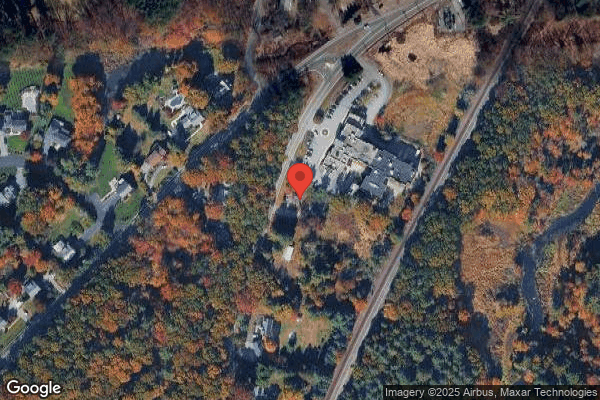
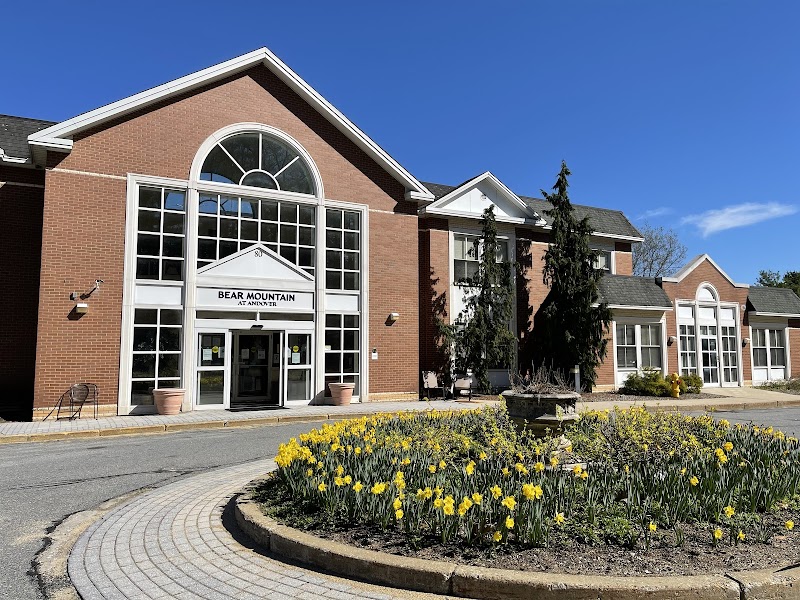
80 ANDOVER STREET, ANDOVER, MA 01810 (978) 470-3434
For profit - Partnership 135 Beds BEAR MOUNTAIN HEALTHCARE Data: November 2025
Trust Grade
78/100
#69 of 338 in MA
Last Inspection: August 2024

Within standard 12-15 month inspection cycle. Federal law requires annual inspections.

Overview

Bear Mountain at Andover has a Trust Grade of B, indicating it is a good choice among nursing homes. It ranks #69 out of 338 facilities in Massachusetts, placing it in the top half, and #7 out of 44 in Essex County, meaning there are only six local options rated higher. Unfortunately, the facility's trend is worsening, with issues increasing from 5 in 2023 to 8 in 2024. Staffing is a strength, with a rating of 4 out of 5 stars and a turnover rate of 29%, which is below the state average of 39%, suggesting staff stability. On the downside, there have been several concerning incidents, such as improper food handling practices that could lead to cross-contamination and a failure to provide a homelike environment, including broken lights and inadequate hot water in resident bathrooms. Additionally, the nursing home has less RN coverage than 89% of facilities in Massachusetts, which could impact the quality of care.

Trust Score
B
78/100
In Massachusetts
#69/338
Top 20%
Safety Record
Low Risk
No red flags
Inspections
Getting Worse
5 → 8 violations
Staff Stability
✓ Good
29% annual turnover. Excellent stability, 19 points below Massachusetts's 48% average. Staff who stay learn residents' needs.
Penalties
✓ Good
No fines on record. Clean compliance history, better than most Massachusetts facilities.
Skilled Nurses
⚠ Watch
Each resident gets only 28 minutes of Registered Nurse (RN) attention daily — below average for Massachusetts. Fewer RN minutes means fewer trained eyes watching for problems.
Violations
⚠ Watch
15 deficiencies on record. Higher than average. Multiple issues found across inspections.
★★★★☆
4.0
Overall Rating
★★★★☆
4.0
Staff Levels
★★★★☆
4.0
Care Quality
★★★★☆
4.0
Inspection Score
Stable
2023: 5 issues
2024: 8 issues

The Good

  • 4-Star Staffing Rating · Above-average nurse staffing levels
  • 4-Star Quality Measures · Strong clinical quality outcomes
  • Low Staff Turnover (29%) · Staff stability means consistent care
  • Full Sprinkler Coverage · Fire safety systems throughout facility
  • No fines on record
  • Staff turnover is low (29%)

    19 points below Massachusetts average of 48%

Facility shows strength in staffing levels, quality measures, staff retention, fire safety.

The Bad

Chain: BEAR MOUNTAIN HEALTHCARE

Part of a multi-facility chain

Ask about local staffing decisions and management

The Ugly 15 deficiencies on record

Aug 2024 8 deficiencies
CONCERN (D)

Potential for Harm - no one hurt, but risky conditions existed

Safe Environment (Tag F0584)

Could have caused harm · This affected 1 resident

**NOTE- TERMS IN BRACKETS HAVE BEEN EDITED TO PROTECT CONFIDENTIALITY** Based on observation and interview, the facility failed to provide a homelike environment in two resident rooms on the second fl...

Read full inspector narrative →
**NOTE- TERMS IN BRACKETS HAVE BEEN EDITED TO PROTECT CONFIDENTIALITY** Based on observation and interview, the facility failed to provide a homelike environment in two resident rooms on the second floor. Specifically, the facility failed to 1. repair a broken overhead light and 2. failed to maintain hot water temperatures in a resident bathroom. Findings include: 1. During a family interview on 8/7/24 at 10:49 A.M., the family member said that the overhead bed light in room [ROOM NUMBER] was not working and that she has notified staff before. During an observation on 8/7/24 at 12:02 P.M., the surveyor attempted to turn on one of the overhead bed lights in room [ROOM NUMBER]. The light did not work. 2. During an interview on 8/6/24 at 8:15 A.M., one Resident said that his/her bathroom water was lukewarm and not getting hot. The Resident said that this has been an issue that the hot water has not been working for some time and he/she has notified staff. During an observation on 8/8/24 at 8:01 A.M., the surveyor obtained a hot water temperature of 68 degrees Fahrenheit from the sink in room [ROOM NUMBER]. During an interview on 8/8/24 at 8:15 A.M., the Maintenance Director was made aware of the broken light and the hot water temperature. The Maintenance Director said that staff are responsible for reporting broken equipment into their online reporting system and that he would input the repairs into the system and look at both issues. The Maintenance Director said he was not aware of the two issues.
CONCERN (D)

Potential for Harm - no one hurt, but risky conditions existed

Assessment Accuracy (Tag F0641)

Could have caused harm · This affected 1 resident

**NOTE- TERMS IN BRACKETS HAVE BEEN EDITED TO PROTECT CONFIDENTIALITY** Based on observation, record review and interview the facility failed to ensure the Minimum Data Set (MDS) assessment was accura...

Read full inspector narrative →
**NOTE- TERMS IN BRACKETS HAVE BEEN EDITED TO PROTECT CONFIDENTIALITY** Based on observation, record review and interview the facility failed to ensure the Minimum Data Set (MDS) assessment was accurately coded to reflect the status of one Resident (#70) out of a total sample of 19 residents. Specifically, two comprehensive MDS assessments failed to code Resident #70 with obvious or likely carious or broken natural teeth. Findings include: Resident #70 was admitted to the facility in November 2023 with diagnoses including chronic obstructive pulmonary disease, transient cerebral ischemic attack (stroke), anxiety and mood disorder. Review of the most recent MDS, dated [DATE], indicated Resident #70 scored a 13 out of 15 on the Brief Interview for Mental Status exam, indicating he/she is cognitively intact. During an observation and interview on 8/6/24 at 8:49 A.M., Resident #70 was observed to have missing lower teeth and some partial teeth. Resident #70 said his/her bottom teeth have been broken and missing since he/she came here. Review of Resident #70's medical record indicated the following: -A nursing assessment dated [DATE] indicated nursing staff assessed Resident #70 as having broken or carious (decayed) teeth. -An oral assessment dated [DATE] indicated nursing staff assessed Resident #70 with the presence of broken/missing teeth. Review of the MDS comprehensive assessments, dated 11/15/23 and 7/3/24, at Section L, oral/dental status, indicated Resident #70 as not having obvious or likely cavity or broken natural teeth. The two MDS assessments conflict with the nursing assessments of Resident #70's oral/dental status. During an interview on 8/7/24 at 4:09 P.M., the MDS nurse said Resident #70 is on a soft diet, is assisted with oral hygiene and does not have pain. The MDS nurse said the MDSs dated 11/11/23 and 7/3/24 do not match the nursing oral assessment for Resident #70 and need to be modified to reflect Resident #70's status.
CONCERN (D)

Potential for Harm - no one hurt, but risky conditions existed

PASARR Coordination (Tag F0644)

Could have caused harm · This affected 1 resident

**NOTE- TERMS IN BRACKETS HAVE BEEN EDITED TO PROTECT CONFIDENTIALITY** Based on record review and interview the facility failed to ensure for one Resident (#15), out of a total sample of 19 residents...

Read full inspector narrative →
**NOTE- TERMS IN BRACKETS HAVE BEEN EDITED TO PROTECT CONFIDENTIALITY** Based on record review and interview the facility failed to ensure for one Resident (#15), out of a total sample of 19 residents, was referred for a Preadmission Screening and Resident Review (PASARR) evaluation (an evaluation to determine if a resident needs specialized services to address his/her Serious Mental Illness (SMI) once it was identified the Resident had a new diagnosis of schizoaffective disorder. Findings include: Review of the MassHealth Nursing Facility Bulletin 186, dated June 2024 indicated the following: Definition: Level I Screening- A preliminary screening of all nursing facility applicants, regardless of payer source, conducted prior to their admission to a nursing facility, as required by federal PASARR regulations at 42 CFR 483.100 et seq. using the Level 1 Screening Form. A level 1 Screening identifies whether an applicant has, or is suspected of having, ID (intellectual Disability), DD (Developmental Disability), and/or SMI (Serious Mental Illness). C. Postadmission Level II Evaluations for Individuals with SMI. 1. A nursing facility must ensure an individual who has or is suspected of having an SMI is referred to DMH (Department of Mental Health) PASARR, accordance with Section 3. A for a post-admission Level II Evaluation (I.e. Resident Review) in the following instances: b. When an individual who resides in a nursing facility has experienced a significant change or the individual is newly identified as having a condition that may impact the individuals PASARR disability status, the appropriateness of the individual's nursing facility placement, or the individual's need for specialized services and/or Behavioral Health Services. Resident #15 was admitted to the facility in February 2020 with diagnoses that include, but are not limited to, chronic obstructive pulmonary disease, chronic pain syndrome and anxiety disorder. Review of the Minimum Data Set (MDS) assessment dated [DATE] indicated Resident #15 scored a 9 out of 15 on the Brief Interview for Mental Status exam, indicating he/she had moderately intact cognition. Review of Resident #15's medical record indicated the following: -A Physician's order note dated 4/5/2022, NP (Nurse Practitioner) in today-new order to add dx (diagnosis) Schizoaffective disorder. Medical diagnosis list updated. The diagnosis of Schizoaffective disorder was added after Resident #15 was admitted to the facility. -A Social Services Note, dated 4/5/2022, note text: SW (social worker) offered supportive check-in to resident today. He/She presented with baseline paranoia but was redirectable with supportive discussion. He/she expressed concern that he/she may experience auditory hallucinations recently and confirmed plan to follow-up with Psych NP (Nurse Practitioner). SW will continue to follow. Review of documents provided by the facility Social Worker indicated a Level 1 PASRR dated 2/10/20 was incomplete. A second Level PASRR dated 12/3/20 indicated the Serious Mental Illness Screening indicated Resident #15 had a negative SMI screen. Review of the MDS dated [DATE] at Section I documented Resident #15 with psychotic disorder, other than schizophrenia. Review of the MDS dated [DATE] at Section I documented Resident #15 with Schizophrenia (e.g. schizoaffective, schizophreniform) Review of the clinical record failed to indicate a referral for a PASRR was completed with the onset of the diagnosis of Schizoaffective disorder. During an interview on 8/07/24 at 10:10 A.M. Social Worker (SW) #1 said a PASRR referral is triggered if a resident presents after admission with a change due to mental illness, has a new diagnosis that may impact them and create limitations. During a subsequent interview on 8/07/24 at 11:20 A.M., SW #1 said the PASRR dated 12/3/20 was negative for SMI. SW #1 said that Resident #15 is seen by the facility's psychological services provider for the diagnosis of schizoaffective disorder and symptoms of paranoia and delusions. SW #1 said they (she and SW #2) are working on a submitting a PASRR for Resident #15
CONCERN (D)

Potential for Harm - no one hurt, but risky conditions existed

Pressure Ulcer Prevention (Tag F0686)

Could have caused harm · This affected 1 resident

**NOTE- TERMS IN BRACKETS HAVE BEEN EDITED TO PROTECT CONFIDENTIALITY** Based on observation, record review and interview the facility failed to ensure for one Resident (#39), out of a total sample of...

Read full inspector narrative →
**NOTE- TERMS IN BRACKETS HAVE BEEN EDITED TO PROTECT CONFIDENTIALITY** Based on observation, record review and interview the facility failed to ensure for one Resident (#39), out of a total sample of 19 residents, that newly identified skin injuries, including an open skin area, was reported to the physician or the nurse practitioner, that the open area was measured, and that a treatment order was obtained to treat the open area. Findings include: Review of facility's policy titled: Wound Documentation effective 3/11/13 indicated Goal: To ensure appropriate wound documentation is recorded in the patient/resident medical record. Policy: 1. The facility will document notification of the physician, patient/resident and /or responsible party at the onset of a new wound or the deterioration of an existing wound. Procedure: 2. At the onset of a new wound, the nurse will initiate a weekly flow sheet (pressure or non-pressure) for each new wound. Policy titled Wound NTASureiment (sic) dated 3/11/13 indicate the patient/resident plan of care will be developed at the onset of each wound and will be revised as necessary. Policy: the facility will obtain measurements at the onset of a new wound. Resident #39 was admitted to the facility in February 2022 and has diagnoses that include, but are not limited to, venous insufficiency, adult failure to thrive, dementia, and moderate protein calorie malnutrition. Review of the most recent Minimum Data Set (MDS) assessment dated [DATE] indicated a score of 14 out of 15 on the Brief Interview for Mental Status exam indicating Resident #39 as cognitively intact and requires dependence on staff for bathing, toileting and dressing. Further review of the MDS indicated Resident #39 was at risk for developing pressure ulcers. Review of Resident #39's medical record indicated the following: -A care plan dated as initiated 2/10/2022, Resident has potential for skin breakdown r/t (related to) impaired mobility, has low weight, incontinence, has contractures to LE (lower extremities). Interventions included *Monitor/document location, size and treatment of skin injury. Report abnormalities, failure to heal, s/sx (signs and symptoms) of infection, maceration, etc. to MD (medical doctor) -A Norton Scale for Predicting Pressure Ulcer Risk dated 3/20/24 and 6/12/24 with scores of 10, which indicates a high risk for developing pressure ulcer. -A physician's order, weekly skin assessment due Friday on 7-3 shift, dated 2/10/24. Review of the weekly skin check dated 7/12/24 indicated Resident #39 had a right trochanter (hip) open area and the left trochanter (hip) redness. The document had the following questions: 3. If new areas noted what interventions were implemented? 4. Was the wound team notified? Both questions were left blank. Review of the nursing progress notes failed to indicate the areas on Resident #39's right and left hip were reported to the physician, were measured, or that a treatment was implemented. During an interview on 8/8/24 at 8:34 A.M. and 9:39 A.M., Unit Manager (UM) #1 said if a resident is identified with any skin injuries including pressure injury, the nurse notifies the physician and gets orders for a treatment. UM #1 said they also will consult with the wound doctor and investigate the cause of the skin injury. UM #1 said he would also be notified on an open area. During an interview on 8/8/24 at approximately 9:50 A.M., the Assistant Director of Nursing (ADON) said when a nurse identifies a new skin injury or pressure area the nurse calls the doctor to get a treatment order, fills out an incident report packet, and she gets notified. The ADON said this was not done in the case of Resident #39. Review of the medical record failed to indicate the MD/NP was notified of Resident #39's right trochanter (hip) open area and the left trochanter (hip) redness when it was identified on 7/12/24.
CONCERN (D)

Potential for Harm - no one hurt, but risky conditions existed

Deficiency F0688 (Tag F0688)

Could have caused harm · This affected 1 resident

**NOTE- TERMS IN BRACKETS HAVE BEEN EDITED TO PROTECT CONFIDENTIALITY** Based on observation, record review and interview the facility failed to implement the use of a hand splint in accordance with t...

Read full inspector narrative →
**NOTE- TERMS IN BRACKETS HAVE BEEN EDITED TO PROTECT CONFIDENTIALITY** Based on observation, record review and interview the facility failed to implement the use of a hand splint in accordance with the rehabilitation plan of care for one Resident (#70), out of a total sample of 19 residents. Findings include: Review of the facility's policy with the subject Splints/Orthotics, dated February 2022, indicated Therapy will issue appropriate positioning splints/orthotic determined by patient needs. Purpose Splints or orthotic devices are those which are given to maintain range of motion, enable proper joint alignment, promote good skin integrity and hygiene, enhance functional ability and prevent further deformity. These include but are not limited to: splint, palm protectors, elbow and knee braces, ankle/foot orthotics etc. Procedure: 1: Order for OT (occupational therapy) or PT (physical therapy) evaluation and treatment will be obtained, and evaluation completed to determine the proper positioning device. 2: Splints or orthotics will be issued by an OT/PT or MD (medical doctor) and PT/OT will complete assessment and treatment to ensure proper plan of care is established. 3: Nursing staff will be in-serviced on proper application, wearing schedule, care and precautions related to the device being issued. The charge nurse will provide additional in-service to staff as needed. 4: The charge nurse will put the splint schedule on the CNA (certified nursing assistant) cardex and flow sheet. 5: The splint schedule will be put on the nursing cardex and monitored each day by nursing. 6: the splint schedule will be included on the resident plan of care. 7: If there is a problem with a device, the charge nurse or rehab department should notify of the specific problem. A screen form will be initiated by nursing and sent to the rehab department for follow up. Resident #70 was admitted to the facility in November 2023. Resident #70 has diagnoses that include, but are not limited to chronic obstructive pulmonary disease, transient cerebral ischemic attack, mood disorder, traumatic subarachnoid hemorrhage without loss of consciousness and hemiplegia unspecified affecting left nondominant side. Review of the most recent Minimum Data Set assessment dated [DATE] indicated Resident #70 scored a 13 out of 15 on the Brief Interview for Mental Status exam, indicating he/she is cognitively intact. Further, the MDS indicated Resident #70 was dependent on staff for toileting, bathing and dressing. During an observation and interview on 8/6/24 at 8:49 A.M., Resident #70 was observed with his/her left arm and hand resting on a pillow. Resident #70 said he/she has a left-hand splint with Velcro and that some staff get frustrated putting on the left-hand splint. During an interview and observation on 8/6/24 at 4:44 P.M., Resident #70 was observed resting in bed. Resident #70's left arm/hand was resting on a pillow/wedge. A hand splint was on his/her bedside table. A sign above Resident #70's bed indicated hand splint on at evening and off in A.M. Review of Resident #70's medical record indicated the following: *No physician's order for the donning or doffing or schedule for the use of a left-hand splint. *The Treatment Administration Record (TAR) and Medication Administration Record (MAR) dated for 6/2024, 7/2024 and 8/2024 did not indicate the use of a left-hand splint, including a donning and doffing schedule. *The [NAME] (a document which details a summary of a resident's care needs) failed to indicate the use of a left-hand splint, or a schedule for the use of the splint. *The Care Plans dated prior to 8/8/24 did not indicate the use of a left-hand splint. During an interview on 8/7/24 at 8:50 A.M., the Assistant Director of Rehabilitation (ADOR) said Resident #70 uses a left-hand splint at night and is currently being trialed for left-hand splint use during the day and remains on skilled occupational therapy services. During further interview on 8/7/24 at 8:56 A.M., the ADOR said Resident #70 had a change of status in May and that Resident #70's left side including his/her upper extremity was impaired. The ADOR reviewed Resident #70's medical record and said there was no physician's order for the left-hand splint. The ADOR said an order is typically entered for the use of a device and that she was not sure if nursing staff document the donning or doffing of the left-hand splint. Review of the document the ADOR provided, titled Care Plan Updates, dated 6/26/24 and signed by the therapist and nurse, indicated the following: -A splint will be applied to L (left) Hand at bedtime and remove during A.M. care. Sleeping Splint. The education provided indicated: *please place isotoner glove on left hand at noc (night), followed by L hand splint. Remove both with A.M. care. The document was signed by five CNA (certified nursing assistant) staff. Review of the Occupational Therapy OT Recert Progress Report and Updated Therapy Plan, with a certification period of 7/23/24-8/23/24 indicated Goal #6.0-continue Pt/caregiver will demonstrate 100% competency of proper donning/doffing splint, splinting PM schedule, and skin checks in order to maintain joint/skin integrity to improve QoL (Quality of Life) During an interview on 8/7/24 at 3:20 P.M., CNA #1 said Resident #70 wears a leg and hand splint at night and that he was educated on how to put it on and that he only works to 7:00 P.M. CNA #1 said when he comes back to work the next morning the hand splint is sometimes off. CNA #1 said he did not know where the use of the splint is documented. During an interview on 8/7/24 at 3:24 P.M., Nurse #1 said Resident #70 has worked with OT and PT and has made some gains after he/she suffered a stroke. Nurse #1 said devices used are put in as physician orders, the CNAs put on the device and the nursing staff document the use on the TAR. Nurse #1 said there was no order that she could see for the use of a left-hand splint for night use. During an interview on 8/7/24 at 3:33 P.M., Unit Manager #1 said Resident #70 was to use a left-hand splint at night and that it never got on the orders and therefore there was no documentation to ensure it was being completed. During an interview on 8/7/24 3:49 P.M. Occupational therapist #2 said that she began treating Resident #70 a few weeks ago when the other treating OT left. OT #2 said she has treated the Resident three for four times. OT #2 said she is trialing the use of a day splint, that there were occasions that the Resident removed the splint him/herself. OT#2 said she did not discontinue the night splint during the trials because he/she did not want the Resident to have nothing and would benefit from using the splint. OT #2 said CNA staff can don and doff the splint once there is an order and education is provided. OT #2 said the Resident said that staff do not always put on the splint.
CONCERN (D)

Potential for Harm - no one hurt, but risky conditions existed

Incontinence Care (Tag F0690)

Could have caused harm · This affected 1 resident

**NOTE- TERMS IN BRACKETS HAVE BEEN EDITED TO PROTECT CONFIDENTIALITY** Based on observation, record review, and interview, the facility failed to ensure the catheter bag for one Resident (#14) was of...

Read full inspector narrative →
**NOTE- TERMS IN BRACKETS HAVE BEEN EDITED TO PROTECT CONFIDENTIALITY** Based on observation, record review, and interview, the facility failed to ensure the catheter bag for one Resident (#14) was off the floor to prevent potential contamination, out of a total sample of 19 residents. Findings include: Review of the facility's policy titled Foley Catheter Care, Date May 1, 2022, reviewed 2023 indicated the following: - A foley catheter is a closed urinary drainage system consisting of a Foley catheter with a balloon at the distal end to secure it in place inside of the bladder. - The Foley catheter is attached to a collection bag making it a closed system. The system should not be broken unless there is a specific reason such as changing the collection bag. - The following policy provides guidance related to MD orders necessary for the care and maintenance of a Foley Catheter. The MD may write additional orders if there is a specific resident need. Policy: It is the policy of this facility to maintain MD orders for the care and maintenance of a foley catheter. The MD orders will include: 1. When the foley is to be inserted. 2. The size of the foley lumen. 3. The size of the foley balloon. 4. Catheter care once each shift including: Checking the foley for patency * Checking the foley position * Checking the condition of the urine noting presence of sediment and urine color. * Perineal care * Wash perineum with warm soapy water, rinse well and dry well. 5. MD order will indicate if the foley may be irrigated with 50cc of normal saline if there are signs of blockage. * This would include be increase in sediment and decrease in urine being collected. 6. MD order will indicate if the foley may be changed if a clog is not relieved with irrigation. 7. MD order will indicate when to change the collection bag. * Note: there is no specific timeframe for changing the collection bag. It should be changed when it has become soiled inside with sediment or outside from another source. 8. Foley collection bags should be emptied once each shift. The amount emptied should be recorded in the resident's clinical record. Resident #14 was admitted to the facility in November 2020 with diagnoses that include but are not limited to hemiplegia and hemiparesis following a cerebral infarction affecting left non-dominant side, benign prostatic hyperplasia with lower urinary tract symptoms. Review of the Minimum Data Set assessment dated [DATE] indicated Resident #14 scored a 15 out of 15 on the Brief Interview for Mental Status which indicates he/she is cognitively intact, require substantial/maximal assistance from staff for dressing, is dependent for toileting and did have behaviors. Further the MDS indicated Resident #14 has an indwelling catheter for urinary output. During the survey the following observations were made by the surveyor. On 8/06/24 at 9:04 A.M. Resident #14's was in his/her bed. The urinary drainage bag was on the floor on his/her right side of the bed. The drainage bag was opaque, not covered, and was bulged. Resident #14 said staff empty around it 5 in the morning and that he/she did not place it on the floor and could not physically place it on the floor. On 8/6/24 at 9:56 A.M., Resident #14 was in his/her bed and the urinary drainage bag was on the floor. On 8/7/24 at 8:19 A.M., Resident #14 was in bed. The bottom of the urinary drainage bag was resting on the floor. On 8/08/24 at 6:51 A.M., Resident #14 was in bed. The urinary drainage bag was on the floor on the right side of his/her bed. At this time Certified Nursing Assistant (CNA) #2 came in the room and observed the urinary drainage bag on the floor and said the bag should not be on the floor and should be hung higher on the side of the bed. CNA #2 said the bag may have moved when the bed was moved. During an interview on 8/08/24 at 8:47 A.M., Unit Manager (UM) #1 said the urinary collection bag should not be on the floor, that the Resident does use the bed control and moves his/her bed and that could be why the urinary collection bag was on the floor. UM #1 staff should monitor the position of the urinary collection bag.
CONCERN (D)

Potential for Harm - no one hurt, but risky conditions existed

Deficiency F0804 (Tag F0804)

Could have caused harm · This affected 1 resident

A test tray was completed on 8/7/24 at 1:00 P.M., of the 1st floor unit the following temperatures were recorded: -Ham was 115 degrees Fahrenheit and tasted lukewarm and watery. -Sweet potato was 130 ...

Read full inspector narrative →
A test tray was completed on 8/7/24 at 1:00 P.M., of the 1st floor unit the following temperatures were recorded: -Ham was 115 degrees Fahrenheit and tasted lukewarm and watery. -Sweet potato was 130 degrees Fahrenheit and tasted watery. -Zucchini was 127 degrees Fahrenheit and tasted bland and watery. -Yogurt was 53 degrees Fahrenheit. -Chocolate cake was 74 degree Fahrenheit. During an interview on 8/7/24 at 4:37 P.M., the findings of the test trays was shared with the Food Service Director. Based on observation and interview, the facility failed to serve food that is palatable and at a safe and appetizing temperature. Findings include: Review of the facility's policy titled, Palatability dated effective 6/29/20 indicated Purpose: -Ensure food has an appetizing aroma and appearance. -Food is served at a preferable temperature (hot foods served hot and cold foods served cold). During the resident group meeting on 8/7/24 at 10:02 A.M., 4 out of 6 participating residents said that the food served is always cold and bland. During a test tray conducted on 8/7/24 at 12:12 P.M., the following was observed: - The milk temperature was 50 degrees Fahrenheit. - The sweet potato was 100 degrees Fahrenheit and tasted lukewarm, and was sitting in water on the plate. - The ham was 90 degrees Fahrenheit, tasted lukewarm, and was sitting in water. - The zucchini squash was 100 degrees Fahrenheit and was very soft, not strained, and in liquid.
CONCERN (E)

Potential for Harm - no one hurt, but risky conditions existed

Food Safety (Tag F0812)

Could have caused harm · This affected multiple residents

Based on observation, record review and interview the facility failed to ensure proper food handling practices to prevent cross contamination during the meal distribution service in the kitchen. Find...

Read full inspector narrative →
Based on observation, record review and interview the facility failed to ensure proper food handling practices to prevent cross contamination during the meal distribution service in the kitchen. Findings include: Review of the facility's policy titled Handwashing-Glove, manual Dietary Services, dated 9/14/20 indicated the following: Purpose Guidelines for hand washing and glove use to promote safe and sanitary conditions throughout the department. Hand washing procedure- 1. Hand washing is a priority for infection control. 2. Hands must be washed prior to beginning work, after using the restroom, after smoking, when working with different food substances. raw chicken to fresh fruit, following contact with any unsanitary surface i.e. touching hair sneezing opening door etc. Gloves 1 Gloves will be worn/changed when: a) handling raw meats poultry, and fish/seafood. b) handling ready-to-eat foods. C) transitioning from one task to another including raw to ready-to eat food prep, leaving the work area and returning, using rest room and returning, potentially touching a contaminated surface and returning to work duties. 2) When gloves are used, hand washing must occur per above procedures prior to putting on gloves and whenever gloves are changed. Gloves must be changed as often as hands need to be washed, see above. Gloves may be used for one task only. During the lunch meal distribution in the kitchen on 8/7/24 at 11:41 A.M., the following was observed: After recording the temperature of the food [NAME] #1 removed her gloves from both hands and, without hand hygiene, placed new gloves on both hands and proceeded to gather utensils for the food. [NAME] #1 touched the top of the cover to the pan on the back stove, potentially contaminating the gloves, then using her gloved hands, directly removed green salad mix and placed it on a plate. -At 12:00 P.M., [NAME] #1 used her gloved hands to pick up salad greens and placed them directly on the plate. -At 12:08 P.M., [NAME] #1 used her gloved hands to pick up salad greens and place directly on the plate. [NAME] #1 then touched the pan cover on the back oven with her gloved hands. -At 12:17 P.M. [NAME] #1 placed her gloved hand inside a bag of rolls and removed a roll and placed it on a plate. -At 12:19 P.M., [NAME] #1 used her gloved hands to place salad greens on a plate then used the same gloved hand to reach into a bag of rolls and removed a roll and placed it directly on the plate. During an interview on 8/7/24 at 2:13 P.M., the surveyor told the Food Service Director (FSD) the observation that were made during the meal distribution. The FSD said hand washing should occur before putting on gloves and food should not be touched directly to prevent cross contamination.
Jun 2023 5 deficiencies
CONCERN (D)

Potential for Harm - no one hurt, but risky conditions existed

Deficiency F0552 (Tag F0552)

Could have caused harm · This affected 1 resident

**NOTE- TERMS IN BRACKETS HAVE BEEN EDITED TO PROTECT CONFIDENTIALITY** Based on record review and interview the facility failed to obtain consent for the use of a psychotropic medication for 1 Reside...

Read full inspector narrative →
**NOTE- TERMS IN BRACKETS HAVE BEEN EDITED TO PROTECT CONFIDENTIALITY** Based on record review and interview the facility failed to obtain consent for the use of a psychotropic medication for 1 Resident (#66) out of a total sample of 18 residents. Findings Include: Resident #66 was admitted to the facility in April 2023 with diagnoses including dementia, acute embolism and adult failure to thrive. Review of Resident #66's most recent Minimum Data Set (MDS), dated [DATE], indicated he/she was assessed by staff to have severe cognitive impairment. Review of Resident #66's June 2023 Physician Orders, indicated the following: - Lorazepam (a medication used to treat anxiety) 2 mg/ml, Give 0.25 milliliters (ml) by mouth at bedtime for anxiety. Review of Resident #66's June 2023 Medication Administration Record (MAR) indicated he/she received Lorazepam 0.25 ml daily at bedtime from 6/8/23 to 6/20/23. Review of Resident #66's medical record failed to indicate a consent was obtained for his/her Lorazepam. During an interview on 6/21/23 at 7:46 A.M., Unit Manager # 1 said that when a resident has an order for Lorazepam, consent is needed.
CONCERN (D)

Potential for Harm - no one hurt, but risky conditions existed

Comprehensive Care Plan (Tag F0656)

Could have caused harm · This affected 1 resident

**NOTE- TERMS IN BRACKETS HAVE BEEN EDITED TO PROTECT CONFIDENTIALITY** Based on record review, interview and observation, the facility failed to implement 1 Resident's (#60) oxygen plan of care out o...

Read full inspector narrative →
**NOTE- TERMS IN BRACKETS HAVE BEEN EDITED TO PROTECT CONFIDENTIALITY** Based on record review, interview and observation, the facility failed to implement 1 Resident's (#60) oxygen plan of care out of a total of 18 sampled residents. Findings Include: Resident #60 was admitted to the facility in May 2023 with diagnoses including dysphagia, polymyalgia rheumatica and spinal stenosis. Review of the facility policy titled Oxygen Administration, dated 12/22, indicated All tubing will be changed at least weekly, more often if soiling with secretions occurs. Review of Resident #60's most recent Minimum Data Set (MDS), dated [DATE], indicated he/she scored a 15 out of a possible score of 15 on the Brief Interview for Mental Status (BIMS) which indicated he/she was cognitively intact. During an observation on 6/20/23 at 8:50 A.M., the surveyor observed Resident #60 in bed with oxygen running via nasal cannula, the oxygen tubing was not dated. During an observation on 6/20/23 at 12:22 P.M., the surveyor observed Resident #60 in bed with oxygen running via nasal cannula, the oxygen tubing was not dated. During an observation on 6/21/23 from 7:38 A.M. to 7:42 A.M., the surveyor observed Resident #60 in bed with oxygen running via nasal cannula, the oxygen tubing was not dated. Review of Resident #60's oxygen therapy care plan, dated 5/5/23, indicated Please change nasal cannula tubing, nasal cannula, (face mask) weekly and as needed. Review of Resident #60's June 2023 Physician Orders, indicated Change Oxygen tubing weekly on Fridays, 11a-7p (11:00 A.M. to 7:00 P.M.) shift and PRN (as needed). The orders further indicated Oxygen at 2 LPM (liters per minute) via NC (nasal cannula) continuously for SOB (shortness of breath). During an interview and observation on 6/21/23 at 8:08 A.M., Nurse #1 said that Resident #60's oxygen tubing was not labeled and said it should be changed weekly. During an interview on 6/21/23 at 8:15 A.M. Unit Manager #1 said the expectation is for nursing to change the oxygen tubing weekly and to date the oxygen tubing.
CONCERN (D)

Potential for Harm - no one hurt, but risky conditions existed

ADL Care (Tag F0677)

Could have caused harm · This affected 1 resident

**NOTE- TERMS IN BRACKETS HAVE BEEN EDITED TO PROTECT CONFIDENTIALITY** Based on policy review, observation and interview the facility failed to provide assistance with Activities of Daily Living (ADL...

Read full inspector narrative →
**NOTE- TERMS IN BRACKETS HAVE BEEN EDITED TO PROTECT CONFIDENTIALITY** Based on policy review, observation and interview the facility failed to provide assistance with Activities of Daily Living (ADLs) for 2 Residents (#7, and #66) out of a total sample of 18 residents. Findings Include: Review of the facility policy titled, Activities of Daily Living (ADL), dated 12/2022, indicated A resident who is unable to carry out activities of daily living will receive the necessary services to maintain good nutrition, grooming, and personal and oral hygiene. The facility will provide care and services for the following activities of daily living: d. Dining- eating, including meals and snacks 1. Resident #7 was admitted to the facility in May 2023 with diagnoses including end stage renal disease, severe protein-calorie malnutrition, and renal dialysis. Review of Resident #7's most recent Minimum Data Set (MDS), dated [DATE], indicated he/she scored a 14 out a possible 15 on the Brief Interview for Mental Status, which indicated he/she was cognitively intact. The MDS further indicated he/she required limited assistance on one staff person for eating. During an observation on 6/20/23 from 8:19 A.M. to 8:23 A.M., Resident #7 was in bed with their breakfast tray, uncovered and untouched, falling asleep at times. No staff were present in the room. During an observation on 6/20/23 from 12:12 P.M. to 12:17 P.M., Resident #7 was in bed with their lunch tray uncovered and untouched, not initiating eating. No staff were present in the room. During an observation on 6/21/23 from 8:15 A.M. to 8:22 P.M., Resident #7 was in bed, falling asleep, with their breakfast tray in front of him/her, uncovered and untouched. No staff were present in the room. Review of Resident #7's Activity of Daily Living (ADL) care plan, dated 6/9/23, indicated EATING: he/she requires direct supervision in a group setting during meals provide set up assist. Review of Resident #7's Certified Nurse Aide (CNA) [NAME], dated 6/20/23, indicated EATING: he/she requires direct supervision in a group setting during meals provide set up assist. During an interview on 6/21/23 at 8:16 A.M., Unit Manager #1 said that Resident #7 does need to be in a supervised setting during meal time. Unit Manager #1 said that staff usually sit with him/her as the Resident likes to eat in bed. 2. Resident #66 was admitted to the facility in April 2023 with diagnoses including dementia, acute embolism and adult failure to thrive. Review of Resident #66's most recent Minimum Data Set (MDS), dated [DATE], indicated he/she was assessed by staff to have severe cognitive impairment. The MDS further indicated he/she required an extensive assist of one staff person for eating. During an observation on 6/20/23 from 8:12 A.M. to 8:14 A.M., the surveyor observed Resident #66 not touching their breakfast, playing with it at times dropping eggs, no staff were present. During an observation on 6/20/23 from 12:10 P.M. to 12:17 P.M., the surveyor observed Resident #66 in the dining room he/she was struggling to bring food to his/her mouth, no staff were present. During an observation on 6/21/23 from 8:05 A.M. to 8:10 A.M., the surveyor observed Resident #66 in bed with his/her breakfast tray falling asleep at times, no staff were present in the room. Review of Resident #66's Activity of Daily Living (ADL), dated 5/4/23, indicated Eating: assist/totally dependent with meals. Review of Resident #66's Certified Nurse Aide (CNA) [NAME], dated 6/20/23, indicated Eating: assist/totally dependent with meals. During an interview on 6/21/23 at 8:16 A.M., Unit Manager #1 said she reviewed Resident #66's care plan and it does indicate that he/she needs assistance with meals. The Unit Manager said that the CNA's are to look at the CNA [NAME] to see what each resident requires for assistance.
CONCERN (D)

Potential for Harm - no one hurt, but risky conditions existed

Pressure Ulcer Prevention (Tag F0686)

Could have caused harm · This affected 1 resident

**NOTE- TERMS IN BRACKETS HAVE BEEN EDITED TO PROTECT CONFIDENTIALITY** Based on observation, record review and interview the facility failed to ensure 1.) an air mattress was on the correct setting f...

Read full inspector narrative →
**NOTE- TERMS IN BRACKETS HAVE BEEN EDITED TO PROTECT CONFIDENTIALITY** Based on observation, record review and interview the facility failed to ensure 1.) an air mattress was on the correct setting for 1 Resident (#60) who had actual skin breakdown 2.) heels were offloaded as ordered for 1 Resident (#273) who had actual skin breakdown to the right heel out of a total sample of 18 Residents. Findings Include: 1. Resident #60 was admitted to the facility in May 2023 with diagnoses including dysphagia, polymyalgia rheumatica and spinal stenosis. Review of the facility policy titled, Specialty Mattress Procedure, not dated, indicated The residents' weight will be obtained as necessary for settings. Review of Resident #60's most recent Minimum Data Set (MDS), dated [DATE], indicated he/she scored a 15 out of a possible score of 15 on the Brief Interview for Mental Status (BIMS) which indicated he/she was cognitively intact. During an observation on 6/20/23 at 8:50 A.M., the surveyor observed Resident #60 lying in bed on an air mattress, the air mattress pump was set to 250 pounds (lbs). The air mattress pump had a label to set the air mattress to 150 lbs. During an observation on 6/20/23 at 12:22 P.M., the surveyor observed Resident #60 lying in bed on an air mattress, the air mattress pump was set to 250 pounds (lbs). The air mattress pump had a label to set the air mattress to 150 lbs. During an observation on 6/21/23 from 7:42 A.M. to 8:08 A.M., the surveyor observed Resident #60 lying in bed on an air mattress, the air mattress pump was set to 250 pounds (lbs). The air mattress pump had a label to set the air mattress to 150 lbs. Review of Resident #60's Physician Orders, indicated Air mattress to bed set at 150 lbs, every shift for prevention. Review of Resident #60's skin care plan, dated 6/4/23, indicated pressure-relieving/reducing device mattress in bed. Review of Resident #60's weight dated 6/5/2023 indicated his/her weight was 132.5 lbs. Review of Resident #60's skin assessment, dated 6/21/23, indicated he/she had a stage 2 on his/her sacrum. During an interview and observation on 6/21/23 at 8:08 A.M., Nurse #1 said Resident #60's doctors order says to set his/her air mattress to 150 lbs. Nurse #1 said that the air mattress is currently set to 250 lbs which would cause more pressure to the Resident as he/she has a pressure wound. During an interview on 6/21/23 at 8:15 A.M. Unit Manager #1 said Resident #60's air mattress should be set by the doctor's order which reflects the weight of the resident to prevent skin breakdown. 2. Resident #273 was admitted to the facility in June 2023 with diagnoses including chronic kidney disease, heart failure, dysphagia and acute respiratory failure with hypoxia. Review of Resident #273's most recent Minimum Data Set (MDS), dated [DATE], indicated he/she scored 11 out of possible score of 15 on the Brief Interview for Mental Status. Further review of the MDS indicated he/she required an extensive assist of two staff members for bed mobility and indicated he/she does not reject care. During an observation on 6/20/23 from 7:35 A.M. to 8:22 A.M., the surveyor observed Resident #273 lying in bed with his/her heals on the mattress. The surveyor also observed his/her Prevalon boots on the chair. During an observation on 6/21/23 from 7:37 A.M. to 8:09 A.M., the surveyor observed Resident #273 lying in bed with his/her heals on the mattress. The surveyor also observed his/her Prevalon boots on the chair. During an observation and interview on 6/21/23 at 8:15 A.M., Unit Manager #1 said that Resident #273 should have his/her heels off loaded as ordered and said his/her boots should be on as he/she has wounds on his/her heel. The Unit Manager said the nurses as to check on these things every time they go into the room. During an interview on 6/21/23 at 8:17 A.M., Resident #273 said that staff do not offer to off load his/her heels and said that his/her heels do hurt at times. Review of Resident #273's Physician Orders, indicated Prevalon boots at all times except walking with rehab and bathing, every shift for prevention. Not with rehab/walking/or bathing. The orders further indicated an order for Elevate feet on pillows when in bed to prevent pressure to heels, every shift. Review of Resident #273's wound doctor's note, dated 6/15/23, indicated Wound: Unstageable necrosis pressure ulcer (full thickness wound) of the right plantar heel.
CONCERN (D)

Potential for Harm - no one hurt, but risky conditions existed

Tube Feeding (Tag F0693)

Could have caused harm · This affected 1 resident

**NOTE- TERMS IN BRACKETS HAVE BEEN EDITED TO PROTECT CONFIDENTIALITY** Based on observation, record review and interview the facility failed to ensure staff provided appropriate care and services for...

Read full inspector narrative →
**NOTE- TERMS IN BRACKETS HAVE BEEN EDITED TO PROTECT CONFIDENTIALITY** Based on observation, record review and interview the facility failed to ensure staff provided appropriate care and services for one Resident (#60) with a Gastrostomy tube (G-tube: a tube that is placed directly into the stomach through an abdominal incision for administration of nutrition, fluids, and medication), out of 18 sampled Residents. Specifically, the facility failed to date and label the G-tube solution bottle and water flush bag. Findings included: Resident #60 was admitted to the facility in May 2023 with diagnoses including dysphagia, polymyalgia rheumatica and spinal stenosis. Review of Resident #60's most recent Minimum Data Set (MDS), dated [DATE], indicated he/she scored a 15 out of a possible score of 15 on the Brief Interview for Mental Status (BIMS) which indicated he/she was cognitively intact. During an observation on 6/20/23 at 7:48 A.M., the surveyor observed Resident #60's G-tube solution bottle infusing that was not dated or labeled with any resident information and the water flush bag was not dated or labeled. During an observation on 6/20/23 at 12:22 P.M., the surveyor observed Resident #60's G-tube solution bottle infusing that was not dated or labeled with any resident information and the water flush bag was not dated or labeled. During an observation on 6/21/23 at 7:43 A.M., the surveyor observed Resident #60's G-tube solution bottle infusing and the water flush bag was not dated or labeled. Review of Resident #60's Physician Orders, indicated Enteral Feed Order every shift, Infuse Jevity 1.2 @ 75 cc/hr (hour) continuously via PEG-tube. Free water flush via PEG-tube, auto flush to deliver 70 ML (milliliter) every 4 hours. During an interview and observation on 6/21/23 at 8:08 A.M., Nurse #1 said that the water flush bag should be labeled with a date and said it was not. During an interview 6/21/23 at 8:15 A.M., Unit Manager #1 said that nursing is to date and label the G-tube solution bottle and water flush bag every time it is changed which should be daily. During an interview 6/21/23 at 12:03 P.M., the Director of Nurses (DON) said that nursing is to change the G-tube solution bottle and water flush bag daily. The DON said when staff change the bottle and water bag they are to be dated and labeled.
May 2022 2 deficiencies
CONCERN (D)

Potential for Harm - no one hurt, but risky conditions existed

ADL Care (Tag F0677)

Could have caused harm · This affected 1 resident

**NOTE- TERMS IN BRACKETS HAVE BEEN EDITED TO PROTECT CONFIDENTIALITY** Based on observations, record reviews, and interviews, the facility failed to ensure necessary services to carry out Activities ...

Read full inspector narrative →
**NOTE- TERMS IN BRACKETS HAVE BEEN EDITED TO PROTECT CONFIDENTIALITY** Based on observations, record reviews, and interviews, the facility failed to ensure necessary services to carry out Activities of Daily Living (ADL), relative to assistance with grooming, was provided for two Residents (#1 and #25) out of a total sample of 20 residents. Findings include: Review of the facility policy titled Activities of Daily Living and dated 12/22/21, indicated that a resident who is unable to carry out activities of daily living will receive the necessary services to maintain good grooming. 1. Resident #1 was admitted to the facility in August 2020 with diagnoses including stroke affecting right dominant side, lupus and depression. Review of the care plan dated as revised 1/31/22, indicated that Resident #1 was dependent on staff for grooming. Review of the Minimum Data Set (MDS) dated [DATE], indicated that Resident #1 is dependent on staff for grooming. On 5/25/22, at 9:13 A.M., the surveyor observed Resident #1 to have a black substance beneath his/her finger nails. During an interview on 5/25/22, at 9:13 A.M., Hospice CNA #1 said she had completed A.M. care. On 5/26/22, at 8:39 A.M., the surveyor observed Resident #1 to have a black substance beneath his/her finger nails. On 5/26/22, at 11:30 A.M., the surveyor observed Resident #1 to have a black substance beneath his/her finger nails. 2, Resident #25 was admitted to the facility in October 2021, with diagnoses including malignant brain tumor, lung cancer and diabetes. Review of the care plan indicated that Resident #25 is dependent on staff for grooming. Review of the Minimum Data Set, dated [DATE], indicated that Resident #25 is dependent on staff for grooming On 5/25/22, at 9:13 A.M., the surveyor observed Resident #25 to have a black substance beneath his/her finger nails. On 5/26/22, at 8:39 A.M., the surveyor observed Resident #25 to have a black substance beneath his/her finger nails. On 5/26/22, at 11:30 A.M., the surveyor observed Resident #25 to have a black substance beneath his/her finger nails During an interview on 5/26/22, at 11:35 A.M., Certified Nurse's Aide (CNA) #2 said that the CNA's were responsible to cut and clean a resident's nails. CNA #2 then acknowledged that Resident #25's nails were long and dirty.
CONCERN (E)

Potential for Harm - no one hurt, but risky conditions existed

Food Safety (Tag F0812)

Could have caused harm · This affected multiple residents

Based on observation, policy review and interview, the facility failed to ensure that staff 1) ensured food items in one out of two of the nourishment kitchens, walk-in refrigerator, and servers' refr...

Read full inspector narrative →
Based on observation, policy review and interview, the facility failed to ensure that staff 1) ensured food items in one out of two of the nourishment kitchens, walk-in refrigerator, and servers' refrigerator were labeled, dated, and maintained safely to prevent the outbreak of foodborne illness and 2) follow proper sanitation and food handling practices. Findings include: 1) Review of the facility policy titled Food Receiving and Storage, not dated, indicated that all foods stored in the refrigerator will be covered, labeled, and dated (use by date). Foods shall be received and stored in a manner that complies with safe food handling practices. On 5/25/22 at 7:45 A.M., the surveyor observed the following in the walk-in refrigerator: -23 individually portioned cakes that are not labeled, covered, or dated. -3 unwrapped, unlabeled, and undated sandwiches inside a plastic container with unsecured plastic wrap that had a hole approximately three inches in diameter on it. -2 wrapped sandwiches unlabeled and undated. On 5/25/22 at 7:54 A.M., the surveyor observed a sealed bag of tortillas in the middle of the floor of the walk-in freezer. Review of the facility policy for Food Brought in by Resident/Family/Visitors dated 1/10/17 indicates that perishable foods must be stored in the refrigerator. Food containers will be labeled with the residents' name and dated. Staff will discard any dated food items after 72 hours, or anytime food is stored without a name a date. On 5/25/22 at 2:47 P.M., the surveyor observed the following in the first-floor kitchenette: In the cupboards: -beans and rice in a white Styrofoam container, unlabeled and undated. -Dunking Donuts disposable coffee cup with coffee inside, unlabeled, and undated. -open bag of goldfish crackers, unlabeled and undated. -one Whole Foods bag containing one bottle of water and take-out food container unlabeled and undated. First Floor Refrigerator: -one plastic container filled with soup labeled and undated. -1 container of strawberries dated but unlabeled. -1 open bag of three oranges unlabeled and undated, bag was not secure and had a large hole in it. -1 take out container of food labeled and undated. -19 individual portioned containers of red Jell-O, unlabeled and undated. -2 individual portioned containers of vanilla pudding, unlabeled and undated. -2 Styrofoam drink containers wrapped in black plastic bag, unlabeled and undated. On 5/26/22 at 9:02 A.M., the surveyor observed the following in the main kitchen, Servers Fridge: -1 4-ounce container of Ready Care Chocolate Shake with best by date of 1/20/22. -1 green cup unlabeled and undated. On 5/26/22 at 9:15 A.M., during an interview with [NAME] #1 the surveyor showed her the cup and the shake to which she said that they should not be in there and said that the green cup belonged to a staff member. 2) Review of the facility policy titled Preventing Foodborne Illness-Employee Hygiene and Sanitary Practices, not dated, indicated that gloves are considered single-use items and must be discarded after completing the task for which they are used. The use of disposable gloves does not substitute for proper handwashing. During an observation of the kitchen during the lunch distribution tray line on 5/26/22 the surveyor observed the following: - at 11:21 A.M., [NAME] #1 put on new gloves without washing her hands, then proceeded to touch the steamer door with potentially soiled gloved hands. - at 11:26 A.M., [NAME] #1 took off her gloves without washing her hands, put on a new pair of gloves, and touched pot handles. -at 11:31 A.M., [NAME] #2 took off her gloves without handwashing and put on oven mitts, then proceeded to take off oven mitts and wiped down a counter with a cloth, wearing the same gloves. -at 11:34 A.M., [NAME] #1 took off her gloves and without handwashing, touched the steamer door and put on a new pair of gloves, touched/cut garlic bread with potentially contaminated gloved hands. - at 11:38 A.M., [NAME] #2 took off her gloves without handwashing, touched a serving utensil then put on oven mitts and touched the steamer door. - at 11:43 A.M., [NAME] #1 took off her gloves without handwashing and touched multiple utensils. At 11:44 A.M., [NAME] #1 put on new potentially contaminated gloves and proceeded to touch soup bowls, followed by the microwave door/buttons, raw pasta which she broke in half and placed in boiling water, touched the microwave door handle and soup bowls. -At 11:48 A.M., [NAME] #1 took off her gloves without handwashing then touched a stirring utensil followed by the microwave door. She then put on new potentially contaminated gloves, touched pasta, then sliced the crusts off the bread and took off her gloves without handwashing. On 5/26/22 at 12:06 P.M., during an interview with the DON regarding glove use, she said that the expectation is for staff is to hand sanitize or wash hands after removing gloves. She also said that all food in the kitchenette should be labeled and dated, and that staff food should not be kept in the kitchenette. The food service director was not available for interview.
Understanding Severity Codes (click to expand)
Life-Threatening (Immediate Jeopardy)
J - Isolated K - Pattern L - Widespread
Actual Harm
G - Isolated H - Pattern I - Widespread
Potential for Harm
D - Isolated E - Pattern F - Widespread
No Harm (Minor)
A - Isolated B - Pattern C - Widespread

Questions to Ask on Your Visit

  • "Can I speak with families of current residents?"
  • "What's your RN coverage like on weekends and overnight?"

Our Honest Assessment

Strengths
  • • No major safety red flags. No abuse findings, life-threatening violations, or SFF status.
  • • No fines on record. Clean compliance history, better than most Massachusetts facilities.
  • • 29% annual turnover. Excellent stability, 19 points below Massachusetts's 48% average. Staff who stay learn residents' needs.
Concerns
  • • 15 deficiencies on record. Higher than average. Multiple issues found across inspections.
Bottom line: Generally positive indicators. Standard due diligence and a personal visit recommended.

About This Facility

What is Bear Mountain At Andover's CMS Rating?

CMS assigns BEAR MOUNTAIN AT ANDOVER an overall rating of 4 out of 5 stars, which is considered above average nationally. Within Massachusetts, this rating places the facility higher than 99% of the state's 100 nursing homes. This rating reflects solid performance across the metrics CMS uses to evaluate nursing home quality.

How is Bear Mountain At Andover Staffed?

CMS rates BEAR MOUNTAIN AT ANDOVER's staffing level at 4 out of 5 stars, which is above average compared to other nursing homes. Staff turnover is 29%, compared to the Massachusetts average of 46%. This relatively stable workforce can support continuity of care.

What Have Inspectors Found at Bear Mountain At Andover?

State health inspectors documented 15 deficiencies at BEAR MOUNTAIN AT ANDOVER during 2022 to 2024. These included: 15 with potential for harm.

Who Owns and Operates Bear Mountain At Andover?

BEAR MOUNTAIN AT ANDOVER is owned by a for-profit company. For-profit facilities operate as businesses with obligations to shareholders or private owners. The facility is operated by BEAR MOUNTAIN HEALTHCARE, a chain that manages multiple nursing homes. With 135 certified beds and approximately 75 residents (about 56% occupancy), it is a mid-sized facility located in ANDOVER, Massachusetts.

How Does Bear Mountain At Andover Compare to Other Massachusetts Nursing Homes?

Compared to the 100 nursing homes in Massachusetts, BEAR MOUNTAIN AT ANDOVER's overall rating (4 stars) is above the state average of 2.9, staff turnover (29%) is significantly lower than the state average of 46%, and health inspection rating (4 stars) is above the national benchmark.

What Should Families Ask When Visiting Bear Mountain At Andover?

Based on this facility's data, families visiting should ask: "Can I visit during a mealtime to observe dining assistance and food quality?" "How do you handle medical emergencies, and what is your hospital transfer rate?" "Can I speak with family members of current residents about their experience?"

Is Bear Mountain At Andover Safe?

Based on CMS inspection data, BEAR MOUNTAIN AT ANDOVER has a clean safety record: no substantiated abuse findings (meaning no confirmed cases of resident harm), no Immediate Jeopardy citations (the most serious violation level indicating risk of serious injury or death), and is not on the Special Focus Facility watch list (a federal program monitoring the lowest-performing 1% of nursing homes). The facility has a 4-star overall rating and ranks #1 of 100 nursing homes in Massachusetts. While no facility is perfect, families should still ask about staff-to-resident ratios and recent inspection results during their visit.

Do Nurses at Bear Mountain At Andover Stick Around?

Staff at BEAR MOUNTAIN AT ANDOVER tend to stick around. With a turnover rate of 29%, the facility is 17 percentage points below the Massachusetts average of 46%. Low turnover is a positive sign. It means caregivers have time to learn each resident's needs, medications, and personal preferences. Consistent staff also notice subtle changes in a resident's condition more quickly.

Was Bear Mountain At Andover Ever Fined?

BEAR MOUNTAIN AT ANDOVER has no federal fines on record. CMS issues fines when nursing homes fail to meet care standards or don't correct problems found during inspections. The absence of fines suggests the facility has either maintained compliance or corrected any issues before penalties were assessed. This is a positive indicator, though families should still review recent inspection reports for the full picture.

Is Bear Mountain At Andover on Any Federal Watch List?

BEAR MOUNTAIN AT ANDOVER is not on any federal watch list. The most significant is the Special Focus Facility (SFF) program, which identifies the bottom 1% of nursing homes nationally based on persistent, serious quality problems. Not being on this list means the facility has avoided the pattern of deficiencies that triggers enhanced federal oversight. This is a positive indicator, though families should still review the facility's inspection history directly.