PARK AVENUE HEALTH CENTER

146 PARK AVENUE, ARLINGTON, MA 02174 (781) 648-9530
For profit - Limited Liability company 89 Beds BEST CARE SERVICES Data: November 2025 4 Immediate Jeopardy citations
Trust Grade
0/100
#307 of 338 in MA
Last Inspection: October 2024

Within standard 12-15 month inspection cycle. Federal law requires annual inspections.

Overview

Park Avenue Health Center has received a Trust Grade of F, indicating significant concerns about the quality of care provided. It ranks #307 out of 338 facilities in Massachusetts, placing it in the bottom half of nursing homes in the state, and #66 out of 72 in Middlesex County, meaning there are only a few local options that are worse. While the facility is showing improvement, having reduced its issues from 15 in 2024 to 2 in 2025, it still faces serious challenges. Staffing is rated at 3 out of 5 stars, which is average, and turnover is at 39%, consistent with the state average, suggesting that while some staff stay, there is still a need for stability. However, the facility has incurred $113,612 in fines, which is higher than 90% of nursing homes in Massachusetts, indicating ongoing compliance problems. Specific incidents of concern include a critical failure to supervise a resident with severe cognitive impairment, who managed to leave the facility and was found at a convenience store the next day. Additionally, another resident experienced significant neglect regarding wound care, leading to a serious condition that required hospitalization. While there is good RN coverage that exceeds 85% of state facilities, families should weigh these strengths against the serious issues highlighted in the inspection findings when considering this home for their loved ones.

Trust Score
F
0/100
In Massachusetts
#307/338
Bottom 10%
Safety Record
High Risk
Review needed
Inspections
Getting Better
15 → 2 violations
Staff Stability
○ Average
39% turnover. Near Massachusetts's 48% average. Typical for the industry.
Penalties
⚠ Watch
$113,612 in fines. Higher than 76% of Massachusetts facilities, suggesting repeated compliance issues.
Skilled Nurses
✓ Good
Each resident gets 48 minutes of Registered Nurse (RN) attention daily — more than average for Massachusetts. RNs are trained to catch health problems early.
Violations
⚠ Watch
45 deficiencies on record. Higher than average. Multiple issues found across inspections.
★☆☆☆☆
1.0
Overall Rating
★★★☆☆
3.0
Staff Levels
★☆☆☆☆
1.0
Care Quality
★☆☆☆☆
1.0
Inspection Score
Stable
2024: 15 issues
2025: 2 issues

The Good

  • Full Sprinkler Coverage · Fire safety systems throughout facility
  • No fines on record
  • Staff turnover below average (39%)

    9 points below Massachusetts average of 48%

Facility shows strength in fire safety.

The Bad

1-Star Overall Rating

Below Massachusetts average (2.9)

Significant quality concerns identified by CMS

Staff Turnover: 39%

Near Massachusetts avg (46%)

Typical for the industry

Federal Fines: $113,612

Well above median ($33,413)

Significant penalties indicating serious issues

Chain: BEST CARE SERVICES

Part of a multi-facility chain

Ask about local staffing decisions and management

The Ugly 45 deficiencies on record

4 life-threatening 1 actual harm
Apr 2025 1 deficiency 1 Harm
SERIOUS (G) 📢 Someone Reported This

A family member, employee, or ombudsman was alarmed enough to file a formal complaint

Actual Harm - a resident was hurt due to facility failures

Accident Prevention (Tag F0689)

A resident was harmed · This affected 1 resident

**NOTE- TERMS IN BRACKETS HAVE BEEN EDITED TO PROTECT CONFIDENTIALITY** Based on records reviewed and interviews for one of three sampled residents (Resident #1), who was an elopement risk and resided...

Read full inspector narrative →
**NOTE- TERMS IN BRACKETS HAVE BEEN EDITED TO PROTECT CONFIDENTIALITY** Based on records reviewed and interviews for one of three sampled residents (Resident #1), who was an elopement risk and resided on a secured unit, the Facility failed to ensure he/she was provided with an adequate level of staff supervision to prevent an incident of elopement, when on 04/08/25 around 2:15 P.M. Resident #1 was able to exit his/her unit and the Facility, undetected by staff and was found sitting on the curb in front of the Facility. Resident #1 was transferred to the Hospital Emergency Department (ED) for evaluation and was diagnosed with a fractured left elbow. Findings include: Review of the Facility Policy titled Wandering and Elopements, dated as last revised 03/2019, indicated that the Facility would identify residents who are at risk for unsafe wandering and strive to prevent harm while maintaining the least restrictive environment for the residents. Review of the Facility Policy titled, Safety and Supervision of Residents, dated as last revised 07/2017, indicated that the Facility strives to make the environment as free from accidents hazards as possible. The Policy further indicated that resident supervision is a core component of the systems approach to safety, the type and frequency of resident supervision is determined by the individual resident's assessed needs and identified hazards in the environment; and Review of the Facility Job Description titled Receptionist, dated as last revised 10/2020, indicated that one of the jobs responsibilities is to track visitors signing in and out of the Facility. Review of the report submitted by the Facility via Health Care Facility Reporting System (HCFRS), dated 04/14/25, indicated that on 04/08/25 around 2:20 P.M., an employee looking out a second floor window saw a person sitting on the ground. The Report indicated Resident #1 was found outside sitting in front of the Facility. The Report indicated that Resident #1 had been found to have some discoloration to his/her left elbow, and was sent to the Hospital ED for evaluation. Review of Resident #1's Hospital ED Report, dated 04/08/25, indicated he/she sustained a left epicondylar (elbow) fracture. The Report indicated Resident #1 was returned to the facility on [DATE], with a sling and recommendations to follow up with orthopedics. Resident #1 was admitted to the Facility in July 2020 diagnoses included Alzheimer's Disease, a cognitive communication deficit, other amnesia, and dementia with moderate agitation. Review of Resident #1's Document of Resident Incapacity Form, dated 07/29/20, indicated his/her Health Care Proxy (HCP) had been activated. Review of Resident #1's Quarterly Minimum Data Set (MDS) Assessment, dated 02/13/25, indicated he/she scored an 9 out of 15 on his/her Brief Interview for Mental Status (BIMS) Assessment (0-7 suggests severe cognitive impairment, 8-12 suggests moderately impaired cognition, and 12-15 suggests a resident is cognitively intact). Review of Resident #1's Care Plan titled Risk for Elopement/Wanderer, dated as last revised 02/09/25, indicated that his/her safety would be maintained by distracting him/her with alternative activities and increasing his/her supervision when needed. During an interview on 04/29/25 at 12:31 P.M., the Housekeeping Supervisor said that on 04/08/25 around 2:20 P.M., she was cleaning a room on the second floor when she looked out the window, which faced the front entrance of the building, saw a stopped car and a woman standing next to someone (possibly a resident) who was sitting on the curb in front of the Facility. The Supervisor said that she ran down to the front reception desk, told Receptionist #1 that a resident might be outside, then ran outside and discovered it was a resident (later identified as Resident #1). The Supervisor said the woman stayed with Resident #1 while she ran back into the Facility to get help. During a telephone interview on 04/29/25 at 2:33 P.M., Receptionist #1 said that on 04/08/25 around 2:20 P.M., she was sitting at the front desk talking with a visitor, when the Housekeeping Supervisor came running downstairs and told her that she saw someone outside who looked as if he/she could have been a resident. Receptionist #1 said anyone who walks through the front door, either coming into or wanting to leave, must be buzzed (releasing of electronic lock) in/out by an employee. Receptionist #1 said Resident #1 must have looked like a visitor and been hidden behind someone leaving the building, when he/she got out of the building past her. Receptionist #1 said that she did not realize that anyone walked through the front door without her knowing it. During an interview on 04/29/25 at 12:00 P.M., the Director of Social Services said that on 04/08/25 around 2:15 P.M., she was on the third floor (Resident #1's unit) at the nurse's station but said she did not see Resident #1. The Director said that a visitor had been touring the third floor for a potential room change for another resident and said she saw a Certified Nurse Aide (CNA, exact name unknown) punch in the security code to the elevator (only way visitors can access and exit the unit) allowing it to move to the lower level where the front entrance and reception areas were located. The Surveyor interviewed CNA's #1, #2, #3, #4 and #5, who were scheduled to work during the day shift on 4/08/25 on Resident #1's unit, and they all denied entering the security code to the elevator and letting a visitor out around the time that Resident #1 eloped from the secure unit. During an interview on 04/29/25 at 3:13 P.M., the Administrator said upon investigation, he noted that on 04/08/25, a visitor had been touring a resident room on the third floor around the time of Resident #1's elopement and he called the visitor to try to get some information. The Administrator said the facility determined that the visitor was let onto the third-floor elevator by a staff member and that Resident #1 followed the visitor onto the elevator (that the visitor had not known he/she was a resident). The Administrator said that when the visitor to went to sign out at the reception desk, the visitor turned around, Resident #1 was no longer in sight, and the visitor had no idea where he/she had gone. During an interview on 04/29/25 at 2:37 P.M., the Director of Nurses (DON) said that it is the Facility's expectation that when a visitor, vendor, or provider requests to leave the third floor (secured unit), they must wait for a staff member to enter the access code (while shielding the code to conceal it from them) into the keypad stationed at the elevator, and the staff is suppose to remain at the elevator until it closes to ensure no residents have left the secured unit. The DON said that all visitors are supposed to sign in and out at the reception desk, and the receptionist is supposed to ensure no residents are allowed out of the Facility without the appropriate level of supervision and assistance. On 04/29/25, the Facility was found to be in past non-compliance. In response to the incident, the Facility took the following corrective action: A) On 04/08/25, Resident #1 was assessed by nursing staff, transferred to the Hospital Emergency Department and treated for a left elbow fracture. B) On 04/09/25, Resident #1 returned to the Facility, a new elopement assessment was completed and his/her plan of care was reviewed and updated as needed. C) On 04/09/25 and 04/11/25 an Ad hoc Quality Assurance Performance Improvement (QAPI) meeting was held to review the elopement incident, as well as their implementation of corrective action plan. D) On 04/09/25, the Facility implemented an elevator monitor (staff member) 24 hours per day to monitor the elevator on the third floor (which will be in place until a Wander Guard System is installed). E) On 04/09/25, the Maintenance Director ensured all secured doors were functioning properly and will continue weekly checks indefinitely. F) On 04/10/25 the DON and/or designee completed An Elopement Risk Evaluation on all residents to determine their risk for elopement and all resident care plans were updated to ensure those at risk for elopement had a plan of care. G) On 04/10/25, the Elopement Books were updated with current picture of residents and an elopement alert notice. Colored photographs were placed at the front reception desk. H) On 04/10/25, the Elevator Code for the third floor was changed and will continue to be changed every 4 weeks, then monthly indefinitely thereafter and PRN. I) On 04/11/25, an Elopement Drill was conducted and random drills will continue for four weeks, then monthly or until substantial compliance is met. J) On 4/12/25, the DON and/or designee provided all staff education regarding; -Elopement/wandering, exit seeking residents and increased supervision required; -Elevator and or Door codes, are not to be given out to any non-staff persons at any time, shield the code when entering, and the need to wait until the elevator door closes completely before leaving the area, ensuring residents remain on the secured unit. K) Ongoing, the DON will be responsible for ensuring on-going audits and present the findings to the Quality Assurance Performance Improvement Committee monthly for three quarters. L)The Administrator and/or designee are responsible for the implementation and follow-up of the Facility POC.
Mar 2025 1 deficiency
CONCERN (D) 📢 Someone Reported This

A family member, employee, or ombudsman was alarmed enough to file a formal complaint

Potential for Harm - no one hurt, but risky conditions existed

Medical Records (Tag F0842)

Could have caused harm · This affected 1 resident

**NOTE- TERMS IN BRACKETS HAVE BEEN EDITED TO PROTECT CONFIDENTIALITY** Based on records reviewed and interviews, for one of three sampled residents (Resident #3), the Facility failed to ensure they m...

Read full inspector narrative →
**NOTE- TERMS IN BRACKETS HAVE BEEN EDITED TO PROTECT CONFIDENTIALITY** Based on records reviewed and interviews, for one of three sampled residents (Resident #3), the Facility failed to ensure they maintained a complete and accurate medical record, when there was no nursing documentation related to wound measurements for six days following his/her readmission on [DATE], after a hospital stay. Findings include: The Facility Policy, titled Charting and Documentation, dated as revised 07/2017, indicated all services provided to the resident, progress towards the care plan goals, or any changes in the resident's medical, physical, functional or psychological condition would be documented in the resident's medical record. The Facility Policy, titled admission Assessment and Follow Up: Role of the Nurse, dated as revised 09/2012, indicated nursing would conduct an admissions assessment upon admission which included a skin assessment. The Facility Protocol, titled Pressure Ulcers/Skin Breakdown, dated as revised 04/2028, indicated nursing would describe and document a full assessment of pressure injuries including location, stage, width and depth, and presence of exudates or necrotic tissue. Resident #3 was admitted to the Facility in December 2024, diagnoses included chronic osteomyelitis (infection of the bone), polyneuropathy (damage to the peripheral nerves), and stage four pressure injury at his/her sacral region. Review of Resident #3's Wound Assessment Details Reports, dated 03/05/25, indicated he/she had three wounds, which measured as follows: -Sacral stage four (extends past the sebaceous tissue and effects the underlying muscles and deep tissue) wound, which measured 0.40 centimeters (cm) long by 0.40 cm wide by 0.10 cm deep. -Right Ischium (hip) stage four wound, which measured 4.0 cm long by 2.0 cm wide by 1.8 cm deep. -Left Ischium stage four wound, which measured 2.0 cm long by 2.0 cm wide by 6.0 cm deep. Review of Resident #3's Nurse Progress Note, dated 03/05/25, indicated he/she was transferred to the Hospital Emergency Department (ED). Further review of Resident #3's Medical Record indicated he/she was admitted to the hospital on [DATE] and was readmitted to the facility on [DATE]. Review of Resident #3's Admission/readmission assessment, dated 03/13/25, indicated he/she had pressure injuries on his/her coccyx, left buttock, and right buttock. Further review of the assessment indicated that for all three pressure injuries listed, the section on the assessment designated for documenting measurements of length, width, depth and stage of the pressure injuries was left blank. Further review of Resident #3's medical record indicated there was no documentation to support nursing had measured his/her pressure injuries/wounds at all upon or after his/her readmission to the facility on [DATE]. During an interview on 03/19/25 at 01:23 P.M., the Director of Nurses (DON) said wound (pressure injury) measurements were important for tracking the progression of wounds. The DON said nursing should measure and document all wounds on admission and readmission. The DON said nursing should have documented Resident #3's wound measurements upon readmission on [DATE].
Nov 2024 1 deficiency 1 IJ
CRITICAL (J) 📢 Someone Reported This

A family member, employee, or ombudsman was alarmed enough to file a formal complaint

Immediate Jeopardy (IJ) - the most serious Medicare violation

Accident Prevention (Tag F0689)

Someone could have died · This affected 1 resident

**NOTE- TERMS IN BRACKETS HAVE BEEN EDITED TO PROTECT CONFIDENTIALITY** Based on records reviewed, interviews and observations for one of six sampled residents (Resident #1), the Facility failed to en...

Read full inspector narrative →
**NOTE- TERMS IN BRACKETS HAVE BEEN EDITED TO PROTECT CONFIDENTIALITY** Based on records reviewed, interviews and observations for one of six sampled residents (Resident #1), the Facility failed to ensure they provided an adequate level of staff supervision to prevent an incident of elopement, resulting in injuries. 1) On 11/02/24, Resident #1 who had severe cognitive impaired, and was assessed as being at increased risk for elopement, exhibited increased exit seeking behaviors including making multiple attempts to leave the Facility through alarmed exit doors on the unit, asked staff members for a ride home and required constant redirection by staff. Sometime before lunch, Resident #1 was redirected by a staff member to go to an activity going on in the day room. However, that was the last time staff recall seeing Resident #1, and it was not until staff noticed that his/her lunch tray was untouched that staff determined he/she was no longer in the Facility. Resident #1 was found the next day at a convenience store located in the next town (3.6 miles away from the Facility). Resident #1 was transferred to the Hospital Emergency Department for evaluation, was noted to have cuts to the back of both his/her hands and feet, abnormal blood laboratory work, bruises and was admitted . 2) The Facility also failed to ensure that the fenced in patio area located just off the day room utilized by residents for smoking and/or outside activities was secured, so that residents at risk for elopement could not easily access the area unsupervised. Per the facility a designated staff member must enter a security code in the keypad to unlock the patio door to let residents out to smoke, the staff member must stay outside to supervise the smoking group and use the code again to open to door to escort the residents back into the building. However, on 11/15/24, during the survey, multiple residents were observed entering the keypad code number by themselves and exit the day room to go out to the patio area to smoke. During the observation, there were no staff members present in the day room or out on the patio to provide supervision. It was also observed that one of the gates out on the patio that led to the facility parking lot was wide open, and unsecured, therefore making it easy for any resident to elope undetected. Findings include: Review of the Facility's Policy titled Safety and Supervision of Residents, dated as last revised 07/2017, indicated that the Facility strives to make the environment as free from accident hazards as possible and safety, supervision, and assistance to prevent accidents are a facility-wide priority. The Policy further indicated the following; -Safety risks and environmental hazards are identified on an ongoing basis through a combination of employee training, employee monitoring, and reporting process; -Employees shall be trained on potential accident hazards and demonstrate competency on how to identify and report accident hazards; -The facility-oriented and resident-oriented approaches to safety are used together implement a systems approach to safety, which considers the hazards identified in the environment and individual resident risk factors; and -Resident supervision is a core component of the systems approach to safety. 1) Review of the Report submitted by the Facility via the Health Care Facility Reporting system (HCFRS), dated as submitted 11/08/24, indicated that on 11/02/24 at approximately 11:50 A.M., Resident #1 was unable to be located despite searching his/her room, unit, Facility (both inside and out) and surrounding neighborhoods. Resident #1 was admitted to the Facility in October 2024, diagnoses included metabolic encephalopathy (a problem in the brain caused by a chemical imbalance in the blood), alcohol abuse, polysubstance abuse, acute Pulmonary Embolism (PE, blood clot located in the lungs), Deep Vein Thrombosis (DVT, blood clots) to both lower extremities and bipolar disorder. Resident #1's Hospital Discharge summary, dated [DATE], included progress notes related to poor safety awareness and exit seeking behaviors exhibited by him/her while in the hospital, with the need for additional safety measures that were implemented during his/her admission, as follows: -Hospital Physical Therapy Progress Note, dated 10/24/24, indicated he/she required one to one (1:1) continuous monitoring for safety. - Hospital Nurse Progress Notes, dated 10/24/24 and 10/25/24, indicated he/she required a 1:1 sitter and a bed alarm for safety. - Hospital Nurse Progress Note, dated 10/27/24, indicated that a Code Gray (missing person) was called due to Resident #1 trying to leave. -Hospital Nurse Progress Note, dated 10/28/24, indicated he/she required a 1:1 sitter and a bed alarm for safety. Review of Resident #1's Brief Interview Mental Status (BIMS), dated 11/01/24, indicated he/she scored a 4, indicating he/she was severely cognitively impaired (0-7 indicated severe cognitive impairment, 8-12 indicates moderate cognitive impairment, and 13-15 indicates intact cognition). Review of Resident #1's Nurse Progress Note, dated 11/01/24 at 1:09 P.M., indicated that he/she was experiencing increased agitation, increased mood and increased pacing. Review of Resident #1's Care Plan titled Wandering, dated 11/01/24, indicated he/she was at risk for wandering related to his/her impaired cognition. During an interview on 11/14/24 at 12:27 P.M., the Activity Assistant said that on 11/01/24 at approximately 10:45 A.M., she was conducting a group activity (playing trivia and other games) in the day room and Resident #1 was one of five (5) residents in attendance. The Activity Assistant said that two residents entered the day room and asked her if they could go out to smoke (the designated smoking area entrance/exit is in that day room) and said she let the smokers out into the designated smoking area by entering the code into the keypad that releases the door. The Activity Assistant said when she went to let the two residents back inside, Resident #1 followed her to the door, he/she went out onto the patio and when she asked him/her to go back inside through the day room door to the activity table, Resident #1 refused and said no. The Activity Assistant said she remained with Resident #1, that they walked around the building and entered again through the front entrance door to the Facility. The Activity Assistant said she had texted a staff member to meet her at the front entrance to help encourage Resident #1 to go back inside the building. Review of Resident #1's Elopement/Exit Seeking Evaluation, dated 11/01/24, (completed after the incident with the Activity Assistant) indicated he/she was at an increased risk for elopement. During a telephone interview on 11/27/24 at 9:22 A.M., Certified Nurse Aide (CNA) #3 said that on 11/02/24, there were three CNA's working the day shift on Unit 2 (Resident #1's unit) and she was floating back and forth between the two sides of the unit (upper and lower side). CNA #3 said just as she was getting to work at 7:00 A.M., she noticed Resident #1 pacing back and forth on the unit, that he/she appeared very confused, disoriented and was asking to go home. CNA #3 said that she last saw Resident #1 while she was assisting another resident with care in the room directly next to the alarmed exit door on the second floor. CNA #3 said she could hear someone trying to open the exit door so she went to see who it was. CNA #3 said she saw Resident #1 at the door, asked Resident #1 what he/she was doing and that he/she said he/she was just looking outside. CNA #3 said that she redirected Resident #1 away from the exit door, walked him/her down the hallway back towards the opposite direction on the unit and returned to her assignment. During an interview on 11/14/24 at 12:43 P.M., Certified Nurse Aide (CNA) #1 said on 11/02/24 she worked the 7:00 A.M. to 3:00 P.M., shift on Unit #2, which is split up into lower and upper sides, that she was assigned to work on the side of the unit where Resident #1 resided and that he/she was on her assignment. CNA #1 said Resident #1 had already been dressed in regular street clothes at the start of the shift. CNA #1 said starting around 7:30 A.M., Resident #1 continuously asked her and Nurse #1 for a ride home. CNA #1 said that she had been in another room providing care to a different resident and said she could hear someone trying to push through the exit door at the end of the hall. CNA #1 said she went to check it out, saw Resident #1 at the door, asked him/her what he/she was doing and that Resident #1 said he/she was trying to get out. CNA #1 said Resident #1 had been pacing back and forth up and down the hallway, kept trying to exit out the alarmed, locked exit door at the end of the hallway and that Resident #1 somehow broke the alarm mechanism of the door, so that the alarm kept sounding. CNA #1 said it was difficult to monitor Resident #1 that day, and that she had redirected Resident #1 multiple times (between 7:00 A.M. and 11:20 A.M.) away from the exit door at the end of the hall. CNA #1 said that around 11:20 A.M., she told Nurse #1 that she was going on a short break and when she left the unit, she saw Resident #1 talking with Nurse #1 at the medication cart. CNA #1 said she returned from break at approximately 11:40 A.M., started to help pass lunch trays, that as she walked by Resident #1's room she noticed that he/she was not there, and she did not see him/her anywhere in the hallway, so she went into Resident #1's room to look for him/her and he/she was not in there. CNA #1 said that she immediately went and told Nurse #1 that she thought Resident #1 was missing. CNA #1 said she did not know how Resident #1 exited the unit. Review of Resident #1's Nurse Progress Note (written by Nurse #1), dated 11/02/24, indicated that Resident #1 appeared unsettled, was wandering from room to room and he/she was asking to have someone book him/her a ride. The Note indicated that Resident #1 had been exit seeking through one of the locked, alarmed exit doors at the end of the hallway and at one point he/she broke the alarm on the door. During a telephone interview on 11/14/24 at 1:59 P.M., Nurse #1 said on 11/02/24 from 7:00 A.M. to 3:00 P.M., he was Resident #1's nurse. Nurse #1 said Resident #1 had been pacing back and forth, hanging out at the medication cart with him and repeatedly saying he/she wanted a ride home. Nurse #1 said that by approximately 9:00 A.M., Resident #1 had broken the locked, alarmed exit door at the end of the hallway from repeatedly trying to open the door, so the alarm would not stop sounding, and was unable to be shut off for a few hours. Nurse #1 said he notified Nurse #2 (who was working on another unit in the facility) and Nurse #3 (who was working on the other side of Unit 2) that the exit door was broken and asked them what to do. Nurse #1 said that both Nurse #2 and Nurse #3 said that they were too busy and did not have time to help him. Nurse # 1 said when CNA #1 informed him that she was going to take a break, he directed Resident #1 to go into the day room to join an activity that was happening and said he saw Resident #1 going toward that direction. Nurse #1 said that at approximately 11:45 A.M., CNA #1 notified him that Resident #1 was missing. Nurse #1 said they began to search for him/her immediately. Nurse #1 said when he went to check outside in the designated smoking area (which was fenced in), he noticed that there were two gates and said the gate leading to the back parking lot was not secured and was wide open. Nurse #1 said it was only after the fact of Resident #1's elopement, that he was made aware that Resident #1 had tried to exit the building the day before. Nurse #1 said that he was not aware that there was a Weekend Supervisor in the building or that the Director of Maintenance had been in the building as well that day. Nurse #1 said the Director of Maintenance only came up to Unit 2 to try and fix the alarm on door that would not stop sounding, after Resident #1 had already been noted as missing. During an interview on 11/14/24 at 10:13 A.M., the Director of Maintenance said that he had been in the Facility on 11/02/24 and was unaware that the alarm had been broken on the exit door at the end of the hallway on Resident #1's unit. The Director said when he was made aware that the exit door had been broken, Resident #1 was already identified as missing. The Director said that when he went to check the exit door on Resident #1's unit, the alarm was still sounding, and that a staff member had to enter the access keycode number to let him onto the unit. During a telephone interview on 11/22/24 at 10:15 A.M., the Weekend Supervisor said that on 11/02/24, she went into work that day at 7:00 A.M. and said she rounded on the second floor (Resident #1's unit), said hello to Nurse #3, two of the three CNA's and then headed to the third floor where she was assigned to be the second nurse for the 7:00 A.M. to 3:00 P.M. shift. The Supervisor said that she was unaware that the second floor had a challenging resident (Resident #1) that had been exit seeking and said she never heard any alarms going off. The Supervisor said right around 12:00 P.M., she was exiting a resident's room, saw staff running around, that she was then made aware Resident #1 was missing and that she announced a Missing Person Emergency Code, called to informed the police, Director of Nurses and the Administrator. During an interview on 11/14/24 at 11:43 A.M., Nurse #2 said that on 11/02/24 around lunch time, a nurse from the second floor came up to the third floor looking for Resident #1. Nurse #2 said that he began helping with the search and that the Missing Person Emergency Code (announced over the Facility intercom with location and directions) announcement was made. During an interview on 11/14/24 at 2:33 P.M., Resident #1 told the surveyor that he/she had taken a trip a few days ago, went for a long walk, and somehow ended up back at the Facility. Resident #1 said that he/she walked all the way to Woburn, that his/her feet hurt, and he/she had blisters and sores on them because it had been such a long walk (3.6 miles). Resident #1 said someone had picked him/her up and brought him/her to a hospital to be evaluated. Resident #1 said he/she could not remember how he/she got out of the building. Review of the website Weather.com, for weather conditions on 11/02/24 into 11/03/24 for Arlington and Woburn, indicated the during the day on 11/02/24 the daytime temperature on days in both cities and was between 50-55 degrees Fahrenheit (F), however the overnight temperature in both cities on 11/03/24 was between 30-31 degrees (F). Although staff members recall seeing Resident #1 dressed in street clothes at the start of the day shift on 11/02/24, there is no evidence to support he/she had on a winter or heavy warm coat to protect him/her from the cold overnight/early morning temperatures on 11/03/24. Review of Resident #1's Hospital Discharge summary, dated [DATE], indicated he/she had been transferred and admitted to the Hospital after being found by police at a convenience store. The Summary indicated Resident #1 was diagnosed with leukocytosis (increased number of white blood cells, that could be caused by an infection, inflammation, an injury, or immune system disorders), Acute Kidney Injury (AKI) from dehydration, and wounds to both feet and toes. During an interview on 11/14/24 at 2:50 P.M., the Director of Nurses (DON) said that despite all their search efforts, they were unable to locate Resident #1. The DON said that Resident #1 was found the next day by the police in a different town, more than three miles away in a grocery store. The DON said they were unable to determine exactly how Resident #1 got off the unit or how he/she exited the facility. 2) Review of the Facility Policy titled Smoking, undated, indicated that those residents who desire to smoke are allowed the privilege to do so outside, while supervised by a designated staff member. The Policy also indicated that there were designated smoking times at scheduled predetermined intervals (at the discretion of the Facility); -9:00 A.M.,11:30 A.M., 1:00 P.M., 4:00 P.M., 6:00 P.M., and 11:30 P.M. During a tour of the facility on 11/15/24 at 7:55 A.M., the Surveyor conducted observations in the designated smoking area utilized by the residents and they were as follows: -The designated smoking area is in the back of the building and is located just outside of the day room on the second floor (Resident #1's unit). -The smoking area is fenced in by a chain link fence (about 3 feet high) and there were two (2) gates, one on each end of the smoking area. -One of the gates, if you exit through it, leads to the front side of the building. -The other gate, if you exit through it, leads to the side of the building. - However, both gates allow anyone going out through them to access the facility parking lot, which take you to the front of the building, which is off a main road, and allows anyone to walk away from facility grounds. -The gate leading to the back of the building was unsecured and was wide open. -There was one resident out in the patio area smoking a cigarette, unsupervised by staff. -The were no staff members present in the day room or out in the smoking area. During an interview on 11/14/24 at 12:27 P.M., the Activity Assistant said on 11/02/24 (the day Resident #1 went missing) sometime before lunch, while she was doing an activity in the day room, two residents entered the day room and asked her if they could outside to smoke (the door used by staff/residents to go in/out to the designated smoking area is located in the day room). The Activity Assistant said she let the two residents out into the designated smoking area by entering a code into the keypad that releases the door. The Activity Assistant said she did not go outside to the smoking area to supervise the two residents, that she stayed in the day room and continued doing an activity with the other residents. The Activity Assistant said from inside the day room, she watched the residents smoking outside and monitored the residents participating in the activity in the day room, at the same time. The Activity Assistant said that is what she usually does when there is an activity running at the same time there is a scheduled smoking break going on. However, this was not consistent with the facility's Smoking Policy, which indicated that residents could go outside to smoke while under the supervision of a designated staff member. During an observation on 11/15/24 at 7:55 A.M., the Surveyor also noted the following in the day room on Unit 2, which is where the door with access to the designated smoking area is located: - Inside the day room, there was a keypad mounted on the wall to the left of the door that exits out into the smoking area. The keypad requires an access code be entered into it, in order for the locking mechanism to release and open the door. -On the wall on the outside the door, (in the smoking area) there is another keypad mounted on the wall next to door, which also requires an access code to be entered into it, in order to be able to open the door and re-enter the building. During an interview on 11/15/24 at 8:00 A.M., Resident #4 said that the designated smoking area is located off the main dining room/day room on the second floor. Resident #4 said he/she smokes, can smoke alone, and that he/she does not need anyone to be with him/her while smoking. The Surveyor asked Resident #4 if he/she had the code number to the keypad to open the door to exit and enter, he/she said yes and he/she provided the keypad code numbers to the Surveyor. During an interview on 11/15/24 at 8:25 A.M., Resident #5 said that he/she was a smoker and was independent with smoking. Resident #5 said a staff member watches them from inside of the building. Resident #5 said that he/she did not know the codes to get out or back in from the designated smoking area. During an observation on 11/15/24 at 8:31 A.M., the Surveyor saw Resident #6 out in the designated smoking area smoking a cigarette, however there was no staff member present in the smoking area providing supervision. At 8:34 A.M. the Surveyor observed Resident #6 enter numbers into the keypad from the outside, the lock on the disengaged, and he/she came back into the building. During an observation on 11/15/24 at 8:37 A.M., the Surveyor observed Resident #5, (who previously stated that he/she did not know the codes to the doors keypads) enter the day room on the second floor, he/she went to the keypad, entered numbers into it and was able to exit the day room out to the designated smoking area independently. There were no staff members present in the day room to let the Resident #5 out or back in from the smoking area. There were no staff members present out in the smoking area to provide supervision for Resident #5 when he/she went outside to smoke. Resident #5 was outside alone for about 20 minutes unsupervised by staff while smoking, until 8:57 A.M., when the Activity Director arrived. During an interview on 11/15/24 at 8:59 A.M., the Unit Manager said that she was not aware that any residents had the access codes to exit the building to go out to the smoking area, and said there should always be a staff member outside with the smokers until the smoking break is over. During an interview on 11/15/24 at 2:00 P.M., the Director of Nurse (DON) said that he was unaware that some of the residents knew the access codes to the keypad to exit out to the designated smoking area. The DON said that it is the Facility's expectation that none of the residents are provided with the keypad codes to any exit doors. The DON said that the gates outside in the designated smoking area are supposed to be kept locked at all times. The DON said residents are not allowed to be in the designated smoking area unless they are supervised by a Facility employee, and that the staff member must be outside while the residents are out there. The DON said it was not acceptable for the designated staff member to stay inside in the day room to monitor the residents who are outside, as that would leave the residents outside smoking unsupervised.
Oct 2024 14 deficiencies
CONCERN (D)

Potential for Harm - no one hurt, but risky conditions existed

Deficiency F0552 (Tag F0552)

Could have caused harm · This affected 1 resident

**NOTE- TERMS IN BRACKETS HAVE BEEN EDITED TO PROTECT CONFIDENTIALITY** Based on record review and interview, the facility failed to obtain a signed psychotropic informed consent for one Resident (#67...

Read full inspector narrative →
**NOTE- TERMS IN BRACKETS HAVE BEEN EDITED TO PROTECT CONFIDENTIALITY** Based on record review and interview, the facility failed to obtain a signed psychotropic informed consent for one Resident (#67) out of a total sample of 23 residents. Findings include: Resident #67 was admitted in 06/2024 with diagnoses including bipolar disorder and schizophrenia. Review of the Minimum Data Set (MDS), dated [DATE], indicated Resident #67 scored a 2 out of a possible 15 on the Brief Interview for Mental Status (BIMS), indicating severe cognitive impairment. Review of the medical record indicated Resident #67 has a guardian in place (a court appointed designated individual who makes decisions on behalf of the Resident). Review of the medication administration record for October 2024 indicated Resident #67 was receiving Lithium Carbonate 600 milligrams (a medication used to treat bipolar disorder), which was initiated on 6/21/24. Review of the psychotropic consent form, undated, failed to indicate that it was signed by the resident representative or healthcare representative. During an interview on 10/18/24 at 8:09 A.M., the Director of Nursing said that he has been trying to contact the healthcare proxy and guardian, but they have been difficult to contact. The Director of Nursing said that the facility will provide the medication without consent if it would be more harmful to stop the medication.
CONCERN (D)

Potential for Harm - no one hurt, but risky conditions existed

Safe Environment (Tag F0584)

Could have caused harm · This affected 1 resident

Based on observations, record review and interview the facility failed to provide a clean and comfortable homelike environment to one Resident (#21) out of a total sample of 23 residents. Specifically...

Read full inspector narrative →
Based on observations, record review and interview the facility failed to provide a clean and comfortable homelike environment to one Resident (#21) out of a total sample of 23 residents. Specifically, the facility failed to ensure that Resident #21's room was free from strong odors. Findings Include: Resident #21 was admitted to the facility in August 2021 with diagnoses that include cerebral infarction and diabetes. Review of Resident #21's most recent Minimum Data Set (MDS) Assessment, dated 9/5/24, indicated a Brief Interview for Mental Status (BIMS) score of 13 out of 15 indicating that Resident #21 is cognitively intact. The MDS further indicated that the Resident is dependent for ADLS and toileting and is frequently incontinent of bowel and bladder. On 10/16/24 at 8:48 A.M., the surveyor entered Resident #21's room, which had a strong odor. The Resident was in bed and eating breakfast. The Resident said, my room smells horrible, but it doesn't get cleaned well. It's not fair to have to keep smelling it, especially while I'm eating breakfast. On 10/17/24 at 8:14 A.M., the Resident was observed sleeping in bed. A strong odor was noted in the room. On 10/17/24 at 9:57 A.M., the Resident was observed eating breakfast in his/her bed. The surveyor asked if he/she felt like the odor in the room was improved and he/she said, no it's not, it's sickening especially while I am here eating my breakfast. The Resident indicated that no one had been in to thoroughly clean the room. Review of physician's orders indicated the following order: -Change purewick [an external catheter] catheter head every 12 hours and as needed when soiled. Empty container, wash container and elbow tubing with soap and water, pat dry. Reapply, hook up machine and check for function, dated 5/24/23. Further review of the medical record failed to indicate documentation regarding management and maintenance of the purewick system as ordered by the physician. During an interview on 10/17/24 at 10:13 A.M., Nurse #3 said it was hard to keep Resident #21's room odor free because of the purewick system that he/she used for incontinence management. During an interview on 10/17/24 at 10:33 A.M., the Housekeeping Manager said it was difficult to prevent odors in Resident #21's room because of the bathroom devices he/she used. She said she was aware of the strong odor, but that staff had never asked to increase the cleaning frequency of the room. She said housekeeping was going into the room daily, and the last time that the room was deep cleaned was 9/28/24. During an interview on 10/18/24 at 7:07 A.M., Unit Manager #1 said that she was aware of Resident #21's concerns about the odor in his/her room. She said the cover of the purewick canister builds up with urine and that she cleaned it out yesterday but it needed ongoing maintenance, which was not previously ordered to be completed. During an interview on 10/18/24 at 7:33 A.M., the Director of Nurses said he was aware of the odor in Resident #21's room. He said there should not be odors in resident's rooms.
CONCERN (D)

Potential for Harm - no one hurt, but risky conditions existed

Grievances (Tag F0585)

Could have caused harm · This affected 1 resident

Based on record review and interview, the facility failed to provide a resolution to a grievance filed, specifically related to staff members sleeping on shift. Findings include: Review of the facil...

Read full inspector narrative →
Based on record review and interview, the facility failed to provide a resolution to a grievance filed, specifically related to staff members sleeping on shift. Findings include: Review of the facility policy titled Grievance Policy, dated 12/29/22, indicated the following: - Upon the receipt of the written grievance and/or complaint, the grievance officer will refer it to the appropriate department head for investigation. The department head will submit a written report of the findings to the grievance officer within 72 hours of receiving the grievance and/or complaint. - Receipt of the grievance log/complaint will be logged by the Grievance officer in the grievance log. - The person filing the grievance and/or complaint will be informed of the findings and actions taken. This report will be completed by the grievance officer or designee within 3-5 working days. Review of the grievance log indicated that on 5/16/24, a grievance was filed stating staff asleep 11-7 am Friday night. Review of the resolution on the grievance form failed to indicate that any resolution was determined. During an interview on 10/18/24 at 10:30 A.M., the Director of Nursing said that a resolution should be documented on the form and that there were audits completed after that grievance was filed. The facility failed to provide any documentation of resolution for the grievance filed regarding staff sleeping.
CONCERN (D)

Potential for Harm - no one hurt, but risky conditions existed

Deficiency F0604 (Tag F0604)

Could have caused harm · This affected 1 resident

Based on observations, record review and interview, the facility failed to identify and assess the use of mattress bolsters underneath a fitted sheet to bilateral head and foot of the bed as a potenti...

Read full inspector narrative →
Based on observations, record review and interview, the facility failed to identify and assess the use of mattress bolsters underneath a fitted sheet to bilateral head and foot of the bed as a potential restraint for one Resident (#62) out of a total sample of 23 residents. Findings Include: A physical restraint, as defined in the State Operations Manual, Appendix PP - Guidance to surveyors for Long Term Care Facilities, is any manual method, physical or mechanical device, equipment or material that limits a resident's freedom of movement and cannot be removed by the resident in the same manner as it was applied by staff. Resident #62 was admitted to the facility in May 2023 with diagnoses that include cognitive communication deficit and chronic kidney disease. Review of Resident #62's most recent Minimum Data Set (MDS) Assessment, dated 8/1/24, indicated a Brief Interview for Mental Status (BIMS) score of 4 out of 15, indicating that the Resident had severe cognitive impairment. On 10/16/24 at 8:16 A.M., the surveyor observed Resident #62 lying in bed. The Resident had mattress bolsters in place bilaterally at the head of the bed as well as foot of bed under the fitted sheet. An approximately eight inch gap was present between the upper and lower bolster. On 10/16/24 at 8:44 A.M. and 1:02 P.M., the surveyor observed Resident #62 sitting in bed at an approximately 45-degree angle. The elevated head of the bed erased the gap that was present between the bolsters at the head and the foot of the bed which were under the fitted sheet. On 10/17/24 at 6:58 A.M., and 9:10 A.M., and 12:49 A.M., the surveyor observed Resident #62 in bed with mattress bolsters in place bilaterally at the head of the bed as well as the foot of the bed. The bolsters were under the fitted sheet and an approximately eight inch gap was present between the upper and lower bolsters. On 10/18/24 at 6:47 A.M., the surveyor observed Resident #62 sleeping in bed on his/her back with mattress bolsters in place bilaterally at the head of the bed as well as at the foot of the bed under the fitted sheet. Review of Resident #62's medical record failed to indicate a restraint assessment has been completed to determine whether the mattress bolsters would be a potential restraint for the Resident. Review of Resident #62's medical record failed to indicate a physician's order for the mattress bolsters. Review of Resident #62's care plan failed to indicate the use of mattress bolsters. During an interview on 10/17/24 at 1:20 P.M., Certified Nurse Aide (CNA) #1 said that Resident #62 tries to climb out of bed every day and that is why he/she has bolsters on their mattress. CNA #1 said that Resident #62 tries to swing his/her legs over the bolsters and stand up, even though the Resident is unable to stand. She said this helps to keep her in bed. During an interview on 10/18/24 at 6:26 A.M., CNA #2 said that he works the overnight shift. He said that the bolsters are on Resident #62's bed to keep him/her in bed and prevent him/her from getting out of bed. He said that sometimes the Resident attempts to get out of bed, so the bolsters help to stop him/her. CNA #2 said that he also rounds and checks in frequently on the Resident. During an interview on 10/18/24 at 7:11 A.M., Unit Manager #1 said that to her knowledge, no restraint assessment was completed to determine whether the mattress bolsters would be a potential restraint for Resident #62. During an interview on 10/18/24 at 7:52 A.M., the Regional Clinical Director said that she did not see a restraint assessment completed on Resident #62 but if they thought it was potentially inhibiting the Resident's movement, they would complete one. She said officially no assessment was completed but there was a conversation among the team before utilizing the mattress bolsters.
CONCERN (D)

Potential for Harm - no one hurt, but risky conditions existed

Report Alleged Abuse (Tag F0609)

Could have caused harm · This affected 1 resident

**NOTE- TERMS IN BRACKETS HAVE BEEN EDITED TO PROTECT CONFIDENTIALITY** Based on record review and interview, the facility failed to report allegations of potential abuse for 3 Residents (#55, #78, an...

Read full inspector narrative →
**NOTE- TERMS IN BRACKETS HAVE BEEN EDITED TO PROTECT CONFIDENTIALITY** Based on record review and interview, the facility failed to report allegations of potential abuse for 3 Residents (#55, #78, and #DC1) out of a total sample of 23 residents. Findings include: Review of the facility policy titled Abuse and Neglect- Clinical Protocol, revised March 2018, indicates the following: - Abuse is defined as the willful infliction of injury, unreasonable confinement, intimidation, or punishment with resulting physical harm, pain or mental anguish. Abuse also includes deprivtion by an individual, including a caretaker, of goods or services that are necessary to attain or maintain mental and physical condition, cause physical harm, pain or mental anguish. It includes verbal abuse, sexual abuse, physical abuse, and mental abuse including abuse facilitated or enabled through the use of technology. 1. Resident #55 was admitted in 07/2023 with diagnoses including anxiety and depression. Review of the Minimum Data Set (MDS), dated [DATE], indicated Resident #55 scored a 13 out of a possible 15 on the Brief Interview for Mental Status (BIMS), indicating intact cognition. Review of the grievance concern report, dated 3/13/24, indicated Resident #55 filed a grievance because a nurse made a comment to his/her roommate saying that Resident #55 was always drugged up. 2. Resident #DC1 was admitted in October 2022 with diagnoses including dementia. Review of the Minimum Data Set (MDS), dated [DATE], indicated Resident DC#1 scored a 9 out of a possible 15 on the Brief Interview for Mental Status (BIMS), indicating moderate cognitive impairment. Review of the grievance concern report, dated 2/12/24, indicated Resident #DC1 complained that a certified nursing aide said to him/her this is why your spouse [sic] doesn't want to visit you. 3. Resident #78 was admitted in July 2024 with diagnoses including anxiety and communication deficit. Review of the Minimum Data Set (MDS), dated [DATE], indicated Resident #78 scored a 7 out of 15 on the Brief Interview for Mental status (BIMS), indicating severe cognitive impairment. Review of the MDS indicated Resident #78 was dependent on staff for care. Review of the grievance concern report, dated 4/2/24, indicated Resident #78's representative reported that certified nursing aides are rough when handling the Resident and the Resident was told on three separate dates to go to the bathroom in his/her bed or brief instead of being assisted to the bathroom. During an interview on 10/18/24 at 7:20 A.M., the Social Worker said that she is responsible for filing grievances for the residents. The Social Worker said that if she feels anything rises to the level of abuse then she would notify the Director of Nursing immediately. The Social Worker said that when there is an allegation of abuse, then an investigation is initiated and the residents and staff are interviewed. During an interview on 10/18/24 at 7:40 A.M., the Director of Nursing said if there is an allegation of abuse, then an investigation is conducted and a 2 hour reportable is sent to the state agency. The Director of Nursing said that abuse is constituted as physical, verbal, emotional harm, and neglect. The Director of Nursing said that refusing to change someone's incontinence brief is neglect. Yelling at a resident would be considered verbal abuse, as well as, saying no wonder your spouse doesn't want to visit you. Review of the Healthcare Facility Reporting System (HCFRS) failed to indicate that any of the allegations were reported to the state agency.
CONCERN (D)

Potential for Harm - no one hurt, but risky conditions existed

Investigate Abuse (Tag F0610)

Could have caused harm · This affected 1 resident

**NOTE- TERMS IN BRACKETS HAVE BEEN EDITED TO PROTECT CONFIDENTIALITY** Based on record review and interview, the facility failed to investigate allegations of potential abuse for 3 Residents (#55, #7...

Read full inspector narrative →
**NOTE- TERMS IN BRACKETS HAVE BEEN EDITED TO PROTECT CONFIDENTIALITY** Based on record review and interview, the facility failed to investigate allegations of potential abuse for 3 Residents (#55, #78, and #DC1) out of a total sample of 23 residents. Findings include: Review of the facility policy titled Abuse and Neglect- Clinical Protocol, revised March 2018, indicates the following: The staff, with physician's input as needed, will investigate alleged abuse and neglect to clarify what happened and indentify possible causes. - Abuse is defined as the willful infliction of injury, unreasonable confinement, intimidation, or punishment with resulting physical harm, pain or mental anguish. Abuse also includes deprivtion by an individual, including a caretaker, of goods or services that are necessary to attain or maintain mental and physical condition, cause physical harm, pain or mental anguish. It includes verbal abuse, sexual abuse, physical abuse, and mental abuse including abuse facilitated or enabled through the use of technology. Review of the facility policy titled Grievance Policy, dated 12/19/2022, indicates the following: - If a grievance or complaint rises to the level of potential abuse, neglect, or misappopriation the Administrator should be notified immediately. Otherwise, the information should be given to the Administrator within 24 hours. 1. Resident #55 was admitted in 07/2023 with diagnoses including anxiety and depression. Review of the Minimum Data Set (MDS), dated [DATE], indicated Resident #55 scored a 13 out of a possible 15 on the Brief Interview for Mental Status (BIMS), indicating intact cognition. Review of the grievance concern report, dated 3/13/24, indicated Resident #55 filed a grievance because a nurse made a comment to his/her roommate saying that Resident #55 was always drugged up. 2. Resident #DC1 was admitted in October 2022 with diagnoses including dementia. Review of the Minimum Data Set (MDS), dated [DATE], indicated Resident DC#1 scored a 9 out of a possible 15 on the Brief Interview for Mental Status (BIMS), indicating moderate cognitive impairment. Review of the grievance concern report, dated 2/12/24, indicated Resident #DC1 complained that a certified nursing aide said to him/her this is why your spouse [sic] doesn't want to visit you. 3. Resident #78 was admitted in July 2024 with diagnoses including anxiety and communication deficit. Review of the Minimum Data Set (MDS), dated [DATE], indicated Resident #78 scored a 7 out of 15 on the Brief Interview for Mental status (BIMS), indicating severe cognitive impairment. Review of the MDS indicated Resident #78 was dependent on staff for care. Review of the grievance concern report, dated 4/2/24, indicated Resident #78's representative reported that certified nursing aides are rough when handling the Resident and the Resident was told on three separate dates to go to the bathroom in his/her bed or brief instead of being assisted to the bathroom. During an interview on 10/18/24 at 7:20 A.M., the Social Worker said that she is responsible for filing grievances for the residents. The Social Worker said that if she feels anything rises to the level of abuse then she would notify the Director of Nursing immediately. The Social Worker said that when there is an allegation of abuse, then an investigation is initiated and the residents and staff are interviewed. During an interview on 10/18/24 at 7:40 A.M., the Director of Nursing said if there is an allegation of abuse, then an investigation is conducted and a 2 hour reportable is sent to the state agency. The Director of Nursing said that abuse is constituted as physical, verbal, emotional harm, and neglect. The Director of Nursing said that refusing to change someone's incontinence brief is neglect. Yelling at a resident would be considered verbal abuse, as well as, saying no wonder your spouse doesn't want to visit you. The facility failed to provide any internal investigations for the allegations.
CONCERN (D)

Potential for Harm - no one hurt, but risky conditions existed

Assessment Accuracy (Tag F0641)

Could have caused harm · This affected 1 resident

Based on observations, record review and interview the facility failed to ensure Minimum Data Set (MDS) Assessments were accurately completed to reflect the status of one Resident (#21) out of a total...

Read full inspector narrative →
Based on observations, record review and interview the facility failed to ensure Minimum Data Set (MDS) Assessments were accurately completed to reflect the status of one Resident (#21) out of a total sample of 23 residents. Specifically, the facility inaccurately documented the use of an indwelling catheter. Findings Include: Review of the Long-Term Care Facility Resident Assessment Instrument 3.0 User's Manual, dated October 2023, indicates that an indwelling catheter is a catheter that is maintained within the bladder for the purpose of continuous drainage of urine. Resident #21 was admitted to the facility in August 2021 with diagnoses that include cerebral infarction and diabetes. Review of Resident #21's most recent Minimum Data Set (MDS) Assessment, dated 9/5/24, indicated a Brief Interview for Mental Status (BIMS) score of 13 out of 15 indicating that Resident #21 was cognitively intact. Further review of the MDS indicated that the Resident utilized an indwelling catheter. Review of the medical record failed to indicate the use of an indwelling catheter. Review of physician's orders indicated the following order: -Change purewick [an external catheter] catheter head every 12 hours and as needed when soiled. Empty container, wash container and elbow tubing with soap and water, pat dry. Reapply, hook up machine and check for function, dated 5/24/23. Review of Resident #21's active urinary incontinence care plan, dated as revised on 8/15/23, indicated to use purewick as ordered. During an interview on 10/18/24 at 7:07 A.M., Unit Manager #1 said that a purewick catheter is not an indwelling catheter and should not be coded as one. During an interview on 10/18/24 at 7:26 A.M., the Director of Nursing (DON) said that Resident #21 uses a purewick catheter, but a purewick catheter is not an indwelling catheter. He said it was an inaccurate coding on the MDS.
CONCERN (D)

Potential for Harm - no one hurt, but risky conditions existed

Quality of Care (Tag F0684)

Could have caused harm · This affected 1 resident

**NOTE- TERMS IN BRACKETS HAVE BEEN EDITED TO PROTECT CONFIDENTIALITY** Based on observations, record review and interviews, the facility failed to implement an orthotic for contracture management for...

Read full inspector narrative →
**NOTE- TERMS IN BRACKETS HAVE BEEN EDITED TO PROTECT CONFIDENTIALITY** Based on observations, record review and interviews, the facility failed to implement an orthotic for contracture management for one Resident (#29) out of a total sample of 23 residents. Findings include, Resident #29 was admitted to the facility in June 2017 with diagnoses including stroke and hemiplegia. Review of the lasted Minimum Data Set (MDS) dated [DATE], indicated Resident #29 had a Brief Interview for Mental Status (BIMS) score of 1 out of a possible 15, which indicated the Resident had severe cognitive impairment. The MDS also indicated the Resident has a right upper extremity contracture and is dependent on staff for activities of daily living. Review of Resident #29's physician orders indicated the following order: -resting hand splint worn nightly and donned off during the day as tolerated. On 10/16/24 at 8:00 A.M., Resident #29 was observed lying in bed. His/her left hand was closed in a fisted position and the Resident was unable to open his/her hand independently. Resident #29 was not observed wearing an orthotic and there was no orthotic observed in the room. On 10/17/24 at 6:41 A.M., Resident #29 was observed lying in bed. His/her left hand was closed in a fisted position and the Resident was unable to open his/her hand independently. Resident #29 was not observed wearing an orthotic and there was no orthotic observed in the room. When asked if he/she worse a splint on his/her left hand, Resident #29 shook his/her head no. During an observation on 10/18/24 at 6:45 A.M., Resident #29 was observed lying in bed and not wearing an orthotic on his/her left hand. At the time of this observation, Unit Manager #1 was present and also observed the Resident without an orthotic on. Unit Manager #1 then reviewed the physician order and confirmed the orthotic is to be worn at night and taken off in the morning. Unit Manager #1 said the nursing staff would write a note if the Resident refused wearing the orthotic. Unit Manager #1 then looked in Resident #29's room for the orthotic and was unable to locate it. Review of the nursing notes failed to indicate Resident #29 refused wearing the left hand orthotic. During an interview on 10/18/24 at 7:18 A.M., the Director of Nursing said he expects all orders to be followed as written.
CONCERN (D)

Potential for Harm - no one hurt, but risky conditions existed

Pressure Ulcer Prevention (Tag F0686)

Could have caused harm · This affected 1 resident

**NOTE- TERMS IN BRACKETS HAVE BEEN EDITED TO PROTECT CONFIDENTIALITY** Based on observations, record review and interviews, the facility failed to follow the recommendations from the Wound Physician ...

Read full inspector narrative →
**NOTE- TERMS IN BRACKETS HAVE BEEN EDITED TO PROTECT CONFIDENTIALITY** Based on observations, record review and interviews, the facility failed to follow the recommendations from the Wound Physician for one Resident (#10), out of a total sample of 23 residents. Findings include: Resident #10 was admitted to the facility in February 2023 with diagnoses including diabetes, diabetic neuropathy and osteomyelitis of the left foot and ankle. Review of Resident #10's most recent Minimum Data Set (MDS) dated [DATE], indicated the Resident had a Brief Interview for Mental Status (BIMS) score of 8 our of a possible 15, which indicated he/she had moderate cognitive impairment. The MDS also indicated Resident #10 is dependent on staff for all bed mobility and repositioning tasks. Review of the Wound Physician notes dated 10/14/24 and 9/23/24, indicated Resident #10 has an unstageable pressure wound of the right heel. On both notes, the Wound Physician indicated the following recommendation: -Float heels in bed; pressure off-loading boot; reposition per facility protocol; off-load wound. On 10/16/24 at 8:13 A.M., Resident #10 was observed lying in bed with his/her right foot lying directly on the bed. There were no pillows on the bottom on the bed or on the floor next to the bed. There was a heel protecting bootie observed on the chair next to the bed. At the time of this observation, Resident #10's air mattress was set at 325 pounds. On 10/16/24 at 1:04 P.M., and 1:38 P.M., Resident #10 was observed lying in bed with his/her right foot lying directly on the bed. There were no pillows on the bottom on the bed or on the floor next to the bed. There was a heel protecting bootie observed on the chair next to the bed. At the time of this observation, Resident #10's air mattress was set at 325 pounds. On 10/17/24 at 6:41 A.M., Resident #10 was observed lying in bed with his/her right foot lying directly on the bed. There were no pillows on the bottom on the bed or on the floor next to the bed. There was a heel protecting bootie observed on the chair next to the bed. At the time of this observation, Resident #10's air mattress was set at 325 pounds. Review of Resident #10's physician orders indicated the following orders: -Heel booties to right foot at all times, every shift for off load right heel. -Place Pillow under bilateral calves as tolerated to offload, every shift. Review of Resident #10's skin integrity care plan indicated the following: -Focus: The resident has pressure ulcers to right heel. -Interventions: Prevalon booties to right heel as tolerated. Float heels in bed using pillow under calves to offload heels even with boots. As frequently as patient tolerates. Review of Resident #10'a weights indicated Resident #10 weighed 150 pounds. During an interview on 10/17/24 at 10:14 A.M., Nurse #1 said Resident #10 has wound on his/her right heel. Nurse #1 said Resident #10 should wear heel protective booties at all times due to the wound. Nurse #1 said the Resident also has an air mattress for wound management and the air mattress needs to be set to Resident #10's weight for best wound healing. During an interview on 10/17/24 at 11:17 A.M., the Director of Nursing said Resident #10's right heel should be elevated as tolerated and if the Resident were to refuse, the nursing staff would need tow rite a note of refusal. The Director of Nursing said the Resident's air mattress should be set to his/her weight for best wound management and outcome and if the mattress was too firm, there is a potential to progress wound.
CONCERN (D)

Potential for Harm - no one hurt, but risky conditions existed

Respiratory Care (Tag F0695)

Could have caused harm · This affected 1 resident

Based on observation, interview and record review, the facility failed to ensure Residents received respiratory care and treatment according to professional standards of practice and in accordance wit...

Read full inspector narrative →
Based on observation, interview and record review, the facility failed to ensure Residents received respiratory care and treatment according to professional standards of practice and in accordance with physician's orders for one Resident (#2) out of a total sample of 23 residents. Specifically, the facility failed to implement Resident #2's physician ordered oxygen flow rate. Findings include: Review of the facility policy titled Oxygen Administration, dated October 2010, indicated that the purpose of the procedure is to provide guidelines for safe oxygen administration. -Verify that there is a physician's order for this procedure. Review the physician's orders or facility protocol for oxygen administration. -Before administering oxygen, and while the resident is receiving oxygen therapy, assess for the following: -signs and symptoms of cyanosis (blue tone to skin and mucous membranes), hypoxia (rapid breathing, rapid pulse rate, restlessness, confusion), oxygen toxicity (tracheal irritation, difficulty breathing, or slow, shallow rate of breathing. -vital signs. -lung sounds. -oxygen saturation. -Documentation should include, but is not limited to: -the rate of oxygen flow, route, and rationale. -the reason for p.r.n. (as needed) administration. Resident #2 was admitted to the facility in April 2024 with diagnoses including heart failure and and chronic respiratory failure with hypercapnia (when there is too much carbon dioxide in the blood and happens when the body is unable to get rid of carbon dioxide, a waste product, which prevents blood cells from carrying oxygen). Review of the most recent Minimum Data Set (MDS) assessment, dated 10/3/24, indicated that Resident #2 had moderate cognitive impairment as evidenced by a Brief Interview for Mental Status (BIMS) score of 10 out of 15 and that Resident #2 received oxygen therapy. On 10/16/24 at 8:59 A.M., the surveyor observed Resident #2's oxygen concentrator set at four liters per minute (LPM). On 10/16/24 at 1:00 P.M., the surveyor observed Resident #2's oxygen concentrator set at four LPM. On 10/17/24 at 9:18 A.M., the surveyor observed Resident #2's oxygen concentrator set at four LPM. On 10/17/24 at 12:37 P.M., the surveyor observed Resident #2's oxygen concentrator set at two LPM. Resident #2's family member said a nurse had come in and lowered the oxygen down to two LPM, but it had been set at four LPM and Resident #2 should only be on two LPM. Review of physician's active orders indicated: -oxygen 1-2L (liters)/min as needed to maintain oxygen sat <90% (should be >90%) as needed for poor oxygen perfusion, provide oxygen as needed to maintain oxygen saturation as per order. -vital signs every evening shift. During an interview on 10/17/24 at 1:15 P.M., Nurse #2 said Resident #2's oxygen order is for two LPM and when she went in the room earlier and saw the oxygen set at four LPM she turned it down to two LPM. During an interview on 10/18/24 at 8:09 A.M., Director of Nursing (DON) said that Physician's orders should be followed and that adverse effects of having oxygen set above ordered range include circulation issues and risk of carbon dioxide levels being off.
CONCERN (D)

Potential for Harm - no one hurt, but risky conditions existed

Deficiency F0699 (Tag F0699)

Could have caused harm · This affected 1 resident

**NOTE- TERMS IN BRACKETS HAVE BEEN EDITED TO PROTECT CONFIDENTIALITY** Based on record review and interview the facility failed to ensure a plan of care was developed for Trauma Informed Care, with i...

Read full inspector narrative →
**NOTE- TERMS IN BRACKETS HAVE BEEN EDITED TO PROTECT CONFIDENTIALITY** Based on record review and interview the facility failed to ensure a plan of care was developed for Trauma Informed Care, with individualized interventions, for one Resident (#27) who had a history of trauma, out of a total sample of 23 residents. Specifically, for Resident #27, the facility failed to develop a comprehensive trauma care plan, with individualized triggers. Findings include: Review of the facility policy titled Trauma Informed Care, dated March 2019, indicated the following: Purpose: -To guide staff in appropriate and compassionate care specific to individuals who have experienced trauma. -Nursing staff are trained on screening tools, trauma assessment and how to identify triggers (psychological stimulus and prompts recall of a previous traumatic event, even if the stimuli itself is not traumatic or frightening), associated with re-traumatization. Resident #27 was admitted to the facility in September 2024 with diagnoses including major depression, anxiety, and PTSD (post traumatic stress disorder). Review of Resident #27's most recent Minimum Data Set (MDS) assessment dated [DATE], indicated that Resident #27 was moderately cognitively impaired as evidence by a Brief Interview for Mental Status (BIMS) score of 10 out of 15, that he/she has a diagnosis of PTSD and takes an antidepressant medication. Review of Resident #27's plan of care related to trauma informed of care on 10/15/24, initiated 9/19/24, indicated the following intervention: -Encourage resident to speak up regarding situations that make him/her uncomfortable or bring up feelings of anxiety. -Establish a rapport with resident to gain trust by providing a consistent, positive, and honest environment, as well as nonjudgmental attitude. -Provide resident and family with an environment that fosters physical and psychological safety. Review of Resident #27's care plan failed to indicate the development of a comprehensive trauma informed care plan with identified triggers and interventions for his/her diagnosis of PTSD. Review of Resident #27's psychiatric medication evaluation, dated 9/24/24, failed to include any diagnoses of PTSD. Review of Resident #27's psychotherapy notes, dated 9/25/24, failed to include any diagnoses of PTSD. During interview on 10/16/24 at 1:15 P.M., the social worker said when a new resident is admitted she reviews admission paperwork, has a meeting with resident, completes trauma informed care screening, and will address in care plan if applicable. The social worker said she was unaware that Resident #27 had diagnosis of PTSD, but it should have been addressed in his/her plan of care with specific triggers that may create re-traumatization.
CONCERN (D)

Potential for Harm - no one hurt, but risky conditions existed

Drug Regimen Review (Tag F0756)

Could have caused harm · This affected 1 resident

Based on record review and interviews, the monthly medication review (MRR), which reviews the drug regimen of each resident by a licensed pharmacist, failed to identify an irregularity in one Resident...

Read full inspector narrative →
Based on record review and interviews, the monthly medication review (MRR), which reviews the drug regimen of each resident by a licensed pharmacist, failed to identify an irregularity in one Resident (#2's) drug regime, out of a sample of 23 residents. Specifically the facility failed to identify Resident #2 was receiving double the prescribed dose of Torsemide (medication used to treat fluid retention caused by heart failure). Findings include: Resident #2 was admitted to the facility in April 2024 with diagnoses including heart failure (a chronic condition in which the heart cannot pump blood as well as it should). Review of the most recent Minimum Data Set (MDS) assessment, dated 10/3/24, indicated that Resident #2 had moderate cognitive impairment as evidenced by a Brief Interview for Mental Status (BIMS) score of 10 out of 15. Review of Resident #2's active physician's orders indicated: -Torsemide 40 milligram (mg) tablet, give in the morning for edema, dated 9/10/24. -Torsemide 40 mg, give one table in the morning related to chronic obstructive pulmonary disease (COPD) with acute exacerbation, dated 9/21/24. Review of Medication Administration Record (MAR), dated October 2024 indicated: -Torsemide 40 mg tablet in the morning for edema, dated 9/10/24, scheduled to be given at 6:00 A.M. -Torsemide 40 mg, give one tablet in the morning related to COPD with acute exacerbation, dated 9/21/24, scheduled to be given at 9:00 A.M. Review of MMR, dated 9/30/24, failed to include an irregularity in Resident #2's order for Torsemide. During interview on 10/18/24 at 9:23 A.M., the DON said he would expect MRR to recognize the double torsemide dose. During interview on 10/18/24 at 9:25 A.M., the Regional Clinical Director said she would expect MRR to recognize the double torsemide dose.
CONCERN (D)

Potential for Harm - no one hurt, but risky conditions existed

Deficiency F0760 (Tag F0760)

Could have caused harm · This affected 1 resident

Based on observations, interviews, and record review, the facility failed to ensure that one Resident (#2), was free from significant medication errors, out of a sample of 23 residents. Specifically, ...

Read full inspector narrative →
Based on observations, interviews, and record review, the facility failed to ensure that one Resident (#2), was free from significant medication errors, out of a sample of 23 residents. Specifically, Resident #2 received a double the prescribed dose of the medication Torsemide (a medication that is used to treat high blood pressure, heart failure and a buildup of fluid in the body). Findings include: Resident #2 was admitted to the facility in April 2024 with diagnoses including heart failure (a chronic condition in which the heart cannot pump blood as well as it should). Review of the most recent Minimum Data Set (MDS) assessment, dated 10/3/24, indicated that Resident #2 had moderate cognitive impairment as evidenced by a Brief Interview for Mental Status (BIMS) score of 10 out of 15. Review of Resident #2's active physician's orders indicated: -Torsemide (a diuretic) 40 milligram (mg) tablet, give in the morning for edema, dated 9/10/24. -Torsemide 40 mg, give one table in the morning related to chronic obstructive pulmonary disease (COPD) with acute exacerbation, dated 9/21/24. Review of Medication Administration Record (MAR), dated October 2024 indicated: -Torsemide 40 mg tablet in the morning for edema, dated 9/10/24, scheduled to be given at 6:00 A.M. -Torsemide 40 mg, give one tablet in the morning related to COPD with acute exacerbation, dated 9/21/24, scheduled to be given at 9:00 A.M. Further review of Resident #2's MAR from 9/21/24-10/17/24 indicated Resident #2 received two doses of Torsemide (40 mg at 6:00 A.M. and 40 mg at 9:00 A.M.) for a total of 27 days. Review of Resident #2's weights and vitals summary, indicated: -8/19/24- 195 Lbs.(pounds) -9/16/24-168.9 Lbs. (26-pound weight loss in one month) -9/19/24-168 Lbs. -9/23/24-168.8 Lbs. -9/26/24-167 Lbs. -10/7/24-166.8 Lbs. -10/1/24- 166 Lbs. Review of At-Risk Weekly Progress Note, dated 9/18/24 indicated: -At risk for: Weight loss 195-169 x 30 days. -Intervention(s): CCHO mech soft diet (consistent carbohydrate mechanical soft). -Glucerna daily. (supplement) -Outcome: Monitor weight until stable x 4 weeks. Review of At-Risk Weekly Progress Note, dated 10/2/24 indicated: -Intervention(s): Supplement, preference foods, liquid protein. -Outcome: Continue to monitor weights: weight stability and encouragement with adequate intake of medical supplements. Review of At-Risk Weekly Progress Note, dated 10/9/24 indicated: Intervention(s): Supplement increased, preference foods, liquid protein, labs scheduled for 10/10. Outcome: Continue to monitor weights: weight stability and encouragement with adequate intake of medical supplements, follow up during meal rounds. The At-Risk progress notes failed to indicate a review of Resident #2's medication occurred. Review of Resident #2's Dietitian progress note dated 10/2/24, indicated Resident #2 was at nutritional risk due to significant weight loss and her complex health conditions and had the potential for further weight loss due to fair intakes and fluctuations related to diuretic use and fluid status. The note indicate Resident #2 had experienced a 55-pound weight loss over the past six months and recent labs showed elevated BUN/creatinine levels. Review of Resident #2's lab results report, indicated: -8/22/24- BUN (blood urea nitrogen)-34 (reference range 10-24); creatinine-2.3 (reference range 0.7-1.5) (BUN and creatinine are indicators of kidney function). -9/12/24-BUN-44; creatinine-2.7. -9/17/24-BUN-40; creatinine-2.1. -9/24/24-BUN-38; creatinine-2.1. Review of Physician's progress notes, indicated: -9/18/24- weight 168 Lbs. BUN=40. creatinine=2.1. Orders were given to hold Torsemide 40 mg daily for three days, then resume. Start Torsemide 20 mg daily for three days. Check labs in one week. -9/25/22- weight 168.8 Lbs. Continue Torsemide. -10/2/24- weight 167 Lbs. Continue Torsemide. -10/16/24- weight 166 Lbs. -The note failed to indicate the Physician was aware Resident #2 had two separate daily orders for Torsemide. Review of Resident #2's Monthly Medication Review, dated 9/30/24, by Consultant Pharmacist failed to recognize the discrepancy in Torsemide orders. During review on 10/17/24 at 1:15 P.M., of Resident #2's Medication Administration Report (MAR) by Nurse #2 and surveyor, Nurse #2 acknowledged that there were two separate orders for Torsemide in the morning and said she would need to contact the Nurse Practitioner to clarify the order. Review of Resident #2's nurses note dated 10/17/24, indicated that the Nurse Practitioner was notified regarding resident receiving 80 mg of Torsemide daily and gave an order to: 1. Continue Torsemide 40 mg at 06:00 Daily. 2. Labs on Tuesday October 22: CBC BMP. -Provider and responsible party notified. During an interview on 10/18/24 at 8:09 A.M., Director of Nursing (DON) said adverse effects of receiving double dose of Torsemide could include kidney issues as evidenced by abnormal lab values, cardiac issues such as irregular heart rate, low blood pressure and weight issues as fluid leaves the body. The Director of Nursing said this was a significant medication error as it put Resident #2 at increased risk for these issues.
CONCERN (E)

Potential for Harm - no one hurt, but risky conditions existed

Food Safety (Tag F0812)

Could have caused harm · This affected multiple residents

Based on observation, policy review, and interview, the facility failed to handle food in accordance with professional standards for food service safety. Specifically, the facility failed to ensure th...

Read full inspector narrative →
Based on observation, policy review, and interview, the facility failed to handle food in accordance with professional standards for food service safety. Specifically, the facility failed to ensure that staff did not contaminate ready to eat food during service. Findings include: Review of the facility's policy titled Food Preparation and Services, revised April 2022, indicated, but was not limited to, the following: - Food preparation staff adhere to proper hygiene and sanitary practices to prevent the spread of foodborne illness. - Bare hand contact with food is prohibited. Gloves are worn when handling food directly and changed between tasks. Disposable gloves are single-use items and are discarded after each use. The surveyor made the following observations on 10/17/24 from 11:34 A.M. until 11:52 A.M. during the lunch tray line: - The cook contaminated his gloves by taking lids off pans and by grabbing pan lids stored under the table. The cook then further contaminated his gloves by removing the plastic wrap from the top of two pans, and by grabbing the handles of serving utensils. - Using the same contaminated gloves the cook grabbed edible flowers and placed them on 12 resident plates to be served. Using the same contaminated gloves the cook also grabbed five hot dog buns and placed them on resident plates to be served. During an interview on 10/18/24 at 8:27 A.M., the Food Service Director (FSD) said it was important for staff to avoid contaminating food and that staff should handle food in a way that avoids contaminating ready-to-eat food with contaminated gloves.
Oct 2023 6 deficiencies 3 IJ
CRITICAL (J)

Immediate Jeopardy (IJ) - the most serious Medicare violation

Free from Abuse/Neglect (Tag F0600)

Someone could have died · This affected 1 resident

**NOTE- TERMS IN BRACKETS HAVE BEEN EDITED TO PROTECT CONFIDENTIALITY** Based on record review, and interview the facility failed to protect one Resident (#2) from neglect out of a total sample of 22 ...

Read full inspector narrative →
**NOTE- TERMS IN BRACKETS HAVE BEEN EDITED TO PROTECT CONFIDENTIALITY** Based on record review, and interview the facility failed to protect one Resident (#2) from neglect out of a total sample of 22 Residents. Specifically, the facility failed to ensure that nursing staff identified multiple treatment orders for one wound and neglected to implement treatments ordered by the physician as instructed by the Wound Clinic for his/her coccyx wound from May 2023 through September 2023. Subsequently, Resident #2's wound deteriorated significantly. In July 2023 Resident #2 was hospitalized and was diagnosed with Stage IV decubitus ulcer with osteomyelitis (an infection of the bone) and erosion of the distal sacrum and proximal coccyx. Findings include: Neglect, as defined at §483.5, means the failure of the facility, its employees or service providers to provide goods and services to a resident that are necessary to avoid physical harm, pain, mental anguish or emotional distress. The American Nurses Association (ANA), Scope of Nursing Practice, Third Edition, indicated Nursing is the protection, promotion, and optimization of health and abilities, prevention of illness and injury, facilitation of healing, alleviation of suffering through the diagnosis and treatment of human response, and advocacy in the care of individuals, families, groups, communities, and populations. Resident #2 was re-admitted to the facility in March 2023 with diagnoses including an amputation of the right leg below the knee, peripheral artery disease, diabetes and dementia. Review of the Minimum Data Set assessment dated [DATE] indicated Resident #2 scored 10 out of a possible 15 on the Brief Interview for Mental Status Exam indicating moderate cognitive impairment. Review of the MDS also indicated Resident #2 required physical assist of two staff members for bed mobility. Review of Resident #2's nursing progress note dated 3/27/23, indicated the Resident developed a stage II pressure ulcer at the facility on his/her coccyx. Review of Resident #2's pressure ulcer care plan dated 6/15/23, indicated interventions including: monitoring nutritional status, weekly treatment documentation to include measurements of each area of skin breakdown width, length, depth, type of tissue and exudate, and to administer treatments as ordered and monitor for effectiveness and weekly wound physician evaluation and treatment. Review of Resident #2's medical record indicated his/her wound was being monitored by both the contracted wound physician at the facility and the Wound Clinic from March, 2023 to June, 2023. During an interview on 10/2/23 at 8:58 A.M., Unit Manager #1 said that orders from the Wound Clinic are relayed to a Resident's attending physician or Nurse Practitioner which are then approved and implemented. Unit Manager #1 said Physician #1 and Nurse Practitioner #1 have not declined any treatment recommendations from the Wound Clinic for Resident #2. Review of the Wound Clinic Summary dated 5/4/23, indicated Resident #4 had a Stage IV pressure ulcer: [Resident's] sacral ulcer extends to muscle and there was a fair amount of necrosis (dead tissue) today with undermining requiring extensive debridement (a surgical procedure to remove dead tissue). I am very concerned about [Resident #2's] sacral ulcer. Dressings: Mesalt packing/adhesive foam 1-2 times daily. (Mesalt helps manage heavily discharging wounds in the inflammatory phase. It can be used for deep cavity pressure ulcers. Mesalt absorbs wound exudate and the sodium chloride is released, exudate, bacteria and necrotic material is drawn into the dressing, facilitating the natural wound healing process.) Review of the Wound Clinic Summary dated 5/18/23, indicated: [Resident's] sacral ulcer Dressings: Mesalt packing/adhesive foam 1- 2 times daily. Review of the May 2023 Treatment Administration Record (TAR) for Resident #2 indicated: *Wound care left coccyx cleanse with normal saline, pat dry. Apply Santyl to wound bed followed by calcium alginate. Cover with bordered gauze island dressing every day shift for wound care. Active 4/27/23 through 6/22/23 *Santyl external ointment 250 Unit (collagenase) apply to left coccyx topically every day shift for wound care. apply Santyl to left coccyx as per TAR treatment order. Active 4/21/23 through 6/22/23. The May 2023 TAR for Resident #2 indicated both treatments were documented as being completed every day shift from 5/1/23 through 5/31/23. The treatments administered to Resident #2 for May 2023 did not include packing the wound with Mesalt or the use of adhesive foam per the Wound Clinic. Review of the Wound Clinic summary dated 6/1/23 indicated: [Resident #2's] sacral ulcer Dressings: Dakins irrigation (a dilute solution of sodium hypochlorite (0.4% to 0.5%) used as an antiseptic to cleanse wounds in order to prevent infection) then Mesalt packing/Adhesive foam 1-2 X daily. Review of the Wound Clinic Summary dated 6/22/23 indicated: Hopefully [Resident #2's] sacral wound has stabilized. Dressing: Dakins irrigation then Mesalt packing/adhesive foam 1-2 times daily. Review of the June 2023 TAR indicated: *Wound care left coccyx cleanse with normal saline, pat dry. Apply Santyl to wound bed followed by calcium alginate. Cover with bordered gauze island dressing every day shift for wound care. Active, 4/27/23 through 6/22/23 *Santyl external ointment 250 Unit (collagenase) apply to left coccyx topically every ay shift for wound care. apply Santyl to left coccyx as per TAR treatment order. Active 4/21/23 through 6/22/23. *Wound care: coccyx. cleanse with normal saline pat dry. Apply Mesalt to wound bed. Cover with bordered gauze island dressing every day shift for wound care. Active 6/23/23 - 7/28/23. The June 2023 TAR indicated that two treatments were administered daily to Resident #2 from 6/1/23 through 6/22/23. The orders implemented on 6/23/23 failed to include the Dakins solution, instructions to pack the wound, or the use of absorbent foam per the Wound Clinic. Review of the Wound Clinic summary dated 7/13/23 indicated: [Resident] is a candidate for wound vac (a machine used to pull fluid from the wound over time to help reduce swelling, clean the wound and remove bacteria) for better wound management. Dressings: Alginate with silver/Adhesive foam 1-2 times daily. Wound Vac when available. Review of the July 2023 TAR indicated: *Change wound vac Monday, Wednesday Friday every day shift in the morning for wound care, active 7/14/23 - 7/28/23. *Wound care: coccyx. cleanse with normal saline pat dry. Apply Mesalt to wound bed. Cover with bordered gauze island dressing every day shift for wound care. Active 6/23/23 - 7/28/23 *Normal Saline wash pat dry alginate to wound bed border gauze to coccyx wound change daily in the morning for wound care 7/29/23 - 9/25/23. The use of alginate with silver and the use of adhesive foam per the Wound Clinic were not implemented. Review of the Wound Clinic Summary dated 8/17/23 indicated: Hospitalization occurred the day after [Resident #2's] wound vac was placed. Decubitius ulcer has demarcated but there are signs of pressure that still remain in the surrounding skin. I would like to reinitiate the wound vac to [Resident #2's] sacral wound. Dressing: moist packing gauze/adhesive foam 1-2 times daily. Wound vac when available. Review of the August 2023 TAR indicated: *[Normal Saline] wash pat dry alginate to wound bed border gauze to coccyx wound. Change daily in the morning care 7/29/23 - 9/25/23. The orders for the use of a wound vac and moist packing gauze/adhesive foam per the Wound Clinic were not implemented. During an interview on 10/2/23 at 8:58 A.M., Unit Manager #1 reviewed the Wound Clinic's 8/17/23 summary. She said that she was not aware of the Wound Clinic had ordered the use of a Wound Vac in August 2023. Unit Manager #1 said she did not call and was not aware if anyone else had called to verify orders or to follow up on obtaining a wound vac for Resident #2. Review of the Wound Clinic summary dated 9/21/23 indicated: I would like to reinitiate the wound vac to [Resident #2's] sacral wound. Dressings: Moist Packing gauze/adhesive foam 1-2 times daily. Please start wound vac as ordered to sacrum. Review of the September 2023 TAR indicated: *[Normal Saline] wash pat dry alginate to wound bed border gauze to coccyx wound. Change daily in the morning care. Active 7/29/23 - 9/25/23 *Start wound vac as ordered to the sacrum settings 125 mmhg. Change 3 times a week M, W, F every day shift for stage IV wound to the sacrum, initiated 9/23/23. The use of moist packing gauze/adhesive foam per the Wound Clinic were not implemented. During interviews on 10/2/23 at 8:58 A.M., and 10/5/23 at 10:26 A.M., Unit Manager #1 reviewed Resident #2's TAR's and said she was not aware of the double orders in June 2023 and May 2023. Unit Manager #1 said that errors should have been caught during the facility's 24 hour chart review or the monthly edits. Unit Manager #1 said that the Wound Clinic's orders were not implemented for Resident #2. During an interview on 10/2/23 at 8:36 A.M., Physician #1 said that Resident #2's wounds are monitored at the Wound Clinic. Physician #1 said that treatment orders are relayed to him or his nurse practitioner for approval. Physician #1 said that he defers to the wound clinic physician's recommendations and said he has never declined a recommendation from the Wound Clinic. During an interview on 10/2/23 at 9:42 A.M., Nurse Practitioner #1 said she has not declined any treatment recommendations made by the Wound Clinic for Resident #2. During an interview on 10/5/23 at 10:32 A.M., the Assistant Director of Nurses (ADON) said that risk meetings are held weekly to review residents with skin issues. The ADON said that at risk, measurements, treatments and the progression of wounds are reviewed. The ADON said that he was now aware that there were discrepancies between treatments implemented versus treatment orders from the Wound Clinic. The ADON said there needs to be a better system in place to ensure wound treatment orders are put in the record correctly. Review of the facility risk minutes indicated risk meetings where Resident #2's wounds were discussed were held on 5/4/23, 5/11/23, 5/18/23, 6/23/23, 6/29/23, 7/10/23, 8/10/23, 9/7/23 and 9/15/23. During an interview on 10/2/23 at 12:41 P.M. the Wound Clinic Physician said that Resident #2 has detailed orders that are put on a communication sheet and are also faxed over to the facility after his/her visits. The Wound Clinic Physician said that there have been times that there has been a dressing on Resident #2's sacrum/coccyx that was not the dressing he had ordered. The Administrator was provided with the Immediate Jeopardy Template on 10/6/23 at 11:25 A.M. and 10/13/23 at 12:15 P.M. See F658 and F686.
CRITICAL (J)

Immediate Jeopardy (IJ) - the most serious Medicare violation

Deficiency F0658 (Tag F0658)

Someone could have died · This affected 1 resident

**NOTE- TERMS IN BRACKETS HAVE BEEN EDITED TO PROTECT CONFIDENTIALITY** Based on observation, record review, and interview the facility failed to implement physician orders related to pressure ulcers ...

Read full inspector narrative →
**NOTE- TERMS IN BRACKETS HAVE BEEN EDITED TO PROTECT CONFIDENTIALITY** Based on observation, record review, and interview the facility failed to implement physician orders related to pressure ulcers for one Resident (#2) out of a total sample of 22 residents. Specifically, the facility failed to implement treatments ordered by the physician as instructed by the Wound Clinic for his/her coccyx wound from May 2023 through September 2023. Subsequently, Resident #2's wound deteriorated. In July 2023 Resident #2 was hospitalized and was diagnosed with Stage IV decubitus ulcer with osteomyelitis (an infection of the bone) and erosion of the distal sacrum and proximal coccyx. Findings include: Review of the Lippincott Manual of Nursing Practice, 11th Ed. (2019) indicated: Scope of Practice, Licensure, and Certification: The professional nurse's scope of practice is defined and outlined by the State Board of Nursing that governs practice. The National Council of State Boards of Nursing and the NLN have developed standards that guide each State Board in the development of their licensure requirements and scope of practice rules. Review of the Massachusetts Board of Registration in Nursing Advisory Ruling on Nursing Practice dated as revised April 11, 2018 indicted: Nurse's Responsibility and Accountability: Licensed nurses accept, verify, transcribe, and implement orders from duly authorized prescribers that are received by a variety of methods (i.e., written, verbal/telephone, standing orders/protocols, pre-printed order sets, electronic) in emergent and non-emergent situations. Licensed nurses in a management role must ensure an infrastructure is in place, consistent with current standards of care, to minimize error. Review of the facility's Pressure Ulcers/Skin Breakdown Clinical Protocol policy dated April 2018 indicated: *The physician will order pertinent wound treatments, including pressure reduction surfaces, wound cleansing and debridement approaches, dressings and application of topical agents. *The physician will help identify medical interventions related to wound management, for example, treating a soft tissue infection surrounding an ulcer, removing necrotic (dead) tissue, addressing comorbid medical conditions, managing pain related to the wound or wound treatment. *During resident visits, the physician will evaluate and document the progress of wound healing - especially for those with complicated, extensive or poorly healing wounds. *The physician will guide the care plan as appropriate, especially when wounds are not healing as anticipated or new wounds develop despite existing interventions. *Current approaches should be reviewed for whether they remain pertinent to the resident's/patient's medical conditions, are affected by factors influencing wound development or healing and the impact of specific treatment choices made by the resident/patient or a substitute decision-maker. Resident #2 was re-admitted to the facility in March 2023 with diagnoses including an amputation of the right leg below the knee, peripheral artery disease, diabetes and dementia. Review of the Minimum Data Set Assessment (MDS) dated [DATE] indicated Resident #2 scored 10 out of a possible 15 on the Brief Interview for Mental Status Exam (BIMS) indicating moderate cognitive impairment. Review of the MDS also indicated Resident #2 requires physical assist of two for bed mobility. On 9/28/23 at 7:59 A.M. Resident #2 was observed to be thin and frail resting in bed on an air mattress (a device utilized to redistribute pressure on the body) set at 320 lb. The air mattress pump had hand written instructions indicating the setting should be at 150 lbs. Review of Resident #2's medical record indicated a weight obtained on 9/15/23 was 109.6 lbs (pounds). During an interview on 10/5/23 at 8:31 A.M. Resident #2 was resting in bed. Resident #2 said he/she was having pain from the wound on his/her backside. Resident #2 said he/she goes out to the doctor for his/her wound treatment and was not sure if his/her wound was improving or worsening. During interviews on 10/2/23 at 7:28 A.M., and 10/5/23 at 8:35 A.M., CNA #1 said Resident #2 has wounds which are uncomfortable for him/her. CNA #1 said that Resident #2 is repositioned every two hours and does not refuse treatment or being turned. Review of Resident #2's clinical record indicated: *A nurse progress note dated 3/27/23 indicating Resident #2 developed a Stage II pressure injury at the facility on his/her coccyx measuring 1 Centimeter (CM) X 1 CM X .2 CM *Resident #2 was hospitalized from [DATE] through 4/14/23 and was noted to have returned with deterioration of the coccyx wound with slough (dead tissue). Measurements indicated by the facility's contracted wound physician on 4/27/23 indicated: 3.5 CM X 2.2 CM X not measurable depth. *Resident #2's wound was sporadically documented at Weekly Risk Meetings. *A care plan regarding Resident #2's coccyx pressure injury dated 6/15/23 with interventions including: monitoring nutritional status, weekly treatment documentation to include measurements of each area of skin breakdown width, length, depth, type of tissue and exudate, and to administer treatments as ordered and monitor for effectiveness and weekly wound physician evaluation and treatment. *Resident #2's wound was being monitored by both the contracted wound physician in the facility and the Wound Clinic from March 2023 to June 7, 2023. Resident #2 then began to receive wound care treatment solely through the Wound Clinic 1-2 times per month. During an interview on 10/2/23 at 8:36 A.M. Physician #1 said that Resident #2's wounds are monitored at the Wound Clinic. Physician #1 said that treatment orders are relayed to him or his nurse practitioner for approval. Physician #1 said that he cannot recall ever declining any wound treatments ordered by the Wound Clinic for Resident #2. During an interview on 10/2/23 at 9:42 A.M., Nurse Practitioner #1 said that for patient's who have wounds monitored at the Wound Clinic, she will review the Wound Clinic's orders and approve them. Nurse Practitioner #1 said she has not declined any treatment recommendations made by the Wound Clinic for Resident #2. During an interview on 10/2/23 at 8:58 A.M., Unit Manager #1 said that it is the responsibility of the assigned nurse to review orders from the Wound Clinic and then relay them to a Resident's attending physician or Nurse Practitioner. Unit Manager #1 said that the attending will then approve the orders and the nurse will then put them in the electronic record. Unit Manager #1 said that Physician #1 and Nurse Practitioner #1 have not declined any treatment orders from the Wound Clinic. A. Review of Resident #2's treatment care for May 2023 indicated: Review of the Wound Clinic Summary dated 5/4/23 indicated Resident #2 had a Stage IV pressure ulcer: [Resident's] sacral ulcer extends to muscle and there was a fair amount of necrosis (dead tissue) today with undermining requiring extensive debridement (a surgical procedure to remove dead tissue). I am very concerned about [Resident #2's] sacral ulcer. Post Debridement Measurements: 4.5 CM X 4 CM X .02 CM Type of tissue removed: subcutaneous fat, skin, necrotic eschar (a type of necrotic tissue that can develop on severe wounds). Structure exposed: Other. Dressings: Mesalt packing/adhesive foam 1-2 times daily. (Mesalt helps manage heavily discharging wounds in the inflammatory phase. It can be used for deep cavity pressure ulcers.) Review of the May 2023 risk notes indicated three total entries: 5/4/23: Unstageable due to necrosis of the left coccyx full thickness: Wound Size: 3.5 X 1.4. Depth is unmeasurable due to presence of nonviable tissue. (The measurements and staging of the wound differed from the Wound Clinic's documented measurements the same day; 5/4/23). Exudate: Light serosanguinous (drainage) Eschar thick adherent black necrotic tissue: 50% (The note failed to indicate what treatment was in place.) 5/11/23: Unstageable due to necrosis of the left coccyx full thickness: Wound size: 4 CM X 4 CM. Depth not measurable due to presence of nonviable tissue and necrosis. Exudate: Light serosanguineous. Eschar thick adherent black necrotic tissue: 10% Slough: 30% Interventions: NS (Normal Saline) wash Santyl gauze sponge daily to coccyx. (The staging of the wound differed from the Wound Clinic and the treatment indicated was not ordered by the Wound Clinic.) 5/18/23: Unstageable due to necrosis of the left coccyx full thickness: Wound size: 5 CM X 5 CM X 1 CM. Exudate: Serosanguinous. Eschar thick adherent black necrotic tissue: 10% Slough: 30% Interventions: NS wash Santyl gauze sponge daily to coccyx. (The staging of the wound differed from the Wound Clinic and the treatment indicated was not ordered by the Wound Clinic.) Review of the Wound Clinic Summary dated 5/18/23 indicated: [Resident's] sacral ulcer extends to muscle and there still was a fair amount of necrosis today with undermining requiring moderate debridement. Post Debridement Measurements: 6.8 CM X 6 CM X 2 CM Type of tissue removed: subcutaneous fat, skin, necrotic eschar, fascia (stringy connective tissue), muscle. Structure exposed: fat layer, bone (Resident #2's bone was now exposed) Dressings: Mesalt packing/adhesive foam 1 - 2 times daily. Review of the May 2023 Treatment Administration Record (TAR) indicated: *Wound care left coccyx cleanse with normal saline, pat dry. Apply Santyl to wound bed followed by calcium alginate. Cover with bordered gauze island dressing every day shift for wound care. Active 4/27/23 through 6/22/23 *Santyl external ointment 250 Unit (collagenase) apply to left coccyx topically every day shift for wound care. apply Santyl to left coccyx as per TAR treatment order. Active 4/21/23 through 6/22/23. The May 2023 TAR indicated both treatments were documented as being completed every day shift from 5/1/23 through 5/31/23. The treatments administered to Resident #2 for May 2023 did not include packing the wound with Mesalt or the use of adhesive foam per the Wound Clinic. During an interview on 10/5/23 at 8:12 A.M., Nurse #4 said Unit Manager #1 is responsible for measuring the wounds weekly and the weekly assessment of the wound. Nurse #4 said there should only be one treatment in place for each wound. During an interview on 10/5/23 at 8:13 A.M., Nurse #5 said there should only be one treatment in place for each wound. During an interview on 10/5/23 at 8:14 A.M., Nurse #6 said if there are two orders for the same wound she is not sure which one would be the correct order. Nurse #6 said there should only be one order for each wound in place. During interviews on 10/2/23 at 8:58 A.M., and 10/5/23 at 10:26 A.M., Unit Manager #1 reviewed the May 2023 TAR and said she was not aware of the double orders. Unit Manager #1 said that the errors should have been caught during the facility's 24 hour chart review or the monthly audits. Unit Manager #1 said she thought there had been a delay in obtaining the Mesalt, but it was not for long. Unit Manager #1 said she did not contact the Wound Clinic and did not know if anyone else had contacted the Wound Clinic to alert them of a delay in getting the Mesalt. Unit Manager #1 said the orders from the wound clinic, including the use of Mesalt, packing the wound or the use of the adhesive foam dressing were not implemented for May 2023. B. Review of Resident #2's treatment care for June 2023 indicated: Review of the Wound Clinic summary dated 6/1/23 indicated: [Resident's] sacral ulcer extends to muscle and there is even more necrosis today with undermining and foul odor/drainage. I could not debride the wound today because of [Resident #2's] discomfort despite 4% lidocaine in the wound. [Resident #2] looks gaunt and is crying constantly. I am very concerned about [Resident #2's] sacral ulcer. Dressings: Dakins irrigation (an antiseptic to cleanse wounds to prevent infection) then Mesalt packing/Adhesive foam 1-2 X daily. The clinic summary failed to indicate measurements of Resident #2's wound. Review of Resident #2's Skin Notes dated 6/8/23 and 6/16/23 both indicated: Coccyx 6 CM x 7 CM x 3 CM undermines 12 to 6 o'clock 3 CM. 50% necrotic tissue. NS wash Santyl gauze pack border gauze. (The treatment indicated was not the treatment ordered by the Wound Clinic.) Review of the Wound Clinic Summary dated 6/22/23 indicated: Hopefully [Resident #2's] sacral wound has stabilized. Post Debridement Measurements: 6.9 CM x 9.4 CM by 3 CM. Types of tissue removed: subcutaneous, muscle, skin, fascia, eschar. Structure exposed: fat layer, bone. Dressing: Dakins irrigation then Mesalt packing/adhesive foam 1-2 times daily. Review of the June 2023 TAR indicated: *Wound care left coccyx cleanse with normal saline, pat dry. Apply Santyl to wound bed followed by calcium alginate. Cover with bordered gauze island dressing every day shift for wound care. Active, 4/27/23 through 6/22/23 *Santyl external ointment 250 Unit (collagenase) apply to left coccyx topically every ay shift for wound care. apply Santyl to left coccyx as per TAR treatment order. Active 4/21/23 through 6/22/23. *Wound care: coccyx. cleanse with normal saline pat dry. Apply Mesalt to wound bed. Cover with bordered gauze island dressing every day shift for wound care. Active 6/23/23 - 7/28/23. The June 2023 TAR indicated that two treatments were administered daily to Resident #2 from 6/1/23 through 6/22/23. The orders implemented on 6/23/23 failed to include the Dakins solution, instructions to pack the wound, or the use of absorbent foam per the Wound Clinic. During interviews on 10/2/23 at 8:58 A.M., and 10/5/23 at 10:26 A.M., Unit Manager #1 reviewed the June 2023 TAR and said she was not aware of the double orders. Unit Manager #1 said that the errors should have been caught during the facility's 24 hour chart review or the monthly audits. Unit Manager #1 said that the Wound Clinic orders, including the Dakins solution, instructions to pack the wound, and the use of adhesive foam per were not implemented. Review of the June 2023 Risk notes indicated two entries: 6/23/23: Stage IV Coccyx: 6 CM x 7 CM x 3 CM. (The measurements differed from the Wound Clinic's documentation the day before; 6/22/23.) Undermines 3 CM from 12 to 6 O'clock. Large serous drainage. 30% non-viable tissue 70% bone, dermis, muscle. Interventions: NS wash to coccyx wound bed followed by border gauze daily. [Resident] goes to Wound Clinic. (The treatment failed to indicate instructions to pack the wound, the use of Dakins solution or the use of an absorbent dressing per the Wound Clinic.) 6/29/23: Stage IV Coccyx: 6 CM x 7 CM x 3 CM. Undermines 3 CM from 12 to 6 O'clock. (The measurements differed from the Wound Clinic's measurements on 6/22/23). Large serous drainage. 30% non-viable tissue 70% bone, dermis, muscle. Interventions: Normal Saline (NS) wash to coccyx wound bed followed by border gauze daily. Resident goes to Wound Clinic. (The treatment failed to indicate instructions to pack the wound, the use of Dakins solution or the use of an absorbent dressing per the Wound Clinic.) During an interview on 10/2/23 at 8:58 A.M., Unit Manager #1 said she does the measurements weekly for Risk Meeting and she understood that there were differing measurements between the facility and Wound Clinic documentation. C. Review of Resident #2's treatment for July 2023 indicated: Review of the July 2023 Risk notes indicated one entry: 7/10/23: Stage IV coccyx: 7 CM X 6 CM X 3 CM. Undermines 3 CM from 12 to 6 o'clock. Large serous drainage. 100% beefy red tissue. Interventions: NS wash Mesalt to coccyx followed by border gauze daily. (The treatment failed to indicate instructions to pack the wound, the use of Dakins solution or the use of an absorbent foam dressing per the Wound Clinic.) Review of the Wound Clinic summary dated 7/13/23 indicated: [Resident] is a candidate for wound vac (a machine used to pull fluid from the wound over time to help reduce swelling, clean the wound and remove bacteria) for better wound management. Post Debridement Measurements: 6.9 CM X 7.8 X 3 CM. Type of tissue removed: subcutaneous, muscle, fascia, skin, eschar. Structure exposed: fat layer, bone. Dressings: Alginate with silver/Adhesive foam 1-2 times daily. Wound vac when available. Review of the July 2023 TAR indicated: *Change wound vac Monday, Wednesday Friday every day shift in the morning for wound care, active 7/14/23 - 7/28/23. *Wound care: coccyx. cleanse with normal saline pat dry. Apply Mesalt to wound bed. Cover with bordered gauze island dressing every day shift for wound care. Active 6/23/23 - 7/28/23 *Normal Saline wash pat dry alginate to wound bed border gauze to coccyx wound change daily in the morning for wound care 7/29/23 - 9/25/23 The use of alginate with silver and the use of adhesive foam per the Wound Clinic were not implemented. Review of the clinical record indicated Resident #2 was sent to the hospital on 7/15/23. Review of the hospital records indicated Resident #2 was diagnosed with sepsis (potentially related to UTI), Stage IV decubitus ulcer with osteomyelitis and erosion of the distal sacrum and proximal coccyx. The hospital records included recommendations to continue the use of Dakins solution for his/her coccyx wound (which was not initiated upon his/her return to the facility.) Resident #2's clinical record included a progress note dated 7/28/23 indicated that upon his/her return to the facility on 7/27/23, his/her wound vac had been left behind at the hospital and hospital staff were asked to contact the facility if it was located. The clinical record failed to indicate any attempts were made by the facility to replace the wound vac or notify the Wound Clinic. During interviews on 10/2/23 at 8:58 A.M., and 10/5/23 at 10:26 A.M., Unit Manager #1 said that she was aware that the wound vac had been lost at the hospital. Unit Manager #1 said that she did not call or make any attempts to replace Resident #2's wound vac. Unit Manager #1 said she thought the facility wanted Resident #2 assessed again at the wound clinic to see if they wanted to continue the use of wound vac. Resident #2 was not seen at the wound clinic again until 8/17/23. D. Review of Resident #2's treatment care for August 2023 indicated Review of the August 2023 Risk notes indicated one entry: 8/10/23: Stage IV coccyx 6 CM X 7 CM X 3 CM undermines 3 CM from 12 to 6 o'clock. Large serous drainage 100% beefy red tissue. Interventions: NS wash to Mesalt to coccyx wound bed followed by border gauze daily. Review of the Wound Clinic Summary dated 8/17/23 indicated: Hospitalization occurred the day after [Resident #2's] wound vac was placed. Decubitius ulcer has demarcated but there are signs of pressure that still remain in the surrounding skin. I would like to reinitiate the wound VAC to [Resident #2's] sacral wound. (Resident #2's wound was not debrided at this visit) Measurements: 7 CM X 9 CM X 2.1 CM. Structure exposed: fat layer, bone. Dressing: moist packing gauze/adhesive foam 1-2 times daily. Wound Vac when available. Review of the August 2023 TAR indicated: *[Normal Saline] wash pat dry alginate to wound bed border gauze to coccyx wound . Change daily in the morning care 7/29/23 - 9/25/23 The orders for the use of a wound vac and moist packing gauze/adhesive foam per the Wound Clinic were not implemented. During an interview on 10/2/23 at 8:58 A.M., Unit Manager #1 reviewed the Wound Clinic's 8/17/23 summary. She said that she was not aware of the Wound Clinic had ordered the use of a Wound Vac in August 2023. Unit Manager #1 said she did not call and was not aware if anyone else had called to verify orders or to follow up on obtaining a wound vac for Resident #2. E. Review of Resident #2's treatment care for September 2023 indicated Review of the September 2023 Risk notes indicated two entries: 9/7/23: Stage IV Coccyx: 7 CM X 7.7 CM X 2.3 CM large serous drainage, 80% beefy red tissue 20% slough. Interventions: NS wash to coccyx wound bed followed by border gauze daily. 9/15/23: Stage IV Coccyx: 7 CM X 7.7 CM X 2.3 CM large serous drainage, 80% beefy red tissue with 20% slough. Interventions: NS wash Mesalt to coccyx wound bed followed by border gauze daily. Review of the Wound Clinic summary dated 9/21/23 indicated: I would like to reinitiate the wound vac to [Resident #2's] sacral wound. Post Debridement measurements: 7 CM X 9 CM X 2.5 CM. Type of Tissue Removed: subcutaneous, fascia, eschar. (The summary failed to indicate structure exposed) Dressings: Moist Packing gauze/adhesive foam 1-2 times daily. Please start wound vac as ordered to sacrum. Review of the September 2023 TAR indicated: *[Normal Saline] wash pat dry alginate to wound bed border gauze to coccyx wound. Change daily in the morning care. Active 7/29/23 - 9/25/23 *Start wound vac as ordered to the sacrum settings 125 mmhg. Change 3 times a week M, W, F every day shift for Stage IV wound to the sacrum, initiated 9/23/23. The use of moist packing gauze/adhesive foam per the Wound Clinic were not implemented. During an interview on 10/5/23 at 10:32 A.M., the Assistant Director of Nursing (ADON) said that risk meetings are held weekly to review residents with skin issues. The ADON said that at risk meetings, measurements, treatments and the progression of wounds are reviewed. The ADON said that he was now aware that there were discrepancies in measurements and treatments implemented versus measurements and treatment ordered from the Wound Clinic. The ADON said there needs to be a better system in place to ensure wound treatment orders are put in the record correctly. During an interview on 10/2/23 at 12:41 P.M. the Wound Clinic Physician said that Resident #2 has detailed orders that are put on a communication sheet and are also faxed over to the facility after his/her visits. The Wound Clinic Physician said he was not aware his/her wound vac had been left at the hospital in July 2023. The Wound Clinic Physician said that they had been trying to have Resident #2 seen every two weeks but transportation has been an issue. The Wound Clinic Physician said that there have been times when there has been a dressing on Resident #2 sacrum/coccyx that was not the dressing he had ordered. On 10/2/23 at approximately 7:00 A.M. at the surveyor requested to observe Resident #2's dressing change. The surveyor was told staff had already completed the treatment. The Administrator was provided with the Immediate Jeopardy Template on 10/6/23 at 11:25 A.M.
CRITICAL (J)

Immediate Jeopardy (IJ) - the most serious Medicare violation

Pressure Ulcer Prevention (Tag F0686)

Someone could have died · This affected 1 resident

**NOTE- TERMS IN BRACKETS HAVE BEEN EDITED TO PROTECT CONFIDENTIALITY** 2. Resident #27 was admitted to the facility in September 2016 with diagnoses including diabetes and venous insufficiency. Revie...

Read full inspector narrative →
**NOTE- TERMS IN BRACKETS HAVE BEEN EDITED TO PROTECT CONFIDENTIALITY** 2. Resident #27 was admitted to the facility in September 2016 with diagnoses including diabetes and venous insufficiency. Review of Resident #27's most recent Minimum Data Set (MDS) dated [DATE] indicated the Resident had a Brief Interview for Mental Status score of 10 out of a possible 15, which indicated the Resident had moderate cognitive impairment. The MDS also indicated Resident #27 required extensive assistance from staff for all bed mobility tasks. During an interview on 9/28/23 at 7:43 A.M., Resident #27 was observed lying in bed with both heels directly on the bed. There was a waffle boot (pressure relieving boot) on the wheelchair across from the bed. Resident #27 said his/her left heel was painful and he/she has pain when the heel is directly on the bed and not offloaded from pressure. Resident #27 said his/her left heel was supposed to be in a boot when he/she is lying in bed. On 9/29/23 at 8:09 A.M., Resident #27 was observed lying in bed with both heels directly on the bed. On 10/2/23 at 8:10 A.M., Resident #27 was observed lying in bed with both heels directly on the bed. Review of Resident #27's medical record indicated the Resident has an unstageable left, posterior heel wound for the past 45 days. Review of the wound physician notes from 8/30/23, 9/6/23, 9/13/23 and 9/20/23 indicated the following recommendations were made after each visit: *Offload wound *Float heels in bed *Pressure off-loading boot Review of Resident #27's physician orders indicated the following orders: *Air Mattress to bed set to comfort. Check setting and function every shift, every shift, initiated on 8/25/23. *Off load Heels at all times, initiated 7/29/23. Review of Resident #27's skin integrity care plan last revised 4/28/23, indicated the following intervention: *Heels offloaded when in bed. *Skin prep to heels and off load. During an interview on 10/2/23 at 8:11 A.M., Nurse #1 said she was unaware of any skin integrity interventions Resident #27 may need while in bed. During an interview on 10/2/23 at 8:16 A.M., the Assistant Director of Nursing (ADON) said Resident #27 had a left heel wound that has been improving. The ADON said the recommendation is to have Resident #27 offload his/her heel whenever he/she is in bed. The ADON said the facility currently has a waffle boot for the Resident, but the wound doctor does not like this type of boot, so the staff just offload the heel by placing pillows underneath the leg. The ADON said the facility has not ordered a different type of boot. Based on observation, record review, and interview the facility failed to implement interventions related to pressure ulcers for two Residents (#2, #27) out of a total sample of 22 Residents. Specifically: 1. For Resident #2, the facility failed to implement treatments to promote healing ordered by the physician as instructed by the Wound Clinic for his/her coccyx wound from May 2023 through September 2023. Subsequently, Resident #2's wound deteriorated. In July 2023, Resident #2 was hospitalized and was diagnosed with Stage IV pressure injury with osteomyelitis (an infection of the bone) and erosion of the distal sacrum and proximal coccyx. Additionally: 2. For Resident #27, the facility failed to follow the recommendations from the wound physician related to his/her heel wound. Findings include: Review of the facility's Pressure Ulcers/Skin Breakdown Clinical Protocol policy dated April 2018 indicated: *The physician will order pertinent wound treatments, including pressure reduction surfaces, wound cleansing and debridement approaches, dressings and application of topical agents. *The physician will help identify medical interventions related to wound management, for example, treating a soft tissue infection surrounding an ulcer, removing necrotic (dead) tissue, addressing comorbid medical conditions, managing pain related to the wound or wound treatment. *Although poor nutritional status is associated with increased risk of pressure ulcer development, no specific nutritional interventions clearly prevent or heal pressure ulcers. *During resident visits, the physician will evaluate and document the progress of wound healing - especially for those with complicated, extensive or poorly healing wounds. *The physician will guide the care plan as appropriate, especially when wounds are not healing as anticipated or new wounds develop despite existing interventions. *Current approaches should be reviewed for whether they remain pertinent to the resident's/patient's medical conditions, are affected by factors influencing wound development or healing and the impact of specific treatment choices made by the resident/patient or a substitute decision-maker. 1. Resident #2 was re-admitted to the facility in March 2023 with diagnoses including an amputation of the right leg below the knee, peripheral artery disease, diabetes and dementia. Review of the Minimum Data Set Assessment (MDS) dated [DATE] indicated Resident #2 scored 10 out of a possible 15 on the Brief Interview for Mental Status Exam (BIMS) indicating moderate cognitive impairment. Review of the MDS also indicated Resident #2 requires physical assist of two for bed mobility. On 9/28/23 at 7:59 A.M. Resident #2 was observed to be thin and frail resting in bed on an air mattress (a device utilized to redistribute pressure on the body) set at 320 lb. The air mattress pump had hand written instructions indicating the setting should be at 150 lbs. Review of Resident #2's medical record indicated a weight obtained on 9/15/23 was 109.6 lbs (pounds). During an interview on 10/5/23 at 8:31 A.M. Resident #2 was resting in bed. Resident #2 said he/she was having pain from the wound on his/her backside. Resident #2 said he/she goes out to the doctor for his/her wound treatment and was not sure if his/her wound was improving or worsening. During interviews on 10/2/23 at 7:28 A.M., and 10/5/23 at 8:35 A.M., Certified Nurse Aide (CNA) #1 said Resident #2 has wounds which are uncomfortable for him/her. CNA #1 said that Resident #2 is repositioned every two hours and does not refuse treatment or being turned. Review of Resident #2's clinical record indicated: *A nurse progress note dated 3/27/23 indicating Resident #2 developed a Stage II pressure injury at the facility on his/her coccyx measuring 1 Centimeter (CM) X 1 CM X .2 CM *Resident #2 was hospitalized from [DATE] through 4/14/23 and was noted to have returned with deterioration of the coccyx wound with slough (dead tissue). Measurements indicated by the contracted wound physician on 4/27/23 indicated: 3.5 CM X 2.2 CM X not measurable depth. *Resident #2's wound was sporadically documented at Weekly Risk Meetings. *A care plan regarding Resident #2's coccyx pressure injury dated 6/15/23 with interventions including: monitoring nutritional status, weekly treatment documentation to include measurements of each area of skin breakdown width, length, depth, type of tissue and exudate, and to administer treatments as ordered and monitor for effectiveness and weekly wound physician evaluation and treatment. *Resident #2's wound was being monitored by both the contracted wound physician in the facility and the Wound Clinic from March 2023 to June 7, 2023. Resident #2 then began to receive wound care treatment solely through the Wound Clinic 1-2 times per month. During an interview on 10/2/23 at 8:36 A.M. Physician #1 said that Resident #2's wounds are monitored at the Wound Clinic. Physician #1 said that treatment orders are relayed to him or his nurse practitioner for approval. Physician #1 said that he cannot recall ever declining any wound treatments ordered by the Wound Clinic for Resident #2. During an interview on 10/2/23 at 9:42 A.M., Nurse Practitioner #1 said that for patient's who have wounds monitored at the Wound Clinic, she will review the Wound Clinic's orders and approve them. Nurse Practitioner #1 said she has not declined any treatment recommendations made by the Wound Clinic for Resident #2. During an interview on 10/2/23 at 8:58 A.M., Unit Manager #1 said that it is the responsibility of the assigned nurse to review orders from the Wound Clinic and then relay them to a Resident's attending physician or Nurse Practitioner. Unit Manager #1 said that the attending will then approve the orders and the nurse will then put them in the electronic record. Unit Manager #1 said that Physician #1 and Nurse Practitioner #1 have not declined any treatment orders from the Wound Clinic. A. Review of Resident #2's treatment care for May 2023 indicated: Review of the Wound Clinic Summary dated 5/4/23 indicated Resident #4 had a Stage IV pressure ulcer: [Resident's] sacral ulcer extends to muscle and there was a fair amount of necrosis (dead tissue) today with undermining requiring extensive debridement (a surgical procedure to remove dead tissue). I am very concerned about [Resident #2's] sacral ulcer. Post Debridement Measurements: 4.5 CM X 4 CM X .02 CM Type of tissue removed: subcutaneous fat, skin, necrotic eschar (a type of necrotic tissue that can develop on severe wounds). Structure exposed: Other. Dressings: Mesalt packing/adhesive foam 1-2 times daily. (Mesalt helps manage heavily discharging wounds in the inflammatory phase. It can be used for deep cavity pressure ulcers. Mesalt absorbs wound exudate and the sodium chloride is released, exudate, bacteria and necrotic material is drawn into the dressing, facilitating the natural wound healing process.) Review of the May 2023 risk notes indicated three total entries: 5/4/23: Unstageable due to necrosis of the left coccyx full thickness: Wound Size: 3.5 X 1.4. Depth is unmeasurable due to presence of nonviable tissue. (The measurements and staging of the wound differed from the Wound Clinic's documented measurements the same day; 5/4/23). Exudate: Light serosanguinous (drainage) Eschar thick adherent black necrotic tissue: 50% (The note failed to indicate what treatment was in place.) 5/11/23: Unstageable due to necrosis of the left coccyx full thickness: Wound size: 4 CM X 4 CM. Depth not measurable due to presence of nonviable tissue and necrosis. Exudate: Light serosanguineous. Eschar thick adherent black necrotic tissue: 10% Slough: 30% Interventions: NS (Normal Saline) wash Santyl gauze sponge daily to coccyx. (The staging of the wound differed from the Wound Clinic and the treatment indicated was not ordered by the Wound Clinic.) 5/18/23: Unstageable due to necrosis of the left coccyx full thickness: Wound size: 5 CM X 5 CM X 1 CM. Exudate: Serosanguinous. Eschar thick adherent black necrotic tissue: 10% Slough: 30% Interventions: NS wash Santyl gauze sponge daily to coccyx. (The staging of the wound differed from the Wound Clinic and the treatment indicated was not ordered by the Wound Clinic.) Review of the Wound Clinic Summary dated 5/18/23 indicated: [Resident's] sacral ulcer extends to muscle and there still was a fair amount of necrosis today with undermining requiring moderate debridement. Post Debridement Measurements: 6.8 CM X 6 CM X 2 CM Type of tissue removed: subcutaneous fat, skin, necrotic eschar, fascia (stringy connective tissue), muscle. Structure exposed: fat layer, bone (Resident #2's bone was now exposed) Dressings: Mesalt packing/adhesive foam 1 - 2 times daily. Review of the May 2023 Treatment Administration Record (TAR) indicated: *Wound care left coccyx cleanse with normal saline, pat dry. Apply Santyl to wound bed followed by calcium alginate. Cover with bordered gauze island dressing every day shift for wound care. Active 4/27/23 through 6/22/23 *Santyl external ointment 250 Unit (collagenase) apply to left coccyx topically every day shift for wound care. apply Santyl to left coccyx as per TAR treatment order. Active 4/21/23 through 6/22/23. The May 2023 TAR indicated both treatments were documented as being completed every day shift from 5/1/23 through 5/31/23. The treatments administered to Resident #2 for May 2023 did not include packing the wound with Mesalt or the use of adhesive foam per the Wound Clinic. During an interview on 10/5/23 at 8:12 A.M., Nurse #4 said Unit Manager #1 is responsible for measuring the wounds weekly and the weekly assessment of the wound. Nurse #4 said there should only be one treatment in place for each wound. During an interview on 10/5/23 at 8:13 A.M., Nurse #5 said there should only be one treatment in place for each wound. During an interview on 10/5/23 at 8:14 A.M., Nurse #6 said if there are two orders for the same wound she is not sure which one would be the correct order. Nurse #6 said there should only be one order for each wound in place. During interviews on 10/2/23 at 8:58 A.M., and 10/5/23 at 10:26 A.M., Unit Manager #1 reviewed the May 2023 TAR and said she was not aware of the double orders. Unit Manager #1 said that the errors should have been caught during the facility's 24 hour chart review or the monthly audits. Unit Manager #1 said she thought there had been a delay in obtaining the Mesalt, but it was not for long. Unit Manager #1 said she did not contact the Wound Clinic and did not know if anyone else had contacted the Wound Clinic to alert them of a delay in getting the Mesalt. Unit Manager #1 said the orders from the wound clinic, including the use of Mesalt, packing the wound or the use of the adhesive foam dressing were not implemented for May 2023. B. Review of Resident #2's treatment care for June 2023 indicated: Review of the Wound Clinic summary dated 6/1/23 indicated: [Resident's] sacral ulcer extends to muscle and there is even more necrosis today with undermining and foul odor/drainage. I could not debride the wound today because of [Resident #2's] discomfort despite 4% lidocaine (a topical pain medication) in the wound. [Resident #2] looks gaunt and is crying constantly. I am very concerned about [Resident #'s] sacral ulcer. Dressings: Dakins irrigation (a dilute solution of sodium hypochlorite (0.4% to 0.5%) used as an antiseptic to cleanse wounds in order to prevent infection) then Mesalt packing/Adhesive foam 1-2 X daily. The clinic summary failed to indicate measurements of Resident #2's wound. Review of Resident #2's Skin Notes dated 6/8/23 and 6/16/23 both indicated: Coccyx 6 CM x 7 CM x 3 CM undermines 12 to 6 o'clock 3 CM. 50% necrotic tissue. NS wash Santyl gauze pack border gauze. (The treatment indicated was not the treatment ordered by the Wound Clinic.) Review of the Wound Clinic Summary dated 6/22/23 indicated: Hopefully [Resident #2's] sacral wound has stabilized. Post Debridement Measurements: 6.9 CM x 9.4 CM by 3 CM. Types of tissue removed: subcutaneous, muscle, skin, fascia, eschar. Structure exposed: fat layer, bone. Dressing: Dakins irrigation then Mesalt packing/adhesive foam 1-2 times daily. Review of the June 2023 TAR indicated: *Wound care left coccyx cleanse with normal saline, pat dry. Apply Santyl to wound bed followed by calcium alginate. Cover with bordered gauze island dressing every day shift for wound care. Active, 4/27/23 through 6/22/23 *Santyl external ointment 250 Unit (collagenase) apply to left coccyx topically every ay shift for wound care. apply Santyl to left coccyx as per TAR treatment order. Active 4/21/23 through 6/22/23. *Wound care: coccyx. cleanse with normal saline pat dry. Apply Mesalt to wound bed. Cover with bordered gauze island dressing every day shift for wound care. Active 6/23/23 - 7/28/23. The June 2023 TAR indicated that two treatments were administered daily to Resident #2 from 6/1/23 through 6/22/23. The orders implemented on 6/23/23 failed to include the Dakins solution, instructions to pack the wound, or the use of absorbent foam per the Wound Clinic. During interviews on 10/2/23 at 8:58 A.M., and 10/5/23 at 10:26 A.M., Unit Manager #1 reviewed the June 2023 TAR and said she was not aware of the double orders. Unit Manager #1 said that the errors should have been caught during the facility's 24 hour chart review or the monthly audits. Unit Manager #1 said that the Wound Clinic orders, including the Dakins solution, instructions to pack the wound, and the use of adhesive foam per were not implemented. Review of the June 2023 Risk notes indicated two entries: 6/23/23: Stage IV Coccyx: 6 CM x 7 CM x 3 CM. (The measurements differed from the Wound Clinic's documentation the day before; 6/22/23.) Undermines 3 CM from 12 to 6 O'clock. Large serous drainage. 30% non-viable tissue 70% bone, dermis, muscle. Interventions: NS wash to coccyx wound bed followed by border gauze daily. [Resident] goes to Wound Clinic. (The treatment failed to indicate instructions to pack the wound, the use of Dakins solution or the use of an absorbent dressing per the Wound Clinic.) 6/29/23: Stage IV Coccyx: 6 CM x 7 CM x 3 CM. Undermines 3 CM from 12 to 6 O'clock. (The measurements differed from the Wound Clinic's measurements on 6/22/23). Large serous drainage. 30% non-viable tissue 70% bone, dermis, muscle. Interventions: Normal Saline (NS) wash to coccyx wound bed followed by border gauze daily. Resident goes to Wound Clinic. (The treatment failed to indicate instructions to pack the wound, the use of Dakins solution or the use of an absorbent dressing per the Wound Clinic.) During an interview on 10/2/23 at 8:58 A.M., Unit Manager #1 said she does the measurements weekly for Risk Meeting and she understood that there were differing measurements between the facility and Wound Clinic documentation. C. Review of Resident #2's treatment care for July 2023 indicated: Review of the July 2023 Risk notes indicated one entry: 7/10/23: Stage IV coccyx: 7 CM X 6 CM X 3 CM. Undermines 3 CM from 12 to 6 o'clock. Large serous drainage. 100% beefy red tissue. Interventions: NS wash Mesalt to coccyx followed by border gauze daily. (The treatment failed to indicate instructions to pack the wound, the use of Dakins solution or the use of an absorbent foam dressing per the Wound Clinic.) Review of the Wound Clinic summary dated 7/13/23 indicated: [Resident] is a candidate for wound vac (a machine used to pull fluid from the wound over time to help reduce swelling, clean the wound and remove bacteria) for better wound management. Post Debridement Measurements: 6.9 CM X 7.8 X 3 CM. Type of tissue removed: subcutaneous, muscle, fascia, skin, eschar. Structure exposed: fat layer, bone. Dressings: Alginate with silver/Adhesive foam 1-2 times daily. Wound vac when available. Review of the July 2023 TAR indicated: *Change wound vac Monday, Wednesday Friday every day shift in the morning for wound care, active 7/14/23 - 7/28/23. *Wound care: coccyx. cleanse with normal saline pat dry. Apply Mesalt to wound bed. Cover with bordered gauze island dressing every day shift for wound care. Active 6/23/23 - 7/28/23 *Normal Saline wash pat dry alginate to wound bed border gauze to coccyx wound change daily in the morning for wound care 7/29/23 - 9/25/23 The use of alginate with silver and the use of adhesive foam per the Wound Clinic were not implemented. Review of the clinical record indicated Resident #2 was sent to the hospital on 7/15/23. Review of the hospital records indicated Resident #2 was diagnosed with sepsis (potentially related to UTI), Stage IV decubitus ulcer with osteomyelitis (an infection of the bone) and erosion of the distal sacrum and proximal coccyx. The hospital records included recommendations to continue the use of Dakins solution for his/her coccyx wound (which was not initiated upon his/her return to the facility.) Resident #2's clinical record included a progress note dated 7/28/23 indicated that upon his/her return to the facility on 7/27/23, his/her wound vac had been left behind at the hospital and hospital staff were asked to contact the facility if it was located. The clinical record failed to indicate any attempts were made by the facility to replace the wound vac or notify the Wound Clinic. During interviews on 10/2/23 at 8:58 A.M., and 10/5/23 at 10:26 A.M., Unit Manager #1 said that she was aware that the wound vac had been lost at the hospital. Unit Manager #1 said that she did not call or make any attempts to replace Resident #2's wound vac. Unit Manager #1 said she thought the facility wanted Resident #2 assessed again at the wound clinic to see if they wanted to continue the use of wound vac. Resident #2 was not seen at the wound clinic again until 8/17/23. D. Review of Resident #2's treatment care for August 2023 indicated: Review of the August 2023 Risk notes indicated one entry: 8/10/23: Stage IV coccyx 6 CM X 7 CM X 3 CM undermines 3 CM from 12 to 6 o'clock. Large serous drainage 100% beefy red tissue. Interventions: NS wash to Mesalt to coccyx wound bed followed by border gauze daily. Review of the Wound Clinic Summary dated 8/17/23 indicated: Hospitalization occurred the day after [Resident #2's] wound vac was placed. Decubitius ulcer has demarcated but there are signs of pressure that still remain in the surrounding skin. I would like to reinitiate the wound VAC to [Resident #2's] sacral wound. (Resident #2's wound was not debrided at this visit) Measurements: 7 CM X 9 CM X 2.1 CM. Structure exposed: fat layer, bone. Dressing: moist packing gauze/adhesive foam 1-2 times daily. Wound Vac when available. Review of the August 2023 TAR indicated: *[Normal Saline] wash pat dry alginate to wound bed border gauze to coccyx wound . Change daily in the morning care 7/29/23 - 9/25/23 The orders for the use of a wound vac and moist packing gauze/adhesive foam per the Wound Clinic were not implemented. During an interview on 10/2/23 at 8:58 A.M., Unit Manager #1 reviewed the Wound Clinic's 8/17/23 summary. She said that she was not aware of the Wound Clinic had ordered the use of a Wound Vac in August 2023. Unit Manager #1 said she did not call and was not aware if anyone else had called to verify orders or to follow up on obtaining a wound vac for Resident #2. E. Review of Resident #2's treatment care for September 2023 indicated: Review of the September 2023 Risk notes indicated two entries: 9/7/23: Stage IV Coccyx: 7 CM X 7.7 CM X 2.3 CM large serous drainage, 80% beefy red tissue 20% slough. Interventions: NS wash to coccyx wound bed followed by border gauze daily. 9/15/23: Stage IV Coccyx: 7 CM X 7.7 CM X 2.3 CM large serous drainage, 80% beefy red tissue with 20% slough. Interventions: NS wash Mesalt to coccyx wound bed followed by border gauze daily. Review of the Wound Clinic summary dated 9/21/23 indicated: I would like to reinitiate the wound vac to [Resident #2's] sacral wound. Post Debridement measurements: 7 CM X 9 CM X 2.5 CM. Type of Tissue Removed: subcutaneous, fascia, eschar. (The summary failed to indicate structure exposed) Dressings: Moist Packing gauze/adhesive foam 1-2 times daily. Please start wound vac as ordered to sacrum. Review of the September 2023 TAR indicated: *[Normal Saline] wash pat dry alginate to wound bed border gauze to coccyx wound. Change daily in the morning care. Active 7/29/23 - 9/25/23 *Start wound vac as ordered to the sacrum settings 125 mmhg. Change 3 times a week M, W, F every day shift for Stage IV wound to the sacrum, initiated 9/23/23. The use of moist packing gauze/adhesive foam per the Wound Clinic were not implemented. During an interview on 10/5/23 at 10:32 A.M., the Assistant Director of Nursing (ADON) said that risk meetings are held weekly to review residents with skin issues. The ADON said that at risk meetings, measurements, treatments and the progression of wounds are reviewed. The ADON said that he was now aware that there were discrepancies in measurements and treatments implemented versus measurements and treatment ordered from the Wound Clinic. The ADON said there needs to be a better system in place to ensure wound treatment orders are put in the record correctly. During an interview on 10/2/23 at 12:41 P.M. the Wound Clinic Physician said that Resident #2 has detailed orders that are put on a communication sheet and are also faxed over to the facility after his/her visits. The Wound Clinic Physician said he was not aware his/her wound vac had been left at the hospital in July 2023. The Wound Clinic Physician said that they had been trying to have Resident #2 seen every two weeks but transportation has been an issue. The Wound Clinic Physician said that there have been times that there has been a dressing on Resident #2 sacrum/coccyx that was not the dressing he had ordered. On 10/2/23 at approximately 7:00 A.M. at the surveyor requested to observe Resident #2's dressing change. The surveyor was told staff had already completed the treatment. The Administrator was provided with the Immediate Jeopardy Template on 10/6/23 at 11:25 A.M. and 10/13/23 at 12:15 P.M.
CONCERN (D)

Potential for Harm - no one hurt, but risky conditions existed

ADL Care (Tag F0677)

Could have caused harm · This affected 1 resident

**NOTE- TERMS IN BRACKETS HAVE BEEN EDITED TO PROTECT CONFIDENTIALITY** Based on observation, interview, and record review the facility failed to provide assistance with eating as ordered by the physi...

Read full inspector narrative →
**NOTE- TERMS IN BRACKETS HAVE BEEN EDITED TO PROTECT CONFIDENTIALITY** Based on observation, interview, and record review the facility failed to provide assistance with eating as ordered by the physician for 1 Resident (#75) out of a total sample of 22 residents. Findings include: Review of the facility's policy titled Activities of Daily Living, revised March 2018, indicated, but was not limited to: -Appropriate care and services will be provided for residents who are unable to carry out ADL's (activities of daily living) independently, with the consent of the resident and in accordance with the plan of care, including appropriate support and assistance with dining. -A resident's ability to perform ADLs will be measured using clinical tools, including the MDS (Minimum Data Set). Functional decline or improvement will be evaluated in the reference to the assessment reference date (ARD) and the following MDS definitions: c. Limited Assistance - Resident highly involved in activity and received physical help in the guided maneuvering of limb(s) or other non-weight bearing assistance 3 or more times during the last 7 days. d. Extensive Assistance - While resident performed part of activity over the last 7 days, staff provided weight-bearing support. Resident #75 was admitted to the facility in May 2023 with diagnoses including generalized muscle weakness and cognitive communication difficulty. Review of the MDS, dated [DATE], indicated that Resident #75 scored a 6 out of 15 on the Brief Interview for Mental Status (BIMS) indicating severe cognitive impairment. Further review of the MDS indicated Resident #75 requires extensive assistance of one staff for eating. Review of Resident #75's current physician orders indicated the following order: -Patient screened for OT (occupational therapy) due to change in weight. No OT needed due to patient at baseline for feeding; Recommend assistance with feeding due to patients cognition Review of Resident #75's ADL care plan indicated the following intervention: -Eating: The Resident requires cueing with meals by staff On 9/28/23 at 9:37 A.M., the surveyor observed Resident #75 in his/her room in bed with a breakfast tray in front of him/her. The Resident had taken only a few bites of his/her breakfast and was not actively eating at the time of the observation, there were no staff present to provide assistance or cueuing. On 9/29/23 at 8:40 A.M., the surveyor observed a staff member delivering Resident #75's breakfast tray, and leaving. Resident #75 was observed in his/her room, asleep, with a breakfast tray in front of him/her. The staff did not attempt to wake the Resident for the meal. On 9/29/23 at 1:50 P.M., the surveyor observed a staff member delivering Resident #75's lunch tray, and leaving. Resident #75 was observed in his/her room, asleep, with a lunch tray in front of him/her. At 1:05 P.M., a certified nursing assistant (CNA) entered the room, observed the resident was sleeping, and left. At 1:38 P.M., a CNA entered the room and removed the Resident's untouched lunch tray. During an interview on 9/29/23 at 1:20 P.M. CNA #2 said the CNA's defer to nursing to determine the level of assistance a resident needs. CNA #2 said Resident #75 has variable acceptance of meals and that CNA's need to offer assistance to the the Resident. During an interview on 9/29/23 at 2:01 P.M., Nurse #1 said the level of assistance provided to residents with meals should be consistent with their physician's orders and care plans. Nurse #1 said Resident #75 needs assistance with meals, and that staff should be attempting to provide assistance with meals. During an interview on 10/02/23 at 8:41 A.M., the Director of Nursing (DON) said the level of assistance provided to residents with meals should be consistent with their physician's orders and care plans. The DON said that if a resident requires assistance with meals that a staff member should be present throughout the entire meal period to provide assistance and cueuing. The DON said that staff members should ensure that a resident is awake and alert when bringing them their meals, if the resident is sleeping the staff member should remove the tray and re-attempt at a later time. During an interview on 10/2/23 at 9:21 A.M. the Occupational Therapist (OT) said Resident #75 was screened for Occupational Therapy on 9/29/23 to assess feeding independence in the setting of a recent significant weight loss. The OT said the level of assistance required for Resident #75 varies from supervision, to cueing, to needing physical assistance and that the Resident needs encouragement with meals due to the Resident's cognition. The OT said she would expect staff to be in the room to provide encouragement and assistance, supervision, and/or cueing, and that staff should not leave the room if the resident has a meal but is not eating.
CONCERN (D)

Potential for Harm - no one hurt, but risky conditions existed

Medical Records (Tag F0842)

Could have caused harm · This affected 1 resident

**NOTE- TERMS IN BRACKETS HAVE BEEN EDITED TO PROTECT CONFIDENTIALITY** Based on observation, record review and interview the facility failed to maintain a complete and accurate medical record for 1 R...

Read full inspector narrative →
**NOTE- TERMS IN BRACKETS HAVE BEEN EDITED TO PROTECT CONFIDENTIALITY** Based on observation, record review and interview the facility failed to maintain a complete and accurate medical record for 1 Resident (#75) out of a total of 22 sampled residents. Specifically, the facility failed to ensure that nursing staff did not document a hearing aid and nutritional supplement were provided when they had not been provided. Findings include: Resident #75 was admitted to the facility in May 2023 with diagnoses including generalized muscle weakness and cognitive communication difficulty. Review of the Minimum Data Set (MDS), dated [DATE], indicated that Resident #75 scored a 6 out of 15 on the Brief Interview for Mental Status (BIMS) indicating severe cognitive impairment. Further review of the MDS indicated resident #75 requires extensive assist of two staff for dressing and personal hygiene. Review of Resident #75's physician orders indicated the following orders: -Hearing Aid - Bilateral every morning and at bedtime for maintenance Hearing aid in each morning, remove each night Ensure Aids are clean and in working order (initiated 5/28/23) -Magic Cup (a frozen dietary supplement fortified with calories, protein, vitamins and minerals) one time a day at lunch (initiated 9/22/23) On 9/29/23 at 9:10 A.M., the surveyor observed both sets of Resident #75's hearing aids on his/her bedside table out of reach of the resident, and not in his/her ears. On 9/29/23 from 12:50 P.M. when Resident #75's lunch meal was delivered to 1:38 P.M. when Resident #75's lunch tray was taken, the surveyor observed that Resident #75's lunch tray did not contain a magic cup, and that no magic cup was provide by staff throughout the lunch period. On 9/29/23 at 1:38 P.M., the surveyor observed both sets of Resident #75's hearing aids on his/her bedside table out of reach of the resident, and not in his/her ears. Review of Resident #75's Medication and Treatment Administration Records indicated that Nurse #1 had documented that Resident #75's hearing aids were provided at 8 A.M. on 9/29/23 and that a Magic Cup was provided at lunch on 9/29/23. During an interview on 9/29/23 at 1:43 P.M., the Registered Dietitian (RD) says that usually magic cups will be sent on the Resident's trays, however, they may also be kept in the unit's kitchenette freezer. The RD said she was unaware that Resident #75 did not receive his/her magic cup with lunch. During an interview on 9/29/23 at 1:50 P.M., The RD said she had spoken with the kitchen and that the reason a magic cup was not sent was because the reach-in freezer in the main kitchen had experienced ice buildup causing the freezer to warm up, melting the magic cups. The RD said that because of this all magic cups were discarded and that there were no magic cups currently in the facility. On 9/29/23 at 1:52 P.M., the surveyor observed that there were no magic cups in the freezer or refrigerator of the 3rd floor kitchenette. During an interview on 9/29/23 at 1:20 P.M. Certified Nursing Assistant (CNA) #2 said Resident #75 is unable to put on his/her hearing aids and that nursing must do it. During an interview on 9/29/23 at 2:01 P.M., Nurse #1 said he was unsure what a magic cup was and if Resident #75 had received one for lunch but that he had documented that the magic cup was provided. Nurse #1 also said that he had not yet provided the Resident with his/her hearing aids, but that he had documented that he already provided them. Nurse #1 said the Resident is unable to put on his/her own hearing aids and that nursing must do it. During an interview on 10/02/23 at 8:41 A.M., the Director of Nursing (DON) said that nurses should not be documenting that orders have been completed if they have not yet been completed.
CONCERN (D)

Potential for Harm - no one hurt, but risky conditions existed

Infection Control (Tag F0880)

Could have caused harm · This affected 1 resident

Based on observations, policy review, and interview, the facility failed to 1.) ensure nursing staff disinfected reusable resident care equipment (a vital sign machine) between residents and 2.) nursi...

Read full inspector narrative →
Based on observations, policy review, and interview, the facility failed to 1.) ensure nursing staff disinfected reusable resident care equipment (a vital sign machine) between residents and 2.) nursing staff handled a medication that had fallen on the top of the medication cart with ungloved hands and placed that medication into a full cup of poured medication during medication administration pass. Findings include: Review of there facility policy titled Administering Medications, dated April 2019, indicated Staff follows established facility infection control procedures (e.g., handwashing, antiseptic technique, gloves, isolation precautions, etc.) for the administration of medications, as applicable. 1. On 10/2/23 at 7:56 A.M., the surveyor observed Nurse #2 during medication administration pass. Nurse #2 was observed to bring the vital sign machine into a resident room and observed Nurse #2 obtain the residents vital signs. Nurse #2 was observed exiting the resident room and did not disinfect the vital sign machine. Nurse #2 was then observed to enter another resident room at 8:17 A.M., she was observed obtaining a residents vital signs with the same contaminated vital sign machine. Nurse #2 was observed exiting the resident room and did not disinfect the vital sign machine. During an interview on 10/02/23 at 8:21 A.M., Nurse #2 said she did not clean the shared vital sign machine in between residents and said she should have disinfected the machine in between residents. During an interview on 10/02/23 at 8:22 A.M., Unit Manager #1 said the expectation is that the nurse will disinfect the vital sign machine after each use. 2. On 10/2/23 at 8:05 A.M., the surveyor observed Nurse #2 during medication administration pass. Nurse #2 was observed to drop a red gel cap (Colace) on to the medication cart. Nurse #2 then, with ungloved hands, picked up the red gel cap and was observed to then place that medication into a full cup of poured medications. During an interview on 10/02/23 at 8:21 A.M., Nurse #2 said she should have thrown out the Colace medication once it fell on the top of the medication cart. Nurse #2 said she should not have touched the medication with bare hands and then place it into the medicine cup for a resident. During an interview on 10/02/23 at 8:22 A.M., Unit Manager #1 said that a nurse should not touch medications with bare hands and then place the medication into the medicine cup.
Sept 2022 22 deficiencies
CONCERN (D)

Potential for Harm - no one hurt, but risky conditions existed

Deficiency F0565 (Tag F0565)

Could have caused harm · This affected 1 resident

Based on record review and interview, the facility failed to ensure concerns brought up by the resident group were acted on promptly and demonstrate an effective response to the group's concerns. Find...

Read full inspector narrative →
Based on record review and interview, the facility failed to ensure concerns brought up by the resident group were acted on promptly and demonstrate an effective response to the group's concerns. Findings include: Review of the resident council meeting minutes for May 2022 indicated the following under the comment and resident concern sections: *Residents state aides are continuing to talk in a foreign language, sleeping in common areas and using cellular devices during each shift. *One resident's frustration with nurses and aids after having to wait longer than usual for a nurse to enter their room when their call light was ringing for approximately 20 minutes. Review of the resident council meeting minutes for June 2022 indicated the following under the comment and resident concern sections: *Call lights are not being answered in a timely manner and residents are waiting longer than usual for staff to enter rooms. Resident state nursing staff are not wearing their name badges and are in a bad mood when asked for their name. Review of the resident council meeting minutes for July 2022 indicated the following under the comment and resident concern sections: *Employee name badges are not being worn by staff and call bells are not answered in a timely manner. Residents state moods of the aides are unpleasant when they enter rooms to ask for certain things. Resident group meeting was held on 9/14/22 at 11:00 A.M. Seven out of 7 participating group members said they consistently speak about poor staff attitudes, staff speaking a foreign language, long call bell wait times and staff using their cells phones during resident group meeting. Seven out of 7 residents said they have not had any follow-up on these concerns and have not seen a difference after repeatedly brining up the same concerns. During an interview on 9/15/22 at approximately 9:30 A.M., the Activity Director said she attends resident group meeting monthly and relays the concerns that the residents bring up to the administration. During interviews on 9/14/22 at 1:43 P.M. and 9/15/22 at 8:56 A.M., the Administrator and Corporate Nurse said they were aware of the concerns brought up by the residents at resident group meetings. The Administrator said they had a town hall meeting with the staff and held in services but were unable to provide documentation of this education or a plan as to how they were following up on the resident concerns.
CONCERN (D)

Potential for Harm - no one hurt, but risky conditions existed

Grievances (Tag F0585)

Could have caused harm · This affected 1 resident

Based on observation, interview and policy review, the facility failed to 1) inform the residents of the facility how to file a grievance and 2) complete 2 grievances filed by residents or their repre...

Read full inspector narrative →
Based on observation, interview and policy review, the facility failed to 1) inform the residents of the facility how to file a grievance and 2) complete 2 grievances filed by residents or their representatives. Findings include: Review of the facility policy titled, Nursing Home Resident Rights: Grievances, undated, indicated the following: *Every nursing home resident has the right to voice grievances to the facility without discrimination or reprisal and without fear of discrimination or reprisal. *Grievance is meant to be broad and includes concerns with respect to care and treatment (which has been provided or not provided), the behavior of staff and other residents, and other concerns regarding their LTC facility stay. * The nursing home must create an environment whereby every resident feels safe to report a concern/file a grievance. the facility must make prompt efforts to resolve grievances the resident may have, and the resident has the right to receive the written result of the grievance. The facility must make information on how to file a grievance or complaint available to the resident. Standard grievances must be resolved within 5 to 7 business days. Resident council meeting was held on 9/14/22 at 11:00 A.M. 14 Residents were in attendance with 7 residents actively participating in the discussion. 7 out of 7 residents (100% of participating residents) said the following: *Residents in the facility are unaware of how to file a grievance. *Residents in the facility feel that if a complaint or concern is brought to staff there is no resolution. *Resident is the building fear that the care they receive will not be as good and retaliation would be made against them if they were to file a complaint against a staff member or the facility. Review of the facility grievance book for the year of 2022 indicated the following: *A grievance filed on 1/5/22 which indicated a resident was left on the commode for too long, the staff did not speak English and slammed down the water. The Grievance form was blank under the Action Taken and Follow Up sections. * A grievance filed on 1/17/22 which indicated a certified nursing assistant shut off a resident's call light without providing care and that when care was provided the certified nursing assistant was rushing through the task. The Grievance form was blank under the Action Taken and Follow Up sections. During an interview on 9/14/22 at 1:43 P.M., the Administrator said grievances are reviewed daily at the facilities morning meeting and residents should have a resolution to their grievance within 48 hours. The administrator said residents would not have retribution if they filed a grievance and was unaware the residents in the facility felt this way. Corporate Nurse #1 - who was the Director of Nursing at the time the two grievances were filed - and the Administrator said both grievances were not addressed by the facility.
CONCERN (D)

Potential for Harm - no one hurt, but risky conditions existed

Report Alleged Abuse (Tag F0609)

Could have caused harm · This affected 1 resident

**NOTE- TERMS IN BRACKETS HAVE BEEN EDITED TO PROTECT CONFIDENTIALITY** Based on record review and interview the facility failed to report potential abuse to the state agency for 1 Resident (discharge...

Read full inspector narrative →
**NOTE- TERMS IN BRACKETS HAVE BEEN EDITED TO PROTECT CONFIDENTIALITY** Based on record review and interview the facility failed to report potential abuse to the state agency for 1 Resident (discharged Resident #1) out of a total sample of 25 residents. Findings include: Review of the facility policy titled, Abuse Policy, dated 10/17, indicated the following: *Notify the local law enforcement and appropriate state agency (s) immediately by fax or telephone after identification of alleged/suspected incident. Initiate process according to the Elder Justice Act and State specific regulations. *Report results of investigation to the proper authorities as required by state law. Review of the facility grievance book indicated a grievance written on 3/17/22 where discharged Resident #1 says the following took place on February 2, 2022: Nature of Concern: I was being cleaned up. Aide was bullying me and told me to pull myself to the top of the bed. I asked her to get another aide to help boost me. She couldn't and told me to boost myself. I hurt my shoulder and since then I haven't been able to use my right arm. I can't eat, use my telephone, use a [NAME] etc. Doctor [NAME] never looked at it until the week of 3/7 at which time she said she thought it was a torn rotator cuff. No X-rays etc. have ever been done despite asking weekly. The Action Taken section of the grievance indicated the following: *X-ray obtained, showed no acute injury. MD notified for request for pain management; new order provided. CNA (certified nursing assistant) had previously been removed from Resident's assignment r/t vague concerns of she's just obnoxious. The Follow-up section of the grievance indicated the following: *Resident remains on track for discharge on [DATE]. VNA (visiting nurse) services and PCP (primary care physician) appointment have been arranged and Resident is in agreement. During an interview on 9/14/22 at 1:43 P.M., the Administrator, Corporate Nurse and Chief Operating Officer all said that an accusation of bullying by staff should be reported to the state agency as an investigation into the allegation takes place. During an interview on 9/15/22 at 6:45 A.M., the Corporate Nurse said all allegations of potential abuse should be immediately reported to the state agency within 2 hours as the investigation into the potential abuse begins. The Corporate Nurse said this allegation was not reported to the state agency by the facility.
CONCERN (D)

Potential for Harm - no one hurt, but risky conditions existed

Investigate Abuse (Tag F0610)

Could have caused harm · This affected 1 resident

**NOTE- TERMS IN BRACKETS HAVE BEEN EDITED TO PROTECT CONFIDENTIALITY** Based on record review and interview the facility failed to investigate potential abuse for 1 Resident (discharged Resident #1) ...

Read full inspector narrative →
**NOTE- TERMS IN BRACKETS HAVE BEEN EDITED TO PROTECT CONFIDENTIALITY** Based on record review and interview the facility failed to investigate potential abuse for 1 Resident (discharged Resident #1) out of a total sample of 25 residents. Findings include: Review of the facility policy titled, Abuse Policy, dated 10/17, indicated the following: *The Administrator and Director of Nursing and responsible for investigation and reporting. *Initiate the Incidents Entry Report, investigation into the health record. *The investigation should be thorough with witnessing moments from staff, residents, visitors and family members who maybe interview able and have information regarding the allegation. *Document results of the investigation in the incident follow up in the electronic file. Review of the facility grievance book indicated a grievance written on 3/17/22 where discharged Resident #1 says the following took place on February 2, 2022: Nature of Concern: I was being cleaned up. Aide was bullying me and told me to pull myself to the top of the bed. I asked her to get another aide to help boost me. She couldn't and told me to boost myself. I hurt my shoulder and since then I haven't been able to use my right arm. I can't eat, use my telephone, use a [NAME] etc. Doctor [NAME] never looked at it until the week of 3/7 at which time she said she thought it was a torn rotator cuff. No X-rays etc. have ever been done despite asking weekly. The Action Taken section of the grievance indicated the following: *X-ray obtained, showed no acute injury. MD notified for request for pain management; new order provided. CNA (certified nursing assistant) had previously been removed from Resident's assignment r/t vague concerns of she's just obnoxious. The Follow-up section of the grievance indicated the following: *Resident remains on track for discharge on [DATE]. VNA (visiting nurse) services and PCP (primary care physician) appointment have been arranged and Resident is in agreement. During an interview on 9/14/22 at 1:43 P.M., the Administrator, Corporate Nurse and Chief Operating Officer all said that an accusation of bullying by staff should be investigated as potential abuse. The Corporate Nurse said an investigation of this grievance as potential abuse did not occur. During an interview on 9/15/22 at 6:45 A.M., the Corporate Nurse said all allegations of potential abuse should be immediately investigated with a full, detailed investigation. Corporate Nurse #1 provided the surveyor with an investigation into this matter that took place on 4/15/22, a full month after the grievance had been taken and the facility had knowledge of potential abuse. Corporate Nurse #1 said this investigation was initiated because the state agency had called the facility to report potential abuse of the Resident and the investigation had not been initiated by the facility.
CONCERN (D)

Potential for Harm - no one hurt, but risky conditions existed

Deficiency F0638 (Tag F0638)

Could have caused harm · This affected 1 resident

Based on record review and interview, the facility failed to ensure Quarterly Minimum Data Set assessments (MDS) were completed per the Centers for Medicare and Medicaid Services (CMS) required timefr...

Read full inspector narrative →
Based on record review and interview, the facility failed to ensure Quarterly Minimum Data Set assessments (MDS) were completed per the Centers for Medicare and Medicaid Services (CMS) required timeframe for 1 Resident (#182) out of a total sample of 25 residents. Findings include: Resident #182 was admitted to the facility in November 2021 with diagnoses including congestive heart failure, heart disease and peripheral vascular disease. Review of the medical record indicated that the Quarterly MDS assessments dated 3/13/22 and 6/15/22 for Resident #182 were not completed. During an interview on 9/15/22, at 10:14 A.M., the Chief Clinical Officer said that the MDS Nurse informed her that the MDSs for 3/13/22 and 6/15/22 had been missed.
CONCERN (D)

Potential for Harm - no one hurt, but risky conditions existed

MDS Data Transmission (Tag F0640)

Could have caused harm · This affected 1 resident

Based on record review and interview, the facility failed to lock and transmit to The Centers for Medicare and Medicaid (CMS), 2 Minimum Data Set (MDS) assessments within the required timeframe for on...

Read full inspector narrative →
Based on record review and interview, the facility failed to lock and transmit to The Centers for Medicare and Medicaid (CMS), 2 Minimum Data Set (MDS) assessments within the required timeframe for one Resident (#182), out of a total sample of 25 residents. Findings include: Resident #182 was admitted to the facility in November 2021 with diagnoses including congestive heart failure, heart disease and peripheral vascular disease. Review of the medical record indicated that Resident #182 was due to have quarterly MDSs for 3/13/22, and 6/15/22. Further review of the medical record indicated that both of the quarterly MDS assessments were labeled as in progress and had not been transmitted to The Centers for Medicare and Medicaid as required. During an interview on 9/15/22, at 10:14 A.M., the Chief Clinical Officer said that the MDS Nurse informed her that the MDSs for 3/13/22, and 6/15/22 had been missed and not been completed or transmitted to CMS, as required.
CONCERN (D)

Potential for Harm - no one hurt, but risky conditions existed

Assessment Accuracy (Tag F0641)

Could have caused harm · This affected 1 resident

**NOTE- TERMS IN BRACKETS HAVE BEEN EDITED TO PROTECT CONFIDENTIALITY** Based on observation, record review, and interview the facility failed to accurately code the Minimum Data Set (MDS) assessment ...

Read full inspector narrative →
**NOTE- TERMS IN BRACKETS HAVE BEEN EDITED TO PROTECT CONFIDENTIALITY** Based on observation, record review, and interview the facility failed to accurately code the Minimum Data Set (MDS) assessment for 1 sampled Resident (#10) out of a total of 25 sampled residents. Findings include: Review of Resident #10's Quarterly Minimum Data Set (MDS) assessments, dated 3/10/22 and 6/01/22, indicated he/she did not have any functional limitation in range of motion with his/her upper extremity including wrist and hand. During an observation on 9/13/22 at 8:20 A.M., Resident #10's left hand was curled up into a fist. Review of Resident #10's Nursing Progress note, dated 3/4/22, indicated occupational therapy was working with Resident #10 for his/her left-hand contracture. Review of Resident #10's Occupational Discharge summary, dated [DATE], indicated he/she had severe left wrist contracture. Review of Resident #10's physician's order dated, 5/31/22, indicated nursing was to clean his/her left hand and apply a roll in the left hand every shift. During an interview on 09/14/22 1:52 P.M., the Chief Clinical Officer said that Resident 10's left wrist and left hand contracture should have been coded on his/her MDS.
CONCERN (D)

Potential for Harm - no one hurt, but risky conditions existed

Deficiency F0655 (Tag F0655)

Could have caused harm · This affected 1 resident

Based on observation, record review and interview, the facility failed to develop a baseline care plan for 1 Resident (#382) out of a total sample of 25 residents. Findings include: Review of the fac...

Read full inspector narrative →
Based on observation, record review and interview, the facility failed to develop a baseline care plan for 1 Resident (#382) out of a total sample of 25 residents. Findings include: Review of the facility policy titled Care Plans - Baseline, revised December 2016, indicates the following: *A baseline plan of care to meet the resident's immediate needs shall be developed for each resident within forty-eight (48) hours of admission. *The baseline care plan will be used until the staff can conduct the comprehensive assessment and develop an interdisciplinary person-centered care plan. Resident #382 was admitted to the facility in September 2022 with diagnoses that include Type 2 Diabetes Mellitus, Chronic Kidney Disease Stage 3 and hip pain. Resident #382's baseline care plan was initiated on 9/13/22, over 48 hours after admission. During an interview on 9/13/22 at 1:39 P.M., Nurse #7 said she would expect a resident to have a baseline care plan initiated upon admission. She said there is a timeframe for when it should be initiated but unsure of the timeframe. During an interview on 9/13/22 at 2:04 P.M., the Director of Nursing said she would expect a baseline care plan to be initiated for new residents within 24 hours of admittance to the facility.
CONCERN (D)

Potential for Harm - no one hurt, but risky conditions existed

Deficiency F0676 (Tag F0676)

Could have caused harm · This affected 1 resident

**NOTE- TERMS IN BRACKETS HAVE BEEN EDITED TO PROTECT CONFIDENTIALITY** Based on record review, observation and interview the facility failed to provide the necessary services to ensure 1 Resident (#5...

Read full inspector narrative →
**NOTE- TERMS IN BRACKETS HAVE BEEN EDITED TO PROTECT CONFIDENTIALITY** Based on record review, observation and interview the facility failed to provide the necessary services to ensure 1 Resident (#56) out of a total sample of 25 residents, was able to effectively communicate his/her needs. Findings include: Review of the undated facility policy titled, Translation Language Policy Statement, indicated the following: *All limited English proficiency persons shall have access to a medical interpretation line provided by the facility. Resident #56 was admitted in January, 2022 with diagnoses including stroke. Review of the Resident #56's most recent Minimum Data Set (MDS), dated [DATE], revealed that Resident #56 scored a 14 out of 15 on the Brief Interview for Mental Status (BIMS), which indicates that the Resident is cognitively intact. The MDS also indicated Resident #56 requires limited assistance of one staff member for toileting and transferring. During an interview on 9/13/22 at 7:50 A.M., Resident #56 was unable respond to interview questions in English, and had made attempts to respond using his/her native language; the Resident showed no evidence of his/her ability to comprehend English. Review of Resident #56 ' s communication care plan, created on 9/15/22, 8 months after his/her admission indicated the following: *The resident has a problem with communication: Primary language other than english *Use translation line as needed The Surveyor did not observe any alternative communication devices or aides in Resident #26's room on any day of survey. During an interview on 9/14/22 at 10:19 A.M., Nurse #1 said that she utilizes the Physical Therapist who speaks Resident #56's dialect for translation as the Resident does not speak any English. On days that the Physical Therapist is unavailable Nurse #1 said that she utilizes a specialized translation tablet. When asked to demonstrate, staff was unable to produce a tablet. During an interview on 9/14/22 at 11:29 A.M., Nurse #8 said that she was unable to use the interpreter phone line, and that she relied primarily on hand gestures and the Resident's family for translation. During an interview on 9/15/22 at 7:25 A.M., Certified Nursing Assistant (CNA) #6 said that she primarily utilizes hand gestures to communicate with Resident #56. When asked to demonstrate asking the Resident if he/she needs to be toileted, CNA#6 was unable to do so via hand gestures. CNA #6 then said she would utilize the tablet in this situation but was unable to locate the tablet. CNA#6 said that she has never used the interpreter phone line and does not know how to use the interpreter phone line.
CONCERN (D)

Potential for Harm - no one hurt, but risky conditions existed

ADL Care (Tag F0677)

Could have caused harm · This affected 1 resident

**NOTE- TERMS IN BRACKETS HAVE BEEN EDITED TO PROTECT CONFIDENTIALITY** 2. For Resident #10, staff failed to provide him/her with assistance during meals. Resident #10 was admitted to the facility in ...

Read full inspector narrative →
**NOTE- TERMS IN BRACKETS HAVE BEEN EDITED TO PROTECT CONFIDENTIALITY** 2. For Resident #10, staff failed to provide him/her with assistance during meals. Resident #10 was admitted to the facility in October 2020, and diagnoses included subarachnoid hemorrhage, mild cognitive impairment, and dementia. Review of Resident #10's physician's order dated, 3/4/22, indicated he/she required: -mechanical soft diet -aspiration precautions -supervision during meals Review of Resident #10's quarterly Minimum Data Set (MDS) assessment, dated 6/1/22, indicated he/she required assist of one staff member with meals. Review of Resident #10's Plan of Care related to Activities of Daily Living, dated as reviewed 6/23/22, indicated he/she required assistance from staff for eating. Review of Resident #10's Licensed Nursing Summary, dated 8/20/22, indicated he/she required continual supervision (a staff to resident ratio of 1:8) for eating. Review of Resident #10's [NAME] (a form that summarizes the level of care a resident requires), current as of 9/14/22, indicated he/she required staff assistance for eating. During an observation on 9/13/22 at 9:05 A.M., Resident #10 was observed eating breakfast in his/her room without staff supervision or assistance. During an observation on 9/14/22 at 8:19 A.M., Resident #10 was observed eating breakfast in his/her room without staff supervision or assistance. During an observation on 9/15/22 at 8:24 A.M., Resident #10 was observed eating breakfast in his/her room without staff supervision or assistance. During an interview on 9/14/22 at 1:28 P.M., CNA #3 said that Resident #10 requires staff to set up him/her for meals. Based on observations, record reviews and interviews, the facility failed to provide assistance as needed for Activity of Daily Living (ADL) tasks to 3 Residents (#64, #10 and #77) out of a total sample of 25 residents. Findings include: Review of the facility policy titled, Activities of Daily Living (ADL), Supporting, dated March 2018 indicated the following: *Residents will be provided with care, treatment and services as appropriate to maintain or improve their ability to carry out activities of daily living (ADLs). *Resident who are unable to carry out activities of daily living independently will receive the services necessary to maintain good nutrition, grooming and personal and oral hygiene. *Appropriate care and services will be provided for residents who are unable to carry out ADLs independently, with the consent of the resident and in accordance with the plan of care, including appropriate support and assistance with: *Hygiene (bathing, dressing, grooming and oral care) *Dining (meals and snacks) 1. For Resident #64, the facility failed to provide assistance as needed during feeding tasks. Resident #64 was admitted to the facility in May 2022 with diagnoses including dementia and dysphagia. Review of Resident #64's most recent Minimum Data Set, dated [DATE] revealed the Resident had a Brief Interview for Mental Status score of 4 out of a possible 15 which indicated the Resident has severe cognitive impairment. The MDS also indicated Resident #64 requires limited assistance from staff for self-feeding tasks. On 9/13/22 at 8:05 A.M., Resident #64 was observed sitting on the edge of his/her bed eating breakfast. Resident #64 was tremulous while eating and the eggs were falling off his/her spoon and he/she needed to use his/her hands to finish eating. There were no staff present in the room to supervise or assist as needed. On 9/14/22 at 8:09 A.M., Resident #64 was observed sitting on the edge of his/her bed eating breakfast. There were no staff present in the room to supervise or assist as needed. On 9/13/22 at 8:09 A.M., Resident #64 was observed lying in bed eating breakfast. There were no staff present in the room to supervise or assist as needed. Review of Resident #64's activities of daily living care plan last revised 8/3/22 indicated the following intervention: *Eating: The resident requires cs (close supervision) or assist by 1 staff to eat. Review of Resident #64's [NAME] (a form that summarizes the level of care a resident requires) indicated the Resident requires cs (close supervision) or assist by 1 staff to eat. During an interview on 9/14/22 at 8:24 A.M., Certified Nursing Assistant (CNA) #2 said each resident has a [NAME] which staff can check prior to providing care to ensure the right level of assistance is being provided. CNA #2 said Resident #64 requires supervision during meals. 3. For Resident #77 the facility failed to ensure fingernails were kept trimmed and clean. Resident #77 was admitted to the facility in February 2022 with diagnoses including dementia, depression and generalized muscle weakness. Review of the Minimum Data Set (MDS) assessment dated [DATE], indicated that Resident #77 required an extensive assist for grooming, including nail care. Review of the medical record failed to indicate that Resident #77 refused care. On 9/13/22 at 8:23 A.M. and 2:28 P.M., the surveyor observed Resident #77 with long fingernails approximately 1/2 inch above tip of the finger. The surveyor also observed a brown substance beneath the nails. During an interview on 9/13/22, at 8:23 A.M., Resident #77 said that he/she wanted his/her fingernails cut but nobody would help him/her. Resident #77 said that he/she had told the staff that he/she wanted his/her nails cut. On 9/14/22, at 8:10 A.M. and 12:00 P.M., the surveyor observed Resident #77 with long fingernails approximately 1/2 inch above tip of finger. The surveyor also observed a brown substance beneath the nails. During an interview on 9/14/22, at 12:00 P.M., CNA #1 said that she had provided morning care for Resident #77 yesterday and today. During an interview on 9/14/22, at 12:02 P.M., Resident #77 said that no one had cut his/her fingernails and he/she still wanted them cut. On 9/14/22, at 3:30 P.M. the surveyor observed Resident #77 with long fingernails approximately 1/2 inch above tip of finger. The surveyor also observed a brown substance beneath the nails. During an interview on 9/14/22, at 3:32 P.M., CNA #1 said that the CNAs were responsible to cut residents' fingernails. CNA #1 then said that Resident #77 had not refused to have his/her fingernails cut.
CONCERN (D)

Potential for Harm - no one hurt, but risky conditions existed

Quality of Care (Tag F0684)

Could have caused harm · This affected 1 resident

**NOTE- TERMS IN BRACKETS HAVE BEEN EDITED TO PROTECT CONFIDENTIALITY** Based on observation, interviews and record review, the facility failed to document visible bruising upon admission into the fac...

Read full inspector narrative →
**NOTE- TERMS IN BRACKETS HAVE BEEN EDITED TO PROTECT CONFIDENTIALITY** Based on observation, interviews and record review, the facility failed to document visible bruising upon admission into the facility for 1 Resident (#381) out of a total sample of 25 residents. Resident #381 was admitted to the facility in 08/2022 and readmitted in 09/2022 with diagnoses that include osteomyelitis of vertebra, hemiplegia and hemiparesis, moderate protein-calorie malnutrition, Crohn's disease, and pressure ulcer of the sacral region, unstageable. Review of Resident #381's most recent Minimum Data Set (MDS) dated [DATE] revealed that the Resident has a Brief Interview for Mental Status score of 7 out of a possible score of 15 which indicated that he/she had moderate cognitive impairment. The MDS also indicated that the Resident required extensive assistance with bed mobility and transfers. Review of the facility policy titled Pressure Injury Risk Assessment, revised March 2020 indicates the following: *Conduct a comprehensive skin assessment with every risk assessment. *Once inspection of the skin is completed document the findings on a facility-approved skin assessment tool. *Develop the resident-centered are plan and interventions based on the risk factors identified in the assessments, the condition of the skin, the resident's overall clinical condition, the resident's stated wishes and goals. *The following information should be recorded in the resident's medical record utilizing facility forms: *The condition of the resident's skin (i.e., the size and location of any red or tender areas), if identified. The Surveyor made the following observations: *On 9/13/22 at 8:15 A.M., the Resident had multiple bruises on her/his left arm and right wrist. *On 9/14/22 at 10:50 A.M., the Resident had multiple bruises on her/his left arm and right wrist. *On 9/15/22 at 7:22 A.M., the Resident had multiple bruises on her/his left arm and right wrist. Review of the Physician's orders dated 9/12/22 indicates the following: Anticoagulants use: monitor for bleeding and bruising-document in the progress note. Review of a document titled Best Care Admission/Readmission, Section C. Skin Integrity, dated 9/12/22 failed to identify any bruising observed. Review of the Resident #381's Progress Notes dated 9/14/22 says old bruise greenish and brown noted to both arm with pin point needle mark, two days after being admitted to the facility. Review of Resident #381's care plan indicated the following: *Monitor/document/report to MD PRN signs/symptoms of anticoagulant complications: blood tinged or frank blood in urine, black tarry stools, dark or bright red blood in stools, sudden severe headaches, nausea, vomiting, diarrhea, muscle joint pain, lethargy, bruising. During an interview on 9/15/22 at 7:51 A.M., Nurse # 2 said she would expect skin marks such as bruising, scrapes and other conditions to be documented upon admission/readmission.
CONCERN (D)

Potential for Harm - no one hurt, but risky conditions existed

Incontinence Care (Tag F0690)

Could have caused harm · This affected 1 resident

**NOTE- TERMS IN BRACKETS HAVE BEEN EDITED TO PROTECT CONFIDENTIALITY** Based on observation, interview, record review and policy review, the facility failed to maintain a suprapubic catheter in a man...

Read full inspector narrative →
**NOTE- TERMS IN BRACKETS HAVE BEEN EDITED TO PROTECT CONFIDENTIALITY** Based on observation, interview, record review and policy review, the facility failed to maintain a suprapubic catheter in a manner to reduce the risk of infection for 1 Resident (#78) out of a total sample of 25 residents. Findings include: Review of the facility Catheter Care, Urinary, policy, revised September 2014 included the following: * Infection Control: Be sure the catheter tubing and drainage bag are kept off the floor. Resident #78 was admitted to the facility in August of 2021 with diagnoses which included Multiple Sclerosis and a bladder disorder with a suprapubic urinary catheter (a tube placed through the abdomen into the bladder for the drainage of urine). Review of the most recent Minimum Data Set, dated [DATE] included a brief interview of mental status of 6 out of 15, indicating severe cognitive impairment. On 9/13/22 at 8:40 A.M., the surveyor observed Resident #78 lying in bed with the catheter tubing and catheter bag on floor. There was cloudy urine in the tubing, but no output in the bag. On 9/13/22 at 3:51 P.M., the surveyor observed Resident #78 lying in bed with the catheter tubing and catheter bag on the floor. There was cloudy urine in the tubing, but no output in the bag. Nurse #6 entered the room, stepped over the catheter bag on the floor, assessed the suprapubic site, stepped back over the catheter bag on the floor and exited the room. During an interview on 9/13/22 at 4:05 P.M., Nurse #6 said that everything looked normal during his assessment of the suprapubic site of Resident #78. During an interview on 9/14/22 at 9:59 A.M., CNA #2 said the catheter tubing and bag should be in a privacy bag attached to the bed and should not be on the floor. During an interview on 9/14/22 at 10:14 A.M., the Director of Nurses said the catheter tubing and bag should not be on floor.
CONCERN (D)

Potential for Harm - no one hurt, but risky conditions existed

Deficiency F0692 (Tag F0692)

Could have caused harm · This affected 1 resident

**NOTE- TERMS IN BRACKETS HAVE BEEN EDITED TO PROTECT CONFIDENTIALITY** Based on record review and interview the facility failed to address a significant weight loss in 1 Resident (#8) out of a total ...

Read full inspector narrative →
**NOTE- TERMS IN BRACKETS HAVE BEEN EDITED TO PROTECT CONFIDENTIALITY** Based on record review and interview the facility failed to address a significant weight loss in 1 Resident (#8) out of a total sample of 25 residents. Findings include: Review of the facility policy titled, Weight Assessment and Intervention, dated 05/22 indicated the following: *Any weight change of 5% or more since the last eight assessment is retaken the next day for confirmation. If the weight is verified, nursing will immediately notify the dietitian in writing. *Unless notified of a significant weight change, the dietitian will review the unit weight record monthly to follow individual weight trends over time. *The threshold for significant unplanned and undesired weight loss will be based on the following criteria: a) 1 month - 5% weight loss is significant; greater than 5% is severe b) 3 months - 7.5% weight loss is significant; greater than 7.5% is severe c) 6 months - 10% weight loss is significant; greater than 10% is severe Resident #8 was admitted in January, 2022 with diagnoses including dysphagia, and adult failure to thrive . Review of Resident #8's most recent Minimum Data Set (MDS), dated [DATE], revealed that Resident #8 scored a 14 out of 15 on the Brief Interview for Mental Status (BIMS), which indicates that he/she is cognitively intact. Resident #8 requires the extensive assistance of 2 staff for toileting and transferring. Review of Resident #8's weight report indicated a significant (12.2%) weight loss from 04/22 to 06/22. The weight report failed to indicate a re-weight was completed to verify the weight reading. Review of Resident #8's medical record indicated that following the significant weight reading on 6/22 the Resident was not evaluated by a dietitian until 08/22 at which time an annual evaluation was documented. Review of Resident #8's annual assessment failed to indicate that the weight loss was addressed. Review of Resident #8's medical record failed to indicated that the Resident had lost weight intentionally. During an interview on 9/14/22 at 8:38 A.M., Resident #8 said that he/she feels like he/she had lost weight, and that the weight loss was unintentional; the Resident was not notified of any significant weight changes. During an interview on 9/15/22 at 9:08 A.M., the Registered Dietitian (RD) said that she was not notified of the significant weight loss, and that the weight loss did not flag in her weight tracking system. The RD said that she would have expected to be notified of this weight loss, and would have expected a weight re-check to occur. The RD said that she would have expected the resident to be evaluated sooner, and that the annual evaluation should have addressed the weight change.
CONCERN (D)

Potential for Harm - no one hurt, but risky conditions existed

Deficiency F0808 (Tag F0808)

Could have caused harm · This affected 1 resident

Based on observation, interview, record review and therapeutic diet guidelines review, the facility failed to ensure that a renal (kidney) diet with low potassium and low phosphorous was maintained fo...

Read full inspector narrative →
Based on observation, interview, record review and therapeutic diet guidelines review, the facility failed to ensure that a renal (kidney) diet with low potassium and low phosphorous was maintained for 1 Resident (# 52) out of a total sample of 25 residents. Findings include: Review of the facility Liberalized Renal Diet guidelines, undated, indicated that bananas should be avoided and substituted with mandarin oranges. Resident #52 was admitted to the facility in November of 2021 with diagnoses which included end stage renal disease and dependence on renal dialysis. Review of Resident #52's physicians orders for September 2022 indicated there was an order for a Renal diet, regular texture, thin liquids, low potassium, low phosphorous, dialysis patient. On 9/14/22 at 8:32 A.M., the surveyor observed CNA #2 assisting Resident #52 with his/her breakfast. She said that she was not aware of any diet restrictions for Resident #52, but would ask nursing before giving him/her anything that was not originally sent up on the meal tray. She said that Resident #52 does not like tomatoes, potatoes or orange juice. Review of the meal ticket on Resident #52's meal tray indicated Renal liberal diet and dislikes tomatoes, potatoes and orange juice. On 9/15/22 at 8:53 A.M., the surveyor observed CNA #2 assisting Resident #52 with his/her breakfast. There was an empty banana peel on the breakfast tray, which is considered a high potassium food that should be substituted with a mandarin orange according to the facility Liberalized Renal Diet guidelines. CNA #2 and Resident #2 said the Resident had eaten the banana. During an interview on 9/15/22 at 10:05 A.M., the Dietitian said bananas should not be offered to a resident on a liberalized renal diet.
CONCERN (D)

Potential for Harm - no one hurt, but risky conditions existed

Medical Records (Tag F0842)

Could have caused harm · This affected 1 resident

**NOTE- TERMS IN BRACKETS HAVE BEEN EDITED TO PROTECT CONFIDENTIALITY** Based on observation, record review and interview the facility failed to ensure medical records were accurate for 1 Resident (#1...

Read full inspector narrative →
**NOTE- TERMS IN BRACKETS HAVE BEEN EDITED TO PROTECT CONFIDENTIALITY** Based on observation, record review and interview the facility failed to ensure medical records were accurate for 1 Resident (#182) out of a total sample of 25 residents. Findings include: Review of the facility policy titled Charting and Documentation, dated revised July 2017, failed to indicate the procedure for the timing of documentation. Resident #182 was admitted to the facility in May 2022 with diagnoses including infection of the left foot and ankle, heart disease and peripheral vascular disease. Review of the Minimum Data Set, dated [DATE], indicated Resident #182 required an assist of 2 people for bed mobility and transfers. Review of the doctor's orders dated September 2022 indicated an order for air mattress at all times; check function and set to weight at 144-155 lbs. every shift. Review of the medical record indicated that Nurse #3 documented that she had checked the air mattress setting at 5:16 A.M. on 9/13/22. On 9/13/22 at 8:23 A.M. the surveyor observed Resident #182 lying in bed on top of an air mattress set at 280 pounds (lbs.) Review of Resident #182's medical record indicated that Nurse #4 documented that she had checked the air mattress setting on 9/13/22 at 12:54 P.M. On 9/13/22 at 2:28 P.M., the surveyor observed Resident #182 lying in bed on top of an air mattress set at 280 lbs. Review of the medical record indicated that Nurse #4 documented that she had checked the air mattress setting at 7:39 A.M On 9/14/22, at 8:10 A.M., the surveyor observed Resident #182 lying in bed on top of an air mattress set at 280 pounds lbs. Review of the medical record indicated that Nurse #1 documented that she had checked the setting of the air mattress on 9/14/22, at 11:14 A.M., 41 minutes prior to the surveyor observing the mattress setting at 280 lbs. On 9/14/22, at 11:50 A.M., the surveyor observed Resident #182 lying in bed on top of an air mattress set at 280 lbs.) During an interview on 9/14/22, 11:55 A.M., Certified Nurse Aide (CNA) #1 said that it is the nurses who set the air mattress to where it is supposed to be. CNA #1 acknowledged the air mattress was set at 280 lbs. CNA #1 then said that Resident #182 doesn't weigh 280 lbs but the CNAs don't touch the air mattress settings because they don't even know what the settings should be. During an interview on 9/14/22 at 11:55 A.M., Nurse #1 acknowledged the air mattress setting at 280 lbs. Nurse #1 also said that the nurses are supposed to check the air mattress settings once on their shift. Nurse #1 then said that she had not checked the setting of the air mattress yet for her shift 7:00 A.M. through 3:00 P.M. Nurse #1 then said that the CNAs don't touch the setting as they don't know what to set the air mattress at because the ordered setting is not on the air mattress pump or on their documents. Review of the medical record indicated that Nurse #1 documented that she had checked the setting of the air mattress on 9/14/22, at 11:14 A.M., 41 minutes prior to the surveyor observing the mattress setting at 280 lbs. During an interview on 9/14/22, at 9:45 A.M., the Director of Nursing said that nurses are not to document the completion of the administration of any doctor's order until it has been completed.
CONCERN (E)

Potential for Harm - no one hurt, but risky conditions existed

Comprehensive Care Plan (Tag F0656)

Could have caused harm · This affected multiple residents

**NOTE- TERMS IN BRACKETS HAVE BEEN EDITED TO PROTECT CONFIDENTIALITY** Based on observations, interviews and record reviews, the facility failed to 1. Implement a skin integrity care plan for 1 Resi...

Read full inspector narrative →
**NOTE- TERMS IN BRACKETS HAVE BEEN EDITED TO PROTECT CONFIDENTIALITY** Based on observations, interviews and record reviews, the facility failed to 1. Implement a skin integrity care plan for 1 Resident (#281) 2. Failed to develop care plans for 2 Residents (#14 and #56) out of a total sample of 25 residents. Findings include: 1. For Resident #281, the facility failed to implement a skin integrity care plan. Resident #281 was admitted to the facility in August 2022 with diagnoses including respiratory failure and muscle weakness. Review of Resident #281's most recent Minimum Data Set, dated [DATE] revealed the Resident had a Brief Interview for Mental Status score of 13 out of a possible 15 which indicated he/she is cognitively intact. The MDS also indicated Resident #281 requires extensive assist with self-care activities. On 9/13/22 at 8:03 A.M., 9/14/22 at 10:34 A.M., and on 8/15/22 at 8:14 A.M., Resident #281 was observed lying on his/her bed with bilateral heels directly on the bed. Review of Resident #281's latest wound physician visit dated 9/14/22 indicated the Resident has bilateral unstageable deep tissue injuries on his/her heels. The wound note indicated the etiology of these were pressure. Review of Resident #281's physician orders indicated the following order: *Bilateral heel booties every shift for offloading written on 8/11/22. Review of Resident #281's care plans indicated a pressure injury care plan with the following intervention: *Bilateral offloading booties on feet as tolerated. During an interview on 9/15/22 at 8:11 A.M., Nurse #1 was unaware of the physician order for foot booties and said Resident #281 did not wear booties. 2. For Resident #14, the facility failed to implement an Activities care plan upon admission. Resident #14 was admitted to the facility in September 2022 with diagnoses including bipolar disorder, type 2 diabetes mellitus, major depressive disorder, and anxiety disorder. Review of Resident #14's most recent Minimum Data Set, dated [DATE] indicated the Resident had a Brief Interview for Mental Status score of 13 out of a possible 15, which indicated that he/she is cognitively intact. Review of Resident #14's care plans failed to indicate than an activities care plan had been created. During an interview on 9/15/22 at 8:41 A.M., Resident #14 said he/she is bored and has not been offered any activities to do. The Resident further said that he/she watches television all day. During an interview on 9/15/22 at 10:16 A.M., the Activities Director said an Activities care plan should be completed upon admission to the facility and then every 3 months following that. She said that staffing has been difficult, and some care plans may not have been completed. 3. For Resident #56, the facility failed to develop a communications care plan in a timely manner. Resident #56 was admitted in January, 2022 with diagnoses including stroke. Review of the Minimum Data Set (MDS), dated [DATE], revealed that Resident #56 scored a 14 out of 15 on the Brief Interview for Mental Status (BIMS), which indicates that the Resident is cognitively intact. Resident #56 requires the limited assistance of one staff member for toileting and transferring. During an interview on 9/13/22 at 7:50 A.M., Resident #56 was unable respond to interview questions in English, and had made attempts to respond using his/her native language; the Resident showed no evidence of his/her ability to comprehend English. Review of Resident #56's care plans indicated the Resident did not have a communication care plan developed until 9/15/22, 8 months after his/her admission. During an interview on 9/14/22 at 10:19 A.M., Nurse #1 said Resident #56 does not speak any English.
CONCERN (E)

Potential for Harm - no one hurt, but risky conditions existed

Deficiency F0658 (Tag F0658)

Could have caused harm · This affected multiple residents

**NOTE- TERMS IN BRACKETS HAVE BEEN EDITED TO PROTECT CONFIDENTIALITY** 3. For Resident #71, the facility failed to ensure nursing staff provided care and services in accordance with professional stan...

Read full inspector narrative →
**NOTE- TERMS IN BRACKETS HAVE BEEN EDITED TO PROTECT CONFIDENTIALITY** 3. For Resident #71, the facility failed to ensure nursing staff provided care and services in accordance with professional standards related to medication administration when nursing administered his/her physician's ordered aspirin without a dosage as required. Review of the facility policy titled, Administering Medications, dated as revised 4/19, indicated medications are administered as prescribed. -The medication record should include the medication's dosage Resident #71 was admitted to the facility 3/21, and diagnosis included history of pulmonary emboli (blood clot) and heart failure. Review of Resident #71's physician's orders, dated 3/29/22, indicated he/she required nursing to administer aspirin (a medication used to prevent blood blots) chewable tablet by mouth once daily for prophylaxis. Further review of the order indicated that there was no documentation to support the aspirin dosage. During an interview on 9/15/22 at 11:46 A.M., Nurse #9 said that Resident #71's physician's ordered aspirin required a dosage. During an interview on 9/15/22 at 11:54 A.M., The Assistant Director of Nursing said that Resident #71's physician's ordered aspirin required a dosage. 4. For Resident #281, the facility failed to ensure the air mattress was set to the correct setting. Review of the facility policy titled Support Surface Guidelines; revised September 2013 indicates the following: *Redistributing support surfaces are to promote comfort for all bed- or chairbound residents, prevent skin breakdown, promote circulation and provide pressure relief or reduction. *Support surfaces are modifiable. Individual resident needs differ. *Any individual at risk for developing pressure ulcers should be placed on a redistribution support surface, such as foam, static air, alternating air, gel, or air-loss device, when lying in bed. Resident #281 was admitted to the facility in August 2022 with diagnoses including respiratory failure and muscle weakness. Review of Resident #281's most recent Minimum Data Set, dated [DATE] revealed the Resident had a Brief Interview of Mental Status score of 13 out of a possible 15 which indicated he/she has moderate cognitive impairment. The MDS also indicated Resident #281 requires extensive assist with self-care activities. On 9/13/22 8:03 A.M., Resident #281 was observed lying in bed on an air mattress. The air mattress was set to the setting of 250 pounds. On 9/14/22 at 10:34 A.M., Resident #281 was observed lying in bed on an air mattress. The air mattress was set to the setting of 250 pounds. Review of Resident #281's physician orders indicated the following order: * Air mattress at all times; Check for function and set to weight at 85-95 pounds, written on 8/11/22. Review of Resident #281's latest wound physician visit dated 9/14/22 indicated the Resident has bilateral unstageable deep tissue injuries on his/her heels, an unstageable pressure area to the left lateral back, an unstageable pressure area to the left medial back, and a pressure injury of the coccyx. The wound note indicated the etiology of these wounds were all due to pressure. Review of Resident #281's weights indicated he/she weighs 92.6 pounds. During an interview on 9/14/22 at 8:31 A.M., Nurse #1 said an air mattress should be set according to a resident's weight. 4b. For Resident #381, the facility failed to ensure that an air mattress was being used in accordance with the Physician's order. Resident #381 was admitted to the facility in 08/2022 and readmitted in 09/2022 with diagnoses that include osteomyelitis of vertebra, hemiplegia and hemiparesis, moderate protein-calorie malnutrition, Crohn's disease, and pressure ulcer of the sacral region, unstageable. Review of Resident #381's most recent Minimum Data Set (MDS) dated [DATE] revealed that the Resident has a Brief Interview for Mental Status score of 7 out of a possible score of 15 which indicated that he/she had moderate cognitive impairment. The MDS also indicated that the Resident required extensive assistance with bed mobility and transfers. Review of the facility policy titled Support Surface Guidelines; revised September 2013 indicates the following: *Redistributing support surfaces are to promote comfort for all bed- or chairbound residents, prevent skin breakdown, promote circulation and provide pressure relief or reduction. *Support surfaces are modifiable. Individual resident needs differ. *Any individual at risk for developing pressure ulcers should be placed on a redistribution support surface, such as foam, static air, alternating air, gel, or air-loss device, when lying in bed. Review of Resident #381's care plan indicates that he/she weighs 137 pounds as of 9/11/2022. Review of the Physician's orders dated 9/12/22 indicates the following: Air mattress at all times; Check for function and set to weight at 120-130 pounds every shift. The surveyor made the following observations: *On 9/13/22 at 8:15 A.M., the resident was not on an air mattress. *On 9/13/22 at 11:10 A.M., the resident was not on an air mattress. *On 9/13/22 at 1:38 P.M., the resident was on an air mattress set to the firm setting (400 pounds). During an interview on 9/13/22 at 2:12 P.M., CNA #2 said a resident would be on an air mattress if they are bed bound and might need help with circulation or if they have a skin would or pressure ulcer. She further said the proper setting for an air mattress would depend on the resident's weight, the heavier they are the higher the setting, the smaller, more frail they are the lower the setting. She also said nursing would tell her what to set it to and they follow the Physician's orders. During an interview on 9/13/22 at 2:25 P.M., Nurse #2 said a resident would be on an air mattress if they have a wound or pressure injury to their skin and it would be adjusted based on their weight. The surveyor informed Nurse #2 that the resident was observed not on an air mattress and on one while set to the incorrect setting. On 9/14/22 at 10:50 A.M., the surveyor observed the Resident's air mattress set to 220 pounds. Nurse #2 made this observation with the surveyor and adjusted the air mattress to the correct setting. 4c. For Resident #8 the facility failed to follow the doctor's order for the setting of the pump for an air mattress. Resident #8 was admitted in January, 2022 with diagnoses including dysphagia, and adult failure to thrive . Review of the Minimum Data Set (MDS), dated [DATE], revealed that Resident #8 scored a 14 out of 15 on the Brief Interview for Mental Status (BIMS), which indicates that Resident #8 is cognitively intact. Resident #8 requires the extensive assistance of 2 staff for toileting and transferring. Review of the doctor's orders dated September 2022 indicated an order for air mattress at all times; check function and set to weight at 350 pound (lbs.) every shift. On 9/13/22 at 11:22 A.M. the surveyor observed Resident #8 lying in bed on top of an air mattress set at 400 pounds (lbs.) On 9/13/22 at 2:12 P.M., the surveyor observed Resident #8 lying in bed on top of an air mattress set at 400 pounds (lbs.). On 9/14/22, at 8:02 A.M., the surveyor observed Resident #8 lying in bed on top of an air mattress set at 400 pounds (lbs.). During an interview on 9/14/22, 11:55 A.M., Certified Nurse's Aide (CNA) #1 said that it is the nurses who set the air mattress at where it is supposed to be. CNA #1 said CNA's don't touch the air mattress settings because they don't even know what the settings would be. During an interview on 9/14/22, 11:55 A.M., Nurse #1 also said the nurses are supposed to check the air mattress settings once on their shift. Nurse #1 said the air mattresses should be set to a resident's weight. Based on observation, interview, record review and policy review, the facility failed to ensure that 1) 1 Resident (#52) received a phosphate binder with meals as ordered, 2) 1 Resident (#79) received insulin that was not expired, 3) 1 Resident (#71) was administered his/her physician's ordered aspirin without a dosage as required and 4) failed to ensure an air mattress was placed on the correct setting for 4 Residents (#281, #381 #8 and #182) out of a total sample of 25 residents: Findings include: 1) For Resident #52 the facility failed to ensure that a phosphate binder was administered with meals as ordered. Resident #52 was admitted to the facility in November of 2021 with diagnoses which included end stage renal disease and dependence on renal dialysis. Review of Resident #52's physicians orders for September 2022 indicated there was an order for a Renal diet, regular texture, thin liquids, low potassium, low phosphorous, dialysis patient. Further review indicated there was also an order for Renvela (a medication that helps control phosphate levels by binding to the food you eat limiting how much phosphorus is absorbed) 0.8 grams give 4 packets by mouth with meals for supplement related to hypertensive heart and chronic kidney disease with heart failure and with stage 5 chronic kidney disease or end stage renal disease, to be administered at 8:00 A.M On 9/14/22 at 8:32 A.M., the surveyor observed CNA #2 assisting Resident #52 with his/her breakfast. The surveyor did not observe any medications administered to Resident #52 with the meal or immediately after the meal. During an interview on 9/14/22 at 8:53 A.M., Nurse #5 said that he had already administered Resident #52's medications. He reviewed the medication administration record and stated Renvela was administered at 7:36 A.M 54 minutes before Resident #52 received his/her meal. He said a phosphate binder should be administered with meals but there was no phosphate binder ordered, despite administering Renvela. 2) For Resident #79, the facility failed to ensure insulin that was administered was not expired. Resident#79 was admitted to the facility in September of 2016 with a diagnosis of diabetes. Review of the facility Insulin Administration policy, Revised September 2014 included the following: *Check expiration date, if drawing from an opened multi-dose vial. On 9/15/22 at 8:04 A.M., the surveyor observed Nurse #9 prepare and administer medications for Resident #79, including 10 units of Humalog (insulin to help control blood sugar levels). The opened multi dose vial was labeled with an expiration date of 9/14/22. On 9/15/22 at 8:30 A.M. Nurse #9 said that she was behind on her med pass and not available for interview. On 9/15/22 at 9:25 A.M., the Director of Nursing said that expired insulin should not be administered. 5) For Resident #182 the facility failed to follow the doctor's order for the setting of the pump for an air mattress. Resident #182 was admitted to the facility in November 2021 with diagnoses including congestive heart failure, heart disease and peripheral vascular disease. Review of the Minimum Data Set, dated [DATE], indicated that Resident #182 required an assist of 2 people for bed mobility and transfers. Review of the doctor's orders dated September 2022 indicated an order for air mattress at all times; check function and set to weight at 144-155 lbs. every shift. On 9/13/22 at 8:23 A.M. the surveyor observed Resident #182 lying in bed on top of an air mattress set at 280 pounds (lbs.). On 9/13/22 at 2:28 P.M., the surveyor observed Resident #182 lying in bed on top of an air mattress set at 280 lbs. On 9/14/22, at 8:10 A.M., the surveyor observed Resident #182 lying in bed on top of an air mattress set at 280 lbs. On 9/14/22, at 11:50 A.M., the surveyor observed Resident #182 lying in bed on top of an air mattress set at 280 lbs. Review of the medical record indicated that Nurse #1 documented she had checked the setting of the air mattress on 9/14/22, at 11:14 A.M., 41 minutes prior to the surveyor observing the mattress setting at 280 lbs. During an interview on 9/14/22 at 11:55 A.M., Certified Nurse's Aide (CNA) #1 said that it is the nurses who set the air mattress to where it is supposed to be. CNA #1 acknowledged the air mattress was set at 280 lbs. CNA #1 then said that the CNAs don't touch the air mattress settings because they don't even know what the settings would be. During an interview on 9/14/22 at 11:55 A.M., Nurse #1 acknowledged the air mattress setting at 280 lbs. Nurse #1 also said that the nurses are supposed to check the air mattress settings once on their shift. Nurse #1 then said that she had not checked the setting of the air mattress yet for her shift 7:00 A.M. through 3:00 P.M. Nurse #1 then said that the CNAs don't touch the setting as they don't know what to set the air mattress at as the ordered setting is not on the air mattress pump or on their documents.
CONCERN (E)

Potential for Harm - no one hurt, but risky conditions existed

Unnecessary Medications (Tag F0759)

Could have caused harm · This affected multiple residents

**NOTE- TERMS IN BRACKETS HAVE BEEN EDITED TO PROTECT CONFIDENTIALITY** Based on observation, interview and record review, the facility failed to ensure it was free of a medication error rate of five ...

Read full inspector narrative →
**NOTE- TERMS IN BRACKETS HAVE BEEN EDITED TO PROTECT CONFIDENTIALITY** Based on observation, interview and record review, the facility failed to ensure it was free of a medication error rate of five percent or greater. One of 3 nurses on 1 of 2 nursing units made 7 errors in 29 opportunities, totaling a medication error rate of 24.14%. These errors impacted 2 (#79 and #71) of 7 residents observed. Findings include: Review of the facility policy titled, Administering Medication, dated as revised 04/19, indicated that medications are administered in a safe and timely manner, and as prescribed. -Medications are administered within one (1) hour of their prescribed time -Check the label three times including the right dose and right time -Expiration date is checked prior to administering medications 1. On [DATE] at 8:15 A.M., the surveyor observed Nurse #9 administer medications to Resident #79, including: -Atenolol 25 milligram (mg) tablet, 1 tablet. - Humalog (insulin, medication used to treat diabetes) 10 units, dated as expired [DATE] Review of Resident #79's physician's order dated [DATE] indicated: -Atenolol 25 mg tablet, administer two tablets. During an interview on [DATE] at 10:30 A.M., Nurse #9 said that the Atenolol was ordered for two tablets and she should have given two tablets. During an interview on [DATE] at 9:25 A.M., the Director of Nursing said nursing cannot administer insulin that has expired. 2. On [DATE] at 11:37 A.M., the surveyor observed Nurse #9 administer morning medications to Resident #71, including: -Depakote tablet delayed release 250 mg -Gabapentin capsule 100 mg -Aspirin Chewable tablet 81 mg -Ipratropium-Albuterol aerosol solution 20-100 micrograms (mcg) Review of Resident #71's Medication Administration Record indicated: -Depakote Tablet Delayed Release 250 mg by mouth two times a day at 8:00 A.M. and 8:00 P.M., administered 3 hour and 37 minutes after the ordered time. -Gabapentin Capsule 100 mg by mouth three times a day at 8:00 A.M., 2:00 P.M. and 8:00 P.M., administered 3 hour and 37 minutes after the ordered time. -Ipratropium-Albuterol Aerosol Solution 20-100 micrograms(mcg), one inhalation four times daily at 8:00 A.M., 12:00 P.M., 4:00 P.M. and 8:00 P.M., administered 3 hour and 37 minutes after the ordered time. -Aspirin Chewable Tablet, one tablet by mouth at 9:00 A.M., administered 2 hour and 37 minutes after the ordered time and without a physician's ordered dose. -Memantine HCL Tablet 10 mg, one tablet by mouth at 9:00 A.M., signed off as administered, however was not administered. During an interview on [DATE] at 11:46 A.M., Nurse #9 said she was late administering her medication pass and that she has one hour after the medications scheduled time to administer them. Nurse #9 said aspirin comes in several doses and she should have verified the dose of the aspirin. Nurse #9 said Memantine HCL Tablet 10 mg was not available to administer and she said she should not have signed off the medication as administered. During an interview on [DATE] at 1:47 P.M. the Director of Nursing said that medications should be administered within one hour of their prescribed times
CONCERN (E)

Potential for Harm - no one hurt, but risky conditions existed

Deficiency F0761 (Tag F0761)

Could have caused harm · This affected multiple residents

Based on observation, interview and policy review, the facility failed to ensure that medications were secured in locked compartments and stored in the packaging in which they were received on 1 of 2 ...

Read full inspector narrative →
Based on observation, interview and policy review, the facility failed to ensure that medications were secured in locked compartments and stored in the packaging in which they were received on 1 of 2 nursing units, in 1 of 2 mediation carts and 1 of 2 treatment carts observed. Findings include: Review of the facility Storage of Medications policy, revised November 2020, included the following: * Drugs and biologicals used in the facility are stored in locked compartments. Only persons authorized to prepare and administer medications have access to locked medications. * Drugs and biologicals are stored in the packaging, containers or other dispensing systems in which they are received. On 9/14/22 at 8:14 A.M., the surveyor observed the treatment cart to be unlocked and unattended. Items inside the cart included lidocaine (for pain), nystatin (antifungal), hydrocort (for inflammation), trolamine salicylate (for pain). On 9/15/22 at 8:04 A.M., the surveyor observed the medication cart on the 3rd floor low side (rooms 301-312), unlocked and unattended. Nurse #9 approached the medication cart approximately 1 minute later and said she was the nurse in charge of that medication cart, but did not say why the cart was unlocked and unattended. On 9/15/22 at 8:05 A.M., the surveyor and Nurse #9 observed 5 medication cups in the top drawer of the medication cart with various medications inside each cup. Two of the cups were labeled with initials and 3 were unlabeled. On 9/15/22 at 8:05 A.M., Nurse #9 said she was new to the facility and had prepared the medications for patients that needed their medications early. She said she had not been told on orientation what the facility policy was on prepouring medications. On 9/15/22 at 9:30 A.M., the Director of Nursing said that mediation and treatment carts should be locked when unattended and the medications should not be prepoured and left unlabeled in the medication cart.
CONCERN (E)

Potential for Harm - no one hurt, but risky conditions existed

Food Safety (Tag F0812)

Could have caused harm · This affected multiple residents

Based on observation and interview, the facility failed to ensure it disposed of expired and undated foods located in two of two unit pantries. Findings included: On 9/13/22 at 9:22 A.M., the surveyo...

Read full inspector narrative →
Based on observation and interview, the facility failed to ensure it disposed of expired and undated foods located in two of two unit pantries. Findings included: On 9/13/22 at 9:22 A.M., the surveyor observed an opened loaf of bread in the third floor unit pantry cabinet, with an expiration date of 8/4/22. On 9/13/22 at 11:36 A.M., the surveyor observed two loaves of open bread in the second floor unit pantry cabinet, with no visible expiration or use by date. During an interview with Nurse #7 on 9/13/22, she said she was unable to locate an expiration date on the two loaves of bread located in the second floor pantry. Nurse #7 said it was facility policy to dispose of expired and undated bread.
CONCERN (F)

Potential for Harm - no one hurt, but risky conditions existed

Infection Control (Tag F0880)

Could have caused harm · This affected most or all residents

Based on observation, interview and policy review, the facility 1) Failed to ensure that infection control practices were followed during the administration of medications and blood sampling, to reduc...

Read full inspector narrative →
Based on observation, interview and policy review, the facility 1) Failed to ensure that infection control practices were followed during the administration of medications and blood sampling, to reduce the risk of cross contamination and spread of infection , on 1 of 2 nursing units and 2) Failed to establish and maintain an infection control program designed to provide a safe, sanitary and comfortable environment and to help prevent and identify the development and transmission of disease and infection. Findings include: 1. The facility failed to ensure that infection control practices were followed during the administration of medications and blood sampling. Review of the facility Handwashing/Hand Hygiene policy, revised August 2019, included the following: *Use an alcohol based hand rub or soap and water before preparing or handling mediation, before performing any non-surgical invasive procedures, and after contact with objects (e.g. medical equipment) in the immediate vicinity of the resident. Review of the facility Blood Sampling - Capillary (Finger Sticks) policy, revised September 2014 included: * Always endure that blood glucose meters intended for reuse are cleaned and disinfected between resident uses. Place blood glucose monitoring device on clean field, clean and disinfect reusable equipment, parts, and/or devices after each use, and replace blood glucose monitoring device in storage area after cleaning. On 9/15/22 at 8:04 A.M., the surveyor observed Nurse #9 prepare medications for Resident #79. She donned gloves and immediately contaminated them by reaching into her pocket to get her keys to open the medication cart. Without performing hand hygiene or changing gloves, she used her contaminated gloved hands on the computer keyboard contaminating the keyboard and prepared the medications, including 40 units of Novolog 70/30 (insulin to treat diabetes). Before entering the residents room the syringe with the Novolog in it fell on the ground. Nurse #9 picked up the syringe off the ground, further contaminating her gloves and entered the room of Resident #79. While at the bedside, Nurse #9 was resting her gloved hand on Resident #79's walker, further contaminating her glove and cross contaminating the walker. During administration of the mediation a pill fell onto the ground. Nurse #9 picked up the pill off the ground, further contaminating her gloves. She exited the room with her contaminated gloves, went outside the room to her mediation cart and with the same contaminated gloves poured an appropriate replacement pill, cross contaminating the mediation cart. When reentering the room, she used hand sanitizer on her right gloved hand only. After administering the replacement pill she prepared to obtain a blood sugar. Without using a clean field, she placed the glucometer down on the bedside table, obtained a blood sample and without cleaning the device, returned it to the storage area. She removed her gloves and performed hand hygiene. She immediately contaminated her hands by using the keyboard she had earlier contaminated with her dirty gloves. On 9/15/22 at 8:20 A.M., the surveyor observed Nurse #9 bring the contaminated glucometer to the room of Resident #7. Without disinfecting the device and without using a clean field, she placed the glucometer down on the bedside table, placed a test strip into the device, and used an alcohol wipe to disinfect the finger of Resident #7. Just before she obtained the blood sample, the surveyor requested Nurse #9 to step out into the hallway. During an interview with Nurse #9 at this time she said she was going to disinfect the glucometer before using it. She reentered the room, removed the test strip from the glucometer and placed it on top of the test strip container, contaminating the test strip, wiped the glucometer with a disinfecting wipe, placed the contaminated test strip back into the glucometer and obtained the blood sample. While taking the blood sample a staff member delivered the meal tray and placed it down on the bedside table. After Nurse #9 obtained the blood sample, she placed the glucometer with the strip with the blood sample still attached, down on the meal tray. After exiting the room she said she was behind in her med pass and not available for interview. On 9/15/22 at 9:25 A.M., the observations were shared with the Director of Nursing and she said Nurse #9 did not follow appropriate infection control practices and required immediate reeducation.2. The facility failed to establish and maintain an infection control program designed to provide a safe, sanitary and comfortable environment and to help prevent and identify the development and transmission of disease and infection. Review of the facility policy titled Infection Prevention and Control Program, dated revised August 2016, indicated that surveillance tools are used for recognizing the occurrence of infections, recording their number and frequency, detecting outbreaks and epidemics, monitoring and detecting unusual pathogens with infection control implications. Further review indicated that data gathered during surveillance is also used to oversee infections and spot trends. On 9/14/22, at 9:45 A.M. the surveyor met with the Director of Nursing (DON) and the Assistant Director of Nursing (ADON) responsible to ensure that the facility infection control program was effective. During the interview the DON it was revealed that the facility infection control program did not maintain a detail record of incidents and corrective actions related to infections. Neither the [NAME] or the ADON were able to show the Surveyor any documented evidence of infection control surveillance and they said they did not have any evidence of tracking or trending infections in the facility.
CONCERN (F)

Potential for Harm - no one hurt, but risky conditions existed

Antibiotic Stewardship (Tag F0881)

Could have caused harm · This affected most or all residents

Based on record review, policy review and interview, the facility failed to implement their Antibiotic Stewardship Program to promote and monitor the appropriate use of antibiotics and failed to compl...

Read full inspector narrative →
Based on record review, policy review and interview, the facility failed to implement their Antibiotic Stewardship Program to promote and monitor the appropriate use of antibiotics and failed to complete Antibiotic Surveillance Tracking Forms (Line Listings), which are used to guide decisions for evaluating antibiotic prescribing patterns in accordance with the Antibiotic Stewardship Program. Findings include: Review of the facility policy titled Antibiotic Stewardship, dated October 2017, indicated that the purpose of the Antibiotic Stewardship Program is to monitor the use of antibiotics in our residents. Further review failed to indicate that the facility will track and trend the use of antibiotics in order to determine their appropriate use. On 9/15/22, at 9:35 A.M., the Director of Nursing (DON) said that she has been unable to locate any documentation to indicate that the facility had conducted Antibiotic Stewardship surveillance in the facility. The DON also said that she was not sure if the Antibiotic Stewardship Program had been implemented in the past.
Understanding Severity Codes (click to expand)
Life-Threatening (Immediate Jeopardy)
J - Isolated K - Pattern L - Widespread
Actual Harm
G - Isolated H - Pattern I - Widespread
Potential for Harm
D - Isolated E - Pattern F - Widespread
No Harm (Minor)
A - Isolated B - Pattern C - Widespread

Questions to Ask on Your Visit

  • "What changes have you made since the serious inspection findings?"
  • "Can I speak with families of current residents?"
  • "What's your RN coverage like on weekends and overnight?"

Our Honest Assessment

Strengths
  • • 39% turnover. Below Massachusetts's 48% average. Good staff retention means consistent care.
Concerns
  • • Multiple safety concerns identified: 4 life-threatening violation(s), 1 harm violation(s), $113,612 in fines. Review inspection reports carefully.
  • • 45 deficiencies on record, including 4 critical (life-threatening) violations. These warrant careful review before choosing this facility.
  • • $113,612 in fines. Extremely high, among the most fined facilities in Massachusetts. Major compliance failures.
  • • Grade F (0/100). Below average facility with significant concerns.
Bottom line: This facility has 4 Immediate Jeopardy findings. Serious concerns require careful evaluation.

About This Facility

What is Park Avenue's CMS Rating?

CMS assigns PARK AVENUE HEALTH CENTER an overall rating of 1 out of 5 stars, which is considered much below average nationally. Within Massachusetts, this rating places the facility higher than 0% of the state's 100 nursing homes. A rating at this level reflects concerns identified through health inspections, staffing assessments, or quality measures that families should carefully consider.
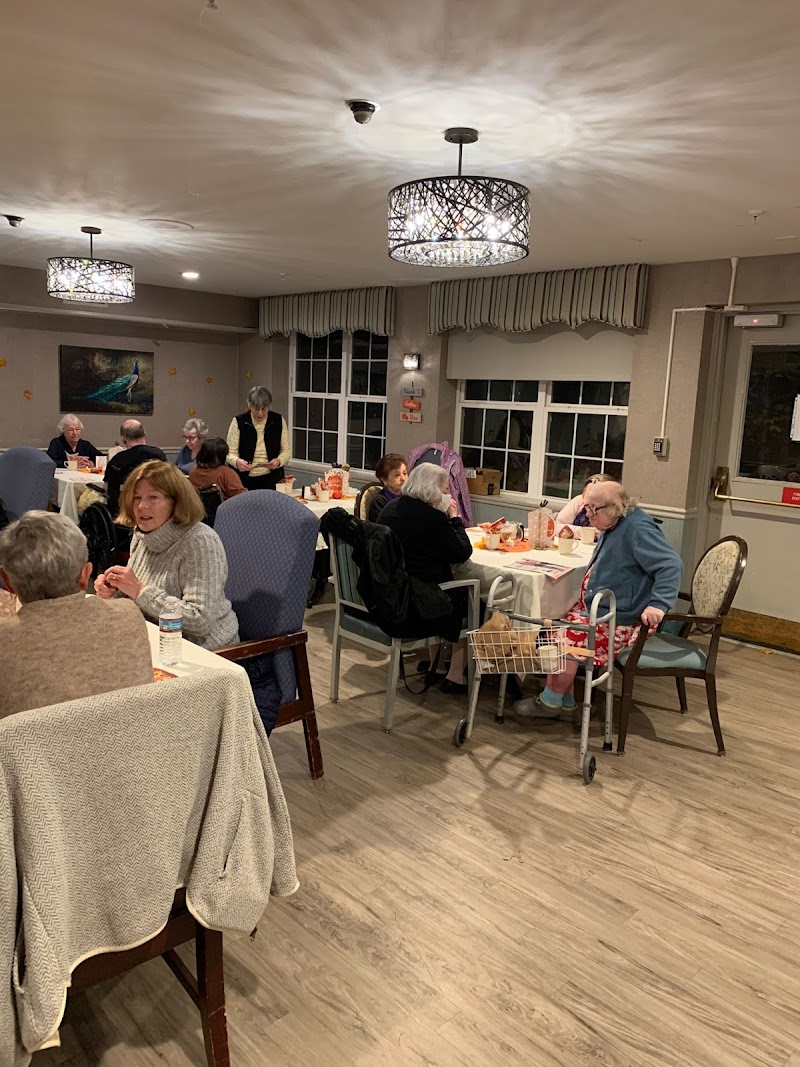
How is Park Avenue Staffed?

CMS rates PARK AVENUE HEALTH CENTER's staffing level at 3 out of 5 stars, which is average compared to other nursing homes. Staff turnover is 39%, compared to the Massachusetts average of 46%. This relatively stable workforce can support continuity of care.

What Have Inspectors Found at Park Avenue?

State health inspectors documented 45 deficiencies at PARK AVENUE HEALTH CENTER during 2022 to 2025. These included: 4 Immediate Jeopardy (the most serious level, indicating potential for serious harm or death), 1 that caused actual resident harm, and 40 with potential for harm. Immediate Jeopardy findings are rare and represent the most serious regulatory concerns. They require immediate corrective action.

Who Owns and Operates Park Avenue?

PARK AVENUE HEALTH CENTER is owned by a for-profit company. For-profit facilities operate as businesses with obligations to shareholders or private owners. The facility is operated by BEST CARE SERVICES, a chain that manages multiple nursing homes. With 89 certified beds and approximately 76 residents (about 85% occupancy), it is a smaller facility located in ARLINGTON, Massachusetts.
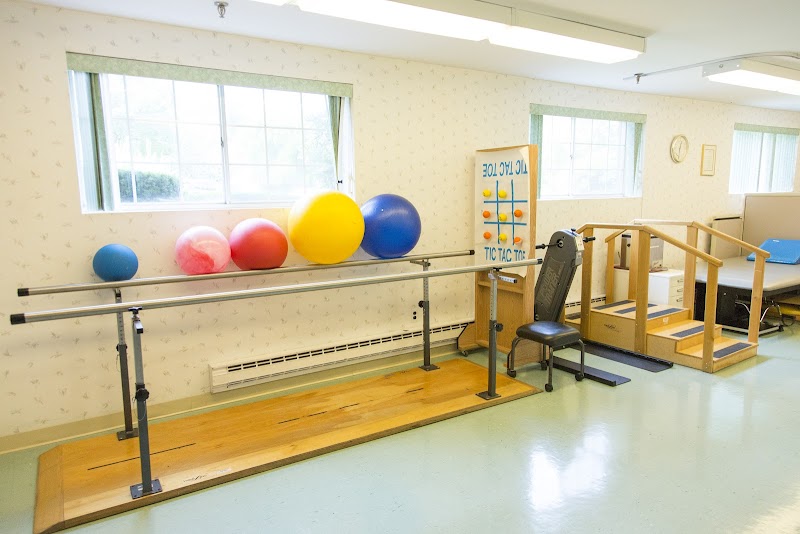
How Does Park Avenue Compare to Other Massachusetts Nursing Homes?

Compared to the 100 nursing homes in Massachusetts, PARK AVENUE HEALTH CENTER's overall rating (1 stars) is below the state average of 2.9, staff turnover (39%) is near the state average of 46%, and health inspection rating (1 stars) is much below the national benchmark.

What Should Families Ask When Visiting Park Avenue?

Based on this facility's data, families visiting should ask: "What changes have been made since the serious inspection findings, and how are you preventing similar issues?" "Can I visit during a mealtime to observe dining assistance and food quality?" "How do you handle medical emergencies, and what is your hospital transfer rate?" "Can I speak with family members of current residents about their experience?" These questions are particularly relevant given the facility's Immediate Jeopardy citations.

Is Park Avenue Safe?

Based on CMS inspection data, PARK AVENUE HEALTH CENTER has documented safety concerns. Inspectors have issued 4 Immediate Jeopardy citations (the most serious violation level indicating risk of serious injury or death). The facility has a 1-star overall rating and ranks #100 of 100 nursing homes in Massachusetts. Families considering this facility should ask detailed questions about what corrective actions have been taken since these incidents.

Do Nurses at Park Avenue Stick Around?

PARK AVENUE HEALTH CENTER has a staff turnover rate of 39%, which is about average for Massachusetts nursing homes (state average: 46%). Moderate turnover is common in nursing homes, but families should still ask about staff tenure and how the facility maintains care continuity when employees leave.

Was Park Avenue Ever Fined?

PARK AVENUE HEALTH CENTER has been fined $113,612 across 3 penalty actions. This is 3.3x the Massachusetts average of $34,215. Fines at this level are uncommon and typically indicate a pattern of serious deficiencies, repeated violations, or failure to correct problems promptly. CMS reserves penalties of this magnitude for facilities that pose significant, documented risk to resident health or safety. Families should request specific documentation of what issues led to these fines and what systemic changes have been implemented.

Is Park Avenue on Any Federal Watch List?

PARK AVENUE HEALTH CENTER is not on any federal watch list. The most significant is the Special Focus Facility (SFF) program, which identifies the bottom 1% of nursing homes nationally based on persistent, serious quality problems. Not being on this list means the facility has avoided the pattern of deficiencies that triggers enhanced federal oversight. This is a positive indicator, though families should still review the facility's inspection history directly.