WATERVIEW LODGE LLC, REHABILITATION & HEALTHCARE
250 WEST UNION STREET, ASHLAND, MA 01721 (508) 848-4220
For profit - Limited Liability company 103 Beds Independent Data: November 2025
Trust Grade
55/100
#258 of 338 in MA
Last Inspection: October 2024

Within standard 12-15 month inspection cycle. Federal law requires annual inspections.

Overview

Waterview Lodge LLC in Ashland, Massachusetts has a Trust Grade of C, indicating average performance, meaning they are in the middle of the pack but not particularly impressive. They rank #258 out of 338 facilities in the state, placing them in the bottom half, and #52 out of 72 in Middlesex County, suggesting limited better options nearby. The facility's trend is worsening, with issues increasing from 11 in 2023 to 13 in 2024. Staffing is a strength, rated 4 out of 5 stars with a low turnover rate of 15%, well below the state average, which is positive for resident care. On the downside, the facility has had several concerning incidents, such as failing to offer nourishing snacks before bedtime and not providing eligible residents with COVID-19 vaccinations, as well as not implementing necessary infection control measures to prevent diseases.

Trust Score
C
55/100
In Massachusetts
#258/338
Bottom 24%
Safety Record
Low Risk
No red flags
Inspections
Getting Worse
11 → 13 violations
Staff Stability
✓ Good
15% annual turnover. Excellent stability, 33 points below Massachusetts's 48% average. Staff who stay learn residents' needs.
Penalties
✓ Good
No fines on record. Clean compliance history, better than most Massachusetts facilities.
Skilled Nurses
○ Average
Each resident gets 31 minutes of Registered Nurse (RN) attention daily — about average for Massachusetts. RNs are the most trained staff who monitor for health changes.
Violations
⚠ Watch
38 deficiencies on record. Higher than average. Multiple issues found across inspections.
★★☆☆☆
2.0
Overall Rating
★★★★☆
4.0
Staff Levels
★★★★☆
4.0
Care Quality
★★☆☆☆
2.0
Inspection Score
Stable
2023: 11 issues
2024: 13 issues

The Good

  • 4-Star Staffing Rating · Above-average nurse staffing levels
  • 4-Star Quality Measures · Strong clinical quality outcomes
  • Low Staff Turnover (15%) · Staff stability means consistent care
  • Full Sprinkler Coverage · Fire safety systems throughout facility
  • No fines on record
  • Staff turnover is low (15%)

    33 points below Massachusetts average of 48%

Facility shows strength in staffing levels, quality measures, staff retention, fire safety.

The Bad

2-Star Overall Rating

Below Massachusetts average (2.9)

Below average - review inspection findings carefully

The Ugly 38 deficiencies on record

Oct 2024 13 deficiencies
CONCERN (D)

Potential for Harm - no one hurt, but risky conditions existed

Safe Environment (Tag F0584)

Could have caused harm · This affected 1 resident

**NOTE- TERMS IN BRACKETS HAVE BEEN EDITED TO PROTECT CONFIDENTIALITY** Based on observation, interview, and record review, the facility failed to ensure a clean, safe, comfortable, and homelike envir...

Read full inspector narrative →
**NOTE- TERMS IN BRACKETS HAVE BEEN EDITED TO PROTECT CONFIDENTIALITY** Based on observation, interview, and record review, the facility failed to ensure a clean, safe, comfortable, and homelike environment for one Resident (#23) out of a total sample of 18 residents. Specifically, the facility failed to ensure that Resident #23's wheelchair was maintained in a clean, safe, and homelike condition when the Resident's wheelchair was observed to have a damaged left armrest. Findings include: Resident #23 was admitted to the facility in July 2020, with diagnoses including Depression (a mental health disorder characterized by persistently depressed mood or loss of interest in activities, causing significant impairment in daily life), Anxiety (feeling of unease, such as worry or fear, that can be mild or severe/ intense, excessive, and persistent worry and fear about everyday situations) and Osteoarthritis (a degenerative joint disease caused by an inflammatory reaction in bone and joint tissue, that worsens over time, often resulting in swelling, stiffness, chronic pain and loss of flexibility). Review of Resident #23's Minimum Data Set (MDS) assessment dated [DATE] indicated the following: -The Resident was moderately cognitively impaired as evidenced by a Brief Interview for Mental Status (BIMS) score of 11 out of a possible score of 15. -the Resident used a wheelchair for mobility. On 10/22/24 at 9:07 A.M., the surveyor observed Resident #23 seated in his/her wheelchair. The surveyor further observed the leather on the front portion of the left armrest was torn and the padding was missing from the left wheelchair armrest. On 10/23/24 at 8:49 A.M., the surveyor observed Resident #23 seated in a straight back arm chair in the unit dining room with his/her wheelchair positioned next to him/her. The surveyor further observed the leather remained torn and cushion missing on the left armrest of the wheelchair and that a sock had been tied around the left armrest of the wheelchair. During an interview at the time, the Resident said he/she had put the sock on the armrest because it is broken. The Resident further said the staff know about the armrest needing repair but are too busy to address it. During an interview on 10/23/24 at 12:20 P.M., the surveyor and Certified Nursing Assistant (CNA) #3 observed Resident #23's left wheelchair armrest together. CNA #3 said she was aware of the leather of the left armrest being torn and cushion missing on the front portion of the armrest and that the Nurse was informed of this last week and was supposed to put it in the maintenance log for repair. CNA #3 said she did not remember which Nurse she informed. Review of the Unit Maintenance log for October 2024 indicated no evidence that Maintenance was alerted of a need to repair Resident #23's wheelchair. During an interview on 10/23/24 at 12:24 P.M., the surveyor and Unit Manager (UM) #1 observed Resident #23's left wheelchair armrest together. UM #1 said he had not been aware of the armrest leather being torn or cushion missing, and he would let Maintenance know. UM #1 further said unit staff should have notified Maintenance as soon as the staff identified the wheelchair armrest damage.
CONCERN (D)

Potential for Harm - no one hurt, but risky conditions existed

Free from Abuse/Neglect (Tag F0600)

Could have caused harm · This affected 1 resident

**NOTE- TERMS IN BRACKETS HAVE BEEN EDITED TO PROTECT CONFIDENTIALITY** Based on record and policy review, and interview, the facility failed to investigate an incident of physical aggression for two ...

Read full inspector narrative →
**NOTE- TERMS IN BRACKETS HAVE BEEN EDITED TO PROTECT CONFIDENTIALITY** Based on record and policy review, and interview, the facility failed to investigate an incident of physical aggression for two Residents (#49 and #54) out of a total sample of 18 residents. Specifically, the facility failed to appropriately investigate a resident-to-resident altercation involving Resident #49 and Resident #54 and/or assess any potential impact resulting for both Residents. Findings include: Review of the facility's policy titled Resident Abuse, undated, indicated: -Residents of the facility will not be subjected to abuse by anyone, including but not limited to, facility staff, other residents, consultants volunteer staff and other individuals. -Under the Administrator's direction, the facility will thoroughly investigate any alleged violation involving mistreatment, about or neglect, according to state law. -Immediately investigate the alleged incident during the shift on which the alleged abuse occurred. -Interview the resident and other resident witnesses. Conduct at least three resident interviews. These interviews are to be dated, documented and signed by the person conducting the interview. Resident #49 was admitted to the facility in January 2023, with diagnoses including Schizophrenia (a mood disorder that affects a person's ability to think, feel, and behave clearly, difficulty with concentration and memory) and Chronic Obstructive Pulmonary Disease (COPD - a chronic lung disease that causes obstructed airflow from the lungs that leads to respiratory problems including difficulty breathing, shortness of breath and wheezing). Review of the Minimum Data Set (MDS) assessment dated [DATE], indicated Resident #49 was cognitively impaired as evidenced by a Brief Interview for Mental Status (BIMS) score of 4 out of a total of 15. Resident #54 was admitted to the facility in December 2023 with diagnosis of Bipolar Disorder (a mental health condition that causes extreme mood swings that include emotional highs [mania or hypomania] and lows [depression]). Review of the Minimum Data Set (MDS) assessment dated [DATE] indicated Resident #54 was cognitively impaired as evidenced by a Brief Interview for Mental Status (BIMS) score of 9 out of a total of 15. Review of the medical record indicated a Nursing Progress Note dated 6/9/24 at 2:29 P.M., with documentation that Resident #49 was found to be more vocal/aggressive than his/her baseline presentation. The Nursing Progress Note indicated staff who worked previous day (6/8/24) reported that Resident #49 had been physically aggressive towards his/her roommate therefore the roommate had been moved to a different room. During an interview on 10/23/24 at 2:21 P.M., Unit Manager (UM) #3 said she had been assigned to care for Resident #49 and Resident #54 on 6/9/24. UM #3 said that during shift-to-shift report on 6/9/24, it was reported that Resident #54 had been moved to a different room because Resident #49 was physically aggressive to Resident #54. During an interview on 10/23/24 at 2:25 P.M., the Social Worker (SW) said she was aware Resident #54 had been moved to a different room but had not been made aware of what had transpired between Resident #49 and Resident #54 that warranted the room change. The SW said she had not investigated (the incident) or followed-up on Resident #49 and Resident #54. During an interview on 10/23/24 at 3:44 P.M., the Administrator said he knew Resident #54 had a room change, he was not aware of any aggression between Resident #49 and #54. The Administrator said the incident should have been investigated but it was not.
CONCERN (D)

Potential for Harm - no one hurt, but risky conditions existed

Comprehensive Care Plan (Tag F0656)

Could have caused harm · This affected 1 resident

**NOTE- TERMS IN BRACKETS HAVE BEEN EDITED TO PROTECT CONFIDENTIALITY** Based on observation, interview, and record review, the facility failed to ensure a comprehensive care plan was initiated for th...

Read full inspector narrative →
**NOTE- TERMS IN BRACKETS HAVE BEEN EDITED TO PROTECT CONFIDENTIALITY** Based on observation, interview, and record review, the facility failed to ensure a comprehensive care plan was initiated for the care and services of three Residents (#72, #64 and #74), out of a total sample of 18 Residents. Specifically, the facility failed to: 1. For Resident #72, develop a comprehensive care plan addressing the care and services needed relative to the Resident's cognitive loss and Dementia (a group of conditions characterized by impairment of at least two brain functions, such as memory and loss of judgment). 2. For Resident #64, develop comprehensive care plans when the Minimum Data Set (MDS) Assessment triggered for cognitive loss for the Resident. 3. For Resident #74, assess and revise the Resident's Care Plan to include measurable goals for falls prevention after the Resident sustained a fall with injury. Findings include: Review of the facility policy titled Comprehensive Care Plan, revised 5/1/24, indicated the following: -The Interdisciplinary Team will continue to develop the care plan in conjunction with the RAI [Resident Assessment Instrument Manual: a manual used to instruct facilities how to complete the Minimum Data Set Assessment (MDS)] and CAAs [Care Area Assessments: a portion of the MDS assessment where specific areas are triggered by assessment answers for the facility to bring into a care plan where indicated] . -The Interdisciplinary Team will develop and implement the Comprehensive Care Plan within 21 days of admission. This comprehensive care plan will address resident goals, actual and potential problems, needs, strengths, and individual preferences of the resident. -The admitting Registered Nurse will complete baseline care plan on admission within 48 hours to address the following areas: >Cognitive Loss -Each discipline will be responsible for the initiation and ongoing follow-up for care plans related to their area of expertise. -The Interdisciplinary Team will review the plan of care at Comprehensive Care Plan meeting with the resident and his/her representative. 1. Resident #72 was admitted to the facility in September 2023, with diagnoses including Parkinson's Dementia (problems with cognitive functioning including forgetfulness and trouble with concentration caused by progression of Parkinson's Disease [a progressive degenerative disorder of the central nervous system characterized by tremor and impaired muscular coordination]). Review of Resident #72's Annual Minimum Data Set (MDS) assessment dated [DATE], indicated the following: -The Resident was sometimes able to understand and sometimes able to make him/herself understood. -The Resident was severely cognitively impaired as evidenced by a Brief interview for Mental Status (BIMS) score of 3 out of a possible score of 15. -Care Area Assessment (CAA) for Cognitive Loss was trigged and indicated: >Cognitive loss will be addressed in the care plan. >Overall objectives to avoid complications and minimize risk. >Cognitive loss was an actual problem. >Resident is unable to make decisions regarding his/her health and personal needs >Staff will need to anticipate his/her needs and monitor for non-verbal signs of pain, shortness of breath or any distress for the Resident's well being. Review of Resident #72's Quarterly MDS Assessment, dated 8/8/24, indicated: -The Resident rarely/never understands others and was rarely/never understood by others. -The Resident was severely cognitively impaired as evidenced by a Brief Interview for Mental Status score of 2 out of a possible score of 15. Review of Resident #72's Medical Record indicated no evidence of a comprehensive care plan addressing the care and services needed relative to the Resident's cognitive loss and Dementia. During an interview on 10/25/24 at 10:21 A.M., the MDS Nurse said the MDS CAAs triggered for a Cognitive Loss/Dementia care plan in November 2023, and there should have been a Cognitive Loss/Dementia care plan in place but there was not. 2. Resident #64 was admitted to the facility in December 2023, with diagnoses including Dementia with Behaviors (progressive disease with impairment in memory and functioning that includes symptoms such as depression, anxiety, psychosis, agitation, aggression, disinhibition, and sleep disturbances), and Anxiety (feeling of unease, such as worry or fear, that can be mild or severe/ intense, excessive, and persistent worry and fear about everyday situations). Review of the admission Minimum Data Set (MDS) assessment dated [DATE], indicated Resident #64: -Was sometimes able to understand and sometimes able to make him/herself understood. -Was unable to participate in a cognitive assessment and per staff assessment, had short and long term memory impairments, and was moderately impaired with decision making. -Care Area Assessment (CAA) for Cognitive Loss was trigged and indicated: >Cognitive loss will be addressed in the care plan. >Overall objectives for improvement, avoid complications, and minimize risk. >Cognitive loss was an actual problem. >Resident is unable to make decisions, has poor judgement, and no insight regarding his/her surroundings and current status of health. Review of the Quarterly MDS assessment dated [DATE], indicated Resident #64: -Was rarely/never understood by others and was rarely/never able to make him/herself understood. -Was unable to participate in cognitive assessment and per staff assessment, had severely impaired decision making. Review of the Interdisciplinary Care Plan Meeting Summary Sheet, dated 9/18/24, indicated: -Cognitive Loss was an active problem. -No progress was being made even though Resident is participating. -Cognitive loss is an ongoing problem, and continue plan. Review of Resident #64's medical record indicated no evidence of a comprehensive care plan addressing the care and services needed relative to the Resident's cognitive loss. During an interview on 10/25/24 at 12:40 P.M., the MDS Nurse said that care plans are triggered by the MDS Assessment and CAAs. The MDS Nurse said she created the 9/18/24 Interdisciplinary Care Plan Meeting Summary document and that the care plan for cognitive loss was active and ongoing. The MDS Nurse said that she remembers the Cognitive Loss CAA being triggered. The surveyor and the MDS Nurse reviewed Resident #64's current plan of care and the MDS Nurse said that there was not a cognitive loss care plan in place, that she would look into it, and get back to the surveyor. The facility provided no further evidence of a care plan for cognitive loss for Resident #64 to the survey team at time of survey exit. 3. Resident #74 was admitted to the facility in February 2021, with diagnoses including Paranoid Schizophrenia (type of Schizophrenia characterized by paranoia [distrust, suspicious, and fearful without any good reason], delusions and hallucinations). Review of the Minimum Data Set (MDS) assessment dated [DATE], indicated Resident #74 was severely cognitively impaired as evidenced by a Brief Interview for Mental Status (BIMS) score of six out of a total possible score of 15. Review of the clinical record Nursing Progress Note dated 7/25/24, indicated that Resident #74 was observed sitting on the floor next to his/her bed with a bloody mouth and a cut to the left upper lip. Further review of the Nursing progress notes dated 7/25/24, indicated Resident #74 returned to the facility at 5:00 P.M. from the hospital with diagnoses of left lip laceration and a closed fracture of the left fifth metacarpal (long bone in the hand that forms the palm). Review of the current Care Plan Focus initiated 11/16/23, indicated that Resident #74 was at risk for falls and experienced an unwitnessed fall on 7/25/24. Further review of the Falls Care Plan did not provide any evidence that new interventions were put into place following the Resident's unwitnessed fall on 7/25/24. During an interview on 10/28/24 at 4:09 P.M., the Assistant Director of Nurses (ADON) said that she is responsible for updating care plans when a serious reportable event occurs in the facility. The ADON said she updates the care plan in the computer as soon as she reports the event so that the new care plan can be filed with the event investigation and implemented right away. The surveyor and the ADON reviewed Resident 74's care plan and the ADON said that she revised and updated the care plan to reflect Resident #74's metacarpal fracture. The ADON was unable to provide any evidence that she had revised and updated the care plan with interventions relative to Resident #74's unwitnessed fall.
CONCERN (D)

Potential for Harm - no one hurt, but risky conditions existed

Incontinence Care (Tag F0690)

Could have caused harm · This affected 1 resident

**NOTE- TERMS IN BRACKETS HAVE BEEN EDITED TO PROTECT CONFIDENTIALITY** Based on observation, interview, and record review, the facility failed to provide care and services according to professional s...

Read full inspector narrative →
**NOTE- TERMS IN BRACKETS HAVE BEEN EDITED TO PROTECT CONFIDENTIALITY** Based on observation, interview, and record review, the facility failed to provide care and services according to professional standards of practice relative to indwelling suprapubic catheter (Foley/a flexible tube placed through a surgical incision through the abdominal wall into the bladder to drain urine) for one Resident (#30) out of a total sample of 18 residents. Specifically, the facility failed to ensure that the correct size suprapubic urinary catheter had been placed for Resident #30 as ordered, placing the Resident at increased risk for bladder irritation, infection and pain. Findings include: Resident #30 was admitted to the facility in February 2011, with diagnoses including paraplegia (complete paralysis of the lower half of the body including both legs, usually caused by damage to the spinal cord) and Neurogenic bladder (a urinary dysfunction in which the bladder does not empty properly. Depending on the type of neurological disorder causing the problem, the bladder may empty spontaneously [incontinence] or may not empty at all [retention with overflow leakage]). Review of the Minimum Data Set (MDS) assessment dated [DATE], indicated Resident #30 was cognitively intact as evidenced by a Brief Interview of Mental Status (BIMS) score of 14 out of a total possible score of 15. On 10/22/24 at 10:05 A.M., the surveyor and Unit Manager (UM) #1 observed Resident #30 to have a size 20 Fr (French - French scale or system used to size catheters) indwelling suprapubic urinary catheter in place. Review of the October 2024 Physician's orders dated 10/1/24 - 10/31/24, indicated the following: -Change suprapubic Foley Catheter every 4 weeks with size 18 Fr 3-way (urinary catheter with three channels that allows fluid to flow into and out of the bladder while also irrigating the bladder) catheter, due 10/10/24 Review of Resident #30's October 2024 Treatment Administration Record (TAR) dated 10/1/24 - 10/31/24 indicated that a size 18 Fr Foley catheter had been inserted on 10/10/24. During an interview on 10/22/24 at 10:05 A.M., UM #1 said that the Physician order was written for a size #18 Fr suprapubic urinary catheter and not the size 20 Fr suprapubic urinary catheter that Resident #30 had in place. UM #1 said Resident #30 had the incorrect size suprapubic urinary catheter in place and that Resident #30 should have a size 18 Fr suprapubic urinary catheter in place as ordered.
CONCERN (D)

Potential for Harm - no one hurt, but risky conditions existed

Respiratory Care (Tag F0695)

Could have caused harm · This affected 1 resident

**NOTE- TERMS IN BRACKETS HAVE BEEN EDITED TO PROTECT CONFIDENTIALITY** Based on observation, interview, policy and record review, the facility failed to provide respiratory care and services in accor...

Read full inspector narrative →
**NOTE- TERMS IN BRACKETS HAVE BEEN EDITED TO PROTECT CONFIDENTIALITY** Based on observation, interview, policy and record review, the facility failed to provide respiratory care and services in accordance with professional standards of practice for one Resident (#49), out of a total sample of 18 residents. Specifically, for Resident #49, the facility failed to notify the Physician and administer Oxygen as ordered when the Oxygen liter flow rate (the rate of supplemental Oxygen delivered through an oxygen delivery device) being set for the Resident was not as ordered by the Physician. Findings include: Review of the facility's policy titled Respiratory Medicaid Coverage Communication Sheet, revised July 2001, indicated: -Once it has been determined that a resident require oxygen support secondary to an acute or chronic respiratory of cardiac condition, the PCP should be notified by licensed personnel. Review of the facility's policy titled Change in a Resident's condition or Status, undated, indicated: -Nursing services will notify the Resident's Attending Physician when there is a change in a Resident's condition. -Nursing services will notify the Resident's Attending Physician when there is a need to alter the Resident's treatment. Review of the AARC (American Association for Respiratory Care) Clinical Practice Guideline, updated 2014: https://www.aarc.org/wp-content/uploads/2014/08/08.07.1063.pdf indicates: -All Oxygen must be prescribed and dispensed in accordance with federal, state, and local laws and regulations. -Oxygen is a medical gas and should only be dispensed in accordance with all federal, state, and local laws and regulations. -Undesirable results or events may result from noncompliance with Physicians' orders or inadequate instruction for Oxygen therapy. -There is a potential in some spontaneously breathing hypoxemic patients with hypercapnia [high carbon dioxide levels in the blood) and chronic obstructive pulmonary disease that oxygen administration may lead to an increase in PaCO2. -Equipment maintenance and supervision: >All oxygen delivery equipment should be checked at least once daily >Facets to be assessed include proper function of the equipment, prescribed flowrates, remaining liquid or compressed gas content, and backup supply. Resident #49 was admitted to the facility in January 2023, with diagnoses including Schizophrenia (a severe mental disorder characterized by delusions [false beliefs], hallucinations [perception of sights, sounds, etc. that are not actually present], incoherence and physical agitation) and Chronic Obstructive Pulmonary Disease (COPD - a chronic lung disease that leads to respiratory problems including difficulty breathing, shortness of breath and wheezing). Review of the Minimum Data Set (MDS) assessment dated [DATE], indicated Resident #49 was cognitively impaired as evidenced by a Brief Interview for Mental Status (BIMS) score of 4 out of a total possible of 15. Further review of the MDS Assessment indicated that Resident #49 was dependent on staff for activities of daily living (ADL's - bathing, grooming, dressing, hygiene). On 10/22/24 at 8:17 A.M., the surveyor observed Resident #49 seated in the unit dining room having breakfast. The surveyor observed an oxygen concentrator (a device which concentrates the oxygen from a gas supply [typically ambient air] to supply an oxygen-enriched gas stream typically from 1 to 6 liters of oxygen) positioned next to the left side of the Resident. The surveyor observed the oxygen concentrator was powered on and set at 0.5 liters per minute (LPM) of oxygen flow with the nasal cannula (a thin flexible tube that provides supplemental oxygen through the nose via nasal prongs) in the Resident's nostrils. Review of Resident #49's October 2024 Physician's orders indicated: -Monitor oxygen (O2) sat ([saturation] - SpO2/POX/O2 Sat - measure of Oxygen in the blood as a percentage of the maximum Oxygen the blood could carry) every shift -Titrate O2 (Oxygen) 1 - 5 L (liters) via Nasal Cannula (NC) to maintain oxygen saturation above 90% -Oxygen at 3L via NC as needed to maintain POX 90 to 94% at rest Review of Resident #49's October 2024 Treatment Administration Record (TAR) indicated the following SpO2 results: -10/1/24: SpO2 result on 0.5 LPM (liters per minute) = 93% -10/2/24: SpO2 result on 0.5 LPM = 94% -10/3/24: SpO2 on room air = 89% -10/3/24: SpO2 on 0.5 LPM = 94% -10/4/24: SpO2 on room air = 88% -10/4/24: SpO2 on 0.5 LPM = 94% -10/6/24: SpO2 on 2 LPM = 95% -10/7/24: SpO2 on room air = 88% -10/7/24: SpO2 on 0.5 LPM = 93% -10/10/24: SpO2 on room air = 88% -10/10/24: SpO2 on 0.5 LPM = 94% -10/14/24: SpO2 on room air = 88% -10/14/24: SpO2 on 0.5 LPM = 94% -10/16/24: SpO2 on room air = 89% -10/16/24: SpO2 on 0.5 LPM = 93% During an interview on 10/25/24 at 7:57 A.M., Unit Manager (UM) #2 said Resident #49 was receiving O2 at 0.5 liters per minute (LPM). The surveyor and UM #2 reviewed the October 2024 TAR, and UM #2 said Resident #49 was re-admitted to the facility after being hospitalized on [DATE], with changes in Oxygen orders. UM #2 said Resident #49 was re-admitted with an order to titrate Oxygen between 1 to 5 liters/LPM to maintain oxygen saturation levels between 90 to 94%. UM #2 said Resident #49 had a follow-up with a Pulmonologist (Physician specializing in diseases and conditions of the respiratory system) with recommendations to keep Oxygen at 1 to 3 liters/LPM to maintain oxygen saturation between 90 to 94%. UM #2 said the Oxygen flow rate recommendations at 1 to 3 liters to maintain oxygen saturation between 90 to 94% was approved by the facility Physician on 9/6/24, but was not transcribed from the telephone orders to the TAR as ordered. Further review of the TAR with UM #2 indicated that Resident #49 had been receiving Oxygen at 0.5 liters for the entire month of October. UM #2 said the Physician should have been notified by the facility staff to obtain Oxygen orders based on the Resident's need but that had not been done.
CONCERN (D)

Potential for Harm - no one hurt, but risky conditions existed

Deficiency F0761 (Tag F0761)

Could have caused harm · This affected 1 resident

**NOTE- TERMS IN BRACKETS HAVE BEEN EDITED TO PROTECT CONFIDENTIALITY** Based on observation, interview, and record review, the facility failed to ensure that medications were stored in a secure and s...

Read full inspector narrative →
**NOTE- TERMS IN BRACKETS HAVE BEEN EDITED TO PROTECT CONFIDENTIALITY** Based on observation, interview, and record review, the facility failed to ensure that medications were stored in a secure and safe manner, according to professional standards of practice for one Resident (#30), out of a total sample of 18 residents. Specifically, the facility failed to adhere to safe medication storage practices when wound care medications were left in an unlocked drawer in Resident #30's room. Findings include: Resident #30 was admitted to the facility in February 2011, with diagnoses including Paraplegia (chronic condition that involves the partial or complete loss of muscle function and feeling in the lower half of the body, including both legs) and a pressure ulcer of the sacrum (sacrum: a triangular bone in the lower back). Review of the Minimum Data Set (MDS) assessment dated [DATE], indicated Resident #30 was cognitively intact as evidenced by a Brief Interview of Mental Status (BIMS) score of 14 out of a total possible score of 15. Review of the facility policy titled Policy and Procedure for Medication Storage indicated the following: -All drugs and biologicals (a class of medication derived from living organisms) will be stored in locked compartments (i.e., medication carts, cabinets, drawers, refrigerators, medication rooms). During an observation and interview on 10/22/24 at 10:05 A.M., the surveyor observed Unit Manager (UM) #1 in Resident #30's room placing wound care supplies on Resident #30's over the bed table. The surveyor also observed UM #1 remove a clear plastic bag containing three tubes of Santyl ointment (an enzymatic [containing enzymes] wound treatment used to remove damaged and dead tissue from wounds) from an unlocked drawer in Resident #30's room and place it with the other wound care supplies. During an interview at the time, UM #1 said that he did not know why the Santyl ointment had been stored in Resident #30's unlocked drawer. UM #1 said that the Santyl ointment is a prescription medication and should have been stored in the locked treatment cart and not in an unlocked drawer in Resident #30's room.
CONCERN (D)

Potential for Harm - no one hurt, but risky conditions existed

Food Safety (Tag F0812)

Could have caused harm · This affected 1 resident

Based on observation, interview, and policy review, the facility failed to maintain a clean and sanitary environment in the facility main kitchen where food items were prepared and stored for resident...

Read full inspector narrative →
Based on observation, interview, and policy review, the facility failed to maintain a clean and sanitary environment in the facility main kitchen where food items were prepared and stored for resident consumption. Specifically, the facility failed to ensure all staff wore hair restraints while in the facility kitchen and in the vicinity of food preparation areas to prevent contamination and the spread of infections. Findings include: Review of the facility policy titled Dietary Services, undated, indicated the following: -Hairnets, covering all hair, will be worn by all dietary employees at all times. -Any hair length over collar length must wear a hair net. On 10/23/24 at 12:04 P.M., the surveyor observed Additional Staff #2 in the facility kitchen near the stove speaking with a dietary staff member. The surveyor observed several pots containing food covered with clear plastic wrap on the stove. The surveyor also observed that Additional Staff #2 did not have a hair restraint in place. Additional staff #2 said that she had come into the kitchen for just a moment, without a hair restraint in place, to ask for assistance. Additional Staff #2 also said that she knew she was required to wear a hair restraint in the facility kitchen. During an interview at the time with the Food Service Director (FSD), the FSD said that anyone who enters the facility kitchen is required to wear a hair restraint, and that Additional Staff #2 should have had a hair restraint in place in the facility kitchen.
CONCERN (D)

Potential for Harm - no one hurt, but risky conditions existed

Infection Control (Tag F0880)

Could have caused harm · This affected 1 resident

**NOTE- TERMS IN BRACKETS HAVE BEEN EDITED TO PROTECT CONFIDENTIALITY** 2. Review of the AHRQ (Agency for Healthcare Research and Quality) Safety Program for Long-Term Care: HAIs/CAUTI (Healthcare Ass...

Read full inspector narrative →
**NOTE- TERMS IN BRACKETS HAVE BEEN EDITED TO PROTECT CONFIDENTIALITY** 2. Review of the AHRQ (Agency for Healthcare Research and Quality) Safety Program for Long-Term Care: HAIs/CAUTI (Healthcare Associated Infections/Catheter Associated Urinary Tract Infections) titled Catheter Care and Maintenance (https://www.ahrq.gov), dated March 2017, indicated the following: -The catheter itself can act as a key highway or interstate for microbes [bacterial organisms that can cause infection] to get into the resident. -Probably the most common way microbes get in once an indwelling urinary catheter is in place, is by the outside surface of the catheter. -Bacteria and other pathogens are able to use the outer surface of the catheter to work their way up the urethra, and into the bladder. Resident #287 was admitted to the facility in October 2012, with diagnoses including Cerebral Palsy (a group of conditions that affect movement and posture caused by brain damage to the developing brain before birth), and recurrent ESBL (Extended-Spectrum Beta-Lactamases: a bacterium that causes infection and produces an enzyme that makes it resistant to many antibiotics) Urinary Tract Infection (UTI). Review of Resident #287 Minimum Data Set (MDS) Assessment, dated 8/19/24, indicated the Resident utilized an indwelling urinary catheter. The surveyor observed Resident #287's indwelling urinary catheter drainage bag secured to the side of the bed with the catheter tubing laying on the floor on the following dates and times: -10/22/24 at 8:44 A.M. -10/23/24 at 7:50 A.M. -10/23/24 at 2:20 P.M. During an interview on 10/23/24 at 2:20 P.M., the surveyor and Certified Nurses Aide (CNA) #2 observed Resident #287's indwelling urinary catheter tubing laying on the ground. CNA #2 said the tubing should not be laying on the floor because the floor is dirty. During an interview on 10/25/24 at 9:00 A.M., the Infection Control Preventionist (ICP) said that indwelling urinary catheter tubing should never be on the floor due to the risk of infection. Based on observation, interview, and record review, the facility failed to adhere to infection prevention and control program standards for two Residents (#292, and #287) out of a total sample of 18 residents, to help prevent the development and transmission of infections. Specifically, the facility failed to: 1. Implement Contact Precautions for Resident #292, when the Resident was re-admitted to the facility with Methicillin-Resistant Staphylococcus Epidermidis (MRSE: form of Methicillin-Resistant Staphylococcus Aureus [MRSA: type of bacteria that is contagious, resistant to several antibiotics, and if left untreated, can cause sepsis or death] drug-resistant form of staph bacteria that may be difficult to treat due to their resistance to methicillin and other common antibiotics) which increased the risk for transmission of MRSE infection in the facility. 2. Ensure Resident #287's indwelling urinary catheter (a thin, flexible tube inserted into the bladder to drain urine outside the body) tubing was positioned off of the floor to decrease the Resident's risk for contamination and infection. Findings include: 1. Review of the Centers for Disease Control and Prevention guidelines titled Infection Control Guidance: Preventing Methicillin-resistant Staphylococcus aureus (MRSA) in Healthcare Facilities, located at https://www.cdc.gov/MRSA/hcp/infection-control/ and dated 4/12/24, indicated the following: -MRSA remains an important healthcare pathogen. -The prevention of MRSA infections is a priority for CDC. -CDC recommends Contact Precautions for patients with MRSA. Review of the CDC guidelines titled Appendix A: Type and Duration of Precautions Recommended for Selected Infections and Conditions, located at https://www.cdc.gov/infection-control/hcp/isolation-precautions/appendix-a-type-duration.html?CDC_AAref_Val=https://www.cdc.gov/infectioncontrol/guidelines/isolation/appendix/type-duration-precautions.html and dated 9/20/24, indicated the following: -Contact Precautions were the type of precautions recommended for Individuals with Multidrug-Resistant Organisms (MDROs), infection or colonization (e.g., MRSA, .). -Contact Precautions recommended in settings with . wounds that cannot be contained by dressings. Review of the CDC Contact Precautions sign, located at https://www.cdc.gov/infection-control/media/pdfs/contact-precautions-sign-P.pdf and undated, indicated the following: CONTACT PRECAUTIONS EVERYONE MUST: -Clean their hands, including before entering and when leaving the room. -Put on gloves before room entry. -Discard gloves before room exit. -Put on gown before room entry. -Discard gown before room exit. -Do not wear the same gown and gloves for the care of more than one person. -Use dedicated or disposable equipment. -Clean and disinfect reusable equipment before use on another person. Review of the facility's policy titled Standard Precautions, dated 4/15/21 and revised 9/7/24, indicated the following: -Standard Precautions are the minimum infection prevention practices that apply to all patient care, regardless of suspected or confirmed infection status of the patient . -These practices are designed to both protect patients and prevent healthcare professionals (HCPs) from spreading infections among patients. -When Standard Precautions alone cannot prevent transmission, they are supplemented with Transmission-Based Precautions (TBP-used when patients have diseases that can spread through contact, droplet, or airborne routes) and are always used in addition to Standard Precautions. -Contact Precautions are used for infections, diseases, or germs that spread by touching the patient or items in the room (examples: MRSA ). Resident #292 was admitted to the facility in September 2024, with diagnoses including Dementia (group of symptoms that affects memory, thinking and interferes with daily life) and Right Total Hip Arthroplasty (THA: surgical procedure used to replace the hip joint with prosthetic components). Review of Resident #292's clinical record indicated the following: -The Resident was transferred to the hospital from the facility on 9/23/24 and returned to the facility on [DATE]. -The Resident had serosanguineous (most common type of wound drainage secreted by an open wound in response to tissue damage and is a thin and watery fluid that is pink in color) drainage weeping from his/her hip incision site. -The Resident removed his/her wound dressing and the dressing needed to be reinforced by staff. -The Resident was transferred back to the hospital on [DATE]. -The Resident underwent IR (Interventional Radiology) aspiration (use of a needle to remove fluid or tissue sample) in the hospital on [DATE]. -The tissue sample grew MRSA staph epi (MRSE). -Negative Pressure Wound Therapy (vacuum-assisted closure: a method of decreasing air pressure around a wound to assist the healing) was initiated for the Resident's right hip surgical wound in the hospital on [DATE]. -The Resident returned to the facility on [DATE]. -The Resident required antibiotic medication to treat his/her MRSE infection. During an interview on 10/22/24 at 1:51 P.M., the Second Floor Unit Manager (UM) said staff were made aware of TBPs required for residents based on the signage posted outside of the resident room doors. During an interview on 10/23/24 at 9:34 A.M., the Infection Preventionist (IP) said Resident #292 was re-admitted to the facility from the hospital on [DATE] with MRSA infection in his/her right hip surgical site. The IP said she placed Resident #292 under Enhanced Barrier Precautions (EBP: use of gown and gloves during high contact care activities) and that the Resident did not require Contact Precautions. On 10/23/24, between 11:20 A.M. and 11:58 A.M., the surveyor observed the following in Resident #292's room: - A sign posted outside of the Resident's room door that indicated: - Enhanced Barrier Precautions, Everyone Must: >Clean their hands, including before entering and when leaving the room. >Providers and Staff Must Also: -Wear gloves and gown for the following high-contact resident care activities: >Dressing >Bathing >Showering >Transferring >Changing Linens >Providing Hygiene >Changing briefs or assisting with toileting >Device care or use . >Wound Care (any skin opening requiring a dressing) -One staff member sitting in a chair at Resident #292's bedside while the Resident was in bed. -The staff member was not wearing a gown or gloves while in the room. -At 11:55 A.M., the surveyor observed Certified Nurses Aide (CNA) #1 in the Resident's room, assisting the Resident in his/her wheelchair. -CNA #1 was observed wearing a gown and gloves. -The surveyor observed CNA #1 remove her gown and gloves, perform hand hygiene, and exit the room at 11:58 A.M. During an interview on 10/23/24 at 12:02 P.M., CNA #1 said signs posted outside of resident room doors were how she knew what type of precautions to follow when caring for the residents. CNA #1 said Resident #292 required EBPs, which meant that staff were required to perform hand hygiene and wear a gown and gloves during high-contact care. CNA #1 also said staff were not required to wear a gown or gloves any time they entered Resident #292's room as long as they were not providing high contact care because the signs only indicated use of a gown and gloves when providing high-contact care. During an interview on 10/23/24 at 1:22 P.M., the IP said Resident #292 required EBPs, not Contact Precautions. The surveyor and the IP reviewed the facility's policy that indicated Contact Precautions were to be implemented for Residents with MRSA infection. The IP said she had to go think and would return to the surveyor. Review of Resident #292's Nurses Progres Note, dated 10/25/24, indicated the Resident's wound dressing needed to be changed related to the Resident removing the dressing. Review of Resident #292's Health Status Note, dated 10/26/24 indicated the following: -The Resident had removed his/her right hip Negative Pressure Wound dressing. -The dressing was on the floor. -The Resident's right hip incision was draining a moderate amount of serosanguineous drainage. During a follow-up interview on 10/29/24 at 9:30 A.M., the IP said Resident #292 was transferred back to the hospital over the weekend, and that prior to the transfer, the Resident remained under EBPs, not Contact Precautions. The IP said she did not use the Contact Precautions sign in the facility because she did not like how it looked and that the EBP sign outlined more specifically for staff when the use of a gown and gloves were needed. The IP said the Contact Precautions and EBPs were really the same thing and that the EBP sign was more clear for staff. The IP said if Contact Precautions were required, then staff would have to wear a gown and gloves upon entry the Residents' room environment and that EBPs were only required during high-contact care activities. The IP said when a Resident was infected with MRSA, their environment posed a risk for transmission of infection. The IP said she usually called Epidemiology when she had questions about implementing Precautions for Residents with infections, but she had not called the Epidemiologist yet.
CONCERN (E)

Potential for Harm - no one hurt, but risky conditions existed

Assessment Accuracy (Tag F0641)

Could have caused harm · This affected multiple residents

**NOTE- TERMS IN BRACKETS HAVE BEEN EDITED TO PROTECT CONFIDENTIALITY** 3. Resident #49 was admitted to the facility in January 2023, with diagnoses of Schizophrenia (a mood disorder that affects a pe...

Read full inspector narrative →
**NOTE- TERMS IN BRACKETS HAVE BEEN EDITED TO PROTECT CONFIDENTIALITY** 3. Resident #49 was admitted to the facility in January 2023, with diagnoses of Schizophrenia (a mood disorder that affects a person's ability to think, feel, and behave clearly) and Chronic Obstructive Pulmonary Disease (COPD - a chronic lung disease that causes obstructed airflow from the lungs that leads to respiratory problems including difficulty breathing, shortness of breath and wheezing). Review of the Minimum Data Set (MDS) assessment dated [DATE] indicated Resident #49: -was cognitively impaired as evidenced by a Brief Interview for Mental Status (BIMS) score of 4 out of a total possible score of 15. -was dependent on staff for activities of daily living (ADL's - bathing, grooming, dressing, hygiene). Review of Resident #49's MDS Assessment completed 1/25/24 did not indicate that the Resident had a history of COPD and was on Oxygen. During an interview on 10/25/24 at 10:30 A.M., the MDS Nurse said she had missed the coding on the MDS Assessment for COPD and Oxygen use and that it was an error. 4. Resident #71 was admitted to the facility in April 2024, with diagnoses including End Stage Dementia (the final stage of Dementia - limited speech and difficult understanding, no concept of time or awareness, walking, not recognizing people and losing weight, when the condition has a severe impact on a person's life, and need full time care). Resident #71 was admitted to the facility for Hospice care and services per the Resident's admission orders. Review of Resident #71's MDS Assessments dated 7/14/24 and 10/14/24, indicated the Resident was not coded for Hospice care and services. During an interview on 10/25/24 at 10:32 A.M., the MDS Nurse said Hospice care and services for Resident #71 should have been coded on the MDS Assessment and that it was not coded. Based on record review, and interview, the facility failed to ensure that Minimum Data Set (MDS) Assessments were coded accurately for four Residents (#74, #9, #49, and #71) out of a total sample of 18 residents. Specifically, the facility failed to: 1. For Resident #74, ensure the most recent MDS was coded accurately relative to a fall event. 2. For Resident #9, ensure the most recent MDS was coded accurately relative to the use of a restraint. 3. For Resident #49, ensure the MDS assessment was coded accurately relative to a diagnosis of Chronic Obstructive Pulmonary Disease (COPD: a chronic lung disease that causes obstructed airflow from the lungs that leads to respiratory problems including difficulty breathing, shortness of breath and wheezing) and Oxygen use. 4. For Resident #71, ensure the MDS assessment was coded accurately relative to Hospice (a program that gives special care to people who are near the end of life and have stopped treatment to cure or control their disease) services. Findings include: 1. Resident #74 was admitted to the facility in February 2021 with diagnoses including Paranoid Schizophrenia (type of Schizophrenia characterized by paranoia [distrust, suspicious, and fearful without any good reason], delusions and hallucinations). Review of the Minimum Data Set (MDS) assessment dated [DATE] indicated Resident #74 was severely cognitively impaired as evidenced by a Brief Interview for Mental Status (BIMS) score of six out of a total possible score of 15. Further review of the MDS assessment indicated that Resident #74 had experienced a fall with injury. Review of the clinical record Nursing Progress Note dated 7/25/24, indicated that Resident #74 was observed sitting on the floor next to his/her bed with a bloody mouth and a cut to the left upper lip. Further review of the Nursing Progress Note dated 7/25/24, indicated Resident #74 returned to the facility at 5:00 P.M. from the hospital with diagnoses of left lip laceration and a closed fracture of the fifth metacarpal (long bone in the hand that forms the palm). During an interview on 10/29/24 at 8:36 A.M., the MDS Nurse said she coded Resident #74's fall on 7/25/24 as a fall with injury. The MDS Nurse said that she did not code the Resident's fall as a major injury because she didn't think that a fractured finger was as serious as a fractured hip. The MDS Nurse further said that she should have coded Resident #74's fall as a fall with major injury. 2. Resident #9 was admitted to the facility in May 2002, with diagnoses including Cerebral Vascular Accident (CVA- stroke, damage to the brain due to interrupted blood flow) and Vascular Dementia (brain damage caused by multiple strokes). Review of the MDS assessment dated [DATE], indicated Resident #9 used bedrails restraint daily. Review of Resident #9's clinical record indicated a consent dated 8/29/24, and signed by Resident #9's invoked (put into effect) Health Care Proxy (a person designated to make medical decisions for another person when that person is unable to do so themself) allowing for Resident #9 to have two one-half side rails in the up position on the bed to assist the Resident with bed mobility. During an interview on 10/28/24 at 1:41 P.M., the MDS Nurse said Resident #9 does not use a side rail restraint and the MDS assessment dated [DATE], had been coded incorrectly.
CONCERN (E)

Potential for Harm - no one hurt, but risky conditions existed

Deficiency F0760 (Tag F0760)

Could have caused harm · This affected multiple residents

**NOTE- TERMS IN BRACKETS HAVE BEEN EDITED TO PROTECT CONFIDENTIALITY** Based on observation, interview, record review and policy review, the facility failed to adhere to professional standards of pra...

Read full inspector narrative →
**NOTE- TERMS IN BRACKETS HAVE BEEN EDITED TO PROTECT CONFIDENTIALITY** Based on observation, interview, record review and policy review, the facility failed to adhere to professional standards of practice to ensure that significant medication errors did not occur for four Residents (#33, #81, #21, and #22) out of four applicable residents, out of a total sample of 18 residents. Specifically, the facility failed to ensure that an appropriate process was in place for identifying Residents during the medication pass procedure for Resident's #33, #81, #21, and #22. Findings include: Review of the facility's policy titled Preparation and Guidelines, revised 12/2019, indicated: -Identify resident using two identification methods before administering medication (example: photo plus verbal confirmation of last name, photo and confirmation by family member). [NAME] M., The Five Rights: A Destination Without a Map. P T. 2010 Oct; 35(10):542. PMCID: PMC2957754. Retrieved from https://pmc.ncbi.nlm.nih.gov/articles/PMC2957754/#:~:text=Most%20health%20care%20professionals%2C%20especially,standard%20for%20safe%20medication%20practices indicates the following to decrease drug administration errors: -the right patient -the right drug -the right time -the right dose -the right route On 10/23/24 at 8:37 A.M., during a medication administration procedure, the surveyor observed Nurse #2 prepare and administer medications to Resident #33. The surveyor observed that Resident #33 did not have a photo in the Medication Administration Record (MAR). The surveyor did not observe Nurse #2 use any resident identifiers to verify the right person before she administered the medications to Resident #33. On 10/23/24 at 9:04 A.M., during a medication administration procedure, the surveyor observed Nurse #2 prepare and administer medications to Resident #81. The surveyor observed that Resident #81 did not have a photo in the MAR. The surveyor observed that Nurse #2 did not use any other resident identifiers before she administered the medications to Resident #81. On 10/23/24 at 9:10 A.M., during a medication administration procedure, the surveyor observed Nurse #2 prepare and administer medications to Resident #21. The surveyor observed that Resident #21 did not have a photo in the MAR. The surveyor observed that Nurse #2 did not use any other resident identifiers before she administered the medications to Resident #21. On 10/23/24 at 9:31 A.M., during a medication administration procedure, the surveyor observed Nurse #2 prepared and administered medications to Resident #22. The surveyor observed that Resident #22 did not have a photo in the MAR. The surveyor observed that Nurse #2 did not use any other resident identifiers before she administered the medications to Resident #22. During an interview on 10/23/24 at 9:45 A.M., Nurse #2 said the facility had photos in the MAR but most of the photos were missing for the Residents. Nurse #2 said Resident #33, #81, #21 and #22 were missing photos in their MARs. During an interview on 10/23/24 at 9:55 A.M., Unit Manager (UM) #2 said the facility staff depended on other staff members to identify Residents to the Nurses during the medication administration process. The surveyor and UM #2 reviewed the facility policy, and UM #2 said there were no photos in the MARs for Residents on the second floor unit but there should be. During an interview on 10/23/24 at 10:15 A.M., the Director of Nursing (DON) said she was new in her role in the facility and she was not aware of the two identifiers needed for the administration of medications.
CONCERN (F)

Potential for Harm - no one hurt, but risky conditions existed

Deficiency F0809 (Tag F0809)

Could have caused harm · This affected most or all residents

Based on interview, record review, and observation, the facility failed to offer each Resident a nourishing snack at bedtime when more than 14 hours elapsed between the substantial evening meal and br...

Read full inspector narrative →
Based on interview, record review, and observation, the facility failed to offer each Resident a nourishing snack at bedtime when more than 14 hours elapsed between the substantial evening meal and breakfast the following day. Specifically, the facility failed to offer each Resident items from the basic food groups, either singly or in combination with each other, at bedtime when 15 hours elapsed daily between the scheduled substantial evening meal and breakfast the following day. Findings include: Review of the United States Department of Agriculture (USDA) guidelines titled Food Group Gallery, based on the Dietary Guidelines for Americans 2020-2025 and accessed on 10/29/24 at https://www.myplate.gov/eat-healthy/food-group-gallery indicated the following: - There are five basic food groups (fruits, vegetables, grains, protein foods, and dairy). -The fruit group includes berries, 100% fruit juice, melons, and other whole fruits. -The vegetable group includes dark green vegetables, red and orange vegetables, beans, peas, lentils, starchy vegetables, and other vegetables. -The grains group includes whole grains and refined grains. -The protein food group includes meats, poultry, beans, peas, lentils, nuts, seeds, soy products, seafood, and eggs. -The dairy group includes milk, non-dairy calcium alternative (such as soy milk), yogurt, and cheese. Review of the facility's policy titled Dietary Services, undated, indicated the following: -At least three meals or their equivalent are served daily, at regular times, with not more than a 14-hour span between the evening meal and breakfast. -Between-meal snacks of nourishing quality are offered to all patients. On 10/23/24 at 11:03 A.M., during the Resident Council Meeting with the surveyor, Residents present at the meeting said facility staff used to go room to room each evening with a snack cart that was stocked with different types of cookies and crackers and offer snacks to the Residents, but that snacks had not been offered to the Residents in the evenings for the past year. Residents present at the Resident Council Meeting also said if a Resident wanted a bedtime snack, then the Resident could ask a staff member at the nurses station, and a snack would be provided, but if a Resident did not request a bedtime snack, the bedtime snack was not offered by staff. Review of the facility's document titled Meal Service Times, undated, indicated that the evening meal was served daily at the following times to the resident units: -Second Floor: 5:00 P.M. -Third Floor: 5:05 P.M. -Fourth Floor: 5:10 P.M. Further review of the facility's document titled Meal Service Times indicated that the breakfast meal was served daily at the following times on the resident units: -Second Floor: 8:00 A.M. (15 hours since the evening meal the previous day) -Third Floor: 8:05 A.M. (15 hours since the evening meal the previous day) -Fourth Floor: 8:10 A.M. (15 hours since the evening meal the previous day) During an interview on 10/23/24 at 12:55 P.M., the Food Service Director (FSD) said meals were delivered to the resident units according to the schedule on the facility's Meal Service Time Document. The FSD said that 15 hours elapsed daily between the substantial evening meal and breakfast the next morning. The FSD said crackers and juice were available for Residents at night if the Residents requested a snack and that there was no process in place to ensure each Resident was offered a nourishing snack at bedtime.
CONCERN (F)

Potential for Harm - no one hurt, but risky conditions existed

Deficiency F0887 (Tag F0887)

Could have caused harm · This affected most or all residents

**NOTE- TERMS IN BRACKETS HAVE BEEN EDITED TO PROTECT CONFIDENTIALITY** Based on record review, and interview, the facility failed to offer COVID-19 vaccines, in accordance with national standards of ...

Read full inspector narrative →
**NOTE- TERMS IN BRACKETS HAVE BEEN EDITED TO PROTECT CONFIDENTIALITY** Based on record review, and interview, the facility failed to offer COVID-19 vaccines, in accordance with national standards of practice to five Residents (#31, #8, #55, #68, and #64) of five applicable residents reviewed, out of a total sample of 18 residents. Specifically, the facility failed to offer COVID-19 vaccines to the eligible residents when: -The Centers for Disease Control and Prevention (CDC) Advisory Committee on Immunization Practices (ACIP) recommended an additional dose of updated (2023-2024 formula) of COVID-19 vaccine be administered for older adults,aged [AGE] years and older. -The COVID-19 vaccine was not medically contraindicated and Resident's #31, #8, #55, #68, and #64 had not already been immunized with the recommended additional COVID-19 vaccine dose. Findings include: Review of the CDC ACIP guidelines titled Use of an Additional Updated 2023/2024 COVID-19 Vaccine Dose for Adults Aged 65 Years: Recommendations of the Advisory Committee on Immunization Practices - United States, 2024, located at https://www.cdc.gov/mmwr/volumes/73/wr/mm7316a4.htm?s_cid=mm7316a4_w and dated 4/25/24, indicated: -On 2/28/24, ACIP recommended that all persons aged 65 years and older receive one additional dose of any updated (2023-2024 Formula) COVID-19 vaccine. -The additional COVID-19 vaccine dose should be administered at or after four months following the previous dose of updated COVID-19 vaccine. Review of the facility's policy titled COVID-19 Vaccine/Booster, dated 10/17/23, indicated: -facility staff would offer the COVID-19 vaccine to residents. -the purpose of the policy was to minimize transmission of COVID-19 infections. 1. Resident #31 was admitted to the facility in October 2011, with diagnoses including Diabetes Mellitus (DM: disease in which the body's ability to produce or respond to the hormone insulin is impaired resulting in variable blood glucose [sugar] levels in the blood). Review of Resident #31's clinical record indicated: -The Resident was [AGE] years of age or older as of 4/25/24 (CDC recommendation date). -The Resident's most recent dose of COVID-19 vaccine was administered on 11/1/23. -No evidence that the COVID-19 vaccine was medically contraindicated. -No evidence the Resident had been offered an updated dose of the 2023/2024 COVID-19 vaccine on or after four months following his/her previous dose on 11/1/23. 2. Resident #8 was admitted to the facility in September 2017 with diagnoses including DM. Review of Resident #8's clinical record indicated: -The Resident was [AGE] years of age or older as of 4/25/24. -The Resident's most recent dose of COVID-19 vaccine was administered on 11/1/23. -No evidence that the COVID-19 vaccine was medically contraindicated. -No evidence the Resident had been offered an updated dose of the 2023/2024 COVID-19 vaccine on or after four months following his/her previous dose on 11/1/23. 3. Resident #55 was admitted to the facility in March 2023 with diagnoses including Dementia (group of symptoms characterized by impairment of at least two brain functions, such as memory and loss of judgment) and DM. Review of Resident #55's clinical record indicated: -The Resident was [AGE] years of age or older as of 4/25/24. -The Resident's most recent dose of COVID-19 vaccine was administered on 11/30/23. -No evidence that the COVID-19 vaccine was medically contraindicated. -No evidence the Resident had been offered an updated dose of the 2023/2024 COVID-19 vaccine on or after four months following his/her previous dose on 11/30/23. 4. Resident #68 was admitted to the facility in November 2023 with diagnoses including Dementia. Review of Resident #68's clinical record indicated: -The Resident was [AGE] years of age or older as of 4/25/24. -The Resident's most recent dose of COVID-19 vaccine was administered on 2/6/24. -No evidence that the COVID-19 vaccine was medically contraindicated. -No evidence the Resident had been offered an updated dose of the 2023/2024 COVID-19 vaccine on or after four months following his/her previous dose on 2/6/24. 5. Resident #64 was admitted to the facility in December 2023 with diagnoses including Dementia and Chronic Obstructive Pulmonary Disease (COPD: lung disease causing restricted airflow and breathing problems). Review of Resident #64's clinical record indicated: -The Resident was [AGE] years of age or older as of 4/25/24. -The Resident's most recent dose of COVID-19 vaccine was administered on 2/6/24. -No evidence that the COVID-19 vaccine was medically contraindicated. -No evidence the Resident had been offered an updated dose of the 2023/2024 COVID-19 vaccine on or after four months following his/her previous dose on 2/6/24. During an interview on 10/23/24 at 9:55 A.M., the Infection Preventionist (IP) said that she was aware of the CDC recommendation from 4/25/24 for individuals [AGE] years of age and older to receive a second dose of the updated 2023/2024 COVID-19 vaccine. The IP also said that the updated dose of COVID-19 vaccine recommended by the CDC was not offered to any Resident in the facility aged 65 years and older because she had other things she had to work on. The IP said that she did not offer the updated dose of the COVID-19 vaccine to any Resident at the facility because she knew that there would be another COVID-19 vaccine that would come out for the 2024-2025 season.
MINOR (B)

Minor Issue - procedural, no safety impact

Staffing Information (Tag F0732)

Minor procedural issue · This affected multiple residents

Based on observation and interview, the facility failed to post required nurse staffing information on a daily basis. Specifically, the facility failed to include the resident census information on t...

Read full inspector narrative →
Based on observation and interview, the facility failed to post required nurse staffing information on a daily basis. Specifically, the facility failed to include the resident census information on the daily posting for the facility nurse staffing. Findings include: On 10/22/24 at 12:00 P.M., the surveyor observed a paper posting of nurse staffing information for 10/22/24 encased in plastic on the Scheduler's desk in the facility's main lobby. The nurse staffing information posted included the following: -the facility's name. -the current date. -total number and actual hours worked by Registered Nurses (RNs), Licensed Practical Nurses (LPNs), and Certified Nurse Aides (CNAs). Further review of the nurse staffing paper posting included a row titled Census which included no information and was left blank. On 10/23/24 at 10:55 A.M., the surveyor observed a paper posting of nurse staffing information for 10/23/24 encased in plastic on the Scheduler's desk in the facility's main lobby. The nurse staffing information posted included the following: -the facility's name. -the current date. -total number and actual hours worked by RNs, LPNs, and CNAs. Further review of the nurse staffing paper posting included a row titled Census that included no information and was left blank. During an interview on 10/23/24 at 11:00 A.M., the Scheduler said she was responsible to complete the facility's posting of nurse staffing information daily. The Scheduler said she had access to all of the information required to be included on the daily nurse staffing information posting, including the resident census. The Scheduler further said that she never included the resident census on the daily nurse staffing information posting and that she could start including the resident census information if she needed to.
Aug 2023 11 deficiencies
CONCERN (D)

Potential for Harm - no one hurt, but risky conditions existed

Deficiency F0578 (Tag F0578)

Could have caused harm · This affected 1 resident

**NOTE- TERMS IN BRACKETS HAVE BEEN EDITED TO PROTECT CONFIDENTIALITY** Based on record review and interview, the facility failed to ensure that its staff honored the rights of one Resident (#40) to f...

Read full inspector narrative →
**NOTE- TERMS IN BRACKETS HAVE BEEN EDITED TO PROTECT CONFIDENTIALITY** Based on record review and interview, the facility failed to ensure that its staff honored the rights of one Resident (#40) to formulate advanced directives (an individual's wishes regarding medical treatment), out of a total sample of 18 residents. Specifically, the facility staff executed a Medical Order for Life-Sustaining Treatment (MOLST - a medical order form that converts an individual's wishes regarding life-sustaining treatment into medical orders) form with the Resident's Representative when the Resident continued to be capable of making their own health care decisions. Findings include: Review of the Massachusetts Health Care Proxy (HCP) form, revised 1/2015, indicated that the appointed Health Care Agent's (Proxy's) authority becomes effective if my (the) attending Physician determines in writing that I (the Resident) lacks the capacity to make or to communicate health care decisions. Resident #40 was admitted to the facility in January 2020 with diagnoses including anxiety, major Depression, and mood disorder. Review of the Resident's HCP form dated 1/27/2020, provided evidence that the form was signed by the Resident. Review of the Resident's MOLST form, dated 4/26/2022, indicated that in the event of cardiac or pulmonary arrest the Resident should not be resuscitated. The form was signed by the Resident's HCP with no indication that the decision was reviewed with the Resident. Review of the Minimum Data Set (MDS) assessment dated [DATE], indicated the Resident had moderate cognitive impairment as evidenced by a score of 10 out of 15 on the Brief Interview for Mental Status (BIMS) assessment. Further review of the Resident's clinical record did not provide any evidence that the Resident's capacity or incapacity to make health care decisions was ever evaluated or documented by the Physician. During an interview on 8/14/23 at 3:57 P.M., the Director of Nurses (DON) said that she was unable to provide any evidence that the Resident's HCP form was ever invoked (made active) in writing by the Physician. The DON said that if the Resident's HCP form was not invoked, the HCP should not make health care decisions and sign the MOLST form. During an interview on 8/14/23 at 4:26 P.M., Social Worker (SW) #1 said she was unable to provide any evidence that the HCP form was ever invoked in writing by the Physician, or of any order from the Physician to invoke the HCP. The SW said that the Physician should have filled out a HCP invocation form and put it in the Resident's chart, if the Physician felt that the Resident was not capable of making their own health care decisions, but they had not.
CONCERN (D)

Potential for Harm - no one hurt, but risky conditions existed

Comprehensive Care Plan (Tag F0656)

Could have caused harm · This affected 1 resident

Based on record review and interview, the facility failed to implement the plan of care for one Resident (#86) out of a total sample of 18 residents. Specifically, the facility failed to ensure that ...

Read full inspector narrative →
Based on record review and interview, the facility failed to implement the plan of care for one Resident (#86) out of a total sample of 18 residents. Specifically, the facility failed to ensure that its staff implemented a comprehensive plan of care relative to routine behavior monitoring for Resident #86. Findings include: Review of the facility's Behavior/Side Effect Monitoring policy, dated September 2005, indicated the following: -Antipsychotic Monitoring: If the resident is being treated for Organic Mental Syndromes (including dementia and delirium with associated psychotic and/or agitated behaviors), it will be necessary to monitor each behavior that is being controlled by the medication. The behavior monitoring is required each shift and is achieved by documenting the number of episodes that each behavioral episodes are noted, a notation of such must be documented. Resident #86 was admitted to the facility in June 2023 with a diagnosis of Dementia with agitation and psychosis. Review of a Physician's order dated 6/23/23, indicated: Seroquel (antipsychotic medication) 12.5 milligrams (mg) by mouth daily for 14 days. Review of the psychotropic medication care plan, dated 6/23/23, included the following intervention: -Monitor/record occurrence of target behavior symptoms (pacing, wandering, inappropriate response to verbal communication, violence/aggression towards staff/others) and document per facility protocol. Review of a Minimum Data Set (MDS) Assessment, dated 6/30/23, indicated the resident had severe cognitive impairment as evidenced by a score of eight out of 15 on the Brief Interview for Mental Status (BIMS), displayed no behaviors in the last seven days, and was administered an antipsychotic medication during the previous seven days. Review of a Physician's order, dated 7/7/23, indicated: Seroquel 12.5 mg by mouth daily. Review of the July 2023 Medication Administration Record (MAR) indicated: -Seroquel 12.5 mg was administered once daily as ordered. Review of Resident #86's July 2023 Behavior Monitoring Monthly Flow Sheet indicated: incomplete documentation for 25 out of 96 shifts between 7/1/23 and 7/31/23. Review of the August 2023 MAR indicated: -Seroquel 12.5 mg was administered daily at 8:00 P.M., on the following dates: 8/1/23 through 8/8/23. Review of Resident #86's August 2023 Behavior Monitoring Monthly Flow Sheet indicated: incomplete documentation for 14 out of 24 shifts between 8/1/23 and 8/8/23. During an interview on 8/9/23 at 9:24 A.M., after reviewing the clinical documentation with the surveyor, Unit Manager (UM) #1 said the July 2023 and August 2023 Behavior Monitoring Flow Sheets were incomplete. She said that any resident that was being administered an antipsychotic medication was required to have behaviors monitored and documented daily on each shift. UM #1 further said Resident #86's antipsychotic medication care plan intervention was not implemented as required.
CONCERN (D)

Potential for Harm - no one hurt, but risky conditions existed

Quality of Care (Tag F0684)

Could have caused harm · This affected 1 resident

**NOTE- TERMS IN BRACKETS HAVE BEEN EDITED TO PROTECT CONFIDENTIALITY** Based on policy review, record review and interview, the facility failed to provide care and treatment in accordance with profes...

Read full inspector narrative →
**NOTE- TERMS IN BRACKETS HAVE BEEN EDITED TO PROTECT CONFIDENTIALITY** Based on policy review, record review and interview, the facility failed to provide care and treatment in accordance with professional standards of practice for two Residents (#4 and #33) out of a total sample of 18 residents. Specifically, 1. For Resident #4, the facility staff failed to ensure that its staff scheduled a Gastroenterologist (GI) appointment as ordered, for evaluation and management. 2. For Resident #33, the facility failed to monitor regular bowel patterns and implement a bowel regimen (a plan to prevent or treat constipation by following certain habits and using medications if needed) based on those patterns. Findings include: 1. Resident #4 was admitted to the facility in August 2015 with the following diagnoses: Gastroesophageal Reflux Disease (GERD- when stomach acid or bile flows into the food pipe[esophagus] and irritates it), and hematemesis (vomiting blood from your upper digestive tract). Review of hospital Discharge summary dated [DATE], indicated the following: -please call to schedule a follow up appointment with GI within two weeks of being discharged from the hospital. Review of the Physician's orders dated March 2023, indicated the following: - follow up with Gastroenterology services outpatient for repeat Esophagogastroduodenoscopy (EGD- a test to examine the lining of the esophagus, stomach, and first part of the small intestine [the duodenum]), in one to two months. -monitor for signs and symptoms of bleeding and H&H (hemoglobin and hematocrit- blood test that measures the levels of hemoglobin and hematocrit in a person's blood) every shift. Review of the Physician's progress notes dated 3/7/23, indicated the following: -Iron Deficiency Anemia (a condition in which blood lacks adequate healthy red blood cells) -patient status-post hospitalization for nausea and vomiting and was found to have low hemoglobin. -Status post blood transfusion. -EGD scheduled because he/she has history of a (GI) bleed. Review of the shift report book for Unit 3, dated 3/9/23, indicated that a GI appointment was cancelled for Resident #4. During an interview on 8/10/23 at 1:30 P.M., Unit Manager (UM) #1 said that the appointment scheduled with GI on 3/10/23, was cancelled as indicated in the shift report book and that she was not sure why it was cancelled or if it was rescheduled. During an interview on 8/11/23 at 8:08 A.M., UM #1 said that the resident did not follow-up with GI since returning from his/her hospitalization in March 2023, as ordered and that Resident #4 should have. 2. Resident #33 was admitted to the facility in October 2020 with the following diagnosis: Paraplegia (paralysis of all or part of trunk, legs, and pelvic organs). Review of a progress note dated 8/9/23, indicated that the Resident was sent to the emergency room with complaints of not feeling good and weakness. Review of an Emergency Department Physician note dated 8/9/23, indicated the following: -upon inspection patient had a very distended belly. -when asked patient states his/her distention waxes and wanes, but it has never been this big. -denies pain but states he/she is a little uncomfortable. -He/she states that He/she has been constipated for the past three days. Review of the CT (computed tomography-a computerized x-ray imaging procedure that can be used to identify disease or injury within various regions of the body), Abdomen and Pelvis with contrast report dated 8/9/23, indicated the following impression: -Stool filled and distended colon with a stool-filled rectosigmoid suggesting underlying constipation/fecal impaction. Review of the facility's Bowel Protocol/Policy, undated, indicated: -Residents' bowel patterns will be monitored daily. -Bowel movements will be recorded in the bowel book every shift. -3-11 Nurses are responsible to check the bowel book daily. -If a resident does not have a bowel movement for three days the following bowel regime will be implemented to avoid irregular bowel pattern, difficult evacuation, constipation, or fecal impaction: -Milk of Magnesia 30 cc PO (by mouth) or Via G-tube (a tube inserted through the belly that brings nutrition directly to the stomach) at HS (hour of sleep) -If no result - give Dulcolax suppository- 1 PR (per rectum) at 6AM next morning -If no result 7-3 shift is to give a Fleets Enema -Physicians are to be notified each time this protocol is implemented, as there may be other immediate intervention or other protocols they would like to implement. Review of the care plan titled, Potential Fluid Deficit related to indwelling catheter, initiated 5/2/21, indicated: -Monitor/document bowel sounds and frequency of BM (bowel movement): provide medication per order. Review of the most recent Minimum Data Set (MDS) assessment dated [DATE], indicated the Resident was: -cognitively intact as evidenced by a score of 15 out 15 on the Brief Interview for Mental Status (BIMS) assessment -totally dependent on staff for transfers and toileting -continent of bowel Review of the Physician's orders, dated August 2023 indicated the following orders: -Fleet Enema-insert one enema per rectum every other day. -MiraLAX 17 grams (gm) by mouth once daily mix in 8 ounces (oz) of liquid. -Senna 17.2 milligrams (mg) by mouth at bedtime. -Bisacodyl 5 mg by mouth twice daily for constipation. -Stool softener 100 mg by mouth twice daily. -Bisacodyl suppository 10 mg insert one per rectum once daily as needed. -Fleet Enema give one enema per rectum every three days as needed for constipation. -Milk of Magnesium 400/5 milliliters (ml)- give 30 ml by mouth once daily as needed for constipation. During an interview on 8/9/23 at 11:07 A.M., Nurse #1 was unable to locate the Bowel Book for this surveyor to review. She said that the expectation is that the Nurse would look at the Bowel Book and initiate the bowel protocol if needed for a resident who had not had a bowel movement. Nurse #1 further said that without the bowel book the Nurse would not be able to identify the last time that Resident #33 had a bowel movement. During an interview on 8/9/23 at 11:13 A.M., CNA #1 said that she would verbally tell the Nurse when someone had a bowel movement and that she does not document it in a book. CNA #1 further said that she was not sure the last time that she wrote it (bowel movement results) on paper or the last time that Resident #33 had a bowel movement. Review of the Physician's orders, dated 8/10/23, indicated: -Lactulose 10 gms /15 ml (Milliliters) give 30 cc (cubic centimeter 1cc=1ml) by mouth at 6:00 A.M., 2:00 P.M., and 10:00 P.M., hold for diarrhea. Review of the Progress Note, dated 8/10/23, indicated that Resident #33 was transferred to the Hospital for the second time within 48 hours, for further evaluation.
CONCERN (D)

Potential for Harm - no one hurt, but risky conditions existed

Accident Prevention (Tag F0689)

Could have caused harm · This affected 1 resident

**NOTE- TERMS IN BRACKETS HAVE BEEN EDITED TO PROTECT CONFIDENTIALITY** Based on observation, record review and interview, the facility failed to provide an adequate level of assistance to prevent an ...

Read full inspector narrative →
**NOTE- TERMS IN BRACKETS HAVE BEEN EDITED TO PROTECT CONFIDENTIALITY** Based on observation, record review and interview, the facility failed to provide an adequate level of assistance to prevent an accident for one Resident (#21) out of a total sample of 18 residents. Specifically, the facility staff failed to ensure that Resident #21's breakfast meal was reheated in a safe manner and the food temperature was checked before providing the meal to the Resident. Findings include: Resident #21 was admitted to the facility in July 2020 with a diagnosis of Dementia (a general term for loss of memory, language, problem solving and other thinking abilities). Review of the Minimum Data Set (MDS) assessment dated [DATE], indicated that Resident #21 was severely impaired cognitively, as evidenced by a Brief Interview for Mental Status (BIMS) score of five out of a total possible score of 15. Review of the facility's Dietary Policy, undated, indicated the following: -Staff will monitor proper temperature by using a thermometer to ensure that the food is at a safe temperature (not too hot) prior to serving it to the residents. During an observation on 8/9/23 at 8:59 A.M., the surveyor observed CNA #2 (Certified Nurse Aide #2) take Resident #21's breakfast plate to the food reheating area in the clean utility room of the third floor nursing unit. The CNA placed the plate of food containing scrambled eggs into the microwave oven, turned the microwave on, then removed the plate when the microwave stopped. CNA #2 then delivered the plate of food to Resident #21 who was sitting in his/her room. During an interview on 8/9/23 at 9:03 A.M., CNA #2 said that she reheats food in the microwave when residents ask her to warm up their food. She said she always turns the microwave on for 30 seconds when she reheats any food item in the microwave so that the food would get hot but not too hot. During an interview on 8/9/23 at 9:37 A.M., UM #3 (Unit Manager #3) said that if a resident wants their food reheated then the staff can reheat the food in the microwave oven located in the clean utility room. He said there is no thermometer available on the nursing unit for staff to check the food temperature after they reheat food and before they bring the food to the residents. UM #3 said CNA #2 could not have checked the temperature of the food with a thermometer because there was no thermometer available but she should have checked the temperature before delivering the food plate to Resident #21. During an interview on 8/9/23 at 11:48 A.M., with Surveyor #1, the Food Service Director (FSD) said that staff should be checking all food temperatures with a thermometer after reheating food in the microwave oven and documenting the food temperatures.
CONCERN (D)

Potential for Harm - no one hurt, but risky conditions existed

Deficiency F0741 (Tag F0741)

Could have caused harm · This affected 1 resident

Based on observation, record review and interview, the facility failed to provide individualized care plan interventions to meet the behavioral health needs of one Resident (#45) out of a total sample...

Read full inspector narrative →
Based on observation, record review and interview, the facility failed to provide individualized care plan interventions to meet the behavioral health needs of one Resident (#45) out of a total sample of 18 residents. Specifically, for Resident #45 the facility staff failed to implement non-pharmacological interventions and provide care plan interventions when the resident was having increased behavioral needs. Findings include: Resident #45 was admitted to the facility in March of 2012 with the following diagnoses: Chronic Paranoid Schizophrenia (severe mental health condition that can involve delusions and paranoia), Dementia, and Psychosis with Hallucinations (is the experience of sensing something that isn't really present in the environment). Review of Resident #45's Behavior/Mood Care Plan, revised on 4/11/23, indicated the following interventions: -Encourage activities that will decrease boredom and provide structure -Respond to verbal expression of sadness calmly- provide support, distract, and involve resident in benign activities of interest -Staff will monitor unsafe behaviors, remove access to unsafe [sic] redirect/distract. Review of the Behavioral Health Group progress note, dated 7/21/23, indicated: -per staff, no behavioral issues with patient -mood is stable -would continue with current medications On 8/8/23 at 10:50 A.M., the surveyor observed Nurse #1 approach Resident #45, and he/she began to hit and yell at Nurse #1. Nurse #1 asked if the Resident would like some juice. Nurse #1 then approached the Nurse Practitioner (NP) and said that Resident #45 had just hit her and that was not his/her usual behavior. During an interview on 8/8/23 at 10:55 A.M., Nurse #1 said that Resident #45 would not normally hit staff and that she had updated the NP of the new behavior. On 8/8/23 between 3:27 P.M., and 3:36 P.M., the surveyor made the following observations: -at 3:27 P.M., Resident #45 was in the dining area and a game show was playing on the television. He/she was sitting at a table alone. Other residents were in the dining area. He/she was quiet at the time. There was no activity observed for the residents at the time. -at 3:28 P.M., Resident #45 yelled at staff members while they walked by, that he/she was all done. -at 3:33 P.M., Resident #45 yelled swear words and was sitting at the table alone. No staff were present in the dining area and no activity was occurring at the time. -at 3:36 P.M., Resident #45 could be heard crying, CNA #1 went over to him/her and handed something to him/her and walked away. Review of the Social Service notes, dated 8/8/23 included the following: -Health Care Proxy (HCP) was contacted about increased agitation and physicality toward staff and that Resident #45's behavioral interaction with staff may be result of increased energy and activity from staff on that day and accompanying stress which reflects in decreased individualizing of staff interactions and efforts to redirect during state review. On 8/9/23 between 8:25 A.M., and 10:26 A.M., the surveyor made the following observations: -at 8:25 A.M., Resident #45 was sitting at the dining table with four other residents eating breakfast, he/she was laughing and talking. -at 8:59 A.M., Resident #45 was sitting at the dining table alone and laughing loudly. CNA#1 went over to him/her and Resident #45 pushed her away. There was no activity provided for this resident at this time. -at 9:05 A.M., Resident #45 was yelling and swearing at staff, he/she was still at the dining table and was not engaged in any activity. -at 9:07 A.M., Resident #45 stood up from the dining table and walked down the hall independently, towards his/her room. -at 10:26 A.M., Resident #45 returned to the dining area and was heard speaking with staff in a loud voice. There was no activity or redirection provided for the Resident at the time. During an interview on 8/9/23 at 10:58 A.M., CNA #1 said that Resident #45 did not normally hit but maybe he/she needed his/her medication. Nurse #1 came over and said that she would get Resident #45's medication. On 8/10/23 between 8:03 A.M., and 8:50 A.M., the surveyor made the following observations: -at 8:03 A.M., Resident #45 was in a chair in the hallway outside of his/her room. He/she said good afternoon as the surveyor walked by. -at 8:20 A.M., Resident #45 was exit seeking at the end of the hall attempting to open the door to the stairs. A staff member came over and redirected Resident #45 before the alarm sounded, calling him/her by their first name and the Resident corrected the staff pertaining to his/her name preference and said that it was supper time. -at 8:36 A.M., Resident #45 left the dining area and ambulated down the hall independently. -at 8:38 A.M., Resident #45 returned to the dining area independently and no activity was provided to the resident at the time. -at 8:42 A.M., Resident #45 left the dining area independently while yelling unintelligibly. A staff member left the dining area in the direction that he/she walked. -at 8:50 A.M., Resident #45 returned to the dining area independently, coughing loudly, and screamed unintelligibly. There was no activity or redirection provided for this resident at the time. Review of Resident #45's Recreational Therapy Attendance, dated August 2023, indicated: -no activities were provided for 8/8, 8/9 and 8/10/23. During an interview on 8/10/23 at 1:21 P.M., Unit Manager (UM) #1 said that the activities on the floor were beverages and that some residents attended an exercise group. UM #1 said that Resident #45 would not normally attend the exercise group. On 8/11/23 between 8:33 A.M., and 11:47 A.M., the surveyor made the following observations: -at 8:33 A.M., Resident #45 was at the dining table, and was yelling out loud and swearing. -at 8:39 A.M., Resident #45 continued to yell out. -at 8:42 A.M., CNA #1 walked Resident #45 to their bedroom. -at 11:47 A.M., Resident #45 returned to the dining area with staff. Review of the Behavioral/Intervention Monthly Flow Record, dated August 2023, indicated: verbally abusive, threatens, screams and curses; with redirection and one to one documented. -on 8/1, 8/9 and 8/10/23 day shift: occurrence was documented 5 times -on 8/2 and 8/3/23 day shift: occurrence was documented 4 times -on 8/5 and 8/8/23 day shift: occurrence was documented 10 times -on 8/5, 8/6 and 8/7/23 day shift: occurrence was documented 6 times -on 8/11/23 day shift: occurrence was documented 3 times During an interview on 8/11/23 at 11:11 A.M., Social Worker (SW) #1 said that since admission she has noted decline in cognition and psychosis for Resident #45, and that he/she hallucinates and has delusion at times. She further said that she would provide education to direct staff on his/her behaviors and that those included screaming and being verbally abusive when his/her space was being intruded on. SW #1 said that she was made aware of recent behaviors of combativeness. She said that Resident #45 responded well to being addressed by his/her title, Mr./Mrs.and last name. During an interview on 8/11/23 at 11:48 A.M., Nurse Practitioner (NP) #2 said that she had examined Resident #45 on this date, and that he/she was extremely agitated and not at his/her baseline. She further said that Resident #45 would not answer any questions and told her to get out. She further said that she was immediately recommending medication changes for increased behavioral concerns.
CONCERN (D)

Potential for Harm - no one hurt, but risky conditions existed

Deficiency F0757 (Tag F0757)

Could have caused harm · This affected 1 resident

Based on record review, policy review and interview, the facility failed to monitor for side effects and adverse reactions of a medication for one Resident (#27), out of a total sample of 18 Residents...

Read full inspector narrative →
Based on record review, policy review and interview, the facility failed to monitor for side effects and adverse reactions of a medication for one Resident (#27), out of a total sample of 18 Residents. Specifically, the facility staff failed to monitor for side effects and adverse events related to the use of an anti-platelet medication (used to thin blood to prevent a stroke or heart attack). Findings include: Resident #27 was admitted to the facility in January 2021 with diagnoses including chronic bilateral lower extremity wounds, and Peripheral Vascular Disease (PVD: a circulatory condition in which narrowed blood vessels reduce blood flow in the limbs). During an interview on 8/8/23 at 8:33 A.M., Resident #27 said he/she took a blood thinner every day. Resident #27 said he/she had some issues with his/her skin. Resident #27 said his/her eyesight was bad and he/she could not see what his/her skin looked like. Review of a Physician's order dated 4/7/23, indicated: Plavix (anti-platelet medication), 75 milligrams (mg) once daily by mouth. Review of the Nursing 2022 Drug Handbook indicated the following relative to Plavix use: -Indication: To reduce the rate of Myocardial Infarction (MI-heart attack) and stroke in patients with established peripheral arterial disease (impaired blood flow in blood vessels) or recent MI or stroke. -Adverse Reactions (include, but limited to): Fatal intracranial (within the skull), gastrointestinal hemorrhage (bleeding), skin rash, and bruising) -Use cautiously in patients at risk for increased bleeding from trauma, surgery, or other pathological conditions, and in those with renal (kidney) or hepatic (liver) impairments. -Instruct patients to notify prescriber if unusual bleeding or bruising occurs. Review of the National Library of Medicine, updated 7/11/22, indicated the following relative to the medication Clopidogrel (Plavix): -Monitoring: Patients on Clopidogrel should have monitoring for signs and symptoms of bleeding, both visibly and via laboratory testing. Review of the facility's Anti-Coagulant Therapy policy, undated, indicated the following: -Anti-coagulants are prescribed by the attending Physician if a resident is at risk of developing blood clots that could potentially block a blood vessel and disrupt the flow of blood around the resident's body. -When a resident is on an anticoagulant, nursing will monitor for signs and symptoms of bleeding. Review of a Minimum Data Set (MDS) Assessment, dated 5/16/23, indicated the Resident was cognitively intact as evidenced by a score of 15 out 15 on the Brief Interview for Mental Status (BIMS), and was administered an anticoagulant medication during the previous seven days. Review of the July 2023 Medication Administration Record (MAR) indicated the Resident was administered Plavix 75 mg daily from 7/1/23 through 7/31/23, as ordered. Review of the August 2023 MAR indicated the Resident was administered Plavix 75 mg daily from 8/1/23 through 8/8/23. Review of the clinical record indicated no documentation of monitoring for the side effects or adverse events of Plavix use. During an interview on 8/9/23 at 9:43 A.M., the Director of Nurses (DON) said that staff were not monitoring for adverse reactions when blood thinners were being administered to Residents. During an interview on 8/9/23 at 9:51 A.M., after reviewing Resident #27's clinical record, Unit Manager (UM) #1 said that Nursing should have been monitoring for bruising and bleeding because the Resident was on Plavix. She said the medical record did not include routine documentation that Nursing was monitoring for side effects and/or adverse reactions.
CONCERN (D)

Potential for Harm - no one hurt, but risky conditions existed

Food Safety (Tag F0812)

Could have caused harm · This affected 1 resident

**NOTE- TERMS IN BRACKETS HAVE BEEN EDITED TO PROTECT CONFIDENTIALITY** Based on documentation review and interview, the facility failed to maintain appropriate standards for safe and sanitary food st...

Read full inspector narrative →
**NOTE- TERMS IN BRACKETS HAVE BEEN EDITED TO PROTECT CONFIDENTIALITY** Based on documentation review and interview, the facility failed to maintain appropriate standards for safe and sanitary food storage, and sanitary hand hygiene during meal service. Findings include: Review of the facility's Food Storage policy, undated, indicated the following: -Intent: Follow proper sanitation and food handling practices to prevent the outbreak of foodborne illness. -Safe food handling for the prevention of food borne illnesses begins when the food is received from the vendor and continues throughout the facility's food handling process. Review of the facility's Dietary Policy, undated, indicated the following: -Sanitary conditions shall be maintained in the storage, preparation, and distribution of food at all times. -Safe and sanitary microwave oven and food thermometer will be available where food might be heated or reheated. -Staff will monitor proper temperature by using a thermometer to ensure that the food is at a safe temperature (not too hot) prior to serving it to the residents. Review of the facility's Employee Sanitation Practices policy, undated, indicated the following: -Employees shall thoroughly wash their hands and exposed portions of their arms with soap and water before starting work, during work as often as is necessary to keep them clean, after smoking, eating, drinking, after a break, between handling of cooked and uncooked foods, and/or after using the bathroom. -Employees shall refrain from touching food during meal service. During an observation of the kitchen on 8/8/23 at 7:20 A.M., the following concerns were identified: *The following foods were opened, and undated: -A gallon of soy sauce, half full and additionally not refrigerated as indicated on the label. -A gallon of red cooking wine, three fourths full. -A gallon of [NAME] cooking wine, three fourths full. -A gallon of white cooking wine, one third full. -Three, ten pound bags of various types of pasta. -A five-pound bag of dried peas, half full. *In the dry food storeroom, the following foods were also opened, and undated: -A 25-pound bag of muffin mix was open to air. -A five-pound container of honey, half full. -A 25-ounce container of bread crumbs, half full. -A five-pound jar of peanut butter. -A 42-ounce container of dried oatmeal, half full. -A gallon of chocolate syrup, one third full. *A large trash bin in a food preparation area was left uncovered. *In the juice refrigerator: -A tray of eight individual chocolate pudding desserts were not dated, and the staff were unsure of how long they had been stored in the refrigerator. During an observation of the second floor breakfast meal service on 8/9/23 at 8:06 A.M., the following concerns were identified: -Diet Staff #1 was wearing gloves to serve the meal. She was observed touching her hair restraint and handling nonfood items with her gloved hands. During that time, she was observed using the same gloved hands to pick up slices of toast and placing them on plates being served to the residents. Diet Staff #1 did not doff (remove) her gloves, wash her hands, and don (put on) clean gloves as required, in between moving from handling non-food items and directly handling food. During an interview on 8/9/23 at 11:48 A.M., the Food Service Director (FSD) and the surveyor reviewed the findings and concerns. The FSD said all food items needed to be labeled with a date when they are opened, should not be left open to the air, and should be refrigerated when indicated. During an interview on 8/9/23 at 2:10 P.M., the Chief Executive Officer (CEO) and the surveyor reviewed the findings and concerns. She said she was also a Registered Dietitian and helped with overseeing the Dietary Department. The CEO said the findings reviewed were a concern and staff would need to be re-educated on safe food handling and storage.
CONCERN (E)

Potential for Harm - no one hurt, but risky conditions existed

Deficiency F0679 (Tag F0679)

Could have caused harm · This affected multiple residents

**NOTE- TERMS IN BRACKETS HAVE BEEN EDITED TO PROTECT CONFIDENTIALITY** Based on observation, documentation review and interview, the facility failed to implement resident-centered, meaningful, and en...

Read full inspector narrative →
**NOTE- TERMS IN BRACKETS HAVE BEEN EDITED TO PROTECT CONFIDENTIALITY** Based on observation, documentation review and interview, the facility failed to implement resident-centered, meaningful, and engaging activity programming for all residents on one unit and failed to provide one Resident (#45) out of a total sample of 18 residents, an activity program that engaged the Resident and supported their physical, mental, and psychosocial well-being. Specifically, the facility failed: 1. To provide resident-centered, meaningful, and engaging activities to residents on the fourth floor. 2. To ensure facility sponsored group activities were offered to support the psychosocial well-being of the residents, including Resident #45. Findings include: 1. Review of the Activity Calendar, dated August 2023, indicated that there were no activities scheduled after 3:30 P.M., for the entire month of August. On 8/8/23 the activity calendar included the following: 9:30 A.M., rise and shine visits 10:00 A.M., coffee social 11:00 A.M., fitness fun 12:00 P.M., helping hands 12:30 P.M., soda club 1:30 P.M., table top projects 3:00 P.M., family feud On 8/8/23 at 10:00 A.M., the surveyor observed coffee and snacks were given to residents in the dining area. On 8/8/23 10:48 A.M., through 12:09 P.M., the surveyor observed that the television was on with residents in the dining area. The surveyor did not observe that any other activities, groups or personal activity were offered to the residents. On 8/8/23 3:25 P.M., through 4:14 P.M., the surveyor observed six residents remained in the dining area. During that time the television had been on different programs including a game show and the news, no other group or personal activities were offered or provided to the residents. On 8/9/23 the activity calendar included the following: 9:30 A.M., rise and shine visits 10:00 A.M., coffee social 11:30 A.M., current events 12:00 P.M., helping hands 12:30 P.M., soda club 1:30 P.M., [NAME] club 3:00 P.M., outside strolls On 8/9/23 at 9:12 A.M. the surveyor observed that breakfast had ended, and several residents remained in the dining area while staff were cleaning. The television was on and there were no group or personal activities offered or provided to the residents. On 8/9/23 9:17 A.M., through 10:15 A.M., the surveyor observed the following: -at 9:17 A.M., the dining area was cleared of all residents, and they were moved into the hallway in front of the nursing station and down the hall. -at 9:30 A.M., through 10:07 A.M., residents remained in hallway while staff continued to clean the dining area. There was no group or personal activities provided. -at 10:07 A.M, through 10:16 A.M., residents were moved into the dining area, the television was on, but there were no group or personal activities provided. -at 10:17 A.M., through 10:41 A.M., the surveyor observed the Activity Director (AD) and Activity Assistant (AA) enter the dining area with a coffee cart. The television remained on during this time and residents were offered their choice of beverage. There was some interaction between activity staff and residents. The AD said to the residents that there would be soda later on at 1:30 P.M., and to enjoy the television show. -at 10:42 A.M., through 11:00 A.M., the surveyor observed 16 residents sitting in the dining area with the television on. On 8/9/23 from 11:01 A.M through 1:32 P.M, the surveyor observed the following: -at 11:01 A.M., the AD had two residents move to a smaller activity room on the unit for exercise. 13 residents remained in the dining area with no group or personal activities provided. -at 11:19 A.M., the exercise activity had ended, and two residents returned to the dining area. -at 1:32 P.M., The AA was observed pushing a cart with soda and cups, offering cups of soda to the residents sitting in the hallway and in the dining area. During an interview on 8/9/23 at 1:40 P.M., the AA said that the activity department consisted of a director and an assistant during the week and that there were two assistants on the weekends. She said that she was responsible for activities on the second and third floors. The AA further said that they provided coffee in the morning and got residents excited for the day by talking about events. She further said that they provided exercise on the third floor and they may have an activity before lunch. The AA said after lunch they have a soda cart to all floors and then another activity on the third floor. On 8/10/23 the activity calendar included the following: 9:30 A.M., rise and shine visits 10:30 A.M., coffee 12:00 P.M., helping hands 1:00 P.M., soda club 2:00 P.M., outside strolls 3:00 P.M., manicure/cards On 8/10/23 at 11:02 A.M., the surveyor observed six residents in the dining area on the fourth floor while staff were setting up the trays for lunch. There were no group or personal activities offered or provided to the residents. During an interview on 8/10/23 at 11:11 A.M., CNA#1 said that the activities staff would sometimes take people outside or play bingo and that they came up to the fourth floor and gave drinks. CNA #1 said she was not sure why activities did not come up to the floor today. During an interview on 8/10/23 at 11:45 A.M., the Activity Director (AD) said that the activity department included herself and one other staff member. She said that at 8:00 A.M., she went to the fourth floor, then the third floor, and then the second floor. She said that activities provided coffee for all three resident floors. She further said that she was responsible for activities on the fourth floor, and that when she does her exercise program, she turns the television on for the residents that do not participate in activities. The AD further said that between 12:00 P.M. and 1:00 P.M., soda was provided for the residents. On 8/10/23 at 1:13 P.M., the surveyor observed that lunch service had ended, and the staff were cleaning the dining area and the residents had been moved to the hallway. On 8/10/23 at 1:44 P.M., the surveyor observed that residents had been moved back into the dining area and the television had been turned on to a crime show. There were no group or personal activities provided. During an interview on 8/10/23 at 4:26 P.M., the Director of Nurses (DON) said that she was aware that they needed to have more activities in the building to engage the residents and that she was working on creating the activity calendar with the AD and AA so that they could better understand what activities to provide. 2. Resident #45 was admitted to the facility in March of 2012 with the following diagnoses: Chronic Paranoid Schizophrenia (severe mental health condition that can involve delusions and paranoia), Dementia, and Psychosis with Hallucinations (the experience of sensing something that was not really present in the environment). Review of the most recent comprehensive Minimum Data Set (MDS) assessment, dated 1/28/23, indicated that Resident #45's activity preferences indicated the following were all coded as very important: -to have books, newspapers, and magazines to read -to listen to music you like -to be around animals such as pets -keep up with the news -do things with groups of people -do your favorite activities -go outside for fresh air when the weather is good -participate in religious services or practices Review of Resident #45's Behavior/Mood Care Plan, revised on 4/11/23, indicated the following interventions: -Encourage activities that will decrease boredom and provide structure. -Respond to verbal expression of sadness calmly- provide support, distract, and involve resident in benign activities of interest. On 8/8/23 between 3:27 P.M. and 3:36 P.M., the surveyor made the following observations: -at 3:27 P.M., Resident #45 was in the dining area with a game show playing on the television. He/she was sitting at a table alone, with other residents in the dining area. He/she was quiet at the time. There was no current activity and the resident had nothing (reading preferences) in front of him/her. -at 3:28 P.M., Resident #45 was heard yelling that he/she was all done while a staff member was walking by. -at 3:33 P.M., Resident #45 was heard yelling f--- you. The Resident was still sitting at the table all alone. No staff was present in the dining area and no activity was going on at the time. -at 3:36 P.M., Resident #45 was heard crying, CNA #1 went over to him/her and handed something to him/her, and then walked away. On 8/9/23 between 8:25 A.M., and 10:26 A.M., the surveyor made the following observations: -at 8:25 A.M., Resident #45 was sitting at the dining table with four other residents eating breakfast, he/she was laughing and talking. -at 8:59 A.M., Resident #45 was sitting at the dining table alone and laughing loudly. CNA#1 went over to him/her and Resident #45 pushed her away. There was no current activity occurring and the resident had nothing in front of him/her. -at 9:05 A.M., Resident #45 was yelling and swearing at staff, none of your f------ business what my name is. He/she was still at the dining table with no activities and nothing in front of him/her. -at 9:07 A.M., Resident #45 stood up from the dining table and walked down the hall independently, towards his/her room. Staff remained in the dining area cleaning up after breakfast. -at 10:26 A.M., Resident #45 returned to the dining area and was heard speaking with staff in a loud voice. There was no activity provided for this resident at that time. On 8/10/23 between 8:03 A.M., and 8:50 A.M., the surveyor made the following observations: -at 8:03 A.M., Resident #45 was in a chair in the hall outside of his/her room. He/she said good afternoon as the surveyor walked by. -at 8:20 A.M., Resident #45 was exit seeking at the end of the hall attempting to open the door to the stairs. A staff member went over and redirected Resident #45 before the alarm sounded, calling him/her by name and the resident corrected the staff pertaining to his/her name preference and said it is supper time. -at 8:36 A.M., Resident #45 left the dining area and ambulated down the hall independently. -at 8:38 A.M., Resident #45 returned to the dining area independently. There was no activity provided for the resident. -at 8:42 A.M., Resident #45 left the dining area independently while yelling unintelligibly. A staff member was observed following the resident. -at 8:50 A.M., Resident #45 returned to the dining area independently, coughing loudly, and screaming unintelligibly. There was no activity offered or provided to the resident. Review of Resident # 45's Recreational Therapy Attendance, dated August 2023, indicated: -no activities were provided for 8/8, 8/9 and 8/10/23. On 8/10/23 at 1:21 P.M., Unit Manager #1 said that the activities on the floor included beverages and some residents attended an exercise group, and that Resident #45 did not normally attend the exercise group.
CONCERN (E)

Potential for Harm - no one hurt, but risky conditions existed

Deficiency F0883 (Tag F0883)

Could have caused harm · This affected multiple residents

Based on record review and interview, the facility failed to provide education, assess for eligibility, and offer Pneumococcal Vaccinations per the Centers for Disease Control and Prevention (CDC) rec...

Read full inspector narrative →
Based on record review and interview, the facility failed to provide education, assess for eligibility, and offer Pneumococcal Vaccinations per the Centers for Disease Control and Prevention (CDC) recommendations and facility policy for three Residents (#68, #27, and #86) out of a total sample of five residents. Specifically, the facility failed to ensure that staff offered, assessed, and provided education on the recommended 20-Valent Pneumococcal Conjugate Vaccine (PCV20) (an active immunizing agent used to prevent infection caused by certain types of pneumococcal bacteria). Findings Include: Review of the facility policy titled Pneumococcal Vaccine, revised 2/13/23, indicated the following: -The facility will incorporate guidelines and standards as recommended by the Centers for Disease Control for Pneumococcal Vaccinations. -Offer Vaccine to residents who are eligible to receive it, unless they decline. Review of the CDC website Pneumococcal Vaccine Timing for Adults greater than or equal to 65 years (cdc.gov), dated 3/15/23 indicated the following: -For adults 65 and over who has had Pneumococcal Conjugate Vaccine 13 (PCV13) and Pneumococcal Polysaccharide Vaccine 23 (PPSV23) and it has been 5 years or greater since the last Pneumococcal Vaccination, then the patient and the vaccine provider may choose to administer the 20-Valent Pneumococcal Conjugate Vaccine (PCV20) . 1. Resident #68 was admitted to the facility in May 2023 and was over the age of 65. Review of the Resident's immunizations indicated the Resident had received the PCV13 on 9/16/16 and the PPSV23 on 11/1/2015. Further review of the Resident's medical record indicated no documentation that the Resident and/or Resident's Representative had been assessed, offered and educated on the CDC's recommended PCV20 vaccination. 2. Resident #27 was admitted to the facility in May 2008 and was over the age of 65. Review of the Resident's immunizations indicated the Resident had received the PCV13 on 12/13/16 and PPSV23 on 5/26/18. Further review of the Resident's medical record indicated no documentation that the Resident and/or Resident's Representative had been assessed, offered and educated on the CDC's recommended PCV20 vaccination. 3. Resident #86 was admitted to the facility June 2023 and was over the age of 65. Review of the Resident's immunizations indicated the resident had received PCV13 on 1/2015 and PPSV23 on 10/15/2007. Further review of the Resident's medical record indicated no documentation that the Resident and/or Resident's Representative had been assessed, offered and educated on the CDC's recommended PCV20 vaccination. During an interview on 8/10/23 at 11:37 A.M., the Infection Preventionist (IP) said that she was responsible for managing discussions with residents or their responsible parties regarding vaccination status. The Infection Preventionist said that she did not assess, educate or offer the PCV20 Vaccine to residents or responsible parties for the Residents who had already received the PPSV23 and PCV13 vaccines and were eligible for the PCV20 vaccine.
CONCERN (F)

Potential for Harm - no one hurt, but risky conditions existed

Infection Control (Tag F0880)

Could have caused harm · This affected most or all residents

**NOTE- TERMS IN BRACKETS HAVE BEEN EDITED TO PROTECT CONFIDENTIALITY** Based on observations, interviews, record and policy reviews, the facility failed to implement an infection prevention and contr...

Read full inspector narrative →
**NOTE- TERMS IN BRACKETS HAVE BEEN EDITED TO PROTECT CONFIDENTIALITY** Based on observations, interviews, record and policy reviews, the facility failed to implement an infection prevention and control program to provide a sanitary environment and help prevent the development and transmission of communicable diseases. Specifically, the facility failed to develop policies and procedures and implement a water a management program to minimize the risk of Legionella and other opportunistic waterborne pathogens. Findings Include: Review of the Centers for Medicare and Medicaid Services (CMS) QSO-17-30 memo titled, Requirement to Reduce Legionella Risk in Healthcare Facility Water Systems to Prevent Cases and Outbreaks of Legionaire's Disease (LD), last revised 7/6/18 indicated the following: -Legionella Infections: The bacterium Legionella can cause a serious type of pneumonia called LD in persons at risk. >Those at risk include persons who are at least [AGE] years old, smokers, or those with underlying medical conditions such as chronic lung disease or immunosuppression. >Outbreaks have been linked to poorly maintained water systems in buildings with large or complex water systems including hospitals and long-term care facilities. >Transmission can occur via aerosols from devices such as showerheads, cooling towers, hot tubs, and decorative fountains. -Facility Requirements to Prevent Legionella Infections: Facilities must develop and adhere to policies and procedures that inhibit microbial growth in building water systems that reduce the risk of growth and spread of Legionella and other opportunistic pathogens in water. During a review of the facility's Infection Prevention and control policies and procedures, the surveyor was unable to locate a policy for a water management program to mitigate the risk and spread of Legionnaire's Disease. During an interview on 8/10/23 at 8:10 A.M., the Maintenance Director said he was responsible for water management in the facility and also conducted temperature testing in a rotation of resident rooms on each floor. He said that he did not have a formal procedure or policy for water management in place. The Maintenance Director could not provide documentation of a water management program to the surveyor by the end of the survey. During an interview on 8/10/23 at 8:46 A.M., the Administrator said that the facility was not contracted with any company for a water management program. The Administrator could not provide any additional documentation by the end of the survey to indicate a water management program was in place at the facility.
MINOR (C)

Minor Issue - procedural, no safety impact

Staffing Information (Tag F0732)

Minor procedural issue · This affected most or all residents

Based on observation and interview, the facility failed to maintain the daily posting of nursing staffing data with current information in a prominent and accessible place for residents and visitors. ...

Read full inspector narrative →
Based on observation and interview, the facility failed to maintain the daily posting of nursing staffing data with current information in a prominent and accessible place for residents and visitors. Findings Include: During an observation on 8/10/23 at 3:30 P.M., the surveyor could not locate staffing data posted in the facility. During an interview on 8/10/23 at 3:33 P.M., the facility Receptionist said that she had a daily staffing schedule which was kept in a binder behind the reception desk and not posted for residents or visitors. The Receptionist said that she was not aware of any other staffing document to be posted. During an observation on 8/11/23 at 7:04 A.M., the surveyor observed a staffing posting dated 8/10/23 at front desk in clear plastic stand but it was not readily accessible for Residents or visitors. The posting was placed to the far right side of the desk, behind other paper materials, and behind plexiglass barrier at receptionist desk. During an observation and interview with Scheduler on 8/11/23 at 9:33 A.M., surveyor observed staff posting at front desk was updated to 8/11/23 but not readily accessible for residents or visitors. The Scheduler said that it is her responsibility to update the staffing sheet and she does not update the staffing sheet daily. She said that evening reception staff will move items at the front desk and she will find items such as the staff posting in places where they should not be.
Jan 2022 14 deficiencies
CONCERN (D)

Potential for Harm - no one hurt, but risky conditions existed

Notification of Changes (Tag F0580)

Could have caused harm · This affected 1 resident

Based on observation, interview and record review, the facility failed to ensure the physician was notified when one resident (#82) refused medications for several days in a row, in a total sample of ...

Read full inspector narrative →
Based on observation, interview and record review, the facility failed to ensure the physician was notified when one resident (#82) refused medications for several days in a row, in a total sample of 20 residents. Findings include: Resident #82 was admitted to the facility in November 2020. On 1/13/22 at 8:00 A.M. during observation of the medication pass, Nurse #4 was observed administering medications to Resident #82. Review of the 1/2022 Physician's Orders indicated orders for Colace (a stool softener) 100 milligrams (mg.) and Ferrous Sulfate (an iron supplement) 325 mg. The surveyor did not observed Nurse #4 administer these two medications to Resident #82. Review of the 1/2022 Medication Administration Record indicated the resident had been refusing both medications. During an interview on 1/13/22 at 8:15 with Nurse #4, she said she knew the resident very well and since the resident refuses the medication, she hadn't been offering it to him/her. Nurse #4 said she had not notified the physician of the medication refusals. See F759
CONCERN (D)

Potential for Harm - no one hurt, but risky conditions existed

Deficiency F0655 (Tag F0655)

Could have caused harm · This affected 1 resident

**NOTE- TERMS IN BRACKETS HAVE BEEN EDITED TO PROTECT CONFIDENTIALITY** Based on observation, record review and interview the facility failed to develop a baseline care plan within 48 hours for one Re...

Read full inspector narrative →
**NOTE- TERMS IN BRACKETS HAVE BEEN EDITED TO PROTECT CONFIDENTIALITY** Based on observation, record review and interview the facility failed to develop a baseline care plan within 48 hours for one Resident (#244) in a total sample of 20 residents. Findings include: Resident #244 was admitted to the facility in December of 2021 with diagnoses including legally blind. The resident was hospitalized [DATE] and returned to the facility 1/9/22 with a cholecystostomy drain (a thin tube placed in the gall bladder that drains fluids to a bag outside the body). On 1/12/22 at 12:04 P.M. the surveyor observed Resident #244 ambulating in the main activity room with a long tube and drainage bag hanging straight down from under his/her shirt. The bag was not fastened to the body and was swinging back and forth as the resident walked. Review of the record indicated there was no baseline care plan developed for Resident #244. Further review indicated there was no Certified Nurses Assistant (CNA) Care Card (a document that instructs what care and level of assistance a resident needs) and no CNA flow sheet (a log that documents what care and level of assistance was provided). During an interview on 1/18/22 at 8:08 A.M., the Minimum Data Set (MDS) Coordinator reviewed the record and said she could not find evidence of a baseline care plan. She said she usually developed a baseline care plan within 48 hours from admission and she was unsure why she had not developed one for Resident #244. She further said they were still within the window of developing the comprehensive care plan so she did not have evidence of any care plan in place for Resident #244. During an interview on 1/18/22 at 8:50 A.M. the surveyor asked CNA #2 how she knew what care and level of assistance was required for the residents on her assignment. CNA #2 said each resident had a CNA Care Card that indicated what assistance was required to care for each resident. The CNA and surveyor reviewed the CNA flow sheet binder and CNA #2 said she was not sure why a CNA Care Card had not been provided for Resident #244.
CONCERN (D)

Potential for Harm - no one hurt, but risky conditions existed

Deficiency F0657 (Tag F0657)

Could have caused harm · This affected 1 resident

Based on record review and interview the facility failed to review and revise the comprehensive care plan for one Resident (#46) out of 20 sampled residents. Findings include: Resident #46 was admitt...

Read full inspector narrative →
Based on record review and interview the facility failed to review and revise the comprehensive care plan for one Resident (#46) out of 20 sampled residents. Findings include: Resident #46 was admitted to the facility in October 2020. Review of the care plan indicated it had not been updated or revised. Goals were all listed with a target date of 2/23/21. There were separate care plans for the following: -Stage 4 pressure ulcer (full thickness skin and tissue loss) -Urinary tract infection -Clostridium-difficile (an infection of the colon) The above listed care plans were undated for both the initiation and the target goal date. Further review of the record indicated the last sign in sheet for a care plan meeting was dated 8/4/21 (quarterly meetings are required). There was no documentation indicating the interdisciplinary team reviewed and revised the care plans after the quarterly review assessment. During an interview on 1/13/22 at 12:00 P.M., the Minimum Data Set (MDS) assessment nurse said she was the care plan coordinator and she used to have someone to file the care plan meeting sign in sheets but she no longer had that person. She said she usually updated the care plans, and the care plans should have had a recent target goal date. She looked through the record and said she couldn't find any other care plan meeting sign in sheets.
CONCERN (D)

Potential for Harm - no one hurt, but risky conditions existed

Deficiency F0685 (Tag F0685)

Could have caused harm · This affected 1 resident

Based on observation, interview and record review, the facility failed to provide vision services for one Resident (#38) out of 20 sampled residents. Findings include: Resident #38 was admitted to th...

Read full inspector narrative →
Based on observation, interview and record review, the facility failed to provide vision services for one Resident (#38) out of 20 sampled residents. Findings include: Resident #38 was admitted to the facility in January 2021 with diagnoses including diabetes mellitus and macular degeneration. During an interview on 1/14/22 at 9:41 A.M., the Resident told the surveyor that he/she had glasses before but they were no longer effective and he/she wasn't sure if new glasses would help with his/her vision. The Resident said that it was expensive to go to appointments outside of the facility and he/she would prefer to have an appointment in the facility, if possible. Review of a nurse practitioner's (NP) order, dated 9/7/21, indicated to please add the Resident to the eye doctor list to be seen in-house, patient says he/she needs new glasses. Review of the clinical record indicated no evidence of an eye examination following the order written on 9/7/21. During an interview on 1/14/22 at 10:41 A.M., the Medical Records staff member said that the nurses on the floor were responsible to coordinate ancillary services. She then looked through the clinical record and couldn't find a consent for the services, or an eye doctor consult. During an interview on 1/14/22 at 11:07 A.M., the Director of Nurses said she understood the concern that the Resident wanted glasses and the NP wrote an order for them but there was no evidence of any follow through in the medical record.
CONCERN (D)

Potential for Harm - no one hurt, but risky conditions existed

Deficiency F0687 (Tag F0687)

Could have caused harm · This affected 1 resident

Based on record review and interview the facility failed to provide diabetic foot care for one Resident (#37) in a total sample of 20 residents. Findings include: Review of a facility policy titled Di...

Read full inspector narrative →
Based on record review and interview the facility failed to provide diabetic foot care for one Resident (#37) in a total sample of 20 residents. Findings include: Review of a facility policy titled Diabetic Foot Care Policy and Procedure, dated 6/19/21, indicated the following: *It is the policy of [the facility] to provide diabetic foot care to all those residents who are diabetic. *Each resident who has a diagnosis of diabetes will have diabetic foot care daily at hour of sleep. *The nursing staff will be responsible for obtaining an order for diabetic foot care on each resident who has a diagnosis of diabetes. *The order for the diabetic foot care will be placed on the treatment sheet and be coded on the nursing assistant flow sheet under decubitus prevention. *At the hour of sleep the nursing assistant will wash and thoroughly dry residents feet paying special attention to between the toes. *Nursing to observe the feet for any cracks, bruising, blisters and any other abnormalities *Eucerin cream to be applied by licensed staff to both feet. Resident #37 was admitted to the facility in July 2010 with diagnoses including diabetes mellitus. Review of a Minimum Data Set (MDS) assessment, dated 10/22/21, indicated Resident #37 had moderate cognitive impairment as evidenced by a score of 12 out of 15 on a Brief Interview for Mental Status (BIMS). During an interview on 1/18/22 at 8:10 A.M. Resident #37 said staff checked his/her feet when they gave him/her a weekly shower. The surveyor asked if the staff provided foot care on a daily basis and the Resident said they did not. Review of the record indicated there was no current physician order for diabetic foot care. Further review of the record indicated there were no Treatment Administration Records (TARs) for December 2021 and January 2002. There were no Certified Nurses Assistant (CNA) Flow Sheets in place for January 2022. During an interview on 1/13/22 at 2:02 P.M., Nurse #2 said the pharmacy had difficulty printing the physician's orders so the nurses had to write the order summaries by hand. When the surveyor asked for the December 2021 and January 2022 physician order summaries he said the orders had been written directly on the Medication Administration records (MARs) and TARs therefore, there were no current order summaries. Nurse #2 returned to the surveyor at 2:17 P.M. and said he found no evidence that a TAR had been initiated or completed for December 2021 or January 2022. During an interview on 1/18/22 at 11:08 A.M. Nurse #2 said diabetic foot care was supposed to be completed by the 3:00 P.M. to 11:00 P.M. nurses but that it could be delegated to the CNAs. Nurse #2 further said he had no evidence that daily diabetic foot care had been provided to Resident #37 between 1/1/22 and 1/13/22 because a TAR and a CNA Flow Sheet were never initiated or completed.
CONCERN (D)

Potential for Harm - no one hurt, but risky conditions existed

Deficiency F0694 (Tag F0694)

Could have caused harm · This affected 1 resident

Based on observation, interview, policy and record review, the facility failed to obtain physician's orders for the care and services of a peripherally inserted central catheter (PICC- a thin, flexibl...

Read full inspector narrative →
Based on observation, interview, policy and record review, the facility failed to obtain physician's orders for the care and services of a peripherally inserted central catheter (PICC- a thin, flexible tube that is inserted into a vein in the upper arm and guided into a large vein above the right side of the heart- used for medication administration .) for one Resident (#38) out of 20 sampled residents. Findings include: Resident #38 was admitted to the facility in January 2021. On 1/14/22 at 9:41 A.M., the surveyor observed the Resident in bed with a PICC in the right arm. Review of the January 2022 physician's orders indicated an order to infuse Meropenem (antibiotic) 2 grams (100 milliliters) intravenously over 60 minutes every 8 hours, continue through January 17, 2022. Review of the January 2022 Medication Administration Record (MAR) indicated the medication was administered as ordered. Review of the January 2022 Infusion Order Medication Administration flow sheet, indicated that the nurses followed the order to flush a peripheral short intravenous catheter (a PICC is not a short intravenous catheter) 23 out of 42 administered doses of the antibiotic. The remaining 19 doses had no evidence of any flushes being administered, as the rest of the flow sheet was blank. Further review indicated the PICC baseline assessment, which included to document the total length of the catheter, the external length of the catheter, and to document changes, was not filled in. During an interview on 1/14/22 at 11:44 A.M., Nurse #1 reviewed the January 2022 Infusion Order Medication Administration flow sheet and said they shouldn't have been signing off the flushes as if the PICC were a short line. Nurse #1 said they should have documented the catheter length and should have documented the measurement from the port to the hub to see if it had migrated. Review of the facility's policy for Central Line Dressing Change, dated June 2016, indicated: -the transparent dressing will be used over the insertion site and it will be changed every 7 days or immediately if the dressing is loose or soiled -during dressing change, observe the site for signs and symptoms of complications and measure the external length of the central line catheter Review of the facility's policy for Central Line Catheter Flushing, dated June 2016, indicated the first step in the procedure was to verify the orders. Review of the January 2022 physician's orders indicated no orders specific to the care and services of a PICC (flushes, measurements, dressing changes, etc.). During an interview on 1/14/22 at 2:13 P.M., the Infection Preventionist said there should be orders on the physician's order sheet for care and services of the PICC.
CONCERN (D)

Potential for Harm - no one hurt, but risky conditions existed

Respiratory Care (Tag F0695)

Could have caused harm · This affected 1 resident

Based on observation, record review and interview the facility failed to provide respiratory care that was consistent with professional standards of practice for one Resident (#7) in a total sample of...

Read full inspector narrative →
Based on observation, record review and interview the facility failed to provide respiratory care that was consistent with professional standards of practice for one Resident (#7) in a total sample of 20 residents. Findings include: Resident #37 was admitted to the facility in July 2010 with diagnoses including Chronic Obstructive Pulmonary Disease (COPD, a chronic inflammatory lung disease that obstructs airflow from the lungs). Review of a Minimum Data Set (MDS) assessment, dated 10/22/21, indicated Resident #37 had moderate cognitive impairment as evidenced by a score of 12 out of 15 on a Brief Interview for Mental Status (BIMS). On 1/12/22 at 1:50 P.M. the surveyor observed Resident #37 lying in bed and there was an oxygen (O2) concentrator (turned off) at the bedside. Review of the facility policy titled Oxygen Administration, revised March 2004, included a physician's order was required for oxygen administration. Review of Resident #37's record indicated there was no current physician order for oxygen administration. There was no order or documentation of O2 administration on the December 2021 or January 2022 Medication Administration Records (MARs). Further review of the record indicated there was no evidence that Treatment Administration Records (TARs) had been initiated for December 2021 and January 2022. During an interview on 1/18/22 at 8:10 A.M., Resident #37 said he/she mostly utilized O2 at night and sometimes used it during the day. On 1/18/22 at 11:40 A.M. the surveyor observed Resident #37 in bed with the O2 concentrator running at 2.5 liters per minute (LPM) and the resident was receiving oxygen via nasal cannula (a lightweight tube with one end split into two prongs that are inserted in the nostrils). The oxygen tubing was undated and the Resident said he/she did not recall the last time it was changed. During an interview on 1/18/22 at 11:46 A.M. Nurse #2 said there should have been an order for oxygen administration that included parameters for the LPM of O2 to be administered along with when O2 administration was indicated. He said he thought Resident #37 utilized 2 liters of O2 mostly at night and said the Resident sometimes put the oxygen on during the day when he/she felt it was needed. Nurse #2 said oxygen administration was supposed to be documented on the MAR or TAR. Nurse #2 said he reviewed the orders and could not find a current order for oxygen with parameters for its use. He said he also reviewed the December 2021 and January 2022 MARs and could not find documentation of oxygen administration. The surveyor asked how often the oxygen tubing should have been changed and he said the tubing should have been changed weekly and documented on the TAR. He said there were no TARs completed for December 2021 and January 2022, therefore, he had no documented evidence that the tubing was changed weekly.
CONCERN (D)

Potential for Harm - no one hurt, but risky conditions existed

Deficiency F0700 (Tag F0700)

Could have caused harm · This affected 1 resident

Based on observation, interview and record review the facility failed to review the risks and benefits of side rails and obtain informed consent for the use of side rails for one resident (#87), in a ...

Read full inspector narrative →
Based on observation, interview and record review the facility failed to review the risks and benefits of side rails and obtain informed consent for the use of side rails for one resident (#87), in a total sample of 20 residents. Findings include: Resident #87 was admitted to the facility in April 2017. On 1/12/22 at 9:40 A.M., Resident #87 was observed lying in bed with quarter length side rails up on both sides of the bed. Review of the clinical record did not indicate that the risks and benefits of side rail use had been explained to the resident or the resident's representative, nor that informed consent had been obtained prior to the use of side rails. During an interview with the Assistant Director of Nurses on 1/18/22 at 12:45 P.M., she said she could not locate any documents pertaining to the use of side rails for Resident #87.
CONCERN (D)

Potential for Harm - no one hurt, but risky conditions existed

Unnecessary Medications (Tag F0759)

Could have caused harm · This affected 1 resident

Based on observation, interview and record review, the facility failed to ensure that its medication error rate was not 5% or greater. A total of 25 opportunities for error were observed with three me...

Read full inspector narrative →
Based on observation, interview and record review, the facility failed to ensure that its medication error rate was not 5% or greater. A total of 25 opportunities for error were observed with three medication omissions resulting in an error rate of 12%. Findings include: 1. On 1/13/22 at 8:03 A.M., the surveyor observed Nurse #4 administer medications to Resident #82. Review of the physician's orders for January, 2022 indicated the resident was to receive Colace (a stool softener), 100 milligrams (mg.) and Ferrous Sulfate (an iron supplement), 325 mg. with the morning medication pass. The surveyor did not observe the resident being offered or receiving these two medications. During an interview with Nurse #4 on 1/13/22 at 8:15 A.M., she said she did not offer the resident the medication. She said she knew the resident very well and knew he/she would refuse the medication so did not offer it to him/her. 2. On 1/13/22 at 9:14 A.M., the surveyor observed Nurse #5 administer medications to Resident #17. Review of the physician's orders indicated an order for Vitamin B12, dated 11/25/21. The surveyor did not observe this medication being administered to Resident #17. During an interview on 1/13/22 at 9:30 A.M. with Nurse #5, she said she did not administer Vitamin B12 to Resident #17 because it wasn't on the Medication Administration Record (MAR). During an interview on 1/13/22 at 9:40 A.M. with Nurse #2, he said the order for Vitamin B12 was never transcribed to the January, 2022 MAR, but should have been because it was still an active order.
CONCERN (E)

Potential for Harm - no one hurt, but risky conditions existed

Transfer Notice (Tag F0623)

Could have caused harm · This affected multiple residents

3. Resident #244 was admitted to the facility in December 2021. Review of the nurses notes indicated Resident #244 was sent to the hospital in January, 2022 and admitted . The resident was readmitted ...

Read full inspector narrative →
3. Resident #244 was admitted to the facility in December 2021. Review of the nurses notes indicated Resident #244 was sent to the hospital in January, 2022 and admitted . The resident was readmitted to the facility three days later. Review of the record indicated there was no documentation that the resident or resident's representative was notified of the reason for transfer in writing as required. 4. Resident #38 was admitted to the facility January 2021. Review of a progress note, dated 10/12/21, indicated the Resident was transferred to the hospital due to respiratory failure. Review of a progress note, dated 12/17/21, indicated the Resident was transferred to the hospital for evaluation of a possible infection. Review of the clinical record indicated no evidence that transfer/discharge notices were given to the Resident/Resident representative for the transfers listed above. During an interview on 1/14/22 at 1:51 P.M., the Social Worker (SW) said they had only been sending the bed hold notices out. She said she was aware of the transfer notices but they hadn't been using them. She said she was unsure if they had a policy for the transfer notices. During an interview on 1/14/22 at 2:31 P.M., the SW said she couldn't find a policy for transfer/discharge notices. Based on interview and record review, the facility failed to ensure four residents (#11, #87, #244 and #38) or resident representatives were notified in writing of a hospital transfer or discharge or received a hospital discharge/transfer notice, in a total sample of 20 residents. Findings include: 1. Resident #11 was admitted to the facility in July 2017. Review of the clinical record indicated Resident #11 was sent to the Emergency Department (ED) and admitted to the hospital in September, 2021. There was no documentation that the resident or resident's representative had been issued a transfer/discharge notice indicating the reasons for the move in writing. 2. Resident #87 was admitted to the facility in April 2017. Review of the clinical record indicated Resident #87 was sent to the ED and admitted to the hospital in October, 2021. There was no documentation that the resident or resident's representative had been issued a transfer/discharge notice indicating the reasons for the move in writing.
CONCERN (E)

Potential for Harm - no one hurt, but risky conditions existed

Food Safety (Tag F0812)

Could have caused harm · This affected multiple residents

Based on record review and interview, the facility failed to maintain sanitation procedures related to monitoring and recording food temperatures, to ensure food safety. Findings include: Review of a...

Read full inspector narrative →
Based on record review and interview, the facility failed to maintain sanitation procedures related to monitoring and recording food temperatures, to ensure food safety. Findings include: Review of an undated facility policy titled Policy on Food Temperatures included but was not limited to the following: *Food temperatures are to be taken at every meal. They are to be done before the food goes up to the floor. *Step 3. Put the thermometer in the middle of the food pan. Read and record it. During a tour of the kitchen on 1/14/22 at 11:30 A.M., the Food Service Director (FSD) said food temperatures were monitored and recorded before each meal on the food temperature logs. The surveyor reviewed the logs along with the FSD and observed there were no food temperatures logged for all three meals on 1/11/22, 1/12/22 and 1/13/22. The FSD said she had three staff members out sick but the covering staff should have known to take the temperatures of the food at each meal and record them on the temperature log as required.
CONCERN (E)

Potential for Harm - no one hurt, but risky conditions existed

Infection Control (Tag F0880)

Could have caused harm · This affected multiple residents

Based on observation, record review and interview the facility failed to follow personal protective equipment (PPE) guidelines on two out of three applicable units, and failed to monitor for symptoms ...

Read full inspector narrative →
Based on observation, record review and interview the facility failed to follow personal protective equipment (PPE) guidelines on two out of three applicable units, and failed to monitor for symptoms of COVID-19 at the required frequency on one out of three applicable units, to prevent and control the spread of COVID-19 during an outbreak. Findings include: Review of a facility policy cover sheet attached to the Massachusetts Department of Public Health (DPH) circular letter Caring for Long Term Care Residents during the COVID-19 Response, dated 1/3/21, indicated the facility had adopted the guidelines in the circular letter as facility policy. Review of the DPH circular letter indicated the following: -Residents should be asked about COVID-19 symptoms and must have their temperatures checked a minimum of one time per day. On unit(s) conducting outbreak testing, a long-term care facility should assess residents for symptoms of COVID-19 during each shift. - PPE Used When Providing Care to Residents in Long Term Care (Appendix A): COVID-19 negative residents and COVID-19 recovered residents (greater than 3 months from infection) when there are resident or staff case(s) identified within the last 14 days on the unit: Full PPE to include facemask, face shield/goggles, gown and gloves. Gown use can be prioritized for high-contact resident care activities. -The Center for Disease Infection Prevention and Control (CDC) provides these examples of high-contact resident care activities: dressing, bathing/showering, transferring, providing hygiene, changing linens, changing briefs or assisting with toileting, device care or use ., and wound care . 1. During an interview on 1/12/22 at 7:30 A.M. the Director of Nurses (DON) said the facility was in the midst of a COVID-19 outbreak. She said there were five COVID-19 positive residents on the third floor and two positive residents on the fourth floor. The DON said all COVID-19 positive residents were isolated in their rooms and required full PPE to enter the room. She further said there had been COVID-19 positive staff on all three units within the past 14 days. The DON said that due to positive cases in staff and residents within the last 14 days, all three units required a face mask, eye protection, gloves, and gowns were prioritized for high contact activities. On 1/12/22 the surveyor observed on the third floor: *8:52 A.M. Certified Nurses Assistant (CNA) #3 went into a room marked isolation and provided assistance with transfers and direct care without donning (putting on) a gown. *9:48 A.M. CNA #3 entered a room occupied by two residents, carrying disposable briefs and washcloths. The CNA provided assistance with dressing and bathing for a resident in the room and did not don a gown. The entrance to the room did not indicated if PPE was required. *10:03 A.M. CNA #3 said she only needed to wear a gown when working with a COVID positive resident. When the surveyor asked why she did not wear a gown when she provided care to the resident in the room marked isolation, she said it was because only the roommate was on isolation precautions. *10:06 A.M. CNA #3 went into a room (where she had previously provided care) and bagged dirty clothing and linens that were on the floor. The CNA wore gloves but did not don a gown before handling the dirty linen. *10:16 A.M. CNA #2 said gowns were only required when working in isolation rooms. She said she did not wear a gown when providing care unless the resident was on isolation. *10:19 A.M. the sign at the elevator indicated there were no COVID positive staff or residents within the past 14 days. The surveyor did not observe any other signs for required PPE use on the unit (other than isolation signs where indicated). There were no signs indicating gowns were required for high contact care. On 1/12/22 at 10:25 A.M. the surveyor observed on the second floor: CNA #1 providing direct care to a resident without a gown. The CNA told the surveyor she did not need to wear a gown because the resident was no longer on precautions. During an interview on 1/12/22 at 10:42 A.M. the surveyors shared their observations (of staff not wearing gowns for high contact care activities on the second and third floor) with the DON and Infection Preventionist (IP). The IP and DON said the staff found the PPE requirements confusing. They further said gowns were required for high contact activities on all three units due to positive COVID residents in the facility as well as positive staff cases within the last 14 days and that this needed to be reinforced again with staff. 2. Review of the vital sign sheets for the fourth floor unit indicated all residents were having vital signs monitored once daily, not every shift as per the facility policy. During an interview on 1/13/22 at 2:03 P.M. with Unit Manager #1, she said the unit was on surveillance testing due to two residents testing positive for Covid 19. Vital signs were only being done once per shift on the unit.
CONCERN (F)

Potential for Harm - no one hurt, but risky conditions existed

Deficiency F0563 (Tag F0563)

Could have caused harm · This affected most or all residents

Based on interview and policy review the facility failed to allow residents to receive visitors on three of three units. Findings include: Review of the facility's policy titled Updates to Visitation...

Read full inspector narrative →
Based on interview and policy review the facility failed to allow residents to receive visitors on three of three units. Findings include: Review of the facility's policy titled Updates to Visitation Conditions, Communal Dining, and Congregate Activities in long term care (LTC) following Covid-19 State of Emergency, effective date 11/22/21, indicated the following: The Department of Public Health understands that LTC facility residents value the physical, emotional, and spiritual support they receive through visitation from family and loved ones and encourages meaningful visitation. A resident has the right to receive visitors of his or her choosing at the time of his or her choosing, and in a manner that does not impose on the rights of another resident, such as clinical safety restriction; in short, long-term care facilities must allow visits with residents to occur. Review of the CMS Memo to Nursing Homes, QSO-20-39-NH updated 11/12/21, indicated that Per 42 CFR § 483.10(f)(4), a resident has the right to receive visitors of his or her choosing at the time of his or her choosing, and in a manner that does not impose on the rights of another resident, such as a clinical or safety restriction (see 42 CFR § 483.10(f)(4)(v)). During an interview with Family Member #1 on 1/14/22 at 2:30 P.M., she said the lack of visitation was very concerning. She liked to bring her relative food because he/she did not like the facility food. Family Member #1 said she couldn't even enter the front door to drop off food or other items her family member enjoyed or needed. During an interview on 1/18/22 with the Administrator, he said all visitation was suspended except for residents receiving end of life care. He said the first Covid positive case, regarding the current outbreak, occurred on 12/30/21 on the second floor where visitation was initially stopped. Since Covid was was now present on three units, no visitation was allowed, and will commence again once the use of full personal protective equipment (PPE) was no longer required. He said, as of today, visitation is completely shut down. During an interview on 1/18/22 with the Director of Nurses (DON), she said the whole facility was closed to visitors on 12/20/21 because of a positive Covid-19 case.
CONCERN (F)

Potential for Harm - no one hurt, but risky conditions existed

Medical Records (Tag F0842)

Could have caused harm · This affected most or all residents

2. For Resident #74 the facility failed to maintain documentation that the resident was repositioned every two hours. Resident #74 was admitted to the facility in November 2012 with diagnoses includi...

Read full inspector narrative →
2. For Resident #74 the facility failed to maintain documentation that the resident was repositioned every two hours. Resident #74 was admitted to the facility in November 2012 with diagnoses including rhabdomyolysis (breakdown of skeletal muscle due to direct or indirect muscle injury) and drug induced subacute dyskinesia (involuntary muscle movements). Review of the record indicated Resident #74 had a stage 3 pressure area on the right ischium (portion of pelvis that bears weight when seated), a blistered area on the right hip and a blistered area on the right posterior ankle. Review of the January 2022 positioning sheet indicated Resident #74 needed repositioning every two hours and required the assist of two staff. Further review of the positioning log for January 2022 indicated there was no documented evidence the Resident was repositioned every two hours for the following dates and times: *Between 12:00 A.M. and 6:00 A.M. on 1/9/22, 1/10/22, 1/11/22, 1/13/22, and between 1/13/22 and 1/17/22. *Between 4:00 P.M. and 10:00 P.M. on 1/1/22, 1/4/22, 1/9/22, 1/12/22, 1/15/22, 1/16/22. *There was no documented evidence of repositioning for all three shifts on 1/7/22. During an interview on 1/18/21 at 10:09 A.M. Nurse #2 said he had no evidence the resident was repositioned every two hours because it was not documented for the dates referenced above. Based on interview and record review, the facility failed to maintain complete and accurately documented clinical records on three of three units related to the completion of Certified Nursing Assistant (CNA) Activities of Daily Living (ADL) flow sheets, and for one resident (#74) related positioning sheet documentation, in a total sample of 20 residents. Findings include: 1. Review of the undated facility policy titled: Certified Nursing Assistants ADL Documentation indicated the following: To ensure proof of care are being rendered to each of the residents, staff should complete the ADL flow sheets every shift. In any situation that the care changes on the residents, CNA should notify the licensed staff for follow up. During an interview on 1/14/21 at 11:00 A.M. with Unit Manager (UM) #1, the surveyor asked to see the January, 2022 CNA ADL flow sheets to evaluate when the residents received showers and had nail care done. UM #1 said there were no CNA flow sheets available for January, 2022 to document ADL care. During an interview on 1/18/22 at 2:10 P.M. the Assistant Director of Nurses (ADON), she said the facility did not receive the flow sheet form from the pharmacy so the CNA staff have not documented ADL care since 1/1/22. She said there was no alternative system for documentation.
Understanding Severity Codes (click to expand)
Life-Threatening (Immediate Jeopardy)
J - Isolated K - Pattern L - Widespread
Actual Harm
G - Isolated H - Pattern I - Widespread
Potential for Harm
D - Isolated E - Pattern F - Widespread
No Harm (Minor)
A - Isolated B - Pattern C - Widespread

Questions to Ask on Your Visit

  • "Can I speak with families of current residents?"
  • "What's your RN coverage like on weekends and overnight?"

Our Honest Assessment

Strengths
  • • No major safety red flags. No abuse findings, life-threatening violations, or SFF status.
  • • No fines on record. Clean compliance history, better than most Massachusetts facilities.
  • • 15% annual turnover. Excellent stability, 33 points below Massachusetts's 48% average. Staff who stay learn residents' needs.
Concerns
  • • 38 deficiencies on record. Higher than average. Multiple issues found across inspections.
  • • Grade C (55/100). Below average facility with significant concerns.
Bottom line: Mixed indicators with Trust Score of 55/100. Visit in person and ask pointed questions.

About This Facility

What is Waterview Lodge Llc, Rehabilitation & Healthcare's CMS Rating?

CMS assigns WATERVIEW LODGE LLC, REHABILITATION & HEALTHCARE an overall rating of 2 out of 5 stars, which is considered below average nationally. Within Massachusetts, this rating places the facility higher than 0% of the state's 100 nursing homes. A rating at this level reflects concerns identified through health inspections, staffing assessments, or quality measures that families should carefully consider.
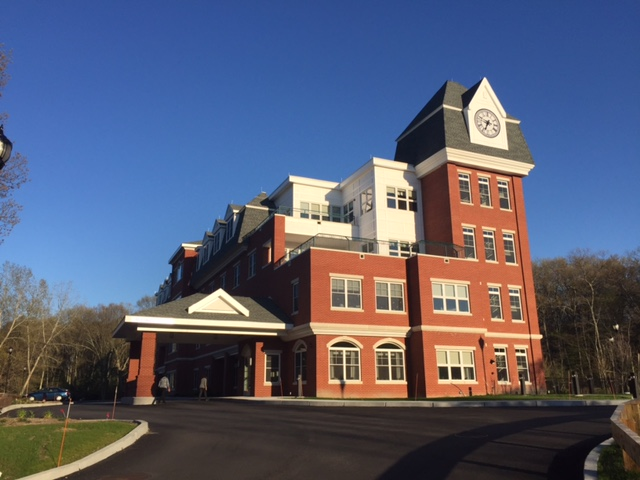
How is Waterview Lodge Llc, Rehabilitation & Healthcare Staffed?

CMS rates WATERVIEW LODGE LLC, REHABILITATION & HEALTHCARE's staffing level at 4 out of 5 stars, which is above average compared to other nursing homes. Staff turnover is 15%, compared to the Massachusetts average of 46%. This relatively stable workforce can support continuity of care.

What Have Inspectors Found at Waterview Lodge Llc, Rehabilitation & Healthcare?

State health inspectors documented 38 deficiencies at WATERVIEW LODGE LLC, REHABILITATION & HEALTHCARE during 2022 to 2024. These included: 36 with potential for harm and 2 minor or isolated issues.
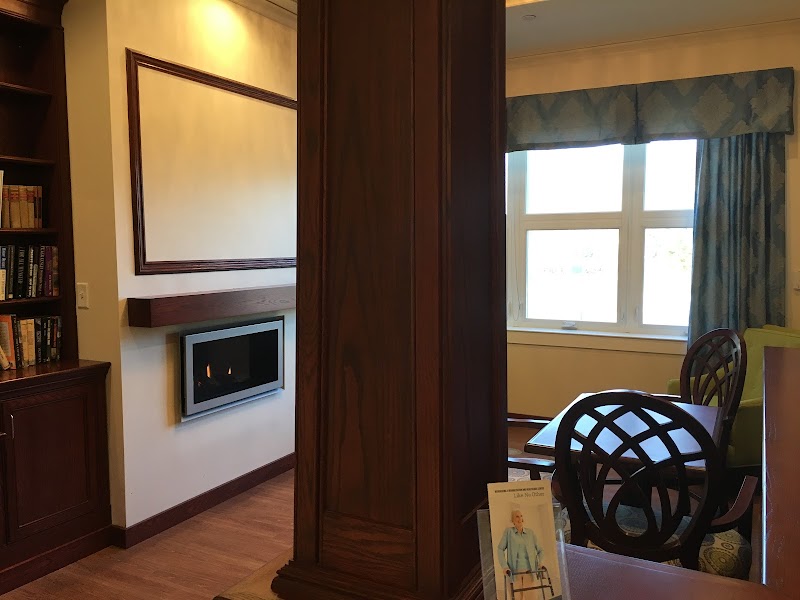
Who Owns and Operates Waterview Lodge Llc, Rehabilitation & Healthcare?

WATERVIEW LODGE LLC, REHABILITATION & HEALTHCARE is owned by a for-profit company. For-profit facilities operate as businesses with obligations to shareholders or private owners. The facility operates independently rather than as part of a larger chain. With 103 certified beds and approximately 79 residents (about 77% occupancy), it is a mid-sized facility located in ASHLAND, Massachusetts.
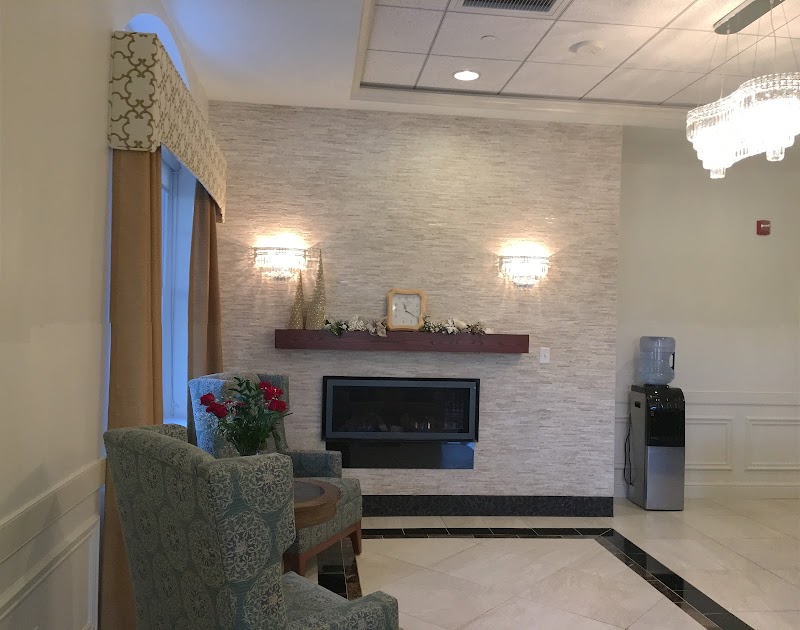
How Does Waterview Lodge Llc, Rehabilitation & Healthcare Compare to Other Massachusetts Nursing Homes?

Compared to the 100 nursing homes in Massachusetts, WATERVIEW LODGE LLC, REHABILITATION & HEALTHCARE's overall rating (2 stars) is below the state average of 2.9, staff turnover (15%) is significantly lower than the state average of 46%, and health inspection rating (2 stars) is below the national benchmark.

What Should Families Ask When Visiting Waterview Lodge Llc, Rehabilitation & Healthcare?

Based on this facility's data, families visiting should ask: "Can I visit during a mealtime to observe dining assistance and food quality?" "How do you handle medical emergencies, and what is your hospital transfer rate?" "Can I speak with family members of current residents about their experience?"

Is Waterview Lodge Llc, Rehabilitation & Healthcare Safe?

Based on CMS inspection data, WATERVIEW LODGE LLC, REHABILITATION & HEALTHCARE has a clean safety record: no substantiated abuse findings (meaning no confirmed cases of resident harm), no Immediate Jeopardy citations (the most serious violation level indicating risk of serious injury or death), and is not on the Special Focus Facility watch list (a federal program monitoring the lowest-performing 1% of nursing homes). The facility has a 2-star overall rating and ranks #100 of 100 nursing homes in Massachusetts. While no facility is perfect, families should still ask about staff-to-resident ratios and recent inspection results during their visit.

Do Nurses at Waterview Lodge Llc, Rehabilitation & Healthcare Stick Around?

Staff at WATERVIEW LODGE LLC, REHABILITATION & HEALTHCARE tend to stick around. With a turnover rate of 15%, the facility is 31 percentage points below the Massachusetts average of 46%. Low turnover is a positive sign. It means caregivers have time to learn each resident's needs, medications, and personal preferences. Consistent staff also notice subtle changes in a resident's condition more quickly.

Was Waterview Lodge Llc, Rehabilitation & Healthcare Ever Fined?

WATERVIEW LODGE LLC, REHABILITATION & HEALTHCARE has no federal fines on record. CMS issues fines when nursing homes fail to meet care standards or don't correct problems found during inspections. The absence of fines suggests the facility has either maintained compliance or corrected any issues before penalties were assessed. This is a positive indicator, though families should still review recent inspection reports for the full picture.

Is Waterview Lodge Llc, Rehabilitation & Healthcare on Any Federal Watch List?

WATERVIEW LODGE LLC, REHABILITATION & HEALTHCARE is not on any federal watch list. The most significant is the Special Focus Facility (SFF) program, which identifies the bottom 1% of nursing homes nationally based on persistent, serious quality problems. Not being on this list means the facility has avoided the pattern of deficiencies that triggers enhanced federal oversight. This is a positive indicator, though families should still review the facility's inspection history directly.