AYER VALLEY REHAB AND NURSING
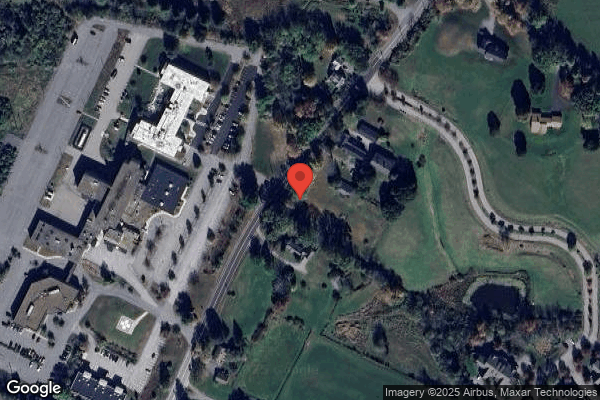
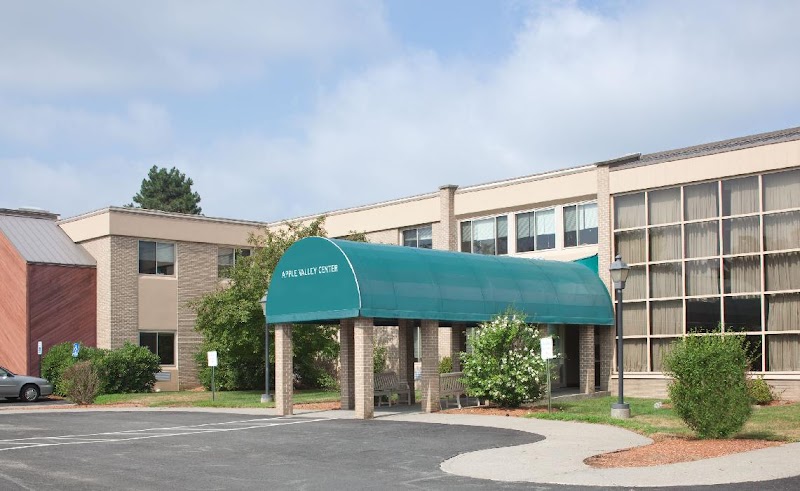
400 GROTON ROAD, AYER, MA 01432 (978) 772-1704
For profit - Limited Liability company 123 Beds STERN CONSULTANTS Data: November 2025
Trust Grade
0/100
#267 of 338 in MA
Last Inspection: March 2025

Within standard 12-15 month inspection cycle. Federal law requires annual inspections.

Overview

Ayer Valley Rehab and Nursing has received a Trust Grade of F, indicating significant concerns about the facility's quality of care. They rank #267 out of 338 facilities in Massachusetts, placing them in the bottom half, and #55 out of 72 in Middlesex County, meaning only a few local options are worse. Although the facility is reportedly improving, with the number of issues decreasing from 25 to 21, it still faces serious challenges, including a concerning staff turnover rate of 64%, which is much higher than the state average. The facility has also incurred $82,554 in fines, a figure that is higher than 81% of Massachusetts facilities, suggesting ongoing compliance problems. Specific incidents have raised alarm, such as the failure to notify medical staff about a resident's deteriorating pressure wound and an incident of staff abuse that left a resident visibly upset. While there is some RN coverage, it is only at an average level, which may not sufficiently protect residents from potential issues.

Trust Score
F
0/100
In Massachusetts
#267/338
Bottom 22%
Safety Record
High Risk
Review needed
Inspections
Getting Better
25 → 21 violations
Staff Stability
⚠ Watch
64% turnover. Above average. Higher turnover means staff may not know residents' routines.
Penalties
✓ Good
$82,554 in fines. Lower than most Massachusetts facilities. Relatively clean record.
Skilled Nurses
○ Average
Each resident gets 40 minutes of Registered Nurse (RN) attention daily — about average for Massachusetts. RNs are the most trained staff who monitor for health changes.
Violations
⚠ Watch
84 deficiencies on record. Higher than average. Multiple issues found across inspections.
★☆☆☆☆
1.0
Overall Rating
★☆☆☆☆
1.0
Staff Levels
★★☆☆☆
2.0
Care Quality
★☆☆☆☆
1.0
Inspection Score
Stable
2024: 25 issues
2025: 21 issues

The Good

  • Full Sprinkler Coverage · Fire safety systems throughout facility
  • No fines on record

Facility shows strength in fire safety.

The Bad

1-Star Overall Rating

Below Massachusetts average (2.9)

Significant quality concerns identified by CMS

Staff Turnover: 64%

18pts above Massachusetts avg (46%)

Frequent staff changes - ask about care continuity

Federal Fines: $82,554

Well above median ($33,413)

Moderate penalties - review what triggered them

Chain: STERN CONSULTANTS

Part of a multi-facility chain

Ask about local staffing decisions and management

Staff turnover is elevated (64%)

16 points above Massachusetts average of 48%

The Ugly 84 deficiencies on record

7 actual harm
Mar 2025 18 deficiencies
CONCERN (D)

Potential for Harm - no one hurt, but risky conditions existed

Notification of Changes (Tag F0580)

Could have caused harm · This affected 1 resident

**NOTE- TERMS IN BRACKETS HAVE BEEN EDITED TO PROTECT CONFIDENTIALITY** Based on record review, and interview, the facility failed to notify the Physician of a change in condition for one Resident (#1...

Read full inspector narrative →
**NOTE- TERMS IN BRACKETS HAVE BEEN EDITED TO PROTECT CONFIDENTIALITY** Based on record review, and interview, the facility failed to notify the Physician of a change in condition for one Resident (#114) for a sample of three closed resident records reviewed. Specifically, the facility failed to notify Resident #114's Physician of the Resident's change in condition when the Resident died in the facility. Findings include: Review of the facility's Change in Condition Policy, dated [DATE] and revised [DATE], indicated the following: >Full assessment by nursing staff includes but is not limited to: -Full vitals (temperature, respirations, blood pressure and oxygen saturation level). -Level of consciousness. -Respiratory status . >Notify Physician of change and give assessment information. -Receive orders, if any. -If not during normal business hours for provider, place call to provider to update on resident's condition . if there is a significant change. -If unable to reach provider, contact Medical Director or Medical Director Associate. Review of the facility's Death of a Resident Policy, dated [DATE] and revised [DATE], indicated: -When a resident is identified without signs of life, the Physician will be notified of assessment findings. Review of the facility's Nursing Code Blue (medical emergency in which one's heart or breathing stops) Policy, [DATE] and revised [DATE], indicated the following: -The facility's policy was to ensure prompt and skilled cardiovascular and cerebral resuscitation of residents who suffer a cardiopulmonary arrest while on the premises. -Exceptions included residents with Do Not Resuscitate (DNR) status. -The facility was required to notify the Physician of the code blue as early as practically possible. Resident #114 was admitted to the facility in [DATE] with diagnoses including Hypertension. Review of Resident #114's electronic medical record (EMR) indicated the following: -An order, dated [DATE], for Full Code (one's directive for healthcare providers to use all available means to resuscitate and support their life). -A Medical Order for Life-Sustaining Treatment (MOLST) form, signed and dated on [DATE] by the Resident and the Nurse Practitioner (NP), to attempt resuscitation for the Resident if cardiac or respiratory arrest occurred. Review of Resident #114's Nursing Progress Note, dated [DATE], indicated the following: -The Resident was not responsive, with no pulse and absent breath sounds. -The Resident was a Full Code. -Facility staff initiated CPR and activated EMS (Emergency Medical Services). -EMS arrived at 3:30 A.M. and took over CPR (cardiopulmonary resuscitation) for the Resident. -EMS reported that the Resident was pronounced dead at 3:45 A.M. per a Physician at an area hospital. -EMS left the facility and facility staff prepared the Resident for pickup by the funeral home. -The Resident's family and the facility's Director of Nursing (DON) were notified. Further review of the Resident's Nursing Progress Note did not include any evidence the Resident's Physician was notified of the Resident's death. Review of Resident #114's February 2025 Physician orders indicated the following: -An order, dated [DATE], for: May do RN (Registered Nurse) pronouncement and release to funeral home. -The order was not created until [DATE]. During an interview on [DATE] at 12:57 P.M., Nurse #6 said she worked the overnight shift (11:00 P.M. to 7:00 A.M.) on [DATE], when Resident #114 expired. Nurse #6 said that she assessed the Resident to be unresponsive, without pulse and breath sounds. Nurse #6 said CPR was initiated, and EMS was activated. Nurse #6 said she could not remember what time it was when she assessed the Resident and CPR was initiated, and that EMS took over CPR for the Resident somewhere around 3:15 A.M. Nurse #6 said that EMS provided CPR to the Resident for a while, then stopped. Nurse #6 said one of the EMS personnel informed her that they spoke with a hospital Physician and the hospital Physician said EMS could tell Nurse #6 to pronounce the Resident dead. Nurse #6 said she completed the RN pronouncement form and indicated the hospital Physician as the Physician informed of death. Nurse #6 said she was unsure whether she needed to contact Resident #114's Physician to notify him/her of the Resident's death and that she did not call the Resident's Physician. During an interview on [DATE] at 1:20 P.M., the DON said Nurse #6 should have called Resident #114's Physician or the on-call Provider to notify the Physician of the Resident's death when the Resident expired on [DATE]. During an interview on [DATE] at 2:57 P.M., the Corporate Nurse said that she did not recall entering the order into Resident #114's EMR for RN pronouncement on [DATE], and when she reviewed the record, realized that she did enter the order for the Physician to approve. The Corporate Nurse said the reason she would have entered the order on [DATE] for a death that occurred on [DATE] was if she reviewed the record and identified that an order had not been obtained. The Corporate Nurse also said that Nurse #6 should have notified the Resident's Physician of the Resident's death.
CONCERN (D)

Potential for Harm - no one hurt, but risky conditions existed

Grievances (Tag F0585)

Could have caused harm · This affected 1 resident

**NOTE- TERMS IN BRACKETS HAVE BEEN EDITED TO PROTECT CONFIDENTIALITY** Based on record review, and interview, the facility failed to resolve a grievance timely for one Resident (#66), out of a total ...

Read full inspector narrative →
**NOTE- TERMS IN BRACKETS HAVE BEEN EDITED TO PROTECT CONFIDENTIALITY** Based on record review, and interview, the facility failed to resolve a grievance timely for one Resident (#66), out of a total sample of 23 residents. Specifically, for Resident #66, the facility failed to ensure that a reported grievance by the Resident, the Resident's Representative (RR), and the Nurse Practitioner (NP), regarding two missing hearing aids was documented and the grievance process initiated to resolve the concern within a reasonable timeframe. Findings include: Review of the facility policy, titled Resident and Family Concerns and Grievances, revised 10/5/24, indicated: -Residents or their family members, guardian, or representative may voice a grievance to the facility staff in person, by telephone, or via written communication. -The facility shall provide a grievance report form to facilitate the voicing of a grievance if requested by a resident or family members. -The facility will follow up with the resident or their family members, guardian, or representative within 72 hours of the filing of the grievance. -The facility will make reasonable efforts to ensure that all grievances are adequately resolved within thirty (30) calendar days from the day the grievance is received. -The facility will advise the resident of the outcome of the grievance investigation and shall make reasonable efforts to contact the resident's family members to advise them of the outcome of the grievance investigation. -The facility will provide the resident with a written grievance decision. -The facility will document all steps of the grievance resolution in the facility's records, including whether the resident/family was satisfied with the resolution. Resident #66 was admitted to the facility in September 2022 with diagnoses including Chronic Obstructive Pulmonary Disease (COPD), Major Depressive Disorder, Unspecified symptoms and signs involving cognitive functions following Cerebral Infarction, Metabolic Encephalopathy, and Diabetes Mellitus. Review of the Minimum Data Set (MDS) assessment dated [DATE], indicated Resident #66: -was severely cognitively impaired as evidenced by a Brief Interview for Mental Status (BIMS) score of five out of 15 total possible points. -had clear speech. -was usually understood. Review of Resident #66's clinical record indicated the following: - The Resident completed a Health Care Proxy (HCP- a legal document identifying a resident's preference for surrogate medical decision makers if they become incapacitated) naming Resident Representative (RR) #1 on 9/13/24. -The Resident was determined by a Physician to lack capacity to make health care decisions and the HCP was permanently invoked on 10/29/24. During an interview on 3/4/25 at 10:15 A.M., Resident #66 said that he/she was missing hearing aids, and the facility staff were not responding to him/her anytime he/she would inquire about the missing hearing aids. During an interview on 3/5/25 at 1:28 P.M., RR#1 said he/she had reported the missing hearing aids to the facility staff about four months prior, but the facility had not responded to him/her as yet. Review of Resident #66's Physiatry Progress Note, dated 1/7/25, indicated the Resident still had no hearing aids, therefore communication with the Resident was difficult. The Physiatry Progress Note further indicated that the Physiatrist followed up with the nursing manager about the Resident's hearing aids, as well as the Social Worker (SW), and the Unit Manager (UM) and the Social Worker said a grievance would be initiated for the missing hearing aids. During an interview on 3/5/25 at 2:21 P.N., the SW said she was aware of Resident #66's concern about the missing hearing aids but she had not documented a formal grievance, had not followed the grievance process, and the Resident's concern of the missing hearing aids remained unresolved. The SW further said she should have documented the missing hearing aids as a formal grievance, investigated the concern, and followed up for resolution, but she had not done so.
CONCERN (D)

Potential for Harm - no one hurt, but risky conditions existed

Deficiency F0694 (Tag F0694)

Could have caused harm · This affected 1 resident

**NOTE- TERMS IN BRACKETS HAVE BEEN EDITED TO PROTECT CONFIDENTIALITY** Based on record review, and interview, the facility failed to provide care and services in accordance with professional standard...

Read full inspector narrative →
**NOTE- TERMS IN BRACKETS HAVE BEEN EDITED TO PROTECT CONFIDENTIALITY** Based on record review, and interview, the facility failed to provide care and services in accordance with professional standards of practice for one Resident (#27) out of a total sample of 23 residents, who required a vascular access device (device that provides access to the veins for the delivery of medications or fluids). Specifically, the facility failed to obtain Physician orders for the care and maintenance of Resident #27's midline catheter (a flexible tube inserted through a peripheral vein above the elbow that ends just below the axilla [armpit]) and monitor for catheter related complications. Findings include: Review of the facility policy titled Infusion Therapy Clinical and Pharmacy Services Policies and Procedures for Long-Term Care last revised November 2022, indicated the following: -for midline catheters flush before and after medication administration with a 10 ml (milliliter) barrel syringe with preservative free 0.9% sodium chloride. -change the catheter dressing at least every seven days and immediately if the dressing or site appears compromised. -visually inspect the midline access device every four hours for redness, tenderness, swelling, dislodgement . -for midline catheters, measure the circumference and compare baseline when clinically indicated to assess for edema and possible deep vein thrombosis. -document all procedures in the Treatment Administration Record (TAR). Resident #27 was admitted to the facility in October 2024 with diagnoses including Diabetes Mellitus Type II (DM II) with Diabetic Neuropathy. Review of the Minimum Data Assessment (MDS) dated [DATE], indicated Resident #27 was cognitively impaired as evidenced by a Brief Interview for Mental Status (BIMS) score of seven out of a total possible score of 15. Review of the December 2024 Physician orders indicated the following order initiated on 12/26/24: -Piperacillin Sodium -Tazobactam Sodium Solution, 3.375 grams intravenously (IV) every 6 hours for infection for seven days. -Send Resident to ER (Emergency Room) for midline placement. Review of the Nursing Progress Note dated 12/26/24 at 8:51 P.M., indicated that Resident #27 had returned from the ER and had a midline catheter placed in his/her right upper arm. Further review of Resident #27's Physician orders failed to indicate any orders for the care and maintenance of Resident #27's midline catheter. Review of the December 2024 and January 2025 Medication Administration Records (MARs) indicated Resident #27 was administered the antibiotic medication from 12/27/24 through 1/2/25 as ordered. Review of the December 2024 and January 2025 Treatment Administration Records (TARs) failed to indicate any documentation that care and services had been provided for Resident #27's midline catheter. During an interview on 3/11/25 at 9:20 A.M., Unit Manager (UM) #1 said that she was on vacation at the time the Resident was on IV antibiotics. UM #1 said she knew he/she had a midline catheter placed on 12/26/25 for antibiotic therapy and that the midline catheter was discontinued on 1/14/25. UM #1 said when she returned from vacation she noticed that there had been no Physician orders for the care of Resident #27's midline catheter. UM #1 said that there should have been orders in place for monitoring the catheter site, dressing changes to the catheter site and for the flushing of the midline catheter. UM#1 said she could not provide any evidence that care and services had been provided for Resident #27's midline catheter.
CONCERN (D)

Potential for Harm - no one hurt, but risky conditions existed

Deficiency F0699 (Tag F0699)

Could have caused harm · This affected 1 resident

Based on interview, and record review, the facility failed to develop a comprehensive Trauma Informed Care Plan for one Resident (#2), out of a total sample of 23 residents. Specifically, for Residen...

Read full inspector narrative →
Based on interview, and record review, the facility failed to develop a comprehensive Trauma Informed Care Plan for one Resident (#2), out of a total sample of 23 residents. Specifically, for Resident #2, the facility failed to complete an assessment and ensure that a comprehensive Trauma Informed Care Plan was developed relative to the Resident's history of Post-Traumatic Stress Disorder (PTSD). Findings include: Review of the facility policy for Trauma Centered Care last revised 11/5/24 indicated: -the initial (admission) intake, assessment, and documentation process includes questions designed to sensitively and respectfully explore prior (including early childhood) and current trauma-related experiences. -the screening and assessment process is sufficiently thorough and focused on trauma-related issues to allow for determination of a diagnosis associated with trauma, such as PTSD. -the facility routinely assists residents to develop a plan that is designed to prevent and manage a crisis. All staff directly involved in the residents' treatment is informed about the resident plan and how they can support it. -the facility provides trauma-related information that will assist other service providers to develop a service plan that will promote effective care and reduce the likelihood of re-traumatization. -the facility ensures that staff are educated and trained in using trauma informed care approaches to prevent and manage incidents that create serious emotional distress for both residents and staff. Resident #2 was admitted to the facility in June 2024 with diagnoses including Post Traumatic Stress Disorder (PTSD) and Bipolar Disorder. Review of Resident #2's Behavioral Healthcare Notes dated 9/17/24 and 10/15/24, indicated that the Resident was diagnosed with Post Traumatic Stress Disorder. Review of the Minimum Data Set (MDS) assessment, dated 11/28/24, indicated that Resident #2: -was cognitively intact as evidenced by a Brief interview of Mental Status (BIMS) score of 15 out of a possible score of 15. -exhibited verbal, physical and other behavioral symptoms directed at others (e.g., threatening others, screaming at others, cursing at others). -was diagnosed with Bipolar Disorder and PTSD. Review of the Resident's Comprehensive Care Plan failed to indicate documentation that a Trauma Informed Care Plan had been developed for Resident #2, until 3/4/25, when the facility survey started. During an interview on 3/6/25 at 9:14 A.M., Social Worker (SW) #1 said Trauma Assessments should be completed for residents on admission which will then trigger the care plan if applicable. SW #1 also said that a Trauma Assessment should have been completed on Resident #2, and it was not completed.
CONCERN (D)

Potential for Harm - no one hurt, but risky conditions existed

Deficiency F0726 (Tag F0726)

Could have caused harm · This affected 1 resident

**NOTE- TERMS IN BRACKETS HAVE BEEN EDITED TO PROTECT CONFIDENTIALITY** Based on observation, interview, and record review, the facility failed to ensure that three Licensed Nurses (Nurse #3, ADON [As...

Read full inspector narrative →
**NOTE- TERMS IN BRACKETS HAVE BEEN EDITED TO PROTECT CONFIDENTIALITY** Based on observation, interview, and record review, the facility failed to ensure that three Licensed Nurses (Nurse #3, ADON [Assistant Director of Nurses] and SDC [Staff Development Coordinator]) out of three Nurses, had the specific competencies and skills sets necessary to provide respiratory care and services that were consistent with professional standards of practice for one Resident (#66), out of a total sample of 23 residents. Specifically, for Resident #66, the facility failed to ensure that Nurse #3, the ADON and the SDC had the knowledge, competency and skills necessary to: -order and provide an inline adaptor for the Resident's Continuous Positive Airway Pressure (CPAP - type of non-invasive device that administers a predetermined level of pressure through a mask worn over the nose and/or mouth to keep the airways open) machine to connect oxygen as ordered for CPAP therapy -obtain and implement appropriate CPAP pressure settings as required when the settings were not ordered, resulting in the Resident's inability to use the CPAP machine during sleep. Findings include: Review of Facility Assessment, revised 2/19/25, indicated: -The facility provides special treatments and conditions such as Oxygen therapy, BIPAP/CPAP. -Management of medical conditions such as COPD. -Has resources to provide competent resident support and care. -Provide monthly training and competencies and adjusted based on current needs and occurrences within the facility. -Provide physical equipment like ventilators. Resident #66 was admitted to the facility in September 2022 with diagnoses including Chronic Obstructive Pulmonary Disease (COPD). Review of the Minimum Data Set (MDS) assessment dated [DATE], indicated Resident #66: -was severely cognitively impaired as evidenced by a Brief Interview for Mental Status (BIMS) score of five out of 15 total possible points -had clear speech -was usually understood -was prescribed oxygen therapy -utilized non-invasive mechanical ventilation Review of Resident #66's clinical record indicated: -The Resident completed a Health Care Proxy (HCP- the person chosen as the healthcare decision maker when the individual is unable to do so for themself) naming Resident Representative (RR) #1 -The Resident was determined by a Physician to lack capacity to make health care decisions and the HCP was permanently invoked on 10/29/24. During an interview on 3/4/25 at 10:15 A.M., Resident #66 said that he/she was supposed to be using a CPAP machine at night. Resident #66 further said the CPAP machine was in the room, but the facility staff did not know how to use the machine. Resident #66 said the facility had not provided the adaptor needed to connect oxygen to the CPAP machine, and he/she had been asking the facility staff about his/her need to use the CPAP machine at night. During an interview on 3/5/25 at 1:28 P.M., Resident Representative #1 said he/she was aware that Resident #66 was not provided CPAP therapy, and had mentioned the concern to the facility staff. Review of Resident #66's March 2025 Physician's orders indicated: -CPAP Mask Style Full Face Mask Size large, initiated 12/28/23. -CPAP: Oxygen setting: O2 at 2 liters via CPAP when in use every shift, initiated 12/28/23. Review of Resident #66's December 2023 Physician's orders indicated: -CPAP AUTO: Pressure Settings: Home settings. Hours of Usage HS to AM every shift, initiated 12/28/23. Review of updated Physician orders revised by the facility on 3/5/25 at 11:09 A.M., indicated: -CPAP face mask, humidifier, oxygen at 2 liters per minute (LPM) pressure settings: min 4.0 max 20.0. Review of Resident #66's Care Plan Report indicated that the Resident had Sleep Apnea and included the following interventions: -BIPAP/CPAP/VPAP SETTINGS: titrated pressure: (SPECIFY) cm H20 via (SPECIFY): nasal pillow, nose mask or full face mask) (SPECIFY FREQ), initiated 12/28/23 and revised 3/4/25. On 3/5/25 at 9:30 A.M., the surveyor and Nurse #3 reviewed Resident #66's CPAP machine. During an interview at the time, Nurse #3 said she did not work the overnight shift and had no idea whether the machine was a BIPAP or CPAP. Nurse #3 further said that she did not know whether oxygen could be connected to the machine or to what port the oxygen tubing would be attached for the Resident's use. On 3/5/25 at 9:35 A.M., the surveyor and the Assistant Director of Nursing (ADON) observed the Resident's CPAP machine, and the ADON said she was unsure whether the machine was a BIPAP or a CPAP. The ADON also said she did not know how she would attach oxygen tubing to the machine. The ADON said she would have to ask another staff member and would update the surveyor. On 3/5/25 at 10:02 A.M., the ADON and the Staff Development Coordinator (SDC) observed Resident #66's machine. The SDC said she was unsure whether the machine was a BIPAP or CPAP, and that there was no way an oxygen tubing could be attached to the machine. During an interview on 3/5/25 at 12:25 P.M. the Clinical Nurse Consultant (CNS) said Nurse #3, the ADON, and the SDC, had not been assessed for competency on the use of a BIPAP or CPAP machine. During an interview on 3/6/25 at 11:15 A.M., the SDC said that not all CPAP machines were the same and the nursing staff should have been trained on the use of the CPAP machine, and have competencies assessed when Resident #66 had a Physician's order for use of the CPAP machine. The SDC further said that nursing competencies should have been assessed, but they were not.
CONCERN (D)

Potential for Harm - no one hurt, but risky conditions existed

Deficiency F0730 (Tag F0730)

Could have caused harm · This affected 1 resident

Based on record review, and interview, the facility failed to complete a performance review at least once every 12 months for one Certified Nurses Aide (CNA) #2 out of a sample of five CNAs reviewed. ...

Read full inspector narrative →
Based on record review, and interview, the facility failed to complete a performance review at least once every 12 months for one Certified Nurses Aide (CNA) #2 out of a sample of five CNAs reviewed. Specifically, the facility failed to ensure that a performance review was completed as required, for CNA #2 when CNA #2 had been employed at the facility for greater than 12 months. Findings include: Review of the facility's Performance Appraisal Policy, dated 11/1/15 and revised 11/5/24, indicated the following: -It is the facility policy that employees receive annual performance appraisals. -Annual reviews assist supervisors in appraising employees of progress and potential as well as areas that need to be strengthened. -Department Directors should review the evaluation with the employee and confirm performance goals for the next year. -Performance evaluations are to be reviewed by the Human Resource Director and . filed in the employee's personnel file. Review of the facility's list of CNAs employed at the facility for greater than one year as of 3/7/25, indicated that CNA #2 had been employed at the facility since 11/27/23. Review of CNA #2's Staff Performance Review Form, dated 11/1/24, indicated the following: -CNA #2's performance had been evaluated. -The Performance Review included an area for the employee signature. -The employee signature line was blank. During an interview on 3/7/25 at 1:30 P.M., the Human Resources Director (HRD) said that CNAs' performance was required to be evaluated every year. The HRD said that he tracked when the performance reviews were due and provided the Staff Performance Review Forms to the Department Director when staff performance reviews needed to be completed. The HRD said that the Department Directors were required to review the annual performance evaluations with their staff, and that staff were to sign the Performance Review Form to indicate acknowledgement of the performance review. The HR Director said that once the Performance Review Form was signed, the Department Directors were required to return the Performance Review Forms to him so that the Performance Review Forms could be filed in the employees' files. During an interview on 3/7/25 at 2:30 P.M., the Director of Nursing (DON) said there was no evidence the performance review dated 11/1/24, was ever reviewed with CNA #2. On 3/11/25 at 11:41 A.M., the surveyor placed a telephone call to CNA #2. CNA #2 did not answer the phone and the message on the phone indicated the voicemail box was full and could not accept messages at that time.
CONCERN (D)

Potential for Harm - no one hurt, but risky conditions existed

Deficiency F0760 (Tag F0760)

Could have caused harm · This affected 1 resident

Based on interview, and record review, the facility failed to ensure that one Resident (#104) out of a total sample of 23 residents, was free from a significant medication error when an anticoagulatio...

Read full inspector narrative →
Based on interview, and record review, the facility failed to ensure that one Resident (#104) out of a total sample of 23 residents, was free from a significant medication error when an anticoagulation medication was not administered and monitoring laboratory testing of the medication was not completed as ordered by the Physician. Specifically, for Resident #104, the facility failed to ensure that Warfarin Sodium (a blood thinner or anticoagulant medication used to prevent blood clots and reduce risk of heart attack and stroke) was administered to the Resident as ordered and that Prothrombin Time/International Normalized Ratio Lab work (PT/INR - blood test that measures how quickly the blood clots, helping to assess the function of blood clotting factors and monitor the effectiveness of blood thinning medications like Warfarin Sodium) laboratory test was drawn as ordered by the Physician, increasing the risk for heart complications and formation of blood clots. Findings include: Review of the facility policy titled, Administering Medication, initiated 11/1/15 and revised 3/19/24, indicated the following: -The Director of Nursing Services is responsible for the supervision and direction of all personnel with medication administration duties and functions. -Medications shall be administered in physician's written/verbal orders upon verification of the right medication, dose, route, time, and positive verification of the resident's identity when no contraindications are identified, and the medication is labeled according to accepted standards. -Should a drug be withheld, refused, or given other than at the scheduled time, the individual administering the medication shall chart in the Electronic Medical Record (eMAR) and sign off for that particular drug and document a rationale. -If the medication was not administered the missed dose/medication error protocol shall be followed. Review of the facility policy titled Policy & Procedure Medication Errors, initiated 11/1/15 and last revised 11/5/24, indicated the following: -It is the policy of this facility to establish and follow a uniform process of medication error management, in regard to reporting medication errors and ensuring accurate and appropriate use of medications. -The nurse that has noted the Medication Error will contact the Director of Nursing, Physician, Resident/Power of Attorney (POA)/Guardian and the Facility Pharmacy. This facility feels that reporting of errors or potential errors will help us to identify and remediate problem processes or to identify areas of needed staff or individual staff education. -It is the responsibility of every employee to report any known, suspected, or potential medication error. -It is the responsibility of nursing administration to monitor these reports and initiate any appropriate action. -All medication errors are to have a risk management for unusual occurrence completed. Annual & PRN (as needed) medication error training will be maintained. Review of the facility policy titled Policy & Procedure Anticoagulant Therapy, initiated 11/1/15 and last revised 5/5/24, indicated the following: -To ensure that residents on anticoagulant therapy, upon a physician's order, will be monitored to ensure the maintenance of safe laboratory parameters as established by the attending physician. The protocol for managing anticoagulant therapy will assist in reducing the risk of negative effects from the use of anticoagulant medications. -The Anticoagulant Flow Record should reflect: a. date of the most recent laboratory draw, if applicable b. the results of the most recent laboratory draw, if applicable c. current medication and dose orders d. date of the next scheduled laboratory draw, if applicable e. parameters for abnormal results and physician notification -With each medication administration opportunity, the licensed nurse or certified medication technician will review the Medication Administration Record and Anticoagulant Flow Record to ensure consistency in medication dose orders, laboratory results are documented, the physician has been notified of laboratory results, and the next laboratory draw date is identified prior to administering the medication. Resident #104 was admitted to the facility January 2025 with diagnoses including Atrial Fibrillation (Afib), Cerebrovascular Accident (CVA), Hypertension, and Metabolic Encephalopathy. Review of Resident #104's Anticoagulant Care Plan, initiated 1/3/25 and last revised 1/3/25, indicated the Resident was receiving Anticoagulant therapy due to Afib and included the following interventions initiated 1/3/25: -Administer medication and treatment as ordered by Medical Director (MD) and monitor for side effects to current medication regimens. -Labs will be monitored per MD orders. Review of Resident #104's Minimum Data Set (MDS) Assessment, dated 1/10/25, indicated: -The Resident was severely cognitively impaired as evidenced by a Brief Interview for Mental Status (BIMS) score of seven out of 15 total possible points. -The Resident did not demonstrate behaviors of rejection of medications, labs and care during the reference period. -The Resident received anticoagulant therapy during the reference period. Review of Resident #104's January 2025 Physician's orders, indicated: -Warfarin Sodium Tablet 6 mg (milligrams), Give 1 tablet by mouth one time a day for Afib for one day, initiated 1/8/25. -PT/INR lab draw one time a day for PT/INR until 1/9/25. Order initiated 1/6/25 to start on 1/9/25. -Patient is on Warfarin (Coumadin), please check order one time a day, initiated 1/3/25. Review of Resident #104's January 2025 Medication Administration Record (MAR) indicated: -Warfarin Sodium Tablet 6 mg, give 1 tablet by mouth one time only for Afib for one day, order initiated 1/8/25, was left blank (not administered) on 1/9/25. -PT/INR scheduled for 1/9/25 scheduled for 5:00 A.M., was blank (not administered) on 1/9/25. -STAT (immediately) PT/INR scheduled for 1/11/25, was blank (labs not drawn) on 1/11/25 -Further review of the January 2025 MAR indicated no orders for Warfarin Sodium administration on 1/10/25. Review of Resident #104's Nursing Progress Notes, dated 1/11/25 at 2:52 P.M., indicated: -Physician on-call was notified that Resident #104 received his/her last dose of Warfarin Sodium on 1/8/25 with Physician orders as follows: >Get immediate (STAT) INR -No evidence that the PT/INR scheduled for 1/9/25 and the STAT order for 1/11/25, were drawn as ordered by the Physician. Further review of Resident #104's Nursing Progress Notes, dated 1/11/25 at 4:57 P.M., indicated: -Restart Warfarin Sodium 6 mg -Obtain INR tomorrow (1/12/25) Review of Resident #104's Nursing Progress Notes, dated 1/11/25 at 8:15 P.M., indicated: -PT/INR was not done -Patient received Warfarin Sodium (Coumadin) 6 mg tonight -Next INR in AM Review of Resident #104's PT/INR Lab Report dated, 1/12/25 indicated: -PT/INR value of 1.4 Low -Reference Interval 2.0 - 3.5 Further review of Resident #104's clinical records, dated 1/13/25 indicated: -The Resident is subtherapeutic -PT/INR 1.6 on Warfarin Sodium (Coumadin) 10 mg for Afib -Goal 2-3 -Increase Warfarin Sodium (Coumadin) from 10 mg to 10.5 mg once a day (QD) -Repeat INR Thursday (1/17/25) -PT/INR value 3.3 dated 1/17/25 During an interview on 3/7/25 at 9:50 A.M., Unit Manager (UM) #2 said Resident #104 did not receive a Warfarin Sodium dose on 1/9/25 as ordered by the Physician. UM #2 said she could not provide evidence that the Physician was notified when the Resident did not receive a Warfarin Sodium medication dose on 1/9/25. During an interview on 3/07/25 at 2:32 P.M., Nurse #5 said she communicated concerns that arose during her shift (7:00 A.M.-3:00 P.M.) to the Physician on-call, who would respond quickly to nursing concerns when contacted. Nurse #5 said she contacted the Physician on 1/11/25 when she identified the error relative to Resident #104's missed Warfarin Sodium dose and the missed PT/INR test on 1/9/25. Nurse #5 further said she obtained a one-time dose of Warfarin Sodium 6 mg to be administered on 1/11/25 and a Stat PT/INR to be drawn on 1/11/25. During an interview on 3/11/25 at 12:24 P.M., the Clinical Nurse Support (CNS) said there was no evidence that a medication error report was completed for Resident #104 after the missed dose of Warfarin Sodium on 1/9/25. The CNS further said the missed dose of Warfarin Sodium on 1/9/25 was a medication error, and a medication error report should have been completed. During an interview on 3/11/25 at 12:40 P.M., the Director of Nursing (DON) said that the Stat PT/INR ordered by the Physician on-call scheduled for 1/11/25 for Resident #104 was not drawn because the facility did not have a Stat lab service for overnight and weekend hours. The DON further said that the STAT PT/INR ordered for 1/11/25 was discontinued and the lab work was re-entered and drawn on 1/12/25. During an interview on 3/11/25 at 1:24 P.M., Physician Assistant (PA) #1 said that Nurse #5 had entered a concern dated 1/11/25 that the Resident's last dose of Warfarin Sodium was on 1/8/25 and there was no evidence that a new PT/INR lab had been ordered for the Resident. PA #1 said the last PT/INR that she was able to locate in Resident #104's clinical record indicated an INR value of 1.5 but she was unable to determine the date the lab work was drawn. PA #1 further said Resident #104 was chronically managed with Warfarin Sodium for a diagnosis of Afib and the missed doses of Warfarin Sodium medication increased the risk of a blood clot which would be dangerous for the Resident. PA #1 said that she reviewed Resident #104's medical record, and she observed that Nurse #5 had contacted another Physician on-call, and had discontinued the Stat PT/INR that she ordered on 1/11/25 to 1/12/25. PA #1 said Residents who are chronically managed on Warfarin Sodium, the goal for PT/INR value should be 2 - 3. PA #1 said that Resident #104 was subtherapeutic as his/her PT/INR level of 1.4 on 1/12/25 was low and she was unsure of the reason behind the low PT/INR level for the Resident. During an interview on 3/11/25 at 1:50 P.M., the DON said that Resident #104 had missed Warfarin Sodium doses on 1/9/25 and 1/10/25. The DON said that a risk management and medication error report for the missed doses of the Warfarin Sodium medication on 1/9/25 and 1/10/25 should have been completed when nursing staff identified the missed doses, but this was not done.
CONCERN (D)

Potential for Harm - no one hurt, but risky conditions existed

Deficiency F0804 (Tag F0804)

Could have caused harm · This affected 1 resident

Based on observation, interview, and record review, the facility failed to provide food and drink at a safe and appetizing temperature to residents on the North One Unit and for two Residents (#77 and...

Read full inspector narrative →
Based on observation, interview, and record review, the facility failed to provide food and drink at a safe and appetizing temperature to residents on the North One Unit and for two Residents (#77 and #76) residing on the South Two Unit. Specifically, facility failed to: -Provide residents on the North One Unit with hot food, at a safe an appetizing temperature, when the food was meant to be hot. -Provide Resident #77 and Resident #76 with hot food and cold drinks at safe and appetizing temperatures, when the food was meant to be hot, and the drinks were meant to be cold. Findings include: Review of the facility's Food Quality and Palatability Policy, dated May 2014 and revised September 2017, indicated the following: -Food will be prepared by methods that conserve nutritive value, flavor, and appearance. -Food will be palatable, attractive, and served at a safe and appetizing temperature. Review of the facility's Meal Distribution Policy, dated May 2014 and revised September 2017, indicated: -Meals are transported to the dining locations in a manner that ensures proper temperature maintenance, protects against contamination, and are delivered in a timely and accurate manner. Review of the facility's Food Preparation Policy, dated May 2014 and revised September 2017, indicated the following: -The Dining Services Director/Cook(s) will be responsible for food preparation techniques which minimize the amount of time that food items are exposed to temperatures greater than 41 degrees F (*F/Fahrenheit) and/or less than 135 degrees F, or per state regulation. -Temperature for Time/Temperature Control for Safety (TCS) foods will be recorded at time of service and monitored periodically during meal service periods. Review of the facility's Meal Time Schedule, undated, indicated the following: -The breakfast tray line started in the kitchen at 7:35 A.M. -The first breakfast meal cart for the North One Unit was scheduled to be delivered to the Unit at 7:43 A.M. -The second breakfast meal cart for the North One Unit was scheduled to be delivered to the Unit at 7:51 A.M. -The first breakfast meal cart for the South Two Unit was scheduled to be delivered to the Unit at 8:16 A.M. -The second breakfast meal cart for the South Two Unit was scheduled to be delivered to the Unit at 8:24 A.M. Review of the facility's Food Committee Meeting Minutes, dated 1/13/25, indicated a concern for late meal cart delivery to the South Two Unit. Review of the facility's Resident Council Minutes, dated 2/19/25, indicated: -Breakfast trays were taking too long to be passed out to Residents, so food was cold. Review of the Resident Council Response Form, dated 2/20/25, indicated an all hands-on-deck approach would be utilized for meal tray pass. During the Resident Council Group Meeting on 3/5/25 at 11:22 A.M., with eight residents present, the following concerns were shared by residents with surveyor #1: -The food is terrible. -Breakfast is consistently cold. -Food is often unappetizing looking. -Meat is too tough to eat. On 3/6/25 at 7:30 A.M., surveyor #2 observed the following in the facility's Main Kitchen: -The breakfast food had been prepared and was stored, covered with foil, in metal bins in the steam table. -The Food Temperature Log had been completed as follows for food items in the steam table: -Eggs 197*F -Ground ham 188*F -Regular texture ham 187*F -Fortified hot cereal 183*F -Oatmeal 184*F -Pancake 180*F -Puree pancake 193*F -Hot beverage 175*F -Orange juice 36*F -Milk 37*F -There was one [NAME] and two Dietary Aides in the Main Kitchen. -The [NAME] was removing food items from boxes and placing the items into the walk-in refrigerator. -Dietary Aide #1 was moving food carts into the food service area of the Kitchen. -Dietary Aide #2 was moving cold beverages from inside of the stand-up refrigerator to a cart in the food services area of the Kitchen. During an interview at the time, the [NAME] said that the facility's food delivery had come in that morning and that she needed to put the food items away. The [NAME] said that the food items for breakfast had been cooked, placed in the steam table, and the food temperatures had been recorded. The [NAME] said that the tray line would start soon. During an interview on 3/6/25 at 7:46 A.M., the [NAME] said that she was the [NAME] for that day and that two Dietary Aides (#1 and #2) were working with her. The [NAME] said that it was typical that staff in the Kitchen worked with one [NAME] and two Dietary Aides and that they were supposed to have three Dietary Aides. The [NAME] said they never have three Dietary Aides in the morning for the breakfast tray line. At this time, surveyor #2 requested from the [NAME] that test trays needed to be conducted for the North One and South Two Units. On 3/6/25, at 7:51 A.M., surveyor #2 observed the following in the facility's Main Kitchen: -The tray line began at 7:51 A.M. (21 minutes after the scheduled time) -Dietary Aide #2 prepared trays with utensils and drinks. -Dietary Aide #1 called resident diets off to the [NAME] who was plating the residents' food. -The first breakfast meal cart for the North One Unit was filled at 7:58 A.M. (15 minutes later than scheduled) and Dietary Aide #1 left the Main Kitchen with the cart. During an interview at the time, the [NAME] said, This is where it gets fun only having two Dietary Aides. Now Dietary Aide #1 has to leave to bring the cart to the Unit, so we wait for him to return. -Dietary Aide #1 returned to the Kitchen at 8:02 A.M., and the tray line resumed. -The second breakfast meal cart for the North One Unit was filled at 8:05 A.M. (14 minutes later than scheduled) and Dietary Aide #1 left the Kitchen with the cart. The meal cart was observed to be an open rack-style cart and was not enclosed. -The District Food Service Director entered the Kitchen at this time and replaced the [NAME] in the tray line. -The District Food Service Director (FSD) instructed the [NAME] to go to the Units for the test tray procedure and the [NAME] left the Kitchen. -The first breakfast meal cart was filled and was delivered to the North Two Unit at 8:19 A.M. by Dietary Aide #1. -The second breakfast meal cart was filled and was delivered to the North Two Unit at 8:33 A.M. by Dietary Aide #1. -The first breakfast meal cart for the South Two Unit was filled at 8:45 A.M. (29 minutes later than scheduled) and delivered to the Unit by Dietary Aide #1. -The [NAME] returned to the Kitchen and the District FSD said that he had run out of regular texture and puree pancakes to serve at 8:54 A.M. -The [NAME] heated pre-made pancakes and made puree pancakes in the Robo Coupe (blender style food preparation device). -The [NAME] was observed to sprinkle some cinnamon into the Robo Coupe where pancakes were being pureed. The [NAME] said the puree pancakes were so bland that she needs to add a little flavor. -The second breakfast meal cart for the South Two Unit was filled at 8:58 A.M. (34 minutes later than scheduled) and delivered to the Unit by Dietary Aide #1. -An additional three-tier open style metal cart was filled with breakfast meals and delivered to the South Two Unit at 9:02 A.M. On 3/6/25 at 8:00 A.M., surveyor #3 observed the following on the North One Unit: -The first breakfast meal cart was delivered to the Unit at 8:00 A.M. -The second breakfast meal cart was delivered to the Unit at 8:06 A.M. -Seven staff members were observed to complete meal tray pass and the last resident tray was passed at 8:07 A.M. At this time, the [NAME] took temperatures of the food items on the North One Unit test tray and surveyor #2 tasted the food items as follows: -Fortified cereal 98*F, lukewarm. -Oatmeal 112*F, lukewarm and bland. -Ground ham 108*F, lukewarm. -Puree eggs 110*F, lukewarm and bland with a processed taste. -Puree cooked ham 102*F, cool feeling in mouth. On 3/6/25 at 8:21 A.M., surveyor #4 observed the following on the South Two Unit: -The first breakfast meal cart was delivered to the Unit at 8:48 A.M. -The second breakfast meal cart was delivered to the Unit at 8:59 A.M. -An additional cart with three tiers was delivered to the Unit containing three meals at 9:03 A.M. -The last resident meal was passed at 9:07 A.M. At this time, the [NAME] took temperatures of the food items on the South Two Unit test tray and surveyor #3 tasted the food items as follows: -Puree eggs 119*F, watery and bland. -Ground ham 110*F, very salty, rubbery feeling and warm. -Puree cooked ham 111*F, very salty and watery, warm. -Scrambled eggs 101*F, bland, cool, and does not taste like eggs. -Puree pancake 121*F, sweet, thick, and lumpy. -Regular texture ham 108*F, salty, rubbery feeling, and cool. -Oatmeal 102*F, bland and cool. -Orange juice 52*F, not cold. -Milk 52*F, not cold. During an interview on 3/6/25 at 8:25 A.M., Certified Nurses Aide (CNA #1) said that residents sometimes complain of cold food. CNA #1 also said that she has heard residents complain about the quality of the food. CNA #1 said that the food taste and quality had gone down hill and that the food was not very good. CNA #1 said that some administrative staff assist with tray pass, but that the number of administrative staff who assisted with tray pass that morning was not the number who usually participated at the same time. During an interview on 3/6/25 at 8:59 A.M., Resident #76 said his/her breakfast that day was cold. During an interview on 3/6/25 at 8:55 A.M., Resident #77 said his/her breakfast was cold, just as it has always been. During an interview on 3/6/25 at 9:10 A.M., Dietary Aide #2 said that the open rack that was delivered to the North One Unit was a rack purchased to replace an older enclosed-style food cart that had been in disrepair and could not be fixed. Dietary Aide #2 said there had been ongoing resident complaints about cold food throughout the facility for a long time, and recently. Dietary Aide #2 said he had worked at the facility for a long time and knew the residents well, and that residents reported complaints of cold food often. During an interview on 3/6/25 at 9:15 A.M., the [NAME] said most of resident food complaints reported to her were from residents who resided on the South Two Unit. The [NAME] also said the residents on the South Two Unit were the last in the facility to receive their meals. The [NAME] said the cooked food which had been in the steam table for longer than scheduled could have contributed to cold food for the residents.
CONCERN (D)

Potential for Harm - no one hurt, but risky conditions existed

Deficiency F0805 (Tag F0805)

Could have caused harm · This affected 1 resident

**NOTE- TERMS IN BRACKETS HAVE BEEN EDITED TO PROTECT CONFIDENTIALITY** Based on observation, interview, and record review, the facility failed to provide food that was designed to meet the individual...

Read full inspector narrative →
**NOTE- TERMS IN BRACKETS HAVE BEEN EDITED TO PROTECT CONFIDENTIALITY** Based on observation, interview, and record review, the facility failed to provide food that was designed to meet the individual needs of one Resident (#10) out of a total sample of 23 residents. Specifically, the facility failed to ensure that Resident #10 was provided with the Physician's prescribed diet consistency of Nectar/Mildly thickened liquids (diet in which a thickening agent is added to thin liquids making them safer for a resident to swallow) when the Resident was at risk for aspiration and was offered thin consistency liquids with a breakfast meal. Findings include: Review of the International Dysphagia Diet Standardization Initiative (IDDSI), last updated July 2019, indicated: - nectar-thick liquids, also known as mildly thick, are easily pourable, flows from a spoon more slowly than water, and have a consistency similar to fruit nectar or thick cream soup. Resident #10 was admitted to the facility in March 2023 with diagnoses including Dementia and Dysphagia, oropharyngeal Phase. Review of the Minimum Data Set (MDS) assessment dated [DATE] indicated Resident #10 was cognitively impaired as evidenced by a Brief Interview for Mental Status (BIMS) score of ten out of a total possible score of 15. Review of a Speech Language Pathology (SLP) swallow evaluation dated 2/24/23, indicated Resident #10 was recommended for a soft diet with mildly thick liquids due to risk of aspiration (accidental entry of liquid into the airway). Review of Resident #10's March 2025 active Physician orders indicated the following diet order initiated on 5/9/24: -Low Concentrated Sweets, -Dysphagia Advanced texture, -Nectar/Mildly Thick Consistency liquids, -Carb Controlled Diet. Review of Resident #10's Care Plan last revised 2/28/25, indicated: -a care plan focus of Dysphagia -with an intervention in place to monitor Resident for signs and symptoms of aspiration i.e. coughing, watery eyes, choking, and moist sounding voice. On 3/6/25 at 8:15 A.M., the surveyor observed Certified Nurses Aide (CNA) #1 bring Resident #10's breakfast tray into his/her room. During an interview and observation on 3/6/25 at 8:25 A.M., CNA #1 said that she had brought Resident #10 his/her breakfast meal and made sure everything was set up on the tray for the Resident. CNA #1 said that Resident #10 was on a dysphagia-advanced diet with nectar thick liquids and that the orange juice and milk come from the kitchen already thickened but that the coffee does not come thickened on the meal trays. CNA #1 said she thickened the coffee on Resident #10's breakfast tray with the packet of powdered thickener included on the tray. CNA #1 said that she knows how to thicken liquids to the correct consistency because she has been a CNA for a long time and the facility provided education on altered diet texture when she was hired five years ago. CNA #1 said that nectar thick/mildly thick liquids are thicker than water and drop off a spoon slowly. The surveyor and CNA #1 observed the Resident's breakfast tray at this time, and observed the orange juice and milk on the Resident's tray to be thickened and the coffee to be of a thin consistency. The surveyor observed CNA #1 remove a spoonful of coffee from the Resident's coffee cup, which was half consumed, and empty the spoonful of coffee back into the coffee cup. The spoonful of coffee was observed to be of thin consistency and poured quickly back into Resident #10's cup. CNA #1 said that the consistency of the Resident's coffee was too thin and had not been thickened to a nectar/mild consistency and should have been made thicker. During an interview on 3/6/25 at 9:13 A.M., Unit Manager (UM) #1 said that the CNA's typically thicken liquids for residents who require thickened liquids. UM #1 said Resident #10 requires nectar/mild thick liquids because the Resident had been identified as an aspiration risk. UM #1 said that if the liquids are not thick enough then Resident #10 could aspirate.
CONCERN (D)

Potential for Harm - no one hurt, but risky conditions existed

Deficiency F0825 (Tag F0825)

Could have caused harm · This affected 1 resident

**NOTE- TERMS IN BRACKETS HAVE BEEN EDITED TO PROTECT CONFIDENTIALITY** Based on record review, and interview, the facility failed to ensure that specialized rehabilitation services were provided to o...

Read full inspector narrative →
**NOTE- TERMS IN BRACKETS HAVE BEEN EDITED TO PROTECT CONFIDENTIALITY** Based on record review, and interview, the facility failed to ensure that specialized rehabilitation services were provided to one Resident (#51) out of a total sample of 23 residents. Specifically, for Resident #51, the facility failed to ensure that a speech and language therapy evaluation was completed timely, when it was identified that the Resident had an unintended weight loss. Findings include: Resident #51 was admitted to the facility in March 2018 with diagnoses including Dementia. Review of the facility policy titled Rehabilitation Services in Skilled Nursing Facility, dated 1/31/25 indicated: -rehabilitation services, including physical therapy, occupational therapy, and speech-language therapy, will be delivered by licensed and qualified staff in accordance with best practices, resident-centered care and regulatory guidelines. -rehabilitation services will be provided based on the established care plan. -regular communication will occur between the rehabilitation team, nursing staff and attending physician to ensure coordination of care. -the facility will conduct periodic audits of therapy documentation and outcomes to ensure service effectiveness and adherence to standards of care. During an interview on 3/4/25 at 9:00 A.M., Resident #51 said that he/she had been having difficulty eating. Review of Resident #51's weights documented in the electronic medical record (EMR) indicated: -12/12/24, the Resident weighed 181.4 pounds (lbs.) -3/3/25, the Resident weighed 166.8 lbs.(8.05 % significant weight loss in three months). Review of Resident #51's Dietary Progress Note dated 2/5/25, indicated: -the Resident had an unintended weight loss. -a nutrition intervention of a referral to the Speech Language Pathologist (SLP). -a nutrition intervention of downgraded meal texture to dysphagia advanced (moist bite-sized foods that are not too hard, sticky or crunchy) until the Resident could be seen by the SLP. Review of Resident #51's Minimum Data Set (MDS) assessment dated [DATE] indicated: -The Resident was severely cognitively impaired as evidenced by a Brief Interview for Mental Status (BIMS) score of 4 out of 15. -The Resident had not received speech-language therapy in the seven day look back period. Review of Resident #51's Dietary Progress Note dated 3/5/25, indicated: -the Resident was last seen by the Registered Dietician (RD) on 2/5/25 at which time their diet texture was downgraded to dysphagia advanced (while awaiting SLP consult). -nutrition supplements were added and fortified foods were added. -the Resident had not yet been seen by the SLP. Review of the Resident's medical record indicated no documentation that the Resident had been seen by the SLP as requested by the RD on 2/5/25. During an interview on 3/6/25 at 12:04 P.M., the Rehabilitation Director said that once a referral is made in the facility for rehabilitation, the Resident should be seen within 72 hours of the referral. During an interview on 3/6/25 at 12:22 P.M., the Rehabilitation Director said that Resident #51 was referred to their department for speech-language therapy on 2/5/25. The Rehabilitation Director also said that the Resident should have been seen by the SLP and had not been seen by the SLP to date.
CONCERN (D)

Potential for Harm - no one hurt, but risky conditions existed

Medical Records (Tag F0842)

Could have caused harm · This affected 1 resident

**NOTE- TERMS IN BRACKETS HAVE BEEN EDITED TO PROTECT CONFIDENTIALITY** Based on observation, record review, and interview, the facility failed to maintain accurate medical records relative to the app...

Read full inspector narrative →
**NOTE- TERMS IN BRACKETS HAVE BEEN EDITED TO PROTECT CONFIDENTIALITY** Based on observation, record review, and interview, the facility failed to maintain accurate medical records relative to the application of Continuous Positive Airway Pressure (CPAP - type of non-invasive device that administers a predetermined level of pressure through a mask worn over the nose and/or mouth to keep the airways open) for one Resident (#66) out of a total sample of 23 residents. Specifically, the facility staff documented that CPAP therapy was being applied to Resident #66 at hours of sleep when the Resident was not being provided the CPAP treatment nightly as ordered. Findings include: Review of the facility policy titled Charting and Documentation, revised 11/5/24, indicated: -To maintain a medical record to serve as a legal document that details the services provided to the resident, an any changes in the resident's medical or mental condition, through charting and documentation. -An electronic treatment administration record shall be maintained which records resident care procedures and/or treatments ordered by the physician that is performed. Review of the facility policy titled CPAP and BIPAP Usage, revised 10/14/24, indicated: -Document the following in the resident's medical record: >time therapy was initiated. >mode and settings for the device >Oxygen saturation after application. >any complications observed. -Notify the Physician if the resident refuses the procedure. Resident #66 was admitted to the facility in September 2022 with diagnoses including Chronic Obstructive Pulmonary Disease (COPD). Review of the Minimum Data Set (MDS) assessment dated [DATE], indicated Resident #66: -was severely cognitively impaired as evidenced by a Brief Interview for Mental Status (BIMS) score of five out of 15 total possible points -had clear speech -was usually understood -was prescribed oxygen therapy -utilized non-invasive mechanical ventilation Review of Resident #66's clinical record indicated: -The Resident completed a Health Care Proxy naming Resident Representative (RR) #1 on 9/13/24. -The Resident was determined to lack capacity to make health care decisions by a Physician and the HCP was permanently invoked on 10/29/24. During an interview on 3/4/25 at 10:15 A.M., Resident #66 said that he/she was supposed to be using a CPAP at night, that the CPAP machine was in his/her room, and the facility staff did not know how to use the machine. Resident #66 said the facility had not provided the adaptor that was needed to connect oxygen to the CPAP machine, and that he/she had been asking the facility staff about his/her need for the CPAP machine at night. During an interview on 3/5/25 at 1:28 P.M., Resident Representative #1 said he/she was aware of the Resident not being provided the CPAP machine at night. Review of Resident #66's March 2025 Physician's orders indicated: -CPAP Mask Style Full Face Mask Size large, initiated 12/28/23. -CPAP: Oxygen setting: O2 at 2 liters via CPAP when in use every shift, initiated 12/28/23. -BIPAP: clean reservoir per manufacturer's instructions every night shift on Sundays, initiated 2/20/25. Review of Resident #66's December 2023 Physician's orders indicated: -CPAP AUTO: Pressure Settings: Home settings. Hours of Usage HS to AM every shift, initiated 12/28/23. Review of Resident #66's Treatment Administration Records (TARs) from 12/28/23 to 3/4/25 indicated that the CPAP had been signed off by the Nurses as being administered to the Resident as ordered. On 3/5/25 at 11:15 A.M., the surveyor and the Staff Development Coordinator (SDC) reviewed Resident #66's TAR. During an interview at the time, the SDC said the Nurses had documented on the TAR that they had administered the CPAP treatment to the Resident. During an interview on 3/5/25 at 2:37 A.M., the Clinical Nurse Support (CNS) said she was unsure why the Nurses would document the use of the CPAP as administered and that she would investigate. During a follow-up interview on 3/11/25 at 9:53 A.M., the CNS said if Resident #66 did not wear the CPAP at night, nursing staff were expected to document in the medical record and include the reason that the CPAP was not worn. The CNS said she interviewed three-night shift Nurses and each one indicated the Resident refused but none of the three Nurses documented the refusal or the reason for the refusal but rather signed the TAR as CPAP being administered. The CNS further said the Nurses should have notified the Physician of the CPAP not being administered, but they did not.
CONCERN (D)

Potential for Harm - no one hurt, but risky conditions existed

Infection Control (Tag F0880)

Could have caused harm · This affected 1 resident

Based on observation, interview, and record review, the facility failed to adhere to infection control standards of practice for two Residents (#44 and #75) out of a total sample of 23 residents, incr...

Read full inspector narrative →
Based on observation, interview, and record review, the facility failed to adhere to infection control standards of practice for two Residents (#44 and #75) out of a total sample of 23 residents, increasing the risk of contamination and the spread of infection to other residents within the facility. Specifically, the facility failed to: 1. For Resident #44, ensure that staff appropriately followed Enhanced Barrier Precautions (EBP's: the use of protective gowns and gloves during high contact care activities that may provide opportunity for transmission of medication resistant organisms through staff hands and/or clothing), while providing high contact care for an indwelling urinary catheter. 2. For Resident #75, ensure that Nurse #3 used the appropriate PPE during medication administration procedure via the Resident's gastrostomy tube (g-tube -tube inserted through the abdominal wall into the stomach). Findings include: Review of the facility policy titled Policy and Procedure Enhanced Barrier Precautions, initiated 3/27/24 and revised 10/28/24, indicated the following: -It is this facility policy that Enhanced Barrier Precautions (EBP) are used to prevent transmission of infectious organisms spread by direct or indirect contact with the patient or the patient's environment. EBP is used during high contact care activities for resident's chronic wounds or indwelling medical device, regardless of MDRO (multi-drug-resistant organisms) status, in addition to residents who have an infection or colonization with a CDC (Centers for Disease Control) targeted or other epidemiologically important MDRO when contact precautions do not apply. -EBPs employ targeted gown and glove use during high contact resident care activities when contact precautions do not otherwise apply. -Gloves and gown are applied prior to performing the high contact resident care activity. >High contact resident care activities include but are not limited to: -Dressing -Bathing/showering -Providing hygiene >Device care or use: -Central line -Urinary catheter -Feeding tube >Indwelling medical devices, Examples include but are not limited to: -Central lines -Urinary catheters -Feeding tube >Gowns -Staff will wear a clean, non-sterile gown to protect skin and prevent soiling of clothing during procedures and resident care activities that are likely to generate splashes or sprays of blood or body fluids, secretions, or excretions, and during specific high contact resident care activities. -Soiled gowns will be removed promptly and discarded appropriately in wastebasket/ laundry receptacle in room. -Wash hands after removal of gloves and gown to avoid transfer of microorganisms to other residents or environment. Resident #44 was admitted to the facility in August 2024 with diagnoses including Urinary Tract Infection (UTI), acute cystitis with Hematuria, Neuromuscular Dysfunction of the Bladder and Paraplegia. Review of Resident #44's March 2025 Care Plan indicated: -Resident had an indwelling catheter due to incontinence and preventing wound healing, Neurogenic bladder initiated 9/12/24. -Infection, initiated 3/4/25, infection due to UTI. -Midline (a long tube, thin, flexible tube inserted into a large vein the upper arm, used for administering medications or fluids for longer periods) initiated 3/4/35, midline due to infection. Review of Resident #44's Minimum Data Set (MDS) Assessment, dated 3/7/25, indicated that the Resident: -was cognitively intact as evidenced by a Brief Interview for Mental Status (BIMS) score of 14 out of a possible 15 points. -had an indwelling urinary catheter. -required substantial/maximal assistance with personal hygiene. Review of Resident #44's March 2025 Physician's orders included: -12 Fr (Fr-French scale or system used to size catheters) 10 ml (milliliters) Foley (urinary) catheter to continuous drainage every shift, initiated 3/4/25. -Cleanse wound at right outer side of foot and apply skin prep daily until resolved, initiated 3/4/25. -Infection precautions, initiated 3/4/25: >enhanced barrier >staff wear gown/gloves when in direct patient contact every shift >signage on door On 3/4/25 at 9:00 A.M., the surveyor did not observe an Enhanced Barrier Precaution signage on the Resident's bedroom door, there was no personal protective equipment (PPE) or a waste receptacle for PPE in the resident's room nor in the hallway outside of the room. During an interview on 3/4/25 at 9:02 A.M., Resident #44 said he had returned to the facility from the hospital the previous day after being hospitalized with a UTI. Resident #44 said he/she had a midline for intravenous antibiotic medications related to his/her infection. The Resident further said he/she had a urinary catheter. On 3/4/25 at 9:46 A.M., the surveyor observed the Physician speaking to Resident #44 and performed a physical assessment using his stethoscope on the Resident's skin. The Physician was not observed to be wearing either gloves and/or gown. On 3/4/25 at 10:26 A.M., the surveyor observed the Staff Development Coordinator (SDC) and Nurse #2 enter the Resident's room and then later exit the room. The SDC and Nurse #2 were not observed to be wearing gown or gloves and did not perform hand hygiene using hand sanitizer or handwashing. On 3/4/25 at 10:32 A.M., the surveyor observed Nurse #2 enter Resident #44's room. Nurse #2 was observed to be wearing gloves and picked up the Resident's foley catheter drainage bag and placed the drainage bag into a privacy bag. Nurse #2 then removed her gloves, sanitized her hands, and exited the Resident's room after providing urinary catheter care. During an interview on 3/4/25 at 10:33 A.M., Nurse #2 said Resident #44 had a midline for intravenous medication and had an indwelling foley catheter. Nurse #2 said the Resident should have been on Enhanced Barrier Precaution (EBP), and an EBP sign should have been observed at the door. Nurse #2 further said she should have worn a gown when she touched the Resident's indwelling urinary catheter, but she did not put on a gown. During an interview on 3/4/25 at 10:36 A.M., the Infection Preventionist (IP) said Resident #44 had a Physician's order for EPB, there should have been an EBP sign, PPE supplies, and a waste receptable at the Resident's room doorway, but there was not. The IP further said the Physician, SDC, and Nurse #2 should have worn gloves and gown when providing high contact care to the Resident, but they did not. 2. Resident #75 was admitted to the facility in October 2021 with diagnoses including Dysphagia, oropharyngeal phase. Review of Minimum Data Set (MDS) Assessment, dated 1/15/25, indicated Resident #75: -was rarely/never understood. -was severely cognitively impaired as evidenced by staff assessment indicating that the Resident had a memory impairment and rarely/never understood. -had feeding tube in place. -was receiving enteral feeding via the feeding tube Review of Resident #75's Comprehensive Enteral Feeding Care Plan, initiated 10/27/21 and revised 1/31/23, indicated: -Enteral feeding as ordered, initiated 10/27/21. -Enhanced Barrier Precautions (EBP), initiated 10/27/21. Review of Resident #75's April 2024 Physician orders indicated: -Infection Precautions initiated 2/20/25: >Enhanced Barrier. >Staff wear gown/gloves when in direct patient contact every shift: >Signage on door. >Gowns and gloves required for the following high contact care activities: dressing, bathing/showering, transfer, changing linens, providing hygiene, changing briefs/assist with toileting, device care/use and/or wound care. -Enteral Feed Order every shift. Make sure that tube feeding is running at 75 Cubic Centimeter (cc - unit of volume equivalent to one milliliter [ml])/hour of Glucerna 1.2 and 30 cc/hour of water. Patient is off of the tube feeding from 12:00 P.M. - 4:00 P.M. daily. On 3/4/25 at 10:26 A.M., the surveyor observed EBP signage posted outside Resident #75's door. The Resident was observed lying in bed with eyes closed, and tube feeding with a hydration bag hanging on an intravenous (IV) pole that was set to 75 cc/hour. On 3/5/25 at 12:19 P.M., the surveyor observed the following during medication pass process for Resident #75 completed by Nurse #3: -EBP signage indicating the use of gown and gloves during care for the Resident. -A plastic container with personal protective equipment (PPE) supplies outside of the Resident's room. -Nurse #3 washed her hands, prepared the Resident's medication and gathered supplies needed to administer the medication. -Nurse #3 entered the Resident's room, placed all supplies on the bedside table and used hand sanitizer to clean her hands and donned (put on) gloves but did not a gown. -Nurse #3 elevated the head of the bed, adjusted the Resident's clothing to his/her chest area exposing his/her abdomen to access the Resident's G-tube and administer Resident #75 medications. During an interview at the time, Nurse #3 said that a gown was required when providing care to Resident #75 because he/she was on EBP precautions due to the G-Tube. Nurse #3 further said that she should have worn a gown during the medication administration, but she did not. Nurse #3 said that wearing a gown protects the Resident and prevents transfer of germs to the Resident during care. During an interview on 3/5/25 at 3:44 P.M., the Staff Development Coordinator (SDC) said the expectation for nursing staff when providing care for a Resident with EBP signage posted outside the door was to utilize the PPE supplies such as gowns, gloves, eye shield provided for care areas identified on the signage including dressing, bathing/showering, transferring, changing linens, providing hygiene, device care such as G-tube or indwelling urinary catheter. The SDC further said nursing staff had been educated that PPE prevents transmission of germs to the residents during care. The SDC said Nurse #3 spoke to her and said that she did not put on a gown during the medication administration process for Resident #75 and she should have. During an interview on 3/6/25 at 7:45 A.M., the Assistant Director of Nursing/Infection Control Nurse (ADON/IP) said all nursing staff had been educated that prior to entering any Resident room that had an EBP sign on the door, staff should pause, look at the sign to assess PPE materials that will be needed to provide care for Residents. The ADON/IP also said that her expectation for nursing staff was to refer to the EBP sign to identify the type of PPE required during Resident care to prevent transfers of germs to the resident during care. The ADON/IP further said nursing staff were to sanitize their hands prior to putting on the PPE when entering the resident's room and remove the PPE and dispose the PPE in the trash can provided in the resident's room after the care was completed and use hand hygiene before exiting the room.
CONCERN (D)

Potential for Harm - no one hurt, but risky conditions existed

Deficiency F0883 (Tag F0883)

Could have caused harm · This affected 1 resident

**NOTE- TERMS IN BRACKETS HAVE BEEN EDITED TO PROTECT CONFIDENTIALITY** Based on interview, and record review, the facility failed to offer pneumococcal immunizations in accordance with Centers for Di...

Read full inspector narrative →
**NOTE- TERMS IN BRACKETS HAVE BEEN EDITED TO PROTECT CONFIDENTIALITY** Based on interview, and record review, the facility failed to offer pneumococcal immunizations in accordance with Centers for Disease Control (CDC) guidance to one Resident (#28) of five applicable residents, out of a total sample of 23 residents. Specifically, the facility failed to offer an up-to-date Pneumococcal Vaccine to Resident #28 when Resident #28's pneumococcal immunization was not up to date, and administration of the Pneumococcal Vaccine was not documented as clinically contraindicated for the Resident. Findings include: Review of the facility's Pneumococcal Vaccination Policy, dated 11/1/15 and revised 10/28/24, indicated the following: -It is the policy of this facility to reduce the overall incidence of pneumococcal pneumonia by immunizing high-risk persons in accordance with CDC guidance. -All admitted residents will be offered the pneumococcal vaccine in line with CDC recommendations . -Prior to administering the pneumococcal vaccine, each resident or the resident's legal representative shall receive education regarding the risks, benefits, and potential side effects of the immunization. -Evidence of education is to be documented in the individual resident's medical record. -Consent form must be signed, prior to administration, by the resident or responsible party after reviewing the vaccine information statement (VIS). Review of the CDC guidance titled Pneumococcal Vaccine Timing for Adults, most recently revised October 2024, indicated the following complete pneumococcal immunization schedule for adults [AGE] years of age and older: -Prior immunization of PCV13 (pneumococcal vaccine that protects against 13 types of pneumococcal bacteria) only at any age: administer one dose of PCV20 (pneumococcal vaccine that protects against 20 types of pneumococcal bacteria) or PCV21 (pneumococcal vaccine that protects against 21 types of pneumococcal bacteria) at or after one year following the individual's dose of PCV13. Resident #28 was admitted to the facility in March 2024 with diagnoses including Hypertension, Cerebrovascular Accident (CVA), and Dementia. Review of Resident #28's clinical record indicated the following: -The Resident was greater than [AGE] years of age. -The Resident received one dose of PCV13 on 5/19/15. -The Resident had not received any other doses of Pneumococcal Vaccines. -There was no evidence the Resident had been offered a dose of PCV20 or PCV21 vaccine since being admitted to the facility. -The clinical record included no evidence the Pneumococcal Vaccine was contraindicated for the Resident. During an interview on 3/6/25 at 4:37 P.M., the Corporate Nurse said that there was no evidence an updated Pneumococcal Vaccine had been offered to Resident #28.
CONCERN (D)

Potential for Harm - no one hurt, but risky conditions existed

Deficiency F0887 (Tag F0887)

Could have caused harm · This affected 1 resident

**NOTE- TERMS IN BRACKETS HAVE BEEN EDITED TO PROTECT CONFIDENTIALITY** Based on interview, and record review, the facility failed to offer updated COVID-19 immunizations for three Residents (#45, #51...

Read full inspector narrative →
**NOTE- TERMS IN BRACKETS HAVE BEEN EDITED TO PROTECT CONFIDENTIALITY** Based on interview, and record review, the facility failed to offer updated COVID-19 immunizations for three Residents (#45, #51, and #10) of five applicable residents, out of a total sample of 23 residents. Specifically, the facility failed to provide evidence that the 2024-2025 COVID-19 immunization was offered to Residents #45, #51, and #10 when the Residents were not up to date with their COVID-19 immunizations and the immunizations were not documented as contraindicated for the Residents increasing the Residents' risk for acquiring COVID-19 associated illness. Findings include: Review of the facility's COVID-19 Vaccination Policy, dated 10/16/23 and revised 10/28/24, indicated the following: -It is the policy of this facility to have an infection control program that addresses a need to reduce the overall incidence of COVID-19 by offering to immunize all . residents. -All residents . are to be offered the COVID-19 vaccine unless the immunization is medically contraindicated, or the resident has already been immunized. -In situations where COVID-19 vaccination requires multiple doses, the resident, representative, . is provided with current information regarding those additional doses, including any changes in the benefits or risks and potential side effects associated with the COVID-19 vaccine before requesting consent for administration of any additional doses. -The resident's medical record includes documentation that indicates, at a minimum, the following: >That the resident or resident representative was provided education regarding the benefits and potential risks associated with COVID-19 vaccine >Each dose of COVID-19 vaccine administered to the resident >If the resident did not receive the COVID-19 vaccine due to medical contraindications or refusal -See Centers for Disease Control and Prevention (CDC) for recommendations related to vaccine timing. Review of the CDC guidance titled Staying Up to Date with COVID-19 Vaccines, dated 1/7/25, indicated the following: -Everyone ages 6 months and older should get a 2024-2025 COVID-19 vaccine. -The COVID-19 vaccine helps protect you from severe illness, hospitalization, and death. -It is especially important to get your 2024-2025 COVID-19 vaccine if you are ages 65 and older, are at high risk for severe COVID-19, or have never received a COVID-19 vaccine. -Vaccine protection decreases over time, so it is important to get your 2024-2025 COVID-19 vaccine. -People ages 65 years and older are up to date with COVID-19 vaccination when two doses of any 2024-2025 COVID-19 vaccines have been administered six months apart. -While it is recommended to get 2024-2025 COVID-19 vaccine doses 6 months apart, the minimum time is 2 months apart, which allows flexibility to get the second dose prior to typical COVID-19 surges. a) Resident #51 was admitted to the facility in March 2018 with diagnoses including Dementia. Review of Resident #51's clinical record indicated: -The Resident was [AGE] years of age or older. -The Resident's most recent COVID-19 vaccine was received on 10/20/22. -There was no evidence the facility had offered an updated 2024-2025 COVID-19 vaccine to the Resident. -There was no evidence that administration of the COVID-19 vaccine was contraindicated. b) Resident #45 was admitted to the facility in March 2022 with diagnoses including Cancer and Dementia. Review of Resident #45's clinical record indicated the following: -The Resident was [AGE] years of age or older. -The Resident's most recent COVID-19 vaccine was received on 10/20/22. -There was no evidence the facility had offered an updated 2024-2025 COVID-19 vaccine to the Resident. -There was no evidence that administration of the COVID-19 vaccine was contraindicated. c) Resident #10 was admitted to the facility in September 2022 with diagnoses including Chronic Lung Disease, Diabetes Mellitus, Hypertension, and Dementia. Review of Resident #10's clinical record indicated the following: -The Resident was [AGE] years of age or older. -The Resident's most recent COVID-19 vaccine was received on 11/29/23. -There was no evidence the facility had offered an updated 2024-2025 COVID-19 vaccine for the Resident. -There was no evidence that administration of the COVID-19 vaccine was contraindicated. During an interview on 3/5/25 at 3:42 P.M., the Director of Nursing (DON) said that all residents were to be offered updated COVID-19 vaccinations unless the vaccine was medically contraindicated, or the resident had already been vaccinated. The DON said that if a resident or their representative declined the COVID-19 vaccine, or if the vaccine was medically contraindicated, the declination or contraindication would be recorded and included in the resident's clinical record. During an interview on 3/6/25 at 4:37 P.M., the Corporate Nurse said that there was no evidence that updated 2024-2025 COVID-19 vaccines had been offered for Residents #51, #45, and #10.
CONCERN (E)

Potential for Harm - no one hurt, but risky conditions existed

Respiratory Care (Tag F0695)

Could have caused harm · This affected multiple residents

**NOTE- TERMS IN BRACKETS HAVE BEEN EDITED TO PROTECT CONFIDENTIALITY** 3. Resident #12 was admitted to the facility in May 2022 with diagnoses including Dementia and COPD. Review of Resident #12's Mi...

Read full inspector narrative →
**NOTE- TERMS IN BRACKETS HAVE BEEN EDITED TO PROTECT CONFIDENTIALITY** 3. Resident #12 was admitted to the facility in May 2022 with diagnoses including Dementia and COPD. Review of Resident #12's Minimum Data Set (MDS) assessment dated [DATE], indicated: -the Resident was moderately cognitively impaired as evidenced by a Brief Interview for Mental Status (BIMS) score of 7 out of 15. -the Resident had received oxygen therapy. Review of the Resident's comprehensive medical record indicated: -No Physician's orders for oxygen administration or oxygen and respiratory equipment maintenance. -Physician's orders to keep the head of the bed elevated at 30 degrees as needed for shortness of breath. -a Care Plan indicating that the Resident was at risk for respiratory complications related to COPD. -a Care Plan intervention to observe the Resident's respiratory status and assess for changes. -a discontinue date of 2/19/25 for oxygen at 2 L (liters) via nasal cannula documented on the February 2025 Medication Administration Record (MAR ) -a Nurse's Progress Note dated 2/19/25 indicating the Resident had been noncompliant with the oxygen and new orders to wean the patient off oxygen. -a Nurse's Progress Note dated 2/23/25 indicating that the Resident continued to remove the oxygen from their nose. On 3/4/25 at 9:19 A.M., the surveyor observed Resident #12 lying in bed with oxygen flowing at 2 LPM (Liters Per Minute) via nasal cannula. The surveyor observed that the nasal cannula included the date 2/25/25 written on white tape and attached to the tubing. During an interview at the time, Resident #12 said that he/she did not have any concerns with his/her oxygen and that the staff changed the tubing weekly. On 3/5/25 at 9:44 A.M., the surveyor observed Resident #12's room and found that the oxygen concentrator, nasal cannula and tubing were no longer in the Resident's room. On 3/5/25 at 9:45 A.M., the surveyor observed Resident #12 seated next to Nurse #1 in the Unit dining area with no oxygen in use. During an interview at the time, Nurse #1 said that they typically place the Resident's oxygen on in the evenings because he/she had been non-compliant with oxygen use. Nurse #1 also said that she was unaware the Resident's oxygen supplies were no longer in his/her room. During an interview on 3/5/25 at 9:48 A.M., Unit Manager (UM) #2 said that the Physician recommended that staff wean Resident #12 off the oxygen on 2/19/25. UM #2 said that the Resident should not have been wearing the oxygen without a Physician's order. UM #2 further said that the Nurse assigned to the Resident had not been aware that the oxygen had been discontinued. Based on observation, interview, and record review, the facility failed to provide respiratory care and services consistent with professional standards of practice, for five Residents (#66, #30, #84, #12 and #75), out of a total sample of 23 residents. Specifically, the facility failed to: 1. For Resident #66: -ensure that the Resident had the appropriate oxygen adaptor to administer oxygen as ordered for use with the Continuous Positive Airway Pressure (CPAP - type of non-invasive device that administers a predetermined level of pressure through a mask worn over the nose and/or mouth to keep the airways open) machine resulting in CPAP therapy not being administered to the Resident as required. -obtain a Physician's order for the required settings for the use of the CPAP device. 2. For Resident #30 and #84, the ensure that the Residents' humidifier bottle attached to the oxygen concentrator contained humidified water. 3. For Resident #12, obtain Physician's orders for oxygen administration and maintenance of oxygen and respiratory equipment. 4. For Resident #75, clean the oxygen concentrator and date and label the Resident's oxygen tubing. Findings include: Review of the facility policy titled, CPAP and BIPAP Usage/Maintenance, revised 10/14/24 indicated the following: -Used to provide to spontaneous breathing with continuous positive airway pressure with or without supplemental oxygen. -To improve arterial oxygenation in residents with respiratory insufficiency, obstructive sleep apnea, or restrictive/obstructive lung disease. -To promote resident comfort and safety. -Resident using CPAP/BIPAP will require a physician's order to include approved order setting, duration of use and use of humidifier, if necessary and a supporting diagnosis. -Notify the Physician if the resident refuses the procedure. -Document Adherence to treatment. Review of the facility policy titled, Oxygen Administration and Storage, revised 10/10/24 indicated: -Verify Provider's order for the procedure. -Label tubing connected to the oxygen cylinder with time and date. -Attach the appropriate delivery device. -Be sure there is water in the humidifying jar and that the water level is high enough that the water bubbles as oxygen flows through. -The humidifier bottle is to be labeled with the date of application and changed weekly if refillable. If it is disposable (single use) humidification, bottle is to be changed at least weekly and more frequently as it is near empty to maintain humidification. -Filters should be removed and cleaned by rinsing with clear, cool water as needed to maximize flow rate of clean air. Review of the facility policy titled, Physician Orders, revised November 2024 indicated: -Physician orders must be documented clearly in the medical record including the required components of a complete order. -Orders that are missing required components, illegible or are unclear will be clarified prior to implementation. -Clear and complete orders will be transcribed to the appropriate administration record. Review of the AARC (American Association for Respiratory Care) Clinical Practice Guideline, updated 2014: https://www.aarc.org/wp-content/uploads/2014/08/08.07.1063.pdf\ indicates: -All oxygen must be prescribed and dispensed in accordance with federal, state, and local laws and regulations. -Oxygen is a medical gas and should only be dispensed in accordance with all federal, state, and local laws and regulations. -Undesirable results or events may result from noncompliance with physicians' orders or inadequate instruction for oxygen therapy. -There is a potential in some spontaneously breathing hypoxemic patients with hypercapnia ([PaC02] Partial Pressure of carbon dioxide- high carbon dioxide levels in the blood) and chronic obstructive pulmonary disease that oxygen administration may lead to an increase in PaCO2. -Equipment maintenance and supervision: >All oxygen delivery equipment should be checked at least once daily >Facets to be assessed include proper function of the equipment, prescribed flowrates, remaining liquid or compressed gas content, and backup supply. Resident #66 was admitted to the facility in September 2022 with diagnoses including Chronic Obstructive Pulmonary Disease (COPD). Review of the Minimum Data Set (MDS) assessment dated [DATE], indicated Resident #66: -was severely cognitively impaired as evidenced by a Brief Interview for Mental Status (BIMS) score of five out of 15 total possible points -had clear speech -was usually understood -was prescribed oxygen therapy Review of Resident #66's clinical record indicated the following: -The Resident completed a Health Care Proxy (HCP- the person chosen as the healthcare decision maker when the individual is unable to do so for themself) naming Resident Representative (RR) #1 on 9/13/24. -The Resident was determined by a Physician to lack capacity to make health care decisions and the HCP was permanently invoked on 10/29/24. During an interview on 3/4/25 at 10:15 A.M., Resident #66 said that he/she was supposed to be using a CPAP machine at night.The Resident further said the CPAP machine was in the room, and the facility staff did not know how to use the machine. Resident #66 said the facility had not provided the adaptor that was needed to connect oxygen to the CPAP machine. Resident #66 said the facility staff attempted to place the CPAP mask over the nasal cannula on his/her face but the mask was not a good fit. Resident #66 said that he/she had been asking the facility staff about his/her need to use the CPAP machine but no one seemed to know or understand how to connect oxygen to the CPAP machine. During an interview on 3/5/25 at 1:28 P.M., RR #1 said he/she was aware that the CPAP machine was not being provided to Resident #66. RR #1 said that he/she had mentioned the concern to the facility staff but had not been informed of any resolution. Review of Resident #66's March 2025 Physician's orders indicated: -CPAP Mask Style Full Face Mask Size large, initiated 12/28/23. -CPAP: Oxygen setting: O2 (oxygen) at 2 liters via CPAP when in use every shift, initiated 12/28/23. -BIPAP: clean reservoir per manufacturer's instructions every night shift on Sundays, initiated 2/20/25. Review of Resident #66's December 2023 Physician's orders indicated: -CPAP AUTO: Pressure Settings: Home settings. Hours of Usage - HS to AM every shift, initiated 12/28/23. Further review of the December 2023 Physician's orders failed to indicate an order for AutoCPAP pressure settings as required. Review of updated Physician orders revised by the facility on 3/5/25 at 11:09 A.M., indicated: -CPAP face mask, humidifier, oxygen at 2 liters per minute (LPM), pressure settings: min 4.0 max 20.0. Further review of the updated Physician orders failed to indicate the appropriate mask type and the frequency of use for CPAP therapy. Review of Resident #66's Care Plan Report indicated: -the Resident had a diagnosis of Sleep Apnea -the following interventions: BIPAP/CPAP/VPAP SETTINGS: titrated pressure: (SPECIFY) cm H20 via (SPECIFY): nasal pillow, nose mask or full face mask) (SPECIFY FREQ), initiated 12/28/23 and revised 3/4/25. On 3/5/25 at 9:30 A.M., the surveyor and Nurse #3 reviewed Resident #66's CPAP machine. During an interview at the time, Nurse #3 said she did not work the overnight shift and had no idea whether the machine was a BIPAP or CPAP machine. Nurse #3 further said she did not know whether oxygen could be connected to the machine for the Resident's use, or what port the oxygen tubing would be attached to on the machine. On 3/5/25 at 9:35 A.M., the surveyor and the Assistant Director of Nursing (ADON) observed the Resident's CPAP machine. During an interview at the time, the ADON said she was unsure whether the machine was a BIPAP or a CPAP machine. The ADON also said she was unsure how the oxygen tubing would be attached to the machine. The ADON further said that she would have to ask another staff member and would update the surveyor. On 3/5/25 at 10:02 A.M., the surveyor, the ADON and the Staff Development Coordinator (SDC) observed Resident #66's machine. During an interview at the time, the SDC said she was unsure whether the machine was a BIPAP or CPAP, and that there was no way an oxygen tubing could be attached to the machine. During an interview on 3/5/25 at 11:45 A.M., the Medical Record Supply Staff said the Resident's machine was a [NAME] G3 machine and that it was a CPAP machine. The Medical Record Supply Staff said when an order was obtained by a Nurse, he would provide the PAP (Positive Airway Pressure) machine to the Nurse and the Nurse was expected to set the PAP machine up based on the settings ordered for the Resident. During an interview on 3/5/25 at 12:25 P.M. the Clinical Nurse Support (CNS) said she was unaware that Resident #66 was not receiving his/her CPAP treatment. The CNS said the Nurses documented the CPAP as being administered at night and the Nurses should not document as administered if the CPAP was not provided. The CNS said the facility should have provided the oxygen adaptor needed for the CPAP machine to properly function for the Resident, but they had not. During an interview on 3/5/25 at 2:28 P.M. Unit Manager (UM) #2 said she was asked to review the settings in the CPAP machine and update the Physician's orders with the settings on 3/5/25 at 11:09 A.M. UM #2 said she was not the Unit Manager for the South 2 Unit and that the manager for that unit was out sick. UM #2 further said she should have called the Physician to obtain orders for the settings, but she did not. 2a. Resident #30 was admitted to the facility in December 2021 with diagnoses of Chronic Systolic and Diastolic Congestive Heart Failure and COPD. Review of Resident #30's March 2025 Physician's orders indicated: -humidified oxygen to be given at 2 LPM (liters per minute) via nasal cannula, initiated 2/23/25. On 3/4/25 at 10:20 A.M., the surveyor observed that Resident #30 was awake, and lying in bed. Resident #30 was observed to have a nasal cannula in his/her nostrils with oxygen set at 2 LPM via an oxygen concentrator. The surveyor observed that an empty humidifier bottle was attached to the oxygen concentrator and dated 2/24/25. On 3/5/25 at 8:15 A.M., the surveyor observed that Resident #30 was awake, alert, and lying in bed. Resident #30 was observed to have a nasal cannula in his/her nostrils with oxygen set at 2 LPM via an oxygen concentrator, and the humidifier bottle attached to the oxygen concentrator was empty and dated 2/24/25. 2b. Resident #84 was admitted to the facility in November 2024 with diagnoses including COPD. Review of Resident #84's Physician orders indicated: -oxygen at 3 liters via nasal cannula for COPD, initiated 12/23/24. On 3/4/25 at 10:04 A.M., the surveyor observed that Resident #84 was awake, and lying in bed. The surveyor observed that the Resident had a nasal cannula in his/her nostrils with oxygen set at 3 LPM via an oxygen concentrator. The surveyor observed that the Resident's oxygen concentrator had an empty humidifier bottle attached and the bottle was undated. On 3/5/25 at 8:16 A.M., the surveyor observed that Resident #84 was awake, and lying in bed. The Resident was observed with a nasal cannula in his/her nostrils with oxygen set at 3 LPM via oxygen concentrator. The surveyor observed that an empty humidifier bottle was attached to the oxygen concentrator and was undated. During an interview on 3/5/25 at 8:31 A.M., the SDC said that she was the acting Unit Manager (UM) on the South 2 unit. The SDC said Resident's #30 and #84 were supposed to be on humidified oxygen and that the humidifier bottles should have been replaced, but they had not been replaced. 4. Resident #75 was admitted to the facility in October 2021 with diagnoses including Dysphagia, Oropharyngeal Phase and Chronic Diastolic Congestive Heart Failure. Review of the facility policy titled Policy and Procedure Oxygen Administration and Storage initiated 10/16/23, revised 10/10/24, indicated the following: -Label the tubing connected to the oxygen cylinder with time and date. -The nasal canula and/or mask should be changed weekly or when soiled. -Filters should be removed and cleaned by rinsing with clear, cool water as needed to maximize flow rate of clean air. Review of the New Life Elite Oxygen Concentrator Service Manual, dated 03/06, retrieved at https://oxygenalliance.org/wp-content/uploads/2024/03/Airsep-NewLife-Elite-ServiceManual.pdf indicated: -To ensure accurate output and efficient operation of the oxygen concentrator, the user must clean the gross particle filter weekly, as described below: >Remove the dirty air intake particle filter from the back of the unit, and install the clean filter stored in the pocket on the back of the unit. >Wash the dirty filter in warm soapy water and rinse. >Use a soft absorbent towel to remove excess water. >Place the clean air intake gross particle filter in the pocket on the back of the unit. Review of the Minimum Data Set (MDS) Assessment, dated 1/15/25, indicated Resident #75: -was rarely/never understood and had short and long term memory loss. -had a memory impairment during the reference period. -received oxygen therapy during the reference period. Review of Resident #75's March 2025 Physician's orders, included the following: -change oxygen tubing weekly, date and initial and place in bag every night shift (11:00 P.M.-7:00 A.M) every Sunday, initiated 2/7/22. -clean filter on oxygen concentrator weekly, every night shift, every Sunday, initiated 2/20/25. -oxygen at 2 LPM via nasal cannula to maintain oxygen saturation level (measures the percentage of oxygen in the blood) over 92 percent (%), initiated 5/9/24. Review of Comprehensive Respiratory Care Plan, initiated 5/9/24 and revised 7/25/24, indicated Resident #75 had an alteration to his/her respiratory system which required oxygen therapy and included the following intervention: -Administer oxygen via NC (nasal cannula) at 2 LPM. Review of Resident #75's March 2025 Medication Administration Record (MAR), indicated: -Change oxygen tubing weekly, date, initial and place in a bag every night shift, every Sunday. Review of Resident #75's March 2025 Treatment Administration Record (TAR), indicated: -oxygen concentrator filter was cleaned on 3/2/25 as evidenced by the Nurse's signature of completion on the TAR. On 3/4/25 at 10:27 A.M., the surveyor observed Resident #75 lying in bed with eyes closed and oxygen being delivered via nasal cannula. The surveyor observed that the oxygen was set at 2 LPM on the oxygen concentrator which had a humidifier bottle attached. The surveyor observed that the oxygen tubing was not dated or labeled. On 3/5/25 at 10:15 A.M., the surveyor observed Resident #75 lying in bed, and was awake. The Resident was observed using 2 LPM oxygen via nasal cannula which was connected to the oxygen concentrator. Resident #75's oxygen tubing was not dated or labeled. During an interview on 3/5/25 at 2:47 P.M., Nurse #3 said that the 11:00 P.M - 7:00 A.M. shift Nurses were responsible for changing the oxygen tubing weekly on Sundays and ensure that the tubing was dated and labeled. The surveyor and Nurse #3 observed Resident #75 oxygen tubing and found there was no visible label and/or date on the tubing. Nurse #3 said that she was unable to indicate when the oxygen tubing was last changed and she will change the oxygen tubing, date, and label today. On 3/5/25 at 3:10 P.M., the surveyor observed Resident #75 lying in bed with eyes closed. The surveyor observed that the oxygen tubing was labeled and dated 3/5/25. During an interview on 3/5/25 at 3:44 P.M., the Staff Development Coordinator and Educator (SDC) said that oxygen tubing for residents requiring oxygen therapy are changed once a week on Sundays by the 11:00 P.M. - 7:00 A.M. shift Nurses. The SDC said that the expectation for Nurses is that they will change the oxygen tubing, date, and label the tubing and then report in change of shift report. On 3/6/25 at 7:55 A.M., the surveyor observed Resident #75 lying in bed with eyes closed, his/her oxygen was set to 2 LPM via the nasal cannula on the oxygen concentrator with humidification. The surveyor observed that the oxygen concentrator air intake particle filter on the back of the device had a layer of dust. During an interview on 3/6/25 at 9:07 A.M., Nurse #7 said that the oxygen concentrator filters and oxygen tubing are changed weekly on Sundays by the 11:00 P.M. -7:00 A.M. shift Nurses. The surveyor and Nurse #7 observed the air intake particle filter on the back of the oxygen concentrator, and Nurse #7 said that the filter is dirty and should have been changed, as it prevents air flow to the concentrator, but the filter was not changed. During an interview on 3/6/25 at 12:46 P.M., the SDC said that the filters on the oxygen concentrators are to be cleaned every week by the 11:00 P.M. -7:00 A.M. shift Nurses to help keep the air clean. The SDC also said that the expectation for Nurses on the 11:00 P.M. -7:00 A.M. shift is to clean the filters on the oxygen concentrators and change the oxygen tubing weekly.
CONCERN (E)

Potential for Harm - no one hurt, but risky conditions existed

Deficiency F0712 (Tag F0712)

Could have caused harm · This affected multiple residents

Based on interview, and record review, the facility failed to provide Physician visits at the required frequency for five Residents (#10, #28, #45, #51 and #68) for an applicable sample of six residen...

Read full inspector narrative →
Based on interview, and record review, the facility failed to provide Physician visits at the required frequency for five Residents (#10, #28, #45, #51 and #68) for an applicable sample of six residents, out of a total sample of 23 residents. Specifically, the facility failed to provide alternating routine 60-day visits between the Physician and the Nurse Practitioner (NP) for Resident's #10, # 28, #45, #51 and #68, as required. Findings include: 1. Resident #10 was admitted to the facility in September 2022 with diagnoses including Dementia. Review of Resident #10's clinical record indicated that the Resident was seen by a Physician on 6/30/24. Further review of the clinical record indicated that Resident #10 was not seen again by the Physician until 10/20/24 (112 days after the previous Physician visit). 2. Resident #28 was admitted to the facility in March 2024 with diagnoses including Dementia. Review of Resident #28's clinical record indicated that the Resident was seen by a Physician on 4/20/24. Further review of the clinical record indicated that Resident #28 was not seen again by the Physician until 10/20/24 (183 days after the last Physician visit). 3. Resident #45 was admitted to the facility in March 2022 with diagnoses including Dementia. Review of Resident #45's clinical record indicated that the Resident was seen by a Physician on 5/14/24. Further review of the clinical record indicated that Resident #45 was not seen again by the Physician until 10/4/24 (143 days after the last Physician visit). 4. Resident #51 was admitted to the facility in March 2018 with diagnoses including Dementia. Review of Resident #51's clinical record indicated that the Resident was seen by a Physician on 5/24/24. Further review of the clinical record indicated that Resident #51 was not seen again by the Physician until 10/20/24 (149 days after the last Physician visit). 5. Resident #68 was admitted to the facility in March 2024 with diagnoses including Dementia. Review of Resident #68's clinical record indicated that the Resident was seen by a Physician on 4/20/24. Further review of the clinical record indicated that Resident #68 was not seen again by the Physician until 10/9/24 (172 days after the last Physician visit). On 3/12/25 at 3:13 P.M., the surveyor and the Corporate Nurse reviewed the Practitioner notes for Resident's #10, # 28, #45, #51 and #68. During an interview at the time, the Corporate Nurse said that each of the Resident's (#10, # 28, #45, #51 and #68) should have been seen by a Physician between the time periods documented here for each Resident and they had not been seen by a Physician.
CONCERN (E)

Potential for Harm - no one hurt, but risky conditions existed

Drug Regimen Review (Tag F0756)

Could have caused harm · This affected multiple residents

**NOTE- TERMS IN BRACKETS HAVE BEEN EDITED TO PROTECT CONFIDENTIALITY** Based on interview, and record review, the facility failed to ensure that recommendations made by the Consultant Pharmacist duri...

Read full inspector narrative →
**NOTE- TERMS IN BRACKETS HAVE BEEN EDITED TO PROTECT CONFIDENTIALITY** Based on interview, and record review, the facility failed to ensure that recommendations made by the Consultant Pharmacist during a monthly Medication Regimen Review (MRR) were reviewed by the Physician as required for two Residents (#9 and #11), out of a total sample of 23 residents. Specifically, the facility failed to: 1. For Resident #11, act upon the Consultant Pharmacist recommendation dated 11/27/23, to monitor serum Dilantin levels routinely every six months, putting the Resident at risk for elevated serum Dilantin levels and resulting in hospitalization to manage Dilantin toxicity. 2. For Resident #9, act upon the Consultant Pharmacist recommendations dated 10/16/24 and 12/15/24, to update the Physician's order for Breztri (combination inhaler consisting of inhaled steroid, anticholinergic and long acting beta adrenergic agonist medications) to instruct the Resident to rinse mouth after use to prevent the development of oral thrush (Candida Albicans) from inhaled steroid use. Findings include: Review of the facility policy titled Policy and Procedure Medication Regimen Review, initiated 11/1/15 and revised 11/5/24, indicated: -The Consultant Pharmacist shall review the medication regimen of each resident at least monthly. -Routine medication regimen reviews will be completed monthly. Additional reviews may be done as the request of the Physician and/ or the recommendation of the Interdisciplinary Team. -The Consultant Pharmacist will communicate his/her findings and recommendations in writing on a medication regimen review report. -Information on the medication regimen reviews and written recommendations will be reviewed by the Director of Nursing (DON). -The medication recommendations are sent to the Primary Provider to address the recommendation. 1. Resident #11 was admitted to the facility in September 2023 with diagnoses including Epilepsy, Benign Paroxysmal Vertigo of the Left Ear, and Metabolic Encephalopathy. Review of the Minimum Data Set (MDS) assessment dated [DATE] indicated Resident #11 was cognitively intact as evidenced by a Brief Interview for Mental Status (BIMS) score of 15 out of a total possible score of 15. Review of the Federal Drug Administration Fact sheet for Dilantin, last revised March 2021, indicated: -Serum blood level determination may be necessary for optimal dosage adjustments. -The clinically effective Dilantin blood concentration range is 10 to 20 mcg/mL (micrograms per milliliter). -The most common adverse reactions are nervous system reactions including ataxia, slurred speech, decreased coordination, nystagmus and mental confusion. Review of a Consultant Pharmacist's Medication Regimen Review (MRR) document dated 11/27/23, indicated the following: -Resident is receiving Dilantin. Please consider Dilantin level with Resident's next scheduled lab and every 6 months thereafter. -Further review of the MRR indicated a Physician reviewed the Pharmacist's Medication Regimen Review document and a recommendation was forwarded to the Interdisciplinary Team (IDT). Review of Resident #11's Physician orders indicated the following: -Phenytoin Sodium Extended Capsule (Dilantin) 100 mg (milligrams). Give three (3) capsules by mouth one time a day for seizures. Initiated 9/8/23 and discontinued 10/22/24. -Phenytoin Sodium Extended Capsule (Dilantin) 100 mg (milligram). Give three (3) capsules by mouth two times a day for seizures. Initiated 10/22/24 and discontinued 3/10/25. -Phenytoin Sodium Extended Capsule (Dilantin)100 mg. Give two (2) capsules by mouth two times a day for seizures. Initiated 3/11/25. Further review of Resident #11's Physician's orders did not indicate any ongoing orders to monitor and obtain serum laboratory values for Dilantin levels. During an interview on 3/10/25 at 4:54 P.M., the Corporate Nurse said that Resident #11 had not had a serum Dilantin level obtained since 9/22/23 but should have had serum Dilantin level monitoring annually. The Corporate Nurse said that she did not know why the Pharmacy recommendation dated 11/27/23 for ongoing serum Dilantin level monitoring had not been implemented. Review of the Serum Dilantin level obtained by the facility on 3/10/25 after the surveyor investigation and interview, indicated that Resident #11 had a critically high serum Dilantin level of 35.7 mcg/ml. Review of a Physician progress Note dated 3/11/25 at 10:50 A.M., indicated the following: -Resident #11 had experienced moderate cognitive decline and altered mental status. -Resident #11 was unsteady and swaying back and forth. -Assessment/Plans indicated Dilantin toxicity with confusion -Transfer to hospital. During an interview on 3/12/25 at 10:15 A.M., the Consultant Pharmacist said that she has been reviewing records for the facility since December 2023. The Consultant Pharmacist said she provides all the recommendations to the DON and the DON forwards the recommendations to the Unit Managers (UMs). The Consultant Pharmacist said that serum Dilantin levels are usually monitored every three to twelve months, and the frequency of monitoring depends on the needs of the residents. The Consultant Pharmacist said that she has not recommended a serum Dilantin drug level to be obtained for Resident #11 because the Resident's clinical record indicated that he/she was stable and was not experiencing any adverse effects on the current Dilantin dosage. The Consultant Pharmacist said that the Medication Regimen Recommendation dated 11/27/23 was made by the previous Consultant Pharmacist. During an interview on 3/12/25 at 12:57 P.M., Physician #1 said that he reviews monthly Pharmacy Recommendations with the Nurse, determines whether he agrees or disagrees with the recommendations and writes the appropriate orders. The Physician further said that he was unaware of the Consultant Pharmacist Recommendation dated 11/27/23 and does not recall ever ordering a serum Dilantin level to be obtained for Resident #11. Physician #1 said that a serum Dilantin level should have been ordered and obtained a couple of months after the Resident was admitted to the facility to help establish a serum Dilantin baseline level. Physician #1 said that the Consultant Pharmacist should have notified him of the need to monitor serum Dilantin levels. 2. Resident #9 was admitted to the facility in October 2024 with diagnoses including Chronic Obstructive Pulmonary Disease (COPD). Review of Resident #9's March 2025 Active Physician's orders indicated: -Breztri Aerosphere (Budesonide-Glycopyrrolate-Formoterol Fumarate) Inhalation Aerosol 160-9-4.8 micrograms (mcg).1 puff inhale orally one time a day for Shortness of Breath (SOB), initiated 10/11/24. Review of Resident #9's Pharmacist Progress Notes indicated the following: -10/16/24: Medication regimen reviewed. Recommendations made, please see report for details. -12/15/24: Medication regimen reviewed. Recommendations made, please see report for details. Review of Resident #9's Clinical Record indicated a Consultant Pharmacist Recommendation to Nursing indicated the following: -10/16/24: Resident receiving Breztri. In order to help prevent the development of thrush, please update order to instruct Resident to rinse mouth after use. -12/15/24: Resident receiving Breztri. In order to help prevent the development of thrush, please update order to instruct Resident to rinse mouth after use. Further review of Resident #9's medical record failed to indicate that the Physician had reviewed the 10/16/24 and 12/15/24 Pharmacy Recommendations. During an interview on 3/7/25 at 1:55 P.M., Nurse #4 said when a Physician orders an inhaler for a Resident, before she administers the medication, she checks the Physician order and uses the five rights of medication administration (right person, right drug, right dose, right time, right drug) for accuracy. Nurse #4 said prior to administering the inhaler to the Resident, she cleans the mouthpiece of the inhaler, administers the inhaler, and cleans the mouth of the inhaler, and stores it back in the medication cart. During an interview on 3/7/25 at 2:10 P.M., the Assistant Director of Nursing (ADON) said the DON was responsible for processing Pharmacy Consultant Recommendations. The ADON said the DON reviews the Pharmacy Recommendations by unit and distributes the recommendations to the UMs for a follow-up review with the Physician. The ADON said the Nurses on the unit will notify the Physician of the Pharmacy Recommendations and the UM will update the Resident record to reflect the recommendations made by the Pharmacy Consultant. The ADON said that the expectation for nursing staff administering inhalers to a resident was the Nurses will instruct the Resident to rinse their mouth after the administration of the inhaler to prevent the development of thrush. During an interview on 3/7/25 at 2:15 P.M.,with the Staff Development Coordinator (SDC) and DON, the DON said that Pharmacy Recommendations were given to the Physician, and the Physician will sign and indicate if they agree or disagree with the recommendation. The DON said that she kept a master list of all the Pharmacy Consultant Recommendations and distributed the recommendations to the UMs. The DON also said that the UM on the unit was responsible for updating Pharmacy Recommendations in the electronic medical record (EMR) after the recommendations were reviewed by the Physician. The surveyor, the SDC and the DON reviewed Resident #9's October 2024 and December 2024 Pharmacy Consultant Recommendations and the DON said that the Pharmacy Recommendations should have been added to the Resident's orders in October 2024 and December 2024.
CONCERN (F)

Potential for Harm - no one hurt, but risky conditions existed

Deficiency F0843 (Tag F0843)

Could have caused harm · This affected most or all residents

Based on record review, and interview, the facility failed to have in effect a written transfer agreement with one or more hospitals approved for participation under the Medicare and Medicaid programs...

Read full inspector narrative →
Based on record review, and interview, the facility failed to have in effect a written transfer agreement with one or more hospitals approved for participation under the Medicare and Medicaid programs. Specifically, the facility failed to ensure that a written transfer agreement was updated when the Local Area Hospital listed on the facility transfer agreement was closed 8/31/24, increasing the risk for residents of the facility not to be admitted timely and appropriately to a hospital when transfer was determined by the attending Physician to be medically appropriate. Findings include: Review of the facility's Transfer and Affiliation Agreement indicated the facility, and [Local Area Hospital #1] had entered into the Agreement on 1/11/24. Review of the mass.gov website indicated the [Local Area Hospital #1] had been closed since 8/31/24. During an interview on 3/12/25 at 4:00 P.M., the Administrator said that he was aware [Local Area Hospital #1] was closed. The Administrator said that he thought the facility had written transfer agreements in place with two other hospitals and that he was unable to locate the transfer agreements at that time. The Administrator then provided the survey team with a written transfer agreement between the facility and [Local Area Hospital #2], effective date 3/12/25. The Administrator said that he was unable to locate evidence a written transfer agreement was in effect between the time [Local Area Hospital #1] closed on 8/31/24 and when the transfer agreement was initiated with [Local Area Hospital #2] on 3/12/25.
Jan 2025 3 deficiencies
CONCERN (D) 📢 Someone Reported This

A family member, employee, or ombudsman was alarmed enough to file a formal complaint

Potential for Harm - no one hurt, but risky conditions existed

Notification of Changes (Tag F0580)

Could have caused harm · This affected 1 resident

Based on records reviewed and interviews, for three of three sampled residents (Resident #1, #2, and #3), the facility failed to ensure nursing notified the Physician, per facility policy, when all th...

Read full inspector narrative →
Based on records reviewed and interviews, for three of three sampled residents (Resident #1, #2, and #3), the facility failed to ensure nursing notified the Physician, per facility policy, when all three of these residents sustained a weight loss of greater than 5 pounds, and their physicians were not made aware. Findings include: Review of the Facility's policy, titled Weight Assessment and Interventions, revised 11/19/24, indicated the following: -Any weight change of 5 pounds or more will be retaken for confirmation. If the weight is verified, nursing will notify the Provider [Physician or designee]. 1) Resident #3 was admitted to the facility in February 2024, diagnoses included hypertension and chronic edema (swelling) of both lower legs. Review of Resident #3's Medication Administration Record (MAR) for the month of December 2024 indicated his/her physician's order for weight was as follows: -Obtain weight via hoyer lift (mechanical lift used for transfers) every Monday, Wednesday, Friday and notify the Physician [of weight changes] greater than 3 pounds (lbs.) in three days or 5 lbs. in seven days. Further review of the MAR indicated Resident #3's documented weights were as follows: - 12/09/24- 170.6 lbs. - 12/11/24- refused - 12/13/24- refused - 12/18/24- [left blank] - 12/20/24- [left blank] - 12/23/24- 156.6 lbs. Review of Resident #3's medical record indicated there was no documentation to support that Resident #3's Physician/Provider was notified of the 14 lb. weight loss he/she sustained between 12/09/24 and 12/23/24 and of his/her refusals to be weighed. During an interview on 01/02/25 at 12:01 P.M., Unit Manager #1 said that Resident #3 should have been re-weighed following the weight that was obtained on 12/23/24. Unit Manager #1 said even if Resident #3 refused to be re-weighed, that nursing staff were responsible to notify the Physician of his/her weight loss, refusals, and were to document in a nursing progress note that they spoke with the Physician. Unit Manager #1 said she could not find any evidence that the nursing staff had notified the Physician of Resident #3's weight loss. During a telephone interview on 01/03/25 at 8:57 A.M., the Physician said he was in the facility twice per week, that he had not been notified, and was unaware of Resident #3's weight loss or his/her refusals to be weighed. During a telephone interview on 01/03/25 at 9:41 A.M., the Nurse Practitioner said he had not been notified that Resident #3 had experienced a significant weight loss or that he/she had refused to be weighed. The NP said that while the weight loss may have been beneficial to Resident #3, it was important that they determine the cause of the weight loss and then proceed with a plan. The NP said his expectation was that he or the Physician would have been notified of Resident #3's weight loss and refusals to be weighed by the nursing staff. 2) Resident #2 was admitted to the facility in December 2021, diagnoses included unspecified dementia and Diabetes Mellitus. Review of Resident #2's Monthly Weight Reports, indicated the following: July 2024- 187.3 lbs. August 2024- 178.2 lbs. September 2024- 162.8 lbs. October 2024- 170. 4 lbs. November 2024 167.2 lbs. December 2024 166.0 lbs. Review of Resident #2's medical record indicated there was no documentation to support that Resident #2's providers, including the Physician or the Registered Dietician (RD) were promptly notified of Resident #2's 9 lb. weight loss in August 2024. During a telephone interview on 01/02/25 at 3:54 P.M., Unit Manager #2 said the Physician and RD should have been notified of Resident #2's weight loss between July 2024 and August 2024, and if they had been, there would have been a nurse progress note in Resident #2's medical record. Review of Resident #2's Dietary Progress Note, dated 09/23/24, indicated Resident #2 had a 15.4 lb weight loss within the previous month, which was significant. The Note indicated there was a recommendation for a liquid nutritional supplement to be administered to him/her twice a day. 3) Resident #1 was admitted to the facility in February 2022, diagnoses included unspecified dementia and anemia. Review of Resident #1's Monthly Weight Reports, indicated the following: August 2024- 135.3 lbs. September 2024- 116.2 lbs. October 2024- 124.1 lbs. November 2024- 115.0 lbs. December 2024- 119.1 lbs. Review of Resident #1's Nurse Progress Note, dated 09/11/24, indicated Resident #1 was re-weighed and had a significant difference in weight from the previous month. Review of Resident #1's medical record indicated there was no documentation to support that Resident #1's providers, including the Physician or the Registered Dietician were promptly notified of Resident #1's 19 lb. weight loss between August 2024 and September 2024. Review of Resident #1's Nutrition Progress Note, dated 11/14/24, indicated the Registered Dietician assessed Resident #1 to have had a significant weight loss x 30 days (7.9%) and x 90 days (15.6%). During a telephone interview on 01/02/25 at 3:07 P.M. Registered Dietician (RD) #1 said she worked at the facility as a consultant for a five week span between November and December 2024. RD #1 said she would expect to be notified of any resident weight changes, especially if the loss was 5% or more in one month, 7.5% or more in three months, and 10% or more in six months. Review of Resident #1's Physician's Orders for the month of November 2024, indicated there was a new order to administer house shakes to him/her three times per day. During a telephone interview on 01/07/25 at 3:54 P.M., Unit Manager #2 said it had been a challenge over the last six months since the Facility replaced the full time Registered Dietician (RD) with a part-time consultant company. Unit Manager #2 said that Resident #1 had a significant weight loss in September 2024, but she was unsure if the Physician or the RD at the time, were notified. Unit Manager #2 said that Resident #1 was started on house shakes three times a day once the weight loss was identified by a different RD. Unit Manager #2 said that nursing staff were supposed to write a progress note when they notified the Physician or the RD about any changes in a resident's condition. During an interview on 01/02/25 at 3:50 P.M., the Director of Nurses (DON) said it was her expectation that the Resident's Physician/Providers and the Registered Dietician (RD) be notified of all occurrences of significant weight loss. The DON said that for Resident's #1, #2, and #3, there was no documentation to support that the Physician/Provider or RD were notified of the residents' weight loss in a timely manner as per facility policy. The DON said it was important to involve both the Physician and RD to determine the cause of weight loss and determine the most appropriate interventions.
CONCERN (D) 📢 Someone Reported This

A family member, employee, or ombudsman was alarmed enough to file a formal complaint

Potential for Harm - no one hurt, but risky conditions existed

Deficiency F0658 (Tag F0658)

Could have caused harm · This affected 1 resident

Based on records reviewed and interviews, for one of three sampled residents (Resident #3), the Facility failed to ensure nursing services provided met professional standards of quality related to obt...

Read full inspector narrative →
Based on records reviewed and interviews, for one of three sampled residents (Resident #3), the Facility failed to ensure nursing services provided met professional standards of quality related to obtaining a Physician's Order, when on 12/30/24, a nurse wrote a verbal order to decrease the frequency of Resident #3's weight monitoring without speaking to and obtaining an Order from the Physician/Provider, as required. Findings include: Standard Reference: Standard of Practice Reference: Pursuant to Massachusetts General Law (M.G.L), chapter 112, individuals are given the designation of registered nurse and practical nurse which includes the responsibility to provide nursing care. Pursuant to the Code of Massachusetts Regulation (CMR) 244, Rules and Regulations 3.02 and 3.04 define the responsibilities and functions of a registered nurse and practical nurse respectively. The regulations stipulate that both the registered nurse and practical nurse bear full responsibility for systematically assessing health status and recording the related health data. They also stipulate that both the registered and practical nurse incorporated into the plan of care and implement prescribed medical regimens. The rules and regulations 9.03 defined standards of Conduct for Nurses where it is stipulated that a nurse licensed by the Board shall engage in the practice of nursing in accordance with accepted standards of practice. Review of the Facility Policy titled Physician's Orders, revised in November 2024, indicated the following: -Purpose: To provide guidance to ensure physician orders are transcribed and implemented in accordance with professional standards. -All orders shall be provided by licensed practitioners (physician nurse practitioner, or physician assistant) authorized to prescribe such orders. Resident #3 was admitted to the Facility in February 2024, diagnosis included chronic edema (swelling) of both lower legs. Review of Resident #3's Medication Administration Record (MAR) for the month of December 2024 indicated his/her physician's order for weight was as follows: -Obtain weight via hoyer lift every Monday, Wednesday, Friday and notify the Physician [of weight changes] greater than 3 pounds (lbs.) in three days or 5 lbs. in seven days. Further review of the MAR indicated Resident #3's documented weights were as follows: - 12/09/24- 170.6 lbs. - 12/23/24- 156.6 lbs. The MAR indicated no further weights for Resident #3 were documented after 12/23/24. Review of Resident #3's Physician's Orders for the months of December 2024/January 2025, indicated there was an unsigned verbal order, dated 12/30/24, to obtain a weekly weight via hoyer (mechanical lift) every Wednesday and to notify the Physician [of weight changes] greater than 3 pound (lbs.) in three days and 5 lbs. in seven days. During an interview on 01/02/25 at 1:53 P.M., the Minimum Data Set (MDS) Nurse said she wrote the Physician's verbal order for Resident #3 on 12/30/24, to decrease his/her weight monitoring frequency from three times per week to weekly. The MDS nurse said it had been determined at Clinical Meeting [a meeting held at the facility with clinical leadership] to decrease Resident #3's weight monitoring frequency from three times per week to weekly. The MDS nurse said they did not review Resident #3's most recent weights during the meeting and she was unaware of Resident #3's recent significant weight loss. The MDS nurse said she did not call or speak to the Physician or his/her designee, regarding an order to change the frequency of Resident #3 weight monitoring, despite having entered the physician's verbal order. During a telephone interview on 01/02/25 at 8:57 A.M., the Physician said he was not in the building on 12/30/24 and had not been notified by nursing staff of Resident #3's significant change in weight. The Physician said he did not give an order to nursing for Resident #3 to decrease the frequency of his/her weights from three times per week to weekly. The Physician said he would not have recommended a change in the frequency of Resident #3's weight monitoring, given his/her recent significant weight loss. During an interview on 01/02/25 at 3:50 P.M., the Director of Nurses said that the nurses were expected to call or speak (in-person) with a Physician before writing a verbal order.
CONCERN (D) 📢 Someone Reported This

A family member, employee, or ombudsman was alarmed enough to file a formal complaint

Potential for Harm - no one hurt, but risky conditions existed

Deficiency F0692 (Tag F0692)

Could have caused harm · This affected 1 resident

Based on record reviewed and interviews, for three of three sampled residents (Resident #1, #2 and #3), who were assessed by nursing to be at risk for altered nutritional status which included the pot...

Read full inspector narrative →
Based on record reviewed and interviews, for three of three sampled residents (Resident #1, #2 and #3), who were assessed by nursing to be at risk for altered nutritional status which included the potential for weight loss, the Facility failed to ensure 1) Resident #3 was assessed and monitored by a Registered Dietician in the presence of an on-going significant weight loss and 2) Resident #1 and Resident #2 were adequately assessed and monitored by a Registered Dietician, and nutritional interventions were put in place in a timely manner, following previously identified significant weight loss, in an effort to help them maintain acceptable parameters of nutrition to prevent unplanned/undesired weight loss. Findings Include: The Facility Policy titled Weight Assessment and Interventions, dated as revised 11/19/24, indicated: -It is the policy of this facility to prevent significant unplanned or unavoidable weight loss for our residents. -The nursing staff will measure resident weights on admission. Weights will be monitored monthly unless otherwise directed. -Any weight change of five pounds or more will be retaken for confirmation. If the weight is verified, nursing will notify: the Provider and the Dietician. -Recommendation from the provider and or Dietician will be followed. -If a weight loss meets the definition of significant, the Dietician should discuss with the interdisciplinary team if a Significant Change Minimum Data Set (MDS) Assessment is necessary. -Care Plan interventions for undesirable weight loss should focus first on food (extra food, snacks etc.). Liquid nutritional supplements may be considered. The Policy included the following Criteria: -The threshold for significant unplanned and undesired weight loss/gain will be based on the following criteria: 1 month- 5 % weight loss is significant; greater than 5% is severe. 3 months- 7.5 % weight loss is significant; greater than 7.5% is severe. 6 months- 10% weight loss is significant; greater than 10% is severe. 1) Resident #3 was admitted to the Facility in February 2024, diagnoses included hypertension and chronic edema (swelling) of both lower legs. Review of Resident #3's Medication Administration Record (MAR) for the month of December 2024 indicated his/her physician's order for weight monitoring was as follows: -Obtain weight via hoyer lift (mechanical lift used for transfers) every Monday, Wednesday, Friday and notify the Physician [of weight changes] greater than 3 pounds (lbs.) in three days or 5 lbs. in seven days. Further review of the MAR indicated Resident #3's weights were documented as follows: -12/09/24 -170.6 lbs. -12/23/24 -156.6 lbs. The MAR indicated no further weights for Resident #3 were documented after 12/23/24. Review of Resident #3's Nutrition Care Plan, with a goal date of 02/12/25, indicated Resident #3 was at risk for [altered] nutrition due to variable intakes and history of weight loss. Further review of the Care Plan indicated no new interventions had been developed or implemented since 03/23/24. During an interview on 01/02/25 at 12:01 P.M., Unit Manager #1 said that Resident #3 should have been re-weighed following the weight that was obtained on 12/23/24. Unit Manager #1 said even if Resident #3 refused to be re-weighed that nursing staff were responsible to notify the Physician and Registered Dietician (RD) of his/her weight loss and refusals, and document in a nursing progress note that they spoke with the Physician and RD. Unit Manager #1 said she could not find any documentation to support, and did not know if any of the nurses had notified the Physician or the Registered Dietician (RD), of Resident #3's weight loss. Unit Manager #1 said no new interventions were implemented related to Resident #3's weight loss. Review of Resident #3's Monthly Weight Report, indicated his/her weight in January 2025 was 155.6 lbs. [obtained during the survey on 01/02/25]. Review of Resident #3's medical record indicated there was no documentation to support that Resident #3's Physician was notified of the 14 lb. weight loss between 12/09/24 and 12/23/24, or of the on-going weight loss identified on 01/02/25. During a telephone interview on 01/03/25 at 8:57 A.M., the Physician said he was in the facility twice per week and had not been notified, and was unaware, of Resident #3's weight loss. 2) Resident #2 was admitted to the facility in December 2021, diagnosis included unspecified dementia. Review of Resident #2's Monthly Weight Reports indicated the following: July 2024- 187.3 lbs. August 2024- 178.2 lbs. September 2024- 162.8 lbs. October 2024- 170.4 lbs. November 2024- 167.2 lbs. December 166.0 lbs. Review of Resident #2's Nurse Progress Note, dated 09/12/24, indicated Resident #2 was re-weighed due to weight 162.8 lbs. [which indicated] a significant weight loss. Review of Resident #2's Nutrition Progress Note, dated 09/23/24, indicated the Registered Dietician assessed Resident #2 to have had a 15.4 lb. weight loss in the past month which was significant and recommended to administer Boost (liquid nutritional supplement) twice daily. Review of Resident #2's Medication Administration Record, for the month of October 2024, indicated Boost was administered to him/her once daily beginning 10/03/24. During a telephone interview on 01/02/25 at 3:54 P.M., Unit Manager #2 said the Physician and RD should have been notified of Resident #2's [9.1 lb.] weight loss from July to August 2024, and if they had been, there would have been a nurse progress note in Resident #2's medical record. Unit Manager #2 said that the recommended intervention to implement a nutritional supplement should have been put into place as soon as his/her weight loss was identified. 3) Resident #1 was admitted to the Facility in February 2022, diagnosis included unspecified dementia. Review of Resident #1's Monthly Weight Reports indicated the following weights: July 2024- 137.4 lbs. August 2024- 135.3 lbs. September 2024- 116.2 lbs. October 2024- 124.1 lbs. November 2024- 114.7 lbs. December 2024- 119.1 lbs. Review of Resident #1's Nurse Progress Note, dated 09/12/24, indicated Resident #1 was re-weighed due to weight reading of 116.2 lbs. which was a significant difference from the previous month, [concerns for 19.1 lb. weight loss]. Review of Resident #1's medical record indicated there was no documentation to support that the Registered Dietician or Physician were notified of Resident #1's significant weight loss in September 2024, or that new interventions to minimize his/her weight loss had been developed or implemented. Review of Resident #1's Nutrition Care Plan, with a goal date of 02/26/25, indicated Resident #1 was at risk for [altered] nutrition due to variable intakes and history of weight loss. Further review of the Care Plan indicated no new interventions had been developed or implemented since after September 2024, when weight loss was identified. Review of Resident #1's Nutrition Progress Note, dated 11/14/24, indicated the Registered Dietician assessed Resident #1 to have had a significant weight loss x 30 days (7.9%) and x 90 days (15.6 %). During a telephone interview on 01/02/25 at 3:07 P.M. Registered Dietician (RD) #1 said she worked at the facility as a consultant for a five week span between November and December 2024. RD #1 said she was alerted to any resident's weight loss through a warning system in the portal of the facility's electronic medical record. Review of Resident #1's Physician's Orders for the month of November 2024, indicated he/she had an order to administer house shakes (nutritional supplement) three times per day. During a telephone interview on 01/07/25 at 3:54 P.M., Unit Manager #2 said it had been a challenge over the last six months since the facility replaced the full time RD with a part-time consultant company. Unit Manager #2 said that Resident #1 had a significant weight loss in September 2024, but she was unsure if the Physician or the RD at the time, were notified. Unit Manager #2 said that Resident #1 was started on house shakes three times a day once the weight loss was identified by a different RD. Unit Manager #2 said that nursing staff were supposed to write a progress note when they notified the Physician or the RD about any changes in a resident's condition. During an interview on 01/02/25 at 3:50 P.M., the Director of Nurses said that she expected nursing to notify both the Physician and the RD when a significant weight loss was identified, to ensure that interventions to minimize the weight loss were put in place immediately. During an interview on 01/02/25 at 4:15 P.M., the Administrator said they had several different Registered Dietician's working at the Facility over the last few months.
Jun 2024 3 deficiencies
CONCERN (D) 📢 Someone Reported This

A family member, employee, or ombudsman was alarmed enough to file a formal complaint

Potential for Harm - no one hurt, but risky conditions existed

Comprehensive Care Plan (Tag F0656)

Could have caused harm · This affected 1 resident

**NOTE- TERMS IN BRACKETS HAVE BEEN EDITED TO PROTECT CONFIDENTIALITY** Based on observation, interviews and records reviewed, for one of three sampled residents (Resident #3) who's comprehensive care...

Read full inspector narrative →
**NOTE- TERMS IN BRACKETS HAVE BEEN EDITED TO PROTECT CONFIDENTIALITY** Based on observation, interviews and records reviewed, for one of three sampled residents (Resident #3) who's comprehensive care plan indicated he/she required the use of a Hoyer lift (mechanical mobility aid that supports a person's body weight to allow movement from one surface to another) with assistance of two staff members for all transfers, the Facility failed to ensure staff consistently implemented and followed interventions in his/her care plan, when on 06/05/24, Certified Nurse Aide (CNA) #3 transferred Resident #3 from his/her bed into the wheelchair with a Hoyer lift, without another staff member present to provide assistance. Findings include: Review of the Facility's policy titled Comprehensive Care Plan, with a revision date of 06/25/20, indicated an individualized comprehensive care plan that includes measurable objectives and timetables to meet the resident's medical, nursing, mental and psychological needs is developed for each resident. Resident #3 was admitted to the Facility in January 2024, diagnoses included paraplegia (inability to voluntarily move the lower parts of the body). Review of Resident #3's Quarterly Minimum Data Set (MDS) Assessment, dated 04/02/24, indicated he/she scored a 15 out of 15 on his/her Brief Interview for Mental Status (BIMS) Assessment (0-7 suggests severe cognitive impairment, 8-12 suggests moderately impaired cognition, and 12-15 suggests a resident is cognitively intact). The MDS also indicated he/she was dependent for all transfers. Review of Resident #3's Activities of Daily Living (ADL) Care Plan, dated 04/23/24, indicated he/she required a Hoyer lift and assistance of two staff members for all transfers. Review of Resident #3's Care [NAME] (used by CNAs to determine individual care needs), indicated he/she required a Hoyer lift and assistance of two staff members for all transfers. On 06/05/24 at 12:58 P.M., while touring the unit, as this surveyor walked past Resident #3's room, the surveyor observed CNA #3, who was in the process of transferring Resident #3 (who was seated in the Hoyer lift sling and suspended in the air above the seat of his/her wheelchair at that time) lowering him/her into the wheelchair with the Hoyer lift, however there was no additional staff member in the room providing assistance to CNA #3 at that time. During an interview on 06/05/24 at 1:04 P.M. Certified Nurse Aide (CNA) #3 said Resident #3 required a Hoyer lift and assistance of two staff members for transfers. CNA #3 said the other staff on the unit were too busy and there are not a lot of us (staff) to help, so he transferred Resident #3 by himself. During an interview on 06/05/24 at 1:10 P.M., Resident #3 said that sometimes the nursing staff used one staff member and not two, during his/her Hoyer lift transfers. During an interview on 06/05/24 at 3:41 P.M., the Director of Nurses (DON) said she had never heard of a Hoyer lift being used with less than two staff members. The DON said that staff members were expected to follow the resident care plans and to use two staff members for all Hoyer lift transfers.
CONCERN (E) 📢 Someone Reported This

A family member, employee, or ombudsman was alarmed enough to file a formal complaint

Potential for Harm - no one hurt, but risky conditions existed

Deficiency F0725 (Tag F0725)

Could have caused harm · This affected multiple residents

Based on observations, interviews and records reviewed, for one of three nursing units (North 2), the Facility failed to ensure they provided and maintained a sufficient number of Certified Nurse Aide...

Read full inspector narrative →
Based on observations, interviews and records reviewed, for one of three nursing units (North 2), the Facility failed to ensure they provided and maintained a sufficient number of Certified Nurse Aides (CNAs) so that 1) that each resident's individual care needs were provided in a timely manner and as needed, and 2) so that each resident received their meal while food items were still palatable. Findings include: Review of the Facility Assessment, dated 02/26/24, indicated the Facility was licensed for 123 beds and there were 41 beds on the North 2 Unit. The Assessment indicated the Facility required the following for Full Time Employees (FTE): -Certified Nurse Aides (CNA)- 29 -Licensed Practical Nurse (LPN)- 19 -Registered Nurse (RN)- 8 Review of the Nursing Staff List indicated the Facility employed 11 FTE CNAs (18 less than the Facility Assessment indicated) and four FTE RNs (4 less than the Facility Assessment indicated). During an interview on 06/05/24 at 2:26 P.M., the Schedule Coordinator said the staffing goals on the secured North 2 Unit were as follows: -7:00 A.M. through 3:00 P.M. (day) shift - four CNAs and one Nurse -3:00 P.M. through 11:00 P.M. (evening) shift- four CNAs and one Nurse -11:00 P.M. through 7:00 A.M. (night) shift- two CNAs and one Nurse -8:00 A.M. through 8:00 P.M. shift- one additional Nurse The Schedule Coordinator said she did not consider a unit to be short staffed unless there was only one CNA on duty. Review of emails from the Regional Nurse Manager, dated 06/06/24 and 06/07/24, indicated that per review of the Point of Care documentation and the most recent Minimum Data Set (MDS) Assessment section GG (Activities of Daily Living) for the 40 residents that resided on the North 2 Unit, their care needs were identified as follows: -35 Residents -were incontinent of bowel and bladder -27 Residents- had identified and exhibited behaviors at times -14 Residents- were totally dependent for ADL care needs -10 Residents- required mechanical lift transfers (which required two staff members to complete) -19 Residents- required minimum to moderate assistance with care -7 Residents- required supervision and/or set up with care 1) Review of the Resident Council Meeting Minutes indicated the following: -On 03/24/24 a Resident Council Meeting was held with 15 residents in attendance. The Minutes indicated that residents said the call lights were not being answered, were taking too long to be answered, or were being shut off by staff who did not return. -On 04/17/24 a Resident Council Meeting was held with 13 residents in attendance. The Minutes indicated that residents said more nursing staff was needed on the units. -On 05/22/24 a Resident Council Meeting was held with 16 residents in attendance. The Minutes indicated that residents said call lights were not being answered in a timely manner. Resident #1, who resided on the North 2 Unit, was admitted to the Facility in November 2022, diagnoses included unspecified dementia and senile degeneration of the brain. Review of Resident #1's Significant Change Minimum Data Set (MDS) Assessment, with a reference look back period from 05/16/24 through 05/22/24, indicated he/she scored a 5 out of 15 on his/her Brief Interview for Mental Status (BIMS) Assessment (0-7 suggests severe cognitive impairment, 8-12 suggests moderately impaired cognition, and 12-15 suggests a resident is cognitively intact). The MDS also indicated that he/she was dependent for bathing, dressing, hygiene, transfers and incontinent care and he/she was always incontinent of bladder and bowel. Review of Resident #1's Activities of Daily Living Care Plan, reviewed and renewed with the May 2024 Significant Change MDS, indicated he/she was dependent for bathing, dressing, grooming and required 1-2 person staff assistance for bed mobility. Review of Resident #1's Incontinence Care Plan, reviewed and renewed with the May 2024 Significant Change MDS, indicated staff were to provide incontinence care and check/change him/her hourly. During a telephone interview on 06/04/24 at 11:16 A.M., Resident #1's Family Member, said that on 05/17/24 at 3:53 P.M., she found Resident #1 in bed with a top sheet, blanket, and hospital gown that were wet from urine and soiled from diarrhea, so she rang the call light for assistance. The Family Member said that at 3:58 P.M. a nurse (later identified as Nurse #2) came and in turned off the call light, and said there was only one Certified Nurse Aide (CNA) on the floor and they would be in soon to take care of him/her. The Family Member said the nurse and a CNA (later identified as CNA #4) did not come back until 4:35 P.M. (37 minutes later) to provide care. Review of the Facility Daily Census for North 2 Unit, dated 05/17/24, indicated the census was 40 residents. Review of the Nursing Schedule for the North 2 Unit, dated 05/17/24, indicated there were three CNAs and two nurses scheduled to work on the evening shift. Review of the CNA time cards on 05/17/24 indicated one of the scheduled CNAs punched in at 5:16 P.M. (over two hours after the scheduled start of the shift). During an interview on 06/05/24 at 3:22 P.M., Certified Nurse Aide (CNA) #4 said that she was on duty on 05/17/24 for the evening shift and took care of Resident #1. CNA #4 said Resident #1's Family Member was in and requested care for him/her. CNA #4 said she told (Resident #1's) Family Member that she would be back to provide care as soon as she was able. CNA #4 said that they were supposed to have four CNAs on the evening shift, but said that it was unusual to have four. CNA #4 said when they only have two CNAs it was very difficult to provide care to all the residents. CNA #4 said I can only take care of one person at a time. During a telephone interview on 06/11/24 at 10:28 A.M., Nurse #2 said she was on duty on the evening shift on 05/17/24. Nurse #2 said that Resident #1's Family Member requested care for him/her early in the shift (exact time unknown). Nurse #2 said two out of the three scheduled CNAs for that shift came in late. Nurse #2 said that she and CNA #4 provided care to Resident #1 but that it took some time because they had other residents who had also requested care who were attended to first. Nurse #2 said they were supposed to have four CNAs but lately they have had only three and sometimes only two CNAs on duty for the evening shift. Nurse #2 said staffing was bad, especially for CNAs. Nurse #2 said North 2 Unit had a lot of residents that required two staff members for assistance with all of their care needs. Resident #1's Family Member said that on 05/19/24 at 1:24 P.M., she found Resident #1 in bed with a top sheet, blanket and hospital gown again, that were wet from urine, that his/her brief that was full of diarrhea and she turned the call light on. The Family Member said the call light was not answered right away and at 1:35 P.M. (ten minutes later) a nurse (later identified as Nurse #1) came into Resident #1's room and told her that there were only two CNAs on the floor for 40 residents and they would get to him/her. The Family Member said the nurse (Nurse #1) came back to Resident #1's room at 1:40 P.M. to provide care. Review of the Facility Census for the North 2 Unit, dated 05/19/24, indicated and the census was 40 residents. Review of the Nursing Schedule for the North 2 Unit, dated 05/19/24, indicated there were two CNAs and two nurses scheduled to work on the day shift. During an interview on 06/05/24 at 12:47 P.M. and 2:56 P.M., Certified Nurse Aide (CNA) #1 said she was on duty on the North 2 Unit on 05/19/24 during the day shift and that there was one other CNA with her during that shift. CNA #1 said because there were only two CNAs, they decided to work as a team and do each resident's care together. CNA #1 said that was the most efficient way to get the work done but that it took longer. CNA #1 said that they could not provide incontinence care and/or toilet each resident every two hours that day, and that even when there were three CNAs it was difficult to get to each resident. During a telephone interview on 06/07/24 at 12:02 P.M., Nurse #1 said that she was on duty on the North 2 Unit on 05/19/24 and there were only two CNAs on the day shift. Nurse #1 said it was a real struggle when they only have two CNAs, that by the time the CNAs got through their first set of care rounds on each resident and stopped care during mealtimes, it was late in the day when they started their second rounds. Nurse #1 said the CNAs are drowning when there are only two of them. Nurse #1 said she remembered Resident #1 being found incontinent of urine, late in the day, around 2:00 P.M. and that his/her family member requested he/she be changed. Nurse #1 said Resident #1 was washed earlier in the day, but because they were so short staffed, he/she had not received another round of care until late in the shift. Review of the North 2 Unit Facility Census, dated 06/05/24, indicated there were 41 available beds and the census was 40 residents. Review of the Nursing Schedule, dated 06/05/24, indicated there were three CNAs (plus one CNA on orientation), two nurses, and one Unit Manager. 2) On 06/05/24 the surveyor made the following observation on the North 2 Unit: 8:25 A.M.- Nursing staff passing breakfast trays out to the residents. Several residents still in their rooms 8:37 A.M.- 17 residents in the common dining room with one nurse and two CNAs. 8:40 A.M. - Staff still bringing residents to the dining room 8:48 A.M.- Staff brought one of the meal trucks out into the hallway and began passing trays from the truck. The meal truck held 17 breakfast trays. 8:54 A.M.- Certified Nurse Aide (CNA) #1 who was in the resident hallway said We are supposed to be getting people (residents) up, what do you want me to do, ten things at once? 9:03 A.M.- The last breakfast tray on the truck was tested for food temperatures with Unit Manager #1. Review of the Facility Policy for Food Quality and Palatability, with a revision date of 09/2017, indicated food will be palatable, attractive and served at a safe and appetizing temperature. Scrambled eggs- 90.1 degrees Fahrenheit (F); bland and cold Cream of wheat- 97.1 degrees F; bland and cold During an interview on 06/05/24 at 9:05 A.M., Unit Manager #1 said the scrambled eggs and cream of wheat were both cold. Unit Manager #1 said that staff should have offered to reheat the resident's breakfast trays because they had been out too long. During an interview on 06/05/24 at 9:26 A.M., [NAME] #1 said that North 2 Unit had two meal trucks. [NAME] #1 said that all residents got the same entrée and hot cereal that morning. [NAME] #1 said it was her understanding that nothing under 145 degrees for hot food should have been served. Review of the Truck Delivery Log, dated 06/05/24, indicated the first meal truck on North 2 Unit was delivered at 7:59 A.M. and the second one was delivered at 8:08 A.M. Review of the Service Line Checklist, dated 06/05/24, indicated the following temperatures obtained in the kitchen, prior to meal service: Main entrée (scrambled eggs) - 190 degrees F Hot cereal (cream of wheat) - 180 degrees F During an interview on 06/05/24 at 12:47 P.M., Certified Nurse Aide (CNA) #1 said that there were supposed to be four CNAs during the day shift but that day they had three and that meant that each CNA had 13 residents and one had 14 residents to care for. CNA #1 said that because it was a secured unit, a lot of the residents had behaviors and many of them required assistance of two staff members for care. CNA #1 said she meant what she said earlier (what was she supposed to, do 10 things at once), because that's how she felt. CNA #1 said it was difficult to get residents up, pass the breakfast trays, and feed the residents who needed to be fed, all at once. CNA #1 said when they had four CNAs she could provide the right kind of care and not feel rushed. During an interview on 06/05/24 at 1:27 P.M. Certified Nurse Aide (CNA) #2 said there were supposed to be four CNAs on the day shift but usually there are only three. CNA #2 said they were supposed to stop giving resident care at 8:00 A.M. so they can start the breakfast tray pass but that does not always happen. CNA #2 said they were usually done passing breakfast trays by 9:00 A.M. (which is one hour after the meal trucks scheduled time of arrival). During an interview on 06/05/24 at 3:41 P.M. the Director of Nurses (DON) said it was her expectation that a meal pass should not take more than 10-15 minutes to complete. The DON said that if the pass took longer than that, the food would need to be reheated before it was served to a resident. Review of the Nursing Staffing Schedules for North 2 Unit from 05/05/24 through 06/05/24 indicated the following: On the following dates, the Facility did not have four CNAs scheduled to work on the day shift: - 05/05/24 through 05/08/24, - 5/10/24 through 05/14/24, - 05/17/24 through 05/19/24, - 05/24/24, 05/25/24, 05/27/24, 05/28/24, and 05/29/24, - 06/02/24, 06/03/24, 06/05/24 On the following dated, the Facility did not have four CNAs scheduled to work on the evening shift: - 05/05/24, 05/06/24, 05/11/24, 05/13/24, 05/17/24, 05/18/24, 05/19/24, - 05/21/24 through 05/26/24, and 05/28/24, - 05/30/24 through 06/05/24. During an interview on 06/05/24 at 3:59 P.M., the Administrator said that the staffing goals for North 2 Unit was as follows: -7:00 A.M. through 3:00 P.M. shift: four CNAs and two nurses -3:00 P.M. through 11:00 P.M. shift: four CNAs and two nurses -11:00 P.M. through 7:00 A.M. shift: two CNAs and one nurse The Administrator said that staffing has been an ongoing issue and that they supplement with Agency staff but there are a lot of call outs. The Administrator said the meals should be put in front of the residents within five minutes of truck delivery.
CONCERN (E) 📢 Someone Reported This

A family member, employee, or ombudsman was alarmed enough to file a formal complaint

Potential for Harm - no one hurt, but risky conditions existed

QAPI Program (Tag F0867)

Could have caused harm · This affected multiple residents

Based on records reviewed and interviews, the Facility failed to ensure they implemented their Quality Assurance Performance Improvement (QAPI) plan of action to monitor, assess, and document the data...

Read full inspector narrative →
Based on records reviewed and interviews, the Facility failed to ensure they implemented their Quality Assurance Performance Improvement (QAPI) plan of action to monitor, assess, and document the data related to staffing to identify if improvements were made. Findings include: Review of the Facility's policy, Quality Assurance Plan, with a revision date of 11/05/19, indicated the Facility would develop, implement and maintain an ongoing program designed to monitor and evaluate the quality of resident care, pursue methods to improve quality care, and to resolve identified problems. Review of the Statement of Deficiencies, dated 03/05/24, indicated the Department of Public Health cited the Facility for F725 during the survey completed on 03/05/24, and the Facility's Plan of Correction, with an alleged compliance date of 03/25/24, indicated the following: -The Director of Nurses (DON) educated staff that meal tray service must be performed upon receipt of the meal carts from the kitchen to ensure food remained at the appropriate temperature. -The DON would audit staff to resident staffing ratios weekly for four weeks then monthly for three months to ensure nursing care was provided to all residents in accordance with their care plans. -The results of the audits would be presented to the Quality Assurance Performance Improvement (QAPI) committee until substantial compliance had been achieved. During a telephone interview on 06/04/24 at 11:16 A.M., Resident #1's Family Member said that on 05/17/24 at 3:53 P.M. and 5/19/24 at 1:24 P.M., she found Resident #1 in bed with a top sheet, blanket, and hospital gown that were wet from urine and diarrhea. The Family Member said that Resident #1 had to wait for care by staff on both days because she was told by nursing they were short staffed. During a telephone interview on 06/11/24 at 10:28 A.M., Nurse #2 said they were supposed to have four CNAs on the evening shift, but lately they had only three and sometimes only two CNAs on duty for the evening shift. Nurse #2 said staffing was bad, especially for CNAs. During an interview on 06/05/24 at 12:47 P.M. and 2:56 P.M., Certified Nurse Aide (CNA) #1 said they were supposed to have four CNAs on the day shift, and when they had two CNAs they could not provide incontinent care to each resident every two hours, and that even when there were three CNAs it can be difficult to get to each resident. During a telephone interview on 06/07/24 at 12:02 P.M., Nurse #1 said it was a real struggle when they had two CNAs, by the time the CNAs got through their first rounds on each resident, stopped care during mealtimes, it was late in the day when they started their second rounds. Nurse #1 said the CNAs are drowning when there are only two of them. On 06/05/24, from 8:25 A.M. through 9:03 A.M., the surveyor observed the breakfast meal pass on North 2 Unit which took over 45 minutes to complete. During an interview on 06/05/24 at 12:47 P.M., Certified Nurse Aide (CNA) #1 said that there were supposed to be four CNAs but that day they had three and that meant that each CNA had 13 residents and one had 14 residents to care for. CNA #1 said that because it was a secured unit, a lot of the residents had behaviors and many of them required assistance of two staff members for care. CNA #1 said it was difficult to get residents up, pass the breakfast trays, and feed the residents who needed to be fed, all at once. During an interview on 06/05/24 at 1:27 P.M. Certified Nurse Aide (CNA) #2 said there were supposed to be four CNAs on but usually they only had three. CNA #2 said they were supposed to stop giving resident care at 8:00 A.M. so they can start the breakfast pass but that did not always happen. CNA #2 said they were usually done passing breakfast trays by 9:00 A.M. (approximately one hour after the meal trucks scheduled time of arrival). During an interview on 06/05/24 at 3:41 P.M. the Director of Nurses (DON) said it was her expectation that a meal pass should not take more than 10-15 minutes to complete. Review of the Facility Assessment, dated 02/26/24, indicated the Facility was licensed for 123 beds and there were 41 beds on the North 2 Unit. The Assessment indicated the Facility required the following for Full Time Employees (FTE): -Certified Nurse Aides (CNA)- 29 -Licensed Practical Nurse (LPN)- 19 -Registered Nurse (RN)- 8 Review of the Nursing Staff List indicated the Facility employed 11 FTE CNAs (18 less than the Facility Assessment indicated) and four FTE RNs (4 less than the Facility Assessment indicated). During an interview on 06/05/24 at 2:26 P.M., the Schedule Coordinator said the staffing goals on the secured North 2 Unit were as follows: -7:00 A.M. through 3:00 P.M. (day) shift - four CNAs and one Nurse -3:00 P.M. through 11:00 P.M. (evening) shift- four CNAs and one Nurse -11:00 P.M. through 7:00 A.M. (night) shift- two CNAs and one Nurse -8:00 A.M. through 8:00 P.M. shift- one additional Nurse The Schedule Coordinator said she did not consider a unit to be short staffed unless there was only one CNA on duty. Review of the Nursing Staffing Schedules for North 2 Unit from 05/05/24 through 06/05/24 indicated the following: On the following dates, the Facility did not have four CNAs scheduled to work on the day shift: - 05/05/24 through 05/08/24, - 5/10/24 through 05/14/24, - 05/17/24 through 05/19/24, - 05/24/24, 05/25/24, 05/27/24, 05/28/24, and 05/29/24, - 06/02/24, 06/03/24, 06/05/24 On the following dated, the Facility did not have four CNAs scheduled to work on the evening shift: - 05/05/24, 05/06/24, 05/11/24, 05/13/24, 05/17/24, 05/18/24, 05/19/24, - 05/21/24 through 05/26/24, and 05/28/24, - 05/30/24 through 06/05/24. During an interview on 06/05/24 at 3:59 P.M., the Administrator said that staffing had been an ongoing issue and that they supplemented with Agency staff but they were still having a lot of call outs. The Administrator said the meals should be put in front of the residents within five minutes of truck delivery. The Administrator said that none of the staff to resident ratio audits for May 2024 had been done, as indicated in the Facility's Plan of Correction (03/25/24).
Mar 2024 22 deficiencies 2 Harm
SERIOUS (G)

Actual Harm - a resident was hurt due to facility failures

Notification of Changes (Tag F0580)

A resident was harmed · This affected 1 resident

**NOTE- TERMS IN BRACKETS HAVE BEEN EDITED TO PROTECT CONFIDENTIALITY** Based on observation, interview, record and policy review, the facility failed to notify the Physician/Non Physician Practitione...

Read full inspector narrative →
**NOTE- TERMS IN BRACKETS HAVE BEEN EDITED TO PROTECT CONFIDENTIALITY** Based on observation, interview, record and policy review, the facility failed to notify the Physician/Non Physician Practitioner (NPP: Nurse Practitioner) of changes in condition related to a pressure wound for one Resident (#60) out of a total sample of 26 residents, who was identified to be at risk for skin breakdown. Specifically, the facility staff failed to notify the Physician/NPP when: 1. The Resident developed a pressure injury (PI: localized damage to the skin and/or underlying soft tissue usually over a bony prominence presenting as intact skin) on his/her left hip on 2/6/24. 2. The Resident's pressure injury deteriorated to a pressure ulcer (PU: open ulcer, the appearance of which occurs as a result of intense and/or prolonged pressure or pressure in combination with shear) on 2/19/24. Findings include: Review of the facility policy titled Skin Prevention, Assessment and Treatment, dated 5/2/22, indicated the following: -The purpose included to promote a systematic approach and monitoring process for the care of residents with existing wounds and for those who are at risk for skin breakdown, and to promote healing of existing PUs. -Nursing staff should keep the attending Physician aware of the progress of all ulcers, especially those in higher risk residents, . -The Physician should be notified and consulted if an ulcer does not show signs of healing after 14 days of the same treatment. Review of the facility's policy titled Change in Condition Procedure, dated 9/21/22, indicated: -The facility would provide guidelines for the appropriate handling of a resident's change in condition. -The facility recognized each situation must be handled in the manner that would be most appropriate at the time and for the nature of the change in condition. -Staff were to notify the Physician of the change and give assessment information. -Staff were to receive orders if orders were provided. Resident #60 was admitted to the facility in July 2023, with diagnoses including unspecified Protein-Calorie Malnutrition (occurs when one does not consume enough protein and calories which can lead to muscle loss, fat loss, and your body not working as it usually would), Muscle Weakness, and Dementia (group of symptoms that affects memory, thinking and interferes with daily life). Review of Resident #60's Skin Risk Care Plan, initiated 7/17/23, indicated: -The Resident was at risk for skin breakdown related to advanced age and being frail and fragile. -Provide wound treatments as ordered. Review of Resident #60's Minimum Data Set (MDS) assessment dated [DATE], indicated the Resident was severely cognitively impaired, as evidenced by a Brief Interview for Mental Status (BIMS) score of three out of 15 possible points, and that the Resident was at risk of developing PUs. Review of Resident #60's February 2024 Physician's orders included the following active order: -Follow initial wound care dressing guidelines if Provider not in office, dated 1/5/24. -May utilize wound care dressing guidelines until Provider examines or other orders are obtained ., dated 1/5/24. -Skin check weekly . for preventative, dated 1/5/24. Review of Resident #60's Weight/Skin Note, dated 2/6/24 and written by the Dietitian, indicated the Resident had a healed left hip pressure area. Review of Resident #60's Nursing Note, dated 2/6/24 and written by Nurse #2, indicated: -Left hip area over bony prominence is beginning to break down from friction (the mechanical force exerted on skin that is dragged across any surface) again. -Skin Prep (water-proof liquid that forms a transparent film over the skin to protect it from possible irritation while allowing visible inspection of skin) and foam dressing applied to prevent further pressure/friction injury. Further Review of Resident #60's Nursing Notes, indicated: -the area to the Resident's left hip was pink, blanchable (the area turns white when pressed on) and intact, and that a foam dressing was applied, dated 2/8/24 -the Resident had a dime-sized open area to his/her left hip bony prominence, dated 2/19/24 -the open area to the Resident's left hip persisted and the area was covered with a foam dressing, dated 2/21/24 -there was an open area to the Resident's left hip, the foam dressing was changed, and scant (small amount) cream/tan colored drainage from the wound was noted, dated 2/22/24 -the Resident's left hip open area was covered with Zinc Oxide (medicated cream or paste used to treat minor skin irritations) and a foam dressing was applied, dated 2/26/24 -the Resident's left hip open area persisted and was covered with Zinc Oxide and a foam dressing, dated 2/28/24 and 2/29/24 Review of Resident #60's February 2024 Treatment Administration Record (TAR) indicated that staff completed a weekly skin check for the Resident on 2/12/24, but there was no documentation in the clinical record of the findings for the completed skin checks and no evidence that the Weekly Skin Check form had been completed. Review of the Weekly Skin Checks, dated 2/19/24 and 2/26/24, indicated: -The Resident's skin was dry and flaky. -The Resident had a dime-sized open skin ulcer on his/her left hip. Review of Resident #60's clinical record included no evidence the Physician or NPP had been notified of: -The Resident's initial change in skin condition on 2/6/24 -Facility staff initiating a new form of treatment of Skin Prep to the Resident's left hip PI on 2/6/24 -Deterioration of the Resident's skin condition to an open pressure ulcer on 2/19/24 -Further change in the Resident's skin condition when drainage from the wound was observed on 2/22/24 -Facility staff initiating Zinc Oxide as a new form of treatment to the Resident's left hip pressure ulcer on 2/26/24 During an interview on 2/29/24 at 12:59 P.M., Nurse #2 said Resident #60 had a superficial open area to his/her left hip. Nurse #2 said the Resident had an open area like this in the past and that the open area had healed pretty quickly. Nurse #2 said there was no treatment ordered for the Resident, but she had been applying Zinc Paste and a foam dressing over the open area. Nurse #2 said the Physician would determine whether a treatment was required for open areas on a resident's skin. Nurse #2 further said an order probably should have been obtained for the treatment that was being provided to Resident #60's left hip. On 3/1/24 at 9:28 A.M., the surveyor observed Nurse #2 completing a dressing change to Resident #60's left hip and determined the wound status as documented. Resident #60 was positioned in bed, and an area of skin alteration directly over the hip bone was present, approximately 2.5 cm length by (x) 2.5 cm width, with an approximate 0.5 cm scab-like area in the wound bed. The surveyor observed scant serosanguinous (red blood cells and fluid secreted in response to tissue damage) drainage on the old dressing, the wound edges (where intact skin meets the wound bed) were dry and flaky and the skin surrounding the wound was dimpled with some redness. During an interview 3/1/24 at 9:28 A.M., Nurse #2 said she was using the facility's skin protocol to manage Resident #60's left hip wound. When the surveyor asked where the facility's skin protocol could be found, Nurse #2 said she believed each resident had an order for the skin protocol (and did not provide specifics of the facility skin protocol) and said if a resident had a wound that did not improve within a couple of weeks, then the facility staff would alert the Physician. Resident #60 had a PI that was identified on 2/6/24, that subsequently deteriorated to a PU, which was identified on 2/19/24, almost two weeks after the initial change in condition. During an interview on 3/1/24 at 10:32 A.M., with the Director of Nurses (DON) and the Regional Nurse, the DON said if any change in skin condition was identified for a resident, the Nurse was required to alert the Physician or NPP. The Regional Nurse then said the facility's house skin protocol was for preventative measures and if there was a change or deterioration in skin condition, the Nurse was required to notify the Physician or NPP and, if necessary, obtain orders. The Regional Nurse further said the order to follow initial wound care dressing guidelines was entered in all resident EMRs to indicate that the facility's electronic order set for wound care could be used. When the surveyor requested the initial wound care dressing guidelines, the Regional Nurse said there was no specific guidelines, that the order was a place holder to alert the staff that if a resident developed a wound, staff should follow the process to alert the Physician/NP and obtain orders/add orders that were in the electronic order set. The Regional Nurse also said if a treatment was being administered, then an order should have been obtained and entered into the Resident's record for all applicable staff to administer the treatment, monitor the Resident's condition, and know to alert the Physician/NPP of any changes. Based on observation, interview, record and policy review, the facility failed to notify the Physician/Non Physician Practitioner (NPP: Nurse Practitioner) of changes in condition related to a pressure wound for one Resident (#60) out of a total sample of 26 residents, who was identified to be at risk for skin breakdown. Specifically, the facility staff failed to notify the Physician/NPP when: 1. The Resident developed a pressure injury (PI: localized damage to the skin and/or underlying soft tissue usually over a bony prominence presenting as intact skin) on his/her left hip on 2/6/24. 2. The Resident's pressure injury deteriorated to a pressure ulcer (PU: open ulcer, the appearance of which occurs as a result of intense and/or prolonged pressure or pressure in combination with shear) on 2/19/24. Findings include: Review of the facility policy titled Skin Prevention, Assessment and Treatment, dated 5/2/22, indicated the following: -The purpose included to promote a systematic approach and monitoring process for the care of residents with existing wounds and for those who are at risk for skin breakdown, and to promote healing of existing PUs. -Nursing staff should keep the attending Physician aware of the progress of all ulcers, especially those in higher risk residents, . -The Physician should be notified and consulted if an ulcer does not show signs of healing after 14 days of the same treatment. Review of the facility's policy titled Change in Condition Procedure, dated 9/21/22, indicated: -The facility would provide guidelines for the appropriate handling of a resident's change in condition. -The facility recognized each situation must be handled in the manner that would be most appropriate at the time and for the nature of the change in condition. -Staff were to notify the Physician of the change and give assessment information. -Staff were to receive orders if orders were provided. Resident #60 was admitted to the facility in July 2023, with diagnoses including unspecified Protein-Calorie Malnutrition (occurs when one does not consume enough protein and calories which can lead to muscle loss, fat loss, and your body not working as it usually would), Muscle Weakness, and Dementia (group of symptoms that affects memory, thinking and interferes with daily life). Review of Resident #60's Skin Risk Care Plan, initiated 7/17/23, indicated: -The Resident was at risk for skin breakdown related to advanced age and being frail and fragile. -Provide wound treatments as ordered. Review of Resident #60's Minimum Data Set (MDS) assessment dated [DATE], indicated the Resident was severely cognitively impaired, as evidenced by a Brief Interview for Mental Status (BIMS) score of three out of 15 possible points, and that the Resident was at risk of developing PUs. Review of Resident #60's February 2024 Physician's orders included the following active order: -Follow initial wound care dressing guidelines if Provider not in office, dated 1/5/24. -May utilize wound care dressing guidelines until Provider examines or other orders are obtained ., dated 1/5/24. -Skin check weekly . for preventative, dated 1/5/24. Review of Resident #60's Weight/Skin Note, dated 2/6/24 and written by the Dietitian, indicated the Resident had a healed left hip pressure area. Review of Resident #60's Nursing Note, dated 2/6/24 and written by Nurse #2, indicated: -Left hip area over bony prominence is beginning to break down from friction (the mechanical force exerted on skin that is dragged across any surface) again. -Skin Prep (water-proof liquid that forms a transparent film over the skin to protect it from possible irritation while allowing visible inspection of skin) and foam dressing applied to prevent further pressure/friction injury. Further Review of Resident #60's Nursing Notes, indicated: -the area to the Resident's left hip was pink, blanchable (the area turns white when pressed on) and intact, and that a foam dressing was applied, dated 2/8/24 -the Resident had a dime-sized open area to his/her left hip bony prominence, dated 2/19/24 -the open area to the Resident's left hip persisted and the area was covered with a foam dressing, dated 2/21/24 -there was an open area to the Resident's left hip, the foam dressing was changed, and scant (small amount) cream/tan colored drainage from the wound was noted, dated 2/22/24 -the Resident's left hip open area was covered with Zinc Oxide (medicated cream or paste used to treat minor skin irritations) and a foam dressing was applied, dated 2/26/24 -the Resident's left hip open area persisted and was covered with Zinc Oxide and a foam dressing, dated 2/28/24 and 2/29/24 Review of Resident #60's February 2024 Treatment Administration Record (TAR) indicated that staff completed a weekly skin check for the Resident on 2/12/24, but there was no documentation in the clinical record of the findings for the completed skin checks and no evidence that the Weekly Skin Check form had been completed. Review of the Weekly Skin Checks, dated 2/19/24 and 2/26/24, indicated: -The Resident's skin was dry and flaky. -The Resident had a dime-sized open skin ulcer on his/her left hip. Review of Resident #60's clinical record included no evidence the Physician or NPP had been notified of: -The Resident's initial change in skin condition on 2/6/24 -Facility staff initiating a new form of treatment of Skin Prep to the Resident's left hip PI on 2/6/24 -Deterioration of the Resident's skin condition to an open pressure ulcer on 2/19/24 -Further change in the Resident's skin condition when drainage from the wound was observed on 2/22/24 -Facility staff initiating Zinc Oxide as a new form of treatment to the Resident's left hip pressure ulcer on 2/26/24 During an interview on 2/29/24 at 12:59 P.M., Nurse #2 said Resident #60 had a superficial open area to his/her left hip. Nurse #2 said the Resident had an open area like this in the past and that the open area had healed pretty quickly. Nurse #2 said there was no treatment ordered for the Resident, but she had been applying Zinc Paste and a foam dressing over the open area. Nurse #2 said the Physician would determine whether a treatment was required for open areas on a resident's skin. Nurse #2 further said an order probably should have been obtained for the treatment that was being provided to Resident #60's left hip. On 3/1/24 at 9:28 A.M., the surveyor observed Nurse #2 completing a dressing change to Resident #60's left hip and determined the wound status as documented. Resident #60 was positioned in bed, and an area of skin alteration directly over the hip bone was present, approximately 2.5 cm length by (x) 2.5 cm width, with an approximate 0.5 cm scab-like area in the wound bed. The surveyor observed scant serosanguinous (red blood cells and fluid secreted in response to tissue damage) drainage on the old dressing, the wound edges (where intact skin meets the wound bed) were dry and flaky and the skin surrounding the wound was dimpled with some redness. During an interview 3/1/24 at 9:28 A.M., Nurse #2 said she was using the facility's skin protocol to manage Resident #60's left hip wound. When the surveyor asked where the facility's skin protocol could be found, Nurse #2 said she believed each resident had an order for the skin protocol (and did not provide specifics of the facility skin protocol) and said if a resident had a wound that did not improve within a couple of weeks, then the facility staff would alert the Physician. Resident #60 had a PI that was identified on 2/6/24, that subsequently deteriorated to a PU, which was identified on 2/19/24, almost two weeks after the initial change in condition. During an interview on 3/1/24 at 10:32 A.M., with the Director of Nurses (DON) and the Regional Nurse, the DON said if any change in skin condition was identified for a resident, the Nurse was required to alert the Physician or NPP. The Regional Nurse then said the facility's house skin protocol was for preventative measures and if there was a change or deterioration in skin condition, the Nurse was required to notify the Physician or NPP and, if necessary, obtain orders. The Regional Nurse further said the order to follow initial wound care dressing guidelines was entered in all resident EMRs to indicate that the facility's electronic order set for wound care could be used. When the surveyor requested the initial wound care dressing guidelines, the Regional Nurse said there was no specific guidelines, that the order was a place holder to alert the staff that if a resident developed a wound, staff should follow the process to alert the Physician/NP and obtain orders/add orders that were in the electronic order set. The Regional Nurse also said if a treatment was being administered, then an order should have been obtained and entered into the Resident's record for all applicable staff to administer the treatment, monitor the Resident's condition, and know to alert the Physician/NPP of any changes. The Regional Nurse said there were no standing orders or protocol in place for staff to initiate skin prep or Zinc and that any treatments for a deterioration in skin condition required an order. During an interview on 3/1/24 at 3:07 P.M., Unit Manager (UM) #2, who was also the designated Wound Nurse, said she assessed Resident #60's skin on 3/1/24, after being alerted by facility management that the Resident had a PU on his/her left hip. UM #2 said she observed the area to be open and she contacted the NPP to obtain treatment orders on 3/1/24 (24 days after the PI was identified). UM #2 further said that any time a Nurse identified a change in skin condition, the Nurse was required to alert the Physician/NPP and, if needed, obtain orders if treatment was necessary. UM #2 said that the Nurse should have notified the Physician/NPP when the change in the Resident's skin condition was initially identified on 2/6/24 and when any change or deterioration occurred on 2/19/24. During an interview on 3/5/24 at 9:22 A.M., the Physician said if staff identified a change in a resident's skin condition, staff were expected to notify him or the NPP and, if needed, obtain treatment orders. The Physician said he began working with residents at the facility a couple of weeks prior and did not recall being notified about Resident #60 having developed a PU on his/her left hip. During an interview on 3/5/24 at 10:22 A.M., the NPP said he could not recall being notified that Resident #60 had developed a PU on his/her left hip. Please refer to F686 and F726.
SERIOUS (G)

Actual Harm - a resident was hurt due to facility failures

Pressure Ulcer Prevention (Tag F0686)

A resident was harmed · This affected 1 resident

Based on record and policy review, and interview, the facility failed to provide necessary pressure ulcer (PU: localized damage to the skin and/or underlying soft tissue usually over a bony prominence...

Read full inspector narrative →
Based on record and policy review, and interview, the facility failed to provide necessary pressure ulcer (PU: localized damage to the skin and/or underlying soft tissue usually over a bony prominence) treatment and services, consistent with professional standards of practice, to promote healing for one Resident (#60), out of a total sample of 26 residents. Specifically, the facility staff failed to: 1. Adequately assess Resident #60's change in skin condition when the Resident was identified to have a PU on his/her left hip. 2. Consult with the Physician/Non Physician Practitioner (NPP: Nurse Practitioner [NP]) when the Resident was identified to have a PU on his/her left hip, and obtain treatment orders from the Physician/NPP for Resident #60's left hip PU, to prevent further deterioration of the PU. Findings include: Review of the facility policy titled Skin Prevention, Assessment and Treatment, dated 5/2/22, indicated the following: -The purpose included to promote a systematic approach and monitoring process for the care of residents with existing wounds and for those who are at risk for skin breakdown, and to promote healing of existing PUs. -Any skin impairments, including PUs, . should be assessed and documented weekly by the Wound Nurse, or designee, in the medical record. -Interventions for prevention or active skin alterations may include but are not limited to: Wound Consultant review . -Upon identification of the development of a wound, the wound assessment/treatments will be documented in the medical record and start the Weekly Wound Log. -Nursing staff should keep the attending Physician aware of the progress of all ulcers, especially those in higher risk residents, . -The Physician should be notified and consulted if an ulcer does not show signs of healing after 14 days of the same treatment. Resident #60 was admitted to the facility in July 2023 with diagnoses including unspecified Protein-Calorie Malnutrition (occurs when one does not consume enough protein and calories which can lead to muscle loss, fat loss, and your body not working as it usually would), Muscle Weakness, and Dementia (group of symptoms that affects memory, thinking and interferes with daily life). Review of Resident #60's Skin Risk Care Plan, initiated 7/17/23, indicated: -The Resident was at risk for skin breakdown related to advanced age and being frail and fragile. -Provide wound treatments as ordered. -The Skin Risk Care Plan was not updated when the wound was identified or when it deteriorated in February 2024. Review of a Minimum Data Set (MDS) Assessment, dated 10/19/23, indicated the Resident was severely cognitively impaired, as evidenced by a Brief Interview for Mental Status (BIMS) score of three out of 15 possible points. Further review of the MDS Assessment indicated Resident #60 was at risk of developing PUs. Review of Resident #60's February 2024 Physician orders included the following: -Follow initial wound care dressing guidelines if Provider not in office. -May utilize [wound care dressing guidelines] until Provider examines or other orders are obtained. Place order individually for documentation of the wound as needed for wound care standing order ., dated 1/5/24. -May be followed by in-house wound Provider for wound evaluation and treatment, dated 1/5/24. -Skin check weekly . for preventative, dated 1/5/24. Review of Resident #60's Nursing Note, dated 2/6/24, indicated: -Left hip area over bony prominence is beginning to break down from friction (the mechanical force exerted on skin that is dragged across any surface) again. -Skin Prep (water-proof liquid that forms a transparent film over the skin to protect it from possible irritation while allowing visible inspection of skin) and foam dressing applied to prevent further pressure/friction injury. Further Review of Resident #60's Nursing Notes, indicated: -the area to the Resident's left hip was pink, blanchable (the area turns white when pressed on) and intact, and that a foam dressing was applied, dated 2/8/24 -the Resident had a dime-sized open area to his/her left hip bony prominence, dated 2/19/24 -the open area to the Resident's left hip persisted and the area was covered with a foam dressing, dated 2/21/24 -there was an open area to the Resident's left hip, the foam dressing was changed, and scant (small amount) cream/tan colored drainage from the wound was noted, dated 2/22/24 -the Resident's left hip open area was covered with Zinc Oxide (medicated cream or paste used to treat minor skin irritations) and a foam dressing was applied, dated 2/26/24 -the Resident's left hip open area persisted and was covered with Zinc Oxide and a foam dressing, dated 2/28/24 and 2/29/24 Review of Resident #60's Weekly Skin Check Form, dated 2/7/24 indicated: -The Resident's general skin condition was warm, dry, flaky, and fragile. -The Resident had a pink and blanchable area over the bone on the left hip. -A foam dressing was applied to the blanchable area to prevent breakdown. Review of Resident #60's February 2024 Treatment Administration Record (TAR) indicated a Weekly Skin Check was completed for the Resident on 2/12/24, but there was no documentation in the clinical record of the findings for the completed skin checks and no evidence that the Weekly Skin Check form had been completed. Review of Resident #60's Weekly Skin Check Form, dated 2/26/24, indicated: -The Resident's skin was dry and flaky. -The Resident had a dime-sized open skin ulcer on his/her left hip. Review of Resident #60's clinical record included no evidence that the Physician had been made aware of the Resident's left hip pressure ulcer or any treatment orders had been obtained from the Physician/NPP for care of the Resident's left hip pressure ulcer. During an interview on 2/29/24 at 12:59 P.M., Nurse #2 said Resident #60 had a superficial open area to his/her left hip. Nurse #2 said the Resident had an open area like this in the past and that it usually healed pretty quickly. Nurse #2 said there was no treatment ordered for the Resident, but that she had been applying Zinc Paste and a foam dressing over the open area (for which there were no Physician/ NP orders and Nurse #2 could not indicate why she initiated the treatment). Nurse #2 said it was her opinion that Resident #60's open area did not require the Wound Consultant's services because it was superficial, with the first layer of skin gone. On 3/1/24 at 9:28 A.M., the surveyor observed Nurse #2 completing a dressing change to Resident #60's left hip. Resident #60 was positioned in bed, and an area of skin alteration directly over the hip bone was present, approximately 2.5 cm length by (x) 2.5 cm width, with an approximate 0.5 cm scab-like area in the wound bed. The surveyor observed scant serosanguinous (red blood cells and fluid secreted in response to tissue damage) drainage on the old dressing, the wound edges (where intact skin meets the wound bed) were dry and flaky and the skin surrounding the wound was dimpled with some redness. The surveyor was able to observe that the wound status was a PU as documented in the Nursing notes. During an inteview on 3/1/24 at 9:28 A.M., Nurse #2 said she was using the facility's skin protocol to manage Resident #60's left hip wound. When the surveyor asked where the facility's skin protocol could be found, Nurse #2 said she believed each resident had an order for the facility's skin protocol. Nurse #2 was unable to describe the facility's skin protocol to the surveyor. Nurse #2 further said she did not measure the Resident's wound when she completed the dressing change and she thought the wound looked like a Stage Two (partial-thickness loss of skin, presenting as a shallow open ulcer with no eschar [dead or devitalized tissue that is hard or soft in texture, usually black, brown, or tan in color, and may appear scab-like] present) PU. Nurse #2 said she usually wrote a note in the Resident's record to document the wound care so that other staff would know how to care for the wound because the information would be passed on during verbal report. Nurse #2 said if a resident had a wound that did not improve within a couple of weeks, then the facility staff would alert the Physician and the Wound Team. Nurse #2 did not alert the Physician or Wound Team regarding Resident #60's wound when it was well past the 14 days/ couple of weeks since the wound was identified. During an interview on 3/1/24 at 10:32 A.M., with the Director of Nursing (DON) and the Regional Nurse, the DON said if any change in skin condition was identified for a resident, the Nurse was required to complete a Change in Condition Event Report in the resident's electronic medical record (EMR), alert the Physician or NPP, and obtain treatment orders. The DON further said when the Change in Condition Event Report was completed, notification of the change would transfer over to the facility's electronic dashboard and reviewed in the daily clinical meeting. The Regional Nurse then said the Change in Condition Event Report and notification in the electronic dashboard would be done for any identified change in skin condition and that if a change in skin condition was identified as pressure, the Wound Nurse would be alerted, and the resident would be evaluated by the Wound Physician. The DON said the Change in Condition Event Report and notification in the electronic dashboard was not completed for Resident #60. The Regional Nurse said the facility's house skin protocol was for preventative measures only and if there was a change or deterioration in skin condition, the Nurse was required to make the Physician or NPP aware and obtain orders. The Regional Nurse said Unit Manager (UM) #2 was the designated Wound Nurse at the facility and the Regional Nurse would request that the Wound Nurse assess Resident #60's skin. The Regional Nurse also said if a treatment was being administered, then an order should have been obtained and entered into the Resident's record for all applicable staff to administer the treatment, monitor the Resident's condition, and know to alert the Physician/NPP of any changes. Review of Resident #60's Nursing Progress note, dated 3/1/24 and written by UM #2, indicated: -The Resident was seen for a re-opened PU on the left hip, which re-opened on 2/19/24. -The area was approximately 1.0 cm length x 1.0 cm width x 0.1 cm depth. -The area was pink and the periwound (skin around the wound that has been affected by the wound) was intact. -New orders had been obtained. -The Resident was to be followed weekly by the Wound Team. During an interview on 3/5/24 at 8:32 A.M., UM #2 said she assessed Resident #60's left hip PU on 3/1/24, while the Resident was sitting in his/her wheelchair, by pulling the Resident's pants down to view the wound. UM #2 said she measured the wound and that the wound bed looked clean and pink. UM #2 further said that she did not see a scab in the center of the wound bed on Resident #60's left hip or observe any drainage when she assessed the wound. UM #2 said her inability to observe the scab in the center of the wound may have been related to her view of the wound since the Resident was sitting in his/her wheelchair when he/she was assessed. UM #2 said after she assessed the wound on 3/1/24, she contacted the NPP and obtained orders for Calcium Alginate (advanced wound care dressing for the management of highly draining wounds) and a bordered gauze to be applied to the Resident's hip wound daily. UM #2 said the Calcium Alginate would help to pull any drainage away from Resident #60's wound bed and promote healing. During an interview on 3/5/24 at 9:37 A.M., the Regional Nurse said in order to assess a wound adequately, UM #2 would need to ensure the resident was positioned in a way that the entire wound could be visualized. The Regional Nurse said the position in which Resident #60's left hip wound was assessed by UM #2 on 3/1/24 was not ideal. For Resident #60, the Change in Condition Event Report should have been completed when the PI was identified to initiate the Physician notification, the Physician/NP should have been notified so treatment orders could be obtained, the Wound Nurse should have been alerted, and the Resident should have been added to the Wound Physician's list, for the wound to be monitored, managed appropriately and prevent any further deterioration. Please refer to F726.
CONCERN (D)

Potential for Harm - no one hurt, but risky conditions existed

Deficiency F0557 (Tag F0557)

Could have caused harm · This affected 1 resident

Based on observation, record review, and interview the facility failed to respect the rights and ensure the dignified treatment of one Resident (#89) out of a total sample of 26 residents. Specifical...

Read full inspector narrative →
Based on observation, record review, and interview the facility failed to respect the rights and ensure the dignified treatment of one Resident (#89) out of a total sample of 26 residents. Specifically, the facility staff failed to: -knock and obtain permission before opening the door to Resident #89's room when the Resident was receiving personal care, resulting in the Resident being exposed to individuals in the hallway. Findings include: Review of the facility's policy titled Resident Rights, dated 11/5/19, indicated the facility's policy was to respect the rights of residents and maintain residents' dignity. Resident #89 was admitted to the facility in September 2022, with diagnoses including Dementia (group of symptoms that affects memory, thinking and interferes with daily life) and Cognitive (related to thinking, reasoning, remembering, and using language) Communication Deficit. On 2/28/24 at 9:01 A.M., two surveyors observed Resident #89 positioned in bed in his/her room. The Resident's body was observed to be covered with his/her bed sheets. At this time, the surveyor observed the Hospice Aide enter Resident #89's room and close the door. On 2/28/24 at 9:04 A.M., the surveyors observed Nurse #2 walk down the hallway toward Resident #89's room and say out loud, This door cannot be closed. Nurse #2 increased her walking speed, approached the room and opened the door to the room all the way. After Nurse #2 opened the Resident's bedroom door as widely as it could be opened, the surveyors observed from the hallway, that Resident #89 was uncovered and wearing only an incontinence brief. Nurse #2 said she did not realize the Resident was receiving personal care, and then shut the door. During an interview on 2/28/24 at 9:49 A.M., Nurse #2 said she should not have opened the door to Resident #89's room without first knocking, and that she exposed the Resident to anyone in the hallway.
CONCERN (D)

Potential for Harm - no one hurt, but risky conditions existed

Transfer Notice (Tag F0623)

Could have caused harm · This affected 1 resident

**NOTE- TERMS IN BRACKETS HAVE BEEN EDITED TO PROTECT CONFIDENTIALITY** 4. Resident #46 was admitted to the facility in March 2022, with diagnoses of Dementia, Psychosis (a collection of symptoms that...

Read full inspector narrative →
**NOTE- TERMS IN BRACKETS HAVE BEEN EDITED TO PROTECT CONFIDENTIALITY** 4. Resident #46 was admitted to the facility in March 2022, with diagnoses of Dementia, Psychosis (a collection of symptoms that affect the mind, where there has been some loss of contact with reality), Anxiety, and Post Traumatic Stress Disorder (PTSD: a mental health condition triggered by a terrifying event, causing flashbacks, nightmares and severe anxiety). Review of Resident #46's clinical record indicated a Health Care Proxy Invocation Form, dated 3/17/22, which indicated the Resident's HCP was invoked on 3/17/22 due to Dementia, with indefinite duration. Review of the Resident #46's clinical record indicated the Resident was transferred to the hospital on [DATE]. During an interview on 2/29/24 at 3:21 P.M., Resident #46's Representative (RR #2) said he/she had no notification that Resident #46 was transferred to the hospital on [DATE]. Review of the Resident #46's clinical record indicated no evidence that the facility provided written Notice of Transfer or Discharge to RR #2 related to the Resident's transfer to the hospital on [DATE]. During an interview on 3/1/24 at 3:30 P.M., the Director of Nurses (DON) said that he/she could not provide evidence of written Notice of Transfer or Discharge of Resident #46 that was provided to RR#2 relative to the Resident's hospital transfer. During a telephone interview on 3/5/24 at 12:17 P.M., the Ombudsman said she had not received any written Notice of Transfer or Discharge related to resident hospital transfers from the facility in the past six months. 3. Resident #28 was admitted to the facility in February 2020 with diagnoses including Congestive Heart Failure (CHF-a chronic condition that results when the heart muscle is unable to pump blood efficiently), Dementia, and Dysphagia (difficulty swallowing). Review of the Resident's medical record indicated that the Resident was transferred to the hospital on [DATE]. Further review of the medical record indicated no evidence that a written Notice of Transfer or Discharge was provided to the Office of the State Long-Term Care Ombudsman and the Resident and/or his/her Representative. 2. Resident #75 was admitted to the facility in April 2022 with a diagnosis of unspecified Dementia (a group of symptoms that affects memory, thinking and interferes with daily life). Review of the Nursing Progress Notes indicated the Resident was transferred and admitted to the hospital on [DATE]. Further review of the Medical Record indicated no evidence that a written Notice of Transfer or Discharge was provided to the Resident and/or Resident Representative or the Office of the Long Term Care Ombudsman for the hospitalization on 11/27/23. During an interview on 2/29/24 at 12:35 P.M., the DON and Additional Staff #1 said they were unable to locate any evidence that a written Notice of Transfer or Discharge had been provided to the Resident or Resident Representative for the transfer on 11/27/23. During an interview on 3/5/24 at 12:18 P.M., the Ombudsman said the facility had not provided transfer notifications for any residents over the last six months to the Office of the Long Term Care Ombudsman. During an interview on 3/5/24 at 1:00 P.M., Additional staff #1 said she was unable to provide evidence that the Office of the Long Term Care Ombudsman was notified of any resident transfers in the last six months. 5. Resident #41 was admitted to the facility in September 2022 with diagnoses of Chronic Obstructive Pulmonary Disease (COPD- a chronic lung disease that causes obstructed airflow and breathing problems), Type 2 Diabetes (DM II - condition in which the body does not produce enough insulin and has trouble controlling blood sugar levels), and anxiety (feeling of unease, such as worry or fear, that can be mild or severe/ intense, excessive, and persistent worry and fear about everyday situations). Review of the Resident's Nursing Progress Notes in the clinical record indicated that the Resident was transferred to and admitted to the hospital on [DATE]. Further review of the Resident's clinical record did not indicate any evidence that a written Notice of Transfer or Discharge was provided to the Resident and/or Resident Representative or that the Office of the Long Term Care Ombudsman was notified of the transfer on 12/10/23. During an interview on 2/29/24 at 12:35 P.M., the Director of Nurses and Additional Staff #1 said they were unable to locate any evidence that a written Notice of Transfer or Discharge had been provided to the Resident and/or Resident Representative for the transfer on 12/10/23. During an interview on 3/5/24 at 12:18 P.M., the Ombudsman said the facility had not provided transfer notifications for any residents over the last six months. During an interview on 3/5/24 at 1:00 P.M., Additional staff #1 said she was unable to provide evidence that the Office of the Long Term Care Ombudsman was notified of any resident transfers in the last six months. 6. Resident #80 was admitted to the facility in October 2021 with diagnoses of DM II and muscle weakness. Review of the Resident's Nursing Progress Notes in the clinical record indicated that the Resident was transferred to and admitted to the hospital on [DATE]. Further review of the Resident's clinical record did not indicate any evidence that a written Notice of Transfer or Discharge was provided to the Resident and/or Resident Representative or that the Office of the Long Term Care Ombudsman was notified of the transfer on 2/12/24. During an interview on 2/29/24 at 12:35 P.M., the Director of Nurses and Additional Staff #1 said they were unable to locate any evidence that a written Notice of Transfer or Discharge had been provided to the Resident and/or Resident Representative for the transfer to the hospital on 2/12/24. During an interview on 3/5/24 at 12:18 P.M., the Ombudsman said the facility had not provided transfer notifications for any residents over the last six months. During an interview on 3/5/24 at 1:00 P.M., Additional staff #1 said she was unable to provide evidence that the Office of the Long Term Care Ombudsman was notified of any resident transfers in the last six months. 7. Resident #81 was admitted to the facility in August 2021 with diagnoses of COPD and DM II. Review of the Resident's Nursing Progress Notes indicated that the Resident was transferred to and admitted to the hospital on [DATE]. Further review of the Resident's clinical record did not indicate any evidence that a written Notice of Transfer or Discharge was provided to the Resident and/or Resident Representative or that the Office of the Long Term Care Ombudsman was notified of the transfer on 12/5/23. During an interview on 2/29/24 at 12:35 P.M., the Director of Nurses and Additional Staff #1 said they were unable to locate any evidence that a written Notice of Transfer or Discharge had been provided to the Resident and/or Resident Representative for the transfer on 12/5/23. During an interview on 3/5/24 at 12:18 P.M., the Ombudsman said the facility had not provided transfer notifications for any residents over the last six months. During an interview on 3/5/24 at 1:00 P.M., Additional staff #1 said she was unable to provide evidence that the Office of the Long Term Care Ombudsman was notified of any resident transfers in the last six months. Based on interview and record review, the facility failed to notify seven Residents (#89, #75, #28, #46, #41, #80, and #81) out of a total sample of 26 residents, and/or their Representatives and the Office of the State Long-Term Care Ombudsman, in writing, of the Residents' transfer from the facility. Specifically, the facility staff failed to provide a written Notice of Transfer or Discharge to the seven Residents and/or Resident Representatives and notify the Office of the State Long-Term Care Ombudsman of the Residents' transfers from the facility to the hospital. Findings include: Review of the facility's policy titled Resident Transfer and Discharge, dated 10/16/23, indicated: -The facility would maintain a transfer and discharge process that complied with regulatory requirements and maintained the resident's quality of life. -Before the facility transferred or discharged a resident, the facility would notify the resident and the resident's representative of the transfer or discharge and the reasons for the move in writing . -The facility would send a copy of the notice to a representative of the Office of the State Long-Term Care Ombudsman. 1. Resident #89 was admitted to the facility in September 2022, with diagnoses including Cognitive (related to thinking, reasoning, remembering, and using language) Communication Deficit and Dementia (group of symptoms that affects memory, thinking and interferes with daily life). Review of the Physician's order, dated 11/8/23, indicated: Health Care Proxy (HCP: A person one chooses to make health care decisions if unable to make these decisions themselves) invoked (put into effect). Review of Resident #89's Minimum Data Set (MDS) assessment dated [DATE], indicated the Resident was transferred from the facility to the hospital. Review of Resident #89's MDS assessment dated [DATE], indicated the Resident was again transferred from the facility to the hospital. Review of the clinical record indicated no evidence that Resident #89's HCP had been notified in writing of either hospital transfer. There was also no evidence a Notice of Transfer or Discharge had been sent to the Office of the State Long-Term Care Ombudsman. During an interview on 2/28/24 at 4:13 P.M., the Regional Nurse said Medical Records Staff were looking for evidence of the transfer notices for Resident #89, and if they were able to produce evidence the notices had been provided, they would provide copies for the surveyor to review. No evidence that Resident #89's HCP had been notified in writing and that the facility provided a copy of the notices to the Office of the State Long-Term Care Ombudsman for the Resident's hospital transfers on 12/9/23 and 1/8/24 were provided prior to the end of the survey period.
CONCERN (D)

Potential for Harm - no one hurt, but risky conditions existed

PASARR Coordination (Tag F0644)

Could have caused harm · This affected 1 resident

Based on interview, policy and record review, the facility failed to re-submit a Level I Preadmission Screening and Resident Review (PASRR- is a federal requirement to help ensure that individuals are...

Read full inspector narrative →
Based on interview, policy and record review, the facility failed to re-submit a Level I Preadmission Screening and Resident Review (PASRR- is a federal requirement to help ensure that individuals are not inappropriately placed in nursing homes for long term care. PASRR requires that: 1) all applicants to a Medicaid-certified nursing facility be evaluated for serious mental disorder and/or intellectual disability (ID), 2) be offered the most appropriate setting for their needs [in the community, a nursing facility, or acute care setting], and 3) receive the services they need in those settings) when it was identified that one Resident (#77) out of a total sample of 26 residents, had a serious mental illness (SMI). Findings include: Review of the facility Policy titled Social Services Coordination with PASRR Program, last revised 2/2/24, indicated the following: -All individuals with a mental disorder or intellectual disability who apply for admission to this facility will be screened in accordance with the State's Medicaid rules for screening. -Any resident who exhibits newly evident or possible serious mental disorder, intellectual disability, or a related condition will be referred promptly to the State Mental Health or intellectual authority for a Level II review. Resident #77 was admitted to the facility in March 2022 with diagnoses including Dementia (a group of conditions characterized by impairment of at least two brain functions, such as memory and loss of judgment) and Hemiplegia (paralysis affecting one side of the body) following a cerebral infarction (stroke: damage to the brain caused by disrupted blood supply to areas of the brain). Review of Resident #77's PASRR evaluation dated 3/11/22, indicated the Resident had no diagnosis of serious mental illness. Review of the Behavioral Health Integration Note dated 4/3/22, indicated the Resident was experiencing increased paranoia (an unrealistic distrust of others or a feeling of being persecuted) and delusions and had diagnoses of Anxiety (intense, excessive, and persistent worry and fear about everyday situations), Major Depression (a mood disorder that causes a persistent feeling of sadness and loss of interest), and Atypical Psychosis (a mental disorder characterized by a disconnection from reality). Review of the Behavioral Health Integration Note dated 4/15/22, indicated the Resident had an additional diagnosis of Unspecified Schizophrenia (a mental disorder characterized by a disconnection from reality). Further review of the Resident's medical record failed to indicate that the Level I PASRR was updated and re-submitted for an additional Resident Review (a review that assesses the need for a more in-depth assessment: Level II evaluation) when mental health diagnoses were indentified on 4/3/22 and 4/15/22. During an interview on 3/1/24 at 11:19 A.M., the Regional Nurse said that the Social Services department was responsible for reviewing the PASRR evaluations. The Regional Nurse also said that any new mental health diagnosis would have been communicated via the facility's daily clinical meetings, a review of the Provider notes, and/or communication by the Behavioral Health Integration team. During an interview on 3/5/24 at 11:08 A.M., the Administrator said that a PASRR Level II screen should have been completed for Resident #77 and had not been as required.
CONCERN (D)

Potential for Harm - no one hurt, but risky conditions existed

Deficiency F0660 (Tag F0660)

Could have caused harm · This affected 1 resident

**NOTE- TERMS IN BRACKETS HAVE BEEN EDITED TO PROTECT CONFIDENTIALITY** Based on interview and record review, the facility failed to develop a discharge plan for one Resident (#304) out of a sample of...

Read full inspector narrative →
**NOTE- TERMS IN BRACKETS HAVE BEEN EDITED TO PROTECT CONFIDENTIALITY** Based on interview and record review, the facility failed to develop a discharge plan for one Resident (#304) out of a sample of 26 residents. Specifically, the facility staff failed to develop a discharge plan who required assistance with applying for housing programs and alternative options for discharge. Findings include: Review of the facility policy titled Social Services Post-Discharge Plan, revised 11/5/19, indicated: -When the facility anticipates a resident's discharge to a private residence or to another nursing facility, a post-discharge plan will be developed which will assist the resident to adjust to his or her new living environment. -The post discharge plan will be developed by the care plan team with the assistance of the Resident . -The medical record must be documented as to the reason why a discharge plan was not developed. -At a minimum, the post discharge plan will include: a) A description of the resident's .preference for care b) A description of how the resident .will access and pay for such services c) A description of how the care should be coordinated if continuing treatment involved multiple caregivers d) The identity of specific resident needs after discharge (i.e. personal care, sterile dressings, physical therapy, etc e) A description of how the resident .needs to prepare for the discharge Resident #304 was admitted to the facility in January 2024 with a diagnosis of paraplegia (paralysis of the legs and lower body, typically caused by spinal injury or disease). Review of the Hospital Medical Record Progress Note dated 1/3/24, indicated: -Placement issues were identified as the Resident was homeless and did not have a place to go. -The Resident had been rejected by many nursing homes. -The Resident has an application for housing programs but he/she is not able to fill it out on his/her own. -The Resident will need the Social Worker to help with securing housing. During an interview on 2/27/24 at 9:22 A.M., Resident #304 said that he/she required help with applying for housing assistance programs and had requested assistance from the previous Social Worker who is no longer employed at the facility. Resident #304 further said that no other facility staff had spoken to him/her about any alternative options for discharge and that he/she had not participated in any care plan meetings to discuss discharge plans. Review of the Minimum Data Set (MDS) assessment dated [DATE], indicated the Resident was cognitively intact as evidenced by a Brief Interview for Mental Status (BIMS) score of 15 out of a total possible of 15. Further review of the MDS assessment indicated the Resident's goal was to return to the community and that a referral had been made to the Local Contact Agency. Review of the Social Services Discharge Planning Review assessment dated [DATE], indicated that Resident #304: -planned on completing therapy -wanted to return to the community but long term care may be needed, and a decision had not yet been made -Social Services would continue to help set up discharge plan. Review of the Occupational Therapy Evaluation dated 1/6/24, indicated the Resident's goal was to get into his/her own place with a Personal Care Attendant (PCA). Review of the Resident Assessment Schedule, as of 3/5/24, indicated that a Social Services IDT (Interdisciplinary Team) Care Plan meeting was due on 1/12/24, was currently overdue, and had not yet been completed. Further review of the medical record indicated that no Discharge Planning Care Plan had been created to address any of the Resident's discharge needs or that a referral to the Local Contact Agency was made. During an interview on 3/1/24 at 11:19 A.M., the Administrator said there are open positions in the Social Services Department and that she had temporarily taken on the role of discharge planning until new social service staff could be hired. The Administrator said she was not aware of Resident #304 expressing interest in returning to the community. The Administrator said she was aware of discharge planning resources and government programs to assist the Resident. During a follow-up interview on 3/5/24 at 11:08 A.M., the Administrator said that discharge planning should have been discussed with Resident #304 during an IDT Meeting but this had not been done.
CONCERN (D)

Potential for Harm - no one hurt, but risky conditions existed

ADL Care (Tag F0677)

Could have caused harm · This affected 1 resident

**NOTE- TERMS IN BRACKETS HAVE BEEN EDITED TO PROTECT CONFIDENTIALITY** Based on observation, interview, record and policy review, the facility failed to ensure that activities of daily living (ADL's-...

Read full inspector narrative →
**NOTE- TERMS IN BRACKETS HAVE BEEN EDITED TO PROTECT CONFIDENTIALITY** Based on observation, interview, record and policy review, the facility failed to ensure that activities of daily living (ADL's- activities related to personal care which include bathing, dressing, grooming and eating) were provided for one Resident (#2), who was dependent on staff for care, out of a total sample of 26 residents. Specifically, the facility failed to ensure that personal care relative to grooming needs was provided for Resident #2. Findings include: Review of the facility policy titled Activities of Daily Living (ADLs), initiated 1/23/24, indicated: -Residents who are unable to carry out ADLs independently will receive the services necessary to maintain good nutrition, grooming and personal and oral hygiene. -Appropriate care and services will be provided for residents who are unable to carry out ADL's independently, with the consent of the resident and in accordance with the plan of care, including appropriate support and assistance with hygiene (bathing, grooming, and oral care) . -A resident's ability to perform ADL's will be measured using clinical tools, including the MDS. -Substantial/maximal assistance - the helper does more than half the effort to complete the activity. -Dependence - the helper does all the effort. Resident #2 was admitted to the facility in November 2013 with diagnoses of vascular Dementia (progressive disease that causes impairment in memory and functioning, caused by brain damage of vascular origin) and hemiplegia (paralysis on one side of the body) following unspecified cerebrovascular disease (medical condition that affects the blood vessels of the brain) affecting the dominant side. Review of the Resident's ADL care plan, last revised on 10/16/23, included: -a goal that the Resident's needs will be anticipated and met throughout the next review period. -Interventions indicated that the Resident required extensive assistance/dependence for grooming Review of the Minimum Data Set (MDS) assessment dated [DATE], indicated: -the Resident was moderately cognitively impaired as evidenced by a Brief Interview of Mental Status (BIMS) score of 11 out of 15. -no behaviors were noted, nor refusal of care indicated. -the Resident had impairment on one side upper and lower [body], and was dependent on staff for personal hygiene care. Review of the Resident's clinical record included a Nursing Progress Note, dated 2/10/24, that indicated: - .this afternoon a pin point with red clotted stain of blood was noted on resident's left cheek. -SIt (slit) originated from self infliction using (their) nails. -Intervention is f/u (follow-up) by staff to ensure trimming of nails. -Son HCP (Health Care Proxy - a document with which a patient appoints an agent to legally make healthcare decisions on their behalf) noted it Review of the Resident's Certified Nurses Aide (CNA) [NAME] (a brief overview of a Resident's care needs) Report indicated that the Resident required extensive assistance/dependence for .grooming . The surveyor observed that the Resident had fingernails that were excessively long with brown debris visible under the nails during the following observations: -On 2/27/24 at 12:14 P.M. -On 2/28/24 at 11:37 A.M. Review of the Resident's CNA care documentation for February 2024 indicated that the Resident received personal hygiene care assistance every day, and was dependent on staff for personal care on 2/26/24, 2/27/24, and 2/28/24 (the time period during which the surveyor observed the Resident with excessively long fingernails). Review of the Resident's clinical record did not indicate any refusal of care by Resident #2. On 2/29/24 at 9:20 A.M., during an observation and interview, the surveyor and Unit Manager (UM) #1 observed that the Resident's fingernails were excessively long with brown debris under the nails. The Resident said that his/her nails were too long and they would like to have the nails trimmed. UM #1 said the Resident should have received care for their fingernails but had not.
CONCERN (D)

Potential for Harm - no one hurt, but risky conditions existed

Deficiency F0692 (Tag F0692)

Could have caused harm · This affected 1 resident

**NOTE- TERMS IN BRACKETS HAVE BEEN EDITED TO PROTECT CONFIDENTIALITY** Based on interview, policy and record review, the facility failed to implement weight monitoring to maintain the nutritional sta...

Read full inspector narrative →
**NOTE- TERMS IN BRACKETS HAVE BEEN EDITED TO PROTECT CONFIDENTIALITY** Based on interview, policy and record review, the facility failed to implement weight monitoring to maintain the nutritional status for one Resident (#28) out of a total sample of 26 residents. Specifically, For Resident #28, the facility staff failed to obtain weekly weights as ordered by a Physician for a Resident identified at nutritional risk resulting in a significant weight loss (7.6%) in 90 days. Findings include: Review of the facility policy titled Weigh Assessment and Interventions, last revised 1/19/22, indicated: -The threshold criteria for significant unplanned and undesired weight loss/gain will be based on the following criteria: .a. 1 month - 5% weight loss is significant; greater than 5% is severe b. 3 months - 7.5% weight loss is significant; greater than 7.5% is severe c. 6 months - 10% weight loss is significant; greater than 10% is severe -The nursing staff will measure resident weights on admission, and then weekly for four weeks. If no weight concerns are noted at this point, weights will be measured monthly thereafter. -Weights will be recorded in the resident's Medical Record -Any weight change of 5 pounds or more within 30 days will be retaken the next day for confirmation. If the weight is verified, Nursing will notify the Provider and the dietary manager/Dietician. -Recommendations from the Provider and/or dietician will be followed. Review of the facility policy titled Nutritional Program, last revised 11/5/19, indicated: -Nursing will take and record monthly weights on all residents in the facility. -Nursing will notify the resident's Physician of weight change of greater or less than 5% in 30 days and greater or less than 10% weight loss in 180 days. -Care plan interventions to provide an aggressive interdisciplinary approach. Care plan interventions might include calorie count and/or weight as necessary. Resident #28 was admitted to the facility in February 2020 with Congestive Heart Failure (CHF- chronic condition caused when the heart is unable to pump blood effectively resulting in fluid build-up in the lungs, arms, feet and other organs), Dementia (group of symptoms that affects memory, thinking and interferes with daily life), and Dysphagia (difficulty swallowing). Review of Resident #28's medical record indicated the Resident was hospitalized from [DATE]- 12/28/23 and again from 2/15/24 - 2/20/24. Review of the Minimum Data Set (MDS) assessment dated [DATE], indicated the following: -The Resident was re-admitted to the facility following a short-term hospitalization. -The Resident's most recent weight in the last 30 days was 182 lbs. -The Resident had not experienced weight loss of more than 5% or weight gain of more than 5% in the last six months. Review of the Medical Record Weight Report for Resident #28 indicated the following: -11/3/23: 185.0 pounds (lbs) -12/7/23: 182.1 lbs -12/10/23: 182.2 lbs -2/13/24: 170.7 lbs -3/1/24:169.8 lbs Review of the Nutrition Care Plan, initiated 5/26/20 and resolved 1/2/24, indicated the following: -The Resident was at nutritional risk due to involuntary weight gain related to fluid balance, edema (abnormal accumulation of fluid beneath the skin), and heart failure. -Weight per order, and alert Dietitian and Physician to any significant weight loss or gain. Review of the updated Nutrition Care Plan, initiated 1/2/24 indicated the following: -The Resident was at nutritional risk due to increased nutritional requirements for wound healing, weight loss, and decline in appetite. -Weight per order, and alert Dietitian and Physician to any significant weight loss or gain. -Monitor for changes in nutritional status (changes in intake, ability to feed self, unplanned weight loss/gain, abnormal labs) and report to nutrition/Physician as indicated. Review of the Physician's orders, as of 3/5/24 indicated: -Torsemide (diuretic medication) Give 20 milligrams (mg) by mouth one time a day for CHF, initiated 10/4/2023 -Weight weekly in the morning every Friday for CHF monitoring, initiated 3/12/21. Review of the Medication Administration Report (MAR) for the months of January 2024, February 2024, and March 2024 indicated the following: -Weights were to be obtained in the morning every Friday for CHF monitoring. -No weights were recorded upon re-admission to the facility on [DATE] and 2/20/24 -No weights were recorded for the following weeks: 1/5/24, 1/12/24, 1/19/24, 1/26/24, 2/2/24, 2/9/24, and 2/23/24 Review of the Nutrition Note dated 1/2/24, indicated: -The Resident was being assessed after return from hospitalization. -The Resident did not have a significant weight change. -The Resident weighed 181.3 pounds in the hospital. -The case was reviewed with nursing. -The plan was for weight monitoring. -Dietitian requested re-admission weight and nursing was notified. Review of the Nutrition Note dated 1/31/24, indicated: -Last weight was 12/10/23 at 182.2 pounds. -No weight had been updated since last review. -Recommendation to obtain current weight and nursing notified. Review of the Nutrition Note dated 2/13/24, indicated: -Weight on 12/10/23 was 182.2 pounds with no update. -Recommendation for weight monitoring, and to obtain current weight. Review of the Nutrition Note dated 2/20/24, indicated: -Resident due to return to facility today. -Please obtain re-admit weight. -Recommendations were discussed with nursing today. Review of the Nutrition Note dated 2/27/24, indicated: -The Resident was seen for re-admission upon return from hospital on 2/20/24. -The Resident's weight on 2/13/24 was 170.7 pounds with a significant weight loss of 7.6% (14 pounds) over 90 days. -Plan for weight monitoring. Review of the Physician Progress Note dated 2/29/24, indicated: -lower extremity edema. -Resident has mild bilateral edema. -will continue to monitor if this is localized to his/her feet During an interview on 3/5/24 at 8:38 A.M., the Dietitian said that she has hours once a week in the facility and staff communicate with her either through communication slips, or she has conversations directly with staff. The surveyor and the Dietitian reviewed Resident #28's weight log and the Dietitian said that the Resident's weight on 2/13/24 had been communicated to her verbally by Unit Manager (UM) #1 before it was entered in the computer. The Dietitian further said that the Resident should have been weighed in January per the Physician's orders but was not weighed. During an interview on 3/5/24 at 9:47 A.M., Nurse #5 said that the frequency of residents weights is triggered by the electronic medical record (EMR) system and Physician's orders. Nurse #5 said that residents are typically weighed the first week of the month. Nurse #5 said that she will weigh resident's as she is able or notify the Certified Nurses Aides (CNAs) if a resident requires a weight. Nurse #5 said that there is a weight communication sheet at the nursing station so that the CNA's know which residents need to be weighed. Nurse #5 said she would usually document the weights in the medical record and utilize the communication sheet for information on the weights obtained by the CNA's. The surveyor and Nurse #5 reviewed Resident #28's weight documentation from December 2023 through present, and Nurse #5 said that the weight change from 12/10/23 to 2/13/24 (14 lbs weight loss) would be considered significant and that the Physician would need to be notified. During an interview on 3/5/24 at 10:13 A.M., the surveyor and UM #1 reviewed Resident #28's weight log and UM #1 said the Resident weight change on 2/13/24 would be considered a significant weight loss. UM #1 further said that the CNA staff who obtain weights will document them on a communication sheet at the nursing station, and nursing staff input the weights into the EMR. UM #1 was unable to provide evidence as requested that additional weekly weights for Resident #28 were completed for January 2024 and February 2024. During an interview on 3/5/24 at 11:37 A.M., the surveyor and the Director of Nurses (DON) reviewed Resident #28's weight log. The DON said that the Resident was not weighed weekly as ordered by the Physician and he/she should have been weighed weekly.
CONCERN (D)

Potential for Harm - no one hurt, but risky conditions existed

Deficiency F0699 (Tag F0699)

Could have caused harm · This affected 1 resident

**NOTE- TERMS IN BRACKETS HAVE BEEN EDITED TO PROTECT CONFIDENTIALITY** Based on interview, policy and record review, the facility failed to ensure that residents who are trauma survivors receive cult...

Read full inspector narrative →
**NOTE- TERMS IN BRACKETS HAVE BEEN EDITED TO PROTECT CONFIDENTIALITY** Based on interview, policy and record review, the facility failed to ensure that residents who are trauma survivors receive culturally-competent and trauma-informed care for one Resident (#304) out of a total sample of 26 residents. Specifically, the facility staff failed to identify Resident #304's past history of trauma and/or triggers which may cause re-traumatization. Findings Include: Review of the facility policy titled Trauma-Centered Care, revised 11/5/19, indicated the following: A. Early screening and Comprehensive Assessment of Trauma: The initial (upon admission) intake, assessment and documentation process includes questions designed to sensitively and respectfully explore prior .and current trauma related experiences. B. Consumer-Driven Care and Services: Residents will receive information about their rights and program. opportunities, education about the impact of trauma, and exploration of options to ensure that they participate fully in making informed decisions about every aspect of their care. C. Assessment Scheduling: 1) Upon admission, and 2) After any new behavior or mood change. Resident #304 was admitted to the facility in January 2024 with a diagnosis of paraplegia (paralysis of the legs and lower body, typically caused by spinal injury or disease). Review of the Minimum Data Set (MDS) assessment dated [DATE], indicated the Resident was cognitively intact as evidenced by a Brief Interview for Mental Status (BIMS) score of 15 out of a total of 15. During an interview on 2/28/24 at 2:01 P.M., Resident #304 said that he/she had a recent history of assault by a former domestic partner and caregiver with ongoing legal involvement. Review of the Resident Assessment Schedule on 3/5/24, indicated that a Trauma-Related Assessment was due on 1/4/24, had not been completed and was currently 61 days overdue. Review of Resident #304's medical record failed to indicate that any assessment of Resident #304's past history of trauma and that discussion of triggers to avoid potential re-traumatization had occurred. Further review of the medical record failed to indicate that Resident #304 had received consumer driven care and services. During an interview on 3/1/24 at 11:19 A.M. with the Regional Nurse and the Administrator, the Regional Nurse said that the Social Services Department is responsible for assessing for trauma history and that the Trauma-Related Assessment is triggered automatically in the electronic medical record (EMR) system upon admission. The Administrator said the facility currently has open positions in the Social Service Department. During an interview on 3/5/24 at 11:08 A.M., the Administrator said the Trauma-Related Assessment should have been completed on admission for Resident #304 but was not completed as required.
CONCERN (D)

Potential for Harm - no one hurt, but risky conditions existed

Deficiency F0726 (Tag F0726)

Could have caused harm · This affected 1 resident

**NOTE- TERMS IN BRACKETS HAVE BEEN EDITED TO PROTECT CONFIDENTIALITY** Based on observation, interview, and record review, the facility failed to ensure that two Licensed Nurses (Nurse #2 and Unit Ma...

Read full inspector narrative →
**NOTE- TERMS IN BRACKETS HAVE BEEN EDITED TO PROTECT CONFIDENTIALITY** Based on observation, interview, and record review, the facility failed to ensure that two Licensed Nurses (Nurse #2 and Unit Manager [UM] #2) out of three Licensed Nurses reviewed possessed the specific competencies and skills necessary to care for the needs of one Resident (#60). Specifically, the facility staff failed to ensure that Nurse #2 and UM #2 were assessed for competency relative to the care of PUs when Resident #60 developed a PU and required PU care from both Licensed Nurses. Findings include: Review of the facility policy titled Skin Prevention, Assessment and Treatment, dated 5/2/22, indicated the following: -Nursing staff should keep the attending Physician aware of the progress of all ulcers, especially those in higher risk residents . -The Physician should be notified and consulted if an ulcer does not show signs of healing after 14 days of the same treatment. Review of the Nursing Facility Assessment, dated 2/26/24, indicated: -The facility must have . nursing staff with the appropriate competencies . to provide nursing . services to assure resident safety and attain or maintain the highest practicable physical, mental, and psychosocial well-being of each resident . -The facility provides services to residents for prevention and care of pressure injuries (PIs) and wound care. -The average number of residents per month that required skin management services for wound care was 10. Resident #60 was admitted to the facility in July 2023 with diagnoses including unspecified Protein-Calorie Malnutrition (occurs when one does not consume enough protein and calories which can lead to muscle loss, fat loss, and your body not working as it usually would), Muscle Weakness, and Dementia (group of symptoms that affects memory, thinking and interferes with daily life). Review of Resident #60's Skin Risk Care Plan, initiated 7/17/23, indicated: -The Resident was at risk for skin breakdown related to advanced age and being frail and fragile. -Provide wound treatments as ordered. Review of a Minimum Data Set (MDS) assessment dated [DATE], indicated the Resident was severely cognitively impaired, as evidenced by a Brief Interview for Mental Status (BIMS) score of three out of 15 possible points and that the Resident was at risk of developing PUs. Review of Resident #60's February 2024 Nursing Notes indicated that: -On 2/19/24, the Resident had a dime-sized open area to the bony prominence on his/her left hip, no drainage was observed, and a clean dry foam dressing was applied to the site. -On 2/22/24, the Resident's foam dressing was changed, and scant (small amount) cream/tan colored drainage was noted. - On 2/26/24, the Resident's left hip open area was covered with Zinc Oxide (medicated cream or paste used to treat minor skin irritations) and a foam dressing. - On 2/28/24 and 2/29/24, the Resident's left hip open area persisted and was covered with Zinc Oxide and a foam dressing. Review of Resident #60's clinical record included no evidence that any treatment orders had been obtained for the Resident's left hip, or that the Physician/NPP had been made aware of the open area and the progression of the PU. During an interview on 2/29/24 at 12:59 P.M., Nurse #2 said Resident #60 had a superficial open area to his/her left hip. Nurse #2 said there was no treatment ordered for the Resident by the Physician/NPP, but Nurse #2 had been applying Zinc Paste and a foam dressing over the open area each day that she worked. Nurse #2 further said the Physician would be the person to determine whether a treatment was required for open areas on a resident's skin and that an order probably should have been obtained for the treatment being provided to Resident #60's left hip. Review of Resident #60's clinical record on 2/29/24 indicated no evidence the Physician/NPP had been made aware of the Resident's left hip PU or that any treatment order had been obtained. On 3/1/24 at 9:28 A.M., the surveyor observed Nurse #2 completing a dressing change to Resident #60's left hip. Resident #60 was positioned in bed, in high fowler's (position in which an individual lies on their back on a bed, with the head of the bed elevated between 60-90 degrees) position and slightly leaning toward his/her left side. The surveyor observed that an area of skin alteration directly over the bone was present, approximately 2.5 cm length by (x) 2.5 cm width, with an approximate 0.5 cm scab-like area in the wound bed. Scant serosanguineous (red blood cells and fluid secreted in response to tissue damage) drainage was observed on the old dressing removed by Nurse #2 and the wound edges (where intact skin meets the wound bed) were dry and flaky. The surveyor observed the surrounding skin was dimpled with some redness. During an interview at the time, Nurse #2 said she was using the facility's skin protocol to care for Resident #60's left hip wound. When the surveyor asked where the facility's skin protocol could be found, Nurse #2 said she believed each resident had an order for the skin protocol. Nurse #2 did not explain what the facility's skin protocol included relative to PUs. Nurse #2 further said she did not measure the Resident's wound and that she thought it looked like a Stage Two (partial-thickness loss of skin, presenting as a shallow open ulcer with no eschar [dead or devitalized tissue that is hard or soft in texture, usually black, brown, or tan in color, and may appear scab-like] present) PU. Nurse #2 said she usually wrote a note in the Resident's record to document the wound care and that other staff would know how to care for the wound because the information would be passed on during verbal report. Nurse #2 said if a resident had a wound that did not improve within a couple of weeks, the facility staff would then alert the Physician and the Wound Team. During an interview on 3/1/24 at 10:32 A.M., with the Director of Nurses (DON) and the Regional Nurse, the DON said the facility's process relative to any change in a resident's skin condition was for the Nurse complete a Change in Condition Event Report, notify the Physician or NPP, obtain treatment orders as necessary, and adhere to those orders. The Regional Nurse said if a change in skin condition was identified as pressure, the Wound Nurse would be notified, and the Wound Physician would then evaluate the resident. The Regional Nurse said the facility's house skin protocol was for preventative measures only and if there was a change or deterioration in skin condition, the Nurse was required to follow the previously stated process. The DON said Licensed Nurse competency assessments included PU care and that the competencies were assessed for Licensed Nurses at hire and annually. The DON further said she was not aware that Resident #60 had a PU on his/her left hip. The Regional Nurse then said that Unit Manager (UM) #2 was the designated Wound Nurse at the facility and the Regional Nurse would request that the Wound Nurse assess Resident #60's skin. Review of Resident #60's Nursing Progress note, dated 3/1/24, indicated UM #2 assessed the Resident's skin for PU on the Resident's left hip which had re-opened on 2/19/24 and included the following: -The open area was approximately 1.0 cm length x 1.0 cm width x 0.1 cm depth. -The area was pink and the periwound (skin around the wound that has been affected by the wound) was intact. -New orders had been obtained and the Resident was to be followed weekly by the Wound Team. Review of an email, dated 3/4/24, with an attached competency spreadsheet provided to the surveyor by the facility, indicated Licensed Nurses were to be assessed for competencies relative to wound care upon hire and annually. During an interview on 3/5/24 at 8:32 A.M., UM #2 said she assessed Resident #60's left hip PU on 3/1/24, while the Resident sat in his/her wheelchair, by pulling the Resident's pants down to view the wound. UM #2 said she measured the wound while the Resident was seated and that the wound bed looked clean and pink. UM #2 further said she did not see a scab-like area in the center of the wound bed or observe any drainage when she assessed the wound. UM #2 said her inability to see the scab-like area in the center of the wound bed may have been impacted by her view of the wound since the Resident was sitting when his/her wound was assessed. During an interview on 3/5/24 at 9:37 A.M., the Regional Nurse said in order to assess a wound adequately, the Nurse would need to ensure the resident was positioned in a way that the whole wound area could be visualized. The Regional Nurse said the position in which Resident #60's left hip wound was assessed by UM #2 on 3/1/24 was not ideal. Review of UM #2's Training and Competency Packet provided by the facility, dated 8/2/23 through 8/23/23, included no evidence UM #2's competency for the care of PUs was assessed. Review of Nurse #2's Clinical Competency Evaluations, dated 9/13/23 and 9/15/23, included no evidence that Nurse #2's competency for the care of PUs was assessed. During an interview on 3/5/24 at 3:13 P.M., the DON said she had previously worked in the role of Nurse Practice Educator (NPE) at the facility, prior to transitioning to the DON role in December 2023. The DON said when she was the NPE, she provided education to Licensed Nurses relative to PU care, but there was no competency assessment specific to PU care in place to assess the Licensed Nurses. The DON further said there were no additional competency assessments on file for Nurse #2 or UM #2, other than what was already provided to the surveyor for review.
CONCERN (D)

Potential for Harm - no one hurt, but risky conditions existed

Drug Regimen Review (Tag F0756)

Could have caused harm · This affected 1 resident

Based on record and policy review, and interview, the facility failed to ensure that recommendations made by the Consultant Pharmacist during a monthly Medication Regime Review (MRR) were reviewed by ...

Read full inspector narrative →
Based on record and policy review, and interview, the facility failed to ensure that recommendations made by the Consultant Pharmacist during a monthly Medication Regime Review (MRR) were reviewed by the Physician and responded to as required, for one Resident (#25) out of a total sample of 26 residents. Specifically, for Resident #25, the facility staff failed to respond to the Pharmacist Consultant's request to monitor for signs and symptoms of bleeding for a Resident receiving anticoagulant (medication used to thin out the blood) therapy. Findings include: Review of the facility policy titled Medication Regime Review, initiated 11/1/15 and revised 11/5/19, indicated: -During the review, the Consultant Pharmacist will evaluate for actual or potential signs and symptoms that could indicate medication-related adverse consequences. -Any irregularities will be communicated to the Physician utilizing a written recommendation and report for consideration. -Copies of the medication regime review and written recommendations will be maintained as part of the permanent medical record. -Information on the medication regime reviews and written recommendations will be reviewed by the Director of Nurses (DON). Resident #25 was admitted to the facility in March 2022 with diagnoses of unspecified atrial fibrillation (Afib - a rapid or irregular heartbeat which can lead to blood clots and stroke) and Peripheral Vascular Disease (PVD- a circulatory condition in which narrowed blood vessels reduce blood flow to the limbs). Review of the Consultant Pharmacist Recommendation Summary dated 10/30/23, indicated: -This Resident is receiving the following anticoagulant Eliquis (an anticoagulant medication used to treat and prevent blood clots). -Please ensure documentation of regular monitoring for bleeding in either the electronic health record (EHR) or medical record/MAR (Medication Administration Record) to monitor for signs & (and) symptoms of bleeding. Review of the Resident's February 2024 Physician's orders indicated an order, initiated on 3/12/22, for Apixaban (generic equivalent of Eliquis - an anticoagulant medication used to treat and prevent blood clots), Tablet 5 milligrams (mg). Give by mouth two times a day for blood clot prevention. Review of the Resident's MARs from October 2023 through February 2024 indicated that the Resident received the Apixaban two times daily as ordered. Further review of the October 2023 through February 2024 MARs did not indicate any monitoring for the side effects and/or adverse reactions from anticoagulant therapy as recommended by the Consultant Pharmacist. Review of the Resident's clinical record did not show any evidence that the Consultant Pharmacist's recommendation was ever reviewed or responded to by the Physician or facility staff. Further review of the clinical record did not provide any evidence of regular monitoring for side effects and/or adverse reactions related to the use of Apixaban or anticoagulant therapy. During an interview on 2/29/24 at 1:05 P.M., the DON said the Resident did receive anticoagulant medication but the DON was not able to provide any evidence that the staff were monitoring for bruising and bleeding. The DON said that there should have been monitoring for bruising and bleeding each shift but there was not. During an interview on 3/5/24 at 9:04 A.M., the DON said she was unable to provide any evidence that the staff followed through on the pharmacy recommendation dated 10/30/23, that recommended to monitor the Resident for bleeding due to anticoagulant therapy. During an interview on 3/5/24 at 10:22 A.M., the DON said she was unable to provide any evidence that the Medical Director, Physician, or DON were ever provided with the Resident's pharmacy recommendation dated 10/30/23, which recommended to add monitoring for bleeding while the Resident was on anticoagulation therapy. Please refer to F757
CONCERN (D)

Potential for Harm - no one hurt, but risky conditions existed

Deficiency F0757 (Tag F0757)

Could have caused harm · This affected 1 resident

Based on record review and interview, the facility failed to monitor for side effects and adverse reactions to medications for one Resident (#25) out of a total sample of 26 residents. Specifically, ...

Read full inspector narrative →
Based on record review and interview, the facility failed to monitor for side effects and adverse reactions to medications for one Resident (#25) out of a total sample of 26 residents. Specifically, for Resident #25, the facility staff failed to monitor for side effects and adverse reactions related to the use of an anticoagulant (medication used to thin out the blood) medication. Findings include: Review of the Facility policy titled Anticoagulant Therapy, initiated 11/1/15 and revised 5/5/20, indicated: -Residents receiving anticoagulation therapy require regular monitoring and will have anticoagulation PT/INR (PT: prothrombin time - measures the time it takes blood plasma [liquid portion of blood] to clot/ INR: international normalised ratio - tells how long it takes the blood to clot) tracking information placed on the Medication Administration Record (MAR). -All anticoagulation therapy requires close monitoring and it is critical that the resident is continually assessed for adverse drug reactions (ADR) such as bruising, bleeding gums, rectal bleeding (melena), bloody urine (hematuria), change in mental status, etc. Resident #25 was admitted to the facility in March 2022 with diagnoses of unspecified atrial fibrillation (Afib - a rapid or irregular heartbeat which can lead to blood clots and stroke) and Peripheral Vascular Disease (PVD- a circulatory condition in which narrowed blood vessels reduce blood flow to the limbs). Review of the Resident's February 2024 Physician's orders indicated: -an order for Apixaban (an anticoagulant medication used to treat and prevent blood clots) Tablet, -5 milligrams (mg) -Give by mouth two times a day for blood clot prevention, initiated 3/12/22. Review of the Resident's January 2024 and February 2024 MARs indicated that the Resident was administered the Apixaban medication two times a day as ordered. Further review of the January 2024 and February 2024 MARs did not indicate that any monitoring for side effects and/or adverse reactions from anticoagulant therapy were being done as required. Review of the Resident's clinical record did not show any evidence of regular monitoring for side effects and/or adverse reactions related to the use of Apixaban or anticoagulant therapy. During an interview on 2/29/24 at 1:05 P.M., the Director of Nurses (DON) said Resident #25 did receive anticoagulant medication but the DON was not able to provide any evidence that the facility staff had monitored for bruising and/or bleeding or any other side effects and/or adverse reactions related to the use of anticoagulant therapy. The DON said that there should have been monitoring for bruising and bleeding each shift but no monitoring had been done.
CONCERN (D)

Potential for Harm - no one hurt, but risky conditions existed

Dental Services (Tag F0791)

Could have caused harm · This affected 1 resident

**NOTE- TERMS IN BRACKETS HAVE BEEN EDITED TO PROTECT CONFIDENTIALITY** Based on observation, interview, and record review, the facility failed to schedule a follow-up dental appointment for one Resid...

Read full inspector narrative →
**NOTE- TERMS IN BRACKETS HAVE BEEN EDITED TO PROTECT CONFIDENTIALITY** Based on observation, interview, and record review, the facility failed to schedule a follow-up dental appointment for one Resident (#77) out of a total sample of 26 residents. Specifically, for Resident #77, the facility staff failed to re-schedule a dental appointment to have teeth extracted after the Resident was assessed by the Dental Consultant, extractions were recommended, and medical approval for the procedure was obtained. Findings include: Review of the facility policy titled Dental Services, initiated 10/15/23, indicated the following: -The facility will assist residents in obtaining routine .dental care. -If necessary or requested the facility will assist the resident in making appointments and arrange for transportation to and from the dental services location. -The facility will provide or obtain from an outside resource, dental services to meet the needs of each resident. Resident #77 was admitted to the facility in March 2022 with diagnosis of Dementia (a group of conditions characterized by impairment of at least two brain functions, such as memory and loss of judgment) and Hemiplegia (paralysis affecting one side of the body) following a cerebral infarction (stroke- damage to the brain due to a loss of oxygen to the area). Review of the Minimum Data Set (MDS) assessment dated [DATE], indicated the Resident was cognitively intact as evidenced by a Brief Interview for Mental Status (BIMS) score of 14 out of a total 15. During an interview and observation on 2/27/24 at 9:19 A.M., Resident #77 said that he/she had issues with his/her teeth and needed them to be extracted. Resident #77 further said that he/she had an appointment scheduled for the extraction in October 2023, but the transportation was canceled, and the appointment was never rescheduled. The surveyor observed a loose tooth on his/her upper gums and several other broken teeth which the Resident agreed and allowed the surveyor to view. During a follow-up interview on 3/1/24 at 12:14 A.M., Resident #77 said that his/her teeth were uncomfortable and that he/she was still interested in having teeth extracted and would like dentures to replace the extracted teeth. Review of the Medical Record indicated the following Physician's orders: -Needs Dental Consult re: infection, pain, loose, decaying teeth, initiated 8/9/23. Review of the Oral Surgeon Consult documentation dated 9/18/23, indicated the recommendation for removal of all remaining teeth and Exostoses (a spur or bony outgrowth from a bone or the root of a tooth) of upper and lower and will come back to have complete upper and lower dentures made. Review of the Nursing Note dated 9/18/23, indicated the Resident returned from the Dentist appointment with recommendations for teeth extractions and the Nurse Practitioner (NP) was aware. Review of the Physician Services Encounter Note dated 9/18/23, indicated that the Resident had Exostoses and loose teeth. The Physician Services Encounter Note further indicated that Nursing requested an evaluation for medical clearance for dental procedure with anesthesia, which was approved. Further review of the medical record failed to indicate: -that a follow-up appointment with Oral Surgery for the recommended teeth extraction occurred. -that there were issues with transportation for a scheduled follow-up appointment. During an interview on 3/5/24 at 1:35 P.M., the Director of Nurses (DON) said that the Oral Surgeon's office should have been contacted to re-schedule the follow-up appointment for the recommended teeth extraction and this had not been done.
CONCERN (E)

Potential for Harm - no one hurt, but risky conditions existed

Deficiency F0638 (Tag F0638)

Could have caused harm · This affected multiple residents

Based on record review and interview, the facility failed to ensure timely completion as required of the Minimum Data Set (MDS) Assessments for 14 Residents (#93, #15, #56, #70, #73, #32, #55, #5, #47...

Read full inspector narrative →
Based on record review and interview, the facility failed to ensure timely completion as required of the Minimum Data Set (MDS) Assessments for 14 Residents (#93, #15, #56, #70, #73, #32, #55, #5, #47, #35, #94, #67, #7, and #64) out of 14 applicable residents, out of a total sample of 26 residents. Specifically, the facility staff failed to ensure that the components of the Quarterly and Annual MDS Assessments were completed within the required timeframes. Findings include: Review of the CMS Resident Assessment Instrument (RAI) Version 1.18.11 Manual dated October 2023, included the following: -Assessment Reference Date (ARD) refers to the specific endpoint for the observation (or look-back) periods in the MDS assessment process. -The facility is required to set the ARD on the MDS Item Set or in the facility software within the required timeframe of the assessment type being completed. -The Quarterly MDS Assessment completion date must be no later than 14 days after the ARD. -The Annual MDS assessment completion date must be no later than 14 days after the ARD. 1. Resident #93 was admitted to the facility in April 2023. Review of the clinical record indicated: -A Quarterly MDS Assessment with an ARD of 10/24/23 was completed on 11/9/23, 17 days after the ARD. -A Quarterly MDS Assessment with an ARD of 1/23/24 was completed on 2/29/24, 38 days after the ARD. 2. Resident #15 was admitted to the facility in January 2022. Review of the clinical record indicated: -A Quarterly MDS Assessment with an ARD of 1/11/24 was completed on 2/22/24, 43 days after the ARD. 3. Resident #56 was admitted to the facility in February 2020. Review of the clinical record indicated: -An Annual MDS Assessment with an ARD of 1/18/24 was completed on 2/23/24, 37 days after the ARD. 4. Resident #70 was admitted to the facility in October 2022. Review of the clinical record indicated: -A Quarterly MDS Assessment with an ARD of 1/3/24 was completed on 2/20/24, 27 days after the ARD. 5. Resident #73 was admitted to the facility in July 2021. Review of the clinical record indicated: -A Quarterly MDS Assessment with an ARD of 1/4/24 was completed on 2/21/24, 49 days after the ARD. 6. Resident #32 was admitted to the facility in October 2022. Review of the clinical record indicated: -A Quarterly MDS Assessment with an ARD of 1/11/24 was completed on 2/22/24, 43 days after the ARD. 7. Resident #55 was admitted to the facility in June 2023. Review of the clinical record indicated: -A Quarterly MDS Assessment with an ARD of 1/10/24 was completed on 2/20/24, 42 days after the ARD. 8. Resident #5 was admitted to the facility in June 2023. Review of the clinical record indicated: -A Quarterly MDS Assessment with an ARD of 12/27/23 was completed on 2/15/24, 51 days after the ARD. 9. Resident #47 was admitted to the facility in December 2017. Review of the clinical record indicated: -A Quarterly MDS Assessment with an ARD of 1/25/24 was completed on 2/29/24, 36 days after the ARD. 10. Resident #35 was admitted to the facility in July 2022. Review of the clinical record indicated: -A Quarterly MDS Assessment with an ARD of 1/9/24 was completed on 2/29/24, 52 days after the ARD. 11. Resident #94 was admitted to the facility in March 2023. Review of the clinical record indicated: -A Quarterly MDS Assessment with an ARD of 12/27/23 was completed on 2/27/24, 63 days after the ARD. 12. Resident #67 was admitted to the facility in December 2019. Review of the clinical record indicated: -A Quarterly MDS Assessment with an ARD of 1/25/24 was completed on 3/1/24, 37 days after the ARD. 13. Resident #7 was admitted to the facility in October 2022. Review of the clinical record indicated: -A Quarterly MDS Assessment with an ARD of 1/4/24 was completed on 2/29/24, 57 days after the ARD. 14. Resident #64 was admitted to the facility in November 2020. Review of the clinical record indicated: -A Quarterly MDS Assessment with an ARD of 1/18/24 was completed on 2/23/24, 37 days after the ARD. During an interview on 3/1/23 at 8:29 A.M., MDS Nurse #1 said that she is a full time staff member and there is another part time staff member in the MDS department. MDS Nurse #1 said the MDS Coordinator who was also the MDS department head left in November 2023 and that position has yet to be filled. The surveyor requested documentation regarding for the 14 sample Residents and their recent MDS completion dates. During a follow-up interview on 3/1/24 at 1:09 P.M., MDS Nurse #1 provided the requested documentation of completion dates and said that she was not aware of a timeframe for completion relative to the ARD dates. During a phone interview on 3/5/24 at 10:44 A.M., the Regional MDS Coordinator said that staffing was a current challenge, but the facility has one full time and one part time MDS Nurse in addition to the MDS Coordinator position which was currently vacant. The Regional MDS Coordinator further said the facility was looking to hire a full time Registered Nurse into the MDS Coordinator position and that the last Coordinator had left abruptly in November 2023. The Regional MDS Coordinator said that the timeframe to complete an MDS is 14 days from the ARD date, and this has been communicated to the MDS staff members, but she is not holding them to that timeline due to the staffing challenges.
CONCERN (E)

Potential for Harm - no one hurt, but risky conditions existed

Deficiency F0657 (Tag F0657)

Could have caused harm · This affected multiple residents

**NOTE- TERMS IN BRACKETS HAVE BEEN EDITED TO PROTECT CONFIDENTIALITY** 9. Resident #46 was admitted to the facility in March 2022 with diagnoses of Dementia, Psychosis (a collection of symptoms that ...

Read full inspector narrative →
**NOTE- TERMS IN BRACKETS HAVE BEEN EDITED TO PROTECT CONFIDENTIALITY** 9. Resident #46 was admitted to the facility in March 2022 with diagnoses of Dementia, Psychosis (a collection of symptoms that affect the mind, where there has been some loss of contact with reality), Anxiety, and Post Traumatic Stress Disorder (PTSD). Review of Resident #46 ' s HCP invocation form, dated 3/17/22, indicated the Resident ' s HCP (RR#2) was invoked on 3/17/22 due to Dementia with indefinite duration. Review of Resident #46 ' s clinical record indicated an MDS Assessment, dated 12/14/23. During an interview on 2/28/24 at 12:50 P.M. CNA #1 said RR#2 visited Resident #46 frequently, in the facility. During an interview on 2/29/24 at 3:19 P.M. CNA #1 said that RR #2 was currently visiting Resident #46. During an interview on 2/29/24 at 3:21 P.M., RR #2, said they were in the facility several times a week to visit Resident #46 and had no recall/notification for invitation or participation in the care plan process for the Resident. Review of Resident #46 ' s clinical record indicated no evidence that the interdisciplinary team (IDT) reviewed and revised the resident ' s care plan following the MDS assessment with participation to the extent practicable of RR #2. During an interview on 3/1/24 at 3:30P.M., the DON said there was no evidence the IDT included RR #2 to be involved in the care plan process following the MDS assessment dated [DATE] for Resident #46. 10. Resident #51 admitted to facility in March 2018 with a diagnosis of Dementia and Psychosis. Review of Resident #51 ' s HCP Invocation form, dated 3/21/18, indicated the Resident ' s Health Care Proxy was invoked on 3/21/18 due to Dementia with indefinite duration. Review of Resident #51 ' s clinical record indicated an MDS Assessment, dated 11/16/23, had been completed. Further review of the MDS Assessment indicated the Resident was severely cognitively impaired as evidenced by a Brief Interview for Mental Status Score was four out of 15 possible points. Review of Resident #51 ' s clinical record did not include any evidence the IDT reviewed and revised the Resident ' s care plan with participation, to the extent practicable, of the Resident ' s representative following completion of the MDS assessment dated [DATE]. During an interview on 3/1/24 3:30 P.M., the DON said there was no evidence the IDT included the Resident ' s Representative to be involved in the care plan process following the completion of Resident #51 ' s 11/16/23 MDS Assessment. Based on record review, and interview, the facility failed to conduct interdisciplinary care plan meetings after Minimum Data Set (MDS) assessments were completed, and also failed to involve the Resident and/or Resident Representative in the care planning process for ten Residents (#41, #49, #47, #54, #89, #93, #97, #60, #46 and #51) out of a total sample of 26 residents. Specifically, the facility staff failed to conduct interdisciplinary care plan meetings following completion of the MDS assessments, and include the Resident/Resident Representative in the care planning process for the ten Residents. Findings include: Review of the facility policy titled Resident/Family/POA (Power of Attorney)/Guardian Participation, dated 10/16/23, indicated: -Each resident and his/her family members and/or legal representative shall be permitted to participate in the development of the resident's comprehensive care plan. -Residents, their families, and/or their legal representatives (sponsors), are invited to attend and participate in the resident's care planning conferences. -Care Plan Conferences are scheduled according to resident needs. Care plan Conferences are scheduled after admission and quarterly. The resident/resident representative is invited to attend. 1. Resident #41 was admitted to the facility in September 2022 with diagnoses of Chronic Obstructive Pulmonary Disease (COPD - chronic lung disease that causes obstructed airflow and difficulty or discomfort in breathing), Type II Diabetes (DM II - condition in which the body does not produce enough insulin and has trouble controlling blood sugar levels), and Anxiety (feeling of unease, such as worry or fear, that can be mild or severe/ intense, excessive, and persistent worry and fear about everyday situations). Review of the Resident's clinical record indicated that MDS assessments had been completed on 6/22/23, 9/21/23, and 12/17/23. Review of the MDS assessment dated [DATE], included a Brief Interview of Mental Status (BIMS) score of 14 out of 15 indicating that the Resident was cognitively intact. During an interview on 2/27/24 at 10:07 A.M., Resident #41 said that he/she could not remember being invited to or attending a care plan meeting. Review of the Resident's clinical record did not provide any evidence of any care plan meetings being held from June 2023 through February 2024. During an interview on 2/28/24 at 11:30 A.M., MDS Nurse #1 said she could only find evidence of one care plan meeting for Resident #41, dated 3/30/23. MDS Nurse #1 said she could not find evidence that any other care plan meetings were held in 2023 or 2024 for the Resident. During an interview on 2/29/24 at 12:24 P.M., the Director of Nurses (DON) and Additional Staff #1 (Regional Nurse) said they were unable to find any evidence that a care plan meeting was held or that the Resident and/or Resident Representative were invited to a care plan meeting after the MDS assessments were completed on 6/22/23, 9/21/23, and 12/17/23. 2. Resident #49 was admitted to the facility in September 2023 with diagnoses of unspecified Dementia (progressive disease that causes impairment in memory and functioning) and Type II Diabetes. Review of the Resident's clinical record indicated that MDS assessments were completed on 9/4/23 and 12/5/23. Review of the MDS assessment, dated 12/5/23, included a BIMS score of 11 out of 15 indicating that the Resident was moderately cognitively impaired. During an interview on 2/27/24 at 10:53 A.M., the Resident said that he/she had never been to a care plan meeting since admission to the facility. Review of the Resident's clinical record did not provide evidence that any care plan meetings were held since the Resident was admitted to the facility in September 2023. During an interview on 2/28/24 at 11:30 A.M., MDS Nurse #1 said she could not find evidence of any care plan meetings held in 2023 or 2024 for the Resident. During an interview on 3/4/24 at 3:59 P.M., the DON said she could not provide any evidence of any care plan meetings held for the Resident since their admission to the facility in September 2023. 3. Resident #47 was admitted to the facility in December 2017 with a diagnosis of Dementia. Review of Resident #47's Health Care Proxy (HCP) Invocation Form, dated 12/21/17, indicated the Resident's HCP was invoked on 12/21/17 due to Dementia. Review of Resident #47's clinical record indicated Minimum Data Set (MDS) Assessment, dated 1/25/24, had been completed. Further review of the clinical record indicated no evidence that Resident #47's care plan was reviewed and revised to the extent practicable, with participation of the Resident's HCP after the MDS Assessment was completed. 4. Resident #54 was admitted to the facility in April 2019 with a diagnosis of Dementia. Review of Resident #54's HCP Invocation Form, dated 4/30/19, indicated the Resident's HCP was invoked on 4/30/19 due to Dementia. Review of Resident #54's clinical record indicated an MDS Assessment, dated 11/23/23, had been completed. Further review of the clinical record indicated no evidence that Resident #54's care plan was reviewed and revised to the extent practicable, with participation of the Resident's HCP after the MDS assessment was completed. During an interview on 2/27/24 at 5:00 P.M., Resident #54's HCP said the facility used to invite him/her to attend care plan meetings every few months, but this was no longer happening. 5. Resident #89 was admitted to the facility in September 2022 with a diagnosis of Dementia. Review of a Physician's order dated 11/8/23, indicated Resident #89's HCP was invoked. Review of Resident #89's clinical record indicated MDS, dated [DATE], had been completed. Further review of the clinical record indicated no evidence Resident #89's care plan was reviewed and revised with, to the extent practicable, participation of the Resident's HCP after the MDS assessment was completed. During an interview on 2/28/24 at 10:50 A.M., MDS Nurse #1 said there was no evidence Resident #89's HCP had been invited to participate in reviewing and revising the Resident's care plan after the MDS was completed. 6. Resident #93 was admitted to the facility in April 2023 with a diagnosis of Dementia. Review of Resident #93's HCP Invocation Form, dated 4/27/23, indicated the Resident's HCP was invoked on 4/27/23 due to Dementia. Review of Resident #93's clinical record indicated an MDS Assessment, dated 10/24/23, had been completed. Further review of the clinical record indicated no evidence Resident #93's care plan was reviewed and revised with, to the extent practicable, participation of the Resident's HCP after the MDS assessment was completed. 7. Resident #97 was admitted to the facility in May 2023 with a diagnosis of Dementia. Review of Resident #97's HCP Invocation Form, dated 5/4/23, indicated the Resident's HCP was invoked due to Dementia. Review of Resident #97's clinical record indicated an MDS Assessment, dated 11/2/23, had been completed. Further review of the clinical record indicated no evidence Resident #97's care plan was reviewed and revised with, to the extent practicable, participation of the Resident's HCP after the MDS assessment was completed. 8. Resident #60 was admitted to the facility in July 2023 with a diagnosis of Dementia. Review of Resident #60's Advance Directives Care Plan, initiated 10/5/23 and revised 10/11/23, indicated the Resident's HCP was invoked. Review of Resident #60's clinical record indicated an MDS Assessment, dated 1/8/24, had been completed. Further review of the clinical record indicated no evidence Resident #60's care plan was reviewed and revised with, to the extent practicable, participation of the Resident's HCP after the MDS assessment was completed. On 2/29/24 at 12:45 P.M., the surveyor entered the facility's Conference Room and observed a note left by the Regional Nurse that indicated she could provide no evidence care plans were reviewed and revised with, to the extent practicable, participation of Residents #47, #54, #93, #97, and #60 after the above stated MDS Assessments were completed.
CONCERN (E)

Potential for Harm - no one hurt, but risky conditions existed

Accident Prevention (Tag F0689)

Could have caused harm · This affected multiple residents

**NOTE- TERMS IN BRACKETS HAVE BEEN EDITED TO PROTECT CONFIDENTIALITY** Based on observation, interview, and record review, the facility failed to maintain an environment that is free of accidents and...

Read full inspector narrative →
**NOTE- TERMS IN BRACKETS HAVE BEEN EDITED TO PROTECT CONFIDENTIALITY** Based on observation, interview, and record review, the facility failed to maintain an environment that is free of accidents and hazards for one Resident (#59) out of a total sample of 26 residents, for one of two elevators used by residents, staff, and visitors and one Unit kitchenette. Specifically, the facility staff failed to: 1. Ensure that a damaged baseboard heating element in an elevator used by residents, staff, and visitors was maintained in safe working condition. 2. For Resident #59, ensure potentially hazardous smoking materials were stored in a secured area. 3. Ensure that instructions for re-heating resident foods in the kitchenette microwave and a thermometer for checking food and beverage temperatures were available to decrease the risk of accidental burns. Findings include: 1. During an observation on 2/27/24 at 12:06 P.M., the surveyor observed a baseboard heater in the elevator which connected the main lobby area to the second floor of the facility. The heater cover was observed to be scuffed and dented, exposing the metal heating components at ankle height which were sharp to the touch and dented in several places. The surveyor further observed that the elevator was being utilized by staff, residents, and visitors to the facility. The surveyor observed that the elevator remained uncovered, visibly dented and continued to be used by Residents, visitors, and staff on the following days: -2/28/24 -2/29/24 -3/1/24 During an interview and observation on 3/1/24 at 12:44 P.M. the surveyor and the Maintenance Director observed the heater in the elevator which remained uncovered and visibly dented with sharp edges. The Maintenance Director said that the heater had been damaged since he started working at the facility on 2/14/24. The Maintenance Director further said that he needed to order a replacement for the correct size and would get something to cover the area. During an interview and observation on 3/1/24 at 1:31 P.M., the surveyor, the Director of Nurses (DON), and the Regional Nurse observed the damaged heater in the elevator with the exposed heating components. The Regional Nurse said that the heater should not be exposed, that it was a safety risk, and would be addressed immediately. 2. Review of the policy titled Smoking, dated 10/1/23, indicated the following: -Residents are not permitted to have any smoking materials in their room or on their person. -All smoking paraphernalia should be given to the nursing staff for safekeeping. Review of the Smoking Times and Location list, undated, indicated the facility smoking times were 10 A.M., 2 P.M., and 6 P.M. Review of the List of Smokers, undated, indicated that Resident #59 was a smoker. Resident #59 was admitted to the facility in November 2021 with diagnoses including unspecified Dementia (a general term to describe a group of symptoms related to loss of memory, judgment, language, complex motor skills, and other intellectual function, caused by the permanent damage or death of the brain's nerve cells), alcohol abuse, and psychotic disturbance (a collection of symptoms that affect the mind where there has been some loss of contact with reality). Review of the Minimum Data Set (MDS) assessment dated [DATE], indicated that the Resident scored 13 out of a score of 15 on the Brief Interview for Mental Status (BIMS) assessment indicating he/she was cognitively intact. Review of the February 2024 Physician's orders, indicated the following: -May go out to smoke independently per facility policy at 10 A.M., 2 P.M., and 6 P.M., initiated 12/6/23. Review of the Smoking Evaluation assessment dated [DATE], indicated the following: -Resident is able to demonstrate understanding of the smoking policy . -Resident is independent. -All smoking material secured at nursing station. Review of Resident #59's smoking care plan, dated 12/7/23, indicated smoking supplies will be kept at the nursing station. During an interview on 2/27/24 at 10:34 A.M., Resident #59 said that he/she was a smoker and was able to smoke without staff supervision. On 2/28/24 at 12:34 P.M., the surveyor observed the Resident in his/her room. The surveyor also observed that a pack of cigarettes and a gray lighter were on the overbed table at the Resident's bedside. On 2/28/24 at 12:41 P.M., the surveyor observed the Resident walk down the corridor and exit the building to the smoking area where he/she proceeded to light and smoke a cigarette. At 1:11 P.M., the surveyor observed the Resident re-enter the building and walk past the nursing station to his/her room. The surveyor observed there were two staff members at the nursing station as the Resident walked past, and neither staff member asked the Resident to secure his/her smoking materials at the nursing station. On 2/28/24 at 1:53 P.M., the Resident was observed in his/her room. During an interview at the time Resident #59 said that his/her cigarettes and lighter were in his/her coat pocket and that he/she always kept them with him/her during the daytime. During an interview on 2/28/24 at 2:12 P.M., Nurse #4 said that smoking materials were kept in a lock box at the nursing station. Nurse #4 said the residents keep the key to the lock box and come to the nursing station, nursing staff give them their lock box, and they open it and take out their smoking materials. Nurse #4 said when the residents return from smoking, staff lock their smoking materials back up in their lock box. Nurse #4 said smoking materials should not be in the resident's rooms. Nurse #4 then checked Resident #59's lock box and found it to be empty. On 2/28/24 at 2:14 P.M., the surveyor observed Nurse #4 enter Resident #59's room and retrieve the pack of cigarettes and a lighter. The surveyor heard Resident #59 telling Nurse #4 that he/she always kept the cigarettes and lighter in his/her room. During an interview on 2/28/24 at 3:21 P.M., Unit Manager (UM) #2 said residents should never have their smoking materials in their room. On 3/5/24 at 1:13 P.M, the surveyor Resident #59 was in his/her room, and a pack of cigarettes and two red lighters were on his/her overbed table. During an interview on 3/5/24 at 1:15 P.M., UM #2 said the Resident should not have cigarettes and lighters in his/her room and the staff should be monitoring him/her better so that he/she returns the smoking materials to the nursing station after smoking. 3. Review of the facility's Procedure for Microwave Heating, undated, indicated: -Cover the food . -Stir at least once, half-way through the heating process. -Let it stand for at least two minutes after cooking to allow internal heat to equalize. -All re-heated foods must reach an internal temperature of 165 degrees. On 2/28/24 at 8:00 A.M., the surveyor observed that the inside of the microwave in the North Two Unit Kitchenette was spattered, with dried, yellow debris stuck to the inside of the door and top of the microwave. The surveyor also observed there were no instructions for re-heating foods or a thermometer for checking food temperatures anywhere in the Kitchenette. During an interview on 2/28/24 at 8:05 A.M., Nurse #1 said there was no protocol in place for re-heating food items for residents on the Unit, and if something needed to be reheated, he would put the item in the microwave for 30 seconds to one minute at a time and then check the bottom of the plate to see whether the food was too hot. Nurse #1 said it was important to check the food temperature because most residents on the Unit had Dementia and would not be able to say if the food was too hot. Nurse #1 further said that having a protocol for re-heating foods may improve this process. During an interview on 2/28/24 at 12:00 P.M. Certified Nurses Aide (CNA) #1 said she re-heated breakfast meals that morning for two residents because she did not think their food was warm enough when she removed their trays from the meal cart. CNA #1 said re-heated food was supposed to be a certain temperature, but did not state what that temperature was, and then said there was no thermometer in the Kitchenette. CNA #1 further said that because there was no thermometer, she just waved her hand over the food to check for steam after she re-heated it in the microwave. CNA #1 also said she would not want to see anyone get burned. During an observation and interview on 2/28/24 at 3:14 P.M., with the Food Service Director (FSD), the FSD said there was a process for re-heating residents' food in the microwaves on the units. The FSD said there should be instructions and a thermometer in each unit kitchenette, but if these items were missing, staff would contact her so that she could replace them. At the time, the surveyor observed the following in the North Two Unit Kitchenette: -There were no instructions anywhere in the Kitchenette relative to re-heating foods. -There was no thermometer anywhere in the Kitchenette for checking food temperatures when re-heated. The FSD said the re-heating instructions and thermometer were in place in the past and that once they were no longer in place, staff should have alerted the FSD to replace them. The FSD said residents were at risk for burns if their re-heated food was too hot.
CONCERN (E)

Potential for Harm - no one hurt, but risky conditions existed

Deficiency F0725 (Tag F0725)

Could have caused harm · This affected multiple residents

Based on observation, record review and interview, the facility failed to provide sufficient staffing to coordinate and carry out resident care required on the North Two Unit. Specifically, the facil...

Read full inspector narrative →
Based on observation, record review and interview, the facility failed to provide sufficient staffing to coordinate and carry out resident care required on the North Two Unit. Specifically, the facility staff failed to ensure that: 1. Sufficient staffing levels to conduct the Unit breakfast meal pass timely for three consecutive days during the survey period and assist one Resident (#24) with his/her breakfast meal in a timely manner. 2. Sufficient staffing levels to provide showers for two Residents (#36 and #86) who required assistance to shower and the appropriate number of Certified Nurses Aides (CNA) to work the evening shift and provide the required care and services to the Residents Findings include: Review of the Facility Assessment, dated 2/26/24, indicated the facility must have sufficient nursing staff . to provide nursing . services to assure resident safety and attain or maintain the highest practicable physical, mental and psychosocial well-being of each resident, as determined by: -Resident assessments and individual plans of care; and, -considering the number, acuity and diagnoses of the facility's resident population . 1. On 2/27/24 between 8:04 and 9:24 A.M., the surveyor observed the following on the North Two Unit: -The first breakfast cart arrived on the Unit at 8:04 A.M. -Staff began serving breakfast in the Dining Room at 8:14 A.M. -The second breakfast cart arrived on the Unit at 8:25 A.M. -In Resident #24's room: an uncovered breakfast tray containing one whole biscuit, scrambled eggs, and two full beverages on a rolling bedside table in front of and to the left of Resident #24 at 9:01 A.M. There were no staff in the room and the Resident's eyes were closed. -Staff completed passing trays to residents on the Unit at 9:12 A.M. -Nurse #1 entered Resident #24's room at 9:24 A.M. and began to assist the Resident with his/her breakfast meal. -Nurse #1 did not offer to re-heat the Resident's food prior to assisting him/her to eat. Review of the facility's census indicated there were 38 residents housed on the North Two Unit on 2/27/24. Review of the facility's Nursing Staff Schedule, dated 2/27/24, indicated two CNAs worked eight hours and one CNA worked seven hours during the day shift on the North Two Unit. During an interview on 2/28/24 at 8:05 A.M., Nurse #1 said he worked at the facility for about one month and that most days he had worked on the North Two Unit, there were two CNAs to provide personal care to all the residents. Nurse #1 said the Unit would be considered staffed well with three CNAs, but even with three CNAs, the Nurses would also assist with meal pass and assist residents to eat. Nurse #1 said there were two CNAs working on the Unit on 2/27/24 on the day (7:00 A.M. though 3:00 P.M.) shift, but that a third CNA was able to come in that morning. Nurse #1 said even with the third CNA, no one was able to assist Resident #24 to eat breakfast until Nurse #1 went into the room at 9:24 A.M. Nurse #1 said there were not enough CNAs to ensure that all residents were able to be out of bed for breakfast and provided assistance to get up and into the Dining Room to eat. Nurse #1 further said having several residents in bed during breakfast who required assistance to eat increased the amount of time it took to pass all breakfast trays and assist residents to eat. On 2/28/24 between 8:13 A.M. and 9:01 A.M., the surveyor observed the following: -Both breakfast meal carts were on the North Two Unit and moved into the Dining Room. -CNA #1 assisted one resident in a wheelchair down the hallway toward the Dining Room and said aloud, No one has gotten any of the hoyers (residents requiring two assist and mechanical lift) up yet this morning. -Resident #51 sat in the Dining Room and called out, Where's my breakfast?' at 8:21 A.M. and 8:24 A.M. -Staff moved one meal cart into the hallway from the Dining Room at 8:28 A.M. which contained nine breakfast meal trays. -Staff were still passing breakfast trays at 9:01 A.M. During an interview on 8/28/24 at 12:00 P.M., CNA #1 said meal tray pass did not go smoothly for the breakfast meal that morning and that all breakfast trays should be passed by 8:30 A.M. Review of the facility's census indicated there were 38 residents housed on the North Two Unit on 2/28/24. Review of the facility's North Two Unit CNA Assignment Sheet dated 2/28/24, indicated that three CNAs were scheduled to work the day shift. On 2/29/24 at 7:31 A.M., the surveyor observed Nurse #2 on the phone at the nursing station. Nurse #2 was heard saying to the person on the phone, We only have two Aides, and we cannot work that way. Nurse #2 then hung up the phone. During an interview at the time, Nurse #2 said there was a third CNA scheduled to work but the CNA had not come into work. Nurse #2 said she called the Assistant Director of Nurses (ADON) and she thought the ADON was trying to send a CNA from another unit to assist. On 2/29/24 at 7:37 A.M., the surveyor observed the following: -28 residents were still in bed. -Two resident room doors were closed. -Two CNAs were working on the North Two Unit. Review of the facility's North Two Unit CNA Assignment Sheet dated 2/28/24, indicated that two CNAs were working on the Unit and a third CNA's name had been crossed out. On 2/29/24 at 7:58 A.M., the surveyor observed CNA #5 enter the North Two Unit and begin to assist other CNAs with personal care for residents. On 2/29/24, between 8:07 A.M. and 9:06 A.M., the surveyor observed the following: -The first breakfast meal cart entered the Unit at 8:07 A.M. and was brought into the Dining Room by staff at 8:09 A.M. -Breakfast tray pass began at 8:11 A.M. There were seven residents in the Dining Room. -The second breakfast meal cart entered the Unit at 8:17 A.M. -Staff were passing trays to residents in their rooms at 8:33 A.M. -The last resident breakfast meal tray was passed at 9:06 A.M. 2. Resident #36 was admitted to the facility in May 2021 with diagnoses including Lack of Coordination, Muscle Weakness, and Dementia. Review of Resident #36's Activities of Daily Living (ADL) Care Plan, initiated 5/5/21 and revised 1/2/24, indicated the Resident was dependent on staff for bathing, grooming and dressing, and dependent on two staff for transfers using a mechanical lift. Resident #86 was admitted to the facility in July 2022 with diagnoses including Personal History of Urinary Tract Infection (UTI), Muscle Weakness, and Abnormal Posture. Review of Resident #86's active ADL Care Plan, provided by the facility and undated, indicated the Resident required extensive to total assistance from staff for bathing, grooming, and dressing. Review of the facility's census indicated 38 residents were housed on the North Two Unit on 2/27/24. Review of the facility's Nursing Staff Schedule dated 2/27/24, indicated two CNAs were scheduled to work the evening shift. Review of the North Two Unit CNA Assignment Sheet, dated 2/27/24, indicated Resident #36 and Resident #86 were scheduled to receive two showers weekly and that one shower was scheduled for both Residents that evening. On 2/27/24 at 5:07 P.M., the surveyor observed two CNAs working on the North Two Unit. During an interview on 2/27/24 at 5:09 P.M., CNA #2 said only two CNAs were working that evening shift and the two CNAs had to provide care for 38 residents. CNA #2 said there were supposed to be three CNAs working to care for the residents on the North Two Unit, and that when only two CNAs worked, they were unable to give residents their scheduled showers. CNA #2 also said many residents on the Unit required assistance of two staff members for personal care and required assistance to eat meals. CNA #2 said providing assistance to residents for toileting and incontinence care was not timely when only two CNAs worked on the Unit which sometimes resulted in residents sitting in wet incontinence briefs. CNA #2 said the CNAs did the best they could, but they just could not get to all of the residents timely with the level of care that was required, and the level of staffing provided. CNA #2 then said she and the other CNA would each have 19 residents to care for that evening if no one else was available to come in and work. Review of Resident #36's and #86's CNA ADL flow sheets, dated 2/27/24, indicated neither Resident received their scheduled shower on 2/27/24. During a follow-up interview on 2/28/24 at 4:50 P.M., CNA #2 said Resident #36 and Resident #86 were scheduled to have showers the prior evening, but the showers were not completed because there were only two CNAs that worked the evening shift the previous day. CNA #2 said she and the other CNA were responsible to care for 19 residents each the prior evening. During an interview on 2/28/24 at 5:01 P.M., Resident #86 said he/she required staff assistance to take a shower. Resident #86 said he/she had not been offered a shower on 2/27/24 and had not been offered one as of this time on 2/28/24. During an interview on 3/1/24 at 10:32 A.M. with the Administrator, Director of Nurses (DON) and Regional Nurse, the Administrator said staffing levels for the facility were determined based on the budget and the census, and that resident acuity was considered. The Administrator said that the current census fluctuated between 108 and 110 residents, so there should be two licensed Nurses and three CNAs on each unit for the day and evening shifts. The Administrator then said there should be one licensed Nurse and two CNAs working on each unit on the night (11:00 P.M. through 7:00 A.M.) shift. The Administrator also said there should be a UM for each unit, but the North Two Unit currently did not have a UM. The Administrator said the facility was working with some staffing agencies and trying to recruit staff for open positions. The DON said there were family members of residents who complained to her about staffing levels on the units. The DON said she did not realize it was taking so long to pass breakfast meal trays on the North Two Unit or that Resident #36 and Resident #86 were not provided with their scheduled showers on 2/27/24. The DON further said having a UM on the Unit would assist with monitoring and coordinating these services for the residents.
CONCERN (E)

Potential for Harm - no one hurt, but risky conditions existed

Deficiency F0804 (Tag F0804)

Could have caused harm · This affected multiple residents

Based on observation, interview, and record review, the facility failed to provide food and drink that was palatable, at a safe and appetizing temperature to residents on the North Two Unit. Specific...

Read full inspector narrative →
Based on observation, interview, and record review, the facility failed to provide food and drink that was palatable, at a safe and appetizing temperature to residents on the North Two Unit. Specifically, facility staff failed to provide residents on the North Two Unit with hot food, that required to be served hot, and cold drinks that were required to be served cold. Findings include: Review of the facility's policy titled Food Preparation, dated September 2017, indicated: -All foods would be held at appropriate temperatures greater than 135 degrees Fahrenheit (F) . for hot holding, and less than 41 degrees F for cold food holding. -When pureed, ground, or diced foods drop into the danger zone (below 125 degrees F), the mechanically altered food must be re-heated to 165 degrees F for 15 seconds if holding for hot service. On 2/29/24, between 8:07 A.M. and 9:06 A.M., the surveyor observed the following on the North Two Unit: -The first breakfast cart was delivered to the Unit at 8:07 A.M. -The first resident breakfast tray was served in the Dining Room at 8:11 A.M. (4 minutes later) -The second breakfast cart was delivered to the Unit at 8:17 A.M.(10 minutes later) -Breakfast trays were being served to residents in their rooms at 8:33 A.M. (26 minutes later) -Breakfast trays were still being served to residents in their rooms at 8:55 A.M.(48 minutes later) -The last resident breakfast tray was served at 9:06 A.M. (59 minutes later) On 2/29/24 at 9:06 A.M., the surveyor sampled breakfast test trays while the Food Service Director (FSD) used a thermometer to check food temperatures for the items sampled as follows: -Apple juice: 59.2 degrees F - cool to taste, not cold. -Milk: 52 degrees F - cool to taste, not cold. -Orange juice: 56 degrees F - cool to taste, not cold. -Cream of Wheat (type of cereal to be served hot): 98.6 degrees F - luke warm to taste, not hot. -Pureed bread: 91 degrees F - luke warm to taste, not hot. -Pureed pancake: 91.3 degrees F- luke warm to taste, not hot. -Puree pancake with syrup: 86.4 degrees - cool to taste, not hot. -Pureed eggs: 90.6 degrees F- luke warm to taste, not hot. -Regular texture sausage: 86.1 degrees F- cool to taste, not hot. -Regular texture pancakes with syrup: 91.1 degree F- luke warm, not hot. -Ground texture sausage: 89.1 degrees- cool to taste, not hot. During an interview on 2/29/24 at 9:15 A.M., the FSD said she frequently tested meal trays at the facility for lunch, but not for breakfast. The FSD said the dining experience was important for all residents and that the hot food should have been served hot and the cold drinks should have been served cold.
CONCERN (E)

Potential for Harm - no one hurt, but risky conditions existed

Deficiency F0868 (Tag F0868)

Could have caused harm · This affected multiple residents

Based on interview and record review, the facility failed to ensure the Quality Assessment and Performance Improvement (QAPI) committee meets at least quarterly and as needed to coordinate and evaluat...

Read full inspector narrative →
Based on interview and record review, the facility failed to ensure the Quality Assessment and Performance Improvement (QAPI) committee meets at least quarterly and as needed to coordinate and evaluate activities under the QAPI program, such as identifying issues with respect to which quality assessment and assurance activities, including performance improvement projects required under the QAPI program are necessary. Specifically, the facility failed to provide evidence that three out of four quarterly meetings QAPI had been conducted as required. Findings include: Review of the policy titled Quality Assurance Responsibilities, dated 11/5/19, indicated the QAPI committee was to meet at a minimum quarterly. Review of the QAPI binder provided to the surveyor indicated a quarterly QAPI meeting was held on 12/18/23. Further review of the QAPI binder showed no evidence that any other quarterly (March 2023, June 2023 and September 2023) QAPI meetings were held in 2023. During an interview on 3/5/24 at 3:18 PM, the Administrator said the QAPI committee should meet at least quarterly. The Administrator said she could not provide evidence of any other quarterly QAPI meetings held in 2023 other than the meeting held on 12/18/23.
CONCERN (F)

Potential for Harm - no one hurt, but risky conditions existed

Deficiency F0727 (Tag F0727)

Could have caused harm · This affected most or all residents

Based on review of the facility's Licensed Nurse staff schedule and interviews, the facility failed to provide the services of a Registered Nurse (RN) for at least eight consecutive hours a day, seven...

Read full inspector narrative →
Based on review of the facility's Licensed Nurse staff schedule and interviews, the facility failed to provide the services of a Registered Nurse (RN) for at least eight consecutive hours a day, seven days a week. Specifically, facility staff failed to provide at least eight consecutive hours of RN services in the facility over one 24-hour period, when no nurse staffing waivers were in place. Findings include: Review of the as worked Nursing Staff Schedule provided by the facility, dated 2/19/24, included no evidence an RN worked at the facility on 2/19/24. During an interview on 2/27/24 at 8:52 A.M., the Administrator said the facility had no nurse staffing waivers in place. During an interview on 2/28/24 at 10:39 A.M., the Regional Nurse said an RN was scheduled to work the evening (3:00 P.M. through 11:00 P.M.) shift on 2/19/24, but he/she called out ill. The Regional Nurse said if this happens and there is no other RN scheduled, facility staff were supposed to alert the Director of Nurses (DON) so that another RN's services could be obtained. The Regional Nurse said this did not happen on 2/19/24, so there was no RN in the building over the 24-hour period.
CONCERN (F)

Potential for Harm - no one hurt, but risky conditions existed

Infection Control (Tag F0880)

Could have caused harm · This affected most or all residents

Based on interview, record and policy review, the facility failed to implement an infection control and prevention program to provide a sanitary environment and help prevent the development and transm...

Read full inspector narrative →
Based on interview, record and policy review, the facility failed to implement an infection control and prevention program to provide a sanitary environment and help prevent the development and transmission of communicable diseases. Specifically, the facility failed to implement a water management program to minimize the risk of Legionella and other opportunistic waterborne pathogens. Findings Include: Review of the Centers for Medicare and Medicaid Services (CMS) QSO-17-30 memo titled, Requirement to Reduce Legionella Risk in Healthcare Facility Water Systems to Prevent Cases and Outbreaks of Legionnaire's Disease (LD), last revised 7/6/18, indicated the following Facility Requirements to Prevent Legionella Infections: -Facilities must develop and adhere to policies and procedures that inhibit microbial growth in building water systems that reduce the risk of growth and spread of Legionella and other opportunistic pathogens in water. -This policy memorandum applies to Hospitals, Critical Access Hospitals (CAHs) and Long-Term Care (LTC). -Specifies testing protocols and acceptable ranges for control measures, and document the results of testing and corrective actions taken when control limits are not maintained. Review of the facility's policy titled Water Management March 2023 - March 2024, undated, included the following: -Back flow preventers are inspected/tested on a semi-annual basis by the [Town] Water Department. -Ice machine will be visually inspected, disinfected, cleaned on a quarterly basis to ensure no bio-slime, build-up of sediment, scale build-up, and filter is changed on a monthly basis. -eye wash stations, showers, and faucets are monitored, visually inspected, and disinfected on a daily basis for proper operation and temperature control. Preventative maintenance is performed by the Maintenance Department. -Rooms that are unoccupied are flushed. -Weekly hot water temperatures are tested and recorded for the resident areas, to ensure verification that temperature is in the range of 100 degrees Fahrenheit (F) - 110 degrees F and is documented. -Hot water heaters are tested for proper temperature weekly and flushed on a monthly basis to reduce stagnation in these tanks. During an interview on 3/4/24 at 1:20 P.M., the Maintenance Director said that he was responsible for the water management and Legionella Program at the facility. The surveyor and Maintenance Director reviewed the Water Management Plan. The Maintenance Director said that he was unable to provide the surveyor with any evidence that the water management program had been implemented as outlined in the facility's Water Management policy. The Maintenance Director said that there were no temperature logs, cleaning logs, evidence of cleaning of filters, or any ongoing water testing by any facility staff or the Town Water Department that he was aware of. The Maintenance Director said that he was not aware of any water management program currently occurring at the facility.
MINOR (B)

Minor Issue - procedural, no safety impact

Deficiency F0625 (Tag F0625)

Minor procedural issue · This affected multiple residents

**NOTE- TERMS IN BRACKETS HAVE BEEN EDITED TO PROTECT CONFIDENTIALITY** 4. Resident #46 was admitted to the facility in March 2022 with diagnoses including Dementia, Psychosis (a collection of symptom...

Read full inspector narrative →
**NOTE- TERMS IN BRACKETS HAVE BEEN EDITED TO PROTECT CONFIDENTIALITY** 4. Resident #46 was admitted to the facility in March 2022 with diagnoses including Dementia, Psychosis (a collection of symptoms that affect the mind, where there has been some loss of contact with reality), Anxiety (feeling of unease, such as worry or fear, that can be mild or severe/ intense, excessive, and persistent worry and fear about everyday situations), and Post Traumatic Stress Disorder (PTSD: a mental health condition triggered by a terrifying event, causing flashbacks, nightmares and severe anxiety). Review of Resident #46's clinical record included a Health Care Proxy (HCP) invocation form dated 3/17/22, that indicated the Resident's HCP was invoked on 3/17/22 due to Dementia, with indefinite duration. Review of Resident #46's clinical record indicated that the Resident was transferred and admitted to the hospital on [DATE], and returned to the facility on [DATE]. Further review of Resident #46's clinical record indicated no evidence that the facility provided written Notice of Bed-Hold Policy to the Resident's HCP when the Resident was hospitalalized on 11/4/23. During an interview on 3/1/24 at 3:30 P.M., the DON said she could not provide any evidence that written notification of the Bed-Hold Policy was provided to Resident #46's HCP relative to the Resident's hospitalization on 11/4/23. 3. Resident #28 was admitted to the facility in February 2020 with diagnoses including Congestive Heart Failure (CHF- chronic condition that results when the heart is unable to pump blood effectively resulting in fluid build-up in the lungs, arms, feet and other organs), Dementia and Dysphagia (difficulty swallowing). Review of the Nursing Progress Notes indicated that the Resident was transferred to the hospital on [DATE]. Further review of the medical record indicated no documentation that the Resident and/or Resident Representative were notified in writing of the Bed-Hold Policy when Resident #28 was hospitalized on [DATE]. During an interview on 2/29/24 at 12:35 P.M., the Director of Nurses (DON) and Additional Staff #1 (Regional Nurse) said they were unable to locate the Notice of Bed-Hold Policy for the Resident's transfer to the hospital on [DATE]. 2. Resident #75 was admitted to the facility in April 2022, with a diagnosis of unspecified Dementia. Review of the Nursing Progress Notes indicated the Resident was transferred and admitted to the hospital on [DATE]. Further review of the Medical Record indicated no evidence that the Resident and/or Resident Representative received a Notice of Bed-Hold Policy when he/she was hospitalized on [DATE]. During an interview on 2/29/24 at 12:35 P.M., the Director of Nurses (DON) and Additional Staff #1 (Regional Nurse) said they were unable to locate the Notice of Bed-Hold Policy for the Resident's transfer to the hospital on [DATE]. Based on interview and record review, the facility failed to provide Notice of Bed-Hold Policy at the time of transfer to a hospital or shortly thereafter for four Residents (#89, #75, #28, and #46) and/or their Representatives, out of a total sample of 26 residents. Specifically, the facility staff failed to provide Resident's #89, #75, #28, and #46 and/or their Representatives with written notification relative to Bed-Holds when the Residents were transferred from the facility to the hospital and were expected to return to the facility. Findings include: 1. Resident #89 was admitted to the facility in September 2022 with diagnoses including Cognitive (related to thinking, reasoning, remembering, and using language) Communication Deficit and Dementia (group of symptoms that affects memory, thinking and interferes with daily life). Review of a Physician's order dated 11/8/23, indicated: Health Care Proxy (HCP) invoked (put into effect). Review of Resident #89's Minimum Data Set (MDS) assessment dated [DATE], indicated the Resident was transferred from the facility to the hospital, and the Resident was expected to return to the facility. Review of Resident #89's MDS Assessment, dated 1/8/24, indicated the Resident was again transferred from the facility to the hospital, and the Resident was expected to return to the facility. Review of the clinical record indicated no evidence that Resident #89's HCP had been provided with the facility's Bed-Hold Policy relative to holding the Resident's bed for both hospital transfers. During an interview on 2/28/24 at 4:13 P.M., the Regional Nurse said Medical Records staff were looking for evidence of the Bed-Hold Policy notices for Resident #89, and if the staff were able to produce evidence the notices had been provided, they would provide copies for the surveyor to review. The facility staff did not provide evidence prior to the end of the survey period that Resident #89's HCP had received the facility's Bed-Hold policy relative to the Resident's hospital transfers on 12/9/23 and 1/8/24.
Dec 2023 13 deficiencies
CONCERN (D) 📢 Someone Reported This

A family member, employee, or ombudsman was alarmed enough to file a formal complaint

Potential for Harm - no one hurt, but risky conditions existed

Deficiency F0679 (Tag F0679)

Could have caused harm · This affected 1 resident

Based on observations, records reviewed, and interviews, for one of three sampled residents (Resident #3), who was cognitively impaired and wandered, the Facility failed to ensure they implemented a m...

Read full inspector narrative →
Based on observations, records reviewed, and interviews, for one of three sampled residents (Resident #3), who was cognitively impaired and wandered, the Facility failed to ensure they implemented a meaningful and engaging activity to support Resident #3's physical, mental, and psychosocial well being. Findings include: The Facility Policy, tilted Activities Programs, dated revised 11/05/19. indicated the Facility has an ongoing program of activities that is designed to meet the needs of each resident. The Policy indicated an adequate space and equipment are provided to ensure that needed services identified in the resident's plan of care are met. Resident #3 was admitted to the Facility September 2022, diagnoses included Alzheimer's Disease, dementia, Anxiety Disorder, Bipolar Disorder, depression, dysphagia, hypertension, muscle weakness, cognitive communication, and difficulty with walking. Review of Resident #3's Activities of Daily Living (ADL) Care Plan, dated last reviewed on 12/14/23, indicated he/she would benefit from accommodations for cognitive limitations by using interventions that included decreased environmental clutter, demonstration and reminders. The Care Plan indicated for staff to encourage and facilitate his/her favorite activities, indicating that it was important for him/her to engage in his/her favorite activities which included the following: walking, relaxing, watching television, listening to music, playing games, going outside, pet visits and socialization. Review of Resident #3's Elopement Care Plan, dated last reviewed 12/14/23, indicated interventions to include the following: staff to provide activities that will distract him/her from wandering, such as watching movies and folding towels, staff to encourage him/her to participate in activity preference and to divert his/her attention by giving him/her activities. During an observation on 12/27/23 at 1:29 P.M. on North 2 Unit, the Surveyor observed Resident #3 exit seeking and Certified Nurse Aide (CNA) #5 redirecting him/her away from the main door as staff were assisting other residents to the dining room for an activity. During an interview on 12/27/23 at 1:29 P.M. and 2:53 P.M., CNA #5 said some of the residents on North 2 Unit do not follow directions, because they have dementia. CNA #5 said there is only one activities staff member, they cannot be alone with residents even during activities, and staff need to be with them. CNA #5 said they do not have the staff to have someone be with the activities staff member during activities. CNA #5 said residents who are exit seeking or behavioral cannot go to activities since they cannot be watched. CNA #5 said Resident #3 was unable to join, because of his/her exit seeking behaviors and he/she will disrupt others. During an interview on 12/29/23 at 1:33 P.M., Director of Nurses (DON), said activities should be accessible to residents to help manage behaviors, and said Resident #3 should have been redirected to activities to participate.
CONCERN (D) 📢 Someone Reported This

A family member, employee, or ombudsman was alarmed enough to file a formal complaint

Potential for Harm - no one hurt, but risky conditions existed

Quality of Care (Tag F0684)

Could have caused harm · This affected 1 resident

Based on records reviewed and interviews, for one of three sampled residents (Resident #1), the Facility failed to ensure nursing care met professional standards or practice, when on 12/25/23, Nurse #...

Read full inspector narrative →
Based on records reviewed and interviews, for one of three sampled residents (Resident #1), the Facility failed to ensure nursing care met professional standards or practice, when on 12/25/23, Nurse #1 failed to administer medications in a timely manner, failed to notify his/her physician of the late medication administration, and failed to document that the medication was administered later than the scheduled time. Findings include: The Facility Policy, titled Administering Medication, dated 03/19/20, indicated medications would be administered within one hour of the prescribed times, and if a medication was withheld, refused, or given other than at the scheduled time, the nurse administering the medication would chart in the Electronic Medical Record (eMAR) and sign off for that particular medication and document a rationale. Resident #1 was admitted to the Facility in February 2021, diagnoses included hypertension, presence of cardiac pacemaker, dementia, depression, anxiety, dysphagia (difficulty swallowing), and low back pain. Review of Resident #1's current Order Summary Report indicated he/she had physicians orders for the following: -Citalopram (antidepressant) tablet, give 20 milligrams (mg) by mouth one time daily at 9:00 A.M. -Colestid (cholesterol medication) 1 gram by mouth one time daily at 9:00 A.M. -Metoprolol Succinate (antihypertensive) Extended Release 24 hour tablet, give 25 mg by mouth one time daily at 9:00 A.M. Review of Resident #1's electronic Medication Administration Record (eMAR), dated 12/25/23, indicated Resident #1 refused Citalopram 20 mg, scheduled for 9:00 A.M., and Colestid 1 gram, scheduled for 9:00 A.M. Review of the Medication Administration Audit Report, which was not a part of Resident #1's medical record, dated 12/25/23, indicated Nurse #1 administered Resident #1's Metoprolol, Citalopram and Colestid at 1:12 P.M., over four hours later than prescribed. Review of Resident #1's medical record failed to indicate documentation that Resident #1's medications were administered late. During interview on 12/29/23 at 8:17 A.M., Nurse #1 said that on 12/25/23 she administered Resident #1's Citalopram, Colestid, and Metoprolol, which were scheduled for 9:00 A.M., after 1:00 P.M., and said she did not notify Resident #1's physician of or document the late administration in his/her medical record. During interview on 12/29/23 at 1:33 P.M., the Director of Nurses (DON) said Nurse #1 should have notified Resident #1's physician of the late medication administration and should have documented that Resident #1's medications were administered late.
CONCERN (D) 📢 Someone Reported This

A family member, employee, or ombudsman was alarmed enough to file a formal complaint

Potential for Harm - no one hurt, but risky conditions existed

Deficiency F0804 (Tag F0804)

Could have caused harm · This affected 1 resident

Based on records reviewed, interviews, and observations, the Facility failed to ensure that meals prepared for and delivered to each resident, were served at an appropriate temperature. Findings inclu...

Read full inspector narrative →
Based on records reviewed, interviews, and observations, the Facility failed to ensure that meals prepared for and delivered to each resident, were served at an appropriate temperature. Findings include: Review of the Meal Schedule, indicated the North 2 Unit breakfast carts are delivered on North 2 at 7:59 A.M. and 8:08 A.M. During an interview on 12/27/23 at 8:10 A.M., Non Sampled Resident (NS-RT) #16 said for lunch and dinner he/she requests peanut butter sandwiches daily, because the Facility serves the same food all the time, said the food that is meant to be hot is cold, and said the food was awful. NS-RT #16 said the Facility cannot go wrong with peanut butter sandwiches. During an interview on 12/29/23 at 9:22 A.M., The Facility's [NAME] said the North 2 Unit breakfast cart should be delivered to the unit between 8:00 A.M. to 8:10 A.M. During an observation on 12/29/23 at 8:17 A.M., on the North 2 Unit, the Surveyor observed staff passing out breakfast trays to residents and that it took staff one hour and 12 minutes to pass out all of the breakfast trays to residents. During an observation on 12/29/23 at 9:20 A.M., the Surveyor observed Certified Nurse Aide (CNA) #5 delivering breakfast trays to residents' rooms. CNA #5 said once all of the residents receive their trays then she could help residents who need assistance with their meals. The Surveyor observed Nurse #3 attempting to place a dirty meal tray onto the food cart and CNA #5 informed Nurse #3 this is a clean cart (meals on the cart that have not been passed out to residents). Nurse #3 said to CNA #5, I did not know you were still passing out breakfast trays. CNA #5 said We do not have enough staff and I am still passing out trays. Nurse #3 left without assisting CNA #5 to pass out the remaining meal trays on the food cart. On 12/29/23 at 9:22 A.M., the Surveyor requested the [NAME] to take the temperature of the last two breakfast trays on North 2's Unit food truck prior to delivering to the residents. The temperature checks were as follows: NS-RT #17's breakfast tray: -eggs registered at 93 degrees Fahrenheit (F). -carton of milk registered at 57.7 degrees F. -small glass of milk (8 ounces) registered at 58.0 degrees F. -orange juice (4 ounces) registered at 61.0 degrees F. -coffee registered at 108.0 degrees F. -oatmeal registered at 97.1 degrees F. NS-RT #18's breakfast tray: -puree eggs registered at 117.9 degrees F. -puree bread registered at 114.3 degrees F. -puree cream of wheat registered at 97.1 degrees F. -plastic glass (6 ounces) of orange juice registered at 57.6 degrees F. -carton of milk (4 ounces) registered 57.7 degrees F. On 12/29/23 at 9:43 A.M., the [NAME] returned to the kitchen and reviewed the following with the Surveyor: - The Service Line Checklist food temperatures, dated 12/29/23, which indicated breakfast was completed with the proper temperature standards on serving line. - The Food and Nutrition Services Tray Assessment, undated, indicated the temperature standard at point of service for coffee is 140 degrees minimum, milk is 41 degrees maximum, and entrée/starch/vegetable is 140 degrees. The [NAME] said the beverage and food items for NS-RT #17 and NS-RT #18 were not the correct temperatures, that the trays needed to be redone, and said that the temperatures are not appropriate to be consumed. During an interview on 12/29/23 at 1:33 P.M., the Director of Nurses (DON) said when the kitchen delivers the food cart to the units, it is expected that staff deliver the food trays to the residents upon arrival to ensure the temperature of the food/beverages is accurate.
CONCERN (E) 📢 Someone Reported This

A family member, employee, or ombudsman was alarmed enough to file a formal complaint

Potential for Harm - no one hurt, but risky conditions existed

Deficiency F0558 (Tag F0558)

Could have caused harm · This affected multiple residents

**NOTE- TERMS IN BRACKETS HAVE BEEN EDITED TO PROTECT CONFIDENTIALITY** Based on observations, records reviewed, and interviews, for one of three resident care units (North 2 Unit), the facility faile...

Read full inspector narrative →
**NOTE- TERMS IN BRACKETS HAVE BEEN EDITED TO PROTECT CONFIDENTIALITY** Based on observations, records reviewed, and interviews, for one of three resident care units (North 2 Unit), the facility failed to ensure the call system button was accessible and within reach for Residents to call for assistance, per facility policy. Findings include: The Facility Policy, titled Resident Call Bells, dated 11/05/20, indicated the Facility would be adequately equipped to allow residents to call for staff assistance, the communication system would be checked regularly to ensure it could be reached by the resident, when leaving the room staff would ensure that the communication system was left within reach of the resident regardless of the resident's ability to use it. During a tour on 12/27/23 from 8:01 A.M. to 8:32 A.M., on the North 2 Unit, the Surveyor observed the following: - room [ROOM NUMBER]-B, the call bell was on the floor, out of reach of the resident, who was in bed. - room [ROOM NUMBER]-A, the call bell was clipped to the wall, out of reach of the resident, who was in bed. - room [ROOM NUMBER]-A, the call bell was on the floor, out of reach of the resident, who was in bed. - room [ROOM NUMBER]-B, the call bell was on the floor, out of reach of the resident, who was in bed. - room [ROOM NUMBER]-A, the call bell was on the floor, under the resident's bed, out of reach of the resident, who was in bed. - room [ROOM NUMBER]-B, the call bell was tucked under the fitted sheet at the head of the bed, out of reach of the resident, who was in bed. - room [ROOM NUMBER]-B, the call bell was wrapped around and tied to the siderail which was in the down position, and was out of reach of the resident, who was in bed. - room [ROOM NUMBER]-A, the call bell was on the floor, out of reach of the resident, who was in bed. - room [ROOM NUMBER]-B, the call bell was on the floor, out of reach of the resident, who was in bed. - room [ROOM NUMBER]-B, the call bell was on the floor, out of reach of the resident, who was in bed. - room [ROOM NUMBER]-A, the call bell was tuck tightly under the mattress, out of reach of the resident, who was in bed. - room [ROOM NUMBER]-B, the call bell was tucked inside the siderails, unclipped dangling on the floor, out of reach of the resident. - room [ROOM NUMBER]-B, the call bell was wrapped around the bed frame located near the wheel of the bed, out of reach of the resident who was in bed. - room [ROOM NUMBER]-B, the call bell was clipped to the wall, out of reach of the resident, who was in bed. During a tour on 12/27/23 from 1:29 P.M. to 2:13 P.M. on the North 2 Unit, the Surveyor observed the following: - room [ROOM NUMBER]-A, the call bell was clipped to the wall, out of reach of the resident, who was in bed. - room [ROOM NUMBER]-A, the call bell was clipped to the wall, out of reach of the resident, who was seated in a reclining wheelchair, and was observed to be pulling at his/her clothing and saying please, I can't get out. - room [ROOM NUMBER]-A, the call bell was on the floor, out of reach of the resident, who was in bed. - room [ROOM NUMBER]-B, the call bell was on the floor, out of reach of the resident, who was in bed. - room [ROOM NUMBER]-A, the call bell was tucked tightly under the mattress, out of reach of the resident. During an interview on 12/27/23 at 2:18 P.M. the Director of Nurses (DON) said call bells should be within reach of residents at all times.
CONCERN (E) 📢 Someone Reported This

A family member, employee, or ombudsman was alarmed enough to file a formal complaint

Potential for Harm - no one hurt, but risky conditions existed

Comprehensive Care Plan (Tag F0656)

Could have caused harm · This affected multiple residents

Based on records reviewed and interviews, for two of three sampled residents (Resident #1 and Resident #3) and 11 non-sampled residents (Non-Sampled Residents (NS-RT) #4, #5, #6, #7, #8, #9, #10, #11,...

Read full inspector narrative →
Based on records reviewed and interviews, for two of three sampled residents (Resident #1 and Resident #3) and 11 non-sampled residents (Non-Sampled Residents (NS-RT) #4, #5, #6, #7, #8, #9, #10, #11, #12, #13, and #14), the Facility failed to ensure that individualized plans of care were developed and identified interventions that were consistently implemented by staff that met each residents' individualized care needs. Findings include: The Facility Policy, titled Comprehensive Care Plan, dated 6/25/23, indicated that an individualized comprehensive care plan that included measurable objectives and timetables to meet the residents' medical, nursing, mental and psychological needs would be developed for each resident. The Facility Policy, titled Using the Care Plan, dated 11/06/19, indicated the Care Plan would be used in developing the resident's daily care routines and would be available to staff who had the responsibility for providing care to the resident. 1) Resident #1 was admitted to the Facility in February 2021, diagnoses included dementia, depression, anxiety, dysphagia (difficulty swallowing), and low back pain. During an observation on 12/27/23 at 1:34 P.M., the Surveyor observed Resident #1 in the dining room on the unit, his/her hair looked greasy, he/she had facial hair on his/her upper lip and chin, and his/her fingernails were long and had a brown, waxy looking substance under them. Resident #1 said he/she would like to have his/her fingernails trimmed and cleaned, his/her hair washed, and his/her facial hair shaved but said there was no one available to help. During an observation on 12/28/23 at 8:56 A.M., the Surveyor observed Resident #1 in his/her room, his/her hair looked greasy, he/she had facial hair on his/her upper lip and chin, and his/her fingernails were long and had a brown, waxy looking substance under them. During an observation on 12/29/23 at 11:48 A.M., the Surveyor observed Resident #1 in his/her room, his/her hair looked greasy, he/she had facial hair on his/her upper lip and chin, and his/her fingernails were long and had a brown, waxy looking substance under them. Review of Resident #1's Activities of Daily Living (ADL) Care Plan, dated as revised on 11/13/23, indicated Resident #1 required extensive assistance to total dependence by nursing staff for bathing, grooming, and dressing care needs. During an interview on 12/28/23 at 1:55 P.M., Certified Nurse Aide (CNA) #3 said Resident #1 was known to refuse care and recently had not allowed staff to give him/her a shower, shave his/her facial hair, or provide fingernail care. Review of Resident #1's Comprehensive Care Plan indicated there was no plan of care developed to address his/her known behaviors of refusal of care. During an interview on 12/27/23 at 10:04 A.M., the Director of Nurses (DON) said Resident #1 was known to refuse care, and said refusal of care should be part of his/her Care Plan. 2) During an observation on 12/28/23 at 9:19 A.M., on the North 2 Unit dining room, the Surveyor observed nine residents, identified as Non-Sampled Residents (NS-RT) #4, #5, #6, #7, #8, #9, #10, #11, and #12, who all required continual supervision and or physical assistance with meals, were seated at tables with their morning meals and were observed eating without any staff in or within eyesight of the dining room. The Surveyor also observed a staff member (later identified as CNA #2) going in and out of the dining room and also in and out of resident rooms periodically, leaving no staff in the dining room for several minutes at a time while residents were eating. CNA #2 was observed telling NS-RT #11 to slow down when he/she coughed while eating. During an observation on 12/28/23 at 12:55 P.M., on the North 2 Unit dining room, the Surveyor observed 11 residents, identified by the Director of Nurses as Resident #1, and Non Sampled Residents (NS-RT) #4, #5, #6, #8, #9, #10, #11, #12, #13, and #14, who all required continual supervision and or physical assistance with meals, were seated at tables with their lunch time meals and were observed eating without any staff in or within eyesight of the dining room. During an observation on 12/29/23 at 8:17 A.M., on the South 2 Unit dining room, the Surveyor observed the following: - no staff were in the dining room continually supervising the residents. - NS-RT #4 removed a white/reddish material from his/her mouth and placed it on the table. The Assistant Director of Nurses (ADON) who had entered the dining room, said it was a piece of paper that he/she was chewing on. During an observation on 12/29/23 at 9:01 A.M., on the South 2 Unit dining room, the Surveyor observed nine residents, identified by the Director of Activities as Non Sampled Residents (NS-RT) #4, #5, #6, #8, #9, #10, #11, #12, and #13, who all required continual supervision and or physical assistance with meals, were seated at tables with their breakfast meals and were eating without any staff in or within eyesight of the dining room. The Surveyor also observed that staff were periodically coming in and out of the dining room while passing out breakfast trays. The food cart which staff were going to and from was located down the hallway away from dining room and staff were unable to supervise the residents in the dining room while they were eating. Resident #1 was admitted to the Facility in February 2021, diagnoses included dementia, depression, anxiety, dysphagia (difficulty swallowing), and low back pain. Review of Resident #1's Activities of Daily Living (ADL) Care Plan, dated as revised on 08/08/23, indicated he/she required continual supervision during meals (supervision ratio 1:8, one staff member with maximum of eight residents) or physical assistance by staff while eating. Non-Sampled Resident (NS-RT) #4 was admitted to the Facility in March 2018, diagnoses included dementia and dysphagia. Review of NS-RT #4's ADL Care Plan, dated as revised on 05/05/23, indicated he/she required continual (1:8) supervision while eating. Non-Sampled Resident #5 was admitted to the Facility in June 2009, diagnoses included cerebral infarction with hemiplegia of the left side and dysphagia. Review of NS-RT #5's ADL Care Plan, dated as revised on 10/06/23, indicated he/she required physical assistance with eating. Non-Sampled Resident #6 was admitted to the Facility in February 2011, diagnoses included dementia, cerebral infarction with hemiplegia of the left side, and dysphagia. Review of NS-RT #6's ADL Care Plan, dated as revised on 10/16/23, indicated he/she required continual (1:8) supervision while eating. Non-Sampled Resident #7 was admitted to the Facility in January 2022, diagnoses included dementia and dysphagia. Review of NS-RT #7's ADL Care Plan, dated as revised on 10/16/23, indicated he/she required continual (1:8) supervision while eating. Non-Sampled Resident #8 was admitted to the Facility in October 2014, diagnoses included dementia and dysphagia. Review of NS-RT #8's ADL Care Plan, dated as revised on 10/16/23, indicated he/she required continual (1:8) supervision while eating. Non-Sampled Resident #9 was admitted to the Facility in November 2013, diagnoses included cerebral infarction with hemiplegia of the right side and dysphagia. Review of NS-RT #9's ADL Care Plan, dated as revised on 10/16/23, indicated he/she was at high risk for aspiration as a result of a cerebral infarction and required limited physical assistance to continual supervision (1:8) while eating. Non-Sampled Resident #10 was admitted to the Facility in July 2021, diagnoses included cerebral infarction with hemiparesis of the left side and dysphagia. Review of NS-RT #10's ADL Care Plan, dated as revised on 07/13/23, indicated he/she required continual (1:8) supervision while eating. Non-Sampled Resident #11 was admitted to the Facility in June 2019, diagnoses included Parkinson's disease, cerebral palsy, dementia, epilepsy, and dysphagia. Review of NS-RT #11's Dysphagia Care Plan, dated as revised on 08/14/23, indicated he/she was at risk for impaired swallowing. Review of NS-RT #11's ADL Care Plan, dated as revised on 12/01/23, indicated he/she required set up assistance and continual (1:8) supervision while eating. Non-Sampled Resident #12 was admitted to the Facility in April 2014, diagnoses included dementia and dysphagia. Review of NS-RT #12's ADL Care Plan, dated as revised on 10/16/23, indicated he/she required set up assistance and continual (1:8) supervision while eating. Non-Sampled Resident #13 was admitted to the Facility in September 2016, diagnoses included dementia and dysphagia. Review of NS-RT #13's ADL Care Plan, dated as revised on 10/16/23, indicated he/she required continual (1:8) supervision while eating. Non-Sampled Resident #14 was admitted to the Facility in November 2018, diagnoses included dementia, cerebral infarction and dysphagia. Review of NS-RT #14's ADL Care Plan, dated as revised on 06/28/23, indicated he/she required continual (1:8) supervision while eating. During an interview on 12/28/23 at 9:26 A.M., CNA #2 said everyone in the dining room was supposed to be supervised while eating, and said it was a shared responsibility between the nurses and CNAs on the unit. CNA #2 said there were only two CNAs on the unit that day, and she was unable to supervise the dining room and answer call bells at the same time. During an interview on 12/29/23 at 9:54 A.M., CNA #1 said there was often not enough staff to monitor the dining room. CNA #1 said there had been times when family members who were visiting had helped pass meal trays to residents when there were not enough staff to pass trays or supervise the dining room. During an interview on 12/28/23 at 1:06 P.M., the Director of Nurses (DON) said there should be staff in the dining room at all times while residents were eating. 3) Resident #3 was admitted to the Facility September 2022, diagnoses included Alzheimer's Disease, dementia, Anxiety Disorder, Bipolar Disorder, depression, dysphagia, hypertension, muscle weakness, cognitive communication, and difficulty with walking. Review of Resident #3's Activities Care Plan, dated as last reviewed on 12/18/23, indicated he/she would benefit from accommodations for cognitive limitations by using interventions that included decreased environmental clutter, demonstration and reminders. The Care Plan indicated for staff to encourage and facilitate Resident #3's favorite activities, indicating it was important for Resident #3 to engage in his/her favorite activities which include the following: walking, relaxing, watching television, listening to music, playing games, going outside, pet visits and socialization. Review of Resident #3's Elopement Care Plan, dated as last reviewed on 12/18/23, indicated he/she was at risk for elopement, interventions included activities to distract him/her such as watching television and folding towels. During an observation on 12/27/23 at 1:29 P.M. on North 2 Unit, the Surveyor observed Resident #3 wandering near the main door of the Unit, and CNA #5 was redirecting him/her away from the door and away from the activities room as staff were assisting other residents to an activity. CNA #5 said Resident #3 was unable to join activities that day because he/she was exit seeking. The Surveyor observed Resident #3 was easily redirected away from the door by staff, and was not combative towards others. During an interview on 12/27/23 at 2:53 P.M., CNA #5 said some of the residents on North 2 Unit could not follow directions, because they had dementia. CNA #5 said there was only one activities staff member, and she could not be alone with residents even during activities, and that nursing staff needed to be with them. CNA #5 said they did not have enough staff to have someone monitor the residents while they were in activities and said residents who are exit seeking or behavioral could not go to activities since they needed to be watched. CNA #5 said over the past week the dining room had been closed, because of COVID. During an interview on 12/29/23 at 1:33 P.M., the Director of Nurses (DON) said activities should be accessible to residents to help manage behaviors, and said Resident #3 should have been redirected to activities to participate.
CONCERN (E) 📢 Someone Reported This

A family member, employee, or ombudsman was alarmed enough to file a formal complaint

Potential for Harm - no one hurt, but risky conditions existed

ADL Care (Tag F0677)

Could have caused harm · This affected multiple residents

Based on observations, records reviewed, and interviews, for one of three sampled residents (Resident #1), who required extensive physical assistance to total dependence on staff to meet his/her care ...

Read full inspector narrative →
Based on observations, records reviewed, and interviews, for one of three sampled residents (Resident #1), who required extensive physical assistance to total dependence on staff to meet his/her care needs, and for Non-Sampled Resident (NS-RT) #5, who also required physical assistance from staff with care, the Facility failed to ensure Activities of Daily Living (ADL) care was consistently provided by staff. Findings include: During an interview on 12/27/23 at 12:00 P.M., the Regional Nurse Manager said the Facility did not have a specific policy for Activities of Daily Living. 1) Resident #1 was admitted to the Facility in February 2021, diagnoses included dementia, depression, anxiety, dysphagia (difficulty swallowing), and low back pain. Review of Resident #1's ADL Care Plan, dated as revised on 08/08/23, indicated he/she required extensive assistance and at times was dependent on staff for bathing, grooming, and dressing. Review of the Shower Schedule for the South 2 Unit, undated, indicated Resident #1's showers were scheduled on Mondays on the 3:00 P.M. to 11:00 P.M. shift and on Fridays on the 7:00 P.M. to 3:00 P.M. shift. During an interview on 12/28/23 at 8:56 A.M., Resident #1, who was observed to have greasy looking hair, noticeable facial hair on his/her upper lip and chin, and long fingernails with a brown waxy looking substance under them, said he/she would like his/her fingernails to be trimmed and cleaned, said he/she could not recall the last time he/she had a shower, and said he/she would like to have his/her facial hair shaved. Review of Resident #1's Certified Nurse Aide (CNA) Documentation Survey Report, dated 12/01/23 through 12/28/23, indicated there was no documentation to support that he/she was shaved. The section of the Report titled, ADL-Bathing: Shower/Bed Bath and Skin Observation, indicated Resident #1 received a shower or bed bath on 12/04/23, however, there was no additional documentation to support he/she was showered any other day within that time period. During an interview on 12/28/23 at 11:52 A.M., Certified Nurse Aide (CNA) #3 said she was normally assigned to care for Resident #1, and said she had last showered Resident #1 on 12/04/23. CNA #3 said it was often impossible to give showers due to the low staffing levels. CNA #3 said Resident #1 at times would refuse fingernail care, shaving, and showers, and said she could not recall the last time she had offered to shave Resident #1. 2) Non-Sampled Resident (NS-RT) #5 was admitted to the Facility in June 2009, diagnoses included Depression, cerebral infarction (stroke) with hemiplegia of the left side, dysphagia, and muscle weakness. Review of the NS-RT #5's ADL Care Plan, dated as reviewed on 10/06/23, indicated he/she required assistance for ADL care in bathing, grooming, personal hygiene, dressing, transfers, and locomotion related to Cerebral Vascular Accident (CVA) affecting his/her right side resulting in limited mobility, limited range of motion and weakness. Review of the Shower Schedule for the South 2 Unit, undated, indicated NS-RT #5's showers were scheduled on Tuesdays on the 7:00 A.M. to 3:00 P.M. shift and Fridays on the 3:00 P.M. to 11:00 P.M. shift. During an interview on 12/28/23 at 9:27 A.M., NS-RT #5 said the issue with not being provided showers, was because there are no linens (washcloths and towels) or enough staff to provide the showers. NS-RT #5 said that he/she was scheduled to have a shower twice a week. NS-RT #5 said he/she spoke to staff a day prior to his/her shower day, so staff can plan for linen and staff assistance, but his/her shower still did not happen. NS-RT #5 said he/she looked forwarded to his/her showers, said they make him/her feel clean and he/she feels like a million dollars. NS-RT #5 said showers do not happen twice a week and often he/she does not get a shower at all. NS-RT #5 said staff tell him/her the same thing all the time, that there are no linens and no staff to provide showers. NS-RT #5 said he/she has requested a shower early this morning and said it probably would not get done. Review of NS-RT #5's CNA Documentation Survey Report, dated 12/01/23 through 12/28/23, indicated he/she was shaved on 12/17/23, 12/20/23 and 12/21/23. The section of the Report titled, ADL-Bathing: Shower/Bathe Self and Tub/Shower Transfer, indicated NS-RT #5 received his/her last shower on 12/21/23, there was no additional documentation to support he/she had received a shower in the past week. During an interview on 12/28/23 at 3:58 P.M., the Administrator said she would address the concerns around the lack of showers and assistance with hygiene care of Resident #1 and NS-RT #5. During an interview on 12/29/23 at 8:59 A.M., NS-RT #5 said he/she was not given a shower last evening, that he/she had already spoken to staff that morning and requested a shower for that night. NS-RT #5 said he/she hoped to receive a shower that night since it was his/her scheduled shower night. During interview on 12/27/23 at 10:04 A.M., the Director of Nurses said residents should be offered a shower twice weekly as scheduled, and said she expected staff to shave and maintain fingernail care for the residents.
CONCERN (F) 📢 Someone Reported This

A family member, employee, or ombudsman was alarmed enough to file a formal complaint

Potential for Harm - no one hurt, but risky conditions existed

Deficiency F0557 (Tag F0557)

Could have caused harm · This affected most or all residents

Based on observations, records reviewed, and interviews for one of three sampled residents (Resident #1) and one non-sampled resident (Non-Sampled Resident (NS-RT) #11, the facility failed to treat th...

Read full inspector narrative →
Based on observations, records reviewed, and interviews for one of three sampled residents (Resident #1) and one non-sampled resident (Non-Sampled Resident (NS-RT) #11, the facility failed to treat the residents with dignity and respect and provide them assistance with grooming and meals and provide consistent meal service. Additionally, for three of three resident care areas (North 1 Unit, North 2 Unit, and South 2 Unit), the facility failed to provide residents with adequate supplies for personal care use. Findings include: The Facility Policy, titled Resident Rights, dated 11/05/19, indicated the Facility would respect the rights of the residents by providing care with an approach aimed at maintaining dignity. 1) Resident #1 was admitted to the Facility in February 2021, diagnoses included hypertension, presence of cardiac pacemaker, dementia, depression, anxiety, dysphagia (difficulty swallowing), and low back pain. Review of Resident #1's Activities of Daily Living (ADL) Care Plan, dated as revised on 11/13/23, indicated he/she required extensive assistance to dependence on nursing staff for bathing, grooming, and dressing. Review of the Certified Nurse Aide (CNA) Documentation Survey Report dated 12/01/23 through 12/28/23 indicated the section titled, Shaving, Q Shift (every shift) had only one entry on 12/04/23 which indicated Resident #1 was not shaved. The remainder of the dates were left blank. During an observation, on 12/27/23 at 1:34 P.M., the Surveyor observed Resident #1 in the dining room on the unit. Resident #1 had facial hair on his/her upper lip and chin. Resident #1 said he/she would like to have his/her facial hair shaved but said there was no one available to help. During an observation on 12/28/23 at 8:56 A.M., the Surveyor observed Resident #1 in his/her room. Resident #1 had facial hair on his/her upper lip and chin. During an observation on 12/29/23 at 11:48 A.M., the Surveyor observed Resident #1 in his/her room. Resident #1 had facial hair on his/her upper lip and chin. During an interview on 12/28/23 at 11:52 A.M., Certified Nurse Aide (CNA) #3 said she was normally assigned to care for Resident #1, and said she had last showered Resident #1 on 12/04/23. CNA #3 said it was often impossible to give showers due to the low staffing levels. CNA #3 said she could not recall the last time she had offered Resident #1 a shower or to shave. During an interview on 12/29/23 at 1:33 P.M., the Director of Nurses (DON) said residents deserve to have showers and to be shaved. 2) Non-Sampled Resident (NS-RT) #11 was admitted to the Facility in July 2022, diagnoses included Parkinson's, cerebral palsy, dementia, lack of coordination, epilepsy, type 2 diabetes, Chronic Obstructive Pulmonary Disease, schizophrenia, dysphagia, anxiety and muscle weakness. Review of NS-RT #11 Activities of Daily Living (ADL) Care Plan , dated as reviewed on 11/30/23, indicated NS-RT #11 required assistance and was dependent for ADL care in eating related to his/her Cerebral Palsy with seizures and Parkinson's. NS-RT #11 ADL interventions included set up assistance with continual supervision during meals (supervision ratio 1:8, one staff member with maximum of eight residents). During an observation on 12/28/23 at 12:45 P.M., on the South 2 Unit dining room, the Surveyor observed the following for NS-RT #11: - he/she was eating his/her meal without any staff assistance. - his/her protective covering was hanging off his/her chest, not attached and food was falling onto his/her clothing. - his/her hands were shaking and he/she was unable to place food in his/her mouth and the food fell onto his/her clothing. - he/she was drooling, struggling to feed him/herself and his/her food was falling off his/her plate. - he/she was coughing and staff approached him/her, attached his/her clothing protector around his/her neck, but did not socialize with him/her. - he/she attempted to take a drink and was unable to bring the cup to his/her mouth, staff assisted him/her briefly while standing and then left the room. 3) During an observation on 12/29/23 at 8:17 A.M., on the North 2 Unit, while breakfast trays were being served, the Surveyor observed the following: - that it took more than one hour for all trays to be served to the residents. - at 9:22 A.M., staff attempted to deliver the last two breakfast trays to residents and the cook informed Certified Nurse Aide (CNA) #5 that the temperatures of the meals were not appropriate. The [NAME] said she would prepare the residents new meals immediately so they could eat. 4) During an observation on 12/28/23 at 9:03 A.M., on the South 2 Unit, the Surveyor observed the clean linen closet was not stocked with washcloths, but instead was stocked with seven cut-up fragments of bath blankets. During an observation on 12/28/23 at 9:10 A.M. on the North 2 Unit, the Surveyor observed the following: - the linen cart did not have any washcloths or towels. - two cut up fragments of bath blankets were on the linen cart. - a resident came into the linen room, asked for a towel and Nurse #2 said Sorry, we do not have any towels. During an interview on 12/28/23 at 9:15 A.M., CNA #5 said housekeeping did not deliver washcloths and towels this morning to the unit. CNA #5 said the cut-up fragments were from bath blankets that housekeeping delivered. CNA #5 said she has in the past, used clothing protectors to wash residents, so she could provide care and needed to be careful about the snaps, so she would not scratch the residents, since there were no washcloths and towels available. During an interview on 12/28/23 at 9:15 A.M., Nurse #2 said it was getting worse and that they only receive 4-5 towels a day. Nurse #2 said we have all these residents to take care of everyday and shower. Nurse #2 said it is so challenging and said management is aware of the shortage. During an observation on 12/28/23 at 10:02 A.M., on the North 1 Unit, the Surveyor observed the clean linen closet was not stocked with washcloths, but instead was stocked with 12 cut-up fragments of bath blankets. During an interview on 12/27/23 at 2:53 P.M., CNA #5 said on 12/27/23, on the North 2 Unit, there were 38 residents on the unit and the Laundry Department had delivered only 10 bath towels for the evening, which was not enough. CNA #5 said, How can you shower and bathe residents in bed with no towels? CNA #5 said she was unable to shower residents on her assignment today and said staff could hardly make residents beds and change linens when they were dirty. CNA #5 said it has been 3 months since they have had any proper linen/towels and said there has been a shortage. CNA #5 said she had notified the Director of Nursing and the Head of Housekeeping. During an interview on 12/28/23 at 9:03 A.M., and again at 1:55 P.M., CNA #3 said the Facility has not had any washcloths available for a week, and said she would use the cut-up pieces of bath blankets to bathe residents, and at times would need to resort to using pillowcases to bathe residents. CNA #3 said she had made the Housekeeping Supervisor and the Director of Nurses aware of the concerns for linen, and said she didn't think there was much they could do about it. During an interview on 12/28/23 at 10:02 A.M., CNA #6 said the Facility had been stocking the linen carts with rags in place of washcloths for about one week. During an interview on 12/28/23 at 2:18 P.M., Nurse #2 said linens are a problem and they do not have any washcloths and towels. Nurse #2 said she had to tell the CNA's to use pillowcases as washcloths and then throw them out after use. During an interview on 12/28/23 at 3:44 P.M., CNA #4 said the Facility was often not stocked with linen, and said she's had to resort to using clean incontinence briefs as washcloths to bathe residents. CNA #4 said she was unable to shower residents when there was no linens. During an interview on 12/29/23 at 9:54 A.M., CNA #1 said linens in the Facility was a big problem, and said staff had been using cut-up bath blankets to bathe residents for a week. CNA #1 said she sometimes used pillowcases or johnnies to bathe residents and then would throw them away. During a telephone interview on 12/29/23 at 3:03 P.M., the Housekeeping Supervisor said she was aware there was not enough washcloths in the Facility, and said at times she would dispose of bags of linen because there were soiled incontinence briefs inside the bags with the linen. The Housekeeping Supervisor said she knew the nursing staff had cut-up bath blankets and used them to bathe residents, and said the laundry department would wash the cut-up fragments of bath blankets and put them back on the units for use, and that this had been going on for a week. During an interview on 12/28/23 at 12:00 P.M., the Director of Nurses (DON) said she knew on 12/25/23 that staff had used cut-up pieces of bath blankets for the purpose of bathing residents, said she thought it was a temporary solution to the severe shortage of washcloths, said she was not aware that it was still going on for the last week. The DON said it was unacceptable, and said there should be washcloths supplied.
CONCERN (F) 📢 Someone Reported This

A family member, employee, or ombudsman was alarmed enough to file a formal complaint

Potential for Harm - no one hurt, but risky conditions existed

Deficiency F0725 (Tag F0725)

Could have caused harm · This affected most or all residents

Based on observations, records reviewed, and interviews, for three of three nursing units (North 1 Unit, North 2 Unit, and South 2 Unit), the Facility failed to provide sufficient staffing to ensure t...

Read full inspector narrative →
Based on observations, records reviewed, and interviews, for three of three nursing units (North 1 Unit, North 2 Unit, and South 2 Unit), the Facility failed to provide sufficient staffing to ensure they maintained a sufficient number of Certified Nurse Aides (CNAs) on the units so that all residents received the necessary care and services to meet their individual care needs. Findings include: Review of the Facility's Assessment, dated 12/10/23, indicated the Facility was licensed for 123 beds, and the Facility would try to staff at a ratio of 45% direct care nursing for first shift, 35% for second shift, and 20% for third shift. Review of the Daily Census, dated 12/26/23, indicated there were three Resident Units in the Facility. The Resident Units and their Resident Census were: - North 1, which had 41 available beds, and the census was 35. - North 2, which had 41 available beds, and the census was 38. - South 2, which had 41 available beds, and the census was 41. Review of the Facility's Detailed Census Report, dated 12/01/23 through 12/28/23 indicated the Facility's total resident census averaged between 112 to 117 during this date range. During a telephone interview on 01/08/23 at 12:17 P.M., the Staffing Coordinator said the goal for staffing levels were as follows: -10 CNAs and 6 nurses on the 7:00 A.M. to 3:00 P.M. shift -9 CNAs and 6 nurses on the 3:00 P.M. to 11:00 P.M. shift -6 CNAs and 3 nurses on the 11:00 P.M. to 7:00 A.M. shift. The Staffing Coordinator said staff were distributed between the three units. Review of an email from the Staffing Coordinator to the Surveyor, dated 01/10/24, indicated that for the dates of 12/01/23 through 12/29/23, the Facility failed to meet their targeted staffing levels for CNAs as follows: -7:00 A.M. to 3:00 P.M. shifts 25 out of 29 days there were less than 10 CNAs scheduled and working. -3:00 P.M. to 11:00 P.M. shifts 22 out of 29 days there were less than 9 CNAs scheduled and working. -11:00 P.M. to 7:00 A.M. shifts 23 out of 29 days there were less than 6 CNAs scheduled and working. The Staffing Coordinator said the Facility was having difficulty staffing CNAs since the Facility changed ownership in October 2023, said that a lot of staff had resigned, and said recently there were some staff callouts. The Staffing Coordinator said she was aware of the shifts that were understaffed, that often there were only two CNAs on any given shift (including day and evening shifts) on a unit, and said she discussed staffing concerns every day with the Director of Nurses and Administrator. Review of the CNA Documentation Survey Reports for Resident #1, Resident #2, Resident #3, and Non-Sampled Resident #5, dated December 2023 indicated CNA documentation was rarely, if ever, completed for all aspects of Activities of Daily Living (ADL) care. During an observation on 12/28/23 at 9:19 A.M., on the North 2 Unit, the Surveyor observed nine residents, identified by Certified Nurse Aide (CNA) #2 as Non-Sampled Residents (NS-RT) #4, #5, #6, #7, #8, #9, #10, #11, and #12, who all required continual supervision and or physical assistance with meals, were seated at tables with their morning meals and were observed eating without any staff in or within eyesight of the dining room. CNA #2 was observed going in and out of the dining room and also in and out of resident rooms periodically, but there was no staff in the dining room for several minutes at a time. During an interview on 12/28/23 at 9:26 A.M., CNA #2 said everyone in the dining room was supposed to be supervised while eating, but said there were not enough staff on the unit to supervise the residents who were eating, answer call bells and pass out meal trays. During an observation on 12/28/23 at 12:55 P.M. on the North 2 Unit, the Surveyor observed 11 residents, identified by the Director of Nurses as Resident #1 and Non-Sampled Residents (NS-RT) #4, #5, #6, #8, #9, #10, #11, #12, #13, and #14, who all required continual supervision and or physical assistance with meals, were seated at tables with their lunch time meals and were observed eating without any staff in or within eyesight of the dining room. Resident #1 was admitted to the Facility in February 2021, diagnoses included dementia, depression, anxiety, dysphagia (difficulty swallowing), and low back pain. Review of Resident #1's Activities of Daily Living (ADL) Care Plan, dated as revised on 08/08/23, indicated he/she required continual supervision during meals (supervision ratio 1:8, one staff member with maximum of eight residents) or physical assistance by staff while eating. Non-Sampled Resident (NS-RT) #4 was admitted to the Facility in March 2018, diagnoses included dementia and dysphagia. Review of NS-RT #4's ADL Care Plan, dated as revised on 05/05/23, indicated he/she required continual (1:8) supervision while eating. Non-Sampled Resident #5 was admitted to the Facility in June 2009, diagnoses included cerebral infarction with hemiplegia of the left side and dysphagia. Review of NS-RT #5's ADL Care Plan, dated as revised on 10/06/23, indicated he/she required physical assistance with eating. Non-Sampled Resident #6 was admitted to the Facility in February 2011, diagnoses included dementia, cerebral infarction with hemiplegia of the left side, and dysphagia. Review of NS-RT #6's ADL Care Plan, dated as revised on 10/16/23, indicated he/she required continual (1:8) supervision while eating. Non-Sampled Resident #7 was admitted to the Facility in January 2022, diagnoses included dementia and dysphagia. Review of NS-RT #7's ADL Care Plan, dated as revised on 10/16/23, indicated he/she required continual (1:8) supervision while eating. Non-Sampled Resident #8 was admitted to the Facility in October 2014, diagnoses included dementia and dysphagia. Review of NS-RT #8's ADL Care Plan, dated as revised on 10/16/23, indicated he/she required continual (1:8) supervision while eating. Non-Sampled Resident #9 was admitted to the Facility in November 2013, diagnoses included cerebral infarction with hemiplegia of the right side and dysphagia. Review of NS-RT #9's ADL Care Plan, dated as revised on 10/16/23, indicated he/she was at high risk for aspiration as a result of a cerebral infarction and required limited physical assistance to continual supervision (1:8) while eating. Non-Sampled Resident #10 was admitted to the Facility in July 2021, diagnoses included cerebral infarction with hemiparesis of the left side and dysphagia. Review of NS-RT #10's ADL Care Plan, dated as revised on 07/13/23, indicated he/she required continual (1:8) supervision while eating. Non-Sampled Resident #11 was admitted to the Facility in June 2019, diagnoses included Parkinson's disease, cerebral palsy, dementia, epilepsy, and dysphagia. Review of NS-RT #11's Dysphagia Care Plan, dated as revised on 08/14/23, indicated he/she was at risk for impaired swallowing. Review of NS-RT #11's ADL Care Plan, dated as revised on 12/01/23, indicated he/she required set up assistance and continual (1:8) supervision while eating. Non-Sampled Resident #12 was admitted to the Facility in April 2014, diagnoses included dementia and dysphagia. Review of NS-RT #12's ADL Care Plan, dated as revised on 10/16/23, indicated he/she required set up assistance and continual (1:8) supervision while eating. Non-Sampled Resident #13 was admitted to the Facility in September 2016, diagnoses included dementia and dysphagia. Review of NS-RT #13's ADL Care Plan, dated as revised on 10/16/23, indicated he/she required continual (1:8) supervision while eating. Non-Sampled Resident #14 was admitted to the Facility in November 2018, diagnoses included dementia, cerebral infarction and dysphagia. Review of NS-RT #14's ADL Care Plan, dated as revised on 06/28/23, indicated he/she required continual (1:8) supervision while eating. During an interview on 12/28/23 at 1:06 P.M., the Director of Nurses (DON) said there should be a staff member in the dining room at all times while residents were eating. During an observation on 12/27/23 at 1:29 P.M. on North 2 Unit, the Surveyor observed Resident #3 exit seeking and a staff member (later identified as CNA #5) redirecting him/her away from the main door of the unit as staff were assisting other residents to the dining room for an activity. CNA #5 said Resident #3 was unable to join, because his/her exit seeking behaviors would disrupt others. CNA #5 said they did not have a CNA that could stay with the activities staff during the activities sessions. CNA #5 said the activities staff could not be alone with residents. During an interview on 12/28/23 at 1:55 P.M., CNA #3 said she worked full time on the 7:00 A.M. to 3:00 P.M. shift on the South 2 unit (total census of 41 residents) and said there were frequently only two or three CNAs working on the unit. CNA #3 said it was impossible to give showers to residents, supervise the residents who required supervision while eating, or complete documentation when there was low staffing levels. CNA #3 said she almost never has a chance to take a meal break. During an interview on 12/28/23 at 2:18 P.M., Nurse #2 (who worked on the North 2 unit with a resident census of 38), said there were often only three CNAs, and at times only two CNAs on the 7:00 A.M. to 3:00 P.M. shift to provide care for the residents. Nurse #2 said it was impossible for the CNAs to provide showers when staffing levels were so low. During an interview on 12/28/23 at 3:44 P.M., CNA #4 said she worked full time on the 3:00 P.M. to 11:00 P.M. shift on the North 2 unit. CNA #4 said that often there were only two CNAs assigned to work the 3:00 P.M. to 11:00 P.M. shift on the unit and said it was impossible to complete all the resident care that was necessary such as showers. CNA #4 said the residents on the North 2 unit all had behaviors and it was very difficult to manage all the behaviors and provide care on the unit with only two CNAs. During an interview on 12/29/23 at 8:17 A.M., Nurse #1 said she worked full time on the 11:00 P.M. to 7:00 A.M. shift on the North 1 Unit (average resident census 35), and said she often worked with just one CNA and herself on the unit to provide care for all their residents. Nurse #1 said there were times when she stayed to work the 7:00 A.M. to 3:00 P.M. shift because there was no nurse there to relieve her. Nurse #1 said that on 12/25/23 she stayed to work the 7:00 A.M. to 3:00 P.M., shift on the South 2 Unit after working the 11:00 P.M. to 7:00 A.M. shift, which was not planned, because there was not a nurse to take the shift, and said she was very late administering medications on that day. During an interview on 12/29/23 at 9:54 A.M., CNA #1 said she worked full time on the 7:00 A.M. to 3:00 P.M. shift on the South 2 Unit (total resident census of 41), and said there were often two or three CNAs on the unit to provide care for all the residents. CNA #1 said it was not possible to provide showers, supervise residents during meals, answer the call lights, and provide timely incontinence care when staffing levels were so low. CNA #1 said that during meal times, there was usually no staff to supervise the residents, and said she would try to supervise the dining room, however other residents would often use the call bell and if staff did not respond or residents were asked to wait until after mealtimes, the residents would scream and yell and complain that their call bell was unanswered. During an interview on 12/27/23 at 10:04 A.M., and throughout the survey, the Director of Nurses (DON) said staffing at the Facility had been challenging over the last few months, said she knew there were days that each unit had two CNAs on the 7:00 A.M. to 3:00 P.M. shifts (for an average total daily census of 114 residents, therefore, the CNA is required to provide care for 19 residents), and said that resident care such as showers were not provided consistently. The DON said staffing was an ongoing issue across all shifts and units.
CONCERN (F) 📢 Someone Reported This

A family member, employee, or ombudsman was alarmed enough to file a formal complaint

Potential for Harm - no one hurt, but risky conditions existed

Medical Records (Tag F0842)

Could have caused harm · This affected most or all residents

Based on records reviewed and interviews, for three of three sampled residents (Resident #1, Resident #2, and Resident #3), the Facility failed to ensure they maintained complete and accurate medical ...

Read full inspector narrative →
Based on records reviewed and interviews, for three of three sampled residents (Resident #1, Resident #2, and Resident #3), the Facility failed to ensure they maintained complete and accurate medical records including but not limited to medication administration, refusal of care, and documentation of care provided by Certified Nurse Aides to residents. Findings include: The Facility's Policy, titled, Charting and Documentation, dated 11/05/19, indicated each resident would have an active medical record that contained accurately documented information, and that they would be accurate and complete. The Facility's Policy, titled Certified Nursing Assistant Documentation, dated 11/05/19, indicated Certified Nursing Assistants would document Resident care on point of care. 1) Resident #1 was admitted to the Facility in February 2021, diagnoses included hypertension, presence of cardiac pacemaker, dementia, depression, anxiety, dysphagia (difficulty swallowing), and low back pain. Review of Resident #1's current Order Summary Report indicated he/she had physicians orders for the following: -Citalopram (antidepressant) tablet, give 20 milligrams (mg) by mouth one time daily at 9:00 A.M. -Colestid (cholesterol medication) 1 gram by mouth one time daily at 9:00 A.M. -Metoprolol Succinate (antihypertensive) Extended Release 24 hour tablet, give 25 mg by mouth one time daily at 9:00 A.M. Review of the electronic Medication Administration Record (eMAR), dated 12/25/23, indicated Resident #1 refused Citalopram 20 mg, scheduled for 9:00 A.M. and Colestid 1 gram, scheduled for 9:00 A.M. Review of the Medication Administration Audit Report, which was not a part of Resident #1's medical record, dated 12/25/23, indicated Nurse #1 administered Resident #1's Metoprolol, Citalopram and Colestid at 1:12 P.M., over four hours later than prescribed. Review of Resident #1's medical record failed to indicate documentation that Resident #1's medications were administered late. During an interview on 12/29/23 at 8:17 A.M., Nurse #1 said that on 12/25/23 she administered Resident #1's Citalopram, Colestid, and Metoprolol Succinate, which were scheduled for 9:00 A.M. after 1:00 P.M. and said she did not document in his/her medical record that the medications were administered late. During an interview on 12/29/23 at 1:33 P.M., the Director of Nurses (DON) said Nurse #1 should have documented that Resident #1's medications were administered late. During an observation, on 12/27/23 at 1:34 P.M., 12/28/23 at 8:56 A.M., and 12/29/23 at 11:48 A.M., Resident #1 was observed in the dining room on the unit, his/her hair looked greasy, he/she had facial hair on his/her upper lip and chin, and his/her fingernails were long and had a brown, waxy looking substance under them. Review Resident #1's Certified Nurse Aide (CNA) Documentation Survey Report, section titled Behavior Symptoms, dated 12/01/23 through 12/28/23, indicated that out of 108 boxes for documentation of behaviors, including refusal of care, only 12 were filled out, and of the 12 documented entries, code 12 was used, which indicated Resident #1 had not exhibited any behaviors, including rejection of care. Further review of Resident #1's CNA Documentation Survey Report, dated 12/01/23 through 12/28/23, indicated that for the following ADLs more than 75% of the entries were left blank: -Transfer -Bowel and Bladder -Eating -Dressing -Oral Hygiene -Personal Hygiene -Shower/Bathe -Nutrition- amount eaten -For the Turn and Reposition Check and Change section, there were a total of 510 boxes that CNAs were required to complete, however 451 boxes were left blank. During an interview on 12/28/23 at 1:55 P.M., Certified Nurse Aide (CNA) #3 said Resident #1 was known to refuse care and recently had not allowed staff to give him/her a shower, shave his/her facial hair, or provide him/her with fingernail care. CNA #3 said she often did not have time to complete documentation. During an interview on 12/29/23 at 9:54 A.M., CNA #1 said she often did not have time to complete documentation. During an interview on 12/27/23 at 10:04 A.M., the Director of Nurses (DON) said Resident #1 was known to refuse care, and said it should be documented every time he/she refuses care. 2) Resident #2 was admitted to the Facility in September 2023, diagnoses included diabetes mellitus with diabetic polyneuropathy, hypertension, asthma, anxiety, depression, congestive heart disease, peripheral vascular disease, atrial fibrillation, a pacemaker, muscle weakness, and abscess of right lower limb. Review of the Resident #2's CNA Documentation Survey Report, dated December 2023, during the time frame of 12/01/23 through 12/14/23 indicated the following: -ADL related to Range of Motion and ambulation - Only 11 out of the 42 required entries were filled out, a total of 31 boxes were left blank. -Bowel and Bladder Function - Only 12 out of 42 required entries were filled out, a total of 30 boxes were left blank. -ADL-Shaving - Only 3 out of 14 required entries were filled out, a total of 11 boxes were left blank. -ADL-Transfer and Eating - Only 13 out of 42 required entries were filled out , a total of 29 boxes were left blank. -Nutrition and Fluids - Only 14 out of 43 required entries were filled out, a total of 29 boxes were left blank. -ADL-Turn Reposition check and Change and ADL-Toileting (every hour while awake) - Only 56 out of 168 required entries were filled out, a total of 112 boxes were left blank. -ADL-Walk to Dine and Nutrition Amount Eaten - Only 7 out of 42 required entries were filled out, a total of 35 boxes were left blank. During an interview on 12/27/23 at 10:04 A.M., the Director of Nurses (DON) said Resident #2 was known to refuse care, and said it should be documented every time he/she refuses care. 3) Resident #3 was admitted to the Facility September 2022, diagnoses included Alzheimer's Disease, Dementia, Anxiety Disorder, Bipolar Disorder, depression, dysphagia, hypertension, muscle weakness, cognitive communication, and difficulty with walking. Review of the Resident #3's CNA Documentation Survey Report, dated December 2023, during the time frame of 12/01/23 to 12/26/23 indicated the following: -ADL-related to Range of Motion - Only 12 out of 78 required entries were filled out, a total of 66 boxes were left blank. -ADL-Shaving - Only 4 out of 26 required entries were filled out, a total of 22 boxes were left blank. -Bowel & Bladder Function - Only 15 out of 78 required entries were filled out, a total of 63 boxes were left blank. -Mobility, Transfers, Eating, Dressing, Oral Hygiene, Personal Hygiene, Shower/Bathe Self, and monitor Behavior Symptoms - Only 12 out of 78 required entries were filled out, a total of 66 boxes were left blank. -Change Drinking Cup - Only 1 out of 8 required entries were filled out, a total of 7 boxes were left blank. -Nutrition/Fluids - Only 13 out of 79 required entries were filled out, a total of 66 boxes were left blank. -ADL-Turn Reposition check and Change - Only 53 out of 259 required entries were filled out, a total of 206 boxes were left blank. -ADL-Walk to Dine - Only 14 out of 54 required entries were filled out, a total of 40 boxes were left blank. -ADL-Toileting (every hour while awake) - Only 48 out of 260 required entries were filled out, a total of 212 boxes were left blank. -Nutrition Amount Eaten -Only 14 out of 64 required entries were filled out, a total of 50 boxes were left blank. During an interview on 12/29/23 at 1:33 P.M., the Regional Nurse Manager said CNA documentation had been an ongoing problem at the Facility, and said staff were expected to complete their documentation.
CONCERN (F) 📢 Someone Reported This

A family member, employee, or ombudsman was alarmed enough to file a formal complaint

Potential for Harm - no one hurt, but risky conditions existed

Infection Control (Tag F0880)

Could have caused harm · This affected most or all residents

Based on observations, records reviewed and interviews, the Facility failed to ensure it provided a sanitary environment in an effort to prevent contamination and transmission of infections. Findings...

Read full inspector narrative →
Based on observations, records reviewed and interviews, the Facility failed to ensure it provided a sanitary environment in an effort to prevent contamination and transmission of infections. Findings include: The Facility's Policy, titled Laundry, dated 03/24/23, indicated both soiled and clean linens would be stored and handled in such a manner as to prevent contamination of environment and persons. The Facility's Policy, titled Infection Prevention and Control, dated 09/01/21, indicated an infection control program would be established and maintained to provide a safe, sanitary, and comfortable environment, and to help prevent the development and transmission of communicable diseases and infections, and the infection prevention and control program was a Facility wide effort involving all disciplines and individuals. During an initial tour of the Facility on 12/27/23 at 8:37 A.M., with the Housekeeping Supervisor, Maintenance Director, and Administrator, in the basement level of the Facility where laundry, housekeeping, and central supply were located, the Surveyor made the following observations: -Upon opening the stairway door from the floor that led to the basement level of the Facility, an foul odor of mildew and feces was detected. -Upon entering the basement level hallway from the stairway, the floor was observed to be wet and covered with small bits of moist brown colored waste, and an uncovered floor drain was filled to the top with brown liquid. A shop vacuum (suctions wet and dry materials) was located near the drain. -The Housekeeping Supervisor's office had standing water puddles and water staining on the floor about halfway to the center of the room, and a dark brown/black staining was observed on the bottom of the walls, and there was an odor of mildew. Supplies were stored in this room on metal racks and included paper towels, toilet paper, and cleaning supplies. -Within the Central Supply office was a small bathroom. upon opening the door, a foul and pungent odor was detected. The toilet had been removed and the sink was half full of dried, fibrinous appearing, dark gray-brown waste. A large trash bin was leaning against the sink and was full to the top with stagnant, dark brown liquid. In the bathroom were over 20 boxes labeled isolation gowns being stored. -Further down the hall, a piece of plywood was secured to the floor with screws, and was observed to be wet and soggy. The Surveyor gently pushed against the plywood using her foot and it gave way about two inches, and many small flying gnat-like insects emerged from under the edges of the saturated plywood. -To the left, a hallway that led to a door labeled Emergency Exit Only was lined on both sides with 32 unmarked clear bags of unwashed laundry, located directly on the wet floor and inside the bags water droplets had formed. -An infestation of numerous small gnat-like flying insects was observed throughout the basement. -The elevator was located at the other end of the hall from the laundry and central supply. During an interview on 12/27/23 at 8:48 A.M., the Housekeeping Supervisor said the bagged clothing, located in the hallway were residents clothing that needed to be washed. The Housekeeping Supervisor said the Facility had only one working washing machine, and there were no plans other than to wash the clothes when they could. During a telephone interview on 12/29/23 at 3:03 P.M., the Housekeeping Supervisor said only one of the Facility's two washing machines had been in operation for a couple months, and said they had not been able to wash the residents' personal clothes, which was why they were in bags in the hallway. The Housekeeping Supervisor said the Laundry Department would wheel the carts through the hallway (with sewage waste and water) to get to the elevator to deliver linens and clothing, and said there was no way to clean the wheels on the laundry carts or to clean their shoes before entering the elevator and then the units. During an interview on 12/27/23 at 9:03 A.M., The District Manager of the Housekeeping Department said the basement had been like that since October 2023. During an interview on 12/29/23 at 8:48 A.M., the Central Supply Manager said the floor in the basement had been covered in sewage since some time in October 2023, and said she had to walk through it to get into her office, where clean supplies were stocked for the Facility. The Central Supply Manager said she had to wheel her cart through the hallway covered in sewage to get to the elevator and onto the resident units and had not been provided a means to clean the wheels on the cart or her shoes. During an interview on 12/29/23 at 9:46 A.M., the Regional Nurse said anything that passed through the hallway in the basement where there was sewage, including wheels on carts and shoes of employees should be washed before going on to the resident units, said laundry should not be stored in bags on the floor in the hallway, as that these were infection control concerns.
MINOR (C) 📢 Someone Reported This

A family member, employee, or ombudsman was alarmed enough to file a formal complaint

Minor Issue - procedural, no safety impact

Deficiency F0837 (Tag F0837)

Minor procedural issue · This affected most or all residents

Based on interview and license review, the facility failed to ensure the Administrator was licensed in Massachusetts, as required. Findings include: In an email to the Surveyor, dated 01/02/24, the R...

Read full inspector narrative →
Based on interview and license review, the facility failed to ensure the Administrator was licensed in Massachusetts, as required. Findings include: In an email to the Surveyor, dated 01/02/24, the Regional Nurse Manager said the Facility did not have a policy regarding administrative management. During an interview on 12/27/23 at 7:46 A.M., the Administrator said that on 12/22/23 the Facility's previous administrator unexpectedly left the position, and the company asked her to fill in as interim Administrator. The Administrator said her first day as the Administrator at the Facility was 12/27/23, said she was not licensed as a Nursing Home Administrator in Massachusetts, and had not yet applied for reciprocity. The Administrator said she was licensed as an administrator in New York. The Administrator said there was no Massachusetts licensed administrator assigned to oversee the Facility since the previous administrator left on 12/22/23.
MINOR (C) 📢 Someone Reported This

A family member, employee, or ombudsman was alarmed enough to file a formal complaint

Minor Issue - procedural, no safety impact

Safe Environment (Tag F0921)

Minor procedural issue · This affected most or all residents

Based on observations, records reviewed, and interviews, the Facility failed to ensure it provided a safe, functional, and sanitary environment, in the basement level of the Facility where laundry ser...

Read full inspector narrative →
Based on observations, records reviewed, and interviews, the Facility failed to ensure it provided a safe, functional, and sanitary environment, in the basement level of the Facility where laundry services and central supply was located, there was an ongoing problem with waste water and sewage drainage. Findings include: The Facility Policy, titled Laundry, dated 03/24/23, indicated the Facility would meet or exceed the safety and sanitation requirements set forth by State and Federal Regulations regarding the laundering of soiled linens, and soiled linens would be stored and handled in such a manner as to prevent contamination of environment and persons. The Facility's Policy, titled Infection Prevention and Control, dated 09/01/21, indicated an infection control program would be established and maintained to provide a safe, sanitary, and comfortable environment, and to help prevent the development and transmission of communicable diseases and infections, and the infection prevention and control program was a Facility wide effort involving all disciplines and individuals. The Facility's Policy, titled Effective Plan for Housekeeping, dated 03/23/23, indicated the Facility would provide a clean and sanitary environment, the housekeeping staff would keep the building clean, safe, and in orderly condition, and this included all rooms, corridors, attics, basements, and storage areas. The Facility indicated staff would keep floors clean, sanitary, and free from hazards, and attic, basements, stairways, storage rooms, and similar areas would be kept free of accumulations of refuse, discarded equipment, and other items to the extent the Facility can store items. During an initial tour on 12/27/23 at 8:37 A.M., with the Housekeeping Supervisor, Maintenance Director, and Administrator, in the basement level of the Facility where laundry, housekeeping, and central supply were located, the Surveyor made the following observations: -Upon opening of the stairway door from the first floor, that led to the basement level, a foul odor of mildew and feces was detected. -Upon entering the basement level hallway from the stairway, the floor was observed to be wet and covered with small bits of moist brown colored waste, and an uncovered floor drain was filled to the top with brown liquid. A shop vacuum (suctions wet and dry materials) was located near the drain. -The Housekeeping Supervisor's office had standing water puddles and water staining on the floor about halfway to the center of the room, and a dark brown/black staining was observed on the bottom of the walls, and there was an odor of mildew. Supplies were stored in this room on metal racks and included paper towels, toilet paper, and cleaning supplies. -Within the Central Supply office was a small bathroom. upon opening the door, a foul and pungent odor was detected. The toilet had been removed and the sink was half full of dried, fibrinous appearing, dark gray-brown waste. A large trash bin was leaning against the sink and was full to the top with stagnant, dark brown liquid. In the bathroom were over 20 boxes labeled isolation gowns being stored. -Further down the hall, a piece of plywood was secured to the floor with screws, and was observed to be wet and soggy. The Surveyor gently pushed against the plywood using her foot and it gave way about two inches, and many small flying gnat-like insects emerged from under the edges of the saturated plywood. -To the left, a hallway that led to a door labeled Emergency Exit Only was lined on both sides with 32 unmarked clear bags of unwashed laundry, located directly on the wet floor and inside the bags water droplets had formed. - An infestation of numerous small gnat-like flying insects were observed throughout the basement. -The elevator was located at the other end of the hall from the laundry and central supply. During a telephone interview on 12/29/23 at 3:03 P.M., the Housekeeping Supervisor said one of the Facility's two washing machines had not worked in two months, therefore staff had not been able to wash residents' personal clothing. The Housekeeping Supervisor said the basement level floor had been wet and covered in backed up sewage, and there had been an infestation of small flying gnat-like insects since October 2023, when a pipe broke under the Facility. During an interview on 12/27/23 at 9:42 A.M., the Maintenance Director said the basement level of the Facility had been backed up with sewage since early October 2023, and said the Facility had contracted a company to replace the broken sewage pipe, however, there were complications and the pipe remained broken and backed up. The Maintenance Director said he installed the plywood over the hole in the floor where the pipe was exposed some time in late October 2023 or early November 2023. During an interview on 12/29/23 at 8:48 A.M., the Central Supply Manager said that on 11/29/23 the basement floor was wet and covered with clumps of brown waste, which caused her to slip and sprain her left knee. The Central Supply Manager said she often had to walk through feces on the basement floor to get to and from her office, which was also the Central Supply storage room for the supplies needed for resident care. During an interview on 12/29/23 at 9:46 A.M., the Regional Nurse and the Surveyor observed the basement of the Facility together. The Regional Nurse said it was unacceptable that the floors were wet and floor drains were backed up. The Regional Nurse said the plywood covering the hole in the floor needed to be replaced, pest control needed to be called in to manage the infestation, and the sink in the Central Supply Room needed to be cleaned.
MINOR (C) 📢 Someone Reported This

A family member, employee, or ombudsman was alarmed enough to file a formal complaint

Minor Issue - procedural, no safety impact

Deficiency F0925 (Tag F0925)

Minor procedural issue · This affected most or all residents

Based on observations, records reviewed, and interviews, the Facility failed to ensure they maintained an effective pest control program, when from October 2023 to the end of December 2023, the baseme...

Read full inspector narrative →
Based on observations, records reviewed, and interviews, the Facility failed to ensure they maintained an effective pest control program, when from October 2023 to the end of December 2023, the basement level of the Facility, where laundry services and central supplies was located, there was an infestation of small gnat-like flying insects. Findings include: The Facility's Policy, titled Pest Control, dated 11/19/19, indicated the Facility would manage unwanted pests, and would maintain routine pest control services. During an initial tour on 12/27/23 at 8:37 A.M., with the Housekeeping Manager, Maintenance Director, and Administrator, of the basement level of the Facility where laundry, housekeeping, and central supply were located, the Surveyor observed numerous small gnat-like flying insects throughout the basement. Review of the Pest Control Service Inspection Reports, dated 10/31/23, 11/28/23, and 12/28/23, indicated there was no documentation to support that the pest control company serviced the basement level of the Facility. During an interview on 12/27/23 while on tour at 8:37 A.M., the Housekeeping Supervisor said the basement had been infested with small, gnat-like flying insects since October 2023. During repeated observations throughout the days of survey, (12/27/23, 12/28/23, and 12/29/23), on the basement level of the Facility, an innumerable amount (infestation) of small gnat-like flying insects were observed throughout the basement, as well as numerous amounts of the same insect were observed on the floor, dead. During an interview on 12/29/23, while on tour at 9:46 A.M., the Regional Nurse said pest control should have been called to manage the infestation. During a telephone interview on 12/29/23 at 3:21 P.M., the Maintenance Director said the basement level of the Facility had been infested with small, gnat-like flying insects since he took over as the Maintenance Director in mid-October 2023, said he had never completed rounds with the Pest Control Company, and said he thought they were supposed to do rounds in the basement, and said he did not review their reports. The Maintenance Director said that on 12/27/23 he noticed there seemed to be more of the flying insects than usual, said that was because staff were moving boxes around in the basement, and said he tried using bleach to manage the infestation that day. The Maintenance Director said he did not call the pest control company to manage the infestation of flying insects on the basement level until 12/29/23. During a telephone interview on 01/03/24 at 2:03 P.M., the Administrator said the Service Contract for the Facility's pest control company did not include the basement level, and said pest control did not round on the basement level during their monthly rounds. The Administrator said the basement level should have been included in the pest control contract and said pest control should have been called in to help manage the infestation in the basement when it was first noticed.
Sept 2023 3 deficiencies 1 Harm
SERIOUS (G) 📢 Someone Reported This

A family member, employee, or ombudsman was alarmed enough to file a formal complaint

Actual Harm - a resident was hurt due to facility failures

Free from Abuse/Neglect (Tag F0600)

A resident was harmed · This affected 1 resident

Based on records reviewed, review of facility surveillance camera video footage, and interviews, for one of three sampled residents (Resident #1), who had severe cognitive impairment and was dependent...

Read full inspector narrative →
Based on records reviewed, review of facility surveillance camera video footage, and interviews, for one of three sampled residents (Resident #1), who had severe cognitive impairment and was dependent on staff for care, the Facility failed to ensure he/she was free from abuse from a staff member. Review of the surveillance camera video footage from 08/24/23 during the evening shift, showed Resident #1 pick up a cup containing yellow-tinted liquid off a medication cart, put it up to his/her mouth, Nurse #1 quickly goes over to him/her, grabs the cup of liquid from Resident #1's hand and throws the liquid into Resident #1's face, and Nurse #1 also engaged in a verbal altercation with him/her, the incident was witnessed by another staff member who stepped into intervened. Resident #1 was visibly upset after the incident, was crying, and was cleaned up and comforted by staff. Findings include: Review of the Facility's Policy titled, Abuse Prohibition, dated as revised 10/24/22, indicated the following: -the Centers (Facilities) prohibit abuse, mistreatment, neglect, misappropriation of resident/patient property, and exploitation of all patients (residents), -abuse is defined as the willful infliction of injury, unreasonable confinement, intimidation, or punishment resulting in physical harm, injury, or mental anguish, and -instances of abuse of all patients (residents), irrespective of any mental or physical condition, cause physical harm, pain, and mental anguish. Review of the Facility's Investigation Report, undated, indicated that on 08/24/23 at approximately 10:45 P.M., Nurse #1 threw water into Resident #1's face. Resident #1 was admitted to the Facility in December 2021, diagnoses included unspecified mood disorder, unspecified psychosis, generalized anxiety, and unspecified dementia with behavioral disturbances. Review of Resident #1's Quarterly Minimum Set Data (MDS) Assessment, dated 06/08/23, indicated he/she had severe cognitive impairment, and required supervision for ambulation in hallways. Review of Resident #1's Behavior Care Plan, reviewed and renewed with his/her June 2023 MDS, indicated that he/she exhibited or had the potential to demonstrate verbal behaviors, and included the following interventions: -remove resident from environment, if needed. Gently guide the resident from the environment while speaking in a calm, reassuring voice, -if resident becomes combative or resistive, postpone care/activity and allow time for him/her to regain composure, -allow time to expression of feelings; provide empathy, encouragement, and reassurance. On 9/26/23 at 11:06 A.M., the Surveyor reviewed the Facility's surveillance camera video footage (video only, there are no audio recordings) with the Administrator and the Director of Nurses, who identified Resident #1 and Nurse #1 in the video. The footage dated and time stamped 08/24/23 from 10:49 P.M. to 10:51 P.M., illustrated the following: 10:49:06 P.M., Resident #1 approaches a medication cart in the hallway on his/her unit. A cup of yellowish liquid can be seen sitting on the medication cart, towards the back of the cart. 10:49:12 P.M., Resident #1 picks up a pen case from the medication cart, tips it over, and pens, a high lighter, and a pair of surgical scissors fall out onto the cart. Resident #1 can be seen slowly trying to put the objects back into the pen case. 10:49:58 P.M., Nurse #1 quickly comes into the camera's view and grabs the pen case out of Resident #1's hand. Nurse #1 quickly picks up the contents of the pen case that Resident #1 had spilled out, and puts them back into the pen case while Resident #1 stands and watches. Nurse #1's demeanor and body language in the video looks like she is irritated. 10:50:24 P.M., Resident #1 picks up a cup with a yellowish tinted liquid from the medication cart that had been there since the start of the video. Resident #1 then raises the cup toward his/her lips and attempts to drink the liquid. 10:50:27-29 P.M., Nurse #1 quickly grabs the cup from Resident #1's hand, and Resident #1 swings his/her right hand at Nurse #1 (it is unclear from the video if Resident #1 struck her). Nurse #1 then throws the contents of the cup into Resident #1's face. Resident #1 leans forward, puts his/her head down and wipes his/her face with his/her right hand. Resident #1 is visibly angry, becomes aggressive and moves toward Nurse #1 swinging his/her right fist at her. Nurse #1 can then be seen grabbing Resident #1's right forearm with her right hand. 10:50:42 P.M., Nurse #1 is out of the camera's view, but Resident #1 can still be seen and has his/her right fist raised. 10:50:46 P.M., Nurse #1 comes back into the camera's view, walks around Resident #1 and proceeds to clean the medication cart. 10:50:53 P.M., Another person out of the camera's view (later identified as CNA #1) reaches his/her hand out to Resident #1, he/she moves and follows the person (CNA #1) and then is out of the camera's view. During an interview on 10/03/23 at 3:08 P.M., and review of Certified Nurse Aide (CNA) #1's Written Witness Statement, undated, CNA #1 said that she knew Resident #1 well, and said he/she wandered at night and typically touched and grabbed everything. CNA #1 said Resident #1 could become combative, but could be redirected, and said all staff needed to do was offer Resident #1 their hand, and he/she would take it and follow them. CNA #1 said that on 08/24/23 at approximately 10:45 P.M., Resident #1 walked over to the medication cart and picked up a pen case and took the pens out. CNA #1 said that Nurse #1 then walked over to him/her and snatched the pens from Resident #1's hands. CNA #1 said Resident #1 asked Nurse #1 why she did that, and that Nurse #1 said to him/her, because you ain't touching my shit. CNA #1 said Resident #1 then picked up a cup that was on the medication cart, and Nurse #1 grabbed the cup out of his/her hand. CNA #1 said that Resident #1 hit Nurse #1 and then Nurse #1 threw the cup of liquid into Resident #1's face, and said, that will teach you not to touch my stuff. CNA #1 said Resident #1 yelled, you bitch! at Nurse #1. CNA #1 said Resident #1 was angry and was tried to punch Nurse #1. CNA #1 said she went over to help Resident #1 and guided him/her away from Nurse #1. CNA #1 said she dried Resident #1 off and then he/she sat in a chair with the towel around his/her head and cried. CNA #1 said Nurse #1 walked by him/her and said, too bad, you got what you deserved. During an interview on 09/29/23 at 10:03 A.M., Nurse #1 said she was familiar with Resident #1 and said he/she could be intrusive. Nurse #1 said Resident #1 had been pacing back and forth in the hallway in front of the nurses' station. Nurse #1 said Resident #1 stopped in front of the medication cart and took her pouch of pens, so she took it from him/her. Nurse #1 said Resident #1 picked up a cup from the medication cart and was about to drink the liquid inside, which she said was juice and Risperidone (anti-psychotic medication). Nurse #1 said if the cup had contained water, she would have just let Resident #1 have it. Nurse #1 said it all happened so fast, and said she threw the cup containing juice and Risperidone at Resident #1. Review of CNA #2's Written Witness Statement, dated 08/25/23, indicated she saw Nurse #1 sitting at the nurses' station and then saw Nurse #1 look up to see Resident #1 standing at the medication cart, and Nurse #1 said to him/her, those are my personal things. The Statement indicated that Nurse #1 walked over to the medication cart, but she (CNA #2) did not see what happened next. The Statement indicated that CNA #2 heard someone say Resident #1 was wet and she saw CNA #1 go over and take care of Resident #1. The Statement indicated CNA #2 heard Nurse #1 say you're going to learn to stay away from my things. The Statement also indicated that Resident #1 was angry and he/she said, did you see what she did? During an interview on 09/29/23 at 10:53 A.M., and review of Nurse #2's Written Witness Statement, Nurse #2 said she worked the night shift beginning on 08/24/23, and CNA #1 worked a double shift (3:00 P.M. to 11:00 P.M. and 11:00 P.M. to 7:00 A.M.), so she was with her at the beginning of the night when CNA #1 told her that she felt badly for Resident #1 because Nurse #1 had thrown water at him/her. Nurse #2 said she asked CNA #1 if she had reported the incident to anyone, and CNA #1 said she had not. Nurse #2 said she sent CNA #1 to go see the Night Supervisor immediately to report the allegation. Nurse #2 said Resident #1 could be physically and verbally abusive as well as intrusive. Nurse #2 said Resident #1 took food and drinks if he/she saw them and would take water and applesauce from the medication cart sometimes. Nurse #2 said sometimes staff left Resident #1 alone if what he/she was doing was harmless, and other times staff would need to redirect him/her. During an interview on 09/27/23 at 1:23 P.M., and review of Nurse #3's Written Witness Statement, Nurse #3 said Resident #1 was on her assignment on 08/24/23 during the 3:00 P.M. to 11:00 P.M. shift Nurse #3 said Resident #1 was confused and got agitated at times. Nurse #3 said Resident #1 touched everything, and said if a nurse left applesauce on the medication cart, he/she would eat it. Nurse #3 said she did not see or hear the incident involving Resident #1 and Nurse #1. During an interview on 09/27/23 at 2:40 P.M., (which included review of the Facility's surveillance camera video footage), the Director of Nurses (DON) said Nursing Supervisor #1 notified her that CNA #1 alleged that Nurse #1 threw water at Resident #1. The DON said that the statements she gathered were so vivid, that she requested the video surveillance footage. The DON said when she watched the video footage, she saw Resident #1 calmly go through a pen case on the medication cart. The DON said Nurse #1 grabbed the pen case and Resident #1 got upset. The DON said Resident #1 then grabbed the cup of liquid and lifted the cup to his/her lips when Nurse #1 grabbed the cup, had full control of it, and then threw liquid in Resident #1's face. The DON said Nurse #1 told her that the cup contained medication. The DON said if there was medication in the cup, there should not have been. The DON said the liquid in the cup did not look like water. During an interview on 09/27/23 at 3:03 P.M., The Administrator said that when she and the DON interviewed Nurse #1 she denied throwing a cup liquid at Resident #1. The Administrator said she substantiated the allegation of physical abuse based on the surveillance video footage, where she saw that Nurse #1 had thrown a cup of liquid into Resident #1's face. Although Resident#1's impaired cognition minimized his/her understanding of the incident, an unimpaired individual would have experienced physical pain and mental anguish after being treated by a caregiver in this manner. On 09/27/23, the Facility presented the Surveyor with a plan of correction that addressed the areas of concern identified in this survey, the Plan of Correction provided is as follows: A. Nursing assessed Resident #1 for potential injuries and the Facility continues to provide emotional support. B. The Facility recognized that all residents have the potential to be affected by the same deficient practice. C. Nurse #1 was suspended pending an investigation. D. Effective 09/01/23 Nursing completed skin checks on all residents on the affected unit. E. Effective 08/25/23, the SDC completed. house-wide training on the Facility's Abuse Policy. Education will be ongoing to ensure all facility staff were educated/reeducated as needed. F. Starting effective 08/28/23 weekly random resident abuse audits which included resident interviews were initiated. G. On 08/31/23 the area of concern was presented at the facility's Quality Assurance Performance Improvement (QAPI) Committee Meeting, and the Adminstrator will continue to bring the results of the Audits to the QAPI Committee meetings. H. The Administrator, the Director of Nursing and/or their designees will be responsible for overall compliance.
CONCERN (D) 📢 Someone Reported This

A family member, employee, or ombudsman was alarmed enough to file a formal complaint

Potential for Harm - no one hurt, but risky conditions existed

Abuse Prevention Policies (Tag F0607)

Could have caused harm · This affected 1 resident

**NOTE- TERMS IN BRACKETS HAVE BEEN EDITED TO PROTECT CONFIDENTIALITY** Based on records reviewed and interviews, for one of three sampled residents (Resident #1), who had severe cognitive impairment,...

Read full inspector narrative →
**NOTE- TERMS IN BRACKETS HAVE BEEN EDITED TO PROTECT CONFIDENTIALITY** Based on records reviewed and interviews, for one of three sampled residents (Resident #1), who had severe cognitive impairment, the Facility failed to ensure staff implemented and followed their Abuse Policy when on 08/24/23 at 10:50 P.M., Certified Nurse Aide (CNA) #1 witnessed Nurse #1 throw a cup of liquid (later identified as juice and Risperidone) into Resident #1's face, and did not notify Nursing Supervisor #1 until after she told the story to the 11:00 P.M. to 7:00 A.M. Nurse, who instructed her to do so. Nurse #1 continued to work on Resident #1's unit until 12:11 A.M. on 08/25/23, placing other residents at risk for potential abuse, and Resident #1 at risk for the potential of continued abuse. Findings include: Review of the Facility's Policy titled, Abuse Prohibition, dated as revised 10/24/22, indicated the following: -anyone that witnesses an incident of suspected abuse, neglect, involuntary seclusion, injuries of unknown origin or misappropriation of patient property is to the the abuser to stop immediately and report the incident to his/her supervisor immediately, regardless of shift worked, -the notified supervisor will report the suspected abuse immediately to the Administrator or designee and other officials with state law, -the employee alleged to have committed the act of abuse will be immediately removed from duty pending investigation. Review of the Facility's Investigation Report, undated, indicated that on 08/24/23 at approximately 10:45 P.M., Nurse #1 threw water at Resident #1's face. Resident #1 was admitted to the Facility in December 2021, diagnoses included unspecified mood disorder, unspecified psychosis, generalized anxiety, and unspecified dementia with behavioral disturbances. Review of Resident #1's Quarterly Minimum Set Data (MDS) Assessment, dated 06/08/23, indicated he/she had severe cognitive impairment, and required supervision for ambulation in hallways. Review of surveillance camera video footage provided by the Facility, indicated that on 08/24/23 at 10:50 P.M., Nurse #1 is seen throwing the liquid contents of a cup into Resident #1's face. Review of Nurse #1's Time Card, dated 08/24/23, indicated Nurse #1 punched into the facility on [DATE] at 2:53 P.M., and punched out on 08/25/23 at 12:11 A.M. During an interview on 10/03/23 at 3:08 P.M., and review of Certified Nurse Aide (CNA) #1's Written Witness Statement, undated, CNA #1 said that on 08/24/23 at approximately 10:45 P.M., Resident #1 walked over to the medication cart and picked up a pen case and took pens out. CNA #1 said that Nurse #1 then walked over and snatched the pens from Resident #1's hands. CNA #1 said Resident #1 asked Nurse #1 why she did that, and Nurse #1 told him/her, because you ain't touching my shit. CNA #1 said then Resident #1 picked up a cup that was on the medication cart, and Nurse #1 grabbed the cup out of his/her hand. CNA #1 said that Resident #1 hit Nurse #1 and then Nurse #1 threw the cup of liquid into Resident #1's face, and said, that will teach you not to touch my stuff. CNA #1 said Resident #1 yelled, you bitch! at Nurse #1. CNA #1 said she went over to help Resident #1 and guided him/her away from Nurse #1. CNA #1 said she dried Resident #1 off and then he/she sat in a chair with the towel around his/her head and cried. CNA #1 said Nurse # 3 witnessed the entire incident and told her (CNA #1) she was going to talk to Nursing Supervisor #1. CNA #1 said while she took care of Resident #1, she assumed Nurse #3 reported the incident, but later found out she had not. CNA #1 said she later reported to Nursing Supervisor #1 since she was not sure Nurse #2 had reported. During an interview on 09/29/23 at 10:53 A.M., Nurse #2 said she worked the 11:00 P.M. to 7:00 A.M. (night) shift starting on 08/24/23, and said she was not in the building at the time of the alleged abuse incident involving Nurse #1 and Resident #1. Nurse #2 said that sometime after the night shift started, CNA #1 told her she felt badly for Resident #1 because toward the end of the evening shift, she saw Nurse #1 throw water at him/her. Nurse #2 said she asked CNA #1 if she had reported this to anyone and said CNA #1 said she had not because she thought Nurse #3 had. Nurse #2 said she told CNA #1 to go report to Nursing Supervisor #1 immediately just to be sure it had been reported. During an interview on 09/27/23 at 1:05 P.M., and review of Nursing Supervisor #1's Written Witness Statement, dated 08/26/23, Nursing Supervisor #1 said CNA #1 reported to him, sometime between 11:30 PM. and 12:30 P.M., that during the evening shift there had been an altercation between Resident #1 and Nurse #1. Nursing Supervisor #1 said he had seen Nurse #1 leave at the end of his/her shift and had not been notified of the altercation at that time. During an interview on 09/27/23 at 2:40 P.M., the Director of Nurses (DON) said she had several missed calls 08/25/23 starting at 12:30 A.M. The DON said that early in the morning on 08/25/23, she heard a voicemail from Nursing Supervisor #1 left on 08/25/23 at 1:30 A.M., that notified her of an altercation between Resident #1 and Nurse #1. The DON said that she arrived at the Facility on 08/25/23 at approximately 6:00 A.M., at which time, in addition to suspending Nurse #1, she also suspended CNA #1 for not immediately reporting the incident. The DON said that if CNA #1 had reported the physical abuse immediately, Nurse #1 would have been suspended immediately. The DON said Nurse #1 remained on Resident #1's unit, where no one could defend themselves, until at 12:01 A.M. on 08/25/23. During an interview on 09/27/23 at 3:03 P.M., the Administrator said she substantiated the allegation of physical abuse while watching the video footage, and that in the video, she saw Nurse #1 throw liquid into Resident #1's face. The Administrator said once she was made aware of the incident on 08/25/23 sometime in the early morning, Nurse #1 was suspended immediately. The Administrator said the DON had not heard her phone ring during the night, so Administration was not aware of the abuse until 08/25/23 sometime in the early morning. The Administrator said she suspended CNA #1 because she witnessed the abuse and did not immediately report it to anyone, but should have. On 09/27/23, the Facility presented the Surveyor with a plan of correction that addressed the areas of concern identified in this survey, the Plan of Correction provided is as follows: A. Nursing assessed Resident #1, and continues to provide support. B. The Facility recognized that all residents have the potential to be affected by the same deficient practice. C. Nurse #1 and CNA #1 were suspended pending an investigation. D. Effective 09/01/23 Nursing completed skin checks on all residents on the affected unit. E. Effective 08/25/23, the SDC completed. house-wide training on the Facility's Abuse Policy. Education will be ongoing to ensure all facility staff were educated/reeducated as needed. F. Starting effective 08/28/23, weekly random resident abuse audits which included resident interviews were initiated. G. Starting effective 08/26/23, the Administrator audited all reportable to determine if the timeliness of reporting and if follow up was needed. H. On 08/31/23 the area of concern was presented at the Facility's Quality Assurance Performance Improvement (QAPI)Committee Meeting , and the Adminstrator will continue to bring the results of the Audits to the QAPI Committee meetings. I. The Administrator, the Director of Nursing. and/or their designees will be responsible for overall compliance.
CONCERN (D) 📢 Someone Reported This

A family member, employee, or ombudsman was alarmed enough to file a formal complaint

Potential for Harm - no one hurt, but risky conditions existed

Deficiency F0761 (Tag F0761)

Could have caused harm · This affected 1 resident

Based on records reviewed, review of surveillance camera video footage, and interviews. for one of three sampled residents (Resident #1), the Facility failed ensure medications were stored properly, w...

Read full inspector narrative →
Based on records reviewed, review of surveillance camera video footage, and interviews. for one of three sampled residents (Resident #1), the Facility failed ensure medications were stored properly, when on 08/24/23 during the 3:00 P.M. to 11:00 P.M. (evening) shift, Nurse #1 (who was seated at the nurses' station) left a cup of liquid containing an antipsychotic medication on her unattended medication cart and Resident #1 attempted to drink it. Findings include: Review of the Facility's Policy titled, LTC Facility's Pharmacy Services and Procedures Manual, dated 08/07/23, indicated that the Facility should ensure that all medications and biologicals, including treatments items, are securely stored in a locked cabinet/cart or locked medication room that is inaccessible by residents and visitors. Review of the Facility's Policy titled, NSG305 Medication: Administration: General, dated as revised, 06/01/21, indicated the following: -maintain security of care and keys at all times, and -if medication is refused by patient, discard medication and attempt to administer again at a later time. Review of Resident #1's Quarterly Minimum Set Data (MDS) Assessment, dated 06/08/23, indicated he/she had severe cognitive impairment, and required supervision for ambulation in hallways. Review of the Facility surveillance camera video footage dated and time stamped 08/24/23 from 10:49:06 P.M - :10:50:58 P.M., illustrated the following: 10:49:06 P.M., Resident #1 approaches the medication cart in the hallway on his/her unit. A cup of yellowish liquid can be seen sitting on the medication cart. Nurse #1 is not at the medication cart at this time. 10:49:12 P.M., Resident #1 picks up a pen case from the medication cart, tips it, and pens, a high lighter, and a pair of surgical scissors fall out onto the cart. Resident #1 starts to slowly put the objects back into the case. 10:49:58 P.M., Nurse #1 quickly comes into the camera's view and grabs the pen case out of Resident #1's hands and quickly picks up the contents of the case and puts them back into the case while Resident #1 stands and watches her. Nurse #1's demeanor appears irritated. 10:50:24 P.M., Resident #1 picks up a cup with a yellowish tinted liquid in it that had been sitting on the medication cart since the starts of the video. Resident #1 is then seen bringing the cup to his/her lips. 10:50:27-29 P.M., Nurse #1 quickly grabs the cup from Resident #1's hand. During an interview on 09/29/23 at 10:03 A.M., Nurse #1 said she was familiar with Resident #1 and said he/she could be intrusive, and would take food or drinks. Nurse #1 said Resident #1 was pacing back and forth by the nurses' station and medication cart, then he/she stopped at the medication cart. Nurse #1 said Resident #1 was fiddling with her pens, so she went over to take them away. Nurse #1 said after she took the pens away, Resident #1 grabbed the cup of liquid and was about to drink it. Nurse #1 said she grabbed the cup from Resident #1 because the cup contained juice and one milliliter (ml) of Risperidone (antipsychotic medication). Nurse #1 said she had left the medication in the cup on the medication cart after another resident had refused it. Nurse #1 said she should have discarded the medication when the resident refused it, but she had not. Nurse #1 said she should not have left the antipsychotic medication on the cart. During an interview on 09/29/23 at 10:53 A. M., Nurse #2 said Resident #1 was intrusive and would take food and drinks, as well as water or applesauce from the medication cart. Nurse #2 said there were containers in the medication room to dispose of medications and said medications should never be left on the medication cart. During an interview on 09/27/23 at 2:40 P.M. and review of the video footage, the Director of Nurses (DON) said she initially thought the liquid in the cup was just water. The DON said that Nurse #1 told her that there was Risperidone in the cup that Resident #1 almost drank from, and said if there was a medication in the cup, there should not have been. The DON said medications should never be unattended.
Jul 2023 3 deficiencies 1 Harm
SERIOUS (G) 📢 Someone Reported This

A family member, employee, or ombudsman was alarmed enough to file a formal complaint

Actual Harm - a resident was hurt due to facility failures

Deficiency F0557 (Tag F0557)

A resident was harmed · This affected 1 resident

Based on records reviewed and interviews, for one of three sampled residents (Resident #1) who was cognitively intact, made his/her own decisions, who resided in a room where he/she occupied and enjoy...

Read full inspector narrative →
Based on records reviewed and interviews, for one of three sampled residents (Resident #1) who was cognitively intact, made his/her own decisions, who resided in a room where he/she occupied and enjoyed having the bed closest to the window, the Facility failed to ensure he/she was treated in a dignified and respectful manner, when on 06/08/23 at approximately 2:30 P.M., while Resident #1 was off the unit and outside the facility participating in a scheduled smoke break, Unit Manager #1 directed unit staff to change his/her room (which included moving all of his/her personal belongs) to one in which he/she would then occupy the bed closest to the door. Resident #1 was not consulted by anyone about the move, was not provided any sort of notification, and his/her consent had not been obtained by Unit Manager #1, prior to the move. Resident #1 said Unit Manager #1 falsely accused him/her of smoking in his/her room. Resident #1 said Unit Manager #1 scolded him/her at the nurses' station (in front of staff and other residents also sitting nearby) and that she made him/her feel like a child and a liar. Resident #1 also reported to staff that the experience made him/her extremely frustrated, that he/she felt like Unit Manager #1 targeted him/her, and that she treated him/her very poorly. Findings include: Review of the Facility's Policy titled Resident Rights Under Federal Law, dated as revised 02/01/23, indicated the purpose included: -To to treat each resident with respect and dignity and care for each resident in a manner and in an environment that promotes maintenance or enhancement of his/her self-esteem and self-worth. -To incorporate the residents' goals, preferences, and choices into care. -To recognize each residents' individuality as well as honor and value his/her input. -To protect and promote the rights of the resident. Resident #1 was admitted to the Facility in March of 2023, with diagnoses including Chronic Obstructive Pulmonary Disease (COPD). Resident #1's admission Minimum Data Set (MDS) Assessment, dated 04/02/23, indicated he/she was cognitively intact with a score of 15 out of 15 on the Brief Interview for Mental Status (BIMS, scores indicate: 0-7 severe cognitive impairment, 8-12 moderate cognitive impairment, and 13-15 cognitively intact). Review of Resident #1's Medical Record indicated he/she made his/her own health care decisions, and that his/her Health Care Proxy had not been activated. Review of Resident #1's Social Service Note, dated 04/07/23, indicated a vape pen was confiscated from him/her and he/she was educated that vape pens were not allowed in the facility. Review of Resident #1's Smoking Assessment, dated 04/19/23, indicated he/she was safe to smoke independently, and smoking materials/e-cigarette device (s) must be maintained at the nurses' station. The Assessment indicated Resident #1 had no history of unsafe smoking habits. Review of Resident #1's Smoking Care Plan, dated as initiated 04/19/23, indicated he/she was able to smoke independently per the smoking evaluation with a goal to smoke safely for 90 days. The Care Plan included the following interventions: -Educate Resident #1 on the Facility's Smoking Policy. -E-cigarette charging must occur at the nurses' station. - Smoking materials/e-cigarette device (s) must be maintained at the nurses' station. Review of the Report submitted by the Facility via the Health Care Facility Reporting System (HCFRS), dated 06/19/23, indicated an incident occurred on 06/12/23 at 2:30 P.M. (however, it was later determined the incident occurred on 06/08/23) that involved potential verbal abuse of Resident #1 by Unit Manager #1. The Report indicated that the Social Worker Assistant interviewed Resident #1 as a follow up to a grievance from his/her family member regarding a phone call from Unit Manager #1. The Report indicated that Resident #1 alleged Unit Manager #1 had yelled at him/her and had targeted him/her by changing his/her room while he/she was smoking outside of the facility. The Report also indicated that Nurse #1 witnessed Resident #1 yell at his/her roommate (Resident #4) in the hall, for stealing his/her cigarettes and Unit Manager #1 came out of her office and loudly told Resident #1, not to yell at his/her roommate, and accused him/her of smoking in his/her room. The Report indicated that Nurse #1 alleged Unit Manager #1 was screaming at Resident #1 and told him/her Call your daughter to come pick you up. The Report also indicated Resident #1 could not recall if Unit Manager #1 told him to call his/her daughter. The Report indicated that Resident #1 said he/she felt like he/she was walking on eggshells whenever Unit Manager #1 was around and said that she treated him/her poorly. Review of the Police Department's Report, dated 06/19/23, indicated Resident #1 alleged he/she was abused by Unit Manager #1. The Report indicated Resident #1 told the Officer he/she felt that Unit Manager #1 was retaliating against him/her by moving his/her room because she knew he/she liked looking out the window, liked being close to the air conditioner, and his/her new room didn't have those luxuries. The Report indicated Resident #1 told the Officer that Unit Manager #1 accused him/her of smoking in his room, which he/she denied. The Report indicated Resident #1 told the Officer the reason he/she kept cigarettes in his/her room was because if they are left at the nurses' station, the nurses' will steal them. The Report indicated that Resident #1 told the Officer that he/she was uncomfortable around Unit Manager #1 because of his/her verbal argument with her, he/she feels as though he/she was now walking on eggshells. Review of Resident #1's Nurse Progress Note, written by Unit Manager #1 and dated/time stamped 06/08/23 at 2:57 P.M., indicated Resident #1's room was changed for the safety and well being of Resident #4. The Note indicated Resident #1's Family Member was notified by phone of the room change and she discussed with the Family Member the numerous occasions of removing vape's and other cigarette paraphernalia from him/her and continued reminders of the smoking policy, as he/she continues to obtain and utilize vape's and other smoking products. Review of Resident #1's Medical Record indicated there was no documentation to support Unit Manager #1's allegation that staff had witnessed him/her smoking and/or vaping in his/her room. Review of a Facility Grievance Form, dated 06/13/23, indicated Resident #1's Family Member alleged that Unit Manager #1 called her on the phone (date not indicated on the form) and threatened that Resident #1 would be thrown out of the facility if his/her behaviors didn't stop and indicated that Unit Manager #1 used the expression I am tired of his/her shit. During an interview on 07/08/23 at 1:51 P.M., Resident #1's Family Member said she received a call from Unit Manager #1, who told her that she suspected Resident #1 was smoking and/or vaping in his/her room and she (Unit Manager #1) threatened that she could go through Resident #1's belongings at any time and if a vape pen was found, Resident #1 would get thrown out. The Family Member said that Unit Manager #1 told her [referring to Resident #1], We are not going to put up with his/her shit. The Family Member said Unit Manager #1 told her she was moving Resident #1 to a room where his/her bed was away from the window and he/she was not going to like that, but that he/she will just have to get along. The Family Member said that her husband and a friend both listened in on the call. The Family Member said she reported Unit Manager #1's unprofessional attitude and threats made during the phone call to the Social Worker Assistant on 06/12/23. The Family Member said that Resident #1 liked sitting by the window, with it slightly open because he/she liked the breeze. The Family Member said Resident #1 preferred to keep his/her cigarettes in his/her room because when they were kept at the nurses' station, sometimes cigarettes were missing. The Family Member said Resident #1 kept his/her cigarette lighter at the nurses' station until he/she went outside to smoke. The Family Member said Resident #1 told her that he/she felt as though Unit Manager #1 was targeting him/her, and told her that Unit Manager #1 often yelled, or snapped at him/her, and falsely accused him/her of smoking in his/her room. The Family Member said Resident #1 told her that he/she felt Unit Manager #1 moved him to another room, away from the window, as punishment for something he/she had not done (smoke in his/her room). During an interview on 07/05/23 at 12:30 P.M., Resident #1 said he/she was in the outdoor smoking area a few weeks ago when an unidentified staff member told him that his/her roommate (Resident #4) had gone through his/her personal belongings and found his/her cigarettes. Resident #1 said he/she re-entered the Facility and yelled at Resident #4 for going through his/her personal belongings, when Unit Manager #1 came out of her office and shushed him/her, yelled, and acted in a threatening manner toward him/her. Resident #1 said Unit Manager #1 scolded him/her for arguing with his/her roommate and then accused him/her of smoking in his/her room. Resident #1 said that a short while later, while he/she was in the outdoor smoking area, Unit Manager #1 changed his/her room without first providing reason for the change, that she had not shown him /her the room, had not given him/her choice, and never asked him/her about the moving. Resident #1 said that Unit Manager #1 changed him/her from a room where his/her bed was by the window, to a room where his/her bed was away from the window, while he/she was outside smoking. Resident #1 said that when he reentered the Facility, all of his/her belongings had already been moved to the new room. Resident #1 said that a Certified Nurse Aide (CNA, exact name unknown) told him/her that she was instructed by Unit Manager #1 to hurry up and change his/her room before he/she came back from his/her smoking break. Resident #1 further said that since the incident, he/she had not been offered a room change back to a room with a bed near the window. During an interview on 07/08/23 at 8:09 A.M., Certified Nurse Aide (CNA) #1 said that while she worked the day shift on 06/08/23, she observed Resident #4 walking in the hallway at around 1:00 P.M., with a cigarette in his/her mouth. CNA #1 said Resident #4 was confused at baseline and he/she was unable to tell her where he/she found the cigarette. CNA #1 said she took the cigarette away from Resident #4 and later followed him/her to his/her room (which he/she shared with Resident #1) where she observed him/her open Resident #1's bureau and pull out a pack of cigarettes. CNA #1 said she reported to Unit Manager #1 that cigarettes were found in Resident #1's bureau. CNA #1 said that Resident #1 did have a lighter but it was at the nurses' station and she had not found one in the room. CNA #1 said that when Resident #1 returned from his/her smoking break, he/she yelled at Resident #4, near the nurses' station, for going through his/her belongings. CNA #1 said Unit Manager #1 came out of her office and told Resident #1 not to yell at Resident #4. CNA #1 said that Unit Manager #1 leaned over the nurses' station toward Resident #1, pointed her finger at him/her, scolded him/her like a child, and used an unprofessional tone of voice. CNA #1 said that when Resident #1 went back outside to the smoking area, after the confrontation, that was when Unit Manager #1 gave staff directive to quickly change his/her room before he/she returned from the smoking break. CNA #1 said she felt as though the room change was retaliation, for Resident #1 having smoking materials in his/her room. CNA #1 said she worked full time on Resident #1's unit and had never witnessed Resident #1 smoke in his/her room and had never smelled smoke or suspected him/her of smoking inside the facility. During an interview on 07/05/23 at 2:56 P.M., the Social Worker Assistant said that the Social Services Department was unaware of Unit Manager #1's plan to change Resident #1's room on 06/08/23, and said that a social worker was usually involved in the room change process to ensure consent was obtained, that all necessary parties are notified prior to the room change and to monitor and ensure the resident adjusts to the new room. The Social Worker Assistant said she received a call from Resident #1's Family Member on or around 06/12/23, who alleged that Resident #1 was being targeted by Unit Manager #1. The Social Worker Assistant said that the Family Member told her that Unit Manager #1 said words to the effect of she was sick of [Resident #1's] shit. The Social Worker Assistant said that she spoke with Resident #1 around 06/12/23 (exact date unknown) but said she could not confirm the date. The Social Worker Assistant said she had not documented her conversation with Resident #1 in his/her medical record. The Social Worker Assistant said Resident #1 told her that he/she did not understand the sudden change in rapport that he/she had with Unit Manager #1 and told her that he/she felt that he/she was being falsely accused by Unit Manager #1, of smoking in his/her room. The Social Worker Assistant said that Resident #1 had said that he/she had been caught with smoking materials in his/her room but had never smoked in the room and he/she felt Unit Manager #1's accusations insinuated he/she was a liar. The Social Worker Assistant said that to her knowledge Resident #1 had never been caught smoking in his/her room. During an interview on 07/6/23 at 12:47 A.M., Unit Clerk #1 said that on 06/08/23 during the day shift, Unit Manager #1 was very loud and stern during an argument she had with Resident #1 near the nurses' station. Unit Clerk #1 said in the early afternoon that day, (exact time unknown) Unit Manager #1 had an argument with Resident #1 about cigarettes that were found in his/her room that day. Unit Clerk #1 said that Unit Manager #1 told him that she was suspicious that Resident #1 was cracking open the window and smoking in his/her room and said that she thought he/she should not be allowed to have a bed next to the window. Unit Clerk #1 said he wasn't aware that Resident #1 had ever been caught smoking in his/her room. Unit Clerk #1 said he and CNA #2 were directed by Unit Manager #1 to move Resident #1's belongings from his/her room where his/her bed was by the window, to a room where the bed would now be by the door (not the window). Unit Clerk #1 said Unit Manager #1 told him we need to get this done, and the urgency was because she wanted the room changed before Resident #1 came back from his/her smoking break. During an interview on 07/05/23 at 2:05 P.M., Certified Nurse Aide (CNA) #2 said that she was directed by Unit Manager #1 to move Resident #1's belongings from his/her room where his/her bed was by the window, to another room where his/her bed would be by the door. CNA #2 said that she was not aware, at the time of the move, that Unit Manager #1 had not provided Resident #1 with notification of the room change or that he/she had not given his/her consent. CNA #2 said that she later (shortly after the move) heard Unit Manager #1 say words to the effect she was teaching Resident #1 a lesson by moving him/her. During an interview on 07/06/23 at 4:41 P.M., Unit Manager #1 said Resident #1 had a history of smoking and vaping in his/her room. Unit Manager #1 said she went to see Resident #1's roommate on the morning on 06/08/23, and through the mirror on the wall, she noticed Resident #1 was sitting next to the window and it appeared as though he/she was hiding something. Unit Manager #1 said it looked like he/she took something from his/her mouth and put it in his/her wheelchair and she suspected he/she was possibly smoking by the window with a vape pen. Review of Unit Manager #1's Progress Notes, dated 06/08/23, indicated she witnessed Resident #1 using a vape pen that morning. However, during the Surveyors interview with Unit Manager #1, she said that while she suspected Resident #1 had used a vape pen that morning, said she had not recovered one. Unit Manager #1 said that later that day, CNA #1 reported to her that Resident #4 found cigarettes in Resident #1's bureau. Unit Manager #1 said Resident #1 was supposed to keep his/her cigarettes at the nurses' station. Unit Manager #1 said someone must have told Resident #1 because he/she came back into the facility from smoking outside and he/she was very upset. Unit Manager #1 said Resident #1 yelled at Resident #4 for going through his/her things and taking a cigarette. Unit Manager #1 said she decided in the afternoon of 06/08/23, to move Resident #1 away from his/her window bed and to keep his/her roommate safe at approximately 1:50 P.M., after texting the administrator for permission. Unit Manager #1 said she had not involved social services in the room change, and had not obtained his/her consent before moving him/her to a new room, away from the window. Unit Manager #1 further said it was her understanding that residents residing on a Medicare Unit and receiving skilled services could be moved without notification or consent. Unit Manager #1 said Resident #1's room was changed while he/she went outside for a second time that afternoon to smoke, at around 1:50 P.M. During an interview on 07/08/23 at 12:55 P.M., Nurse #2 said that Resident #1 told him he/she was very frustrated and upset for being accused by Unit Manager #1 of smoking in his/her room when she had no proof that he/she had ever done that. Nurse #2 said he worked full time on Resident #1's unit, was often Resident #1's assigned nurse and he had never witnessed him/her smoke in his/her room. During an interview on 07/05/23 at 1:30 P.M., Nurse #1 said she worked full time, four days per week on the Resident #1's Unit and said that she worked the day shift on 06/08/23. Nurse #1 said Unit Manager #1 accused Resident #1 of smoking in his/her room and that she heard Unit Manager #1 say to Resident #1 words to the effect of I know you are vaping in your room, I know you have been breaking the rules. Nurse #1 said there was no proof that Resident #1 had been smoking in his/her room. Nurse #1 said Unit Manager #1 openly argued with Resident #1, had not treated him/her with dignity or respect and said that when Resident #1 got louder, Unit Manager #1 yelled even louder at him/her. Nurse #1 said that when Resident #1 became upset about his/her room being changed while he was outside smoking, he/she yelled at Unit Manager #1, and said words to the effect of you are colluding against me, and that Unit Manager #1 responded to him/her saying go call your daughter to pick you up. During an interview on 07/05/23 at 4:53 P.M., the Administrator said that Unit Manager #1 sent her a text that indicated she wanted to change Resident #1's room and that she agreed, thinking it was the beginning of a conversation. The Administrator said she had not anticipated that Unit Manager #1 would immediately carry out the room change without involving social services or following Facility Policy. The Administrator said Unit Manager #1 was suspicious that Resident #1 may have been smoking or vaping in his/her room but he/she had never been caught smoking inside the facility. The Administrator said a vape was found in his/her room, around the date he/she was admitted but it had been taken away and there had never been any incidents involving Resident #1 smoking in his/her room. The Administrator said that Unit Manager #1 should have involved social services when Resident #1 was arguing with his roommate, allegedly smoking in his/her room, and/or exhibiting verbal outbursts. The Administrator said the room change should have been part of an interdisciplinary team discussion and decision versus a knee jerk reaction by Unit Manager #1. The Administrator further said that a lock box had been issued to Resident #1 since the incident, to safely keep his/her cigarettes in his/her room, however they had not considered offering him/her a change back to a room where his/her bed would again be by the window.
CONCERN (D) 📢 Someone Reported This

A family member, employee, or ombudsman was alarmed enough to file a formal complaint

Potential for Harm - no one hurt, but risky conditions existed

Deficiency F0559 (Tag F0559)

Could have caused harm · This affected 1 resident

Based on records reviewed and interviews for one of three sampled residents (Resident #1), who was cognitively intact and made his/her own decisions, the Facility staff failed to ensure he/she was pro...

Read full inspector narrative →
Based on records reviewed and interviews for one of three sampled residents (Resident #1), who was cognitively intact and made his/her own decisions, the Facility staff failed to ensure he/she was provided with written notification of a room change prior to his/her room being changed. On 06/08/23, while Resident #1 was outside participating in a scheduled smoking break, Unit Manager #1 directed staff to quickly change his/her room, however Resident #1 was unaware of the move and was not provided with written notification of a room change, prior to being moved, as required. Findings include: Review of the Facility Policy titled Room Transfer, dated as revised on 03/09/20, indicated notification of a room change or new roommate will be provided within reasonable/required time frames when necessary to meet state regulation and to protect patient health. The Policy indicated Social Services or designee will process and coordinate all requests for room changes in accordance with state and federal regulations. The Policy indicated if the Center has the need to move a patient, the patient's needs are able to be met in a different room, and the patient agrees to transfer, give the patient/resident representative as much notice as possible including an explanation of the reason for the move. -If in Massachusetts, give the Massachusetts notification letter. -Provide an opportunity for the patient and/or resident representative to see the new location and meet the new roommate. -Maintain the Room Transfer/New Roommate Change Form (electronic or non electronic) or the Massachusetts Notification Letter in the medical record. Resident #1 was admitted to the Facility in March of 2023 with diagnoses including Chronic Obstructive Pulmonary Disease (COPD). Resident #1's admission Minimum Data Set (MDS) Assessment, dated 04/02/23, indicated Resident #1 was cognitively intact with a score of 15 out of 15 on the Brief Interview for Mental Status (BIMS, scores indicate: 0-7 severe cognitive impairment, 8-12 moderate cognitive impairment, and 13-15 cognitively intact). Review of Resident #1's Medical Record indicated he/she made his/her own health care decisions, and that his/her Health Care Proxy was not activated. Review of Resident #1's Nurse Progress Note, written by Unit Manager #1 and dated/time stamped 06/08/23 at 2:57 P.M., indicated Resident #1's room was changed. The Note indicated Resident #1's Family Member was notified by phone of the room change. During an interview on 07/08/23 at 1:51 P.M., Resident #1's Family Member said that she received a call from Unit Manager #1 on 06/08/23 where she accused Resident #1 of smoking in his/her room. The Family Member said Unit Manager #1 told her that she was moving Resident #1 to a different room, to a room with a bed away from the window and he/she is not going to like that, and he/she was going to have to get along. During an interview on 07/05/23 at 12:30 P.M., Resident #1 said that while he/she was outside of the Facility, having a cigarette, Unit Manager #1 changed his/her room without providing him/her with any notice. Resident #1 said that Unit Manager #1 changed him/her from a room with the bed by the window, to a different room with his/her bed by the door, while he/she was outside smoking and that when he/she came back inside the facility his/her belongings had already been moved. Resident #1 said that a Certified Nurse Aide (CNA, exact name not known) told him that they were instructed by Unit Manager #1 to hurry up and change his/her room before he/she came back from his/her smoking break. Resident #1 further said that since the incident, he/she had not been offered a room change back to a room where his/her bed would be near the window. Further review of the Record indicated there was no documentation to support that written notice was provided by Facility staff to Resident #1 prior to his/her room change on 06/08/23. During an interview on 07/6/23 at 12:47 A.M., Unit Clerk #1 said that Unit Manager #1 told him that she was suspicious that Resident #1 was cracking open the window and smoking in his/her room and that he/she should no longer be allowed to have a bed next to the window. Unit Clerk #1 said he wasn't sure if Resident #1 had ever been caught smoking in his/her room. Unit Clerk #1 said he was directed by Unit Manager #1 to move Resident #1's belongings from the room with his/her bed by the window, to a new room where his/her bed would be away from the window and told him We need to get this done, meaning she wanted it done before Resident #1 came in from his/her smoking break. During an interview on 07/05/23 at 2:05 P.M., Certified Nurse Aide #2 said that during the afternoon of 06/08/23, she was directed by Unit Manager #1, to move Resident #1's belongings from his/her room with the bed by the window, to the room with the bed away from the window. CNA #2 said that she was not aware, at the time of the move, that Unit Manager #1 had not provided written notification of the room change and that Resident #1 had not given his/her consent. During an interview on 07/06/23 at 4:41 P.M., Unit Manager #1 said that on the afternoon of 06/08/23, she decided to move Resident #1 away from his/her window bed and to help keep his/her roommate safe at approximately 1:50 P.M., after texting the administrator for permission. Unit Manager #1 said she had not involved social services, had not provided advanced written notification to Resident #1 and had not obtained his/her consent before moving him/her to a new room, where his/her bed would be away from the window. Unit Manager #1 further said it was her understanding that residents residing on the Medicare Unit and receiving skilled services could be moved without notification or consent. During an interview on 07/05/23 at 2:56 P.M., the Social Worker Assistant said that the Social Services Department was not notified of Unit Manager #1's plan to change Resident #1's room on 06/08/23. The Social Worker Assistant said that the social workers should have been involved in the room change process to ensure consent was obtained, that all necessary parties were notified prior to the change and to ensure that follow up occurred to determine if the resident had adjusted to the room change. During an interview on 07/05/23 at 4:53 P.M., the Administrator said she was unaware that Unit Manager #1 had not followed proper procedure when she changed Resident #1's room on 06/08/23. The Administrator said that Unit Manager #1 should have involved social services and she should have given Resident #1 proper notice of the room change, as he/she made his/her own healthcare decisions. The Administrator said Resident #1 should have had the opportunity to see the new room and meet his/her potential new roommate, prior to the room change, and said the room change should have been part of an interdisciplinary team discussion and decision, versus a knee jerk reaction. The Administrator further said that a lock box had been issued to Resident #1 since the incident, to allow his/her to safely keep his/her cigarettes in his/her room. The Administrator said they had not considered offering him/her a change back to a room where his/her bed would be by the window.
CONCERN (D) 📢 Someone Reported This

A family member, employee, or ombudsman was alarmed enough to file a formal complaint

Potential for Harm - no one hurt, but risky conditions existed

Investigate Abuse (Tag F0610)

Could have caused harm · This affected 1 resident

Based on records reviewed and interviews, for one of three sampled residents (Resident #1) who was cognitively intact, made his/her own decisions and had allegedly been verbally abused by a staff memb...

Read full inspector narrative →
Based on records reviewed and interviews, for one of three sampled residents (Resident #1) who was cognitively intact, made his/her own decisions and had allegedly been verbally abused by a staff member, the Facility failed to ensure they obtained and maintained evidence that their investigations was conducted in a manner consistent with Facility Policy and Federal Regulations. On 06/08/23, an incident occurred that involved potential verbal abuse of Resident #1 by Unit Manager #1, and review of the Facility's Internal Investigation indicated there was no documented evidence to support sufficient staff and residents were interviewed to identify potential witnesses and to determine the correct the date of the incident. Findings include: Review of the Facility's Policy, titled Abuse Prohibition, dated as reviewed 02/23/21, indicated staff would initiate an investigation within two hours of an allegation of abuse that focuses on whether abuse or neglect occurred and to what extent; clinical examination for signs of injuries, if indicated; causative factors; and interventions to prevent further injury. The Policy indicated the investigation would be thoroughly documented and would ensure that documentation of witness interviews was included. The Policy indicated interviews would be conducted, using the Interview Record and Witness Interview Record. Resident #1 was admitted to the Facility in March of 2023, with diagnoses including Chronic Obstructive Pulmonary Disease (COPD). Resident #1's admission Minimum Data Set (MDS) Assessment, dated 04/02/23, indicated Resident #1 was cognitively intact with a score of 15 out of 15 on the Brief Interview for Mental Status (BIMS, scores indicate: 0-7 severe cognitive impairment, 8-12 moderate cognitive impairment, and 13-15 cognitively intact). Review of Resident #1's Medical Record indicated he/she made his/her own health care decisions, and that his/her Health Care Proxy was not activated. Review of the Report submitted by the Facility via the Health Care Facility Reporting System (HCFRS), dated 06/19/23, indicated an incident occurred on 06/12/23 at 2:30 P.M. that involved potential verbal abuse of Resident #1 by Unit Manager #1. The Report indicated that the Social Worker Assistant interviewed Resident #1 as a follow up to a complaint from his/her family member regarding a phone call from Unit Manager #1. The Report indicated that Resident #1 alleged Unit Manager #1 had been yelling at him/her and had targeted him/her by changing his/her room while he/she went outside the facility to smoke. The Report indicated that Resident #1 said he/she felt like he/she was walking on eggshells whenever Unit Manager #1 was around and that she treated him/her poorly. The Report also indicated that Nurse #1 alleged that Unit Manager #1 was screaming at Resident #1 and indicated that she had said to him/her Call your daughter to come pick you up. The Report indicated five other residents were interviewed on the unit and had no issues. The Report concluded that verbal abuse could not be substantiated due to the absence of a statement from the accused (Unit Manager #1). Review of Resident #1's Nurse Progress Note, written by Unit Manager #1 and dated/time stamped 06/08/23 at 2:57 P.M., indicated that Resident #4 (Resident #1's roommate) found cigarettes in Resident #1's bureau. The Note also indicated that Resident #1 was observed using a vape pen earlier in the day. The Note indicated Resident #1 was re-educated on the Smoking Policy and the requirement for smoking paraphernalia to remain at the nurses' station for safety. The Note indicated Resident #1's room was changed on 06/08/23. The Note indicated Resident #1's Family Member was notified of the room change by phone, despite him/her being his/her own decision maker. The Note also indicated the Family Member was also told by Unit Manager #1 that there were numerous occasions where vape pens or other smoking paraphernalia were removed from Resident #1's room. Review of the Facility's Internal Investigation File and Investigation Summary, dated 06/19/23, indicated Nurse #1 and Resident #1 were interviewed about the incident that was reported to the Department of Public Health as having occurred on 06/12/23, and Unit Manager #1 refused to give a statement about the incident. Further review of the Facility's Investigation File indicated there was no documentation to support that additional staff or residents were interviewed about the incident, and witness statements were not obtained as part of the investigation, as required by Facility Policy. No statements were obtained from Unit Clerk #1 or CNA #2 who were directed by Unit Manager #1 to facilitate the quick room change including moving all of Resident#1's belongings while he/she was off the Unit and outside for a smoking break. The Investigation Summary indicated the outcome of the investigation was that the allegation of verbal abuse was determined to be unsubstantiated (without additional interviews of staff members that worked at the time of the incident or of residents on the unit and in the area at the time of the incident). The Investigation also incorrectly established the date of the incident as 06/12/23 when documentation in Resident #1's Medical Record indicated the actual date of the incident was 06/08/23. During interviews on 07/05/23 and 07/06/23, with Nurse #3, Certified Nurse Aide #3 and a Student Nurse who worked on 06/12/23, during the 7:00 a.m. to 3:00 P.M. shift, and based on review of Resident #1's Medical Record, the Surveyor was able to determine the incident had occurred 06/08/23, not on 06/12/23 as reported. During an interview on 07/05/23 at 4:53 P.M., the Administrator said she had not interviewed any additional staff members to determine if there were any more witnesses to the incident and had not reviewed the Nurses Progress Notes in Resident #1's Medical Record, dated 06/08/23 that referenced the incident. The Administrator said she determined the date of the incident based on what Resident #1 had told her. The Administrator further said it was her understanding that five residents, on Unit Manager #1's unit, had been interviewed by social services, but said she had no documentation of the interviews.
Apr 2023 1 deficiency
CONCERN (D) 📢 Someone Reported This

A family member, employee, or ombudsman was alarmed enough to file a formal complaint

Potential for Harm - no one hurt, but risky conditions existed

Deficiency F0557 (Tag F0557)

Could have caused harm · This affected 1 resident

Based on records reviewed and interviews, for one of three sampled residents (Resident #1) who requested staff assistance with toileting care needs, the Facility failed to ensure he/she was treated in...

Read full inspector narrative →
Based on records reviewed and interviews, for one of three sampled residents (Resident #1) who requested staff assistance with toileting care needs, the Facility failed to ensure he/she was treated in a dignified and respectful manner, when on 3/24/23 Resident #1 requested assistance from Certified Nurse Aide (CNA) #1 to be toileted, and CNA #1 responded by saying I will not help you. Resident #1 said he/she is in a position where he/she has to rely on other people to help him/her, and that CNA #1's response did not make him/her feel very good. Findings include: Review of the Facility's Residents Rights Policy, dated 2/1/23, indicated to treat each resident with respect and dignity and care for each resident in a manner and in an environment that promotes maintenance or enhancement of his/her self-esteem and self-worth. Resident #1 was admitted to the Facility in November 2021, diagnoses included unspecified sequelae of cerebral infarction (stroke), left sided hemiplegia (severe or complete loss of strength in leg, arm or face) and hemiparesis (weakness on one side) muscle weakness, and dementia. Review of Resident #1's Minimum Data Set Assessment, dated 3/24/23, indicated Resident #1 was alert, oriented, able to make his/her needs known to others, understood others, and required extensive physical assistance with Activities of Daily Living (ADL), which included toileting care needs. Review of the Facility's Internal Investigation, undated, indicated that on 3/24/23 at approximately 7:00 P.M., it was reported that Resident #1 was upset because he/she needed to use to toilet and Certified Nurse Aide (CNA) #1 said to Resident #1 I will not help you. The Investigation indicated Resident #1 was upset and stated I will kill myself, staff were able to calm Resident #1, and he/she was placed on 15-minute checks for safety. During an interview on 4/11/23 at 1:00 P.M., Resident #1 said he/she told CNA #1, who was standing at the nursing station, that he/she needed to go the bathroom and asked CNA #1 for assistance. Resident #1 said that CNA #1 response back to his/her was I am not helping you. Resident #1 said it is not good feeling to be in a position of having to depend on others for assistance. Resident #1 said when CNA #1 said she would not help him/her that it was upsetting and that was why he/she made the statement, I will kill myself. Resident #1 said another staff member (CNA #4) came and assisted him/her with toileting and was respectful of his/her feelings. During an interview on 4/12/23 at 11:41 A.M., Certified Nurse Aide (CNA) #1 said she did tell Resident #1 that I will not help you, but said she was joking with him/her when she said it. CNA #1 said she did not think her joking would cause Resident #1 to become upset. CNA #1 said when she did offered to assist Resident #1, he/she was too upset, and that another staff member assisted him/her. During an interview on 4/12/23 at 12:00 P.M., Nurse #2 said she overheard CNA #1 telling Resident #1 I will not help you, but said she thought CNA #1 said it jokingly. Nurse #2 said she spoke to CNA #1 and reminded her that she should not talk to residents that way. Nurse #2 said she immediately reported the incident. During an interview on 4/11/23 at 2:10 P.M., Administrator said she was immediately notified of the alleged incident by Nurse #2, who reported she overheard CNA #1 make a remark to Resident #1 that she (CNA #1) would not help him/her, after he/she asked for assistance with care. The Administrator said in CNA #1's written statement, she admitted that she said to Resident #1 I will not be helping you, but she was joking around. The Administrator said that CNA #1 would no longer be working at the Facility.
Feb 2023 3 deficiencies
CONCERN (D)

Potential for Harm - no one hurt, but risky conditions existed

Infection Control (Tag F0880)

Could have caused harm · This affected 1 resident

Based on record review, policy review, and interview, the facility failed to ensure that its staff consistently assessed signs and symptoms of COVID-19 each shift per facility policy, during an outbre...

Read full inspector narrative →
Based on record review, policy review, and interview, the facility failed to ensure that its staff consistently assessed signs and symptoms of COVID-19 each shift per facility policy, during an outbreak, for two Residents (#1 and #2), out of a total sample of five residents. Findings include: Review of the facility's policy titled, COVID-19, revised 12/7/22, indicated but was not limited to the following: -During an outbreak, the COVID-19 screen will be completed each shift. Review of facility documentation indicated that a COVID-19 outbreak began on 1/17/23. 1. Resident #1 was admitted to the facility in February 2020. Review of a Physician's order, dated 1/19/23, indicated: COVID vitals every shift. Review of the clinical record indicated that COVID-19 assessments were not completed each shift for Resident #1 as ordered on the following days: -1/21/23 -1/22/23 -1/23/23 -1/24/23 -1/25/23 -1/26/23 -1/28/23 -2/1/23 2. Resident #2 was admitted to the facility in July 2021. Review of a Physician's order, dated 1/19/23, indicated: COVID vitals every shift. Review of the clinical record indicated that COVID-19 assessments not completed each shift for Resident #2 as ordered on the following days: -1/21/23 -1/22/23 -1/23/23 -1/24/23 -1/25/23 -1/26/23 -1/27/23 -1/28/23 -1/29/23 -1/30/23 -1/31/23 -2/1/23. During an interview on 2/2/23 at 8:40 A.M., Nurse #1 said monitoring for COVID-19 signs and symptoms was being done for all residents, on each shift. During an interview on 2/2/23 at 8:50 A.M., Nurse #2 and Nurse #3 said the residents have monitoring for COVID-19 signs and symptoms done each shift. During an interview on 2/2/23 at 1:00 P.M., the Director of Nurses (DON) said that staff should be assessing all residents each shift, for signs and symptoms of COVID-19. During an interview on 2/2/23 at 3:30 P.M., after reviewing the records for Resident #1 and #2, the Consultant Nurse said nursing staff were not consistently monitoring and documenting signs and symptoms of COVID-19 each shift, as required.
CONCERN (D)

Potential for Harm - no one hurt, but risky conditions existed

Deficiency F0883 (Tag F0883)

Could have caused harm · This affected 1 resident

Based on record review, policy review, and interview, the facility failed to ensure that its staff implemented its policy to offer education and an updated Pneumococcal Conjugate Vaccine (PCV) to one ...

Read full inspector narrative →
Based on record review, policy review, and interview, the facility failed to ensure that its staff implemented its policy to offer education and an updated Pneumococcal Conjugate Vaccine (PCV) to one Resident (#2 ) who was eligible to receive it, out of a total sample of five Residents. Findings include: Review of the facility's policy titled, Pneumococcal Vaccination, reviewed 11/15/22, indicated but was not limited to the following: -Adults aged greater than or equal to 65 years who have a history of receiving the Prevnar 13 (PCV 13) and the Pneumococcal polysaccharide vaccine (PPSV 23), are recommended to receive PCV 20 at least five years after the most recent Pneumococcal Vaccine. Resident #2 was admitted to the facility in July 2021. Review of the clinical record indicated the Resident had a history of being administered two Pneumococcal Vaccines prior to his/her admission to the facility. The Resident's immunization record indicated Pneumovax Dose One was administered on 7/15/1998 and PCV 13 on 11/13/14. Review of the clinical record indicated no evidence of the PSV 20 being offered to Resident #2. During an interview on 2/2/23 at 1:00 P.M., the Director of Nurses (DON) said that if a resident was eligible and able to receive an updated Pneumococcal Vaccine, then it should be offered. During an interview on 2/2/23 at 3:00 P.M., the Consultant Nurse said that there was no documented evidence of Resident #2 and/or his/her representative being offered the opportunity to receive an updated vaccine that he/she was eligible for.
CONCERN (D)

Potential for Harm - no one hurt, but risky conditions existed

Deficiency F0887 (Tag F0887)

Could have caused harm · This affected 1 resident

Based on record review, document review, and interview, the facility failed to ensure that its staff implemented the facility policy to obtain a Physician's order to administer a COVID-19 vaccine for ...

Read full inspector narrative →
Based on record review, document review, and interview, the facility failed to ensure that its staff implemented the facility policy to obtain a Physician's order to administer a COVID-19 vaccine for four Residents (#1, #2, #3 and #5), out a total sample of five Residents. Finding include: Review of the facility's policy titled, COVID-19 Vaccination, updated 11/15/22, indicated but not limited to the following: -A licensed nurse or authorized health care provider will provide COVID-19 vaccination to patients with an attending Physician order. 1. Resident #1 was admitted to the facility in February 2020. Review of the clinical record indicated the facility administered COVID-19 booster vaccines on 10/17/21 and 8/5/22. Further review of the record indicated there were no Physician's orders to administer the vaccines. 2. Resident #2 was admitted to the facility in July 2021. Review of the clinical record indicated the facility administered COVID-19 booster vaccines on 8/5/22 and 10/20/22. Further review of the record indicated there were no Physician's orders to administer the vaccines. 3. Resident #3 was admitted to the facility in August 2019. Review of the clinical record indicated the facility staff administered COVID-19 booster vaccines on 10/22/21, 8/5/22 and 10/20/22. Further review of the record indicated there were no Physician's orders to administer the vaccines. 4. Resident #5 was admitted to the facility in April 2022. Review of the clinical record indicated the facility staff administered COVID-19 booster vaccines on 5/6/22 and 10/20/22. Further review of the record indicated no Physician's order to administer the vaccines. During an interview on 2/2/23 at 3:00 P.M., after reviewing the clinical records for Residents #1, #2, #3 and #5, the Consultant Nurse said there were no Physician orders to administer any of the COVID-19 booster vaccines. The facility staff could not provide the surveyor any further documented evidence of any Physician order to administer COVID-19 vaccines to residents, as required.
Jun 2022 15 deficiencies 3 Harm
SERIOUS (G)

Actual Harm - a resident was hurt due to facility failures

Notification of Changes (Tag F0580)

A resident was harmed · This affected 1 resident

Based on observation, interview and record review, the facility failed to ensure staff notified the physician of: (1) A change in the treatment plan, specifically a missed hemodialysis (procedure used...

Read full inspector narrative →
Based on observation, interview and record review, the facility failed to ensure staff notified the physician of: (1) A change in the treatment plan, specifically a missed hemodialysis (procedure used to remove waste and fluid from the blood when the kidneys stop working) visit, for one Resident (#205) out of one applicable sampled resident, and (2) A change in condition, specifically a new pressure ulcer, for one Resident (#88) out of three applicable sampled residents. Findings include: 1. Resident #205 was admitted to the facility in June 2022 with the following diagnoses: acute on chronic congestive heart failure (heart doesn't pump blood as well as it should), acute pulmonary edema (excess fluid in the lungs), acute kidney failure (kidneys lose the ability to remove waste), and dependence on renal (kidney) dialysis. Review of a physician's progress note, dated 6/14/22, indicated the Resident requested to see the physician due to increased edema (swelling) over the legs and face, and also some shortness of breath. The assessment plan included documentation to continue with hemodialysis three days a week. Further review indicated the Resident had anasarca (generalized swelling) as evidenced by fluid overload and the physician discussed this finding with the nephrologist (kidney specialist) who agreed to evaluate the Resident and perhaps remove more fluid at hemodialysis. During an interview on 6/15/22 at 9:15 A.M., with the Resident, the Resident said that he/she was supposed to get picked up for dialysis at 9:00 A.M. but a nurse told him/her that there was a problem with transportation. Review of the progress notes for 6/15/22 did not indicate the physician was notified of the missed hemodialysis visit. During an interview on 6/16/22 at 7:59 A.M., Nurse #6 said she had Resident #205 on her assignment but she wasn't regular staff (worked for an agency) and didn't really know the residents. She said she could get someone else to answer questions. During an interview on 6/16/22 at 8:34 A.M., with the Director of Nurses (DON) and the Corporate Clinical Specialist, the surveyor asked if there was evidence that the physician was notified of the missed dialysis appointment yesterday and the DON and Clinical Specialist said no. The Corporate Clinical Specialist said there should have been a note written if the physician was notified. The DON said she understood the resident was not medically stable so physician notification was very important. Review of a progress note, dated 6/16/22 at 9:04 A.M., indicated the Resident had 2+ pitting [a measurement done by applying pressure to the affected area and then measuring the depth of the pit (depression) and how long it lasts (rebound time)]. (Grade 2+ indicates 3-4 millimeters of depression rebounding in 15 seconds of less) edema to both lower extremities (below the knees) and complained of shortness of breath. The physician was notified that the Resident did not receive dialysis yesterday as scheduled due to transportation and a new order was obtained to send the Resident to the hospital if unable to get to dialysis today. During an interview on 6/16/22 at 10:10 A.M., the DON said the Resident was sent to the hospital via ambulance to receive dialysis treatment. Refer to F 698 2. Resident #88 was admitted to the facility in May, 2022. Review of the facility policy for Skin Integrity Management, revised 6/1/21, indicated the following: Notify physician to obtain orders. Review of the Minimum Data Set assessment, dated 5/26/22, indicated the resident was cognitively intact as evidenced by a Brief Interview of Mental Status (BIMS) score of 14 out of 15, required extensive assistance for bed mobility and transfers, had no pressure injuries but was at risk of developing them. Review of a nursing progress note, dated 6/1/22, indicated Resident #88 was re-admitted from the hospital that day. The writer, the Director of Nurses, observed a Stage II pressure injury with a foam dressing to the left heel. There was no further documentation to indicate the physician had been notified, or further orders obtained to treat the Stage II pressure injury. Review of the 6/1/22 physician's orders indicated no orders for a pressure injury to the left heel as of 6/14/22 at 8:00 A.M., when reviewed by the surveyor. During an interview and observation on 6/14/22 at 4:38 P.M with Nurse #3, Nurse #3 removed the dressing from Resident #88's right heel (initially documented as the left heel). Nurse #3 removed the dressing and said the resident had an unstageable pressure area with 100% slough, making the wound unstageable. Nurse #3 said she was unaware of the wound, and that the physician had not been notified as far as she knew. No wound was observed on the left heel. During an interview on 6/15/22 at 7:30 A.M., Nurse #4 said he worked last Sunday, 6/12/22, on the 11:00 P.M. to 7:00 A.M. shift, on the unit where Resident #88 resides. Nurse #4 said he put a dressing on the resident's right heel after Certified Nurses Aide (CNA) #1 had reported the wound to him. Nurse #4 said he did not have, or obtained, a physician's order for the right heel dressing. Nurse #4 said he did not observe a previous dressing on the right heel. He described the area to the surveyor as a Stage I pressure injury (intact skin with non-bleachable redness), going to a Stage II pressure injury. During an interview on 6/15/22 at 8:06 A.M. with the DON, she said she was working on the unit the evening Resident #88 was re-admitted from the hospital. She said the resident returned with a foam dressing on his/her heel because of a Stage II pressure area. She said she could not recall obtaining physician's orders or notifying the physician of the wound. See F656
SERIOUS (G)

Actual Harm - a resident was hurt due to facility failures

Pressure Ulcer Prevention (Tag F0686)

A resident was harmed · This affected 1 resident

2. For Resident #69 the facility failed to ensure staff: (a) measured two pressure ulcers weekly, (b) provided the physician ordered wound care and (c) obtain wound care orders for a pressure ulcer on...

Read full inspector narrative →
2. For Resident #69 the facility failed to ensure staff: (a) measured two pressure ulcers weekly, (b) provided the physician ordered wound care and (c) obtain wound care orders for a pressure ulcer on the sacrum. Resident #69 was admitted to the facility in January 2022 with the following diagnoses: status post right hip fracture and right hip surgery. a. Review of a progress note, dated 3/4/22, indicated the Resident had a deep tissue injury (DTI-defined by the National Pressure Injury Advisory Panel (NPIAP) as a purple or maroon localized area of discolored skin or blood filled blister due to damage of underlying soft tissue from pressure or shear) on the right heel. Review of a Nurse Practitioner's (NP) note on 4/22/22 indicated the Resident had a right lateral foot, under the 5th toe, DTI; looked like the bootie was causing the pressure due to malalignment of the right leg. The NP spoke with physical therapy about an alternative boot. On 6/15/22 at 7:24 A.M., the surveyor, along with Nurse #1 observed the Resident's right foot. The surveyor observed Nurse #1 provide wound care to the right foot. Nurse #1 removed a prevalon boot to right foot and an undated kling wrap (there was no Xeroform on the wound). The right lateral foot had a darkened area (scab like) under the small toe. The right heel had dark tissue with a dry open area, and no drainage. Nurse #1 applied skin prep to both areas and DPD with kling (the physician's orders indicated to apply Xeroform). During an interview on 6/15/22 at 8:24 A.M., Nurse #1 said she understood there were concerns about how confusing the orders were and she would straighten them out. Review of the clinical record indicated no wound measurements for either areas. During an interview on 6/15/22 at 1:09 P.M., the DON said the wounds were considered to be pressure related and should have been measured weekly but weren't. b. Review of an Orthopedic consult, dated 4/29/22, indicated the Resident was seen for a follow up appointment related to right hip surgery done in January 2022. Further review indicated the physician noted a bandage to the right foot, and the area looked to be almost a fracture blister on the dorsal lateral aspect of the foot by the base of the fifth metatarsal at the tarsal metatarsal joint. The right foot was washed with alcohol and prepped with Betadine, a blade was used and the blister was unroofed and debrided. The wound was then thoroughly irrigated with saline, Xeroform and a dry dressing applied. The plan included saline rinse daily and Xeroform dry sterile bulky dressing, keep the pressure off of the foot in bed. Review of the June 2022 physician's orders indicated an order for Xeroform dressing daily on the right foot due to post Incision and Drainage (I and D), initiated 4/29/22. c. Review of a wound consult note, dated 6/10/22, indicated the Resident had a new stage three pressure ulcer (defined by NPIAP as full thickness loss) on the sacrum (bottom of spine) that measured 0.8 cm x 0.8 cm x 0.1 cm depth with moderate amount serous exudate. The wound bed was 80% yellow necrosis (dead tissue) and 20% granulation (healing). The wound was debrided (damaged tissue removed) at the bedside. The plan included to apply Alginate (highly absorbent, non-occlusive dressing) and foam to the sacrum wound daily and as needed. Review of the June 2022 physician's orders, indicated an order to cleanse the right buttock (the wound referenced above is on the sacrum, not right buttock) with wound cleanser, pat dry and apply foam dressing daily. Further review indicated no treatment orders for the sacral wound. On 6/15/22 at 7:24 A.M., the surveyor observed Nurse #1 provide wound care. Nurse #1 removed a foam dressing from the sacral area. Nurse #1 said it was odd that the dressing was in that location since the order indicated it was on the right buttock. Upon removal of the dressing, the surveyor observed an open area with a yellow wound bed and some redness surrounding the wound. Nurse #1 cleansed the wound with saline, applied sure prep (topical skin protectant) to surrounding skin and then applied a foam dressing with border. There was a small reddened area on the right buttock which was intact. During an interview on 6/15/22 at 1:09 P.M., the DON said per the wound consult the sacrum should have been Alginate with a foam dressing. She reviewed the physician's orders and said there were no orders put in place after the wound consult and there should have been. She said she understood there were multiple concerns related to the resident's wounds. Based on observation, interview and record review the facility failed to provide appropriate care and services for two Residents (#88 and #69) out of a total sample of 23 residents, by failing to obtain and implement physician's orders and provide appropriate assessment of existing wounds. Findings include: Review of the facility policy for Skin Integrity Management, revised 6/1/21, indicated the following: -Perform skin inspection on admission/re-admission and weekly. Document on the Treatment Administration Record (TAR) or in the electronic health record (EHR). -Implement special wound care treatment/techniques as ordered -Notify physician to obtain orders -Perform wound observations and measurements upon initial identification of altered skin integrity, weekly and with anticipated decline of wound. 1. Resident #88 was admitted to the facility in May, 2022. For Resident #88 a wound, observed upon readmission from the hospital, on his/her heel progressed from a Stage II pressure injury (sore that has broken through the top layer of skin and part of the layer below, and may appear as a shallow open wound, or a blister containing clear or yellow fluid), to an unstageable heel wound (full thickness tissue loss covered with slough or eschar-dead tissue). Review of the Minimum Data Set (MDS) assessment, dated 5/26/22, indicated the resident was cognitively intact as evidenced by a Brief Interview of Mental Status (BIMS) score of 14 out of 15, required extensive assistance for bed mobility and transfers, had no pressure injuries but was at risk of developing them. Review of the care plan for skin risk indicated an intervention for weekly skin checks, initiated on 5/13/22, to be done by a licensed nurse, as well as an intervention to observe skin condition daily with care, also initiated on 5/13/22. Review of the EHR did not indicate that any weekly skin check had been done since the resident's most recent date of admission. Review of a nursing progress note, dated 6/1/22, indicated Resident #88 was re-admitted from the hospital that day. The writer, the Director of Nurses (DON), observed a Stage II pressure injury with a foam dressing to the left heel. There was no further documentation to indicate the physician had been notified, or further orders obtained to treat the Stage II pressure injury. Review of the 6/1/22 physician's orders indicated no orders for a pressure injury to the left heel as of 6/14/22 at 8:00 A.M., when reviewed by the surveyor. On 6/14/22 at 9:37 A.M. the surveyor observed Resident #88 lying in bed. He/she had socks on and a pair of Velcro style sandals with rubber soles and a Velcro strap across the back of each heel and Achilles tendon. During an interview on 6/14/22 at 4:22 P.M., Certified Nurses' Aide (CNA) #1 said she cared for Resident #88 often. She said she noticed a wound on Resident #88's right heel (as opposed to the left, that was documented in the 6/1/22 progress note) and reported it to Nurse #4, who put a dressing on it. CNA #1 said the resident wanted to wear his/her sandals in bed. During an interview and observation on 6/14/22 at 4:38 P.M. with Nurse #3, Nurse #3 removed the dressing from Resident #88's right heel. She said the dressing had no date or time on it so she could not say how long the dressing had been there. Nurse #3 said the back strap of the resident's sandal was exactly where the wound was and was likely causing pressure. Nurse #3 removed the dressing and said the resident had an unstageable pressure area with 100% slough, making the wound unstageable. Nurse #3 said she was unaware of the wound, and that the physician had not been notified as far as she knew. No wound was observed on the left heel. During an interview on 6/14/22 at 5:01 P.M., CNA #1 said that when she first saw the wound last it was just a little skin tear on the right heel, but she couldn't remember exactly when that was, just that it was when Nurse #4 last worked on the unit. During an interview on 6/15/22 at 7:30 A.M., Nurse #4 said he worked last on Sunday, 6/12/22, on the 11:00 P.M. to 7:00 A.M. shift, on the unit where Resident #88 resides. Nurse #4 said he put a dressing on the resident's right heel after CNA #1 reported the wound to him. Nurse #4 said he did not have, or obtain, a physician's order for the right heel dressing, and did not write a progress note or report the wound to the next shift. He said there was one nurse and one CNA working on the unit that night for the entire shift and they felt overwhelmed. He said there were about 32 residents on the unit as best as he could recall. Nurse #4 said he did not observe a previous dressing on the right heel. He described the area to the surveyor as a Stage I pressure injury (intact skin with non-bleachable redness), going to a Stage II pressure injury. During an interview on 6/15/22 at 8:06 A.M. with the DON, she said she was working on the unit the evening Resident #88 was re-admitted from the hospital. She said the resident returned with a foam dressing on his/her heel because of a Stage II pressure area. She said she could not recall obtaining physician's orders or notifying the physician of the wound. During an interview on 6/15/22 at 3:38 P.M. with the Corporate Clinical Nurse, he said no weekly skin checks could be located since the resident's admission in May 2022. See F725
SERIOUS (G)

Actual Harm - a resident was hurt due to facility failures

Deficiency F0698 (Tag F0698)

A resident was harmed · This affected 1 resident

Based on observation, interview and record review, the facility failed to ensure staff provided dialysis services; specifically, failed to (1) provide transportation to a dialysis treatment appointmen...

Read full inspector narrative →
Based on observation, interview and record review, the facility failed to ensure staff provided dialysis services; specifically, failed to (1) provide transportation to a dialysis treatment appointment, (2) obtain post dialysis weight from dialysis center, (3) monitor hemodialysis catheter site, and (4) obtain physician's order for dialysis treatments for one Resident (#205) out of one applicable sampled resident. Findings include: Resident #205 was admitted to the facility in June 2022 with the following diagnoses: acute on chronic congestive heart failure (heart doesn't pump blood as well as it should), acute pulmonary edema (excess fluid in the lungs), acute kidney failure (kidneys lose the ability to remove waste), and dependence on renal (kidney) dialysis. 1. Review of a physician's progress note, dated 6/14/22, indicated the Resident requested to see the physician due to increased edema (swelling) over the legs and face, and also some shortness of breath. The assessment/plan included to continue with hemodialysis three days a week. Further review indicated the Resident had anasarca (generalized swelling) as evidenced by fluid overload and the physician discussed this finding with the nephrologist (kidney specialist) who agreed to evaluate the Resident and perhaps remove more fluid at hemodialysis. During an interview on 6/15/22 at 9:15 A.M., the Resident was lying in bed awake and said that he/she was supposed to get picked up for dialysis at 9:00 A.M. but a nurse told him/her that there was a problem with transportation. During an interview on 6/16/22 at 8:34 A.M., with the Director of Nurses (DON) and the Corporate Clinical Specialist, the DON said there was a problem getting transportation and that's why the Resident missed the dialysis treatment scheduled for 6/15/22. The DON said they called around and arranged for wheelchair transport to start on Friday 6/16/22. The surveyor asked how they were able to arrange transportation for 6/17/22 but were unable to for 6/15/22 and she said that they probably couldn't do it yesterday (6/15/22) because it was short notice. The surveyor asked if the facility offered to pay for the transportation and the DON said she didn't think that was an option due to insurance. Review of a transportation service agreement, provided by the facility and dated 4/8/22, included that transportation would be provided for non-emergency medical transportation (dialysis included). The facility will pay the transportation company for services provided unless other arrangements were made. 2. Review of the June 2022 Treatment Administration Record (TAR) indicated an order to record post dialysis weight from the dialysis center book on Mondays/Wednesdays/Fridays. Review of the dialysis center communication books, indicated a communication form was completed on 6/10/22 and the Resident's post dialysis weight was 72.8 kilograms (kg). There was no communication form from the dialysis treatment on 6/13/22. Review of the June 2022 TAR indicated on 6/10/22 and 6/13/22 the post dialysis weight was recorded at 72.8 kg. Review of the progress notes for 6/13/22 did not indicate the dialysis center was called to obtain the post weight information. During an interview on 6/16/22 at 8:34 A.M., the Corporate Clinical Specialist said it would be very unlikely that the weight was exactly the same on both days. He said he would look into and see if any other information could be found. No further information was provided to the surveyor during the survey period. 3. On 6/15/22 at 9:41 A.M., the surveyor observed the Resident lying in bed. The Resident told the surveyor he/she had a port (tube placed in a large vein to be used for dialysis) that was used for dialysis. The surveyor observed a port with two lumens (the accessible ends of the port) to the right chest wall with a dressing over it, dated 6/8/22. There was a moderate amount of dried blood around the insertion site. The Resident said the dressing care was provided by the dialysis center staff. Review of the June 2022 physician's orders indicated no orders for monitoring of the dialysis port. 4. Further review of the June 2022 physician's orders indicated no orders for dialysis treatment (to include scheduled dialysis times, dates, and specific dialysis center). During an interview on 6/15/22 at 3:18 P.M., the Corporate Clinical Specialist said the dialysis port should have been monitored to ensure the dressing was intact, for signs or symptoms of infection, and to ensure the lumens were clamped. He said there should have been an order for all of those and also an order for dialysis treatment.
CONCERN (D)

Potential for Harm - no one hurt, but risky conditions existed

Quality of Care (Tag F0684)

Could have caused harm · This affected 1 resident

Based on observation, interview and record review the facility staff failed to obtain a physician's order for the treatment of an open wound for one Resident (#69) out of 23 sampled residents. Findin...

Read full inspector narrative →
Based on observation, interview and record review the facility staff failed to obtain a physician's order for the treatment of an open wound for one Resident (#69) out of 23 sampled residents. Findings include: Resident #69 was admitted to the facility in January 2022. On 6/14/22 at 8:33 A.M., the surveyor observed the Resident dressed and seated in a wheelchair in his/her room. The Resident had slipper socks on. The Resident said that he/she had open areas on the top of his/her left foot and that his/her feet were sometimes painful. The Resident said he/she never had problems with their feet prior to admission to the facility. Review of a wound consult, dated 6/10/22, indicated there was a new lymphedema (swelling caused by a blockage in the lymphatic system) ulcer on the left dorsal (top) foot, 2.0 centimeters (cm) x 4.5 cm x 0.1 cm, small amount of serous (clear) drainage. Further review indicated the plan was as follows: -Wound dressing-Xeroform (a sterile, non-adhering protective dressing consisting of absorbent, fine-mesh gauze impregnated with a petrolatum blend) and dry protective dressing (DPD) to the left dorsal foot wound change daily and as needed. -Edema management: lower extremity elevation and compression therapy with Ace wrap daily. Review of the June 2022 Treatment Administration Record (TAR) indicated no treatment orders for the open blister to the top of the left foot or compression therapy. On 6/15/22 at 7:09 A.M., the surveyor observed the Resident in bed with a bed cradle (used to keep the sheets off feet) in place, a boot to the right foot and a dressing on the left foot. Both feet were resting on the mattress. On 6/15/22 at 7:24 A.M., the surveyor observed Nurse #1 provide wound care to the top of the left foot (and other areas). Nurse #1 said it was the first time she had seen the wounds. The Resident complained of left foot pain and Nurse #1 administered an as needed analgesic and started the treatments to the other areas first. Nurse #1 then proceeded to begin wound care to the left foot. When she pulled the sheet down, there was a disposable brief (used to manage incontinence) wrapped around the Resident's left lower leg. The Resident said the staff from the previous shift put it there because the left foot had been leaking. Nurse #1 disposed of the brief and removed the undated dressing on the left foot. Under the outer wrap, there was a piece of yellow, moist dressing material. Nurse #1 said the dressing material was Xeroform and proceeded to remove the Xeroform and wash the area with saline. The wound bed was red and fragile. Nurse #1 said she thought the left foot was supposed to have a DPD but that must be wrong because the area had a Xeroform dressing so maybe the locations of the wounds were wrong on the orders and she would straighten it out. Nurse #1 applied a new piece of Xeroform to the open area on the top of the left foot and wrapped it with a DPD. During an interview on 6/15/22 at 8:24 A.M., Nurse #1 said she understood there were concerns about how confusing the orders were. During an interview on 6/15/22 at 1:09 P.M., the Director of Nurses said there should have been a treatment in place for the left foot wound. She reviewed the wound consult from 6/10/22 and said no orders were put in place after the wound consult and there should have been. She said she understood there were multiple concerns related to the Resident's wounds. She said she was surprised to hear they used a brief to contain the fluid from the weeping leg.
CONCERN (D)

Potential for Harm - no one hurt, but risky conditions existed

Accident Prevention (Tag F0689)

Could have caused harm · This affected 1 resident

Based on observation, interview and record review, the facility failed to ensure the resident environment remained free of accident hazards, specifically related to storage of smoking materials, for o...

Read full inspector narrative →
Based on observation, interview and record review, the facility failed to ensure the resident environment remained free of accident hazards, specifically related to storage of smoking materials, for one Resident (#34) out of four applicable sampled residents. Findings include: Resident #34 was admitted to the facility in April 2022. Review of the facility's Resident Smoking Policy, dated 12/14/17, indicated the smoking supplies (including, but not limited to, tobacco, matches, lighters etc.) would be labeled with the patient's name, and maintained by staff, stored in a suitable cabinet kept at the nurses's station. If the patient was cognitively and physically able to secure smoking materials, the Center may allow him/her to maintain his/her own tobacco or electronic cigarettes. Review of a Minimum Data Set (MDS) assessment, dated 4/17/22, indicated the Resident was cognitively intact as evidenced by a Brief Interview for Mental Status (BIMS) score of 15 out of 15. During an interview on 6/14/22 at 9:00 A.M., Resident #34 said the smoke breaks were at 10:00 A.M., 2:00 P.M. and 6:00 P.M., but he/she could go out to smoke whenever he/she wanted. The Resident said he/she had 3 packs of cigarettes stolen out of the lock box that the nurses kept so now he/she kept the cigarettes and lighter in the top drawer of his/her bureau. The Resident said he/she would never attempt to smoke inside the facility. During an interview on 6/14/22 at 4:49 P.M., the surveyor asked the Resident if he/she could show the surveyor where the Resident stored the pack of cigarettes. The Resident opened the top drawer of the bureau and pointed to the box of cigarettes that were stored under a pile of clothes. The surveyor asked where the lighter was and the Resident pointed to his/her shirt and said it was in there. The outline of the lighter was visible. During an interview on 6/14/22 at 5:18 P.M., the Administrator and Director of Nurses (DON) said none of the residents were supposed to have cigarettes or lighters in their possession. They said Resident #34 was independent with smoking but still shouldn't have a lighter. During an interview on 6/14/22 at 5:28 P.M., the DON said she spoke with the Resident about not being able to keep a lighter in his/her possession and the Resident understood.
CONCERN (D)

Potential for Harm - no one hurt, but risky conditions existed

Deficiency F0700 (Tag F0700)

Could have caused harm · This affected 1 resident

Based on observation, record review and interview, the facility failed to ensure one Resident (#88) was assessed for risk of entrapment from bed rails, failed to ensure the risks and benefits of bed r...

Read full inspector narrative →
Based on observation, record review and interview, the facility failed to ensure one Resident (#88) was assessed for risk of entrapment from bed rails, failed to ensure the risks and benefits of bed rails were reviewed with the resident or resident representative prior to the use of bed rails, and failed to obtain informed consent for the use of bed rails, out of a total sample of 23 residents. Findings include: Review of the policy for Bed Rails, revised 3/1/22, indicated the following: -The Bed Rail Evaluation will be completed before admission, quarterly, change in bed or mattress, and with a significant change in status. -Prior to use of a bed rail, the resident will be evaluated for the use of bed rails. -Review the risk and benefits of bed rails with the resident or resident representative -Obtain informed consent from the resident or resident representative -Update care plan Resident #88 was admitted to the facility in May, 2022. On 6/14/22 at 9:37 A.M. the surveyor observed Resident #88 in bed. Bilateral, raised, quarter side rails were observed on the resident's bed. Resident #88 told the surveyor he/she had fallen out of bed and had been in the hospital. Review of the Minimum Data Set assessment, dated 5/26/22, indicated the resident was cognitively intact as evidenced by a Brief Interview of Mental Status (BIMS) score of 14 out of 15. Review of a Bed Rail Evaluation, dated 5/24/22, which assessed bed mobility, transfers, and gaps in the bed, indicated that no bed rails were to be used. The evaluation indicated the observations were done with the resident in bed, without bed rails in the up position, or other rail devices. Review of a progress note, dated 6/1/22, indicated the resident had been re-admitted to the facility after a hospitalization. Review of the Electronic Health Record (EHR) did not indicate a review of the risks and benefits of side rails, an updated Bed Rail Evaluation, informed consent or an updated care plan relative to the use of side rails. During an interview on 6/15/22 at 10:58 A.M., Nurse #1 said she could not locate a consent for bed rails for Resident #88. During an interview with Nurse #2 on 6/15/22 at 11:27 A.M., she said Resident #88 did not have informed consent, did not receive an explanation of the risks and benefits of side rails, was not re-assessed for bed rails after falling out of bed, and did not have a care plan for the use of bed rails after returning to the facility from the hospital.
CONCERN (D)

Potential for Harm - no one hurt, but risky conditions existed

Deficiency F0740 (Tag F0740)

Could have caused harm · This affected 1 resident

Based on observations, interviews, and record reviews, the facility failed to provide individualized meaningful approaches relative to behavioral health care for one Resident (#13) out of 23 total sam...

Read full inspector narrative →
Based on observations, interviews, and record reviews, the facility failed to provide individualized meaningful approaches relative to behavioral health care for one Resident (#13) out of 23 total sampled residents when the Resident demonstrated verbal behavioral symptoms during the survey period. Findings include: Resident #13 was admitted to the facility in March 2022 with the following diagnoses: post-traumatic stress disorder, unspecified psychosis, depression, and unspecified mood disorder. Review of the Recreation Comprehensive Assessment, dated 3/23/22, included that Resident #13 had moderate to high ability/endurance and that he/she exhibited or was at risk for limited and/or meaningful engagement due to cognitive loss. Review of the Quarterly Recreation Progress Note and Care Plan Evaluation, dated 6/11/22, indicated that Resident #13 had high ability/endurance and included the following preferences and interventions: - snacks between meals - listening to country music - watching/listening to the television - going outside when the weather was good; enjoys sitting, talking/visiting, walking - benefits from accommodation for cognitive limitations by using reminders, one-to-one settings, single step activities, and verbal prompts. On 6/14/22 at 8:32 A.M., the surveyor observed Resident #13 in bed yelling, What do I do? On 6/14/22 at 2:49 P.M., the surveyor observed Resident #13 standing at the nurses' station yelling, I am going back to bed! I can't believe I ate that! The Resident proceeded to his/her room where he/she got onto the bed. Resident #13 then yelled, I want to be a better person! It's alright! I gotta be strong! The Resident then got out of bed, walked to the nurses' station and asked for something to eat. A staff member seated at the nurses' station said, You just had a cookie, remember? The Resident then yelled It's alright, four times repeatedly, walked back to his/her room and began to scream, It'll be fine! It's alright! I gotta stop this! No staff members were observed to interact with the Resident until the Resident ceased screaming at 2:57 P.M. On 6/14/22 at 3:01 P.M., the surveyor observed Resident #13 seated in the hallway next to another resident. Resident #13 said loudly, Help me. What should I do? three times repeatedly, and the resident seated next to him/her yelled, Come on! while looking at Resident #13. Resident #13 began to cough, and one of two staff members seated at the nurses' station asked, Do you need a drink? The Resident did not respond but remained sitting in the hallway. Neither of the staff members at the nurses' station were observed to interact further with the Resident at that time. At 3:06 P.M., the Resident said that he/she had to lay down, proceeded to his/her room and yelled, I gotta go! repeatedly. On 6/14/22 at 3:38 P.M., Resident #13 walked from his/her room, toward the nurses' station in the hallway and yelled, I need something to help me quiet down! Something to relax! The surveyor observed two nurses at the medication cart next to the nurses' station. One nurse said to the other that she was not sure what time Resident #13's medications were due that shift. Neither nurse was observed to respond to the Resident. No other staff were observed to interact with the Resident at that time. No staff were observed to offer music, television, walking outside, a one-to-one setting, or single step activities for Resident #13 during the above cited surveyor observations. During an interview on 6/14/22 at 4:20 P.M., Certified Nurse Aide (CNA) #7 said that staff would provide items or tasks to Resident #13 when he/she initiated asking for them. When asked what interventions staff offered to the Resident to help reduce behavioral symptoms when the Resident exhibited them, the CNA responded that nothing seemed to calm the Resident. When asked what interventions had been attempted, the CNA did not respond. Review of the Behavior Monitoring and Interventions Report, dated 6/15/22, included the following: - Resident #13 screamed at others and paced during the day shift (7:00 A.M. - 3:00 P.M.) on 6/14/22, and behavioral symptoms were unchanged with redirection. No other interventions were indicated as attempted for Resident #13. - Resident #13 made disruptive sounds, entered other resident rooms/personal space, was agitated, paced, screamed, and wandered during the evening shift (3:00 P.M. - 11:00 P.M.) on 6/14/22, and behavioral symptoms were unchanged with redirection. No other interventions were indicated as attempted for Resident #13. - Resident #13 made disruptive sounds, entered other resident rooms/personal space, was agitated, paced, screamed, and wandered during the evening shift on 6/15/22, and behavioral symptoms were unchanged with redirection. No other interventions were indicated as attempted for Resident #13. Review of a Nurse's Note, dated 6/15/22, indicated that Resident #13 screamed a lot all night even though he/she took his/her medication. No other interventions were indicated as attempted for Resident #13. Review of the clinical record indicated no evidence that a care plan had been developed relative to Resident #13's behavioral care needs. During an interview on 6/15/22 at 10:19 A.M., CNA #3 said that he did not know what Resident #13's preferences were, but that he just tried to be careful with his approach toward the Resident so that he did not trigger the Resident to yell. During an interview on 6/15/22 at 11:54 A.M., Social Worker (SW) #2 said that she had provided facility staff with education in the past relative to providing individualized and meaningful non-pharmacological interventions for residents with behavioral care needs. She said that there was no specific behavior plan in place for Resident #13, but that staff on the North Two Unit should have offered individualized and meaningful interventions for Resident #13 when he/she was demonstrating behavioral symptoms on 6/14/22 and 6/15/22, in order to attempt to reduce his/her behavioral symptoms.
CONCERN (D)

Potential for Harm - no one hurt, but risky conditions existed

Medical Records (Tag F0842)

Could have caused harm · This affected 1 resident

Based on observation, record review and interview the facility failed to maintain an accurate medical record relative to the application of thrombo-embolic deterrent (TED; compression stockings used t...

Read full inspector narrative →
Based on observation, record review and interview the facility failed to maintain an accurate medical record relative to the application of thrombo-embolic deterrent (TED; compression stockings used to reduce the risk for blood clots) stockings for one Resident (#35) out of a total sample of 23 residents. Specifically, facility staff recorded that TED stockings were applied to Resident #35's lower extremities on two out of three days during the survey period, but the Resident did not have the stockings on. Resident #35 was admitted to the facility in July 2021 with the following diagnosis: venous insufficiency (improper functioning of the vein valves in the leg, causing swelling and skin changes). Review of the June 2022 Physician Orders included an order, initiated 4/5/22, for TEDs to both lower extremities to be applied in the morning and removed at bedtime daily. On 6/14/22 at 8:58 A.M., the surveyor observed Resident #35 seated in his/her room. He/she was not wearing TED stockings. On 6/14/22 at 1:30 P.M., the surveyor observed Resident #35 seated in his/her room. He/she was not wearing TED stockings. On 6/15/22 at 8:03 A.M., the surveyor observed Resident #35 seated in his/her room. He/she was not wearing TED stockings. Review of the June 2022 Treatment Administration Record indicated that Resident #35 wore TED stockings on both lower extremities on 6/14/22 and 6/15/22, per the physician order. During an interview on 6/15/22 at 1:41 P.M., Certified Nurse Aide #6 said that CNAs were responsible to put on TED stockings for residents that required assistance and that the nurses were responsible to document that residents' TED stockings were on. CNA #6 said that she noticed Resident #35 was not wearing TED stockings on either lower extremity when she assisted him/her in the bathroom during the morning of 6/15/22, after he/she had already been out of bed and dressed. During an interview on 6/15/22 at 1:42 P.M., the Unit Manager (UM) said that the record indicated Resident #35 wore TED stockings to both lower extremities on 6/14/22 and 6/15/22, so they should have been applied to the Resident's lower extremities both of those days. During an interview on 6/15/22 at 2:25 P.M., the Director of Nurses (DON) said that if Resident #35 did not wear his/her TED stockings, nursing staff were expected to document that in the record and include the reason that the TED stockings were not worn. The DON said that nursing staff should not have documented that Resident #35 wore his/her TED stockings on 6/14/22 and 6/15/22 if he/she did not have them on.
CONCERN (D)

Potential for Harm - no one hurt, but risky conditions existed

Deficiency F0865 (Tag F0865)

Could have caused harm · This affected 1 resident

Based on interview and review of facility audits and reports, the facility failed to develop a Quality Assurance Performance Improvement (QAPI) plan in a good faith effort to address the deficient pra...

Read full inspector narrative →
Based on interview and review of facility audits and reports, the facility failed to develop a Quality Assurance Performance Improvement (QAPI) plan in a good faith effort to address the deficient practice relative to administration of the pneumococcal vaccination which had been identified on previous Department of Public Health surveys. Findings include: Review of the facility survey history indicated the facility had been issued citations for the deficient practice relative to the administration of the pneumococcal vaccination for surveys ending on 6/20/22 and 7/28/22. Review of the 7/2022 QAPI reports indicated the facility was aware of the previous citations for pneumococcal vaccines and had conducted education. There was no clear plan in place to systematically address concerns the facility had identified related to the administration of the pneumococcal vaccination. On 8/18/22 at 2:15 the survey team interviewed the Regional Nurse, the Staff Development Coordinator (SDC) and the Assistant Director of Nurses (ADON). The SDC said she knew the pneumococcal vaccines were a problem based on a facility report that the ADON had run on Monday (8/15/22). The Regional Nurse said this report indicated that numerous residents were not up to date with their pneumococcal vaccines. The ADON said there was no systematic approach to calling families and no formal tracking system was in place to address administration of the pneumococcal vaccine. All staff interviewed agreed that not all residents were offered the pneumococcal vaccine, and many were not fully up to date. See F883
CONCERN (D)

Potential for Harm - no one hurt, but risky conditions existed

Deficiency F0887 (Tag F0887)

Could have caused harm · This affected 1 resident

Based on record review and interview, the facility failed to a offer one Resident (#91) a Covid-19 booster when eligible, out of a total of five sampled residents. Findings include: Review of the poli...

Read full inspector narrative →
Based on record review and interview, the facility failed to a offer one Resident (#91) a Covid-19 booster when eligible, out of a total of five sampled residents. Findings include: Review of the policy titled, Covid-19 Vaccine, revised 11/15/21, included but was not limited to the following: Centers will provide the opportunity to receive Covid-19 vaccinations for all dose (this includes dose 1, dose 2, additional dose, booster, and any future doses) to all patients; -with attending physician order/ authorization for all patients; -with patient/resident representative consent. -upon admission, document patient Covid-19 vaccination status -on admission, document Covid-19 vaccination history. Review of clinical record indicated the resident had completed his/her primary vaccine series in May 2021. There was no documentation to indicate that Resident #91 had been offered, or given information, regarding the Covid-19 boosters. During an interview on 7/28/22 at 1:35 P.M., Director of Nursing (DON), said that she ran a facility report this morning to identify Covid-19 vaccine compliance. She said Resident #91 was left off the list, but said that Resident #91 was not offered the Covid-19 booster.
CONCERN (E)

Potential for Harm - no one hurt, but risky conditions existed

Comprehensive Care Plan (Tag F0656)

Could have caused harm · This affected multiple residents

**NOTE- TERMS IN BRACKETS HAVE BEEN EDITED TO PROTECT CONFIDENTIALITY** 4. For Resident #31 the facility staff failed to implement an individualized person-centered mood and psychotropic medication ca...

Read full inspector narrative →
**NOTE- TERMS IN BRACKETS HAVE BEEN EDITED TO PROTECT CONFIDENTIALITY** 4. For Resident #31 the facility staff failed to implement an individualized person-centered mood and psychotropic medication care plan. Review of the facility policy for person-centered care plan last revised 7/1/19 indicated that a comprehensive, individualized care plan will be developed within 7 days after completion of the comprehensive assessment for each patient that include measurable objectives and timetables to meet a patient's medical, nursing, nutrition, and mental and psychosocial needs that are identified in the comprehensive assessments. Documentation will show evidence of: -patient's goals and preferences. -patient's status in triggered care area assessments (CAAs) -development of care planning interventions for all CAAs triggered by the Minimum Data Set (MDS); and -rationale for not care planning for a specific triggered CAA. Resident #31 was admitted to the facility in October 2021 with diagnoses including dementia, hypertension and major depressive disorder. Review of the MDS, dated [DATE], indicates severe cognitive impairment as evidenced by a Brief Interview of Mental Status (BIMS) score of 3 out of 15. Further review of the MDS indicated Patient Health Questionnaire-9 (PHQ-9) score of 7 out of 21, revealing mild depression. Review of Resident #31's care plans failed to indicate mood and psychotropic medication care plans. On 6/14/22 at 9:18 A.M., the surveyor observed Resident #31 weeping while wandering the hall on North 2. On 6/14/22 at 11:50 A.M., the surveyor observed Resident #31 weeping at the nurse's station on North 2. On 6/14/22 at 1:36 A.M., the surveyor observed Resident #31 weeping in the day room on North 2. Review of Resident #31's current physicians orders indicate that the resident is prescribed Trazodone 25mg twice daily for dementia with behaviors and anxiety, and Zoloft 100mg once daily for depression. Review of the care area assessment (CAA) of the MDS dated [DATE] is triggered for psychotropic drug use with the decision to initiate a new care plan. During an interview on 6/15/22 at 9:52 A.M., Social Worker #1 said that she would expect to see a psychotropic medication care plan and mood care plan for a resident who had been triggered for psychotropic medication care plan or expressed mood symptoms on the MDS. 2. Resident #84 was admitted to the facility in September 2020. Review of the current physician orders indicated an order for a self releasing seat belt to wheelchair every day shift initiated on 9/15/2020. Review of the TAR (Treatment Administration Record) for May 2022 and June 2022 indicated a self releasing seatbelt to wheelchair every day shift being signed off as in place on all but two days during May and June. During an observation on 6/14/22 at 4:37 P.M., the surveyor observed Resident #84 sitting in a wheelchair without a seat belt in place. Further investigation indicated no seat belt attached to the Resident's wheelchair. During an observation on 6/15/22 at 8:02 A.M., the surveyor observed Resident #84 being wheeled in a wheelchair to the dining room without a seatbelt in place. During an interview on 6/15/22 at 9:18 A.M., CNA (Certified Nurses Aide) #5 said that the Resident requires supervision all the time but as far as she knows he/she has never had a seatbelt on while sitting in the wheelchair as ordered. 3. Resident #61 was admitted to the facility in January 2019. Review of the current physician orders indicated an order to cleanse sacral wound with Vashe (antibacterial wound cleanser), apply alginate (hydrogel for wound healing) to wound bed followed by foam dressing twice daily 7 A.M. to 12 P.M., and 4 P.M. - 10 P.M., initiated on 4/7/2022. Review of the TAR (Treatment Administration Record) for June 2022 indicated the wound care for 6/14/22 not signed off as being done for the 4 P.M. - 10 P.M. time period. During an observation and interview on 6/15/22 at 8:15 A.M., nurse #5 and the surveyor observed the Resident's sacral dressing to be dated and timed 6/14/22, 7 A.M - 3 P.M. During an interview and record review on 6/15/22 at 11:51 A.M., nurse #5 said that the dressing was ordered to be changed twice daily and that the dressing was not changed 6/14/22, 4 P.M. - 10 P.M. as ordered. 5. For Resident #13, the facility failed to develop care plans for care areas of a) cognitive loss/dementia and b) behavioral symptoms after these care areas were triggered on the Minimum Data Set (MDS) Assessment and the facility made a decision to develop care plans for these care areas. Resident #13 was admitted to the facility in March 2022. Review of a MDS Assessment, dated 3/21/22, included the following: - Resident #13 demonstrated behavioral symptoms daily during the observation period (e.g., . verbal/vocal symptoms like screaming/disruptive sounds). - Care areas for cognitive loss/dementia and behavioral symptoms were triggered. - The decision was made to develop care plans for cognitive loss/dementia and behavioral symptoms. Review of Resident #13's active comprehensive care plan, initiated 3/17/22, included no evidence that care plans were developed for cognitive loss/dementia or behavioral symptoms, as required. On 6/14/22 and 6/15/22, the surveyor observed Resident #13 have multiple episodes of screaming and yelling on the North Two Unit, during the day (7:00 A.M. - 3:00 P.M.) and evening (3:00 P.M. - 11:00 P.M.) shifts. During an interview on 6/15/22 at 1:53 P.M., Nurse #2 said that she reviewed Resident #13's MDS dated [DATE], that care areas for cognitive loss/dementia and behavioral symptoms were triggered, and that the decision was to develop care plans for these care areas. Nurse #2 said that this should have been completed, but it was not. Please refer to F740. 6. For Resident #96, the facility failed to develop a care plan for behavioral symptoms after staff identified that the Resident demonstrated verbal behavioral symptoms toward others. Resident #96 was admitted to the facility in March 2022. Review of Nursing notes dated 3/10/22, 3/24/22, 3/25/22, 3/26/22, 4/1/22, 4/8/22, 4/14/22, 4/19/22, 4/24/22, 4/26/22, 5/23/22, and 5/31/22 all indicated that Resident #96 demonstrated behavioral symptoms and included the following: - The Nurse Note dated 4/14/22 included that the Resident demonstrated behavioral symptoms the prior night, that he/she used all bad words .toward staff and aggressively closed the door. - The Nurse Note dated 5/23/22 included that the Resident inappropriately grabbed the nurse and that he/she made sexual comments. - The Nurse Note dated 5/31/22 included that the Resident was upset with another resident and that he/she yelled, Shut up, you bother 30 people living here. On 6/14/22 at 10:46 A.M., the surveyor observed Resident #96 raise his/her voice at another resident and said, Your ass is showing, retard, as the other resident walked by in the hallway. Review of Resident #96's Behavior Monitoring Report, dated 6/15/22, included that the Resident demonstrated the following behaviors between 5/3/22 and 6/15/22: expressing anger at others, cursing at others, screaming at others, accusing of others, neglecting self care, refusal of care, and withdrawing/isolating self. Review of the active comprehensive care plan included no evidence that a care plan had been developed relative to Resident #96's behavioral symptoms. During an interview on 6/15/22 at 10:30 A.M., Certified Nurse Aide (CNA) #6 said that Resident #96 said very mean things to other residents. During an interview on 6/15/22 at 11:54 A.M., Social Worker (SW) #2 said that Resident #96 demonstrated behavioral symptoms daily. SW #2 reviewed the Resident's clinical record and said that no care plan to address the Resident's behavioral symptoms was developed, but that it should have been when his/her behavioral symptoms were identified by staff. 7. For Resident #35, the facility failed to implement the plan of care relative to the use of TED- thrombo-embolic deterrent (compression stockings used to reduce the risk for blood clots) stockings, resulting in the Resident not having them applied as ordered by the physician. Resident #35 was admitted to the facility in July 2021 with a diagnosis of venous insufficiency (improper functioning of the vein valves in the leg, causing swelling and skin changes). Review of the June 2022 Physician Orders included an order, initiated 4/5/22, for TEDs to both lower extremities, to be applied in the morning and removed at bedtime daily. On 6/14/22 at 8:58 A.M., the surveyor observed Resident #35 seated in his/her room. He/she was not wearing TED stockings. On 6/14/22 at 1:30 P.M., the surveyor observed Resident #35 seated in his/her room. He/she was not wearing TED stockings. On 6/15/22 at 8:03 A.M., the surveyor observed Resident #35 seated in his/her room. He/she was not wearing TED stockings. During an interview on 6/15/22 at 1:41 P.M., Certified Nurse Aide (CNA) #6 said that staff were supposed to apply TED stocking to Resident #35's legs daily, but that he/she did not have TED stockings on his/her legs as required. During an interview on 6/15/22 at 1:42 P.M., the Unit Manager (UM) said that staff should have applied TED stockings to Resident #35's legs on 6/14/22 and 6/15/22, as ordered by the physician. Based on observations, interviews and record reviews, the facility staff failed to: (1) Follow Physician's orders for weekly skin checks, use of seat belts, and dressing changes, (2) Develop care plans for dementia and behavioral symptoms, and (3) To implement care plans.and dressing changes for seven residents (#13, #31, #35, #61, #84, #88, and #96) out of a total sample of 23 residents, Findings include: 1. Resident #88 was admitted to the facility in May 2022. Review of the Resident's care plan for skin risk indicated an intervention for weekly skin checks, initiated on 5/13/22, to be done by a licensed nurse, as well as an intervention to observe skin condition daily with care, also initiated on 5/13/22. Review of the Resident's electronic health record did not indicate that any weekly skin check had been done by a licensed nurse since the Resident's date of admission in May 2022. During an interview on 6/15/22 at 3:38 P.M., the Corporate Clinical Nurse said that no weekly skin checks could be located in the Resident's clinical record since the Resident's admission (5/2022). See F686
CONCERN (E)

Potential for Harm - no one hurt, but risky conditions existed

Deficiency F0725 (Tag F0725)

Could have caused harm · This affected multiple residents

Based on observations, interviews, and record reviews, the facility failed to provide sufficient nurse staffing for two out of three days (7:00 A.M. - 3:00 P.M.) shifts, during the survey period, on t...

Read full inspector narrative →
Based on observations, interviews, and record reviews, the facility failed to provide sufficient nurse staffing for two out of three days (7:00 A.M. - 3:00 P.M.) shifts, during the survey period, on the South Two Unit. Specifically, the facility provided one nurse for the care of 41 residents which resulted in late medication administration to residents on the Unit. Findings include: Review of the Facility Assessment, dated 5/26/22, included that the nurse staffing ratio was to be one nurse to every 20 residents on the day shift, and based on acuity. Review of the facility's Daily Census Report, dated 6/13/22, indicated that there were 41 residents on the South Two Unit. Review of the facility's Daily Staffing Sheet, dated 6/14/22, indicated that only one nurse worked the day shift on the South Two Unit. Review of the facility's Daily Census Report, dated 6/14/22, indicated that there were 41 residents on the South Two Unit. During an observation and interview on 6/14/22 at 4:45 P.M., Nurse #6 said that she was the only nurse that worked the day shift, that she was responsible for all residents on the unit, and that due to this, medications were administered late. Nurse #6 also said that she was working a double shift because there was not another nurse available to work. Review of the facility's Daily Staffing Sheet, dated 6/15/22, indicated that only one nurse worked the day shift on the South Two Unit until 2:00 P.M. Review of the facility's Daily Census Report, dated 6/15/22, indicated that there were 41 residents on the South Two Unit. On 6/15/22 at 11:05 A.M., the surveyor observed that Nurse #5 was the only Nurse working on the South Two Unit. During a subsequent interview at this time, Nurse #5 said that she was the only nurse working on the South Two Unit to care for 41 residents. During a follow-up interview on 6/16/22 at 8:45 A.M., Nurse #5 said that she worked the day shift on 6/15/22, which was her scheduled day off, because the facility did not have a nurse to work that day on the South Two Unit. Nurse #5 said that she was the only nurse that worked on the South Two Unit for the majority of the day shift, that she had to care for all 41 residents on the unit which resulted in the morning medication pass being late and that it wasn't completed until the afternoon, and that a second nurse did not come in until approximately 2:00 P.M. Nurse #5 further said that she felt having one nurse to care for 41 residents on the South Two Unit was unsafe, and that although medications should not have been administered late, this was unavoidable in order to ensure that medication errors did not occur. During an interview on 6/16/22 at 9:56 A.M., the Scheduler said that the standard for nurse staffing was to have two nurses scheduled for each unit on the day shift. The Scheduler said that the facility did not have enough of its own direct hire staff to schedule at this level, that they used a lot of agency staff, and that they were not always able to fill the open nurse positions on the schedule. During an interview on 6/16/22 at 11:30 A.M., the Director of Nursing (DON) said that the census usually remained stable, around 40 residents, on the South Two Unit. She said that the South Two Unit Daily Census Report dated 6/13/22 was for the census at midnight on 6/14/22, that the South Two Unit Daily Census Report dated 6/14/22 was for the census at midnight on 6/15/22, and that the South Two Unit census for both of those days was 41 residents. The DON said that the facility had to use a lot of agency and contract nurses because they did not have enough direct hire nurses to work at the facility. She said that the standard was to have two nurses work on the South Two Unit for the day shift and that if there was an unfilled nurse shift, then an office nurse would work that unfilled shift, but that did not occur for either of the day shifts on 6/14/22 or 6/15/22.
CONCERN (E)

Potential for Harm - no one hurt, but risky conditions existed

Deficiency F0883 (Tag F0883)

Could have caused harm · This affected multiple residents

Based on record review and interview, the facility failed to offer a pneumococcal immunization to two Residents (#55 and #93) and the influenza (flu) immunization (during the October 1, 2021 to March ...

Read full inspector narrative →
Based on record review and interview, the facility failed to offer a pneumococcal immunization to two Residents (#55 and #93) and the influenza (flu) immunization (during the October 1, 2021 to March 30, 2022 flu season) for one Resident (#93) in a sample of five residents, when there was no documentation that indicated the vaccines were medically contraindicated or administered before admission to the facility. Findings include: Review of a facility policy titled, Pneumococcal Vaccination- Prevnar 13 (PCV 13) or Pneumovax (PPSV 23), revised 9/2/20, included but was not limited to the following: -centers will provide the opportunity to receive the pneumococcal vaccine to all patients; -with attending physician order/ authorization for all patients; -with patient/resident representative consent. -upon admission, obtain the pneumococcal vaccination history of all patients -document pneumococcal vaccination history . Review of a facility policy titled, Influenza Immunization Program, revised 11/15/21, included but was not limited to the following: A licensed nurse will provide the appropriate influenza immunization to all employees and patients -under the Medical Directors authorization -with patient/health care decision maker/ employee consent -influenza immunization history will be obtained and documented upon admission for patients . 1. Resident #55 was admitted to the facility in May 2022. Record review indicated there was no evidence that the pneumococcal vaccine had been administered prior to admission or offered upon admission into the facility. Review of a Minimum Data Set (MDS) assessment, dated 5/4/22, indicated flu and pneumococcal vaccinations as, not assessed/no information. During an interview on 6/14/22 at 4:59 P.M., Nurse #3 reviewed the record with the surveyor and said she had no evidence the pneumococcal vaccine was administered. She further said there was no evidence that the vaccine status had been assessed on admission or offered. 2. Resident #93 was admitted to the facility in February 2022. Record review indicated there was no evidence that the flu or pneumococcal vaccines had been administered prior to admission or offered upon admission into the facility. Review of an MDS assessment, dated 5/25/22, indicated the Resident was not assessed for the pneumococcal vaccine and that the flu vaccine had not been provided. During an interview on 6/14/22 at 4:45 P.M., Nurse #6 reviewed the record with the surveyor and said that there was no evidence that the flu and pneumococcal vaccines had been given prior to admission or offered in the facility During an interview on 6/15/22 at 4:51 P.M., the Director of Nursing (DON), said the policy was to assess vaccination history on admission and to offer vaccinations as indicated.
CONCERN (E)

Potential for Harm - no one hurt, but risky conditions existed

Deficiency F0886 (Tag F0886)

Could have caused harm · This affected multiple residents

**NOTE- TERMS IN BRACKETS HAVE BEEN EDITED TO PROTECT CONFIDENTIALITY** Based on record review and interview the facility staff failed to: 1) perform COVID-19 outbreak testing for three Residents (#18...

Read full inspector narrative →
**NOTE- TERMS IN BRACKETS HAVE BEEN EDITED TO PROTECT CONFIDENTIALITY** Based on record review and interview the facility staff failed to: 1) perform COVID-19 outbreak testing for three Residents (#18, #55 and #93) at the required frequency, between 5/3/22 and 6/8/22, during an outbreak on the North One Unit. 2) perform contact tracing and subsequent outbreak testing of healthcare personnel (HCP) and residents on the South Two Unit after a resident tested positive for COVID-19 on 5/28/22. 3) perform required weekly surveillance testing on one out of three sampled staff members. Findings include: Review of the Centers of Disease Control and Prevention (CDC) website, updated 2/2/22, included the following guidance for Interim Infection Prevention and Control Recommendations to Prevent SARS-CoV-2 Spread in Nursing Homes, New Infection in Healthcare Personnel or Residents: -When performing an outbreak response to a known case, facilities should always defer to the recommendations of the jurisdiction's public health authority. Review of the Massachusetts Department of Public Health (DPH) circular letter titled Update to Caring for Long-Term Care Residents during the COVID-19 Response, dated 1/25/22, included but was not limited to the following: *Once a new case is identified, the facility should initiate outbreak testing. Outbreak testing should include: *Testing all staff and all residents on the affected unit(s) must take place as soon as possible. If the long-term care facility, identifies that the resident or staff member's first exposure occurred less than 2 days ago, then they should wait to test until, but not earlier than 2 days after any exposure, if known. This testing should include at least one molecular test (i.e., PCR) for affected units. Staff and residents who are recovered from COVID-19 in the last 90 days can be excluded from this testing. *Once the facility has completed the requisite outbreak testing described above, the facility should test staff and residents every three days on the affected unit(s) until the facility goes seven days without a new case or a DPH epidemiologist directs otherwise. The facility may use BinaxNOW test kits or other FDA EUA-approved rapid antigen tests to perform this testing. *In some situations, a contact tracing approach, rather than a unit-specific approach may be appropriate (i.e., staff member with exposure to only a limited number of residents, etc.). *A facility-wide or group-level (e.g., unit, floor, or other specific area(s) of the facility) approach should be considered if all potential contacts cannot be identified or managed with contact tracing or if contact tracing fails to halt transmission. 1) The facility staff failed to perform COVID-19 outbreak testing for three Residents (#18, #55 and #93) at the required frequency, between 5/3/22 and 6/8/22, during an outbreak on the North One Unit. During an interview on 6/14/22 at 10:50 A.M. the Director of Nurses (DON) said she was also the Infection Preventionist (IP) for the facility. During an interview on 6/15/22 at 11:14 A.M. the DON said a visitor notified the facility that they tested positive for COVID-19 and had possibly exposed their family member that resided on the North One Unit. The DON said outbreak testing was performed on North One and 4 residents tested positive for COVID-19. She further said they initiated outbreak testing on 5/3/22 for staff and residents on the North One Unit. The DON said the last resident to test positive for COVID-19 was on 5/30/22 and outbreak testing ceased on 6/8/22. Review of a list, provided by Corporate Clinical Specialist #2, indicated that 17 residents tested positive for COVID-19 between 5/3/22 and 5/30/22 on the North One Unit. Review of the test results provided by the facility, for three residents that resided on North One during the outbreak, indicated the following: -Resident #18 was tested for COVID-19 on the following dates: 5/3/22, 5/4/22, 5/5/22, 5/9/22, 5/12/22, 5/16/22, 5/24/22, 5/26/22. (all negative results) -Resident #55 was tested for COVID-19 on the following dates: 5/3/22, 5/4/22; 5/5/22, 5/9/22, 5/12/22, 5/16/22, 5/24/22, 5/29/22. (positive on 5/30/22) -Resident #93 was tested for COVID-19 on the following dates: 5/3,5/4, 5/5, 5/6, 5/9, 5/12, 5/16, 5/26, 5/29 (all negative results) During an interview on 6/16/22 at 8:06 A.M., the surveyor reviewed the testing data supplied by the facility (referenced above) with the DON. The DON said outbreak testing was supposed to occur every three days, between 5/3/22 and 6/8/22, for residents on the North One Unit. When the surveyor showed the DON that the testing records provided by the facility did not indicate that outbreak testing was done every three days during that time period she said she would need to look for additional documentation. During an interview on 6/16/22 at 1:00 P.M., the DON and Corporate Clinical Specialist #2 said they had no evidence that outbreak testing was conducted every three days for Residents #18, #55 and #93 between 5/3/22 and 6/8/22 as required. 2.) The facility staff failed to perform contact tracing and subsequent outbreak testing of HCP and residents on the South Two Unit after a resident tested positive for COVID-19 on 5/28/22. During an interview on 6/16/22 at 11:30 A.M. the DON said that during the recent COVID-19 outbreak, the only positive test results had been for residents on North One, until 5/28/22 when a resident on South Two tested positive. The DON said Resident #28 had been sent to the hospital on 5/28/22 where he/she tested positive for COVID-19. She further said she was unaware Resident #28 tested positive until his/her return to the facility on 6/1/22. The surveyor asked if contact tracing had been done to determine which staff and residents were exposed to Resident #28 and asked what action was taken once they identified a new case outside of the affected unit had occurred. The DON said she thought that outbreak testing had been done for residents and staff on the South Two unit. The surveyor requested evidence of outbreak testing for staff and residents on the South Two unit (that had not recovered from COVID-19 within the last 90 days, including the roommate of the COVID-19 positive resident). During an interview on 6/16/22 at 1:00 P.M., the DON and Corporate Clinical Specialist #2 said there was no evidence that contact tracing or outbreak testing had been completed on the South Two Unit for staff and residents when a new case of COVID-19 was identified outside of the affected North Two Unit. They further said there was no evidence the exposed roommate had been tested for COVID-19. 3. The facility failed to ensure staff conducted weekly surveillance testing of one of three sampled staff members. Review of the Massachusetts DPH circular letter titled Updates to Long-Term Care Surveillance Testing, dated 9/24/22, indicated long-term care facilities must continue to conduct weekly testing of all staff. During an interview on 6/16/22 at 8:02 A.M., the DON said staff surveillance testing was conducted weekly from Thursday through Thursday. Review of the weekly surveillance testing for Housekeeper #1 indicated she was tested on [DATE] and 5/16/22 but there was no evidence she had been tested between 5/5/22 and 5/11/22. Review of Housekeeper #1's time card indicated she worked 5/12/22 through 5/14/22. During an interview on 6/16/22 at 1:00 P.M., the Administrator said she had no evidence that Housekeeper #1 had weekly surveillance testing for the week of 5/5/22 to 5/11/22 as required, since she worked during that time period.
CONCERN (F)

Potential for Harm - no one hurt, but risky conditions existed

Infection Control (Tag F0880)

Could have caused harm · This affected most or all residents

Based on observation, interview and document review the facility staff failed to maintain infection control standards to prevent the further spread of COVID-19 in the facility by ensuring all visitors...

Read full inspector narrative →
Based on observation, interview and document review the facility staff failed to maintain infection control standards to prevent the further spread of COVID-19 in the facility by ensuring all visitors and employees were screened for signs and symptoms of COVID-19 and exposure to others with suspected or confirmed SARS-CoV-2 infection. The facility also failed to ensure staff assessed residents for signs and symptoms of COVID-19 on every shift as required during an outbreak on two out of two applicable units. Findings include: Review of the Massachusetts Department of Public Health (DPH) guidance, Caring for Long-Term Residents during the COVID-19 Response, dated, 1/25/22 indicated the following: -Long-term care facilities must screen all individuals entering the facility, including healthcare personnel (HCP) and visitors, for symptoms. -In accordance with previously issued guidance, every facility must establish a process to ensure everyone arriving at the facility is assessed for symptoms of COVID-19 (cough, shortness of breath, or sore throat, myalgia, chills, or new onset loss of smell or taste and a fever), and exposure to others with suspected or confirmed SARS-CoV-2 infection. -If an individual screens positively for symptoms, diagnosis of SARS-CoV2 infection in the past 10 days, or meets criteria for quarantine, then they must not be allowed to enter the facility. -Residents should be asked about COVID-19 symptoms and must have their temperature checked a minimum of one time per day. On Unit(s) conducting outbreak testing, a long-term care facility should assess residents for symptoms of COVID-19 during each shift. 1. The facility staff failed to ensure all visitors and employees were screened for signs and symptoms of COVID-19 upon entrance to the facility. Review of a facility policy titled COVID-19, revised 10/1/20, indicated but was not limited to the following: -Active screening for all persons entering the center such as employee's, visitors, medically necessary personnel, contractors, staff, vendors, and volunteers will be done upon entry to the center. -Any person who refuses screening will not be allowed into the center. -Any person who meets any of the temperature or symptom criteria will not be permitted to enter the center. On 6/14/22 at 7:00 A.M., the survey team entered the facility and were greeted by Receptionist #1. The receptionist took each surveyor's temperature and asked for contact information but did not assess for signs and symptoms of COVID-19 and did not ask about exposure to the virus. On 6/15/22 at 6:55 A.M., the surveyor observed Receptionist #2 screen five staff members as they entered the building. She took each staff member's temperature and recorded their name on a scrap piece of paper but did not assess for symptoms of COVID-19 or exposure to others with suspected or confirmed SARS-CoV-2 infection. Receptionist #2 recorded the surveyor's name and took the surveyor's temperature but did not assess for symptoms of COVID-19 or ask about exposure. During an interview on 6/15/22 at 7:23 A.M., Receptionist #2 said the process to screen visitors and employees was to take their temperature and ask about COVID-19 symptoms. She further said she also was required to record the contact information for anyone that had not previously been to the facility. When the surveyor discussed the 6:55 A.M. observations and asked why the employees and surveyors were not assessed for signs and symptoms of COVID-19 or possible exposure, she said it was because there was a rush of people coming in at the same time. She said she just recorded their names on a piece of paper so she could later enter them into the computer. Review of the nursing schedule and corresponding employee screening logs provided by the facility, for 6/6/22 through 6/15/22, indicated there was no evidence that the following 11:00 P.M. to 7:00 A.M. staff members were screened for the symptoms of COVID-19 or exposure to others with suspected or confirmed SARS-CoV-2 infection upon entrance to the facility on the following dates: -Certified Nurse Aide (CNA) #10 on 6/6/22, 6/7/22 and 6/14/22. -CNA #11 on 6/6/22, 6/7/22, 6/8/22 and 6/14/22. -CNA #12 on the 11:00 P.M. to 7:00 A.M. shift on 6/6/22 and 6/10/22. During an interview on 6/15/22 at 10:03 A.M., the surveyor asked Receptionist #2 how the 11:00 P.M. to 7:00 A.M. staff were screened when they entered the building. She showed the surveyor a logbook and said the screenings were logged in the book and then entered in the computer the next morning by the receptionist on duty. She said the log was disposed of once the screening was entered into the computer. The Corporate Clinical Specialist #1 approached the receptionist and the surveyor during the interview and said it was the responsibility of a staff member on the 3:00 P.M. to 11:00 P.M. shift to screen the 11:00 P.M. to 7:00 A.M. staff when they entered the building. The surveyor reviewed the schedules with the receptionist and the Corporate Clinical Specialist and they said there was no evidence that CNAs #10, #11 or #12 had been screened prior to entering the building on the dates listed above. 2. The facility staff failed to monitor for signs and symptoms of COVID-19 each shift during a COVID-19 outbreak. During an interview on 6/16/22 at 11:30 A.M., the Director of Nurses (DON) said there was a COVID-19 outbreak that started on the North One Unit when four residents tested positive on 5/3/22. Review of a list, provided by Corporate Clinical Specialist #2, indicated that 17 residents tested positive for COVID-19 between 5/3/22 and 5/30/22 on the North One Unit. The DON further said a resident tested positive on 5/28/22 on the South Two Unit. She said the outbreak was considered resolved after the completion of outbreak testing on 6/8/22. Review of the records for the North One Unit Residents #18, #55, #93, and #106 indicated there was no evidence the residents were screened for the signs and symptoms of COVID-19 every shift, as required during an outbreak on that unit from 5/3/22 through 6/8/22. Review of the records for the South Two Unit Residents #94 and #103 indicated there was no evidence the Residents were screened for the signs and symptoms of COVID-19 every shift, as required during an outbreak on the unit from 5/28/22 through 6/8/22. During an interview on 6/16/22 at 2:35 P.M. Clinical Specialist #1 said he had no evidence that residents on the South Two Unit were assessed for the signs and symptoms of COVID-19 on each shift, as required during an outbreak.
Understanding Severity Codes (click to expand)
Life-Threatening (Immediate Jeopardy)
J - Isolated K - Pattern L - Widespread
Actual Harm
G - Isolated H - Pattern I - Widespread
Potential for Harm
D - Isolated E - Pattern F - Widespread
No Harm (Minor)
A - Isolated B - Pattern C - Widespread

Questions to Ask on Your Visit

  • "Why is there high staff turnover? How do you retain staff?"
  • "Can I speak with families of current residents?"
  • "What's your RN coverage like on weekends and overnight?"

Our Honest Assessment

Strengths
  • • Licensed and certified facility. Meets minimum state requirements.
Concerns
  • • Multiple safety concerns identified: 7 harm violation(s), $82,554 in fines. Review inspection reports carefully.
  • • 84 deficiencies on record, including 7 serious (caused harm) violations. Ask about corrective actions taken.
  • • $82,554 in fines. Extremely high, among the most fined facilities in Massachusetts. Major compliance failures.
  • • Grade F (0/100). Below average facility with significant concerns.
Bottom line: Trust Score of 0/100 indicates significant concerns. Thoroughly evaluate alternatives.

About This Facility

What is Ayer Valley Rehab And Nursing's CMS Rating?

CMS assigns AYER VALLEY REHAB AND NURSING an overall rating of 1 out of 5 stars, which is considered much below average nationally. Within Massachusetts, this rating places the facility higher than 0% of the state's 100 nursing homes. A rating at this level reflects concerns identified through health inspections, staffing assessments, or quality measures that families should carefully consider.

How is Ayer Valley Rehab And Nursing Staffed?

CMS rates AYER VALLEY REHAB AND NURSING's staffing level at 1 out of 5 stars, which is much below average compared to other nursing homes. Staff turnover is 64%, which is 18 percentage points above the Massachusetts average of 46%. High turnover can affect care consistency as new staff learn residents' individual needs. RN turnover specifically is 81%, which is notably high. RNs provide skilled clinical oversight, so turnover in this role can affect medical care quality.

What Have Inspectors Found at Ayer Valley Rehab And Nursing?

State health inspectors documented 84 deficiencies at AYER VALLEY REHAB AND NURSING during 2022 to 2025. These included: 7 that caused actual resident harm, 73 with potential for harm, and 4 minor or isolated issues. Deficiencies causing actual harm indicate documented cases where residents experienced negative health consequences.
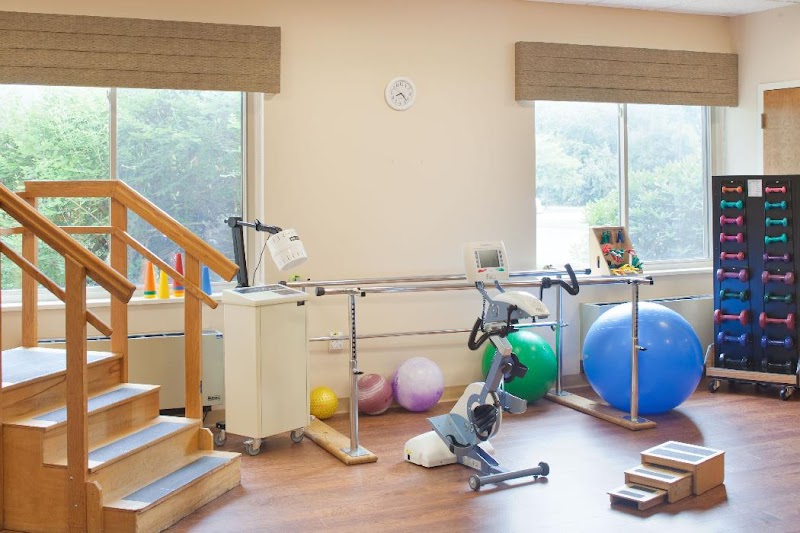
Who Owns and Operates Ayer Valley Rehab And Nursing?

AYER VALLEY REHAB AND NURSING is owned by a for-profit company. For-profit facilities operate as businesses with obligations to shareholders or private owners. The facility is operated by STERN CONSULTANTS, a chain that manages multiple nursing homes. With 123 certified beds and approximately 109 residents (about 89% occupancy), it is a mid-sized facility located in AYER, Massachusetts.
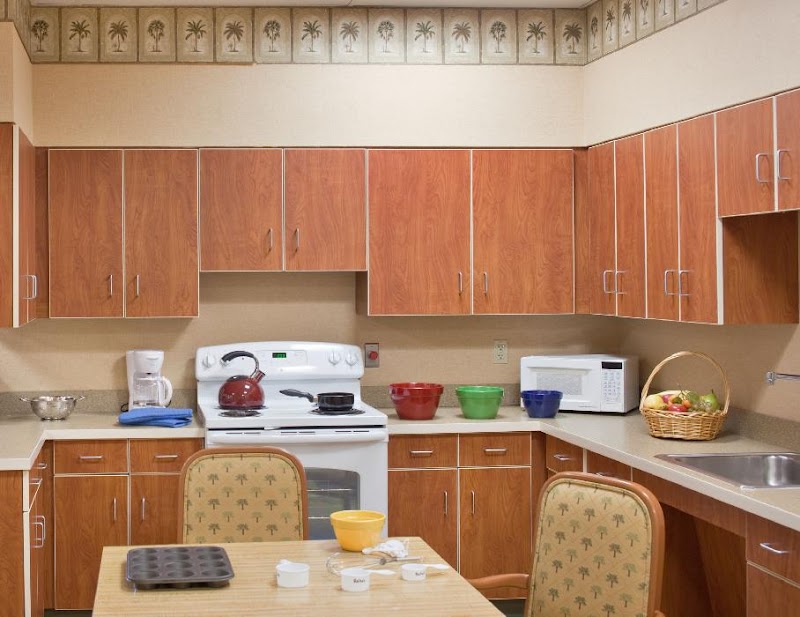
How Does Ayer Valley Rehab And Nursing Compare to Other Massachusetts Nursing Homes?

Compared to the 100 nursing homes in Massachusetts, AYER VALLEY REHAB AND NURSING's overall rating (1 stars) is below the state average of 2.9, staff turnover (64%) is significantly higher than the state average of 46%, and health inspection rating (1 stars) is much below the national benchmark.

What Should Families Ask When Visiting Ayer Valley Rehab And Nursing?

Based on this facility's data, families visiting should ask: "How do you ensure continuity of care given staff turnover, and what is your staff retention strategy?" "Can you walk me through typical staffing levels on day, evening, and night shifts?" "Can I visit during a mealtime to observe dining assistance and food quality?" "How do you handle medical emergencies, and what is your hospital transfer rate?" These questions are particularly relevant given the facility's high staff turnover rate and the below-average staffing rating.

Is Ayer Valley Rehab And Nursing Safe?

Based on CMS inspection data, AYER VALLEY REHAB AND NURSING has a clean safety record: no substantiated abuse findings (meaning no confirmed cases of resident harm), no Immediate Jeopardy citations (the most serious violation level indicating risk of serious injury or death), and is not on the Special Focus Facility watch list (a federal program monitoring the lowest-performing 1% of nursing homes). The facility has a 1-star overall rating and ranks #100 of 100 nursing homes in Massachusetts. While no facility is perfect, families should still ask about staff-to-resident ratios and recent inspection results during their visit.

Do Nurses at Ayer Valley Rehab And Nursing Stick Around?

Staff turnover at AYER VALLEY REHAB AND NURSING is high. At 64%, the facility is 18 percentage points above the Massachusetts average of 46%. Registered Nurse turnover is particularly concerning at 81%. RNs handle complex medical decisions and coordinate care — frequent RN changes can directly impact care quality. High turnover means new staff may not know residents' individual needs, medications, or preferences. It can also be disorienting for residents, especially those with dementia who rely on familiar faces. Families should ask: What is causing the turnover? What retention programs are in place? How do you ensure care continuity during staff transitions?

Was Ayer Valley Rehab And Nursing Ever Fined?

AYER VALLEY REHAB AND NURSING has been fined $82,554 across 4 penalty actions. This is above the Massachusetts average of $33,904. Fines in this range indicate compliance issues significant enough for CMS to impose meaningful financial consequences. Common causes include delayed correction of deficiencies, repeat violations, or care failures affecting resident safety. Families should ask facility leadership what changes have been made since these penalties.

Is Ayer Valley Rehab And Nursing on Any Federal Watch List?

AYER VALLEY REHAB AND NURSING is not on any federal watch list. The most significant is the Special Focus Facility (SFF) program, which identifies the bottom 1% of nursing homes nationally based on persistent, serious quality problems. Not being on this list means the facility has avoided the pattern of deficiencies that triggers enhanced federal oversight. This is a positive indicator, though families should still review the facility's inspection history directly.