BELMONT MANOR NURSING HOME, IN
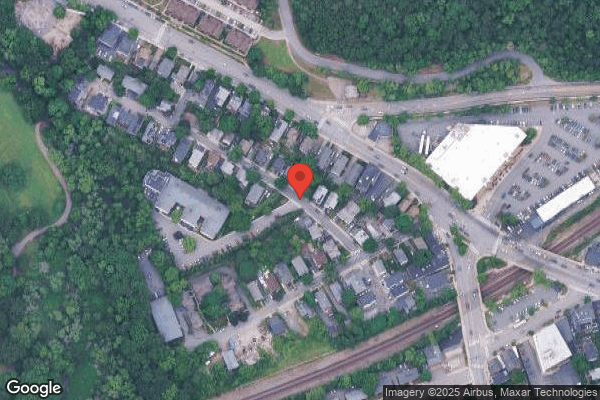
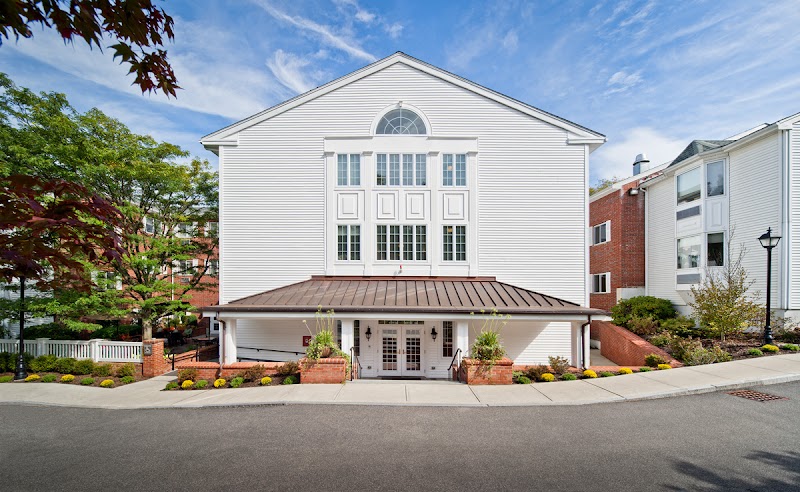
34 AGASSIZ AVENUE, BELMONT, MA 02478 (617) 489-1200
For profit - Corporation 156 Beds Independent Data: November 2025
Trust Grade
58/100
#133 of 338 in MA
Last Inspection: December 2024

Within standard 12-15 month inspection cycle. Federal law requires annual inspections.

Overview

Belmont Manor Nursing Home has received a Trust Grade of C, meaning it is considered average and falls in the middle of the pack among facilities. It ranks #133 out of 338 nursing homes in Massachusetts, placing it in the top half, but #29 out of 72 in Middlesex County indicates that there are only a handful of better local options. Unfortunately, the facility's trend is worsening, with issues increasing from 9 in 2023 to 14 in 2024. Staffing is a strong point, rated 5 out of 5 stars with a low turnover rate of 15%, which is significantly better than the state average. However, the facility has faced $18,549 in fines, which is average but still raises concerns about compliance. Specific incidents of concern include a resident who fell and was not properly assessed or monitored afterwards, leading to a delayed diagnosis of a fracture. Additionally, the facility failed to develop timely care plans for several residents, which could affect the quality of care they receive. While the staffing and employee retention are positives, these serious issues highlight some significant weaknesses that families should consider when evaluating Belmont Manor.

Trust Score
C
58/100
In Massachusetts
#133/338
Top 39%
Safety Record
Moderate
Needs review
Inspections
Getting Worse
9 → 14 violations
Staff Stability
✓ Good
15% annual turnover. Excellent stability, 33 points below Massachusetts's 48% average. Staff who stay learn residents' needs.
Penalties
✓ Good
$18,549 in fines. Lower than most Massachusetts facilities. Relatively clean record.
Skilled Nurses
○ Average
Each resident gets 41 minutes of Registered Nurse (RN) attention daily — about average for Massachusetts. RNs are the most trained staff who monitor for health changes.
Violations
⚠ Watch
28 deficiencies on record. Higher than average. Multiple issues found across inspections.
★★★☆☆
3.0
Overall Rating
★★★★★
5.0
Staff Levels
★★☆☆☆
2.0
Care Quality
★★☆☆☆
2.0
Inspection Score
Stable
2023: 9 issues
2024: 14 issues

The Good

  • 5-Star Staffing Rating · Excellent nurse staffing levels
  • Low Staff Turnover (15%) · Staff stability means consistent care
  • Full Sprinkler Coverage · Fire safety systems throughout facility
  • No fines on record
  • Staff turnover is low (15%)

    33 points below Massachusetts average of 48%

Facility shows strength in staffing levels, staff retention, fire safety.

The Bad

3-Star Overall Rating

Near Massachusetts average (2.9)

Meets federal standards, typical of most facilities

Federal Fines: $18,549

Below median ($33,413)

Minor penalties assessed

The Ugly 28 deficiencies on record

1 actual harm
Dec 2024 14 deficiencies
CONCERN (D)

Potential for Harm - no one hurt, but risky conditions existed

Deficiency F0554 (Tag F0554)

Could have caused harm · This affected 1 resident

Based on observation, interview, and record review, the facility failed to ensure that one Resident (#118) did not self-administer medications out of a total sample of 24 residents. Specifically, Res...

Read full inspector narrative →
Based on observation, interview, and record review, the facility failed to ensure that one Resident (#118) did not self-administer medications out of a total sample of 24 residents. Specifically, Resident #118 was observed with pills left at bedside for self-administration after he/she was assessed to not be able to self-administer medications. Findings include: Review of the facility policy titled 'Medication Administration - Self-Administration by Resident', dated 11/17, indicated: - If the resident desires to self-administer medications, an assessment is conducted by the interdisciplinary team of the resident's cognitive, physical, and visual ability to carry out this responsibility. - The results of the interdisciplinary team assessment are recorded on the Medication Self-Administration Assessment, which is placed in the resident's medical record. Review of the facility policy titled 'Medication Administration - General Guidelines', dated 9/18, indicated: - Medications are to be administered at the time they are prepared. - The person who prepares the dose for administration is the person who administers the dose. - The resident is always observed after administration to ensure the dose was completely ingested. Resident #118 was admitted to the facility in November 2024 with diagnoses including adult failure to thrive and hypertension. Review of the most recent Minimum Data Set (MDS) assessment, dated 11/12/24, indicated Resident #118 was cognitively intact as evidenced by a Brief Interview for Mental Status (BIMS) score of 13 out of 15. Review of Resident #118's assessment titled 'New admission - Self Administration of Medications', dated 11/6/24, indicated: - Due to the resident's cognitive, physical, or visual ability, the Interdisciplinary Team feels this resident is not a candidate for self-administration of medications at this time. On 12/3/24 at 8:27 A.M., the surveyor observed two brown pills in a medication cup on Resident #118's bedside table. Resident #118 was not in the room. During an interview on 12/3/24 at 8:28 A.M., Nurse #2 said Resident #118 went out to an appointment. Nurse #2 entered Resident #118's room and visualized the two brown pills on the bedside table. Nurse #2 said the last nurse must have left them there but should not have. During an interview on 12/3/24 at 2:11 P.M., Resident #118 said last night the nurse left his/her pills on the bedside table for him/her to self-administer later because he/she was sleeping. Resident #118 said he/she took the rest of them but decided not to take the two brown pills so that was why those pills were still on his/her bedside table when he/she left for an appointment. During an interview on 12/4/24 at 11:58 A.M., Charge Nurse #1 reviewed Resident #118's assessment titled 'New admission - Self Administration of Medications', dated 11/6/24, and said based on this assessment Resident #118 should never self-administer medications. Charge Nurse #1 said Resident #118 was never reassessed for self-administration of medication since that assessment, dated 11/6/24, and the pills should never have been left at her bedside unattended. During an interview on 12/4/24 at 12:30 P.M., the Director of Nursing (DON) said on admission Resident #118 was determined to not be able to self-administer any medication. The DON said Resident #118 should not have had any medications or pills left at bedside for self-administration.
CONCERN (D)

Potential for Harm - no one hurt, but risky conditions existed

Free from Abuse/Neglect (Tag F0600)

Could have caused harm · This affected 1 resident

Based on observation, record review and interview the facility failed to investigate bruises of unknown etiology for one Resident (#4) out of a total sample of 24 residents. Findings include: Review o...

Read full inspector narrative →
Based on observation, record review and interview the facility failed to investigate bruises of unknown etiology for one Resident (#4) out of a total sample of 24 residents. Findings include: Review of the facility policy titled 'Incident and Accident Investigating and Reporting', dated as revised 5/22/19, indicated that for a bruise of unknown origin, the facility should obtain caregiver statements from the proceeding 24 hours. Resident #4 was admitted to the facility in December 2016 with diagnoses including Alzheimer's dementia, kidney disease and diabetes. Review of the most recent Minimum Data Set (MDS) assessment, dated 10/18/24, indicated that Resident #4 is severely cognitively impaired, rarely/never understood and requires maximum assistance with activities of daily living. On 12/3/24 at 9:28 A.M., the surveyor observed Resident #4. The Resident had dark purple areas, consistent with bruises, on both the right and left hands, in between the forefingers and thumbs and covering the dorsal aspect of each hand. Review of the medical record failed to indicate that Resident #4 had bruises on his/her hands. Review of Resident #4's weekly skin checks, dated 11/6/24, 11/13/24, 11/20/24 and 11/27/24, indicated that there were no new skin conditions and that Resident #4's skin was intact. Review of the progress notes for November and December 2024 failed to indicate Resident #4 had bruised hands. During an interview on 12/3/24 at 1:25 P.M., Nurse #2 said that she noticed the bruises that morning but did not tell the charge nurse and should have, in order to start an investigation. During an interview on 12/3/24 at 1:20 P.M., Charge Nurse #1 said that she had not been made aware of the bruises. Charge Nurse #1 said that an investigation should have been started as a bruise of unknown etiology would need to be reported to the state agency with in the required two hour time frame. Charge Nurse #1 said that the lab would not draw blood from the bruised areas. Review of the facility document titled 'Incident/Accident Report', dated 11/18/24, at 1:00 P.M., indicated that Resident #4 had a bruise on his/her left hand. The document failed to indicate that there was a bruise on the right hand. Review of the facility document titled 'Incident/Accident Statement', dated 11/18/24, indicated that Certified Nurse Assistant (CNA) #1 stated that (Resident #4) was fighting with care. (He/she) hit hand off bedrail. I told the nurse (his/her) hand was red. Further review failed to indicate the CNA was questioned as to when he saw the bruising, before or after the Resident hit the siderail with his/her hand. During an interview on 12/3/24 at 2:38 P.M., CNA #1 said that he saw the bruises before he started providing morning care a few weeks ago and before the Resident hit his/her hand on the bedrail. CNA #1 then said that he should have reported the bruise immediately to the manager but he couldn't find her. He said he is supposed to tell the manager about anything he sees that is different before he leaves for the day. He said he told the unit manager in the afternoon. Review of the medical record failed to indicate any other staff members where questioned in relation to the bruised hands. During an interview on 12/4/24, at 12:40 P.M., the Director of Nursing (DON) said that she was not aware of the bruised hands and had not investigated either hand. The DON then said that the bruises should have been investigated thoroughly and reported to the state agency. During an interview on 12/4/24 at 2:30 P.M., The Staff Development Coordinator (SDC) said that she had not been made aware of the bruised right hand and was only made aware of the bruise on the left hand as documented on the incident report, dated 11/18/24. The SDC said that she didn't report the bruise to administration because she thought it was witnessed.
CONCERN (D)

Potential for Harm - no one hurt, but risky conditions existed

Report Alleged Abuse (Tag F0609)

Could have caused harm · This affected 1 resident

Based on record review and interview, the facility failed to report bruises of unknown origin to the state agency as required for one Resident (#4) out of a total of 24 sampled residents. Findings in...

Read full inspector narrative →
Based on record review and interview, the facility failed to report bruises of unknown origin to the state agency as required for one Resident (#4) out of a total of 24 sampled residents. Findings include: Review of the facility policy titled 'Incident and Accident Investigating and Reporting', dated as revised 5/22/19, failed to indicate that injuries of unknown origin are to be reported to the state agency within the required two hour time frame. Resident #4 was admitted to the facility in December 2016 with diagnoses including Alzheimer's dementia, kidney disease and diabetes. Review of the most recent Minimum Data Set (MDS) assessment, dated 10/18/24, indicated that Resident #4 is severely cognitively impaired, is rarely/never understood and requires maximum assistance with activities of daily living. On 12/3/24 at 9:28 A.M., the surveyor observed Resident #4. The Resident had dark purple areas, consistent with bruises, on both the right and left hands, in between the forefingers and thumbs and covering the dorsal aspect of each hand. Review of the medical record failed to indicate that Resident #4 had bruises on his/her hands. Review of Resident #4's weekly skin checks, dated 11/6/24, 11/13/24, 11/20/24 and 11/27/24, indicated that there were no new skin conditions and that Resident #4's skin was intact. Review of the progress notes for November and December 2024 failed to indicate Resident #4 had bruised hands. During an interview on 12/3/24 at 1:25 P.M., Nurse #2 said that she noticed the bruises on Resident #4 that morning but did not tell the charge nurse and should have, in order to start an investigation. Nurse #2 then said that the lab would not draw blood from the bruised areas. During an interview on 12/3/24 at 1:20 P.M., Charge Nurse #1 said that she had not been made aware of the bruises on Resident #4. Charge Nurse #1 then said that an investigation should have been started as a bruise of unknown etiology should have been reported to the state agency with in the required two hour time frame. Charge Nurse #1 then said that the lab would not draw blood from the bruised areas. Review of the facility document titled 'Incident/Accident Report', dated 11/18/24, at 1:00 P.M., indicated that Resident #4 had a bruise on his/her left hand. The document failed to indicate that there was a bruise on the right hand. Further review indicated that Patient combative with care, seen that (he/she) hit (his/her) hand off the bedrail. Review of the facility document titled 'Incident/Accident statement', dated 11/18/24, indicated that Certified Nurse Assistant (CNA) #1 stated that (Resident #4) was fighting with care. (He/she) hit hand off bedrail. I told the nurse (his/her) hand was red. Further review failed to indicate the CNA was questioned as to when he saw the bruising, before or after the Resident hit the siderail with his/her hand. During an interview on 12/3/24 at 2:38 P.M., CNA #1 said that he saw the bruises before he started providing morning care to Resident #4 a few weeks ago and before the Resident hit his/her hand on the bedrail. CNA #1 then said that he should have reported the bruise immediately to the manager but he couldn't find her. He said he is supposed to tell the manager about anything he sees that is different before he leaves for the day. He said he told the unit manager in the afternoon. Review of the medical record failed to indicate any other staff members where questioned in relation to the bruised hands. During an interview on 12/4/24 at 2:30 P.M., The Staff Development Coordinator (SDC) said that she had not been made aware of the bruised right hand and was only made aware of the bruise on the left hand as documented on the incident report, dated 11/18/24. The SDC said that she didn't report the bruise to administration because she thought it was witnessed. During an interview on 12/04/24 at 12:40 P.M., the Director of Nursing said that all injuries of unknown origin should be reported to the state agency within the required two hour timeframe.
CONCERN (D)

Potential for Harm - no one hurt, but risky conditions existed

Comprehensive Care Plan (Tag F0656)

Could have caused harm · This affected 1 resident

**NOTE- TERMS IN BRACKETS HAVE BEEN EDITED TO PROTECT CONFIDENTIALITY** Based on record review and interview, the facility failed to ensure person-centered care plans with measurable goals and individ...

Read full inspector narrative →
**NOTE- TERMS IN BRACKETS HAVE BEEN EDITED TO PROTECT CONFIDENTIALITY** Based on record review and interview, the facility failed to ensure person-centered care plans with measurable goals and individualized interventions were developed and implemented for one Resident (#103), out of 24 sampled residents. Specifically, for Resident #103, the facility failed to develop a plan of care related to activities of daily living (ADL's) and the use of psychotropic medication. Findings include: Review of Facility policy titled 'Care Plans Comprehensive, Resident', dated March 2010, comprehensive care plans are developed by the members of the Interdisciplinary Team (IDT)/healthcare proxy/resident and the comprehensive assessment form (MDS), ancillary assessments, MD orders/progress notes, hospital documentation and resident/family/other interviews are used to develop the individual comprehensive care plan(s) for the resident. According to the Resident Assessment Instrument (RAI), which is a comprehensive assessment tool used in Long-Term Care to identify resident's needs, preferences, and strengths, for each triggered care area, Care Planning Decision is checked to indicate that a new care plan, care plan revision, or continuation of the current care plan is necessary to address the issue(s) identified in the assessment of that care area. Resident #103 was admitted to the facility in January 2024 and had diagnoses that include dementia with psychotic disturbance, Parkinson's disease, and difficulty walking. Review of the most recent Minimum Data Set (MDS) assessment, dated 9/13/24, indicated Resident #103 had a staff assessment for Brief Interview for Mental Status (BIMS) that indicated severe cognitive impairment, was dependent with ADL's, and was taking an antipsychotic medication. Review of the comprehensive MDS, dated [DATE], indicated at section GG that Resident #103 required dependence with ADL's. Review of the Care Area Assessment Summary (CAA's) ADL function/rehabilitation potential r/t (related to) needing dependence with ADLs would be addressed in a care plan. Review of the comprehensive MDS, dated [DATE], indicated at section N that Resident #103 was taking a psychotropic medication. Review of the CAA's Psychotropic drug use r/t taking psychotropic medication would be addressed in care plan. Review of the medical record failed to include individualized interventions related to Resident #103's ADL needs or his/her psychotropic medication monitoring. Review of Resident #103's care plans failed to indicate a care plan for Resident's ADL needs and for the use of psychotropic medication was developed. During an interview on 12/4/24 at 11:21 A.M., MDS Nurse #2 said the MDS nurse did not develop a care plan for ADL and psychotropic mediation care for Resident #103 and said the CAA referred to Nursing who should have developed a care plan specific to Resident #103's needs. During an interview on 12/4/24 at 1:07 P.M., Nurse Unit Manager #3 said he develops a resident's care plan based on things including their diagnoses, their medications and other care needs. He said Resident #103 should have a care plan to address ADL needs and use of psychotropic medication.
CONCERN (D)

Potential for Harm - no one hurt, but risky conditions existed

Deficiency F0657 (Tag F0657)

Could have caused harm · This affected 1 resident

Based on observation, record review, and interviews, the facility failed to ensure for one Resident (#32), out of a total sample of 24 residents, that the interdisciplinary team reviewed and revised t...

Read full inspector narrative →
Based on observation, record review, and interviews, the facility failed to ensure for one Resident (#32), out of a total sample of 24 residents, that the interdisciplinary team reviewed and revised the plan of care after the quarterly review assessment. Specifically, for Resident #32, the facility failed to review and resolve a care plan for a stage 3 left heel pressure ulcer. Findings include: Resident #32 was admitted to the facility in October 2020 and had diagnoses that include type 2 diabetes mellitus and hemiplegia and hemiparesis following cerebral infarction affecting right dominant side. Review of most recent Minimum Data Set (MDS) assessment, dated 9/13/24, indicated Resident #32 scored a 9 out of 15 on the Brief Interview for Mental Status exam indicating he/she as having moderately impaired cognition, displays physical and other behaviors, and does not display behaviors of rejecting care. Further the MDS indicated that Resident #32 did not have any unhealed pressure ulcers/injuries. Review of the physician's orders did not indicate a treatment order for a pressure ulcer/pressure injury. Review of Resident #32's active care plans on 12/4/24 at 8:00 A.M., included a care plan with a problem start date of 3/4/24, Resident has a pressure ulcer R/T (related to) left heel stage 3 pressure ulcer. On 12/3/24 at 9:13 A.M., Resident #32 was observed resting on his/her back, his/her bed was equipped with an air mattress and a blanket cradle (a device to keep covers directly on the feet). Resident #32 made eye contact but did not respond when asked if he/she had any wounds. During an interview on 12/4/24 at 8:10 A.M., Nurse #5 said Resident #32 had a pressure ulcer on his/her left heel that healed a long time ago. Nurse #5 said Nurse Unit Manager #3 updates the care plans. During an interview on 12/4/24 at 1:09 P.M., Nurse Unit Manager #3 said care plans are reviewed and updated as needed and in conjunction with the MDS schedule. Unit Manger #3 said the care plan for Resident #32's pressure ulcer should have been resolved during the care plan review after the quarterly MDS completed on 9/13/24.
CONCERN (D)

Potential for Harm - no one hurt, but risky conditions existed

Deficiency F0688 (Tag F0688)

Could have caused harm · This affected 1 resident

**NOTE- TERMS IN BRACKETS HAVE BEEN EDITED TO PROTECT CONFIDENTIALITY** Based on observation, record review and interview, the facility failed to ensure an intervention for contracture management was ...

Read full inspector narrative →
**NOTE- TERMS IN BRACKETS HAVE BEEN EDITED TO PROTECT CONFIDENTIALITY** Based on observation, record review and interview, the facility failed to ensure an intervention for contracture management was implemented in accordance with the medical plan of care for one Resident (#32), out of a total of 24 residents. Findings include: Review of the facility's policy titled 'Positioning Devices', not dated, indicated: It is the policy of the facility to attain and maintain good body alignment. The addition of positioning devices to attain and maintain good body alignment will be based on the rehab department recommendation and approved by the MD/NP (medical doctor/nurse practitioner). Examples of positioning devices could include but are not limited to: - Hand roll or hand grips - Splints Procedure: 1. Rehab screen, 2. Implementation of appropriate positioning device is recommended to MD/NP, 3. Education provided for staff, 4. Monitoring of device for appropriate applications and resident acceptance. Resident #32 was admitted to the facility in October 2020 and had diagnoses that include hemiplegia and hemiparesis following cerebral infarction affecting his/her right dominant side. Review of the Minimum Data Set assessment, dated 9/13/24, indicated Resident #32 scored a 9 out of 15 on the Brief Interview for Mental Status exam indicating he/she as having moderately impaired cognition, displays physical and other behaviors, and does not display behaviors of rejecting care. Further the MDS indicated Resident #32 had functional limitation in range in motion of his/her upper extremity on one side. Review of Resident #32's medical record indicated the following: - A physician's order, dated 2/7/24, [NAME] (put on) right [NAME] guard as tolerated, may remove for skin hygiene, twice a day; 23:00-07:00, 15:00-23:00 (11:00 P.M-7:00 A.M., 3:00 P.M.-11:00 P.M.) - A Resident Daily Care Plan (used by Certified Nursing Aids to breakdown the plan of care), dated March 9, 2023, Splints R (right) [NAME] guard at HS (hour of sleep) as Tol (tolerated). - A care plan, dated 6/11/24, Resident is limited in range of motion to RUE/RLE (Right upper extremity/right lower extremity) R/T (related to) stroke. Goal Resident's RUE/RLE joint contracture will be free from injury and skin breakdown. Approach: Follow PT (physical therapy) and OT (occupational therapy) recommendations, dated 6/11/24. - An OT- Therapist Progress and Discharge summary, dated and signed by the OT on 5/20/2021, which indicated the recommendation to wear a right hand [NAME] guard overnight for a right 4th/5th digit contracture. On 12/3/24 at 12:57 P.M., Resident #32 was observed with his/her lunch tray, with a Certified Nursing Assistant (CNA) sitting with him/her. Resident #32 had a Geri-sleeve on his/her right forearm. Resident #32's 4th and 5th fingers on his/her right hand were bent towards his/her palm. There was no palmar guard in the residents' vicinity. When asked if he/she wore a splint/brace on his/her right hand Resident #32 shook his/her head as in 'no'. On 12/3/24 at 4:26 P.M., Resident #32 was observed in bed. His/her right hand did not have a palmar guard applied. There was no palmar guard in or around the Resident's room. On 12/4/24 at 3:34 P.M., Resident #32 was observed in bed. His/her right hand did not have a palmar guard applied and no palmar guard was in the Resident's vicinity. On 12/5/24 at 6:50 A.M., Resident #32 was observed in bed. His/her right hand did not have a palmar guard applied and no palmar guard was in the Resident's area. During an interview on 12/5/24 at 6:55 A.M., CNA #4 said he took care of Resident #32 during the 11-7 shift and was not aware of any device that the Resident wears on his/her right hand. During an interview on 12/5/24 at 7:03 A.M., Nurse #6 said the Resident wears a Geri-sleeve on his/her right arm to prevent him/her from scratching. When asked about the palmar guard Nurse #6 said the Resident has behaviors and may not wear it. Nurse #6 said if the Resident refuses to wear it then it should be documented as a refusal and not signed off as being donned on the Treatment Administration Record. Nurse #6 and the surveyor went to Resident #32's room and she had difficulty locating the palmar guard, which was under items in the bottom drawer of the dresser. Review of the progress notes, dated 12/3/24 through 12/5/24, failed to indicate Resident #32 refused to don the palmar guard. Review of the treatment administration record (TAR) on 12/4/24 indicated the palmar guard as signed off as donned on the 3-11 shift on 12/3/24 and 11-7 shift on 12/3/24. During an interview on 12/5/24 at 8:49 A.M., the Director of Rehabilitation said she was the OT that worked with the Resident. The DOR said the right palmar guard should be applied as ordered. The DOR said Resident #32 has a contracture and the palmar guard was used to prevent skin issues and further complications or worsening of the contractures of his/her digits. The DOR said if the Resident is combative and refusing the palmar guard, she would want to reconsulted and had not been made aware that the palmar guard was not being donned. During an interview on 12/5/24 at 9:08 A.M., Nurse Unit Manger #3 said Resident #32 has behaviors and does not always permit the palmar guard to be donned. Nurse Unit Manager #3 said the palmar guard is for the Resident's right hand contractures, so it does not worsen. Nurse Unit Manager #3 said the nurses should be donning the palmar guard and should not be documenting on the TAR that it is on when it is not. Nurse Unit Manager #3 said a referral to rehab should be made if a Resident does not use a recommended intervention.
CONCERN (D)

Potential for Harm - no one hurt, but risky conditions existed

Accident Prevention (Tag F0689)

Could have caused harm · This affected 1 resident

Based on observation, record review and interview the facility failed to implement physician ordered interventions to prevent accidents for two Residents (#77 and #57) out of a total sample of 24 resi...

Read full inspector narrative →
Based on observation, record review and interview the facility failed to implement physician ordered interventions to prevent accidents for two Residents (#77 and #57) out of a total sample of 24 residents. Specifically, for Resident #77 and Resident #57, the facility failed to ensure padded side rails were in place when the residents were in bed. Findings include: 1.) Resident #77 was admitted to the facility in April 2022 and has diagnoses that include Alzheimer's dementia and weakness. Review of the most recent Minimum Data Set (MDS) assessment, dated 9/27/24, indicated that on the Brief Interview for Mental Status exam Resident #77 scored a 5 out of a possible 15, indicating severely impaired cognition. The MDS further indicated Resident #77 had no behaviors. Review of the current physician's orders indicated an order for padded side rails when in bed due to agitation, with a start date of 1/30/24. Review of the record failed to indicate Resident #77 refused the padded side rails or removed the padded side rails. On 12/3/24 at 8:23 A.M., Resident #77 was observed in bed asleep. Both side rails were up and neither were padded. On 12/4/24 at 8:10 A.M., Resident #77 was observed in bed asleep. Both side rails were up and neither were padded. On 12/4/24 at 8:48 A.M., Resident #77 was observed in bed asleep. Both side rails were up and neither were padded. On 12/4/24 at 11:09 A.M., Resident #77 was observed in bed asleep. Both side rails were up and neither were padded. On 12/5/24 at 7:53 A.M., Resident #77 was observed in bed. Both side rails were up and neither were padded. During an interview on 12/5/24 at 7:55 A.M., Resident #77's Nurse (#3) said that when there was an order for a Resident to have padded side rails when in bed, it is the expectation that the order be followed. The surveyor and Nurse #3 observed Resident #77 in bed without padded side rails in place. During an interview on 12/5/24 at 8:07 A.M., Nurse Unit Manager #2 said that if there was an order for a resident to have side rails padded when in bed, it was the expectation that the order be followed and the side rails be padded if the Resident was in bed. During an interview on 12/5/24 at 8:26 AM, the Director of Nursing (DON) said that it was her expectation that if a resident had orders for side rails to be padded when in bed, that the order be followed. 2.) Resident #57 was admitted to the facility in April 2023 and has diagnoses that include epilepsy, dementia and a history of falling. Review of the most recent Minimum Data Set (MDS) assessment, dated 11/27/24, indicated Resident #57 was assessed by staff to have severely impaired cognition. The MDS further indicated that Resident #57 had no behaviors. Review of the current physician's orders indicated an order for padded side rails while in bed, every shift, with a start date of 4/4/23. Review of Resident #57's care plan indicated the following care plan: - Problem: Resident has seizure disorder [sic]. - Goal: Resident will not injure self due to seizure disorder. Review of the record failed to indicate Resident #57 refused the padded side rails or removed the padded side rails. On 12/3/24 at 8:29 A.M., Resident #57 was observed in bed. Both side rails were up. The right side rail was padded and the left side rail was not. On 12/3/24 at 12:52 P.M., Resident #57 was observed in bed asleep. Both side rails were up. The right side rail was padded and the left side rail was not. On 12/4/24 at 8:07 A.M., Resident #57 was observed in bed asleep. Both side rails were up. The right side rail was padded and the left side rail was not. On 12/4/24 at 8:49 A.M., Resident #57 was observed in bed asleep. Both side rails were up. The right side rail was padded and the left side rail was not. On 12/4/24 at 10:49 A.M., Resident #57 was observed in bed asleep. Both side rails were up. The right side rail was padded and the left side rail was not. On 12/5/24 at 7:52 A.M., Resident #57 was observed in bed asleep. Both side rails were up. The right side rail was padded and the left side rail was not. During an interview on 12/5/24 at 8:00 A.M., Resident #57's Nurse (#3) said that Resident #57 required total care. Nurse #3 said that Resident #57 had a history of seizures and that most recently he recalls Resident #57 having a seizure two months ago while in bed receiving care. The surveyor and Nurse #3 observed Resident #57 in bed with the right side rail padded and the left side rail unpadded. Nurse #3 said that both rails should be padded as Resident #57 could get badly hurt if he/she were to have a seizure and the siderail wasn't padded. During an interview on 12/5/24 at 8:07 A.M., Nurse Unit Manager #2 said that if there is an order for a resident to have side rails padded when in bed, it was the expectation that the order be followed and the side rails be padded if the Resident was in bed. During an interview on 12/5/24 at 8:26 A.M., the Director of Nursing (DON) said that it was her expectation that if a resident had orders for side rails to be padded when in bed, that the order be followed. The DON said that there was a risk of harm to Resident #57 if he/she were to have a seizure in bed without padded side rails.
CONCERN (D)

Potential for Harm - no one hurt, but risky conditions existed

Deficiency F0692 (Tag F0692)

Could have caused harm · This affected 1 resident

Based on record review and interview, the facility failed to maintain acceptable parameters of nutrition status for one Resident (#25) out of a total sample of 24 residents. Specifically, the facility...

Read full inspector narrative →
Based on record review and interview, the facility failed to maintain acceptable parameters of nutrition status for one Resident (#25) out of a total sample of 24 residents. Specifically, the facility failed to provide interventions to prevent significant weight loss in a timely manner for Resident #25. Findings include: Review of the facility policy titled 'Weight Policy', revised March 2017, indicated: - To provide adequate nutrition and hydration to the residents and prevent weight loss whenever possible. To accomplish this each resident is assessed and monitored to determine if he/she is at risk. For each resident determined to be at risk, treatment and/or preventative measures are instituted. - A Nutrition Alert is to be initiated if a resident has had a 5% weight loss in one month or a 2.5% weight loss in one week and if this occurs, nursing will notify the physician and dietitian. - Weights will be reviewed in a weekly weight meeting that is attended by but limited to Director of Nursing, Registered Dietitian, and Clinical Nurse Manager or charge nurse. - During the weight meeting the dietitian will review the current weight to the last three months, nurse manager will record the current weight and any intervention for weight gain recommended, Director of Nursing will initiate % of supplement as needed. - After the weight meeting the dietitian will be responsible for note in the dietary section of the medical record, nursing will follow up with any notes in the Nurse's note section, and after collaboration with the resident/resident's representative, the dietitian will write out recommendation for nursing to review with physician for approval. Resident #25 was admitted to the facility in March 2024 with diagnoses including dementia, dysphagia (difficulty chewing and swallowing), depression, and anxiety. Review of the most recent Minimum Data Set (MDS) assessment, dated 9/13/24, indicated Resident #25 was severely cognitively impaired as evidenced by a Brief Interview for Mental Status (BIMS) score of 3 out of 15. The MDS further indicated Resident #25 had significant weight loss of 5% or more in the last month or weight loss of 10% or more in the last 6 months. Review of Resident #25's plan of care related to nutrition, revised 12/5/24, indicated: - Goal: tolerate least restrictive diet without aspiration or nutritional compromise and improve weight over next 90 days. - House minced and moist nectar thick liquids, allow bread, allow thin liquids between meals, monitor and record intake, monthly weights, encourage nectar thick liquids throughout the day, weekly weights, lip plate at meals, large portions, 2oz med pass (nutritional supplement) three times daily. Physical assist at meals as needed. Remeron (an appetite stimulant medication) 15 mg (milligrams) daily. Review of Resident #25's Weight Summary report indicated the following weights: - 3/19/24: 165.0 lbs. (pounds) - 3/26/24: 163.6 lbs. - 4/3/24: 164.0 lbs. - 4/8/24: 164.0 lbs. - 4/15/24: 164.2 lbs. - 4/22/24: 162.2 lbs. - 5/3/24: 158.4 lbs. - 5/13/24: 154.6 lbs. - 6/3/24: 153.4 lbs. (7% weight loss since admission) - 7/2/24: 153.2 lbs. - 8/3/24: 148.6 lbs. (10% weight loss in 5 months) - 9/3/24: 139.8 lbs. - 9/23/24: 139.8 lbs. (15% weight loss in 6 months) Review of Dietitian progress note, dated 3/21/24, indicated: - On interview with son (healthcare proxy) present he/she reports he/she has a good appetite without recent changes to weight or appetite. Interventions to include house puree nectar thick liquids, supervise at meals, monitor, and record intake, weekly weights, encourage nectar thick liquids throughout the day. [sic] Review of Resident #25's record failed to indicate that he/she had been seen or assessed by the dietitian between 3/29/24 and 9/19/24 despite the continued and significant weight loss. Review of Dietitian progress note, dated 9/19/24, indicated: - Significant weight loss over six months of 11% body weight. Records and observation indicate a healthy appetite consuming 100% of meals. Interventions to include to add lip plate due to spillage noted during meals, large portions since he/she is eating well, will request Occupational Therapy screen since he/she needs assistance to complete meal at times, will add 4oz house supplement three times daily and weekly weight. Review of all progress notes from March 2024 until December 2024 failed to indicate any notification to health care proxy or physician about Resident #25's weight loss. Review of Resident #25's physician's order, initiated 9/19/24, indicated: - Diet house minced, nectar thick liquids, large portions, weekly weight. During an interview on 12/5/24 at 9:55 A.M., the Dietitian said she expects nursing to notify her if there are any abnormal weight changes. The Dietitian said she was never notified of Resident #25's significant weight loss that was documented in the weight log on 6/3/24, 7/2/24, 8/3/24, or 9/3/24, but only noticed it when reviewing weights during her routine quarterly assessment. The Dietitian said even though all residents are discussed in monthly weight meeting, the weights are not always available when the weight meeting is held. The Dietitian said that obtaining weights timely has been an ongoing issue that she has reported to the Director of Nursing, but the issue continues. The Dietitian said if the weight is not available to review at the weight meeting, she would not know that weight loss had occurred unless it was brought to her attention. The Dietitian said that Resident #25's weight loss should have been reported to her sooner and that interventions should have been put in place earlier to achieve stability in Resident #25's weight but was not.
CONCERN (D)

Potential for Harm - no one hurt, but risky conditions existed

Respiratory Care (Tag F0695)

Could have caused harm · This affected 1 resident

2a) Resident #53 was admitted to the facility in November 2020 with a diagnosis of chronic obstructive pulmonary disease (COPD). Review of the most recent Minimum Data Set (MDS) assessment, dated 10/...

Read full inspector narrative →
2a) Resident #53 was admitted to the facility in November 2020 with a diagnosis of chronic obstructive pulmonary disease (COPD). Review of the most recent Minimum Data Set (MDS) assessment, dated 10/4/24, indicated that Resident #53 scored a 15 out of a possible 15 on the Brief Interview for Mental Status exam, indicating the Resident was cognitively intact. Review of Resident #53's care plan indicated that the Resident had impaired gas exchange related to COPD and received supplemental oxygen. On 12/3/24 at 8:33 A.M., the surveyor observed Resident #53 sleeping in bed while wearing his/her nasal canula connected to an oxygen concentrator. On 12/3/24 at 10:45 A.M., the surveyor observed the filter on Resident #53's oxygen concentrator. The filter was covered in a gray substance. During an observation and interview on 12/4/24 at 9:18 A.M., the surveyor observed that the filter on Resident #53's oxygen concentrator remained covered in a gray substance. Resident #53 said he/she wears the nasal canula every night. During an interview and observation on 12/4/24 at 12:50 P.M., Nurse Unit Manager #4 observed the filter on Resident #53's oxygen concentrator with the surveyor. Nurse Unit Manager #4 said based on how much dust there was on the filter that the filter should be cleaned. Nurse Unit Manager #4 said the filters should be cleaned weekly and that she would defer to the maintenance department for ensuring the filters were cleaned. During an interview on 12/4/24 at 1:13 P.M. and 1:53 P.M., the Maintenance Director said that a company should be coming in weekly to clean all the oxygen concentrator filters. The Maintenance Director said that the facility did not have documentation to show that the oxygen filters were being cleaned, and that he did not have a system for tracking if, or when, each machine was cleaned. During an interview on 12/4/24 at 12:40 P.M., the Director of Nursing said that she was going to talk with maintenance to find out who cleans the oxygen concentrator filters and how often. 2b) Resident #53 was admitted to the facility in November 2020 with a diagnosis of chronic obstructive pulmonary disease (COPD). Review of the most recent Minimum Data Set (MDS) assessment, dated 10/4/24, indicated that Resident #53 scored a 15 out of a possible 15 on the Brief Interview for Mental Status exam, indicating the Resident was cognitively intact. Review of Resident #53's care plan indicated that the Resident had impaired gas exchange related to COPD and received supplemental oxygen. Review of Resident #53's current physician orders indicated the following active order: - Change oxygen tubing weekly on Monday, initiated 12/1/22. On 12/3/24 at 8:33 A.M., the surveyor observed Resident #53 sleeping in bed while wearing his/her nasal canula connected to an oxygen concentrator. The nasal canula tubing was labeled and dated as 10/29/24. During an observation and interview on 12/4/24 at 9:18 A.M., the surveyor observed Resident #53's nasal canula tubing remained dated 10/29/24. Resident #53 said the nurses left new tubing for the Resident to change the tubing him/herself on 12/2/24, however, Resident #53 said she had not changed the tubing yet. Resident #53 said she wears the nasal canula every night. Review of medical record failed to indicate that Resident #53 had refused to have his/her oxygen tubing changed on 11/4/24, 11/11/24, 11/18/24, or 11/25/24. Further review of the record failed to indicate a physician's order for Resident #53 to change his/her own oxygen tubing or that Resident #53 had been assessed as able to change his/her oxygen tubing. During an interview on 12/4/24 at 10:27 A.M., Nurse #4 said oxygen tubing should be changed and dated once a week. Nurse #4 said that Resident #53 often changes the tubing him/herself and that the nurses leave the tubing in the Resident's room and then check back to make sure that the tubing was changed. Nurse #4 said that if the Resident had not changed the tubing, that nursing will then do it, which Resident #53 allows. Nurse #4 said she would expect the Resident to be assessed to determine if the Resident was capable of changing his/her own oxygen tubing and that this would be documented in a progress note. During an interview 12/4/23 at 12:29 P.M., the Director of Nursing (DON) said oxygen tubing should be changed weekly and as needed. The DON said that nurses change the tubing unless a resident was assessed and determined to be able to change his/her own tubing. During a follow-up interview on 12/5/24 at 7:52 A.M., the DON said that Resident #53 had not been assessed to be able to change his/her own oxygen tubing. Based on observation, record review and interview the facility failed to provide respiratory care services in accordance with professional standards of practice for two Residents (#223 and #53) out of a total sample of 24 Residents. Specifically: 1.) For Resident #223 and Resident #53, the facility failed to ensure the oxygen filters were clean and that there was a process was in place for the cleaning/maintenance of the concentrators; and 2.) For Resident #53, the facility failed to ensure the oxygen tubing changed as ordered. Findings include: Review of the facility policy titled 'Oxygen Administration', undated, failed to indicate when to change/clean the oxygen concentrator filters. Further review failed to indicate how often to change oxygen tubing. 1.) Resident #223 was admitted to the facility in September 2024 with diagnoses including pneumonia, chronic obstructive pulmonary disease and dependence on supplemental oxygen. On 12/3/24 at 10:28 A.M., the surveyor observed Resident #223 lying in bed, receiving oxygen at 2 liters per minute (lpm) via nasal cannula. The surveyor also observed the concentrator air filter to have a thick layer of a gray fuzzy substance on it. On 12/4/24 at 7:18 A.M., the surveyor observed Resident #223 lying in bed, receiving oxygen at 2 lpm via nasal cannula. The surveyor also observed the concentrator air filter to have a thick layer of a gray fuzzy substance on it. During observation and interview on 12/4/24 10:35 A.M., the surveyor and Charge Nurse #1 observed Resident #223 lying in bed, receiving oxygen at 2 lpm via nasal cannula. The surveyor and Charge Nurse #1 observed the concentrator filter to be covered in a thick layer of a fuzzy gray substance. Charge Nurse #1 then said she didn't know who was supposed to clean the filter or how often it was to be cleaned. During an interview on 12/4/24 at 1:13 P.M. and 1:53 P.M., the Maintenance Director said that a company should be coming in weekly to clean all the oxygen concentrator filters. The Maintenance Director said that the facility did not have documentation to show that the oxygen filters were being cleaned, and that he did not have a system for tracking if, or when, each machine was cleaned. During an interview on 12/4/24 at 12:40 P.M., the Director of Nursing said that she was going to talk with maintenance to find out who cleans the oxygen concentrator filters and how often.
CONCERN (D)

Potential for Harm - no one hurt, but risky conditions existed

Infection Control (Tag F0880)

Could have caused harm · This affected 1 resident

Based on observations and staff interviews, the facility failed to follow infection control standards of practice for the cleaning of shared resident equipment. Findings include: Review of the facil...

Read full inspector narrative →
Based on observations and staff interviews, the facility failed to follow infection control standards of practice for the cleaning of shared resident equipment. Findings include: Review of the facility policy titled 'Cleaning/Disinfection of Resident Care Equipment', dated 6/2019, indicated supplies and equipment will be cleaned immediately after use and/or when indicated. Specifically, For cleaning of resident equipment-vital sign machine. - Clean the machine with disinfectant wipe after each use on resident. On 12/4/24 at 9:29 A.M., the surveyor observed Nurse #2 enter the room of a resident on enhanced barrier precautions (EBP) and utilized the portable vital sign caddy (a device that measures vital signs including blood pressure, pulse, temperature, and oxygen saturation) to measure vital signs of the resident thus contaminating the caddy. The surveyor then observed Nurse #2 enter a different room of a resident that was also on EBP without disinfecting the contaminated caddy to measure a different resident's vital signs. During an interview on 12/4/24 at 9:29 A.M., Nurse #2 said she did not disinfect the vital sign caddy, but she should have. During an interview on 12/4/24 at 9:35 A.M., Nurse Unit Manager #1 said shared resident equipment should be disinfected/cleaned before use for another resident.
CONCERN (E)

Potential for Harm - no one hurt, but risky conditions existed

Resident Rights (Tag F0550)

Could have caused harm · This affected multiple residents

**NOTE- TERMS IN BRACKETS HAVE BEEN EDITED TO PROTECT CONFIDENTIALITY** 2.) Resident #23 was admitted to the facility in October 2018 and had diagnoses that include Alzheimer's dementia, left eye blin...

Read full inspector narrative →
**NOTE- TERMS IN BRACKETS HAVE BEEN EDITED TO PROTECT CONFIDENTIALITY** 2.) Resident #23 was admitted to the facility in October 2018 and had diagnoses that include Alzheimer's dementia, left eye blindness and unspecified cataract. Review of the most recent Minimum Data Set (MDS) assessment, dated 11/22/24, indicated Resident #23 was assessed by staff to have severely impaired cognition. The MDS further indicated Resident #23 had no behavior of rejecting care. Review of the current Activities of Daily Living (ADL) care plan, last revised 11/26/24, indicated Resident #23 required partial to moderate assistance for eating. Review of the POC (point of care) documentation for 11/28/24 through 12/4/24 indicated that Resident #23 varied between requiring substantial/maximal assistance with eating to dependent. Review of the most recent dietitian progress note, dated 11/21/24, indicated Resident #23 is no longer able to feed him/herself at meals and requires moderate physical assist to complete his/her meals. Review of the most recent Nurse Practitioner note, dated 9/26/24, indicated Resident #23 is dependent for all his/her care/ADLs. On 12/3/24 at 8:39 A.M., Resident #23 was observed seated in the unit dining room with a plate of food in front of him/her. Resident #23 watched his/her table mate eating. At 8:45 A.M., 6 minutes later, a nurse sat down beside Resident #23 to assist with feeding. On 12/3/24 between 12:39 P.M., and 12:50 P.M., Resident #23 was observed seated in the unit dining room. Resident #23's plate of food was out of reach and Resident #23 watched his/her tablemate being fed by staff and periodically looked over at his/her plate of food. On 12/4/24 at 8:37 A.M., a staff person served Resident #23 in the unit dining room. The staff person placed the breakfast in front of Resident #23, then without offering assistance, walked away and continued passing meals out to other residents. The surveyor continued to make the following observations: - At 8:39 A.M., Resident #23 stuck his/her hand into the syrup on the plate and a moment later wiped the hand on his/her neck. - At 8:43 A.M., a staff person walked over to Resident #23's table, stood beside him/her and while looking down at Resident #23 placed a spoonful of food in his/her mouth, then turned around and walked away to feed another resident. - At 8:46 A.M., the staff returned to Resident #23, stood beside him/her and without speaking a word, placed a spoonful of food in Resident #23's mouth then walked away. During an interview on 12/5/24 at 8:16 A.M., Nurse Unit Manager #2 said that staff should not be standing while feeding residents but rather seated at eye level interacting with the resident as they feed them. As well, she said that residents that require feeding assistance should not be served until staff are ready to provide the assistance. During an interview on 12/5/24 at 8:28 A.M., the Director of Nursing (DON) said staff should be seated at eye level when feeding and should not leave food sitting in front of dependent residents until they are ready to feed them. 3.) During an observation on the Station 2 unit during the breakfast meal on 12/4/24 the surveyor made the following observations: - Between 8:43 A.M., and 8:50 A.M., a staff person walked around the dining room from resident to resident, standing over each resident, placing a spoonful of food in their mouth then walking away. The staff member repeated the same action with each additional resident. During an observation on the Station 2 unit during the lunch meal on 12/4/24, the surveyor made the following observations beginning at 12:41 P.M.: - Two residents were seated at a table (#1) with plates of food in front of them waiting to be fed by staff; and - Two residents were seated at a table (#2). One of the residents was waiting to be fed by staff while watching the tablemate being fed. - At 12:47 P.M., a Certified Nursing Assistant (CNA) sat down at table #1 and began feeding one of the two residents at the table. - 10 minutes after the initial observation, at 12:51 P.M., the second residents at table #1 and table #2 continued to sit with the plate of food in front of them watching their tablemates be fed. During an interview on 12/5/24 at 8:16 A.M., Nurse Unit Manager #2 said that staff should not be standing while feeding residents but rather seated at eye level interacting with the resident as they feed them. As well, she said that residents that require feeding assistance should not be served until staff are ready to provide the assistance. During an interview on 12/5/24 at 8:28 A.M., the Director of Nursing (DON) said staff should be seated at eye level when feeding residents and should not leave food sitting in front of dependent residents until they are ready to sit down beside the resident and feed them. Based on observation, record review and interview the facility failed to provide a dignified existence for two Residents (#222 and #23) out of a total sample of 24 residents, and for residents on three of four units. Specifically: 1.) For Resident #222, the facility failed to maintain his/her urinary catheter bag in a privacy bag; 2.) For Resident #23, the facility failed to provide a dignified dining experience; and 3.) The facility failed to provide a dignified dining experience on Station 2 unit for residents dependent on staff for eating. 4.) The facility failed to ensure a dignified dining experience on Station 4 unit, when staff was observed using their cell phone during the lunch meal while assisting residents during the meal. Findings include: The facility policy titled 'Dignity', dated as revised 3/28/19, indicated it is the policy of [NAME] Manor Nursing Center to provide care in a dignified manner and to promote a lifestyle that is dignified and respectful to the resident. The facility policy titled 'Indwelling Foley Catheter Care', not dated, indicated that to ensure resident dignity, place catheter drainage bag into a dignity bag. 1.) Resident #222 was admitted to the facility in December 2024 with diagnoses including bladder cancer, pelvic fracture and heart disease. Review of the most recent Minimum Data Set assessment, dated 3/16/24, indicated Resident #222 scored a 15 out of a possible 15 on the Brief Interview for Mental Status exam, indicating intact cognition. On 12/3/24 at 8:08 A.M., the surveyor observed Resident #222 in bed and his/her urinary catheter bag was visible from the hallway. The urinary catheter bag was not in a privacy bag. During an interview on 12/3/24 at 8:08 A.M., Resident #222 said he/she has a urostomy (a means by which urine drains directly from the kidney circumventing the bladder). Resident #222 said he/she prefers to keep things private and that the urinary catheter bag be covered. Resident #222 said he/she was embarrassed by the exposed urinary catheter bag. On 12/4/24 at 7:20 A.M., the surveyor observed Resident #222 in his/her room and the urinary catheter bag was exposed and visible from the hallway. During an interview on 12/4/24 10:35 A.M., Charge Nurse #1 said that it is the Certified Nurse's Aides and the nurse's responsibility to place catheter bags inside of the privacy bags. 4.) During an observation of the lunch meal at Station 4, and interview on 12/4/24 at 12:40 P.M., the surveyor observed a Certified Nursing Assistant (CNA) sitting at a table with four residents using her phone. The CNA said she was assisting one of the resident with his/her meal and should not have been on her phone. During an interview on 12/4/24 at 1:16 P.M., Nurse Unit Manager #3 said staff should not be using their cell phones in resident care areas.
CONCERN (E)

Potential for Harm - no one hurt, but risky conditions existed

Deficiency F0655 (Tag F0655)

Could have caused harm · This affected multiple residents

**NOTE- TERMS IN BRACKETS HAVE BEEN EDITED TO PROTECT CONFIDENTIALITY** Based on record review and interview, the facility failed to ensure staff developed and implemented a baseline care plan for fou...

Read full inspector narrative →
**NOTE- TERMS IN BRACKETS HAVE BEEN EDITED TO PROTECT CONFIDENTIALITY** Based on record review and interview, the facility failed to ensure staff developed and implemented a baseline care plan for four Residents (#103, #41, #25, and #69), out of a total sample of 24 residents. Specifically, the facility failed to develop a baseline care plan within 48 hours of the Resident's admissions, which included the instructions needed to provide effective and person-centered care to the Residents with Dementia which meet professional standards of quality care. Findings include: Review of the facility policy titled 'Baseline Care Plans', dated revised November 2017, indicated that a baseline plan of care to meet the resident's immediate health and safety needs is developed for each resident within forty-eight hours of admission. 1.) Resident #103 was admitted to the facility in January 2024 with diagnoses including dementia and Parkinson's disease. Review of the most recent Minimum Data Set (MDS) assessment, dated 9/13/24, indicated that Resident #103 had severe cognitive impairment as evidenced by a staff assessment for Brief Interview for Mental Status (BIMS). Review of the medical record failed to indicate that a baseline care plan for dementia was developed within the required 48 hours of admission. Review of the comprehensive care plan failed to indicate that the facility developed individualized interventions related to Resident #103's dementia and rate of progression. Further review of the comprehensive care plan failed to indicate that Resident #103 had dementia. During an interview on 12/4/24 at 1:07 P.M., Nurse Unit Manager #3 said that nursing staff should have developed a baseline care plan for Resident #103 within 48 hours of admission to the facility. 2.) Resident #41 was admitted to the facility in September 2024 with diagnoses including dementia and bipolar disorder. Review of the most recent MDS assessment, dated 9/17/24, indicated that Resident #41 had severe cognitive impairment as evidenced by a BIMS score of 6 out of 15. Review of the medical record failed to indicate a baseline care plan was developed within 48 hours of admission to the facility. During an interview on 12/4/24 at 1:07 P.M., Nurse Unit Manager #3 said that nursing staff should have developed a baseline care plan for Resident #41 within 48 hours of admission to the facility. 3.) Resident #25 was admitted to the facility in March 2024 with diagnoses including dementia, depression, and anxiety. Review of the most recent MDS assessment, dated 9/13/24 indicated that Resident #25 had severe cognitive impairment as evidenced by a BIMS score of 3 out of 15. Review of the medical record failed to indicate a baseline care plan was developed within 48 hours of admission to the facility. During an interview on 12/4/24 at 1:07 P.M., Nurse Unit Manager #3 said that nursing staff should have developed a baseline care plan for Resident #25 within 48 hours of admission to the facility.4.) Resident #69 was re-admitted to the facility in August 2024 with diagnoses including dementia, metabolic encephalopathy and acute kidney injury. Review of the Minimum Data Set (MDS) assessment dated [DATE], indicated that Resident #69 scored a 5 out of 15 on the Brief Interview for Mental Status (BIMS) exam and was severely cognitively impaired. Review of the medical record failed to indicate that a baseline care plan for dementia was developed within the required 48 hours of admission. Review of the comprehensive care plan failed to indicate that the facility developed individualized interventions related to Resident #69's dementia and rate of progression. Further review failed to indicate that Resident #69 had dementia. During an interview on 12/4/24 at 11:49 A.M., Nurse Unit Manager #1 said that any resident with a diagnosis of dementia should have a specific baseline care plan for dementia initiated upon admission and then revised as there are changes in cognition. Nurse Unit Manager #1 then said that if a resident is readmitted to the facility after being hospitalized for a number of days then a new baseline care plan should be developed and the comprehensive care plan revised as needed.
CONCERN (E)

Potential for Harm - no one hurt, but risky conditions existed

Deficiency F0744 (Tag F0744)

Could have caused harm · This affected multiple residents

2.) Resident #103 was admitted to the Facility in May 2024 with diagnoses including dementia and Parkinson's disease. Resident #103 resides on the designated DSCU. Review of the most recent MDS asses...

Read full inspector narrative →
2.) Resident #103 was admitted to the Facility in May 2024 with diagnoses including dementia and Parkinson's disease. Resident #103 resides on the designated DSCU. Review of the most recent MDS assessment, dated 9/13/24, indicated that Resident #103 had severe cognitive impairment as evidenced by a staff assessment for Brief Interview for Mental Status (BIMS). Review of the clinical record indicated no development of an interdisciplinary dementia care plan. During an interview on 12/4/24 at 1:07 P.M., Nurse Unit Manager #3 said he would expect a dementia care plan to have been developed as the Resident lives on a DSCU (Dementia Special Care Unit) and clearly has dementia. 3.) Resident #41 was admitted to the facility in September 2024 with diagnoses including dementia and bipolar disorder. Resident #41 resides on the designated DSCU. Review of the most recent MDS assessment, dated 9/17/24, indicated that Resident #41 had severe cognitive impairment as evidenced by a BIMS score of 6 out of 15. Review of the clinical record indicated no development of an interdisciplinary dementia care plan. During an interview on 12/4/24 at 1:07 P.M., Nurse Unit Manager #3 said he would expect a dementia care plan to have been developed as the Resident lives on a DSCU (Dementia Special Care Unit) and clearly has dementia. 4.) Resident #25 was admitted to the facility in March 2024 with diagnoses including dementia, depression, and anxiety. Resident #25 resides on the designated DSCU. Review of the most recent MDS assessment, dated 9/13/24 indicated that Resident #25 had severe cognitive impairment as evidenced by a BIMS score of 3 out of 15. Review of the clinical record indicated no development of an interdisciplinary dementia care plan. During an interview on 12/4/24 at 1:07 P.M., Nurse Unit Manager #3 said he would expect a dementia care plan to have been developed as the Resident lives on a DSCU (Dementia Special Care Unit) and clearly has dementia.5.) Resident #69 was re-admitted to the facility in August 2024 with diagnoses including dementia, metabolic encephalopathy and acute kidney injury. Review of the Minimum Data Set (MDS) assessment, dated 8/23/24, indicated that Resident #69 scored a 5 out of 15 on the Brief Interview for Mental Status (BIMS) exam and was severely cognitively impaired. Review of the medical record failed to indicate that a baseline care plan for dementia was developed. Review of the comprehensive care plan failed to indicate that the facility developed individualized interventions related to Resident #69's dementia and rate of progression. Further review of the comprehensive care plan failed to indicate that Resident #69 had dementia. During an interview on 12/4/24 at 11:49 A.M., Nurse Unit Manager #1 said that any resident with a diagnosis of dementia should have a specific baseline care plan for dementia initiated upon admission and then revised as there are changes in cognition. Nurse Unit Manager #1 then said that if a resident is readmitted to the facility after being hospitalized for a number of days then a new baseline care plan should be developed and the comprehensive care plan developed and revised as needed. Based on interview and record review the facility failed to ensure that residents' individualized dementia care needs are met through the assessment, development, and implementation of care plans through an interdisciplinary team (IDT) approach that includes the resident, their family, and/or resident representative for five Residents (#21, #103, #41, #25, and #69), out of a total sample of 24 residents. Specifically, for Residents #21, #103, #41, #25, and #69, the facility failed to develop an interdisciplinary dementia care plan to ensure the Resident received appropriate treatment and services specific to his/her needs for dementia care. Findings include: §483.40(b)(3) A resident who displays or is diagnosed with dementia, receives the appropriate treatment and services to attain or maintain his or her highest practicable physical, mental, and psychosocial well-being. Review of the document titled 'Dementia Special Care Unit (DSCU) Disclosure Form' indicated on 2/28/2024 the facility disclosed they meet the specific state licensure requirements to provide specialized care for resident with dementia. 1.) Resident #21 was admitted to the facility in August 2024 and had a diagnosis of unspecified dementia, severe with agitation. Review of Resident #21's Minimum Data Set (MDS) assessment, dated 11/8/24, indicated he/she scored 2 out of 15 on the Brief Interview for Mental Status exam indicating Resident #21 as having severe cognitive impairment and is dependent on staff for all self-care daily activities. Further, the MDS indicated Resident #21 displayed behaviors of delusions, physical and verbal behaviors, and rejected care. On 12/4/24 at 8:33 A.M., Resident #21 was observed resting in bed. He/she did not respond to the surveyor's greeting. On 12/4/24 review of the Care Area Assessment (CAA) Summary (Part of a comprehensive MDS, to assist in developing the resident care plans) indicated that Resident #21 triggered cognitive loss/dementia. Review of the active care plans failed to indicate a person-centered care plan for dementia with a measurable goal and individualized interventions was developed. During an interview on 12/4/24 at 11:21 A.M., MDS Nurse #2 said the MDS nurse did not develop a care plan for dementia care for Resident #21 and said the CAA referred to Social Services who should have developed a care plan specific to Resident #21's cognitive loss/dementia diagnosis. During an interview on 12/4/24 at 11:47 A.M., Social Worker #1 said Resident #21 is confused related to dementia and requires a great deal of care and supervision from the specialized dementia care unit. Social Worker #1 said she did not develop a specific dementia care plan. During an interview on 12/4/24 at 1:08 P.M., Nurse Unit Manager #3 said a resident with a diagnosis of dementia should have a dementia care plan with individualized interventions.
CONCERN (E)

Potential for Harm - no one hurt, but risky conditions existed

Medical Records (Tag F0842)

Could have caused harm · This affected multiple residents

**NOTE- TERMS IN BRACKETS HAVE BEEN EDITED TO PROTECT CONFIDENTIALITY** 2.) Resident #53 was admitted to the facility in November 2020 with a diagnosis of chronic obstructive pulmonary disease (COPD)....

Read full inspector narrative →
**NOTE- TERMS IN BRACKETS HAVE BEEN EDITED TO PROTECT CONFIDENTIALITY** 2.) Resident #53 was admitted to the facility in November 2020 with a diagnosis of chronic obstructive pulmonary disease (COPD). Review of the most recent Minimum Data Set (MDS) assessment, dated 10/4/24, indicated that Resident #53 scored a 15 out of a possible 15 on the Brief Interview for Mental Status exam, indicating the Resident was cognitively intact. Review of Resident #53's care plan indicated that the Resident had impaired gas exchange related to COPD and received supplemental oxygen. Review of Resident #53's current physician's orders indicated the following active order: - Change oxygen tubing weekly on Monday, initiated 12/1/22. On 12/3/24 at 8:33 A.M. and 10:45 A.M., the surveyor observed that Resident #53's nasal canula tubing was dated 10/29/24, indicating the tubing was last changed five weeks ago. Review of Resident #53's Medication Administration Record (MAR) indicated that nursing had documented the the oxygen tubing was changed on 11/1/24, 11/11/24, 11/18/24, and 11/25/24. During an interview on 12/4/24 at 12:29 P.M., the Director of Nursing (DON) said that nurses should not document in the MAR that they had changed the oxygen tubing, if they had not. Based on observation, record review and interview the facility failed to accurately document in the medical record for four Residents (#77, #57, #53, and #32) out of a total sample of 24 residents. 1.) For Resident #77 and #57, the facility documented padded side rails were in place when the Residents were in bed, when they were not. 2.) For Resident #53, the facility documented that the Resident's oxygen tubing was changed when it was not. 3.) For Resident #32, the facility documented that a palmar guard (a device for contracture management) had been applied when it was not. Findings include: Review of the undated facility policy titled 'Documentation', dated January 2008, indicated the following: - Documentation should be an accurate written account of the resident's current condition, response to events and to medication, care and treatment. - Documentation should be accurate, current, brief, concise and legible. 1a.) Resident #77 was admitted to the facility in April 2022 and had diagnoses that include Alzheimer's dementia and weakness. Review of the most recent Minimum Data Set (MDS) assessment, dated 9/27/24, indicated that on the Brief Interview for Mental Status exam Resident #77 scored a 5 out of a possible 15, indicating severely impaired cognition. The MDS further indicated Resident #77 had no behaviors. Review of the current physician's orders indicated an order for padded side rails when in bed due to agitation, with a start date of 1/30/24. On 12/3/24 at 8:23 A.M., Resident #77 was observed in bed asleep. Both side rails were up and neither were padded. On 12/4/24 at 8:10 A.M., Resident #77 was observed in bed asleep. Both side rails were up and neither were padded. On 12/4/24 at 8:48 A.M., Resident #77 was observed in bed asleep. Both side rails were up and neither were padded. On 12/4/24 at 11:09 A.M., Resident #77 was observed in bed asleep. Both side rails were up and neither were padded. On 12/5/24 at 7:53 A.M., Resident #77 was observed in bed. Both side rails were up and neither were padded. Review of the December 2024 Treatment Administration Record (TAR) indicated that nursing had documented on 12/3/24 and 12/4/24, all three shifts that the side rails were padded while Resident #77 was in bed and had documented on the 12/5/24 day shift that the padded side rails were in place, contrary to direct observation by the surveyor. During an interview on 12/5/24 at 8:07 A.M., the surveyor shared the three days of observations of Resident #77 in bed without padded siderails with Nurse Unit Manager #2. Nurse Unit Manager #2 and the surveyor reviewed the TAR together and she said that the staff should not be documenting that the side rails are padded when they are not. During an interview on 12/5/24 at 8:26 A.M., the Director of Nursing (DON) said that it is her expectation that if a resident has orders for side rails to be padded when in bed, that the order be followed. As well, it is her expectation that the documentation in the TAR be accurate and that if for some reason a resident refuses or removes padding that nursing document that. 1b.) Resident #57 was admitted to the facility in April 2023 and had diagnoses that include epilepsy, dementia and a history of falling. Review of the most recent Minimum Data Set (MDS) assessment, dated 11/27/24, indicated Resident #57 was assessed by staff to have severely impaired cognition. The MDS further indicated that Resident #57 had no behaviors. Review of the current physician's orders indicated an order, with a start date of 4/4/23, for padded side rails while in bed, every shift. On 12/3/24 at 8:29 A.M., Resident #57 was observed in bed. Both side rails were up. The right side rail was padded and the left side rail was not. On 12/3/24 at 12:52 P.M., Resident #57 was observed in bed asleep. Both side rails were up. The right side rail was padded and the left side rail was not. On 12/4/24 at 8:07 A.M., Resident #57 was observed in bed asleep. Both side rails were up. The right side rail was padded and the left side rail was not. On 12/4/24 at 8:49 A.M., Resident #57 was observed in bed asleep. Both side rails were up. The right side rail was padded and the left side rail was not. On 12/4/24 at 10:49 A.M., Resident #57 was observed in bed asleep. Both side rails were up. The right side rail was padded and the left side rail was not. On 12/5/24 at 7:52 A.M., Resident #57 was observed in bed asleep. Both side rails were up. The right side rail was padded and the left side rail was not. Review of the December 2024 Treatment Administration Record (TAR) indicated that nursing had documented on 12/3/24 and 12/4/24, all three shifts that the side rails were padded while Resident #57 was in bed, contrary to direct observation by the surveyor. During an interview on 12/5/24 at 8:07 A.M., the surveyor shared the three days of observations of Resident #57 in bed without a left siderail padded with Nurse Unit Manager #2. Nurse Unit Manager #2 and the surveyor reviewed the TAR together and she said that the staff should not be documenting that the side rails are padded when they are not. During an interview on 12/5/24 at 8:26 A.M., the Director of Nursing (DON) said that it is her expectation that if a resident has orders for side rails to be padded when in bed, that the order be followed. As well, it is her expectation that the documentation in the TAR be accurate and that if for some reason a resident refuses or removes padding that nursing document that. 3.) Resident #32 was admitted to the facility in October 2020 and had diagnoses that include hemiplegia and hemiparesis following cerebral infarction affecting his/her right dominant side. Review of the Minimum Data Set assessment, dated 9/13/24, indicated Resident #32 scored a 9 out of 15 on the Brief Interview for Mental Status exam indicating he/she as having moderately impaired cognition, displays physical and other behaviors, and does not display behaviors of rejecting care. Further the MDS indicated Resident #32 had functional limitation in range in motion of his/her upper extremity on one side. Review of Resident #32's medical record indicated the following: - A physician's order, dated 2/7/24, [NAME] (put on) right [NAME] guard as tolerated, may remove for skin hygiene, twice a day; 23:00-07:00, 15:00-23:00 (11:00 P.M-7:00 A.M., 3:00 P.M.-11:00 P.M.) On 12/3/24 at 12:57 P.M., Resident #32 was observed with his/her lunch tray, with a Certified Nursing Assistant (CNA) sitting with him/her. Resident #32 had a Geri-sleeve on his/her right forearm. Resident #32's 4th and 5th fingers on his/her right hand were bent towards his/her palm. There was no palmar guard in the residents' vicinity. When asked if he/she wore a splint/brace on his/her right hand Resident #32 shook his/her head as in 'no'. On 12/3/24 at 4:26 P.M., Resident #32 was observed in bed. His/her right hand did not have a palmar guard applied. There was no palmar guard in or around the Resident's room. On 12/4/24 at 3:34 P.M., Resident #32 was observed in bed. His/her right hand did not have a palmar guard applied and no palmar guard was in the Resident's vicinity. On 12/5/24 at 6:50 A.M., Resident #32 was observed in bed. His/her right hand did not have a palmar guard applied and no palmar guard was in the Resident's area. During an interview on 12/5/24 at 6:55 A.M., CNA #4 said he took care of Resident #32 during the 11-7 shift and was not aware of any device that the Resident wears on his/her right hand. During an interview on 12/5/24 at 7:03 A.M., Nurse #6 said the Resident wears a Geri-sleeve on his/her right arm to prevent him/her from scratching. When asked about the palmar guard Nurse #6 said the Resident has behaviors and may not wear it. Nurse #6 said if the Resident refuses to wear it then it should be documented as a refusal and not signed off as being donned on the Treatment Administration Record. Nurse #6 and the surveyor went to Resident #32's room and she had difficulty locating the palmar guard, which was under items in the bottom drawer of the dresser. Review of the progress notes, dated 12/3/24 through 12/5/24, failed to indicate Resident #32 refused to don the palmar guard. Review of the treatment administration record (TAR) on 12/4/24 indicated the palmar guard as signed off as donned on the 3-11 shift on 12/3/24 and 11-7 shift on 12/3/24. During an interview on 12/5/24 at 9:08 A.M., Nurse Unit Manger #3 said Resident #32 has behaviors and does not always permit the palmar guard to be donned. Nurse Unit Manager #3 said the palmar guard is for the Resident's right hand contractures, so it does not worsen. Nurse Unit Manager #3 said the nurses should be donning the palmar guard and should not be documenting on the TAR that it is on when it is not. Nurse Unit Manager #3 said a referral to rehab should be made if a Resident does not use a recommended intervention.
Dec 2023 8 deficiencies
CONCERN (D)

Potential for Harm - no one hurt, but risky conditions existed

Deficiency F0554 (Tag F0554)

Could have caused harm · This affected 1 resident

**NOTE- TERMS IN BRACKETS HAVE BEEN EDITED TO PROTECT CONFIDENTIALITY** Based on observation, interview, and record review, the facility failed to ensure one Resident (#46), who was deemed incapable o...

Read full inspector narrative →
**NOTE- TERMS IN BRACKETS HAVE BEEN EDITED TO PROTECT CONFIDENTIALITY** Based on observation, interview, and record review, the facility failed to ensure one Resident (#46), who was deemed incapable of self-administering medication, did not self-administer torsemide (a diuretic medication), out of a total sample of 25 residents. Findings Include: Review of the facility policy, titled Section 7.1, Medication Administration, dated 2007, indicated, but is not limited to, the following: -Medications are administered within 60 minutes of scheduled time, except before or after meal orders, which are administered based on mealtimes. Unless otherwise specified by the prescriber, routine medications are administered according to the established medication administration schedule for the nursing care center. Medications should not be given at mealtimes or in the dinning room unless specifically ordered with meal. -Residents are allowed to self-administer medications when specifically authorized by the prescriber, the nursing care center's Interdisciplinary Team (IDT), and in accordance with procedures for self administration of medications and state regulations. (Refer to Section 7.3 Self-Administration by Resident) Review of the facility policy, titled Section 7.3, Self-Administration by Resident, dated 2007, indicated, but is not limited to, the following: -Residents who desire to self-administer medications are permitted to do so with a prescriber's order and if the nursing care center's interdisciplinary team has determined that the practice would be safe. -If the resident desires to self-administer medications, an assessment is conducted by the interdisciplinary team of the resident's cognitive, physical, and visual ability to carry out this responsibility, during the care planning process. -The interdisciplinary team determines the resident's ability to self-administer medications by means of a skill assessment conducted as part of the care plan process. -The results of the interdisciplinary team assessment are recorded on the Medication Self-Administration Assessment, which is placed in the resident's medical record. Resident #46 was admitted to the facility in February 2021 with a diagnosis of hypertension. Review of the Minimum Data Set (MDS), dated [DATE], indicated that Resident #46 scored a 15 out of 15 on the Brief Interview for Mental Status (BIMS) indicating the Resident is cognitively intact. During an interview and observation on 12/27/23 at 8:46 A.M., the surveyor observed a white tablet on Resident #46's bedside table within reach of the Resident. Resident #46 said the medication was his/her torsemide, and that the nurse passes medications around 5:30 - 6:00 A.M. but said that he/she does not take the torsemide at that time as it makes him/her need to urinate. Resident #46 said he/she keeps the torsemide on his/her bedside table and takes it around 9:00 - 9:30 A.M. after breakfast every day. On 12/28/23 at 8:11 A.M., the surveyor observed a white tablet on Resident #46's bedside table within reach of the Resident. Review of Resident #46's New admission Self Administration of Medications indicated the following: Due to the resident's cognitive, physical, or visual ability, the Interdisciplinary Team feels this resident is not a candidate for self administration of medications at this time. Signed and dated by the nursing representative of the interdisciplinary team on 2/19/21. Review of Resident #46's physician orders indicated the following order: -torsemide tablet; 20 mg; amt: one tab; oral Once A Day; 6:30 (sic.) Further review of Resident #46's physician orders failed to indicate an order for self-administration of medications. Review of Resident #46's care plans failed to indicate a care plan for self-administration of medications. During an interview on 12/28/23 at 8:36 A.M., Nurse #3 said that if a resident would like to take their medication at a later time that the medication would be removed, and said the MD would be notified. Nurse #3 confirmed that the medication that was still on Resident #46's bedside table was torsemide, and that it must have been left there by the previous shift nurse. Nurse #3 said medication should not be left on the bedside table, and that the expectation would be that if a medication is observed on a resident's bedside table that it be removed. Nurse #3 said that she had passed medication around 8:30 A.M. today. Nurse #3 also said she does not know if Resident #46 has been determined to be able to self-administer medication, she said there is usually a sheet that denotes a resident is able to self-administer medication but that she does not see that sheet for Resident #46. Review of Resident #46's Medication Administration History indicated nursing had signed off that torsemide was administered at 6:30 A.M. on 12/27/23 and 12/28/23. Further review of Resident #46's Medication Administration History indicated a nurse had administered several medications at 8:30 A.M. on 12/27/23 and 12/28/23 but failed to remove the torsemide from Resident #46's bedside table. During an interview on 12/28/23 at 8:46 A.M., Unit Manager #1 said Resident #46 is not allowed to self-administer medication, and that medication should not be left unattended on Resident #46's bedside table. Unit Manager #1 said the expectation is that the nurse asks the Resident if he/she is ready to take a medication before dispensing the medication, and if the Resident is not ready that the medication should not be dispensed. Unit Manager #1 also said the nurse should have removed the medication from the bedside table. During an interview on 12/28/23 at 8:51 A.M., the Director of Nursing (DON) said medications should not be left with a resident unless the Resident has a signed self-administration form deeming the Resident capable of self-administering medication. The DON said the nurse should have offered to bring the medication back at a later time, and that the MD should have been notified to change the administration time of the medication if medically appropriate. The DON also said that the following nurse who administered medication at 8:30 A.M. should have removed the torsemide from Resident #46's bedside table.
CONCERN (D)

Potential for Harm - no one hurt, but risky conditions existed

ADL Care (Tag F0677)

Could have caused harm · This affected 1 resident

**NOTE- TERMS IN BRACKETS HAVE BEEN EDITED TO PROTECT CONFIDENTIALITY** 2. Resident #40 was admitted to the facility in May 2023 with diagnoses including acute respiratory failure. Adult failure to th...

Read full inspector narrative →
**NOTE- TERMS IN BRACKETS HAVE BEEN EDITED TO PROTECT CONFIDENTIALITY** 2. Resident #40 was admitted to the facility in May 2023 with diagnoses including acute respiratory failure. Adult failure to thrive and unspecified protein-calorie malnutrition. Review of Resident #40's most recent Minimum Data Set Assessment (MDS) indicated that the Resident had a Brief Interview for Mental Status score of 7 out of a possible 15 indicating that he/she has moderate cognitive impairment. Further review of the MDS indicated that Resident #40 requires partial-moderate assistance with eating. The surveyor made the following observations: On 12/28/23 at 8:56 A.M., Resident #40 was observed lying in his/her bed eating breakfast with no supervision or assistance from staff. The Resident consumed only about 25% of his/her meal. On 12/29/23 at 8:32 A.M., Resident #40 received his/her breakfast while lying in his/her bed in his/her room. The staff member left the room at 8:34 A.M. and did not come back into Resident #40's room until 8:45 A.M., 11 minutes later. When the surveyor asked how his/her breakfast was at 8:45 A.M., Resident #40 had only taken a few bites and did not seem interested in eating. Review of the Resident #40's activities of daily living care plan for Certified Nursing Assistants (CNAs) dated 11/8/23 indicated the following approach: *Eating: partial/moderate assistance Review of the CNA Assignment book on the third floor indicated the following: *Resident #40 - Eating: Sup (Supervision) Review of a quarterly nutrition progress note dated 11/1/23 indicated the following: *Assist with feeding as needed During an interview on 12/29/23 at 9:33 A.M., CNA #4 said Resident #40 can feed him/herself but needs supervision. CNA #4 continued to say she has to assist another resident with eating and then she usually checks in on Resident #40. During an interview on 12/29/23 at 9:42 A.M., Unit Manager #2 said supervision with meals means a resident needs to be watched and encouraged with eating as needed. She continued to say that Resident #40 should be supervised with meals. Based on observation, record review and interview, the facility failed to provide assistance with meals as needed for two Residents (#84 & #40) out of a total of 25 sampled residents. Findings include: Review of the facility policy titled Activity of Daily Living (ADL), dated 4/28/09, indicated It is the policy of the facility to provide ADL care to the residents in a respectful and dignified manner. ADL include but not limited to: bathing, grooming, dressing, elimination and eating. 1. Resident #84 was admitted to the facility in July 2022 with diagnoses including major depressive disorder, severe protein-calorie malnutrition, and abnormal weight loss. Review of Resident #84's most recent Minimum Data Set (MDS), dated [DATE], indicated he/she scored a 9 out of a possible score of 15 indicating the Resident had moderate cognitive impairment. The MDS further indicated he/she was dependent on staff for eating. On 12/27/23 at 8:54 A.M., Resident #84 was observed in bed with their breakfast tray, not initiating self feeding, no staff were present. On 12/27/23 at 12:48 P.M., Resident #84 was observed in bed with their lunch tray, he/she was falling asleep at times, no staff were present. On 12/28/23 at 8:41 A.M., Resident #84 was observed in the dining room with their breakfast tray. He/she was observed to take small bites, no staff were present assisting the Resident. On 12/28/23 at 12:33 P.M., Resident #84 was observed in the dining room with their lunch tray. He/she was observed to take small bites, no staff were present assisting the Resident. Review of Resident #84's activity of daily living (ADL), dated 12/20/23, indicated Eating: Dependent. During an interview on 12/27/23 at 12:41 P.M., Charge Nurse #1 said that staff should be following the resident care plan. During an interview on 12/28/23 at 12:32 A.M., Certified Nurse Aide (CNA) #3 said each resident has a care plan that the staff follows for each resident.
CONCERN (D)

Potential for Harm - no one hurt, but risky conditions existed

Pressure Ulcer Prevention (Tag F0686)

Could have caused harm · This affected 1 resident

**NOTE- TERMS IN BRACKETS HAVE BEEN EDITED TO PROTECT CONFIDENTIALITY** Based on observation, interview, record review and policy review, the facility failed to implement a physician's order for the u...

Read full inspector narrative →
**NOTE- TERMS IN BRACKETS HAVE BEEN EDITED TO PROTECT CONFIDENTIALITY** Based on observation, interview, record review and policy review, the facility failed to implement a physician's order for the use of an air mattress for one Resident (#88) out of a total sample of 25 residents. Specifically, the facility failed to provide the air pump to the air mattress resulting in no air entering the mattress. Findings include: Review of the facility policy titled Air Mattresses, dated and revised 1/28/19, indicated the following: *Policy: Air Mattress are checked for proper placement, function and firmness control every shift. Checking for placement, function and firmness control will be indicated on the plan of care and documented every shift. Nursing should adjust the firmness control on the air mattress as needed. Maintenance department should be notified if the air mattress is not functioning properly. Resident #88 was admitted to the facility in March 2022 with diagnoses including Parkinson's Disease, heart failure and muscle weakness. Review of Resident #88's most recent Minimum Data Set Assessment (MDS) dated [DATE] indicated that the Resident had a Brief Interview for Mental Status score of 8 out of a possible 15 indicating that he/she has moderate cognitive impairment. Further review of the MDS indicated that Resident #88 has a stage 2 unhealed pressure ulcer. The surveyor made the following observations: On 12/27/23 at 7:09 A.M., Resident #88 was observed sleeping in bed on a regular mattress, not an air mattress. No air pump was present. On 12/28/23 at 6:57 A.M. and 11:40 A.M., Resident #88 was observed sleeping in bed on a regular mattress, not an air mattress. No air pump was present. Review of Resident #88's Skin impairment care plan dated 12/4/23 indicated the following: *Problem: Located: Right Buttock, Looks like: Stage 3 Pressure Ulcer *Approaches: Air Mattress Review of Resident #88's paper medical chart indicated the following carbon copy of a Physician's Interim/Telephone Orders dated 12/4/23, signed by the nurse practitioner: *Air Mattress Review of Resident #88's Wound Management Observation Notes written by the wound doctor from a visit on 12/4/23 indicated the following: *Stage 2 pressure ulcer noted to right buttock. Air mattress put in place. Review of Resident #88's Medication and Treatment Administration Records for December 2023 failed to indicate that an order was present for the use of an air mattress. During an interview on 12/28/23 at 12:48 P.M., Unit Manager #2 said Resident #88 has a stage 2 pressure ulcer on his/her right coccyx and one of his/her treatments is an air mattress. Unit Manager #2 and the surveyor entered Resident #88's room and observed no air mattress present. She continued to say that maintenance was supposed to install one. She continued to say that a physician's order should have been implemented and was not sure why it was not. During an interview on 12/28/23 at 1:01 P.M., the Maintenance Director, Director of Nursing (DON) and the surveyor checked Resident #88's mattress. The DON said it is not an air mattress and the Director of Maintenance said it feels firmer than a normal mattress. The Director of Maintenance lifted the mattress and found the plug that is supposed to connect to the pump to deliver air into the mattress, no pump was present. The DON said the mattress feels like it is filled with foam and without the pump present it is not an air mattress.
CONCERN (D)

Potential for Harm - no one hurt, but risky conditions existed

Deficiency F0699 (Tag F0699)

Could have caused harm · This affected 1 resident

**NOTE- TERMS IN BRACKETS HAVE BEEN EDITED TO PROTECT CONFIDENTIALITY** Based on record review and interview, the facility failed to ensure a plan of care was developed for Trauma-Informed Care for on...

Read full inspector narrative →
**NOTE- TERMS IN BRACKETS HAVE BEEN EDITED TO PROTECT CONFIDENTIALITY** Based on record review and interview, the facility failed to ensure a plan of care was developed for Trauma-Informed Care for one Resident (#108), who was admitted with the diagnosis of Post-Traumatic Stress Disorder (PTSD), out of a total 25 sampled residents. Findings include: Resident #108 was admitted to the facility in November 2022 with diagnoses including PTSD and secondary malignant neoplasm of bone (bone cancer). Review of Resident #108's most recent Minimum Data Set Assessment (MDS) dated [DATE] indicated that that the Resident had a Brief Interview for Mental Status score of 9 out of a possible 15 indicating that he/she has moderate cognitive impairment. Further review of the MDS along with the admission MDS indicated that Resident #108 has a diagnosis of PTSD. Review of Resident #108's care plan for alteration in mood and/or behavior dated 10/6/23 indicated the following problem: *I require psychotropic meds (medication) d/t (due to) my dx (disease) of: PTSD. Review of the care plan failed to indicate any individualized, specific interventions/approaches relating to trauma-informed care and PTSD. During an interview on 12/29/23 at 8:49 A.M., Social Workers #1 and #2 said any resident with a diagnosis of PTSD needs to have an individualized care plan with specific interventions. They continued to say the first thing they would do is assess the resident to determine the cause of the PTSD. Both social workers were unaware Resident #108 had a diagnosis of PTSD or what the cause of it is.
CONCERN (D)

Potential for Harm - no one hurt, but risky conditions existed

Deficiency F0761 (Tag F0761)

Could have caused harm · This affected 1 resident

Based on observation, interview, and policy review, the facility failed to 1. properly label medication in accordance with currently accepted professional principles in one of four medication carts ob...

Read full inspector narrative →
Based on observation, interview, and policy review, the facility failed to 1. properly label medication in accordance with currently accepted professional principles in one of four medication carts observed, and 2. failed to ensure medications were stored in locked compartments with access limited to only authorized users, in two of the four facility stations observed. Findings include: Review of the facility policy titled, Section 4.1, Medication Storage, Storage of Medication, dated September 2010, indicated but was not limited to the following: - The medication supply shall only be accessible only to licensed nursing personnel, pharmacy personnel, or staff members lawfully authorized to administer medication. - In order to limit access to prescription medications, only licensed nurses, pharmacy staff, and those lawfully authorized to administer medications (such as medication aides) are allowed access to medication carts. Medication rooms, cabinets and medication supplies should remain locked when not in use or attended by persons with authorized access. Review of the facility policy titled, Section 5.4, Disposal of Medications, Syringes and Needles, Disposal of Medications, dated December 2012, indicated but was not limited to the following: - Outdated medications, contaminated or deteriorated medications, and the contents of containers with no label shall be destroyed according to the policy above. Review of the facility policy titled Section 7.1, Medication Administration, General Guidelines, dated December 2012, indicated but was not limited to the following: - During administration of medications, the medication cart is kept closed and locked when out of sight of the medication nurse. No medications are kept on top of the cart. The cart must be clearly visible to the personnel administering medications when unlocked. - Once removed from the package/container, unused medication doses shall be disposed of according to the nursing care center policy (Refer to Section 5.4 Disposal of Medications) 1.) During an observation on 12/27/23 at 7:41 A.M., on Station 1, the surveyor observed medication cart B was unlocked and unattended by staff. The medication cart was located against the wall, approximately halfway down the Station 1 hallway, out of view from the nursing station and without any staff in observed sight. The surveyor observed the cart's drawers were easy to open and were stocked with many over the counter and prescribed medications. The surveyor observed two loose, white, round tablets in an uncovered medication cup in the medication cart's top drawer. The tablets were not contained in any pharmacy or manufacturer's packaging and did not have Resident or drug labeling. The medication cup was next to multiple bottles of medications available for administration to Residents. During an interview on 12/27/23 at 7:44 A.M., Nurse #2 said she was assigned to medication cart B and should not have left the cart unlocked and out of her sight while she administered medication to a Resident. She said the medication cart is supposed to be locked when no one is with it. Nurse #2 said she was unaware of the pre-popped medication tablets stored in the cart. She could not identify the drug by name, or who they were prescribed to. During an interview on 12/27/23 at 7:45 A.M., the Charge Nurse said she saw the surveyor with an unlocked medication cart and came over to lock it. She said medication cart B should not have been left unattended in the hallway without being locked. 2.) During an observation on 12/27/23 at 8:05 A.M., on Station 2, the surveyor observed an unlocked treatment cart alongside the wall approximately mid-hallway. The surveyor observed the treatment cart was left unattended and there were no visible staff members in the area. The surveyor observed that the unlocked cart was not positioned within view of the nursing station. During an observation on 12/27/23 at 8:07 A.M., the surveyor observed a Resident ambulate past the unlocked treatment cart, unaccompanied by staff. During an observation on 12/27/23 at 8:08 A.M., the surveyor observed Unit Manager #2, walk down the Station 2 hallway and stop to lock the unsecured treatment cart. During an observation on 12/27/23 at 8:11 A.M., the surveyor and Unit Manager #2 observed prescribed medications stored in the identified cart's first and fifth drawers. The medications observed included, but were not limited to, the following: - First drawer: Two tubes of Santyl ointment 250 units/g (used for removal of damaged tissue from chronic skin ulcers/severe burns) Two tubes of Diclofenac sodium gel 1% (nonsteroidal anti-inflammatory medication to reduce joint pain) One tube of Betamethasone Dipropionate 0.05% cream (corticosteroid to relieve redness, itching, swelling of skin) One tube of Clotrimazole cream 1% (treatment for fungal skin infections) One tube of Clotrimazole and Betamethasone cream 1%/0.05% (fungal treatment with corticosteroid added to reduce inflammation) One tube of Hydrocortisone cream 1% (a corticosteroid used to relieve redness, swelling, and discomfort of the skin) Multiple single-use packets of Bacitracin ointment (an antibiotic ointment used to reduce the risk of bacterial infections of the skin) - Fifth drawer: Two boxes each containing six large patches of Salonpas (patch applied to skin for temporary relief of pain) Two bottles of Chlorhexidine Gluconate 0.12% oral rinse (germicidal mouthwash to reduce bacteria in mouth) During an interview on 12/27/23 at 8:14 A.M., Unit Manager #2 said she expects the treatment cart to be locked when not attended by staff. She said she must stop and lock the treatment cart frequently because staff often remove items from the cart to bring into a Resident's room for a prescribed treatment and typically do not lock the treatment cart before walking away. UM #2 said there were no treatments being administered at the time of the surveyor's observation. UM #2 said there are ambulatory residents on Station 2, that are capable of walking down the hallway and past the unlocked treatment cart. During an interview on 12/29/23 at 7:19 A.M., the Director of Nursing (DON) said medications should be securely stored in locked compartments when not attended by authorized staff. The DON said she expects medications to be stored in locked carts and medication storage rooms because you never know who will be walking by and might open the cart and access the medication.
CONCERN (D)

Potential for Harm - no one hurt, but risky conditions existed

Infection Control (Tag F0880)

Could have caused harm · This affected 1 resident

Based on observations, record review, policy review and interviews the facility failed to ensure infection control standards of practice for the prevention of infections were implemented. Specifically...

Read full inspector narrative →
Based on observations, record review, policy review and interviews the facility failed to ensure infection control standards of practice for the prevention of infections were implemented. Specifically, the facility failed to ensure nursing and housekeeping staff performed hand hygiene appropriately on Station 1, which had multiple residents with Respiratory Syncytial Virus (RSV) and are on isolation precautions. Findings include: Review of the facility policy titled Infection Control, reviewed date 9/20/23, indicated The single most important principle of infection control for all employees is handwashing. Remember you must wash your hands before and after every contact with a resident or any vehicle that could carry bacteria. 1. On 12/27/23 at 8:45 A.M., the surveyor observed a nurse and Certified Nurse Aide (CNA) on Station 1 enter a resident room with a posted sign for isolation precautions and then observed both staff members exit the resident room without performing hand hygiene. The surveyor then observed the same CNA enter an enhanced barrier precaution room with out performing hand hygiene entering or exiting the resident room. The surveyor then observed the same CNA enter an isolation precaution room without performing hand hygiene when entering or exiting the resident room. On 12/27/23 at 8:50 A.M., the surveyor observed a Certified Nurse Aide (CNA) on Station 1 enter a resident room with a posted sign for enhanced barrier precautions and then observed the CNA exit the resident room without performing hand hygiene. On 12/27/23 at 8:52 A.M., the surveyor observed a nurse on Station 1 enter a resident room with a posted sign for enhanced barrier precautions and then observed the nurse exit the room without performing hand hygiene. On 12/27/23 at 12:38 P.M., the surveyor observed a Certified Nurse Aide (CNA) on Station 1 enter a resident room and then observed the CNA exit the resident room without performing hand hygiene. The surveyor then observed the same CNA exit an enhanced barrier precaution room with out performing hand hygiene. During an interview on 12/27/23 at 12:41 P.M., Charge Nurse #1 said the expectation is that staff perform hand hygiene prior to entering the resident room and exiting the resident room. During an interview on 12/29/23 at 9:14 A.M., the Infection Control Preventionist (ICP) said the expectation is that staff perform hand hygiene prior to entering the resident room and exiting the resident room. 2. On 12/28/23 from 8:10 A.M. to 8:22 A.M., the surveyor observed a housekeeper enter and exit each resident room on Station one, while wearing the same contaminated gloves, without performing hand hygiene or changing gloves. The resident rooms on the unit included three isolation droplet precautions rooms and multiple enhanced barrier precaution rooms. During an interview on 12/28/23 at 8:25 A.M., the Director of Nursing (DON) and Housekeeping manager said the expectation for staff is to perform hand hygiene prior to entering the resident room and upon exiting the resident room. The DON said gloves should not be worn into multiple resident rooms.
CONCERN (E)

Potential for Harm - no one hurt, but risky conditions existed

Deficiency F0583 (Tag F0583)

Could have caused harm · This affected multiple residents

The surveyor made the following observations on the Station 3 unit: On 12/27/23 at 11:50 A.M., an unattended nursing cart with the medication administration computer open on top of the medication cart...

Read full inspector narrative →
The surveyor made the following observations on the Station 3 unit: On 12/27/23 at 11:50 A.M., an unattended nursing cart with the medication administration computer open on top of the medication cart in the hall. The screen was open to a Resident screen that included the Residents picture, name and medications listed. No nurse was present at the medication cart. On 12/28/23 at 11:43 A.M., a Certified Nursing Assistant (CNA) was observed on a tablet attached to the wall inputting resident specific information into the electronic medical record. From 11:40 A.M. to 11:44 A.M., the CNA left the tablet to assist with passing out trays and left the screen open on the tablet. Multiple residents walked by the tablet displaying resident specific information with no staff member present. During an interview on 12/29/23 at 9:47 A.M., Unit Manager #2 said screens displaying resident specific information should be shut or locked when staff are not present so it is not visible. She continued to say it is a new electronic medical record system and staff might need to be trained on locking screens when they walk away. Based on observations, interviews and policy review, the facility failed to ensure resident Protected Health Information (PHI) was secure on 3 of 4 units. Specifically, nurses on Station 1, Station 2 and Station 3 failed to ensure PHI on the medication administration computers was not visible and accessible on the nursing units. Findings include: Review of the facility policy titled Medication Administration General Guidelines, dated 12/12, indicated Resident's health information needs to remain private. The pages of the medication administration record must remain closed or covered when not in direct use. Review of the facility policy titled Notice of Privacy Practices, dated 8/17/09, indicated We are required to maintain the privacy of your protected health information. On 12/27/23 at 7:50 A.M., the surveyor observed unattended medication carts with the medication administration computer screens open on top of the carts on Station 1 in the hallway. The screens were open to a Resident screen that included the Residents picture, names and medications listed. No nurse was present at the medication cart. On 12/27/23 at 8:06 A.M., the surveyor observed an unattended medication cart with the medication administration computer open on top of the medication cart on Station 1 in the hallway. The screen was open to a Resident screen that included the Residents picture, name and medications listed. No nurse was present at the medication cart. On 12/27/23 at 8:19 A.M., the surveyor observed an unattended medication cart with the medication administration computer open on top of the medication cart on Station 1 in the hallway. The screen was open to a Resident screen that included the Residents picture, name and medications listed. No nurse was present at the medication cart. On 12/27/23 at 8:24 A.M., the surveyor observed an unattended medication cart with the medication administration computer open on top of the medication cart on Station 1 in the hallway. The screen was open to a Resident screen that included the Residents picture, name and medications listed. No nurse was present at the medication cart. On 12/27/23 at 11:23 A.M., the surveyor observed an unattended medication cart with the medication administration computer open on top of the medication cart on Station 2 in the hallway. The screen was open to a Resident screen that included the Residents picture, name and medications listed. No nurse was present at the medication cart. During an interview on 12/27/23 at 7:52 A.M., the Charge Nurse said the computer screens are open and said the medication administration computer screens are to be locked if the nurses are not at the medication cart. During an interview on 12/27/23 at 7:54 A.M., Nurse #2 said the computer screens are open and said the medication administration computer screens should be locked if the nurse is not present at the medication cart.
CONCERN (E)

Potential for Harm - no one hurt, but risky conditions existed

Food Safety (Tag F0812)

Could have caused harm · This affected multiple residents

Based on observation, policy review, and interview, the facility failed to store and prepare food in accordance with professional standards for food service safety. Specifically, the facility failed t...

Read full inspector narrative →
Based on observation, policy review, and interview, the facility failed to store and prepare food in accordance with professional standards for food service safety. Specifically, the facility failed to ensure hairnets were worn in the food preparation area, food was labeled, and staff food was not stored with resident food and ingredients. Findings include: Review of the undated facility policy titled Dining Services Food Preparation and Service indicated, but is not limited to, the following: - Food service employees shall prepare and serve food in a manner that complies with safe food handling practices outlined in accordance with the Food Code. -All foods are labeled with a name of product and the date received and use by date once opened. -Prepared foods are labeled and dated with name of product, date opened, and use by date. Review of the Massachusetts food code indicated the following: -FOOD EMPLOYEES shall wear hair restraints such as hats, hair coverings or nets, beard restraints, and clothing that covers body hair, that are designed and worn to effectively keep their hair from contacting exposed FOOD; clean EQUIPMENT, UTENSILS, and LINENS; and unwrapped SINGLE-SERVICE and SINGLE USE ARTICLES. Review of the facility's policy titled Food brought into the facility from outside sources, created 10/27/17, indicated, but is not limited to, the following: -Facility staff will assist visitors in appropriately storing food brought in from the outside; label, date and store separately from the facility food when needed. Review of the undated facility's policy titled Food Safety Reminders, indicated, but is not limited to, the following: -Food brought in family or friends can be saved in our refrigerators for three days (sic.). It will be discarded by nutrition services after that time. If food item is labeled with expiration date, for instance yogurt, it can remain until expiration date. (sic.) On 12/27/23 at 06:58 A.M., the surveyor made the following observations during the initial walkthrough of the main kitchen: -Two staff members in the food preparation area without hair restraints -A staff lunch box stored in the reach in refrigerator adjacent to resident food ingredients. -Four sheet trays of meatballs, undated and unlabeled in the walk-in refrigerator. -Three packages of sliced cheese, open, wrapped, but undated or unlabeled in the reach in refrigerator. -One bag of shredded cheese open, wrapped, but undated or unlabeled in the reach in refrigerator. -Six pans of ground texture food undated or unlabeled in the reach in refrigerator -Several bananas with significant signs of decomposition, including the growth of a white, wispy substance. During an interview on 12/27/23 at 7:01 A.M., the cook said the lunch box belonged to a staff member and that it should not be stored with resident food and ingredients. The cook said the meatballs will be served the following day and should have been labeled and dated. On 12/27/23 at 8:00 A.M., the surveyor made the following observations during the initial walk through of the third unit kitchenette: -A tray of cookies and baked good loosely covered in tin foil, unlabeled and undated in the refrigerator. On 12/27/23 at 8:21 A.M., the surveyor made the following observations during the initial walk through of the second unit kitchenette: -Two slices of cake wrapped but unlabeled and undated in the refrigerator. -A container of raspberries with visible signs of decomposition including the growth of a white wispy substance. -A container of hummus dated 12/13. During an interview on 12/28/23 at 9:20 A.M., the Food Service Director (FSD) said all kitchen staff must wear hair restraints at all times in the kitchen, and that staff should not be keeping their lunch boxes in the refrigerator with resident food and ingredients. The FSD said she would expect food with signs of decomposition to be discarded. The FSD said kitchenette refrigerators should be checked daily by food service staff and that all expired, unlabeled, and significantly decomposed food must be discarded. The FSD said all prepared and opened food items must be labeled and dated, including a use-by date which includes food that will be served on the same day as preparation and food brought in by visitors and stored in the unit kitchenettes. The FSD said the hummus and raspberries were brought in by visitors as the kitchen does not serve those food items.
Jul 2023 1 deficiency 1 Harm
SERIOUS (G) 📢 Someone Reported This

A family member, employee, or ombudsman was alarmed enough to file a formal complaint

Actual Harm - a resident was hurt due to facility failures

Deficiency F0658 (Tag F0658)

A resident was harmed · This affected 1 resident

**NOTE- TERMS IN BRACKETS HAVE BEEN EDITED TO PROTECT CONFIDENTIALITY** Based on records reviewed and interviews for one of three sampled residents (Resident #1), who was cognitively intact, was at hi...

Read full inspector narrative →
**NOTE- TERMS IN BRACKETS HAVE BEEN EDITED TO PROTECT CONFIDENTIALITY** Based on records reviewed and interviews for one of three sampled residents (Resident #1), who was cognitively intact, was at high risk for falls, and required extensive physical assistance of two staff members to meet his/her care needs, the Facility failed to ensure he/she was provided nursing care and treatment in accordance with professional standards of practice, when on 06/09/23 during the overnight shift, after finding Resident #1 on the floor in his/her room by Nurse #1 after an unwitnessed fall, he/she was not adequately assessed for potential injuries, Nurse #1 had not documented the incident, and had not informed on coming shift nursing staff of the incident so they could monitor Resident #1 for potential injuries. Resident #1 was not adequately assessed by nursing until approximately 24 hours after his/her fall, when he/she complained of pain to nursing staff and told them about the fall. Resident #1 was transferred to the Hospital Emergency Department (ED) for evaluation, where he/she was diagnosed with right elbow fracture. Findings include: Standard Reference: Standard of Practice Reference: Pursuant to Massachusetts General Law (M.G.L), chapter 112, individuals are given the designation of registered nurse and practical nurse which includes the responsibility to provide nursing care. Pursuant to the Code of Massachusetts Regulation (CMR) 244, Rules and Regulations 3.02 and 3.04 define the responsibilities and functions of a registered nurse and practical nurse respectively. The regulations stipulate that both the registered nurse and practical nurse bear full responsibility for systematically assessing health status and recording the related health data. They also stipulate that both the registered and practical nurse incorporated into the plan of care and implement prescribed medical regimens. The rules and regulations 9.03 defined standards of Conduct for Nurses where it is stipulated that a nurse licensed by the Board shall engage in the practice of nursing in accordance with accepted standards of practice. Review of the Facility's Policy titled Incident and Accident Investigating and Reporting, dated as revised 05/22/19, indicated the following: -Regardless of how minor an incident may be, including injuries of unknown source, it must be reported to the Nursing Department Supervisor and an Incident Report must be reported on the shift that the incident occurred stating known facts concerning the incident and complete notifications, -The first responder nurse will notify the MD and inform MD of this incident, and -When a fall occurs with a Resident, a Falls Investigation Report is completed in addition to an Incident Report. The Policy indicated Incident Reports would include the following: -Name, date, time and location of incident, -Resident condition before incident, -Bed height, rails, restraints if applicable, and equipment or property involved, -Complete description of incident including what happened, why, and any cause and any injury, -Indicate any injury on diagram and include vital signs, type of injury and level of consciousness, -Name(s) and statement(s) from witness(es), -Name, date, time MD notified and time of response, -Name, date, and time Health Care Proxy/next of kin notified and time of response, -any first aide administered, -disposition of resident, -Preventative measures, and -Signature and date of person completing report. Review of the Falls Investigation Form Instructions, dated 11/06/07, indicated the following: -An immediate investigation after a resident falls is critical to determine the cause of the fall and adding intervention(s) to prevent further falls/injury to the resident, -A Falls Investigation Report must be completed on all residents who were found on the floor or who would have fallen if staff was not there, -Unwitnessed falls must have neuro signs (signs that indicate neurological impairments caused by a head strike, requiring potentially immediate intervention) checked every 30 minutes x two, then every four hours x two, and then every shift x four, -Try to find out what the resident was trying to do (this will help you to come up with an appropriate immediate intervention), -All falls must have an immediate intervention in place, and -All incident reports and fall investigations are review the next morning. Accurate and complete information is critical to determine the most appropriate intervention and to prevent further fall/injury to the resident. Resident #1 was admitted to the Facility in May 2023, diagnoses included fall and urinary tract infection. Review of Resident #1's Fall Risk Assessment, dated 05/17/23, indicated Resident #1 was at high risk for falls. Review of Resident #1's Minimum Data Set (MDS) admission Assessment, dated 05/23/23, indicated that he/she was cognitively intact and required extensive physical assist of two staff members for transfers. Review of the Report submitted by the Facility via Health Care Facility Reporting System (HCFRS), dated 06/12/23, indicated that on 06/10/23 during rounds, Resident #1 reported to the Weekend Nursing Supervisor (later identified as Nursing Supervisor #1), that he/she had pain in his/her right arm and had fallen in his/her room on 06/09/23 at approximately 5:00 A.M. The Report indicated that Resident #1 was then assessed and was found to have right elbow swelling and tenderness. The Report indicated that on 06/09/23, during the overnight shift, Nurse #1 assisted Resident #1 off the floor with the assistance of two staff members after she assessed his/her skin and Range of Motion (ROM), and that Resident #1 had not complained of pain. The Facility was unable to provide any documentation to support that after being found on the floor by Nurse #1 on 06/09/23, that she had assessed Resident #1 for potential injuries, that she had documented the incident in a progress note, or incident report. There was no documentation to support Nurse #1 notified the physician, the nursing supervisor, or that she completed the steps outlined in the facility policy related to procedures to be followed by staff after finding a resident after an unwitnessed fall. Review of the Nursing Schedule, dated 06/08/23, indicated Nurse #1, Certified Nurse Aide (CNA #1, and CNA #2 worked on Resident #1's unit during the overnight shift that began on 06/08/23 at 11:00 P.M., and ended on 06/09/23 at 7:00 A.M. During a telephone interview on 07/20/23 at 12:50 P.M., and review of Nurse #1's Written Witness Statement, dated 06/09/23, Nurse #1 said that on 06/09/23 at 6:30 A.M., she found Resident #1 on the floor next to his/her bed. Nurse #1 said she did not see any injuries and said she didn't think Resident #1 hit his/her head when he/she fell. Nurse #1 said she told Unit Manager #1 about the fall, but said could not remember when. Nurse #1 said she had not documented an assessment of Resident #1 but should have. Nurse #1 declined to answer any further questions and she ended the call. Although Nurse #1's Written Witness Statement and Telephone Interview indicated she found Resident #1 on the floor on 06/09/23 at approximately 6:30 A.M., review of Resident #1's Medical Record indicated there was no documentation to support this, and no documentation to support that Nurse #1 had assessed Resident #1 after he/she fell, completed an Incident Report, completed an Falls Investigation Report, initiated neurological checks, notified the Nursing Supervisor or notified Resident #1's physician, per Facility Policy. The Facility provided the Surveyor with a Nurse's Note, dated 07/21/23, written by Nurse #1 as a late entry for 06/09/23, which indicated she (Nurse #1) found Resident #1 sitting on the floor next to his/her bed at 6:30 A.M. The Note indicated Resident #1 had no visible injuries and he/she denied a head strike. However, the Progress Note was written approximately six weeks after the incident, and seems suspect, given that Nurse #1 said during an interview on 7/20/23, the day prior to writing the progress note, that she did not think Resident #1 hit his/her head, and then declined any further interview. Review of the June 2023 Medication Administration Record (MAR), indicated that there was no documentation to support that Nurse #1 assessed Resident #1's pain on 06/09/23 after he/she fell at sometime between 5:00 A.M. and 6:30 A.M. During an interview on 07/20/23 at 1:05 P.M., CNA #2 said she did not assist Nurse #1 in picking Resident #1 up from the floor on 06/09/23 because she was busy at the time, and said Nurse #1 asked CNA #1 to assist her instead. The Surveyor was unable to interview CNA #1 as she did not respond to the Department of Public Health's telephone call or letter request for an interview. Review of the Incident Report, dated 06/10/23, written by Nursing Supervisor #1, indicated that Resident #1 reported to her that he/she fell on [DATE] at approximately 5:00 A.M., and said he/she had right elbow pain. The Report indicated that Nursing Supervisor #1 noted a small bruise on his/her right hip and swelling and tenderness in his/her right elbow. The Report indicated that Nurse Practitioner #1 was notified of the fall on 06/10/23 at 9:24 A.M., (which was more than 24 hours after the fall). Review of Nursing Supervisor #1's Written Witness Statement, dated 06/10/23, indicated that when she began her shift on 06/10/23, she reviewed the green shift book and saw that Nurse #2 noted that he administered Resident #1 Tylenol for right arm pain and a note that said Resident #1 told him he/she fell on [DATE] at 5:00 A.M. The Statement indicated Nursing Supervisor #1 went to see Resident #1 and his/her right elbow was swollen and tender. The Statement indicated that Resident #1 told Nursing Supervisor #1 that he/she fell early yesterday morning (6/09/23), and his/her back and elbow hurt. The Statement indicated that Nursing Supervisor #1 noted a small bruise on Resident #1's right hip and that she notified Physician #1. The Statement indicated that Nurse Practitioner #1 ordered an x-ray of Resident #1's right elbow, back, and right hip and neurological checks were initiated (greater than 24 hours after the fall). The Surveyor was unable to interview Nursing Supervisor #1 as she did not respond to the Department of Public Health's telephone call or letter request for an interview. Review of the Green Shift Book, indicated Nurse #2 wrote the following on 06/10/23 at the end of his overnight shift (06/09/23 at 11:00 P.M. to 06/10/23 at 7:00 A.M.); -Resident #1 complained of right arm soreness, -PRN (as needed) Tylenol at 2:00 A.M. (06/10/23) with good effect, and -Claims he/she fell on Friday morning (06/09/23). The Surveyor was unable to interview Nurse #2 as he did not respond to the Department of Public Health's telephone call or letter request for an interview. Review of a Physician's Order, dated 06/10/23 indicated a telephone order was obtained from Nurse Practitioner #1 for an ice pack to right elbow every shift, and stat (immediately) x-rays of Resident #1's right elbow, right hip, and spine, Review of a Physician's Order, dated 06/10/23 indicated a telephone order was obtained from Nurse Practitioner #1 to send Resident #1 to the Hospital Emergency Department for evaluation and treatment. The Facility was unable to provide documentation to support Physician #1, NP #1, or their on-call service had been notified on 6/09/23 by Nurse #1 after Resident #1's unwitnessed fall early that morning (sometime between 5:00 A.M. and 6:30 A.M., exact time unknown), prior to them being called on 06/10/23, when Nursing Supervisor #1 called to notify them of the incident. Review of an email sent from Unit Manager #1 to the Director of Nurses (DON), dated 06/10/23 at 3:15 P.M., indicated that on 06/10/23, during morning rounds, Resident #1 reported to Nursing Supervisor #1 that he/she had pain in his/her right arm and that he/she had a fall in his/her room on 06/09/23 at approximately 5:00 A.M. The Email indicated that Nursing Supervisor #1 assessed Resident #1 and found that his/her right elbow was swollen and tender. The Email indicated that Nursing Supervisor #1 initiated neurological checks per facility protocol because it was unclear if Resident #1 had bumped his/her head when he/she fell. The Email indicated that an order for x-rays was obtained, but Resident #1 did not want to wait so he/she requested to be transferred to the Hospital ED for treatment and evaluation. The Email indicated that Nurse #1 had helped Resident #1 back to bed at 6:30 A.M. on 06/09/23 after assessing skin and range of motion, and Resident #1 denied pain at that time. Although Unit Manager #1 indicated in the HCFRS report and in an Email report to the DON that Nurse #1 had assessed Resident #1 after his/her fall, the Facility was unable to provide any documentation to support this. Further review of the Email indicated Resident #1 was noted to have a nondisplaced fracture of the right humerus (long arm bone from shoulder to elbow). Review of the Hospital ED Notes and Discharge summary, dated [DATE], indicated Resident #1 reported that he/she suffered an accidental strike to his/her right elbow area and reported 8/10 pain (0 = no pain, 1-3 = mild pain, 4-6 = moderate pain, and 7-10 = severe pain) with swelling and limited range of motion of the right elbow. The ED Discharge Summary indicated Resident #1 suffered a nondisplaced right elbow fracture and should use a sling for comfort. Review of a Nurse's Note, dated 06/10/23 at 9:30 A.M., written by Nursing Supervisor #1, indicated that Resident #1 reported to the night nurse (Nurse #2) that he/she sustained a fall at approximately 5:00 A.M. the previous morning (06/09/23) and his/her right elbow was swollen and tender. The Note indicated Resident #1 had received Acetaminophen with some relief, a small bruise on Resident #1's right hip was noted, and neurological checks had been initiated. The Note indicated that there was a call out to Physician #1's office, and they were waiting for a call back. Review of a Physician's Note, dated 06/12/23, indicated that Physician #1 evaluated Resident #1 due to a recent elbow injury. The Note indicated that the Patient (Resident #1) had reported on 06/10/23 that he/she injured his/her elbow, (later determined to have occurred on 6/09/23 towards the end of overnight shift) and Physician #1's service was contacted. The Note indicated that Resident #1 was sent to the Hospital ED and returned to the Facility with a nondisplaced right elbow fracture. During an interview on 07/20/23 at 1:45 P.M. and 3:28 P.M., Unit Manager #1 said Nurse #1 texted her two days after Resident #1 fell on [DATE]. Unit Manager #1 said Nurse #1 told her she put Resident #1 back to bed after he/she fell, and said Nurse #1 should have assessed Resident #1 and notified Physician #1, but she had not. Unit Manager #1 said there was no way to know the mechanism of the unwitnessed fall and said Resident #1 should have had a physical assessment by nursing but that there was no documentation to support Resident #1 had been assessed by nursing until 06/10/23. The Unit Manager said Resident #1 fell on [DATE] at approximately 6:30 A.M. and was assessed by Nursing Supervisor #1 on 06/10/23 during rounds, which were in the morning, after she began her shift sometime between 7:00 A.M. and 8:00 A.M. Unit Manager #1 said all nurses are educated on the Fall/Accidents Polices and Protocols, and said Nurse #1 had not followed them. During an interview on 07/25/23 at 11:14 A.M., the Staff Development Coordinator (SDC) said Nurse #1 was educated on the Accident Policy upon orientation. The SDC said the Physician should be called regardless of whether or not a resident was injured, and residents should be assessed by nursing immediately after a fall and monitored. During an interview on 07/20/23 at 3:02 P.M., the Administrator said he was not aware of the outcome of the fall investigation regarding Resident #1. The Administrator said he thought Resident #1 reported the fall on 06/10/23 and said he did not know that Nurse #1 had picked Resident #1 up off the floor on 06/09/23. During the Survey Exit on 07/20/23 at 3:57 P.M., the Surveyor asked again if the Facility could provide any documentation to support that Nurse #1 assessed Resident #1 when she found him/her on the floor on 06/09/23 sometime between 5:00 A.M. and 6:30 A.M. The Administrator said even though there was no documentation in Resident #1's Medical Record to support this, he knew that Nurse #1 had done an assessment of Resident #1 after he/she fell, and said they needed to check medical record over flow. The Surveyor paused the Exit and requested that staff check over flow prior to the Surveyor exiting the Facility. After checking overflow, the Administrator said there was no documentation found to support Resident #1 was assessed by Nurse #1 after she found him/her on the floor on 06/09/23.
Nov 2022 5 deficiencies
CONCERN (D)

Potential for Harm - no one hurt, but risky conditions existed

Deficiency F0658 (Tag F0658)

Could have caused harm · This affected 1 resident

Based on observation and interview the facility failed to ensure professional standards of medication administration were adhered to, for one Resident (#27), out of a total 26 sampled residents. Find...

Read full inspector narrative →
Based on observation and interview the facility failed to ensure professional standards of medication administration were adhered to, for one Resident (#27), out of a total 26 sampled residents. Findings include: The facility policy titled medication Administration, dated 12/2012, indicated the following: * The person who prepares the dose for administration is the person who administers the dose. * The resident is always observed after administration to ensure that the dose was completely ingested. If only a partial dose is ingested, this is noted on the MAR (Medication Administration Record), and action is taken as appropriate. Resident #27 was admitted to the facility in June, 2020, with diagnoses including dementia and traumatic brain injury. Review of the most recent Minimum Data Set (MDS) assessment, dated 10/28/22, indicated Resident #27 was assessed by staff to have severely impaired cognition. The MDS further indicated Resident #27 had no behavior of rejecting care. On 11/30/22, at 8:23 A.M., the surveyor observed a male nurse entered the unit's dining room, pour a cup of pills in Resident #27's plate of pureed food, and exit the room. A Certified Nursing Assistant (CNA), who was feeding Resident #27, stirred the medication into the food and continued to feed Resident #27 breakfast. The Nurse did not stay to observe Resident #27 consume the medication. Review of the medical record indicated the following: -November 2022 Physician orders for Resident #27 to be administered the following medications at 8:30 A.M.: * Methenamine hippurate 1 gram tablet, oral (a medication to prevent urinary tract infections). * Metoprolol tartrate 50 milligram (mg), oral (a beta blocker used to treat high blood pressure). * Omeprazole ER 40 mg, oral (a proton pump inhibitor used to reduce stomach acid). * Trazadone 50 mg, oral (an antidepressant medication). * Zoloft 25 mg & 50 mg, oral (a selective serotonin reuptake inhibitor used to treat mood disorders). -The clinical record failed to indicate a physician's order to serve medication in food or for a CNA to administer the medication in food. During an interview on 11/30/22, at 10:58 A.M., Nurse (#3) acknowledge that he left medication in food and did not observe Resident #27 consume the medication. Nurse #3 said that the expectation was to stay with a resident until they had taken all of their medication. The Assistant Director of Nursing (ADON) was present for this interview. During an interview on 11/30/22, at 11:00 A.M., the ADON said a nurse should always stay with a resident until they have ensured all medication was taken.
CONCERN (D)

Potential for Harm - no one hurt, but risky conditions existed

ADL Care (Tag F0677)

Could have caused harm · This affected 1 resident

**NOTE- TERMS IN BRACKETS HAVE BEEN EDITED TO PROTECT CONFIDENTIALITY** Based on observation, record review and interview, the facility failed to ensure one Resident (#3), dependant on staff for feedi...

Read full inspector narrative →
**NOTE- TERMS IN BRACKETS HAVE BEEN EDITED TO PROTECT CONFIDENTIALITY** Based on observation, record review and interview, the facility failed to ensure one Resident (#3), dependant on staff for feeding, was provided assistance required, out of a total 26 sampled residents. Findings include: The facility policy titled Activity of Daily Living (ADL), dated 4/28/09, indicated the following: * It is the policy of [NAME] Manor Nursing Center to provide ADL care to the residents in a respectful and dignified manner. * ADL include but is not limited to: bathing, grooming, dressing, elimination and eating. The facility policy titled Nutrition and Hydration Policy, dated as revised 12/10/14, indicated the following: * Residents needing assistance with feeding will be assisted upon being served. Resident #3 was admitted to the facility in March 2022 with diagnoses including unspecified foreign body in trachea causing asphyxiation, dementia and dysphagia (difficulty chewing and swallowing). Review of the most recent Minimum Data Set (MDS) assessment, dated 10/28/22, revealed that Resident #3 scored a 3 out of a possible 15 on the Brief Interview for Mental Status exam, indicating severely impaired cognition. The MDS further indicated that Resident #3 had no behaviors and was totally dependent on staff for eating. On 11/29/22, at 8:11 A.M., Resident #3 was observed seated in a recliner chair in the unit's main dining room. There was a plate of pureed food directly in front of him/her. Staff were assisting other residents and passing trays, and none were present to assist Resident #3. Resident #3 sat staring at the plate of food and made no attempt to self feed. Review of the medical record indicated the following: *A doctor's order dated as started 6/27/22, full feed assist. * Most recent GG Functional Abilities Assessment, dated 10/28/22, indicated Resident #3 was dependent for eating. * The Modified Textures care plan, reviewed 8/4/22, indicated Resident #3 was fed by staff. * The clinical progress notes failed to indicate Resident #3 had any behaviors or refused feeding assistance. During observation of the breakfast meal on 11/30/22 beginning at 8:10 A.M., the following was observed: * At 8:10 A.M., Resident #3 was served breakfast by a staff person, who then walked away without offering assistance. Resident #3 sat in a recliner chair at the table staring at his/her plate of food. * At 8:12 A.M., no staff had approached Resident #3 or offered assistance with eating. Resident #3 picked up his/her meal ticket and appeared to be reading it. * At 8:13 A.M., a staff person poured a drink for Resident #3, then walked away. * At 8:15 A.M., Resident #3 began playing with his/her napkin, making no attempt to self feed, then began looking around the dining room at others eating. * At 8:19 A.M., Resident #3 made his/her first attempting to feed self however after swallowing, began coughing, and placed the spoon down. * At 8:21 A.M., Resident #3 made his/her second attempt to feed self, however after swallowing, began coughing. Several staff were present in the room, however they were attending to other residents, and did not appear to notice; nor did they offer to assist Resident #3. * At 8:27 A.M., Resident #3 picked up a drink, however it began spilling and Resident #3 began licking the outside of the glass, rather than drink the beverage. * At 8:31 A.M., a Certified Nursing Assistant (CNA) sat down to assist Resident #3, 21 minutes after he/she was initially served breakfast. During observation of the lunch meal on 11/30/22 beginning at 12:22 P.M., the following was observed: * At 12:25 P.M., Resident #3 was served lunch by a staff person, who then walked away without offering assistance. Resident #3 sat in a recliner chair at the table staring at his/her plate of food. * At 12:27 P.M., Resident #3 picked up his/her meal ticket and appeared to be reading it. * At 12:37 P.M., Resident #3 began looking around the room and then began turning a paper napkin around in circles. No staff have approached Resident #3 or offered assistance with feeding since the meal was provided. * At 12:43 P.M., Resident #3 remained unassisted since the meal was served and he/she began playing with the cloth napkin on his/her chest. * At 12:49 P.M., Resident #3 made his/her first attempt to feed self, stuck a spoon in and out of stuffing multiple times, took one bite of food, then placed the spoon down. Resident #3 remained without any assistance offered since the meal was served 27 minutes earlier. During an interview on 11/30/22, at 12:50 P.M., a Certified Nursing Assistant (CNA) said that Resident #3 needed total assistance, including feeding, and never refused care. During an interview on 11/30/22, at 12:52 P.M., with the Nurse #4, the surveyor shared the observations of the three meals. Nurse #4 said well sometimes he/she can feed him/herself. During an interview on 11/30/22, at 1:06 P.M., with the Director of Nursing (DON), the surveyor shared the observations of the three meals and DON said that Resident #3 should be getting fed by staff.
CONCERN (D)

Potential for Harm - no one hurt, but risky conditions existed

Respiratory Care (Tag F0695)

Could have caused harm · This affected 1 resident

**NOTE- TERMS IN BRACKETS HAVE BEEN EDITED TO PROTECT CONFIDENTIALITY** Based on observation, record review and interview the facility failed to ensure they maintained infection control practices for ...

Read full inspector narrative →
**NOTE- TERMS IN BRACKETS HAVE BEEN EDITED TO PROTECT CONFIDENTIALITY** Based on observation, record review and interview the facility failed to ensure they maintained infection control practices for a Continuous Positive Airway Pressure (CPAP) (a common treatment for obstructive sleep apnea) machine. Findings include: Resident #85 was admitted in November 2020 with diagnoses that included Chronic obstructive pulmonary disease, obstructive sleep apnea, dependence on supplemental oxygen and solitary pulmonary nodule. Review of the facility's policy titled, Oxygen Equipment: CPAP/BiPAP, dated 6/17/19, indicated to keep the oxygen cannula and tubing that is used as needed, in a plastic bag when not in use. Change oxygen tubing weekly and or as needed when soiled. Review of Resident #85's most recent Minimum Data Set indicated a Brief Interview for Mental Status exam (BIMS) score of 15 out of 15, which indicated the resident had no cognitive impairments. Review of Resident #85's Hospital Discharge summary dated [DATE], indicated You presented to the hospital on [DATE], for thoracic surgery (left upper lobe wedge resection with lymphadenectomy and apical pleural tent) (removal of a portion of the lung) as scheduled. Review of Resident #85's nurse's note dated 10/8/22, timed as 7:00 A.M. through 7:00 P.M. indicated Resident was readmitted with a diagnosis of status post left upper lobe wedge resection with lymphadenectomy. Review of Resident #85's Physician progress note dated 10/25/22, indicated Patient is being seen today for recent left lung mass resection. Review of Resident #85's medical record indicated an active physician's order dated 2/4/22 for Continuous Positive Airway Pressure (CPAP) Special Instructions: Setting at 4/auto, apply at bedtime and remove in the morning. Review of Resident #85's medical record indicated an active physician's order dated 2/4/22, for Oxygen (O2) at 2 liters via nasal cannula at bedtime. Review of Resident #85's Chronic Obstructive Pulmonary Disease (COPD) care plan indicated the following approaches- I am able to set up my CPAP machine independently but I know staff will check to make sure I am wearing it at night. Please assess my O2 needs as needed. On 11/29/22, at 8:06 A.M., the surveyor observed the resident awake and green oxygen tubing with out a date and a CPAP mask on top of the open night stand drawer on top of many personal care items. On 11/29/22, at 2:18 P.M., the surveyor observed green oxygen tubing with out a date and a CPAP mask on top of the open night stand drawer on top of many personal care items. On 11/30/22, at 9:38 A.M., the surveyor observed the resident awake and green oxygen tubing with out a date and a CPAP mask on top of the open night stand drawer on top of many personal care items. During an interview on 11/30/22, at 9:40 A.M., Resident #85 said I have had this CPAP machine for a long time and I have to ask for my oxygen tubing to be changed when it looks dirty. I put my CPAP mask on top of the nightstand drawer every day and no one has offered me anything to keep it in so it does not get dirty. During an interview on 11/30/22, at 9:44 A.M., Nurse #2 said she was not sure who is responsible to change the 02 tubing or offer an oxygen bag for the CPAP mask for infection control purposes. Nurse #2 said it is not done on her shift (7:00 A.M.-3:00 P.M.) and acknowledged that Resident #85's CPAP mask was placed on top of the nightstand drawer. During an interview on 11/30/22, at 11:34 A.M., the Assistant Director of Nursing (ADON) said the oxygen tubing is expected to be changed weekly by nursing and the CPAP mask should also be cleaned weekly. The ADON then said after reviewing Resident #85's active physician orders there was not an order in place for a weekly change for oxygen tubing or cleaning of the CPAP machine and mask. The ADON said it is the expectation of the night shift nurses to change the oxygen tubing and manage the CPAP machine cleaning.
CONCERN (D)

Potential for Harm - no one hurt, but risky conditions existed

Deficiency F0761 (Tag F0761)

Could have caused harm · This affected 1 resident

2. Review of the facility's policy titled, Storage of Medication, dated 2007, indicated medication rooms, cabinets and medication supplies should remain locked when not in use or attended by persons w...

Read full inspector narrative →
2. Review of the facility's policy titled, Storage of Medication, dated 2007, indicated medication rooms, cabinets and medication supplies should remain locked when not in use or attended by persons with authorized access. On 11/30/22, at 7:18 A.M., the surveyor observed a tissue in the lock of the door jam of the medication room on station 3. The surveyor pushed on the door and it opened. The surveyor observed two nurses (#1 and #2) doing medication count in the hallway. Nurse #1 acknowledged that she had put the tissue in the door and that it was unlocked. During an interview on 11/30/22, at 8:04 A.M., the Assistant Director of Nursing said the expectation was that the medication room always be locked, unless it was in use by the nurse. Based on observation and interview the facility failed to ensure medication was stored in a secure manner on 2 of 4 resident units. Findings include: The facility policy titled Medication Storage:, dated 9/2010, indicated the following: * Medication and biologicals are stored properly, following manufacturer's or provider pharmacy recommendations, to maintain their integrity and to support safe effective drug administration. The medication supply shall only be accessible only to licensed nursing personnel. pharmacy personnel, or staff members lawfully authorized to administer medications. 1.) On 11/29/22, at 9:28 A.M., the surveyor observed a bag, containing prescription medication, on top of nursing station counter. There was a resident wandering in the hallway, and no staff present. The surveyor picked up the package of prescription medication and walked up and down the hall of the unit to find a nurse. On 11/29/22, at 9:30 A.M., Nurse #4 said the medication had been delivered last night and I must not have seen it. Nurse #4 said medication was always supposed to be locked up. During an interview on 11/30/22 at 11:00 A.M., with the Assistant Director of Nursing (ADON), the surveyor shared the observations of the unattended bag of medication on the nursing station counter. The ADON said it was the expectation that the nurse signing for the medications, immediately lock up the medication.
CONCERN (E)

Potential for Harm - no one hurt, but risky conditions existed

Resident Rights (Tag F0550)

Could have caused harm · This affected multiple residents

**NOTE- TERMS IN BRACKETS HAVE BEEN EDITED TO PROTECT CONFIDENTIALITY** Based on observation and interview, the facility failed to ensure a dignified dining experience on 1 of 4 resident units. Findin...

Read full inspector narrative →
**NOTE- TERMS IN BRACKETS HAVE BEEN EDITED TO PROTECT CONFIDENTIALITY** Based on observation and interview, the facility failed to ensure a dignified dining experience on 1 of 4 resident units. Findings include: The facility policy titled Activity of Daily Living (ADL), dated 4/28/09, indicated the following: * It is the policy of [NAME] Manor Nursing Center to provide ADL care to the residents in a respectful and dignified manner. * ADL includes but is not limited to: bathing, grooming, dressing, elimination and eating. The facility's policy titled Nutrition and Hydration Policy and dated as revised 12/10/14, indicated the following: * Residents needing assistance with feeding will be assisted upon being served. During observation of the lunch meal in the 2nd station dining room, on 11/30/22, the following observations were made: * At 12:25 P.M.: -Table 1: two residents were observed sleeping in a reclined position in their chairs. Food was placed on the table in front of them, and staff did not wake the residents or offer assistance with feeding. * At 12:30 P.M.: -Table 2: three of three residents were observed in recliner chairs. Two of three had food on the table in front of them, out of reach and the third resident had no food. No staff were present at the table or offered assistance. -Table 3: three of three residents were observed in recliner chairs with plates of food on the table in front of them, out of reach. Two of the residents were awake and waiting for assistance and the third resident was asleep. No staff were present at the table or offered assistance. -Table 4: a resident was eating pureed stuffing and mashed potatoes with his/her bare hands. No staff were present at the table or offered assistance or redirection to use a utensil. * At 12:33 P.M.: -Table 1: a Certified Nursing Assistant (CNA) approached table 1 and Nurse (#4) said to her are you going to do them both? The two residents remained asleep, since the plates of food, were initially placed in front of them 8 minutes earlier. -Table 2: a CNA aide approached table 2, placed clothing protectors on all three residents and walked away. All three residents had plates of food on the table in front of them, as they lay in recliner chairs, with the food out of reach. No staff were present at the table or offered assistance. * At 12:35 P.M.: -Table 3: a CNA approached table 3, wheeled one of the resident's backward in a recliner chair to a position away from the table, against the wall, and placed his/her meal on a bedside table in front of him/her. The CNA the walked away and the resident stared at the plate of food, making no attempts to self feed. No staff were present at the table or offered assistance. -Table 2: all three residents were awake staring at food, that was on the table, out of reach, in front of them. No staff were present at the table or offered assistance. * At 12:37 P.M.: -Table 3: No staff were present at the table or offered assistance to the residents since the meals were placed on the table 7 minutes earlier. * At 12:39 P.M.: -Table 2: all three residents remained unassisted, staring at trays of food, that were placed on the table 9 minutes earlier. * At 12:40 P.M.: -Table 4: a resident sat in front of an untouched plate of food with no staff present or offering assistance. The resident appeared confused and placed a spoon in his/her beverage. * At 12:42 P.M.: -Table 4: the resident remained alone, without assistance and began moving all the food on his/her plate, into a cup. * At 12:46 P.M.: -Table 5: a resident began placing fistfuls of potatoes covered in gravy into his/her mouth, with bare hands. No staff were present at the table or offered assistance. - At this time there was 1 staff person in the dining room and 19 residents, of which 10 residents still had untouched plates of food in front of them. * At 12:48 P.M.: -Table 4: the resident began eating pieces of food off of the table cloth. During an interview on 11/30/22, at 12:53 P.M., Charge Nurse (#4) could not say why residents were served food and not receiving the feeding assistance they needed. Nurse #4 gestured toward one resident who was eating potatoes with his/her hands and said but he/she should only get finger foods. Nurse #4 then said that most of the residents needed to be fed by staff. During an interview on 11/30/22, at 12:59 P.M., the Director of Nursing said residents should not be served food until staff were ready to sit down and feed them.
Understanding Severity Codes (click to expand)
Life-Threatening (Immediate Jeopardy)
J - Isolated K - Pattern L - Widespread
Actual Harm
G - Isolated H - Pattern I - Widespread
Potential for Harm
D - Isolated E - Pattern F - Widespread
No Harm (Minor)
A - Isolated B - Pattern C - Widespread

Questions to Ask on Your Visit

  • "Can I speak with families of current residents?"
  • "What's your RN coverage like on weekends and overnight?"

Our Honest Assessment

Strengths
  • • 15% annual turnover. Excellent stability, 33 points below Massachusetts's 48% average. Staff who stay learn residents' needs.
Concerns
  • • 28 deficiencies on record, including 1 serious (caused harm) violation. Ask about corrective actions taken.
  • • $18,549 in fines. Above average for Massachusetts. Some compliance problems on record.
  • • Grade C (58/100). Below average facility with significant concerns.
Bottom line: Mixed indicators with Trust Score of 58/100. Visit in person and ask pointed questions.

About This Facility

What is Belmont Manor, In's CMS Rating?

CMS assigns BELMONT MANOR NURSING HOME, IN an overall rating of 3 out of 5 stars, which is considered average nationally. Within Massachusetts, this rating places the facility higher than 99% of the state's 100 nursing homes. This mid-range rating indicates the facility meets federal standards but may have areas for improvement.

How is Belmont Manor, In Staffed?

CMS rates BELMONT MANOR NURSING HOME, IN's staffing level at 5 out of 5 stars, which is much above average compared to other nursing homes. Staff turnover is 15%, compared to the Massachusetts average of 46%. This relatively stable workforce can support continuity of care.

What Have Inspectors Found at Belmont Manor, In?

State health inspectors documented 28 deficiencies at BELMONT MANOR NURSING HOME, IN during 2022 to 2024. These included: 1 that caused actual resident harm and 27 with potential for harm. Deficiencies causing actual harm indicate documented cases where residents experienced negative health consequences.

Who Owns and Operates Belmont Manor, In?

BELMONT MANOR NURSING HOME, IN is owned by a for-profit company. For-profit facilities operate as businesses with obligations to shareholders or private owners. The facility operates independently rather than as part of a larger chain. With 156 certified beds and approximately 124 residents (about 79% occupancy), it is a mid-sized facility located in BELMONT, Massachusetts.

How Does Belmont Manor, In Compare to Other Massachusetts Nursing Homes?

Compared to the 100 nursing homes in Massachusetts, BELMONT MANOR NURSING HOME, IN's overall rating (3 stars) is above the state average of 2.9, staff turnover (15%) is significantly lower than the state average of 46%, and health inspection rating (2 stars) is below the national benchmark.

What Should Families Ask When Visiting Belmont Manor, In?

Based on this facility's data, families visiting should ask: "Can I visit during a mealtime to observe dining assistance and food quality?" "How do you handle medical emergencies, and what is your hospital transfer rate?" "Can I speak with family members of current residents about their experience?"

Is Belmont Manor, In Safe?

Based on CMS inspection data, BELMONT MANOR NURSING HOME, IN has a clean safety record: no substantiated abuse findings (meaning no confirmed cases of resident harm), no Immediate Jeopardy citations (the most serious violation level indicating risk of serious injury or death), and is not on the Special Focus Facility watch list (a federal program monitoring the lowest-performing 1% of nursing homes). The facility has a 3-star overall rating and ranks #1 of 100 nursing homes in Massachusetts. While no facility is perfect, families should still ask about staff-to-resident ratios and recent inspection results during their visit.

Do Nurses at Belmont Manor, In Stick Around?

Staff at BELMONT MANOR NURSING HOME, IN tend to stick around. With a turnover rate of 15%, the facility is 30 percentage points below the Massachusetts average of 46%. Low turnover is a positive sign. It means caregivers have time to learn each resident's needs, medications, and personal preferences. Consistent staff also notice subtle changes in a resident's condition more quickly. Registered Nurse turnover is also low at 20%, meaning experienced RNs are available to handle complex medical needs.

Was Belmont Manor, In Ever Fined?

BELMONT MANOR NURSING HOME, IN has been fined $18,549 across 2 penalty actions. This is below the Massachusetts average of $33,264. While any fine indicates a compliance issue, fines under $50,000 are relatively common and typically reflect isolated problems that were subsequently corrected. Families should ask what specific issues led to these fines and confirm they've been resolved.

Is Belmont Manor, In on Any Federal Watch List?

BELMONT MANOR NURSING HOME, IN is not on any federal watch list. The most significant is the Special Focus Facility (SFF) program, which identifies the bottom 1% of nursing homes nationally based on persistent, serious quality problems. Not being on this list means the facility has avoided the pattern of deficiencies that triggers enhanced federal oversight. This is a positive indicator, though families should still review the facility's inspection history directly.