LEDGEWOOD REHABILITATION AND NURSING CENTER
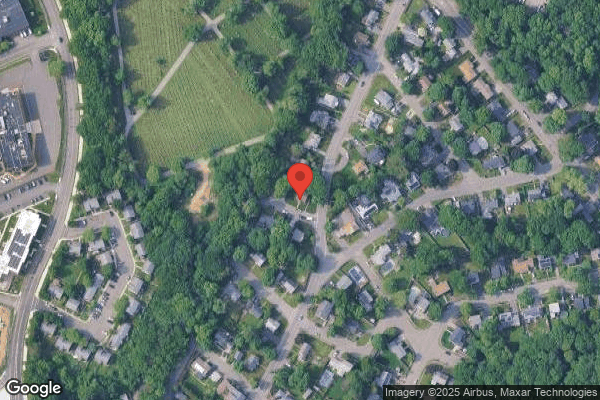
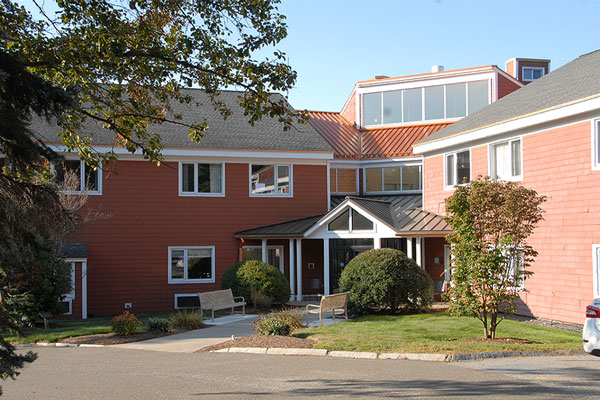
87 HERRICK STREET, BEVERLY, MA 01915 (978) 921-1392
For profit - Corporation 123 Beds BANECARE MANAGEMENT Data: November 2025
Trust Grade
63/100
#98 of 338 in MA
Last Inspection: August 2024

Within standard 12-15 month inspection cycle. Federal law requires annual inspections.

Overview

Ledgewood Rehabilitation and Nursing Center has a Trust Grade of C+, indicating it is slightly above average but not without its issues. It ranks #98 out of 338 facilities in Massachusetts, placing it in the top half, and #14 out of 44 in Essex County, meaning only a few local options are better. The facility is showing improvement, with the number of issues decreasing from four in 2024 to three in 2025. Staffing is a positive aspect, with a 4/5 star rating and a low turnover rate of 29%, which is better than the state average. However, there have been serious concerns, including a failure to prevent pressure ulcers for one resident and inadequate nutritional interventions for two residents, indicating some critical areas that need attention. On a positive note, Ledgewood has no fines on record, suggesting compliance with regulations, though RN coverage is only average, meaning there may be some gaps in oversight.

Trust Score
C+
63/100
In Massachusetts
#98/338
Top 28%
Safety Record
Moderate
Needs review
Inspections
Getting Better
4 → 3 violations
Staff Stability
✓ Good
29% annual turnover. Excellent stability, 19 points below Massachusetts's 48% average. Staff who stay learn residents' needs.
Penalties
✓ Good
No fines on record. Clean compliance history, better than most Massachusetts facilities.
Skilled Nurses
○ Average
Each resident gets 34 minutes of Registered Nurse (RN) attention daily — about average for Massachusetts. RNs are the most trained staff who monitor for health changes.
Violations
⚠ Watch
22 deficiencies on record. Higher than average. Multiple issues found across inspections.
★★★★☆
4.0
Overall Rating
★★★★☆
4.0
Staff Levels
★★★★☆
4.0
Care Quality
★★★★☆
4.0
Inspection Score
Stable
2024: 4 issues
2025: 3 issues

The Good

  • 4-Star Staffing Rating · Above-average nurse staffing levels
  • 4-Star Quality Measures · Strong clinical quality outcomes
  • Low Staff Turnover (29%) · Staff stability means consistent care
  • Full Sprinkler Coverage · Fire safety systems throughout facility
  • No fines on record
  • Staff turnover is low (29%)

    19 points below Massachusetts average of 48%

Facility shows strength in staffing levels, quality measures, staff retention, fire safety.

The Bad

Chain: BANECARE MANAGEMENT

Part of a multi-facility chain

Ask about local staffing decisions and management

The Ugly 22 deficiencies on record

2 actual harm
Aug 2025 2 deficiencies
CONCERN (D) 📢 Someone Reported This

A family member, employee, or ombudsman was alarmed enough to file a formal complaint

Potential for Harm - no one hurt, but risky conditions existed

Comprehensive Care Plan (Tag F0656)

Could have caused harm · This affected 1 resident

Based on records reviewed and interviews, for one of three sampled residents, (Resident #1), whose comprehensive plan of care indicated interventions included that he/she required two staff member ass...

Read full inspector narrative →
Based on records reviewed and interviews, for one of three sampled residents, (Resident #1), whose comprehensive plan of care indicated interventions included that he/she required two staff member assistance with use of the Hoyer lift for all transfers, the Facility failed to ensure staff consistently implemented and followed his/her comprehensive plan of care, when staff transferred him/her without the assistance of another staff member.Findings include:The Facility Policy, titled Comprehensive Person-Centered Care Plan, dated as reviewed 09/2024, indicated the comprehensive, person-centered care plan would describe the services that would be provided to attain or maintain the resident's highest practicable physical, mental, and psychosocial well being.The Facility Policy, titled Mechanical Lift, dated as reviewed 09/2024, indicated at least two nursing assistants were needed to safely move a resident with a mechanical lift.A Hoyer Lift is a device that allows caregivers to safely transfer an individual between a bed, wheelchair, shower chair, or another surface. A sling lift is comprised of a base on casters, a boom, and a cradle that supports the sling.Resident #1 was admitted to the Facility in October 2022, diagnoses included dementia, anxiety, and adult failure to thrive.Review of Resident #1's Activities of Daily Living (ADL) Care Plan, reviewed and renewed with his/her quarterly Minimum Data Set (MDS) assessment on 06/18/25, indicated he/she required full mechanical lift transfers with two person assist (date initiated 11/10/2022).Review of Resident #1's handwritten individualized resident Care Card indicated he/she required two or more staff member assistance using the Hoyer Lift for all transfers.Review of the Report submitted by the Facility via the Health Care Facilities Report System (HCFRS) Report, dated 07/18/25, indicated that during an incident investigation, Certified Nurse Aide (CNA) #1 and CNA #2 reported that they had each independently transferred Resident #1 using the Hoyer Lift.During a telephone interview on 08/06/25 at 11:53 A.M., Certified Nurse Aide (CNA) #1 said that on 07/12/25 and 07/13/25 she transferred Resident #1 using the Hoyer Lift without assistance from any other staff member, and said she had transferred Resident #1 using the Hoyer Lift on other occasions (exact dates unknown) without the assistance of any other staff member. CNA #1 said she knew it was the Facility's policy that all Hoyer Lift transfers required two or more staff members for the safety of the resident, and said she knew Resident #1's plan of care included two staff members for all transfers, using the Hoyer Lift.During an interview on 08/05/25 at 12:08 P.M., CNA #2 said that on 07/11/25, and on other occasions (exact dates unknown), she transferred Resident #1 using the Hoyer Lift without assistance from any other staff member. CNA #2 said she knew she wasn't supposed to transfer using the Hoyer Lift without assistance from another staff member, and said she knew Resident #1's plan of care included that he/she required two staff members assistance with Hoyer Lift transfers.During an interview on 08/05/25, the Regional Clinical Consultant Nurse, who was filling in for the Director of Nurses, said CNA #1 and CNA #2 should have had a second staff member to assist with all Hoyer Lift transfers, per Facility policy and Resident #1's Plan of Care and Care Card, but did not.On 08/05/25, the Facility was found to be in Past Non-Compliance and presented the Surveyor with a plan of correction, with an effective date of 08/03/25, which addressed the areas of concern as evidenced by:A. 07/18/25, The Facility conducted an Ad-Hoc Quality Assurance Performance Improvement meeting, which indicated the Facility Leadership developed an action plan to correct the deficient practice, and ensure that residents who required two staff members assistance with Hoyer Lift transfers were provided the necessary level of assistance by staff.B. 07/18/25, The Facility Nursing staff conducted skin assessments and pain assessments on all residents whose transfer status required use of the Hoyer Lift.C. 07/18/25, Director of Nurses (DON)/designee began daily random audits of Hoyer Lift transfers to ensure two staff members were present. Audits will be ongoing daily on the 07:00 A.M., to 03:00 P.M., and 03:00 P.M., to 11:00 P.M. shifts for 30 days.D. 07/30/25, The Assistant Director of Nurses (ADON)/designee educated all licensed staff, CNAs, and therapy staff of the Facility policy and the requirement to always have two staff members present for all mechanical sling lift transfers.E. 08/03/25, The Assistant Director of Nurses (ADON)/designee conducted Hoyer Lift and gait belt transfer competencies with all CNAs which included review of the Care Card to determine how to safely transfer the resident and to get assistance as needed. F. The DON/designee will present the results of the daily Hoyer Lift transfer audits to the monthly Quality Assurance meeting, at which time further actions will be determined.G. The DON/designee are responsible for ongoing compliance.
CONCERN (D) 📢 Someone Reported This

A family member, employee, or ombudsman was alarmed enough to file a formal complaint

Potential for Harm - no one hurt, but risky conditions existed

Deficiency F0659 (Tag F0659)

Could have caused harm · This affected 1 resident

**NOTE- TERMS IN BRACKETS HAVE BEEN EDITED TO PROTECT CONFIDENTIALITY** Based on records reviewed and interviews, the Facility failed to ensure that Certified Nurse Aide (CNA) #1 had completed compete...

Read full inspector narrative →
**NOTE- TERMS IN BRACKETS HAVE BEEN EDITED TO PROTECT CONFIDENTIALITY** Based on records reviewed and interviews, the Facility failed to ensure that Certified Nurse Aide (CNA) #1 had completed competency training prior to use of the Hoyer Lift for resident transfers.Findings include:The Facility Policy, titled Mechanical Lift, dated as reviewed 09/2024, indicated at least two nursing assistants were needed to safely move a resident with a mechanical lift, and staff must be trained in and demonstrate competency in the use of lift devices.A Hoyer Lift is a device that allows caregivers to safely transfer an individual between a bed, wheelchair, shower chair, or another surface. A sling lift is comprised of a base on casters, a boom, and a cradle that supports the sling.Review of The US Department of Labor Wage and Hour Division Fact Sheet #52, Hazardous Order No. 7 prohibits minors under 18 from operating or assisting in the operation of power-driven hoists, including those designed to lift and move patients. The Wage and Hour Division has, however, adopted an enforcement position effective July 13, 2011, that allows certain properly trained 16- and [AGE] year-old nursing aides or nursing assistants, to assist trained adults in the operation of certain power-driven patient/resident hoists/lifts under certain conditions. Review of Certified Nurse Aide (CNA) #1's Certified Assistant Competency and Education Check off list, completed upon hire, dated 04/17/24, indicated she was under [AGE] years of age at the time of her orientation, and where her preceptor would have dated and signed off that she was competent for the use of the Hoyer Lift, a line was drawn.Additionally, further review of CNA #1's Personnel File indicated there was no documentation to indicate that she had any further training or competencies for the use of the Hoyer Lift.During a telephone interview on 08/06/25 at 11:53 A.M., Certified Nurse Aide (CNA) #1 said she had assisted with Hoyer Lift transfers regularly throughout her employment at the Facility, and said she turned 18 in April 2025, but had not had any further training or competencies on the use of the Hoyer Lift for resident transfers. CNA #1 said she was never formally trained on how to use the Hoyer Lift controls, but had used them.During an interview on 08/05/25 at 01:47 P.M., the Assistant Director of Nurses (ADON) said upon hire, CNA #1 was under 18 and therefore, (per Facility protocol) was not permitted to work the controls for the Hoyer Lift, but was permitted to act as an assistant with Hoyer Lift transfers along with a trained staff member who was 18 or over. The ADON said CNA #1 should have been oriented to and been signed off as competent for assisting with Hoyer Lift transfers upon hire, and once she turned 18 should have completed another competency for the use of the Hoyer Lift controls, but had not.On 08/05/25, the Facility was found to be in Past Non-Compliance and presented the Surveyor with a plan of correction, with an effective date of 08/03/25, which addressed the areas of concern as evidenced by:A. 07/18/25, The Facility conducted an Ad-Hoc Quality Assurance Performance Improvement meeting, which indicated the Facility Leadership developed an action plan to correct the deficient practice, and ensure that residents who required two staff members assistance with Hoyer Lift transfers were provided the necessary level of assistance by staff.B. 07/18/25, The Facility Nursing staff conducted skin assessments and pain assessments on all residents whose transfer status required use of the Hoyer Lift.C. 07/18/25, Director of Nurses (DON)/designee began daily random audits of Hoyer Lift transfers to ensure two staff members were present. Audits will be ongoing daily on the 07:00 A.M., to 03:00 P.M., and 03:00 P.M., to 11:00 P.M. shifts for 30 days.D. 07/30/25, The Assistant Director of Nurses (ADON)/designee educated all licensed staff, CNAs, and therapy staff of the Facility policy and the requirement to always have two staff members present for all mechanical sling lift transfers.E. 08/03/25, The Assistant Director of Nurses (ADON)/designee conducted Hoyer Lift and gait belt transfer competencies with all CNAs which included review of the Care Card to determine how to safely transfer the resident and to get assistance as needed.F. The DON/designee will present the results of the daily Hoyer Lift transfer audits to the monthly Quality Assurance meeting, at which time further actions will be determined.G. The DON/designee are responsible for ongoing compliance.
Jun 2025 1 deficiency
CONCERN (D) 📢 Someone Reported This

A family member, employee, or ombudsman was alarmed enough to file a formal complaint

Potential for Harm - no one hurt, but risky conditions existed

ADL Care (Tag F0677)

Could have caused harm · This affected 1 resident

Based on record reviews and interviews, for one of three sampled residents (Resident #1), who was totally dependent on staff for his/her Activities of Daily Living (ADL) care needs, the Facility faile...

Read full inspector narrative →
Based on record reviews and interviews, for one of three sampled residents (Resident #1), who was totally dependent on staff for his/her Activities of Daily Living (ADL) care needs, the Facility failed to ensure staff consistently provided necessary services to meet his/her ADL care needs, when on 5/16/25 Resident #1's request to nursing for care during the evening shift were not met and he/she was not provide care until the next morning. Findings include: Review of the Facility's Care and Treatment for ADL Care Policy, dated September 2024, indicated ADLs are provided in accordance with resident preference and needs. The Policy indicated that appropriate care and services will be provided for residents who are unable to carry out ADLs independently, with the consent of the resident and in accordance with the plan of care, including appropriate support and assistance with hygiene (bathing, dressing, grooming, oral care), mobility, and toileting. Review of Resident #1's clinical record indicated diagnoses included morbid obesity, Type 2 Diabetes with Polyneuropathy, and Acquired Absence of Right Leg Below Knee. Review of Resident #1's Care Plan Report, updated on 04/15/25, indicated he/she had self care and mobility deficits related to muscle weakness and activity intolerance. The Care Plan Report indicated he/she was nonambulatory, required a two person assist with a mechanical lift for transfers, was dependent for bathing needs, required an assist of two for repositioning in bed, dependent for use of bedpan and incontinent care, and to provide a sponge bath when full bath not tolerated. Review of Resident #1's Resident Profile (CNA care plan), dated 04/22/25, indicated Resident #1 did not ambulate, required a mechanical lift with two or more staff for transfers, was incontinent of bladder and bowel, and was totally dependent with a two person assist for bathing, grooming, positioning and toileting. Review of Resident #1's Quarterly Minimum Data Set (MDS) assessment, dated 04/24/25, indicated he/she was dependent on staff for personal hygiene, toilet hygiene, bathing, upper body dressing, and lower body dressing. The MDS indicated he/she had intact cognitive functioning and was frequently incontinent of bladder and bowel. During an interview on 06/17/25 at 11:45 A.M., Resident #1 said there was a day recently (exact date unknown) that around 11:00 P.M., he/she had been incontinent and requested staff to provide care. Resident #1 said CNA #1 told him/her that there was no other staff member there to assist him (CNA #1) to provide his/her care, and that he (CNA #1) needed to wait for the other CNA to come on the unit. Resident #1 said he/she had been incontinent of bowel and remained in bed without incontinence care for a total of nine hours until the 7:00 A.M. shift CNA arrived. During a telephone interview on 06/23/25 at 12:50 P.M., Nurse #1 said around 9:00 P.M. on 05/16/25, Resident #1, who was lying in bed, asked for assistance. Nurse #1 said Resident #1 did not specifically request incontinent care, but asked for assistance to get ready for bed for the night. Nurse #1 said she reminded Resident #1 that his/her assigned CNA had offered to provide care before she left at 9:00 P.M. Nurse #1 said she told Resident #1 that she would try to find assistance for Resident #1 from another CNA, and if they were unable, he/she would receive care from the CNAs that arrive at 11:00 P.M. for the evening (11:00 P.M. to 7:00 A.M.) shift. Nurse #1 said at the time of Resident #1's request, the CNA on the side of the unit she had been working on was assisting another resident, and that she did not know what the other CNA on the unit was doing. Nurse #1 said Resident #1 did not receive care prior to the end of her shift (11:00 P.M.) that night. Nurse #1 said when Nurse #2 arrived for the start of his shift (at 11:00 P.M.), she told Nurse #2 that they had not been able to provide care to Resident #1 on the last part of their shift (from 9:00 P.M. to 11:00 P.M.) and that he/she needed care. Nurse #1 said Resident #1 should not have had to wait until the next shift for care. Nurse #1 said she should have ensured Resident #1 received care after his/her request by either assisting an available CNA herself or asking the other Nurse working on the unit to help her. During a telephone interview on 06/23/25 at 9:10 A.M., Nurse #2 said he told CNA #1 that based on the change of shift report he received, Resident #1 had not received care as requested on the preceding shift and that they needed to provide it. Nurse #2 said since Resident #1 was incontinent of bowel, he assumed the care he/she had requested after 9:00 P.M. was for bowel incontinence. Nurse #2 said Resident #1 required a two person assist with care in bed. Nurse #2 said two CNAs were scheduled for the night shift (on 5/16/25 from 11:00 P.M. into 5/17/25 until 7 :00 A.M.) that night, however one CNA did not report to work as scheduled. Nurse #2 said at no time during the shift did CNA #1 indicate that he/she needed assistance to care for Resident #1. Nurse #2 said he assumed CNA #1 went to another unit to obtained assistance from a CNA for Resident #1 and that Resident #1 had received care. Nurse #2 said a CNA from another unit was sent to his unit to assist with care around 5:00 A.M. that day. Nurse #2 said he had provided Resident #1 with drinks during the shift and administered him/her medication at 6:00 A.M., and that Resident #1 never said he/she was still waiting for staff to provide care. During a telephone interview on 06/23/25 at 12:00 P.M., CNA #1 said upon his arrival to the unit at 11:00 P.M. on 05/16/25, Nurse #2 told him Resident #1 had not received care during the preceding shift. CNA #1 said at the start of the shift Resident #1 rang his/her call light, and asked him for incontinent care. CNA #1 said he told Resident #1 that he was waiting for the other CNA to arrive to provide assistance. CNA #1 said he told Nurse #2 around 11:15 P.M. and again at 12:00 A.M. that the other CNA scheduled had not come to work on the unit, and that Nurse #2 told him to wait until someone arrived. CNA #1 said at around 5:00 A.M. a CNA from another unit came to provide assistance with resident care on the unit. CNA #1 said Resident #1's care needs were not provided before the 7:00 A.M. shift arrived. During a telephone interview on 06/17/25 at 3:05 P.M., Nurse #3 said she was scheduled for the day shift (7:00 A.M. to 3:00 P.M.) on 05/17/25. Nurse #3 said at around 8:00 A.M. she responded to Resident #1's call bell light, and Resident #1 stated he/she had been waiting since 11:00 P.M. to be changed but no one came to his/her room. Nurse #3 said with Resident #1's bed sheet pulled down, she could see that he/she had a bowel movement. Nurse #3 said she immediately coordinated care for Resident #1. During a telephone interview on 06/11/25 at 2:50 P.M., CNA #2 said at around 8:00 A.M. on 05/17/25 Resident #1 told her that he/she had a bowel movement, the previous night, had been waiting to be changed and asked her to provide care. CNA #2 said Nurse #3 was made aware and care was immediately provided. CNA #2 said the stool on Resident #1 was dry in appearance, like it had been there for many hours. During an interview on 06/11/25 at 2:00 P.M., the Director of Nurses (DON) said staff should ask a resident specifically what care is needed to determine if additional assistance is needed. The DON said Resident #1 should have received the care he/she requested in a timely manner in accordance with his/her plan of care with the assistance of nurse(s) and/or CNA(s). The DON said communication between staff needed to be clearer, that assistance with care was needed to provided at that time, so the resident(s) were not left to wait.
Aug 2024 4 deficiencies
CONCERN (D)

Potential for Harm - no one hurt, but risky conditions existed

Comprehensive Care Plan (Tag F0656)

Could have caused harm · This affected 1 resident

**NOTE- TERMS IN BRACKETS HAVE BEEN EDITED TO PROTECT CONFIDENTIALITY** Based on interview, record review and observation, the facility failed to develop individualized, person-centered care plans for...

Read full inspector narrative →
**NOTE- TERMS IN BRACKETS HAVE BEEN EDITED TO PROTECT CONFIDENTIALITY** Based on interview, record review and observation, the facility failed to develop individualized, person-centered care plans for two Residents (#1, #104) out of a total sample of 25 residents. Specifically: 1. For Resident #1, the facility failed to develop an individualized, person-centered care plan related to dementia. 2. For Resident #104, the facility failed to develop an individualized person-centered care plan related to nutritional care. Findings include: Review of the facility policy titled Care Plan, revised and dated September 2023, indicated the following: - Our facility's Care Planning/Interdisciplinary Team is responsible for the development of an individualized comprehensive care plan for each resident. - A comprehensive care plan for each resident is developed within seven (7) days of completion of the resident assessment (MDS). 1. Resident #1 was admitted to the facility in December 2018 with diagnoses including unspecified dementia with agitation and adult failure to thrive. Review of Resident #1's most recent Minimum Data Set Assessment (MDS) dated [DATE] indicated that the Resident had a Brief Interview for Mental Status score of 13 out of a possible 15 indicating intact cognition. Further review of Resident #1's MDS indicated that he/she has a diagnosis of non-Alzheimer's dementia and requires assistance with all activities of daily living. Review of Resident #1's active care plans failed to indicate an individualized, person-centered care plan relating to dementia care. During an interview on 8/1/24 at 7:40 A.M., Nurse #2 said she would expect all residents with a dementia diagnosis to have an individualized care plan as each resident requires different types of care. During an interview on 8/1/24 at 8:15 A.M., the Director of Nursing (DON) said she would expect Resident #1 to have an individualized dementia care plan. The DON and the surveyor reviewed Resident #1's medical record together and the DON said no dementia care plan had been developed. 2. Resident #104 was admitted to the facility in April 2024 with diagnoses including urinary tract infection, hyperlipidemia, and unspecified dementia. Review of Resident #104's most recent Minimum Data Set Assessment (MDS) dated [DATE] indicated that the Resident had a Brief Interview for Mental Status score of 7 out of a possible 15 indicating that the Resident has severe cognitive impairment. Review of Resident #104's active care plans failed to indicate an individualized, person-centered care plan relating to nutrition care. During an interview on 7/31/24 at 8:32 A.M., Resident #104 said he/she does not remember speaking with a Registered Dietitian/Nutritionist. During an interview on 8/1/24 at 7:58 A.M., the Registered Dietitian (RD) said she works in the building four days per week. The RD said when there is a new admission, we assess the resident and develop an individualized care plan for their nutritional needs to get their baseline nutrition status. The RD continued to say she missed completing Resident #104's initial nutrition assessment and developing his/her nutritional care plan upon admission to the facility. During an interview on 8/1/24 at 8:21 A.M., the Director of Nursing said an individualized nutritional care plan should be developed when a resident gets admitted to the facility, and she continued to say Resident #104 should have a nutrition care plan.
CONCERN (D)

Potential for Harm - no one hurt, but risky conditions existed

Deficiency F0658 (Tag F0658)

Could have caused harm · This affected 1 resident

**NOTE- TERMS IN BRACKETS HAVE BEEN EDITED TO PROTECT CONFIDENTIALITY** Based on observation, record review and interview, the facility failed to ensure staff followed physicians' orders for two Resid...

Read full inspector narrative →
**NOTE- TERMS IN BRACKETS HAVE BEEN EDITED TO PROTECT CONFIDENTIALITY** Based on observation, record review and interview, the facility failed to ensure staff followed physicians' orders for two Residents (#47 and #23) out of a total of 25 sampled residents. Specifically: 1. For Resident #47, the facility failed to document the external length of a peripherally inserted central catheter (PICC) line (a long thin tube that's inserted into a vein in the arm and passed through to the larger veins near the heart) and failed to document the urine output of his/her Foley catheter, as ordered by the physician. 2. For Resident #23, the facility failed to document the output from his/her negative pressure wound therapy (NWPT; also called a wound vac, is a suction pump and tubing used to remove excess exudate and promote healing in acute or chronic wounds), as ordered by the physician. Findings include: 1. Resident #47 was admitted to the facility in July 2024 with diagnoses including bacteremia, chronic obstructive pulmonary disease, and urinary retention. Review of the Minimum Data Set Assessment (MDS) dated [DATE] indicated Resident #47 scored an 8 out of a possible 15 on the Brief Interview for Mental Status Exam (BIMS) indicating moderate cognitive impairment. The MDS also indicated he/she requires assistance with bathing and dressing and is receiving IV antibiotics. The MDS also indicated that Resident #47 has a Foley catheter. Review of Resident #47's physician's orders indicated: - 7/15/24: Change dressing of PICC every week and measure and document external length of catheter every day shift. Review of the Medication Administration Record (MAR) for July 2024 indicated that staff did not document Resident #47's external length of the catheter. Additional review of Resident #47's physician's orders indicated: - 7/10/24: Indwelling urinary catheter; measure and record output every shift. Review of the July 2024 MAR indicated that staff did not record Resident #47's output on the following shifts/days: - 7:00 A.M. to 3:00 P.M., on 7/12/24, 7/20/24 and 7/29/24 - 3:00 P.M. to 11:00 P.M., on 7/11/24 and 7/17/24 - 11:00 P.M. to 7:00 A.M. on 7/10/24, 7/14/24, 7/16/24, 7/18/24, 728/24, 7/29/24 and 7/30/24. During interviews on 7/31/24 at 8:50 A.M. and at approximately 9:00 A.M., the Director of Nursing (DON) said that it is expected for external lengths of PICC lines to be measured to ensure the line has not migrated. The DON reviewed Resident #47's July 2024 MAR with the surveyor and was not aware that staff had not completed the measurements for the PICC line or catheter output. 2. Resident #23 was admitted to the facility in June 2024 with diagnoses including encounter for surgical aftercare following surgery on the digestive system, and chronic pulmonary disease with acute exacerbation. Review of the Minimum Data Set Assessment (MDS) dated [DATE] indicated Resident #23 is cognitively intact and requires assistance with bathing, dressing and transfers. Review of Resident #23's physician's orders indicated: - 6/27/24, NPWT (negative-pressure wound therapy) document amount of drainage. Call MD if > (greater than) 100 mls (milliliters) in 8 hours OR if frank red blood is in the canister The order indicated document drainage every shift. Review of the July 2024 Medication Administration Record (MAR) indicated staff did not document the drainage amount per physician's order on the following days/shifts: - 7:00 A.M. to 3:00 P.M. on 7/2/24, 7/5/24, 7/8/24, and 7/25/24 - 3:00 P.M. to 11:00 A.M. on 7/1/24, 7/3/24. 7/4/24, and 7/13/24 - 11:00 P.M. to 7:00 A.M. on 7/14/24, 7/29/24, and 7/30/24. During an interview on 7/31/24 at approximately 9:00 A.M., the Director of Nursing (DON) reviewed Resident #23's July 2024 MAR with the surveyor. The DON said she was not aware that staff had not been documenting the NPWT drainage, as ordered.
CONCERN (D)

Potential for Harm - no one hurt, but risky conditions existed

Infection Control (Tag F0880)

Could have caused harm · This affected 1 resident

**NOTE- TERMS IN BRACKETS HAVE BEEN EDITED TO PROTECT CONFIDENTIALITY** Based on observation, policy review and interview, the facility failed to ensure nursing staff followed infection control practi...

Read full inspector narrative →
**NOTE- TERMS IN BRACKETS HAVE BEEN EDITED TO PROTECT CONFIDENTIALITY** Based on observation, policy review and interview, the facility failed to ensure nursing staff followed infection control practices during the administration of intravenous (IV) medication for one Resident (#47) out of a total of 25 sampled residents. Findings include: Review of the facility's Enhanced Barrier Precautions policy dated 7/1/24 indicated: Purpose: Enhanced Barrier Precautions (EBP) refers to an infection control intervention designed to reduce transmission of multi-drug resistant organisms that employ targeted gown and glove use during high contact resident care activities. EBP are indicated for residents with any of the following: wounds and/or indwelling medical devices. For residents for whom EBP are indicated, EBP is employed when performing the following high-contact resident care activities: Device care or use: central line; urinary catheter, feeding tube, tracheostomy/ventilator. Resident #47 was admitted to the facility in July 2024 with diagnoses including bacteremia, chronic obstructive pulmonary disease, and urinary retention. Review of the Minimum Data Set Assessment (MDS) dated [DATE] indicated Resident #47 scored an 8 out of a possible 15 on the Brief Interview for Mental Status Exam (BIMS), indicating moderate cognitive impairment. The MDS also indicated he/she requires assistance with bathing dressing and is receiving IV antibiotics. Review of Resident #47's care plans indicated: - Problem: [Resident] is on IV medications ABTX (antibiotic treatment) related to bacteremia. Type of IV: PICC (peripherally inserted central catheter) rt (right) upper arm. Interventions: IV dressing as ordered. Monitor intake and output. Dated 7/21/24. - Problem: [Resident] has catheter. Interventions: EBP (enhanced barrier precautions) as indicated. Monitor and document intake and output as per facility policy. Dated 7/15/24. Review of Resident #47's physician's orders dated 7/9/24 indicated: Penicillin G Potassium Injection Solution Reconstituted (Penicillin G Potassium). Use 3 million units intravenously every 4 hours for bacteremia. On 7/30/24 at 12:40 P.M., the surveyor observed Resident #47's empty IV bag hanging from the IV pole. The physician order's written on the bag indicated: Infuse 50 ML (milliliters) IV every four hours at 100 ml/hr (hour) over 30 minutes. On 7/31/24 at 8:19 A.M., the surveyor observed Nurse #1 administer Resident #47's ordered intravenous antibiotics. Nurse #1 exited the medication room and walked to the medication cart to gather supplies. Nurse #1 then donned gloves that she obtained from the hallway, without first performing hand hygiene, potentially contaminating the gloves, and then entered Resident #47's room. A sign on the door indicated that Resident #47 was on enhanced barrier precautions and staff were to perform hand hygiene and don gloves and a gown during care. Nurse #1 did not don a gown. Nurse #1 then adjusted the privacy curtain with her gloved hands, set the infusion rate on the IV pump and then removed a bag of IV solution/antibiotic from her pocket, potentially contaminating her gloves. Nurse #1 then proceeded to connect the IV bag to Resident #47's PICC line cite, while still wearing the same gloves, potentially contaminating the IV tubing and PICC line insertion cite. During an interview on 7/31/24 at 8:29 A.M., Nurse #1 said that staff have to wear a gown when providing care to Resident #47. Nurse #1 said she did not have to wear a gown because she was administering medications. During an interview on 7/31/24 at 8:50 A.M., the Director of Nursing said that Nurse #1 should have worn a gown, performed hand hygiene, and not kept the IV solution bag in her pocket.
CONCERN (E)

Potential for Harm - no one hurt, but risky conditions existed

Food Safety (Tag F0812)

Could have caused harm · This affected multiple residents

Based on observations and interviews, the facility failed to properly store food items to prevent the risk of foodborne illness and in accordance with professional standards for food service safety. ...

Read full inspector narrative →
Based on observations and interviews, the facility failed to properly store food items to prevent the risk of foodborne illness and in accordance with professional standards for food service safety. Findings include: The surveyor made the following observations during the initial kitchen walkthrough on 7/30/24 at 7:10 A.M.: - In the walk-in refrigerator, a container of unlabeled, undated sliced meat. - In the walk-in refrigerator, a container labeled as mushrooms with a use by date of 7/29 written on it. The container was partially open. - In the walk-in refrigerator, an opened bottle of Gatorade belonging to a staff member was stored with resident food. - In the walk-in freezer, numerous boxes containing resident food were stored directly on the ground. During the revisit walk-through of the kitchen on 7/31/24 at 11:27 A.M., the surveyor observed the following: - In the walk-in refrigerator, an opened bottle of Gatorade (a different bottle than the day prior) belonging to a staff member was stored with resident food. - In the reach-in refrigerator, an opened bottle of water with a staff member's name written on it was stored with resident food. During an interview on 7/31/24 at 11:50 A.M., the Food Service Director (FSD) said all food needs to be labeled and dated and should be thrown out after three days or as written on the food's label. During an interview on 8/1/24 at 8:30 A.M., the FSD said opened drinks belonging to kitchen employees should not be stored in areas where resident food is stored.
Jun 2023 7 deficiencies
CONCERN (D)

Potential for Harm - no one hurt, but risky conditions existed

Resident Rights (Tag F0550)

Could have caused harm · This affected 1 resident

Based on observation and interview, the facility failed to provide a dignified dining experience for the residents on the Fields Unit. The following was observed during the breakfast meal on 6/14/23:...

Read full inspector narrative →
Based on observation and interview, the facility failed to provide a dignified dining experience for the residents on the Fields Unit. The following was observed during the breakfast meal on 6/14/23: *At 8:21 A.M., 8:26 A.M. and 8:52 A.M., staff members were referring to residents who require assistance with meals as feeds in the unit hallway where residents were able to hear them. *At 8:31 A.M., a staff member was observed standing over a resident, not at eye level while feeding the resident while he/she was sitting up in bed. *At 8:52 A.M., a resident was observed with his/her tray open and untouched in front of him/her while he/she was sleeping in bed. Thirty-seven minutes later, a staff member was observed standing over the resident, not at eye level while feeding the resident, while he/she was sitting up in bed. On 6/15/23 at 12:11 P.M., a staff member was observed standing over a resident, not at eye level while feeding the resident while he/she was sitting up in bed. During an interview on 6/15/23 at 12:52 P.M., the Director of Nursing said staff should be assisting residents with feeding while sitting down at eye level with the resident. She also said that staff should not be referring to residents who require assistance with meals as feeds.
CONCERN (D)

Potential for Harm - no one hurt, but risky conditions existed

Deficiency F0604 (Tag F0604)

Could have caused harm · This affected 1 resident

**NOTE- TERMS IN BRACKETS HAVE BEEN EDITED TO PROTECT CONFIDENTIALITY** Based on observation, record review, interview and facility policy review, the facility failed to complete a restraint assessmen...

Read full inspector narrative →
**NOTE- TERMS IN BRACKETS HAVE BEEN EDITED TO PROTECT CONFIDENTIALITY** Based on observation, record review, interview and facility policy review, the facility failed to complete a restraint assessment for one Resident (#66) out of a total sample of 25 residents. Findings include: Review of the facility policy titled Restraints reviewed and dated September 2022 indicated the following: *Prior to initiating a restraint, the interdisciplinary team must determine that alternatives to restraints have been tried and determined not to have been effective. The team will assess the resident for the least restrictive device/method. Re-assessments will be done at least quarterly. Resident #66 was admitted to the facility in November 2022 with diagnoses that include vascular dementia, anxiety disorder, history of falling and insomnia. Review of Resident #66's most recent Minimum Data Set (MDS) dated [DATE] indicated that the Resident had a Brief Interview for Mental Status score of 11 out of a possible 15 indicating that he/she has moderate cognitive impairment. Further review of the Resident's MDS indicated that he/she requires extensive assistance with activities of daily living, was coded for wandering behavior and had no indications of a restraint being used. During an observation on 6/13/23 at 7:54 A.M., the surveyor observed Resident #66 lying in bed, the sides of the bed were raised with pillows, with the side facing the hallway being higher than the other side of the bed. Resident #66 was attempting to get out of bed on the side stuffed with pillows, but could not do so. During an interview on 6/13/23 at 7:54 A.M., Resident #66 said he/she was trying to get out of bed but could not. During an observation on 6/14/23 at 6:52 A.M., Resident #66 was observed sleeping in bed, there were bolsters on both sides of the mattress from the Resident's head of the bed to the foot of the bed. Review of Resident #66's care plan for falls related to unsteady gait, the following intervention was implemented on 4/7/23: *Resident #66 needs Air Mattress Bolsters to prevent slippers [sic] from bed. During an interview on 6/14/23 at 11:41 A.M., Unit Manager #1 said Resident #66 has bolsters on his/her bed so he/she does not roll out of the bed, he continued to say that the Resident cannot get out of bed. During an interview on 6/15/23 at 7:32 A.M., Certified Nursing Assistant (CNA) #1 said we use the bolsters so Resident #66 does not get out of bed and we also use pillows on the other side of the bed, so he/she does not fall out of bed. He continued to say that Resident #66 tries to get out of bed but cannot, he/she sometimes almost slides out of the bed because he/she tried to get out of bed. Review of Resident #66's clinical record failed to indicate a restraint assessment was completed. During an interview on 6/15/23 at 7:41 A.M., the Director of Nursing said we do not have a restraint assessment for Resident #66.
CONCERN (D)

Potential for Harm - no one hurt, but risky conditions existed

ADL Care (Tag F0677)

Could have caused harm · This affected 1 resident

**NOTE- TERMS IN BRACKETS HAVE BEEN EDITED TO PROTECT CONFIDENTIALITY** Based on observations, record review and interviews, the facility failed to provide assistance with Activities of Daily Living (...

Read full inspector narrative →
**NOTE- TERMS IN BRACKETS HAVE BEEN EDITED TO PROTECT CONFIDENTIALITY** Based on observations, record review and interviews, the facility failed to provide assistance with Activities of Daily Living (ADLs), specifically providing assistance with showers, for three Residents (#7, #29, and #57) out of a total sample of 25 residents. Findings include: Review of the facility policy titled Activities of Daily Living (ADLs), Supporting, reviewed and dated September 2022, indicated the following: *Residents who are unable to carry out activities of daily living independently will receive the services necessary to maintain good nutrition, grooming and personal and oral hygiene. *Appropriate care and services will be provided for residents who are unable to carry out ADLs independently, with the consent of the resident and in accordance with the plan of care, including appropriate support assistance with: Hygiene (bathing, dressing, grooming, and oral care). 1. Resident #7 was admitted to the facility in February 2022 with diagnoses that include hypertensive heart and chronic kidney disease with heart failure, and acute respiratory failure. Review of Resident #7's most recent completed Minimum Data Set (MDS) dated [DATE], revealed that the Resident has a Brief Interview for Mental Status score of 9 out of possible 15, indicating that he/she has moderate cognitive impairment. Further review of the MDS indicated that Resident #7 requires extensive assistance of one person for bathing. During an interview on 6/13/23 at 8:19 A.M., Resident #7 said he/she does not receive a weekly shower and can't remember when he/she last received one. Resident #7 was asked if he/she would like a weekly shower, he/she said yes. Review of Resident #7's care card (a form that shows all resident care needs) indicated he/she required physical assistance from staff for bathing tasks. Review of the shower schedule for the unit indicated Resident #7 was scheduled to have a shower weekly on Wednesday mornings and Saturday evenings. Record review on 6/13/23 at 2:37 P.M. for the past 30 days failed to indicate Resident #7 has received a shower. During an interview on 6/15/23 at 8:00 A.M., CNA #3 said she follows the shower schedule and if a Resident refuses care, she documents it under the bathing task on the ADL care card (a form of all activities of daily living) and reports it to the nurse. CNA #3 was asked if Resident #7 refuses care, she said no. During an interview on 6/15/23 at 9:52 A.M., the Director of Nursing said there is a shower schedule on the daily assignment sheet and if a resident refuses care, the nurse should be notified, and it should be documented. The Director of Nursing was informed Resident #7 has not received a shower in the past 30 days. The Director of nursing said she had not been made aware that Resident #7 had not received his/her weekly shower or that he/she was refusing care. Review of Resident #7's behavior care card (a form that shows all residents behaviors) and daily nursing documentation failed to indicate Resident #7 refused care. 2. Resident #29 was admitted to the facility in February 2023 with diagnoses that include spinal stenosis, low back pain and chronic Atrial Fibrillation (abnormal heart rhythm). Review of Resident #29's most recent completed Minimum Data Set (MDS) dated [DATE], revealed that the Resident has a Brief Interview for Mental Status score of 14 out of possible 15, indicating that he/she is cognitively intact. Further review of the MDS indicated that Resident #29 requires extensive assistance of one person for bathing. During an interview on 6/14/23 at 7:49 A.M., Resident #29 said he/she only receives a shower about once or twice a month. Resident #29 said when he/she lived at home he/she showered every day. Resident #29 was asked if he/she would like to receive a weekly shower, he/she said yes. Review of Resident #29's care card (a form that shows all resident care needs) indicated he/she required physical assistance from staff for bathing tasks. Review of the shower schedule for the unit indicated Resident #29 was scheduled to have a shower weekly on Wednesday mornings and Saturday evenings. Record review on 6/14/23 at 8:32 A.M., indicated Resident #29 has received 3 showers in the past 30 days. During an interview on 6/14/23 at 12:01 P.M., Resident #29 was asked if he/she had received a shower this morning, he/she said no. During an interview on 6/15/23 at 8:00 A.M., CNA #3 said she follows the shower schedule and if a Resident refuses care, she documents it under the bathing task on the ADL care card (a form of all activities of daily living) and reports it to the nurse. CNA #3 was asked if Resident #29 refuses care, she said no. During an interview on 6/15/23 at 9:52 A.M., the Director of Nursing said there is a shower schedule on the daily assignment sheet and if a resident refuses care, the nurse should be notified, and it should be documented. The Director of Nursing was informed that Resident #29 has received 3 showers in the past 30 days. The Director of nursing said she had not been made aware that Resident #29 has not received his/her weekly scheduled shower or that he/she was refusing care. Review of Resident #29's behavior care card (a form that shows all residents behaviors) and daily nursing documentation failed to indicate Resident #29 refused care. 3. Resident #57 was admitted to the facility in July 2022 with diagnoses that include chronic diastolic congestive heart failure, spinal stenosis unspecified, and unspecified osteoarthritis. Review of Resident #57's most recent completed Minimum Data Set (MDS) dated [DATE], revealed that the Resident has a Brief Interview for Mental Status score of 15 out of possible 15, indicating that he/she is cognitively intact. Further review of the MDS indicated that Resident #29 requires extensive assistance of one person for all Activities of Daily Living including bathing and did not exhibit any behaviors. Review of Resident #57's care card (a form that shows all resident care needs) indicated Resident #57 required physical assistance from staff for bathing tasks. Review of the shower schedule for the unit indicated Resident #57 was scheduled to have a shower weekly on Thursday mornings and Sunday evenings. Record review on 6/14/23 at 7:59 A.M., indicated Resident #57 has received 3 showers in the past 30 days. During an interview on 6/15/23 at 8:00 A.M., CNA #3 said she follows the shower schedule and if a Resident refuses care, she documents it under the bathing task on the ADL care card (a form of all activities of daily living) and reports it to the nurse. CNA #3 was asked if Resident #57 refuses care, she said no. During an interview on 6/15/23 at 9:52 A.M., the Director of Nursing said there is a shower schedule on the daily assignment sheet and if a resident refuses care, the nurse should be notified, and it should be documented. The Director of Nursing was informed that Resident #57 has received 3 showers in the past 30 days. The Director of nursing said she had not been made aware that Resident #57 has not received his/her weekly scheduled shower or that he/she was refusing care. Review of Resident #57's behavior care card (a form that shows all residents behaviors) and daily nursing documentation failed to indicate Resident #57 refused care.
CONCERN (D)

Potential for Harm - no one hurt, but risky conditions existed

Pressure Ulcer Prevention (Tag F0686)

Could have caused harm · This affected 1 resident

**NOTE- TERMS IN BRACKETS HAVE BEEN EDITED TO PROTECT CONFIDENTIALITY** Based on observation, record review and interview, the facility failed to ensure an air mattress was at the correct setting to h...

Read full inspector narrative →
**NOTE- TERMS IN BRACKETS HAVE BEEN EDITED TO PROTECT CONFIDENTIALITY** Based on observation, record review and interview, the facility failed to ensure an air mattress was at the correct setting to help prevent the development of pressure ulcers for one Resident (#66) out of a total sample of 25 residents. Findings include: Resident #66 was admitted to the facility in November 2022 with diagnoses that include vascular dementia, anxiety disorder and insomnia. Review of Resident #66's most recent Minimum Data Set (MDS) dated [DATE], indicated that the Resident had a Brief Interview for Mental Status score of 11 out of a possible 15 indicating that he/she has moderate cognitive impairment. Further review of the Resident's MDS indicated that he/she requires extensive assistance with activities of daily living and is at risk for developing pressure ulcers. During an observation on 6/13/23 at 10:53 A.M., Resident #66 was observed sleeping in bed with his/her air mattress set to 150 pounds. During an observation on 6/15/23 at 6:58 A.M., Resident #66 was observed sleeping in bed with his/her air mattress set to 100 pounds. Review of Resident #66's physician's orders indicated the following: *Discontinued date of 6/13/23: Air Mattress when in bed setting of 200 lbs. (pounds) check function Q (every) shift. *Order date of 6/13/23 at 3:25 P.M.: Air Mattress in when in bed setting of 150 lbs. check function Q shift. Review of Resident #66's weight summary report indicating that his/her last reported weight on 6/6/23 was 136.8 pounds. Review of Resident #66's nursing progress notes from 3/31/23 indicate the following note: *Resident #66 has a new stage 2 area noted on coccyx. Now has air mattress and therapy replaced his/her cushion. Review of Resident #66's weekly skin check dated 4/5/23 indicated that a coccyx wound was present. Review of Resident #66's assessment titled Norton Plus Pressure Ulcer Risk Scale (an assessment used to assess the risk of developing pressure ulcers) dated 11/13/22, 2/8/23 and 5/3/23 revealed that the Resident was at a high risk for developing pressure ulcers. During an interview on 6/14/23 at 11:42 A.M., Unit Manager #1 said Resident #66 is at risk for pressure ulcers on his/her bony areas and had a facility acquired pressure ulcer recently but it had recently healed. He continued to say that the Resident uses an air mattress to help prevent pressure injuries. During an interview on 6/15/23 at 7:21 A.M., Unit Manager #1 and the surveyor observed Resident #66's air mattress set to 100 pounds, he said it should be set to 150 pounds. Unit Manager #1 then said physician orders should be followed for Resident #66's air mattress settings. During an interview on 6/15/23 at 7:41 A.M., the Director or Nursing said Resident #66 is at high risk for pressure ulcers and air mattress settings are determined by the Resident's weight. She continued to say that physician's orders should be followed for the correct air mattress setting.
CONCERN (D)

Potential for Harm - no one hurt, but risky conditions existed

Deficiency F0692 (Tag F0692)

Could have caused harm · This affected 1 resident

**NOTE- TERMS IN BRACKETS HAVE BEEN EDITED TO PROTECT CONFIDENTIALITY** Based on record review and interview, the facility failed to identify and address a significant weight loss for 1 Resident (#46)...

Read full inspector narrative →
**NOTE- TERMS IN BRACKETS HAVE BEEN EDITED TO PROTECT CONFIDENTIALITY** Based on record review and interview, the facility failed to identify and address a significant weight loss for 1 Resident (#46) out of a total of 25 sampled residents. Findings include: Review of the facility policy revised September 2022, titled Weight Assessment and Intervention, indicated the following: *Any change in weight 5 pounds or more over 1 month will be re-taken for confirmation. If the weight is verified, nursing will notify the dietitian. *The threshold for significant unplanned and undesired weight loss will be based on the following criteria [where percentage of body weight loss = (past weight - actual weight)/(past weight) x 100. - a. 1 month - 5% weight loss is significant; greater than 5% is severe 3 month - 7.5% weight loss is significant; greater than 7.5% is severe 6 months - 10% weight loss is significant; greater than 10% is severe *if the weight change is desirable or expected, this will be documented and no change in the care plan will be necessary. Resident #46 was admitted to the facility in June 2022 with a diagnosis of dementia. Review of the Minimum Data Set (MDS), dated [DATE], indicated that Resident #46 scored a 1 out of 15 on the Brief Interview for Mental Status (BIMS), which indicates severe cognitive impairment. Review of the Weights and Vitals Summary indicated the following: -7/20/22: 200 lbs. (pounds) -7/26/22: 197.6 lbs. -8/12/22: 202.1 lbs. -9/8/22: 201.3 lbs. -9/21/22: 186 lbs. -10/07/22: 190 lbs. -11/01/22: 187.4 lbs. Review of the weights indicated Resident #46 experienced a clinically significant weight loss from 9/8/22 to 9/21/22 of 15.3 lbs. or a loss of 7.6% of the Residents total body weight within one month. Review of the weights also indicated that the Resident's weight was not re-checked or confirmed until over two weeks following the initial weight loss recording. Review of Resident #46's clinical record indicated the weight loss was not addressed until 11/29/22, two months after the weight loss occurred when the Nurse Practitioner (NP) indicated the Resident experienced weight loss in a progress note. Resident #46's clinical record failed to indicate the Registered Dietitian (RD) or NP were notified of the weight loss. During an interview on 6/15/23 at 10:17 A.M., the RD said if a resident experiences a weight change of 3 or more pounds the resident's weight will be re-checked within 48 hours for confirmation. The RD said the expectation is to assess any resident that experiences a significant weight loss within 48 hours, and that Resident #46 should have been assessed at the time of the Resident's initial weight loss. The RD said nursing should notify the NP and RD of any significant weight changes, and that she is unaware if this occurred at the time of Resident #46's weight loss.
CONCERN (D)

Potential for Harm - no one hurt, but risky conditions existed

Deficiency F0761 (Tag F0761)

Could have caused harm · This affected 1 resident

**NOTE- TERMS IN BRACKETS HAVE BEEN EDITED TO PROTECT CONFIDENTIALITY** Based on observations, policy review and interviews the facility failed to ensure expired medications were unavailable for admin...

Read full inspector narrative →
**NOTE- TERMS IN BRACKETS HAVE BEEN EDITED TO PROTECT CONFIDENTIALITY** Based on observations, policy review and interviews the facility failed to ensure expired medications were unavailable for administration, medications once opened were dated according to manufacturer's guidelines and medications were stored separately from food on 1 out of 2 observed medication rooms and 3 out of 4 observed medication carts. Review of the facility policy titled, Storage of Medications revision date April 2007 included the following: - The nursing staff shall be responsible for maintaining medication storage and preparation areas in a clean, safe, and sanitary manner. - The facility shall not use discontinued, outdated, or deteriorated drugs or biologicals. - Medications requiring refrigeration must be stored and monitored in a refrigerator located in the drug room at the nurse's station or other secured location. Medication must be stored separately from food and must be labeled accordingly. On 6/15/23 at 8:36 A.M., [NAME] Farms Medication Cart 2 the surveyor observed the following: -Two bottles of opened atropine eye drops, undated. -A bottle of LiquaCel opened and undated. During an interview on 6/15/23 at 8:38 A.M., Unit Manager #1 said LiquaCel should have an open date once it's opened. On 6/15/23 at 8:48 A.M., on the Cove unit Medication Room the surveyor observed the following: - An opened bottle of tuberculin (Tb) solution dated 4/4/23. - A can of soda. - A container of yogurt. During an interview on 6/15/23 at 8:51 A.M., Nurse #4 said food items should not be in the medication fridge and was unsure how long the tuberculin solution lasts once opened. On 6/15/23 at 9:36 A.M., on the Pride Unit Medication Cart 1 the surveyor observed the following: - A bottle of fiber caplets with an expiration date of 5/23. - A bottle of Magnesium caplets with an expiration date of 5/23. During an interview on 6/15/23 at 9:36 A.M., Nurse #5 said it was nursing's responsibility for checking the medication carts for expired medications. On 6/15/23 at 9:50 A.M., on the Pride Unit Medication Cart 4 the surveyor observed the following: - A bottle of Senna Plus with an expiration date of 2/23. - A bottle of magnesium with an expiration date of 5/23. During an interview on 6/15/23 at 9:53 A.M., the Director of Nursing said expired medications should not be in the medication cart, Tb solution is only good for 30 days once opened, and there should be no food items in the medication fridge.
CONCERN (D)

Potential for Harm - no one hurt, but risky conditions existed

Food Safety (Tag F0812)

Could have caused harm · This affected 1 resident

Based on observation, and interview the facility failed to maintain proper sanitation practices related to food labeling and storage in the kitchen. Review of the facility policy, revised September 20...

Read full inspector narrative →
Based on observation, and interview the facility failed to maintain proper sanitation practices related to food labeling and storage in the kitchen. Review of the facility policy, revised September 2022, titled Food Storage and Preparation, indicated the following: *All foods will be shelved and rotated using the older foods first and based on the use-by or expiration dates. *All food items will be wrapped properly and tightly, or stored in clean, covered containers clearly marked, including the preparation date and discard date. *All temperature control for safety foods (TCS), ready-to-eat foods (RTE) or leftover foods will be labeled and dated with the date the food was prepared and the discard date. *All ready to eat salads (ex. Tuna salad, seafood salad etc.) or leftovers will be discarded within 5 Calendar days from the preparation date including day 1. During the initial kitchen walk-through on 6/13/23, at 7:05 A.M., the following observations were made: *A container of mandarin slices in the reach-in refrigerator, labeled as prepared on 5/7 and use by 5/9 *A cut tomato in the reach-in refrigerator with visible signs of decomposition wrapped and undated. *A piping bag filled with whipped cream in the reach-in refrigerator, dated use by 04/10. *An open bag of Mozzarella cheese in the reach-in refrigerator, undated. *Two pots containing soup in the walk-in refrigerator, undated and unlabeled. *Cooked carrots wrapped in a bowl in the walk-in refrigerator, undated and unlabeled. *Two prepared, ready to eat salads, wrapped and undated. *A case of squash, with significant signs of decomposition including the growth of a wispy, white and gray substance. *A tomato with visible signs of decomposition including the growth of a wispy, white and gray substance. During an interview on 6/13/23 at 7:13 A.M., the Food Service Director (FSD) said all food should be labeled and dated when the food item was prepared or opened. The FSD said all foods that have not been labeled or dated, including the soups stored in pots, should be discarded as the date of preparation is unknown. During an interview on 6/15/23 at 10:17 A.M., the Registered Dietitian (RD) said foods that have surpassed their use-by date pose a food-safety risk by introducing the potential for foodborne illness into the high-risk population of this skilled nursing facility.
May 2022 8 deficiencies 2 Harm
SERIOUS (G)

Actual Harm - a resident was hurt due to facility failures

Pressure Ulcer Prevention (Tag F0686)

A resident was harmed · This affected 1 resident

**NOTE- TERMS IN BRACKETS HAVE BEEN EDITED TO PROTECT CONFIDENTIALITY** Based on observation, interview and record review, the facility failed to implement pressure ulcer prevention interventions, res...

Read full inspector narrative →
**NOTE- TERMS IN BRACKETS HAVE BEEN EDITED TO PROTECT CONFIDENTIALITY** Based on observation, interview and record review, the facility failed to implement pressure ulcer prevention interventions, resulting in the development of a pressure ulcer, for 1 Resident (#47) out of a total sample of 26 residents. Findings include: Review of facility policy titled 'Wound and Skin Care Protocols/ Definitions', reviewed 9/21, indicated the following: *Purpose: -To prevent pressure ulcer/ injury formation by identifying those residents who are at risk for pressure injuries/ ulcers and to develop appropriate interventions. *Definitions: -A pressure injury/ulcer is defined as any lesion caused by unrelieved pressure resulting in damage to underlying tissue. Pressure ulcers usually occur over bony prominences and are staged to classify the degree of tissue damage observed. (Agency for Health Care Policy and Research 1994). -Staging Classification adapted from National Pressure Ulcer Advisory Panel (NPUAP) *Stage 2- Partial thickness tissue of dermis presenting as shallow open ulcer with a red/pink wound bed without slough. The ulcer is superficial and presents clinically as an abrasion, blister (clear fluid filled blister) or shallow crater. Resident #47 was re-admitted to the facility in August 2021 with diagnoses including diabetes mellitus and chronic kidney disease. Review of Resident #47's Minimum Data Set Assessment (MDS) dated [DATE] indicated the Resident was cognitively intact and scored a 15 out of 15 on the Brief Interview for Mental Status Exam (BIMS). The MDS further indicated the Resident requires extensive assistance with physical assistance for care activities and that the Resident did not have any pressure ulcer or injury and is at risk for developing pressure ulcers/injuries. On 5/04/22 at 12:44 P.M., Resident #47 was observed sitting in his/her wheelchair in his/her room. The Resident said he/she has an open area on his/her buttocks that he/she thinks opened a few days ago and that the area is sore. Resident #47 said nursing staff has been putting a treatment on the area. The Resident's wheelchair had no pressure relieving cushion in place and there was not one visible in his/her room. Resident #47 said he/she used to have one, but it was discolored, and he/she didn't want to use a discolored cushion so he/she gave it to the Occupational Therapist (OT). Resident #47 said the OT told him/her that the facility did not have another cushion of that type, but they would order another one for him/her. Resident #47 said this happened sometime in February and that he/she has not had a cushion since then. Review of Resident #47's medical record indicated the following: -A care plan initiated 9/04/2018 for a potential for pressure ulcer development related to medication use, pain, incontinence of bowel and bladder, weakness and history of pressure impairment with interventions for a pressure reducing mattress on bed and cushion in wheelchair. -A Norton Plus Pressure Ulcer Risk Scale dated 3/10/22 which indicated a score of 11 and a high risk of developing pressure ulcers. -A Physical Therapy (PT) treatment note dated 1/26/22 which indicated the Resident was provided a new wheelchair cushion. -A weekly skin check dated 4/30/22 which indicated skin issues were identified as follows: sacrum-wound note; broken blister right shin; skin tear forearm; skin tear right forearm. Further review of Resident #47's medical record failed to indicate any additional documentation of the Resident's wound or missing wheelchair cushion. During an interview on 5/05/22 at 8:07 A.M., Unit Manager (UM) #1 said he was notified by nursing staff that the Resident has a new open area on his/her buttocks. UM #1 said he thinks that it opened within the previous two days and said the new wound is a pressure injury. UM #1 said the Resident has had issues in the past with his/her skin having open areas. During an interview on 5/05/22 at 8:44 A.M., UM #1 reviewed Resident #47's Electronic Health Record (EHR) and said there were no notes indicating the Resident had a new open area on his/her buttocks and no wound notes for this area. UM #1 said the expectation would be that nurses would include any skin issues in their notes and complete an incident report. UM #1 said that he was told about the new pressure injury by nurses yesterday but hasn't had a chance to assess the area. On 5/05/22 at 9:40 A.M., the surveyor observed Resident #47's skin with UM #1 and observed an open area on his/her left buttock. The area was pink with some slough (yellow/white material in the wound bed consisting of dead cells) with darker pink skin surrounding the wound. Unit Manager #1 said that this area will need a treatment. Review of Resident #47's medical record on 5/05/22 at 10:50 A.M. indicated the following: -A Pressure Ulcer weekly observation dated 5/05/22 which indicated the Resident had a facility acquired Stage 2 pressure ulcer to his/her left buttock measuring 2 centimeters (cm) x 2 cm with 10 percent slough tissue present. - A Nurse's Note dated 5/05/22 which indicated Resident with an open wound to left buttock, treatment orders obtained: wound gel to wound bed, skin prep to surrounding wound, then cover with a protective dressing daily and as needed. -An order dated 5/05/22- to left buttock wound: clean, pat dry, apply wound gel to wound bed, skin prep to surrounding wound bed then cover with protective dressing every day shift and as needed. During an interview on 5/05/22 at 11:01 A.M., the Director of Rehabilitation (DOR) and the OT said that any resident in the facility who has a wheelchair will get a cushion to sit on. They both said the standard cushion provided to residents is a gel cushion, but the facility also has specialty cushions to offload pressure from areas while sitting. The DOR said nursing will complete a form and send to the rehab department if a resident needs a cushion evaluation or needs a new cushion. The DOR said the facility keeps a supply of different cushions in house. The DOR said that Resident #47 should have a cushion for his/her wheelchair and that he/she would have been issued one. On 5/05/22 at 11:12 A.M., the DOR accompanied the surveyor to Resident #47's room and observed there was no cushion on his/her wheelchair. Resident #47 was sitting in his/her wheelchair and told the DOR his/her wheelchair cushion had been missing since February after he/she asked the OT for a new one. During an interview on 5/05/22 at 11:19 A.M., UM #1 said every resident is supposed to have a wheelchair cushion and they get it upon admission. UM #1 said therapy would determine if anyone needs a specific type of cushion. UM #1 said the cushion is used to help prevent pressure ulcers from forming and acknowledged Resident #47 was assessed to be a high risk for pressure ulcer/injury, had a care plan intervention for a cushion to his/her wheelchair, did not have a cushion in place on her wheelchair and has now developed a Stage 2 pressure injury to his/her buttocks. During an interview on 5/05/22 at 12:43 P.M., the Director of Nursing (DON) said that Resident #47 should have a cushion for his/her wheelchair and that he/she used to have a cushion. During an interview on 5/05/22 at 12:54 P.M., the DOR said Resident #47 was issued a new cushion by Physical Therapy in January. The DOR said her department will get referrals for all missing equipment and they didn't get anything about a missing cushion for this Resident. The DOR acknowledged a cushion was issued on 1/26/22 and the Resident reported giving it to staff in February and requesting a replacement cushion. The DOR said staff did not remember removing the cushion from the Resident's wheelchair.
SERIOUS (G)

Actual Harm - a resident was hurt due to facility failures

Deficiency F0692 (Tag F0692)

A resident was harmed · This affected 1 resident

**NOTE- TERMS IN BRACKETS HAVE BEEN EDITED TO PROTECT CONFIDENTIALITY** Based on observation, record reviews and interviews, the facility failed to maintain acceptable parameters of nutritional status...

Read full inspector narrative →
**NOTE- TERMS IN BRACKETS HAVE BEEN EDITED TO PROTECT CONFIDENTIALITY** Based on observation, record reviews and interviews, the facility failed to maintain acceptable parameters of nutritional status by providing adequate interventions to maintain usual body weight and prevent significant weight loss or gain, for 2 Residents (#2, and #57) out of a total sample of 26 residents. Findings include: Review of the facility policy titled, Weight Assessment and Intervention, undated, indicated the following: *Any weight change in 5 pounds or more over 1 month will be retaken for confirmation. If the weight is verified, nursing will notify the Dietitian. *The threshold for significant unplanned and undesired weight loss will be based on the following criteria: a. 1 month - 5% weight loss is significant; greater than 5% is severe 3 moths - 7.5% weight loss is significant; greater than 7.5% is severe 6 months - 10% weight loss is significant; greater than 10% is severe 1. For Resident #2, the facility failed to provide interventions to prevent a significant weight loss. Resident #2 was admitted to the facility in September 2021 with diagnoses that included acute kidney failure, stroke, and moderate protein-calorie malnutrition. Review of Resident #2's most recent quarterly Minimum Data Set, dated [DATE] revealed the Resident had a Brief Interview for Mental Status score of 14 out of a possible 15 which indicated he/she is cognitively intact. The MDS also indicated Resident #2 is independent with self-feeding. Review of Resident #2's weights indicated the following: *On 09/29/21, 200 lbs (pounds) *On 10/13/21 189.5 lbs. This is a significant 5.25% weight loss in a 1-month time frame. *On 11/12/21 177.5 lbs. This is an additional significant 6.33% weight loss in a 1-month timeframe. *On 12/01/21 177 lbs. *On 01/12/22 167 lbs. *On 02/22/22 160.5 lbs. This is an additional significant 9.58% weight loss in a 3-month timeframe. On 03/15/22 164 lbs. On 04/13/22 162 lbs. Review of the facility census indicated Resident #2 was hospitalized for 5 days in March, however the significant weight loss happened prior to the hospitalization. Review of Resident #2's medical chart indicated the following: *The physician notes from December 2021 to March 2022 failed to indicate he was notified of Resident #2's significant weight loss. *A physician order written on 2/9/22 for weekly weights which had not been followed. *There were no reweights obtained after each significant weight loss was recorded. *A weight change progress note written on 1/7/22 by the Dietitian identifying the significant weight loss and recommending an increase in Resident #2's Remeron (an anti-depressant and appetite stimulant). There is no documentation that this was discussed with the physician and followed. *Resident #2 had a physician order for Lasix (a diuretic), however the dose did not increase since the order was written on 9/21/21. *Physician orders failed to indicate any new dietary interventions were put in place after November 2021. Review of Resident #2's nutritional care plan last revised 9/23/21, indicated an intervention to monitor weight, intake, skin, s/s (signs and symptoms) of aspiration. During an interview on 5/5/22 at 8:50 A.M., Unit Manager (UM) #1 said the nurses and dietitian are both responsible for identifying significant weight changes in residents. UM #1 said that if a significant weight change occurs, the interdisciplinary team works together to find appropriate interventions. UM #1 said he was unaware of Resident #2's weight loss. During [NAME] interview on 5/05/22 at 9:46 A.M., the Dietitian said she receives information regarding significant weight changes by attending morning meeting, clinical rounds and printing out the weight report. The Dietitian said there is no formal at risk meeting for residents at risk of significant weight loss. The Dietitian said her expectation if to assess any residents with a significant weight change on the day the weight change was identified or within a few days at the most. She said she would also expect a reweight to be obtained with any significant change in weights to verify its accuracy. The Dietitian said Resident #2's food intake has been okay and that she is unable to speak to the weight loss that occurred in December 2021 and January 2022 since she has only been working at the facility since January 2022. When asked what interventions the facility had put in place for the significant weight loss for the 3-month timeframe of November 2020 to February 2022, the Dietitian said there were no interventions put in place in January or February. 2. Resident #57 was admitted in 12/2021 with diagnoses including depression and dementia. Review of the care plan for Resident #57 indicated the following: -Problem: Resident #57 has predicted suboptimal intake related to intake <75%, diagnosis of malnutrition, dysphagia, advanced dementia, as evidenced by calculated needs (initiated 3/5/2021) Review of the Weight Report indicated the following: - 1/28/22 : 114.4 lbs (pounds) - 2/4/22: 115 lbs - 2/11/22: 107.6 lbs - 2/12/22: 108.7 lbs - 2/25/22: 107.9 lbs (5.7% weight loss in one month) Review of the weights indicated that Resident #57 had a 7.1 lb (5.7%) weight loss in one month and a 7.4 lb weight loss from 2/4/22 to 2/11/22, which is a 6.4%, clinically significant, weight loss. Review of the clinical record does not indicate that the weight loss was addressed until 3/29/22 when additional interventions were implemented, which was 46 days after the initial weight loss was identified. On 3/29/22, Ensure plus was changed to 2 P.M. and every night to avoid getting full and impacting meals. During an interview on 5/5/22 at 9:46 A.M., the Dietitian said that she would expect to see a resident with significant weight loss the same day or within a few days to address it.
CONCERN (D)

Potential for Harm - no one hurt, but risky conditions existed

Report Alleged Abuse (Tag F0609)

Could have caused harm · This affected 1 resident

**NOTE- TERMS IN BRACKETS HAVE BEEN EDITED TO PROTECT CONFIDENTIALITY** Based on interview, record review and policy review, the facility failed to report an allegation of potential abuse for 1 Reside...

Read full inspector narrative →
**NOTE- TERMS IN BRACKETS HAVE BEEN EDITED TO PROTECT CONFIDENTIALITY** Based on interview, record review and policy review, the facility failed to report an allegation of potential abuse for 1 Resident (#54) out of a total sample of 54 residents. Findings include: Review of facility policy 'Freedom from Abuse, Neglect, and Exploitation', undated indicated the following: *Policy statement: This facility will ensure that all residents are protected from any form of abuse, which includes verbal, sexual, physical and mental abuse, corporal punishment, involuntary seclusion and misappropriation of their property/ funds. *Reporting/ Investigation: The following procedure will be initiated when an allegation of resident abuse, neglect, exploitation, or mistreatment: -It is the responsibility of all staff to report signs of suspected abuse to the Unit Manager, Department Head or Director of Nurses. -The Director of Nurses, Administrator, or their designee is to be notified immediately. -The Director of Nurses initiates notification to the Department of Public Health (DPH) and begins the investigation immediately. -Alleged abuse, neglect, exploitation or mistreatment (including injuries of unknown source and misappropriation of resident property) will be reported within two (2) hours. 1. If events that cause the allegation do not involve abuse or not resulted in serious bodily injury, the report must be made within twenty-four (24) hours. 2. The Administrator, or his/her designee, will provide the appropriate agencies or individuals listed above with a written report of the findings of the investigation within five (5) working days of the occurrence of the incident. Resident #54 was re-admitted to the facility in March 2022 with diagnoses including chronic pain syndrome, anxiety disorder and major depressive disorder. Review of Resident #54's Minimum Data Set Assessment (MDS) dated [DATE] indicated the Resident was cognitively intact and scored a 15 out of 15 on the Brief Interview for Mental Status (BIMS) exam. The MDS further indicated the Resident had no behaviors or rejection of care and required extensive assistance with physical assist for care activities. During an interview on 5/03/22 at 9:03 A.M., Resident #54 said he/she has had some issues with staff members in the past and certain staff members are not allowed to give him/her care because of past issues. During interviews throughout the day on 5/05/22, Resident #54 said he/she had an issue with a specific Certified Nursing Assistant (CNA) about a month ago and reported it to the nurse. Resident #54 said sometime in early April during the overnight shift the CNA grabbed the edge of his/her mattress while he/she was lying on it and pushed it into the wall. Resident #54 said the CNA was trying to clean him/her up when this occurred. Resident #54 said he/she began swearing at the CNA and believes this angered the CNA and the CNA began handling him/her roughly. Resident #54 said the nurse came in because she heard the Resident yelling and swearing. Resident #54 said when the nurse came in to his/her room he/she told the nurse that the CNA had handled him/her roughly. Resident #54 said that there was a subsequent meeting sometime after the incident with him/her, his/her Health Care Proxy (HCP), the Director of Nursing (DON) and Administrator. Resident #54 said he/she repeated his/her allegations of rough handling by the CNA at this meeting and as a result, the CNA is no longer allowed to give care to the Resident. During an interview on 5/05/22 at 12:13 P.M., Unit Manager (UM) #1 said there are specific staff that are not allowed to give care to Resident #54. UM# 1 said there was an incident about a month or month and a half ago with the Resident and a specific CNA and his understanding was that Resident #54 had alleged the CNA was rough with him/her, didn't want to give Resident #54 care and pushed him/her and the bed against the wall. UM #1 said Resident #54 had reported it to the nurse working at the time and there should be a report about it. UM #1 said he was notified about the incident the next morning. UM #1 said there was a meeting after the incident with the Resident, his/her HCP, the Administrator and DON and the meeting resulted in the specific staff member not being allowed to give care to the Resident or go in his/her room. UM #1 said there should be a report/ investigation for this incident due to the report of rough handling. Review of the Massachusetts DPH Health Care Facility Reporting System (HCFRS) failed to indicate Resident #54's allegation of rough handling had been reported. On 5/05/22 at 1:14 P.M., the DON said Resident #54's HCP had called the day after the incident and reported the Resident's complaint that he/she had his/her bed pushed into the wall with him/her in it. The [NAME] said Resident #54's HCP had called her again 2 days after the incident and reported the Resident said he/she was treated roughly by the CNA. The DON said she couldn't remember if she reported it but said she remembered having a meeting with the Resident and his/her HCP about it. During an interview on 5/05/22 at 2:23 P.M., the DON said a meeting was held the day the Resident's HCP had reported rough handling of Resident #54, but she had treated it as a complaint, not abuse. The DON acknowledged there was no documentation regarding the allegation of rough handling in Resident #54's medical record and it was not reported in HCFRS. After the surveyors left the facility, the Administrator provided a complaint/grievance form to the surveyors. This grievance form was not in the grievance book that the surveyors had reviewed. The grievance form indicated the following: *Resident #54's HCP contacted the administrator on 3/28/22 to report an incident that took place on 3/18/22 where the Resident had concerns with care provided. *The DON was made aware of the incident by the HCP on 3/18/22. *The grievance form failed to indicate that the HCP's report of rough handling that the DON had said during her interview with the surveyor. *A meeting was held on 3/29/22 with the Resident, his/her HCP and the facility staff, a day after the HCP spoke with the DON, not on the same day. The facility failed to report potential abuse within the required timeframe.
CONCERN (D)

Potential for Harm - no one hurt, but risky conditions existed

Investigate Abuse (Tag F0610)

Could have caused harm · This affected 1 resident

**NOTE- TERMS IN BRACKETS HAVE BEEN EDITED TO PROTECT CONFIDENTIALITY** Based on interview, record review and policy review, the facility 1) failed to investigate an allegation of potential abuse for ...

Read full inspector narrative →
**NOTE- TERMS IN BRACKETS HAVE BEEN EDITED TO PROTECT CONFIDENTIALITY** Based on interview, record review and policy review, the facility 1) failed to investigate an allegation of potential abuse for 1 Resident (#54) and 2) failed to thoroughly investigate a bruise of unknown origin for 1 Resident (#65) out of a total sample of 54 residents. Findings include: Review of facility policy 'Freedom from Abuse, Neglect, and Exploitation', undated indicated the following: *Policy statement: This facility will ensure that all residents are protected from any form of abuse, which includes verbal, sexual, physical and mental abuse, corporal punishment, involuntary seclusion and misappropriation of their property/ funds. *Reporting/ Investigation: The following procedure will be initiated when an allegation of resident abuse, neglect, exploitation, or mistreatment: -It is the responsibility of all staff to report signs of suspected abuse to the Unit Manager, Department Head or Director of Nurses. -The Director of Nurses, Administrator, or their designee is to be notified immediately. -The Director of Nurses initiates notification to the Department of Public Health (DPH) and begins the investigation immediately. -Alleged abuse, neglect, exploitation or mistreatment (including injuries of unknown source and misappropriation of resident property) will be reported within two (2) hours. 1. If events that cause the allegation do not involve abuse or not resulted in serious bodily injury, the report must be made within twenty-four (24) hours. 2. The Administrator, or his/her designee, will provide the appropriate agencies or individuals listed above with a written report of the findings of the investigation within five (5) working days of the occurrence of the incident. - Appropriate Department Heads are notified. - Investigate the alleged incident during the shift on which the allegation of abuse occurred. - Interview the resident. This interview is to be dated, documented and signed by the supervisor or their designee. - Interview the staff member(s) implicated. Have the staff member(s) document, in writing if able, their knowledge/version of the incident. Ensure the staff member(s) written narrative is signed and dated. - Interview any staff witnesses and any other witnesses. Have the witnesses document their knowledge/version of the incident. If the witnesses are unable to write their knowledge/version, have an administrative staff member write for them. Ensure the witness (es) sign and date their written narrative. Interview all staff on the unit to make sure that all information is gathered promptly. -The facility investigation continues as needed over the next 24-48 hours. -The Director of Nurses, Administrator, or their designee provides a preliminary internal investigative result, which will determine further action needed. - The individual conducting the investigation will identify and interview all individuals who are relevant to the incident. In addition, the individual will review the reported allegation; review the resident's medical record to determine events leading up to the incident; interview the person reporting the incident; interview any witness to the incident; interview the resident (as medically necessary); interview any staff (on all shifts) who had contact with the resident during the period of the alleged incident; interview the resident's roommate, family members, and visitors; interview other residents to whom the accused employee provides care or services; review the events and circumstances leading up to the alleged incident, and interview any individuals who may be relevant. *Summary of Investigation: A summary of the investigation will be written by the Director of Nurses, Administrator, or their designee that will include but not be limited to the following: 1. Brief summary of the incident. 2. Brief summary of statements or interviews relevant to the alleged incident. 3. Relevant documentation reviewed and preserved. 4. Brief summary of the results of any resident assessments/ examinations. 5. Description of steps taken to protect the alleged victim from further abuse, particularly if no suspect was identified. 6. Description of actions taken as a result of the investigation. 7. Identify if the allegation is validated, invalidated, or no conclusion. 8. Summary of corrective actions taken. 1. For Resident #54, the facility failed to investigate an allegation of potential abuse. Resident #54 was re-admitted to the facility in March 2022 with diagnoses including chronic pain syndrome, anxiety disorder and major depressive disorder. Review of Resident #54's Minimum Data Set Assessment (MDS) dated [DATE] indicated the Resident was cognitively intact and scored a 15 out of 15 on the Brief Interview for Mental Status (BIMS) exam. The MDS further indicated the Resident had no behaviors or rejection of care and required extensive assistance with physical assist for care activities. During an interview on 5/03/22 at 9:03 A.M., Resident #54 said he/she has had some issues with staff members in the past and certain staff members are not allowed to give him/her care because of past issues. During interviews throughout the day on 5/05/22, Resident #54 said he/she had an issue with a specific Certified Nursing Assistant (CNA) about a month ago and reported it to the nurse. Resident #54 said sometime in early April during the overnight shift the CNA grabbed the edge of his/her mattress while he/she was lying on it and pushed it into the wall. Resident #54 said the CNA was trying to clean him/her up when this occurred. Resident #54 said he/she began swearing at the CNA and believes this angered the CNA and the CNA began handling him/her roughly. Resident #54 said the nurse came in because she heard the Resident yelling and swearing. Resident #54 said when the nurse came in to his/her room he/she told the nurse that the CNA had handled him/her roughly. Resident #54 said that there was a subsequent meeting sometime after the incident with him/her, his/her Health Care Proxy (HCP), the Director of Nursing (DON) and Administrator. Resident #54 said he/she repeated his/her allegations of rough handling by the CNA at this meeting and as a result, the CNA is no longer allowed to give care to the Resident. During an interview on 5/05/22 at 12:13 P.M., Unit Manager (UM) #1 said there are specific staff that are not allowed to give care to Resident #54. UM# 1 said there was an incident about a month or month and a half ago with the Resident and a specific CNA and his understanding was that Resident #54 had alleged the CNA was rough with him/her, didn't want to give Resident #54 care and pushed him/her and the bed against the wall. UM #1 said Resident #54 had reported it to the nurse working at the time and there should be a report about it. UM #1 said he was notified about the incident the next morning. UM #1 said there was a meeting after the incident with the Resident, his/her HCP, the Administrator and DON and the meeting resulted in the specific staff member not being allowed to give care to the Resident or go in his/her room. UM #1 said there should be a report/ investigation for this incident due to the report of rough handling. Review of the facility's grievance book failed to indicate any grievances or complaints regarding Resident #54. On 5/05/22 at 1:00 P.M., the surveyor asked the DON for any investigations for Resident #54. She said she thought she had 1 reportable investigation for the Resident, but she was unable to provide one. During an interview on 5/05/22 at 1:25 P.M., the DON said she couldn't find an investigation related to this incident. The DON said the Resident's HCP had initially called her the day after the incident to complain about the Resident's bed being moved against the wall with him/her in it while getting care and then the following day, the HCP called again and reported allegations of rough handling. The DON said she set up a meeting with the Resident, and his/her HCP for that same day but during the meeting only the bed being moved was discussed. The DON said as a result of the meeting it was agreed the CNA would not provide care for the Resident anymore. During a follow up interview on 5/05/22 at 2:23 P.M., the DON said she had collected statements when she was notified of the allegation but was unable to find the statements or any documentation that an investigation had been done. The DON again said that the Resident's HCP had called 2 days after the incident and reported the Resident said he/she was treated roughly by the CNA. The DON said a meeting was held that day, but she treated it as a complaint, not abuse. The DON was unable to provide the surveyor with an investigation regarding Resident #54's allegation of rough handling. On 5/6/22 (after the survey had ended), the facility provided the surveyor with a copy of a grievance (which had not been in the grievance book) for the Resident dated 3/28/22 which indicated the Resident had concerns with care provided on 3/18/22 and statements from the nurse, CNA and DON. The grievance failed to indicate the Resident's allegation of rough handling as reported during interviews with the Resident, UM #1 and DON was investigated. 2. For Resident #65, the facility failed to thoroughly investigate a bruise of unknown origin. Resident #65 was admitted to the facility in November 2019 with diagnoses including multifocal motor neuropathy (a disease that affects motor nerves) and contractures. Review of Resident #65's Minimum Data Set Assessment (MDS) dated [DATE] indicated the Resident was cognitively intact and scored a 15 out of 15 on the Brief Interview for Mental Status (BIMS). The MDS further indicated the Resident had no behaviors or rejection of care and required extensive assistance with care activities. Review of Resident #65's medical record indicated the following: -A Nurse's Note dated 4/25/22 which indicated the Resident has a black and blue area to his/her right hip. Resident stated there is no pain to the area. -A partially completed Resident Event Report Worksheet dated 4/25/22 which indicated a bruise to the right hip. Attached to the worksheet was a statement dated 4/25/22 by the nurse which indicated she was notified by the Certified Nursing Assistant (CNA) that the Resident had a black and blue area on his/her right hip. During an interview on 5/04/22 at 3:13 P.M., Unit Manager (UM) #1 said if a skin issue such as a bruise, skin tear or other concern is identified during care, the Certified Nursing Assistant (CNA) will notify a nurse. UM #1 said a nurse will assess the area and if the resident is unable to say what happened, they will then begin an investigation and start getting statements. UM #1 said the Resident has had issues with skin on his/her right side recently. UM#1 said he was notified of the skin issue and looked at it himself and said it was reddened with pink areas and he started an investigation. UM #1 said the Resident was unable to say what happened. UM #1 reviewed the incomplete Resident Event Report Worksheet dated 4/25/22 and acknowledged the skin issue was identified as a bruise/black and blue area on the Resident's right hip. UM#1 acknowledged there was only one statement from the nurse who the bruise was reported to and no other statements had been obtained. UM#1 said he was still trying to determine the cause of Resident #65's bruise of unknown origin. UM#1 was unable to say why no other statements had been collected and said the usual timeline is within a few days and acknowledged 9 days have passed since the nurse's documentation and statement on 4/25/22 regarding the Resident's bruise of unknown origin and no other statements had been conducted. During an interview on 5/04/22 at 3:48 P.M., the Director of Nursing (DON) said for any new skin issue identified, including bruising of unknown origin, the nurse who is notified should complete an event report worksheet, notify the nursing supervisor, and notify her. The DON said that an investigation should have statements from staff that were working at the time the issue was identified. The DON said there are forms for different types of skin issues including pressure, non-pressure, and other. The DON acknowledged the incomplete investigation documented a bruise/ black and blue area on the Resident's hip. The DON said an investigation should be started immediately and statements should have been collected and said she was not aware of the issue until today.
CONCERN (D)

Potential for Harm - no one hurt, but risky conditions existed

Comprehensive Care Plan (Tag F0656)

Could have caused harm · This affected 1 resident

**NOTE- TERMS IN BRACKETS HAVE BEEN EDITED TO PROTECT CONFIDENTIALITY** Based on observations, record review and interview, the facility failed to develop an edema management care plan for 1 Resident ...

Read full inspector narrative →
**NOTE- TERMS IN BRACKETS HAVE BEEN EDITED TO PROTECT CONFIDENTIALITY** Based on observations, record review and interview, the facility failed to develop an edema management care plan for 1 Resident (#48) out of a total sample of 26 residents. Findings include: Resident #48 was admitted to the facility in December 2021 with diagnoses that included chronic kidney disease and diabetes. Review of Resident #48's most recent quarterly Minimum Data Set, dated [DATE] revealed the Resident had a Brief Interview for Mental Status score of 14 out of a possible 15 which indicated he/she is cognitively intact. The MDS also indicated Resident #48 requires extensive assistance for functional tasks. Review of Resident #48's medical record indicated the following order written on 4/27/22: *Lasix (a diuretic) 400 mg (milligrams) x 1 day then 20 mg daily. On 5/4/22 at 11:28 A.M., Nurse #1, Unit Manager (UM) #1 and the surveyor observed Resident #48 while he/she was lying in bed. Resident #48's legs and feet appeared swollen, and UM #1 and Nurse #1 said Resident #48 had edema and they both assessed it to be at a 2+ level (A type of pitting edema). Review of Resident #48's care plans failed to indicate a edema management care plan. During an interview on 5/4/22 at 11:35 A.M., UM #1 was unable to say when Resident #48's edema began but said it must have started at the end of April when the Nurse Practitioner wrote an order to treat it. UM #1 said that care plans are developed for any new concern and an edema care plan should have been developed for Resident #48 and it had not been.
CONCERN (D)

Potential for Harm - no one hurt, but risky conditions existed

ADL Care (Tag F0677)

Could have caused harm · This affected 1 resident

**NOTE- TERMS IN BRACKETS HAVE BEEN EDITED TO PROTECT CONFIDENTIALITY** Based on observations, interview and record review, the facility failed to provide necessary assistance during a meal for 1 Resi...

Read full inspector narrative →
**NOTE- TERMS IN BRACKETS HAVE BEEN EDITED TO PROTECT CONFIDENTIALITY** Based on observations, interview and record review, the facility failed to provide necessary assistance during a meal for 1 Resident (#90) out of a total sample of 26 residents. Finding include: Resident #90 was admitted to the facility in August 2020 with diagnoses that included dementia and feeding difficulties. Review of Resident #90's most recent quarterly Minimum Data Set (MDS) dated [DATE], revealed the Resident had scored 0 out of a possible 15 on the Brief Interview for Mental Status exam, which indicated he/she has severe cognitive impairment. The MDS also indicated Resident #90 requires extensive assistance for self-feeding tasks. On 5/3/22 at 8:05 A.M., Resident #90 was observed lying in bed with his/her breakfast tray in front on him/her. Resident #90 was not feeding him/herself and there were no staff in the room to assist or supervise. On 5/4/22 from 7:46 A.M. to 8:00 A.M., Resident #90 was observed lying in bed with his/her breakfast tray in front on him/her. Resident #90 was not feeding him/herself and there were no staff in the room to assist or supervise. On 5/4/22 at 12:04 P.M., Resident was observed eating lunch in the dining room. Resident #90 was fed his/her entire meal by staff and was not able to feed him/herself. On 5/05/22 from 7:50 A.M. to 8:35 A.M., Resident #90 was observed sitting in a wheelchair with his/her breakfast tray in front on him/her. Resident #90 was not feeding him/herself and there were no staff in the room to assist or supervise. At 8:35 A.M., staff entered the room and began to feed Resident #90. Review of Resident #90's Activity of Daily Living Care plan last revised 2/3/22, indicated the following intervention: *Eating: continual supervision 1:8 ration to assist of 1 (staff) Review of Resident #90's Nutritional care plan last revised 4/27/22, indicated the following intervention: *Provide (the Resident) with feeding assistance as indicated. Review of the document titled, Licensed Nursing Summary, dated 4/17/22, indicated Resident #90 requires continual supervision for eating due to his/her inability to sequence tasks, inability to follow simple directions, decreased attention span, becomes easily distracted, and easily fatigues. During an interview on 5/5/22 at 8:30 A.M., Certified Nursing Assistant (CNA) #1 said Resident #90 requires assistance from staff during all meals to eat. During an interview on 5/5/22 at 8:50 A.M., Unit Manager (UM) #1 said Resident #90's ability to feed him/herself fluctuates. UM #1 said staff should attempt to assist Resident #90 with his/her meals and was unaware that the Resident had not been assisted during meals.
CONCERN (D)

Potential for Harm - no one hurt, but risky conditions existed

Quality of Care (Tag F0684)

Could have caused harm · This affected 1 resident

**NOTE- TERMS IN BRACKETS HAVE BEEN EDITED TO PROTECT CONFIDENTIALITY** Based on observations, record review and interview, the facility failed to follow a physicians order for edema management for 1 ...

Read full inspector narrative →
**NOTE- TERMS IN BRACKETS HAVE BEEN EDITED TO PROTECT CONFIDENTIALITY** Based on observations, record review and interview, the facility failed to follow a physicians order for edema management for 1 Resident (#48) out of a total sample of 26 residents. Findings include: Resident #48 was admitted to the facility in December 2021 with diagnoses that included chronic kidney disease and diabetes. Review of Resident #48's most recent quarterly Minimum Data Set, dated [DATE] revealed the Resident had a Brief Interview for Mental Status score of 14 out of a possible 15 which indicate he/she is cognitively intact. The MDS also indicated Resident #48 requires extensive assistance for functional tasks. On 5/4/22 at 11:28 A.M., Nurse #1, Unit Manager (UM) #1 and the surveyor observed Resident #48 while he/she was lying in bed. Resident #48's legs and feet appeared swollen, and UM #1 and Nurse #1 said Resident #48 had edema and they both assessed in to be at a 2+ level (A type of pitting edema). Review of Resident #48's medical record indicated the following orders written on 4/27/22: *Lasix (a diuretic) 400 mg (milligrams) x 1 day then 20 mg daily. *Please weigh patient 2 x/week and report weight gain 3 lbs (pounds) or more. Review of the Medication Administration Reports (MAR) for April and May indicated the following: *The above order written on 4/27/22 was entered as having a start date of 5/2/22, 6 days after it was written. *Resident #48 was not weighed twice within a week of the order written. The MAR did indicate Resident #48 refused once, however, there were no other weights taken during that week. The first weight recorded was 5/4/22, 8 days after the order was written. Review of Resident #48's care plans failed to indicate a edema management care plan. Review of the Physician progress note written 4/26/22 indicated Resident #48's edema had increased and the physician would like the Resident's weight monitored. During an interview on 5/4/22 at 11:35 A.M., UM #1 was unable to say when Resident #48's edema began but said it must have started at the end of April when the Nurse Practitioner wrote an order to treat it. UM #1 confirmed the order was entered late and that although Resident #48 refused 1 weight, the nursing staff failed to complete the order as the Nurse Practitioner wrote it. During an interview on 5/4/22 at 2:07 P.M., Nurse Practitioner (NP) #1 said Resident #48 has baseline edema that waxes and wanes but at the time she wrote the order for treatment of edema, Resident #48's edema had increased. The NP said she expects orders written by her are entered into the computer on the same day and started immediately.
CONCERN (E)

Potential for Harm - no one hurt, but risky conditions existed

Food Safety (Tag F0812)

Could have caused harm · This affected multiple residents

Based on observation, interview and facility policy review, the facility failed to ensure staff followed proper sanitation and food handling during meal service to prevent the potential outbreak of fo...

Read full inspector narrative →
Based on observation, interview and facility policy review, the facility failed to ensure staff followed proper sanitation and food handling during meal service to prevent the potential outbreak of foodborne illness. Findings include: Review of the facility policy titled, Preventing Foodborne Illnesses-Employee Hygiene and Sanitary Practices indicated the follow: Policy Statement: -Food and Nutrition services employees will follow appropriate hygiene and sanitary procedures to prevent spread of foodborne illnesses. Policy Interpretation and Implementations: Employees must wash hands: *Before coming in contact with any food surfaces. *After handing soiled equipment or utensils. *During food preparation, as often as necessary to remove soil and contamination and to prevent cross contamination when changing tasks; and/or after engaging in other activities that contaminate the hands. -Gloves are considered single use items and must be discarded after completing the tasks for which they are used. The use of disposable gloves does not substitute for proper hand washing. During an observation of the kitchen on 05/03/22 at 7:15 A.M., the following was observed: *Food Service Employee #1 was preparing breakfast and was wearing gloves as the surveyor entered the kitchen. He was observed touching slices of strawberry cake to place on trays. The food service employee then touched serving utensils before touching additional slices of strawberry cake to place on plates. While wearing the same pair of gloves, the food service employee was observed touching the side and tops of plates with gloved hand while plating food. During an observation of the lunch line on 5/04/22 at 11:25 A.M., the following was observed: *Food Service Employee #1 was observed touching a pan cover handle with gloved hands, then grabbed stack of plates touching the top of the plates where food was placed. The food service employee was then observed opening and closing kitchen draws and then touching the top of plates where food was placed. While wearing the same gloves the food service employee was observed touching utensils, then handling 2 slices of bread and cheese. The food service employee was then observed lifting a box of saran wrap then plating a grilled cheese sandwich with his hands. During an interview on 5/05/22 at 1:40 P.M., Food Service Employee #2 said clean gloves should have been worn before handling food.
Understanding Severity Codes (click to expand)
Life-Threatening (Immediate Jeopardy)
J - Isolated K - Pattern L - Widespread
Actual Harm
G - Isolated H - Pattern I - Widespread
Potential for Harm
D - Isolated E - Pattern F - Widespread
No Harm (Minor)
A - Isolated B - Pattern C - Widespread

Questions to Ask on Your Visit

  • "Can I speak with families of current residents?"
  • "What's your RN coverage like on weekends and overnight?"

Our Honest Assessment

Strengths
  • • No fines on record. Clean compliance history, better than most Massachusetts facilities.
  • • 29% annual turnover. Excellent stability, 19 points below Massachusetts's 48% average. Staff who stay learn residents' needs.
Concerns
  • • 22 deficiencies on record, including 2 serious (caused harm) violations. Ask about corrective actions taken.
Bottom line: Mixed indicators with Trust Score of 63/100. Visit in person and ask pointed questions.

About This Facility

What is Ledgewood Rehabilitation And Nursing Center's CMS Rating?

CMS assigns LEDGEWOOD REHABILITATION AND NURSING CENTER an overall rating of 4 out of 5 stars, which is considered above average nationally. Within Massachusetts, this rating places the facility higher than 99% of the state's 100 nursing homes. This rating reflects solid performance across the metrics CMS uses to evaluate nursing home quality.
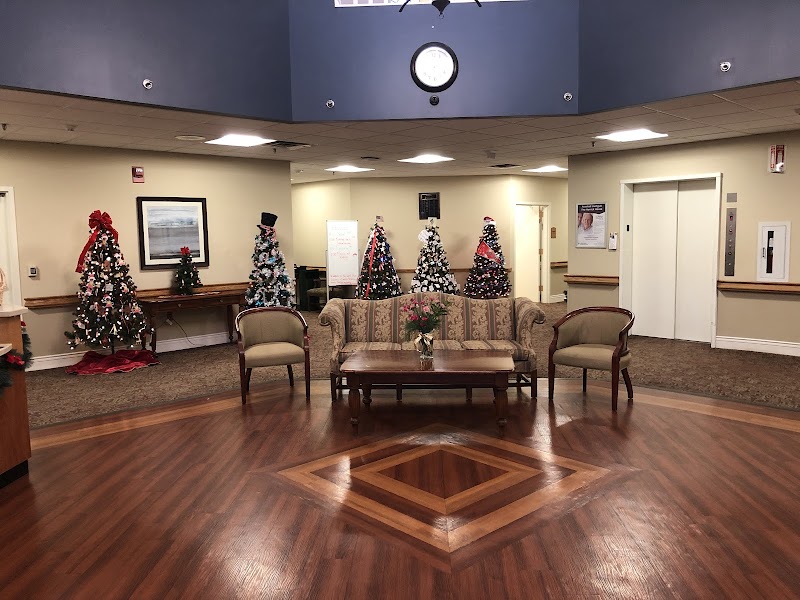
How is Ledgewood Rehabilitation And Nursing Center Staffed?

CMS rates LEDGEWOOD REHABILITATION AND NURSING CENTER's staffing level at 4 out of 5 stars, which is above average compared to other nursing homes. Staff turnover is 29%, compared to the Massachusetts average of 46%. This relatively stable workforce can support continuity of care.

What Have Inspectors Found at Ledgewood Rehabilitation And Nursing Center?

State health inspectors documented 22 deficiencies at LEDGEWOOD REHABILITATION AND NURSING CENTER during 2022 to 2025. These included: 2 that caused actual resident harm and 20 with potential for harm. Deficiencies causing actual harm indicate documented cases where residents experienced negative health consequences.

Who Owns and Operates Ledgewood Rehabilitation And Nursing Center?

LEDGEWOOD REHABILITATION AND NURSING CENTER is owned by a for-profit company. For-profit facilities operate as businesses with obligations to shareholders or private owners. The facility is operated by BANECARE MANAGEMENT, a chain that manages multiple nursing homes. With 123 certified beds and approximately 112 residents (about 91% occupancy), it is a mid-sized facility located in BEVERLY, Massachusetts.
How Does Ledgewood Rehabilitation And Nursing Center Compare to Other Massachusetts Nursing Homes?

Compared to the 100 nursing homes in Massachusetts, LEDGEWOOD REHABILITATION AND NURSING CENTER's overall rating (4 stars) is above the state average of 2.9, staff turnover (29%) is significantly lower than the state average of 46%, and health inspection rating (4 stars) is above the national benchmark.

What Should Families Ask When Visiting Ledgewood Rehabilitation And Nursing Center?

Based on this facility's data, families visiting should ask: "Can I visit during a mealtime to observe dining assistance and food quality?" "How do you handle medical emergencies, and what is your hospital transfer rate?" "Can I speak with family members of current residents about their experience?"

Is Ledgewood Rehabilitation And Nursing Center Safe?

Based on CMS inspection data, LEDGEWOOD REHABILITATION AND NURSING CENTER has a clean safety record: no substantiated abuse findings (meaning no confirmed cases of resident harm), no Immediate Jeopardy citations (the most serious violation level indicating risk of serious injury or death), and is not on the Special Focus Facility watch list (a federal program monitoring the lowest-performing 1% of nursing homes). The facility has a 4-star overall rating and ranks #1 of 100 nursing homes in Massachusetts. While no facility is perfect, families should still ask about staff-to-resident ratios and recent inspection results during their visit.

Do Nurses at Ledgewood Rehabilitation And Nursing Center Stick Around?

Staff at LEDGEWOOD REHABILITATION AND NURSING CENTER tend to stick around. With a turnover rate of 29%, the facility is 17 percentage points below the Massachusetts average of 46%. Low turnover is a positive sign. It means caregivers have time to learn each resident's needs, medications, and personal preferences. Consistent staff also notice subtle changes in a resident's condition more quickly. Registered Nurse turnover is also low at 18%, meaning experienced RNs are available to handle complex medical needs.

Was Ledgewood Rehabilitation And Nursing Center Ever Fined?

LEDGEWOOD REHABILITATION AND NURSING CENTER has no federal fines on record. CMS issues fines when nursing homes fail to meet care standards or don't correct problems found during inspections. The absence of fines suggests the facility has either maintained compliance or corrected any issues before penalties were assessed. This is a positive indicator, though families should still review recent inspection reports for the full picture.

Is Ledgewood Rehabilitation And Nursing Center on Any Federal Watch List?

LEDGEWOOD REHABILITATION AND NURSING CENTER is not on any federal watch list. The most significant is the Special Focus Facility (SFF) program, which identifies the bottom 1% of nursing homes nationally based on persistent, serious quality problems. Not being on this list means the facility has avoided the pattern of deficiencies that triggers enhanced federal oversight. This is a positive indicator, though families should still review the facility's inspection history directly.