BOURNE MANOR EXTENDED CARE FACILITY

146 MAC ARTHUR BOULEVARD, BOURNE, MA 02532 (508) 759-8880
Non profit - Corporation 142 Beds INTEGRITUS HEALTHCARE Data: November 2025 2 Immediate Jeopardy citations
Trust Grade
0/100
#273 of 338 in MA
Last Inspection: January 2025

Within standard 12-15 month inspection cycle. Federal law requires annual inspections.

Overview

Bourne Manor Extended Care Facility has received a Trust Grade of F, indicating poor performance and significant concerns about care quality. It ranks #273 out of 338 facilities in Massachusetts, placing it in the bottom half of the state, and #12 out of 15 in Barnstable County, meaning only a few local options are worse. The facility is reportedly improving, with issues decreasing from 17 in 2023 to 3 in 2025. However, staffing remains a concern, earning only 1 out of 5 stars, with a high turnover rate of 67%, far exceeding the state average of 39%. There have been serious incidents noted, including a critical finding where a resident with a history of inappropriate behavior was found in a compromising situation with another resident, which indicates a failure to protect residents from potential harm. Additionally, the facility has faced challenges in monitoring the care needs of residents, such as failing to appropriately assess a wound for one resident and neglecting to document essential safety measures for others. While there are some strengths, such as a trend toward fewer issues, the overall picture suggests families should approach this facility with caution.

Trust Score
F
0/100
In Massachusetts
#273/338
Bottom 20%
Safety Record
High Risk
Review needed
Inspections
Getting Better
17 → 3 violations
Staff Stability
⚠ Watch
67% turnover. Above average. Higher turnover means staff may not know residents' routines.
Penalties
✓ Good
$48,575 in fines. Lower than most Massachusetts facilities. Relatively clean record.
Skilled Nurses
⚠ Watch
Each resident gets only 26 minutes of Registered Nurse (RN) attention daily — below average for Massachusetts. Fewer RN minutes means fewer trained eyes watching for problems.
Violations
⚠ Watch
41 deficiencies on record. Higher than average. Multiple issues found across inspections.
★☆☆☆☆
1.0
Overall Rating
★☆☆☆☆
1.0
Staff Levels
★★☆☆☆
2.0
Care Quality
★★☆☆☆
2.0
Inspection Score
Stable
2023: 17 issues
2025: 3 issues

The Good

  • Full Sprinkler Coverage · Fire safety systems throughout facility
  • No fines on record

Facility shows strength in fire safety.

The Bad

1-Star Overall Rating

Below Massachusetts average (2.9)

Significant quality concerns identified by CMS

Staff Turnover: 67%

21pts above Massachusetts avg (46%)

Frequent staff changes - ask about care continuity

Federal Fines: $48,575

Above median ($33,413)

Moderate penalties - review what triggered them

Chain: INTEGRITUS HEALTHCARE

Part of a multi-facility chain

Ask about local staffing decisions and management

Staff turnover is elevated (67%)

19 points above Massachusetts average of 48%

The Ugly 41 deficiencies on record

2 life-threatening 3 actual harm
Jan 2025 3 deficiencies
CONCERN (D)

Potential for Harm - no one hurt, but risky conditions existed

Deficiency F0761 (Tag F0761)

Could have caused harm · This affected 1 resident

Based on observation, record review, and interview, the facility failed to ensure all drugs and biologicals were stored in a safe and secure manner as required. Specifically, the facility failed to en...

Read full inspector narrative →
Based on observation, record review, and interview, the facility failed to ensure all drugs and biologicals were stored in a safe and secure manner as required. Specifically, the facility failed to ensure medications were not left unattended in Resident #124's room. Findings include: Review of the facility's policy titled Storage of Medications, revised 6/10/22, indicated the following: -Purpose: medications and biologicals are stored safely, securely, and properly, following manufacturer's recommendations. The medication supply is accessible only to licensed nursing personnel, pharmacy personnel -medication supplies are locked or attended by persons with authorized access Resident #124 was admitted to the facility in October 2024 following a fracture of the right hip. Review of the Minimum Data Set (MDS) assessment, dated 11/3/24, indicated Resident #124 scored 11 out of 15 on the Brief Interview for Mental Status (BIMS), indicating moderate cognitive impairment. During an interview with observation on 1/22/25 at 8:40 A.M., Resident #124 said he/she had pain and the staff had been putting a white patch on his/her back. At this time, the surveyor observed two packages of Lidocaine Patch 5% (used to relieve pain) on the nightstand next to Resident #124's bed. One of the packages had been cut open and contained a white patch and the other package was closed. On 1/23/25 at 12:38 P.M., the surveyor observed the same two packages of Lidocaine Patch 5% on the nightstand next to Resident #124's bed. Review of the medical record indicated Resident #124 had a physician's order for Lidocaine Patch to be applied every morning at 9:00 A.M. and removed at 8:00 P.M. Review of the Self-Administration of Meds (medications) form, dated 10/29/24, indicated Resident #124 did not wish to administer their own medications. During an interview on 1/23/25 at 12:42 P.M., Nurse #1 reviewed the medical record and confirmed Resident #124 had an order for a Lidocaine Patch. She said she had administered medications to the Resident this morning and had not noticed the open and unopened Lidocaine Patches on the nightstand. She said the patches should not have been left in the Resident's room. During an interview on 1/23/25 at 2:10 P.M., the Infection Control Preventionist said the patches should not have been left at the bedside and the nurses entering the Resident's room should have noticed they were on the nightstand.
CONCERN (D)

Potential for Harm - no one hurt, but risky conditions existed

Infection Control (Tag F0880)

Could have caused harm · This affected 1 resident

Based on observation, record review, and interviews, the facility failed to establish and maintain an infection prevention and control program designed to provide a safe, sanitary, and comfortable env...

Read full inspector narrative →
Based on observation, record review, and interviews, the facility failed to establish and maintain an infection prevention and control program designed to provide a safe, sanitary, and comfortable environment to help prevent the development and potential transmission of communicable disease and infection, for two Residents (#76 and #105), of a total sample of 24 sampled residents. Specifically, the facility failed: 1. For Resident #76, to ensure the Resident's respiratory equipment was maintained in a safe, clean and sanitary condition; and 2. For Resident #105, to ensure proper infection control measures, specifically handwashing, were implemented during a gastrostomy tube dressing change. Findings include: 1. Review of the facility's policy titled Clinical Policy and Procedure Manual, undated, indicated but was not limited to: 14. Replace entire set-up every seven days. Date and store in treatment bag when not in use. Resident #76 was admitted to the facility in June 2022 with diagnoses which included malignant neoplasm of the right bronchus or lung and acute respiratory failure with hypoxia. Further record review indicated that the Resident was undergoing chemotherapy treatments for lung cancer which lowers the immune system placing the Resident at increased risk of infection. According to the American Cancer Society, May 1, 2020, patients who undergo chemotherapy have the potential side effect of infection. Review of Resident #76's Physician's Orders indicated: -Oxygen, 0-4 liters per minute via nasal cannula to maintain an oxygen saturation rate of 88%, via an oxygen concentrator. On 1/22/25 at 9:07 A.M., the surveyor observed Resident #76's nasal cannula lying directly on the soiled/stained bed and not contained in a bag per the facility policy. The oxygen concentrator was running at 2.5 liters; however, the Resident was not in the room at that time. On 1/24/25 at 8:08 A.M., the surveyor observed Resident #76's nasal cannula laying on the unmade bed, the nebulizer mask on top of the nightstand, not contained in a bag per the facility policy, and the incentive spirometer laying on the stained floor with the mouthpiece touching the floor. During an interview on 1/28/25 at 12:30 P.M., the Director of Nursing (DON) said that respiratory equipment/ Oxygen tubing should go in a bag at the bedside when not being worn. The DON said that the Resident may have left it on the bed himself/herself but it should be stored in the bag. An Incentive Spirometer is usually stored on the bedside not on the floor. The DON said that nursing needs to make sure that respiratory equipment is stored properly in accordance with their policy, in order to prevent contamination. 2. Review of Lippincott Nursing Procedures, 9th Ed. (2023), Enteral Gastrostomy and Jejostomy Tubefeeding and Care, the following procedures for changing a gastrostomy tube dressing are to be followed: For site care -Perform hand hygiene. -Put on gloves to comply with standard precautions. -Gently remove the dressing to prevent skin stripping or tearing and discard it in an appropriate receptacle.19,34 Don't cut away the dressing over the catheter, because you might cut the tube or the sutures holding the tube in place. -Remove and discard your gloves. -Perform hand hygiene. -Put on a new pair of gloves. Resident #105 was admitted to the facility in October 2023. Review of the medical record indicated that the Resident had a gastrostomy tube for all nutrition and hydration, and treatment to the gastrostomy tube was provided by nursing daily. On 1/23/25 at 12:15 P.M., the surveyor observed Nurse #2 perform the dressing change to the Resident's gastrostomy tube. Nurse #2 sanitized her hands and donned non-sterile gloves. Nurse #2 then removed the soiled drain sponge containing a moderate amount of tan drainage and disposed of it in the trash. She then proceeded to don (apply) a new pair of gloves without sanitizing her hands. She then proceeded to clean around the gastrostomy tube with dermal cleanser, patted the area dry with 4x4 gauze, applied bacitracin ointment around the gastrostomy tube, and taped a drain sponge in place around the gastrostomy tube. During an interview on 1/23/25 at 12:20 P.M., Nurse #2 said that she should have sanitized, or washed her hands, after removing the soiled drain sponge, prior to donning clean gloves to perform the treatment to the Resident's gastrostomy tube. During an interview on 1/28/25 at 10:45 A.M., the DON said that it is her expectation that the nurse use alcohol-based hand rub or wash her hands after removing the soiled dressing/gloves and before donning new, clean gloves.
CONCERN (E)

Potential for Harm - no one hurt, but risky conditions existed

Safe Environment (Tag F0584)

Could have caused harm · This affected multiple residents

**NOTE- TERMS IN BRACKETS HAVE BEEN EDITED TO PROTECT CONFIDENTIALITY** Based on interviews and observations, the facility failed to ensure it provided a clean, comfortable, and homelike environment f...

Read full inspector narrative →
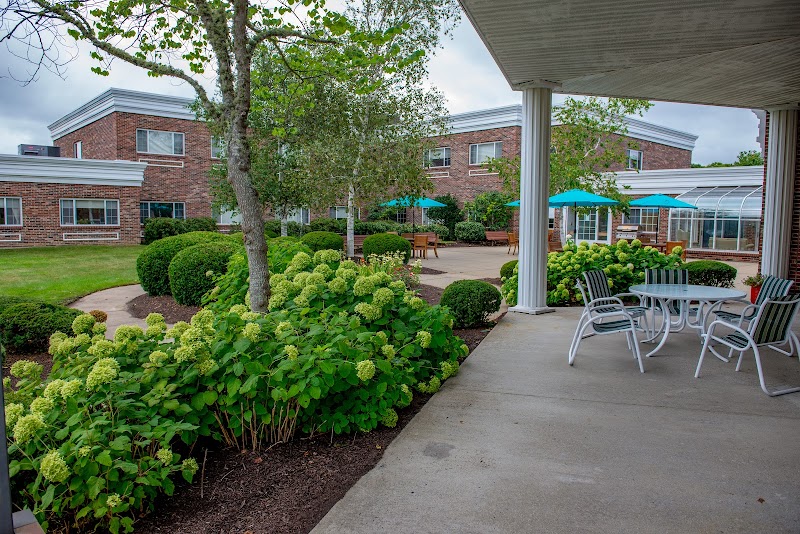
**NOTE- TERMS IN BRACKETS HAVE BEEN EDITED TO PROTECT CONFIDENTIALITY** Based on interviews and observations, the facility failed to ensure it provided a clean, comfortable, and homelike environment for the residents residing on two units (Units 2 and 3) out of three units. Findings include: On 1/22/25 at 9:30 A.M., on Unit 2, the surveyor made the following observations: -Hallway: Broken tray table; door had a metal strip peeling away from wood (separated approximately 4 inches); and outside of room [ROOM NUMBER], a broken dial thermostat with wires exposed. -Main Dining Area: Stained and sagging ceiling tiles (approximately 10); a hole approximately 5 inches tall with a crack that expanded 12 inches high in the wall. There was loose plaster surrounding the hole above the slotted heat vent. -Three Stairwell Doors had brown-stained Velcro stop sign banners with varying sizes of stains covering the sign. -Kitchenette: The top of the microwave was bubbled and had metal flakes peeling away from it. -room [ROOM NUMBER]: Missing closet doors -room [ROOM NUMBER]: Broken blinds -room [ROOM NUMBER]: Cracked floor tiles -room [ROOM NUMBER]: Missing closet doors -room [ROOM NUMBER]: Broken tray table; Threshold to the room had missing floor tiles with exposed flooring leaving approximately a one-inch-deep gap between carpeting in hallway and tile in the room; Scrapes and scuffs on walls. -room [ROOM NUMBER]: Scrapes and scuffs on walls During an interview on 1/23/25 at 4:20 P.M., the Maintenance Director said this unit can be harder to identify issues with since the residents can't tell us when things are broken. He said he does round but has missed the concerns the surveyor identified. He said he prioritizes repairs based on safety rather than aesthetics. During an interview on 1/23/25 at 4:30 P.M., the Administrator said she agrees and is aware the unit needs a lot of work and repairs. The expectation is the environment is clean and in good repair to create a homelike environment for the residents. She said all the items that were broken need to be repaired. She said that it is a large building and can be difficult to keep up with routine things like paint, walls, and repairs. She said the Maintenance department focuses on safety concerns and there is not much time for routine maintenance. She said there should be a better process in place for identifying these concerns. On 1/22/25 through 1/24/25, the surveyor oberved that room [ROOM NUMBER], on Unit 3, had a fabric covered, wooden-framed chair, with severely worn fabric at the seat area, especially the front center and right hand portions. The wooden arms were scratched/scraped and revealed the bare wood underneath. The chair was facility owned and intended for visitor use. During an interview on 1/23/25 at 12:20 P.M., Nurse #2 said that the chair was extremely worn and should be replaced.
Nov 2023 4 deficiencies 2 IJ
CRITICAL (J) 📢 Someone Reported This

A family member, employee, or ombudsman was alarmed enough to file a formal complaint

Immediate Jeopardy (IJ) - the most serious Medicare violation

Free from Abuse/Neglect (Tag F0600)

Someone could have died · This affected 1 resident

Based on records reviewed and interviews for one of three sampled residents (Resident #1) who had significant cognitive impairment, was unaware of his/her care needs and resided on the dementia unit, ...

Read full inspector narrative →
Based on records reviewed and interviews for one of three sampled residents (Resident #1) who had significant cognitive impairment, was unaware of his/her care needs and resided on the dementia unit, the facility failed to ensure he/she was free from physical and sexual abuse by another resident. On 11/19/23 at approximately 1:30 P.M., Resident #2, was found in his/her roommate's bed without any pants on and he/she was laying on top of and between the legs of Resident #1 who had no clothes on. Resident #2 was observed thrusting his/her genital area into Resident #1's pelvic/genital area, and when found by staff, Resident #2 yelled at staff to get the hell out and was extremely agitated. The residents were immediately separated by staff. A short time prior to being found together in bed, a staff member (later identified as CNA #1) had observed Resident #2 sitting next to Resident #1 in the hallway and observed Resident #2 stroking Resident #1's arm, and although the staff member said she thought it was yucky to see Resident #2 touching Resident #1 because of Resident #2's history of sexually inappropriate behaviors, she did not separate them and continued on with her work assignment. Resident #1, was so visibly shaken by the sexual assault that he/she was unable to ambulate and required the use of a wheelchair so staff could transport him/her back to his/her own room. Resident #1 complained of pain in his/her genital/pelvic area, with blood and discharge also observed in that same area. Resident #1 was transferred to the Hospital Emergency Department (ED) for evaluation, where he/she also complained of head, leg and knee pain. Resident #1 also underwent a Sexual Assault Nurse Exam (SANE) (forensic nursing care to victims of sexual assault which included a forensic physical examination and evidence collection, documentation of assault and physical findings, medication management, crisis intervention, discharge planning and referrals). Family Member #1 said Resident #1 was flipping out and crying in the ED, needed to be sedated, has experienced night terrors and exhibiting adverse behaviors towards caregivers with attempts to provide him/her with care, since the sexual assault. Findings include: The Facility Policy titled Resident Abuse Prevention, Investigation and Reporting, most recently revised 2/17/17, indicated that it was the Policy of the Facility for all staff to ensure an environment free of abuse. The Policy defined abuse as the willful infliction of injury, confinement, intimidation or punishment with resulting physical harm, pain or mental anguish. The Policy defined sexual abuse as sexual harassment, sexual coercion or sexual assault. Review of the Health Care Facility Reporting System (HCFRS) indicated that on 11/19/23, the Facility reported that at 1:30 P.M. an incident of resident to resident abuse occurred in which Resident #2 was found in his/her roommate's bed naked from the waist down and on top of Resident #1, who was completely naked. Review of the Police Report, dated 11/19/23 indicated that police officers were dispatched to the Facility at 1:50 P.M. after a sexual offense occurred on the Alzheimer's/Dementia Unit. During a telephone interview on 12/03/23 at 10:20 A.M., Family Member #1 said that on 11/19/23, a Facility staff member called her and reported that Resident #1 and Resident #2 had been found having sexual intercourse. Family Member #1 said staff told her Resident #1 was totally naked in Resident #2's room. Family Member #1 said that the Facility staff member told her that Resident #2 had also been naked and had been on top of Resident #1 thrusting his/her genital area against Resident #1's genital area. Family Member #1 said that she was flabbergasted. Family Member #1 said that Facility staff members (exact names unknown) told her that Resident #2 was a new resident and that they did not really know what his/her behaviors were. Family Member #1 said that she had been Resident #1's primary caregiver for three years prior to his/her admission to the Facility and was his/her Health Care Agent. Family Member #1 said that Resident #1 had not been sexually active for many years and said he/she never exhibited any sexual interest or sexually inappropriate behaviors while she was caring for him/her. Family Member #1 said Facility staff members had never reported to her that Resident #1 exhibited any sexual interest or sexually inappropriate behaviors while he/she had resided at the Facility. Family Member #1 said that when she arrived at the Hospital where Resident #1 had been transferred, Resident #1 was with the police, a sexual assault advocacy social worker and the hospital social worker. Family Member #1 said that Resident #1 was flipping out, crying and raging. Family Member #1 said that Resident #1 had to be sedated in the emergency room and hospital staff were comforting Resident #1. Family Member #1 said that Resident #1 complained of pain in his/her body from Resident #2's weight (body) being on top of him/her. Family Member #1 said that Resident #1 stayed in the emergency department for two days while the hospital arranged for him/her to be placed in different long-term care facility. Family Member #1 said that, since the sexual assault, Resident #1 has experienced night terrors during which he/she stood up to get away and had fallen. Family Member #1 also said that Resident #1 has been resisting care, swearing at staff members and being difficult which were behaviors he/she had not exhibited prior to the sexual assault. Review of Resident #1's most recent Quarterly Minimum Data Set (MDS) Assessment, dated 9/04/23, indicated that he/she had been admitted to the Facility during January 2023, his/her cognitive patterns were severely impaired, he/she exhibited no socially inappropriate behaviors, he/she required extensive assistance with dressing and his/her health care proxy had been activated. The MDS indicated Resident #1 was 5'3 tall and weighed 147 pounds. Review of the Medication Management Visit Report, dated 10/26/23, by the Psychiatric Nurse Practitioner, indicated that Resident #1's review of systems indicated he/she experienced anxiety, dementia, depression, was a limited historian and confused at baseline. The Report indicated Resident #1 was easy to engage and when asked how he/she was feeling stated, Oh, I am so happy, I love you. The Report indicated the plan was to continue to monitor Resident #1's mood, behavior and safety. During a telephone interview on 12/03/23 at 10:00 A.M., the Psychiatric Nurse Practitioner said that she saw Resident #1 several times during his/her stay at the Facility and that Resident #1 was pleasant, social, alert and oriented to person only. The Psychiatric Nurse Practitioner said that Resident #1's judgement and decision-making were impaired, and he/she could not consent to sexual activity. Review of Resident #2's admission MDS Assessment, dated 10/22/23, indicated that he/she had been admitted to the Facility during October 2023, his/her cognitive patterns were severely impaired, he/she wandered daily and his/her health care proxy had been activated. The MDS indicated Resident #2 was 5'2 tall and weighed 178 pounds. Review of the Medication Management Visit Report, dated 10/26/23, by the Psychiatric Nurse Practitioner, indicated that Resident #2's past medical history included adjustment disorder with mixed disturbance of emotions and conduct, dementia, anxiety and delusional disorder. The Report indicated Resident #2 had a history of exit seeking, agitation, pacing, verbal aggression, yelling and he/she often got out of bed at night and wandered. The Report indicated Resident #2 was a limited historian and confused at baseline. The Report indicated Resident #2 had a significant history of trauma, with a history of unsafe behaviors, agitation, and verbal aggression. During a telephone interview on 12/03/23 at 10:00 A.M., the Psychiatric Nurse Practitioner said that she saw Resident #2 twice during his/her stay at the Facility and that Resident #2 was confused, alert and oriented to person only. The Psychiatric Nurse Practitioner said that Resident #2 had a significant trauma history and was very focused on a previous female companion during her initial assessment meeting with him/her. The Psychiatric Nurse Practitioner said Resident #2's judgement and decision-making were impaired and he/she could not consent to sexual activity. Review of Resident #2's pre-admission Referral Paperwork, provided to the surveyor by the admission Director, which included documented information from the hospital stay which preceded Resident #2's Facility Admission, indicated that Resident #2 had a history of violence toward others and per reports, attempted to choke his/her significant other. During an interview on 11/22/23 at 10:00 A.M., the admission Director said that she had not read (missed it during her review) the information on Resident #2's Referral Paperwork which indicated that he/she had a history of violence toward others and per reports, attempted to choke his/her significant other. The admission Director said that although the screening liaison could have offered a bed at the Facility for Resident #2 with his/her history, she should have seen the information on the referral and made sure the interdisciplinary team was aware of his/her history. During an interview on 11/22/23 at 10:30 A.M. Certified Nurse Aide (CNA) #1 said that on 11/19/23, the day she witnessed what she thought was Resident #2 having sex with Resident #1, said that although she was not assigned to care for either one of them that day, said that sometime between 12:00 P.M. and 1:00 P.M., she observed Resident #1 and Resident #2 sitting together outside of the dining area across from the nursing station. CNA #1 said that she saw Resident #2 rubbing Resident #1's arm and thought to herself yuck because of Resident #2's history of sexually inappropriate behaviors. CNA #1 said she did not separate Resident #1 and Resident #2 and continued with her other duties. CNA #1 said that CNA #7 had previously told her about an incident that had occurred while Resident #2 resided on the first-floor unit, during which Resident #2 pulled her (CNA #7's) shirt collar down to see CNA #7's breasts. During an interview on 11/22/23 at 11:55 A.M., CNA #7 said that she provided one or two showers to Resident #2 while he/she was on the first-floor unit (unit where Resident #2 had resided between 10/18/23 and 11/13/23). CNA #7 said that during one shower, Resident #2 pulled her shirt collar away from her chest and looked down her shirt. CNA #7 said that when she told Resident #2 that he/she could not do that, Resident #2 stated, you can have me here naked and I can't take a peek at your boobs? CNA #7 said she reported the incident with Resident #2 to Unit Manager #1. CNA #1 also said that Resident #3 (who resided on the first-floor unit were Resident #2 had previously resided) told her (exact date unknown but knows it was prior to Resident #2's transfer to the dementia unit) that Resident #2 asked him/her when they were going to go to bed together, and that Resident #3 had also told her he/she was afraid of Resident #2. During an interview on 11/22/23 at 11:40 A.M., Resident #3 (who resides on the first floor Unit) said that Resident #2 came into his/her room and stated, are you going to stand there or are you going to come to bed with me? Resident #3 said Resident #2 said they could get into either one of their beds. Resident #3 said that he/she told Resident #2 no and to leave his/her room or he/she would call the police and said that Resident #2 had gotten mad at him/her. Resident #3 said that after the incident, he/she felt afraid that Resident #2 would try to crawl into his/her bed while he/she was sleeping. Resident #3 said that she reported the incident to staff members. During an interview on 11/22/23 at 1:53 P.M., Unit Manager #1 said that she was the unit manager on the first-floor Unit where Resident #2 resided from 10/18/23 to 11/13/23. Unit Manager #1 said that at the time of Resident #2's transfer to the second floor Unit, she was not aware of Resident #2's sexually inappropriate behaviors including the incidents in which he/she looked down CNA #7's shirt and asked Resident #3 when they were going to go to bed together. During a telephone interview on 11/30/23 at 9:45 A.M. with Nurse #5, and a telephone interview on 11/30/23 at 10:10 A.M. with Nurse #6, they said the following: Nurse #5 and Nurse #6 said they were aware of Resident #2's inappropriate sexual behaviors while he/she resided on the first floor Unit. Nurse #5 said that Resident #2 would make inappropriate sexual comments regarding what he/she would like to do to other residents if he/she was alone with them. Nurse #6 said that she was aware that Resident #2 had looked down CNA #7's shirt during a shower. Nurse #6 said that Resident #2 told her that he/she would take his/her medications if she (Nurse #6) made out with him/her. Nurse #6 said that CNAs told her that Resident #2 asked them (CNAs) to wash his/her genital area, despite being capable of washing him/herself. During an interview on 11/24/23 at 11:55 A.M., CNA #4 said that she worked with Resident #2 after his/her transfer to the second-floor dementia Unit (transferred on 11/13/23). CNA #4 said that on one occasion (exact date unknown sometime between 11/13/23 and 11/18/23) when she provided care for Resident #2, Resident #2 said to her, wash my genitals harder. CNA #4 said that on another occasion (exact date unknown, sometime between 11/13/23 to 11/18/23) when she asked Resident #2 whether he/she was ready to get into bed, Resident #2 replied, are you coming to bed with me? CNA #4 said that she did not document or report Resident #2's sexually inappropriate behaviors toward her because when she redirected him/her, he/she apologized. The Psychiatric Nurse Practitioner said that Facility staff members did not tell her about Resident #2's sexually inappropriate behaviors with residents and staff. The Psychiatric Nurse Practitioner said that it was important for her to know about these types of incidents so that she could assess the risk Resident #2 posed to him/herself and others, and so she could follow-up for medication changes or the need for hospitalization. CNA #1 said on 11/19/23, the next time she walked past the dining room area, she saw that Resident #1 and Resident #2 were no longer seated there and said she assumed they had gone to activities. CNA #1 said Resident #1's walker was still next to the chair where he/she had been seated and said she assumed Resident #1 had left the walker behind. CNA #1 said that a short time later (sometime between 1:30 P.M. and 2:00 P.M.) she opened Resident #2's closed bedroom door and found Resident #1 and Resident #2 on Resident #2's roommate's bed. CNA #1 said that Resident #2 was lying on top of Resident #1 and Resident #2's body was between Resident #1's legs, which were spread apart. CNA #1 said Resident #1 was completely naked and Resident #2 was naked from the waist down. CNA #1 said Resident #2 was thrusting his/her hips into Resident #1's genital area. CNA #1 said Resident #1's body was completely lifeless and he/she was looking toward the window with a facial expression that looked as though his/her soul had left his/her body. CNA #1 said that she screamed out, Resident #2 is having sex with Resident #1, and Nurse, Nurse, Nurse, and said Resident #1 did not even flinch when she screamed. CNA #1 said Resident #2 responded to her screams by yelling, get the hell out of here, and continued to thrust his/her hips against Resident #1's genital area. CNA #1 said that other staff members came to Resident #2's room in response to her screams. During in-person interviews on: - 11/22/23 at 9:14 A.M. with Nurse #1, - 11/24/23 at 11:20 A.M. with Nurse #2 , - 11/22/23 at 9:36 A.M. with Nurse #3, - 11/24/23 at 11:25 A.M. with CNA #2, - 11/24/23 at 12:47 P.M. with CNA #3, and, - 11/22/23 at 12:30 P.M with CNA #5, all said they went to Resident #2's room in response to CNA #1's screams. Nurse #2, CNA #3, and CNA #5 said they saw Resident #2 on top of Resident #1 in Resident #2's roommate's bed. Nurse #2 said Resident #2 was humping Resident #1. Nurse #1, Nurse #3 and CNA #2 said by the time they arrived to Resident #2's room, Resident #2 had been removed off of Resident #1 by staff and he/she was standing next to the bed. Nurse #1, Nurse #2, Nurse #3, CNA #1, CNA #2 and CNA #3 all said that Resident #2 was naked from the waist down and Resident #1 was completely naked, lying on his/her back in the bed. CNA #2 and CNA #3 said Resident #2 was angry and wanted staff members to get out of the room. Nurse #1, Nurse #3, CNA #1, and CNA #3 said that while exiting the room, Resident #2 stated, can we not make a big deal out of this, let's forget this, and, can we keep this between us. Nurse #2 said that he had the impression that Resident #2 felt caught. Nurse #2 said Resident #2 became agitated as staff members removed him/her from the room but said he did not know exactly what Resident #2 said. Nurse #2 and Nurse #3 said they checked Resident #1 after Resident #2 was escorted from the room by staff members. Nurse #2 said Resident #1 was distraught, shaking and weeping. Nurse #3 said that Resident #1's face looked drained, shocked and he/she was shaking. Nurse #2 and Nurse #3 said that there was a scant amount of blood on Resident #1's genital area. Nurse #2 said there was a wet area on the sheet beneath Resident #1 which he thought was urine. Nurse #3 said that there was blood on the sheet as well. Nurse #2 said he knew Resident #1 well and that his/her mental status was impaired. Nurse #2 said that he thought that if Resident #1 got his/herself into a sexual situation with Resident #2, he/she would not have had the mental capacity to get him/herself out of the situation if he/she wanted to. Nurse #3 said that she found Resident #1's clothes on Resident #2's bed. Nurses #2 and Nurse #3 said they dressed Resident #1 and then the CNAs assisted him/her back to his/her room. Nurse #3 said that when the CNAs attempted to ambulate Resident #1 back to his/her room, he/she was limping and shaking. CNA #1 and CNA #2 said someone brought Resident #1's walker to Resident #2's room and, when they tried to assist Resident #1 to ambulate to his/her room, his/her knees buckled, and he/she could not walk. CNAs #1 and #2 said they used a wheelchair to bring Resident #1 to his/her room. CNA #1, CNA #2 and CNA #3 said that once they were in Resident #1's room, Resident #1 cried. The CNAs said that when CNA #1 asked Resident #1 whether he/she was in pain and Resident #1 said he/she was, and when asked where the pain was, that Resident #1 pointed between his/her legs. Nurse #2 and CNA #5 said that Resident #1 could not have undressed him/herself without assistance. During interviews on 11/24/23 at 11:55 A.M. with CNA #4 and on 11/24/23 at 12:38 P.M. with CNA #9, they said that Resident #1 could not have undressed him/herself without assistance. The Facility Report regarding the investigation of the incident indicated that Resident #1 had a small abrased area on his/her forehead and he/she had leg discomfort. The Emergency Medical Service (EMS) Report, dated 11/19/23, from the ambulance service that transported Resident #1 to the Hospital Emergency Department that day, indicated that Resident #1 had multiple abrasions on his/her face which, according to facility staff members, were new injuries. The Hospital Emergency Department (ED) Report, dated 11/19/23, indicated Resident #1 was examined and a superficial abrasion/laceration was observed on the left side of his/her genital area, as well as scant discharge. The ED Report indicated Resident #1 had a small abrasion in the center of his/her forehead and there was a concern for a minor head injury. The ED Report indicated Resident #1 had an x-ray of his/her right knee which revealed no fracture and a computed tomography (CT) scan of his/her head which indicated no acute traumatic intracranial process. The ED Report indicated Resident #1 has an examination by the sexual assault nurse examiner which included a forensic physical examination and evidence collection, documentation of assault and physical findings, medication management, crisis intervention, discharge planning and referrals. During an interview on 11/22/23 at 3:39 P.M., the Director of Nursing (DON) said that she was not aware that Resident #2's Referral Paperwork indicated that he/she had a history of violence toward others and per reports, attempted to choke his/her significant other. The DON said that a resident with that history warranted a second level clinical review by the Facility before an offer to admit was made. The DON said she was not aware that Resident #2 had exhibited inappropriate sexually behaviors with staff or other residents, while he/she resided at the facility. During an interview on 11/24/23 at 10:30 A.M., the Director of Nurses and the Administrator said that Resident #1 and Resident #2 were not able to consent to sexual activity. Although Resident #1's impaired cognitive status limited his/her recollection of the resident to resident sexual assault by Resident #2, and lacked the ability to consent to sexual activity, an unimpaired individual would experience physical pain and mental anguish when a confused, naked person got on top of them and thrusted their genital area against them with sufficient force to cause a laceration and bleeding to his/her genital area.
CRITICAL (J) 📢 Someone Reported This

A family member, employee, or ombudsman was alarmed enough to file a formal complaint

Immediate Jeopardy (IJ) - the most serious Medicare violation

Comprehensive Care Plan (Tag F0656)

Someone could have died · This affected 1 resident

**NOTE- TERMS IN BRACKETS HAVE BEEN EDITED TO PROTECT CONFIDENTIALITY** Based on records review and interviews for one of three sampled residents (Resident #2) who had been recently admitted to the fa...

Read full inspector narrative →
**NOTE- TERMS IN BRACKETS HAVE BEEN EDITED TO PROTECT CONFIDENTIALITY** Based on records review and interviews for one of three sampled residents (Resident #2) who had been recently admitted to the facility in October of 2023, and whose admission referral paperwork provided to the facility included an allegation that he/she had choked his/her significant other, and who since his/her admission had made sexually inappropriate comments to female staff members, had grabbed a female staff members' top in an attempt to look at her breasts while she was giving him/her a shower, and on at least once occasion approached another residents' room and asked that resident if he/she was just going to stand there or get into bed with him/her, the facility failed to ensure they developed and implemented a comprehensive care plan that specifically addressed Resident #2's sexually inappropriate behaviors that included interventions, measurable goals and outcomes. On 11/19/23 at approximately 1:30 P.M., Resident #2, was found in his/her roommate's bed without any pants on and he/she was laying on top of Resident #1 who had no clothes on. Resident #1 was observed thrusting his/her genital area into Resident #1's pelvic/genital area, and when found by staff, Resident #2 yelled at staff to get the hell out and was extremely agitated. Resident #1 was assessed and complained of genital/pelvic area pain, with blood and discharge also observed in that same area. Resident #1 was transferred to the Hospital Emergency Department for evaluation, where he/she also complained of head, leg and knee pain. Resident #1 also underwent a Sexual Assault Nurse Exam (SANE) (forensic nursing care to victims of sexual assault which included a forensic physical examination and evidence collection, documentation of the assault and physical findings, medication management, crisis intervention, discharge planning and referrals). Resident #1 needed to be sedated in the ED, and has experienced night terror since the sexual assault. Findings include: The Facility Care Planning Policy, most recently updated 10/22/22, indicated that the Facility would develop and implement a person centered care plan for each resident which included measurable objectives and timeframe's to meet the resident's medical, nursing and mental and psychosocial needs. Review of the Health Care Facility Reporting System (HCFRS) indicated that on 11/19/23, the Facility reported that at 1:30 P.M. an incident of resident to resident abuse occurred in which Resident #2 was found in his/her roommate's bed naked from the waist down and on top of Resident #1, who was completely naked. Review of the Police Report, dated 11/19/23 indicated that police officers were dispatched to the Facility at 1:50 P.M. after a sexual offense occurred on the Alzheimer's/Dementia Unit. Review of Resident #2's pre-admission Referral Paperwork, provided by the admission Director, which documented information from the hospital stay that preceded Resident #2's Facility Admission, indicated that Resident #2 had a history of violence toward others and per reports, attempted to choke his/her significant other. During an interview on 11/22/23 at 10:00 A.M., the admission Director said that she had not read (missed it when she read the referral) the information on Resident #2's Referral Paperwork which indicated that he/she had a history of violence toward others and per reports, attempted to choke his/her significant other. The admission Director said that although the screening liaison could have offered a bed at the Facility for Resident #2 with his/her history, said she should have seen the information on the referral and made sure the interdisciplinary team was aware of his/her history. Review of Resident #2's admission MDS, dated [DATE], indicated that he/she had been admitted to the Facility during October 2023, his/her cognitive patterns were severely impaired, he/she wandered daily, and his/her health care proxy had been activated. The MDS indicated Resident #2 was 5'2 tall and weighed 178 pounds. Review of Resident #2's Care Plan for Behaviors, effective 10/18/23, indicated that he/she was at risk for behaviors including exit seeking and aggression toward staff members with verbal yelling and swearing, inappropriate racial comments to people of color and becoming animated while talking about hockey and displaying types of hits. The goal for Resident #2's Care Plan was that he/she would display fewer episodes of agitated behavior. The Care Plan interventions, which were all initiated 10/18/23, included assessing for triggers, providing a structured routine, encouraging family visits, providing safety while enabling free movement around the facility, medicating as ordered and notifying the physician or nurse practitioner of medication, behavior or safety issues. Review of the Care Plan indicated there was no documentation to support the Facility having developed and implemented a person-centered care plan for Resident #2 which included measurable objectives and timeframe's to meet Resident #2's needs as related to his/her history of violence toward others, including an attempt to choke his/her companion. Review of the Medication Management Visit Report, dated 10/26/23, by the Psychiatric Nurse Practitioner, indicated that Resident #2's past medical history included adjustment disorder with mixed disturbance of emotions and conduct, dementia, anxiety and delusional disorder. The Report indicated Resident #2 had a history of exit seeking, agitation, pacing, verbal aggression/yelling and he/she often got out of bed at night and wandered. The Report indicated Resident #2 was a limited historian and confused at baseline. The Report indicated Resident #2 had a significant history of trauma, a history of unsafe behaviors/agitation/verbal aggression. During an interview on 11/22/23 at 11:55 A.M., Certified Nurse Aide (CNA) #7 said that she provided one or two showers to Resident #2 while he/she was on the first-floor unit (the Unit where Resident #2 resided between 10/18/23 and 11/13/23). CNA #7 said that during one shower, Resident #2 pulled her shirt collar away from her chest and looked down her shirt. CNA #7 said that when she told Resident #2 that he/she could not do that, Resident #2 said to her, you can have me here naked, and I can't take a peek at your boobs? During an interview on 11/22/23 at 10:30 A.M., CNA #1 said that Resident #3 told her that Resident #2 had come to his/her room and asked about getting him/her to get into bed together. CNA #1 said that Resident #3 told her that he/she was afraid of Resident #2. During an interview on 11/22/23 at 11:40 A.M., Resident #3 (who resided on the first floor Unit) said that Resident #2 (exact date unknown, but was sometime during 10/18/23 and 11/13/23 when Resident #2 had resided on the first floor unit) came into his/her room and said to him/her, are you going to stand there or are you going to come to bed with me. Resident #3 said that Resident #2 said they could get into either one of their beds. Resident #3 said that he/she told Resident #2 no and to leave his/her room or he/she would call the police and said that Resident #2 got mad at him/her. Resident #3 said that she reported the incident to staff members. Resident #3 said that after the incident, he/she felt afraid that Resident #2 would try to crawl into his/her bed while he/she was sleeping. During a telephone interview on 11/30/23 at 9:45 A.M. with Nurse #5 and a telephone interview on 11/30/23 at 10:10 A.M. with Nurse #6, they said the following: Nurse #5 and Nurse #6 said they were aware of Resident #2's inappropriate behavior on the first-floor Unit. Nurse #5 said that Resident #2 would make inappropriate sexual comments regarding what he/she would like to do to other residents if he/she was alone with them. Nurse #6 said that she was aware that Resident #2 had looked down CNA #7's shirt during a shower. Nurse #6 said that Resident #2 told her that he/she would take his/her medications if she (Nurse #6) made out with him/her. Nurse #6 said that CNAs told her that Resident #2 asked them (CNAs) to wash his/her genital area, despite being capable of washing him/herself. Further review of Resident #2's Care Plan for Behaviors, indicated that, despite nursing staff being aware of his/her sexually inappropriate behaviors directed at staff, sexually inappropriate comments made to staff expressing what he/she would like to do to other residents, and on one occasion where he/she approached, was inappropriate and frightened another resident, there was no documentation to support that the Care Plan was, reviewed, revised or updated to include and address the sexual behaviors, with new interventions, goals and outcomes. During a telephone interview on 12/03/23 at 10:00 A.M., the Psychiatric Nurse Practitioner said that she saw Resident #2 twice during his/her stay at the Facility, and said Resident #2 was confused, alert and oriented to person only. The Psychiatric Nurse Practitioner said that Resident #2 had a significant trauma history and was very focused on a previous female companion during her initial assessment meeting with him/her. The Psychiatric Nurse Practitioner said Resident #2's judgement and decision-making were impaired and he/she could not consent to sexual activity. Review of the Interdisciplinary Progress Note, dated 11/10/23, indicated Resident #2 made threats to harm him/herself and staff and was sent to the hospital for evaluation. During an interview on 11/22/23 at 2:20 P.M., Social Worker #1 said that on 11/10/23 Resident #2 wanted to leave the Facility and had stated, he/she might as well kill him/herself and if he/she had a gun he/she would blow his/her brains out. Review of the Hospital Discharge summary, dated [DATE], indicated Resident #2 was seen in the emergency department for dementia and agitation. The Summary indicated Resident #2 required sedation in the emergency department with anti-psychotic and antianxiety medication due to very aggressive behaviors with staff members in the emergency department. Further review of Resident #2's Care Plan for Behaviors indicated there was no documentation to support the Facility reviewed, revised or updated the Care Plan after he/she returned to the facility after his/her need for psychiatric evaluation in the emergency department after he/she had made threats to harm him/herself or to address the reports of aggressive behaviors he/she exhibited while in the ED. Further review of Resident #2's Medical Record indicated there was no documentation to support the facility either reviewed, revised and updated his/her existing Care Plan for Behaviors or developed and implemented a person-centered care plan for Resident #2 which included measurable objectives and timeframe's specifically to meet Resident #2's needs related to his/her history of sexually inappropriate behaviors toward staff members and his/her sexualized comments to and about residents, prior to his/her transfer to the second floor Dementia Unit on 11/13/23. During an interview on 11/22/23 at 1:53 P.M., Unit Manager #1 said that she was the unit manager on the first-floor Unit where Resident #2 resided from 10/18/23 to 11/13/23. Unit Manager #1 said that Resident #2 was moved to the second floor Unit on 11/13/23 following the incident in which he/she was sent to the emergency department on 11/10/23. Unit Manager #1 said that the primary reason for Resident #2's transfer was because he/she was at risk for elopement and he/she had been noted to be going to the facility lobby unescorted since he/she had been evaluated at the emergency department on 11/10/23. Unit Manager #1 said that at the time of Resident #2's transfer to the second floor Unit, she was not aware of Resident #2's sexually inappropriate behaviors including the incidents in which he/she looked down CNA #7's shirt and asked Resident #3 when they were going to go to bed together. The Psychiatric Nurse Practitioner said that Facility staff members did not tell her about Resident #2's sexually inappropriate behavior with residents and staff. The Psychiatric Nurse Practitioner said that it was important for her to know about these types of incidents so that she could assess the risk Resident #2 posed to him/herself and others and she could follow-up for medication changes or the need for hospitalization. Review of Resident #1's most recent Quarterly Minimum Data Set (MDS) Assessment, dated 9/04/23, indicated that he/she had been admitted to the Facility during January 2023, his/her cognitive patterns were severely impaired, he/she exhibited no socially inappropriate behaviors, he/she required extensive assistance with dressing and his/her health care proxy had been activated. The MDS indicated Resident #1 was 5'3 tall and weighed 147 pounds. Review of the Medication Management Visit Report, dated 10/26/23, by the Psychiatric Nurse Practitioner, indicated that Resident #1's review of systems indicated he/she experienced anxiety, dementia and depression and he/she was a limited historian and confused at baseline. The Report indicated Resident #1 was easy to engage and when asked how he/she was feeling stated, Oh, I am so happy, I love you. The Report indicated the plan was to continue to monitor Resident #1's mood, behavior and safety. During a telephone interview on 12/03/23 at 10:00 A.M., the Psychiatric Nurse Practitioner said that she saw Resident #1 several times during his/her stay at the Facility and Resident #1 was pleasant, social, alert and oriented to person only. The Psychiatric Nurse Practitioner said that Resident #1's judgement and decision-making were impaired and he/she could not consent to sexual activity. During an interview on 11/24/23 at 11:55 A.M., CNA #4 said that she worked with Resident #2 after his/her transfer to the second-floor Unit (transferred to second-floor dementia unit on 11/13/23). CNA #4 said that on one occasion (exact date unknown, sometime between 11/13/23 and 11/18/23) when she provided care to Resident #2, he/she stated, wash my genitals harder. CNA #4 said that on another occasion (exact date unknown, sometime between 11/13/23 and 11/18/23), when she asked Resident #2 whether he/she was ready to get into bed, Resident #2 replied, are you coming to bed with me. CNA #4 said that she did not document or report Resident #2's sexually inappropriate comments and behavior toward her because when she redirected him/her, he/she apologized. Review of Resident #2's Care Plans indicated there was no documentation to support the Facility either developed and implemented a person-centered care plan or reviewed, revised and updated his/her existing care plan for behaviors which included measurable objectives and timeframe's that specifically meet Resident #2's needs as related to sexually inappropriate behaviors toward staff members, after he/she transferred to the second-floor dementia Unit. During an interview on 11/22/23 at 10:30 A.M. CNA #1 said that she witnessed what she believed was Resident #2 trying to have sex with Resident #1 on 11/19/23. CNA #1 said on 11/19/23 sometime around 1:30 P.M. to 2:00 P.M., she opened Resident #2's closed bedroom door and found Resident #1 and Resident #2 on Resident #2's roommate's bed. CNA #1 said that Resident #2 was lying on top of Resident #1 and Resident #2's body was between Resident #1's legs, which were spread apart. CNA #1 said Resident #1 was completely naked and Resident #2 was naked from the waist down. CNA #1 said Resident #2 was thrusting his/her hips into Resident #1's genital area. CNA #1 said that she screamed for help from other staff on the unit. CNA #1 said Resident #2 responded to her screams by yelling, get the hell out of here, and continued to thrust his/her hips against Resident #1's genital area. During a telephone interview on 12/03/23 at 10:20 A.M., Family Member #1 said that on 11/19/23, a Facility staff member (exact name unknown) called her and reported that Resident #1 and Resident #2 had been found having sexual intercourse. Family Member #1 said the staff member told her Resident #1 was totally naked in Resident #2's room. Family Member #1 said the staff member told her that Resident #2 had also been naked and had been on top of Resident #1 thrusting his/her genital area against Resident #1's genital area. Family Member #1 said that Facility staff members told her that Resident #2 was a new resident and that they did not really know what his/her behaviors were. Family Member #1 said that when she arrived at the Hospital where Resident #1 had been transferred, Resident #1 was with the police, a sexual assault advocacy social worker and the hospital social worker. Family Member #1 said that Resident #1 was flipping out, crying and raging. Family Member #1 said that Resident #1 complained of pain in his/her body from Resident #2's weight being on top of him/her. Family Member #1 said that hospital staff were trying to comfort Resident #1, and that Resident #1 had to be sedated in the ED. Family Member #1 said since the sexual assault, Resident #1 has experienced night terrors during which he/she stood up to get away and has fallen. Family Member #1 also said that since the sexual assault Resident #1 has been resisting care, swearing at staff members and being difficult, which were behaviors he/she had not exhibited prior to the sexual assault. The Hospital Emergency Department (ED) Report, dated 11/19/23, indicated Resident #1 was examined and a superficial abrasion/laceration was observed on the left side of his/her genital area, as well as scant discharge. The ED Report indicated Resident #1 had a small abrasion in the center of his/her forehead and there was a concern for a minor head injury. The ED Report indicated Resident #1 had an x-ray of his/her right knee which revealed no fracture and a computed tomography (CT) scan of his/her head which indicated no acute traumatic intracranial process. The ED Report indicated Resident #1 has an examination by the sexual assault nurse examiner. During an interview on 11/22/23 at 7:15 A.M., the Director of Nurses said that prior to 11/19/23, she was not aware that Resident #2 exhibited sexually inappropriate behaviors toward staff or residents. During a follow-up interview in 11/22/23 at 3:39 P.M., the Director of Nursing (DON) said that she was not aware that Resident #2's pre-admission Referral Paperwork indicated that he/she had a history of violence toward others and per reports, attempted to choke his/her significant other. The DON said that a resident with that type of history warranted a second level clinical review by the Facility before an offer to admit was made. The Director of Nursing said that following incidents in which residents exhibited sexually inappropriate behaviors, staff members should report the incidents and the Facility should investigate the incidents and develop a care plan.
CONCERN (D) 📢 Someone Reported This

A family member, employee, or ombudsman was alarmed enough to file a formal complaint

Potential for Harm - no one hurt, but risky conditions existed

Investigate Abuse (Tag F0610)

Could have caused harm · This affected 1 resident

Based on interviews and records reviewed for one of three sampled residents (Resident #1) the Facility failed to ensure they obtained and maintained evidence that their investigation was conducted in ...

Read full inspector narrative →
Based on interviews and records reviewed for one of three sampled residents (Resident #1) the Facility failed to ensure they obtained and maintained evidence that their investigation was conducted in a manner consistent with Federal Regulations and Facility Policy, which included ensuring their investigation was thorough, when on 11/19/23 nursing staff failed to conduct and document their physical examination of Resident #1 following a resident to resident incident of sexual abuse. Findings include: Review of the Resident Abuse Prevention,, Investigation and Reporting Policy, most recently reviewed 2/27/17, indicated that the Administrator or designee, shall as promptly as possible after report of an incident, examine and speak to the resident. Review of the Accidents and Incidents-Investigation and Reporting Policy, most recently reviewed 12/29/11, indicated that: - all accidents or incidents involving residents occurring on the premises must be investigated, - an Incident Report must be completed for all reported accidents and incidents, and, - the licensed nurse shall examine all accident/incident victims. Review of the Health Care Facility Reporting System (HCFRS) indicated that on 11/19/23, the Facility reported that at 1:30 P.M. an incident of resident-to-resident abuse occurred in which Resident #2 was found in his/her roommate's bed naked from the waist down and on top of Resident #1, who was completely naked. Review of Resident #1's most recent Quarterly Minimum Data Set Assessment, dated 9/04/23, indicated that he/she had been admitted to the Facility during January 2023, his/her cognitive patterns were severely impaired, he/she exhibited no socially inappropriate behaviors and his/her health care proxy had been activated. During an interview on 11/22/23 at 10:30 A.M. Certified Nurse Aide (CNA) #1 said that on 11/19/23 around 1:30 P.M., she opened Resident #2's closed bedroom door and found Resident #1 and Resident #2 on Resident #2's roommate's bed. CNA #1 said that Resident #2 was lying on top of Resident #1 and Resident #2's body was between Resident #1's legs, which were spread apart. CNA #1 said Resident #1 was completely naked and Resident #2 was naked from the waist down. CNA #1 said Resident #2 was thrusting his/her hips into Resident #2's genital area. CNA #1 said it looked like Resident #2 was having sex with Resident #1. CNA #1 said that she screamed and other staff members responded to Resident #2's room. During interviews on 11/24/23 at 11:20 A.M. with Nurse #2 and on 11/22/23 at 9:36 A.M. with Nurse #3, they said the following: Nurse #2 and Nurse #3 said that, after the incident, they checked Resident #1 while he/she was in Resident #2's roommate's bed and dressed him/her. Nurses #2 and Nurse #3 said that they observed a scant amount of blood on Resident #1's genital area. Nurse #3 said that she saw blood on the sheet beneath Resident #1 and Nurse #2 said that he saw a wet spot on the sheet beneath Resident #1 which he thought was urine. Review of the Facility Internal Investigation Report, dated 11/19/23 indicated that although there was documentation that Resident #1 was found with a scant amount blood on his/her genital area, there was no documentation to support that nursing staff had completely assessed Resident #1 for potential injury, following an alleged incident of resident to resident sexual abuse with Resident #2, including the condition of his/her skin. Review of Resident #1's Interdisciplinary Progress Note, dated 11/19/23 and written by Nurse #1, indicated that Resident #1 was brought to his/her room for a skin check and his/her skin was intact. During an interview on 11/22/23 at 9:14 A.M., Nurse #1 said that she saw Resident #1 in his/her room following the incident of resident to resident abuse with Resident #2. Nurse #1 said that she did not examine Resident #1 and said she thought that Nurse #2 and Nurse #3 had examined Resident #1 before they dressed him/her. The Facility report regarding the investigation of the incident of resident to resident sexual abuse between Resident #1 and Resident #2 indicated that Resident #1 had a small abrased area on his/her forehead and leg discomfort. The Emergency Medical Service (EMS) Report, dated 11/19/23, from the ambulance service that transported Resident #1 from the Facility to the hospital, indicated that Resident #1 had multiple abrasions on his/her face which according to facility staff members, were new injuries. The Hospital Emergency Department (ED) Report, dated 11/19/23, indicated Resident #1 was examined and a superficial abrasion/laceration was observed on the left side of his/her genital area, as well as scant discharge. The ED Report indicated Resident #1 had a small abrasion in the center of his/her forehead and there was a concern for a minor head injury. The ED Report indicated Resident #1 had an x-ray of his/her right knee which revealed no fracture and a computed tomography (CT) scan of his/her head which indicated no acute traumatic intracranial process. The ED Report indicated Resident #1 has an examination by the sexual assault nurse examiner. During an interview on 11/28/23 at 3:00 P.M., the Surveyor asked the Director of Nursing whether there was an examination conducted by nursing of Resident #1 at the Facility before he/she was transported to the hospital, including an assessment of his/her skin, and she said that there was not. The Director of Nursing said that there was no documentation to support the Facility having completed an assessment of Resident #1's body following the incident of resident to resident abuse that had occurred between Resident #1 and Resident #2. The Director of Nursing said that when she arrived at the Facility on 11/19/23 after the incident, Resident #1 was already back in his/her bed and said she assumed that a skin check had been completed by nursing staff before Resident #1 had been dressed. The Director of Nursing said that she could not explain the reason why nursing staff had not completed an examination of Resident #1's body, including his/her skin following the resident to resident incident. The Director of Nursing said that she did not see multiple abrasions on Resident #1's face, as indicated in the EMS and ER reports, when she saw Resident #1 in his/her room following the incident on 11/19/23. The Director of Nursing said she could not provide documentation of the condition of Resident #1's face/body after the alleged incident, other than nursing staff finding of a scant amount of blood in his/her genital area.
CONCERN (D) 📢 Someone Reported This

A family member, employee, or ombudsman was alarmed enough to file a formal complaint

Potential for Harm - no one hurt, but risky conditions existed

Deficiency F0658 (Tag F0658)

Could have caused harm · This affected 1 resident

Based on records reviewed and interviews for one of three sampled residents (Resident #1), who had significant cognitive impairment, was unaware of his/her care needs and resided on the dementia unit,...

Read full inspector narrative →
Based on records reviewed and interviews for one of three sampled residents (Resident #1), who had significant cognitive impairment, was unaware of his/her care needs and resided on the dementia unit, the Facility failed to ensure nursing staff members provided care and services that met professional standards of practice, when on 11/19/23, after an alleged incident of resident-to-resident sexual abuse (potential sexual assault) Nurse #1 was heard, by multiple staff members making unprofessional comments regarding the incident in Resident #1's (the alleged victims) room, in his/her presence, during which she implied that Resident #1 had been flirting with Resident #2 (the alleged perpetrator) all day and needed to more careful. Findings include: Standard Reference: Standard of Practice Reference: Pursuant to Massachusetts General Law (M.G.L), chapter 112, individuals are given the designation of registered nurse and practical nurse which includes the responsibility to provide nursing care. Pursuant to the Code of Massachusetts Regulation (CMR) 244, Rules and Regulations 3.02 and 3.04 define the responsibilities and functions of a registered nurse and practical nurse respectively. The regulations stipulate that the registered nurse shall provide and coordinate health teaching required by individuals, families and groups so as to maintain the optimal possible level of health and serve as patient advocate, within the limits of the law. The rules and regulations 9.03 defined standards of Conduct for Nurses where it is stipulated that a nurse licensed by the Board shall engage in the practice of nursing in accordance with accepted standards of practice. The Facility Resident Rights Policy, most recently reviewed 10/04/23, indicated that a resident has the right to a dignified existence and the Facility must treat each resident with respect and dignity and care in a manner and in an environment that promotes maintenance or enhancement of his or her quality of life. Review of the Health Care Facility Reporting System (HCFRS) indicated that on 11/19/23, the Facility reported that at 1:30 P.M. an incident of resident-to-resident abuse occurred in which Resident #2 was found in his/her roommate's bed naked from the waist down and on top of Resident #1, who was completely naked. Review of Resident #1's most recent Quarterly Minimum Data Set Assessment, dated 9/04/23, indicated that he/she had been admitted to the Facility during January 2023, his/her cognitive patterns were severely impaired, he/she exhibited no socially inappropriate behaviors and his/her health care proxy had been activated. During an interview on 11/22/23 at 10:30 A.M. Certified Nurse Aide (CNA) #1 said that she witnessed what she believed was Resident #2 trying to have sex with Resident #1 on 11/19/23. CNA #1 said on 11/19/23 sometime around 1:30 P.M. to 2:00 P.M., she opened Resident #2's closed bedroom door and found Resident #1 and Resident #2 on Resident #2's roommate's bed. CNA #1 said that Resident #2 was lying on top of Resident #1 and Resident #2's body was between Resident #1's legs, which were spread apart. CNA #1 said Resident #1 was completely naked and Resident #2 was naked from the waist down. CNA #1 said Resident #2 was thrusting his/her hips into Resident #2's genital area. CNA #1 said Resident #1's body was completely lifeless, he/she was looking toward the window with a facial expression that looked as though his/her soul had left his/her body. During an interview on 11/24/23 at 11:20 A.M. with Nurse #2 and on 11/22/23 at 9:36 A.M. with Nurse #3 they said they went to Resident #2's room in response to CNA #1's screams. Nurse #2 and Nurse #3 said they dressed Resident #1 following the resident to resident incident and the CNAs assisted him/her to his/her room. During interviews on 11/24/23 at 11:25 A.M. with CNA #2 and 12:47 P.M. with CNA #3, they said they, along with CNA #1 assisted Resident #1 to his/her room after the resident to resident incident with Resident #2. CNA #1, CNA #2 and CNA #3 said that once they were in Resident #1's room, Resident #1 started to cry and complained of pain. CNA #1, CNA #2 and CNA #3 said that at one point, Nurse #1 came to Resident #1's room and stated directly to Resident #1, you have to be more careful! CNA #1, CNA #2 and CNA #3 said they could not believe what Nurse #1 said, and just looked at her but did not respond to her statement. CNA #1, CNA #2 and CNA #3, said that Nurse #1, who was still standing in front of Resident #1, then said he/she has been flirting with Resident #2 all day. During an interview on 11/22/23 at 9:14 A.M., Nurse #1 said that she thought she said we need to be careful with Resident #1, referring to the staff members and not you (as in Resident #1). Nurse #1 acknowledged that she told CNA #1, CNA #2 and CNA #3 that Resident #1 had been flirting with Resident #2 all day, while Resident #1 was in earshot of her comment. During an interview on 11/24/23 at 11:00 A.M., the Director of Nursing said that on 11/19/23 when she arrived at the Facility to initiate an investigation into an incident of resident to resident abuse involving Resident #1 and Resident #2, that Nurse #1 told her that CNA #1 was upset with her. The Director of Nursing said that Nurse #1 told her that CNA #1 thought that something she said to Resident #1 was insensitive. The Surveyor asked the Director of Nursing whether Nurse #1 or CNA #1 told her that Nurse #1 stated you have to be more careful and had also implied that Resident #1 has been flirting with Resident #2 all day. The Director of Nursing said she had only heard that CNA #1 did not like what Nurse #1 said, and that she had not yet investigated it further. Although Resident #1's impaired cognitive status limited his/her ability understand Nurse #1's statements, an unimpaired individual would experience mental anguish when being blamed for flirting with the perpetrator after being the victim of resident to resident sexual abuse (potential sexual assault).
Oct 2023 12 deficiencies
CONCERN (D)

Potential for Harm - no one hurt, but risky conditions existed

Deficiency F0551 (Tag F0551)

Could have caused harm · This affected 1 resident

Based on record review and interview, the facility failed to ensure one Resident's (#114) representative, as designated by the Resident, was able to make medical decisions for the Resident, in a sampl...

Read full inspector narrative →
Based on record review and interview, the facility failed to ensure one Resident's (#114) representative, as designated by the Resident, was able to make medical decisions for the Resident, in a sample of three closed records reviewed. Findings include: Review of the facility form titled Physician Determination Concerning Massachusetts Health Care Proxy, dated January 2007, indicated but was not limited to the following: -a Health Care Proxy (HCP) becomes effective when a determination is made by your attending physician that you lack capacity to make or to communicate health care decisions and your agent starts making those decisions. This determination must be made in writing and contain your doctor's opinion regarding the cause and nature of your incapacity, as well as an estimate of the extent and probable duration of your incapacity. Review of the facility's policy titled Advanced Directives/Do Not Resuscitate (DNR) Orders, dated as revised in July 2018, indicated but was not limited to the following: -an Advanced Directive is a written and witnessed document through which a resident provides treatment directions to healthcare providers regarding their medical care; -the Directive is prepared before any condition or circumstances occurs which causes the resident to be unable to actively participate in decisions about his/her medical care; -each resident is asked at the time of admission if he/she has executed an advanced directive, if the answer is yes a copy is obtained and placed in the clinical record; -in order for an advanced directive relative to a DNR status to be valid, a valid MD (Doctor of Medicine) order must be noted in the resident's chart with evidence of participation from the resident or their representative. If a valid DNR is not present in the resident's medical record, resuscitation should be started. Resident #114 was admitted to the facility in February 2023 with a diagnosis of dementia. Review of the medical record for Resident #114 indicated a Nurse Practitioner completed the Physician Determination Concerning Massachusetts Health Care Proxy on 2/28/23. The form indicated the physician determined Resident #114 lacked the capacity to make and/or communicate health care decisions related to confusion secondary to dementia and the duration was permanent. Review of the medical record indicated Family Member #2 signed a Massachusetts Medical Orders for Life Sustaining Treatment (MOLST) form on 2/28/23 indicating Resident #114 was not to be resuscitated, was not to be intubated, and was not to be transferred to the hospital. Review of the entire paper and electronic medical records failed to include a Health Care Proxy signed by Resident #114 prior to the Health Care Proxy invocation on 2/28/23. Review of the Social Service Evaluation, dated 3/1/23, indicated Resident #114 had a Health Care Proxy, which was invoked and the section for the resident representative listed the Resident's name and not an additional representative. Review of the progress notes for Resident #114 indicated on 3/17/23 the Resident requested to change their HCP to Family Member #2. The note indicated the Social Worker filled out the HCP form, it was signed by the Resident, Family Member #2, and two witnesses. Review of the medical record included a Massachusetts Health Care Proxy form for Resident #114 indicating Family Member #2 was appointed as the health care agent, signed by the Resident and witnessed by facility staff on 3/17/23, 17 days after the physician indicated Resident #114 was unable to make health care decisions. During an interview on 10/12/23 at 8:52 A.M., the Director of Social Services said Resident #114 had previously (prior to the new Health Care Proxy form signed on 3/17/23) elected to have Family Member #1 as the HCP. She said the facility did not have a previous HCP form on file and had called the primary care office and prior living facility to obtain a copy. The Director of Social Services said she had contacted the previous Social Worker who said Family Member #1 had not been available and was not able to be the HCP. The Director of Social Services said she did not see any documentation in the medical record to indicate Family Member #1 was unavailable. During an interview on 10/12/23 at 11:25 A.M., the Director of Social Services said she had contacted Family Member #2 who said Family Member #1 had not been responsive to the care of Resident #114 and that was why Family Member #2 was making medical decisions. The Director of Social Services provided an additional HCP form, dated as signed by Resident #114 in 2015 designating Family Member #1 as the primary health care agent and Family Member #2 as the alternate. The Director of Social Services said she could not speak to if a Health Care Proxy form had been on file at the facility at the time of the admission as there was no documentation available in the medical record. She said she did not know if Family Member #1 had been non-responsive and could not speak to why the facility created a new Health Care Proxy with Resident #114 after the Resident was deemed incapable of making medical decisions. During an interview on 10/12/23 at 1:25 P.M., Unit Manager #2 said she only had communication with Family Member #2 for Resident #114. During an interview on 10/12/23 at 4:14 P.M., Family Member #1 said she had been the Health Care Proxy for Resident #114 and had been available but had not been contacted by the facility during Resident #114's stay.
CONCERN (D)

Potential for Harm - no one hurt, but risky conditions existed

Deficiency F0637 (Tag F0637)

Could have caused harm · This affected 1 resident

Based on record review and interviews, the facility failed to develop a comprehensive Minimum Data Set (MDS) assessment for significant change, for one Resident (#42), from a total sample of 25 reside...

Read full inspector narrative →
Based on record review and interviews, the facility failed to develop a comprehensive Minimum Data Set (MDS) assessment for significant change, for one Resident (#42), from a total sample of 25 residents. Findings include: Resident #42 was admitted to the facility in February 2020 with diagnoses of Alzheimer's disease, hypothyroidism, hyperglycemia, and coronary artery disease. Review of the medical record indicated that Resident #42 was admitted to hospice services on 7/24/23. Review of the Minimum Data Set (MDS) assessment indicated that Resident #42 had an MDS completed on 7/27/23 for a quarterly assessment. There was no significant change MDS initiated for when the Resident had a significant change in status and was placed on hospice services. During an interview on 10/11/23 at 3:45 P.M., MDS Coordinator #1 said that a significant change MDS was not initiated for Resident #42.
CONCERN (D)

Potential for Harm - no one hurt, but risky conditions existed

MDS Data Transmission (Tag F0640)

Could have caused harm · This affected 1 resident

**NOTE- TERMS IN BRACKETS HAVE BEEN EDITED TO PROTECT CONFIDENTIALITY** Based on interview and record review, the facility failed to transmit timely, through completion of Minimum Data Set (MDS) asses...

Read full inspector narrative →
**NOTE- TERMS IN BRACKETS HAVE BEEN EDITED TO PROTECT CONFIDENTIALITY** Based on interview and record review, the facility failed to transmit timely, through completion of Minimum Data Set (MDS) assessment, the death of Resident #101. Findings include: Review of the Centers for Medicare and Medicaid Services (CMS) Long-Term Care Facility Resident Assessment Instrument 3.0 User's Manual indicated a Death in Facility Tracking Record: -Must be completed when the resident dies in the facility or when on LOA (leave of absence) -Must be completed within 7 days after the resident's death, which is recorded in item A2000, discharge date (A2000 + 7 calendar days). -Must be submitted within 14 days after the resident's death, which is recorded in item A2000, discharge date (A2000 + 14 calendar days). Review of the medical record indicated Resident #101 expired at the facility on [DATE]. The electronic medical record indicated the discharge MDS assessment was signed as completed on [DATE], 41 days after the assessment reference date (ARD). During an interview on [DATE] at 4:50 P.M., MDS Coordinator #2 said she was assisting with completing the OBRA (non-Medicare/PPS) MDS assessments for residents at the facility but was only working part-time. She said she was aware the MDSs were not being completed timely but she was unable to complete them all timely while working 16 hours per week.
CONCERN (D)

Potential for Harm - no one hurt, but risky conditions existed

Comprehensive Care Plan (Tag F0656)

Could have caused harm · This affected 1 resident

Based on record review, interview, and policy review, the facility failed to ensure that individualized, resident centered, comprehensive care plans were developed and consistently implemented for one...

Read full inspector narrative →
Based on record review, interview, and policy review, the facility failed to ensure that individualized, resident centered, comprehensive care plans were developed and consistently implemented for one Resident (#103), out of a total sample of 25 residents. Specifically, for Resident #103, the facility failed to ensure a care plan was developed for: a. the use of psychotropic medications (e.g., antianxiety, antidepressant and antipsychotic) that included individualized, resident centered targeted signs/symptoms or behaviors, and b. person centered dementia care. Findings include: Review of the facility's policy titled Psychotropic Medications, last revised 3/16/17, included but was not limited to the following: -The interdisciplinary team (IDT) will design, monitor, and adjust care plans for psychiatric and behavioral health conditions. -Primary focus will be on non-pharmacological interventions to resolve emotional and behavioral issues. -Resident centered care plans will reflect the emotions or behaviors of concern, any triggers to those emotions or behaviors and appropriate interventions. Review of the facility's policy titled Resident Centered Dementia Care, last revised 11/22/17, included but was not limited to the following: -We use individualized plans of care to accomplish resident centered care. -Resident care plan will be centered around the resident's individual needs and include the behavior, the trigger, and the intervention that reduces the behavior. -IDT will continuously adapt the resident care plan to meet the needs of the resident. -At risk meeting, IDT members will include quarterly review of residents on antipsychotics to ensure resident centered care planning. Resident #103 was admitted to the facility in June 2023 with diagnoses including unspecified dementia, anxiety, and major depressive disorder. Review of the most recent Minimum Data Set (MDS) assessment, dated 9/12/23, indicated Resident #103 received antipsychotic and antidepressant medications daily and had diagnoses of dementia, anxiety, and depression. Review of the current Physician's Orders indicated the following: -Effexor XR 150 milligrams (mg) Extended-Release oral once daily for depression (antidepressant) (6/9/23) -Trazodone 50mg oral one daily at 6pm for anxiety (antidepressant) (6/9/23) -Olanzapine 5mg oral once daily at 6pm for anxiety (antipsychotic) (6/9/23) -Remeron 15mg oral daily at 6pm for depression (antidepressant) (6/9/23) Review of the October 2023 Medication Administration Record (MAR) indicated the Resident was administered psychotropic medications as ordered by the physician. Review of the comprehensive care plan indicated the following: -Problem: Mood- At risk for altered mood, as evidenced by diagnoses of major depressive disorder and anxiety. -Interventions: Use calm, slow approach; Monitor for changes in appetite, expressions, sleep pattern, and excessive crying. Intervene as needed; If pattern of anxiousness/tearfulness is noted assess for possible infection; If appears anxious/tearful assess for possible needs and assist as needed. -Goal: Will not exhibit any mood issues during assessment period Further review of the comprehensive care plan failed to indicate: -The Resident was on psychotropic medications. -Targeted behaviors for the use of Effexor XR, Trazodone, Olanzapine, and Remeron. -The interventions to reduce behaviors. -A person centered dementia care plan. Review of the Physician's note, dated 6/9/23, indicated Resident #103 was taking Olanzapine for dementia with psychosis, the Resident sundowns (late day confusion and behaviors often affecting residents with dementia), and was unsafe to live at home. Review of psych services' progress note, dated 9/28/23, indicated the Resident was adjusting to the facility, was weepy related to being at facility, and could be aggressive and resistive to care. During an interview on 10/12/23 at 8:55 A.M., Nurse #2 said there should be specific behavior monitoring on the medication administration record (MAR), care plans for all psychotropic medications and dementia care and they are not there. During an interview on 10/12/23 at 9:37 A.M., Unit Manager #1 said there should be behavior monitoring on the MAR and care plans in place for psychotropic medication use and dementia care but there was not. During an interview on 10/12/23 at 10:07 A.M., the Director of Nurses (DON) said there should be care plans for all psychotropic medications in use. She said, specifically, the antipsychotic should have an appropriate indication for use, and the specific behaviors, triggers, and interventions for the resident should be noted in the care plan and the behavior monitoring should be on the MAR and those are not in place for Resident #103. Additionally, the DON said all residents with dementia should have a care plan and Resident #103 does not.
CONCERN (D)

Potential for Harm - no one hurt, but risky conditions existed

Quality of Care (Tag F0684)

Could have caused harm · This affected 1 resident

**NOTE- TERMS IN BRACKETS HAVE BEEN EDITED TO PROTECT CONFIDENTIALITY** Based on interview, policy review, and record review, the facility failed to follow their policy and physician's orders by not a...

Read full inspector narrative →
**NOTE- TERMS IN BRACKETS HAVE BEEN EDITED TO PROTECT CONFIDENTIALITY** Based on interview, policy review, and record review, the facility failed to follow their policy and physician's orders by not administering bowel medication as ordered, and not monitoring and documenting bowel assessments to prevent constipation issues for one Resident (#105), out of a total sample of 25 residents. Findings include: Review of the facility's policy titled Bowel Management Protocol, effective 6/11/13, indicated the following: -To prevent constipation or impaction. -All nursing staff are responsible for charting resident's bowel movements in the Medical Record. -Any resident who has not had a bowel movement in nine consecutive shifts or three full days, will have bowel protocol initiated. -If bowel protocol is not effective, nurse will complete assessment: Listen for bowel sounds in all four quadrants, check abdomen for firmness, distention, tenderness, rigidity, vital signs, and access for pain, nausea, and vomiting. -Nurse will call Medical Practitioner with the assessment findings and results of bowel protocol. -Medical Practitioner will provide new orders and nurse will carry out. -Nursing documentation includes medication administration record (MAR) documentation of medication(s) given and the results of the medications administered. Nurse's notes should include bowel assessment and physician notification and response of the physician. Resident #105 was admitted to the facility in August 2023 with the following diagnoses: Pleomorphic sarcoma (cancer of soft tissue) with metastasis to the lung, left thigh and pancreas, and history of stroke. Review of the most recent Minimum Data Set (MDS) assessment, dated 8/17/23, indicated that Resident #105 had moderate cognitive impairment as evidenced by a Brief Interview for Mental Status (BIMS) score of 9 out of 15. During an interview on 10/06/23 at 10:19 A.M., Resident #105 said he could not eat; he/she gets stomach pains every time he/she eats. During an interview on 10/06/23 at 2:30 P.M., Physician Assistant (PA) #1 said he evaluated Resident #105 and said the Resident had abdominal pain. He did listen to Resident #105's stomach and there was a lot of gas. PA #1 said he was going to start him on Gas-X (medication used to relieve too much gas in the stomach and intestines) and Omeprazole (treat gastroesophageal reflux disease-GERD and stomach ulcers). During an interview on 10/10/23 at 4:33 P.M., Resident #105 said he/she has been having trouble going to the bathroom, and the nurses had given him/her two enemas. Resident #105 said he/she was now having trouble going to the bathroom again, it comes out in small pieces. Resident #105 said he/she was afraid to eat because he/she gets a stomachache. Resident #105 said he/she was lucky if he/she goes once a week and added he/she was now on pain medication that will constipate him/her. Resident #105 said he/she wished he/she could just go to the bathroom normally, and said it was getting sore down there. Review of the Physician's Orders indicated the following: -Senna plus (laxative)-8.6 milligrams (mg)- 50 mg, once daily for constipation, effective 9/25/23 -Milk of magnesia (MOM-laxative), 30 milliliters (ml) daily for no bowel movement in three days for constipation, effective 8/14/23. -Dulcolax Suppository (laxative), one suppository rectally for constipation if MOM is not effective, effective date 8/14/23. -Fleet enema (saline laxative), one enema daily rectally for constipation when Dulcolax suppository not effective, effective date 8/14/23. -Oxycodone 5 mg, two tablets (10 mg) every four hours as needed for pain severe, effective 10/9/23. Common side effects are constipation. -Oxycodone 5 mg tablet, one tablet every four hours as needed for pain moderate to severe pain, effective 9/5/23 through 10/9/23. Common side effects are constipation. Review of the September 2023 Medication Administration Record (MAR) indicated Resident #105 was administered the following; -On 9/16/23, Resident received Fleet enema. Resident did not receive the MOM or the Dulcolax Suppository. -On 9/23/23, Resident received Dulcolax Suppository and a Fleet enema. Resident did not receive MOM. -Resident started receiving Senna Plus as physician ordered on 9/26/23. -Resident received as needed Oxycodone 9/7/23 through 9/30/23, daily 21 days out of 24 days. Review of the October 2023 [DATE]/1/23 through 10/10/23, indicated Resident #105 was not administered MOM, Dulcolax suppository, or Fleet enema. Resident #105 did receive Senna Plus daily and daily Oxycodone as needed for pain as prescribed per physician orders. Review of Resident #105's Bowel Monitoring-Bowel Movement log indicated the following bowel movement patterns: -No bowel movements 9/22/23 through 10/4/23 (12 days), and the bowel protocol was not implemented. -Had documented large bowel movement 10/5/23 and small bowel movement 10/6/23. -No bowel movements 10/7/23 through 10/10/2023 (4 days), and the bowel protocol was not implemented. Review of a Physician's Note, dated 8/14/23, indicated Resident #105 will start bowel regime as per protocol. Review of the nursing notes, dated 9/1/23 through 10/10/23, indicated the following documentation for bowel assessments: -9/18/23- Patient self-reports large bowel movement following administration of MOM, with poor effect followed by as needed administration of fleet enema per patient's request. -9/21/23- Positive bowel signs times four quadrants. -10/4/23- Positive bowel signs times four quadrants. During an interview on 10/11/23 at 5:15 P.M., Resident #105 said he/she moved his/her bowels today after a few attempts. Resident #105 said he/she refused one of the pain pills because he/she did not want to get constipated. Resident #105 said he/she was still afraid to eat too much, because he/she did not want to get stomach pain and spend the night in the bathroom. During an interview on 10/11/23 at 5:30 P.M., Nurse #4 said Resident #105 moved his/her bowels every 3-4 days. She said at one point the Resident did become constipated, and she gave him/her an enema because he/she requested it with good results. She said the orders were written for bowel management as needed, so you can give the Resident whatever he/she wanted. She said Resident #105 asked for an enema, so she gave him/her one. Nurse #4 said the Resident's pain medication was recently increased, but the Resident refused the second pill because he/she did not want to get constipated. She said Oxycodone could bind you up (cause constipation). During an interview on 10/11/23 at 5:35 P.M., Certified Nursing Assistant (CNA) #3 said she regularly worked on Unit #1 and said Resident #105 does get constipated. She said when he/she had difficultly moving his/her bowels she informs the nurse. During an interview on 10/11/23 at 5:37 P.M., CNA #4 said Resident #105 does get constipated, and she usually helps him after he/she goes. During an interview on 10/12/23 at 9:58 A.M., PA #1 said he was increasing Resident #105's bowel medication today due to issues with constipation. PA #1 said he was not aware Resident #105 had received two Fleet enemas a few weeks ago. He said he wished he knew, as he would have added something like lactulose or something else to help with the constipation. During an interview on 10/12/23 at 10:40 A.M., the Director of Nursing (DON) said we have a bowel policy, it is pretty straightforward and she would expect the nurses to follow it and follow the physician's orders as written.
CONCERN (D)

Potential for Harm - no one hurt, but risky conditions existed

Respiratory Care (Tag F0695)

Could have caused harm · This affected 1 resident

Based on observation, interview, and policy review, the facility failed to ensure staff provided respiratory care consistent with facility policy for three Residents (#14, #35, and #46). Specifically,...

Read full inspector narrative →
Based on observation, interview, and policy review, the facility failed to ensure staff provided respiratory care consistent with facility policy for three Residents (#14, #35, and #46). Specifically, the facility failed to ensure the oxygen concentrator filter was clean and free of dust build up. Findings include: Review of the facility's policy titled O2 Safe Solutions Concentrator Maintenance, undated, indicated but was not limited to the following: -All respiratory therapy and oxygen equipment must be cleaned to prevent infections and ensure proper function. -All oxygen concentrator filters should be cleaned at least weekly to prevent overheating. -Filter Cleaning: Cabinet filters should be pulled from the side of the concentrator. -Filters can be cleaned by: Manually removing dust by wiping with a towel and/or shaking particles free; Vacuuming dust from the filter; Or placing them in warm soapy water and allowing to air dry, once dry, put back into the cabinet of the concentrator. 1. Resident #14 was admitted to the facility in June 2023 with diagnoses including chronic respiratory failure, shortness of breath, and pulmonary edema. Review of the Physician's Orders indicated the following: -Continuous Oxygen at 0-2 liters per minute (LPM) via nasal cannula (10/5/23) -Continuous Oxygen at 2-3 LPM via nasal cannula (10/10/23) -Oxygen Concentrator Filter-Rinse filter weekly. (10/5/23) Review of the October 2023 Treatment Administration Record (TAR) indicated Resident #14 received Oxygen. The surveyor made the following observations during the survey: -On 10/5/23 at 9:03 A.M., Resident #14 was sitting in his/her room with oxygen on. The surveyor inspected the filter for the oxygen concentrator and observed it to be covered with light, gray-colored dust, and debris. -On 10/10/23 at 12:50 P.M., Resident #14 was at the hospital. The oxygen concentrator was in the Resident's room. The surveyor inspected the filter for the oxygen concentrator and observed it to be covered with light, gray-colored dust, and debris. -On 10/11/23 at 1:45 P.M., Resident #14 was observed sitting in his/her room with oxygen on. The surveyor inspected the filter for the oxygen concentrator and observed it to be covered with light, gray-colored dust, and debris. 2. Resident #35 was admitted to the facility in October 2020 with diagnoses including acute and chronic respiratory failure, chronic obstructive pulmonary disease (COPD-lung disease which blocks airflow and makes it difficult to breathe) and heart failure. Review of the Physician's Orders indicated the following: -Continuous Oxygen at 0-4 LPM via nasal cannula (5/11/23) -Clean Oxygen Concentrator Filter weekly. (5/25/22) Review of the September 2023 TAR and October 2023 TAR indicated the Resident received Oxygen daily. The surveyor made the following observations during the survey: -On 10/5/23 at 9:25 A.M., Resident #35 was in his/her room with oxygen on. The surveyor inspected the filter for the oxygen concentrator and observed it to be almost fully covered with light, gray-colored dust, and debris. -On 10/10/23 at 8:36 A.M., Resident #35 was in his/her room with oxygen on. The surveyor inspected the filter for the oxygen concentrator and observed it to be almost fully covered with light, gray-colored dust, and debris. -On 10/11/23 at 1:45 P.M., Resident #35 was in his/her room with oxygen on. The surveyor inspected the filter for the oxygen concentrator and observed it to be almost fully covered with light, gray-colored dust, and debris. 3. Resident #46 was admitted to the facility in April 2023 with diagnoses including acute and chronic respiratory failure, COPD, obstructive sleep apnea, chronic heart failure, and myocardial infarction (heart attack). Review of the Physician's Orders indicated the following: -Continuous Oxygen at 2 LPM via nasal cannula (rewritten 9/27/23) -Re-eval Oxygen order: Oxygen orders are good for one year (9/27/23) -Clean Oxygen Concentrator Filter weekly (4/5/23) Review of the September 2023 TAR and October 2023 TAR indicated the Resident received Oxygen daily. The surveyor made the following observations during the survey: -On 10/5/23 at 9:30 A.M., Resident #46 was in his/her room with oxygen on. The surveyor inspected the filter for the oxygen concentrator and observed it to be almost fully covered with light, gray-colored dust, and debris. -On 10/10/23 at 8:32 A.M., Resident #46 was in his/her room with oxygen on. The surveyor inspected the filter for the oxygen concentrator and observed it to be almost fully covered with light, gray-colored dust, and debris. -On 10/11/23 at 1:45 P.M., Resident #46 was in his/her room with oxygen on. The surveyor inspected the filter for the oxygen concentrator and observed it to be almost fully covered with light, gray-colored dust, and debris. During an interview on 10/11/23 at 1:45 P.M., Nurse #2 said the identified filters were dirty and needed to be washed or replaced. During an interview on 10/12/23 at 9:37 A.M., Unit Manager #1 said the identified filters were very dirty and should be cleaned. During an interview on 10/12/23 at 10:07 A.M., the Director of Nurses (DON) said oxygen filters should be cleaned per policy and physician orders. Additionally, she said the identified filters were dirty and needed to be cleaned.
CONCERN (D)

Potential for Harm - no one hurt, but risky conditions existed

Medication Errors (Tag F0758)

Could have caused harm · This affected 1 resident

Based on record review, interviews, and policy review, the facility failed to ensure targeted behaviors and signs and symptoms of adverse reaction/side effects were adequately monitored to evaluate th...

Read full inspector narrative →
Based on record review, interviews, and policy review, the facility failed to ensure targeted behaviors and signs and symptoms of adverse reaction/side effects were adequately monitored to evaluate the effectiveness of psychotropic medication to promote or maintain the resident's highest practicable mental, physical, and psychosocial well-being for one Resident (#103), out of a total sample of 25 residents. Findings include: Review of the facility's policy titled Psychotropic Medications, last revised 3/16/17, included but was not limited to the following: -Resident centered care plans will reflect the emotions or behaviors of concern, any triggers to those emotions or behaviors and appropriate interventions. -Residents receiving psychotropic medications shall be monitored for effectiveness of the medication and for adverse reactions (side effects), with the results of such monitoring documented in the medical record. Resident #103 was admitted to the facility in June 2023 with diagnoses including unspecified dementia, anxiety, and major depressive disorder. Review of the most recent Minimum Data Set (MDS) assessment, dated 9/12/23, indicated Resident #103 received antipsychotic and antidepressant medications daily and had diagnoses of dementia, anxiety, and depression. Review of the current Physician's Orders indicated the following: -Effexor XR 150 milligrams (mg) Extended-Release oral once daily for depression (antidepressant) (6/9/23) -Trazodone 50 mg oral one daily at 6pm for anxiety (antidepressant) (6/9/23) -Olanzapine 5 mg oral once daily at 6pm for anxiety (antipsychotic) (6/9/23) -Remeron 15 mg oral daily at 6pm for depression (antidepressant) (6/9/23) Further review of the Physician's Orders failed to indicate: -An order to monitor for adverse reactions/side effects of psychotropic medications. -An order to monitor for resident specific behaviors related to psychotropic medication use. Review of the Medication Administration Record (MAR) for October 2023 indicated Resident #103 was administered psychotropic medications daily as ordered by the physician. Review of the Physician's note, dated 6/9/23, indicated the Resident was taking Olanzapine for dementia with psychosis, the Resident sundowns (late day confusion and behaviors often affecting residents with dementia), and is unsafe to live at home. Review of psych services' progress note, dated 9/28/23, indicated the Resident was adjusting to the facility, was weepy related to being at facility, and could be aggressive and resistive to care. Review of the comprehensive care plans failed to indicate: -The Resident was on psychotropic medications. -Monitoring for adverse reaction/side effects of psychotropic medications. -Targeted behaviors for the use of Effexor XR, Trazodone, Olanzapine and Remeron. During an interview on 10/12/23 at 8:55 A.M., Nurse #2 said there should be specific behavior monitoring on the MAR, side effect monitoring on the MAR, and care plans in place for all psychotropic medications and they are not there. During an interview on 10/12/23 at 9:37 A.M., Unit Manager #1 said there should be monitoring for adverse reaction/side effects of psychotropic medications, behavior monitoring on the MAR and care plans for the psychotropic medications but there was not. During an interview on 10/12/23 at 10:07 A.M., the Director of Nurses (DON) said there should be care plans for all psychotropic medications in use. She said specifically the antipsychotic should have an appropriate indication for use, and the specific behaviors, triggers, and interventions for the resident should be noted in the care plan. Additionally, she said the behavior monitoring and monitoring for adverse side effects should be documented on the MAR and none of those were in place for Resident #103.
CONCERN (E)

Potential for Harm - no one hurt, but risky conditions existed

Comprehensive Assessments (Tag F0636)

Could have caused harm · This affected multiple residents

Based on interview and record review, the facility failed to conduct initial or annual comprehensive assessments through completion of Minimum Data Set (MDS) assessments for four Residents (#1, #56, #...

Read full inspector narrative →
Based on interview and record review, the facility failed to conduct initial or annual comprehensive assessments through completion of Minimum Data Set (MDS) assessments for four Residents (#1, #56, #24, and #219). Findings include: Review of the Centers for Medicare and Medicaid Services (CMS) Long-Term Care Facility Resident Assessment Instrument 3.0 User's Manual indicated for Annual Comprehensive Assessments: -The ARD (Assessment Reference Date) (item A2300) must be set within 366 days after the ARD of the previous OBRA comprehensive assessment (ARD of previous comprehensive assessment + 366 calendar days) AND within 92 days since the ARD of the previous OBRA Quarterly or SCQA (ARD of previous OBRA Quarterly assessment + 92 calendar days). -The MDS completion date (item Z0500B) must be no later than 14 days after the ARD (ARD + 14 calendar days). Review of the CMS Long-Term Care Facility Resident Assessment Instrument 3.0 User's Manual indicated for admission Comprehensive Assessments: -The ARD (item A2300) must be set no later than day 14, counting the date of admission as day 1. Since a day begins at 12:00 a.m. and ends at 11:59 p.m., the ARD must also cover this time period. For example, if a resident is admitted at 8:30 a.m. on Wednesday (day 1), a completed RAI is required by the end of the day Tuesday (day 14). -Federal statute and regulations require that residents are assessed promptly upon admission (but no later than day 14) and the results are used in planning and providing appropriate care to attain or maintain the highest practicable well-being. This means it is imperative for nursing homes to assess a resident upon the individual's admission. The IDT [interdisciplinary team] may choose to start and complete the admission comprehensive assessment at any time prior to the end of day 14. Nursing homes may find early completion of the MDS and CAA(s) beneficial to providing appropriate care, particularly for individuals with short lengths of stay when the assessment and care planning process is often accelerated. -The MDS completion date (item Z0500B) must be no later than day 14. 1. Review of the medical record for Resident #1 indicated the Annual MDS assessment had an ARD of 8/30/23. The electronic medical record indicated that as of 10/6/23 the Annual MDS had not been completed, 37 days after the ARD. 2. Review of the medical record for Resident #56 indicated the Annual MDS assessment had an ARD of 8/31/23. The electronic medical record indicated that as of 10/10/23 the Annual MDS assessment had not been completed, 43 days after the ARD. 3. Review of the medical record for Resident #24 indicated the Annual MDS assessment had an ARD of 8/30/23. The electronic medical record indicated that as of 10/6/23 the Annual MDS assessment had not been completed, 37 days after the ARD. 4. Review of the medical record for Resident #219 indicated the admission MDS assessment had an ARD of 9/7/23. The electronic medical record indicated that as of 10/6/23 the admission MDS assessment had not been completed, 29 days after the ARD. During an interview on 10/10/23 at 4:50 P.M., MDS Coordinator #2 said she was assisting with completing the OBRA (non-Medicare/PPS) MDS assessments for residents at the facility but was only working part-time and remotely. She said she had not been coming to the facility to complete the resident assessments. She said she was aware the MDSs were not being completed timely but she was unable to complete them all timely while working 16 hours per week. During an interview on 10/11/23 at 1:45 P.M., the Administrator said she had been notified that the MDS assessments were not being completed timely but was unaware that assessments with an ARD from August had not been completed as of this time.
CONCERN (E)

Potential for Harm - no one hurt, but risky conditions existed

Deficiency F0638 (Tag F0638)

Could have caused harm · This affected multiple residents

Based on interview and record review, the facility failed to conduct quarterly assessments timely through completion of Minimum Data Set (MDS) assessments for seven Residents (#62, #83, #74, #6, #29, ...

Read full inspector narrative →
Based on interview and record review, the facility failed to conduct quarterly assessments timely through completion of Minimum Data Set (MDS) assessments for seven Residents (#62, #83, #74, #6, #29, #49, and #90). Findings include: Review of the Centers for Medicare and Medicaid Services (CMS) Long-Term Care Facility Resident Assessment Instrument 3.0 User's Manual indicated for Quarterly Assessments: The MDS completion date (item Z0500B) must be no later than 14 days after the Assessment Reference Date (ARD + 14 calendar days). 1. Review of the medical record for Resident #62 indicated the quarterly MDS assessment had an ARD of 8/31/23. The electronic medical record indicated that as of 10/6/23 the quarterly MDS had not been completed, 36 days after the ARD. 2. Review of the medical record for Resident #83 indicated the quarterly MDS assessment had an ARD of 9/1/23. The electronic medical record indicated that as of 10/10/23 the quarterly MDS had not been completed, 39 days after the ARD. 3. Review of the medical record for Resident #74 indicated the quarterly MDS assessment had an ARD of 8/22/23. The electronic medical record indicated that as of 10/10/23 the quarterly MDS had not been completed, 49 days after the ARD. 4. Review of the medical record for Resident #6 indicated the quarterly MDS assessment had an ARD of 8/9/23 and was signed as completed on 9/15/23, 37 days after the ARD. 5. Review of the medical record for Resident #29 indicated the quarterly MDS assessment had an ARD of 8/29/23 and was signed as completed on 10/4/23, 36 days after the ARD. 6. Review of the medical record for Resident #49 indicated the quarterly MDS assessment had an ARD of 8/9/23 and was signed as completed on 9/15/23, 37 days after the ARD. 7. Review of the medical record for Resident #90 indicated the quarterly MDS assessment had an ARD of 9/4/23. The electronic medical record indicated that as of 10/12/23, the quarterly MDS had not been completed, 38 days after the ARD. During an interview on 10/10/23 at 4:50 P.M., MDS Coordinator #2 said she was assisting with completing the OBRA (non-Medicare/PPS) MDS assessments for residents at the facility but was only working part-time and remotely. She said she had not been coming to the facility to complete the resident assessments. She said she was aware the MDSs were not being completed timely but she was unable to complete them all timely while working 16 hours per week. During an interview on 10/11/23 at 1:45 P.M., the Administrator said she had been notified that the MDS assessments were not being completed timely but was unaware that assessments with an ARD from August had not been completed as of this time.
CONCERN (E)

Potential for Harm - no one hurt, but risky conditions existed

Assessment Accuracy (Tag F0641)

Could have caused harm · This affected multiple residents

Based on interviews and record review, the facility failed to ensure a Minimum Data Set (MDS) assessment was accurately completed to reflect the status for four Residents (#115, #116, #24, and #103). ...

Read full inspector narrative →
Based on interviews and record review, the facility failed to ensure a Minimum Data Set (MDS) assessment was accurately completed to reflect the status for four Residents (#115, #116, #24, and #103). Findings include: 1. Review of the medical record indicated Resident #115 discharged to the hospital on 8/2/23. Review of the MDS with an assessment reference date (ARD) of 8/2/23 indicated Resident #115 had a discharge status of returning to the community. During an interview on 10/12/23 at 10:45 A.M., MDS Coordinator #1 said Resident #115 discharged to the hospital and the MDS was inaccurate. 2. Review of the medical record indicated Resident #116 discharged to the community on 8/27/23. Review of the MDS with an ARD date of 8/27/23 indicated Resident #116 had a discharge status of going to an acute hospital. During an interview on 10/12/23 at 10:46 A.M., MDS Coordinator #1 said Resident #116 discharged to the community and the MDS was inaccurate. 3. Review of the 8/30/23 MDS assessment for Resident #24 indicated the Resident had adequate hearing, clear speech, was able to express ideas and wants, was able to understand others. Further review of the MDS indicated the Resident was able to participate in the Brief Interview for Mental Status (BIMS) interview with a score of 5 out of 15, had participated in the Mood interview and had participated in the Daily and Activity Preferences interview. Review of the Pain Assessment interview (Section J) indicated all responses were dashed out and a response to if the Resident could participate in the assessment (J0200) was not answered as yes or no. The MDS was signed as completed by MDS Coordinator #2. During an interview on 10/10/23 at 4:30 P.M., MDS Coordinator #1 said she had recently started working in the MDS department and started completing pain assessments with residents on 9/23/23. She said prior to that date, she was not sure how the pain interviews were being completed. During an interview on 10/10/23 at 4:50 P.M., MDS Coordinator #2 said she works part-time for the facility off-site. She said she does not come in to the facility and therefore was unable to complete any pain interviews with residents. She said if a pain assessment was not completed the section was marked with dashes to indicate it was blank. 4. Review of the most recent MDS assessment for Resident #103, dated 9/12/23, indicated the Resident had adequate hearing, clear speech, was able to express ideas and wants, and was able to understand others. Further review of the MDS indicated the Resident was cognitively intact as evidenced by a BIMS score of 13 out of 15 and had participated in the Mood interview. Review of the Pain Assessment interview (Section J) indicated all responses were dashed out and a response to if the Resident could participate in the assessment (J0200) was not answered as yes or no. The MDS was signed as completed by MDS Coordinator #2. During an interview on 10/10/23 at 4:30 P.M., MDS Coordinator #1 said she had recently started working in the MDS department and started completing pain assessments with residents on 9/23/23. She said prior to that date, she was not sure how the pain interviews were being completed. During an interview on 10/10/23 at 4:50 P.M., MDS Coordinator #2 said she works part-time for the facility off-site. She said she does not come in to the facility and therefore was unable to complete any pain interviews with residents. She said if a pain assessment was not completed the section was marked with dashes to indicate it was blank.
CONCERN (E)

Potential for Harm - no one hurt, but risky conditions existed

Food Safety (Tag F0812)

Could have caused harm · This affected multiple residents

Based on observation and interview, the facility failed to follow professional standards of practice for food safety and sanitation to prevent the potential spread of foodborne illness to residents wh...

Read full inspector narrative →
Based on observation and interview, the facility failed to follow professional standards of practice for food safety and sanitation to prevent the potential spread of foodborne illness to residents who are at high risk. Specifically, the facility failed to: 1. Ensure food was stored, labeled, dated, and maintained under sanitary conditions in the main kitchen reach-in refrigerator; 2. Handle ready-to-eat food (food which does not require cooking or further preparation prior to consumption) utilizing proper hand hygiene and to prevent cross contamination. In addition, ensure the use of gloves was limited to a single use task; and 3. Ensure resident food re-heating instructions and thermometer were available in three of three resident kitchenettes and maintain a microwave in clean and sanitary condition for one of three resident kitchenettes. Findings include: 1. Review of the facility's policy titled Department of Public Health: Standards for Long-Term Care Facilities, indicated but was not limited to: -(9) All perishable food, including milk and milk products, shall be adequately refrigerated, stored in a sanitary manner, and properly spaced for adequate refrigeration. Review of the 2022 Food Code by the U.S. Food and Drug Administration (FDA) indicated but was not limited to: -3-501.18 Ready-to-Eat, Time/Temperature Control for Safety Food, Disposition. (A) A FOOD specified in 3-501.17(A) or (B) shall be discarded if it: (1) Exceeds the temperature and time combination specified in 3- 501.17(A), except time that the product is frozen; P (2) Is in a container or PACKAGE that does not bear a date or day; P or (3) Is inappropriately marked with a date or day that exceeds a temperature and time combination as specified in 3-501.17(A). On 10/5/23 at 8:15 A.M., the surveyor made the following observations in the main kitchen reach in refrigerator: - Two large white containers, a pureed vegetable, and a pureed chicken, each dated 9/30. - Pancakes stored in a partially closed package, undated. - Previously cooked quiche, partially wrapped in tin foil, not dated. During an interview on 10/5/23 at 8:30 A.M., [NAME] # 1 said they keep food for two days then dispose of it. She said the puree chicken and vegetables should have been thrown out and the quiche and pancakes should have been wrapped and dated. 2. Review of the 2022 Food Code by the U.S. Food and Drug Administration (FDA) indicated but was not limited to: -3-304.15 Gloves, Use Limitation. (A) If used, single-use gloves shall be used for only one task such as working with ready-to-eat food or with raw animal food, used for no other purpose, and discarded when damaged or soiled, or when interruptions occur in the operation. -302.15 Washing Fruits and Vegetables. All fresh produce, except commercially washed, pre-cut, and bagged produce, must be thoroughly washed under running, potable water or with chemicals as specified in Section 7-204.12, or both, before eating, cutting, or cooking. Even if you plan to peel or otherwise alter the form of the produce, it is still important to remove soil and debris first. On 10/5/23 at 8:45 A.M., the surveyor observed [NAME] #1 wearing gloves removing tomatoes from the cardboard box, chopping them, and with gloved hands placing them into a pan located in the prep sink. While cutting and handling the tomatoes, [NAME] #1 did not change her gloves after handling the cardboard box, touching the front of the dirty sink area, and holding the walk-in refrigerator door open for the delivery person. In addition, [NAME] #1 was not observed to wash the tomatoes prior to chopping them. During an interview on 10/5/23 at 8:55 A.M., the Food Service Director (FSD) said [NAME] #1 was prepping the tomatoes for use in salads. She said [NAME] #1 should have washed the tomatoes before cutting them and should have changed her gloves after touching the other surfaces before returning to prepping the tomatoes. On 10/5/23 at 9:00 A.M., the surveyor, with the FSD present, observed [NAME] #2 entering the dry storage area wearing gloves that were observed to be moist and soiled, retrieve supplies, and return to the cooking station to continue prepping food. During an interview on 10/5/23 at 8:55 A.M., the FSD said [NAME] #2 should have removed his gloves to get the supplies and put on new gloves before continuing to prep the food. 3. Review of the facility's policy titled Residents' Food and Beverages (brought in from home or prepared on the units)-Storage and Temperature Safety, approved 5/9/2018, indicated but was not limited to the following: -If a resident/visitor for resident would like food to be reheated, the following guidelines apply: a. Staff will reheat food and then temperature check the food using a sanitized dietary thermometer. b. Food should be rotated and stirred during the cooking process so that all parts are heated to a temperature of at least 165 degrees Fahrenheit and allowed to stand covered for at least two minutes after cooking to obtain temperature equilibrium. On 10/5/23 at 9:25 A.M., the surveyor viewed the kitchenettes on Units #1, #2, and #3 and made the following observations: -On Unit #1, #2, and #3 there were no instructions located in the kitchenettes to re-heat resident foods brought in from home to 165 degrees Fahrenheit (F) nor an available thermometer to measure the internal temperature of food to ensure 165 degrees F was reached. -On Unit #3, the inside top of the microwave had a large, rusted area with the surface bubbled and cracked. During an interview on 10/11/23 at 11:45 A.M., the FSD and the surveyor viewed kitchenettes on Units #1, #2, and #3. The FSD said the microwave on Unit #3 needs to be replaced. She said she is surprised there are no heating instructions or T-Sticks (disposable thermometer) in any of the kitchenettes because they just went over this last month. She said there should be something in the kitchenettes to make sure the resident's food is reheated to 165 degrees F.
CONCERN (E)

Potential for Harm - no one hurt, but risky conditions existed

Room Equipment (Tag F0908)

Could have caused harm · This affected multiple residents

Based on observation and interview, the facility failed for two Residents (#11 and #66), to ensure that equipment was in good working order. Specifically, the facility failed to ensure: 1. Resident #1...

Read full inspector narrative →
Based on observation and interview, the facility failed for two Residents (#11 and #66), to ensure that equipment was in good working order. Specifically, the facility failed to ensure: 1. Resident #11's portable air conditioning (AC) unit was in good working order, cleaned, and had routine maintenance; and 2. Resident #66 had a safe, functioning bed control. Findings include: 1. Resident #11 was admitted to the facility in March 2021 with diagnoses including asthma, chronic obstructive lung disease (COPD) or other lung disease and heart failure. Review of the most recent Minimum Data Set (MDS) assessment, dated 8/2/23, indicated Resident #11 was cognitively intact as evidenced by a Brief Interview for Mental Status (BIMS) score of 15 out of 15. The surveyor made the following observations: -On 10/5/23 at 10:10 A.M., Resident #11 was in bed with the AC unit running. The surveyor inspected the large filters on the back of the AC unit which were both observed to be almost fully covered with light, gray-colored dust, and debris. Additionally, there was light blue transparent holding tape on the side of the filter cartridge compartment. (This type of tape is often used during shipping to prevent drawers, racks, and compartments from opening.) The top of the unit where the cool air was expelled into the room via a large opening had black spots surrounding the opening. -On 10/10/23 at 8:30 A.M., Resident #11 was in bed with the AC unit running. The surveyor inspected the large filters on the back of the AC unit which were both observed to be almost fully covered with light, gray-colored dust, and debris. Additionally, there was light blue transparent holding tape on the side of the filter cartridge compartment. The top of the unit where the cool air was expelled into the room via a large opening had black spots surrounding the opening. -On 10/10/23 at 12:50 P.M., Resident #11 was in bed with the AC unit running. The surveyor inspected the large filters on the back of the AC unit which were both observed to be almost fully covered with light, gray-colored dust, and debris. Additionally, there was light blue transparent holding tape on the side of the filter cartridge compartment. The top of the unit where the cool air was expelled into the room via a large opening had black spots surrounding the opening. -On 10/11/23 at 8:20 A.M., Resident #11 was in bed with the AC unit running. The surveyor inspected the large filters on the back of the AC unit which were both observed to be almost fully covered with light, gray-colored dust, and debris. Additionally, there was light blue transparent holding tape on the side of the filter cartridge compartment. The top of the unit where the cool air was expelled into the room via a large opening had black spots surrounding the opening. During an interview on 10/11/23 at 8:20 A.M., Resident #11 said the facility provided this AC unit for his/her room. Additionally, he/she said it had been in the window for quite a while, was unsure exactly how long, and had no idea if anyone ever cleaned it. During an interview on 10/11/23 at 1:50 P.M., Nurse #2 said nursing does not do the maintenance on the AC unit or the filters, and that is the responsibility of the maintenance department. During an interview on 10/11/23 at 2:00 P.M., the Maintenance Supervisor said the facility bought the AC unit for the Resident and it was the only one in the building. Additionally, he said he tried to clean it monthly, but it did not always get done. He also said there was no policy for the unit, no maintenance or cleaning records and he could not recall the last time the unit was cleaned. The Maintenance Supervisor was unable to provide any manufacturer's guidelines when asked. He said those filters are disgusting and need to be cleaned and the top of the unit needs to be wiped down. During an interview on 10/12/23 at 10:07 A.M., the Director of Nurses (DON) said there should be a policy and procedure in place for cleaning and maintaining the AC unit. Additionally, she said those filters need to be cleaned and the machine wiped down. 2. Resident #66 was admitted to the facility in April 2022 with diagnoses including anemia, malnutrition, and weakness. Review of the most recent MDS assessment, dated 6/28/23, indicated the Resident was able to understand others and make his/her needs known. The BIMS assessment was not completed. Review of the prior MDS assessment, dated 3/29/23, indicated the Resident was cognitively intact as evidenced by a BIMS score of 13 out of 15. The surveyor made the following observations: -On 10/5/23 at 9:20 A.M., the Resident was in bed with the call light and bed control clipped to the comforter. The bed control cord had greater than 18 inches of the rubber coating stripped off leaving multiple (approximately 10) thin colored coated electrical wires exposed from the area of where the rubber coating was missing to the base of the bed control where the wires enter the device. -On 10/10/23 at 12:50 P.M., the Resident was in bed with the call light and bed control clipped to the comforter. The bed control cord had greater than 18 inches of the rubber coating stripped off leaving multiple (approximately 10) thin colored coated electrical wires exposed from the area of where the rubber coating was broken to the base of the bed control where the wires enter the device. -On 10/11/23 at 9:36 A.M., the Resident was in bed with the call light and bed control clipped to the comforter. The bed control cord had greater than 18 inches of the rubber coating stripped off leaving multiple (approximately 10) thin colored coated electrical wires exposed from the area of where the rubber coating was broken to the base of the bed control where the wires enter the device. -On 10/11/23 at 10:02 A.M., the surveyor entered the Resident's room with the Maintenance Supervisor. Resident #66 was in bed with the call light and bed control clipped to the comforter. The bed control cord had greater than 18 inches of the rubber coating stripped off leaving multiple (approximately 10) thin colored coated electrical wires exposed from the area of where the rubber coating was broken to the base of the bed control where the wires enter the device. During an interview on 10/10/23 at 12:50 P.M., Resident #66 said the bed cord has been frayed for months, the staff knew about it, but it still hadn't been fixed. During an interview on 10/11/23 at 9:36 A.M., Certified Nursing Assistant (CNA) #1 said the bed cord had been frayed for a while. Additionally, he said he thought maintenance knew about it. During an interview on 10/11/23 at 1:50 P.M., Nurse #2 said she should have noticed how frayed the cord was when providing care; maintenance will need to replace it. During an interview on 10/11/23 at 10:02 A.M., the Maintenance Supervisor said the bed cord should not be frayed like that and will need to be replaced. During an interview on 10/11/23 at 2:00 P.M., the Maintenance Supervisor said he does bed inspections around once a year when he does the entrapment assessment for side rails or whenever the bed needs an entrapment assessment done. Additionally, he said there is no log for the bed inspections specifically to show when the bed was last checked and in working order. Review of the entrapment assessments failed to indicate the beds were inspected during the entrapment assessments. The binder with maintenance equipment logs provided did not have any inspection or maintenance logs for the beds in the facility. During an interview on 10/12/23 at 10:07 A.M., the Director of Nurses (DON) said the bed control cord should not be frayed like that and needed to be replaced. Additionally, the DON said there should be a bed inspection log. The facility did not provide a policy on bed maintenance and inspection. The surveyor requested the policy on 10/11/23 at 2:00 P.M. from the Maintenance Supervisor and on 10/12/23 at 10:07 A.M. from the Director of Nurses (DON).
Jun 2023 1 deficiency
CONCERN (D) 📢 Someone Reported This

A family member, employee, or ombudsman was alarmed enough to file a formal complaint

Potential for Harm - no one hurt, but risky conditions existed

Deficiency F0692 (Tag F0692)

Could have caused harm · This affected 1 resident

Based on records reviewed and interviews for one of three sampled residents (Resident #1), who upon admission was assessed as being nutritionally compromised and was noted to be at risk for further de...

Read full inspector narrative →
Based on records reviewed and interviews for one of three sampled residents (Resident #1), who upon admission was assessed as being nutritionally compromised and was noted to be at risk for further decline, the Facility failed to ensure that nursing consistently obtained Resident #1's weight weekly after his/her admission, as ordered by the physician. Findings include: Review of the Facility Weight Procedure Policy, dated May 2022, indicated that new admissions and re-admissions are weighed within 24 hours of admission and weighed weekly for four weeks. The Policy further indicated that residents at risk for a significant change are weighed weekly for four weeks and evaluated at risk meeting to either continue weekly weights or discontinue weekly weights. Review of the Facility At Risk Guidelines, undated, indicated that an Interdisciplinary team (IDT) identifies residents at risk to minimize, monitor and control the probability and/or impact of unfortunate events or to maximize the realization of opportunities to prevent negative outcomes. The Guidelines indicated that the Unit Manager brings the weight report/log to the meeting, follows up on the IDT recommendations and communicates to the staff any changes to the plan of care. Review of the Facility Nutrition Management Policy, dated as revised 6/06/22, indicated that nutritional assessment and care planning will be completed by the IDT and to monitor resident weights as ordered. Resident #1 was admitted to the Facility in April 2023, diagnoses included small bowel obstruction with surgical aftercare, Stage 2 (shallow crater like open wound) pressure injury, chronic pain and protein-calorie malnutrition. Review of Resident #1's Physician's Orders, dated 4/21/23, indicated to obtain weight weekly for four weeks, then re-evaluate. Review of Resident #1's admission Minimum Data Set (MDS) assessment, dated 4/25/23, indicated he/she was cognitively intact, malnourished and had a Stage 2 pressure injury to his/her coccyx. Review of Resident #1's Initial Nutritional History Assessment, dated 5/01/23, indicated (that upon admission) he/she weighed 117.8 pounds (lbs), had muscle wasting and wounds. The Assessment indicated his/her by mouth (PO) intake averaged between 75-100 %. The Assessment further indicated that Resident #1 was at nutritional risk due to experiencing or having the potential for, based on comprehensive assessment the following: unplanned weight loss, skin breakdown, dehydration, delayed wound healing and chewing difficulty. Review of IDT Nutritional Assessment Progress Note, dated 5/01/23, indicated that Resident #1 had evident protein-calorie malnutrition related to advanced age of 90, recent small bowel obstruction with surgical treatment, stage 2 coccyx wound, abdominal incision and depleted visceral protein stores. Review of Resident #1's Plan of Care related to nutrition, dated 5/01/23, indicated that his/her problems included protein-calorie malnutrition, depleted visceral protein stores, stage 2 coccyx wound and to weigh as ordered. Review of Resident #1's Medication Administration Record, dated 4/21/23 through 5/21/23, indicated to obtain weight weekly for four weeks then re-evaluate, however the designated space for entries by nursing, were noted to be left blank. Review of Resident #1's Weight Report, dated 4/21/23 through 5/22/23, indicated his/her weights were documented as follows; - 4/21/23 - 117.8 lbs. - 5/10/23 - 115.8 lbs. However, there was no documentation to support Resident #1's weight was obtained and/or documented by nursing for the week of 4/24/23 or the week of 5/01/23, per physician's orders, or facility policy. During an interview on 6/12/23 at 2:41 P.M., the Dietician said that Resident #1 was a new admission and was at nutritional risk due to malnutrition, stage 2 coccyx wound, and a surgical wound. The Dietician said that Resident #1 should have been weighed weekly and reviewed at the IDT weekly at risk meeting. During an interview on 6/13/23 at 2:17 P.M., Nurse #1 said Resident #1 was a new admission to the Facility, had a Stage 2 coccyx pressure injury and was at risk for malnutrition. Nurse #1 said that the facility's policy is to weigh new admissions weekly for four weeks and then re-evaluate. Nurse #1 said that she could not explain why Resident #1 was not weighed weekly. During an interview on 6/14/23 at 10:30 A.M., the Unit Manager said she was responsible for entering Resident #1's information into the electronic medical record (EMR) upon admission. The Unit Manager said that Resident #1, after his/her admission, should have had his/her weight obtained weekly for four weeks. The Unit Manager said that physician's orders for weekly weights need to be entered manually into the EMR and said she must have forgotten to enter the weekly weight order into Resident #1's EMR. During an interview on 6/12/23 at 4:00 P.M., the Director of Nurses (DON) said that her expectation is that every new admission be weighed weekly for four weeks and followed weekly by the IDT at risk meeting. The DON said that she was unable to find weekly weights in Resident #1's medical record and said weekly weights were not obtained for Resident #1, per his/her physician's orders and per facility policy.
Nov 2021 21 deficiencies 3 Harm
SERIOUS (G)

Actual Harm - a resident was hurt due to facility failures

Deficiency F0658 (Tag F0658)

A resident was harmed · This affected 1 resident

**NOTE- TERMS IN BRACKETS HAVE BEEN EDITED TO PROTECT CONFIDENTIALITY** Based on record review, observations, and staff interview, the facility failed to ensure services provided by the facility met p...

Read full inspector narrative →
**NOTE- TERMS IN BRACKETS HAVE BEEN EDITED TO PROTECT CONFIDENTIALITY** Based on record review, observations, and staff interview, the facility failed to ensure services provided by the facility met professional standards of practice for three Residents (#25, #77, and #105), out of a total sample of 24 residents. Specifically, the facility failed 1. For Resident #25, to ensure that an abdominal wound incision site was monitored and assessed for staple removal; 2. For Resident #77, to ensure staff accurately documented the presence of a Wanderguard bracelet (resident egress monitoring system) in the medical record; and 3. For Resident #105, to follow their policy for Discharge, Against Medical Advice (AMA), by not notifying the physician of discharge and not having the Resident sign the AMA form. Findings include: Pursuant to Massachusetts General Law (M.G.L.), chapter 112, individuals are given the designation of registered nurse and practical nurse which includes the responsibility to provide nursing care. Pursuant to the Code of Massachusetts Regulation (CMR) 244, Rules and Regulations 3.02 and 3.04 define the responsibilities and functions of a registered nurse and Practical nurse respectively. The regulations stipulate that both the registered nurse and practical nurse bear full responsibility for systematically assessing health status and recording the related health data. They also stipulate that both the registered nurse and practical nurse incorporate into the plan of care, and implement prescribed medical regimens. The rules and regulations 9.03 define standards of Conduct for Nurses where it is stipulated that a nurse licensed by the Board shall engage in the practice of nursing in accordance with accepted standards of practice. 1. Resident #25 was admitted to the facility in June 2021 with diagnoses that included acute colitis (inflammation of the inner lining of the colon). Review of the Minimum Data Set (MDS) assessment, dated 7/23/21, indicated a Brief Interview for Mental Status (BIMS) score of 14 out of 15, indicating the Resident is cognitively intact. Review of the medical record indicated the Resident was admitted to the hospital from [DATE] through 9/17/21. During that hospital stay he/she underwent a subtotal colectomy (removal of the colon). Upon return to the facility on 9/17/21, the Resident had 22 staples to his/her abdomen that were to be removed on 9/22/21. Review of the Nurse's re-admission Note, dated 9/17/21, did not address the abdominal incision or staples. Review of the September 2021 Treatment Administration Orders (TAR) did not indicate or include any monitoring of the abdominal incision. Review of Nursing Progress Notes, dated 9/17/21 through 9/30/21, did not indicate any monitoring or assessing of the abdominal incision or the status of the staples. Review of the September 2021 Physician's Orders did not indicate that any orders were obtained to monitor the abdominal incision or the staples. During an interview on 11/4/21 at 11:45 A.M., Regional Consultant #1 and the Director of Nurses reviewed the medical record. Consultant #1 said she could not provide documentation that the surgeon was notified of the staples remaining in for an additional eight days. Review of the medical record indicated Resident #25 was transferred to the hospital on 9/30/21. The hospital documentation, dated 10/1/21, indicated the Resident's abdominal incision staples were ingrown and difficult to remove causing the Resident discomfort. The hospital documentation also indicated there were dried feces in the incision. 2. Resident #77 was admitted to the facility in September 2018 with diagnoses including Alzheimer's disease. Review of the MDS assessment, dated 9/9/21, indicated Resident #77 had severe cognitive impairment as evidenced by a BIMS score of 0 out of 15, and utilized a Wanderguard bracelet daily. Review of the medical record indicated a Physician's Order for a Wanderguard bracelet on left wrist was to be checked for placement; replace if missing, every shift. Review of the Interdisciplinary Care Plans included, but was not limited to: Problem: Elopement-At risk for elopement; exit seeking behavior noted Interventions: Apply Wanderguard detection bracelet to right wrist, monitor placement each shift (4/21/21) On 11/4/21 at 7:39 A.M., the surveyor observed Resident #77 pacing in the Unit 2 hallway. The surveyor observed that the Resident did not have a Wanderguard bracelet in place on either of his/her wrists or ankles. During an interview on 11/4/21 at 8:55 A.M., Unit Manager #1 said nursing staff are supposed to verify placement and function of the Wanderguard and document it on the Medication Administration Record (MAR). Unit Manager #1 approached Resident #77 and examined the Resident's wrists and ankles, and said that the Wanderguard bracelet was not in place, but should be. The Unit Manager pulled up Resident #77's MAR on the computer. The document indicated that Nurse #4 signed off that the Wanderguard bracelet was in place on Resident #77's left wrist on 11/4/21 at 8:48 A.M. During an interview on 11/4/21 at 10:25 A.M., Nurse #4 said she did not check to see if Resident #77's Wanderguard was in place today, although she signed off on the MAR that it was in place as ordered. On 11/4/21 at 10:25 A.M., Unit Manager #1 said the nurse should not have documented that the Wanderguard was in place on Resident #77's wrist when she had not verified that it was there. 3. Resident #105 was admitted to the facility in August 2021 for short term rehabilitative services, following a fall at home and sustaining a cervical fracture. Review of the facility's AMA Discharge Policy, last revised 2/2019, indicated in the event that a resident/legal representative on behalf expresses desire to leave the facility against medical advice or leave prior to planned discharge date , the staff of the facility will notify the attending physician. The procedure included if the discharge is not physician ordered, complete the Against Medical Advice form and have the resident/legal representative sign the AMA form. Review of the medical record indicated that on, 8/10/21, the Resident stated he/she was going home and called his/her spouse to pick him/her up. The record indicated the Social Worker and the Unit Manager spoke with the Resident and documented AMA papers were signed. Review of the Social Worker's note indicated the Resident demanded to leave today and she spoke with the Resident to allow her to make a referral for home service which the Social Worker did. The medical record had no AMA form signed by the Resident, but did have copies of the medication list that was given to the Resident. The record had no information of notifying the attending physician of the Resident demanding to leave the facility. During an interview on 11/3/21 at 2:57 P.M., the Director of Nurses reviewed the closed record and said no there were no AMA forms signed.
SERIOUS (G)

Actual Harm - a resident was hurt due to facility failures

Quality of Care (Tag F0684)

A resident was harmed · This affected 1 resident

**NOTE- TERMS IN BRACKETS HAVE BEEN EDITED TO PROTECT CONFIDENTIALITY** Based on record review and staff interview, the facility failed to provide treatment and services that adhere to professional st...

Read full inspector narrative →
**NOTE- TERMS IN BRACKETS HAVE BEEN EDITED TO PROTECT CONFIDENTIALITY** Based on record review and staff interview, the facility failed to provide treatment and services that adhere to professional standards of practice and failed to recognize and assess risk factors placing the Resident at risk for specific conditions and problems for one Resident (#25), out of a total sample of 24 residents. Specifically, for Resident #25, the facility failed to ensure that an abdominal wound incision site was monitored and assessed for staple removal. Findings include: Resident #25 was admitted to the facility in June 2021 with diagnoses that included acute colitis (inflammation of the inner lining of the colon). Review of the Minimum Data Set (MDS) assessment, dated 7/23/21, indicated a Brief Interview for Mental Status (BIMS) score of 14 out of 15, indicating the Resident is cognitively intact. Review of the medical record indicated the Resident was admitted to the hospital from [DATE] through 9/17/21. During that hospital stay he/she underwent a subtotal colectomy (removal of the colon). Upon return to the facility on 9/17/21, the Resident had 22 staples to his/her abdomen that were to be removed on 9/22/21. Review of the Nurse's re-admission Note, dated 9/17/21, did not address the abdominal incision or staples. Review of the September 2021 Treatment Administration Orders (TAR) did not indicate or include any monitoring of the abdominal incision. Review of Nursing Progress Notes, dated 9/17/21 through 9/30/21, did not indicate any monitoring or assessing of the abdominal incision or the status of the staples. Review of the September 2021 Physician's Orders did not indicate that any orders were obtained to monitor the abdominal incision or the staples. During an interview on 11/4/21 at 11:45 A.M., Regional Consultant #1 and the Director of Nurses reviewed the medical record. Consultant #1 said she could not provide documentation that the surgeon was notified of the staples remaining in for an additional eight days. Review of the medical record indicated Resident #25 was transferred to the hospital on 9/30/21. The hospital documentation, dated 10/1/21, indicated the Resident's abdominal incision staples were ingrown and difficult to remove causing the Resident discomfort. The hospital documentation also indicated there were dried feces in the incision.
SERIOUS (G)

Actual Harm - a resident was hurt due to facility failures

Respiratory Care (Tag F0695)

A resident was harmed · This affected 1 resident

**NOTE- TERMS IN BRACKETS HAVE BEEN EDITED TO PROTECT CONFIDENTIALITY** Based on interviews, record review, and policy review, the facility failed to ensure one Resident (#25), out of a total of 24 sa...

Read full inspector narrative →
**NOTE- TERMS IN BRACKETS HAVE BEEN EDITED TO PROTECT CONFIDENTIALITY** Based on interviews, record review, and policy review, the facility failed to ensure one Resident (#25), out of a total of 24 sampled residents, received the necessary respiratory care and services in accordance with professional standards. Findings include: Review of the facility's policy titled Tracheostomy (Trach) Care, revised [DATE], indicated, but was not limited to: -Tracheostomy Care will be performed by a nurse or respiratory therapist per physician order -The purpose of Trach Care is to maintain a clean Trach stoma (opening), prevent skin irritation, and reduce risk of symptomatic infection -A licensed nurse or respiratory therapist will assess Trach Resident and perform Trach Care daily and as needed per the resident's comprehensive person centered care plan. Resident #24 was admitted to the facility in [DATE] with diagnoses that include respiratory failure, tracheostomy, and chronic obstructive pulmonary disease (COPD) (lung disease that blocks airflow and makes it difficult to breathe). Review of the Minimum Data Set (MDS) assessment, dated [DATE], indicated a Brief Interview for Mental Status (BIMS) score of 14 out of 15, indicating the Resident is cognitively intact. Review of the medical record indicated that Resident #24 had six hospitalizations between the months of [DATE] through [DATE] due to a colonic bowel and for respiratory distress. Review of the medical record indicated the Resident was sent to the emergency room (ER) via 911 on [DATE] at 7:30 A.M. due to a change in mental status and thick dark brown sputum from his/her Trach. Review of the hospital record for the [DATE] admission indicated Resident #25 went into respiratory distress in the ER requiring CPR (cardio pulmonary resuscitation) during which a large amount of thick yellow secretions were removed from his/her Trach. Resident #25 returned to the facility on [DATE] with new Physician's Orders for: -Suction via Trach as needed -Trach care day and evening -Trach care as needed -Change Trach ties, corrugated tubing, suction canister NOC (night) shift every seven days Review of Nursing Progress Notes between [DATE] and [DATE] indicated Resident #25 received Trach suctioning that resulted in large amounts of thick mucus. Review of the Physician's admission History and Physical, dated [DATE], indicated Resident #25 was having increased respiratory distress and oropharyngeal secretions. The MD progress note indicated to continue inhalers and nebulizers. Review of a Nurse's Progress Note, dated [DATE], indicated Resident #25 was lethargic and difficult to arouse. Resident #25 was transferred to the hospital for evaluation. Review of hospital records, dated [DATE], indicated the emergency (ER) staff was concerned about the care and treatment of the tracheostomy site. Documentation indicated the Trach site appeared to not have been cared for properly. Upon arrival to the ER, Resident #25 had overlying mucus on his/her Trach with irritation around the stoma site. An order for antibiotic cream around the stoma site was initiated by the MD at the hospital. Review of the Hospital Case Manager's documentation, dated [DATE], indicated the ER Staff was concerned about the Resident's condition when he/she arrived to the hospital. The ER Staff was reportedly concerned about the appearance of the Resident's tracheostomy site and the cleanliness of the inner cannula of the tracheostomy. In addition, the Velcro Tracheostomy holder was noted to be brown, filthy and did not appear to have been changed in some time. The Trach site also appeared raw. The Resident and his/her family refused to return to the facility for further treatment. Review of Resident #25's medical record did not indicate that he/she was evaluated by respiratory therapy (RT) services. During an interview on [DATE] at 11:45 A.M., Regional Consultant #1 and the Director of Nurses (DON) said they were unsure if RT ever assessed Resident #25 during his/her stay in the facility. Review of the medical record indicated inconsistent staffing during that time period with no documented evidence that the facility had trained competent staff completing the care and treatment of this Resident. Review of the facility's education on Trach Care indicated that competencies and training were not completed until [DATE]; approximately four months after Resident #25 had been admitted to the facility. During an interview on [DATE] at 10:30 A.M., the Staff Development Coordinator (SDC) said she reviewed the policy and procedures with the nursing staff prior to the Resident being admitted but did not complete training with nursing staff to ensure that staff was competent in tracheostomy care prior to caring for the Resident. Review of the Nursing Progress Notes between [DATE] and [DATE] indicated nursing staff performed Trach care on Resident #25 without any documented training or education.
CONCERN (D)

Potential for Harm - no one hurt, but risky conditions existed

Resident Rights (Tag F0550)

Could have caused harm · This affected 1 resident

Based on observation, the facility failed to provide a dignified dining experience for the residents on Unit 2. Findings include: On 10/29/21 at 12:05 P.M., the surveyor observed 16 residents in the d...

Read full inspector narrative →
Based on observation, the facility failed to provide a dignified dining experience for the residents on Unit 2. Findings include: On 10/29/21 at 12:05 P.M., the surveyor observed 16 residents in the dining room during the lunch meal on Unit 2 as follows: - The first of two food carts arrive at 12:05 P.M., the scheduled time was 11:35 A.M., which left 16 residents waiting for their lunch for a half an hour. - The dining room had four tables and at each table there were four to five residents. The surveyor observed the staff deliver the residents their meals from the first food cart. Five residents seated in the dining room did not receive a meal on the first truck, and had to wait for the next truck for more than 20 minutes. - Prior to the arrival of the second food cart at 12:20 P.M., the surveyor did not observe the staff pay attention to the residents seated in the dining room. Several residents were overheard asking for their meals while they waited and staff did not address their requests. - Staff were standing at the food cart in the hallway and talking to one another. The staff were not observed providing assistance and encouragement to the residents during most of the meal. The surveyor observed many of the residents struggling with their meals as follows: - A resident was eating his/her meal with a knife; - A family member assisted two residents with their meals, when those residents could not locate a spoon; and - A resident attempted to remove the skin from a baked potato for 15 minutes before staff provided assistance and later fed the resident. During feeding of this resident, the surveyor observed the staff standing over the resident to feed him/her. Staff did not encourage the resident and did not converse with him/her. On 10/29/21 at 12:20 P.M., the surveyor observed the staff feeding three residents. The staff stood over the residents while feeding them. On 10/29/21 at 12:15 P.M., the surveyor observed the Staff Development Coordinator (SDC) on the unit assisting with the meal service. The surveyor did not observe the SDC promoting staff to provide a dignified dining experience and did not instruct the staff to not stand while feeding residents. On 11/3/21 from 8:29 A.M. to 8:47 A.M., the surveyor observed Nurse #4 standing and feeding a resident seated in a Broda chair (positioning chair), in the dining room on Unit 2. The SDC was standing next to the resident in the Broda chair and was feeding another resident at the same table. On 11/3/21 at 12:05 P.M., the surveyor observed Certified Nursing Assistant (CNA) #1 standing next to a resident at the table in the dining room feeding a resident on Unit 2. On 11/3/21 at 12:39 P.M., the surveyor observed CNA #1 standing next to another resident at the table in the dining room feeding the resident the lunch meal.
CONCERN (D)

Potential for Harm - no one hurt, but risky conditions existed

Deficiency F0583 (Tag F0583)

Could have caused harm · This affected 1 resident

Based on observation and staff interview, the facility failed to ensure that one Resident's (#73) right to privacy was maintained and that discussions regarding his/her health status occurred in priva...

Read full inspector narrative →
Based on observation and staff interview, the facility failed to ensure that one Resident's (#73) right to privacy was maintained and that discussions regarding his/her health status occurred in private, out of a total sample of 24 residents. Findings include: On 11/3/21 at 1:30 P.M., the surveyor observed Nurse Practitioner (NP) #1 and a Hospice Nurse standing in front of the Unit 2 nursing station, speaking in a loud voice regarding specifics of Resident #73's medication regime, health status, and the Resident's family. There were 11 residents seated in the dining room approximately five feet away from the NP and Hospice Nurse, and three residents, a maintenance staff, and a rehabilitation staff walked past them as they spoke. During an interview on 11/3/21 at 1:39 P.M., the NP said that he should have brought the Hospice Nurse to a private area to discuss Resident #73's private health information.
CONCERN (D)

Potential for Harm - no one hurt, but risky conditions existed

Deficiency F0657 (Tag F0657)

Could have caused harm · This affected 1 resident

Based on record review and interviews, the facility failed to ensure that a comprehensive care plan was reviewed and revised after three falls for one Resident (#73), out of a total sample of 24 resid...

Read full inspector narrative →
Based on record review and interviews, the facility failed to ensure that a comprehensive care plan was reviewed and revised after three falls for one Resident (#73), out of a total sample of 24 residents. Findings include: Resident #73 was admitted to the facility in March 2020 with diagnoses that included dementia, diabetes, and heart failure. Review of the Minimum Data Set (MDS) assessment, dated 9/2/21, indicated a Brief Interview for Mental Status (BIMS) score of 3 out of 15, indicating the Resident is severely cognitively impaired. Review of the Nursing Progress Notes indicated Resident #73 experienced falls on 2/3/21, 2/22/21, and 7/28/21 as follows: -On 2/3/21: Resident #73 was found sitting on the floor at the foot of the bed without clothes or brief on, shoe on, sitting in urine. Nurse progress notes did not indicate any new intervention was implemented to prevent further falls. -On 2/23/21: Resident #73 was status post fall in the bathroom. Found him/her in a sitting position, full of urine. Brief was off him/her. Resident was assisted up from the floor and assisted back to his/her bed. Nurse progress notes did not indicate any new intervention was implemented to prevent further falls. -On 7/28/21: Resident #73 sustained a witnessed mechanical fall in the dining area at 9:20 A.M. Nurse progress notes did not indicate any new intervention was implemented to prevent further falls. Review of the Resident's Care Plan for Falls, dated 3/10/20, indicated Resident #73 was at risk for falls for the following risk factors identified: confused/forgetful, history of falls prior to admission, poor safety awareness, dementia behaviors: will intentionally sit on the floor. Interventions identified on the care plan included: -Fall Risk Assessment upon admission, re-admission, significant change in condition (3/10/20) -Include resident/family in assessment process to determine strategies for fall prevention (3/10/20) -Educate Resident/family on fall prevention strategies (3/10/20) -Provide well lit, uncluttered environment (3/10/20) -Place items Resident uses frequently in reach to prevent bending or reaching (3/10/20) -Gait Belt for all transfers (3/10/20) -Encourage participation in diversional activities (3/10/20) -Individualize care plan to meet Resident's assessed needs (3/10/20) -Keep call bell within reach (3/10/20) -Rehab Services as needed (3/10/20) -Offer toileting assistance between 12:00 A.M. and 1:00 A.M. daily (3/10/20) -Sign added to bathroom door to remind Resident where bathroom is located (3/10/20) -Safety lock added to cubby as Resident does not use for storage (4/25/20) -Toilet Resident at last rounds on 11-7 shift (between 5:00 A.M. and 6:00 A.M. (4/25/20) -Encourage non-skin socks while in bed (1/26/21) -Encourage frequent rest periods (7/6/21) -Assist and encourage Resident to sit in chair when wandering (8/11/21) -Med review with MD/NP as needed to assess falls, labs as needed to asses for acute infection as contributor to fall (9/30/21) -Close supervision as needed for safety. Have Resident sit within view of staff as needed (10/10/21) During an interview on 11/3/21 at 2:40 P.M., Unit Manager #1 said the process for falls is to look at the cause of the fall and then start with the basic interventions and then to try to be proactive with times of falls. She said that the care plan is updated as needed. Review of the facility's policy titled Falls Management: Post Fall, dated 1/1/09, indicated but was not limited to the following: -All residents experiencing falls will receive appropriate care and investigation of the cause. Review of investigation and intervention will be conducted by centers identified Interdisciplinary Falls Team. -Remove any causes of fall and implement preventative measures to prevent reoccurrence. Review of the comprehensive care plan for falls indicated there was no documented evidence to address the falls that occurred on 2/3/21, 2/23/21, and 7/28/21.
CONCERN (D)

Potential for Harm - no one hurt, but risky conditions existed

Incontinence Care (Tag F0690)

Could have caused harm · This affected 1 resident

Based on interview and record review, the facility failed to provide the necessary treatment and services to prevent urinary tract infections (UTIs) for one Resident (#33), out of a total sample of 24...

Read full inspector narrative →
Based on interview and record review, the facility failed to provide the necessary treatment and services to prevent urinary tract infections (UTIs) for one Resident (#33), out of a total sample of 24 residents. Specifically, the facility failed to schedule a urology consult per the Nurse Practitioner (NP)'s order for the care and treatment of recurrent UTIs. Findings include: Resident #33 was admitted to the facility in August 2021 with the following diagnoses: recurrent UTIs, overactive bladder, and Diabetes Mellitus. Review of the most recent Minimum Data Set (MDS) assessment, dated 8/17/21, indicated the Resident was occasionally incontinent (having less than seven episodes of incontinence), and required limited assist of one staff personnel for toileting needs/hygiene. Review of Resident #33's medical record indicated he/she had a total of three UTIs since admission to the facility, as indicated by urinalysis and culture (laboratory test to determine if infection is present in the urine) and treated with antibiotics. Review of the NP's Progress Note, dated 10/7/21, indicated the Resident had complaints of dysuria (pain on urination) and a urine dip positive for leukocytes (white blood cells in the urine, and indicative of infection). The progress note further indicated a recommendation for a urology consult. Review of the NP's telephonic order, dated 10/7/21, indicated an order for a urology consult for recurrent UTIs, signed and dated by the NP. Review of Resident #33's medical record and the scheduled appointment calendar on 11/3/21, failed to indicate that the Resident had been seen by the urologist, a total of 28 days since the order was written. During an interview on 11/3/21 at 9:23 A.M., the Infection Prevention Nurse (IP) and the surveyor reviewed the medical record and appointment book. The IP said she could not locate an appointment for Resident #33 to see a urologist as recommended by the NP. She further said appointments have been hard to oversee and coordinate on this unit because there is currently no unit manager. During an interview on 11/3/21 at 11:58 A.M., the NP said he ordered a urology consult for Resident #33 to find out why the Resident was getting frequent UTIs. He said he was unaware that the urology consult had not been made and since that time, treated the Resident again for another UTI.
CONCERN (D)

Potential for Harm - no one hurt, but risky conditions existed

Deficiency F0726 (Tag F0726)

Could have caused harm · This affected 1 resident

Based on document review and staff interview, the facility failed to ensure that nursing staff were assessed to have the competencies and skill set required to provide safe and effective nursing care ...

Read full inspector narrative →
Based on document review and staff interview, the facility failed to ensure that nursing staff were assessed to have the competencies and skill set required to provide safe and effective nursing care to residents requiring tracheostomy (Trach) care. Findings include: Resident #25 was admitted to the facility in June 2021 with diagnoses that included respiratory failure and a tracheostomy. Review of the Minimum Data Set (MDS) assessment, dated 7/23/21, indicated a Brief Interview for Mental Status (BIMS) score of 14 out of 15, indicating the Resident is cognitively intact. Review of the Physician's Orders, dated 8/2021, indicated the following: -Trach Care Day and Evening -Trach Care as needed -O2 (oxygen) via Trach mask at FIO2 (concentration of oxygen) ### (no flow rate was documented) with O2 at 1-4 LPM (liters per minute) as needed. May titrate oxygen to keep oxygen saturation greater than or equal to 90% -Suction via Trach as needed -Change Trach ties, corrugated tubing, suction tubing, and suction canister NOC (night) shift every seven days starting 8/11/21 During an interview on 11/2/21, the Staff Development Coordinator (SDC) said Tracheostomy competencies were completed with the nurses on 10/12/21. She said prior to that training, Trachs had not been educated on in the past year. Review of the In-Service Attendance Sheet titled: The Management and Care of Trachs-Trach Care and Tracheal Suctioning, dated 10/12/21, indicated 17 out of a total of 25 licensed nurses on the employee roster were educated and demonstrated return competency. During an interview on 11/4/21 at approximately 10:30 A.M., the SDC said she reviewed the policy and procedure for Trach Care with the nursing staff prior to Resident #25 being admitted , but did not complete Trach training to ensure that nursing staff were competent in caring for a Resident with a Trach. Review of the Resident's medical record indicated he/she was transferred to the hospital on 9/30/21 for increased lethargy and refusal of medications. Hospital documentation, dated 10/1/21, indicated that the emergency room (ER) staff was concerned around the care and treatment of the tracheostomy site. Documentation indicated that the Trach site appeared to not have been cared for properly. Upon arrival to the ER the Resident had overlying mucus on his/her Trach with irritation to the stoma (opening). Review of the facility's Nurse's Notes for Resident #25 indicated the staff was performing Trach care between the months of June 2021 through September 2021. Review of facility education for Trach training, dated 10/12/21, indicated competencies were completed approximately four months after Resident #25 was admitted to the facility. Review of the Facility Assessment Tool, updated 8/28/21, indicated in Section 2.2 that the facility must be able to meet the medical, nursing, therapy, and equipment needs to meet the requirements of the patients admitted . Reviews are done throughout the year as to whether a clinical capability needs to be added to ensure the staff is prepared. Under Section 2, titled: Services and Care We Offer Based on Resident Needs, has tracheostomy care listed as a service provided.
CONCERN (D)

Potential for Harm - no one hurt, but risky conditions existed

Drug Regimen Review (Tag F0756)

Could have caused harm · This affected 1 resident

Based on interview, record review, and policy review, the facility failed to ensure the attending Physician reviewed and addressed the identified pharmacological irregularities for one Resident (#33),...

Read full inspector narrative →
Based on interview, record review, and policy review, the facility failed to ensure the attending Physician reviewed and addressed the identified pharmacological irregularities for one Resident (#33), out of a total sample of 24 residents. Findings include: Review of the facility's policy titled Drug Regimen Review/Medication Regimen Review (MRR), dated 10/17/18, indicated, but was not limited to: - The consultant pharmacist will review each resident's clinical chart monthly, or more frequently depending on the resident's condition and the risk of adverse consequences related to current medications. - Apparent irregularities including, but not limited to, the use of any drug that meets the criteria for an unnecessary drug will be reported in writing to the Director of Nursing, Medical Director, Attending Physician, and Administrator. - Recommendations and apparent irregularities will be reported timely to ensure the safe and appropriate medication utilization to meet the individual needs and preferences of the residents. - Non-urgent (normal priority) Consultant Pharmacist's recommendations shall be included in the written comprehensive monthly report. - Any non-urgent recommendation(s)/irregularities must be addressed within 30 days of the consultant pharmacist's monthly visit. Resident #33 was admitted to the facility in August 2021 with the following diagnoses: insomnia, depression, and recurrent urinary tract infections. Review of the Pharmacy MRR for Resident #33, dated 8/23/21, indicated irregularities were found and medication recommendations were made for the provider to review. The review further said to see eDocuments or pharmacy review on physical chart to review specific recommendations/ irregularities and physician response. Review of the medical record failed to include a Physician/Prescriber response to indicate the recommendation was addressed. Further review of Resident #33's medical record failed to include any documentation to indicate the Pharmacy MRR recommendation of 8/23/21 was addressed. During an interview on 11/3/21 at 11:55 A.M., the Director of Nurses (DON) said she was unable to locate any documentation in the clinical record to indicate the pharmacy recommendation of 8/23/21 was addressed. The DON said she received a log of all pharmacy recommendations, which is reviewed, but that it does not appear that Resident #33's 8/23/21 medication review was addressed. The DON said the expectation is for all Pharmacy MRR's to be addressed, transcribed, and placed in the clinical record and was unsure why the recommendations had not been addressed.
CONCERN (D)

Potential for Harm - no one hurt, but risky conditions existed

Infection Control (Tag F0880)

Could have caused harm · This affected 1 resident

Based on observation and interviews, the facility failed to establish and maintain an infection prevention and control program designed to provide a safe, sanitary, and comfortable environment to help...

Read full inspector narrative →
Based on observation and interviews, the facility failed to establish and maintain an infection prevention and control program designed to provide a safe, sanitary, and comfortable environment to help prevent the development and potential transmission of communicable diseases and infections. Specifically, on one of three units, the facility failed to ensure staff properly handled laundry to help prevent the potential spread of infection. Findings include: On 10/28/21 at 11:50 A.M. in the Unit 2 hallway, the surveyor observed Laundry Aide #1 emerge from a resident's room holding a bundle of clothing with ungloved hands. Laundry Aide #1 placed the clothing into a large, gray, wheeled barrel. The surveyor observed Laundry Aide #1 make her way down the hallway, enter six residents' rooms, and remove clothing from laundry baskets in the residents' closets, put it into the wheeled barrel, and push the pile down with her ungloved hands. During an interview on 11/4/21 at 10:17 A.M., the Infection Preventionist Nurse said the Laundry Aide should have followed infection control practices and worn gloves when touching the residents' personal laundry, and placing it into the barrel.
CONCERN (D)

Potential for Harm - no one hurt, but risky conditions existed

Deficiency F0886 (Tag F0886)

Could have caused harm · This affected 1 resident

Based on observation, policy review, and interviews, the facility failed to conduct COVID-19 testing in a manner consistent with current standards of practice and follow the facility's policy and proc...

Read full inspector narrative →
Based on observation, policy review, and interviews, the facility failed to conduct COVID-19 testing in a manner consistent with current standards of practice and follow the facility's policy and procedure for COVID-19 testing of staff. Findings include: Review of the facility's policy titled COVID-19 Testing, dated 8/28/20 (revised 9/29/21), indicated the following: - Berkshire Healthcare is in compliance with local, state and federal regulations, has testing plan for symptomatic surveillance, and outbreak testing for residents and staff, using polymerase chain reaction (PCR) tests to detect SARS COVID-19. - The policy indicated effective August 17, 2021; all staff regardless of vaccination status will be tested on ce a week using a PCR test. On 11/4/21 at 6:50 A.M., the surveyor observed a staff member perform a COVID-19 test on Receptionist #1. Receptionist #1 had her face shield on top of her head, was not wearing a mask and was holding a testing swab in her hand. The staff member inserted the swab into both nostrils and then handed the swab to the Receptionist. Receptionist #1 was not wearing a face shield or gloves, took the swab and inserted it into a vial. The Receptionist placed the vial in her desk drawer. The Receptionist did not perform hand hygiene. The surveyor observed this staff member putting on both her face mask and face shield without performing hand hygiene. During an interview on 11/4/21 at 8:45 A.M., Receptionist #1 said the staff was doing a PCR test on her and that neither she nor the staff performed hand hygiene or wore any personal protective equipment (PPE), such as gloves. The Receptionist said that she did not place the swab in the vial, even though the observation included her taking it from the staff and inserting the swab into a vial. The Receptionist said that she puts the specimens in her desk drawer, because she had not labeled them according to the procedure. Observation of the specimens in the Receptionist's desk drawer indicated that 15 or more specimens were haphazardly rolling around in the drawer. During an interview on 11/4/21 at 9:00 A.M., the IP said staff is tested for competency in performing and observing COVID-19 nares testing. She provided copies of the procedure and the receptionist's competency, as follows: The staff is to identify the staff / resident by name, date of birth , apply label to vial, perform proper hand hygiene, testing needs to be in a clean designated testing space (resident room), don appropriate PPE that includes and must wear gloves gown, mask, and eye protection. The tester/observer will open swab package, inform staff / resident of process and perform the test. The tester / observer will insert or observe the swab into on nostril until the tip is no longer visible, then rotate it three times, repeat, sequence in other nostril using same swab. The tester / observer will then uncap the test vial by grasping the vial in non-dominate hand then use dominate hand using ring finger and palm untwist, then insert the swab into vial, Tester / observer will then cap the vial and put it into the transport container. Tester / observer to remove gloves, gown and perform hand hygiene. During the interview on 11/4/21, the IP said the staff should have followed the procedures outlined in the competency and should not have stored the specimens in a desk drawer.
CONCERN (E)

Potential for Harm - no one hurt, but risky conditions existed

Deficiency F0565 (Tag F0565)

Could have caused harm · This affected multiple residents

Based on interviews, policy review, grievance book review, and review of Resident Council/Food Committee Minutes, the facility failed to ensure that grievances brought forward through Resident Council...

Read full inspector narrative →
Based on interviews, policy review, grievance book review, and review of Resident Council/Food Committee Minutes, the facility failed to ensure that grievances brought forward through Resident Council/Food Committee regarding food complaints were acted upon promptly, and resolved to the residents' satisfaction within seven working days of the grievance filing date, per the facility's policy. Findings include: Review of the facility's Grievance policy, last revised 9/20/19, indicated: -All residents and/or their representatives may voice grievances/complaints and recommendations for changes. Affiliate leadership will investigate, document, and follow up on all formal concerns and grievances registered by any resident or resident representative. -The facility administrator will serve as the Grievance Official who is responsible for overseeing the grievance process, including civil rights grievances/concerns, receiving and tracking grievances through their conclusion, leading any necessary investigations by the facility, issuing written grievance decisions to the resident, and coordinating with state and federal agencies as necessary in light of specific allegations. -Notify the person filing the grievance of the findings within 7 working days of the grievance filing. During a Resident group interview on 11/1/21 at 11:00 A.M., 9 out of 9 residents in attendance said that: -Food is often served cold; taste and texture of the food is hit or miss; -They don't always get the food they order; when brought to staff's attention, they still don't get what they asked for; -Certified Nursing Assistants (CNA) and nurses are on their cell phones while in the hallways on the units; chatting with each other and not paying attention to diet slips. The residents said that these issues have been raised repeatedly during monthly Resident Council/Food Committee meetings, but they continue to be a problem, and don't feel that they are being heard. Review of August 2021, September 2021, and October 2021 Resident Council Minutes indicated residents complained that their laundry does not come back to them; and sometimes they get another resident's clothing. Review of the 10/20/21 Resident Council/Food Committee Minutes indicated nine residents participated in the meeting, and brought forward the following grievances: -Food is inedible, and often has to eat a sandwich. -Food is mushy and/or has an unpleasant texture. -Food is lukewarm. -Staff are observed chatting at the food carts, listening to music and don't pay attention to the diet slip when delivering meals, and don't get what they want. -Sometimes do not get what they order for a meal, and when brought to staff's attention, still do not get what is asked for. -Sometimes gets food items on the tray that have been identified as dislikes. Review of the Grievance log/book failed to indicate that grievances brought forward during the 10/20/21 Food Committee meeting were identified and addressed. During an interview on 11/1/21 at 2:29 P.M., the Dietitian said the Food Service Manager left in August, and there was currently no one in charge of the kitchen. She said that she received a copy of the Resident Council/Food Committee Meeting minutes on 10/27/21, and had not addressed the Residents' concerns yet. The Dietitian said that when the facility hires a new Food Service Manager, he or she will have to address it. During an interview on 11/4/21 at 11:10 A.M., the Administrator said the residents' food complaints and staff concerns were not brought forward from the 10/20/21 meeting and addressed through the grievance process per the facility's policy.
CONCERN (E)

Potential for Harm - no one hurt, but risky conditions existed

Grievances (Tag F0585)

Could have caused harm · This affected multiple residents

Based on policy review, Resident Council/Food Committee minutes review, and interviews, the facility failed to ensure that grievances related to lukewarm food temperature, poor food quality, inaccurat...

Read full inspector narrative →
Based on policy review, Resident Council/Food Committee minutes review, and interviews, the facility failed to ensure that grievances related to lukewarm food temperature, poor food quality, inaccurate food trays, and unpleasant food texture were addressed and prompt efforts were made to resolve the grievance. Findings include: Review of the facility's Grievance Policy, last revised 9/20/19, indicated, but was not limited to: -The resident has the right to voice grievances to the facility such as grievances with respect to care and treatment which has been furnished as well as that which has not been furnished, the behavior of staff and other residents; and other concerns regarding their stay. -Affiliate leadership will investigate, document, and follow up on all formal concerns and grievances registered by any resident or resident representative. -The facility Administrator will serve as the Grievance Official who is responsible for overseeing the grievance process including receiving and tracking grievances through to their conclusion, leading any necessary investigations by the facility, issuing written grievance decisions to the resident. -Upon verbal receipt of the grievance/concern, the Grievance/Concern Form will be initiated by the staff member receiving the concern and documented on the Grievance/Concern Log. -The Grievance Official and/or department manager will contact the person filing the grievance within 72 hours to acknowledge receipt and provide an initial response, -Investigate and report on the grievance, take corrective actions as needed, and notify the person filing the grievance of the findings within seven working days of the grievance filing. -All written grievance decisions will include the date the grievance was received, a summary statement of the resident grievance, the steps taken to investigate the grievance, a summary of the pertinent findings or conclusions regarding the residents' concerns, a statement as to whether the grievance was confirmed or not confirmed, any corrective action taken by the facility and the date the written decision was issued. Review of the 10/20/21 Resident Council/Food Committee Minutes indicated nine residents participated in the meeting, and brought forward the following grievances: -Food is inedible, and often has to eat a sandwich. -Food is mushy and/or has an unpleasant texture. -Food is lukewarm. -Staff are observed chatting at the food carts, listening to music and don't pay attention to the diet slip when delivering meals, and don't get what they want. -Sometimes do not get what they order for a meal, and when brought to staff's attention, still does not get what is asked for. -Sometimes gets food items on the tray that have been identified as dislikes. During a Resident Group Interview on 11/1/21 at 11:00 A.M., 9 out of 9 residents in attendance said they are unhappy with the food at the facility because it is often served cold, they don't always get what they order, sometimes get another resident's food tray because the staff don't look at the diet slips, and the taste and texture of the food is hit or miss. The residents said that these issues have been raised repeatedly during monthly Resident Council/Food Committee meetings, but it continues to be a problem. Review of the facility's Grievances log failed to indicate the residents' food complaints were brought forward from the Resident Council/Food Committee. During an interview on 11/1/21 at 2:29 P.M., the Dietitian said the Food Service Manager left in August, and there was currently no one in charge of the kitchen. She said she received a copy of the Resident Council/Food Committee Meeting minutes on 10/27/21, and had not addressed the residents' concerns yet. The Dietitian said that when the facility hires a new Food Service Manager, he or she will have to address it. During an interview on 11/4/21 at 11:10 A.M., the Administrator said he was unaware of the residents' food complaints, and they were not brought forward, and addressed through the grievance process.
CONCERN (E)

Potential for Harm - no one hurt, but risky conditions existed

Comprehensive Care Plan (Tag F0656)

Could have caused harm · This affected multiple residents

Based on policy review, record review, and staff interview, the facility failed to ensure for five Residents (#17, #31, #49, #66, and #77), out of a total sample of 24 residents, that Comprehensive Ca...

Read full inspector narrative →
Based on policy review, record review, and staff interview, the facility failed to ensure for five Residents (#17, #31, #49, #66, and #77), out of a total sample of 24 residents, that Comprehensive Care Plans were developed with measurable goals and timeframes in order for staff to evaluate the effectiveness of interventions and the Residents' progress. Findings include: Review of the facility's policy, Care Planning, last revised 10/9/19, indicated, but was not limited to: -The facility will develop and implement a comprehensive, person-centered care plan for each resident, consistent with the resident's rights that include measurable objectives and timeframes to meet a resident's medical, nursing, and mental and psychosocial needs that are identified in the comprehensive assessment. -The care plans must be individualized for the resident by adding care needs/preferences, interventions, and resident specific strategies based on the assessment of a resident's needs, strengths, goals, life history, and preferences. 1. For Resident #17, the facility failed to ensure that staff developed comprehensive care plans for mood and behavior that included measurable goals and time frames to evaluate the Resident's progress. Resident #17 was admitted to the facility in January 2020 with diagnoses including dementia. Review of the Minimum Data Set (MDS) assessment, dated 7/15/21, indicated Resident #17 had severe cognitive impairment as evidenced by a Brief Interview for Mental Status (BIMS) score of 3 out of 15, exhibited behaviors toward others/rejected care on 1 to 3 days during the review period, and was on a scheduled pain medication management regime. Review of Interdisciplinary Care Plans indicated, but was not limited to: a. Problem: Behaviors-Resident yells out frequently, Resident can be combative with care Interventions: Monitor and record behavior on behavior monitoring sheet Goals: Resident will have decreased episodes of yelling out, and will respond to staff reassurance and redirection during care. b. Problem: Mood-Resident yells out frequently, Resident can be combative with care Interventions: Monitor and record behavior on behavior monitoring sheet Goals: Resident will have decreased episodes of yelling out, and will respond to staff reassurance and redirection during care 2. For Resident #31, the facility failed to ensure that staff developed a comprehensive care plan for behavior that included measurable goals and time frames to evaluate the Resident's progress. Resident #31 was admitted to the facility in February 2020 with diagnoses including Alzheimer's disease and delusional disorder. Review of the MDS assessment, dated 7/29/21, indicated Resident #31 had severe cognitive impairment as evidenced by a BIMS score of 0 out of 15, and exhibited wandering behavior. Review of Interdisciplinary Care Plans indicated, but was not limited to: Problem: Behaviors-wandering, touches things, can be intrusive, likes to remove precaution signs; tends to lay him/herself on the floor, often times with a pillow for a nap Interventions: Monitor and record behavior on behavior monitoring sheet Goals: Resident will have decreased episodes of yelling out, and will respond to staff reassurance and redirection during care. 3. For Resident #49, the facility failed to ensure that staff developed comprehensive care plans for behavior, and psychotropic medication that included measurable goals and time frames to evaluate the Resident's progress. Resident #49 was admitted to the facility in December 2017 with diagnoses including Alzheimer's disease and major depressive disorder. Review of the MDS assessment, dated 9/2/21, indicated Resident #49 had severe cognitive impairment as evidenced by a BIMS score of 0 out of 15, exhibited no behaviors, and was administered antipsychotic medication daily. Review of Interdisciplinary Care Plans indicated, but was not limited to: a. Problem: Behaviors-Agitation, anxiety and combative Interventions: Provide a structured routine to maintain trust and familiarity Goals: Resident will maintain a calm demeanor and respond to staff redirection when upset b. Problem: Resident requires psychotropic medications secondary to delusional disorder Interventions: Monitor effectiveness of drug use; Monitor for new onset of or change in mood/behaviors Goals: Will have smallest, most effective dose without side effects for 90 days 4. For Resident #66, the facility failed to ensure that staff developed comprehensive care plans for behaviors, and psychotropic medication that included measurable goals and time frames to evaluate the Resident's progress. Resident #66 was admitted to the facility in May 2021 with diagnoses including dementia with behavioral disturbance, anxiety disorder, and hallucinations Review of the MDS assessment, dated 8/26/21, indicated Resident #66 had severe cognitive impairment as evidenced by a BIMS score of 3 out of 15 and exhibited wandering behavior daily. Review of Interdisciplinary Care Plans indicated, but was not limited to: a. Problem: Behaviors-Resident at times will sit on the floor; he/she does this safely and is able to stand up without incident Interventions: Monitor and record behavior on behavior monitoring sheet; re-direct Resident in a non-harmful manner Goals: This area of the care plan was blank, with no goal identified. b. Problem: Behaviors-Intrusive wandering Interventions: Monitor and record behavior on behavior monitoring sheet; re-direct Resident in a non-harmful manner Goals: Resident will respond to re-direction when wandering into others rooms c. Problem: Psychotropics-Resident requires psychotropic medications secondary to dementia with behavioral disturbances, hallucinations, restlessness, agitation, psychosis Interventions: Administer medications as ordered; monitor effectiveness of drug use Goals: Will have smallest, most effective dose without side effects for 90 days 5. For Resident #77, the facility failed to ensure that staff developed a comprehensive care plan for behaviors that included measurable goals and time frames to evaluate the Resident's progress. Resident #77 was admitted to the facility in September 2018 with diagnoses including Alzheimer's disease. Review of the MDS assessment, dated 9/9/21, indicated Resident #77 had severe cognitive impairment as evidenced by a BIMS score of 0 out of 15. Review of Interdisciplinary Care Plans indicated, but was not limited to: Problem: Behaviors-Resident has behaviors of verbal abuse towards others, he/she has at times slammed his/her hands on tables. Territorial behaviors regarding seating in the dayroom, demanding residents and staff do what he/she wants. He/she had past episodes of Resident to Resident altercations, in one instance, he/she pulled the hair of another resident; frequently disrobes in common areas Interventions: Monitor and record behavior on behavior monitoring sheet Goals: Resident will be redirected with good effect and have decreased episodes of verbally abusive behaviors; will not disrobe in common areas During an interview on 11/4/21 at 9:27 A.M., the surveyor and Unit Manager #1 reviewed Residents' #17, #31, #49, #66, and #77's Interdisciplinary Care Plans. Unit Manager #1 said care plans should be developed with Resident specific, measurable goals and timeframes to allow staff to monitor and determine if care plan interventions are effective.
CONCERN (E)

Potential for Harm - no one hurt, but risky conditions existed

Accident Prevention (Tag F0689)

Could have caused harm · This affected multiple residents

**NOTE- TERMS IN BRACKETS HAVE BEEN EDITED TO PROTECT CONFIDENTIALITY** Based on interview and observations, the facility failed to ensure residents were provided an environment that was free from acc...

Read full inspector narrative →
**NOTE- TERMS IN BRACKETS HAVE BEEN EDITED TO PROTECT CONFIDENTIALITY** Based on interview and observations, the facility failed to ensure residents were provided an environment that was free from accident hazards on 1 unit (Unit 2) out of 3 units in the facility, and for one Resident (#77), out of a sample of 24 residents. Specifically, the facility 1.) Failed to ensure that potentially hazardous items were not left unsecured and easily accessible to residents with dementia; 2.) Failed to ensure that storage rooms, utility rooms, and a nourishment kitchen were locked and not easily accessible to residents with dementia; and 3.) Failed to ensure staff applied a Wanderguard bracelet (resident egress monitoring system) to Resident #77's wrist/ankle as ordered. Findings include: Review of the Matrix for Providers completed by the Director of Nursing and provided to the survey team on 11/1/21, indicated that 30 out of 36 residents residing on Unit 2 (secured unit) had diagnoses of Alzheimer's dementia/ dementia. 1. On 10/29/21 at 11:54 A.M., the surveyor observed the following items unsecured and easily accessible in residents' rooms: room [ROOM NUMBER]: -Deodorant -DermaVantage moisturizing lotion room [ROOM NUMBER] -Two bottles of moisturizing lotion -Deodorant -DermaSeptin skin protectant with cooling menthol room [ROOM NUMBER]: -Head and Shoulders Shampoo -Dove body wash -Vaseline moisturizing lotion -An outlet cover was removed from the wall exposing a three-foot wire that was pulled out from the wall, and wound around the resident's headboard room [ROOM NUMBER] -Skin and hair cleanser room [ROOM NUMBER] -DermaSeptin skin protectant with cooling menthol -Hydroguard silicone cream room [ROOM NUMBER] -Peri-Fresh cleanser -Peri-Guard skin protectant -Shaving cream room [ROOM NUMBER] -Skin and Hair cleanser room [ROOM NUMBER] -Sanitizing spray -Aveeno lotion -Antibacterial hand soap room [ROOM NUMBER] -Two DermaSeptin skin protectants with cooling menthol -Body wash room [ROOM NUMBER] -Curel moisturizing lotion room [ROOM NUMBER] -Peri cleanser room [ROOM NUMBER] -Denture adhesive -DermaSeptin skin protectant with cooling menthol -Phytoplex skin cream -Lubriderm lotion During an interview on 11/4/21 at 9:27 A.M., the surveyor and Unit Manager #1 toured Unit 2 and observed the previously noted items unsecured and easily accessible in residents' rooms. The Unit Manager said that all the treatment items observed in the residents' rooms should be secured, and not left out where wandering residents can access them. 2. On 11/3/21 at 12:11 P.M., the surveyor observed a resident emerge from the shower room unaccompanied. The surveyor opened the unlocked door to the shower room. The shower room contained a Hoyer lift, a shower chair, and two unlocked bathroom doors. An unlocked door at the back of the shower room revealed a small storage room. The floor of the room was cluttered with mattresses, fall mats, chairs, walkers, a bag of laundry, cardboard boxes stacked up against the wall, two three-tiered rolling carts, extension power cords across the floor, and a four-tiered metal shelf with multiple items stacked precariously on each shelf. On 11/3/21 at 1:17 P.M., the surveyor opened the unlocked door to the Unit 2 nourishment kitchen, and observed a knife on the counter. During an interview on 11/3/21 at 1:20 P.M., the surveyor and the Staff Development Coordinator (SDC) observed the unlocked shower room door and unlocked storage room door. The SDC then opened the unlocked door to the nourishment kitchen, and observed a knife placed on the counter. The surveyor and SDC opened the unlocked door to the clean utility room and observed the following items unsecured and easily accessible to residents: -Piston syringe -Staple and suture kits -Two pump bottles of hand sanitizer on the counter -A drawer that contained five pump bottles of hand sanitizer The SDC said the doors to the shower room/storage room, nourishment kitchen, and clean utility room are supposed to be locked so residents cannot get in, and that the locks must be broken. During an interview on 11/3/21 at 1:30 P.M., Maintenance Assistant #1 checked the locks on the shower room door, nourishment kitchen, and clean utility room. He said that the locks on the shower room door and clean utility room door were functioning, but staff was not closing the door tightly to allow the lock to engage. He said the lock on the nourishment kitchen door was not functioning and would need to be replaced. 3. Resident #77 was admitted to the facility in September 2018 with diagnoses including Alzheimer's disease. Review of the MDS assessment, dated 9/9/21, indicated Resident #77 had severe cognitive impairment as evidenced by a BIMS score of 0 out of 15, and utilized a Wanderguard bracelet daily. On 10/28/21 at 10:54 A.M., the surveyor observed a Wanderguard bracelet placed on an overbed table in Resident #77's room. Review of the medical record indicated a Physician's Order for a Wanderguard bracelet on left wrist was to be checked for placement; replace if missing, every shift. Review of the Interdisciplinary Care Plans included, but was not limited to: Problem: Elopement-At risk for elopement; exit seeking behavior noted Interventions: Apply Wanderguard detection bracelet to right wrist, monitor placement each shift (4/21/21) On 10/28/21 at 11:25 A.M., the surveyor observed Resident #77 pacing back and forth in front of the nursing station, and down the hallway near two elevators. The surveyor observed that the Resident did not have a Wanderguard bracelet in place on either of his/her wrists or ankles. On 10/28/21 at 11:27 A.M., the surveyor observed a Wanderguard bracelet placed on an overbed table in Resident #77's room. On 11/4/21 at 7:39 A.M., the surveyor observed Resident #77 pacing in the unit 2 hallways. The surveyor observed that the Resident did not have a Wanderguard bracelet in place on either of his/her wrists or ankles. During an interview on 11/4/21 at 8:55 A.M., Unit Manager #1 said nursing staff are supposed to verify placement and function of the Wanderguard. Unit Manager #1 approached Resident #77 and examined the Resident's wrists and ankles, and said that the Wanderguard bracelet was not in place, but should be. During an interview on 11/4/21 at 10:25 A.M., Nurse #4 said she did not check to see if Resident #77's Wanderguard was in place today.
CONCERN (E)

Potential for Harm - no one hurt, but risky conditions existed

Deficiency F0744 (Tag F0744)

Could have caused harm · This affected multiple residents

Based on policy review, record review, observation, and interview, the facility failed to ensure that staff developed and implemented a comprehensive, person centered care plan to address four Residen...

Read full inspector narrative →
Based on policy review, record review, observation, and interview, the facility failed to ensure that staff developed and implemented a comprehensive, person centered care plan to address four Residents' (#31, #49, #66, #77) dementia care/activity needs to attain or maintain his/her highest practicable physical, mental, and psychosocial well-being, out of a total sample of 24 residents. Findings include: Review of the facility's policy titled Resident Centered Dementia Care, last revised November 22, 2017, included, but was not limited to: -Our resident centered care is focused on individualizing our care delivery for each resident while always maximizing resident abilities. -An interdisciplinary team will continuously adapt the resident care plan to meet the needs of the resident which may include dementia activities that support resident's ability/needs. 1. Resident #31 was admitted to the facility in February 2020 with diagnoses including Alzheimer's disease. Review of the Minimum Data Set (MDS) assessment, dated 7/29/21, indicated Resident #31 had severe cognitive impairment as evidenced by a Brief Interview for Mental Status (BIMS) score of 0 out of 15, and exhibited wandering behavior. Review of Interdisciplinary Care Plans included, but was not limited to: Problem: Potential for activity deficit related to dementia. Resident spends much of his/her leisure time wandering on the unit; will sit and passively participate in activity groups on the unit; enjoys music and games Interventions: Deliver and discuss activity calendar; give resident invitation to activities of choice; discuss current events, past life memories during care activities; provide diversional activities such as cards, games, crafts/arts, exercise/sports, spiritual/religious activity, dancing, gardening, enjoys outdoors. Goal: The resident will accept visits from activity staff three to four times a week through the next review. I enjoy going for walks on my unit. Some activities I enjoy are musical entertainment and games. On 10/29/21 at 2:35 P.M., the surveyor observed Resident #31 seated idly at a table in the unit dining room. There was nothing on the table in front of the Resident; there was no music playing, and no staff interaction. The activity calendar indicated there were no activities scheduled on the unit. No diversional activities were offered by staff, and no diversional materials such as games, cards, or crafts were available for his/her use. On 11/1/21 at 10:25 A.M., the surveyor observed Resident #31 seated idly at a table in the unit dining room. The television was on and playing a movie. Resident #31 was not watching the movie, and his/her back was to the television. There was nothing on the table in front of the Resident for self directed activity, and no staff interaction. The activity calendar indicated there were no activities scheduled on the unit. 2. Resident #49 was admitted to the facility in December 2017 with diagnoses including Alzheimer's disease. Review of the MDS assessment, dated 9/2/21, indicated Resident #49 had severe cognitive impairment as evidenced by a BIMS score of 0 out of 15, and exhibited no behaviors. Review of Interdisciplinary Care Plans included, but was not limited to: Problem: Potential for activity deficit related to dementia. Resident needs assistance in attending preferred activities; enjoys music, 1:1 visits, and sensory programs. Interventions: Deliver and discuss activity calendar; give resident invitation to activities of choice; discuss current events, past life memories during care activities; provide diversional activities such as exercise/sports, music, reading, walking/wheeling about unit. Goals: Activities will visit Resident three to five times a week and provide 1:1 visits, assist in attending group activities and provide encouragement; Resident will attend preferred group activities two to three times per week through the next review period. On 10/29/21 at 2:35 P.M., the surveyor observed Resident #49 seated in a Broda Chair (positioning chair) in the unit dining room. The television was on and playing a movie, however, the Resident was positioned with his/her back to the television. The Resident was sitting idly, was provided no diversional activities, and there was no staff interaction. The activity calendar indicated there were no activities scheduled on the unit. On 11/1/21 at 9:40 A.M., the surveyor observed Resident #49 seated in a Broda chair in the unit dining room. The television was on and playing a movie. The Resident's chair was positioned parallel to the television screen, and he/she was not able to view the television screen. The Resident was sitting idly, was provided no diversional activities, and there was no staff interaction. The activity calendar indicated there were no activities scheduled on the unit. On 11/2/21 at 8:58 A.M., the surveyor observed Resident #49 seated in a Broda chair that was positioned facing the wall. The television was not on. The Resident was sitting idly, was provided no diversional activities, and there was no staff interaction. 3. Resident #66 was admitted to the facility in May 2021 with diagnoses including dementia with behavioral disturbance, anxiety disorder, and hallucinations Review of the MDS assessment, dated 8/26/21, indicated Resident #66 had severe cognitive impairment as evidenced by a BIMS score of 3 out of 15 and exhibited wandering behavior daily. Review of Interdisciplinary Care Plans included, but was not limited to: Problem: Potential for activity deficit related to dementia. Resident has difficulty focusing on a structured activity and does well with activities that are more 1:1 or aren't so structured. Interventions: Deliver and discuss activity calendar; give resident invitation to activities of choice; discuss current events, past life memories during care activities; provide diversional activities such as cards/other games, crafts/arts, exercise/sports, music, reading, spiritual/religious activity, talking/conversation, television, walking/wheeling about the facility, writing. Goals: Resident will participate in group activities as desired through the next review. On 10/28/21 from 10:05 A.M. to 11:45 A.M., the surveyor observed Resident #66 wandering throughout the unit, and enter other residents' rooms. Diversional activities were not offered to the Resident, and there were no activities scheduled on the unit. On 10/29/21 at 1:50 P.M., the surveyor observed Resident #66 wandering throughout the unit, and enter other residents' rooms. Diversional activities were not offered to the Resident, and there were no activities scheduled on the unit. On 11/2/21 at 9:25 A.M., the surveyor observed Resident #66 seated at a table in the dining room. The television was on, but the Resident's back was facing the television. Diversional activities were not offered to the Resident, and there were no activities scheduled on the unit. 4. Resident #77 was admitted to the facility in September 2018 with diagnoses including Alzheimer's disease. Review of the MDS assessment, dated 9/9/21, indicated Resident #77 had severe cognitive impairment as evidenced by a BIMS score of 0 out of 15. Review of Interdisciplinary Care Plans included, but was not limited to: Problem: Potential for activity deficit related to Alzheimer's disease and dementia. Resident needs guidance to join preferred activities. He/she enjoys music, games, coloring, manicures, and chatting. Interventions: Deliver and discuss activity calendar; give resident invitation to activities of choice; discuss current events, past life memories during care activities; provide diversional activities such as cards/other games, crafts/arts, exercise/sports, music, reading, spiritual/religious activity, talking/conversation, television, walking/wheeling about the facility, writing, bingo. Goals: Resident will attend three to four preferred group activities a week through the next review. On 11/2/21 at 9:12 A.M., the surveyor observed Resident #77 seated at a table in the dining room. The television was on, but the Resident's back was facing the screen. Diversional activities were not offered to the Resident, and there were no activities scheduled on the unit. During an interview on 11/3/21 at 12:45 P.M., Unit Manager #1 said there is no longer an Activity Director at the facility, and scheduled activities are not held on the unit. She said there are coloring books and puzzles available in the storage closet, and staff should offer diversional activities to Residents to meet their dementia care needs.
CONCERN (E)

Potential for Harm - no one hurt, but risky conditions existed

Deficiency F0804 (Tag F0804)

Could have caused harm · This affected multiple residents

Based on observation, record review, staff and resident interviews, and test tray results, the facility failed to ensure that staff served food that is palatable and at an appetizing temperature on 2 ...

Read full inspector narrative →
Based on observation, record review, staff and resident interviews, and test tray results, the facility failed to ensure that staff served food that is palatable and at an appetizing temperature on 2 out of 2 units. Findings include: During a Resident group interview on 11/1/21 at 11:00 A.M., 9 out of 9 residents in attendance said that: -Food is often served cold; taste and texture of the food is hit or miss; The residents said these issues have been raised repeatedly during monthly Resident Council/Food Committee meetings, but they continue to be a problem. Review of the 10/20/21 Resident Council/Food Committee Minutes indicated that nine residents participated in the meeting, and brought forward grievances which included but was not limited to: -Food is inedible; -Food is mushy and/or has an unpleasant texture; -Food is lukewarm. During an interview on 11/1/21 at 2:29 P.M., the Dietitian said that the Food Service Manager left in August, and there was currently no one in charge of the kitchen. On 11/3/21 at 8:26 A.M., the surveyor observed Food Cart #2 arrive on Unit One. At 8:38 A.M., the surveyor conducted a test tray with results as follows: - Quiche registered 122.6 degrees Fahrenheit (F) and was cold to taste and mushy. - Cinnamon Roll registered at 102.6 degrees F. - Coffee registered at 161 degrees F. - Orange Juice registered 37.8 degrees F. - Milk registered 37.8 degrees F. The Quiche was not served at an appetizing temperature and was unpalatable. On 11/4/21 at 7:40 A.M., the surveyor observed Food Cart #1 arrive on Unit Three. At 8:24 A.M., the surveyor conducted a second test tray with results as follows: - Waffle (pureed) registered 49.6 degrees F and was cold to taste. - Hot cereal registered at 67.6 degrees F and tasted tepid. - Coffee registered at 69.2 degrees F and tasted cold. - Apple Juice registered 64 degrees F and tasted warm. - Milk registered 65 degrees F and tasted warm. The entire meal was not served at an appetizing temperature and was unpalatable. The results of the two test trays validated the residents' concerns of the food not being palatable and the food temperatures not being appetizing.
CONCERN (F)

Potential for Harm - no one hurt, but risky conditions existed

Deficiency F0680 (Tag F0680)

Could have caused harm · This affected most or all residents

Based on personnel record review and interviews, the facility failed to ensure that the activity program was directed by a qualified activity professional. Findings include: On 11/2/21 at 10:03 A.M., ...

Read full inspector narrative →
Based on personnel record review and interviews, the facility failed to ensure that the activity program was directed by a qualified activity professional. Findings include: On 11/2/21 at 10:03 A.M., the Director of Nursing said the Activity Director was no longer working at the facility, and that 10/29/21 was her last day. She said the only activity staff they currently have working is an activity assistant. Review of the Activity Director's personnel file indicated she was hired in that role on 11/23/20. Further review of the file failed to indicate that she was licensed or registered as a recreation or activity professional. During an interview on 11/4/21 at 11:10 A.M., the Administrator said the Activity Director, who was hired in that role on 11/23/20 and whose last day at the facility was on 10/29/21, was not licensed or registered as an activity professional.
CONCERN (F)

Potential for Harm - no one hurt, but risky conditions existed

Deficiency F0801 (Tag F0801)

Could have caused harm · This affected most or all residents

Based on staff interviews and documentation review, the facility failed to designate a person who met the minimum qualifications to serve as the Director of Food and Nutrition Services to ensure the f...

Read full inspector narrative →
Based on staff interviews and documentation review, the facility failed to designate a person who met the minimum qualifications to serve as the Director of Food and Nutrition Services to ensure the functioning of the Dietary Department. Findings include: During an interview on 10/28/21 at 10:15 A.M., Dietary Staff #2 said the facility did not have a Food Service Manager (FSM). During an interview on 11/01/21 at 2:29 P.M., the Dietitian said that she works in the facility three days a week: Monday, Wednesday and Friday, and does charting at home on Sundays for a total of 32 hours a week. During an interview on 11/04/21 at 11:10 A.M., with the Administrator and the Director of Nurses, the Administrator said they do not currently have a qualified Food Service Manager (FSM), since the Dietitian works 32 hours, and is not full-time.
CONCERN (F)

Potential for Harm - no one hurt, but risky conditions existed

Deficiency F0838 (Tag F0838)

Could have caused harm · This affected most or all residents

Based on Facility Assessment review, medical record review, and staff interview, the facility failed to identify resources and thoroughly assess its resident population to determine the necessary care...

Read full inspector narrative →
Based on Facility Assessment review, medical record review, and staff interview, the facility failed to identify resources and thoroughly assess its resident population to determine the necessary care, support services, and educational resources needed to care for residents. Specifically, the facility 1) Failed to conduct competencies of nursing staff and provide appropriate support services and necessary care to a Resident (#25) with a tracheostomy tube; and 2) Failed to update policies and procedures as outlined in the facility assessessment. Findings include: 1. Review of the Facility Assessment, updated and reviewed on 8/28/21, indicated the following: - Section 2.2 of the Facility Assessment indicated: 1) The facility must be able to meet the medical, nursing, therapy, and equipment needs to meet the requirements of the patients admitted . 2) Reviews are done throughout the year as to whether clinical capability needs to be added to ensure the staff is prepared. - Part 2, titled: Services and Care We Offer Based on Residents' Needs, that Respiratory therapy and Tracheostomy care services are offered. - Part 3, titled: Facility Resources Needed to Provide Competent Support and Care to our Resident Population every day and during Emergencies, that Respiratory Care Services will be provided as needed. For Resident #25 the facility did not provide appropriate Tracheostomy and Respiratory Care Services in accordance with the services listed in the Facility Assessment Tool. Resident #25 was admitted to the facility in June 2020 with diagnoses that included respiratory failure and a tracheostomy tube. Review of the medical record indicated Resident #25 required suctioning and care of the tracheostomy by the nursing staff. Review of the medical record did not indicate that Respiratory Therapy services ever assessed the Resident during his/her time in the facility. Review of Resident #25's medical record indicated that he/she was transferred to the hospital on 9/30/21 for changes in mental status and refusal of medications. Hospital records indicated that the Resident arrived to the emergency room hypoxic (an absence of enough oxygen in the tissues to sustain bodily functions), and that there was overlying mucous on his/her tracheostomy with significant irritation around the stoma site (opening created at the front of the neck so a tube can be inserted). Hospital record documentation indicated concerns around the care and treatment of the tracheostomy. Review of facility staff training for the year 2021 indicated that the management of a tracheostomy and tracheal suctioning was completed on 10/12/21, three and a half months after the Resident was admitted to the facility. During an interview on 11/2/21 at 10:25 AM, the Staff Development Coordinator (SDC) said that no tracheostomy care training had been done within the past year. She said the facility doesn't get a lot of tracheostomy patients. The SDC said tracheostomy competencies were completed between 10/12/21 and 10/19/21 by the Respiratory Therapist from O2 Solutions their Respiratory Company. 2. Review of the Facility Assessment Tool (updated 5/26/21, 7/29/21, and 8/28/21) with last Quality Improvement Performance Improvement (QAPI) review of 7/29/21, indicated the following: Persons involved in completing the Assessment: Administrator, Director of Nurses, Governing Body Representative, Medical Director, Maintenance Director, and Infection Control Nurse. Section 3.5 of the Facility Assessment indicated: Services and Policies are reviewed, and if warranted, a change team/project team is formed to review and update policies, according to professional standards. BHCS (Berkshire Healthcare Services) provides all policy and procedures, reviewed and accepted in the local affiliates. On 11/4/21 at 1:14 P.M., the surveyor interviewed the Administrator asking for a copy of the updated policy and procedure manual that includes the Governing Body signatures. The survey team had identified several systemic concerns throughout the survey. The Administrator could not produce evidence that the policy and procedures were reviewed and updated yearly and as needed.
MINOR (B)

Minor Issue - procedural, no safety impact

Staffing Information (Tag F0732)

Minor procedural issue · This affected multiple residents

Based on observation and interview, the facility failed to ensure that Nurse Staffing information was posted in a prominent place readily accessible to residents and visitors. On 11/3/21 at 10:05 A.M....

Read full inspector narrative →
Based on observation and interview, the facility failed to ensure that Nurse Staffing information was posted in a prominent place readily accessible to residents and visitors. On 11/3/21 at 10:05 A.M. and 10:58 A.M., the surveyor did not observe the daily Nurse Staffing information posted. On 11/4/21 at 12:25 P.M., the surveyor did not observe the daily Nurse Staffing information posted. During an interview on 11/4/21 at 12:30 P.M., Consultant #1 said she was unsure where it was posted. At 12:35 P.M., Consultant #1 said she could not find it. During an interview on 11/4/21 at 12:35 P.M., the receptionist said she usually posts it in the front lobby but she forgot to post it today.
Understanding Severity Codes (click to expand)
Life-Threatening (Immediate Jeopardy)
J - Isolated K - Pattern L - Widespread
Actual Harm
G - Isolated H - Pattern I - Widespread
Potential for Harm
D - Isolated E - Pattern F - Widespread
No Harm (Minor)
A - Isolated B - Pattern C - Widespread

Questions to Ask on Your Visit

  • "What changes have you made since the serious inspection findings?"
  • "Why is there high staff turnover? How do you retain staff?"
  • "Can I speak with families of current residents?"
  • "What's your RN coverage like on weekends and overnight?"

Our Honest Assessment

Strengths
  • • Licensed and certified facility. Meets minimum state requirements.
Concerns
  • • Multiple safety concerns identified: 2 life-threatening violation(s), 3 harm violation(s), $48,575 in fines. Review inspection reports carefully.
  • • 41 deficiencies on record, including 2 critical (life-threatening) violations. These warrant careful review before choosing this facility.
  • • $48,575 in fines. Higher than 94% of Massachusetts facilities, suggesting repeated compliance issues.
  • • Grade F (0/100). Below average facility with significant concerns.
Bottom line: Trust Score of 0/100 indicates significant concerns. Thoroughly evaluate alternatives.

About This Facility

What is Bourne Manor Extended Care Facility's CMS Rating?

CMS assigns BOURNE MANOR EXTENDED CARE FACILITY an overall rating of 1 out of 5 stars, which is considered much below average nationally. Within Massachusetts, this rating places the facility higher than 0% of the state's 100 nursing homes. A rating at this level reflects concerns identified through health inspections, staffing assessments, or quality measures that families should carefully consider.
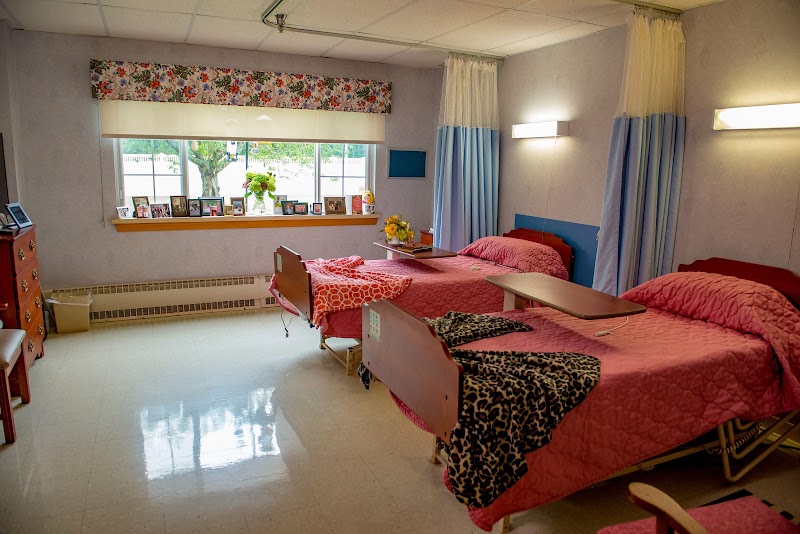
How is Bourne Manor Extended Care Facility Staffed?

CMS rates BOURNE MANOR EXTENDED CARE FACILITY's staffing level at 1 out of 5 stars, which is much below average compared to other nursing homes. Staff turnover is 67%, which is 21 percentage points above the Massachusetts average of 46%. High turnover can affect care consistency as new staff learn residents' individual needs. RN turnover specifically is 86%, which is notably high. RNs provide skilled clinical oversight, so turnover in this role can affect medical care quality.

What Have Inspectors Found at Bourne Manor Extended Care Facility?

State health inspectors documented 41 deficiencies at BOURNE MANOR EXTENDED CARE FACILITY during 2021 to 2025. These included: 2 Immediate Jeopardy (the most serious level, indicating potential for serious harm or death), 3 that caused actual resident harm, 35 with potential for harm, and 1 minor or isolated issues. Immediate Jeopardy findings are rare and represent the most serious regulatory concerns. They require immediate corrective action.

Who Owns and Operates Bourne Manor Extended Care Facility?

BOURNE MANOR EXTENDED CARE FACILITY is owned by a non-profit organization. Non-profit facilities reinvest revenue into operations rather than distributing to shareholders. The facility is operated by INTEGRITUS HEALTHCARE, a chain that manages multiple nursing homes. With 142 certified beds and approximately 130 residents (about 92% occupancy), it is a mid-sized facility located in BOURNE, Massachusetts.
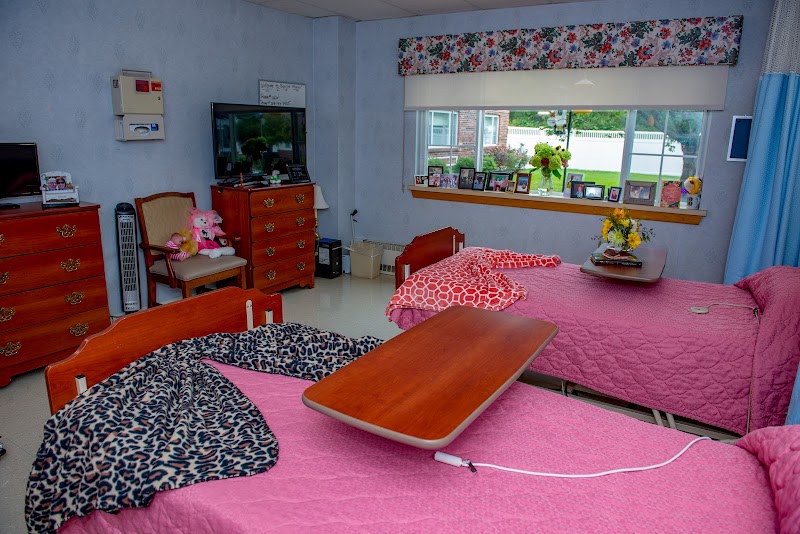
How Does Bourne Manor Extended Care Facility Compare to Other Massachusetts Nursing Homes?

Compared to the 100 nursing homes in Massachusetts, BOURNE MANOR EXTENDED CARE FACILITY's overall rating (1 stars) is below the state average of 2.9, staff turnover (67%) is significantly higher than the state average of 46%, and health inspection rating (2 stars) is below the national benchmark.

What Should Families Ask When Visiting Bourne Manor Extended Care Facility?

Based on this facility's data, families visiting should ask: "What changes have been made since the serious inspection findings, and how are you preventing similar issues?" "How do you ensure continuity of care given staff turnover, and what is your staff retention strategy?" "Can you walk me through typical staffing levels on day, evening, and night shifts?" "Can I visit during a mealtime to observe dining assistance and food quality?" These questions are particularly relevant given the facility's Immediate Jeopardy citations, the facility's high staff turnover rate, and the below-average staffing rating.

Is Bourne Manor Extended Care Facility Safe?

Based on CMS inspection data, BOURNE MANOR EXTENDED CARE FACILITY has documented safety concerns. Inspectors have issued 2 Immediate Jeopardy citations (the most serious violation level indicating risk of serious injury or death). The facility has a 1-star overall rating and ranks #100 of 100 nursing homes in Massachusetts. Families considering this facility should ask detailed questions about what corrective actions have been taken since these incidents.

Do Nurses at Bourne Manor Extended Care Facility Stick Around?

Staff turnover at BOURNE MANOR EXTENDED CARE FACILITY is high. At 67%, the facility is 21 percentage points above the Massachusetts average of 46%. Registered Nurse turnover is particularly concerning at 86%. RNs handle complex medical decisions and coordinate care — frequent RN changes can directly impact care quality. High turnover means new staff may not know residents' individual needs, medications, or preferences. It can also be disorienting for residents, especially those with dementia who rely on familiar faces. Families should ask: What is causing the turnover? What retention programs are in place? How do you ensure care continuity during staff transitions?

Was Bourne Manor Extended Care Facility Ever Fined?

BOURNE MANOR EXTENDED CARE FACILITY has been fined $48,575 across 1 penalty action. The Massachusetts average is $33,565. While any fine indicates a compliance issue, fines under $50,000 are relatively common and typically reflect isolated problems that were subsequently corrected. Families should ask what specific issues led to these fines and confirm they've been resolved.

Is Bourne Manor Extended Care Facility on Any Federal Watch List?

BOURNE MANOR EXTENDED CARE FACILITY is not on any federal watch list. The most significant is the Special Focus Facility (SFF) program, which identifies the bottom 1% of nursing homes nationally based on persistent, serious quality problems. Not being on this list means the facility has avoided the pattern of deficiencies that triggers enhanced federal oversight. This is a positive indicator, though families should still review the facility's inspection history directly.